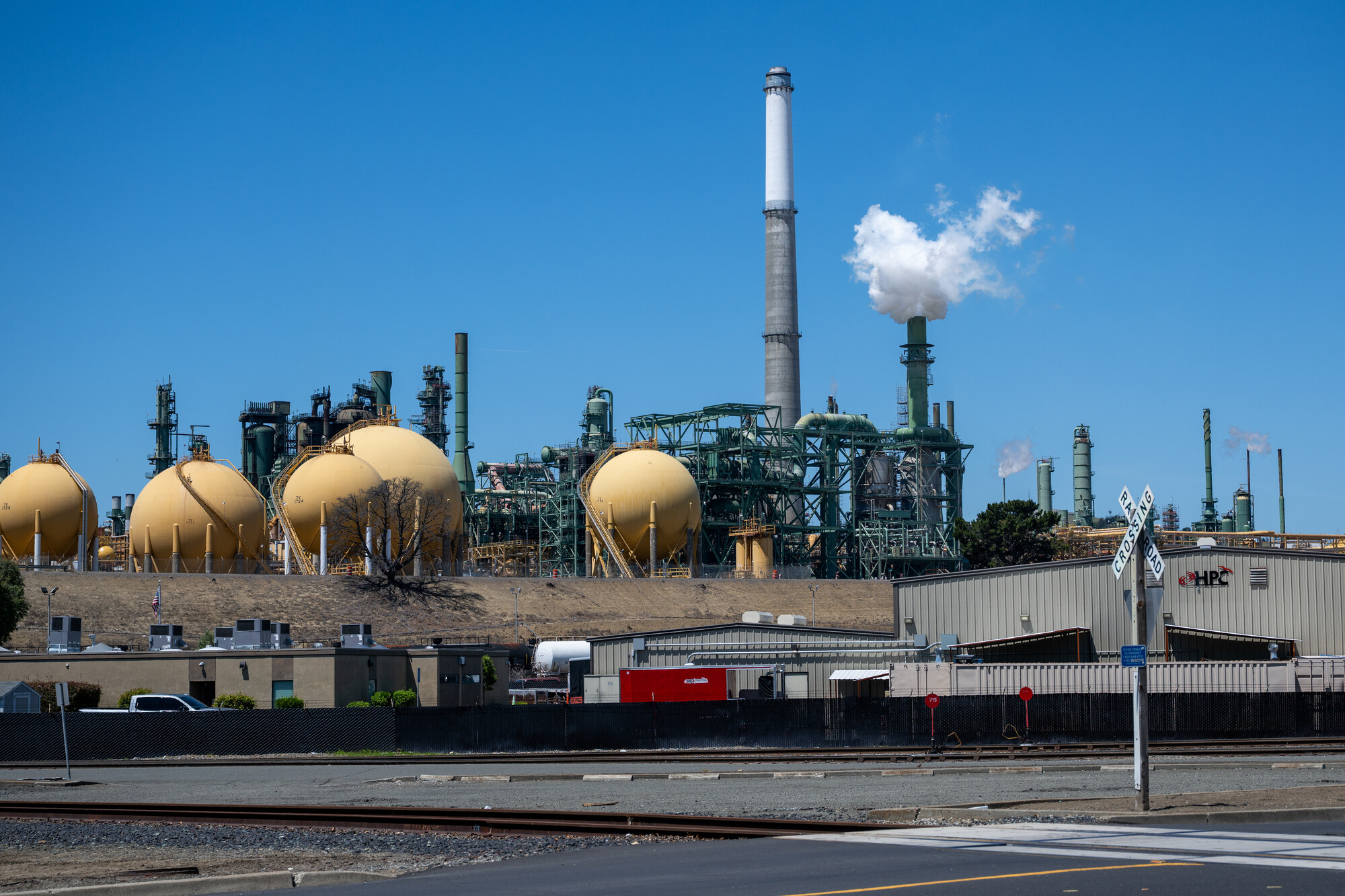
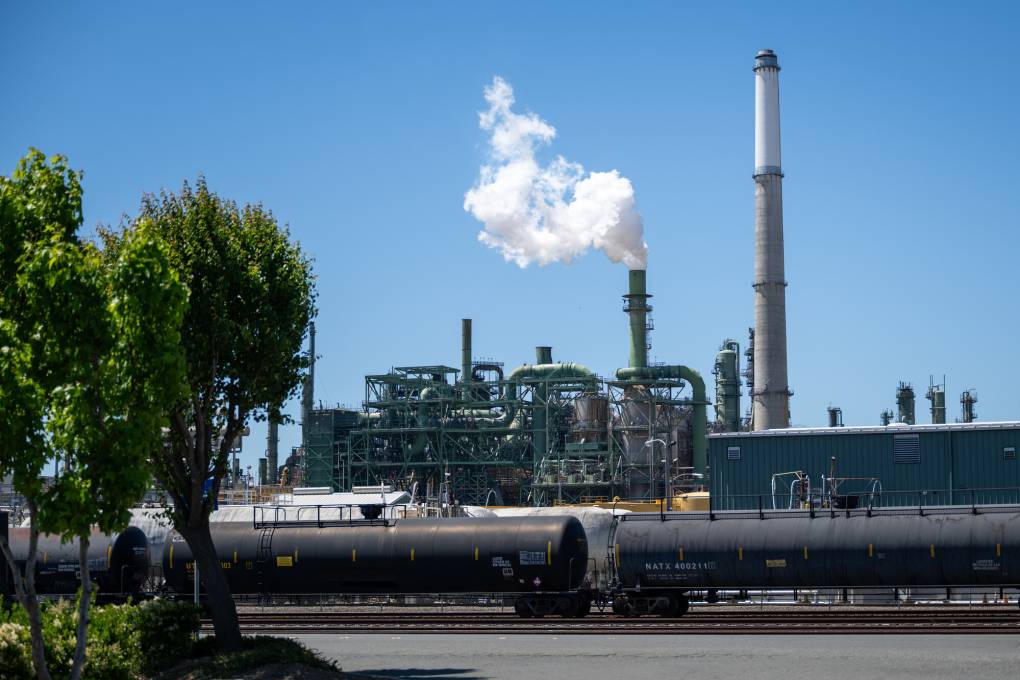
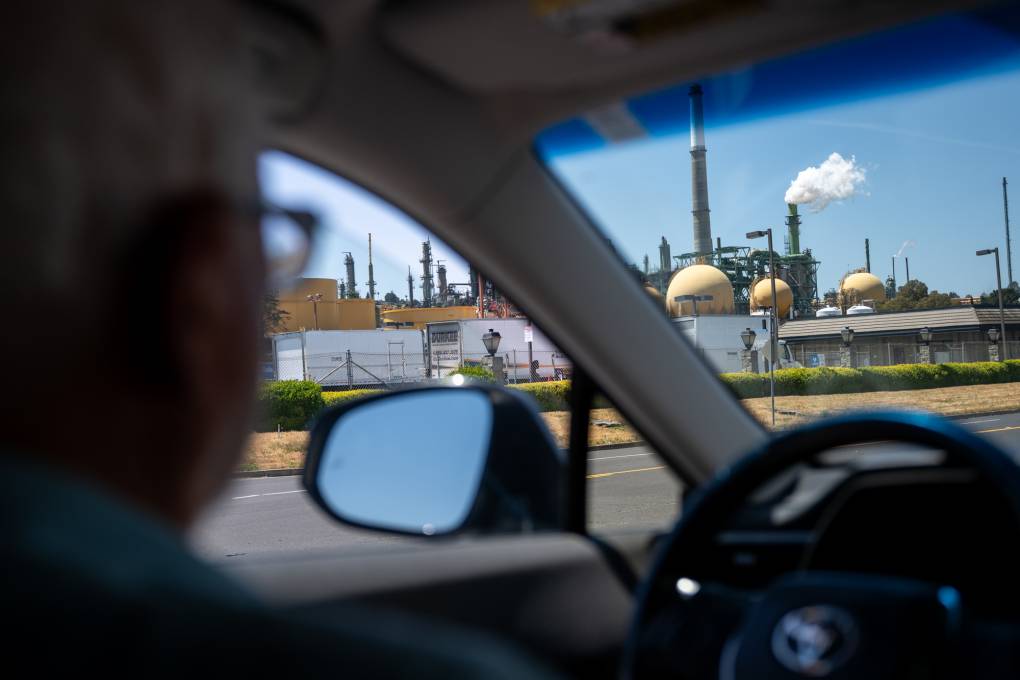
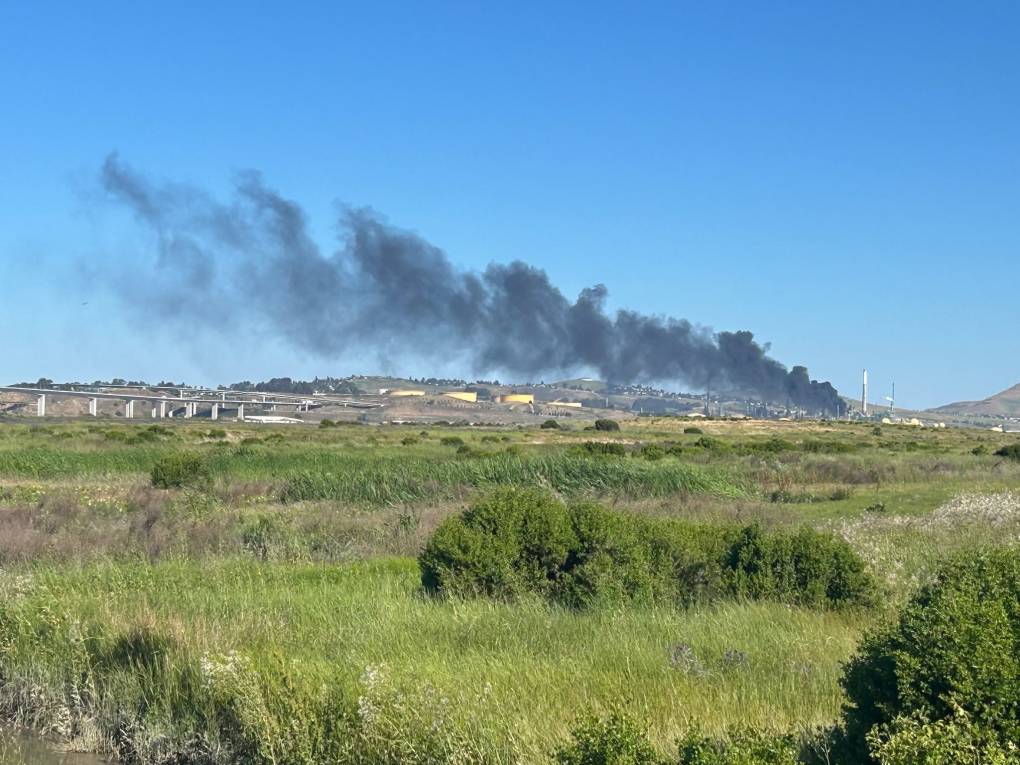
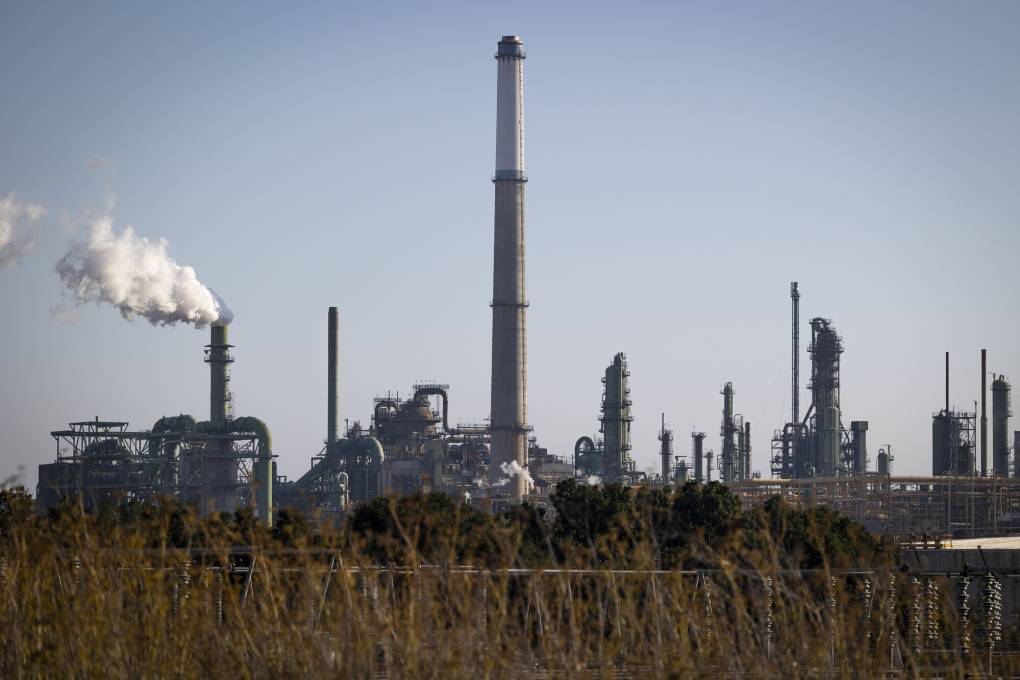
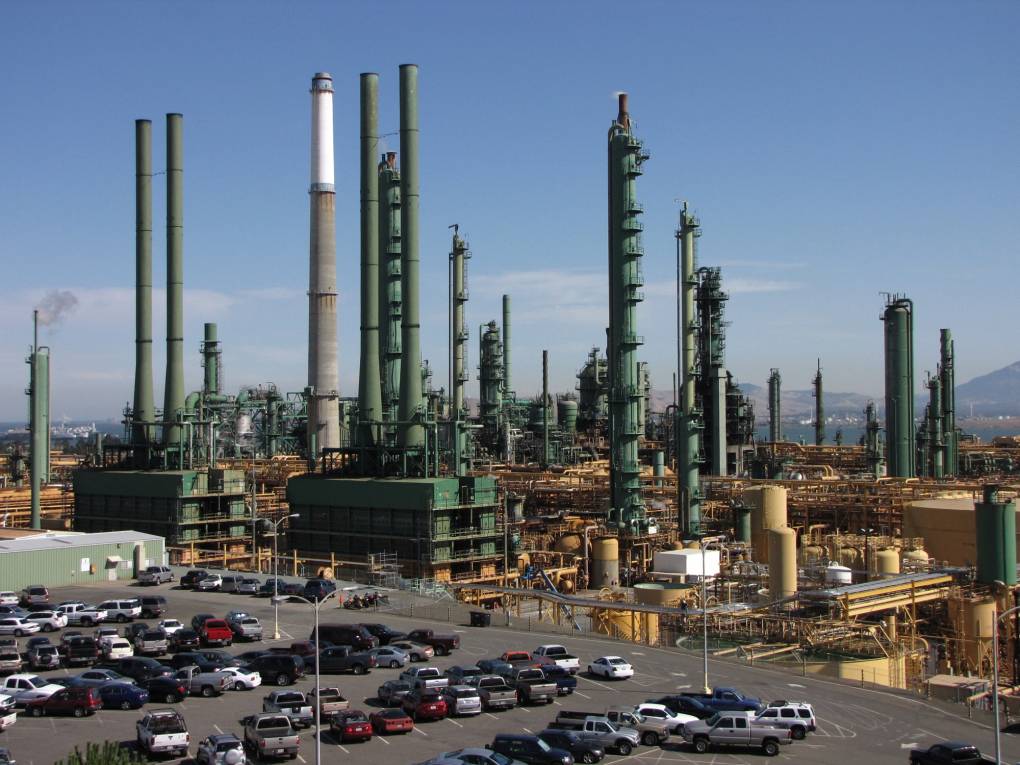
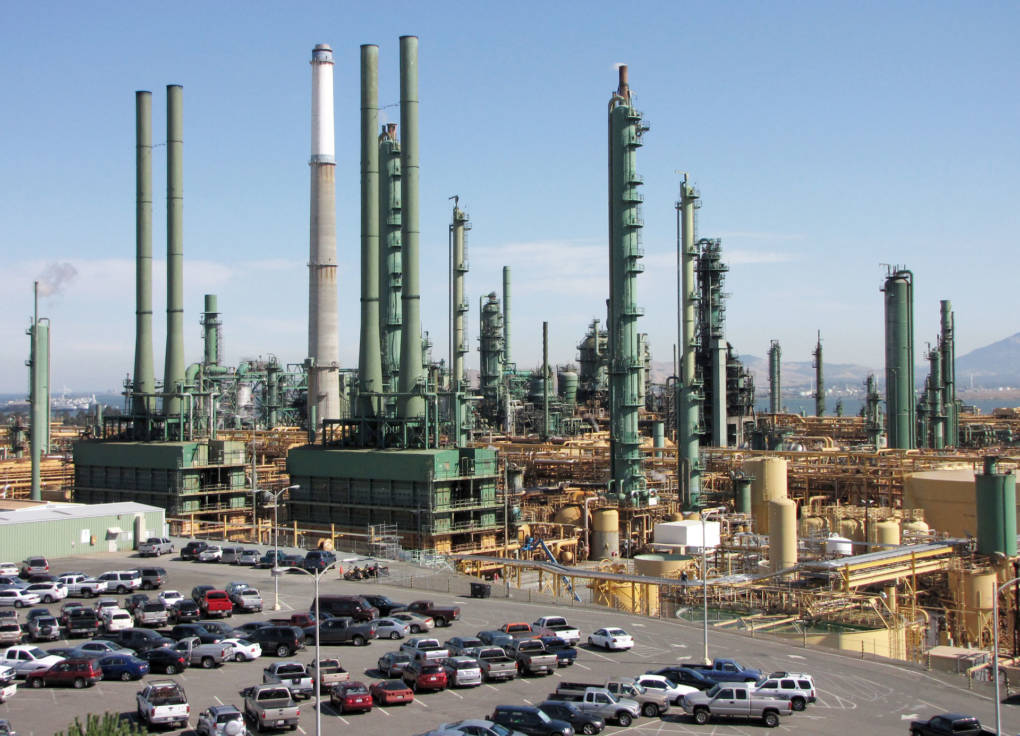
window.__IS_SSR__=true
window.__INITIAL_STATE__={
"attachmentsReducer": {
"audio_0": {
"type": "attachments",
"id": "audio_0",
"imgSizes": {
"kqedFullSize": {
"file": "https://ww2.kqed.org/news/wp-content/themes/KQED-unified/img/audio_bgs/background0.jpg"
}
}
},
"audio_1": {
"type": "attachments",
"id": "audio_1",
"imgSizes": {
"kqedFullSize": {
"file": "https://ww2.kqed.org/news/wp-content/themes/KQED-unified/img/audio_bgs/background1.jpg"
}
}
},
"audio_2": {
"type": "attachments",
"id": "audio_2",
"imgSizes": {
"kqedFullSize": {
"file": "https://ww2.kqed.org/news/wp-content/themes/KQED-unified/img/audio_bgs/background2.jpg"
}
}
},
"audio_3": {
"type": "attachments",
"id": "audio_3",
"imgSizes": {
"kqedFullSize": {
"file": "https://ww2.kqed.org/news/wp-content/themes/KQED-unified/img/audio_bgs/background3.jpg"
}
}
},
"audio_4": {
"type": "attachments",
"id": "audio_4",
"imgSizes": {
"kqedFullSize": {
"file": "https://ww2.kqed.org/news/wp-content/themes/KQED-unified/img/audio_bgs/background4.jpg"
}
}
},
"placeholder": {
"type": "attachments",
"id": "placeholder",
"imgSizes": {
"thumbnail": {
"file": "https://cdn.kqed.org/wp-content/uploads/2024/12/KQED-Default-Image-816638274-2000x1333-1-160x107.jpg",
"width": 160,
"height": 107,
"mimeType": "image/jpeg"
},
"medium": {
"file": "https://cdn.kqed.org/wp-content/uploads/2024/12/KQED-Default-Image-816638274-2000x1333-1-800x533.jpg",
"width": 800,
"height": 533,
"mimeType": "image/jpeg"
},
"medium_large": {
"file": "https://cdn.kqed.org/wp-content/uploads/2024/12/KQED-Default-Image-816638274-2000x1333-1-768x512.jpg",
"width": 768,
"height": 512,
"mimeType": "image/jpeg"
},
"large": {
"file": "https://cdn.kqed.org/wp-content/uploads/2024/12/KQED-Default-Image-816638274-2000x1333-1-1020x680.jpg",
"width": 1020,
"height": 680,
"mimeType": "image/jpeg"
},
"1536x1536": {
"file": "https://cdn.kqed.org/wp-content/uploads/2024/12/KQED-Default-Image-816638274-2000x1333-1-1536x1024.jpg",
"width": 1536,
"height": 1024,
"mimeType": "image/jpeg"
},
"fd-lrg": {
"file": "https://cdn.kqed.org/wp-content/uploads/2024/12/KQED-Default-Image-816638274-2000x1333-1-1536x1024.jpg",
"width": 1536,
"height": 1024,
"mimeType": "image/jpeg"
},
"fd-med": {
"file": "https://cdn.kqed.org/wp-content/uploads/2024/12/KQED-Default-Image-816638274-2000x1333-1-1020x680.jpg",
"width": 1020,
"height": 680,
"mimeType": "image/jpeg"
},
"fd-sm": {
"file": "https://cdn.kqed.org/wp-content/uploads/2024/12/KQED-Default-Image-816638274-2000x1333-1-800x533.jpg",
"width": 800,
"height": 533,
"mimeType": "image/jpeg"
},
"post-thumbnail": {
"file": "https://cdn.kqed.org/wp-content/uploads/2024/12/KQED-Default-Image-816638274-2000x1333-1-672x372.jpg",
"width": 672,
"height": 372,
"mimeType": "image/jpeg"
},
"twentyfourteen-full-width": {
"file": "https://cdn.kqed.org/wp-content/uploads/2024/12/KQED-Default-Image-816638274-2000x1333-1-1038x576.jpg",
"width": 1038,
"height": 576,
"mimeType": "image/jpeg"
},
"xxsmall": {
"file": "https://cdn.kqed.org/wp-content/uploads/2024/12/KQED-Default-Image-816638274-2000x1333-1-160x107.jpg",
"width": 160,
"height": 107,
"mimeType": "image/jpeg"
},
"xsmall": {
"file": "https://cdn.kqed.org/wp-content/uploads/2024/12/KQED-Default-Image-816638274-2000x1333-1-672x372.jpg",
"width": 672,
"height": 372,
"mimeType": "image/jpeg"
},
"small": {
"file": "https://cdn.kqed.org/wp-content/uploads/2024/12/KQED-Default-Image-816638274-2000x1333-1-672x372.jpg",
"width": 672,
"height": 372,
"mimeType": "image/jpeg"
},
"xlarge": {
"file": "https://cdn.kqed.org/wp-content/uploads/2024/12/KQED-Default-Image-816638274-2000x1333-1-1020x680.jpg",
"width": 1020,
"height": 680,
"mimeType": "image/jpeg"
},
"full-width": {
"file": "https://cdn.kqed.org/wp-content/uploads/2024/12/KQED-Default-Image-816638274-2000x1333-1-1920x1280.jpg",
"width": 1920,
"height": 1280,
"mimeType": "image/jpeg"
},
"guest-author-32": {
"file": "https://cdn.kqed.org/wp-content/uploads/2025/01/KQED-Default-Image-816638274-1333x1333-1-160x160.jpg",
"width": 32,
"height": 32,
"mimeType": "image/jpeg"
},
"guest-author-50": {
"file": "https://cdn.kqed.org/wp-content/uploads/2025/01/KQED-Default-Image-816638274-1333x1333-1-160x160.jpg",
"width": 50,
"height": 50,
"mimeType": "image/jpeg"
},
"guest-author-64": {
"file": "https://cdn.kqed.org/wp-content/uploads/2025/01/KQED-Default-Image-816638274-1333x1333-1-160x160.jpg",
"width": 64,
"height": 64,
"mimeType": "image/jpeg"
},
"guest-author-96": {
"file": "https://cdn.kqed.org/wp-content/uploads/2025/01/KQED-Default-Image-816638274-1333x1333-1-160x160.jpg",
"width": 96,
"height": 96,
"mimeType": "image/jpeg"
},
"guest-author-128": {
"file": "https://cdn.kqed.org/wp-content/uploads/2025/01/KQED-Default-Image-816638274-1333x1333-1-160x160.jpg",
"width": 128,
"height": 128,
"mimeType": "image/jpeg"
},
"detail": {
"file": "https://cdn.kqed.org/wp-content/uploads/2025/01/KQED-Default-Image-816638274-1333x1333-1-160x160.jpg",
"width": 160,
"height": 160,
"mimeType": "image/jpeg"
},
"kqedFullSize": {
"file": "https://cdn.kqed.org/wp-content/uploads/2024/12/KQED-Default-Image-816638274-2000x1333-1.jpg",
"width": 2000,
"height": 1333
}
}
},
"news_12055465": {
"type": "attachments",
"id": "news_12055465",
"meta": {
"index": "attachments_1716263798",
"site": "news",
"id": "12055465",
"found": true
},
"title": "250509-BeniciaRefinery-31-BL_qed",
"publishDate": 1757528362,
"status": "inherit",
"parent": 12055461,
"modified": 1757612724,
"caption": "The Valero Benicia Refinery, shown in Benicia, California, on May 8, 2025, processed up to 170,000 barrels of oil a day, making gasoline, diesel and other fuels. The city is hoping for a green transition after nearly three decades of exposure to pollution and toxic emissions.",
"credit": "Beth LaBerge/KQED",
"altTag": null,
"description": null,
"imgSizes": {
"thumbnail": {
"file": "https://cdn.kqed.org/wp-content/uploads/sites/10/2025/09/250509-BeniciaRefinery-31-BL_qed-160x107.jpg",
"width": 160,
"height": 107,
"mimeType": "image/jpeg"
},
"1536x1536": {
"file": "https://cdn.kqed.org/wp-content/uploads/sites/10/2025/09/250509-BeniciaRefinery-31-BL_qed-1536x1024.jpg",
"width": 1536,
"height": 1024,
"mimeType": "image/jpeg"
},
"post-thumbnail": {
"file": "https://cdn.kqed.org/wp-content/uploads/sites/10/2025/09/250509-BeniciaRefinery-31-BL_qed-672x372.jpg",
"width": 672,
"height": 372,
"mimeType": "image/jpeg"
},
"twentyfourteen-full-width": {
"file": "https://cdn.kqed.org/wp-content/uploads/sites/10/2025/09/250509-BeniciaRefinery-31-BL_qed-1038x576.jpg",
"width": 1038,
"height": 576,
"mimeType": "image/jpeg"
},
"kqedFullSize": {
"file": "https://cdn.kqed.org/wp-content/uploads/sites/10/2025/09/250509-BeniciaRefinery-31-BL_qed.jpg",
"width": 2000,
"height": 1333
}
},
"isLoading": false,
"fetchFailed": false
},
"news_12039779": {
"type": "attachments",
"id": "news_12039779",
"meta": {
"index": "attachments_1716263798",
"site": "news",
"id": "12039779",
"found": true
},
"title": "A mural depicts downtown Benicia in the city on May 8, 2025.",
"publishDate": 1747078191,
"status": "inherit",
"parent": 12039505,
"modified": 1747078201,
"caption": "A mural depicts downtown Benicia in the city on May 8, 2025.",
"credit": "Beth LaBerge/KQED",
"altTag": null,
"description": null,
"imgSizes": {
"medium": {
"file": "https://cdn.kqed.org/wp-content/uploads/sites/10/2025/05/250509-BeniciaRefinery-60-BL_qed-800x533.jpg",
"width": 800,
"height": 533,
"mimeType": "image/jpeg"
},
"large": {
"file": "https://cdn.kqed.org/wp-content/uploads/sites/10/2025/05/250509-BeniciaRefinery-60-BL_qed-1020x680.jpg",
"width": 1020,
"height": 680,
"mimeType": "image/jpeg"
},
"thumbnail": {
"file": "https://cdn.kqed.org/wp-content/uploads/sites/10/2025/05/250509-BeniciaRefinery-60-BL_qed-160x107.jpg",
"width": 160,
"height": 107,
"mimeType": "image/jpeg"
},
"1536x1536": {
"file": "https://cdn.kqed.org/wp-content/uploads/sites/10/2025/05/250509-BeniciaRefinery-60-BL_qed-1536x1024.jpg",
"width": 1536,
"height": 1024,
"mimeType": "image/jpeg"
},
"post-thumbnail": {
"file": "https://cdn.kqed.org/wp-content/uploads/sites/10/2025/05/250509-BeniciaRefinery-60-BL_qed-672x372.jpg",
"width": 672,
"height": 372,
"mimeType": "image/jpeg"
},
"twentyfourteen-full-width": {
"file": "https://cdn.kqed.org/wp-content/uploads/sites/10/2025/05/250509-BeniciaRefinery-60-BL_qed-1038x576.jpg",
"width": 1038,
"height": 576,
"mimeType": "image/jpeg"
},
"full-width": {
"file": "https://cdn.kqed.org/wp-content/uploads/sites/10/2025/05/250509-BeniciaRefinery-60-BL_qed-1920x1280.jpg",
"width": 1920,
"height": 1280,
"mimeType": "image/jpeg"
},
"kqedFullSize": {
"file": "https://cdn.kqed.org/wp-content/uploads/sites/10/2025/05/250509-BeniciaRefinery-60-BL_qed.jpg",
"width": 2000,
"height": 1333
}
},
"isLoading": false,
"fetchFailed": false
},
"news_12055464": {
"type": "attachments",
"id": "news_12055464",
"meta": {
"index": "attachments_1716263798",
"site": "news",
"id": "12055464",
"found": true
},
"title": "250509-BeniciaRefinery-32-BL_qed (1)",
"publishDate": 1757528359,
"status": "inherit",
"parent": 12055461,
"modified": 1760049642,
"caption": "The Valero Benicia Refinery in Benicia, on May 8, 2025, processes up to 170,000 barrels of oil a day, making gasoline, diesel, and other fuels for California. Valero plans to shut down the Benicia refinery by April 2026, citing high costs and strict environmental rules.",
"credit": "Beth LaBerge/KQED",
"altTag": null,
"description": null,
"imgSizes": {
"thumbnail": {
"file": "https://cdn.kqed.org/wp-content/uploads/sites/10/2025/09/250509-BeniciaRefinery-32-BL_qed-1-160x107.jpg",
"width": 160,
"height": 107,
"mimeType": "image/jpeg"
},
"1536x1536": {
"file": "https://cdn.kqed.org/wp-content/uploads/sites/10/2025/09/250509-BeniciaRefinery-32-BL_qed-1-1536x1024.jpg",
"width": 1536,
"height": 1024,
"mimeType": "image/jpeg"
},
"post-thumbnail": {
"file": "https://cdn.kqed.org/wp-content/uploads/sites/10/2025/09/250509-BeniciaRefinery-32-BL_qed-1-672x372.jpg",
"width": 672,
"height": 372,
"mimeType": "image/jpeg"
},
"twentyfourteen-full-width": {
"file": "https://cdn.kqed.org/wp-content/uploads/sites/10/2025/09/250509-BeniciaRefinery-32-BL_qed-1-1038x576.jpg",
"width": 1038,
"height": 576,
"mimeType": "image/jpeg"
},
"kqedFullSize": {
"file": "https://cdn.kqed.org/wp-content/uploads/sites/10/2025/09/250509-BeniciaRefinery-32-BL_qed-1.jpg",
"width": 1999,
"height": 1333
}
},
"isLoading": false,
"fetchFailed": false
},
"news_12056098": {
"type": "attachments",
"id": "news_12056098",
"meta": {
"index": "attachments_1716263798",
"site": "news",
"id": "12056098",
"found": true
},
"title": "The UC Berkeley Campus in Berkeley on Aug. 17, 2023.",
"publishDate": 1758043376,
"status": "inherit",
"parent": 12056089,
"modified": 1758043405,
"caption": "The UC Berkeley Campus in Berkeley on Aug. 17, 2023.",
"credit": "Martin do Nascimento/KQED",
"altTag": null,
"description": null,
"imgSizes": {
"thumbnail": {
"file": "https://cdn.kqed.org/wp-content/uploads/sites/10/2025/09/230817-UC-BERKELEY-CAMPUS-MD-02_qed-160x107.jpg",
"width": 160,
"height": 107,
"mimeType": "image/jpeg"
},
"1536x1536": {
"file": "https://cdn.kqed.org/wp-content/uploads/sites/10/2025/09/230817-UC-BERKELEY-CAMPUS-MD-02_qed-1536x1024.jpg",
"width": 1536,
"height": 1024,
"mimeType": "image/jpeg"
},
"post-thumbnail": {
"file": "https://cdn.kqed.org/wp-content/uploads/sites/10/2025/09/230817-UC-BERKELEY-CAMPUS-MD-02_qed-672x372.jpg",
"width": 672,
"height": 372,
"mimeType": "image/jpeg"
},
"twentyfourteen-full-width": {
"file": "https://cdn.kqed.org/wp-content/uploads/sites/10/2025/09/230817-UC-BERKELEY-CAMPUS-MD-02_qed-1038x576.jpg",
"width": 1038,
"height": 576,
"mimeType": "image/jpeg"
},
"kqedFullSize": {
"file": "https://cdn.kqed.org/wp-content/uploads/sites/10/2025/09/230817-UC-BERKELEY-CAMPUS-MD-02_qed.jpg",
"width": 2000,
"height": 1333
}
},
"isLoading": false,
"fetchFailed": false
},
"news_12040943": {
"type": "attachments",
"id": "news_12040943",
"meta": {
"index": "attachments_1716263798",
"site": "news",
"id": "12040943",
"found": true
},
"title": "250509-BeniciaRefinery-30-BL_qed",
"publishDate": 1747770634,
"status": "inherit",
"parent": 12040941,
"modified": 1747783605,
"caption": "The Valero Benicia Refinery in Benicia, on May 8, 2025, processes up to 170,000 barrels of oil a day, making gasoline, diesel, and other fuels for California. Valero plans to shut down the Benicia refinery by April 2026, citing high costs and strict environmental rules.",
"credit": "Beth LaBerge/KQED",
"altTag": null,
"description": null,
"imgSizes": {
"medium": {
"file": "https://cdn.kqed.org/wp-content/uploads/sites/10/2025/05/250509-BeniciaRefinery-30-BL_qed-800x533.jpg",
"width": 800,
"height": 533,
"mimeType": "image/jpeg"
},
"large": {
"file": "https://cdn.kqed.org/wp-content/uploads/sites/10/2025/05/250509-BeniciaRefinery-30-BL_qed-1020x680.jpg",
"width": 1020,
"height": 680,
"mimeType": "image/jpeg"
},
"thumbnail": {
"file": "https://cdn.kqed.org/wp-content/uploads/sites/10/2025/05/250509-BeniciaRefinery-30-BL_qed-160x107.jpg",
"width": 160,
"height": 107,
"mimeType": "image/jpeg"
},
"1536x1536": {
"file": "https://cdn.kqed.org/wp-content/uploads/sites/10/2025/05/250509-BeniciaRefinery-30-BL_qed-1536x1024.jpg",
"width": 1536,
"height": 1024,
"mimeType": "image/jpeg"
},
"post-thumbnail": {
"file": "https://cdn.kqed.org/wp-content/uploads/sites/10/2025/05/250509-BeniciaRefinery-30-BL_qed-672x372.jpg",
"width": 672,
"height": 372,
"mimeType": "image/jpeg"
},
"twentyfourteen-full-width": {
"file": "https://cdn.kqed.org/wp-content/uploads/sites/10/2025/05/250509-BeniciaRefinery-30-BL_qed-1038x576.jpg",
"width": 1038,
"height": 576,
"mimeType": "image/jpeg"
},
"full-width": {
"file": "https://cdn.kqed.org/wp-content/uploads/sites/10/2025/05/250509-BeniciaRefinery-30-BL_qed-1920x1280.jpg",
"width": 1920,
"height": 1280,
"mimeType": "image/jpeg"
},
"kqedFullSize": {
"file": "https://cdn.kqed.org/wp-content/uploads/sites/10/2025/05/250509-BeniciaRefinery-30-BL_qed.jpg",
"width": 1999,
"height": 1333
}
},
"isLoading": false,
"fetchFailed": false
},
"news_12039652": {
"type": "attachments",
"id": "news_12039652",
"meta": {
"index": "attachments_1716263798",
"site": "news",
"id": "12039652",
"found": true
},
"title": "250509-BENICIAREFINERY-52-BL-KQED",
"publishDate": 1746831568,
"status": "inherit",
"parent": 12040941,
"modified": 1747782846,
"caption": "Benicia mayor Steve Young drives by the Valero Benicia Refinery in Benicia on May 8, 2025, which processes up to 170,000 barrels of oil a day, making gasoline, diesel, and other fuels for California. Valero plans to shut down the Benicia refinery by April 2026, citing high costs and strict environmental rules.",
"credit": "Beth LaBerge/KQED",
"altTag": null,
"description": null,
"imgSizes": {
"medium": {
"file": "https://cdn.kqed.org/wp-content/uploads/sites/10/2025/05/250509-BENICIAREFINERY-52-BL-KQED-800x533.jpg",
"width": 800,
"height": 533,
"mimeType": "image/jpeg"
},
"large": {
"file": "https://cdn.kqed.org/wp-content/uploads/sites/10/2025/05/250509-BENICIAREFINERY-52-BL-KQED-1020x680.jpg",
"width": 1020,
"height": 680,
"mimeType": "image/jpeg"
},
"thumbnail": {
"file": "https://cdn.kqed.org/wp-content/uploads/sites/10/2025/05/250509-BENICIAREFINERY-52-BL-KQED-160x107.jpg",
"width": 160,
"height": 107,
"mimeType": "image/jpeg"
},
"1536x1536": {
"file": "https://cdn.kqed.org/wp-content/uploads/sites/10/2025/05/250509-BENICIAREFINERY-52-BL-KQED-1536x1024.jpg",
"width": 1536,
"height": 1024,
"mimeType": "image/jpeg"
},
"post-thumbnail": {
"file": "https://cdn.kqed.org/wp-content/uploads/sites/10/2025/05/250509-BENICIAREFINERY-52-BL-KQED-672x372.jpg",
"width": 672,
"height": 372,
"mimeType": "image/jpeg"
},
"twentyfourteen-full-width": {
"file": "https://cdn.kqed.org/wp-content/uploads/sites/10/2025/05/250509-BENICIAREFINERY-52-BL-KQED-1038x576.jpg",
"width": 1038,
"height": 576,
"mimeType": "image/jpeg"
},
"full-width": {
"file": "https://cdn.kqed.org/wp-content/uploads/sites/10/2025/05/250509-BENICIAREFINERY-52-BL-KQED-1920x1280.jpg",
"width": 1920,
"height": 1280,
"mimeType": "image/jpeg"
},
"kqedFullSize": {
"file": "https://cdn.kqed.org/wp-content/uploads/sites/10/2025/05/250509-BENICIAREFINERY-52-BL-KQED.jpg",
"width": 2000,
"height": 1333
}
},
"isLoading": false,
"fetchFailed": false
},
"news_12038710": {
"type": "attachments",
"id": "news_12038710",
"meta": {
"index": "attachments_1716263798",
"site": "news",
"id": "12038710",
"found": true
},
"title": "Air District Valero Benicia",
"publishDate": 1746466964,
"status": "inherit",
"parent": 12038707,
"modified": 1747853652,
"caption": "A fire at the Valero Oil Refinery in Benicia, California. The fire comes just weeks after Valero executives announced they were considering closing the sprawling refinery by next April. ",
"credit": "Courtesy of Bay Area Air District",
"altTag": null,
"description": null,
"imgSizes": {
"medium": {
"file": "https://cdn.kqed.org/wp-content/uploads/sites/10/2025/05/Air-District-Valero-Benicia-800x600.jpg",
"width": 800,
"height": 600,
"mimeType": "image/jpeg"
},
"large": {
"file": "https://cdn.kqed.org/wp-content/uploads/sites/10/2025/05/Air-District-Valero-Benicia-1020x765.jpg",
"width": 1020,
"height": 765,
"mimeType": "image/jpeg"
},
"thumbnail": {
"file": "https://cdn.kqed.org/wp-content/uploads/sites/10/2025/05/Air-District-Valero-Benicia-160x120.jpg",
"width": 160,
"height": 120,
"mimeType": "image/jpeg"
},
"1536x1536": {
"file": "https://cdn.kqed.org/wp-content/uploads/sites/10/2025/05/Air-District-Valero-Benicia-1536x1152.jpg",
"width": 1536,
"height": 1152,
"mimeType": "image/jpeg"
},
"post-thumbnail": {
"file": "https://cdn.kqed.org/wp-content/uploads/sites/10/2025/05/Air-District-Valero-Benicia-672x372.jpg",
"width": 672,
"height": 372,
"mimeType": "image/jpeg"
},
"twentyfourteen-full-width": {
"file": "https://cdn.kqed.org/wp-content/uploads/sites/10/2025/05/Air-District-Valero-Benicia-1038x576.jpg",
"width": 1038,
"height": 576,
"mimeType": "image/jpeg"
},
"full-width": {
"file": "https://cdn.kqed.org/wp-content/uploads/sites/10/2025/05/Air-District-Valero-Benicia-1920x1440.jpg",
"width": 1920,
"height": 1440,
"mimeType": "image/jpeg"
},
"kqedFullSize": {
"file": "https://cdn.kqed.org/wp-content/uploads/sites/10/2025/05/Air-District-Valero-Benicia-e1746467055636.jpg",
"width": 2000,
"height": 1500
}
},
"isLoading": false,
"fetchFailed": false
},
"news_12037800": {
"type": "attachments",
"id": "news_12037800",
"meta": {
"index": "attachments_1716263798",
"site": "news",
"id": "12037800",
"found": true
},
"title": "The Valero refinery in Benicia on Sept. 21, 2023.",
"publishDate": 1745627579,
"status": "inherit",
"parent": 12037668,
"modified": 1745627596,
"caption": "The Valero refinery in Benicia on Sept. 21, 2023.",
"credit": "Martin do Nascimento/KQED",
"altTag": null,
"description": null,
"imgSizes": {
"medium": {
"file": "https://cdn.kqed.org/wp-content/uploads/sites/10/2025/04/230921-VALERO-BENICIA-REFINERY-MD-01_qed-800x533.jpg",
"width": 800,
"height": 533,
"mimeType": "image/jpeg"
},
"large": {
"file": "https://cdn.kqed.org/wp-content/uploads/sites/10/2025/04/230921-VALERO-BENICIA-REFINERY-MD-01_qed-1020x680.jpg",
"width": 1020,
"height": 680,
"mimeType": "image/jpeg"
},
"thumbnail": {
"file": "https://cdn.kqed.org/wp-content/uploads/sites/10/2025/04/230921-VALERO-BENICIA-REFINERY-MD-01_qed-160x107.jpg",
"width": 160,
"height": 107,
"mimeType": "image/jpeg"
},
"1536x1536": {
"file": "https://cdn.kqed.org/wp-content/uploads/sites/10/2025/04/230921-VALERO-BENICIA-REFINERY-MD-01_qed-1536x1024.jpg",
"width": 1536,
"height": 1024,
"mimeType": "image/jpeg"
},
"post-thumbnail": {
"file": "https://cdn.kqed.org/wp-content/uploads/sites/10/2025/04/230921-VALERO-BENICIA-REFINERY-MD-01_qed-672x372.jpg",
"width": 672,
"height": 372,
"mimeType": "image/jpeg"
},
"twentyfourteen-full-width": {
"file": "https://cdn.kqed.org/wp-content/uploads/sites/10/2025/04/230921-VALERO-BENICIA-REFINERY-MD-01_qed-1038x576.jpg",
"width": 1038,
"height": 576,
"mimeType": "image/jpeg"
},
"full-width": {
"file": "https://cdn.kqed.org/wp-content/uploads/sites/10/2025/04/230921-VALERO-BENICIA-REFINERY-MD-01_qed-1920x1280.jpg",
"width": 1920,
"height": 1280,
"mimeType": "image/jpeg"
},
"kqedFullSize": {
"file": "https://cdn.kqed.org/wp-content/uploads/sites/10/2025/04/230921-VALERO-BENICIA-REFINERY-MD-01_qed.jpg",
"width": 1999,
"height": 1333
}
},
"isLoading": false,
"fetchFailed": false
},
"news_12029847": {
"type": "attachments",
"id": "news_12029847",
"meta": {
"index": "attachments_1716263798",
"site": "news",
"id": "12029847",
"found": true
},
"title": "ValeroBenicia",
"publishDate": 1741204189,
"status": "inherit",
"parent": 12029845,
"modified": 1741204226,
"caption": "San Antonio-based Valero Corp. is the nation's biggest refiner. The Benicia refinery is one of two the company operates in California.",
"credit": "Craig Miller/KQED",
"altTag": null,
"description": null,
"imgSizes": {
"medium": {
"file": "https://cdn.kqed.org/wp-content/uploads/sites/10/2025/03/ValeroBenicia-800x600.jpg",
"width": 800,
"height": 600,
"mimeType": "image/jpeg"
},
"large": {
"file": "https://cdn.kqed.org/wp-content/uploads/sites/10/2025/03/ValeroBenicia-1020x765.jpg",
"width": 1020,
"height": 765,
"mimeType": "image/jpeg"
},
"thumbnail": {
"file": "https://cdn.kqed.org/wp-content/uploads/sites/10/2025/03/ValeroBenicia-160x120.jpg",
"width": 160,
"height": 120,
"mimeType": "image/jpeg"
},
"1536x1536": {
"file": "https://cdn.kqed.org/wp-content/uploads/sites/10/2025/03/ValeroBenicia-1536x1152.jpg",
"width": 1536,
"height": 1152,
"mimeType": "image/jpeg"
},
"post-thumbnail": {
"file": "https://cdn.kqed.org/wp-content/uploads/sites/10/2025/03/ValeroBenicia-672x372.jpg",
"width": 672,
"height": 372,
"mimeType": "image/jpeg"
},
"twentyfourteen-full-width": {
"file": "https://cdn.kqed.org/wp-content/uploads/sites/10/2025/03/ValeroBenicia-1038x576.jpg",
"width": 1038,
"height": 576,
"mimeType": "image/jpeg"
},
"full-width": {
"file": "https://cdn.kqed.org/wp-content/uploads/sites/10/2025/03/ValeroBenicia-1920x1440.jpg",
"width": 1920,
"height": 1440,
"mimeType": "image/jpeg"
},
"kqedFullSize": {
"file": "https://cdn.kqed.org/wp-content/uploads/sites/10/2025/03/ValeroBenicia.jpg",
"width": 2000,
"height": 1500
}
},
"isLoading": false,
"fetchFailed": false
},
"news_11118837": {
"type": "attachments",
"id": "news_11118837",
"meta": {
"index": "attachments_1716263798",
"site": "news",
"id": "11118837",
"found": true
},
"parent": 11118491,
"imgSizes": {
"twentyfourteen-full-width": {
"file": "https://ww2.kqed.org/app/uploads/sites/10/2016/10/Refinery-1038x576.jpg",
"width": 1038,
"mimeType": "image/jpeg",
"height": 576
},
"thumbnail": {
"file": "https://ww2.kqed.org/app/uploads/sites/10/2016/10/Refinery-400x300.jpg",
"width": 400,
"mimeType": "image/jpeg",
"height": 300
},
"fd-sm": {
"file": "https://ww2.kqed.org/app/uploads/sites/10/2016/10/Refinery-960x720.jpg",
"width": 960,
"mimeType": "image/jpeg",
"height": 720
},
"post-thumbnail": {
"file": "https://ww2.kqed.org/app/uploads/sites/10/2016/10/Refinery-672x372.jpg",
"width": 672,
"mimeType": "image/jpeg",
"height": 372
},
"kqedFullSize": {
"file": "https://ww2.kqed.org/app/uploads/sites/10/2016/10/Refinery-e1475793806219.jpg",
"width": 1920,
"height": 1440
},
"large": {
"file": "https://ww2.kqed.org/app/uploads/sites/10/2016/10/Refinery-1920x1440.jpg",
"width": 1920,
"mimeType": "image/jpeg",
"height": 1440
},
"guest-author-50": {
"file": "https://ww2.kqed.org/app/uploads/sites/10/2016/10/Refinery-50x50.jpg",
"width": 50,
"mimeType": "image/jpeg",
"height": 50
},
"guest-author-96": {
"file": "https://ww2.kqed.org/app/uploads/sites/10/2016/10/Refinery-96x96.jpg",
"width": 96,
"mimeType": "image/jpeg",
"height": 96
},
"medium": {
"file": "https://ww2.kqed.org/app/uploads/sites/10/2016/10/Refinery-800x600.jpg",
"width": 800,
"mimeType": "image/jpeg",
"height": 600
},
"guest-author-64": {
"file": "https://ww2.kqed.org/app/uploads/sites/10/2016/10/Refinery-64x64.jpg",
"width": 64,
"mimeType": "image/jpeg",
"height": 64
},
"guest-author-32": {
"file": "https://ww2.kqed.org/app/uploads/sites/10/2016/10/Refinery-32x32.jpg",
"width": 32,
"mimeType": "image/jpeg",
"height": 32
},
"jmtc-small-thumb": {
"file": "https://ww2.kqed.org/app/uploads/sites/10/2016/10/Refinery-280x150.jpg",
"width": 280,
"mimeType": "image/jpeg",
"height": 150
},
"fd-lrg": {
"file": "https://ww2.kqed.org/app/uploads/sites/10/2016/10/Refinery-1920x1440.jpg",
"width": 1920,
"mimeType": "image/jpeg",
"height": 1440
},
"fd-med": {
"file": "https://ww2.kqed.org/app/uploads/sites/10/2016/10/Refinery-1180x885.jpg",
"width": 1180,
"mimeType": "image/jpeg",
"height": 885
},
"detail": {
"file": "https://ww2.kqed.org/app/uploads/sites/10/2016/10/Refinery-150x150.jpg",
"width": 150,
"mimeType": "image/jpeg",
"height": 150
},
"guest-author-128": {
"file": "https://ww2.kqed.org/app/uploads/sites/10/2016/10/Refinery-128x128.jpg",
"width": 128,
"mimeType": "image/jpeg",
"height": 128
}
},
"publishDate": 1475793787,
"modified": 1475793841,
"caption": "San Antonio-based Valero Corp. is the nation's biggest refiner. The Benicia refinery is one of two the company operates in California.",
"description": null,
"title": "Refinery",
"credit": "Craig Miller/KQED",
"status": "inherit",
"isLoading": false,
"fetchFailed": false
},
"news_11913908": {
"type": "attachments",
"id": "news_11913908",
"meta": {
"index": "attachments_1716263798",
"site": "news",
"id": "11913908",
"found": true
},
"parent": 11913837,
"imgSizes": {
"twentyfourteen-full-width": {
"file": "https://ww2.kqed.org/app/uploads/sites/10/2022/05/GettyImages-1368210589-1024x576.jpg",
"width": 1024,
"mimeType": "image/jpeg",
"height": 576
},
"thumbnail": {
"file": "https://ww2.kqed.org/app/uploads/sites/10/2022/05/GettyImages-1368210589-160x120.jpg",
"width": 160,
"mimeType": "image/jpeg",
"height": 120
},
"post-thumbnail": {
"file": "https://ww2.kqed.org/app/uploads/sites/10/2022/05/GettyImages-1368210589-672x372.jpg",
"width": 672,
"mimeType": "image/jpeg",
"height": 372
},
"kqedFullSize": {
"file": "https://ww2.kqed.org/app/uploads/sites/10/2022/05/GettyImages-1368210589.jpg",
"width": 1024,
"height": 768
},
"large": {
"file": "https://ww2.kqed.org/app/uploads/sites/10/2022/05/GettyImages-1368210589-1020x765.jpg",
"width": 1020,
"mimeType": "image/jpeg",
"height": 765
},
"medium": {
"file": "https://ww2.kqed.org/app/uploads/sites/10/2022/05/GettyImages-1368210589-800x600.jpg",
"width": 800,
"mimeType": "image/jpeg",
"height": 600
}
},
"publishDate": 1652308732,
"modified": 1652316014,
"caption": "Smokestacks and machinery are visible at Valero's Benicia Refinery, in February 2022. The Bay area plant processes crude oil.",
"description": null,
"title": "Valero Benicia Refinery",
"credit": "Smith Collection/Gado/Getty Images",
"status": "inherit",
"altTag": "Tall stacks at a refinery spew clouds of smoke.",
"isLoading": false,
"fetchFailed": false
},
"news_11703286": {
"type": "attachments",
"id": "news_11703286",
"meta": {
"index": "attachments_1716263798",
"site": "news",
"id": "11703286",
"found": true
},
"parent": 11703159,
"imgSizes": {
"small": {
"file": "https://ww2.kqed.org/app/uploads/sites/10/2018/11/ValeroRefinery-520x375.jpg",
"width": 520,
"mimeType": "image/jpeg",
"height": 375
},
"twentyfourteen-full-width": {
"file": "https://ww2.kqed.org/app/uploads/sites/10/2018/11/ValeroRefinery-1038x576.jpg",
"width": 1038,
"mimeType": "image/jpeg",
"height": 576
},
"thumbnail": {
"file": "https://ww2.kqed.org/app/uploads/sites/10/2018/11/ValeroRefinery-160x116.jpg",
"width": 160,
"mimeType": "image/jpeg",
"height": 116
},
"fd-sm": {
"file": "https://ww2.kqed.org/app/uploads/sites/10/2018/11/ValeroRefinery-960x693.jpg",
"width": 960,
"mimeType": "image/jpeg",
"height": 693
},
"post-thumbnail": {
"file": "https://ww2.kqed.org/app/uploads/sites/10/2018/11/ValeroRefinery-672x372.jpg",
"width": 672,
"mimeType": "image/jpeg",
"height": 372
},
"xsmall": {
"file": "https://ww2.kqed.org/app/uploads/sites/10/2018/11/ValeroRefinery-375x271.jpg",
"width": 375,
"mimeType": "image/jpeg",
"height": 271
},
"kqedFullSize": {
"file": "https://ww2.kqed.org/app/uploads/sites/10/2018/11/ValeroRefinery.jpg",
"width": 1920,
"height": 1386
},
"large": {
"file": "https://ww2.kqed.org/app/uploads/sites/10/2018/11/ValeroRefinery-1020x736.jpg",
"width": 1020,
"mimeType": "image/jpeg",
"height": 736
},
"xlarge": {
"file": "https://ww2.kqed.org/app/uploads/sites/10/2018/11/ValeroRefinery-1180x852.jpg",
"width": 1180,
"mimeType": "image/jpeg",
"height": 852
},
"complete_open_graph": {
"file": "https://ww2.kqed.org/app/uploads/sites/10/2018/11/ValeroRefinery-1200x866.jpg",
"width": 1200,
"mimeType": "image/jpeg",
"height": 866
},
"guest-author-50": {
"file": "https://ww2.kqed.org/app/uploads/sites/10/2018/11/ValeroRefinery-50x50.jpg",
"width": 50,
"mimeType": "image/jpeg",
"height": 50
},
"guest-author-96": {
"file": "https://ww2.kqed.org/app/uploads/sites/10/2018/11/ValeroRefinery-96x96.jpg",
"width": 96,
"mimeType": "image/jpeg",
"height": 96
},
"medium": {
"file": "https://ww2.kqed.org/app/uploads/sites/10/2018/11/ValeroRefinery-800x578.jpg",
"width": 800,
"mimeType": "image/jpeg",
"height": 578
},
"guest-author-64": {
"file": "https://ww2.kqed.org/app/uploads/sites/10/2018/11/ValeroRefinery-64x64.jpg",
"width": 64,
"mimeType": "image/jpeg",
"height": 64
},
"guest-author-32": {
"file": "https://ww2.kqed.org/app/uploads/sites/10/2018/11/ValeroRefinery-32x32.jpg",
"width": 32,
"mimeType": "image/jpeg",
"height": 32
},
"fd-lrg": {
"file": "https://ww2.kqed.org/app/uploads/sites/10/2018/11/ValeroRefinery-1920x1386.jpg",
"width": 1920,
"mimeType": "image/jpeg",
"height": 1386
},
"fd-med": {
"file": "https://ww2.kqed.org/app/uploads/sites/10/2018/11/ValeroRefinery-1180x852.jpg",
"width": 1180,
"mimeType": "image/jpeg",
"height": 852
},
"full-width": {
"file": "https://ww2.kqed.org/app/uploads/sites/10/2018/11/ValeroRefinery-1920x1386.jpg",
"width": 1920,
"mimeType": "image/jpeg",
"height": 1386
},
"detail": {
"file": "https://ww2.kqed.org/app/uploads/sites/10/2018/11/ValeroRefinery-150x150.jpg",
"width": 150,
"mimeType": "image/jpeg",
"height": 150
},
"guest-author-128": {
"file": "https://ww2.kqed.org/app/uploads/sites/10/2018/11/ValeroRefinery-128x128.jpg",
"width": 128,
"mimeType": "image/jpeg",
"height": 128
},
"xxsmall": {
"file": "https://ww2.kqed.org/app/uploads/sites/10/2018/11/ValeroRefinery-240x173.jpg",
"width": 240,
"mimeType": "image/jpeg",
"height": 173
}
},
"publishDate": 1541190731,
"modified": 1634605165,
"caption": "Valero's oil refinery in the Solano County city of Benicia.",
"description": "The Valero refinery in Benicia.",
"title": "ValeroRefinery",
"credit": "Craig Miller/KQED",
"status": "inherit",
"altTag": "Dozens of tall smokestacks beside a parking lot.",
"isLoading": false,
"fetchFailed": false
}
},
"audioPlayerReducer": {
"postId": "stream_live",
"isPaused": true,
"isPlaying": false,
"pfsActive": false,
"pledgeModalIsOpen": true,
"playerDrawerIsOpen": false,
"liveAudioPlayStartedAt": 0,
"liveAudioPlayContext": ""
},
"authorsReducer": {
"danbrekke": {
"type": "authors",
"id": "222",
"meta": {
"index": "authors_1716337520",
"id": "222",
"found": true
},
"name": "Dan Brekke",
"firstName": "Dan",
"lastName": "Brekke",
"slug": "danbrekke",
"email": "dbrekke@kqed.org",
"display_author_email": true,
"staff_mastheads": [
"news",
"science"
],
"title": "KQED Editor and Reporter",
"bio": "Dan Brekke is a reporter and editor for KQED News, responsible for coverage of topics ranging from California water issues to the Bay Area's transportation challenges. In a newsroom career that began in Chicago in 1972, Dan has worked for \u003cem>The San Francisco Examiner,\u003c/em> Wired and TechTV and has been published in The New York Times, The New York Times Magazine, Business 2.0, Salon and elsewhere.\r\n\r\nSince joining KQED in 2007, Dan has reported, edited and produced both radio and online features and breaking news pieces. He has shared as both editor and reporter in four Society of Professional Journalists Norcal Excellence in Journalism awards and one Edward R. Murrow regional award. He was chosen for a spring 2017 residency at the Mesa Refuge to advance his research on California salmon.\r\n\r\nEmail Dan at: \u003ca href=\"mailto:dbrekke@kqed.org\">dbrekke@kqed.org\u003c/a>\r\n\r\n\u003cstrong>Twitter:\u003c/strong> \u003ca href=\"https://twitter.com/danbrekke\" rel=\"noopener noreferrer\">twitter.com/danbrekke\u003c/a>\r\n\u003cstrong>Facebook:\u003c/strong> \u003ca href=\"https://www.facebook.com/danbrekke\" rel=\"noopener noreferrer\">www.facebook.com/danbrekke\u003c/a>\r\n\u003cstrong>LinkedIn:\u003c/strong> \u003ca href=\"https://www.linkedin.com/in/danbrekke\" rel=\"noopener noreferrer\">www.linkedin.com/in/danbrekke\u003c/a>",
"avatar": "https://secure.gravatar.com/avatar/8f1f0d2a978fb3b23426c922c7e2af558fa36905b49c4ce76a97dc3c72d27226?s=600&d=mm&r=g",
"twitter": "danbrekke",
"bluesky": null,
"facebook": null,
"instagram": "https://www.instagram.com/dan.brekke/",
"linkedin": "https://www.linkedin.com/in/danbrekke/",
"sites": [
{
"site": "news",
"roles": [
"administrator",
"create_posts"
]
},
{
"site": "stateofhealth",
"roles": [
"editor"
]
},
{
"site": "science",
"roles": [
"editor"
]
},
{
"site": "quest",
"roles": [
"contributor"
]
},
{
"site": "food",
"roles": [
"contributor"
]
},
{
"site": "forum",
"roles": [
"contributor"
]
},
{
"site": "elections",
"roles": [
"editor"
]
},
{
"site": "liveblog",
"roles": [
"editor"
]
}
],
"headData": {
"title": "Dan Brekke | KQED",
"description": "KQED Editor and Reporter",
"ogImgSrc": "https://secure.gravatar.com/avatar/8f1f0d2a978fb3b23426c922c7e2af558fa36905b49c4ce76a97dc3c72d27226?s=600&d=mm&r=g",
"twImgSrc": "https://secure.gravatar.com/avatar/8f1f0d2a978fb3b23426c922c7e2af558fa36905b49c4ce76a97dc3c72d27226?s=600&d=mm&r=g"
},
"isLoading": false,
"link": "/author/danbrekke"
},
"gmarzorati": {
"type": "authors",
"id": "227",
"meta": {
"index": "authors_1716337520",
"id": "227",
"found": true
},
"name": "Guy Marzorati",
"firstName": "Guy",
"lastName": "Marzorati",
"slug": "gmarzorati",
"email": "gmarzorati@KQED.org",
"display_author_email": true,
"staff_mastheads": [
"news"
],
"title": "Correspondent",
"bio": "Guy Marzorati is a correspondent on KQED's California Politics and Government Desk, based in San Jose. A graduate of Santa Clara University, Guy joined KQED in 2013. He reports on state and local politics and produces KQED's digital voter guide.",
"avatar": "https://secure.gravatar.com/avatar/e7038b8dbfd55b104369b76b1cd0b9de?s=600&d=blank&r=g",
"twitter": "guymarzorati",
"facebook": null,
"instagram": null,
"linkedin": null,
"sites": [
{
"site": "",
"roles": [
"editor"
]
},
{
"site": "news",
"roles": [
"editor"
]
},
{
"site": "science",
"roles": [
"editor"
]
},
{
"site": "forum",
"roles": [
"editor"
]
},
{
"site": "elections",
"roles": [
"editor"
]
},
{
"site": "liveblog",
"roles": [
"editor"
]
}
],
"headData": {
"title": "Guy Marzorati | KQED",
"description": "Correspondent",
"ogImgSrc": "https://secure.gravatar.com/avatar/e7038b8dbfd55b104369b76b1cd0b9de?s=600&d=blank&r=g",
"twImgSrc": "https://secure.gravatar.com/avatar/e7038b8dbfd55b104369b76b1cd0b9de?s=600&d=blank&r=g"
},
"isLoading": false,
"link": "/author/gmarzorati"
},
"tgoldberg": {
"type": "authors",
"id": "258",
"meta": {
"index": "authors_1716337520",
"id": "258",
"found": true
},
"name": "Ted Goldberg",
"firstName": "Ted",
"lastName": "Goldberg",
"slug": "tgoldberg",
"email": "tgoldberg@kqed.org",
"display_author_email": true,
"staff_mastheads": [
"news"
],
"title": "KQED Managing Editor, News and Newscasts",
"bio": "Ted Goldberg is Managing Editor of News and Newscasts at KQED. His main reporting beat is the Bay Area's oil refining industry.\r\n\r\nPrior to joining KQED in 2014, Ted worked at CBS News and WCBS AM in New York and Bay City News and KCBS Radio in San Francisco. He graduated from Oberlin College in Ohio in 1998.",
"avatar": "https://secure.gravatar.com/avatar/30ce2e4fe89135e104f89be2394d16225b9d36c121b5b3cb7651ce642978b96f?s=600&d=blank&r=g",
"twitter": "TedrickG",
"bluesky": null,
"facebook": null,
"instagram": null,
"linkedin": null,
"sites": [
{
"site": "news",
"roles": [
"editor"
]
},
{
"site": "science",
"roles": [
"editor"
]
}
],
"headData": {
"title": "Ted Goldberg | KQED",
"description": "KQED Managing Editor, News and Newscasts",
"ogImgSrc": "https://secure.gravatar.com/avatar/30ce2e4fe89135e104f89be2394d16225b9d36c121b5b3cb7651ce642978b96f?s=600&d=blank&r=g",
"twImgSrc": "https://secure.gravatar.com/avatar/30ce2e4fe89135e104f89be2394d16225b9d36c121b5b3cb7651ce642978b96f?s=600&d=blank&r=g"
},
"isLoading": false,
"link": "/author/tgoldberg"
},
"matthewgreen": {
"type": "authors",
"id": "1263",
"meta": {
"index": "authors_1716337520",
"id": "1263",
"found": true
},
"name": "Matthew Green",
"firstName": "Matthew",
"lastName": "Green",
"slug": "matthewgreen",
"email": "mgreen@kqed.org",
"display_author_email": false,
"staff_mastheads": [],
"title": "KQED Editor/Reporter",
"bio": "Matthew Green is a digital media producer for KQED News. He previously produced \u003ca href=\"http://www.kqed.org/lowdown\">The Lowdown\u003c/a>, KQED’s multimedia news education blog. Matthew's written for numerous Bay Area publications, including the Oakland Tribune and San Francisco Chronicle. He also taught journalism classes at Fremont High School in East Oakland.\r\n\r\nEmail: mgreen@kqed.org; Twitter: @MGreenKQED",
"avatar": "https://secure.gravatar.com/avatar/3bf498d1267ca02c8494f33d8cfc575e?s=600&d=blank&r=g",
"twitter": "MGreenKQED",
"facebook": null,
"instagram": null,
"linkedin": null,
"sites": [
{
"site": "news",
"roles": []
},
{
"site": "lowdown",
"roles": []
},
{
"site": "science",
"roles": []
},
{
"site": "education",
"roles": []
},
{
"site": "quest",
"roles": []
},
{
"site": "liveblog",
"roles": []
}
],
"headData": {
"title": "Matthew Green | KQED",
"description": "KQED Editor/Reporter",
"ogImgSrc": "https://secure.gravatar.com/avatar/3bf498d1267ca02c8494f33d8cfc575e?s=600&d=blank&r=g",
"twImgSrc": "https://secure.gravatar.com/avatar/3bf498d1267ca02c8494f33d8cfc575e?s=600&d=blank&r=g"
},
"isLoading": false,
"link": "/author/matthewgreen"
},
"jsmall": {
"type": "authors",
"id": "6625",
"meta": {
"index": "authors_1716337520",
"id": "6625",
"found": true
},
"name": "Julie Small",
"firstName": "Julie",
"lastName": "Small",
"slug": "jsmall",
"email": "jsmall@kqed.org",
"display_author_email": true,
"staff_mastheads": [
"news"
],
"title": "KQED Contributor",
"bio": "Julie Small reports on criminal justice and immigration.\r\n\r\nShe was part of a team at KQED awarded a regional 2019 Edward R. Murrow award for continuing coverage of the Trump Administration's family separation policy.\r\n\r\nThe Society for Professional Journalists recognized Julie's 2018 \u003ca href=\"https://www.kqed.org/news/11636262/the-officer-tased-him-31-times-the-sheriff-called-his-death-an-accident\">reporting\u003c/a> on the San Joaquin County Sheriff's \u003ca href=\"https://www.kqed.org/news/11634689/autopsy-doctors-sheriff-overrode-death-findings-to-protect-law-enforcement\">interference\u003c/a> in death investigations with an Excellence in Journalism Award for Ongoing Coverage.\r\n\r\nJulie's\u003ca href=\"https://www.kqed.org/news/11039666/two-mentally-ill-inmates-died-one-month-in-santa-clara\"> reporting\u003c/a> with Lisa Pickoff-White on the treatment of mentally ill offenders in California jails earned a 2017 regional Edward R. Murrow Award for news reporting and an investigative reporting award from the SPJ of Northern California.\r\n\r\nBefore joining KQED, Julie covered government and politics in Sacramento for Southern California Public Radio (SCPR). Her 2010 \u003ca href=\"https://www.scpr.org/specials/prisonmedical/\">series\u003c/a> on lapses in California’s prison medical care also won a regional Edward R. Murrow Award for investigative reporting and a Golden Mic Award from the RTNDA of Southern California.\r\n\r\nJulie began her career in journalism in 2000 as the deputy foreign editor for public radio's \u003cem>Marketplace, \u003c/em>while earning her master's degree in journalism from USC’s Annenberg School of Communication.",
"avatar": "https://secure.gravatar.com/avatar/4baedf201468df97be97c2a9dd7585d0?s=600&d=blank&r=g",
"twitter": "@SmallRadio2",
"facebook": null,
"instagram": null,
"linkedin": null,
"sites": [
{
"site": "news",
"roles": [
"editor"
]
},
{
"site": "stateofhealth",
"roles": [
"author"
]
},
{
"site": "science",
"roles": [
"author"
]
}
],
"headData": {
"title": "Julie Small | KQED",
"description": "KQED Contributor",
"ogImgSrc": "https://secure.gravatar.com/avatar/4baedf201468df97be97c2a9dd7585d0?s=600&d=blank&r=g",
"twImgSrc": "https://secure.gravatar.com/avatar/4baedf201468df97be97c2a9dd7585d0?s=600&d=blank&r=g"
},
"isLoading": false,
"link": "/author/jsmall"
},
"ecruzguevarra": {
"type": "authors",
"id": "8654",
"meta": {
"index": "authors_1716337520",
"id": "8654",
"found": true
},
"name": "Ericka Cruz Guevarra",
"firstName": "Ericka",
"lastName": "Cruz Guevarra",
"slug": "ecruzguevarra",
"email": "ecruzguevarra@kqed.org",
"display_author_email": true,
"staff_mastheads": [
"news"
],
"title": "Producer, The Bay Podcast",
"bio": "Ericka Cruz Guevarra is host of \u003ca href=\"https://www.kqed.org/podcasts/thebay\">\u003cem>The Bay\u003c/em>\u003c/a> podcast at KQED. Before host, she was the show’s producer. Her work in that capacity includes a three-part reported series on policing in Vallejo, which won a 2020 excellence in journalism award from the Society of Professional Journalists. Ericka has worked as a breaking news reporter at Oregon Public Broadcasting, helped produce the Code Switch podcast, and was KQED’s inaugural Raul Ramirez Diversity Fund intern. She’s also an alumna of NPR’s Next Generation Radio program. Send her an email if you have strong feelings about whether Fairfield and Suisun City are the Bay. Ericka is represented by SAG-AFTRA.",
"avatar": "https://secure.gravatar.com/avatar/accefc1de4bafc7e234b69bcb9b6f6536c130fd84709bc3069ef11a78787e1bb?s=600&d=blank&r=g",
"twitter": "NotoriousECG",
"bluesky": null,
"facebook": null,
"instagram": null,
"linkedin": null,
"sites": [
{
"site": "arts",
"roles": [
"subscriber"
]
},
{
"site": "news",
"roles": [
"editor",
"manage_categories"
]
},
{
"site": "futureofyou",
"roles": [
"subscriber"
]
},
{
"site": "stateofhealth",
"roles": [
"subscriber"
]
},
{
"site": "science",
"roles": [
"editor"
]
},
{
"site": "forum",
"roles": [
"subscriber"
]
}
],
"headData": {
"title": "Ericka Cruz Guevarra | KQED",
"description": "Producer, The Bay Podcast",
"ogImgSrc": "https://secure.gravatar.com/avatar/accefc1de4bafc7e234b69bcb9b6f6536c130fd84709bc3069ef11a78787e1bb?s=600&d=blank&r=g",
"twImgSrc": "https://secure.gravatar.com/avatar/accefc1de4bafc7e234b69bcb9b6f6536c130fd84709bc3069ef11a78787e1bb?s=600&d=blank&r=g"
},
"isLoading": false,
"link": "/author/ecruzguevarra"
},
"kevinstark": {
"type": "authors",
"id": "11608",
"meta": {
"index": "authors_1716337520",
"id": "11608",
"found": true
},
"name": "Kevin Stark",
"firstName": "Kevin",
"lastName": "Stark",
"slug": "kevinstark",
"email": "kstark@kqed.org",
"display_author_email": true,
"staff_mastheads": [
"science"
],
"title": "Senior Editor",
"bio": "Kevin is a senior editor for KQED Science, managing the station's health and climate desks. His journalism career began in the Pacific Northwest, and he later became a lead reporter for the San Francisco Public Press. His work has appeared in Pacific Standard magazine, the Energy News Network, the Center for Investigative Reporting's Reveal and WBEZ in Chicago. Kevin joined KQED in 2019, and has covered issues related to energy, wildfire, climate change and the environment.",
"avatar": "https://secure.gravatar.com/avatar/365aaa4b597d3a8374f67504ff0facd323d7906e8eb4be0a7efd2427408e802c?s=600&d=blank&r=g",
"twitter": "starkkev",
"bluesky": null,
"facebook": null,
"instagram": null,
"linkedin": null,
"sites": [
{
"site": "",
"roles": [
"editor"
]
},
{
"site": "news",
"roles": [
"editor"
]
},
{
"site": "science",
"roles": [
"administrator"
]
}
],
"headData": {
"title": "Kevin Stark | KQED",
"description": "Senior Editor",
"ogImgSrc": "https://secure.gravatar.com/avatar/365aaa4b597d3a8374f67504ff0facd323d7906e8eb4be0a7efd2427408e802c?s=600&d=blank&r=g",
"twImgSrc": "https://secure.gravatar.com/avatar/365aaa4b597d3a8374f67504ff0facd323d7906e8eb4be0a7efd2427408e802c?s=600&d=blank&r=g"
},
"isLoading": false,
"link": "/author/kevinstark"
},
"amontecillo": {
"type": "authors",
"id": "11649",
"meta": {
"index": "authors_1716337520",
"id": "11649",
"found": true
},
"name": "Alan Montecillo",
"firstName": "Alan",
"lastName": "Montecillo",
"slug": "amontecillo",
"email": "amontecillo@kqed.org",
"display_author_email": false,
"staff_mastheads": [
"news"
],
"title": "KQED Contributor",
"bio": "Alan Montecillo is the senior editor of \u003cem>\u003ca href=\"http://kqed.org/thebay\">The Bay\u003c/a>, \u003c/em> KQED's local news podcast. Before moving to the Bay Area, he worked as a senior talk show producer for WILL in Champaign-Urbana, Illinois and at Oregon Public Broadcasting in Portland, Oregon. He has won journalism awards from the Society of Professional Journalists Northern California, the Public Media Journalists Association, The Signal Awards, and has also received a regional Edward R. Murrow award. Alan is a Filipino American from Hong Kong and a graduate of Reed College.",
"avatar": "https://secure.gravatar.com/avatar/268f53a2066899ea9efdd8a5900218b17c822d9862cbc9326cccec53ef41d349?s=600&d=blank&r=g",
"twitter": "alanmontecillo",
"bluesky": null,
"facebook": null,
"instagram": null,
"linkedin": null,
"sites": [
{
"site": "",
"roles": [
"editor"
]
},
{
"site": "news",
"roles": [
"editor",
"manage_categories"
]
}
],
"headData": {
"title": "Alan Montecillo | KQED",
"description": "KQED Contributor",
"ogImgSrc": "https://secure.gravatar.com/avatar/268f53a2066899ea9efdd8a5900218b17c822d9862cbc9326cccec53ef41d349?s=600&d=blank&r=g",
"twImgSrc": "https://secure.gravatar.com/avatar/268f53a2066899ea9efdd8a5900218b17c822d9862cbc9326cccec53ef41d349?s=600&d=blank&r=g"
},
"isLoading": false,
"link": "/author/amontecillo"
},
"jessicakariisa": {
"type": "authors",
"id": "11831",
"meta": {
"index": "authors_1716337520",
"id": "11831",
"found": true
},
"name": "Jessica Kariisa",
"firstName": "Jessica",
"lastName": "Kariisa",
"slug": "jessicakariisa",
"email": "jkariisa@kqed.org",
"display_author_email": false,
"staff_mastheads": [],
"title": "Producer, The Bay",
"bio": "Jessica Kariisa is the producer of The Bay. She first joined KQED as an intern for The California Report Magazine, after which she became an on-call producer. She reported a Bay Curious episode on the use of rap lyrics in criminal trials which won a Society of Professional Journalists award in 2023 for Excellence in Features Journalism and the 2023 Signal Award for Best Conversation Starter. She’s worked on podcasts for Snap Judgment and American Public Media. Before embarking on her audio career, she was a music journalist.\r\n\r\nJessica Kariisa is represented by SAG-AFTRA.",
"avatar": "https://secure.gravatar.com/avatar/522e97b28ac0b3d411621c0fde8f3419c7b71ea2c5c262c57c4bb600963f328c?s=600&d=blank&r=g",
"twitter": null,
"bluesky": null,
"facebook": null,
"instagram": null,
"linkedin": null,
"sites": [
{
"site": "arts",
"roles": [
"author"
]
},
{
"site": "news",
"roles": [
"editor",
"manage_categories"
]
}
],
"headData": {
"title": "Jessica Kariisa | KQED",
"description": "Producer, The Bay",
"ogImgSrc": "https://secure.gravatar.com/avatar/522e97b28ac0b3d411621c0fde8f3419c7b71ea2c5c262c57c4bb600963f328c?s=600&d=blank&r=g",
"twImgSrc": "https://secure.gravatar.com/avatar/522e97b28ac0b3d411621c0fde8f3419c7b71ea2c5c262c57c4bb600963f328c?s=600&d=blank&r=g"
},
"isLoading": false,
"link": "/author/jessicakariisa"
},
"ejackson": {
"type": "authors",
"id": "12003",
"meta": {
"index": "authors_1716337520",
"id": "12003",
"found": true
},
"name": "Ella Jackson",
"firstName": "Ella",
"lastName": "Jackson",
"slug": "ejackson",
"email": "ejackson@kqed.org",
"display_author_email": false,
"staff_mastheads": [],
"title": "KQED Contributor",
"bio": null,
"avatar": "https://secure.gravatar.com/avatar/3c688edc62aec1dcae096e1475956d245f72bde99cff316455871c9b22a7205b?s=600&d=blank&r=g",
"twitter": null,
"bluesky": null,
"facebook": null,
"instagram": null,
"linkedin": null,
"sites": [
{
"site": "news",
"roles": [
"author"
]
},
{
"site": "science",
"roles": [
"author"
]
}
],
"headData": {
"title": "Ella Jackson | KQED",
"description": "KQED Contributor",
"ogImgSrc": "https://secure.gravatar.com/avatar/3c688edc62aec1dcae096e1475956d245f72bde99cff316455871c9b22a7205b?s=600&d=blank&r=g",
"twImgSrc": "https://secure.gravatar.com/avatar/3c688edc62aec1dcae096e1475956d245f72bde99cff316455871c9b22a7205b?s=600&d=blank&r=g"
},
"isLoading": false,
"link": "/author/ejackson"
}
},
"pagesReducer": {
"news_tag_valero-refinery": {
"type": "terms",
"id": "news_21030",
"meta": {
"index": "terms_1716263798",
"site": "news",
"id": "21030",
"score": 10.404849
},
"featImg": null,
"name": "Valero Refinery",
"description": null,
"taxonomy": "tag",
"headData": {
"twImgId": null,
"twTitle": null,
"ogTitle": null,
"ogImgId": null,
"twDescription": null,
"description": null,
"title": "Valero Refinery Archives | KQED News",
"ogDescription": null
},
"ttid": 21047,
"slug": "valero-refinery",
"isLoading": false,
"title": "Valero Refinery",
"pageMeta": {
"site": "news",
"WpPageTemplate": "page-topic-editorial",
"currentPage": 1
},
"blocks": [
{
"blockName": "kqed/post-list",
"attrs": {
"layout": "cardArticle2",
"query": "posts/news?tag=valero-refinery",
"seeMore": false,
"paginated": true,
"page": 1
}
},
{
"blockName": "kqed/ad"
}
]
}
},
"pfsSessionReducer": {},
"postsReducer": {
"stream_live": {
"type": "live",
"id": "stream_live",
"audioUrl": "https://streams.kqed.org/kqedradio",
"title": "Live Stream",
"excerpt": "Live Stream information currently unavailable.",
"link": "/radio",
"featImg": "",
"label": {
"name": "KQED Live",
"link": "/"
}
},
"stream_kqedNewscast": {
"type": "posts",
"id": "stream_kqedNewscast",
"audioUrl": "https://www.kqed.org/.stream/anon/radio/RDnews/newscast.mp3?_=1",
"title": "KQED Newscast",
"featImg": "",
"label": {
"name": "88.5 FM",
"link": "/"
}
},
"news_12097798": {
"type": "posts",
"id": "news_12097798",
"meta": {
"index": "posts_1716263798",
"site": "news",
"id": "12097798",
"score": null,
"sort": [
1788354000000
]
},
"guestAuthors": [],
"slug": "benicia-eyes-40-million-grant-from-valero-refinery-settlement-for-green-transition",
"title": "Benicia Eyes $40 Million From Valero Refinery Settlement for Green Transition",
"publishDate": 1788354000,
"format": "standard",
"headTitle": "Benicia Eyes $40 Million From Valero Refinery Settlement for Green Transition | KQED",
"labelTerm": {
"site": "news"
},
"content": "\n\u003cp>Smokestacks sit idly in Benicia as the city awaits nearly $40 million in grant funding, following a \u003ca href=\"https://www.kqed.org/news/12011785/bay-area-air-district-hits-valeros-benicia-refinery-with-historic-82-million-fine\">2024 settlement\u003c/a> between the Bay Area Air District, the California Air Resources Board and Valero. \u003c/p>\n\n\n\n\u003cp>After nearly 26 years in Benicia, a Solano County town of roughly 26,000, Valero \u003ca href=\"https://www.kqed.org/news/12036242/oil-giant-valero-announces-plans-to-shutter-troubled-benicia-refinery\">shuttered\u003c/a> operations there in April. The decision to close shop came after Texas-based Valero was slapped with $82 million in fines, on the grounds that it exceeded toxic emissions standards for over a decade before regulators intervened.\u003c/p>\n\n\n\n\u003cp>As city officials have noted, meanwhile, the closure left a hole in Benicia’s budget and removed hundreds of high-paying jobs. \u003c/p>\n\n\n\n\u003cp>The penalty against Valero is the largest that the Bay Area Air District ever levied, said Emi Wang, a community investments officer with the air district, and it is the first time it is sending settlement money directly to communities that have been polluted.\u003c/p>\n\n\n\n\u003cfigure class=\"wp-block-image size-full\">\u003cimg loading=\"lazy\" decoding=\"async\" width=\"1999\" height=\"1333\" src=\"https://cdn.kqed.org/wp-content/uploads/sites/10/2025/09/250509-BeniciaRefinery-32-BL_qed-1.jpg\" alt=\"\" class=\"wp-image-12055464\" srcset=\"https://cdn.kqed.org/wp-content/uploads/sites/10/2025/09/250509-BeniciaRefinery-32-BL_qed-1.jpg 1999w, https://cdn.kqed.org/wp-content/uploads/sites/10/2025/09/250509-BeniciaRefinery-32-BL_qed-1-160x107.jpg 160w, https://cdn.kqed.org/wp-content/uploads/sites/10/2025/09/250509-BeniciaRefinery-32-BL_qed-1-1536x1024.jpg 1536w\" sizes=\"auto, (max-width: 1999px) 100vw, 1999px\" />\u003cfigcaption class=\"wp-element-caption\">The Valero Benicia Refinery in Benicia, California, on May 8, 2025. (Beth LaBerge/KQED)\u003c/figcaption>\u003c/figure>\n\n\n\n\u003cp>The $40 million would go toward updating school buildings and investing in clean energy infrastructure.\u003c/p>\n\n\n\n\u003cp>City Councilmember Kari Birdseye said that the next five years — the time period they have allotted for implementing the grants — will be pivotal for Benicia, which Birdseye said “can be a model for future towns that have lost their refineries.”\u003c/p>\n\n\n\n\u003cp>As of May there are still \u003ca href=\"https://ww2.arb.ca.gov/resources/documents/california-refineries\">eight refineries\u003c/a> operating in California, according to CARB. \u003c/p>\n\n\n\n\u003cp>Wang said 80% of the Valero settlement would go directly to the local communities most affected by the air quality violations, with 20% to a regional fund through the new Local Community Benefits Fund. \u003c/p>\n\n\n\n\n\n\u003cp>“Obviously we didn’t appreciate the 15 years of secret, toxic emissions,” Birdseye said. “But these funds will help us recover from that and transition away from depending on Valero and their tax money.” \u003c/p>\n\n\n\n\u003cp>In May, KQED reported that about \u003ca href=\"https://www.kqed.org/news/12084374/can-benicia-be-the-poster-child-of-a-just-transition-away-from-fossil-fuels\">10%\u003c/a> of Benicia’s tax money came from Valero. \u003c/p>\n\n\n\n\u003cp>Benicia Mayor Steve Young said that, while the grants cannot support general fund services like police and parks, they could help the overall budget by giving room to purchase new electric vehicles and repair solar infrastructure. \u003c/p>\n\n\n\n\u003cp>If the board approves the projects, $30 million could go to the city of Benicia to invest in clean-energy upgrades for government facilities, in electric-vehicle infrastructure, in bike and pedestrian safety, in community health, and in a just-transition roadmap. \u003c/p>\n\n\n\n\u003cp>The other $10 million would go to the school district. \u003c/p>\n\n\n\n\u003cp>Benicia Unified School District Superintendent Chris Calabrese said the funds would be used to update school facilities by installing heat pumps equipped with air filters, replacing windows for better insulation and planting trees. \u003c/p>\n\n\n\n\u003cp>“We have several schools that have the highway going right by them,” Calabrese said, explaining that the city will plant trees between the highways and the schools to absorb carbon and act as buffers. \u003c/p>\n\n\n\n\u003cfigure class=\"wp-block-image size-full\">\u003cimg loading=\"lazy\" decoding=\"async\" width=\"2000\" height=\"1334\" src=\"https://cdn.kqed.org/wp-content/uploads/sites/10/2025/10/251027-CHILD-CARE-PRICES-MD-05-1-KQED.jpg\" alt=\"\" class=\"wp-image-12061772\" srcset=\"https://cdn.kqed.org/wp-content/uploads/sites/10/2025/10/251027-CHILD-CARE-PRICES-MD-05-1-KQED.jpg 2000w, https://cdn.kqed.org/wp-content/uploads/sites/10/2025/10/251027-CHILD-CARE-PRICES-MD-05-1-KQED-160x107.jpg 160w, https://cdn.kqed.org/wp-content/uploads/sites/10/2025/10/251027-CHILD-CARE-PRICES-MD-05-1-KQED-1536x1025.jpg 1536w\" sizes=\"auto, (max-width: 2000px) 100vw, 2000px\" />\u003cfigcaption class=\"wp-element-caption\">A mother and her daughter play at City Park in Benicia on Oct. 27, 2025. (Martin do Nascimento/KQED)\u003c/figcaption>\u003c/figure>\n\n\n\n\u003cp>Calabrese noted that 10% of preschoolers in the district have been diagnosed with asthma — that’s more than three times the national average of \u003ca href=\"https://www.cdc.gov/asthma-data/about/most-recent-asthma-data.html\">3%\u003c/a> of children under 4. \u003c/p>\n\n\n\n\u003cp>Although Valero exited Benicia in April, it still owns the refinery land, Young noted. Birdseye said the company selected the Signature Development Group to redevelop the site over the next few years. \u003c/p>\n\n\n\n\u003cp>“As far as I understand it, the city has to engage in pretty complex partnerships and negotiations with entities like Signature,” Wang said. \u003c/p>\n\n\n\n\u003cp>Wang explained that part of the proposal will provide capacity for the city to partake in these interagency negotiations, and “to come to the table fully staffed” — especially considering the amount of tax revenue the city lost with the Valero closure. \u003c/p>\n\n\n\n\u003cp>Birdseye said she sees good things in the city’s future. \u003c/p>\n\n\n\n\u003cp>“There’s 900 acres of prime real estate that can be part of our clean-energy future, can be a part of how we grow the community of Benicia, can be part of our future diversified tax base,” Birdseye said. \u003c/p>\n\n\n\n\u003cp>The Bay Area Air District will hold a final vote on authorizing the grants at its board meeting today.\u003c/p>\n",
"blocks": [
{
"blockName": "core/paragraph",
"attrs": {
"dropCap": false
},
"innerHTML": "\n\u003cp>Smokestacks sit idly in Benicia as the city awaits nearly $40 million in grant funding, following a \u003ca href=\"https://www.kqed.org/news/12011785/bay-area-air-district-hits-valeros-benicia-refinery-with-historic-82-million-fine\">2024 settlement\u003c/a> between the Bay Area Air District, the California Air Resources Board and Valero. \u003c/p>\n",
"innerContent": [
"\n\u003cp>Smokestacks sit idly in Benicia as the city awaits nearly $40 million in grant funding, following a \u003ca href=\"https://www.kqed.org/news/12011785/bay-area-air-district-hits-valeros-benicia-refinery-with-historic-82-million-fine\">2024 settlement\u003c/a> between the Bay Area Air District, the California Air Resources Board and Valero. \u003c/p>\n"
],
"innerBlocks": []
},
{
"blockName": "core/paragraph",
"attrs": {
"dropCap": false
},
"innerHTML": "\n\u003cp>After nearly 26 years in Benicia, a Solano County town of roughly 26,000, Valero \u003ca href=\"https://www.kqed.org/news/12036242/oil-giant-valero-announces-plans-to-shutter-troubled-benicia-refinery\">shuttered\u003c/a> operations there in April. The decision to close shop came after Texas-based Valero was slapped with $82 million in fines, on the grounds that it exceeded toxic emissions standards for over a decade before regulators intervened.\u003c/p>\n",
"innerContent": [
"\n\u003cp>After nearly 26 years in Benicia, a Solano County town of roughly 26,000, Valero \u003ca href=\"https://www.kqed.org/news/12036242/oil-giant-valero-announces-plans-to-shutter-troubled-benicia-refinery\">shuttered\u003c/a> operations there in April. The decision to close shop came after Texas-based Valero was slapped with $82 million in fines, on the grounds that it exceeded toxic emissions standards for over a decade before regulators intervened.\u003c/p>\n"
],
"innerBlocks": []
},
{
"blockName": "core/paragraph",
"attrs": {
"dropCap": false
},
"innerHTML": "\n\u003cp>As city officials have noted, meanwhile, the closure left a hole in Benicia’s budget and removed hundreds of high-paying jobs. \u003c/p>\n",
"innerContent": [
"\n\u003cp>As city officials have noted, meanwhile, the closure left a hole in Benicia’s budget and removed hundreds of high-paying jobs. \u003c/p>\n"
],
"innerBlocks": []
},
{
"blockName": "core/paragraph",
"attrs": {
"dropCap": false
},
"innerHTML": "\n\u003cp>The penalty against Valero is the largest that the Bay Area Air District ever levied, said Emi Wang, a community investments officer with the air district, and it is the first time it is sending settlement money directly to communities that have been polluted.\u003c/p>\n",
"innerContent": [
"\n\u003cp>The penalty against Valero is the largest that the Bay Area Air District ever levied, said Emi Wang, a community investments officer with the air district, and it is the first time it is sending settlement money directly to communities that have been polluted.\u003c/p>\n"
],
"innerBlocks": []
},
{
"blockName": "core/image",
"attrs": {
"id": 12055464,
"sizeSlug": "full",
"linkDestination": "none",
"alt": "",
"srcset": "https://cdn.kqed.org/wp-content/uploads/sites/10/2025/09/250509-BeniciaRefinery-32-BL_qed-1.jpg 1999w, https://cdn.kqed.org/wp-content/uploads/sites/10/2025/09/250509-BeniciaRefinery-32-BL_qed-1-160x107.jpg 160w, https://cdn.kqed.org/wp-content/uploads/sites/10/2025/09/250509-BeniciaRefinery-32-BL_qed-1-1536x1024.jpg 1536w",
"sizes": "(min-width: 992px) min(100vw, 1536px), (min-width: 768px) min(100vw, 1280px), min(100vw, 1020px)"
},
"innerHTML": "\n\u003cfigure class=\"wp-block-image size-full\">\u003cimg src=\"https://cdn.kqed.org/wp-content/uploads/sites/10/2025/09/250509-BeniciaRefinery-32-BL_qed-1.jpg\" alt=\"\" class=\"wp-image-12055464\" srcset=\"https://cdn.kqed.org/wp-content/uploads/sites/10/2025/09/250509-BeniciaRefinery-32-BL_qed-1.jpg 1999w, https://cdn.kqed.org/wp-content/uploads/sites/10/2025/09/250509-BeniciaRefinery-32-BL_qed-1-160x107.jpg 160w, https://cdn.kqed.org/wp-content/uploads/sites/10/2025/09/250509-BeniciaRefinery-32-BL_qed-1-1536x1024.jpg 1536w\" sizes=\"(min-width: 992px) min(100vw, 1536px), (min-width: 768px) min(100vw, 1280px), min(100vw, 1020px)\" />\u003cfigcaption class=\"wp-element-caption\">The Valero Benicia Refinery in Benicia, California, on May 8, 2025.\u003ccite class=\"wp-inline-image-credit\"> (Beth LaBerge/KQED)\u003c/cite>\u003c/figcaption>\u003c/figure>\n",
"innerContent": [
"\n\u003cfigure class=\"wp-block-image size-full\">\u003cimg src=\"https://cdn.kqed.org/wp-content/uploads/sites/10/2025/09/250509-BeniciaRefinery-32-BL_qed-1.jpg\" alt=\"\" class=\"wp-image-12055464\" />\u003cfigcaption class=\"wp-element-caption\">The Valero Benicia Refinery in Benicia, California, on May 8, 2025.\u003ccite class=\"wp-inline-image-credit\"> (Beth LaBerge/KQED)\u003c/cite>\u003c/figcaption>\u003c/figure>\n"
],
"innerBlocks": []
},
{
"blockName": "core/paragraph",
"attrs": {
"dropCap": false
},
"innerHTML": "\n\u003cp>The $40 million would go toward updating school buildings and investing in clean energy infrastructure.\u003c/p>\n",
"innerContent": [
"\n\u003cp>The $40 million would go toward updating school buildings and investing in clean energy infrastructure.\u003c/p>\n"
],
"innerBlocks": []
},
{
"blockName": "core/paragraph",
"attrs": {
"dropCap": false
},
"innerHTML": "\n\u003cp>City Councilmember Kari Birdseye said that the next five years — the time period they have allotted for implementing the grants — will be pivotal for Benicia, which Birdseye said “can be a model for future towns that have lost their refineries.”\u003c/p>\n",
"innerContent": [
"\n\u003cp>City Councilmember Kari Birdseye said that the next five years — the time period they have allotted for implementing the grants — will be pivotal for Benicia, which Birdseye said “can be a model for future towns that have lost their refineries.”\u003c/p>\n"
],
"innerBlocks": []
},
{
"blockName": "core/paragraph",
"attrs": {
"dropCap": false
},
"innerHTML": "\n\u003cp>As of May there are still \u003ca href=\"https://ww2.arb.ca.gov/resources/documents/california-refineries\">eight refineries\u003c/a> operating in California, according to CARB. \u003c/p>\n",
"innerContent": [
"\n\u003cp>As of May there are still \u003ca href=\"https://ww2.arb.ca.gov/resources/documents/california-refineries\">eight refineries\u003c/a> operating in California, according to CARB. \u003c/p>\n"
],
"innerBlocks": []
},
{
"blockName": "core/paragraph",
"attrs": {
"dropCap": false
},
"innerHTML": "\n\u003cp>Wang said 80% of the Valero settlement would go directly to the local communities most affected by the air quality violations, with 20% to a regional fund through the new Local Community Benefits Fund. \u003c/p>\n",
"innerContent": [
"\n\u003cp>Wang said 80% of the Valero settlement would go directly to the local communities most affected by the air quality violations, with 20% to a regional fund through the new Local Community Benefits Fund. \u003c/p>\n"
],
"innerBlocks": []
},
{
"blockName": "kqed-v2/related-articles",
"attrs": {
"postIds": [
"news_12096964"
],
"label": "Related Articles",
"maxPosts": 1,
"showImages": false,
"heroImage": "https://cdn.kqed.org/wp-content/uploads/sites/10/2026/08/123143580_qed.jpg",
"query": "",
"labelWasCleared": false,
"heroImageAlt": "",
"heroImageLink": "",
"labelLink": "",
"alignment": "right",
"target": "_self",
"manualLinks": [],
"posts": []
},
"innerHTML": "",
"innerContent": [],
"innerBlocks": []
},
{
"blockName": "core/paragraph",
"attrs": {
"dropCap": false
},
"innerHTML": "\n\u003cp>“Obviously we didn’t appreciate the 15 years of secret, toxic emissions,” Birdseye said. “But these funds will help us recover from that and transition away from depending on Valero and their tax money.” \u003c/p>\n",
"innerContent": [
"\n\u003cp>“Obviously we didn’t appreciate the 15 years of secret, toxic emissions,” Birdseye said. “But these funds will help us recover from that and transition away from depending on Valero and their tax money.” \u003c/p>\n"
],
"innerBlocks": []
},
{
"blockName": "core/paragraph",
"attrs": {
"dropCap": false
},
"innerHTML": "\n\u003cp>In May, KQED reported that about \u003ca href=\"https://www.kqed.org/news/12084374/can-benicia-be-the-poster-child-of-a-just-transition-away-from-fossil-fuels\">10%\u003c/a> of Benicia’s tax money came from Valero. \u003c/p>\n",
"innerContent": [
"\n\u003cp>In May, KQED reported that about \u003ca href=\"https://www.kqed.org/news/12084374/can-benicia-be-the-poster-child-of-a-just-transition-away-from-fossil-fuels\">10%\u003c/a> of Benicia’s tax money came from Valero. \u003c/p>\n"
],
"innerBlocks": []
},
{
"blockName": "core/paragraph",
"attrs": {
"dropCap": false
},
"innerHTML": "\n\u003cp>Benicia Mayor Steve Young said that, while the grants cannot support general fund services like police and parks, they could help the overall budget by giving room to purchase new electric vehicles and repair solar infrastructure. \u003c/p>\n",
"innerContent": [
"\n\u003cp>Benicia Mayor Steve Young said that, while the grants cannot support general fund services like police and parks, they could help the overall budget by giving room to purchase new electric vehicles and repair solar infrastructure. \u003c/p>\n"
],
"innerBlocks": []
},
{
"blockName": "core/paragraph",
"attrs": {
"dropCap": false
},
"innerHTML": "\n\u003cp>If the board approves the projects, $30 million could go to the city of Benicia to invest in clean-energy upgrades for government facilities, in electric-vehicle infrastructure, in bike and pedestrian safety, in community health, and in a just-transition roadmap. \u003c/p>\n",
"innerContent": [
"\n\u003cp>If the board approves the projects, $30 million could go to the city of Benicia to invest in clean-energy upgrades for government facilities, in electric-vehicle infrastructure, in bike and pedestrian safety, in community health, and in a just-transition roadmap. \u003c/p>\n"
],
"innerBlocks": []
},
{
"blockName": "core/paragraph",
"attrs": {
"dropCap": false
},
"innerHTML": "\n\u003cp>The other $10 million would go to the school district. \u003c/p>\n",
"innerContent": [
"\n\u003cp>The other $10 million would go to the school district. \u003c/p>\n"
],
"innerBlocks": []
},
{
"blockName": "core/paragraph",
"attrs": {
"dropCap": false
},
"innerHTML": "\n\u003cp>Benicia Unified School District Superintendent Chris Calabrese said the funds would be used to update school facilities by installing heat pumps equipped with air filters, replacing windows for better insulation and planting trees. \u003c/p>\n",
"innerContent": [
"\n\u003cp>Benicia Unified School District Superintendent Chris Calabrese said the funds would be used to update school facilities by installing heat pumps equipped with air filters, replacing windows for better insulation and planting trees. \u003c/p>\n"
],
"innerBlocks": []
},
{
"blockName": "core/paragraph",
"attrs": {
"dropCap": false
},
"innerHTML": "\n\u003cp>“We have several schools that have the highway going right by them,” Calabrese said, explaining that the city will plant trees between the highways and the schools to absorb carbon and act as buffers. \u003c/p>\n",
"innerContent": [
"\n\u003cp>“We have several schools that have the highway going right by them,” Calabrese said, explaining that the city will plant trees between the highways and the schools to absorb carbon and act as buffers. \u003c/p>\n"
],
"innerBlocks": []
},
{
"blockName": "core/image",
"attrs": {
"id": 12061772,
"sizeSlug": "full",
"linkDestination": "none",
"alt": "",
"srcset": "https://cdn.kqed.org/wp-content/uploads/sites/10/2025/10/251027-CHILD-CARE-PRICES-MD-05-1-KQED.jpg 2000w, https://cdn.kqed.org/wp-content/uploads/sites/10/2025/10/251027-CHILD-CARE-PRICES-MD-05-1-KQED-160x107.jpg 160w, https://cdn.kqed.org/wp-content/uploads/sites/10/2025/10/251027-CHILD-CARE-PRICES-MD-05-1-KQED-1536x1025.jpg 1536w",
"sizes": "(min-width: 992px) min(100vw, 1536px), (min-width: 768px) min(100vw, 1280px), min(100vw, 1020px)"
},
"innerHTML": "\n\u003cfigure class=\"wp-block-image size-full\">\u003cimg src=\"https://cdn.kqed.org/wp-content/uploads/sites/10/2025/10/251027-CHILD-CARE-PRICES-MD-05-1-KQED.jpg\" alt=\"\" class=\"wp-image-12061772\" srcset=\"https://cdn.kqed.org/wp-content/uploads/sites/10/2025/10/251027-CHILD-CARE-PRICES-MD-05-1-KQED.jpg 2000w, https://cdn.kqed.org/wp-content/uploads/sites/10/2025/10/251027-CHILD-CARE-PRICES-MD-05-1-KQED-160x107.jpg 160w, https://cdn.kqed.org/wp-content/uploads/sites/10/2025/10/251027-CHILD-CARE-PRICES-MD-05-1-KQED-1536x1025.jpg 1536w\" sizes=\"(min-width: 992px) min(100vw, 1536px), (min-width: 768px) min(100vw, 1280px), min(100vw, 1020px)\" />\u003cfigcaption class=\"wp-element-caption\">A mother and her daughter play at City Park in Benicia on Oct. 27, 2025.\u003ccite class=\"wp-inline-image-credit\"> (Martin do Nascimento/KQED)\u003c/cite>\u003c/figcaption>\u003c/figure>\n",
"innerContent": [
"\n\u003cfigure class=\"wp-block-image size-full\">\u003cimg src=\"https://cdn.kqed.org/wp-content/uploads/sites/10/2025/10/251027-CHILD-CARE-PRICES-MD-05-1-KQED.jpg\" alt=\"\" class=\"wp-image-12061772\" />\u003cfigcaption class=\"wp-element-caption\">A mother and her daughter play at City Park in Benicia on Oct. 27, 2025.\u003ccite class=\"wp-inline-image-credit\"> (Martin do Nascimento/KQED)\u003c/cite>\u003c/figcaption>\u003c/figure>\n"
],
"innerBlocks": []
},
{
"blockName": "core/paragraph",
"attrs": {
"dropCap": false
},
"innerHTML": "\n\u003cp>Calabrese noted that 10% of preschoolers in the district have been diagnosed with asthma — that’s more than three times the national average of \u003ca href=\"https://www.cdc.gov/asthma-data/about/most-recent-asthma-data.html\">3%\u003c/a> of children under 4. \u003c/p>\n",
"innerContent": [
"\n\u003cp>Calabrese noted that 10% of preschoolers in the district have been diagnosed with asthma — that’s more than three times the national average of \u003ca href=\"https://www.cdc.gov/asthma-data/about/most-recent-asthma-data.html\">3%\u003c/a> of children under 4. \u003c/p>\n"
],
"innerBlocks": []
},
{
"blockName": "core/paragraph",
"attrs": {
"dropCap": false
},
"innerHTML": "\n\u003cp>Although Valero exited Benicia in April, it still owns the refinery land, Young noted. Birdseye said the company selected the Signature Development Group to redevelop the site over the next few years. \u003c/p>\n",
"innerContent": [
"\n\u003cp>Although Valero exited Benicia in April, it still owns the refinery land, Young noted. Birdseye said the company selected the Signature Development Group to redevelop the site over the next few years. \u003c/p>\n"
],
"innerBlocks": []
},
{
"blockName": "core/paragraph",
"attrs": {
"dropCap": false
},
"innerHTML": "\n\u003cp>“As far as I understand it, the city has to engage in pretty complex partnerships and negotiations with entities like Signature,” Wang said. \u003c/p>\n",
"innerContent": [
"\n\u003cp>“As far as I understand it, the city has to engage in pretty complex partnerships and negotiations with entities like Signature,” Wang said. \u003c/p>\n"
],
"innerBlocks": []
},
{
"blockName": "core/paragraph",
"attrs": {
"dropCap": false
},
"innerHTML": "\n\u003cp>Wang explained that part of the proposal will provide capacity for the city to partake in these interagency negotiations, and “to come to the table fully staffed” — especially considering the amount of tax revenue the city lost with the Valero closure. \u003c/p>\n",
"innerContent": [
"\n\u003cp>Wang explained that part of the proposal will provide capacity for the city to partake in these interagency negotiations, and “to come to the table fully staffed” — especially considering the amount of tax revenue the city lost with the Valero closure. \u003c/p>\n"
],
"innerBlocks": []
},
{
"blockName": "core/paragraph",
"attrs": {
"dropCap": false
},
"innerHTML": "\n\u003cp>Birdseye said she sees good things in the city’s future. \u003c/p>\n",
"innerContent": [
"\n\u003cp>Birdseye said she sees good things in the city’s future. \u003c/p>\n"
],
"innerBlocks": []
},
{
"blockName": "core/paragraph",
"attrs": {
"dropCap": false
},
"innerHTML": "\n\u003cp>“There’s 900 acres of prime real estate that can be part of our clean-energy future, can be a part of how we grow the community of Benicia, can be part of our future diversified tax base,” Birdseye said. \u003c/p>\n",
"innerContent": [
"\n\u003cp>“There’s 900 acres of prime real estate that can be part of our clean-energy future, can be a part of how we grow the community of Benicia, can be part of our future diversified tax base,” Birdseye said. \u003c/p>\n"
],
"innerBlocks": []
},
{
"blockName": "core/paragraph",
"attrs": {
"dropCap": false
},
"innerHTML": "\n\u003cp>The Bay Area Air District will hold a final vote on authorizing the grants at its board meeting today.\u003c/p>\n",
"innerContent": [
"\n\u003cp>The Bay Area Air District will hold a final vote on authorizing the grants at its board meeting today.\u003c/p>\n"
],
"innerBlocks": []
}
],
"excerpt": "The city and the school district could both receive millions after decades of pollution.",
"status": "publish",
"parent": 0,
"modified": 1788310375,
"stats": {
"hasAudio": false,
"hasVideo": false,
"hasChartOrMap": false,
"iframeSrcs": [],
"hasGoogleForm": false,
"hasGallery": false,
"hasHearkenModule": false,
"hasPolis": false,
"paragraphCount": 22,
"wordCount": 699
},
"headData": {
"title": "Benicia Eyes $40 Million From Valero Refinery Settlement for Green Transition | KQED",
"description": "The city and the school district could both receive millions after decades of pollution.",
"ogTitle": "",
"ogDescription": "",
"ogImgId": "",
"twTitle": "",
"twDescription": "",
"twImgId": "",
"schema": {
"@context": "https://schema.org",
"@type": "NewsArticle",
"headline": "Benicia Eyes $40 Million From Valero Refinery Settlement for Green Transition",
"datePublished": "2026-09-02T06:00:00-07:00",
"dateModified": "2026-09-01T17:52:55-07:00",
"image": "https://cdn.kqed.org/wp-content/uploads/2020/02/KQED-OG-Image@1x.png",
"isAccessibleForFree": "True",
"publisher": {
"@type": "NewsMediaOrganization",
"@id": "https://www.kqed.org/#organization",
"name": "KQED",
"logo": "https://cdn.kqed.org/wp-content/uploads/2020/02/KQED-OG-Image@1x.png",
"url": "https://www.kqed.org",
"sameAs": [
"https://www.facebook.com/KQED",
"https://twitter.com/KQED",
"https://www.instagram.com/kqed/",
"https://www.tiktok.com/@kqedofficial",
"https://www.linkedin.com/company/kqed",
"https://www.youtube.com/channel/UCeC0IOo7i1P_61zVUWbJ4nw"
]
}
}
},
"primaryCategory": {
"termId": 34165,
"slug": "climate",
"name": "Climate"
},
"sticky": false,
"templateType": "standard",
"featuredImageType": "standard",
"excludeFromSiteSearch": "Include",
"articleAge": "0",
"path": "/news/12097798/benicia-eyes-40-million-grant-from-valero-refinery-settlement-for-green-transition",
"audioTrackLength": null,
"parsedContent": [
{
"type": "contentString",
"content": "\u003cdiv class=\"post-body\">\u003cp>\n\u003cp>Smokestacks sit idly in Benicia as the city awaits nearly $40 million in grant funding, following a \u003ca href=\"https://www.kqed.org/news/12011785/bay-area-air-district-hits-valeros-benicia-refinery-with-historic-82-million-fine\">2024 settlement\u003c/a> between the Bay Area Air District, the California Air Resources Board and Valero. \u003c/p>\n\n\n\n\u003cp>After nearly 26 years in Benicia, a Solano County town of roughly 26,000, Valero \u003ca href=\"https://www.kqed.org/news/12036242/oil-giant-valero-announces-plans-to-shutter-troubled-benicia-refinery\">shuttered\u003c/a> operations there in April. The decision to close shop came after Texas-based Valero was slapped with $82 million in fines, on the grounds that it exceeded toxic emissions standards for over a decade before regulators intervened.\u003c/p>\n\n\n\n\u003cp>As city officials have noted, meanwhile, the closure left a hole in Benicia’s budget and removed hundreds of high-paying jobs. \u003c/p>\n\n\n\n\u003cp>The penalty against Valero is the largest that the Bay Area Air District ever levied, said Emi Wang, a community investments officer with the air district, and it is the first time it is sending settlement money directly to communities that have been polluted.\u003c/p>\n\n\n\n\u003cfigure class=\"wp-block-image size-full\">\u003cimg loading=\"lazy\" decoding=\"async\" width=\"1999\" height=\"1333\" src=\"https://cdn.kqed.org/wp-content/uploads/sites/10/2025/09/250509-BeniciaRefinery-32-BL_qed-1.jpg\" alt=\"\" class=\"wp-image-12055464\" srcset=\"https://cdn.kqed.org/wp-content/uploads/sites/10/2025/09/250509-BeniciaRefinery-32-BL_qed-1.jpg 1999w, https://cdn.kqed.org/wp-content/uploads/sites/10/2025/09/250509-BeniciaRefinery-32-BL_qed-1-160x107.jpg 160w, https://cdn.kqed.org/wp-content/uploads/sites/10/2025/09/250509-BeniciaRefinery-32-BL_qed-1-1536x1024.jpg 1536w\" sizes=\"auto, (max-width: 1999px) 100vw, 1999px\" />\u003cfigcaption class=\"wp-element-caption\">The Valero Benicia Refinery in Benicia, California, on May 8, 2025. (Beth LaBerge/KQED)\u003c/figcaption>\u003c/figure>\n\n\n\n\u003cp>The $40 million would go toward updating school buildings and investing in clean energy infrastructure.\u003c/p>\n\n\n\n\u003cp>City Councilmember Kari Birdseye said that the next five years — the time period they have allotted for implementing the grants — will be pivotal for Benicia, which Birdseye said “can be a model for future towns that have lost their refineries.”\u003c/p>\n\n\n\n\u003cp>As of May there are still \u003ca href=\"https://ww2.arb.ca.gov/resources/documents/california-refineries\">eight refineries\u003c/a> operating in California, according to CARB. \u003c/p>\n\n\n\n\u003cp>Wang said 80% of the Valero settlement would go directly to the local communities most affected by the air quality violations, with 20% to a regional fund through the new Local Community Benefits Fund. \u003c/p>\n\n\n\n\n\n\u003cp>“Obviously we didn’t appreciate the 15 years of secret, toxic emissions,” Birdseye said. “But these funds will help us recover from that and transition away from depending on Valero and their tax money.” \u003c/p>\n\n\n\n\u003cp>In May, KQED reported that about \u003ca href=\"https://www.kqed.org/news/12084374/can-benicia-be-the-poster-child-of-a-just-transition-away-from-fossil-fuels\">10%\u003c/a> of Benicia’s tax money came from Valero. \u003c/p>\n\n\n\n\u003cp>Benicia Mayor Steve Young said that, while the grants cannot support general fund services like police and parks, they could help the overall budget by giving room to purchase new electric vehicles and repair solar infrastructure. \u003c/p>\n\n\n\n\u003cp>If the board approves the projects, $30 million could go to the city of Benicia to invest in clean-energy upgrades for government facilities, in electric-vehicle infrastructure, in bike and pedestrian safety, in community health, and in a just-transition roadmap. \u003c/p>\n\n\n\n\u003cp>The other $10 million would go to the school district. \u003c/p>\n\n\n\n\u003cp>Benicia Unified School District Superintendent Chris Calabrese said the funds would be used to update school facilities by installing heat pumps equipped with air filters, replacing windows for better insulation and planting trees. \u003c/p>\n\n\n\n\u003cp>“We have several schools that have the highway going right by them,” Calabrese said, explaining that the city will plant trees between the highways and the schools to absorb carbon and act as buffers. \u003c/p>\n\n\n\n\u003cfigure class=\"wp-block-image size-full\">\u003cimg loading=\"lazy\" decoding=\"async\" width=\"2000\" height=\"1334\" src=\"https://cdn.kqed.org/wp-content/uploads/sites/10/2025/10/251027-CHILD-CARE-PRICES-MD-05-1-KQED.jpg\" alt=\"\" class=\"wp-image-12061772\" srcset=\"https://cdn.kqed.org/wp-content/uploads/sites/10/2025/10/251027-CHILD-CARE-PRICES-MD-05-1-KQED.jpg 2000w, https://cdn.kqed.org/wp-content/uploads/sites/10/2025/10/251027-CHILD-CARE-PRICES-MD-05-1-KQED-160x107.jpg 160w, https://cdn.kqed.org/wp-content/uploads/sites/10/2025/10/251027-CHILD-CARE-PRICES-MD-05-1-KQED-1536x1025.jpg 1536w\" sizes=\"auto, (max-width: 2000px) 100vw, 2000px\" />\u003cfigcaption class=\"wp-element-caption\">A mother and her daughter play at City Park in Benicia on Oct. 27, 2025. (Martin do Nascimento/KQED)\u003c/figcaption>\u003c/figure>\n\n\n\n\u003cp>Calabrese noted that 10% of preschoolers in the district have been diagnosed with asthma — that’s more than three times the national average of \u003ca href=\"https://www.cdc.gov/asthma-data/about/most-recent-asthma-data.html\">3%\u003c/a> of children under 4. \u003c/p>\n\n\n\n\u003cp>Although Valero exited Benicia in April, it still owns the refinery land, Young noted. Birdseye said the company selected the Signature Development Group to redevelop the site over the next few years. \u003c/p>\n\n\n\n\u003cp>“As far as I understand it, the city has to engage in pretty complex partnerships and negotiations with entities like Signature,” Wang said. \u003c/p>\n\n\n\n\u003cp>Wang explained that part of the proposal will provide capacity for the city to partake in these interagency negotiations, and “to come to the table fully staffed” — especially considering the amount of tax revenue the city lost with the Valero closure. \u003c/p>\n\n\n\n\u003cp>Birdseye said she sees good things in the city’s future. \u003c/p>\n\n\n\n\u003cp>“There’s 900 acres of prime real estate that can be part of our clean-energy future, can be a part of how we grow the community of Benicia, can be part of our future diversified tax base,” Birdseye said. \u003c/p>\n\n\n\n\u003cp>The Bay Area Air District will hold a final vote on authorizing the grants at its board meeting today.\u003c/p>\n\u003c/div>\u003c/p>",
"attributes": {
"named": {},
"numeric": []
}
}
],
"link": "/news/12097798/benicia-eyes-40-million-grant-from-valero-refinery-settlement-for-green-transition",
"authors": [
"12003"
],
"categories": [
"news_34165",
"news_18540",
"news_8"
],
"tags": [
"news_20628",
"news_20902",
"news_21826",
"news_19204",
"news_20013",
"news_36470",
"news_32157",
"news_3187",
"news_21030"
],
"featImg": "news_12055465",
"label": "news"
},
"news_12084374": {
"type": "posts",
"id": "news_12084374",
"meta": {
"index": "posts_1716263798",
"site": "news",
"id": "12084374",
"score": null,
"sort": [
1779271204000
]
},
"guestAuthors": [],
"slug": "can-benicia-be-the-poster-child-of-a-just-transition-away-from-fossil-fuels",
"title": "Benicia Wants to Be a Model for Life After a Refinery. Can It?",
"publishDate": 1779271204,
"format": "audio",
"headTitle": "Benicia Wants to Be a Model for Life After a Refinery. Can It? | KQED",
"labelTerm": {},
"content": "\u003cp>\u003cspan style=\"font-weight: 400\">Valero’s Benicia oil refinery employed hundreds of people and contributed millions in taxes to the local government for decades. Now, \u003ca href=\"https://www.kqed.org/news/12059271/urgent-need-benicia-braces-for-economic-future\">with the refinery on its way out\u003c/a>, local leaders hope Benicia can be a leading example for how cities transition away from the fossil fuel industry. \u003c/span>\u003cspan style=\"font-weight: 400\">But with tight city budgets and a global fuel crisis, that’s much easier said than done.\u003c/span>\u003c/p>\n\u003cp>\u003c!-- iframe plugin v.4.3 wordpress.org/plugins/iframe/ -->\u003cbr>\n\u003ciframe loading=\"lazy\" frameborder=\"0\" height=\"200\" scrolling=\"no\" src=\"https://playlist.megaphone.fm?e=KQINC6761828258&light=true\" width=\"100%\" class=\"iframe-class\">\u003c/iframe>\u003c/p>\n\u003cp>\u003cstrong>Links:\u003c/strong>\u003c/p>\n\u003cul>\n\u003cli style=\"font-weight: 400\">\u003ca href=\"https://www.kqed.org/science/2000877/californias-fuel-fears-threaten-benicias-just-transition-to-green-economy\">\u003cspan style=\"font-weight: 400\">California’s Fuel Fears Threaten Benicia’s ‘Just Transition’ to Green Economy\u003c/span>\u003c/a>\u003c/li>\n\u003c/ul>\n\u003ch3>\u003cstrong>Episode Transcript\u003c/strong>\u003c/h3>\n\u003cp>\u003cem>This is a computer-generated transcript. While our team has reviewed it, there may be errors.\u003c/em>\u003c/p>\n\u003cp>\u003cb>Ericka Cruz Guevarra: \u003c/b>\u003cem>[00:01:00] \u003c/em>I’m Ericka Cruz Guevara and welcome to The Bay, local news to keep you rooted. The city of Benicia has been thinking a lot about its future lately. With fewer than 30,000 residents, this 15.7-square-mile town along the Carquinez Strait has been shaped for decades by the Valero oil refinery, which propped up the local economy, employed hundreds of workers and contributed taxes that paid roughly 10% of the city’s budget. But last month, Valero officially stopped refining crude oil in Benicia. Now, city leaders hope Benicia can be the shining example of a so-called just transition, away from fossil fuels to renewable energy.\u003c/p>\n\u003cp>[ad fullwidth]\u003c/p>\n\u003cp>\u003cb>Mario Giuliani: \u003c/b>\u003cem>[00:01:59] \u003c/em>There are eight other communities in California that are home to a refinery, and it’s only a matter of when those communities are gonna have to go through what Benicia’s going through.\u003c/p>\n\u003cp>\u003cb>Ericka Cruz Guevarra: \u003c/b>\u003cem>[00:02:12] \u003c/em>Today, how Benicia is planning for a future without a refinery and why it’s easier said than done.\u003c/p>\n\u003cp>\u003cb>Ericka Cruz Guevarra: \u003c/b>\u003cem>[00:02:26] \u003c/em>So Julie, as I understand it, some people have referred to Benicia as a potential poster child for what a quote unquote just transition could look like. First, what is a just transition for those who don’t know what that is? And when did you first hear that in reference to Benicia?\u003c/p>\n\u003cp>\u003cb>Julie Small: \u003c/b>\u003cem>[00:02:49] \u003c/em>There’s a lot of definitions for just transition.\u003c/p>\n\u003cp>\u003cb>Ericka Cruz Guevarra: \u003c/b>\u003cem>[00:02:52] \u003c/em>Julie Small is a reporter for KQED.\u003c/p>\n\u003cp>\u003cb>Julie Small: \u003c/b>\u003cem>[00:02:55] \u003c/em>In this case, a just transition is a city moving off its reliance on a fossil fuel industry in such a way that increases the healthiness of the community and the overall standard of living for the community. And it does so in such way that the economy is sustained and diversified and reinvested into clean renewable energies and industries. The first time I heard that term being applied to Benicia was at this February town hall meeting. A hundred people packed into the city library to hear from the city manager, Mario Giuliani.\u003c/p>\n\u003cp>\u003cb>Mario Giuliani: \u003c/b>\u003cem>[00:03:43] \u003c/em>We have a great responsibility and honor to be the model community on how we transition\u003c/p>\n\u003cp>\u003cb>Julie Small: \u003c/b>\u003cem>[00:03:52] \u003c/em>He told them, you know, this is the plan for how we’re gonna make up for Valero’s departure. We are going to become that poster child for a just transition.\u003c/p>\n\u003cp>\u003cb>Mario Giuliani: \u003c/b>\u003cem>[00:04:02] \u003c/em>How do you protect a community that is home to a refinery? And so you don’t decimate that community, but you allow them to springboard to something else. And I think that we’re well positioned to kind of write that playbook\u003c/p>\n\u003cp>\u003cb>Ericka Cruz Guevarra: \u003c/b>\u003cem>[00:04:19] \u003c/em>Big words there from the city manager. And also I feel like a really big task, right? Because for context, Benicia’s, as I understand it, entire local economy and city budget relies very heavily on Valero, right?\u003cem> \u003c/em>\u003c/p>\n\u003cp>\u003cb>Julie Small: \u003c/b>\u003cem>[00:04:37] \u003c/em>I mean, we’re talking about 10% of the tax revenue that the city collects comes from the Valero refinery. And then there’s all the other industries in the area that build parts or provide services to the refineries. It’s also all the people in town, the restaurants, services leaning heavily on that income.\u003c/p>\n\u003cp>\u003cb>Ericka Cruz Guevarra: \u003c/b>\u003cem>[00:05:02] \u003c/em>Can you actually remind us, Julie, why Valero is leaving Benicia in the first place?\u003c/p>\n\u003cp>\u003cb>Julie Small: \u003c/b>\u003cem>[00:05:08] \u003c/em>The company says it’s leaving because demand for fossil fuel in California is declining, you know, with the rise of renewables and we’re, you know phasing out fossil fuel cars. We’re switching to electrical vehicles. At the same time, regulations on the oil industry are increasing in California as we’re trying to get a handle on controlling emissions and also controlling gas prices. Valero’s CEO has publicly complained about some recent bills that were passed in response to gas price spikes that would have penalized oil companies if they make excessive profits. You know, it’s important to emphasize that although Valero says that’s why they’re leaving, it is part of a trend we’re seeing across the country. Refineries are closing everywhere, so it’s not just unique to California, it not just because we have all these regulations. It’s that these are huge multinational global conglomerates that are maximizing their profit. If they can move their operations overseas where the labor’s cheaper and they have more demand, they’re gonna do it.\u003c/p>\n\u003cp>\u003cb>Ericka Cruz Guevarra: \u003c/b>\u003cem>[00:06:22] \u003c/em>As I guess Benicia’s preparing for Valero to leave, I imagine there’s been a lot of thinking and talking about what the city would look like without it. So what could a just transition look like in a town like Benicia?\u003c/p>\n\u003cp>\u003cb>Julie Small: \u003c/b>\u003cem>[00:06:39] \u003c/em>Well, they definitely want Venetia to be a cleaner town. They don’t want to have new industries come in that are polluting. So they’re looking to get away from this cycle of having to deal with emissions over decades and high asthma rates and high breast cancer rates. So looking for industries that, one, will diversify the economy, so they’re not so dependent on one big company, but also We’ll change the focus. We’ll be actually contributing to California’s goals to become carbon neutral.\u003c/p>\n\u003cp>\u003cb>Kari Bridseye: \u003c/b>\u003cem>[00:07:12] \u003c/em>We’re in a very precarious moment right now, but I’m filled with hope because of what we have here.\u003c/p>\n\u003cp>\u003cb>Julie Small: \u003c/b>\u003cem>[00:07:20] \u003c/em>I talked to Kari Birdseye, city council member at Benicia, and she’s actually by trade an environmental scientist.\u003c/p>\n\u003cp>\u003cb>Kari Bridseye: \u003c/b>\u003cem>[00:07:28] \u003c/em>Anybody that knows me knows that I always talk about the opportunity for the Port of Benicia being involved in standing up the offshore wind industry in California.\u003c/p>\n\u003cp>\u003cb>Julie Small: \u003c/b>\u003cem>[00:07:41] \u003c/em>So she’s really excited about the fact that the port in Benicia that is currently used by Valero to export pet coke, which is a byproduct of refining and polluting substance, using that instead as a place where you could manufacture and export parts for the nascent offshore wind industry in California.\u003c/p>\n\u003cp>\u003cb>Kari Bridseye: \u003c/b>\u003cem>[00:08:05] \u003c/em>And to me, that’s the perfect scenario for a just transition away from fossil fuels. Let’s be part of the solution instead of the problem.\u003c/p>\n\u003cp>\u003cb>Ericka Cruz Guevarra: \u003c/b>\u003cem>[00:08:16] \u003c/em>There’s also this question in the city about what to do with the land that the refinery is on as well, right? I mean, it covers like a huge swath of the city.\u003c/p>\n\u003cp>\u003cb>Julie Small: \u003c/b>\u003cem>[00:08:27] \u003c/em>Yeah, 900 acres of prime land right there overlooking the Carquinez Strait. It’s beautiful area. It is going to take a while before that land is usable. There’s a buffer zone around the refinery, it’s about 500 acres, that they’re hoping could be redeveloped sooner because it’s not as contaminated as the refineries site itself. They’d like to see that become, you know, housing or businesses that are catering to the local economy. Valero has actually hired a company to repurpose the land, redevelop the land for them. Those proposals are coming in the fall, so we don’t know exactly what that’s gonna be, but there’s a lot you could do with that land. And council member Kari Birdseye talks about this.\u003c/p>\n\u003cp>\u003cb>Kari Bridseye: \u003c/b>\u003cem>[00:09:23] \u003c/em>Centrally located, we have two interstates, a rail line, a port. We have so much potential here and it’s my vision to have a very diverse set of businesses and developers come in and be part of our community on the 900 acres that Valero owns right now.\u003c/p>\n\u003cp>\u003cb>Ericka Cruz Guevarra: \u003c/b>\u003cem>[00:09:53] \u003c/em>Coming up, why Valero’s departure from Benicia is more complicated than it sounds. Stay with us.\u003c/p>\n\u003cp>\u003cb>Ericka Cruz Guevarra: \u003c/b>\u003cem>[00:11:07] \u003c/em>It does seem like there is a lot of planning and daydreaming about what that future could look like in Benicia. So when exactly is the Valero refinery closing?\u003c/p>\n\u003cp>\u003cb>Julie Small: \u003c/b>\u003cem>[00:11:20] \u003c/em>That’s unclear at this moment. They’ve stopped refining. There’s nothing coming out of those stacks. But because of the global fuel crisis and California’s own problem of tightening supply between Valero and the Phillips 66 refinery in Southern California that closed last year, California lost 20% of the fuel that’s refined in the state. So California is looking to make that up. As soon as Valero said they were gonna leave, Governor Newsom, the California Energy Commission did everything they could to get Valero to stay. They couldn’t convince them to keep refining, but they did get them to agree to use their facilities to import refined fuels, store it, and then disperse it, using their pipes to get it to other parts of the state. In a community meeting, the Valero refinery manager said they thinks they probably won’t be there longer than two years, but that was like the only indication of a timeframe.\u003c/p>\n\u003cp>\u003cb>Ericka Cruz Guevarra: \u003c/b>\u003cem>[00:12:33] \u003c/em>It sounds like parts of the refinery are still being used because of the fact that we still, as a state and a country and I guess a world, still rely very heavily on oil and gas and that this is sort of being also pushed by this global fuel crisis that you’re just talking about. But what does that mean for Benicia? What does that means for the city’s ability to really plan for its future?\u003cem> \u003c/em>\u003c/p>\n\u003cp>\u003cb>Julie Small: \u003c/b>\u003cem>[00:13:03] \u003c/em>It makes it very difficult for them to plan. I mean, that’s all they can do at this point is say, well, let’s start planning. Let’s get investors in here. Let’s clean it up. There’s things they can now, like trying to figure out how much it’s gonna cost to clean it. But it really delays their ability to move forward with redevelopment, which is a big part of their financial plan. Having Valero stay in this capacity where they’re not refining. They’re not going to be paying the kind of taxes they were. They’re going to pay some small. So they’re not gonna be offering the benefit they used to, but they’re also gonna be kind of preventing the city from moving forward. And people there are understandably very concerned about that.\u003c/p>\n\u003cp>\u003cb>Christina Gilpin Hayes: \u003c/b>\u003cem>[00:13:50] \u003c/em>You know, it’s a catch-22. We might be better off, you know, environmentally, but not so much better off fiscally.\u003c/p>\n\u003cp>\u003cb>Julie Small: \u003c/b>\u003cem>[00:13:57] \u003c/em>And I talked to Christina Gilpin Hayes, she’s a resident, but she also serves on the city’s planning commission. She wasn’t like effusive, some people were really excited that Valera was leaving. She wasn’t one of those people. She’s like, look, we knew this was coming. And unfortunately, by them staying on like this, it really hamstrings the city.\u003c/p>\n\u003cp>\u003cb>Christina Gilpin Hayes: \u003c/b>\u003cem>[00:14:17] \u003c/em>It just prolongs what we need to happen, you know, either go or don’t, but if you continue to use it as a storage facility, it eliminates the ability for the city to move forward.\u003c/p>\n\u003cp>\u003cb>Ericka Cruz Guevarra: \u003c/b>\u003cem>[00:14:34] \u003c/em>That’s not even to mention that all of this redevelopment will require a lot of money, I imagine. And we talked at the top about how California more broadly is sort of leading the way and transitioning away from oil and gas and that Benicia isn’t the first city to even try and do it, but it still seems like it’s easier said than done. So what help does exist for cities that are making this transition, Julie?\u003c/p>\n\u003cp>\u003cb>Julie Small: \u003c/b>\u003cem>[00:15:07] \u003c/em>Well, one thing that the state has done, we’ll start with the positives, is that they have created this displaced oil and gas worker fund, which basically helps these workers that are being laid off at Valero transition into jobs that match their skill, their expertise, and also offer comparable wages in other industries. They’re also offering $25,000 grants to small businesses affected by the closure of Valero. That’s kind of what’s at the state level. Locally, there’s a lot more. One of the big things that Benicia is hoping to lean on is the Bay Area Air District. Our air regulator has started a new program. It’s taking fines against polluters like Valero and reinvesting those fines back into communities that were affected by emissions. They find Valero 82 million in 2024 for over a decade of excess emissions. And they’re making… 60 million of that available to Benicia and surrounding communities. Benicia’s not sure how much of that money they’re going to get awarded and they won’t know until the fall but they’re hoping to use that money to keep the city government afloat and keep services for the community consistent so that they can handle this transition and they’re pretty confident they’re gonna get a lot of support from the Air District.\u003c/p>\n\u003cp>\u003cb>\u003c/b>\u003cem>[00:16:29] \u003c/em>Is it enough for cities and towns like Benicia? Like, how do Benicia residents and officials feel about the support that’s coming from the state and air regulators?\u003c/p>\n\u003cp>\u003cb>Julie Small: \u003c/b>\u003cem>[00:16:40] \u003c/em>I think they feel pretty positive about what’s coming from the air regulators. At the state level, you know, they could use a lot more support.\u003c/p>\n\u003cp>\u003cb>Josh Sonnenfeld: \u003c/b>\u003cem>[00:16:49] \u003c/em>There’s a lot more that we can and should be doing at the same time.\u003c/p>\n\u003cp>\u003cb>Julie Small: \u003c/b>\u003cem>[00:16:52] \u003c/em>I talked to Josh Sonnenfeld with the UC Berkeley Labor Center, and he says most of the emphasis has been on how to show up the fuel supply and not nearly enough on how do we help these refinery towns actually transition.\u003c/p>\n\u003cp>\u003cb>Josh Sonnenfeld: \u003c/b>\u003cem>[00:17:09] \u003c/em>For example, California is one of the biggest markets for clean energy products, right? Whether that’s solar panels, EVs, heat pumps. And we have an opportunity to actually build these products in California as well. And so how can we make sure that the inequities of the past century of putting low-income housing and people of color and immigrants next to refineries. That we’re actually undoing some of that damage with the new economy that we are trying to build.\u003c/p>\n\u003cp>\u003cb>Julie Small: \u003c/b>\u003cem>[00:17:41] \u003c/em>He says, you know, the state should be doing both. They should be making sure that the fuel supply stays stable, but they could also be helping refinery towns by establishing a state office to facilitate and guide economic transitions, like which other states have done. And also he cited New York State, for example, created something called a tax revenue stabilization fund. It’s basically cash that the state provides to a refinery town to cope with the sudden drop and tax revenues.\u003c/p>\n\u003cp>\u003cb>Josh Sonnenfeld: \u003c/b>\u003cem>[00:18:11] \u003c/em>There is opportunity for us to develop something similar in California. But the key is, do it in a way where we’re really, we really need the feedback of local communities about how they wanna transition their economy.\u003c/p>\n\u003cp>\u003cb>Julie Small: \u003c/b>\u003cem>[00:18:24] \u003c/em>From my vantage point, I tried to find out what concretely they’re doing and I got just a lot of word salad. But, you know, other people in Benicia feel like they’re more involved in sort of the backroom discussions, feel that the state is with the town and will be helping more going forward.\u003c/p>\n\u003cp>\u003cb>Ericka Cruz Guevarra: \u003c/b>\u003cem>[00:18:46] \u003c/em>Well, what do you think, Julie, it will take for Benicia to, in fact, become the poster child of a just transition?\u003c/p>\n\u003cp>\u003cb>Julie Small: \u003c/b>\u003cem>[00:18:55] \u003c/em>It will take Valero’s departure, the final departure of Valero so that that land can be redeveloped. I really think that that’s the key to their future. I think it’s going to take more support from the state for displaced workers. And also just like Benicia on its own cannot create a new green economy. There’s a lot of effort regionally to create like these green economic zones, manufacturing zones for the green industry. It’s going take programs like that to provide a new identity for Benicia, a new economy. It takes ten years to decontaminate. Refinery site, according to state officials, you know, whose job is it is to do that. And that’s like probably a conservative number.\u003c/p>\n\u003cp>\u003cb>Ericka Cruz Guevarra: \u003c/b>\u003cem>[00:19:44] \u003c/em>What’s your sense of how city leaders are feeling in Benicia? You think they’re hopeful about their future?\u003c/p>\n\u003cp>\u003cb>Julie Small: \u003c/b>\u003cem>[00:19:51] \u003c/em>They are hopeful. I mean, it’s a really great community and it’s really politically active community. I mean in 2016, Valero wanted to bring in oil by rail and that really galvanized people. You know, I left that town hall feeling like a lot of other people probably did, which was like, yes, they can do it. I’ve since become a little more like, wait a minute, you know, they’re relying on a lot of aspects here that are tenuous. But they’re very driven and they have a lot of know-how and a lot chutzpah. Well, you have eight other refinery towns that are gonna be facing this, and having a blueprint that works is gonna make a big difference for them.\u003c/p>\n\u003cp>\u003cb>Ericka Cruz Guevarra: \u003c/b>\u003cem>[00:20:41] \u003c/em>Well, Julie Small, thank you so much for joining me. I appreciate it.\u003c/p>\n\u003cp>\u003cb>Julie Small: \u003c/b>\u003cem>[00:20:45] \u003c/em>Thank you, Ericka.\u003c/p>\n\u003cp>[ad floatright]\u003c/p>\n\u003cp>\u003ci>\u003cspan style=\"font-weight: 400\">Some members of the KQED podcast team are represented by The Screen Actors Guild, American Federation of Television and Radio Artists, San Francisco-Northern California Local.\u003c/span>\u003c/i>\u003c/p>\n\n",
"blocks": [],
"excerpt": "Local leaders hope Benicia can be a leading example for how cities transition away from the fossil fuel industry. But with tight city budgets and a global fuel crisis, that’s much easier said than done.",
"status": "publish",
"parent": 0,
"modified": 1779313033,
"stats": {
"hasAudio": true,
"hasVideo": false,
"hasChartOrMap": false,
"iframeSrcs": [],
"hasGoogleForm": false,
"hasGallery": false,
"hasHearkenModule": false,
"hasPolis": false,
"paragraphCount": 55,
"wordCount": 3265
},
"headData": {
"title": "Benicia Wants to Be a Model for Life After a Refinery. Can It? | KQED",
"description": "Local leaders hope Benicia can be a leading example for how cities transition away from the fossil fuel industry. But with tight city budgets and a global fuel crisis, that’s much easier said than done.",
"ogTitle": "",
"ogDescription": "",
"ogImgId": "",
"twTitle": "",
"twDescription": "",
"twImgId": "",
"schema": {
"@context": "https://schema.org",
"@type": "NewsArticle",
"headline": "Benicia Wants to Be a Model for Life After a Refinery. Can It?",
"datePublished": "2026-05-20T03:00:04-07:00",
"dateModified": "2026-05-20T14:37:13-07:00",
"image": "https://cdn.kqed.org/wp-content/uploads/2020/02/KQED-OG-Image@1x.png",
"isAccessibleForFree": "True",
"publisher": {
"@type": "NewsMediaOrganization",
"@id": "https://www.kqed.org/#organization",
"name": "KQED",
"logo": "https://cdn.kqed.org/wp-content/uploads/2020/02/KQED-OG-Image@1x.png",
"url": "https://www.kqed.org",
"sameAs": [
"https://www.facebook.com/KQED",
"https://twitter.com/KQED",
"https://www.instagram.com/kqed/",
"https://www.tiktok.com/@kqedofficial",
"https://www.linkedin.com/company/kqed",
"https://www.youtube.com/channel/UCeC0IOo7i1P_61zVUWbJ4nw"
]
}
}
},
"primaryCategory": {
"termId": 8,
"slug": "news",
"name": "News"
},
"source": "The Bay",
"sourceUrl": "https://www.kqed.org/podcasts/thebay",
"audioUrl": "https://www.podtrac.com/pts/redirect.mp3/traffic.megaphone.fm/KQINC6761828258.mp3",
"sticky": false,
"nprStoryId": "kqed-12084374",
"templateType": "standard",
"featuredImageType": "standard",
"excludeFromSiteSearch": "Include",
"articleAge": "0",
"path": "/news/12084374/can-benicia-be-the-poster-child-of-a-just-transition-away-from-fossil-fuels",
"audioTrackLength": null,
"parsedContent": [
{
"type": "contentString",
"content": "\u003cdiv class=\"post-body\">\u003cp>\u003cp>\u003cspan style=\"font-weight: 400\">Valero’s Benicia oil refinery employed hundreds of people and contributed millions in taxes to the local government for decades. Now, \u003ca href=\"https://www.kqed.org/news/12059271/urgent-need-benicia-braces-for-economic-future\">with the refinery on its way out\u003c/a>, local leaders hope Benicia can be a leading example for how cities transition away from the fossil fuel industry. \u003c/span>\u003cspan style=\"font-weight: 400\">But with tight city budgets and a global fuel crisis, that’s much easier said than done.\u003c/span>\u003c/p>\n\u003cp>\u003c!-- iframe plugin v.4.3 wordpress.org/plugins/iframe/ -->\u003cbr>\n\u003ciframe loading=\"lazy\" frameborder=\"0\" height=\"200\" scrolling=\"no\" src=\"https://playlist.megaphone.fm?e=KQINC6761828258&light=true\" width=\"100%\" class=\"iframe-class\">\u003c/iframe>\u003c/p>\n\u003cp>\u003cstrong>Links:\u003c/strong>\u003c/p>\n\u003cul>\n\u003cli style=\"font-weight: 400\">\u003ca href=\"https://www.kqed.org/science/2000877/californias-fuel-fears-threaten-benicias-just-transition-to-green-economy\">\u003cspan style=\"font-weight: 400\">California’s Fuel Fears Threaten Benicia’s ‘Just Transition’ to Green Economy\u003c/span>\u003c/a>\u003c/li>\n\u003c/ul>\n\u003ch3>\u003cstrong>Episode Transcript\u003c/strong>\u003c/h3>\n\u003cp>\u003cem>This is a computer-generated transcript. While our team has reviewed it, there may be errors.\u003c/em>\u003c/p>\n\u003cp>\u003cb>Ericka Cruz Guevarra: \u003c/b>\u003cem>[00:01:00] \u003c/em>I’m Ericka Cruz Guevara and welcome to The Bay, local news to keep you rooted. The city of Benicia has been thinking a lot about its future lately. With fewer than 30,000 residents, this 15.7-square-mile town along the Carquinez Strait has been shaped for decades by the Valero oil refinery, which propped up the local economy, employed hundreds of workers and contributed taxes that paid roughly 10% of the city’s budget. But last month, Valero officially stopped refining crude oil in Benicia. Now, city leaders hope Benicia can be the shining example of a so-called just transition, away from fossil fuels to renewable energy.\u003c/p>\n\u003cp>\u003c/p>\u003c/div>",
"attributes": {
"named": {},
"numeric": []
}
},
{
"type": "component",
"content": "",
"name": "ad",
"attributes": {
"named": {
"label": "fullwidth"
},
"numeric": [
"fullwidth"
]
}
},
{
"type": "contentString",
"content": "\u003cdiv class=\"post-body\">\u003cp>\u003c/p>\n\u003cp>\u003cb>Mario Giuliani: \u003c/b>\u003cem>[00:01:59] \u003c/em>There are eight other communities in California that are home to a refinery, and it’s only a matter of when those communities are gonna have to go through what Benicia’s going through.\u003c/p>\n\u003cp>\u003cb>Ericka Cruz Guevarra: \u003c/b>\u003cem>[00:02:12] \u003c/em>Today, how Benicia is planning for a future without a refinery and why it’s easier said than done.\u003c/p>\n\u003cp>\u003cb>Ericka Cruz Guevarra: \u003c/b>\u003cem>[00:02:26] \u003c/em>So Julie, as I understand it, some people have referred to Benicia as a potential poster child for what a quote unquote just transition could look like. First, what is a just transition for those who don’t know what that is? And when did you first hear that in reference to Benicia?\u003c/p>\n\u003cp>\u003cb>Julie Small: \u003c/b>\u003cem>[00:02:49] \u003c/em>There’s a lot of definitions for just transition.\u003c/p>\n\u003cp>\u003cb>Ericka Cruz Guevarra: \u003c/b>\u003cem>[00:02:52] \u003c/em>Julie Small is a reporter for KQED.\u003c/p>\n\u003cp>\u003cb>Julie Small: \u003c/b>\u003cem>[00:02:55] \u003c/em>In this case, a just transition is a city moving off its reliance on a fossil fuel industry in such a way that increases the healthiness of the community and the overall standard of living for the community. And it does so in such way that the economy is sustained and diversified and reinvested into clean renewable energies and industries. The first time I heard that term being applied to Benicia was at this February town hall meeting. A hundred people packed into the city library to hear from the city manager, Mario Giuliani.\u003c/p>\n\u003cp>\u003cb>Mario Giuliani: \u003c/b>\u003cem>[00:03:43] \u003c/em>We have a great responsibility and honor to be the model community on how we transition\u003c/p>\n\u003cp>\u003cb>Julie Small: \u003c/b>\u003cem>[00:03:52] \u003c/em>He told them, you know, this is the plan for how we’re gonna make up for Valero’s departure. We are going to become that poster child for a just transition.\u003c/p>\n\u003cp>\u003cb>Mario Giuliani: \u003c/b>\u003cem>[00:04:02] \u003c/em>How do you protect a community that is home to a refinery? And so you don’t decimate that community, but you allow them to springboard to something else. And I think that we’re well positioned to kind of write that playbook\u003c/p>\n\u003cp>\u003cb>Ericka Cruz Guevarra: \u003c/b>\u003cem>[00:04:19] \u003c/em>Big words there from the city manager. And also I feel like a really big task, right? Because for context, Benicia’s, as I understand it, entire local economy and city budget relies very heavily on Valero, right?\u003cem> \u003c/em>\u003c/p>\n\u003cp>\u003cb>Julie Small: \u003c/b>\u003cem>[00:04:37] \u003c/em>I mean, we’re talking about 10% of the tax revenue that the city collects comes from the Valero refinery. And then there’s all the other industries in the area that build parts or provide services to the refineries. It’s also all the people in town, the restaurants, services leaning heavily on that income.\u003c/p>\n\u003cp>\u003cb>Ericka Cruz Guevarra: \u003c/b>\u003cem>[00:05:02] \u003c/em>Can you actually remind us, Julie, why Valero is leaving Benicia in the first place?\u003c/p>\n\u003cp>\u003cb>Julie Small: \u003c/b>\u003cem>[00:05:08] \u003c/em>The company says it’s leaving because demand for fossil fuel in California is declining, you know, with the rise of renewables and we’re, you know phasing out fossil fuel cars. We’re switching to electrical vehicles. At the same time, regulations on the oil industry are increasing in California as we’re trying to get a handle on controlling emissions and also controlling gas prices. Valero’s CEO has publicly complained about some recent bills that were passed in response to gas price spikes that would have penalized oil companies if they make excessive profits. You know, it’s important to emphasize that although Valero says that’s why they’re leaving, it is part of a trend we’re seeing across the country. Refineries are closing everywhere, so it’s not just unique to California, it not just because we have all these regulations. It’s that these are huge multinational global conglomerates that are maximizing their profit. If they can move their operations overseas where the labor’s cheaper and they have more demand, they’re gonna do it.\u003c/p>\n\u003cp>\u003cb>Ericka Cruz Guevarra: \u003c/b>\u003cem>[00:06:22] \u003c/em>As I guess Benicia’s preparing for Valero to leave, I imagine there’s been a lot of thinking and talking about what the city would look like without it. So what could a just transition look like in a town like Benicia?\u003c/p>\n\u003cp>\u003cb>Julie Small: \u003c/b>\u003cem>[00:06:39] \u003c/em>Well, they definitely want Venetia to be a cleaner town. They don’t want to have new industries come in that are polluting. So they’re looking to get away from this cycle of having to deal with emissions over decades and high asthma rates and high breast cancer rates. So looking for industries that, one, will diversify the economy, so they’re not so dependent on one big company, but also We’ll change the focus. We’ll be actually contributing to California’s goals to become carbon neutral.\u003c/p>\n\u003cp>\u003cb>Kari Bridseye: \u003c/b>\u003cem>[00:07:12] \u003c/em>We’re in a very precarious moment right now, but I’m filled with hope because of what we have here.\u003c/p>\n\u003cp>\u003cb>Julie Small: \u003c/b>\u003cem>[00:07:20] \u003c/em>I talked to Kari Birdseye, city council member at Benicia, and she’s actually by trade an environmental scientist.\u003c/p>\n\u003cp>\u003cb>Kari Bridseye: \u003c/b>\u003cem>[00:07:28] \u003c/em>Anybody that knows me knows that I always talk about the opportunity for the Port of Benicia being involved in standing up the offshore wind industry in California.\u003c/p>\n\u003cp>\u003cb>Julie Small: \u003c/b>\u003cem>[00:07:41] \u003c/em>So she’s really excited about the fact that the port in Benicia that is currently used by Valero to export pet coke, which is a byproduct of refining and polluting substance, using that instead as a place where you could manufacture and export parts for the nascent offshore wind industry in California.\u003c/p>\n\u003cp>\u003cb>Kari Bridseye: \u003c/b>\u003cem>[00:08:05] \u003c/em>And to me, that’s the perfect scenario for a just transition away from fossil fuels. Let’s be part of the solution instead of the problem.\u003c/p>\n\u003cp>\u003cb>Ericka Cruz Guevarra: \u003c/b>\u003cem>[00:08:16] \u003c/em>There’s also this question in the city about what to do with the land that the refinery is on as well, right? I mean, it covers like a huge swath of the city.\u003c/p>\n\u003cp>\u003cb>Julie Small: \u003c/b>\u003cem>[00:08:27] \u003c/em>Yeah, 900 acres of prime land right there overlooking the Carquinez Strait. It’s beautiful area. It is going to take a while before that land is usable. There’s a buffer zone around the refinery, it’s about 500 acres, that they’re hoping could be redeveloped sooner because it’s not as contaminated as the refineries site itself. They’d like to see that become, you know, housing or businesses that are catering to the local economy. Valero has actually hired a company to repurpose the land, redevelop the land for them. Those proposals are coming in the fall, so we don’t know exactly what that’s gonna be, but there’s a lot you could do with that land. And council member Kari Birdseye talks about this.\u003c/p>\n\u003cp>\u003cb>Kari Bridseye: \u003c/b>\u003cem>[00:09:23] \u003c/em>Centrally located, we have two interstates, a rail line, a port. We have so much potential here and it’s my vision to have a very diverse set of businesses and developers come in and be part of our community on the 900 acres that Valero owns right now.\u003c/p>\n\u003cp>\u003cb>Ericka Cruz Guevarra: \u003c/b>\u003cem>[00:09:53] \u003c/em>Coming up, why Valero’s departure from Benicia is more complicated than it sounds. Stay with us.\u003c/p>\n\u003cp>\u003cb>Ericka Cruz Guevarra: \u003c/b>\u003cem>[00:11:07] \u003c/em>It does seem like there is a lot of planning and daydreaming about what that future could look like in Benicia. So when exactly is the Valero refinery closing?\u003c/p>\n\u003cp>\u003cb>Julie Small: \u003c/b>\u003cem>[00:11:20] \u003c/em>That’s unclear at this moment. They’ve stopped refining. There’s nothing coming out of those stacks. But because of the global fuel crisis and California’s own problem of tightening supply between Valero and the Phillips 66 refinery in Southern California that closed last year, California lost 20% of the fuel that’s refined in the state. So California is looking to make that up. As soon as Valero said they were gonna leave, Governor Newsom, the California Energy Commission did everything they could to get Valero to stay. They couldn’t convince them to keep refining, but they did get them to agree to use their facilities to import refined fuels, store it, and then disperse it, using their pipes to get it to other parts of the state. In a community meeting, the Valero refinery manager said they thinks they probably won’t be there longer than two years, but that was like the only indication of a timeframe.\u003c/p>\n\u003cp>\u003cb>Ericka Cruz Guevarra: \u003c/b>\u003cem>[00:12:33] \u003c/em>It sounds like parts of the refinery are still being used because of the fact that we still, as a state and a country and I guess a world, still rely very heavily on oil and gas and that this is sort of being also pushed by this global fuel crisis that you’re just talking about. But what does that mean for Benicia? What does that means for the city’s ability to really plan for its future?\u003cem> \u003c/em>\u003c/p>\n\u003cp>\u003cb>Julie Small: \u003c/b>\u003cem>[00:13:03] \u003c/em>It makes it very difficult for them to plan. I mean, that’s all they can do at this point is say, well, let’s start planning. Let’s get investors in here. Let’s clean it up. There’s things they can now, like trying to figure out how much it’s gonna cost to clean it. But it really delays their ability to move forward with redevelopment, which is a big part of their financial plan. Having Valero stay in this capacity where they’re not refining. They’re not going to be paying the kind of taxes they were. They’re going to pay some small. So they’re not gonna be offering the benefit they used to, but they’re also gonna be kind of preventing the city from moving forward. And people there are understandably very concerned about that.\u003c/p>\n\u003cp>\u003cb>Christina Gilpin Hayes: \u003c/b>\u003cem>[00:13:50] \u003c/em>You know, it’s a catch-22. We might be better off, you know, environmentally, but not so much better off fiscally.\u003c/p>\n\u003cp>\u003cb>Julie Small: \u003c/b>\u003cem>[00:13:57] \u003c/em>And I talked to Christina Gilpin Hayes, she’s a resident, but she also serves on the city’s planning commission. She wasn’t like effusive, some people were really excited that Valera was leaving. She wasn’t one of those people. She’s like, look, we knew this was coming. And unfortunately, by them staying on like this, it really hamstrings the city.\u003c/p>\n\u003cp>\u003cb>Christina Gilpin Hayes: \u003c/b>\u003cem>[00:14:17] \u003c/em>It just prolongs what we need to happen, you know, either go or don’t, but if you continue to use it as a storage facility, it eliminates the ability for the city to move forward.\u003c/p>\n\u003cp>\u003cb>Ericka Cruz Guevarra: \u003c/b>\u003cem>[00:14:34] \u003c/em>That’s not even to mention that all of this redevelopment will require a lot of money, I imagine. And we talked at the top about how California more broadly is sort of leading the way and transitioning away from oil and gas and that Benicia isn’t the first city to even try and do it, but it still seems like it’s easier said than done. So what help does exist for cities that are making this transition, Julie?\u003c/p>\n\u003cp>\u003cb>Julie Small: \u003c/b>\u003cem>[00:15:07] \u003c/em>Well, one thing that the state has done, we’ll start with the positives, is that they have created this displaced oil and gas worker fund, which basically helps these workers that are being laid off at Valero transition into jobs that match their skill, their expertise, and also offer comparable wages in other industries. They’re also offering $25,000 grants to small businesses affected by the closure of Valero. That’s kind of what’s at the state level. Locally, there’s a lot more. One of the big things that Benicia is hoping to lean on is the Bay Area Air District. Our air regulator has started a new program. It’s taking fines against polluters like Valero and reinvesting those fines back into communities that were affected by emissions. They find Valero 82 million in 2024 for over a decade of excess emissions. And they’re making… 60 million of that available to Benicia and surrounding communities. Benicia’s not sure how much of that money they’re going to get awarded and they won’t know until the fall but they’re hoping to use that money to keep the city government afloat and keep services for the community consistent so that they can handle this transition and they’re pretty confident they’re gonna get a lot of support from the Air District.\u003c/p>\n\u003cp>\u003cb>\u003c/b>\u003cem>[00:16:29] \u003c/em>Is it enough for cities and towns like Benicia? Like, how do Benicia residents and officials feel about the support that’s coming from the state and air regulators?\u003c/p>\n\u003cp>\u003cb>Julie Small: \u003c/b>\u003cem>[00:16:40] \u003c/em>I think they feel pretty positive about what’s coming from the air regulators. At the state level, you know, they could use a lot more support.\u003c/p>\n\u003cp>\u003cb>Josh Sonnenfeld: \u003c/b>\u003cem>[00:16:49] \u003c/em>There’s a lot more that we can and should be doing at the same time.\u003c/p>\n\u003cp>\u003cb>Julie Small: \u003c/b>\u003cem>[00:16:52] \u003c/em>I talked to Josh Sonnenfeld with the UC Berkeley Labor Center, and he says most of the emphasis has been on how to show up the fuel supply and not nearly enough on how do we help these refinery towns actually transition.\u003c/p>\n\u003cp>\u003cb>Josh Sonnenfeld: \u003c/b>\u003cem>[00:17:09] \u003c/em>For example, California is one of the biggest markets for clean energy products, right? Whether that’s solar panels, EVs, heat pumps. And we have an opportunity to actually build these products in California as well. And so how can we make sure that the inequities of the past century of putting low-income housing and people of color and immigrants next to refineries. That we’re actually undoing some of that damage with the new economy that we are trying to build.\u003c/p>\n\u003cp>\u003cb>Julie Small: \u003c/b>\u003cem>[00:17:41] \u003c/em>He says, you know, the state should be doing both. They should be making sure that the fuel supply stays stable, but they could also be helping refinery towns by establishing a state office to facilitate and guide economic transitions, like which other states have done. And also he cited New York State, for example, created something called a tax revenue stabilization fund. It’s basically cash that the state provides to a refinery town to cope with the sudden drop and tax revenues.\u003c/p>\n\u003cp>\u003cb>Josh Sonnenfeld: \u003c/b>\u003cem>[00:18:11] \u003c/em>There is opportunity for us to develop something similar in California. But the key is, do it in a way where we’re really, we really need the feedback of local communities about how they wanna transition their economy.\u003c/p>\n\u003cp>\u003cb>Julie Small: \u003c/b>\u003cem>[00:18:24] \u003c/em>From my vantage point, I tried to find out what concretely they’re doing and I got just a lot of word salad. But, you know, other people in Benicia feel like they’re more involved in sort of the backroom discussions, feel that the state is with the town and will be helping more going forward.\u003c/p>\n\u003cp>\u003cb>Ericka Cruz Guevarra: \u003c/b>\u003cem>[00:18:46] \u003c/em>Well, what do you think, Julie, it will take for Benicia to, in fact, become the poster child of a just transition?\u003c/p>\n\u003cp>\u003cb>Julie Small: \u003c/b>\u003cem>[00:18:55] \u003c/em>It will take Valero’s departure, the final departure of Valero so that that land can be redeveloped. I really think that that’s the key to their future. I think it’s going to take more support from the state for displaced workers. And also just like Benicia on its own cannot create a new green economy. There’s a lot of effort regionally to create like these green economic zones, manufacturing zones for the green industry. It’s going take programs like that to provide a new identity for Benicia, a new economy. It takes ten years to decontaminate. Refinery site, according to state officials, you know, whose job is it is to do that. And that’s like probably a conservative number.\u003c/p>\n\u003cp>\u003cb>Ericka Cruz Guevarra: \u003c/b>\u003cem>[00:19:44] \u003c/em>What’s your sense of how city leaders are feeling in Benicia? You think they’re hopeful about their future?\u003c/p>\n\u003cp>\u003cb>Julie Small: \u003c/b>\u003cem>[00:19:51] \u003c/em>They are hopeful. I mean, it’s a really great community and it’s really politically active community. I mean in 2016, Valero wanted to bring in oil by rail and that really galvanized people. You know, I left that town hall feeling like a lot of other people probably did, which was like, yes, they can do it. I’ve since become a little more like, wait a minute, you know, they’re relying on a lot of aspects here that are tenuous. But they’re very driven and they have a lot of know-how and a lot chutzpah. Well, you have eight other refinery towns that are gonna be facing this, and having a blueprint that works is gonna make a big difference for them.\u003c/p>\n\u003cp>\u003cb>Ericka Cruz Guevarra: \u003c/b>\u003cem>[00:20:41] \u003c/em>Well, Julie Small, thank you so much for joining me. I appreciate it.\u003c/p>\n\u003cp>\u003cb>Julie Small: \u003c/b>\u003cem>[00:20:45] \u003c/em>Thank you, Ericka.\u003c/p>\n\u003cp>\u003c/p>\u003c/div>",
"attributes": {
"named": {},
"numeric": []
}
},
{
"type": "component",
"content": "",
"name": "ad",
"attributes": {
"named": {
"label": "floatright"
},
"numeric": [
"floatright"
]
}
},
{
"type": "contentString",
"content": "\u003cdiv class=\"post-body\">\u003cp>\u003c/p>\n\u003cp>\u003ci>\u003cspan style=\"font-weight: 400\">Some members of the KQED podcast team are represented by The Screen Actors Guild, American Federation of Television and Radio Artists, San Francisco-Northern California Local.\u003c/span>\u003c/i>\u003c/p>\n\n\u003c/div>\u003c/p>",
"attributes": {
"named": {},
"numeric": []
}
}
],
"link": "/news/12084374/can-benicia-be-the-poster-child-of-a-just-transition-away-from-fossil-fuels",
"authors": [
"8654",
"6625",
"11831",
"11649"
],
"categories": [
"news_8"
],
"tags": [
"news_20628",
"news_20389",
"news_20902",
"news_19204",
"news_33812",
"news_23938",
"news_22598",
"news_21030"
],
"featImg": "news_12039779",
"label": "source_news_12084374"
},
"news_12059271": {
"type": "posts",
"id": "news_12059271",
"meta": {
"index": "posts_1716263798",
"site": "news",
"id": "12059271",
"score": null,
"sort": [
1760048648000
]
},
"guestAuthors": [],
"slug": "urgent-need-benicia-braces-for-economic-future-without-valero",
"title": "‘Urgent Need’: Benicia Braces for Economic Future Without Valero",
"publishDate": 1760048648,
"format": "standard",
"headTitle": "‘Urgent Need’: Benicia Braces for Economic Future Without Valero | KQED",
"labelTerm": {
"site": "news"
},
"content": "\u003cp>The Solano County city of Benicia is projected to lose $10.7 million in annual revenue when \u003ca href=\"https://www.kqed.org/news/12040941/benicia-takes-first-steps-toward-future-without-valero-refinery\">the Valero refinery in its backyard closes\u003c/a>.\u003c/p>\n\u003cp>That’s according to an economic impact report commissioned by the city, confirming \u003ca href=\"https://www.kqed.org/news/12040941/benicia-takes-first-steps-toward-future-without-valero-refinery\">previous estimates\u003c/a>. Along with the 400 refinery jobs that will be lost, hundreds of other jobs will be affected, the report also said.\u003c/p>\n\u003cp>The study outlined what it describes as an “urgent need” for the city to plan how it can stabilize its finances and transition its workforce.\u003c/p>\n\u003cp>[ad fullwidth]\u003c/p>\n\u003cp>“The City will need to consider a range of responses — from attracting new industrial users to supporting affected workers and businesses — while continuing to preserve core services and long-term community resilience,” the report said.\u003c/p>\n\u003cp>City Manager Mario Giuliani said Benicia now faces its “most significant challenge” since the U.S. Army closed the Benicia Arsenal in 1964. City officials orchestrated the transformation of the site into an industrial park.\u003c/p>\n\u003cfigure id=\"attachment_12039647\" class=\"wp-caption aligncenter\" style=\"max-width: 2000px\">\u003cimg loading=\"lazy\" decoding=\"async\" class=\"size-full wp-image-12039647\" src=\"https://cdn.kqed.org/wp-content/uploads/sites/10/2025/05/250509-BENICIAREFINERY-42-BL-KQED.jpg\" alt=\"\" width=\"2000\" height=\"1333\" srcset=\"https://cdn.kqed.org/wp-content/uploads/sites/10/2025/05/250509-BENICIAREFINERY-42-BL-KQED.jpg 2000w, https://cdn.kqed.org/wp-content/uploads/sites/10/2025/05/250509-BENICIAREFINERY-42-BL-KQED-800x533.jpg 800w, https://cdn.kqed.org/wp-content/uploads/sites/10/2025/05/250509-BENICIAREFINERY-42-BL-KQED-1020x680.jpg 1020w, https://cdn.kqed.org/wp-content/uploads/sites/10/2025/05/250509-BENICIAREFINERY-42-BL-KQED-160x107.jpg 160w, https://cdn.kqed.org/wp-content/uploads/sites/10/2025/05/250509-BENICIAREFINERY-42-BL-KQED-1536x1024.jpg 1536w, https://cdn.kqed.org/wp-content/uploads/sites/10/2025/05/250509-BENICIAREFINERY-42-BL-KQED-1920x1280.jpg 1920w\" sizes=\"auto, (max-width: 2000px) 100vw, 2000px\">\u003cfigcaption class=\"wp-caption-text\">The Valero Benicia Refinery in Benicia on May 8, 2025. \u003ccite>(Beth LaBerge/KQED)\u003c/cite>\u003c/figcaption>\u003c/figure>\n\u003cp>“We need to be clear-sighted in the challenges before us,” Giuliani said, noting that the city has already dealt with significant budget issues, laid off staff, restructured departments and passed tax measures. “We have been at the epicenter of what it looks like when you kick the can down the road.”\u003c/p>\n\u003cp>Valero is Benicia’s largest utility and water user and the city’s tax base relies heavily on industrial businesses that are directly or indirectly connected to refinery operations.\u003c/p>\n\u003cp>In early 2025, Valero notified the California Energy Commission of its plans to cease operations at its Benicia refinery by the end of April next year.\u003c/p>\n\u003cp>City staff are evaluating the land use of that 900-acre site to identify the best types of industry that might work there, but Giuliani acknowledged that the city does not own the site and “at the end of the day, this is going to be market-driven.”[aside postID=news_12040941 hero='https://cdn.kqed.org/wp-content/uploads/sites/10/2025/05/250509-BeniciaRefinery-30-BL_qed-1020x680.jpg']The city’s ongoing planning work to modernize its port now takes on an even greater importance.\u003c/p>\n\u003cp>He said he expects that Signature Development Group, the firm Valero consulted to assess the future of the site, will have a proposal ready around the time that Valero shuts down the refinery next year.\u003c/p>\n\u003cp>City staff have also been using a priority-based budgeting tool that will inform the City Council and community on Benicia’s most essential programs and those “that may need to be retired,” Giuliani said, adding that the city could lose about 13% of its $60 million general fund.\u003c/p>\n\u003cp>Valero will relocate many of its employees, and other Bay Area refineries will likely poach the others. But the hundreds of people who work in jobs that support Valero might need resources and training from the Solano Workforce Development Board, Giuliani continued.\u003c/p>\n\u003cp>Last May, city leaders took initial steps to prepare for the loss of what has been its cornerstone business.\u003c/p>\n\u003cp>Steve Young, the city’s mayor, proposed — and the City Council approved — a group of community-focused task forces to study the economic impacts and chart a new path for the small North Bay city that has relied on tax revenue from Valero for decades.\u003c/p>\n\u003cp>The City Council plans to discuss the study at its public meeting on Tuesday.\u003c/p>\n\u003cp>“It’ll be a challenge, and then we can build that bridge to get us to a point into the 2030s when we start seeing redevelopment,” Giuliani said. “Benicia has believed in itself, and what is required of us is to believe in ourselves a little bit more and a little longer.”\u003c/p>\n\u003cp>\u003c/p>\n",
"blocks": [],
"excerpt": "The city of Benicia is expected to get hit with a $10.7 million annual financial loss when the Valero refinery in its backyard closes. ",
"status": "publish",
"parent": 0,
"modified": 1760050460,
"stats": {
"hasAudio": false,
"hasVideo": false,
"hasChartOrMap": false,
"iframeSrcs": [],
"hasGoogleForm": false,
"hasGallery": false,
"hasHearkenModule": false,
"hasPolis": false,
"paragraphCount": 18,
"wordCount": 648
},
"headData": {
"title": "‘Urgent Need’: Benicia Braces for Economic Future Without Valero | KQED",
"description": "The city of Benicia is expected to get hit with a $10.7 million annual financial loss when the Valero refinery in its backyard closes. ",
"ogTitle": "",
"ogDescription": "",
"ogImgId": "",
"twTitle": "",
"twDescription": "",
"twImgId": "",
"schema": {
"@context": "https://schema.org",
"@type": "NewsArticle",
"headline": "‘Urgent Need’: Benicia Braces for Economic Future Without Valero",
"datePublished": "2025-10-09T15:24:08-07:00",
"dateModified": "2025-10-09T15:54:20-07:00",
"image": "https://cdn.kqed.org/wp-content/uploads/2020/02/KQED-OG-Image@1x.png",
"isAccessibleForFree": "True",
"publisher": {
"@type": "NewsMediaOrganization",
"@id": "https://www.kqed.org/#organization",
"name": "KQED",
"logo": "https://cdn.kqed.org/wp-content/uploads/2020/02/KQED-OG-Image@1x.png",
"url": "https://www.kqed.org",
"sameAs": [
"https://www.facebook.com/KQED",
"https://twitter.com/KQED",
"https://www.instagram.com/kqed/",
"https://www.tiktok.com/@kqedofficial",
"https://www.linkedin.com/company/kqed",
"https://www.youtube.com/channel/UCeC0IOo7i1P_61zVUWbJ4nw"
]
}
}
},
"primaryCategory": {
"termId": 1758,
"slug": "economy",
"name": "Economy"
},
"sticky": false,
"nprStoryId": "kqed-12059271",
"templateType": "standard",
"featuredImageType": "standard",
"excludeFromSiteSearch": "Include",
"articleAge": "0",
"path": "/news/12059271/urgent-need-benicia-braces-for-economic-future-without-valero",
"audioTrackLength": null,
"parsedContent": [
{
"type": "contentString",
"content": "\u003cdiv class=\"post-body\">\u003cp>\u003cp>The Solano County city of Benicia is projected to lose $10.7 million in annual revenue when \u003ca href=\"https://www.kqed.org/news/12040941/benicia-takes-first-steps-toward-future-without-valero-refinery\">the Valero refinery in its backyard closes\u003c/a>.\u003c/p>\n\u003cp>That’s according to an economic impact report commissioned by the city, confirming \u003ca href=\"https://www.kqed.org/news/12040941/benicia-takes-first-steps-toward-future-without-valero-refinery\">previous estimates\u003c/a>. Along with the 400 refinery jobs that will be lost, hundreds of other jobs will be affected, the report also said.\u003c/p>\n\u003cp>The study outlined what it describes as an “urgent need” for the city to plan how it can stabilize its finances and transition its workforce.\u003c/p>\n\u003cp>\u003c/p>\u003c/div>",
"attributes": {
"named": {},
"numeric": []
}
},
{
"type": "component",
"content": "",
"name": "ad",
"attributes": {
"named": {
"label": "fullwidth"
},
"numeric": [
"fullwidth"
]
}
},
{
"type": "contentString",
"content": "\u003cdiv class=\"post-body\">\u003cp>\u003c/p>\n\u003cp>“The City will need to consider a range of responses — from attracting new industrial users to supporting affected workers and businesses — while continuing to preserve core services and long-term community resilience,” the report said.\u003c/p>\n\u003cp>City Manager Mario Giuliani said Benicia now faces its “most significant challenge” since the U.S. Army closed the Benicia Arsenal in 1964. City officials orchestrated the transformation of the site into an industrial park.\u003c/p>\n\u003cfigure id=\"attachment_12039647\" class=\"wp-caption aligncenter\" style=\"max-width: 2000px\">\u003cimg loading=\"lazy\" decoding=\"async\" class=\"size-full wp-image-12039647\" src=\"https://cdn.kqed.org/wp-content/uploads/sites/10/2025/05/250509-BENICIAREFINERY-42-BL-KQED.jpg\" alt=\"\" width=\"2000\" height=\"1333\" srcset=\"https://cdn.kqed.org/wp-content/uploads/sites/10/2025/05/250509-BENICIAREFINERY-42-BL-KQED.jpg 2000w, https://cdn.kqed.org/wp-content/uploads/sites/10/2025/05/250509-BENICIAREFINERY-42-BL-KQED-800x533.jpg 800w, https://cdn.kqed.org/wp-content/uploads/sites/10/2025/05/250509-BENICIAREFINERY-42-BL-KQED-1020x680.jpg 1020w, https://cdn.kqed.org/wp-content/uploads/sites/10/2025/05/250509-BENICIAREFINERY-42-BL-KQED-160x107.jpg 160w, https://cdn.kqed.org/wp-content/uploads/sites/10/2025/05/250509-BENICIAREFINERY-42-BL-KQED-1536x1024.jpg 1536w, https://cdn.kqed.org/wp-content/uploads/sites/10/2025/05/250509-BENICIAREFINERY-42-BL-KQED-1920x1280.jpg 1920w\" sizes=\"auto, (max-width: 2000px) 100vw, 2000px\">\u003cfigcaption class=\"wp-caption-text\">The Valero Benicia Refinery in Benicia on May 8, 2025. \u003ccite>(Beth LaBerge/KQED)\u003c/cite>\u003c/figcaption>\u003c/figure>\n\u003cp>“We need to be clear-sighted in the challenges before us,” Giuliani said, noting that the city has already dealt with significant budget issues, laid off staff, restructured departments and passed tax measures. “We have been at the epicenter of what it looks like when you kick the can down the road.”\u003c/p>\n\u003cp>Valero is Benicia’s largest utility and water user and the city’s tax base relies heavily on industrial businesses that are directly or indirectly connected to refinery operations.\u003c/p>\n\u003cp>In early 2025, Valero notified the California Energy Commission of its plans to cease operations at its Benicia refinery by the end of April next year.\u003c/p>\n\u003cp>City staff are evaluating the land use of that 900-acre site to identify the best types of industry that might work there, but Giuliani acknowledged that the city does not own the site and “at the end of the day, this is going to be market-driven.”\u003c/p>\u003c/div>",
"attributes": {
"named": {},
"numeric": []
}
},
{
"type": "component",
"content": "",
"name": "aside",
"attributes": {
"named": {
"postid": "news_12040941",
"hero": "https://cdn.kqed.org/wp-content/uploads/sites/10/2025/05/250509-BeniciaRefinery-30-BL_qed-1020x680.jpg",
"label": ""
},
"numeric": []
}
},
{
"type": "contentString",
"content": "\u003cdiv class=\"post-body\">\u003cp>The city’s ongoing planning work to modernize its port now takes on an even greater importance.\u003c/p>\n\u003cp>He said he expects that Signature Development Group, the firm Valero consulted to assess the future of the site, will have a proposal ready around the time that Valero shuts down the refinery next year.\u003c/p>\n\u003cp>City staff have also been using a priority-based budgeting tool that will inform the City Council and community on Benicia’s most essential programs and those “that may need to be retired,” Giuliani said, adding that the city could lose about 13% of its $60 million general fund.\u003c/p>\n\u003cp>Valero will relocate many of its employees, and other Bay Area refineries will likely poach the others. But the hundreds of people who work in jobs that support Valero might need resources and training from the Solano Workforce Development Board, Giuliani continued.\u003c/p>\n\u003cp>Last May, city leaders took initial steps to prepare for the loss of what has been its cornerstone business.\u003c/p>\n\u003cp>Steve Young, the city’s mayor, proposed — and the City Council approved — a group of community-focused task forces to study the economic impacts and chart a new path for the small North Bay city that has relied on tax revenue from Valero for decades.\u003c/p>\n\u003cp>The City Council plans to discuss the study at its public meeting on Tuesday.\u003c/p>\n\u003cp>“It’ll be a challenge, and then we can build that bridge to get us to a point into the 2030s when we start seeing redevelopment,” Giuliani said. “Benicia has believed in itself, and what is required of us is to believe in ourselves a little bit more and a little longer.”\u003c/p>\n\u003cp>\u003c/p>\n\u003c/div>\u003c/p>",
"attributes": {
"named": {},
"numeric": []
}
}
],
"link": "/news/12059271/urgent-need-benicia-braces-for-economic-future-without-valero",
"authors": [
"11608"
],
"categories": [
"news_31795",
"news_34165",
"news_1758",
"news_457",
"news_34551",
"news_28250",
"news_8"
],
"tags": [
"news_2036",
"news_1386",
"news_3651",
"news_255",
"news_31830",
"news_28199",
"news_2920",
"news_20022",
"news_21030"
],
"featImg": "news_12055464",
"label": "news"
},
"news_12057775": {
"type": "posts",
"id": "news_12057775",
"meta": {
"index": "posts_1716263798",
"site": "news",
"id": "12057775",
"score": null,
"sort": [
1759140023000
]
},
"guestAuthors": [],
"slug": "uc-berkeley-gives-names-to-the-feds-valeros-benicia-refinery-closing-and-waymos-at-the-airport",
"title": "UC Berkeley Gives Names to the Feds, Valero's Benicia Refinery Closing, and Robotaxis at the Airport",
"publishDate": 1759140023,
"format": "audio",
"headTitle": "UC Berkeley Gives Names to the Feds, Valero’s Benicia Refinery Closing, and Robotaxis at the Airport | KQED",
"labelTerm": {},
"content": "\u003cp class=\"e-91036-text encore-text-body-medium\" data-encore-id=\"text\" data-slate-node=\"element\">\u003cspan data-slate-node=\"text\">\u003cspan class=\"sc-kAyceB grEoze\" data-slate-leaf=\"true\">In this edition of The Bay’s news roundup, Ericka, Jessica, and KQED political correspondent Guy Marzorati discuss UC Berkeley’s decision to hand over more than 150 names to the Trump administration as part of a federal investigation into antisemitism. Plus, the Valero refinery in Benicia is on track to close, and Waymo driverless cars could be en route to the San Francisco and San José airports soon.\u003c/span>\u003c/span>\u003c/p>\n\u003cp data-encore-id=\"text\" data-slate-node=\"element\">\n\u003c!-- iframe plugin v.4.3 wordpress.org/plugins/iframe/ -->\u003cbr>\n\u003ciframe loading=\"lazy\" frameborder=\"0\" height=\"200\" scrolling=\"no\" src=\"https://playlist.megaphone.fm?e=KQINC3550539483\" width=\"100%\" class=\"iframe-class\">\u003c/iframe>\n\u003c/p>\n\u003cp class=\"e-91036-text encore-text-body-medium\" data-encore-id=\"text\" data-slate-node=\"element\">\u003cspan data-slate-node=\"text\">\u003cspan class=\"sc-kAyceB grEoze\" data-slate-leaf=\"true\">\u003cstrong>Links:\u003c/strong>\u003c/span>\u003c/span>\u003c/p>\n\u003cul class=\"sc-gsFSXq jSVEKt\" data-slate-node=\"element\" data-slate-fragment=\"JTVCJTdCJTIydHlwZSUyMiUzQSUyMnBhcmFncmFwaCUyMiUyQyUyMmNoaWxkcmVuJTIyJTNBJTVCJTdCJTIydGV4dCUyMiUzQSUyMkluJTIwdGhpcyUyMGVkaXRpb24lMjBvZiUyMFRoZSUyMEJheSVFMiU4MCU5OXMlMjBuZXdzJTIwcm91bmR1cCUyQyUyMEVyaWNrYSUyQyUyMEplc3NpY2ElMkMlMjBhbmQlMjBLUUVEJTIwcG9saXRpY2FsJTIwY29ycmVzcG9uZGVudCUyMEd1eSUyME1hcnpvcmF0aSUyMGRpc2N1c3MlMjBVQyUyMEJlcmtlbGV5JUUyJTgwJTk5cyUyMGRlY2lzaW9uJTIwdG8lMjBoYW5kJTIwb3ZlciUyMG1vcmUlMjB0aGFuJTIwMTUwJTIwbmFtZXMlMjB0byUyMHRoZSUyMFRydW1wJTIwYWRtaW5pc3RyYXRpb24lMjBhcyUyMHBhcnQlMjBvZiUyMGElMjBmZWRlcmFsJTIwaW52ZXN0aWdhdGlvbiUyMGludG8lMjBhbnRpc2VtaXRpc20uJTIwUGx1cyUyQyUyMHRoZSUyMFZhbGVybyUyMHJlZmluZXJ5JTIwaW4lMjBCZW5pY2lhJTIwaXMlMjBvbiUyMHRyYWNrJTIwdG8lMjBjbG9zZSUyQyUyMGFuZCUyMFdheW1vcyUyMGNvdWxkJTIwYmUlMjBlbiUyMHJvdXRlJTIwdG8lMjB0aGUlMjBTYW4lMjBGcmFuY2lzY28lMjBhbmQlMjBTYW4lMjBKb3NlJTIwYWlycG9ydHMlMjBzb29uLiUyMiU3RCU1RCU3RCUyQyU3QiUyMnR5cGUlMjIlM0ElMjJwYXJhZ3JhcGglMjIlMkMlMjJjaGlsZHJlbiUyMiUzQSU1QiU3QiUyMnRleHQlMjIlM0ElMjJMaW5rcyUzQSUyMiUyQyUyMmJvbGQlMjIlM0F0cnVlJTdEJTVEJTdEJTJDJTdCJTIydHlwZSUyMiUzQSUyMmJ1bGxldGVkLWxpc3QlMjIlMkMlMjJjaGlsZHJlbiUyMiUzQSU1QiU3QiUyMnR5cGUlMjIlM0ElMjJsaXN0LWl0ZW0lMjIlMkMlMjJjaGlsZHJlbiUyMiUzQSU1QiU3QiUyMnR5cGUlMjIlM0ElMjJsaW5rJTIyJTJDJTIydXJsJTIyJTNBJTIyaHR0cHMlM0ElMkYlMkZ3d3cuZGFpbHljYWwub3JnJTJGbmV3cyUyRmNhbXB1cyUyRnVjLWJlcmtlbGV5LXR1cm5zLW92ZXItcGVyc29uYWwtaW5mb3JtYXRpb24tb2YtbW9yZS10aGFuLTE1MC1zdHVkZW50cy1hbmQtc3RhZmYtdG8tZmVkZXJhbCUyRmFydGljbGVfYTRhYWQzZTEtYmJiYS00MmNjLTkyZDctYTc5NjRkOTY0MWM1Lmh0bWwlMjIlMkMlMjJ0YXJnZXQlMjIlM0FudWxsJTJDJTIycmVsJTIyJTNBbnVsbCUyQyUyMmNoaWxkcmVuJTIyJTNBJTVCJTdCJTIydGV4dCUyMiUzQSUyMlVDJTIwQmVya2VsZXklMjB0dXJucyUyMG92ZXIlMjBwZXJzb25hbCUyMGluZm9ybWF0aW9uJTIwb2YlMjBtb3JlJTIwdGhhbiUyMDE1MCUyMHN0dWRlbnRzJTIwYW5kJTIwc3RhZmYlMjB0byUyMGZlZGVyYWwlMjBnb3Zlcm5tZW50JTIyJTdEJTVEJTdEJTVEJTdEJTJDJTdCJTIydHlwZSUyMiUzQSUyMmxpc3QtaXRlbSUyMiUyQyUyMmNoaWxkcmVuJTIyJTNBJTVCJTdCJTIydHlwZSUyMiUzQSUyMmxpbmslMjIlMkMlMjJ1cmwlMjIlM0ElMjJodHRwcyUzQSUyRiUyRnd3dy5zZmNocm9uaWNsZS5jb20lMkZiYXlhcmVhJTJGYXJ0aWNsZSUyRmJlbmljaWFsLXZhbGVyby1yZWZpbmVyeS0yMTA1MTIyOS5waHAlMjIlMkMlMjJ0YXJnZXQlMjIlM0FudWxsJTJDJTIycmVsJTIyJTNBbnVsbCUyQyUyMmNoaWxkcmVuJTIyJTNBJTVCJTdCJTIydGV4dCUyMiUzQSUyMk1ham9yJTIwQmF5JTIwQXJlYSUyMHJlZmluZXJ5JTIwb24lMjB0cmFjayUyMHRvJTIwY2xvc2UlMkMlMjBjaXR5JTIwb2ZmaWNpYWwlMjBzYXlzJTIyJTdEJTVEJTdEJTVEJTdEJTJDJTdCJTIydHlwZSUyMiUzQSUyMmxpc3QtaXRlbSUyMiUyQyUyMmNoaWxkcmVuJTIyJTNBJTVCJTdCJTIydHlwZSUyMiUzQSUyMmxpbmslMjIlMkMlMjJ1cmwlMjIlM0ElMjJodHRwcyUzQSUyRiUyRnd3dy5zZmNocm9uaWNsZS5jb20lMkZzZiUyRmFydGljbGUlMkZ3YXltby1zZm8tcm9ib3RheGktZmxlZXQtMjEwNTAwMTkucGhwJTIyJTJDJTIydGFyZ2V0JTIyJTNBbnVsbCUyQyUyMnJlbCUyMiUzQW51bGwlMkMlMjJjaGlsZHJlbiUyMiUzQSU1QiU3QiUyMnRleHQlMjIlM0ElMjJXYXltbyUyMHdpbnMlMjBhcHByb3ZhbCUyMHRvJTIwcGljayUyMHVwJTIwcGFzc2VuZ2VycyUyMGF0JTIwU0ZPJTJDJTIwaXRzJTIwcm9ib3RheGlzJTIwd2lsbCUyMHN0YXJ0JTIwd2l0aCUyMGh1bWFuJTIwZHJpdmVycyUyMiU3RCU1RCU3RCU1RCU3RCU1RCU3RCU1RA==\">\n\u003cli data-slate-node=\"element\">\u003ca class=\"e-91036-text-link e-91036-baseline e-91036-overflow-wrap-anywhere encore-internal-color-text-announcement e-91036-text-link--use-focus sc-kpDqfm ejcycC\" href=\"https://www.dailycal.org/news/campus/uc-berkeley-turns-over-personal-information-of-more-than-150-students-and-staff-to-federal/article_a4aad3e1-bbba-42cc-92d7-a7964d9641c5.html\" data-encore-id=\"textLink\" data-slate-node=\"element\" data-slate-inline=\"true\">\u003cspan data-slate-node=\"text\">\u003cspan class=\"sc-kAyceB grEoze\" data-slate-leaf=\"true\">UC Berkeley turns over personal information of more than 150 students and staff to federal government\u003c/span>\u003c/span>\u003c/a>\u003c/li>\n\u003cli data-slate-node=\"element\">\u003ca class=\"e-91036-text-link e-91036-baseline e-91036-overflow-wrap-anywhere encore-internal-color-text-announcement e-91036-text-link--use-focus sc-kpDqfm ejcycC\" href=\"https://www.sfchronicle.com/bayarea/article/benicial-valero-refinery-21051229.php\" data-encore-id=\"textLink\" data-slate-node=\"element\" data-slate-inline=\"true\">\u003cspan data-slate-node=\"text\">\u003cspan class=\"sc-kAyceB grEoze\" data-slate-leaf=\"true\">Major Bay Area refinery on track to close, city official says\u003c/span>\u003c/span>\u003c/a>\u003c/li>\n\u003cli data-slate-node=\"element\">\u003ca class=\"e-91036-text-link e-91036-baseline e-91036-overflow-wrap-anywhere encore-internal-color-text-announcement e-91036-text-link--use-focus sc-kpDqfm ejcycC\" href=\"https://www.sfchronicle.com/sf/article/waymo-sfo-robotaxi-fleet-21050019.php\" data-encore-id=\"textLink\" data-slate-node=\"element\" data-slate-inline=\"true\">\u003cspan data-slate-node=\"text\">\u003cspan class=\"sc-kAyceB grEoze\" data-slate-leaf=\"true\">Waymo wins approval to pick up passengers at SFO, its robotaxis will start with human drivers\u003c/span>\u003c/span>\u003c/a>\u003c/li>\n\u003c/ul>\n\u003cp>\u003cem>\u003ci>Some members of the KQED podcast team are represented by The Screen Actors Guild, American Federation of Television and Radio Artists. San Francisco Northern California Local.\u003c/i>\u003c/em>\u003c/p>\n\u003cp>\u003cem>This is a computer-generated transcript. While our team has reviewed it, there may be errors.\u003c/em>\u003c/p>\n\u003cp>[ad fullwidth]\u003c/p>\n\u003cp>\u003cb>Ericka Cruz Guevarra: \u003c/b>\u003cem>[00:00:38] \u003c/em>I’m Ericka Cruz Guevara, and welcome to the Bay Local News to keep you rooted. And welcome to our September news roundup, where we talk about some of the other stories that we’ve been following this month. I am joined by Jessica Kariisa, our producer. Hey, Jessica.\u003c/p>\n\u003cp>\u003cb>Jessica Kariisa: \u003c/b>\u003cem>[00:00:54] \u003c/em>Hey, Ericka.\u003c/p>\n\u003cp>\u003cb>Ericka Cruz Guevarra: \u003c/b>\u003cem>[00:00:55] \u003c/em>And our very special guest this month, Guy Marzorotti, politics and government correspondent for KQED. What’s up, Guy?\u003c/p>\n\u003cp>\u003cb>Guy Marzorati: \u003c/b>\u003cem>[00:01:02] \u003c/em>Hey, thanks for having me\u003c/p>\n\u003cp>\u003cb>Ericka Cruz Guevarra: \u003c/b>\u003cem>[00:01:03] \u003c/em>Thank you so much for being here. I am sitting here with two San Jose folks, South Bay folks. I take it you guys didn’t feel the earthquake, which had its epicenter in Berkeley. No, I definitely didn’t fell it.\u003c/p>\n\u003cp>\u003cb>Guy Marzorati: \u003c/b>\u003cem>[00:01:21] \u003c/em>No, that was a fantastic night of sleep.\u003c/p>\n\u003cp>\u003cb>Ericka Cruz Guevarra: \u003c/b>\u003cem>[00:01:24] \u003c/em>I am curious. So I felt it, and I feel like a lot of people in my circles are just talking about it and freaking out about it. Are people in your orbits talking about the earthquake?\u003c/p>\n\u003cp>\u003cb>Guy Marzorati: \u003c/b>\u003cem>[00:01:35] \u003c/em>I was in the office the next day and there was a lot of buzz about it. It didn’t stand out to me statistically as like, oh, this is a massive number. But yeah, maybe it was just, you know, when it landed, people were talking about it\u003c/p>\n\u003cp>\u003cb>Ericka Cruz Guevarra: \u003c/b>\u003cem>[00:01:50] \u003c/em>Yeah, Jessica, you and I on Wednesday picked up emergency kits. So is it, it was on your mind, it seems like.\u003c/p>\n\u003cp>\u003cb>Jessica Kariisa: \u003c/b>\u003cem>[00:01:58] \u003c/em>It’s always been on my mind since I moved to California, to be honest with you, I just was aware of earthquakes being a possibility. So even though living in San Jose, I haven’t really felt much. I think there was one that was like really, really tiny. I just wanna be prepared. So I did pick up that go bag and it’s underneath my bed, ready to go.\u003c/p>\n\u003cp>\u003cb>Ericka Cruz Guevarra: \u003c/b>\u003cem>[00:02:18] \u003c/em>Yeah, I have to say that even though I felt the earthquake, I definitely woke up and then immediately went back to sleep.\u003c/p>\n\u003cp>\u003cb>Guy Marzorati: \u003c/b>\u003cem>[00:02:28] \u003c/em>Yeah, no, I feel like that you have that like sense as working in news of like, okay, is this, does this meet the scale if I need to fully get out of bed? Like I remember that about the Napa earthquake. It was like, okay, this is not just a like roll back over type of shake. So yeah, your senses were on.\u003c/p>\n\u003cp>\u003cb>Ericka Cruz Guevarra: \u003c/b>\u003cem>[00:02:44] \u003c/em>But definitely a California girl a little too used to it. I guess we could just dive right into the stories that we’ve been following this month. I’m gonna stick here in Berkeley with my story actually, which is a story about UC Berkeley where earlier this month, the university confirmed that it sent the names of 160 students, staff and faculty members over to the federal government for its investigation into anti-Semitism on campus. Individuals were notified that their personal info was shared with the Department of Education’s Office for Civil Rights earlier this month. And it’s drawn, as you can imagine, lots of criticism from folks who say that this is a violation of academic freedom and puts a lot of people at risk.\u003c/p>\n\u003cp>\u003cb>Jessica Kariisa: \u003c/b>\u003cem>[00:03:45] \u003c/em>So why is this happening? Could you tell us a bit more about this investigation?\u003c/p>\n\u003cp>\u003cb>Ericka Cruz Guevarra: \u003c/b>\u003cem>[00:03:50] \u003c/em>Yeah, so Cal is the subject of several federal investigations right now. It’s one of 60 universities facing a civil rights investigation into how the university handles complaints and allegations of anti-Semitism and or discrimination on campus. And these investigations really came out of the campus protests that we saw last summer over Israel’s war in Gaza. The university spokesperson said that its decision to share these names was really just in compliance with this federal investigation and its legal obligation to do so.\u003c/p>\n\u003cp>\u003cb>Guy Marzorati: \u003c/b>\u003cem>[00:04:29] \u003c/em>So why these specific people? What was the federal government looking for about these specific folks?\u003c/p>\n\u003cp>\u003cb>Ericka Cruz Guevarra: \u003c/b>\u003cem>[00:04:37] \u003c/em>So the San Francisco Chronicle got a hold of this letter that had been shared with each person whose name and information had been with the federal government. And the letter notes that the Federal Office of Civil Rights quote, required production of comprehensive documents, including files and reports related to alleged anti-Semitic incidents, unquote. There isn’t a ton of information about why these specific people had their names given to the federal government, but one grad student who got one of these letters from the university told the Daily Cal that they feel like the move seems to be targeting Arab and Muslim individuals who had expressed support for Palestine. If you recall, there were these protests on campus last summer. And there’s a feeling that many of the folks involved in that were among those targeted by this investigation.\u003c/p>\n\u003cp>\u003cb>Jessica Kariisa: \u003c/b>\u003cem>[00:05:44] \u003c/em>Yeah, I mean, I think a lot of us know the history of UC Berkeley as this center of student protests and just a lot of activism. What’s been the response? I can’t imagine that people are just sort of taking this lying down.\u003c/p>\n\u003cp>\u003cb>Ericka Cruz Guevarra: \u003c/b>\u003cem>[00:06:01] \u003c/em>Yeah, I mean, you’re hearing a lot of folks saying that this effectively represses folks’ First Amendment rights. There’s petitions circulating, including one that’s been signed by 600 university professors from around the world and professors who have worked with faculty at Cal saying that they’re truly concerned about the decision to share these names, these professors. Acknowledge that Berkeley has an obligation to comply with this federal investigation. But they criticized how those names were shared, specifically that the folks whose names were shared didn’t really have a chance to dispute the information that the university had collected on them.\u003c/p>\n\u003cp>\u003cb>Guy Marzorati: \u003c/b>\u003cem>[00:06:49] \u003c/em>OK, so I know UC has a new president. How has he been kind of factoring into all this?\u003c/p>\n\u003cp>\u003cb>Ericka Cruz Guevarra: \u003c/b>\u003cem>[00:06:55] \u003c/em>So I will say that UC Berkeley said that their decision to comply with these federal investigations was made by the University of California’s system-wide office of the general counsel. And so now there is a national coalition that’s calling for the removal of the head of the UC. That’s President James Millikan. And the petition is basically describing the UC’s move as a violation of academic freedom. And so some folks are looking to hold someone accountable for this.\u003c/p>\n\u003cp>\u003cb>Guy Marzorati: \u003c/b>\u003cem>[00:07:30] \u003c/em>Wow, just a few months in already on the hot seat.\u003c/p>\n\u003cp>\u003cb>Ericka Cruz Guevarra: \u003c/b>\u003cem>[00:07:33] \u003c/em>Right, intense time to run colleges, I guess, for anyone in that job. Well, that is it for my story this month. We’re going to take a quick break. But when we come back, we’ll talk about some of the other stories that we’ve been following this month Stay with us.\u003c/p>\n\u003cp>\u003cb>Ericka Cruz Guevarra: \u003c/b>\u003cem>[00:08:46] \u003c/em>And welcome back to the Bay September News Roundup where we talk about some of the other stories that we’ve been following this month. Our special guest, Guy, we’re gonna turn to you. I know you got a story on the biggest economic driver in Benicia closing down for good.\u003c/p>\n\u003cp>\u003cb>Guy Marzorati: \u003c/b>\u003cem>[00:09:03] \u003c/em>Yes. So this is, you know, we’ve been following the saga I know you have on the Bay about the closure announcement from the Valero refinery in Benicia. And there’s a reporting in the San Francisco Chronicle by Julie Johnson that this refinery in Benisia is on track to close. There has been a lot of effort since Valero made this announcement to like keep the refinery open. Because when you combine that refinery closing with another refinery and LA closing, there could be like 20% of the state’s fuel refining capacity just gone overnight. So there’s been a lot of efforts to counteract that. There were some bills signed by the governor earlier this month to increase oil drilling in the state. But then we have this reporting in the San Francisco Chronicle where the city manager of Benicia said, quote, it seems there is now no path that remains for Valero to remain.\u003c/p>\n\u003cp>\u003cb>Ericka Cruz Guevarra: \u003c/b>\u003cem>[00:09:55] \u003c/em>I mean, why is that guy after all that effort, after all this hubbub around trying to keep this thing open, the worries about the impact on Benicia, why couldn’t they make it happen?\u003c/p>\n\u003cp>\u003cb>Guy Marzorati: \u003c/b>\u003cem>[00:10:07] \u003c/em>I think this is something very immediate, right? This is a company that decided dollars and cents is not working for us. We’re gonna close our doors. I’ve heard about there have been some efforts to literally do like a bailout package, like literally have the state just give money to Valero to keep their refinery open because we are talking about jobs, talking about impact to the local city economy. That never came to fruition. And I think in absence of that, Valero made the decision, look, this still just doesn’t work for us and we’re gonna, you know. Close up our doors.\u003c/p>\n\u003cp>\u003cb>Jessica Kariisa: \u003c/b>\u003cem>[00:10:38] \u003c/em>I mean, with two refineries in the state closing, does that mean that our gas is gonna get more expensive?\u003c/p>\n\u003cp>\u003cb>Guy Marzorati: \u003c/b>\u003cem>[00:10:45] \u003c/em>I think that’s the big fear, right? To counteract that, I think there is more and more conversation about bringing in fuel from elsewhere, right. Like, you know, California, it’s often described as like islands for fuel production because we have these really strict standards. We can’t necessarily import from other states. And so as you see the decline in actual like oil being drilled in California, it has to come from somewhere because even as there’s less demand for fuel in the state, people are still driving, right. California is still a state where people drive a lot. So I think the conversation might turn to like, can we import more of this? The thing that I’m really curious about is the impact on like the local city economies.\u003c/p>\n\u003cp>\u003cb>Ericka Cruz Guevarra: \u003c/b>\u003cem>[00:11:26] \u003c/em>Mm.\u003c/p>\n\u003cp>\u003cb>Guy Marzorati: \u003c/b>\u003cem>[00:11:27] \u003c/em>Because I think it’s often like, okay, well, what about the people that are gonna work at the refineries, you know, what’s gonna happen to their jobs? I read this interview with the head of the refinery in LA and he’s like, oh, basically everyone from this refinery can find a job pretty easily. Like they’re getting new employment. But this Chronicle story says that Benicia will lose more than $10 million in taxes out of a $60 million budget when Valero closes.\u003c/p>\n\u003cp>\u003cb>Ericka Cruz Guevarra: \u003c/b>\u003cem>[00:11:53] \u003c/em>Yeah, I was gonna ask about that guy because I know that Valera was a major economic engine in the city of Benicia. I mean, what has the reaction from the local community been?\u003c/p>\n\u003cp>\u003cb>Guy Marzorati: \u003c/b>\u003cem>[00:12:06] \u003c/em>Yeah, I mean, it really seems like a scramble right now. Like there’s work being done to try to figure out, okay, how to, you know, prop up local businesses. But one city council member who’s quoted in this story said, we have a lot of businesses in Venetia where Valero is their only client. They might make a specific piece or part or some complicated refining equipment that’s really only built to serve Valero. So what is that business supposed to do right now? And when you talk about like the budget impact, yeah, you lose that much money overnight. Like how are you gonna pay the police, the fire, the like, you know, clean up people’s streets, fix the roads, all of that I think suddenly becomes like a really urgent question for the city.\u003c/p>\n\u003cp>\u003cb>Jessica Kariisa: \u003c/b>\u003cem>[00:12:49] \u003c/em>I’m curious too though, like at a statewide level, knowing that we’re a state that wants to move away from fossil fuels, how does the closing of this refinery like square with that? Like, does that get us closer to the goal in a weird way?\u003c/p>\n\u003cp>\u003cb>Guy Marzorati: \u003c/b>\u003cem>[00:13:06] \u003c/em>Yeah, I think it’s like, it’s a really delicate dance that the state is doing because they are pushing away from petroleum and they’re pushing towards like clean energy. At the same time, we still have a demand for those products and we still have, you know, people who are driving up to the pump every day and looking at the price and that’s affecting, you who they might vote for. So I think that when people say like, California is in mid-transition, like we are literally. In the middle of this transition and nowhere else is experiencing it like we are. Like people talk about, oh, climate change is coming, like we’re living it with wildfires and everything. We’re also living like what it means to transition away from fossil fuels. And it’s, you know, it’s kind of crazy being like living in the middle an experiment.\u003c/p>\n\u003cp>\u003cb>Ericka Cruz Guevarra: \u003c/b>\u003cem>[00:13:53] \u003c/em>Crazy way to think about it, guy. But it’s true and I guess it means that like whatever happens in Benicia over the next few months and years is gonna be something to like really watch closely.\u003c/p>\n\u003cp>\u003cb>Guy Marzorati: \u003c/b>\u003cem>[00:14:06] \u003c/em>And I feel like there’s gonna be thousands of Benicas across the country in the next like few decades. So yeah, what happens here is important.\u003c/p>\n\u003cp>\u003cb>Ericka Cruz Guevarra: \u003c/b>\u003cem>[00:14:14] \u003c/em>Well, guy, thank you so much for bringing that story.\u003c/p>\n\u003cp>\u003cb>Guy Marzorati: \u003c/b>\u003cem>[00:14:16] \u003c/em>Yeah, absolutely.\u003c/p>\n\u003cp>\u003cb>Ericka Cruz Guevarra: \u003c/b>\u003cem>[00:14:22] \u003c/em>And last but not least, producer Jessica Kariisa, you brought a story about Waymo coming to an airport near you real soon.\u003c/p>\n\u003cp>\u003cb>Jessica Kariisa: \u003c/b>\u003cem>[00:14:31] \u003c/em>Yes, living in San Jose, I don’t see a lot of Waymos, but I’m about to see Waymo. I thought about that on the train and I delivered. Yes. I wasn’t ready. Anyways, yes, Waymos are coming to the airport. They were first approved at San Jose’s airport, my airport of choice earlier this month. And then soon after SFO followed up. And so there isn’t an exact date, but. Waymos will be coming to the airports in the Bay Area.\u003c/p>\n\u003cp>\u003cb>Ericka Cruz Guevarra: \u003c/b>\u003cem>[00:15:04] \u003c/em>Why exactly. Is this happening?\u003c/p>\n\u003cp>\u003cb>\u003c/b>\u003cem>[00:15:08] \u003c/em>Well, I mean, yeah. Like around KQED, we’re in the mission. We see Waymos all the time. We know that it’s a thing here. It’s become like a tourist attraction. And I think with a lot of big events coming to the Bay Area next year, namely the Super Bowl and the World Cup, San Jose and San Francisco want to capitalize on like another tourist experience for people coming into the city. And also Waymo was always gonna roll out across the Bay Area. Its plan is to expand in general. And so I think, you know, this is one step as they get closer to more penetration in other parts of the Bay area.\u003c/p>\n\u003cp>\u003cb>Guy Marzorati: \u003c/b>\u003cem>[00:15:46] \u003c/em>I remember when Uber and Lyft, like when they were first trying to go to SFO and go to airports, it was like a huge deal. And it was a big fight with all the taxi drivers, a lot of the unions. Is there any opposition now this time around to these companies trying to create a foothold at the airports?\u003c/p>\n\u003cp>\u003cb>Jessica Kariisa: \u003c/b>\u003cem>[00:16:03] \u003c/em>According to the reporting that I’ve seen in the Standard and the Chronicle, I haven’t heard of any opposition. There’s already rideshare options at the airport. This will just be an addition to that. And Waymo released a report back in March saying that there were over 13,000 searches for SFO in their app. And also there were 700 people that downloaded the app while at the airports. So, you know, it almost just kind of feels inevitable. I think we had the big sort of push and opposition when rideshare first emerged. But with Waymo, it’s just another option, you now. So just pick which one you prefer.\u003c/p>\n\u003cp>\u003cb>Ericka Cruz Guevarra: \u003c/b>\u003cem>[00:16:44] \u003c/em>Yeah, I remember that guy. Like it doesn’t feel that long ago when we were talking about like taxi medallions and people feeling really upset about, you know, paying a ton of money to have those and be able to drive folks from the airport. And now we’re talking about driverless cars at the airport, what is the timeline here, Jessica? Like how soon, I guess, are people gonna see Waymo’s at the airports?\u003c/p>\n\u003cp>\u003cb>Jessica Kariisa: \u003c/b>\u003cem>[00:17:13] \u003c/em>Yeah, so we just know that it’s gonna be this year. At San Jose, they did testing last summer. At SFO, they’re gonna start off with a testing phase where there’ll be a human in the car, a safety driver is what they call it. And then after that, they are gonna open up the rides to Waymo employees and airport staff. And then, after that it’ll open up to everybody else. We don’t have an exact date yet, but that’s the process.\u003c/p>\n\u003cp>\u003cb>Ericka Cruz Guevarra: \u003c/b>\u003cem>[00:17:42] \u003c/em>Well, Jessica, thank you so much for bringing that story. Thank you so. And that is it for our September news roundup. Thank you so much to producer Jessica Kariisa for joining me.\u003c/p>\n\u003cp>\u003cb>Jessica Kariisa: \u003c/b>\u003cem>[00:17:55] \u003c/em>Thank you, Ericka.\u003c/p>\n\u003cp>\u003cb>Jessica Kariisa: \u003c/b>\u003cem>[00:17:57] \u003c/em>And Guy Marzorati, politics and government correspondent for KQED.\u003c/p>\n\u003cp>[ad floatright]\u003c/p>\n\u003cp>\u003cb>Guy Marzorati: \u003c/b>\u003cem>[00:18:00] \u003c/em>Thanks for having me.\u003c/p>\n\n",
"blocks": [],
"excerpt": "In this edition of The Bay’s news roundup, KQED political correspondent Guy Marzorati joins The Bay host Ericka Cruz Guevarra and producer Jessica Kariisa.",
"status": "publish",
"parent": 0,
"modified": 1759262356,
"stats": {
"hasAudio": true,
"hasVideo": false,
"hasChartOrMap": false,
"iframeSrcs": [],
"hasGoogleForm": false,
"hasGallery": false,
"hasHearkenModule": false,
"hasPolis": false,
"paragraphCount": 55,
"wordCount": 3313
},
"headData": {
"title": "UC Berkeley Gives Names to the Feds, Valero's Benicia Refinery Closing, and Robotaxis at the Airport | KQED",
"description": "In this edition of The Bay’s news roundup, KQED political correspondent Guy Marzorati joins The Bay host Ericka Cruz Guevarra and producer Jessica Kariisa.",
"ogTitle": "",
"ogDescription": "",
"ogImgId": "",
"twTitle": "",
"twDescription": "",
"twImgId": "",
"schema": {
"@context": "https://schema.org",
"@type": "NewsArticle",
"headline": "UC Berkeley Gives Names to the Feds, Valero's Benicia Refinery Closing, and Robotaxis at the Airport",
"datePublished": "2025-09-29T03:00:23-07:00",
"dateModified": "2025-09-30T12:59:16-07:00",
"image": "https://cdn.kqed.org/wp-content/uploads/2020/02/KQED-OG-Image@1x.png",
"isAccessibleForFree": "True",
"publisher": {
"@type": "NewsMediaOrganization",
"@id": "https://www.kqed.org/#organization",
"name": "KQED",
"logo": "https://cdn.kqed.org/wp-content/uploads/2020/02/KQED-OG-Image@1x.png",
"url": "https://www.kqed.org",
"sameAs": [
"https://www.facebook.com/KQED",
"https://twitter.com/KQED",
"https://www.instagram.com/kqed/",
"https://www.tiktok.com/@kqedofficial",
"https://www.linkedin.com/company/kqed",
"https://www.youtube.com/channel/UCeC0IOo7i1P_61zVUWbJ4nw"
]
}
}
},
"primaryCategory": {
"termId": 8,
"slug": "news",
"name": "News"
},
"source": "The Bay",
"sourceUrl": "https://www.kqed.org/podcasts/thebay",
"audioUrl": "https://www.podtrac.com/pts/redirect.mp3/chrt.fm/track/G6C7C3/traffic.megaphone.fm/KQINC3550539483.mp3",
"sticky": false,
"nprStoryId": "kqed-12057775",
"templateType": "standard",
"featuredImageType": "standard",
"excludeFromSiteSearch": "Include",
"articleAge": "0",
"path": "/news/12057775/uc-berkeley-gives-names-to-the-feds-valeros-benicia-refinery-closing-and-waymos-at-the-airport",
"audioTrackLength": null,
"parsedContent": [
{
"type": "contentString",
"content": "\u003cdiv class=\"post-body\">\u003cp>\u003cp class=\"e-91036-text encore-text-body-medium\" data-encore-id=\"text\" data-slate-node=\"element\">\u003cspan data-slate-node=\"text\">\u003cspan class=\"sc-kAyceB grEoze\" data-slate-leaf=\"true\">In this edition of The Bay’s news roundup, Ericka, Jessica, and KQED political correspondent Guy Marzorati discuss UC Berkeley’s decision to hand over more than 150 names to the Trump administration as part of a federal investigation into antisemitism. Plus, the Valero refinery in Benicia is on track to close, and Waymo driverless cars could be en route to the San Francisco and San José airports soon.\u003c/span>\u003c/span>\u003c/p>\n\u003cp data-encore-id=\"text\" data-slate-node=\"element\">\n\u003c!-- iframe plugin v.4.3 wordpress.org/plugins/iframe/ -->\u003cbr>\n\u003ciframe loading=\"lazy\" frameborder=\"0\" height=\"200\" scrolling=\"no\" src=\"https://playlist.megaphone.fm?e=KQINC3550539483\" width=\"100%\" class=\"iframe-class\">\u003c/iframe>\n\u003c/p>\n\u003cp class=\"e-91036-text encore-text-body-medium\" data-encore-id=\"text\" data-slate-node=\"element\">\u003cspan data-slate-node=\"text\">\u003cspan class=\"sc-kAyceB grEoze\" data-slate-leaf=\"true\">\u003cstrong>Links:\u003c/strong>\u003c/span>\u003c/span>\u003c/p>\n\u003cul class=\"sc-gsFSXq jSVEKt\" data-slate-node=\"element\" data-slate-fragment=\"JTVCJTdCJTIydHlwZSUyMiUzQSUyMnBhcmFncmFwaCUyMiUyQyUyMmNoaWxkcmVuJTIyJTNBJTVCJTdCJTIydGV4dCUyMiUzQSUyMkluJTIwdGhpcyUyMGVkaXRpb24lMjBvZiUyMFRoZSUyMEJheSVFMiU4MCU5OXMlMjBuZXdzJTIwcm91bmR1cCUyQyUyMEVyaWNrYSUyQyUyMEplc3NpY2ElMkMlMjBhbmQlMjBLUUVEJTIwcG9saXRpY2FsJTIwY29ycmVzcG9uZGVudCUyMEd1eSUyME1hcnpvcmF0aSUyMGRpc2N1c3MlMjBVQyUyMEJlcmtlbGV5JUUyJTgwJTk5cyUyMGRlY2lzaW9uJTIwdG8lMjBoYW5kJTIwb3ZlciUyMG1vcmUlMjB0aGFuJTIwMTUwJTIwbmFtZXMlMjB0byUyMHRoZSUyMFRydW1wJTIwYWRtaW5pc3RyYXRpb24lMjBhcyUyMHBhcnQlMjBvZiUyMGElMjBmZWRlcmFsJTIwaW52ZXN0aWdhdGlvbiUyMGludG8lMjBhbnRpc2VtaXRpc20uJTIwUGx1cyUyQyUyMHRoZSUyMFZhbGVybyUyMHJlZmluZXJ5JTIwaW4lMjBCZW5pY2lhJTIwaXMlMjBvbiUyMHRyYWNrJTIwdG8lMjBjbG9zZSUyQyUyMGFuZCUyMFdheW1vcyUyMGNvdWxkJTIwYmUlMjBlbiUyMHJvdXRlJTIwdG8lMjB0aGUlMjBTYW4lMjBGcmFuY2lzY28lMjBhbmQlMjBTYW4lMjBKb3NlJTIwYWlycG9ydHMlMjBzb29uLiUyMiU3RCU1RCU3RCUyQyU3QiUyMnR5cGUlMjIlM0ElMjJwYXJhZ3JhcGglMjIlMkMlMjJjaGlsZHJlbiUyMiUzQSU1QiU3QiUyMnRleHQlMjIlM0ElMjJMaW5rcyUzQSUyMiUyQyUyMmJvbGQlMjIlM0F0cnVlJTdEJTVEJTdEJTJDJTdCJTIydHlwZSUyMiUzQSUyMmJ1bGxldGVkLWxpc3QlMjIlMkMlMjJjaGlsZHJlbiUyMiUzQSU1QiU3QiUyMnR5cGUlMjIlM0ElMjJsaXN0LWl0ZW0lMjIlMkMlMjJjaGlsZHJlbiUyMiUzQSU1QiU3QiUyMnR5cGUlMjIlM0ElMjJsaW5rJTIyJTJDJTIydXJsJTIyJTNBJTIyaHR0cHMlM0ElMkYlMkZ3d3cuZGFpbHljYWwub3JnJTJGbmV3cyUyRmNhbXB1cyUyRnVjLWJlcmtlbGV5LXR1cm5zLW92ZXItcGVyc29uYWwtaW5mb3JtYXRpb24tb2YtbW9yZS10aGFuLTE1MC1zdHVkZW50cy1hbmQtc3RhZmYtdG8tZmVkZXJhbCUyRmFydGljbGVfYTRhYWQzZTEtYmJiYS00MmNjLTkyZDctYTc5NjRkOTY0MWM1Lmh0bWwlMjIlMkMlMjJ0YXJnZXQlMjIlM0FudWxsJTJDJTIycmVsJTIyJTNBbnVsbCUyQyUyMmNoaWxkcmVuJTIyJTNBJTVCJTdCJTIydGV4dCUyMiUzQSUyMlVDJTIwQmVya2VsZXklMjB0dXJucyUyMG92ZXIlMjBwZXJzb25hbCUyMGluZm9ybWF0aW9uJTIwb2YlMjBtb3JlJTIwdGhhbiUyMDE1MCUyMHN0dWRlbnRzJTIwYW5kJTIwc3RhZmYlMjB0byUyMGZlZGVyYWwlMjBnb3Zlcm5tZW50JTIyJTdEJTVEJTdEJTVEJTdEJTJDJTdCJTIydHlwZSUyMiUzQSUyMmxpc3QtaXRlbSUyMiUyQyUyMmNoaWxkcmVuJTIyJTNBJTVCJTdCJTIydHlwZSUyMiUzQSUyMmxpbmslMjIlMkMlMjJ1cmwlMjIlM0ElMjJodHRwcyUzQSUyRiUyRnd3dy5zZmNocm9uaWNsZS5jb20lMkZiYXlhcmVhJTJGYXJ0aWNsZSUyRmJlbmljaWFsLXZhbGVyby1yZWZpbmVyeS0yMTA1MTIyOS5waHAlMjIlMkMlMjJ0YXJnZXQlMjIlM0FudWxsJTJDJTIycmVsJTIyJTNBbnVsbCUyQyUyMmNoaWxkcmVuJTIyJTNBJTVCJTdCJTIydGV4dCUyMiUzQSUyMk1ham9yJTIwQmF5JTIwQXJlYSUyMHJlZmluZXJ5JTIwb24lMjB0cmFjayUyMHRvJTIwY2xvc2UlMkMlMjBjaXR5JTIwb2ZmaWNpYWwlMjBzYXlzJTIyJTdEJTVEJTdEJTVEJTdEJTJDJTdCJTIydHlwZSUyMiUzQSUyMmxpc3QtaXRlbSUyMiUyQyUyMmNoaWxkcmVuJTIyJTNBJTVCJTdCJTIydHlwZSUyMiUzQSUyMmxpbmslMjIlMkMlMjJ1cmwlMjIlM0ElMjJodHRwcyUzQSUyRiUyRnd3dy5zZmNocm9uaWNsZS5jb20lMkZzZiUyRmFydGljbGUlMkZ3YXltby1zZm8tcm9ib3RheGktZmxlZXQtMjEwNTAwMTkucGhwJTIyJTJDJTIydGFyZ2V0JTIyJTNBbnVsbCUyQyUyMnJlbCUyMiUzQW51bGwlMkMlMjJjaGlsZHJlbiUyMiUzQSU1QiU3QiUyMnRleHQlMjIlM0ElMjJXYXltbyUyMHdpbnMlMjBhcHByb3ZhbCUyMHRvJTIwcGljayUyMHVwJTIwcGFzc2VuZ2VycyUyMGF0JTIwU0ZPJTJDJTIwaXRzJTIwcm9ib3RheGlzJTIwd2lsbCUyMHN0YXJ0JTIwd2l0aCUyMGh1bWFuJTIwZHJpdmVycyUyMiU3RCU1RCU3RCU1RCU3RCU1RCU3RCU1RA==\">\n\u003cli data-slate-node=\"element\">\u003ca class=\"e-91036-text-link e-91036-baseline e-91036-overflow-wrap-anywhere encore-internal-color-text-announcement e-91036-text-link--use-focus sc-kpDqfm ejcycC\" href=\"https://www.dailycal.org/news/campus/uc-berkeley-turns-over-personal-information-of-more-than-150-students-and-staff-to-federal/article_a4aad3e1-bbba-42cc-92d7-a7964d9641c5.html\" data-encore-id=\"textLink\" data-slate-node=\"element\" data-slate-inline=\"true\">\u003cspan data-slate-node=\"text\">\u003cspan class=\"sc-kAyceB grEoze\" data-slate-leaf=\"true\">UC Berkeley turns over personal information of more than 150 students and staff to federal government\u003c/span>\u003c/span>\u003c/a>\u003c/li>\n\u003cli data-slate-node=\"element\">\u003ca class=\"e-91036-text-link e-91036-baseline e-91036-overflow-wrap-anywhere encore-internal-color-text-announcement e-91036-text-link--use-focus sc-kpDqfm ejcycC\" href=\"https://www.sfchronicle.com/bayarea/article/benicial-valero-refinery-21051229.php\" data-encore-id=\"textLink\" data-slate-node=\"element\" data-slate-inline=\"true\">\u003cspan data-slate-node=\"text\">\u003cspan class=\"sc-kAyceB grEoze\" data-slate-leaf=\"true\">Major Bay Area refinery on track to close, city official says\u003c/span>\u003c/span>\u003c/a>\u003c/li>\n\u003cli data-slate-node=\"element\">\u003ca class=\"e-91036-text-link e-91036-baseline e-91036-overflow-wrap-anywhere encore-internal-color-text-announcement e-91036-text-link--use-focus sc-kpDqfm ejcycC\" href=\"https://www.sfchronicle.com/sf/article/waymo-sfo-robotaxi-fleet-21050019.php\" data-encore-id=\"textLink\" data-slate-node=\"element\" data-slate-inline=\"true\">\u003cspan data-slate-node=\"text\">\u003cspan class=\"sc-kAyceB grEoze\" data-slate-leaf=\"true\">Waymo wins approval to pick up passengers at SFO, its robotaxis will start with human drivers\u003c/span>\u003c/span>\u003c/a>\u003c/li>\n\u003c/ul>\n\u003cp>\u003cem>\u003ci>Some members of the KQED podcast team are represented by The Screen Actors Guild, American Federation of Television and Radio Artists. San Francisco Northern California Local.\u003c/i>\u003c/em>\u003c/p>\n\u003cp>\u003cem>This is a computer-generated transcript. While our team has reviewed it, there may be errors.\u003c/em>\u003c/p>\n\u003cp>\u003c/p>\u003c/div>",
"attributes": {
"named": {},
"numeric": []
}
},
{
"type": "component",
"content": "",
"name": "ad",
"attributes": {
"named": {
"label": "fullwidth"
},
"numeric": [
"fullwidth"
]
}
},
{
"type": "contentString",
"content": "\u003cdiv class=\"post-body\">\u003cp>\u003c/p>\n\u003cp>\u003cb>Ericka Cruz Guevarra: \u003c/b>\u003cem>[00:00:38] \u003c/em>I’m Ericka Cruz Guevara, and welcome to the Bay Local News to keep you rooted. And welcome to our September news roundup, where we talk about some of the other stories that we’ve been following this month. I am joined by Jessica Kariisa, our producer. Hey, Jessica.\u003c/p>\n\u003cp>\u003cb>Jessica Kariisa: \u003c/b>\u003cem>[00:00:54] \u003c/em>Hey, Ericka.\u003c/p>\n\u003cp>\u003cb>Ericka Cruz Guevarra: \u003c/b>\u003cem>[00:00:55] \u003c/em>And our very special guest this month, Guy Marzorotti, politics and government correspondent for KQED. What’s up, Guy?\u003c/p>\n\u003cp>\u003cb>Guy Marzorati: \u003c/b>\u003cem>[00:01:02] \u003c/em>Hey, thanks for having me\u003c/p>\n\u003cp>\u003cb>Ericka Cruz Guevarra: \u003c/b>\u003cem>[00:01:03] \u003c/em>Thank you so much for being here. I am sitting here with two San Jose folks, South Bay folks. I take it you guys didn’t feel the earthquake, which had its epicenter in Berkeley. No, I definitely didn’t fell it.\u003c/p>\n\u003cp>\u003cb>Guy Marzorati: \u003c/b>\u003cem>[00:01:21] \u003c/em>No, that was a fantastic night of sleep.\u003c/p>\n\u003cp>\u003cb>Ericka Cruz Guevarra: \u003c/b>\u003cem>[00:01:24] \u003c/em>I am curious. So I felt it, and I feel like a lot of people in my circles are just talking about it and freaking out about it. Are people in your orbits talking about the earthquake?\u003c/p>\n\u003cp>\u003cb>Guy Marzorati: \u003c/b>\u003cem>[00:01:35] \u003c/em>I was in the office the next day and there was a lot of buzz about it. It didn’t stand out to me statistically as like, oh, this is a massive number. But yeah, maybe it was just, you know, when it landed, people were talking about it\u003c/p>\n\u003cp>\u003cb>Ericka Cruz Guevarra: \u003c/b>\u003cem>[00:01:50] \u003c/em>Yeah, Jessica, you and I on Wednesday picked up emergency kits. So is it, it was on your mind, it seems like.\u003c/p>\n\u003cp>\u003cb>Jessica Kariisa: \u003c/b>\u003cem>[00:01:58] \u003c/em>It’s always been on my mind since I moved to California, to be honest with you, I just was aware of earthquakes being a possibility. So even though living in San Jose, I haven’t really felt much. I think there was one that was like really, really tiny. I just wanna be prepared. So I did pick up that go bag and it’s underneath my bed, ready to go.\u003c/p>\n\u003cp>\u003cb>Ericka Cruz Guevarra: \u003c/b>\u003cem>[00:02:18] \u003c/em>Yeah, I have to say that even though I felt the earthquake, I definitely woke up and then immediately went back to sleep.\u003c/p>\n\u003cp>\u003cb>Guy Marzorati: \u003c/b>\u003cem>[00:02:28] \u003c/em>Yeah, no, I feel like that you have that like sense as working in news of like, okay, is this, does this meet the scale if I need to fully get out of bed? Like I remember that about the Napa earthquake. It was like, okay, this is not just a like roll back over type of shake. So yeah, your senses were on.\u003c/p>\n\u003cp>\u003cb>Ericka Cruz Guevarra: \u003c/b>\u003cem>[00:02:44] \u003c/em>But definitely a California girl a little too used to it. I guess we could just dive right into the stories that we’ve been following this month. I’m gonna stick here in Berkeley with my story actually, which is a story about UC Berkeley where earlier this month, the university confirmed that it sent the names of 160 students, staff and faculty members over to the federal government for its investigation into anti-Semitism on campus. Individuals were notified that their personal info was shared with the Department of Education’s Office for Civil Rights earlier this month. And it’s drawn, as you can imagine, lots of criticism from folks who say that this is a violation of academic freedom and puts a lot of people at risk.\u003c/p>\n\u003cp>\u003cb>Jessica Kariisa: \u003c/b>\u003cem>[00:03:45] \u003c/em>So why is this happening? Could you tell us a bit more about this investigation?\u003c/p>\n\u003cp>\u003cb>Ericka Cruz Guevarra: \u003c/b>\u003cem>[00:03:50] \u003c/em>Yeah, so Cal is the subject of several federal investigations right now. It’s one of 60 universities facing a civil rights investigation into how the university handles complaints and allegations of anti-Semitism and or discrimination on campus. And these investigations really came out of the campus protests that we saw last summer over Israel’s war in Gaza. The university spokesperson said that its decision to share these names was really just in compliance with this federal investigation and its legal obligation to do so.\u003c/p>\n\u003cp>\u003cb>Guy Marzorati: \u003c/b>\u003cem>[00:04:29] \u003c/em>So why these specific people? What was the federal government looking for about these specific folks?\u003c/p>\n\u003cp>\u003cb>Ericka Cruz Guevarra: \u003c/b>\u003cem>[00:04:37] \u003c/em>So the San Francisco Chronicle got a hold of this letter that had been shared with each person whose name and information had been with the federal government. And the letter notes that the Federal Office of Civil Rights quote, required production of comprehensive documents, including files and reports related to alleged anti-Semitic incidents, unquote. There isn’t a ton of information about why these specific people had their names given to the federal government, but one grad student who got one of these letters from the university told the Daily Cal that they feel like the move seems to be targeting Arab and Muslim individuals who had expressed support for Palestine. If you recall, there were these protests on campus last summer. And there’s a feeling that many of the folks involved in that were among those targeted by this investigation.\u003c/p>\n\u003cp>\u003cb>Jessica Kariisa: \u003c/b>\u003cem>[00:05:44] \u003c/em>Yeah, I mean, I think a lot of us know the history of UC Berkeley as this center of student protests and just a lot of activism. What’s been the response? I can’t imagine that people are just sort of taking this lying down.\u003c/p>\n\u003cp>\u003cb>Ericka Cruz Guevarra: \u003c/b>\u003cem>[00:06:01] \u003c/em>Yeah, I mean, you’re hearing a lot of folks saying that this effectively represses folks’ First Amendment rights. There’s petitions circulating, including one that’s been signed by 600 university professors from around the world and professors who have worked with faculty at Cal saying that they’re truly concerned about the decision to share these names, these professors. Acknowledge that Berkeley has an obligation to comply with this federal investigation. But they criticized how those names were shared, specifically that the folks whose names were shared didn’t really have a chance to dispute the information that the university had collected on them.\u003c/p>\n\u003cp>\u003cb>Guy Marzorati: \u003c/b>\u003cem>[00:06:49] \u003c/em>OK, so I know UC has a new president. How has he been kind of factoring into all this?\u003c/p>\n\u003cp>\u003cb>Ericka Cruz Guevarra: \u003c/b>\u003cem>[00:06:55] \u003c/em>So I will say that UC Berkeley said that their decision to comply with these federal investigations was made by the University of California’s system-wide office of the general counsel. And so now there is a national coalition that’s calling for the removal of the head of the UC. That’s President James Millikan. And the petition is basically describing the UC’s move as a violation of academic freedom. And so some folks are looking to hold someone accountable for this.\u003c/p>\n\u003cp>\u003cb>Guy Marzorati: \u003c/b>\u003cem>[00:07:30] \u003c/em>Wow, just a few months in already on the hot seat.\u003c/p>\n\u003cp>\u003cb>Ericka Cruz Guevarra: \u003c/b>\u003cem>[00:07:33] \u003c/em>Right, intense time to run colleges, I guess, for anyone in that job. Well, that is it for my story this month. We’re going to take a quick break. But when we come back, we’ll talk about some of the other stories that we’ve been following this month Stay with us.\u003c/p>\n\u003cp>\u003cb>Ericka Cruz Guevarra: \u003c/b>\u003cem>[00:08:46] \u003c/em>And welcome back to the Bay September News Roundup where we talk about some of the other stories that we’ve been following this month. Our special guest, Guy, we’re gonna turn to you. I know you got a story on the biggest economic driver in Benicia closing down for good.\u003c/p>\n\u003cp>\u003cb>Guy Marzorati: \u003c/b>\u003cem>[00:09:03] \u003c/em>Yes. So this is, you know, we’ve been following the saga I know you have on the Bay about the closure announcement from the Valero refinery in Benicia. And there’s a reporting in the San Francisco Chronicle by Julie Johnson that this refinery in Benisia is on track to close. There has been a lot of effort since Valero made this announcement to like keep the refinery open. Because when you combine that refinery closing with another refinery and LA closing, there could be like 20% of the state’s fuel refining capacity just gone overnight. So there’s been a lot of efforts to counteract that. There were some bills signed by the governor earlier this month to increase oil drilling in the state. But then we have this reporting in the San Francisco Chronicle where the city manager of Benicia said, quote, it seems there is now no path that remains for Valero to remain.\u003c/p>\n\u003cp>\u003cb>Ericka Cruz Guevarra: \u003c/b>\u003cem>[00:09:55] \u003c/em>I mean, why is that guy after all that effort, after all this hubbub around trying to keep this thing open, the worries about the impact on Benicia, why couldn’t they make it happen?\u003c/p>\n\u003cp>\u003cb>Guy Marzorati: \u003c/b>\u003cem>[00:10:07] \u003c/em>I think this is something very immediate, right? This is a company that decided dollars and cents is not working for us. We’re gonna close our doors. I’ve heard about there have been some efforts to literally do like a bailout package, like literally have the state just give money to Valero to keep their refinery open because we are talking about jobs, talking about impact to the local city economy. That never came to fruition. And I think in absence of that, Valero made the decision, look, this still just doesn’t work for us and we’re gonna, you know. Close up our doors.\u003c/p>\n\u003cp>\u003cb>Jessica Kariisa: \u003c/b>\u003cem>[00:10:38] \u003c/em>I mean, with two refineries in the state closing, does that mean that our gas is gonna get more expensive?\u003c/p>\n\u003cp>\u003cb>Guy Marzorati: \u003c/b>\u003cem>[00:10:45] \u003c/em>I think that’s the big fear, right? To counteract that, I think there is more and more conversation about bringing in fuel from elsewhere, right. Like, you know, California, it’s often described as like islands for fuel production because we have these really strict standards. We can’t necessarily import from other states. And so as you see the decline in actual like oil being drilled in California, it has to come from somewhere because even as there’s less demand for fuel in the state, people are still driving, right. California is still a state where people drive a lot. So I think the conversation might turn to like, can we import more of this? The thing that I’m really curious about is the impact on like the local city economies.\u003c/p>\n\u003cp>\u003cb>Ericka Cruz Guevarra: \u003c/b>\u003cem>[00:11:26] \u003c/em>Mm.\u003c/p>\n\u003cp>\u003cb>Guy Marzorati: \u003c/b>\u003cem>[00:11:27] \u003c/em>Because I think it’s often like, okay, well, what about the people that are gonna work at the refineries, you know, what’s gonna happen to their jobs? I read this interview with the head of the refinery in LA and he’s like, oh, basically everyone from this refinery can find a job pretty easily. Like they’re getting new employment. But this Chronicle story says that Benicia will lose more than $10 million in taxes out of a $60 million budget when Valero closes.\u003c/p>\n\u003cp>\u003cb>Ericka Cruz Guevarra: \u003c/b>\u003cem>[00:11:53] \u003c/em>Yeah, I was gonna ask about that guy because I know that Valera was a major economic engine in the city of Benicia. I mean, what has the reaction from the local community been?\u003c/p>\n\u003cp>\u003cb>Guy Marzorati: \u003c/b>\u003cem>[00:12:06] \u003c/em>Yeah, I mean, it really seems like a scramble right now. Like there’s work being done to try to figure out, okay, how to, you know, prop up local businesses. But one city council member who’s quoted in this story said, we have a lot of businesses in Venetia where Valero is their only client. They might make a specific piece or part or some complicated refining equipment that’s really only built to serve Valero. So what is that business supposed to do right now? And when you talk about like the budget impact, yeah, you lose that much money overnight. Like how are you gonna pay the police, the fire, the like, you know, clean up people’s streets, fix the roads, all of that I think suddenly becomes like a really urgent question for the city.\u003c/p>\n\u003cp>\u003cb>Jessica Kariisa: \u003c/b>\u003cem>[00:12:49] \u003c/em>I’m curious too though, like at a statewide level, knowing that we’re a state that wants to move away from fossil fuels, how does the closing of this refinery like square with that? Like, does that get us closer to the goal in a weird way?\u003c/p>\n\u003cp>\u003cb>Guy Marzorati: \u003c/b>\u003cem>[00:13:06] \u003c/em>Yeah, I think it’s like, it’s a really delicate dance that the state is doing because they are pushing away from petroleum and they’re pushing towards like clean energy. At the same time, we still have a demand for those products and we still have, you know, people who are driving up to the pump every day and looking at the price and that’s affecting, you who they might vote for. So I think that when people say like, California is in mid-transition, like we are literally. In the middle of this transition and nowhere else is experiencing it like we are. Like people talk about, oh, climate change is coming, like we’re living it with wildfires and everything. We’re also living like what it means to transition away from fossil fuels. And it’s, you know, it’s kind of crazy being like living in the middle an experiment.\u003c/p>\n\u003cp>\u003cb>Ericka Cruz Guevarra: \u003c/b>\u003cem>[00:13:53] \u003c/em>Crazy way to think about it, guy. But it’s true and I guess it means that like whatever happens in Benicia over the next few months and years is gonna be something to like really watch closely.\u003c/p>\n\u003cp>\u003cb>Guy Marzorati: \u003c/b>\u003cem>[00:14:06] \u003c/em>And I feel like there’s gonna be thousands of Benicas across the country in the next like few decades. So yeah, what happens here is important.\u003c/p>\n\u003cp>\u003cb>Ericka Cruz Guevarra: \u003c/b>\u003cem>[00:14:14] \u003c/em>Well, guy, thank you so much for bringing that story.\u003c/p>\n\u003cp>\u003cb>Guy Marzorati: \u003c/b>\u003cem>[00:14:16] \u003c/em>Yeah, absolutely.\u003c/p>\n\u003cp>\u003cb>Ericka Cruz Guevarra: \u003c/b>\u003cem>[00:14:22] \u003c/em>And last but not least, producer Jessica Kariisa, you brought a story about Waymo coming to an airport near you real soon.\u003c/p>\n\u003cp>\u003cb>Jessica Kariisa: \u003c/b>\u003cem>[00:14:31] \u003c/em>Yes, living in San Jose, I don’t see a lot of Waymos, but I’m about to see Waymo. I thought about that on the train and I delivered. Yes. I wasn’t ready. Anyways, yes, Waymos are coming to the airport. They were first approved at San Jose’s airport, my airport of choice earlier this month. And then soon after SFO followed up. And so there isn’t an exact date, but. Waymos will be coming to the airports in the Bay Area.\u003c/p>\n\u003cp>\u003cb>Ericka Cruz Guevarra: \u003c/b>\u003cem>[00:15:04] \u003c/em>Why exactly. Is this happening?\u003c/p>\n\u003cp>\u003cb>\u003c/b>\u003cem>[00:15:08] \u003c/em>Well, I mean, yeah. Like around KQED, we’re in the mission. We see Waymos all the time. We know that it’s a thing here. It’s become like a tourist attraction. And I think with a lot of big events coming to the Bay Area next year, namely the Super Bowl and the World Cup, San Jose and San Francisco want to capitalize on like another tourist experience for people coming into the city. And also Waymo was always gonna roll out across the Bay Area. Its plan is to expand in general. And so I think, you know, this is one step as they get closer to more penetration in other parts of the Bay area.\u003c/p>\n\u003cp>\u003cb>Guy Marzorati: \u003c/b>\u003cem>[00:15:46] \u003c/em>I remember when Uber and Lyft, like when they were first trying to go to SFO and go to airports, it was like a huge deal. And it was a big fight with all the taxi drivers, a lot of the unions. Is there any opposition now this time around to these companies trying to create a foothold at the airports?\u003c/p>\n\u003cp>\u003cb>Jessica Kariisa: \u003c/b>\u003cem>[00:16:03] \u003c/em>According to the reporting that I’ve seen in the Standard and the Chronicle, I haven’t heard of any opposition. There’s already rideshare options at the airport. This will just be an addition to that. And Waymo released a report back in March saying that there were over 13,000 searches for SFO in their app. And also there were 700 people that downloaded the app while at the airports. So, you know, it almost just kind of feels inevitable. I think we had the big sort of push and opposition when rideshare first emerged. But with Waymo, it’s just another option, you now. So just pick which one you prefer.\u003c/p>\n\u003cp>\u003cb>Ericka Cruz Guevarra: \u003c/b>\u003cem>[00:16:44] \u003c/em>Yeah, I remember that guy. Like it doesn’t feel that long ago when we were talking about like taxi medallions and people feeling really upset about, you know, paying a ton of money to have those and be able to drive folks from the airport. And now we’re talking about driverless cars at the airport, what is the timeline here, Jessica? Like how soon, I guess, are people gonna see Waymo’s at the airports?\u003c/p>\n\u003cp>\u003cb>Jessica Kariisa: \u003c/b>\u003cem>[00:17:13] \u003c/em>Yeah, so we just know that it’s gonna be this year. At San Jose, they did testing last summer. At SFO, they’re gonna start off with a testing phase where there’ll be a human in the car, a safety driver is what they call it. And then after that, they are gonna open up the rides to Waymo employees and airport staff. And then, after that it’ll open up to everybody else. We don’t have an exact date yet, but that’s the process.\u003c/p>\n\u003cp>\u003cb>Ericka Cruz Guevarra: \u003c/b>\u003cem>[00:17:42] \u003c/em>Well, Jessica, thank you so much for bringing that story. Thank you so. And that is it for our September news roundup. Thank you so much to producer Jessica Kariisa for joining me.\u003c/p>\n\u003cp>\u003cb>Jessica Kariisa: \u003c/b>\u003cem>[00:17:55] \u003c/em>Thank you, Ericka.\u003c/p>\n\u003cp>\u003cb>Jessica Kariisa: \u003c/b>\u003cem>[00:17:57] \u003c/em>And Guy Marzorati, politics and government correspondent for KQED.\u003c/p>\n\u003cp>\u003c/p>\u003c/div>",
"attributes": {
"named": {},
"numeric": []
}
},
{
"type": "component",
"content": "",
"name": "ad",
"attributes": {
"named": {
"label": "floatright"
},
"numeric": [
"floatright"
]
}
},
{
"type": "contentString",
"content": "\u003cdiv class=\"post-body\">\u003cp>\u003c/p>\n\u003cp>\u003cb>Guy Marzorati: \u003c/b>\u003cem>[00:18:00] \u003c/em>Thanks for having me.\u003c/p>\n\n\u003c/div>\u003c/p>",
"attributes": {
"named": {},
"numeric": []
}
}
],
"link": "/news/12057775/uc-berkeley-gives-names-to-the-feds-valeros-benicia-refinery-closing-and-waymos-at-the-airport",
"authors": [
"8654",
"227",
"11831",
"11649"
],
"categories": [
"news_8"
],
"tags": [
"news_20902",
"news_21826",
"news_19204",
"news_21973",
"news_20023",
"news_4843",
"news_33812",
"news_3111",
"news_4198",
"news_38",
"news_508",
"news_18541",
"news_20112",
"news_18078",
"news_22598",
"news_20517",
"news_35256",
"news_21567",
"news_17597",
"news_20022",
"news_21030",
"news_20576"
],
"featImg": "news_12056098",
"label": "source_news_12057775"
},
"news_12040941": {
"type": "posts",
"id": "news_12040941",
"meta": {
"index": "posts_1716263798",
"site": "news",
"id": "12040941",
"score": null,
"sort": [
1747853704000
]
},
"guestAuthors": [],
"slug": "benicia-takes-first-steps-toward-future-without-valero-refinery",
"title": "Benicia Takes First Steps Toward Future Without Valero Refinery",
"publishDate": 1747853704,
"format": "standard",
"headTitle": "Benicia Takes First Steps Toward Future Without Valero Refinery | KQED",
"labelTerm": {
"site": "news"
},
"content": "\u003cp>\u003cem>Updated 11:55 a.m. Wednesday\u003c/em>\u003c/p>\n\u003cp>Benicia city leaders are taking initial steps to prepare for the\u003ca href=\"https://www.kqed.org/news/12037668/potential-valero-refinery-closure-leaves-benicia-state-officials-scrambling-to-pick-up-pieces\"> likely closure of the Valero refinery\u003c/a>, a month after the oil giant \u003ca href=\"https://www.kqed.org/news/12036242/oil-giant-valero-announces-plans-to-shutter-troubled-benicia-refinery\">announced plans\u003c/a> to cease operations at its sprawling Solano County facility within a year.\u003c/p>\n\u003cp>The City Council on Tuesday unanimously approved the mayor’s proposal to \u003ca href=\"https://legistarweb-production.s3.amazonaws.com/uploads/attachment/pdf/3344895/Staff_Report_-_ACT_Task_Force_Groups.pdf\">create four economic and community-focused task forces\u003c/a> to “understand potential economic impacts, develop strategies to mitigate those impacts and plan for the future.”\u003c/p>\n\u003cp>The groups are intended to ready the small North Bay city for the potentially seismic fallout if Valero makes good on its intent to cease operations at the refinery by April 2026.\u003c/p>\n\u003cp>[ad fullwidth]\u003c/p>\n\u003cp>Valero is Benicia’s largest employer and accounts for almost 20% of its tax base.\u003c/p>\n\u003cp>“I think we are taking some serious steps trying to address as many of the known and unknown facts that we have,” said Mayor Steve Young, who tapped specific council members to head each of the groups, and said no one attending the meeting voiced any opposition to the plan. “We’re basically trying to utilize the respective strengths of the council members, all of whom have significant things that they can bring to the table.”\u003c/p>\n\u003cfigure id=\"attachment_12039648\" class=\"wp-caption aligncenter\" style=\"max-width: 2000px\">\u003cimg loading=\"lazy\" decoding=\"async\" class=\"size-full wp-image-12039648\" src=\"https://cdn.kqed.org/wp-content/uploads/sites/10/2025/05/250509-BENICIAREFINERY-56-BL-KQED.jpg\" alt=\"\" width=\"2000\" height=\"1333\" srcset=\"https://cdn.kqed.org/wp-content/uploads/sites/10/2025/05/250509-BENICIAREFINERY-56-BL-KQED.jpg 2000w, https://cdn.kqed.org/wp-content/uploads/sites/10/2025/05/250509-BENICIAREFINERY-56-BL-KQED-800x533.jpg 800w, https://cdn.kqed.org/wp-content/uploads/sites/10/2025/05/250509-BENICIAREFINERY-56-BL-KQED-1020x680.jpg 1020w, https://cdn.kqed.org/wp-content/uploads/sites/10/2025/05/250509-BENICIAREFINERY-56-BL-KQED-160x107.jpg 160w, https://cdn.kqed.org/wp-content/uploads/sites/10/2025/05/250509-BENICIAREFINERY-56-BL-KQED-1536x1024.jpg 1536w, https://cdn.kqed.org/wp-content/uploads/sites/10/2025/05/250509-BENICIAREFINERY-56-BL-KQED-1920x1280.jpg 1920w\" sizes=\"auto, (max-width: 2000px) 100vw, 2000px\">\u003cfigcaption class=\"wp-caption-text\">Benicia Mayor Steve Young sits in the City Hall offices in Benicia on May 8, 2025. \u003ccite>(Beth LaBerge/KQED)\u003c/cite>\u003c/figcaption>\u003c/figure>\n\u003cp>That includes a group to address economic recovery options for the city as it braces for a massive budget shortfall, and another to collaborate with nonprofits, schools and local sports leagues that have long relied on Valero’s donations, and now face losing their primary funding source.\u003c/p>\n\u003cp>“We’re in a situation where we’re going to have $10 [million] to $12 million less than last year,” Young said. “The hit on the community is going to be severe. My main job is to ease that transition as much as we can.”\u003c/p>\n\u003cp>A third group would map out next steps for the city’s port and the many businesses in its industrial park that for decades have supplied equipment and services to Valero, while a fourth would tackle plans to redevelop the 930 acres of land the company owns.\u003c/p>\n\u003cp>Oakland-based Signature Development Group recently announced it was \u003ca href=\"https://www.cbsnews.com/sanfrancisco/news/valero-benicia-refinery-signature-development-group-consulted-site-future/\">in talks with Valero\u003c/a> to redevelop the land on the eastern side of the city into housing and commercial property.[aside postID=news_12039505 hero='https://cdn.kqed.org/wp-content/uploads/sites/10/2025/05/250509-BENICIAREFINERY-52-BL-KQED-1020x680.jpg']Doing so, however, would require a costly remediation effort — one Valero is legally required to undertake— that would likely take a decade to complete before any development takes place. During that time, the city would receive no revenue, Young said.\u003c/p>\n\u003cp>Valero has taken the land off the market, which implies that it’s given Signature the exclusive right to negotiate for it, he said.\u003c/p>\n\u003cp>“So [Signature’s] got a year to sort of do their due diligence, look at redeveloping options and then at the end of that year presumably buy the site and then move forward with who knows what kind of development options,” Young said.\u003c/p>\n\u003cp>He noted, however, “there are so many unknowns that probably things will pivot a month from now, three months from now. Six months from now, we might be doing something different.”\u003c/p>\n\u003cp>Councilmember Terry Scott, whom Young asked to help lead the redevelopment group, said his priority is to focus on the 400 acres of the Valero property that haven’t been used for manufacturing and processing operations. That land wouldn’t require the same degree of remediation, and could potentially be turned into housing and other uses within several years.\u003c/p>\n\u003cp>As for the refinery property, he said, the city would need to court industries that could operate on land that will remain fairly contaminated, even after the remediation process.\u003c/p>\n\u003cfigure id=\"attachment_12038710\" class=\"wp-caption aligncenter\" style=\"max-width: 2000px\">\u003cimg loading=\"lazy\" decoding=\"async\" class=\"size-full wp-image-12038710\" src=\"https://cdn.kqed.org/wp-content/uploads/sites/10/2025/05/Air-District-Valero-Benicia-e1746467055636.jpg\" alt=\"\" width=\"2000\" height=\"1500\">\u003cfigcaption class=\"wp-caption-text\">A fire at the Valero Oil Refinery in Benicia, California. The fire comes just weeks after Valero executives announced they were considering closing the sprawling refinery by next April. \u003ccite>(Courtesy of Bay Area Air District)\u003c/cite>\u003c/figcaption>\u003c/figure>\n\u003cp>“There’s gonna be some pretty bad brown spots there,” said Scott, who is hoping to attract less-polluting industries to replace the refinery. “This will not be growing gardens, and having front lawns and having kids running across it.”\u003c/p>\n\u003cp>\u003ca href=\"https://www.kqed.org/news/12036242/oil-giant-valero-announces-plans-to-shutter-troubled-benicia-refinery\">Valero’s announcement in mid-April\u003c/a> to “idle, restructure or cease” operations at the refinery that it’s operated since 2000, caught Young and other city officials completely off guard. The company cited California’s tough “regulatory and enforcement environment” as the main driver behind its move to consider closing the sixth-largest refinery in the state, which makes up about 9% of the state’s total crude oil capacity.\u003c/p>\n\u003cp>The news dropped less than two weeks after the City Council unanimously approved modest rules to increase their oversight of the refinery, and some six months since regional and state air regulators fined the company \u003ca href=\"https://www.kqed.org/news/12011785/bay-area-air-district-hits-valeros-benicia-refinery-with-historic-82-million-fine\">a record $82 million\u003c/a> for secretly exceeding toxic emissions standards for more than 15 years.[aside postID=forum_2010101909783 hero='https://cdn.kqed.org/wp-content/uploads/sites/43/2025/05/230921-VALERO-BENICIA-REFINERY-MD-02_qed-1020x680.jpg']Although that money is reserved for future public health initiatives, Young said he is pressing regulators to consider “a lenient and liberal” interpretation of what they mean by public health, so that Benicia leaders may use those funds “to offset some of the losses that the city’s going to see.”\u003c/p>\n\u003cp>Young also hopes he can help broker a deal with Valero and state officials to convince the company to continue operating the refinery for at least a few more years. He additionally intends to make the case that closing the facility next year could pose a serious national security threat, as it’s currently the sole provider of roughly 50 million gallons of jet fuel to nearby Travis Air Force Base, which it delivers via a direct pipeline.\u003c/p>\n\u003cp>“The threat of no jet fuel for Travis potentially puts the future of the whole base at risk,” he said. “If we could get three years instead of one year, that certainly eases the transition period for the city and gives us a little bit of breathing room to try to stabilize the financial hit that we’re going to see, and at the same time, plan for the eventual closure.”\u003c/p>\n\u003cp>Young said members of the City Council and community leaders have so far been generally supportive of the proposal to form task forces as part of the city’s abrupt effort to begin processing and planning for an uncertain future. People, he said, are glad to see that the city is at least trying to create a blueprint.\u003c/p>\n\u003cp>“Even though a lot of it is out of our hands, we are addressing it to the best of our ability so far,” he said.\u003c/p>\n\u003cp>Scott called Valero’s announcement last month “a warning shot” that he hopes will galvanize the community into action.\u003c/p>\n\u003cp>“We cannot let weeks or months go by without really looking at the future and saying, what are the things that we can do?” he said.\u003c/p>\n\u003cp>[ad floatright]\u003c/p>\n",
"blocks": [],
"excerpt": "The Solano County city’s leaders voted to form task forces to address the fallout from the potential Valero refinery closure. ",
"status": "publish",
"parent": 0,
"modified": 1747853724,
"stats": {
"hasAudio": false,
"hasVideo": false,
"hasChartOrMap": false,
"iframeSrcs": [],
"hasGoogleForm": false,
"hasGallery": false,
"hasHearkenModule": false,
"hasPolis": false,
"paragraphCount": 26,
"wordCount": 1246
},
"headData": {
"title": "Benicia Takes First Steps Toward Future Without Valero Refinery | KQED",
"description": "The Solano County city’s leaders voted to form task forces to address the fallout from the potential Valero refinery closure. ",
"ogTitle": "",
"ogDescription": "",
"ogImgId": "",
"twTitle": "",
"twDescription": "",
"twImgId": "",
"schema": {
"@context": "https://schema.org",
"@type": "NewsArticle",
"headline": "Benicia Takes First Steps Toward Future Without Valero Refinery",
"datePublished": "2025-05-21T11:55:04-07:00",
"dateModified": "2025-05-21T11:55:24-07:00",
"image": "https://cdn.kqed.org/wp-content/uploads/2020/02/KQED-OG-Image@1x.png",
"isAccessibleForFree": "True",
"publisher": {
"@type": "NewsMediaOrganization",
"@id": "https://www.kqed.org/#organization",
"name": "KQED",
"logo": "https://cdn.kqed.org/wp-content/uploads/2020/02/KQED-OG-Image@1x.png",
"url": "https://www.kqed.org",
"sameAs": [
"https://www.facebook.com/KQED",
"https://twitter.com/KQED",
"https://www.instagram.com/kqed/",
"https://www.tiktok.com/@kqedofficial",
"https://www.linkedin.com/company/kqed",
"https://www.youtube.com/channel/UCeC0IOo7i1P_61zVUWbJ4nw"
]
}
}
},
"sticky": false,
"nprStoryId": "kqed-12040941",
"templateType": "standard",
"featuredImageType": "standard",
"excludeFromSiteSearch": "Include",
"articleAge": "0",
"path": "/news/12040941/benicia-takes-first-steps-toward-future-without-valero-refinery",
"audioTrackLength": null,
"parsedContent": [
{
"type": "contentString",
"content": "\u003cdiv class=\"post-body\">\u003cp>\u003cp>\u003cem>Updated 11:55 a.m. Wednesday\u003c/em>\u003c/p>\n\u003cp>Benicia city leaders are taking initial steps to prepare for the\u003ca href=\"https://www.kqed.org/news/12037668/potential-valero-refinery-closure-leaves-benicia-state-officials-scrambling-to-pick-up-pieces\"> likely closure of the Valero refinery\u003c/a>, a month after the oil giant \u003ca href=\"https://www.kqed.org/news/12036242/oil-giant-valero-announces-plans-to-shutter-troubled-benicia-refinery\">announced plans\u003c/a> to cease operations at its sprawling Solano County facility within a year.\u003c/p>\n\u003cp>The City Council on Tuesday unanimously approved the mayor’s proposal to \u003ca href=\"https://legistarweb-production.s3.amazonaws.com/uploads/attachment/pdf/3344895/Staff_Report_-_ACT_Task_Force_Groups.pdf\">create four economic and community-focused task forces\u003c/a> to “understand potential economic impacts, develop strategies to mitigate those impacts and plan for the future.”\u003c/p>\n\u003cp>The groups are intended to ready the small North Bay city for the potentially seismic fallout if Valero makes good on its intent to cease operations at the refinery by April 2026.\u003c/p>\n\u003cp>\u003c/p>\u003c/div>",
"attributes": {
"named": {},
"numeric": []
}
},
{
"type": "component",
"content": "",
"name": "ad",
"attributes": {
"named": {
"label": "fullwidth"
},
"numeric": [
"fullwidth"
]
}
},
{
"type": "contentString",
"content": "\u003cdiv class=\"post-body\">\u003cp>\u003c/p>\n\u003cp>Valero is Benicia’s largest employer and accounts for almost 20% of its tax base.\u003c/p>\n\u003cp>“I think we are taking some serious steps trying to address as many of the known and unknown facts that we have,” said Mayor Steve Young, who tapped specific council members to head each of the groups, and said no one attending the meeting voiced any opposition to the plan. “We’re basically trying to utilize the respective strengths of the council members, all of whom have significant things that they can bring to the table.”\u003c/p>\n\u003cfigure id=\"attachment_12039648\" class=\"wp-caption aligncenter\" style=\"max-width: 2000px\">\u003cimg loading=\"lazy\" decoding=\"async\" class=\"size-full wp-image-12039648\" src=\"https://cdn.kqed.org/wp-content/uploads/sites/10/2025/05/250509-BENICIAREFINERY-56-BL-KQED.jpg\" alt=\"\" width=\"2000\" height=\"1333\" srcset=\"https://cdn.kqed.org/wp-content/uploads/sites/10/2025/05/250509-BENICIAREFINERY-56-BL-KQED.jpg 2000w, https://cdn.kqed.org/wp-content/uploads/sites/10/2025/05/250509-BENICIAREFINERY-56-BL-KQED-800x533.jpg 800w, https://cdn.kqed.org/wp-content/uploads/sites/10/2025/05/250509-BENICIAREFINERY-56-BL-KQED-1020x680.jpg 1020w, https://cdn.kqed.org/wp-content/uploads/sites/10/2025/05/250509-BENICIAREFINERY-56-BL-KQED-160x107.jpg 160w, https://cdn.kqed.org/wp-content/uploads/sites/10/2025/05/250509-BENICIAREFINERY-56-BL-KQED-1536x1024.jpg 1536w, https://cdn.kqed.org/wp-content/uploads/sites/10/2025/05/250509-BENICIAREFINERY-56-BL-KQED-1920x1280.jpg 1920w\" sizes=\"auto, (max-width: 2000px) 100vw, 2000px\">\u003cfigcaption class=\"wp-caption-text\">Benicia Mayor Steve Young sits in the City Hall offices in Benicia on May 8, 2025. \u003ccite>(Beth LaBerge/KQED)\u003c/cite>\u003c/figcaption>\u003c/figure>\n\u003cp>That includes a group to address economic recovery options for the city as it braces for a massive budget shortfall, and another to collaborate with nonprofits, schools and local sports leagues that have long relied on Valero’s donations, and now face losing their primary funding source.\u003c/p>\n\u003cp>“We’re in a situation where we’re going to have $10 [million] to $12 million less than last year,” Young said. “The hit on the community is going to be severe. My main job is to ease that transition as much as we can.”\u003c/p>\n\u003cp>A third group would map out next steps for the city’s port and the many businesses in its industrial park that for decades have supplied equipment and services to Valero, while a fourth would tackle plans to redevelop the 930 acres of land the company owns.\u003c/p>\n\u003cp>Oakland-based Signature Development Group recently announced it was \u003ca href=\"https://www.cbsnews.com/sanfrancisco/news/valero-benicia-refinery-signature-development-group-consulted-site-future/\">in talks with Valero\u003c/a> to redevelop the land on the eastern side of the city into housing and commercial property.\u003c/p>\u003c/div>",
"attributes": {
"named": {},
"numeric": []
}
},
{
"type": "component",
"content": "",
"name": "aside",
"attributes": {
"named": {
"postid": "news_12039505",
"hero": "https://cdn.kqed.org/wp-content/uploads/sites/10/2025/05/250509-BENICIAREFINERY-52-BL-KQED-1020x680.jpg",
"label": ""
},
"numeric": []
}
},
{
"type": "contentString",
"content": "\u003cdiv class=\"post-body\">\u003cp>Doing so, however, would require a costly remediation effort — one Valero is legally required to undertake— that would likely take a decade to complete before any development takes place. During that time, the city would receive no revenue, Young said.\u003c/p>\n\u003cp>Valero has taken the land off the market, which implies that it’s given Signature the exclusive right to negotiate for it, he said.\u003c/p>\n\u003cp>“So [Signature’s] got a year to sort of do their due diligence, look at redeveloping options and then at the end of that year presumably buy the site and then move forward with who knows what kind of development options,” Young said.\u003c/p>\n\u003cp>He noted, however, “there are so many unknowns that probably things will pivot a month from now, three months from now. Six months from now, we might be doing something different.”\u003c/p>\n\u003cp>Councilmember Terry Scott, whom Young asked to help lead the redevelopment group, said his priority is to focus on the 400 acres of the Valero property that haven’t been used for manufacturing and processing operations. That land wouldn’t require the same degree of remediation, and could potentially be turned into housing and other uses within several years.\u003c/p>\n\u003cp>As for the refinery property, he said, the city would need to court industries that could operate on land that will remain fairly contaminated, even after the remediation process.\u003c/p>\n\u003cfigure id=\"attachment_12038710\" class=\"wp-caption aligncenter\" style=\"max-width: 2000px\">\u003cimg loading=\"lazy\" decoding=\"async\" class=\"size-full wp-image-12038710\" src=\"https://cdn.kqed.org/wp-content/uploads/sites/10/2025/05/Air-District-Valero-Benicia-e1746467055636.jpg\" alt=\"\" width=\"2000\" height=\"1500\">\u003cfigcaption class=\"wp-caption-text\">A fire at the Valero Oil Refinery in Benicia, California. The fire comes just weeks after Valero executives announced they were considering closing the sprawling refinery by next April. \u003ccite>(Courtesy of Bay Area Air District)\u003c/cite>\u003c/figcaption>\u003c/figure>\n\u003cp>“There’s gonna be some pretty bad brown spots there,” said Scott, who is hoping to attract less-polluting industries to replace the refinery. “This will not be growing gardens, and having front lawns and having kids running across it.”\u003c/p>\n\u003cp>\u003ca href=\"https://www.kqed.org/news/12036242/oil-giant-valero-announces-plans-to-shutter-troubled-benicia-refinery\">Valero’s announcement in mid-April\u003c/a> to “idle, restructure or cease” operations at the refinery that it’s operated since 2000, caught Young and other city officials completely off guard. The company cited California’s tough “regulatory and enforcement environment” as the main driver behind its move to consider closing the sixth-largest refinery in the state, which makes up about 9% of the state’s total crude oil capacity.\u003c/p>\n\u003cp>The news dropped less than two weeks after the City Council unanimously approved modest rules to increase their oversight of the refinery, and some six months since regional and state air regulators fined the company \u003ca href=\"https://www.kqed.org/news/12011785/bay-area-air-district-hits-valeros-benicia-refinery-with-historic-82-million-fine\">a record $82 million\u003c/a> for secretly exceeding toxic emissions standards for more than 15 years.\u003c/p>\u003c/div>",
"attributes": {
"named": {},
"numeric": []
}
},
{
"type": "component",
"content": "",
"name": "aside",
"attributes": {
"named": {
"postid": "forum_2010101909783",
"hero": "https://cdn.kqed.org/wp-content/uploads/sites/43/2025/05/230921-VALERO-BENICIA-REFINERY-MD-02_qed-1020x680.jpg",
"label": ""
},
"numeric": []
}
},
{
"type": "contentString",
"content": "\u003cdiv class=\"post-body\">\u003cp>Although that money is reserved for future public health initiatives, Young said he is pressing regulators to consider “a lenient and liberal” interpretation of what they mean by public health, so that Benicia leaders may use those funds “to offset some of the losses that the city’s going to see.”\u003c/p>\n\u003cp>Young also hopes he can help broker a deal with Valero and state officials to convince the company to continue operating the refinery for at least a few more years. He additionally intends to make the case that closing the facility next year could pose a serious national security threat, as it’s currently the sole provider of roughly 50 million gallons of jet fuel to nearby Travis Air Force Base, which it delivers via a direct pipeline.\u003c/p>\n\u003cp>“The threat of no jet fuel for Travis potentially puts the future of the whole base at risk,” he said. “If we could get three years instead of one year, that certainly eases the transition period for the city and gives us a little bit of breathing room to try to stabilize the financial hit that we’re going to see, and at the same time, plan for the eventual closure.”\u003c/p>\n\u003cp>Young said members of the City Council and community leaders have so far been generally supportive of the proposal to form task forces as part of the city’s abrupt effort to begin processing and planning for an uncertain future. People, he said, are glad to see that the city is at least trying to create a blueprint.\u003c/p>\n\u003cp>“Even though a lot of it is out of our hands, we are addressing it to the best of our ability so far,” he said.\u003c/p>\n\u003cp>Scott called Valero’s announcement last month “a warning shot” that he hopes will galvanize the community into action.\u003c/p>\n\u003cp>“We cannot let weeks or months go by without really looking at the future and saying, what are the things that we can do?” he said.\u003c/p>\n\u003cp>\u003c/p>\u003c/div>",
"attributes": {
"named": {},
"numeric": []
}
},
{
"type": "component",
"content": "",
"name": "ad",
"attributes": {
"named": {
"label": "floatright"
},
"numeric": [
"floatright"
]
}
},
{
"type": "contentString",
"content": "\u003cdiv class=\"post-body\">\u003cp>\u003c/p>\n\u003c/div>\u003c/p>",
"attributes": {
"named": {},
"numeric": []
}
}
],
"link": "/news/12040941/benicia-takes-first-steps-toward-future-without-valero-refinery",
"authors": [
"1263"
],
"categories": [
"news_19906",
"news_457",
"news_28250",
"news_8"
],
"tags": [
"news_2036",
"news_1386",
"news_20389",
"news_20902",
"news_21826",
"news_31830",
"news_19960",
"news_20022",
"news_21030"
],
"featImg": "news_12040943",
"label": "news"
},
"news_12039505": {
"type": "posts",
"id": "news_12039505",
"meta": {
"index": "posts_1716263798",
"site": "news",
"id": "12039505",
"score": null,
"sort": [
1747155637000
]
},
"guestAuthors": [],
"slug": "a-bay-area-refinery-town-contemplates-future-without-big-oil",
"title": "A Bay Area Refinery Town Contemplates a Future Without Big Oil",
"publishDate": 1747155637,
"format": "standard",
"headTitle": "A Bay Area Refinery Town Contemplates a Future Without Big Oil | KQED",
"labelTerm": {
"site": "news"
},
"content": "\u003cp>\u003ca href=\"https://www.kqed.org/news/tag/benicia-refinery\">Benicia\u003c/a> Mayor Steve Young poked at his shrimp Louie salad as he glanced wistfully out the window of a local seafood restaurant perched on the banks of an unusually serene stretch of the Carquinez Strait.\u003c/p>\n\u003cp>“I’ve had better months. Let’s put it that way,” he said.\u003c/p>\n\u003cp>Young, 73, looked grateful for the lunch break. He has been deep in damage control mode since last month, when \u003ca href=\"https://www.kqed.org/news/tag/valero\">Texas-based oil giant Valero\u003c/a>, the city’s largest employer, \u003ca href=\"https://www.kqed.org/news/12036242/oil-giant-valero-announces-plans-to-shutter-troubled-benicia-refinery\">announced plans\u003c/a> to “idle, restructure or cease” operations at its Benicia refinery within a year.\u003c/p>\n\u003cp>In a recent earnings call, Valero CEO Lane Riggs cited California’s tough “regulatory and enforcement environment” as the main driver behind the company’s intent to close California’s sixth-largest refinery, accounting for about 9% of the state’s total production.\u003c/p>\n\u003cp>[ad fullwidth]\u003c/p>\n\u003cp>The refinery makes up nearly 20% of Benicia’s tax base, and shutting down the facility, which dominates much of the eastern side of this small, relatively affluent Solano County city, could have a catastrophic impact on the city’s financial well-being.\u003c/p>\n\u003cp>“We’re in a situation where we’re going to have $10 (million) to $12 million less than last year,” said Young, a tall, gray-haired man with a gravelly voice. “The hit on the community is going to be severe. My main job is to ease that transition as much as we can.”\u003c/p>\n\u003cp>Benicia is known as a “full-service city,” he said, “which means we do every conceivable municipal service there is.” That’s part of what makes this community of well-kept yards and century-old homes feel so safe and pleasant, with its abundance of parks, libraries and subsidized artists’ studios.\u003c/p>\n\u003cfigure id=\"attachment_12039648\" class=\"wp-caption aligncenter\" style=\"max-width: 2000px\">\u003cimg loading=\"lazy\" decoding=\"async\" class=\"size-full wp-image-12039648\" src=\"https://cdn.kqed.org/wp-content/uploads/sites/10/2025/05/250509-BENICIAREFINERY-56-BL-KQED.jpg\" alt=\"\" width=\"2000\" height=\"1333\" srcset=\"https://cdn.kqed.org/wp-content/uploads/sites/10/2025/05/250509-BENICIAREFINERY-56-BL-KQED.jpg 2000w, https://cdn.kqed.org/wp-content/uploads/sites/10/2025/05/250509-BENICIAREFINERY-56-BL-KQED-800x533.jpg 800w, https://cdn.kqed.org/wp-content/uploads/sites/10/2025/05/250509-BENICIAREFINERY-56-BL-KQED-1020x680.jpg 1020w, https://cdn.kqed.org/wp-content/uploads/sites/10/2025/05/250509-BENICIAREFINERY-56-BL-KQED-160x107.jpg 160w, https://cdn.kqed.org/wp-content/uploads/sites/10/2025/05/250509-BENICIAREFINERY-56-BL-KQED-1536x1024.jpg 1536w, https://cdn.kqed.org/wp-content/uploads/sites/10/2025/05/250509-BENICIAREFINERY-56-BL-KQED-1920x1280.jpg 1920w\" sizes=\"auto, (max-width: 2000px) 100vw, 2000px\">\u003cfigcaption class=\"wp-caption-text\">Benicia Mayor Steve Young sits in the City Hall offices in Benicia on May 8, 2025. \u003ccite>(Beth LaBerge/KQED)\u003c/cite>\u003c/figcaption>\u003c/figure>\n\u003cp>But a decent portion of those amenities are funded, in part, by the property taxes Valero pays the city — leaving Young with the unenviable task of recommending which services to potentially cut, whether it’s the public pool, the summer concert series or even the dog poop bag dispensers in the parks.\u003c/p>\n\u003cp>“Anything we cut has a passionate base,” Young said, grimacing slightly in anticipation of the inevitable budgeting battles to come.\u003c/p>\n\u003cp>Shutting down the refinery, he added, would also be a major blow to the hundreds of residents who work there, not to mention the restaurants, hotels and businesses in the city’s industrial park that provide services to the facility and its workers, as well as the many local nonprofits that have long depended on Valero’s donations.\u003c/p>\n\u003cp>Valero didn’t respond to KQED’s multiple requests for comments for this story.\u003c/p>\n\u003cp>Young rose to local political prominence nearly a decade ago by pushing back against the company’s strong influence in a place many here consider a “refinery town.”[aside postID=news_12036242 hero='https://cdn.kqed.org/wp-content/uploads/sites/10/2025/03/ValeroBenicia-1020x765.jpg']In 2016, Young, a former local government administrator, stepped out of retirement to join the planning commission, where he successfully led the opposition against the company’s proposal to start bringing in crude oil by rail.\u003c/p>\n\u003cp>At the time, Valero was accustomed to being “the big dog in town,” and expected the City Council to rubber stamp the proposal, much like it had for many of the company’s other requests, Young said.\u003c/p>\n\u003cp>“They had been joined at the hip,” he said. “Valero was used to having things slide through.”\u003c/p>\n\u003cp>So it came as a shock to the company when the City Council voted down the proposal, citing major public safety and congestion concerns about having a constant flow of trains bringing volatile materials through town.\u003c/p>\n\u003cp>“That was a big deal. It kind of set the tone,” said Young, who went on to win a seat on the Council later that year. He successfully ran for mayor in 2020, despite intense opposition from Valero, which spent some $250,000 in attack ads and campaign mailers opposing him.\u003c/p>\n\u003cp>Two years later, voters elected two additional candidates to the five-member Council — Kari Birdseye and Terry Scott — who, like Young, pledged to stand up to Valero when its actions compromised public safety.\u003c/p>\n\u003cfigure id=\"attachment_12039647\" class=\"wp-caption aligncenter\" style=\"max-width: 2000px\">\u003cimg loading=\"lazy\" decoding=\"async\" class=\"wp-image-12039647 size-full\" src=\"https://cdn.kqed.org/wp-content/uploads/sites/10/2025/05/250509-BENICIAREFINERY-42-BL-KQED.jpg\" alt=\"\" width=\"2000\" height=\"1333\" srcset=\"https://cdn.kqed.org/wp-content/uploads/sites/10/2025/05/250509-BENICIAREFINERY-42-BL-KQED.jpg 2000w, https://cdn.kqed.org/wp-content/uploads/sites/10/2025/05/250509-BENICIAREFINERY-42-BL-KQED-800x533.jpg 800w, https://cdn.kqed.org/wp-content/uploads/sites/10/2025/05/250509-BENICIAREFINERY-42-BL-KQED-1020x680.jpg 1020w, https://cdn.kqed.org/wp-content/uploads/sites/10/2025/05/250509-BENICIAREFINERY-42-BL-KQED-160x107.jpg 160w, https://cdn.kqed.org/wp-content/uploads/sites/10/2025/05/250509-BENICIAREFINERY-42-BL-KQED-1536x1024.jpg 1536w, https://cdn.kqed.org/wp-content/uploads/sites/10/2025/05/250509-BENICIAREFINERY-42-BL-KQED-1920x1280.jpg 1920w\" sizes=\"auto, (max-width: 2000px) 100vw, 2000px\">\u003cfigcaption class=\"wp-caption-text\">The Valero Benicia Refinery in Benicia, on May 8, 2025, processes up to 170,000 barrels of oil a day, making gasoline, diesel and other fuels for California. Valero plans to shut down the Benicia refinery by April 2026, citing high costs and strict environmental rules. \u003ccite>(Beth LaBerge/KQED)\u003c/cite>\u003c/figcaption>\u003c/figure>\n\u003cp>But Young and his allies now find themselves in the awkward position of beseeching the very company they’ve challenged to stick around — at least for a few more years — to buy the city more time to prepare.\u003c/p>\n\u003cp>“We need to get moving on this quickly, because 12 months is not a long time given the severity of the economic impact,” Young said, acknowledging that his bargaining chips are limited.\u003c/p>\n\u003cp>One option, he said, is appealing directly to the state to ease some of the regulations that Valero finds so burdensome. Young appreciates California’s efforts to address climate change, but he questions the practicality of the current approach, especially when it results in frontline communities like his losing their refineries and being forced to suddenly fend for themselves.\u003c/p>\n\u003cp>“I understand these are necessary steps going forward,” he said. “But the state passes many laws without any consequence or understanding of how they’re going to be implemented and who’s going to have to pay for it. That’s, I think, part of my frustration as a local official.”[aside postID=news_12038707 hero='https://cdn.kqed.org/wp-content/uploads/sites/10/2025/05/Air-District-Valero-Benicia-1020x765.jpg']Young said he intends to make the case that closing the refinery could pose a national security threat, as it’s currently the sole provider of jet fuel to nearby Travis Air Force Base, which is delivered via a direct pipeline.\u003c/p>\n\u003cp>“If that is stopped, what does that mean to the base?” Young said. “Travis uses an amazing amount of fuel to fly all their planes, much more than can be easily replaced and certainly not replaced within a year. So I think that this becomes a matter of real concern to the defense department.”\u003c/p>\n\u003cp>There’s also a possibility that the 900 total acres of land Valero owns, which has unobstructed views of the scenic bluffs and straits that funnel into the mouth of the Sacramento Delta, could be redeveloped into housing and commercial property. Oakland-based Signature Development Group \u003ca href=\"https://www.eastbaytimes.com/2025/04/28/bay-area-oil-refinery-benicia-build-property-home-jobs-energy-economy/\">recently announced\u003c/a> it was in talks with the company.\u003c/p>\n\u003cp>Doing so, however, would require a costly remediation effort — one Valero is legally required to do — that would likely take a decade to complete before any development takes place, Young said.\u003c/p>\n\u003cp>“This would be a good long-term development — to have an outside entity pressing Valero to do the remediation,” Young said. “But in the meantime, we’re not going to have any money at all coming in.”\u003c/p>\n\u003cp>The city may ultimately need to ask for another tax increase, Young said — a request he believes voters in the city, many of whom have lived here for decades and pay low property taxes, will approve.\u003c/p>\n\u003cfigure id=\"attachment_12039779\" class=\"wp-caption aligncenter\" style=\"max-width: 2000px\">\u003cimg loading=\"lazy\" decoding=\"async\" class=\"size-full wp-image-12039779\" src=\"https://cdn.kqed.org/wp-content/uploads/sites/10/2025/05/250509-BeniciaRefinery-60-BL_qed.jpg\" alt=\"\" width=\"2000\" height=\"1333\" srcset=\"https://cdn.kqed.org/wp-content/uploads/sites/10/2025/05/250509-BeniciaRefinery-60-BL_qed.jpg 2000w, https://cdn.kqed.org/wp-content/uploads/sites/10/2025/05/250509-BeniciaRefinery-60-BL_qed-800x533.jpg 800w, https://cdn.kqed.org/wp-content/uploads/sites/10/2025/05/250509-BeniciaRefinery-60-BL_qed-1020x680.jpg 1020w, https://cdn.kqed.org/wp-content/uploads/sites/10/2025/05/250509-BeniciaRefinery-60-BL_qed-160x107.jpg 160w, https://cdn.kqed.org/wp-content/uploads/sites/10/2025/05/250509-BeniciaRefinery-60-BL_qed-1536x1024.jpg 1536w, https://cdn.kqed.org/wp-content/uploads/sites/10/2025/05/250509-BeniciaRefinery-60-BL_qed-1920x1280.jpg 1920w\" sizes=\"auto, (max-width: 2000px) 100vw, 2000px\">\u003cfigcaption class=\"wp-caption-text\">A mural depicts downtown Benicia in the city on May 8, 2025. \u003ccite>(Beth LaBerge/KQED)\u003c/cite>\u003c/figcaption>\u003c/figure>\n\u003cp>“It may come down to that,” he said. “I don’t think we’re going to be able to cut our way to $10 (million) or $12 million and maintain any level of similar services.”\u003c/p>\n\u003cp>Downtown Benicia has a quaint, small-town feel that belies its proximity to San Francisco, less than 40 miles south. Drivers turning off Interstate 780 are greeted by a sign for an American Legion rib cookoff before passing a large white gazebo in a small park on the edge of downtown. The main drag is filled with restaurants, cafes and galleries.\u003c/p>\n\u003cp>A monument in a nearby park reminds visitors that Benicia was once the state capital — though only for a year, in 1853.\u003c/p>\n\u003cp>From many vantage points in this charming city of some 27,000 residents on the outer edge of the Bay Area, it’s easy to forget the refinery is there at all, its stacks, holding tanks and billowing steam hidden from view.\u003c/p>\n\u003cp>Valero, which has operated the nearly 60-year-old Benicia refinery since buying it from Exxon in 2000, dropped its bombshell announcement on April 16, roughly six months after regional and state air regulators fined the company \u003ca href=\"https://www.kqed.org/news/12011785/bay-area-air-district-hits-valeros-benicia-refinery-with-historic-82-million-fine\">a record $82 million\u003c/a> for secretly exceeding toxic emissions standards for more than 15 years.\u003c/p>\n\u003cp>Last month, city leaders unanimously approved modest rules to increase their oversight of the refinery, despite staunch opposition from the company.\u003c/p>\n\u003cp>“ If you keep poking that golden goose, one day it’s going to fly away,” Mark Hughes, a former council member, said during a \u003ca href=\"https://www.kqed.org/news/12029845/benicia-moves-toward-tougher-oversight-of-valero-refinery\">packed Council meeting in March\u003c/a> ahead of the vote. “And that’s not a threat, that’s not any inside information I have about Valero. It’s just the likely outcome of a company that constantly feels that it’s being pushed away.”\u003c/p>\n\u003cp>The timing of Valero’s closure announcement, less than two weeks later, sparked speculation that the industrial safety ordinance was the final straw for the company.\u003c/p>\n\u003cfigure id=\"attachment_12039650\" class=\"wp-caption aligncenter\" style=\"max-width: 2000px\">\u003cimg loading=\"lazy\" decoding=\"async\" class=\"wp-image-12039650 size-full\" src=\"https://cdn.kqed.org/wp-content/uploads/sites/10/2025/05/250509-BENICIAREFINERY-58-BL-KQED.jpg\" alt=\"\" width=\"2000\" height=\"1333\" srcset=\"https://cdn.kqed.org/wp-content/uploads/sites/10/2025/05/250509-BENICIAREFINERY-58-BL-KQED.jpg 2000w, https://cdn.kqed.org/wp-content/uploads/sites/10/2025/05/250509-BENICIAREFINERY-58-BL-KQED-800x533.jpg 800w, https://cdn.kqed.org/wp-content/uploads/sites/10/2025/05/250509-BENICIAREFINERY-58-BL-KQED-1020x680.jpg 1020w, https://cdn.kqed.org/wp-content/uploads/sites/10/2025/05/250509-BENICIAREFINERY-58-BL-KQED-160x107.jpg 160w, https://cdn.kqed.org/wp-content/uploads/sites/10/2025/05/250509-BENICIAREFINERY-58-BL-KQED-1536x1024.jpg 1536w, https://cdn.kqed.org/wp-content/uploads/sites/10/2025/05/250509-BENICIAREFINERY-58-BL-KQED-1920x1280.jpg 1920w\" sizes=\"auto, (max-width: 2000px) 100vw, 2000px\">\u003cfigcaption class=\"wp-caption-text\">Attorney Terry Mollica stands outside his home in Benicia on May 8, 2025, near the Valero Benicia Refinery. \u003ccite>(Beth LaBerge/KQED)\u003c/cite>\u003c/figcaption>\u003c/figure>\n\u003cp>According to Terry Mollica, who helped lead a group of residents that pushed for the city’s new safety rules, the ordinance is a significantly watered-down version of the original. It merely requires the company to conduct internal reviews following safety incidents and disclose findings to the city, which can then request upgrades if public safety is at risk.\u003c/p>\n\u003cp>“The ISO, at least the version that was adopted, couldn’t possibly require them to do that much that they would close down a $1.2 billion facility,” he said. “Now, it’s possible that that was part of the reason, but that scenario only makes sense if there was something very seriously wrong with the refinery that they didn’t want disclosed.”\u003c/p>\n\u003cp>There are serious risks that come from living with a refinery in your backyard, Mollica said, noting the exposure to toxic emissions.\u003c/p>\n\u003cp>“It’s a great little town and a great little community, and we love living here. But that is the one negative about being here,” he said.\u003c/p>\n\u003cp>That risk was underscored last week when \u003ca href=\"https://www.kqed.org/news/12038707/valero-refinery-fire-in-benicia-spurs-warnings-to-stay-indoors\">a major fire ignited at the facility\u003c/a> after part of a furnace stack broke off and struck other equipment in a gasoline production area, according to the company’s incident report. The fire sent black plumes of smoke into the air and prompted a brief shelter-in-place order for surrounding neighborhoods.\u003c/p>\n\u003cfigure id=\"attachment_12039651\" class=\"wp-caption aligncenter\" style=\"max-width: 2000px\">\u003cimg loading=\"lazy\" decoding=\"async\" class=\"size-full wp-image-12039651\" src=\"https://cdn.kqed.org/wp-content/uploads/sites/10/2025/05/250509-BENICIAREFINERY-57-BL-KQED.jpg\" alt=\"\" width=\"2000\" height=\"1333\" srcset=\"https://cdn.kqed.org/wp-content/uploads/sites/10/2025/05/250509-BENICIAREFINERY-57-BL-KQED.jpg 2000w, https://cdn.kqed.org/wp-content/uploads/sites/10/2025/05/250509-BENICIAREFINERY-57-BL-KQED-800x533.jpg 800w, https://cdn.kqed.org/wp-content/uploads/sites/10/2025/05/250509-BENICIAREFINERY-57-BL-KQED-1020x680.jpg 1020w, https://cdn.kqed.org/wp-content/uploads/sites/10/2025/05/250509-BENICIAREFINERY-57-BL-KQED-160x107.jpg 160w, https://cdn.kqed.org/wp-content/uploads/sites/10/2025/05/250509-BENICIAREFINERY-57-BL-KQED-1536x1024.jpg 1536w, https://cdn.kqed.org/wp-content/uploads/sites/10/2025/05/250509-BENICIAREFINERY-57-BL-KQED-1920x1280.jpg 1920w\" sizes=\"auto, (max-width: 2000px) 100vw, 2000px\">\u003cfigcaption class=\"wp-caption-text\">Attorney Terry Mollica holds a photo on his phone at his home in Benicia on May 8, 2025, of a flare at the Valero Benicia Refinery seen from his neighborhood. \u003ccite>(Beth LaBerge/KQED)\u003c/cite>\u003c/figcaption>\u003c/figure>\n\u003cp>The incident followed a \u003ca href=\"https://www.kqed.org/news/12025377/huge-martinez-refinery-fire-renews-neighbors-fear-frustration\">multi-day blaze\u003c/a> in early February at PBF Energy’s Martinez Refining Co., just across the strait.\u003c/p>\n\u003cp>“I spend a lot of time in the garden, and when these incidents occur, you’re not allowed to go outside. You just don’t know what you’re being exposed to. The history of it has been bad.”\u003c/p>\n\u003cp>But Danny Bernardini, business manager of the Napa-Solano Building & Construction Trades Council — a group of 15 unions that represent hundreds of boilermakers, laborers, plumbers and steamfitters, many of whom work intermittently at the refinery — thinks the company grew weary of the regulations “pile-on.”\u003c/p>\n\u003cp>“California is the toughest place to have a refinery. And so at some point they have to say, ‘Does this make business sense for us to stay in California or not?’” Bernardini said. “And I think their announcement was them saying, ‘We can’t do business like this.’”\u003c/p>\n\u003cp>The facility’s likely closure comes amid a growing exodus of traditional oil refiners in California, raising serious concerns about potential gas shortages and rising prices at the pump.\u003c/p>\n\u003cfigure id=\"attachment_12039642\" class=\"wp-caption aligncenter\" style=\"max-width: 2000px\">\u003cimg loading=\"lazy\" decoding=\"async\" class=\"size-full wp-image-12039642\" src=\"https://cdn.kqed.org/wp-content/uploads/sites/10/2025/05/250509-BENICIAREFINERY-05-BL-KQED.jpg\" alt=\"\" width=\"2000\" height=\"1333\" srcset=\"https://cdn.kqed.org/wp-content/uploads/sites/10/2025/05/250509-BENICIAREFINERY-05-BL-KQED.jpg 2000w, https://cdn.kqed.org/wp-content/uploads/sites/10/2025/05/250509-BENICIAREFINERY-05-BL-KQED-800x533.jpg 800w, https://cdn.kqed.org/wp-content/uploads/sites/10/2025/05/250509-BENICIAREFINERY-05-BL-KQED-1020x680.jpg 1020w, https://cdn.kqed.org/wp-content/uploads/sites/10/2025/05/250509-BENICIAREFINERY-05-BL-KQED-160x107.jpg 160w, https://cdn.kqed.org/wp-content/uploads/sites/10/2025/05/250509-BENICIAREFINERY-05-BL-KQED-1536x1024.jpg 1536w, https://cdn.kqed.org/wp-content/uploads/sites/10/2025/05/250509-BENICIAREFINERY-05-BL-KQED-1920x1280.jpg 1920w\" sizes=\"auto, (max-width: 2000px) 100vw, 2000px\">\u003cfigcaption class=\"wp-caption-text\">Apprentices work on a project at the Heat and Frost Insulators Local 16 Training Center in Benicia on May 9, 2025. The training center teaches apprentices to install and maintain insulation systems that conserve energy and protect equipment, skills that are essential for safe and efficient operations in refineries and other industrial facilities. \u003ccite>(Beth LaBerge/KQED)\u003c/cite>\u003c/figcaption>\u003c/figure>\n\u003cp>\u003ca href=\"https://biodieselmagazine.com/articles/phillips-66-rodeo-conversion-project-to-begin-operations-in-q1\">Phillips 66’s refinery in Rodeo\u003c/a> and \u003ca href=\"https://biodieselmagazine.com/articles/marathon-martinez-biorefinery-to-reach-full-capacity-by-year-end\">Marathon’s facility in Martinez\u003c/a> both recently converted operations to biofuel production. Phillips 66 also \u003ca href=\"https://www.latimes.com/business/story/2024-10-16/phillips-66-will-shut-historic-wilmington-refinery\">plans to close\u003c/a> its Los Angeles-area refinery — the seventh largest in the state — later this year. And Valero executives recently hinted they may soon consider “strategic alternatives” for the company’s only other California refinery located near Los Angeles.\u003c/p>\n\u003cp>“Until there’s an alternative to refineries, we need to keep them,” Bernardini said. “And yes, they need to be safe. They need to not pollute. They need not have incidents. But at the same time, they’re a necessary thing right now because everybody drives in a car.”\u003c/p>\n\u003cp>He said the workers in his unions are highly skilled technicians who have relied on consistent jobs at the Valero refinery, but many of their skills don’t transfer to other industries.\u003c/p>\n\u003cp>“Refinery work is very specific to their trade,” he said.\u003c/p>\n\u003cp>That specialization is on full display at the Heat & Frost Insulators Local 16 apprenticeship facility in Benicia, just down the road from the refinery’s towering stacks.\u003c/p>\n\u003cfigure id=\"attachment_12039644\" class=\"wp-caption aligncenter\" style=\"max-width: 2000px\">\u003cimg loading=\"lazy\" decoding=\"async\" class=\"wp-image-12039644 size-full\" src=\"https://cdn.kqed.org/wp-content/uploads/sites/10/2025/05/250509-BENICIAREFINERY-18-BL-KQED.jpg\" alt=\"\" width=\"2000\" height=\"1333\" srcset=\"https://cdn.kqed.org/wp-content/uploads/sites/10/2025/05/250509-BENICIAREFINERY-18-BL-KQED.jpg 2000w, https://cdn.kqed.org/wp-content/uploads/sites/10/2025/05/250509-BENICIAREFINERY-18-BL-KQED-800x533.jpg 800w, https://cdn.kqed.org/wp-content/uploads/sites/10/2025/05/250509-BENICIAREFINERY-18-BL-KQED-1020x680.jpg 1020w, https://cdn.kqed.org/wp-content/uploads/sites/10/2025/05/250509-BENICIAREFINERY-18-BL-KQED-160x107.jpg 160w, https://cdn.kqed.org/wp-content/uploads/sites/10/2025/05/250509-BENICIAREFINERY-18-BL-KQED-1536x1024.jpg 1536w, https://cdn.kqed.org/wp-content/uploads/sites/10/2025/05/250509-BENICIAREFINERY-18-BL-KQED-1920x1280.jpg 1920w\" sizes=\"auto, (max-width: 2000px) 100vw, 2000px\">\u003cfigcaption class=\"wp-caption-text\">Coordinator Jonathan Blaine stands in the workshop at the Heat and Frost Insulators Local 16 Training Center in Benicia on May 9, 2025. \u003ccite>(Beth LaBerge/KQED)\u003c/cite>\u003c/figcaption>\u003c/figure>\n\u003cp>“For any pipe, duct or vessel that has to maintain a specific temperature, we’re going to insulate those to stay that temperature within the pipe,” said Jonathan Blaine, the apprenticeship coordinator, as about a dozen apprentices practiced on piping models in the classroom.\u003c/p>\n\u003cp>Apprentices, he said, have to train for 8,000 hours before contractors can hire them. It’s difficult, sometimes dangerous work, but it pays upward of $80 an hour.\u003c/p>\n\u003cp>“Everybody says, ‘Hey, you need to go to college. That’s the only way that you can afford to live.’ And then you find out about the union building trades,” he said. “It offers a really good career path. You just have to work hard for it.”\u003c/p>\n\u003cp>But much of that is dependent on the refineries staying open.\u003c/p>\n\u003cp>“There’s a lot of man-hours that are worked in refineries throughout the year,” he said. “There’s been a lot of questions, and at this point, we don’t really know exactly what’s going to happen.”\u003c/p>\n\u003cp>Christian Ochoa, an apprentice from Fairfield specializing in installation, said he chose the career path because it would allow him to provide for his two kids and “live a comfortable life” without having to hold down multiple jobs.\u003c/p>\n\u003cfigure id=\"attachment_12039643\" class=\"wp-caption aligncenter\" style=\"max-width: 2000px\">\u003cimg loading=\"lazy\" decoding=\"async\" class=\"wp-image-12039643 size-full\" src=\"https://cdn.kqed.org/wp-content/uploads/sites/10/2025/05/250509-BENICIAREFINERY-09-BL-KQED.jpg\" alt=\"\" width=\"2000\" height=\"1333\" srcset=\"https://cdn.kqed.org/wp-content/uploads/sites/10/2025/05/250509-BENICIAREFINERY-09-BL-KQED.jpg 2000w, https://cdn.kqed.org/wp-content/uploads/sites/10/2025/05/250509-BENICIAREFINERY-09-BL-KQED-800x533.jpg 800w, https://cdn.kqed.org/wp-content/uploads/sites/10/2025/05/250509-BENICIAREFINERY-09-BL-KQED-1020x680.jpg 1020w, https://cdn.kqed.org/wp-content/uploads/sites/10/2025/05/250509-BENICIAREFINERY-09-BL-KQED-160x107.jpg 160w, https://cdn.kqed.org/wp-content/uploads/sites/10/2025/05/250509-BENICIAREFINERY-09-BL-KQED-1536x1024.jpg 1536w, https://cdn.kqed.org/wp-content/uploads/sites/10/2025/05/250509-BENICIAREFINERY-09-BL-KQED-1920x1280.jpg 1920w\" sizes=\"auto, (max-width: 2000px) 100vw, 2000px\">\u003cfigcaption class=\"wp-caption-text\">Tyler Fleming (left) and Levi Humphries, both 5th-year apprentices, work on a project at the Heat and Frost Insulators Local 16 Training Center in Benicia on May 9, 2025. \u003ccite>(Beth LaBerge/KQED)\u003c/cite>\u003c/figcaption>\u003c/figure>\n\u003cp>Ochoa said he’s confident he’ll still be able to find work at power plants and other industrial facilities if the refinery closes. But he said the news is still disheartening.\u003c/p>\n\u003cp>“I can see this whole town collapsing, man. A lot of people from around this area work there,” he said. “Less work for us.”\u003c/p>\n\u003cp>Young is more optimistic, despite the severe budget shortfall that the city will likely soon be forced to confront. If Valero skips town, there will no doubt be some short-term pain, he acknowledged. But that may be worth the price of no longer having to live in the shadow of a refinery.\u003c/p>\n\u003cp>Losing the refinery would force Benicia to diversify its economy, which “would certainly be a healthier thing for the city,” Young said.\u003c/p>\n\u003cp>“We have the highest rate of asthma and the highest rate of cancer in Solano County, which is not something that you would typically expect in a city that also has the highest income and the highest education levels,” he said. “So I think from a health perspective, we would be better off.”\u003c/p>\n\u003cp>[ad floatright]\u003c/p>\n",
"blocks": [],
"excerpt": "Valero’s Benicia refinery accounts for nearly 20% of the city’s tax base, and its expected shutdown could have a catastrophic impact on the city’s financial health. ",
"status": "publish",
"parent": 0,
"modified": 1748887752,
"stats": {
"hasAudio": false,
"hasVideo": false,
"hasChartOrMap": false,
"iframeSrcs": [],
"hasGoogleForm": false,
"hasGallery": false,
"hasHearkenModule": false,
"hasPolis": false,
"paragraphCount": 62,
"wordCount": 2889
},
"headData": {
"title": "A Bay Area Refinery Town Contemplates a Future Without Big Oil | KQED",
"description": "Valero’s Benicia refinery accounts for nearly 20% of the city’s tax base, and its expected shutdown could have a catastrophic impact on the city’s financial health. ",
"ogTitle": "",
"ogDescription": "",
"ogImgId": "",
"twTitle": "",
"twDescription": "",
"twImgId": "",
"schema": {
"@context": "https://schema.org",
"@type": "NewsArticle",
"headline": "A Bay Area Refinery Town Contemplates a Future Without Big Oil",
"datePublished": "2025-05-13T10:00:37-07:00",
"dateModified": "2025-06-02T11:09:12-07:00",
"image": "https://cdn.kqed.org/wp-content/uploads/2020/02/KQED-OG-Image@1x.png",
"isAccessibleForFree": "True",
"publisher": {
"@type": "NewsMediaOrganization",
"@id": "https://www.kqed.org/#organization",
"name": "KQED",
"logo": "https://cdn.kqed.org/wp-content/uploads/2020/02/KQED-OG-Image@1x.png",
"url": "https://www.kqed.org",
"sameAs": [
"https://www.facebook.com/KQED",
"https://twitter.com/KQED",
"https://www.instagram.com/kqed/",
"https://www.tiktok.com/@kqedofficial",
"https://www.linkedin.com/company/kqed",
"https://www.youtube.com/channel/UCeC0IOo7i1P_61zVUWbJ4nw"
]
}
}
},
"sticky": false,
"nprStoryId": "kqed-12039505",
"templateType": "standard",
"featuredImageType": "standard",
"excludeFromSiteSearch": "Include",
"articleAge": "0",
"path": "/news/12039505/a-bay-area-refinery-town-contemplates-future-without-big-oil",
"audioTrackLength": null,
"parsedContent": [
{
"type": "contentString",
"content": "\u003cdiv class=\"post-body\">\u003cp>\u003cp>\u003ca href=\"https://www.kqed.org/news/tag/benicia-refinery\">Benicia\u003c/a> Mayor Steve Young poked at his shrimp Louie salad as he glanced wistfully out the window of a local seafood restaurant perched on the banks of an unusually serene stretch of the Carquinez Strait.\u003c/p>\n\u003cp>“I’ve had better months. Let’s put it that way,” he said.\u003c/p>\n\u003cp>Young, 73, looked grateful for the lunch break. He has been deep in damage control mode since last month, when \u003ca href=\"https://www.kqed.org/news/tag/valero\">Texas-based oil giant Valero\u003c/a>, the city’s largest employer, \u003ca href=\"https://www.kqed.org/news/12036242/oil-giant-valero-announces-plans-to-shutter-troubled-benicia-refinery\">announced plans\u003c/a> to “idle, restructure or cease” operations at its Benicia refinery within a year.\u003c/p>\n\u003cp>In a recent earnings call, Valero CEO Lane Riggs cited California’s tough “regulatory and enforcement environment” as the main driver behind the company’s intent to close California’s sixth-largest refinery, accounting for about 9% of the state’s total production.\u003c/p>\n\u003cp>\u003c/p>\u003c/div>",
"attributes": {
"named": {},
"numeric": []
}
},
{
"type": "component",
"content": "",
"name": "ad",
"attributes": {
"named": {
"label": "fullwidth"
},
"numeric": [
"fullwidth"
]
}
},
{
"type": "contentString",
"content": "\u003cdiv class=\"post-body\">\u003cp>\u003c/p>\n\u003cp>The refinery makes up nearly 20% of Benicia’s tax base, and shutting down the facility, which dominates much of the eastern side of this small, relatively affluent Solano County city, could have a catastrophic impact on the city’s financial well-being.\u003c/p>\n\u003cp>“We’re in a situation where we’re going to have $10 (million) to $12 million less than last year,” said Young, a tall, gray-haired man with a gravelly voice. “The hit on the community is going to be severe. My main job is to ease that transition as much as we can.”\u003c/p>\n\u003cp>Benicia is known as a “full-service city,” he said, “which means we do every conceivable municipal service there is.” That’s part of what makes this community of well-kept yards and century-old homes feel so safe and pleasant, with its abundance of parks, libraries and subsidized artists’ studios.\u003c/p>\n\u003cfigure id=\"attachment_12039648\" class=\"wp-caption aligncenter\" style=\"max-width: 2000px\">\u003cimg loading=\"lazy\" decoding=\"async\" class=\"size-full wp-image-12039648\" src=\"https://cdn.kqed.org/wp-content/uploads/sites/10/2025/05/250509-BENICIAREFINERY-56-BL-KQED.jpg\" alt=\"\" width=\"2000\" height=\"1333\" srcset=\"https://cdn.kqed.org/wp-content/uploads/sites/10/2025/05/250509-BENICIAREFINERY-56-BL-KQED.jpg 2000w, https://cdn.kqed.org/wp-content/uploads/sites/10/2025/05/250509-BENICIAREFINERY-56-BL-KQED-800x533.jpg 800w, https://cdn.kqed.org/wp-content/uploads/sites/10/2025/05/250509-BENICIAREFINERY-56-BL-KQED-1020x680.jpg 1020w, https://cdn.kqed.org/wp-content/uploads/sites/10/2025/05/250509-BENICIAREFINERY-56-BL-KQED-160x107.jpg 160w, https://cdn.kqed.org/wp-content/uploads/sites/10/2025/05/250509-BENICIAREFINERY-56-BL-KQED-1536x1024.jpg 1536w, https://cdn.kqed.org/wp-content/uploads/sites/10/2025/05/250509-BENICIAREFINERY-56-BL-KQED-1920x1280.jpg 1920w\" sizes=\"auto, (max-width: 2000px) 100vw, 2000px\">\u003cfigcaption class=\"wp-caption-text\">Benicia Mayor Steve Young sits in the City Hall offices in Benicia on May 8, 2025. \u003ccite>(Beth LaBerge/KQED)\u003c/cite>\u003c/figcaption>\u003c/figure>\n\u003cp>But a decent portion of those amenities are funded, in part, by the property taxes Valero pays the city — leaving Young with the unenviable task of recommending which services to potentially cut, whether it’s the public pool, the summer concert series or even the dog poop bag dispensers in the parks.\u003c/p>\n\u003cp>“Anything we cut has a passionate base,” Young said, grimacing slightly in anticipation of the inevitable budgeting battles to come.\u003c/p>\n\u003cp>Shutting down the refinery, he added, would also be a major blow to the hundreds of residents who work there, not to mention the restaurants, hotels and businesses in the city’s industrial park that provide services to the facility and its workers, as well as the many local nonprofits that have long depended on Valero’s donations.\u003c/p>\n\u003cp>Valero didn’t respond to KQED’s multiple requests for comments for this story.\u003c/p>\n\u003cp>Young rose to local political prominence nearly a decade ago by pushing back against the company’s strong influence in a place many here consider a “refinery town.”\u003c/p>\u003c/div>",
"attributes": {
"named": {},
"numeric": []
}
},
{
"type": "component",
"content": "",
"name": "aside",
"attributes": {
"named": {
"postid": "news_12036242",
"hero": "https://cdn.kqed.org/wp-content/uploads/sites/10/2025/03/ValeroBenicia-1020x765.jpg",
"label": ""
},
"numeric": []
}
},
{
"type": "contentString",
"content": "\u003cdiv class=\"post-body\">\u003cp>In 2016, Young, a former local government administrator, stepped out of retirement to join the planning commission, where he successfully led the opposition against the company’s proposal to start bringing in crude oil by rail.\u003c/p>\n\u003cp>At the time, Valero was accustomed to being “the big dog in town,” and expected the City Council to rubber stamp the proposal, much like it had for many of the company’s other requests, Young said.\u003c/p>\n\u003cp>“They had been joined at the hip,” he said. “Valero was used to having things slide through.”\u003c/p>\n\u003cp>So it came as a shock to the company when the City Council voted down the proposal, citing major public safety and congestion concerns about having a constant flow of trains bringing volatile materials through town.\u003c/p>\n\u003cp>“That was a big deal. It kind of set the tone,” said Young, who went on to win a seat on the Council later that year. He successfully ran for mayor in 2020, despite intense opposition from Valero, which spent some $250,000 in attack ads and campaign mailers opposing him.\u003c/p>\n\u003cp>Two years later, voters elected two additional candidates to the five-member Council — Kari Birdseye and Terry Scott — who, like Young, pledged to stand up to Valero when its actions compromised public safety.\u003c/p>\n\u003cfigure id=\"attachment_12039647\" class=\"wp-caption aligncenter\" style=\"max-width: 2000px\">\u003cimg loading=\"lazy\" decoding=\"async\" class=\"wp-image-12039647 size-full\" src=\"https://cdn.kqed.org/wp-content/uploads/sites/10/2025/05/250509-BENICIAREFINERY-42-BL-KQED.jpg\" alt=\"\" width=\"2000\" height=\"1333\" srcset=\"https://cdn.kqed.org/wp-content/uploads/sites/10/2025/05/250509-BENICIAREFINERY-42-BL-KQED.jpg 2000w, https://cdn.kqed.org/wp-content/uploads/sites/10/2025/05/250509-BENICIAREFINERY-42-BL-KQED-800x533.jpg 800w, https://cdn.kqed.org/wp-content/uploads/sites/10/2025/05/250509-BENICIAREFINERY-42-BL-KQED-1020x680.jpg 1020w, https://cdn.kqed.org/wp-content/uploads/sites/10/2025/05/250509-BENICIAREFINERY-42-BL-KQED-160x107.jpg 160w, https://cdn.kqed.org/wp-content/uploads/sites/10/2025/05/250509-BENICIAREFINERY-42-BL-KQED-1536x1024.jpg 1536w, https://cdn.kqed.org/wp-content/uploads/sites/10/2025/05/250509-BENICIAREFINERY-42-BL-KQED-1920x1280.jpg 1920w\" sizes=\"auto, (max-width: 2000px) 100vw, 2000px\">\u003cfigcaption class=\"wp-caption-text\">The Valero Benicia Refinery in Benicia, on May 8, 2025, processes up to 170,000 barrels of oil a day, making gasoline, diesel and other fuels for California. Valero plans to shut down the Benicia refinery by April 2026, citing high costs and strict environmental rules. \u003ccite>(Beth LaBerge/KQED)\u003c/cite>\u003c/figcaption>\u003c/figure>\n\u003cp>But Young and his allies now find themselves in the awkward position of beseeching the very company they’ve challenged to stick around — at least for a few more years — to buy the city more time to prepare.\u003c/p>\n\u003cp>“We need to get moving on this quickly, because 12 months is not a long time given the severity of the economic impact,” Young said, acknowledging that his bargaining chips are limited.\u003c/p>\n\u003cp>One option, he said, is appealing directly to the state to ease some of the regulations that Valero finds so burdensome. Young appreciates California’s efforts to address climate change, but he questions the practicality of the current approach, especially when it results in frontline communities like his losing their refineries and being forced to suddenly fend for themselves.\u003c/p>\n\u003cp>“I understand these are necessary steps going forward,” he said. “But the state passes many laws without any consequence or understanding of how they’re going to be implemented and who’s going to have to pay for it. That’s, I think, part of my frustration as a local official.”\u003c/p>\u003c/div>",
"attributes": {
"named": {},
"numeric": []
}
},
{
"type": "component",
"content": "",
"name": "aside",
"attributes": {
"named": {
"postid": "news_12038707",
"hero": "https://cdn.kqed.org/wp-content/uploads/sites/10/2025/05/Air-District-Valero-Benicia-1020x765.jpg",
"label": ""
},
"numeric": []
}
},
{
"type": "contentString",
"content": "\u003cdiv class=\"post-body\">\u003cp>Young said he intends to make the case that closing the refinery could pose a national security threat, as it’s currently the sole provider of jet fuel to nearby Travis Air Force Base, which is delivered via a direct pipeline.\u003c/p>\n\u003cp>“If that is stopped, what does that mean to the base?” Young said. “Travis uses an amazing amount of fuel to fly all their planes, much more than can be easily replaced and certainly not replaced within a year. So I think that this becomes a matter of real concern to the defense department.”\u003c/p>\n\u003cp>There’s also a possibility that the 900 total acres of land Valero owns, which has unobstructed views of the scenic bluffs and straits that funnel into the mouth of the Sacramento Delta, could be redeveloped into housing and commercial property. Oakland-based Signature Development Group \u003ca href=\"https://www.eastbaytimes.com/2025/04/28/bay-area-oil-refinery-benicia-build-property-home-jobs-energy-economy/\">recently announced\u003c/a> it was in talks with the company.\u003c/p>\n\u003cp>Doing so, however, would require a costly remediation effort — one Valero is legally required to do — that would likely take a decade to complete before any development takes place, Young said.\u003c/p>\n\u003cp>“This would be a good long-term development — to have an outside entity pressing Valero to do the remediation,” Young said. “But in the meantime, we’re not going to have any money at all coming in.”\u003c/p>\n\u003cp>The city may ultimately need to ask for another tax increase, Young said — a request he believes voters in the city, many of whom have lived here for decades and pay low property taxes, will approve.\u003c/p>\n\u003cfigure id=\"attachment_12039779\" class=\"wp-caption aligncenter\" style=\"max-width: 2000px\">\u003cimg loading=\"lazy\" decoding=\"async\" class=\"size-full wp-image-12039779\" src=\"https://cdn.kqed.org/wp-content/uploads/sites/10/2025/05/250509-BeniciaRefinery-60-BL_qed.jpg\" alt=\"\" width=\"2000\" height=\"1333\" srcset=\"https://cdn.kqed.org/wp-content/uploads/sites/10/2025/05/250509-BeniciaRefinery-60-BL_qed.jpg 2000w, https://cdn.kqed.org/wp-content/uploads/sites/10/2025/05/250509-BeniciaRefinery-60-BL_qed-800x533.jpg 800w, https://cdn.kqed.org/wp-content/uploads/sites/10/2025/05/250509-BeniciaRefinery-60-BL_qed-1020x680.jpg 1020w, https://cdn.kqed.org/wp-content/uploads/sites/10/2025/05/250509-BeniciaRefinery-60-BL_qed-160x107.jpg 160w, https://cdn.kqed.org/wp-content/uploads/sites/10/2025/05/250509-BeniciaRefinery-60-BL_qed-1536x1024.jpg 1536w, https://cdn.kqed.org/wp-content/uploads/sites/10/2025/05/250509-BeniciaRefinery-60-BL_qed-1920x1280.jpg 1920w\" sizes=\"auto, (max-width: 2000px) 100vw, 2000px\">\u003cfigcaption class=\"wp-caption-text\">A mural depicts downtown Benicia in the city on May 8, 2025. \u003ccite>(Beth LaBerge/KQED)\u003c/cite>\u003c/figcaption>\u003c/figure>\n\u003cp>“It may come down to that,” he said. “I don’t think we’re going to be able to cut our way to $10 (million) or $12 million and maintain any level of similar services.”\u003c/p>\n\u003cp>Downtown Benicia has a quaint, small-town feel that belies its proximity to San Francisco, less than 40 miles south. Drivers turning off Interstate 780 are greeted by a sign for an American Legion rib cookoff before passing a large white gazebo in a small park on the edge of downtown. The main drag is filled with restaurants, cafes and galleries.\u003c/p>\n\u003cp>A monument in a nearby park reminds visitors that Benicia was once the state capital — though only for a year, in 1853.\u003c/p>\n\u003cp>From many vantage points in this charming city of some 27,000 residents on the outer edge of the Bay Area, it’s easy to forget the refinery is there at all, its stacks, holding tanks and billowing steam hidden from view.\u003c/p>\n\u003cp>Valero, which has operated the nearly 60-year-old Benicia refinery since buying it from Exxon in 2000, dropped its bombshell announcement on April 16, roughly six months after regional and state air regulators fined the company \u003ca href=\"https://www.kqed.org/news/12011785/bay-area-air-district-hits-valeros-benicia-refinery-with-historic-82-million-fine\">a record $82 million\u003c/a> for secretly exceeding toxic emissions standards for more than 15 years.\u003c/p>\n\u003cp>Last month, city leaders unanimously approved modest rules to increase their oversight of the refinery, despite staunch opposition from the company.\u003c/p>\n\u003cp>“ If you keep poking that golden goose, one day it’s going to fly away,” Mark Hughes, a former council member, said during a \u003ca href=\"https://www.kqed.org/news/12029845/benicia-moves-toward-tougher-oversight-of-valero-refinery\">packed Council meeting in March\u003c/a> ahead of the vote. “And that’s not a threat, that’s not any inside information I have about Valero. It’s just the likely outcome of a company that constantly feels that it’s being pushed away.”\u003c/p>\n\u003cp>The timing of Valero’s closure announcement, less than two weeks later, sparked speculation that the industrial safety ordinance was the final straw for the company.\u003c/p>\n\u003cfigure id=\"attachment_12039650\" class=\"wp-caption aligncenter\" style=\"max-width: 2000px\">\u003cimg loading=\"lazy\" decoding=\"async\" class=\"wp-image-12039650 size-full\" src=\"https://cdn.kqed.org/wp-content/uploads/sites/10/2025/05/250509-BENICIAREFINERY-58-BL-KQED.jpg\" alt=\"\" width=\"2000\" height=\"1333\" srcset=\"https://cdn.kqed.org/wp-content/uploads/sites/10/2025/05/250509-BENICIAREFINERY-58-BL-KQED.jpg 2000w, https://cdn.kqed.org/wp-content/uploads/sites/10/2025/05/250509-BENICIAREFINERY-58-BL-KQED-800x533.jpg 800w, https://cdn.kqed.org/wp-content/uploads/sites/10/2025/05/250509-BENICIAREFINERY-58-BL-KQED-1020x680.jpg 1020w, https://cdn.kqed.org/wp-content/uploads/sites/10/2025/05/250509-BENICIAREFINERY-58-BL-KQED-160x107.jpg 160w, https://cdn.kqed.org/wp-content/uploads/sites/10/2025/05/250509-BENICIAREFINERY-58-BL-KQED-1536x1024.jpg 1536w, https://cdn.kqed.org/wp-content/uploads/sites/10/2025/05/250509-BENICIAREFINERY-58-BL-KQED-1920x1280.jpg 1920w\" sizes=\"auto, (max-width: 2000px) 100vw, 2000px\">\u003cfigcaption class=\"wp-caption-text\">Attorney Terry Mollica stands outside his home in Benicia on May 8, 2025, near the Valero Benicia Refinery. \u003ccite>(Beth LaBerge/KQED)\u003c/cite>\u003c/figcaption>\u003c/figure>\n\u003cp>According to Terry Mollica, who helped lead a group of residents that pushed for the city’s new safety rules, the ordinance is a significantly watered-down version of the original. It merely requires the company to conduct internal reviews following safety incidents and disclose findings to the city, which can then request upgrades if public safety is at risk.\u003c/p>\n\u003cp>“The ISO, at least the version that was adopted, couldn’t possibly require them to do that much that they would close down a $1.2 billion facility,” he said. “Now, it’s possible that that was part of the reason, but that scenario only makes sense if there was something very seriously wrong with the refinery that they didn’t want disclosed.”\u003c/p>\n\u003cp>There are serious risks that come from living with a refinery in your backyard, Mollica said, noting the exposure to toxic emissions.\u003c/p>\n\u003cp>“It’s a great little town and a great little community, and we love living here. But that is the one negative about being here,” he said.\u003c/p>\n\u003cp>That risk was underscored last week when \u003ca href=\"https://www.kqed.org/news/12038707/valero-refinery-fire-in-benicia-spurs-warnings-to-stay-indoors\">a major fire ignited at the facility\u003c/a> after part of a furnace stack broke off and struck other equipment in a gasoline production area, according to the company’s incident report. The fire sent black plumes of smoke into the air and prompted a brief shelter-in-place order for surrounding neighborhoods.\u003c/p>\n\u003cfigure id=\"attachment_12039651\" class=\"wp-caption aligncenter\" style=\"max-width: 2000px\">\u003cimg loading=\"lazy\" decoding=\"async\" class=\"size-full wp-image-12039651\" src=\"https://cdn.kqed.org/wp-content/uploads/sites/10/2025/05/250509-BENICIAREFINERY-57-BL-KQED.jpg\" alt=\"\" width=\"2000\" height=\"1333\" srcset=\"https://cdn.kqed.org/wp-content/uploads/sites/10/2025/05/250509-BENICIAREFINERY-57-BL-KQED.jpg 2000w, https://cdn.kqed.org/wp-content/uploads/sites/10/2025/05/250509-BENICIAREFINERY-57-BL-KQED-800x533.jpg 800w, https://cdn.kqed.org/wp-content/uploads/sites/10/2025/05/250509-BENICIAREFINERY-57-BL-KQED-1020x680.jpg 1020w, https://cdn.kqed.org/wp-content/uploads/sites/10/2025/05/250509-BENICIAREFINERY-57-BL-KQED-160x107.jpg 160w, https://cdn.kqed.org/wp-content/uploads/sites/10/2025/05/250509-BENICIAREFINERY-57-BL-KQED-1536x1024.jpg 1536w, https://cdn.kqed.org/wp-content/uploads/sites/10/2025/05/250509-BENICIAREFINERY-57-BL-KQED-1920x1280.jpg 1920w\" sizes=\"auto, (max-width: 2000px) 100vw, 2000px\">\u003cfigcaption class=\"wp-caption-text\">Attorney Terry Mollica holds a photo on his phone at his home in Benicia on May 8, 2025, of a flare at the Valero Benicia Refinery seen from his neighborhood. \u003ccite>(Beth LaBerge/KQED)\u003c/cite>\u003c/figcaption>\u003c/figure>\n\u003cp>The incident followed a \u003ca href=\"https://www.kqed.org/news/12025377/huge-martinez-refinery-fire-renews-neighbors-fear-frustration\">multi-day blaze\u003c/a> in early February at PBF Energy’s Martinez Refining Co., just across the strait.\u003c/p>\n\u003cp>“I spend a lot of time in the garden, and when these incidents occur, you’re not allowed to go outside. You just don’t know what you’re being exposed to. The history of it has been bad.”\u003c/p>\n\u003cp>But Danny Bernardini, business manager of the Napa-Solano Building & Construction Trades Council — a group of 15 unions that represent hundreds of boilermakers, laborers, plumbers and steamfitters, many of whom work intermittently at the refinery — thinks the company grew weary of the regulations “pile-on.”\u003c/p>\n\u003cp>“California is the toughest place to have a refinery. And so at some point they have to say, ‘Does this make business sense for us to stay in California or not?’” Bernardini said. “And I think their announcement was them saying, ‘We can’t do business like this.’”\u003c/p>\n\u003cp>The facility’s likely closure comes amid a growing exodus of traditional oil refiners in California, raising serious concerns about potential gas shortages and rising prices at the pump.\u003c/p>\n\u003cfigure id=\"attachment_12039642\" class=\"wp-caption aligncenter\" style=\"max-width: 2000px\">\u003cimg loading=\"lazy\" decoding=\"async\" class=\"size-full wp-image-12039642\" src=\"https://cdn.kqed.org/wp-content/uploads/sites/10/2025/05/250509-BENICIAREFINERY-05-BL-KQED.jpg\" alt=\"\" width=\"2000\" height=\"1333\" srcset=\"https://cdn.kqed.org/wp-content/uploads/sites/10/2025/05/250509-BENICIAREFINERY-05-BL-KQED.jpg 2000w, https://cdn.kqed.org/wp-content/uploads/sites/10/2025/05/250509-BENICIAREFINERY-05-BL-KQED-800x533.jpg 800w, https://cdn.kqed.org/wp-content/uploads/sites/10/2025/05/250509-BENICIAREFINERY-05-BL-KQED-1020x680.jpg 1020w, https://cdn.kqed.org/wp-content/uploads/sites/10/2025/05/250509-BENICIAREFINERY-05-BL-KQED-160x107.jpg 160w, https://cdn.kqed.org/wp-content/uploads/sites/10/2025/05/250509-BENICIAREFINERY-05-BL-KQED-1536x1024.jpg 1536w, https://cdn.kqed.org/wp-content/uploads/sites/10/2025/05/250509-BENICIAREFINERY-05-BL-KQED-1920x1280.jpg 1920w\" sizes=\"auto, (max-width: 2000px) 100vw, 2000px\">\u003cfigcaption class=\"wp-caption-text\">Apprentices work on a project at the Heat and Frost Insulators Local 16 Training Center in Benicia on May 9, 2025. The training center teaches apprentices to install and maintain insulation systems that conserve energy and protect equipment, skills that are essential for safe and efficient operations in refineries and other industrial facilities. \u003ccite>(Beth LaBerge/KQED)\u003c/cite>\u003c/figcaption>\u003c/figure>\n\u003cp>\u003ca href=\"https://biodieselmagazine.com/articles/phillips-66-rodeo-conversion-project-to-begin-operations-in-q1\">Phillips 66’s refinery in Rodeo\u003c/a> and \u003ca href=\"https://biodieselmagazine.com/articles/marathon-martinez-biorefinery-to-reach-full-capacity-by-year-end\">Marathon’s facility in Martinez\u003c/a> both recently converted operations to biofuel production. Phillips 66 also \u003ca href=\"https://www.latimes.com/business/story/2024-10-16/phillips-66-will-shut-historic-wilmington-refinery\">plans to close\u003c/a> its Los Angeles-area refinery — the seventh largest in the state — later this year. And Valero executives recently hinted they may soon consider “strategic alternatives” for the company’s only other California refinery located near Los Angeles.\u003c/p>\n\u003cp>“Until there’s an alternative to refineries, we need to keep them,” Bernardini said. “And yes, they need to be safe. They need to not pollute. They need not have incidents. But at the same time, they’re a necessary thing right now because everybody drives in a car.”\u003c/p>\n\u003cp>He said the workers in his unions are highly skilled technicians who have relied on consistent jobs at the Valero refinery, but many of their skills don’t transfer to other industries.\u003c/p>\n\u003cp>“Refinery work is very specific to their trade,” he said.\u003c/p>\n\u003cp>That specialization is on full display at the Heat & Frost Insulators Local 16 apprenticeship facility in Benicia, just down the road from the refinery’s towering stacks.\u003c/p>\n\u003cfigure id=\"attachment_12039644\" class=\"wp-caption aligncenter\" style=\"max-width: 2000px\">\u003cimg loading=\"lazy\" decoding=\"async\" class=\"wp-image-12039644 size-full\" src=\"https://cdn.kqed.org/wp-content/uploads/sites/10/2025/05/250509-BENICIAREFINERY-18-BL-KQED.jpg\" alt=\"\" width=\"2000\" height=\"1333\" srcset=\"https://cdn.kqed.org/wp-content/uploads/sites/10/2025/05/250509-BENICIAREFINERY-18-BL-KQED.jpg 2000w, https://cdn.kqed.org/wp-content/uploads/sites/10/2025/05/250509-BENICIAREFINERY-18-BL-KQED-800x533.jpg 800w, https://cdn.kqed.org/wp-content/uploads/sites/10/2025/05/250509-BENICIAREFINERY-18-BL-KQED-1020x680.jpg 1020w, https://cdn.kqed.org/wp-content/uploads/sites/10/2025/05/250509-BENICIAREFINERY-18-BL-KQED-160x107.jpg 160w, https://cdn.kqed.org/wp-content/uploads/sites/10/2025/05/250509-BENICIAREFINERY-18-BL-KQED-1536x1024.jpg 1536w, https://cdn.kqed.org/wp-content/uploads/sites/10/2025/05/250509-BENICIAREFINERY-18-BL-KQED-1920x1280.jpg 1920w\" sizes=\"auto, (max-width: 2000px) 100vw, 2000px\">\u003cfigcaption class=\"wp-caption-text\">Coordinator Jonathan Blaine stands in the workshop at the Heat and Frost Insulators Local 16 Training Center in Benicia on May 9, 2025. \u003ccite>(Beth LaBerge/KQED)\u003c/cite>\u003c/figcaption>\u003c/figure>\n\u003cp>“For any pipe, duct or vessel that has to maintain a specific temperature, we’re going to insulate those to stay that temperature within the pipe,” said Jonathan Blaine, the apprenticeship coordinator, as about a dozen apprentices practiced on piping models in the classroom.\u003c/p>\n\u003cp>Apprentices, he said, have to train for 8,000 hours before contractors can hire them. It’s difficult, sometimes dangerous work, but it pays upward of $80 an hour.\u003c/p>\n\u003cp>“Everybody says, ‘Hey, you need to go to college. That’s the only way that you can afford to live.’ And then you find out about the union building trades,” he said. “It offers a really good career path. You just have to work hard for it.”\u003c/p>\n\u003cp>But much of that is dependent on the refineries staying open.\u003c/p>\n\u003cp>“There’s a lot of man-hours that are worked in refineries throughout the year,” he said. “There’s been a lot of questions, and at this point, we don’t really know exactly what’s going to happen.”\u003c/p>\n\u003cp>Christian Ochoa, an apprentice from Fairfield specializing in installation, said he chose the career path because it would allow him to provide for his two kids and “live a comfortable life” without having to hold down multiple jobs.\u003c/p>\n\u003cfigure id=\"attachment_12039643\" class=\"wp-caption aligncenter\" style=\"max-width: 2000px\">\u003cimg loading=\"lazy\" decoding=\"async\" class=\"wp-image-12039643 size-full\" src=\"https://cdn.kqed.org/wp-content/uploads/sites/10/2025/05/250509-BENICIAREFINERY-09-BL-KQED.jpg\" alt=\"\" width=\"2000\" height=\"1333\" srcset=\"https://cdn.kqed.org/wp-content/uploads/sites/10/2025/05/250509-BENICIAREFINERY-09-BL-KQED.jpg 2000w, https://cdn.kqed.org/wp-content/uploads/sites/10/2025/05/250509-BENICIAREFINERY-09-BL-KQED-800x533.jpg 800w, https://cdn.kqed.org/wp-content/uploads/sites/10/2025/05/250509-BENICIAREFINERY-09-BL-KQED-1020x680.jpg 1020w, https://cdn.kqed.org/wp-content/uploads/sites/10/2025/05/250509-BENICIAREFINERY-09-BL-KQED-160x107.jpg 160w, https://cdn.kqed.org/wp-content/uploads/sites/10/2025/05/250509-BENICIAREFINERY-09-BL-KQED-1536x1024.jpg 1536w, https://cdn.kqed.org/wp-content/uploads/sites/10/2025/05/250509-BENICIAREFINERY-09-BL-KQED-1920x1280.jpg 1920w\" sizes=\"auto, (max-width: 2000px) 100vw, 2000px\">\u003cfigcaption class=\"wp-caption-text\">Tyler Fleming (left) and Levi Humphries, both 5th-year apprentices, work on a project at the Heat and Frost Insulators Local 16 Training Center in Benicia on May 9, 2025. \u003ccite>(Beth LaBerge/KQED)\u003c/cite>\u003c/figcaption>\u003c/figure>\n\u003cp>Ochoa said he’s confident he’ll still be able to find work at power plants and other industrial facilities if the refinery closes. But he said the news is still disheartening.\u003c/p>\n\u003cp>“I can see this whole town collapsing, man. A lot of people from around this area work there,” he said. “Less work for us.”\u003c/p>\n\u003cp>Young is more optimistic, despite the severe budget shortfall that the city will likely soon be forced to confront. If Valero skips town, there will no doubt be some short-term pain, he acknowledged. But that may be worth the price of no longer having to live in the shadow of a refinery.\u003c/p>\n\u003cp>Losing the refinery would force Benicia to diversify its economy, which “would certainly be a healthier thing for the city,” Young said.\u003c/p>\n\u003cp>“We have the highest rate of asthma and the highest rate of cancer in Solano County, which is not something that you would typically expect in a city that also has the highest income and the highest education levels,” he said. “So I think from a health perspective, we would be better off.”\u003c/p>\n\u003cp>\u003c/p>\u003c/div>",
"attributes": {
"named": {},
"numeric": []
}
},
{
"type": "component",
"content": "",
"name": "ad",
"attributes": {
"named": {
"label": "floatright"
},
"numeric": [
"floatright"
]
}
},
{
"type": "contentString",
"content": "\u003cdiv class=\"post-body\">\u003cp>\u003c/p>\n\u003c/div>\u003c/p>",
"attributes": {
"named": {},
"numeric": []
}
}
],
"link": "/news/12039505/a-bay-area-refinery-town-contemplates-future-without-big-oil",
"authors": [
"1263"
],
"categories": [
"news_31795",
"news_457",
"news_8"
],
"tags": [
"news_2036",
"news_20389",
"news_20902",
"news_21826",
"news_27626",
"news_18543",
"news_2672",
"news_19960",
"news_20022",
"news_21030"
],
"featImg": "news_12039652",
"label": "news"
},
"news_12038707": {
"type": "posts",
"id": "news_12038707",
"meta": {
"index": "posts_1716263798",
"site": "news",
"id": "12038707",
"score": null,
"sort": [
1746467507000
]
},
"guestAuthors": [],
"slug": "valero-refinery-fire-in-benicia-spurs-warnings-to-stay-indoors",
"title": "Valero Refinery Fire in Benicia Is Under Control After Warnings to Stay Indoors",
"publishDate": 1746467507,
"format": "standard",
"headTitle": "Valero Refinery Fire in Benicia Is Under Control After Warnings to Stay Indoors | KQED",
"labelTerm": {
"site": "news"
},
"content": "\u003cp>\u003cem>Updated 4:23 p.m.\u003c/em>\u003c/p>\n\u003cp>A blaze that ignited Monday morning at Valero’s Benicia refinery was brought under control after \u003ca href=\"https://cameras.alertcalifornia.org/?pos=38.0188_-122.2059_12&id=Axis-CummingsSkyway\">sending large plumes of black smoke\u003c/a> into the air for over an hour.\u003c/p>\n\u003cp>The fire, which firefighters responded to around 8:45 a.m., had been “placed under control” at 10:38 a.m., and shelter-in-place orders for nearby residents and Robert Semple Elementary School were lifted, the Benicia Fire Department said.\u003c/p>\n\u003cp>“Emergency personnel will remain on scene for clean up,” the department said in a Facebook post. “While there is particulate matter present, all other air monitoring is below health hazard levels.”\u003c/p>\n\u003cp>[ad fullwidth]\u003c/p>\n\u003cp>Fairfield, Vallejo and Contra Costa County firefighters also responded to the fire, which was mainly confined to a single structure in the refinery, the department said.\u003c/p>\n\u003cp>No injuries had been reported, it said. The cause of the blaze were still unclear.\u003c/p>\n\u003cfigure id=\"attachment_12036334\" class=\"wp-caption aligncenter\" style=\"max-width: 1777px\">\u003ca href=\"https://cdn.kqed.org/wp-content/uploads/sites/10/2025/04/IMG_1979_qed.jpg\">\u003cimg loading=\"lazy\" decoding=\"async\" class=\"size-full wp-image-12036334\" src=\"https://cdn.kqed.org/wp-content/uploads/sites/10/2025/04/IMG_1979_qed.jpg\" alt=\"\" width=\"1777\" height=\"1333\" srcset=\"https://cdn.kqed.org/wp-content/uploads/sites/10/2025/04/IMG_1979_qed.jpg 1777w, https://cdn.kqed.org/wp-content/uploads/sites/10/2025/04/IMG_1979_qed-800x600.jpg 800w, https://cdn.kqed.org/wp-content/uploads/sites/10/2025/04/IMG_1979_qed-1020x765.jpg 1020w, https://cdn.kqed.org/wp-content/uploads/sites/10/2025/04/IMG_1979_qed-160x120.jpg 160w, https://cdn.kqed.org/wp-content/uploads/sites/10/2025/04/IMG_1979_qed-1536x1152.jpg 1536w\" sizes=\"auto, (max-width: 1777px) 100vw, 1777px\">\u003c/a>\u003cfigcaption class=\"wp-caption-text\">A Valero refinery worker at the site in Benicia on July 25, 2013. \u003ccite>(Craig Miller/KQED)\u003c/cite>\u003c/figcaption>\u003c/figure>\n\u003cp>Benicia Mayor Steve Young, \u003ca href=\"https://www.kqed.org/forum/2010101909783/benicia-contends-with-valero-refinery-closure\">speaking on KQED’s Forum on Monday\u003c/a> about Valero’s recently announced plans to close the refinery, said safety officials had instructed people who live nearby to stay indoors.\u003c/p>\n\u003cp>Larnie Fox, who lives in Benicia about 3 miles from the refinery, said he was taking a walk around 9:15 a.m. when he first saw smoke “in the wrong place.” The wind was blowing a large black cloud directly toward town, he said.\u003c/p>\n\u003cp>“That’s about when we got the shelter-in-place order,” he said. “And that’s about when we decided to go have breakfast in Vallejo.”\u003c/p>\n\u003cp>Fox said some neighbors with allergies or asthma told him their symptoms were kicking up.\u003c/p>\n\u003cp>“We know that stuff’s dangerous,” he said. “I had skin cancer, my wife had breast cancer, so we don’t want to breathe any of that stuff.”\u003c/p>\n\u003cp>Air regulators and health officials are investigating the incident and using portable air monitors in the surrounding community to test for air pollution.\u003c/p>\n\u003cp>[aside postID=news_12037668 hero='https://cdn.kqed.org/wp-content/uploads/sites/10/2025/04/230921-VALERO-BENICIA-REFINERY-MD-01_qed-1020x680.jpg']\u003c/p>\n\u003cp>The Bay Area Air District issued an air quality advisory for smoke in southern Solano, northern Contra Costa, and northwestern Alameda counties, “specifically communities between I-80 and I-680 bridges (Martinez, Pacheco, Concord and Port Chicago),” the agency said, noting that communities as far south as Oakland could potentially feel the impact.\u003c/p>\n\u003cp>“Smoke from the fire contains fine particulate matter and other harmful pollutants. Exposure to smoke is unhealthy, even for short periods of time,” the agency said.\u003c/p>\n\u003cp>Although firefighters responded to the blaze within minutes, and the Benicia Fire Department posted a shelter-in-place alert soon thereafter, the county warning system didn’t alert residents until well after the fire had started because of a technical glitch, city officials told KQED.\u003c/p>\n\u003cp>Pat Toth, a Benicia resident who lives miles away from the refinery, said she didn’t receive any official text communications about the fire until about 10:30 a.m., more than 90 minutes after it started, even though she subscribes to various emergency alerts.\u003c/p>\n\u003cp>“We need much better notifications and information, and especially when it’s happening,” said Toth, who’s lived in the city for 25 years. “Even when I was driving away, I saw people walking outside and I thought, ‘Wow, should I open my window and tell people to run home?’”\u003c/p>\n\u003cp>County officials have not responded to a request for comment.\u003c/p>\n\u003cp>In January, residents were similarly impacted by a \u003ca href=\"https://www.kqed.org/news/12025377/huge-martinez-refinery-fire-renews-neighbors-fear-frustration\">major refinery fire in Martinez\u003c/a>, just across the Carquinez Strait.\u003c/p>\n\u003cp>Contra Costa health officials said Monday that they were sending a hazardous materials team to Martinez to monitor for any potential impacts from the Benicia fire.\u003c/p>\n\u003cp>The Benicia Fire Department said it had also requested drone air monitoring from the Solano County Hazardous Materials Response Team.\u003c/p>\n\u003cp>Valero said in a statement that emergency crews responded and are monitoring for air quality issues.\u003c/p>\n\u003cp>“The safety of our workers and community is our priority, and we are coordinating with state and local authorities,” the company said.\u003c/p>\n\u003cp>The fire comes just weeks after Valero executives announced they were considering \u003ca href=\"https://www.kqed.org/news/12037668/potential-valero-refinery-closure-leaves-benicia-state-officials-scrambling-to-pick-up-pieces\">closing the sprawling refinery\u003c/a> by next April.\u003c/p>\n\u003cp>The refinery, which produces up to 145,000 barrels of crude oil a day, is the sixth largest in California, accounting for \u003ca href=\"https://www.energy.ca.gov/data-reports/energy-almanac/californias-petroleum-market/californias-oil-refineries\">about 9%\u003c/a> of the state’s total capacity.\u003c/p>\n\u003cp>Last year, regional and state air regulators fined the company a \u003ca href=\"https://www.kqed.org/news/12011785/bay-area-air-district-hits-valeros-benicia-refinery-with-historic-82-million-fine\">record $82 million\u003c/a> for secretly exceeding toxic emissions standards for at least 15 years. And in March, Benicia officials voted unanimously to impose moderate \u003ca href=\"https://www.kqed.org/news/12029845/benicia-moves-toward-tougher-oversight-of-valero-refinery\">new safety regulations\u003c/a> on the facility.\u003c/p>\n\u003cp>For Fox, the fire is another reason to be concerned about Valero’s safety record.\u003c/p>\n\u003cp>“I don’t think it’s acceptable,” Fox said. “I think Valero has tried to portray themselves as being safe, and they’ve proven time and time again that they’re not safe…. They don’t care about our safety. They’re just trying to make money and cut corners.”\u003c/p>\n\u003cp>KQED’s \u003ca href=\"https://www.kqed.org/author/jsmall\">Julie Small\u003c/a> contributed to this report.\u003c/p>\n\u003cp>\u003c/p>\n",
"blocks": [],
"excerpt": "The fire comes just weeks after Valero executives announced they were considering closing the sprawling refinery by next April. ",
"status": "publish",
"parent": 0,
"modified": 1746848480,
"stats": {
"hasAudio": false,
"hasVideo": false,
"hasChartOrMap": false,
"iframeSrcs": [],
"hasGoogleForm": false,
"hasGallery": false,
"hasHearkenModule": false,
"hasPolis": false,
"paragraphCount": 32,
"wordCount": 905
},
"headData": {
"title": "Valero Refinery Fire in Benicia Is Under Control After Warnings to Stay Indoors | KQED",
"description": "The fire comes just weeks after Valero executives announced they were considering closing the sprawling refinery by next April. ",
"ogTitle": "",
"ogDescription": "",
"ogImgId": "",
"twTitle": "",
"twDescription": "",
"twImgId": "",
"schema": {
"@context": "https://schema.org",
"@type": "NewsArticle",
"headline": "Valero Refinery Fire in Benicia Is Under Control After Warnings to Stay Indoors",
"datePublished": "2025-05-05T10:51:47-07:00",
"dateModified": "2025-05-09T20:41:20-07:00",
"image": "https://cdn.kqed.org/wp-content/uploads/2020/02/KQED-OG-Image@1x.png",
"isAccessibleForFree": "True",
"publisher": {
"@type": "NewsMediaOrganization",
"@id": "https://www.kqed.org/#organization",
"name": "KQED",
"logo": "https://cdn.kqed.org/wp-content/uploads/2020/02/KQED-OG-Image@1x.png",
"url": "https://www.kqed.org",
"sameAs": [
"https://www.facebook.com/KQED",
"https://twitter.com/KQED",
"https://www.instagram.com/kqed/",
"https://www.tiktok.com/@kqedofficial",
"https://www.linkedin.com/company/kqed",
"https://www.youtube.com/channel/UCeC0IOo7i1P_61zVUWbJ4nw"
]
}
}
},
"sticky": false,
"nprStoryId": "kqed-12038707",
"templateType": "standard",
"featuredImageType": "standard",
"excludeFromSiteSearch": "Include",
"articleAge": "0",
"path": "/news/12038707/valero-refinery-fire-in-benicia-spurs-warnings-to-stay-indoors",
"audioTrackLength": null,
"parsedContent": [
{
"type": "contentString",
"content": "\u003cdiv class=\"post-body\">\u003cp>\u003cp>\u003cem>Updated 4:23 p.m.\u003c/em>\u003c/p>\n\u003cp>A blaze that ignited Monday morning at Valero’s Benicia refinery was brought under control after \u003ca href=\"https://cameras.alertcalifornia.org/?pos=38.0188_-122.2059_12&id=Axis-CummingsSkyway\">sending large plumes of black smoke\u003c/a> into the air for over an hour.\u003c/p>\n\u003cp>The fire, which firefighters responded to around 8:45 a.m., had been “placed under control” at 10:38 a.m., and shelter-in-place orders for nearby residents and Robert Semple Elementary School were lifted, the Benicia Fire Department said.\u003c/p>\n\u003cp>“Emergency personnel will remain on scene for clean up,” the department said in a Facebook post. “While there is particulate matter present, all other air monitoring is below health hazard levels.”\u003c/p>\n\u003cp>\u003c/p>\u003c/div>",
"attributes": {
"named": {},
"numeric": []
}
},
{
"type": "component",
"content": "",
"name": "ad",
"attributes": {
"named": {
"label": "fullwidth"
},
"numeric": [
"fullwidth"
]
}
},
{
"type": "contentString",
"content": "\u003cdiv class=\"post-body\">\u003cp>\u003c/p>\n\u003cp>Fairfield, Vallejo and Contra Costa County firefighters also responded to the fire, which was mainly confined to a single structure in the refinery, the department said.\u003c/p>\n\u003cp>No injuries had been reported, it said. The cause of the blaze were still unclear.\u003c/p>\n\u003cfigure id=\"attachment_12036334\" class=\"wp-caption aligncenter\" style=\"max-width: 1777px\">\u003ca href=\"https://cdn.kqed.org/wp-content/uploads/sites/10/2025/04/IMG_1979_qed.jpg\">\u003cimg loading=\"lazy\" decoding=\"async\" class=\"size-full wp-image-12036334\" src=\"https://cdn.kqed.org/wp-content/uploads/sites/10/2025/04/IMG_1979_qed.jpg\" alt=\"\" width=\"1777\" height=\"1333\" srcset=\"https://cdn.kqed.org/wp-content/uploads/sites/10/2025/04/IMG_1979_qed.jpg 1777w, https://cdn.kqed.org/wp-content/uploads/sites/10/2025/04/IMG_1979_qed-800x600.jpg 800w, https://cdn.kqed.org/wp-content/uploads/sites/10/2025/04/IMG_1979_qed-1020x765.jpg 1020w, https://cdn.kqed.org/wp-content/uploads/sites/10/2025/04/IMG_1979_qed-160x120.jpg 160w, https://cdn.kqed.org/wp-content/uploads/sites/10/2025/04/IMG_1979_qed-1536x1152.jpg 1536w\" sizes=\"auto, (max-width: 1777px) 100vw, 1777px\">\u003c/a>\u003cfigcaption class=\"wp-caption-text\">A Valero refinery worker at the site in Benicia on July 25, 2013. \u003ccite>(Craig Miller/KQED)\u003c/cite>\u003c/figcaption>\u003c/figure>\n\u003cp>Benicia Mayor Steve Young, \u003ca href=\"https://www.kqed.org/forum/2010101909783/benicia-contends-with-valero-refinery-closure\">speaking on KQED’s Forum on Monday\u003c/a> about Valero’s recently announced plans to close the refinery, said safety officials had instructed people who live nearby to stay indoors.\u003c/p>\n\u003cp>Larnie Fox, who lives in Benicia about 3 miles from the refinery, said he was taking a walk around 9:15 a.m. when he first saw smoke “in the wrong place.” The wind was blowing a large black cloud directly toward town, he said.\u003c/p>\n\u003cp>“That’s about when we got the shelter-in-place order,” he said. “And that’s about when we decided to go have breakfast in Vallejo.”\u003c/p>\n\u003cp>Fox said some neighbors with allergies or asthma told him their symptoms were kicking up.\u003c/p>\n\u003cp>“We know that stuff’s dangerous,” he said. “I had skin cancer, my wife had breast cancer, so we don’t want to breathe any of that stuff.”\u003c/p>\n\u003cp>Air regulators and health officials are investigating the incident and using portable air monitors in the surrounding community to test for air pollution.\u003c/p>\n\u003cp>\u003c/p>\u003c/div>",
"attributes": {
"named": {},
"numeric": []
}
},
{
"type": "component",
"content": "",
"name": "aside",
"attributes": {
"named": {
"postid": "news_12037668",
"hero": "https://cdn.kqed.org/wp-content/uploads/sites/10/2025/04/230921-VALERO-BENICIA-REFINERY-MD-01_qed-1020x680.jpg",
"label": ""
},
"numeric": []
}
},
{
"type": "contentString",
"content": "\u003cdiv class=\"post-body\">\u003cp>\u003c/p>\n\u003cp>The Bay Area Air District issued an air quality advisory for smoke in southern Solano, northern Contra Costa, and northwestern Alameda counties, “specifically communities between I-80 and I-680 bridges (Martinez, Pacheco, Concord and Port Chicago),” the agency said, noting that communities as far south as Oakland could potentially feel the impact.\u003c/p>\n\u003cp>“Smoke from the fire contains fine particulate matter and other harmful pollutants. Exposure to smoke is unhealthy, even for short periods of time,” the agency said.\u003c/p>\n\u003cp>Although firefighters responded to the blaze within minutes, and the Benicia Fire Department posted a shelter-in-place alert soon thereafter, the county warning system didn’t alert residents until well after the fire had started because of a technical glitch, city officials told KQED.\u003c/p>\n\u003cp>Pat Toth, a Benicia resident who lives miles away from the refinery, said she didn’t receive any official text communications about the fire until about 10:30 a.m., more than 90 minutes after it started, even though she subscribes to various emergency alerts.\u003c/p>\n\u003cp>“We need much better notifications and information, and especially when it’s happening,” said Toth, who’s lived in the city for 25 years. “Even when I was driving away, I saw people walking outside and I thought, ‘Wow, should I open my window and tell people to run home?’”\u003c/p>\n\u003cp>County officials have not responded to a request for comment.\u003c/p>\n\u003cp>In January, residents were similarly impacted by a \u003ca href=\"https://www.kqed.org/news/12025377/huge-martinez-refinery-fire-renews-neighbors-fear-frustration\">major refinery fire in Martinez\u003c/a>, just across the Carquinez Strait.\u003c/p>\n\u003cp>Contra Costa health officials said Monday that they were sending a hazardous materials team to Martinez to monitor for any potential impacts from the Benicia fire.\u003c/p>\n\u003cp>The Benicia Fire Department said it had also requested drone air monitoring from the Solano County Hazardous Materials Response Team.\u003c/p>\n\u003cp>Valero said in a statement that emergency crews responded and are monitoring for air quality issues.\u003c/p>\n\u003cp>“The safety of our workers and community is our priority, and we are coordinating with state and local authorities,” the company said.\u003c/p>\n\u003cp>The fire comes just weeks after Valero executives announced they were considering \u003ca href=\"https://www.kqed.org/news/12037668/potential-valero-refinery-closure-leaves-benicia-state-officials-scrambling-to-pick-up-pieces\">closing the sprawling refinery\u003c/a> by next April.\u003c/p>\n\u003cp>The refinery, which produces up to 145,000 barrels of crude oil a day, is the sixth largest in California, accounting for \u003ca href=\"https://www.energy.ca.gov/data-reports/energy-almanac/californias-petroleum-market/californias-oil-refineries\">about 9%\u003c/a> of the state’s total capacity.\u003c/p>\n\u003cp>Last year, regional and state air regulators fined the company a \u003ca href=\"https://www.kqed.org/news/12011785/bay-area-air-district-hits-valeros-benicia-refinery-with-historic-82-million-fine\">record $82 million\u003c/a> for secretly exceeding toxic emissions standards for at least 15 years. And in March, Benicia officials voted unanimously to impose moderate \u003ca href=\"https://www.kqed.org/news/12029845/benicia-moves-toward-tougher-oversight-of-valero-refinery\">new safety regulations\u003c/a> on the facility.\u003c/p>\n\u003cp>For Fox, the fire is another reason to be concerned about Valero’s safety record.\u003c/p>\n\u003cp>“I don’t think it’s acceptable,” Fox said. “I think Valero has tried to portray themselves as being safe, and they’ve proven time and time again that they’re not safe…. They don’t care about our safety. They’re just trying to make money and cut corners.”\u003c/p>\n\u003cp>KQED’s \u003ca href=\"https://www.kqed.org/author/jsmall\">Julie Small\u003c/a> contributed to this report.\u003c/p>\n\u003cp>\u003c/p>\n\u003c/div>\u003c/p>",
"attributes": {
"named": {},
"numeric": []
}
}
],
"link": "/news/12038707/valero-refinery-fire-in-benicia-spurs-warnings-to-stay-indoors",
"authors": [
"1263"
],
"categories": [
"news_34165",
"news_19906",
"news_8"
],
"tags": [
"news_2036",
"news_20389",
"news_20902",
"news_18538",
"news_19204",
"news_18543",
"news_19960",
"news_22456",
"news_21030"
],
"featImg": "news_12038710",
"label": "news"
},
"news_12037668": {
"type": "posts",
"id": "news_12037668",
"meta": {
"index": "posts_1716263798",
"site": "news",
"id": "12037668",
"score": null,
"sort": [
1745677833000
]
},
"guestAuthors": [],
"slug": "potential-valero-refinery-closure-leaves-benicia-state-officials-scrambling-to-pick-up-pieces",
"title": "Potential Valero Refinery Closure Leaves Benicia, State Officials Scrambling for Alternatives",
"publishDate": 1745677833,
"format": "standard",
"headTitle": "Potential Valero Refinery Closure Leaves Benicia, State Officials Scrambling for Alternatives | KQED",
"labelTerm": {
"site": "news"
},
"content": "\u003cp>A week after Valero \u003ca href=\"https://www.kqed.org/news/12036695/shocking-news-valero-announces-plans-to-end-operations-at-benicia-refinery\">announced plans\u003c/a> to “idle, restructure or cease” operations at its massive Benicia oil refinery by next April, company executives said that while the plant’s closure was more than likely, it was not yet a foregone conclusion.\u003c/p>\n\u003cp>In an \u003ca href=\"https://seekingalpha.com/article/4777736-valero-energy-corporation-vlo-q1-2025-earnings-call-transcript\">earnings call\u003c/a> Thursday, Valero executives left open the possibility of a Hail Mary, saying they had plans to meet with state and local officials to discuss potential options.\u003c/p>\n\u003cp>“I do think there’s a genuine interest in California to avoid the closure,” Richard Walsh, Valero’s executive vice president, said during the call. But he quickly added, “Our current intent right now is to close the refinery.”\u003c/p>\n\u003cp>[ad fullwidth]\u003c/p>\n\u003cp>Valero CEO Lane Riggs cited California’s tough “regulatory and enforcement environment” as the main driver behind the company’s intent to cease operations at the sprawling North Bay facility. The sixth-largest refinery in the state, it currently produces up to 145,000 barrels of crude oil a day, accounting for \u003ca href=\"https://www.energy.ca.gov/data-reports/energy-almanac/californias-petroleum-market/californias-oil-refineries\">about 9%\u003c/a> of the state’s production.\u003c/p>\n\u003cp>“California has been pursuing policies to move away from fossil fuels for really the past 20 years,” Riggs said, calling the state’s regulations “the most stringent and difficult of anywhere else in North America.”\u003c/p>\n\u003cp>Benicia Mayor Steve Young doesn’t disagree with the assessment, but said he wishes the company had provided more lead time.\u003c/p>\n\u003cp>[aside postID=news_12036242 hero='https://cdn.kqed.org/wp-content/uploads/sites/10/2025/03/ValeroBenicia-1020x765.jpg']\u003c/p>\n\u003cp>“We need to get moving on this quickly because 12 months is not a long time given the severity of the economic impact,” said Young, noting that nearly 20% of Benicia’s $60 million budget comes from the refinery. “I think that’s part of my frustration, is how little time we have to try to plan for some kind of an alternative.”\u003c/p>\n\u003cp>Shutting down the facility, he added, would also be a major blow to the hundreds of residents who work there, not to mention the scores of restaurants, hotels and other businesses that provide services to those workers in this city of some 27,000 residents.\u003c/p>\n\u003cp>The Valero refinery is also the exclusive supplier of jet fuel to nearby Travis Air Force Base, which it delivers through a direct pipeline.\u003c/p>\n\u003cp>“If that is stopped, what does that mean to the base?” Young said. “Travis uses an amazing amount of fuel to fly all their planes, much more than can be easily replaced, and certainly not replaced within a year. So I think that this becomes a matter of real concern to the Defense Department and it’s potentially a national security issue.”\u003c/p>\n\u003cp>Valero dropped its bombshell April 16 announcement roughly six months after regional and state air regulators fined the company a \u003ca href=\"https://www.kqed.org/news/12011785/bay-area-air-district-hits-valeros-benicia-refinery-with-historic-82-million-fine\">record $82 million\u003c/a> for secretly exceeding toxic emissions standards for at least 15 years. And last month, city leaders voted unanimously to impose moderate \u003ca href=\"https://www.kqed.org/news/12029845/benicia-moves-toward-tougher-oversight-of-valero-refinery\">new safety regulations\u003c/a> on the facility.\u003c/p>\n\u003cfigure id=\"attachment_11906319\" class=\"wp-caption alignright\" style=\"max-width: 345px\">\u003cimg loading=\"lazy\" decoding=\"async\" class=\" wp-image-11906319\" src=\"https://cdn.kqed.org/wp-content/uploads/sites/10/2022/02/BeniciaRefinery.png\" alt=\"Map showing location of Valero's Benicia refinery\" width=\"345\" height=\"362\" srcset=\"https://cdn.kqed.org/wp-content/uploads/sites/10/2022/02/BeniciaRefinery.png 940w, https://cdn.kqed.org/wp-content/uploads/sites/10/2022/02/BeniciaRefinery-800x839.png 800w, https://cdn.kqed.org/wp-content/uploads/sites/10/2022/02/BeniciaRefinery-160x168.png 160w\" sizes=\"auto, (max-width: 345px) 100vw, 345px\">\u003cfigcaption class=\"wp-caption-text\">\u003ci>Map by Matthew Green/KQED\u003c/i>\u003c/figcaption>\u003c/figure>\n\u003cp>“I suspect that compared to other refinery operators, they’re a pretty good business operator. But they’ve also had a pretty bad track record on public safety,” said Terry Mollica, who leads a group of residents that pushed for the city’s new safety rules to increase oversight of the refinery.\u003c/p>\n\u003cp>But Mollica said that he doesn’t think anybody in his group is particularly excited about the possibility of the facility closing altogether.\u003c/p>\n\u003cp>“There would be long-term and short-term impacts on the community,” he said. “People would lose their jobs. None of us want to see that happen particularly.”\u003c/p>\n\u003cp>Valero has owned and operated the Benicia refinery since 2000. The refinery was originally built in 1968 for Humble Oil, later called Exxon, and began operations the following year.\u003c/p>\n\u003cp>Its possible closure comes amid a growing exodus of traditional oil refiners in California. \u003ca href=\"https://biodieselmagazine.com/articles/phillips-66-rodeo-conversion-project-to-begin-operations-in-q1\">Phillips 66’s refinery in Rodeo\u003c/a> and \u003ca href=\"https://biodieselmagazine.com/articles/marathon-martinez-biorefinery-to-reach-full-capacity-by-year-end\">Marathon’s facility in Martinez \u003c/a>both recently converted operations to biofuel production. Phillips 66 also \u003ca href=\"https://www.latimes.com/business/story/2024-10-16/phillips-66-will-shut-historic-wilmington-refinery\">plans to close\u003c/a> its Los Angeles-area refinery — the seventh largest in the state — later this year.[aside postID=news_12011785 hero='https://ww2.kqed.org/app/uploads/sites/10/2016/10/Refinery-1920x1440.jpg']And Valero executives, in this week’s earnings call, hinted that they may also soon consider “strategic alternatives” for the company’s only other California refinery, located near Los Angeles, which accounts for more than 5% of the state’s crude oil supply.\u003c/p>\n\u003cp>“California is phasing out its gasoline consumption and refiners see that coming,” said Severin Borenstein, a UC Berkeley energy economist. “We should be seriously concerned about how all that gasoline supply is going to get replaced.”\u003c/p>\n\u003cp>California has dramatically reduced its reliance on fossil fuels in recent decades, but most residents still drive gas-powered cars and will continue to do so for years to come, Borenstein said, even though the state already has some of the highest gas prices in the nation.\u003c/p>\n\u003cp>Gov. Gavin Newsom underscored that sense of urgency this week \u003ca href=\"https://cdn.kqed.org/wp-content/uploads/sites/10/2025/04/GovNewsomLetterCECGunda.pdf\" target=\"_blank\" rel=\"noopener\">in a letter (PDF)\u003c/a> to California Energy Commission Vice Chair Siva Gunda. He urged the commission to “redouble” its efforts to ensure refiners “continue to see the value in serving the California market, even as demand for fossil fuels continues its gradual decline over the coming decades.”\u003c/p>\n\u003cp>“I am directing you … to reinforce the State’s openness to a collaborative relationship and our firm belief that Californians can be protected from price spikes and refiners can profitably operate in California — a market where demand for gasoline will still exist for years to come,” Newsom wrote.\u003c/p>\n\u003cfigure id=\"attachment_12037805\" class=\"wp-caption aligncenter\" style=\"max-width: 1947px\">\u003cimg loading=\"lazy\" decoding=\"async\" class=\"size-full wp-image-12037805\" src=\"https://cdn.kqed.org/wp-content/uploads/sites/10/2025/04/174246469_qed.jpg\" alt=\"\" width=\"1947\" height=\"1333\" srcset=\"https://cdn.kqed.org/wp-content/uploads/sites/10/2025/04/174246469_qed.jpg 1947w, https://cdn.kqed.org/wp-content/uploads/sites/10/2025/04/174246469_qed-800x548.jpg 800w, https://cdn.kqed.org/wp-content/uploads/sites/10/2025/04/174246469_qed-1020x698.jpg 1020w, https://cdn.kqed.org/wp-content/uploads/sites/10/2025/04/174246469_qed-160x110.jpg 160w, https://cdn.kqed.org/wp-content/uploads/sites/10/2025/04/174246469_qed-1536x1052.jpg 1536w, https://cdn.kqed.org/wp-content/uploads/sites/10/2025/04/174246469_qed-1920x1315.jpg 1920w\" sizes=\"auto, (max-width: 1947px) 100vw, 1947px\">\u003cfigcaption class=\"wp-caption-text\">A customer prepares to pump gas into his truck at a Valero gas station on July 22, 2013 in Mill Valley. \u003ccite>(Justin Sullivan/Getty Images)\u003c/cite>\u003c/figcaption>\u003c/figure>\n\u003cp>Almost immediately after Valero’s announcement, Newsom was lambasted by state Assembly Republicans, who said the potential closure was among the growing number of “real-world consequences” of [his] war on California energy producers that was “becoming clearer by the day.”\u003c/p>\n\u003cp>In his letter, Newsom defended two different laws he signed in the last two years that give the state more oversight of the oil industry and regulate backup supply when refineries go offline in order to prevent market irregularities. He also asked state energy and environmental officials to produce a report by July 1 on “any changes in the State’s approach that are needed to ensure adequate supply during this transition.”\u003c/p>\n\u003cp>“The California Energy Commission continues to be committed to working with stakeholders to explore options to ensure an affordable, reliable, and safe transportation fuel supply,” Sandy Louey, a spokesperson for the commission, said in an email in response to Newsom’s letter.\u003c/p>\n\u003cp>Young, whose city has long felt the health impacts of the refinery’s toxic releases, said he understands the motivation behind California’s ambitious regulations.\u003c/p>\n\u003cp>“I think certainly [California’s] done them for lots of good environmental reasons, and that obviously climate change is a real thing and burning fossil fuels is a direct contributor to it,” he said. “Did they go too far? I don’t want to say that. But it certainly has created an environment where oil companies feel that either they’ve been unfairly targeted or they are just seeing this as perhaps a way to negotiate some rollbacks of some of those things.”\u003c/p>\n\u003cp>Young acknowledged that the refinery’s closure would yield some “net benefit” to the health and safety of his community.\u003c/p>\n\u003cp>“And so from an environmental point of view, sure, it’s certainly possible to look at it as a silver lining,” he said. “But overall, given how quick this is unfolding, I’m certainly not celebrating it by any means.”\u003c/p>\n\u003cp>[ad floatright]\u003c/p>\n",
"blocks": [],
"excerpt": "The potential closure of the massive Benicia oil refinery by next April would have a major impact on the city’s economy and the state’s oil supply. ",
"status": "publish",
"parent": 0,
"modified": 1746894360,
"stats": {
"hasAudio": false,
"hasVideo": false,
"hasChartOrMap": false,
"iframeSrcs": [],
"hasGoogleForm": false,
"hasGallery": false,
"hasHearkenModule": false,
"hasPolis": false,
"paragraphCount": 30,
"wordCount": 1369
},
"headData": {
"title": "Potential Valero Refinery Closure Leaves Benicia, State Officials Scrambling for Alternatives | KQED",
"description": "The potential closure of the massive Benicia oil refinery by next April would have a major impact on the city’s economy and the state’s oil supply. ",
"ogTitle": "",
"ogDescription": "",
"ogImgId": "",
"twTitle": "",
"twDescription": "",
"twImgId": "",
"schema": {
"@context": "https://schema.org",
"@type": "NewsArticle",
"headline": "Potential Valero Refinery Closure Leaves Benicia, State Officials Scrambling for Alternatives",
"datePublished": "2025-04-26T07:30:33-07:00",
"dateModified": "2025-05-10T09:26:00-07:00",
"image": "https://cdn.kqed.org/wp-content/uploads/2020/02/KQED-OG-Image@1x.png",
"isAccessibleForFree": "True",
"publisher": {
"@type": "NewsMediaOrganization",
"@id": "https://www.kqed.org/#organization",
"name": "KQED",
"logo": "https://cdn.kqed.org/wp-content/uploads/2020/02/KQED-OG-Image@1x.png",
"url": "https://www.kqed.org",
"sameAs": [
"https://www.facebook.com/KQED",
"https://twitter.com/KQED",
"https://www.instagram.com/kqed/",
"https://www.tiktok.com/@kqedofficial",
"https://www.linkedin.com/company/kqed",
"https://www.youtube.com/channel/UCeC0IOo7i1P_61zVUWbJ4nw"
]
}
}
},
"sticky": false,
"nprStoryId": "kqed-12037668",
"templateType": "standard",
"featuredImageType": "standard",
"excludeFromSiteSearch": "Include",
"articleAge": "0",
"path": "/news/12037668/potential-valero-refinery-closure-leaves-benicia-state-officials-scrambling-to-pick-up-pieces",
"audioTrackLength": null,
"parsedContent": [
{
"type": "contentString",
"content": "\u003cdiv class=\"post-body\">\u003cp>\u003cp>A week after Valero \u003ca href=\"https://www.kqed.org/news/12036695/shocking-news-valero-announces-plans-to-end-operations-at-benicia-refinery\">announced plans\u003c/a> to “idle, restructure or cease” operations at its massive Benicia oil refinery by next April, company executives said that while the plant’s closure was more than likely, it was not yet a foregone conclusion.\u003c/p>\n\u003cp>In an \u003ca href=\"https://seekingalpha.com/article/4777736-valero-energy-corporation-vlo-q1-2025-earnings-call-transcript\">earnings call\u003c/a> Thursday, Valero executives left open the possibility of a Hail Mary, saying they had plans to meet with state and local officials to discuss potential options.\u003c/p>\n\u003cp>“I do think there’s a genuine interest in California to avoid the closure,” Richard Walsh, Valero’s executive vice president, said during the call. But he quickly added, “Our current intent right now is to close the refinery.”\u003c/p>\n\u003cp>\u003c/p>\u003c/div>",
"attributes": {
"named": {},
"numeric": []
}
},
{
"type": "component",
"content": "",
"name": "ad",
"attributes": {
"named": {
"label": "fullwidth"
},
"numeric": [
"fullwidth"
]
}
},
{
"type": "contentString",
"content": "\u003cdiv class=\"post-body\">\u003cp>\u003c/p>\n\u003cp>Valero CEO Lane Riggs cited California’s tough “regulatory and enforcement environment” as the main driver behind the company’s intent to cease operations at the sprawling North Bay facility. The sixth-largest refinery in the state, it currently produces up to 145,000 barrels of crude oil a day, accounting for \u003ca href=\"https://www.energy.ca.gov/data-reports/energy-almanac/californias-petroleum-market/californias-oil-refineries\">about 9%\u003c/a> of the state’s production.\u003c/p>\n\u003cp>“California has been pursuing policies to move away from fossil fuels for really the past 20 years,” Riggs said, calling the state’s regulations “the most stringent and difficult of anywhere else in North America.”\u003c/p>\n\u003cp>Benicia Mayor Steve Young doesn’t disagree with the assessment, but said he wishes the company had provided more lead time.\u003c/p>\n\u003cp>\u003c/p>\u003c/div>",
"attributes": {
"named": {},
"numeric": []
}
},
{
"type": "component",
"content": "",
"name": "aside",
"attributes": {
"named": {
"postid": "news_12036242",
"hero": "https://cdn.kqed.org/wp-content/uploads/sites/10/2025/03/ValeroBenicia-1020x765.jpg",
"label": ""
},
"numeric": []
}
},
{
"type": "contentString",
"content": "\u003cdiv class=\"post-body\">\u003cp>\u003c/p>\n\u003cp>“We need to get moving on this quickly because 12 months is not a long time given the severity of the economic impact,” said Young, noting that nearly 20% of Benicia’s $60 million budget comes from the refinery. “I think that’s part of my frustration, is how little time we have to try to plan for some kind of an alternative.”\u003c/p>\n\u003cp>Shutting down the facility, he added, would also be a major blow to the hundreds of residents who work there, not to mention the scores of restaurants, hotels and other businesses that provide services to those workers in this city of some 27,000 residents.\u003c/p>\n\u003cp>The Valero refinery is also the exclusive supplier of jet fuel to nearby Travis Air Force Base, which it delivers through a direct pipeline.\u003c/p>\n\u003cp>“If that is stopped, what does that mean to the base?” Young said. “Travis uses an amazing amount of fuel to fly all their planes, much more than can be easily replaced, and certainly not replaced within a year. So I think that this becomes a matter of real concern to the Defense Department and it’s potentially a national security issue.”\u003c/p>\n\u003cp>Valero dropped its bombshell April 16 announcement roughly six months after regional and state air regulators fined the company a \u003ca href=\"https://www.kqed.org/news/12011785/bay-area-air-district-hits-valeros-benicia-refinery-with-historic-82-million-fine\">record $82 million\u003c/a> for secretly exceeding toxic emissions standards for at least 15 years. And last month, city leaders voted unanimously to impose moderate \u003ca href=\"https://www.kqed.org/news/12029845/benicia-moves-toward-tougher-oversight-of-valero-refinery\">new safety regulations\u003c/a> on the facility.\u003c/p>\n\u003cfigure id=\"attachment_11906319\" class=\"wp-caption alignright\" style=\"max-width: 345px\">\u003cimg loading=\"lazy\" decoding=\"async\" class=\" wp-image-11906319\" src=\"https://cdn.kqed.org/wp-content/uploads/sites/10/2022/02/BeniciaRefinery.png\" alt=\"Map showing location of Valero's Benicia refinery\" width=\"345\" height=\"362\" srcset=\"https://cdn.kqed.org/wp-content/uploads/sites/10/2022/02/BeniciaRefinery.png 940w, https://cdn.kqed.org/wp-content/uploads/sites/10/2022/02/BeniciaRefinery-800x839.png 800w, https://cdn.kqed.org/wp-content/uploads/sites/10/2022/02/BeniciaRefinery-160x168.png 160w\" sizes=\"auto, (max-width: 345px) 100vw, 345px\">\u003cfigcaption class=\"wp-caption-text\">\u003ci>Map by Matthew Green/KQED\u003c/i>\u003c/figcaption>\u003c/figure>\n\u003cp>“I suspect that compared to other refinery operators, they’re a pretty good business operator. But they’ve also had a pretty bad track record on public safety,” said Terry Mollica, who leads a group of residents that pushed for the city’s new safety rules to increase oversight of the refinery.\u003c/p>\n\u003cp>But Mollica said that he doesn’t think anybody in his group is particularly excited about the possibility of the facility closing altogether.\u003c/p>\n\u003cp>“There would be long-term and short-term impacts on the community,” he said. “People would lose their jobs. None of us want to see that happen particularly.”\u003c/p>\n\u003cp>Valero has owned and operated the Benicia refinery since 2000. The refinery was originally built in 1968 for Humble Oil, later called Exxon, and began operations the following year.\u003c/p>\n\u003cp>Its possible closure comes amid a growing exodus of traditional oil refiners in California. \u003ca href=\"https://biodieselmagazine.com/articles/phillips-66-rodeo-conversion-project-to-begin-operations-in-q1\">Phillips 66’s refinery in Rodeo\u003c/a> and \u003ca href=\"https://biodieselmagazine.com/articles/marathon-martinez-biorefinery-to-reach-full-capacity-by-year-end\">Marathon’s facility in Martinez \u003c/a>both recently converted operations to biofuel production. Phillips 66 also \u003ca href=\"https://www.latimes.com/business/story/2024-10-16/phillips-66-will-shut-historic-wilmington-refinery\">plans to close\u003c/a> its Los Angeles-area refinery — the seventh largest in the state — later this year.\u003c/p>\u003c/div>",
"attributes": {
"named": {},
"numeric": []
}
},
{
"type": "component",
"content": "",
"name": "aside",
"attributes": {
"named": {
"postid": "news_12011785",
"hero": "https://ww2.kqed.org/app/uploads/sites/10/2016/10/Refinery-1920x1440.jpg",
"label": ""
},
"numeric": []
}
},
{
"type": "contentString",
"content": "\u003cdiv class=\"post-body\">\u003cp>And Valero executives, in this week’s earnings call, hinted that they may also soon consider “strategic alternatives” for the company’s only other California refinery, located near Los Angeles, which accounts for more than 5% of the state’s crude oil supply.\u003c/p>\n\u003cp>“California is phasing out its gasoline consumption and refiners see that coming,” said Severin Borenstein, a UC Berkeley energy economist. “We should be seriously concerned about how all that gasoline supply is going to get replaced.”\u003c/p>\n\u003cp>California has dramatically reduced its reliance on fossil fuels in recent decades, but most residents still drive gas-powered cars and will continue to do so for years to come, Borenstein said, even though the state already has some of the highest gas prices in the nation.\u003c/p>\n\u003cp>Gov. Gavin Newsom underscored that sense of urgency this week \u003ca href=\"https://cdn.kqed.org/wp-content/uploads/sites/10/2025/04/GovNewsomLetterCECGunda.pdf\" target=\"_blank\" rel=\"noopener\">in a letter (PDF)\u003c/a> to California Energy Commission Vice Chair Siva Gunda. He urged the commission to “redouble” its efforts to ensure refiners “continue to see the value in serving the California market, even as demand for fossil fuels continues its gradual decline over the coming decades.”\u003c/p>\n\u003cp>“I am directing you … to reinforce the State’s openness to a collaborative relationship and our firm belief that Californians can be protected from price spikes and refiners can profitably operate in California — a market where demand for gasoline will still exist for years to come,” Newsom wrote.\u003c/p>\n\u003cfigure id=\"attachment_12037805\" class=\"wp-caption aligncenter\" style=\"max-width: 1947px\">\u003cimg loading=\"lazy\" decoding=\"async\" class=\"size-full wp-image-12037805\" src=\"https://cdn.kqed.org/wp-content/uploads/sites/10/2025/04/174246469_qed.jpg\" alt=\"\" width=\"1947\" height=\"1333\" srcset=\"https://cdn.kqed.org/wp-content/uploads/sites/10/2025/04/174246469_qed.jpg 1947w, https://cdn.kqed.org/wp-content/uploads/sites/10/2025/04/174246469_qed-800x548.jpg 800w, https://cdn.kqed.org/wp-content/uploads/sites/10/2025/04/174246469_qed-1020x698.jpg 1020w, https://cdn.kqed.org/wp-content/uploads/sites/10/2025/04/174246469_qed-160x110.jpg 160w, https://cdn.kqed.org/wp-content/uploads/sites/10/2025/04/174246469_qed-1536x1052.jpg 1536w, https://cdn.kqed.org/wp-content/uploads/sites/10/2025/04/174246469_qed-1920x1315.jpg 1920w\" sizes=\"auto, (max-width: 1947px) 100vw, 1947px\">\u003cfigcaption class=\"wp-caption-text\">A customer prepares to pump gas into his truck at a Valero gas station on July 22, 2013 in Mill Valley. \u003ccite>(Justin Sullivan/Getty Images)\u003c/cite>\u003c/figcaption>\u003c/figure>\n\u003cp>Almost immediately after Valero’s announcement, Newsom was lambasted by state Assembly Republicans, who said the potential closure was among the growing number of “real-world consequences” of [his] war on California energy producers that was “becoming clearer by the day.”\u003c/p>\n\u003cp>In his letter, Newsom defended two different laws he signed in the last two years that give the state more oversight of the oil industry and regulate backup supply when refineries go offline in order to prevent market irregularities. He also asked state energy and environmental officials to produce a report by July 1 on “any changes in the State’s approach that are needed to ensure adequate supply during this transition.”\u003c/p>\n\u003cp>“The California Energy Commission continues to be committed to working with stakeholders to explore options to ensure an affordable, reliable, and safe transportation fuel supply,” Sandy Louey, a spokesperson for the commission, said in an email in response to Newsom’s letter.\u003c/p>\n\u003cp>Young, whose city has long felt the health impacts of the refinery’s toxic releases, said he understands the motivation behind California’s ambitious regulations.\u003c/p>\n\u003cp>“I think certainly [California’s] done them for lots of good environmental reasons, and that obviously climate change is a real thing and burning fossil fuels is a direct contributor to it,” he said. “Did they go too far? I don’t want to say that. But it certainly has created an environment where oil companies feel that either they’ve been unfairly targeted or they are just seeing this as perhaps a way to negotiate some rollbacks of some of those things.”\u003c/p>\n\u003cp>Young acknowledged that the refinery’s closure would yield some “net benefit” to the health and safety of his community.\u003c/p>\n\u003cp>“And so from an environmental point of view, sure, it’s certainly possible to look at it as a silver lining,” he said. “But overall, given how quick this is unfolding, I’m certainly not celebrating it by any means.”\u003c/p>\n\u003cp>\u003c/p>\u003c/div>",
"attributes": {
"named": {},
"numeric": []
}
},
{
"type": "component",
"content": "",
"name": "ad",
"attributes": {
"named": {
"label": "floatright"
},
"numeric": [
"floatright"
]
}
},
{
"type": "contentString",
"content": "\u003cdiv class=\"post-body\">\u003cp>\u003c/p>\n\u003c/div>\u003c/p>",
"attributes": {
"named": {},
"numeric": []
}
}
],
"link": "/news/12037668/potential-valero-refinery-closure-leaves-benicia-state-officials-scrambling-to-pick-up-pieces",
"authors": [
"1263"
],
"categories": [
"news_31795",
"news_19906",
"news_457",
"news_28250",
"news_8"
],
"tags": [
"news_2036",
"news_1386",
"news_20389",
"news_20902",
"news_21826",
"news_18538",
"news_20023",
"news_31830",
"news_27626",
"news_18543",
"news_19960",
"news_22456",
"news_26179",
"news_20022",
"news_21030"
],
"featImg": "news_12037800",
"label": "news"
},
"news_12036242": {
"type": "posts",
"id": "news_12036242",
"meta": {
"index": "posts_1716263798",
"site": "news",
"id": "12036242",
"score": null,
"sort": [
1744824593000
]
},
"guestAuthors": [],
"slug": "oil-giant-valero-announces-plans-to-shutter-troubled-benicia-refinery",
"title": "Oil Giant Valero Looks to Shutter Troubled Bay Area Refinery. It’s ‘a Big Surprise’",
"publishDate": 1744824593,
"format": "standard",
"headTitle": "Oil Giant Valero Looks to Shutter Troubled Bay Area Refinery. It’s ‘a Big Surprise’ | KQED",
"labelTerm": {
"site": "news"
},
"content": "\u003cp>\u003cem>Updated 5:35 p.m. Wednesday\u003c/em>\u003c/p>\n\u003cp>Energy giant \u003ca href=\"https://www.kqed.org/news/tag/valero\">Valero\u003c/a> on Wednesday announced plans to cease operations at its Benicia oil refinery, which has been consistently hindered by malfunctions and unintended toxic releases in recent years.\u003c/p>\n\u003cp>The Texas-based company said it had submitted notice of its intent to the California Energy Commission to “idle, restructure, or cease operations” at the refinery by the end of April 2026.\u003c/p>\n\u003cp>The move to shutter the sprawling North Bay refinery comes six months after regional and state air regulators fined the company a \u003ca href=\"https://www.kqed.org/news/12011785/bay-area-air-district-hits-valeros-benicia-refinery-with-historic-82-million-fine\">record $82 million\u003c/a> for exceeding toxic emissions standards for more than a decade before regulators found out. And last month, the city imposed \u003ca href=\"https://www.kqed.org/news/12029845/benicia-moves-toward-tougher-oversight-of-valero-refinery\">new safety regulations\u003c/a> on the facility.\u003c/p>\n\u003cp>[ad fullwidth]\u003c/p>\n\u003cp>“We woke up to a big surprise this morning. It is some shocking news,” said Benicia Councilmember Kari Birdseye, who spearheaded the new safety regulations.\u003c/p>\n\u003cp>“The timing is unfortunate because we just passed the local ordinance a couple of weeks ago. But I don’t think that the decision is related,” she said.\u003c/p>\n\u003cp>Valero has long been one of the city’s biggest employers: More than 400 people work at the Benicia refinery, which is \u003ca href=\"https://www.energy.ca.gov/data-reports/energy-almanac/californias-petroleum-market/californias-oil-refineries\">the sixth largest in the state\u003c/a> and can process as much as 170,000 barrels of oil a day.\u003c/p>\n\u003cfigure id=\"attachment_12036332\" class=\"wp-caption aligncenter\" style=\"max-width: 1777px\">\u003cimg loading=\"lazy\" decoding=\"async\" class=\"size-full wp-image-12036332\" src=\"https://cdn.kqed.org/wp-content/uploads/sites/10/2025/04/IMG_1985_qed.jpg\" alt=\"\" width=\"1777\" height=\"1333\" srcset=\"https://cdn.kqed.org/wp-content/uploads/sites/10/2025/04/IMG_1985_qed.jpg 1777w, https://cdn.kqed.org/wp-content/uploads/sites/10/2025/04/IMG_1985_qed-800x600.jpg 800w, https://cdn.kqed.org/wp-content/uploads/sites/10/2025/04/IMG_1985_qed-1020x765.jpg 1020w, https://cdn.kqed.org/wp-content/uploads/sites/10/2025/04/IMG_1985_qed-160x120.jpg 160w, https://cdn.kqed.org/wp-content/uploads/sites/10/2025/04/IMG_1985_qed-1536x1152.jpg 1536w\" sizes=\"auto, (max-width: 1777px) 100vw, 1777px\">\u003cfigcaption class=\"wp-caption-text\">The Valero Benicia refinery on July 25, 2013. \u003ccite>(Craig Miller/KQED)\u003c/cite>\u003c/figcaption>\u003c/figure>\n\u003cp>“We understand the impact that this may have on our employees, business partners, and community, and will continue to work with them through this period,” Valero CEO Lane Riggs said in a statement.\u003c/p>\n\u003cp>The city, which stands to take a major financial hit from the possible refinery closure, said it intended to work with the company to “seek clarity around the timeline and scope” of the proposed changes and pledged to keep residents informed about any “potential economic impacts and challenges this may present.”\u003c/p>\n\u003cp>“My reaction remains surprise, concern for what it means to the community and a dedication to try to get through this in terms of trying to deal with the impacts it’s going to have on our city,” Benicia Mayor Steve Young told KQED.\u003c/p>\n\u003cp>Young said the city will work with Valero, regional partners and state agencies “to better understand the path ahead,” with the hope that a deal can be reached with the company to keep the refinery in the city.\u003c/p>\n\u003cp>“It would certainly be preferable to them leaving altogether. That that serves nobody’s interest,” he said.\u003c/p>\n\u003cp>[aside postID=news_12011785 hero='https://ww2.kqed.org/app/uploads/sites/10/2016/10/Refinery-1920x1440.jpg']\u003c/p>\n\u003cp>Beyond the significant economic hit to the city’s tax base, he said the closure would have a major impact on the community, including the hundreds of residents who work there and the many local businesses that depend on those workers.\u003c/p>\n\u003cp>“I’m not going to sugarcoat it and say that we’re just going to power through and it won’t have any effect,” he said. “It’s going to have an effect for sure.”\u003c/p>\n\u003cp>Kristine Roselius, a spokesperson for the Bay Area Air District, told KQED in an email that the agency would work with the refinery on any closure plans “to ensure that emissions are minimized and that air quality and public health are protected during this process.”\u003c/p>\n\u003cp>Valero has owned and operated the Benicia refinery since 2000. The refinery was originally built in 1968 for Humble Oil, later called Exxon, and began operations the following year.\u003c/p>\n\u003cp>The facility’s imminent closure would mark a dramatic transition that the city will be “working on for years to come,” Birdseye said. City leaders, she added, planned to seek advice from other former refinery towns that have experienced similar situations, and would also be working with the state to figure out “how we can be part of the clean energy future.”\u003c/p>\n\u003cp>Birdseye noted that the closure announcement comes with a bright silver lining.\u003c/p>\n\u003cp>Solano County has some of the highest respiratory disease rates in California. Nearly 15% of residents suffer from asthma, a rate roughly 70% higher than the statewide average, according to \u003ca href=\"https://www.cdph.ca.gov/Programs/CCDPHP/DEODC/EHIB/CPE/Pages/CaliforniaBreathingCountyAsthmaProfiles.aspx\">state health data from 2020\u003c/a>.\u003c/p>\n\u003cfigure id=\"attachment_12036334\" class=\"wp-caption aligncenter\" style=\"max-width: 1777px\">\u003cimg loading=\"lazy\" decoding=\"async\" class=\"size-full wp-image-12036334\" src=\"https://cdn.kqed.org/wp-content/uploads/sites/10/2025/04/IMG_1979_qed.jpg\" alt=\"\" width=\"1777\" height=\"1333\" srcset=\"https://cdn.kqed.org/wp-content/uploads/sites/10/2025/04/IMG_1979_qed.jpg 1777w, https://cdn.kqed.org/wp-content/uploads/sites/10/2025/04/IMG_1979_qed-800x600.jpg 800w, https://cdn.kqed.org/wp-content/uploads/sites/10/2025/04/IMG_1979_qed-1020x765.jpg 1020w, https://cdn.kqed.org/wp-content/uploads/sites/10/2025/04/IMG_1979_qed-160x120.jpg 160w, https://cdn.kqed.org/wp-content/uploads/sites/10/2025/04/IMG_1979_qed-1536x1152.jpg 1536w\" sizes=\"auto, (max-width: 1777px) 100vw, 1777px\">\u003cfigcaption class=\"wp-caption-text\">A Valero refinery worker at the site in Benicia on July 25, 2013. \u003ccite>(Craig Miller/KQED)\u003c/cite>\u003c/figcaption>\u003c/figure>\n\u003cp>“So we will be resilient and we will figure out who we want to bring to our town,” she said, “and make sure that whoever comes isn’t going to increase our asthma rates.”\u003c/p>\n\u003cp>Severin Borenstein, a UC Berkeley energy economist, said Valero’s announcement suggests the company has been reading the tea leaves.\u003c/p>\n\u003cp>“California is phasing out its gasoline consumption and refiners see that coming,” Borenstein said, noting that the Benicia refinery’s many production and emissions problems would likely require significant, costly upgrades to address.[aside postID=news_12031389 hero='https://cdn.kqed.org/wp-content/uploads/sites/10/2025/02/20250203_MartinezRefineryFolo_GC-7-1020x680.jpg']“So I think they looked at that and said, ‘Is it worth making that investment?’ and decided it probably isn’t,” he said.\u003c/p>\n\u003cp>Borenstein suggested that the company, which owns another refinery in Southern California, may also have calculated that shuttering production at its Benicia facility would raise gasoline prices statewide, helping its other refinery make more money.\u003c/p>\n\u003cp>The announcement comes amid a growing exodus of traditional oil refiners in California, a state with some of the strictest environmental regulations in the nation. \u003ca href=\"https://biodieselmagazine.com/articles/phillips-66-rodeo-conversion-project-to-begin-operations-in-q1\">Phillips 66’s refinery in Rodeo\u003c/a> and \u003ca href=\"https://biodieselmagazine.com/articles/marathon-martinez-biorefinery-to-reach-full-capacity-by-year-end\">Marathon’s facility in Martinez \u003c/a>both recently converted operations to biofuel production. Phillips 66 also \u003ca href=\"https://www.latimes.com/business/story/2024-10-16/phillips-66-will-shut-historic-wilmington-refinery\">plans to close\u003c/a> its Los Angeles-area refinery — the seventh largest in the state — later this year.\u003c/p>\n\u003cp>“I think it is a harbinger of the larger issues that California faces,” Borenstein said. “We should be seriously concerned about how all that gasoline supply is going to get replaced.”\u003c/p>\n\u003cp>The state Assembly Republican Caucus on Wednesday was quick to blame Gov. Gavin Newsom for the planned closure of the Benicia refinery, saying in a statement that the “real-world consequences” of [his] war on California energy producers are becoming clearer by the day.”\u003c/p>\n\u003cp>Danny Bernardini, business manager for the Napa-Solano Building & Construction Trades Council, said he was in Benicia just last night talking to city officials about a labor agreement.\u003c/p>\n\u003cfigure id=\"attachment_11906319\" class=\"wp-caption alignright\" style=\"max-width: 400px\">\u003ca href=\"https://cdn.kqed.org/wp-content/uploads/sites/10/2022/02/BeniciaRefinery.png\">\u003cimg loading=\"lazy\" decoding=\"async\" class=\"wp-image-11906319\" src=\"https://cdn.kqed.org/wp-content/uploads/sites/10/2022/02/BeniciaRefinery.png\" alt=\"Map showing location of Valero's Benicia refinery\" width=\"400\" height=\"420\" srcset=\"https://cdn.kqed.org/wp-content/uploads/sites/10/2022/02/BeniciaRefinery.png 940w, https://cdn.kqed.org/wp-content/uploads/sites/10/2022/02/BeniciaRefinery-800x839.png 800w, https://cdn.kqed.org/wp-content/uploads/sites/10/2022/02/BeniciaRefinery-160x168.png 160w\" sizes=\"auto, (max-width: 400px) 100vw, 400px\">\u003c/a>\u003cfigcaption class=\"wp-caption-text\">\u003ci>Map by Matthew Green/KQED\u003c/i>\u003c/figcaption>\u003c/figure>\n\u003cp>“We had good news coming out of Benicia at 8 o’clock at night, and then bad news at 8 in the morning,” said Bernardini, whose council represents hundreds of boilermakers, laborers, plumbers and steamfitters who work on call at the refinery. “We always knew this was a possibility, but to have it kind of just dropped in your lap in the morning, it was definitely a shock.”\u003c/p>\n\u003cp>Bernardini said he’s still holding out a glimmer of hope that a deal might be reached to keep the refinery operating, but acknowledged that was unlikely.\u003c/p>\n\u003cp>“We have state and local governments that are not fond of refineries,” he said, noting that in its effort to limit oil production, the state still hasn’t created enough alternatives.\u003c/p>\n\u003cp>“There’s a lot of laws and ordinances that have been passed that make it hard to do business,” he added. “So this is the other side of that coin.”\u003c/p>\n\u003cp>\u003cem>KQED’s \u003ca href=\"https://www.kqed.org/author/jsmall\">\u003cem>Julie Small\u003c/em>\u003c/a> and \u003ca href=\"https://www.kqed.org/author/nnavarro\">Natalia Navarro\u003c/a> contributed to this report.\u003c/em>\u003c/p>\n\u003cp>[ad floatright]\u003c/p>\n",
"blocks": [],
"excerpt": "Months after Valero was hit with a record $82 million fine by air regulators, the company said it would ‘idle, restructure, or cease operations’ in Benicia by the end of April 2026. ",
"status": "publish",
"parent": 0,
"modified": 1744916159,
"stats": {
"hasAudio": false,
"hasVideo": false,
"hasChartOrMap": false,
"iframeSrcs": [],
"hasGoogleForm": false,
"hasGallery": false,
"hasHearkenModule": false,
"hasPolis": false,
"paragraphCount": 35,
"wordCount": 1285
},
"headData": {
"title": "Oil Giant Valero Looks to Shutter Troubled Bay Area Refinery. It’s ‘a Big Surprise’ | KQED",
"description": "Months after Valero was hit with a record $82 million fine by air regulators, the company said it would ‘idle, restructure, or cease operations’ in Benicia by the end of April 2026. ",
"ogTitle": "",
"ogDescription": "",
"ogImgId": "",
"twTitle": "",
"twDescription": "",
"twImgId": "",
"schema": {
"@context": "https://schema.org",
"@type": "NewsArticle",
"headline": "Oil Giant Valero Looks to Shutter Troubled Bay Area Refinery. It’s ‘a Big Surprise’",
"datePublished": "2025-04-16T10:29:53-07:00",
"dateModified": "2025-04-17T11:55:59-07:00",
"image": "https://cdn.kqed.org/wp-content/uploads/2020/02/KQED-OG-Image@1x.png",
"isAccessibleForFree": "True",
"publisher": {
"@type": "NewsMediaOrganization",
"@id": "https://www.kqed.org/#organization",
"name": "KQED",
"logo": "https://cdn.kqed.org/wp-content/uploads/2020/02/KQED-OG-Image@1x.png",
"url": "https://www.kqed.org",
"sameAs": [
"https://www.facebook.com/KQED",
"https://twitter.com/KQED",
"https://www.instagram.com/kqed/",
"https://www.tiktok.com/@kqedofficial",
"https://www.linkedin.com/company/kqed",
"https://www.youtube.com/channel/UCeC0IOo7i1P_61zVUWbJ4nw"
]
}
}
},
"sticky": false,
"nprStoryId": "kqed-12036242",
"templateType": "standard",
"featuredImageType": "standard",
"excludeFromSiteSearch": "Include",
"articleAge": "0",
"path": "/news/12036242/oil-giant-valero-announces-plans-to-shutter-troubled-benicia-refinery",
"audioTrackLength": null,
"parsedContent": [
{
"type": "contentString",
"content": "\u003cdiv class=\"post-body\">\u003cp>\u003cp>\u003cem>Updated 5:35 p.m. Wednesday\u003c/em>\u003c/p>\n\u003cp>Energy giant \u003ca href=\"https://www.kqed.org/news/tag/valero\">Valero\u003c/a> on Wednesday announced plans to cease operations at its Benicia oil refinery, which has been consistently hindered by malfunctions and unintended toxic releases in recent years.\u003c/p>\n\u003cp>The Texas-based company said it had submitted notice of its intent to the California Energy Commission to “idle, restructure, or cease operations” at the refinery by the end of April 2026.\u003c/p>\n\u003cp>The move to shutter the sprawling North Bay refinery comes six months after regional and state air regulators fined the company a \u003ca href=\"https://www.kqed.org/news/12011785/bay-area-air-district-hits-valeros-benicia-refinery-with-historic-82-million-fine\">record $82 million\u003c/a> for exceeding toxic emissions standards for more than a decade before regulators found out. And last month, the city imposed \u003ca href=\"https://www.kqed.org/news/12029845/benicia-moves-toward-tougher-oversight-of-valero-refinery\">new safety regulations\u003c/a> on the facility.\u003c/p>\n\u003cp>\u003c/p>\u003c/div>",
"attributes": {
"named": {},
"numeric": []
}
},
{
"type": "component",
"content": "",
"name": "ad",
"attributes": {
"named": {
"label": "fullwidth"
},
"numeric": [
"fullwidth"
]
}
},
{
"type": "contentString",
"content": "\u003cdiv class=\"post-body\">\u003cp>\u003c/p>\n\u003cp>“We woke up to a big surprise this morning. It is some shocking news,” said Benicia Councilmember Kari Birdseye, who spearheaded the new safety regulations.\u003c/p>\n\u003cp>“The timing is unfortunate because we just passed the local ordinance a couple of weeks ago. But I don’t think that the decision is related,” she said.\u003c/p>\n\u003cp>Valero has long been one of the city’s biggest employers: More than 400 people work at the Benicia refinery, which is \u003ca href=\"https://www.energy.ca.gov/data-reports/energy-almanac/californias-petroleum-market/californias-oil-refineries\">the sixth largest in the state\u003c/a> and can process as much as 170,000 barrels of oil a day.\u003c/p>\n\u003cfigure id=\"attachment_12036332\" class=\"wp-caption aligncenter\" style=\"max-width: 1777px\">\u003cimg loading=\"lazy\" decoding=\"async\" class=\"size-full wp-image-12036332\" src=\"https://cdn.kqed.org/wp-content/uploads/sites/10/2025/04/IMG_1985_qed.jpg\" alt=\"\" width=\"1777\" height=\"1333\" srcset=\"https://cdn.kqed.org/wp-content/uploads/sites/10/2025/04/IMG_1985_qed.jpg 1777w, https://cdn.kqed.org/wp-content/uploads/sites/10/2025/04/IMG_1985_qed-800x600.jpg 800w, https://cdn.kqed.org/wp-content/uploads/sites/10/2025/04/IMG_1985_qed-1020x765.jpg 1020w, https://cdn.kqed.org/wp-content/uploads/sites/10/2025/04/IMG_1985_qed-160x120.jpg 160w, https://cdn.kqed.org/wp-content/uploads/sites/10/2025/04/IMG_1985_qed-1536x1152.jpg 1536w\" sizes=\"auto, (max-width: 1777px) 100vw, 1777px\">\u003cfigcaption class=\"wp-caption-text\">The Valero Benicia refinery on July 25, 2013. \u003ccite>(Craig Miller/KQED)\u003c/cite>\u003c/figcaption>\u003c/figure>\n\u003cp>“We understand the impact that this may have on our employees, business partners, and community, and will continue to work with them through this period,” Valero CEO Lane Riggs said in a statement.\u003c/p>\n\u003cp>The city, which stands to take a major financial hit from the possible refinery closure, said it intended to work with the company to “seek clarity around the timeline and scope” of the proposed changes and pledged to keep residents informed about any “potential economic impacts and challenges this may present.”\u003c/p>\n\u003cp>“My reaction remains surprise, concern for what it means to the community and a dedication to try to get through this in terms of trying to deal with the impacts it’s going to have on our city,” Benicia Mayor Steve Young told KQED.\u003c/p>\n\u003cp>Young said the city will work with Valero, regional partners and state agencies “to better understand the path ahead,” with the hope that a deal can be reached with the company to keep the refinery in the city.\u003c/p>\n\u003cp>“It would certainly be preferable to them leaving altogether. That that serves nobody’s interest,” he said.\u003c/p>\n\u003cp>\u003c/p>\u003c/div>",
"attributes": {
"named": {},
"numeric": []
}
},
{
"type": "component",
"content": "",
"name": "aside",
"attributes": {
"named": {
"postid": "news_12011785",
"hero": "https://ww2.kqed.org/app/uploads/sites/10/2016/10/Refinery-1920x1440.jpg",
"label": ""
},
"numeric": []
}
},
{
"type": "contentString",
"content": "\u003cdiv class=\"post-body\">\u003cp>\u003c/p>\n\u003cp>Beyond the significant economic hit to the city’s tax base, he said the closure would have a major impact on the community, including the hundreds of residents who work there and the many local businesses that depend on those workers.\u003c/p>\n\u003cp>“I’m not going to sugarcoat it and say that we’re just going to power through and it won’t have any effect,” he said. “It’s going to have an effect for sure.”\u003c/p>\n\u003cp>Kristine Roselius, a spokesperson for the Bay Area Air District, told KQED in an email that the agency would work with the refinery on any closure plans “to ensure that emissions are minimized and that air quality and public health are protected during this process.”\u003c/p>\n\u003cp>Valero has owned and operated the Benicia refinery since 2000. The refinery was originally built in 1968 for Humble Oil, later called Exxon, and began operations the following year.\u003c/p>\n\u003cp>The facility’s imminent closure would mark a dramatic transition that the city will be “working on for years to come,” Birdseye said. City leaders, she added, planned to seek advice from other former refinery towns that have experienced similar situations, and would also be working with the state to figure out “how we can be part of the clean energy future.”\u003c/p>\n\u003cp>Birdseye noted that the closure announcement comes with a bright silver lining.\u003c/p>\n\u003cp>Solano County has some of the highest respiratory disease rates in California. Nearly 15% of residents suffer from asthma, a rate roughly 70% higher than the statewide average, according to \u003ca href=\"https://www.cdph.ca.gov/Programs/CCDPHP/DEODC/EHIB/CPE/Pages/CaliforniaBreathingCountyAsthmaProfiles.aspx\">state health data from 2020\u003c/a>.\u003c/p>\n\u003cfigure id=\"attachment_12036334\" class=\"wp-caption aligncenter\" style=\"max-width: 1777px\">\u003cimg loading=\"lazy\" decoding=\"async\" class=\"size-full wp-image-12036334\" src=\"https://cdn.kqed.org/wp-content/uploads/sites/10/2025/04/IMG_1979_qed.jpg\" alt=\"\" width=\"1777\" height=\"1333\" srcset=\"https://cdn.kqed.org/wp-content/uploads/sites/10/2025/04/IMG_1979_qed.jpg 1777w, https://cdn.kqed.org/wp-content/uploads/sites/10/2025/04/IMG_1979_qed-800x600.jpg 800w, https://cdn.kqed.org/wp-content/uploads/sites/10/2025/04/IMG_1979_qed-1020x765.jpg 1020w, https://cdn.kqed.org/wp-content/uploads/sites/10/2025/04/IMG_1979_qed-160x120.jpg 160w, https://cdn.kqed.org/wp-content/uploads/sites/10/2025/04/IMG_1979_qed-1536x1152.jpg 1536w\" sizes=\"auto, (max-width: 1777px) 100vw, 1777px\">\u003cfigcaption class=\"wp-caption-text\">A Valero refinery worker at the site in Benicia on July 25, 2013. \u003ccite>(Craig Miller/KQED)\u003c/cite>\u003c/figcaption>\u003c/figure>\n\u003cp>“So we will be resilient and we will figure out who we want to bring to our town,” she said, “and make sure that whoever comes isn’t going to increase our asthma rates.”\u003c/p>\n\u003cp>Severin Borenstein, a UC Berkeley energy economist, said Valero’s announcement suggests the company has been reading the tea leaves.\u003c/p>\n\u003cp>“California is phasing out its gasoline consumption and refiners see that coming,” Borenstein said, noting that the Benicia refinery’s many production and emissions problems would likely require significant, costly upgrades to address.\u003c/p>\u003c/div>",
"attributes": {
"named": {},
"numeric": []
}
},
{
"type": "component",
"content": "",
"name": "aside",
"attributes": {
"named": {
"postid": "news_12031389",
"hero": "https://cdn.kqed.org/wp-content/uploads/sites/10/2025/02/20250203_MartinezRefineryFolo_GC-7-1020x680.jpg",
"label": ""
},
"numeric": []
}
},
{
"type": "contentString",
"content": "\u003cdiv class=\"post-body\">\u003cp>“So I think they looked at that and said, ‘Is it worth making that investment?’ and decided it probably isn’t,” he said.\u003c/p>\n\u003cp>Borenstein suggested that the company, which owns another refinery in Southern California, may also have calculated that shuttering production at its Benicia facility would raise gasoline prices statewide, helping its other refinery make more money.\u003c/p>\n\u003cp>The announcement comes amid a growing exodus of traditional oil refiners in California, a state with some of the strictest environmental regulations in the nation. \u003ca href=\"https://biodieselmagazine.com/articles/phillips-66-rodeo-conversion-project-to-begin-operations-in-q1\">Phillips 66’s refinery in Rodeo\u003c/a> and \u003ca href=\"https://biodieselmagazine.com/articles/marathon-martinez-biorefinery-to-reach-full-capacity-by-year-end\">Marathon’s facility in Martinez \u003c/a>both recently converted operations to biofuel production. Phillips 66 also \u003ca href=\"https://www.latimes.com/business/story/2024-10-16/phillips-66-will-shut-historic-wilmington-refinery\">plans to close\u003c/a> its Los Angeles-area refinery — the seventh largest in the state — later this year.\u003c/p>\n\u003cp>“I think it is a harbinger of the larger issues that California faces,” Borenstein said. “We should be seriously concerned about how all that gasoline supply is going to get replaced.”\u003c/p>\n\u003cp>The state Assembly Republican Caucus on Wednesday was quick to blame Gov. Gavin Newsom for the planned closure of the Benicia refinery, saying in a statement that the “real-world consequences” of [his] war on California energy producers are becoming clearer by the day.”\u003c/p>\n\u003cp>Danny Bernardini, business manager for the Napa-Solano Building & Construction Trades Council, said he was in Benicia just last night talking to city officials about a labor agreement.\u003c/p>\n\u003cfigure id=\"attachment_11906319\" class=\"wp-caption alignright\" style=\"max-width: 400px\">\u003ca href=\"https://cdn.kqed.org/wp-content/uploads/sites/10/2022/02/BeniciaRefinery.png\">\u003cimg loading=\"lazy\" decoding=\"async\" class=\"wp-image-11906319\" src=\"https://cdn.kqed.org/wp-content/uploads/sites/10/2022/02/BeniciaRefinery.png\" alt=\"Map showing location of Valero's Benicia refinery\" width=\"400\" height=\"420\" srcset=\"https://cdn.kqed.org/wp-content/uploads/sites/10/2022/02/BeniciaRefinery.png 940w, https://cdn.kqed.org/wp-content/uploads/sites/10/2022/02/BeniciaRefinery-800x839.png 800w, https://cdn.kqed.org/wp-content/uploads/sites/10/2022/02/BeniciaRefinery-160x168.png 160w\" sizes=\"auto, (max-width: 400px) 100vw, 400px\">\u003c/a>\u003cfigcaption class=\"wp-caption-text\">\u003ci>Map by Matthew Green/KQED\u003c/i>\u003c/figcaption>\u003c/figure>\n\u003cp>“We had good news coming out of Benicia at 8 o’clock at night, and then bad news at 8 in the morning,” said Bernardini, whose council represents hundreds of boilermakers, laborers, plumbers and steamfitters who work on call at the refinery. “We always knew this was a possibility, but to have it kind of just dropped in your lap in the morning, it was definitely a shock.”\u003c/p>\n\u003cp>Bernardini said he’s still holding out a glimmer of hope that a deal might be reached to keep the refinery operating, but acknowledged that was unlikely.\u003c/p>\n\u003cp>“We have state and local governments that are not fond of refineries,” he said, noting that in its effort to limit oil production, the state still hasn’t created enough alternatives.\u003c/p>\n\u003cp>“There’s a lot of laws and ordinances that have been passed that make it hard to do business,” he added. “So this is the other side of that coin.”\u003c/p>\n\u003cp>\u003cem>KQED’s \u003ca href=\"https://www.kqed.org/author/jsmall\">\u003cem>Julie Small\u003c/em>\u003c/a> and \u003ca href=\"https://www.kqed.org/author/nnavarro\">Natalia Navarro\u003c/a> contributed to this report.\u003c/em>\u003c/p>\n\u003cp>\u003c/p>\u003c/div>",
"attributes": {
"named": {},
"numeric": []
}
},
{
"type": "component",
"content": "",
"name": "ad",
"attributes": {
"named": {
"label": "floatright"
},
"numeric": [
"floatright"
]
}
},
{
"type": "contentString",
"content": "\u003cdiv class=\"post-body\">\u003cp>\u003c/p>\n\u003c/div>\u003c/p>",
"attributes": {
"named": {},
"numeric": []
}
}
],
"link": "/news/12036242/oil-giant-valero-announces-plans-to-shutter-troubled-benicia-refinery",
"authors": [
"1263"
],
"categories": [
"news_31795",
"news_28250",
"news_8"
],
"tags": [
"news_1386",
"news_20389",
"news_20902",
"news_27626",
"news_23938",
"news_20022",
"news_21030"
],
"featImg": "news_12029847",
"label": "news"
},
"news_12011785": {
"type": "posts",
"id": "news_12011785",
"meta": {
"index": "posts_1716263798",
"site": "news",
"id": "12011785",
"score": null,
"sort": [
1730390460000
]
},
"guestAuthors": [],
"slug": "bay-area-air-district-hits-valeros-benicia-refinery-with-historic-82-million-fine",
"title": "Bay Area Air District Hits Valero's Benicia Refinery With 'Historic' $82 Million Fine",
"publishDate": 1730390460,
"format": "standard",
"headTitle": "Bay Area Air District Hits Valero’s Benicia Refinery With ‘Historic’ $82 Million Fine | KQED",
"labelTerm": {
"site": "news"
},
"content": "\u003cp>\u003cem>Updated 11:35 a.m. Thursday\u003c/em>\u003c/p>\n\u003cp>Regional and state air pollution regulators have hit \u003ca href=\"https://www.kqed.org/news/tag/valero-refinery\">oil company Valero\u003c/a> with a penalty of $82 million for at least 15 years of unreported toxic emissions and other alleged air quality violations by its refinery in the Solano County town of Benicia.\u003c/p>\n\u003cp>The penalty, part of a settlement involving the \u003ca href=\"https://www.kqed.org/news/tag/bay-area-air-quality-management-district\">Bay Area Air Quality Management District\u003c/a>, the California Air Resources Board and Texas-based Valero, is the largest ever levied by the district and is among the biggest imposed nationwide as the result of refinery operations.\u003c/p>\n\u003cp>The agreement calls for $64 million of the settlement amount to be used for projects that will address the refinery’s air pollution impacts in Benicia, a city of 26,000 on the northern shore of the Carquinez Strait. The air district said those projects would be chosen in a process involving residents, community groups, advocates and elected officials. Some $16 million of the penalty will be devoted to projects in other Bay Area communities identified by regulators as “overburdened” by air pollution.\u003c/p>\n\u003cp>[ad fullwidth]\u003c/p>\n\u003cp>“This penalty sends a strong message; adherence to air quality standards is both necessary and expected, and failure to do so can lead to significant fines,” Steve Young, Benicia mayor and member of the air district board, said in a statement. “Benicia residents need to know that air quality violations are taken seriously.”\u003c/p>\n\u003cp>The \u003ca href=\"https://s3.documentcloud.org/documents/25260383/valero-baaqmd-carb_agreement-241024.pdf\">32-page settlement \u003c/a>(PDF) released Thursday details dozens of alleged violations of air district regulations and state law, including a long history of unreported emissions of toxic chemicals that began in 2003 or earlier but were not discovered by the air district until 2019.\u003c/p>\n\u003cp>The air district said the refinery systems that generate and channel hydrogen throughout the facility emitted substances, including organic compounds that worsen smog and particulate pollution, as well as benzene, toluene and other compounds that cause cancer, reproductive harm and other health concerns.\u003c/p>\n\u003cp>Regulators also accused the refinery of releasing an estimated 8,400 tons of these substances between 2003 and 2019. That’s about 2.7 tons for each day on which violations occurred, or 360 times the legal limit, the district said, adding that refinery management knew for years that its system contained the harmful contaminants “but did not report them or take any steps to prevent them.”\u003c/p>\n\u003cp>Valero said in the settlement document that it aimed to avoid litigation and that it “does not admit or necessarily agree with” the allegations against it.\u003c/p>\n\u003cp>In \u003ca href=\"https://www.beniciarefinery.com/air-district-settlement\" rel=\"noopener\" target=\"_blank\">an online statement\u003c/a>, the company said it had “endeavored to comply with federal rules associated with the hydrogen system; however, the district has much more stringent regulations.” The company characterized the releases as “trace levels of organic compounds” and added that the air district’s own health risk assessment found they posed only “negligible” health risks. \u003c/p>\n\u003cp>\u003ca href=\"https://www.kqed.org/news/11905065/first-i-had-heard-of-it-valeros-benicia-refinery-secretly-released-toxic-chemicals-for-years\">As first reported by KQED in 2022\u003c/a>, the air district aroused the anger of Benicia residents and elected officials by failing to alert the community about the emissions for nearly three years after they became aware of it.\u003c/p>\n\u003cp>[aside postID=news_12010828 hero='https://cdn.kqed.org/wp-content/uploads/sites/10/2024/03/GETTYIMAGES-2053492564-KQED-e1729796821581-1020x683.jpg']\u003c/p>\n\u003cp>In a statement, Philip Fine, the air district’s executive officer, called the settlement “historic” and said it shows “the air district’s unwavering commitment to holding polluters accountable and safeguarding the health of those living in refinery communities.”\u003c/p>\n\u003cp>The air district’s initial failure to alert Benicia residents to the refinery’s unreported emissions was “frustrating and disturbing,” Mayor Young said in an interview Thursday. The Valero settlement “will go a long way to rebuilding that faith and trust in the air district’s operations going forward,” he said. \u003c/p>\n\u003cp>In addition to the monetary penalties, the settlement gives Valero 30 months to design, get permits for and install systems to prevent toxic releases from its hydrogen units. The company also agreed to train key employees on the air district regulations for the refinery’s various processes.\u003c/p>\n\u003cp>The Valero settlement is the latest in a series of high-profile enforcement actions the district has undertaken against Bay Area refineries.\u003c/p>\n\u003cp>In February, the agency hit Chevron with \u003ca href=\"https://www.kqed.org/news/11975650/bay-air-district-hails-decisive-victory-in-battle-to-cut-refinery-pollution\">$20 million in penalties\u003c/a> for 678 violations of air district regulations at its Richmond refinery. The district also won an agreement from the oil company to drop its opposition to new regulations that require refineries to clean up particulate emissions. Chevron could face further penalties — more than $80 million — if it fails to implement measures to meet particulate emission standards within four years of a 2026 deadline.\u003c/p>\n\u003cp>Earlier this month, the agency fined the Marathon Martinez refinery \u003ca href=\"https://www.baaqmd.gov/en/news-and-events/page-resources/2024-news/100224-ymarathon-penalty\">$5 million\u003c/a> for 59 air quality violations.\u003c/p>\n\u003cp>\u003c/p>\n",
"blocks": [],
"excerpt": "The penalty against the oil company Valero was imposed for massive pollution releases that went unreported for at least 15 years.",
"status": "publish",
"parent": 0,
"modified": 1730399783,
"stats": {
"hasAudio": false,
"hasVideo": false,
"hasChartOrMap": false,
"iframeSrcs": [],
"hasGoogleForm": false,
"hasGallery": false,
"hasHearkenModule": false,
"hasPolis": false,
"paragraphCount": 20,
"wordCount": 812
},
"headData": {
"title": "Bay Area Air District Hits Valero's Benicia Refinery With 'Historic' $82 Million Fine | KQED",
"description": "The penalty against the oil company Valero was imposed for massive pollution releases that went unreported for at least 15 years.",
"ogTitle": "",
"ogDescription": "",
"ogImgId": "",
"twTitle": "",
"twDescription": "",
"twImgId": "",
"schema": {
"@context": "https://schema.org",
"@type": "NewsArticle",
"headline": "Bay Area Air District Hits Valero's Benicia Refinery With 'Historic' $82 Million Fine",
"datePublished": "2024-10-31T09:01:00-07:00",
"dateModified": "2024-10-31T11:36:23-07:00",
"image": "https://cdn.kqed.org/wp-content/uploads/2020/02/KQED-OG-Image@1x.png",
"isAccessibleForFree": "True",
"publisher": {
"@type": "NewsMediaOrganization",
"@id": "https://www.kqed.org/#organization",
"name": "KQED",
"logo": "https://cdn.kqed.org/wp-content/uploads/2020/02/KQED-OG-Image@1x.png",
"url": "https://www.kqed.org",
"sameAs": [
"https://www.facebook.com/KQED",
"https://twitter.com/KQED",
"https://www.instagram.com/kqed/",
"https://www.tiktok.com/@kqedofficial",
"https://www.linkedin.com/company/kqed",
"https://www.youtube.com/channel/UCeC0IOo7i1P_61zVUWbJ4nw"
]
}
}
},
"sticky": false,
"nprStoryId": "kqed-12011785",
"excludeFromSiteSearch": "Include",
"articleAge": "0",
"path": "/news/12011785/bay-area-air-district-hits-valeros-benicia-refinery-with-historic-82-million-fine",
"audioTrackLength": null,
"parsedContent": [
{
"type": "contentString",
"content": "\u003cdiv class=\"post-body\">\u003cp>\u003cp>\u003cem>Updated 11:35 a.m. Thursday\u003c/em>\u003c/p>\n\u003cp>Regional and state air pollution regulators have hit \u003ca href=\"https://www.kqed.org/news/tag/valero-refinery\">oil company Valero\u003c/a> with a penalty of $82 million for at least 15 years of unreported toxic emissions and other alleged air quality violations by its refinery in the Solano County town of Benicia.\u003c/p>\n\u003cp>The penalty, part of a settlement involving the \u003ca href=\"https://www.kqed.org/news/tag/bay-area-air-quality-management-district\">Bay Area Air Quality Management District\u003c/a>, the California Air Resources Board and Texas-based Valero, is the largest ever levied by the district and is among the biggest imposed nationwide as the result of refinery operations.\u003c/p>\n\u003cp>The agreement calls for $64 million of the settlement amount to be used for projects that will address the refinery’s air pollution impacts in Benicia, a city of 26,000 on the northern shore of the Carquinez Strait. The air district said those projects would be chosen in a process involving residents, community groups, advocates and elected officials. Some $16 million of the penalty will be devoted to projects in other Bay Area communities identified by regulators as “overburdened” by air pollution.\u003c/p>\n\u003cp>\u003c/p>\u003c/div>",
"attributes": {
"named": {},
"numeric": []
}
},
{
"type": "component",
"content": "",
"name": "ad",
"attributes": {
"named": {
"label": "fullwidth"
},
"numeric": [
"fullwidth"
]
}
},
{
"type": "contentString",
"content": "\u003cdiv class=\"post-body\">\u003cp>\u003c/p>\n\u003cp>“This penalty sends a strong message; adherence to air quality standards is both necessary and expected, and failure to do so can lead to significant fines,” Steve Young, Benicia mayor and member of the air district board, said in a statement. “Benicia residents need to know that air quality violations are taken seriously.”\u003c/p>\n\u003cp>The \u003ca href=\"https://s3.documentcloud.org/documents/25260383/valero-baaqmd-carb_agreement-241024.pdf\">32-page settlement \u003c/a>(PDF) released Thursday details dozens of alleged violations of air district regulations and state law, including a long history of unreported emissions of toxic chemicals that began in 2003 or earlier but were not discovered by the air district until 2019.\u003c/p>\n\u003cp>The air district said the refinery systems that generate and channel hydrogen throughout the facility emitted substances, including organic compounds that worsen smog and particulate pollution, as well as benzene, toluene and other compounds that cause cancer, reproductive harm and other health concerns.\u003c/p>\n\u003cp>Regulators also accused the refinery of releasing an estimated 8,400 tons of these substances between 2003 and 2019. That’s about 2.7 tons for each day on which violations occurred, or 360 times the legal limit, the district said, adding that refinery management knew for years that its system contained the harmful contaminants “but did not report them or take any steps to prevent them.”\u003c/p>\n\u003cp>Valero said in the settlement document that it aimed to avoid litigation and that it “does not admit or necessarily agree with” the allegations against it.\u003c/p>\n\u003cp>In \u003ca href=\"https://www.beniciarefinery.com/air-district-settlement\" rel=\"noopener\" target=\"_blank\">an online statement\u003c/a>, the company said it had “endeavored to comply with federal rules associated with the hydrogen system; however, the district has much more stringent regulations.” The company characterized the releases as “trace levels of organic compounds” and added that the air district’s own health risk assessment found they posed only “negligible” health risks. \u003c/p>\n\u003cp>\u003ca href=\"https://www.kqed.org/news/11905065/first-i-had-heard-of-it-valeros-benicia-refinery-secretly-released-toxic-chemicals-for-years\">As first reported by KQED in 2022\u003c/a>, the air district aroused the anger of Benicia residents and elected officials by failing to alert the community about the emissions for nearly three years after they became aware of it.\u003c/p>\n\u003cp>\u003c/p>\u003c/div>",
"attributes": {
"named": {},
"numeric": []
}
},
{
"type": "component",
"content": "",
"name": "aside",
"attributes": {
"named": {
"postid": "news_12010828",
"hero": "https://cdn.kqed.org/wp-content/uploads/sites/10/2024/03/GETTYIMAGES-2053492564-KQED-e1729796821581-1020x683.jpg",
"label": ""
},
"numeric": []
}
},
{
"type": "contentString",
"content": "\u003cdiv class=\"post-body\">\u003cp>\u003c/p>\n\u003cp>In a statement, Philip Fine, the air district’s executive officer, called the settlement “historic” and said it shows “the air district’s unwavering commitment to holding polluters accountable and safeguarding the health of those living in refinery communities.”\u003c/p>\n\u003cp>The air district’s initial failure to alert Benicia residents to the refinery’s unreported emissions was “frustrating and disturbing,” Mayor Young said in an interview Thursday. The Valero settlement “will go a long way to rebuilding that faith and trust in the air district’s operations going forward,” he said. \u003c/p>\n\u003cp>In addition to the monetary penalties, the settlement gives Valero 30 months to design, get permits for and install systems to prevent toxic releases from its hydrogen units. The company also agreed to train key employees on the air district regulations for the refinery’s various processes.\u003c/p>\n\u003cp>The Valero settlement is the latest in a series of high-profile enforcement actions the district has undertaken against Bay Area refineries.\u003c/p>\n\u003cp>In February, the agency hit Chevron with \u003ca href=\"https://www.kqed.org/news/11975650/bay-air-district-hails-decisive-victory-in-battle-to-cut-refinery-pollution\">$20 million in penalties\u003c/a> for 678 violations of air district regulations at its Richmond refinery. The district also won an agreement from the oil company to drop its opposition to new regulations that require refineries to clean up particulate emissions. Chevron could face further penalties — more than $80 million — if it fails to implement measures to meet particulate emission standards within four years of a 2026 deadline.\u003c/p>\n\u003cp>Earlier this month, the agency fined the Marathon Martinez refinery \u003ca href=\"https://www.baaqmd.gov/en/news-and-events/page-resources/2024-news/100224-ymarathon-penalty\">$5 million\u003c/a> for 59 air quality violations.\u003c/p>\n\u003cp>\u003c/p>\n\u003c/div>\u003c/p>",
"attributes": {
"named": {},
"numeric": []
}
}
],
"link": "/news/12011785/bay-area-air-district-hits-valeros-benicia-refinery-with-historic-82-million-fine",
"authors": [
"258",
"222"
],
"categories": [
"news_31795",
"news_19906",
"news_8"
],
"tags": [
"news_2928",
"news_20628",
"news_20902",
"news_21826",
"news_18299",
"news_3111",
"news_21107",
"news_20022",
"news_21030"
],
"featImg": "news_11118837",
"label": "news"
},
"news_11913837": {
"type": "posts",
"id": "news_11913837",
"meta": {
"index": "posts_1716263798",
"site": "news",
"id": "11913837",
"score": null,
"sort": [
1652308589000
]
},
"parent": 0,
"labelTerm": {
"site": "news"
},
"blocks": [],
"publishDate": 1652308589,
"format": "standard",
"disqusTitle": "Safety Agency Issues $1.75 Million in Fines Over Worker's Death at Valero Refinery",
"title": "Safety Agency Issues $1.75 Million in Fines Over Worker's Death at Valero Refinery",
"headTitle": "KQED News",
"content": "\u003cp>State workplace regulators have issued $1.75 million in fines to Valero and three other companies, alleging dozens of safety violations in connection with the death of a contract worker at Valero's Benicia refinery last fall.\u003c/p>\n\u003cp>California's Division of Occupational Safety and Health said the fines are the highest it's ever levied in connection with a refinery worker's death.\u003c/p>\n\u003cp>Cal/OSHA said it discovered the violations after investigating the Nov. 12 death of 35-year-old Luis Gutierrez. The agency said Gutierrez died from asphyxiation when a broken welding torch leaked argon gas into an enclosed \"oxygen-deficient\" area he had just entered.\u003c/p>\n\u003cp>The agency issued a $528,000 fine to Valero and a $988,000 fine to the Houston-based company Total Safety, one of the outside firms that works in the refinery. It also issued a $135,000 fine to J.T. Thorpe and Son, the Richmond-based company that employed Gutierrez, and a $101,000 fine to T.R.S.C., a Vallejo-based firm.\u003c/p>\n\u003cp>The firms were cited for varying numbers of violations, with three of the four companies alleged to have committed \"serious and willful\" violations — Cal/OSHA's most severe category of infraction. [aside label=\"related coverage\" tag=\"valero-refinery\"]\u003c/p>\n\u003cp>The alleged safety breaches include failure to repair the broken welding apparatus; failure to test and monitor conditions in the enclosed space where Gutierrez died; and failure to equip the team that retrieved Gutierrez with the appropriate breathing apparatus and other safety equipment.\u003c/p>\n\u003cp>\"It appears that this was a classic case of poor communications and poor attention to details,\" said Craig Peters, an attorney specializing in workplace accidents at San Francisco's Altair Law, who reviewed the state investigation's summary.\u003c/p>\n\u003cp>\"The circumstances indicate a serious inattention to basic safety protocols when dealing with dangerous confined spaces and gases that can be deadly,\" he said.\u003c/p>\n\u003cp>According to Cal/OSHA's summary of the incident, night-shift crews were getting ready to do welding in a part of the refinery called a regenerator, and the welding area needed to be cleaned up first. Gutierrez, a member of the union Laborers' Local 130, based in Southern California, entered the regenerator at about 11:15 p.m. to see how much cleanup was needed.\u003c/p>\n\u003cp>Gutierrez apparently lost consciousness as he climbed down a ladder into the regenerator. He fell backward, was caught by a retractable lanyard connected to his work harness, and was then suspended in midair.\u003c/p>\n\u003cp>Fellow workers tried to wake him by shaking the lanyard, Cal/OSHA's report said. They called a refinery emergency rescue team, who retrieved him. That team, along with Benicia firefighters, tried unsuccessfully to resuscitate him.\u003c/p>\n\u003cp>Federal workplace regulators say argon — the gas that allegedly leaked from a broken welding torch — \"\u003ca href=\"https://www.osha.gov/sites/default/files/publications/OSHA_FS-3647_Welding.pdf\" target=\"_blank\" rel=\"noopener noreferrer\">can lead to suffocation\u003c/a>\" when it's used for welding in enclosed spaces.\u003c/p>\n\u003cp>Cal/OSHA said Valero knew at some point that an employee inside the enclosed area where the accident took place had felt dizzy. Regulators say the refinery failed to ensure the use of respiratory protective equipment in the area and failed to identify respiratory hazards in its workplace, among other violations.\u003c/p>\n\u003cp>The agency said Total Safety failed to provide the proper equipment at the work site and did not ensure the area was safe for crews. It also said the company did not keep track of who was at the site and allowed unauthorized people in the area.\u003c/p>\n\u003cp>Regulators say T.R.S.C. should have made sure the welding torch was repaired or moved it away from where crews were working. They say J.T. Thorpe should have tested conditions in the area before allowing Gutierrez to enter the area where he died.\u003c/p>\n\u003cp>Thomas B. Song, an attorney representing T.R.S.C., said in an email the company is \"currently considering its options, including appeal of the citations.\" He added that the company \"believes very strongly that the safety and health of its employees is of paramount importance and concern, and is confident in its safety protocols.\"\u003c/p>\n\u003cp>The three other companies cited in Cal/OSHA's investigation did not reply immediately to requests for comment.\u003c/p>\n\u003cp>The last fatal oil refinery incident in California took place in July 2019 at the Torrance Refining Co. facility in suburban Los Angeles.\u003c/p>\n\u003cp>In that incident, a J.T. Thorpe worker was doing maintenance and repairs on a storage tank when part of a device used to lift the tank's roof struck and killed him. Cal/OSHA fined J.T. Thorpe $70,000. The company filed an appeal, which is ongoing.[ad fullwidth]\u003c/p>\n\u003cp>\u003c/p>\n",
"disqusIdentifier": "11913837 https://ww2.kqed.org/news/?p=11913837",
"disqusUrl": "https://ww2.kqed.org/news/2022/05/11/state-issues-1-75m-in-fines-over-worker-death-at-valero-refinery/",
"stats": {
"hasVideo": false,
"hasChartOrMap": false,
"hasAudio": false,
"hasPolis": false,
"wordCount": 772,
"hasGoogleForm": false,
"hasGallery": false,
"hasHearkenModule": false,
"iframeSrcs": [],
"paragraphCount": 20
},
"modified": 1652381533,
"excerpt": "Cal/OSHA cited Valero and three other firms for a wide range of alleged safety violations in connection with the death of a contract worker at Valero's Benicia refinery in November 2021. The safety agency says it's the single largest fine it's ever assessed in connection with a refinery worker's death.",
"headData": {
"twImgId": "",
"twTitle": "",
"ogTitle": "",
"ogImgId": "",
"twDescription": "",
"description": "Cal/OSHA cited Valero and three other firms for a wide range of alleged safety violations in connection with the death of a contract worker at Valero's Benicia refinery in November 2021. The safety agency says it's the single largest fine it's ever assessed in connection with a refinery worker's death.",
"title": "Safety Agency Issues $1.75 Million in Fines Over Worker's Death at Valero Refinery | KQED",
"ogDescription": "",
"schema": {
"@context": "https://schema.org",
"@type": "NewsArticle",
"headline": "Safety Agency Issues $1.75 Million in Fines Over Worker's Death at Valero Refinery",
"datePublished": "2022-05-11T15:36:29-07:00",
"dateModified": "2022-05-12T11:52:13-07:00",
"image": "https://cdn.kqed.org/wp-content/uploads/2020/02/KQED-OG-Image@1x.png",
"isAccessibleForFree": "True",
"publisher": {
"@type": "NewsMediaOrganization",
"@id": "https://www.kqed.org/#organization",
"name": "KQED",
"logo": "https://cdn.kqed.org/wp-content/uploads/2020/02/KQED-OG-Image@1x.png",
"url": "https://www.kqed.org",
"sameAs": [
"https://www.facebook.com/KQED",
"https://twitter.com/KQED",
"https://www.instagram.com/kqed/",
"https://www.tiktok.com/@kqedofficial",
"https://www.linkedin.com/company/kqed",
"https://www.youtube.com/channel/UCeC0IOo7i1P_61zVUWbJ4nw"
]
}
}
},
"guestAuthors": [],
"slug": "state-issues-1-75m-in-fines-over-worker-death-at-valero-refinery",
"status": "publish",
"excludeFromSiteSearch": "Include",
"subhead": "Oil company and three contractors hit with dozens of citations.",
"path": "/news/11913837/state-issues-1-75m-in-fines-over-worker-death-at-valero-refinery",
"audioTrackLength": null,
"parsedContent": [
{
"type": "contentString",
"content": "\u003cdiv class=\"post-body\">\u003cp>\u003cp>State workplace regulators have issued $1.75 million in fines to Valero and three other companies, alleging dozens of safety violations in connection with the death of a contract worker at Valero's Benicia refinery last fall.\u003c/p>\n\u003cp>California's Division of Occupational Safety and Health said the fines are the highest it's ever levied in connection with a refinery worker's death.\u003c/p>\n\u003cp>Cal/OSHA said it discovered the violations after investigating the Nov. 12 death of 35-year-old Luis Gutierrez. The agency said Gutierrez died from asphyxiation when a broken welding torch leaked argon gas into an enclosed \"oxygen-deficient\" area he had just entered.\u003c/p>\n\u003cp>The agency issued a $528,000 fine to Valero and a $988,000 fine to the Houston-based company Total Safety, one of the outside firms that works in the refinery. It also issued a $135,000 fine to J.T. Thorpe and Son, the Richmond-based company that employed Gutierrez, and a $101,000 fine to T.R.S.C., a Vallejo-based firm.\u003c/p>\n\u003cp>The firms were cited for varying numbers of violations, with three of the four companies alleged to have committed \"serious and willful\" violations — Cal/OSHA's most severe category of infraction. \u003c/p>\u003c/div>",
"attributes": {
"named": {},
"numeric": []
}
},
{
"type": "component",
"content": "",
"name": "aside",
"attributes": {
"named": {
"label": "related coverage ",
"tag": "valero-refinery"
},
"numeric": []
}
},
{
"type": "contentString",
"content": "\u003cdiv class=\"post-body\">\u003cp>\u003c/p>\n\u003cp>The alleged safety breaches include failure to repair the broken welding apparatus; failure to test and monitor conditions in the enclosed space where Gutierrez died; and failure to equip the team that retrieved Gutierrez with the appropriate breathing apparatus and other safety equipment.\u003c/p>\n\u003cp>\"It appears that this was a classic case of poor communications and poor attention to details,\" said Craig Peters, an attorney specializing in workplace accidents at San Francisco's Altair Law, who reviewed the state investigation's summary.\u003c/p>\n\u003cp>\"The circumstances indicate a serious inattention to basic safety protocols when dealing with dangerous confined spaces and gases that can be deadly,\" he said.\u003c/p>\n\u003cp>According to Cal/OSHA's summary of the incident, night-shift crews were getting ready to do welding in a part of the refinery called a regenerator, and the welding area needed to be cleaned up first. Gutierrez, a member of the union Laborers' Local 130, based in Southern California, entered the regenerator at about 11:15 p.m. to see how much cleanup was needed.\u003c/p>\n\u003cp>Gutierrez apparently lost consciousness as he climbed down a ladder into the regenerator. He fell backward, was caught by a retractable lanyard connected to his work harness, and was then suspended in midair.\u003c/p>\n\u003cp>Fellow workers tried to wake him by shaking the lanyard, Cal/OSHA's report said. They called a refinery emergency rescue team, who retrieved him. That team, along with Benicia firefighters, tried unsuccessfully to resuscitate him.\u003c/p>\n\u003cp>Federal workplace regulators say argon — the gas that allegedly leaked from a broken welding torch — \"\u003ca href=\"https://www.osha.gov/sites/default/files/publications/OSHA_FS-3647_Welding.pdf\" target=\"_blank\" rel=\"noopener noreferrer\">can lead to suffocation\u003c/a>\" when it's used for welding in enclosed spaces.\u003c/p>\n\u003cp>Cal/OSHA said Valero knew at some point that an employee inside the enclosed area where the accident took place had felt dizzy. Regulators say the refinery failed to ensure the use of respiratory protective equipment in the area and failed to identify respiratory hazards in its workplace, among other violations.\u003c/p>\n\u003cp>The agency said Total Safety failed to provide the proper equipment at the work site and did not ensure the area was safe for crews. It also said the company did not keep track of who was at the site and allowed unauthorized people in the area.\u003c/p>\n\u003cp>Regulators say T.R.S.C. should have made sure the welding torch was repaired or moved it away from where crews were working. They say J.T. Thorpe should have tested conditions in the area before allowing Gutierrez to enter the area where he died.\u003c/p>\n\u003cp>Thomas B. Song, an attorney representing T.R.S.C., said in an email the company is \"currently considering its options, including appeal of the citations.\" He added that the company \"believes very strongly that the safety and health of its employees is of paramount importance and concern, and is confident in its safety protocols.\"\u003c/p>\n\u003cp>The three other companies cited in Cal/OSHA's investigation did not reply immediately to requests for comment.\u003c/p>\n\u003cp>The last fatal oil refinery incident in California took place in July 2019 at the Torrance Refining Co. facility in suburban Los Angeles.\u003c/p>\n\u003cp>In that incident, a J.T. Thorpe worker was doing maintenance and repairs on a storage tank when part of a device used to lift the tank's roof struck and killed him. Cal/OSHA fined J.T. Thorpe $70,000. The company filed an appeal, which is ongoing.\u003c/p>\u003c/div>",
"attributes": {
"named": {},
"numeric": []
}
},
{
"type": "component",
"content": "",
"name": "ad",
"attributes": {
"named": {
"label": "fullwidth"
},
"numeric": [
"fullwidth"
]
}
},
{
"type": "contentString",
"content": "\u003cdiv class=\"post-body\">\u003cp>\u003c/p>\n\u003cp>\u003c/p>\n\u003c/div>\u003c/p>",
"attributes": {
"named": {},
"numeric": []
}
}
],
"link": "/news/11913837/state-issues-1-75m-in-fines-over-worker-death-at-valero-refinery",
"authors": [
"258"
],
"categories": [
"news_1758",
"news_19906",
"news_457",
"news_6188",
"news_8"
],
"tags": [
"news_20902",
"news_6145",
"news_26179",
"news_20022",
"news_21030",
"news_23063"
],
"featImg": "news_11913908",
"label": "news"
},
"news_11892590": {
"type": "posts",
"id": "news_11892590",
"meta": {
"index": "posts_1716263798",
"site": "news",
"id": "11892590",
"score": null,
"sort": [
1634597882000
]
},
"parent": 0,
"labelTerm": {
"site": "news"
},
"blocks": [],
"publishDate": 1634597882,
"format": "standard",
"disqusTitle": "Benicia Considers Proposal for City Hall to Fact-Check Political Ads During Elections",
"title": "Benicia Considers Proposal for City Hall to Fact-Check Political Ads During Elections",
"headTitle": "KQED News",
"content": "\u003cp>Benicia lawmakers are considering a proposal that could eventually require the city to fact-check political campaign advertisements — a novel response to alleged election misinformation that could face legal scrutiny.\u003c/p>\n\u003cp>The ordinance comes after a political action committee funded by Valero, the oil giant that runs a refinery in town, tried to influence voters in the last two city council elections. The company's involvement in city politics also came as the Valero plant experienced two of the region's worst refinery accidents in the last four years.\u003c/p>\n\u003cp>The \u003ca href=\"https://legistarweb-production.s3.amazonaws.com/uploads/attachment/pdf/1094721/Staff_Report_-_Consider_Updates_to_Campaign_Ordinances.pdf\" target=\"_blank\" rel=\"noopener noreferrer\">ordinance\u003c/a> was co-authored by Mayor Steve Young, whom the Valero PAC opposed in the last election. He said the \u003ca href=\"https://www.ci.benicia.ca.us/vertical/sites/%7BF991A639-AAED-4E1A-9735-86EA195E2C8D%7D/uploads/Working_Families_for_a_Strong_Benicia_496_7.pdf\" target=\"_blank\" rel=\"noopener noreferrer\">committee\u003c/a> put out ads that manipulated photos of him and distorted his record.\u003c/p>\n\u003cp>[aside postID=\"news_11843632\" label=\"Related Posts\"]\u003c/p>\n\u003cp>Now, Young said, the city should consider whether its campaign regulations \"can be amended to prohibit digital or voice manipulation of images and whether any lying can be prohibited.\"\u003c/p>\n\u003cp>The PAC, dubbed Working Families for a Strong Benicia, raised hundreds of thousands of dollars for the 2018 and 2020 city council elections. Both votes revived debate between some city officials and environmentalists on one side, who want more regulations on the refinery, and oil executives and unionized refinery workers on the other, who say they fear the city's real motivation is to shut the plant down.\u003c/p>\n\u003cp>In 2018, \u003ca href=\"https://www.kqed.org/news/11704576/valero-backed-candidates-win-benicia-city-council-election\" target=\"_blank\" rel=\"noopener noreferrer\">two candidates backed by the PAC\u003c/a>, which is also funded by several labor organizations allied with the refinery, won seats on the Benicia City Council. Another candidate, an environmentalist who was opposed by the committee, lost.\u003c/p>\n\u003cp>Last year, Young won the mayor's race \u003ca href=\"https://www.kqed.org/news/11843632/valero-funded-pac-pours-more-than-250000-into-benicia-mayors-race\" target=\"_blank\" rel=\"noopener noreferrer\">despite the PAC's opposition\u003c/a> to his candidacy. The ads said that he was against affordable housing and that he didn't need a job because he receives a pension from previous local government work.\u003c/p>\n\u003cp>[ad fullwidth]\u003c/p>\n\u003cp>The mayor said he does want cheaper housing and there's nothing wrong with receiving a pension. He said Valero's opposition to him began in 2016, when the Benicia Planning Commission, which Young was a member of, voted to \u003ca href=\"https://www.marinij.com/2016/02/12/benicia-commissioners-deny-valeros-crude-by-rail-application/\" target=\"_blank\" rel=\"noopener noreferrer\">reject the company's crude-by-rail proposal\u003c/a>.\u003c/p>\n\u003cp>\"Steve Young wants to turn Benicia into a place where young families can't afford to live and work,\" one flier stated. \"Who would vote against kids playing at the ballpark? Steve Young did,\" another one said.\u003c/p>\n\u003cp>Young and the proposal's co-author, Councilmember Tom Campbell, said the ads mean the city should do a better job of making sure future elections are fair and honest.\u003c/p>\n\u003cp>[pullquote size=\"medium\" align=\"right\" citation=\"Jessica Levinson, Loyola Marymount University professor\"]'We know the First Amendment does in fact protect lies. I think this is absolutely open to a legal challenge the second they pass it, if they do.'[/pullquote]\u003c/p>\n\u003cp>But turning the government into a fact-checking body would be ripe for a legal challenge, according to Jessica Levinson, a Loyola Marymount University professor specializing in election law.\u003c/p>\n\u003cp>\"We know the First Amendment does in fact protect lies,\" Levinson said in an interview. \"I think this is absolutely open to a legal challenge the second they pass it, if they do.\"\u003c/p>\n\u003cp>\"Who decides what's an embellishment, what's misleading, what's just an omission versus what's actually a lie?\" Levinson asked.\u003c/p>\n\u003cp>Since the 2016 election and the beginning of Donald Trump's presidency, misinformation has become one of the biggest issues in American politics, said Levinson.\u003c/p>\n\u003cp>\"We are tackling a situation where there are more lies and there's more technology that allows us to lie than for sure the framers every dreamed of,\" she added.\u003c/p>\n\u003cp>At the same time, the local news industry, which traditionally acts like a fact-checking body, has been decimated. Benicia gets some news coverage but is often overshadowed by larger Bay Area cities like San Francisco and Oakland.\u003c/p>\n\u003cp>[pullquote size=\"medium\" align=\"right\" citation=\"Jessica Levinson, Loyola Marymount University professor\"]'One of the things that keeps me up at night is not just misinformation and disinformation and the fact that people believe it, but the fact that we have a dwindling press corps and particularly in smaller jurisdictions.'[/pullquote]\u003c/p>\n\u003cp>\"One of the things that keeps me up at night is not just misinformation and disinformation and the fact that people believe it, but the fact that we have a dwindling press corps and particularly in smaller jurisdictions,\" Levinson said.\u003c/p>\n\u003cp>The details over how the city would fact-check political ads has yet to be worked out. The proposal, set to go before the city council on Tuesday, would forward the issue to Benicia's Open Government Commission, a body that would consider changing the city's election campaign regulations. The commission would work on new rules and forward them to the city council next April.\u003c/p>\n\u003cp>Valero fought with the city's last mayor, Elizabeth Patterson, after she called for more regulations to be placed on the refinery following a \u003ca href=\"https://www.kqed.org/news/11681218/cpuc-probe-says-pge-mistakes-led-to-benicia-refinery-outage\" target=\"_blank\" rel=\"noopener noreferrer\">May 2017 power outage\u003c/a> that led to a major release of toxic sulfur dioxide and prompted emergency shelter-in-place orders. Less than two years later, the plant had \u003ca href=\"https://www.kqed.org/news/11737076/valeros-pollution-release-exposes-weaknesses-in-benicias-air-monitoring-system\" target=\"_blank\" rel=\"noopener noreferrer\">a series of malfunctions\u003c/a> that led to another significant pollution release.\u003c/p>\n\u003cp>Jason Kaune, the PAC's treasurer and head of political law at Nielsen Merksamer, a Sacramento-based lobbying firm, declined to comment. Representatives for Valero and unions that supported the committee did not respond to requests for comment.\u003c/p>\n\u003cp>\u003c/p>\n",
"disqusIdentifier": "11892590 https://ww2.kqed.org/news/?p=11892590",
"disqusUrl": "https://ww2.kqed.org/news/2021/10/18/benicia-considers-ordinance-for-city-hall-to-fact-check-political-ads-during-elections/",
"stats": {
"hasVideo": false,
"hasChartOrMap": false,
"hasAudio": false,
"hasPolis": false,
"wordCount": 901,
"hasGoogleForm": false,
"hasGallery": false,
"hasHearkenModule": false,
"iframeSrcs": [],
"paragraphCount": 25
},
"modified": 1634605168,
"excerpt": "The ordinance comes after a political action committee funded by Valero, the oil giant that runs a refinery in town, tried to influence voters in the last two city council elections. But turning the government into a fact-checking body would be ripe for a legal challenge, according to an elections expert.",
"headData": {
"twImgId": "",
"twTitle": "",
"ogTitle": "",
"ogImgId": "",
"twDescription": "",
"description": "The ordinance comes after a political action committee funded by Valero, the oil giant that runs a refinery in town, tried to influence voters in the last two city council elections. But turning the government into a fact-checking body would be ripe for a legal challenge, according to an elections expert.",
"title": "Benicia Considers Proposal for City Hall to Fact-Check Political Ads During Elections | KQED",
"ogDescription": "",
"schema": {
"@context": "https://schema.org",
"@type": "NewsArticle",
"headline": "Benicia Considers Proposal for City Hall to Fact-Check Political Ads During Elections",
"datePublished": "2021-10-18T15:58:02-07:00",
"dateModified": "2021-10-18T17:59:28-07:00",
"image": "https://cdn.kqed.org/wp-content/uploads/2020/02/KQED-OG-Image@1x.png",
"isAccessibleForFree": "True",
"publisher": {
"@type": "NewsMediaOrganization",
"@id": "https://www.kqed.org/#organization",
"name": "KQED",
"logo": "https://cdn.kqed.org/wp-content/uploads/2020/02/KQED-OG-Image@1x.png",
"url": "https://www.kqed.org",
"sameAs": [
"https://www.facebook.com/KQED",
"https://twitter.com/KQED",
"https://www.instagram.com/kqed/",
"https://www.tiktok.com/@kqedofficial",
"https://www.linkedin.com/company/kqed",
"https://www.youtube.com/channel/UCeC0IOo7i1P_61zVUWbJ4nw"
]
}
}
},
"guestAuthors": [],
"slug": "benicia-considers-ordinance-for-city-hall-to-fact-check-political-ads-during-elections",
"status": "publish",
"subhead": "Benicia's mayor says a Valero PAC lied in the last election.",
"path": "/news/11892590/benicia-considers-ordinance-for-city-hall-to-fact-check-political-ads-during-elections",
"audioTrackLength": null,
"parsedContent": [
{
"type": "contentString",
"content": "\u003cdiv class=\"post-body\">\u003cp>\u003cp>Benicia lawmakers are considering a proposal that could eventually require the city to fact-check political campaign advertisements — a novel response to alleged election misinformation that could face legal scrutiny.\u003c/p>\n\u003cp>The ordinance comes after a political action committee funded by Valero, the oil giant that runs a refinery in town, tried to influence voters in the last two city council elections. The company's involvement in city politics also came as the Valero plant experienced two of the region's worst refinery accidents in the last four years.\u003c/p>\n\u003cp>The \u003ca href=\"https://legistarweb-production.s3.amazonaws.com/uploads/attachment/pdf/1094721/Staff_Report_-_Consider_Updates_to_Campaign_Ordinances.pdf\" target=\"_blank\" rel=\"noopener noreferrer\">ordinance\u003c/a> was co-authored by Mayor Steve Young, whom the Valero PAC opposed in the last election. He said the \u003ca href=\"https://www.ci.benicia.ca.us/vertical/sites/%7BF991A639-AAED-4E1A-9735-86EA195E2C8D%7D/uploads/Working_Families_for_a_Strong_Benicia_496_7.pdf\" target=\"_blank\" rel=\"noopener noreferrer\">committee\u003c/a> put out ads that manipulated photos of him and distorted his record.\u003c/p>\n\u003cp>\u003c/p>\u003c/div>",
"attributes": {
"named": {},
"numeric": []
}
},
{
"type": "component",
"content": "",
"name": "aside",
"attributes": {
"named": {
"postid": "news_11843632",
"label": "Related Posts "
},
"numeric": []
}
},
{
"type": "contentString",
"content": "\u003cdiv class=\"post-body\">\u003cp>\u003c/p>\n\u003cp>Now, Young said, the city should consider whether its campaign regulations \"can be amended to prohibit digital or voice manipulation of images and whether any lying can be prohibited.\"\u003c/p>\n\u003cp>The PAC, dubbed Working Families for a Strong Benicia, raised hundreds of thousands of dollars for the 2018 and 2020 city council elections. Both votes revived debate between some city officials and environmentalists on one side, who want more regulations on the refinery, and oil executives and unionized refinery workers on the other, who say they fear the city's real motivation is to shut the plant down.\u003c/p>\n\u003cp>In 2018, \u003ca href=\"https://www.kqed.org/news/11704576/valero-backed-candidates-win-benicia-city-council-election\" target=\"_blank\" rel=\"noopener noreferrer\">two candidates backed by the PAC\u003c/a>, which is also funded by several labor organizations allied with the refinery, won seats on the Benicia City Council. Another candidate, an environmentalist who was opposed by the committee, lost.\u003c/p>\n\u003cp>Last year, Young won the mayor's race \u003ca href=\"https://www.kqed.org/news/11843632/valero-funded-pac-pours-more-than-250000-into-benicia-mayors-race\" target=\"_blank\" rel=\"noopener noreferrer\">despite the PAC's opposition\u003c/a> to his candidacy. The ads said that he was against affordable housing and that he didn't need a job because he receives a pension from previous local government work.\u003c/p>\n\u003cp>\u003c/p>\u003c/div>",
"attributes": {
"named": {},
"numeric": []
}
},
{
"type": "component",
"content": "",
"name": "ad",
"attributes": {
"named": {
"label": "fullwidth"
},
"numeric": [
"fullwidth"
]
}
},
{
"type": "contentString",
"content": "\u003cdiv class=\"post-body\">\u003cp>\u003c/p>\n\u003cp>The mayor said he does want cheaper housing and there's nothing wrong with receiving a pension. He said Valero's opposition to him began in 2016, when the Benicia Planning Commission, which Young was a member of, voted to \u003ca href=\"https://www.marinij.com/2016/02/12/benicia-commissioners-deny-valeros-crude-by-rail-application/\" target=\"_blank\" rel=\"noopener noreferrer\">reject the company's crude-by-rail proposal\u003c/a>.\u003c/p>\n\u003cp>\"Steve Young wants to turn Benicia into a place where young families can't afford to live and work,\" one flier stated. \"Who would vote against kids playing at the ballpark? Steve Young did,\" another one said.\u003c/p>\n\u003cp>Young and the proposal's co-author, Councilmember Tom Campbell, said the ads mean the city should do a better job of making sure future elections are fair and honest.\u003c/p>\n\u003cp>\u003c/p>\u003c/div>",
"attributes": {
"named": {},
"numeric": []
}
},
{
"type": "component",
"content": "'We know the First Amendment does in fact protect lies. I think this is absolutely open to a legal challenge the second they pass it, if they do.'",
"name": "pullquote",
"attributes": {
"named": {
"size": "medium",
"align": "right",
"citation": "Jessica Levinson, Loyola Marymount University professor",
"label": ""
},
"numeric": []
}
},
{
"type": "contentString",
"content": "\u003cdiv class=\"post-body\">\u003cp>\u003c/p>\n\u003cp>But turning the government into a fact-checking body would be ripe for a legal challenge, according to Jessica Levinson, a Loyola Marymount University professor specializing in election law.\u003c/p>\n\u003cp>\"We know the First Amendment does in fact protect lies,\" Levinson said in an interview. \"I think this is absolutely open to a legal challenge the second they pass it, if they do.\"\u003c/p>\n\u003cp>\"Who decides what's an embellishment, what's misleading, what's just an omission versus what's actually a lie?\" Levinson asked.\u003c/p>\n\u003cp>Since the 2016 election and the beginning of Donald Trump's presidency, misinformation has become one of the biggest issues in American politics, said Levinson.\u003c/p>\n\u003cp>\"We are tackling a situation where there are more lies and there's more technology that allows us to lie than for sure the framers every dreamed of,\" she added.\u003c/p>\n\u003cp>At the same time, the local news industry, which traditionally acts like a fact-checking body, has been decimated. Benicia gets some news coverage but is often overshadowed by larger Bay Area cities like San Francisco and Oakland.\u003c/p>\n\u003cp>\u003c/p>\u003c/div>",
"attributes": {
"named": {},
"numeric": []
}
},
{
"type": "component",
"content": "'One of the things that keeps me up at night is not just misinformation and disinformation and the fact that people believe it, but the fact that we have a dwindling press corps and particularly in smaller jurisdictions.'",
"name": "pullquote",
"attributes": {
"named": {
"size": "medium",
"align": "right",
"citation": "Jessica Levinson, Loyola Marymount University professor",
"label": ""
},
"numeric": []
}
},
{
"type": "contentString",
"content": "\u003cdiv class=\"post-body\">\u003cp>\u003c/p>\n\u003cp>\"One of the things that keeps me up at night is not just misinformation and disinformation and the fact that people believe it, but the fact that we have a dwindling press corps and particularly in smaller jurisdictions,\" Levinson said.\u003c/p>\n\u003cp>The details over how the city would fact-check political ads has yet to be worked out. The proposal, set to go before the city council on Tuesday, would forward the issue to Benicia's Open Government Commission, a body that would consider changing the city's election campaign regulations. The commission would work on new rules and forward them to the city council next April.\u003c/p>\n\u003cp>Valero fought with the city's last mayor, Elizabeth Patterson, after she called for more regulations to be placed on the refinery following a \u003ca href=\"https://www.kqed.org/news/11681218/cpuc-probe-says-pge-mistakes-led-to-benicia-refinery-outage\" target=\"_blank\" rel=\"noopener noreferrer\">May 2017 power outage\u003c/a> that led to a major release of toxic sulfur dioxide and prompted emergency shelter-in-place orders. Less than two years later, the plant had \u003ca href=\"https://www.kqed.org/news/11737076/valeros-pollution-release-exposes-weaknesses-in-benicias-air-monitoring-system\" target=\"_blank\" rel=\"noopener noreferrer\">a series of malfunctions\u003c/a> that led to another significant pollution release.\u003c/p>\n\u003cp>Jason Kaune, the PAC's treasurer and head of political law at Nielsen Merksamer, a Sacramento-based lobbying firm, declined to comment. Representatives for Valero and unions that supported the committee did not respond to requests for comment.\u003c/p>\n\u003cp>\u003c/p>\n\u003c/div>\u003c/p>",
"attributes": {
"named": {},
"numeric": []
}
}
],
"link": "/news/11892590/benicia-considers-ordinance-for-city-hall-to-fact-check-political-ads-during-elections",
"authors": [
"258"
],
"categories": [
"news_19906",
"news_8",
"news_13"
],
"tags": [
"news_20902",
"news_17968",
"news_20022",
"news_21030"
],
"featImg": "news_11703286",
"label": "news"
}
},
"podcastsReducer": {
"isFetching": false,
"fetchFailed": false,
"hasFetched": false,
"podcasts": {}
},
"radioProgramsReducer": {
"isFetching": false,
"fetchFailed": false,
"hasFetched": false,
"radioPrograms": {}
},
"radioSearchSegmentsReducer": {},
"programsReducer": {
"all-things-considered": {
"id": "all-things-considered",
"title": "All Things Considered",
"info": "Every weekday, \u003cem>All Things Considered\u003c/em> hosts Robert Siegel, Audie Cornish, Ari Shapiro, and Kelly McEvers present the program's trademark mix of news, interviews, commentaries, reviews, and offbeat features. Michel Martin hosts on the weekends.",
"airtime": "MON-FRI 1pm-2pm, 4:30pm-6:30pm\u003cbr />SAT-SUN 5pm-6pm",
"imageSrc": "https://cdn.kqed.org/wp-content/uploads/2024/04/All-Things-Considered-Podcast-Tile-360x360-1.jpg",
"officialWebsiteLink": "https://www.npr.org/programs/all-things-considered/",
"meta": {
"site": "news",
"source": "npr"
},
"link": "/radio/program/all-things-considered"
},
"american-suburb-podcast": {
"id": "american-suburb-podcast",
"title": "American Suburb: The Podcast",
"tagline": "The flip side of gentrification, told through one town",
"info": "Gentrification is changing cities across America, forcing people from neighborhoods they have long called home. Call them the displaced. Now those priced out of the Bay Area are looking for a better life in an unlikely place. American Suburb follows this migration to one California town along the Delta, 45 miles from San Francisco. But is this once sleepy suburb ready for them?",
"imageSrc": "https://cdn.kqed.org/wp-content/uploads/2024/04/American-Suburb-Podcast-Tile-703x703-1.jpg",
"officialWebsiteLink": "/news/series/american-suburb-podcast",
"meta": {
"site": "news",
"source": "kqed",
"order": 19
},
"link": "/news/series/american-suburb-podcast/",
"subscribe": {
"npr": "https://rpb3r.app.goo.gl/RBrW",
"apple": "https://itunes.apple.com/WebObjects/MZStore.woa/wa/viewPodcast?mt=2&id=1287748328",
"tuneIn": "https://tunein.com/radio/American-Suburb-p1086805/",
"rss": "https://ww2.kqed.org/news/series/american-suburb-podcast/feed/podcast",
"google": "https://podcasts.google.com/feed/aHR0cHM6Ly9mZWVkcy5tZWdhcGhvbmUuZm0vS1FJTkMzMDExODgxNjA5"
}
},
"baycurious": {
"id": "baycurious",
"title": "Bay Curious",
"tagline": "Exploring the Bay Area, one question at a time",
"info": "KQED’s new podcast, Bay Curious, gets to the bottom of the mysteries — both profound and peculiar — that give the Bay Area its unique identity. And we’ll do it with your help! You ask the questions. You decide what Bay Curious investigates. And you join us on the journey to find the answers.",
"imageSrc": "https://cdn.kqed.org/wp-content/uploads/2024/04/Bay-Curious-Podcast-Tile-703x703-1.jpg",
"imageAlt": "KQED Bay Curious",
"officialWebsiteLink": "/news/series/baycurious",
"meta": {
"site": "news",
"source": "kqed",
"order": 3
},
"link": "/podcasts/baycurious",
"subscribe": {
"apple": "https://podcasts.apple.com/us/podcast/bay-curious/id1172473406",
"npr": "https://www.npr.org/podcasts/500557090/bay-curious",
"rss": "https://ww2.kqed.org/news/category/bay-curious-podcast/feed/podcast",
"amazon": "https://music.amazon.com/podcasts/9a90d476-aa04-455d-9a4c-0871ed6216d4/bay-curious",
"stitcher": "https://www.stitcher.com/podcast/kqed/bay-curious",
"spotify": "https://open.spotify.com/show/6O76IdmhixfijmhTZLIJ8k"
}
},
"bbc-world-service": {
"id": "bbc-world-service",
"title": "BBC World Service",
"info": "The day's top stories from BBC News compiled twice daily in the week, once at weekends.",
"airtime": "MON-FRI 9pm-10pm, TUE-FRI 1am-2am",
"imageSrc": "https://cdn.kqed.org/wp-content/uploads/2024/04/BBC-World-Service-Podcast-Tile-360x360-1.jpg",
"officialWebsiteLink": "https://www.bbc.co.uk/sounds/play/live:bbc_world_service",
"meta": {
"site": "news",
"source": "BBC World Service"
},
"link": "/radio/program/bbc-world-service",
"subscribe": {
"apple": "https://itunes.apple.com/us/podcast/global-news-podcast/id135067274?mt=2",
"tuneIn": "https://tunein.com/radio/BBC-World-Service-p455581/",
"rss": "https://podcasts.files.bbci.co.uk/p02nq0gn.rss"
}
},
"californiareport": {
"id": "californiareport",
"title": "The California Report",
"tagline": "California, day by day",
"info": "KQED’s statewide radio news program providing daily coverage of issues, trends and public policy decisions.",
"imageSrc": "https://cdn.kqed.org/wp-content/uploads/2024/04/The-California-Report-Podcast-Tile-703x703-1.jpg",
"imageAlt": "KQED The California Report",
"officialWebsiteLink": "/californiareport",
"meta": {
"site": "news",
"source": "kqed",
"order": 8
},
"link": "/californiareport",
"subscribe": {
"apple": "https://podcasts.apple.com/us/podcast/kqeds-the-california-report/id79681292",
"amazon": "https://music.amazon.com/podcasts/26099305-72af-4542-9dde-ac1807fe36d5/kqed-s-the-california-report",
"npr": "https://www.npr.org/podcasts/432285393/the-california-report",
"stitcher": "https://www.stitcher.com/podcast/kqedfm-kqeds-the-california-report-podcast-8838",
"rss": "https://ww2.kqed.org/news/tag/tcram/feed/podcast"
}
},
"californiareportmagazine": {
"id": "californiareportmagazine",
"title": "The California Report Magazine",
"tagline": "Your state, your stories",
"info": "Every week, The California Report Magazine takes you on a road trip for the ears: to visit the places and meet the people who make California unique. The in-depth storytelling podcast from the California Report.",
"airtime": "FRI 4:30pm-5pm, 6:30pm-7pm, 11pm-11:30pm",
"imageSrc": "https://cdn.kqed.org/wp-content/uploads/2024/04/The-California-Report-Magazine-Podcast-Tile-703x703-1.jpg",
"imageAlt": "KQED The California Report Magazine",
"officialWebsiteLink": "/californiareportmagazine",
"meta": {
"site": "news",
"source": "kqed",
"order": 10
},
"link": "/californiareportmagazine",
"subscribe": {
"apple": "https://podcasts.apple.com/us/podcast/the-california-report-magazine/id1314750545",
"google": "https://podcasts.google.com/feed/aHR0cHM6Ly9mZWVkcy5tZWdhcGhvbmUuZm0vS1FJTkM3NjkwNjk1OTAz",
"npr": "https://www.npr.org/podcasts/564733126/the-california-report-magazine",
"stitcher": "https://www.stitcher.com/podcast/kqed/the-california-report-magazine",
"rss": "https://ww2.kqed.org/news/tag/tcrmag/feed/podcast"
}
},
"city-arts": {
"id": "city-arts",
"title": "City Arts & Lectures",
"info": "A one-hour radio program to hear celebrated writers, artists and thinkers address contemporary ideas and values, often discussing the creative process. Please note: tapes or transcripts are not available",
"imageSrc": "https://ww2.kqed.org/radio/wp-content/uploads/sites/50/2018/05/cityartsandlecture-300x300.jpg",
"officialWebsiteLink": "https://www.cityarts.net/",
"airtime": "SUN 1pm-2pm, TUE 10pm, WED 1am",
"meta": {
"site": "news",
"source": "City Arts & Lectures"
},
"link": "https://www.cityarts.net",
"subscribe": {
"tuneIn": "https://tunein.com/radio/City-Arts-and-Lectures-p692/",
"rss": "https://www.cityarts.net/feed/"
}
},
"closealltabs": {
"id": "closealltabs",
"title": "Close All Tabs",
"tagline": "Your irreverent guide to the trends redefining our world",
"info": "Close All Tabs breaks down how digital culture shapes our world through thoughtful insights and irreverent humor.",
"imageSrc": "https://cdn.kqed.org/wp-content/uploads/2025/02/CAT_2_Tile-scaled.jpg",
"imageAlt": "KQED Close All Tabs",
"officialWebsiteLink": "/podcasts/closealltabs",
"meta": {
"site": "news",
"source": "kqed",
"order": 1
},
"link": "/podcasts/closealltabs",
"subscribe": {
"apple": "https://podcasts.apple.com/us/podcast/close-all-tabs/id214663465",
"rss": "https://feeds.megaphone.fm/KQINC6993880386",
"amazon": "https://music.amazon.com/podcasts/92d9d4ac-67a3-4eed-b10a-fb45d45b1ef2/close-all-tabs",
"spotify": "https://open.spotify.com/show/6LAJFHnGK1pYXYzv6SIol6?si=deb0cae19813417c"
}
},
"code-switch-life-kit": {
"id": "code-switch-life-kit",
"title": "Code Switch / Life Kit",
"info": "\u003cem>Code Switch\u003c/em>, which listeners will hear in the first part of the hour, has fearless and much-needed conversations about race. Hosted by journalists of color, the show tackles the subject of race head-on, exploring how it impacts every part of society — from politics and pop culture to history, sports and more.\u003cbr />\u003cbr />\u003cem>Life Kit\u003c/em>, which will be in the second part of the hour, guides you through spaces and feelings no one prepares you for — from finances to mental health, from workplace microaggressions to imposter syndrome, from relationships to parenting. The show features experts with real world experience and shares their knowledge. Because everyone needs a little help being human.\u003cbr />\u003cbr />\u003ca href=\"https://www.npr.org/podcasts/510312/codeswitch\">\u003cem>Code Switch\u003c/em> offical site and podcast\u003c/a>\u003cbr />\u003ca href=\"https://www.npr.org/lifekit\">\u003cem>Life Kit\u003c/em> offical site and podcast\u003c/a>\u003cbr />",
"airtime": "SUN 9pm-10pm",
"imageSrc": "https://cdn.kqed.org/wp-content/uploads/2024/04/Code-Switch-Life-Kit-Podcast-Tile-360x360-1.jpg",
"meta": {
"site": "radio",
"source": "npr"
},
"link": "/radio/program/code-switch-life-kit",
"subscribe": {
"apple": "https://podcasts.apple.com/podcast/1112190608?mt=2&at=11l79Y&ct=nprdirectory",
"google": "https://podcasts.google.com/feed/aHR0cHM6Ly93d3cubnByLm9yZy9yc3MvcG9kY2FzdC5waHA_aWQ9NTEwMzEy",
"spotify": "https://open.spotify.com/show/3bExJ9JQpkwNhoHvaIIuyV",
"rss": "https://feeds.npr.org/510312/podcast.xml"
}
},
"commonwealth-club": {
"id": "commonwealth-club",
"title": "Commonwealth Club of California Podcast",
"info": "The Commonwealth Club of California is the nation's oldest and largest public affairs forum. As a non-partisan forum, The Club brings to the public airwaves diverse viewpoints on important topics. The Club's weekly radio broadcast - the oldest in the U.S., dating back to 1924 - is carried across the nation on public radio stations and is now podcasting. Our website archive features audio of our recent programs, as well as selected speeches from our long and distinguished history. This podcast feed is usually updated twice a week and is always un-edited.",
"airtime": "THU 10pm, FRI 1am",
"imageSrc": "https://cdn.kqed.org/wp-content/uploads/2024/04/Commonwealth-Club-Podcast-Tile-360x360-1.jpg",
"officialWebsiteLink": "https://www.commonwealthclub.org/podcasts",
"meta": {
"site": "news",
"source": "Commonwealth Club of California"
},
"link": "/radio/program/commonwealth-club",
"subscribe": {
"apple": "https://itunes.apple.com/us/podcast/commonwealth-club-of-california-podcast/id976334034?mt=2",
"google": "https://podcasts.google.com/feed/aHR0cDovL3d3dy5jb21tb253ZWFsdGhjbHViLm9yZy9hdWRpby9wb2RjYXN0L3dlZWtseS54bWw",
"tuneIn": "https://tunein.com/radio/Commonwealth-Club-of-California-p1060/"
}
},
"forum": {
"id": "forum",
"title": "Forum",
"tagline": "The conversation starts here",
"info": "KQED’s live call-in program discussing local, state, national and international issues, as well as in-depth interviews.",
"airtime": "MON-FRI 9am-11am, 10pm-11pm",
"imageSrc": "https://cdn.kqed.org/wp-content/uploads/2024/04/Forum-Podcast-Tile-703x703-1.jpg",
"imageAlt": "KQED Forum with Mina Kim and Alexis Madrigal",
"officialWebsiteLink": "/forum",
"meta": {
"site": "news",
"source": "kqed",
"order": 9
},
"link": "/forum",
"subscribe": {
"apple": "https://podcasts.apple.com/us/podcast/kqeds-forum/id73329719",
"google": "https://podcasts.google.com/feed/aHR0cHM6Ly9mZWVkcy5tZWdhcGhvbmUuZm0vS1FJTkM5NTU3MzgxNjMz",
"npr": "https://www.npr.org/podcasts/432307980/forum",
"stitcher": "https://www.stitcher.com/podcast/kqedfm-kqeds-forum-podcast",
"rss": "https://feeds.megaphone.fm/KQINC9557381633"
}
},
"freakonomics-radio": {
"id": "freakonomics-radio",
"title": "Freakonomics Radio",
"info": "Freakonomics Radio is a one-hour award-winning podcast and public-radio project hosted by Stephen Dubner, with co-author Steve Levitt as a regular guest. It is produced in partnership with WNYC.",
"imageSrc": "https://ww2.kqed.org/news/wp-content/uploads/sites/10/2018/05/freakonomicsRadio.png",
"officialWebsiteLink": "http://freakonomics.com/",
"airtime": "SUN 1am-2am, SAT 3pm-4pm",
"meta": {
"site": "radio",
"source": "WNYC"
},
"link": "/radio/program/freakonomics-radio",
"subscribe": {
"npr": "https://rpb3r.app.goo.gl/4s8b",
"apple": "https://itunes.apple.com/us/podcast/freakonomics-radio/id354668519",
"tuneIn": "https://tunein.com/podcasts/WNYC-Podcasts/Freakonomics-Radio-p272293/",
"rss": "https://feeds.feedburner.com/freakonomicsradio"
}
},
"fresh-air": {
"id": "fresh-air",
"title": "Fresh Air",
"info": "Hosted by Terry Gross, \u003cem>Fresh Air from WHYY\u003c/em> is the Peabody Award-winning weekday magazine of contemporary arts and issues. One of public radio's most popular programs, Fresh Air features intimate conversations with today's biggest luminaries.",
"airtime": "MON-FRI 7pm-8pm",
"imageSrc": "https://cdn.kqed.org/wp-content/uploads/2024/04/Fresh-Air-Podcast-Tile-360x360-1.jpg",
"officialWebsiteLink": "https://www.npr.org/programs/fresh-air/",
"meta": {
"site": "radio",
"source": "npr"
},
"link": "/radio/program/fresh-air",
"subscribe": {
"npr": "https://rpb3r.app.goo.gl/4s8b",
"apple": "https://itunes.apple.com/WebObjects/MZStore.woa/wa/viewPodcast?s=143441&mt=2&id=214089682&at=11l79Y&ct=nprdirectory",
"tuneIn": "https://tunein.com/radio/Fresh-Air-p17/",
"rss": "https://feeds.npr.org/381444908/podcast.xml"
}
},
"here-and-now": {
"id": "here-and-now",
"title": "Here & Now",
"info": "A live production of NPR and WBUR Boston, in collaboration with stations across the country, Here & Now reflects the fluid world of news as it's happening in the middle of the day, with timely, in-depth news, interviews and conversation. Hosted by Robin Young, Jeremy Hobson and Tonya Mosley.",
"airtime": "MON-THU 11am-12pm",
"imageSrc": "https://cdn.kqed.org/wp-content/uploads/2024/04/Here-And-Now-Podcast-Tile-360x360-1.jpg",
"officialWebsiteLink": "http://www.wbur.org/hereandnow",
"meta": {
"site": "news",
"source": "npr"
},
"link": "/radio/program/here-and-now",
"subsdcribe": {
"apple": "https://itunes.apple.com/WebObjects/MZStore.woa/wa/viewPodcast?mt=2&id=426698661",
"tuneIn": "https://tunein.com/radio/Here--Now-p211/",
"rss": "https://feeds.npr.org/510051/podcast.xml"
}
},
"hidden-brain": {
"id": "hidden-brain",
"title": "Hidden Brain",
"info": "Shankar Vedantam uses science and storytelling to reveal the unconscious patterns that drive human behavior, shape our choices and direct our relationships.",
"imageSrc": "https://ww2.kqed.org/radio/wp-content/uploads/sites/50/2018/05/hiddenbrain.jpg",
"officialWebsiteLink": "https://www.npr.org/series/423302056/hidden-brain",
"airtime": "SUN 7pm-8pm",
"meta": {
"site": "news",
"source": "NPR"
},
"link": "/radio/program/hidden-brain",
"subscribe": {
"apple": "https://itunes.apple.com/us/podcast/hidden-brain/id1028908750?mt=2",
"tuneIn": "https://tunein.com/podcasts/Science-Podcasts/Hidden-Brain-p787503/",
"rss": "https://feeds.npr.org/510308/podcast.xml"
}
},
"how-i-built-this": {
"id": "how-i-built-this",
"title": "How I Built This with Guy Raz",
"info": "Guy Raz dives into the stories behind some of the world's best known companies. How I Built This weaves a narrative journey about innovators, entrepreneurs and idealists—and the movements they built.",
"imageSrc": "https://ww2.kqed.org/news/wp-content/uploads/sites/10/2018/05/howIBuiltThis.png",
"officialWebsiteLink": "https://www.npr.org/podcasts/510313/how-i-built-this",
"airtime": "SUN 7:30pm-8pm",
"meta": {
"site": "news",
"source": "npr"
},
"link": "/radio/program/how-i-built-this",
"subscribe": {
"npr": "https://rpb3r.app.goo.gl/3zxy",
"apple": "https://itunes.apple.com/us/podcast/how-i-built-this-with-guy-raz/id1150510297?mt=2",
"tuneIn": "https://tunein.com/podcasts/Arts--Culture-Podcasts/How-I-Built-This-p910896/",
"rss": "https://feeds.npr.org/510313/podcast.xml"
}
},
"hyphenacion": {
"id": "hyphenacion",
"title": "Hyphenación",
"tagline": "Where conversation and cultura meet",
"info": "What kind of no sabo word is Hyphenación? For us, it’s about living within a hyphenation. Like being a third-gen Mexican-American from the Texas border now living that Bay Area Chicano life. Like Xorje! Each week we bring together a couple of hyphenated Latinos to talk all about personal life choices: family, careers, relationships, belonging … everything is on the table. ",
"imageSrc": "https://cdn.kqed.org/wp-content/uploads/2025/03/Hyphenacion_FinalAssets_PodcastTile.png",
"imageAlt": "KQED Hyphenación",
"officialWebsiteLink": "/podcasts/hyphenacion",
"meta": {
"site": "news",
"source": "kqed",
"order": 15
},
"link": "/podcasts/hyphenacion",
"subscribe": {
"apple": "https://podcasts.apple.com/us/podcast/hyphenaci%C3%B3n/id1191591838",
"spotify": "https://open.spotify.com/show/2p3Fifq96nw9BPcmFdIq0o?si=39209f7b25774f38",
"youtube": "https://www.youtube.com/c/kqedarts",
"amazon": "https://music.amazon.com/podcasts/6c3dd23c-93fb-4aab-97ba-1725fa6315f1/hyphenaci%C3%B3n",
"rss": "https://feeds.megaphone.fm/KQINC2275451163"
}
},
"jerrybrown": {
"id": "jerrybrown",
"title": "The Political Mind of Jerry Brown",
"tagline": "Lessons from a lifetime in politics",
"info": "The Political Mind of Jerry Brown brings listeners the wisdom of the former Governor, Mayor, and presidential candidate. Scott Shafer interviewed Brown for more than 40 hours, covering the former governor's life and half-century in the political game – and Brown has some lessons he'd like to share. ",
"imageSrc": "https://cdn.kqed.org/wp-content/uploads/2024/04/The-Political-Mind-of-Jerry-Brown-Podcast-Tile-703x703-1.jpg",
"imageAlt": "KQED The Political Mind of Jerry Brown",
"officialWebsiteLink": "/podcasts/jerrybrown",
"meta": {
"site": "news",
"source": "kqed",
"order": 18
},
"link": "/podcasts/jerrybrown",
"subscribe": {
"npr": "https://www.npr.org/podcasts/790253322/the-political-mind-of-jerry-brown",
"apple": "https://itunes.apple.com/us/podcast/id1492194549",
"rss": "https://ww2.kqed.org/news/series/jerrybrown/feed/podcast/",
"tuneIn": "http://tun.in/pjGcK",
"stitcher": "https://www.stitcher.com/podcast/kqed/the-political-mind-of-jerry-brown",
"spotify": "https://open.spotify.com/show/54C1dmuyFyKMFttY6X2j6r?si=K8SgRCoISNK6ZbjpXrX5-w",
"amazon": "https://music.amazon.com/podcasts/44420f75-3b0e-4301-ab3b-16da6b09e543/the-political-mind-of-jerry-brown"
}
},
"latino-usa": {
"id": "latino-usa",
"title": "Latino USA",
"airtime": "MON 1am-2am, SUN 6pm-7pm",
"info": "Latino USA, the radio journal of news and culture, is the only national, English-language radio program produced from a Latino perspective.",
"imageSrc": "https://ww2.kqed.org/radio/wp-content/uploads/sites/50/2018/04/latinoUsa.jpg",
"officialWebsiteLink": "http://latinousa.org/",
"meta": {
"site": "news",
"source": "npr"
},
"link": "/radio/program/latino-usa",
"subscribe": {
"npr": "https://rpb3r.app.goo.gl/xtTd",
"apple": "https://itunes.apple.com/WebObjects/MZStore.woa/wa/viewPodcast?s=143441&mt=2&id=79681317&at=11l79Y&ct=nprdirectory",
"tuneIn": "https://tunein.com/radio/Latino-USA-p621/",
"rss": "https://feeds.npr.org/510016/podcast.xml"
}
},
"marketplace": {
"id": "marketplace",
"title": "Marketplace",
"info": "Our flagship program, helmed by Kai Ryssdal, examines what the day in money delivered, through stories, conversations, newsworthy numbers and more. Updated Monday through Friday at about 3:30 p.m. PT.",
"airtime": "MON-FRI 4pm-4:30pm, MON-WED 6:30pm-7pm",
"imageSrc": "https://cdn.kqed.org/wp-content/uploads/2024/04/Marketplace-Podcast-Tile-360x360-1.jpg",
"officialWebsiteLink": "https://www.marketplace.org/",
"meta": {
"site": "news",
"source": "American Public Media"
},
"link": "/radio/program/marketplace",
"subscribe": {
"apple": "https://itunes.apple.com/WebObjects/MZStore.woa/wa/viewPodcast?s=143441&mt=2&id=201853034&at=11l79Y&ct=nprdirectory",
"tuneIn": "https://tunein.com/radio/APM-Marketplace-p88/",
"rss": "https://feeds.publicradio.org/public_feeds/marketplace-pm/rss/rss"
}
},
"masters-of-scale": {
"id": "masters-of-scale",
"title": "Masters of Scale",
"info": "Masters of Scale is an original podcast in which LinkedIn co-founder and Greylock Partner Reid Hoffman sets out to describe and prove theories that explain how great entrepreneurs take their companies from zero to a gazillion in ingenious fashion.",
"airtime": "Every other Wednesday June 12 through October 16 at 8pm (repeats Thursdays at 2am)",
"imageSrc": "https://cdn.kqed.org/wp-content/uploads/2024/04/Masters-of-Scale-Podcast-Tile-360x360-1.jpg",
"officialWebsiteLink": "https://mastersofscale.com/",
"meta": {
"site": "radio",
"source": "WaitWhat"
},
"link": "/radio/program/masters-of-scale",
"subscribe": {
"apple": "http://mastersofscale.app.link/",
"rss": "https://rss.art19.com/masters-of-scale"
}
},
"mindshift": {
"id": "mindshift",
"title": "MindShift",
"tagline": "A podcast about the future of learning and how we raise our kids",
"info": "The MindShift podcast explores the innovations in education that are shaping how kids learn. Hosts Ki Sung and Katrina Schwartz introduce listeners to educators, researchers, parents and students who are developing effective ways to improve how kids learn. We cover topics like how fed-up administrators are developing surprising tactics to deal with classroom disruptions; how listening to podcasts are helping kids develop reading skills; the consequences of overparenting; and why interdisciplinary learning can engage students on all ends of the traditional achievement spectrum. This podcast is part of the MindShift education site, a division of KQED News. KQED is an NPR/PBS member station based in San Francisco. You can also visit the MindShift website for episodes and supplemental blog posts or tweet us \u003ca href=\"https://twitter.com/MindShiftKQED\">@MindShiftKQED\u003c/a> or visit us at \u003ca href=\"/mindshift\">MindShift.KQED.org\u003c/a>",
"imageSrc": "https://cdn.kqed.org/wp-content/uploads/2024/04/Mindshift-Podcast-Tile-703x703-1.jpg",
"imageAlt": "KQED MindShift: How We Will Learn",
"officialWebsiteLink": "/mindshift/",
"meta": {
"site": "news",
"source": "kqed",
"order": 12
},
"link": "/podcasts/mindshift",
"subscribe": {
"apple": "https://podcasts.apple.com/us/podcast/mindshift-podcast/id1078765985",
"google": "https://podcasts.google.com/feed/aHR0cHM6Ly9mZWVkcy5tZWdhcGhvbmUuZm0vS1FJTkM1NzY0NjAwNDI5",
"npr": "https://www.npr.org/podcasts/464615685/mind-shift-podcast",
"stitcher": "https://www.stitcher.com/podcast/kqed/stories-teachers-share",
"spotify": "https://open.spotify.com/show/0MxSpNYZKNprFLCl7eEtyx"
}
},
"morning-edition": {
"id": "morning-edition",
"title": "Morning Edition",
"info": "\u003cem>Morning Edition\u003c/em> takes listeners around the country and the world with multi-faceted stories and commentaries every weekday. Hosts Steve Inskeep, David Greene and Rachel Martin bring you the latest breaking news and features to prepare you for the day.",
"airtime": "MON-FRI 3am-9am",
"imageSrc": "https://cdn.kqed.org/wp-content/uploads/2024/04/Morning-Edition-Podcast-Tile-360x360-1.jpg",
"officialWebsiteLink": "https://www.npr.org/programs/morning-edition/",
"meta": {
"site": "news",
"source": "npr"
},
"link": "/radio/program/morning-edition"
},
"onourwatch": {
"id": "onourwatch",
"title": "On Our Watch",
"tagline": "Deeply-reported investigative journalism",
"info": "For decades, the process for how police police themselves has been inconsistent – if not opaque. In some states, like California, these proceedings were completely hidden. After a new police transparency law unsealed scores of internal affairs files, our reporters set out to examine these cases and the shadow world of police discipline. On Our Watch brings listeners into the rooms where officers are questioned and witnesses are interrogated to find out who this system is really protecting. Is it the officers, or the public they've sworn to serve?",
"imageSrc": "https://cdn.kqed.org/wp-content/uploads/2024/04/On-Our-Watch-Podcast-Tile-703x703-1.jpg",
"imageAlt": "On Our Watch from NPR and KQED",
"officialWebsiteLink": "/podcasts/onourwatch",
"meta": {
"site": "news",
"source": "kqed",
"order": 11
},
"link": "/podcasts/onourwatch",
"subscribe": {
"apple": "https://podcasts.apple.com/podcast/id1567098962",
"google": "https://podcasts.google.com/feed/aHR0cHM6Ly9mZWVkcy5ucHIub3JnLzUxMDM2MC9wb2RjYXN0LnhtbD9zYz1nb29nbGVwb2RjYXN0cw",
"npr": "https://rpb3r.app.goo.gl/onourwatch",
"spotify": "https://open.spotify.com/show/0OLWoyizopu6tY1XiuX70x",
"tuneIn": "https://tunein.com/radio/On-Our-Watch-p1436229/",
"stitcher": "https://www.stitcher.com/show/on-our-watch",
"rss": "https://feeds.npr.org/510360/podcast.xml"
}
},
"on-the-media": {
"id": "on-the-media",
"title": "On The Media",
"info": "Our weekly podcast explores how the media 'sausage' is made, casts an incisive eye on fluctuations in the marketplace of ideas, and examines threats to the freedom of information and expression in America and abroad. For one hour a week, the show tries to lift the veil from the process of \"making media,\" especially news media, because it's through that lens that we see the world and the world sees us",
"airtime": "SUN 2pm-3pm, MON 12am-1am",
"imageSrc": "https://ww2.kqed.org/radio/wp-content/uploads/sites/50/2018/04/onTheMedia.png",
"officialWebsiteLink": "https://www.wnycstudios.org/shows/otm",
"meta": {
"site": "news",
"source": "wnyc"
},
"link": "/radio/program/on-the-media",
"subscribe": {
"apple": "https://itunes.apple.com/us/podcast/on-the-media/id73330715?mt=2",
"tuneIn": "https://tunein.com/radio/On-the-Media-p69/",
"rss": "http://feeds.wnyc.org/onthemedia"
}
},
"pbs-newshour": {
"id": "pbs-newshour",
"title": "PBS NewsHour",
"info": "Analysis, background reports and updates from the PBS NewsHour putting today's news in context.",
"airtime": "MON-FRI 3pm-4pm",
"imageSrc": "https://cdn.kqed.org/wp-content/uploads/2024/04/PBS-News-Hour-Podcast-Tile-360x360-1.jpg",
"officialWebsiteLink": "https://www.pbs.org/newshour/",
"meta": {
"site": "news",
"source": "pbs"
},
"link": "/radio/program/pbs-newshour",
"subscribe": {
"apple": "https://itunes.apple.com/us/podcast/pbs-newshour-full-show/id394432287?mt=2",
"tuneIn": "https://tunein.com/radio/PBS-NewsHour---Full-Show-p425698/",
"rss": "https://www.pbs.org/newshour/feeds/rss/podcasts/show"
}
},
"perspectives": {
"id": "perspectives",
"title": "Perspectives",
"tagline": "KQED's series of daily listener commentaries since 1991",
"info": "KQED's series of daily listener commentaries since 1991.",
"imageSrc": "https://cdn.kqed.org/wp-content/uploads/2025/01/Perspectives_Tile_Final.jpg",
"imageAlt": "KQED Perspectives",
"officialWebsiteLink": "/perspectives/",
"meta": {
"site": "radio",
"source": "kqed",
"order": 14
},
"link": "/perspectives",
"subscribe": {
"apple": "https://podcasts.apple.com/us/podcast/id73801135",
"npr": "https://www.npr.org/podcasts/432309616/perspectives",
"rss": "https://ww2.kqed.org/perspectives/category/perspectives/feed/",
"google": "https://podcasts.google.com/feed/aHR0cHM6Ly93dzIua3FlZC5vcmcvcGVyc3BlY3RpdmVzL2NhdGVnb3J5L3BlcnNwZWN0aXZlcy9mZWVkLw"
}
},
"planet-money": {
"id": "planet-money",
"title": "Planet Money",
"info": "The economy explained. Imagine you could call up a friend and say, Meet me at the bar and tell me what's going on with the economy. Now imagine that's actually a fun evening.",
"airtime": "SUN 3pm-4pm",
"imageSrc": "https://ww2.kqed.org/radio/wp-content/uploads/sites/50/2018/04/planetmoney.jpg",
"officialWebsiteLink": "https://www.npr.org/sections/money/",
"meta": {
"site": "news",
"source": "npr"
},
"link": "/radio/program/planet-money",
"subscribe": {
"npr": "https://rpb3r.app.goo.gl/M4f5",
"apple": "https://itunes.apple.com/us/podcast/planet-money/id290783428?mt=2",
"tuneIn": "https://tunein.com/podcasts/Business--Economics-Podcasts/Planet-Money-p164680/",
"rss": "https://feeds.npr.org/510289/podcast.xml"
}
},
"politicalbreakdown": {
"id": "politicalbreakdown",
"title": "Political Breakdown",
"tagline": "Politics from a personal perspective",
"info": "Political Breakdown is a new series that explores the political intersection of California and the nation. Each week hosts Scott Shafer and Marisa Lagos are joined with a new special guest to unpack politics -- with personality — and offer an insider’s glimpse at how politics happens.",
"airtime": "THU 6:30pm-7pm",
"imageSrc": "https://cdn.kqed.org/wp-content/uploads/2024/04/Political-Breakdown-2024-Podcast-Tile-703x703-1.jpg",
"imageAlt": "KQED Political Breakdown",
"officialWebsiteLink": "/podcasts/politicalbreakdown",
"meta": {
"site": "radio",
"source": "kqed",
"order": 5
},
"link": "/podcasts/politicalbreakdown",
"subscribe": {
"apple": "https://podcasts.apple.com/us/podcast/political-breakdown/id1327641087",
"amazon": "https://music.amazon.com/podcasts/e0c2d153-ad36-4c8d-901d-f1da6a724824/political-breakdown",
"npr": "https://www.npr.org/podcasts/572155894/political-breakdown",
"stitcher": "https://www.stitcher.com/podcast/kqed/political-breakdown",
"spotify": "https://open.spotify.com/show/07RVyIjIdk2WDuVehvBMoN",
"rss": "https://ww2.kqed.org/news/tag/political-breakdown/feed/podcast"
}
},
"possible": {
"id": "possible",
"title": "Possible",
"info": "Possible is hosted by entrepreneur Reid Hoffman and writer Aria Finger. Together in Possible, Hoffman and Finger lead enlightening discussions about building a brighter collective future. The show features interviews with visionary guests like Trevor Noah, Sam Altman and Janette Sadik-Khan. Possible paints an optimistic portrait of the world we can create through science, policy, business, art and our shared humanity. It asks: What if everything goes right for once? How can we get there? Each episode also includes a short fiction story generated by advanced AI GPT-4, serving as a thought-provoking springboard to speculate how humanity could leverage technology for good.",
"airtime": "SUN 2pm",
"imageSrc": "https://cdn.kqed.org/wp-content/uploads/2024/04/Possible-Podcast-Tile-360x360-1.jpg",
"officialWebsiteLink": "https://www.possible.fm/",
"meta": {
"site": "news",
"source": "Possible"
},
"link": "/radio/program/possible",
"subscribe": {
"apple": "https://podcasts.apple.com/us/podcast/possible/id1677184070",
"spotify": "https://open.spotify.com/show/730YpdUSNlMyPQwNnyjp4k"
}
},
"pri-the-world": {
"id": "pri-the-world",
"title": "PRI's The World: Latest Edition",
"info": "Each weekday, host Marco Werman and his team of producers bring you the world's most interesting stories in an hour of radio that reminds us just how small our planet really is.",
"airtime": "MON-FRI 2pm-3pm",
"imageSrc": "https://cdn.kqed.org/wp-content/uploads/2024/04/The-World-Podcast-Tile-360x360-1.jpg",
"officialWebsiteLink": "https://www.pri.org/programs/the-world",
"meta": {
"site": "news",
"source": "PRI"
},
"link": "/radio/program/pri-the-world",
"subscribe": {
"apple": "https://itunes.apple.com/us/podcast/pris-the-world-latest-edition/id278196007?mt=2",
"tuneIn": "https://tunein.com/podcasts/News--Politics-Podcasts/PRIs-The-World-p24/",
"rss": "http://feeds.feedburner.com/pri/theworld"
}
},
"radiolab": {
"id": "radiolab",
"title": "Radiolab",
"info": "A two-time Peabody Award-winner, Radiolab is an investigation told through sounds and stories, and centered around one big idea. In the Radiolab world, information sounds like music and science and culture collide. Hosted by Jad Abumrad and Robert Krulwich, the show is designed for listeners who demand skepticism, but appreciate wonder. WNYC Studios is the producer of other leading podcasts including Freakonomics Radio, Death, Sex & Money, On the Media and many more.",
"airtime": "SUN 12am-1am, SAT 2pm-3pm",
"imageSrc": "https://ww2.kqed.org/radio/wp-content/uploads/sites/50/2018/04/radiolab1400.png",
"officialWebsiteLink": "https://www.wnycstudios.org/shows/radiolab/",
"meta": {
"site": "science",
"source": "WNYC"
},
"link": "/radio/program/radiolab",
"subscribe": {
"apple": "https://itunes.apple.com/us/podcast/radiolab/id152249110?mt=2",
"tuneIn": "https://tunein.com/radio/RadioLab-p68032/",
"rss": "https://feeds.wnyc.org/radiolab"
}
},
"reveal": {
"id": "reveal",
"title": "Reveal",
"info": "Created by The Center for Investigative Reporting and PRX, Reveal is public radios first one-hour weekly radio show and podcast dedicated to investigative reporting. Credible, fact based and without a partisan agenda, Reveal combines the power and artistry of driveway moment storytelling with data-rich reporting on critically important issues. The result is stories that inform and inspire, arming our listeners with information to right injustices, hold the powerful accountable and improve lives.Reveal is hosted by Al Letson and showcases the award-winning work of CIR and newsrooms large and small across the nation. In a radio and podcast market crowded with choices, Reveal focuses on important and often surprising stories that illuminate the world for our listeners.",
"airtime": "SAT 4pm-5pm",
"imageSrc": "https://ww2.kqed.org/radio/wp-content/uploads/sites/50/2018/04/reveal300px.png",
"officialWebsiteLink": "https://www.revealnews.org/episodes/",
"meta": {
"site": "news",
"source": "npr"
},
"link": "/radio/program/reveal",
"subscribe": {
"apple": "https://itunes.apple.com/us/podcast/reveal/id886009669",
"tuneIn": "https://tunein.com/radio/Reveal-p679597/",
"rss": "http://feeds.revealradio.org/revealpodcast"
}
},
"rightnowish": {
"id": "rightnowish",
"title": "Rightnowish",
"tagline": "Art is where you find it",
"info": "Rightnowish digs into life in the Bay Area right now… ish. Journalist Pendarvis Harshaw takes us to galleries painted on the sides of liquor stores in West Oakland. We'll dance in warehouses in the Bayview, make smoothies with kids in South Berkeley, and listen to classical music in a 1984 Cutlass Supreme in Richmond. Every week, Pen talks to movers and shakers about how the Bay Area shapes what they create, and how they shape the place we call home.",
"imageSrc": "https://cdn.kqed.org/wp-content/uploads/2024/04/Rightnowish-Podcast-Tile-500x500-1.jpg",
"imageAlt": "KQED Rightnowish with Pendarvis Harshaw",
"officialWebsiteLink": "/podcasts/rightnowish",
"meta": {
"site": "arts",
"source": "kqed",
"order": 16
},
"link": "/podcasts/rightnowish",
"subscribe": {
"npr": "https://www.npr.org/podcasts/721590300/rightnowish",
"rss": "https://ww2.kqed.org/arts/programs/rightnowish/feed/podcast",
"apple": "https://podcasts.apple.com/us/podcast/rightnowish/id1482187648",
"stitcher": "https://www.stitcher.com/podcast/kqed/rightnowish",
"google": "https://podcasts.google.com/feed/aHR0cHM6Ly9mZWVkcy5tZWdhcGhvbmUuZm0vS1FJTkMxMjU5MTY3NDc4",
"spotify": "https://open.spotify.com/show/7kEJuafTzTVan7B78ttz1I"
}
},
"science-friday": {
"id": "science-friday",
"title": "Science Friday",
"info": "Science Friday is a weekly science talk show, broadcast live over public radio stations nationwide. Each week, the show focuses on science topics that are in the news and tries to bring an educated, balanced discussion to bear on the scientific issues at hand. Panels of expert guests join host Ira Flatow, a veteran science journalist, to discuss science and to take questions from listeners during the call-in portion of the program.",
"airtime": "FRI 11am-1pm",
"imageSrc": "https://cdn.kqed.org/wp-content/uploads/2024/04/Science-Friday-Podcast-Tile-360x360-1.jpg",
"officialWebsiteLink": "https://www.wnycstudios.org/shows/science-friday",
"meta": {
"site": "news",
"source": "npr"
},
"link": "/radio/program/science-friday",
"subscribe": {
"apple": "https://itunes.apple.com/WebObjects/MZStore.woa/wa/viewPodcast?s=143441&mt=2&id=73329284&at=11l79Y&ct=nprdirectory",
"tuneIn": "https://tunein.com/radio/Science-Friday-p394/",
"rss": "http://feeds.wnyc.org/science-friday"
}
},
"snap-judgment": {
"id": "snap-judgment",
"title": "Snap Judgment",
"tagline": "Real stories with killer beats",
"info": "The Snap Judgment radio show and podcast mixes real stories with killer beats to produce cinematic, dramatic radio. Snap's musical brand of storytelling dares listeners to see the world through the eyes of another. This is storytelling... with a BEAT!! Snap first aired on public radio stations nationwide in July 2010. Today, Snap Judgment airs on over 450 public radio stations and is brought to the airwaves by KQED & PRX.",
"airtime": "SAT 1pm-2pm, 9pm-10pm",
"imageSrc": "https://cdn.kqed.org/wp-content/uploads/2024/05/Snap-Judgment-Podcast-Tile-703x703-1.jpg",
"imageAlt": "KQED Snap Judgment",
"officialWebsiteLink": "https://snapjudgment.org",
"meta": {
"site": "arts",
"source": "kqed",
"order": 4
},
"link": "https://snapjudgment.org",
"subscribe": {
"apple": "https://podcasts.apple.com/us/podcast/snap-judgment/id283657561",
"npr": "https://www.npr.org/podcasts/449018144/snap-judgment",
"stitcher": "https://www.pandora.com/podcast/snap-judgment/PC:241?source=stitcher-sunset",
"spotify": "https://open.spotify.com/show/3Cct7ZWmxHNAtLgBTqjC5v",
"rss": "https://snap.feed.snapjudgment.org/"
}
},
"soldout": {
"id": "soldout",
"title": "SOLD OUT: Rethinking Housing in America",
"tagline": "A new future for housing",
"info": "Sold Out: Rethinking Housing in America",
"imageSrc": "https://cdn.kqed.org/wp-content/uploads/2024/04/Sold-Out-Podcast-Tile-703x703-1.jpg",
"imageAlt": "KQED Sold Out: Rethinking Housing in America",
"officialWebsiteLink": "/podcasts/soldout",
"meta": {
"site": "news",
"source": "kqed",
"order": 13
},
"link": "/podcasts/soldout",
"subscribe": {
"npr": "https://www.npr.org/podcasts/911586047/s-o-l-d-o-u-t-a-new-future-for-housing",
"apple": "https://podcasts.apple.com/us/podcast/introducing-sold-out-rethinking-housing-in-america/id1531354937",
"rss": "https://feeds.megaphone.fm/soldout",
"spotify": "https://open.spotify.com/show/38dTBSk2ISFoPiyYNoKn1X",
"stitcher": "https://www.stitcher.com/podcast/kqed/sold-out-rethinking-housing-in-america",
"tunein": "https://tunein.com/radio/SOLD-OUT-Rethinking-Housing-in-America-p1365871/"
}
},
"spooked": {
"id": "spooked",
"title": "Spooked",
"tagline": "True-life supernatural stories",
"info": "",
"imageSrc": "https://cdn.kqed.org/wp-content/uploads/2024/10/Spooked-Podcast-Tile-703x703-1.jpg",
"imageAlt": "KQED Spooked",
"officialWebsiteLink": "https://spookedpodcast.org/",
"meta": {
"site": "news",
"source": "kqed",
"order": 7
},
"link": "https://spookedpodcast.org/",
"subscribe": {
"apple": "https://podcasts.apple.com/us/podcast/spooked/id1279361017",
"npr": "https://www.npr.org/podcasts/549547848/snap-judgment-presents-spooked",
"spotify": "https://open.spotify.com/show/76571Rfl3m7PLJQZKQIGCT",
"rss": "https://feeds.simplecast.com/TBotaapn"
}
},
"tech-nation": {
"id": "tech-nation",
"title": "Tech Nation Radio Podcast",
"info": "Tech Nation is a weekly public radio program, hosted by Dr. Moira Gunn. Founded in 1993, it has grown from a simple interview show to a multi-faceted production, featuring conversations with noted technology and science leaders, and a weekly science and technology-related commentary.",
"airtime": "FRI 10pm",
"imageSrc": "https://cdn.kqed.org/wp-content/uploads/2024/04/Tech-Nation-Radio-Podcast-Tile-360x360-1.jpg",
"officialWebsiteLink": "http://technation.podomatic.com/",
"meta": {
"site": "science",
"source": "Tech Nation Media"
},
"link": "/radio/program/tech-nation",
"subscribe": {
"rss": "https://technation.podomatic.com/rss2.xml"
}
},
"ted-radio-hour": {
"id": "ted-radio-hour",
"title": "TED Radio Hour",
"info": "The TED Radio Hour is a journey through fascinating ideas, astonishing inventions, fresh approaches to old problems, and new ways to think and create.",
"airtime": "SUN 3pm-4pm, SAT 10pm-11pm",
"imageSrc": "https://ww2.kqed.org/radio/wp-content/uploads/sites/50/2018/04/tedRadioHour.jpg",
"officialWebsiteLink": "https://www.npr.org/programs/ted-radio-hour/?showDate=2018-06-22",
"meta": {
"site": "news",
"source": "npr"
},
"link": "/radio/program/ted-radio-hour",
"subscribe": {
"npr": "https://rpb3r.app.goo.gl/8vsS",
"apple": "https://itunes.apple.com/WebObjects/MZStore.woa/wa/viewPodcast?s=143441&mt=2&id=523121474&at=11l79Y&ct=nprdirectory",
"tuneIn": "https://tunein.com/radio/TED-Radio-Hour-p418021/",
"rss": "https://feeds.npr.org/510298/podcast.xml"
}
},
"thebay": {
"id": "thebay",
"title": "The Bay",
"tagline": "Local news to keep you rooted",
"info": "Host Devin Katayama walks you through the biggest story of the day with reporters and newsmakers.",
"imageSrc": "https://cdn.kqed.org/wp-content/uploads/2024/04/The-Bay-Podcast-Tile-703x703-1.jpg",
"imageAlt": "KQED The Bay",
"officialWebsiteLink": "/podcasts/thebay",
"meta": {
"site": "radio",
"source": "kqed",
"order": 2
},
"link": "/podcasts/thebay",
"subscribe": {
"apple": "https://podcasts.apple.com/us/podcast/the-bay/id1350043452",
"amazon": "https://music.amazon.com/podcasts/d800ea4c-7a2c-42f2-b861-edaf78a5db0b/the-bay",
"npr": "https://www.npr.org/podcasts/586725995/the-bay",
"stitcher": "https://www.stitcher.com/podcast/kqed/the-bay",
"spotify": "https://open.spotify.com/show/4BIKBKIujizLHlIlBNaAqQ",
"rss": "https://feeds.megaphone.fm/KQINC8259786327"
}
},
"thelatest": {
"id": "thelatest",
"title": "The Latest",
"tagline": "Trusted local news in real time",
"info": "",
"imageSrc": "https://cdn.kqed.org/wp-content/uploads/2025/05/The-Latest-2025-Podcast-Tile-703x703-1.jpg",
"imageAlt": "KQED The Latest",
"officialWebsiteLink": "/thelatest",
"meta": {
"site": "news",
"source": "kqed",
"order": 6
},
"link": "/thelatest",
"subscribe": {
"apple": "https://podcasts.apple.com/us/podcast/the-latest-from-kqed/id1197721799",
"npr": "https://www.npr.org/podcasts/1257949365/the-latest-from-k-q-e-d",
"spotify": "https://open.spotify.com/show/5KIIXMgM9GTi5AepwOYvIZ?si=bd3053fec7244dba",
"rss": "https://feeds.megaphone.fm/KQINC9137121918"
}
},
"theleap": {
"id": "theleap",
"title": "The Leap",
"tagline": "What if you closed your eyes, and jumped?",
"info": "Stories about people making dramatic, risky changes, told by award-winning public radio reporter Judy Campbell.",
"imageSrc": "https://cdn.kqed.org/wp-content/uploads/2024/04/The-Leap-Podcast-Tile-703x703-1.jpg",
"imageAlt": "KQED The Leap",
"officialWebsiteLink": "/podcasts/theleap",
"meta": {
"site": "news",
"source": "kqed",
"order": 17
},
"link": "/podcasts/theleap",
"subscribe": {
"apple": "https://podcasts.apple.com/us/podcast/the-leap/id1046668171",
"npr": "https://www.npr.org/podcasts/447248267/the-leap",
"stitcher": "https://www.stitcher.com/podcast/kqed/the-leap",
"spotify": "https://open.spotify.com/show/3sSlVHHzU0ytLwuGs1SD1U",
"rss": "https://ww2.kqed.org/news/programs/the-leap/feed/podcast"
}
},
"the-moth-radio-hour": {
"id": "the-moth-radio-hour",
"title": "The Moth Radio Hour",
"info": "Since its launch in 1997, The Moth has presented thousands of true stories, told live and without notes, to standing-room-only crowds worldwide. Moth storytellers stand alone, under a spotlight, with only a microphone and a roomful of strangers. The storyteller and the audience embark on a high-wire act of shared experience which is both terrifying and exhilarating. Since 2008, The Moth podcast has featured many of our favorite stories told live on Moth stages around the country. For information on all of our programs and live events, visit themoth.org.",
"airtime": "SAT 8pm-9pm and SUN 11am-12pm",
"imageSrc": "https://ww2.kqed.org/radio/wp-content/uploads/sites/50/2018/04/theMoth.jpg",
"officialWebsiteLink": "https://themoth.org/",
"meta": {
"site": "arts",
"source": "prx"
},
"link": "/radio/program/the-moth-radio-hour",
"subscribe": {
"apple": "https://itunes.apple.com/us/podcast/the-moth-podcast/id275699983?mt=2",
"tuneIn": "https://tunein.com/radio/The-Moth-p273888/",
"rss": "http://feeds.themoth.org/themothpodcast"
}
},
"the-new-yorker-radio-hour": {
"id": "the-new-yorker-radio-hour",
"title": "The New Yorker Radio Hour",
"info": "The New Yorker Radio Hour is a weekly program presented by the magazine's editor, David Remnick, and produced by WNYC Studios and The New Yorker. Each episode features a diverse mix of interviews, profiles, storytelling, and an occasional burst of humor inspired by the magazine, and shaped by its writers, artists, and editors. This isn't a radio version of a magazine, but something all its own, reflecting the rich possibilities of audio storytelling and conversation. Theme music for the show was composed and performed by Merrill Garbus of tUnE-YArDs.",
"airtime": "SAT 10am-11am",
"imageSrc": "https://cdn.kqed.org/wp-content/uploads/2024/04/The-New-Yorker-Podcast-Tile-360x360-1.jpg",
"officialWebsiteLink": "https://www.wnycstudios.org/shows/tnyradiohour",
"meta": {
"site": "arts",
"source": "WNYC"
},
"link": "/radio/program/the-new-yorker-radio-hour",
"subscribe": {
"apple": "https://itunes.apple.com/us/podcast/id1050430296",
"tuneIn": "https://tunein.com/podcasts/WNYC-Podcasts/New-Yorker-Radio-Hour-p803804/",
"rss": "https://feeds.feedburner.com/newyorkerradiohour"
}
},
"the-sam-sanders-show": {
"id": "the-sam-sanders-show",
"title": "The Sam Sanders Show",
"info": "One of public radio's most dynamic voices, Sam Sanders helped launch The NPR Politics Podcast and hosted NPR's hit show It's Been A Minute. Now, the award-winning host returns with something brand new, The Sam Sanders Show. Every week, Sam Sanders and friends dig into the culture that shapes our lives: what's driving the biggest trends, how artists really think, and even the memes you can't stop scrolling past. Sam is beloved for his way of unpacking the world and bringing you up close to fresh currents and engaging conversations. The Sam Sanders Show is smart, funny and always a good time.",
"airtime": "FRI 12-1pm AND SAT 11am-12pm",
"imageSrc": "https://cdn.kqed.org/wp-content/uploads/2025/11/The-Sam-Sanders-Show-Podcast-Tile-400x400-1.jpg",
"officialWebsiteLink": "https://www.kcrw.com/shows/the-sam-sanders-show/latest",
"meta": {
"site": "arts",
"source": "KCRW"
},
"link": "https://www.kcrw.com/shows/the-sam-sanders-show/latest",
"subscribe": {
"rss": "https://feed.cdnstream1.com/zjb/feed/download/ac/28/59/ac28594c-e1d0-4231-8728-61865cdc80e8.xml"
}
},
"the-splendid-table": {
"id": "the-splendid-table",
"title": "The Splendid Table",
"info": "\u003cem>The Splendid Table\u003c/em> hosts our nation's conversations about cooking, sustainability and food culture.",
"imageSrc": "https://cdn.kqed.org/wp-content/uploads/2024/04/The-Splendid-Table-Podcast-Tile-360x360-1.jpg",
"officialWebsiteLink": "https://www.splendidtable.org/",
"airtime": "SUN 10-11 pm",
"meta": {
"site": "radio",
"source": "npr"
},
"link": "/radio/program/the-splendid-table"
},
"this-american-life": {
"id": "this-american-life",
"title": "This American Life",
"info": "This American Life is a weekly public radio show, heard by 2.2 million people on more than 500 stations. Another 2.5 million people download the weekly podcast. It is hosted by Ira Glass, produced in collaboration with Chicago Public Media, delivered to stations by PRX The Public Radio Exchange, and has won all of the major broadcasting awards.",
"airtime": "SAT 12pm-1pm, 7pm-8pm",
"imageSrc": "https://ww2.kqed.org/radio/wp-content/uploads/sites/50/2018/04/thisAmericanLife.png",
"officialWebsiteLink": "https://www.thisamericanlife.org/",
"meta": {
"site": "news",
"source": "wbez"
},
"link": "/radio/program/this-american-life",
"subscribe": {
"apple": "https://itunes.apple.com/WebObjects/MZStore.woa/wa/viewPodcast?s=143441&mt=2&id=201671138&at=11l79Y&ct=nprdirectory",
"rss": "https://www.thisamericanlife.org/podcast/rss.xml"
}
},
"tinydeskradio": {
"id": "tinydeskradio",
"title": "Tiny Desk Radio",
"info": "We're bringing the best of Tiny Desk to the airwaves, only on public radio.",
"airtime": "SUN 8pm and SAT 9pm",
"imageSrc": "https://cdn.kqed.org/wp-content/uploads/2025/04/300x300-For-Member-Station-Logo-Tiny-Desk-Radio-@2x.png",
"officialWebsiteLink": "https://www.npr.org/series/g-s1-52030/tiny-desk-radio",
"meta": {
"site": "news",
"source": "npr"
},
"link": "/radio/program/tinydeskradio",
"subscribe": {
"rss": "https://feeds.npr.org/g-s1-52030/rss.xml"
}
},
"wait-wait-dont-tell-me": {
"id": "wait-wait-dont-tell-me",
"title": "Wait Wait... Don't Tell Me!",
"info": "Peter Sagal and Bill Kurtis host the weekly NPR News quiz show alongside some of the best and brightest news and entertainment personalities.",
"airtime": "SUN 10am-11am, SAT 11am-12pm, SAT 6pm-7pm",
"imageSrc": "https://cdn.kqed.org/wp-content/uploads/2024/04/Wait-Wait-Podcast-Tile-300x300-1.jpg",
"officialWebsiteLink": "https://www.npr.org/programs/wait-wait-dont-tell-me/",
"meta": {
"site": "news",
"source": "npr"
},
"link": "/radio/program/wait-wait-dont-tell-me",
"subscribe": {
"npr": "https://rpb3r.app.goo.gl/Xogv",
"apple": "https://itunes.apple.com/WebObjects/MZStore.woa/wa/viewPodcast?s=143441&mt=2&id=121493804&at=11l79Y&ct=nprdirectory",
"tuneIn": "https://tunein.com/radio/Wait-Wait-Dont-Tell-Me-p46/",
"rss": "https://feeds.npr.org/344098539/podcast.xml"
}
},
"weekend-edition-saturday": {
"id": "weekend-edition-saturday",
"title": "Weekend Edition Saturday",
"info": "Weekend Edition Saturday wraps up the week's news and offers a mix of analysis and features on a wide range of topics, including arts, sports, entertainment, and human interest stories. The two-hour program is hosted by NPR's Peabody Award-winning Scott Simon.",
"airtime": "SAT 5am-10am",
"imageSrc": "https://cdn.kqed.org/wp-content/uploads/2024/04/Weekend-Edition-Podcast-Tile-360x360-1.jpg",
"officialWebsiteLink": "https://www.npr.org/programs/weekend-edition-saturday/",
"meta": {
"site": "news",
"source": "npr"
},
"link": "/radio/program/weekend-edition-saturday"
},
"weekend-edition-sunday": {
"id": "weekend-edition-sunday",
"title": "Weekend Edition Sunday",
"info": "Weekend Edition Sunday features interviews with newsmakers, artists, scientists, politicians, musicians, writers, theologians and historians. The program has covered news events from Nelson Mandela's 1990 release from a South African prison to the capture of Saddam Hussein.",
"airtime": "SUN 5am-10am",
"imageSrc": "https://cdn.kqed.org/wp-content/uploads/2024/04/Weekend-Edition-Podcast-Tile-360x360-1.jpg",
"officialWebsiteLink": "https://www.npr.org/programs/weekend-edition-sunday/",
"meta": {
"site": "news",
"source": "npr"
},
"link": "/radio/program/weekend-edition-sunday"
}
},
"racesReducer": {},
"racesGenElectionReducer": {},
"racesGenElection2026Reducer": {},
"racesGenElection2026PresidentialReducer": {},
"radioSchedulesReducer": {},
"listsReducer": {
"posts/news?tag=valero-refinery": {
"isFetching": false,
"latestQuery": {
"from": 0,
"size": 12
},
"vitalsOnly": false,
"totalRequested": 12,
"isLoading": false,
"isLoadingMore": true,
"total": {
"value": 17,
"relation": "eq"
},
"items": [
"news_12097798",
"news_12084374",
"news_12059271",
"news_12057775",
"news_12040941",
"news_12039505",
"news_12038707",
"news_12037668",
"news_12036242",
"news_12011785",
"news_11913837",
"news_11892590"
],
"complete": true
}
},
"recallGuideReducer": {
"intros": {},
"policy": {},
"candidates": {}
},
"savedArticleReducer": {
"articles": [],
"status": {}
},
"newslettersReducer": {
"isFetching": false,
"fetchFailed": false,
"hasFetched": false,
"newsletters": {},
"isSubscribing": false,
"isUnsubscribing": false,
"subscribedNewsletters": {}
},
"termsReducer": {
"about": {
"name": "About",
"type": "terms",
"id": "about",
"slug": "about",
"link": "/about",
"taxonomy": "site"
},
"arts": {
"name": "Arts & Culture",
"grouping": [
"arts",
"pop",
"trulyca"
],
"description": "KQED Arts provides daily in-depth coverage of the Bay Area's music, art, film, performing arts, literature and arts news, as well as cultural commentary and criticism.",
"type": "terms",
"id": "arts",
"slug": "arts",
"link": "/arts",
"taxonomy": "site"
},
"artschool": {
"name": "Art School",
"parent": "arts",
"type": "terms",
"id": "artschool",
"slug": "artschool",
"link": "/artschool",
"taxonomy": "site"
},
"bayareabites": {
"name": "KQED food",
"grouping": [
"food",
"bayareabites",
"checkplease"
],
"parent": "food",
"type": "terms",
"id": "bayareabites",
"slug": "bayareabites",
"link": "/food",
"taxonomy": "site"
},
"bayareahiphop": {
"name": "Bay Area Hiphop",
"type": "terms",
"id": "bayareahiphop",
"slug": "bayareahiphop",
"link": "/bayareahiphop",
"taxonomy": "site"
},
"campaign21": {
"name": "Campaign 21",
"type": "terms",
"id": "campaign21",
"slug": "campaign21",
"link": "/campaign21",
"taxonomy": "site"
},
"careers": {
"name": "Careers",
"type": "terms",
"id": "careers",
"slug": "careers",
"link": "/careers",
"taxonomy": "site"
},
"checkplease": {
"name": "KQED food",
"grouping": [
"food",
"bayareabites",
"checkplease"
],
"parent": "food",
"type": "terms",
"id": "checkplease",
"slug": "checkplease",
"link": "/food",
"taxonomy": "site"
},
"education": {
"name": "Education",
"grouping": [
"education"
],
"type": "terms",
"id": "education",
"slug": "education",
"link": "/education",
"taxonomy": "site"
},
"elections": {
"name": "Elections",
"type": "terms",
"id": "elections",
"slug": "elections",
"link": "/elections",
"taxonomy": "site"
},
"events": {
"name": "Events",
"type": "terms",
"id": "events",
"slug": "events",
"link": "/events",
"taxonomy": "site"
},
"event": {
"name": "Event",
"alias": "events",
"type": "terms",
"id": "event",
"slug": "event",
"link": "/event",
"taxonomy": "site"
},
"filmschoolshorts": {
"name": "Film School Shorts",
"type": "terms",
"id": "filmschoolshorts",
"slug": "filmschoolshorts",
"link": "/filmschoolshorts",
"taxonomy": "site"
},
"food": {
"name": "KQED food",
"grouping": [
"food",
"bayareabites",
"checkplease"
],
"type": "terms",
"id": "food",
"slug": "food",
"link": "/food",
"taxonomy": "site"
},
"forum": {
"name": "Forum",
"relatedContentQuery": "posts/forum?",
"parent": "news",
"type": "terms",
"id": "forum",
"slug": "forum",
"link": "/forum",
"taxonomy": "site"
},
"futureofyou": {
"name": "Future of You",
"grouping": [
"science",
"futureofyou"
],
"parent": "science",
"type": "terms",
"id": "futureofyou",
"slug": "futureofyou",
"link": "/futureofyou",
"taxonomy": "site"
},
"jpepinheart": {
"name": "KQED food",
"relatedContentQuery": "posts/food,bayareabites,checkplease",
"parent": "food",
"type": "terms",
"id": "jpepinheart",
"slug": "jpepinheart",
"link": "/food",
"taxonomy": "site"
},
"liveblog": {
"name": "Live Blog",
"type": "terms",
"id": "liveblog",
"slug": "liveblog",
"link": "/liveblog",
"taxonomy": "site"
},
"livetv": {
"name": "Live TV",
"parent": "tv",
"type": "terms",
"id": "livetv",
"slug": "livetv",
"link": "/livetv",
"taxonomy": "site"
},
"lowdown": {
"name": "The Lowdown",
"relatedContentQuery": "posts/lowdown?",
"parent": "news",
"type": "terms",
"id": "lowdown",
"slug": "lowdown",
"link": "/lowdown",
"taxonomy": "site"
},
"mindshift": {
"name": "Mindshift",
"parent": "news",
"description": "MindShift explores the future of education by highlighting the innovative – and sometimes counterintuitive – ways educators and parents are helping all children succeed.",
"type": "terms",
"id": "mindshift",
"slug": "mindshift",
"link": "/mindshift",
"taxonomy": "site"
},
"news": {
"name": "News",
"grouping": [
"news",
"forum"
],
"type": "terms",
"id": "news",
"slug": "news",
"link": "/news",
"taxonomy": "site"
},
"newsletters": {
"name": "newsletters",
"type": "terms",
"id": "newsletters",
"slug": "newsletters",
"link": "/newsletters",
"taxonomy": "site"
},
"perspectives": {
"name": "Perspectives",
"parent": "radio",
"type": "terms",
"id": "perspectives",
"slug": "perspectives",
"link": "/perspectives",
"taxonomy": "site"
},
"podcasts": {
"name": "Podcasts",
"type": "terms",
"id": "podcasts",
"slug": "podcasts",
"link": "/podcasts",
"taxonomy": "site"
},
"pop": {
"name": "Pop",
"parent": "arts",
"type": "terms",
"id": "pop",
"slug": "pop",
"link": "/pop",
"taxonomy": "site"
},
"pressroom": {
"name": "Pressroom",
"type": "terms",
"id": "pressroom",
"slug": "pressroom",
"link": "/pressroom",
"taxonomy": "site"
},
"quest": {
"name": "Quest",
"parent": "science",
"type": "terms",
"id": "quest",
"slug": "quest",
"link": "/quest",
"taxonomy": "site"
},
"radio": {
"name": "Radio",
"grouping": [
"forum",
"perspectives"
],
"description": "Listen to KQED Public Radio – home of Forum and The California Report – on 88.5 FM in San Francisco, 89.3 FM in Sacramento, 88.3 FM in Santa Rosa and 88.1 FM in Martinez.",
"type": "terms",
"id": "radio",
"slug": "radio",
"link": "/radio",
"taxonomy": "site"
},
"root": {
"name": "KQED",
"image": "https://ww2.kqed.org/app/uploads/2020/02/KQED-OG-Image@1x.png",
"imageWidth": 1200,
"imageHeight": 630,
"headData": {
"title": "KQED | News, Radio, Podcasts, TV | Public Media for Northern California",
"description": "KQED provides public radio, television, and independent reporting on issues that matter to the Bay Area. We’re the NPR and PBS member station for Northern California."
},
"type": "terms",
"id": "root",
"slug": "root",
"link": "/root",
"taxonomy": "site"
},
"science": {
"name": "Science",
"grouping": [
"science",
"futureofyou"
],
"description": "KQED Science brings you award-winning science and environment coverage from the Bay Area and beyond.",
"type": "terms",
"id": "science",
"slug": "science",
"link": "/science",
"taxonomy": "site"
},
"stateofhealth": {
"name": "State of Health",
"parent": "science",
"type": "terms",
"id": "stateofhealth",
"slug": "stateofhealth",
"link": "/stateofhealth",
"taxonomy": "site"
},
"support": {
"name": "Support",
"type": "terms",
"id": "support",
"slug": "support",
"link": "/support",
"taxonomy": "site"
},
"thedolist": {
"name": "The Do List",
"parent": "arts",
"type": "terms",
"id": "thedolist",
"slug": "thedolist",
"link": "/thedolist",
"taxonomy": "site"
},
"trulyca": {
"name": "Truly CA",
"grouping": [
"arts",
"pop",
"trulyca"
],
"parent": "arts",
"type": "terms",
"id": "trulyca",
"slug": "trulyca",
"link": "/trulyca",
"taxonomy": "site"
},
"tv": {
"name": "TV",
"type": "terms",
"id": "tv",
"slug": "tv",
"link": "/tv",
"taxonomy": "site"
},
"voterguide": {
"name": "Voter Guide",
"parent": "elections",
"alias": "elections",
"type": "terms",
"id": "voterguide",
"slug": "voterguide",
"link": "/voterguide",
"taxonomy": "site"
},
"guiaelectoral": {
"name": "Guia Electoral",
"parent": "elections",
"alias": "elections",
"type": "terms",
"id": "guiaelectoral",
"slug": "guiaelectoral",
"link": "/guiaelectoral",
"taxonomy": "site"
},
"news_tag_valero-refinery": {
"isLoading": true
},
"news_21030": {
"type": "terms",
"id": "news_21030",
"meta": {
"index": "terms_1716263798",
"site": "news",
"id": "21030",
"found": true
},
"relationships": {},
"featImg": null,
"name": "Valero Refinery",
"description": null,
"taxonomy": "tag",
"headData": {
"twImgId": null,
"twTitle": null,
"ogTitle": null,
"ogImgId": null,
"twDescription": null,
"description": null,
"title": "Valero Refinery Archives | KQED News",
"ogDescription": null
},
"ttid": 21047,
"slug": "valero-refinery",
"isLoading": false,
"link": "/news/tag/valero-refinery"
},
"source_news_12084374": {
"type": "terms",
"id": "source_news_12084374",
"meta": {
"override": true
},
"name": "The Bay",
"link": "https://www.kqed.org/podcasts/thebay",
"isLoading": false
},
"source_news_12057775": {
"type": "terms",
"id": "source_news_12057775",
"meta": {
"override": true
},
"name": "The Bay",
"link": "https://www.kqed.org/podcasts/thebay",
"isLoading": false
},
"news_34165": {
"type": "terms",
"id": "news_34165",
"meta": {
"index": "terms_1716263798",
"site": "news",
"id": "34165",
"found": true
},
"relationships": {},
"name": "Climate",
"slug": "climate",
"taxonomy": "category",
"description": null,
"featImg": null,
"headData": {
"title": "Climate Archives | KQED News",
"description": null,
"ogTitle": null,
"ogDescription": null,
"ogImgId": null,
"twTitle": null,
"twDescription": null,
"twImgId": null
},
"ttid": 34182,
"isLoading": false,
"link": "/news/category/climate"
},
"news_18540": {
"type": "terms",
"id": "news_18540",
"meta": {
"index": "terms_1716263798",
"site": "news",
"id": "18540",
"found": true
},
"relationships": {},
"featImg": null,
"name": "Education",
"description": null,
"taxonomy": "category",
"headData": {
"twImgId": null,
"twTitle": null,
"ogTitle": null,
"ogImgId": null,
"twDescription": null,
"description": null,
"title": "Education Archives | KQED News",
"ogDescription": null
},
"ttid": 2595,
"slug": "education",
"isLoading": false,
"link": "/news/category/education"
},
"news_8": {
"type": "terms",
"id": "news_8",
"meta": {
"index": "terms_1716263798",
"site": "news",
"id": "8",
"found": true
},
"relationships": {},
"featImg": null,
"name": "News",
"description": null,
"taxonomy": "category",
"headData": {
"twImgId": null,
"twTitle": null,
"ogTitle": null,
"ogImgId": null,
"twDescription": null,
"description": null,
"title": "News Archives | KQED News",
"ogDescription": null
},
"ttid": 8,
"slug": "news",
"isLoading": false,
"link": "/news/category/news"
},
"news_20628": {
"type": "terms",
"id": "news_20628",
"meta": {
"index": "terms_1716263798",
"site": "news",
"id": "20628",
"found": true
},
"relationships": {},
"featImg": null,
"name": "Bay Area Air Quality Management District",
"description": null,
"taxonomy": "tag",
"headData": {
"twImgId": null,
"twTitle": null,
"ogTitle": null,
"ogImgId": null,
"twDescription": null,
"description": null,
"title": "Bay Area Air Quality Management District Archives | KQED News",
"ogDescription": null
},
"ttid": 20645,
"slug": "bay-area-air-quality-management-district",
"isLoading": false,
"link": "/news/tag/bay-area-air-quality-management-district"
},
"news_20902": {
"type": "terms",
"id": "news_20902",
"meta": {
"index": "terms_1716263798",
"site": "news",
"id": "20902",
"found": true
},
"relationships": {},
"featImg": null,
"name": "Benicia",
"description": null,
"taxonomy": "tag",
"headData": {
"twImgId": null,
"twTitle": null,
"ogTitle": null,
"ogImgId": null,
"twDescription": null,
"description": null,
"title": "Benicia Archives | KQED News",
"ogDescription": null
},
"ttid": 20919,
"slug": "benicia",
"isLoading": false,
"link": "/news/tag/benicia"
},
"news_21826": {
"type": "terms",
"id": "news_21826",
"meta": {
"index": "terms_1716263798",
"site": "news",
"id": "21826",
"found": true
},
"relationships": {},
"featImg": null,
"name": "Benicia Refinery",
"description": null,
"taxonomy": "tag",
"headData": {
"twImgId": null,
"twTitle": null,
"ogTitle": null,
"ogImgId": null,
"twDescription": null,
"description": null,
"title": "Benicia Refinery Archives | KQED News",
"ogDescription": null
},
"ttid": 21843,
"slug": "benicia-refinery",
"isLoading": false,
"link": "/news/tag/benicia-refinery"
},
"news_19204": {
"type": "terms",
"id": "news_19204",
"meta": {
"index": "terms_1716263798",
"site": "news",
"id": "19204",
"found": true
},
"relationships": {},
"featImg": null,
"name": "climate",
"description": null,
"taxonomy": "tag",
"headData": {
"twImgId": null,
"twTitle": null,
"ogTitle": null,
"ogImgId": null,
"twDescription": null,
"description": null,
"title": "climate Archives | KQED News",
"ogDescription": null
},
"ttid": 19221,
"slug": "climate",
"isLoading": false,
"link": "/news/tag/climate"
},
"news_20013": {
"type": "terms",
"id": "news_20013",
"meta": {
"index": "terms_1716263798",
"site": "news",
"id": "20013",
"found": true
},
"relationships": {},
"featImg": null,
"name": "education",
"description": null,
"taxonomy": "tag",
"headData": {
"twImgId": null,
"twTitle": null,
"ogTitle": null,
"ogImgId": null,
"twDescription": null,
"description": null,
"title": "education Archives | KQED News",
"ogDescription": null
},
"ttid": 20030,
"slug": "education",
"isLoading": false,
"link": "/news/tag/education"
},
"news_36470": {
"type": "terms",
"id": "news_36470",
"meta": {
"index": "terms_1716263798",
"site": "news",
"id": "36470",
"found": true
},
"relationships": {},
"name": "environmental violations",
"slug": "environmental-violations",
"taxonomy": "tag",
"description": null,
"featImg": null,
"headData": {
"title": "environmental violations | KQED News",
"description": null,
"ogTitle": null,
"ogDescription": null,
"ogImgId": null,
"twTitle": null,
"twDescription": null,
"twImgId": null
},
"ttid": 36487,
"isLoading": false,
"link": "/news/tag/environmental-violations"
},
"news_32157": {
"type": "terms",
"id": "news_32157",
"meta": {
"index": "terms_1716263798",
"site": "news",
"id": "32157",
"found": true
},
"relationships": {},
"featImg": null,
"name": "green energy",
"description": null,
"taxonomy": "tag",
"headData": {
"twImgId": null,
"twTitle": null,
"ogTitle": null,
"ogImgId": null,
"twDescription": null,
"description": null,
"title": "green energy Archives | KQED News",
"ogDescription": null
},
"ttid": 32174,
"slug": "green-energy",
"isLoading": false,
"link": "/news/tag/green-energy"
},
"news_3187": {
"type": "terms",
"id": "news_3187",
"meta": {
"index": "terms_1716263798",
"site": "news",
"id": "3187",
"found": true
},
"relationships": {},
"featImg": null,
"name": "science",
"description": null,
"taxonomy": "tag",
"headData": {
"twImgId": null,
"twTitle": null,
"ogTitle": null,
"ogImgId": null,
"twDescription": null,
"description": null,
"title": "science Archives | KQED News",
"ogDescription": null
},
"ttid": 3205,
"slug": "science-2",
"isLoading": false,
"link": "/news/tag/science-2"
},
"news_33750": {
"type": "terms",
"id": "news_33750",
"meta": {
"index": "terms_1716263798",
"site": "news",
"id": "33750",
"found": true
},
"relationships": {},
"featImg": null,
"name": "Climate",
"description": null,
"taxonomy": "interest",
"headData": {
"twImgId": null,
"twTitle": null,
"ogTitle": null,
"ogImgId": null,
"twDescription": null,
"description": null,
"title": "Climate Archives | KQED News",
"ogDescription": null
},
"ttid": 33767,
"slug": "climate",
"isLoading": false,
"link": "/news/interest/climate"
},
"news_33733": {
"type": "terms",
"id": "news_33733",
"meta": {
"index": "terms_1716263798",
"site": "news",
"id": "33733",
"found": true
},
"relationships": {},
"featImg": null,
"name": "News",
"description": null,
"taxonomy": "interest",
"headData": {
"twImgId": null,
"twTitle": null,
"ogTitle": null,
"ogImgId": null,
"twDescription": null,
"description": null,
"title": "News Archives | KQED News",
"ogDescription": null
},
"ttid": 33750,
"slug": "news",
"isLoading": false,
"link": "/news/interest/news"
},
"news_33743": {
"type": "terms",
"id": "news_33743",
"meta": {
"index": "terms_1716263798",
"site": "news",
"id": "33743",
"found": true
},
"relationships": {},
"featImg": null,
"name": "North Bay",
"description": null,
"taxonomy": "interest",
"headData": {
"twImgId": null,
"twTitle": null,
"ogTitle": null,
"ogImgId": null,
"twDescription": null,
"description": null,
"title": "North Bay Archives | KQED News",
"ogDescription": null
},
"ttid": 33760,
"slug": "north-bay",
"isLoading": false,
"link": "/news/interest/north-bay"
},
"news_20389": {
"type": "terms",
"id": "news_20389",
"meta": {
"index": "terms_1716263798",
"site": "news",
"id": "20389",
"found": true
},
"relationships": {},
"featImg": null,
"name": "Bay Area refineries",
"description": null,
"taxonomy": "tag",
"headData": {
"twImgId": null,
"twTitle": null,
"ogTitle": null,
"ogImgId": null,
"twDescription": null,
"description": null,
"title": "Bay Area refineries Archives | KQED News",
"ogDescription": null
},
"ttid": 20406,
"slug": "bay-area-refineries",
"isLoading": false,
"link": "/news/tag/bay-area-refineries"
},
"news_33812": {
"type": "terms",
"id": "news_33812",
"meta": {
"index": "terms_1716263798",
"site": "news",
"id": "33812",
"found": true
},
"relationships": {},
"featImg": null,
"name": "Interests",
"description": null,
"taxonomy": "tag",
"headData": {
"twImgId": null,
"twTitle": null,
"ogTitle": null,
"ogImgId": null,
"twDescription": null,
"description": null,
"title": "Interests Archives | KQED News",
"ogDescription": null
},
"ttid": 33829,
"slug": "interests",
"isLoading": false,
"link": "/news/tag/interests"
},
"news_23938": {
"type": "terms",
"id": "news_23938",
"meta": {
"index": "terms_1716263798",
"site": "news",
"id": "23938",
"found": true
},
"relationships": {},
"featImg": null,
"name": "Solano County",
"description": null,
"taxonomy": "tag",
"headData": {
"twImgId": null,
"twTitle": null,
"ogTitle": null,
"ogImgId": null,
"twDescription": null,
"description": null,
"title": "Solano County Archives | KQED News",
"ogDescription": null
},
"ttid": 23955,
"slug": "solano-county",
"isLoading": false,
"link": "/news/tag/solano-county"
},
"news_22598": {
"type": "terms",
"id": "news_22598",
"meta": {
"index": "terms_1716263798",
"site": "news",
"id": "22598",
"found": true
},
"relationships": {},
"featImg": null,
"name": "The Bay",
"description": "\u003cimg class=\"alignnone size-medium wp-image-11638190\" src=\"https://ww2.kqed.org/news/wp-content/uploads/sites/10/2018/02/TheBay_1200x6301.png\" alt=\"\" />\r\n\u003cbr/>\r\n\r\nEvery good story starts local. So that’s where we start. \u003ci>The Bay\u003c/i> is storytelling for daily news. KQED host Devin Katayama talks with reporters to help us make sense of what’s happening in the Bay Area. One story. One conversation. One idea.\r\n\r\n\u003cstrong>Subscribe to The Bay:\u003c/strong>\r\n\r\n\u003ca href=\"https://itunes.apple.com/us/podcast/the-bay/id1350043452?mt=2\">\u003cimg src=\"https://ww2.kqed.org/news/wp-content/uploads/sites/10/2018/01/Listen_on_Apple_Podcasts_sRGB_US-e1515635079510.png\" />\u003c/a>",
"taxonomy": "tag",
"headData": {
"twImgId": null,
"twTitle": null,
"ogTitle": null,
"ogImgId": null,
"twDescription": null,
"description": "Every good story starts local. So that’s where we start. The Bay is storytelling for daily news. KQED host Devin Katayama talks with reporters to help us make sense of what’s happening in the Bay Area. One story. One conversation. One idea. Subscribe to The Bay:",
"title": "The Bay Archives | KQED News",
"ogDescription": null
},
"ttid": 22615,
"slug": "the-bay",
"isLoading": false,
"link": "/news/tag/the-bay"
},
"news_31795": {
"type": "terms",
"id": "news_31795",
"meta": {
"index": "terms_1716263798",
"site": "news",
"id": "31795",
"found": true
},
"relationships": {},
"featImg": null,
"name": "California",
"description": null,
"taxonomy": "category",
"headData": {
"twImgId": null,
"twTitle": null,
"ogTitle": null,
"ogImgId": null,
"twDescription": null,
"description": null,
"title": "California Archives | KQED News",
"ogDescription": null
},
"ttid": 31812,
"slug": "california",
"isLoading": false,
"link": "/news/category/california"
},
"news_1758": {
"type": "terms",
"id": "news_1758",
"meta": {
"index": "terms_1716263798",
"site": "news",
"id": "1758",
"found": true
},
"relationships": {},
"featImg": null,
"name": "Economy",
"description": null,
"taxonomy": "category",
"headData": {
"twImgId": null,
"twTitle": null,
"ogTitle": null,
"ogImgId": null,
"twDescription": null,
"description": "Full coverage of the economy",
"title": "Economy Archives | KQED News",
"ogDescription": null
},
"ttid": 2648,
"slug": "economy",
"isLoading": false,
"link": "/news/category/economy"
},
"news_457": {
"type": "terms",
"id": "news_457",
"meta": {
"index": "terms_1716263798",
"site": "news",
"id": "457",
"found": true
},
"relationships": {},
"featImg": null,
"name": "Health",
"description": null,
"taxonomy": "category",
"headData": {
"twImgId": null,
"twTitle": null,
"ogTitle": null,
"ogImgId": null,
"twDescription": null,
"description": null,
"title": "Health Archives | KQED News",
"ogDescription": null
},
"ttid": 16998,
"slug": "health",
"isLoading": false,
"link": "/news/category/health"
},
"news_34551": {
"type": "terms",
"id": "news_34551",
"meta": {
"index": "terms_1716263798",
"site": "news",
"id": "34551",
"found": true
},
"relationships": {},
"name": "Labor",
"slug": "labor",
"taxonomy": "category",
"description": "We examine worker safety, workplace regulation, employment trends and union organizing.",
"featImg": null,
"headData": {
"title": "Labor | KQED News",
"description": "We examine worker safety, workplace regulation, employment trends and union organizing.",
"ogTitle": null,
"ogDescription": null,
"ogImgId": null,
"twTitle": null,
"twDescription": null,
"twImgId": null
},
"ttid": 34568,
"isLoading": false,
"link": "/news/category/labor"
},
"news_28250": {
"type": "terms",
"id": "news_28250",
"meta": {
"index": "terms_1716263798",
"site": "news",
"id": "28250",
"found": true
},
"relationships": {},
"featImg": null,
"name": "Local",
"description": null,
"taxonomy": "category",
"headData": {
"twImgId": null,
"twTitle": null,
"ogTitle": null,
"ogImgId": null,
"twDescription": null,
"description": null,
"title": "Local Archives | KQED News",
"ogDescription": null
},
"ttid": 28267,
"slug": "local",
"isLoading": false,
"link": "/news/category/local"
},
"news_2036": {
"type": "terms",
"id": "news_2036",
"meta": {
"index": "terms_1716263798",
"site": "news",
"id": "2036",
"found": true
},
"relationships": {},
"featImg": null,
"name": "air pollution",
"description": null,
"taxonomy": "tag",
"headData": {
"twImgId": null,
"twTitle": null,
"ogTitle": null,
"ogImgId": null,
"twDescription": null,
"description": null,
"title": "air pollution Archives | KQED News",
"ogDescription": null
},
"ttid": 2051,
"slug": "air-pollution",
"isLoading": false,
"link": "/news/tag/air-pollution"
},
"news_1386": {
"type": "terms",
"id": "news_1386",
"meta": {
"index": "terms_1716263798",
"site": "news",
"id": "1386",
"found": true
},
"relationships": {},
"featImg": null,
"name": "Bay Area",
"description": null,
"taxonomy": "tag",
"headData": {
"twImgId": null,
"twTitle": null,
"ogTitle": null,
"ogImgId": null,
"twDescription": null,
"description": null,
"title": "Bay Area Archives | KQED News",
"ogDescription": null
},
"ttid": 1398,
"slug": "bay-area",
"isLoading": false,
"link": "/news/tag/bay-area"
},
"news_3651": {
"type": "terms",
"id": "news_3651",
"meta": {
"index": "terms_1716263798",
"site": "news",
"id": "3651",
"found": true
},
"relationships": {},
"featImg": null,
"name": "California economy",
"description": null,
"taxonomy": "tag",
"headData": {
"twImgId": null,
"twTitle": null,
"ogTitle": null,
"ogImgId": null,
"twDescription": null,
"description": null,
"title": "California economy Archives | KQED News",
"ogDescription": null
},
"ttid": 3669,
"slug": "california-economy",
"isLoading": false,
"link": "/news/tag/california-economy"
},
"news_255": {
"type": "terms",
"id": "news_255",
"meta": {
"index": "terms_1716263798",
"site": "news",
"id": "255",
"found": true
},
"relationships": {},
"featImg": null,
"name": "climate change",
"description": null,
"taxonomy": "tag",
"headData": {
"twImgId": null,
"twTitle": null,
"ogTitle": null,
"ogImgId": null,
"twDescription": null,
"description": null,
"title": "climate change Archives | KQED News",
"ogDescription": null
},
"ttid": 263,
"slug": "climate-change",
"isLoading": false,
"link": "/news/tag/climate-change"
},
"news_31830": {
"type": "terms",
"id": "news_31830",
"meta": {
"index": "terms_1716263798",
"site": "news",
"id": "31830",
"found": true
},
"relationships": {},
"featImg": null,
"name": "environmental pollution",
"description": null,
"taxonomy": "tag",
"headData": {
"twImgId": null,
"twTitle": null,
"ogTitle": null,
"ogImgId": null,
"twDescription": null,
"description": null,
"title": "environmental pollution Archives | KQED News",
"ogDescription": null
},
"ttid": 31847,
"slug": "environmental-pollution",
"isLoading": false,
"link": "/news/tag/environmental-pollution"
},
"news_28199": {
"type": "terms",
"id": "news_28199",
"meta": {
"index": "terms_1716263798",
"site": "news",
"id": "28199",
"found": true
},
"relationships": {},
"featImg": null,
"name": "featured-science",
"description": null,
"taxonomy": "tag",
"headData": {
"twImgId": null,
"twTitle": null,
"ogTitle": null,
"ogImgId": null,
"twDescription": null,
"description": null,
"title": "featured-science Archives | KQED News",
"ogDescription": null
},
"ttid": 28216,
"slug": "featured-science",
"isLoading": false,
"link": "/news/tag/featured-science"
},
"news_2920": {
"type": "terms",
"id": "news_2920",
"meta": {
"index": "terms_1716263798",
"site": "news",
"id": "2920",
"found": true
},
"relationships": {},
"featImg": null,
"name": "pollution",
"description": null,
"taxonomy": "tag",
"headData": {
"twImgId": null,
"twTitle": null,
"ogTitle": null,
"ogImgId": null,
"twDescription": null,
"description": null,
"title": "pollution Archives | KQED News",
"ogDescription": null
},
"ttid": 2938,
"slug": "pollution",
"isLoading": false,
"link": "/news/tag/pollution"
},
"news_20022": {
"type": "terms",
"id": "news_20022",
"meta": {
"index": "terms_1716263798",
"site": "news",
"id": "20022",
"found": true
},
"relationships": {},
"featImg": null,
"name": "Valero",
"description": null,
"taxonomy": "tag",
"headData": {
"twImgId": null,
"twTitle": null,
"ogTitle": null,
"ogImgId": null,
"twDescription": null,
"description": null,
"title": "Valero Archives | KQED News",
"ogDescription": null
},
"ttid": 20039,
"slug": "valero",
"isLoading": false,
"link": "/news/tag/valero"
},
"news_33741": {
"type": "terms",
"id": "news_33741",
"meta": {
"index": "terms_1716263798",
"site": "news",
"id": "33741",
"found": true
},
"relationships": {},
"featImg": null,
"name": "East Bay",
"description": null,
"taxonomy": "interest",
"headData": {
"twImgId": null,
"twTitle": null,
"ogTitle": null,
"ogImgId": null,
"twDescription": null,
"description": null,
"title": "East Bay Archives | KQED News",
"ogDescription": null
},
"ttid": 33758,
"slug": "east-bay",
"isLoading": false,
"link": "/news/interest/east-bay"
},
"news_21973": {
"type": "terms",
"id": "news_21973",
"meta": {
"index": "terms_1716263798",
"site": "news",
"id": "21973",
"found": true
},
"relationships": {},
"featImg": null,
"name": "energy",
"description": null,
"taxonomy": "tag",
"headData": {
"twImgId": null,
"twTitle": null,
"ogTitle": null,
"ogImgId": null,
"twDescription": null,
"description": null,
"title": "energy Archives | KQED News",
"ogDescription": null
},
"ttid": 21990,
"slug": "energy",
"isLoading": false,
"link": "/news/tag/energy"
},
"news_20023": {
"type": "terms",
"id": "news_20023",
"meta": {
"index": "terms_1716263798",
"site": "news",
"id": "20023",
"found": true
},
"relationships": {},
"featImg": null,
"name": "environment",
"description": null,
"taxonomy": "tag",
"headData": {
"twImgId": null,
"twTitle": null,
"ogTitle": null,
"ogImgId": null,
"twDescription": null,
"description": null,
"title": "environment Archives | KQED News",
"ogDescription": null
},
"ttid": 20040,
"slug": "environment",
"isLoading": false,
"link": "/news/tag/environment"
},
"news_4843": {
"type": "terms",
"id": "news_4843",
"meta": {
"index": "terms_1716263798",
"site": "news",
"id": "4843",
"found": true
},
"relationships": {},
"featImg": null,
"name": "higher education",
"description": null,
"taxonomy": "tag",
"headData": {
"twImgId": null,
"twTitle": null,
"ogTitle": null,
"ogImgId": null,
"twDescription": null,
"description": null,
"title": "higher education Archives | KQED News",
"ogDescription": null
},
"ttid": 4862,
"slug": "higher-education",
"isLoading": false,
"link": "/news/tag/higher-education"
},
"news_3111": {
"type": "terms",
"id": "news_3111",
"meta": {
"index": "terms_1716263798",
"site": "news",
"id": "3111",
"found": true
},
"relationships": {},
"featImg": null,
"name": "oil",
"description": null,
"taxonomy": "tag",
"headData": {
"twImgId": null,
"twTitle": null,
"ogTitle": null,
"ogImgId": null,
"twDescription": null,
"description": null,
"title": "oil Archives | KQED News",
"ogDescription": null
},
"ttid": 3129,
"slug": "oil",
"isLoading": false,
"link": "/news/tag/oil"
},
"news_4198": {
"type": "terms",
"id": "news_4198",
"meta": {
"index": "terms_1716263798",
"site": "news",
"id": "4198",
"found": true
},
"relationships": {},
"featImg": null,
"name": "oil and gas",
"description": null,
"taxonomy": "tag",
"headData": {
"twImgId": null,
"twTitle": null,
"ogTitle": null,
"ogImgId": null,
"twDescription": null,
"description": null,
"title": "oil and gas Archives | KQED News",
"ogDescription": null
},
"ttid": 4217,
"slug": "oil-and-gas",
"isLoading": false,
"link": "/news/tag/oil-and-gas"
},
"news_38": {
"type": "terms",
"id": "news_38",
"meta": {
"index": "terms_1716263798",
"site": "news",
"id": "38",
"found": true
},
"relationships": {},
"featImg": null,
"name": "San Francisco",
"description": null,
"taxonomy": "tag",
"headData": {
"twImgId": null,
"twTitle": null,
"ogTitle": null,
"ogImgId": null,
"twDescription": null,
"description": null,
"title": "San Francisco Archives | KQED News",
"ogDescription": null
},
"ttid": 58,
"slug": "san-francisco",
"isLoading": false,
"link": "/news/tag/san-francisco"
},
"news_508": {
"type": "terms",
"id": "news_508",
"meta": {
"index": "terms_1716263798",
"site": "news",
"id": "508",
"found": true
},
"relationships": {},
"featImg": null,
"name": "San Francisco Airport",
"description": null,
"taxonomy": "tag",
"headData": {
"twImgId": null,
"twTitle": null,
"ogTitle": null,
"ogImgId": null,
"twDescription": null,
"description": null,
"title": "San Francisco Airport Archives | KQED News",
"ogDescription": null
},
"ttid": 517,
"slug": "san-francisco-airport",
"isLoading": false,
"link": "/news/tag/san-francisco-airport"
},
"news_18541": {
"type": "terms",
"id": "news_18541",
"meta": {
"index": "terms_1716263798",
"site": "news",
"id": "18541",
"found": true
},
"relationships": {},
"featImg": null,
"name": "San Jose",
"description": null,
"taxonomy": "tag",
"headData": {
"twImgId": null,
"twTitle": null,
"ogTitle": null,
"ogImgId": null,
"twDescription": null,
"description": null,
"title": "San Jose Archives | KQED News",
"ogDescription": null
},
"ttid": 91,
"slug": "san-jose",
"isLoading": false,
"link": "/news/tag/san-jose"
},
"news_20112": {
"type": "terms",
"id": "news_20112",
"meta": {
"index": "terms_1716263798",
"site": "news",
"id": "20112",
"found": true
},
"relationships": {},
"name": "San Jose International Airport",
"slug": "san-jose-international-airport",
"taxonomy": "tag",
"description": null,
"featImg": null,
"headData": {
"title": "San Jose International Airport | KQED News",
"description": null,
"ogTitle": null,
"ogDescription": null,
"ogImgId": null,
"twTitle": null,
"twDescription": null,
"twImgId": null,
"metaRobotsNoIndex": "noindex"
},
"ttid": 20129,
"isLoading": false,
"link": "/news/tag/san-jose-international-airport"
},
"news_18078": {
"type": "terms",
"id": "news_18078",
"meta": {
"index": "terms_1716263798",
"site": "news",
"id": "18078",
"found": true
},
"relationships": {},
"featImg": null,
"name": "self-driving cars",
"description": null,
"taxonomy": "tag",
"headData": {
"twImgId": null,
"twTitle": null,
"ogTitle": null,
"ogImgId": null,
"twDescription": null,
"description": null,
"title": "self-driving cars Archives | KQED News",
"ogDescription": null
},
"ttid": 18112,
"slug": "self-driving-cars",
"isLoading": false,
"link": "/news/tag/self-driving-cars"
},
"news_20517": {
"type": "terms",
"id": "news_20517",
"meta": {
"index": "terms_1716263798",
"site": "news",
"id": "20517",
"found": true
},
"relationships": {},
"featImg": null,
"name": "transportation",
"description": null,
"taxonomy": "tag",
"headData": {
"twImgId": null,
"twTitle": null,
"ogTitle": null,
"ogImgId": null,
"twDescription": null,
"description": null,
"title": "transportation Archives | KQED News",
"ogDescription": null
},
"ttid": 20534,
"slug": "transportation",
"isLoading": false,
"link": "/news/tag/transportation"
},
"news_35256": {
"type": "terms",
"id": "news_35256",
"meta": {
"index": "terms_1716263798",
"site": "news",
"id": "35256",
"found": true
},
"relationships": {},
"name": "Trump Administration",
"slug": "trump-administration",
"taxonomy": "tag",
"description": null,
"featImg": null,
"headData": {
"title": "Trump Administration | KQED News",
"description": null,
"ogTitle": null,
"ogDescription": null,
"ogImgId": null,
"twTitle": null,
"twDescription": null,
"twImgId": null
},
"ttid": 35273,
"isLoading": false,
"link": "/news/tag/trump-administration"
},
"news_21567": {
"type": "terms",
"id": "news_21567",
"meta": {
"index": "terms_1716263798",
"site": "news",
"id": "21567",
"found": true
},
"relationships": {},
"featImg": null,
"name": "U.S. Department of Education",
"description": null,
"taxonomy": "tag",
"headData": {
"twImgId": null,
"twTitle": null,
"ogTitle": null,
"ogImgId": null,
"twDescription": null,
"description": null,
"title": "U.S. Department of Education Archives | KQED News",
"ogDescription": null
},
"ttid": 21584,
"slug": "u-s-department-of-education",
"isLoading": false,
"link": "/news/tag/u-s-department-of-education"
},
"news_17597": {
"type": "terms",
"id": "news_17597",
"meta": {
"index": "terms_1716263798",
"site": "news",
"id": "17597",
"found": true
},
"relationships": {},
"featImg": null,
"name": "UC Berkeley",
"description": null,
"taxonomy": "tag",
"headData": {
"twImgId": null,
"twTitle": null,
"ogTitle": null,
"ogImgId": null,
"twDescription": null,
"description": null,
"title": "UC Berkeley Archives | KQED News",
"ogDescription": null
},
"ttid": 17631,
"slug": "uc-berkeley",
"isLoading": false,
"link": "/news/tag/uc-berkeley"
},
"news_20576": {
"type": "terms",
"id": "news_20576",
"meta": {
"index": "terms_1716263798",
"site": "news",
"id": "20576",
"found": true
},
"relationships": {},
"featImg": null,
"name": "Waymo",
"description": null,
"taxonomy": "tag",
"headData": {
"twImgId": null,
"twTitle": null,
"ogTitle": null,
"ogImgId": null,
"twDescription": null,
"description": null,
"title": "Waymo Archives | KQED News",
"ogDescription": null
},
"ttid": 20593,
"slug": "waymo",
"isLoading": false,
"link": "/news/tag/waymo"
},
"news_19906": {
"type": "terms",
"id": "news_19906",
"meta": {
"index": "terms_1716263798",
"site": "news",
"id": "19906",
"found": true
},
"relationships": {},
"featImg": null,
"name": "Environment",
"description": null,
"taxonomy": "category",
"headData": {
"twImgId": null,
"twTitle": null,
"ogTitle": null,
"ogImgId": null,
"twDescription": null,
"description": null,
"title": "Environment Archives | KQED News",
"ogDescription": null
},
"ttid": 19923,
"slug": "environment",
"isLoading": false,
"link": "/news/category/environment"
},
"news_19960": {
"type": "terms",
"id": "news_19960",
"meta": {
"index": "terms_1716263798",
"site": "news",
"id": "19960",
"found": true
},
"relationships": {},
"featImg": null,
"name": "public health",
"description": null,
"taxonomy": "tag",
"headData": {
"twImgId": null,
"twTitle": null,
"ogTitle": null,
"ogImgId": null,
"twDescription": null,
"description": null,
"title": "public health Archives | KQED News",
"ogDescription": null
},
"ttid": 19977,
"slug": "public-health",
"isLoading": false,
"link": "/news/tag/public-health"
},
"news_33738": {
"type": "terms",
"id": "news_33738",
"meta": {
"index": "terms_1716263798",
"site": "news",
"id": "33738",
"found": true
},
"relationships": {},
"featImg": null,
"name": "California",
"description": null,
"taxonomy": "interest",
"headData": {
"twImgId": null,
"twTitle": null,
"ogTitle": null,
"ogImgId": null,
"twDescription": null,
"description": null,
"title": "California Archives | KQED News",
"ogDescription": null
},
"ttid": 33755,
"slug": "california",
"isLoading": false,
"link": "/news/interest/california"
},
"news_33747": {
"type": "terms",
"id": "news_33747",
"meta": {
"index": "terms_1716263798",
"site": "news",
"id": "33747",
"found": true
},
"relationships": {},
"featImg": null,
"name": "Health",
"description": null,
"taxonomy": "interest",
"headData": {
"twImgId": null,
"twTitle": null,
"ogTitle": null,
"ogImgId": null,
"twDescription": null,
"description": null,
"title": "Health Archives | KQED News",
"ogDescription": null
},
"ttid": 33764,
"slug": "health",
"isLoading": false,
"link": "/news/interest/health"
},
"news_27626": {
"type": "terms",
"id": "news_27626",
"meta": {
"index": "terms_1716263798",
"site": "news",
"id": "27626",
"found": true
},
"relationships": {},
"featImg": null,
"name": "featured-news",
"description": null,
"taxonomy": "tag",
"headData": {
"twImgId": null,
"twTitle": null,
"ogTitle": null,
"ogImgId": null,
"twDescription": null,
"description": null,
"title": "featured-news Archives | KQED News",
"ogDescription": null
},
"ttid": 27643,
"slug": "featured-news",
"isLoading": false,
"link": "/news/tag/featured-news"
},
"news_18543": {
"type": "terms",
"id": "news_18543",
"meta": {
"index": "terms_1716263798",
"site": "news",
"id": "18543",
"found": true
},
"relationships": {},
"featImg": null,
"name": "Health",
"description": null,
"taxonomy": "tag",
"headData": {
"twImgId": null,
"twTitle": null,
"ogTitle": null,
"ogImgId": null,
"twDescription": null,
"description": null,
"title": "Health Archives | KQED News",
"ogDescription": null
},
"ttid": 466,
"slug": "health",
"isLoading": false,
"link": "/news/tag/health"
},
"news_2672": {
"type": "terms",
"id": "news_2672",
"meta": {
"index": "terms_1716263798",
"site": "news",
"id": "2672",
"found": true
},
"relationships": {},
"featImg": null,
"name": "Photography",
"description": "Witness the Bay Area through captivating images and compelling narratives. Explore the latest visually-driven storytelling by KQED and immerse yourself in the heart of our community.",
"taxonomy": "tag",
"headData": {
"twImgId": null,
"twTitle": null,
"ogTitle": null,
"ogImgId": null,
"twDescription": null,
"description": "Witness the Bay Area through captivating images and compelling narratives. Explore the latest visually-driven storytelling by KQED and immerse yourself in the heart of our community.",
"title": "Photography Archives | KQED News",
"ogDescription": null
},
"ttid": 2689,
"slug": "photography",
"isLoading": false,
"link": "/news/tag/photography"
},
"news_18538": {
"type": "terms",
"id": "news_18538",
"meta": {
"index": "terms_1716263798",
"site": "news",
"id": "18538",
"found": true
},
"relationships": {},
"featImg": null,
"name": "California",
"description": null,
"taxonomy": "tag",
"headData": {
"twImgId": null,
"twTitle": null,
"ogTitle": null,
"ogImgId": null,
"twDescription": null,
"description": null,
"title": "California Archives | KQED News",
"ogDescription": null
},
"ttid": 31,
"slug": "california",
"isLoading": false,
"link": "/news/tag/california"
},
"news_22456": {
"type": "terms",
"id": "news_22456",
"meta": {
"index": "terms_1716263798",
"site": "news",
"id": "22456",
"found": true
},
"relationships": {},
"featImg": null,
"name": "public safety",
"description": null,
"taxonomy": "tag",
"headData": {
"twImgId": null,
"twTitle": null,
"ogTitle": null,
"ogImgId": null,
"twDescription": null,
"description": null,
"title": "public safety Archives | KQED News",
"ogDescription": null
},
"ttid": 22473,
"slug": "public-safety",
"isLoading": false,
"link": "/news/tag/public-safety"
},
"news_26179": {
"type": "terms",
"id": "news_26179",
"meta": {
"index": "terms_1716263798",
"site": "news",
"id": "26179",
"found": true
},
"relationships": {},
"featImg": null,
"name": "refineries",
"description": null,
"taxonomy": "tag",
"headData": {
"twImgId": null,
"twTitle": null,
"ogTitle": null,
"ogImgId": null,
"twDescription": null,
"description": null,
"title": "refineries Archives | KQED News",
"ogDescription": null
},
"ttid": 26196,
"slug": "refineries",
"isLoading": false,
"link": "/news/tag/refineries"
},
"news_2928": {
"type": "terms",
"id": "news_2928",
"meta": {
"index": "terms_1716263798",
"site": "news",
"id": "2928",
"found": true
},
"relationships": {},
"featImg": null,
"name": "air quality",
"description": null,
"taxonomy": "tag",
"headData": {
"twImgId": null,
"twTitle": null,
"ogTitle": null,
"ogImgId": null,
"twDescription": null,
"description": null,
"title": "air quality Archives | KQED News",
"ogDescription": null
},
"ttid": 2946,
"slug": "air-quality",
"isLoading": false,
"link": "/news/tag/air-quality"
},
"news_18299": {
"type": "terms",
"id": "news_18299",
"meta": {
"index": "terms_1716263798",
"site": "news",
"id": "18299",
"found": true
},
"relationships": {},
"featImg": null,
"name": "environmental justice",
"description": null,
"taxonomy": "tag",
"headData": {
"twImgId": null,
"twTitle": null,
"ogTitle": null,
"ogImgId": null,
"twDescription": null,
"description": null,
"title": "environmental justice Archives | KQED News",
"ogDescription": null
},
"ttid": 18333,
"slug": "environmental-justice",
"isLoading": false,
"link": "/news/tag/environmental-justice"
},
"news_21107": {
"type": "terms",
"id": "news_21107",
"meta": {
"index": "terms_1716263798",
"site": "news",
"id": "21107",
"found": true
},
"relationships": {},
"featImg": null,
"name": "oil refineries",
"description": null,
"taxonomy": "tag",
"headData": {
"twImgId": null,
"twTitle": null,
"ogTitle": null,
"ogImgId": null,
"twDescription": null,
"description": null,
"title": "oil refineries Archives | KQED News",
"ogDescription": null
},
"ttid": 21124,
"slug": "oil-refineries",
"isLoading": false,
"link": "/news/tag/oil-refineries"
},
"news_6188": {
"type": "terms",
"id": "news_6188",
"meta": {
"index": "terms_1716263798",
"site": "news",
"id": "6188",
"found": true
},
"relationships": {},
"featImg": null,
"name": "Law and Justice",
"description": null,
"taxonomy": "category",
"headData": {
"twImgId": null,
"twTitle": null,
"ogTitle": null,
"ogImgId": null,
"twDescription": null,
"description": null,
"title": "Law and Justice Archives | KQED News",
"ogDescription": null
},
"ttid": 6212,
"slug": "law-and-justice",
"isLoading": false,
"link": "/news/category/law-and-justice"
},
"news_6145": {
"type": "terms",
"id": "news_6145",
"meta": {
"index": "terms_1716263798",
"site": "news",
"id": "6145",
"found": true
},
"relationships": {},
"featImg": null,
"name": "Cal-OSHA",
"description": null,
"taxonomy": "tag",
"headData": {
"twImgId": null,
"twTitle": null,
"ogTitle": null,
"ogImgId": null,
"twDescription": null,
"description": null,
"title": "Cal-OSHA Archives | KQED News",
"ogDescription": null
},
"ttid": 6169,
"slug": "cal-osha",
"isLoading": false,
"link": "/news/tag/cal-osha"
},
"news_23063": {
"type": "terms",
"id": "news_23063",
"meta": {
"index": "terms_1716263798",
"site": "news",
"id": "23063",
"found": true
},
"relationships": {},
"featImg": null,
"name": "workplace safety",
"description": null,
"taxonomy": "tag",
"headData": {
"twImgId": null,
"twTitle": null,
"ogTitle": null,
"ogImgId": null,
"twDescription": null,
"description": null,
"title": "workplace safety Archives | KQED News",
"ogDescription": null
},
"ttid": 23080,
"slug": "workplace-safety",
"isLoading": false,
"link": "/news/tag/workplace-safety"
},
"news_13": {
"type": "terms",
"id": "news_13",
"meta": {
"index": "terms_1716263798",
"site": "news",
"id": "13",
"found": true
},
"relationships": {},
"name": "Politics",
"slug": "politics",
"taxonomy": "category",
"description": null,
"featImg": null,
"headData": {
"title": "Politics | KQED News",
"description": null,
"ogTitle": null,
"ogDescription": null,
"ogImgId": null,
"twTitle": null,
"twDescription": null,
"twImgId": null
},
"ttid": 13,
"isLoading": false,
"link": "/news/category/politics"
},
"news_17968": {
"type": "terms",
"id": "news_17968",
"meta": {
"index": "terms_1716263798",
"site": "news",
"id": "17968",
"found": true
},
"relationships": {},
"name": "Politics",
"slug": "politics",
"taxonomy": "tag",
"description": null,
"featImg": null,
"headData": {
"title": "Politics | KQED News",
"description": null,
"ogTitle": null,
"ogDescription": null,
"ogImgId": null,
"twTitle": null,
"twDescription": null,
"twImgId": null
},
"ttid": 18002,
"isLoading": false,
"link": "/news/tag/politics"
}
},
"userPermissionsReducer": {
"wpLoggedIn": false
},
"eventsReducer": {},
"fssReducer": {},
"tvDailyScheduleReducer": {},
"tvWeeklyScheduleReducer": {},
"tvPrimetimeScheduleReducer": {},
"tvMonthlyScheduleReducer": {},
"userAccountReducer": {
"user": {
"email": null,
"emailStatus": "EMAIL_UNVALIDATED",
"loggedStatus": "LOGGED_OUT",
"loggingChecked": false,
"articles": [],
"firstName": null,
"lastName": null,
"phoneNumber": null,
"fetchingMembership": false,
"membershipError": false,
"memberships": [
{
"id": null,
"startDate": null,
"firstName": null,
"lastName": null,
"familyNumber": null,
"memberNumber": null,
"memberSince": null,
"expirationDate": null,
"pfsEligible": false,
"isSustaining": false,
"membershipLevel": "Prospect",
"membershipStatus": "Non Member",
"lastGiftDate": null,
"renewalDate": null,
"lastDonationAmount": null
}
]
},
"authModal": {
"isOpen": false,
"view": "LANDING_VIEW"
},
"error": null
},
"youthMediaReducer": {},
"checkPleaseReducer": {
"filterData": {
"region": {
"key": "Restaurant Region",
"filters": [
"Any Region"
]
},
"cuisine": {
"key": "Restaurant Cuisine",
"filters": [
"Any Cuisine"
]
}
},
"restaurantDataById": {},
"restaurantIdsSorted": [],
"error": null
},
"userAgentReducer": {
"userAgent": "Mozilla/5.0 AppleWebKit/537.36 (KHTML, like Gecko; compatible; ClaudeBot/1.0; +claudebot@anthropic.com)",
"isBot": true
},
"requestOutcomesReducer": {
"notFound": []
}
}