Michelin Proves Silicon Valley Likes to Eat Fine Food Just Like the Rest of the Bay Area
Facebook Has a Problem With Black People, Says Former Employee
Why Burlingame Smells Like Chocolate
Indian Entrepreneurs With No Green Cards Pursue Silicon Valley Dreams Elsewhere
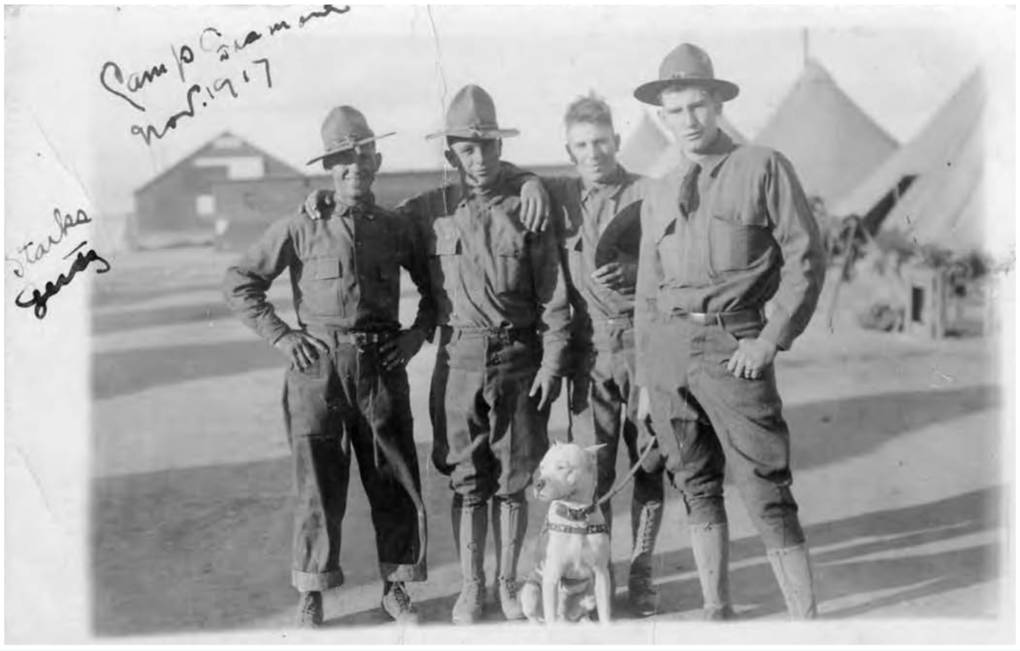
WWI and the Peninsula's Forgotten Contribution to the War Effort
How Social Media Echo Chambers Drown Out the Voices in the Middle
Spouses of H-1B Visa Holders Could Soon Lose the Right to Work in the U.S.
Why It's So Hard to Scrub Hate Speech Off Social Media
How Food Delivery Apps Are Changing the Concept of Dining
Sponsored
Player sponsored by
window.__IS_SSR__=true
window.__INITIAL_STATE__={
"attachmentsReducer": {
"audio_0": {
"type": "attachments",
"id": "audio_0",
"imgSizes": {
"kqedFullSize": {
"file": "https://ww2.kqed.org/news/wp-content/themes/KQED-unified/img/audio_bgs/background0.jpg"
}
}
},
"audio_1": {
"type": "attachments",
"id": "audio_1",
"imgSizes": {
"kqedFullSize": {
"file": "https://ww2.kqed.org/news/wp-content/themes/KQED-unified/img/audio_bgs/background1.jpg"
}
}
},
"audio_2": {
"type": "attachments",
"id": "audio_2",
"imgSizes": {
"kqedFullSize": {
"file": "https://ww2.kqed.org/news/wp-content/themes/KQED-unified/img/audio_bgs/background2.jpg"
}
}
},
"audio_3": {
"type": "attachments",
"id": "audio_3",
"imgSizes": {
"kqedFullSize": {
"file": "https://ww2.kqed.org/news/wp-content/themes/KQED-unified/img/audio_bgs/background3.jpg"
}
}
},
"audio_4": {
"type": "attachments",
"id": "audio_4",
"imgSizes": {
"kqedFullSize": {
"file": "https://ww2.kqed.org/news/wp-content/themes/KQED-unified/img/audio_bgs/background4.jpg"
}
}
},
"placeholder": {
"type": "attachments",
"id": "placeholder",
"imgSizes": {
"thumbnail": {
"file": "https://cdn.kqed.org/wp-content/uploads/2024/12/KQED-Default-Image-816638274-2000x1333-1-160x107.jpg",
"width": 160,
"height": 107,
"mimeType": "image/jpeg"
},
"medium": {
"file": "https://cdn.kqed.org/wp-content/uploads/2024/12/KQED-Default-Image-816638274-2000x1333-1-800x533.jpg",
"width": 800,
"height": 533,
"mimeType": "image/jpeg"
},
"medium_large": {
"file": "https://cdn.kqed.org/wp-content/uploads/2024/12/KQED-Default-Image-816638274-2000x1333-1-768x512.jpg",
"width": 768,
"height": 512,
"mimeType": "image/jpeg"
},
"large": {
"file": "https://cdn.kqed.org/wp-content/uploads/2024/12/KQED-Default-Image-816638274-2000x1333-1-1020x680.jpg",
"width": 1020,
"height": 680,
"mimeType": "image/jpeg"
},
"1536x1536": {
"file": "https://cdn.kqed.org/wp-content/uploads/2024/12/KQED-Default-Image-816638274-2000x1333-1-1536x1024.jpg",
"width": 1536,
"height": 1024,
"mimeType": "image/jpeg"
},
"fd-lrg": {
"file": "https://cdn.kqed.org/wp-content/uploads/2024/12/KQED-Default-Image-816638274-2000x1333-1-1536x1024.jpg",
"width": 1536,
"height": 1024,
"mimeType": "image/jpeg"
},
"fd-med": {
"file": "https://cdn.kqed.org/wp-content/uploads/2024/12/KQED-Default-Image-816638274-2000x1333-1-1020x680.jpg",
"width": 1020,
"height": 680,
"mimeType": "image/jpeg"
},
"fd-sm": {
"file": "https://cdn.kqed.org/wp-content/uploads/2024/12/KQED-Default-Image-816638274-2000x1333-1-800x533.jpg",
"width": 800,
"height": 533,
"mimeType": "image/jpeg"
},
"post-thumbnail": {
"file": "https://cdn.kqed.org/wp-content/uploads/2024/12/KQED-Default-Image-816638274-2000x1333-1-672x372.jpg",
"width": 672,
"height": 372,
"mimeType": "image/jpeg"
},
"twentyfourteen-full-width": {
"file": "https://cdn.kqed.org/wp-content/uploads/2024/12/KQED-Default-Image-816638274-2000x1333-1-1038x576.jpg",
"width": 1038,
"height": 576,
"mimeType": "image/jpeg"
},
"xxsmall": {
"file": "https://cdn.kqed.org/wp-content/uploads/2024/12/KQED-Default-Image-816638274-2000x1333-1-160x107.jpg",
"width": 160,
"height": 107,
"mimeType": "image/jpeg"
},
"xsmall": {
"file": "https://cdn.kqed.org/wp-content/uploads/2024/12/KQED-Default-Image-816638274-2000x1333-1-672x372.jpg",
"width": 672,
"height": 372,
"mimeType": "image/jpeg"
},
"small": {
"file": "https://cdn.kqed.org/wp-content/uploads/2024/12/KQED-Default-Image-816638274-2000x1333-1-672x372.jpg",
"width": 672,
"height": 372,
"mimeType": "image/jpeg"
},
"xlarge": {
"file": "https://cdn.kqed.org/wp-content/uploads/2024/12/KQED-Default-Image-816638274-2000x1333-1-1020x680.jpg",
"width": 1020,
"height": 680,
"mimeType": "image/jpeg"
},
"full-width": {
"file": "https://cdn.kqed.org/wp-content/uploads/2024/12/KQED-Default-Image-816638274-2000x1333-1-1920x1280.jpg",
"width": 1920,
"height": 1280,
"mimeType": "image/jpeg"
},
"guest-author-32": {
"file": "https://cdn.kqed.org/wp-content/uploads/2025/01/KQED-Default-Image-816638274-1333x1333-1-160x160.jpg",
"width": 32,
"height": 32,
"mimeType": "image/jpeg"
},
"guest-author-50": {
"file": "https://cdn.kqed.org/wp-content/uploads/2025/01/KQED-Default-Image-816638274-1333x1333-1-160x160.jpg",
"width": 50,
"height": 50,
"mimeType": "image/jpeg"
},
"guest-author-64": {
"file": "https://cdn.kqed.org/wp-content/uploads/2025/01/KQED-Default-Image-816638274-1333x1333-1-160x160.jpg",
"width": 64,
"height": 64,
"mimeType": "image/jpeg"
},
"guest-author-96": {
"file": "https://cdn.kqed.org/wp-content/uploads/2025/01/KQED-Default-Image-816638274-1333x1333-1-160x160.jpg",
"width": 96,
"height": 96,
"mimeType": "image/jpeg"
},
"guest-author-128": {
"file": "https://cdn.kqed.org/wp-content/uploads/2025/01/KQED-Default-Image-816638274-1333x1333-1-160x160.jpg",
"width": 128,
"height": 128,
"mimeType": "image/jpeg"
},
"detail": {
"file": "https://cdn.kqed.org/wp-content/uploads/2025/01/KQED-Default-Image-816638274-1333x1333-1-160x160.jpg",
"width": 160,
"height": 160,
"mimeType": "image/jpeg"
},
"kqedFullSize": {
"file": "https://cdn.kqed.org/wp-content/uploads/2024/12/KQED-Default-Image-816638274-2000x1333-1.jpg",
"width": 2000,
"height": 1333
}
}
},
"news_11709494": {
"type": "attachments",
"id": "news_11709494",
"meta": {
"index": "attachments_1716263798",
"site": "news",
"id": "11709494",
"found": true
},
"parent": 11709433,
"imgSizes": {
"small": {
"file": "https://ww2.kqed.org/app/uploads/sites/10/2018/11/RS34264_Screen-Shot-2018-11-30-at-4.43.22-PM-qut-520x252.jpg",
"width": 520,
"mimeType": "image/jpeg",
"height": 252
},
"twentyfourteen-full-width": {
"file": "https://ww2.kqed.org/app/uploads/sites/10/2018/11/RS34264_Screen-Shot-2018-11-30-at-4.43.22-PM-qut-1038x576.jpg",
"width": 1038,
"mimeType": "image/jpeg",
"height": 576
},
"thumbnail": {
"file": "https://ww2.kqed.org/app/uploads/sites/10/2018/11/RS34264_Screen-Shot-2018-11-30-at-4.43.22-PM-qut-160x77.jpg",
"width": 160,
"mimeType": "image/jpeg",
"height": 77
},
"fd-sm": {
"file": "https://ww2.kqed.org/app/uploads/sites/10/2018/11/RS34264_Screen-Shot-2018-11-30-at-4.43.22-PM-qut-960x465.jpg",
"width": 960,
"mimeType": "image/jpeg",
"height": 465
},
"post-thumbnail": {
"file": "https://ww2.kqed.org/app/uploads/sites/10/2018/11/RS34264_Screen-Shot-2018-11-30-at-4.43.22-PM-qut-672x372.jpg",
"width": 672,
"mimeType": "image/jpeg",
"height": 372
},
"xsmall": {
"file": "https://ww2.kqed.org/app/uploads/sites/10/2018/11/RS34264_Screen-Shot-2018-11-30-at-4.43.22-PM-qut-375x181.jpg",
"width": 375,
"mimeType": "image/jpeg",
"height": 181
},
"kqedFullSize": {
"file": "https://ww2.kqed.org/app/uploads/sites/10/2018/11/RS34264_Screen-Shot-2018-11-30-at-4.43.22-PM-qut.jpg",
"width": 1920,
"height": 929
},
"large": {
"file": "https://ww2.kqed.org/app/uploads/sites/10/2018/11/RS34264_Screen-Shot-2018-11-30-at-4.43.22-PM-qut-1020x494.jpg",
"width": 1020,
"mimeType": "image/jpeg",
"height": 494
},
"xlarge": {
"file": "https://ww2.kqed.org/app/uploads/sites/10/2018/11/RS34264_Screen-Shot-2018-11-30-at-4.43.22-PM-qut-1180x571.jpg",
"width": 1180,
"mimeType": "image/jpeg",
"height": 571
},
"complete_open_graph": {
"file": "https://ww2.kqed.org/app/uploads/sites/10/2018/11/RS34264_Screen-Shot-2018-11-30-at-4.43.22-PM-qut-1200x581.jpg",
"width": 1200,
"mimeType": "image/jpeg",
"height": 581
},
"guest-author-50": {
"file": "https://ww2.kqed.org/app/uploads/sites/10/2018/11/RS34264_Screen-Shot-2018-11-30-at-4.43.22-PM-qut-50x50.jpg",
"width": 50,
"mimeType": "image/jpeg",
"height": 50
},
"guest-author-96": {
"file": "https://ww2.kqed.org/app/uploads/sites/10/2018/11/RS34264_Screen-Shot-2018-11-30-at-4.43.22-PM-qut-96x96.jpg",
"width": 96,
"mimeType": "image/jpeg",
"height": 96
},
"medium": {
"file": "https://ww2.kqed.org/app/uploads/sites/10/2018/11/RS34264_Screen-Shot-2018-11-30-at-4.43.22-PM-qut-800x387.jpg",
"width": 800,
"mimeType": "image/jpeg",
"height": 387
},
"guest-author-64": {
"file": "https://ww2.kqed.org/app/uploads/sites/10/2018/11/RS34264_Screen-Shot-2018-11-30-at-4.43.22-PM-qut-64x64.jpg",
"width": 64,
"mimeType": "image/jpeg",
"height": 64
},
"guest-author-32": {
"file": "https://ww2.kqed.org/app/uploads/sites/10/2018/11/RS34264_Screen-Shot-2018-11-30-at-4.43.22-PM-qut-32x32.jpg",
"width": 32,
"mimeType": "image/jpeg",
"height": 32
},
"fd-lrg": {
"file": "https://ww2.kqed.org/app/uploads/sites/10/2018/11/RS34264_Screen-Shot-2018-11-30-at-4.43.22-PM-qut-1920x929.jpg",
"width": 1920,
"mimeType": "image/jpeg",
"height": 929
},
"fd-med": {
"file": "https://ww2.kqed.org/app/uploads/sites/10/2018/11/RS34264_Screen-Shot-2018-11-30-at-4.43.22-PM-qut-1180x571.jpg",
"width": 1180,
"mimeType": "image/jpeg",
"height": 571
},
"full-width": {
"file": "https://ww2.kqed.org/app/uploads/sites/10/2018/11/RS34264_Screen-Shot-2018-11-30-at-4.43.22-PM-qut-1920x929.jpg",
"width": 1920,
"mimeType": "image/jpeg",
"height": 929
},
"detail": {
"file": "https://ww2.kqed.org/app/uploads/sites/10/2018/11/RS34264_Screen-Shot-2018-11-30-at-4.43.22-PM-qut-150x150.jpg",
"width": 150,
"mimeType": "image/jpeg",
"height": 150
},
"guest-author-128": {
"file": "https://ww2.kqed.org/app/uploads/sites/10/2018/11/RS34264_Screen-Shot-2018-11-30-at-4.43.22-PM-qut-128x128.jpg",
"width": 128,
"mimeType": "image/jpeg",
"height": 128
},
"xxsmall": {
"file": "https://ww2.kqed.org/app/uploads/sites/10/2018/11/RS34264_Screen-Shot-2018-11-30-at-4.43.22-PM-qut-240x116.jpg",
"width": 240,
"mimeType": "image/jpeg",
"height": 116
}
},
"publishDate": 1543633561,
"modified": 1543633581,
"caption": "The team at Protégé in Palo Alto, which has won its first Michelin star less than a year after opening.",
"description": "The team at Protégé in Palo Alto, which has won its first Michelin star less than a year after opening.",
"title": "RS34264_Screen Shot 2018-11-30 at 4.43.22 PM-qut",
"credit": "Photo: Courtesy of Protégé",
"status": "inherit",
"fetchFailed": false,
"isLoading": false
},
"news_11709057": {
"type": "attachments",
"id": "news_11709057",
"meta": {
"index": "attachments_1716263798",
"site": "news",
"id": "11709057",
"found": true
},
"parent": 11709047,
"imgSizes": {
"twentyfourteen-full-width": {
"file": "https://ww2.kqed.org/app/uploads/sites/10/2018/11/22137309_1451186411630555_5274867838709094493_o-e1543527025928-1038x576.jpg",
"width": 1038,
"mimeType": "image/jpeg",
"height": 576
},
"thumbnail": {
"file": "https://ww2.kqed.org/app/uploads/sites/10/2018/11/22137309_1451186411630555_5274867838709094493_o-e1543527025928-160x120.jpg",
"width": 160,
"mimeType": "image/jpeg",
"height": 120
},
"post-thumbnail": {
"file": "https://ww2.kqed.org/app/uploads/sites/10/2018/11/22137309_1451186411630555_5274867838709094493_o-e1543527025928-672x372.jpg",
"width": 672,
"mimeType": "image/jpeg",
"height": 372
},
"kqedFullSize": {
"file": "https://ww2.kqed.org/app/uploads/sites/10/2018/11/22137309_1451186411630555_5274867838709094493_o-e1543527025928.jpg",
"width": 1920,
"height": 1440
},
"large": {
"file": "https://ww2.kqed.org/app/uploads/sites/10/2018/11/22137309_1451186411630555_5274867838709094493_o-e1543527025928-1020x765.jpg",
"width": 1020,
"mimeType": "image/jpeg",
"height": 765
},
"complete_open_graph": {
"file": "https://ww2.kqed.org/app/uploads/sites/10/2018/11/22137309_1451186411630555_5274867838709094493_o-e1543527025928-1200x900.jpg",
"width": 1200,
"mimeType": "image/jpeg",
"height": 900
},
"guest-author-50": {
"file": "https://ww2.kqed.org/app/uploads/sites/10/2018/11/22137309_1451186411630555_5274867838709094493_o-e1543527025928-50x50.jpg",
"width": 50,
"mimeType": "image/jpeg",
"height": 50
},
"guest-author-96": {
"file": "https://ww2.kqed.org/app/uploads/sites/10/2018/11/22137309_1451186411630555_5274867838709094493_o-e1543527025928-96x96.jpg",
"width": 96,
"mimeType": "image/jpeg",
"height": 96
},
"medium": {
"file": "https://ww2.kqed.org/app/uploads/sites/10/2018/11/22137309_1451186411630555_5274867838709094493_o-e1543527025928-800x600.jpg",
"width": 800,
"mimeType": "image/jpeg",
"height": 600
},
"guest-author-64": {
"file": "https://ww2.kqed.org/app/uploads/sites/10/2018/11/22137309_1451186411630555_5274867838709094493_o-e1543527025928-64x64.jpg",
"width": 64,
"mimeType": "image/jpeg",
"height": 64
},
"guest-author-32": {
"file": "https://ww2.kqed.org/app/uploads/sites/10/2018/11/22137309_1451186411630555_5274867838709094493_o-e1543527025928-32x32.jpg",
"width": 32,
"mimeType": "image/jpeg",
"height": 32
},
"full-width": {
"file": "https://ww2.kqed.org/app/uploads/sites/10/2018/11/22137309_1451186411630555_5274867838709094493_o-e1543527025928-1920x1440.jpg",
"width": 1920,
"mimeType": "image/jpeg",
"height": 1440
},
"detail": {
"file": "https://ww2.kqed.org/app/uploads/sites/10/2018/11/22137309_1451186411630555_5274867838709094493_o-e1543527025928-150x150.jpg",
"width": 150,
"mimeType": "image/jpeg",
"height": 150
},
"guest-author-128": {
"file": "https://ww2.kqed.org/app/uploads/sites/10/2018/11/22137309_1451186411630555_5274867838709094493_o-e1543527025928-128x128.jpg",
"width": 128,
"mimeType": "image/jpeg",
"height": 128
}
},
"publishDate": 1543524433,
"modified": 1543532261,
"caption": "Mark Luckie worked for Facebook for 14 months. He wrote a memo detailing some of the problems Facebook has with its black users and employees.",
"description": null,
"title": "Mark S. Luckie in front of Facebook's Menlo Park, California headquarters",
"credit": "Courtesy of Mark Luckie",
"status": "inherit",
"fetchFailed": false,
"isLoading": false
},
"news_11707850": {
"type": "attachments",
"id": "news_11707850",
"meta": {
"index": "attachments_1716263798",
"site": "news",
"id": "11707850",
"found": true
},
"parent": 11707699,
"imgSizes": {
"twentyfourteen-full-width": {
"file": "https://ww2.kqed.org/app/uploads/sites/10/2018/11/RS34036_IMG_7365-qut-1038x576.jpg",
"width": 1038,
"mimeType": "image/jpeg",
"height": 576
},
"thumbnail": {
"file": "https://ww2.kqed.org/app/uploads/sites/10/2018/11/RS34036_IMG_7365-qut-160x147.jpg",
"width": 160,
"mimeType": "image/jpeg",
"height": 147
},
"post-thumbnail": {
"file": "https://ww2.kqed.org/app/uploads/sites/10/2018/11/RS34036_IMG_7365-qut-672x372.jpg",
"width": 672,
"mimeType": "image/jpeg",
"height": 372
},
"kqedFullSize": {
"file": "https://ww2.kqed.org/app/uploads/sites/10/2018/11/RS34036_IMG_7365-qut.jpg",
"width": 1920,
"height": 1761
},
"large": {
"file": "https://ww2.kqed.org/app/uploads/sites/10/2018/11/RS34036_IMG_7365-qut-1020x936.jpg",
"width": 1020,
"mimeType": "image/jpeg",
"height": 936
},
"complete_open_graph": {
"file": "https://ww2.kqed.org/app/uploads/sites/10/2018/11/RS34036_IMG_7365-qut-1200x1101.jpg",
"width": 1200,
"mimeType": "image/jpeg",
"height": 1101
},
"guest-author-50": {
"file": "https://ww2.kqed.org/app/uploads/sites/10/2018/11/RS34036_IMG_7365-qut-50x50.jpg",
"width": 50,
"mimeType": "image/jpeg",
"height": 50
},
"guest-author-96": {
"file": "https://ww2.kqed.org/app/uploads/sites/10/2018/11/RS34036_IMG_7365-qut-96x96.jpg",
"width": 96,
"mimeType": "image/jpeg",
"height": 96
},
"medium": {
"file": "https://ww2.kqed.org/app/uploads/sites/10/2018/11/RS34036_IMG_7365-qut-800x734.jpg",
"width": 800,
"mimeType": "image/jpeg",
"height": 734
},
"guest-author-64": {
"file": "https://ww2.kqed.org/app/uploads/sites/10/2018/11/RS34036_IMG_7365-qut-64x64.jpg",
"width": 64,
"mimeType": "image/jpeg",
"height": 64
},
"guest-author-32": {
"file": "https://ww2.kqed.org/app/uploads/sites/10/2018/11/RS34036_IMG_7365-qut-32x32.jpg",
"width": 32,
"mimeType": "image/jpeg",
"height": 32
},
"full-width": {
"file": "https://ww2.kqed.org/app/uploads/sites/10/2018/11/RS34036_IMG_7365-qut-1920x1761.jpg",
"width": 1920,
"mimeType": "image/jpeg",
"height": 1761
},
"detail": {
"file": "https://ww2.kqed.org/app/uploads/sites/10/2018/11/RS34036_IMG_7365-qut-150x150.jpg",
"width": 150,
"mimeType": "image/jpeg",
"height": 150
},
"guest-author-128": {
"file": "https://ww2.kqed.org/app/uploads/sites/10/2018/11/RS34036_IMG_7365-qut-128x128.jpg",
"width": 128,
"mimeType": "image/jpeg",
"height": 128
}
},
"publishDate": 1542839244,
"modified": 1542839274,
"caption": "Salted chocolate chip tahini cookies, made with Guittard chocolate chips, using a recipe adapted from the author and food blogger David Lebovitz.",
"description": "Salted chocolate chip tahini cookies, made with Guittard chocolate chips, using a recipe adapted from the author and food blogger David Lebovitz.",
"title": "RS34036_IMG_7365-qut",
"credit": "Rachael Myrow/KQED",
"status": "inherit",
"fetchFailed": false,
"isLoading": false
},
"news_11707171": {
"type": "attachments",
"id": "news_11707171",
"meta": {
"index": "attachments_1716263798",
"site": "news",
"id": "11707171",
"found": true
},
"parent": 11707158,
"imgSizes": {
"twentyfourteen-full-width": {
"file": "https://ww2.kqed.org/app/uploads/sites/10/2018/11/USA_FamilyPhoto-1038x576.jpeg",
"width": 1038,
"mimeType": "image/jpeg",
"height": 576
},
"thumbnail": {
"file": "https://ww2.kqed.org/app/uploads/sites/10/2018/11/USA_FamilyPhoto-160x107.jpeg",
"width": 160,
"mimeType": "image/jpeg",
"height": 107
},
"post-thumbnail": {
"file": "https://ww2.kqed.org/app/uploads/sites/10/2018/11/USA_FamilyPhoto-672x372.jpeg",
"width": 672,
"mimeType": "image/jpeg",
"height": 372
},
"kqedFullSize": {
"file": "https://ww2.kqed.org/app/uploads/sites/10/2018/11/USA_FamilyPhoto.jpeg",
"width": 1352,
"height": 903
},
"large": {
"file": "https://ww2.kqed.org/app/uploads/sites/10/2018/11/USA_FamilyPhoto-1020x681.jpeg",
"width": 1020,
"mimeType": "image/jpeg",
"height": 681
},
"complete_open_graph": {
"file": "https://ww2.kqed.org/app/uploads/sites/10/2018/11/USA_FamilyPhoto-1200x801.jpeg",
"width": 1200,
"mimeType": "image/jpeg",
"height": 801
},
"guest-author-50": {
"file": "https://ww2.kqed.org/app/uploads/sites/10/2018/11/USA_FamilyPhoto-50x50.jpeg",
"width": 50,
"mimeType": "image/jpeg",
"height": 50
},
"guest-author-96": {
"file": "https://ww2.kqed.org/app/uploads/sites/10/2018/11/USA_FamilyPhoto-96x96.jpeg",
"width": 96,
"mimeType": "image/jpeg",
"height": 96
},
"medium": {
"file": "https://ww2.kqed.org/app/uploads/sites/10/2018/11/USA_FamilyPhoto-800x534.jpeg",
"width": 800,
"mimeType": "image/jpeg",
"height": 534
},
"guest-author-64": {
"file": "https://ww2.kqed.org/app/uploads/sites/10/2018/11/USA_FamilyPhoto-64x64.jpeg",
"width": 64,
"mimeType": "image/jpeg",
"height": 64
},
"guest-author-32": {
"file": "https://ww2.kqed.org/app/uploads/sites/10/2018/11/USA_FamilyPhoto-32x32.jpeg",
"width": 32,
"mimeType": "image/jpeg",
"height": 32
},
"detail": {
"file": "https://ww2.kqed.org/app/uploads/sites/10/2018/11/USA_FamilyPhoto-150x150.jpeg",
"width": 150,
"mimeType": "image/jpeg",
"height": 150
},
"guest-author-128": {
"file": "https://ww2.kqed.org/app/uploads/sites/10/2018/11/USA_FamilyPhoto-128x128.jpeg",
"width": 128,
"mimeType": "image/jpeg",
"height": 128
}
},
"publishDate": 1542511692,
"modified": 1542511797,
"caption": "Krimy and Navish Jain, back when they lived in the San Francisco Bay Area. They relocated to Mumbai so Navish could pursue his passion as a startup founder.",
"description": "Krimy and Navish Jain, back when they lived in the San Francisco Bay Area. They relocated to Mumbai so Navish could pursue his passion as a startup founder.",
"title": "USA_FamilyPhoto",
"credit": "Courtesy of Navish Jain",
"status": "inherit",
"fetchFailed": false,
"isLoading": false
},
"news_11705663": {
"type": "attachments",
"id": "news_11705663",
"meta": {
"index": "attachments_1716263798",
"site": "news",
"id": "11705663",
"found": true
},
"parent": 11705654,
"imgSizes": {
"twentyfourteen-full-width": {
"file": "https://ww2.kqed.org/app/uploads/sites/10/2018/11/RS33832_Screen-Shot-2018-11-10-at-12.33.38-PM-qut-1038x576.jpg",
"width": 1038,
"mimeType": "image/jpeg",
"height": 576
},
"thumbnail": {
"file": "https://ww2.kqed.org/app/uploads/sites/10/2018/11/RS33832_Screen-Shot-2018-11-10-at-12.33.38-PM-qut-160x102.jpg",
"width": 160,
"mimeType": "image/jpeg",
"height": 102
},
"post-thumbnail": {
"file": "https://ww2.kqed.org/app/uploads/sites/10/2018/11/RS33832_Screen-Shot-2018-11-10-at-12.33.38-PM-qut-672x372.jpg",
"width": 672,
"mimeType": "image/jpeg",
"height": 372
},
"kqedFullSize": {
"file": "https://ww2.kqed.org/app/uploads/sites/10/2018/11/RS33832_Screen-Shot-2018-11-10-at-12.33.38-PM-qut.jpg",
"width": 1920,
"height": 1225
},
"large": {
"file": "https://ww2.kqed.org/app/uploads/sites/10/2018/11/RS33832_Screen-Shot-2018-11-10-at-12.33.38-PM-qut-1020x651.jpg",
"width": 1020,
"mimeType": "image/jpeg",
"height": 651
},
"complete_open_graph": {
"file": "https://ww2.kqed.org/app/uploads/sites/10/2018/11/RS33832_Screen-Shot-2018-11-10-at-12.33.38-PM-qut-1200x766.jpg",
"width": 1200,
"mimeType": "image/jpeg",
"height": 766
},
"guest-author-50": {
"file": "https://ww2.kqed.org/app/uploads/sites/10/2018/11/RS33832_Screen-Shot-2018-11-10-at-12.33.38-PM-qut-50x50.jpg",
"width": 50,
"mimeType": "image/jpeg",
"height": 50
},
"guest-author-96": {
"file": "https://ww2.kqed.org/app/uploads/sites/10/2018/11/RS33832_Screen-Shot-2018-11-10-at-12.33.38-PM-qut-96x96.jpg",
"width": 96,
"mimeType": "image/jpeg",
"height": 96
},
"medium": {
"file": "https://ww2.kqed.org/app/uploads/sites/10/2018/11/RS33832_Screen-Shot-2018-11-10-at-12.33.38-PM-qut-800x510.jpg",
"width": 800,
"mimeType": "image/jpeg",
"height": 510
},
"guest-author-64": {
"file": "https://ww2.kqed.org/app/uploads/sites/10/2018/11/RS33832_Screen-Shot-2018-11-10-at-12.33.38-PM-qut-64x64.jpg",
"width": 64,
"mimeType": "image/jpeg",
"height": 64
},
"guest-author-32": {
"file": "https://ww2.kqed.org/app/uploads/sites/10/2018/11/RS33832_Screen-Shot-2018-11-10-at-12.33.38-PM-qut-32x32.jpg",
"width": 32,
"mimeType": "image/jpeg",
"height": 32
},
"full-width": {
"file": "https://ww2.kqed.org/app/uploads/sites/10/2018/11/RS33832_Screen-Shot-2018-11-10-at-12.33.38-PM-qut-1920x1225.jpg",
"width": 1920,
"mimeType": "image/jpeg",
"height": 1225
},
"detail": {
"file": "https://ww2.kqed.org/app/uploads/sites/10/2018/11/RS33832_Screen-Shot-2018-11-10-at-12.33.38-PM-qut-150x150.jpg",
"width": 150,
"mimeType": "image/jpeg",
"height": 150
},
"guest-author-128": {
"file": "https://ww2.kqed.org/app/uploads/sites/10/2018/11/RS33832_Screen-Shot-2018-11-10-at-12.33.38-PM-qut-128x128.jpg",
"width": 128,
"mimeType": "image/jpeg",
"height": 128
}
},
"publishDate": 1541952737,
"modified": 1541957621,
"caption": "Soldiers in training at Camp Fremont, a World War I Army cantonment located, in part, on land the U.S. War Department leased from Stanford University.",
"description": "Soldiers in training at Camp Fremont, a World War I Army cantonment located, in part, on land the U.S. War Department leased from Stanford University.",
"title": "RS33832_Screen Shot 2018-11-10 at 12.33.38 PM-qut",
"credit": "Courtesy of Bob Swanson",
"status": "inherit",
"fetchFailed": false,
"isLoading": false
},
"news_11703981": {
"type": "attachments",
"id": "news_11703981",
"meta": {
"index": "attachments_1716263798",
"site": "news",
"id": "11703981",
"found": true
},
"parent": 11703717,
"imgSizes": {
"twentyfourteen-full-width": {
"file": "https://ww2.kqed.org/app/uploads/sites/10/2018/11/Facebookwarroom-1024x576.jpg",
"width": 1024,
"mimeType": "image/jpeg",
"height": 576
},
"thumbnail": {
"file": "https://ww2.kqed.org/app/uploads/sites/10/2018/11/Facebookwarroom-160x107.jpg",
"width": 160,
"mimeType": "image/jpeg",
"height": 107
},
"post-thumbnail": {
"file": "https://ww2.kqed.org/app/uploads/sites/10/2018/11/Facebookwarroom-672x372.jpg",
"width": 672,
"mimeType": "image/jpeg",
"height": 372
},
"kqedFullSize": {
"file": "https://ww2.kqed.org/app/uploads/sites/10/2018/11/Facebookwarroom.jpg",
"width": 1024,
"height": 683
},
"large": {
"file": "https://ww2.kqed.org/app/uploads/sites/10/2018/11/Facebookwarroom-1020x680.jpg",
"width": 1020,
"mimeType": "image/jpeg",
"height": 680
},
"guest-author-50": {
"file": "https://ww2.kqed.org/app/uploads/sites/10/2018/11/Facebookwarroom-50x50.jpg",
"width": 50,
"mimeType": "image/jpeg",
"height": 50
},
"guest-author-96": {
"file": "https://ww2.kqed.org/app/uploads/sites/10/2018/11/Facebookwarroom-96x96.jpg",
"width": 96,
"mimeType": "image/jpeg",
"height": 96
},
"medium": {
"file": "https://ww2.kqed.org/app/uploads/sites/10/2018/11/Facebookwarroom-800x534.jpg",
"width": 800,
"mimeType": "image/jpeg",
"height": 534
},
"guest-author-64": {
"file": "https://ww2.kqed.org/app/uploads/sites/10/2018/11/Facebookwarroom-64x64.jpg",
"width": 64,
"mimeType": "image/jpeg",
"height": 64
},
"detail": {
"file": "https://ww2.kqed.org/app/uploads/sites/10/2018/11/Facebookwarroom-150x150.jpg",
"width": 150,
"mimeType": "image/jpeg",
"height": 150
},
"guest-author-32": {
"file": "https://ww2.kqed.org/app/uploads/sites/10/2018/11/Facebookwarroom-32x32.jpg",
"width": 32,
"mimeType": "image/jpeg",
"height": 32
},
"guest-author-128": {
"file": "https://ww2.kqed.org/app/uploads/sites/10/2018/11/Facebookwarroom-128x128.jpg",
"width": 128,
"mimeType": "image/jpeg",
"height": 128
}
},
"publishDate": 1541467142,
"modified": 1541468744,
"caption": "Facebook \"War Room\" leader for Brazil elections Lexi Sturdy works during a media demonstration on Oct 17, 2018, in Menlo Park, California.",
"description": null,
"title": "US-IT-POLITICS-MEDIA-FACEBOOK",
"credit": "Noah Berger /AFP/Getty Images",
"status": "inherit",
"fetchFailed": false,
"isLoading": false
},
"news_11702625": {
"type": "attachments",
"id": "news_11702625",
"meta": {
"index": "attachments_1716263798",
"site": "news",
"id": "11702625",
"found": true
},
"parent": 11701936,
"imgSizes": {
"small": {
"file": "https://ww2.kqed.org/app/uploads/sites/10/2018/10/RS33517_Leena-grad-1-2-qut-520x347.jpg",
"width": 520,
"mimeType": "image/jpeg",
"height": 347
},
"twentyfourteen-full-width": {
"file": "https://ww2.kqed.org/app/uploads/sites/10/2018/10/RS33517_Leena-grad-1-2-qut-1038x576.jpg",
"width": 1038,
"mimeType": "image/jpeg",
"height": 576
},
"thumbnail": {
"file": "https://ww2.kqed.org/app/uploads/sites/10/2018/10/RS33517_Leena-grad-1-2-qut-160x107.jpg",
"width": 160,
"mimeType": "image/jpeg",
"height": 107
},
"fd-sm": {
"file": "https://ww2.kqed.org/app/uploads/sites/10/2018/10/RS33517_Leena-grad-1-2-qut-960x640.jpg",
"width": 960,
"mimeType": "image/jpeg",
"height": 640
},
"post-thumbnail": {
"file": "https://ww2.kqed.org/app/uploads/sites/10/2018/10/RS33517_Leena-grad-1-2-qut-672x372.jpg",
"width": 672,
"mimeType": "image/jpeg",
"height": 372
},
"xsmall": {
"file": "https://ww2.kqed.org/app/uploads/sites/10/2018/10/RS33517_Leena-grad-1-2-qut-375x250.jpg",
"width": 375,
"mimeType": "image/jpeg",
"height": 250
},
"kqedFullSize": {
"file": "https://ww2.kqed.org/app/uploads/sites/10/2018/10/RS33517_Leena-grad-1-2-qut.jpg",
"width": 1920,
"height": 1280
},
"large": {
"file": "https://ww2.kqed.org/app/uploads/sites/10/2018/10/RS33517_Leena-grad-1-2-qut-1020x680.jpg",
"width": 1020,
"mimeType": "image/jpeg",
"height": 680
},
"xlarge": {
"file": "https://ww2.kqed.org/app/uploads/sites/10/2018/10/RS33517_Leena-grad-1-2-qut-1180x787.jpg",
"width": 1180,
"mimeType": "image/jpeg",
"height": 787
},
"complete_open_graph": {
"file": "https://ww2.kqed.org/app/uploads/sites/10/2018/10/RS33517_Leena-grad-1-2-qut-1200x800.jpg",
"width": 1200,
"mimeType": "image/jpeg",
"height": 800
},
"guest-author-50": {
"file": "https://ww2.kqed.org/app/uploads/sites/10/2018/10/RS33517_Leena-grad-1-2-qut-50x50.jpg",
"width": 50,
"mimeType": "image/jpeg",
"height": 50
},
"guest-author-96": {
"file": "https://ww2.kqed.org/app/uploads/sites/10/2018/10/RS33517_Leena-grad-1-2-qut-96x96.jpg",
"width": 96,
"mimeType": "image/jpeg",
"height": 96
},
"medium": {
"file": "https://ww2.kqed.org/app/uploads/sites/10/2018/10/RS33517_Leena-grad-1-2-qut-800x533.jpg",
"width": 800,
"mimeType": "image/jpeg",
"height": 533
},
"guest-author-64": {
"file": "https://ww2.kqed.org/app/uploads/sites/10/2018/10/RS33517_Leena-grad-1-2-qut-64x64.jpg",
"width": 64,
"mimeType": "image/jpeg",
"height": 64
},
"guest-author-32": {
"file": "https://ww2.kqed.org/app/uploads/sites/10/2018/10/RS33517_Leena-grad-1-2-qut-32x32.jpg",
"width": 32,
"mimeType": "image/jpeg",
"height": 32
},
"fd-lrg": {
"file": "https://ww2.kqed.org/app/uploads/sites/10/2018/10/RS33517_Leena-grad-1-2-qut-1920x1280.jpg",
"width": 1920,
"mimeType": "image/jpeg",
"height": 1280
},
"fd-med": {
"file": "https://ww2.kqed.org/app/uploads/sites/10/2018/10/RS33517_Leena-grad-1-2-qut-1180x787.jpg",
"width": 1180,
"mimeType": "image/jpeg",
"height": 787
},
"full-width": {
"file": "https://ww2.kqed.org/app/uploads/sites/10/2018/10/RS33517_Leena-grad-1-2-qut-1920x1280.jpg",
"width": 1920,
"mimeType": "image/jpeg",
"height": 1280
},
"detail": {
"file": "https://ww2.kqed.org/app/uploads/sites/10/2018/10/RS33517_Leena-grad-1-2-qut-150x150.jpg",
"width": 150,
"mimeType": "image/jpeg",
"height": 150
},
"guest-author-128": {
"file": "https://ww2.kqed.org/app/uploads/sites/10/2018/10/RS33517_Leena-grad-1-2-qut-128x128.jpg",
"width": 128,
"mimeType": "image/jpeg",
"height": 128
},
"xxsmall": {
"file": "https://ww2.kqed.org/app/uploads/sites/10/2018/10/RS33517_Leena-grad-1-2-qut-240x160.jpg",
"width": 240,
"mimeType": "image/jpeg",
"height": 160
}
},
"publishDate": 1540997168,
"modified": 1541022689,
"caption": "Leena Bhai graduated from the Post Graduate Programme in Management at the Indian School of Business in 2014. Now, she's one of more than 100,000 H-4 EAD holders who could lose permission to work in the U.S. as the Department of Homeland Security changes the way it interprets immigration law.",
"description": "Leena Bhai graduated from the Post Graduate Programme in Management at the Indian School of Business in 2014. Now, she's one of more than 100,000 H4-EAD holders who could lose permission to work in the US as the Department of Homeland Security changes the way it interprets immigration law.",
"title": "RS33517_Leena-grad-1 2-qut",
"credit": "Courtesy of Leena Bhai",
"status": "inherit",
"fetchFailed": false,
"isLoading": false
},
"news_11702255": {
"type": "attachments",
"id": "news_11702255",
"meta": {
"index": "attachments_1716263798",
"site": "news",
"id": "11702255",
"found": true
},
"parent": 11702239,
"imgSizes": {
"small": {
"file": "https://ww2.kqed.org/app/uploads/sites/10/2018/10/Screen-Shot-2018-10-29-at-6.46.12-PM-520x376.png",
"width": 520,
"mimeType": "image/png",
"height": 376
},
"twentyfourteen-full-width": {
"file": "https://ww2.kqed.org/app/uploads/sites/10/2018/10/Screen-Shot-2018-10-29-at-6.46.12-PM-1038x576.png",
"width": 1038,
"mimeType": "image/png",
"height": 576
},
"thumbnail": {
"file": "https://ww2.kqed.org/app/uploads/sites/10/2018/10/Screen-Shot-2018-10-29-at-6.46.12-PM-160x116.png",
"width": 160,
"mimeType": "image/png",
"height": 116
},
"fd-sm": {
"file": "https://ww2.kqed.org/app/uploads/sites/10/2018/10/Screen-Shot-2018-10-29-at-6.46.12-PM-960x694.png",
"width": 960,
"mimeType": "image/png",
"height": 694
},
"post-thumbnail": {
"file": "https://ww2.kqed.org/app/uploads/sites/10/2018/10/Screen-Shot-2018-10-29-at-6.46.12-PM-672x372.png",
"width": 672,
"mimeType": "image/png",
"height": 372
},
"xsmall": {
"file": "https://ww2.kqed.org/app/uploads/sites/10/2018/10/Screen-Shot-2018-10-29-at-6.46.12-PM-375x271.png",
"width": 375,
"mimeType": "image/png",
"height": 271
},
"kqedFullSize": {
"file": "https://ww2.kqed.org/app/uploads/sites/10/2018/10/Screen-Shot-2018-10-29-at-6.46.12-PM.png",
"width": 1676,
"height": 1212
},
"large": {
"file": "https://ww2.kqed.org/app/uploads/sites/10/2018/10/Screen-Shot-2018-10-29-at-6.46.12-PM-1020x738.png",
"width": 1020,
"mimeType": "image/png",
"height": 738
},
"xlarge": {
"file": "https://ww2.kqed.org/app/uploads/sites/10/2018/10/Screen-Shot-2018-10-29-at-6.46.12-PM-1180x853.png",
"width": 1180,
"mimeType": "image/png",
"height": 853
},
"complete_open_graph": {
"file": "https://ww2.kqed.org/app/uploads/sites/10/2018/10/Screen-Shot-2018-10-29-at-6.46.12-PM-1200x868.png",
"width": 1200,
"mimeType": "image/png",
"height": 868
},
"guest-author-50": {
"file": "https://ww2.kqed.org/app/uploads/sites/10/2018/10/Screen-Shot-2018-10-29-at-6.46.12-PM-50x50.png",
"width": 50,
"mimeType": "image/png",
"height": 50
},
"guest-author-96": {
"file": "https://ww2.kqed.org/app/uploads/sites/10/2018/10/Screen-Shot-2018-10-29-at-6.46.12-PM-96x96.png",
"width": 96,
"mimeType": "image/png",
"height": 96
},
"medium": {
"file": "https://ww2.kqed.org/app/uploads/sites/10/2018/10/Screen-Shot-2018-10-29-at-6.46.12-PM-800x579.png",
"width": 800,
"mimeType": "image/png",
"height": 579
},
"guest-author-64": {
"file": "https://ww2.kqed.org/app/uploads/sites/10/2018/10/Screen-Shot-2018-10-29-at-6.46.12-PM-64x64.png",
"width": 64,
"mimeType": "image/png",
"height": 64
},
"guest-author-32": {
"file": "https://ww2.kqed.org/app/uploads/sites/10/2018/10/Screen-Shot-2018-10-29-at-6.46.12-PM-32x32.png",
"width": 32,
"mimeType": "image/png",
"height": 32
},
"fd-med": {
"file": "https://ww2.kqed.org/app/uploads/sites/10/2018/10/Screen-Shot-2018-10-29-at-6.46.12-PM-1180x853.png",
"width": 1180,
"mimeType": "image/png",
"height": 853
},
"detail": {
"file": "https://ww2.kqed.org/app/uploads/sites/10/2018/10/Screen-Shot-2018-10-29-at-6.46.12-PM-150x150.png",
"width": 150,
"mimeType": "image/png",
"height": 150
},
"guest-author-128": {
"file": "https://ww2.kqed.org/app/uploads/sites/10/2018/10/Screen-Shot-2018-10-29-at-6.46.12-PM-128x128.png",
"width": 128,
"mimeType": "image/png",
"height": 128
},
"xxsmall": {
"file": "https://ww2.kqed.org/app/uploads/sites/10/2018/10/Screen-Shot-2018-10-29-at-6.46.12-PM-240x174.png",
"width": 240,
"mimeType": "image/png",
"height": 174
}
},
"publishDate": 1540864050,
"modified": 1540864108,
"caption": "The Anti-Defamation League released The Online Hate Index as part of the agency's ongoing effort to use artificial intelligence and machine learning to stop the spread of hate speech.",
"description": "The Anti-Defamation League released The Online Hate Index as part of the agency's ongoing effort to use artificial intelligence and machine learning to stop the spread of hate speech.",
"title": "Screen Shot 2018-10-29 at 6.46.12 PM",
"credit": "Photo: Courtesy of the ADL",
"status": "inherit",
"fetchFailed": false,
"isLoading": false
},
"news_11700441": {
"type": "attachments",
"id": "news_11700441",
"meta": {
"index": "attachments_1716263798",
"site": "news",
"id": "11700441",
"found": true
},
"parent": 11700426,
"imgSizes": {
"small": {
"file": "https://ww2.kqed.org/app/uploads/sites/10/2018/10/IMG_3511-520x390.jpg",
"width": 520,
"mimeType": "image/jpeg",
"height": 390
},
"twentyfourteen-full-width": {
"file": "https://ww2.kqed.org/app/uploads/sites/10/2018/10/IMG_3511-1038x576.jpg",
"width": 1038,
"mimeType": "image/jpeg",
"height": 576
},
"thumbnail": {
"file": "https://ww2.kqed.org/app/uploads/sites/10/2018/10/IMG_3511-160x120.jpg",
"width": 160,
"mimeType": "image/jpeg",
"height": 120
},
"fd-sm": {
"file": "https://ww2.kqed.org/app/uploads/sites/10/2018/10/IMG_3511-960x720.jpg",
"width": 960,
"mimeType": "image/jpeg",
"height": 720
},
"post-thumbnail": {
"file": "https://ww2.kqed.org/app/uploads/sites/10/2018/10/IMG_3511-672x372.jpg",
"width": 672,
"mimeType": "image/jpeg",
"height": 372
},
"xsmall": {
"file": "https://ww2.kqed.org/app/uploads/sites/10/2018/10/IMG_3511-375x281.jpg",
"width": 375,
"mimeType": "image/jpeg",
"height": 281
},
"kqedFullSize": {
"file": "https://ww2.kqed.org/app/uploads/sites/10/2018/10/IMG_3511-e1540326362296.jpg",
"width": 1920,
"height": 1440
},
"large": {
"file": "https://ww2.kqed.org/app/uploads/sites/10/2018/10/IMG_3511-1020x765.jpg",
"width": 1020,
"mimeType": "image/jpeg",
"height": 765
},
"xlarge": {
"file": "https://ww2.kqed.org/app/uploads/sites/10/2018/10/IMG_3511-1180x885.jpg",
"width": 1180,
"mimeType": "image/jpeg",
"height": 885
},
"complete_open_graph": {
"file": "https://ww2.kqed.org/app/uploads/sites/10/2018/10/IMG_3511-1200x900.jpg",
"width": 1200,
"mimeType": "image/jpeg",
"height": 900
},
"guest-author-50": {
"file": "https://ww2.kqed.org/app/uploads/sites/10/2018/10/IMG_3511-50x50.jpg",
"width": 50,
"mimeType": "image/jpeg",
"height": 50
},
"guest-author-96": {
"file": "https://ww2.kqed.org/app/uploads/sites/10/2018/10/IMG_3511-96x96.jpg",
"width": 96,
"mimeType": "image/jpeg",
"height": 96
},
"medium": {
"file": "https://ww2.kqed.org/app/uploads/sites/10/2018/10/IMG_3511-800x600.jpg",
"width": 800,
"mimeType": "image/jpeg",
"height": 600
},
"guest-author-64": {
"file": "https://ww2.kqed.org/app/uploads/sites/10/2018/10/IMG_3511-64x64.jpg",
"width": 64,
"mimeType": "image/jpeg",
"height": 64
},
"guest-author-32": {
"file": "https://ww2.kqed.org/app/uploads/sites/10/2018/10/IMG_3511-32x32.jpg",
"width": 32,
"mimeType": "image/jpeg",
"height": 32
},
"fd-lrg": {
"file": "https://ww2.kqed.org/app/uploads/sites/10/2018/10/IMG_3511-1920x1440.jpg",
"width": 1920,
"mimeType": "image/jpeg",
"height": 1440
},
"fd-med": {
"file": "https://ww2.kqed.org/app/uploads/sites/10/2018/10/IMG_3511-1180x885.jpg",
"width": 1180,
"mimeType": "image/jpeg",
"height": 885
},
"full-width": {
"file": "https://ww2.kqed.org/app/uploads/sites/10/2018/10/IMG_3511-1920x1440.jpg",
"width": 1920,
"mimeType": "image/jpeg",
"height": 1440
},
"detail": {
"file": "https://ww2.kqed.org/app/uploads/sites/10/2018/10/IMG_3511-150x150.jpg",
"width": 150,
"mimeType": "image/jpeg",
"height": 150
},
"guest-author-128": {
"file": "https://ww2.kqed.org/app/uploads/sites/10/2018/10/IMG_3511-128x128.jpg",
"width": 128,
"mimeType": "image/jpeg",
"height": 128
},
"xxsmall": {
"file": "https://ww2.kqed.org/app/uploads/sites/10/2018/10/IMG_3511-240x180.jpg",
"width": 240,
"mimeType": "image/jpeg",
"height": 180
}
},
"publishDate": 1540250947,
"modified": 1540326350,
"caption": "Sara Deseran and Joe Hargrave have made changes to their restaurant to adapt to third-party apps.",
"description": "Sara Deseran and Joe Hargrave have made changes to their restaurant to adapt to third-party apps.",
"title": "IMG_3511",
"credit": "Sam Harnett/KQED",
"status": "inherit",
"fetchFailed": false,
"isLoading": false
}
},
"audioPlayerReducer": {
"postId": "stream_live",
"isPaused": true,
"isPlaying": false,
"pfsActive": false,
"pledgeModalIsOpen": true,
"playerDrawerIsOpen": false
},
"authorsReducer": {
"rachael-myrow": {
"type": "authors",
"id": "251",
"meta": {
"index": "authors_1716337520",
"id": "251",
"found": true
},
"name": "Rachael Myrow",
"firstName": "Rachael",
"lastName": "Myrow",
"slug": "rachael-myrow",
"email": "rmyrow@kqed.org",
"display_author_email": true,
"staff_mastheads": [
"news"
],
"title": "Senior Editor of KQED's Silicon Valley News Desk",
"bio": "• I write and edit stories about how Silicon Valley power and policies shape everyday life in California. I’m also passionate about making Bay Area history and culture more accessible to a broad public. • I’ve been a journalist for most of my life, starting in high school with The Franklin Press in Los Angeles, where I grew up. While earning my first degree in English at UC Berkeley, I got my start in public radio at KALX-FM. After completing a second degree in journalism at Cal, I landed my first professional job at Marketplace, then moved on to KPCC (now LAist), and then KQED, where I hosted The California Report for more than seven years. • My reporting has appeared on NPR, The World, WBUR’s \u003ci>Here & Now\u003c/i>, and the BBC. I also guest host for KQED’s \u003ci>Forum\u003c/i>, as well as the Commonwealth Club in San Francisco. • I speak periodically on media, democracy and technology issues, and do voiceover work for documentaries and educational video projects. • Outside of the studio, you'll find me hiking Bay Area trails and whipping up Insta-ready meals in my kitchen. • I do not accept gifts, money, or favors from anyone connected to my reporting, I don't pay people for information, and I do not support or donate to political causes. • I strive to treat the people I report on with fairness, honesty, and respect. I also recognize there are often multiple sides to a story and work to verify information through multiple sources and documentation. If I get something wrong, I correct it.",
"avatar": "https://secure.gravatar.com/avatar/87bf8cb5874e045cdff430523a6d48b1?s=600&d=blank&r=g",
"twitter": "rachaelmyrow",
"facebook": null,
"instagram": null,
"linkedin": "https://www.linkedin.com/in/rachaelmyrow/",
"sites": [
{
"site": "arts",
"roles": [
"administrator"
]
},
{
"site": "news",
"roles": [
"edit_others_posts",
"editor"
]
},
{
"site": "futureofyou",
"roles": [
"editor"
]
},
{
"site": "bayareabites",
"roles": [
"editor"
]
},
{
"site": "stateofhealth",
"roles": [
"editor"
]
},
{
"site": "science",
"roles": [
"editor"
]
},
{
"site": "food",
"roles": [
"editor"
]
},
{
"site": "forum",
"roles": [
"editor"
]
},
{
"site": "liveblog",
"roles": [
"author"
]
}
],
"headData": {
"title": "Rachael Myrow | KQED",
"description": "Senior Editor of KQED's Silicon Valley News Desk",
"ogImgSrc": "https://secure.gravatar.com/avatar/87bf8cb5874e045cdff430523a6d48b1?s=600&d=blank&r=g",
"twImgSrc": "https://secure.gravatar.com/avatar/87bf8cb5874e045cdff430523a6d48b1?s=600&d=blank&r=g"
},
"isLoading": false,
"link": "/author/rachael-myrow"
},
"samharnett": {
"type": "authors",
"id": "253",
"meta": {
"index": "authors_1716337520",
"id": "253",
"found": true
},
"name": "Sam Harnett",
"firstName": "Sam",
"lastName": "Harnett",
"slug": "samharnett",
"email": "samharnett@gmail.com",
"display_author_email": false,
"staff_mastheads": [],
"title": "KQED Contributor",
"bio": "Sam Harnett covered tech and work at KQED. He is the co-creator of \u003cem>\u003ca href=\"http://www.theworldaccordingtosound.org\">The World According to Sound\u003c/a>,\u003c/em> a 90-second podcast that features different sounds and the stories behind them.\r\n\r\nBefore coming to KQED, Sam worked as an independent reporter who contributed regularly to \u003cem>The California Report, Marketplace,\u003c/em> \u003cem>The World \u003c/em>and NPR.",
"avatar": "https://secure.gravatar.com/avatar/2538b972ac02f2b9546c7a6c59a0f3d0?s=600&d=blank&r=g",
"twitter": "Samwharnett",
"facebook": null,
"instagram": null,
"linkedin": null,
"sites": [
{
"site": "news",
"roles": [
"edit_others_posts",
"subscriber"
]
},
{
"site": "stateofhealth",
"roles": [
"author"
]
},
{
"site": "science",
"roles": [
"editor"
]
},
{
"site": "quest",
"roles": [
"subscriber"
]
}
],
"headData": {
"title": "Sam Harnett | KQED",
"description": "KQED Contributor",
"ogImgSrc": "https://secure.gravatar.com/avatar/2538b972ac02f2b9546c7a6c59a0f3d0?s=600&d=blank&r=g",
"twImgSrc": "https://secure.gravatar.com/avatar/2538b972ac02f2b9546c7a6c59a0f3d0?s=600&d=blank&r=g"
},
"isLoading": false,
"link": "/author/samharnett"
},
"tmosley": {
"type": "authors",
"id": "11373",
"meta": {
"index": "authors_1716337520",
"id": "11373",
"found": true
},
"name": "Tonya Mosley",
"firstName": "Tonya",
"lastName": "Mosley",
"slug": "tmosley",
"email": "tmosley@kqed.org",
"display_author_email": false,
"staff_mastheads": [],
"title": "KQED Contributor",
"bio": "Tonya Mosley is a former Silicon Valley bureau chief for KQED. She served as the senior editor, leading a team of journalists covering the impacts of technology companies on the South Bay and society. Tonya is also a former host and reporter for KQED.\r\n\r\nPrior to KQED, Tonya served as a television reporter & anchor for several media outlets, including Al Jazeera America.\r\n\r\nIn 2015, Tonya was awarded a John S. Knight Journalism Fellowship at Stanford University where she co-created a workshop for journalists on the impacts of implicit bias, and co-wrote a Belgian/American experimental study on the effects of protest coverage.\r\n\r\nTonya has won several national awards for her work, most recently an Emmy Award in 2016 for her televised piece \"Beyond Ferguson,\" and a national Edward R. Murrow award for her public radio series \"Black in Seattle.\"\r\n\r\nYou can reach Tonya at: tmosley@kqed.org.",
"avatar": "https://secure.gravatar.com/avatar/0b2ea2bbfed6bafaacd21e9398c68e5e?s=600&d=blank&r=g",
"twitter": "tonyamosley",
"facebook": null,
"instagram": null,
"linkedin": null,
"sites": [
{
"site": "arts",
"roles": [
"editor"
]
},
{
"site": "news",
"roles": [
"subscriber"
]
},
{
"site": "about",
"roles": [
"author"
]
},
{
"site": "forum",
"roles": [
"author"
]
}
],
"headData": {
"title": "Tonya Mosley | KQED",
"description": "KQED Contributor",
"ogImgSrc": "https://secure.gravatar.com/avatar/0b2ea2bbfed6bafaacd21e9398c68e5e?s=600&d=blank&r=g",
"twImgSrc": "https://secure.gravatar.com/avatar/0b2ea2bbfed6bafaacd21e9398c68e5e?s=600&d=blank&r=g"
},
"isLoading": false,
"link": "/author/tmosley"
}
},
"breakingNewsReducer": {},
"pagesReducer": {},
"postsReducer": {
"stream_live": {
"type": "live",
"id": "stream_live",
"audioUrl": "https://streams.kqed.org/kqedradio",
"title": "Live Stream",
"excerpt": "Live Stream information currently unavailable.",
"link": "/radio",
"featImg": "",
"label": {
"name": "KQED Live",
"link": "/"
}
},
"stream_kqedNewscast": {
"type": "posts",
"id": "stream_kqedNewscast",
"audioUrl": "https://www.kqed.org/.stream/anon/radio/RDnews/newscast.mp3?_=1",
"title": "KQED Newscast",
"featImg": "",
"label": {
"name": "88.5 FM",
"link": "/"
}
},
"news_11709433": {
"type": "posts",
"id": "news_11709433",
"meta": {
"index": "posts_1716263798",
"site": "news",
"id": "11709433",
"score": null,
"sort": [
1543685724000
]
},
"guestAuthors": [],
"slug": "michelin-proves-silicon-valley-likes-to-eat-fine-food-just-like-the-rest-of-the-bay-area",
"title": "Michelin Proves Silicon Valley Likes to Eat Fine Food Just Like the Rest of the Bay Area",
"publishDate": 1543685724,
"format": "audio",
"headTitle": "Michelin Proves Silicon Valley Likes to Eat Fine Food Just Like the Rest of the Bay Area | KQED",
"labelTerm": {},
"content": "\u003cp>Foodies will have noticed the 2019 \u003ca href=\"https://guide.michelin.com/us/san-francisco\" target=\"_blank\" rel=\"noopener\">Michelin Guide\u003c/a> came out this week. Naturally, Bay Area restaurants snapped up a lot of stars, most of them crowded around San Francisco and wine country. But the scene on the Peninsula and in the South Bay is starting to come into its own.\u003c/p>\n\u003cp>“In the past five years, you’ve seen a greater recognition that there is quality dining down here that is definitely worth the drive,” said \u003ca href=\"http://www.foodgal.com\" target=\"_blank\" rel=\"noopener\">Carolyn Jung,\u003c/a> a food writer who has eaten at all 10 Michelin star restaurants south of the city: including \u003ca href=\"https://www.manresarestaurant.com\" target=\"_blank\" rel=\"noopener\">Manresa\u003c/a>, the long-time destination dining king of the region with three Michelin stars, and Palo Alto’s \u003ca href=\"https://www.maisonbaume.com\" target=\"_blank\" rel=\"noopener\">Baumé\u003c/a>, with two.\u003c/p>\n\u003cp>In a region more infamous for tech-bros peddling meal replacements like \u003ca href=\"https://soylent.com\" target=\"_blank\" rel=\"noopener\">Soylent\u003c/a> and a variety of food delivery apps, it may be odd to think people here would actually go out to drop a rent check at a high-end restaurant, but it happens. More to the point, locals with the wherewithal are investing in high-end restaurants they can personally visit.\u003c/p>\n\u003cp>“You have a lot of highly educated, well-to-do people who travel a lot. They’re looking for more sophisticated options and they’re tired of driving 280 and 101 all the time to get to San Francisco,” Jung said.\u003c/p>\n\u003cfigure id=\"attachment_11709500\" class=\"wp-caption aligncenter\" style=\"max-width: 800px\">\u003cimg loading=\"lazy\" decoding=\"async\" class=\"size-medium wp-image-11709500\" src=\"https://ww2.kqed.org/news/wp-content/uploads/sites/10/2018/11/RS34266_Screen-Shot-2018-11-30-at-7.30.59-PM-qut-800x594.jpg\" alt=\"Crispy John Dory with California caviar, Meyer lemon confit, creamed Brussels sprouts, and champagne sauce at Protégé.\" width=\"800\" height=\"594\" srcset=\"https://cdn.kqed.org/wp-content/uploads/sites/10/2018/11/RS34266_Screen-Shot-2018-11-30-at-7.30.59-PM-qut-800x594.jpg 800w, https://cdn.kqed.org/wp-content/uploads/sites/10/2018/11/RS34266_Screen-Shot-2018-11-30-at-7.30.59-PM-qut-160x119.jpg 160w, https://cdn.kqed.org/wp-content/uploads/sites/10/2018/11/RS34266_Screen-Shot-2018-11-30-at-7.30.59-PM-qut-1020x758.jpg 1020w, https://cdn.kqed.org/wp-content/uploads/sites/10/2018/11/RS34266_Screen-Shot-2018-11-30-at-7.30.59-PM-qut.jpg 1190w\" sizes=\"(max-width: 800px) 100vw, 800px\">\u003cfigcaption class=\"wp-caption-text\">Crispy John Dory with California caviar, Meyer lemon confit, creamed Brussels sprouts, and champagne sauce at Protégé. \u003ccite>(Photo: Courtesy of Protégé)\u003c/cite>\u003c/figcaption>\u003c/figure>\n\u003cp>Michelin defines one star as “worth a stop;” two stars as “worth a detour;” and three stars as “worth a special journey.” The French-born guide traditionally favors fine dining, and its inspectors keep a close eye on alumni from Michelin-starred restaurants.\u003c/p>\n\u003cp>[ad fullwidth]\u003c/p>\n\u003cp>That explains in part how Silicon Valley’s newest star at New American \u003ca href=\"https://www.protegepaloalto.com\" target=\"_blank\" rel=\"noopener\">Protégé\u003c/a> in Palo Alto got its star less than a year after opening. The chef, pastry chef and master sommelier all came from \u003ca href=\"https://www.thomaskeller.com/tfl\" target=\"_blank\" rel=\"noopener\">The French Laundry\u003c/a>, Thomas Keller’s three-star landmark in Yountville.\u003c/p>\n\u003cp>“California Avenue is becoming a pretty darn good foodie destination,” said \u003ca href=\"https://www.mercurynews.com/author/linda-zavoral/\" target=\"_blank\" rel=\"noopener\">Linda Zavoral\u003c/a>, who blogs about food and restaurants for the Bay Area News Group and notes Baumé is literally on the same block as Protégé. “We’ve had a number of Peninsula restaurants that have had a star for quite awhile.”\u003c/p>\n\u003cp>It could also be said there’s something of a hotbed developing in the kitchens of the region. Zavoral points out \u003ca href=\"http://cheztj.com\" target=\"_blank\" rel=\"noopener\">Chez TJ\u003c/a> in particular, the French stalwart in Mountain View which has been a popular way station for a succession of highly regarded chefs who’ve gone on to other Michelin-starred restaurants in the Bay Area: Joshua Skenes, Christopher Kostow, Bruno Chemel, Scott Nishiyama, Joey Elenterio and Jared Gallagher.\u003c/p>\n\u003cp>Chez TJ has one star now, but had two at one point, and owner George Aviet is hungry to raise the restaurant’s profile once again. He agrees with Jung that Silicon Valley diners have become more sophisticated in recent years.\u003c/p>\n\u003cfigure id=\"attachment_11709498\" class=\"wp-caption aligncenter\" style=\"max-width: 800px\">\u003cimg loading=\"lazy\" decoding=\"async\" class=\"size-medium wp-image-11709498\" src=\"https://ww2.kqed.org/news/wp-content/uploads/sites/10/2018/11/RS34265_Screen-Shot-2018-11-30-at-7.22.43-PM-qut-800x599.jpg\" alt=\"Apricot cremeux with gianduja crumble and peach sorbet at the Village Pub in Woodside.\" width=\"800\" height=\"599\" srcset=\"https://cdn.kqed.org/wp-content/uploads/sites/10/2018/11/RS34265_Screen-Shot-2018-11-30-at-7.22.43-PM-qut-800x599.jpg 800w, https://cdn.kqed.org/wp-content/uploads/sites/10/2018/11/RS34265_Screen-Shot-2018-11-30-at-7.22.43-PM-qut-160x120.jpg 160w, https://cdn.kqed.org/wp-content/uploads/sites/10/2018/11/RS34265_Screen-Shot-2018-11-30-at-7.22.43-PM-qut-1020x764.jpg 1020w, https://cdn.kqed.org/wp-content/uploads/sites/10/2018/11/RS34265_Screen-Shot-2018-11-30-at-7.22.43-PM-qut-1200x899.jpg 1200w, https://cdn.kqed.org/wp-content/uploads/sites/10/2018/11/RS34265_Screen-Shot-2018-11-30-at-7.22.43-PM-qut.jpg 1202w\" sizes=\"(max-width: 800px) 100vw, 800px\">\u003cfigcaption class=\"wp-caption-text\">Apricot cremeux with gianduja crumble and peach sorbet at the Village Pub in Woodside. \u003ccite>(Photo: Courtesy of the Village Pub)\u003c/cite>\u003c/figcaption>\u003c/figure>\n\u003cp>“We have such an international community that has brought in so many different understandings of different cuisines. People are more aware of their food. It’s gotten more challenging to grow, not just maintain, the level of excellence,” Aviet said.\u003c/p>\n\u003cp>It’s also very hard work. Chef Steven Pelas of \u003ca href=\"http://www.thevillagepub.net/menus/wine_list\" target=\"_blank\" rel=\"noopener\">The Village Pub\u003c/a> said he’s “ecstatic” that his traditional American restaurant in Woodside kept its Michelin star this year. He also said he felt palpable “relief” at the news, “but the pressure comes back ten seconds later, because you’ve got to do it all over again!”\u003c/p>\n\u003cp>You don’t need to spend big to eat well in Silicon Valley. Tech campus cafeterias, notwithstanding, there’s still top-notch Chinese, Indian, Vietnamese and other options to be had for those willing to explore local shopping malls. That’s a fact not lost on international restaurant groups that recently chose to open their first Bay Area locations in Silicon Valley, like \u003ca href=\"https://ramennagiusa.com\" target=\"_blank\" rel=\"noopener\">Ramen Nagi\u003c/a> and \u003ca href=\"http://dintaifungusa.com\" target=\"_blank\" rel=\"noopener\">Din Tai Fung\u003c/a>.\u003c/p>\n\u003cp>“That really shows you just how much this area is on the map for a lot of potential restauranteurs and chefs,” Jung said. “Protégé looked all over the Bay Area for a long time, and they realized that California Avenue in Palo Alto was a great location for them.”\u003c/p>\n\u003cp>She notes there was one shocker on the Michelin list this year: the loss of a star for the Portuguese restaurant \u003ca href=\"http://www.adegarest.com\" target=\"_blank\" rel=\"noopener\">Adega\u003c/a>. “We were all so thrilled to finally have the first Michelin-starred restaurant in San Jose,” Jung lamented.\u003c/p>\n\u003cfigure id=\"attachment_11709503\" class=\"wp-caption aligncenter\" style=\"max-width: 800px\">\u003cimg loading=\"lazy\" decoding=\"async\" class=\"wp-image-11709503 size-medium\" src=\"https://ww2.kqed.org/news/wp-content/uploads/sites/10/2018/11/RS34267_Screen-Shot-2018-11-30-at-7.41.48-PM-qut-800x481.jpg\" alt=\"Manresa, in Los Gatos, is an internationally recognized destination in the fine dining world.\" width=\"800\" height=\"481\" srcset=\"https://cdn.kqed.org/wp-content/uploads/sites/10/2018/11/RS34267_Screen-Shot-2018-11-30-at-7.41.48-PM-qut-800x481.jpg 800w, https://cdn.kqed.org/wp-content/uploads/sites/10/2018/11/RS34267_Screen-Shot-2018-11-30-at-7.41.48-PM-qut-160x96.jpg 160w, https://cdn.kqed.org/wp-content/uploads/sites/10/2018/11/RS34267_Screen-Shot-2018-11-30-at-7.41.48-PM-qut-1020x614.jpg 1020w, https://cdn.kqed.org/wp-content/uploads/sites/10/2018/11/RS34267_Screen-Shot-2018-11-30-at-7.41.48-PM-qut.jpg 1190w\" sizes=\"(max-width: 800px) 100vw, 800px\">\u003cfigcaption class=\"wp-caption-text\">Manresa, in Los Gatos, is an internationally recognized destination in the fine dining world. \u003ccite>(Photo: Courtesy of Manresa)\u003c/cite>\u003c/figcaption>\u003c/figure>\n\u003cp>But they can come back. \u003ca href=\"http://www.maderasandhill.com\" target=\"_blank\" rel=\"noopener\">Madera\u003c/a> [at the Rosewood Sand Hill in Menlo Park] also lost their star a couple of years ago. They were able to turn it around in just a year and get it back.\u003c/p>\n\u003cp>\u003c/p>\n\u003cp>“It’s a really exciting time for this area and I think that the next few years will bring even more wonderful chef-driven, significant restaurants, because once you get a cluster of them, the excitement builds and draws more talent to come,” Jung added.\u003c/p>\n\n",
"blocks": [],
"excerpt": "With greater demand from wealthy, sophisticated diners in Silicon Valley, more restaurants are meeting the standards of the Michelin Guide.",
"status": "publish",
"parent": 0,
"modified": 1729029027,
"stats": {
"hasAudio": false,
"hasVideo": false,
"hasChartOrMap": false,
"iframeSrcs": [],
"hasGoogleForm": false,
"hasGallery": false,
"hasHearkenModule": false,
"hasPolis": false,
"paragraphCount": 18,
"wordCount": 951
},
"headData": {
"title": "Michelin Proves Silicon Valley Likes to Eat Fine Food Just Like the Rest of the Bay Area | KQED",
"description": "With greater demand from wealthy, sophisticated diners in Silicon Valley, more restaurants are meeting the standards of the Michelin Guide.",
"ogTitle": "",
"ogDescription": "",
"ogImgId": "",
"twTitle": "",
"twDescription": "",
"twImgId": "",
"schema": {
"@context": "https://schema.org",
"@type": "NewsArticle",
"headline": "Michelin Proves Silicon Valley Likes to Eat Fine Food Just Like the Rest of the Bay Area",
"datePublished": "2018-12-01T09:35:24-08:00",
"dateModified": "2024-10-15T14:50:27-07:00",
"image": "https://cdn.kqed.org/wp-content/uploads/2020/02/KQED-OG-Image@1x.png",
"isAccessibleForFree": "True",
"publisher": {
"@type": "NewsMediaOrganization",
"@id": "https://www.kqed.org/#organization",
"name": "KQED",
"logo": "https://cdn.kqed.org/wp-content/uploads/2020/02/KQED-OG-Image@1x.png",
"url": "https://www.kqed.org",
"sameAs": [
"https://www.facebook.com/KQED",
"https://twitter.com/KQED",
"https://www.instagram.com/kqed/",
"https://www.tiktok.com/@kqedofficial",
"https://www.linkedin.com/company/kqed",
"https://www.youtube.com/channel/UCeC0IOo7i1P_61zVUWbJ4nw"
]
}
}
},
"source": "Food",
"sourceUrl": "https://www.kqed.org/food",
"audioUrl": "https://www.kqed.org/.stream/anon/radio/RDnews/2018/12/MyrowMichelin.mp3",
"sticky": false,
"audioTrackLength": 116,
"path": "/news/11709433/michelin-proves-silicon-valley-likes-to-eat-fine-food-just-like-the-rest-of-the-bay-area",
"parsedContent": [
{
"type": "contentString",
"content": "\u003cdiv class=\"post-body\">\u003cp>\u003cp>Foodies will have noticed the 2019 \u003ca href=\"https://guide.michelin.com/us/san-francisco\" target=\"_blank\" rel=\"noopener\">Michelin Guide\u003c/a> came out this week. Naturally, Bay Area restaurants snapped up a lot of stars, most of them crowded around San Francisco and wine country. But the scene on the Peninsula and in the South Bay is starting to come into its own.\u003c/p>\n\u003cp>“In the past five years, you’ve seen a greater recognition that there is quality dining down here that is definitely worth the drive,” said \u003ca href=\"http://www.foodgal.com\" target=\"_blank\" rel=\"noopener\">Carolyn Jung,\u003c/a> a food writer who has eaten at all 10 Michelin star restaurants south of the city: including \u003ca href=\"https://www.manresarestaurant.com\" target=\"_blank\" rel=\"noopener\">Manresa\u003c/a>, the long-time destination dining king of the region with three Michelin stars, and Palo Alto’s \u003ca href=\"https://www.maisonbaume.com\" target=\"_blank\" rel=\"noopener\">Baumé\u003c/a>, with two.\u003c/p>\n\u003cp>In a region more infamous for tech-bros peddling meal replacements like \u003ca href=\"https://soylent.com\" target=\"_blank\" rel=\"noopener\">Soylent\u003c/a> and a variety of food delivery apps, it may be odd to think people here would actually go out to drop a rent check at a high-end restaurant, but it happens. More to the point, locals with the wherewithal are investing in high-end restaurants they can personally visit.\u003c/p>\n\u003cp>“You have a lot of highly educated, well-to-do people who travel a lot. They’re looking for more sophisticated options and they’re tired of driving 280 and 101 all the time to get to San Francisco,” Jung said.\u003c/p>\n\u003cfigure id=\"attachment_11709500\" class=\"wp-caption aligncenter\" style=\"max-width: 800px\">\u003cimg loading=\"lazy\" decoding=\"async\" class=\"size-medium wp-image-11709500\" src=\"https://ww2.kqed.org/news/wp-content/uploads/sites/10/2018/11/RS34266_Screen-Shot-2018-11-30-at-7.30.59-PM-qut-800x594.jpg\" alt=\"Crispy John Dory with California caviar, Meyer lemon confit, creamed Brussels sprouts, and champagne sauce at Protégé.\" width=\"800\" height=\"594\" srcset=\"https://cdn.kqed.org/wp-content/uploads/sites/10/2018/11/RS34266_Screen-Shot-2018-11-30-at-7.30.59-PM-qut-800x594.jpg 800w, https://cdn.kqed.org/wp-content/uploads/sites/10/2018/11/RS34266_Screen-Shot-2018-11-30-at-7.30.59-PM-qut-160x119.jpg 160w, https://cdn.kqed.org/wp-content/uploads/sites/10/2018/11/RS34266_Screen-Shot-2018-11-30-at-7.30.59-PM-qut-1020x758.jpg 1020w, https://cdn.kqed.org/wp-content/uploads/sites/10/2018/11/RS34266_Screen-Shot-2018-11-30-at-7.30.59-PM-qut.jpg 1190w\" sizes=\"(max-width: 800px) 100vw, 800px\">\u003cfigcaption class=\"wp-caption-text\">Crispy John Dory with California caviar, Meyer lemon confit, creamed Brussels sprouts, and champagne sauce at Protégé. \u003ccite>(Photo: Courtesy of Protégé)\u003c/cite>\u003c/figcaption>\u003c/figure>\n\u003cp>Michelin defines one star as “worth a stop;” two stars as “worth a detour;” and three stars as “worth a special journey.” The French-born guide traditionally favors fine dining, and its inspectors keep a close eye on alumni from Michelin-starred restaurants.\u003c/p>\n\u003cp>\u003c/p>\u003c/div>",
"attributes": {
"named": {},
"numeric": []
}
},
{
"type": "component",
"content": "",
"name": "ad",
"attributes": {
"named": {
"label": "fullwidth"
},
"numeric": [
"fullwidth"
]
}
},
{
"type": "contentString",
"content": "\u003cdiv class=\"post-body\">\u003cp>\u003c/p>\n\u003cp>That explains in part how Silicon Valley’s newest star at New American \u003ca href=\"https://www.protegepaloalto.com\" target=\"_blank\" rel=\"noopener\">Protégé\u003c/a> in Palo Alto got its star less than a year after opening. The chef, pastry chef and master sommelier all came from \u003ca href=\"https://www.thomaskeller.com/tfl\" target=\"_blank\" rel=\"noopener\">The French Laundry\u003c/a>, Thomas Keller’s three-star landmark in Yountville.\u003c/p>\n\u003cp>“California Avenue is becoming a pretty darn good foodie destination,” said \u003ca href=\"https://www.mercurynews.com/author/linda-zavoral/\" target=\"_blank\" rel=\"noopener\">Linda Zavoral\u003c/a>, who blogs about food and restaurants for the Bay Area News Group and notes Baumé is literally on the same block as Protégé. “We’ve had a number of Peninsula restaurants that have had a star for quite awhile.”\u003c/p>\n\u003cp>It could also be said there’s something of a hotbed developing in the kitchens of the region. Zavoral points out \u003ca href=\"http://cheztj.com\" target=\"_blank\" rel=\"noopener\">Chez TJ\u003c/a> in particular, the French stalwart in Mountain View which has been a popular way station for a succession of highly regarded chefs who’ve gone on to other Michelin-starred restaurants in the Bay Area: Joshua Skenes, Christopher Kostow, Bruno Chemel, Scott Nishiyama, Joey Elenterio and Jared Gallagher.\u003c/p>\n\u003cp>Chez TJ has one star now, but had two at one point, and owner George Aviet is hungry to raise the restaurant’s profile once again. He agrees with Jung that Silicon Valley diners have become more sophisticated in recent years.\u003c/p>\n\u003cfigure id=\"attachment_11709498\" class=\"wp-caption aligncenter\" style=\"max-width: 800px\">\u003cimg loading=\"lazy\" decoding=\"async\" class=\"size-medium wp-image-11709498\" src=\"https://ww2.kqed.org/news/wp-content/uploads/sites/10/2018/11/RS34265_Screen-Shot-2018-11-30-at-7.22.43-PM-qut-800x599.jpg\" alt=\"Apricot cremeux with gianduja crumble and peach sorbet at the Village Pub in Woodside.\" width=\"800\" height=\"599\" srcset=\"https://cdn.kqed.org/wp-content/uploads/sites/10/2018/11/RS34265_Screen-Shot-2018-11-30-at-7.22.43-PM-qut-800x599.jpg 800w, https://cdn.kqed.org/wp-content/uploads/sites/10/2018/11/RS34265_Screen-Shot-2018-11-30-at-7.22.43-PM-qut-160x120.jpg 160w, https://cdn.kqed.org/wp-content/uploads/sites/10/2018/11/RS34265_Screen-Shot-2018-11-30-at-7.22.43-PM-qut-1020x764.jpg 1020w, https://cdn.kqed.org/wp-content/uploads/sites/10/2018/11/RS34265_Screen-Shot-2018-11-30-at-7.22.43-PM-qut-1200x899.jpg 1200w, https://cdn.kqed.org/wp-content/uploads/sites/10/2018/11/RS34265_Screen-Shot-2018-11-30-at-7.22.43-PM-qut.jpg 1202w\" sizes=\"(max-width: 800px) 100vw, 800px\">\u003cfigcaption class=\"wp-caption-text\">Apricot cremeux with gianduja crumble and peach sorbet at the Village Pub in Woodside. \u003ccite>(Photo: Courtesy of the Village Pub)\u003c/cite>\u003c/figcaption>\u003c/figure>\n\u003cp>“We have such an international community that has brought in so many different understandings of different cuisines. People are more aware of their food. It’s gotten more challenging to grow, not just maintain, the level of excellence,” Aviet said.\u003c/p>\n\u003cp>It’s also very hard work. Chef Steven Pelas of \u003ca href=\"http://www.thevillagepub.net/menus/wine_list\" target=\"_blank\" rel=\"noopener\">The Village Pub\u003c/a> said he’s “ecstatic” that his traditional American restaurant in Woodside kept its Michelin star this year. He also said he felt palpable “relief” at the news, “but the pressure comes back ten seconds later, because you’ve got to do it all over again!”\u003c/p>\n\u003cp>You don’t need to spend big to eat well in Silicon Valley. Tech campus cafeterias, notwithstanding, there’s still top-notch Chinese, Indian, Vietnamese and other options to be had for those willing to explore local shopping malls. That’s a fact not lost on international restaurant groups that recently chose to open their first Bay Area locations in Silicon Valley, like \u003ca href=\"https://ramennagiusa.com\" target=\"_blank\" rel=\"noopener\">Ramen Nagi\u003c/a> and \u003ca href=\"http://dintaifungusa.com\" target=\"_blank\" rel=\"noopener\">Din Tai Fung\u003c/a>.\u003c/p>\n\u003cp>“That really shows you just how much this area is on the map for a lot of potential restauranteurs and chefs,” Jung said. “Protégé looked all over the Bay Area for a long time, and they realized that California Avenue in Palo Alto was a great location for them.”\u003c/p>\n\u003cp>She notes there was one shocker on the Michelin list this year: the loss of a star for the Portuguese restaurant \u003ca href=\"http://www.adegarest.com\" target=\"_blank\" rel=\"noopener\">Adega\u003c/a>. “We were all so thrilled to finally have the first Michelin-starred restaurant in San Jose,” Jung lamented.\u003c/p>\n\u003cfigure id=\"attachment_11709503\" class=\"wp-caption aligncenter\" style=\"max-width: 800px\">\u003cimg loading=\"lazy\" decoding=\"async\" class=\"wp-image-11709503 size-medium\" src=\"https://ww2.kqed.org/news/wp-content/uploads/sites/10/2018/11/RS34267_Screen-Shot-2018-11-30-at-7.41.48-PM-qut-800x481.jpg\" alt=\"Manresa, in Los Gatos, is an internationally recognized destination in the fine dining world.\" width=\"800\" height=\"481\" srcset=\"https://cdn.kqed.org/wp-content/uploads/sites/10/2018/11/RS34267_Screen-Shot-2018-11-30-at-7.41.48-PM-qut-800x481.jpg 800w, https://cdn.kqed.org/wp-content/uploads/sites/10/2018/11/RS34267_Screen-Shot-2018-11-30-at-7.41.48-PM-qut-160x96.jpg 160w, https://cdn.kqed.org/wp-content/uploads/sites/10/2018/11/RS34267_Screen-Shot-2018-11-30-at-7.41.48-PM-qut-1020x614.jpg 1020w, https://cdn.kqed.org/wp-content/uploads/sites/10/2018/11/RS34267_Screen-Shot-2018-11-30-at-7.41.48-PM-qut.jpg 1190w\" sizes=\"(max-width: 800px) 100vw, 800px\">\u003cfigcaption class=\"wp-caption-text\">Manresa, in Los Gatos, is an internationally recognized destination in the fine dining world. \u003ccite>(Photo: Courtesy of Manresa)\u003c/cite>\u003c/figcaption>\u003c/figure>\n\u003cp>But they can come back. \u003ca href=\"http://www.maderasandhill.com\" target=\"_blank\" rel=\"noopener\">Madera\u003c/a> [at the Rosewood Sand Hill in Menlo Park] also lost their star a couple of years ago. They were able to turn it around in just a year and get it back.\u003c/p>\n\u003cp>\u003c/p>\n\u003cp>“It’s a really exciting time for this area and I think that the next few years will bring even more wonderful chef-driven, significant restaurants, because once you get a cluster of them, the excitement builds and draws more talent to come,” Jung added.\u003c/p>\n\n\u003c/div>\u003c/p>",
"attributes": {
"named": {},
"numeric": []
}
}
],
"link": "/news/11709433/michelin-proves-silicon-valley-likes-to-eat-fine-food-just-like-the-rest-of-the-bay-area",
"authors": [
"251"
],
"categories": [
"news_223",
"news_24114",
"news_8",
"news_248"
],
"tags": [
"news_2011",
"news_23369",
"news_23379",
"news_1631"
],
"featImg": "news_11709494",
"label": "source_news_11709433"
},
"news_11709047": {
"type": "posts",
"id": "news_11709047",
"meta": {
"index": "posts_1716263798",
"site": "news",
"id": "11709047",
"score": null,
"sort": [
1543532669000
]
},
"parent": 0,
"labelTerm": {
"site": "news",
"term": 72
},
"blocks": [],
"publishDate": 1543532669,
"format": "audio",
"disqusTitle": "Facebook Has a Problem With Black People, Says Former Employee",
"title": "Facebook Has a Problem With Black People, Says Former Employee",
"headTitle": "The California Report | KQED News",
"content": "\u003cp>Facebook has a problem with black people. That's according to former employee Mark Luckie, who recently made public an \u003ca href=\"https://www.facebook.com/notes/mark-s-luckie/facebook-is-failing-its-black-employees-and-its-black-users/1931075116975013/\" target=\"_blank\" rel=\"noopener\">internal memo\u003c/a> he wrote to the company about diversity problems within Facebook. Luckie worked for 14 months as a partnerships manager at the Menlo Park-based company before quitting in early November.\u003c/p>\n\u003cp>Luckie says he began noticing disparities in how black employees were treated soon after starting his new position.\u003c/p>\n\u003cp>\"I was working very diligently, working with great partners and a lot of energy,\" Luckie says. \"But I got a lot of pushback on a managerial level, and I quickly figured out that it wasn't just me.\"\u003c/p>\n\u003cp>Other black employees, Luckie says, started talking with him about their experiences. They’d tell him managers were unfairly questioning their decisions, and some complained they were dissuaded from joining affinity groups for black employees.\u003c/p>\n\u003cp>The number of black employees at Facebook hovers around 4 percent, up from 2 percent in 2016. Luckie says Facebook has gotten better at hiring black people, but the culture has prevented them from sticking around.\u003c/p>\n\u003cp>[ad fullwidth]\u003c/p>\n\u003cp>\"What you don’t see is that retention is preventing those numbers from being even higher,\" he says.\u003c/p>\n\u003cp>All of this, Luckie believes, bleeds over into the Facebook user experience. Over the years, black Facebook users have complained they are being unfairly censored, and in some cases their pages have been deleted or suspended — for fighting back against racism on the site. Luckie believes Facebook doesn’t have enough people of color working to help solve this problem.\u003c/p>\n\u003cp>\"There are a lot of people that are being hired for diversity roles but they're not being included in team goals,\" Luckie says. \"Their work is being excluded from team launches and projects.\"\u003c/p>\n\u003cp>Facebook does not dispute Luckie’s experience, but in a statement, spokesman Anthony Harrison says the company is working to be more inclusive and increase the range of perspectives among those who build their products.\u003c/p>\n\u003cp>\"We want to fully support all employees when there are issues reported and when there may be microbehaviors that add up,\" Harrison wrote. \"We are going to keep doing all we can to be a truly inclusive company.\"\u003c/p>\n\u003cp>This isn't the first time Luckie has left a tech company over issues of diversity and a lack of inclusion. Before Facebook, Luckie worked for Twitter, but left after becoming disenchanted by the widespread underrepresentation of faces of color. As for the memo he wrote to Facebook, Luckie says, \"It would be wrong for Facebook to not act on this. It shouldn’t bury its head in the sand.\"\u003c/p>\n\u003cp>Luckie quit earlier this month and has since moved to Atlanta. \"I have to think about myself first, my own health and sanity.\"\u003c/p>\n\u003cp>\u003c/p>\n\u003cp>Luckie says he knows he’ll likely never work in Silicon Valley again, and that's OK -- because he believes going public might just be the only way to change the culture.\u003c/p>\n\n",
"disqusIdentifier": "11709047 https://ww2.kqed.org/news/?p=11709047",
"disqusUrl": "https://ww2.kqed.org/news/2018/11/29/facebook-has-a-problem-with-black-people-says-former-employee/",
"stats": {
"hasVideo": false,
"hasChartOrMap": false,
"hasAudio": false,
"hasPolis": false,
"wordCount": 502,
"hasGoogleForm": false,
"hasGallery": false,
"hasHearkenModule": false,
"iframeSrcs": [],
"paragraphCount": 15
},
"modified": 1543540614,
"excerpt": "Mark Luckie says he began noticing disparities in how black employees were treated soon after starting his new position. ",
"headData": {
"twImgId": "",
"twTitle": "",
"ogTitle": "",
"ogImgId": "",
"twDescription": "",
"description": "Mark Luckie says he began noticing disparities in how black employees were treated soon after starting his new position. ",
"title": "Facebook Has a Problem With Black People, Says Former Employee | KQED",
"ogDescription": "",
"schema": {
"@context": "https://schema.org",
"@type": "NewsArticle",
"headline": "Facebook Has a Problem With Black People, Says Former Employee",
"datePublished": "2018-11-29T15:04:29-08:00",
"dateModified": "2018-11-29T17:16:54-08:00",
"image": "https://cdn.kqed.org/wp-content/uploads/2020/02/KQED-OG-Image@1x.png",
"isAccessibleForFree": "True",
"publisher": {
"@type": "NewsMediaOrganization",
"@id": "https://www.kqed.org/#organization",
"name": "KQED",
"logo": "https://cdn.kqed.org/wp-content/uploads/2020/02/KQED-OG-Image@1x.png",
"url": "https://www.kqed.org",
"sameAs": [
"https://www.facebook.com/KQED",
"https://twitter.com/KQED",
"https://www.instagram.com/kqed/",
"https://www.tiktok.com/@kqedofficial",
"https://www.linkedin.com/company/kqed",
"https://www.youtube.com/channel/UCeC0IOo7i1P_61zVUWbJ4nw"
]
}
}
},
"guestAuthors": [],
"slug": "facebook-has-a-problem-with-black-people-says-former-employee",
"status": "publish",
"audioUrl": "https://www.kqed.org/.stream/anon/radio/RDnews/2018/11/MosleyFacebookBlackWorkers.mp3",
"audioTrackLength": 157,
"path": "/news/11709047/facebook-has-a-problem-with-black-people-says-former-employee",
"audioDuration": 144000,
"parsedContent": [
{
"type": "contentString",
"content": "\u003cdiv class=\"post-body\">\u003cp>\u003cp>Facebook has a problem with black people. That's according to former employee Mark Luckie, who recently made public an \u003ca href=\"https://www.facebook.com/notes/mark-s-luckie/facebook-is-failing-its-black-employees-and-its-black-users/1931075116975013/\" target=\"_blank\" rel=\"noopener\">internal memo\u003c/a> he wrote to the company about diversity problems within Facebook. Luckie worked for 14 months as a partnerships manager at the Menlo Park-based company before quitting in early November.\u003c/p>\n\u003cp>Luckie says he began noticing disparities in how black employees were treated soon after starting his new position.\u003c/p>\n\u003cp>\"I was working very diligently, working with great partners and a lot of energy,\" Luckie says. \"But I got a lot of pushback on a managerial level, and I quickly figured out that it wasn't just me.\"\u003c/p>\n\u003cp>Other black employees, Luckie says, started talking with him about their experiences. They’d tell him managers were unfairly questioning their decisions, and some complained they were dissuaded from joining affinity groups for black employees.\u003c/p>\n\u003cp>The number of black employees at Facebook hovers around 4 percent, up from 2 percent in 2016. Luckie says Facebook has gotten better at hiring black people, but the culture has prevented them from sticking around.\u003c/p>\n\u003cp>\u003c/p>\u003c/div>",
"attributes": {
"named": {},
"numeric": []
}
},
{
"type": "component",
"content": "",
"name": "ad",
"attributes": {
"named": {
"label": "fullwidth"
},
"numeric": [
"fullwidth"
]
}
},
{
"type": "contentString",
"content": "\u003cdiv class=\"post-body\">\u003cp>\u003c/p>\n\u003cp>\"What you don’t see is that retention is preventing those numbers from being even higher,\" he says.\u003c/p>\n\u003cp>All of this, Luckie believes, bleeds over into the Facebook user experience. Over the years, black Facebook users have complained they are being unfairly censored, and in some cases their pages have been deleted or suspended — for fighting back against racism on the site. Luckie believes Facebook doesn’t have enough people of color working to help solve this problem.\u003c/p>\n\u003cp>\"There are a lot of people that are being hired for diversity roles but they're not being included in team goals,\" Luckie says. \"Their work is being excluded from team launches and projects.\"\u003c/p>\n\u003cp>Facebook does not dispute Luckie’s experience, but in a statement, spokesman Anthony Harrison says the company is working to be more inclusive and increase the range of perspectives among those who build their products.\u003c/p>\n\u003cp>\"We want to fully support all employees when there are issues reported and when there may be microbehaviors that add up,\" Harrison wrote. \"We are going to keep doing all we can to be a truly inclusive company.\"\u003c/p>\n\u003cp>This isn't the first time Luckie has left a tech company over issues of diversity and a lack of inclusion. Before Facebook, Luckie worked for Twitter, but left after becoming disenchanted by the widespread underrepresentation of faces of color. As for the memo he wrote to Facebook, Luckie says, \"It would be wrong for Facebook to not act on this. It shouldn’t bury its head in the sand.\"\u003c/p>\n\u003cp>Luckie quit earlier this month and has since moved to Atlanta. \"I have to think about myself first, my own health and sanity.\"\u003c/p>\n\u003cp>\u003c/p>\n\u003cp>Luckie says he knows he’ll likely never work in Silicon Valley again, and that's OK -- because he believes going public might just be the only way to change the culture.\u003c/p>\n\n\u003c/div>\u003c/p>",
"attributes": {
"named": {},
"numeric": []
}
}
],
"link": "/news/11709047/facebook-has-a-problem-with-black-people-says-former-employee",
"authors": [
"11373"
],
"programs": [
"news_72"
],
"categories": [
"news_8",
"news_248"
],
"tags": [
"news_249",
"news_23369",
"news_23379",
"news_22396"
],
"featImg": "news_11709057",
"label": "news_72"
},
"news_11707699": {
"type": "posts",
"id": "news_11707699",
"meta": {
"index": "posts_1716263798",
"site": "news",
"id": "11707699",
"score": null,
"sort": [
1542900646000
]
},
"guestAuthors": [],
"slug": "why-burlingame-smells-like-chocolate",
"title": "Why Burlingame Smells Like Chocolate",
"publishDate": 1542900646,
"format": "audio",
"headTitle": "Why Burlingame Smells Like Chocolate | KQED",
"labelTerm": {},
"content": "\u003cp>If you like to bake \u003ca href=\"https://www.davidlebovitz.com/salted-chocolate-chip-tahini-cookies-cookie-recipe/\" target=\"_blank\" rel=\"noopener noreferrer\">cookies\u003c/a>, like me, there’s a good chance you’ve picked up a bag of semi-sweet or extra dark Guittard chocolate chips at the market.\u003c/p>\n\u003cp>“Ooooh, this must be French,” I’ve thought, failing to look closely at the fine print on the packaging. (Guess who quite recently acquired her first pair of reading glasses?)\u003c/p>\n\u003cp>In fact, Guittard may be the biggest local chocolate-maker some of us had no clue was local—even though they’ve been making chocolate here since the Gold Rush.\u003c/p>\n\u003cp>The original Guittard was Etienne, who came to San Francisco in 1860 \u003cem>from France\u003c/em> (i.e. I wasn’t entirely off the mark). He realized eventually the big money lay in satisfying the San Franciscan sweet tooth. Flash forward to 1868, when E. Guittard Co. opened its doors, about 16 years after Domingo Ghirardelli.\u003c/p>\n\u003cfigure id=\"attachment_11707906\" class=\"wp-caption aligncenter\" style=\"max-width: 800px\">\u003cimg loading=\"lazy\" decoding=\"async\" class=\"wp-image-11707906 size-medium\" src=\"https://ww2.kqed.org/news/wp-content/uploads/sites/10/2018/11/Vintage_Guittard_Building-800x595.jpg\" alt=\"The old Guittard factory in San Francisco, before the company moved operations to Burlingame, and now Fairfield, too.\" width=\"800\" height=\"595\" srcset=\"https://cdn.kqed.org/wp-content/uploads/sites/10/2018/11/Vintage_Guittard_Building-800x595.jpg 800w, https://cdn.kqed.org/wp-content/uploads/sites/10/2018/11/Vintage_Guittard_Building-160x119.jpg 160w, https://cdn.kqed.org/wp-content/uploads/sites/10/2018/11/Vintage_Guittard_Building-1020x758.jpg 1020w, https://cdn.kqed.org/wp-content/uploads/sites/10/2018/11/Vintage_Guittard_Building-1200x892.jpg 1200w, https://cdn.kqed.org/wp-content/uploads/sites/10/2018/11/Vintage_Guittard_Building-1920x1427.jpg 1920w\" sizes=\"(max-width: 800px) 100vw, 800px\">\u003cfigcaption class=\"wp-caption-text\">The old Guittard factory in San Francisco, before the company moved operations to Burlingame, and now Fairfield, too.\u003c/figcaption>\u003c/figure>\n\u003cp>Presumably, there was room for both of them in this chocolate-loving city, because they were both thriving when the 1906 earthquake hit. Guittard’s factory moved briefly to Commercial Street and then to Main Street, where it sat until 1955. Redevelopment then forced the operation to relocate to Burlingame, where it’s stayed ever since, at 10 Guittard Road.\u003c/p>\n\u003cp>[ad fullwidth]\u003c/p>\n\u003cp>This is why people living in or traveling through Burlingame and Millbrae often report a sudden need to consume chocolate.\u003c/p>\n\u003ch2>What It’s Like Inside\u003c/h2>\n\u003cp>It’s like the engine room of an old battle ship, if an old battle ship smelled like warm chocolate. The machinery for roasting, grinding, refining is massive and much of it is more than 60 years old, shipped in from Switzerland and Germany.\u003c/p>\n\u003cp>The company is even older, celebrating its 150th year—still manufacturing in the Bay Area, still privately owned. These days, that’s the business equivalent of a miracle. \u003ca href=\"https://www.ghirardelli.com\" target=\"_blank\" rel=\"noopener noreferrer\">Ghirardelli Chocolate Company\u003c/a> is now owned by the U.S. division of Swiss confectioner Lindt & Sprüngli. \u003ca href=\"https://www.sees.com\" target=\"_blank\" rel=\"noopener noreferrer\">See’s Candies\u003c/a>, headquartered in San Francisco, is owned by Berkshire Hathaway.\u003c/p>\n\u003cp>Guittard sits in an economic sweet spot between big companies and little ones, supplying chocolate for everyone from See’s, \u003ca href=\"https://www.williams-sonoma.com/products/guittard-150th-anniversary-chocolate-bar/\" target=\"_blank\" rel=\"noopener noreferrer\">Williams-Sonoma\u003c/a> and \u003ca href=\"https://www.shakeshack.com\" target=\"_blank\" rel=\"noopener noreferrer\">Shake Shack\u003c/a> to \u003ca href=\"https://www.recchiuti.com\" target=\"_blank\" rel=\"noopener noreferrer\">Recchiuti Confections\u003c/a> and \u003ca href=\"https://www.charleschocolates.com\" target=\"_blank\" rel=\"noopener noreferrer\">Charles Chocolates\u003c/a>. “Everybody’s had [Guittard chocolate], and they don’t realize it,” says CEO Gary Guittard.\u003c/p>\n\u003cfigure id=\"attachment_11707854\" class=\"wp-caption aligncenter\" style=\"max-width: 800px\">\u003cimg loading=\"lazy\" decoding=\"async\" class=\"size-medium wp-image-11707854\" src=\"https://ww2.kqed.org/news/wp-content/uploads/sites/10/2018/11/RS34039_largebar-800x621.jpg\" alt=\"Each Guittard client has a special recipe -- or recipes -- involving particular cocoa beans and a particular mix of chocolate liquor, cocoa butter, sugar and possibly milk. In a similar vein, Guittard's own brand products don't taste the same as what you find distributed by other companies that use Guittard chocolate.\" width=\"800\" height=\"621\" srcset=\"https://cdn.kqed.org/wp-content/uploads/sites/10/2018/11/RS34039_largebar-800x621.jpg 800w, https://cdn.kqed.org/wp-content/uploads/sites/10/2018/11/RS34039_largebar-160x124.jpg 160w, https://cdn.kqed.org/wp-content/uploads/sites/10/2018/11/RS34039_largebar.jpg 1000w\" sizes=\"(max-width: 800px) 100vw, 800px\">\u003cfigcaption class=\"wp-caption-text\">Each Guittard client has a special recipe — or recipes — involving particular cocoa beans and a particular mix of chocolate liquor, cocoa butter, sugar and possibly milk. In a similar vein, Guittard’s own brand products don’t taste the same as what you find distributed by other companies that use Guittard chocolate. \u003ccite>(Courtesy of Guittard Chocolate Company)\u003c/cite>\u003c/figcaption>\u003c/figure>\n\u003cp>The company has expanded to a new facility in Fairfield, but much of the processing of the chocolate still happens in Burlingame.\u003c/p>\n\u003cp>Gary’s daughter, Amy Guittard, says there’s a mind-bending range of variation in chocolate, depending on what variables you play with and how. The nib, for instance, is more or less 50 percent fat and 50 percent solid. Once those two elements have been separated from each other in a hydraulic press, you can adjust those percentages, depending on your intended application. “That wide array of percentages is important if you’re a pastry chef or even a home baker,” she said.\u003c/p>\n\u003cp>Gary Guittard also loves to nerd out on the specifics. He can tell you where cocoa pods grow best, which would be “10 to 15 degrees on either side of the equator.” Also, you might be interested to know how children in cocoa-growing regions like to eat their chocolate: in fruit form. “They’ll take a pod and pop a seed in their mouth and suck the mucilage off it, because it’s like a fruit,” he said.\u003c/p>\n\u003cp>The company gets the cocoa beans after they’ve been fermented and dried by farmers. “We work with them in regards to their post-harvest practices. We might want [beans] a little under-fermented, depending on the bean type, or a little over-fermented. Or we might want them dried quickly or more slowly. All of those things affect the flavor,” says Gary.\u003c/p>\n\u003cfigure id=\"attachment_11707853\" class=\"wp-caption aligncenter\" style=\"max-width: 800px\">\u003cimg loading=\"lazy\" decoding=\"async\" class=\"size-medium wp-image-11707853\" src=\"https://ww2.kqed.org/news/wp-content/uploads/sites/10/2018/11/RS34038_Drummer-Boy-qut-800x601.jpg\" alt='An early advertisement for E. Guittard Co., \"practical manufacturers of plain and fancy chocolates and cocoa of every description.\"' width=\"800\" height=\"601\" srcset=\"https://cdn.kqed.org/wp-content/uploads/sites/10/2018/11/RS34038_Drummer-Boy-qut-800x601.jpg 800w, https://cdn.kqed.org/wp-content/uploads/sites/10/2018/11/RS34038_Drummer-Boy-qut-160x120.jpg 160w, https://cdn.kqed.org/wp-content/uploads/sites/10/2018/11/RS34038_Drummer-Boy-qut-1020x766.jpg 1020w, https://cdn.kqed.org/wp-content/uploads/sites/10/2018/11/RS34038_Drummer-Boy-qut-1200x901.jpg 1200w, https://cdn.kqed.org/wp-content/uploads/sites/10/2018/11/RS34038_Drummer-Boy-qut.jpg 1920w\" sizes=\"(max-width: 800px) 100vw, 800px\">\u003cfigcaption class=\"wp-caption-text\">An early advertisement for E. Guittard Co., “practical manufacturers of plain and fancy chocolates and cocoa of every description.” \u003ccite>(Courtesy of Guittard Chocolate Company)\u003c/cite>\u003c/figcaption>\u003c/figure>\n\u003cp>Amy notes consumer enthusiasm for bean-to-bar chocolate swings back and forth between “extreme” flavors and more traditional blends. “There’s beauty in the extreme, but also in the balance. We’ve got flavor labs in Java, Ghana and Ivory Coast that are focused on preserving those heirloom flavor profiles,” she said.\u003c/p>\n\u003cp>Guittard helped to found a nonprofit organization called the \u003ca href=\"https://hcpcacao.org\" target=\"_blank\" rel=\"noopener noreferrer\">Heirloom Cacao Preservation Fund\u003c/a>. From the group’s website: “Our goal is to not only protect and propagate fine flavor cacao for future generations, but to also improve the livelihoods for cacao-growing families. These efforts will ultimately help farmers scale up and strengthen commercial links to the fine chocolate market.”\u003c/p>\n\u003cp>To celebrate its 150th anniversary, Guittard developed a bar that pays homage to the West Coast style of chocolate founder Etienne Guittard would have made, but which also celebrates the family’s enthusiasm for distinctive chocolate that tastes like where it comes from. The chocolate bar, \u003ca href=\"https://www.guittard.com/our-chocolate/detail/eureka-works-62-cacao-limited-edition\" target=\"_blank\" rel=\"noopener noreferrer\">Eureka Works,\u003c/a> is made with beans sourced from Pacific trade routes—Indonesia, Hawaii, Ecuador and Brazil. A portion of the proceeds from sales will go to the Heirloom Cacao Preservation Fund.\u003c/p>\n\u003cp>How has this company managed to survive the market forces that typically eat up smaller chocolatiers? Gary says Guittard has always kept the pool of investors small and limited to people who care about chocolate. “There’s still a lot to learn in this business, so that’s a big part of the fun.”\u003c/p>\n\u003cp>\u003cem>Bakers’ Notes: For those keen to replicate the \u003ca href=\"https://www.davidlebovitz.com/salted-chocolate-chip-tahini-cookies-cookie-recipe/\" target=\"_blank\" rel=\"noopener noreferrer\">salted chocolate chip tahini cookies\u003c/a> pictured above, a few key tips: \u003c/em>\u003c/p>\n\u003cp>\u003cem>– use a high-quality tahini imported from the Middle East\u003cbr>\n– use a high-quality butter\u003cbr>\n– refrigerate the dough overnight. \u003c/em>\u003c/p>\n\u003cp>\u003c/p>\n\u003cp>\u003cem>The result will be worth the extra effort!\u003c/em>\u003c/p>\n\n",
"blocks": [],
"excerpt": "Visit the Guittard chocolate factory in Burlingame to learn about the family owned company and the science of chocolate.\r\n",
"status": "publish",
"parent": 0,
"modified": 1721106450,
"stats": {
"hasAudio": false,
"hasVideo": false,
"hasChartOrMap": false,
"iframeSrcs": [],
"hasGoogleForm": false,
"hasGallery": false,
"hasHearkenModule": false,
"hasPolis": false,
"paragraphCount": 22,
"wordCount": 1089
},
"headData": {
"title": "Why Burlingame Smells Like Chocolate | KQED",
"description": "Visit the Guittard chocolate factory in Burlingame to learn about the family owned company and the science of chocolate.\r\n",
"ogTitle": "",
"ogDescription": "",
"ogImgId": "",
"twTitle": "",
"twDescription": "",
"twImgId": "",
"schema": {
"@context": "https://schema.org",
"@type": "NewsArticle",
"headline": "Why Burlingame Smells Like Chocolate",
"datePublished": "2018-11-22T07:30:46-08:00",
"dateModified": "2024-07-15T22:07:30-07:00",
"image": "https://cdn.kqed.org/wp-content/uploads/2020/02/KQED-OG-Image@1x.png",
"isAccessibleForFree": "True",
"publisher": {
"@type": "NewsMediaOrganization",
"@id": "https://www.kqed.org/#organization",
"name": "KQED",
"logo": "https://cdn.kqed.org/wp-content/uploads/2020/02/KQED-OG-Image@1x.png",
"url": "https://www.kqed.org",
"sameAs": [
"https://www.facebook.com/KQED",
"https://twitter.com/KQED",
"https://www.instagram.com/kqed/",
"https://www.tiktok.com/@kqedofficial",
"https://www.linkedin.com/company/kqed",
"https://www.youtube.com/channel/UCeC0IOo7i1P_61zVUWbJ4nw"
]
}
}
},
"source": "Food",
"sourceUrl": "/food/",
"audioUrl": "https://www.kqed.org/.stream/anon/radio/tcr/2018/11/MyrowChocolateTCRAM181122.mp3",
"sticky": false,
"audioTrackLength": 143,
"excludeFromSiteSearch": "Include",
"path": "/news/11707699/why-burlingame-smells-like-chocolate",
"audioDuration": 144000,
"parsedContent": [
{
"type": "contentString",
"content": "\u003cdiv class=\"post-body\">\u003cp>\u003cp>If you like to bake \u003ca href=\"https://www.davidlebovitz.com/salted-chocolate-chip-tahini-cookies-cookie-recipe/\" target=\"_blank\" rel=\"noopener noreferrer\">cookies\u003c/a>, like me, there’s a good chance you’ve picked up a bag of semi-sweet or extra dark Guittard chocolate chips at the market.\u003c/p>\n\u003cp>“Ooooh, this must be French,” I’ve thought, failing to look closely at the fine print on the packaging. (Guess who quite recently acquired her first pair of reading glasses?)\u003c/p>\n\u003cp>In fact, Guittard may be the biggest local chocolate-maker some of us had no clue was local—even though they’ve been making chocolate here since the Gold Rush.\u003c/p>\n\u003cp>The original Guittard was Etienne, who came to San Francisco in 1860 \u003cem>from France\u003c/em> (i.e. I wasn’t entirely off the mark). He realized eventually the big money lay in satisfying the San Franciscan sweet tooth. Flash forward to 1868, when E. Guittard Co. opened its doors, about 16 years after Domingo Ghirardelli.\u003c/p>\n\u003cfigure id=\"attachment_11707906\" class=\"wp-caption aligncenter\" style=\"max-width: 800px\">\u003cimg loading=\"lazy\" decoding=\"async\" class=\"wp-image-11707906 size-medium\" src=\"https://ww2.kqed.org/news/wp-content/uploads/sites/10/2018/11/Vintage_Guittard_Building-800x595.jpg\" alt=\"The old Guittard factory in San Francisco, before the company moved operations to Burlingame, and now Fairfield, too.\" width=\"800\" height=\"595\" srcset=\"https://cdn.kqed.org/wp-content/uploads/sites/10/2018/11/Vintage_Guittard_Building-800x595.jpg 800w, https://cdn.kqed.org/wp-content/uploads/sites/10/2018/11/Vintage_Guittard_Building-160x119.jpg 160w, https://cdn.kqed.org/wp-content/uploads/sites/10/2018/11/Vintage_Guittard_Building-1020x758.jpg 1020w, https://cdn.kqed.org/wp-content/uploads/sites/10/2018/11/Vintage_Guittard_Building-1200x892.jpg 1200w, https://cdn.kqed.org/wp-content/uploads/sites/10/2018/11/Vintage_Guittard_Building-1920x1427.jpg 1920w\" sizes=\"(max-width: 800px) 100vw, 800px\">\u003cfigcaption class=\"wp-caption-text\">The old Guittard factory in San Francisco, before the company moved operations to Burlingame, and now Fairfield, too.\u003c/figcaption>\u003c/figure>\n\u003cp>Presumably, there was room for both of them in this chocolate-loving city, because they were both thriving when the 1906 earthquake hit. Guittard’s factory moved briefly to Commercial Street and then to Main Street, where it sat until 1955. Redevelopment then forced the operation to relocate to Burlingame, where it’s stayed ever since, at 10 Guittard Road.\u003c/p>\n\u003cp>\u003c/p>\u003c/div>",
"attributes": {
"named": {},
"numeric": []
}
},
{
"type": "component",
"content": "",
"name": "ad",
"attributes": {
"named": {
"label": "fullwidth"
},
"numeric": [
"fullwidth"
]
}
},
{
"type": "contentString",
"content": "\u003cdiv class=\"post-body\">\u003cp>\u003c/p>\n\u003cp>This is why people living in or traveling through Burlingame and Millbrae often report a sudden need to consume chocolate.\u003c/p>\n\u003ch2>What It’s Like Inside\u003c/h2>\n\u003cp>It’s like the engine room of an old battle ship, if an old battle ship smelled like warm chocolate. The machinery for roasting, grinding, refining is massive and much of it is more than 60 years old, shipped in from Switzerland and Germany.\u003c/p>\n\u003cp>The company is even older, celebrating its 150th year—still manufacturing in the Bay Area, still privately owned. These days, that’s the business equivalent of a miracle. \u003ca href=\"https://www.ghirardelli.com\" target=\"_blank\" rel=\"noopener noreferrer\">Ghirardelli Chocolate Company\u003c/a> is now owned by the U.S. division of Swiss confectioner Lindt & Sprüngli. \u003ca href=\"https://www.sees.com\" target=\"_blank\" rel=\"noopener noreferrer\">See’s Candies\u003c/a>, headquartered in San Francisco, is owned by Berkshire Hathaway.\u003c/p>\n\u003cp>Guittard sits in an economic sweet spot between big companies and little ones, supplying chocolate for everyone from See’s, \u003ca href=\"https://www.williams-sonoma.com/products/guittard-150th-anniversary-chocolate-bar/\" target=\"_blank\" rel=\"noopener noreferrer\">Williams-Sonoma\u003c/a> and \u003ca href=\"https://www.shakeshack.com\" target=\"_blank\" rel=\"noopener noreferrer\">Shake Shack\u003c/a> to \u003ca href=\"https://www.recchiuti.com\" target=\"_blank\" rel=\"noopener noreferrer\">Recchiuti Confections\u003c/a> and \u003ca href=\"https://www.charleschocolates.com\" target=\"_blank\" rel=\"noopener noreferrer\">Charles Chocolates\u003c/a>. “Everybody’s had [Guittard chocolate], and they don’t realize it,” says CEO Gary Guittard.\u003c/p>\n\u003cfigure id=\"attachment_11707854\" class=\"wp-caption aligncenter\" style=\"max-width: 800px\">\u003cimg loading=\"lazy\" decoding=\"async\" class=\"size-medium wp-image-11707854\" src=\"https://ww2.kqed.org/news/wp-content/uploads/sites/10/2018/11/RS34039_largebar-800x621.jpg\" alt=\"Each Guittard client has a special recipe -- or recipes -- involving particular cocoa beans and a particular mix of chocolate liquor, cocoa butter, sugar and possibly milk. In a similar vein, Guittard's own brand products don't taste the same as what you find distributed by other companies that use Guittard chocolate.\" width=\"800\" height=\"621\" srcset=\"https://cdn.kqed.org/wp-content/uploads/sites/10/2018/11/RS34039_largebar-800x621.jpg 800w, https://cdn.kqed.org/wp-content/uploads/sites/10/2018/11/RS34039_largebar-160x124.jpg 160w, https://cdn.kqed.org/wp-content/uploads/sites/10/2018/11/RS34039_largebar.jpg 1000w\" sizes=\"(max-width: 800px) 100vw, 800px\">\u003cfigcaption class=\"wp-caption-text\">Each Guittard client has a special recipe — or recipes — involving particular cocoa beans and a particular mix of chocolate liquor, cocoa butter, sugar and possibly milk. In a similar vein, Guittard’s own brand products don’t taste the same as what you find distributed by other companies that use Guittard chocolate. \u003ccite>(Courtesy of Guittard Chocolate Company)\u003c/cite>\u003c/figcaption>\u003c/figure>\n\u003cp>The company has expanded to a new facility in Fairfield, but much of the processing of the chocolate still happens in Burlingame.\u003c/p>\n\u003cp>Gary’s daughter, Amy Guittard, says there’s a mind-bending range of variation in chocolate, depending on what variables you play with and how. The nib, for instance, is more or less 50 percent fat and 50 percent solid. Once those two elements have been separated from each other in a hydraulic press, you can adjust those percentages, depending on your intended application. “That wide array of percentages is important if you’re a pastry chef or even a home baker,” she said.\u003c/p>\n\u003cp>Gary Guittard also loves to nerd out on the specifics. He can tell you where cocoa pods grow best, which would be “10 to 15 degrees on either side of the equator.” Also, you might be interested to know how children in cocoa-growing regions like to eat their chocolate: in fruit form. “They’ll take a pod and pop a seed in their mouth and suck the mucilage off it, because it’s like a fruit,” he said.\u003c/p>\n\u003cp>The company gets the cocoa beans after they’ve been fermented and dried by farmers. “We work with them in regards to their post-harvest practices. We might want [beans] a little under-fermented, depending on the bean type, or a little over-fermented. Or we might want them dried quickly or more slowly. All of those things affect the flavor,” says Gary.\u003c/p>\n\u003cfigure id=\"attachment_11707853\" class=\"wp-caption aligncenter\" style=\"max-width: 800px\">\u003cimg loading=\"lazy\" decoding=\"async\" class=\"size-medium wp-image-11707853\" src=\"https://ww2.kqed.org/news/wp-content/uploads/sites/10/2018/11/RS34038_Drummer-Boy-qut-800x601.jpg\" alt='An early advertisement for E. Guittard Co., \"practical manufacturers of plain and fancy chocolates and cocoa of every description.\"' width=\"800\" height=\"601\" srcset=\"https://cdn.kqed.org/wp-content/uploads/sites/10/2018/11/RS34038_Drummer-Boy-qut-800x601.jpg 800w, https://cdn.kqed.org/wp-content/uploads/sites/10/2018/11/RS34038_Drummer-Boy-qut-160x120.jpg 160w, https://cdn.kqed.org/wp-content/uploads/sites/10/2018/11/RS34038_Drummer-Boy-qut-1020x766.jpg 1020w, https://cdn.kqed.org/wp-content/uploads/sites/10/2018/11/RS34038_Drummer-Boy-qut-1200x901.jpg 1200w, https://cdn.kqed.org/wp-content/uploads/sites/10/2018/11/RS34038_Drummer-Boy-qut.jpg 1920w\" sizes=\"(max-width: 800px) 100vw, 800px\">\u003cfigcaption class=\"wp-caption-text\">An early advertisement for E. Guittard Co., “practical manufacturers of plain and fancy chocolates and cocoa of every description.” \u003ccite>(Courtesy of Guittard Chocolate Company)\u003c/cite>\u003c/figcaption>\u003c/figure>\n\u003cp>Amy notes consumer enthusiasm for bean-to-bar chocolate swings back and forth between “extreme” flavors and more traditional blends. “There’s beauty in the extreme, but also in the balance. We’ve got flavor labs in Java, Ghana and Ivory Coast that are focused on preserving those heirloom flavor profiles,” she said.\u003c/p>\n\u003cp>Guittard helped to found a nonprofit organization called the \u003ca href=\"https://hcpcacao.org\" target=\"_blank\" rel=\"noopener noreferrer\">Heirloom Cacao Preservation Fund\u003c/a>. From the group’s website: “Our goal is to not only protect and propagate fine flavor cacao for future generations, but to also improve the livelihoods for cacao-growing families. These efforts will ultimately help farmers scale up and strengthen commercial links to the fine chocolate market.”\u003c/p>\n\u003cp>To celebrate its 150th anniversary, Guittard developed a bar that pays homage to the West Coast style of chocolate founder Etienne Guittard would have made, but which also celebrates the family’s enthusiasm for distinctive chocolate that tastes like where it comes from. The chocolate bar, \u003ca href=\"https://www.guittard.com/our-chocolate/detail/eureka-works-62-cacao-limited-edition\" target=\"_blank\" rel=\"noopener noreferrer\">Eureka Works,\u003c/a> is made with beans sourced from Pacific trade routes—Indonesia, Hawaii, Ecuador and Brazil. A portion of the proceeds from sales will go to the Heirloom Cacao Preservation Fund.\u003c/p>\n\u003cp>How has this company managed to survive the market forces that typically eat up smaller chocolatiers? Gary says Guittard has always kept the pool of investors small and limited to people who care about chocolate. “There’s still a lot to learn in this business, so that’s a big part of the fun.”\u003c/p>\n\u003cp>\u003cem>Bakers’ Notes: For those keen to replicate the \u003ca href=\"https://www.davidlebovitz.com/salted-chocolate-chip-tahini-cookies-cookie-recipe/\" target=\"_blank\" rel=\"noopener noreferrer\">salted chocolate chip tahini cookies\u003c/a> pictured above, a few key tips: \u003c/em>\u003c/p>\n\u003cp>\u003cem>– use a high-quality tahini imported from the Middle East\u003cbr>\n– use a high-quality butter\u003cbr>\n– refrigerate the dough overnight. \u003c/em>\u003c/p>\n\u003cp>\u003c/p>\n\u003cp>\u003cem>The result will be worth the extra effort!\u003c/em>\u003c/p>\n\n\u003c/div>\u003c/p>",
"attributes": {
"named": {},
"numeric": []
}
}
],
"link": "/news/11707699/why-burlingame-smells-like-chocolate",
"authors": [
"251"
],
"programs": [
"news_72",
"news_33523"
],
"series": [
"news_17986"
],
"categories": [
"news_223",
"news_24114",
"news_8",
"news_33520"
],
"tags": [
"news_3631",
"news_20006",
"news_333",
"news_2011",
"news_6627",
"news_23379",
"news_23395"
],
"featImg": "news_11707850",
"label": "source_news_11707699"
},
"news_11707158": {
"type": "posts",
"id": "news_11707158",
"meta": {
"index": "posts_1716263798",
"site": "news",
"id": "11707158",
"score": null,
"sort": [
1542726347000
]
},
"guestAuthors": [],
"slug": "indian-entrepreneurs-with-no-green-cards-pursue-silicon-valley-dreams-elsewhere",
"title": "Indian Entrepreneurs With No Green Cards Pursue Silicon Valley Dreams Elsewhere",
"publishDate": 1542726347,
"format": "audio",
"headTitle": "Indian Entrepreneurs With No Green Cards Pursue Silicon Valley Dreams Elsewhere | KQED",
"labelTerm": {},
"content": "\u003cp>\u003ca href=\"https://www.nber.org/papers/w24494.pdf\" target=\"_blank\" rel=\"noopener\">Immigrants start and/or lead\u003c/a> many of the biggest companies in Silicon Valley: Google, Oracle, Microsoft, etc. But with immigration reform in Congress stuck in neutral, a growing number of would-be entrepreneurs are choosing to pursue their Silicon Valley dreams someplace else.\u003c/p>\n\u003cp>Navish Jain’s aha! moment came after eight years of working at Cisco as an engineer. He’d read \u003ca href=\"https://www.washingtonpost.com/news/the-intersect/wp/2016/01/11/think-twice-before-answering-that-ad-101-killers-have-found-victims-on-craigslist/?utm_term=.10ec2e2cea5e\" target=\"_blank\" rel=\"noopener\">news headlines\u003c/a> about criminals finding their prey on Craigslist, and it struck him just how much he trusted Cisco’s in-house digital message boards.\u003c/p>\n\u003cp>What if, he thought, there was a housing platform that verified that every user was either a college student or gainfully employed? “Those people are more trustworthy and credible as compared to complete strangers,” Jain thought, first to himself, and then out loud. He dubbed the new company \u003ca href=\"https://www.cirtru.com\" target=\"_blank\" rel=\"noopener\">Cirtru\u003c/a>, inspired by the phrase “circles of trust.”\u003c/p>\n\u003cp>But Jain faced a dilemma. He couldn’t work on Cirtru while working at Cisco, and because of his visa, he couldn’t stay in the U.S. \u003ci>without\u003c/i> working at Cisco. He was on a temporary, employment-contingent H-1B visa. A green card would have solved that but he’s Indian, and the backlog of Indian applicants stretches to 10, even 25 years.\u003c/p>\n\u003cp>“I waited for my green card for seven, eight years. I wanted to launch my startup here, create jobs, solve this problem here. But since my green card did not come, I was forced back to move to India,” Jain said.\u003c/p>\n\u003cp>[ad fullwidth]\u003c/p>\n\u003cp>He explained all this on a recent morning in Sunnyvale, a city he used to live in, while waiting to deliver a pitch for his company at the startup accelerator \u003ca href=\"https://www.plugandplaytechcenter.com\" target=\"_blank\" rel=\"noopener\">Plug and Play Tech Center\u003c/a>.\u003c/p>\n\u003cfigure id=\"attachment_11707172\" class=\"wp-caption aligncenter\" style=\"max-width: 800px\">\u003cimg loading=\"lazy\" decoding=\"async\" class=\"size-medium wp-image-11707172\" src=\"https://ww2.kqed.org/news/wp-content/uploads/sites/10/2018/11/Slide2-800x463.png\" alt=\"One of the slides from Jain's pitch deck for his startup, Cirtru.\" width=\"800\" height=\"463\" srcset=\"https://cdn.kqed.org/wp-content/uploads/sites/10/2018/11/Slide2-800x463.png 800w, https://cdn.kqed.org/wp-content/uploads/sites/10/2018/11/Slide2-160x93.png 160w, https://cdn.kqed.org/wp-content/uploads/sites/10/2018/11/Slide2-1020x590.png 1020w, https://cdn.kqed.org/wp-content/uploads/sites/10/2018/11/Slide2-1200x694.png 1200w, https://cdn.kqed.org/wp-content/uploads/sites/10/2018/11/Slide2-1920x1110.png 1920w\" sizes=\"(max-width: 800px) 100vw, 800px\">\u003cfigcaption class=\"wp-caption-text\">One of the slides from Jain’s pitch deck for his startup, Cirtru. \u003ccite>(Courtesy of Navish Jain)\u003c/cite>\u003c/figcaption>\u003c/figure>\n\u003cp>Think of it like speed dating in Silicon Valley. Roughly half the people in the room for that particular “Friday Pitch Day” were there to pitch their startups; roughly half were looking for startups to invest in. Each entrepreneur had five minutes on stage with his pitch deck to sell his idea, his team and his desired level of investment.\u003c/p>\n\u003cp>People came from all over the world: Azerbaijan, Greece, Sweden, China, Germany, Japan. Even the local teams were packed with members whose accents betrayed that they didn’t start life in Northern California. There was a palpable atmosphere of excitement and ambition in the Plug and Play auditorium. For so many people in business around the world, Silicon Valley is where it’s at, the promised land, the global nexus of opportunity.\u003c/p>\n\u003cp>Of course, other countries are keen to mimic the magic of the San Francisco Bay Area, and Jain’s home country of India is no exception. Investors from around the world are pumping money into Indian startups. Jain is competing for those investors, too, but he said Cirtru is primarily designed for American users. After moving his family back to Mumbai, Jain now flies to the Bay Area periodically on temporary business visas for events like “Friday Pitch Day” at Plug and Play.\u003c/p>\n\u003cp>The backlog that Indians face for green cards didn’t start with the Trump administration, but it’s inexorably linked to the collateral damage produced as federal immigration officials pursue the president’s \u003ca href=\"https://www.uscis.gov/legal-resources/buy-american-hire-american-putting-american-workers-first\" target=\"_blank\" rel=\"noopener\">\u003cem>Buy American, Hire American\u003c/em>\u003c/a> executive order. \u003cimg loading=\"lazy\" decoding=\"async\" class=\"size-medium wp-image-11707173\" style=\"font-weight: bold; color: #767676;\" src=\"https://ww2.kqed.org/news/wp-content/uploads/sites/10/2018/11/RS24885_GettyImages-665478668-qut-800x533.jpg\" alt='President Trump has said of H-1B visas, \"They should be given to the most skilled and highest paid applicants. And they should never ever be used to replace Americans.\"' width=\"800\" height=\"533\" srcset=\"https://cdn.kqed.org/wp-content/uploads/sites/10/2018/11/RS24885_GettyImages-665478668-qut-800x533.jpg 800w, https://cdn.kqed.org/wp-content/uploads/sites/10/2018/11/RS24885_GettyImages-665478668-qut-160x107.jpg 160w, https://cdn.kqed.org/wp-content/uploads/sites/10/2018/11/RS24885_GettyImages-665478668-qut-1020x680.jpg 1020w, https://cdn.kqed.org/wp-content/uploads/sites/10/2018/11/RS24885_GettyImages-665478668-qut-1200x800.jpg 1200w, https://cdn.kqed.org/wp-content/uploads/sites/10/2018/11/RS24885_GettyImages-665478668-qut.jpg 1920w\" sizes=\"(max-width: 800px) 100vw, 800px\">\u003c/p>\n\u003cp>On signing the order, President Trump said of H-1B visas, “They should be given to the most skilled and highest-paid applicants. And they should never ever be used to replace Americans.” Theoretically, employers pay H-1B visa holders prevailing market wages and hire them only if they can’t find qualified American workers. But there have been news headlines — and lawsuits — claiming some companies are flouting the law.\u003c/p>\n\u003cp>\u003ca href=\"http://wadhwa.com\" target=\"_blank\" rel=\"noopener\">Vivek Wadhwa\u003c/a> is a distinguished fellow at Harvard and Carnegie Mellon University of Silicon Valley who writes about technology. “The anti-immigrants rightfully criticize H-1B workers because they have no choice but to keep working for the same employer for 10, 15 even 20 years while they wait for green cards. And when they’re in this limbo, they can’t change jobs, they don’t get the same salary increases, they’re stuck doing the same jobs they did a decade ago,” Wadhwa said.\u003c/p>\n\u003cp>\u003ca href=\"https://cis.org/Miano\" target=\"_blank\" rel=\"noopener\">John Miano\u003c/a> is a former tech worker who became an attorney in order to sue over the H-1B program. “Congress cannot even decide what H-1B even is. The original H category was strictly guest workers. The H-1B of today has been transformed into a holding pattern for immigration.” Miano argues the law itself is designed to profit employers who want to ditch American workers. “That is not abuse; that is what H-1B is intended to do.”\u003c/p>\n\u003cp>\u003ca href=\"https://www.americanimmigrationcouncil.org/staff/leslie-dellon\" target=\"_blank\" rel=\"noopener\">Leslie Dellon\u003c/a>, staff attorney for the pro-immigration American Immigration Council, disagrees. “It’s not the H-1B classification that creates a problem. If employers are complying with the requirement of paying the higher of the prevailing wage or the actual wage, then you’re not going to have a ‘lower-paid’ H-1B in the position. And, I believe the current law and regulations provide the agencies with ample tools to take action against those who don’t comply.”\u003c/p>\n\u003cp>In the meantime, the Trump administration’s clampdown has effectively killed an entrepreneur’s visa that the U.S. Citizenship and Immigration Services estimates nearly 3,000 would apply for annually if it were a real thing. The Department of Homeland Security has delayed implementation of the Obama-era program twice and promised it plans to kill the rule entirely.\u003c/p>\n\u003cp>Somebody like Jain has the financial freedom to leave Silicon Valley and still pursue his startup. But Wadhwa warns that a growing number of other countries are eating Silicon Valley’s lunch, starting by snapping up entrepreneurs who feel they’re getting the cold shoulder from the U.S.\u003c/p>\n\u003cfigure id=\"attachment_11707174\" class=\"wp-caption aligncenter\" style=\"max-width: 800px\">\u003cimg loading=\"lazy\" decoding=\"async\" class=\"size-medium wp-image-11707174\" src=\"https://ww2.kqed.org/news/wp-content/uploads/sites/10/2018/11/RS33977_India_FamilyPhoto-qut-800x533.jpg\" alt=\"What's next for Navish Jain? An endless round of flights back and forth from Mumbai to San Francisco, as he seeks to raise his second round of funding for his startup.\" width=\"800\" height=\"533\" srcset=\"https://cdn.kqed.org/wp-content/uploads/sites/10/2018/11/RS33977_India_FamilyPhoto-qut-800x533.jpg 800w, https://cdn.kqed.org/wp-content/uploads/sites/10/2018/11/RS33977_India_FamilyPhoto-qut-160x107.jpg 160w, https://cdn.kqed.org/wp-content/uploads/sites/10/2018/11/RS33977_India_FamilyPhoto-qut-1020x680.jpg 1020w, https://cdn.kqed.org/wp-content/uploads/sites/10/2018/11/RS33977_India_FamilyPhoto-qut-1200x800.jpg 1200w, https://cdn.kqed.org/wp-content/uploads/sites/10/2018/11/RS33977_India_FamilyPhoto-qut.jpg 1920w\" sizes=\"(max-width: 800px) 100vw, 800px\">\u003cfigcaption class=\"wp-caption-text\">What’s next for Navish Jain? An endless round of flights back and forth from Mumbai to San Francisco, as he seeks to raise his second round of funding for his startup. \u003ccite>(Courtesy of Navish Jain)\u003c/cite>\u003c/figcaption>\u003c/figure>\n\u003cp>“Now, the chances of them succeeding in India, China, Brazil, Mexico are greater than here, because the cost of developing startups has dropped dramatically. And you have pockets of intelligence everywhere now. You have startups everywhere now,” Wadhwa said.\u003c/p>\n\u003cp>[ad floatright]\u003c/p>\n\u003cp>“The United States may be becoming more xenophobic,” he added, “but that’s to our loss, our detriment.”\u003c/p>\n\n",
"blocks": [],
"excerpt": "Some Silicon Valley entrepreneurs from India who face a wait of 10 years for a green card choose to launch their companies elsewhere.",
"status": "publish",
"parent": 0,
"modified": 1729029031,
"stats": {
"hasAudio": false,
"hasVideo": false,
"hasChartOrMap": false,
"iframeSrcs": [],
"hasGoogleForm": false,
"hasGallery": false,
"hasHearkenModule": false,
"hasPolis": false,
"paragraphCount": 20,
"wordCount": 1139
},
"headData": {
"title": "Indian Entrepreneurs With No Green Cards Pursue Silicon Valley Dreams Elsewhere | KQED",
"description": "Some Silicon Valley entrepreneurs from India who face a wait of 10 years for a green card choose to launch their companies elsewhere.",
"ogTitle": "",
"ogDescription": "",
"ogImgId": "",
"twTitle": "",
"twDescription": "",
"twImgId": "",
"schema": {
"@context": "https://schema.org",
"@type": "NewsArticle",
"headline": "Indian Entrepreneurs With No Green Cards Pursue Silicon Valley Dreams Elsewhere",
"datePublished": "2018-11-20T07:05:47-08:00",
"dateModified": "2024-10-15T14:50:31-07:00",
"image": "https://cdn.kqed.org/wp-content/uploads/2020/02/KQED-OG-Image@1x.png",
"isAccessibleForFree": "True",
"publisher": {
"@type": "NewsMediaOrganization",
"@id": "https://www.kqed.org/#organization",
"name": "KQED",
"logo": "https://cdn.kqed.org/wp-content/uploads/2020/02/KQED-OG-Image@1x.png",
"url": "https://www.kqed.org",
"sameAs": [
"https://www.facebook.com/KQED",
"https://twitter.com/KQED",
"https://www.instagram.com/kqed/",
"https://www.tiktok.com/@kqedofficial",
"https://www.linkedin.com/company/kqed",
"https://www.youtube.com/channel/UCeC0IOo7i1P_61zVUWbJ4nw"
]
}
}
},
"source": "Food",
"sourceUrl": "https://www.kqed.org/food",
"audioUrl": "https://www.kqed.org/.stream/anon/radio/RDnews/2018/11/MyrowMumbaiStartup.mp3",
"sticky": false,
"audioTrackLength": 293,
"path": "/news/11707158/indian-entrepreneurs-with-no-green-cards-pursue-silicon-valley-dreams-elsewhere",
"parsedContent": [
{
"type": "contentString",
"content": "\u003cdiv class=\"post-body\">\u003cp>\u003cp>\u003ca href=\"https://www.nber.org/papers/w24494.pdf\" target=\"_blank\" rel=\"noopener\">Immigrants start and/or lead\u003c/a> many of the biggest companies in Silicon Valley: Google, Oracle, Microsoft, etc. But with immigration reform in Congress stuck in neutral, a growing number of would-be entrepreneurs are choosing to pursue their Silicon Valley dreams someplace else.\u003c/p>\n\u003cp>Navish Jain’s aha! moment came after eight years of working at Cisco as an engineer. He’d read \u003ca href=\"https://www.washingtonpost.com/news/the-intersect/wp/2016/01/11/think-twice-before-answering-that-ad-101-killers-have-found-victims-on-craigslist/?utm_term=.10ec2e2cea5e\" target=\"_blank\" rel=\"noopener\">news headlines\u003c/a> about criminals finding their prey on Craigslist, and it struck him just how much he trusted Cisco’s in-house digital message boards.\u003c/p>\n\u003cp>What if, he thought, there was a housing platform that verified that every user was either a college student or gainfully employed? “Those people are more trustworthy and credible as compared to complete strangers,” Jain thought, first to himself, and then out loud. He dubbed the new company \u003ca href=\"https://www.cirtru.com\" target=\"_blank\" rel=\"noopener\">Cirtru\u003c/a>, inspired by the phrase “circles of trust.”\u003c/p>\n\u003cp>But Jain faced a dilemma. He couldn’t work on Cirtru while working at Cisco, and because of his visa, he couldn’t stay in the U.S. \u003ci>without\u003c/i> working at Cisco. He was on a temporary, employment-contingent H-1B visa. A green card would have solved that but he’s Indian, and the backlog of Indian applicants stretches to 10, even 25 years.\u003c/p>\n\u003cp>“I waited for my green card for seven, eight years. I wanted to launch my startup here, create jobs, solve this problem here. But since my green card did not come, I was forced back to move to India,” Jain said.\u003c/p>\n\u003cp>\u003c/p>\u003c/div>",
"attributes": {
"named": {},
"numeric": []
}
},
{
"type": "component",
"content": "",
"name": "ad",
"attributes": {
"named": {
"label": "fullwidth"
},
"numeric": [
"fullwidth"
]
}
},
{
"type": "contentString",
"content": "\u003cdiv class=\"post-body\">\u003cp>\u003c/p>\n\u003cp>He explained all this on a recent morning in Sunnyvale, a city he used to live in, while waiting to deliver a pitch for his company at the startup accelerator \u003ca href=\"https://www.plugandplaytechcenter.com\" target=\"_blank\" rel=\"noopener\">Plug and Play Tech Center\u003c/a>.\u003c/p>\n\u003cfigure id=\"attachment_11707172\" class=\"wp-caption aligncenter\" style=\"max-width: 800px\">\u003cimg loading=\"lazy\" decoding=\"async\" class=\"size-medium wp-image-11707172\" src=\"https://ww2.kqed.org/news/wp-content/uploads/sites/10/2018/11/Slide2-800x463.png\" alt=\"One of the slides from Jain's pitch deck for his startup, Cirtru.\" width=\"800\" height=\"463\" srcset=\"https://cdn.kqed.org/wp-content/uploads/sites/10/2018/11/Slide2-800x463.png 800w, https://cdn.kqed.org/wp-content/uploads/sites/10/2018/11/Slide2-160x93.png 160w, https://cdn.kqed.org/wp-content/uploads/sites/10/2018/11/Slide2-1020x590.png 1020w, https://cdn.kqed.org/wp-content/uploads/sites/10/2018/11/Slide2-1200x694.png 1200w, https://cdn.kqed.org/wp-content/uploads/sites/10/2018/11/Slide2-1920x1110.png 1920w\" sizes=\"(max-width: 800px) 100vw, 800px\">\u003cfigcaption class=\"wp-caption-text\">One of the slides from Jain’s pitch deck for his startup, Cirtru. \u003ccite>(Courtesy of Navish Jain)\u003c/cite>\u003c/figcaption>\u003c/figure>\n\u003cp>Think of it like speed dating in Silicon Valley. Roughly half the people in the room for that particular “Friday Pitch Day” were there to pitch their startups; roughly half were looking for startups to invest in. Each entrepreneur had five minutes on stage with his pitch deck to sell his idea, his team and his desired level of investment.\u003c/p>\n\u003cp>People came from all over the world: Azerbaijan, Greece, Sweden, China, Germany, Japan. Even the local teams were packed with members whose accents betrayed that they didn’t start life in Northern California. There was a palpable atmosphere of excitement and ambition in the Plug and Play auditorium. For so many people in business around the world, Silicon Valley is where it’s at, the promised land, the global nexus of opportunity.\u003c/p>\n\u003cp>Of course, other countries are keen to mimic the magic of the San Francisco Bay Area, and Jain’s home country of India is no exception. Investors from around the world are pumping money into Indian startups. Jain is competing for those investors, too, but he said Cirtru is primarily designed for American users. After moving his family back to Mumbai, Jain now flies to the Bay Area periodically on temporary business visas for events like “Friday Pitch Day” at Plug and Play.\u003c/p>\n\u003cp>The backlog that Indians face for green cards didn’t start with the Trump administration, but it’s inexorably linked to the collateral damage produced as federal immigration officials pursue the president’s \u003ca href=\"https://www.uscis.gov/legal-resources/buy-american-hire-american-putting-american-workers-first\" target=\"_blank\" rel=\"noopener\">\u003cem>Buy American, Hire American\u003c/em>\u003c/a> executive order. \u003cimg loading=\"lazy\" decoding=\"async\" class=\"size-medium wp-image-11707173\" style=\"font-weight: bold; color: #767676;\" src=\"https://ww2.kqed.org/news/wp-content/uploads/sites/10/2018/11/RS24885_GettyImages-665478668-qut-800x533.jpg\" alt='President Trump has said of H-1B visas, \"They should be given to the most skilled and highest paid applicants. And they should never ever be used to replace Americans.\"' width=\"800\" height=\"533\" srcset=\"https://cdn.kqed.org/wp-content/uploads/sites/10/2018/11/RS24885_GettyImages-665478668-qut-800x533.jpg 800w, https://cdn.kqed.org/wp-content/uploads/sites/10/2018/11/RS24885_GettyImages-665478668-qut-160x107.jpg 160w, https://cdn.kqed.org/wp-content/uploads/sites/10/2018/11/RS24885_GettyImages-665478668-qut-1020x680.jpg 1020w, https://cdn.kqed.org/wp-content/uploads/sites/10/2018/11/RS24885_GettyImages-665478668-qut-1200x800.jpg 1200w, https://cdn.kqed.org/wp-content/uploads/sites/10/2018/11/RS24885_GettyImages-665478668-qut.jpg 1920w\" sizes=\"(max-width: 800px) 100vw, 800px\">\u003c/p>\n\u003cp>On signing the order, President Trump said of H-1B visas, “They should be given to the most skilled and highest-paid applicants. And they should never ever be used to replace Americans.” Theoretically, employers pay H-1B visa holders prevailing market wages and hire them only if they can’t find qualified American workers. But there have been news headlines — and lawsuits — claiming some companies are flouting the law.\u003c/p>\n\u003cp>\u003ca href=\"http://wadhwa.com\" target=\"_blank\" rel=\"noopener\">Vivek Wadhwa\u003c/a> is a distinguished fellow at Harvard and Carnegie Mellon University of Silicon Valley who writes about technology. “The anti-immigrants rightfully criticize H-1B workers because they have no choice but to keep working for the same employer for 10, 15 even 20 years while they wait for green cards. And when they’re in this limbo, they can’t change jobs, they don’t get the same salary increases, they’re stuck doing the same jobs they did a decade ago,” Wadhwa said.\u003c/p>\n\u003cp>\u003ca href=\"https://cis.org/Miano\" target=\"_blank\" rel=\"noopener\">John Miano\u003c/a> is a former tech worker who became an attorney in order to sue over the H-1B program. “Congress cannot even decide what H-1B even is. The original H category was strictly guest workers. The H-1B of today has been transformed into a holding pattern for immigration.” Miano argues the law itself is designed to profit employers who want to ditch American workers. “That is not abuse; that is what H-1B is intended to do.”\u003c/p>\n\u003cp>\u003ca href=\"https://www.americanimmigrationcouncil.org/staff/leslie-dellon\" target=\"_blank\" rel=\"noopener\">Leslie Dellon\u003c/a>, staff attorney for the pro-immigration American Immigration Council, disagrees. “It’s not the H-1B classification that creates a problem. If employers are complying with the requirement of paying the higher of the prevailing wage or the actual wage, then you’re not going to have a ‘lower-paid’ H-1B in the position. And, I believe the current law and regulations provide the agencies with ample tools to take action against those who don’t comply.”\u003c/p>\n\u003cp>In the meantime, the Trump administration’s clampdown has effectively killed an entrepreneur’s visa that the U.S. Citizenship and Immigration Services estimates nearly 3,000 would apply for annually if it were a real thing. The Department of Homeland Security has delayed implementation of the Obama-era program twice and promised it plans to kill the rule entirely.\u003c/p>\n\u003cp>Somebody like Jain has the financial freedom to leave Silicon Valley and still pursue his startup. But Wadhwa warns that a growing number of other countries are eating Silicon Valley’s lunch, starting by snapping up entrepreneurs who feel they’re getting the cold shoulder from the U.S.\u003c/p>\n\u003cfigure id=\"attachment_11707174\" class=\"wp-caption aligncenter\" style=\"max-width: 800px\">\u003cimg loading=\"lazy\" decoding=\"async\" class=\"size-medium wp-image-11707174\" src=\"https://ww2.kqed.org/news/wp-content/uploads/sites/10/2018/11/RS33977_India_FamilyPhoto-qut-800x533.jpg\" alt=\"What's next for Navish Jain? An endless round of flights back and forth from Mumbai to San Francisco, as he seeks to raise his second round of funding for his startup.\" width=\"800\" height=\"533\" srcset=\"https://cdn.kqed.org/wp-content/uploads/sites/10/2018/11/RS33977_India_FamilyPhoto-qut-800x533.jpg 800w, https://cdn.kqed.org/wp-content/uploads/sites/10/2018/11/RS33977_India_FamilyPhoto-qut-160x107.jpg 160w, https://cdn.kqed.org/wp-content/uploads/sites/10/2018/11/RS33977_India_FamilyPhoto-qut-1020x680.jpg 1020w, https://cdn.kqed.org/wp-content/uploads/sites/10/2018/11/RS33977_India_FamilyPhoto-qut-1200x800.jpg 1200w, https://cdn.kqed.org/wp-content/uploads/sites/10/2018/11/RS33977_India_FamilyPhoto-qut.jpg 1920w\" sizes=\"(max-width: 800px) 100vw, 800px\">\u003cfigcaption class=\"wp-caption-text\">What’s next for Navish Jain? An endless round of flights back and forth from Mumbai to San Francisco, as he seeks to raise his second round of funding for his startup. \u003ccite>(Courtesy of Navish Jain)\u003c/cite>\u003c/figcaption>\u003c/figure>\n\u003cp>“Now, the chances of them succeeding in India, China, Brazil, Mexico are greater than here, because the cost of developing startups has dropped dramatically. And you have pockets of intelligence everywhere now. You have startups everywhere now,” Wadhwa said.\u003c/p>\n\u003cp>\u003c/p>\u003c/div>",
"attributes": {
"named": {},
"numeric": []
}
},
{
"type": "component",
"content": "",
"name": "ad",
"attributes": {
"named": {
"label": "floatright"
},
"numeric": [
"floatright"
]
}
},
{
"type": "contentString",
"content": "\u003cdiv class=\"post-body\">\u003cp>\u003c/p>\n\u003cp>“The United States may be becoming more xenophobic,” he added, “but that’s to our loss, our detriment.”\u003c/p>\n\n\u003c/div>\u003c/p>",
"attributes": {
"named": {},
"numeric": []
}
}
],
"link": "/news/11707158/indian-entrepreneurs-with-no-green-cards-pursue-silicon-valley-dreams-elsewhere",
"authors": [
"251"
],
"categories": [
"news_1758",
"news_1169",
"news_8",
"news_248"
],
"tags": [
"news_20526",
"news_2011",
"news_23369",
"news_23379",
"news_1631"
],
"featImg": "news_11707171",
"label": "source_news_11707158"
},
"news_11705654": {
"type": "posts",
"id": "news_11705654",
"meta": {
"index": "posts_1716263798",
"site": "news",
"id": "11705654",
"score": null,
"sort": [
1541961134000
]
},
"guestAuthors": [],
"slug": "wwi-and-the-peninsulas-forgotten-contribution-to-the-war-effort",
"title": "WWI and the Peninsula's Forgotten Contribution to the War Effort",
"publishDate": 1541961134,
"format": "standard",
"headTitle": "WWI and the Peninsula’s Forgotten Contribution to the War Effort | KQED",
"labelTerm": {
"site": "news"
},
"content": "\u003cp>One hundred years ago today, World War I ended. It was a global war, with profound impacts even for those who didn’t participate. But here in California, where we did play a part, the history has faded and there aren’t many people left who experienced what happened here during the Great War.\u003c/p>\n\u003cp>It likely comes as a complete surprise for most Bay Area locals to learn Northern California’s U.S. Army training camp was based in what we now know as Menlo Park. It certainly did to this Menlo Park resident, even though I live three blocks away from a park established to memorialize what was called “Camp Fremont.”\u003c/p>\n\u003cp>“That’s curious,” I thought. “Why is this park here named after the 19th century California explorer \u003ca href=\"https://www.history.com/this-day-in-history/fremont-appointed-governor-of-california\" target=\"_blank\" rel=\"noopener\">John C. Fremont\u003c/a>?”\u003c/p>\n\u003cp>“It gets in the news every once in a while,” said Jym Clendenin of the \u003ca href=\"http://inmenlo.com/category/menlo-park-historical-association/\" target=\"_blank\" rel=\"noopener\">Menlo Park Historical Association\u003c/a>, which is hosting an \u003ca href=\"https://www.facebook.com/events/652899825161427/\" target=\"_blank\" rel=\"noopener\">Armistice Celebration\u003c/a> Sunday morning in the park. “Somebody’ll be digging in the backyard and find some crazy thing that relates to the camp. In fact, over on Stanford grounds, they found an unexploded artillery piece not too long ago.”\u003c/p>\n\u003cfigure id=\"attachment_11705664\" class=\"wp-caption aligncenter\" style=\"max-width: 1920px\">\u003cimg loading=\"lazy\" decoding=\"async\" src=\"https://ww2.kqed.org/news/wp-content/uploads/sites/10/2018/11/RS33835_MISC-011p_TIF_MSTR-qut.jpg\" alt=\"\" width=\"1920\" height=\"1332\" class=\"size-full wp-image-11705664\" srcset=\"https://cdn.kqed.org/wp-content/uploads/sites/10/2018/11/RS33835_MISC-011p_TIF_MSTR-qut.jpg 1920w, https://cdn.kqed.org/wp-content/uploads/sites/10/2018/11/RS33835_MISC-011p_TIF_MSTR-qut-160x111.jpg 160w, https://cdn.kqed.org/wp-content/uploads/sites/10/2018/11/RS33835_MISC-011p_TIF_MSTR-qut-800x555.jpg 800w, https://cdn.kqed.org/wp-content/uploads/sites/10/2018/11/RS33835_MISC-011p_TIF_MSTR-qut-1020x708.jpg 1020w, https://cdn.kqed.org/wp-content/uploads/sites/10/2018/11/RS33835_MISC-011p_TIF_MSTR-qut-1200x833.jpg 1200w\" sizes=\"(max-width: 1920px) 100vw, 1920px\">\u003cfigcaption class=\"wp-caption-text\">Camp Fremont troops engage in mobile artillery practice, near what is now The Dish. The guns are aimed toward Foothills Park and Portola Valley, where 75mm shells were unearthed as recently as November 2010. \u003ccite>(Courtesy of the Portola Valley Historical Society)\u003c/cite>\u003c/figcaption>\u003c/figure>\n\u003ch2>Rolling Hills Like Those in France\u003c/h2>\n\u003cp>Let’s dial the clock back to April of 1917, when the U.S. joined World War I nearly three years after hostilities officially began. At the time, only 2,300 or so people lived in this unincorporated area. The community consisted of a couple hotels, a few bars and other businesses, largely clustered around a Southern Pacific train station.\u003c/p>\n\u003cp>[ad fullwidth]\u003c/p>\n\u003cp>Stanford University, then as now, was the primary landowner in the area. When the federal government starting casting about for 32 training camp locations nationwide, the campus put itself forward for duty, and also rent money. Camp Fremont leased 68,000 acres – including 7,000 acres at Stanford – between San Carlos to the north and Los Altos to the south.\u003c/p>\n\u003cp>Located conveniently near San Francisco, the rolling hills of the Peninsula seemed an excellent choice for artillery practice. Military officials thought the geography was not too different from what the soldiers might encounter in France. The camp was named after John Fremont, (so I wasn’t that far off), and construction began in earnest in the fall of 1917. Numerous Stanford students and faculty enlisted.\u003c/p>\n\u003cp>By January of 1918, more than 28,000 men of the Eighth Division were installed on this sprawling base that also included parts of what now know as Portola Valley. Nick Skrabo, a young boy during World War I, wrote of his memories of that time, vignettes later donated to the town archives:\u003c/p>\n\u003cdiv class=\"page\" title=\"Page 1\">\n\u003cdiv class=\"layoutArea\">\n\u003cdiv class=\"column\">\n\u003cblockquote>\u003cp>We had seen great columns of soldiers tramp past our school, four abreast and stretching from Harry Hallett’s [846 Portola Road] to W. Jelich’s place. There were many horses and mules pulling artillery. They went to the Skyline Road to practice. From there they fired artillery shells to the near top of the Tea Garden Ranch [near Los Trancos Woods] 4 or 5 miles away. Sometimes they had the band with them. As they approached the school, the teacher would dismiss us for a few minutes while they played some army songs.\u003c/p>\u003c/blockquote>\n\u003c/div>\n\u003c/div>\n\u003c/div>\n\u003cfigure id=\"attachment_11705665\" class=\"wp-caption aligncenter\" style=\"max-width: 800px\">\u003cimg loading=\"lazy\" decoding=\"async\" class=\"size-medium wp-image-11705665\" src=\"https://ww2.kqed.org/news/wp-content/uploads/sites/10/2018/11/RS33834_Photo-Nov-10-2-24-45-PM-qut-800x686.jpg\" alt=\"The Menlo Park Historical Association recently installed signage in Fremont Park to explain the history. This map details how the nucleus of the camp was laid out.\" width=\"800\" height=\"686\" srcset=\"https://cdn.kqed.org/wp-content/uploads/sites/10/2018/11/RS33834_Photo-Nov-10-2-24-45-PM-qut-800x686.jpg 800w, https://cdn.kqed.org/wp-content/uploads/sites/10/2018/11/RS33834_Photo-Nov-10-2-24-45-PM-qut-160x137.jpg 160w, https://cdn.kqed.org/wp-content/uploads/sites/10/2018/11/RS33834_Photo-Nov-10-2-24-45-PM-qut-1020x874.jpg 1020w, https://cdn.kqed.org/wp-content/uploads/sites/10/2018/11/RS33834_Photo-Nov-10-2-24-45-PM-qut-1200x1029.jpg 1200w, https://cdn.kqed.org/wp-content/uploads/sites/10/2018/11/RS33834_Photo-Nov-10-2-24-45-PM-qut.jpg 1920w\" sizes=\"(max-width: 800px) 100vw, 800px\">\u003cfigcaption class=\"wp-caption-text\">The Menlo Park Historical Association recently installed signage in Fremont Park to explain the history. This map details how the nucleus of the camp was laid out. \u003ccite>(Rachael Myrow/KQED)\u003c/cite>\u003c/figcaption>\u003c/figure>\n\u003cp>The preeminent history of this period, by all accounts, belongs to local historian Barbara Wilcox. In her book, \u003ca href=\"https://www.amazon.com/World-War-Army-Training-Francisco/dp/1467118915\" target=\"_blank\" rel=\"noopener\">“World War I Army Training by San Francisco Bay: The Story of Camp Fremont,”\u003c/a> Wilcox writes community elders were worried about the possibility of thousands of “lusty” young men corrupting local young ladies: “Many Stanford women resented the university’s harsh — and, as it turned out, futile — new rules, imposed to keep them away from the soldiers.”\u003c/p>\n\u003cp>For most soldiers, that kind of “action” would have been the extent of their wartime engagement. Given how late the U.S. entered the war — and how far away California was from the front lines in Europe — most of the men trained here never saw combat. The real killer in Menlo Park was the infamous \u003ca href=\"http://history.amedd.army.mil/booksdocs/wwi/1918flu/ARSG1919/ARSG1919Extractsflu.htm#K1.%20CAMP%20FREMONT%20DIVISION%20SURGEON%E2%80%99S%20REPORT.\" target=\"_blank\" rel=\"noopener\">influenza epidemic\u003c/a> of 1918, the so-called “Spanish flu,” that hit the San Francisco Bay Area in late September.\u003c/p>\n\u003cp>Over the course of six weeks, 2,418 patients suffering from respiratory diseases were admitted to the base hospital. Hundreds more with relatively mild cases were cared for in camp infirmaries. Of the 408 related cases of pneumonia reported, 147 soldiers died.\u003c/p>\n\u003cfigure id=\"attachment_11705667\" class=\"wp-caption aligncenter\" style=\"max-width: 1920px\">\u003cimg loading=\"lazy\" decoding=\"async\" src=\"https://ww2.kqed.org/news/wp-content/uploads/sites/10/2018/11/RS33836_1920px-The_Illustration_of_The_Siberian_War_No._16._The_Japanese_Army_Occupied_Vragaeschensk-qut.jpg\" alt='From \"The Illustration of The Siberian War.\" This image is titled, \"No. 16. The Japanese Army Occupied Vragaeschensk.\"' width=\"1920\" height=\"1361\" class=\"size-full wp-image-11705667\" srcset=\"https://cdn.kqed.org/wp-content/uploads/sites/10/2018/11/RS33836_1920px-The_Illustration_of_The_Siberian_War_No._16._The_Japanese_Army_Occupied_Vragaeschensk-qut.jpg 1920w, https://cdn.kqed.org/wp-content/uploads/sites/10/2018/11/RS33836_1920px-The_Illustration_of_The_Siberian_War_No._16._The_Japanese_Army_Occupied_Vragaeschensk-qut-160x113.jpg 160w, https://cdn.kqed.org/wp-content/uploads/sites/10/2018/11/RS33836_1920px-The_Illustration_of_The_Siberian_War_No._16._The_Japanese_Army_Occupied_Vragaeschensk-qut-800x567.jpg 800w, https://cdn.kqed.org/wp-content/uploads/sites/10/2018/11/RS33836_1920px-The_Illustration_of_The_Siberian_War_No._16._The_Japanese_Army_Occupied_Vragaeschensk-qut-1020x723.jpg 1020w, https://cdn.kqed.org/wp-content/uploads/sites/10/2018/11/RS33836_1920px-The_Illustration_of_The_Siberian_War_No._16._The_Japanese_Army_Occupied_Vragaeschensk-qut-1200x851.jpg 1200w, https://cdn.kqed.org/wp-content/uploads/sites/10/2018/11/RS33836_1920px-The_Illustration_of_The_Siberian_War_No._16._The_Japanese_Army_Occupied_Vragaeschensk-qut-1180x836.jpg 1180w, https://cdn.kqed.org/wp-content/uploads/sites/10/2018/11/RS33836_1920px-The_Illustration_of_The_Siberian_War_No._16._The_Japanese_Army_Occupied_Vragaeschensk-qut-960x681.jpg 960w, https://cdn.kqed.org/wp-content/uploads/sites/10/2018/11/RS33836_1920px-The_Illustration_of_The_Siberian_War_No._16._The_Japanese_Army_Occupied_Vragaeschensk-qut-240x170.jpg 240w, https://cdn.kqed.org/wp-content/uploads/sites/10/2018/11/RS33836_1920px-The_Illustration_of_The_Siberian_War_No._16._The_Japanese_Army_Occupied_Vragaeschensk-qut-375x266.jpg 375w, https://cdn.kqed.org/wp-content/uploads/sites/10/2018/11/RS33836_1920px-The_Illustration_of_The_Siberian_War_No._16._The_Japanese_Army_Occupied_Vragaeschensk-qut-520x369.jpg 520w\" sizes=\"(max-width: 1920px) 100vw, 1920px\">\u003cfigcaption class=\"wp-caption-text\">From “The Illustration of The Siberian War.” This image is titled, “No. 16. The Japanese Army Occupied Vragaeschensk.” \u003ccite>(Courtesy of Wikipedia Commons)\u003c/cite>\u003c/figcaption>\u003c/figure>\n\u003ch2>The Siberian Sojourn\u003c/h2>\n\u003cp>Camp Fremont did send soldiers abroad to Russia. Roughly 5,000 soldiers were posted in Siberia, following the Bolshevik Revolution.\u003c/p>\n\u003cp>“One of the original reasons to send U.S. troops was to open another front for the Germans, but the troops arrived and stayed well past the end of World War I,” said Andrew Postovoit, who wrote his master’s thesis at Stanford about the American soldiers’ experience in Russia from 1918-1920.\u003c/p>\n\u003cp>“The official reason President Woodrow Wilson gave to the troops was to maintain stability by protecting the local railroad,” Postovoit said. Given the “Red Scare” at the time, soldiers would have likely also presumed they were there to bolster the armies of the White movement against the Bolshevik Red Army.\u003c/p>\n\u003cp>Postovoit gives a hat tip to philatelist named \u003ca href=\"https://edithfaulstich.wordpress.com/page/3/\" target=\"_blank\" rel=\"noopener\">Edith Faulstich\u003c/a>, who took an interest in this chapter of history and wrote a book, now out of print, called “The Siberian Sojourn.”\u003c/p>\n\u003cp>In truth, the U.S. was more concerned about its ostensible ally Japan than it was about Moscow. Initially, the Imperial Japanese Army planned to send more than 70,000 troops to occupy Siberia, a plan scaled back because of opposition from the United States.\u003c/p>\n\u003cp>This helps to explain why soldiers were not relieved of their Siberian duties until 1920, long after World War I ended in late 1918.\u003c/p>\n\u003cfigure id=\"attachment_11705668\" class=\"wp-caption aligncenter\" style=\"max-width: 800px\">\u003cimg loading=\"lazy\" decoding=\"async\" class=\"size-medium wp-image-11705668\" src=\"https://ww2.kqed.org/news/wp-content/uploads/sites/10/2018/11/RS33833_Photo-Nov-10-2-32-53-PM-qut-800x600.jpg\" alt=\"Little remains besides this pocket park in downtown Menlo Park to remind locals of Camp Fremont, where more than 28,000 U.S. Army soldiers were trained during WWI.\" width=\"800\" height=\"600\" srcset=\"https://cdn.kqed.org/wp-content/uploads/sites/10/2018/11/RS33833_Photo-Nov-10-2-32-53-PM-qut-800x600.jpg 800w, https://cdn.kqed.org/wp-content/uploads/sites/10/2018/11/RS33833_Photo-Nov-10-2-32-53-PM-qut-160x120.jpg 160w, https://cdn.kqed.org/wp-content/uploads/sites/10/2018/11/RS33833_Photo-Nov-10-2-32-53-PM-qut-1020x765.jpg 1020w, https://cdn.kqed.org/wp-content/uploads/sites/10/2018/11/RS33833_Photo-Nov-10-2-32-53-PM-qut-1200x900.jpg 1200w, https://cdn.kqed.org/wp-content/uploads/sites/10/2018/11/RS33833_Photo-Nov-10-2-32-53-PM-qut.jpg 1920w\" sizes=\"(max-width: 800px) 100vw, 800px\">\u003cfigcaption class=\"wp-caption-text\">Little remains besides this pocket park in downtown Menlo Park to remind locals of Camp Fremont, where more than 28,000 U.S. Army soldiers were trained during WWI. \u003ccite>(Rachael Myrow/KQED)\u003c/cite>\u003c/figcaption>\u003c/figure>\n\u003cp>As for Camp Fremont, the buildings were packed up or auctioned off, and by April 1920, only a handful of landmarks remained to remind locals of what happened here during those war years.\u003c/p>\n\u003cp>[ad floatright]\u003c/p>\n\u003cp>But as Wilcox wrote in an \u003ca href=\"http://www.worldwar1.com/tripwire/pdf/campfremont.pdf\" target=\"_blank\" rel=\"noopener\">essay for the Stanford Historical Society\u003c/a>, “In many ways, Camp Fremont brought the larger world, in all its complexity, to Stanford’s doorstep and augured the university’s growing role in national and global affairs.”\u003c/p>\n\n",
"blocks": [],
"excerpt": "One hundred years ago today, World War I ended. Here in California the history has faded, but there are still remnants of the past. ",
"status": "publish",
"parent": 0,
"modified": 1729029037,
"stats": {
"hasAudio": false,
"hasVideo": false,
"hasChartOrMap": false,
"iframeSrcs": [],
"hasGoogleForm": false,
"hasGallery": false,
"hasHearkenModule": false,
"hasPolis": false,
"paragraphCount": 22,
"wordCount": 1221
},
"headData": {
"title": "WWI and the Peninsula's Forgotten Contribution to the War Effort | KQED",
"description": "One hundred years ago today, World War I ended. Here in California the history has faded, but there are still remnants of the past. ",
"ogTitle": "",
"ogDescription": "",
"ogImgId": "",
"twTitle": "",
"twDescription": "",
"twImgId": "",
"schema": {
"@context": "https://schema.org",
"@type": "NewsArticle",
"headline": "WWI and the Peninsula's Forgotten Contribution to the War Effort",
"datePublished": "2018-11-11T10:32:14-08:00",
"dateModified": "2024-10-15T14:50:37-07:00",
"image": "https://cdn.kqed.org/wp-content/uploads/2020/02/KQED-OG-Image@1x.png",
"isAccessibleForFree": "True",
"publisher": {
"@type": "NewsMediaOrganization",
"@id": "https://www.kqed.org/#organization",
"name": "KQED",
"logo": "https://cdn.kqed.org/wp-content/uploads/2020/02/KQED-OG-Image@1x.png",
"url": "https://www.kqed.org",
"sameAs": [
"https://www.facebook.com/KQED",
"https://twitter.com/KQED",
"https://www.instagram.com/kqed/",
"https://www.tiktok.com/@kqedofficial",
"https://www.linkedin.com/company/kqed",
"https://www.youtube.com/channel/UCeC0IOo7i1P_61zVUWbJ4nw"
]
}
}
},
"sticky": false,
"path": "/news/11705654/wwi-and-the-peninsulas-forgotten-contribution-to-the-war-effort",
"audioTrackLength": null,
"parsedContent": [
{
"type": "contentString",
"content": "\u003cdiv class=\"post-body\">\u003cp>\u003cp>One hundred years ago today, World War I ended. It was a global war, with profound impacts even for those who didn’t participate. But here in California, where we did play a part, the history has faded and there aren’t many people left who experienced what happened here during the Great War.\u003c/p>\n\u003cp>It likely comes as a complete surprise for most Bay Area locals to learn Northern California’s U.S. Army training camp was based in what we now know as Menlo Park. It certainly did to this Menlo Park resident, even though I live three blocks away from a park established to memorialize what was called “Camp Fremont.”\u003c/p>\n\u003cp>“That’s curious,” I thought. “Why is this park here named after the 19th century California explorer \u003ca href=\"https://www.history.com/this-day-in-history/fremont-appointed-governor-of-california\" target=\"_blank\" rel=\"noopener\">John C. Fremont\u003c/a>?”\u003c/p>\n\u003cp>“It gets in the news every once in a while,” said Jym Clendenin of the \u003ca href=\"http://inmenlo.com/category/menlo-park-historical-association/\" target=\"_blank\" rel=\"noopener\">Menlo Park Historical Association\u003c/a>, which is hosting an \u003ca href=\"https://www.facebook.com/events/652899825161427/\" target=\"_blank\" rel=\"noopener\">Armistice Celebration\u003c/a> Sunday morning in the park. “Somebody’ll be digging in the backyard and find some crazy thing that relates to the camp. In fact, over on Stanford grounds, they found an unexploded artillery piece not too long ago.”\u003c/p>\n\u003cfigure id=\"attachment_11705664\" class=\"wp-caption aligncenter\" style=\"max-width: 1920px\">\u003cimg loading=\"lazy\" decoding=\"async\" src=\"https://ww2.kqed.org/news/wp-content/uploads/sites/10/2018/11/RS33835_MISC-011p_TIF_MSTR-qut.jpg\" alt=\"\" width=\"1920\" height=\"1332\" class=\"size-full wp-image-11705664\" srcset=\"https://cdn.kqed.org/wp-content/uploads/sites/10/2018/11/RS33835_MISC-011p_TIF_MSTR-qut.jpg 1920w, https://cdn.kqed.org/wp-content/uploads/sites/10/2018/11/RS33835_MISC-011p_TIF_MSTR-qut-160x111.jpg 160w, https://cdn.kqed.org/wp-content/uploads/sites/10/2018/11/RS33835_MISC-011p_TIF_MSTR-qut-800x555.jpg 800w, https://cdn.kqed.org/wp-content/uploads/sites/10/2018/11/RS33835_MISC-011p_TIF_MSTR-qut-1020x708.jpg 1020w, https://cdn.kqed.org/wp-content/uploads/sites/10/2018/11/RS33835_MISC-011p_TIF_MSTR-qut-1200x833.jpg 1200w\" sizes=\"(max-width: 1920px) 100vw, 1920px\">\u003cfigcaption class=\"wp-caption-text\">Camp Fremont troops engage in mobile artillery practice, near what is now The Dish. The guns are aimed toward Foothills Park and Portola Valley, where 75mm shells were unearthed as recently as November 2010. \u003ccite>(Courtesy of the Portola Valley Historical Society)\u003c/cite>\u003c/figcaption>\u003c/figure>\n\u003ch2>Rolling Hills Like Those in France\u003c/h2>\n\u003cp>Let’s dial the clock back to April of 1917, when the U.S. joined World War I nearly three years after hostilities officially began. At the time, only 2,300 or so people lived in this unincorporated area. The community consisted of a couple hotels, a few bars and other businesses, largely clustered around a Southern Pacific train station.\u003c/p>\n\u003cp>\u003c/p>\u003c/div>",
"attributes": {
"named": {},
"numeric": []
}
},
{
"type": "component",
"content": "",
"name": "ad",
"attributes": {
"named": {
"label": "fullwidth"
},
"numeric": [
"fullwidth"
]
}
},
{
"type": "contentString",
"content": "\u003cdiv class=\"post-body\">\u003cp>\u003c/p>\n\u003cp>Stanford University, then as now, was the primary landowner in the area. When the federal government starting casting about for 32 training camp locations nationwide, the campus put itself forward for duty, and also rent money. Camp Fremont leased 68,000 acres – including 7,000 acres at Stanford – between San Carlos to the north and Los Altos to the south.\u003c/p>\n\u003cp>Located conveniently near San Francisco, the rolling hills of the Peninsula seemed an excellent choice for artillery practice. Military officials thought the geography was not too different from what the soldiers might encounter in France. The camp was named after John Fremont, (so I wasn’t that far off), and construction began in earnest in the fall of 1917. Numerous Stanford students and faculty enlisted.\u003c/p>\n\u003cp>By January of 1918, more than 28,000 men of the Eighth Division were installed on this sprawling base that also included parts of what now know as Portola Valley. Nick Skrabo, a young boy during World War I, wrote of his memories of that time, vignettes later donated to the town archives:\u003c/p>\n\u003cdiv class=\"page\" title=\"Page 1\">\n\u003cdiv class=\"layoutArea\">\n\u003cdiv class=\"column\">\n\u003cblockquote>\u003cp>We had seen great columns of soldiers tramp past our school, four abreast and stretching from Harry Hallett’s [846 Portola Road] to W. Jelich’s place. There were many horses and mules pulling artillery. They went to the Skyline Road to practice. From there they fired artillery shells to the near top of the Tea Garden Ranch [near Los Trancos Woods] 4 or 5 miles away. Sometimes they had the band with them. As they approached the school, the teacher would dismiss us for a few minutes while they played some army songs.\u003c/p>\u003c/blockquote>\n\u003c/div>\n\u003c/div>\n\u003c/div>\n\u003cfigure id=\"attachment_11705665\" class=\"wp-caption aligncenter\" style=\"max-width: 800px\">\u003cimg loading=\"lazy\" decoding=\"async\" class=\"size-medium wp-image-11705665\" src=\"https://ww2.kqed.org/news/wp-content/uploads/sites/10/2018/11/RS33834_Photo-Nov-10-2-24-45-PM-qut-800x686.jpg\" alt=\"The Menlo Park Historical Association recently installed signage in Fremont Park to explain the history. This map details how the nucleus of the camp was laid out.\" width=\"800\" height=\"686\" srcset=\"https://cdn.kqed.org/wp-content/uploads/sites/10/2018/11/RS33834_Photo-Nov-10-2-24-45-PM-qut-800x686.jpg 800w, https://cdn.kqed.org/wp-content/uploads/sites/10/2018/11/RS33834_Photo-Nov-10-2-24-45-PM-qut-160x137.jpg 160w, https://cdn.kqed.org/wp-content/uploads/sites/10/2018/11/RS33834_Photo-Nov-10-2-24-45-PM-qut-1020x874.jpg 1020w, https://cdn.kqed.org/wp-content/uploads/sites/10/2018/11/RS33834_Photo-Nov-10-2-24-45-PM-qut-1200x1029.jpg 1200w, https://cdn.kqed.org/wp-content/uploads/sites/10/2018/11/RS33834_Photo-Nov-10-2-24-45-PM-qut.jpg 1920w\" sizes=\"(max-width: 800px) 100vw, 800px\">\u003cfigcaption class=\"wp-caption-text\">The Menlo Park Historical Association recently installed signage in Fremont Park to explain the history. This map details how the nucleus of the camp was laid out. \u003ccite>(Rachael Myrow/KQED)\u003c/cite>\u003c/figcaption>\u003c/figure>\n\u003cp>The preeminent history of this period, by all accounts, belongs to local historian Barbara Wilcox. In her book, \u003ca href=\"https://www.amazon.com/World-War-Army-Training-Francisco/dp/1467118915\" target=\"_blank\" rel=\"noopener\">“World War I Army Training by San Francisco Bay: The Story of Camp Fremont,”\u003c/a> Wilcox writes community elders were worried about the possibility of thousands of “lusty” young men corrupting local young ladies: “Many Stanford women resented the university’s harsh — and, as it turned out, futile — new rules, imposed to keep them away from the soldiers.”\u003c/p>\n\u003cp>For most soldiers, that kind of “action” would have been the extent of their wartime engagement. Given how late the U.S. entered the war — and how far away California was from the front lines in Europe — most of the men trained here never saw combat. The real killer in Menlo Park was the infamous \u003ca href=\"http://history.amedd.army.mil/booksdocs/wwi/1918flu/ARSG1919/ARSG1919Extractsflu.htm#K1.%20CAMP%20FREMONT%20DIVISION%20SURGEON%E2%80%99S%20REPORT.\" target=\"_blank\" rel=\"noopener\">influenza epidemic\u003c/a> of 1918, the so-called “Spanish flu,” that hit the San Francisco Bay Area in late September.\u003c/p>\n\u003cp>Over the course of six weeks, 2,418 patients suffering from respiratory diseases were admitted to the base hospital. Hundreds more with relatively mild cases were cared for in camp infirmaries. Of the 408 related cases of pneumonia reported, 147 soldiers died.\u003c/p>\n\u003cfigure id=\"attachment_11705667\" class=\"wp-caption aligncenter\" style=\"max-width: 1920px\">\u003cimg loading=\"lazy\" decoding=\"async\" src=\"https://ww2.kqed.org/news/wp-content/uploads/sites/10/2018/11/RS33836_1920px-The_Illustration_of_The_Siberian_War_No._16._The_Japanese_Army_Occupied_Vragaeschensk-qut.jpg\" alt='From \"The Illustration of The Siberian War.\" This image is titled, \"No. 16. The Japanese Army Occupied Vragaeschensk.\"' width=\"1920\" height=\"1361\" class=\"size-full wp-image-11705667\" srcset=\"https://cdn.kqed.org/wp-content/uploads/sites/10/2018/11/RS33836_1920px-The_Illustration_of_The_Siberian_War_No._16._The_Japanese_Army_Occupied_Vragaeschensk-qut.jpg 1920w, https://cdn.kqed.org/wp-content/uploads/sites/10/2018/11/RS33836_1920px-The_Illustration_of_The_Siberian_War_No._16._The_Japanese_Army_Occupied_Vragaeschensk-qut-160x113.jpg 160w, https://cdn.kqed.org/wp-content/uploads/sites/10/2018/11/RS33836_1920px-The_Illustration_of_The_Siberian_War_No._16._The_Japanese_Army_Occupied_Vragaeschensk-qut-800x567.jpg 800w, https://cdn.kqed.org/wp-content/uploads/sites/10/2018/11/RS33836_1920px-The_Illustration_of_The_Siberian_War_No._16._The_Japanese_Army_Occupied_Vragaeschensk-qut-1020x723.jpg 1020w, https://cdn.kqed.org/wp-content/uploads/sites/10/2018/11/RS33836_1920px-The_Illustration_of_The_Siberian_War_No._16._The_Japanese_Army_Occupied_Vragaeschensk-qut-1200x851.jpg 1200w, https://cdn.kqed.org/wp-content/uploads/sites/10/2018/11/RS33836_1920px-The_Illustration_of_The_Siberian_War_No._16._The_Japanese_Army_Occupied_Vragaeschensk-qut-1180x836.jpg 1180w, https://cdn.kqed.org/wp-content/uploads/sites/10/2018/11/RS33836_1920px-The_Illustration_of_The_Siberian_War_No._16._The_Japanese_Army_Occupied_Vragaeschensk-qut-960x681.jpg 960w, https://cdn.kqed.org/wp-content/uploads/sites/10/2018/11/RS33836_1920px-The_Illustration_of_The_Siberian_War_No._16._The_Japanese_Army_Occupied_Vragaeschensk-qut-240x170.jpg 240w, https://cdn.kqed.org/wp-content/uploads/sites/10/2018/11/RS33836_1920px-The_Illustration_of_The_Siberian_War_No._16._The_Japanese_Army_Occupied_Vragaeschensk-qut-375x266.jpg 375w, https://cdn.kqed.org/wp-content/uploads/sites/10/2018/11/RS33836_1920px-The_Illustration_of_The_Siberian_War_No._16._The_Japanese_Army_Occupied_Vragaeschensk-qut-520x369.jpg 520w\" sizes=\"(max-width: 1920px) 100vw, 1920px\">\u003cfigcaption class=\"wp-caption-text\">From “The Illustration of The Siberian War.” This image is titled, “No. 16. The Japanese Army Occupied Vragaeschensk.” \u003ccite>(Courtesy of Wikipedia Commons)\u003c/cite>\u003c/figcaption>\u003c/figure>\n\u003ch2>The Siberian Sojourn\u003c/h2>\n\u003cp>Camp Fremont did send soldiers abroad to Russia. Roughly 5,000 soldiers were posted in Siberia, following the Bolshevik Revolution.\u003c/p>\n\u003cp>“One of the original reasons to send U.S. troops was to open another front for the Germans, but the troops arrived and stayed well past the end of World War I,” said Andrew Postovoit, who wrote his master’s thesis at Stanford about the American soldiers’ experience in Russia from 1918-1920.\u003c/p>\n\u003cp>“The official reason President Woodrow Wilson gave to the troops was to maintain stability by protecting the local railroad,” Postovoit said. Given the “Red Scare” at the time, soldiers would have likely also presumed they were there to bolster the armies of the White movement against the Bolshevik Red Army.\u003c/p>\n\u003cp>Postovoit gives a hat tip to philatelist named \u003ca href=\"https://edithfaulstich.wordpress.com/page/3/\" target=\"_blank\" rel=\"noopener\">Edith Faulstich\u003c/a>, who took an interest in this chapter of history and wrote a book, now out of print, called “The Siberian Sojourn.”\u003c/p>\n\u003cp>In truth, the U.S. was more concerned about its ostensible ally Japan than it was about Moscow. Initially, the Imperial Japanese Army planned to send more than 70,000 troops to occupy Siberia, a plan scaled back because of opposition from the United States.\u003c/p>\n\u003cp>This helps to explain why soldiers were not relieved of their Siberian duties until 1920, long after World War I ended in late 1918.\u003c/p>\n\u003cfigure id=\"attachment_11705668\" class=\"wp-caption aligncenter\" style=\"max-width: 800px\">\u003cimg loading=\"lazy\" decoding=\"async\" class=\"size-medium wp-image-11705668\" src=\"https://ww2.kqed.org/news/wp-content/uploads/sites/10/2018/11/RS33833_Photo-Nov-10-2-32-53-PM-qut-800x600.jpg\" alt=\"Little remains besides this pocket park in downtown Menlo Park to remind locals of Camp Fremont, where more than 28,000 U.S. Army soldiers were trained during WWI.\" width=\"800\" height=\"600\" srcset=\"https://cdn.kqed.org/wp-content/uploads/sites/10/2018/11/RS33833_Photo-Nov-10-2-32-53-PM-qut-800x600.jpg 800w, https://cdn.kqed.org/wp-content/uploads/sites/10/2018/11/RS33833_Photo-Nov-10-2-32-53-PM-qut-160x120.jpg 160w, https://cdn.kqed.org/wp-content/uploads/sites/10/2018/11/RS33833_Photo-Nov-10-2-32-53-PM-qut-1020x765.jpg 1020w, https://cdn.kqed.org/wp-content/uploads/sites/10/2018/11/RS33833_Photo-Nov-10-2-32-53-PM-qut-1200x900.jpg 1200w, https://cdn.kqed.org/wp-content/uploads/sites/10/2018/11/RS33833_Photo-Nov-10-2-32-53-PM-qut.jpg 1920w\" sizes=\"(max-width: 800px) 100vw, 800px\">\u003cfigcaption class=\"wp-caption-text\">Little remains besides this pocket park in downtown Menlo Park to remind locals of Camp Fremont, where more than 28,000 U.S. Army soldiers were trained during WWI. \u003ccite>(Rachael Myrow/KQED)\u003c/cite>\u003c/figcaption>\u003c/figure>\n\u003cp>As for Camp Fremont, the buildings were packed up or auctioned off, and by April 1920, only a handful of landmarks remained to remind locals of what happened here during those war years.\u003c/p>\n\u003cp>\u003c/p>\u003c/div>",
"attributes": {
"named": {},
"numeric": []
}
},
{
"type": "component",
"content": "",
"name": "ad",
"attributes": {
"named": {
"label": "floatright"
},
"numeric": [
"floatright"
]
}
},
{
"type": "contentString",
"content": "\u003cdiv class=\"post-body\">\u003cp>\u003c/p>\n\u003cp>But as Wilcox wrote in an \u003ca href=\"http://www.worldwar1.com/tripwire/pdf/campfremont.pdf\" target=\"_blank\" rel=\"noopener\">essay for the Stanford Historical Society\u003c/a>, “In many ways, Camp Fremont brought the larger world, in all its complexity, to Stanford’s doorstep and augured the university’s growing role in national and global affairs.”\u003c/p>\n\n\u003c/div>\u003c/p>",
"attributes": {
"named": {},
"numeric": []
}
}
],
"link": "/news/11705654/wwi-and-the-peninsulas-forgotten-contribution-to-the-war-effort",
"authors": [
"251"
],
"categories": [
"news_8",
"news_248"
],
"tags": [
"news_480",
"news_2011",
"news_178",
"news_23379",
"news_23395",
"news_1631"
],
"featImg": "news_11705663",
"label": "news"
},
"news_11703717": {
"type": "posts",
"id": "news_11703717",
"meta": {
"index": "posts_1716263798",
"site": "news",
"id": "11703717",
"score": null,
"sort": [
1541468896000
]
},
"guestAuthors": [],
"slug": "how-social-media-echo-chambers-drown-out-the-voices-in-the-middle",
"title": "How Social Media Echo Chambers Drown Out the Voices in the Middle",
"publishDate": 1541468896,
"format": "standard",
"headTitle": "How Social Media Echo Chambers Drown Out the Voices in the Middle | KQED",
"labelTerm": {
"term": 72,
"site": "news"
},
"content": "\u003cp>Most of us hold beliefs on issues that don’t always fall along political party lines. For instance, maybe you’re a Democrat who doesn’t believe in abortion, or a Republican who believes there should be stricter gun laws.\u003c/p>\n\u003cp>Laura Jakli, a fellow at the \u003ca href=\"https://cddrl.fsi.stanford.edu/\">Center on Democracy, Development and the Rule of Law\u003c/a> at Stanford University, wanted to take a deeper look at how this all plays out within social media echo chambers, where beliefs are amplified and reinforced.\u003c/p>\n\u003cp>So, Jakli and her team \u003ca href=\"https://www.voxpol.eu/follow-the-echo-chamber-measuring-political-attitude-change-and-media-effects-on-twitter/\">sampled 40,000 Twitter users\u003c/a>, breaking them up based on their political ideologies, far and moderate right, and far and moderate left. The team found that when there is a hot-button issue in the news, moderate positions seem to disappear.\u003c/p>\n\u003cp>[ad fullwidth]\u003c/p>\n\u003cp>She gives the example of the Las Vegas shooting last year where 58 people were killed. After the shootings, “moderate right” Twitter users who once showed support for gun control started tweeting ideas like, maybe we should all be armed, or protect gun rights.\u003c/p>\n\u003cp>“You might naturally have a pretty diverse opinion on the topic compared to your party. But then after these events you kind of merge or mold with the people you follow,” says Jakli. “And that’s problematic, insofar as that opinion formation at that point is not really this independent long-term thought process, but maybe you’re literally just, quote unquote, following the echo chamber.”\u003c/p>\n\u003caside class=\"alignleft\">\n\u003ch3>\u003ca href=\"https://www.kqed.org/news/11703717\">Why It’s So Hard to Scrub Hate Speech Off Social Media\u003c/a>\u003c/h3>\n\u003cfigure>\u003ca href=\"https://www.kqed.org/news/11703717\">\u003cimg decoding=\"async\" src=\"https://ww2.kqed.org/news/wp-content/uploads/sites/10/2018/10/Screen-Shot-2018-10-29-at-6.46.12-PM-1180x853.png\" alt=\"\">\u003c/a>\u003c/figure>\n\u003c/aside>\n\u003cp>Jakli’s findings suggest we are sorting into two really big categories, even though the middle is still there. “It’s really difficult for people to really have a strong awareness of what is pulling them one way or another,” notes Jakli.\u003c/p>\n\u003cp>But her findings show that the views that were tweeted and retweeted were much more binary, basically falling along party lines.\u003c/p>\n\u003cp>Which begs the bigger question. How might this sorting impact how we vote?\u003c/p>\n\u003ch4>I’m Definitely Voting Republican\u003c/h4>\n\u003cp>San Jose resident Marion Singer says she never really saw herself as very political. She always made a point to vote, but as a mother of five, she spent most of her time focusing on her children, and she rarely had political discussions outside her home.\u003c/p>\n\u003cp>It wasn’t until around 2016 that she started engaging in heated political discussions on Facebook. And as time went on, she became more and more vocal on social media. “I think what changed for me was the division and how people didn’t allow for someone else’s opinion. And that really bothered me.”\u003c/p>\n\u003cp>Singer started to feel like she needed to pick sides on Facebook and Twitter. And even though all of her adult life she was registered as a Democrat, Singer started to see opinions and talking points from the party that she was vehemently opposed to. For instance, her son is a police officer, and it feels like some of the Democratic rhetoric is anti-police. Singer is also strongly opposed to abortion, and she doesn’t see a Democrat aligned with that belief.\u003c/p>\n\u003caside class=\"pullquote alignright\">“You might naturally have a pretty diverse opinion on the topic compared to your party. But then after these events you merge or mold with the people you follow.”\u003ccite> Laura Jakli, a fellow at the \u003ca href=\"https://cddrl.fsi.stanford.edu/\">Center on Democracy, Development and the Rule of Law\u003c/a> at Stanford University\u003c/cite>\u003c/aside>\n\u003cp>“I’ve had some friends I’ve had for years and years and years block me, because I see a post and I’ll speak my opinion,” says Singer. “I find now the only people you can have a conversation with are people of the same belief as you.”\u003c/p>\n\u003cp>Singer plans to vote along Republican Party lines this midterm election. She voted for President Trump in 2016 and she expects she will again in 2020. On social media, Singer has found a tribe, and that tribe is conservative and Republican. So, while she may not agree with everything, even with what the president says sometimes, she agrees with enough to pull her from being a conservative Democrat to a Republican.\u003c/p>\n\u003cp>Stanford political science professor and Hoover Institution fellow Morris Fiorina has spent years studying \u003ca href=\"https://www.hoover.org/research/has-american-public-polarized\">political polarization vs. sorting.\u003c/a> He says it’s too soon to tell whether social media echo chambers are significantly changing how we vote. A lot of Americans he notes, aren’t even on social media.\u003c/p>\n\u003cp>But one thing is clear, Fiorina says.\u003c/p>\n\u003cblockquote>\u003cp>“The Democrats have shed their conservative wing. The Republicans have shed their liberal wing. We now have two highly ideological parties. Some people might say, well is that a distinction without a difference? No, the significance is the middle is still there. The middle is still big. It’s about 40 percent of the public. But it has no home in either party.”\u003c/p>\u003c/blockquote>\n\u003cp>Fiorina believes that as people say there is no middle, it becomes a self-fulfilling prophecy. And while he doesn’t know how to solve the sorting we’re seeing, he’s hopeful that moderate candidates will take advantage of harnessing it, and run on agendas that align with moderate beliefs.\u003c/p>\n\u003cp>But what no one has figured out yet is how to use social media to bring a civil, more nuanced dialogue that truly represents who we are as Americans.\u003c/p>\n\u003cp>\u003c/p>\n",
"blocks": [],
"excerpt": "Most of us hold beliefs on issues that don’t always fall along political party lines, but you wouldn’t know this by how we act on social media. New research out of Stanford University examines our behaviors online, and the implications in the real world. ",
"status": "publish",
"parent": 0,
"modified": 1721116456,
"stats": {
"hasAudio": false,
"hasVideo": false,
"hasChartOrMap": false,
"iframeSrcs": [],
"hasGoogleForm": false,
"hasGallery": false,
"hasHearkenModule": false,
"hasPolis": false,
"paragraphCount": 20,
"wordCount": 927
},
"headData": {
"title": "How Social Media Echo Chambers Drown Out the Voices in the Middle | KQED",
"description": "Most of us hold beliefs on issues that don’t always fall along political party lines, but you wouldn’t know this by how we act on social media. New research out of Stanford University examines our behaviors online, and the implications in the real world. ",
"ogTitle": "",
"ogDescription": "",
"ogImgId": "",
"twTitle": "",
"twDescription": "",
"twImgId": "",
"schema": {
"@context": "https://schema.org",
"@type": "NewsArticle",
"headline": "How Social Media Echo Chambers Drown Out the Voices in the Middle",
"datePublished": "2018-11-05T17:48:16-08:00",
"dateModified": "2024-07-16T00:54:16-07:00",
"image": "https://cdn.kqed.org/wp-content/uploads/2020/02/KQED-OG-Image@1x.png",
"isAccessibleForFree": "True",
"publisher": {
"@type": "NewsMediaOrganization",
"@id": "https://www.kqed.org/#organization",
"name": "KQED",
"logo": "https://cdn.kqed.org/wp-content/uploads/2020/02/KQED-OG-Image@1x.png",
"url": "https://www.kqed.org",
"sameAs": [
"https://www.facebook.com/KQED",
"https://twitter.com/KQED",
"https://www.instagram.com/kqed/",
"https://www.tiktok.com/@kqedofficial",
"https://www.linkedin.com/company/kqed",
"https://www.youtube.com/channel/UCeC0IOo7i1P_61zVUWbJ4nw"
]
}
}
},
"sticky": false,
"path": "/news/11703717/how-social-media-echo-chambers-drown-out-the-voices-in-the-middle",
"audioTrackLength": null,
"parsedContent": [
{
"type": "contentString",
"content": "\u003cdiv class=\"post-body\">\u003cp>\u003cp>Most of us hold beliefs on issues that don’t always fall along political party lines. For instance, maybe you’re a Democrat who doesn’t believe in abortion, or a Republican who believes there should be stricter gun laws.\u003c/p>\n\u003cp>Laura Jakli, a fellow at the \u003ca href=\"https://cddrl.fsi.stanford.edu/\">Center on Democracy, Development and the Rule of Law\u003c/a> at Stanford University, wanted to take a deeper look at how this all plays out within social media echo chambers, where beliefs are amplified and reinforced.\u003c/p>\n\u003cp>So, Jakli and her team \u003ca href=\"https://www.voxpol.eu/follow-the-echo-chamber-measuring-political-attitude-change-and-media-effects-on-twitter/\">sampled 40,000 Twitter users\u003c/a>, breaking them up based on their political ideologies, far and moderate right, and far and moderate left. The team found that when there is a hot-button issue in the news, moderate positions seem to disappear.\u003c/p>\n\u003cp>\u003c/p>\u003c/div>",
"attributes": {
"named": {},
"numeric": []
}
},
{
"type": "component",
"content": "",
"name": "ad",
"attributes": {
"named": {
"label": "fullwidth"
},
"numeric": [
"fullwidth"
]
}
},
{
"type": "contentString",
"content": "\u003cdiv class=\"post-body\">\u003cp>\u003c/p>\n\u003cp>She gives the example of the Las Vegas shooting last year where 58 people were killed. After the shootings, “moderate right” Twitter users who once showed support for gun control started tweeting ideas like, maybe we should all be armed, or protect gun rights.\u003c/p>\n\u003cp>“You might naturally have a pretty diverse opinion on the topic compared to your party. But then after these events you kind of merge or mold with the people you follow,” says Jakli. “And that’s problematic, insofar as that opinion formation at that point is not really this independent long-term thought process, but maybe you’re literally just, quote unquote, following the echo chamber.”\u003c/p>\n\u003caside class=\"alignleft\">\n\u003ch3>\u003ca href=\"https://www.kqed.org/news/11703717\">Why It’s So Hard to Scrub Hate Speech Off Social Media\u003c/a>\u003c/h3>\n\u003cfigure>\u003ca href=\"https://www.kqed.org/news/11703717\">\u003cimg decoding=\"async\" src=\"https://ww2.kqed.org/news/wp-content/uploads/sites/10/2018/10/Screen-Shot-2018-10-29-at-6.46.12-PM-1180x853.png\" alt=\"\">\u003c/a>\u003c/figure>\n\u003c/aside>\n\u003cp>Jakli’s findings suggest we are sorting into two really big categories, even though the middle is still there. “It’s really difficult for people to really have a strong awareness of what is pulling them one way or another,” notes Jakli.\u003c/p>\n\u003cp>But her findings show that the views that were tweeted and retweeted were much more binary, basically falling along party lines.\u003c/p>\n\u003cp>Which begs the bigger question. How might this sorting impact how we vote?\u003c/p>\n\u003ch4>I’m Definitely Voting Republican\u003c/h4>\n\u003cp>San Jose resident Marion Singer says she never really saw herself as very political. She always made a point to vote, but as a mother of five, she spent most of her time focusing on her children, and she rarely had political discussions outside her home.\u003c/p>\n\u003cp>It wasn’t until around 2016 that she started engaging in heated political discussions on Facebook. And as time went on, she became more and more vocal on social media. “I think what changed for me was the division and how people didn’t allow for someone else’s opinion. And that really bothered me.”\u003c/p>\n\u003cp>Singer started to feel like she needed to pick sides on Facebook and Twitter. And even though all of her adult life she was registered as a Democrat, Singer started to see opinions and talking points from the party that she was vehemently opposed to. For instance, her son is a police officer, and it feels like some of the Democratic rhetoric is anti-police. Singer is also strongly opposed to abortion, and she doesn’t see a Democrat aligned with that belief.\u003c/p>\n\u003caside class=\"pullquote alignright\">“You might naturally have a pretty diverse opinion on the topic compared to your party. But then after these events you merge or mold with the people you follow.”\u003ccite> Laura Jakli, a fellow at the \u003ca href=\"https://cddrl.fsi.stanford.edu/\">Center on Democracy, Development and the Rule of Law\u003c/a> at Stanford University\u003c/cite>\u003c/aside>\n\u003cp>“I’ve had some friends I’ve had for years and years and years block me, because I see a post and I’ll speak my opinion,” says Singer. “I find now the only people you can have a conversation with are people of the same belief as you.”\u003c/p>\n\u003cp>Singer plans to vote along Republican Party lines this midterm election. She voted for President Trump in 2016 and she expects she will again in 2020. On social media, Singer has found a tribe, and that tribe is conservative and Republican. So, while she may not agree with everything, even with what the president says sometimes, she agrees with enough to pull her from being a conservative Democrat to a Republican.\u003c/p>\n\u003cp>Stanford political science professor and Hoover Institution fellow Morris Fiorina has spent years studying \u003ca href=\"https://www.hoover.org/research/has-american-public-polarized\">political polarization vs. sorting.\u003c/a> He says it’s too soon to tell whether social media echo chambers are significantly changing how we vote. A lot of Americans he notes, aren’t even on social media.\u003c/p>\n\u003cp>But one thing is clear, Fiorina says.\u003c/p>\n\u003cblockquote>\u003cp>“The Democrats have shed their conservative wing. The Republicans have shed their liberal wing. We now have two highly ideological parties. Some people might say, well is that a distinction without a difference? No, the significance is the middle is still there. The middle is still big. It’s about 40 percent of the public. But it has no home in either party.”\u003c/p>\u003c/blockquote>\n\u003cp>Fiorina believes that as people say there is no middle, it becomes a self-fulfilling prophecy. And while he doesn’t know how to solve the sorting we’re seeing, he’s hopeful that moderate candidates will take advantage of harnessing it, and run on agendas that align with moderate beliefs.\u003c/p>\n\u003cp>But what no one has figured out yet is how to use social media to bring a civil, more nuanced dialogue that truly represents who we are as Americans.\u003c/p>\n\u003cp>\u003c/p>\n\u003c/div>\u003c/p>",
"attributes": {
"named": {},
"numeric": []
}
}
],
"link": "/news/11703717/how-social-media-echo-chambers-drown-out-the-voices-in-the-middle",
"authors": [
"11373"
],
"programs": [
"news_72"
],
"categories": [
"news_8",
"news_13",
"news_248"
],
"tags": [
"news_205",
"news_23379",
"news_23395",
"news_22396"
],
"featImg": "news_11703981",
"label": "news_72"
},
"news_11701936": {
"type": "posts",
"id": "news_11701936",
"meta": {
"index": "posts_1716263798",
"site": "news",
"id": "11701936",
"score": null,
"sort": [
1541084705000
]
},
"guestAuthors": [],
"slug": "spouses-of-h-1b-visa-holders-could-soon-lose-the-right-to-work-in-the-u-s",
"title": "Spouses of H-1B Visa Holders Could Soon Lose the Right to Work in the U.S.",
"publishDate": 1541084705,
"format": "audio",
"headTitle": "Spouses of H-1B Visa Holders Could Soon Lose the Right to Work in the U.S. | KQED",
"labelTerm": {
"term": 72,
"site": "news"
},
"content": "\u003cp>Any day now, federal immigration officials are expected to officially propose that spouses of \u003ca href=\"https://www.uscis.gov/sites/default/files/files/nativedocuments/Characteristics_of_H-1B_Specialty_Occupation_Workers_FY17.pdf\" target=\"_blank\" rel=\"noopener\">H-1B\u003c/a> visa holders \u003ca href=\"https://www.reginfo.gov/public/jsp/eAgenda/StaticContent/201810/Statement_1600.html\" target=\"_blank\" rel=\"noopener\">no longer be allowed to work\u003c/a> in the U.S. Roughly \u003ca href=\"https://www.uscis.gov/sites/default/files/USCIS/Resources/Reports%20and%20Studies/Immigration%20Forms%20Data/BAHA/eads-by-basis-for-eligibility.pdf\" target=\"_blank\" rel=\"noopener\">105,000\u003c/a> families are expected to be affected, most of them from India, many of them right here in Silicon Valley.\u003c/p>\n\u003cp>Take Leena Bhai. Her family of four rents a spacious but modest home in Sunnyvale. Her husband is a product manager with Google. “I came here following my husband. He had an opportunity he wanted to pursue. So I came here as his wife, and now I’m dependent on him,” Bhai explained.\u003c/p>\n\u003cp>The word “dependent” rolls uneasily off Bhai’s tongue. Originally from Mumbai, she got her bachelor’s degree in computer engineering from Mumbai University. “I have also an MBA from the \u003ca href=\"https://www.isb.edu\" target=\"_blank\" rel=\"noopener\">Indian School of Business\u003c/a>. It’s an amazing school, and I have an amazing education. I would love to use that, if possible, here.”\u003c/p>\n\u003cp>Bhai is allowed to work for now, thanks to a rule change that went into effect just three years ago, around the time she arrived in the U.S. She’s an H-4 EAD visa holder, the spouse of an H-1B visa holder, which means her husband’s petition for permanent residence, or green card, has already been approved.\u003c/p>\n\u003cfigure id=\"attachment_11702626\" class=\"wp-caption aligncenter\" style=\"max-width: 800px\">\u003cimg loading=\"lazy\" decoding=\"async\" class=\"wp-image-11702626 size-medium\" src=\"https://ww2.kqed.org/news/wp-content/uploads/sites/10/2018/10/RS33518_Leena-with-family-2-qut-800x600.jpg\" alt='Leena Bhai with her family on vacation in 2018 at Death Valley. Her husband Siddharth has a job at Google and an H-1B visa, but because of the years-long wait time Indian applicants face for an employment-based green card, the Bhais feel like they may have to give up on their \"American dream.\" ' width=\"800\" height=\"600\" srcset=\"https://cdn.kqed.org/wp-content/uploads/sites/10/2018/10/RS33518_Leena-with-family-2-qut-800x600.jpg 800w, https://cdn.kqed.org/wp-content/uploads/sites/10/2018/10/RS33518_Leena-with-family-2-qut-160x120.jpg 160w, https://cdn.kqed.org/wp-content/uploads/sites/10/2018/10/RS33518_Leena-with-family-2-qut-1020x766.jpg 1020w, https://cdn.kqed.org/wp-content/uploads/sites/10/2018/10/RS33518_Leena-with-family-2-qut-1200x901.jpg 1200w, https://cdn.kqed.org/wp-content/uploads/sites/10/2018/10/RS33518_Leena-with-family-2-qut.jpg 1920w, https://cdn.kqed.org/wp-content/uploads/sites/10/2018/10/RS33518_Leena-with-family-2-qut-1180x886.jpg 1180w, https://cdn.kqed.org/wp-content/uploads/sites/10/2018/10/RS33518_Leena-with-family-2-qut-960x721.jpg 960w, https://cdn.kqed.org/wp-content/uploads/sites/10/2018/10/RS33518_Leena-with-family-2-qut-240x180.jpg 240w, https://cdn.kqed.org/wp-content/uploads/sites/10/2018/10/RS33518_Leena-with-family-2-qut-375x281.jpg 375w, https://cdn.kqed.org/wp-content/uploads/sites/10/2018/10/RS33518_Leena-with-family-2-qut-520x390.jpg 520w\" sizes=\"(max-width: 800px) 100vw, 800px\">\u003cfigcaption class=\"wp-caption-text\">Leena Bhai with her family on vacation in 2018 at Death Valley. Her husband, Siddharth, has a job at Google and an H-1B visa, but because of the years-long wait time Indian applicants face for an employment-based green card, the Bhais feel like they may have to give up on their “American Dream.” \u003ccite>(Courtesy of Leena Bhai)\u003c/cite>\u003c/figcaption>\u003c/figure>\n\u003cp>Bhai works for \u003ca href=\"https://anitab.org\" target=\"_blank\" rel=\"noopener\">AnitaB.org\u003c/a>, a Palo Alto-based nonprofit that helps recruit, retain and advance women in technology. “I use my H-4 EAD for the betterment of the community. If that’s taken away from me, it’s a little bit of a loss to those women, too. Right?”\u003c/p>\n\u003cp>[ad fullwidth]\u003c/p>\n\u003cp>Bhai and others like her — mostly women, it must be said — are worried the Department of Homeland Security and U.S. Citizenship and Immigration Services are poised to do an about-face on H-4 EAD.\u003c/p>\n\u003cp>In April 2017, President Trump signed an \u003ca href=\"https://www.whitehouse.gov/presidential-actions/presidential-executive-order-buy-american-hire-american/\" target=\"_blank\" rel=\"noopener\">executive order\u003c/a> to review the H-1B visa process as part of his “Buy American, Hire American” initiative.\u003c/p>\n\u003cp>In a \u003ca href=\"https://www.cis.org/Immigration-Newsmaker/Immigration-Newsmaker-Conversation-Director-USCIS-Francis-Cissna\" target=\"_blank\" rel=\"noopener\">rare public conversation\u003c/a> last August at the National Press Club, USCIS Director Francis Cissna argued Congress never explicitly gave H-1B visa spouses the right to work. “That is an important reason why we should propose rescinding it,” Cissna said.\u003c/p>\n\u003cp>His argument mirrors the one from a group of IT workers called “Save Jobs USA.” The organization \u003ca href=\"http://www.immigration.com/sites/default/files/SaveJobs-Lawsuit.pdf\" target=\"_blank\" rel=\"noopener\">sued Homeland Security\u003c/a> in 2015 over this issue, claiming the DHS is sidestepping protections for U.S. workers built into the H-1B program, specifically a limit on the number of H-1B visas that can be issued each fiscal year. Under the Obama administration, DHS maintained it had broad authority to interpret immigration law. But under the Trump administration, DHS told the appeals court it \u003ca href=\"https://www.bloomberglaw.com/public/desktop/document/Save_Jobs_USA_v_DHS_Docket_No_1605287_DC_Cir_Sept_30_2016_Court_D/1?1519928167\" target=\"_blank\" rel=\"noopener\">changed its mind\u003c/a>.\u003c/p>\n\u003cfigure id=\"attachment_11702628\" class=\"wp-caption aligncenter\" style=\"max-width: 800px\">\u003cimg loading=\"lazy\" decoding=\"async\" class=\"wp-image-11702628 size-medium\" src=\"https://ww2.kqed.org/news/wp-content/uploads/sites/10/2018/10/H4-visas-2008-17-800x600.png\" alt='\"The predominance of Indians in both is quite remarkable, but it is also telling that the number of total EADs granted from 2015-17 was much smaller than the H-4 visas granted during the same period,\" says Karthick Ramakrishnan, Professor of Political Science and Public Policy.' width=\"800\" height=\"600\" srcset=\"https://cdn.kqed.org/wp-content/uploads/sites/10/2018/10/H4-visas-2008-17-800x600.png 800w, https://cdn.kqed.org/wp-content/uploads/sites/10/2018/10/H4-visas-2008-17-160x120.png 160w, https://cdn.kqed.org/wp-content/uploads/sites/10/2018/10/H4-visas-2008-17-1020x765.png 1020w, https://cdn.kqed.org/wp-content/uploads/sites/10/2018/10/H4-visas-2008-17-1200x900.png 1200w, https://cdn.kqed.org/wp-content/uploads/sites/10/2018/10/H4-visas-2008-17-1920x1440.png 1920w, https://cdn.kqed.org/wp-content/uploads/sites/10/2018/10/H4-visas-2008-17-1180x885.png 1180w, https://cdn.kqed.org/wp-content/uploads/sites/10/2018/10/H4-visas-2008-17-960x720.png 960w, https://cdn.kqed.org/wp-content/uploads/sites/10/2018/10/H4-visas-2008-17-240x180.png 240w, https://cdn.kqed.org/wp-content/uploads/sites/10/2018/10/H4-visas-2008-17-375x281.png 375w, https://cdn.kqed.org/wp-content/uploads/sites/10/2018/10/H4-visas-2008-17-520x390.png 520w\" sizes=\"(max-width: 800px) 100vw, 800px\">\u003cfigcaption class=\"wp-caption-text\">“The predominance of Indians in both is quite remarkable, but it is also telling that the number of total EADs granted from 2015-17 was much smaller than the H-4 visas granted during the same period,” says Karthick Ramakrishnan, professor of political science and public policy. \u003ccite>(Infographic: Courtesy of Karthick Ramakrishnan/AAPI Data)\u003c/cite>\u003c/figcaption>\u003c/figure>\n\u003cp>Congresswoman Zoe Lofgren of San Jose is one of 132 members of Congress who \u003ca href=\"https://jayapal.house.gov/sites/jayapal.house.gov/files/JayapalLove_DHS_Maintain_H4_Work_Authorization_2018_05_16_0.pdf\" target=\"_blank\" rel=\"noopener\">signed a letter\u003c/a> urging Homeland Security to reconsider.\u003c/p>\n\u003cp>She said the nation is long overdue for a broad reform of U.S. immigration law that takes into account, among other things, the needs of Silicon Valley.\u003c/p>\n\u003cp>“I have a bill to do that. There are other bills that have been introduced. None of them are moving. The Republicans control every branch of government right now and they can’t do anything,” Lofgren said.\u003c/p>\n\u003cp>A 1965 law established that no individual country can constitute more than 7 percent of green cards issued in a year. The Immigration Act of 1990 caps the total number of new employment-based green cards at 140,000 a year.\u003c/p>\n\u003cp>But no other country sends as many highly educated green card applicants to the U.S. as India. Indians who applied in 2009 are just getting their green cards now, and the backlog is growing. Some Indians who qualify are waiting as long as 25 years to move through that queue. “The wait for us is nearly exponential,” Bhai said.\u003c/p>\n\u003cp>Bhai’s daughter is 7 years old. Her son is 4. She wonders what will happen when they get old enough to apply to college and require more financial support than her husband can manage now. What happens when they turn 21, old enough to require green cards of their own?\u003c/p>\n\u003cp>Leaving aside her concerns as a mother, what happens if Bhai is forced to sit out during her most productive professional years? “H-4 women face a triple burden if they are able to start working again, particularly in technology: race, gender and long gaps in their resumes,” \u003ca href=\"https://theconversation.com/why-trumps-plan-to-forbid-spouses-of-h-1b-visa-holders-to-work-is-a-bad-idea-89279\" target=\"_blank\" rel=\"noopener\">writes\u003c/a> associate professor \u003ca href=\"https://gwst.umbc.edu/amy-bhatt/\" target=\"_blank\" rel=\"noopener\">Amy Bhatt\u003c/a> at the University of Maryland, Baltimore County, author of \u003ca href=\"http://www.washington.edu/uwpress/search/books/BHAATH.html\" target=\"_blank\" rel=\"noopener noreferrer\">“High-Tech Housewives: Indian IT Workers, Gendered Labor, and Transmigration.”\u003c/a>\u003c/p>\n\u003cfigure id=\"attachment_11702634\" class=\"wp-caption aligncenter\" style=\"max-width: 800px\">\u003cimg loading=\"lazy\" decoding=\"async\" class=\"size-medium wp-image-11702634\" src=\"https://ww2.kqed.org/news/wp-content/uploads/sites/10/2018/10/RS33519_Leena-conference-2-qut-800x450.jpg\" alt=\"Silicon Valley skews heavily male, and many of the women who are present are immigrants. Leena Bhai, who works for AnitaB, an organization that promotes women in technology, argues H4-EAD holders contribute to the San Francisco Bay Area, professionally as well as culturally.\" width=\"800\" height=\"450\" srcset=\"https://cdn.kqed.org/wp-content/uploads/sites/10/2018/10/RS33519_Leena-conference-2-qut-800x450.jpg 800w, https://cdn.kqed.org/wp-content/uploads/sites/10/2018/10/RS33519_Leena-conference-2-qut-160x90.jpg 160w, https://cdn.kqed.org/wp-content/uploads/sites/10/2018/10/RS33519_Leena-conference-2-qut-1020x574.jpg 1020w, https://cdn.kqed.org/wp-content/uploads/sites/10/2018/10/RS33519_Leena-conference-2-qut-1200x675.jpg 1200w, https://cdn.kqed.org/wp-content/uploads/sites/10/2018/10/RS33519_Leena-conference-2-qut.jpg 1920w, https://cdn.kqed.org/wp-content/uploads/sites/10/2018/10/RS33519_Leena-conference-2-qut-1180x664.jpg 1180w, https://cdn.kqed.org/wp-content/uploads/sites/10/2018/10/RS33519_Leena-conference-2-qut-960x540.jpg 960w, https://cdn.kqed.org/wp-content/uploads/sites/10/2018/10/RS33519_Leena-conference-2-qut-240x135.jpg 240w, https://cdn.kqed.org/wp-content/uploads/sites/10/2018/10/RS33519_Leena-conference-2-qut-375x211.jpg 375w, https://cdn.kqed.org/wp-content/uploads/sites/10/2018/10/RS33519_Leena-conference-2-qut-520x293.jpg 520w\" sizes=\"(max-width: 800px) 100vw, 800px\">\u003cfigcaption class=\"wp-caption-text\">Silicon Valley skews heavily male, and many of the women who are present are immigrants. Leena Bhai, who works for AnitaB, an organization that promotes women in technology, argues H-4 EAD holders contribute to the San Francisco Bay Area, professionally as well as culturally. \u003ccite>(Photo: Courtesy of Leena Bhai)\u003c/cite>\u003c/figcaption>\u003c/figure>\n\u003cp>“These are approved immigrants waiting for their number to come up. These intending immigrants are supposed to sit on their hands and do nothing, even though they also have Ph.D.s?” Rep. Lofgren said.\u003c/p>\n\u003cp>Lofgren added that highly skilled immigrants don’t have to work here. “They’re getting poached by Canada, because they also feel that based on the president’s behavior, his comments, and some new hostility from the Immigration Service itself, that they’re not wanted here. You know, we’re not the only game in town.”\u003c/p>\n\u003cp>Countries like Australia, China, Germany and Israel are also reaching out to frustrated Indians who don’t want to wait.\u003c/p>\n\u003cp>That said, the Trump administration does not appear to be rushing this particular rule change through. The Department of Homeland Security has pushed its decision-making timeline several times over the last year.\u003c/p>\n\u003cp>Leslie Dellon, staff attorney with the pro-immigration nonprofit \u003ca href=\"https://www.americanimmigrationcouncil.org\" target=\"_blank\" rel=\"noopener\">American Immigration Council\u003c/a>, said that a notice of proposed rule-making requires a review by the Office of Management and Budget first, as well as a public comment period. “We’re probably looking at 2019 before there’s going to be any action taken.”\u003c/p>\n\u003cp>[ad floatright]\u003c/p>\n\u003cp>Leena Bhai can keep working, at least until the new year. Presuming she wants to stay.\u003c/p>\n\n",
"blocks": [],
"excerpt": "Roughly 105,000 highly skilled Indian immigrants could soon be barred from working in the U.S.",
"status": "publish",
"parent": 0,
"modified": 1729029040,
"stats": {
"hasAudio": false,
"hasVideo": false,
"hasChartOrMap": false,
"iframeSrcs": [],
"hasGoogleForm": false,
"hasGallery": false,
"hasHearkenModule": false,
"hasPolis": false,
"paragraphCount": 24,
"wordCount": 1219
},
"headData": {
"title": "Spouses of H-1B Visa Holders Could Soon Lose the Right to Work in the U.S. | KQED",
"description": "Roughly 105,000 highly skilled Indian immigrants could soon be barred from working in the U.S.",
"ogTitle": "",
"ogDescription": "",
"ogImgId": "",
"twTitle": "",
"twDescription": "",
"twImgId": "",
"schema": {
"@context": "https://schema.org",
"@type": "NewsArticle",
"headline": "Spouses of H-1B Visa Holders Could Soon Lose the Right to Work in the U.S.",
"datePublished": "2018-11-01T08:05:05-07:00",
"dateModified": "2024-10-15T14:50:40-07:00",
"image": "https://cdn.kqed.org/wp-content/uploads/2020/02/KQED-OG-Image@1x.png",
"isAccessibleForFree": "True",
"publisher": {
"@type": "NewsMediaOrganization",
"@id": "https://www.kqed.org/#organization",
"name": "KQED",
"logo": "https://cdn.kqed.org/wp-content/uploads/2020/02/KQED-OG-Image@1x.png",
"url": "https://www.kqed.org",
"sameAs": [
"https://www.facebook.com/KQED",
"https://twitter.com/KQED",
"https://www.instagram.com/kqed/",
"https://www.tiktok.com/@kqedofficial",
"https://www.linkedin.com/company/kqed",
"https://www.youtube.com/channel/UCeC0IOo7i1P_61zVUWbJ4nw"
]
}
}
},
"audioUrl": "https://www.kqed.org/.stream/anon/radio/RDnews/2018/11/MyrowH1BSpouses.mp3",
"sticky": false,
"audioTrackLength": 285,
"path": "/news/11701936/spouses-of-h-1b-visa-holders-could-soon-lose-the-right-to-work-in-the-u-s",
"parsedContent": [
{
"type": "contentString",
"content": "\u003cdiv class=\"post-body\">\u003cp>\u003cp>Any day now, federal immigration officials are expected to officially propose that spouses of \u003ca href=\"https://www.uscis.gov/sites/default/files/files/nativedocuments/Characteristics_of_H-1B_Specialty_Occupation_Workers_FY17.pdf\" target=\"_blank\" rel=\"noopener\">H-1B\u003c/a> visa holders \u003ca href=\"https://www.reginfo.gov/public/jsp/eAgenda/StaticContent/201810/Statement_1600.html\" target=\"_blank\" rel=\"noopener\">no longer be allowed to work\u003c/a> in the U.S. Roughly \u003ca href=\"https://www.uscis.gov/sites/default/files/USCIS/Resources/Reports%20and%20Studies/Immigration%20Forms%20Data/BAHA/eads-by-basis-for-eligibility.pdf\" target=\"_blank\" rel=\"noopener\">105,000\u003c/a> families are expected to be affected, most of them from India, many of them right here in Silicon Valley.\u003c/p>\n\u003cp>Take Leena Bhai. Her family of four rents a spacious but modest home in Sunnyvale. Her husband is a product manager with Google. “I came here following my husband. He had an opportunity he wanted to pursue. So I came here as his wife, and now I’m dependent on him,” Bhai explained.\u003c/p>\n\u003cp>The word “dependent” rolls uneasily off Bhai’s tongue. Originally from Mumbai, she got her bachelor’s degree in computer engineering from Mumbai University. “I have also an MBA from the \u003ca href=\"https://www.isb.edu\" target=\"_blank\" rel=\"noopener\">Indian School of Business\u003c/a>. It’s an amazing school, and I have an amazing education. I would love to use that, if possible, here.”\u003c/p>\n\u003cp>Bhai is allowed to work for now, thanks to a rule change that went into effect just three years ago, around the time she arrived in the U.S. She’s an H-4 EAD visa holder, the spouse of an H-1B visa holder, which means her husband’s petition for permanent residence, or green card, has already been approved.\u003c/p>\n\u003cfigure id=\"attachment_11702626\" class=\"wp-caption aligncenter\" style=\"max-width: 800px\">\u003cimg loading=\"lazy\" decoding=\"async\" class=\"wp-image-11702626 size-medium\" src=\"https://ww2.kqed.org/news/wp-content/uploads/sites/10/2018/10/RS33518_Leena-with-family-2-qut-800x600.jpg\" alt='Leena Bhai with her family on vacation in 2018 at Death Valley. Her husband Siddharth has a job at Google and an H-1B visa, but because of the years-long wait time Indian applicants face for an employment-based green card, the Bhais feel like they may have to give up on their \"American dream.\" ' width=\"800\" height=\"600\" srcset=\"https://cdn.kqed.org/wp-content/uploads/sites/10/2018/10/RS33518_Leena-with-family-2-qut-800x600.jpg 800w, https://cdn.kqed.org/wp-content/uploads/sites/10/2018/10/RS33518_Leena-with-family-2-qut-160x120.jpg 160w, https://cdn.kqed.org/wp-content/uploads/sites/10/2018/10/RS33518_Leena-with-family-2-qut-1020x766.jpg 1020w, https://cdn.kqed.org/wp-content/uploads/sites/10/2018/10/RS33518_Leena-with-family-2-qut-1200x901.jpg 1200w, https://cdn.kqed.org/wp-content/uploads/sites/10/2018/10/RS33518_Leena-with-family-2-qut.jpg 1920w, https://cdn.kqed.org/wp-content/uploads/sites/10/2018/10/RS33518_Leena-with-family-2-qut-1180x886.jpg 1180w, https://cdn.kqed.org/wp-content/uploads/sites/10/2018/10/RS33518_Leena-with-family-2-qut-960x721.jpg 960w, https://cdn.kqed.org/wp-content/uploads/sites/10/2018/10/RS33518_Leena-with-family-2-qut-240x180.jpg 240w, https://cdn.kqed.org/wp-content/uploads/sites/10/2018/10/RS33518_Leena-with-family-2-qut-375x281.jpg 375w, https://cdn.kqed.org/wp-content/uploads/sites/10/2018/10/RS33518_Leena-with-family-2-qut-520x390.jpg 520w\" sizes=\"(max-width: 800px) 100vw, 800px\">\u003cfigcaption class=\"wp-caption-text\">Leena Bhai with her family on vacation in 2018 at Death Valley. Her husband, Siddharth, has a job at Google and an H-1B visa, but because of the years-long wait time Indian applicants face for an employment-based green card, the Bhais feel like they may have to give up on their “American Dream.” \u003ccite>(Courtesy of Leena Bhai)\u003c/cite>\u003c/figcaption>\u003c/figure>\n\u003cp>Bhai works for \u003ca href=\"https://anitab.org\" target=\"_blank\" rel=\"noopener\">AnitaB.org\u003c/a>, a Palo Alto-based nonprofit that helps recruit, retain and advance women in technology. “I use my H-4 EAD for the betterment of the community. If that’s taken away from me, it’s a little bit of a loss to those women, too. Right?”\u003c/p>\n\u003cp>\u003c/p>\u003c/div>",
"attributes": {
"named": {},
"numeric": []
}
},
{
"type": "component",
"content": "",
"name": "ad",
"attributes": {
"named": {
"label": "fullwidth"
},
"numeric": [
"fullwidth"
]
}
},
{
"type": "contentString",
"content": "\u003cdiv class=\"post-body\">\u003cp>\u003c/p>\n\u003cp>Bhai and others like her — mostly women, it must be said — are worried the Department of Homeland Security and U.S. Citizenship and Immigration Services are poised to do an about-face on H-4 EAD.\u003c/p>\n\u003cp>In April 2017, President Trump signed an \u003ca href=\"https://www.whitehouse.gov/presidential-actions/presidential-executive-order-buy-american-hire-american/\" target=\"_blank\" rel=\"noopener\">executive order\u003c/a> to review the H-1B visa process as part of his “Buy American, Hire American” initiative.\u003c/p>\n\u003cp>In a \u003ca href=\"https://www.cis.org/Immigration-Newsmaker/Immigration-Newsmaker-Conversation-Director-USCIS-Francis-Cissna\" target=\"_blank\" rel=\"noopener\">rare public conversation\u003c/a> last August at the National Press Club, USCIS Director Francis Cissna argued Congress never explicitly gave H-1B visa spouses the right to work. “That is an important reason why we should propose rescinding it,” Cissna said.\u003c/p>\n\u003cp>His argument mirrors the one from a group of IT workers called “Save Jobs USA.” The organization \u003ca href=\"http://www.immigration.com/sites/default/files/SaveJobs-Lawsuit.pdf\" target=\"_blank\" rel=\"noopener\">sued Homeland Security\u003c/a> in 2015 over this issue, claiming the DHS is sidestepping protections for U.S. workers built into the H-1B program, specifically a limit on the number of H-1B visas that can be issued each fiscal year. Under the Obama administration, DHS maintained it had broad authority to interpret immigration law. But under the Trump administration, DHS told the appeals court it \u003ca href=\"https://www.bloomberglaw.com/public/desktop/document/Save_Jobs_USA_v_DHS_Docket_No_1605287_DC_Cir_Sept_30_2016_Court_D/1?1519928167\" target=\"_blank\" rel=\"noopener\">changed its mind\u003c/a>.\u003c/p>\n\u003cfigure id=\"attachment_11702628\" class=\"wp-caption aligncenter\" style=\"max-width: 800px\">\u003cimg loading=\"lazy\" decoding=\"async\" class=\"wp-image-11702628 size-medium\" src=\"https://ww2.kqed.org/news/wp-content/uploads/sites/10/2018/10/H4-visas-2008-17-800x600.png\" alt='\"The predominance of Indians in both is quite remarkable, but it is also telling that the number of total EADs granted from 2015-17 was much smaller than the H-4 visas granted during the same period,\" says Karthick Ramakrishnan, Professor of Political Science and Public Policy.' width=\"800\" height=\"600\" srcset=\"https://cdn.kqed.org/wp-content/uploads/sites/10/2018/10/H4-visas-2008-17-800x600.png 800w, https://cdn.kqed.org/wp-content/uploads/sites/10/2018/10/H4-visas-2008-17-160x120.png 160w, https://cdn.kqed.org/wp-content/uploads/sites/10/2018/10/H4-visas-2008-17-1020x765.png 1020w, https://cdn.kqed.org/wp-content/uploads/sites/10/2018/10/H4-visas-2008-17-1200x900.png 1200w, https://cdn.kqed.org/wp-content/uploads/sites/10/2018/10/H4-visas-2008-17-1920x1440.png 1920w, https://cdn.kqed.org/wp-content/uploads/sites/10/2018/10/H4-visas-2008-17-1180x885.png 1180w, https://cdn.kqed.org/wp-content/uploads/sites/10/2018/10/H4-visas-2008-17-960x720.png 960w, https://cdn.kqed.org/wp-content/uploads/sites/10/2018/10/H4-visas-2008-17-240x180.png 240w, https://cdn.kqed.org/wp-content/uploads/sites/10/2018/10/H4-visas-2008-17-375x281.png 375w, https://cdn.kqed.org/wp-content/uploads/sites/10/2018/10/H4-visas-2008-17-520x390.png 520w\" sizes=\"(max-width: 800px) 100vw, 800px\">\u003cfigcaption class=\"wp-caption-text\">“The predominance of Indians in both is quite remarkable, but it is also telling that the number of total EADs granted from 2015-17 was much smaller than the H-4 visas granted during the same period,” says Karthick Ramakrishnan, professor of political science and public policy. \u003ccite>(Infographic: Courtesy of Karthick Ramakrishnan/AAPI Data)\u003c/cite>\u003c/figcaption>\u003c/figure>\n\u003cp>Congresswoman Zoe Lofgren of San Jose is one of 132 members of Congress who \u003ca href=\"https://jayapal.house.gov/sites/jayapal.house.gov/files/JayapalLove_DHS_Maintain_H4_Work_Authorization_2018_05_16_0.pdf\" target=\"_blank\" rel=\"noopener\">signed a letter\u003c/a> urging Homeland Security to reconsider.\u003c/p>\n\u003cp>She said the nation is long overdue for a broad reform of U.S. immigration law that takes into account, among other things, the needs of Silicon Valley.\u003c/p>\n\u003cp>“I have a bill to do that. There are other bills that have been introduced. None of them are moving. The Republicans control every branch of government right now and they can’t do anything,” Lofgren said.\u003c/p>\n\u003cp>A 1965 law established that no individual country can constitute more than 7 percent of green cards issued in a year. The Immigration Act of 1990 caps the total number of new employment-based green cards at 140,000 a year.\u003c/p>\n\u003cp>But no other country sends as many highly educated green card applicants to the U.S. as India. Indians who applied in 2009 are just getting their green cards now, and the backlog is growing. Some Indians who qualify are waiting as long as 25 years to move through that queue. “The wait for us is nearly exponential,” Bhai said.\u003c/p>\n\u003cp>Bhai’s daughter is 7 years old. Her son is 4. She wonders what will happen when they get old enough to apply to college and require more financial support than her husband can manage now. What happens when they turn 21, old enough to require green cards of their own?\u003c/p>\n\u003cp>Leaving aside her concerns as a mother, what happens if Bhai is forced to sit out during her most productive professional years? “H-4 women face a triple burden if they are able to start working again, particularly in technology: race, gender and long gaps in their resumes,” \u003ca href=\"https://theconversation.com/why-trumps-plan-to-forbid-spouses-of-h-1b-visa-holders-to-work-is-a-bad-idea-89279\" target=\"_blank\" rel=\"noopener\">writes\u003c/a> associate professor \u003ca href=\"https://gwst.umbc.edu/amy-bhatt/\" target=\"_blank\" rel=\"noopener\">Amy Bhatt\u003c/a> at the University of Maryland, Baltimore County, author of \u003ca href=\"http://www.washington.edu/uwpress/search/books/BHAATH.html\" target=\"_blank\" rel=\"noopener noreferrer\">“High-Tech Housewives: Indian IT Workers, Gendered Labor, and Transmigration.”\u003c/a>\u003c/p>\n\u003cfigure id=\"attachment_11702634\" class=\"wp-caption aligncenter\" style=\"max-width: 800px\">\u003cimg loading=\"lazy\" decoding=\"async\" class=\"size-medium wp-image-11702634\" src=\"https://ww2.kqed.org/news/wp-content/uploads/sites/10/2018/10/RS33519_Leena-conference-2-qut-800x450.jpg\" alt=\"Silicon Valley skews heavily male, and many of the women who are present are immigrants. Leena Bhai, who works for AnitaB, an organization that promotes women in technology, argues H4-EAD holders contribute to the San Francisco Bay Area, professionally as well as culturally.\" width=\"800\" height=\"450\" srcset=\"https://cdn.kqed.org/wp-content/uploads/sites/10/2018/10/RS33519_Leena-conference-2-qut-800x450.jpg 800w, https://cdn.kqed.org/wp-content/uploads/sites/10/2018/10/RS33519_Leena-conference-2-qut-160x90.jpg 160w, https://cdn.kqed.org/wp-content/uploads/sites/10/2018/10/RS33519_Leena-conference-2-qut-1020x574.jpg 1020w, https://cdn.kqed.org/wp-content/uploads/sites/10/2018/10/RS33519_Leena-conference-2-qut-1200x675.jpg 1200w, https://cdn.kqed.org/wp-content/uploads/sites/10/2018/10/RS33519_Leena-conference-2-qut.jpg 1920w, https://cdn.kqed.org/wp-content/uploads/sites/10/2018/10/RS33519_Leena-conference-2-qut-1180x664.jpg 1180w, https://cdn.kqed.org/wp-content/uploads/sites/10/2018/10/RS33519_Leena-conference-2-qut-960x540.jpg 960w, https://cdn.kqed.org/wp-content/uploads/sites/10/2018/10/RS33519_Leena-conference-2-qut-240x135.jpg 240w, https://cdn.kqed.org/wp-content/uploads/sites/10/2018/10/RS33519_Leena-conference-2-qut-375x211.jpg 375w, https://cdn.kqed.org/wp-content/uploads/sites/10/2018/10/RS33519_Leena-conference-2-qut-520x293.jpg 520w\" sizes=\"(max-width: 800px) 100vw, 800px\">\u003cfigcaption class=\"wp-caption-text\">Silicon Valley skews heavily male, and many of the women who are present are immigrants. Leena Bhai, who works for AnitaB, an organization that promotes women in technology, argues H-4 EAD holders contribute to the San Francisco Bay Area, professionally as well as culturally. \u003ccite>(Photo: Courtesy of Leena Bhai)\u003c/cite>\u003c/figcaption>\u003c/figure>\n\u003cp>“These are approved immigrants waiting for their number to come up. These intending immigrants are supposed to sit on their hands and do nothing, even though they also have Ph.D.s?” Rep. Lofgren said.\u003c/p>\n\u003cp>Lofgren added that highly skilled immigrants don’t have to work here. “They’re getting poached by Canada, because they also feel that based on the president’s behavior, his comments, and some new hostility from the Immigration Service itself, that they’re not wanted here. You know, we’re not the only game in town.”\u003c/p>\n\u003cp>Countries like Australia, China, Germany and Israel are also reaching out to frustrated Indians who don’t want to wait.\u003c/p>\n\u003cp>That said, the Trump administration does not appear to be rushing this particular rule change through. The Department of Homeland Security has pushed its decision-making timeline several times over the last year.\u003c/p>\n\u003cp>Leslie Dellon, staff attorney with the pro-immigration nonprofit \u003ca href=\"https://www.americanimmigrationcouncil.org\" target=\"_blank\" rel=\"noopener\">American Immigration Council\u003c/a>, said that a notice of proposed rule-making requires a review by the Office of Management and Budget first, as well as a public comment period. “We’re probably looking at 2019 before there’s going to be any action taken.”\u003c/p>\n\u003cp>\u003c/p>\u003c/div>",
"attributes": {
"named": {},
"numeric": []
}
},
{
"type": "component",
"content": "",
"name": "ad",
"attributes": {
"named": {
"label": "floatright"
},
"numeric": [
"floatright"
]
}
},
{
"type": "contentString",
"content": "\u003cdiv class=\"post-body\">\u003cp>\u003c/p>\n\u003cp>Leena Bhai can keep working, at least until the new year. Presuming she wants to stay.\u003c/p>\n\n\u003c/div>\u003c/p>",
"attributes": {
"named": {},
"numeric": []
}
}
],
"link": "/news/11701936/spouses-of-h-1b-visa-holders-could-soon-lose-the-right-to-work-in-the-u-s",
"authors": [
"251"
],
"programs": [
"news_72"
],
"series": [
"news_18211",
"news_21879"
],
"categories": [
"news_1758",
"news_1169",
"news_8",
"news_33520",
"news_248"
],
"tags": [
"news_19542",
"news_20526",
"news_20202",
"news_22750",
"news_2011",
"news_23379",
"news_23395",
"news_1631"
],
"featImg": "news_11702625",
"label": "news_72"
},
"news_11702239": {
"type": "posts",
"id": "news_11702239",
"meta": {
"index": "posts_1716263798",
"site": "news",
"id": "11702239",
"score": null,
"sort": [
1540945806000
]
},
"guestAuthors": [],
"slug": "why-its-so-hard-to-scrub-hate-speech-off-social-media",
"title": "Why It's So Hard to Scrub Hate Speech Off Social Media",
"publishDate": 1540945806,
"format": "audio",
"headTitle": "Why It’s So Hard to Scrub Hate Speech Off Social Media | KQED",
"labelTerm": {
"term": 72,
"site": "news"
},
"content": "\u003cp>Robert Bowers, the man accused of killing 11 people in a Pittsburgh synagogue on Saturday, posted about his hatred of Jews on the social network \u003cspan style=\"font-weight: 400\">\u003ca href=\"https://gab.ai\">Gab\u003c/a> \u003c/span>for months beforehand.\u003c/p>\n\u003cp>Gab was founded two years ago by a San Mateo-based Trump supporter named Andrew Torba. It’s a lot like Twitter, but without what Torba would call “censorship” of ideas unpopular with people on the political left.\u003c/p>\n\u003cp>The platform \u003ca href=\"https://www.kqed.org/news/11702162/gab-site-where-synagogue-shooting-suspect-posted-is-suspended\">\u003cspan style=\"font-weight: 400\">is now offline\u003c/span>\u003c/a> and looking for a new hosting provider. But whatever happens to the site, there’s a market for platforms like Gab, a haven for alt-right enthusiasts. That troubles Brian Levin, who directs the \u003ca href=\"https://csbs.csusb.edu/hate-and-extremism-center\">\u003cspan style=\"font-weight: 400\">Center for the Study of Hate and Extremism\u003c/span>\u003c/a> at California State University, San Bernardino.\u003c/p>\n\u003cp>“What are the costs of segregating bigots into their own ecosystem, creating virtual universities for hate that aren’t on the more well-known mainstream social media platforms?” Levin said.\u003c/p>\n\u003cp>Gab reportedly has nearly 700,000 users — that’s tiny compared to the billions that Facebook, YouTube and others collectively boast. But hate speech watchers say many people with extreme views want to be on “mainstream” platforms because of the huge audiences they serve.\u003c/p>\n\u003ch2>Scrubbing Away Hate\u003c/h2>\n\u003cp>Silicon Valley is spending millions to scrub hate speech from social media, but it’s a complicated and controversial task.\u003c/p>\n\u003cp>From Facebook’s Mark Zuckerberg on down, tech leaders all boast of the promise of artificial intelligence and machine learning. But hate speech posters prove time and again they can easily game even the most sophisticated AI.\u003c/p>\n\u003cp>Keyword flagging algorithms often miss simple hacks, like inserting a “$” for an “S.” Sure enough, tech giants have hired tens of thousands of human screeners to help flag hate speech, because humans are still much better at picking up on the subtleties of cultural context. They can decipher the dollar sign strategy, and much more insidious, buried code language.\u003c/p>\n\u003cp>Take “Shrinky Dinks,” a toy that became popular in the 1980s. You cut figures out of polystyrene sheets and bake them in an oven where they shrink to form little charms.\u003c/p>\n\u003cp>[youtube https://www.youtube.com/watch?v=frak7UgnmpM]\u003c/p>\n\u003cp>Some people online use “Shrinky Dinks” today to refer to Jews, because the Nazis shoved Jews into ovens during the Holocaust.\u003c/p>\n\u003cp>“This is something that probably wouldn’t be caught by a machine learning-based algorithm because it’s the name of a 1980s toy, and not commonly associated with hate speech, unless you know the target,” explains Brittan Heller, director of technology and society at the \u003ca href=\"https://www.adl.org\">\u003cspan style=\"font-weight: 400\">Anti-Defamation League\u003c/span>\u003c/a> (ADL), a group established to fight anti-Semitism and other forms of bigotry.\u003c/p>\n\u003cp>Heller is ADL’s point person for Silicon Valley and consults with Microsoft, Twitter, Facebook and Google about defining and combating hate speech. But humans drive AI, and Heller says the industry is going to have to address its systemic weaknesses in human hiring. “Tech companies aren’t very diverse, and hate speech is dependent on context and in-group knowledge,” according to Heller.\u003c/p>\n\u003cp>That said, Heller is generally positive about the possibilities of AI. “Hate speech is a fluid animal, and is constantly shifting. Machine learning and AI identify patterns over a large data set. So as long as you keep having input to your AI, you can identify these changes in meaning and context.”\u003c/p>\n\u003cp>Facebook and Twitter, asked about the diversity of their hate speech screening workforce, both declined to provide detailed statistics. Facebook spokeswoman Carolyn Glanville wrote, “In some countries, it is illegal to ask these questions as part of the hiring process. We aren’t able to keep diversity statistics on all. But … language and cultural context is the most important thing we hire for, as well as a diverse background to reflect that of the community we serve.”\u003c/p>\n\u003cfigure id=\"attachment_11702266\" class=\"wp-caption alignright\" style=\"max-width: 536px\">\u003cimg loading=\"lazy\" decoding=\"async\" class=\"wp-image-11702266 size-full\" src=\"https://ww2.kqed.org/news/wp-content/uploads/sites/10/2018/10/Shrinkydink202.jpg\" alt='An illustration from a blog called \"Voices From Russia.\" In the accompanying blog post, the author writes, \"When you support [the Jewish Hungarian-American investor and political activist] George Soros, you support shrinky-dinks and judges taking kids away from their families.\"' width=\"536\" height=\"762\" srcset=\"https://cdn.kqed.org/wp-content/uploads/sites/10/2018/10/Shrinkydink202.jpg 536w, https://cdn.kqed.org/wp-content/uploads/sites/10/2018/10/Shrinkydink202-160x227.jpg 160w, https://cdn.kqed.org/wp-content/uploads/sites/10/2018/10/Shrinkydink202-240x341.jpg 240w, https://cdn.kqed.org/wp-content/uploads/sites/10/2018/10/Shrinkydink202-375x533.jpg 375w, https://cdn.kqed.org/wp-content/uploads/sites/10/2018/10/Shrinkydink202-520x739.jpg 520w\" sizes=\"(max-width: 536px) 100vw, 536px\">\u003cfigcaption class=\"wp-caption-text\">An illustration from a blog called “Voices From Russia.” In the accompanying blog post, the author writes, “When you support [the Jewish Hungarian-American investor and political activist] George Soros, you support shrinky-dinks and judges taking kids away from their families.” \u003ccite>(Photo: Courtesy of ADL)\u003c/cite>\u003c/figcaption>\u003c/figure>\n\u003ch2>A More Transparent Approach to Defining Hate Speech\u003c/h2>\n\u003cp>Heller is also working with UC Berkeley’s \u003ca href=\"http://dlab.berkeley.edu\">\u003cspan style=\"font-weight: 400\">D-Lab\u003c/span>\u003c/a>, which partners with academics and organizations on data-intensive research projects. They’ve created \u003ca href=\"https://www.adl.org/resources/reports/the-online-hate-index\">\u003cspan style=\"font-weight: 400\">The Online Hate Index\u003c/span>\u003c/a> to collect incidents of hate speech and to define what constitutes hateful speech.\u003c/p>\n\u003cp>D-Lab Executive Director Claudia von Vacano says the index uses Amazon’s \u003ca href=\"https://www.mturk.com/worker/help\">\u003cspan style=\"font-weight: 400\">Mechanical Turk\u003c/span>\u003c/a> service to develop a rubric for defining hate speech that isn’t hidden behind the proprietary walls that companies like Facebook or YouTube put up. “What we’re developing is an ability to speak across different platforms in a very public and transparent way, so that the public can investigate, and be invested, and help us in the understanding of hate speech as a linguistic phenomena,” von Vacano said.\u003c/p>\n\u003cp>All too often, social media companies have their own internal agendas determining what constitutes hate speech and whether a particular instance merits banning or deletion.\u003c/p>\n\u003cp>Heller said, the index “approaches hate speech from the target’s perspective, and it creates community-centric definitions of what hate speech is. We don’t want tech companies to tell us what is or is not hate speech.”\u003c/p>\n\u003cp>\u003cem>Watch Reddit Vice President and General Counsel Melissa Tidwell, approximately 12 minutes and 30 seconds in, discuss some of the challenges of moderating hate speech.\u003c/em>\u003cbr>\n[youtube https://youtu.be/fW7Xauhooyk?t=704]\u003c/p>\n\u003ch2>A Fool’s Errand?\u003c/h2>\n\u003cp>There are those who argue scrubbing social media of hate speech is a fool’s errand, even if social media networks have the legal right to enforce their terms of service.\u003c/p>\n\u003cp>New York Law School professor \u003ca href=\"https://www.nyls.edu/faculty/faculty-profiles/faculty_profiles/nadine_strossen/\" target=\"_blank\" rel=\"noopener noreferrer\">Nadine Strossen\u003c/a>, immediate past president of the ACLU, wrote a book called \u003ca href=\"https://global.oup.com/academic/product/hate-9780190859121?cc=us&lang=en&\" target=\"_blank\" rel=\"noopener noreferrer\">“Hate: Why We Should Resist it With Free Speech, Not Censorship.”\u003c/a> Screening for hate speech, she argues, is an “inherently subjective undertaking, no matter who is engaging in it: a government official, a campus official, a business executive or artificial intelligence.”\u003c/p>\n\u003cp>Strossen added, “Having diverse enforcers is not going to be a solution.” She says enforcement tends to come down more frequently against minority viewpoints, an issue that’s particularly problematic in non-democratic countries.\u003c/p>\n\u003cp>Strossen prefers to see hate speech posters out in the proverbial sunlight, as opposed to tucked away on platforms like Gab.\u003c/p>\n\u003cp>“I think it’s really important to know about them, and we’re going to be more effective in identifying and refuting those ideas, and in monitoring the people who have them and preventing them from engaging in hateful actions if we know who they are,” Strossen said.\u003c/p>\n\u003cp>But how, exactly, do you identify somebody about to switch from hateful words to hateful actions? That’s not something artificial — or human — intelligence has been able to decipher yet.\u003c/p>\n\u003cp>[ad fullwidth]\u003c/p>\n\u003cp>[ad floatright]\u003c/p>\n",
"blocks": [],
"excerpt": "In the wake of the Pittsburgh synagogue shooting, the debate over screening hate speech online heats up.",
"status": "publish",
"parent": 0,
"modified": 1729029044,
"stats": {
"hasAudio": false,
"hasVideo": true,
"hasChartOrMap": false,
"iframeSrcs": [],
"hasGoogleForm": false,
"hasGallery": false,
"hasHearkenModule": false,
"hasPolis": false,
"paragraphCount": 28,
"wordCount": 1202
},
"headData": {
"title": "Why It's So Hard to Scrub Hate Speech Off Social Media | KQED",
"description": "In the wake of the Pittsburgh synagogue shooting, the debate over screening hate speech online heats up.",
"ogTitle": "",
"ogDescription": "",
"ogImgId": "",
"twTitle": "",
"twDescription": "",
"twImgId": "",
"schema": {
"@context": "https://schema.org",
"@type": "NewsArticle",
"headline": "Why It's So Hard to Scrub Hate Speech Off Social Media",
"datePublished": "2018-10-30T17:30:06-07:00",
"dateModified": "2024-10-15T14:50:44-07:00",
"image": "https://cdn.kqed.org/wp-content/uploads/2020/02/KQED-OG-Image@1x.png",
"isAccessibleForFree": "True",
"publisher": {
"@type": "NewsMediaOrganization",
"@id": "https://www.kqed.org/#organization",
"name": "KQED",
"logo": "https://cdn.kqed.org/wp-content/uploads/2020/02/KQED-OG-Image@1x.png",
"url": "https://www.kqed.org",
"sameAs": [
"https://www.facebook.com/KQED",
"https://twitter.com/KQED",
"https://www.instagram.com/kqed/",
"https://www.tiktok.com/@kqedofficial",
"https://www.linkedin.com/company/kqed",
"https://www.youtube.com/channel/UCeC0IOo7i1P_61zVUWbJ4nw"
]
}
}
},
"audioUrl": "https://www.kqed.org/.stream/anon/radio/RDnews/2018/10/MyrowAIHateSpeech.mp3",
"sticky": false,
"audioTrackLength": 283,
"path": "/news/11702239/why-its-so-hard-to-scrub-hate-speech-off-social-media",
"parsedContent": [
{
"type": "contentString",
"content": "\u003cdiv class=\"post-body\">\u003cp>\u003cp>Robert Bowers, the man accused of killing 11 people in a Pittsburgh synagogue on Saturday, posted about his hatred of Jews on the social network \u003cspan style=\"font-weight: 400\">\u003ca href=\"https://gab.ai\">Gab\u003c/a> \u003c/span>for months beforehand.\u003c/p>\n\u003cp>Gab was founded two years ago by a San Mateo-based Trump supporter named Andrew Torba. It’s a lot like Twitter, but without what Torba would call “censorship” of ideas unpopular with people on the political left.\u003c/p>\n\u003cp>The platform \u003ca href=\"https://www.kqed.org/news/11702162/gab-site-where-synagogue-shooting-suspect-posted-is-suspended\">\u003cspan style=\"font-weight: 400\">is now offline\u003c/span>\u003c/a> and looking for a new hosting provider. But whatever happens to the site, there’s a market for platforms like Gab, a haven for alt-right enthusiasts. That troubles Brian Levin, who directs the \u003ca href=\"https://csbs.csusb.edu/hate-and-extremism-center\">\u003cspan style=\"font-weight: 400\">Center for the Study of Hate and Extremism\u003c/span>\u003c/a> at California State University, San Bernardino.\u003c/p>\n\u003cp>“What are the costs of segregating bigots into their own ecosystem, creating virtual universities for hate that aren’t on the more well-known mainstream social media platforms?” Levin said.\u003c/p>\n\u003cp>Gab reportedly has nearly 700,000 users — that’s tiny compared to the billions that Facebook, YouTube and others collectively boast. But hate speech watchers say many people with extreme views want to be on “mainstream” platforms because of the huge audiences they serve.\u003c/p>\n\u003ch2>Scrubbing Away Hate\u003c/h2>\n\u003cp>Silicon Valley is spending millions to scrub hate speech from social media, but it’s a complicated and controversial task.\u003c/p>\n\u003cp>From Facebook’s Mark Zuckerberg on down, tech leaders all boast of the promise of artificial intelligence and machine learning. But hate speech posters prove time and again they can easily game even the most sophisticated AI.\u003c/p>\n\u003cp>Keyword flagging algorithms often miss simple hacks, like inserting a “$” for an “S.” Sure enough, tech giants have hired tens of thousands of human screeners to help flag hate speech, because humans are still much better at picking up on the subtleties of cultural context. They can decipher the dollar sign strategy, and much more insidious, buried code language.\u003c/p>\n\u003cp>Take “Shrinky Dinks,” a toy that became popular in the 1980s. You cut figures out of polystyrene sheets and bake them in an oven where they shrink to form little charms.\u003c/p>\n\u003cp>\u003c/p>\u003cp>\u003cspan class='utils-parseShortcode-shortcodes-__youtubeShortcode__embedYoutube'>\n \u003cspan class='utils-parseShortcode-shortcodes-__youtubeShortcode__embedYoutubeInside'>\n \u003ciframe\n loading='lazy'\n class='utils-parseShortcode-shortcodes-__youtubeShortcode__youtubePlayer'\n type='text/html'\n src='//www.youtube.com/embed/frak7UgnmpM'\n title='//www.youtube.com/embed/frak7UgnmpM'\n allowfullscreen='true'\n style='border:0;'>\u003c/iframe>\n \u003c/span>\n \u003c/span>\u003c/p>\u003cp>\u003c/p>\n\u003cp>Some people online use “Shrinky Dinks” today to refer to Jews, because the Nazis shoved Jews into ovens during the Holocaust.\u003c/p>\n\u003cp>“This is something that probably wouldn’t be caught by a machine learning-based algorithm because it’s the name of a 1980s toy, and not commonly associated with hate speech, unless you know the target,” explains Brittan Heller, director of technology and society at the \u003ca href=\"https://www.adl.org\">\u003cspan style=\"font-weight: 400\">Anti-Defamation League\u003c/span>\u003c/a> (ADL), a group established to fight anti-Semitism and other forms of bigotry.\u003c/p>\n\u003cp>Heller is ADL’s point person for Silicon Valley and consults with Microsoft, Twitter, Facebook and Google about defining and combating hate speech. But humans drive AI, and Heller says the industry is going to have to address its systemic weaknesses in human hiring. “Tech companies aren’t very diverse, and hate speech is dependent on context and in-group knowledge,” according to Heller.\u003c/p>\n\u003cp>That said, Heller is generally positive about the possibilities of AI. “Hate speech is a fluid animal, and is constantly shifting. Machine learning and AI identify patterns over a large data set. So as long as you keep having input to your AI, you can identify these changes in meaning and context.”\u003c/p>\n\u003cp>Facebook and Twitter, asked about the diversity of their hate speech screening workforce, both declined to provide detailed statistics. Facebook spokeswoman Carolyn Glanville wrote, “In some countries, it is illegal to ask these questions as part of the hiring process. We aren’t able to keep diversity statistics on all. But … language and cultural context is the most important thing we hire for, as well as a diverse background to reflect that of the community we serve.”\u003c/p>\n\u003cfigure id=\"attachment_11702266\" class=\"wp-caption alignright\" style=\"max-width: 536px\">\u003cimg loading=\"lazy\" decoding=\"async\" class=\"wp-image-11702266 size-full\" src=\"https://ww2.kqed.org/news/wp-content/uploads/sites/10/2018/10/Shrinkydink202.jpg\" alt='An illustration from a blog called \"Voices From Russia.\" In the accompanying blog post, the author writes, \"When you support [the Jewish Hungarian-American investor and political activist] George Soros, you support shrinky-dinks and judges taking kids away from their families.\"' width=\"536\" height=\"762\" srcset=\"https://cdn.kqed.org/wp-content/uploads/sites/10/2018/10/Shrinkydink202.jpg 536w, https://cdn.kqed.org/wp-content/uploads/sites/10/2018/10/Shrinkydink202-160x227.jpg 160w, https://cdn.kqed.org/wp-content/uploads/sites/10/2018/10/Shrinkydink202-240x341.jpg 240w, https://cdn.kqed.org/wp-content/uploads/sites/10/2018/10/Shrinkydink202-375x533.jpg 375w, https://cdn.kqed.org/wp-content/uploads/sites/10/2018/10/Shrinkydink202-520x739.jpg 520w\" sizes=\"(max-width: 536px) 100vw, 536px\">\u003cfigcaption class=\"wp-caption-text\">An illustration from a blog called “Voices From Russia.” In the accompanying blog post, the author writes, “When you support [the Jewish Hungarian-American investor and political activist] George Soros, you support shrinky-dinks and judges taking kids away from their families.” \u003ccite>(Photo: Courtesy of ADL)\u003c/cite>\u003c/figcaption>\u003c/figure>\n\u003ch2>A More Transparent Approach to Defining Hate Speech\u003c/h2>\n\u003cp>Heller is also working with UC Berkeley’s \u003ca href=\"http://dlab.berkeley.edu\">\u003cspan style=\"font-weight: 400\">D-Lab\u003c/span>\u003c/a>, which partners with academics and organizations on data-intensive research projects. They’ve created \u003ca href=\"https://www.adl.org/resources/reports/the-online-hate-index\">\u003cspan style=\"font-weight: 400\">The Online Hate Index\u003c/span>\u003c/a> to collect incidents of hate speech and to define what constitutes hateful speech.\u003c/p>\n\u003cp>D-Lab Executive Director Claudia von Vacano says the index uses Amazon’s \u003ca href=\"https://www.mturk.com/worker/help\">\u003cspan style=\"font-weight: 400\">Mechanical Turk\u003c/span>\u003c/a> service to develop a rubric for defining hate speech that isn’t hidden behind the proprietary walls that companies like Facebook or YouTube put up. “What we’re developing is an ability to speak across different platforms in a very public and transparent way, so that the public can investigate, and be invested, and help us in the understanding of hate speech as a linguistic phenomena,” von Vacano said.\u003c/p>\n\u003cp>All too often, social media companies have their own internal agendas determining what constitutes hate speech and whether a particular instance merits banning or deletion.\u003c/p>\n\u003cp>Heller said, the index “approaches hate speech from the target’s perspective, and it creates community-centric definitions of what hate speech is. We don’t want tech companies to tell us what is or is not hate speech.”\u003c/p>\n\u003cp>\u003cem>Watch Reddit Vice President and General Counsel Melissa Tidwell, approximately 12 minutes and 30 seconds in, discuss some of the challenges of moderating hate speech.\u003c/em>\u003cbr>\n\u003c/p>\u003cp>\u003cspan class='utils-parseShortcode-shortcodes-__youtubeShortcode__embedYoutube'>\n \u003cspan class='utils-parseShortcode-shortcodes-__youtubeShortcode__embedYoutubeInside'>\n \u003ciframe\n loading='lazy'\n class='utils-parseShortcode-shortcodes-__youtubeShortcode__youtubePlayer'\n type='text/html'\n src='//www.youtube.com/embed/fW7Xauhooyk'\n title='//www.youtube.com/embed/fW7Xauhooyk'\n allowfullscreen='true'\n style='border:0;'>\u003c/iframe>\n \u003c/span>\n \u003c/span>\u003c/p>\u003cp>\u003c/p>\n\u003ch2>A Fool’s Errand?\u003c/h2>\n\u003cp>There are those who argue scrubbing social media of hate speech is a fool’s errand, even if social media networks have the legal right to enforce their terms of service.\u003c/p>\n\u003cp>New York Law School professor \u003ca href=\"https://www.nyls.edu/faculty/faculty-profiles/faculty_profiles/nadine_strossen/\" target=\"_blank\" rel=\"noopener noreferrer\">Nadine Strossen\u003c/a>, immediate past president of the ACLU, wrote a book called \u003ca href=\"https://global.oup.com/academic/product/hate-9780190859121?cc=us&lang=en&\" target=\"_blank\" rel=\"noopener noreferrer\">“Hate: Why We Should Resist it With Free Speech, Not Censorship.”\u003c/a> Screening for hate speech, she argues, is an “inherently subjective undertaking, no matter who is engaging in it: a government official, a campus official, a business executive or artificial intelligence.”\u003c/p>\n\u003cp>Strossen added, “Having diverse enforcers is not going to be a solution.” She says enforcement tends to come down more frequently against minority viewpoints, an issue that’s particularly problematic in non-democratic countries.\u003c/p>\n\u003cp>Strossen prefers to see hate speech posters out in the proverbial sunlight, as opposed to tucked away on platforms like Gab.\u003c/p>\n\u003cp>“I think it’s really important to know about them, and we’re going to be more effective in identifying and refuting those ideas, and in monitoring the people who have them and preventing them from engaging in hateful actions if we know who they are,” Strossen said.\u003c/p>\n\u003cp>But how, exactly, do you identify somebody about to switch from hateful words to hateful actions? That’s not something artificial — or human — intelligence has been able to decipher yet.\u003c/p>\n\u003cp>\u003c/p>\u003c/div>",
"attributes": {
"named": {},
"numeric": []
}
},
{
"type": "component",
"content": "",
"name": "ad",
"attributes": {
"named": {
"label": "fullwidth"
},
"numeric": [
"fullwidth"
]
}
},
{
"type": "contentString",
"content": "\u003cdiv class=\"post-body\">\u003cp>\u003c/p>\n\u003cp>\u003c/p>\u003c/div>",
"attributes": {
"named": {},
"numeric": []
}
},
{
"type": "component",
"content": "",
"name": "ad",
"attributes": {
"named": {
"label": "floatright"
},
"numeric": [
"floatright"
]
}
},
{
"type": "contentString",
"content": "\u003cdiv class=\"post-body\">\u003cp>\u003c/p>\n\u003c/div>\u003c/p>",
"attributes": {
"named": {},
"numeric": []
}
}
],
"link": "/news/11702239/why-its-so-hard-to-scrub-hate-speech-off-social-media",
"authors": [
"251"
],
"programs": [
"news_72"
],
"categories": [
"news_8",
"news_33520",
"news_248"
],
"tags": [
"news_24414",
"news_24276",
"news_249",
"news_21319",
"news_2011",
"news_23369",
"news_23379",
"news_1631",
"news_346"
],
"featImg": "news_11702255",
"label": "news_72"
},
"news_11700426": {
"type": "posts",
"id": "news_11700426",
"meta": {
"index": "posts_1716263798",
"site": "news",
"id": "11700426",
"score": null,
"sort": [
1540378849000
]
},
"guestAuthors": [],
"slug": "how-food-delivery-apps-are-changing-the-concept-of-dining",
"title": "How Food Delivery Apps Are Changing the Concept of Dining",
"publishDate": 1540378849,
"format": "standard",
"headTitle": "How Food Delivery Apps Are Changing the Concept of Dining | KQED",
"labelTerm": {},
"content": "\u003cp>Joe Hargrave, co-owner of San Francisco’s Tacolicious restaurants, says customers who come in and sit down for lunch have no idea that all the hustle and bustle in the kitchen has very little to do with serving them.\u003c/p>\n\u003cp>At the bar near the kitchen, an employee rushes around to handle all the incoming food orders from a third-party delivery app called Caviar. Even before the restaurant opens, online orders often pile up from Caviar, Uber Eats and DoorDash.\u003c/p>\n\u003cp>Hargrave says the apps account for more and more of the restaurant’s lunch business. While lunch sales for Tacolicious are down 35 percent, lunch revenue is up 8 percent. Co-owner Sara Deseran says third-party delivery apps have changed how the two run the place.\u003c/p>\n\u003cp>“As long as we will be delivering food, which I don’t see that ever ending,” Deseran says, “then we have to adapt every single thing we do.”\u003c/p>\n\u003cp>For instance, the delivery app Caviar says its customers wanted food in bowls. Now Tacolicious is serving food in bowls. The restaurant had stacks of plates on the bar. Now they’ve replaced half of the plates with stacks of to-go boxes. Tacolicious is even making changes to their staff to accommodate the apps.\u003c/p>\n\u003cp>[ad fullwidth]\u003c/p>\n\u003cp>As we sat in the restaurant talking, Hargrave received an email.\u003c/p>\n\u003cp>“[It’s] from our VP of Ops talking about a new position that he wants to put out for third-party sales because he wants to keep the boxes organized and he wants to make sure the food is organized, and that we don’t miss a beat,” says Hargrave. “And we can go as high as $17 an hour!”\u003c/p>\n\u003cp>Tacolicious already has a person to manage customer phone calls, many of which happen to be about issues with deliveries.\u003c/p>\n\u003cp>You might have seen someone working one of these third-party delivery app jobs at other restaurants. They’re usually behind the bar, surrounded by tablets. The tablets are running all the different delivery apps.\u003c/p>\n\u003cp>You also might have seen the delivery workers for the apps. They are often on mopeds, and still wearing their helmets when they come into the restaurant.\u003c/p>\n\u003cp>These workers are paid by the order, which means they’re rushing into the restaurant to grab food and make their deliveries as quickly as possible.\u003c/p>\n\u003cp>Deseran says the apps create all kinds of chaos that restaurants have to manage.\u003c/p>\n\u003cp>“Who is going to be dealing with these orders?” Deseran asks. “Will we have another person taking these orders? Will it be its own position? Where will we store the compostable trays? It’s almost like you are running an entirely different business on top of your business,” Deseran says.\u003c/p>\n\u003cfigure id=\"attachment_11700687\" class=\"wp-caption aligncenter\" style=\"max-width: 800px\">\u003cimg loading=\"lazy\" decoding=\"async\" class=\"size-medium wp-image-11700687\" src=\"https://ww2.kqed.org/news/wp-content/uploads/sites/10/2018/10/FoodDelivery-800x533.jpg\" alt=\"A third-party app food delivery worker transports food on his bicycle. Tacolicious co-owner Sara Deseran says third-party delivery apps have changed how she runs her restaurant.\" width=\"800\" height=\"533\" srcset=\"https://cdn.kqed.org/wp-content/uploads/sites/10/2018/10/FoodDelivery-800x533.jpg 800w, https://cdn.kqed.org/wp-content/uploads/sites/10/2018/10/FoodDelivery-160x107.jpg 160w, https://cdn.kqed.org/wp-content/uploads/sites/10/2018/10/FoodDelivery-1020x680.jpg 1020w, https://cdn.kqed.org/wp-content/uploads/sites/10/2018/10/FoodDelivery-1200x800.jpg 1200w, https://cdn.kqed.org/wp-content/uploads/sites/10/2018/10/FoodDelivery.jpg 1920w, https://cdn.kqed.org/wp-content/uploads/sites/10/2018/10/FoodDelivery-1180x787.jpg 1180w, https://cdn.kqed.org/wp-content/uploads/sites/10/2018/10/FoodDelivery-960x640.jpg 960w, https://cdn.kqed.org/wp-content/uploads/sites/10/2018/10/FoodDelivery-240x160.jpg 240w, https://cdn.kqed.org/wp-content/uploads/sites/10/2018/10/FoodDelivery-375x250.jpg 375w, https://cdn.kqed.org/wp-content/uploads/sites/10/2018/10/FoodDelivery-520x347.jpg 520w\" sizes=\"(max-width: 800px) 100vw, 800px\">\u003cfigcaption class=\"wp-caption-text\">A third-party app food delivery worker transports food on his bicycle. Tacolicious co-owner Sara Deseran says third-party delivery apps have changed how she runs her restaurant. \u003ccite>(Spencer Platt/Getty Images)\u003c/cite>\u003c/figcaption>\u003c/figure>\n\u003cp>When something goes wrong with a delivery, the restaurant often has to deal with it. The restaurant gets the angry customer phone calls and the bad Yelp reviews.\u003c/p>\n\u003cp>Venture capitalists have poured billions of dollars into these third-party apps. Over the last few years, the apps have been vying for market share and trying to get people used to ordering food online.\u003c/p>\n\u003cp>The companies make revenue by taking a cut of the orders. Some of the companies siphon off as much as 30 percent from each delivery total. Profit margins in restaurants are notoriously small. So even though restaurants might get more business through the apps, they may actually be losing money on each order.\u003c/p>\n\u003cp>Hargrave believes all this could get worse as the companies transition from using venture capital to build market share to trying to make real profits.\u003c/p>\n\u003cp>“What’s going to happen to the rates when they start killing each other and one reigns supreme and they have to make a profit?” Hargrave asks. At that point, he says, diners may be so accustomed to the apps that restaurants have to serve them.\u003c/p>\n\u003caside class=\"pullquote alignright\">‘I didn’t do this to put food into boxes. I like food, but I like giving food to people and seeing them interact with it.’\u003ccite>Joe Hargrave, Tacolicious co-owner\u003c/cite>\u003c/aside>\n\u003cp>The National Restaurant Association is steering its members toward embracing the apps as a way to reach customers and sell more food. It sees this as the future that restaurants must conform to in order to survive.\u003c/p>\n\u003cp>Hargrave and Deseran own five restaurants, which has allowed them to adapt to the apps. For instance, they can negotiate lower rates to be taken from each order and hire people to manage all the third-party apps.\u003c/p>\n\u003cp>Smaller mom-and-pop restaurants don’t have these luxuries. So many don’t use the apps, which means that as more and more people order delivery, they could lose out.\u003c/p>\n\u003cp>At Tacolicious, Hargrave’s big worry is that he’ll have to compromise on his food to feed the delivery apps, like adding preservatives to his tortillas.\u003c/p>\n\u003cp>Deseran says they’ve already taste-tested their food after it’s been driven around for 20 minutes in a car. So, like, food marinated in a Uber?\u003c/p>\n\u003cp>“Yes,” Deseran says, “pine scent and all.”\u003c/p>\n\u003cp>Jokes aside, Deseran says she wishes they didn’t have to do delivery at all because of how it affects their food.\u003c/p>\n\u003cp>“You end up having half the quality when it arrives,” says Deseran. “But people, I think, have become accustomed to having food that’s mediocre.”\u003c/p>\n\u003cp>GrubHub and Uber Eats are also testing ways to make food stay fresher during transit. But Hargrave says that when it comes down to it, what he really loves is having people actually come into the restaurant.\u003c/p>\n\u003cp>“I didn’t do this to put food into boxes,” says Hargrave. “I like food, but I like giving food to people and seeing them interact with it.”\u003c/p>\n\u003cp>Eating at a restaurant, Hargrave believes, is one of the last bastions of human connection that isn’t mediated through an app.\u003c/p>\n\u003cp>\u003c/p>\n\u003cp>And he would prefer to keep it that way.\u003c/p>\n\n",
"blocks": [],
"excerpt": "The owners of San Francisco’s Tacolicious restaurants have had to make significant changes to their business to adapt to third-party delivery apps. And they’re not alone.",
"status": "publish",
"parent": 0,
"modified": 1721118679,
"stats": {
"hasAudio": false,
"hasVideo": false,
"hasChartOrMap": false,
"iframeSrcs": [],
"hasGoogleForm": false,
"hasGallery": false,
"hasHearkenModule": false,
"hasPolis": false,
"paragraphCount": 32,
"wordCount": 1068
},
"headData": {
"title": "How Food Delivery Apps Are Changing the Concept of Dining | KQED",
"description": "The owners of San Francisco’s Tacolicious restaurants have had to make significant changes to their business to adapt to third-party delivery apps. And they’re not alone.",
"ogTitle": "",
"ogDescription": "",
"ogImgId": "",
"twTitle": "",
"twDescription": "",
"twImgId": "",
"schema": {
"@context": "https://schema.org",
"@type": "NewsArticle",
"headline": "How Food Delivery Apps Are Changing the Concept of Dining",
"datePublished": "2018-10-24T04:00:49-07:00",
"dateModified": "2024-07-16T01:31:19-07:00",
"image": "https://cdn.kqed.org/wp-content/uploads/2020/02/KQED-OG-Image@1x.png",
"isAccessibleForFree": "True",
"publisher": {
"@type": "NewsMediaOrganization",
"@id": "https://www.kqed.org/#organization",
"name": "KQED",
"logo": "https://cdn.kqed.org/wp-content/uploads/2020/02/KQED-OG-Image@1x.png",
"url": "https://www.kqed.org",
"sameAs": [
"https://www.facebook.com/KQED",
"https://twitter.com/KQED",
"https://www.instagram.com/kqed/",
"https://www.tiktok.com/@kqedofficial",
"https://www.linkedin.com/company/kqed",
"https://www.youtube.com/channel/UCeC0IOo7i1P_61zVUWbJ4nw"
]
}
}
},
"sticky": false,
"path": "/news/11700426/how-food-delivery-apps-are-changing-the-concept-of-dining",
"audioTrackLength": null,
"parsedContent": [
{
"type": "contentString",
"content": "\u003cdiv class=\"post-body\">\u003cp>\u003cp>Joe Hargrave, co-owner of San Francisco’s Tacolicious restaurants, says customers who come in and sit down for lunch have no idea that all the hustle and bustle in the kitchen has very little to do with serving them.\u003c/p>\n\u003cp>At the bar near the kitchen, an employee rushes around to handle all the incoming food orders from a third-party delivery app called Caviar. Even before the restaurant opens, online orders often pile up from Caviar, Uber Eats and DoorDash.\u003c/p>\n\u003cp>Hargrave says the apps account for more and more of the restaurant’s lunch business. While lunch sales for Tacolicious are down 35 percent, lunch revenue is up 8 percent. Co-owner Sara Deseran says third-party delivery apps have changed how the two run the place.\u003c/p>\n\u003cp>“As long as we will be delivering food, which I don’t see that ever ending,” Deseran says, “then we have to adapt every single thing we do.”\u003c/p>\n\u003cp>For instance, the delivery app Caviar says its customers wanted food in bowls. Now Tacolicious is serving food in bowls. The restaurant had stacks of plates on the bar. Now they’ve replaced half of the plates with stacks of to-go boxes. Tacolicious is even making changes to their staff to accommodate the apps.\u003c/p>\n\u003cp>\u003c/p>\u003c/div>",
"attributes": {
"named": {},
"numeric": []
}
},
{
"type": "component",
"content": "",
"name": "ad",
"attributes": {
"named": {
"label": "fullwidth"
},
"numeric": [
"fullwidth"
]
}
},
{
"type": "contentString",
"content": "\u003cdiv class=\"post-body\">\u003cp>\u003c/p>\n\u003cp>As we sat in the restaurant talking, Hargrave received an email.\u003c/p>\n\u003cp>“[It’s] from our VP of Ops talking about a new position that he wants to put out for third-party sales because he wants to keep the boxes organized and he wants to make sure the food is organized, and that we don’t miss a beat,” says Hargrave. “And we can go as high as $17 an hour!”\u003c/p>\n\u003cp>Tacolicious already has a person to manage customer phone calls, many of which happen to be about issues with deliveries.\u003c/p>\n\u003cp>You might have seen someone working one of these third-party delivery app jobs at other restaurants. They’re usually behind the bar, surrounded by tablets. The tablets are running all the different delivery apps.\u003c/p>\n\u003cp>You also might have seen the delivery workers for the apps. They are often on mopeds, and still wearing their helmets when they come into the restaurant.\u003c/p>\n\u003cp>These workers are paid by the order, which means they’re rushing into the restaurant to grab food and make their deliveries as quickly as possible.\u003c/p>\n\u003cp>Deseran says the apps create all kinds of chaos that restaurants have to manage.\u003c/p>\n\u003cp>“Who is going to be dealing with these orders?” Deseran asks. “Will we have another person taking these orders? Will it be its own position? Where will we store the compostable trays? It’s almost like you are running an entirely different business on top of your business,” Deseran says.\u003c/p>\n\u003cfigure id=\"attachment_11700687\" class=\"wp-caption aligncenter\" style=\"max-width: 800px\">\u003cimg loading=\"lazy\" decoding=\"async\" class=\"size-medium wp-image-11700687\" src=\"https://ww2.kqed.org/news/wp-content/uploads/sites/10/2018/10/FoodDelivery-800x533.jpg\" alt=\"A third-party app food delivery worker transports food on his bicycle. Tacolicious co-owner Sara Deseran says third-party delivery apps have changed how she runs her restaurant.\" width=\"800\" height=\"533\" srcset=\"https://cdn.kqed.org/wp-content/uploads/sites/10/2018/10/FoodDelivery-800x533.jpg 800w, https://cdn.kqed.org/wp-content/uploads/sites/10/2018/10/FoodDelivery-160x107.jpg 160w, https://cdn.kqed.org/wp-content/uploads/sites/10/2018/10/FoodDelivery-1020x680.jpg 1020w, https://cdn.kqed.org/wp-content/uploads/sites/10/2018/10/FoodDelivery-1200x800.jpg 1200w, https://cdn.kqed.org/wp-content/uploads/sites/10/2018/10/FoodDelivery.jpg 1920w, https://cdn.kqed.org/wp-content/uploads/sites/10/2018/10/FoodDelivery-1180x787.jpg 1180w, https://cdn.kqed.org/wp-content/uploads/sites/10/2018/10/FoodDelivery-960x640.jpg 960w, https://cdn.kqed.org/wp-content/uploads/sites/10/2018/10/FoodDelivery-240x160.jpg 240w, https://cdn.kqed.org/wp-content/uploads/sites/10/2018/10/FoodDelivery-375x250.jpg 375w, https://cdn.kqed.org/wp-content/uploads/sites/10/2018/10/FoodDelivery-520x347.jpg 520w\" sizes=\"(max-width: 800px) 100vw, 800px\">\u003cfigcaption class=\"wp-caption-text\">A third-party app food delivery worker transports food on his bicycle. Tacolicious co-owner Sara Deseran says third-party delivery apps have changed how she runs her restaurant. \u003ccite>(Spencer Platt/Getty Images)\u003c/cite>\u003c/figcaption>\u003c/figure>\n\u003cp>When something goes wrong with a delivery, the restaurant often has to deal with it. The restaurant gets the angry customer phone calls and the bad Yelp reviews.\u003c/p>\n\u003cp>Venture capitalists have poured billions of dollars into these third-party apps. Over the last few years, the apps have been vying for market share and trying to get people used to ordering food online.\u003c/p>\n\u003cp>The companies make revenue by taking a cut of the orders. Some of the companies siphon off as much as 30 percent from each delivery total. Profit margins in restaurants are notoriously small. So even though restaurants might get more business through the apps, they may actually be losing money on each order.\u003c/p>\n\u003cp>Hargrave believes all this could get worse as the companies transition from using venture capital to build market share to trying to make real profits.\u003c/p>\n\u003cp>“What’s going to happen to the rates when they start killing each other and one reigns supreme and they have to make a profit?” Hargrave asks. At that point, he says, diners may be so accustomed to the apps that restaurants have to serve them.\u003c/p>\n\u003caside class=\"pullquote alignright\">‘I didn’t do this to put food into boxes. I like food, but I like giving food to people and seeing them interact with it.’\u003ccite>Joe Hargrave, Tacolicious co-owner\u003c/cite>\u003c/aside>\n\u003cp>The National Restaurant Association is steering its members toward embracing the apps as a way to reach customers and sell more food. It sees this as the future that restaurants must conform to in order to survive.\u003c/p>\n\u003cp>Hargrave and Deseran own five restaurants, which has allowed them to adapt to the apps. For instance, they can negotiate lower rates to be taken from each order and hire people to manage all the third-party apps.\u003c/p>\n\u003cp>Smaller mom-and-pop restaurants don’t have these luxuries. So many don’t use the apps, which means that as more and more people order delivery, they could lose out.\u003c/p>\n\u003cp>At Tacolicious, Hargrave’s big worry is that he’ll have to compromise on his food to feed the delivery apps, like adding preservatives to his tortillas.\u003c/p>\n\u003cp>Deseran says they’ve already taste-tested their food after it’s been driven around for 20 minutes in a car. So, like, food marinated in a Uber?\u003c/p>\n\u003cp>“Yes,” Deseran says, “pine scent and all.”\u003c/p>\n\u003cp>Jokes aside, Deseran says she wishes they didn’t have to do delivery at all because of how it affects their food.\u003c/p>\n\u003cp>“You end up having half the quality when it arrives,” says Deseran. “But people, I think, have become accustomed to having food that’s mediocre.”\u003c/p>\n\u003cp>GrubHub and Uber Eats are also testing ways to make food stay fresher during transit. But Hargrave says that when it comes down to it, what he really loves is having people actually come into the restaurant.\u003c/p>\n\u003cp>“I didn’t do this to put food into boxes,” says Hargrave. “I like food, but I like giving food to people and seeing them interact with it.”\u003c/p>\n\u003cp>Eating at a restaurant, Hargrave believes, is one of the last bastions of human connection that isn’t mediated through an app.\u003c/p>\n\u003cp>\u003c/p>\n\u003cp>And he would prefer to keep it that way.\u003c/p>\n\n\u003c/div>\u003c/p>",
"attributes": {
"named": {},
"numeric": []
}
}
],
"link": "/news/11700426/how-food-delivery-apps-are-changing-the-concept-of-dining",
"authors": [
"253"
],
"programs": [
"news_72"
],
"categories": [
"news_1758",
"news_24114",
"news_457",
"news_8",
"news_248",
"news_1397"
],
"tags": [
"news_17611",
"news_333",
"news_17994",
"news_22800",
"news_38",
"news_23379",
"news_23395"
],
"featImg": "news_11700441",
"label": "news"
}
},
"programsReducer": {
"all-things-considered": {
"id": "all-things-considered",
"title": "All Things Considered",
"info": "Every weekday, \u003cem>All Things Considered\u003c/em> hosts Robert Siegel, Audie Cornish, Ari Shapiro, and Kelly McEvers present the program's trademark mix of news, interviews, commentaries, reviews, and offbeat features. Michel Martin hosts on the weekends.",
"airtime": "MON-FRI 1pm-2pm, 4:30pm-6:30pm\u003cbr />SAT-SUN 5pm-6pm",
"imageSrc": "https://cdn.kqed.org/wp-content/uploads/2024/04/All-Things-Considered-Podcast-Tile-360x360-1.jpg",
"officialWebsiteLink": "https://www.npr.org/programs/all-things-considered/",
"meta": {
"site": "news",
"source": "npr"
},
"link": "/radio/program/all-things-considered"
},
"american-suburb-podcast": {
"id": "american-suburb-podcast",
"title": "American Suburb: The Podcast",
"tagline": "The flip side of gentrification, told through one town",
"info": "Gentrification is changing cities across America, forcing people from neighborhoods they have long called home. Call them the displaced. Now those priced out of the Bay Area are looking for a better life in an unlikely place. American Suburb follows this migration to one California town along the Delta, 45 miles from San Francisco. But is this once sleepy suburb ready for them?",
"imageSrc": "https://cdn.kqed.org/wp-content/uploads/2024/04/American-Suburb-Podcast-Tile-703x703-1.jpg",
"officialWebsiteLink": "/news/series/american-suburb-podcast",
"meta": {
"site": "news",
"source": "kqed",
"order": 19
},
"link": "/news/series/american-suburb-podcast/",
"subscribe": {
"npr": "https://rpb3r.app.goo.gl/RBrW",
"apple": "https://itunes.apple.com/WebObjects/MZStore.woa/wa/viewPodcast?mt=2&id=1287748328",
"tuneIn": "https://tunein.com/radio/American-Suburb-p1086805/",
"rss": "https://ww2.kqed.org/news/series/american-suburb-podcast/feed/podcast",
"google": "https://podcasts.google.com/feed/aHR0cHM6Ly9mZWVkcy5tZWdhcGhvbmUuZm0vS1FJTkMzMDExODgxNjA5"
}
},
"baycurious": {
"id": "baycurious",
"title": "Bay Curious",
"tagline": "Exploring the Bay Area, one question at a time",
"info": "KQED’s new podcast, Bay Curious, gets to the bottom of the mysteries — both profound and peculiar — that give the Bay Area its unique identity. And we’ll do it with your help! You ask the questions. You decide what Bay Curious investigates. And you join us on the journey to find the answers.",
"imageSrc": "https://cdn.kqed.org/wp-content/uploads/2024/04/Bay-Curious-Podcast-Tile-703x703-1.jpg",
"imageAlt": "\"KQED Bay Curious",
"officialWebsiteLink": "/news/series/baycurious",
"meta": {
"site": "news",
"source": "kqed",
"order": 3
},
"link": "/podcasts/baycurious",
"subscribe": {
"apple": "https://podcasts.apple.com/us/podcast/bay-curious/id1172473406",
"npr": "https://www.npr.org/podcasts/500557090/bay-curious",
"rss": "https://ww2.kqed.org/news/category/bay-curious-podcast/feed/podcast",
"google": "https://podcasts.google.com/feed/aHR0cHM6Ly93dzIua3FlZC5vcmcvbmV3cy9jYXRlZ29yeS9iYXktY3VyaW91cy1wb2RjYXN0L2ZlZWQvcG9kY2FzdA",
"stitcher": "https://www.stitcher.com/podcast/kqed/bay-curious",
"spotify": "https://open.spotify.com/show/6O76IdmhixfijmhTZLIJ8k"
}
},
"bbc-world-service": {
"id": "bbc-world-service",
"title": "BBC World Service",
"info": "The day's top stories from BBC News compiled twice daily in the week, once at weekends.",
"airtime": "MON-FRI 9pm-10pm, TUE-FRI 1am-2am",
"imageSrc": "https://cdn.kqed.org/wp-content/uploads/2024/04/BBC-World-Service-Podcast-Tile-360x360-1.jpg",
"officialWebsiteLink": "https://www.bbc.co.uk/sounds/play/live:bbc_world_service",
"meta": {
"site": "news",
"source": "BBC World Service"
},
"link": "/radio/program/bbc-world-service",
"subscribe": {
"apple": "https://itunes.apple.com/us/podcast/global-news-podcast/id135067274?mt=2",
"tuneIn": "https://tunein.com/radio/BBC-World-Service-p455581/",
"rss": "https://podcasts.files.bbci.co.uk/p02nq0gn.rss"
}
},
"californiareport": {
"id": "californiareport",
"title": "The California Report",
"tagline": "California, day by day",
"info": "KQED’s statewide radio news program providing daily coverage of issues, trends and public policy decisions.",
"imageSrc": "https://cdn.kqed.org/wp-content/uploads/2024/04/The-California-Report-Podcast-Tile-703x703-1.jpg",
"imageAlt": "KQED The California Report",
"officialWebsiteLink": "/californiareport",
"meta": {
"site": "news",
"source": "kqed",
"order": 8
},
"link": "/californiareport",
"subscribe": {
"apple": "https://podcasts.apple.com/us/podcast/kqeds-the-california-report/id79681292",
"google": "https://podcasts.google.com/feed/aHR0cHM6Ly9mZWVkcy5tZWdhcGhvbmUuZm0vS1FJTkM1MDAyODE4NTgz",
"npr": "https://www.npr.org/podcasts/432285393/the-california-report",
"stitcher": "https://www.stitcher.com/podcast/kqedfm-kqeds-the-california-report-podcast-8838",
"rss": "https://ww2.kqed.org/news/tag/tcram/feed/podcast"
}
},
"californiareportmagazine": {
"id": "californiareportmagazine",
"title": "The California Report Magazine",
"tagline": "Your state, your stories",
"info": "Every week, The California Report Magazine takes you on a road trip for the ears: to visit the places and meet the people who make California unique. The in-depth storytelling podcast from the California Report.",
"airtime": "FRI 4:30pm-5pm, 6:30pm-7pm, 11pm-11:30pm",
"imageSrc": "https://cdn.kqed.org/wp-content/uploads/2024/04/The-California-Report-Magazine-Podcast-Tile-703x703-1.jpg",
"imageAlt": "KQED The California Report Magazine",
"officialWebsiteLink": "/californiareportmagazine",
"meta": {
"site": "news",
"source": "kqed",
"order": 10
},
"link": "/californiareportmagazine",
"subscribe": {
"apple": "https://podcasts.apple.com/us/podcast/the-california-report-magazine/id1314750545",
"google": "https://podcasts.google.com/feed/aHR0cHM6Ly9mZWVkcy5tZWdhcGhvbmUuZm0vS1FJTkM3NjkwNjk1OTAz",
"npr": "https://www.npr.org/podcasts/564733126/the-california-report-magazine",
"stitcher": "https://www.stitcher.com/podcast/kqed/the-california-report-magazine",
"rss": "https://ww2.kqed.org/news/tag/tcrmag/feed/podcast"
}
},
"city-arts": {
"id": "city-arts",
"title": "City Arts & Lectures",
"info": "A one-hour radio program to hear celebrated writers, artists and thinkers address contemporary ideas and values, often discussing the creative process. Please note: tapes or transcripts are not available",
"imageSrc": "https://ww2.kqed.org/radio/wp-content/uploads/sites/50/2018/05/cityartsandlecture-300x300.jpg",
"officialWebsiteLink": "https://www.cityarts.net/",
"airtime": "SUN 1pm-2pm, TUE 10pm, WED 1am",
"meta": {
"site": "news",
"source": "City Arts & Lectures"
},
"link": "https://www.cityarts.net",
"subscribe": {
"tuneIn": "https://tunein.com/radio/City-Arts-and-Lectures-p692/",
"rss": "https://www.cityarts.net/feed/"
}
},
"closealltabs": {
"id": "closealltabs",
"title": "Close All Tabs",
"tagline": "Your irreverent guide to the trends redefining our world",
"info": "Close All Tabs breaks down how digital culture shapes our world through thoughtful insights and irreverent humor.",
"imageSrc": "https://cdn.kqed.org/wp-content/uploads/2025/02/CAT_2_Tile-scaled.jpg",
"imageAlt": "\"KQED Close All Tabs",
"officialWebsiteLink": "/podcasts/closealltabs",
"meta": {
"site": "news",
"source": "kqed",
"order": 1
},
"link": "/podcasts/closealltabs",
"subscribe": {
"apple": "https://podcasts.apple.com/us/podcast/close-all-tabs/id214663465",
"rss": "https://feeds.megaphone.fm/KQINC6993880386",
"amazon": "https://music.amazon.com/podcasts/92d9d4ac-67a3-4eed-b10a-fb45d45b1ef2/close-all-tabs",
"spotify": "https://open.spotify.com/show/6LAJFHnGK1pYXYzv6SIol6?si=deb0cae19813417c"
}
},
"code-switch-life-kit": {
"id": "code-switch-life-kit",
"title": "Code Switch / Life Kit",
"info": "\u003cem>Code Switch\u003c/em>, which listeners will hear in the first part of the hour, has fearless and much-needed conversations about race. Hosted by journalists of color, the show tackles the subject of race head-on, exploring how it impacts every part of society — from politics and pop culture to history, sports and more.\u003cbr />\u003cbr />\u003cem>Life Kit\u003c/em>, which will be in the second part of the hour, guides you through spaces and feelings no one prepares you for — from finances to mental health, from workplace microaggressions to imposter syndrome, from relationships to parenting. The show features experts with real world experience and shares their knowledge. Because everyone needs a little help being human.\u003cbr />\u003cbr />\u003ca href=\"https://www.npr.org/podcasts/510312/codeswitch\">\u003cem>Code Switch\u003c/em> offical site and podcast\u003c/a>\u003cbr />\u003ca href=\"https://www.npr.org/lifekit\">\u003cem>Life Kit\u003c/em> offical site and podcast\u003c/a>\u003cbr />",
"airtime": "SUN 9pm-10pm",
"imageSrc": "https://cdn.kqed.org/wp-content/uploads/2024/04/Code-Switch-Life-Kit-Podcast-Tile-360x360-1.jpg",
"meta": {
"site": "radio",
"source": "npr"
},
"link": "/radio/program/code-switch-life-kit",
"subscribe": {
"apple": "https://podcasts.apple.com/podcast/1112190608?mt=2&at=11l79Y&ct=nprdirectory",
"google": "https://podcasts.google.com/feed/aHR0cHM6Ly93d3cubnByLm9yZy9yc3MvcG9kY2FzdC5waHA_aWQ9NTEwMzEy",
"spotify": "https://open.spotify.com/show/3bExJ9JQpkwNhoHvaIIuyV",
"rss": "https://feeds.npr.org/510312/podcast.xml"
}
},
"commonwealth-club": {
"id": "commonwealth-club",
"title": "Commonwealth Club of California Podcast",
"info": "The Commonwealth Club of California is the nation's oldest and largest public affairs forum. As a non-partisan forum, The Club brings to the public airwaves diverse viewpoints on important topics. The Club's weekly radio broadcast - the oldest in the U.S., dating back to 1924 - is carried across the nation on public radio stations and is now podcasting. Our website archive features audio of our recent programs, as well as selected speeches from our long and distinguished history. This podcast feed is usually updated twice a week and is always un-edited.",
"airtime": "THU 10pm, FRI 1am",
"imageSrc": "https://cdn.kqed.org/wp-content/uploads/2024/04/Commonwealth-Club-Podcast-Tile-360x360-1.jpg",
"officialWebsiteLink": "https://www.commonwealthclub.org/podcasts",
"meta": {
"site": "news",
"source": "Commonwealth Club of California"
},
"link": "/radio/program/commonwealth-club",
"subscribe": {
"apple": "https://itunes.apple.com/us/podcast/commonwealth-club-of-california-podcast/id976334034?mt=2",
"google": "https://podcasts.google.com/feed/aHR0cDovL3d3dy5jb21tb253ZWFsdGhjbHViLm9yZy9hdWRpby9wb2RjYXN0L3dlZWtseS54bWw",
"tuneIn": "https://tunein.com/radio/Commonwealth-Club-of-California-p1060/"
}
},
"forum": {
"id": "forum",
"title": "Forum",
"tagline": "The conversation starts here",
"info": "KQED’s live call-in program discussing local, state, national and international issues, as well as in-depth interviews.",
"airtime": "MON-FRI 9am-11am, 10pm-11pm",
"imageSrc": "https://cdn.kqed.org/wp-content/uploads/2024/04/Forum-Podcast-Tile-703x703-1.jpg",
"imageAlt": "KQED Forum with Mina Kim and Alexis Madrigal",
"officialWebsiteLink": "/forum",
"meta": {
"site": "news",
"source": "kqed",
"order": 9
},
"link": "/forum",
"subscribe": {
"apple": "https://podcasts.apple.com/us/podcast/kqeds-forum/id73329719",
"google": "https://podcasts.google.com/feed/aHR0cHM6Ly9mZWVkcy5tZWdhcGhvbmUuZm0vS1FJTkM5NTU3MzgxNjMz",
"npr": "https://www.npr.org/podcasts/432307980/forum",
"stitcher": "https://www.stitcher.com/podcast/kqedfm-kqeds-forum-podcast",
"rss": "https://feeds.megaphone.fm/KQINC9557381633"
}
},
"freakonomics-radio": {
"id": "freakonomics-radio",
"title": "Freakonomics Radio",
"info": "Freakonomics Radio is a one-hour award-winning podcast and public-radio project hosted by Stephen Dubner, with co-author Steve Levitt as a regular guest. It is produced in partnership with WNYC.",
"imageSrc": "https://ww2.kqed.org/news/wp-content/uploads/sites/10/2018/05/freakonomicsRadio.png",
"officialWebsiteLink": "http://freakonomics.com/",
"airtime": "SUN 1am-2am, SAT 3pm-4pm",
"meta": {
"site": "radio",
"source": "WNYC"
},
"link": "/radio/program/freakonomics-radio",
"subscribe": {
"npr": "https://rpb3r.app.goo.gl/4s8b",
"apple": "https://itunes.apple.com/us/podcast/freakonomics-radio/id354668519",
"tuneIn": "https://tunein.com/podcasts/WNYC-Podcasts/Freakonomics-Radio-p272293/",
"rss": "https://feeds.feedburner.com/freakonomicsradio"
}
},
"fresh-air": {
"id": "fresh-air",
"title": "Fresh Air",
"info": "Hosted by Terry Gross, \u003cem>Fresh Air from WHYY\u003c/em> is the Peabody Award-winning weekday magazine of contemporary arts and issues. One of public radio's most popular programs, Fresh Air features intimate conversations with today's biggest luminaries.",
"airtime": "MON-FRI 7pm-8pm",
"imageSrc": "https://cdn.kqed.org/wp-content/uploads/2024/04/Fresh-Air-Podcast-Tile-360x360-1.jpg",
"officialWebsiteLink": "https://www.npr.org/programs/fresh-air/",
"meta": {
"site": "radio",
"source": "npr"
},
"link": "/radio/program/fresh-air",
"subscribe": {
"npr": "https://rpb3r.app.goo.gl/4s8b",
"apple": "https://itunes.apple.com/WebObjects/MZStore.woa/wa/viewPodcast?s=143441&mt=2&id=214089682&at=11l79Y&ct=nprdirectory",
"tuneIn": "https://tunein.com/radio/Fresh-Air-p17/",
"rss": "https://feeds.npr.org/381444908/podcast.xml"
}
},
"here-and-now": {
"id": "here-and-now",
"title": "Here & Now",
"info": "A live production of NPR and WBUR Boston, in collaboration with stations across the country, Here & Now reflects the fluid world of news as it's happening in the middle of the day, with timely, in-depth news, interviews and conversation. Hosted by Robin Young, Jeremy Hobson and Tonya Mosley.",
"airtime": "MON-THU 11am-12pm",
"imageSrc": "https://cdn.kqed.org/wp-content/uploads/2024/04/Here-And-Now-Podcast-Tile-360x360-1.jpg",
"officialWebsiteLink": "http://www.wbur.org/hereandnow",
"meta": {
"site": "news",
"source": "npr"
},
"link": "/radio/program/here-and-now",
"subsdcribe": {
"apple": "https://itunes.apple.com/WebObjects/MZStore.woa/wa/viewPodcast?mt=2&id=426698661",
"tuneIn": "https://tunein.com/radio/Here--Now-p211/",
"rss": "https://feeds.npr.org/510051/podcast.xml"
}
},
"hidden-brain": {
"id": "hidden-brain",
"title": "Hidden Brain",
"info": "Shankar Vedantam uses science and storytelling to reveal the unconscious patterns that drive human behavior, shape our choices and direct our relationships.",
"imageSrc": "https://ww2.kqed.org/radio/wp-content/uploads/sites/50/2018/05/hiddenbrain.jpg",
"officialWebsiteLink": "https://www.npr.org/series/423302056/hidden-brain",
"airtime": "SUN 7pm-8pm",
"meta": {
"site": "news",
"source": "NPR"
},
"link": "/radio/program/hidden-brain",
"subscribe": {
"apple": "https://itunes.apple.com/us/podcast/hidden-brain/id1028908750?mt=2",
"tuneIn": "https://tunein.com/podcasts/Science-Podcasts/Hidden-Brain-p787503/",
"rss": "https://feeds.npr.org/510308/podcast.xml"
}
},
"how-i-built-this": {
"id": "how-i-built-this",
"title": "How I Built This with Guy Raz",
"info": "Guy Raz dives into the stories behind some of the world's best known companies. How I Built This weaves a narrative journey about innovators, entrepreneurs and idealists—and the movements they built.",
"imageSrc": "https://ww2.kqed.org/news/wp-content/uploads/sites/10/2018/05/howIBuiltThis.png",
"officialWebsiteLink": "https://www.npr.org/podcasts/510313/how-i-built-this",
"airtime": "SUN 7:30pm-8pm",
"meta": {
"site": "news",
"source": "npr"
},
"link": "/radio/program/how-i-built-this",
"subscribe": {
"npr": "https://rpb3r.app.goo.gl/3zxy",
"apple": "https://itunes.apple.com/us/podcast/how-i-built-this-with-guy-raz/id1150510297?mt=2",
"tuneIn": "https://tunein.com/podcasts/Arts--Culture-Podcasts/How-I-Built-This-p910896/",
"rss": "https://feeds.npr.org/510313/podcast.xml"
}
},
"hyphenacion": {
"id": "hyphenacion",
"title": "Hyphenación",
"tagline": "Where conversation and cultura meet",
"info": "What kind of no sabo word is Hyphenación? For us, it’s about living within a hyphenation. Like being a third-gen Mexican-American from the Texas border now living that Bay Area Chicano life. Like Xorje! Each week we bring together a couple of hyphenated Latinos to talk all about personal life choices: family, careers, relationships, belonging … everything is on the table. ",
"imageSrc": "https://cdn.kqed.org/wp-content/uploads/2025/03/Hyphenacion_FinalAssets_PodcastTile.png",
"imageAlt": "KQED Hyphenación",
"officialWebsiteLink": "/podcasts/hyphenacion",
"meta": {
"site": "news",
"source": "kqed",
"order": 15
},
"link": "/podcasts/hyphenacion",
"subscribe": {
"apple": "https://podcasts.apple.com/us/podcast/hyphenaci%C3%B3n/id1191591838",
"spotify": "https://open.spotify.com/show/2p3Fifq96nw9BPcmFdIq0o?si=39209f7b25774f38",
"youtube": "https://www.youtube.com/c/kqedarts",
"amazon": "https://music.amazon.com/podcasts/6c3dd23c-93fb-4aab-97ba-1725fa6315f1/hyphenaci%C3%B3n",
"rss": "https://feeds.megaphone.fm/KQINC2275451163"
}
},
"jerrybrown": {
"id": "jerrybrown",
"title": "The Political Mind of Jerry Brown",
"tagline": "Lessons from a lifetime in politics",
"info": "The Political Mind of Jerry Brown brings listeners the wisdom of the former Governor, Mayor, and presidential candidate. Scott Shafer interviewed Brown for more than 40 hours, covering the former governor's life and half-century in the political game – and Brown has some lessons he'd like to share. ",
"imageSrc": "https://cdn.kqed.org/wp-content/uploads/2024/04/The-Political-Mind-of-Jerry-Brown-Podcast-Tile-703x703-1.jpg",
"imageAlt": "KQED The Political Mind of Jerry Brown",
"officialWebsiteLink": "/podcasts/jerrybrown",
"meta": {
"site": "news",
"source": "kqed",
"order": 18
},
"link": "/podcasts/jerrybrown",
"subscribe": {
"npr": "https://www.npr.org/podcasts/790253322/the-political-mind-of-jerry-brown",
"apple": "https://itunes.apple.com/us/podcast/id1492194549",
"rss": "https://ww2.kqed.org/news/series/jerrybrown/feed/podcast/",
"tuneIn": "http://tun.in/pjGcK",
"stitcher": "https://www.stitcher.com/podcast/kqed/the-political-mind-of-jerry-brown",
"spotify": "https://open.spotify.com/show/54C1dmuyFyKMFttY6X2j6r?si=K8SgRCoISNK6ZbjpXrX5-w",
"google": "https://podcasts.google.com/feed/aHR0cHM6Ly93dzIua3FlZC5vcmcvbmV3cy9zZXJpZXMvamVycnlicm93bi9mZWVkL3BvZGNhc3Qv"
}
},
"latino-usa": {
"id": "latino-usa",
"title": "Latino USA",
"airtime": "MON 1am-2am, SUN 6pm-7pm",
"info": "Latino USA, the radio journal of news and culture, is the only national, English-language radio program produced from a Latino perspective.",
"imageSrc": "https://ww2.kqed.org/radio/wp-content/uploads/sites/50/2018/04/latinoUsa.jpg",
"officialWebsiteLink": "http://latinousa.org/",
"meta": {
"site": "news",
"source": "npr"
},
"link": "/radio/program/latino-usa",
"subscribe": {
"npr": "https://rpb3r.app.goo.gl/xtTd",
"apple": "https://itunes.apple.com/WebObjects/MZStore.woa/wa/viewPodcast?s=143441&mt=2&id=79681317&at=11l79Y&ct=nprdirectory",
"tuneIn": "https://tunein.com/radio/Latino-USA-p621/",
"rss": "https://feeds.npr.org/510016/podcast.xml"
}
},
"marketplace": {
"id": "marketplace",
"title": "Marketplace",
"info": "Our flagship program, helmed by Kai Ryssdal, examines what the day in money delivered, through stories, conversations, newsworthy numbers and more. Updated Monday through Friday at about 3:30 p.m. PT.",
"airtime": "MON-FRI 4pm-4:30pm, MON-WED 6:30pm-7pm",
"imageSrc": "https://cdn.kqed.org/wp-content/uploads/2024/04/Marketplace-Podcast-Tile-360x360-1.jpg",
"officialWebsiteLink": "https://www.marketplace.org/",
"meta": {
"site": "news",
"source": "American Public Media"
},
"link": "/radio/program/marketplace",
"subscribe": {
"apple": "https://itunes.apple.com/WebObjects/MZStore.woa/wa/viewPodcast?s=143441&mt=2&id=201853034&at=11l79Y&ct=nprdirectory",
"tuneIn": "https://tunein.com/radio/APM-Marketplace-p88/",
"rss": "https://feeds.publicradio.org/public_feeds/marketplace-pm/rss/rss"
}
},
"masters-of-scale": {
"id": "masters-of-scale",
"title": "Masters of Scale",
"info": "Masters of Scale is an original podcast in which LinkedIn co-founder and Greylock Partner Reid Hoffman sets out to describe and prove theories that explain how great entrepreneurs take their companies from zero to a gazillion in ingenious fashion.",
"airtime": "Every other Wednesday June 12 through October 16 at 8pm (repeats Thursdays at 2am)",
"imageSrc": "https://cdn.kqed.org/wp-content/uploads/2024/04/Masters-of-Scale-Podcast-Tile-360x360-1.jpg",
"officialWebsiteLink": "https://mastersofscale.com/",
"meta": {
"site": "radio",
"source": "WaitWhat"
},
"link": "/radio/program/masters-of-scale",
"subscribe": {
"apple": "http://mastersofscale.app.link/",
"rss": "https://rss.art19.com/masters-of-scale"
}
},
"mindshift": {
"id": "mindshift",
"title": "MindShift",
"tagline": "A podcast about the future of learning and how we raise our kids",
"info": "The MindShift podcast explores the innovations in education that are shaping how kids learn. Hosts Ki Sung and Katrina Schwartz introduce listeners to educators, researchers, parents and students who are developing effective ways to improve how kids learn. We cover topics like how fed-up administrators are developing surprising tactics to deal with classroom disruptions; how listening to podcasts are helping kids develop reading skills; the consequences of overparenting; and why interdisciplinary learning can engage students on all ends of the traditional achievement spectrum. This podcast is part of the MindShift education site, a division of KQED News. KQED is an NPR/PBS member station based in San Francisco. You can also visit the MindShift website for episodes and supplemental blog posts or tweet us \u003ca href=\"https://twitter.com/MindShiftKQED\">@MindShiftKQED\u003c/a> or visit us at \u003ca href=\"/mindshift\">MindShift.KQED.org\u003c/a>",
"imageSrc": "https://cdn.kqed.org/wp-content/uploads/2024/04/Mindshift-Podcast-Tile-703x703-1.jpg",
"imageAlt": "KQED MindShift: How We Will Learn",
"officialWebsiteLink": "/mindshift/",
"meta": {
"site": "news",
"source": "kqed",
"order": 12
},
"link": "/podcasts/mindshift",
"subscribe": {
"apple": "https://podcasts.apple.com/us/podcast/mindshift-podcast/id1078765985",
"google": "https://podcasts.google.com/feed/aHR0cHM6Ly9mZWVkcy5tZWdhcGhvbmUuZm0vS1FJTkM1NzY0NjAwNDI5",
"npr": "https://www.npr.org/podcasts/464615685/mind-shift-podcast",
"stitcher": "https://www.stitcher.com/podcast/kqed/stories-teachers-share",
"spotify": "https://open.spotify.com/show/0MxSpNYZKNprFLCl7eEtyx"
}
},
"morning-edition": {
"id": "morning-edition",
"title": "Morning Edition",
"info": "\u003cem>Morning Edition\u003c/em> takes listeners around the country and the world with multi-faceted stories and commentaries every weekday. Hosts Steve Inskeep, David Greene and Rachel Martin bring you the latest breaking news and features to prepare you for the day.",
"airtime": "MON-FRI 3am-9am",
"imageSrc": "https://cdn.kqed.org/wp-content/uploads/2024/04/Morning-Edition-Podcast-Tile-360x360-1.jpg",
"officialWebsiteLink": "https://www.npr.org/programs/morning-edition/",
"meta": {
"site": "news",
"source": "npr"
},
"link": "/radio/program/morning-edition"
},
"onourwatch": {
"id": "onourwatch",
"title": "On Our Watch",
"tagline": "Deeply-reported investigative journalism",
"info": "For decades, the process for how police police themselves has been inconsistent – if not opaque. In some states, like California, these proceedings were completely hidden. After a new police transparency law unsealed scores of internal affairs files, our reporters set out to examine these cases and the shadow world of police discipline. On Our Watch brings listeners into the rooms where officers are questioned and witnesses are interrogated to find out who this system is really protecting. Is it the officers, or the public they've sworn to serve?",
"imageSrc": "https://cdn.kqed.org/wp-content/uploads/2024/04/On-Our-Watch-Podcast-Tile-703x703-1.jpg",
"imageAlt": "On Our Watch from NPR and KQED",
"officialWebsiteLink": "/podcasts/onourwatch",
"meta": {
"site": "news",
"source": "kqed",
"order": 11
},
"link": "/podcasts/onourwatch",
"subscribe": {
"apple": "https://podcasts.apple.com/podcast/id1567098962",
"google": "https://podcasts.google.com/feed/aHR0cHM6Ly9mZWVkcy5ucHIub3JnLzUxMDM2MC9wb2RjYXN0LnhtbD9zYz1nb29nbGVwb2RjYXN0cw",
"npr": "https://rpb3r.app.goo.gl/onourwatch",
"spotify": "https://open.spotify.com/show/0OLWoyizopu6tY1XiuX70x",
"tuneIn": "https://tunein.com/radio/On-Our-Watch-p1436229/",
"stitcher": "https://www.stitcher.com/show/on-our-watch",
"rss": "https://feeds.npr.org/510360/podcast.xml"
}
},
"on-the-media": {
"id": "on-the-media",
"title": "On The Media",
"info": "Our weekly podcast explores how the media 'sausage' is made, casts an incisive eye on fluctuations in the marketplace of ideas, and examines threats to the freedom of information and expression in America and abroad. For one hour a week, the show tries to lift the veil from the process of \"making media,\" especially news media, because it's through that lens that we see the world and the world sees us",
"airtime": "SUN 2pm-3pm, MON 12am-1am",
"imageSrc": "https://ww2.kqed.org/radio/wp-content/uploads/sites/50/2018/04/onTheMedia.png",
"officialWebsiteLink": "https://www.wnycstudios.org/shows/otm",
"meta": {
"site": "news",
"source": "wnyc"
},
"link": "/radio/program/on-the-media",
"subscribe": {
"apple": "https://itunes.apple.com/us/podcast/on-the-media/id73330715?mt=2",
"tuneIn": "https://tunein.com/radio/On-the-Media-p69/",
"rss": "http://feeds.wnyc.org/onthemedia"
}
},
"pbs-newshour": {
"id": "pbs-newshour",
"title": "PBS NewsHour",
"info": "Analysis, background reports and updates from the PBS NewsHour putting today's news in context.",
"airtime": "MON-FRI 3pm-4pm",
"imageSrc": "https://cdn.kqed.org/wp-content/uploads/2024/04/PBS-News-Hour-Podcast-Tile-360x360-1.jpg",
"officialWebsiteLink": "https://www.pbs.org/newshour/",
"meta": {
"site": "news",
"source": "pbs"
},
"link": "/radio/program/pbs-newshour",
"subscribe": {
"apple": "https://itunes.apple.com/us/podcast/pbs-newshour-full-show/id394432287?mt=2",
"tuneIn": "https://tunein.com/radio/PBS-NewsHour---Full-Show-p425698/",
"rss": "https://www.pbs.org/newshour/feeds/rss/podcasts/show"
}
},
"perspectives": {
"id": "perspectives",
"title": "Perspectives",
"tagline": "KQED's series of daily listener commentaries since 1991",
"info": "KQED's series of daily listener commentaries since 1991.",
"imageSrc": "https://cdn.kqed.org/wp-content/uploads/2025/01/Perspectives_Tile_Final.jpg",
"officialWebsiteLink": "/perspectives/",
"meta": {
"site": "radio",
"source": "kqed",
"order": 14
},
"link": "/perspectives",
"subscribe": {
"apple": "https://podcasts.apple.com/us/podcast/id73801135",
"npr": "https://www.npr.org/podcasts/432309616/perspectives",
"rss": "https://ww2.kqed.org/perspectives/category/perspectives/feed/",
"google": "https://podcasts.google.com/feed/aHR0cHM6Ly93dzIua3FlZC5vcmcvcGVyc3BlY3RpdmVzL2NhdGVnb3J5L3BlcnNwZWN0aXZlcy9mZWVkLw"
}
},
"planet-money": {
"id": "planet-money",
"title": "Planet Money",
"info": "The economy explained. Imagine you could call up a friend and say, Meet me at the bar and tell me what's going on with the economy. Now imagine that's actually a fun evening.",
"airtime": "SUN 3pm-4pm",
"imageSrc": "https://ww2.kqed.org/radio/wp-content/uploads/sites/50/2018/04/planetmoney.jpg",
"officialWebsiteLink": "https://www.npr.org/sections/money/",
"meta": {
"site": "news",
"source": "npr"
},
"link": "/radio/program/planet-money",
"subscribe": {
"npr": "https://rpb3r.app.goo.gl/M4f5",
"apple": "https://itunes.apple.com/us/podcast/planet-money/id290783428?mt=2",
"tuneIn": "https://tunein.com/podcasts/Business--Economics-Podcasts/Planet-Money-p164680/",
"rss": "https://feeds.npr.org/510289/podcast.xml"
}
},
"politicalbreakdown": {
"id": "politicalbreakdown",
"title": "Political Breakdown",
"tagline": "Politics from a personal perspective",
"info": "Political Breakdown is a new series that explores the political intersection of California and the nation. Each week hosts Scott Shafer and Marisa Lagos are joined with a new special guest to unpack politics -- with personality — and offer an insider’s glimpse at how politics happens.",
"airtime": "THU 6:30pm-7pm",
"imageSrc": "https://cdn.kqed.org/wp-content/uploads/2024/04/Political-Breakdown-2024-Podcast-Tile-703x703-1.jpg",
"imageAlt": "KQED Political Breakdown",
"officialWebsiteLink": "/podcasts/politicalbreakdown",
"meta": {
"site": "radio",
"source": "kqed",
"order": 5
},
"link": "/podcasts/politicalbreakdown",
"subscribe": {
"apple": "https://podcasts.apple.com/us/podcast/political-breakdown/id1327641087",
"google": "https://podcasts.google.com/feed/aHR0cHM6Ly9mZWVkcy5tZWdhcGhvbmUuZm0vS1FJTkM5Nzk2MzI2MTEx",
"npr": "https://www.npr.org/podcasts/572155894/political-breakdown",
"stitcher": "https://www.stitcher.com/podcast/kqed/political-breakdown",
"spotify": "https://open.spotify.com/show/07RVyIjIdk2WDuVehvBMoN",
"rss": "https://ww2.kqed.org/news/tag/political-breakdown/feed/podcast"
}
},
"possible": {
"id": "possible",
"title": "Possible",
"info": "Possible is hosted by entrepreneur Reid Hoffman and writer Aria Finger. Together in Possible, Hoffman and Finger lead enlightening discussions about building a brighter collective future. The show features interviews with visionary guests like Trevor Noah, Sam Altman and Janette Sadik-Khan. Possible paints an optimistic portrait of the world we can create through science, policy, business, art and our shared humanity. It asks: What if everything goes right for once? How can we get there? Each episode also includes a short fiction story generated by advanced AI GPT-4, serving as a thought-provoking springboard to speculate how humanity could leverage technology for good.",
"airtime": "SUN 2pm",
"imageSrc": "https://cdn.kqed.org/wp-content/uploads/2024/04/Possible-Podcast-Tile-360x360-1.jpg",
"officialWebsiteLink": "https://www.possible.fm/",
"meta": {
"site": "news",
"source": "Possible"
},
"link": "/radio/program/possible",
"subscribe": {
"apple": "https://podcasts.apple.com/us/podcast/possible/id1677184070",
"spotify": "https://open.spotify.com/show/730YpdUSNlMyPQwNnyjp4k"
}
},
"pri-the-world": {
"id": "pri-the-world",
"title": "PRI's The World: Latest Edition",
"info": "Each weekday, host Marco Werman and his team of producers bring you the world's most interesting stories in an hour of radio that reminds us just how small our planet really is.",
"airtime": "MON-FRI 2pm-3pm",
"imageSrc": "https://cdn.kqed.org/wp-content/uploads/2024/04/The-World-Podcast-Tile-360x360-1.jpg",
"officialWebsiteLink": "https://www.pri.org/programs/the-world",
"meta": {
"site": "news",
"source": "PRI"
},
"link": "/radio/program/pri-the-world",
"subscribe": {
"apple": "https://itunes.apple.com/us/podcast/pris-the-world-latest-edition/id278196007?mt=2",
"tuneIn": "https://tunein.com/podcasts/News--Politics-Podcasts/PRIs-The-World-p24/",
"rss": "http://feeds.feedburner.com/pri/theworld"
}
},
"radiolab": {
"id": "radiolab",
"title": "Radiolab",
"info": "A two-time Peabody Award-winner, Radiolab is an investigation told through sounds and stories, and centered around one big idea. In the Radiolab world, information sounds like music and science and culture collide. Hosted by Jad Abumrad and Robert Krulwich, the show is designed for listeners who demand skepticism, but appreciate wonder. WNYC Studios is the producer of other leading podcasts including Freakonomics Radio, Death, Sex & Money, On the Media and many more.",
"airtime": "SUN 12am-1am, SAT 2pm-3pm",
"imageSrc": "https://ww2.kqed.org/radio/wp-content/uploads/sites/50/2018/04/radiolab1400.png",
"officialWebsiteLink": "https://www.wnycstudios.org/shows/radiolab/",
"meta": {
"site": "science",
"source": "WNYC"
},
"link": "/radio/program/radiolab",
"subscribe": {
"apple": "https://itunes.apple.com/us/podcast/radiolab/id152249110?mt=2",
"tuneIn": "https://tunein.com/radio/RadioLab-p68032/",
"rss": "https://feeds.wnyc.org/radiolab"
}
},
"reveal": {
"id": "reveal",
"title": "Reveal",
"info": "Created by The Center for Investigative Reporting and PRX, Reveal is public radios first one-hour weekly radio show and podcast dedicated to investigative reporting. Credible, fact based and without a partisan agenda, Reveal combines the power and artistry of driveway moment storytelling with data-rich reporting on critically important issues. The result is stories that inform and inspire, arming our listeners with information to right injustices, hold the powerful accountable and improve lives.Reveal is hosted by Al Letson and showcases the award-winning work of CIR and newsrooms large and small across the nation. In a radio and podcast market crowded with choices, Reveal focuses on important and often surprising stories that illuminate the world for our listeners.",
"airtime": "SAT 4pm-5pm",
"imageSrc": "https://ww2.kqed.org/radio/wp-content/uploads/sites/50/2018/04/reveal300px.png",
"officialWebsiteLink": "https://www.revealnews.org/episodes/",
"meta": {
"site": "news",
"source": "npr"
},
"link": "/radio/program/reveal",
"subscribe": {
"apple": "https://itunes.apple.com/us/podcast/reveal/id886009669",
"tuneIn": "https://tunein.com/radio/Reveal-p679597/",
"rss": "http://feeds.revealradio.org/revealpodcast"
}
},
"rightnowish": {
"id": "rightnowish",
"title": "Rightnowish",
"tagline": "Art is where you find it",
"info": "Rightnowish digs into life in the Bay Area right now… ish. Journalist Pendarvis Harshaw takes us to galleries painted on the sides of liquor stores in West Oakland. We'll dance in warehouses in the Bayview, make smoothies with kids in South Berkeley, and listen to classical music in a 1984 Cutlass Supreme in Richmond. Every week, Pen talks to movers and shakers about how the Bay Area shapes what they create, and how they shape the place we call home.",
"imageSrc": "https://cdn.kqed.org/wp-content/uploads/2024/04/Rightnowish-Podcast-Tile-500x500-1.jpg",
"imageAlt": "KQED Rightnowish with Pendarvis Harshaw",
"officialWebsiteLink": "/podcasts/rightnowish",
"meta": {
"site": "arts",
"source": "kqed",
"order": 16
},
"link": "/podcasts/rightnowish",
"subscribe": {
"npr": "https://www.npr.org/podcasts/721590300/rightnowish",
"rss": "https://ww2.kqed.org/arts/programs/rightnowish/feed/podcast",
"apple": "https://podcasts.apple.com/us/podcast/rightnowish/id1482187648",
"stitcher": "https://www.stitcher.com/podcast/kqed/rightnowish",
"google": "https://podcasts.google.com/feed/aHR0cHM6Ly9mZWVkcy5tZWdhcGhvbmUuZm0vS1FJTkMxMjU5MTY3NDc4",
"spotify": "https://open.spotify.com/show/7kEJuafTzTVan7B78ttz1I"
}
},
"science-friday": {
"id": "science-friday",
"title": "Science Friday",
"info": "Science Friday is a weekly science talk show, broadcast live over public radio stations nationwide. Each week, the show focuses on science topics that are in the news and tries to bring an educated, balanced discussion to bear on the scientific issues at hand. Panels of expert guests join host Ira Flatow, a veteran science journalist, to discuss science and to take questions from listeners during the call-in portion of the program.",
"airtime": "FRI 11am-1pm",
"imageSrc": "https://cdn.kqed.org/wp-content/uploads/2024/04/Science-Friday-Podcast-Tile-360x360-1.jpg",
"officialWebsiteLink": "https://www.wnycstudios.org/shows/science-friday",
"meta": {
"site": "news",
"source": "npr"
},
"link": "/radio/program/science-friday",
"subscribe": {
"apple": "https://itunes.apple.com/WebObjects/MZStore.woa/wa/viewPodcast?s=143441&mt=2&id=73329284&at=11l79Y&ct=nprdirectory",
"tuneIn": "https://tunein.com/radio/Science-Friday-p394/",
"rss": "http://feeds.wnyc.org/science-friday"
}
},
"snap-judgment": {
"id": "snap-judgment",
"title": "Snap Judgment",
"tagline": "Real stories with killer beats",
"info": "The Snap Judgment radio show and podcast mixes real stories with killer beats to produce cinematic, dramatic radio. Snap's musical brand of storytelling dares listeners to see the world through the eyes of another. This is storytelling... with a BEAT!! Snap first aired on public radio stations nationwide in July 2010. Today, Snap Judgment airs on over 450 public radio stations and is brought to the airwaves by KQED & PRX.",
"airtime": "SAT 1pm-2pm, 9pm-10pm",
"imageSrc": "https://cdn.kqed.org/wp-content/uploads/2024/05/Snap-Judgment-Podcast-Tile-703x703-1.jpg",
"officialWebsiteLink": "https://snapjudgment.org",
"meta": {
"site": "arts",
"source": "kqed",
"order": 4
},
"link": "https://snapjudgment.org",
"subscribe": {
"apple": "https://podcasts.apple.com/us/podcast/snap-judgment/id283657561",
"npr": "https://www.npr.org/podcasts/449018144/snap-judgment",
"stitcher": "https://www.pandora.com/podcast/snap-judgment/PC:241?source=stitcher-sunset",
"spotify": "https://open.spotify.com/show/3Cct7ZWmxHNAtLgBTqjC5v",
"rss": "https://snap.feed.snapjudgment.org/"
}
},
"soldout": {
"id": "soldout",
"title": "SOLD OUT: Rethinking Housing in America",
"tagline": "A new future for housing",
"info": "Sold Out: Rethinking Housing in America",
"imageSrc": "https://cdn.kqed.org/wp-content/uploads/2024/04/Sold-Out-Podcast-Tile-703x703-1.jpg",
"imageAlt": "KQED Sold Out: Rethinking Housing in America",
"officialWebsiteLink": "/podcasts/soldout",
"meta": {
"site": "news",
"source": "kqed",
"order": 13
},
"link": "/podcasts/soldout",
"subscribe": {
"npr": "https://www.npr.org/podcasts/911586047/s-o-l-d-o-u-t-a-new-future-for-housing",
"apple": "https://podcasts.apple.com/us/podcast/introducing-sold-out-rethinking-housing-in-america/id1531354937",
"rss": "https://feeds.megaphone.fm/soldout",
"spotify": "https://open.spotify.com/show/38dTBSk2ISFoPiyYNoKn1X",
"stitcher": "https://www.stitcher.com/podcast/kqed/sold-out-rethinking-housing-in-america",
"tunein": "https://tunein.com/radio/SOLD-OUT-Rethinking-Housing-in-America-p1365871/",
"google": "https://podcasts.google.com/feed/aHR0cHM6Ly9mZWVkcy5tZWdhcGhvbmUuZm0vc29sZG91dA"
}
},
"spooked": {
"id": "spooked",
"title": "Spooked",
"tagline": "True-life supernatural stories",
"info": "",
"imageSrc": "https://cdn.kqed.org/wp-content/uploads/2024/10/Spooked-Podcast-Tile-703x703-1.jpg",
"imageAlt": "",
"officialWebsiteLink": "https://spookedpodcast.org/",
"meta": {
"site": "news",
"source": "kqed",
"order": 7
},
"link": "https://spookedpodcast.org/",
"subscribe": {
"apple": "https://podcasts.apple.com/us/podcast/spooked/id1279361017",
"npr": "https://www.npr.org/podcasts/549547848/snap-judgment-presents-spooked",
"spotify": "https://open.spotify.com/show/76571Rfl3m7PLJQZKQIGCT",
"rss": "https://feeds.simplecast.com/TBotaapn"
}
},
"tech-nation": {
"id": "tech-nation",
"title": "Tech Nation Radio Podcast",
"info": "Tech Nation is a weekly public radio program, hosted by Dr. Moira Gunn. Founded in 1993, it has grown from a simple interview show to a multi-faceted production, featuring conversations with noted technology and science leaders, and a weekly science and technology-related commentary.",
"airtime": "FRI 10pm",
"imageSrc": "https://cdn.kqed.org/wp-content/uploads/2024/04/Tech-Nation-Radio-Podcast-Tile-360x360-1.jpg",
"officialWebsiteLink": "http://technation.podomatic.com/",
"meta": {
"site": "science",
"source": "Tech Nation Media"
},
"link": "/radio/program/tech-nation",
"subscribe": {
"rss": "https://technation.podomatic.com/rss2.xml"
}
},
"ted-radio-hour": {
"id": "ted-radio-hour",
"title": "TED Radio Hour",
"info": "The TED Radio Hour is a journey through fascinating ideas, astonishing inventions, fresh approaches to old problems, and new ways to think and create.",
"airtime": "SUN 3pm-4pm, SAT 10pm-11pm",
"imageSrc": "https://ww2.kqed.org/radio/wp-content/uploads/sites/50/2018/04/tedRadioHour.jpg",
"officialWebsiteLink": "https://www.npr.org/programs/ted-radio-hour/?showDate=2018-06-22",
"meta": {
"site": "news",
"source": "npr"
},
"link": "/radio/program/ted-radio-hour",
"subscribe": {
"npr": "https://rpb3r.app.goo.gl/8vsS",
"apple": "https://itunes.apple.com/WebObjects/MZStore.woa/wa/viewPodcast?s=143441&mt=2&id=523121474&at=11l79Y&ct=nprdirectory",
"tuneIn": "https://tunein.com/radio/TED-Radio-Hour-p418021/",
"rss": "https://feeds.npr.org/510298/podcast.xml"
}
},
"thebay": {
"id": "thebay",
"title": "The Bay",
"tagline": "Local news to keep you rooted",
"info": "Host Devin Katayama walks you through the biggest story of the day with reporters and newsmakers.",
"imageSrc": "https://cdn.kqed.org/wp-content/uploads/2024/04/The-Bay-Podcast-Tile-703x703-1.jpg",
"imageAlt": "KQED The Bay",
"officialWebsiteLink": "/podcasts/thebay",
"meta": {
"site": "radio",
"source": "kqed",
"order": 2
},
"link": "/podcasts/thebay",
"subscribe": {
"apple": "https://podcasts.apple.com/us/podcast/the-bay/id1350043452",
"google": "https://podcasts.google.com/feed/aHR0cHM6Ly9mZWVkcy5tZWdhcGhvbmUuZm0vS1FJTkM4MjU5Nzg2MzI3",
"npr": "https://www.npr.org/podcasts/586725995/the-bay",
"stitcher": "https://www.stitcher.com/podcast/kqed/the-bay",
"spotify": "https://open.spotify.com/show/4BIKBKIujizLHlIlBNaAqQ",
"rss": "https://feeds.megaphone.fm/KQINC8259786327"
}
},
"thelatest": {
"id": "thelatest",
"title": "The Latest",
"tagline": "Trusted local news in real time",
"info": "",
"imageSrc": "https://cdn.kqed.org/wp-content/uploads/2025/05/The-Latest-2025-Podcast-Tile-703x703-1.jpg",
"imageAlt": "KQED The Latest",
"officialWebsiteLink": "/thelatest",
"meta": {
"site": "news",
"source": "kqed",
"order": 6
},
"link": "/thelatest",
"subscribe": {
"apple": "https://podcasts.apple.com/us/podcast/the-latest-from-kqed/id1197721799",
"npr": "https://www.npr.org/podcasts/1257949365/the-latest-from-k-q-e-d",
"spotify": "https://open.spotify.com/show/5KIIXMgM9GTi5AepwOYvIZ?si=bd3053fec7244dba",
"rss": "https://feeds.megaphone.fm/KQINC9137121918"
}
},
"theleap": {
"id": "theleap",
"title": "The Leap",
"tagline": "What if you closed your eyes, and jumped?",
"info": "Stories about people making dramatic, risky changes, told by award-winning public radio reporter Judy Campbell.",
"imageSrc": "https://cdn.kqed.org/wp-content/uploads/2024/04/The-Leap-Podcast-Tile-703x703-1.jpg",
"imageAlt": "KQED The Leap",
"officialWebsiteLink": "/podcasts/theleap",
"meta": {
"site": "news",
"source": "kqed",
"order": 17
},
"link": "/podcasts/theleap",
"subscribe": {
"apple": "https://podcasts.apple.com/us/podcast/the-leap/id1046668171",
"google": "https://podcasts.google.com/feed/aHR0cHM6Ly9mZWVkcy5tZWdhcGhvbmUuZm0vS1FJTkM0NTcwODQ2MjY2",
"npr": "https://www.npr.org/podcasts/447248267/the-leap",
"stitcher": "https://www.stitcher.com/podcast/kqed/the-leap",
"spotify": "https://open.spotify.com/show/3sSlVHHzU0ytLwuGs1SD1U",
"rss": "https://ww2.kqed.org/news/programs/the-leap/feed/podcast"
}
},
"the-moth-radio-hour": {
"id": "the-moth-radio-hour",
"title": "The Moth Radio Hour",
"info": "Since its launch in 1997, The Moth has presented thousands of true stories, told live and without notes, to standing-room-only crowds worldwide. Moth storytellers stand alone, under a spotlight, with only a microphone and a roomful of strangers. The storyteller and the audience embark on a high-wire act of shared experience which is both terrifying and exhilarating. Since 2008, The Moth podcast has featured many of our favorite stories told live on Moth stages around the country. For information on all of our programs and live events, visit themoth.org.",
"airtime": "SAT 8pm-9pm and SUN 11am-12pm",
"imageSrc": "https://ww2.kqed.org/radio/wp-content/uploads/sites/50/2018/04/theMoth.jpg",
"officialWebsiteLink": "https://themoth.org/",
"meta": {
"site": "arts",
"source": "prx"
},
"link": "/radio/program/the-moth-radio-hour",
"subscribe": {
"apple": "https://itunes.apple.com/us/podcast/the-moth-podcast/id275699983?mt=2",
"tuneIn": "https://tunein.com/radio/The-Moth-p273888/",
"rss": "http://feeds.themoth.org/themothpodcast"
}
},
"the-new-yorker-radio-hour": {
"id": "the-new-yorker-radio-hour",
"title": "The New Yorker Radio Hour",
"info": "The New Yorker Radio Hour is a weekly program presented by the magazine's editor, David Remnick, and produced by WNYC Studios and The New Yorker. Each episode features a diverse mix of interviews, profiles, storytelling, and an occasional burst of humor inspired by the magazine, and shaped by its writers, artists, and editors. This isn't a radio version of a magazine, but something all its own, reflecting the rich possibilities of audio storytelling and conversation. Theme music for the show was composed and performed by Merrill Garbus of tUnE-YArDs.",
"airtime": "SAT 10am-11am",
"imageSrc": "https://cdn.kqed.org/wp-content/uploads/2024/04/The-New-Yorker-Podcast-Tile-360x360-1.jpg",
"officialWebsiteLink": "https://www.wnycstudios.org/shows/tnyradiohour",
"meta": {
"site": "arts",
"source": "WNYC"
},
"link": "/radio/program/the-new-yorker-radio-hour",
"subscribe": {
"apple": "https://itunes.apple.com/us/podcast/id1050430296",
"tuneIn": "https://tunein.com/podcasts/WNYC-Podcasts/New-Yorker-Radio-Hour-p803804/",
"rss": "https://feeds.feedburner.com/newyorkerradiohour"
}
},
"the-sam-sanders-show": {
"id": "the-sam-sanders-show",
"title": "The Sam Sanders Show",
"info": "One of public radio's most dynamic voices, Sam Sanders helped launch The NPR Politics Podcast and hosted NPR's hit show It's Been A Minute. Now, the award-winning host returns with something brand new, The Sam Sanders Show. Every week, Sam Sanders and friends dig into the culture that shapes our lives: what's driving the biggest trends, how artists really think, and even the memes you can't stop scrolling past. Sam is beloved for his way of unpacking the world and bringing you up close to fresh currents and engaging conversations. The Sam Sanders Show is smart, funny and always a good time.",
"airtime": "FRI 12-1pm AND SAT 11am-12pm",
"imageSrc": "https://cdn.kqed.org/wp-content/uploads/2025/11/The-Sam-Sanders-Show-Podcast-Tile-400x400-1.jpg",
"officialWebsiteLink": "https://www.kcrw.com/shows/the-sam-sanders-show/latest",
"meta": {
"site": "arts",
"source": "KCRW"
},
"link": "https://www.kcrw.com/shows/the-sam-sanders-show/latest",
"subscribe": {
"rss": "https://feed.cdnstream1.com/zjb/feed/download/ac/28/59/ac28594c-e1d0-4231-8728-61865cdc80e8.xml"
}
},
"the-splendid-table": {
"id": "the-splendid-table",
"title": "The Splendid Table",
"info": "\u003cem>The Splendid Table\u003c/em> hosts our nation's conversations about cooking, sustainability and food culture.",
"imageSrc": "https://cdn.kqed.org/wp-content/uploads/2024/04/The-Splendid-Table-Podcast-Tile-360x360-1.jpg",
"officialWebsiteLink": "https://www.splendidtable.org/",
"airtime": "SUN 10-11 pm",
"meta": {
"site": "radio",
"source": "npr"
},
"link": "/radio/program/the-splendid-table"
},
"this-american-life": {
"id": "this-american-life",
"title": "This American Life",
"info": "This American Life is a weekly public radio show, heard by 2.2 million people on more than 500 stations. Another 2.5 million people download the weekly podcast. It is hosted by Ira Glass, produced in collaboration with Chicago Public Media, delivered to stations by PRX The Public Radio Exchange, and has won all of the major broadcasting awards.",
"airtime": "SAT 12pm-1pm, 7pm-8pm",
"imageSrc": "https://ww2.kqed.org/radio/wp-content/uploads/sites/50/2018/04/thisAmericanLife.png",
"officialWebsiteLink": "https://www.thisamericanlife.org/",
"meta": {
"site": "news",
"source": "wbez"
},
"link": "/radio/program/this-american-life",
"subscribe": {
"apple": "https://itunes.apple.com/WebObjects/MZStore.woa/wa/viewPodcast?s=143441&mt=2&id=201671138&at=11l79Y&ct=nprdirectory",
"rss": "https://www.thisamericanlife.org/podcast/rss.xml"
}
},
"tinydeskradio": {
"id": "tinydeskradio",
"title": "Tiny Desk Radio",
"info": "We're bringing the best of Tiny Desk to the airwaves, only on public radio.",
"airtime": "SUN 8pm and SAT 9pm",
"imageSrc": "https://cdn.kqed.org/wp-content/uploads/2025/04/300x300-For-Member-Station-Logo-Tiny-Desk-Radio-@2x.png",
"officialWebsiteLink": "https://www.npr.org/series/g-s1-52030/tiny-desk-radio",
"meta": {
"site": "news",
"source": "npr"
},
"link": "/radio/program/tinydeskradio",
"subscribe": {
"rss": "https://feeds.npr.org/g-s1-52030/rss.xml"
}
},
"wait-wait-dont-tell-me": {
"id": "wait-wait-dont-tell-me",
"title": "Wait Wait... Don't Tell Me!",
"info": "Peter Sagal and Bill Kurtis host the weekly NPR News quiz show alongside some of the best and brightest news and entertainment personalities.",
"airtime": "SUN 10am-11am, SAT 11am-12pm, SAT 6pm-7pm",
"imageSrc": "https://cdn.kqed.org/wp-content/uploads/2024/04/Wait-Wait-Podcast-Tile-300x300-1.jpg",
"officialWebsiteLink": "https://www.npr.org/programs/wait-wait-dont-tell-me/",
"meta": {
"site": "news",
"source": "npr"
},
"link": "/radio/program/wait-wait-dont-tell-me",
"subscribe": {
"npr": "https://rpb3r.app.goo.gl/Xogv",
"apple": "https://itunes.apple.com/WebObjects/MZStore.woa/wa/viewPodcast?s=143441&mt=2&id=121493804&at=11l79Y&ct=nprdirectory",
"tuneIn": "https://tunein.com/radio/Wait-Wait-Dont-Tell-Me-p46/",
"rss": "https://feeds.npr.org/344098539/podcast.xml"
}
},
"weekend-edition-saturday": {
"id": "weekend-edition-saturday",
"title": "Weekend Edition Saturday",
"info": "Weekend Edition Saturday wraps up the week's news and offers a mix of analysis and features on a wide range of topics, including arts, sports, entertainment, and human interest stories. The two-hour program is hosted by NPR's Peabody Award-winning Scott Simon.",
"airtime": "SAT 5am-10am",
"imageSrc": "https://cdn.kqed.org/wp-content/uploads/2024/04/Weekend-Edition-Podcast-Tile-360x360-1.jpg",
"officialWebsiteLink": "https://www.npr.org/programs/weekend-edition-saturday/",
"meta": {
"site": "news",
"source": "npr"
},
"link": "/radio/program/weekend-edition-saturday"
},
"weekend-edition-sunday": {
"id": "weekend-edition-sunday",
"title": "Weekend Edition Sunday",
"info": "Weekend Edition Sunday features interviews with newsmakers, artists, scientists, politicians, musicians, writers, theologians and historians. The program has covered news events from Nelson Mandela's 1990 release from a South African prison to the capture of Saddam Hussein.",
"airtime": "SUN 5am-10am",
"imageSrc": "https://cdn.kqed.org/wp-content/uploads/2024/04/Weekend-Edition-Podcast-Tile-360x360-1.jpg",
"officialWebsiteLink": "https://www.npr.org/programs/weekend-edition-sunday/",
"meta": {
"site": "news",
"source": "npr"
},
"link": "/radio/program/weekend-edition-sunday"
}
},
"racesReducer": {},
"racesGenElectionReducer": {},
"radioSchedulesReducer": {},
"listsReducer": {
"posts/news?tag=svculture": {
"isFetching": false,
"latestQuery": {
"from": 0,
"postsToRender": 9
},
"tag": null,
"vitalsOnly": true,
"totalRequested": 9,
"isLoading": false,
"isLoadingMore": true,
"total": {
"value": 18,
"relation": "eq"
},
"items": [
"news_11709433",
"news_11709047",
"news_11707699",
"news_11707158",
"news_11705654",
"news_11703717",
"news_11701936",
"news_11702239",
"news_11700426"
]
}
},
"recallGuideReducer": {
"intros": {},
"policy": {},
"candidates": {}
},
"savedArticleReducer": {
"articles": [],
"status": {}
},
"pfsSessionReducer": {},
"subscriptionsReducer": {},
"termsReducer": {
"about": {
"name": "About",
"type": "terms",
"id": "about",
"slug": "about",
"link": "/about",
"taxonomy": "site"
},
"arts": {
"name": "Arts & Culture",
"grouping": [
"arts",
"pop",
"trulyca"
],
"description": "KQED Arts provides daily in-depth coverage of the Bay Area's music, art, film, performing arts, literature and arts news, as well as cultural commentary and criticism.",
"type": "terms",
"id": "arts",
"slug": "arts",
"link": "/arts",
"taxonomy": "site"
},
"artschool": {
"name": "Art School",
"parent": "arts",
"type": "terms",
"id": "artschool",
"slug": "artschool",
"link": "/artschool",
"taxonomy": "site"
},
"bayareabites": {
"name": "KQED food",
"grouping": [
"food",
"bayareabites",
"checkplease"
],
"parent": "food",
"type": "terms",
"id": "bayareabites",
"slug": "bayareabites",
"link": "/food",
"taxonomy": "site"
},
"bayareahiphop": {
"name": "Bay Area Hiphop",
"type": "terms",
"id": "bayareahiphop",
"slug": "bayareahiphop",
"link": "/bayareahiphop",
"taxonomy": "site"
},
"campaign21": {
"name": "Campaign 21",
"type": "terms",
"id": "campaign21",
"slug": "campaign21",
"link": "/campaign21",
"taxonomy": "site"
},
"checkplease": {
"name": "KQED food",
"grouping": [
"food",
"bayareabites",
"checkplease"
],
"parent": "food",
"type": "terms",
"id": "checkplease",
"slug": "checkplease",
"link": "/food",
"taxonomy": "site"
},
"education": {
"name": "Education",
"grouping": [
"education"
],
"type": "terms",
"id": "education",
"slug": "education",
"link": "/education",
"taxonomy": "site"
},
"elections": {
"name": "Elections",
"type": "terms",
"id": "elections",
"slug": "elections",
"link": "/elections",
"taxonomy": "site"
},
"events": {
"name": "Events",
"type": "terms",
"id": "events",
"slug": "events",
"link": "/events",
"taxonomy": "site"
},
"event": {
"name": "Event",
"alias": "events",
"type": "terms",
"id": "event",
"slug": "event",
"link": "/event",
"taxonomy": "site"
},
"filmschoolshorts": {
"name": "Film School Shorts",
"type": "terms",
"id": "filmschoolshorts",
"slug": "filmschoolshorts",
"link": "/filmschoolshorts",
"taxonomy": "site"
},
"food": {
"name": "KQED food",
"grouping": [
"food",
"bayareabites",
"checkplease"
],
"type": "terms",
"id": "food",
"slug": "food",
"link": "/food",
"taxonomy": "site"
},
"forum": {
"name": "Forum",
"relatedContentQuery": "posts/forum?",
"parent": "news",
"type": "terms",
"id": "forum",
"slug": "forum",
"link": "/forum",
"taxonomy": "site"
},
"futureofyou": {
"name": "Future of You",
"grouping": [
"science",
"futureofyou"
],
"parent": "science",
"type": "terms",
"id": "futureofyou",
"slug": "futureofyou",
"link": "/futureofyou",
"taxonomy": "site"
},
"jpepinheart": {
"name": "KQED food",
"relatedContentQuery": "posts/food,bayareabites,checkplease",
"parent": "food",
"type": "terms",
"id": "jpepinheart",
"slug": "jpepinheart",
"link": "/food",
"taxonomy": "site"
},
"liveblog": {
"name": "Live Blog",
"type": "terms",
"id": "liveblog",
"slug": "liveblog",
"link": "/liveblog",
"taxonomy": "site"
},
"livetv": {
"name": "Live TV",
"parent": "tv",
"type": "terms",
"id": "livetv",
"slug": "livetv",
"link": "/livetv",
"taxonomy": "site"
},
"lowdown": {
"name": "The Lowdown",
"relatedContentQuery": "posts/lowdown?",
"parent": "news",
"type": "terms",
"id": "lowdown",
"slug": "lowdown",
"link": "/lowdown",
"taxonomy": "site"
},
"mindshift": {
"name": "Mindshift",
"parent": "news",
"description": "MindShift explores the future of education by highlighting the innovative – and sometimes counterintuitive – ways educators and parents are helping all children succeed.",
"type": "terms",
"id": "mindshift",
"slug": "mindshift",
"link": "/mindshift",
"taxonomy": "site"
},
"news": {
"name": "News",
"grouping": [
"news",
"forum"
],
"type": "terms",
"id": "news",
"slug": "news",
"link": "/news",
"taxonomy": "site"
},
"perspectives": {
"name": "Perspectives",
"parent": "radio",
"type": "terms",
"id": "perspectives",
"slug": "perspectives",
"link": "/perspectives",
"taxonomy": "site"
},
"podcasts": {
"name": "Podcasts",
"type": "terms",
"id": "podcasts",
"slug": "podcasts",
"link": "/podcasts",
"taxonomy": "site"
},
"pop": {
"name": "Pop",
"parent": "arts",
"type": "terms",
"id": "pop",
"slug": "pop",
"link": "/pop",
"taxonomy": "site"
},
"pressroom": {
"name": "Pressroom",
"type": "terms",
"id": "pressroom",
"slug": "pressroom",
"link": "/pressroom",
"taxonomy": "site"
},
"quest": {
"name": "Quest",
"parent": "science",
"type": "terms",
"id": "quest",
"slug": "quest",
"link": "/quest",
"taxonomy": "site"
},
"radio": {
"name": "Radio",
"grouping": [
"forum",
"perspectives"
],
"description": "Listen to KQED Public Radio – home of Forum and The California Report – on 88.5 FM in San Francisco, 89.3 FM in Sacramento, 88.3 FM in Santa Rosa and 88.1 FM in Martinez.",
"type": "terms",
"id": "radio",
"slug": "radio",
"link": "/radio",
"taxonomy": "site"
},
"root": {
"name": "KQED",
"image": "https://ww2.kqed.org/app/uploads/2020/02/KQED-OG-Image@1x.png",
"imageWidth": 1200,
"imageHeight": 630,
"headData": {
"title": "KQED | News, Radio, Podcasts, TV | Public Media for Northern California",
"description": "KQED provides public radio, television, and independent reporting on issues that matter to the Bay Area. We’re the NPR and PBS member station for Northern California."
},
"type": "terms",
"id": "root",
"slug": "root",
"link": "/root",
"taxonomy": "site"
},
"science": {
"name": "Science",
"grouping": [
"science",
"futureofyou"
],
"description": "KQED Science brings you award-winning science and environment coverage from the Bay Area and beyond.",
"type": "terms",
"id": "science",
"slug": "science",
"link": "/science",
"taxonomy": "site"
},
"stateofhealth": {
"name": "State of Health",
"parent": "science",
"type": "terms",
"id": "stateofhealth",
"slug": "stateofhealth",
"link": "/stateofhealth",
"taxonomy": "site"
},
"support": {
"name": "Support",
"type": "terms",
"id": "support",
"slug": "support",
"link": "/support",
"taxonomy": "site"
},
"thedolist": {
"name": "The Do List",
"parent": "arts",
"type": "terms",
"id": "thedolist",
"slug": "thedolist",
"link": "/thedolist",
"taxonomy": "site"
},
"trulyca": {
"name": "Truly CA",
"grouping": [
"arts",
"pop",
"trulyca"
],
"parent": "arts",
"type": "terms",
"id": "trulyca",
"slug": "trulyca",
"link": "/trulyca",
"taxonomy": "site"
},
"tv": {
"name": "TV",
"type": "terms",
"id": "tv",
"slug": "tv",
"link": "/tv",
"taxonomy": "site"
},
"voterguide": {
"name": "Voter Guide",
"parent": "elections",
"alias": "elections",
"type": "terms",
"id": "voterguide",
"slug": "voterguide",
"link": "/voterguide",
"taxonomy": "site"
},
"guiaelectoral": {
"name": "Guia Electoral",
"parent": "elections",
"alias": "elections",
"type": "terms",
"id": "guiaelectoral",
"slug": "guiaelectoral",
"link": "/guiaelectoral",
"taxonomy": "site"
},
"news_23379": {
"type": "terms",
"id": "news_23379",
"meta": {
"index": "terms_1716263798",
"site": "news",
"id": "23379",
"found": true
},
"relationships": {},
"featImg": null,
"name": "svculture",
"description": null,
"taxonomy": "tag",
"headData": {
"twImgId": null,
"twTitle": null,
"ogTitle": null,
"ogImgId": null,
"twDescription": null,
"description": null,
"title": "svculture Archives | KQED News",
"ogDescription": null,
"imageData": {
"ogImageSize": {
"file": "https://cdn.kqed.org/wp-content/uploads/2020/02/KQED-OG-Image@1x.png",
"width": 1200,
"height": 630
},
"twImageSize": {
"file": "https://cdn.kqed.org/wp-content/uploads/2020/02/KQED-OG-Image@1x.png"
},
"twitterCard": "summary_large_image"
}
},
"ttid": 23396,
"slug": "svculture",
"isLoading": false,
"link": "/news/tag/svculture"
},
"source_news_11709433": {
"type": "terms",
"id": "source_news_11709433",
"meta": {
"override": true
},
"name": "Food",
"link": "https://www.kqed.org/food",
"isLoading": false
},
"source_news_11707699": {
"type": "terms",
"id": "source_news_11707699",
"meta": {
"override": true
},
"name": "Food",
"link": "/food/",
"isLoading": false
},
"source_news_11707158": {
"type": "terms",
"id": "source_news_11707158",
"meta": {
"override": true
},
"name": "Food",
"link": "https://www.kqed.org/food",
"isLoading": false
},
"news_223": {
"type": "terms",
"id": "news_223",
"meta": {
"index": "terms_1716263798",
"site": "news",
"id": "223",
"found": true
},
"relationships": {},
"featImg": null,
"name": "Arts and Culture",
"description": null,
"taxonomy": "category",
"headData": {
"twImgId": null,
"twTitle": null,
"ogTitle": null,
"ogImgId": null,
"twDescription": null,
"description": null,
"title": "Arts and Culture Archives | KQED News",
"ogDescription": null
},
"ttid": 231,
"slug": "arts-and-culture",
"isLoading": false,
"link": "/news/category/arts-and-culture"
},
"news_24114": {
"type": "terms",
"id": "news_24114",
"meta": {
"index": "terms_1716263798",
"site": "news",
"id": "24114",
"found": true
},
"relationships": {},
"featImg": null,
"name": "Food",
"description": null,
"taxonomy": "category",
"headData": {
"twImgId": null,
"twTitle": null,
"ogTitle": null,
"ogImgId": null,
"twDescription": null,
"description": null,
"title": "Food Archives | KQED News",
"ogDescription": null
},
"ttid": 24131,
"slug": "food",
"isLoading": false,
"link": "/news/category/food"
},
"news_8": {
"type": "terms",
"id": "news_8",
"meta": {
"index": "terms_1716263798",
"site": "news",
"id": "8",
"found": true
},
"relationships": {},
"featImg": null,
"name": "News",
"description": null,
"taxonomy": "category",
"headData": {
"twImgId": null,
"twTitle": null,
"ogTitle": null,
"ogImgId": null,
"twDescription": null,
"description": null,
"title": "News Archives | KQED News",
"ogDescription": null
},
"ttid": 8,
"slug": "news",
"isLoading": false,
"link": "/news/category/news"
},
"news_248": {
"type": "terms",
"id": "news_248",
"meta": {
"index": "terms_1716263798",
"site": "news",
"id": "248",
"found": true
},
"relationships": {},
"featImg": null,
"name": "Technology",
"description": null,
"taxonomy": "category",
"headData": {
"twImgId": null,
"twTitle": null,
"ogTitle": null,
"ogImgId": null,
"twDescription": null,
"description": null,
"title": "Technology Archives | KQED News",
"ogDescription": null
},
"ttid": 256,
"slug": "technology",
"isLoading": false,
"link": "/news/category/technology"
},
"news_2011": {
"type": "terms",
"id": "news_2011",
"meta": {
"index": "terms_1716263798",
"site": "news",
"id": "2011",
"found": true
},
"relationships": {},
"featImg": null,
"name": "Rachael Myrow",
"description": null,
"taxonomy": "tag",
"headData": {
"twImgId": null,
"twTitle": null,
"ogTitle": null,
"ogImgId": null,
"twDescription": null,
"description": null,
"title": "Rachael Myrow Archives | KQED News",
"ogDescription": null
},
"ttid": 2026,
"slug": "rachael-myrow-2",
"isLoading": false,
"link": "/news/tag/rachael-myrow-2"
},
"news_23369": {
"type": "terms",
"id": "news_23369",
"meta": {
"index": "terms_1716263798",
"site": "news",
"id": "23369",
"found": true
},
"relationships": {},
"featImg": null,
"name": "SV feature",
"description": null,
"taxonomy": "tag",
"headData": {
"twImgId": null,
"twTitle": null,
"ogTitle": null,
"ogImgId": null,
"twDescription": null,
"description": null,
"title": "SV feature Archives | KQED News",
"ogDescription": null
},
"ttid": 23386,
"slug": "sv-feature",
"isLoading": false,
"link": "/news/tag/sv-feature"
},
"news_1631": {
"type": "terms",
"id": "news_1631",
"meta": {
"index": "terms_1716263798",
"site": "news",
"id": "1631",
"found": true
},
"relationships": {},
"name": "Technology",
"slug": "technology",
"taxonomy": "tag",
"description": null,
"featImg": null,
"headData": {
"title": "Technology | KQED News",
"description": null,
"ogTitle": null,
"ogDescription": null,
"ogImgId": null,
"twTitle": null,
"twDescription": null,
"twImgId": null
},
"ttid": 1643,
"isLoading": false,
"link": "/news/tag/technology"
},
"news_72": {
"type": "terms",
"id": "news_72",
"meta": {
"index": "terms_1716263798",
"site": "news",
"id": "72",
"found": true
},
"relationships": {},
"featImg": "https://ww2.kqed.org/app/uploads/sites/10/2014/10/TCR-2-Logo-Web-Banners-03.png",
"name": "The California Report",
"description": null,
"taxonomy": "program",
"headData": {
"twImgId": null,
"twTitle": null,
"ogTitle": null,
"ogImgId": null,
"twDescription": null,
"description": null,
"title": "The California Report Archives | KQED News",
"ogDescription": null
},
"ttid": 6969,
"slug": "the-california-report",
"isLoading": false,
"link": "/news/program/the-california-report"
},
"news_249": {
"type": "terms",
"id": "news_249",
"meta": {
"index": "terms_1716263798",
"site": "news",
"id": "249",
"found": true
},
"relationships": {},
"featImg": null,
"name": "Facebook",
"description": null,
"taxonomy": "tag",
"headData": {
"twImgId": null,
"twTitle": null,
"ogTitle": null,
"ogImgId": null,
"twDescription": null,
"description": null,
"title": "Facebook Archives | KQED News",
"ogDescription": null
},
"ttid": 257,
"slug": "facebook",
"isLoading": false,
"link": "/news/tag/facebook"
},
"news_22396": {
"type": "terms",
"id": "news_22396",
"meta": {
"index": "terms_1716263798",
"site": "news",
"id": "22396",
"found": true
},
"relationships": {},
"featImg": null,
"name": "Tonya Mosley",
"description": null,
"taxonomy": "tag",
"headData": {
"twImgId": null,
"twTitle": null,
"ogTitle": null,
"ogImgId": null,
"twDescription": null,
"description": null,
"title": "Tonya Mosley Archives | KQED News",
"ogDescription": null
},
"ttid": 22413,
"slug": "tonya-mosley",
"isLoading": false,
"link": "/news/tag/tonya-mosley"
},
"news_33523": {
"type": "terms",
"id": "news_33523",
"meta": {
"index": "terms_1716263798",
"site": "news",
"id": "33523",
"found": true
},
"relationships": {},
"featImg": null,
"name": "Bay Curious",
"description": null,
"taxonomy": "program",
"headData": {
"twImgId": null,
"twTitle": null,
"ogTitle": null,
"ogImgId": null,
"twDescription": null,
"description": null,
"title": "Bay Curious Archives | KQED News",
"ogDescription": null
},
"ttid": 33540,
"slug": "bay-curious",
"isLoading": false,
"link": "/news/program/bay-curious"
},
"news_17986": {
"type": "terms",
"id": "news_17986",
"meta": {
"index": "terms_1716263798",
"site": "news",
"id": "17986",
"found": true
},
"relationships": {},
"featImg": "https://ww2.kqed.org/app/uploads/sites/10/2016/11/BayCuriousLogoFinal01-e1493662037229.png",
"name": "Bay Curious",
"description": "\u003ch2>A podcast exploring the Bay Area one question at a time\u003c/h2>\r\n\r\n\u003caside>\r\n\u003cdiv style=\"width: 100%; padding-right: 20px;\">\r\n\r\nKQED’s \u003cstrong>Bay Curious\u003c/strong> gets to the bottom of the mysteries — both profound and peculiar — that give the Bay Area its unique identity. And we’ll do it with your help! You ask the questions. You decide what Bay Curious investigates. And you join us on the journey to find the answers.\r\n\u003cbr />\r\n\u003cspan class=\"alignleft\">\u003ca href=\"https://itunes.apple.com/us/podcast/id1172473406\">\u003cimg width=\"75px\" src=\"https://ww2.kqed.org/news/wp-content/uploads/sites/10/2016/11/DownloadOniTunes_100x100.png\">\u003c/a> \u003ca href=\"https://goo.gl/app/playmusic?ibi=com.google.PlayMusic&isi=691797987&ius=googleplaymusic&link=https://play.google.com/music/m/Ipi2mc5aqfen4nr2daayiziiyuy?t%3DBay_Curious\">\u003cimg width=\"75px\" src=\"https://ww2.kqed.org/news/wp-content/uploads/sites/10/2016/11/Google_Play_100x100.png\">\u003c/a>\u003c/span>\u003c/div>\r\n\u003c/aside> \r\n\u003ch2>What's your question?\u003c/h2>\r\n\u003cdiv id=\"huxq6\" class=\"curiosity-module\" data-pym-src=\"//modules.wearehearken.com/kqed/curiosity_modules/133\">\u003c/div>\r\n\u003cscript src=\"//assets.wearehearken.com/production/thirdparty/p.m.js\">\u003c/script>\r\n\u003ch2>Bay Curious monthly newsletter\u003c/h2>\r\nWe're launching it soon! \u003ca href=\"https://docs.google.com/forms/d/e/1FAIpQLSdEtzbyNbSQkRHCCAkKhoGiAl3Bd0zWxhk0ZseJ1KH_o_ZDjQ/viewform\" target=\"_blank\">Sign up\u003c/a> so you don't miss it when it drops.\r\n",
"taxonomy": "series",
"headData": {
"twImgId": null,
"twTitle": null,
"ogTitle": null,
"ogImgId": null,
"twDescription": null,
"description": "A podcast exploring the Bay Area one question at a time KQED’s Bay Curious gets to the bottom of the mysteries — both profound and peculiar — that give the Bay Area its unique identity. And we’ll do it with your help! You ask the questions. You decide what Bay Curious investigates. And you join us on the journey to find the answers. What's your question? Bay Curious monthly newsletter We're launching it soon! Sign up so you don't miss it when it drops.",
"title": "Bay Curious Archives | KQED News",
"ogDescription": null
},
"ttid": 18020,
"slug": "baycurious",
"isLoading": false,
"link": "/news/series/baycurious"
},
"news_33520": {
"type": "terms",
"id": "news_33520",
"meta": {
"index": "terms_1716263798",
"site": "news",
"id": "33520",
"found": true
},
"relationships": {},
"featImg": null,
"name": "Podcast",
"description": null,
"taxonomy": "category",
"headData": {
"twImgId": null,
"twTitle": null,
"ogTitle": null,
"ogImgId": null,
"twDescription": null,
"description": null,
"title": "Podcast Archives | KQED News",
"ogDescription": null
},
"ttid": 33537,
"slug": "podcast",
"isLoading": false,
"link": "/news/category/podcast"
},
"news_3631": {
"type": "terms",
"id": "news_3631",
"meta": {
"index": "terms_1716263798",
"site": "news",
"id": "3631",
"found": true
},
"relationships": {},
"featImg": null,
"name": "Bay Area History",
"description": null,
"taxonomy": "tag",
"headData": {
"twImgId": null,
"twTitle": null,
"ogTitle": null,
"ogImgId": null,
"twDescription": null,
"description": null,
"title": "Bay Area History Archives | KQED News",
"ogDescription": null
},
"ttid": 3649,
"slug": "bay-area-history",
"isLoading": false,
"link": "/news/tag/bay-area-history"
},
"news_20006": {
"type": "terms",
"id": "news_20006",
"meta": {
"index": "terms_1716263798",
"site": "news",
"id": "20006",
"found": true
},
"relationships": {},
"name": "Burlingame",
"slug": "burlingame",
"taxonomy": "tag",
"description": null,
"featImg": null,
"headData": {
"title": "Burlingame | KQED News",
"description": null,
"ogTitle": null,
"ogDescription": null,
"ogImgId": null,
"twTitle": null,
"twDescription": null,
"twImgId": null,
"metaRobotsNoIndex": "noindex"
},
"ttid": 20023,
"isLoading": false,
"link": "/news/tag/burlingame"
},
"news_333": {
"type": "terms",
"id": "news_333",
"meta": {
"index": "terms_1716263798",
"site": "news",
"id": "333",
"found": true
},
"relationships": {},
"featImg": null,
"name": "Food",
"description": null,
"taxonomy": "tag",
"headData": {
"twImgId": null,
"twTitle": null,
"ogTitle": null,
"ogImgId": null,
"twDescription": null,
"description": null,
"title": "Food Archives | KQED News",
"ogDescription": null
},
"ttid": 341,
"slug": "food",
"isLoading": false,
"link": "/news/tag/food"
},
"news_6627": {
"type": "terms",
"id": "news_6627",
"meta": {
"index": "terms_1716263798",
"site": "news",
"id": "6627",
"found": true
},
"relationships": {},
"featImg": null,
"name": "San Francisco history",
"description": null,
"taxonomy": "tag",
"headData": {
"twImgId": null,
"twTitle": null,
"ogTitle": null,
"ogImgId": null,
"twDescription": null,
"description": null,
"title": "San Francisco history Archives | KQED News",
"ogDescription": null
},
"ttid": 6651,
"slug": "san-francisco-history",
"isLoading": false,
"link": "/news/tag/san-francisco-history"
},
"news_23395": {
"type": "terms",
"id": "news_23395",
"meta": {
"index": "terms_1716263798",
"site": "news",
"id": "23395",
"found": true
},
"relationships": {},
"featImg": null,
"name": "SVfeature",
"description": null,
"taxonomy": "tag",
"headData": {
"twImgId": null,
"twTitle": null,
"ogTitle": null,
"ogImgId": null,
"twDescription": null,
"description": null,
"title": "SVfeature Archives | KQED News",
"ogDescription": null
},
"ttid": 23412,
"slug": "svfeature",
"isLoading": false,
"link": "/news/tag/svfeature"
},
"news_1758": {
"type": "terms",
"id": "news_1758",
"meta": {
"index": "terms_1716263798",
"site": "news",
"id": "1758",
"found": true
},
"relationships": {},
"featImg": null,
"name": "Economy",
"description": null,
"taxonomy": "category",
"headData": {
"twImgId": null,
"twTitle": null,
"ogTitle": null,
"ogImgId": null,
"twDescription": null,
"description": "Full coverage of the economy",
"title": "Economy Archives | KQED News",
"ogDescription": null
},
"ttid": 2648,
"slug": "economy",
"isLoading": false,
"link": "/news/category/economy"
},
"news_1169": {
"type": "terms",
"id": "news_1169",
"meta": {
"index": "terms_1716263798",
"site": "news",
"id": "1169",
"found": true
},
"relationships": {},
"featImg": null,
"name": "Immigration",
"description": null,
"taxonomy": "category",
"headData": {
"twImgId": null,
"twTitle": null,
"ogTitle": null,
"ogImgId": null,
"twDescription": null,
"description": null,
"title": "Immigration Archives | KQED News",
"ogDescription": null
},
"ttid": 1180,
"slug": "immigration",
"isLoading": false,
"link": "/news/category/immigration"
},
"news_20526": {
"type": "terms",
"id": "news_20526",
"meta": {
"index": "terms_1716263798",
"site": "news",
"id": "20526",
"found": true
},
"relationships": {},
"featImg": null,
"name": "H-1B visas",
"description": null,
"taxonomy": "tag",
"headData": {
"twImgId": null,
"twTitle": null,
"ogTitle": null,
"ogImgId": null,
"twDescription": null,
"description": null,
"title": "H-1B visas Archives | KQED News",
"ogDescription": null
},
"ttid": 20543,
"slug": "h-1b-visas",
"isLoading": false,
"link": "/news/tag/h-1b-visas"
},
"news_480": {
"type": "terms",
"id": "news_480",
"meta": {
"index": "terms_1716263798",
"site": "news",
"id": "480",
"found": true
},
"relationships": {},
"featImg": null,
"name": "Menlo Park",
"description": null,
"taxonomy": "tag",
"headData": {
"twImgId": null,
"twTitle": null,
"ogTitle": null,
"ogImgId": null,
"twDescription": null,
"description": null,
"title": "Menlo Park Archives | KQED News",
"ogDescription": null
},
"ttid": 489,
"slug": "menlo-park",
"isLoading": false,
"link": "/news/tag/menlo-park"
},
"news_178": {
"type": "terms",
"id": "news_178",
"meta": {
"index": "terms_1716263798",
"site": "news",
"id": "178",
"found": true
},
"relationships": {},
"featImg": null,
"name": "Stanford",
"description": null,
"taxonomy": "tag",
"headData": {
"twImgId": null,
"twTitle": null,
"ogTitle": null,
"ogImgId": null,
"twDescription": null,
"description": null,
"title": "Stanford Archives | KQED News",
"ogDescription": null
},
"ttid": 185,
"slug": "stanford",
"isLoading": false,
"link": "/news/tag/stanford"
},
"news_13": {
"type": "terms",
"id": "news_13",
"meta": {
"index": "terms_1716263798",
"site": "news",
"id": "13",
"found": true
},
"relationships": {},
"name": "Politics",
"slug": "politics",
"taxonomy": "category",
"description": null,
"featImg": null,
"headData": {
"title": "Politics | KQED News",
"description": null,
"ogTitle": null,
"ogDescription": null,
"ogImgId": null,
"twTitle": null,
"twDescription": null,
"twImgId": null
},
"ttid": 13,
"isLoading": false,
"link": "/news/category/politics"
},
"news_205": {
"type": "terms",
"id": "news_205",
"meta": {
"index": "terms_1716263798",
"site": "news",
"id": "205",
"found": true
},
"relationships": {},
"featImg": null,
"name": "Media",
"description": null,
"taxonomy": "tag",
"headData": {
"twImgId": null,
"twTitle": null,
"ogTitle": null,
"ogImgId": null,
"twDescription": null,
"description": null,
"title": "Media Archives | KQED News",
"ogDescription": null
},
"ttid": 213,
"slug": "media",
"isLoading": false,
"link": "/news/tag/media"
},
"news_18211": {
"type": "terms",
"id": "news_18211",
"meta": {
"index": "terms_1716263798",
"site": "news",
"id": "18211",
"found": true
},
"relationships": {},
"featImg": "https://ww2.kqed.org/app/uploads/sites/10/2015/07/ImmShiftFeat1.jpg",
"name": "Immigrant Shift: The Changing California Workforce",
"description": "\u003ch1>\u003cstrong>Immigrant Shift\u003c/strong>\u003c/h1>\r\n\u003ch2>The Changing California Workforce\u003c/h2>\r\n\r\nCalifornia has the seventh-largest economy in the world, and immigrants have a long history in building that prosperity. Today, one out of every three working people in California is an immigrant – and their share has grown in recent decades. Our economy is shaped by these workers and entrepreneurs – 6 million people who’ve found a job in the Golden State.\r\n\r\nIn our series “Immigrant Shift,” KQED and The California Report will explore the work they do, the challenges they face and the policies that affect them. How California's immigrant workers actually fare will mean a lot for the state's future.",
"taxonomy": "series",
"headData": {
"twImgId": null,
"twTitle": null,
"ogTitle": null,
"ogImgId": null,
"twDescription": null,
"description": "Immigrant Shift The Changing California Workforce California has the seventh-largest economy in the world, and immigrants have a long history in building that prosperity. Today, one out of every three working people in California is an immigrant – and their share has grown in recent decades. Our economy is shaped by these workers and entrepreneurs – 6 million people who’ve found a job in the Golden State. In our series “Immigrant Shift,” KQED and The California Report will explore the work they do, the challenges they face and the policies that affect them. How California's immigrant workers actually fare will mean a lot for the state's future.",
"title": "Immigrant Shift: The Changing California Workforce Archives | KQED News",
"ogDescription": null
},
"ttid": 18245,
"slug": "california-immigrants-at-work",
"isLoading": false,
"link": "/news/series/california-immigrants-at-work"
},
"news_21879": {
"type": "terms",
"id": "news_21879",
"meta": {
"index": "terms_1716263798",
"site": "news",
"id": "21879",
"found": true
},
"relationships": {},
"featImg": "https://ww2.kqed.org/app/uploads/sites/10/2017/10/interstate-1920x1080-tight-crop.jpg",
"name": "The California Dream",
"description": "\u003ch1>The California Dream\u003c/h1>\r\nYou became a Californian because someone in your family believed in a dream. A strong public education. The promise of a job. The weather. (Ahhh, the weather.) In its long history, the California Dream has meant different things to different people. Today, the state’s identity is in marked contrast to the rest of the country. The dream may still be alive, but it’s challenged at every corner.\r\n\r\nWhat does it mean today?\r\n\r\nKQED and mission-driven media organizations around the state will explore the California Dream starting this year. Reporters and producers will tell the personal stories and discuss the ideas that make up the history, future and current state of the California Dream.\r\n\r\nIs the dream still attainable for most people who live here? \u003ca href=\"https://www.kqed.org/news/11671006/what-was-your-familys-california-dream\">\u003cstrong>Tell us your California Dream story\u003c/strong>\u003c/a>.\r\n\r\n\u003ca href=\"https://www.kqed.org/news/11671006/what-was-your-familys-california-dream\">\u003cimg class=\"aligncenter size-medium wp-image-11660152\" src=\"https://ww2.kqed.org/news/wp-content/uploads/sites/10/2018/04/CADreamBanner-1-800x219.jpg\" alt=\"\" width=\"800\" height=\"219\" />\u003c/a>",
"taxonomy": "series",
"headData": {
"twImgId": null,
"twTitle": null,
"ogTitle": null,
"ogImgId": null,
"twDescription": null,
"description": "The California Dream You became a Californian because someone in your family believed in a dream. A strong public education. The promise of a job. The weather. (Ahhh, the weather.) In its long history, the California Dream has meant different things to different people. Today, the state’s identity is in marked contrast to the rest of the country. The dream may still be alive, but it’s challenged at every corner. What does it mean today? KQED and mission-driven media organizations around the state will explore the California Dream starting this year. Reporters and producers will tell the personal stories and discuss the ideas that make up the history, future and current state of the California Dream. Is the dream still attainable for most people who live here? Tell us your California Dream story.",
"title": "The California Dream Archives | KQED News",
"ogDescription": null
},
"ttid": 21896,
"slug": "californiadream",
"isLoading": false,
"link": "/news/series/californiadream"
},
"news_19542": {
"type": "terms",
"id": "news_19542",
"meta": {
"index": "terms_1716263798",
"site": "news",
"id": "19542",
"found": true
},
"relationships": {},
"featImg": null,
"name": "featured",
"description": null,
"taxonomy": "tag",
"headData": {
"twImgId": null,
"twTitle": null,
"ogTitle": null,
"ogImgId": null,
"twDescription": null,
"description": null,
"title": "featured Archives | KQED News",
"ogDescription": null
},
"ttid": 19559,
"slug": "featured",
"isLoading": false,
"link": "/news/tag/featured"
},
"news_20202": {
"type": "terms",
"id": "news_20202",
"meta": {
"index": "terms_1716263798",
"site": "news",
"id": "20202",
"found": true
},
"relationships": {},
"featImg": null,
"name": "immigration",
"description": null,
"taxonomy": "tag",
"headData": {
"twImgId": null,
"twTitle": null,
"ogTitle": null,
"ogImgId": null,
"twDescription": null,
"description": null,
"title": "immigration Archives | KQED News",
"ogDescription": null
},
"ttid": 20219,
"slug": "immigration",
"isLoading": false,
"link": "/news/tag/immigration"
},
"news_22750": {
"type": "terms",
"id": "news_22750",
"meta": {
"index": "terms_1716263798",
"site": "news",
"id": "22750",
"found": true
},
"relationships": {},
"featImg": null,
"name": "Indians",
"description": null,
"taxonomy": "tag",
"headData": {
"twImgId": null,
"twTitle": null,
"ogTitle": null,
"ogImgId": null,
"twDescription": null,
"description": null,
"title": "Indians Archives | KQED News",
"ogDescription": null
},
"ttid": 22767,
"slug": "indians",
"isLoading": false,
"link": "/news/tag/indians"
},
"news_24414": {
"type": "terms",
"id": "news_24414",
"meta": {
"index": "terms_1716263798",
"site": "news",
"id": "24414",
"found": true
},
"relationships": {},
"featImg": null,
"name": "Anti-Defamation League",
"description": null,
"taxonomy": "tag",
"headData": {
"twImgId": null,
"twTitle": null,
"ogTitle": null,
"ogImgId": null,
"twDescription": null,
"description": null,
"title": "Anti-Defamation League Archives | KQED News",
"ogDescription": null
},
"ttid": 24431,
"slug": "anti-defamation-league",
"isLoading": false,
"link": "/news/tag/anti-defamation-league"
},
"news_24276": {
"type": "terms",
"id": "news_24276",
"meta": {
"index": "terms_1716263798",
"site": "news",
"id": "24276",
"found": true
},
"relationships": {},
"featImg": null,
"name": "Anti-Semitism",
"description": null,
"taxonomy": "tag",
"headData": {
"twImgId": null,
"twTitle": null,
"ogTitle": null,
"ogImgId": null,
"twDescription": null,
"description": null,
"title": "Anti-Semitism Archives | KQED News",
"ogDescription": null
},
"ttid": 24293,
"slug": "anti-semitism",
"isLoading": false,
"link": "/news/tag/anti-semitism"
},
"news_21319": {
"type": "terms",
"id": "news_21319",
"meta": {
"index": "terms_1716263798",
"site": "news",
"id": "21319",
"found": true
},
"relationships": {},
"featImg": null,
"name": "hate speech",
"description": null,
"taxonomy": "tag",
"headData": {
"twImgId": null,
"twTitle": null,
"ogTitle": null,
"ogImgId": null,
"twDescription": null,
"description": null,
"title": "hate speech Archives | KQED News",
"ogDescription": null
},
"ttid": 21336,
"slug": "hate-speech",
"isLoading": false,
"link": "/news/tag/hate-speech"
},
"news_346": {
"type": "terms",
"id": "news_346",
"meta": {
"index": "terms_1716263798",
"site": "news",
"id": "346",
"found": true
},
"relationships": {},
"featImg": null,
"name": "Twitter",
"description": null,
"taxonomy": "tag",
"headData": {
"twImgId": null,
"twTitle": null,
"ogTitle": null,
"ogImgId": null,
"twDescription": null,
"description": null,
"title": "Twitter Archives | KQED News",
"ogDescription": null
},
"ttid": 354,
"slug": "twitter",
"isLoading": false,
"link": "/news/tag/twitter"
},
"news_457": {
"type": "terms",
"id": "news_457",
"meta": {
"index": "terms_1716263798",
"site": "news",
"id": "457",
"found": true
},
"relationships": {},
"featImg": null,
"name": "Health",
"description": null,
"taxonomy": "category",
"headData": {
"twImgId": null,
"twTitle": null,
"ogTitle": null,
"ogImgId": null,
"twDescription": null,
"description": null,
"title": "Health Archives | KQED News",
"ogDescription": null
},
"ttid": 16998,
"slug": "health",
"isLoading": false,
"link": "/news/category/health"
},
"news_1397": {
"type": "terms",
"id": "news_1397",
"meta": {
"index": "terms_1716263798",
"site": "news",
"id": "1397",
"found": true
},
"relationships": {},
"featImg": null,
"name": "Transportation",
"description": null,
"taxonomy": "category",
"headData": {
"twImgId": null,
"twTitle": null,
"ogTitle": null,
"ogImgId": null,
"twDescription": null,
"description": null,
"title": "Transportation Archives | KQED News",
"ogDescription": null
},
"ttid": 1409,
"slug": "transportation",
"isLoading": false,
"link": "/news/category/transportation"
},
"news_17611": {
"type": "terms",
"id": "news_17611",
"meta": {
"index": "terms_1716263798",
"site": "news",
"id": "17611",
"found": true
},
"relationships": {},
"featImg": null,
"name": "business",
"description": null,
"taxonomy": "tag",
"headData": {
"twImgId": null,
"twTitle": null,
"ogTitle": null,
"ogImgId": null,
"twDescription": null,
"description": null,
"title": "business Archives | KQED News",
"ogDescription": null
},
"ttid": 17645,
"slug": "business",
"isLoading": false,
"link": "/news/tag/business"
},
"news_17994": {
"type": "terms",
"id": "news_17994",
"meta": {
"index": "terms_1716263798",
"site": "news",
"id": "17994",
"found": true
},
"relationships": {},
"featImg": null,
"name": "gig economy",
"description": null,
"taxonomy": "tag",
"headData": {
"twImgId": null,
"twTitle": null,
"ogTitle": null,
"ogImgId": null,
"twDescription": null,
"description": null,
"title": "gig economy Archives | KQED News",
"ogDescription": null
},
"ttid": 18028,
"slug": "gig-economy",
"isLoading": false,
"link": "/news/tag/gig-economy"
},
"news_22800": {
"type": "terms",
"id": "news_22800",
"meta": {
"index": "terms_1716263798",
"site": "news",
"id": "22800",
"found": true
},
"relationships": {},
"featImg": null,
"name": "Sam Harnett",
"description": null,
"taxonomy": "tag",
"headData": {
"twImgId": null,
"twTitle": null,
"ogTitle": null,
"ogImgId": null,
"twDescription": null,
"description": null,
"title": "Sam Harnett Archives | KQED News",
"ogDescription": null
},
"ttid": 22817,
"slug": "sam-harnett",
"isLoading": false,
"link": "/news/tag/sam-harnett"
},
"news_38": {
"type": "terms",
"id": "news_38",
"meta": {
"index": "terms_1716263798",
"site": "news",
"id": "38",
"found": true
},
"relationships": {},
"featImg": null,
"name": "San Francisco",
"description": null,
"taxonomy": "tag",
"headData": {
"twImgId": null,
"twTitle": null,
"ogTitle": null,
"ogImgId": null,
"twDescription": null,
"description": null,
"title": "San Francisco Archives | KQED News",
"ogDescription": null
},
"ttid": 58,
"slug": "san-francisco",
"isLoading": false,
"link": "/news/tag/san-francisco"
}
},
"userAgentReducer": {
"userAgent": "Mozilla/5.0 AppleWebKit/537.36 (KHTML, like Gecko; compatible; ClaudeBot/1.0; +claudebot@anthropic.com)",
"isBot": true
},
"userPermissionsReducer": {
"wpLoggedIn": false
},
"localStorageReducer": {},
"browserHistoryReducer": [],
"eventsReducer": {},
"fssReducer": {},
"tvDailyScheduleReducer": {},
"tvWeeklyScheduleReducer": {},
"tvPrimetimeScheduleReducer": {},
"tvMonthlyScheduleReducer": {},
"userAccountReducer": {
"user": {
"email": null,
"emailStatus": "EMAIL_UNVALIDATED",
"loggedStatus": "LOGGED_OUT",
"loggingChecked": false,
"articles": [],
"firstName": null,
"lastName": null,
"phoneNumber": null,
"fetchingMembership": false,
"membershipError": false,
"memberships": [
{
"id": null,
"startDate": null,
"firstName": null,
"lastName": null,
"familyNumber": null,
"memberNumber": null,
"memberSince": null,
"expirationDate": null,
"pfsEligible": false,
"isSustaining": false,
"membershipLevel": "Prospect",
"membershipStatus": "Non Member",
"lastGiftDate": null,
"renewalDate": null,
"lastDonationAmount": null
}
]
},
"authModal": {
"isOpen": false,
"view": "LANDING_VIEW"
},
"error": null
},
"youthMediaReducer": {},
"checkPleaseReducer": {
"filterData": {},
"restaurantData": []
},
"location": {
"pathname": "/news/tag/svculture",
"previousPathname": "/"
}
}