window.__IS_SSR__=true
window.__INITIAL_STATE__={
"attachmentsReducer": {
"audio_0": {
"type": "attachments",
"id": "audio_0",
"imgSizes": {
"kqedFullSize": {
"file": "https://ww2.kqed.org/news/wp-content/themes/KQED-unified/img/audio_bgs/background0.jpg"
}
}
},
"audio_1": {
"type": "attachments",
"id": "audio_1",
"imgSizes": {
"kqedFullSize": {
"file": "https://ww2.kqed.org/news/wp-content/themes/KQED-unified/img/audio_bgs/background1.jpg"
}
}
},
"audio_2": {
"type": "attachments",
"id": "audio_2",
"imgSizes": {
"kqedFullSize": {
"file": "https://ww2.kqed.org/news/wp-content/themes/KQED-unified/img/audio_bgs/background2.jpg"
}
}
},
"audio_3": {
"type": "attachments",
"id": "audio_3",
"imgSizes": {
"kqedFullSize": {
"file": "https://ww2.kqed.org/news/wp-content/themes/KQED-unified/img/audio_bgs/background3.jpg"
}
}
},
"audio_4": {
"type": "attachments",
"id": "audio_4",
"imgSizes": {
"kqedFullSize": {
"file": "https://ww2.kqed.org/news/wp-content/themes/KQED-unified/img/audio_bgs/background4.jpg"
}
}
},
"placeholder": {
"type": "attachments",
"id": "placeholder",
"imgSizes": {
"thumbnail": {
"file": "https://cdn.kqed.org/wp-content/uploads/2024/12/KQED-Default-Image-816638274-2000x1333-1-160x107.jpg",
"width": 160,
"height": 107,
"mimeType": "image/jpeg"
},
"medium": {
"file": "https://cdn.kqed.org/wp-content/uploads/2024/12/KQED-Default-Image-816638274-2000x1333-1-800x533.jpg",
"width": 800,
"height": 533,
"mimeType": "image/jpeg"
},
"medium_large": {
"file": "https://cdn.kqed.org/wp-content/uploads/2024/12/KQED-Default-Image-816638274-2000x1333-1-768x512.jpg",
"width": 768,
"height": 512,
"mimeType": "image/jpeg"
},
"large": {
"file": "https://cdn.kqed.org/wp-content/uploads/2024/12/KQED-Default-Image-816638274-2000x1333-1-1020x680.jpg",
"width": 1020,
"height": 680,
"mimeType": "image/jpeg"
},
"1536x1536": {
"file": "https://cdn.kqed.org/wp-content/uploads/2024/12/KQED-Default-Image-816638274-2000x1333-1-1536x1024.jpg",
"width": 1536,
"height": 1024,
"mimeType": "image/jpeg"
},
"fd-lrg": {
"file": "https://cdn.kqed.org/wp-content/uploads/2024/12/KQED-Default-Image-816638274-2000x1333-1-1536x1024.jpg",
"width": 1536,
"height": 1024,
"mimeType": "image/jpeg"
},
"fd-med": {
"file": "https://cdn.kqed.org/wp-content/uploads/2024/12/KQED-Default-Image-816638274-2000x1333-1-1020x680.jpg",
"width": 1020,
"height": 680,
"mimeType": "image/jpeg"
},
"fd-sm": {
"file": "https://cdn.kqed.org/wp-content/uploads/2024/12/KQED-Default-Image-816638274-2000x1333-1-800x533.jpg",
"width": 800,
"height": 533,
"mimeType": "image/jpeg"
},
"post-thumbnail": {
"file": "https://cdn.kqed.org/wp-content/uploads/2024/12/KQED-Default-Image-816638274-2000x1333-1-672x372.jpg",
"width": 672,
"height": 372,
"mimeType": "image/jpeg"
},
"twentyfourteen-full-width": {
"file": "https://cdn.kqed.org/wp-content/uploads/2024/12/KQED-Default-Image-816638274-2000x1333-1-1038x576.jpg",
"width": 1038,
"height": 576,
"mimeType": "image/jpeg"
},
"xxsmall": {
"file": "https://cdn.kqed.org/wp-content/uploads/2024/12/KQED-Default-Image-816638274-2000x1333-1-160x107.jpg",
"width": 160,
"height": 107,
"mimeType": "image/jpeg"
},
"xsmall": {
"file": "https://cdn.kqed.org/wp-content/uploads/2024/12/KQED-Default-Image-816638274-2000x1333-1-672x372.jpg",
"width": 672,
"height": 372,
"mimeType": "image/jpeg"
},
"small": {
"file": "https://cdn.kqed.org/wp-content/uploads/2024/12/KQED-Default-Image-816638274-2000x1333-1-672x372.jpg",
"width": 672,
"height": 372,
"mimeType": "image/jpeg"
},
"xlarge": {
"file": "https://cdn.kqed.org/wp-content/uploads/2024/12/KQED-Default-Image-816638274-2000x1333-1-1020x680.jpg",
"width": 1020,
"height": 680,
"mimeType": "image/jpeg"
},
"full-width": {
"file": "https://cdn.kqed.org/wp-content/uploads/2024/12/KQED-Default-Image-816638274-2000x1333-1-1920x1280.jpg",
"width": 1920,
"height": 1280,
"mimeType": "image/jpeg"
},
"guest-author-32": {
"file": "https://cdn.kqed.org/wp-content/uploads/2025/01/KQED-Default-Image-816638274-1333x1333-1-160x160.jpg",
"width": 32,
"height": 32,
"mimeType": "image/jpeg"
},
"guest-author-50": {
"file": "https://cdn.kqed.org/wp-content/uploads/2025/01/KQED-Default-Image-816638274-1333x1333-1-160x160.jpg",
"width": 50,
"height": 50,
"mimeType": "image/jpeg"
},
"guest-author-64": {
"file": "https://cdn.kqed.org/wp-content/uploads/2025/01/KQED-Default-Image-816638274-1333x1333-1-160x160.jpg",
"width": 64,
"height": 64,
"mimeType": "image/jpeg"
},
"guest-author-96": {
"file": "https://cdn.kqed.org/wp-content/uploads/2025/01/KQED-Default-Image-816638274-1333x1333-1-160x160.jpg",
"width": 96,
"height": 96,
"mimeType": "image/jpeg"
},
"guest-author-128": {
"file": "https://cdn.kqed.org/wp-content/uploads/2025/01/KQED-Default-Image-816638274-1333x1333-1-160x160.jpg",
"width": 128,
"height": 128,
"mimeType": "image/jpeg"
},
"detail": {
"file": "https://cdn.kqed.org/wp-content/uploads/2025/01/KQED-Default-Image-816638274-1333x1333-1-160x160.jpg",
"width": 160,
"height": 160,
"mimeType": "image/jpeg"
},
"kqedFullSize": {
"file": "https://cdn.kqed.org/wp-content/uploads/2024/12/KQED-Default-Image-816638274-2000x1333-1.jpg",
"width": 2000,
"height": 1333
}
}
},
"news_12095098": {
"type": "attachments",
"id": "news_12095098",
"meta": {
"index": "attachments_1716263798",
"site": "news",
"id": "12095098",
"found": true
},
"title": "260813-Earthquake-01",
"publishDate": 1786638902,
"status": "inherit",
"parent": 0,
"modified": 1786642754,
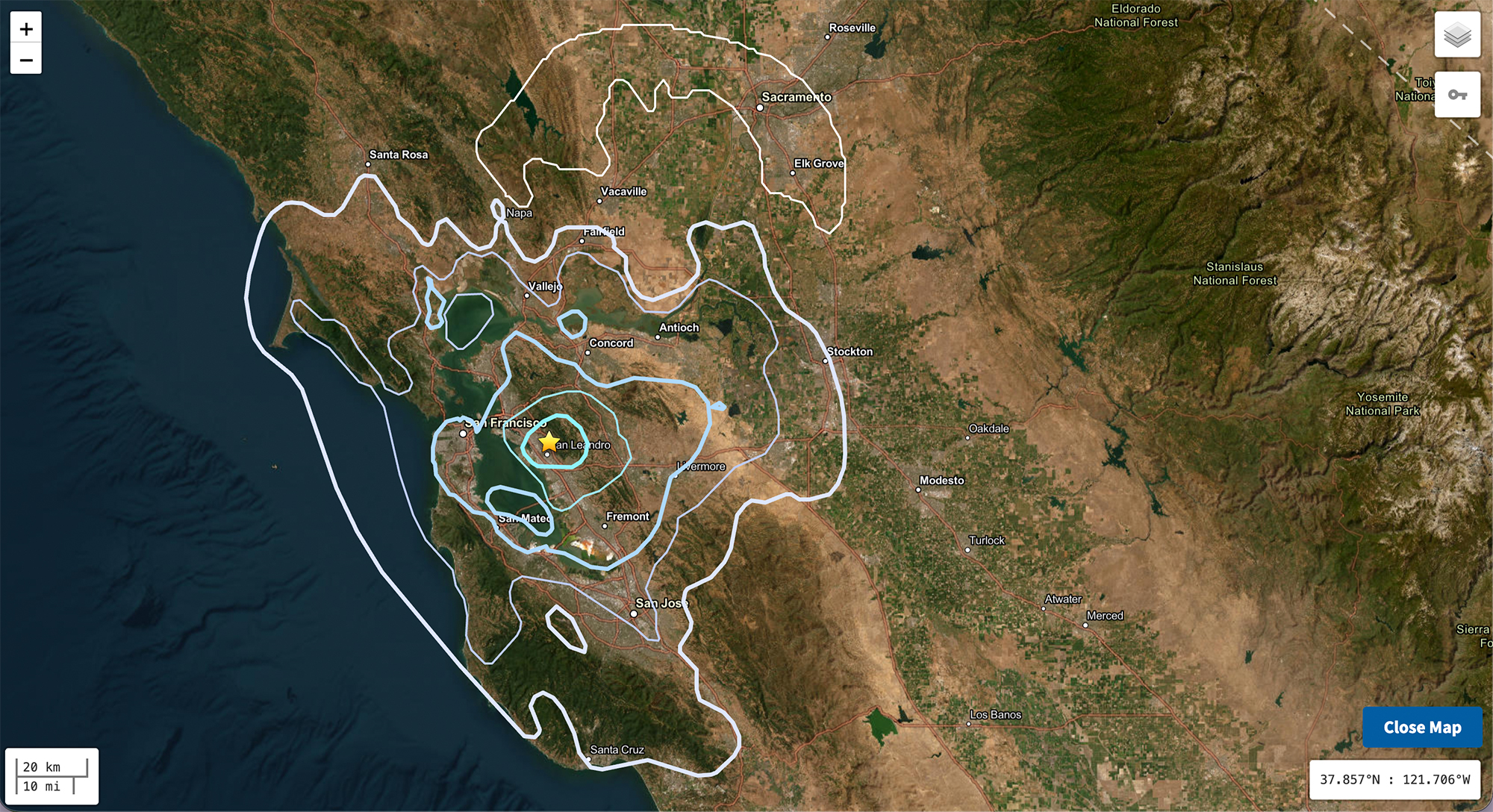
"caption": "A 3.8 magnitude earthquake struck about 2.5 miles north of San Leandro according to data from the U.S. Geological Survey. ",
"credit": "Courtesy of USGS",
"altTag": null,
"description": null,
"imgSizes": {
"thumbnail": {
"file": "https://cdn.kqed.org/wp-content/uploads/sites/10/2026/08/260813-Earthquake-01-160x87.jpg",
"width": 160,
"height": 87,
"mimeType": "image/jpeg"
},
"1536x1536": {
"file": "https://cdn.kqed.org/wp-content/uploads/sites/10/2026/08/260813-Earthquake-01-1536x836.jpg",
"width": 1536,
"height": 836,
"mimeType": "image/jpeg"
},
"post-thumbnail": {
"file": "https://cdn.kqed.org/wp-content/uploads/sites/10/2026/08/260813-Earthquake-01-672x372.jpg",
"width": 672,
"height": 372,
"mimeType": "image/jpeg"
},
"twentyfourteen-full-width": {
"file": "https://cdn.kqed.org/wp-content/uploads/sites/10/2026/08/260813-Earthquake-01-1038x576.jpg",
"width": 1038,
"height": 576,
"mimeType": "image/jpeg"
},
"npr-cds-wide": {
"file": "https://cdn.kqed.org/wp-content/uploads/sites/10/2026/08/260813-Earthquake-01-1200x675.jpg",
"width": 1200,
"height": 675,
"mimeType": "image/jpeg"
},
"npr-cds-square": {
"file": "https://cdn.kqed.org/wp-content/uploads/sites/10/2026/08/260813-Earthquake-01-600x600.jpg",
"width": 600,
"height": 600,
"mimeType": "image/jpeg"
},
"kqedFullSize": {
"file": "https://cdn.kqed.org/wp-content/uploads/sites/10/2026/08/260813-Earthquake-01.jpg",
"width": 2000,
"height": 1088
}
},
"isLoading": false,
"fetchFailed": false
},
"news_12060984": {
"type": "attachments",
"id": "news_12060984",
"meta": {
"index": "attachments_1716263798",
"site": "news",
"id": "12060984",
"found": true
},
"title": "The 580 freeway in Oakland on Oct. 21, 2025.",
"publishDate": 1761133308,
"status": "inherit",
"parent": 0,
"modified": 1761145233,
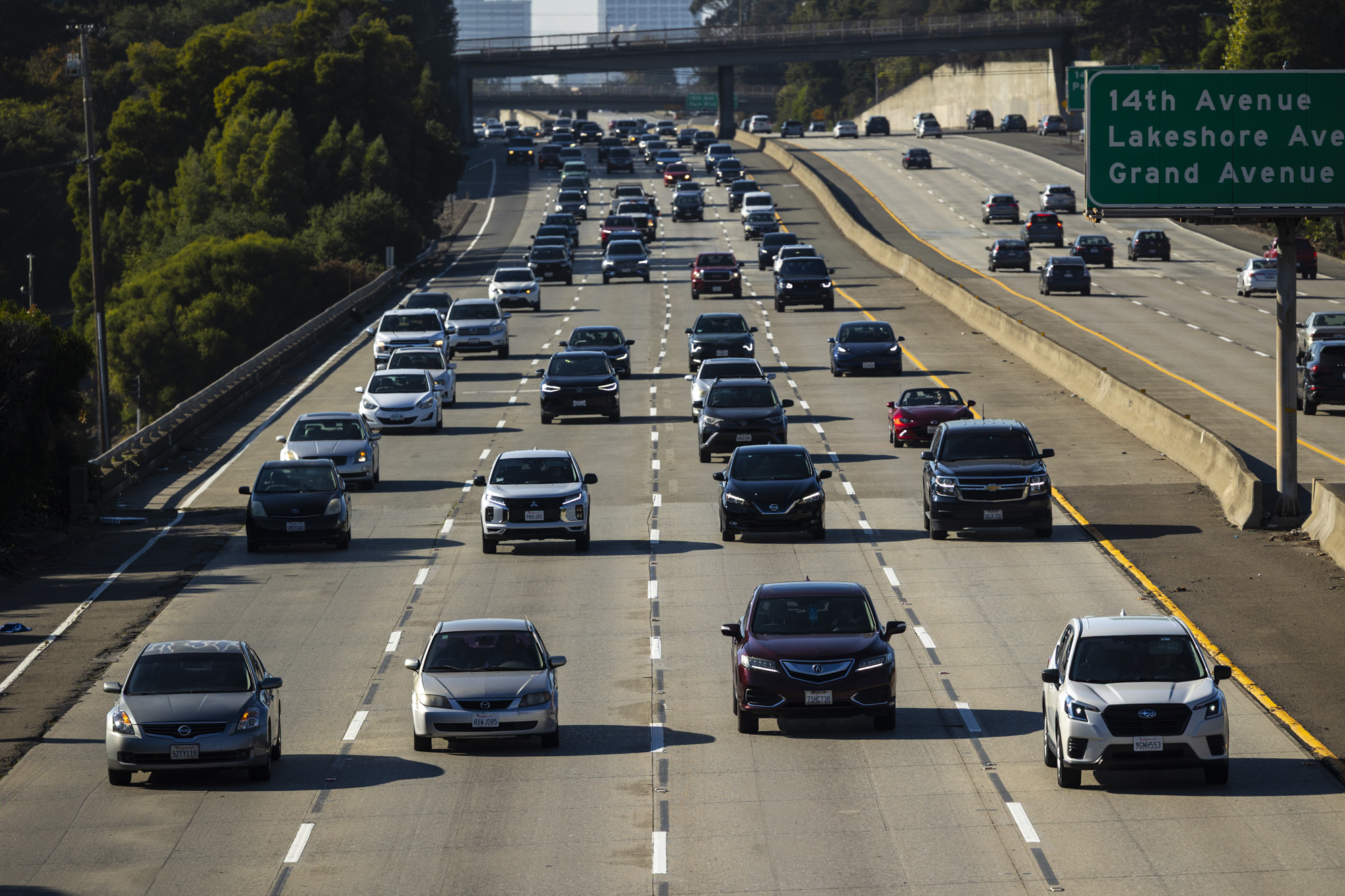
"caption": "The I-580 freeway in Oakland on Oct. 21, 2025.",
"credit": "Martin do Nascimento/KQED",
"altTag": null,
"description": null,
"imgSizes": {
"thumbnail": {
"file": "https://cdn.kqed.org/wp-content/uploads/sites/10/2025/10/251021-I-580-MD-03-KQED-160x107.jpg",
"width": 160,
"height": 107,
"mimeType": "image/jpeg"
},
"1536x1536": {
"file": "https://cdn.kqed.org/wp-content/uploads/sites/10/2025/10/251021-I-580-MD-03-KQED-1536x1024.jpg",
"width": 1536,
"height": 1024,
"mimeType": "image/jpeg"
},
"post-thumbnail": {
"file": "https://cdn.kqed.org/wp-content/uploads/sites/10/2025/10/251021-I-580-MD-03-KQED-672x372.jpg",
"width": 672,
"height": 372,
"mimeType": "image/jpeg"
},
"twentyfourteen-full-width": {
"file": "https://cdn.kqed.org/wp-content/uploads/sites/10/2025/10/251021-I-580-MD-03-KQED-1038x576.jpg",
"width": 1038,
"height": 576,
"mimeType": "image/jpeg"
},
"kqedFullSize": {
"file": "https://cdn.kqed.org/wp-content/uploads/sites/10/2025/10/251021-I-580-MD-03-KQED.jpg",
"width": 2000,
"height": 1333
}
},
"isLoading": false,
"fetchFailed": false
},
"news_12083964": {
"type": "attachments",
"id": "news_12083964",
"meta": {
"index": "attachments_1716263798",
"site": "news",
"id": "12083964",
"found": true
},
"title": "Rep. Eric Swalwell addresses the press event in Hayward on Mar. 9, 2026.",
"publishDate": 1778874929,
"status": "inherit",
"parent": 12083627,
"modified": 1778884113,
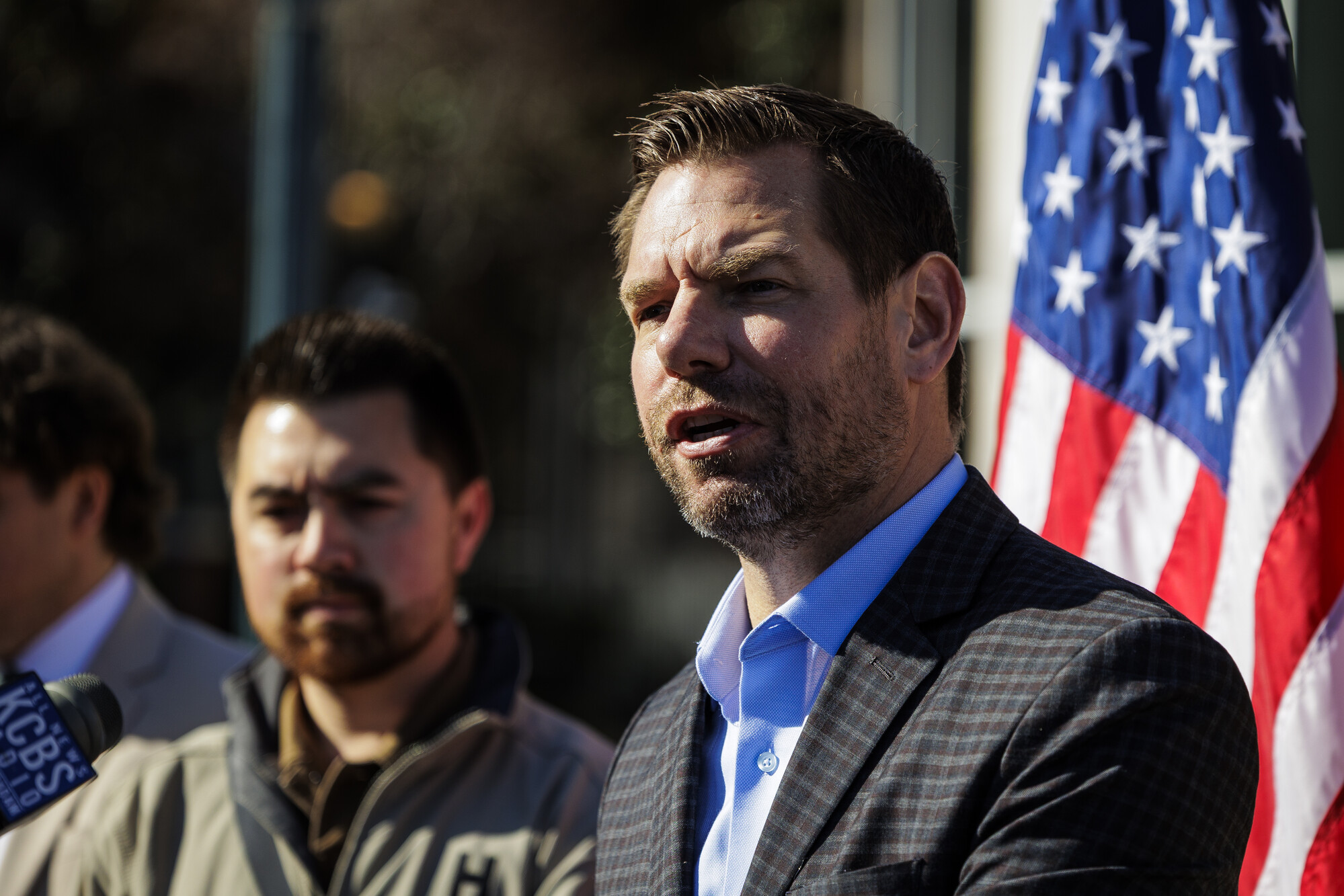
"caption": "Rep. Eric Swalwell addresses the press event in Hayward on March 9, 2026.",
"credit": "Martin do Nascimento/KQED",
"altTag": null,
"description": null,
"imgSizes": {
"thumbnail": {
"file": "https://cdn.kqed.org/wp-content/uploads/sites/10/2026/05/260309-DEAF-DEPORTEE-MD-05_qed-160x107.jpg",
"width": 160,
"height": 107,
"mimeType": "image/jpeg"
},
"1536x1536": {
"file": "https://cdn.kqed.org/wp-content/uploads/sites/10/2026/05/260309-DEAF-DEPORTEE-MD-05_qed-1536x1024.jpg",
"width": 1536,
"height": 1024,
"mimeType": "image/jpeg"
},
"post-thumbnail": {
"file": "https://cdn.kqed.org/wp-content/uploads/sites/10/2026/05/260309-DEAF-DEPORTEE-MD-05_qed-672x372.jpg",
"width": 672,
"height": 372,
"mimeType": "image/jpeg"
},
"twentyfourteen-full-width": {
"file": "https://cdn.kqed.org/wp-content/uploads/sites/10/2026/05/260309-DEAF-DEPORTEE-MD-05_qed-1038x576.jpg",
"width": 1038,
"height": 576,
"mimeType": "image/jpeg"
},
"npr-cds-wide": {
"file": "https://cdn.kqed.org/wp-content/uploads/sites/10/2026/05/260309-DEAF-DEPORTEE-MD-05_qed-1200x675.jpg",
"width": 1200,
"height": 675,
"mimeType": "image/jpeg"
},
"npr-cds-square": {
"file": "https://cdn.kqed.org/wp-content/uploads/sites/10/2026/05/260309-DEAF-DEPORTEE-MD-05_qed-600x600.jpg",
"width": 600,
"height": 600,
"mimeType": "image/jpeg"
},
"kqedFullSize": {
"file": "https://cdn.kqed.org/wp-content/uploads/sites/10/2026/05/260309-DEAF-DEPORTEE-MD-05_qed.jpg",
"width": 1999,
"height": 1333
}
},
"isLoading": false,
"fetchFailed": false
},
"news_12052061": {
"type": "attachments",
"id": "news_12052061",
"meta": {
"index": "attachments_1716263798",
"site": "news",
"id": "12052061",
"found": true
},
"title": "San Leandro, California",
"publishDate": 1755119939,
"status": "inherit",
"parent": 12052003,
"modified": 1755119999,
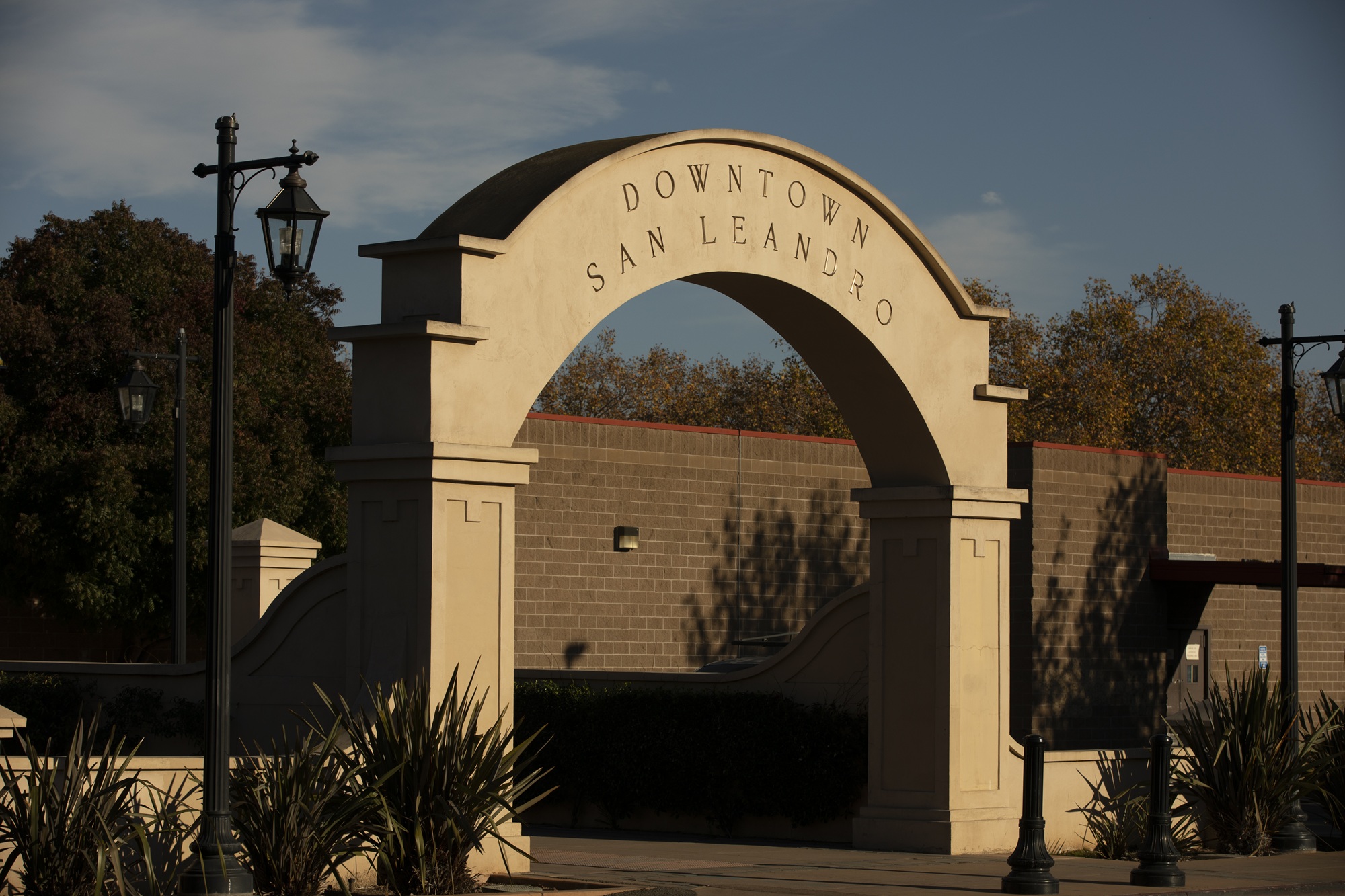
"caption": "Downtown San Leandro on Nov. 17, 2021. ",
"credit": "Matt Gush/Getty Images",
"altTag": null,
"description": null,
"imgSizes": {
"thumbnail": {
"file": "https://cdn.kqed.org/wp-content/uploads/sites/10/2025/08/SanLeandroGetty-160x107.jpg",
"width": 160,
"height": 107,
"mimeType": "image/jpeg"
},
"1536x1536": {
"file": "https://cdn.kqed.org/wp-content/uploads/sites/10/2025/08/SanLeandroGetty-1536x1024.jpg",
"width": 1536,
"height": 1024,
"mimeType": "image/jpeg"
},
"post-thumbnail": {
"file": "https://cdn.kqed.org/wp-content/uploads/sites/10/2025/08/SanLeandroGetty-672x372.jpg",
"width": 672,
"height": 372,
"mimeType": "image/jpeg"
},
"twentyfourteen-full-width": {
"file": "https://cdn.kqed.org/wp-content/uploads/sites/10/2025/08/SanLeandroGetty-1038x576.jpg",
"width": 1038,
"height": 576,
"mimeType": "image/jpeg"
},
"kqedFullSize": {
"file": "https://cdn.kqed.org/wp-content/uploads/sites/10/2025/08/SanLeandroGetty.jpg",
"width": 2000,
"height": 1333
}
},
"isLoading": false,
"fetchFailed": false
},
"news_12071255": {
"type": "attachments",
"id": "news_12071255",
"meta": {
"index": "attachments_1716263798",
"site": "news",
"id": "12071255",
"found": true
},
"title": "010318-Oakland-PD-CM-01",
"publishDate": 1769550256,
"status": "inherit",
"parent": 12071253,
"modified": 1769551375,
"caption": "Oakland police officers walk through a crime scene outside the West Oakland BART station on Jan. 3, 2018.",
"credit": "Gabrielle Lurie/San Francisco Chronicle via AP",
"altTag": null,
"description": null,
"imgSizes": {
"thumbnail": {
"file": "https://cdn.kqed.org/wp-content/uploads/sites/10/2026/01/010318-Oakland-PD-CM-01-160x107.jpg",
"width": 160,
"height": 107,
"mimeType": "image/jpeg"
},
"1536x1536": {
"file": "https://cdn.kqed.org/wp-content/uploads/sites/10/2026/01/010318-Oakland-PD-CM-01-1536x1025.jpg",
"width": 1536,
"height": 1025,
"mimeType": "image/jpeg"
},
"post-thumbnail": {
"file": "https://cdn.kqed.org/wp-content/uploads/sites/10/2026/01/010318-Oakland-PD-CM-01-672x372.jpg",
"width": 672,
"height": 372,
"mimeType": "image/jpeg"
},
"twentyfourteen-full-width": {
"file": "https://cdn.kqed.org/wp-content/uploads/sites/10/2026/01/010318-Oakland-PD-CM-01-1038x576.jpg",
"width": 1038,
"height": 576,
"mimeType": "image/jpeg"
},
"npr-cds-wide": {
"file": "https://cdn.kqed.org/wp-content/uploads/sites/10/2026/01/010318-Oakland-PD-CM-01-1200x675.jpg",
"width": 1200,
"height": 675,
"mimeType": "image/jpeg"
},
"kqedFullSize": {
"file": "https://cdn.kqed.org/wp-content/uploads/sites/10/2026/01/010318-Oakland-PD-CM-01.jpg",
"width": 2000,
"height": 1334
}
},
"isLoading": false,
"fetchFailed": false
},
"news_11926889": {
"type": "attachments",
"id": "news_11926889",
"meta": {
"index": "attachments_1716263798",
"site": "news",
"id": "11926889",
"found": true
},
"title": "RS21434_IMG_4885-qut",
"publishDate": 1664315568,
"status": "inherit",
"parent": 11926857,
"modified": 1731528292,
"caption": "The Alameda County Sheriff's Office in Oakland. Civil rights advocates reacted to the news that nearly four dozen sheriff's deputies had been hired despite failing their psychological exams, with some cases dating as far back as 2016.",
"credit": "Alex Emslie/KQED",
"altTag": "A glass-paned wall that reads 'Alameda County Sheriff's Office.'",
"description": null,
"imgSizes": {
"medium": {
"file": "https://cdn.kqed.org/wp-content/uploads/sites/10/2022/09/RS21434_IMG_4885-qut-800x600.jpg",
"width": 800,
"height": 600,
"mimeType": "image/jpeg"
},
"large": {
"file": "https://cdn.kqed.org/wp-content/uploads/sites/10/2022/09/RS21434_IMG_4885-qut-1020x765.jpg",
"width": 1020,
"height": 765,
"mimeType": "image/jpeg"
},
"thumbnail": {
"file": "https://cdn.kqed.org/wp-content/uploads/sites/10/2022/09/RS21434_IMG_4885-qut-160x120.jpg",
"width": 160,
"height": 120,
"mimeType": "image/jpeg"
},
"1536x1536": {
"file": "https://cdn.kqed.org/wp-content/uploads/sites/10/2022/09/RS21434_IMG_4885-qut-1536x1152.jpg",
"width": 1536,
"height": 1152,
"mimeType": "image/jpeg"
},
"post-thumbnail": {
"file": "https://cdn.kqed.org/wp-content/uploads/sites/10/2022/09/RS21434_IMG_4885-qut-672x372.jpg",
"width": 672,
"height": 372,
"mimeType": "image/jpeg"
},
"twentyfourteen-full-width": {
"file": "https://cdn.kqed.org/wp-content/uploads/sites/10/2022/09/RS21434_IMG_4885-qut-1038x576.jpg",
"width": 1038,
"height": 576,
"mimeType": "image/jpeg"
},
"kqedFullSize": {
"file": "https://cdn.kqed.org/wp-content/uploads/sites/10/2022/09/RS21434_IMG_4885-qut.jpg",
"width": 1920,
"height": 1440
}
},
"isLoading": false,
"fetchFailed": false
},
"news_12073250": {
"type": "attachments",
"id": "news_12073250",
"meta": {
"index": "attachments_1716263798",
"site": "news",
"id": "12073250",
"found": true
},
"title": "The Federal Courthouse in Oakland on Feb. 11, 2026.",
"publishDate": 1770852408,
"status": "inherit",
"parent": 0,
"modified": 1770852433,
"caption": "The Federal Courthouse in Oakland on Feb. 11, 2026.",
"credit": "Martin do Nascimento/KQED",
"altTag": null,
"description": null,
"imgSizes": {
"thumbnail": {
"file": "https://cdn.kqed.org/wp-content/uploads/sites/10/2026/02/260211-OAKLAND-FEDERAL-COURTHOUSE-MD-01-KQED-160x107.jpg",
"width": 160,
"height": 107,
"mimeType": "image/jpeg"
},
"1536x1536": {
"file": "https://cdn.kqed.org/wp-content/uploads/sites/10/2026/02/260211-OAKLAND-FEDERAL-COURTHOUSE-MD-01-KQED-1536x1024.jpg",
"width": 1536,
"height": 1024,
"mimeType": "image/jpeg"
},
"post-thumbnail": {
"file": "https://cdn.kqed.org/wp-content/uploads/sites/10/2026/02/260211-OAKLAND-FEDERAL-COURTHOUSE-MD-01-KQED-672x372.jpg",
"width": 672,
"height": 372,
"mimeType": "image/jpeg"
},
"twentyfourteen-full-width": {
"file": "https://cdn.kqed.org/wp-content/uploads/sites/10/2026/02/260211-OAKLAND-FEDERAL-COURTHOUSE-MD-01-KQED-1038x576.jpg",
"width": 1038,
"height": 576,
"mimeType": "image/jpeg"
},
"npr-cds-wide": {
"file": "https://cdn.kqed.org/wp-content/uploads/sites/10/2026/02/260211-OAKLAND-FEDERAL-COURTHOUSE-MD-01-KQED-1200x675.jpg",
"width": 1200,
"height": 675,
"mimeType": "image/jpeg"
},
"kqedFullSize": {
"file": "https://cdn.kqed.org/wp-content/uploads/sites/10/2026/02/260211-OAKLAND-FEDERAL-COURTHOUSE-MD-01-KQED.jpg",
"width": 2000,
"height": 1333
}
},
"isLoading": false,
"fetchFailed": false
},
"news_12054536": {
"type": "attachments",
"id": "news_12054536",
"meta": {
"index": "attachments_1716263798",
"site": "news",
"id": "12054536",
"found": true
},
"title": "250902_SANLEANDROCITYHALL_GH-10-KQED",
"publishDate": 1756932397,
"status": "inherit",
"parent": 12073176,
"modified": 1770850320,
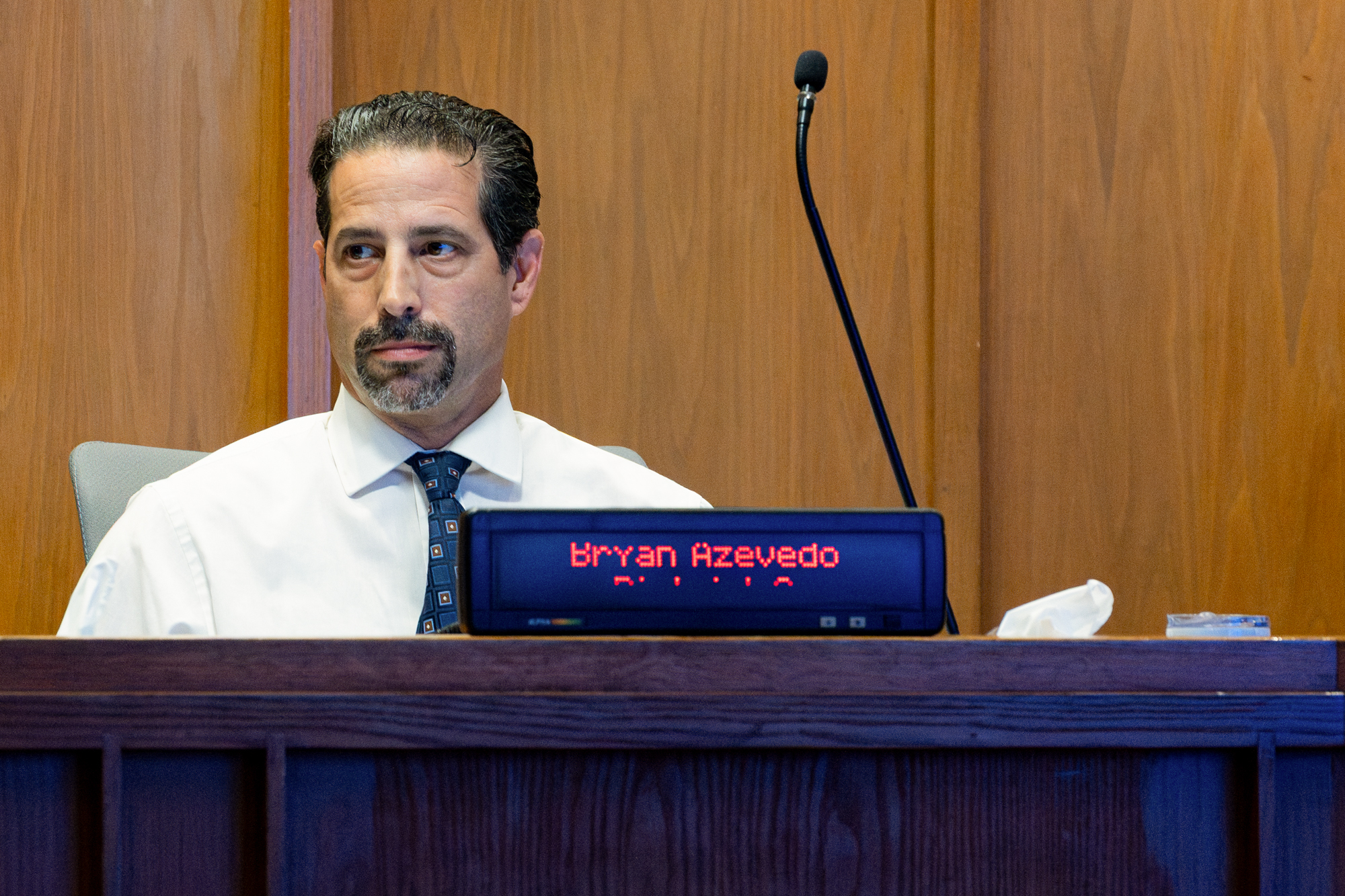
"caption": "Bryan Azevedo, San Leandro City Council member for District 2, attends a City Council meeting on Sept. 2, 2025.",
"credit": "Gustavo Hernandez/KQED",
"altTag": null,
"description": null,
"imgSizes": {
"thumbnail": {
"file": "https://cdn.kqed.org/wp-content/uploads/sites/10/2025/09/250902_SANLEANDROCITYHALL_GH-10-KQED-160x107.jpg",
"width": 160,
"height": 107,
"mimeType": "image/jpeg"
},
"1536x1536": {
"file": "https://cdn.kqed.org/wp-content/uploads/sites/10/2025/09/250902_SANLEANDROCITYHALL_GH-10-KQED-1536x1024.jpg",
"width": 1536,
"height": 1024,
"mimeType": "image/jpeg"
},
"post-thumbnail": {
"file": "https://cdn.kqed.org/wp-content/uploads/sites/10/2025/09/250902_SANLEANDROCITYHALL_GH-10-KQED-672x372.jpg",
"width": 672,
"height": 372,
"mimeType": "image/jpeg"
},
"twentyfourteen-full-width": {
"file": "https://cdn.kqed.org/wp-content/uploads/sites/10/2025/09/250902_SANLEANDROCITYHALL_GH-10-KQED-1038x576.jpg",
"width": 1038,
"height": 576,
"mimeType": "image/jpeg"
},
"kqedFullSize": {
"file": "https://cdn.kqed.org/wp-content/uploads/sites/10/2025/09/250902_SANLEANDROCITYHALL_GH-10-KQED.jpg",
"width": 2000,
"height": 1333
}
},
"isLoading": false,
"fetchFailed": false
},
"news_12067065": {
"type": "attachments",
"id": "news_12067065",
"meta": {
"index": "attachments_1716263798",
"site": "news",
"id": "12067065",
"found": true
},
"title": "251212-JASONFLETCHERDISMISSED-03-BL-KQED",
"publishDate": 1765586881,
"status": "inherit",
"parent": 0,
"modified": 1765587003,
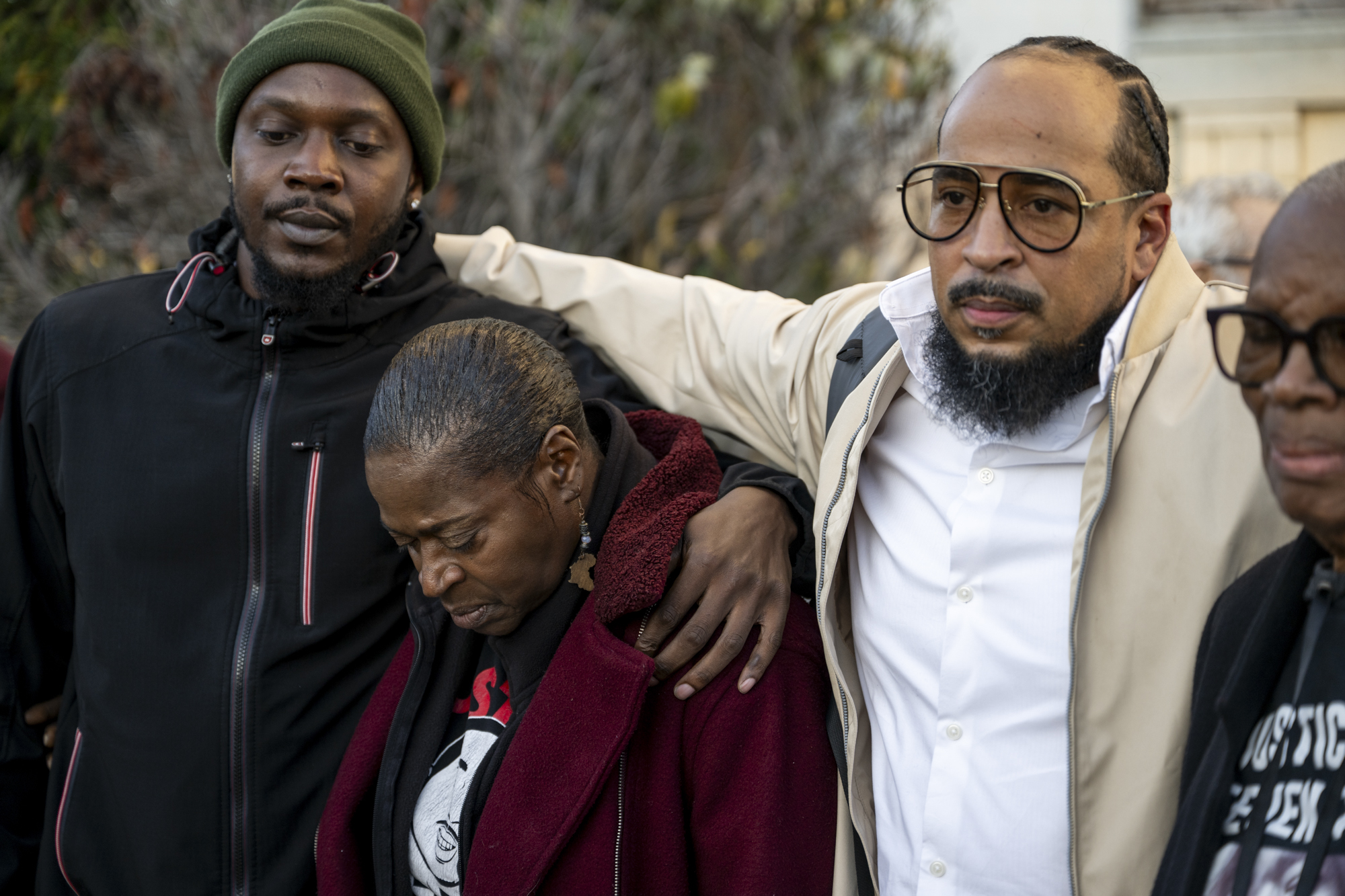
"caption": "(From left) Michael Taylor, Sharon Taylor, Lance Wilson and Addie Kitchen address the press after the case against Jason Fletcher was dismissed at Alameda County Superior Court in Oakland on Dec. 12, 2025.",
"credit": "Beth LaBerge/KQED",
"altTag": null,
"description": null,
"imgSizes": {
"thumbnail": {
"file": "https://cdn.kqed.org/wp-content/uploads/sites/10/2025/12/251212-JASONFLETCHERDISMISSED-03-BL-KQED-160x107.jpg",
"width": 160,
"height": 107,
"mimeType": "image/jpeg"
},
"1536x1536": {
"file": "https://cdn.kqed.org/wp-content/uploads/sites/10/2025/12/251212-JASONFLETCHERDISMISSED-03-BL-KQED-1536x1024.jpg",
"width": 1536,
"height": 1024,
"mimeType": "image/jpeg"
},
"post-thumbnail": {
"file": "https://cdn.kqed.org/wp-content/uploads/sites/10/2025/12/251212-JASONFLETCHERDISMISSED-03-BL-KQED-672x372.jpg",
"width": 672,
"height": 372,
"mimeType": "image/jpeg"
},
"twentyfourteen-full-width": {
"file": "https://cdn.kqed.org/wp-content/uploads/sites/10/2025/12/251212-JASONFLETCHERDISMISSED-03-BL-KQED-1038x576.jpg",
"width": 1038,
"height": 576,
"mimeType": "image/jpeg"
},
"npr-cds-wide": {
"file": "https://cdn.kqed.org/wp-content/uploads/sites/10/2025/12/251212-JASONFLETCHERDISMISSED-03-BL-KQED-1200x675.jpg",
"width": 1200,
"height": 675,
"mimeType": "image/jpeg"
},
"kqedFullSize": {
"file": "https://cdn.kqed.org/wp-content/uploads/sites/10/2025/12/251212-JASONFLETCHERDISMISSED-03-BL-KQED.jpg",
"width": 2000,
"height": 1333
}
},
"isLoading": false,
"fetchFailed": false
},
"news_12061283": {
"type": "attachments",
"id": "news_12061283",
"meta": {
"index": "attachments_1716263798",
"site": "news",
"id": "12061283",
"found": true
},
"title": "251023-MAYOR LEE PRESSER-MD-06_qed",
"publishDate": 1761251410,
"status": "inherit",
"parent": 0,
"modified": 1765407587,
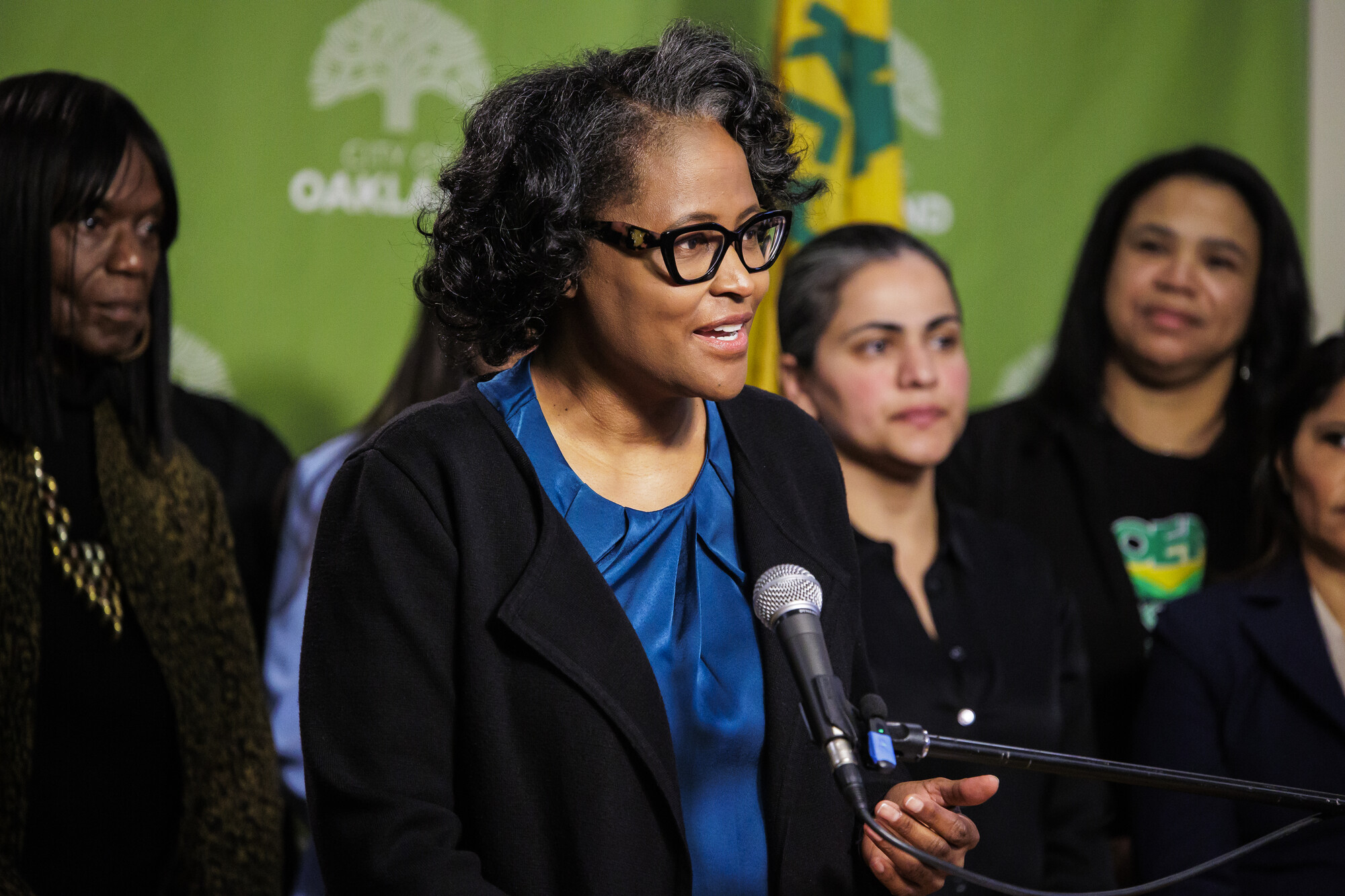
"caption": "Alameda County District Attorney Ursula Jones Dickson speaks at a press conference at Oakland City Hall on Oct. 23, 2025.",
"credit": "Martin do Nascimento/KQED",
"altTag": null,
"description": null,
"imgSizes": {
"thumbnail": {
"file": "https://cdn.kqed.org/wp-content/uploads/sites/10/2025/10/251023-MAYOR-LEE-PRESSER-MD-06_qed-160x107.jpg",
"width": 160,
"height": 107,
"mimeType": "image/jpeg"
},
"1536x1536": {
"file": "https://cdn.kqed.org/wp-content/uploads/sites/10/2025/10/251023-MAYOR-LEE-PRESSER-MD-06_qed-1536x1024.jpg",
"width": 1536,
"height": 1024,
"mimeType": "image/jpeg"
},
"post-thumbnail": {
"file": "https://cdn.kqed.org/wp-content/uploads/sites/10/2025/10/251023-MAYOR-LEE-PRESSER-MD-06_qed-672x372.jpg",
"width": 672,
"height": 372,
"mimeType": "image/jpeg"
},
"twentyfourteen-full-width": {
"file": "https://cdn.kqed.org/wp-content/uploads/sites/10/2025/10/251023-MAYOR-LEE-PRESSER-MD-06_qed-1038x576.jpg",
"width": 1038,
"height": 576,
"mimeType": "image/jpeg"
},
"npr-cds-wide": {
"file": "https://cdn.kqed.org/wp-content/uploads/sites/10/2025/10/251023-MAYOR-LEE-PRESSER-MD-06_qed-1600x900.jpg",
"width": 1600,
"height": 900,
"mimeType": "image/jpeg"
},
"kqedFullSize": {
"file": "https://cdn.kqed.org/wp-content/uploads/sites/10/2025/10/251023-MAYOR-LEE-PRESSER-MD-06_qed.jpg",
"width": 2000,
"height": 1333
}
},
"isLoading": false,
"fetchFailed": false
},
"news_11875363": {
"type": "attachments",
"id": "news_11875363",
"meta": {
"index": "attachments_1716263798",
"site": "news",
"id": "11875363",
"found": true
},
"title": "RS49486_005_Oakland_APTPGeorgeFloyd_05252021-qut (1)",
"publishDate": 1621993553,
"status": "inherit",
"parent": 11875304,
"modified": 1763168101,
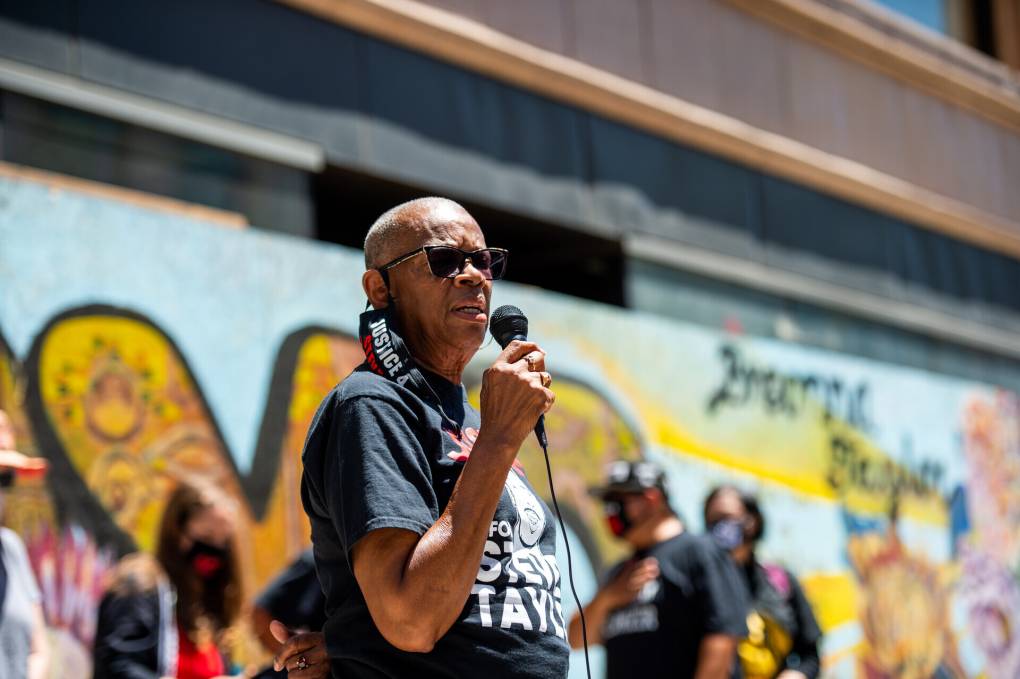
"caption": "Addie Kitchen, the grandmother of Steven Taylor, speaks during an event honoring the one-year anniversary of the murder of George Floyd, organized by the Anti Police-Terror Project and the Defund Police Coalition in downtown Oakland on May 25, 2021.",
"credit": "Beth LaBerge/KQED",
"altTag": "Addie Kitchen, the grandmother of Steven Taylor, speaks to a crowd in Oakland.",
"description": "Addie Kitchen, the grandmother of Steven Taylor, speaks during an event honoring the one year anniversary of the murder of George Floyd organized by the Anti Police-Terror Project and the Defund Police Coalition in downtown Oakland on May 25, 2021.",
"imgSizes": {
"medium": {
"file": "https://cdn.kqed.org/wp-content/uploads/sites/10/2021/05/RS49486_005_Oakland_APTPGeorgeFloyd_05252021-qut-1-800x533.jpg",
"width": 800,
"height": 533,
"mimeType": "image/jpeg"
},
"large": {
"file": "https://cdn.kqed.org/wp-content/uploads/sites/10/2021/05/RS49486_005_Oakland_APTPGeorgeFloyd_05252021-qut-1-1020x679.jpg",
"width": 1020,
"height": 679,
"mimeType": "image/jpeg"
},
"thumbnail": {
"file": "https://cdn.kqed.org/wp-content/uploads/sites/10/2021/05/RS49486_005_Oakland_APTPGeorgeFloyd_05252021-qut-1-160x107.jpg",
"width": 160,
"height": 107,
"mimeType": "image/jpeg"
},
"1536x1536": {
"file": "https://cdn.kqed.org/wp-content/uploads/sites/10/2021/05/RS49486_005_Oakland_APTPGeorgeFloyd_05252021-qut-1-1536x1022.jpg",
"width": 1536,
"height": 1022,
"mimeType": "image/jpeg"
},
"post-thumbnail": {
"file": "https://cdn.kqed.org/wp-content/uploads/sites/10/2021/05/RS49486_005_Oakland_APTPGeorgeFloyd_05252021-qut-1-672x372.jpg",
"width": 672,
"height": 372,
"mimeType": "image/jpeg"
},
"twentyfourteen-full-width": {
"file": "https://cdn.kqed.org/wp-content/uploads/sites/10/2021/05/RS49486_005_Oakland_APTPGeorgeFloyd_05252021-qut-1-1038x576.jpg",
"width": 1038,
"height": 576,
"mimeType": "image/jpeg"
},
"kqedFullSize": {
"file": "https://cdn.kqed.org/wp-content/uploads/sites/10/2021/05/RS49486_005_Oakland_APTPGeorgeFloyd_05252021-qut-1.jpg",
"width": 1920,
"height": 1278
}
},
"isLoading": false,
"fetchFailed": false
},
"news_12054533": {
"type": "attachments",
"id": "news_12054533",
"meta": {
"index": "attachments_1716263798",
"site": "news",
"id": "12054533",
"found": true
},
"title": "250902_SANLEANDROCITYHALL_GH-2-KQED",
"publishDate": 1756932385,
"status": "inherit",
"parent": 12073176,
"modified": 1770850604,
"caption": "Bryan Azevedo, San Leandro City Council member for District 2, attends a City Council meeting on Sept. 2, 2025.",
"credit": "Gustavo Hernandez/KQED",
"altTag": null,
"description": null,
"imgSizes": {
"thumbnail": {
"file": "https://cdn.kqed.org/wp-content/uploads/sites/10/2025/09/250902_SANLEANDROCITYHALL_GH-2-KQED-160x107.jpg",
"width": 160,
"height": 107,
"mimeType": "image/jpeg"
},
"1536x1536": {
"file": "https://cdn.kqed.org/wp-content/uploads/sites/10/2025/09/250902_SANLEANDROCITYHALL_GH-2-KQED-1536x1024.jpg",
"width": 1536,
"height": 1024,
"mimeType": "image/jpeg"
},
"post-thumbnail": {
"file": "https://cdn.kqed.org/wp-content/uploads/sites/10/2025/09/250902_SANLEANDROCITYHALL_GH-2-KQED-672x372.jpg",
"width": 672,
"height": 372,
"mimeType": "image/jpeg"
},
"twentyfourteen-full-width": {
"file": "https://cdn.kqed.org/wp-content/uploads/sites/10/2025/09/250902_SANLEANDROCITYHALL_GH-2-KQED-1038x576.jpg",
"width": 1038,
"height": 576,
"mimeType": "image/jpeg"
},
"kqedFullSize": {
"file": "https://cdn.kqed.org/wp-content/uploads/sites/10/2025/09/250902_SANLEANDROCITYHALL_GH-2-KQED.jpg",
"width": 2000,
"height": 1333
}
},
"isLoading": false,
"fetchFailed": false
}
},
"audioPlayerReducer": {
"postId": "stream_live",
"isPaused": true,
"isPlaying": false,
"pfsActive": false,
"pledgeModalIsOpen": true,
"playerDrawerIsOpen": false,
"liveAudioPlayStartedAt": 0,
"liveAudioPlayContext": ""
},
"authorsReducer": {
"gmarzorati": {
"type": "authors",
"id": "227",
"meta": {
"index": "authors_1716337520",
"id": "227",
"found": true
},
"name": "Guy Marzorati",
"firstName": "Guy",
"lastName": "Marzorati",
"slug": "gmarzorati",
"email": "gmarzorati@KQED.org",
"display_author_email": true,
"staff_mastheads": [
"news"
],
"title": "Correspondent",
"bio": "Guy Marzorati is a correspondent on KQED's California Politics and Government Desk, based in San Jose. A graduate of Santa Clara University, Guy joined KQED in 2013. He reports on state and local politics and produces KQED's digital voter guide.",
"avatar": "https://secure.gravatar.com/avatar/e7038b8dbfd55b104369b76b1cd0b9de?s=600&d=blank&r=g",
"twitter": "guymarzorati",
"facebook": null,
"instagram": null,
"linkedin": null,
"sites": [
{
"site": "",
"roles": [
"editor"
]
},
{
"site": "news",
"roles": [
"editor"
]
},
{
"site": "science",
"roles": [
"editor"
]
},
{
"site": "forum",
"roles": [
"editor"
]
},
{
"site": "elections",
"roles": [
"editor"
]
},
{
"site": "liveblog",
"roles": [
"editor"
]
}
],
"headData": {
"title": "Guy Marzorati | KQED",
"description": "Correspondent",
"ogImgSrc": "https://secure.gravatar.com/avatar/e7038b8dbfd55b104369b76b1cd0b9de?s=600&d=blank&r=g",
"twImgSrc": "https://secure.gravatar.com/avatar/e7038b8dbfd55b104369b76b1cd0b9de?s=600&d=blank&r=g"
},
"isLoading": false,
"link": "/author/gmarzorati"
},
"aemslie": {
"type": "authors",
"id": "3206",
"meta": {
"index": "authors_1716337520",
"id": "3206",
"found": true
},
"name": "Alex Emslie",
"firstName": "Alex",
"lastName": "Emslie",
"slug": "aemslie",
"email": "aemslie@kqed.org",
"display_author_email": true,
"staff_mastheads": [
"news"
],
"title": "KQED Senior Editor",
"bio": "Alex Emslie is senior editor of talent and development at KQED, where he manages dozens of early career journalists and oversees news department internships.\r\n\r\nHe is a former carpenter and proud graduate of City College of San Francisco and San Francisco State University, where he studied journalism and criminal justice before joining KQED in 2013.\r\n\r\nAlex produced investigative journalism focused on \u003ca href=\"https://www.kqed.org/news/11667594/the-trials-of-marvin-mutch-video\">criminal justice\u003c/a> and policing for most of a decade. He has broken major stories about \u003ca href=\"https://www.kqed.org/news/135682/amid-a-series-of-vallejo-police-shootings-one-officers-name-stands-out\">police use of deadly force\u003c/a>, \u003ca href=\"https://www.kqed.org/news/10454955/racist-texts-prompt-sfpd-internal-investigation\">officer misconduct\u003c/a> and \u003ca href=\"https://www.kqed.org/news/11712239/terrorist-or-troll-judge-to-weigh-whether-oakland-man-really-intended-to-attack-bay-area\">other\u003c/a> \u003ca href=\"https://www.kqed.org/news/11221414/hayward-paid-159000-to-husband-of-retired-police-chief-documents-show\">high\u003c/a>-\u003ca href=\"https://www.kqed.org/news/10622762/the-forgotten-tracking-two-homicides-in-san-francisco-public-housing\">profile\u003c/a> \u003ca href=\"https://www.kqed.org/news/11624516/federal-agency-promoted-ranger-just-months-after-his-gun-was-stolen-and-used-in-steinle-killing\">cases\u003c/a>. He co-founded the \u003ca href=\"https://projects.scpr.org/california-reporting-project/\">California Reporting Project\u003c/a> in 2019 to obtain and report on previously confidential police internal investigations. The effort produced well over 100 original stories and changed the course of multiple criminal cases.\r\n\r\nHis work has been recognized with numerous journalism awards, including a national Edward R. Murrow award for several years of \u003ca href=\"https://www.kqed.org/news/11688481/sfpd-officers-in-mario-woods-case-recount-shooting-in-newly-filed-depositions\">reporting\u003c/a> on the San Francisco Police shooting of Mario Woods. His \u003ca href=\"https://www.kqed.org/news/147854/half-of-those-killed-by-san-francisco-police-are-mentally-ill\">reporting\u003c/a> on police killings of people in psychiatric crisis was cited in amicus briefs before the U.S. Supreme Court.\r\n\r\nAlex now enjoys mentoring the next generation of journalists at KQED.",
"avatar": "https://secure.gravatar.com/avatar/e691e65209f20e9da202bd730ead5663?s=600&d=blank&r=g",
"twitter": "SFNewsReporter",
"facebook": null,
"instagram": null,
"linkedin": null,
"sites": [
{
"site": "arts",
"roles": [
"editor"
]
},
{
"site": "news",
"roles": [
"editor"
]
},
{
"site": "mindshift",
"roles": [
"editor"
]
},
{
"site": "stateofhealth",
"roles": [
"editor"
]
},
{
"site": "science",
"roles": [
"administrator"
]
}
],
"headData": {
"title": "Alex Emslie | KQED",
"description": "KQED Senior Editor",
"ogImgSrc": "https://secure.gravatar.com/avatar/e691e65209f20e9da202bd730ead5663?s=600&d=blank&r=g",
"twImgSrc": "https://secure.gravatar.com/avatar/e691e65209f20e9da202bd730ead5663?s=600&d=blank&r=g"
},
"isLoading": false,
"link": "/author/aemslie"
},
"jsmall": {
"type": "authors",
"id": "6625",
"meta": {
"index": "authors_1716337520",
"id": "6625",
"found": true
},
"name": "Julie Small",
"firstName": "Julie",
"lastName": "Small",
"slug": "jsmall",
"email": "jsmall@kqed.org",
"display_author_email": true,
"staff_mastheads": [
"news"
],
"title": "KQED Contributor",
"bio": "Julie Small reports on criminal justice and immigration.\r\n\r\nShe was part of a team at KQED awarded a regional 2019 Edward R. Murrow award for continuing coverage of the Trump Administration's family separation policy.\r\n\r\nThe Society for Professional Journalists recognized Julie's 2018 \u003ca href=\"https://www.kqed.org/news/11636262/the-officer-tased-him-31-times-the-sheriff-called-his-death-an-accident\">reporting\u003c/a> on the San Joaquin County Sheriff's \u003ca href=\"https://www.kqed.org/news/11634689/autopsy-doctors-sheriff-overrode-death-findings-to-protect-law-enforcement\">interference\u003c/a> in death investigations with an Excellence in Journalism Award for Ongoing Coverage.\r\n\r\nJulie's\u003ca href=\"https://www.kqed.org/news/11039666/two-mentally-ill-inmates-died-one-month-in-santa-clara\"> reporting\u003c/a> with Lisa Pickoff-White on the treatment of mentally ill offenders in California jails earned a 2017 regional Edward R. Murrow Award for news reporting and an investigative reporting award from the SPJ of Northern California.\r\n\r\nBefore joining KQED, Julie covered government and politics in Sacramento for Southern California Public Radio (SCPR). Her 2010 \u003ca href=\"https://www.scpr.org/specials/prisonmedical/\">series\u003c/a> on lapses in California’s prison medical care also won a regional Edward R. Murrow Award for investigative reporting and a Golden Mic Award from the RTNDA of Southern California.\r\n\r\nJulie began her career in journalism in 2000 as the deputy foreign editor for public radio's \u003cem>Marketplace, \u003c/em>while earning her master's degree in journalism from USC’s Annenberg School of Communication.",
"avatar": "https://secure.gravatar.com/avatar/4baedf201468df97be97c2a9dd7585d0?s=600&d=blank&r=g",
"twitter": "@SmallRadio2",
"facebook": null,
"instagram": null,
"linkedin": null,
"sites": [
{
"site": "news",
"roles": [
"editor"
]
},
{
"site": "stateofhealth",
"roles": [
"author"
]
},
{
"site": "science",
"roles": [
"author"
]
}
],
"headData": {
"title": "Julie Small | KQED",
"description": "KQED Contributor",
"ogImgSrc": "https://secure.gravatar.com/avatar/4baedf201468df97be97c2a9dd7585d0?s=600&d=blank&r=g",
"twImgSrc": "https://secure.gravatar.com/avatar/4baedf201468df97be97c2a9dd7585d0?s=600&d=blank&r=g"
},
"isLoading": false,
"link": "/author/jsmall"
},
"ahall": {
"type": "authors",
"id": "11490",
"meta": {
"index": "authors_1716337520",
"id": "11490",
"found": true
},
"name": "Alex Hall",
"firstName": "Alex",
"lastName": "Hall",
"slug": "ahall",
"email": "ahall@kqed.org",
"display_author_email": false,
"staff_mastheads": [
"news"
],
"title": "KQED Enterprise & Accountability Reporter",
"bio": "Alex Hall is KQED's Enterprise and Accountability Reporter. She previously covered the Central Valley for five years from KQED's bureau in Fresno. Before joining KQED, Alex was an investigative reporting fellow at Wisconsin Public Radio and the Wisconsin Center for Investigative Journalism. She has also worked as a bilingual producer for NPR's investigative unit and freelance video producer for Reuters TV on the Latin America desk. She got her start in journalism in South America, where she worked as a radio producer and Spanish-English translator for CNN Chile. Her documentary and investigation into the series of deadly COVID-19 outbreaks at Foster Farms won a national Edward R. Murrow award and was named an Investigative Reporters & Editors award finalist. Alex's reporting for Reveal on the Wisconsin dairy industry's reliance on undocumented immigrant labor was made into a film, Los Lecheros, which won a regional Edward R. Murrow award for best news documentary.",
"avatar": "https://secure.gravatar.com/avatar/04c28ad4a7caa7ac2ef39c655c4030c993a3f331481d1da4799bb76ea85b9afa?s=600&d=blank&r=g",
"twitter": "@chalexhall",
"bluesky": null,
"facebook": null,
"instagram": null,
"linkedin": null,
"sites": [
{
"site": "news",
"roles": [
"editor"
]
},
{
"site": "liveblog",
"roles": [
"author"
]
}
],
"headData": {
"title": "Alex Hall | KQED",
"description": "KQED Enterprise & Accountability Reporter",
"ogImgSrc": "https://secure.gravatar.com/avatar/04c28ad4a7caa7ac2ef39c655c4030c993a3f331481d1da4799bb76ea85b9afa?s=600&d=blank&r=g",
"twImgSrc": "https://secure.gravatar.com/avatar/04c28ad4a7caa7ac2ef39c655c4030c993a3f331481d1da4799bb76ea85b9afa?s=600&d=blank&r=g"
},
"isLoading": false,
"link": "/author/ahall"
},
"ccabreralomeli": {
"type": "authors",
"id": "11708",
"meta": {
"index": "authors_1716337520",
"id": "11708",
"found": true
},
"name": "Carlos Cabrera-Lomelí",
"firstName": "Carlos",
"lastName": "Cabrera-Lomelí",
"slug": "ccabreralomeli",
"email": "ccabreralomeli@KQED.org",
"display_author_email": true,
"staff_mastheads": [
"news"
],
"title": "Community Reporter",
"bio": "Carlos Cabrera-Lomelí is a community reporter with KQED's digital engagement team. He also reports and co-produces for KQED's bilingual news hub KQED en Español. He grew up in San Francisco's Mission District and has previously worked with Univision, 48 Hills and REFORMA in Mexico City.",
"avatar": "https://secure.gravatar.com/avatar/c309be9665e484f887b818c89e273ecc673004f426f36b24d00a4d813a2e0518?s=600&d=blank&r=g",
"twitter": "@LomeliCabrera",
"bluesky": null,
"facebook": null,
"instagram": null,
"linkedin": null,
"sites": [
{
"site": "arts",
"roles": [
"editor"
]
},
{
"site": "news",
"roles": [
"editor"
]
},
{
"site": "about",
"roles": [
"editor"
]
},
{
"site": "science",
"roles": [
"editor"
]
},
{
"site": "perspectives",
"roles": [
"editor"
]
},
{
"site": "elections",
"roles": [
"editor"
]
},
{
"site": "liveblog",
"roles": [
"contributor"
]
}
],
"headData": {
"title": "Carlos Cabrera-Lomelí | KQED",
"description": "Community Reporter",
"ogImgSrc": "https://secure.gravatar.com/avatar/c309be9665e484f887b818c89e273ecc673004f426f36b24d00a4d813a2e0518?s=600&d=blank&r=g",
"twImgSrc": "https://secure.gravatar.com/avatar/c309be9665e484f887b818c89e273ecc673004f426f36b24d00a4d813a2e0518?s=600&d=blank&r=g"
},
"isLoading": false,
"link": "/author/ccabreralomeli"
},
"kdebenedetti": {
"type": "authors",
"id": "11913",
"meta": {
"index": "authors_1716337520",
"id": "11913",
"found": true
},
"name": "Katie DeBenedetti",
"firstName": "Katie",
"lastName": "DeBenedetti",
"slug": "kdebenedetti",
"email": "kdebenedetti@kqed.org",
"display_author_email": false,
"staff_mastheads": [
"news",
"science"
],
"title": "KQED Contributor",
"bio": "Katie DeBenedetti is a digital reporter covering daily news for the Express Desk. Prior to joining KQED as a culture reporting intern in January 2024, she covered education and city government for the Napa Valley Register.",
"avatar": "https://secure.gravatar.com/avatar/6e31073cb8f7e4214ab03f42771d0f45?s=600&d=blank&r=g",
"twitter": null,
"facebook": null,
"instagram": null,
"linkedin": null,
"sites": [
{
"site": "news",
"roles": [
"author"
]
},
{
"site": "science",
"roles": [
"author"
]
},
{
"site": "liveblog",
"roles": [
"author"
]
}
],
"headData": {
"title": "Katie DeBenedetti | KQED",
"description": "KQED Contributor",
"ogImgSrc": "https://secure.gravatar.com/avatar/6e31073cb8f7e4214ab03f42771d0f45?s=600&d=blank&r=g",
"twImgSrc": "https://secure.gravatar.com/avatar/6e31073cb8f7e4214ab03f42771d0f45?s=600&d=blank&r=g"
},
"isLoading": false,
"link": "/author/kdebenedetti"
},
"emanoukian": {
"type": "authors",
"id": "11925",
"meta": {
"index": "authors_1716337520",
"id": "11925",
"found": true
},
"name": "Elize Manoukian",
"firstName": "Elize",
"lastName": "Manoukian",
"slug": "emanoukian",
"email": "emanoukian@KQED.org",
"display_author_email": false,
"staff_mastheads": [
"news"
],
"title": "Digital News Editor",
"bio": "Elize Manoukian is an award-winning audio producer and Senior Editor on the Express Desk, KQED's digital news platform. Her work has appeared on KPFA, Interlochen Public Radio, Oregon Public Broadcast, the New York Daily News, LA Times and the San Diego Union-Tribune.",
"avatar": "https://secure.gravatar.com/avatar/4525f1a8e46ccb30933b32653d9772064cfefe3fa655eb45b3b3a80341f6bdad?s=600&d=blank&r=g",
"twitter": null,
"bluesky": null,
"facebook": null,
"instagram": null,
"linkedin": null,
"sites": [
{
"site": "arts",
"roles": [
"editor"
]
},
{
"site": "news",
"roles": [
"editor"
]
},
{
"site": "science",
"roles": [
"editor"
]
}
],
"headData": {
"title": "Elize Manoukian | KQED",
"description": "Digital News Editor",
"ogImgSrc": "https://secure.gravatar.com/avatar/4525f1a8e46ccb30933b32653d9772064cfefe3fa655eb45b3b3a80341f6bdad?s=600&d=blank&r=g",
"twImgSrc": "https://secure.gravatar.com/avatar/4525f1a8e46ccb30933b32653d9772064cfefe3fa655eb45b3b3a80341f6bdad?s=600&d=blank&r=g"
},
"isLoading": false,
"link": "/author/emanoukian"
},
"skennedy": {
"type": "authors",
"id": "11935",
"meta": {
"index": "authors_1716337520",
"id": "11935",
"found": true
},
"name": "Samantha Kennedy",
"firstName": "Samantha",
"lastName": "Kennedy",
"slug": "skennedy",
"email": "SKennedy@kqed.org",
"display_author_email": false,
"staff_mastheads": [],
"title": "KQED Contributor",
"bio": null,
"avatar": "https://secure.gravatar.com/avatar/adc7b14bf1e801793202a156ecc864d4ad505b0fd63162a2f3da0e5ba57222d0?s=600&d=blank&r=g",
"twitter": null,
"bluesky": null,
"facebook": null,
"instagram": null,
"linkedin": null,
"sites": [
{
"site": "arts",
"roles": [
"author"
]
},
{
"site": "news",
"roles": [
"editor"
]
},
{
"site": "science",
"roles": [
"editor"
]
}
],
"headData": {
"title": "Samantha Kennedy | KQED",
"description": "KQED Contributor",
"ogImgSrc": "https://secure.gravatar.com/avatar/adc7b14bf1e801793202a156ecc864d4ad505b0fd63162a2f3da0e5ba57222d0?s=600&d=blank&r=g",
"twImgSrc": "https://secure.gravatar.com/avatar/adc7b14bf1e801793202a156ecc864d4ad505b0fd63162a2f3da0e5ba57222d0?s=600&d=blank&r=g"
},
"isLoading": false,
"link": "/author/skennedy"
},
"aaliahmad": {
"type": "authors",
"id": "11986",
"meta": {
"index": "authors_1716337520",
"id": "11986",
"found": true
},
"name": "Ayah Ali-Ahmad",
"firstName": "Ayah",
"lastName": "Ali-Ahmad",
"slug": "aaliahmad",
"email": "aaliahmad@KQED.org",
"display_author_email": false,
"staff_mastheads": [],
"title": "KQED Contributor",
"bio": null,
"avatar": "https://secure.gravatar.com/avatar/1cf54f187a5e1064b2cfef3f3d2f1e4f93e453395d56912aca6382a6071ec3ed?s=600&d=blank&r=g",
"twitter": "ayahaliahmad",
"bluesky": null,
"facebook": null,
"instagram": null,
"linkedin": null,
"sites": [
{
"site": "news",
"roles": [
"subscriber"
]
}
],
"headData": {
"title": "Ayah Ali-Ahmad | KQED",
"description": "KQED Contributor",
"ogImgSrc": "https://secure.gravatar.com/avatar/1cf54f187a5e1064b2cfef3f3d2f1e4f93e453395d56912aca6382a6071ec3ed?s=600&d=blank&r=g",
"twImgSrc": "https://secure.gravatar.com/avatar/1cf54f187a5e1064b2cfef3f3d2f1e4f93e453395d56912aca6382a6071ec3ed?s=600&d=blank&r=g"
},
"isLoading": false,
"link": "/author/aaliahmad"
}
},
"pagesReducer": {
"news_tag_san-leandro": {
"type": "terms",
"id": "news_23276",
"meta": {
"index": "terms_1716263798",
"site": "news",
"id": "23276",
"score": 8.938311
},
"featImg": null,
"name": "San Leandro",
"description": null,
"taxonomy": "tag",
"headData": {
"twImgId": null,
"twTitle": null,
"ogTitle": null,
"ogImgId": null,
"twDescription": null,
"description": null,
"title": "San Leandro Archives | KQED News",
"ogDescription": null
},
"ttid": 23293,
"slug": "san-leandro",
"isLoading": false,
"title": "San Leandro",
"pageMeta": {
"site": "news",
"WpPageTemplate": "page-topic-editorial",
"currentPage": 1
},
"blocks": [
{
"blockName": "kqed/post-list",
"attrs": {
"layout": "cardArticle2",
"query": "posts/news?tag=san-leandro",
"seeMore": false,
"paginated": true,
"page": 1
}
},
{
"blockName": "kqed/ad"
}
]
}
},
"pfsSessionReducer": {},
"postsReducer": {
"stream_live": {
"type": "live",
"id": "stream_live",
"audioUrl": "https://streams.kqed.org/kqedradio",
"title": "Live Stream",
"excerpt": "Live Stream information currently unavailable.",
"link": "/radio",
"featImg": "",
"label": {
"name": "KQED Live",
"link": "/"
}
},
"stream_kqedNewscast": {
"type": "posts",
"id": "stream_kqedNewscast",
"audioUrl": "https://www.kqed.org/.stream/anon/radio/RDnews/newscast.mp3?_=1",
"title": "KQED Newscast",
"featImg": "",
"label": {
"name": "88.5 FM",
"link": "/"
}
},
"news_12095090": {
"type": "posts",
"id": "news_12095090",
"meta": {
"index": "posts_1716263798",
"site": "news",
"id": "12095090",
"score": null,
"sort": [
1786639920000
]
},
"guestAuthors": [],
"slug": "3-8-magnitude-earthquake-rattles-san-francisco-and-the-east-bay",
"title": "3.8 Magnitude Earthquake Rattles San Francisco and the East Bay",
"publishDate": 1786639920,
"format": "standard",
"headTitle": "3.8 Magnitude Earthquake Rattles San Francisco and the East Bay | KQED",
"labelTerm": {
"site": "news"
},
"content": "\u003cp>A series of \u003ca href=\"https://www.kqed.org/earthquakes\">earthquakes\u003c/a> struck the Bay Area on Thursday morning.\u003c/p>\n\n\n\n\u003cp>The first and largest hit at 8:30 a.m., centered about \u003ca href=\"https://earthquake.usgs.gov/earthquakes/eventpage/nc75417557/executive\">2.4 miles north of San Leandro\u003c/a>, according to the U.S. Geological Survey. The agency initially put it at magnitude 4.1, then revised it down to 3.9 and later to 3.8.\u003c/p>\n\n\n\n\u003cp>Residents reported feeling strong shaking in the East Bay, with rumblings across the water into San Francisco, according to social media \u003ca href=\"https://www.reddit.com/r/bayarea/comments/1vne0os/that_was_a_big_earthquake/\">posts\u003c/a> on Reddit. \u003c/p>\n\n\n\n\n\n\u003cp>Two smaller quakes followed at 9:07 a.m., four seconds apart. The USGS recorded one at \u003ca href=\"https://earthquake.usgs.gov/earthquakes/eventpage/nc75417577/executive\">magnitude 3.0\u003c/a> and a \u003ca href=\"https://earthquake.usgs.gov/earthquakes/eventpage/nc75417582/executive\">second at 2.8\u003c/a>, also centered about 2 miles north of San Leandro.\u003c/p>\n\n\n\n\u003cp>There were no immediate reports of damage or injuries.\u003c/p>\n\n\n\n\u003cp>[ad fullwidth]\u003c/p>\n\u003cp>BART slowed service systemwide. The agency said trains were running at reduced speeds while crews completed safety track inspections and told riders to expect residual delays of up to 20 minutes.\u003c/p>\n\n\n\n\u003cp>The Hayward Fault runs through the area, from San Pablo Bay south to Fremont. The USGS said the initial quake was strong enough to trigger ShakeAlert, the West Coast early warning system, which issued its first message 3.7 seconds after the quake began. \u003c/p>\n\n\n\n\u003cp>\u003c/p>\n\u003cp>No wireless emergency alerts went out to phones because the system only sends those when a quake is estimated at magnitude 5.0 or higher.\u003c/p>\n\n",
"blocks": [
{
"blockName": "core/paragraph",
"attrs": [],
"innerHTML": "\n\u003cp>A series of \u003ca href=\"https://www.kqed.org/earthquakes\">earthquakes\u003c/a> struck the Bay Area on Thursday morning.\u003c/p>\n",
"innerContent": [
"\n\u003cp>A series of \u003ca href=\"https://www.kqed.org/earthquakes\">earthquakes\u003c/a> struck the Bay Area on Thursday morning.\u003c/p>\n"
],
"innerBlocks": []
},
{
"blockName": "core/paragraph",
"attrs": [],
"innerHTML": "\n\u003cp>The first and largest hit at 8:30 a.m., centered about \u003ca href=\"https://earthquake.usgs.gov/earthquakes/eventpage/nc75417557/executive\">2.4 miles north of San Leandro\u003c/a>, according to the U.S. Geological Survey. The agency initially put it at magnitude 4.1, then revised it down to 3.9 and later to 3.8.\u003c/p>\n",
"innerContent": [
"\n\u003cp>The first and largest hit at 8:30 a.m., centered about \u003ca href=\"https://earthquake.usgs.gov/earthquakes/eventpage/nc75417557/executive\">2.4 miles north of San Leandro\u003c/a>, according to the U.S. Geological Survey. The agency initially put it at magnitude 4.1, then revised it down to 3.9 and later to 3.8.\u003c/p>\n"
],
"innerBlocks": []
},
{
"blockName": "core/paragraph",
"attrs": [],
"innerHTML": "\n\u003cp>Residents reported feeling strong shaking in the East Bay, with rumblings across the water into San Francisco, according to social media \u003ca href=\"https://www.reddit.com/r/bayarea/comments/1vne0os/that_was_a_big_earthquake/\">posts\u003c/a> on Reddit. \u003c/p>\n",
"innerContent": [
"\n\u003cp>Residents reported feeling strong shaking in the East Bay, with rumblings across the water into San Francisco, according to social media \u003ca href=\"https://www.reddit.com/r/bayarea/comments/1vne0os/that_was_a_big_earthquake/\">posts\u003c/a> on Reddit. \u003c/p>\n"
],
"innerBlocks": []
},
{
"blockName": "kqed-v2/related-articles",
"attrs": {
"postIds": [
"news_12080455"
],
"label": "Related Articles",
"maxPosts": 1,
"showImages": false,
"heroImage": "https://cdn.kqed.org/wp-content/uploads/sites/10/2026/04/260415-SPUREARTHQUAKE-06-BL-KQED.jpg"
},
"innerHTML": "",
"innerContent": [],
"innerBlocks": []
},
{
"blockName": "core/paragraph",
"attrs": [],
"innerHTML": "\n\u003cp>Two smaller quakes followed at 9:07 a.m., four seconds apart. The USGS recorded one at \u003ca href=\"https://earthquake.usgs.gov/earthquakes/eventpage/nc75417577/executive\">magnitude 3.0\u003c/a> and a \u003ca href=\"https://earthquake.usgs.gov/earthquakes/eventpage/nc75417582/executive\">second at 2.8\u003c/a>, also centered about 2 miles north of San Leandro.\u003c/p>\n",
"innerContent": [
"\n\u003cp>Two smaller quakes followed at 9:07 a.m., four seconds apart. The USGS recorded one at \u003ca href=\"https://earthquake.usgs.gov/earthquakes/eventpage/nc75417577/executive\">magnitude 3.0\u003c/a> and a \u003ca href=\"https://earthquake.usgs.gov/earthquakes/eventpage/nc75417582/executive\">second at 2.8\u003c/a>, also centered about 2 miles north of San Leandro.\u003c/p>\n"
],
"innerBlocks": []
},
{
"blockName": "core/paragraph",
"attrs": [],
"innerHTML": "\n\u003cp>There were no immediate reports of damage or injuries.\u003c/p>\n",
"innerContent": [
"\n\u003cp>There were no immediate reports of damage or injuries.\u003c/p>\n"
],
"innerBlocks": []
},
{
"blockName": "kqed/ad",
"attrs": {
"format": "fullwidth"
},
"innerBlocks": [],
"innerHTML": "",
"innerContent": []
},
{
"blockName": "core/paragraph",
"attrs": [],
"innerHTML": "\n\u003cp>BART slowed service systemwide. The agency said trains were running at reduced speeds while crews completed safety track inspections and told riders to expect residual delays of up to 20 minutes.\u003c/p>\n",
"innerContent": [
"\n\u003cp>BART slowed service systemwide. The agency said trains were running at reduced speeds while crews completed safety track inspections and told riders to expect residual delays of up to 20 minutes.\u003c/p>\n"
],
"innerBlocks": []
},
{
"blockName": "core/paragraph",
"attrs": [],
"innerHTML": "\n\u003cp>The Hayward Fault runs through the area, from San Pablo Bay south to Fremont. The USGS said the initial quake was strong enough to trigger ShakeAlert, the West Coast early warning system, which issued its first message 3.7 seconds after the quake began. \u003c/p>\n",
"innerContent": [
"\n\u003cp>The Hayward Fault runs through the area, from San Pablo Bay south to Fremont. The USGS said the initial quake was strong enough to trigger ShakeAlert, the West Coast early warning system, which issued its first message 3.7 seconds after the quake began. \u003c/p>\n"
],
"innerBlocks": []
},
{
"blockName": "core/paragraph",
"attrs": [],
"innerHTML": "\n\u003cp>No wireless emergency alerts went out to phones because the system only sends those when a quake is estimated at magnitude 5.0 or higher.\u003c/p>\n",
"innerContent": [
"\n\u003cp>No wireless emergency alerts went out to phones because the system only sends those when a quake is estimated at magnitude 5.0 or higher.\u003c/p>\n"
],
"innerBlocks": []
}
],
"excerpt": "The quake, which struck near San Leandro Thursday morning, was followed by two smaller ones about 37 minutes later. BART slowed trains for track inspections.",
"status": "publish",
"parent": 0,
"modified": 1786643049,
"stats": {
"hasAudio": false,
"hasVideo": false,
"hasChartOrMap": false,
"iframeSrcs": [],
"hasGoogleForm": false,
"hasGallery": false,
"hasHearkenModule": false,
"hasPolis": false,
"paragraphCount": 10,
"wordCount": 228
},
"headData": {
"title": "3.8 Magnitude Earthquake Rattles San Francisco and the East Bay | KQED",
"description": "The quake, which struck near San Leandro Thursday morning, was followed by two smaller ones about 37 minutes later. BART slowed trains for track inspections.",
"ogTitle": "",
"ogDescription": "",
"ogImgId": "",
"twTitle": "",
"twDescription": "",
"twImgId": "",
"schema": {
"@context": "https://schema.org",
"@type": "NewsArticle",
"headline": "3.8 Magnitude Earthquake Rattles San Francisco and the East Bay",
"datePublished": "2026-08-13T09:52:00-07:00",
"dateModified": "2026-08-13T10:44:09-07:00",
"image": "https://cdn.kqed.org/wp-content/uploads/2020/02/KQED-OG-Image@1x.png",
"isAccessibleForFree": "True",
"publisher": {
"@type": "NewsMediaOrganization",
"@id": "https://www.kqed.org/#organization",
"name": "KQED",
"logo": "https://cdn.kqed.org/wp-content/uploads/2020/02/KQED-OG-Image@1x.png",
"url": "https://www.kqed.org",
"sameAs": [
"https://www.facebook.com/KQED",
"https://twitter.com/KQED",
"https://www.instagram.com/kqed/",
"https://www.tiktok.com/@kqedofficial",
"https://www.linkedin.com/company/kqed",
"https://www.youtube.com/channel/UCeC0IOo7i1P_61zVUWbJ4nw"
]
}
}
},
"primaryCategory": {
"termId": 28250,
"slug": "local",
"name": "Local"
},
"sticky": false,
"nprStoryId": "kqed-12095090",
"templateType": "standard",
"featuredImageType": "standard",
"excludeFromSiteSearch": "Include",
"articleAge": "0",
"path": "/news/12095090/3-8-magnitude-earthquake-rattles-san-francisco-and-the-east-bay",
"audioTrackLength": null,
"parsedContent": [
{
"type": "contentString",
"content": "\u003cdiv class=\"post-body\">\u003cp>\u003cp>A series of \u003ca href=\"https://www.kqed.org/earthquakes\">earthquakes\u003c/a> struck the Bay Area on Thursday morning.\u003c/p>\n\n\n\n\u003cp>The first and largest hit at 8:30 a.m., centered about \u003ca href=\"https://earthquake.usgs.gov/earthquakes/eventpage/nc75417557/executive\">2.4 miles north of San Leandro\u003c/a>, according to the U.S. Geological Survey. The agency initially put it at magnitude 4.1, then revised it down to 3.9 and later to 3.8.\u003c/p>\n\n\n\n\u003cp>Residents reported feeling strong shaking in the East Bay, with rumblings across the water into San Francisco, according to social media \u003ca href=\"https://www.reddit.com/r/bayarea/comments/1vne0os/that_was_a_big_earthquake/\">posts\u003c/a> on Reddit. \u003c/p>\n\n\n\n\n\n\u003cp>Two smaller quakes followed at 9:07 a.m., four seconds apart. The USGS recorded one at \u003ca href=\"https://earthquake.usgs.gov/earthquakes/eventpage/nc75417577/executive\">magnitude 3.0\u003c/a> and a \u003ca href=\"https://earthquake.usgs.gov/earthquakes/eventpage/nc75417582/executive\">second at 2.8\u003c/a>, also centered about 2 miles north of San Leandro.\u003c/p>\n\n\n\n\u003cp>There were no immediate reports of damage or injuries.\u003c/p>\n\n\n\n\u003cp>\u003c/p>\u003c/div>",
"attributes": {
"named": {},
"numeric": []
}
},
{
"type": "component",
"content": "",
"name": "ad",
"attributes": {
"named": {
"label": "fullwidth"
},
"numeric": [
"fullwidth"
]
}
},
{
"type": "contentString",
"content": "\u003cdiv class=\"post-body\">\u003cp>\u003c/p>\n\u003cp>BART slowed service systemwide. The agency said trains were running at reduced speeds while crews completed safety track inspections and told riders to expect residual delays of up to 20 minutes.\u003c/p>\n\n\n\n\u003cp>The Hayward Fault runs through the area, from San Pablo Bay south to Fremont. The USGS said the initial quake was strong enough to trigger ShakeAlert, the West Coast early warning system, which issued its first message 3.7 seconds after the quake began. \u003c/p>\n\n\n\n\u003cp>\u003c/p>\n\u003cp>No wireless emergency alerts went out to phones because the system only sends those when a quake is estimated at magnitude 5.0 or higher.\u003c/p>\n\n\u003c/div>\u003c/p>",
"attributes": {
"named": {},
"numeric": []
}
}
],
"link": "/news/12095090/3-8-magnitude-earthquake-rattles-san-francisco-and-the-east-bay",
"authors": [
"11986"
],
"categories": [
"news_31795",
"news_34165",
"news_28250",
"news_8",
"news_356"
],
"tags": [
"news_1386",
"news_18538",
"news_17826",
"news_18352",
"news_20023",
"news_27626",
"news_38",
"news_23276",
"news_3187"
],
"featImg": "news_12095098",
"label": "news"
},
"news_12085096": {
"type": "posts",
"id": "news_12085096",
"meta": {
"index": "posts_1716263798",
"site": "news",
"id": "12085096",
"score": null,
"sort": [
1779577345000
]
},
"guestAuthors": [],
"slug": "east-bay-residents-push-back-as-caltrans-studies-lifting-i-580-truck-ban",
"title": "East Bay Residents Push Back as Caltrans Studies Lifting I-580 Truck Ban",
"publishDate": 1779577345,
"format": "standard",
"headTitle": "East Bay Residents Push Back as Caltrans Studies Lifting I-580 Truck Ban | KQED",
"labelTerm": {
"site": "news"
},
"content": "\u003cp>Dozens of residents expressed frustration for almost three hours at a Saturday listening session in \u003ca href=\"https://www.kqed.org/news/tag/oakland\">Oakland\u003c/a>, overwhelmingly telling representatives from Caltrans, the Bay Area Air District and others to halt a study into a decades-old truck ban on Interstate 580.\u003c/p>\n\u003cp>The Caltrans study, \u003ca href=\"https://www.kqed.org/news/12032217/caltrans-launches-long-awaited-study-on-i-580-truck-ban-and-pollution-impact\">launched last year\u003c/a> following community concerns over health equity, investigates how lifting a ban on trucks that weigh over 9,000 pounds would affect safety and public health for communities along the I-580 corridor. The study takes into account traffic, air quality, noise and racial equity.\u003c/p>\n\u003cp>Right now, large trucks instead use Interstate 880, which runs through the flatlands of San Leandro and Oakland. Those areas experience disproportionate rates of asthma hospitalizations and overall have lower life expectancy rates, according to the \u003ca href=\"https://acphd-web-media.s3-us-west-2.amazonaws.com/media/data-reports/city-county-regional/docs/maps2016.pdf\">Alameda County Public Health Department\u003c/a> and the \u003ca href=\"https://www.baaqmd.gov/~/media/files/ab617-community-health/west-oakland/2019-meetings/100219-files/final-plan-vol-1-100219-pdf.pdf?rev=77062b14b6e64f1196ec7c9aa870d82d&sc_lang=en\">Bay Area Air District\u003c/a>.\u003c/p>\n\u003cp>[ad fullwidth]\u003c/p>\n\u003cp>Repealing the ban would allow large trucks to use I-580, a corridor that runs through the East Bay hills. Paratransit and buses carrying passengers are already exempt from the ban.\u003c/p>\n\u003cp>“We’re very sympathetic to the fact that 880 has the trucks and elevated levels of asthma, but our message to Caltrans is to solve the problem where it exists. Don’t spread it to new communities. Don’t bait one community in Oakland against another community,” Terry Lee, a volunteer with No Big Rigs on I-580, said.\u003c/p>\n\u003cp>The findings of the study wouldn’t automatically mean that the ban would be repealed, according to Caltrans. Any change would require a state law be passed.\u003c/p>\n\u003cfigure id=\"attachment_12060982\" class=\"wp-caption aligncenter\" style=\"max-width: 2000px\">\u003cimg loading=\"lazy\" decoding=\"async\" class=\"size-full wp-image-12060982\" src=\"https://cdn.kqed.org/wp-content/uploads/sites/10/2025/10/251021-I-580-MD-01-KQED.jpg\" alt=\"\" width=\"2000\" height=\"1313\" srcset=\"https://cdn.kqed.org/wp-content/uploads/sites/10/2025/10/251021-I-580-MD-01-KQED.jpg 2000w, https://cdn.kqed.org/wp-content/uploads/sites/10/2025/10/251021-I-580-MD-01-KQED-160x105.jpg 160w, https://cdn.kqed.org/wp-content/uploads/sites/10/2025/10/251021-I-580-MD-01-KQED-1536x1008.jpg 1536w\" sizes=\"auto, (max-width: 2000px) 100vw, 2000px\">\u003cfigcaption class=\"wp-caption-text\">The I-580 freeway in Oakland on Oct. 21, 2025. \u003ccite>(Martin do Nascimento/KQED)\u003c/cite>\u003c/figcaption>\u003c/figure>\n\u003cp>But attendees opposed to the study said they also took issue with what they called a lack of engagement by Caltrans. Throughout the tense meeting, several attendees interrupted officials’ presentation and demanded that questions submitted online not be heard in favor of hearing community concerns in the room.\u003c/p>\n\u003cp>At one point, a man interrupted officials, saying “You’re gonna listen, and we’re gonna talk.”\u003c/p>\n\u003cp>Some commenters said they hadn’t heard of the listening session or study through Caltrans, and instead found out about it through other residents.\u003c/p>\n\u003cp>Cameron Oakes, deputy district director of transportation and local assistance at Caltrans, said that the in-person listening session — which was one of four in the last month — was only part of the engagement process.[aside postID=science_1998844 hero='https://cdn.kqed.org/wp-content/uploads/sites/35/2025/10/250808-Casual-Carpool-MD-03_qed.jpg']“We’re actually conducting additional outreach beyond our original scope. We’re continuing to reach out to various stakeholders in the region and will continue to do so,” Oakes said.\u003c/p>\n\u003cp>Oakes said that there are other listening sessions planned for this summer to present the initial study’s findings.\u003c/p>\n\u003cp>One of the only residents who spoke in support of the study and the lifting of the ban mentioned historic environmental racism.\u003c/p>\n\u003cp>“We have a long history in this country of deciding that environmental impacts should only affect people of color and poor people,” said Susanna, who lives along the I-580 corridor and did not give her last name.\u003c/p>\n\u003cp>Donald Duggan, who authored a recent study looking into the demographics of both corridors, said that allowing trucks on I-580 would actually impact more people of color.\u003c/p>\n\u003cp>“There are twice as many Black people who live along 580 than live along 880,” Duggan said.\u003c/p>\n\u003cp>The draft study findings are expected this summer and a final report could be ready as soon as the end of 2026, according to Oakes.\u003c/p>\n\u003cp>\u003c/p>\n",
"blocks": [],
"excerpt": "In a heated listening session on Saturday, opponents of a Caltrans study to lift the ban on trucks on Interstate 580 argued the move would spread health and environmental impacts into more communities.",
"status": "publish",
"parent": 0,
"modified": 1779577345,
"stats": {
"hasAudio": false,
"hasVideo": false,
"hasChartOrMap": false,
"iframeSrcs": [],
"hasGoogleForm": false,
"hasGallery": false,
"hasHearkenModule": false,
"hasPolis": false,
"paragraphCount": 18,
"wordCount": 618
},
"headData": {
"title": "East Bay Residents Push Back as Caltrans Studies Lifting I-580 Truck Ban | KQED",
"description": "In a heated listening session on Saturday, opponents of a Caltrans study to lift the ban on trucks on Interstate 580 argued the move would spread health and environmental impacts into more communities.",
"ogTitle": "",
"ogDescription": "",
"ogImgId": "",
"twTitle": "",
"twDescription": "",
"twImgId": "",
"schema": {
"@context": "https://schema.org",
"@type": "NewsArticle",
"headline": "East Bay Residents Push Back as Caltrans Studies Lifting I-580 Truck Ban",
"datePublished": "2026-05-23T16:02:25-07:00",
"dateModified": "2026-05-23T16:02:25-07:00",
"image": "https://cdn.kqed.org/wp-content/uploads/2020/02/KQED-OG-Image@1x.png",
"isAccessibleForFree": "True",
"publisher": {
"@type": "NewsMediaOrganization",
"@id": "https://www.kqed.org/#organization",
"name": "KQED",
"logo": "https://cdn.kqed.org/wp-content/uploads/2020/02/KQED-OG-Image@1x.png",
"url": "https://www.kqed.org",
"sameAs": [
"https://www.facebook.com/KQED",
"https://twitter.com/KQED",
"https://www.instagram.com/kqed/",
"https://www.tiktok.com/@kqedofficial",
"https://www.linkedin.com/company/kqed",
"https://www.youtube.com/channel/UCeC0IOo7i1P_61zVUWbJ4nw"
]
}
}
},
"primaryCategory": {
"termId": 8,
"slug": "news",
"name": "News"
},
"sticky": false,
"nprStoryId": "kqed-12085096",
"templateType": "standard",
"featuredImageType": "standard",
"excludeFromSiteSearch": "Include",
"articleAge": "0",
"path": "/news/12085096/east-bay-residents-push-back-as-caltrans-studies-lifting-i-580-truck-ban",
"audioTrackLength": null,
"parsedContent": [
{
"type": "contentString",
"content": "\u003cdiv class=\"post-body\">\u003cp>\u003cp>Dozens of residents expressed frustration for almost three hours at a Saturday listening session in \u003ca href=\"https://www.kqed.org/news/tag/oakland\">Oakland\u003c/a>, overwhelmingly telling representatives from Caltrans, the Bay Area Air District and others to halt a study into a decades-old truck ban on Interstate 580.\u003c/p>\n\u003cp>The Caltrans study, \u003ca href=\"https://www.kqed.org/news/12032217/caltrans-launches-long-awaited-study-on-i-580-truck-ban-and-pollution-impact\">launched last year\u003c/a> following community concerns over health equity, investigates how lifting a ban on trucks that weigh over 9,000 pounds would affect safety and public health for communities along the I-580 corridor. The study takes into account traffic, air quality, noise and racial equity.\u003c/p>\n\u003cp>Right now, large trucks instead use Interstate 880, which runs through the flatlands of San Leandro and Oakland. Those areas experience disproportionate rates of asthma hospitalizations and overall have lower life expectancy rates, according to the \u003ca href=\"https://acphd-web-media.s3-us-west-2.amazonaws.com/media/data-reports/city-county-regional/docs/maps2016.pdf\">Alameda County Public Health Department\u003c/a> and the \u003ca href=\"https://www.baaqmd.gov/~/media/files/ab617-community-health/west-oakland/2019-meetings/100219-files/final-plan-vol-1-100219-pdf.pdf?rev=77062b14b6e64f1196ec7c9aa870d82d&sc_lang=en\">Bay Area Air District\u003c/a>.\u003c/p>\n\u003cp>\u003c/p>\u003c/div>",
"attributes": {
"named": {},
"numeric": []
}
},
{
"type": "component",
"content": "",
"name": "ad",
"attributes": {
"named": {
"label": "fullwidth"
},
"numeric": [
"fullwidth"
]
}
},
{
"type": "contentString",
"content": "\u003cdiv class=\"post-body\">\u003cp>\u003c/p>\n\u003cp>Repealing the ban would allow large trucks to use I-580, a corridor that runs through the East Bay hills. Paratransit and buses carrying passengers are already exempt from the ban.\u003c/p>\n\u003cp>“We’re very sympathetic to the fact that 880 has the trucks and elevated levels of asthma, but our message to Caltrans is to solve the problem where it exists. Don’t spread it to new communities. Don’t bait one community in Oakland against another community,” Terry Lee, a volunteer with No Big Rigs on I-580, said.\u003c/p>\n\u003cp>The findings of the study wouldn’t automatically mean that the ban would be repealed, according to Caltrans. Any change would require a state law be passed.\u003c/p>\n\u003cfigure id=\"attachment_12060982\" class=\"wp-caption aligncenter\" style=\"max-width: 2000px\">\u003cimg loading=\"lazy\" decoding=\"async\" class=\"size-full wp-image-12060982\" src=\"https://cdn.kqed.org/wp-content/uploads/sites/10/2025/10/251021-I-580-MD-01-KQED.jpg\" alt=\"\" width=\"2000\" height=\"1313\" srcset=\"https://cdn.kqed.org/wp-content/uploads/sites/10/2025/10/251021-I-580-MD-01-KQED.jpg 2000w, https://cdn.kqed.org/wp-content/uploads/sites/10/2025/10/251021-I-580-MD-01-KQED-160x105.jpg 160w, https://cdn.kqed.org/wp-content/uploads/sites/10/2025/10/251021-I-580-MD-01-KQED-1536x1008.jpg 1536w\" sizes=\"auto, (max-width: 2000px) 100vw, 2000px\">\u003cfigcaption class=\"wp-caption-text\">The I-580 freeway in Oakland on Oct. 21, 2025. \u003ccite>(Martin do Nascimento/KQED)\u003c/cite>\u003c/figcaption>\u003c/figure>\n\u003cp>But attendees opposed to the study said they also took issue with what they called a lack of engagement by Caltrans. Throughout the tense meeting, several attendees interrupted officials’ presentation and demanded that questions submitted online not be heard in favor of hearing community concerns in the room.\u003c/p>\n\u003cp>At one point, a man interrupted officials, saying “You’re gonna listen, and we’re gonna talk.”\u003c/p>\n\u003cp>Some commenters said they hadn’t heard of the listening session or study through Caltrans, and instead found out about it through other residents.\u003c/p>\n\u003cp>Cameron Oakes, deputy district director of transportation and local assistance at Caltrans, said that the in-person listening session — which was one of four in the last month — was only part of the engagement process.\u003c/p>\u003c/div>",
"attributes": {
"named": {},
"numeric": []
}
},
{
"type": "component",
"content": "",
"name": "aside",
"attributes": {
"named": {
"postid": "science_1998844",
"hero": "https://cdn.kqed.org/wp-content/uploads/sites/35/2025/10/250808-Casual-Carpool-MD-03_qed.jpg",
"label": ""
},
"numeric": []
}
},
{
"type": "contentString",
"content": "\u003cdiv class=\"post-body\">\u003cp>“We’re actually conducting additional outreach beyond our original scope. We’re continuing to reach out to various stakeholders in the region and will continue to do so,” Oakes said.\u003c/p>\n\u003cp>Oakes said that there are other listening sessions planned for this summer to present the initial study’s findings.\u003c/p>\n\u003cp>One of the only residents who spoke in support of the study and the lifting of the ban mentioned historic environmental racism.\u003c/p>\n\u003cp>“We have a long history in this country of deciding that environmental impacts should only affect people of color and poor people,” said Susanna, who lives along the I-580 corridor and did not give her last name.\u003c/p>\n\u003cp>Donald Duggan, who authored a recent study looking into the demographics of both corridors, said that allowing trucks on I-580 would actually impact more people of color.\u003c/p>\n\u003cp>“There are twice as many Black people who live along 580 than live along 880,” Duggan said.\u003c/p>\n\u003cp>The draft study findings are expected this summer and a final report could be ready as soon as the end of 2026, according to Oakes.\u003c/p>\n\u003cp>\u003c/p>\n\u003c/div>\u003c/p>",
"attributes": {
"named": {},
"numeric": []
}
}
],
"link": "/news/12085096/east-bay-residents-push-back-as-caltrans-studies-lifting-i-580-truck-ban",
"authors": [
"11935"
],
"categories": [
"news_19906",
"news_28250",
"news_8",
"news_356",
"news_1397"
],
"tags": [
"news_20628",
"news_943",
"news_18352",
"news_20023",
"news_34054",
"news_23276",
"news_3187",
"news_20517"
],
"featImg": "news_12060984",
"label": "news"
},
"news_12083627": {
"type": "posts",
"id": "news_12083627",
"meta": {
"index": "posts_1716263798",
"site": "news",
"id": "12083627",
"score": null,
"sort": [
1778940056000
]
},
"guestAuthors": [],
"slug": "eric-swalwell-special-election-california-governor-two-ballots-14th-district",
"title": "Why Are Some East Bay Voters Receiving 2 Election Ballots?",
"publishDate": 1778940056,
"format": "standard",
"headTitle": "Why Are Some East Bay Voters Receiving 2 Election Ballots? | KQED",
"labelTerm": {
"site": "news"
},
"content": "\u003cp>Every registered voter in \u003ca href=\"https://www.kqed.org/news/tag/california\">California\u003c/a> should by now have received their ballot for the state’s June 2 primary election.\u003c/p>\n\u003cp>But why are voters in the East Bay cities of Fremont, Hayward, Livermore and Pleasanton about to receive \u003cem>another \u003c/em>ballot in their mailbox?\u003c/p>\n\u003cp>It’s because the sudden resignation of former Rep. Eric Swalwell \u003ca href=\"https://www.kqed.org/news/12079746/rep-eric-swalwell-says-he-is-resigning-from-congress-amid-sexual-assault-allegations\">following sexual assault allegations\u003c/a> created a vacancy in California’s 14th Congressional District, where these voters live. A special primary election to fill that seat will be held on June 16, just two weeks after California’s regularly scheduled primary.\u003c/p>\n\u003cp>[ad fullwidth]\u003c/p>\n\u003cp>But as a result of California’s monthlong window of early voting, there will be two weeks of overlap between voting in the primary election and special election — meaning thousands of voters in this district might be juggling two different ballots during that time.\u003c/p>\n\u003cp>Here’s a guide to help East Bay voters sort through the unexpected election wrinkle.\u003c/p>\n\u003cp>Jump straight to:\u003c/p>\n\u003cul>\n\u003cli>\u003cstrong>\u003ca href=\"#WhoisrunninginthespecialelectiontoreplaceSwalwell\">Who is running in the special election to replace Swalwell? \u003c/a>\u003c/strong>\u003c/li>\n\u003cli>\u003cstrong>\u003ca href=\"#IfSwalwellwasmyrepresentativehowcanIcastmyballot\">If Swalwell was my representative, how can I cast my ballot?\u003c/a>\u003c/strong>\u003c/li>\n\u003c/ul>\n\u003ch2>Why is there a special election for Congress in the 14th District?\u003c/h2>\n\u003cp>Swalwell decided last year to run for governor instead of seeking another term in Congress. A crowded field of candidates jumped into the primary to succeed him in representing the 14th District — with the top two finishers in the June 2 primary, regardless of party, advancing to the November general election.\u003c/p>\n\u003cp>But on April 10, Swalwell was accused of sexual assault by a former staff member in reports published by the\u003cem> San Francisco Chronicle\u003c/em> and CNN. Since then, more women have come forward with sexual assault and misconduct allegations, which Swalwell has denied.\u003c/p>\n\u003cfigure id=\"attachment_12078891\" class=\"wp-caption aligncenter\" style=\"max-width: 2000px\">\u003cimg loading=\"lazy\" decoding=\"async\" class=\"size-full wp-image-12078891\" src=\"https://cdn.kqed.org/wp-content/uploads/sites/10/2026/04/260406-ERIC-SWALWELL-ON-PB-MD-03-KQED.jpg\" alt=\"\" width=\"2000\" height=\"1334\" srcset=\"https://cdn.kqed.org/wp-content/uploads/sites/10/2026/04/260406-ERIC-SWALWELL-ON-PB-MD-03-KQED.jpg 2000w, https://cdn.kqed.org/wp-content/uploads/sites/10/2026/04/260406-ERIC-SWALWELL-ON-PB-MD-03-KQED-160x107.jpg 160w, https://cdn.kqed.org/wp-content/uploads/sites/10/2026/04/260406-ERIC-SWALWELL-ON-PB-MD-03-KQED-1536x1025.jpg 1536w\" sizes=\"auto, (max-width: 2000px) 100vw, 2000px\">\u003cfigcaption class=\"wp-caption-text\">Eric Swalwell is interviewed on Political Breakdown by Marisa Lagos and Scott Shafer at KQED in San Francisco on April 6, 2026. \u003ccite>(Martin do Nascimento/KQED)\u003c/cite>\u003c/figcaption>\u003c/figure>\n\u003cp>On April 12, Swalwell \u003ca href=\"https://www.kqed.org/news/12079583\">suspended\u003c/a> his campaign for governor. A day later, he announced he was \u003ca href=\"https://www.kqed.org/news/12079746/rep-eric-swalwell-says-he-is-resigning-from-congress-amid-sexual-assault-allegations\">resigning\u003c/a> from Congress — a position he’d have otherwise continued to serve in for the rest of the year.\u003c/p>\n\u003cp>Swalwell’s departure leaves a vacancy in a district that includes Castro Valley, Hayward, Livermore, Pleasanton and Union City, and parts of Dublin, Fremont, and San Leandro.\u003c/p>\n\u003cp>On April 14, Gov. Gavin Newsom \u003ca href=\"https://www.gov.ca.gov/wp-content/uploads/2026/04/2026.04-Special-Election-Proclamation-CA-District-14-SIGNED-1.pdf\">called\u003c/a> a special election to fill the seat as soon as possible during the few months between Swalwell’s resignation and when his East Bay seat would change hands.\u003c/p>\n\u003ch2>Why isn’t this special election being held \u003cem>with \u003c/em>the June primary?\u003c/h2>\n\u003cp>First off, combining the special election vote with the June 2 primary would not have been legal.\u003c/p>\n\u003cp>But with an election already underway to succeed Swalwell, Newsom could have chosen to leave the seat open until January.\u003c/p>\n\u003cfigure id=\"attachment_12075788\" class=\"wp-caption aligncenter\" style=\"max-width: 2000px\">\u003cimg loading=\"lazy\" decoding=\"async\" class=\"wp-image-12075788 size-full\" src=\"https://cdn.kqed.org/wp-content/uploads/sites/10/2026/03/260309-DEAF-DEPORTEE-MD-04-KQED.jpg\" alt=\"\" width=\"2000\" height=\"1334\" srcset=\"https://cdn.kqed.org/wp-content/uploads/sites/10/2026/03/260309-DEAF-DEPORTEE-MD-04-KQED.jpg 2000w, https://cdn.kqed.org/wp-content/uploads/sites/10/2026/03/260309-DEAF-DEPORTEE-MD-04-KQED-160x107.jpg 160w, https://cdn.kqed.org/wp-content/uploads/sites/10/2026/03/260309-DEAF-DEPORTEE-MD-04-KQED-1536x1025.jpg 1536w\" sizes=\"auto, (max-width: 2000px) 100vw, 2000px\">\u003cfigcaption class=\"wp-caption-text\">Former Rep. Eric Swalwell addresses the press in Hayward on March 9, 2026. \u003ccite>(Martin do Nascimento/KQED)\u003c/cite>\u003c/figcaption>\u003c/figure>\n\u003cp>Instead, he called the special election within hours of Swalwell’s resignation and scheduled it for Aug. 18, the earliest date allowed under state law, which requires at least 126 days between the governor’s proclamation and an election.\u003c/p>\n\u003cp>But this vote to replace Swalwell in the 14th District first needed a \u003cem>primary \u003c/em>election. And since California election rules require a primary to be held nine Tuesdays before the special election, this has resulted in the June 16 primary special election date.\u003c/p>\n\u003cp>With control of the House of Representatives separated by just a handful of votes, Newsom moved quickly to get a representative in the safely Democratic 14th District. For comparison, when Republican Rep. \u003ca href=\"https://www.kqed.org/news/12068742/northern-california-republican-congressman-doug-lamalfa-dies-at-65\">Doug LaMalfa died in January\u003c/a>, Newsom waited 10 days before calling a special election.\u003c/p>\n\u003ch2>\u003ca id=\"WhoisrunninginthespecialelectiontoreplaceSwalwell\">\u003c/a>Who is running in the special election to replace Swalwell in his East Bay congressional district?\u003c/h2>\n\u003cp>Eleven candidates are on the special election ballot. State Sen. Aisha Wahab, former BART Director Melissa Hernandez and educator Rakhi Israni are the most notable Democrats in the race.\u003c/p>\n\u003cp>Also on the ballot: Democrats Alisha Cordes, a business administrator, administrative law judge Sheriene Ridenour and businessman Jot Thiara.\u003c/p>\n\u003cp>The Republicans running are real estate investor Wendy Huang, florist Dena Maldonado, businessman Tom Wong and educator Jack Wu. Victor Zevallos, a financial business strategist, is running as an independent.[aside label=\"From the 2026 Voter Guide\" link1='https://www.kqed.org/voterguide/alameda,Alameda County: Your Voter Guide to Navigate the Candidates and Issues on Your Ballot' hero=https://cdn.kqed.org/wp-content/uploads/sites/80/2026/04/Aside-Voter-Guide-2026-Local-Elections-Alameda-County-1200x1200@2x.png]\u003c/p>\n\u003ch2>\u003cstrong>What about the ‘regular’ June 2 primary election that was already planned to fill Swalwell’s seat as of January?\u003c/strong>\u003c/h2>\n\u003cp>Hernandez, Huang, Israni, Maldonado and Wahab are also running in a field of nine candidates seeking a full term on the June 2 state primary ballot. Essentially, they want to not only fill Swalwell’s seat in January, but also to start earlier, thanks to the special election.\u003c/p>\n\u003cp>Other candidates are only running in the regularly scheduled June 2 primary. You can learn more about the field, their supporters and where they stand on key issues in the \u003ca href=\"https://www.kqed.org/voterguide/alameda/congress-14th-district\">KQED Primary Voter Guide.\u003c/a>\u003c/p>\n\u003cp>The June 2 primary will take place under \u003ca href=\"https://www.kqed.org/news/12064834/how-prop-50-just-rewrote-californias-2026-congressional-map\">new congressional district lines approved by California voters last year through Proposition 50\u003c/a>, while the special election will take place under the current district lines.\u003c/p>\n\u003cp>The differences are subtle: the current district includes all of Castro Valley, while the new district splits the city and takes in a greater number of voters from Dublin.\u003c/p>\n\u003cp>So not all East Bay voters who receive a special election ballot — to decide who’ll fill Swalwell’s seat for several months in 2026 — will get to vote on his long-term replacement.\u003c/p>\n\u003ch2>\u003ca id=\"IfSwalwellwasmyrepresentativehowcanIcastmyballot\">\u003c/a>Swalwell was my representative. How can I cast my ballot in the special election?\u003c/h2>\n\u003cp>All voters in the 14th District under the current lines will receive a special election ballot in the mail beginning on May 18.\u003c/p>\n\u003cp>Voters can \u003ca href=\"https://www.kqed.org/news/12082074/california-primary-2026-dropbox-near-me-san-francisco-bay-area-find-my-polling-place-election-day-voter-guide\">return or cast their ballots at the same drop boxes and voting locations\u003c/a> already open for the June 2 primary.\u003c/p>\n\u003cp>On June 3, the day after the primary, 28 drop boxes will remain open around the 14th Congressional District for the area’s voters to use, according to Cynthia Cornejo, Alameda County’s interim registrar of voters.\u003c/p>\n\u003cp>Additional vote centers for the special election will open their doors on June 6.\u003c/p>\n\u003cp>\u003ca href=\"https://www.kqed.org/news/12082075/california-primary-elections-2026-faq-governors-race-vote-ballot-signature-how-to-correct-mistake\">\u003cstrong>\u003cem>Read more about tips for filling out your vote-by-mail ballot, including how to correct a mistake. \u003c/em>\u003c/strong>\u003c/a>\u003c/p>\n\u003ch2>When does the winner of the special election take office?\u003c/h2>\n\u003cp>If one candidate receives a majority of the votes in the June 16 election, they win the election outright and head to Washington to be sworn into Congress.\u003c/p>\n\u003cfigure id=\"attachment_12062766\" class=\"wp-caption aligncenter\" style=\"max-width: 2000px\">\u003cimg loading=\"lazy\" decoding=\"async\" class=\"wp-image-12062766 size-full\" src=\"https://cdn.kqed.org/wp-content/uploads/sites/10/2025/11/GettyImages-2244994619-scaled-e1778879389849.jpg\" alt=\"\" width=\"2000\" height=\"1327\">\u003cfigcaption class=\"wp-caption-text\">A voter drops his ballot in a drop box inside of San Francisco City Hall on Nov. 4, 2025 in San Francisco, California. \u003ccite>(Justin Sullivan/Getty Images)\u003c/cite>\u003c/figcaption>\u003c/figure>\n\u003cp>But if no candidate receives a majority, the top two finishers advance to a runoff on Aug. 18. Ballots for that runoff would be mailed out to voters in mid-July. The winner of that race will be sworn in with just a couple of months to serve until the term ends in January.\u003c/p>\n\u003cp>The June 16 special election will cost Alameda County approximately $6 million, Cornejo said. If the race heads to a runoff in August, the county would be on the hook for another $6 million in election costs.\u003c/p>\n\u003ch2>Is Swalwell still running for governor?\u003c/h2>\n\u003cp>Swalwell’s name is still on the June 2 primary ballot for governor, even though he has suspended his campaign and disappeared from public view.\u003c/p>\n\u003cp>Swalwell’s exit from the governor’s race came after the deadline for candidates to remove their names from the ballot.\u003c/p>\n\u003cp>As a result, the disgraced former Congress member remains one of the 61 names on the ballot for California’s top job.\u003c/p>\n\u003cp>[ad floatright]\u003c/p>\n",
"blocks": [],
"excerpt": "A June 16 special election for Congress in the 14th District was scheduled after former Rep. Eric Swalwell resigned from office. ",
"status": "publish",
"parent": 0,
"modified": 1779378973,
"stats": {
"hasAudio": false,
"hasVideo": false,
"hasChartOrMap": false,
"iframeSrcs": [],
"hasGoogleForm": false,
"hasGallery": false,
"hasHearkenModule": false,
"hasPolis": false,
"paragraphCount": 37,
"wordCount": 1334
},
"headData": {
"title": "Why Are Some East Bay Voters Receiving 2 Election Ballots? | KQED",
"description": "A June 16 special election for Congress in the 14th District was scheduled after former Rep. Eric Swalwell resigned from office. ",
"ogTitle": "",
"ogDescription": "",
"ogImgId": "",
"twTitle": "",
"twDescription": "",
"twImgId": "",
"schema": {
"@context": "https://schema.org",
"@type": "NewsArticle",
"headline": "Why Are Some East Bay Voters Receiving 2 Election Ballots?",
"datePublished": "2026-05-16T07:00:56-07:00",
"dateModified": "2026-05-21T08:56:13-07:00",
"image": "https://cdn.kqed.org/wp-content/uploads/2020/02/KQED-OG-Image@1x.png",
"isAccessibleForFree": "True",
"publisher": {
"@type": "NewsMediaOrganization",
"@id": "https://www.kqed.org/#organization",
"name": "KQED",
"logo": "https://cdn.kqed.org/wp-content/uploads/2020/02/KQED-OG-Image@1x.png",
"url": "https://www.kqed.org",
"sameAs": [
"https://www.facebook.com/KQED",
"https://twitter.com/KQED",
"https://www.instagram.com/kqed/",
"https://www.tiktok.com/@kqedofficial",
"https://www.linkedin.com/company/kqed",
"https://www.youtube.com/channel/UCeC0IOo7i1P_61zVUWbJ4nw"
]
}
}
},
"primaryCategory": {
"termId": 34168,
"slug": "guides-and-explainers",
"name": "Guides and Explainers"
},
"sticky": false,
"nprStoryId": "kqed-12083627",
"templateType": "standard",
"featuredImageType": "standard",
"excludeFromSiteSearch": "Include",
"articleAge": "0",
"path": "/news/12083627/eric-swalwell-special-election-california-governor-two-ballots-14th-district",
"audioTrackLength": null,
"parsedContent": [
{
"type": "contentString",
"content": "\u003cdiv class=\"post-body\">\u003cp>\u003cp>Every registered voter in \u003ca href=\"https://www.kqed.org/news/tag/california\">California\u003c/a> should by now have received their ballot for the state’s June 2 primary election.\u003c/p>\n\u003cp>But why are voters in the East Bay cities of Fremont, Hayward, Livermore and Pleasanton about to receive \u003cem>another \u003c/em>ballot in their mailbox?\u003c/p>\n\u003cp>It’s because the sudden resignation of former Rep. Eric Swalwell \u003ca href=\"https://www.kqed.org/news/12079746/rep-eric-swalwell-says-he-is-resigning-from-congress-amid-sexual-assault-allegations\">following sexual assault allegations\u003c/a> created a vacancy in California’s 14th Congressional District, where these voters live. A special primary election to fill that seat will be held on June 16, just two weeks after California’s regularly scheduled primary.\u003c/p>\n\u003cp>\u003c/p>\u003c/div>",
"attributes": {
"named": {},
"numeric": []
}
},
{
"type": "component",
"content": "",
"name": "ad",
"attributes": {
"named": {
"label": "fullwidth"
},
"numeric": [
"fullwidth"
]
}
},
{
"type": "contentString",
"content": "\u003cdiv class=\"post-body\">\u003cp>\u003c/p>\n\u003cp>But as a result of California’s monthlong window of early voting, there will be two weeks of overlap between voting in the primary election and special election — meaning thousands of voters in this district might be juggling two different ballots during that time.\u003c/p>\n\u003cp>Here’s a guide to help East Bay voters sort through the unexpected election wrinkle.\u003c/p>\n\u003cp>Jump straight to:\u003c/p>\n\u003cul>\n\u003cli>\u003cstrong>\u003ca href=\"#WhoisrunninginthespecialelectiontoreplaceSwalwell\">Who is running in the special election to replace Swalwell? \u003c/a>\u003c/strong>\u003c/li>\n\u003cli>\u003cstrong>\u003ca href=\"#IfSwalwellwasmyrepresentativehowcanIcastmyballot\">If Swalwell was my representative, how can I cast my ballot?\u003c/a>\u003c/strong>\u003c/li>\n\u003c/ul>\n\u003ch2>Why is there a special election for Congress in the 14th District?\u003c/h2>\n\u003cp>Swalwell decided last year to run for governor instead of seeking another term in Congress. A crowded field of candidates jumped into the primary to succeed him in representing the 14th District — with the top two finishers in the June 2 primary, regardless of party, advancing to the November general election.\u003c/p>\n\u003cp>But on April 10, Swalwell was accused of sexual assault by a former staff member in reports published by the\u003cem> San Francisco Chronicle\u003c/em> and CNN. Since then, more women have come forward with sexual assault and misconduct allegations, which Swalwell has denied.\u003c/p>\n\u003cfigure id=\"attachment_12078891\" class=\"wp-caption aligncenter\" style=\"max-width: 2000px\">\u003cimg loading=\"lazy\" decoding=\"async\" class=\"size-full wp-image-12078891\" src=\"https://cdn.kqed.org/wp-content/uploads/sites/10/2026/04/260406-ERIC-SWALWELL-ON-PB-MD-03-KQED.jpg\" alt=\"\" width=\"2000\" height=\"1334\" srcset=\"https://cdn.kqed.org/wp-content/uploads/sites/10/2026/04/260406-ERIC-SWALWELL-ON-PB-MD-03-KQED.jpg 2000w, https://cdn.kqed.org/wp-content/uploads/sites/10/2026/04/260406-ERIC-SWALWELL-ON-PB-MD-03-KQED-160x107.jpg 160w, https://cdn.kqed.org/wp-content/uploads/sites/10/2026/04/260406-ERIC-SWALWELL-ON-PB-MD-03-KQED-1536x1025.jpg 1536w\" sizes=\"auto, (max-width: 2000px) 100vw, 2000px\">\u003cfigcaption class=\"wp-caption-text\">Eric Swalwell is interviewed on Political Breakdown by Marisa Lagos and Scott Shafer at KQED in San Francisco on April 6, 2026. \u003ccite>(Martin do Nascimento/KQED)\u003c/cite>\u003c/figcaption>\u003c/figure>\n\u003cp>On April 12, Swalwell \u003ca href=\"https://www.kqed.org/news/12079583\">suspended\u003c/a> his campaign for governor. A day later, he announced he was \u003ca href=\"https://www.kqed.org/news/12079746/rep-eric-swalwell-says-he-is-resigning-from-congress-amid-sexual-assault-allegations\">resigning\u003c/a> from Congress — a position he’d have otherwise continued to serve in for the rest of the year.\u003c/p>\n\u003cp>Swalwell’s departure leaves a vacancy in a district that includes Castro Valley, Hayward, Livermore, Pleasanton and Union City, and parts of Dublin, Fremont, and San Leandro.\u003c/p>\n\u003cp>On April 14, Gov. Gavin Newsom \u003ca href=\"https://www.gov.ca.gov/wp-content/uploads/2026/04/2026.04-Special-Election-Proclamation-CA-District-14-SIGNED-1.pdf\">called\u003c/a> a special election to fill the seat as soon as possible during the few months between Swalwell’s resignation and when his East Bay seat would change hands.\u003c/p>\n\u003ch2>Why isn’t this special election being held \u003cem>with \u003c/em>the June primary?\u003c/h2>\n\u003cp>First off, combining the special election vote with the June 2 primary would not have been legal.\u003c/p>\n\u003cp>But with an election already underway to succeed Swalwell, Newsom could have chosen to leave the seat open until January.\u003c/p>\n\u003cfigure id=\"attachment_12075788\" class=\"wp-caption aligncenter\" style=\"max-width: 2000px\">\u003cimg loading=\"lazy\" decoding=\"async\" class=\"wp-image-12075788 size-full\" src=\"https://cdn.kqed.org/wp-content/uploads/sites/10/2026/03/260309-DEAF-DEPORTEE-MD-04-KQED.jpg\" alt=\"\" width=\"2000\" height=\"1334\" srcset=\"https://cdn.kqed.org/wp-content/uploads/sites/10/2026/03/260309-DEAF-DEPORTEE-MD-04-KQED.jpg 2000w, https://cdn.kqed.org/wp-content/uploads/sites/10/2026/03/260309-DEAF-DEPORTEE-MD-04-KQED-160x107.jpg 160w, https://cdn.kqed.org/wp-content/uploads/sites/10/2026/03/260309-DEAF-DEPORTEE-MD-04-KQED-1536x1025.jpg 1536w\" sizes=\"auto, (max-width: 2000px) 100vw, 2000px\">\u003cfigcaption class=\"wp-caption-text\">Former Rep. Eric Swalwell addresses the press in Hayward on March 9, 2026. \u003ccite>(Martin do Nascimento/KQED)\u003c/cite>\u003c/figcaption>\u003c/figure>\n\u003cp>Instead, he called the special election within hours of Swalwell’s resignation and scheduled it for Aug. 18, the earliest date allowed under state law, which requires at least 126 days between the governor’s proclamation and an election.\u003c/p>\n\u003cp>But this vote to replace Swalwell in the 14th District first needed a \u003cem>primary \u003c/em>election. And since California election rules require a primary to be held nine Tuesdays before the special election, this has resulted in the June 16 primary special election date.\u003c/p>\n\u003cp>With control of the House of Representatives separated by just a handful of votes, Newsom moved quickly to get a representative in the safely Democratic 14th District. For comparison, when Republican Rep. \u003ca href=\"https://www.kqed.org/news/12068742/northern-california-republican-congressman-doug-lamalfa-dies-at-65\">Doug LaMalfa died in January\u003c/a>, Newsom waited 10 days before calling a special election.\u003c/p>\n\u003ch2>\u003ca id=\"WhoisrunninginthespecialelectiontoreplaceSwalwell\">\u003c/a>Who is running in the special election to replace Swalwell in his East Bay congressional district?\u003c/h2>\n\u003cp>Eleven candidates are on the special election ballot. State Sen. Aisha Wahab, former BART Director Melissa Hernandez and educator Rakhi Israni are the most notable Democrats in the race.\u003c/p>\n\u003cp>Also on the ballot: Democrats Alisha Cordes, a business administrator, administrative law judge Sheriene Ridenour and businessman Jot Thiara.\u003c/p>\n\u003cp>The Republicans running are real estate investor Wendy Huang, florist Dena Maldonado, businessman Tom Wong and educator Jack Wu. Victor Zevallos, a financial business strategist, is running as an independent.\u003c/p>\u003c/div>",
"attributes": {
"named": {},
"numeric": []
}
},
{
"type": "component",
"content": "",
"name": "aside",
"attributes": {
"named": {
"label": "From the 2026 Voter Guide ",
"link1": "https://www.kqed.org/voterguide/alameda,Alameda County: Your Voter Guide to Navigate the Candidates and Issues on Your Ballot",
"hero": "https://cdn.kqed.org/wp-content/uploads/sites/80/2026/04/Aside-Voter-Guide-2026-Local-Elections-Alameda-County-1200x1200@2x.png"
},
"numeric": []
}
},
{
"type": "contentString",
"content": "\u003cdiv class=\"post-body\">\u003cp>\u003c/p>\n\u003ch2>\u003cstrong>What about the ‘regular’ June 2 primary election that was already planned to fill Swalwell’s seat as of January?\u003c/strong>\u003c/h2>\n\u003cp>Hernandez, Huang, Israni, Maldonado and Wahab are also running in a field of nine candidates seeking a full term on the June 2 state primary ballot. Essentially, they want to not only fill Swalwell’s seat in January, but also to start earlier, thanks to the special election.\u003c/p>\n\u003cp>Other candidates are only running in the regularly scheduled June 2 primary. You can learn more about the field, their supporters and where they stand on key issues in the \u003ca href=\"https://www.kqed.org/voterguide/alameda/congress-14th-district\">KQED Primary Voter Guide.\u003c/a>\u003c/p>\n\u003cp>The June 2 primary will take place under \u003ca href=\"https://www.kqed.org/news/12064834/how-prop-50-just-rewrote-californias-2026-congressional-map\">new congressional district lines approved by California voters last year through Proposition 50\u003c/a>, while the special election will take place under the current district lines.\u003c/p>\n\u003cp>The differences are subtle: the current district includes all of Castro Valley, while the new district splits the city and takes in a greater number of voters from Dublin.\u003c/p>\n\u003cp>So not all East Bay voters who receive a special election ballot — to decide who’ll fill Swalwell’s seat for several months in 2026 — will get to vote on his long-term replacement.\u003c/p>\n\u003ch2>\u003ca id=\"IfSwalwellwasmyrepresentativehowcanIcastmyballot\">\u003c/a>Swalwell was my representative. How can I cast my ballot in the special election?\u003c/h2>\n\u003cp>All voters in the 14th District under the current lines will receive a special election ballot in the mail beginning on May 18.\u003c/p>\n\u003cp>Voters can \u003ca href=\"https://www.kqed.org/news/12082074/california-primary-2026-dropbox-near-me-san-francisco-bay-area-find-my-polling-place-election-day-voter-guide\">return or cast their ballots at the same drop boxes and voting locations\u003c/a> already open for the June 2 primary.\u003c/p>\n\u003cp>On June 3, the day after the primary, 28 drop boxes will remain open around the 14th Congressional District for the area’s voters to use, according to Cynthia Cornejo, Alameda County’s interim registrar of voters.\u003c/p>\n\u003cp>Additional vote centers for the special election will open their doors on June 6.\u003c/p>\n\u003cp>\u003ca href=\"https://www.kqed.org/news/12082075/california-primary-elections-2026-faq-governors-race-vote-ballot-signature-how-to-correct-mistake\">\u003cstrong>\u003cem>Read more about tips for filling out your vote-by-mail ballot, including how to correct a mistake. \u003c/em>\u003c/strong>\u003c/a>\u003c/p>\n\u003ch2>When does the winner of the special election take office?\u003c/h2>\n\u003cp>If one candidate receives a majority of the votes in the June 16 election, they win the election outright and head to Washington to be sworn into Congress.\u003c/p>\n\u003cfigure id=\"attachment_12062766\" class=\"wp-caption aligncenter\" style=\"max-width: 2000px\">\u003cimg loading=\"lazy\" decoding=\"async\" class=\"wp-image-12062766 size-full\" src=\"https://cdn.kqed.org/wp-content/uploads/sites/10/2025/11/GettyImages-2244994619-scaled-e1778879389849.jpg\" alt=\"\" width=\"2000\" height=\"1327\">\u003cfigcaption class=\"wp-caption-text\">A voter drops his ballot in a drop box inside of San Francisco City Hall on Nov. 4, 2025 in San Francisco, California. \u003ccite>(Justin Sullivan/Getty Images)\u003c/cite>\u003c/figcaption>\u003c/figure>\n\u003cp>But if no candidate receives a majority, the top two finishers advance to a runoff on Aug. 18. Ballots for that runoff would be mailed out to voters in mid-July. The winner of that race will be sworn in with just a couple of months to serve until the term ends in January.\u003c/p>\n\u003cp>The June 16 special election will cost Alameda County approximately $6 million, Cornejo said. If the race heads to a runoff in August, the county would be on the hook for another $6 million in election costs.\u003c/p>\n\u003ch2>Is Swalwell still running for governor?\u003c/h2>\n\u003cp>Swalwell’s name is still on the June 2 primary ballot for governor, even though he has suspended his campaign and disappeared from public view.\u003c/p>\n\u003cp>Swalwell’s exit from the governor’s race came after the deadline for candidates to remove their names from the ballot.\u003c/p>\n\u003cp>As a result, the disgraced former Congress member remains one of the 61 names on the ballot for California’s top job.\u003c/p>\n\u003cp>\u003c/p>\u003c/div>",
"attributes": {
"named": {},
"numeric": []
}
},
{
"type": "component",
"content": "",
"name": "ad",
"attributes": {
"named": {
"label": "floatright"
},
"numeric": [
"floatright"
]
}
},
{
"type": "contentString",
"content": "\u003cdiv class=\"post-body\">\u003cp>\u003c/p>\n\u003c/div>\u003c/p>",
"attributes": {
"named": {},
"numeric": []
}
}
],
"link": "/news/12083627/eric-swalwell-special-election-california-governor-two-ballots-14th-district",
"authors": [
"227"
],
"categories": [
"news_31795",
"news_34168",
"news_28250",
"news_8",
"news_13"
],
"tags": [
"news_24191",
"news_32707",
"news_18538",
"news_5012",
"news_3543",
"news_18352",
"news_36336",
"news_28639",
"news_20910",
"news_35888",
"news_66",
"news_804",
"news_22503",
"news_17968",
"news_23276",
"news_36045"
],
"featImg": "news_12083964",
"label": "news"
},
"news_12083497": {
"type": "posts",
"id": "news_12083497",
"meta": {
"index": "posts_1716263798",
"site": "news",
"id": "12083497",
"score": null,
"sort": [
1778717195000
]
},
"guestAuthors": [],
"slug": "san-leandro-police-chief-placed-on-leave-denies-i-580-hit-and-run",
"title": "San Leandro Police Chief Placed on Leave, Denies I-580 Hit and Run",
"publishDate": 1778717195,
"format": "standard",
"headTitle": "San Leandro Police Chief Placed on Leave, Denies I-580 Hit and Run | KQED",
"labelTerm": {
"site": "news"
},
"content": "\u003cp>\u003ca href=\"https://www.kqed.org/news/tag/san-leandro\">San Leandro\u003c/a> Police Chief Angela Averiett was placed on paid leave on Wednesday, after Alameda County’s district attorney charged her with a misdemeanor earlier this week.\u003c/p>\n\u003cp>Assistant Police Chief Luis Torres will serve as acting chief, while the city works to identify an interim chief, the city said in a statement.\u003c/p>\n\u003cp>Averiett denied the allegations against her at a press conference on Wednesday.\u003c/p>\n\u003cp>[ad fullwidth]\u003c/p>\n\u003cp>“I want to be clear,” Averiett said. “I did not knowingly leave the scene of a collision. Given the minimal nature of the reported damage, a small scratch on the other vehicle’s side mirror, I had no indication at the time that any contact may have occurred.”\u003c/p>\n\u003cp>Just after Averiett’s statement, Alameda County District Attorney Ursula Jones Dickson said at a separate press conference that the victim of the alleged car crash suffered damage to their vehicle and was entitled to “restitution.”\u003c/p>\n\u003cfigure id=\"attachment_12083527\" class=\"wp-caption alignright\" style=\"max-width: 1710px\">\u003ca href=\"https://cdn.kqed.org/wp-content/uploads/sites/10/2026/05/AA.jpeg\">\u003cimg loading=\"lazy\" decoding=\"async\" class=\"size-full wp-image-12083527\" src=\"https://cdn.kqed.org/wp-content/uploads/sites/10/2026/05/AA.jpeg\" alt=\"\" width=\"1710\" height=\"2501\" srcset=\"https://cdn.kqed.org/wp-content/uploads/sites/10/2026/05/AA.jpeg 1710w, https://cdn.kqed.org/wp-content/uploads/sites/10/2026/05/AA-160x234.jpeg 160w, https://cdn.kqed.org/wp-content/uploads/sites/10/2026/05/AA-1050x1536.jpeg 1050w, https://cdn.kqed.org/wp-content/uploads/sites/10/2026/05/AA-1400x2048.jpeg 1400w\" sizes=\"auto, (max-width: 1710px) 100vw, 1710px\">\u003c/a>\u003cfigcaption class=\"wp-caption-text\">Angela Averiette was appointed Interim Police Chief in April 2024 and officially sworn in as Chief of Police on June 3, 2024. \u003ccite>(San Leandro Police Department)\u003c/cite>\u003c/figcaption>\u003c/figure>\n\u003cp>“This is absolutely a misdemeanor case,” Jones Dickson said. “There’s no allegation of injury, but the reason we’re here is because this did not come to us in the normal course of business.”\u003c/p>\n\u003cp>Jones Dickson called it “unusual” that the complaint was not escalated to her office, and that after launching her own investigation, she found “sufficient evidence to charge Chief Averiette with a hit and run.”\u003c/p>\n\u003cp>In March, ABC7 first reported the allegations against Averiett that a family driving home from a Giants game in San Francisco in May 2025 saw an unmarked police jeep with lights flashing driving down the median of Interstate 580.\u003c/p>\n\u003cp>The victim, identified by ABC7 as Daffani Ryan, said the vehicle swerved into her lane, hit the driver’s side mirror, and drove off. No one was injured.\u003c/p>\n\u003cp>Averiette said she was experiencing what she believed to be “a medical emergency,” at the time, though she did not specify. She also stated that the California Highway Patrol responded and conducted an investigation and did not find a cause to issue a citation.\u003c/p>\n\u003cp>According to ABC7, Ryan reported the vehicle license plate number to 911, and the operator said the vehicle was registered to the San Leandro Police Department.\u003c/p>\n\u003cp>But when Ryan called the department to complain, she said the watch commander, Lt. Antwinette Turner, initially denied that the vehicle belonged to the department, then called back offering to pay for repairs. She also asked Ryan not to file a report, ABC7 reported.\u003c/p>\n\u003cp>Ryan did not return KQED’s call for comment.\u003c/p>\n\u003cp>Turner, who is now the deputy chief of BART Police, already faces \u003ca href=\"https://www.kqed.org/news/12083352/bart-deputy-chief-called-to-resign-after-involvement-in-alleged-2024-assault\">calls to resign over her supervision\u003c/a> of the 2024 arrest of an unhoused Black man in San Leandro, who officers forcibly detained and later dumped seven miles away in Oakland, though he had committed no crime.\u003c/p>\n\u003cp>The incident and Turner’s involvement are detailed in a February 2025 complaint and request for investigation by San Leandro PD’s internal affairs Sgt. Michael Olivera, citing “Misconduct, Corruption and Systemic Failures” by Averiett, as well as SLPD’s Assistant Chief Luis Torres, Capt. Ali Khan and Human Resources Director Emily Hung.\u003c/p>\n\u003cp>Olivera’s attorney did not immediately return a request for comment.\u003c/p>\n\u003cp>\u003c/p>\n",
"blocks": [],
"excerpt": "Alameda County District Attorney Ursula Jones Dickson said she found “sufficient evidence to charge Chief Averiette” with a misdemeanor in her office’s investigation of a 2025 crash.",
"status": "publish",
"parent": 0,
"modified": 1778785415,
"stats": {
"hasAudio": false,
"hasVideo": false,
"hasChartOrMap": false,
"iframeSrcs": [],
"hasGoogleForm": false,
"hasGallery": false,
"hasHearkenModule": false,
"hasPolis": false,
"paragraphCount": 18,
"wordCount": 576
},
"headData": {
"title": "San Leandro Police Chief Placed on Leave, Denies I-580 Hit and Run | KQED",
"description": "Alameda County District Attorney Ursula Jones Dickson said she found “sufficient evidence to charge Chief Averiette” with a misdemeanor in her office’s investigation of a 2025 crash.",
"ogTitle": "",
"ogDescription": "",
"ogImgId": "",
"twTitle": "",
"twDescription": "",
"twImgId": "",
"schema": {
"@context": "https://schema.org",
"@type": "NewsArticle",
"headline": "San Leandro Police Chief Placed on Leave, Denies I-580 Hit and Run",
"datePublished": "2026-05-13T17:06:35-07:00",
"dateModified": "2026-05-14T12:03:35-07:00",
"image": "https://cdn.kqed.org/wp-content/uploads/2020/02/KQED-OG-Image@1x.png",
"isAccessibleForFree": "True",
"publisher": {
"@type": "NewsMediaOrganization",
"@id": "https://www.kqed.org/#organization",
"name": "KQED",
"logo": "https://cdn.kqed.org/wp-content/uploads/2020/02/KQED-OG-Image@1x.png",
"url": "https://www.kqed.org",
"sameAs": [
"https://www.facebook.com/KQED",
"https://twitter.com/KQED",
"https://www.instagram.com/kqed/",
"https://www.tiktok.com/@kqedofficial",
"https://www.linkedin.com/company/kqed",
"https://www.youtube.com/channel/UCeC0IOo7i1P_61zVUWbJ4nw"
]
}
}
},
"primaryCategory": {
"termId": 34167,
"slug": "criminal-justice",
"name": "Criminal Justice"
},
"sticky": false,
"nprStoryId": "kqed-12083497",
"templateType": "standard",
"featuredImageType": "standard",
"excludeFromSiteSearch": "Include",
"articleAge": "0",
"path": "/news/12083497/san-leandro-police-chief-placed-on-leave-denies-i-580-hit-and-run",
"audioTrackLength": null,
"parsedContent": [
{
"type": "contentString",
"content": "\u003cdiv class=\"post-body\">\u003cp>\u003cp>\u003ca href=\"https://www.kqed.org/news/tag/san-leandro\">San Leandro\u003c/a> Police Chief Angela Averiett was placed on paid leave on Wednesday, after Alameda County’s district attorney charged her with a misdemeanor earlier this week.\u003c/p>\n\u003cp>Assistant Police Chief Luis Torres will serve as acting chief, while the city works to identify an interim chief, the city said in a statement.\u003c/p>\n\u003cp>Averiett denied the allegations against her at a press conference on Wednesday.\u003c/p>\n\u003cp>\u003c/p>\u003c/div>",
"attributes": {
"named": {},
"numeric": []
}
},
{
"type": "component",
"content": "",
"name": "ad",
"attributes": {
"named": {
"label": "fullwidth"
},
"numeric": [
"fullwidth"
]
}
},
{
"type": "contentString",
"content": "\u003cdiv class=\"post-body\">\u003cp>\u003c/p>\n\u003cp>“I want to be clear,” Averiett said. “I did not knowingly leave the scene of a collision. Given the minimal nature of the reported damage, a small scratch on the other vehicle’s side mirror, I had no indication at the time that any contact may have occurred.”\u003c/p>\n\u003cp>Just after Averiett’s statement, Alameda County District Attorney Ursula Jones Dickson said at a separate press conference that the victim of the alleged car crash suffered damage to their vehicle and was entitled to “restitution.”\u003c/p>\n\u003cfigure id=\"attachment_12083527\" class=\"wp-caption alignright\" style=\"max-width: 1710px\">\u003ca href=\"https://cdn.kqed.org/wp-content/uploads/sites/10/2026/05/AA.jpeg\">\u003cimg loading=\"lazy\" decoding=\"async\" class=\"size-full wp-image-12083527\" src=\"https://cdn.kqed.org/wp-content/uploads/sites/10/2026/05/AA.jpeg\" alt=\"\" width=\"1710\" height=\"2501\" srcset=\"https://cdn.kqed.org/wp-content/uploads/sites/10/2026/05/AA.jpeg 1710w, https://cdn.kqed.org/wp-content/uploads/sites/10/2026/05/AA-160x234.jpeg 160w, https://cdn.kqed.org/wp-content/uploads/sites/10/2026/05/AA-1050x1536.jpeg 1050w, https://cdn.kqed.org/wp-content/uploads/sites/10/2026/05/AA-1400x2048.jpeg 1400w\" sizes=\"auto, (max-width: 1710px) 100vw, 1710px\">\u003c/a>\u003cfigcaption class=\"wp-caption-text\">Angela Averiette was appointed Interim Police Chief in April 2024 and officially sworn in as Chief of Police on June 3, 2024. \u003ccite>(San Leandro Police Department)\u003c/cite>\u003c/figcaption>\u003c/figure>\n\u003cp>“This is absolutely a misdemeanor case,” Jones Dickson said. “There’s no allegation of injury, but the reason we’re here is because this did not come to us in the normal course of business.”\u003c/p>\n\u003cp>Jones Dickson called it “unusual” that the complaint was not escalated to her office, and that after launching her own investigation, she found “sufficient evidence to charge Chief Averiette with a hit and run.”\u003c/p>\n\u003cp>In March, ABC7 first reported the allegations against Averiett that a family driving home from a Giants game in San Francisco in May 2025 saw an unmarked police jeep with lights flashing driving down the median of Interstate 580.\u003c/p>\n\u003cp>The victim, identified by ABC7 as Daffani Ryan, said the vehicle swerved into her lane, hit the driver’s side mirror, and drove off. No one was injured.\u003c/p>\n\u003cp>Averiette said she was experiencing what she believed to be “a medical emergency,” at the time, though she did not specify. She also stated that the California Highway Patrol responded and conducted an investigation and did not find a cause to issue a citation.\u003c/p>\n\u003cp>According to ABC7, Ryan reported the vehicle license plate number to 911, and the operator said the vehicle was registered to the San Leandro Police Department.\u003c/p>\n\u003cp>But when Ryan called the department to complain, she said the watch commander, Lt. Antwinette Turner, initially denied that the vehicle belonged to the department, then called back offering to pay for repairs. She also asked Ryan not to file a report, ABC7 reported.\u003c/p>\n\u003cp>Ryan did not return KQED’s call for comment.\u003c/p>\n\u003cp>Turner, who is now the deputy chief of BART Police, already faces \u003ca href=\"https://www.kqed.org/news/12083352/bart-deputy-chief-called-to-resign-after-involvement-in-alleged-2024-assault\">calls to resign over her supervision\u003c/a> of the 2024 arrest of an unhoused Black man in San Leandro, who officers forcibly detained and later dumped seven miles away in Oakland, though he had committed no crime.\u003c/p>\n\u003cp>The incident and Turner’s involvement are detailed in a February 2025 complaint and request for investigation by San Leandro PD’s internal affairs Sgt. Michael Olivera, citing “Misconduct, Corruption and Systemic Failures” by Averiett, as well as SLPD’s Assistant Chief Luis Torres, Capt. Ali Khan and Human Resources Director Emily Hung.\u003c/p>\n\u003cp>Olivera’s attorney did not immediately return a request for comment.\u003c/p>\n\u003cp>\u003c/p>\n\u003c/div>\u003c/p>",
"attributes": {
"named": {},
"numeric": []
}
}
],
"link": "/news/12083497/san-leandro-police-chief-placed-on-leave-denies-i-580-hit-and-run",
"authors": [
"6625"
],
"categories": [
"news_34167",
"news_28250",
"news_8"
],
"tags": [
"news_23318",
"news_17725",
"news_18352",
"news_27626",
"news_23276",
"news_35997"
],
"featImg": "news_12052061",
"label": "news"
},
"news_12083352": {
"type": "posts",
"id": "news_12083352",
"meta": {
"index": "posts_1716263798",
"site": "news",
"id": "12083352",
"score": null,
"sort": [
1778632638000
]
},
"guestAuthors": [],
"slug": "bart-deputy-chief-called-to-resign-after-involvement-in-alleged-2024-assault",
"title": "BART Deputy Chief Called to Resign After Involvement in Alleged 2024 Assault",
"publishDate": 1778632638,
"format": "standard",
"headTitle": "BART Deputy Chief Called to Resign After Involvement in Alleged 2024 Assault | KQED",
"labelTerm": {
"site": "news"
},
"content": "\u003cp>Activists are demanding that a BART deputy chief resign for her involvement in a 2024 incident where San Leandro police officers allegedly assaulted and abandoned an unhoused Black man — miles away from where they initially detained him.\u003c/p>\n\u003cp>The footage of the alleged assault,\u003ca href=\"https://abc7news.com/post/video-san-leandro-officers-dump-homeless-man-oakland-team-questions-police-supervisor/18811250/\"> first reported by ABC7 News\u003c/a>, shows San Leandro officers detaining 33-year-old Shaquille Coleman at a shopping center in December 2024. Officers could not arrest or place him on a psychiatric hold because he had not committed a crime, according to ABC7. They then transported him 7 miles north, to Oakland, their body camera audio recording their usage of the word “dump.” The footage also showed an officer pulling out Coleman’s braids during the encounter.\u003c/p>\n\u003cp>Former San Leandro Police Lt. Antwinette Turner was present at the scene. She has since joined BART as deputy chief of its Progressive Policing and Community Engagement Bureau. Advocates who condemned her involvement and called for her resignation pointed out that the video footage revealed Turner watching and laughing during the incident.\u003c/p>\n\u003cp>Community members and organizers packed a May 11 BART Police Civilian Review Board meeting — the second consecutive month that they have attended — demanding Turner’s immediate resignation and an investigation into how she was hired. Cat Brooks, executive director of the Anti-Police Terror Project, said the board was receptive.\u003c/p>\n\u003cp>[ad fullwidth]\u003c/p>\n\u003cp>“As she was watching this Black man be brutalized, she thought it was funny,” Brooks said. “That callousness — I don’t know what that says about you as a human being.”\u003c/p>\n\u003cp>The San Leandro Police Department launched an independent third-party investigation after an internal affairs sergeant filed a complaint about the incident. Its investigation found that certain personnel violated department policies and faced corrective action, the city told ABC7. The sergeant who filed the complaint, Mike Olivera, has, in turn, faced alleged retaliation, according to his attorney.[aside postID=news_12073025 hero='https://cdn.kqed.org/wp-content/uploads/sites/10/2022/09/RS21434_IMG_4885-qut-1020x765.jpg']Brooks said activists are also calling for the resignation of BART Police Chief Kevin Franklin, citing his\u003ca href=\"https://abc7news.com/post/team-talks-homeless-man-center-san-leandro-police-dumping-controversy/18888581/\"> response to questions from ABC7\u003c/a> reporter Dan Noyes about the incident. According to Brooks and the ABC7 report, Franklin dropped a reporter’s microphone and walked away without answering questions about Turner’s role, admitting that they hadn’t reviewed body camera footage before hiring her.\u003c/p>\n\u003cp>Brooks said that the BART Office of the Independent Police Auditor has opened an investigation into both the incident and Turner. A proposal for next steps is expected to be presented to the oversight commission in the coming weeks or months.\u003c/p>\n\u003cp>BART Police and Turner did not immediately respond to KQED’s requests for comment.\u003c/p>\n\u003cp>The activists plan to return to the board’s next monthly meeting, said Brooks, who added that “This cannot be allowed to stand.”\u003c/p>\n\u003cp>\u003c/p>\n",
"blocks": [],
"excerpt": "Advocates criticized the decision to hire a former San Leandro police lieutenant who was caught on camera during the assault of an unhoused man.",
"status": "publish",
"parent": 0,
"modified": 1778707468,
"stats": {
"hasAudio": false,
"hasVideo": false,
"hasChartOrMap": false,
"iframeSrcs": [],
"hasGoogleForm": false,
"hasGallery": false,
"hasHearkenModule": false,
"hasPolis": false,
"paragraphCount": 11,
"wordCount": 492
},
"headData": {
"title": "BART Deputy Chief Called to Resign After Involvement in Alleged 2024 Assault | KQED",
"description": "Advocates criticized the decision to hire a former San Leandro police lieutenant who was caught on camera during the assault of an unhoused man.",
"ogTitle": "",
"ogDescription": "",
"ogImgId": "",
"twTitle": "",
"twDescription": "",
"twImgId": "",
"schema": {
"@context": "https://schema.org",
"@type": "NewsArticle",
"headline": "BART Deputy Chief Called to Resign After Involvement in Alleged 2024 Assault",
"datePublished": "2026-05-12T17:37:18-07:00",
"dateModified": "2026-05-13T14:24:28-07:00",
"image": "https://cdn.kqed.org/wp-content/uploads/2020/02/KQED-OG-Image@1x.png",
"isAccessibleForFree": "True",
"publisher": {
"@type": "NewsMediaOrganization",
"@id": "https://www.kqed.org/#organization",
"name": "KQED",
"logo": "https://cdn.kqed.org/wp-content/uploads/2020/02/KQED-OG-Image@1x.png",
"url": "https://www.kqed.org",
"sameAs": [
"https://www.facebook.com/KQED",
"https://twitter.com/KQED",
"https://www.instagram.com/kqed/",
"https://www.tiktok.com/@kqedofficial",
"https://www.linkedin.com/company/kqed",
"https://www.youtube.com/channel/UCeC0IOo7i1P_61zVUWbJ4nw"
]
}
}
},
"primaryCategory": {
"termId": 34167,
"slug": "criminal-justice",
"name": "Criminal Justice"
},
"sticky": false,
"nprStoryId": "kqed-12083352",
"templateType": "standard",
"featuredImageType": "standard",
"excludeFromSiteSearch": "Include",
"articleAge": "0",
"path": "/news/12083352/bart-deputy-chief-called-to-resign-after-involvement-in-alleged-2024-assault",
"audioTrackLength": null,
"parsedContent": [
{
"type": "contentString",
"content": "\u003cdiv class=\"post-body\">\u003cp>\u003cp>Activists are demanding that a BART deputy chief resign for her involvement in a 2024 incident where San Leandro police officers allegedly assaulted and abandoned an unhoused Black man — miles away from where they initially detained him.\u003c/p>\n\u003cp>The footage of the alleged assault,\u003ca href=\"https://abc7news.com/post/video-san-leandro-officers-dump-homeless-man-oakland-team-questions-police-supervisor/18811250/\"> first reported by ABC7 News\u003c/a>, shows San Leandro officers detaining 33-year-old Shaquille Coleman at a shopping center in December 2024. Officers could not arrest or place him on a psychiatric hold because he had not committed a crime, according to ABC7. They then transported him 7 miles north, to Oakland, their body camera audio recording their usage of the word “dump.” The footage also showed an officer pulling out Coleman’s braids during the encounter.\u003c/p>\n\u003cp>Former San Leandro Police Lt. Antwinette Turner was present at the scene. She has since joined BART as deputy chief of its Progressive Policing and Community Engagement Bureau. Advocates who condemned her involvement and called for her resignation pointed out that the video footage revealed Turner watching and laughing during the incident.\u003c/p>\n\u003cp>Community members and organizers packed a May 11 BART Police Civilian Review Board meeting — the second consecutive month that they have attended — demanding Turner’s immediate resignation and an investigation into how she was hired. Cat Brooks, executive director of the Anti-Police Terror Project, said the board was receptive.\u003c/p>\n\u003cp>\u003c/p>\u003c/div>",
"attributes": {
"named": {},
"numeric": []
}
},
{
"type": "component",
"content": "",
"name": "ad",
"attributes": {
"named": {
"label": "fullwidth"
},
"numeric": [
"fullwidth"
]
}
},
{
"type": "contentString",
"content": "\u003cdiv class=\"post-body\">\u003cp>\u003c/p>\n\u003cp>“As she was watching this Black man be brutalized, she thought it was funny,” Brooks said. “That callousness — I don’t know what that says about you as a human being.”\u003c/p>\n\u003cp>The San Leandro Police Department launched an independent third-party investigation after an internal affairs sergeant filed a complaint about the incident. Its investigation found that certain personnel violated department policies and faced corrective action, the city told ABC7. The sergeant who filed the complaint, Mike Olivera, has, in turn, faced alleged retaliation, according to his attorney.\u003c/p>\u003c/div>",
"attributes": {
"named": {},
"numeric": []
}
},
{
"type": "component",
"content": "",
"name": "aside",
"attributes": {
"named": {
"postid": "news_12073025",
"hero": "https://cdn.kqed.org/wp-content/uploads/sites/10/2022/09/RS21434_IMG_4885-qut-1020x765.jpg",
"label": ""
},
"numeric": []
}
},
{
"type": "contentString",
"content": "\u003cdiv class=\"post-body\">\u003cp>Brooks said activists are also calling for the resignation of BART Police Chief Kevin Franklin, citing his\u003ca href=\"https://abc7news.com/post/team-talks-homeless-man-center-san-leandro-police-dumping-controversy/18888581/\"> response to questions from ABC7\u003c/a> reporter Dan Noyes about the incident. According to Brooks and the ABC7 report, Franklin dropped a reporter’s microphone and walked away without answering questions about Turner’s role, admitting that they hadn’t reviewed body camera footage before hiring her.\u003c/p>\n\u003cp>Brooks said that the BART Office of the Independent Police Auditor has opened an investigation into both the incident and Turner. A proposal for next steps is expected to be presented to the oversight commission in the coming weeks or months.\u003c/p>\n\u003cp>BART Police and Turner did not immediately respond to KQED’s requests for comment.\u003c/p>\n\u003cp>The activists plan to return to the board’s next monthly meeting, said Brooks, who added that “This cannot be allowed to stand.”\u003c/p>\n\u003cp>\u003c/p>\n\u003c/div>\u003c/p>",
"attributes": {
"named": {},
"numeric": []
}
}
],
"link": "/news/12083352/bart-deputy-chief-called-to-resign-after-involvement-in-alleged-2024-assault",
"authors": [
"11986"
],
"categories": [
"news_34167",
"news_28250",
"news_8"
],
"tags": [
"news_1528",
"news_34054",
"news_28780",
"news_23276"
],
"featImg": "news_12071255",
"label": "news"
},
"news_12073025": {
"type": "posts",
"id": "news_12073025",
"meta": {
"index": "posts_1716263798",
"site": "news",
"id": "12073025",
"score": null,
"sort": [
1770920129000
]
},
"guestAuthors": [],
"slug": "man-fatally-shot-by-alameda-county-deputies-reportedly-had-a-pipe-not-a-gun",
"title": "Man Fatally Shot by Alameda County Deputies Had Object Meant to Look Like Gun, Officials Say",
"publishDate": 1770920129,
"format": "standard",
"headTitle": "Man Fatally Shot by Alameda County Deputies Had Object Meant to Look Like Gun, Officials Say | KQED",
"labelTerm": {
"site": "news"
},
"content": "\u003cp>After \u003ca href=\"https://www.kqed.org/news/tag/alameda-county\">Alameda County\u003c/a> sheriff’s deputies fatally shot a man near San Leandro, who they believed had a gun, an investigation by the California Department of Justice suggests he was unarmed.\u003c/p>\n\u003cp>On Thursday, the Alameda County Sheriff’s Office said in a statement that deputies shot and killed Anthony Joseph Anderson, 40, after he pointed an object designed to look like a firearm.\u003c/p>\n\u003cp>Emergency dispatchers received a call around 3:20 a.m. Monday from a man who said he had a gun and wanted to go on a “killing rampage,” Alameda County Sheriff’s Office spokesperson Sgt. Roberto Morales said in a statement.\u003c/p>\n\u003cp>[ad fullwidth]\u003c/p>\n\u003cp>Home security footage obtained by \u003ca href=\"https://www.ktvu.com/news/alameda-county-sheriffs-deputies-shoot-kill-person-san-leandro\">KTVU \u003c/a>shows Anderson on the 16000 block of Selborne Drive in the hills of unincorporated San Leandro walking toward sheriff’s deputies with an object. Anderson stopped and raised the object, and the two deputies opened fire, believing the object was a gun, according to authorities.\u003c/p>\n\u003cp>Neighbors later told KTVU that Anderson was holding a pipe. The man died of his injuries.[aside postID=news_12070619 hero='https://cdn.kqed.org/wp-content/uploads/sites/10/2026/01/20251022_Bobby-Seale-Way_AA_023_qed.jpg']Morales did not confirm whether deputies recovered a firearm from the scene and referred KQED to the California DOJ, the primary investigator. The two deputies are on paid administrative leave, per the Sheriff’s Office’s policy.\u003c/p>\n\u003cp>Attorney General Rob Bonta’s office told KQED it is investigating the shooting under AB 1506, a California law requiring the state’s DOJ\u003ca href=\"https://www.kqed.org/news/11920505/california-agencies-struggle-to-meet-demands-of-new-police-accountability-laws\"> to investigate law enforcement shootings\u003c/a> of “anyone who is not in possession of a deadly weapon.”\u003c/p>\n\u003cp>California is currently \u003ca href=\"https://oag.ca.gov/ois-incidents/current-cases\">investigating \u003c/a>around 50 of these cases, dating back to 2022, including five in the Bay Area. Most recently, officials said they were investigating the\u003ca href=\"https://www.kqed.org/news/12070935/fatal-shooting-by-richmond-detective-on-interstate-80-is-under-investigation\"> fatal shooting of Luis Angel Torres Rivera\u003c/a> by Richmond Police Officer Brandon Hodges on Interstate 80 in January.\u003c/p>\n\u003cp>A memorial is planned for Thursday evening at Starry Plough Pub in Berkeley, where Anderson frequently performed music.\u003c/p>\n\u003cp>“Anthony was a talented young musician who brought so much heart and energy to our community,” the pub wrote on social media. “He will deeply be missed.”\u003c/p>\n\u003cp>\u003c/p>\n",
"blocks": [],
"excerpt": "The California Department of Justice is investigating the shooting near San Leandro early Monday. Sheriff’s officials said he called emergency dispatchers and said he had a gun.",
"status": "publish",
"parent": 0,
"modified": 1770920124,
"stats": {
"hasAudio": false,
"hasVideo": false,
"hasChartOrMap": false,
"iframeSrcs": [],
"hasGoogleForm": false,
"hasGallery": false,
"hasHearkenModule": false,
"hasPolis": false,
"paragraphCount": 11,
"wordCount": 375
},
"headData": {
"title": "Man Fatally Shot by Alameda County Deputies Had Object Meant to Look Like Gun, Officials Say | KQED",
"description": "The California Department of Justice is investigating the shooting near San Leandro early Monday. Sheriff’s officials said he called emergency dispatchers and said he had a gun.",
"ogTitle": "",
"ogDescription": "",
"ogImgId": "",
"twTitle": "",
"twDescription": "",
"twImgId": "",
"schema": {
"@context": "https://schema.org",
"@type": "NewsArticle",
"headline": "Man Fatally Shot by Alameda County Deputies Had Object Meant to Look Like Gun, Officials Say",
"datePublished": "2026-02-12T10:15:29-08:00",
"dateModified": "2026-02-12T10:15:24-08:00",
"image": "https://cdn.kqed.org/wp-content/uploads/2020/02/KQED-OG-Image@1x.png",
"isAccessibleForFree": "True",
"publisher": {
"@type": "NewsMediaOrganization",
"@id": "https://www.kqed.org/#organization",
"name": "KQED",
"logo": "https://cdn.kqed.org/wp-content/uploads/2020/02/KQED-OG-Image@1x.png",
"url": "https://www.kqed.org",
"sameAs": [
"https://www.facebook.com/KQED",
"https://twitter.com/KQED",
"https://www.instagram.com/kqed/",
"https://www.tiktok.com/@kqedofficial",
"https://www.linkedin.com/company/kqed",
"https://www.youtube.com/channel/UCeC0IOo7i1P_61zVUWbJ4nw"
]
}
}
},
"primaryCategory": {
"termId": 34167,
"slug": "criminal-justice",
"name": "Criminal Justice"
},
"sticky": false,
"nprStoryId": "kqed-12073025",
"templateType": "standard",
"featuredImageType": "standard",
"excludeFromSiteSearch": "Include",
"articleAge": "0",
"path": "/news/12073025/man-fatally-shot-by-alameda-county-deputies-reportedly-had-a-pipe-not-a-gun",
"audioTrackLength": null,
"parsedContent": [
{
"type": "contentString",
"content": "\u003cdiv class=\"post-body\">\u003cp>\u003cp>After \u003ca href=\"https://www.kqed.org/news/tag/alameda-county\">Alameda County\u003c/a> sheriff’s deputies fatally shot a man near San Leandro, who they believed had a gun, an investigation by the California Department of Justice suggests he was unarmed.\u003c/p>\n\u003cp>On Thursday, the Alameda County Sheriff’s Office said in a statement that deputies shot and killed Anthony Joseph Anderson, 40, after he pointed an object designed to look like a firearm.\u003c/p>\n\u003cp>Emergency dispatchers received a call around 3:20 a.m. Monday from a man who said he had a gun and wanted to go on a “killing rampage,” Alameda County Sheriff’s Office spokesperson Sgt. Roberto Morales said in a statement.\u003c/p>\n\u003cp>\u003c/p>\u003c/div>",
"attributes": {
"named": {},
"numeric": []
}
},
{
"type": "component",
"content": "",
"name": "ad",
"attributes": {
"named": {
"label": "fullwidth"
},
"numeric": [
"fullwidth"
]
}
},
{
"type": "contentString",
"content": "\u003cdiv class=\"post-body\">\u003cp>\u003c/p>\n\u003cp>Home security footage obtained by \u003ca href=\"https://www.ktvu.com/news/alameda-county-sheriffs-deputies-shoot-kill-person-san-leandro\">KTVU \u003c/a>shows Anderson on the 16000 block of Selborne Drive in the hills of unincorporated San Leandro walking toward sheriff’s deputies with an object. Anderson stopped and raised the object, and the two deputies opened fire, believing the object was a gun, according to authorities.\u003c/p>\n\u003cp>Neighbors later told KTVU that Anderson was holding a pipe. The man died of his injuries.\u003c/p>\u003c/div>",
"attributes": {
"named": {},
"numeric": []
}
},
{
"type": "component",
"content": "",
"name": "aside",
"attributes": {
"named": {
"postid": "news_12070619",
"hero": "https://cdn.kqed.org/wp-content/uploads/sites/10/2026/01/20251022_Bobby-Seale-Way_AA_023_qed.jpg",
"label": ""
},
"numeric": []
}
},
{
"type": "contentString",
"content": "\u003cdiv class=\"post-body\">\u003cp>Morales did not confirm whether deputies recovered a firearm from the scene and referred KQED to the California DOJ, the primary investigator. The two deputies are on paid administrative leave, per the Sheriff’s Office’s policy.\u003c/p>\n\u003cp>Attorney General Rob Bonta’s office told KQED it is investigating the shooting under AB 1506, a California law requiring the state’s DOJ\u003ca href=\"https://www.kqed.org/news/11920505/california-agencies-struggle-to-meet-demands-of-new-police-accountability-laws\"> to investigate law enforcement shootings\u003c/a> of “anyone who is not in possession of a deadly weapon.”\u003c/p>\n\u003cp>California is currently \u003ca href=\"https://oag.ca.gov/ois-incidents/current-cases\">investigating \u003c/a>around 50 of these cases, dating back to 2022, including five in the Bay Area. Most recently, officials said they were investigating the\u003ca href=\"https://www.kqed.org/news/12070935/fatal-shooting-by-richmond-detective-on-interstate-80-is-under-investigation\"> fatal shooting of Luis Angel Torres Rivera\u003c/a> by Richmond Police Officer Brandon Hodges on Interstate 80 in January.\u003c/p>\n\u003cp>A memorial is planned for Thursday evening at Starry Plough Pub in Berkeley, where Anderson frequently performed music.\u003c/p>\n\u003cp>“Anthony was a talented young musician who brought so much heart and energy to our community,” the pub wrote on social media. “He will deeply be missed.”\u003c/p>\n\u003cp>\u003c/p>\n\u003c/div>\u003c/p>",
"attributes": {
"named": {},
"numeric": []
}
}
],
"link": "/news/12073025/man-fatally-shot-by-alameda-county-deputies-reportedly-had-a-pipe-not-a-gun",
"authors": [
"11925"
],
"categories": [
"news_34167",
"news_8"
],
"tags": [
"news_260",
"news_18906",
"news_17626",
"news_17725",
"news_18352",
"news_23276"
],
"featImg": "news_11926889",
"label": "news"
},
"news_12073176": {
"type": "posts",
"id": "news_12073176",
"meta": {
"index": "posts_1716263798",
"site": "news",
"id": "12073176",
"score": null,
"sort": [
1770851060000
]
},
"guestAuthors": [],
"slug": "former-san-leandro-city-councilmember-pleads-guilty-in-federal-bribery-case",
"title": "Former San Leandro City Council Member Pleads Guilty in Federal Bribery Case",
"publishDate": 1770851060,
"format": "standard",
"headTitle": "Former San Leandro City Council Member Pleads Guilty in Federal Bribery Case | KQED",
"labelTerm": {
"site": "news"
},
"content": "\u003cp>Former \u003ca href=\"https://www.kqed.org/news/12061916/federal-prosecutors-charge-san-leandro-city-councilmember-with-fraud-lying-to-investigators\">San Leandro City Councilmember Bryan Azevedo\u003c/a> pleaded guilty Wednesday to agreeing to accept money in exchange for using his position as an elected official to advocate on behalf of a housing company tied to the \u003ca href=\"https://www.kqed.org/news/12064908/judge-sets-2026-trial-date-in-bribery-case-of-former-oakland-mayor-sheng-thao\">FBI’s investigation of former Oakland Mayor Sheng Thao\u003c/a> and lying to federal agents when questioned about it.\u003c/p>\n\u003cp>Azevedo’s guilty plea follows months of speculation over whether he had worked out a deal to \u003ca href=\"https://www.eastbaytimes.com/2026/02/05/feds-say-san-leandro-councilmember-could-testify-against-former-oakland-mayor-at-trial/\">cooperate with prosecutors \u003c/a>in their case against Thao and comes a day after he \u003ca href=\"https://www.kqed.org/news/12072901/san-leandro-city-councilmember-accused-of-corruption-to-retire-on-eve-of-court-hearing\">formally resigned from his official duties\u003c/a> as a San Leandro City Council member.\u003c/p>\n\u003cp>Azevedo appeared in a downtown Oakland courtroom alongside his attorney and listened as U.S. District Court Judge Yvonne Gonzalez Rogers explained the rights he gave up by pleading guilty to both federal charges against him.\u003c/p>\n\u003cp>[ad fullwidth]\u003c/p>\n\u003cp>While a final sentence has yet to be determined, the maximum penalty for each of those charges is up to 20 years and five years, respectively, Gonzalez Rogers said.\u003c/p>\n\u003cp>“I understand you’re cooperating with the government,” she said. “And we’ll get to that.”\u003c/p>\n\u003cp>Azevedo and his attorney declined reporters’ requests for comment as they left the courthouse.\u003c/p>\n\u003cfigure id=\"attachment_12054533\" class=\"wp-caption aligncenter\" style=\"max-width: 2000px\">\u003ca href=\"https://cdn.kqed.org/wp-content/uploads/sites/10/2025/09/250902_SANLEANDROCITYHALL_GH-2-KQED.jpg\">\u003cimg loading=\"lazy\" decoding=\"async\" class=\"size-full wp-image-12054533\" src=\"https://cdn.kqed.org/wp-content/uploads/sites/10/2025/09/250902_SANLEANDROCITYHALL_GH-2-KQED.jpg\" alt=\"\" width=\"2000\" height=\"1333\" srcset=\"https://cdn.kqed.org/wp-content/uploads/sites/10/2025/09/250902_SANLEANDROCITYHALL_GH-2-KQED.jpg 2000w, https://cdn.kqed.org/wp-content/uploads/sites/10/2025/09/250902_SANLEANDROCITYHALL_GH-2-KQED-160x107.jpg 160w, https://cdn.kqed.org/wp-content/uploads/sites/10/2025/09/250902_SANLEANDROCITYHALL_GH-2-KQED-1536x1024.jpg 1536w\" sizes=\"auto, (max-width: 2000px) 100vw, 2000px\" />\u003c/a>\u003cfigcaption class=\"wp-caption-text\">Bryan Azevedo, San Leandro City Council member for District 2, attends a City Council meeting on Sept. 2, 2025. \u003ccite>(Gustavo Hernandez/KQED)\u003c/cite>\u003c/figcaption>\u003c/figure>\n\u003cp>City officials said Monday they had received a formal letter of retirement from Azevedo, effective Tuesday at 9 a.m.\u003c/p>\n\u003cp>“I’ve decided to retire from the City Council to focus on my family and deal with my legal issues,” Azevedo wrote in the email to San Leandro’s acting city clerk on Sunday.\u003c/p>\n\u003cp>In a \u003ca href=\"https://www.youtube.com/watch?v=23SHB0jrkyg\">video statement\u003c/a> released shortly after Wednesday’s hearing, San Leandro Mayor Juan González reassured the city’s residents, describing trust between voters and elected officials as the foundation for democracy.\u003c/p>\n\u003cp>“Today’s admission by Councilmember Azevedo represents a violation of that trust,” he said, adding, “Our city’s integrity is not negotiable.”\u003c/p>\n\u003cp>Azevedo \u003ca href=\"https://www.kqed.org/news/12061916/federal-prosecutors-charge-san-leandro-city-councilmember-with-fraud-lying-to-investigators\">was charged in late October\u003c/a> with one count of conspiracy to commit honest services wire fraud and one count of making false statements to a government agency. Honest services fraud is a crime that involves an elected official’s acceptance of a bribe or kickback in exchange for official action.[aside postID=news_12071314 hero='https://cdn.kqed.org/wp-content/uploads/sites/10/2026/01/IMG_1338-2000x1500.jpg']Prosecutors allege Azevedo agreed to secure a contract for a housing company in exchange for his own financial gain. They said he opened an LLC in his wife’s name and established a bank account for receiving bribery payments.\u003c/p>\n\u003cp>When questioned by federal agents, he lied, they allege.\u003c/p>\n\u003cp>Azevedo pleaded not guilty to the charges at a Nov. 12 arraignment. A court filing about a week earlier had hinted that prosecutors were close to reaching a deal with Azevedo at that time, or already had.\u003c/p>\n\u003cp>“The government and Azevedo are close to reaching a resolution of his case and do not expect contested pretrial litigation or a trial,” the filing reads. “There are unlikely to be further substantive hearings until a potential change of plea or sentencing hearing.”\u003c/p>\n\u003cp>Azevedo’s case is officially related to that of former Oakland Mayor Sheng Thao and three others charged in a January 2025 indictment alleging a bribery scheme, meaning all of the defendants will appear before the same judge. Also indicted in that case were Thao’s partner, Andre Jones, and father and son businessmen David and Andy Duong, whose family owns Oakland’s recycling contractor, California Waste Solutions.\u003c/p>\n\u003cp>In an Oct. 28 filing, U.S. attorneys described a conspiracy in which Azevedo agreed to accept a bribe following his participation in a trip during the summer of 2023 to Vietnam sponsored by an unnamed business association. The business association allegedly paid Azevedo’s expenses, including business class airfare, accommodation and meals, for around 10 days.\u003c/p>\n\u003cfigure id=\"attachment_12022788\" class=\"wp-caption aligncenter\" style=\"max-width: 2000px\">\u003ca href=\"https://cdn.kqed.org/wp-content/uploads/sites/10/2025/01/20250117_Thao-Recall_BL_00005.jpg\">\u003cimg loading=\"lazy\" decoding=\"async\" class=\"size-full wp-image-12022788\" src=\"https://cdn.kqed.org/wp-content/uploads/sites/10/2025/01/20250117_Thao-Recall_BL_00005.jpg\" alt=\"\" width=\"2000\" height=\"1334\" srcset=\"https://cdn.kqed.org/wp-content/uploads/sites/10/2025/01/20250117_Thao-Recall_BL_00005.jpg 2000w, https://cdn.kqed.org/wp-content/uploads/sites/10/2025/01/20250117_Thao-Recall_BL_00005-800x534.jpg 800w, https://cdn.kqed.org/wp-content/uploads/sites/10/2025/01/20250117_Thao-Recall_BL_00005-1020x680.jpg 1020w, https://cdn.kqed.org/wp-content/uploads/sites/10/2025/01/20250117_Thao-Recall_BL_00005-160x107.jpg 160w, https://cdn.kqed.org/wp-content/uploads/sites/10/2025/01/20250117_Thao-Recall_BL_00005-1536x1025.jpg 1536w, https://cdn.kqed.org/wp-content/uploads/sites/10/2025/01/20250117_Thao-Recall_BL_00005-1920x1281.jpg 1920w\" sizes=\"auto, (max-width: 2000px) 100vw, 2000px\" />\u003c/a>\u003cfigcaption class=\"wp-caption-text\">Sheng Thao, center, stands next to her attorney, Jeff Tsai, left, as he makes a statement outside of the Ronald V. Dellums Federal Building and U.S. Courthouse in Oakland, on Friday, Jan. 17, 2025. \u003ccite>(Beth LaBerge/KQED)\u003c/cite>\u003c/figcaption>\u003c/figure>\n\u003cp>After the trip, the filing reads, Azevedo met with two unnamed individuals and allegedly agreed to use his power as a council member to help obtain a city contract for a housing company in exchange for a percentage of the sales price from whatever units the city of San Leandro ultimately purchased from the company.\u003c/p>\n\u003cp>Prosecutors allege that in or around September 2023, Azevedo created an LLC in his wife’s name and arranged for a bank account to be opened for the purpose of receiving bribes and kickback payments from the two individuals.\u003c/p>\n\u003cp>At a November dinner in Alameda, one of the individuals allegedly gave Azevedo $2,000 in cash. He deposited the money into the recently opened bank account, prosecutors say.\u003c/p>\n\u003cp>The filing alleges Azevedo advocated for an emergency homelessness ordinance that would have benefited the housing company, and later voted in favor of it. The city council ultimately voted to take no action on the ordinance.\u003c/p>\n\u003cp>The filing also alleges Azevedo took members of San Leandro’s government to tour its model units and advocated for the city purchasing those units.\u003c/p>\n\u003cp>And, it describes a one-hour interview during which prosecutors say Azevedo lied to federal agents in response to questions about whether he received cash payments and whether the family of one of the unnamed individuals had business interests before the city.[aside postID=news_12072901 hero='https://cdn.kqed.org/wp-content/uploads/sites/10/2025/09/250902_SANLEANDROCITYHALL_GH-10-KQED.jpg']A \u003ca href=\"https://www.kqed.org/news/12052003/san-leandro-lawsuit-documents-shed-light-on-company-at-center-of-oakland-fbi-probe\">lawsuit filed last year\u003c/a> by former San Leandro City Manager Frances Robustelli alleges Azevedo and San Leandro Councilmember Victor Aguilar invited her to the Oakland waterfront showroom of Evolutionary Homes, a company that was co-owned by members of the Duong family at that time.\u003c/p>\n\u003cp>David and Andy Duong \u003ca href=\"https://www.kqed.org/news/12022612/ex-oakland-mayor-sheng-thao-3-others-charged-with-bribery-sprawling-corruption-probe\">were indicted last year\u003c/a> on bribery, conspiracy and fraud charges in an alleged pay-to-play scheme that federal investigators say involved Evolutionary Homes. Former Oakland Mayor Sheng Thao and her longtime romantic partner, Andre Jones, were also charged. All four have pleaded not guilty. A trial is scheduled to begin in October.\u003c/p>\n\u003cp>David Duong \u003ca href=\"https://www.vabaus.com/about-us\">also leads\u003c/a> the Vietnamese American Business Association, which sponsored a 2023 trip to Vietnam that Thao and Azevedo both attended.\u003c/p>\n\u003cp>Azevedo was elected to the San Leandro City Council in 2020 and reelected in 2024. He is a sheet metal worker foreman, according to the city’s website.\u003c/p>\n\u003cp>San Leandro Mayor Juan Gonzalez told reporters shortly after the charges against Azevedo became public that he was not asking Azevedo to step down.\u003c/p>\n\u003cp>If, however, Azevedo were to be convicted of a felony, he said, the city’s charter would not allow him to continue serving on the city council.\u003c/p>\n\u003cp>Had Azevedo not resigned on Tuesday, he would have been immediately suspended from his job following his guilty plea, according to California law.\u003c/p>\n",
"blocks": [],
"excerpt": "Bryan Azevedo admitted he agreed to accept bribes in exchange for helping a housing company and that he lied to federal agents when questioned about the scheme. ",
"status": "publish",
"parent": 0,
"modified": 1790790354,
"stats": {
"hasAudio": false,
"hasVideo": false,
"hasChartOrMap": false,
"iframeSrcs": [],
"hasGoogleForm": false,
"hasGallery": false,
"hasHearkenModule": false,
"hasPolis": false,
"paragraphCount": 29,
"wordCount": 1158
},
"headData": {
"title": "Former San Leandro City Council Member Pleads Guilty in Federal Bribery Case | KQED",
"description": "Bryan Azevedo admitted he agreed to accept bribes in exchange for helping a housing company and that he lied to federal agents when questioned about the scheme. ",
"ogTitle": "",
"ogDescription": "",
"ogImgId": "",
"twTitle": "",
"twDescription": "",
"twImgId": "",
"schema": {
"@context": "https://schema.org",
"@type": "NewsArticle",
"headline": "Former San Leandro City Council Member Pleads Guilty in Federal Bribery Case",
"datePublished": "2026-02-11T15:04:20-08:00",
"dateModified": "2026-09-30T10:45:54-07:00",
"image": "https://cdn.kqed.org/wp-content/uploads/2020/02/KQED-OG-Image@1x.png",
"isAccessibleForFree": "True",
"publisher": {
"@type": "NewsMediaOrganization",
"@id": "https://www.kqed.org/#organization",
"name": "KQED",
"logo": "https://cdn.kqed.org/wp-content/uploads/2020/02/KQED-OG-Image@1x.png",
"url": "https://www.kqed.org",
"sameAs": [
"https://www.facebook.com/KQED",
"https://twitter.com/KQED",
"https://www.instagram.com/kqed/",
"https://www.tiktok.com/@kqedofficial",
"https://www.linkedin.com/company/kqed",
"https://www.youtube.com/channel/UCeC0IOo7i1P_61zVUWbJ4nw"
]
}
}
},
"primaryCategory": {
"termId": 34167,
"slug": "criminal-justice",
"name": "Criminal Justice"
},
"sticky": false,
"nprStoryId": "kqed-12073176",
"templateType": "standard",
"featuredImageType": "standard",
"excludeFromSiteSearch": "Include",
"articleAge": "0",
"path": "/news/12073176/former-san-leandro-city-councilmember-pleads-guilty-in-federal-bribery-case",
"audioTrackLength": null,
"parsedContent": [
{
"type": "contentString",
"content": "\u003cdiv class=\"post-body\">\u003cp>\u003cp>Former \u003ca href=\"https://www.kqed.org/news/12061916/federal-prosecutors-charge-san-leandro-city-councilmember-with-fraud-lying-to-investigators\">San Leandro City Councilmember Bryan Azevedo\u003c/a> pleaded guilty Wednesday to agreeing to accept money in exchange for using his position as an elected official to advocate on behalf of a housing company tied to the \u003ca href=\"https://www.kqed.org/news/12064908/judge-sets-2026-trial-date-in-bribery-case-of-former-oakland-mayor-sheng-thao\">FBI’s investigation of former Oakland Mayor Sheng Thao\u003c/a> and lying to federal agents when questioned about it.\u003c/p>\n\u003cp>Azevedo’s guilty plea follows months of speculation over whether he had worked out a deal to \u003ca href=\"https://www.eastbaytimes.com/2026/02/05/feds-say-san-leandro-councilmember-could-testify-against-former-oakland-mayor-at-trial/\">cooperate with prosecutors \u003c/a>in their case against Thao and comes a day after he \u003ca href=\"https://www.kqed.org/news/12072901/san-leandro-city-councilmember-accused-of-corruption-to-retire-on-eve-of-court-hearing\">formally resigned from his official duties\u003c/a> as a San Leandro City Council member.\u003c/p>\n\u003cp>Azevedo appeared in a downtown Oakland courtroom alongside his attorney and listened as U.S. District Court Judge Yvonne Gonzalez Rogers explained the rights he gave up by pleading guilty to both federal charges against him.\u003c/p>\n\u003cp>\u003c/p>\u003c/div>",
"attributes": {
"named": {},
"numeric": []
}
},
{
"type": "component",
"content": "",
"name": "ad",
"attributes": {
"named": {
"label": "fullwidth"
},
"numeric": [
"fullwidth"
]
}
},
{
"type": "contentString",
"content": "\u003cdiv class=\"post-body\">\u003cp>\u003c/p>\n\u003cp>While a final sentence has yet to be determined, the maximum penalty for each of those charges is up to 20 years and five years, respectively, Gonzalez Rogers said.\u003c/p>\n\u003cp>“I understand you’re cooperating with the government,” she said. “And we’ll get to that.”\u003c/p>\n\u003cp>Azevedo and his attorney declined reporters’ requests for comment as they left the courthouse.\u003c/p>\n\u003cfigure id=\"attachment_12054533\" class=\"wp-caption aligncenter\" style=\"max-width: 2000px\">\u003ca href=\"https://cdn.kqed.org/wp-content/uploads/sites/10/2025/09/250902_SANLEANDROCITYHALL_GH-2-KQED.jpg\">\u003cimg loading=\"lazy\" decoding=\"async\" class=\"size-full wp-image-12054533\" src=\"https://cdn.kqed.org/wp-content/uploads/sites/10/2025/09/250902_SANLEANDROCITYHALL_GH-2-KQED.jpg\" alt=\"\" width=\"2000\" height=\"1333\" srcset=\"https://cdn.kqed.org/wp-content/uploads/sites/10/2025/09/250902_SANLEANDROCITYHALL_GH-2-KQED.jpg 2000w, https://cdn.kqed.org/wp-content/uploads/sites/10/2025/09/250902_SANLEANDROCITYHALL_GH-2-KQED-160x107.jpg 160w, https://cdn.kqed.org/wp-content/uploads/sites/10/2025/09/250902_SANLEANDROCITYHALL_GH-2-KQED-1536x1024.jpg 1536w\" sizes=\"auto, (max-width: 2000px) 100vw, 2000px\" />\u003c/a>\u003cfigcaption class=\"wp-caption-text\">Bryan Azevedo, San Leandro City Council member for District 2, attends a City Council meeting on Sept. 2, 2025. \u003ccite>(Gustavo Hernandez/KQED)\u003c/cite>\u003c/figcaption>\u003c/figure>\n\u003cp>City officials said Monday they had received a formal letter of retirement from Azevedo, effective Tuesday at 9 a.m.\u003c/p>\n\u003cp>“I’ve decided to retire from the City Council to focus on my family and deal with my legal issues,” Azevedo wrote in the email to San Leandro’s acting city clerk on Sunday.\u003c/p>\n\u003cp>In a \u003ca href=\"https://www.youtube.com/watch?v=23SHB0jrkyg\">video statement\u003c/a> released shortly after Wednesday’s hearing, San Leandro Mayor Juan González reassured the city’s residents, describing trust between voters and elected officials as the foundation for democracy.\u003c/p>\n\u003cp>“Today’s admission by Councilmember Azevedo represents a violation of that trust,” he said, adding, “Our city’s integrity is not negotiable.”\u003c/p>\n\u003cp>Azevedo \u003ca href=\"https://www.kqed.org/news/12061916/federal-prosecutors-charge-san-leandro-city-councilmember-with-fraud-lying-to-investigators\">was charged in late October\u003c/a> with one count of conspiracy to commit honest services wire fraud and one count of making false statements to a government agency. Honest services fraud is a crime that involves an elected official’s acceptance of a bribe or kickback in exchange for official action.\u003c/p>\u003c/div>",
"attributes": {
"named": {},
"numeric": []
}
},
{
"type": "component",
"content": "",
"name": "aside",
"attributes": {
"named": {
"postid": "news_12071314",
"hero": "https://cdn.kqed.org/wp-content/uploads/sites/10/2026/01/IMG_1338-2000x1500.jpg",
"label": ""
},
"numeric": []
}
},
{
"type": "contentString",
"content": "\u003cdiv class=\"post-body\">\u003cp>Prosecutors allege Azevedo agreed to secure a contract for a housing company in exchange for his own financial gain. They said he opened an LLC in his wife’s name and established a bank account for receiving bribery payments.\u003c/p>\n\u003cp>When questioned by federal agents, he lied, they allege.\u003c/p>\n\u003cp>Azevedo pleaded not guilty to the charges at a Nov. 12 arraignment. A court filing about a week earlier had hinted that prosecutors were close to reaching a deal with Azevedo at that time, or already had.\u003c/p>\n\u003cp>“The government and Azevedo are close to reaching a resolution of his case and do not expect contested pretrial litigation or a trial,” the filing reads. “There are unlikely to be further substantive hearings until a potential change of plea or sentencing hearing.”\u003c/p>\n\u003cp>Azevedo’s case is officially related to that of former Oakland Mayor Sheng Thao and three others charged in a January 2025 indictment alleging a bribery scheme, meaning all of the defendants will appear before the same judge. Also indicted in that case were Thao’s partner, Andre Jones, and father and son businessmen David and Andy Duong, whose family owns Oakland’s recycling contractor, California Waste Solutions.\u003c/p>\n\u003cp>In an Oct. 28 filing, U.S. attorneys described a conspiracy in which Azevedo agreed to accept a bribe following his participation in a trip during the summer of 2023 to Vietnam sponsored by an unnamed business association. The business association allegedly paid Azevedo’s expenses, including business class airfare, accommodation and meals, for around 10 days.\u003c/p>\n\u003cfigure id=\"attachment_12022788\" class=\"wp-caption aligncenter\" style=\"max-width: 2000px\">\u003ca href=\"https://cdn.kqed.org/wp-content/uploads/sites/10/2025/01/20250117_Thao-Recall_BL_00005.jpg\">\u003cimg loading=\"lazy\" decoding=\"async\" class=\"size-full wp-image-12022788\" src=\"https://cdn.kqed.org/wp-content/uploads/sites/10/2025/01/20250117_Thao-Recall_BL_00005.jpg\" alt=\"\" width=\"2000\" height=\"1334\" srcset=\"https://cdn.kqed.org/wp-content/uploads/sites/10/2025/01/20250117_Thao-Recall_BL_00005.jpg 2000w, https://cdn.kqed.org/wp-content/uploads/sites/10/2025/01/20250117_Thao-Recall_BL_00005-800x534.jpg 800w, https://cdn.kqed.org/wp-content/uploads/sites/10/2025/01/20250117_Thao-Recall_BL_00005-1020x680.jpg 1020w, https://cdn.kqed.org/wp-content/uploads/sites/10/2025/01/20250117_Thao-Recall_BL_00005-160x107.jpg 160w, https://cdn.kqed.org/wp-content/uploads/sites/10/2025/01/20250117_Thao-Recall_BL_00005-1536x1025.jpg 1536w, https://cdn.kqed.org/wp-content/uploads/sites/10/2025/01/20250117_Thao-Recall_BL_00005-1920x1281.jpg 1920w\" sizes=\"auto, (max-width: 2000px) 100vw, 2000px\" />\u003c/a>\u003cfigcaption class=\"wp-caption-text\">Sheng Thao, center, stands next to her attorney, Jeff Tsai, left, as he makes a statement outside of the Ronald V. Dellums Federal Building and U.S. Courthouse in Oakland, on Friday, Jan. 17, 2025. \u003ccite>(Beth LaBerge/KQED)\u003c/cite>\u003c/figcaption>\u003c/figure>\n\u003cp>After the trip, the filing reads, Azevedo met with two unnamed individuals and allegedly agreed to use his power as a council member to help obtain a city contract for a housing company in exchange for a percentage of the sales price from whatever units the city of San Leandro ultimately purchased from the company.\u003c/p>\n\u003cp>Prosecutors allege that in or around September 2023, Azevedo created an LLC in his wife’s name and arranged for a bank account to be opened for the purpose of receiving bribes and kickback payments from the two individuals.\u003c/p>\n\u003cp>At a November dinner in Alameda, one of the individuals allegedly gave Azevedo $2,000 in cash. He deposited the money into the recently opened bank account, prosecutors say.\u003c/p>\n\u003cp>The filing alleges Azevedo advocated for an emergency homelessness ordinance that would have benefited the housing company, and later voted in favor of it. The city council ultimately voted to take no action on the ordinance.\u003c/p>\n\u003cp>The filing also alleges Azevedo took members of San Leandro’s government to tour its model units and advocated for the city purchasing those units.\u003c/p>\n\u003cp>And, it describes a one-hour interview during which prosecutors say Azevedo lied to federal agents in response to questions about whether he received cash payments and whether the family of one of the unnamed individuals had business interests before the city.\u003c/p>\u003c/div>",
"attributes": {
"named": {},
"numeric": []
}
},
{
"type": "component",
"content": "",
"name": "aside",
"attributes": {
"named": {
"postid": "news_12072901",
"hero": "https://cdn.kqed.org/wp-content/uploads/sites/10/2025/09/250902_SANLEANDROCITYHALL_GH-10-KQED.jpg",
"label": ""
},
"numeric": []
}
},
{
"type": "contentString",
"content": "\u003cdiv class=\"post-body\">\u003cp>A \u003ca href=\"https://www.kqed.org/news/12052003/san-leandro-lawsuit-documents-shed-light-on-company-at-center-of-oakland-fbi-probe\">lawsuit filed last year\u003c/a> by former San Leandro City Manager Frances Robustelli alleges Azevedo and San Leandro Councilmember Victor Aguilar invited her to the Oakland waterfront showroom of Evolutionary Homes, a company that was co-owned by members of the Duong family at that time.\u003c/p>\n\u003cp>David and Andy Duong \u003ca href=\"https://www.kqed.org/news/12022612/ex-oakland-mayor-sheng-thao-3-others-charged-with-bribery-sprawling-corruption-probe\">were indicted last year\u003c/a> on bribery, conspiracy and fraud charges in an alleged pay-to-play scheme that federal investigators say involved Evolutionary Homes. Former Oakland Mayor Sheng Thao and her longtime romantic partner, Andre Jones, were also charged. All four have pleaded not guilty. A trial is scheduled to begin in October.\u003c/p>\n\u003cp>David Duong \u003ca href=\"https://www.vabaus.com/about-us\">also leads\u003c/a> the Vietnamese American Business Association, which sponsored a 2023 trip to Vietnam that Thao and Azevedo both attended.\u003c/p>\n\u003cp>Azevedo was elected to the San Leandro City Council in 2020 and reelected in 2024. He is a sheet metal worker foreman, according to the city’s website.\u003c/p>\n\u003cp>San Leandro Mayor Juan Gonzalez told reporters shortly after the charges against Azevedo became public that he was not asking Azevedo to step down.\u003c/p>\n\u003cp>If, however, Azevedo were to be convicted of a felony, he said, the city’s charter would not allow him to continue serving on the city council.\u003c/p>\n\u003cp>Had Azevedo not resigned on Tuesday, he would have been immediately suspended from his job following his guilty plea, according to California law.\u003c/p>\n\u003c/div>\u003c/p>",
"attributes": {
"named": {},
"numeric": []
}
}
],
"link": "/news/12073176/former-san-leandro-city-councilmember-pleads-guilty-in-federal-bribery-case",
"authors": [
"11490"
],
"categories": [
"news_34167",
"news_8",
"news_13"
],
"tags": [
"news_17725",
"news_18352",
"news_17968",
"news_23276",
"news_37497"
],
"featImg": "news_12073250",
"label": "news"
},
"news_12072901": {
"type": "posts",
"id": "news_12072901",
"meta": {
"index": "posts_1716263798",
"site": "news",
"id": "12072901",
"score": null,
"sort": [
1770678753000
]
},
"guestAuthors": [],
"slug": "san-leandro-city-councilmember-accused-of-corruption-to-retire-on-eve-of-court-hearing",
"title": "San Leandro City Council Member Accused of Corruption to Retire on Eve of Court Hearing",
"publishDate": 1770678753,
"format": "standard",
"headTitle": "San Leandro City Council Member Accused of Corruption to Retire on Eve of Court Hearing | KQED",
"labelTerm": {
"site": "news"
},
"content": "\u003cp>A San Leandro City Council member \u003ca href=\"https://www.kqed.org/news/12061916/federal-prosecutors-charge-san-leandro-city-councilmember-with-fraud-lying-to-investigators\">accused of conspiracy\u003c/a> in connection with an ongoing federal corruption probe is retiring — a day before he is expected to appear in court — city officials said Monday.\u003c/p>\n\u003cp>Councilmember Bryan Azevedo is expected to change his “not guilty” plea in federal court on Wednesday in a case where he is accused of accepting cash in exchange for agreeing to use his official position to benefit a housing company. Federal prosecutors allege Azevedo lied to FBI and IRS Criminal Investigation agents when questioned.\u003c/p>\n\u003cp>KQED was unable to reach Azevedo by phone for comment.\u003c/p>\n\u003cp>[ad fullwidth]\u003c/p>\n\u003cp>“The city of San Leandro announced today that it has received a formal letter of retirement from District 2 Councilmember Bryan Azevedo,” city officials said in a statement on Monday afternoon. The retirement is effective on Tuesday at 9 a.m.\u003c/p>\n\u003cp>The charges are related to the corruption investigation into former Oakland Mayor Sheng Thao, her longtime partner Andre Jones, and David and Andy Duong. David Duong is the CEO of California Waste Solutions, Oakland’s curbside recycling provider. Andy Duong is his son.\u003c/p>\n\u003cp>All four were indicted in Jan. 2025 on bribery, conspiracy and fraud charges. Andy Duong was also charged with lying to federal officials. All of the defendants have pleaded “not guilty.”[aside postID=news_12061916 hero='https://cdn.kqed.org/wp-content/uploads/sites/10/2025/09/250902_SANLEANDROCITYHALL_GH-2-KQED.jpg']\u003ca href=\"https://www.kqed.org/news/12061916/federal-prosecutors-charge-san-leandro-city-councilmember-with-fraud-lying-to-investigators\">Azevedo was charged\u003c/a> in October with one count of conspiracy to commit honest services wire fraud — a form of defrauding the public — and one count of making false statements to government agents.\u003c/p>\n\u003cp>Federal prosecutors allege he conspired with two unnamed individuals to help a housing company obtain contracts from the city of San Leandro in exchange for money.\u003c/p>\n\u003cp>Azevedo pleaded not guilty at an arraignment last year. But court records have indicated that a possible plea deal is in the works.\u003c/p>\n\u003cp>“The government and Azevedo are close to reaching a resolution of his case and do not expect contested pretrial litigation or a trial,” U.S. attorneys wrote in a November filing. “There are unlikely to be further substantive hearings until a potential change of plea or sentencing hearing.”\u003c/p>\n\u003cp>Had Azevedo not retired and entered a guilty plea Wednesday, he would have been immediately suspended from the city council per state law.\u003c/p>\n\u003cp>San Leandro’s city council will discuss options for filling Azevedo’s seat at its upcoming Feb. 17 meeting.\u003c/p>\n",
"blocks": [],
"excerpt": "San Leandro City Councilmember Bryan Azevedo was charged in October in connection with an ongoing federal corruption investigation that also ensnared former Oakland Mayor Sheng Thao.",
"status": "publish",
"parent": 0,
"modified": 1790790380,
"stats": {
"hasAudio": false,
"hasVideo": false,
"hasChartOrMap": false,
"iframeSrcs": [],
"hasGoogleForm": false,
"hasGallery": false,
"hasHearkenModule": false,
"hasPolis": false,
"paragraphCount": 12,
"wordCount": 404
},
"headData": {
"title": "San Leandro City Council Member Accused of Corruption to Retire on Eve of Court Hearing | KQED",
"description": "San Leandro City Councilmember Bryan Azevedo was charged in October in connection with an ongoing federal corruption investigation that also ensnared former Oakland Mayor Sheng Thao.",
"ogTitle": "",
"ogDescription": "",
"ogImgId": "",
"twTitle": "",
"twDescription": "",
"twImgId": "",
"schema": {
"@context": "https://schema.org",
"@type": "NewsArticle",
"headline": "San Leandro City Council Member Accused of Corruption to Retire on Eve of Court Hearing",
"datePublished": "2026-02-09T15:12:33-08:00",
"dateModified": "2026-09-30T10:46:20-07:00",
"image": "https://cdn.kqed.org/wp-content/uploads/2020/02/KQED-OG-Image@1x.png",
"isAccessibleForFree": "True",
"publisher": {
"@type": "NewsMediaOrganization",
"@id": "https://www.kqed.org/#organization",
"name": "KQED",
"logo": "https://cdn.kqed.org/wp-content/uploads/2020/02/KQED-OG-Image@1x.png",
"url": "https://www.kqed.org",
"sameAs": [
"https://www.facebook.com/KQED",
"https://twitter.com/KQED",
"https://www.instagram.com/kqed/",
"https://www.tiktok.com/@kqedofficial",
"https://www.linkedin.com/company/kqed",
"https://www.youtube.com/channel/UCeC0IOo7i1P_61zVUWbJ4nw"
]
}
}
},
"primaryCategory": {
"termId": 13,
"slug": "politics",
"name": "Politics"
},
"sticky": false,
"nprStoryId": "kqed-12072901",
"templateType": "standard",
"featuredImageType": "standard",
"excludeFromSiteSearch": "Include",
"articleAge": "0",
"path": "/news/12072901/san-leandro-city-councilmember-accused-of-corruption-to-retire-on-eve-of-court-hearing",
"audioTrackLength": null,
"parsedContent": [
{
"type": "contentString",
"content": "\u003cdiv class=\"post-body\">\u003cp>\u003cp>A San Leandro City Council member \u003ca href=\"https://www.kqed.org/news/12061916/federal-prosecutors-charge-san-leandro-city-councilmember-with-fraud-lying-to-investigators\">accused of conspiracy\u003c/a> in connection with an ongoing federal corruption probe is retiring — a day before he is expected to appear in court — city officials said Monday.\u003c/p>\n\u003cp>Councilmember Bryan Azevedo is expected to change his “not guilty” plea in federal court on Wednesday in a case where he is accused of accepting cash in exchange for agreeing to use his official position to benefit a housing company. Federal prosecutors allege Azevedo lied to FBI and IRS Criminal Investigation agents when questioned.\u003c/p>\n\u003cp>KQED was unable to reach Azevedo by phone for comment.\u003c/p>\n\u003cp>\u003c/p>\u003c/div>",
"attributes": {
"named": {},
"numeric": []
}
},
{
"type": "component",
"content": "",
"name": "ad",
"attributes": {
"named": {
"label": "fullwidth"
},
"numeric": [
"fullwidth"
]
}
},
{
"type": "contentString",
"content": "\u003cdiv class=\"post-body\">\u003cp>\u003c/p>\n\u003cp>“The city of San Leandro announced today that it has received a formal letter of retirement from District 2 Councilmember Bryan Azevedo,” city officials said in a statement on Monday afternoon. The retirement is effective on Tuesday at 9 a.m.\u003c/p>\n\u003cp>The charges are related to the corruption investigation into former Oakland Mayor Sheng Thao, her longtime partner Andre Jones, and David and Andy Duong. David Duong is the CEO of California Waste Solutions, Oakland’s curbside recycling provider. Andy Duong is his son.\u003c/p>\n\u003cp>All four were indicted in Jan. 2025 on bribery, conspiracy and fraud charges. Andy Duong was also charged with lying to federal officials. All of the defendants have pleaded “not guilty.”\u003c/p>\u003c/div>",
"attributes": {
"named": {},
"numeric": []
}
},
{
"type": "component",
"content": "",
"name": "aside",
"attributes": {
"named": {
"postid": "news_12061916",
"hero": "https://cdn.kqed.org/wp-content/uploads/sites/10/2025/09/250902_SANLEANDROCITYHALL_GH-2-KQED.jpg",
"label": ""
},
"numeric": []
}
},
{
"type": "contentString",
"content": "\u003cdiv class=\"post-body\">\u003cp>\u003ca href=\"https://www.kqed.org/news/12061916/federal-prosecutors-charge-san-leandro-city-councilmember-with-fraud-lying-to-investigators\">Azevedo was charged\u003c/a> in October with one count of conspiracy to commit honest services wire fraud — a form of defrauding the public — and one count of making false statements to government agents.\u003c/p>\n\u003cp>Federal prosecutors allege he conspired with two unnamed individuals to help a housing company obtain contracts from the city of San Leandro in exchange for money.\u003c/p>\n\u003cp>Azevedo pleaded not guilty at an arraignment last year. But court records have indicated that a possible plea deal is in the works.\u003c/p>\n\u003cp>“The government and Azevedo are close to reaching a resolution of his case and do not expect contested pretrial litigation or a trial,” U.S. attorneys wrote in a November filing. “There are unlikely to be further substantive hearings until a potential change of plea or sentencing hearing.”\u003c/p>\n\u003cp>Had Azevedo not retired and entered a guilty plea Wednesday, he would have been immediately suspended from the city council per state law.\u003c/p>\n\u003cp>San Leandro’s city council will discuss options for filling Azevedo’s seat at its upcoming Feb. 17 meeting.\u003c/p>\n\u003c/div>\u003c/p>",
"attributes": {
"named": {},
"numeric": []
}
}
],
"link": "/news/12072901/san-leandro-city-councilmember-accused-of-corruption-to-retire-on-eve-of-court-hearing",
"authors": [
"11490"
],
"categories": [
"news_28250",
"news_8",
"news_13"
],
"tags": [
"news_19522",
"news_18352",
"news_17968",
"news_23276",
"news_37497"
],
"featImg": "news_12054536",
"label": "news"
},
"news_12066935": {
"type": "posts",
"id": "news_12066935",
"meta": {
"index": "posts_1716263798",
"site": "news",
"id": "12066935",
"score": null,
"sort": [
1765588935000
]
},
"guestAuthors": [],
"slug": "alameda-county-da-drops-charges-against-san-leandro-officer-in-fatal-2020-shooting",
"title": "Alameda County DA Drops Charges Against San Leandro Officer in Fatal 2020 Shooting",
"publishDate": 1765588935,
"format": "standard",
"headTitle": "Alameda County DA Drops Charges Against San Leandro Officer in Fatal 2020 Shooting | KQED",
"labelTerm": {
"site": "news"
},
"content": "\u003cp>An Alameda County judge granted the \u003ca href=\"https://www.kqed.org/news/12066680/alameda-county-da-moves-to-drop-charges-against-officer-for-2020-fatal-shooting\">Alameda County District Attorney’s request\u003c/a> to drop charges against a former San Leandro police officer who shot and killed a man in a Walmart store in 2020.\u003c/p>\n\u003cp>Deputy District Attorney Darby Williams argued Friday that the office didn’t believe it could prove beyond a reasonable doubt that former Officer Jason Fletcher was not justified in using deadly force in self-defense when he shot Steven Taylor, 33.\u003c/p>\n\u003cp>“I have reviewed every single shred of evidence … we simply, factually cannot meet our burden [of proof],” Williams told Superior Court Judge Clifford Blakely.\u003c/p>\n\u003cp>[ad fullwidth]\u003c/p>\n\u003cp>Blakely told the courtroom that after weighing the evidence with the community’s interest in seeing Taylor’s case go to trial, “the balance falls in favor of granting [the dismissal] motion.”\u003c/p>\n\u003cp>The move has sparked outrage from Taylor’s family and their supporters, who say they have been waiting nearly six years for justice in the case slated to go to trial next month.\u003c/p>\n\u003cp>Last month, a different judge denied a motion by Fletcher’s defense to dismiss the case over alleged prosecutorial misconduct.\u003c/p>\n\u003cfigure id=\"attachment_12067066\" class=\"wp-caption aligncenter\" style=\"max-width: 2000px\">\u003cimg loading=\"lazy\" decoding=\"async\" class=\"size-full wp-image-12067066\" src=\"https://cdn.kqed.org/wp-content/uploads/sites/10/2025/12/251212-JASONFLETCHERDISMISSED-04-BL-KQED.jpg\" alt=\"\" width=\"2000\" height=\"1333\" srcset=\"https://cdn.kqed.org/wp-content/uploads/sites/10/2025/12/251212-JASONFLETCHERDISMISSED-04-BL-KQED.jpg 2000w, https://cdn.kqed.org/wp-content/uploads/sites/10/2025/12/251212-JASONFLETCHERDISMISSED-04-BL-KQED-160x107.jpg 160w, https://cdn.kqed.org/wp-content/uploads/sites/10/2025/12/251212-JASONFLETCHERDISMISSED-04-BL-KQED-1536x1024.jpg 1536w\" sizes=\"auto, (max-width: 2000px) 100vw, 2000px\">\u003cfigcaption class=\"wp-caption-text\">Addie Kitchen speaks to the press after the case against Jason Fletcher was dismissed at Alameda County Superior Court in Oakland on Dec. 12, 2025. \u003ccite>(Beth LaBerge/KQED)\u003c/cite>\u003c/figcaption>\u003c/figure>\n\u003cp>On Tuesday, District Attorney Ursula Jones Dickson filed the motion to drop the charges, writing that Fletcher “was left with no reasonable alternative.”\u003c/p>\n\u003cp>“Fletcher, in a confined space, was confronted by Taylor, who was armed, refused to comply with verbal commands, was tased twice without appreciable effect, and had verbally indicated an intention to force Fletcher to use physical force up to and including his firearm,” the motion reads.\u003c/p>\n\u003cp>On April 18, 2020, Fletcher was the first to respond to the scene after Walmart security guards reported Taylor attempting to shoplift. Cell phone and body camera footage from the day shows Taylor carrying a metal baseball bat by the store entrance.[aside postID=news_12066680 hero='https://cdn.kqed.org/wp-content/uploads/sites/10/2025/10/251023-MAYOR-LEE-PRESSER-MD-06_qed.jpg']The officer approached Taylor and attempted to take the metal bat from his hands. Then, Fletcher used a taser twice before shooting Taylor with a gun. The entire altercation spanned just 40 seconds.\u003c/p>\n\u003cp>Taylor’s grandmother, Addie Kitchen, asked the judge not to throw out the case on Friday, alleging that Jones Dickson violated her rights as the victim’s representative to timely notice that it would be dropped.\u003c/p>\n\u003cp>She said Jones Dickson told her, for the first time just before filing the motion on Tuesday, that the case was old and she didn’t believe it was winnable.\u003c/p>\n\u003cp>“Let the jury make the decision,” Kitchen said. “If that was their decision that the officer wasn’t guilty, at least the people in Alameda would make that decision. Not the DA.”\u003c/p>\n\u003cp>The move is the latest in a series by the DA’s office to rollback progressive reforms made under former \u003ca href=\"https://www.kqed.org/news/tag/pamela-price\">District Attorney Pamela Price\u003c/a>, who was recalled last year.\u003c/p>\n\u003cp>Since taking office, Jones Dickson has also dismissed charges against law enforcement officers in multiple other high-profile cases, including \u003ca href=\"https://www.kqed.org/news/12053158/alameda-da-drops-charges-against-8-involved-in-maurice-monk-case\">the 2021 deaths of Maurice Monk\u003c/a> and Vinetta Martin, who were both found dead in Santa Rita Jail cells in separate incidents. She’s also dropped efforts to resentence some death row inmates \u003ca href=\"https://www.kqed.org/news/12066093/recalled-alameda-county-district-attorney-pamela-price-says-shes-running-again-in-2026\">after Price revealed that the DA’s office\u003c/a> had covered up efforts to exclude Black and Jewish jurors from their cases.\u003c/p>\n\u003cp>\u003c/p>\n",
"blocks": [],
"excerpt": "San Leandro Police Officer Jason Fletcher shot and killed Steven Taylor, 33, in a Walmart in 2020.",
"status": "publish",
"parent": 0,
"modified": 1765591618,
"stats": {
"hasAudio": false,
"hasVideo": false,
"hasChartOrMap": false,
"iframeSrcs": [],
"hasGoogleForm": false,
"hasGallery": false,
"hasHearkenModule": false,
"hasPolis": false,
"paragraphCount": 16,
"wordCount": 607
},
"headData": {
"title": "Alameda County DA Drops Charges Against San Leandro Officer in Fatal 2020 Shooting | KQED",
"description": "San Leandro Police Officer Jason Fletcher shot and killed Steven Taylor, 33, in a Walmart in 2020.",
"ogTitle": "",
"ogDescription": "",
"ogImgId": "",
"twTitle": "",
"twDescription": "",
"twImgId": "",
"schema": {
"@context": "https://schema.org",
"@type": "NewsArticle",
"headline": "Alameda County DA Drops Charges Against San Leandro Officer in Fatal 2020 Shooting",
"datePublished": "2025-12-12T17:22:15-08:00",
"dateModified": "2025-12-12T18:06:58-08:00",
"image": "https://cdn.kqed.org/wp-content/uploads/2020/02/KQED-OG-Image@1x.png",
"isAccessibleForFree": "True",
"publisher": {
"@type": "NewsMediaOrganization",
"@id": "https://www.kqed.org/#organization",
"name": "KQED",
"logo": "https://cdn.kqed.org/wp-content/uploads/2020/02/KQED-OG-Image@1x.png",
"url": "https://www.kqed.org",
"sameAs": [
"https://www.facebook.com/KQED",
"https://twitter.com/KQED",
"https://www.instagram.com/kqed/",
"https://www.tiktok.com/@kqedofficial",
"https://www.linkedin.com/company/kqed",
"https://www.youtube.com/channel/UCeC0IOo7i1P_61zVUWbJ4nw"
]
}
}
},
"primaryCategory": {
"termId": 8,
"slug": "news",
"name": "News"
},
"sticky": false,
"nprStoryId": "kqed-12066935",
"templateType": "standard",
"featuredImageType": "standard",
"excludeFromSiteSearch": "Include",
"articleAge": "0",
"path": "/news/12066935/alameda-county-da-drops-charges-against-san-leandro-officer-in-fatal-2020-shooting",
"audioTrackLength": null,
"parsedContent": [
{
"type": "contentString",
"content": "\u003cdiv class=\"post-body\">\u003cp>\u003cp>An Alameda County judge granted the \u003ca href=\"https://www.kqed.org/news/12066680/alameda-county-da-moves-to-drop-charges-against-officer-for-2020-fatal-shooting\">Alameda County District Attorney’s request\u003c/a> to drop charges against a former San Leandro police officer who shot and killed a man in a Walmart store in 2020.\u003c/p>\n\u003cp>Deputy District Attorney Darby Williams argued Friday that the office didn’t believe it could prove beyond a reasonable doubt that former Officer Jason Fletcher was not justified in using deadly force in self-defense when he shot Steven Taylor, 33.\u003c/p>\n\u003cp>“I have reviewed every single shred of evidence … we simply, factually cannot meet our burden [of proof],” Williams told Superior Court Judge Clifford Blakely.\u003c/p>\n\u003cp>\u003c/p>\u003c/div>",
"attributes": {
"named": {},
"numeric": []
}
},
{
"type": "component",
"content": "",
"name": "ad",
"attributes": {
"named": {
"label": "fullwidth"
},
"numeric": [
"fullwidth"
]
}
},
{
"type": "contentString",
"content": "\u003cdiv class=\"post-body\">\u003cp>\u003c/p>\n\u003cp>Blakely told the courtroom that after weighing the evidence with the community’s interest in seeing Taylor’s case go to trial, “the balance falls in favor of granting [the dismissal] motion.”\u003c/p>\n\u003cp>The move has sparked outrage from Taylor’s family and their supporters, who say they have been waiting nearly six years for justice in the case slated to go to trial next month.\u003c/p>\n\u003cp>Last month, a different judge denied a motion by Fletcher’s defense to dismiss the case over alleged prosecutorial misconduct.\u003c/p>\n\u003cfigure id=\"attachment_12067066\" class=\"wp-caption aligncenter\" style=\"max-width: 2000px\">\u003cimg loading=\"lazy\" decoding=\"async\" class=\"size-full wp-image-12067066\" src=\"https://cdn.kqed.org/wp-content/uploads/sites/10/2025/12/251212-JASONFLETCHERDISMISSED-04-BL-KQED.jpg\" alt=\"\" width=\"2000\" height=\"1333\" srcset=\"https://cdn.kqed.org/wp-content/uploads/sites/10/2025/12/251212-JASONFLETCHERDISMISSED-04-BL-KQED.jpg 2000w, https://cdn.kqed.org/wp-content/uploads/sites/10/2025/12/251212-JASONFLETCHERDISMISSED-04-BL-KQED-160x107.jpg 160w, https://cdn.kqed.org/wp-content/uploads/sites/10/2025/12/251212-JASONFLETCHERDISMISSED-04-BL-KQED-1536x1024.jpg 1536w\" sizes=\"auto, (max-width: 2000px) 100vw, 2000px\">\u003cfigcaption class=\"wp-caption-text\">Addie Kitchen speaks to the press after the case against Jason Fletcher was dismissed at Alameda County Superior Court in Oakland on Dec. 12, 2025. \u003ccite>(Beth LaBerge/KQED)\u003c/cite>\u003c/figcaption>\u003c/figure>\n\u003cp>On Tuesday, District Attorney Ursula Jones Dickson filed the motion to drop the charges, writing that Fletcher “was left with no reasonable alternative.”\u003c/p>\n\u003cp>“Fletcher, in a confined space, was confronted by Taylor, who was armed, refused to comply with verbal commands, was tased twice without appreciable effect, and had verbally indicated an intention to force Fletcher to use physical force up to and including his firearm,” the motion reads.\u003c/p>\n\u003cp>On April 18, 2020, Fletcher was the first to respond to the scene after Walmart security guards reported Taylor attempting to shoplift. Cell phone and body camera footage from the day shows Taylor carrying a metal baseball bat by the store entrance.\u003c/p>\u003c/div>",
"attributes": {
"named": {},
"numeric": []
}
},
{
"type": "component",
"content": "",
"name": "aside",
"attributes": {
"named": {
"postid": "news_12066680",
"hero": "https://cdn.kqed.org/wp-content/uploads/sites/10/2025/10/251023-MAYOR-LEE-PRESSER-MD-06_qed.jpg",
"label": ""
},
"numeric": []
}
},
{
"type": "contentString",
"content": "\u003cdiv class=\"post-body\">\u003cp>The officer approached Taylor and attempted to take the metal bat from his hands. Then, Fletcher used a taser twice before shooting Taylor with a gun. The entire altercation spanned just 40 seconds.\u003c/p>\n\u003cp>Taylor’s grandmother, Addie Kitchen, asked the judge not to throw out the case on Friday, alleging that Jones Dickson violated her rights as the victim’s representative to timely notice that it would be dropped.\u003c/p>\n\u003cp>She said Jones Dickson told her, for the first time just before filing the motion on Tuesday, that the case was old and she didn’t believe it was winnable.\u003c/p>\n\u003cp>“Let the jury make the decision,” Kitchen said. “If that was their decision that the officer wasn’t guilty, at least the people in Alameda would make that decision. Not the DA.”\u003c/p>\n\u003cp>The move is the latest in a series by the DA’s office to rollback progressive reforms made under former \u003ca href=\"https://www.kqed.org/news/tag/pamela-price\">District Attorney Pamela Price\u003c/a>, who was recalled last year.\u003c/p>\n\u003cp>Since taking office, Jones Dickson has also dismissed charges against law enforcement officers in multiple other high-profile cases, including \u003ca href=\"https://www.kqed.org/news/12053158/alameda-da-drops-charges-against-8-involved-in-maurice-monk-case\">the 2021 deaths of Maurice Monk\u003c/a> and Vinetta Martin, who were both found dead in Santa Rita Jail cells in separate incidents. She’s also dropped efforts to resentence some death row inmates \u003ca href=\"https://www.kqed.org/news/12066093/recalled-alameda-county-district-attorney-pamela-price-says-shes-running-again-in-2026\">after Price revealed that the DA’s office\u003c/a> had covered up efforts to exclude Black and Jewish jurors from their cases.\u003c/p>\n\u003cp>\u003c/p>\n\u003c/div>\u003c/p>",
"attributes": {
"named": {},
"numeric": []
}
}
],
"link": "/news/12066935/alameda-county-da-drops-charges-against-san-leandro-officer-in-fatal-2020-shooting",
"authors": [
"11913"
],
"categories": [
"news_34167",
"news_6188",
"news_28250",
"news_8"
],
"tags": [
"news_260",
"news_23318",
"news_1386",
"news_17725",
"news_27626",
"news_19954",
"news_6104",
"news_4379",
"news_23276"
],
"featImg": "news_12067065",
"label": "news"
},
"news_12066680": {
"type": "posts",
"id": "news_12066680",
"meta": {
"index": "posts_1716263798",
"site": "news",
"id": "12066680",
"score": null,
"sort": [
1765407300000
]
},
"guestAuthors": [],
"slug": "alameda-county-da-moves-to-drop-charges-against-officer-for-2020-fatal-shooting",
"title": "Alameda County DA Moves to Drop Charges Against Officer for 2020 Fatal Shooting",
"publishDate": 1765407300,
"format": "standard",
"headTitle": "Alameda County DA Moves to Drop Charges Against Officer for 2020 Fatal Shooting | KQED",
"labelTerm": {
"site": "news"
},
"content": "\u003cp>Alameda County District Attorney Ursula Jones Dickson has moved to dismiss manslaughter charges against the former San Leandro Police Officer who \u003ca href=\"https://www.kqed.org/news/11840071/mental-health-and-racial-justice-why-advocates-want-to-get-police-out-of-crisis-responses\">fatally shot a man in a Walmart store\u003c/a> nearly six years ago.\u003c/p>\n\u003cp>Family members of Steven Taylor, 33, who was shot and killed in 2020, have been waiting years for the trial of former officer Jason Fletcher, whose case has been handed back and forth between county and state prosecutors amid a revolving door of district attorneys in Alameda County in recent years.\u003c/p>\n\u003cp>Taylor’s supporters said Jones Dickson’s motion to drop manslaughter charges against Fletcher, 55, abandons “one of the only police accountability cases in Alameda County history.”\u003c/p>\n\u003cp>[ad fullwidth]\u003c/p>\n\u003cp>“This decision is a slap in the face to Steven’s family, to the community, and to the fight for justice,” supporters wrote on social media on Wednesday. “We will not be silent while the DA shields killer cops from accountability.”\u003c/p>\n\u003cp>On April 18, 2020, a Walmart security guard alerted police officers that Taylor, who had schizophrenia and bipolar depression, was allegedly attempting to leave without paying.\u003c/p>\n\u003cp>Fletcher, who was the first to arrive on the scene, moved toward Taylor, who was carrying an aluminum baseball bat. The officer tried to grab the bat and used a taser before shooting Taylor in the chest with a gun, all within 40 seconds.\u003c/p>\n\u003cfigure id=\"attachment_12055752\" class=\"wp-caption aligncenter\" style=\"max-width: 2000px\">\u003cimg loading=\"lazy\" decoding=\"async\" class=\"size-full wp-image-12055752\" src=\"https://cdn.kqed.org/wp-content/uploads/sites/10/2025/09/250912-JASON-FLETCHER-HEARING-MD-03-KQED.jpg\" alt=\"\" width=\"2000\" height=\"1334\" srcset=\"https://cdn.kqed.org/wp-content/uploads/sites/10/2025/09/250912-JASON-FLETCHER-HEARING-MD-03-KQED.jpg 2000w, https://cdn.kqed.org/wp-content/uploads/sites/10/2025/09/250912-JASON-FLETCHER-HEARING-MD-03-KQED-160x107.jpg 160w, https://cdn.kqed.org/wp-content/uploads/sites/10/2025/09/250912-JASON-FLETCHER-HEARING-MD-03-KQED-1536x1025.jpg 1536w\" sizes=\"auto, (max-width: 2000px) 100vw, 2000px\">\u003cfigcaption class=\"wp-caption-text\">Addie Kitchen (center) and Sharon Taylor (center right) chant Steven Taylor’s name at a rally in front of the Rene C. Davidson Courthouse in Oakland on Sept. 12, 2025. \u003ccite>(Martin do Nascimento/KQED)\u003c/cite>\u003c/figcaption>\u003c/figure>\n\u003cp>Then-District Attorney Nancy O’Malley brought manslaughter charges against Fletcher, marking the first time her administration elected to prosecute a police officer for a death, according to Cat Brooks, the executive director of the Anti-Police Terror Project.\u003c/p>\n\u003cp>After former District Attorney Pamela Price took office in January 2023, Fletcher’s lawyer, Mike Rains, argued that his client didn’t stand to have a fair trial under the former progressive prosecutor’s administration, and a judge turned the case over \u003ca href=\"https://www.kqed.org/news/12036569/alameda-county-da-retakes-police-manslaughter-case-from-state-after-prices-recall\">to California Attorney General Rob Bonta’s office\u003c/a>.\u003c/p>\n\u003cp>Taylor’s family and supporters, though, have long advocated for his case to be tried in the district where it occurred, and earlier this year, Superior Court Judge Thomas Reardon returned jurisdiction to Alameda County’s district attorney after Price was recalled from office last November.\u003c/p>\n\u003cp>Last month, Fletcher’s defense moved to dismiss the case, citing prosecutorial misconduct. He said prosecutors under Price had shopped opinions from several police use-of-force experts who concluded Fletcher’s actions were not criminal, and failed to disclose those opinions to the defense.[aside postID=news_12064150 hero='https://cdn.kqed.org/wp-content/uploads/sites/10/2021/05/RS49486_005_Oakland_APTPGeorgeFloyd_05252021-qut-1-1020x679.jpg']During the hearing, Alameda County Deputy District Attorney Casey Bates acknowledged misconduct in the office and, in an unusual move, appeared to refuse to oppose the motion, despite continued questioning from Reardon.\u003c/p>\n\u003cp>“I agree that there has been outrageous prosecutorial misconduct,” Bates said during the hearing. “I don’t know if it rises to the level of dismissal. I think that’s for the court to decide.”\u003c/p>\n\u003cp>Reardon \u003ca href=\"https://www.kqed.org/news/12064150/judge-rejects-bid-to-toss-case-against-former-san-leandro-officer-jason-fletcher\">rejected the bid to drop charges\u003c/a>, but now, a month later, Jones Dickson has filed a motion to dismiss the case altogether, saying her office cannot prove beyond a reasonable doubt that Fletcher’s actions were criminal and out of line with lawful self-defense.\u003c/p>\n\u003cp>“Fletcher, in a confined space, was confronted by Taylor, who was armed, refused to comply with verbal commands, was tased twice without appreciable effect, and had verbally indicated an intention to force Fletcher to use physical force up to and including his firearm,” the motion reads. “Fletcher was left with no reasonable alternative.”\u003c/p>\n\u003cp>Addie Kitchen, Taylor’s grandmother, said Jones Dickson told her Tuesday that the case was old and she didn’t believe it was winnable.\u003c/p>\n\u003cp>“Let the jury make the decision,” Kitchen, who filed a letter asking a judge not to let the charges drop, said. “If that was their decision that the officer wasn’t guilty, at least the people in Alameda would make that decision. Not the DA.”\u003c/p>\n\u003cp>Since taking office, Jones Dickson has undone many of Price’s more progressive reforms and dismissed charges against other law enforcement officers in multiple other high-profile cases, including the \u003ca href=\"https://www.kqed.org/news/12053158/alameda-da-drops-charges-against-8-involved-in-maurice-monk-case\">2021 deaths of Maurice Monk\u003c/a> and \u003ca href=\"https://www.ktvu.com/news/da-drops-charges-against-2-alameda-county-sheriffs-deputies-over-santa-rita-jail-suicide\">Vinetta Martin\u003c/a>, who were both found dead in Santa Rita Jail cells in separate incidents. The District Attorney’s office dropped charges against eight jail staffers in connection with Monk’s death, and three staffers continue to face charges.\u003c/p>\n\u003cfigure id=\"attachment_12055753\" class=\"wp-caption aligncenter\" style=\"max-width: 2000px\">\u003cimg loading=\"lazy\" decoding=\"async\" class=\"size-full wp-image-12055753\" src=\"https://cdn.kqed.org/wp-content/uploads/sites/10/2025/09/250912-JASON-FLETCHER-HEARING-MD-05-KQED.jpg\" alt=\"\" width=\"2000\" height=\"1333\" srcset=\"https://cdn.kqed.org/wp-content/uploads/sites/10/2025/09/250912-JASON-FLETCHER-HEARING-MD-05-KQED.jpg 2000w, https://cdn.kqed.org/wp-content/uploads/sites/10/2025/09/250912-JASON-FLETCHER-HEARING-MD-05-KQED-160x107.jpg 160w, https://cdn.kqed.org/wp-content/uploads/sites/10/2025/09/250912-JASON-FLETCHER-HEARING-MD-05-KQED-1536x1024.jpg 1536w\" sizes=\"auto, (max-width: 2000px) 100vw, 2000px\">\u003cfigcaption class=\"wp-caption-text\">Cat Brooks speaks at a rally in front of the Rene C. Davidson Courthouse in Oakland on Sept. 12, 2025. \u003ccite>(Martin do Nascimento/KQED)\u003c/cite>\u003c/figcaption>\u003c/figure>\n\u003cp>“It is no surprise then to learn that Ursula [Jones] Dickson, who has vowed to undo every single progressive accountability measure around law enforcement … is making a motion to dismiss,” Brooks said during a press conference outside the Oakland courthouse on Wednesday. She accused the DA of filing the motion while Reardon, who she said has “kept [the case] in the court system,” is on vacation.\u003c/p>\n\u003cp>“It is egregious, it is vile, it is vicious … it is an affront to what the DA’s office is supposed to do, which is represent the people,” Brooks continued.\u003c/p>\n\u003cp>In her letter opposing the motion Wednesday, Kitchen said her constitutional rights had been violated since she wasn’t given timely notice. She said she’s asking for the judge to deny or strike the motion and allow Reardon to rule on it later.\u003c/p>\n\u003cp>“A motion to dismiss a homicide case is the most consequential proceeding possible for a victim’s family,” she wrote. “The Constitution does not allow such a motion to be filed, argued, or granted without first giving the victim a meaningful opportunity to be heard. I was not given that opportunity.”\u003c/p>\n\u003cp>Kitchen said she and other advocates requested to meet with the DA and reached out to the office multiple times since last month’s hearing, but were left in the dark about the fate of Taylor’s case until Tuesday, just before the motion was filed.\u003c/p>\n\u003cp>Currently, a hearing on the motion to dismiss is set for Friday. Kitchen has requested to be heard as the victim’s advocate before any decision on the matter is made.\u003c/p>\n\u003cp>\u003cem>KQED’s \u003c/em>\u003ca href=\"https://www.dailycal.org/users/profile/ayah%20ali-ahmad/\">\u003cem>Ayah Ali-Ahmad\u003c/em>\u003c/a>\u003cem> contributed to this report.\u003c/em>\u003c/p>\n\u003cp>[ad floatright]\u003c/p>\n",
"blocks": [],
"excerpt": "Family members of the man shot by former San Leandro Police Officer Jason Fletcher said the Alameda County District Attorney’s office has abandoned “one of the only police accountability cases” in county history. ",
"status": "publish",
"parent": 0,
"modified": 1777483913,
"stats": {
"hasAudio": false,
"hasVideo": false,
"hasChartOrMap": false,
"iframeSrcs": [],
"hasGoogleForm": false,
"hasGallery": false,
"hasHearkenModule": false,
"hasPolis": false,
"paragraphCount": 25,
"wordCount": 1131
},
"headData": {
"title": "Alameda County DA Moves to Drop Charges Against Officer for 2020 Fatal Shooting | KQED",
"description": "Family members of the man shot by former San Leandro Police Officer Jason Fletcher said the Alameda County District Attorney’s office has abandoned “one of the only police accountability cases” in county history. ",
"ogTitle": "",
"ogDescription": "",
"ogImgId": "",
"twTitle": "",
"twDescription": "",
"twImgId": "",
"schema": {
"@context": "https://schema.org",
"@type": "NewsArticle",
"headline": "Alameda County DA Moves to Drop Charges Against Officer for 2020 Fatal Shooting",
"datePublished": "2025-12-10T14:55:00-08:00",
"dateModified": "2026-04-29T10:31:53-07:00",
"image": "https://cdn.kqed.org/wp-content/uploads/2020/02/KQED-OG-Image@1x.png",
"isAccessibleForFree": "True",
"publisher": {
"@type": "NewsMediaOrganization",
"@id": "https://www.kqed.org/#organization",
"name": "KQED",
"logo": "https://cdn.kqed.org/wp-content/uploads/2020/02/KQED-OG-Image@1x.png",
"url": "https://www.kqed.org",
"sameAs": [
"https://www.facebook.com/KQED",
"https://twitter.com/KQED",
"https://www.instagram.com/kqed/",
"https://www.tiktok.com/@kqedofficial",
"https://www.linkedin.com/company/kqed",
"https://www.youtube.com/channel/UCeC0IOo7i1P_61zVUWbJ4nw"
]
}
}
},
"primaryCategory": {
"termId": 34167,
"slug": "criminal-justice",
"name": "Criminal Justice"
},
"sticky": false,
"nprStoryId": "kqed-12066680",
"templateType": "standard",
"featuredImageType": "standard",
"excludeFromSiteSearch": "Include",
"articleAge": "0",
"path": "/news/12066680/alameda-county-da-moves-to-drop-charges-against-officer-for-2020-fatal-shooting",
"audioTrackLength": null,
"parsedContent": [
{
"type": "contentString",
"content": "\u003cdiv class=\"post-body\">\u003cp>\u003cp>Alameda County District Attorney Ursula Jones Dickson has moved to dismiss manslaughter charges against the former San Leandro Police Officer who \u003ca href=\"https://www.kqed.org/news/11840071/mental-health-and-racial-justice-why-advocates-want-to-get-police-out-of-crisis-responses\">fatally shot a man in a Walmart store\u003c/a> nearly six years ago.\u003c/p>\n\u003cp>Family members of Steven Taylor, 33, who was shot and killed in 2020, have been waiting years for the trial of former officer Jason Fletcher, whose case has been handed back and forth between county and state prosecutors amid a revolving door of district attorneys in Alameda County in recent years.\u003c/p>\n\u003cp>Taylor’s supporters said Jones Dickson’s motion to drop manslaughter charges against Fletcher, 55, abandons “one of the only police accountability cases in Alameda County history.”\u003c/p>\n\u003cp>\u003c/p>\u003c/div>",
"attributes": {
"named": {},
"numeric": []
}
},
{
"type": "component",
"content": "",
"name": "ad",
"attributes": {
"named": {
"label": "fullwidth"
},
"numeric": [
"fullwidth"
]
}
},
{
"type": "contentString",
"content": "\u003cdiv class=\"post-body\">\u003cp>\u003c/p>\n\u003cp>“This decision is a slap in the face to Steven’s family, to the community, and to the fight for justice,” supporters wrote on social media on Wednesday. “We will not be silent while the DA shields killer cops from accountability.”\u003c/p>\n\u003cp>On April 18, 2020, a Walmart security guard alerted police officers that Taylor, who had schizophrenia and bipolar depression, was allegedly attempting to leave without paying.\u003c/p>\n\u003cp>Fletcher, who was the first to arrive on the scene, moved toward Taylor, who was carrying an aluminum baseball bat. The officer tried to grab the bat and used a taser before shooting Taylor in the chest with a gun, all within 40 seconds.\u003c/p>\n\u003cfigure id=\"attachment_12055752\" class=\"wp-caption aligncenter\" style=\"max-width: 2000px\">\u003cimg loading=\"lazy\" decoding=\"async\" class=\"size-full wp-image-12055752\" src=\"https://cdn.kqed.org/wp-content/uploads/sites/10/2025/09/250912-JASON-FLETCHER-HEARING-MD-03-KQED.jpg\" alt=\"\" width=\"2000\" height=\"1334\" srcset=\"https://cdn.kqed.org/wp-content/uploads/sites/10/2025/09/250912-JASON-FLETCHER-HEARING-MD-03-KQED.jpg 2000w, https://cdn.kqed.org/wp-content/uploads/sites/10/2025/09/250912-JASON-FLETCHER-HEARING-MD-03-KQED-160x107.jpg 160w, https://cdn.kqed.org/wp-content/uploads/sites/10/2025/09/250912-JASON-FLETCHER-HEARING-MD-03-KQED-1536x1025.jpg 1536w\" sizes=\"auto, (max-width: 2000px) 100vw, 2000px\">\u003cfigcaption class=\"wp-caption-text\">Addie Kitchen (center) and Sharon Taylor (center right) chant Steven Taylor’s name at a rally in front of the Rene C. Davidson Courthouse in Oakland on Sept. 12, 2025. \u003ccite>(Martin do Nascimento/KQED)\u003c/cite>\u003c/figcaption>\u003c/figure>\n\u003cp>Then-District Attorney Nancy O’Malley brought manslaughter charges against Fletcher, marking the first time her administration elected to prosecute a police officer for a death, according to Cat Brooks, the executive director of the Anti-Police Terror Project.\u003c/p>\n\u003cp>After former District Attorney Pamela Price took office in January 2023, Fletcher’s lawyer, Mike Rains, argued that his client didn’t stand to have a fair trial under the former progressive prosecutor’s administration, and a judge turned the case over \u003ca href=\"https://www.kqed.org/news/12036569/alameda-county-da-retakes-police-manslaughter-case-from-state-after-prices-recall\">to California Attorney General Rob Bonta’s office\u003c/a>.\u003c/p>\n\u003cp>Taylor’s family and supporters, though, have long advocated for his case to be tried in the district where it occurred, and earlier this year, Superior Court Judge Thomas Reardon returned jurisdiction to Alameda County’s district attorney after Price was recalled from office last November.\u003c/p>\n\u003cp>Last month, Fletcher’s defense moved to dismiss the case, citing prosecutorial misconduct. He said prosecutors under Price had shopped opinions from several police use-of-force experts who concluded Fletcher’s actions were not criminal, and failed to disclose those opinions to the defense.\u003c/p>\u003c/div>",
"attributes": {
"named": {},
"numeric": []
}
},
{
"type": "component",
"content": "",
"name": "aside",
"attributes": {
"named": {
"postid": "news_12064150",
"hero": "https://cdn.kqed.org/wp-content/uploads/sites/10/2021/05/RS49486_005_Oakland_APTPGeorgeFloyd_05252021-qut-1-1020x679.jpg",
"label": ""
},
"numeric": []
}
},
{
"type": "contentString",
"content": "\u003cdiv class=\"post-body\">\u003cp>During the hearing, Alameda County Deputy District Attorney Casey Bates acknowledged misconduct in the office and, in an unusual move, appeared to refuse to oppose the motion, despite continued questioning from Reardon.\u003c/p>\n\u003cp>“I agree that there has been outrageous prosecutorial misconduct,” Bates said during the hearing. “I don’t know if it rises to the level of dismissal. I think that’s for the court to decide.”\u003c/p>\n\u003cp>Reardon \u003ca href=\"https://www.kqed.org/news/12064150/judge-rejects-bid-to-toss-case-against-former-san-leandro-officer-jason-fletcher\">rejected the bid to drop charges\u003c/a>, but now, a month later, Jones Dickson has filed a motion to dismiss the case altogether, saying her office cannot prove beyond a reasonable doubt that Fletcher’s actions were criminal and out of line with lawful self-defense.\u003c/p>\n\u003cp>“Fletcher, in a confined space, was confronted by Taylor, who was armed, refused to comply with verbal commands, was tased twice without appreciable effect, and had verbally indicated an intention to force Fletcher to use physical force up to and including his firearm,” the motion reads. “Fletcher was left with no reasonable alternative.”\u003c/p>\n\u003cp>Addie Kitchen, Taylor’s grandmother, said Jones Dickson told her Tuesday that the case was old and she didn’t believe it was winnable.\u003c/p>\n\u003cp>“Let the jury make the decision,” Kitchen, who filed a letter asking a judge not to let the charges drop, said. “If that was their decision that the officer wasn’t guilty, at least the people in Alameda would make that decision. Not the DA.”\u003c/p>\n\u003cp>Since taking office, Jones Dickson has undone many of Price’s more progressive reforms and dismissed charges against other law enforcement officers in multiple other high-profile cases, including the \u003ca href=\"https://www.kqed.org/news/12053158/alameda-da-drops-charges-against-8-involved-in-maurice-monk-case\">2021 deaths of Maurice Monk\u003c/a> and \u003ca href=\"https://www.ktvu.com/news/da-drops-charges-against-2-alameda-county-sheriffs-deputies-over-santa-rita-jail-suicide\">Vinetta Martin\u003c/a>, who were both found dead in Santa Rita Jail cells in separate incidents. The District Attorney’s office dropped charges against eight jail staffers in connection with Monk’s death, and three staffers continue to face charges.\u003c/p>\n\u003cfigure id=\"attachment_12055753\" class=\"wp-caption aligncenter\" style=\"max-width: 2000px\">\u003cimg loading=\"lazy\" decoding=\"async\" class=\"size-full wp-image-12055753\" src=\"https://cdn.kqed.org/wp-content/uploads/sites/10/2025/09/250912-JASON-FLETCHER-HEARING-MD-05-KQED.jpg\" alt=\"\" width=\"2000\" height=\"1333\" srcset=\"https://cdn.kqed.org/wp-content/uploads/sites/10/2025/09/250912-JASON-FLETCHER-HEARING-MD-05-KQED.jpg 2000w, https://cdn.kqed.org/wp-content/uploads/sites/10/2025/09/250912-JASON-FLETCHER-HEARING-MD-05-KQED-160x107.jpg 160w, https://cdn.kqed.org/wp-content/uploads/sites/10/2025/09/250912-JASON-FLETCHER-HEARING-MD-05-KQED-1536x1024.jpg 1536w\" sizes=\"auto, (max-width: 2000px) 100vw, 2000px\">\u003cfigcaption class=\"wp-caption-text\">Cat Brooks speaks at a rally in front of the Rene C. Davidson Courthouse in Oakland on Sept. 12, 2025. \u003ccite>(Martin do Nascimento/KQED)\u003c/cite>\u003c/figcaption>\u003c/figure>\n\u003cp>“It is no surprise then to learn that Ursula [Jones] Dickson, who has vowed to undo every single progressive accountability measure around law enforcement … is making a motion to dismiss,” Brooks said during a press conference outside the Oakland courthouse on Wednesday. She accused the DA of filing the motion while Reardon, who she said has “kept [the case] in the court system,” is on vacation.\u003c/p>\n\u003cp>“It is egregious, it is vile, it is vicious … it is an affront to what the DA’s office is supposed to do, which is represent the people,” Brooks continued.\u003c/p>\n\u003cp>In her letter opposing the motion Wednesday, Kitchen said her constitutional rights had been violated since she wasn’t given timely notice. She said she’s asking for the judge to deny or strike the motion and allow Reardon to rule on it later.\u003c/p>\n\u003cp>“A motion to dismiss a homicide case is the most consequential proceeding possible for a victim’s family,” she wrote. “The Constitution does not allow such a motion to be filed, argued, or granted without first giving the victim a meaningful opportunity to be heard. I was not given that opportunity.”\u003c/p>\n\u003cp>Kitchen said she and other advocates requested to meet with the DA and reached out to the office multiple times since last month’s hearing, but were left in the dark about the fate of Taylor’s case until Tuesday, just before the motion was filed.\u003c/p>\n\u003cp>Currently, a hearing on the motion to dismiss is set for Friday. Kitchen has requested to be heard as the victim’s advocate before any decision on the matter is made.\u003c/p>\n\u003cp>\u003cem>KQED’s \u003c/em>\u003ca href=\"https://www.dailycal.org/users/profile/ayah%20ali-ahmad/\">\u003cem>Ayah Ali-Ahmad\u003c/em>\u003c/a>\u003cem> contributed to this report.\u003c/em>\u003c/p>\n\u003cp>\u003c/p>\u003c/div>",
"attributes": {
"named": {},
"numeric": []
}
},
{
"type": "component",
"content": "",
"name": "ad",
"attributes": {
"named": {
"label": "floatright"
},
"numeric": [
"floatright"
]
}
},
{
"type": "contentString",
"content": "\u003cdiv class=\"post-body\">\u003cp>\u003c/p>\n\u003c/div>\u003c/p>",
"attributes": {
"named": {},
"numeric": []
}
}
],
"link": "/news/12066680/alameda-county-da-moves-to-drop-charges-against-officer-for-2020-fatal-shooting",
"authors": [
"11913"
],
"categories": [
"news_34167",
"news_28250",
"news_8"
],
"tags": [
"news_260",
"news_23318",
"news_17725",
"news_19954",
"news_6104",
"news_28780",
"news_23276",
"news_35997"
],
"featImg": "news_12061283",
"label": "news"
},
"news_12064150": {
"type": "posts",
"id": "news_12064150",
"meta": {
"index": "posts_1716263798",
"site": "news",
"id": "12064150",
"score": null,
"sort": [
1763166783000
]
},
"guestAuthors": [],
"slug": "judge-rejects-bid-to-toss-case-against-former-san-leandro-officer-jason-fletcher",
"title": "Judge Rejects Bid to Toss Case Against Former San Leandro Officer Jason Fletcher",
"publishDate": 1763166783,
"format": "standard",
"headTitle": "Judge Rejects Bid to Toss Case Against Former San Leandro Officer Jason Fletcher | KQED",
"labelTerm": {
"site": "news"
},
"content": "\u003cp>An Alameda County judge allowed a case against a former San Leandro police officer to proceed to trial on Friday after a dramatic hearing in which three former prosecutors invoked the Fifth Amendment and the current deputy district attorney acknowledged “outrageous prosecutorial misconduct” by his own office.\u003c/p>\n\u003cp>Judge Thomas Reardon denied a defense motion to dismiss charges against former San Leandro police officer Jason Fletcher, 55, accused of killing Steven Taylor, 33, inside a Walmart in 2020.\u003c/p>\n\u003cp>Fletcher was the first officer to arrive at the store after a security guard reported that Taylor tried to leave without paying. Fletcher moved toward Taylor and tried to grab an aluminum baseball bat out of his hand.\u003c/p>\n\u003cp>[ad fullwidth]\u003c/p>\n\u003cp>He first used his Taser, causing Taylor to stumble forward, and then shot him in the chest — all within 40 seconds.\u003c/p>\n\u003cp>Then-District Attorney Nancy O’Malley filed charges in 2020, one of the \u003ca href=\"https://www.kqed.org/news/11849253/charges-have-been-filed-against-police-officers-in-the-bay-this-year-why-just-now\">first cases\u003c/a> charged under a change in California law that raised the legal threshold for justified police use of deadly force.\u003c/p>\n\u003cp>When Pamela Price succeeded O’Malley three years later, Fletcher’s lawyer, Mike Rains, filed a motion asking that the case \u003ca href=\"https://www.kqed.org/news/12036569/alameda-county-da-retakes-police-manslaughter-case-from-state-after-prices-recall\">be turned over to California Attorney General Rob Bonta’s office\u003c/a>.\u003c/p>\n\u003cfigure id=\"attachment_12011912\" class=\"wp-caption aligncenter\" style=\"max-width: 2000px\">\u003cimg loading=\"lazy\" decoding=\"async\" class=\"size-full wp-image-12011912\" src=\"https://cdn.kqed.org/wp-content/uploads/sites/10/2024/10/241021-OaklandPDDrunkDriving-06-BL_qed.jpg\" alt=\"A middle-aged Black woman in a suit jacket speaks at a podium, with a 'Alameda County District Attorney's Office banner behind her.\" width=\"2000\" height=\"1333\" srcset=\"https://cdn.kqed.org/wp-content/uploads/sites/10/2024/10/241021-OaklandPDDrunkDriving-06-BL_qed.jpg 2000w, https://cdn.kqed.org/wp-content/uploads/sites/10/2024/10/241021-OaklandPDDrunkDriving-06-BL_qed-800x533.jpg 800w, https://cdn.kqed.org/wp-content/uploads/sites/10/2024/10/241021-OaklandPDDrunkDriving-06-BL_qed-1020x680.jpg 1020w, https://cdn.kqed.org/wp-content/uploads/sites/10/2024/10/241021-OaklandPDDrunkDriving-06-BL_qed-160x107.jpg 160w, https://cdn.kqed.org/wp-content/uploads/sites/10/2024/10/241021-OaklandPDDrunkDriving-06-BL_qed-1536x1024.jpg 1536w, https://cdn.kqed.org/wp-content/uploads/sites/10/2024/10/241021-OaklandPDDrunkDriving-06-BL_qed-1920x1280.jpg 1920w\" sizes=\"auto, (max-width: 2000px) 100vw, 2000px\">\u003cfigcaption class=\"wp-caption-text\">Former Alameda County District Attorney Pamela Price speaks to reporters during a briefing in Oakland on Oct. 21, 2024. \u003ccite>(Beth LaBerge/KQED)\u003c/cite>\u003c/figcaption>\u003c/figure>\n\u003cp>Rains argued that Fletcher didn’t stand to have a fair trial under Price, who had worked as a progressive prosecutor before taking over the district attorney’s office.\u003c/p>\n\u003cp>The motion was granted in March 2024, but the case returned to Alameda County this year when Reardon pointed out that \u003ca href=\"https://www.kqed.org/news/12013442/alameda-county-voters-recall-district-attorney-pamela-price\">voters had recalled Price\u003c/a>.\u003c/p>\n\u003cp>After current District Attorney Ursula Jones Dickson inherited the case earlier this year, her office discovered that prosecutors under Price had sought opinions from several police use-of-force experts who concluded Fletcher’s actions were not criminal, according to court filings.[aside postID=news_12036569 hero='https://cdn.kqed.org/wp-content/uploads/sites/10/2025/09/250912-JASON-FLETCHER-HEARING-MD-08-KQED.jpg']Those opinions were not disclosed to the defense — a violation of the district attorney’s discovery obligations, \u003ca href=\"https://www.documentcloud.org/documents/26284294-sfm24vprts01-cpy-2sw-01-0457-001/\">both sides now agree\u003c/a>.\u003c/p>\n\u003cp>Fletcher’s defense filed a \u003ca href=\"https://www.documentcloud.org/documents/26284293-ppl-v-fletcher-20-cr-011755-defense-motion-to-dismiss-250829/\">voluminous motion to dismiss\u003c/a> in August, which was heard on Friday.\u003c/p>\n\u003cp>Three former employees under Price invoked their Fifth Amendment right against self-incrimination at the start of the hearing: Zachary Linowitz, who previously oversaw the case, as well as James Conger and Kwixuan Maloof, each of whom were formerly in charge of the district attorney’s unit that handles cases against public officials.\u003c/p>\n\u003cp>“I stand before you in a position where I’ve never stood before,” Deputy District Attorney Casey Bates told the judge, “bringing forth what appears to be misconduct of others in my office. I’ve never been in a court where colleagues of mine asserted their right against self-incrimination. But that happened not just once, but three times.”\u003c/p>\n\u003cp>Referring to one of the suppressed expert opinions, Bates said, “Your honor, I believe they received information they didn’t want to hear.”\u003c/p>\n\u003cp>“I don’t know where you get that,” Reardon said, repeatedly indicating that he was unconvinced that former prosecutors had committed any so-called Brady violations for failing to disclose evidence to the defense.\u003c/p>\n\u003cfigure id=\"attachment_12055753\" class=\"wp-caption aligncenter\" style=\"max-width: 2000px\">\u003cimg loading=\"lazy\" decoding=\"async\" class=\"size-full wp-image-12055753\" src=\"https://cdn.kqed.org/wp-content/uploads/sites/10/2025/09/250912-JASON-FLETCHER-HEARING-MD-05-KQED.jpg\" alt=\"\" width=\"2000\" height=\"1333\" srcset=\"https://cdn.kqed.org/wp-content/uploads/sites/10/2025/09/250912-JASON-FLETCHER-HEARING-MD-05-KQED.jpg 2000w, https://cdn.kqed.org/wp-content/uploads/sites/10/2025/09/250912-JASON-FLETCHER-HEARING-MD-05-KQED-160x107.jpg 160w, https://cdn.kqed.org/wp-content/uploads/sites/10/2025/09/250912-JASON-FLETCHER-HEARING-MD-05-KQED-1536x1024.jpg 1536w\" sizes=\"auto, (max-width: 2000px) 100vw, 2000px\">\u003cfigcaption class=\"wp-caption-text\">Cat Brooks speaks at a rally in front of the Rene C. Davidson Courthouse in Oakland on Sept. 12, 2025. \u003ccite>(Martin do Nascimento/KQED)\u003c/cite>\u003c/figcaption>\u003c/figure>\n\u003cp>Reardon grilled Bates on whether the district attorney’s office agreed with the defense on any of three reasons to dismiss the case: due process violations, gross governmental misconduct or “in the interests of justice.”\u003c/p>\n\u003cp>“I agree that there has been outrageous prosecutorial misconduct,” Bates said. “I don’t know if it rises to the level of dismissal. I think that’s for the court to decide.”\u003c/p>\n\u003cp>The judge became more terse when Bates declined to state a clearer position. “You won’t answer the court’s question, so I think I’m done with you,” he said.\u003c/p>\n\u003cp>Taylor’s mother and grandmother said after the hearing that they were grateful for the judge.\u003c/p>\n\u003cp>“The judge did the DA’s job,” Taylor’s grandmother, Addie Kitchen, said. “The judge had to step up and do his damn job.”\u003c/p>\n\u003cp>Reardon ultimately found there had been no Brady violation and ruled that any misconduct did not warrant dismissing the case. He also declined to use his discretion to end the prosecution.\u003c/p>\n\u003cfigure id=\"attachment_12036575\" class=\"wp-caption aligncenter\" style=\"max-width: 1999px\">\u003cimg loading=\"lazy\" decoding=\"async\" class=\"size-full wp-image-12036575\" src=\"https://cdn.kqed.org/wp-content/uploads/sites/10/2025/04/059_Antioch_AngeloQuintoMemorial_03102021_qed.jpg\" alt=\"\" width=\"1999\" height=\"1333\" srcset=\"https://cdn.kqed.org/wp-content/uploads/sites/10/2025/04/059_Antioch_AngeloQuintoMemorial_03102021_qed.jpg 1999w, https://cdn.kqed.org/wp-content/uploads/sites/10/2025/04/059_Antioch_AngeloQuintoMemorial_03102021_qed-800x533.jpg 800w, https://cdn.kqed.org/wp-content/uploads/sites/10/2025/04/059_Antioch_AngeloQuintoMemorial_03102021_qed-1020x680.jpg 1020w, https://cdn.kqed.org/wp-content/uploads/sites/10/2025/04/059_Antioch_AngeloQuintoMemorial_03102021_qed-160x107.jpg 160w, https://cdn.kqed.org/wp-content/uploads/sites/10/2025/04/059_Antioch_AngeloQuintoMemorial_03102021_qed-1536x1024.jpg 1536w, https://cdn.kqed.org/wp-content/uploads/sites/10/2025/04/059_Antioch_AngeloQuintoMemorial_03102021_qed-1920x1280.jpg 1920w\" sizes=\"auto, (max-width: 1999px) 100vw, 1999px\">\u003cfigcaption class=\"wp-caption-text\">Addie Kitchen, Grandmother of Steven Taylor, speaks during a candlelight vigil in remembrance of Angelo Quinto at Antioch City Park on March 10, 2021. Quinto died last December after his family says Antioch Police kneeled on his neck. \u003ccite>(Beth LaBerge/KQED)\u003c/cite>\u003c/figcaption>\u003c/figure>\n\u003cp>“I want 12 citizens of the county to opine,” he said. “They may just have a difficult case, and they may just have to try it.”\u003c/p>\n\u003cp>Taylor’s family and civil rights groups, including the Oakland-based Anti Police-Terror Project, accused the District Attorney’s Office of “not seeking justice for Steven Taylor but … instead protecting the officer who killed him” in the days leading up to the hearing. Kitchen also wrote a letter to the court, urging the judge to reject the motion to dismiss.\u003c/p>\n\u003cp>“I have no confidence in Mr. Bates,” Kitchen said. “I’m glad that the judge felt the need to present the case to a jury. Let the jury make a decision.”\u003c/p>\n\u003cp>\u003cem>KQED’s \u003c/em>\u003ca href=\"https://www.kqed.org/author/kdebenedetti\">\u003cem>Katie DeBenedetti\u003c/em>\u003c/a>\u003cem> contributed to this story.\u003c/em>\u003c/p>\n\u003cp>\u003cem>This story has been updated to include the names of all three attorneys who invoked their Fifth Amendment rights during the hearing.\u003c/em>\u003c/p>\n\u003cp>\u003c/p>\n",
"blocks": [],
"excerpt": "Alameda County officials charged Fletcher five years ago in the killing of Steven Taylor inside a Walmart on April 18, 2020, but this year chose not to contest the defense’s motion to dismiss — a decision strongly criticized by Taylor’s family and civil rights groups.",
"status": "publish",
"parent": 0,
"modified": 1763408737,
"stats": {
"hasAudio": false,
"hasVideo": false,
"hasChartOrMap": false,
"iframeSrcs": [],
"hasGoogleForm": false,
"hasGallery": false,
"hasHearkenModule": false,
"hasPolis": false,
"paragraphCount": 27,
"wordCount": 995
},
"headData": {
"title": "Judge Rejects Bid to Toss Case Against Former San Leandro Officer Jason Fletcher | KQED",
"description": "Alameda County officials charged Fletcher five years ago in the killing of Steven Taylor inside a Walmart on April 18, 2020, but this year chose not to contest the defense’s motion to dismiss — a decision strongly criticized by Taylor’s family and civil rights groups.",
"ogTitle": "",
"ogDescription": "",
"ogImgId": "",
"twTitle": "",
"twDescription": "",
"twImgId": "",
"schema": {
"@context": "https://schema.org",
"@type": "NewsArticle",
"headline": "Judge Rejects Bid to Toss Case Against Former San Leandro Officer Jason Fletcher",
"datePublished": "2025-11-14T16:33:03-08:00",
"dateModified": "2025-11-17T11:45:37-08:00",
"image": "https://cdn.kqed.org/wp-content/uploads/2020/02/KQED-OG-Image@1x.png",
"isAccessibleForFree": "True",
"publisher": {
"@type": "NewsMediaOrganization",
"@id": "https://www.kqed.org/#organization",
"name": "KQED",
"logo": "https://cdn.kqed.org/wp-content/uploads/2020/02/KQED-OG-Image@1x.png",
"url": "https://www.kqed.org",
"sameAs": [
"https://www.facebook.com/KQED",
"https://twitter.com/KQED",
"https://www.instagram.com/kqed/",
"https://www.tiktok.com/@kqedofficial",
"https://www.linkedin.com/company/kqed",
"https://www.youtube.com/channel/UCeC0IOo7i1P_61zVUWbJ4nw"
]
}
}
},
"primaryCategory": {
"termId": 34167,
"slug": "criminal-justice",
"name": "Criminal Justice"
},
"sticky": false,
"nprStoryId": "kqed-12064150",
"templateType": "standard",
"featuredImageType": "standard",
"excludeFromSiteSearch": "Include",
"articleAge": "0",
"path": "/news/12064150/judge-rejects-bid-to-toss-case-against-former-san-leandro-officer-jason-fletcher",
"audioTrackLength": null,
"parsedContent": [
{
"type": "contentString",
"content": "\u003cdiv class=\"post-body\">\u003cp>\u003cp>An Alameda County judge allowed a case against a former San Leandro police officer to proceed to trial on Friday after a dramatic hearing in which three former prosecutors invoked the Fifth Amendment and the current deputy district attorney acknowledged “outrageous prosecutorial misconduct” by his own office.\u003c/p>\n\u003cp>Judge Thomas Reardon denied a defense motion to dismiss charges against former San Leandro police officer Jason Fletcher, 55, accused of killing Steven Taylor, 33, inside a Walmart in 2020.\u003c/p>\n\u003cp>Fletcher was the first officer to arrive at the store after a security guard reported that Taylor tried to leave without paying. Fletcher moved toward Taylor and tried to grab an aluminum baseball bat out of his hand.\u003c/p>\n\u003cp>\u003c/p>\u003c/div>",
"attributes": {
"named": {},
"numeric": []
}
},
{
"type": "component",
"content": "",
"name": "ad",
"attributes": {
"named": {
"label": "fullwidth"
},
"numeric": [
"fullwidth"
]
}
},
{
"type": "contentString",
"content": "\u003cdiv class=\"post-body\">\u003cp>\u003c/p>\n\u003cp>He first used his Taser, causing Taylor to stumble forward, and then shot him in the chest — all within 40 seconds.\u003c/p>\n\u003cp>Then-District Attorney Nancy O’Malley filed charges in 2020, one of the \u003ca href=\"https://www.kqed.org/news/11849253/charges-have-been-filed-against-police-officers-in-the-bay-this-year-why-just-now\">first cases\u003c/a> charged under a change in California law that raised the legal threshold for justified police use of deadly force.\u003c/p>\n\u003cp>When Pamela Price succeeded O’Malley three years later, Fletcher’s lawyer, Mike Rains, filed a motion asking that the case \u003ca href=\"https://www.kqed.org/news/12036569/alameda-county-da-retakes-police-manslaughter-case-from-state-after-prices-recall\">be turned over to California Attorney General Rob Bonta’s office\u003c/a>.\u003c/p>\n\u003cfigure id=\"attachment_12011912\" class=\"wp-caption aligncenter\" style=\"max-width: 2000px\">\u003cimg loading=\"lazy\" decoding=\"async\" class=\"size-full wp-image-12011912\" src=\"https://cdn.kqed.org/wp-content/uploads/sites/10/2024/10/241021-OaklandPDDrunkDriving-06-BL_qed.jpg\" alt=\"A middle-aged Black woman in a suit jacket speaks at a podium, with a 'Alameda County District Attorney's Office banner behind her.\" width=\"2000\" height=\"1333\" srcset=\"https://cdn.kqed.org/wp-content/uploads/sites/10/2024/10/241021-OaklandPDDrunkDriving-06-BL_qed.jpg 2000w, https://cdn.kqed.org/wp-content/uploads/sites/10/2024/10/241021-OaklandPDDrunkDriving-06-BL_qed-800x533.jpg 800w, https://cdn.kqed.org/wp-content/uploads/sites/10/2024/10/241021-OaklandPDDrunkDriving-06-BL_qed-1020x680.jpg 1020w, https://cdn.kqed.org/wp-content/uploads/sites/10/2024/10/241021-OaklandPDDrunkDriving-06-BL_qed-160x107.jpg 160w, https://cdn.kqed.org/wp-content/uploads/sites/10/2024/10/241021-OaklandPDDrunkDriving-06-BL_qed-1536x1024.jpg 1536w, https://cdn.kqed.org/wp-content/uploads/sites/10/2024/10/241021-OaklandPDDrunkDriving-06-BL_qed-1920x1280.jpg 1920w\" sizes=\"auto, (max-width: 2000px) 100vw, 2000px\">\u003cfigcaption class=\"wp-caption-text\">Former Alameda County District Attorney Pamela Price speaks to reporters during a briefing in Oakland on Oct. 21, 2024. \u003ccite>(Beth LaBerge/KQED)\u003c/cite>\u003c/figcaption>\u003c/figure>\n\u003cp>Rains argued that Fletcher didn’t stand to have a fair trial under Price, who had worked as a progressive prosecutor before taking over the district attorney’s office.\u003c/p>\n\u003cp>The motion was granted in March 2024, but the case returned to Alameda County this year when Reardon pointed out that \u003ca href=\"https://www.kqed.org/news/12013442/alameda-county-voters-recall-district-attorney-pamela-price\">voters had recalled Price\u003c/a>.\u003c/p>\n\u003cp>After current District Attorney Ursula Jones Dickson inherited the case earlier this year, her office discovered that prosecutors under Price had sought opinions from several police use-of-force experts who concluded Fletcher’s actions were not criminal, according to court filings.\u003c/p>\u003c/div>",
"attributes": {
"named": {},
"numeric": []
}
},
{
"type": "component",
"content": "",
"name": "aside",
"attributes": {
"named": {
"postid": "news_12036569",
"hero": "https://cdn.kqed.org/wp-content/uploads/sites/10/2025/09/250912-JASON-FLETCHER-HEARING-MD-08-KQED.jpg",
"label": ""
},
"numeric": []
}
},
{
"type": "contentString",
"content": "\u003cdiv class=\"post-body\">\u003cp>Those opinions were not disclosed to the defense — a violation of the district attorney’s discovery obligations, \u003ca href=\"https://www.documentcloud.org/documents/26284294-sfm24vprts01-cpy-2sw-01-0457-001/\">both sides now agree\u003c/a>.\u003c/p>\n\u003cp>Fletcher’s defense filed a \u003ca href=\"https://www.documentcloud.org/documents/26284293-ppl-v-fletcher-20-cr-011755-defense-motion-to-dismiss-250829/\">voluminous motion to dismiss\u003c/a> in August, which was heard on Friday.\u003c/p>\n\u003cp>Three former employees under Price invoked their Fifth Amendment right against self-incrimination at the start of the hearing: Zachary Linowitz, who previously oversaw the case, as well as James Conger and Kwixuan Maloof, each of whom were formerly in charge of the district attorney’s unit that handles cases against public officials.\u003c/p>\n\u003cp>“I stand before you in a position where I’ve never stood before,” Deputy District Attorney Casey Bates told the judge, “bringing forth what appears to be misconduct of others in my office. I’ve never been in a court where colleagues of mine asserted their right against self-incrimination. But that happened not just once, but three times.”\u003c/p>\n\u003cp>Referring to one of the suppressed expert opinions, Bates said, “Your honor, I believe they received information they didn’t want to hear.”\u003c/p>\n\u003cp>“I don’t know where you get that,” Reardon said, repeatedly indicating that he was unconvinced that former prosecutors had committed any so-called Brady violations for failing to disclose evidence to the defense.\u003c/p>\n\u003cfigure id=\"attachment_12055753\" class=\"wp-caption aligncenter\" style=\"max-width: 2000px\">\u003cimg loading=\"lazy\" decoding=\"async\" class=\"size-full wp-image-12055753\" src=\"https://cdn.kqed.org/wp-content/uploads/sites/10/2025/09/250912-JASON-FLETCHER-HEARING-MD-05-KQED.jpg\" alt=\"\" width=\"2000\" height=\"1333\" srcset=\"https://cdn.kqed.org/wp-content/uploads/sites/10/2025/09/250912-JASON-FLETCHER-HEARING-MD-05-KQED.jpg 2000w, https://cdn.kqed.org/wp-content/uploads/sites/10/2025/09/250912-JASON-FLETCHER-HEARING-MD-05-KQED-160x107.jpg 160w, https://cdn.kqed.org/wp-content/uploads/sites/10/2025/09/250912-JASON-FLETCHER-HEARING-MD-05-KQED-1536x1024.jpg 1536w\" sizes=\"auto, (max-width: 2000px) 100vw, 2000px\">\u003cfigcaption class=\"wp-caption-text\">Cat Brooks speaks at a rally in front of the Rene C. Davidson Courthouse in Oakland on Sept. 12, 2025. \u003ccite>(Martin do Nascimento/KQED)\u003c/cite>\u003c/figcaption>\u003c/figure>\n\u003cp>Reardon grilled Bates on whether the district attorney’s office agreed with the defense on any of three reasons to dismiss the case: due process violations, gross governmental misconduct or “in the interests of justice.”\u003c/p>\n\u003cp>“I agree that there has been outrageous prosecutorial misconduct,” Bates said. “I don’t know if it rises to the level of dismissal. I think that’s for the court to decide.”\u003c/p>\n\u003cp>The judge became more terse when Bates declined to state a clearer position. “You won’t answer the court’s question, so I think I’m done with you,” he said.\u003c/p>\n\u003cp>Taylor’s mother and grandmother said after the hearing that they were grateful for the judge.\u003c/p>\n\u003cp>“The judge did the DA’s job,” Taylor’s grandmother, Addie Kitchen, said. “The judge had to step up and do his damn job.”\u003c/p>\n\u003cp>Reardon ultimately found there had been no Brady violation and ruled that any misconduct did not warrant dismissing the case. He also declined to use his discretion to end the prosecution.\u003c/p>\n\u003cfigure id=\"attachment_12036575\" class=\"wp-caption aligncenter\" style=\"max-width: 1999px\">\u003cimg loading=\"lazy\" decoding=\"async\" class=\"size-full wp-image-12036575\" src=\"https://cdn.kqed.org/wp-content/uploads/sites/10/2025/04/059_Antioch_AngeloQuintoMemorial_03102021_qed.jpg\" alt=\"\" width=\"1999\" height=\"1333\" srcset=\"https://cdn.kqed.org/wp-content/uploads/sites/10/2025/04/059_Antioch_AngeloQuintoMemorial_03102021_qed.jpg 1999w, https://cdn.kqed.org/wp-content/uploads/sites/10/2025/04/059_Antioch_AngeloQuintoMemorial_03102021_qed-800x533.jpg 800w, https://cdn.kqed.org/wp-content/uploads/sites/10/2025/04/059_Antioch_AngeloQuintoMemorial_03102021_qed-1020x680.jpg 1020w, https://cdn.kqed.org/wp-content/uploads/sites/10/2025/04/059_Antioch_AngeloQuintoMemorial_03102021_qed-160x107.jpg 160w, https://cdn.kqed.org/wp-content/uploads/sites/10/2025/04/059_Antioch_AngeloQuintoMemorial_03102021_qed-1536x1024.jpg 1536w, https://cdn.kqed.org/wp-content/uploads/sites/10/2025/04/059_Antioch_AngeloQuintoMemorial_03102021_qed-1920x1280.jpg 1920w\" sizes=\"auto, (max-width: 1999px) 100vw, 1999px\">\u003cfigcaption class=\"wp-caption-text\">Addie Kitchen, Grandmother of Steven Taylor, speaks during a candlelight vigil in remembrance of Angelo Quinto at Antioch City Park on March 10, 2021. Quinto died last December after his family says Antioch Police kneeled on his neck. \u003ccite>(Beth LaBerge/KQED)\u003c/cite>\u003c/figcaption>\u003c/figure>\n\u003cp>“I want 12 citizens of the county to opine,” he said. “They may just have a difficult case, and they may just have to try it.”\u003c/p>\n\u003cp>Taylor’s family and civil rights groups, including the Oakland-based Anti Police-Terror Project, accused the District Attorney’s Office of “not seeking justice for Steven Taylor but … instead protecting the officer who killed him” in the days leading up to the hearing. Kitchen also wrote a letter to the court, urging the judge to reject the motion to dismiss.\u003c/p>\n\u003cp>“I have no confidence in Mr. Bates,” Kitchen said. “I’m glad that the judge felt the need to present the case to a jury. Let the jury make a decision.”\u003c/p>\n\u003cp>\u003cem>KQED’s \u003c/em>\u003ca href=\"https://www.kqed.org/author/kdebenedetti\">\u003cem>Katie DeBenedetti\u003c/em>\u003c/a>\u003cem> contributed to this story.\u003c/em>\u003c/p>\n\u003cp>\u003cem>This story has been updated to include the names of all three attorneys who invoked their Fifth Amendment rights during the hearing.\u003c/em>\u003c/p>\n\u003cp>\u003c/p>\n\u003c/div>\u003c/p>",
"attributes": {
"named": {},
"numeric": []
}
}
],
"link": "/news/12064150/judge-rejects-bid-to-toss-case-against-former-san-leandro-officer-jason-fletcher",
"authors": [
"11708",
"3206"
],
"categories": [
"news_34167",
"news_28250",
"news_8"
],
"tags": [
"news_17725",
"news_116",
"news_28780",
"news_28089",
"news_23276"
],
"featImg": "news_11875363",
"label": "news"
},
"news_12061916": {
"type": "posts",
"id": "news_12061916",
"meta": {
"index": "posts_1716263798",
"site": "news",
"id": "12061916",
"score": null,
"sort": [
1761775391000
]
},
"guestAuthors": [],
"slug": "federal-prosecutors-charge-san-leandro-city-councilmember-with-fraud-lying-to-investigators",
"title": "East Bay City Council Member Caught Up in Federal Investigation That Targeted Sheng Thao",
"publishDate": 1761775391,
"format": "standard",
"headTitle": "East Bay City Council Member Caught Up in Federal Investigation That Targeted Sheng Thao | KQED",
"labelTerm": {
"site": "news"
},
"content": "\u003cp>Federal prosecutors have charged \u003ca href=\"https://www.kqed.org/news/tag/san-leandro\">San Leandro\u003c/a> City Councilmember Bryan Azevedo, alleging he agreed to use his power as an elected official to benefit a company in exchange for his own personal financial gain.\u003c/p>\n\u003cp>In a document filed in federal court on Tuesday, Azevedo is charged with one count of conspiracy to commit honest services wire fraud and one count of making false statements to a government agency.\u003c/p>\n\u003cp>The charges come after months of speculation about the extent of Azevedo’s connection to an ongoing FBI corruption investigation that saw the \u003ca href=\"https://www.kqed.org/news/12022612/ex-oakland-mayor-sheng-thao-3-others-charged-with-bribery-sprawling-corruption-probe\">indictment of former Oakland Mayor Sheng Thao\u003c/a>, her partner Andre Jones, and David and Andy Duong in January.\u003c/p>\n\u003cp>[ad fullwidth]\u003c/p>\n\u003cp>U.S. attorneys allege in the filing that Azevedo and two unnamed individuals conspired to obtain a contract from the city of San Leandro for a housing company in exchange for cash and kickback payments to Azevedo.\u003c/p>\n\u003cp>They also accuse Azevedo of creating an LLC in his wife’s name and opening a bank account for the purpose of receiving illegal payments.\u003c/p>\n\u003cp>In a meeting with reporters Tuesday afternoon, San Leandro Mayor Juan Gonzalez said he had not yet spoken with Azevedo and that, as of now, he is not requesting that the council member step down.\u003c/p>\n\u003cp>“If he pleads guilty to a felony, the (San Leandro City) Charter makes clear how we proceed. Namely, he may not be a felon and be a member of the city council,” Gonzalez said. “But if he were to plead to something else that did not rise to the level of felony, then we will cross that bridge when we get there. And of course he might be exonerated by a jury of his peers.”\u003c/p>\n\u003cp>Gonzalez declined to comment on whether he had been interviewed by the FBI, saying only that the city of San Leandro cooperates with all investigations. He also referred to the situation as a “private matter” between Azevedo and the U.S. Department of Justice.\u003c/p>\n\u003cfigure id=\"attachment_12054535\" class=\"wp-caption aligncenter\" style=\"max-width: 2000px\">\u003cimg loading=\"lazy\" decoding=\"async\" class=\"size-full wp-image-12054535\" src=\"https://cdn.kqed.org/wp-content/uploads/sites/10/2025/09/250902_SANLEANDROCITYHALL_GH-8-KQED.jpg\" alt=\"\" width=\"2000\" height=\"1333\" srcset=\"https://cdn.kqed.org/wp-content/uploads/sites/10/2025/09/250902_SANLEANDROCITYHALL_GH-8-KQED.jpg 2000w, https://cdn.kqed.org/wp-content/uploads/sites/10/2025/09/250902_SANLEANDROCITYHALL_GH-8-KQED-160x107.jpg 160w, https://cdn.kqed.org/wp-content/uploads/sites/10/2025/09/250902_SANLEANDROCITYHALL_GH-8-KQED-1536x1024.jpg 1536w\" sizes=\"auto, (max-width: 2000px) 100vw, 2000px\" />\u003cfigcaption class=\"wp-caption-text\">From left, San Leandro City Council members Fred Simon (District 4), Victor Aguilar (District 3) and Bryan Azevedo (District 2) listen as residents voice concerns during public comment about a federal investigation into Azevedo and recent lawsuits involving city leadership, at a council meeting on Aug. 2, 2025. \u003ccite>(Gustavo Hernandez/KQED)\u003c/cite>\u003c/figcaption>\u003c/figure>\n\u003cp>According to the filing, Azevedo attended a 2023 trip to Vietnam sponsored by a business association. Upon returning from the trip, prosecutors allege, Azevedo agreed to use his power as a San Leandro city council member to help obtain a contract for an Oakland-based housing company that aimed to manufacture modular homes made from shipping containers. In exchange, Azevedo would receive a percentage of the sales from units the city purchased, the filing alleges.\u003c/p>\n\u003cp>Azevedo has acknowledged his participation in a 2023 Vietnam trip that Thao and other East Bay officials also attended. The trip was sponsored by the Vietnamese American Business Association, led by David Duong.\u003c/p>\n\u003cp>The housing company described in the court filing is not explicitly named.[aside postID=news_12022612 hero='https://cdn.kqed.org/wp-content/uploads/sites/10/2025/01/20250117_Thao-Recall_BL_00005-1020x680.jpg'] A \u003ca href=\"https://www.kqed.org/news/12052003/san-leandro-lawsuit-documents-shed-light-on-company-at-center-of-oakland-fbi-probe\">lawsuit filed by former San Leandro City Manager\u003c/a> Francis Robustelli in June alleges Azevedo and fellow San Leandro City Councilmember Victor Aguilar invited her to the Oakland showroom of Evolutionary Homes in 2023. The visit was part of an effort by members of the Duong family, which owned the company, to lobby San Francisco Bay Area politicians to promote the establishment of tiny home developments in the area, Robustelli alleges.\u003c/p>\n\u003cp>Robustelli’s lawsuit claims a representative of Evolutionary Homes pitched an emergency homelessness ordinance to San Leandro officials that would allow the city to more quickly purchase homes like the ones the company aimed to sell. It was never enacted.\u003c/p>\n\u003cp>According to the document filed Tuesday, during the fall of 2023 and spring of 2024, Azevedo advocated for an emergency shelter ordinance that would benefit the unnamed housing company, advocated for the city to purchase units from the company and took San Leandro city officials to tour the company’s model units.\u003c/p>\n\u003cp>In November, prosecutors allege, one of the unnamed co-conspirators gave Azevedo $2,000 in cash at a dinner in Alameda in exchange for using his position as an elected official to benefit the housing company. Several days later, he allegedly deposited the money into the recently opened bank account.\u003c/p>\n\u003cfigure id=\"attachment_12054537\" class=\"wp-caption aligncenter\" style=\"max-width: 2000px\">\u003cimg loading=\"lazy\" decoding=\"async\" class=\"size-full wp-image-12054537\" src=\"https://cdn.kqed.org/wp-content/uploads/sites/10/2025/09/250902_SANLEANDROCITYHALL_GH-13-KQED.jpg\" alt=\"\" width=\"2000\" height=\"1333\" srcset=\"https://cdn.kqed.org/wp-content/uploads/sites/10/2025/09/250902_SANLEANDROCITYHALL_GH-13-KQED.jpg 2000w, https://cdn.kqed.org/wp-content/uploads/sites/10/2025/09/250902_SANLEANDROCITYHALL_GH-13-KQED-160x107.jpg 160w, https://cdn.kqed.org/wp-content/uploads/sites/10/2025/09/250902_SANLEANDROCITYHALL_GH-13-KQED-1536x1024.jpg 1536w\" sizes=\"auto, (max-width: 2000px) 100vw, 2000px\" />\u003cfigcaption class=\"wp-caption-text\">San Leandro City Hall, pictured on Aug. 2, 2025. \u003ccite>(Gustavo Hernandez/KQED)\u003c/cite>\u003c/figcaption>\u003c/figure>\n\u003cp>San Leandro City Councilmember Victor Aguilar, reached by phone on Tuesday, declined to comment on the charges against Azevedo.\u003c/p>\n\u003cp>In January, FBI agents raided Azevedo’s San Leandro home, two days before Thao, Jones, and Andy and David Duong were charged with conspiracy, bribery and fraud.\u003c/p>\n\u003cp>In May, officials with the U.S. Attorney’s Office notified Azevedo via a target letter that he, too, was the subject of a federal investigation.\u003c/p>\n\u003cp>The document filed Tuesday alleges federal investigators in January asked Azevedo whether he had received cash payments from one of the co-conspirators in November 2023 and that Azevedo responded that he had not. Agents also allegedly asked Azevedo whether the co-conspirator’s family had business interests before the city of San Leandro, and he responded that it did not.\u003c/p>\n\u003cp>“These statements AZEVEDO made to the agents were false and AZEVEDO knew they were false,” the document reads.\u003c/p>\n",
"blocks": [],
"excerpt": "Bryan Azevedo was charged after months of speculation about whether he was connected to an ongoing corruption investigation involving former Oakland Mayor Sheng Thao. ",
"status": "publish",
"parent": 0,
"modified": 1790790543,
"stats": {
"hasAudio": false,
"hasVideo": false,
"hasChartOrMap": false,
"iframeSrcs": [],
"hasGoogleForm": false,
"hasGallery": false,
"hasHearkenModule": false,
"hasPolis": false,
"paragraphCount": 20,
"wordCount": 894
},
"headData": {
"title": "East Bay City Council Member Caught Up in Federal Investigation That Targeted Sheng Thao | KQED",
"description": "Bryan Azevedo was charged after months of speculation about whether he was connected to an ongoing corruption investigation involving former Oakland Mayor Sheng Thao. ",
"ogTitle": "",
"ogDescription": "",
"ogImgId": "",
"twTitle": "",
"twDescription": "",
"twImgId": "",
"schema": {
"@context": "https://schema.org",
"@type": "NewsArticle",
"headline": "East Bay City Council Member Caught Up in Federal Investigation That Targeted Sheng Thao",
"datePublished": "2025-10-29T15:03:11-07:00",
"dateModified": "2026-09-30T10:49:03-07:00",
"image": "https://cdn.kqed.org/wp-content/uploads/2020/02/KQED-OG-Image@1x.png",
"isAccessibleForFree": "True",
"publisher": {
"@type": "NewsMediaOrganization",
"@id": "https://www.kqed.org/#organization",
"name": "KQED",
"logo": "https://cdn.kqed.org/wp-content/uploads/2020/02/KQED-OG-Image@1x.png",
"url": "https://www.kqed.org",
"sameAs": [
"https://www.facebook.com/KQED",
"https://twitter.com/KQED",
"https://www.instagram.com/kqed/",
"https://www.tiktok.com/@kqedofficial",
"https://www.linkedin.com/company/kqed",
"https://www.youtube.com/channel/UCeC0IOo7i1P_61zVUWbJ4nw"
]
}
}
},
"primaryCategory": {
"termId": 34167,
"slug": "criminal-justice",
"name": "Criminal Justice"
},
"sticky": false,
"nprStoryId": "kqed-12061916",
"templateType": "standard",
"featuredImageType": "standard",
"excludeFromSiteSearch": "Include",
"articleAge": "0",
"path": "/news/12061916/federal-prosecutors-charge-san-leandro-city-councilmember-with-fraud-lying-to-investigators",
"audioTrackLength": null,
"parsedContent": [
{
"type": "contentString",
"content": "\u003cdiv class=\"post-body\">\u003cp>\u003cp>Federal prosecutors have charged \u003ca href=\"https://www.kqed.org/news/tag/san-leandro\">San Leandro\u003c/a> City Councilmember Bryan Azevedo, alleging he agreed to use his power as an elected official to benefit a company in exchange for his own personal financial gain.\u003c/p>\n\u003cp>In a document filed in federal court on Tuesday, Azevedo is charged with one count of conspiracy to commit honest services wire fraud and one count of making false statements to a government agency.\u003c/p>\n\u003cp>The charges come after months of speculation about the extent of Azevedo’s connection to an ongoing FBI corruption investigation that saw the \u003ca href=\"https://www.kqed.org/news/12022612/ex-oakland-mayor-sheng-thao-3-others-charged-with-bribery-sprawling-corruption-probe\">indictment of former Oakland Mayor Sheng Thao\u003c/a>, her partner Andre Jones, and David and Andy Duong in January.\u003c/p>\n\u003cp>\u003c/p>\u003c/div>",
"attributes": {
"named": {},
"numeric": []
}
},
{
"type": "component",
"content": "",
"name": "ad",
"attributes": {
"named": {
"label": "fullwidth"
},
"numeric": [
"fullwidth"
]
}
},
{
"type": "contentString",
"content": "\u003cdiv class=\"post-body\">\u003cp>\u003c/p>\n\u003cp>U.S. attorneys allege in the filing that Azevedo and two unnamed individuals conspired to obtain a contract from the city of San Leandro for a housing company in exchange for cash and kickback payments to Azevedo.\u003c/p>\n\u003cp>They also accuse Azevedo of creating an LLC in his wife’s name and opening a bank account for the purpose of receiving illegal payments.\u003c/p>\n\u003cp>In a meeting with reporters Tuesday afternoon, San Leandro Mayor Juan Gonzalez said he had not yet spoken with Azevedo and that, as of now, he is not requesting that the council member step down.\u003c/p>\n\u003cp>“If he pleads guilty to a felony, the (San Leandro City) Charter makes clear how we proceed. Namely, he may not be a felon and be a member of the city council,” Gonzalez said. “But if he were to plead to something else that did not rise to the level of felony, then we will cross that bridge when we get there. And of course he might be exonerated by a jury of his peers.”\u003c/p>\n\u003cp>Gonzalez declined to comment on whether he had been interviewed by the FBI, saying only that the city of San Leandro cooperates with all investigations. He also referred to the situation as a “private matter” between Azevedo and the U.S. Department of Justice.\u003c/p>\n\u003cfigure id=\"attachment_12054535\" class=\"wp-caption aligncenter\" style=\"max-width: 2000px\">\u003cimg loading=\"lazy\" decoding=\"async\" class=\"size-full wp-image-12054535\" src=\"https://cdn.kqed.org/wp-content/uploads/sites/10/2025/09/250902_SANLEANDROCITYHALL_GH-8-KQED.jpg\" alt=\"\" width=\"2000\" height=\"1333\" srcset=\"https://cdn.kqed.org/wp-content/uploads/sites/10/2025/09/250902_SANLEANDROCITYHALL_GH-8-KQED.jpg 2000w, https://cdn.kqed.org/wp-content/uploads/sites/10/2025/09/250902_SANLEANDROCITYHALL_GH-8-KQED-160x107.jpg 160w, https://cdn.kqed.org/wp-content/uploads/sites/10/2025/09/250902_SANLEANDROCITYHALL_GH-8-KQED-1536x1024.jpg 1536w\" sizes=\"auto, (max-width: 2000px) 100vw, 2000px\" />\u003cfigcaption class=\"wp-caption-text\">From left, San Leandro City Council members Fred Simon (District 4), Victor Aguilar (District 3) and Bryan Azevedo (District 2) listen as residents voice concerns during public comment about a federal investigation into Azevedo and recent lawsuits involving city leadership, at a council meeting on Aug. 2, 2025. \u003ccite>(Gustavo Hernandez/KQED)\u003c/cite>\u003c/figcaption>\u003c/figure>\n\u003cp>According to the filing, Azevedo attended a 2023 trip to Vietnam sponsored by a business association. Upon returning from the trip, prosecutors allege, Azevedo agreed to use his power as a San Leandro city council member to help obtain a contract for an Oakland-based housing company that aimed to manufacture modular homes made from shipping containers. In exchange, Azevedo would receive a percentage of the sales from units the city purchased, the filing alleges.\u003c/p>\n\u003cp>Azevedo has acknowledged his participation in a 2023 Vietnam trip that Thao and other East Bay officials also attended. The trip was sponsored by the Vietnamese American Business Association, led by David Duong.\u003c/p>\n\u003cp>The housing company described in the court filing is not explicitly named.\u003c/p>\u003c/div>",
"attributes": {
"named": {},
"numeric": []
}
},
{
"type": "component",
"content": "",
"name": "aside",
"attributes": {
"named": {
"postid": "news_12022612",
"hero": "https://cdn.kqed.org/wp-content/uploads/sites/10/2025/01/20250117_Thao-Recall_BL_00005-1020x680.jpg",
"label": ""
},
"numeric": []
}
},
{
"type": "contentString",
"content": "\u003cdiv class=\"post-body\">\u003cp> A \u003ca href=\"https://www.kqed.org/news/12052003/san-leandro-lawsuit-documents-shed-light-on-company-at-center-of-oakland-fbi-probe\">lawsuit filed by former San Leandro City Manager\u003c/a> Francis Robustelli in June alleges Azevedo and fellow San Leandro City Councilmember Victor Aguilar invited her to the Oakland showroom of Evolutionary Homes in 2023. The visit was part of an effort by members of the Duong family, which owned the company, to lobby San Francisco Bay Area politicians to promote the establishment of tiny home developments in the area, Robustelli alleges.\u003c/p>\n\u003cp>Robustelli’s lawsuit claims a representative of Evolutionary Homes pitched an emergency homelessness ordinance to San Leandro officials that would allow the city to more quickly purchase homes like the ones the company aimed to sell. It was never enacted.\u003c/p>\n\u003cp>According to the document filed Tuesday, during the fall of 2023 and spring of 2024, Azevedo advocated for an emergency shelter ordinance that would benefit the unnamed housing company, advocated for the city to purchase units from the company and took San Leandro city officials to tour the company’s model units.\u003c/p>\n\u003cp>In November, prosecutors allege, one of the unnamed co-conspirators gave Azevedo $2,000 in cash at a dinner in Alameda in exchange for using his position as an elected official to benefit the housing company. Several days later, he allegedly deposited the money into the recently opened bank account.\u003c/p>\n\u003cfigure id=\"attachment_12054537\" class=\"wp-caption aligncenter\" style=\"max-width: 2000px\">\u003cimg loading=\"lazy\" decoding=\"async\" class=\"size-full wp-image-12054537\" src=\"https://cdn.kqed.org/wp-content/uploads/sites/10/2025/09/250902_SANLEANDROCITYHALL_GH-13-KQED.jpg\" alt=\"\" width=\"2000\" height=\"1333\" srcset=\"https://cdn.kqed.org/wp-content/uploads/sites/10/2025/09/250902_SANLEANDROCITYHALL_GH-13-KQED.jpg 2000w, https://cdn.kqed.org/wp-content/uploads/sites/10/2025/09/250902_SANLEANDROCITYHALL_GH-13-KQED-160x107.jpg 160w, https://cdn.kqed.org/wp-content/uploads/sites/10/2025/09/250902_SANLEANDROCITYHALL_GH-13-KQED-1536x1024.jpg 1536w\" sizes=\"auto, (max-width: 2000px) 100vw, 2000px\" />\u003cfigcaption class=\"wp-caption-text\">San Leandro City Hall, pictured on Aug. 2, 2025. \u003ccite>(Gustavo Hernandez/KQED)\u003c/cite>\u003c/figcaption>\u003c/figure>\n\u003cp>San Leandro City Councilmember Victor Aguilar, reached by phone on Tuesday, declined to comment on the charges against Azevedo.\u003c/p>\n\u003cp>In January, FBI agents raided Azevedo’s San Leandro home, two days before Thao, Jones, and Andy and David Duong were charged with conspiracy, bribery and fraud.\u003c/p>\n\u003cp>In May, officials with the U.S. Attorney’s Office notified Azevedo via a target letter that he, too, was the subject of a federal investigation.\u003c/p>\n\u003cp>The document filed Tuesday alleges federal investigators in January asked Azevedo whether he had received cash payments from one of the co-conspirators in November 2023 and that Azevedo responded that he had not. Agents also allegedly asked Azevedo whether the co-conspirator’s family had business interests before the city of San Leandro, and he responded that it did not.\u003c/p>\n\u003cp>“These statements AZEVEDO made to the agents were false and AZEVEDO knew they were false,” the document reads.\u003c/p>\n\u003c/div>\u003c/p>",
"attributes": {
"named": {},
"numeric": []
}
}
],
"link": "/news/12061916/federal-prosecutors-charge-san-leandro-city-councilmember-with-fraud-lying-to-investigators",
"authors": [
"11490"
],
"categories": [
"news_34167",
"news_28250",
"news_8",
"news_13"
],
"tags": [
"news_1386",
"news_19522",
"news_17725",
"news_18352",
"news_425",
"news_34054",
"news_5690",
"news_17968",
"news_23276",
"news_31962",
"news_37497"
],
"featImg": "news_12054533",
"label": "news"
}
},
"podcastsReducer": {
"isFetching": false,
"fetchFailed": false,
"hasFetched": false,
"podcasts": {}
},
"radioProgramsReducer": {
"isFetching": false,
"fetchFailed": false,
"hasFetched": false,
"radioPrograms": {}
},
"radioSearchSegmentsReducer": {},
"programsReducer": {
"all-things-considered": {
"id": "all-things-considered",
"title": "All Things Considered",
"info": "Every weekday, \u003cem>All Things Considered\u003c/em> hosts Robert Siegel, Audie Cornish, Ari Shapiro, and Kelly McEvers present the program's trademark mix of news, interviews, commentaries, reviews, and offbeat features. Michel Martin hosts on the weekends.",
"airtime": "MON-FRI 1pm-2pm, 4:30pm-6:30pm\u003cbr />SAT-SUN 5pm-6pm",
"imageSrc": "https://cdn.kqed.org/wp-content/uploads/2024/04/All-Things-Considered-Podcast-Tile-360x360-1.jpg",
"officialWebsiteLink": "https://www.npr.org/programs/all-things-considered/",
"meta": {
"site": "news",
"source": "npr"
},
"link": "/radio/program/all-things-considered"
},
"american-suburb-podcast": {
"id": "american-suburb-podcast",
"title": "American Suburb: The Podcast",
"tagline": "The flip side of gentrification, told through one town",
"info": "Gentrification is changing cities across America, forcing people from neighborhoods they have long called home. Call them the displaced. Now those priced out of the Bay Area are looking for a better life in an unlikely place. American Suburb follows this migration to one California town along the Delta, 45 miles from San Francisco. But is this once sleepy suburb ready for them?",
"imageSrc": "https://cdn.kqed.org/wp-content/uploads/2024/04/American-Suburb-Podcast-Tile-703x703-1.jpg",
"officialWebsiteLink": "/news/series/american-suburb-podcast",
"meta": {
"site": "news",
"source": "kqed",
"order": 19
},
"link": "/news/series/american-suburb-podcast/",
"subscribe": {
"npr": "https://rpb3r.app.goo.gl/RBrW",
"apple": "https://itunes.apple.com/WebObjects/MZStore.woa/wa/viewPodcast?mt=2&id=1287748328",
"tuneIn": "https://tunein.com/radio/American-Suburb-p1086805/",
"rss": "https://ww2.kqed.org/news/series/american-suburb-podcast/feed/podcast",
"google": "https://podcasts.google.com/feed/aHR0cHM6Ly9mZWVkcy5tZWdhcGhvbmUuZm0vS1FJTkMzMDExODgxNjA5"
}
},
"baycurious": {
"id": "baycurious",
"title": "Bay Curious",
"tagline": "Exploring the Bay Area, one question at a time",
"info": "KQED’s new podcast, Bay Curious, gets to the bottom of the mysteries — both profound and peculiar — that give the Bay Area its unique identity. And we’ll do it with your help! You ask the questions. You decide what Bay Curious investigates. And you join us on the journey to find the answers.",
"imageSrc": "https://cdn.kqed.org/wp-content/uploads/2024/04/Bay-Curious-Podcast-Tile-703x703-1.jpg",
"imageAlt": "KQED Bay Curious",
"officialWebsiteLink": "/news/series/baycurious",
"meta": {
"site": "news",
"source": "kqed",
"order": 3
},
"link": "/podcasts/baycurious",
"subscribe": {
"apple": "https://podcasts.apple.com/us/podcast/bay-curious/id1172473406",
"npr": "https://www.npr.org/podcasts/500557090/bay-curious",
"rss": "https://ww2.kqed.org/news/category/bay-curious-podcast/feed/podcast",
"amazon": "https://music.amazon.com/podcasts/9a90d476-aa04-455d-9a4c-0871ed6216d4/bay-curious",
"stitcher": "https://www.stitcher.com/podcast/kqed/bay-curious",
"spotify": "https://open.spotify.com/show/6O76IdmhixfijmhTZLIJ8k"
}
},
"bbc-world-service": {
"id": "bbc-world-service",
"title": "BBC World Service",
"info": "The day's top stories from BBC News compiled twice daily in the week, once at weekends.",
"airtime": "MON-FRI 9pm-10pm, TUE-FRI 1am-2am",
"imageSrc": "https://cdn.kqed.org/wp-content/uploads/2024/04/BBC-World-Service-Podcast-Tile-360x360-1.jpg",
"officialWebsiteLink": "https://www.bbc.co.uk/sounds/play/live:bbc_world_service",
"meta": {
"site": "news",
"source": "BBC World Service"
},
"link": "/radio/program/bbc-world-service",
"subscribe": {
"apple": "https://itunes.apple.com/us/podcast/global-news-podcast/id135067274?mt=2",
"tuneIn": "https://tunein.com/radio/BBC-World-Service-p455581/",
"rss": "https://podcasts.files.bbci.co.uk/p02nq0gn.rss"
}
},
"californiareport": {
"id": "californiareport",
"title": "The California Report",
"tagline": "California, day by day",
"info": "KQED’s statewide radio news program providing daily coverage of issues, trends and public policy decisions.",
"imageSrc": "https://cdn.kqed.org/wp-content/uploads/2024/04/The-California-Report-Podcast-Tile-703x703-1.jpg",
"imageAlt": "KQED The California Report",
"officialWebsiteLink": "/californiareport",
"meta": {
"site": "news",
"source": "kqed",
"order": 8
},
"link": "/californiareport",
"subscribe": {
"apple": "https://podcasts.apple.com/us/podcast/kqeds-the-california-report/id79681292",
"amazon": "https://music.amazon.com/podcasts/26099305-72af-4542-9dde-ac1807fe36d5/kqed-s-the-california-report",
"npr": "https://www.npr.org/podcasts/432285393/the-california-report",
"stitcher": "https://www.stitcher.com/podcast/kqedfm-kqeds-the-california-report-podcast-8838",
"rss": "https://ww2.kqed.org/news/tag/tcram/feed/podcast"
}
},
"californiareportmagazine": {
"id": "californiareportmagazine",
"title": "The California Report Magazine",
"tagline": "Your state, your stories",
"info": "Every week, The California Report Magazine takes you on a road trip for the ears: to visit the places and meet the people who make California unique. The in-depth storytelling podcast from the California Report.",
"airtime": "FRI 4:30pm-5pm, 6:30pm-7pm, 11pm-11:30pm",
"imageSrc": "https://cdn.kqed.org/wp-content/uploads/2024/04/The-California-Report-Magazine-Podcast-Tile-703x703-1.jpg",
"imageAlt": "KQED The California Report Magazine",
"officialWebsiteLink": "/californiareportmagazine",
"meta": {
"site": "news",
"source": "kqed",
"order": 10
},
"link": "/californiareportmagazine",
"subscribe": {
"apple": "https://podcasts.apple.com/us/podcast/the-california-report-magazine/id1314750545",
"google": "https://podcasts.google.com/feed/aHR0cHM6Ly9mZWVkcy5tZWdhcGhvbmUuZm0vS1FJTkM3NjkwNjk1OTAz",
"npr": "https://www.npr.org/podcasts/564733126/the-california-report-magazine",
"stitcher": "https://www.stitcher.com/podcast/kqed/the-california-report-magazine",
"rss": "https://ww2.kqed.org/news/tag/tcrmag/feed/podcast"
}
},
"city-arts": {
"id": "city-arts",
"title": "City Arts & Lectures",
"info": "A one-hour radio program to hear celebrated writers, artists and thinkers address contemporary ideas and values, often discussing the creative process. Please note: tapes or transcripts are not available",
"imageSrc": "https://ww2.kqed.org/radio/wp-content/uploads/sites/50/2018/05/cityartsandlecture-300x300.jpg",
"officialWebsiteLink": "https://www.cityarts.net/",
"airtime": "SUN 1pm-2pm, TUE 10pm, WED 1am",
"meta": {
"site": "news",
"source": "City Arts & Lectures"
},
"link": "https://www.cityarts.net",
"subscribe": {
"tuneIn": "https://tunein.com/radio/City-Arts-and-Lectures-p692/",
"rss": "https://www.cityarts.net/feed/"
}
},
"closealltabs": {
"id": "closealltabs",
"title": "Close All Tabs",
"tagline": "Your irreverent guide to the trends redefining our world",
"info": "Close All Tabs breaks down how digital culture shapes our world through thoughtful insights and irreverent humor.",
"imageSrc": "https://cdn.kqed.org/wp-content/uploads/2025/02/CAT_2_Tile-scaled.jpg",
"imageAlt": "KQED Close All Tabs",
"officialWebsiteLink": "/podcasts/closealltabs",
"meta": {
"site": "news",
"source": "kqed",
"order": 1
},
"link": "/podcasts/closealltabs",
"subscribe": {
"apple": "https://podcasts.apple.com/us/podcast/close-all-tabs/id214663465",
"rss": "https://feeds.megaphone.fm/KQINC6993880386",
"amazon": "https://music.amazon.com/podcasts/92d9d4ac-67a3-4eed-b10a-fb45d45b1ef2/close-all-tabs",
"spotify": "https://open.spotify.com/show/6LAJFHnGK1pYXYzv6SIol6?si=deb0cae19813417c"
}
},
"code-switch-life-kit": {
"id": "code-switch-life-kit",
"title": "Code Switch / Life Kit",
"info": "\u003cem>Code Switch\u003c/em>, which listeners will hear in the first part of the hour, has fearless and much-needed conversations about race. Hosted by journalists of color, the show tackles the subject of race head-on, exploring how it impacts every part of society — from politics and pop culture to history, sports and more.\u003cbr />\u003cbr />\u003cem>Life Kit\u003c/em>, which will be in the second part of the hour, guides you through spaces and feelings no one prepares you for — from finances to mental health, from workplace microaggressions to imposter syndrome, from relationships to parenting. The show features experts with real world experience and shares their knowledge. Because everyone needs a little help being human.\u003cbr />\u003cbr />\u003ca href=\"https://www.npr.org/podcasts/510312/codeswitch\">\u003cem>Code Switch\u003c/em> offical site and podcast\u003c/a>\u003cbr />\u003ca href=\"https://www.npr.org/lifekit\">\u003cem>Life Kit\u003c/em> offical site and podcast\u003c/a>\u003cbr />",
"airtime": "SUN 9pm-10pm",
"imageSrc": "https://cdn.kqed.org/wp-content/uploads/2024/04/Code-Switch-Life-Kit-Podcast-Tile-360x360-1.jpg",
"meta": {
"site": "radio",
"source": "npr"
},
"link": "/radio/program/code-switch-life-kit",
"subscribe": {
"apple": "https://podcasts.apple.com/podcast/1112190608?mt=2&at=11l79Y&ct=nprdirectory",
"google": "https://podcasts.google.com/feed/aHR0cHM6Ly93d3cubnByLm9yZy9yc3MvcG9kY2FzdC5waHA_aWQ9NTEwMzEy",
"spotify": "https://open.spotify.com/show/3bExJ9JQpkwNhoHvaIIuyV",
"rss": "https://feeds.npr.org/510312/podcast.xml"
}
},
"commonwealth-club": {
"id": "commonwealth-club",
"title": "Commonwealth Club of California Podcast",
"info": "The Commonwealth Club of California is the nation's oldest and largest public affairs forum. As a non-partisan forum, The Club brings to the public airwaves diverse viewpoints on important topics. The Club's weekly radio broadcast - the oldest in the U.S., dating back to 1924 - is carried across the nation on public radio stations and is now podcasting. Our website archive features audio of our recent programs, as well as selected speeches from our long and distinguished history. This podcast feed is usually updated twice a week and is always un-edited.",
"airtime": "THU 10pm, FRI 1am",
"imageSrc": "https://cdn.kqed.org/wp-content/uploads/2024/04/Commonwealth-Club-Podcast-Tile-360x360-1.jpg",
"officialWebsiteLink": "https://www.commonwealthclub.org/podcasts",
"meta": {
"site": "news",
"source": "Commonwealth Club of California"
},
"link": "/radio/program/commonwealth-club",
"subscribe": {
"apple": "https://itunes.apple.com/us/podcast/commonwealth-club-of-california-podcast/id976334034?mt=2",
"google": "https://podcasts.google.com/feed/aHR0cDovL3d3dy5jb21tb253ZWFsdGhjbHViLm9yZy9hdWRpby9wb2RjYXN0L3dlZWtseS54bWw",
"tuneIn": "https://tunein.com/radio/Commonwealth-Club-of-California-p1060/"
}
},
"forum": {
"id": "forum",
"title": "Forum",
"tagline": "The conversation starts here",
"info": "KQED’s live call-in program discussing local, state, national and international issues, as well as in-depth interviews.",
"airtime": "MON-FRI 9am-11am, 10pm-11pm",
"imageSrc": "https://cdn.kqed.org/wp-content/uploads/2024/04/Forum-Podcast-Tile-703x703-1.jpg",
"imageAlt": "KQED Forum with Mina Kim and Alexis Madrigal",
"officialWebsiteLink": "/forum",
"meta": {
"site": "news",
"source": "kqed",
"order": 9
},
"link": "/forum",
"subscribe": {
"apple": "https://podcasts.apple.com/us/podcast/kqeds-forum/id73329719",
"google": "https://podcasts.google.com/feed/aHR0cHM6Ly9mZWVkcy5tZWdhcGhvbmUuZm0vS1FJTkM5NTU3MzgxNjMz",
"npr": "https://www.npr.org/podcasts/432307980/forum",
"stitcher": "https://www.stitcher.com/podcast/kqedfm-kqeds-forum-podcast",
"rss": "https://feeds.megaphone.fm/KQINC9557381633"
}
},
"freakonomics-radio": {
"id": "freakonomics-radio",
"title": "Freakonomics Radio",
"info": "Freakonomics Radio is a one-hour award-winning podcast and public-radio project hosted by Stephen Dubner, with co-author Steve Levitt as a regular guest. It is produced in partnership with WNYC.",
"imageSrc": "https://ww2.kqed.org/news/wp-content/uploads/sites/10/2018/05/freakonomicsRadio.png",
"officialWebsiteLink": "http://freakonomics.com/",
"airtime": "SUN 1am-2am, SAT 3pm-4pm",
"meta": {
"site": "radio",
"source": "WNYC"
},
"link": "/radio/program/freakonomics-radio",
"subscribe": {
"npr": "https://rpb3r.app.goo.gl/4s8b",
"apple": "https://itunes.apple.com/us/podcast/freakonomics-radio/id354668519",
"tuneIn": "https://tunein.com/podcasts/WNYC-Podcasts/Freakonomics-Radio-p272293/",
"rss": "https://feeds.feedburner.com/freakonomicsradio"
}
},
"fresh-air": {
"id": "fresh-air",
"title": "Fresh Air",
"info": "Hosted by Terry Gross, \u003cem>Fresh Air from WHYY\u003c/em> is the Peabody Award-winning weekday magazine of contemporary arts and issues. One of public radio's most popular programs, Fresh Air features intimate conversations with today's biggest luminaries.",
"airtime": "MON-FRI 7pm-8pm",
"imageSrc": "https://cdn.kqed.org/wp-content/uploads/2024/04/Fresh-Air-Podcast-Tile-360x360-1.jpg",
"officialWebsiteLink": "https://www.npr.org/programs/fresh-air/",
"meta": {
"site": "radio",
"source": "npr"
},
"link": "/radio/program/fresh-air",
"subscribe": {
"npr": "https://rpb3r.app.goo.gl/4s8b",
"apple": "https://itunes.apple.com/WebObjects/MZStore.woa/wa/viewPodcast?s=143441&mt=2&id=214089682&at=11l79Y&ct=nprdirectory",
"tuneIn": "https://tunein.com/radio/Fresh-Air-p17/",
"rss": "https://feeds.npr.org/381444908/podcast.xml"
}
},
"here-and-now": {
"id": "here-and-now",
"title": "Here & Now",
"info": "A live production of NPR and WBUR Boston, in collaboration with stations across the country, Here & Now reflects the fluid world of news as it's happening in the middle of the day, with timely, in-depth news, interviews and conversation. Hosted by Robin Young, Jeremy Hobson and Tonya Mosley.",
"airtime": "MON-THU 11am-12pm",
"imageSrc": "https://cdn.kqed.org/wp-content/uploads/2024/04/Here-And-Now-Podcast-Tile-360x360-1.jpg",
"officialWebsiteLink": "http://www.wbur.org/hereandnow",
"meta": {
"site": "news",
"source": "npr"
},
"link": "/radio/program/here-and-now",
"subsdcribe": {
"apple": "https://itunes.apple.com/WebObjects/MZStore.woa/wa/viewPodcast?mt=2&id=426698661",
"tuneIn": "https://tunein.com/radio/Here--Now-p211/",
"rss": "https://feeds.npr.org/510051/podcast.xml"
}
},
"hidden-brain": {
"id": "hidden-brain",
"title": "Hidden Brain",
"info": "Shankar Vedantam uses science and storytelling to reveal the unconscious patterns that drive human behavior, shape our choices and direct our relationships.",
"imageSrc": "https://ww2.kqed.org/radio/wp-content/uploads/sites/50/2018/05/hiddenbrain.jpg",
"officialWebsiteLink": "https://www.npr.org/series/423302056/hidden-brain",
"airtime": "SUN 7pm-8pm",
"meta": {
"site": "news",
"source": "NPR"
},
"link": "/radio/program/hidden-brain",
"subscribe": {
"apple": "https://itunes.apple.com/us/podcast/hidden-brain/id1028908750?mt=2",
"tuneIn": "https://tunein.com/podcasts/Science-Podcasts/Hidden-Brain-p787503/",
"rss": "https://feeds.npr.org/510308/podcast.xml"
}
},
"how-i-built-this": {
"id": "how-i-built-this",
"title": "How I Built This with Guy Raz",
"info": "Guy Raz dives into the stories behind some of the world's best known companies. How I Built This weaves a narrative journey about innovators, entrepreneurs and idealists—and the movements they built.",
"imageSrc": "https://ww2.kqed.org/news/wp-content/uploads/sites/10/2018/05/howIBuiltThis.png",
"officialWebsiteLink": "https://www.npr.org/podcasts/510313/how-i-built-this",
"airtime": "SUN 7:30pm-8pm",
"meta": {
"site": "news",
"source": "npr"
},
"link": "/radio/program/how-i-built-this",
"subscribe": {
"npr": "https://rpb3r.app.goo.gl/3zxy",
"apple": "https://itunes.apple.com/us/podcast/how-i-built-this-with-guy-raz/id1150510297?mt=2",
"tuneIn": "https://tunein.com/podcasts/Arts--Culture-Podcasts/How-I-Built-This-p910896/",
"rss": "https://feeds.npr.org/510313/podcast.xml"
}
},
"hyphenacion": {
"id": "hyphenacion",
"title": "Hyphenación",
"tagline": "Where conversation and cultura meet",
"info": "What kind of no sabo word is Hyphenación? For us, it’s about living within a hyphenation. Like being a third-gen Mexican-American from the Texas border now living that Bay Area Chicano life. Like Xorje! Each week we bring together a couple of hyphenated Latinos to talk all about personal life choices: family, careers, relationships, belonging … everything is on the table. ",
"imageSrc": "https://cdn.kqed.org/wp-content/uploads/2025/03/Hyphenacion_FinalAssets_PodcastTile.png",
"imageAlt": "KQED Hyphenación",
"officialWebsiteLink": "/podcasts/hyphenacion",
"meta": {
"site": "news",
"source": "kqed",
"order": 15
},
"link": "/podcasts/hyphenacion",
"subscribe": {
"apple": "https://podcasts.apple.com/us/podcast/hyphenaci%C3%B3n/id1191591838",
"spotify": "https://open.spotify.com/show/2p3Fifq96nw9BPcmFdIq0o?si=39209f7b25774f38",
"youtube": "https://www.youtube.com/c/kqedarts",
"amazon": "https://music.amazon.com/podcasts/6c3dd23c-93fb-4aab-97ba-1725fa6315f1/hyphenaci%C3%B3n",
"rss": "https://feeds.megaphone.fm/KQINC2275451163"
}
},
"jerrybrown": {
"id": "jerrybrown",
"title": "The Political Mind of Jerry Brown",
"tagline": "Lessons from a lifetime in politics",
"info": "The Political Mind of Jerry Brown brings listeners the wisdom of the former Governor, Mayor, and presidential candidate. Scott Shafer interviewed Brown for more than 40 hours, covering the former governor's life and half-century in the political game – and Brown has some lessons he'd like to share. ",
"imageSrc": "https://cdn.kqed.org/wp-content/uploads/2024/04/The-Political-Mind-of-Jerry-Brown-Podcast-Tile-703x703-1.jpg",
"imageAlt": "KQED The Political Mind of Jerry Brown",
"officialWebsiteLink": "/podcasts/jerrybrown",
"meta": {
"site": "news",
"source": "kqed",
"order": 18
},
"link": "/podcasts/jerrybrown",
"subscribe": {
"npr": "https://www.npr.org/podcasts/790253322/the-political-mind-of-jerry-brown",
"apple": "https://itunes.apple.com/us/podcast/id1492194549",
"rss": "https://ww2.kqed.org/news/series/jerrybrown/feed/podcast/",
"tuneIn": "http://tun.in/pjGcK",
"stitcher": "https://www.stitcher.com/podcast/kqed/the-political-mind-of-jerry-brown",
"spotify": "https://open.spotify.com/show/54C1dmuyFyKMFttY6X2j6r?si=K8SgRCoISNK6ZbjpXrX5-w",
"amazon": "https://music.amazon.com/podcasts/44420f75-3b0e-4301-ab3b-16da6b09e543/the-political-mind-of-jerry-brown"
}
},
"latino-usa": {
"id": "latino-usa",
"title": "Latino USA",
"airtime": "MON 1am-2am, SUN 6pm-7pm",
"info": "Latino USA, the radio journal of news and culture, is the only national, English-language radio program produced from a Latino perspective.",
"imageSrc": "https://ww2.kqed.org/radio/wp-content/uploads/sites/50/2018/04/latinoUsa.jpg",
"officialWebsiteLink": "http://latinousa.org/",
"meta": {
"site": "news",
"source": "npr"
},
"link": "/radio/program/latino-usa",
"subscribe": {
"npr": "https://rpb3r.app.goo.gl/xtTd",
"apple": "https://itunes.apple.com/WebObjects/MZStore.woa/wa/viewPodcast?s=143441&mt=2&id=79681317&at=11l79Y&ct=nprdirectory",
"tuneIn": "https://tunein.com/radio/Latino-USA-p621/",
"rss": "https://feeds.npr.org/510016/podcast.xml"
}
},
"marketplace": {
"id": "marketplace",
"title": "Marketplace",
"info": "Our flagship program, helmed by Kai Ryssdal, examines what the day in money delivered, through stories, conversations, newsworthy numbers and more. Updated Monday through Friday at about 3:30 p.m. PT.",
"airtime": "MON-FRI 4pm-4:30pm, MON-WED 6:30pm-7pm",
"imageSrc": "https://cdn.kqed.org/wp-content/uploads/2024/04/Marketplace-Podcast-Tile-360x360-1.jpg",
"officialWebsiteLink": "https://www.marketplace.org/",
"meta": {
"site": "news",
"source": "American Public Media"
},
"link": "/radio/program/marketplace",
"subscribe": {
"apple": "https://itunes.apple.com/WebObjects/MZStore.woa/wa/viewPodcast?s=143441&mt=2&id=201853034&at=11l79Y&ct=nprdirectory",
"tuneIn": "https://tunein.com/radio/APM-Marketplace-p88/",
"rss": "https://feeds.publicradio.org/public_feeds/marketplace-pm/rss/rss"
}
},
"masters-of-scale": {
"id": "masters-of-scale",
"title": "Masters of Scale",
"info": "Masters of Scale is an original podcast in which LinkedIn co-founder and Greylock Partner Reid Hoffman sets out to describe and prove theories that explain how great entrepreneurs take their companies from zero to a gazillion in ingenious fashion.",
"airtime": "Every other Wednesday June 12 through October 16 at 8pm (repeats Thursdays at 2am)",
"imageSrc": "https://cdn.kqed.org/wp-content/uploads/2024/04/Masters-of-Scale-Podcast-Tile-360x360-1.jpg",
"officialWebsiteLink": "https://mastersofscale.com/",
"meta": {
"site": "radio",
"source": "WaitWhat"
},
"link": "/radio/program/masters-of-scale",
"subscribe": {
"apple": "http://mastersofscale.app.link/",
"rss": "https://rss.art19.com/masters-of-scale"
}
},
"mindshift": {
"id": "mindshift",
"title": "MindShift",
"tagline": "A podcast about the future of learning and how we raise our kids",
"info": "The MindShift podcast explores the innovations in education that are shaping how kids learn. Hosts Ki Sung and Katrina Schwartz introduce listeners to educators, researchers, parents and students who are developing effective ways to improve how kids learn. We cover topics like how fed-up administrators are developing surprising tactics to deal with classroom disruptions; how listening to podcasts are helping kids develop reading skills; the consequences of overparenting; and why interdisciplinary learning can engage students on all ends of the traditional achievement spectrum. This podcast is part of the MindShift education site, a division of KQED News. KQED is an NPR/PBS member station based in San Francisco. You can also visit the MindShift website for episodes and supplemental blog posts or tweet us \u003ca href=\"https://twitter.com/MindShiftKQED\">@MindShiftKQED\u003c/a> or visit us at \u003ca href=\"/mindshift\">MindShift.KQED.org\u003c/a>",
"imageSrc": "https://cdn.kqed.org/wp-content/uploads/2024/04/Mindshift-Podcast-Tile-703x703-1.jpg",
"imageAlt": "KQED MindShift: How We Will Learn",
"officialWebsiteLink": "/mindshift/",
"meta": {
"site": "news",
"source": "kqed",
"order": 12
},
"link": "/podcasts/mindshift",
"subscribe": {
"apple": "https://podcasts.apple.com/us/podcast/mindshift-podcast/id1078765985",
"google": "https://podcasts.google.com/feed/aHR0cHM6Ly9mZWVkcy5tZWdhcGhvbmUuZm0vS1FJTkM1NzY0NjAwNDI5",
"npr": "https://www.npr.org/podcasts/464615685/mind-shift-podcast",
"stitcher": "https://www.stitcher.com/podcast/kqed/stories-teachers-share",
"spotify": "https://open.spotify.com/show/0MxSpNYZKNprFLCl7eEtyx"
}
},
"morning-edition": {
"id": "morning-edition",
"title": "Morning Edition",
"info": "\u003cem>Morning Edition\u003c/em> takes listeners around the country and the world with multi-faceted stories and commentaries every weekday. Hosts Steve Inskeep, David Greene and Rachel Martin bring you the latest breaking news and features to prepare you for the day.",
"airtime": "MON-FRI 3am-9am",
"imageSrc": "https://cdn.kqed.org/wp-content/uploads/2024/04/Morning-Edition-Podcast-Tile-360x360-1.jpg",
"officialWebsiteLink": "https://www.npr.org/programs/morning-edition/",
"meta": {
"site": "news",
"source": "npr"
},
"link": "/radio/program/morning-edition"
},
"onourwatch": {
"id": "onourwatch",
"title": "On Our Watch",
"tagline": "Deeply-reported investigative journalism",
"info": "For decades, the process for how police police themselves has been inconsistent – if not opaque. In some states, like California, these proceedings were completely hidden. After a new police transparency law unsealed scores of internal affairs files, our reporters set out to examine these cases and the shadow world of police discipline. On Our Watch brings listeners into the rooms where officers are questioned and witnesses are interrogated to find out who this system is really protecting. Is it the officers, or the public they've sworn to serve?",
"imageSrc": "https://cdn.kqed.org/wp-content/uploads/2024/04/On-Our-Watch-Podcast-Tile-703x703-1.jpg",
"imageAlt": "On Our Watch from NPR and KQED",
"officialWebsiteLink": "/podcasts/onourwatch",
"meta": {
"site": "news",
"source": "kqed",
"order": 11
},
"link": "/podcasts/onourwatch",
"subscribe": {
"apple": "https://podcasts.apple.com/podcast/id1567098962",
"google": "https://podcasts.google.com/feed/aHR0cHM6Ly9mZWVkcy5ucHIub3JnLzUxMDM2MC9wb2RjYXN0LnhtbD9zYz1nb29nbGVwb2RjYXN0cw",
"npr": "https://rpb3r.app.goo.gl/onourwatch",
"spotify": "https://open.spotify.com/show/0OLWoyizopu6tY1XiuX70x",
"tuneIn": "https://tunein.com/radio/On-Our-Watch-p1436229/",
"stitcher": "https://www.stitcher.com/show/on-our-watch",
"rss": "https://feeds.npr.org/510360/podcast.xml"
}
},
"on-the-media": {
"id": "on-the-media",
"title": "On The Media",
"info": "Our weekly podcast explores how the media 'sausage' is made, casts an incisive eye on fluctuations in the marketplace of ideas, and examines threats to the freedom of information and expression in America and abroad. For one hour a week, the show tries to lift the veil from the process of \"making media,\" especially news media, because it's through that lens that we see the world and the world sees us",
"airtime": "SUN 2pm-3pm, MON 12am-1am",
"imageSrc": "https://ww2.kqed.org/radio/wp-content/uploads/sites/50/2018/04/onTheMedia.png",
"officialWebsiteLink": "https://www.wnycstudios.org/shows/otm",
"meta": {
"site": "news",
"source": "wnyc"
},
"link": "/radio/program/on-the-media",
"subscribe": {
"apple": "https://itunes.apple.com/us/podcast/on-the-media/id73330715?mt=2",
"tuneIn": "https://tunein.com/radio/On-the-Media-p69/",
"rss": "http://feeds.wnyc.org/onthemedia"
}
},
"pbs-newshour": {
"id": "pbs-newshour",
"title": "PBS NewsHour",
"info": "Analysis, background reports and updates from the PBS NewsHour putting today's news in context.",
"airtime": "MON-FRI 3pm-4pm",
"imageSrc": "https://cdn.kqed.org/wp-content/uploads/2024/04/PBS-News-Hour-Podcast-Tile-360x360-1.jpg",
"officialWebsiteLink": "https://www.pbs.org/newshour/",
"meta": {
"site": "news",
"source": "pbs"
},
"link": "/radio/program/pbs-newshour",
"subscribe": {
"apple": "https://itunes.apple.com/us/podcast/pbs-newshour-full-show/id394432287?mt=2",
"tuneIn": "https://tunein.com/radio/PBS-NewsHour---Full-Show-p425698/",
"rss": "https://www.pbs.org/newshour/feeds/rss/podcasts/show"
}
},
"perspectives": {
"id": "perspectives",
"title": "Perspectives",
"tagline": "KQED's series of daily listener commentaries since 1991",
"info": "KQED's series of daily listener commentaries since 1991.",
"imageSrc": "https://cdn.kqed.org/wp-content/uploads/2025/01/Perspectives_Tile_Final.jpg",
"imageAlt": "KQED Perspectives",
"officialWebsiteLink": "/perspectives/",
"meta": {
"site": "radio",
"source": "kqed",
"order": 14
},
"link": "/perspectives",
"subscribe": {
"apple": "https://podcasts.apple.com/us/podcast/id73801135",
"npr": "https://www.npr.org/podcasts/432309616/perspectives",
"rss": "https://ww2.kqed.org/perspectives/category/perspectives/feed/",
"google": "https://podcasts.google.com/feed/aHR0cHM6Ly93dzIua3FlZC5vcmcvcGVyc3BlY3RpdmVzL2NhdGVnb3J5L3BlcnNwZWN0aXZlcy9mZWVkLw"
}
},
"planet-money": {
"id": "planet-money",
"title": "Planet Money",
"info": "The economy explained. Imagine you could call up a friend and say, Meet me at the bar and tell me what's going on with the economy. Now imagine that's actually a fun evening.",
"airtime": "SUN 3pm-4pm",
"imageSrc": "https://ww2.kqed.org/radio/wp-content/uploads/sites/50/2018/04/planetmoney.jpg",
"officialWebsiteLink": "https://www.npr.org/sections/money/",
"meta": {
"site": "news",
"source": "npr"
},
"link": "/radio/program/planet-money",
"subscribe": {
"npr": "https://rpb3r.app.goo.gl/M4f5",
"apple": "https://itunes.apple.com/us/podcast/planet-money/id290783428?mt=2",
"tuneIn": "https://tunein.com/podcasts/Business--Economics-Podcasts/Planet-Money-p164680/",
"rss": "https://feeds.npr.org/510289/podcast.xml"
}
},
"politicalbreakdown": {
"id": "politicalbreakdown",
"title": "Political Breakdown",
"tagline": "Politics from a personal perspective",
"info": "Political Breakdown is a new series that explores the political intersection of California and the nation. Each week hosts Scott Shafer and Marisa Lagos are joined with a new special guest to unpack politics -- with personality — and offer an insider’s glimpse at how politics happens.",
"airtime": "THU 6:30pm-7pm",
"imageSrc": "https://cdn.kqed.org/wp-content/uploads/2024/04/Political-Breakdown-2024-Podcast-Tile-703x703-1.jpg",
"imageAlt": "KQED Political Breakdown",
"officialWebsiteLink": "/podcasts/politicalbreakdown",
"meta": {
"site": "radio",
"source": "kqed",
"order": 5
},
"link": "/podcasts/politicalbreakdown",
"subscribe": {
"apple": "https://podcasts.apple.com/us/podcast/political-breakdown/id1327641087",
"amazon": "https://music.amazon.com/podcasts/e0c2d153-ad36-4c8d-901d-f1da6a724824/political-breakdown",
"npr": "https://www.npr.org/podcasts/572155894/political-breakdown",
"stitcher": "https://www.stitcher.com/podcast/kqed/political-breakdown",
"spotify": "https://open.spotify.com/show/07RVyIjIdk2WDuVehvBMoN",
"rss": "https://ww2.kqed.org/news/tag/political-breakdown/feed/podcast"
}
},
"possible": {
"id": "possible",
"title": "Possible",
"info": "Possible is hosted by entrepreneur Reid Hoffman and writer Aria Finger. Together in Possible, Hoffman and Finger lead enlightening discussions about building a brighter collective future. The show features interviews with visionary guests like Trevor Noah, Sam Altman and Janette Sadik-Khan. Possible paints an optimistic portrait of the world we can create through science, policy, business, art and our shared humanity. It asks: What if everything goes right for once? How can we get there? Each episode also includes a short fiction story generated by advanced AI GPT-4, serving as a thought-provoking springboard to speculate how humanity could leverage technology for good.",
"airtime": "SUN 2pm",
"imageSrc": "https://cdn.kqed.org/wp-content/uploads/2024/04/Possible-Podcast-Tile-360x360-1.jpg",
"officialWebsiteLink": "https://www.possible.fm/",
"meta": {
"site": "news",
"source": "Possible"
},
"link": "/radio/program/possible",
"subscribe": {
"apple": "https://podcasts.apple.com/us/podcast/possible/id1677184070",
"spotify": "https://open.spotify.com/show/730YpdUSNlMyPQwNnyjp4k"
}
},
"pri-the-world": {
"id": "pri-the-world",
"title": "PRI's The World: Latest Edition",
"info": "Each weekday, host Marco Werman and his team of producers bring you the world's most interesting stories in an hour of radio that reminds us just how small our planet really is.",
"airtime": "MON-FRI 2pm-3pm",
"imageSrc": "https://cdn.kqed.org/wp-content/uploads/2024/04/The-World-Podcast-Tile-360x360-1.jpg",
"officialWebsiteLink": "https://www.pri.org/programs/the-world",
"meta": {
"site": "news",
"source": "PRI"
},
"link": "/radio/program/pri-the-world",
"subscribe": {
"apple": "https://itunes.apple.com/us/podcast/pris-the-world-latest-edition/id278196007?mt=2",
"tuneIn": "https://tunein.com/podcasts/News--Politics-Podcasts/PRIs-The-World-p24/",
"rss": "http://feeds.feedburner.com/pri/theworld"
}
},
"radiolab": {
"id": "radiolab",
"title": "Radiolab",
"info": "A two-time Peabody Award-winner, Radiolab is an investigation told through sounds and stories, and centered around one big idea. In the Radiolab world, information sounds like music and science and culture collide. Hosted by Jad Abumrad and Robert Krulwich, the show is designed for listeners who demand skepticism, but appreciate wonder. WNYC Studios is the producer of other leading podcasts including Freakonomics Radio, Death, Sex & Money, On the Media and many more.",
"airtime": "SUN 12am-1am, SAT 2pm-3pm",
"imageSrc": "https://ww2.kqed.org/radio/wp-content/uploads/sites/50/2018/04/radiolab1400.png",
"officialWebsiteLink": "https://www.wnycstudios.org/shows/radiolab/",
"meta": {
"site": "science",
"source": "WNYC"
},
"link": "/radio/program/radiolab",
"subscribe": {
"apple": "https://itunes.apple.com/us/podcast/radiolab/id152249110?mt=2",
"tuneIn": "https://tunein.com/radio/RadioLab-p68032/",
"rss": "https://feeds.wnyc.org/radiolab"
}
},
"reveal": {
"id": "reveal",
"title": "Reveal",
"info": "Created by The Center for Investigative Reporting and PRX, Reveal is public radios first one-hour weekly radio show and podcast dedicated to investigative reporting. Credible, fact based and without a partisan agenda, Reveal combines the power and artistry of driveway moment storytelling with data-rich reporting on critically important issues. The result is stories that inform and inspire, arming our listeners with information to right injustices, hold the powerful accountable and improve lives.Reveal is hosted by Al Letson and showcases the award-winning work of CIR and newsrooms large and small across the nation. In a radio and podcast market crowded with choices, Reveal focuses on important and often surprising stories that illuminate the world for our listeners.",
"airtime": "SAT 4pm-5pm",
"imageSrc": "https://ww2.kqed.org/radio/wp-content/uploads/sites/50/2018/04/reveal300px.png",
"officialWebsiteLink": "https://www.revealnews.org/episodes/",
"meta": {
"site": "news",
"source": "npr"
},
"link": "/radio/program/reveal",
"subscribe": {
"apple": "https://itunes.apple.com/us/podcast/reveal/id886009669",
"tuneIn": "https://tunein.com/radio/Reveal-p679597/",
"rss": "http://feeds.revealradio.org/revealpodcast"
}
},
"rightnowish": {
"id": "rightnowish",
"title": "Rightnowish",
"tagline": "Art is where you find it",
"info": "Rightnowish digs into life in the Bay Area right now… ish. Journalist Pendarvis Harshaw takes us to galleries painted on the sides of liquor stores in West Oakland. We'll dance in warehouses in the Bayview, make smoothies with kids in South Berkeley, and listen to classical music in a 1984 Cutlass Supreme in Richmond. Every week, Pen talks to movers and shakers about how the Bay Area shapes what they create, and how they shape the place we call home.",
"imageSrc": "https://cdn.kqed.org/wp-content/uploads/2024/04/Rightnowish-Podcast-Tile-500x500-1.jpg",
"imageAlt": "KQED Rightnowish with Pendarvis Harshaw",
"officialWebsiteLink": "/podcasts/rightnowish",
"meta": {
"site": "arts",
"source": "kqed",
"order": 16
},
"link": "/podcasts/rightnowish",
"subscribe": {
"npr": "https://www.npr.org/podcasts/721590300/rightnowish",
"rss": "https://ww2.kqed.org/arts/programs/rightnowish/feed/podcast",
"apple": "https://podcasts.apple.com/us/podcast/rightnowish/id1482187648",
"stitcher": "https://www.stitcher.com/podcast/kqed/rightnowish",
"google": "https://podcasts.google.com/feed/aHR0cHM6Ly9mZWVkcy5tZWdhcGhvbmUuZm0vS1FJTkMxMjU5MTY3NDc4",
"spotify": "https://open.spotify.com/show/7kEJuafTzTVan7B78ttz1I"
}
},
"science-friday": {
"id": "science-friday",
"title": "Science Friday",
"info": "Science Friday is a weekly science talk show, broadcast live over public radio stations nationwide. Each week, the show focuses on science topics that are in the news and tries to bring an educated, balanced discussion to bear on the scientific issues at hand. Panels of expert guests join host Ira Flatow, a veteran science journalist, to discuss science and to take questions from listeners during the call-in portion of the program.",
"airtime": "FRI 11am-1pm",
"imageSrc": "https://cdn.kqed.org/wp-content/uploads/2024/04/Science-Friday-Podcast-Tile-360x360-1.jpg",
"officialWebsiteLink": "https://www.wnycstudios.org/shows/science-friday",
"meta": {
"site": "news",
"source": "npr"
},
"link": "/radio/program/science-friday",
"subscribe": {
"apple": "https://itunes.apple.com/WebObjects/MZStore.woa/wa/viewPodcast?s=143441&mt=2&id=73329284&at=11l79Y&ct=nprdirectory",
"tuneIn": "https://tunein.com/radio/Science-Friday-p394/",
"rss": "http://feeds.wnyc.org/science-friday"
}
},
"snap-judgment": {
"id": "snap-judgment",
"title": "Snap Judgment",
"tagline": "Real stories with killer beats",
"info": "The Snap Judgment radio show and podcast mixes real stories with killer beats to produce cinematic, dramatic radio. Snap's musical brand of storytelling dares listeners to see the world through the eyes of another. This is storytelling... with a BEAT!! Snap first aired on public radio stations nationwide in July 2010. Today, Snap Judgment airs on over 450 public radio stations and is brought to the airwaves by KQED & PRX.",
"airtime": "SAT 1pm-2pm, 9pm-10pm",
"imageSrc": "https://cdn.kqed.org/wp-content/uploads/2024/05/Snap-Judgment-Podcast-Tile-703x703-1.jpg",
"imageAlt": "KQED Snap Judgment",
"officialWebsiteLink": "https://snapjudgment.org",
"meta": {
"site": "arts",
"source": "kqed",
"order": 4
},
"link": "https://snapjudgment.org",
"subscribe": {
"apple": "https://podcasts.apple.com/us/podcast/snap-judgment/id283657561",
"npr": "https://www.npr.org/podcasts/449018144/snap-judgment",
"stitcher": "https://www.pandora.com/podcast/snap-judgment/PC:241?source=stitcher-sunset",
"spotify": "https://open.spotify.com/show/3Cct7ZWmxHNAtLgBTqjC5v",
"rss": "https://snap.feed.snapjudgment.org/"
}
},
"soldout": {
"id": "soldout",
"title": "SOLD OUT: Rethinking Housing in America",
"tagline": "A new future for housing",
"info": "Sold Out: Rethinking Housing in America",
"imageSrc": "https://cdn.kqed.org/wp-content/uploads/2024/04/Sold-Out-Podcast-Tile-703x703-1.jpg",
"imageAlt": "KQED Sold Out: Rethinking Housing in America",
"officialWebsiteLink": "/podcasts/soldout",
"meta": {
"site": "news",
"source": "kqed",
"order": 13
},
"link": "/podcasts/soldout",
"subscribe": {
"npr": "https://www.npr.org/podcasts/911586047/s-o-l-d-o-u-t-a-new-future-for-housing",
"apple": "https://podcasts.apple.com/us/podcast/introducing-sold-out-rethinking-housing-in-america/id1531354937",
"rss": "https://feeds.megaphone.fm/soldout",
"spotify": "https://open.spotify.com/show/38dTBSk2ISFoPiyYNoKn1X",
"stitcher": "https://www.stitcher.com/podcast/kqed/sold-out-rethinking-housing-in-america",
"tunein": "https://tunein.com/radio/SOLD-OUT-Rethinking-Housing-in-America-p1365871/"
}
},
"spooked": {
"id": "spooked",
"title": "Spooked",
"tagline": "True-life supernatural stories",
"info": "",
"imageSrc": "https://cdn.kqed.org/wp-content/uploads/2024/10/Spooked-Podcast-Tile-703x703-1.jpg",
"imageAlt": "KQED Spooked",
"officialWebsiteLink": "https://spookedpodcast.org/",
"meta": {
"site": "news",
"source": "kqed",
"order": 7
},
"link": "https://spookedpodcast.org/",
"subscribe": {
"apple": "https://podcasts.apple.com/us/podcast/spooked/id1279361017",
"npr": "https://www.npr.org/podcasts/549547848/snap-judgment-presents-spooked",
"spotify": "https://open.spotify.com/show/76571Rfl3m7PLJQZKQIGCT",
"rss": "https://feeds.simplecast.com/TBotaapn"
}
},
"tech-nation": {
"id": "tech-nation",
"title": "Tech Nation Radio Podcast",
"info": "Tech Nation is a weekly public radio program, hosted by Dr. Moira Gunn. Founded in 1993, it has grown from a simple interview show to a multi-faceted production, featuring conversations with noted technology and science leaders, and a weekly science and technology-related commentary.",
"airtime": "FRI 10pm",
"imageSrc": "https://cdn.kqed.org/wp-content/uploads/2024/04/Tech-Nation-Radio-Podcast-Tile-360x360-1.jpg",
"officialWebsiteLink": "http://technation.podomatic.com/",
"meta": {
"site": "science",
"source": "Tech Nation Media"
},
"link": "/radio/program/tech-nation",
"subscribe": {
"rss": "https://technation.podomatic.com/rss2.xml"
}
},
"ted-radio-hour": {
"id": "ted-radio-hour",
"title": "TED Radio Hour",
"info": "The TED Radio Hour is a journey through fascinating ideas, astonishing inventions, fresh approaches to old problems, and new ways to think and create.",
"airtime": "SUN 3pm-4pm, SAT 10pm-11pm",
"imageSrc": "https://ww2.kqed.org/radio/wp-content/uploads/sites/50/2018/04/tedRadioHour.jpg",
"officialWebsiteLink": "https://www.npr.org/programs/ted-radio-hour/?showDate=2018-06-22",
"meta": {
"site": "news",
"source": "npr"
},
"link": "/radio/program/ted-radio-hour",
"subscribe": {
"npr": "https://rpb3r.app.goo.gl/8vsS",
"apple": "https://itunes.apple.com/WebObjects/MZStore.woa/wa/viewPodcast?s=143441&mt=2&id=523121474&at=11l79Y&ct=nprdirectory",
"tuneIn": "https://tunein.com/radio/TED-Radio-Hour-p418021/",
"rss": "https://feeds.npr.org/510298/podcast.xml"
}
},
"thebay": {
"id": "thebay",
"title": "The Bay",
"tagline": "Local news to keep you rooted",
"info": "Host Devin Katayama walks you through the biggest story of the day with reporters and newsmakers.",
"imageSrc": "https://cdn.kqed.org/wp-content/uploads/2024/04/The-Bay-Podcast-Tile-703x703-1.jpg",
"imageAlt": "KQED The Bay",
"officialWebsiteLink": "/podcasts/thebay",
"meta": {
"site": "radio",
"source": "kqed",
"order": 2
},
"link": "/podcasts/thebay",
"subscribe": {
"apple": "https://podcasts.apple.com/us/podcast/the-bay/id1350043452",
"amazon": "https://music.amazon.com/podcasts/d800ea4c-7a2c-42f2-b861-edaf78a5db0b/the-bay",
"npr": "https://www.npr.org/podcasts/586725995/the-bay",
"stitcher": "https://www.stitcher.com/podcast/kqed/the-bay",
"spotify": "https://open.spotify.com/show/4BIKBKIujizLHlIlBNaAqQ",
"rss": "https://feeds.megaphone.fm/KQINC8259786327"
}
},
"thelatest": {
"id": "thelatest",
"title": "The Latest",
"tagline": "Trusted local news in real time",
"info": "",
"imageSrc": "https://cdn.kqed.org/wp-content/uploads/2025/05/The-Latest-2025-Podcast-Tile-703x703-1.jpg",
"imageAlt": "KQED The Latest",
"officialWebsiteLink": "/thelatest",
"meta": {
"site": "news",
"source": "kqed",
"order": 6
},
"link": "/thelatest",
"subscribe": {
"apple": "https://podcasts.apple.com/us/podcast/the-latest-from-kqed/id1197721799",
"npr": "https://www.npr.org/podcasts/1257949365/the-latest-from-k-q-e-d",
"spotify": "https://open.spotify.com/show/5KIIXMgM9GTi5AepwOYvIZ?si=bd3053fec7244dba",
"rss": "https://feeds.megaphone.fm/KQINC9137121918"
}
},
"theleap": {
"id": "theleap",
"title": "The Leap",
"tagline": "What if you closed your eyes, and jumped?",
"info": "Stories about people making dramatic, risky changes, told by award-winning public radio reporter Judy Campbell.",
"imageSrc": "https://cdn.kqed.org/wp-content/uploads/2024/04/The-Leap-Podcast-Tile-703x703-1.jpg",
"imageAlt": "KQED The Leap",
"officialWebsiteLink": "/podcasts/theleap",
"meta": {
"site": "news",
"source": "kqed",
"order": 17
},
"link": "/podcasts/theleap",
"subscribe": {
"apple": "https://podcasts.apple.com/us/podcast/the-leap/id1046668171",
"npr": "https://www.npr.org/podcasts/447248267/the-leap",
"stitcher": "https://www.stitcher.com/podcast/kqed/the-leap",
"spotify": "https://open.spotify.com/show/3sSlVHHzU0ytLwuGs1SD1U",
"rss": "https://ww2.kqed.org/news/programs/the-leap/feed/podcast"
}
},
"the-moth-radio-hour": {
"id": "the-moth-radio-hour",
"title": "The Moth Radio Hour",
"info": "Since its launch in 1997, The Moth has presented thousands of true stories, told live and without notes, to standing-room-only crowds worldwide. Moth storytellers stand alone, under a spotlight, with only a microphone and a roomful of strangers. The storyteller and the audience embark on a high-wire act of shared experience which is both terrifying and exhilarating. Since 2008, The Moth podcast has featured many of our favorite stories told live on Moth stages around the country. For information on all of our programs and live events, visit themoth.org.",
"airtime": "SAT 8pm-9pm and SUN 11am-12pm",
"imageSrc": "https://ww2.kqed.org/radio/wp-content/uploads/sites/50/2018/04/theMoth.jpg",
"officialWebsiteLink": "https://themoth.org/",
"meta": {
"site": "arts",
"source": "prx"
},
"link": "/radio/program/the-moth-radio-hour",
"subscribe": {
"apple": "https://itunes.apple.com/us/podcast/the-moth-podcast/id275699983?mt=2",
"tuneIn": "https://tunein.com/radio/The-Moth-p273888/",
"rss": "http://feeds.themoth.org/themothpodcast"
}
},
"the-new-yorker-radio-hour": {
"id": "the-new-yorker-radio-hour",
"title": "The New Yorker Radio Hour",
"info": "The New Yorker Radio Hour is a weekly program presented by the magazine's editor, David Remnick, and produced by WNYC Studios and The New Yorker. Each episode features a diverse mix of interviews, profiles, storytelling, and an occasional burst of humor inspired by the magazine, and shaped by its writers, artists, and editors. This isn't a radio version of a magazine, but something all its own, reflecting the rich possibilities of audio storytelling and conversation. Theme music for the show was composed and performed by Merrill Garbus of tUnE-YArDs.",
"airtime": "SAT 10am-11am",
"imageSrc": "https://cdn.kqed.org/wp-content/uploads/2024/04/The-New-Yorker-Podcast-Tile-360x360-1.jpg",
"officialWebsiteLink": "https://www.wnycstudios.org/shows/tnyradiohour",
"meta": {
"site": "arts",
"source": "WNYC"
},
"link": "/radio/program/the-new-yorker-radio-hour",
"subscribe": {
"apple": "https://itunes.apple.com/us/podcast/id1050430296",
"tuneIn": "https://tunein.com/podcasts/WNYC-Podcasts/New-Yorker-Radio-Hour-p803804/",
"rss": "https://feeds.feedburner.com/newyorkerradiohour"
}
},
"the-sam-sanders-show": {
"id": "the-sam-sanders-show",
"title": "The Sam Sanders Show",
"info": "One of public radio's most dynamic voices, Sam Sanders helped launch The NPR Politics Podcast and hosted NPR's hit show It's Been A Minute. Now, the award-winning host returns with something brand new, The Sam Sanders Show. Every week, Sam Sanders and friends dig into the culture that shapes our lives: what's driving the biggest trends, how artists really think, and even the memes you can't stop scrolling past. Sam is beloved for his way of unpacking the world and bringing you up close to fresh currents and engaging conversations. The Sam Sanders Show is smart, funny and always a good time.",
"airtime": "FRI 12-1pm AND SAT 11am-12pm",
"imageSrc": "https://cdn.kqed.org/wp-content/uploads/2025/11/The-Sam-Sanders-Show-Podcast-Tile-400x400-1.jpg",
"officialWebsiteLink": "https://www.kcrw.com/shows/the-sam-sanders-show/latest",
"meta": {
"site": "arts",
"source": "KCRW"
},
"link": "https://www.kcrw.com/shows/the-sam-sanders-show/latest",
"subscribe": {
"rss": "https://feed.cdnstream1.com/zjb/feed/download/ac/28/59/ac28594c-e1d0-4231-8728-61865cdc80e8.xml"
}
},
"the-splendid-table": {
"id": "the-splendid-table",
"title": "The Splendid Table",
"info": "\u003cem>The Splendid Table\u003c/em> hosts our nation's conversations about cooking, sustainability and food culture.",
"imageSrc": "https://cdn.kqed.org/wp-content/uploads/2024/04/The-Splendid-Table-Podcast-Tile-360x360-1.jpg",
"officialWebsiteLink": "https://www.splendidtable.org/",
"airtime": "SUN 10-11 pm",
"meta": {
"site": "radio",
"source": "npr"
},
"link": "/radio/program/the-splendid-table"
},
"this-american-life": {
"id": "this-american-life",
"title": "This American Life",
"info": "This American Life is a weekly public radio show, heard by 2.2 million people on more than 500 stations. Another 2.5 million people download the weekly podcast. It is hosted by Ira Glass, produced in collaboration with Chicago Public Media, delivered to stations by PRX The Public Radio Exchange, and has won all of the major broadcasting awards.",
"airtime": "SAT 12pm-1pm, 7pm-8pm",
"imageSrc": "https://ww2.kqed.org/radio/wp-content/uploads/sites/50/2018/04/thisAmericanLife.png",
"officialWebsiteLink": "https://www.thisamericanlife.org/",
"meta": {
"site": "news",
"source": "wbez"
},
"link": "/radio/program/this-american-life",
"subscribe": {
"apple": "https://itunes.apple.com/WebObjects/MZStore.woa/wa/viewPodcast?s=143441&mt=2&id=201671138&at=11l79Y&ct=nprdirectory",
"rss": "https://www.thisamericanlife.org/podcast/rss.xml"
}
},
"tinydeskradio": {
"id": "tinydeskradio",
"title": "Tiny Desk Radio",
"info": "We're bringing the best of Tiny Desk to the airwaves, only on public radio.",
"airtime": "SUN 8pm and SAT 9pm",
"imageSrc": "https://cdn.kqed.org/wp-content/uploads/2025/04/300x300-For-Member-Station-Logo-Tiny-Desk-Radio-@2x.png",
"officialWebsiteLink": "https://www.npr.org/series/g-s1-52030/tiny-desk-radio",
"meta": {
"site": "news",
"source": "npr"
},
"link": "/radio/program/tinydeskradio",
"subscribe": {
"rss": "https://feeds.npr.org/g-s1-52030/rss.xml"
}
},
"wait-wait-dont-tell-me": {
"id": "wait-wait-dont-tell-me",
"title": "Wait Wait... Don't Tell Me!",
"info": "Peter Sagal and Bill Kurtis host the weekly NPR News quiz show alongside some of the best and brightest news and entertainment personalities.",
"airtime": "SUN 10am-11am, SAT 11am-12pm, SAT 6pm-7pm",
"imageSrc": "https://cdn.kqed.org/wp-content/uploads/2024/04/Wait-Wait-Podcast-Tile-300x300-1.jpg",
"officialWebsiteLink": "https://www.npr.org/programs/wait-wait-dont-tell-me/",
"meta": {
"site": "news",
"source": "npr"
},
"link": "/radio/program/wait-wait-dont-tell-me",
"subscribe": {
"npr": "https://rpb3r.app.goo.gl/Xogv",
"apple": "https://itunes.apple.com/WebObjects/MZStore.woa/wa/viewPodcast?s=143441&mt=2&id=121493804&at=11l79Y&ct=nprdirectory",
"tuneIn": "https://tunein.com/radio/Wait-Wait-Dont-Tell-Me-p46/",
"rss": "https://feeds.npr.org/344098539/podcast.xml"
}
},
"weekend-edition-saturday": {
"id": "weekend-edition-saturday",
"title": "Weekend Edition Saturday",
"info": "Weekend Edition Saturday wraps up the week's news and offers a mix of analysis and features on a wide range of topics, including arts, sports, entertainment, and human interest stories. The two-hour program is hosted by NPR's Peabody Award-winning Scott Simon.",
"airtime": "SAT 5am-10am",
"imageSrc": "https://cdn.kqed.org/wp-content/uploads/2024/04/Weekend-Edition-Podcast-Tile-360x360-1.jpg",
"officialWebsiteLink": "https://www.npr.org/programs/weekend-edition-saturday/",
"meta": {
"site": "news",
"source": "npr"
},
"link": "/radio/program/weekend-edition-saturday"
},
"weekend-edition-sunday": {
"id": "weekend-edition-sunday",
"title": "Weekend Edition Sunday",
"info": "Weekend Edition Sunday features interviews with newsmakers, artists, scientists, politicians, musicians, writers, theologians and historians. The program has covered news events from Nelson Mandela's 1990 release from a South African prison to the capture of Saddam Hussein.",
"airtime": "SUN 5am-10am",
"imageSrc": "https://cdn.kqed.org/wp-content/uploads/2024/04/Weekend-Edition-Podcast-Tile-360x360-1.jpg",
"officialWebsiteLink": "https://www.npr.org/programs/weekend-edition-sunday/",
"meta": {
"site": "news",
"source": "npr"
},
"link": "/radio/program/weekend-edition-sunday"
}
},
"racesReducer": {},
"racesGenElectionReducer": {},
"racesGenElection2026Reducer": {},
"racesGenElection2026PresidentialReducer": {},
"radioSchedulesReducer": {},
"listsReducer": {
"posts/news?tag=san-leandro": {
"isFetching": false,
"latestQuery": {
"from": 0,
"size": 12
},
"vitalsOnly": false,
"totalRequested": 12,
"isLoading": false,
"isLoadingMore": true,
"total": {
"value": 24,
"relation": "eq"
},
"items": [
"news_12095090",
"news_12085096",
"news_12083627",
"news_12083497",
"news_12083352",
"news_12073025",
"news_12073176",
"news_12072901",
"news_12066935",
"news_12066680",
"news_12064150",
"news_12061916"
],
"complete": true
}
},
"recallGuideReducer": {
"intros": {},
"policy": {},
"candidates": {}
},
"savedArticleReducer": {
"articles": [],
"status": {}
},
"newslettersReducer": {
"isFetching": false,
"fetchFailed": false,
"hasFetched": false,
"newsletters": {},
"isSubscribing": false,
"isUnsubscribing": false,
"subscribedNewsletters": {}
},
"termsReducer": {
"about": {
"name": "About",
"type": "terms",
"id": "about",
"slug": "about",
"link": "/about",
"taxonomy": "site"
},
"arts": {
"name": "Arts & Culture",
"grouping": [
"arts",
"pop",
"trulyca"
],
"description": "KQED Arts provides daily in-depth coverage of the Bay Area's music, art, film, performing arts, literature and arts news, as well as cultural commentary and criticism.",
"type": "terms",
"id": "arts",
"slug": "arts",
"link": "/arts",
"taxonomy": "site"
},
"artschool": {
"name": "Art School",
"parent": "arts",
"type": "terms",
"id": "artschool",
"slug": "artschool",
"link": "/artschool",
"taxonomy": "site"
},
"bayareabites": {
"name": "KQED food",
"grouping": [
"food",
"bayareabites",
"checkplease"
],
"parent": "food",
"type": "terms",
"id": "bayareabites",
"slug": "bayareabites",
"link": "/food",
"taxonomy": "site"
},
"bayareahiphop": {
"name": "Bay Area Hiphop",
"type": "terms",
"id": "bayareahiphop",
"slug": "bayareahiphop",
"link": "/bayareahiphop",
"taxonomy": "site"
},
"campaign21": {
"name": "Campaign 21",
"type": "terms",
"id": "campaign21",
"slug": "campaign21",
"link": "/campaign21",
"taxonomy": "site"
},
"careers": {
"name": "Careers",
"type": "terms",
"id": "careers",
"slug": "careers",
"link": "/careers",
"taxonomy": "site"
},
"checkplease": {
"name": "KQED food",
"grouping": [
"food",
"bayareabites",
"checkplease"
],
"parent": "food",
"type": "terms",
"id": "checkplease",
"slug": "checkplease",
"link": "/food",
"taxonomy": "site"
},
"education": {
"name": "Education",
"grouping": [
"education"
],
"type": "terms",
"id": "education",
"slug": "education",
"link": "/education",
"taxonomy": "site"
},
"elections": {
"name": "Elections",
"type": "terms",
"id": "elections",
"slug": "elections",
"link": "/elections",
"taxonomy": "site"
},
"events": {
"name": "Events",
"type": "terms",
"id": "events",
"slug": "events",
"link": "/events",
"taxonomy": "site"
},
"event": {
"name": "Event",
"alias": "events",
"type": "terms",
"id": "event",
"slug": "event",
"link": "/event",
"taxonomy": "site"
},
"filmschoolshorts": {
"name": "Film School Shorts",
"type": "terms",
"id": "filmschoolshorts",
"slug": "filmschoolshorts",
"link": "/filmschoolshorts",
"taxonomy": "site"
},
"food": {
"name": "KQED food",
"grouping": [
"food",
"bayareabites",
"checkplease"
],
"type": "terms",
"id": "food",
"slug": "food",
"link": "/food",
"taxonomy": "site"
},
"forum": {
"name": "Forum",
"relatedContentQuery": "posts/forum?",
"parent": "news",
"type": "terms",
"id": "forum",
"slug": "forum",
"link": "/forum",
"taxonomy": "site"
},
"futureofyou": {
"name": "Future of You",
"grouping": [
"science",
"futureofyou"
],
"parent": "science",
"type": "terms",
"id": "futureofyou",
"slug": "futureofyou",
"link": "/futureofyou",
"taxonomy": "site"
},
"jpepinheart": {
"name": "KQED food",
"relatedContentQuery": "posts/food,bayareabites,checkplease",
"parent": "food",
"type": "terms",
"id": "jpepinheart",
"slug": "jpepinheart",
"link": "/food",
"taxonomy": "site"
},
"liveblog": {
"name": "Live Blog",
"type": "terms",
"id": "liveblog",
"slug": "liveblog",
"link": "/liveblog",
"taxonomy": "site"
},
"livetv": {
"name": "Live TV",
"parent": "tv",
"type": "terms",
"id": "livetv",
"slug": "livetv",
"link": "/livetv",
"taxonomy": "site"
},
"lowdown": {
"name": "The Lowdown",
"relatedContentQuery": "posts/lowdown?",
"parent": "news",
"type": "terms",
"id": "lowdown",
"slug": "lowdown",
"link": "/lowdown",
"taxonomy": "site"
},
"mindshift": {
"name": "Mindshift",
"parent": "news",
"description": "MindShift explores the future of education by highlighting the innovative – and sometimes counterintuitive – ways educators and parents are helping all children succeed.",
"type": "terms",
"id": "mindshift",
"slug": "mindshift",
"link": "/mindshift",
"taxonomy": "site"
},
"news": {
"name": "News",
"grouping": [
"news",
"forum"
],
"type": "terms",
"id": "news",
"slug": "news",
"link": "/news",
"taxonomy": "site"
},
"newsletters": {
"name": "newsletters",
"type": "terms",
"id": "newsletters",
"slug": "newsletters",
"link": "/newsletters",
"taxonomy": "site"
},
"perspectives": {
"name": "Perspectives",
"parent": "radio",
"type": "terms",
"id": "perspectives",
"slug": "perspectives",
"link": "/perspectives",
"taxonomy": "site"
},
"podcasts": {
"name": "Podcasts",
"type": "terms",
"id": "podcasts",
"slug": "podcasts",
"link": "/podcasts",
"taxonomy": "site"
},
"pop": {
"name": "Pop",
"parent": "arts",
"type": "terms",
"id": "pop",
"slug": "pop",
"link": "/pop",
"taxonomy": "site"
},
"pressroom": {
"name": "Pressroom",
"type": "terms",
"id": "pressroom",
"slug": "pressroom",
"link": "/pressroom",
"taxonomy": "site"
},
"quest": {
"name": "Quest",
"parent": "science",
"type": "terms",
"id": "quest",
"slug": "quest",
"link": "/quest",
"taxonomy": "site"
},
"radio": {
"name": "Radio",
"grouping": [
"forum",
"perspectives"
],
"description": "Listen to KQED Public Radio – home of Forum and The California Report – on 88.5 FM in San Francisco, 89.3 FM in Sacramento, 88.3 FM in Santa Rosa and 88.1 FM in Martinez.",
"type": "terms",
"id": "radio",
"slug": "radio",
"link": "/radio",
"taxonomy": "site"
},
"root": {
"name": "KQED",
"image": "https://ww2.kqed.org/app/uploads/2020/02/KQED-OG-Image@1x.png",
"imageWidth": 1200,
"imageHeight": 630,
"headData": {
"title": "KQED | News, Radio, Podcasts, TV | Public Media for Northern California",
"description": "KQED provides public radio, television, and independent reporting on issues that matter to the Bay Area. We’re the NPR and PBS member station for Northern California."
},
"type": "terms",
"id": "root",
"slug": "root",
"link": "/root",
"taxonomy": "site"
},
"science": {
"name": "Science",
"grouping": [
"science",
"futureofyou"
],
"description": "KQED Science brings you award-winning science and environment coverage from the Bay Area and beyond.",
"type": "terms",
"id": "science",
"slug": "science",
"link": "/science",
"taxonomy": "site"
},
"stateofhealth": {
"name": "State of Health",
"parent": "science",
"type": "terms",
"id": "stateofhealth",
"slug": "stateofhealth",
"link": "/stateofhealth",
"taxonomy": "site"
},
"support": {
"name": "Support",
"type": "terms",
"id": "support",
"slug": "support",
"link": "/support",
"taxonomy": "site"
},
"thedolist": {
"name": "The Do List",
"parent": "arts",
"type": "terms",
"id": "thedolist",
"slug": "thedolist",
"link": "/thedolist",
"taxonomy": "site"
},
"trulyca": {
"name": "Truly CA",
"grouping": [
"arts",
"pop",
"trulyca"
],
"parent": "arts",
"type": "terms",
"id": "trulyca",
"slug": "trulyca",
"link": "/trulyca",
"taxonomy": "site"
},
"tv": {
"name": "TV",
"type": "terms",
"id": "tv",
"slug": "tv",
"link": "/tv",
"taxonomy": "site"
},
"voterguide": {
"name": "Voter Guide",
"parent": "elections",
"alias": "elections",
"type": "terms",
"id": "voterguide",
"slug": "voterguide",
"link": "/voterguide",
"taxonomy": "site"
},
"guiaelectoral": {
"name": "Guia Electoral",
"parent": "elections",
"alias": "elections",
"type": "terms",
"id": "guiaelectoral",
"slug": "guiaelectoral",
"link": "/guiaelectoral",
"taxonomy": "site"
},
"news_tag_san-leandro": {
"isLoading": true
},
"news_23276": {
"type": "terms",
"id": "news_23276",
"meta": {
"index": "terms_1716263798",
"site": "news",
"id": "23276",
"found": true
},
"relationships": {},
"featImg": null,
"name": "San Leandro",
"description": null,
"taxonomy": "tag",
"headData": {
"twImgId": null,
"twTitle": null,
"ogTitle": null,
"ogImgId": null,
"twDescription": null,
"description": null,
"title": "San Leandro Archives | KQED News",
"ogDescription": null
},
"ttid": 23293,
"slug": "san-leandro",
"isLoading": false,
"link": "/news/tag/san-leandro"
},
"news_31795": {
"type": "terms",
"id": "news_31795",
"meta": {
"index": "terms_1716263798",
"site": "news",
"id": "31795",
"found": true
},
"relationships": {},
"featImg": null,
"name": "California",
"description": null,
"taxonomy": "category",
"headData": {
"twImgId": null,
"twTitle": null,
"ogTitle": null,
"ogImgId": null,
"twDescription": null,
"description": null,
"title": "California Archives | KQED News",
"ogDescription": null
},
"ttid": 31812,
"slug": "california",
"isLoading": false,
"link": "/news/category/california"
},
"news_34165": {
"type": "terms",
"id": "news_34165",
"meta": {
"index": "terms_1716263798",
"site": "news",
"id": "34165",
"found": true
},
"relationships": {},
"name": "Climate",
"slug": "climate",
"taxonomy": "category",
"description": null,
"featImg": null,
"headData": {
"title": "Climate Archives | KQED News",
"description": null,
"ogTitle": null,
"ogDescription": null,
"ogImgId": null,
"twTitle": null,
"twDescription": null,
"twImgId": null
},
"ttid": 34182,
"isLoading": false,
"link": "/news/category/climate"
},
"news_28250": {
"type": "terms",
"id": "news_28250",
"meta": {
"index": "terms_1716263798",
"site": "news",
"id": "28250",
"found": true
},
"relationships": {},
"featImg": null,
"name": "Local",
"description": null,
"taxonomy": "category",
"headData": {
"twImgId": null,
"twTitle": null,
"ogTitle": null,
"ogImgId": null,
"twDescription": null,
"description": null,
"title": "Local Archives | KQED News",
"ogDescription": null
},
"ttid": 28267,
"slug": "local",
"isLoading": false,
"link": "/news/category/local"
},
"news_8": {
"type": "terms",
"id": "news_8",
"meta": {
"index": "terms_1716263798",
"site": "news",
"id": "8",
"found": true
},
"relationships": {},
"featImg": null,
"name": "News",
"description": null,
"taxonomy": "category",
"headData": {
"twImgId": null,
"twTitle": null,
"ogTitle": null,
"ogImgId": null,
"twDescription": null,
"description": null,
"title": "News Archives | KQED News",
"ogDescription": null
},
"ttid": 8,
"slug": "news",
"isLoading": false,
"link": "/news/category/news"
},
"news_356": {
"type": "terms",
"id": "news_356",
"meta": {
"index": "terms_1716263798",
"site": "news",
"id": "356",
"found": true
},
"relationships": {},
"featImg": null,
"name": "Science",
"description": null,
"taxonomy": "category",
"headData": {
"twImgId": null,
"twTitle": null,
"ogTitle": null,
"ogImgId": null,
"twDescription": null,
"description": null,
"title": "Science Archives | KQED News",
"ogDescription": null
},
"ttid": 364,
"slug": "science",
"isLoading": false,
"link": "/news/category/science"
},
"news_1386": {
"type": "terms",
"id": "news_1386",
"meta": {
"index": "terms_1716263798",
"site": "news",
"id": "1386",
"found": true
},
"relationships": {},
"featImg": null,
"name": "Bay Area",
"description": null,
"taxonomy": "tag",
"headData": {
"twImgId": null,
"twTitle": null,
"ogTitle": null,
"ogImgId": null,
"twDescription": null,
"description": null,
"title": "Bay Area Archives | KQED News",
"ogDescription": null
},
"ttid": 1398,
"slug": "bay-area",
"isLoading": false,
"link": "/news/tag/bay-area"
},
"news_18538": {
"type": "terms",
"id": "news_18538",
"meta": {
"index": "terms_1716263798",
"site": "news",
"id": "18538",
"found": true
},
"relationships": {},
"featImg": null,
"name": "California",
"description": null,
"taxonomy": "tag",
"headData": {
"twImgId": null,
"twTitle": null,
"ogTitle": null,
"ogImgId": null,
"twDescription": null,
"description": null,
"title": "California Archives | KQED News",
"ogDescription": null
},
"ttid": 31,
"slug": "california",
"isLoading": false,
"link": "/news/tag/california"
},
"news_17826": {
"type": "terms",
"id": "news_17826",
"meta": {
"index": "terms_1716263798",
"site": "news",
"id": "17826",
"found": true
},
"relationships": {},
"featImg": null,
"name": "earthquakes",
"description": null,
"taxonomy": "tag",
"headData": {
"twImgId": null,
"twTitle": null,
"ogTitle": null,
"ogImgId": null,
"twDescription": null,
"description": null,
"title": "earthquakes Archives | KQED News",
"ogDescription": null
},
"ttid": 17860,
"slug": "earthquakes",
"isLoading": false,
"link": "/news/tag/earthquakes"
},
"news_18352": {
"type": "terms",
"id": "news_18352",
"meta": {
"index": "terms_1716263798",
"site": "news",
"id": "18352",
"found": true
},
"relationships": {},
"featImg": null,
"name": "East Bay",
"description": null,
"taxonomy": "tag",
"headData": {
"twImgId": null,
"twTitle": null,
"ogTitle": null,
"ogImgId": null,
"twDescription": null,
"description": null,
"title": "East Bay Archives | KQED News",
"ogDescription": null
},
"ttid": 18386,
"slug": "east-bay",
"isLoading": false,
"link": "/news/tag/east-bay"
},
"news_20023": {
"type": "terms",
"id": "news_20023",
"meta": {
"index": "terms_1716263798",
"site": "news",
"id": "20023",
"found": true
},
"relationships": {},
"featImg": null,
"name": "environment",
"description": null,
"taxonomy": "tag",
"headData": {
"twImgId": null,
"twTitle": null,
"ogTitle": null,
"ogImgId": null,
"twDescription": null,
"description": null,
"title": "environment Archives | KQED News",
"ogDescription": null
},
"ttid": 20040,
"slug": "environment",
"isLoading": false,
"link": "/news/tag/environment"
},
"news_27626": {
"type": "terms",
"id": "news_27626",
"meta": {
"index": "terms_1716263798",
"site": "news",
"id": "27626",
"found": true
},
"relationships": {},
"featImg": null,
"name": "featured-news",
"description": null,
"taxonomy": "tag",
"headData": {
"twImgId": null,
"twTitle": null,
"ogTitle": null,
"ogImgId": null,
"twDescription": null,
"description": null,
"title": "featured-news Archives | KQED News",
"ogDescription": null
},
"ttid": 27643,
"slug": "featured-news",
"isLoading": false,
"link": "/news/tag/featured-news"
},
"news_38": {
"type": "terms",
"id": "news_38",
"meta": {
"index": "terms_1716263798",
"site": "news",
"id": "38",
"found": true
},
"relationships": {},
"featImg": null,
"name": "San Francisco",
"description": null,
"taxonomy": "tag",
"headData": {
"twImgId": null,
"twTitle": null,
"ogTitle": null,
"ogImgId": null,
"twDescription": null,
"description": null,
"title": "San Francisco Archives | KQED News",
"ogDescription": null
},
"ttid": 58,
"slug": "san-francisco",
"isLoading": false,
"link": "/news/tag/san-francisco"
},
"news_3187": {
"type": "terms",
"id": "news_3187",
"meta": {
"index": "terms_1716263798",
"site": "news",
"id": "3187",
"found": true
},
"relationships": {},
"featImg": null,
"name": "science",
"description": null,
"taxonomy": "tag",
"headData": {
"twImgId": null,
"twTitle": null,
"ogTitle": null,
"ogImgId": null,
"twDescription": null,
"description": null,
"title": "science Archives | KQED News",
"ogDescription": null
},
"ttid": 3205,
"slug": "science-2",
"isLoading": false,
"link": "/news/tag/science-2"
},
"news_33741": {
"type": "terms",
"id": "news_33741",
"meta": {
"index": "terms_1716263798",
"site": "news",
"id": "33741",
"found": true
},
"relationships": {},
"featImg": null,
"name": "East Bay",
"description": null,
"taxonomy": "interest",
"headData": {
"twImgId": null,
"twTitle": null,
"ogTitle": null,
"ogImgId": null,
"twDescription": null,
"description": null,
"title": "East Bay Archives | KQED News",
"ogDescription": null
},
"ttid": 33758,
"slug": "east-bay",
"isLoading": false,
"link": "/news/interest/east-bay"
},
"news_33733": {
"type": "terms",
"id": "news_33733",
"meta": {
"index": "terms_1716263798",
"site": "news",
"id": "33733",
"found": true
},
"relationships": {},
"featImg": null,
"name": "News",
"description": null,
"taxonomy": "interest",
"headData": {
"twImgId": null,
"twTitle": null,
"ogTitle": null,
"ogImgId": null,
"twDescription": null,
"description": null,
"title": "News Archives | KQED News",
"ogDescription": null
},
"ttid": 33750,
"slug": "news",
"isLoading": false,
"link": "/news/interest/news"
},
"news_33729": {
"type": "terms",
"id": "news_33729",
"meta": {
"index": "terms_1716263798",
"site": "news",
"id": "33729",
"found": true
},
"relationships": {},
"featImg": null,
"name": "San Francisco",
"description": null,
"taxonomy": "interest",
"headData": {
"twImgId": null,
"twTitle": null,
"ogTitle": null,
"ogImgId": null,
"twDescription": null,
"description": null,
"title": "San Francisco Archives | KQED News",
"ogDescription": null
},
"ttid": 33746,
"slug": "san-francisco",
"isLoading": false,
"link": "/news/interest/san-francisco"
},
"news_19906": {
"type": "terms",
"id": "news_19906",
"meta": {
"index": "terms_1716263798",
"site": "news",
"id": "19906",
"found": true
},
"relationships": {},
"featImg": null,
"name": "Environment",
"description": null,
"taxonomy": "category",
"headData": {
"twImgId": null,
"twTitle": null,
"ogTitle": null,
"ogImgId": null,
"twDescription": null,
"description": null,
"title": "Environment Archives | KQED News",
"ogDescription": null
},
"ttid": 19923,
"slug": "environment",
"isLoading": false,
"link": "/news/category/environment"
},
"news_1397": {
"type": "terms",
"id": "news_1397",
"meta": {
"index": "terms_1716263798",
"site": "news",
"id": "1397",
"found": true
},
"relationships": {},
"featImg": null,
"name": "Transportation",
"description": null,
"taxonomy": "category",
"headData": {
"twImgId": null,
"twTitle": null,
"ogTitle": null,
"ogImgId": null,
"twDescription": null,
"description": null,
"title": "Transportation Archives | KQED News",
"ogDescription": null
},
"ttid": 1409,
"slug": "transportation",
"isLoading": false,
"link": "/news/category/transportation"
},
"news_20628": {
"type": "terms",
"id": "news_20628",
"meta": {
"index": "terms_1716263798",
"site": "news",
"id": "20628",
"found": true
},
"relationships": {},
"featImg": null,
"name": "Bay Area Air Quality Management District",
"description": null,
"taxonomy": "tag",
"headData": {
"twImgId": null,
"twTitle": null,
"ogTitle": null,
"ogImgId": null,
"twDescription": null,
"description": null,
"title": "Bay Area Air Quality Management District Archives | KQED News",
"ogDescription": null
},
"ttid": 20645,
"slug": "bay-area-air-quality-management-district",
"isLoading": false,
"link": "/news/tag/bay-area-air-quality-management-district"
},
"news_943": {
"type": "terms",
"id": "news_943",
"meta": {
"index": "terms_1716263798",
"site": "news",
"id": "943",
"found": true
},
"relationships": {},
"featImg": null,
"name": "Caltrans",
"description": null,
"taxonomy": "tag",
"headData": {
"twImgId": null,
"twTitle": null,
"ogTitle": null,
"ogImgId": null,
"twDescription": null,
"description": null,
"title": "Caltrans Archives | KQED News",
"ogDescription": null
},
"ttid": 953,
"slug": "caltrans",
"isLoading": false,
"link": "/news/tag/caltrans"
},
"news_34054": {
"type": "terms",
"id": "news_34054",
"meta": {
"index": "terms_1716263798",
"site": "news",
"id": "34054",
"found": true
},
"relationships": {},
"featImg": null,
"name": "oakland",
"description": null,
"taxonomy": "tag",
"headData": {
"twImgId": null,
"twTitle": null,
"ogTitle": null,
"ogImgId": null,
"twDescription": null,
"description": null,
"title": "oakland Archives | KQED News",
"ogDescription": null
},
"ttid": 34071,
"slug": "oakland",
"isLoading": false,
"link": "/news/tag/oakland"
},
"news_20517": {
"type": "terms",
"id": "news_20517",
"meta": {
"index": "terms_1716263798",
"site": "news",
"id": "20517",
"found": true
},
"relationships": {},
"featImg": null,
"name": "transportation",
"description": null,
"taxonomy": "tag",
"headData": {
"twImgId": null,
"twTitle": null,
"ogTitle": null,
"ogImgId": null,
"twDescription": null,
"description": null,
"title": "transportation Archives | KQED News",
"ogDescription": null
},
"ttid": 20534,
"slug": "transportation",
"isLoading": false,
"link": "/news/tag/transportation"
},
"news_33747": {
"type": "terms",
"id": "news_33747",
"meta": {
"index": "terms_1716263798",
"site": "news",
"id": "33747",
"found": true
},
"relationships": {},
"featImg": null,
"name": "Health",
"description": null,
"taxonomy": "interest",
"headData": {
"twImgId": null,
"twTitle": null,
"ogTitle": null,
"ogImgId": null,
"twDescription": null,
"description": null,
"title": "Health Archives | KQED News",
"ogDescription": null
},
"ttid": 33764,
"slug": "health",
"isLoading": false,
"link": "/news/interest/health"
},
"news_33737": {
"type": "terms",
"id": "news_33737",
"meta": {
"index": "terms_1716263798",
"site": "news",
"id": "33737",
"found": true
},
"relationships": {},
"featImg": null,
"name": "Science",
"description": null,
"taxonomy": "interest",
"headData": {
"twImgId": null,
"twTitle": null,
"ogTitle": null,
"ogImgId": null,
"twDescription": null,
"description": null,
"title": "Science Archives | KQED News",
"ogDescription": null
},
"ttid": 33754,
"slug": "science",
"isLoading": false,
"link": "/news/interest/science"
},
"news_34168": {
"type": "terms",
"id": "news_34168",
"meta": {
"index": "terms_1716263798",
"site": "news",
"id": "34168",
"found": true
},
"relationships": {},
"name": "Guides and Explainers",
"slug": "guides-and-explainers",
"taxonomy": "category",
"description": null,
"featImg": null,
"headData": {
"title": "Guides and Explainers Archives | KQED News",
"description": null,
"ogTitle": null,
"ogDescription": null,
"ogImgId": null,
"twTitle": null,
"twDescription": null,
"twImgId": null
},
"ttid": 34185,
"isLoading": false,
"link": "/news/category/guides-and-explainers"
},
"news_13": {
"type": "terms",
"id": "news_13",
"meta": {
"index": "terms_1716263798",
"site": "news",
"id": "13",
"found": true
},
"relationships": {},
"name": "Politics",
"slug": "politics",
"taxonomy": "category",
"description": null,
"featImg": null,
"headData": {
"title": "Politics | KQED News",
"description": null,
"ogTitle": null,
"ogDescription": null,
"ogImgId": null,
"twTitle": null,
"twDescription": null,
"twImgId": null
},
"ttid": 13,
"isLoading": false,
"link": "/news/category/politics"
},
"news_24191": {
"type": "terms",
"id": "news_24191",
"meta": {
"index": "terms_1716263798",
"site": "news",
"id": "24191",
"found": true
},
"relationships": {},
"name": "Aisha Wahab",
"slug": "aisha-wahab",
"taxonomy": "tag",
"description": null,
"featImg": null,
"headData": {
"title": "Aisha Wahab | KQED News",
"description": null,
"ogTitle": null,
"ogDescription": null,
"ogImgId": null,
"twTitle": null,
"twDescription": null,
"twImgId": null,
"metaRobotsNoIndex": "noindex"
},
"ttid": 24208,
"isLoading": false,
"link": "/news/tag/aisha-wahab"
},
"news_32707": {
"type": "terms",
"id": "news_32707",
"meta": {
"index": "terms_1716263798",
"site": "news",
"id": "32707",
"found": true
},
"relationships": {},
"featImg": null,
"name": "audience-news",
"description": null,
"taxonomy": "tag",
"headData": {
"twImgId": null,
"twTitle": null,
"ogTitle": null,
"ogImgId": null,
"twDescription": null,
"description": null,
"title": "audience-news Archives | KQED News",
"ogDescription": null
},
"ttid": 32724,
"slug": "audience-news",
"isLoading": false,
"link": "/news/tag/audience-news"
},
"news_5012": {
"type": "terms",
"id": "news_5012",
"meta": {
"index": "terms_1716263798",
"site": "news",
"id": "5012",
"found": true
},
"relationships": {},
"name": "Castro Valley",
"slug": "castro-valley",
"taxonomy": "tag",
"description": null,
"featImg": null,
"headData": {
"title": "Castro Valley | KQED News",
"description": null,
"ogTitle": null,
"ogDescription": null,
"ogImgId": null,
"twTitle": null,
"twDescription": null,
"twImgId": null,
"metaRobotsNoIndex": "noindex"
},
"ttid": 5031,
"isLoading": false,
"link": "/news/tag/castro-valley"
},
"news_3543": {
"type": "terms",
"id": "news_3543",
"meta": {
"index": "terms_1716263798",
"site": "news",
"id": "3543",
"found": true
},
"relationships": {},
"featImg": null,
"name": "Dublin",
"description": null,
"taxonomy": "tag",
"headData": {
"twImgId": null,
"twTitle": null,
"ogTitle": null,
"ogImgId": null,
"twDescription": null,
"description": null,
"title": "Dublin Archives | KQED News",
"ogDescription": null
},
"ttid": 3561,
"slug": "dublin",
"isLoading": false,
"link": "/news/tag/dublin"
},
"news_36336": {
"type": "terms",
"id": "news_36336",
"meta": {
"index": "terms_1716263798",
"site": "news",
"id": "36336",
"found": true
},
"relationships": {},
"name": "Election 2026",
"slug": "election-2026",
"taxonomy": "tag",
"description": null,
"featImg": null,
"headData": {
"title": "Election 2026 | KQED News",
"description": null,
"ogTitle": null,
"ogDescription": null,
"ogImgId": null,
"twTitle": null,
"twDescription": null,
"twImgId": null
},
"ttid": 36353,
"isLoading": false,
"link": "/news/tag/election-2026"
},
"news_28639": {
"type": "terms",
"id": "news_28639",
"meta": {
"index": "terms_1716263798",
"site": "news",
"id": "28639",
"found": true
},
"relationships": {},
"featImg": null,
"name": "Election Explainers",
"description": null,
"taxonomy": "tag",
"headData": {
"twImgId": null,
"twTitle": null,
"ogTitle": null,
"ogImgId": null,
"twDescription": null,
"description": null,
"title": "Election Explainers Archives | KQED News",
"ogDescription": null
},
"ttid": 28656,
"slug": "election-explainers",
"isLoading": false,
"link": "/news/tag/election-explainers"
},
"news_20910": {
"type": "terms",
"id": "news_20910",
"meta": {
"index": "terms_1716263798",
"site": "news",
"id": "20910",
"found": true
},
"relationships": {},
"featImg": null,
"name": "Eric Swalwell",
"description": null,
"taxonomy": "tag",
"headData": {
"twImgId": null,
"twTitle": null,
"ogTitle": null,
"ogImgId": null,
"twDescription": null,
"description": null,
"title": "Eric Swalwell Archives | KQED News",
"ogDescription": null
},
"ttid": 20927,
"slug": "eric-swalwell",
"isLoading": false,
"link": "/news/tag/eric-swalwell"
},
"news_35888": {
"type": "terms",
"id": "news_35888",
"meta": {
"index": "terms_1716263798",
"site": "news",
"id": "35888",
"found": true
},
"relationships": {},
"name": "featured-audience-news",
"slug": "featured-audience-news",
"taxonomy": "tag",
"description": null,
"featImg": null,
"headData": {
"title": "featured-audience-news | KQED News",
"description": null,
"ogTitle": null,
"ogDescription": null,
"ogImgId": null,
"twTitle": null,
"twDescription": null,
"twImgId": null
},
"ttid": 35905,
"isLoading": false,
"link": "/news/tag/featured-audience-news"
},
"news_66": {
"type": "terms",
"id": "news_66",
"meta": {
"index": "terms_1716263798",
"site": "news",
"id": "66",
"found": true
},
"relationships": {},
"featImg": null,
"name": "Fremont",
"description": null,
"taxonomy": "tag",
"headData": {
"twImgId": null,
"twTitle": null,
"ogTitle": null,
"ogImgId": null,
"twDescription": null,
"description": null,
"title": "Fremont Archives | KQED News",
"ogDescription": null
},
"ttid": 67,
"slug": "fremont",
"isLoading": false,
"link": "/news/tag/fremont"
},
"news_804": {
"type": "terms",
"id": "news_804",
"meta": {
"index": "terms_1716263798",
"site": "news",
"id": "804",
"found": true
},
"relationships": {},
"featImg": null,
"name": "Livermore",
"description": null,
"taxonomy": "tag",
"headData": {
"twImgId": null,
"twTitle": null,
"ogTitle": null,
"ogImgId": null,
"twDescription": null,
"description": null,
"title": "Livermore Archives | KQED News",
"ogDescription": null
},
"ttid": 814,
"slug": "livermore",
"isLoading": false,
"link": "/news/tag/livermore"
},
"news_22503": {
"type": "terms",
"id": "news_22503",
"meta": {
"index": "terms_1716263798",
"site": "news",
"id": "22503",
"found": true
},
"relationships": {},
"name": "Pleasanton",
"slug": "pleasanton",
"taxonomy": "tag",
"description": null,
"featImg": null,
"headData": {
"title": "Pleasanton | KQED News",
"description": null,
"ogTitle": null,
"ogDescription": null,
"ogImgId": null,
"twTitle": null,
"twDescription": null,
"twImgId": null,
"metaRobotsNoIndex": "noindex"
},
"ttid": 22520,
"isLoading": false,
"link": "/news/tag/pleasanton"
},
"news_17968": {
"type": "terms",
"id": "news_17968",
"meta": {
"index": "terms_1716263798",
"site": "news",
"id": "17968",
"found": true
},
"relationships": {},
"name": "Politics",
"slug": "politics",
"taxonomy": "tag",
"description": null,
"featImg": null,
"headData": {
"title": "Politics | KQED News",
"description": null,
"ogTitle": null,
"ogDescription": null,
"ogImgId": null,
"twTitle": null,
"twDescription": null,
"twImgId": null
},
"ttid": 18002,
"isLoading": false,
"link": "/news/tag/politics"
},
"news_36045": {
"type": "terms",
"id": "news_36045",
"meta": {
"index": "terms_1716263798",
"site": "news",
"id": "36045",
"found": true
},
"relationships": {},
"name": "Special Election",
"slug": "special-election",
"taxonomy": "tag",
"description": null,
"featImg": null,
"headData": {
"title": "Special Election | KQED News",
"description": null,
"ogTitle": null,
"ogDescription": null,
"ogImgId": null,
"twTitle": null,
"twDescription": null,
"twImgId": null
},
"ttid": 36062,
"isLoading": false,
"link": "/news/tag/special-election"
},
"news_33738": {
"type": "terms",
"id": "news_33738",
"meta": {
"index": "terms_1716263798",
"site": "news",
"id": "33738",
"found": true
},
"relationships": {},
"featImg": null,
"name": "California",
"description": null,
"taxonomy": "interest",
"headData": {
"twImgId": null,
"twTitle": null,
"ogTitle": null,
"ogImgId": null,
"twDescription": null,
"description": null,
"title": "California Archives | KQED News",
"ogDescription": null
},
"ttid": 33755,
"slug": "california",
"isLoading": false,
"link": "/news/interest/california"
},
"news_33734": {
"type": "terms",
"id": "news_33734",
"meta": {
"index": "terms_1716263798",
"site": "news",
"id": "33734",
"found": true
},
"relationships": {},
"featImg": null,
"name": "Local Politics",
"description": null,
"taxonomy": "interest",
"headData": {
"twImgId": null,
"twTitle": null,
"ogTitle": null,
"ogImgId": null,
"twDescription": null,
"description": null,
"title": "Local Politics Archives | KQED News",
"ogDescription": null
},
"ttid": 33751,
"slug": "local-politics",
"isLoading": false,
"link": "/news/interest/local-politics"
},
"news_34167": {
"type": "terms",
"id": "news_34167",
"meta": {
"index": "terms_1716263798",
"site": "news",
"id": "34167",
"found": true
},
"relationships": {},
"name": "Criminal Justice",
"slug": "criminal-justice",
"taxonomy": "category",
"description": null,
"featImg": null,
"headData": {
"title": "Criminal Justice Archives | KQED News",
"description": null,
"ogTitle": null,
"ogDescription": null,
"ogImgId": null,
"twTitle": null,
"twDescription": null,
"twImgId": null
},
"ttid": 34184,
"isLoading": false,
"link": "/news/category/criminal-justice"
},
"news_23318": {
"type": "terms",
"id": "news_23318",
"meta": {
"index": "terms_1716263798",
"site": "news",
"id": "23318",
"found": true
},
"relationships": {},
"featImg": null,
"name": "Alameda County District Attorney's Office",
"description": null,
"taxonomy": "tag",
"headData": {
"twImgId": null,
"twTitle": null,
"ogTitle": null,
"ogImgId": null,
"twDescription": null,
"description": null,
"title": "Alameda County District Attorney's Office Archives | KQED News",
"ogDescription": null
},
"ttid": 23335,
"slug": "alameda-county-district-attorneys-office",
"isLoading": false,
"link": "/news/tag/alameda-county-district-attorneys-office"
},
"news_17725": {
"type": "terms",
"id": "news_17725",
"meta": {
"index": "terms_1716263798",
"site": "news",
"id": "17725",
"found": true
},
"relationships": {},
"featImg": null,
"name": "criminal justice",
"description": null,
"taxonomy": "tag",
"headData": {
"twImgId": null,
"twTitle": null,
"ogTitle": null,
"ogImgId": null,
"twDescription": null,
"description": null,
"title": "criminal justice Archives | KQED News",
"ogDescription": null
},
"ttid": 17759,
"slug": "criminal-justice",
"isLoading": false,
"link": "/news/tag/criminal-justice"
},
"news_35997": {
"type": "terms",
"id": "news_35997",
"meta": {
"index": "terms_1716263798",
"site": "news",
"id": "35997",
"found": true
},
"relationships": {},
"name": "Ursula Jones Dickson",
"slug": "ursula-jones-dickson",
"taxonomy": "tag",
"description": null,
"featImg": null,
"headData": {
"title": "Ursula Jones Dickson | KQED News",
"description": null,
"ogTitle": null,
"ogDescription": null,
"ogImgId": null,
"twTitle": null,
"twDescription": null,
"twImgId": null
},
"ttid": 36014,
"isLoading": false,
"link": "/news/tag/ursula-jones-dickson"
},
"news_33745": {
"type": "terms",
"id": "news_33745",
"meta": {
"index": "terms_1716263798",
"site": "news",
"id": "33745",
"found": true
},
"relationships": {},
"featImg": null,
"name": "Criminal Justice",
"description": null,
"taxonomy": "interest",
"headData": {
"twImgId": null,
"twTitle": null,
"ogTitle": null,
"ogImgId": null,
"twDescription": null,
"description": null,
"title": "Criminal Justice Archives | KQED News",
"ogDescription": null
},
"ttid": 33762,
"slug": "criminal-justice",
"isLoading": false,
"link": "/news/interest/criminal-justice"
},
"news_1528": {
"type": "terms",
"id": "news_1528",
"meta": {
"index": "terms_1716263798",
"site": "news",
"id": "1528",
"found": true
},
"relationships": {},
"featImg": null,
"name": "BART police",
"description": null,
"taxonomy": "tag",
"headData": {
"twImgId": null,
"twTitle": null,
"ogTitle": null,
"ogImgId": null,
"twDescription": null,
"description": null,
"title": "BART police Archives | KQED News",
"ogDescription": null
},
"ttid": 1540,
"slug": "bart-police",
"isLoading": false,
"link": "/news/tag/bart-police"
},
"news_28780": {
"type": "terms",
"id": "news_28780",
"meta": {
"index": "terms_1716263798",
"site": "news",
"id": "28780",
"found": true
},
"relationships": {},
"featImg": null,
"name": "police accountability",
"description": null,
"taxonomy": "tag",
"headData": {
"twImgId": null,
"twTitle": null,
"ogTitle": null,
"ogImgId": null,
"twDescription": null,
"description": null,
"title": "police accountability Archives | KQED News",
"ogDescription": null
},
"ttid": 28797,
"slug": "police-accountability",
"isLoading": false,
"link": "/news/tag/police-accountability"
},
"news_33730": {
"type": "terms",
"id": "news_33730",
"meta": {
"index": "terms_1716263798",
"site": "news",
"id": "33730",
"found": true
},
"relationships": {},
"featImg": null,
"name": "Oakland",
"description": null,
"taxonomy": "interest",
"headData": {
"twImgId": null,
"twTitle": null,
"ogTitle": null,
"ogImgId": null,
"twDescription": null,
"description": null,
"title": "Oakland Archives | KQED News",
"ogDescription": null
},
"ttid": 33747,
"slug": "oakland",
"isLoading": false,
"link": "/news/interest/oakland"
},
"news_260": {
"type": "terms",
"id": "news_260",
"meta": {
"index": "terms_1716263798",
"site": "news",
"id": "260",
"found": true
},
"relationships": {},
"featImg": null,
"name": "Alameda County",
"description": null,
"taxonomy": "tag",
"headData": {
"twImgId": null,
"twTitle": null,
"ogTitle": null,
"ogImgId": null,
"twDescription": null,
"description": null,
"title": "Alameda County Archives | KQED News",
"ogDescription": null
},
"ttid": 268,
"slug": "alameda-county",
"isLoading": false,
"link": "/news/tag/alameda-county"
},
"news_18906": {
"type": "terms",
"id": "news_18906",
"meta": {
"index": "terms_1716263798",
"site": "news",
"id": "18906",
"found": true
},
"relationships": {},
"featImg": null,
"name": "Alameda County Sheriff's Office",
"description": null,
"taxonomy": "tag",
"headData": {
"twImgId": null,
"twTitle": null,
"ogTitle": null,
"ogImgId": null,
"twDescription": null,
"description": null,
"title": "Alameda County Sheriff's Office Archives | KQED News",
"ogDescription": null
},
"ttid": 18923,
"slug": "alameda-county-sheriffs-office",
"isLoading": false,
"link": "/news/tag/alameda-county-sheriffs-office"
},
"news_17626": {
"type": "terms",
"id": "news_17626",
"meta": {
"index": "terms_1716263798",
"site": "news",
"id": "17626",
"found": true
},
"relationships": {},
"featImg": null,
"name": "crime",
"description": null,
"taxonomy": "tag",
"headData": {
"twImgId": null,
"twTitle": null,
"ogTitle": null,
"ogImgId": null,
"twDescription": null,
"description": null,
"title": "crime Archives | KQED News",
"ogDescription": null
},
"ttid": 17660,
"slug": "crime",
"isLoading": false,
"link": "/news/tag/crime"
},
"news_37497": {
"type": "terms",
"id": "news_37497",
"meta": {
"index": "terms_1716263798",
"site": "news",
"id": "37497",
"found": true
},
"relationships": {},
"name": "Sheng Thao Trial",
"slug": "sheng-thao-trial",
"taxonomy": "tag",
"description": null,
"featImg": null,
"headData": {
"title": "Sheng Thao Trial | KQED News",
"description": null,
"ogTitle": null,
"ogDescription": null,
"ogImgId": null,
"twTitle": null,
"twDescription": null,
"twImgId": null
},
"ttid": 37514,
"isLoading": false,
"link": "/news/tag/sheng-thao-trial"
},
"news_19522": {
"type": "terms",
"id": "news_19522",
"meta": {
"index": "terms_1716263798",
"site": "news",
"id": "19522",
"found": true
},
"relationships": {},
"featImg": null,
"name": "corruption",
"description": null,
"taxonomy": "tag",
"headData": {
"twImgId": null,
"twTitle": null,
"ogTitle": null,
"ogImgId": null,
"twDescription": null,
"description": null,
"title": "corruption Archives | KQED News",
"ogDescription": null
},
"ttid": 19539,
"slug": "corruption",
"isLoading": false,
"link": "/news/tag/corruption"
},
"news_6188": {
"type": "terms",
"id": "news_6188",
"meta": {
"index": "terms_1716263798",
"site": "news",
"id": "6188",
"found": true
},
"relationships": {},
"featImg": null,
"name": "Law and Justice",
"description": null,
"taxonomy": "category",
"headData": {
"twImgId": null,
"twTitle": null,
"ogTitle": null,
"ogImgId": null,
"twDescription": null,
"description": null,
"title": "Law and Justice Archives | KQED News",
"ogDescription": null
},
"ttid": 6212,
"slug": "law-and-justice",
"isLoading": false,
"link": "/news/category/law-and-justice"
},
"news_19954": {
"type": "terms",
"id": "news_19954",
"meta": {
"index": "terms_1716263798",
"site": "news",
"id": "19954",
"found": true
},
"relationships": {},
"featImg": null,
"name": "Law and Justice",
"description": null,
"taxonomy": "tag",
"headData": {
"twImgId": null,
"twTitle": null,
"ogTitle": null,
"ogImgId": null,
"twDescription": null,
"description": null,
"title": "Law and Justice Archives | KQED News",
"ogDescription": null
},
"ttid": 19971,
"slug": "law-and-justice",
"isLoading": false,
"link": "/news/tag/law-and-justice"
},
"news_6104": {
"type": "terms",
"id": "news_6104",
"meta": {
"index": "terms_1716263798",
"site": "news",
"id": "6104",
"found": true
},
"relationships": {},
"featImg": null,
"name": "officer involved shootings",
"description": null,
"taxonomy": "tag",
"headData": {
"twImgId": null,
"twTitle": null,
"ogTitle": null,
"ogImgId": null,
"twDescription": null,
"description": null,
"title": "officer involved shootings Archives | KQED News",
"ogDescription": null
},
"ttid": 6128,
"slug": "officer-involved-shootings",
"isLoading": false,
"link": "/news/tag/officer-involved-shootings"
},
"news_4379": {
"type": "terms",
"id": "news_4379",
"meta": {
"index": "terms_1716263798",
"site": "news",
"id": "4379",
"found": true
},
"relationships": {},
"featImg": null,
"name": "police shootings",
"description": null,
"taxonomy": "tag",
"headData": {
"twImgId": null,
"twTitle": null,
"ogTitle": null,
"ogImgId": null,
"twDescription": null,
"description": null,
"title": "police shootings Archives | KQED News",
"ogDescription": null
},
"ttid": 4398,
"slug": "police-shootings",
"isLoading": false,
"link": "/news/tag/police-shootings"
},
"news_116": {
"type": "terms",
"id": "news_116",
"meta": {
"index": "terms_1716263798",
"site": "news",
"id": "116",
"found": true
},
"relationships": {},
"featImg": null,
"name": "police",
"description": null,
"taxonomy": "tag",
"headData": {
"twImgId": null,
"twTitle": null,
"ogTitle": null,
"ogImgId": null,
"twDescription": null,
"description": null,
"title": "police Archives | KQED News",
"ogDescription": null
},
"ttid": 120,
"slug": "police",
"isLoading": false,
"link": "/news/tag/police"
},
"news_28089": {
"type": "terms",
"id": "news_28089",
"meta": {
"index": "terms_1716263798",
"site": "news",
"id": "28089",
"found": true
},
"relationships": {},
"featImg": null,
"name": "police killings",
"description": null,
"taxonomy": "tag",
"headData": {
"twImgId": null,
"twTitle": null,
"ogTitle": null,
"ogImgId": null,
"twDescription": null,
"description": null,
"title": "police killings Archives | KQED News",
"ogDescription": null
},
"ttid": 28106,
"slug": "police-killings",
"isLoading": false,
"link": "/news/tag/police-killings"
},
"news_425": {
"type": "terms",
"id": "news_425",
"meta": {
"index": "terms_1716263798",
"site": "news",
"id": "425",
"found": true
},
"relationships": {},
"featImg": null,
"name": "FBI",
"description": null,
"taxonomy": "tag",
"headData": {
"twImgId": null,
"twTitle": null,
"ogTitle": null,
"ogImgId": null,
"twDescription": null,
"description": null,
"title": "FBI Archives | KQED News",
"ogDescription": null
},
"ttid": 434,
"slug": "fbi",
"isLoading": false,
"link": "/news/tag/fbi"
},
"news_5690": {
"type": "terms",
"id": "news_5690",
"meta": {
"index": "terms_1716263798",
"site": "news",
"id": "5690",
"found": true
},
"relationships": {},
"featImg": null,
"name": "political corruption",
"description": null,
"taxonomy": "tag",
"headData": {
"twImgId": null,
"twTitle": null,
"ogTitle": null,
"ogImgId": null,
"twDescription": null,
"description": null,
"title": "political corruption Archives | KQED News",
"ogDescription": null
},
"ttid": 5714,
"slug": "political-corruption",
"isLoading": false,
"link": "/news/tag/political-corruption"
},
"news_31962": {
"type": "terms",
"id": "news_31962",
"meta": {
"index": "terms_1716263798",
"site": "news",
"id": "31962",
"found": true
},
"relationships": {},
"name": "Sheng Thao",
"slug": "sheng-thao",
"taxonomy": "tag",
"description": null,
"featImg": null,
"headData": {
"title": "Sheng Thao Archives | KQED News",
"description": null,
"ogTitle": null,
"ogDescription": null,
"ogImgId": null,
"twTitle": null,
"twDescription": null,
"twImgId": null
},
"ttid": 31979,
"isLoading": false,
"link": "/news/tag/sheng-thao"
}
},
"userPermissionsReducer": {
"wpLoggedIn": false
},
"eventsReducer": {},
"fssReducer": {},
"tvDailyScheduleReducer": {},
"tvWeeklyScheduleReducer": {},
"tvPrimetimeScheduleReducer": {},
"tvMonthlyScheduleReducer": {},
"userAccountReducer": {
"user": {
"email": null,
"emailStatus": "EMAIL_UNVALIDATED",
"loggedStatus": "LOGGED_OUT",
"loggingChecked": false,
"articles": [],
"firstName": null,
"lastName": null,
"phoneNumber": null,
"fetchingMembership": false,
"membershipError": false,
"memberships": [
{
"id": null,
"startDate": null,
"firstName": null,
"lastName": null,
"familyNumber": null,
"memberNumber": null,
"memberSince": null,
"expirationDate": null,
"pfsEligible": false,
"isSustaining": false,
"membershipLevel": "Prospect",
"membershipStatus": "Non Member",
"lastGiftDate": null,
"renewalDate": null,
"lastDonationAmount": null
}
]
},
"authModal": {
"isOpen": false,
"view": "LANDING_VIEW"
},
"error": null
},
"youthMediaReducer": {},
"checkPleaseReducer": {
"filterData": {
"region": {
"key": "Restaurant Region",
"filters": [
"Any Region"
]
},
"cuisine": {
"key": "Restaurant Cuisine",
"filters": [
"Any Cuisine"
]
}
},
"restaurantDataById": {},
"restaurantIdsSorted": [],
"error": null
},
"userAgentReducer": {
"userAgent": "Mozilla/5.0 AppleWebKit/537.36 (KHTML, like Gecko; compatible; ClaudeBot/1.0; +claudebot@anthropic.com)",
"isBot": true
},
"requestOutcomesReducer": {
"notFound": []
}
}