window.__IS_SSR__=true
window.__INITIAL_STATE__={
"attachmentsReducer": {
"audio_0": {
"type": "attachments",
"id": "audio_0",
"imgSizes": {
"kqedFullSize": {
"file": "https://ww2.kqed.org/news/wp-content/themes/KQED-unified/img/audio_bgs/background0.jpg"
}
}
},
"audio_1": {
"type": "attachments",
"id": "audio_1",
"imgSizes": {
"kqedFullSize": {
"file": "https://ww2.kqed.org/news/wp-content/themes/KQED-unified/img/audio_bgs/background1.jpg"
}
}
},
"audio_2": {
"type": "attachments",
"id": "audio_2",
"imgSizes": {
"kqedFullSize": {
"file": "https://ww2.kqed.org/news/wp-content/themes/KQED-unified/img/audio_bgs/background2.jpg"
}
}
},
"audio_3": {
"type": "attachments",
"id": "audio_3",
"imgSizes": {
"kqedFullSize": {
"file": "https://ww2.kqed.org/news/wp-content/themes/KQED-unified/img/audio_bgs/background3.jpg"
}
}
},
"audio_4": {
"type": "attachments",
"id": "audio_4",
"imgSizes": {
"kqedFullSize": {
"file": "https://ww2.kqed.org/news/wp-content/themes/KQED-unified/img/audio_bgs/background4.jpg"
}
}
},
"placeholder": {
"type": "attachments",
"id": "placeholder",
"imgSizes": {
"thumbnail": {
"file": "https://cdn.kqed.org/wp-content/uploads/2024/12/KQED-Default-Image-816638274-2000x1333-1-160x107.jpg",
"width": 160,
"height": 107,
"mimeType": "image/jpeg"
},
"medium": {
"file": "https://cdn.kqed.org/wp-content/uploads/2024/12/KQED-Default-Image-816638274-2000x1333-1-800x533.jpg",
"width": 800,
"height": 533,
"mimeType": "image/jpeg"
},
"medium_large": {
"file": "https://cdn.kqed.org/wp-content/uploads/2024/12/KQED-Default-Image-816638274-2000x1333-1-768x512.jpg",
"width": 768,
"height": 512,
"mimeType": "image/jpeg"
},
"large": {
"file": "https://cdn.kqed.org/wp-content/uploads/2024/12/KQED-Default-Image-816638274-2000x1333-1-1020x680.jpg",
"width": 1020,
"height": 680,
"mimeType": "image/jpeg"
},
"1536x1536": {
"file": "https://cdn.kqed.org/wp-content/uploads/2024/12/KQED-Default-Image-816638274-2000x1333-1-1536x1024.jpg",
"width": 1536,
"height": 1024,
"mimeType": "image/jpeg"
},
"fd-lrg": {
"file": "https://cdn.kqed.org/wp-content/uploads/2024/12/KQED-Default-Image-816638274-2000x1333-1-1536x1024.jpg",
"width": 1536,
"height": 1024,
"mimeType": "image/jpeg"
},
"fd-med": {
"file": "https://cdn.kqed.org/wp-content/uploads/2024/12/KQED-Default-Image-816638274-2000x1333-1-1020x680.jpg",
"width": 1020,
"height": 680,
"mimeType": "image/jpeg"
},
"fd-sm": {
"file": "https://cdn.kqed.org/wp-content/uploads/2024/12/KQED-Default-Image-816638274-2000x1333-1-800x533.jpg",
"width": 800,
"height": 533,
"mimeType": "image/jpeg"
},
"post-thumbnail": {
"file": "https://cdn.kqed.org/wp-content/uploads/2024/12/KQED-Default-Image-816638274-2000x1333-1-672x372.jpg",
"width": 672,
"height": 372,
"mimeType": "image/jpeg"
},
"twentyfourteen-full-width": {
"file": "https://cdn.kqed.org/wp-content/uploads/2024/12/KQED-Default-Image-816638274-2000x1333-1-1038x576.jpg",
"width": 1038,
"height": 576,
"mimeType": "image/jpeg"
},
"xxsmall": {
"file": "https://cdn.kqed.org/wp-content/uploads/2024/12/KQED-Default-Image-816638274-2000x1333-1-160x107.jpg",
"width": 160,
"height": 107,
"mimeType": "image/jpeg"
},
"xsmall": {
"file": "https://cdn.kqed.org/wp-content/uploads/2024/12/KQED-Default-Image-816638274-2000x1333-1-672x372.jpg",
"width": 672,
"height": 372,
"mimeType": "image/jpeg"
},
"small": {
"file": "https://cdn.kqed.org/wp-content/uploads/2024/12/KQED-Default-Image-816638274-2000x1333-1-672x372.jpg",
"width": 672,
"height": 372,
"mimeType": "image/jpeg"
},
"xlarge": {
"file": "https://cdn.kqed.org/wp-content/uploads/2024/12/KQED-Default-Image-816638274-2000x1333-1-1020x680.jpg",
"width": 1020,
"height": 680,
"mimeType": "image/jpeg"
},
"full-width": {
"file": "https://cdn.kqed.org/wp-content/uploads/2024/12/KQED-Default-Image-816638274-2000x1333-1-1920x1280.jpg",
"width": 1920,
"height": 1280,
"mimeType": "image/jpeg"
},
"guest-author-32": {
"file": "https://cdn.kqed.org/wp-content/uploads/2025/01/KQED-Default-Image-816638274-1333x1333-1-160x160.jpg",
"width": 32,
"height": 32,
"mimeType": "image/jpeg"
},
"guest-author-50": {
"file": "https://cdn.kqed.org/wp-content/uploads/2025/01/KQED-Default-Image-816638274-1333x1333-1-160x160.jpg",
"width": 50,
"height": 50,
"mimeType": "image/jpeg"
},
"guest-author-64": {
"file": "https://cdn.kqed.org/wp-content/uploads/2025/01/KQED-Default-Image-816638274-1333x1333-1-160x160.jpg",
"width": 64,
"height": 64,
"mimeType": "image/jpeg"
},
"guest-author-96": {
"file": "https://cdn.kqed.org/wp-content/uploads/2025/01/KQED-Default-Image-816638274-1333x1333-1-160x160.jpg",
"width": 96,
"height": 96,
"mimeType": "image/jpeg"
},
"guest-author-128": {
"file": "https://cdn.kqed.org/wp-content/uploads/2025/01/KQED-Default-Image-816638274-1333x1333-1-160x160.jpg",
"width": 128,
"height": 128,
"mimeType": "image/jpeg"
},
"detail": {
"file": "https://cdn.kqed.org/wp-content/uploads/2025/01/KQED-Default-Image-816638274-1333x1333-1-160x160.jpg",
"width": 160,
"height": 160,
"mimeType": "image/jpeg"
},
"kqedFullSize": {
"file": "https://cdn.kqed.org/wp-content/uploads/2024/12/KQED-Default-Image-816638274-2000x1333-1.jpg",
"width": 2000,
"height": 1333
}
}
},
"news_11848529": {
"type": "attachments",
"id": "news_11848529",
"meta": {
"index": "attachments_1716263798",
"site": "news",
"id": "11848529",
"found": true
},
"parent": 11848521,
"imgSizes": {
"apple_news_ca_landscape_5_5": {
"file": "https://ww2.kqed.org/app/uploads/sites/10/2020/11/RS40220__M6A1817-qut-1044x783.jpg",
"width": 1044,
"mimeType": "image/jpeg",
"height": 783
},
"apple_news_ca_square_4_0": {
"file": "https://ww2.kqed.org/app/uploads/sites/10/2020/11/RS40220__M6A1817-qut-470x470.jpg",
"width": 470,
"mimeType": "image/jpeg",
"height": 470
},
"twentyfourteen-full-width": {
"file": "https://ww2.kqed.org/app/uploads/sites/10/2020/11/RS40220__M6A1817-qut-1038x576.jpg",
"width": 1038,
"mimeType": "image/jpeg",
"height": 576
},
"thumbnail": {
"file": "https://ww2.kqed.org/app/uploads/sites/10/2020/11/RS40220__M6A1817-qut-160x107.jpg",
"width": 160,
"mimeType": "image/jpeg",
"height": 107
},
"post-thumbnail": {
"file": "https://ww2.kqed.org/app/uploads/sites/10/2020/11/RS40220__M6A1817-qut-672x372.jpg",
"width": 672,
"mimeType": "image/jpeg",
"height": 372
},
"kqedFullSize": {
"file": "https://ww2.kqed.org/app/uploads/sites/10/2020/11/RS40220__M6A1817-qut.jpg",
"width": 1920,
"height": 1280
},
"apple_news_ca_landscape_4_7": {
"file": "https://ww2.kqed.org/app/uploads/sites/10/2020/11/RS40220__M6A1817-qut-632x474.jpg",
"width": 632,
"mimeType": "image/jpeg",
"height": 474
},
"large": {
"file": "https://ww2.kqed.org/app/uploads/sites/10/2020/11/RS40220__M6A1817-qut-1020x680.jpg",
"width": 1020,
"mimeType": "image/jpeg",
"height": 680
},
"apple_news_ca_landscape_4_0": {
"file": "https://ww2.kqed.org/app/uploads/sites/10/2020/11/RS40220__M6A1817-qut-536x402.jpg",
"width": 536,
"mimeType": "image/jpeg",
"height": 402
},
"apple_news_ca_portrait_12_9": {
"file": "https://ww2.kqed.org/app/uploads/sites/10/2020/11/RS40220__M6A1817-qut-1122x1280.jpg",
"width": 1122,
"mimeType": "image/jpeg",
"height": 1280
},
"medium": {
"file": "https://ww2.kqed.org/app/uploads/sites/10/2020/11/RS40220__M6A1817-qut-800x533.jpg",
"width": 800,
"mimeType": "image/jpeg",
"height": 533
},
"apple_news_ca_portrait_4_0": {
"file": "https://ww2.kqed.org/app/uploads/sites/10/2020/11/RS40220__M6A1817-qut-354x472.jpg",
"width": 354,
"mimeType": "image/jpeg",
"height": 472
},
"apple_news_ca_portrait_9_7": {
"file": "https://ww2.kqed.org/app/uploads/sites/10/2020/11/RS40220__M6A1817-qut-840x1120.jpg",
"width": 840,
"mimeType": "image/jpeg",
"height": 1120
},
"apple_news_ca_landscape_12_9": {
"file": "https://ww2.kqed.org/app/uploads/sites/10/2020/11/RS40220__M6A1817-qut-1832x1280.jpg",
"width": 1832,
"mimeType": "image/jpeg",
"height": 1280
},
"apple_news_ca_square_9_7": {
"file": "https://ww2.kqed.org/app/uploads/sites/10/2020/11/RS40220__M6A1817-qut-1104x1104.jpg",
"width": 1104,
"mimeType": "image/jpeg",
"height": 1104
},
"1536x1536": {
"file": "https://ww2.kqed.org/app/uploads/sites/10/2020/11/RS40220__M6A1817-qut-1536x1024.jpg",
"width": 1536,
"mimeType": "image/jpeg",
"height": 1024
},
"apple_news_ca_portrait_4_7": {
"file": "https://ww2.kqed.org/app/uploads/sites/10/2020/11/RS40220__M6A1817-qut-414x552.jpg",
"width": 414,
"mimeType": "image/jpeg",
"height": 552
},
"apple_news_ca_square_12_9": {
"file": "https://ww2.kqed.org/app/uploads/sites/10/2020/11/RS40220__M6A1817-qut-1472x1280.jpg",
"width": 1472,
"mimeType": "image/jpeg",
"height": 1280
},
"apple_news_ca_portrait_5_5": {
"file": "https://ww2.kqed.org/app/uploads/sites/10/2020/11/RS40220__M6A1817-qut-687x916.jpg",
"width": 687,
"mimeType": "image/jpeg",
"height": 916
},
"apple_news_ca_square_4_7": {
"file": "https://ww2.kqed.org/app/uploads/sites/10/2020/11/RS40220__M6A1817-qut-550x550.jpg",
"width": 550,
"mimeType": "image/jpeg",
"height": 550
},
"apple_news_ca_landscape_9_7": {
"file": "https://ww2.kqed.org/app/uploads/sites/10/2020/11/RS40220__M6A1817-qut-1376x1032.jpg",
"width": 1376,
"mimeType": "image/jpeg",
"height": 1032
},
"apple_news_ca_square_5_5": {
"file": "https://ww2.kqed.org/app/uploads/sites/10/2020/11/RS40220__M6A1817-qut-912x912.jpg",
"width": 912,
"mimeType": "image/jpeg",
"height": 912
}
},
"publishDate": 1606168935,
"modified": 1636570090,
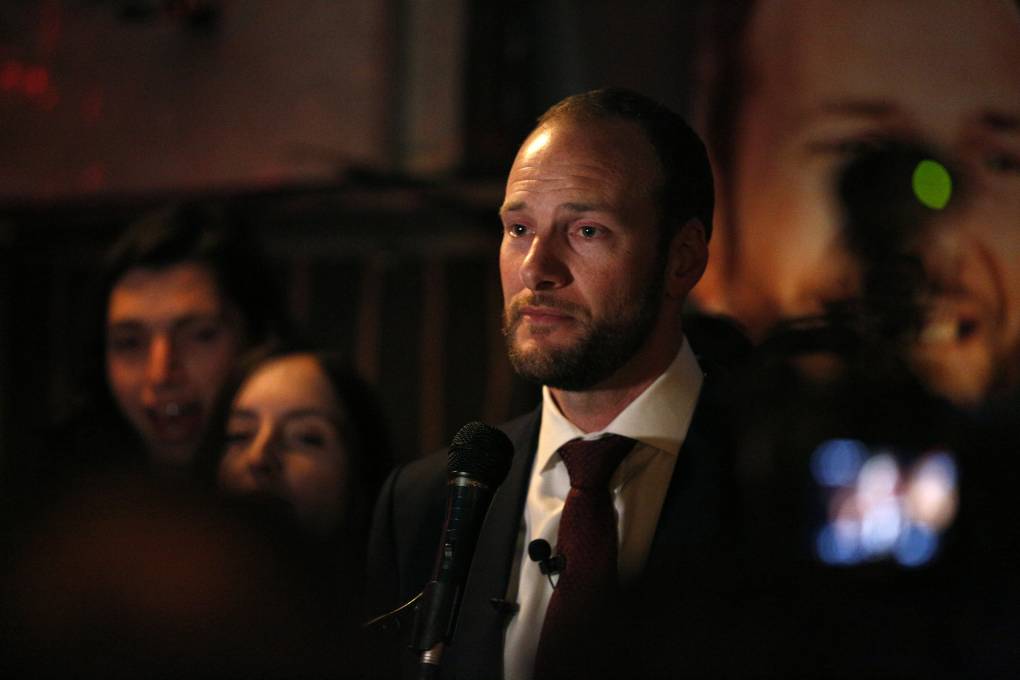
"caption": "San Francisco District Attorney Chesa Boudin, pictured in 2019.",
"description": "San Francisco District Attorney Chesa Boudin, pictured in 2019.",
"title": "RS40220__M6A1817-qut",
"credit": "Stephanie Lister/KQED",
"status": "inherit",
"altTag": "Chesa Boudin wears a suit and stands in front of a crowd at night with a serious face.",
"isLoading": false,
"fetchFailed": false
},
"news_11848398": {
"type": "attachments",
"id": "news_11848398",
"meta": {
"index": "attachments_1716263798",
"site": "news",
"id": "11848398",
"found": true
},
"parent": 11848262,
"imgSizes": {
"apple_news_ca_landscape_5_5": {
"file": "https://ww2.kqed.org/app/uploads/sites/10/2020/11/marquee_FINAL-1044x720.jpg",
"width": 1044,
"mimeType": "image/jpeg",
"height": 720
},
"apple_news_ca_square_4_0": {
"file": "https://ww2.kqed.org/app/uploads/sites/10/2020/11/marquee_FINAL-470x470.jpg",
"width": 470,
"mimeType": "image/jpeg",
"height": 470
},
"twentyfourteen-full-width": {
"file": "https://ww2.kqed.org/app/uploads/sites/10/2020/11/marquee_FINAL-1038x576.jpg",
"width": 1038,
"mimeType": "image/jpeg",
"height": 576
},
"thumbnail": {
"file": "https://ww2.kqed.org/app/uploads/sites/10/2020/11/marquee_FINAL-160x90.jpg",
"width": 160,
"mimeType": "image/jpeg",
"height": 90
},
"post-thumbnail": {
"file": "https://ww2.kqed.org/app/uploads/sites/10/2020/11/marquee_FINAL-672x372.jpg",
"width": 672,
"mimeType": "image/jpeg",
"height": 372
},
"kqedFullSize": {
"file": "https://ww2.kqed.org/app/uploads/sites/10/2020/11/marquee_FINAL.jpg",
"width": 1280,
"height": 720
},
"apple_news_ca_landscape_4_7": {
"file": "https://ww2.kqed.org/app/uploads/sites/10/2020/11/marquee_FINAL-632x474.jpg",
"width": 632,
"mimeType": "image/jpeg",
"height": 474
},
"large": {
"file": "https://ww2.kqed.org/app/uploads/sites/10/2020/11/marquee_FINAL-1020x574.jpg",
"width": 1020,
"mimeType": "image/jpeg",
"height": 574
},
"apple_news_ca_landscape_4_0": {
"file": "https://ww2.kqed.org/app/uploads/sites/10/2020/11/marquee_FINAL-536x402.jpg",
"width": 536,
"mimeType": "image/jpeg",
"height": 402
},
"apple_news_ca_portrait_12_9": {
"file": "https://ww2.kqed.org/app/uploads/sites/10/2020/11/marquee_FINAL-1122x720.jpg",
"width": 1122,
"mimeType": "image/jpeg",
"height": 720
},
"medium": {
"file": "https://ww2.kqed.org/app/uploads/sites/10/2020/11/marquee_FINAL-800x450.jpg",
"width": 800,
"mimeType": "image/jpeg",
"height": 450
},
"apple_news_ca_portrait_4_0": {
"file": "https://ww2.kqed.org/app/uploads/sites/10/2020/11/marquee_FINAL-354x472.jpg",
"width": 354,
"mimeType": "image/jpeg",
"height": 472
},
"apple_news_ca_portrait_9_7": {
"file": "https://ww2.kqed.org/app/uploads/sites/10/2020/11/marquee_FINAL-840x720.jpg",
"width": 840,
"mimeType": "image/jpeg",
"height": 720
},
"apple_news_ca_square_9_7": {
"file": "https://ww2.kqed.org/app/uploads/sites/10/2020/11/marquee_FINAL-1104x720.jpg",
"width": 1104,
"mimeType": "image/jpeg",
"height": 720
},
"apple_news_ca_portrait_4_7": {
"file": "https://ww2.kqed.org/app/uploads/sites/10/2020/11/marquee_FINAL-414x552.jpg",
"width": 414,
"mimeType": "image/jpeg",
"height": 552
},
"apple_news_ca_portrait_5_5": {
"file": "https://ww2.kqed.org/app/uploads/sites/10/2020/11/marquee_FINAL-687x720.jpg",
"width": 687,
"mimeType": "image/jpeg",
"height": 720
},
"apple_news_ca_square_4_7": {
"file": "https://ww2.kqed.org/app/uploads/sites/10/2020/11/marquee_FINAL-550x550.jpg",
"width": 550,
"mimeType": "image/jpeg",
"height": 550
},
"apple_news_ca_square_5_5": {
"file": "https://ww2.kqed.org/app/uploads/sites/10/2020/11/marquee_FINAL-912x720.jpg",
"width": 912,
"mimeType": "image/jpeg",
"height": 720
}
},
"publishDate": 1605920398,
"modified": 1605920398,
"caption": null,
"description": null,
"title": "marquee_FINAL",
"credit": null,
"status": "inherit",
"isLoading": false,
"fetchFailed": false
},
"news_11846915": {
"type": "attachments",
"id": "news_11846915",
"meta": {
"index": "attachments_1716263798",
"site": "news",
"id": "11846915",
"found": true
},
"parent": 11846896,
"imgSizes": {
"apple_news_ca_landscape_5_5": {
"file": "https://ww2.kqed.org/app/uploads/sites/10/2020/11/A_RS45821_069_KQED_SanFrancisco_BidenHarrisCelebration_11072020-qut-1044x783.jpg",
"width": 1044,
"mimeType": "image/jpeg",
"height": 783
},
"apple_news_ca_square_4_0": {
"file": "https://ww2.kqed.org/app/uploads/sites/10/2020/11/A_RS45821_069_KQED_SanFrancisco_BidenHarrisCelebration_11072020-qut-470x470.jpg",
"width": 470,
"mimeType": "image/jpeg",
"height": 470
},
"twentyfourteen-full-width": {
"file": "https://ww2.kqed.org/app/uploads/sites/10/2020/11/A_RS45821_069_KQED_SanFrancisco_BidenHarrisCelebration_11072020-qut-1038x576.jpg",
"width": 1038,
"mimeType": "image/jpeg",
"height": 576
},
"thumbnail": {
"file": "https://ww2.kqed.org/app/uploads/sites/10/2020/11/A_RS45821_069_KQED_SanFrancisco_BidenHarrisCelebration_11072020-qut-160x107.jpg",
"width": 160,
"mimeType": "image/jpeg",
"height": 107
},
"post-thumbnail": {
"file": "https://ww2.kqed.org/app/uploads/sites/10/2020/11/A_RS45821_069_KQED_SanFrancisco_BidenHarrisCelebration_11072020-qut-672x372.jpg",
"width": 672,
"mimeType": "image/jpeg",
"height": 372
},
"kqedFullSize": {
"file": "https://ww2.kqed.org/app/uploads/sites/10/2020/11/A_RS45821_069_KQED_SanFrancisco_BidenHarrisCelebration_11072020-qut.jpg",
"width": 1920,
"height": 1280
},
"apple_news_ca_landscape_4_7": {
"file": "https://ww2.kqed.org/app/uploads/sites/10/2020/11/A_RS45821_069_KQED_SanFrancisco_BidenHarrisCelebration_11072020-qut-632x474.jpg",
"width": 632,
"mimeType": "image/jpeg",
"height": 474
},
"large": {
"file": "https://ww2.kqed.org/app/uploads/sites/10/2020/11/A_RS45821_069_KQED_SanFrancisco_BidenHarrisCelebration_11072020-qut-1020x680.jpg",
"width": 1020,
"mimeType": "image/jpeg",
"height": 680
},
"apple_news_ca_landscape_4_0": {
"file": "https://ww2.kqed.org/app/uploads/sites/10/2020/11/A_RS45821_069_KQED_SanFrancisco_BidenHarrisCelebration_11072020-qut-536x402.jpg",
"width": 536,
"mimeType": "image/jpeg",
"height": 402
},
"apple_news_ca_portrait_12_9": {
"file": "https://ww2.kqed.org/app/uploads/sites/10/2020/11/A_RS45821_069_KQED_SanFrancisco_BidenHarrisCelebration_11072020-qut-1122x1280.jpg",
"width": 1122,
"mimeType": "image/jpeg",
"height": 1280
},
"medium": {
"file": "https://ww2.kqed.org/app/uploads/sites/10/2020/11/A_RS45821_069_KQED_SanFrancisco_BidenHarrisCelebration_11072020-qut-800x533.jpg",
"width": 800,
"mimeType": "image/jpeg",
"height": 533
},
"apple_news_ca_portrait_4_0": {
"file": "https://ww2.kqed.org/app/uploads/sites/10/2020/11/A_RS45821_069_KQED_SanFrancisco_BidenHarrisCelebration_11072020-qut-354x472.jpg",
"width": 354,
"mimeType": "image/jpeg",
"height": 472
},
"apple_news_ca_portrait_9_7": {
"file": "https://ww2.kqed.org/app/uploads/sites/10/2020/11/A_RS45821_069_KQED_SanFrancisco_BidenHarrisCelebration_11072020-qut-840x1120.jpg",
"width": 840,
"mimeType": "image/jpeg",
"height": 1120
},
"apple_news_ca_landscape_12_9": {
"file": "https://ww2.kqed.org/app/uploads/sites/10/2020/11/A_RS45821_069_KQED_SanFrancisco_BidenHarrisCelebration_11072020-qut-1832x1280.jpg",
"width": 1832,
"mimeType": "image/jpeg",
"height": 1280
},
"apple_news_ca_square_9_7": {
"file": "https://ww2.kqed.org/app/uploads/sites/10/2020/11/A_RS45821_069_KQED_SanFrancisco_BidenHarrisCelebration_11072020-qut-1104x1104.jpg",
"width": 1104,
"mimeType": "image/jpeg",
"height": 1104
},
"1536x1536": {
"file": "https://ww2.kqed.org/app/uploads/sites/10/2020/11/A_RS45821_069_KQED_SanFrancisco_BidenHarrisCelebration_11072020-qut-1536x1024.jpg",
"width": 1536,
"mimeType": "image/jpeg",
"height": 1024
},
"apple_news_ca_portrait_4_7": {
"file": "https://ww2.kqed.org/app/uploads/sites/10/2020/11/A_RS45821_069_KQED_SanFrancisco_BidenHarrisCelebration_11072020-qut-414x552.jpg",
"width": 414,
"mimeType": "image/jpeg",
"height": 552
},
"apple_news_ca_square_12_9": {
"file": "https://ww2.kqed.org/app/uploads/sites/10/2020/11/A_RS45821_069_KQED_SanFrancisco_BidenHarrisCelebration_11072020-qut-1472x1280.jpg",
"width": 1472,
"mimeType": "image/jpeg",
"height": 1280
},
"apple_news_ca_portrait_5_5": {
"file": "https://ww2.kqed.org/app/uploads/sites/10/2020/11/A_RS45821_069_KQED_SanFrancisco_BidenHarrisCelebration_11072020-qut-687x916.jpg",
"width": 687,
"mimeType": "image/jpeg",
"height": 916
},
"apple_news_ca_square_4_7": {
"file": "https://ww2.kqed.org/app/uploads/sites/10/2020/11/A_RS45821_069_KQED_SanFrancisco_BidenHarrisCelebration_11072020-qut-550x550.jpg",
"width": 550,
"mimeType": "image/jpeg",
"height": 550
},
"apple_news_ca_landscape_9_7": {
"file": "https://ww2.kqed.org/app/uploads/sites/10/2020/11/A_RS45821_069_KQED_SanFrancisco_BidenHarrisCelebration_11072020-qut-1376x1032.jpg",
"width": 1376,
"mimeType": "image/jpeg",
"height": 1032
},
"apple_news_ca_square_5_5": {
"file": "https://ww2.kqed.org/app/uploads/sites/10/2020/11/A_RS45821_069_KQED_SanFrancisco_BidenHarrisCelebration_11072020-qut-912x912.jpg",
"width": 912,
"mimeType": "image/jpeg",
"height": 912
}
},
"publishDate": 1605049611,
"modified": 1605049856,
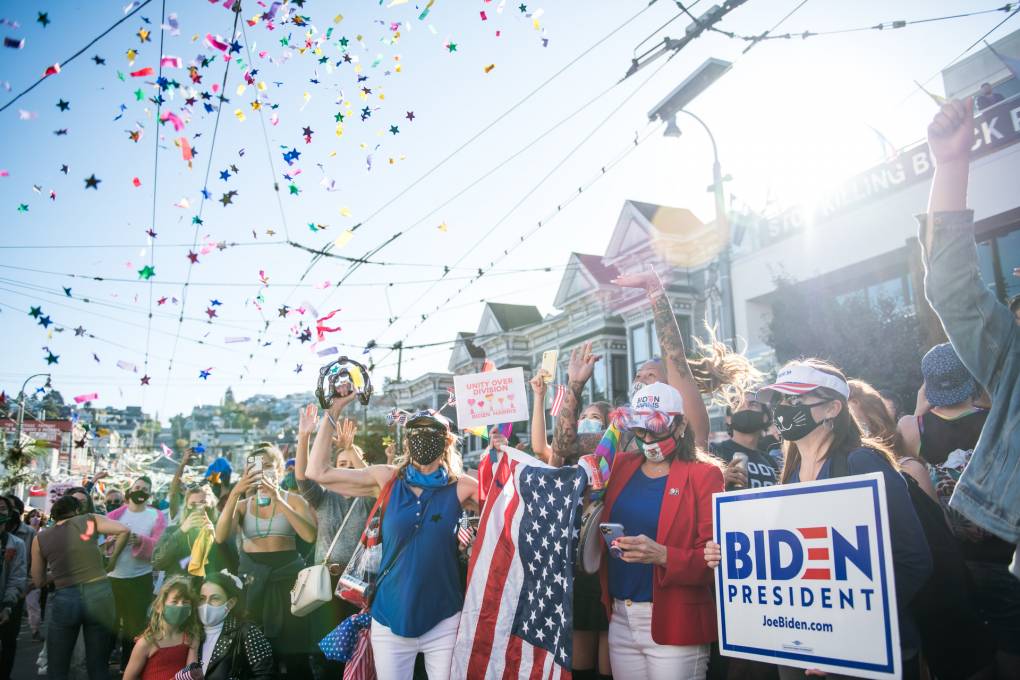
"caption": "Hundreds of supporters of President-elect Joe Biden and Vice President-elect Kamala Harris take to the streets of the Castro in San Francisco on Nov. 7, 2020, to celebrate their victory.",
"description": null,
"title": "A_RS45821_069_KQED_SanFrancisco_BidenHarrisCelebration_11072020-qut",
"credit": "Beth LaBerge/KQED",
"status": "inherit",
"isLoading": false,
"fetchFailed": false
},
"news_11846803": {
"type": "attachments",
"id": "news_11846803",
"meta": {
"index": "attachments_1716263798",
"site": "news",
"id": "11846803",
"found": true
},
"parent": 11846796,
"imgSizes": {
"apple_news_ca_landscape_5_5": {
"file": "https://ww2.kqed.org/app/uploads/sites/10/2020/11/RS44777_060_KQED_Japantown_Businesses_09022020-1044x783.jpg",
"width": 1044,
"mimeType": "image/jpeg",
"height": 783
},
"apple_news_ca_square_4_0": {
"file": "https://ww2.kqed.org/app/uploads/sites/10/2020/11/RS44777_060_KQED_Japantown_Businesses_09022020-470x470.jpg",
"width": 470,
"mimeType": "image/jpeg",
"height": 470
},
"twentyfourteen-full-width": {
"file": "https://ww2.kqed.org/app/uploads/sites/10/2020/11/RS44777_060_KQED_Japantown_Businesses_09022020-1038x576.jpg",
"width": 1038,
"mimeType": "image/jpeg",
"height": 576
},
"thumbnail": {
"file": "https://ww2.kqed.org/app/uploads/sites/10/2020/11/RS44777_060_KQED_Japantown_Businesses_09022020-160x107.jpg",
"width": 160,
"mimeType": "image/jpeg",
"height": 107
},
"post-thumbnail": {
"file": "https://ww2.kqed.org/app/uploads/sites/10/2020/11/RS44777_060_KQED_Japantown_Businesses_09022020-672x372.jpg",
"width": 672,
"mimeType": "image/jpeg",
"height": 372
},
"kqedFullSize": {
"file": "https://ww2.kqed.org/app/uploads/sites/10/2020/11/RS44777_060_KQED_Japantown_Businesses_09022020-scaled.jpg",
"width": 2560,
"height": 1707
},
"2048x2048": {
"file": "https://ww2.kqed.org/app/uploads/sites/10/2020/11/RS44777_060_KQED_Japantown_Businesses_09022020-2048x1365.jpg",
"width": 2048,
"mimeType": "image/jpeg",
"height": 1365
},
"apple_news_ca_landscape_4_7": {
"file": "https://ww2.kqed.org/app/uploads/sites/10/2020/11/RS44777_060_KQED_Japantown_Businesses_09022020-632x474.jpg",
"width": 632,
"mimeType": "image/jpeg",
"height": 474
},
"large": {
"file": "https://ww2.kqed.org/app/uploads/sites/10/2020/11/RS44777_060_KQED_Japantown_Businesses_09022020-1020x680.jpg",
"width": 1020,
"mimeType": "image/jpeg",
"height": 680
},
"apple_news_ca_landscape_4_0": {
"file": "https://ww2.kqed.org/app/uploads/sites/10/2020/11/RS44777_060_KQED_Japantown_Businesses_09022020-536x402.jpg",
"width": 536,
"mimeType": "image/jpeg",
"height": 402
},
"apple_news_ca_portrait_12_9": {
"file": "https://ww2.kqed.org/app/uploads/sites/10/2020/11/RS44777_060_KQED_Japantown_Businesses_09022020-1122x1496.jpg",
"width": 1122,
"mimeType": "image/jpeg",
"height": 1496
},
"medium": {
"file": "https://ww2.kqed.org/app/uploads/sites/10/2020/11/RS44777_060_KQED_Japantown_Businesses_09022020-800x533.jpg",
"width": 800,
"mimeType": "image/jpeg",
"height": 533
},
"apple_news_ca_portrait_4_0": {
"file": "https://ww2.kqed.org/app/uploads/sites/10/2020/11/RS44777_060_KQED_Japantown_Businesses_09022020-354x472.jpg",
"width": 354,
"mimeType": "image/jpeg",
"height": 472
},
"apple_news_ca_portrait_9_7": {
"file": "https://ww2.kqed.org/app/uploads/sites/10/2020/11/RS44777_060_KQED_Japantown_Businesses_09022020-840x1120.jpg",
"width": 840,
"mimeType": "image/jpeg",
"height": 1120
},
"apple_news_ca_landscape_12_9": {
"file": "https://ww2.kqed.org/app/uploads/sites/10/2020/11/RS44777_060_KQED_Japantown_Businesses_09022020-1832x1374.jpg",
"width": 1832,
"mimeType": "image/jpeg",
"height": 1374
},
"apple_news_ca_square_9_7": {
"file": "https://ww2.kqed.org/app/uploads/sites/10/2020/11/RS44777_060_KQED_Japantown_Businesses_09022020-1104x1104.jpg",
"width": 1104,
"mimeType": "image/jpeg",
"height": 1104
},
"1536x1536": {
"file": "https://ww2.kqed.org/app/uploads/sites/10/2020/11/RS44777_060_KQED_Japantown_Businesses_09022020-1536x1024.jpg",
"width": 1536,
"mimeType": "image/jpeg",
"height": 1024
},
"apple_news_ca_portrait_4_7": {
"file": "https://ww2.kqed.org/app/uploads/sites/10/2020/11/RS44777_060_KQED_Japantown_Businesses_09022020-414x552.jpg",
"width": 414,
"mimeType": "image/jpeg",
"height": 552
},
"apple_news_ca_square_12_9": {
"file": "https://ww2.kqed.org/app/uploads/sites/10/2020/11/RS44777_060_KQED_Japantown_Businesses_09022020-1472x1472.jpg",
"width": 1472,
"mimeType": "image/jpeg",
"height": 1472
},
"apple_news_ca_portrait_5_5": {
"file": "https://ww2.kqed.org/app/uploads/sites/10/2020/11/RS44777_060_KQED_Japantown_Businesses_09022020-687x916.jpg",
"width": 687,
"mimeType": "image/jpeg",
"height": 916
},
"full-width": {
"file": "https://ww2.kqed.org/app/uploads/sites/10/2020/11/RS44777_060_KQED_Japantown_Businesses_09022020-1920x1280.jpg",
"width": 1920,
"mimeType": "image/jpeg",
"height": 1280
},
"apple_news_ca_square_4_7": {
"file": "https://ww2.kqed.org/app/uploads/sites/10/2020/11/RS44777_060_KQED_Japantown_Businesses_09022020-550x550.jpg",
"width": 550,
"mimeType": "image/jpeg",
"height": 550
},
"apple_news_ca_landscape_9_7": {
"file": "https://ww2.kqed.org/app/uploads/sites/10/2020/11/RS44777_060_KQED_Japantown_Businesses_09022020-1376x1032.jpg",
"width": 1376,
"mimeType": "image/jpeg",
"height": 1032
},
"apple_news_ca_square_5_5": {
"file": "https://ww2.kqed.org/app/uploads/sites/10/2020/11/RS44777_060_KQED_Japantown_Businesses_09022020-912x912.jpg",
"width": 912,
"mimeType": "image/jpeg",
"height": 912
}
},
"publishDate": 1604990491,
"modified": 1605029801,
"caption": "Xiao Feng brings out an order at the Matcha Cafe Maiko at the Japan Center West Mall on Sep. 2, 2020.",
"description": "Xiao Feng brings out an order at the Matcha Cafe Maiko at the Japan Center West Mall on Sep. 2, 2020.",
"title": "RS44777_060_KQED_Japantown_Businesses_09022020",
"credit": "Beth LaBerge/KQED",
"status": "inherit",
"isLoading": false,
"fetchFailed": false
},
"news_11846514": {
"type": "attachments",
"id": "news_11846514",
"meta": {
"index": "attachments_1716263798",
"site": "news",
"id": "11846514",
"found": true
},
"parent": 11846513,
"imgSizes": {
"apple_news_ca_landscape_5_5": {
"file": "https://ww2.kqed.org/app/uploads/sites/10/2020/11/GettyImages-1148117531-1-1044x783.jpg",
"width": 1044,
"mimeType": "image/jpeg",
"height": 783
},
"apple_news_ca_square_4_0": {
"file": "https://ww2.kqed.org/app/uploads/sites/10/2020/11/GettyImages-1148117531-1-470x470.jpg",
"width": 470,
"mimeType": "image/jpeg",
"height": 470
},
"twentyfourteen-full-width": {
"file": "https://ww2.kqed.org/app/uploads/sites/10/2020/11/GettyImages-1148117531-1-1038x576.jpg",
"width": 1038,
"mimeType": "image/jpeg",
"height": 576
},
"thumbnail": {
"file": "https://ww2.kqed.org/app/uploads/sites/10/2020/11/GettyImages-1148117531-1-160x105.jpg",
"width": 160,
"mimeType": "image/jpeg",
"height": 105
},
"post-thumbnail": {
"file": "https://ww2.kqed.org/app/uploads/sites/10/2020/11/GettyImages-1148117531-1-672x372.jpg",
"width": 672,
"mimeType": "image/jpeg",
"height": 372
},
"kqedFullSize": {
"file": "https://ww2.kqed.org/app/uploads/sites/10/2020/11/GettyImages-1148117531-1.jpg",
"width": 1900,
"height": 1242
},
"apple_news_ca_landscape_4_7": {
"file": "https://ww2.kqed.org/app/uploads/sites/10/2020/11/GettyImages-1148117531-1-632x474.jpg",
"width": 632,
"mimeType": "image/jpeg",
"height": 474
},
"large": {
"file": "https://ww2.kqed.org/app/uploads/sites/10/2020/11/GettyImages-1148117531-1-1020x667.jpg",
"width": 1020,
"mimeType": "image/jpeg",
"height": 667
},
"apple_news_ca_landscape_4_0": {
"file": "https://ww2.kqed.org/app/uploads/sites/10/2020/11/GettyImages-1148117531-1-536x402.jpg",
"width": 536,
"mimeType": "image/jpeg",
"height": 402
},
"apple_news_ca_portrait_12_9": {
"file": "https://ww2.kqed.org/app/uploads/sites/10/2020/11/GettyImages-1148117531-1-1122x1242.jpg",
"width": 1122,
"mimeType": "image/jpeg",
"height": 1242
},
"medium": {
"file": "https://ww2.kqed.org/app/uploads/sites/10/2020/11/GettyImages-1148117531-1-800x523.jpg",
"width": 800,
"mimeType": "image/jpeg",
"height": 523
},
"apple_news_ca_portrait_4_0": {
"file": "https://ww2.kqed.org/app/uploads/sites/10/2020/11/GettyImages-1148117531-1-354x472.jpg",
"width": 354,
"mimeType": "image/jpeg",
"height": 472
},
"apple_news_ca_portrait_9_7": {
"file": "https://ww2.kqed.org/app/uploads/sites/10/2020/11/GettyImages-1148117531-1-840x1120.jpg",
"width": 840,
"mimeType": "image/jpeg",
"height": 1120
},
"apple_news_ca_landscape_12_9": {
"file": "https://ww2.kqed.org/app/uploads/sites/10/2020/11/GettyImages-1148117531-1-1832x1242.jpg",
"width": 1832,
"mimeType": "image/jpeg",
"height": 1242
},
"apple_news_ca_square_9_7": {
"file": "https://ww2.kqed.org/app/uploads/sites/10/2020/11/GettyImages-1148117531-1-1104x1104.jpg",
"width": 1104,
"mimeType": "image/jpeg",
"height": 1104
},
"1536x1536": {
"file": "https://ww2.kqed.org/app/uploads/sites/10/2020/11/GettyImages-1148117531-1-1536x1004.jpg",
"width": 1536,
"mimeType": "image/jpeg",
"height": 1004
},
"apple_news_ca_portrait_4_7": {
"file": "https://ww2.kqed.org/app/uploads/sites/10/2020/11/GettyImages-1148117531-1-414x552.jpg",
"width": 414,
"mimeType": "image/jpeg",
"height": 552
},
"apple_news_ca_square_12_9": {
"file": "https://ww2.kqed.org/app/uploads/sites/10/2020/11/GettyImages-1148117531-1-1472x1242.jpg",
"width": 1472,
"mimeType": "image/jpeg",
"height": 1242
},
"apple_news_ca_portrait_5_5": {
"file": "https://ww2.kqed.org/app/uploads/sites/10/2020/11/GettyImages-1148117531-1-687x916.jpg",
"width": 687,
"mimeType": "image/jpeg",
"height": 916
},
"apple_news_ca_square_4_7": {
"file": "https://ww2.kqed.org/app/uploads/sites/10/2020/11/GettyImages-1148117531-1-550x550.jpg",
"width": 550,
"mimeType": "image/jpeg",
"height": 550
},
"apple_news_ca_landscape_9_7": {
"file": "https://ww2.kqed.org/app/uploads/sites/10/2020/11/GettyImages-1148117531-1-1376x1032.jpg",
"width": 1376,
"mimeType": "image/jpeg",
"height": 1032
},
"apple_news_ca_square_5_5": {
"file": "https://ww2.kqed.org/app/uploads/sites/10/2020/11/GettyImages-1148117531-1-912x912.jpg",
"width": 912,
"mimeType": "image/jpeg",
"height": 912
}
},
"publishDate": 1604802039,
"modified": 1604802154,
"caption": "Democratic presidential hopeful U.S. Sen. Kamala Harris (C) (D-CA) raises her arms with San Francisco Mayor London Breed (R) and San Francisco Sun Reporter publisher Amelia Ashley-Ward (L) during the San Francisco Black Newspaper’s Anniversary Celebration on May 09, 2019 in San Francisco, California. Kamala Harris spoke at the 75th anniversary gala celebration for the San Francisco Sun-Reporter newspaper. ",
"description": "Democratic presidential hopeful U.S. Sen. Kamala Harris (C) (D-CA) raises her arms with San Francisco Mayor London Breed (R) and San Francisco Sun Reporter publisher Amelia Ashley-Ward (L) during the San Francisco Black Newspaper’s Anniversary Celebration on May 09, 2019 in San Francisco, California. Kamala Harris spoke at the 75th anniversary gala celebration for the San Francisco Sun-Reporter newspaper. ",
"title": "GettyImages-1148117531 (1)",
"credit": "Justin Sullivan/Getty Images",
"status": "inherit",
"isLoading": false,
"fetchFailed": false
},
"news_11846552": {
"type": "attachments",
"id": "news_11846552",
"meta": {
"index": "attachments_1716263798",
"site": "news",
"id": "11846552",
"found": true
},
"parent": 11846476,
"imgSizes": {
"apple_news_ca_landscape_5_5": {
"file": "https://ww2.kqed.org/app/uploads/sites/10/2020/11/1920GettyImages-1229520854-1044x783.jpg",
"width": 1044,
"mimeType": "image/jpeg",
"height": 783
},
"apple_news_ca_square_4_0": {
"file": "https://ww2.kqed.org/app/uploads/sites/10/2020/11/1920GettyImages-1229520854-470x470.jpg",
"width": 470,
"mimeType": "image/jpeg",
"height": 470
},
"twentyfourteen-full-width": {
"file": "https://ww2.kqed.org/app/uploads/sites/10/2020/11/1920GettyImages-1229520854-1038x576.jpg",
"width": 1038,
"mimeType": "image/jpeg",
"height": 576
},
"thumbnail": {
"file": "https://ww2.kqed.org/app/uploads/sites/10/2020/11/1920GettyImages-1229520854-160x90.jpg",
"width": 160,
"mimeType": "image/jpeg",
"height": 90
},
"post-thumbnail": {
"file": "https://ww2.kqed.org/app/uploads/sites/10/2020/11/1920GettyImages-1229520854-672x372.jpg",
"width": 672,
"mimeType": "image/jpeg",
"height": 372
},
"kqedFullSize": {
"file": "https://ww2.kqed.org/app/uploads/sites/10/2020/11/1920GettyImages-1229520854-scaled.jpg",
"width": 2560,
"height": 1440
},
"2048x2048": {
"file": "https://ww2.kqed.org/app/uploads/sites/10/2020/11/1920GettyImages-1229520854-2048x1152.jpg",
"width": 2048,
"mimeType": "image/jpeg",
"height": 1152
},
"apple_news_ca_landscape_4_7": {
"file": "https://ww2.kqed.org/app/uploads/sites/10/2020/11/1920GettyImages-1229520854-632x474.jpg",
"width": 632,
"mimeType": "image/jpeg",
"height": 474
},
"large": {
"file": "https://ww2.kqed.org/app/uploads/sites/10/2020/11/1920GettyImages-1229520854-1020x574.jpg",
"width": 1020,
"mimeType": "image/jpeg",
"height": 574
},
"apple_news_ca_landscape_4_0": {
"file": "https://ww2.kqed.org/app/uploads/sites/10/2020/11/1920GettyImages-1229520854-536x402.jpg",
"width": 536,
"mimeType": "image/jpeg",
"height": 402
},
"apple_news_ca_portrait_12_9": {
"file": "https://ww2.kqed.org/app/uploads/sites/10/2020/11/1920GettyImages-1229520854-1122x1496.jpg",
"width": 1122,
"mimeType": "image/jpeg",
"height": 1496
},
"medium": {
"file": "https://ww2.kqed.org/app/uploads/sites/10/2020/11/1920GettyImages-1229520854-800x450.jpg",
"width": 800,
"mimeType": "image/jpeg",
"height": 450
},
"apple_news_ca_portrait_4_0": {
"file": "https://ww2.kqed.org/app/uploads/sites/10/2020/11/1920GettyImages-1229520854-354x472.jpg",
"width": 354,
"mimeType": "image/jpeg",
"height": 472
},
"apple_news_ca_portrait_9_7": {
"file": "https://ww2.kqed.org/app/uploads/sites/10/2020/11/1920GettyImages-1229520854-840x1120.jpg",
"width": 840,
"mimeType": "image/jpeg",
"height": 1120
},
"apple_news_ca_landscape_12_9": {
"file": "https://ww2.kqed.org/app/uploads/sites/10/2020/11/1920GettyImages-1229520854-1832x1374.jpg",
"width": 1832,
"mimeType": "image/jpeg",
"height": 1374
},
"apple_news_ca_square_9_7": {
"file": "https://ww2.kqed.org/app/uploads/sites/10/2020/11/1920GettyImages-1229520854-1104x1104.jpg",
"width": 1104,
"mimeType": "image/jpeg",
"height": 1104
},
"1536x1536": {
"file": "https://ww2.kqed.org/app/uploads/sites/10/2020/11/1920GettyImages-1229520854-1536x864.jpg",
"width": 1536,
"mimeType": "image/jpeg",
"height": 864
},
"apple_news_ca_portrait_4_7": {
"file": "https://ww2.kqed.org/app/uploads/sites/10/2020/11/1920GettyImages-1229520854-414x552.jpg",
"width": 414,
"mimeType": "image/jpeg",
"height": 552
},
"apple_news_ca_square_12_9": {
"file": "https://ww2.kqed.org/app/uploads/sites/10/2020/11/1920GettyImages-1229520854-1472x1472.jpg",
"width": 1472,
"mimeType": "image/jpeg",
"height": 1472
},
"apple_news_ca_portrait_5_5": {
"file": "https://ww2.kqed.org/app/uploads/sites/10/2020/11/1920GettyImages-1229520854-687x916.jpg",
"width": 687,
"mimeType": "image/jpeg",
"height": 916
},
"full-width": {
"file": "https://ww2.kqed.org/app/uploads/sites/10/2020/11/1920GettyImages-1229520854-1920x1080.jpg",
"width": 1920,
"mimeType": "image/jpeg",
"height": 1080
},
"apple_news_ca_square_4_7": {
"file": "https://ww2.kqed.org/app/uploads/sites/10/2020/11/1920GettyImages-1229520854-550x550.jpg",
"width": 550,
"mimeType": "image/jpeg",
"height": 550
},
"apple_news_ca_landscape_9_7": {
"file": "https://ww2.kqed.org/app/uploads/sites/10/2020/11/1920GettyImages-1229520854-1376x1032.jpg",
"width": 1376,
"mimeType": "image/jpeg",
"height": 1032
},
"apple_news_ca_square_5_5": {
"file": "https://ww2.kqed.org/app/uploads/sites/10/2020/11/1920GettyImages-1229520854-912x912.jpg",
"width": 912,
"mimeType": "image/jpeg",
"height": 912
}
},
"publishDate": 1604867683,
"modified": 1604867814,
"caption": "A supporter (C) holds a national flag of India as she attends a watch party of US President-elect Joe Biden and Vice President-elect Kamala Harris as they deliver remarks in Miami on November 7, 2020, after they were declared the winners of the presidential election.",
"description": null,
"title": "US-VOTE-BIDEN",
"credit": "Chandan Khanna/Getty Images",
"status": "inherit",
"isLoading": false,
"fetchFailed": false
},
"news_11846076": {
"type": "attachments",
"id": "news_11846076",
"meta": {
"index": "attachments_1716263798",
"site": "news",
"id": "11846076",
"found": true
},
"parent": 11845904,
"imgSizes": {
"apple_news_ca_landscape_5_5": {
"file": "https://ww2.kqed.org/app/uploads/sites/10/2020/11/RS45678_people-waiting-for-alcatraz-qut_v2-1044x783.jpg",
"width": 1044,
"mimeType": "image/jpeg",
"height": 783
},
"apple_news_ca_square_4_0": {
"file": "https://ww2.kqed.org/app/uploads/sites/10/2020/11/RS45678_people-waiting-for-alcatraz-qut_v2-470x470.jpg",
"width": 470,
"mimeType": "image/jpeg",
"height": 470
},
"twentyfourteen-full-width": {
"file": "https://ww2.kqed.org/app/uploads/sites/10/2020/11/RS45678_people-waiting-for-alcatraz-qut_v2-1038x576.jpg",
"width": 1038,
"mimeType": "image/jpeg",
"height": 576
},
"thumbnail": {
"file": "https://ww2.kqed.org/app/uploads/sites/10/2020/11/RS45678_people-waiting-for-alcatraz-qut_v2-160x120.jpg",
"width": 160,
"mimeType": "image/jpeg",
"height": 120
},
"post-thumbnail": {
"file": "https://ww2.kqed.org/app/uploads/sites/10/2020/11/RS45678_people-waiting-for-alcatraz-qut_v2-672x372.jpg",
"width": 672,
"mimeType": "image/jpeg",
"height": 372
},
"kqedFullSize": {
"file": "https://ww2.kqed.org/app/uploads/sites/10/2020/11/RS45678_people-waiting-for-alcatraz-qut_v2.jpg",
"width": 1920,
"height": 1440
},
"apple_news_ca_landscape_4_7": {
"file": "https://ww2.kqed.org/app/uploads/sites/10/2020/11/RS45678_people-waiting-for-alcatraz-qut_v2-632x474.jpg",
"width": 632,
"mimeType": "image/jpeg",
"height": 474
},
"large": {
"file": "https://ww2.kqed.org/app/uploads/sites/10/2020/11/RS45678_people-waiting-for-alcatraz-qut_v2-1020x765.jpg",
"width": 1020,
"mimeType": "image/jpeg",
"height": 765
},
"apple_news_ca_landscape_4_0": {
"file": "https://ww2.kqed.org/app/uploads/sites/10/2020/11/RS45678_people-waiting-for-alcatraz-qut_v2-536x402.jpg",
"width": 536,
"mimeType": "image/jpeg",
"height": 402
},
"apple_news_ca_portrait_12_9": {
"file": "https://ww2.kqed.org/app/uploads/sites/10/2020/11/RS45678_people-waiting-for-alcatraz-qut_v2-1122x1440.jpg",
"width": 1122,
"mimeType": "image/jpeg",
"height": 1440
},
"medium": {
"file": "https://ww2.kqed.org/app/uploads/sites/10/2020/11/RS45678_people-waiting-for-alcatraz-qut_v2-800x600.jpg",
"width": 800,
"mimeType": "image/jpeg",
"height": 600
},
"apple_news_ca_portrait_4_0": {
"file": "https://ww2.kqed.org/app/uploads/sites/10/2020/11/RS45678_people-waiting-for-alcatraz-qut_v2-354x472.jpg",
"width": 354,
"mimeType": "image/jpeg",
"height": 472
},
"apple_news_ca_portrait_9_7": {
"file": "https://ww2.kqed.org/app/uploads/sites/10/2020/11/RS45678_people-waiting-for-alcatraz-qut_v2-840x1120.jpg",
"width": 840,
"mimeType": "image/jpeg",
"height": 1120
},
"apple_news_ca_landscape_12_9": {
"file": "https://ww2.kqed.org/app/uploads/sites/10/2020/11/RS45678_people-waiting-for-alcatraz-qut_v2-1832x1374.jpg",
"width": 1832,
"mimeType": "image/jpeg",
"height": 1374
},
"apple_news_ca_square_9_7": {
"file": "https://ww2.kqed.org/app/uploads/sites/10/2020/11/RS45678_people-waiting-for-alcatraz-qut_v2-1104x1104.jpg",
"width": 1104,
"mimeType": "image/jpeg",
"height": 1104
},
"1536x1536": {
"file": "https://ww2.kqed.org/app/uploads/sites/10/2020/11/RS45678_people-waiting-for-alcatraz-qut_v2-1536x1152.jpg",
"width": 1536,
"mimeType": "image/jpeg",
"height": 1152
},
"apple_news_ca_portrait_4_7": {
"file": "https://ww2.kqed.org/app/uploads/sites/10/2020/11/RS45678_people-waiting-for-alcatraz-qut_v2-414x552.jpg",
"width": 414,
"mimeType": "image/jpeg",
"height": 552
},
"apple_news_ca_square_12_9": {
"file": "https://ww2.kqed.org/app/uploads/sites/10/2020/11/RS45678_people-waiting-for-alcatraz-qut_v2-1472x1440.jpg",
"width": 1472,
"mimeType": "image/jpeg",
"height": 1440
},
"apple_news_ca_portrait_5_5": {
"file": "https://ww2.kqed.org/app/uploads/sites/10/2020/11/RS45678_people-waiting-for-alcatraz-qut_v2-687x916.jpg",
"width": 687,
"mimeType": "image/jpeg",
"height": 916
},
"apple_news_ca_square_4_7": {
"file": "https://ww2.kqed.org/app/uploads/sites/10/2020/11/RS45678_people-waiting-for-alcatraz-qut_v2-550x550.jpg",
"width": 550,
"mimeType": "image/jpeg",
"height": 550
},
"apple_news_ca_landscape_9_7": {
"file": "https://ww2.kqed.org/app/uploads/sites/10/2020/11/RS45678_people-waiting-for-alcatraz-qut_v2-1376x1032.jpg",
"width": 1376,
"mimeType": "image/jpeg",
"height": 1032
},
"apple_news_ca_square_5_5": {
"file": "https://ww2.kqed.org/app/uploads/sites/10/2020/11/RS45678_people-waiting-for-alcatraz-qut_v2-912x912.jpg",
"width": 912,
"mimeType": "image/jpeg",
"height": 912
}
},
"publishDate": 1604621635,
"modified": 1604699195,
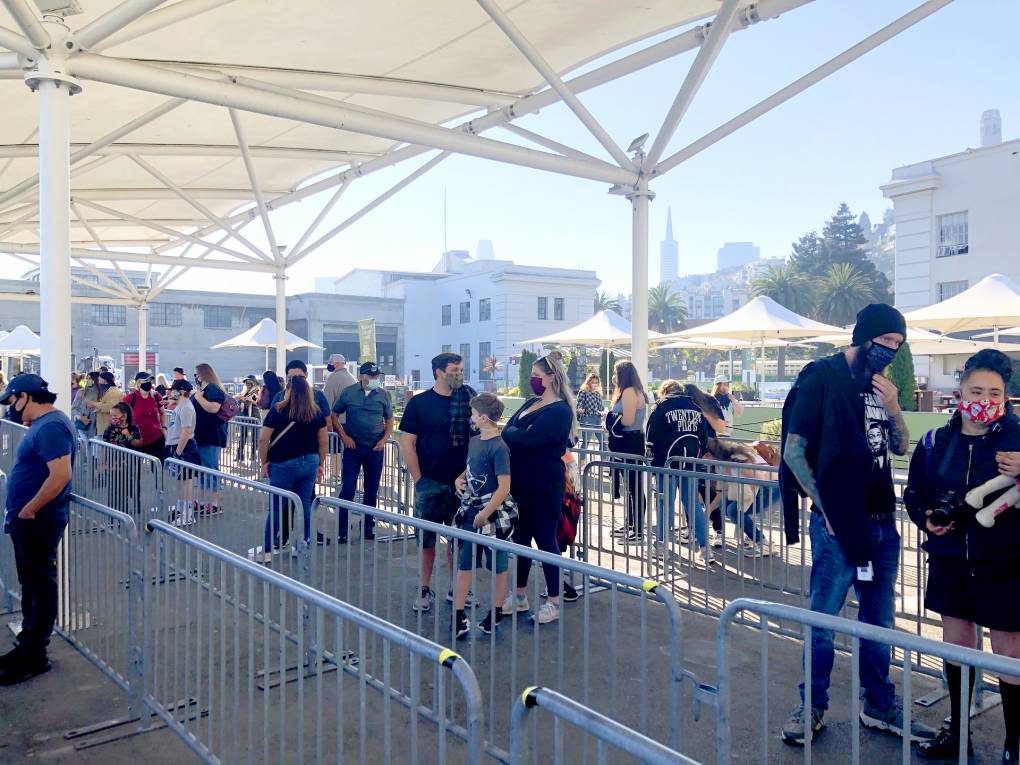
"caption": "Visitors stand in line for the first ferry of the day to Alcatraz Island on Nov. 2, 2020. Since the famous landmark reopened in August, the majority of visitors have been California residents.",
"description": "Visitors stand in line for the first ferry of the day to Alcatraz Island on Nov. 2 2020. Since the famous landmark reopened in August, the majority of visitors have been California residents.",
"title": "RS45678_people-waiting-for-alcatraz-qut_v2",
"credit": "Chloe Veltman/KQED",
"status": "inherit",
"isLoading": false,
"fetchFailed": false
},
"news_11691438": {
"type": "attachments",
"id": "news_11691438",
"meta": {
"index": "attachments_1716263798",
"site": "news",
"id": "11691438",
"found": true
},
"parent": 11691407,
"imgSizes": {
"small": {
"file": "https://ww2.kqed.org/app/uploads/sites/10/2018/09/RS31770_sfmayor0712.0003-qut-520x347.jpg",
"width": 520,
"mimeType": "image/jpeg",
"height": 347
},
"twentyfourteen-full-width": {
"file": "https://ww2.kqed.org/app/uploads/sites/10/2018/09/RS31770_sfmayor0712.0003-qut-1038x576.jpg",
"width": 1038,
"mimeType": "image/jpeg",
"height": 576
},
"thumbnail": {
"file": "https://ww2.kqed.org/app/uploads/sites/10/2018/09/RS31770_sfmayor0712.0003-qut-160x107.jpg",
"width": 160,
"mimeType": "image/jpeg",
"height": 107
},
"fd-sm": {
"file": "https://ww2.kqed.org/app/uploads/sites/10/2018/09/RS31770_sfmayor0712.0003-qut-960x641.jpg",
"width": 960,
"mimeType": "image/jpeg",
"height": 641
},
"post-thumbnail": {
"file": "https://ww2.kqed.org/app/uploads/sites/10/2018/09/RS31770_sfmayor0712.0003-qut-672x372.jpg",
"width": 672,
"mimeType": "image/jpeg",
"height": 372
},
"xsmall": {
"file": "https://ww2.kqed.org/app/uploads/sites/10/2018/09/RS31770_sfmayor0712.0003-qut-375x250.jpg",
"width": 375,
"mimeType": "image/jpeg",
"height": 250
},
"kqedFullSize": {
"file": "https://ww2.kqed.org/app/uploads/sites/10/2018/09/RS31770_sfmayor0712.0003-qut.jpg",
"width": 1920,
"height": 1281
},
"large": {
"file": "https://ww2.kqed.org/app/uploads/sites/10/2018/09/RS31770_sfmayor0712.0003-qut-1020x681.jpg",
"width": 1020,
"mimeType": "image/jpeg",
"height": 681
},
"xlarge": {
"file": "https://ww2.kqed.org/app/uploads/sites/10/2018/09/RS31770_sfmayor0712.0003-qut-1180x787.jpg",
"width": 1180,
"mimeType": "image/jpeg",
"height": 787
},
"complete_open_graph": {
"file": "https://ww2.kqed.org/app/uploads/sites/10/2018/09/RS31770_sfmayor0712.0003-qut-1200x801.jpg",
"width": 1200,
"mimeType": "image/jpeg",
"height": 801
},
"guest-author-50": {
"file": "https://ww2.kqed.org/app/uploads/sites/10/2018/09/RS31770_sfmayor0712.0003-qut-50x50.jpg",
"width": 50,
"mimeType": "image/jpeg",
"height": 50
},
"guest-author-96": {
"file": "https://ww2.kqed.org/app/uploads/sites/10/2018/09/RS31770_sfmayor0712.0003-qut-96x96.jpg",
"width": 96,
"mimeType": "image/jpeg",
"height": 96
},
"medium": {
"file": "https://ww2.kqed.org/app/uploads/sites/10/2018/09/RS31770_sfmayor0712.0003-qut-800x534.jpg",
"width": 800,
"mimeType": "image/jpeg",
"height": 534
},
"guest-author-64": {
"file": "https://ww2.kqed.org/app/uploads/sites/10/2018/09/RS31770_sfmayor0712.0003-qut-64x64.jpg",
"width": 64,
"mimeType": "image/jpeg",
"height": 64
},
"guest-author-32": {
"file": "https://ww2.kqed.org/app/uploads/sites/10/2018/09/RS31770_sfmayor0712.0003-qut-32x32.jpg",
"width": 32,
"mimeType": "image/jpeg",
"height": 32
},
"fd-lrg": {
"file": "https://ww2.kqed.org/app/uploads/sites/10/2018/09/RS31770_sfmayor0712.0003-qut-1920x1281.jpg",
"width": 1920,
"mimeType": "image/jpeg",
"height": 1281
},
"fd-med": {
"file": "https://ww2.kqed.org/app/uploads/sites/10/2018/09/RS31770_sfmayor0712.0003-qut-1180x787.jpg",
"width": 1180,
"mimeType": "image/jpeg",
"height": 787
},
"full-width": {
"file": "https://ww2.kqed.org/app/uploads/sites/10/2018/09/RS31770_sfmayor0712.0003-qut-1920x1281.jpg",
"width": 1920,
"mimeType": "image/jpeg",
"height": 1281
},
"detail": {
"file": "https://ww2.kqed.org/app/uploads/sites/10/2018/09/RS31770_sfmayor0712.0003-qut-150x150.jpg",
"width": 150,
"mimeType": "image/jpeg",
"height": 150
},
"guest-author-128": {
"file": "https://ww2.kqed.org/app/uploads/sites/10/2018/09/RS31770_sfmayor0712.0003-qut-128x128.jpg",
"width": 128,
"mimeType": "image/jpeg",
"height": 128
},
"xxsmall": {
"file": "https://ww2.kqed.org/app/uploads/sites/10/2018/09/RS31770_sfmayor0712.0003-qut-240x160.jpg",
"width": 240,
"mimeType": "image/jpeg",
"height": 160
}
},
"publishDate": 1536537508,
"modified": 1604609335,
"caption": "San Francisco Mayor London Breed waits to walk out of City Hall for her inauguration on July 11, 2018.",
"description": "San Francisco Mayor London Breed waits to walk out of City Hall for her inauguration on Wednesday, July 11, 2018.",
"title": "SFMayor0712",
"credit": "Scott Strazzante",
"status": "inherit",
"isLoading": false,
"fetchFailed": false
},
"news_11844980": {
"type": "attachments",
"id": "news_11844980",
"meta": {
"index": "attachments_1716263798",
"site": "news",
"id": "11844980",
"found": true
},
"parent": 11844936,
"imgSizes": {
"apple_news_ca_landscape_5_5": {
"file": "https://ww2.kqed.org/app/uploads/sites/10/2020/11/WeChat-Collage-featured_2-1044x783.jpg",
"width": 1044,
"mimeType": "image/jpeg",
"height": 783
},
"apple_news_ca_square_4_0": {
"file": "https://ww2.kqed.org/app/uploads/sites/10/2020/11/WeChat-Collage-featured_2-470x470.jpg",
"width": 470,
"mimeType": "image/jpeg",
"height": 470
},
"twentyfourteen-full-width": {
"file": "https://ww2.kqed.org/app/uploads/sites/10/2020/11/WeChat-Collage-featured_2-1038x576.jpg",
"width": 1038,
"mimeType": "image/jpeg",
"height": 576
},
"thumbnail": {
"file": "https://ww2.kqed.org/app/uploads/sites/10/2020/11/WeChat-Collage-featured_2-160x107.jpg",
"width": 160,
"mimeType": "image/jpeg",
"height": 107
},
"post-thumbnail": {
"file": "https://ww2.kqed.org/app/uploads/sites/10/2020/11/WeChat-Collage-featured_2-672x372.jpg",
"width": 672,
"mimeType": "image/jpeg",
"height": 372
},
"kqedFullSize": {
"file": "https://ww2.kqed.org/app/uploads/sites/10/2020/11/WeChat-Collage-featured_2.jpg",
"width": 1920,
"height": 1280
},
"apple_news_ca_landscape_4_7": {
"file": "https://ww2.kqed.org/app/uploads/sites/10/2020/11/WeChat-Collage-featured_2-632x474.jpg",
"width": 632,
"mimeType": "image/jpeg",
"height": 474
},
"large": {
"file": "https://ww2.kqed.org/app/uploads/sites/10/2020/11/WeChat-Collage-featured_2-1020x680.jpg",
"width": 1020,
"mimeType": "image/jpeg",
"height": 680
},
"apple_news_ca_landscape_4_0": {
"file": "https://ww2.kqed.org/app/uploads/sites/10/2020/11/WeChat-Collage-featured_2-536x402.jpg",
"width": 536,
"mimeType": "image/jpeg",
"height": 402
},
"apple_news_ca_portrait_12_9": {
"file": "https://ww2.kqed.org/app/uploads/sites/10/2020/11/WeChat-Collage-featured_2-1122x1280.jpg",
"width": 1122,
"mimeType": "image/jpeg",
"height": 1280
},
"medium": {
"file": "https://ww2.kqed.org/app/uploads/sites/10/2020/11/WeChat-Collage-featured_2-800x533.jpg",
"width": 800,
"mimeType": "image/jpeg",
"height": 533
},
"apple_news_ca_portrait_4_0": {
"file": "https://ww2.kqed.org/app/uploads/sites/10/2020/11/WeChat-Collage-featured_2-354x472.jpg",
"width": 354,
"mimeType": "image/jpeg",
"height": 472
},
"apple_news_ca_portrait_9_7": {
"file": "https://ww2.kqed.org/app/uploads/sites/10/2020/11/WeChat-Collage-featured_2-840x1120.jpg",
"width": 840,
"mimeType": "image/jpeg",
"height": 1120
},
"apple_news_ca_landscape_12_9": {
"file": "https://ww2.kqed.org/app/uploads/sites/10/2020/11/WeChat-Collage-featured_2-1832x1280.jpg",
"width": 1832,
"mimeType": "image/jpeg",
"height": 1280
},
"apple_news_ca_square_9_7": {
"file": "https://ww2.kqed.org/app/uploads/sites/10/2020/11/WeChat-Collage-featured_2-1104x1104.jpg",
"width": 1104,
"mimeType": "image/jpeg",
"height": 1104
},
"1536x1536": {
"file": "https://ww2.kqed.org/app/uploads/sites/10/2020/11/WeChat-Collage-featured_2-1536x1024.jpg",
"width": 1536,
"mimeType": "image/jpeg",
"height": 1024
},
"apple_news_ca_portrait_4_7": {
"file": "https://ww2.kqed.org/app/uploads/sites/10/2020/11/WeChat-Collage-featured_2-414x552.jpg",
"width": 414,
"mimeType": "image/jpeg",
"height": 552
},
"apple_news_ca_square_12_9": {
"file": "https://ww2.kqed.org/app/uploads/sites/10/2020/11/WeChat-Collage-featured_2-1472x1280.jpg",
"width": 1472,
"mimeType": "image/jpeg",
"height": 1280
},
"apple_news_ca_portrait_5_5": {
"file": "https://ww2.kqed.org/app/uploads/sites/10/2020/11/WeChat-Collage-featured_2-687x916.jpg",
"width": 687,
"mimeType": "image/jpeg",
"height": 916
},
"apple_news_ca_square_4_7": {
"file": "https://ww2.kqed.org/app/uploads/sites/10/2020/11/WeChat-Collage-featured_2-550x550.jpg",
"width": 550,
"mimeType": "image/jpeg",
"height": 550
},
"apple_news_ca_landscape_9_7": {
"file": "https://ww2.kqed.org/app/uploads/sites/10/2020/11/WeChat-Collage-featured_2-1376x1032.jpg",
"width": 1376,
"mimeType": "image/jpeg",
"height": 1032
},
"apple_news_ca_square_5_5": {
"file": "https://ww2.kqed.org/app/uploads/sites/10/2020/11/WeChat-Collage-featured_2-912x912.jpg",
"width": 912,
"mimeType": "image/jpeg",
"height": 912
}
},
"publishDate": 1604353017,
"modified": 1604353088,
"caption": null,
"description": null,
"title": "WeChat-Collage-featured_2",
"credit": "Photo illustration: Lisa Larson-Walker/ProPublica; Source: Rose Pak Democratic Club",
"status": "inherit",
"isLoading": false,
"fetchFailed": false
},
"news_11844718": {
"type": "attachments",
"id": "news_11844718",
"meta": {
"index": "attachments_1716263798",
"site": "news",
"id": "11844718",
"found": true
},
"parent": 11844713,
"imgSizes": {
"apple_news_ca_landscape_5_5": {
"file": "https://ww2.kqed.org/app/uploads/sites/10/2020/10/RS45598_GettyImages-1208909843-qut-1044x783.jpg",
"width": 1044,
"mimeType": "image/jpeg",
"height": 783
},
"apple_news_ca_square_4_0": {
"file": "https://ww2.kqed.org/app/uploads/sites/10/2020/10/RS45598_GettyImages-1208909843-qut-470x470.jpg",
"width": 470,
"mimeType": "image/jpeg",
"height": 470
},
"twentyfourteen-full-width": {
"file": "https://ww2.kqed.org/app/uploads/sites/10/2020/10/RS45598_GettyImages-1208909843-qut-1038x576.jpg",
"width": 1038,
"mimeType": "image/jpeg",
"height": 576
},
"thumbnail": {
"file": "https://ww2.kqed.org/app/uploads/sites/10/2020/10/RS45598_GettyImages-1208909843-qut-160x109.jpg",
"width": 160,
"mimeType": "image/jpeg",
"height": 109
},
"post-thumbnail": {
"file": "https://ww2.kqed.org/app/uploads/sites/10/2020/10/RS45598_GettyImages-1208909843-qut-672x372.jpg",
"width": 672,
"mimeType": "image/jpeg",
"height": 372
},
"kqedFullSize": {
"file": "https://ww2.kqed.org/app/uploads/sites/10/2020/10/RS45598_GettyImages-1208909843-qut.jpg",
"width": 1920,
"height": 1308
},
"apple_news_ca_landscape_4_7": {
"file": "https://ww2.kqed.org/app/uploads/sites/10/2020/10/RS45598_GettyImages-1208909843-qut-632x474.jpg",
"width": 632,
"mimeType": "image/jpeg",
"height": 474
},
"large": {
"file": "https://ww2.kqed.org/app/uploads/sites/10/2020/10/RS45598_GettyImages-1208909843-qut-1020x695.jpg",
"width": 1020,
"mimeType": "image/jpeg",
"height": 695
},
"apple_news_ca_landscape_4_0": {
"file": "https://ww2.kqed.org/app/uploads/sites/10/2020/10/RS45598_GettyImages-1208909843-qut-536x402.jpg",
"width": 536,
"mimeType": "image/jpeg",
"height": 402
},
"apple_news_ca_portrait_12_9": {
"file": "https://ww2.kqed.org/app/uploads/sites/10/2020/10/RS45598_GettyImages-1208909843-qut-1122x1308.jpg",
"width": 1122,
"mimeType": "image/jpeg",
"height": 1308
},
"medium": {
"file": "https://ww2.kqed.org/app/uploads/sites/10/2020/10/RS45598_GettyImages-1208909843-qut-800x545.jpg",
"width": 800,
"mimeType": "image/jpeg",
"height": 545
},
"apple_news_ca_portrait_4_0": {
"file": "https://ww2.kqed.org/app/uploads/sites/10/2020/10/RS45598_GettyImages-1208909843-qut-354x472.jpg",
"width": 354,
"mimeType": "image/jpeg",
"height": 472
},
"apple_news_ca_portrait_9_7": {
"file": "https://ww2.kqed.org/app/uploads/sites/10/2020/10/RS45598_GettyImages-1208909843-qut-840x1120.jpg",
"width": 840,
"mimeType": "image/jpeg",
"height": 1120
},
"apple_news_ca_landscape_12_9": {
"file": "https://ww2.kqed.org/app/uploads/sites/10/2020/10/RS45598_GettyImages-1208909843-qut-1832x1308.jpg",
"width": 1832,
"mimeType": "image/jpeg",
"height": 1308
},
"apple_news_ca_square_9_7": {
"file": "https://ww2.kqed.org/app/uploads/sites/10/2020/10/RS45598_GettyImages-1208909843-qut-1104x1104.jpg",
"width": 1104,
"mimeType": "image/jpeg",
"height": 1104
},
"1536x1536": {
"file": "https://ww2.kqed.org/app/uploads/sites/10/2020/10/RS45598_GettyImages-1208909843-qut-1536x1046.jpg",
"width": 1536,
"mimeType": "image/jpeg",
"height": 1046
},
"apple_news_ca_portrait_4_7": {
"file": "https://ww2.kqed.org/app/uploads/sites/10/2020/10/RS45598_GettyImages-1208909843-qut-414x552.jpg",
"width": 414,
"mimeType": "image/jpeg",
"height": 552
},
"apple_news_ca_square_12_9": {
"file": "https://ww2.kqed.org/app/uploads/sites/10/2020/10/RS45598_GettyImages-1208909843-qut-1472x1308.jpg",
"width": 1472,
"mimeType": "image/jpeg",
"height": 1308
},
"apple_news_ca_portrait_5_5": {
"file": "https://ww2.kqed.org/app/uploads/sites/10/2020/10/RS45598_GettyImages-1208909843-qut-687x916.jpg",
"width": 687,
"mimeType": "image/jpeg",
"height": 916
},
"apple_news_ca_square_4_7": {
"file": "https://ww2.kqed.org/app/uploads/sites/10/2020/10/RS45598_GettyImages-1208909843-qut-550x550.jpg",
"width": 550,
"mimeType": "image/jpeg",
"height": 550
},
"apple_news_ca_landscape_9_7": {
"file": "https://ww2.kqed.org/app/uploads/sites/10/2020/10/RS45598_GettyImages-1208909843-qut-1376x1032.jpg",
"width": 1376,
"mimeType": "image/jpeg",
"height": 1032
},
"apple_news_ca_square_5_5": {
"file": "https://ww2.kqed.org/app/uploads/sites/10/2020/10/RS45598_GettyImages-1208909843-qut-912x912.jpg",
"width": 912,
"mimeType": "image/jpeg",
"height": 912
}
},
"publishDate": 1604096157,
"modified": 1606227590,
"caption": null,
"description": null,
"title": "RS45598_GettyImages-1208909843-qut",
"credit": "JOSH EDELSON/AFP via Getty Images",
"status": "inherit",
"isLoading": false,
"fetchFailed": false
},
"news_11843899": {
"type": "attachments",
"id": "news_11843899",
"meta": {
"index": "attachments_1716263798",
"site": "news",
"id": "11843899",
"found": true
},
"parent": 11843885,
"imgSizes": {
"apple_news_ca_landscape_5_5": {
"file": "https://ww2.kqed.org/app/uploads/sites/10/2020/10/RS45452_GettyImages-1212788680-qut-1044x783.jpg",
"width": 1044,
"mimeType": "image/jpeg",
"height": 783
},
"apple_news_ca_square_4_0": {
"file": "https://ww2.kqed.org/app/uploads/sites/10/2020/10/RS45452_GettyImages-1212788680-qut-470x470.jpg",
"width": 470,
"mimeType": "image/jpeg",
"height": 470
},
"twentyfourteen-full-width": {
"file": "https://ww2.kqed.org/app/uploads/sites/10/2020/10/RS45452_GettyImages-1212788680-qut-1038x576.jpg",
"width": 1038,
"mimeType": "image/jpeg",
"height": 576
},
"thumbnail": {
"file": "https://ww2.kqed.org/app/uploads/sites/10/2020/10/RS45452_GettyImages-1212788680-qut-160x109.jpg",
"width": 160,
"mimeType": "image/jpeg",
"height": 109
},
"post-thumbnail": {
"file": "https://ww2.kqed.org/app/uploads/sites/10/2020/10/RS45452_GettyImages-1212788680-qut-672x372.jpg",
"width": 672,
"mimeType": "image/jpeg",
"height": 372
},
"kqedFullSize": {
"file": "https://ww2.kqed.org/app/uploads/sites/10/2020/10/RS45452_GettyImages-1212788680-qut.jpg",
"width": 1920,
"height": 1304
},
"apple_news_ca_landscape_4_7": {
"file": "https://ww2.kqed.org/app/uploads/sites/10/2020/10/RS45452_GettyImages-1212788680-qut-632x474.jpg",
"width": 632,
"mimeType": "image/jpeg",
"height": 474
},
"large": {
"file": "https://ww2.kqed.org/app/uploads/sites/10/2020/10/RS45452_GettyImages-1212788680-qut-1020x693.jpg",
"width": 1020,
"mimeType": "image/jpeg",
"height": 693
},
"apple_news_ca_landscape_4_0": {
"file": "https://ww2.kqed.org/app/uploads/sites/10/2020/10/RS45452_GettyImages-1212788680-qut-536x402.jpg",
"width": 536,
"mimeType": "image/jpeg",
"height": 402
},
"apple_news_ca_portrait_12_9": {
"file": "https://ww2.kqed.org/app/uploads/sites/10/2020/10/RS45452_GettyImages-1212788680-qut-1122x1304.jpg",
"width": 1122,
"mimeType": "image/jpeg",
"height": 1304
},
"medium": {
"file": "https://ww2.kqed.org/app/uploads/sites/10/2020/10/RS45452_GettyImages-1212788680-qut-800x543.jpg",
"width": 800,
"mimeType": "image/jpeg",
"height": 543
},
"apple_news_ca_portrait_4_0": {
"file": "https://ww2.kqed.org/app/uploads/sites/10/2020/10/RS45452_GettyImages-1212788680-qut-354x472.jpg",
"width": 354,
"mimeType": "image/jpeg",
"height": 472
},
"apple_news_ca_portrait_9_7": {
"file": "https://ww2.kqed.org/app/uploads/sites/10/2020/10/RS45452_GettyImages-1212788680-qut-840x1120.jpg",
"width": 840,
"mimeType": "image/jpeg",
"height": 1120
},
"apple_news_ca_landscape_12_9": {
"file": "https://ww2.kqed.org/app/uploads/sites/10/2020/10/RS45452_GettyImages-1212788680-qut-1832x1304.jpg",
"width": 1832,
"mimeType": "image/jpeg",
"height": 1304
},
"apple_news_ca_square_9_7": {
"file": "https://ww2.kqed.org/app/uploads/sites/10/2020/10/RS45452_GettyImages-1212788680-qut-1104x1104.jpg",
"width": 1104,
"mimeType": "image/jpeg",
"height": 1104
},
"1536x1536": {
"file": "https://ww2.kqed.org/app/uploads/sites/10/2020/10/RS45452_GettyImages-1212788680-qut-1536x1043.jpg",
"width": 1536,
"mimeType": "image/jpeg",
"height": 1043
},
"apple_news_ca_portrait_4_7": {
"file": "https://ww2.kqed.org/app/uploads/sites/10/2020/10/RS45452_GettyImages-1212788680-qut-414x552.jpg",
"width": 414,
"mimeType": "image/jpeg",
"height": 552
},
"apple_news_ca_square_12_9": {
"file": "https://ww2.kqed.org/app/uploads/sites/10/2020/10/RS45452_GettyImages-1212788680-qut-1472x1304.jpg",
"width": 1472,
"mimeType": "image/jpeg",
"height": 1304
},
"apple_news_ca_portrait_5_5": {
"file": "https://ww2.kqed.org/app/uploads/sites/10/2020/10/RS45452_GettyImages-1212788680-qut-687x916.jpg",
"width": 687,
"mimeType": "image/jpeg",
"height": 916
},
"apple_news_ca_square_4_7": {
"file": "https://ww2.kqed.org/app/uploads/sites/10/2020/10/RS45452_GettyImages-1212788680-qut-550x550.jpg",
"width": 550,
"mimeType": "image/jpeg",
"height": 550
},
"apple_news_ca_landscape_9_7": {
"file": "https://ww2.kqed.org/app/uploads/sites/10/2020/10/RS45452_GettyImages-1212788680-qut-1376x1032.jpg",
"width": 1376,
"mimeType": "image/jpeg",
"height": 1032
},
"apple_news_ca_square_5_5": {
"file": "https://ww2.kqed.org/app/uploads/sites/10/2020/10/RS45452_GettyImages-1212788680-qut-912x912.jpg",
"width": 912,
"mimeType": "image/jpeg",
"height": 912
}
},
"publishDate": 1603825811,
"modified": 1603835500,
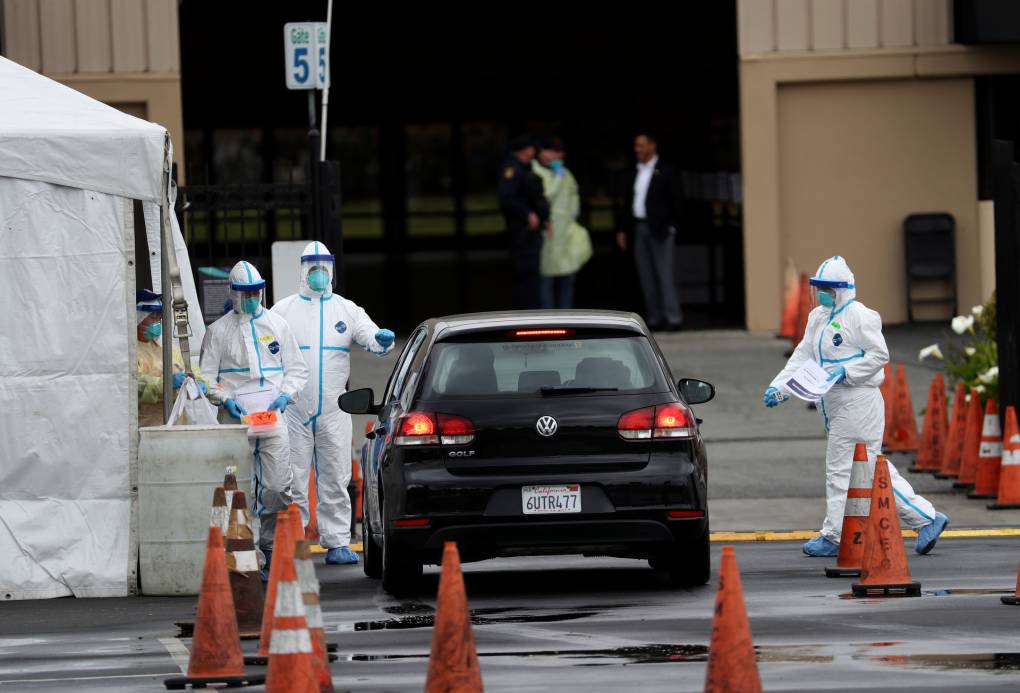
"caption": "Medical personnel surround a car going through a drive-thru coronavirus testing clinic run by Verily at the San Mateo County Event Center on March 16, 2020. San Francisco and Alameda counties have severed ties with Verily over the past several months..",
"description": "Medical personnel surround a car going through a drive-thru coronavirus testing clinic run by Verily at the San Mateo County Event Center on March 16, 2020. San Francisco and Alameda counties have severed ties with Verily over the past several months..",
"title": "Google Sister Company Verily Opens Coronavirus Testing Sites In Bay Area",
"credit": "Justin Sullivan/Getty Images",
"status": "inherit",
"isLoading": false,
"fetchFailed": false
},
"news_11874922": {
"type": "attachments",
"id": "news_11874922",
"meta": {
"index": "attachments_1716263798",
"site": "news",
"id": "11874922",
"found": true
},
"parent": 11861500,
"imgSizes": {
"thumbnail": {
"file": "https://ww2.kqed.org/app/uploads/sites/10/2021/02/soldout-tunein-656x336-2021-160x82.jpg",
"width": 160,
"mimeType": "image/jpeg",
"height": 82
},
"kqedFullSize": {
"file": "https://ww2.kqed.org/app/uploads/sites/10/2021/02/soldout-tunein-656x336-2021.jpg",
"width": 656,
"height": 336
}
},
"publishDate": 1621728496,
"modified": 1621728502,
"caption": null,
"description": null,
"title": "soldout-tunein-656x336-2021",
"credit": null,
"status": "inherit",
"altTag": "Sold Out: Rethinking Housing in America Logo with illustration of houses and tent encampment",
"isLoading": false,
"fetchFailed": false
}
},
"audioPlayerReducer": {
"postId": "stream_live",
"isPaused": true,
"isPlaying": false,
"pfsActive": false,
"pledgeModalIsOpen": true,
"playerDrawerIsOpen": false,
"liveAudioPlayStartedAt": 0,
"liveAudioPlayContext": ""
},
"authorsReducer": {
"byline_news_11844936": {
"type": "authors",
"id": "byline_news_11844936",
"meta": {
"override": true
},
"slug": "byline_news_11844936",
"name": "\u003ca href=\"https://www.kqed.org/author/jrodriguez\">Joe Fitzgerald Rodriguez\u003c/a> and \u003ca href=\"https://twitter.com/linshannonlin?lang=en\">Shannon Lin\u003c/a>, KQED \u003cbr> \u003ca href=\"https://www.propublica.org/people/jessica-huseman\">Jessica Huseman\u003c/a>, ProPublica",
"isLoading": false
},
"byline_news_11843885": {
"type": "authors",
"id": "byline_news_11843885",
"meta": {
"override": true
},
"slug": "byline_news_11843885",
"name": "\u003ca href=\"https://khn.org/news/author/jenny-gold/\">Jenny Gold\u003c/a> and \u003ca href=\"https://khn.org/news/author/rachana-pradhan/\">Rachana Pradhan\u003c/a>",
"isLoading": false
},
"kqed": {
"type": "authors",
"id": "236",
"meta": {
"index": "authors_1716337520",
"id": "236",
"found": true
},
"name": "KQED News Staff",
"firstName": "KQED News Staff",
"lastName": null,
"slug": "kqed",
"email": "faq@kqed.org",
"display_author_email": false,
"staff_mastheads": [],
"title": null,
"bio": null,
"avatar": "https://secure.gravatar.com/avatar/ef0e801a68c4c54afa9180db14084167?s=600&d=blank&r=g",
"twitter": null,
"facebook": null,
"instagram": null,
"linkedin": null,
"sites": [
{
"site": "arts",
"roles": [
"contributor"
]
},
{
"site": "news",
"roles": [
"editor"
]
},
{
"site": "futureofyou",
"roles": [
"author"
]
}
],
"headData": {
"title": "KQED News Staff | KQED",
"description": null,
"ogImgSrc": "https://secure.gravatar.com/avatar/ef0e801a68c4c54afa9180db14084167?s=600&d=blank&r=g",
"twImgSrc": "https://secure.gravatar.com/avatar/ef0e801a68c4c54afa9180db14084167?s=600&d=blank&r=g"
},
"isLoading": false,
"link": "/author/kqed"
},
"cveltman": {
"type": "authors",
"id": "8608",
"meta": {
"index": "authors_1716337520",
"id": "8608",
"found": true
},
"name": "Chloe Veltman",
"firstName": "Chloe",
"lastName": "Veltman",
"slug": "cveltman",
"email": "cveltman@kqed.org",
"display_author_email": true,
"staff_mastheads": [],
"title": "Arts and Culture Reporter",
"bio": "Chloe Veltman is a former arts and culture reporter for KQED. Prior to joining the organization, she launched and led the arts bureau at Colorado Public Radio, served as the Bay Area's culture columnist for the New York Times, and was the founder, host and executive producer of VoiceBox, a national award-winning weekly podcast/radio show and live events series all about the human voice. Chloe is the recipient of numerous prizes, grants and fellowships including a Webby Award for her work on interactive storytelling, both the John S Knight Journalism Fellowship and Humanities Center Fellowship at Stanford University, the Sundance Arts Writing Fellowship and a Library of Congress Research Fellowship. She is the author of the book \"On Acting\" and has appeared as a guest lecturer at Yale University and the San Francisco Conservatory of Music among other institutions. She holds a BA in english literature from King's College, Cambridge, and a Masters in Dramaturgy from the Central School of Speech and Drama/Harvard Institute for Advanced Theater Training.\r\n\u003ca href=\"https://www.chloeveltman.com\">www.chloeveltman.com\u003c/a>",
"avatar": "https://secure.gravatar.com/avatar/55403394b00a1ddab683952c2eb2cf85?s=600&d=blank&r=g",
"twitter": "chloeveltman",
"facebook": null,
"instagram": null,
"linkedin": null,
"sites": [
{
"site": "arts",
"roles": []
},
{
"site": "news",
"roles": [
"author"
]
},
{
"site": "pop",
"roles": [
"editor"
]
},
{
"site": "science",
"roles": []
}
],
"headData": {
"title": "Chloe Veltman | KQED",
"description": "Arts and Culture Reporter",
"ogImgSrc": "https://secure.gravatar.com/avatar/55403394b00a1ddab683952c2eb2cf85?s=600&d=blank&r=g",
"twImgSrc": "https://secure.gravatar.com/avatar/55403394b00a1ddab683952c2eb2cf85?s=600&d=blank&r=g"
},
"isLoading": false,
"link": "/author/cveltman"
},
"clei": {
"type": "authors",
"id": "8617",
"meta": {
"index": "authors_1716337520",
"id": "8617",
"found": true
},
"name": "Cecilia Lei",
"firstName": "Cecilia",
"lastName": "Lei",
"slug": "clei",
"email": "clei@KQED.org",
"display_author_email": false,
"staff_mastheads": [],
"title": "KQED Contributor",
"bio": "Cecilia Lei is an on-call host and producer for KQED News and Podcasts. Previously, she was the executive producer and host of the San Francisco Chronicle's daily news podcast, 'Fifth and Mission'. Cecilia is a graduate of UC Berkeley’s Graduate School of Journalism and the former president of the Asian American Journalists Association San Francisco Bay Area chapter.",
"avatar": "https://secure.gravatar.com/avatar/40975f1f88fccf628ee537bf6ffc2af8?s=600&d=blank&r=g",
"twitter": null,
"facebook": null,
"instagram": null,
"linkedin": null,
"sites": [
{
"site": "arts",
"roles": [
"contributor"
]
},
{
"site": "news",
"roles": [
"author",
"read_private_posts"
]
},
{
"site": "about",
"roles": [
"editor"
]
}
],
"headData": {
"title": "Cecilia Lei | KQED",
"description": "KQED Contributor",
"ogImgSrc": "https://secure.gravatar.com/avatar/40975f1f88fccf628ee537bf6ffc2af8?s=600&d=blank&r=g",
"twImgSrc": "https://secure.gravatar.com/avatar/40975f1f88fccf628ee537bf6ffc2af8?s=600&d=blank&r=g"
},
"isLoading": false,
"link": "/author/clei"
},
"rdillon": {
"type": "authors",
"id": "11495",
"meta": {
"index": "authors_1716337520",
"id": "11495",
"found": true
},
"name": "Raquel Maria Dillon",
"firstName": "Raquel Maria",
"lastName": "Dillon",
"slug": "rdillon",
"email": "rdillon@kqed.org",
"display_author_email": false,
"staff_mastheads": [],
"title": null,
"bio": "Raquel Maria Dillon was a reporter and host for KQED News. Previously, she produced the daily statewide California Report, edited newscasts, and covered health and education stories. Before returning to the Bay Area in 2016, she worked in Los Angeles as a wire reporter and one-woman-band video journalist for the Associated Press, where she shot, edited and reported breaking news and features across the West. Her work has appeared online and in print around the globe, and also on NPR’s Morning Edition, All Things Considered, Here and Now, Marketplace, On The Media, and Studio 360. She previously edited and mentored up-and-coming reporters at KALW, produced social videos for Timeline.com, and was a local TV news videographer for KTVU and digital producer for KNTV. She got her start as a Radio News Trainee at KQED, produced a weekly public affairs roundtable show for OPB, and covered health and politics at New Hampshire Public Radio. She has a BA in political science from Barnard College and a MA in video journalism from UC Berkeley, where she was awarded the Faith Fancher Scholarship and a Student Emmy. She has received numerous local awards from the Associated Press and the Society of Professional Journalists.",
"avatar": "https://secure.gravatar.com/avatar/b8e02ae982913d0950df605910267c1b?s=600&d=blank&r=g",
"twitter": "RaquelMDillon",
"facebook": null,
"instagram": null,
"linkedin": null,
"sites": [
{
"site": "news",
"roles": [
"subscriber"
]
},
{
"site": "stateofhealth",
"roles": [
"editor"
]
},
{
"site": "science",
"roles": [
"editor"
]
},
{
"site": "forum",
"roles": [
"editor"
]
}
],
"headData": {
"title": "Raquel Maria Dillon | KQED",
"description": null,
"ogImgSrc": "https://secure.gravatar.com/avatar/b8e02ae982913d0950df605910267c1b?s=600&d=blank&r=g",
"twImgSrc": "https://secure.gravatar.com/avatar/b8e02ae982913d0950df605910267c1b?s=600&d=blank&r=g"
},
"isLoading": false,
"link": "/author/rdillon"
},
"katewolffe": {
"type": "authors",
"id": "11523",
"meta": {
"index": "authors_1716337520",
"id": "11523",
"found": true
},
"name": "Kate Wolffe",
"firstName": "Kate",
"lastName": "Wolffe",
"slug": "katewolffe",
"email": "kwolffe@kqed.org",
"display_author_email": true,
"staff_mastheads": [
"news"
],
"title": "KQED Reporter + Weekend Host",
"bio": "Kate Wolffe reports on local Bay Area happenings for KQED, and hosts the news on weekend afternoons. She joined KQED in 2018 as an intern on the Forum team, before moving to cover topics ranging from politics to criminal justice to homelessness. A Bay Area native and UC Berkeley graduate, Kate loves to discover new corners of the region.",
"avatar": "https://secure.gravatar.com/avatar/22455f14db824a03ee252f73052fe939?s=600&d=blank&r=g",
"twitter": "katewolffe",
"facebook": null,
"instagram": null,
"linkedin": null,
"sites": [
{
"site": "arts",
"roles": [
"editor"
]
},
{
"site": "news",
"roles": [
"author",
"edit_others_posts"
]
},
{
"site": "forum",
"roles": [
"editor"
]
}
],
"headData": {
"title": "Kate Wolffe | KQED",
"description": "KQED Reporter + Weekend Host",
"ogImgSrc": "https://secure.gravatar.com/avatar/22455f14db824a03ee252f73052fe939?s=600&d=blank&r=g",
"twImgSrc": "https://secure.gravatar.com/avatar/22455f14db824a03ee252f73052fe939?s=600&d=blank&r=g"
},
"isLoading": false,
"link": "/author/katewolffe"
},
"kevinstark": {
"type": "authors",
"id": "11608",
"meta": {
"index": "authors_1716337520",
"id": "11608",
"found": true
},
"name": "Kevin Stark",
"firstName": "Kevin",
"lastName": "Stark",
"slug": "kevinstark",
"email": "kstark@kqed.org",
"display_author_email": true,
"staff_mastheads": [
"science"
],
"title": "Senior Editor",
"bio": "Kevin is a senior editor for KQED Science, managing the station's health and climate desks. His journalism career began in the Pacific Northwest, and he later became a lead reporter for the San Francisco Public Press. His work has appeared in Pacific Standard magazine, the Energy News Network, the Center for Investigative Reporting's Reveal and WBEZ in Chicago. Kevin joined KQED in 2019, and has covered issues related to energy, wildfire, climate change and the environment.",
"avatar": "https://secure.gravatar.com/avatar/365aaa4b597d3a8374f67504ff0facd323d7906e8eb4be0a7efd2427408e802c?s=600&d=blank&r=g",
"twitter": "starkkev",
"bluesky": null,
"facebook": null,
"instagram": null,
"linkedin": null,
"sites": [
{
"site": "",
"roles": [
"editor"
]
},
{
"site": "news",
"roles": [
"editor"
]
},
{
"site": "science",
"roles": [
"administrator"
]
}
],
"headData": {
"title": "Kevin Stark | KQED",
"description": "Senior Editor",
"ogImgSrc": "https://secure.gravatar.com/avatar/365aaa4b597d3a8374f67504ff0facd323d7906e8eb4be0a7efd2427408e802c?s=600&d=blank&r=g",
"twImgSrc": "https://secure.gravatar.com/avatar/365aaa4b597d3a8374f67504ff0facd323d7906e8eb4be0a7efd2427408e802c?s=600&d=blank&r=g"
},
"isLoading": false,
"link": "/author/kevinstark"
},
"lsarah": {
"type": "authors",
"id": "11626",
"meta": {
"index": "authors_1716337520",
"id": "11626",
"found": true
},
"name": "Lakshmi Sarah",
"firstName": "Lakshmi",
"lastName": "Sarah",
"slug": "lsarah",
"email": "lsarah@kqed.org",
"display_author_email": false,
"staff_mastheads": [],
"title": "Digital Producer",
"bio": "Lakshmi Sarah is an educator, author and journalist with a focus on innovative storytelling. She has worked with newspapers, radio and magazines from Ahmedabad, India to Los Angeles, California. She has written and produced for Die Zeit, Global Voices, AJ+, KQED, Fusion Media Group and the New York Times.",
"avatar": "https://secure.gravatar.com/avatar/652dcaecd8b28826fc17a8b2d6bb4e93?s=600&d=blank&r=g",
"twitter": "lakitalki",
"facebook": null,
"instagram": "https://www.instagram.com/laki.talki/",
"linkedin": "https://www.linkedin.com/in/lakisarah/",
"sites": [
{
"site": "arts",
"roles": []
},
{
"site": "news",
"roles": []
},
{
"site": "bayareabites",
"roles": []
},
{
"site": "science",
"roles": []
}
],
"headData": {
"title": "Lakshmi Sarah | KQED",
"description": "Digital Producer",
"ogImgSrc": "https://secure.gravatar.com/avatar/652dcaecd8b28826fc17a8b2d6bb4e93?s=600&d=blank&r=g",
"twImgSrc": "https://secure.gravatar.com/avatar/652dcaecd8b28826fc17a8b2d6bb4e93?s=600&d=blank&r=g"
},
"isLoading": false,
"link": "/author/lsarah"
},
"kmoghadam": {
"type": "authors",
"id": "11637",
"meta": {
"index": "authors_1716337520",
"id": "11637",
"found": true
},
"name": "Kyana Moghadam",
"firstName": "Kyana",
"lastName": "Moghadam",
"slug": "kmoghadam",
"email": "kmoghadam@kqed.org",
"display_author_email": false,
"staff_mastheads": [
"news"
],
"title": "Senior Producer ",
"bio": "Kyana Moghadam is a senior producer at KQED. Prior to joining KQED, she was an audio producer and editor with Al Jazeera, Jetty Studios, VOX Media, Democracy Now!, and Global Press.",
"avatar": "https://secure.gravatar.com/avatar/cdbd6cb0b9e99deaa9eb618abdba56f265d374a2c614710aebeb4e58decbc5f0?s=600&d=blank&r=g",
"twitter": null,
"bluesky": null,
"facebook": null,
"instagram": null,
"linkedin": "https://www.linkedin.com/in/kyanamoghadam/",
"sites": [
{
"site": "",
"roles": [
"editor"
]
},
{
"site": "arts",
"roles": [
"editor"
]
},
{
"site": "news",
"roles": [
"administrator"
]
},
{
"site": "pop",
"roles": [
"editor"
]
},
{
"site": "about",
"roles": [
"editor"
]
},
{
"site": "forum",
"roles": [
"editor"
]
},
{
"site": "perspectives",
"roles": [
"editor"
]
},
{
"site": "podcasts",
"roles": [
"administrator"
]
}
],
"headData": {
"title": "Kyana Moghadam | KQED",
"description": "Senior Producer ",
"ogImgSrc": "https://secure.gravatar.com/avatar/cdbd6cb0b9e99deaa9eb618abdba56f265d374a2c614710aebeb4e58decbc5f0?s=600&d=blank&r=g",
"twImgSrc": "https://secure.gravatar.com/avatar/cdbd6cb0b9e99deaa9eb618abdba56f265d374a2c614710aebeb4e58decbc5f0?s=600&d=blank&r=g"
},
"isLoading": false,
"link": "/author/kmoghadam"
},
"msolomon": {
"type": "authors",
"id": "11651",
"meta": {
"index": "authors_1716337520",
"id": "11651",
"found": true
},
"name": "Molly Solomon",
"firstName": "Molly",
"lastName": "Solomon",
"slug": "msolomon",
"email": "msolomon@KQED.org",
"display_author_email": false,
"staff_mastheads": [
"news"
],
"title": "Senior Editor",
"bio": "Molly Solomon is the senior editor of KQED's California Politics and Government Desk. Previously, she was the station's editor-at-large, with a focus on editing early childhood education, politics, and criminal justice. Before that, she managed and edited statewide election coverage for The California Newsroom, a collaboration of local public radio stations, CalMatters and NPR. Molly joined KQED in 2019 to launch the station’s housing affordability desk, where she reported on homelessness, evictions and is the co-host of KQED’s housing podcast, SOLD OUT: Rethinking Housing in America. Before that, she was the Southwest Washington Bureau Chief for Oregon Public Broadcasting and a reporter at Hawaii Public Radio. Her stories have aired on NPR’s \u003cem>Morning Edition\u003c/em>, \u003cem>All Things Considered\u003c/em>, \u003cem>Here & Now\u003c/em>, \u003cem>Science Friday\u003c/em> and \u003cem>Marketplace\u003c/em>. Molly's award-winning reporting has been honored by the Best of the West, Edward R. Murrow awards, Society of Professional Journalists, National Headliner Awards, and the Asian American Journalists Association. Born and raised in Berkeley, Molly is a big fan of burritos and her scruffy terrier, Ollie.",
"avatar": "https://secure.gravatar.com/avatar/9ad9794616923d81c9a79897161545bd?s=600&d=blank&r=g",
"twitter": "solomonout",
"facebook": null,
"instagram": null,
"linkedin": null,
"sites": [
{
"site": "news",
"roles": [
"editor"
]
},
{
"site": "science",
"roles": [
"editor"
]
}
],
"headData": {
"title": "Molly Solomon | KQED",
"description": "Senior Editor",
"ogImgSrc": "https://secure.gravatar.com/avatar/9ad9794616923d81c9a79897161545bd?s=600&d=blank&r=g",
"twImgSrc": "https://secure.gravatar.com/avatar/9ad9794616923d81c9a79897161545bd?s=600&d=blank&r=g"
},
"isLoading": false,
"link": "/author/msolomon"
},
"ebaldassari": {
"type": "authors",
"id": "11652",
"meta": {
"index": "authors_1716337520",
"id": "11652",
"found": true
},
"name": "Erin Baldassari",
"firstName": "Erin",
"lastName": "Baldassari",
"slug": "ebaldassari",
"email": "ebaldassari@KQED.org",
"display_author_email": true,
"staff_mastheads": [
"news"
],
"title": "Staff Writer",
"bio": "Erin Baldassari covers housing for KQED. She's a former print journalist and most recently worked as the transportation reporter for the \u003cem>Mercury News\u003c/em> and \u003cem>East Bay Times. \u003c/em>There, she focused on how the Bay Area’s housing shortage has changed the way people move around the region. She also served on the \u003cem>East Bay Times\u003c/em>’ 2017 Pulitzer Prize-winning team for coverage of the Ghost Ship Fire in Oakland. Prior to that, Erin worked as a breaking news and general assignment reporter for a variety of outlets in the Bay Area and the greater Boston area. A Tufts University alumna, Erin grew up in the foothills of the Sierra Nevada mountains and in Sonoma County. She is a life-long KQED listener.",
"avatar": "https://secure.gravatar.com/avatar/5e95cad64a8ca08288082212e199d2b0cbeb4fd8e8ef5339395f361032bbe005?s=600&d=blank&r=g",
"twitter": "e_baldi",
"bluesky": null,
"facebook": null,
"instagram": null,
"linkedin": null,
"sites": [
{
"site": "news",
"roles": [
"edit_others_posts",
"editor"
]
},
{
"site": "science",
"roles": [
"editor"
]
},
{
"site": "liveblog",
"roles": [
"editor"
]
}
],
"headData": {
"title": "Erin Baldassari | KQED",
"description": "Staff Writer",
"ogImgSrc": "https://secure.gravatar.com/avatar/5e95cad64a8ca08288082212e199d2b0cbeb4fd8e8ef5339395f361032bbe005?s=600&d=blank&r=g",
"twImgSrc": "https://secure.gravatar.com/avatar/5e95cad64a8ca08288082212e199d2b0cbeb4fd8e8ef5339395f361032bbe005?s=600&d=blank&r=g"
},
"isLoading": false,
"link": "/author/ebaldassari"
},
"mgonzalessiler": {
"type": "authors",
"id": "11657",
"meta": {
"index": "authors_1716337520",
"id": "11657",
"found": true
},
"name": "Marco Siler-Gonzales",
"firstName": "Marco",
"lastName": "Siler-Gonzales",
"slug": "mgonzalessiler",
"email": "mgonzalessiler@kqed.org",
"display_author_email": false,
"staff_mastheads": [],
"title": "KQED Contributor",
"bio": null,
"avatar": "https://secure.gravatar.com/avatar/e960972bbaa44ee0e051b1f68c97753c?s=600&d=blank&r=g",
"twitter": null,
"facebook": null,
"instagram": null,
"linkedin": null,
"sites": [
{
"site": "news",
"roles": [
"author"
]
}
],
"headData": {
"title": "Marco Siler-Gonzales | KQED",
"description": "KQED Contributor",
"ogImgSrc": "https://secure.gravatar.com/avatar/e960972bbaa44ee0e051b1f68c97753c?s=600&d=blank&r=g",
"twImgSrc": "https://secure.gravatar.com/avatar/e960972bbaa44ee0e051b1f68c97753c?s=600&d=blank&r=g"
},
"isLoading": false,
"link": "/author/mgonzalessiler"
},
"blaberge": {
"type": "authors",
"id": "11667",
"meta": {
"index": "authors_1716337520",
"id": "11667",
"found": true
},
"name": "Beth LaBerge",
"firstName": "Beth",
"lastName": "LaBerge",
"slug": "blaberge",
"email": "blaberge@KQED.org",
"display_author_email": true,
"staff_mastheads": [
"news"
],
"title": "Photographer, News",
"bio": "Beth LaBerge is a visual journalist for \u003ca href=\"https://www.kqed.org/news\">KQED News\u003c/a>.",
"avatar": "https://secure.gravatar.com/avatar/ce49ecd7a1306685637b45a1f6f5dedfc4ae9481966eb596fea5160466dd6319?s=600&d=blank&r=g",
"twitter": null,
"bluesky": null,
"facebook": null,
"instagram": "https://www.instagram.com/bethlaberge/",
"linkedin": null,
"sites": [
{
"site": "arts",
"roles": [
"editor",
"manage_categories"
]
},
{
"site": "news",
"roles": [
"editor",
"edit_plugins",
"manage_categories"
]
},
{
"site": "science",
"roles": [
"editor",
"contributor",
"author",
"manage_categories"
]
},
{
"site": "perspectives",
"roles": [
"editor"
]
},
{
"site": "liveblog",
"roles": [
"editor"
]
}
],
"headData": {
"title": "Beth LaBerge | KQED",
"description": "Photographer, News",
"ogImgSrc": "https://secure.gravatar.com/avatar/ce49ecd7a1306685637b45a1f6f5dedfc4ae9481966eb596fea5160466dd6319?s=600&d=blank&r=g",
"twImgSrc": "https://secure.gravatar.com/avatar/ce49ecd7a1306685637b45a1f6f5dedfc4ae9481966eb596fea5160466dd6319?s=600&d=blank&r=g"
},
"isLoading": false,
"link": "/author/blaberge"
},
"jrodriguez": {
"type": "authors",
"id": "11690",
"meta": {
"index": "authors_1716337520",
"id": "11690",
"found": true
},
"name": "Joe Fitzgerald Rodriguez",
"firstName": "Joe",
"lastName": "Fitzgerald Rodriguez",
"slug": "jrodriguez",
"email": "jrodriguez@kqed.org",
"display_author_email": true,
"staff_mastheads": [
"news"
],
"title": "Reporter and Producer",
"bio": "Joe Fitzgerald Rodriguez is a reporter and digital producer for KQED covering politics. Joe most recently wrote for the \u003cem>San Francisco Examiner\u003c/em> as a political columnist covering The City. He was raised in San Francisco and has spent his reporting career in his beloved, foggy, city by the bay. Joe was 12-years-old when he conducted his first interview in journalism, grilling former San Francisco Mayor Willie Brown for the Marina Middle School newspaper, \u003cem>The Penguin Press, \u003c/em>and he continues to report on the San Francisco Bay Area to this day.",
"avatar": "https://secure.gravatar.com/avatar/2247beb0564c1e9c62228d5649d2edac?s=600&d=blank&r=g",
"twitter": "FitztheReporter",
"facebook": null,
"instagram": "https://www.instagram.com/fitzthereporter/",
"linkedin": null,
"sites": [
{
"site": "",
"roles": [
"editor"
]
},
{
"site": "arts",
"roles": [
"editor"
]
},
{
"site": "news",
"roles": [
"editor"
]
},
{
"site": "science",
"roles": [
"editor"
]
},
{
"site": "elections",
"roles": [
"editor"
]
},
{
"site": "liveblog",
"roles": [
"editor"
]
}
],
"headData": {
"title": "Joe Fitzgerald Rodriguez | KQED",
"description": "Reporter and Producer",
"ogImgSrc": "https://secure.gravatar.com/avatar/2247beb0564c1e9c62228d5649d2edac?s=600&d=blank&r=g",
"twImgSrc": "https://secure.gravatar.com/avatar/2247beb0564c1e9c62228d5649d2edac?s=600&d=blank&r=g"
},
"isLoading": false,
"link": "/author/jrodriguez"
}
},
"pagesReducer": {
"news_tag_san-francisco": {
"type": "terms",
"id": "news_38",
"meta": {
"index": "terms_1716263798",
"site": "news",
"id": "38",
"score": 6.723227
},
"featImg": null,
"name": "San Francisco",
"description": null,
"taxonomy": "tag",
"headData": {
"twImgId": null,
"twTitle": null,
"ogTitle": null,
"ogImgId": null,
"twDescription": null,
"description": null,
"title": "San Francisco Archives | KQED News",
"ogDescription": null
},
"ttid": 58,
"slug": "san-francisco",
"isLoading": false,
"title": "San Francisco",
"pageMeta": {
"site": "news",
"WpPageTemplate": "page-topic-editorial",
"currentPage": 133
},
"blocks": [
{
"blockName": "kqed/post-list",
"attrs": {
"layout": "cardArticle2",
"query": "posts/news?tag=san-francisco",
"seeMore": false,
"paginated": true,
"page": 133
}
},
{
"blockName": "kqed/ad"
}
]
}
},
"pfsSessionReducer": {},
"postsReducer": {
"stream_live": {
"type": "live",
"id": "stream_live",
"audioUrl": "https://streams.kqed.org/kqedradio",
"title": "Live Stream",
"excerpt": "Live Stream information currently unavailable.",
"link": "/radio",
"featImg": "",
"label": {
"name": "KQED Live",
"link": "/"
}
},
"stream_kqedNewscast": {
"type": "posts",
"id": "stream_kqedNewscast",
"audioUrl": "https://www.kqed.org/.stream/anon/radio/RDnews/newscast.mp3?_=1",
"title": "KQED Newscast",
"featImg": "",
"label": {
"name": "88.5 FM",
"link": "/"
}
},
"news_11848521": {
"type": "posts",
"id": "news_11848521",
"meta": {
"index": "posts_1716263798",
"site": "news",
"id": "11848521",
"score": null,
"sort": [
1606170696000
]
},
"guestAuthors": [],
"slug": "in-first-for-sf-district-attorney-chesa-boudin-charges-former-police-officer-with-homicide",
"title": "In First for SF, District Attorney Chesa Boudin Charges Former Police Officer With Homicide",
"publishDate": 1606170696,
"format": "standard",
"headTitle": "In First for SF, District Attorney Chesa Boudin Charges Former Police Officer With Homicide | KQED",
"labelTerm": {
"site": "news"
},
"content": "\u003cp>San Francisco District Attorney Chesa Boudin announced Monday that he has filed homicide charges against former police officer Christopher Samayoa for the \u003ca href=\"https://www.kqed.org/news/11635756/s-f-police-officer-fatally-shot-apparently-unarmed-carjacking-suspect-in-bayview\">2017 shooting\u003c/a> of 42-year-old Keita O’Neil.\u003c/p>\n\u003cp>Boudin’s decision to charge the former SFPD officer marks the first time in the city’s history that a district attorney has brought homicide charges against an officer. \u003c/p>\n\u003cp>During a \u003ca href=\"https://www.facebook.com/SFDABoudin/videos/185033869911802\">press conference\u003c/a> Monday, Boudin announced five charges against Samayoa, including voluntary manslaughter, involuntary manslaughter, assault by an executive officer, assault with a semi-automatic firearm and negligent discharge of a firearm.\u003c/p>\n\u003cp>“As far as we are aware, this is the first ever time that the San Francisco District Attorney’s Office has filed charges against a law enforcement officer for a homicide,” Boudin said at the press conference.\u003c/p>\n\u003cp>O’Neil, suspected of carjacking a California Lottery van in Potrero Hill, led police in a vehicle pursuit on the morning of Dec. 1, 2017 through the Bayview district. Hitting a dead-end in the Alice Griffith housing project, O’Neil fled the vehicle, running past the squad car that Samayoa was in.\u003c/p>\n\u003cp>Samayoa fired his weapon through the passenger side window, fatally striking O’Neil. O’Neil was unarmed.\u003c/p>\n\u003cp>“Body camera footage shows that not a single other officer pulled out their service weapon or pointed at Mr. O’Neil,” Boudin said Monday. “As a result of Officer Samayoa’s terrible, tragic and unlawful decision to pull and fire his gun that day, Mr. O’Neil was killed and my office is filing charges today.”\u003c/p>\n\u003cp>[ad fullwidth]\u003c/p>\n\u003cp>Although Samayoa turned his body camera on just after the shooting, his camera captured the footage because body cameras automatically record 30 seconds before activation.\u003c/p>\n\u003cp>Samayoa had graduated from the police academy just days before the shooting, and was riding passenger with his training officer, Edric Talusan. Samayoa was fired in March 2018 as a result of the shooting.\u003c/p>\n\u003cp>Samayoa is expected to surrender to his arrest warrant later this week with a nominal bond set at $1,000, Boudin said.\u003c/p>\n\u003cp>“We do not expect him to be a flight risk. He has been at liberty the three years while this case was under investigation,” Boudin said.\u003c/p>\n\u003cp>Civil rights attorney John Burris, whose office \u003ca href=\"https://www.kqed.org/news/11638329/mother-sues-over-fatal-s-f-police-shooting-attorneys-call-for-criminal-charges\">filed a federal civil rights lawsuit\u003c/a> over the shooting in 2017, called it “one of the most shocking” incidents he’d ever seen at the time.\u003c/p>\n\u003cp>[aside postID=news_11638329,news_11635756 label='Related Coverage']Boudin’s historic filing comes just after a controversial dismissal of charges against two Alameda County sheriff’s deputies for the infamous alley beating of a car chase suspect in 2016 in San Francisco. \u003c/p>\n\u003cp>The San Francisco Chronicle \u003ca href=\"https://www.sfchronicle.com/crime/article/S-F-District-Attorney-Chesa-Boudin-dismissed-15720979.php\">first reported\u003c/a> that Boudin’s office quietly dismissed those charges in court in March, citing the impact the COVID-19 pandemic had on their case, suggesting they could refile those charges later on. \u003c/p>\n\u003cp>Boudin’s filings against Samayoa come just before the Dec. 1 expiration of the three-year statute of limitations for three of the alleged crimes: involuntary manslaughter, assault by an executive officer and negligent discharge of a firearm. Boudin highlighted these charges as a follow through on his 2019 campaign promise to enforce the law equally among police officers and citizens. \u003c/p>\n\u003cp>“It was a very obvious case of criminal activity of a police officer,” said Melissa Nold, an attorney representing the O’Neil family in the federal civil rights case against Samayoa, training officer Edric Talusan and the city of San Francisco.\u003c/p>\n\u003cp>While the charges are encouraging, Nold told KQED on Monday that it won’t be a victory until a conviction is won in court. \u003c/p>\n\u003cp>“This is step one of a long process for the family, so there’s a long way to go,” Nold said. \u003c/p>\n\u003cp>San Francisco Police Officers Association President Tony Montoya issued a statement Monday regarding the charges against Samoyoa.\u003c/p>\n\u003cp>“The criminal justice system will allow for the facts surrounding this case to be disclosed,” Montoya said in the statement. “We are committed to ensuring that Christopher and his family are supported during this difficult time and that he is accorded his due process rights and provided with a vigorous defense against these charges” \u003c/p>\n\u003cp>\u003cem>This post has been updated.\u003c/em>\u003c/p>\n\u003cp>\u003c/p>\n",
"blocks": [],
"excerpt": "Chesa Boudin announced manslaughter charges against former SFPD officer Christopher Samayoa on Monday, stemming from the Dec. 2017 shooting of Keita O’Neil.",
"status": "publish",
"parent": 0,
"modified": 1721127834,
"stats": {
"hasAudio": false,
"hasVideo": false,
"hasChartOrMap": false,
"iframeSrcs": [],
"hasGoogleForm": false,
"hasGallery": false,
"hasHearkenModule": false,
"hasPolis": false,
"paragraphCount": 23,
"wordCount": 736
},
"headData": {
"title": "In First for SF, District Attorney Chesa Boudin Charges Former Police Officer With Homicide | KQED",
"description": "Chesa Boudin announced manslaughter charges against former SFPD officer Christopher Samayoa on Monday, stemming from the Dec. 2017 shooting of Keita O’Neil.",
"ogTitle": "",
"ogDescription": "",
"ogImgId": "",
"twTitle": "",
"twDescription": "",
"twImgId": "",
"socialDescription": "Chesa Boudin announced manslaughter charges against former SFPD officer Christopher Samayoa on Monday, stemming from the Dec. 2017 shooting of Keita O’Neil.",
"schema": {
"@context": "https://schema.org",
"@type": "NewsArticle",
"headline": "In First for SF, District Attorney Chesa Boudin Charges Former Police Officer With Homicide",
"datePublished": "2020-11-23T14:31:36-08:00",
"dateModified": "2024-07-16T04:03:54-07:00",
"image": "https://cdn.kqed.org/wp-content/uploads/2020/02/KQED-OG-Image@1x.png",
"isAccessibleForFree": "True",
"publisher": {
"@type": "NewsMediaOrganization",
"@id": "https://www.kqed.org/#organization",
"name": "KQED",
"logo": "https://cdn.kqed.org/wp-content/uploads/2020/02/KQED-OG-Image@1x.png",
"url": "https://www.kqed.org",
"sameAs": [
"https://www.facebook.com/KQED",
"https://twitter.com/KQED",
"https://www.instagram.com/kqed/",
"https://www.tiktok.com/@kqedofficial",
"https://www.linkedin.com/company/kqed",
"https://www.youtube.com/channel/UCeC0IOo7i1P_61zVUWbJ4nw"
]
}
}
},
"sticky": false,
"path": "/news/11848521/in-first-for-sf-district-attorney-chesa-boudin-charges-former-police-officer-with-homicide",
"audioTrackLength": null,
"parsedContent": [
{
"type": "contentString",
"content": "\u003cdiv class=\"post-body\">\u003cp>\u003cp>San Francisco District Attorney Chesa Boudin announced Monday that he has filed homicide charges against former police officer Christopher Samayoa for the \u003ca href=\"https://www.kqed.org/news/11635756/s-f-police-officer-fatally-shot-apparently-unarmed-carjacking-suspect-in-bayview\">2017 shooting\u003c/a> of 42-year-old Keita O’Neil.\u003c/p>\n\u003cp>Boudin’s decision to charge the former SFPD officer marks the first time in the city’s history that a district attorney has brought homicide charges against an officer. \u003c/p>\n\u003cp>During a \u003ca href=\"https://www.facebook.com/SFDABoudin/videos/185033869911802\">press conference\u003c/a> Monday, Boudin announced five charges against Samayoa, including voluntary manslaughter, involuntary manslaughter, assault by an executive officer, assault with a semi-automatic firearm and negligent discharge of a firearm.\u003c/p>\n\u003cp>“As far as we are aware, this is the first ever time that the San Francisco District Attorney’s Office has filed charges against a law enforcement officer for a homicide,” Boudin said at the press conference.\u003c/p>\n\u003cp>O’Neil, suspected of carjacking a California Lottery van in Potrero Hill, led police in a vehicle pursuit on the morning of Dec. 1, 2017 through the Bayview district. Hitting a dead-end in the Alice Griffith housing project, O’Neil fled the vehicle, running past the squad car that Samayoa was in.\u003c/p>\n\u003cp>Samayoa fired his weapon through the passenger side window, fatally striking O’Neil. O’Neil was unarmed.\u003c/p>\n\u003cp>“Body camera footage shows that not a single other officer pulled out their service weapon or pointed at Mr. O’Neil,” Boudin said Monday. “As a result of Officer Samayoa’s terrible, tragic and unlawful decision to pull and fire his gun that day, Mr. O’Neil was killed and my office is filing charges today.”\u003c/p>\n\u003cp>\u003c/p>\u003c/div>",
"attributes": {
"named": {},
"numeric": []
}
},
{
"type": "component",
"content": "",
"name": "ad",
"attributes": {
"named": {
"label": "fullwidth"
},
"numeric": [
"fullwidth"
]
}
},
{
"type": "contentString",
"content": "\u003cdiv class=\"post-body\">\u003cp>\u003c/p>\n\u003cp>Although Samayoa turned his body camera on just after the shooting, his camera captured the footage because body cameras automatically record 30 seconds before activation.\u003c/p>\n\u003cp>Samayoa had graduated from the police academy just days before the shooting, and was riding passenger with his training officer, Edric Talusan. Samayoa was fired in March 2018 as a result of the shooting.\u003c/p>\n\u003cp>Samayoa is expected to surrender to his arrest warrant later this week with a nominal bond set at $1,000, Boudin said.\u003c/p>\n\u003cp>“We do not expect him to be a flight risk. He has been at liberty the three years while this case was under investigation,” Boudin said.\u003c/p>\n\u003cp>Civil rights attorney John Burris, whose office \u003ca href=\"https://www.kqed.org/news/11638329/mother-sues-over-fatal-s-f-police-shooting-attorneys-call-for-criminal-charges\">filed a federal civil rights lawsuit\u003c/a> over the shooting in 2017, called it “one of the most shocking” incidents he’d ever seen at the time.\u003c/p>\n\u003cp>\u003c/p>\u003c/div>",
"attributes": {
"named": {},
"numeric": []
}
},
{
"type": "component",
"content": "",
"name": "aside",
"attributes": {
"named": {
"postid": "news_11638329,news_11635756",
"label": "Related Coverage "
},
"numeric": []
}
},
{
"type": "contentString",
"content": "\u003cdiv class=\"post-body\">\u003cp>Boudin’s historic filing comes just after a controversial dismissal of charges against two Alameda County sheriff’s deputies for the infamous alley beating of a car chase suspect in 2016 in San Francisco. \u003c/p>\n\u003cp>The San Francisco Chronicle \u003ca href=\"https://www.sfchronicle.com/crime/article/S-F-District-Attorney-Chesa-Boudin-dismissed-15720979.php\">first reported\u003c/a> that Boudin’s office quietly dismissed those charges in court in March, citing the impact the COVID-19 pandemic had on their case, suggesting they could refile those charges later on. \u003c/p>\n\u003cp>Boudin’s filings against Samayoa come just before the Dec. 1 expiration of the three-year statute of limitations for three of the alleged crimes: involuntary manslaughter, assault by an executive officer and negligent discharge of a firearm. Boudin highlighted these charges as a follow through on his 2019 campaign promise to enforce the law equally among police officers and citizens. \u003c/p>\n\u003cp>“It was a very obvious case of criminal activity of a police officer,” said Melissa Nold, an attorney representing the O’Neil family in the federal civil rights case against Samayoa, training officer Edric Talusan and the city of San Francisco.\u003c/p>\n\u003cp>While the charges are encouraging, Nold told KQED on Monday that it won’t be a victory until a conviction is won in court. \u003c/p>\n\u003cp>“This is step one of a long process for the family, so there’s a long way to go,” Nold said. \u003c/p>\n\u003cp>San Francisco Police Officers Association President Tony Montoya issued a statement Monday regarding the charges against Samoyoa.\u003c/p>\n\u003cp>“The criminal justice system will allow for the facts surrounding this case to be disclosed,” Montoya said in the statement. “We are committed to ensuring that Christopher and his family are supported during this difficult time and that he is accorded his due process rights and provided with a vigorous defense against these charges” \u003c/p>\n\u003cp>\u003cem>This post has been updated.\u003c/em>\u003c/p>\n\u003cp>\u003c/p>\n\u003c/div>\u003c/p>",
"attributes": {
"named": {},
"numeric": []
}
}
],
"link": "/news/11848521/in-first-for-sf-district-attorney-chesa-boudin-charges-former-police-officer-with-homicide",
"authors": [
"11657"
],
"categories": [
"news_6188",
"news_8",
"news_13"
],
"tags": [
"news_5706",
"news_1700",
"news_24162",
"news_28847",
"news_28089",
"news_4379",
"news_38",
"news_20331"
],
"featImg": "news_11848529",
"label": "news"
},
"news_11848262": {
"type": "posts",
"id": "news_11848262",
"meta": {
"index": "posts_1716263798",
"site": "news",
"id": "11848262",
"score": null,
"sort": [
1605920496000
]
},
"guestAuthors": [],
"slug": "covid-19-updates-from-fresno-and-san-jose-staying-safe-this-thanksgiving",
"title": "COVID-19 Updates From Fresno and San Jose, Staying Safe This Thanksgiving",
"publishDate": 1605920496,
"format": "video",
"headTitle": "COVID-19 Updates From Fresno and San Jose, Staying Safe This Thanksgiving | KQED",
"labelTerm": {
"term": 7052,
"site": "news"
},
"content": "\u003cp>\u003cb>Staying Safe This Thanksgiving\u003cbr>\n\u003c/b>\u003cspan style=\"font-weight: 400\">The Centers for Disease Control and Prevention has advised Americans not to travel for the Thanksgiving holiday, as the country logged more than 1 million new cases of COVID-19 in the past week alone. Still, with a vaccine likely to be approved in the coming weeks, there may be light at the end of the tunnel. Public health expert Dr. Robert Wachter likens the situation to watching a split-screen movie with horror on one side and hope on the other. \u003c/span>\u003c/p>\n\u003cp>\u003cb>Guests:\u003c/b>\u003c/p>\n\u003cul>\n\u003cli style=\"font-weight: 400\">\u003cspan style=\"font-weight: 400\">Dr. Robert Wachter, chair, UCSF Department of Medicine\u003c/span>\u003c/li>\n\u003c/ul>\n\u003cp>\u003cb>COVID-19 Updates From Santa Clara and Fresno\u003cbr>\n\u003c/b>\u003cspan style=\"font-weight: 400\">This week, Gov. Gavin Newsom said he was pulling the “emergency brake” and imposing a curfew prohibiting most nonessential work and activities between 10 p.m. and 5 a.m. The curfew applies to 41 counties in the “purple tier,” the state’s most restrictive category indicating “widespread risk” of COVID-19 transmission. We get reaction from the mayors of San Jose and Fresno.\u003c/span>\u003c/p>\n\u003cp>\u003cb>Guests:\u003c/b>\u003c/p>\n\u003cul>\n\u003cli style=\"font-weight: 400\">\u003cspan style=\"font-weight: 400\">Sam Liccardo, mayor of San Jose\u003c/span>\u003c/li>\n\u003cli style=\"font-weight: 400\">\u003cspan style=\"font-weight: 400\">Lee Brand, mayor of Fresno\u003c/span>\u003c/li>\n\u003c/ul>\n\u003cp>\u003cb>Something Beautiful: Mosaic Steps of San Francisco\u003cbr>\n\u003c/b>\u003cspan style=\"font-weight: 400\">Take a walk with us up some of San Francisco’s tiled staircases, including one boasting a mosaic of the sea and the stars.\u003c/span>\u003c/p>\n\u003cp>[ad fullwidth]\u003c/p>\u003cp>\u003c/p>\n",
"blocks": [],
"excerpt": null,
"status": "publish",
"parent": 0,
"modified": 1726006841,
"stats": {
"hasAudio": false,
"hasVideo": false,
"hasChartOrMap": false,
"iframeSrcs": [],
"hasGoogleForm": false,
"hasGallery": false,
"hasHearkenModule": false,
"hasPolis": false,
"paragraphCount": 7,
"wordCount": 221
},
"headData": {
"title": "COVID-19 Updates From Fresno and San Jose, Staying Safe This Thanksgiving | KQED",
"description": "Staying Safe This Thanksgiving The Centers for Disease Control and Prevention has advised Americans not to travel for the Thanksgiving holiday, as the country logged more than 1 million new cases of COVID-19 in the past week alone. Still, with a vaccine likely to be approved in the coming weeks, there may be light at the end of the tunnel. Public health expert Dr. Robert Wachter likens the situation to watching a split-screen movie with horror on one side and hope on the other. Guests: Dr. Robert Wachter, chair, UCSF Department of Medicine COVID-19 Updates From Santa Clara and Fresno",
"ogTitle": "",
"ogDescription": "",
"ogImgId": "",
"twTitle": "",
"twDescription": "",
"twImgId": "",
"schema": {
"@context": "https://schema.org",
"@type": "NewsArticle",
"headline": "COVID-19 Updates From Fresno and San Jose, Staying Safe This Thanksgiving",
"datePublished": "2020-11-20T17:01:36-08:00",
"dateModified": "2024-09-10T15:20:41-07:00",
"image": "https://cdn.kqed.org/wp-content/uploads/2020/02/KQED-OG-Image@1x.png",
"isAccessibleForFree": "True",
"publisher": {
"@type": "NewsMediaOrganization",
"@id": "https://www.kqed.org/#organization",
"name": "KQED",
"logo": "https://cdn.kqed.org/wp-content/uploads/2020/02/KQED-OG-Image@1x.png",
"url": "https://www.kqed.org",
"sameAs": [
"https://www.facebook.com/KQED",
"https://twitter.com/KQED",
"https://www.instagram.com/kqed/",
"https://www.tiktok.com/@kqedofficial",
"https://www.linkedin.com/company/kqed",
"https://www.youtube.com/channel/UCeC0IOo7i1P_61zVUWbJ4nw"
]
}
}
},
"videoEmbed": "https://youtu.be/US7w1JaDfPw ",
"sticky": false,
"path": "/news/11848262/covid-19-updates-from-fresno-and-san-jose-staying-safe-this-thanksgiving",
"audioTrackLength": null,
"parsedContent": [
{
"type": "contentString",
"content": "\u003cdiv class=\"post-body\">\u003cp>\u003cp>\u003cb>Staying Safe This Thanksgiving\u003cbr>\n\u003c/b>\u003cspan style=\"font-weight: 400\">The Centers for Disease Control and Prevention has advised Americans not to travel for the Thanksgiving holiday, as the country logged more than 1 million new cases of COVID-19 in the past week alone. Still, with a vaccine likely to be approved in the coming weeks, there may be light at the end of the tunnel. Public health expert Dr. Robert Wachter likens the situation to watching a split-screen movie with horror on one side and hope on the other. \u003c/span>\u003c/p>\n\u003cp>\u003cb>Guests:\u003c/b>\u003c/p>\n\u003cul>\n\u003cli style=\"font-weight: 400\">\u003cspan style=\"font-weight: 400\">Dr. Robert Wachter, chair, UCSF Department of Medicine\u003c/span>\u003c/li>\n\u003c/ul>\n\u003cp>\u003cb>COVID-19 Updates From Santa Clara and Fresno\u003cbr>\n\u003c/b>\u003cspan style=\"font-weight: 400\">This week, Gov. Gavin Newsom said he was pulling the “emergency brake” and imposing a curfew prohibiting most nonessential work and activities between 10 p.m. and 5 a.m. The curfew applies to 41 counties in the “purple tier,” the state’s most restrictive category indicating “widespread risk” of COVID-19 transmission. We get reaction from the mayors of San Jose and Fresno.\u003c/span>\u003c/p>\n\u003cp>\u003cb>Guests:\u003c/b>\u003c/p>\n\u003cul>\n\u003cli style=\"font-weight: 400\">\u003cspan style=\"font-weight: 400\">Sam Liccardo, mayor of San Jose\u003c/span>\u003c/li>\n\u003cli style=\"font-weight: 400\">\u003cspan style=\"font-weight: 400\">Lee Brand, mayor of Fresno\u003c/span>\u003c/li>\n\u003c/ul>\n\u003cp>\u003cb>Something Beautiful: Mosaic Steps of San Francisco\u003cbr>\n\u003c/b>\u003cspan style=\"font-weight: 400\">Take a walk with us up some of San Francisco’s tiled staircases, including one boasting a mosaic of the sea and the stars.\u003c/span>\u003c/p>\n\u003cp>\u003c/p>\u003c/div>",
"attributes": {
"named": {},
"numeric": []
}
},
{
"type": "component",
"content": "",
"name": "ad",
"attributes": {
"named": {
"label": "fullwidth"
},
"numeric": [
"fullwidth"
]
}
},
{
"type": "contentString",
"content": "\u003cdiv class=\"post-body\">\u003cp>\u003c/p>\u003cp>\u003c/p>\n\u003c/div>\u003c/p>",
"attributes": {
"named": {},
"numeric": []
}
}
],
"link": "/news/11848262/covid-19-updates-from-fresno-and-san-jose-staying-safe-this-thanksgiving",
"authors": [
"236"
],
"programs": [
"news_7052"
],
"categories": [
"news_223",
"news_457",
"news_28250",
"news_8",
"news_13",
"news_356"
],
"tags": [
"news_27504",
"news_28046",
"news_37",
"news_16",
"news_18543",
"news_20297",
"news_19177",
"news_6413",
"news_38",
"news_18541",
"news_293",
"news_922"
],
"featImg": "news_11848398",
"label": "news_7052"
},
"news_11846896": {
"type": "posts",
"id": "news_11846896",
"meta": {
"index": "posts_1716263798",
"site": "news",
"id": "11846896",
"score": null,
"sort": [
1605059265000
]
},
"guestAuthors": [],
"slug": "its-important-that-we-celebrate-how-the-bay-area-savored-a-biden-harris-victory",
"title": "'It's Important That We Celebrate' – How the Bay Area Savored a Biden-Harris Victory",
"publishDate": 1605059265,
"format": "standard",
"headTitle": "‘It’s Important That We Celebrate’ – How the Bay Area Savored a Biden-Harris Victory | KQED",
"labelTerm": {
"site": "news"
},
"content": "\u003cp>As news of a Biden-Harris victory \u003ca href=\"https://www.kqed.org/news/11846444/biden-wins-presidency-according-to-ap-edging-trump-in-turbulent-race\">settled in on Saturday morning\u003c/a>, people throughout the Bay Area took to the streets in celebration.\u003c/p>\n\u003cp>“Today is a day for celebration and joy and tomorrow we get back to the fight,” said Ariel Ajagu during a celebration in the Castro. “It’s an ongoing thing. But it’s important that we celebrate our wins and this is a huge one.” [pullquote size=\"medium\" align=\"right\" citation=\"Ariel Ajagu\"]‘Today is a day for celebration and joy and tomorrow we get back to the fight.”[/pullquote]\u003c/p>\n\u003cp>“It’s such a weight off of my shoulders, just not feeling this existential dread,” Ajagu added. “I didn’t realize how much that anxiety got me down … It’s amazing to see San Francisco all come together.”\u003c/p>\n\u003cp>Ajagu also noted the difference in mood from earlier in the year, when the Bay Area took to the streets for several days to protest the killing of George Floyd. “People are happy, smiling. People have incredible signs and flags and are showing our pride for the feeling that we can have our country again, that we’re coming back together and we’re turning a new leaf.”\u003c/p>\n\u003cp>KQED’s Beth LaBerge captured the elation in San Francisco and Oakland.\u003c/p>\n\u003cfigure id=\"attachment_11846930\" class=\"wp-caption alignnone\" style=\"max-width: 800px\">\u003cimg loading=\"lazy\" decoding=\"async\" class=\"size-medium wp-image-11846930\" src=\"https://ww2.kqed.org/app/uploads/sites/10/2020/11/1920_Ariel-800x450.jpg\" alt=\"\" width=\"800\" height=\"450\" srcset=\"https://cdn.kqed.org/wp-content/uploads/sites/10/2020/11/1920_Ariel-800x450.jpg 800w, https://cdn.kqed.org/wp-content/uploads/sites/10/2020/11/1920_Ariel-160x90.jpg 160w, https://cdn.kqed.org/wp-content/uploads/sites/10/2020/11/1920_Ariel.jpg 985w\" sizes=\"(max-width: 800px) 100vw, 800px\">\u003cfigcaption class=\"wp-caption-text\">Ariel Ajagu dances with friends during a celebration for the victory of President-elect Joe Biden and Vice President-elect Kamala Harris in the streets of the Castro in San Francisco on Nov. 7, 2020. \u003ccite>(Beth LaBerge/KQED)\u003c/cite>\u003c/figcaption>\u003c/figure>\n\u003cfigure id=\"attachment_11846920\" class=\"wp-caption alignnone\" style=\"max-width: 800px\">\u003cimg loading=\"lazy\" decoding=\"async\" class=\"size-medium wp-image-11846920\" src=\"https://ww2.kqed.org/app/uploads/sites/10/2020/11/RS45774_010_KQED_SanFrancisco_BidenHarrisCelebration_11072020-qut-800x533.jpg\" alt=\"\" width=\"800\" height=\"533\" srcset=\"https://cdn.kqed.org/wp-content/uploads/sites/10/2020/11/RS45774_010_KQED_SanFrancisco_BidenHarrisCelebration_11072020-qut-800x533.jpg 800w, https://cdn.kqed.org/wp-content/uploads/sites/10/2020/11/RS45774_010_KQED_SanFrancisco_BidenHarrisCelebration_11072020-qut-1020x680.jpg 1020w, https://cdn.kqed.org/wp-content/uploads/sites/10/2020/11/RS45774_010_KQED_SanFrancisco_BidenHarrisCelebration_11072020-qut-160x107.jpg 160w, https://cdn.kqed.org/wp-content/uploads/sites/10/2020/11/RS45774_010_KQED_SanFrancisco_BidenHarrisCelebration_11072020-qut-1536x1024.jpg 1536w, https://cdn.kqed.org/wp-content/uploads/sites/10/2020/11/RS45774_010_KQED_SanFrancisco_BidenHarrisCelebration_11072020-qut.jpg 1920w\" sizes=\"(max-width: 800px) 100vw, 800px\">\u003cfigcaption class=\"wp-caption-text\">Supporters took to the streets with homemade signs and flags in support of President-elect Joe Biden and Vice President-elect Kamala Harris in San Francisco on Nov. 7, 2020, to celebrate their victory. \u003ccite>(Beth LaBerge/KQED)\u003c/cite>\u003c/figcaption>\u003c/figure>\n\u003cfigure id=\"attachment_11846938\" class=\"wp-caption alignnone\" style=\"max-width: 800px\">\u003cimg loading=\"lazy\" decoding=\"async\" class=\"size-medium wp-image-11846938\" src=\"https://ww2.kqed.org/app/uploads/sites/10/2020/11/RS45769_003_KQED_SanFrancisco_BidenHarrisCelebration_11072020-qut-800x533.jpg\" alt=\"\" width=\"800\" height=\"533\" srcset=\"https://cdn.kqed.org/wp-content/uploads/sites/10/2020/11/RS45769_003_KQED_SanFrancisco_BidenHarrisCelebration_11072020-qut-800x533.jpg 800w, https://cdn.kqed.org/wp-content/uploads/sites/10/2020/11/RS45769_003_KQED_SanFrancisco_BidenHarrisCelebration_11072020-qut-1020x680.jpg 1020w, https://cdn.kqed.org/wp-content/uploads/sites/10/2020/11/RS45769_003_KQED_SanFrancisco_BidenHarrisCelebration_11072020-qut-160x107.jpg 160w, https://cdn.kqed.org/wp-content/uploads/sites/10/2020/11/RS45769_003_KQED_SanFrancisco_BidenHarrisCelebration_11072020-qut-1536x1024.jpg 1536w, https://cdn.kqed.org/wp-content/uploads/sites/10/2020/11/RS45769_003_KQED_SanFrancisco_BidenHarrisCelebration_11072020-qut.jpg 1920w\" sizes=\"(max-width: 800px) 100vw, 800px\">\u003cfigcaption class=\"wp-caption-text\">Supporters of President-elect Joe Biden and Vice President-elect Kamala Harris drink champagne in the Castro in San Francisco on Nov. 7, 2020, to celebrate their victory. \u003ccite>(Beth LaBerge/KQED)\u003c/cite>\u003c/figcaption>\u003c/figure>\n\u003cfigure id=\"attachment_11846940\" class=\"wp-caption alignnone\" style=\"max-width: 800px\">\u003cimg loading=\"lazy\" decoding=\"async\" class=\"size-medium wp-image-11846940\" src=\"https://ww2.kqed.org/app/uploads/sites/10/2020/11/RS45775_011_KQED_SanFrancisco_BidenHarrisCelebration_11072020-qut-800x533.jpg\" alt=\"\" width=\"800\" height=\"533\" srcset=\"https://cdn.kqed.org/wp-content/uploads/sites/10/2020/11/RS45775_011_KQED_SanFrancisco_BidenHarrisCelebration_11072020-qut-800x533.jpg 800w, https://cdn.kqed.org/wp-content/uploads/sites/10/2020/11/RS45775_011_KQED_SanFrancisco_BidenHarrisCelebration_11072020-qut-1020x680.jpg 1020w, https://cdn.kqed.org/wp-content/uploads/sites/10/2020/11/RS45775_011_KQED_SanFrancisco_BidenHarrisCelebration_11072020-qut-160x107.jpg 160w, https://cdn.kqed.org/wp-content/uploads/sites/10/2020/11/RS45775_011_KQED_SanFrancisco_BidenHarrisCelebration_11072020-qut-1536x1024.jpg 1536w, https://cdn.kqed.org/wp-content/uploads/sites/10/2020/11/RS45775_011_KQED_SanFrancisco_BidenHarrisCelebration_11072020-qut.jpg 1920w\" sizes=\"(max-width: 800px) 100vw, 800px\">\u003cfigcaption class=\"wp-caption-text\">An impromptu drum and pot-banging circle of music in the Castro in San Francisco on Nov. 7, 2020. \u003ccite>(Beth LaBerge/KQED)\u003c/cite>\u003c/figcaption>\u003c/figure>\n\u003cfigure id=\"attachment_11846941\" class=\"wp-caption alignnone\" style=\"max-width: 800px\">\u003cimg loading=\"lazy\" decoding=\"async\" class=\"size-medium wp-image-11846941\" src=\"https://ww2.kqed.org/app/uploads/sites/10/2020/11/RS45778_014_KQED_SanFrancisco_BidenHarrisCelebration_11072020-qut-800x533.jpg\" alt=\"\" width=\"800\" height=\"533\" srcset=\"https://cdn.kqed.org/wp-content/uploads/sites/10/2020/11/RS45778_014_KQED_SanFrancisco_BidenHarrisCelebration_11072020-qut-800x533.jpg 800w, https://cdn.kqed.org/wp-content/uploads/sites/10/2020/11/RS45778_014_KQED_SanFrancisco_BidenHarrisCelebration_11072020-qut-1020x680.jpg 1020w, https://cdn.kqed.org/wp-content/uploads/sites/10/2020/11/RS45778_014_KQED_SanFrancisco_BidenHarrisCelebration_11072020-qut-160x107.jpg 160w, https://cdn.kqed.org/wp-content/uploads/sites/10/2020/11/RS45778_014_KQED_SanFrancisco_BidenHarrisCelebration_11072020-qut-1536x1024.jpg 1536w, https://cdn.kqed.org/wp-content/uploads/sites/10/2020/11/RS45778_014_KQED_SanFrancisco_BidenHarrisCelebration_11072020-qut.jpg 1920w\" sizes=\"(max-width: 800px) 100vw, 800px\">\u003cfigcaption class=\"wp-caption-text\">Champagne is handed out in the Castro in San Francisco on Nov. 7, 2020, to celebrate the victory of President-elect Joe Biden and Vice President-elect Kamala Harris. \u003ccite>(Beth LaBerge/KQED)\u003c/cite>\u003c/figcaption>\u003c/figure>\n\u003cfigure id=\"attachment_11846919\" class=\"wp-caption alignnone\" style=\"max-width: 800px\">\u003cimg loading=\"lazy\" decoding=\"async\" class=\"size-medium wp-image-11846919\" src=\"https://ww2.kqed.org/app/uploads/sites/10/2020/11/RS45773_009_KQED_SanFrancisco_BidenHarrisCelebration_11072020-qut-800x533.jpg\" alt=\"\" width=\"800\" height=\"533\" srcset=\"https://cdn.kqed.org/wp-content/uploads/sites/10/2020/11/RS45773_009_KQED_SanFrancisco_BidenHarrisCelebration_11072020-qut-800x533.jpg 800w, https://cdn.kqed.org/wp-content/uploads/sites/10/2020/11/RS45773_009_KQED_SanFrancisco_BidenHarrisCelebration_11072020-qut-1020x680.jpg 1020w, https://cdn.kqed.org/wp-content/uploads/sites/10/2020/11/RS45773_009_KQED_SanFrancisco_BidenHarrisCelebration_11072020-qut-160x107.jpg 160w, https://cdn.kqed.org/wp-content/uploads/sites/10/2020/11/RS45773_009_KQED_SanFrancisco_BidenHarrisCelebration_11072020-qut-1536x1024.jpg 1536w, https://cdn.kqed.org/wp-content/uploads/sites/10/2020/11/RS45773_009_KQED_SanFrancisco_BidenHarrisCelebration_11072020-qut.jpg 1920w\" sizes=\"(max-width: 800px) 100vw, 800px\">\u003cfigcaption class=\"wp-caption-text\">Alberto Roldan plays the tuba on Saturday morning in the Castro in San Francisco on Nov. 7. \u003ccite>(Beth LaBerge/KQED)\u003c/cite>\u003c/figcaption>\u003c/figure>\n\u003cfigure id=\"attachment_11846918\" class=\"wp-caption alignnone\" style=\"max-width: 800px\">\u003cimg loading=\"lazy\" decoding=\"async\" class=\"size-medium wp-image-11846918\" src=\"https://ww2.kqed.org/app/uploads/sites/10/2020/11/C_RS45799_037_KQED_SanFrancisco_BidenHarrisCelebration_11072020-qut-800x533.jpg\" alt=\"\" width=\"800\" height=\"533\" srcset=\"https://cdn.kqed.org/wp-content/uploads/sites/10/2020/11/C_RS45799_037_KQED_SanFrancisco_BidenHarrisCelebration_11072020-qut-800x533.jpg 800w, https://cdn.kqed.org/wp-content/uploads/sites/10/2020/11/C_RS45799_037_KQED_SanFrancisco_BidenHarrisCelebration_11072020-qut-1020x679.jpg 1020w, https://cdn.kqed.org/wp-content/uploads/sites/10/2020/11/C_RS45799_037_KQED_SanFrancisco_BidenHarrisCelebration_11072020-qut-160x107.jpg 160w, https://cdn.kqed.org/wp-content/uploads/sites/10/2020/11/C_RS45799_037_KQED_SanFrancisco_BidenHarrisCelebration_11072020-qut-1536x1022.jpg 1536w, https://cdn.kqed.org/wp-content/uploads/sites/10/2020/11/C_RS45799_037_KQED_SanFrancisco_BidenHarrisCelebration_11072020-qut.jpg 1920w\" sizes=\"(max-width: 800px) 100vw, 800px\">\u003cfigcaption class=\"wp-caption-text\">Hundreds of supporters celebrate the victory of President-elect Joe Biden and Vice President-elect Kamala Harris take to the streets of the Castro in San Francisco on Nov. 7, 2020. \u003ccite>(Beth LaBerge/KQED)\u003c/cite>\u003c/figcaption>\u003c/figure>\n\u003cfigure id=\"attachment_11846923\" class=\"wp-caption alignnone\" style=\"max-width: 800px\">\u003cimg loading=\"lazy\" decoding=\"async\" class=\"size-medium wp-image-11846923\" src=\"https://ww2.kqed.org/app/uploads/sites/10/2020/11/RS45833_013_KQED_Oakland_BidenHarrisCelebration_11072020-qut-800x533.jpg\" alt=\"\" width=\"800\" height=\"533\" srcset=\"https://cdn.kqed.org/wp-content/uploads/sites/10/2020/11/RS45833_013_KQED_Oakland_BidenHarrisCelebration_11072020-qut-800x533.jpg 800w, https://cdn.kqed.org/wp-content/uploads/sites/10/2020/11/RS45833_013_KQED_Oakland_BidenHarrisCelebration_11072020-qut-1020x680.jpg 1020w, https://cdn.kqed.org/wp-content/uploads/sites/10/2020/11/RS45833_013_KQED_Oakland_BidenHarrisCelebration_11072020-qut-160x107.jpg 160w, https://cdn.kqed.org/wp-content/uploads/sites/10/2020/11/RS45833_013_KQED_Oakland_BidenHarrisCelebration_11072020-qut-1536x1024.jpg 1536w, https://cdn.kqed.org/wp-content/uploads/sites/10/2020/11/RS45833_013_KQED_Oakland_BidenHarrisCelebration_11072020-qut.jpg 1920w\" sizes=\"(max-width: 800px) 100vw, 800px\">\u003cfigcaption class=\"wp-caption-text\">Two women cheer as a long line of cars pass along Grand Avenue near Lake Merritt in Oakland on Nov. 7, 2020, to celebrate President-elect Joe Biden and Vice President-elect Kamala Harris. \u003ccite>(Beth LaBerge/KQED)\u003c/cite>\u003c/figcaption>\u003c/figure>\n\u003cfigure id=\"attachment_11846922\" class=\"wp-caption alignnone\" style=\"max-width: 800px\">\u003cimg loading=\"lazy\" decoding=\"async\" class=\"size-medium wp-image-11846922\" src=\"https://ww2.kqed.org/app/uploads/sites/10/2020/11/RS45828_003_KQED_Oakland_BidenHarrisCelebration_11072020-qut-800x533.jpg\" alt=\"\" width=\"800\" height=\"533\" srcset=\"https://cdn.kqed.org/wp-content/uploads/sites/10/2020/11/RS45828_003_KQED_Oakland_BidenHarrisCelebration_11072020-qut-800x533.jpg 800w, https://cdn.kqed.org/wp-content/uploads/sites/10/2020/11/RS45828_003_KQED_Oakland_BidenHarrisCelebration_11072020-qut-1020x680.jpg 1020w, https://cdn.kqed.org/wp-content/uploads/sites/10/2020/11/RS45828_003_KQED_Oakland_BidenHarrisCelebration_11072020-qut-160x107.jpg 160w, https://cdn.kqed.org/wp-content/uploads/sites/10/2020/11/RS45828_003_KQED_Oakland_BidenHarrisCelebration_11072020-qut-1536x1024.jpg 1536w, https://cdn.kqed.org/wp-content/uploads/sites/10/2020/11/RS45828_003_KQED_Oakland_BidenHarrisCelebration_11072020-qut.jpg 1920w\" sizes=\"(max-width: 800px) 100vw, 800px\">\u003cfigcaption class=\"wp-caption-text\">Lia Ballard wears an American flag while cheering as cars honk along Grand Avenue near Lake Merritt in Oakland on Nov. 7, 2020. \u003ccite>(Beth LaBerge/KQED)\u003c/cite>\u003c/figcaption>\u003c/figure>\n\u003cfigure id=\"attachment_11846924\" class=\"wp-caption alignnone\" style=\"max-width: 800px\">\u003cimg loading=\"lazy\" decoding=\"async\" class=\"size-medium wp-image-11846924\" src=\"https://ww2.kqed.org/app/uploads/sites/10/2020/11/RS45836_016_KQED_Oakland_BidenHarrisCelebration_11072020-qut-800x533.jpg\" alt=\"\" width=\"800\" height=\"533\" srcset=\"https://cdn.kqed.org/wp-content/uploads/sites/10/2020/11/RS45836_016_KQED_Oakland_BidenHarrisCelebration_11072020-qut-800x533.jpg 800w, https://cdn.kqed.org/wp-content/uploads/sites/10/2020/11/RS45836_016_KQED_Oakland_BidenHarrisCelebration_11072020-qut-1020x680.jpg 1020w, https://cdn.kqed.org/wp-content/uploads/sites/10/2020/11/RS45836_016_KQED_Oakland_BidenHarrisCelebration_11072020-qut-160x107.jpg 160w, https://cdn.kqed.org/wp-content/uploads/sites/10/2020/11/RS45836_016_KQED_Oakland_BidenHarrisCelebration_11072020-qut-1536x1024.jpg 1536w, https://cdn.kqed.org/wp-content/uploads/sites/10/2020/11/RS45836_016_KQED_Oakland_BidenHarrisCelebration_11072020-qut.jpg 1920w\" sizes=\"(max-width: 800px) 100vw, 800px\">\u003cfigcaption class=\"wp-caption-text\">A man cheers with elation from his car along Grand Avenue near Lake Merritt in Oakland on Nov. 7, 2020, to celebrate President-elect Joe Biden and Vice President-elect Kamala Harris. \u003ccite>(Beth LaBerge/KQED)\u003c/cite>\u003c/figcaption>\u003c/figure>\n\u003cfigure id=\"attachment_11846925\" class=\"wp-caption alignnone\" style=\"max-width: 800px\">\u003cimg loading=\"lazy\" decoding=\"async\" class=\"size-medium wp-image-11846925\" src=\"https://ww2.kqed.org/app/uploads/sites/10/2020/11/W_RS45847_034_KQED_Oakland_BidenHarrisCelebration_11072020-qut-800x533.jpg\" alt=\"\" width=\"800\" height=\"533\" srcset=\"https://cdn.kqed.org/wp-content/uploads/sites/10/2020/11/W_RS45847_034_KQED_Oakland_BidenHarrisCelebration_11072020-qut-800x533.jpg 800w, https://cdn.kqed.org/wp-content/uploads/sites/10/2020/11/W_RS45847_034_KQED_Oakland_BidenHarrisCelebration_11072020-qut-1020x680.jpg 1020w, https://cdn.kqed.org/wp-content/uploads/sites/10/2020/11/W_RS45847_034_KQED_Oakland_BidenHarrisCelebration_11072020-qut-160x107.jpg 160w, https://cdn.kqed.org/wp-content/uploads/sites/10/2020/11/W_RS45847_034_KQED_Oakland_BidenHarrisCelebration_11072020-qut-1536x1024.jpg 1536w, https://cdn.kqed.org/wp-content/uploads/sites/10/2020/11/W_RS45847_034_KQED_Oakland_BidenHarrisCelebration_11072020-qut.jpg 1920w\" sizes=\"(max-width: 800px) 100vw, 800px\">\u003cfigcaption class=\"wp-caption-text\">Lisa Lynn-Preston walks on stilts along Grand Avenue near Lake Merritt in Oakland on Nov. 7, 2020, to celebrate President-elect Joe Biden and Vice President-elect Kamala Harris. \u003ccite>(Beth LaBerge/KQED)\u003c/cite>\u003c/figcaption>\u003c/figure>\n\u003cfigure id=\"attachment_11846927\" class=\"wp-caption alignnone\" style=\"max-width: 800px\">\u003cimg loading=\"lazy\" decoding=\"async\" class=\"size-medium wp-image-11846927\" src=\"https://ww2.kqed.org/app/uploads/sites/10/2020/11/Z_RS45850_037_KQED_Oakland_BidenHarrisCelebration_11072020-qut-800x533.jpg\" alt=\"\" width=\"800\" height=\"533\" srcset=\"https://cdn.kqed.org/wp-content/uploads/sites/10/2020/11/Z_RS45850_037_KQED_Oakland_BidenHarrisCelebration_11072020-qut-800x533.jpg 800w, https://cdn.kqed.org/wp-content/uploads/sites/10/2020/11/Z_RS45850_037_KQED_Oakland_BidenHarrisCelebration_11072020-qut-1020x680.jpg 1020w, https://cdn.kqed.org/wp-content/uploads/sites/10/2020/11/Z_RS45850_037_KQED_Oakland_BidenHarrisCelebration_11072020-qut-160x107.jpg 160w, https://cdn.kqed.org/wp-content/uploads/sites/10/2020/11/Z_RS45850_037_KQED_Oakland_BidenHarrisCelebration_11072020-qut-1536x1024.jpg 1536w, https://cdn.kqed.org/wp-content/uploads/sites/10/2020/11/Z_RS45850_037_KQED_Oakland_BidenHarrisCelebration_11072020-qut.jpg 1920w\" sizes=\"(max-width: 800px) 100vw, 800px\">\u003cfigcaption class=\"wp-caption-text\">The Grand Lake theater marquee reads ‘America Just Told Trump, You’re fired!’ in Oakland on Nov. 7, 2020, after the victory was announced. \u003ccite>(Beth LaBerge/KQED)\u003c/cite>\u003c/figcaption>\u003c/figure>\n\u003cp>[ad fullwidth]\u003c/p>\u003cp>\u003c/p>\n",
"blocks": [],
"excerpt": "Many Bay Area residents celebrated over the weekend with champagne, costumes, drum circles, flags and homemade signs.",
"status": "publish",
"parent": 0,
"modified": 1722892096,
"stats": {
"hasAudio": false,
"hasVideo": false,
"hasChartOrMap": false,
"iframeSrcs": [],
"hasGoogleForm": false,
"hasGallery": false,
"hasHearkenModule": false,
"hasPolis": false,
"paragraphCount": 7,
"wordCount": 609
},
"headData": {
"title": "'It's Important That We Celebrate' – How the Bay Area Savored a Biden-Harris Victory | KQED",
"description": "Many Bay Area residents celebrated over the weekend with champagne, costumes, drum circles, flags and homemade signs.",
"ogTitle": "",
"ogDescription": "",
"ogImgId": "",
"twTitle": "",
"twDescription": "",
"twImgId": "",
"schema": {
"@context": "https://schema.org",
"@type": "NewsArticle",
"headline": "'It's Important That We Celebrate' – How the Bay Area Savored a Biden-Harris Victory",
"datePublished": "2020-11-10T17:47:45-08:00",
"dateModified": "2024-08-05T14:08:16-07:00",
"image": "https://cdn.kqed.org/wp-content/uploads/2020/02/KQED-OG-Image@1x.png",
"isAccessibleForFree": "True",
"publisher": {
"@type": "NewsMediaOrganization",
"@id": "https://www.kqed.org/#organization",
"name": "KQED",
"logo": "https://cdn.kqed.org/wp-content/uploads/2020/02/KQED-OG-Image@1x.png",
"url": "https://www.kqed.org",
"sameAs": [
"https://www.facebook.com/KQED",
"https://twitter.com/KQED",
"https://www.instagram.com/kqed/",
"https://www.tiktok.com/@kqedofficial",
"https://www.linkedin.com/company/kqed",
"https://www.youtube.com/channel/UCeC0IOo7i1P_61zVUWbJ4nw"
]
}
}
},
"sticky": false,
"path": "/news/11846896/its-important-that-we-celebrate-how-the-bay-area-savored-a-biden-harris-victory",
"audioTrackLength": null,
"parsedContent": [
{
"type": "contentString",
"content": "\u003cdiv class=\"post-body\">\u003cp>\u003cp>As news of a Biden-Harris victory \u003ca href=\"https://www.kqed.org/news/11846444/biden-wins-presidency-according-to-ap-edging-trump-in-turbulent-race\">settled in on Saturday morning\u003c/a>, people throughout the Bay Area took to the streets in celebration.\u003c/p>\n\u003cp>“Today is a day for celebration and joy and tomorrow we get back to the fight,” said Ariel Ajagu during a celebration in the Castro. “It’s an ongoing thing. But it’s important that we celebrate our wins and this is a huge one.” \u003c/p>\u003c/div>",
"attributes": {
"named": {},
"numeric": []
}
},
{
"type": "component",
"content": "‘Today is a day for celebration and joy and tomorrow we get back to the fight.”",
"name": "pullquote",
"attributes": {
"named": {
"size": "medium",
"align": "right",
"citation": "Ariel Ajagu",
"label": ""
},
"numeric": []
}
},
{
"type": "contentString",
"content": "\u003cdiv class=\"post-body\">\u003cp>\u003c/p>\n\u003cp>“It’s such a weight off of my shoulders, just not feeling this existential dread,” Ajagu added. “I didn’t realize how much that anxiety got me down … It’s amazing to see San Francisco all come together.”\u003c/p>\n\u003cp>Ajagu also noted the difference in mood from earlier in the year, when the Bay Area took to the streets for several days to protest the killing of George Floyd. “People are happy, smiling. People have incredible signs and flags and are showing our pride for the feeling that we can have our country again, that we’re coming back together and we’re turning a new leaf.”\u003c/p>\n\u003cp>KQED’s Beth LaBerge captured the elation in San Francisco and Oakland.\u003c/p>\n\u003cfigure id=\"attachment_11846930\" class=\"wp-caption alignnone\" style=\"max-width: 800px\">\u003cimg loading=\"lazy\" decoding=\"async\" class=\"size-medium wp-image-11846930\" src=\"https://ww2.kqed.org/app/uploads/sites/10/2020/11/1920_Ariel-800x450.jpg\" alt=\"\" width=\"800\" height=\"450\" srcset=\"https://cdn.kqed.org/wp-content/uploads/sites/10/2020/11/1920_Ariel-800x450.jpg 800w, https://cdn.kqed.org/wp-content/uploads/sites/10/2020/11/1920_Ariel-160x90.jpg 160w, https://cdn.kqed.org/wp-content/uploads/sites/10/2020/11/1920_Ariel.jpg 985w\" sizes=\"(max-width: 800px) 100vw, 800px\">\u003cfigcaption class=\"wp-caption-text\">Ariel Ajagu dances with friends during a celebration for the victory of President-elect Joe Biden and Vice President-elect Kamala Harris in the streets of the Castro in San Francisco on Nov. 7, 2020. \u003ccite>(Beth LaBerge/KQED)\u003c/cite>\u003c/figcaption>\u003c/figure>\n\u003cfigure id=\"attachment_11846920\" class=\"wp-caption alignnone\" style=\"max-width: 800px\">\u003cimg loading=\"lazy\" decoding=\"async\" class=\"size-medium wp-image-11846920\" src=\"https://ww2.kqed.org/app/uploads/sites/10/2020/11/RS45774_010_KQED_SanFrancisco_BidenHarrisCelebration_11072020-qut-800x533.jpg\" alt=\"\" width=\"800\" height=\"533\" srcset=\"https://cdn.kqed.org/wp-content/uploads/sites/10/2020/11/RS45774_010_KQED_SanFrancisco_BidenHarrisCelebration_11072020-qut-800x533.jpg 800w, https://cdn.kqed.org/wp-content/uploads/sites/10/2020/11/RS45774_010_KQED_SanFrancisco_BidenHarrisCelebration_11072020-qut-1020x680.jpg 1020w, https://cdn.kqed.org/wp-content/uploads/sites/10/2020/11/RS45774_010_KQED_SanFrancisco_BidenHarrisCelebration_11072020-qut-160x107.jpg 160w, https://cdn.kqed.org/wp-content/uploads/sites/10/2020/11/RS45774_010_KQED_SanFrancisco_BidenHarrisCelebration_11072020-qut-1536x1024.jpg 1536w, https://cdn.kqed.org/wp-content/uploads/sites/10/2020/11/RS45774_010_KQED_SanFrancisco_BidenHarrisCelebration_11072020-qut.jpg 1920w\" sizes=\"(max-width: 800px) 100vw, 800px\">\u003cfigcaption class=\"wp-caption-text\">Supporters took to the streets with homemade signs and flags in support of President-elect Joe Biden and Vice President-elect Kamala Harris in San Francisco on Nov. 7, 2020, to celebrate their victory. \u003ccite>(Beth LaBerge/KQED)\u003c/cite>\u003c/figcaption>\u003c/figure>\n\u003cfigure id=\"attachment_11846938\" class=\"wp-caption alignnone\" style=\"max-width: 800px\">\u003cimg loading=\"lazy\" decoding=\"async\" class=\"size-medium wp-image-11846938\" src=\"https://ww2.kqed.org/app/uploads/sites/10/2020/11/RS45769_003_KQED_SanFrancisco_BidenHarrisCelebration_11072020-qut-800x533.jpg\" alt=\"\" width=\"800\" height=\"533\" srcset=\"https://cdn.kqed.org/wp-content/uploads/sites/10/2020/11/RS45769_003_KQED_SanFrancisco_BidenHarrisCelebration_11072020-qut-800x533.jpg 800w, https://cdn.kqed.org/wp-content/uploads/sites/10/2020/11/RS45769_003_KQED_SanFrancisco_BidenHarrisCelebration_11072020-qut-1020x680.jpg 1020w, https://cdn.kqed.org/wp-content/uploads/sites/10/2020/11/RS45769_003_KQED_SanFrancisco_BidenHarrisCelebration_11072020-qut-160x107.jpg 160w, https://cdn.kqed.org/wp-content/uploads/sites/10/2020/11/RS45769_003_KQED_SanFrancisco_BidenHarrisCelebration_11072020-qut-1536x1024.jpg 1536w, https://cdn.kqed.org/wp-content/uploads/sites/10/2020/11/RS45769_003_KQED_SanFrancisco_BidenHarrisCelebration_11072020-qut.jpg 1920w\" sizes=\"(max-width: 800px) 100vw, 800px\">\u003cfigcaption class=\"wp-caption-text\">Supporters of President-elect Joe Biden and Vice President-elect Kamala Harris drink champagne in the Castro in San Francisco on Nov. 7, 2020, to celebrate their victory. \u003ccite>(Beth LaBerge/KQED)\u003c/cite>\u003c/figcaption>\u003c/figure>\n\u003cfigure id=\"attachment_11846940\" class=\"wp-caption alignnone\" style=\"max-width: 800px\">\u003cimg loading=\"lazy\" decoding=\"async\" class=\"size-medium wp-image-11846940\" src=\"https://ww2.kqed.org/app/uploads/sites/10/2020/11/RS45775_011_KQED_SanFrancisco_BidenHarrisCelebration_11072020-qut-800x533.jpg\" alt=\"\" width=\"800\" height=\"533\" srcset=\"https://cdn.kqed.org/wp-content/uploads/sites/10/2020/11/RS45775_011_KQED_SanFrancisco_BidenHarrisCelebration_11072020-qut-800x533.jpg 800w, https://cdn.kqed.org/wp-content/uploads/sites/10/2020/11/RS45775_011_KQED_SanFrancisco_BidenHarrisCelebration_11072020-qut-1020x680.jpg 1020w, https://cdn.kqed.org/wp-content/uploads/sites/10/2020/11/RS45775_011_KQED_SanFrancisco_BidenHarrisCelebration_11072020-qut-160x107.jpg 160w, https://cdn.kqed.org/wp-content/uploads/sites/10/2020/11/RS45775_011_KQED_SanFrancisco_BidenHarrisCelebration_11072020-qut-1536x1024.jpg 1536w, https://cdn.kqed.org/wp-content/uploads/sites/10/2020/11/RS45775_011_KQED_SanFrancisco_BidenHarrisCelebration_11072020-qut.jpg 1920w\" sizes=\"(max-width: 800px) 100vw, 800px\">\u003cfigcaption class=\"wp-caption-text\">An impromptu drum and pot-banging circle of music in the Castro in San Francisco on Nov. 7, 2020. \u003ccite>(Beth LaBerge/KQED)\u003c/cite>\u003c/figcaption>\u003c/figure>\n\u003cfigure id=\"attachment_11846941\" class=\"wp-caption alignnone\" style=\"max-width: 800px\">\u003cimg loading=\"lazy\" decoding=\"async\" class=\"size-medium wp-image-11846941\" src=\"https://ww2.kqed.org/app/uploads/sites/10/2020/11/RS45778_014_KQED_SanFrancisco_BidenHarrisCelebration_11072020-qut-800x533.jpg\" alt=\"\" width=\"800\" height=\"533\" srcset=\"https://cdn.kqed.org/wp-content/uploads/sites/10/2020/11/RS45778_014_KQED_SanFrancisco_BidenHarrisCelebration_11072020-qut-800x533.jpg 800w, https://cdn.kqed.org/wp-content/uploads/sites/10/2020/11/RS45778_014_KQED_SanFrancisco_BidenHarrisCelebration_11072020-qut-1020x680.jpg 1020w, https://cdn.kqed.org/wp-content/uploads/sites/10/2020/11/RS45778_014_KQED_SanFrancisco_BidenHarrisCelebration_11072020-qut-160x107.jpg 160w, https://cdn.kqed.org/wp-content/uploads/sites/10/2020/11/RS45778_014_KQED_SanFrancisco_BidenHarrisCelebration_11072020-qut-1536x1024.jpg 1536w, https://cdn.kqed.org/wp-content/uploads/sites/10/2020/11/RS45778_014_KQED_SanFrancisco_BidenHarrisCelebration_11072020-qut.jpg 1920w\" sizes=\"(max-width: 800px) 100vw, 800px\">\u003cfigcaption class=\"wp-caption-text\">Champagne is handed out in the Castro in San Francisco on Nov. 7, 2020, to celebrate the victory of President-elect Joe Biden and Vice President-elect Kamala Harris. \u003ccite>(Beth LaBerge/KQED)\u003c/cite>\u003c/figcaption>\u003c/figure>\n\u003cfigure id=\"attachment_11846919\" class=\"wp-caption alignnone\" style=\"max-width: 800px\">\u003cimg loading=\"lazy\" decoding=\"async\" class=\"size-medium wp-image-11846919\" src=\"https://ww2.kqed.org/app/uploads/sites/10/2020/11/RS45773_009_KQED_SanFrancisco_BidenHarrisCelebration_11072020-qut-800x533.jpg\" alt=\"\" width=\"800\" height=\"533\" srcset=\"https://cdn.kqed.org/wp-content/uploads/sites/10/2020/11/RS45773_009_KQED_SanFrancisco_BidenHarrisCelebration_11072020-qut-800x533.jpg 800w, https://cdn.kqed.org/wp-content/uploads/sites/10/2020/11/RS45773_009_KQED_SanFrancisco_BidenHarrisCelebration_11072020-qut-1020x680.jpg 1020w, https://cdn.kqed.org/wp-content/uploads/sites/10/2020/11/RS45773_009_KQED_SanFrancisco_BidenHarrisCelebration_11072020-qut-160x107.jpg 160w, https://cdn.kqed.org/wp-content/uploads/sites/10/2020/11/RS45773_009_KQED_SanFrancisco_BidenHarrisCelebration_11072020-qut-1536x1024.jpg 1536w, https://cdn.kqed.org/wp-content/uploads/sites/10/2020/11/RS45773_009_KQED_SanFrancisco_BidenHarrisCelebration_11072020-qut.jpg 1920w\" sizes=\"(max-width: 800px) 100vw, 800px\">\u003cfigcaption class=\"wp-caption-text\">Alberto Roldan plays the tuba on Saturday morning in the Castro in San Francisco on Nov. 7. \u003ccite>(Beth LaBerge/KQED)\u003c/cite>\u003c/figcaption>\u003c/figure>\n\u003cfigure id=\"attachment_11846918\" class=\"wp-caption alignnone\" style=\"max-width: 800px\">\u003cimg loading=\"lazy\" decoding=\"async\" class=\"size-medium wp-image-11846918\" src=\"https://ww2.kqed.org/app/uploads/sites/10/2020/11/C_RS45799_037_KQED_SanFrancisco_BidenHarrisCelebration_11072020-qut-800x533.jpg\" alt=\"\" width=\"800\" height=\"533\" srcset=\"https://cdn.kqed.org/wp-content/uploads/sites/10/2020/11/C_RS45799_037_KQED_SanFrancisco_BidenHarrisCelebration_11072020-qut-800x533.jpg 800w, https://cdn.kqed.org/wp-content/uploads/sites/10/2020/11/C_RS45799_037_KQED_SanFrancisco_BidenHarrisCelebration_11072020-qut-1020x679.jpg 1020w, https://cdn.kqed.org/wp-content/uploads/sites/10/2020/11/C_RS45799_037_KQED_SanFrancisco_BidenHarrisCelebration_11072020-qut-160x107.jpg 160w, https://cdn.kqed.org/wp-content/uploads/sites/10/2020/11/C_RS45799_037_KQED_SanFrancisco_BidenHarrisCelebration_11072020-qut-1536x1022.jpg 1536w, https://cdn.kqed.org/wp-content/uploads/sites/10/2020/11/C_RS45799_037_KQED_SanFrancisco_BidenHarrisCelebration_11072020-qut.jpg 1920w\" sizes=\"(max-width: 800px) 100vw, 800px\">\u003cfigcaption class=\"wp-caption-text\">Hundreds of supporters celebrate the victory of President-elect Joe Biden and Vice President-elect Kamala Harris take to the streets of the Castro in San Francisco on Nov. 7, 2020. \u003ccite>(Beth LaBerge/KQED)\u003c/cite>\u003c/figcaption>\u003c/figure>\n\u003cfigure id=\"attachment_11846923\" class=\"wp-caption alignnone\" style=\"max-width: 800px\">\u003cimg loading=\"lazy\" decoding=\"async\" class=\"size-medium wp-image-11846923\" src=\"https://ww2.kqed.org/app/uploads/sites/10/2020/11/RS45833_013_KQED_Oakland_BidenHarrisCelebration_11072020-qut-800x533.jpg\" alt=\"\" width=\"800\" height=\"533\" srcset=\"https://cdn.kqed.org/wp-content/uploads/sites/10/2020/11/RS45833_013_KQED_Oakland_BidenHarrisCelebration_11072020-qut-800x533.jpg 800w, https://cdn.kqed.org/wp-content/uploads/sites/10/2020/11/RS45833_013_KQED_Oakland_BidenHarrisCelebration_11072020-qut-1020x680.jpg 1020w, https://cdn.kqed.org/wp-content/uploads/sites/10/2020/11/RS45833_013_KQED_Oakland_BidenHarrisCelebration_11072020-qut-160x107.jpg 160w, https://cdn.kqed.org/wp-content/uploads/sites/10/2020/11/RS45833_013_KQED_Oakland_BidenHarrisCelebration_11072020-qut-1536x1024.jpg 1536w, https://cdn.kqed.org/wp-content/uploads/sites/10/2020/11/RS45833_013_KQED_Oakland_BidenHarrisCelebration_11072020-qut.jpg 1920w\" sizes=\"(max-width: 800px) 100vw, 800px\">\u003cfigcaption class=\"wp-caption-text\">Two women cheer as a long line of cars pass along Grand Avenue near Lake Merritt in Oakland on Nov. 7, 2020, to celebrate President-elect Joe Biden and Vice President-elect Kamala Harris. \u003ccite>(Beth LaBerge/KQED)\u003c/cite>\u003c/figcaption>\u003c/figure>\n\u003cfigure id=\"attachment_11846922\" class=\"wp-caption alignnone\" style=\"max-width: 800px\">\u003cimg loading=\"lazy\" decoding=\"async\" class=\"size-medium wp-image-11846922\" src=\"https://ww2.kqed.org/app/uploads/sites/10/2020/11/RS45828_003_KQED_Oakland_BidenHarrisCelebration_11072020-qut-800x533.jpg\" alt=\"\" width=\"800\" height=\"533\" srcset=\"https://cdn.kqed.org/wp-content/uploads/sites/10/2020/11/RS45828_003_KQED_Oakland_BidenHarrisCelebration_11072020-qut-800x533.jpg 800w, https://cdn.kqed.org/wp-content/uploads/sites/10/2020/11/RS45828_003_KQED_Oakland_BidenHarrisCelebration_11072020-qut-1020x680.jpg 1020w, https://cdn.kqed.org/wp-content/uploads/sites/10/2020/11/RS45828_003_KQED_Oakland_BidenHarrisCelebration_11072020-qut-160x107.jpg 160w, https://cdn.kqed.org/wp-content/uploads/sites/10/2020/11/RS45828_003_KQED_Oakland_BidenHarrisCelebration_11072020-qut-1536x1024.jpg 1536w, https://cdn.kqed.org/wp-content/uploads/sites/10/2020/11/RS45828_003_KQED_Oakland_BidenHarrisCelebration_11072020-qut.jpg 1920w\" sizes=\"(max-width: 800px) 100vw, 800px\">\u003cfigcaption class=\"wp-caption-text\">Lia Ballard wears an American flag while cheering as cars honk along Grand Avenue near Lake Merritt in Oakland on Nov. 7, 2020. \u003ccite>(Beth LaBerge/KQED)\u003c/cite>\u003c/figcaption>\u003c/figure>\n\u003cfigure id=\"attachment_11846924\" class=\"wp-caption alignnone\" style=\"max-width: 800px\">\u003cimg loading=\"lazy\" decoding=\"async\" class=\"size-medium wp-image-11846924\" src=\"https://ww2.kqed.org/app/uploads/sites/10/2020/11/RS45836_016_KQED_Oakland_BidenHarrisCelebration_11072020-qut-800x533.jpg\" alt=\"\" width=\"800\" height=\"533\" srcset=\"https://cdn.kqed.org/wp-content/uploads/sites/10/2020/11/RS45836_016_KQED_Oakland_BidenHarrisCelebration_11072020-qut-800x533.jpg 800w, https://cdn.kqed.org/wp-content/uploads/sites/10/2020/11/RS45836_016_KQED_Oakland_BidenHarrisCelebration_11072020-qut-1020x680.jpg 1020w, https://cdn.kqed.org/wp-content/uploads/sites/10/2020/11/RS45836_016_KQED_Oakland_BidenHarrisCelebration_11072020-qut-160x107.jpg 160w, https://cdn.kqed.org/wp-content/uploads/sites/10/2020/11/RS45836_016_KQED_Oakland_BidenHarrisCelebration_11072020-qut-1536x1024.jpg 1536w, https://cdn.kqed.org/wp-content/uploads/sites/10/2020/11/RS45836_016_KQED_Oakland_BidenHarrisCelebration_11072020-qut.jpg 1920w\" sizes=\"(max-width: 800px) 100vw, 800px\">\u003cfigcaption class=\"wp-caption-text\">A man cheers with elation from his car along Grand Avenue near Lake Merritt in Oakland on Nov. 7, 2020, to celebrate President-elect Joe Biden and Vice President-elect Kamala Harris. \u003ccite>(Beth LaBerge/KQED)\u003c/cite>\u003c/figcaption>\u003c/figure>\n\u003cfigure id=\"attachment_11846925\" class=\"wp-caption alignnone\" style=\"max-width: 800px\">\u003cimg loading=\"lazy\" decoding=\"async\" class=\"size-medium wp-image-11846925\" src=\"https://ww2.kqed.org/app/uploads/sites/10/2020/11/W_RS45847_034_KQED_Oakland_BidenHarrisCelebration_11072020-qut-800x533.jpg\" alt=\"\" width=\"800\" height=\"533\" srcset=\"https://cdn.kqed.org/wp-content/uploads/sites/10/2020/11/W_RS45847_034_KQED_Oakland_BidenHarrisCelebration_11072020-qut-800x533.jpg 800w, https://cdn.kqed.org/wp-content/uploads/sites/10/2020/11/W_RS45847_034_KQED_Oakland_BidenHarrisCelebration_11072020-qut-1020x680.jpg 1020w, https://cdn.kqed.org/wp-content/uploads/sites/10/2020/11/W_RS45847_034_KQED_Oakland_BidenHarrisCelebration_11072020-qut-160x107.jpg 160w, https://cdn.kqed.org/wp-content/uploads/sites/10/2020/11/W_RS45847_034_KQED_Oakland_BidenHarrisCelebration_11072020-qut-1536x1024.jpg 1536w, https://cdn.kqed.org/wp-content/uploads/sites/10/2020/11/W_RS45847_034_KQED_Oakland_BidenHarrisCelebration_11072020-qut.jpg 1920w\" sizes=\"(max-width: 800px) 100vw, 800px\">\u003cfigcaption class=\"wp-caption-text\">Lisa Lynn-Preston walks on stilts along Grand Avenue near Lake Merritt in Oakland on Nov. 7, 2020, to celebrate President-elect Joe Biden and Vice President-elect Kamala Harris. \u003ccite>(Beth LaBerge/KQED)\u003c/cite>\u003c/figcaption>\u003c/figure>\n\u003cfigure id=\"attachment_11846927\" class=\"wp-caption alignnone\" style=\"max-width: 800px\">\u003cimg loading=\"lazy\" decoding=\"async\" class=\"size-medium wp-image-11846927\" src=\"https://ww2.kqed.org/app/uploads/sites/10/2020/11/Z_RS45850_037_KQED_Oakland_BidenHarrisCelebration_11072020-qut-800x533.jpg\" alt=\"\" width=\"800\" height=\"533\" srcset=\"https://cdn.kqed.org/wp-content/uploads/sites/10/2020/11/Z_RS45850_037_KQED_Oakland_BidenHarrisCelebration_11072020-qut-800x533.jpg 800w, https://cdn.kqed.org/wp-content/uploads/sites/10/2020/11/Z_RS45850_037_KQED_Oakland_BidenHarrisCelebration_11072020-qut-1020x680.jpg 1020w, https://cdn.kqed.org/wp-content/uploads/sites/10/2020/11/Z_RS45850_037_KQED_Oakland_BidenHarrisCelebration_11072020-qut-160x107.jpg 160w, https://cdn.kqed.org/wp-content/uploads/sites/10/2020/11/Z_RS45850_037_KQED_Oakland_BidenHarrisCelebration_11072020-qut-1536x1024.jpg 1536w, https://cdn.kqed.org/wp-content/uploads/sites/10/2020/11/Z_RS45850_037_KQED_Oakland_BidenHarrisCelebration_11072020-qut.jpg 1920w\" sizes=\"(max-width: 800px) 100vw, 800px\">\u003cfigcaption class=\"wp-caption-text\">The Grand Lake theater marquee reads ‘America Just Told Trump, You’re fired!’ in Oakland on Nov. 7, 2020, after the victory was announced. \u003ccite>(Beth LaBerge/KQED)\u003c/cite>\u003c/figcaption>\u003c/figure>\n\u003cp>\u003c/p>\u003c/div>",
"attributes": {
"named": {},
"numeric": []
}
},
{
"type": "component",
"content": "",
"name": "ad",
"attributes": {
"named": {
"label": "fullwidth"
},
"numeric": [
"fullwidth"
]
}
},
{
"type": "contentString",
"content": "\u003cdiv class=\"post-body\">\u003cp>\u003c/p>\u003cp>\u003c/p>\n\u003c/div>\u003c/p>",
"attributes": {
"named": {},
"numeric": []
}
}
],
"link": "/news/11846896/its-important-that-we-celebrate-how-the-bay-area-savored-a-biden-harris-victory",
"authors": [
"11667",
"11626"
],
"categories": [
"news_8",
"news_13"
],
"tags": [
"news_20013",
"news_28756",
"news_2908",
"news_717",
"news_61",
"news_2672",
"news_17968",
"news_38"
],
"featImg": "news_11846915",
"label": "news"
},
"news_11846796": {
"type": "posts",
"id": "news_11846796",
"meta": {
"index": "posts_1716263798",
"site": "news",
"id": "11846796",
"score": null,
"sort": [
1605036493000
]
},
"parent": 0,
"labelTerm": {
"site": "news"
},
"blocks": [],
"publishDate": 1605036493,
"format": "standard",
"disqusTitle": "Could a New SF Commercial Eviction Ordinance Save Japantown?",
"title": "Could a New SF Commercial Eviction Ordinance Save Japantown?",
"headTitle": "KQED News",
"content": "\u003cp>\u003cstrong>Update, 10:35 p.m., Tuesday: \u003c/strong>San Francisco's Board of Supervisors voted unanimously to pass the commercial eviction ordinance. The sponsors of the legislation are: Supervisors Aaron Peskin, Dean Preston, Gordon Mar, Shamann Walton, Ahsha Safaí, Hillary Ronen, Rafael Mandelman, Matt Haney, Sandra Lee Fewer and Norman Yee.\u003c/p>\n\u003cp>\u003cstrong>Original post: \u003c/strong>\u003cbr>\nOn Tuesday, San Francisco’s Board of Supervisors will vote on an ordinance that would extend the city’s existing commercial eviction moratorium through March 31, 2021, and provide a pathway for rent repayment negotiations between landlords and struggling business owners who continue to face tremendous revenue losses and growing debt during the coronavirus pandemic.\u003c/p>\n\u003cp>The proposed ordinance would be the city’s most robust lifeline yet for small business owners across the city, providing long-term tenant protections for retail businesses, including legacy mom-and-pop shops that community members say are the heartbeat of \u003ca href=\"https://www.kqed.org/news/11837511/whats-lost-in-bay-area-asian-culture-when-sf-eviction-moratorium-ends\">San Francisco’s beloved Asian cultural districts and neighborhoods\u003c/a>.\u003c/p>\n\u003cp>[pullquote size=\"medium\" align=\"right\" citation=\"Supervisor Aaron Peskin\"]'We as lawmakers have an imperative ... to make this a matter of law, to allow these businesses that are the backbone of our economy to make it through the pandemic.'[/pullquote]\u003c/p>\n\u003cp>The vote comes on the heels of high anxieties for some San Francisco communities of color, in particular in Japantown where the fate of dozens of beloved businesses inside the Japan Center mall are in the hands of only two corporate landlords.\u003c/p>\n\u003cp>\u003ca href=\"https://www.kqed.org/news/11837511/whats-lost-in-bay-area-asian-culture-when-sf-eviction-moratorium-ends\">As KQED reported in September\u003c/a>, attempts by business owners to negotiate a rent repayment structure with the landlords — including for the months when businesses were inoperable during the COVID-19 shutdown — have gone unanswered. Additionally, the landlords have \u003ca href=\"https://sf.eater.com/21524071/japantown-japan-center-restaurants-sf-rent-negotiations-takara-kui-shin-bo\">started to demand full and immediate repayment\u003c/a> from tenants, heightening eviction concerns that have galvanized community members, including generations of Bay Area Japanese Americans.\u003c/p>\n\u003cp>The new \u003ca href=\"https://sfgov.legistar.com/View.ashx?M=F&ID=8907760&GUID=3F229F31-6F83-4709-85DD-BCCAF6CC3D6E\">ordinance\u003c/a>, sponsored by Supervisors Aaron Peskin, Dean Preston and Ahsha Safaí, would match the timing of the state’s current commercial eviction moratorium. Gov. Gavin Newsom has extended that statewide moratorium, which allows local jurisdictions to continue banning evictions of commercial tenants affected by the pandemic, until March 31.\u003c/p>\n\u003cp>[aside postID=news_11837511 hero='https://ww2.kqed.org/app/uploads/sites/10/2020/09/RS44728_006_KQED_Chinatown_Businesses_09022020-qut-1020x680.jpg']The city’s \u003ca href=\"https://oewd.org/sites/default/files/Documents/Guidance%20Temporary%20Moratorium%20on%20Commercial%20Evictions_v10.29.2020%20expires%2011.30.20.pdf\">current moratorium\u003c/a>, which has been extended by a series of monthly mayoral executive orders since the start of COVID-19-related shutdowns, is set to expire on Nov. 30.\u003c/p>\n\u003cp>Chris Chin, owner of \u003ca href=\"https://www.matchacafe-maiko.com/eng/store/index.html?country=usa®ion=ca&target=ca-sanfran\">Matcha Cafe Maiko\u003c/a>, is hoping the ordinance will pass so that he knows how to chart the territory ahead. He has three store locations in San Francisco, including in Chinatown and Japantown, and has had to lay off about 75% of his full-time employees. The popular cafe, which serves authentic Japanese desserts and treats, has suffered a 70% drop in business.\u003c/p>\n\u003cp>“Right now it's really helped that we haven't paid any rent yet, but I know it's all gonna come down,” Chin said. He says it’s been a slow climb back as the city has gradually progressed in reopening, but the months of unpaid rent loom. “We're going to have to pay it all back.”\u003c/p>\n\u003cfigure id=\"attachment_11846799\" class=\"wp-caption aligncenter\" style=\"max-width: 800px\">\u003cimg class=\"size-medium wp-image-11846799\" src=\"https://ww2.kqed.org/app/uploads/sites/10/2020/11/RS44780_063_KQED_Japantown_Businesses_09022020-800x533.jpg\" alt=\"\" width=\"800\" height=\"533\" srcset=\"https://ww2.kqed.org/app/uploads/sites/10/2020/11/RS44780_063_KQED_Japantown_Businesses_09022020-800x533.jpg 800w, https://ww2.kqed.org/app/uploads/sites/10/2020/11/RS44780_063_KQED_Japantown_Businesses_09022020-1020x680.jpg 1020w, https://ww2.kqed.org/app/uploads/sites/10/2020/11/RS44780_063_KQED_Japantown_Businesses_09022020-160x107.jpg 160w, https://ww2.kqed.org/app/uploads/sites/10/2020/11/RS44780_063_KQED_Japantown_Businesses_09022020-1536x1024.jpg 1536w, https://ww2.kqed.org/app/uploads/sites/10/2020/11/RS44780_063_KQED_Japantown_Businesses_09022020-2048x1365.jpg 2048w, https://ww2.kqed.org/app/uploads/sites/10/2020/11/RS44780_063_KQED_Japantown_Businesses_09022020-1920x1280.jpg 1920w\" sizes=\"(max-width: 800px) 100vw, 800px\">\u003cfigcaption class=\"wp-caption-text\">The Japantown Peace Plaza outside of Japan Center mall, which houses specialty Japanese shops, including legacy businesses that have been around for decades. \u003ccite>(Beth LaBerge/KQED)\u003c/cite>\u003c/figcaption>\u003c/figure>\n\u003cp>The new ordinance pays particular attention to the hardships of San Francisco’s most vulnerable small businesses that have annual gross receipts that are equal to or less than $25 million based on 2019 figures.\u003c/p>\n\u003cp>The legislation has a tiered repayment approach: of top priority are commercial tenants that employ fewer than 10 full-time employees. If eligible, these \"Tier 1\" tenants would have up to 24 months after the statewide eviction moratorium’s end to pay back any unpaid rent, without facing the threat of eviction. They would also have the opportunity to terminate their leases early without penalty. Businesses that have between 10 and 24 employees would have 18 months to pay back unpaid rent, those that have between 25 and 49 employees would have one year and those that employ 50 or more would have until the moratorium’s expiration date.\u003c/p>\n\u003cp>Supervisor Peskin, during a Land Use and Transportation Committee meeting on Monday, said that about 80% of businesses in San Francisco employ fewer than 10 people, making this proposed ordinance broadly impactful across the city. He added that an estimated 164,000 people in San Francisco are employed by small businesses, according to his office’s calculations.\u003c/p>\n\u003cp>“We as lawmakers have an imperative, actually, to make this a matter of law, to allow these businesses that are the backbone of our economy to make it through the pandemic,” Peskin said during the meeting.\u003c/p>\n\u003cp>[ad fullwidth]\u003c/p>\n\u003cp>Excluded from the ordinance’s protections are for-profit tenants in office spaces; the legislation is engineered to help retail businesses that don’t have the benefit of being able to operate remotely.\u003c/p>\n\u003cp>Real estate attorney Allan Low of San Francisco-based law firm Perkins Coie is helping to represent the 41 tenants inside Japan Center Mall. He also helped advise the legislation, and said that \u003ca href=\"https://oewd.org/sites/default/files/Documents/Guidance%20Temporary%20Moratorium%20on%20Commercial%20Evictions_v10.29.2020%20expires%2011.30.20.pdf\">the current moratorium\u003c/a> hasn’t addressed the issue of mounting unpaid rent, which is why the new ordinance’s proposed repayment structure is especially significant.\u003c/p>\n\u003cp>“The mayor's order really relied on the good faith of the two parties to work out their deals, or to resolve their disputes,” said Low, who emphasized that hasn’t been largely the case. To address this, the ordinance functions “kind of like the guard rails on either side of the road, where hopefully you could meet somewhere in the middle of the road.”\u003c/p>\n\u003cp>Low said many commercial landlords across the city are not coming to the negotiating table at all, which has left business owners — like Chin of Matcha Cafe Maiko — riddled with the anxiety of enormous debt, a burden that becomes heavier with each passing month.\u003c/p>\n\u003cp>“I'm not asking to not pay at all,” Chin said. “I don't know what's happening. The landlord is not really saying anything to us and we're just kinda hanging in the air right now ... they just send us the bills that say, ‘OK, this is how much you owe now, so make payments.’ OK, but how are we going to work this out?”\u003c/p>\n\u003cfigure id=\"attachment_11846801\" class=\"wp-caption aligncenter\" style=\"max-width: 800px\">\u003cimg class=\"size-medium wp-image-11846801\" src=\"https://ww2.kqed.org/app/uploads/sites/10/2020/11/RS44774_057_KQED_Japantown_Businesses_09022020-qut-800x533.jpg\" alt=\"Naoya Morishita, the store manager, works at the Kinokuniya Book Store in the Japan Center West Mall on Sep. 2, 2020.\" width=\"800\" height=\"533\" srcset=\"https://ww2.kqed.org/app/uploads/sites/10/2020/11/RS44774_057_KQED_Japantown_Businesses_09022020-qut-800x533.jpg 800w, https://ww2.kqed.org/app/uploads/sites/10/2020/11/RS44774_057_KQED_Japantown_Businesses_09022020-qut-1020x680.jpg 1020w, https://ww2.kqed.org/app/uploads/sites/10/2020/11/RS44774_057_KQED_Japantown_Businesses_09022020-qut-160x107.jpg 160w, https://ww2.kqed.org/app/uploads/sites/10/2020/11/RS44774_057_KQED_Japantown_Businesses_09022020-qut-1536x1024.jpg 1536w, https://ww2.kqed.org/app/uploads/sites/10/2020/11/RS44774_057_KQED_Japantown_Businesses_09022020-qut.jpg 1920w\" sizes=\"(max-width: 800px) 100vw, 800px\">\u003cfigcaption class=\"wp-caption-text\">Naoya Morishita, the store manager, works at the Kinokuniya Book Store in the Japan Center West Mall on Sep. 2, 2020. \u003ccite>(Beth LaBerge/KQED)\u003c/cite>\u003c/figcaption>\u003c/figure>\n\u003cp>Supervisor Peskin adds that the ordinance addresses this problem head-on by providing a starting point for negotiations between landlords and tenants, in particular by giving leverage to small businesses.\u003c/p>\n\u003cp>Community members say leverage is desperately needed in Japantown’s Japan Center mall. Dozens of public comments were submitted in hearings ahead of Tuesday’s vote, as well as many emails, from generations of Bay Area residents who expressed their treasured memories of San Francisco’s Japantown and the cultural significance it plays in their lives. The neighborhood is one of only three remaining Japantowns in the entire country.\u003c/p>\n\u003cp>To date, conversations with Japan Center’s two corporate landlords — Kinokuniya Bookstores of America and 3D Investments — have mostly stalled or been ignored: monthly invoices continue to be delivered to tenants and attempts by legal representation to negotiate rent repayment have gone unanswered. And now, demands for full and immediate repayment of all outstanding rent and charges have started, according to \u003ca href=\"https://sf.eater.com/21524071/japantown-japan-center-restaurants-sf-rent-negotiations-takara-kui-shin-bo\">a recent report from Eater SF\u003c/a>. Requests for comment from both Kinokuniya Bookstores of America and 3D Investments have not yet been returned.\u003c/p>\n\u003cp>Low said business slowdown has resulted in his clients losing massive amounts of money each month, ranging from $5,000 to $20,000 per month. A particular point of contention are high common area maintenance (CAM) fees that have skyrocketed exponentially for many of the tenants over the years, and are included in the monthly outstanding invoices. According to Low, 3D Investments has already begun efforts to try to evict one Japan Center tenant.\u003c/p>\n\u003cp>Low acknowledged that many landlords are hurting during the pandemic as well. He noted that the ordinance also offers protections for some commercial property owners: those who own less than 25,000 square feet in San Francisco, for example, can apply for a waiver demonstrating significant financial hardship and move forward with eviction for non-payment by tenants.\u003c/p>\n\u003cp>He hopes, though, that the ordinance will highlight the necessity of keeping tenants in place, especially for larger landlords like Kinokuniya and 3D Investments. The survival of San Francisco’s Japantown, which was established centuries ago, depends on it: “It should incentivize landlords to realize that there’s not a line of tenants that are lined up to take the space,” he said, noting the deep uncertainty of economic recovery ahead without additional federal aid yet in sight. “Let’s try to work with the people that are already there.”\u003c/p>\n\u003cp>[ad floatright]\u003c/p>\n",
"disqusIdentifier": "11846796 https://ww2.kqed.org/news/?p=11846796",
"disqusUrl": "https://ww2.kqed.org/news/2020/11/10/could-a-new-sf-commercial-eviction-ordinance-save-japantown/",
"stats": {
"hasVideo": false,
"hasChartOrMap": false,
"hasAudio": false,
"hasPolis": false,
"wordCount": 1541,
"hasGoogleForm": false,
"hasGallery": false,
"hasHearkenModule": false,
"iframeSrcs": [],
"paragraphCount": 27
},
"modified": 1605078107,
"excerpt": "It would be the city’s most robust lifeline yet for legacy mom-and-pop shops that are the heartbeat of San Francisco’s beloved Asian cultural districts.",
"headData": {
"twImgId": "",
"twTitle": "",
"ogTitle": "",
"ogImgId": "",
"twDescription": "",
"description": "It would be the city’s most robust lifeline yet for legacy mom-and-pop shops that are the heartbeat of San Francisco’s beloved Asian cultural districts.",
"title": "Could a New SF Commercial Eviction Ordinance Save Japantown? | KQED",
"ogDescription": "",
"schema": {
"@context": "https://schema.org",
"@type": "NewsArticle",
"headline": "Could a New SF Commercial Eviction Ordinance Save Japantown?",
"datePublished": "2020-11-10T11:28:13-08:00",
"dateModified": "2020-11-10T23:01:47-08:00",
"image": "https://cdn.kqed.org/wp-content/uploads/2020/02/KQED-OG-Image@1x.png",
"isAccessibleForFree": "True",
"publisher": {
"@type": "NewsMediaOrganization",
"@id": "https://www.kqed.org/#organization",
"name": "KQED",
"logo": "https://cdn.kqed.org/wp-content/uploads/2020/02/KQED-OG-Image@1x.png",
"url": "https://www.kqed.org",
"sameAs": [
"https://www.facebook.com/KQED",
"https://twitter.com/KQED",
"https://www.instagram.com/kqed/",
"https://www.tiktok.com/@kqedofficial",
"https://www.linkedin.com/company/kqed",
"https://www.youtube.com/channel/UCeC0IOo7i1P_61zVUWbJ4nw"
]
}
}
},
"guestAuthors": [],
"slug": "could-a-new-sf-commercial-eviction-ordinance-save-japantown",
"status": "publish",
"path": "/news/11846796/could-a-new-sf-commercial-eviction-ordinance-save-japantown",
"audioTrackLength": null,
"parsedContent": [
{
"type": "contentString",
"content": "\u003cdiv class=\"post-body\">\u003cp>\u003cp>\u003cstrong>Update, 10:35 p.m., Tuesday: \u003c/strong>San Francisco's Board of Supervisors voted unanimously to pass the commercial eviction ordinance. The sponsors of the legislation are: Supervisors Aaron Peskin, Dean Preston, Gordon Mar, Shamann Walton, Ahsha Safaí, Hillary Ronen, Rafael Mandelman, Matt Haney, Sandra Lee Fewer and Norman Yee.\u003c/p>\n\u003cp>\u003cstrong>Original post: \u003c/strong>\u003cbr>\nOn Tuesday, San Francisco’s Board of Supervisors will vote on an ordinance that would extend the city’s existing commercial eviction moratorium through March 31, 2021, and provide a pathway for rent repayment negotiations between landlords and struggling business owners who continue to face tremendous revenue losses and growing debt during the coronavirus pandemic.\u003c/p>\n\u003cp>The proposed ordinance would be the city’s most robust lifeline yet for small business owners across the city, providing long-term tenant protections for retail businesses, including legacy mom-and-pop shops that community members say are the heartbeat of \u003ca href=\"https://www.kqed.org/news/11837511/whats-lost-in-bay-area-asian-culture-when-sf-eviction-moratorium-ends\">San Francisco’s beloved Asian cultural districts and neighborhoods\u003c/a>.\u003c/p>\n\u003cp>\u003c/p>\u003c/div>",
"attributes": {
"named": {},
"numeric": []
}
},
{
"type": "component",
"content": "'We as lawmakers have an imperative ... to make this a matter of law, to allow these businesses that are the backbone of our economy to make it through the pandemic.'",
"name": "pullquote",
"attributes": {
"named": {
"size": "medium",
"align": "right",
"citation": "Supervisor Aaron Peskin",
"label": ""
},
"numeric": []
}
},
{
"type": "contentString",
"content": "\u003cdiv class=\"post-body\">\u003cp>\u003c/p>\n\u003cp>The vote comes on the heels of high anxieties for some San Francisco communities of color, in particular in Japantown where the fate of dozens of beloved businesses inside the Japan Center mall are in the hands of only two corporate landlords.\u003c/p>\n\u003cp>\u003ca href=\"https://www.kqed.org/news/11837511/whats-lost-in-bay-area-asian-culture-when-sf-eviction-moratorium-ends\">As KQED reported in September\u003c/a>, attempts by business owners to negotiate a rent repayment structure with the landlords — including for the months when businesses were inoperable during the COVID-19 shutdown — have gone unanswered. Additionally, the landlords have \u003ca href=\"https://sf.eater.com/21524071/japantown-japan-center-restaurants-sf-rent-negotiations-takara-kui-shin-bo\">started to demand full and immediate repayment\u003c/a> from tenants, heightening eviction concerns that have galvanized community members, including generations of Bay Area Japanese Americans.\u003c/p>\n\u003cp>The new \u003ca href=\"https://sfgov.legistar.com/View.ashx?M=F&ID=8907760&GUID=3F229F31-6F83-4709-85DD-BCCAF6CC3D6E\">ordinance\u003c/a>, sponsored by Supervisors Aaron Peskin, Dean Preston and Ahsha Safaí, would match the timing of the state’s current commercial eviction moratorium. Gov. Gavin Newsom has extended that statewide moratorium, which allows local jurisdictions to continue banning evictions of commercial tenants affected by the pandemic, until March 31.\u003c/p>\n\u003cp>\u003c/p>\u003c/div>",
"attributes": {
"named": {},
"numeric": []
}
},
{
"type": "component",
"content": "",
"name": "aside",
"attributes": {
"named": {
"postid": "news_11837511",
"hero": "https://ww2.kqed.org/app/uploads/sites/10/2020/09/RS44728_006_KQED_Chinatown_Businesses_09022020-qut-1020x680.jpg",
"label": ""
},
"numeric": []
}
},
{
"type": "contentString",
"content": "\u003cdiv class=\"post-body\">\u003cp>The city’s \u003ca href=\"https://oewd.org/sites/default/files/Documents/Guidance%20Temporary%20Moratorium%20on%20Commercial%20Evictions_v10.29.2020%20expires%2011.30.20.pdf\">current moratorium\u003c/a>, which has been extended by a series of monthly mayoral executive orders since the start of COVID-19-related shutdowns, is set to expire on Nov. 30.\u003c/p>\n\u003cp>Chris Chin, owner of \u003ca href=\"https://www.matchacafe-maiko.com/eng/store/index.html?country=usa®ion=ca&target=ca-sanfran\">Matcha Cafe Maiko\u003c/a>, is hoping the ordinance will pass so that he knows how to chart the territory ahead. He has three store locations in San Francisco, including in Chinatown and Japantown, and has had to lay off about 75% of his full-time employees. The popular cafe, which serves authentic Japanese desserts and treats, has suffered a 70% drop in business.\u003c/p>\n\u003cp>“Right now it's really helped that we haven't paid any rent yet, but I know it's all gonna come down,” Chin said. He says it’s been a slow climb back as the city has gradually progressed in reopening, but the months of unpaid rent loom. “We're going to have to pay it all back.”\u003c/p>\n\u003cfigure id=\"attachment_11846799\" class=\"wp-caption aligncenter\" style=\"max-width: 800px\">\u003cimg class=\"size-medium wp-image-11846799\" src=\"https://ww2.kqed.org/app/uploads/sites/10/2020/11/RS44780_063_KQED_Japantown_Businesses_09022020-800x533.jpg\" alt=\"\" width=\"800\" height=\"533\" srcset=\"https://ww2.kqed.org/app/uploads/sites/10/2020/11/RS44780_063_KQED_Japantown_Businesses_09022020-800x533.jpg 800w, https://ww2.kqed.org/app/uploads/sites/10/2020/11/RS44780_063_KQED_Japantown_Businesses_09022020-1020x680.jpg 1020w, https://ww2.kqed.org/app/uploads/sites/10/2020/11/RS44780_063_KQED_Japantown_Businesses_09022020-160x107.jpg 160w, https://ww2.kqed.org/app/uploads/sites/10/2020/11/RS44780_063_KQED_Japantown_Businesses_09022020-1536x1024.jpg 1536w, https://ww2.kqed.org/app/uploads/sites/10/2020/11/RS44780_063_KQED_Japantown_Businesses_09022020-2048x1365.jpg 2048w, https://ww2.kqed.org/app/uploads/sites/10/2020/11/RS44780_063_KQED_Japantown_Businesses_09022020-1920x1280.jpg 1920w\" sizes=\"(max-width: 800px) 100vw, 800px\">\u003cfigcaption class=\"wp-caption-text\">The Japantown Peace Plaza outside of Japan Center mall, which houses specialty Japanese shops, including legacy businesses that have been around for decades. \u003ccite>(Beth LaBerge/KQED)\u003c/cite>\u003c/figcaption>\u003c/figure>\n\u003cp>The new ordinance pays particular attention to the hardships of San Francisco’s most vulnerable small businesses that have annual gross receipts that are equal to or less than $25 million based on 2019 figures.\u003c/p>\n\u003cp>The legislation has a tiered repayment approach: of top priority are commercial tenants that employ fewer than 10 full-time employees. If eligible, these \"Tier 1\" tenants would have up to 24 months after the statewide eviction moratorium’s end to pay back any unpaid rent, without facing the threat of eviction. They would also have the opportunity to terminate their leases early without penalty. Businesses that have between 10 and 24 employees would have 18 months to pay back unpaid rent, those that have between 25 and 49 employees would have one year and those that employ 50 or more would have until the moratorium’s expiration date.\u003c/p>\n\u003cp>Supervisor Peskin, during a Land Use and Transportation Committee meeting on Monday, said that about 80% of businesses in San Francisco employ fewer than 10 people, making this proposed ordinance broadly impactful across the city. He added that an estimated 164,000 people in San Francisco are employed by small businesses, according to his office’s calculations.\u003c/p>\n\u003cp>“We as lawmakers have an imperative, actually, to make this a matter of law, to allow these businesses that are the backbone of our economy to make it through the pandemic,” Peskin said during the meeting.\u003c/p>\n\u003cp>\u003c/p>\u003c/div>",
"attributes": {
"named": {},
"numeric": []
}
},
{
"type": "component",
"content": "",
"name": "ad",
"attributes": {
"named": {
"label": "fullwidth"
},
"numeric": [
"fullwidth"
]
}
},
{
"type": "contentString",
"content": "\u003cdiv class=\"post-body\">\u003cp>\u003c/p>\n\u003cp>Excluded from the ordinance’s protections are for-profit tenants in office spaces; the legislation is engineered to help retail businesses that don’t have the benefit of being able to operate remotely.\u003c/p>\n\u003cp>Real estate attorney Allan Low of San Francisco-based law firm Perkins Coie is helping to represent the 41 tenants inside Japan Center Mall. He also helped advise the legislation, and said that \u003ca href=\"https://oewd.org/sites/default/files/Documents/Guidance%20Temporary%20Moratorium%20on%20Commercial%20Evictions_v10.29.2020%20expires%2011.30.20.pdf\">the current moratorium\u003c/a> hasn’t addressed the issue of mounting unpaid rent, which is why the new ordinance’s proposed repayment structure is especially significant.\u003c/p>\n\u003cp>“The mayor's order really relied on the good faith of the two parties to work out their deals, or to resolve their disputes,” said Low, who emphasized that hasn’t been largely the case. To address this, the ordinance functions “kind of like the guard rails on either side of the road, where hopefully you could meet somewhere in the middle of the road.”\u003c/p>\n\u003cp>Low said many commercial landlords across the city are not coming to the negotiating table at all, which has left business owners — like Chin of Matcha Cafe Maiko — riddled with the anxiety of enormous debt, a burden that becomes heavier with each passing month.\u003c/p>\n\u003cp>“I'm not asking to not pay at all,” Chin said. “I don't know what's happening. The landlord is not really saying anything to us and we're just kinda hanging in the air right now ... they just send us the bills that say, ‘OK, this is how much you owe now, so make payments.’ OK, but how are we going to work this out?”\u003c/p>\n\u003cfigure id=\"attachment_11846801\" class=\"wp-caption aligncenter\" style=\"max-width: 800px\">\u003cimg class=\"size-medium wp-image-11846801\" src=\"https://ww2.kqed.org/app/uploads/sites/10/2020/11/RS44774_057_KQED_Japantown_Businesses_09022020-qut-800x533.jpg\" alt=\"Naoya Morishita, the store manager, works at the Kinokuniya Book Store in the Japan Center West Mall on Sep. 2, 2020.\" width=\"800\" height=\"533\" srcset=\"https://ww2.kqed.org/app/uploads/sites/10/2020/11/RS44774_057_KQED_Japantown_Businesses_09022020-qut-800x533.jpg 800w, https://ww2.kqed.org/app/uploads/sites/10/2020/11/RS44774_057_KQED_Japantown_Businesses_09022020-qut-1020x680.jpg 1020w, https://ww2.kqed.org/app/uploads/sites/10/2020/11/RS44774_057_KQED_Japantown_Businesses_09022020-qut-160x107.jpg 160w, https://ww2.kqed.org/app/uploads/sites/10/2020/11/RS44774_057_KQED_Japantown_Businesses_09022020-qut-1536x1024.jpg 1536w, https://ww2.kqed.org/app/uploads/sites/10/2020/11/RS44774_057_KQED_Japantown_Businesses_09022020-qut.jpg 1920w\" sizes=\"(max-width: 800px) 100vw, 800px\">\u003cfigcaption class=\"wp-caption-text\">Naoya Morishita, the store manager, works at the Kinokuniya Book Store in the Japan Center West Mall on Sep. 2, 2020. \u003ccite>(Beth LaBerge/KQED)\u003c/cite>\u003c/figcaption>\u003c/figure>\n\u003cp>Supervisor Peskin adds that the ordinance addresses this problem head-on by providing a starting point for negotiations between landlords and tenants, in particular by giving leverage to small businesses.\u003c/p>\n\u003cp>Community members say leverage is desperately needed in Japantown’s Japan Center mall. Dozens of public comments were submitted in hearings ahead of Tuesday’s vote, as well as many emails, from generations of Bay Area residents who expressed their treasured memories of San Francisco’s Japantown and the cultural significance it plays in their lives. The neighborhood is one of only three remaining Japantowns in the entire country.\u003c/p>\n\u003cp>To date, conversations with Japan Center’s two corporate landlords — Kinokuniya Bookstores of America and 3D Investments — have mostly stalled or been ignored: monthly invoices continue to be delivered to tenants and attempts by legal representation to negotiate rent repayment have gone unanswered. And now, demands for full and immediate repayment of all outstanding rent and charges have started, according to \u003ca href=\"https://sf.eater.com/21524071/japantown-japan-center-restaurants-sf-rent-negotiations-takara-kui-shin-bo\">a recent report from Eater SF\u003c/a>. Requests for comment from both Kinokuniya Bookstores of America and 3D Investments have not yet been returned.\u003c/p>\n\u003cp>Low said business slowdown has resulted in his clients losing massive amounts of money each month, ranging from $5,000 to $20,000 per month. A particular point of contention are high common area maintenance (CAM) fees that have skyrocketed exponentially for many of the tenants over the years, and are included in the monthly outstanding invoices. According to Low, 3D Investments has already begun efforts to try to evict one Japan Center tenant.\u003c/p>\n\u003cp>Low acknowledged that many landlords are hurting during the pandemic as well. He noted that the ordinance also offers protections for some commercial property owners: those who own less than 25,000 square feet in San Francisco, for example, can apply for a waiver demonstrating significant financial hardship and move forward with eviction for non-payment by tenants.\u003c/p>\n\u003cp>He hopes, though, that the ordinance will highlight the necessity of keeping tenants in place, especially for larger landlords like Kinokuniya and 3D Investments. The survival of San Francisco’s Japantown, which was established centuries ago, depends on it: “It should incentivize landlords to realize that there’s not a line of tenants that are lined up to take the space,” he said, noting the deep uncertainty of economic recovery ahead without additional federal aid yet in sight. “Let’s try to work with the people that are already there.”\u003c/p>\n\u003cp>\u003c/p>\u003c/div>",
"attributes": {
"named": {},
"numeric": []
}
},
{
"type": "component",
"content": "",
"name": "ad",
"attributes": {
"named": {
"label": "floatright"
},
"numeric": [
"floatright"
]
}
},
{
"type": "contentString",
"content": "\u003cdiv class=\"post-body\">\u003cp>\u003c/p>\n\u003c/div>\u003c/p>",
"attributes": {
"named": {},
"numeric": []
}
}
],
"link": "/news/11846796/could-a-new-sf-commercial-eviction-ordinance-save-japantown",
"authors": [
"8617"
],
"categories": [
"news_1758",
"news_24114",
"news_6266",
"news_8",
"news_13"
],
"tags": [
"news_195",
"news_28255",
"news_27350",
"news_27504",
"news_27045",
"news_21883",
"news_27701",
"news_27626",
"news_23056",
"news_38"
],
"featImg": "news_11846803",
"label": "news"
},
"news_11846513": {
"type": "posts",
"id": "news_11846513",
"meta": {
"index": "posts_1716263798",
"site": "news",
"id": "11846513",
"score": null,
"sort": [
1604926824000
]
},
"guestAuthors": [],
"slug": "well-see-sf-mayor-breed-wouldnt-rule-out-joining-biden-harris-administration-if-asked",
"title": "'We'll See' — SF Mayor Breed Wouldn't Rule Out Joining Biden-Harris Administration, if Asked",
"publishDate": 1604926824,
"format": "audio",
"headTitle": "‘We’ll See’ — SF Mayor Breed Wouldn’t Rule Out Joining Biden-Harris Administration, if Asked | KQED",
"labelTerm": {},
"content": "\u003cp>Vice President-elect Kamala Harris’ ascension to the White House is felt keenly in the Bay Area. Harris was born in Oakland, attended grade school in Berkeley and worked in San Francisco government, where she first met Mayor London Breed.\u003c/p>\n\u003cp>Both are Black women leaders \u003ca href=\"https://www.kqed.org/news/11845298/as-first-female-vice-president-elect-kamala-harris-rewrites-script-for-presidential-politics\">who have inspired others into office\u003c/a>, but who also developed a friendship despite the notoriously rough-and-tumble world of San Francisco politics. In light of their history and impact on the Bay Area, Mayor Breed sat down with KQED to share her perspective on Harris’ historic rise.\u003c/p>\n\u003cp>In this Nov. 7 interview, the day news of President-elect Joe Biden’s win emerged, Breed sheds light on how she met Harris, and if she would join Harris’ administration should an invitation come her way.\u003c/p>\n\u003cp>There is a history of San Francisco elected officials being considered for presidential administrations: In 1993, now-City Attorney Dennis Herrera was \u003ca href=\"https://www.sfcityattorney.org/aboutus/thecityattorney/\">appointed by President Bill Clinton\u003c/a> to serve in the U.S. Maritime Administration, and \u003ca href=\"https://www.sfchronicle.com/bayarea/matier-ross/article/Is-Hillary-Clinton-the-ticket-out-of-town-for-Ed-10594705.php\">former-Mayor Ed Lee was a much-talked-of pick for Hillary Clinton’s proposed administration\u003c/a>. Breed is also rumored to be among Gov. Gavin Newsom’s choices for Harris’ Senate seat, which he will have the opportunity to appoint.\u003c/p>\n\u003cp>[ad fullwidth]\u003c/p>\n\u003cp>\u003cstrong>Kate Wolffe: Mayor, can you tell us a little bit about when you first met (Vice President-elect) Kamala Harris?\u003c/strong>\u003c/p>\n\u003cp>\u003cstrong>Mayor London Breed: \u003c/strong>Well, I met her many years ago when she actually worked for the city attorney’s office in San Francisco before she even ran for office. And I had a tremendous amount of respect for her because she was a part of an organization called Partners Ending Domestic Abuse, and she was raising money to help support victims of domestic violence. And she instantly became not just a friend, but like an adviser and someone who encouraged and supported me. And we’ve just been friends ever since.\u003c/p>\n\u003cp>So it’s really pretty remarkable what’s happened here. And I couldn’t think of a better person to serve in this capacity.\u003c/p>\n\u003cp>https://twitter.com/LondonBreed/status/1323733806214389760\u003c/p>\n\u003cp>\u003cstrong>And you have before also referenced comments of Sen. Harris being a friend and mentor to you, a ‘Bay Area sister.’ How are you feeling in general today?\u003c/strong>\u003c/p>\n\u003cp>It’s almost like it’s not even real, but it’s real. I am I’m feeling really good. I’m feeling optimistic about the future of our country, especially because Joe Biden and Kamala Harris are such amazing people. And I know they’re going to do an extraordinary job. They have a huge responsibility.\u003c/p>\n\u003cp>But that means people like myself who are mayors all over the country and other leaders in respective cities throughout the country, we got to do our part too, to make sure that they are supported, because these last four years have been very challenging to live through. So we got a lot of change that we need.\u003c/p>\n\u003cp>[aside postID=news_11846531 hero='https://ww2.kqed.org/app/uploads/sites/10/2018/10/GettyImages-1041919604-1180x787.jpg']\u003c/p>\n\u003cp>\u003cstrong>I’m wondering, should the vice president-elect make it clear that you have a place in her administration — whether subcabinet or otherwise — would you consider moving up to a higher office there?\u003c/strong>\u003c/p>\n\u003cp>Well, I got to tell you, I love being mayor. I’m really focused on being mayor. And I’m also focused on enjoying this victory and the future.\u003c/p>\n\u003cp>I just, I’m not certain how I might feel about moving from this incredible opportunity as mayor. I think I am great here as mayor and I want to focus on that job.\u003c/p>\n\u003cp>So we’ll see. I want to be supportive. I want to be helpful.\u003c/p>\n\u003cp>But I also want to make sure that I’m taking care of San Francisco.\u003c/p>\n\u003cp>https://twitter.com/EJaneL/status/1084339950814781441\u003c/p>\n\u003cp>\u003cstrong>You initially backed Mayor Mike Bloomberg for president. Are you concerned about a Joe Biden presidency in any way? Were there any policies of Biden’s that gave you pause?\u003c/strong>\u003c/p>\n\u003cp>I wasn’t concerned about Joe Biden’s policies.\u003c/p>\n\u003cp>It’s just I had been working with Michael Bloomberg very closely. He’s been very supportive in helping us with resources around homelessness and other things that he had to address as mayor.\u003c/p>\n\u003cp>So he and I just had a very close relationship where we were working together. And he was very supportive of me from the very beginning.\u003c/p>\n\u003cp>It had nothing to do with Joe Biden and his policies and the kind of person he is, I think, an extraordinary person. I had a chance to get to know his son, Beau Biden, sadly, before he passed.\u003c/p>\n\u003cp>And, you know, just good people, a good family and good for this country.\u003c/p>\n\u003cp>\u003cstrong>People all over the Bay Area and San Francisco are celebrating today, but two weeks ago you paused the reopening of the city because of an increase in COVID-19 cases. What advice do you have for people out there celebrating today?\u003c/strong>\u003c/p>\n\u003cp>Well, I would love to run to the Castro and celebrate with them, with the music and the fun and the excitement.\u003c/p>\n\u003cp>https://twitter.com/bethlaberge/status/1325201499555721221\u003c/p>\n\u003cp>But the fact is, we are still in the midst of a global pandemic. And what we don’t want to see is a spike in our cases. So I want to ask people to wear their masks, keep their distance.\u003c/p>\n\u003cp>It’s so hard because you can’t help yourself after what we’ve been living through with Donald Trump. I don’t blame people for wanting to celebrate, but we also have to be mindful that we’ve come a long way with COVID-19 and we don’t want to go backwards. So we’ve got to be really careful.\u003c/p>\n\u003cp>\u003cem>This interview has been edited for clarity and brevity.\u003c/em>\u003c/p>\n\u003cp>\u003c/p>\n",
"blocks": [],
"excerpt": "Would SF Mayor Breed go to the Biden-Harris administration, if asked? 'I love being mayor,' she told KQED. ",
"status": "publish",
"parent": 0,
"modified": 1722986904,
"stats": {
"hasAudio": false,
"hasVideo": false,
"hasChartOrMap": false,
"iframeSrcs": [],
"hasGoogleForm": false,
"hasGallery": false,
"hasHearkenModule": false,
"hasPolis": false,
"paragraphCount": 29,
"wordCount": 1017
},
"headData": {
"title": "'We'll See' — SF Mayor Breed Wouldn't Rule Out Joining Biden-Harris Administration, if Asked | KQED",
"description": "Would SF Mayor Breed go to the Biden-Harris administration, if asked? 'I love being mayor,' she told KQED. ",
"ogTitle": "",
"ogDescription": "",
"ogImgId": "",
"twTitle": "",
"twDescription": "",
"twImgId": "",
"schema": {
"@context": "https://schema.org",
"@type": "NewsArticle",
"headline": "'We'll See' — SF Mayor Breed Wouldn't Rule Out Joining Biden-Harris Administration, if Asked",
"datePublished": "2020-11-09T05:00:24-08:00",
"dateModified": "2024-08-06T16:28:24-07:00",
"image": "https://cdn.kqed.org/wp-content/uploads/2020/02/KQED-OG-Image@1x.png",
"isAccessibleForFree": "True",
"publisher": {
"@type": "NewsMediaOrganization",
"@id": "https://www.kqed.org/#organization",
"name": "KQED",
"logo": "https://cdn.kqed.org/wp-content/uploads/2020/02/KQED-OG-Image@1x.png",
"url": "https://www.kqed.org",
"sameAs": [
"https://www.facebook.com/KQED",
"https://twitter.com/KQED",
"https://www.instagram.com/kqed/",
"https://www.tiktok.com/@kqedofficial",
"https://www.linkedin.com/company/kqed",
"https://www.youtube.com/channel/UCeC0IOo7i1P_61zVUWbJ4nw"
]
}
}
},
"source": "Food",
"sourceUrl": "https://www.kqed.org/food",
"audioUrl": "https://od1.kqed.org/anon.kqed/radio/RDnews/2020/11/WolffeMayorBreedSaturday11720.mp3?listeningSessionID=5fa01c6b73f134aa_710582_6ObZqAEu__00000000Jhs",
"sticky": false,
"path": "/news/11846513/well-see-sf-mayor-breed-wouldnt-rule-out-joining-biden-harris-administration-if-asked",
"audioTrackLength": null,
"parsedContent": [
{
"type": "contentString",
"content": "\u003cdiv class=\"post-body\">\u003cp>\u003cp>Vice President-elect Kamala Harris’ ascension to the White House is felt keenly in the Bay Area. Harris was born in Oakland, attended grade school in Berkeley and worked in San Francisco government, where she first met Mayor London Breed.\u003c/p>\n\u003cp>Both are Black women leaders \u003ca href=\"https://www.kqed.org/news/11845298/as-first-female-vice-president-elect-kamala-harris-rewrites-script-for-presidential-politics\">who have inspired others into office\u003c/a>, but who also developed a friendship despite the notoriously rough-and-tumble world of San Francisco politics. In light of their history and impact on the Bay Area, Mayor Breed sat down with KQED to share her perspective on Harris’ historic rise.\u003c/p>\n\u003cp>In this Nov. 7 interview, the day news of President-elect Joe Biden’s win emerged, Breed sheds light on how she met Harris, and if she would join Harris’ administration should an invitation come her way.\u003c/p>\n\u003cp>There is a history of San Francisco elected officials being considered for presidential administrations: In 1993, now-City Attorney Dennis Herrera was \u003ca href=\"https://www.sfcityattorney.org/aboutus/thecityattorney/\">appointed by President Bill Clinton\u003c/a> to serve in the U.S. Maritime Administration, and \u003ca href=\"https://www.sfchronicle.com/bayarea/matier-ross/article/Is-Hillary-Clinton-the-ticket-out-of-town-for-Ed-10594705.php\">former-Mayor Ed Lee was a much-talked-of pick for Hillary Clinton’s proposed administration\u003c/a>. Breed is also rumored to be among Gov. Gavin Newsom’s choices for Harris’ Senate seat, which he will have the opportunity to appoint.\u003c/p>\n\u003cp>\u003c/p>\u003c/div>",
"attributes": {
"named": {},
"numeric": []
}
},
{
"type": "component",
"content": "",
"name": "ad",
"attributes": {
"named": {
"label": "fullwidth"
},
"numeric": [
"fullwidth"
]
}
},
{
"type": "contentString",
"content": "\u003cdiv class=\"post-body\">\u003cp>\u003c/p>\n\u003cp>\u003cstrong>Kate Wolffe: Mayor, can you tell us a little bit about when you first met (Vice President-elect) Kamala Harris?\u003c/strong>\u003c/p>\n\u003cp>\u003cstrong>Mayor London Breed: \u003c/strong>Well, I met her many years ago when she actually worked for the city attorney’s office in San Francisco before she even ran for office. And I had a tremendous amount of respect for her because she was a part of an organization called Partners Ending Domestic Abuse, and she was raising money to help support victims of domestic violence. And she instantly became not just a friend, but like an adviser and someone who encouraged and supported me. And we’ve just been friends ever since.\u003c/p>\n\u003cp>So it’s really pretty remarkable what’s happened here. And I couldn’t think of a better person to serve in this capacity.\u003c/p>\u003c/p>\u003c/div>",
"attributes": {
"named": {},
"numeric": []
}
},
{
"type": "component",
"content": "",
"name": "singleTwitterStatus",
"attributes": {
"named": {
"id": "1323733806214389760"
},
"numeric": []
}
},
{
"type": "contentString",
"content": "\u003cdiv class=\"post-body\">\u003cp>\n\u003cp>\u003cstrong>And you have before also referenced comments of Sen. Harris being a friend and mentor to you, a ‘Bay Area sister.’ How are you feeling in general today?\u003c/strong>\u003c/p>\n\u003cp>It’s almost like it’s not even real, but it’s real. I am I’m feeling really good. I’m feeling optimistic about the future of our country, especially because Joe Biden and Kamala Harris are such amazing people. And I know they’re going to do an extraordinary job. They have a huge responsibility.\u003c/p>\n\u003cp>But that means people like myself who are mayors all over the country and other leaders in respective cities throughout the country, we got to do our part too, to make sure that they are supported, because these last four years have been very challenging to live through. So we got a lot of change that we need.\u003c/p>\n\u003cp>\u003c/p>\u003c/div>",
"attributes": {
"named": {},
"numeric": []
}
},
{
"type": "component",
"content": "",
"name": "aside",
"attributes": {
"named": {
"postid": "news_11846531",
"hero": "https://ww2.kqed.org/app/uploads/sites/10/2018/10/GettyImages-1041919604-1180x787.jpg",
"label": ""
},
"numeric": []
}
},
{
"type": "contentString",
"content": "\u003cdiv class=\"post-body\">\u003cp>\u003c/p>\n\u003cp>\u003cstrong>I’m wondering, should the vice president-elect make it clear that you have a place in her administration — whether subcabinet or otherwise — would you consider moving up to a higher office there?\u003c/strong>\u003c/p>\n\u003cp>Well, I got to tell you, I love being mayor. I’m really focused on being mayor. And I’m also focused on enjoying this victory and the future.\u003c/p>\n\u003cp>I just, I’m not certain how I might feel about moving from this incredible opportunity as mayor. I think I am great here as mayor and I want to focus on that job.\u003c/p>\n\u003cp>So we’ll see. I want to be supportive. I want to be helpful.\u003c/p>\n\u003cp>But I also want to make sure that I’m taking care of San Francisco.\u003c/p>\u003c/p>\u003c/div>",
"attributes": {
"named": {},
"numeric": []
}
},
{
"type": "component",
"content": "",
"name": "singleTwitterStatus",
"attributes": {
"named": {
"id": "1084339950814781441"
},
"numeric": []
}
},
{
"type": "contentString",
"content": "\u003cdiv class=\"post-body\">\u003cp>\n\u003cp>\u003cstrong>You initially backed Mayor Mike Bloomberg for president. Are you concerned about a Joe Biden presidency in any way? Were there any policies of Biden’s that gave you pause?\u003c/strong>\u003c/p>\n\u003cp>I wasn’t concerned about Joe Biden’s policies.\u003c/p>\n\u003cp>It’s just I had been working with Michael Bloomberg very closely. He’s been very supportive in helping us with resources around homelessness and other things that he had to address as mayor.\u003c/p>\n\u003cp>So he and I just had a very close relationship where we were working together. And he was very supportive of me from the very beginning.\u003c/p>\n\u003cp>It had nothing to do with Joe Biden and his policies and the kind of person he is, I think, an extraordinary person. I had a chance to get to know his son, Beau Biden, sadly, before he passed.\u003c/p>\n\u003cp>And, you know, just good people, a good family and good for this country.\u003c/p>\n\u003cp>\u003cstrong>People all over the Bay Area and San Francisco are celebrating today, but two weeks ago you paused the reopening of the city because of an increase in COVID-19 cases. What advice do you have for people out there celebrating today?\u003c/strong>\u003c/p>\n\u003cp>Well, I would love to run to the Castro and celebrate with them, with the music and the fun and the excitement.\u003c/p>\u003c/p>\u003c/div>",
"attributes": {
"named": {},
"numeric": []
}
},
{
"type": "component",
"content": "",
"name": "singleTwitterStatus",
"attributes": {
"named": {
"id": "1325201499555721221"
},
"numeric": []
}
},
{
"type": "contentString",
"content": "\u003cdiv class=\"post-body\">\u003cp>\n\u003cp>But the fact is, we are still in the midst of a global pandemic. And what we don’t want to see is a spike in our cases. So I want to ask people to wear their masks, keep their distance.\u003c/p>\n\u003cp>It’s so hard because you can’t help yourself after what we’ve been living through with Donald Trump. I don’t blame people for wanting to celebrate, but we also have to be mindful that we’ve come a long way with COVID-19 and we don’t want to go backwards. So we’ve got to be really careful.\u003c/p>\n\u003cp>\u003cem>This interview has been edited for clarity and brevity.\u003c/em>\u003c/p>\n\u003cp>\u003c/p>\n\u003c/div>\u003c/p>",
"attributes": {
"named": {},
"numeric": []
}
}
],
"link": "/news/11846513/well-see-sf-mayor-breed-wouldnt-rule-out-joining-biden-harris-administration-if-asked",
"authors": [
"11523"
],
"categories": [
"news_8"
],
"tags": [
"news_20013",
"news_28756",
"news_717",
"news_61",
"news_6931",
"news_38"
],
"featImg": "news_11846514",
"label": "source_news_11846513"
},
"news_11846476": {
"type": "posts",
"id": "news_11846476",
"meta": {
"index": "posts_1716263798",
"site": "news",
"id": "11846476",
"score": null,
"sort": [
1604875629000
]
},
"guestAuthors": [],
"slug": "the-world-rejoices-at-the-historic-nomination-of-vp-elect-kamala-harris",
"title": "The World Rejoices at the Historic Nomination of VP-Elect Kamala Harris",
"publishDate": 1604875629,
"format": "standard",
"headTitle": "The World Rejoices at the Historic Nomination of VP-Elect Kamala Harris | KQED",
"labelTerm": {
"site": "news"
},
"content": "\u003cp>It isn’t just the United States watching the election with bated breath — the world watched closely as the results came in. Now many people around the globe are chiming in on Vice President-elect Kamala Harris’ historic nomination.\u003c/p>\n\u003cp>Much has already been written on the nominee’s background as a Black woman, and her identity as the \u003ca href=\"https://www.thejuggernaut.com/opinion-to-be-black-and-indian-right-now?s=ckfzvenrt0b6x0780lxl8xjw0\" target=\"_blank\" rel=\"noopener noreferrer\">daughter of immigrants\u003c/a> — with a \u003ca href=\"https://apnews.com/article/new-york-joe-biden-election-2020-california-archive-f5e16e86fd669396003a19c200a911f9\" target=\"_blank\" rel=\"noopener noreferrer\">mother from India\u003c/a> and a \u003ca href=\"https://apnews.com/article/election-2020-race-and-ethnicity-joe-biden-donald-trump-jamaica-08c85c2f655ef8f11b1504c3788de5d9\" target=\"_blank\" rel=\"noopener noreferrer\">father from Jamaica\u003c/a>.\u003c/p>\n\u003cp>The international community reacted to the news of Oakland-born and Berkeley-raised Harris as the vice president-elect with messages of hope from different parts of the world.\u003c/p>\n\u003cp>\u003cspan style=\"font-weight: 400\">“\u003c/span>\u003cspan style=\"font-weight: 400\">I’m happy to see that she is someone who has a long career, has the experience, has the qualifications,” said \u003c/span>\u003cspan style=\"font-weight: 400\">Pacinthe Mattar, an Egyptian woman who immigrated to Canada in the 1980s, “\u003c/span>\u003cspan style=\"font-weight: 400\">But at the same time, sometimes I think our obsession over representation when we don’t see ourselves often in news or media or politics can make us blind to … what kind of work they’re going to be doing and what systems they’re going to uphold.”\u003c/span>\u003c/p>\n\u003cp>\u003cspan style=\"font-weight: 400\">Mattar said she’s cheering Harris while also hoping “that her politics and her policies and the way that she helps lead the U.S. is going to be, not just a win for representation, but for the impact that it’s going to have on Black women and the lives of peoples of color in the work that she does.”\u003c/span>\u003c/p>\n\u003cp>[ad fullwidth]\u003c/p>\n\u003cp>Congratulations came in from other Canadians as well, some touting the fact that she is also the first graduate of Westmount High School in Montreal to be elected as vice president.\u003c/p>\n\u003cp>https://twitter.com/JustinTrudeau/status/1325121342568505346\u003c/p>\n\u003cp>In India, officials — as well as Bollywood stars — took to social media to post congratulatory messages.\u003c/p>\n\u003cp>Villagers in her\u003ca href=\"https://www.npr.org/sections/live-updates-2020-election-results/2020/11/08/932755718/euphoria-residents-of-harris-ancestral-village-in-india-celebrate-her-win\" target=\"_blank\" rel=\"noopener noreferrer\"> ancestral home\u003c/a> in Tamil Nadu sent congratulatory messages, set off firecrackers, carried placards and offered prayers after they awoke Sunday morning to the news.\u003c/p>\n\u003cp class=\"Component-root-0-2-61 Component-p-0-2-52\">Groups gathered at street corners in Thulasendrapuram, a village of 350 people, reading newspapers and chatting about the victory before moving to a temple according to the \u003ca href=\"https://apnews.com/article/election-2020-joe-biden-kamala-harris-electoral-college-india-d4eef836a2d67ac5d2417a49eea86a42\" target=\"_blank\" rel=\"noopener noreferrer\">Associated Press\u003c/a>.\u003c/p>\n\u003cp class=\"Component-root-0-2-61 Component-p-0-2-52\">A woman wrote outside her home: “Congratulations Kamala Harris. Pride of our village. Vanakkam (Greetings) America.”\u003c/p>\n\u003cp>https://twitter.com/nimumurali/status/1325267488104329216\u003c/p>\n\u003cp>And Harris’ uncle, \u003ca href=\"https://www.youtube.com/watch?v=oUDY4sCeNmQ&feature=emb_title\" target=\"_blank\" rel=\"noopener noreferrer\">Gopalan Balachandran\u003c/a>, told \u003ca href=\"https://www.washingtonpost.com/world/asia_pacific/kamala-harris-india-vice-president/2020/11/07/e7842736-1ecb-11eb-ad53-4c1fda49907d_story.html\" target=\"_blank\" rel=\"noopener noreferrer\">The Washington Post\u003c/a>: “This is a big moment, no question about it,” he said. “It’s good for the United States. It’s good for many people.”\u003c/p>\n\u003cp>https://twitter.com/narendramodi/status/1325145671742054400\u003c/p>\n\u003cp>In Jamaica, Prime Minister Andrew Holness expressed support and pride in Harris’ Jamaican heritage.\u003c/p>\n\u003cp>https://twitter.com/andrewholnessjm/status/1325143062423736320?s=21\u003c/p>\n\u003cp>Additional messages came in from France, Germany, the United Kingdom and elsewhere congratulating President-elect Joe Biden as well as VP-elect Harris.\u003c/p>\n\u003cp>While much of the positivity focused on Harris, some of the strength of the reaction may have been fueled by perceptions of Trump, said \u003ca href=\"https://www.msnbc.com/msnbc/watch/engel-world-reacted-to-biden-win-like-u-s-overthrew-a-dictator-95527493828\" target=\"_blank\" rel=\"noopener noreferrer\">NBC News Chief Foreign Correspondent Richard Engel\u003c/a>.\u003c/p>\n\u003cp>“As the results came through tonight, people were reacting like the United States had overthrown a dictator,” he said.\u003c/p>\n\u003cp>\u003c/p>\n\u003cp>\u003cem>The Associated Press contributed to this report.\u003c/em>\u003c/p>\n\n",
"blocks": [],
"excerpt": "Reactions from individuals and leaders around the world — from Canada to India.",
"status": "publish",
"parent": 0,
"modified": 1721127519,
"stats": {
"hasAudio": false,
"hasVideo": false,
"hasChartOrMap": false,
"iframeSrcs": [],
"hasGoogleForm": false,
"hasGallery": false,
"hasHearkenModule": false,
"hasPolis": false,
"paragraphCount": 16,
"wordCount": 552
},
"headData": {
"title": "The World Rejoices at the Historic Nomination of VP-Elect Kamala Harris | KQED",
"description": "Reactions from individuals and leaders around the world — from Canada to India.",
"ogTitle": "",
"ogDescription": "",
"ogImgId": "",
"twTitle": "",
"twDescription": "",
"twImgId": "",
"schema": {
"@context": "https://schema.org",
"@type": "NewsArticle",
"headline": "The World Rejoices at the Historic Nomination of VP-Elect Kamala Harris",
"datePublished": "2020-11-08T14:47:09-08:00",
"dateModified": "2024-07-16T03:58:39-07:00",
"image": "https://cdn.kqed.org/wp-content/uploads/2020/02/KQED-OG-Image@1x.png",
"isAccessibleForFree": "True",
"publisher": {
"@type": "NewsMediaOrganization",
"@id": "https://www.kqed.org/#organization",
"name": "KQED",
"logo": "https://cdn.kqed.org/wp-content/uploads/2020/02/KQED-OG-Image@1x.png",
"url": "https://www.kqed.org",
"sameAs": [
"https://www.facebook.com/KQED",
"https://twitter.com/KQED",
"https://www.instagram.com/kqed/",
"https://www.tiktok.com/@kqedofficial",
"https://www.linkedin.com/company/kqed",
"https://www.youtube.com/channel/UCeC0IOo7i1P_61zVUWbJ4nw"
]
}
}
},
"sticky": false,
"path": "/news/11846476/the-world-rejoices-at-the-historic-nomination-of-vp-elect-kamala-harris",
"audioTrackLength": null,
"parsedContent": [
{
"type": "contentString",
"content": "\u003cdiv class=\"post-body\">\u003cp>\u003cp>It isn’t just the United States watching the election with bated breath — the world watched closely as the results came in. Now many people around the globe are chiming in on Vice President-elect Kamala Harris’ historic nomination.\u003c/p>\n\u003cp>Much has already been written on the nominee’s background as a Black woman, and her identity as the \u003ca href=\"https://www.thejuggernaut.com/opinion-to-be-black-and-indian-right-now?s=ckfzvenrt0b6x0780lxl8xjw0\" target=\"_blank\" rel=\"noopener noreferrer\">daughter of immigrants\u003c/a> — with a \u003ca href=\"https://apnews.com/article/new-york-joe-biden-election-2020-california-archive-f5e16e86fd669396003a19c200a911f9\" target=\"_blank\" rel=\"noopener noreferrer\">mother from India\u003c/a> and a \u003ca href=\"https://apnews.com/article/election-2020-race-and-ethnicity-joe-biden-donald-trump-jamaica-08c85c2f655ef8f11b1504c3788de5d9\" target=\"_blank\" rel=\"noopener noreferrer\">father from Jamaica\u003c/a>.\u003c/p>\n\u003cp>The international community reacted to the news of Oakland-born and Berkeley-raised Harris as the vice president-elect with messages of hope from different parts of the world.\u003c/p>\n\u003cp>\u003cspan style=\"font-weight: 400\">“\u003c/span>\u003cspan style=\"font-weight: 400\">I’m happy to see that she is someone who has a long career, has the experience, has the qualifications,” said \u003c/span>\u003cspan style=\"font-weight: 400\">Pacinthe Mattar, an Egyptian woman who immigrated to Canada in the 1980s, “\u003c/span>\u003cspan style=\"font-weight: 400\">But at the same time, sometimes I think our obsession over representation when we don’t see ourselves often in news or media or politics can make us blind to … what kind of work they’re going to be doing and what systems they’re going to uphold.”\u003c/span>\u003c/p>\n\u003cp>\u003cspan style=\"font-weight: 400\">Mattar said she’s cheering Harris while also hoping “that her politics and her policies and the way that she helps lead the U.S. is going to be, not just a win for representation, but for the impact that it’s going to have on Black women and the lives of peoples of color in the work that she does.”\u003c/span>\u003c/p>\n\u003cp>\u003c/p>\u003c/div>",
"attributes": {
"named": {},
"numeric": []
}
},
{
"type": "component",
"content": "",
"name": "ad",
"attributes": {
"named": {
"label": "fullwidth"
},
"numeric": [
"fullwidth"
]
}
},
{
"type": "contentString",
"content": "\u003cdiv class=\"post-body\">\u003cp>\u003c/p>\n\u003cp>Congratulations came in from other Canadians as well, some touting the fact that she is also the first graduate of Westmount High School in Montreal to be elected as vice president.\u003c/p>\u003c/p>\u003c/div>",
"attributes": {
"named": {},
"numeric": []
}
},
{
"type": "component",
"content": "",
"name": "singleTwitterStatus",
"attributes": {
"named": {
"id": "1325121342568505346"
},
"numeric": []
}
},
{
"type": "contentString",
"content": "\u003cdiv class=\"post-body\">\u003cp>\n\u003cp>In India, officials — as well as Bollywood stars — took to social media to post congratulatory messages.\u003c/p>\n\u003cp>Villagers in her\u003ca href=\"https://www.npr.org/sections/live-updates-2020-election-results/2020/11/08/932755718/euphoria-residents-of-harris-ancestral-village-in-india-celebrate-her-win\" target=\"_blank\" rel=\"noopener noreferrer\"> ancestral home\u003c/a> in Tamil Nadu sent congratulatory messages, set off firecrackers, carried placards and offered prayers after they awoke Sunday morning to the news.\u003c/p>\n\u003cp class=\"Component-root-0-2-61 Component-p-0-2-52\">Groups gathered at street corners in Thulasendrapuram, a village of 350 people, reading newspapers and chatting about the victory before moving to a temple according to the \u003ca href=\"https://apnews.com/article/election-2020-joe-biden-kamala-harris-electoral-college-india-d4eef836a2d67ac5d2417a49eea86a42\" target=\"_blank\" rel=\"noopener noreferrer\">Associated Press\u003c/a>.\u003c/p>\n\u003cp class=\"Component-root-0-2-61 Component-p-0-2-52\">A woman wrote outside her home: “Congratulations Kamala Harris. Pride of our village. Vanakkam (Greetings) America.”\u003c/p>\u003c/p>\u003c/div>",
"attributes": {
"named": {},
"numeric": []
}
},
{
"type": "component",
"content": "",
"name": "singleTwitterStatus",
"attributes": {
"named": {
"id": "1325267488104329216"
},
"numeric": []
}
},
{
"type": "contentString",
"content": "\u003cdiv class=\"post-body\">\u003cp>\n\u003cp>And Harris’ uncle, \u003ca href=\"https://www.youtube.com/watch?v=oUDY4sCeNmQ&feature=emb_title\" target=\"_blank\" rel=\"noopener noreferrer\">Gopalan Balachandran\u003c/a>, told \u003ca href=\"https://www.washingtonpost.com/world/asia_pacific/kamala-harris-india-vice-president/2020/11/07/e7842736-1ecb-11eb-ad53-4c1fda49907d_story.html\" target=\"_blank\" rel=\"noopener noreferrer\">The Washington Post\u003c/a>: “This is a big moment, no question about it,” he said. “It’s good for the United States. It’s good for many people.”\u003c/p>\u003c/p>\u003c/div>",
"attributes": {
"named": {},
"numeric": []
}
},
{
"type": "component",
"content": "",
"name": "singleTwitterStatus",
"attributes": {
"named": {
"id": "1325145671742054400"
},
"numeric": []
}
},
{
"type": "contentString",
"content": "\u003cdiv class=\"post-body\">\u003cp>\n\u003cp>In Jamaica, Prime Minister Andrew Holness expressed support and pride in Harris’ Jamaican heritage.\u003c/p>\u003c/p>\u003c/div>",
"attributes": {
"named": {},
"numeric": []
}
},
{
"type": "component",
"content": "",
"name": "singleTwitterStatus",
"attributes": {
"named": {
"id": "1325143062423736320"
},
"numeric": []
}
},
{
"type": "contentString",
"content": "\u003cdiv class=\"post-body\">\u003cp>\n\u003cp>Additional messages came in from France, Germany, the United Kingdom and elsewhere congratulating President-elect Joe Biden as well as VP-elect Harris.\u003c/p>\n\u003cp>While much of the positivity focused on Harris, some of the strength of the reaction may have been fueled by perceptions of Trump, said \u003ca href=\"https://www.msnbc.com/msnbc/watch/engel-world-reacted-to-biden-win-like-u-s-overthrew-a-dictator-95527493828\" target=\"_blank\" rel=\"noopener noreferrer\">NBC News Chief Foreign Correspondent Richard Engel\u003c/a>.\u003c/p>\n\u003cp>“As the results came through tonight, people were reacting like the United States had overthrown a dictator,” he said.\u003c/p>\n\u003cp>\u003c/p>\n\u003cp>\u003cem>The Associated Press contributed to this report.\u003c/em>\u003c/p>\n\n\u003c/div>\u003c/p>",
"attributes": {
"named": {},
"numeric": []
}
}
],
"link": "/news/11846476/the-world-rejoices-at-the-historic-nomination-of-vp-elect-kamala-harris",
"authors": [
"11626"
],
"categories": [
"news_8"
],
"tags": [
"news_129",
"news_18538",
"news_20189",
"news_20013",
"news_18436",
"news_61",
"news_17968",
"news_38"
],
"featImg": "news_11846552",
"label": "news"
},
"news_11845904": {
"type": "posts",
"id": "news_11845904",
"meta": {
"index": "posts_1716263798",
"site": "news",
"id": "11845904",
"score": null,
"sort": [
1604682012000
]
},
"parent": 0,
"labelTerm": {},
"blocks": [],
"publishDate": 1604682012,
"format": "audio",
"disqusTitle": "Tourism Trickles Back as SF Recommends (But Doesn't Require) a Quarantine for Holiday Season Travelers",
"title": "Tourism Trickles Back as SF Recommends (But Doesn't Require) a Quarantine for Holiday Season Travelers",
"headTitle": "KQED News",
"content": "\u003cp>One of the most obvious signs of tourism’s potential comeback to San Francisco ought to be the sight of the massive \u003ca href=\"https://www.skystarwheel.com/\" target=\"_blank\" rel=\"noopener noreferrer\">SkyStar Observation Wheel\u003c/a>, creating countless Instagram moments as it gently rotates above the tree tops of Golden Gate Park.\u003c/p>\n\u003cp>Or so you’d think.\u003c/p>\n\u003cp>On a sunny weekday afternoon, dozens of people wait in line to take the 10-minute to 12-minute ride on the Ferris wheel-style attraction.\u003c/p>\n\u003cp>But those riders generally aren't visitors to the Bay Area.\u003c/p>\n\u003cp>\"We're mainly seeing San Francisco locals and people from surrounding counties,\" said SkyStar greeter David Saffold as he checked people's temperatures at the ride's entrance and directed them to the line. Saffold said he’s yet to meet a single real tourist since the wheel finally opened for business on Oct. 21 — an opening that had been delayed for many months because of COVID-19 shelter-in-place orders.\u003c/p>\n\u003cfigure id=\"attachment_11845985\" class=\"wp-caption aligncenter\" style=\"max-width: 800px\">\u003cimg class=\"wp-image-11845985 size-medium\" src=\"https://ww2.kqed.org/app/uploads/sites/10/2020/11/RS45677_david-safford-qut-800x600.jpg\" alt=\"SkyStar Observation Wheel greeter David Saffold says most of the people riding the new Ferris wheel-style attraction in Golden Gate Park are Bay Area locals.\" width=\"800\" height=\"600\" srcset=\"https://ww2.kqed.org/app/uploads/sites/10/2020/11/RS45677_david-safford-qut-800x600.jpg 800w, https://ww2.kqed.org/app/uploads/sites/10/2020/11/RS45677_david-safford-qut-1020x765.jpg 1020w, https://ww2.kqed.org/app/uploads/sites/10/2020/11/RS45677_david-safford-qut-160x120.jpg 160w, https://ww2.kqed.org/app/uploads/sites/10/2020/11/RS45677_david-safford-qut-1536x1152.jpg 1536w, https://ww2.kqed.org/app/uploads/sites/10/2020/11/RS45677_david-safford-qut-1832x1374.jpg 1832w, https://ww2.kqed.org/app/uploads/sites/10/2020/11/RS45677_david-safford-qut-1376x1032.jpg 1376w, https://ww2.kqed.org/app/uploads/sites/10/2020/11/RS45677_david-safford-qut-1044x783.jpg 1044w, https://ww2.kqed.org/app/uploads/sites/10/2020/11/RS45677_david-safford-qut-632x474.jpg 632w, https://ww2.kqed.org/app/uploads/sites/10/2020/11/RS45677_david-safford-qut-536x402.jpg 536w, https://ww2.kqed.org/app/uploads/sites/10/2020/11/RS45677_david-safford-qut.jpg 1920w\" sizes=\"(max-width: 800px) 100vw, 800px\">\u003cfigcaption class=\"wp-caption-text\">SkyStar Observation Wheel greeter David Saffold says most of the people riding the new Ferris wheel-style attraction in Golden Gate Park are Bay Area locals. \u003ccite>(Chloe Veltman/KQED)\u003c/cite>\u003c/figcaption>\u003c/figure>\n\u003cp>But he said people from San Francisco and surrounding counties have been showing up in droves, despite the $18-per-adult ticket price. (Kids and seniors pay $12 to ride.)\u003c/p>\n\u003cp>[ad fullwidth]\u003c/p>\n\u003cp>\"This is great for the locals,\" said Saffold. \"It gives people something to do, something to enjoy during these mad times.\"\u003c/p>\n\u003cp>Tourism is San Francisco’s largest industry. It supports more than 80,000 jobs and contributed nearly $800 million in tax revenue to the city last year.\u003c/p>\n\u003cp>Most of those jobs and dollars disappeared during the pandemic.\u003c/p>\n\u003cp>According to the \u003ca href=\"https://www.sftravel.com/\" target=\"_blank\" rel=\"noopener noreferrer\">San Francisco Travel Association\u003c/a> (SF Travel), which promotes the city by the bay as a destination for business and leisure travel around the country and the world, \u003ca href=\"https://sftravel.ent.box.com/s/88i61maeqrxlqa1l93mhtx8rpsidimn0\" target=\"_blank\" rel=\"noopener noreferrer\">visitor numbers are down more than 53% compared to last year and tourist spending has plunged by 67%\u003c/a>.\u003c/p>\n\u003cfigure id=\"attachment_11845988\" class=\"wp-caption aligncenter\" style=\"max-width: 800px\">\u003cimg class=\"wp-image-11845988 size-medium\" src=\"https://ww2.kqed.org/app/uploads/sites/10/2020/11/RS45675_the-wheel-qut-800x600.jpg\" alt=\"\" width=\"800\" height=\"600\" srcset=\"https://ww2.kqed.org/app/uploads/sites/10/2020/11/RS45675_the-wheel-qut-800x600.jpg 800w, https://ww2.kqed.org/app/uploads/sites/10/2020/11/RS45675_the-wheel-qut-1020x765.jpg 1020w, https://ww2.kqed.org/app/uploads/sites/10/2020/11/RS45675_the-wheel-qut-160x120.jpg 160w, https://ww2.kqed.org/app/uploads/sites/10/2020/11/RS45675_the-wheel-qut-1536x1152.jpg 1536w, https://ww2.kqed.org/app/uploads/sites/10/2020/11/RS45675_the-wheel-qut-1832x1374.jpg 1832w, https://ww2.kqed.org/app/uploads/sites/10/2020/11/RS45675_the-wheel-qut-1376x1032.jpg 1376w, https://ww2.kqed.org/app/uploads/sites/10/2020/11/RS45675_the-wheel-qut-1044x783.jpg 1044w, https://ww2.kqed.org/app/uploads/sites/10/2020/11/RS45675_the-wheel-qut-632x474.jpg 632w, https://ww2.kqed.org/app/uploads/sites/10/2020/11/RS45675_the-wheel-qut-536x402.jpg 536w, https://ww2.kqed.org/app/uploads/sites/10/2020/11/RS45675_the-wheel-qut.jpg 1920w\" sizes=\"(max-width: 800px) 100vw, 800px\">\u003cfigcaption class=\"wp-caption-text\">San Francisco's newest attraction, the SkyStar Observation Wheel. \u003ccite>(Chloe Veltman/KQED)\u003c/cite>\u003c/figcaption>\u003c/figure>\n\u003cp>So while Bay Area residents have been making the most of touristy attractions they might normally avoid, SF Travel has started vigorously marketing the city to \u003cem>actual\u003c/em> tourists once again.\u003c/p>\n\u003cp>Since San Francisco officials softened restrictions on hotels, restaurants and attractions in line with health guidelines in mid-September, SF Travel has launched campaigns in collaboration with \u003ca href=\"https://news.airbnb.com/airbnb-and-sftravel/\" target=\"_blank\" rel=\"noopener noreferrer\">Airbnb\u003c/a> and the nonprofit \u003ca href=\"https://www.visitcalifornia.com/places-to-visit/san-francisco/\" target=\"_blank\" rel=\"noopener noreferrer\">Visit California.\u003c/a> There's also a series of YouTube videos promoting San Francisco featuring local celebrities like filmmaker Francis Ford Coppola, Mayor London Breed and former San Francisco Giants’ player Hunter Pence.\u003c/p>\n\u003cp>https://www.youtube.com/watch?v=RhUw6H0dFwg&t=2s\u003c/p>\n\u003cp>SF Travel has also instituted the \"\u003ca href=\"https://www.sftravel.com/article/take-san-francisco-safe-travel-pledge\" target=\"_blank\" rel=\"noopener noreferrer\">San Francisco Safe Travel Pledge\u003c/a>\", asking potential visitors to fill out an online form agreeing to adhere to 10 health and safety requirements, such as wearing a face covering when in public spaces and maintaining physical distance from others while exploring the city. At the time of writing, 869 people had taken the pledge.\u003c/p>\n\u003cp>[pullquote size=\"medium\" align=\"right\" citation=\"Josephine Santos, tourist\"]'There's less people around, so you can kind of enjoy San Francisco almost like a local. It's a little bit refreshing, actually.'[/pullquote]\u003c/p>\n\u003cp>Howard Pickett, SF Travel’s executive vice president and chief marketing officer, said he’s cautiously optimistic about tourism’s return to San Francisco, though it could be a long time before the most lucrative segment, international travelers, sees an upswing.\u003c/p>\n\u003cp>\"It's coming back very, very slowly,\" Pickett said.\u003c/p>\n\u003cp>The numbers are nowhere near what they were last year, of course. Yet SF Travel data shows hotel occupancy has risen from just over 15% to around 35% since April. And the number of passengers flying into San Francisco International Airport has almost doubled over the past four months, according to SFO's \u003ca href=\"https://www.flysfo.com/media/facts-statistics/air-traffic-statistics/2020\" target=\"_blank\" rel=\"noopener noreferrer\">monthly traffic statistics\u003c/a>. Steep hotel and flight price reductions in recent months may have something to do with the recent growth.\u003c/p>\n\u003cfigure id=\"attachment_11845966\" class=\"wp-caption alignnone\" style=\"max-width: 691px\">\u003cimg class=\"size-full wp-image-11845966\" src=\"https://ww2.kqed.org/app/uploads/sites/10/2020/11/monthly-occupancy.png\" alt=\"Hotel monthly occupancy data from SF Travel.\" width=\"691\" height=\"335\" srcset=\"https://ww2.kqed.org/app/uploads/sites/10/2020/11/monthly-occupancy.png 691w, https://ww2.kqed.org/app/uploads/sites/10/2020/11/monthly-occupancy-160x78.png 160w\" sizes=\"(max-width: 691px) 100vw, 691px\">\u003cfigcaption class=\"wp-caption-text\">Hotel monthly occupancy data from SF Travel. \u003ccite>(Courtesy SF Travel)\u003c/cite>\u003c/figcaption>\u003c/figure>\n\u003cp>[aside tag=\"covid-19\" label=\"related coverage\"]But because the \u003ca href=\"https://www.iatatravelcentre.com/world.php\" target=\"_blank\" rel=\"noopener noreferrer\">U.S. currently restricts many international travelers from entering the country\u003c/a>, and lots of people are \u003ca href=\"https://www.washingtonpost.com/travel/tips/drive-fly-safe-covid/\" target=\"_blank\" rel=\"noopener noreferrer\">still feeling jittery\u003c/a> about boarding even domestic flights, Pickett said his target audience for now is mostly Californians.\u003c/p>\n\u003cp>\"While the recovery is starting now, it's really focused on domestic visitors, and frankly, even just in-state and regional visitors,\" he said.\u003c/p>\n\u003cp>A recent visit to San Francisco’s main tourist hot spot, \u003ca href=\"https://www.visitfishermanswharf.com/\" target=\"_blank\" rel=\"noopener noreferrer\">Fisherman’s Wharf\u003c/a>, bears this out.\u003c/p>\n\u003cp>\"I do see some tourists,\" said Mia Harriman, general manager of \u003ca href=\"http://cioppinos.letseat.at/\" target=\"_blank\" rel=\"noopener noreferrer\">Cioppino’s,\u003c/a> a longtime seafood restaurant with a big, umbrella’d outdoor patio right there on the main drag. \"We had people from Texas the other day. They said that they flew out and that was fine, except for the fact there was no bar on the plane. That was their biggest complaint.\"\u003c/p>\n\u003cfigure id=\"attachment_11845989\" class=\"wp-caption aligncenter\" style=\"max-width: 800px\">\u003cimg class=\"wp-image-11845989 size-medium\" src=\"https://ww2.kqed.org/app/uploads/sites/10/2020/11/RS45676_mia-harriman-qut-800x600.jpg\" alt=\"\" width=\"800\" height=\"600\" srcset=\"https://ww2.kqed.org/app/uploads/sites/10/2020/11/RS45676_mia-harriman-qut-800x600.jpg 800w, https://ww2.kqed.org/app/uploads/sites/10/2020/11/RS45676_mia-harriman-qut-1020x765.jpg 1020w, https://ww2.kqed.org/app/uploads/sites/10/2020/11/RS45676_mia-harriman-qut-160x120.jpg 160w, https://ww2.kqed.org/app/uploads/sites/10/2020/11/RS45676_mia-harriman-qut-1536x1152.jpg 1536w, https://ww2.kqed.org/app/uploads/sites/10/2020/11/RS45676_mia-harriman-qut-1832x1374.jpg 1832w, https://ww2.kqed.org/app/uploads/sites/10/2020/11/RS45676_mia-harriman-qut-1376x1032.jpg 1376w, https://ww2.kqed.org/app/uploads/sites/10/2020/11/RS45676_mia-harriman-qut-1044x783.jpg 1044w, https://ww2.kqed.org/app/uploads/sites/10/2020/11/RS45676_mia-harriman-qut-632x474.jpg 632w, https://ww2.kqed.org/app/uploads/sites/10/2020/11/RS45676_mia-harriman-qut-536x402.jpg 536w, https://ww2.kqed.org/app/uploads/sites/10/2020/11/RS45676_mia-harriman-qut.jpg 1920w\" sizes=\"(max-width: 800px) 100vw, 800px\">\u003cfigcaption class=\"wp-caption-text\">Mia Harriman, general manager of Cioppino’s, a longtime seafood restaurant on Fisherman's Wharf. \u003ccite>(Chloe Veltman/KQED)\u003c/cite>\u003c/figcaption>\u003c/figure>\n\u003cp>But Harriman said the overwhelming majority of customers she's met haven’t traveled nearly as far to sample Cioppino’s signature seafood stew and cocktails.\u003c/p>\n\u003cp>\"We've seen quite a few from San Diego and Los Angeles,\" Harriman said. \"So it seems like a lot of people are coming from Southern California. And they are driving up.\"\u003c/p>\n\u003cp>The same thing goes for \u003ca href=\"https://www.nps.gov/alca/index.htm\" target=\"_blank\" rel=\"noopener noreferrer\">Alcatraz Island\u003c/a>, another of the city's major tourist destinations.\u003c/p>\n\u003cp>\"Recent visitors to Alcatraz are mostly from Northern and Southern California,\" wrote a spokesman for ferry operator \u003ca href=\"https://www.alcatrazcruises.com/\" target=\"_blank\" rel=\"noopener noreferrer\">Alcatraz Cruises\u003c/a>, in an email.\u003c/p>\n\u003cp>But an intrepid few are flying in from out of state, like Josephine Santos and Tito Arcos of Jersey City, New Jersey.\u003c/p>\n\u003cfigure id=\"attachment_11845991\" class=\"wp-caption aligncenter\" style=\"max-width: 800px\">\u003cimg class=\"wp-image-11845991 size-medium\" src=\"https://ww2.kqed.org/app/uploads/sites/10/2020/11/RS45679_josephine-and-tito-qut-800x600.jpg\" alt=\"\" width=\"800\" height=\"600\" srcset=\"https://ww2.kqed.org/app/uploads/sites/10/2020/11/RS45679_josephine-and-tito-qut-800x600.jpg 800w, https://ww2.kqed.org/app/uploads/sites/10/2020/11/RS45679_josephine-and-tito-qut-1020x765.jpg 1020w, https://ww2.kqed.org/app/uploads/sites/10/2020/11/RS45679_josephine-and-tito-qut-160x120.jpg 160w, https://ww2.kqed.org/app/uploads/sites/10/2020/11/RS45679_josephine-and-tito-qut-1536x1152.jpg 1536w, https://ww2.kqed.org/app/uploads/sites/10/2020/11/RS45679_josephine-and-tito-qut-1832x1374.jpg 1832w, https://ww2.kqed.org/app/uploads/sites/10/2020/11/RS45679_josephine-and-tito-qut-1376x1032.jpg 1376w, https://ww2.kqed.org/app/uploads/sites/10/2020/11/RS45679_josephine-and-tito-qut-1044x783.jpg 1044w, https://ww2.kqed.org/app/uploads/sites/10/2020/11/RS45679_josephine-and-tito-qut-632x474.jpg 632w, https://ww2.kqed.org/app/uploads/sites/10/2020/11/RS45679_josephine-and-tito-qut-536x402.jpg 536w, https://ww2.kqed.org/app/uploads/sites/10/2020/11/RS45679_josephine-and-tito-qut.jpg 1920w\" sizes=\"(max-width: 800px) 100vw, 800px\">\u003cfigcaption class=\"wp-caption-text\">Josephine Santos and Tito Arcos are on vacation in San Francisco from New Jersey. It's the couple's third visit to the city. \u003ccite>(Chloe Veltman/KQED)\u003c/cite>\u003c/figcaption>\u003c/figure>\n\u003cp>\"There's less people around, so you can kind of enjoy San Francisco almost like a local,\" said Santos, standing in line for the Alcatraz ferry on her third visit to the city. \"It's a little bit refreshing, actually.\"\u003c/p>\n\u003cp>The couple is slightly disappointed that some of the infamous prison's inside spaces, including the cell block, are off-limits right now for COVID-19 distancing safety reasons and a long-awaited seismic retrofit construction project.\u003c/p>\n\u003cp>But Arcos and Santos are relieved San Francisco is taking visitors’ well-being so seriously. Boats to Alcatraz are operating at reduced capacity, only a maximum of 750 people are allowed on the island per day (down from roughly 5,000 before the pandemic), and there are multiple hand sanitizing stations on the dock, on the ferry and on the island.\u003c/p>\n\u003cfigure id=\"attachment_11845993\" class=\"wp-caption aligncenter\" style=\"max-width: 800px\">\u003cimg class=\"wp-image-11845993 size-medium\" src=\"https://ww2.kqed.org/app/uploads/sites/10/2020/11/RS45680_alcatraz-qut-800x600.jpg\" alt=\"\" width=\"800\" height=\"600\" srcset=\"https://ww2.kqed.org/app/uploads/sites/10/2020/11/RS45680_alcatraz-qut-800x600.jpg 800w, https://ww2.kqed.org/app/uploads/sites/10/2020/11/RS45680_alcatraz-qut-1020x765.jpg 1020w, https://ww2.kqed.org/app/uploads/sites/10/2020/11/RS45680_alcatraz-qut-160x120.jpg 160w, https://ww2.kqed.org/app/uploads/sites/10/2020/11/RS45680_alcatraz-qut-1536x1152.jpg 1536w, https://ww2.kqed.org/app/uploads/sites/10/2020/11/RS45680_alcatraz-qut-1832x1374.jpg 1832w, https://ww2.kqed.org/app/uploads/sites/10/2020/11/RS45680_alcatraz-qut-1376x1032.jpg 1376w, https://ww2.kqed.org/app/uploads/sites/10/2020/11/RS45680_alcatraz-qut-1044x783.jpg 1044w, https://ww2.kqed.org/app/uploads/sites/10/2020/11/RS45680_alcatraz-qut-632x474.jpg 632w, https://ww2.kqed.org/app/uploads/sites/10/2020/11/RS45680_alcatraz-qut-536x402.jpg 536w, https://ww2.kqed.org/app/uploads/sites/10/2020/11/RS45680_alcatraz-qut.jpg 1920w\" sizes=\"(max-width: 800px) 100vw, 800px\">\u003cfigcaption class=\"wp-caption-text\">A view of Alcatraz Island. The famous tourist destination reopened to visitors in August. \u003ccite>(Chloe Veltman/KQED)\u003c/cite>\u003c/figcaption>\u003c/figure>\n\u003cp>\"It's good to see how many people are wearing masks, socially distancing and following all the rules,\" said Santos.\u003c/p>\n\u003cp>\"I'm glad that San Francisco is taking the proper precautions, because this is a really big city,\" Arcos added. \"They're handling it well.\"\u003c/p>\n\u003cp>[ad floatright]\u003c/p>\n\u003cp>Current city guidelines recommend that people quarantine themselves for two weeks after arriving (or returning) to San Francisco. While self-quarantining isn't required, city officials are considering emphasizing its role in preventing a possible travel-related spike in COVID-19 cases during the holiday season.\u003c/p>\n\n",
"disqusIdentifier": "11845904 https://ww2.kqed.org/news/?p=11845904",
"disqusUrl": "https://ww2.kqed.org/news/2020/11/06/tourism-trickles-back-as-sf-recommends-but-doesnt-require-a-quarantine-for-holiday-season-travelers/",
"stats": {
"hasVideo": true,
"hasChartOrMap": false,
"hasAudio": false,
"hasPolis": false,
"wordCount": 1243,
"hasGoogleForm": false,
"hasGallery": false,
"hasHearkenModule": false,
"iframeSrcs": [],
"paragraphCount": 34
},
"modified": 1604699227,
"excerpt": "Some data show that hotel occupancy has risen from about 15% to around 35% since April, while the number of people flying into San Francisco International Airport has almost doubled over the past four months. ",
"headData": {
"twImgId": "",
"twTitle": "",
"ogTitle": "",
"ogImgId": "",
"twDescription": "",
"description": "Some data show that hotel occupancy has risen from about 15% to around 35% since April, while the number of people flying into San Francisco International Airport has almost doubled over the past four months. ",
"title": "Tourism Trickles Back as SF Recommends (But Doesn't Require) a Quarantine for Holiday Season Travelers | KQED",
"ogDescription": "",
"schema": {
"@context": "https://schema.org",
"@type": "NewsArticle",
"headline": "Tourism Trickles Back as SF Recommends (But Doesn't Require) a Quarantine for Holiday Season Travelers",
"datePublished": "2020-11-06T09:00:12-08:00",
"dateModified": "2020-11-06T13:47:07-08:00",
"image": "https://cdn.kqed.org/wp-content/uploads/2020/02/KQED-OG-Image@1x.png",
"isAccessibleForFree": "True",
"publisher": {
"@type": "NewsMediaOrganization",
"@id": "https://www.kqed.org/#organization",
"name": "KQED",
"logo": "https://cdn.kqed.org/wp-content/uploads/2020/02/KQED-OG-Image@1x.png",
"url": "https://www.kqed.org",
"sameAs": [
"https://www.facebook.com/KQED",
"https://twitter.com/KQED",
"https://www.instagram.com/kqed/",
"https://www.tiktok.com/@kqedofficial",
"https://www.linkedin.com/company/kqed",
"https://www.youtube.com/channel/UCeC0IOo7i1P_61zVUWbJ4nw"
]
}
}
},
"guestAuthors": [],
"slug": "tourism-trickles-back-as-sf-recommends-but-doesnt-require-a-quarantine-for-holiday-season-travelers",
"status": "publish",
"sourceUrl": "https://www.kqed.org/coronavirus",
"audioUrl": "https://traffic.omny.fm/d/clips/0af137ef-751e-4b19-a055-aaef00d2d578/ffca7e9f-6831-41c5-bcaf-aaef00f5a073/972ac174-f018-4f11-bcaf-ac6b01430c18/audio.mp3",
"source": "coronavirus",
"path": "/news/11845904/tourism-trickles-back-as-sf-recommends-but-doesnt-require-a-quarantine-for-holiday-season-travelers",
"audioDuration": 264000,
"audioTrackLength": null,
"parsedContent": [
{
"type": "contentString",
"content": "\u003cdiv class=\"post-body\">\u003cp>\u003cp>One of the most obvious signs of tourism’s potential comeback to San Francisco ought to be the sight of the massive \u003ca href=\"https://www.skystarwheel.com/\" target=\"_blank\" rel=\"noopener noreferrer\">SkyStar Observation Wheel\u003c/a>, creating countless Instagram moments as it gently rotates above the tree tops of Golden Gate Park.\u003c/p>\n\u003cp>Or so you’d think.\u003c/p>\n\u003cp>On a sunny weekday afternoon, dozens of people wait in line to take the 10-minute to 12-minute ride on the Ferris wheel-style attraction.\u003c/p>\n\u003cp>But those riders generally aren't visitors to the Bay Area.\u003c/p>\n\u003cp>\"We're mainly seeing San Francisco locals and people from surrounding counties,\" said SkyStar greeter David Saffold as he checked people's temperatures at the ride's entrance and directed them to the line. Saffold said he’s yet to meet a single real tourist since the wheel finally opened for business on Oct. 21 — an opening that had been delayed for many months because of COVID-19 shelter-in-place orders.\u003c/p>\n\u003cfigure id=\"attachment_11845985\" class=\"wp-caption aligncenter\" style=\"max-width: 800px\">\u003cimg class=\"wp-image-11845985 size-medium\" src=\"https://ww2.kqed.org/app/uploads/sites/10/2020/11/RS45677_david-safford-qut-800x600.jpg\" alt=\"SkyStar Observation Wheel greeter David Saffold says most of the people riding the new Ferris wheel-style attraction in Golden Gate Park are Bay Area locals.\" width=\"800\" height=\"600\" srcset=\"https://ww2.kqed.org/app/uploads/sites/10/2020/11/RS45677_david-safford-qut-800x600.jpg 800w, https://ww2.kqed.org/app/uploads/sites/10/2020/11/RS45677_david-safford-qut-1020x765.jpg 1020w, https://ww2.kqed.org/app/uploads/sites/10/2020/11/RS45677_david-safford-qut-160x120.jpg 160w, https://ww2.kqed.org/app/uploads/sites/10/2020/11/RS45677_david-safford-qut-1536x1152.jpg 1536w, https://ww2.kqed.org/app/uploads/sites/10/2020/11/RS45677_david-safford-qut-1832x1374.jpg 1832w, https://ww2.kqed.org/app/uploads/sites/10/2020/11/RS45677_david-safford-qut-1376x1032.jpg 1376w, https://ww2.kqed.org/app/uploads/sites/10/2020/11/RS45677_david-safford-qut-1044x783.jpg 1044w, https://ww2.kqed.org/app/uploads/sites/10/2020/11/RS45677_david-safford-qut-632x474.jpg 632w, https://ww2.kqed.org/app/uploads/sites/10/2020/11/RS45677_david-safford-qut-536x402.jpg 536w, https://ww2.kqed.org/app/uploads/sites/10/2020/11/RS45677_david-safford-qut.jpg 1920w\" sizes=\"(max-width: 800px) 100vw, 800px\">\u003cfigcaption class=\"wp-caption-text\">SkyStar Observation Wheel greeter David Saffold says most of the people riding the new Ferris wheel-style attraction in Golden Gate Park are Bay Area locals. \u003ccite>(Chloe Veltman/KQED)\u003c/cite>\u003c/figcaption>\u003c/figure>\n\u003cp>But he said people from San Francisco and surrounding counties have been showing up in droves, despite the $18-per-adult ticket price. (Kids and seniors pay $12 to ride.)\u003c/p>\n\u003cp>\u003c/p>\u003c/div>",
"attributes": {
"named": {},
"numeric": []
}
},
{
"type": "component",
"content": "",
"name": "ad",
"attributes": {
"named": {
"label": "fullwidth"
},
"numeric": [
"fullwidth"
]
}
},
{
"type": "contentString",
"content": "\u003cdiv class=\"post-body\">\u003cp>\u003c/p>\n\u003cp>\"This is great for the locals,\" said Saffold. \"It gives people something to do, something to enjoy during these mad times.\"\u003c/p>\n\u003cp>Tourism is San Francisco’s largest industry. It supports more than 80,000 jobs and contributed nearly $800 million in tax revenue to the city last year.\u003c/p>\n\u003cp>Most of those jobs and dollars disappeared during the pandemic.\u003c/p>\n\u003cp>According to the \u003ca href=\"https://www.sftravel.com/\" target=\"_blank\" rel=\"noopener noreferrer\">San Francisco Travel Association\u003c/a> (SF Travel), which promotes the city by the bay as a destination for business and leisure travel around the country and the world, \u003ca href=\"https://sftravel.ent.box.com/s/88i61maeqrxlqa1l93mhtx8rpsidimn0\" target=\"_blank\" rel=\"noopener noreferrer\">visitor numbers are down more than 53% compared to last year and tourist spending has plunged by 67%\u003c/a>.\u003c/p>\n\u003cfigure id=\"attachment_11845988\" class=\"wp-caption aligncenter\" style=\"max-width: 800px\">\u003cimg class=\"wp-image-11845988 size-medium\" src=\"https://ww2.kqed.org/app/uploads/sites/10/2020/11/RS45675_the-wheel-qut-800x600.jpg\" alt=\"\" width=\"800\" height=\"600\" srcset=\"https://ww2.kqed.org/app/uploads/sites/10/2020/11/RS45675_the-wheel-qut-800x600.jpg 800w, https://ww2.kqed.org/app/uploads/sites/10/2020/11/RS45675_the-wheel-qut-1020x765.jpg 1020w, https://ww2.kqed.org/app/uploads/sites/10/2020/11/RS45675_the-wheel-qut-160x120.jpg 160w, https://ww2.kqed.org/app/uploads/sites/10/2020/11/RS45675_the-wheel-qut-1536x1152.jpg 1536w, https://ww2.kqed.org/app/uploads/sites/10/2020/11/RS45675_the-wheel-qut-1832x1374.jpg 1832w, https://ww2.kqed.org/app/uploads/sites/10/2020/11/RS45675_the-wheel-qut-1376x1032.jpg 1376w, https://ww2.kqed.org/app/uploads/sites/10/2020/11/RS45675_the-wheel-qut-1044x783.jpg 1044w, https://ww2.kqed.org/app/uploads/sites/10/2020/11/RS45675_the-wheel-qut-632x474.jpg 632w, https://ww2.kqed.org/app/uploads/sites/10/2020/11/RS45675_the-wheel-qut-536x402.jpg 536w, https://ww2.kqed.org/app/uploads/sites/10/2020/11/RS45675_the-wheel-qut.jpg 1920w\" sizes=\"(max-width: 800px) 100vw, 800px\">\u003cfigcaption class=\"wp-caption-text\">San Francisco's newest attraction, the SkyStar Observation Wheel. \u003ccite>(Chloe Veltman/KQED)\u003c/cite>\u003c/figcaption>\u003c/figure>\n\u003cp>So while Bay Area residents have been making the most of touristy attractions they might normally avoid, SF Travel has started vigorously marketing the city to \u003cem>actual\u003c/em> tourists once again.\u003c/p>\n\u003cp>Since San Francisco officials softened restrictions on hotels, restaurants and attractions in line with health guidelines in mid-September, SF Travel has launched campaigns in collaboration with \u003ca href=\"https://news.airbnb.com/airbnb-and-sftravel/\" target=\"_blank\" rel=\"noopener noreferrer\">Airbnb\u003c/a> and the nonprofit \u003ca href=\"https://www.visitcalifornia.com/places-to-visit/san-francisco/\" target=\"_blank\" rel=\"noopener noreferrer\">Visit California.\u003c/a> There's also a series of YouTube videos promoting San Francisco featuring local celebrities like filmmaker Francis Ford Coppola, Mayor London Breed and former San Francisco Giants’ player Hunter Pence.\u003c/p>\u003c/p>\u003cp>\u003cspan class='utils-parseShortcode-shortcodes-__youtubeShortcode__embedYoutube'>\n \u003cspan class='utils-parseShortcode-shortcodes-__youtubeShortcode__embedYoutubeInside'>\n \u003ciframe\n loading='lazy'\n class='utils-parseShortcode-shortcodes-__youtubeShortcode__youtubePlayer'\n type='text/html'\n src='//www.youtube.com/embed/RhUw6H0dFwg'\n title='//www.youtube.com/embed/RhUw6H0dFwg'\n allowfullscreen='true'\n style='border:0;'>\u003c/iframe>\n \u003c/span>\n \u003c/span>\u003c/p>\u003cp>\u003cp>SF Travel has also instituted the \"\u003ca href=\"https://www.sftravel.com/article/take-san-francisco-safe-travel-pledge\" target=\"_blank\" rel=\"noopener noreferrer\">San Francisco Safe Travel Pledge\u003c/a>\", asking potential visitors to fill out an online form agreeing to adhere to 10 health and safety requirements, such as wearing a face covering when in public spaces and maintaining physical distance from others while exploring the city. At the time of writing, 869 people had taken the pledge.\u003c/p>\n\u003cp>\u003c/p>\u003c/div>",
"attributes": {
"named": {},
"numeric": []
}
},
{
"type": "component",
"content": "'There's less people around, so you can kind of enjoy San Francisco almost like a local. It's a little bit refreshing, actually.'",
"name": "pullquote",
"attributes": {
"named": {
"size": "medium",
"align": "right",
"citation": "Josephine Santos, tourist",
"label": ""
},
"numeric": []
}
},
{
"type": "contentString",
"content": "\u003cdiv class=\"post-body\">\u003cp>\u003c/p>\n\u003cp>Howard Pickett, SF Travel’s executive vice president and chief marketing officer, said he’s cautiously optimistic about tourism’s return to San Francisco, though it could be a long time before the most lucrative segment, international travelers, sees an upswing.\u003c/p>\n\u003cp>\"It's coming back very, very slowly,\" Pickett said.\u003c/p>\n\u003cp>The numbers are nowhere near what they were last year, of course. Yet SF Travel data shows hotel occupancy has risen from just over 15% to around 35% since April. And the number of passengers flying into San Francisco International Airport has almost doubled over the past four months, according to SFO's \u003ca href=\"https://www.flysfo.com/media/facts-statistics/air-traffic-statistics/2020\" target=\"_blank\" rel=\"noopener noreferrer\">monthly traffic statistics\u003c/a>. Steep hotel and flight price reductions in recent months may have something to do with the recent growth.\u003c/p>\n\u003cfigure id=\"attachment_11845966\" class=\"wp-caption alignnone\" style=\"max-width: 691px\">\u003cimg class=\"size-full wp-image-11845966\" src=\"https://ww2.kqed.org/app/uploads/sites/10/2020/11/monthly-occupancy.png\" alt=\"Hotel monthly occupancy data from SF Travel.\" width=\"691\" height=\"335\" srcset=\"https://ww2.kqed.org/app/uploads/sites/10/2020/11/monthly-occupancy.png 691w, https://ww2.kqed.org/app/uploads/sites/10/2020/11/monthly-occupancy-160x78.png 160w\" sizes=\"(max-width: 691px) 100vw, 691px\">\u003cfigcaption class=\"wp-caption-text\">Hotel monthly occupancy data from SF Travel. \u003ccite>(Courtesy SF Travel)\u003c/cite>\u003c/figcaption>\u003c/figure>\n\u003cp>\u003c/p>\u003c/div>",
"attributes": {
"named": {},
"numeric": []
}
},
{
"type": "component",
"content": "",
"name": "aside",
"attributes": {
"named": {
"tag": "covid-19",
"label": "related coverage "
},
"numeric": []
}
},
{
"type": "contentString",
"content": "\u003cdiv class=\"post-body\">\u003cp>But because the \u003ca href=\"https://www.iatatravelcentre.com/world.php\" target=\"_blank\" rel=\"noopener noreferrer\">U.S. currently restricts many international travelers from entering the country\u003c/a>, and lots of people are \u003ca href=\"https://www.washingtonpost.com/travel/tips/drive-fly-safe-covid/\" target=\"_blank\" rel=\"noopener noreferrer\">still feeling jittery\u003c/a> about boarding even domestic flights, Pickett said his target audience for now is mostly Californians.\u003c/p>\n\u003cp>\"While the recovery is starting now, it's really focused on domestic visitors, and frankly, even just in-state and regional visitors,\" he said.\u003c/p>\n\u003cp>A recent visit to San Francisco’s main tourist hot spot, \u003ca href=\"https://www.visitfishermanswharf.com/\" target=\"_blank\" rel=\"noopener noreferrer\">Fisherman’s Wharf\u003c/a>, bears this out.\u003c/p>\n\u003cp>\"I do see some tourists,\" said Mia Harriman, general manager of \u003ca href=\"http://cioppinos.letseat.at/\" target=\"_blank\" rel=\"noopener noreferrer\">Cioppino’s,\u003c/a> a longtime seafood restaurant with a big, umbrella’d outdoor patio right there on the main drag. \"We had people from Texas the other day. They said that they flew out and that was fine, except for the fact there was no bar on the plane. That was their biggest complaint.\"\u003c/p>\n\u003cfigure id=\"attachment_11845989\" class=\"wp-caption aligncenter\" style=\"max-width: 800px\">\u003cimg class=\"wp-image-11845989 size-medium\" src=\"https://ww2.kqed.org/app/uploads/sites/10/2020/11/RS45676_mia-harriman-qut-800x600.jpg\" alt=\"\" width=\"800\" height=\"600\" srcset=\"https://ww2.kqed.org/app/uploads/sites/10/2020/11/RS45676_mia-harriman-qut-800x600.jpg 800w, https://ww2.kqed.org/app/uploads/sites/10/2020/11/RS45676_mia-harriman-qut-1020x765.jpg 1020w, https://ww2.kqed.org/app/uploads/sites/10/2020/11/RS45676_mia-harriman-qut-160x120.jpg 160w, https://ww2.kqed.org/app/uploads/sites/10/2020/11/RS45676_mia-harriman-qut-1536x1152.jpg 1536w, https://ww2.kqed.org/app/uploads/sites/10/2020/11/RS45676_mia-harriman-qut-1832x1374.jpg 1832w, https://ww2.kqed.org/app/uploads/sites/10/2020/11/RS45676_mia-harriman-qut-1376x1032.jpg 1376w, https://ww2.kqed.org/app/uploads/sites/10/2020/11/RS45676_mia-harriman-qut-1044x783.jpg 1044w, https://ww2.kqed.org/app/uploads/sites/10/2020/11/RS45676_mia-harriman-qut-632x474.jpg 632w, https://ww2.kqed.org/app/uploads/sites/10/2020/11/RS45676_mia-harriman-qut-536x402.jpg 536w, https://ww2.kqed.org/app/uploads/sites/10/2020/11/RS45676_mia-harriman-qut.jpg 1920w\" sizes=\"(max-width: 800px) 100vw, 800px\">\u003cfigcaption class=\"wp-caption-text\">Mia Harriman, general manager of Cioppino’s, a longtime seafood restaurant on Fisherman's Wharf. \u003ccite>(Chloe Veltman/KQED)\u003c/cite>\u003c/figcaption>\u003c/figure>\n\u003cp>But Harriman said the overwhelming majority of customers she's met haven’t traveled nearly as far to sample Cioppino’s signature seafood stew and cocktails.\u003c/p>\n\u003cp>\"We've seen quite a few from San Diego and Los Angeles,\" Harriman said. \"So it seems like a lot of people are coming from Southern California. And they are driving up.\"\u003c/p>\n\u003cp>The same thing goes for \u003ca href=\"https://www.nps.gov/alca/index.htm\" target=\"_blank\" rel=\"noopener noreferrer\">Alcatraz Island\u003c/a>, another of the city's major tourist destinations.\u003c/p>\n\u003cp>\"Recent visitors to Alcatraz are mostly from Northern and Southern California,\" wrote a spokesman for ferry operator \u003ca href=\"https://www.alcatrazcruises.com/\" target=\"_blank\" rel=\"noopener noreferrer\">Alcatraz Cruises\u003c/a>, in an email.\u003c/p>\n\u003cp>But an intrepid few are flying in from out of state, like Josephine Santos and Tito Arcos of Jersey City, New Jersey.\u003c/p>\n\u003cfigure id=\"attachment_11845991\" class=\"wp-caption aligncenter\" style=\"max-width: 800px\">\u003cimg class=\"wp-image-11845991 size-medium\" src=\"https://ww2.kqed.org/app/uploads/sites/10/2020/11/RS45679_josephine-and-tito-qut-800x600.jpg\" alt=\"\" width=\"800\" height=\"600\" srcset=\"https://ww2.kqed.org/app/uploads/sites/10/2020/11/RS45679_josephine-and-tito-qut-800x600.jpg 800w, https://ww2.kqed.org/app/uploads/sites/10/2020/11/RS45679_josephine-and-tito-qut-1020x765.jpg 1020w, https://ww2.kqed.org/app/uploads/sites/10/2020/11/RS45679_josephine-and-tito-qut-160x120.jpg 160w, https://ww2.kqed.org/app/uploads/sites/10/2020/11/RS45679_josephine-and-tito-qut-1536x1152.jpg 1536w, https://ww2.kqed.org/app/uploads/sites/10/2020/11/RS45679_josephine-and-tito-qut-1832x1374.jpg 1832w, https://ww2.kqed.org/app/uploads/sites/10/2020/11/RS45679_josephine-and-tito-qut-1376x1032.jpg 1376w, https://ww2.kqed.org/app/uploads/sites/10/2020/11/RS45679_josephine-and-tito-qut-1044x783.jpg 1044w, https://ww2.kqed.org/app/uploads/sites/10/2020/11/RS45679_josephine-and-tito-qut-632x474.jpg 632w, https://ww2.kqed.org/app/uploads/sites/10/2020/11/RS45679_josephine-and-tito-qut-536x402.jpg 536w, https://ww2.kqed.org/app/uploads/sites/10/2020/11/RS45679_josephine-and-tito-qut.jpg 1920w\" sizes=\"(max-width: 800px) 100vw, 800px\">\u003cfigcaption class=\"wp-caption-text\">Josephine Santos and Tito Arcos are on vacation in San Francisco from New Jersey. It's the couple's third visit to the city. \u003ccite>(Chloe Veltman/KQED)\u003c/cite>\u003c/figcaption>\u003c/figure>\n\u003cp>\"There's less people around, so you can kind of enjoy San Francisco almost like a local,\" said Santos, standing in line for the Alcatraz ferry on her third visit to the city. \"It's a little bit refreshing, actually.\"\u003c/p>\n\u003cp>The couple is slightly disappointed that some of the infamous prison's inside spaces, including the cell block, are off-limits right now for COVID-19 distancing safety reasons and a long-awaited seismic retrofit construction project.\u003c/p>\n\u003cp>But Arcos and Santos are relieved San Francisco is taking visitors’ well-being so seriously. Boats to Alcatraz are operating at reduced capacity, only a maximum of 750 people are allowed on the island per day (down from roughly 5,000 before the pandemic), and there are multiple hand sanitizing stations on the dock, on the ferry and on the island.\u003c/p>\n\u003cfigure id=\"attachment_11845993\" class=\"wp-caption aligncenter\" style=\"max-width: 800px\">\u003cimg class=\"wp-image-11845993 size-medium\" src=\"https://ww2.kqed.org/app/uploads/sites/10/2020/11/RS45680_alcatraz-qut-800x600.jpg\" alt=\"\" width=\"800\" height=\"600\" srcset=\"https://ww2.kqed.org/app/uploads/sites/10/2020/11/RS45680_alcatraz-qut-800x600.jpg 800w, https://ww2.kqed.org/app/uploads/sites/10/2020/11/RS45680_alcatraz-qut-1020x765.jpg 1020w, https://ww2.kqed.org/app/uploads/sites/10/2020/11/RS45680_alcatraz-qut-160x120.jpg 160w, https://ww2.kqed.org/app/uploads/sites/10/2020/11/RS45680_alcatraz-qut-1536x1152.jpg 1536w, https://ww2.kqed.org/app/uploads/sites/10/2020/11/RS45680_alcatraz-qut-1832x1374.jpg 1832w, https://ww2.kqed.org/app/uploads/sites/10/2020/11/RS45680_alcatraz-qut-1376x1032.jpg 1376w, https://ww2.kqed.org/app/uploads/sites/10/2020/11/RS45680_alcatraz-qut-1044x783.jpg 1044w, https://ww2.kqed.org/app/uploads/sites/10/2020/11/RS45680_alcatraz-qut-632x474.jpg 632w, https://ww2.kqed.org/app/uploads/sites/10/2020/11/RS45680_alcatraz-qut-536x402.jpg 536w, https://ww2.kqed.org/app/uploads/sites/10/2020/11/RS45680_alcatraz-qut.jpg 1920w\" sizes=\"(max-width: 800px) 100vw, 800px\">\u003cfigcaption class=\"wp-caption-text\">A view of Alcatraz Island. The famous tourist destination reopened to visitors in August. \u003ccite>(Chloe Veltman/KQED)\u003c/cite>\u003c/figcaption>\u003c/figure>\n\u003cp>\"It's good to see how many people are wearing masks, socially distancing and following all the rules,\" said Santos.\u003c/p>\n\u003cp>\"I'm glad that San Francisco is taking the proper precautions, because this is a really big city,\" Arcos added. \"They're handling it well.\"\u003c/p>\n\u003cp>\u003c/p>\u003c/div>",
"attributes": {
"named": {},
"numeric": []
}
},
{
"type": "component",
"content": "",
"name": "ad",
"attributes": {
"named": {
"label": "floatright"
},
"numeric": [
"floatright"
]
}
},
{
"type": "contentString",
"content": "\u003cdiv class=\"post-body\">\u003cp>\u003c/p>\n\u003cp>Current city guidelines recommend that people quarantine themselves for two weeks after arriving (or returning) to San Francisco. While self-quarantining isn't required, city officials are considering emphasizing its role in preventing a possible travel-related spike in COVID-19 cases during the holiday season.\u003c/p>\n\n\u003c/div>\u003c/p>",
"attributes": {
"named": {},
"numeric": []
}
}
],
"link": "/news/11845904/tourism-trickles-back-as-sf-recommends-but-doesnt-require-a-quarantine-for-holiday-season-travelers",
"authors": [
"8608"
],
"categories": [
"news_223",
"news_1758",
"news_8"
],
"tags": [
"news_27350",
"news_27504",
"news_743",
"news_823",
"news_38",
"news_566"
],
"featImg": "news_11846076",
"label": "source_news_11845904"
},
"news_11845745": {
"type": "posts",
"id": "news_11845745",
"meta": {
"index": "posts_1716263798",
"site": "news",
"id": "11845745",
"score": null,
"sort": [
1604596740000
]
},
"guestAuthors": [],
"slug": "sf-election-may-tilt-board-of-supervisors-in-mayor-breeds-favor",
"title": "SF Election May Tilt Board of Supervisors in Mayor Breed's Favor",
"publishDate": 1604596740,
"format": "standard",
"headTitle": "SF Election May Tilt Board of Supervisors in Mayor Breed’s Favor | KQED",
"labelTerm": {
"site": "news"
},
"content": "\u003cp>Mayor London Breed and San Francisco’s Board of Supervisors largely agree on the city’s most pernicious problems — the pandemic, the rental crisis, homelessness, the survival of small businesses — but find themselves disagreeing on how to solve them.\u003c/p>\n\u003cp>These ideological logjams, however, may clear after this November’s election.\u003c/p>\n\u003cp>Breed is considered a political moderate, generally in ideological opposition to the (for now) progressive-majority Board of Supervisors, and they’re particularly split on how to solve the rental housing crisis.\u003c/p>\n\u003cp>Moderates tend to favor market-rate housing production at any rental price, in a bid to bring down rents through abundant supply, whereas progressives tend to favor city- or developer-subsidized affordable housing with rents targeted at residents with specific income levels.\u003c/p>\n\u003cp>When disagreements over housing solutions or other proposed legislation arise, the 11-member board has an ace in the hole: Any vote backed by a supermajority can’t be vetoed by the mayor, an advantage a solid bloc of eight progressive allies have enjoyed over the last year. Marshaling those eight members on a particular issue gives progressives an open road to author their preferred laws.\u003c/p>\n\u003cp>[ad fullwidth]\u003c/p>\n\u003cp>That supermajority can be tenuous, however, said David Campos, chair of the San Francisco Democratic Party and a former supervisor.\u003c/p>\n\u003cp>“If the other side can split you off and siphon you off, your leverage is diminished,” he said.\u003c/p>\n\u003cp>And while votes are still being counted, this November’s election may shift the balance of power. While no one is calling out “checkmate,” a few vital rooks may be knocked off the board.\u003c/p>\n\u003cp>At least one new ally to the mayor is on a firm path to the board after voting concluded Tuesday, while another of Breed’s allies is only dozens of votes away from winning, with some San Franciscans clicking the “refresh” button on the Department of Elections’ website repeatedly — and nervously — as officials continue to count mail-in ballots.\u003c/p>\n\u003cp>Myrna Melgar, a former Planning Commission president who is a progressive Democrat, declared herself winner after the latest ballot count showed her leading her closest opponent, Joel Engardio, by seven points. The latest count looks poised to clinch Melgar’s win, as of Wednesday afternoon.\u003c/p>\n\u003cp>Melgar will represent District 7 on the southwestern side of San Francisco, which includes Parkmerced. While she is ideologically progressive, she was appointed to the Planning Commission by Breed and is considered a close ally.\u003c/p>\n\u003cp>Melgar and Breed have known each other for years and enjoy a positive working relationship. That’s particularly key for Breed, whose history with the board has shown that she often values the ability to work with someone over how closely they align with her views.\u003c/p>\n\u003cp>https://twitter.com/SFyimby/status/1324184754900463618\u003c/p>\n\u003cp>In the city’s Richmond District, Breed’s former senior adviser, Marjan Philhour, a moderate Democrat, is locked in a tight race with progressive Democrat Connie Chan. In each day’s new count, the two jockey for the lead by mere dozens of votes, amounting to a toss-up that’s still too close to call.\u003c/p>\n\u003cp>There are 90,000 mail-in ballots left to count, according to the San Francisco Department of Elections.\u003c/p>\n\u003cp>Philhour is considered a close ally of Breed’s and if elected, would take the seat of outgoing Supervisor Sandra Lee Fewer, who, while friendly with the mayor, is considered particularly powerful among the progressive camp.\u003c/p>\n\u003cp>Philhour did not return a request for comment.\u003c/p>\n\u003ch3>\u003cstrong>Meeting in the Middle\u003c/strong>\u003c/h3>\n\u003cp>Progressives and moderates play nice on some issues, but add a dash of housing discussion and you’ll often find a combustible mix.\u003c/p>\n\u003cp>Melgar can perhaps douse the powder keg by serving as a conduit between Breed and the progressive camp. As a candidate, Melgar uniquely obtained the backing of SF YIMBY Action, a pro-housing development group, and also of progressives and their allies who are normally opposed to YIMBY ideologies.\u003c/p>\n\u003cp>“Affordable housing built on the West Side is my top priority,” Melgar told KQED, where she’s thinking of pushing for subsidized co-ops in partnership with progressive supervisor Gordon Mar, perhaps in a unique arrangement between government and labor groups.\u003c/p>\n\u003cp>The concept would rely on a funding mechanism favored by progressives and would see the construction of housing in a part of town that moderates have long complained hasn’t borne its fair share of housing development.\u003c/p>\n\u003cp>And beyond housing proposals alone, boasting allies on both sides of the aisle may make it possible for Melgar to serve as a crucial swing vote on the Board of Supervisors more generally, a position once enjoyed by former supervisor David Chiu, who is now serving as a state Assembly member.\u003c/p>\n\u003cp>[pullquote size=\"medium\" align=\"right\" citation=\"Todd David, director of the SF Housing Action Coalition\"]‘I’d like to see the Board of Supervisors put their money where their mouth is, take their mandate, and change zoning in the city to allow for some geographic affordable housing equity.’[/pullquote]The calculation is simple: If you’re ideologically in two camps, both will negotiate with you for your vote. Melgar could use that power to unite Breed and the supervisors on thorny issues where they may not otherwise see eye to eye.\u003c/p>\n\u003cp>“I think it’s possible, she certainly could do that,” Campos said. “But for this kind of unity to really work, there has to be a commitment on the part of everyone involved.”\u003c/p>\n\u003cp>When asked if she thought that dynamic could emerge on the board, Melgar simply answered, “I do.”\u003c/p>\n\u003cp>“I think if the board reaches out to the mayor there will be a good outcome in this city,” Campos said.\u003c/p>\n\u003cp>San Franciscans “elected London Breed mayor and a progressive Board of Supervisors as a balance to one another. I think the hope is that they’ll work together and find a common ground that is needed,” he added.\u003c/p>\n\u003ch3>\u003cstrong>Even More Leverage\u003c/strong>\u003c/h3>\n\u003cp>While Melgar’s win may give Breed a trusted ombudsman with the progressive-led board, an additional Philhour win would give Breed a far higher stack of chips at the poker table.\u003c/p>\n\u003cp>It would give Breed enough allies among the supervisors to break up the progressives’ veto-proof supermajority. It would also give the mayor a chance to stymie higher taxation in future ballot propositions from the board, for instance, or to argue for more affordable housing for middle-income San Franciscans versus low-income residents, two positions she has espoused in previous years.\u003c/p>\n\u003cp>https://twitter.com/MarjanPhilhour/status/1313282016633266177\u003c/p>\n\u003cp>Philhour may carry another trump card: Her time in City Hall has shown she’s not afraid to get in scraps over ideas she backs. In the past, vocal critics of the board’s progressive wing have been successful at drawing public attention to policies they disagree with, and Philhour could fit that mold.\u003c/p>\n\u003cp>Philhour is viewed skeptically by some progressives as perhaps too close to Breed, having served directly in her office. They’re particularly worried that super PAC-like campaign accounts, called independent expenditure committees, spent money to support Philhour’s election in the Richmond District.\u003c/p>\n\u003cp>Some of that funding came from William Oberndorf, a wealthy investor who gave more than $1 million to help Senate Majority Leader Mitch McConnell, R-Kentucky, in his senate race, \u003ca href=\"https://48hills.org/2020/10/the-big-gop-and-real-estate-money-moves-into-district-one/\">according to 48 Hills\u003c/a>.\u003c/p>\n\u003cp>Favorable donations from Republican allies prompted some progressives to question local candidates’ proposals, but Philhour tweeted in October, “I am the only candidate in this race to denounce all Independent Expenditures and Super PACs. I’ve done so from the beginning.”\u003c/p>\n\u003cp>Shanti Singh, a tenants organizer, hopes that Philhour, if elected, will show her independence and favor progressive affordable housing policies.\u003c/p>\n\u003cp>“If Marjan [Philhour] wins, it’s incumbent on her to think about that vision and not what the PAC, big business-backers want to do about housing,” Singh said.\u003c/p>\n\u003cp>[aside link1=\"https://www.kqed.org/elections/results,Full Election Results\" hero=\"https://ww2.kqed.org/app/uploads/sites/10/2020/03/KQED-Election-Results-Hero-1020x574.jpg\"]That’s particularly important with the likely passages of San Francisco’s Propositions I and K, the former of which is a property transfer tax that would raise about $196 million annually for the city’s general fund, and the latter of which is a mandate for the city to build up to 10,000 affordable rental units, a proposal which still needs identified funding.\u003c/p>\n\u003cp>“The city is buying what the progressives are putting on the ballot right now,” Singh said.\u003c/p>\n\u003cp>Todd David, director of the SF Housing Action Coalition, said progressives should strike while the iron is hot, as this week’s likely multiple ballot proposition wins would give progressives more tools to begin tackling the housing affordability crisis in a way he claims they have not yet done.\u003c/p>\n\u003cp>Many political moderates like David, who side with market-rate ideologies, agree that the progressives should aggressively pursue their housing proposals because building more affordable housing on the West Side, for example, would at least see the neighborhood become more housing-dense.\u003c/p>\n\u003cp>“I’d like to see the Board of Supervisors put their money where their mouth is,” David said. “Take their mandate, and change zoning in the city to allow for some geographic affordable housing equity.”\u003c/p>\n\u003cp>David critiqued the progressive supervisors for failing to use their majority to add more housing on San Francisco’s West Side.\u003c/p>\n\u003cp>They have “all said they can do this,” but “last time I checked they haven’t added any new zoning locally,” he said.\u003c/p>\n\u003cp>[ad floatright]\u003c/p>\n\u003cp>Any possible new cooperation between Breed’s camp and the progressives, if pursued, could transform the city, he said.\u003c/p>\n\n",
"blocks": [],
"excerpt": "Potential new allies would give the mayor more leverage in negotiating with the board, especially on thorny issues surrounding housing policy.",
"status": "publish",
"parent": 0,
"modified": 1728430556,
"stats": {
"hasAudio": false,
"hasVideo": false,
"hasChartOrMap": false,
"iframeSrcs": [],
"hasGoogleForm": false,
"hasGallery": false,
"hasHearkenModule": false,
"hasPolis": false,
"paragraphCount": 44,
"wordCount": 1683
},
"headData": {
"title": "SF Election May Tilt Board of Supervisors in Mayor Breed's Favor | KQED",
"description": "Potential new allies would give the mayor more leverage in negotiating with the board, especially on thorny issues surrounding housing policy.",
"ogTitle": "",
"ogDescription": "",
"ogImgId": "",
"twTitle": "",
"twDescription": "",
"twImgId": "",
"schema": {
"@context": "https://schema.org",
"@type": "NewsArticle",
"headline": "SF Election May Tilt Board of Supervisors in Mayor Breed's Favor",
"datePublished": "2020-11-05T09:19:00-08:00",
"dateModified": "2024-10-08T16:35:56-07:00",
"image": "https://cdn.kqed.org/wp-content/uploads/2020/02/KQED-OG-Image@1x.png",
"isAccessibleForFree": "True",
"publisher": {
"@type": "NewsMediaOrganization",
"@id": "https://www.kqed.org/#organization",
"name": "KQED",
"logo": "https://cdn.kqed.org/wp-content/uploads/2020/02/KQED-OG-Image@1x.png",
"url": "https://www.kqed.org",
"sameAs": [
"https://www.facebook.com/KQED",
"https://twitter.com/KQED",
"https://www.instagram.com/kqed/",
"https://www.tiktok.com/@kqedofficial",
"https://www.linkedin.com/company/kqed",
"https://www.youtube.com/channel/UCeC0IOo7i1P_61zVUWbJ4nw"
]
}
}
},
"sticky": false,
"path": "/news/11845745/sf-election-may-tilt-board-of-supervisors-in-mayor-breeds-favor",
"audioTrackLength": null,
"parsedContent": [
{
"type": "contentString",
"content": "\u003cdiv class=\"post-body\">\u003cp>\u003cp>Mayor London Breed and San Francisco’s Board of Supervisors largely agree on the city’s most pernicious problems — the pandemic, the rental crisis, homelessness, the survival of small businesses — but find themselves disagreeing on how to solve them.\u003c/p>\n\u003cp>These ideological logjams, however, may clear after this November’s election.\u003c/p>\n\u003cp>Breed is considered a political moderate, generally in ideological opposition to the (for now) progressive-majority Board of Supervisors, and they’re particularly split on how to solve the rental housing crisis.\u003c/p>\n\u003cp>Moderates tend to favor market-rate housing production at any rental price, in a bid to bring down rents through abundant supply, whereas progressives tend to favor city- or developer-subsidized affordable housing with rents targeted at residents with specific income levels.\u003c/p>\n\u003cp>When disagreements over housing solutions or other proposed legislation arise, the 11-member board has an ace in the hole: Any vote backed by a supermajority can’t be vetoed by the mayor, an advantage a solid bloc of eight progressive allies have enjoyed over the last year. Marshaling those eight members on a particular issue gives progressives an open road to author their preferred laws.\u003c/p>\n\u003cp>\u003c/p>\u003c/div>",
"attributes": {
"named": {},
"numeric": []
}
},
{
"type": "component",
"content": "",
"name": "ad",
"attributes": {
"named": {
"label": "fullwidth"
},
"numeric": [
"fullwidth"
]
}
},
{
"type": "contentString",
"content": "\u003cdiv class=\"post-body\">\u003cp>\u003c/p>\n\u003cp>That supermajority can be tenuous, however, said David Campos, chair of the San Francisco Democratic Party and a former supervisor.\u003c/p>\n\u003cp>“If the other side can split you off and siphon you off, your leverage is diminished,” he said.\u003c/p>\n\u003cp>And while votes are still being counted, this November’s election may shift the balance of power. While no one is calling out “checkmate,” a few vital rooks may be knocked off the board.\u003c/p>\n\u003cp>At least one new ally to the mayor is on a firm path to the board after voting concluded Tuesday, while another of Breed’s allies is only dozens of votes away from winning, with some San Franciscans clicking the “refresh” button on the Department of Elections’ website repeatedly — and nervously — as officials continue to count mail-in ballots.\u003c/p>\n\u003cp>Myrna Melgar, a former Planning Commission president who is a progressive Democrat, declared herself winner after the latest ballot count showed her leading her closest opponent, Joel Engardio, by seven points. The latest count looks poised to clinch Melgar’s win, as of Wednesday afternoon.\u003c/p>\n\u003cp>Melgar will represent District 7 on the southwestern side of San Francisco, which includes Parkmerced. While she is ideologically progressive, she was appointed to the Planning Commission by Breed and is considered a close ally.\u003c/p>\n\u003cp>Melgar and Breed have known each other for years and enjoy a positive working relationship. That’s particularly key for Breed, whose history with the board has shown that she often values the ability to work with someone over how closely they align with her views.\u003c/p>\u003c/p>\u003c/div>",
"attributes": {
"named": {},
"numeric": []
}
},
{
"type": "component",
"content": "",
"name": "singleTwitterStatus",
"attributes": {
"named": {
"id": "1324184754900463618"
},
"numeric": []
}
},
{
"type": "contentString",
"content": "\u003cdiv class=\"post-body\">\u003cp>\n\u003cp>In the city’s Richmond District, Breed’s former senior adviser, Marjan Philhour, a moderate Democrat, is locked in a tight race with progressive Democrat Connie Chan. In each day’s new count, the two jockey for the lead by mere dozens of votes, amounting to a toss-up that’s still too close to call.\u003c/p>\n\u003cp>There are 90,000 mail-in ballots left to count, according to the San Francisco Department of Elections.\u003c/p>\n\u003cp>Philhour is considered a close ally of Breed’s and if elected, would take the seat of outgoing Supervisor Sandra Lee Fewer, who, while friendly with the mayor, is considered particularly powerful among the progressive camp.\u003c/p>\n\u003cp>Philhour did not return a request for comment.\u003c/p>\n\u003ch3>\u003cstrong>Meeting in the Middle\u003c/strong>\u003c/h3>\n\u003cp>Progressives and moderates play nice on some issues, but add a dash of housing discussion and you’ll often find a combustible mix.\u003c/p>\n\u003cp>Melgar can perhaps douse the powder keg by serving as a conduit between Breed and the progressive camp. As a candidate, Melgar uniquely obtained the backing of SF YIMBY Action, a pro-housing development group, and also of progressives and their allies who are normally opposed to YIMBY ideologies.\u003c/p>\n\u003cp>“Affordable housing built on the West Side is my top priority,” Melgar told KQED, where she’s thinking of pushing for subsidized co-ops in partnership with progressive supervisor Gordon Mar, perhaps in a unique arrangement between government and labor groups.\u003c/p>\n\u003cp>The concept would rely on a funding mechanism favored by progressives and would see the construction of housing in a part of town that moderates have long complained hasn’t borne its fair share of housing development.\u003c/p>\n\u003cp>And beyond housing proposals alone, boasting allies on both sides of the aisle may make it possible for Melgar to serve as a crucial swing vote on the Board of Supervisors more generally, a position once enjoyed by former supervisor David Chiu, who is now serving as a state Assembly member.\u003c/p>\n\u003cp>\u003c/p>\u003c/div>",
"attributes": {
"named": {},
"numeric": []
}
},
{
"type": "component",
"content": "‘I’d like to see the Board of Supervisors put their money where their mouth is, take their mandate, and change zoning in the city to allow for some geographic affordable housing equity.’",
"name": "pullquote",
"attributes": {
"named": {
"size": "medium",
"align": "right",
"citation": "Todd David, director of the SF Housing Action Coalition",
"label": ""
},
"numeric": []
}
},
{
"type": "contentString",
"content": "\u003cdiv class=\"post-body\">\u003cp>The calculation is simple: If you’re ideologically in two camps, both will negotiate with you for your vote. Melgar could use that power to unite Breed and the supervisors on thorny issues where they may not otherwise see eye to eye.\u003c/p>\n\u003cp>“I think it’s possible, she certainly could do that,” Campos said. “But for this kind of unity to really work, there has to be a commitment on the part of everyone involved.”\u003c/p>\n\u003cp>When asked if she thought that dynamic could emerge on the board, Melgar simply answered, “I do.”\u003c/p>\n\u003cp>“I think if the board reaches out to the mayor there will be a good outcome in this city,” Campos said.\u003c/p>\n\u003cp>San Franciscans “elected London Breed mayor and a progressive Board of Supervisors as a balance to one another. I think the hope is that they’ll work together and find a common ground that is needed,” he added.\u003c/p>\n\u003ch3>\u003cstrong>Even More Leverage\u003c/strong>\u003c/h3>\n\u003cp>While Melgar’s win may give Breed a trusted ombudsman with the progressive-led board, an additional Philhour win would give Breed a far higher stack of chips at the poker table.\u003c/p>\n\u003cp>It would give Breed enough allies among the supervisors to break up the progressives’ veto-proof supermajority. It would also give the mayor a chance to stymie higher taxation in future ballot propositions from the board, for instance, or to argue for more affordable housing for middle-income San Franciscans versus low-income residents, two positions she has espoused in previous years.\u003c/p>\u003c/p>\u003c/div>",
"attributes": {
"named": {},
"numeric": []
}
},
{
"type": "component",
"content": "",
"name": "singleTwitterStatus",
"attributes": {
"named": {
"id": "1313282016633266177"
},
"numeric": []
}
},
{
"type": "contentString",
"content": "\u003cdiv class=\"post-body\">\u003cp>\n\u003cp>Philhour may carry another trump card: Her time in City Hall has shown she’s not afraid to get in scraps over ideas she backs. In the past, vocal critics of the board’s progressive wing have been successful at drawing public attention to policies they disagree with, and Philhour could fit that mold.\u003c/p>\n\u003cp>Philhour is viewed skeptically by some progressives as perhaps too close to Breed, having served directly in her office. They’re particularly worried that super PAC-like campaign accounts, called independent expenditure committees, spent money to support Philhour’s election in the Richmond District.\u003c/p>\n\u003cp>Some of that funding came from William Oberndorf, a wealthy investor who gave more than $1 million to help Senate Majority Leader Mitch McConnell, R-Kentucky, in his senate race, \u003ca href=\"https://48hills.org/2020/10/the-big-gop-and-real-estate-money-moves-into-district-one/\">according to 48 Hills\u003c/a>.\u003c/p>\n\u003cp>Favorable donations from Republican allies prompted some progressives to question local candidates’ proposals, but Philhour tweeted in October, “I am the only candidate in this race to denounce all Independent Expenditures and Super PACs. I’ve done so from the beginning.”\u003c/p>\n\u003cp>Shanti Singh, a tenants organizer, hopes that Philhour, if elected, will show her independence and favor progressive affordable housing policies.\u003c/p>\n\u003cp>“If Marjan [Philhour] wins, it’s incumbent on her to think about that vision and not what the PAC, big business-backers want to do about housing,” Singh said.\u003c/p>\n\u003cp>\u003c/p>\u003c/div>",
"attributes": {
"named": {},
"numeric": []
}
},
{
"type": "component",
"content": "",
"name": "aside",
"attributes": {
"named": {
"link1": "https://www.kqed.org/elections/results,Full Election Results",
"hero": "https://ww2.kqed.org/app/uploads/sites/10/2020/03/KQED-Election-Results-Hero-1020x574.jpg",
"label": ""
},
"numeric": []
}
},
{
"type": "contentString",
"content": "\u003cdiv class=\"post-body\">\u003cp>That’s particularly important with the likely passages of San Francisco’s Propositions I and K, the former of which is a property transfer tax that would raise about $196 million annually for the city’s general fund, and the latter of which is a mandate for the city to build up to 10,000 affordable rental units, a proposal which still needs identified funding.\u003c/p>\n\u003cp>“The city is buying what the progressives are putting on the ballot right now,” Singh said.\u003c/p>\n\u003cp>Todd David, director of the SF Housing Action Coalition, said progressives should strike while the iron is hot, as this week’s likely multiple ballot proposition wins would give progressives more tools to begin tackling the housing affordability crisis in a way he claims they have not yet done.\u003c/p>\n\u003cp>Many political moderates like David, who side with market-rate ideologies, agree that the progressives should aggressively pursue their housing proposals because building more affordable housing on the West Side, for example, would at least see the neighborhood become more housing-dense.\u003c/p>\n\u003cp>“I’d like to see the Board of Supervisors put their money where their mouth is,” David said. “Take their mandate, and change zoning in the city to allow for some geographic affordable housing equity.”\u003c/p>\n\u003cp>David critiqued the progressive supervisors for failing to use their majority to add more housing on San Francisco’s West Side.\u003c/p>\n\u003cp>They have “all said they can do this,” but “last time I checked they haven’t added any new zoning locally,” he said.\u003c/p>\n\u003cp>\u003c/p>\u003c/div>",
"attributes": {
"named": {},
"numeric": []
}
},
{
"type": "component",
"content": "",
"name": "ad",
"attributes": {
"named": {
"label": "floatright"
},
"numeric": [
"floatright"
]
}
},
{
"type": "contentString",
"content": "\u003cdiv class=\"post-body\">\u003cp>\u003c/p>\n\u003cp>Any possible new cooperation between Breed’s camp and the progressives, if pursued, could transform the city, he said.\u003c/p>\n\n\u003c/div>\u003c/p>",
"attributes": {
"named": {},
"numeric": []
}
}
],
"link": "/news/11845745/sf-election-may-tilt-board-of-supervisors-in-mayor-breeds-favor",
"authors": [
"11690"
],
"categories": [
"news_6266",
"news_8",
"news_13"
],
"tags": [
"news_3921",
"news_28756",
"news_27626",
"news_1775",
"news_21358",
"news_6931",
"news_17968",
"news_38",
"news_196"
],
"featImg": "news_11691438",
"label": "news"
},
"news_11844936": {
"type": "posts",
"id": "news_11844936",
"meta": {
"index": "posts_1716263798",
"site": "news",
"id": "11844936",
"score": null,
"sort": [
1604354513000
]
},
"guestAuthors": [],
"slug": "misinformation-on-wechat-attempts-to-frighten-chinese-americans-out-of-voting",
"title": "Misinformation on WeChat Attempts to Frighten Chinese Americans Out of Voting",
"publishDate": 1604354513,
"format": "standard",
"headTitle": "Misinformation on WeChat Attempts to Frighten Chinese Americans Out of Voting | KQED",
"labelTerm": {
"site": "news"
},
"content": "\u003cp>\u003cem>This article is co-published with \u003ca href=\"https://www.propublica.org/\">ProPublica\u003c/a>.\u003c/em>\u003c/p>\n\u003cp>At least two dozen groups on the Chinese-owned social media app WeChat have been circulating misinformation that the U.S. Department of Homeland Security is “preparing to mobilize” the National Guard and “dispatch” the military to quell impending riots, apparently in an attempt to frighten Chinese Americans into staying home on Election Day.\u003c/p>\n\u003cp>The misinformation, which takes the form of a photo of a flyer and is in both English and Chinese, also warns that the government plans to impose a national two-week quarantine and close all businesses.\u003c/p>\n\u003cp>“They will announce this as soon as they have troops in place to prevent looters and rioters,” it states. The flyer originally appeared on WeChat during the first surge of the pandemic, and it later spread to other social media. It recently resurfaced on WeChat.\u003c/p>\n\u003cp>“I’m sure thousands of people have seen that. I’m sure that it’s pretty widespread,” said Shaw San Liu, executive director of the Chinese Progressive Association in San Francisco, which has been tracking the flyer and other misinformation on WeChat. “We’re really concerned about making sure we get some good counterinformation, facts out there so that people are not discouraged because this is the last stretch.”\u003c/p>\n\u003cp>[pullquote size=\"medium\" align=\"right\" citation=\"Carly Liu, San Francisco\"]‘It makes us feel more scared … I do think if there were (people) who were going to vote in-person on Nov. 3, they may definitely be deterred from going out in person.’[/pullquote]\u003c/p>\n\u003cp>Nahaku McFadden, a spokesperson for the National Guard, called the flyer “categorically false,” adding that DHS “does not have the authority to mobilize the National Guard,” which is under the control of state governors, and that “there is no discussion of a nationwide quarantine.”\u003c/p>\n\u003cp>ProPublica’s \u003ca href=\"https://www.propublica.org/electionland/\">Electionland\u003c/a> project first received a tip about the flyer from a San Francisco resident whose elderly mother received it.\u003c/p>\n\u003cp>“My mother is not proficient in English, but she read the Chinese part and started freaking out,” the woman, who gave her first name as Dora, said. “It is clearly to keep people from the polls.”\u003c/p>\n\u003cfigure id=\"attachment_11844969\" class=\"wp-caption aligncenter\" style=\"max-width: 800px\">\u003cimg loading=\"lazy\" decoding=\"async\" class=\"size-full wp-image-11844969\" src=\"https://ww2.kqed.org/app/uploads/sites/10/2020/11/CPA-Flyer-WeChat.jpg\" alt=\"flyer debunking disinformation on WeChat\" width=\"800\" height=\"1200\" srcset=\"https://cdn.kqed.org/wp-content/uploads/sites/10/2020/11/CPA-Flyer-WeChat.jpg 800w, https://cdn.kqed.org/wp-content/uploads/sites/10/2020/11/CPA-Flyer-WeChat-160x240.jpg 160w\" sizes=\"(max-width: 800px) 100vw, 800px\">\u003cfigcaption class=\"wp-caption-text\">This flyer was created by the Chinese Progressive Association after reporting from KQED and ProPublica to combat misinformation in the Chinese community. \u003ccite>(Chinese Progressive Association)\u003c/cite>\u003c/figcaption>\u003c/figure>\n\u003cp>Although the Trump administration has tried to ban WeChat, a spate of recent misinformation on the app appears aimed at boosting the president’s reelection campaign by deterring Chinese Americans from voting Democratic.\u003c/p>\n\u003cp>“Shameful democrats, truly shameful,” runs one frequently shared message, which KQED translated from Chinese. “Without our consent, they made everyone permanent mail in ballot voters. Also, some people’s political registration has been changed to ‘independent’ or ‘democrat.’ ”\u003c/p>\n\u003cp>Another asserts that “90 percent of media is controlled by Democrats, 60 percent of college professors are left wing. That means America’s population, culture, wealth, media, and education are in the hands of Democrats. Trump and Republicans are in a very dangerous situation.”\u003c/p>\n\u003cp>[ad fullwidth]\u003c/p>\n\u003cp>Owned by Shenzhen-based Tencent Holdings Ltd, WeChat is among the world’s largest social media apps, boasting more than 1 billion active monthly users, mostly in China. Chinese Americans, who once used it primarily to communicate with family back home, have increasingly formed chat groups on the app for everything from sharing recipes to organizing rent strikes. \u003ca href=\"https://www.nbcnews.com/news/asian-america/how-chinese-language-media-u-s-are-debunking-wechat-coronavirus-n1156621\">During the pandemic\u003c/a> and the presidential campaign, dozens of groups have promulgated misinformation without it being flagged or removed.\u003c/p>\n\u003cp>As of Saturday night, WeChat had received no recent complaints regarding the flyer about the National Guard, though there may have been some when the image first circulated in late March and early April, a person familiar with WeChat’s policies said. Unlike Facebook and Twitter, which have started to crack down on false information, WeChat is almost entirely reliant on individual users to report misinformation, the person said. Users agree on signing up not to post “fraudulent, false, misleading or deceptive” information on the platform.\u003c/p>\n\u003cp>[aside label='Related Coverage' tag='election-explainers']\u003c/p>\n\u003cp>The person also said that, unlike some U.S.-based social media companies, WeChat has no specific relationship with the federal government to track or report misinformation. WeChat’s user base in this country is far smaller — “in the low single-digit millions” — than that of Facebook or Twitter. Asian Americans, many of whom reportedly use WeChat, make up 36% of San Francisco’s population. DHS officials said they were unaware of any efforts by WeChat or the federal government to partner to address election misinformation.\u003c/p>\n\u003cp>The Trump administration wrote a series of rules \u003ca href=\"https://www.kqed.org/news/11834806/wechat-ban-and-sfs-chinatown-how-trumps-plan-could-hurt-housing-rights-campaigns\">that would have effectively banned downloads of WeChat\u003c/a> and the video-sharing app TikTok in the U.S. this fall. On Sept. 20, the day they were to go into effect, a federal judge stayed the ruling, giving WeChat a reprieve. The app can be downloaded for free with no restrictions in the U.S.\u003c/p>\n\u003cp>DHS officials said that the FBI handles most investigations of domestic misinformation and election interference. The FBI declined to comment on whether it is investigating the flyer or on any other interactions with WeChat.\u003c/p>\n\u003cp>“The FBI remains in close touch with all of our interagency partners and social media and technology companies to enable a quick exchange of threat information,” said Sutton Roach, a spokesperson for the bureau.\u003c/p>\n\u003cp>Misinformation on WeChat is not a new phenomenon. A 2018 study by the Columbia Journalism Review found that political discourse on WeChat is “asymmetrically polarized” and “especially vulnerable to political misinformation” such as unfounded right-wing conspiracy theories. Most of this misinformation \u003ca href=\"https://www.cjr.org/tow_center/wechat-misinformation-china.php\">is spread in large chat rooms\u003c/a>, like the ones the Chinese Progressive Association has observed in San Francisco.\u003c/p>\n\u003cp>[pullquote size=\"medium\" align=\"right\" citation=\"Shaw San Liu, Chinese Progressive Association\"]‘This conflation of racial justice and Black Lives Matters with riots as a white right-wing talking point, that is very much being brought into the Chinese right-wing analysis.’[/pullquote]\u003c/p>\n\u003cp>After similar reports of misinformation in Australia, WeChat blocked Australian users from seeing the content of problematic accounts flagged by the Australian government. WeChat worked with Austrian regulators to help ensure that information on official accounts – which require verification and payment by account owners – complied with local laws banning the dissemination of misinformation.\u003c/p>\n\u003ch3>Stemming the Tide\u003c/h3>\n\u003cp>Without intervention from WeChat, responsibility for pushing back against misinformation has often fallen on younger members of Chinese American families, said Kitty Fong, a San Francisco resident and president of the Rose Pak Democratic Club.\u003c/p>\n\u003cp>One evening in October, the 32-year-old Fong walked into her family kitchen to get some water. Her mother was cooking spare ribs and rice, and over the simmering meat she turned to Fong to ask if she’d heard the rumor on WeChat that riots were coming on the heels of the election, and that families should stock up on food and other goods. The flyer warning about mobilizing the National Guard also encourages people to “stock up on whatever you need to make sure you have a two week supply of everything.”\u003c/p>\n\u003cp>Carly Liu, a San Francisco resident who lives in the South of Market neighborhood, said she thinks that misinformation on WeChat has swayed her community. The messages echo claims on right-wing websites that presidential candidate Joe Biden and his son Hunter are corrupt and being investigated, and that there’s a media cover-up.\u003c/p>\n\u003cp>Biden “should be arrested and prosecuted for racketeering charges,” one WeChat message says. “This very serious case is ignored and censored by mainstream media.”\u003c/p>\n\u003cp>Such messages “actually convinced some people to vote for Trump because they weren’t sure they can trust Biden,” Liu said.\u003c/p>\n\u003cp>While she is not a U.S. citizen, Liu helped her parents, who are in their 80s, to vote. But Liu has seen misinformation popping up on WeChat that gave her pause about going outside to help them cast their ballot.\u003c/p>\n\u003cp>Just Tuesday she saw a photo spreading on WeChat of a local Social Security office with boarded up windows, accompanied by the flyer warning of riots.\u003c/p>\n\u003cp>“It makes us feel more scared,” Liu said in Cantonese. “I do think if there were (people) who were going to vote in-person on Nov. 3, they may definitely be deterred from going out in person.”\u003c/p>\n\u003cp>[aside postID=news_11844284 hero='https://ww2.kqed.org/app/uploads/sites/10/2020/10/RS45228_019_KQED_SanFrancisco_VotingCenter_10052020-qut-1020x680.jpg']Shaw San Liu, from the Chinese Progressive Association, said that robberies publicized in Chinese media, racist insults on the rise amid the pandemic and physical attacks have led some in San Francisco’s Chinese American community to feel isolated and unsupported by the government and to be more receptive to right-wing extremism.\u003c/p>\n\u003cp>“So there is this very much deep-seated narrative that has been building in the community around the Chinese community being victimized. The Chinese community being attacked,” Liu said. That has fostered anti-homeless, anti-queer, anti-Black sentiment in the community, she added. “This conflation of racial justice and Black Lives Matters with riots as a white right-wing talking point, that is very much being brought into the Chinese right-wing analysis.”\u003c/p>\n\u003cp>After groups on WeChat first spread the flyer in late March, the National Guard stamped the flyer “FALSE” in a tweet. The hoax resurfaced again in the last few weeks, spurring fears of voter suppression. This past weekend, KQED showed the Guard’s tweet to the Chinese Progressive Association, which translated it into Chinese to warn the community.\u003c/p>\n\u003cp>But Liu said she’s worried that the association can’t reach everyone who is exposed to the misinformation on WeChat.\u003c/p>\n\u003cp>“How do we make interventions in the WeChat space?” Liu said. “How do we reach out to our community when they’re sometimes literally bombarded with messages that are untrue, misleading and confusing, causing fear and division?”\u003c/p>\n\u003cp>\u003cem>This story was produced with the help of a tip reported through \u003ca href=\"https://www.propublica.org/electionland/\">ProPublica’s Electionland project\u003c/a>. If you experience or witness a problem voting, \u003ca href=\"https://www.propublica.org/electionland/\">please let us know\u003c/a>. \u003c/em>\u003c/p>\n\u003cp>[ad floatright]\u003c/p>\n",
"blocks": [],
"excerpt": "Chat groups on the Chinese-owned app are echoing right-wing extremists and spreading 'categorically false' claims that the U.S. is mobilizing troops to quell riots.",
"status": "publish",
"parent": 0,
"modified": 1729028054,
"stats": {
"hasAudio": false,
"hasVideo": false,
"hasChartOrMap": false,
"iframeSrcs": [],
"hasGoogleForm": false,
"hasGallery": false,
"hasHearkenModule": false,
"hasPolis": false,
"paragraphCount": 38,
"wordCount": 1762
},
"headData": {
"title": "Misinformation on WeChat Attempts to Frighten Chinese Americans Out of Voting | KQED",
"description": "Chat groups on the Chinese-owned app are echoing right-wing extremists and spreading 'categorically false' claims that the U.S. is mobilizing troops to quell riots.",
"ogTitle": "",
"ogDescription": "",
"ogImgId": "",
"twTitle": "",
"twDescription": "",
"twImgId": "",
"socialDescription": "Chat groups on the Chinese-owned app are echoing right-wing extremists and spreading 'categorically false' claims that the U.S. is mobilizing troops to quell riots.",
"schema": {
"@context": "https://schema.org",
"@type": "NewsArticle",
"headline": "Misinformation on WeChat Attempts to Frighten Chinese Americans Out of Voting",
"datePublished": "2020-11-02T14:01:53-08:00",
"dateModified": "2024-10-15T14:34:14-07:00",
"image": "https://cdn.kqed.org/wp-content/uploads/2020/02/KQED-OG-Image@1x.png",
"isAccessibleForFree": "True",
"publisher": {
"@type": "NewsMediaOrganization",
"@id": "https://www.kqed.org/#organization",
"name": "KQED",
"logo": "https://cdn.kqed.org/wp-content/uploads/2020/02/KQED-OG-Image@1x.png",
"url": "https://www.kqed.org",
"sameAs": [
"https://www.facebook.com/KQED",
"https://twitter.com/KQED",
"https://www.instagram.com/kqed/",
"https://www.tiktok.com/@kqedofficial",
"https://www.linkedin.com/company/kqed",
"https://www.youtube.com/channel/UCeC0IOo7i1P_61zVUWbJ4nw"
]
}
}
},
"sticky": false,
"nprByline": "\u003ca href=\"https://www.kqed.org/author/jrodriguez\">Joe Fitzgerald Rodriguez\u003c/a> and \u003ca href=\"https://twitter.com/linshannonlin?lang=en\">Shannon Lin\u003c/a>, KQED \u003cbr> \u003ca href=\"https://www.propublica.org/people/jessica-huseman\">Jessica Huseman\u003c/a>, ProPublica",
"path": "/news/11844936/misinformation-on-wechat-attempts-to-frighten-chinese-americans-out-of-voting",
"audioTrackLength": null,
"parsedContent": [
{
"type": "contentString",
"content": "\u003cdiv class=\"post-body\">\u003cp>\u003cp>\u003cem>This article is co-published with \u003ca href=\"https://www.propublica.org/\">ProPublica\u003c/a>.\u003c/em>\u003c/p>\n\u003cp>At least two dozen groups on the Chinese-owned social media app WeChat have been circulating misinformation that the U.S. Department of Homeland Security is “preparing to mobilize” the National Guard and “dispatch” the military to quell impending riots, apparently in an attempt to frighten Chinese Americans into staying home on Election Day.\u003c/p>\n\u003cp>The misinformation, which takes the form of a photo of a flyer and is in both English and Chinese, also warns that the government plans to impose a national two-week quarantine and close all businesses.\u003c/p>\n\u003cp>“They will announce this as soon as they have troops in place to prevent looters and rioters,” it states. The flyer originally appeared on WeChat during the first surge of the pandemic, and it later spread to other social media. It recently resurfaced on WeChat.\u003c/p>\n\u003cp>“I’m sure thousands of people have seen that. I’m sure that it’s pretty widespread,” said Shaw San Liu, executive director of the Chinese Progressive Association in San Francisco, which has been tracking the flyer and other misinformation on WeChat. “We’re really concerned about making sure we get some good counterinformation, facts out there so that people are not discouraged because this is the last stretch.”\u003c/p>\n\u003cp>\u003c/p>\u003c/div>",
"attributes": {
"named": {},
"numeric": []
}
},
{
"type": "component",
"content": "‘It makes us feel more scared … I do think if there were (people) who were going to vote in-person on Nov. 3, they may definitely be deterred from going out in person.’",
"name": "pullquote",
"attributes": {
"named": {
"size": "medium",
"align": "right",
"citation": "Carly Liu, San Francisco",
"label": ""
},
"numeric": []
}
},
{
"type": "contentString",
"content": "\u003cdiv class=\"post-body\">\u003cp>\u003c/p>\n\u003cp>Nahaku McFadden, a spokesperson for the National Guard, called the flyer “categorically false,” adding that DHS “does not have the authority to mobilize the National Guard,” which is under the control of state governors, and that “there is no discussion of a nationwide quarantine.”\u003c/p>\n\u003cp>ProPublica’s \u003ca href=\"https://www.propublica.org/electionland/\">Electionland\u003c/a> project first received a tip about the flyer from a San Francisco resident whose elderly mother received it.\u003c/p>\n\u003cp>“My mother is not proficient in English, but she read the Chinese part and started freaking out,” the woman, who gave her first name as Dora, said. “It is clearly to keep people from the polls.”\u003c/p>\n\u003cfigure id=\"attachment_11844969\" class=\"wp-caption aligncenter\" style=\"max-width: 800px\">\u003cimg loading=\"lazy\" decoding=\"async\" class=\"size-full wp-image-11844969\" src=\"https://ww2.kqed.org/app/uploads/sites/10/2020/11/CPA-Flyer-WeChat.jpg\" alt=\"flyer debunking disinformation on WeChat\" width=\"800\" height=\"1200\" srcset=\"https://cdn.kqed.org/wp-content/uploads/sites/10/2020/11/CPA-Flyer-WeChat.jpg 800w, https://cdn.kqed.org/wp-content/uploads/sites/10/2020/11/CPA-Flyer-WeChat-160x240.jpg 160w\" sizes=\"(max-width: 800px) 100vw, 800px\">\u003cfigcaption class=\"wp-caption-text\">This flyer was created by the Chinese Progressive Association after reporting from KQED and ProPublica to combat misinformation in the Chinese community. \u003ccite>(Chinese Progressive Association)\u003c/cite>\u003c/figcaption>\u003c/figure>\n\u003cp>Although the Trump administration has tried to ban WeChat, a spate of recent misinformation on the app appears aimed at boosting the president’s reelection campaign by deterring Chinese Americans from voting Democratic.\u003c/p>\n\u003cp>“Shameful democrats, truly shameful,” runs one frequently shared message, which KQED translated from Chinese. “Without our consent, they made everyone permanent mail in ballot voters. Also, some people’s political registration has been changed to ‘independent’ or ‘democrat.’ ”\u003c/p>\n\u003cp>Another asserts that “90 percent of media is controlled by Democrats, 60 percent of college professors are left wing. That means America’s population, culture, wealth, media, and education are in the hands of Democrats. Trump and Republicans are in a very dangerous situation.”\u003c/p>\n\u003cp>\u003c/p>\u003c/div>",
"attributes": {
"named": {},
"numeric": []
}
},
{
"type": "component",
"content": "",
"name": "ad",
"attributes": {
"named": {
"label": "fullwidth"
},
"numeric": [
"fullwidth"
]
}
},
{
"type": "contentString",
"content": "\u003cdiv class=\"post-body\">\u003cp>\u003c/p>\n\u003cp>Owned by Shenzhen-based Tencent Holdings Ltd, WeChat is among the world’s largest social media apps, boasting more than 1 billion active monthly users, mostly in China. Chinese Americans, who once used it primarily to communicate with family back home, have increasingly formed chat groups on the app for everything from sharing recipes to organizing rent strikes. \u003ca href=\"https://www.nbcnews.com/news/asian-america/how-chinese-language-media-u-s-are-debunking-wechat-coronavirus-n1156621\">During the pandemic\u003c/a> and the presidential campaign, dozens of groups have promulgated misinformation without it being flagged or removed.\u003c/p>\n\u003cp>As of Saturday night, WeChat had received no recent complaints regarding the flyer about the National Guard, though there may have been some when the image first circulated in late March and early April, a person familiar with WeChat’s policies said. Unlike Facebook and Twitter, which have started to crack down on false information, WeChat is almost entirely reliant on individual users to report misinformation, the person said. Users agree on signing up not to post “fraudulent, false, misleading or deceptive” information on the platform.\u003c/p>\n\u003cp>\u003c/p>\u003c/div>",
"attributes": {
"named": {},
"numeric": []
}
},
{
"type": "component",
"content": "",
"name": "aside",
"attributes": {
"named": {
"label": "Related Coverage ",
"tag": "election-explainers"
},
"numeric": []
}
},
{
"type": "contentString",
"content": "\u003cdiv class=\"post-body\">\u003cp>\u003c/p>\n\u003cp>The person also said that, unlike some U.S.-based social media companies, WeChat has no specific relationship with the federal government to track or report misinformation. WeChat’s user base in this country is far smaller — “in the low single-digit millions” — than that of Facebook or Twitter. Asian Americans, many of whom reportedly use WeChat, make up 36% of San Francisco’s population. DHS officials said they were unaware of any efforts by WeChat or the federal government to partner to address election misinformation.\u003c/p>\n\u003cp>The Trump administration wrote a series of rules \u003ca href=\"https://www.kqed.org/news/11834806/wechat-ban-and-sfs-chinatown-how-trumps-plan-could-hurt-housing-rights-campaigns\">that would have effectively banned downloads of WeChat\u003c/a> and the video-sharing app TikTok in the U.S. this fall. On Sept. 20, the day they were to go into effect, a federal judge stayed the ruling, giving WeChat a reprieve. The app can be downloaded for free with no restrictions in the U.S.\u003c/p>\n\u003cp>DHS officials said that the FBI handles most investigations of domestic misinformation and election interference. The FBI declined to comment on whether it is investigating the flyer or on any other interactions with WeChat.\u003c/p>\n\u003cp>“The FBI remains in close touch with all of our interagency partners and social media and technology companies to enable a quick exchange of threat information,” said Sutton Roach, a spokesperson for the bureau.\u003c/p>\n\u003cp>Misinformation on WeChat is not a new phenomenon. A 2018 study by the Columbia Journalism Review found that political discourse on WeChat is “asymmetrically polarized” and “especially vulnerable to political misinformation” such as unfounded right-wing conspiracy theories. Most of this misinformation \u003ca href=\"https://www.cjr.org/tow_center/wechat-misinformation-china.php\">is spread in large chat rooms\u003c/a>, like the ones the Chinese Progressive Association has observed in San Francisco.\u003c/p>\n\u003cp>\u003c/p>\u003c/div>",
"attributes": {
"named": {},
"numeric": []
}
},
{
"type": "component",
"content": "‘This conflation of racial justice and Black Lives Matters with riots as a white right-wing talking point, that is very much being brought into the Chinese right-wing analysis.’",
"name": "pullquote",
"attributes": {
"named": {
"size": "medium",
"align": "right",
"citation": "Shaw San Liu, Chinese Progressive Association",
"label": ""
},
"numeric": []
}
},
{
"type": "contentString",
"content": "\u003cdiv class=\"post-body\">\u003cp>\u003c/p>\n\u003cp>After similar reports of misinformation in Australia, WeChat blocked Australian users from seeing the content of problematic accounts flagged by the Australian government. WeChat worked with Austrian regulators to help ensure that information on official accounts – which require verification and payment by account owners – complied with local laws banning the dissemination of misinformation.\u003c/p>\n\u003ch3>Stemming the Tide\u003c/h3>\n\u003cp>Without intervention from WeChat, responsibility for pushing back against misinformation has often fallen on younger members of Chinese American families, said Kitty Fong, a San Francisco resident and president of the Rose Pak Democratic Club.\u003c/p>\n\u003cp>One evening in October, the 32-year-old Fong walked into her family kitchen to get some water. Her mother was cooking spare ribs and rice, and over the simmering meat she turned to Fong to ask if she’d heard the rumor on WeChat that riots were coming on the heels of the election, and that families should stock up on food and other goods. The flyer warning about mobilizing the National Guard also encourages people to “stock up on whatever you need to make sure you have a two week supply of everything.”\u003c/p>\n\u003cp>Carly Liu, a San Francisco resident who lives in the South of Market neighborhood, said she thinks that misinformation on WeChat has swayed her community. The messages echo claims on right-wing websites that presidential candidate Joe Biden and his son Hunter are corrupt and being investigated, and that there’s a media cover-up.\u003c/p>\n\u003cp>Biden “should be arrested and prosecuted for racketeering charges,” one WeChat message says. “This very serious case is ignored and censored by mainstream media.”\u003c/p>\n\u003cp>Such messages “actually convinced some people to vote for Trump because they weren’t sure they can trust Biden,” Liu said.\u003c/p>\n\u003cp>While she is not a U.S. citizen, Liu helped her parents, who are in their 80s, to vote. But Liu has seen misinformation popping up on WeChat that gave her pause about going outside to help them cast their ballot.\u003c/p>\n\u003cp>Just Tuesday she saw a photo spreading on WeChat of a local Social Security office with boarded up windows, accompanied by the flyer warning of riots.\u003c/p>\n\u003cp>“It makes us feel more scared,” Liu said in Cantonese. “I do think if there were (people) who were going to vote in-person on Nov. 3, they may definitely be deterred from going out in person.”\u003c/p>\n\u003cp>\u003c/p>\u003c/div>",
"attributes": {
"named": {},
"numeric": []
}
},
{
"type": "component",
"content": "",
"name": "aside",
"attributes": {
"named": {
"postid": "news_11844284",
"hero": "https://ww2.kqed.org/app/uploads/sites/10/2020/10/RS45228_019_KQED_SanFrancisco_VotingCenter_10052020-qut-1020x680.jpg",
"label": ""
},
"numeric": []
}
},
{
"type": "contentString",
"content": "\u003cdiv class=\"post-body\">\u003cp>Shaw San Liu, from the Chinese Progressive Association, said that robberies publicized in Chinese media, racist insults on the rise amid the pandemic and physical attacks have led some in San Francisco’s Chinese American community to feel isolated and unsupported by the government and to be more receptive to right-wing extremism.\u003c/p>\n\u003cp>“So there is this very much deep-seated narrative that has been building in the community around the Chinese community being victimized. The Chinese community being attacked,” Liu said. That has fostered anti-homeless, anti-queer, anti-Black sentiment in the community, she added. “This conflation of racial justice and Black Lives Matters with riots as a white right-wing talking point, that is very much being brought into the Chinese right-wing analysis.”\u003c/p>\n\u003cp>After groups on WeChat first spread the flyer in late March, the National Guard stamped the flyer “FALSE” in a tweet. The hoax resurfaced again in the last few weeks, spurring fears of voter suppression. This past weekend, KQED showed the Guard’s tweet to the Chinese Progressive Association, which translated it into Chinese to warn the community.\u003c/p>\n\u003cp>But Liu said she’s worried that the association can’t reach everyone who is exposed to the misinformation on WeChat.\u003c/p>\n\u003cp>“How do we make interventions in the WeChat space?” Liu said. “How do we reach out to our community when they’re sometimes literally bombarded with messages that are untrue, misleading and confusing, causing fear and division?”\u003c/p>\n\u003cp>\u003cem>This story was produced with the help of a tip reported through \u003ca href=\"https://www.propublica.org/electionland/\">ProPublica’s Electionland project\u003c/a>. If you experience or witness a problem voting, \u003ca href=\"https://www.propublica.org/electionland/\">please let us know\u003c/a>. \u003c/em>\u003c/p>\n\u003cp>\u003c/p>\u003c/div>",
"attributes": {
"named": {},
"numeric": []
}
},
{
"type": "component",
"content": "",
"name": "ad",
"attributes": {
"named": {
"label": "floatright"
},
"numeric": [
"floatright"
]
}
},
{
"type": "contentString",
"content": "\u003cdiv class=\"post-body\">\u003cp>\u003c/p>\n\u003c/div>\u003c/p>",
"attributes": {
"named": {},
"numeric": []
}
}
],
"link": "/news/11844936/misinformation-on-wechat-attempts-to-frighten-chinese-americans-out-of-voting",
"authors": [
"byline_news_11844936"
],
"categories": [
"news_6188",
"news_8",
"news_13",
"news_248"
],
"tags": [
"news_18538",
"news_28756",
"news_17968",
"news_38",
"news_1631",
"news_2027"
],
"featImg": "news_11844980",
"label": "news"
},
"news_11844713": {
"type": "posts",
"id": "news_11844713",
"meta": {
"index": "posts_1716263798",
"site": "news",
"id": "11844713",
"score": null,
"sort": [
1604100288000
]
},
"parent": 0,
"labelTerm": {},
"blocks": [],
"publishDate": 1604100288,
"format": "audio",
"disqusTitle": "San Francisco Hits Pause on Reopening With COVID-19 Cases Ticking Up",
"title": "San Francisco Hits Pause on Reopening With COVID-19 Cases Ticking Up",
"headTitle": "KQED News",
"content": "\u003cp>San Francisco is pressing pause on its reopening plans, Mayor London Breed and Grant Colfax, director of the public health department, announced in a press conference Friday.\u003c/p>\n\u003cp>City statistics show that coronavirus cases and hospitalizations are once again rising, albeit at a much slower pace than in the spikes and surges across the Midwest and elsewhere in the U.S.\u003c/p>\n\u003cp>“It's a reminder that we are in the midst of this pandemic,” Breed said, announcing that some reopenings that had been planned for next week would be delayed.\u003c/p>\n\u003cp>“The last thing we want to do is tell a business or a school or some place that they can open and then tell them that they have to close,” she said. “So, we're proceeding with caution.”\u003c/p>\n\u003cp>A majority of the businesses that were preparing to reopen for the first time in months on Tuesday, including indoor pools and bowling alleys — will now have to wait. The city has also put the brakes on allowing restaurants, places of worship and museums to increase their indoor capacity from 25% to 50%.\u003c/p>\n\u003cp class=\"p1\">The city will not restrict business operations that are currently permitted, and it's moving ahead with its plan to reopen some private schools next week.\u003c/p>\n\u003cp>In the past two weeks, San Francisco's case rate rose from around three to four people, about a 25% increase, according to Colfax. At the same time, the number of coronavirus hospitalizations in the city went from 23 to 37.\u003c/p>\n\u003cp class=\"p1\">“That might not sound like a lot, but when this virus starts taking off, it takes off quickly,” Colfax said, adding that “data are telling us it is time to pause and to extend the time before we reopen the next phase of indoor activities.”\u003c/p>\n\u003cp>Bob Wachter, chair of UCSF's Department of Medicine, said San Francisco is acting prudently and described the uptick in cases and hospitalizations as \"early warning signals that we might be heading in the wrong direction.\"\u003c/p>\n\u003cp>\"They are absolutely nothing like we're seeing in the rest of the country,\" he said. \"They are little blips in some of the measures that show that things might be getting a little hotter here.\"\u003c/p>\n\u003cp>Wachter said the city could consider its COVID-19 prevention efforts successful even \"if the numbers go a little bit in the wrong direction.\"\u003c/p>\n\u003cp>\"We'll have announcements like the ones we had today, and we'll pull back on the opening a little bit,\" he said. \"People will begin thinking about their behavior and say: 'Yeah, I have gotten a little complacent. I've been getting together with friends. I don't always wear the mask.' And then take it seriously and turn it around again.\"\u003c/p>\n\u003cp>https://www.youtube.com/watch?v=TniWt8p1Q84\u003c/p>\n\u003cp>San Francisco remains the only Bay Area county in the state’s yellow tier for reopening. The city last week \u003ca href=\"https://www.kqed.org/news/11842983/sf-moves-to-least-restrictive-covid-19-tier-state-oks-some-theme-park-and-stadium-reopenings\">\u003cspan class=\"s1\">became\u003c/span>\u003c/a> the first large, urban county to be assigned to that least restrictive category in the state’s \u003ca href=\"https://covid19.ca.gov/safer-economy/\">\u003cspan class=\"s1\">color-coded system\u003c/span>\u003c/a> that governs what businesses and activities can resume during the coronavirus pandemic.\u003c/p>\n\u003cp class=\"p1\">Colfax said the city had expected \"to see the virus circulate” as additional activities were allowed.\u003c/p>\n\u003cp class=\"p1\">“We have always focused on making sure our health care system can handle cases, and while system capacity remains adequate, we know this virus can move fast, so we are pausing to evaluate and to ensure we can continue to manage the impacts of the virus and keep our communities safe,\" he said.\u003c/p>\n\u003cp class=\"p1\">Speaking on KQED’s Forum radio \u003ca href=\"https://twitter.com/KQEDForum/status/1322206880849166341?s=20\">\u003cspan class=\"s1\">program\u003c/span>\u003c/a> earlier in the day, Colfax urged San Franciscans to avoid large holiday celebrations in person.\u003c/p>\n\u003cp>“Do a Zoom holiday,” he said. “Do a Zoom Thanksgiving. The virus is counting on us going back to our normal behavior. That’s how this virus has spread so quickly across the country. We need to hold our ground.”\u003c/p>\n\u003cp>https://twitter.com/LondonBreed/status/1322248490630606848?s=20\u003c/p>\n\u003cp class=\"p1\">While more than 100 private schools have applied to resume live instruction, San Francisco appears no closer to opening its public schools.\u003c/p>\n\u003cp>Breed acknowledged that many families in San Francisco are frustrated and said it’s “very sad that so many children in this city are still not back in school.”\u003c/p>\n\u003cp>“We're still having some challenges with getting our public schools to a place where they are planning to open,” she said.\u003c/p>\n\u003cp class=\"p1\">Breed said her office is working with the school district to evaluate facilities and to build testing capacity.\u003c/p>\n\u003cp>[ad fullwidth]\u003c/p>\n\u003cp>\u003c/p>\n",
"disqusIdentifier": "11844713 https://ww2.kqed.org/news/?p=11844713",
"disqusUrl": "https://ww2.kqed.org/news/2020/10/30/san-francisco-hits-pause-on-reopening-with-covid-19-cases-ticking-up/",
"stats": {
"hasVideo": true,
"hasChartOrMap": false,
"hasAudio": false,
"hasPolis": false,
"wordCount": 770,
"hasGoogleForm": false,
"hasGallery": false,
"hasHearkenModule": false,
"iframeSrcs": [],
"paragraphCount": 16
},
"modified": 1611269106,
"excerpt": "City statistics show that coronavirus cases and hospitalizations are once again rising.",
"headData": {
"twImgId": "",
"twTitle": "",
"ogTitle": "",
"ogImgId": "",
"twDescription": "",
"description": "City statistics show that coronavirus cases and hospitalizations are once again rising.",
"title": "San Francisco Hits Pause on Reopening With COVID-19 Cases Ticking Up | KQED",
"ogDescription": "",
"schema": {
"@context": "https://schema.org",
"@type": "NewsArticle",
"headline": "San Francisco Hits Pause on Reopening With COVID-19 Cases Ticking Up",
"datePublished": "2020-10-30T16:24:48-07:00",
"dateModified": "2021-01-21T14:45:06-08:00",
"image": "https://cdn.kqed.org/wp-content/uploads/2020/02/KQED-OG-Image@1x.png",
"isAccessibleForFree": "True",
"publisher": {
"@type": "NewsMediaOrganization",
"@id": "https://www.kqed.org/#organization",
"name": "KQED",
"logo": "https://cdn.kqed.org/wp-content/uploads/2020/02/KQED-OG-Image@1x.png",
"url": "https://www.kqed.org",
"sameAs": [
"https://www.facebook.com/KQED",
"https://twitter.com/KQED",
"https://www.instagram.com/kqed/",
"https://www.tiktok.com/@kqedofficial",
"https://www.linkedin.com/company/kqed",
"https://www.youtube.com/channel/UCeC0IOo7i1P_61zVUWbJ4nw"
]
}
}
},
"guestAuthors": [],
"slug": "san-francisco-hits-pause-on-reopening-with-covid-19-cases-ticking-up",
"status": "publish",
"audioUrl": "https://www.kqed.org/.stream/anon/radio/RDnews/2020/10/DillionWachter2way.mp3",
"source": "Coronavirus ",
"path": "/news/11844713/san-francisco-hits-pause-on-reopening-with-covid-19-cases-ticking-up",
"audioTrackLength": null,
"parsedContent": [
{
"type": "contentString",
"content": "\u003cdiv class=\"post-body\">\u003cp>\u003cp>San Francisco is pressing pause on its reopening plans, Mayor London Breed and Grant Colfax, director of the public health department, announced in a press conference Friday.\u003c/p>\n\u003cp>City statistics show that coronavirus cases and hospitalizations are once again rising, albeit at a much slower pace than in the spikes and surges across the Midwest and elsewhere in the U.S.\u003c/p>\n\u003cp>“It's a reminder that we are in the midst of this pandemic,” Breed said, announcing that some reopenings that had been planned for next week would be delayed.\u003c/p>\n\u003cp>“The last thing we want to do is tell a business or a school or some place that they can open and then tell them that they have to close,” she said. “So, we're proceeding with caution.”\u003c/p>\n\u003cp>A majority of the businesses that were preparing to reopen for the first time in months on Tuesday, including indoor pools and bowling alleys — will now have to wait. The city has also put the brakes on allowing restaurants, places of worship and museums to increase their indoor capacity from 25% to 50%.\u003c/p>\n\u003cp class=\"p1\">The city will not restrict business operations that are currently permitted, and it's moving ahead with its plan to reopen some private schools next week.\u003c/p>\n\u003cp>In the past two weeks, San Francisco's case rate rose from around three to four people, about a 25% increase, according to Colfax. At the same time, the number of coronavirus hospitalizations in the city went from 23 to 37.\u003c/p>\n\u003cp class=\"p1\">“That might not sound like a lot, but when this virus starts taking off, it takes off quickly,” Colfax said, adding that “data are telling us it is time to pause and to extend the time before we reopen the next phase of indoor activities.”\u003c/p>\n\u003cp>Bob Wachter, chair of UCSF's Department of Medicine, said San Francisco is acting prudently and described the uptick in cases and hospitalizations as \"early warning signals that we might be heading in the wrong direction.\"\u003c/p>\n\u003cp>\"They are absolutely nothing like we're seeing in the rest of the country,\" he said. \"They are little blips in some of the measures that show that things might be getting a little hotter here.\"\u003c/p>\n\u003cp>Wachter said the city could consider its COVID-19 prevention efforts successful even \"if the numbers go a little bit in the wrong direction.\"\u003c/p>\n\u003cp>\"We'll have announcements like the ones we had today, and we'll pull back on the opening a little bit,\" he said. \"People will begin thinking about their behavior and say: 'Yeah, I have gotten a little complacent. I've been getting together with friends. I don't always wear the mask.' And then take it seriously and turn it around again.\"\u003c/p>\u003c/p>\u003cp>\u003cspan class='utils-parseShortcode-shortcodes-__youtubeShortcode__embedYoutube'>\n \u003cspan class='utils-parseShortcode-shortcodes-__youtubeShortcode__embedYoutubeInside'>\n \u003ciframe\n loading='lazy'\n class='utils-parseShortcode-shortcodes-__youtubeShortcode__youtubePlayer'\n type='text/html'\n src='//www.youtube.com/embed/TniWt8p1Q84'\n title='//www.youtube.com/embed/TniWt8p1Q84'\n allowfullscreen='true'\n style='border:0;'>\u003c/iframe>\n \u003c/span>\n \u003c/span>\u003c/p>\u003cp>\u003cp>San Francisco remains the only Bay Area county in the state’s yellow tier for reopening. The city last week \u003ca href=\"https://www.kqed.org/news/11842983/sf-moves-to-least-restrictive-covid-19-tier-state-oks-some-theme-park-and-stadium-reopenings\">\u003cspan class=\"s1\">became\u003c/span>\u003c/a> the first large, urban county to be assigned to that least restrictive category in the state’s \u003ca href=\"https://covid19.ca.gov/safer-economy/\">\u003cspan class=\"s1\">color-coded system\u003c/span>\u003c/a> that governs what businesses and activities can resume during the coronavirus pandemic.\u003c/p>\n\u003cp class=\"p1\">Colfax said the city had expected \"to see the virus circulate” as additional activities were allowed.\u003c/p>\n\u003cp class=\"p1\">“We have always focused on making sure our health care system can handle cases, and while system capacity remains adequate, we know this virus can move fast, so we are pausing to evaluate and to ensure we can continue to manage the impacts of the virus and keep our communities safe,\" he said.\u003c/p>\n\u003cp class=\"p1\">Speaking on KQED’s Forum radio \u003ca href=\"https://twitter.com/KQEDForum/status/1322206880849166341?s=20\">\u003cspan class=\"s1\">program\u003c/span>\u003c/a> earlier in the day, Colfax urged San Franciscans to avoid large holiday celebrations in person.\u003c/p>\n\u003cp>“Do a Zoom holiday,” he said. “Do a Zoom Thanksgiving. The virus is counting on us going back to our normal behavior. That’s how this virus has spread so quickly across the country. We need to hold our ground.”\u003c/p>\u003c/p>\u003c/div>",
"attributes": {
"named": {},
"numeric": []
}
},
{
"type": "component",
"content": "",
"name": "singleTwitterStatus",
"attributes": {
"named": {
"id": "1322248490630606848"
},
"numeric": []
}
},
{
"type": "contentString",
"content": "\u003cdiv class=\"post-body\">\u003cp>\n\u003cp class=\"p1\">While more than 100 private schools have applied to resume live instruction, San Francisco appears no closer to opening its public schools.\u003c/p>\n\u003cp>Breed acknowledged that many families in San Francisco are frustrated and said it’s “very sad that so many children in this city are still not back in school.”\u003c/p>\n\u003cp>“We're still having some challenges with getting our public schools to a place where they are planning to open,” she said.\u003c/p>\n\u003cp class=\"p1\">Breed said her office is working with the school district to evaluate facilities and to build testing capacity.\u003c/p>\n\u003cp>\u003c/p>\u003c/div>",
"attributes": {
"named": {},
"numeric": []
}
},
{
"type": "component",
"content": "",
"name": "ad",
"attributes": {
"named": {
"label": "fullwidth"
},
"numeric": [
"fullwidth"
]
}
},
{
"type": "contentString",
"content": "\u003cdiv class=\"post-body\">\u003cp>\u003c/p>\n\u003cp>\u003c/p>\n\u003c/div>\u003c/p>",
"attributes": {
"named": {},
"numeric": []
}
}
],
"link": "/news/11844713/san-francisco-hits-pause-on-reopening-with-covid-19-cases-ticking-up",
"authors": [
"11608",
"11495"
],
"categories": [
"news_457",
"news_8",
"news_356"
],
"tags": [
"news_27350",
"news_27504",
"news_6931",
"news_38"
],
"featImg": "news_11844718",
"label": "source_news_11844713"
},
"news_11843885": {
"type": "posts",
"id": "news_11843885",
"meta": {
"index": "posts_1716263798",
"site": "news",
"id": "11843885",
"score": null,
"sort": [
1603837252000
]
},
"guestAuthors": [],
"slug": "verilys-covid-19-testing-program-halted-in-sf-oakland-over-equity-and-privacy-concerns",
"title": "Verily's COVID-19 Testing Program Halted in SF, Oakland Over Equity and Privacy Concerns",
"publishDate": 1603837252,
"format": "audio",
"headTitle": "Verily’s COVID-19 Testing Program Halted in SF, Oakland Over Equity and Privacy Concerns | KQED",
"labelTerm": {},
"content": "\u003cp>Amid fanfare in March, California officials celebrated the launch of a multimillion-dollar contract with Verily — Google’s health-focused sister company — that they said would vastly expand COVID-19 testing among the state’s impoverished and underserved communities.\u003c/p>\n\u003cp>But seven months later, San Francisco and Alameda counties — two of the state’s most populous — have severed ties with the company’s testing sites amid concerns about patients’ data privacy and complaints that funding intended to boost testing in low-income Black and Latino neighborhoods instead was benefiting higher-income residents in other communities.\u003c/p>\n\u003cp>San Francisco and Alameda are among at least 28 counties, including Los Angeles, where California has paid Verily to boost testing capacity through contracts collectively worth $55 million, according to a spokesperson for the California Governor’s Office of Emergency Services. About half of them have received COVID-19 tests through six mobile units that travel among rural areas.\u003c/p>\n\u003cp>[aside postID=news_11818312 hero='https://ww2.kqed.org/app/uploads/sites/10/2020/03/HaywardCoronavirusTesting-1020x664.jpg']Gov. Gavin Newsom has heralded the investment as a game changer in addressing persistent inequities in access to COVID-19 testing across the state that tend to fall along lines of ethnicity and income. The goal, he said in April, touting six new Verily testing sites, was to “make sure we’re truly testing California broadly defined, not just parts of California and those that somehow have the privilege of getting ahead of the line.”\u003c/p>\n\u003cp>Yet the roadblocks for getting underrepresented populations to use the program soon became apparent to Alameda County officials. \u003ca href=\"https://khn.org/wp-content/uploads/sites/2/2020/10/Letter-to-Dr.-Ghaly-on-Testing-Platform.pdf\">In a June letter\u003c/a> to California Secretary of Health Mark Ghaly, Oakland Mayor Libby Schaaf and other members of the county’s COVID-19 Racial Disparities Task Force raised numerous concerns about the Verily protocols.\u003c/p>\n\u003cp>Among their complaints: People signing up for a test through Verily had to do so online, using an existing or newly created Gmail account; the sign-ups were offered only in English or Spanish; and participants were asked to provide sensitive personal information, including their home address and whether they were managing chronic health conditions such as diabetes, obesity or congestive heart failure, which could expose their data to third-party use.\u003c/p>\n\u003cp>“It is critical in this crisis that we continue to build trust between government and healthcare providers and vulnerable communities,” the task force members wrote.\u003c/p>\n\u003cp>[ad fullwidth]\u003c/p>\n\u003cp>Verily had two sites in Alameda County, and one was shuttered by May. The second, located at an Oakland church, closed in August and is set to reopen using a different testing vendor. Alameda County testing director Dr. Jocelyn Freeman Garrick said that while the Verily sites helped the county reach testing goals in terms of raw numbers, they were phased out because of long wait times of a week or more for results, and because the tests were not reaching the residents in greatest need.\u003c/p>\n\u003cp>Verily does not manufacture the COVID-19 tests used at its California sites. It contracts with major corporations such as Quest Diagnostics and Thermo Fisher Scientific to provide the test kits and perform the lab work. What Verily provides is a digital platform where people are screened for symptoms, schedule testing appointments at participating sites and check back for test results.\u003c/p>\n\u003cp>[pullquote citation=\"Dr. Noha Aboelata, CEO of Roots Community Health Center\" size=\"medium\" align=\"right\"]‘Corporations that are not really invested in the community come helicoptering in, bearing gifts, but what they’re taking away is much more valuable.’[/pullquote]Dr. Noha Aboelata is CEO of Roots Community Health Center, an East Oakland clinic that serves mostly African Americans and is one of the original Verily sites in Oakland. Her experience with Verily is best described as a tale of two lines.\u003c/p>\n\u003cp>In May, Aboelata worked with Verily to establish a walk-up site at her clinic, rather than the drive-thru model the company typically uses. There would be two lines: one for people who scheduled their appointments through Verily’s online portal; and a second for people who had not preregistered with Verily. Roots would staff both lines, and Verily would supply test kits and personal protective equipment including masks, which were “like gold” at the time, Aboelata said.\u003c/p>\n\u003cp>Problems emerged almost immediately, she said. People were suspicious of the requirement that they sign up with a Gmail account, and the request for personal information, such as health status and risk factors. “You don’t necessarily want to share that with Google,” Aboelata said.\u003c/p>\n\u003cp>Then there was the language in the privacy policy that allows for sharing data with third parties. “That always is going to raise suspicion and concern in our community,” she said.\u003c/p>\n\u003cp>The people who ended up in the Verily-registered line, she said, tended to be white and to come from wealthier ZIP codes outside East Oakland. And because Verily never changed the website language describing Roots as a drive-thru site, many were angry at having to walk up.\u003c/p>\n\u003cp>“We had people coming from all over the Bay Area who were frustrated that they had to park in Oakland, where they had probably never been and didn’t seem to want to be,” she said. “They were creating quite a scene, and some were saying, ‘I want to talk to the manager.’” She had to ask a few people to leave. “One of them was saying, ‘This is so Oakland, and I hope you all get the virus.’ It was pretty awful.”\u003c/p>\n\u003cp>The Roots line for clients who did not register through Verily, on the other hand, was made up mostly of people of color from the community who long had come to the clinic for medical care, she said.\u003c/p>\n\u003cfigure id=\"attachment_11843963\" class=\"wp-caption aligncenter\" style=\"max-width: 1350px\">\u003cimg loading=\"lazy\" decoding=\"async\" src=\"https://ww2.kqed.org/app/uploads/sites/10/2020/10/verily_01_1350.jpg\" alt=\"a Roots Community Health Center tent\" width=\"1350\" height=\"900\" class=\"size-full wp-image-11843963\" srcset=\"https://cdn.kqed.org/wp-content/uploads/sites/10/2020/10/verily_01_1350.jpg 1350w, https://cdn.kqed.org/wp-content/uploads/sites/10/2020/10/verily_01_1350-800x533.jpg 800w, https://cdn.kqed.org/wp-content/uploads/sites/10/2020/10/verily_01_1350-1020x680.jpg 1020w, https://cdn.kqed.org/wp-content/uploads/sites/10/2020/10/verily_01_1350-160x107.jpg 160w\" sizes=\"(max-width: 1350px) 100vw, 1350px\">\u003cfigcaption class=\"wp-caption-text\">Roots Community Health Center in East Oakland is among the Alameda County COVID-19 testing sites that have severed ties with Verily. People were suspicious of the requirement that they sign up for testing with a Gmail account and the request for personal information, according to center officials. \u003ccite>(Roots Community Health Center)\u003c/cite>\u003c/figcaption>\u003c/figure>\n\u003cp>When Aboelata looked at the data, the disparities were obvious: 12.9% of people tested in the non-Verily line were positive for COVID-19, while just 1.5% of people tested in the Verily-registered line were positive. For Aboelata, it was clear that the two lines were testing two entirely different populations.\u003c/p>\n\u003cp>After just six days of testing, Aboelata asked Verily to leave.\u003c/p>\n\u003cp>“From where we sit, this is an old story,” she said. “Corporations that are not really invested in the community come helicoptering in, bearing gifts, but what they’re taking away is much more valuable.” That thing of value, Aboelata believes, is the data Verily requests from everyone who signs up for a test.\u003c/p>\n\u003cp>[aside tag=\"coronavirus-testing\" label=\"related coverage\"]In San Francisco, Verily mobile testing clinics have also been sidelined. County officials declined to provide an explanation. However, multiple people with knowledge of the testing efforts said the Verily registration process proved chaotic for homeless people and others in the Tenderloin district, one of the city’s poorest neighborhoods.\u003c/p>\n\u003cp>Kenneth Kim, clinical director of Glide, an outreach center that helped run the Tenderloin site, said many homeless residents coming in for testing had Gmail accounts, as Verily required, but could not remember their passwords. When staffers at the testing site tried to help them retrieve their passwords, they found that Google’s two-factor authentication process required users to have the same phone number as when they signed up, which few of the homeless participants did.\u003c/p>\n\u003cp>Dr. Jonathan Fuchs, who leads San Francisco County’s testing strategy at the Department of Public Health, confirmed that the partnership with Verily was “currently on hold.” He declined to provide further details.\u003c/p>\n\u003cp>In response to questions, Verily spokesperson Kathleen Parkes said the program requires users to register with Gmail accounts because Google’s authentication procedures safeguard sensitive data and protect “against unknown individuals sending or receiving information with serious consequences for health or well-being.”\u003c/p>\n\u003cp>Conversations with San Francisco and Alameda remain “active,” Parkes said. The company did not respond to specific questions about the testing disparities cited by community leaders.\u003c/p>\n\u003cp>Verily’s role in COVID-19 testing has been shadowed by controversy since President Donald Trump told reporters at a Rose Garden news conference in March that “Google” was developing a screening website and testing tool. “Google has 1,700 engineers working on this right now,” he said. “They’ve made tremendous progress.”\u003c/p>\n\u003cp>At the time, COVID-19 tests were in short supply and Trump was under pressure to increase capacity as infections ballooned in California, New York and other states. But Google was not building such a website. Instead, Verily, another Alphabet Inc. subsidiary focused on life sciences, was in the early stages of developing a website to help triage people in need of COVID-19 testing, \u003ca href=\"https://twitter.com/Google_Comms/status/1238574670686928906\">Google clarified in a tweet\u003c/a>. It planned to unveil a pilot program in two Bay Area counties.\u003c/p>\n\u003cp>Days later, Newsom announced a California partnership with Verily that so far has paid the company $55 million to establish both mobile and brick-and-mortar testing sites. In addition, Verily has partnered with Rite Aid to manage testing at approximately 300 sites in multiple states under a \u003ca href=\"https://www.usaspending.gov/award/CONT_AWD_75P00120C00030_7570_-NONE-_-NONE-\">$122.6 million federal contract\u003c/a> between the pharmacy chain and the U.S. Department of Health and Human Services. California’s Verily contracts are in place through Nov. 30; the HHS contract is set to expire in January.\u003c/p>\n\u003cp>Participants in the Verily initiative sign an authorization form that says their information can be shared with multiple third parties involved in the testing program, including unnamed contractors and state and federal health authorities.\u003c/p>\n\u003cp>“While the form tells you that Verily may share data with ‘entities that assist with the testing program,’ it doesn’t say who those entities are. If one of those unnamed and unknown entities violates your privacy by misusing your data, you have no way to know and no way to hold them accountable,” said Lee Tien, senior staff attorney for the Electronic Frontier Foundation, a nonprofit that advocates for digital privacy.\u003c/p>\n\u003cp>The policy states Verily will not use the data collected for its own research or meld it with other Google products without the user’s permission. But it notes participants may be invited to share their data for such research, and the testing portal prominently features links inviting participants to sign up for other Verily research.\u003c/p>\n\u003cp>[pullquote citation=\"Dr. Margot Kushel, director of UCSF Benioff Homelessness and Housing Initiative\" size=\"medium\" align=\"right\"]‘It turns out that in public health, the highest-tech solution is usually not the right one.’[/pullquote]In California, as of Oct. 8, the Verily sites had processed an average of 1,583 patient samples per day over the prior seven days, according to the California Department of Public Health. Verily, the state health department and Alameda County all declined requests to provide race and ethnicity data by testing site.\u003c/p>\n\u003cp>Dr. Kim Rhoads, a UCSF professor and former colorectal surgeon who leads a COVID-19 testing project for Black communities, said Aboelata’s experience with Verily is emblematic of widespread racial disparities in the testing and treatment of COVID-19. “We can’t keep talking about the consequences being unintended,” Rhoads said. “We are six months into this pandemic and anyone who is surprised by the repetitive findings of inequity in testing, the spread of virus and COVID-19 mortality just isn’t paying attention.”\u003c/p>\n\u003cp>In an interview, Ghaly, California’s health secretary, said he believed the state’s partnerships with Verily and other companies continue to be a national model for addressing problems with testing disparities, including setting up venues for minority and rural populations. For example, in counties in northern parts of the state, sometimes the only regular testing available was through mobile testing set up under the program, he said.\u003c/p>\n\u003cp>“I think there’s lots of success and lots of lessons learned and we continue to apply them,” Ghaly said. “Until the entire effort is completed, I always look at where we are as part success and part opportunity to keep learning.”\u003c/p>\n\u003cp>In \u003ca href=\"https://khn.org/wp-content/uploads/sites/2/2020/10/Secretary-Ghalys-Response-to-Oakland-Mayor-and-Racial-Disparities-Task-Force.pdf\">a September response\u003c/a> to the Oakland COVID-19 disparities task force, Ghaly outlined several actions the state had taken or would take in response to the concerns, including having Verily update its platform to include additional languages and work with testing vendors on alternative methods for data collection to address privacy concerns.\u003c/p>\n\u003cp>“Some of the things we learned specifically in our experience in Alameda and other parts of the Bay Area is language matters,” Ghaly told Kaiser Health News.\u003c/p>\n\u003cp>After working with the homeless for 25 years, Dr. Margot Kushel, director of the UCSF Benioff Homelessness and Housing Initiative, said she wasn’t surprised to learn some community leaders ran into problems with Verily.\u003c/p>\n\u003cp>“It turns out that in public health, the highest-tech solution is usually not the right one,” she said. To bring COVID cases down, she explained, requires a “laser focus” on the highest-risk communities. And people in those communities often don’t want to turn over the protected information Verily asks for, whether because of fears about their immigration status or a history of mistrust of the medical establishment and policing.\u003c/p>\n\u003cp>“You can imagine a million and a half reasons why people would distrust it,” Kushel said. “The very structure of this is set up to fail. And by failing the communities who need it most, we fail everybody.”\u003c/p>\n\u003cp>\u003cem>California Healthline correspondent Angela Hart contributed to this report.\u003c/em>\u003c/p>\n\u003cp>[ad floatright]\u003c/p>\n",
"blocks": [],
"excerpt": "San Francisco and Alameda counties ended ties with a Google sister company's program amid complaints that funding meant to help low-income neighborhoods was benefiting higher-income residents elsewhere.",
"status": "publish",
"parent": 0,
"modified": 1721125392,
"stats": {
"hasAudio": false,
"hasVideo": false,
"hasChartOrMap": false,
"iframeSrcs": [],
"hasGoogleForm": false,
"hasGallery": false,
"hasHearkenModule": false,
"hasPolis": false,
"paragraphCount": 42,
"wordCount": 2356
},
"headData": {
"title": "Verily's COVID-19 Testing Program Halted in SF, Oakland Over Equity and Privacy Concerns | KQED",
"description": "San Francisco and Alameda counties ended ties with a Google sister company's program amid complaints that funding meant to help low-income neighborhoods was benefiting higher-income residents elsewhere.",
"ogTitle": "",
"ogDescription": "",
"ogImgId": "",
"twTitle": "",
"twDescription": "",
"twImgId": "",
"socialDescription": "San Francisco and Alameda counties ended ties with a Google sister company's program amid complaints that funding meant to help low-income neighborhoods was benefiting higher-income residents elsewhere.",
"canonicalUrl": "https://khn.org/news/verilys-covid-testing-program-halted-in-san-francisco-and-oakland/",
"schema": {
"@context": "https://schema.org",
"@type": "NewsArticle",
"headline": "Verily's COVID-19 Testing Program Halted in SF, Oakland Over Equity and Privacy Concerns",
"datePublished": "2020-10-27T15:20:52-07:00",
"dateModified": "2024-07-16T03:23:12-07:00",
"image": "https://cdn.kqed.org/wp-content/uploads/2020/02/KQED-OG-Image@1x.png",
"isAccessibleForFree": "True",
"publisher": {
"@type": "NewsMediaOrganization",
"@id": "https://www.kqed.org/#organization",
"name": "KQED",
"logo": "https://cdn.kqed.org/wp-content/uploads/2020/02/KQED-OG-Image@1x.png",
"url": "https://www.kqed.org",
"sameAs": [
"https://www.facebook.com/KQED",
"https://twitter.com/KQED",
"https://www.instagram.com/kqed/",
"https://www.tiktok.com/@kqedofficial",
"https://www.linkedin.com/company/kqed",
"https://www.youtube.com/channel/UCeC0IOo7i1P_61zVUWbJ4nw"
]
}
}
},
"source": "Kaiser Health News",
"sourceUrl": "https://khn.org/",
"audioUrl": "https://www.kqed.org/.stream/anon/radio//2020/10/SilerGoldVerilyContract2way.mp3",
"sticky": false,
"nprByline": "\u003ca href=\"https://khn.org/news/author/jenny-gold/\">Jenny Gold\u003c/a> and \u003ca href=\"https://khn.org/news/author/rachana-pradhan/\">Rachana Pradhan\u003c/a>",
"path": "https://khn.org/news/verilys-covid-testing-program-halted-in-san-francisco-and-oakland/",
"redirect": {
"type": "external",
"url": "https://khn.org/news/verilys-covid-testing-program-halted-in-san-francisco-and-oakland/"
},
"audioDuration": 247000,
"audioTrackLength": null,
"parsedContent": [
{
"type": "contentString",
"content": "\u003cdiv class=\"post-body\">\u003cp>\u003cp>Amid fanfare in March, California officials celebrated the launch of a multimillion-dollar contract with Verily — Google’s health-focused sister company — that they said would vastly expand COVID-19 testing among the state’s impoverished and underserved communities.\u003c/p>\n\u003cp>But seven months later, San Francisco and Alameda counties — two of the state’s most populous — have severed ties with the company’s testing sites amid concerns about patients’ data privacy and complaints that funding intended to boost testing in low-income Black and Latino neighborhoods instead was benefiting higher-income residents in other communities.\u003c/p>\n\u003cp>San Francisco and Alameda are among at least 28 counties, including Los Angeles, where California has paid Verily to boost testing capacity through contracts collectively worth $55 million, according to a spokesperson for the California Governor’s Office of Emergency Services. About half of them have received COVID-19 tests through six mobile units that travel among rural areas.\u003c/p>\n\u003cp>\u003c/p>\u003c/div>",
"attributes": {
"named": {},
"numeric": []
}
},
{
"type": "component",
"content": "",
"name": "aside",
"attributes": {
"named": {
"postid": "news_11818312",
"hero": "https://ww2.kqed.org/app/uploads/sites/10/2020/03/HaywardCoronavirusTesting-1020x664.jpg",
"label": ""
},
"numeric": []
}
},
{
"type": "contentString",
"content": "\u003cdiv class=\"post-body\">\u003cp>Gov. Gavin Newsom has heralded the investment as a game changer in addressing persistent inequities in access to COVID-19 testing across the state that tend to fall along lines of ethnicity and income. The goal, he said in April, touting six new Verily testing sites, was to “make sure we’re truly testing California broadly defined, not just parts of California and those that somehow have the privilege of getting ahead of the line.”\u003c/p>\n\u003cp>Yet the roadblocks for getting underrepresented populations to use the program soon became apparent to Alameda County officials. \u003ca href=\"https://khn.org/wp-content/uploads/sites/2/2020/10/Letter-to-Dr.-Ghaly-on-Testing-Platform.pdf\">In a June letter\u003c/a> to California Secretary of Health Mark Ghaly, Oakland Mayor Libby Schaaf and other members of the county’s COVID-19 Racial Disparities Task Force raised numerous concerns about the Verily protocols.\u003c/p>\n\u003cp>Among their complaints: People signing up for a test through Verily had to do so online, using an existing or newly created Gmail account; the sign-ups were offered only in English or Spanish; and participants were asked to provide sensitive personal information, including their home address and whether they were managing chronic health conditions such as diabetes, obesity or congestive heart failure, which could expose their data to third-party use.\u003c/p>\n\u003cp>“It is critical in this crisis that we continue to build trust between government and healthcare providers and vulnerable communities,” the task force members wrote.\u003c/p>\n\u003cp>\u003c/p>\u003c/div>",
"attributes": {
"named": {},
"numeric": []
}
},
{
"type": "component",
"content": "",
"name": "ad",
"attributes": {
"named": {
"label": "fullwidth"
},
"numeric": [
"fullwidth"
]
}
},
{
"type": "contentString",
"content": "\u003cdiv class=\"post-body\">\u003cp>\u003c/p>\n\u003cp>Verily had two sites in Alameda County, and one was shuttered by May. The second, located at an Oakland church, closed in August and is set to reopen using a different testing vendor. Alameda County testing director Dr. Jocelyn Freeman Garrick said that while the Verily sites helped the county reach testing goals in terms of raw numbers, they were phased out because of long wait times of a week or more for results, and because the tests were not reaching the residents in greatest need.\u003c/p>\n\u003cp>Verily does not manufacture the COVID-19 tests used at its California sites. It contracts with major corporations such as Quest Diagnostics and Thermo Fisher Scientific to provide the test kits and perform the lab work. What Verily provides is a digital platform where people are screened for symptoms, schedule testing appointments at participating sites and check back for test results.\u003c/p>\n\u003cp>\u003c/p>\u003c/div>",
"attributes": {
"named": {},
"numeric": []
}
},
{
"type": "component",
"content": "‘Corporations that are not really invested in the community come helicoptering in, bearing gifts, but what they’re taking away is much more valuable.’",
"name": "pullquote",
"attributes": {
"named": {
"citation": "Dr. Noha Aboelata, CEO of Roots Community Health Center",
"size": "medium",
"align": "right",
"label": ""
},
"numeric": []
}
},
{
"type": "contentString",
"content": "\u003cdiv class=\"post-body\">\u003cp>Dr. Noha Aboelata is CEO of Roots Community Health Center, an East Oakland clinic that serves mostly African Americans and is one of the original Verily sites in Oakland. Her experience with Verily is best described as a tale of two lines.\u003c/p>\n\u003cp>In May, Aboelata worked with Verily to establish a walk-up site at her clinic, rather than the drive-thru model the company typically uses. There would be two lines: one for people who scheduled their appointments through Verily’s online portal; and a second for people who had not preregistered with Verily. Roots would staff both lines, and Verily would supply test kits and personal protective equipment including masks, which were “like gold” at the time, Aboelata said.\u003c/p>\n\u003cp>Problems emerged almost immediately, she said. People were suspicious of the requirement that they sign up with a Gmail account, and the request for personal information, such as health status and risk factors. “You don’t necessarily want to share that with Google,” Aboelata said.\u003c/p>\n\u003cp>Then there was the language in the privacy policy that allows for sharing data with third parties. “That always is going to raise suspicion and concern in our community,” she said.\u003c/p>\n\u003cp>The people who ended up in the Verily-registered line, she said, tended to be white and to come from wealthier ZIP codes outside East Oakland. And because Verily never changed the website language describing Roots as a drive-thru site, many were angry at having to walk up.\u003c/p>\n\u003cp>“We had people coming from all over the Bay Area who were frustrated that they had to park in Oakland, where they had probably never been and didn’t seem to want to be,” she said. “They were creating quite a scene, and some were saying, ‘I want to talk to the manager.’” She had to ask a few people to leave. “One of them was saying, ‘This is so Oakland, and I hope you all get the virus.’ It was pretty awful.”\u003c/p>\n\u003cp>The Roots line for clients who did not register through Verily, on the other hand, was made up mostly of people of color from the community who long had come to the clinic for medical care, she said.\u003c/p>\n\u003cfigure id=\"attachment_11843963\" class=\"wp-caption aligncenter\" style=\"max-width: 1350px\">\u003cimg loading=\"lazy\" decoding=\"async\" src=\"https://ww2.kqed.org/app/uploads/sites/10/2020/10/verily_01_1350.jpg\" alt=\"a Roots Community Health Center tent\" width=\"1350\" height=\"900\" class=\"size-full wp-image-11843963\" srcset=\"https://cdn.kqed.org/wp-content/uploads/sites/10/2020/10/verily_01_1350.jpg 1350w, https://cdn.kqed.org/wp-content/uploads/sites/10/2020/10/verily_01_1350-800x533.jpg 800w, https://cdn.kqed.org/wp-content/uploads/sites/10/2020/10/verily_01_1350-1020x680.jpg 1020w, https://cdn.kqed.org/wp-content/uploads/sites/10/2020/10/verily_01_1350-160x107.jpg 160w\" sizes=\"(max-width: 1350px) 100vw, 1350px\">\u003cfigcaption class=\"wp-caption-text\">Roots Community Health Center in East Oakland is among the Alameda County COVID-19 testing sites that have severed ties with Verily. People were suspicious of the requirement that they sign up for testing with a Gmail account and the request for personal information, according to center officials. \u003ccite>(Roots Community Health Center)\u003c/cite>\u003c/figcaption>\u003c/figure>\n\u003cp>When Aboelata looked at the data, the disparities were obvious: 12.9% of people tested in the non-Verily line were positive for COVID-19, while just 1.5% of people tested in the Verily-registered line were positive. For Aboelata, it was clear that the two lines were testing two entirely different populations.\u003c/p>\n\u003cp>After just six days of testing, Aboelata asked Verily to leave.\u003c/p>\n\u003cp>“From where we sit, this is an old story,” she said. “Corporations that are not really invested in the community come helicoptering in, bearing gifts, but what they’re taking away is much more valuable.” That thing of value, Aboelata believes, is the data Verily requests from everyone who signs up for a test.\u003c/p>\n\u003cp>\u003c/p>\u003c/div>",
"attributes": {
"named": {},
"numeric": []
}
},
{
"type": "component",
"content": "",
"name": "aside",
"attributes": {
"named": {
"tag": "coronavirus-testing",
"label": "related coverage "
},
"numeric": []
}
},
{
"type": "contentString",
"content": "\u003cdiv class=\"post-body\">\u003cp>In San Francisco, Verily mobile testing clinics have also been sidelined. County officials declined to provide an explanation. However, multiple people with knowledge of the testing efforts said the Verily registration process proved chaotic for homeless people and others in the Tenderloin district, one of the city’s poorest neighborhoods.\u003c/p>\n\u003cp>Kenneth Kim, clinical director of Glide, an outreach center that helped run the Tenderloin site, said many homeless residents coming in for testing had Gmail accounts, as Verily required, but could not remember their passwords. When staffers at the testing site tried to help them retrieve their passwords, they found that Google’s two-factor authentication process required users to have the same phone number as when they signed up, which few of the homeless participants did.\u003c/p>\n\u003cp>Dr. Jonathan Fuchs, who leads San Francisco County’s testing strategy at the Department of Public Health, confirmed that the partnership with Verily was “currently on hold.” He declined to provide further details.\u003c/p>\n\u003cp>In response to questions, Verily spokesperson Kathleen Parkes said the program requires users to register with Gmail accounts because Google’s authentication procedures safeguard sensitive data and protect “against unknown individuals sending or receiving information with serious consequences for health or well-being.”\u003c/p>\n\u003cp>Conversations with San Francisco and Alameda remain “active,” Parkes said. The company did not respond to specific questions about the testing disparities cited by community leaders.\u003c/p>\n\u003cp>Verily’s role in COVID-19 testing has been shadowed by controversy since President Donald Trump told reporters at a Rose Garden news conference in March that “Google” was developing a screening website and testing tool. “Google has 1,700 engineers working on this right now,” he said. “They’ve made tremendous progress.”\u003c/p>\n\u003cp>At the time, COVID-19 tests were in short supply and Trump was under pressure to increase capacity as infections ballooned in California, New York and other states. But Google was not building such a website. Instead, Verily, another Alphabet Inc. subsidiary focused on life sciences, was in the early stages of developing a website to help triage people in need of COVID-19 testing, \u003ca href=\"https://twitter.com/Google_Comms/status/1238574670686928906\">Google clarified in a tweet\u003c/a>. It planned to unveil a pilot program in two Bay Area counties.\u003c/p>\n\u003cp>Days later, Newsom announced a California partnership with Verily that so far has paid the company $55 million to establish both mobile and brick-and-mortar testing sites. In addition, Verily has partnered with Rite Aid to manage testing at approximately 300 sites in multiple states under a \u003ca href=\"https://www.usaspending.gov/award/CONT_AWD_75P00120C00030_7570_-NONE-_-NONE-\">$122.6 million federal contract\u003c/a> between the pharmacy chain and the U.S. Department of Health and Human Services. California’s Verily contracts are in place through Nov. 30; the HHS contract is set to expire in January.\u003c/p>\n\u003cp>Participants in the Verily initiative sign an authorization form that says their information can be shared with multiple third parties involved in the testing program, including unnamed contractors and state and federal health authorities.\u003c/p>\n\u003cp>“While the form tells you that Verily may share data with ‘entities that assist with the testing program,’ it doesn’t say who those entities are. If one of those unnamed and unknown entities violates your privacy by misusing your data, you have no way to know and no way to hold them accountable,” said Lee Tien, senior staff attorney for the Electronic Frontier Foundation, a nonprofit that advocates for digital privacy.\u003c/p>\n\u003cp>The policy states Verily will not use the data collected for its own research or meld it with other Google products without the user’s permission. But it notes participants may be invited to share their data for such research, and the testing portal prominently features links inviting participants to sign up for other Verily research.\u003c/p>\n\u003cp>\u003c/p>\u003c/div>",
"attributes": {
"named": {},
"numeric": []
}
},
{
"type": "component",
"content": "‘It turns out that in public health, the highest-tech solution is usually not the right one.’",
"name": "pullquote",
"attributes": {
"named": {
"citation": "Dr. Margot Kushel, director of UCSF Benioff Homelessness and Housing Initiative",
"size": "medium",
"align": "right",
"label": ""
},
"numeric": []
}
},
{
"type": "contentString",
"content": "\u003cdiv class=\"post-body\">\u003cp>In California, as of Oct. 8, the Verily sites had processed an average of 1,583 patient samples per day over the prior seven days, according to the California Department of Public Health. Verily, the state health department and Alameda County all declined requests to provide race and ethnicity data by testing site.\u003c/p>\n\u003cp>Dr. Kim Rhoads, a UCSF professor and former colorectal surgeon who leads a COVID-19 testing project for Black communities, said Aboelata’s experience with Verily is emblematic of widespread racial disparities in the testing and treatment of COVID-19. “We can’t keep talking about the consequences being unintended,” Rhoads said. “We are six months into this pandemic and anyone who is surprised by the repetitive findings of inequity in testing, the spread of virus and COVID-19 mortality just isn’t paying attention.”\u003c/p>\n\u003cp>In an interview, Ghaly, California’s health secretary, said he believed the state’s partnerships with Verily and other companies continue to be a national model for addressing problems with testing disparities, including setting up venues for minority and rural populations. For example, in counties in northern parts of the state, sometimes the only regular testing available was through mobile testing set up under the program, he said.\u003c/p>\n\u003cp>“I think there’s lots of success and lots of lessons learned and we continue to apply them,” Ghaly said. “Until the entire effort is completed, I always look at where we are as part success and part opportunity to keep learning.”\u003c/p>\n\u003cp>In \u003ca href=\"https://khn.org/wp-content/uploads/sites/2/2020/10/Secretary-Ghalys-Response-to-Oakland-Mayor-and-Racial-Disparities-Task-Force.pdf\">a September response\u003c/a> to the Oakland COVID-19 disparities task force, Ghaly outlined several actions the state had taken or would take in response to the concerns, including having Verily update its platform to include additional languages and work with testing vendors on alternative methods for data collection to address privacy concerns.\u003c/p>\n\u003cp>“Some of the things we learned specifically in our experience in Alameda and other parts of the Bay Area is language matters,” Ghaly told Kaiser Health News.\u003c/p>\n\u003cp>After working with the homeless for 25 years, Dr. Margot Kushel, director of the UCSF Benioff Homelessness and Housing Initiative, said she wasn’t surprised to learn some community leaders ran into problems with Verily.\u003c/p>\n\u003cp>“It turns out that in public health, the highest-tech solution is usually not the right one,” she said. To bring COVID cases down, she explained, requires a “laser focus” on the highest-risk communities. And people in those communities often don’t want to turn over the protected information Verily asks for, whether because of fears about their immigration status or a history of mistrust of the medical establishment and policing.\u003c/p>\n\u003cp>“You can imagine a million and a half reasons why people would distrust it,” Kushel said. “The very structure of this is set up to fail. And by failing the communities who need it most, we fail everybody.”\u003c/p>\n\u003cp>\u003cem>California Healthline correspondent Angela Hart contributed to this report.\u003c/em>\u003c/p>\n\u003cp>\u003c/p>\u003c/div>",
"attributes": {
"named": {},
"numeric": []
}
},
{
"type": "component",
"content": "",
"name": "ad",
"attributes": {
"named": {
"label": "floatright"
},
"numeric": [
"floatright"
]
}
},
{
"type": "contentString",
"content": "\u003cdiv class=\"post-body\">\u003cp>\u003c/p>\n\u003c/div>\u003c/p>",
"attributes": {
"named": {},
"numeric": []
}
}
],
"link": "https://khn.org/news/verilys-covid-testing-program-halted-in-san-francisco-and-oakland/",
"authors": [
"byline_news_11843885"
],
"categories": [
"news_457",
"news_8",
"news_356",
"news_248"
],
"tags": [
"news_260",
"news_18538",
"news_27350",
"news_27646",
"news_27504",
"news_20013",
"news_21405",
"news_93",
"news_38"
],
"featImg": "news_11843899",
"label": "source_news_11843885"
},
"news_11843278": {
"type": "posts",
"id": "news_11843278",
"meta": {
"index": "posts_1716263798",
"site": "news",
"id": "11843278",
"score": null,
"sort": [
1603695681000
]
},
"guestAuthors": [],
"slug": "storycorps-and-sold-out-present-stories-from-inside-the-housing-crisis",
"title": "StoryCorps and SOLD OUT: Rethinking Housing in America Present: Stories From Inside the Housing Crisis",
"publishDate": 1603695681,
"format": "audio",
"headTitle": "StoryCorps and SOLD OUT: Rethinking Housing in America Present: Stories From Inside the Housing Crisis | KQED",
"labelTerm": {},
"content": "\u003cp>\u003cspan style=\"font-weight: 400\">“I wish that there was a warning about what you’re going to face when you try to live in San Francisco,” says Brontë Sorotsky, a 22-year-old college student.\u003c/span>\u003c/p>\n\u003cp>In a bonus episode of \u003ca href=\"https://www.kqed.org/podcasts/soldout\">SOLD OUT: Rethinking Housing in America\u003c/a>, \u003cspan style=\"font-weight: 400\">Sorotsky speaks with her friend, Eddie Huijon, about their struggles to find secure housing as students in the Bay Area.\u003c/span>\u003c/p>\n\u003cp>\u003cspan style=\"font-weight: 400\">“Housing in the Bay Area is so complex,” she says. “You have people being pushed out, and then you have young people struggling to find housing. And then you have the homeless population.” \u003c/span>\u003c/p>\n\u003cp>The conversation between Sorotsky and Huijon is just one of five conversations from inside the housing crisis featured in this episode. The others include:\u003c/p>\n\u003cul>\n\u003cli>Three sisters, Ovava, Mileti and Ileina Afuhaamango, share warm memories about their family home in San Francisco.\u003c/li>\n\u003cli>Christine Johnson, a former planning commissioner, and Sonja Trauss, director of YIMBY Law, reflect on their friendship and rivalry in city hall.\u003c/li>\n\u003cli>Christin Evans and Thomas Wolf talk about their approaches to homeless advocacy.\u003c/li>\n\u003cli>Bruce Quan and John Gamboa discuss what brought them to fight against housing discrimination for half a century.\u003c/li>\n\u003c/ul>\n\u003cp>\u003c!-- iframe plugin v.4.3 wordpress.org/plugins/iframe/ -->\u003cbr>\n\u003ciframe loading=\"lazy\" frameborder=\"0\" height=\"200\" scrolling=\"no\" src=\"https://playlist.megaphone.fm?e=KQINC7612258032&light=true\" width=\"100%\" class=\"iframe-class\">\u003c/iframe>\u003c/p>\n\u003cp>[ad fullwidth]\u003c/p>\n\u003cp>\u003cspan style=\"font-weight: 400\">This bonus episode was \u003c/span>made in collaboration with \u003ca href=\"https://storycorps.org/\">StoryCorps\u003c/a>, a national nonprofit which travels around the country in a mobile booth, \u003cspan style=\"font-weight: 400\">conducting interviews and sharing highlights in their public archive. You can read \u003ca href=\"https://bit.ly/35Jir3P\">the transcript\u003c/a> of the episode.\u003c/span>\u003c/p>\n\u003cp>On their San Francisco Bay Area tour, StoryCorps remotely conducted these recordings. You can hear highlights from the recording on their \u003ca href=\"https://storycorps.org/stories/\">website\u003c/a>.\u003c/p>\n\u003cp>\u003c/p>\n\u003cp>\u003cstrong>\u003cem>For more in-depth reporting on the housing crisis, check out our new podcast, SOLD OUT: Rethinking Housing in America. Subscribe on \u003ca href=\"https://podcasts.apple.com/us/podcast/sold-out-rethinking-housing-in-america/id1531354937?itsct=podcast_box&itscg=30200\">Apple Podcasts\u003c/a>, \u003ca href=\"https://open.spotify.com/show/38dTBSk2ISFoPiyYNoKn1X\">Spotify\u003c/a>, \u003ca href=\"https://www.npr.org/podcasts/911586047/s-o-l-d-o-u-t-rethinking-housing-in-america#:~:text=SOLD%20OUT%3A%20Rethinking%20Housing%20in%20America%20%3A%20NPR&text=SOLD%20OUT%3A%20Rethinking%20Housing%20in%20America%20A%20podcast%20that%20examines,solutions%20to%20high%20housing%20costs.\">NPR One\u003c/a>, \u003ca href=\"http://tun.in/pj2qf\">TuneIn\u003c/a> or on your favorite podcast listening app.\u003c/em>\u003c/strong>\u003c/p>\n\n",
"blocks": [],
"excerpt": "Stories about the messy, human part of housing — the part that tears us apart and brings together. \r\n",
"status": "publish",
"parent": 0,
"modified": 1739919860,
"stats": {
"hasAudio": true,
"hasVideo": false,
"hasChartOrMap": false,
"iframeSrcs": [],
"hasGoogleForm": false,
"hasGallery": false,
"hasHearkenModule": false,
"hasPolis": false,
"paragraphCount": 10,
"wordCount": 295
},
"headData": {
"title": "StoryCorps and SOLD OUT: Rethinking Housing in America Present: Stories From Inside the Housing Crisis | KQED",
"description": "KQED’s podcast "SOLD OUT: Rethinking Housing in America" examines housing affordability by zeroing in on the epicenter of the crisis — California.",
"ogTitle": "",
"ogDescription": "",
"ogImgId": "",
"twTitle": "",
"twDescription": "",
"twImgId": "",
"socialDescription": "KQED’s podcast "SOLD OUT: Rethinking Housing in America" examines housing affordability by zeroing in on the epicenter of the crisis — California.",
"schema": {
"@context": "https://schema.org",
"@type": "NewsArticle",
"headline": "StoryCorps and SOLD OUT: Rethinking Housing in America Present: Stories From Inside the Housing Crisis",
"datePublished": "2020-10-26T00:01:21-07:00",
"dateModified": "2025-02-18T15:04:20-08:00",
"image": "https://cdn.kqed.org/wp-content/uploads/2020/02/KQED-OG-Image@1x.png",
"isAccessibleForFree": "True",
"publisher": {
"@type": "NewsMediaOrganization",
"@id": "https://www.kqed.org/#organization",
"name": "KQED",
"logo": "https://cdn.kqed.org/wp-content/uploads/2020/02/KQED-OG-Image@1x.png",
"url": "https://www.kqed.org",
"sameAs": [
"https://www.facebook.com/KQED",
"https://twitter.com/KQED",
"https://www.instagram.com/kqed/",
"https://www.tiktok.com/@kqedofficial",
"https://www.linkedin.com/company/kqed",
"https://www.youtube.com/channel/UCeC0IOo7i1P_61zVUWbJ4nw"
]
}
}
},
"source": "SOLD OUT ",
"sourceUrl": "https://www.kqed.org/podcasts/soldout",
"audioUrl": "https://www.podtrac.com/pts/redirect.mp3/traffic.megaphone.fm/KQINC7612258032.mp3",
"sticky": false,
"path": "/news/11843278/storycorps-and-sold-out-present-stories-from-inside-the-housing-crisis",
"audioTrackLength": null,
"parsedContent": [
{
"type": "contentString",
"content": "\u003cdiv class=\"post-body\">\u003cp>\u003cp>\u003cspan style=\"font-weight: 400\">“I wish that there was a warning about what you’re going to face when you try to live in San Francisco,” says Brontë Sorotsky, a 22-year-old college student.\u003c/span>\u003c/p>\n\u003cp>In a bonus episode of \u003ca href=\"https://www.kqed.org/podcasts/soldout\">SOLD OUT: Rethinking Housing in America\u003c/a>, \u003cspan style=\"font-weight: 400\">Sorotsky speaks with her friend, Eddie Huijon, about their struggles to find secure housing as students in the Bay Area.\u003c/span>\u003c/p>\n\u003cp>\u003cspan style=\"font-weight: 400\">“Housing in the Bay Area is so complex,” she says. “You have people being pushed out, and then you have young people struggling to find housing. And then you have the homeless population.” \u003c/span>\u003c/p>\n\u003cp>The conversation between Sorotsky and Huijon is just one of five conversations from inside the housing crisis featured in this episode. The others include:\u003c/p>\n\u003cul>\n\u003cli>Three sisters, Ovava, Mileti and Ileina Afuhaamango, share warm memories about their family home in San Francisco.\u003c/li>\n\u003cli>Christine Johnson, a former planning commissioner, and Sonja Trauss, director of YIMBY Law, reflect on their friendship and rivalry in city hall.\u003c/li>\n\u003cli>Christin Evans and Thomas Wolf talk about their approaches to homeless advocacy.\u003c/li>\n\u003cli>Bruce Quan and John Gamboa discuss what brought them to fight against housing discrimination for half a century.\u003c/li>\n\u003c/ul>\n\u003cp>\u003c!-- iframe plugin v.4.3 wordpress.org/plugins/iframe/ -->\u003cbr>\n\u003ciframe loading=\"lazy\" frameborder=\"0\" height=\"200\" scrolling=\"no\" src=\"https://playlist.megaphone.fm?e=KQINC7612258032&light=true\" width=\"100%\" class=\"iframe-class\">\u003c/iframe>\u003c/p>\n\u003cp>\u003c/p>\u003c/div>",
"attributes": {
"named": {},
"numeric": []
}
},
{
"type": "component",
"content": "",
"name": "ad",
"attributes": {
"named": {
"label": "fullwidth"
},
"numeric": [
"fullwidth"
]
}
},
{
"type": "contentString",
"content": "\u003cdiv class=\"post-body\">\u003cp>\u003c/p>\n\u003cp>\u003cspan style=\"font-weight: 400\">This bonus episode was \u003c/span>made in collaboration with \u003ca href=\"https://storycorps.org/\">StoryCorps\u003c/a>, a national nonprofit which travels around the country in a mobile booth, \u003cspan style=\"font-weight: 400\">conducting interviews and sharing highlights in their public archive. You can read \u003ca href=\"https://bit.ly/35Jir3P\">the transcript\u003c/a> of the episode.\u003c/span>\u003c/p>\n\u003cp>On their San Francisco Bay Area tour, StoryCorps remotely conducted these recordings. You can hear highlights from the recording on their \u003ca href=\"https://storycorps.org/stories/\">website\u003c/a>.\u003c/p>\n\u003cp>\u003c/p>\n\u003cp>\u003cstrong>\u003cem>For more in-depth reporting on the housing crisis, check out our new podcast, SOLD OUT: Rethinking Housing in America. Subscribe on \u003ca href=\"https://podcasts.apple.com/us/podcast/sold-out-rethinking-housing-in-america/id1531354937?itsct=podcast_box&itscg=30200\">Apple Podcasts\u003c/a>, \u003ca href=\"https://open.spotify.com/show/38dTBSk2ISFoPiyYNoKn1X\">Spotify\u003c/a>, \u003ca href=\"https://www.npr.org/podcasts/911586047/s-o-l-d-o-u-t-rethinking-housing-in-america#:~:text=SOLD%20OUT%3A%20Rethinking%20Housing%20in%20America%20%3A%20NPR&text=SOLD%20OUT%3A%20Rethinking%20Housing%20in%20America%20A%20podcast%20that%20examines,solutions%20to%20high%20housing%20costs.\">NPR One\u003c/a>, \u003ca href=\"http://tun.in/pj2qf\">TuneIn\u003c/a> or on your favorite podcast listening app.\u003c/em>\u003c/strong>\u003c/p>\n\n\u003c/div>\u003c/p>",
"attributes": {
"named": {},
"numeric": []
}
}
],
"link": "/news/11843278/storycorps-and-sold-out-present-stories-from-inside-the-housing-crisis",
"authors": [
"11637",
"11652",
"11651"
],
"programs": [
"news_33522"
],
"categories": [
"news_6266",
"news_8",
"news_33520"
],
"tags": [
"news_1386",
"news_19542",
"news_4020",
"news_21358",
"news_38",
"news_28541"
],
"featImg": "news_11874922",
"label": "source_news_11843278"
}
},
"podcastsReducer": {
"isFetching": false,
"fetchFailed": false,
"hasFetched": false,
"podcasts": {}
},
"radioProgramsReducer": {
"isFetching": false,
"fetchFailed": false,
"hasFetched": false,
"radioPrograms": {}
},
"radioSearchSegmentsReducer": {},
"programsReducer": {
"all-things-considered": {
"id": "all-things-considered",
"title": "All Things Considered",
"info": "Every weekday, \u003cem>All Things Considered\u003c/em> hosts Robert Siegel, Audie Cornish, Ari Shapiro, and Kelly McEvers present the program's trademark mix of news, interviews, commentaries, reviews, and offbeat features. Michel Martin hosts on the weekends.",
"airtime": "MON-FRI 1pm-2pm, 4:30pm-6:30pm\u003cbr />SAT-SUN 5pm-6pm",
"imageSrc": "https://cdn.kqed.org/wp-content/uploads/2024/04/All-Things-Considered-Podcast-Tile-360x360-1.jpg",
"officialWebsiteLink": "https://www.npr.org/programs/all-things-considered/",
"meta": {
"site": "news",
"source": "npr"
},
"link": "/radio/program/all-things-considered"
},
"american-suburb-podcast": {
"id": "american-suburb-podcast",
"title": "American Suburb: The Podcast",
"tagline": "The flip side of gentrification, told through one town",
"info": "Gentrification is changing cities across America, forcing people from neighborhoods they have long called home. Call them the displaced. Now those priced out of the Bay Area are looking for a better life in an unlikely place. American Suburb follows this migration to one California town along the Delta, 45 miles from San Francisco. But is this once sleepy suburb ready for them?",
"imageSrc": "https://cdn.kqed.org/wp-content/uploads/2024/04/American-Suburb-Podcast-Tile-703x703-1.jpg",
"officialWebsiteLink": "/news/series/american-suburb-podcast",
"meta": {
"site": "news",
"source": "kqed",
"order": 19
},
"link": "/news/series/american-suburb-podcast/",
"subscribe": {
"npr": "https://rpb3r.app.goo.gl/RBrW",
"apple": "https://itunes.apple.com/WebObjects/MZStore.woa/wa/viewPodcast?mt=2&id=1287748328",
"tuneIn": "https://tunein.com/radio/American-Suburb-p1086805/",
"rss": "https://ww2.kqed.org/news/series/american-suburb-podcast/feed/podcast",
"google": "https://podcasts.google.com/feed/aHR0cHM6Ly9mZWVkcy5tZWdhcGhvbmUuZm0vS1FJTkMzMDExODgxNjA5"
}
},
"baycurious": {
"id": "baycurious",
"title": "Bay Curious",
"tagline": "Exploring the Bay Area, one question at a time",
"info": "KQED’s new podcast, Bay Curious, gets to the bottom of the mysteries — both profound and peculiar — that give the Bay Area its unique identity. And we’ll do it with your help! You ask the questions. You decide what Bay Curious investigates. And you join us on the journey to find the answers.",
"imageSrc": "https://cdn.kqed.org/wp-content/uploads/2024/04/Bay-Curious-Podcast-Tile-703x703-1.jpg",
"imageAlt": "KQED Bay Curious",
"officialWebsiteLink": "/news/series/baycurious",
"meta": {
"site": "news",
"source": "kqed",
"order": 3
},
"link": "/podcasts/baycurious",
"subscribe": {
"apple": "https://podcasts.apple.com/us/podcast/bay-curious/id1172473406",
"npr": "https://www.npr.org/podcasts/500557090/bay-curious",
"rss": "https://ww2.kqed.org/news/category/bay-curious-podcast/feed/podcast",
"amazon": "https://music.amazon.com/podcasts/9a90d476-aa04-455d-9a4c-0871ed6216d4/bay-curious",
"stitcher": "https://www.stitcher.com/podcast/kqed/bay-curious",
"spotify": "https://open.spotify.com/show/6O76IdmhixfijmhTZLIJ8k"
}
},
"bbc-world-service": {
"id": "bbc-world-service",
"title": "BBC World Service",
"info": "The day's top stories from BBC News compiled twice daily in the week, once at weekends.",
"airtime": "MON-FRI 9pm-10pm, TUE-FRI 1am-2am",
"imageSrc": "https://cdn.kqed.org/wp-content/uploads/2024/04/BBC-World-Service-Podcast-Tile-360x360-1.jpg",
"officialWebsiteLink": "https://www.bbc.co.uk/sounds/play/live:bbc_world_service",
"meta": {
"site": "news",
"source": "BBC World Service"
},
"link": "/radio/program/bbc-world-service",
"subscribe": {
"apple": "https://itunes.apple.com/us/podcast/global-news-podcast/id135067274?mt=2",
"tuneIn": "https://tunein.com/radio/BBC-World-Service-p455581/",
"rss": "https://podcasts.files.bbci.co.uk/p02nq0gn.rss"
}
},
"californiareport": {
"id": "californiareport",
"title": "The California Report",
"tagline": "California, day by day",
"info": "KQED’s statewide radio news program providing daily coverage of issues, trends and public policy decisions.",
"imageSrc": "https://cdn.kqed.org/wp-content/uploads/2024/04/The-California-Report-Podcast-Tile-703x703-1.jpg",
"imageAlt": "KQED The California Report",
"officialWebsiteLink": "/californiareport",
"meta": {
"site": "news",
"source": "kqed",
"order": 8
},
"link": "/californiareport",
"subscribe": {
"apple": "https://podcasts.apple.com/us/podcast/kqeds-the-california-report/id79681292",
"amazon": "https://music.amazon.com/podcasts/26099305-72af-4542-9dde-ac1807fe36d5/kqed-s-the-california-report",
"npr": "https://www.npr.org/podcasts/432285393/the-california-report",
"stitcher": "https://www.stitcher.com/podcast/kqedfm-kqeds-the-california-report-podcast-8838",
"rss": "https://ww2.kqed.org/news/tag/tcram/feed/podcast"
}
},
"californiareportmagazine": {
"id": "californiareportmagazine",
"title": "The California Report Magazine",
"tagline": "Your state, your stories",
"info": "Every week, The California Report Magazine takes you on a road trip for the ears: to visit the places and meet the people who make California unique. The in-depth storytelling podcast from the California Report.",
"airtime": "FRI 4:30pm-5pm, 6:30pm-7pm, 11pm-11:30pm",
"imageSrc": "https://cdn.kqed.org/wp-content/uploads/2024/04/The-California-Report-Magazine-Podcast-Tile-703x703-1.jpg",
"imageAlt": "KQED The California Report Magazine",
"officialWebsiteLink": "/californiareportmagazine",
"meta": {
"site": "news",
"source": "kqed",
"order": 10
},
"link": "/californiareportmagazine",
"subscribe": {
"apple": "https://podcasts.apple.com/us/podcast/the-california-report-magazine/id1314750545",
"google": "https://podcasts.google.com/feed/aHR0cHM6Ly9mZWVkcy5tZWdhcGhvbmUuZm0vS1FJTkM3NjkwNjk1OTAz",
"npr": "https://www.npr.org/podcasts/564733126/the-california-report-magazine",
"stitcher": "https://www.stitcher.com/podcast/kqed/the-california-report-magazine",
"rss": "https://ww2.kqed.org/news/tag/tcrmag/feed/podcast"
}
},
"city-arts": {
"id": "city-arts",
"title": "City Arts & Lectures",
"info": "A one-hour radio program to hear celebrated writers, artists and thinkers address contemporary ideas and values, often discussing the creative process. Please note: tapes or transcripts are not available",
"imageSrc": "https://ww2.kqed.org/radio/wp-content/uploads/sites/50/2018/05/cityartsandlecture-300x300.jpg",
"officialWebsiteLink": "https://www.cityarts.net/",
"airtime": "SUN 1pm-2pm, TUE 10pm, WED 1am",
"meta": {
"site": "news",
"source": "City Arts & Lectures"
},
"link": "https://www.cityarts.net",
"subscribe": {
"tuneIn": "https://tunein.com/radio/City-Arts-and-Lectures-p692/",
"rss": "https://www.cityarts.net/feed/"
}
},
"closealltabs": {
"id": "closealltabs",
"title": "Close All Tabs",
"tagline": "Your irreverent guide to the trends redefining our world",
"info": "Close All Tabs breaks down how digital culture shapes our world through thoughtful insights and irreverent humor.",
"imageSrc": "https://cdn.kqed.org/wp-content/uploads/2025/02/CAT_2_Tile-scaled.jpg",
"imageAlt": "KQED Close All Tabs",
"officialWebsiteLink": "/podcasts/closealltabs",
"meta": {
"site": "news",
"source": "kqed",
"order": 1
},
"link": "/podcasts/closealltabs",
"subscribe": {
"apple": "https://podcasts.apple.com/us/podcast/close-all-tabs/id214663465",
"rss": "https://feeds.megaphone.fm/KQINC6993880386",
"amazon": "https://music.amazon.com/podcasts/92d9d4ac-67a3-4eed-b10a-fb45d45b1ef2/close-all-tabs",
"spotify": "https://open.spotify.com/show/6LAJFHnGK1pYXYzv6SIol6?si=deb0cae19813417c"
}
},
"code-switch-life-kit": {
"id": "code-switch-life-kit",
"title": "Code Switch / Life Kit",
"info": "\u003cem>Code Switch\u003c/em>, which listeners will hear in the first part of the hour, has fearless and much-needed conversations about race. Hosted by journalists of color, the show tackles the subject of race head-on, exploring how it impacts every part of society — from politics and pop culture to history, sports and more.\u003cbr />\u003cbr />\u003cem>Life Kit\u003c/em>, which will be in the second part of the hour, guides you through spaces and feelings no one prepares you for — from finances to mental health, from workplace microaggressions to imposter syndrome, from relationships to parenting. The show features experts with real world experience and shares their knowledge. Because everyone needs a little help being human.\u003cbr />\u003cbr />\u003ca href=\"https://www.npr.org/podcasts/510312/codeswitch\">\u003cem>Code Switch\u003c/em> offical site and podcast\u003c/a>\u003cbr />\u003ca href=\"https://www.npr.org/lifekit\">\u003cem>Life Kit\u003c/em> offical site and podcast\u003c/a>\u003cbr />",
"airtime": "SUN 9pm-10pm",
"imageSrc": "https://cdn.kqed.org/wp-content/uploads/2024/04/Code-Switch-Life-Kit-Podcast-Tile-360x360-1.jpg",
"meta": {
"site": "radio",
"source": "npr"
},
"link": "/radio/program/code-switch-life-kit",
"subscribe": {
"apple": "https://podcasts.apple.com/podcast/1112190608?mt=2&at=11l79Y&ct=nprdirectory",
"google": "https://podcasts.google.com/feed/aHR0cHM6Ly93d3cubnByLm9yZy9yc3MvcG9kY2FzdC5waHA_aWQ9NTEwMzEy",
"spotify": "https://open.spotify.com/show/3bExJ9JQpkwNhoHvaIIuyV",
"rss": "https://feeds.npr.org/510312/podcast.xml"
}
},
"commonwealth-club": {
"id": "commonwealth-club",
"title": "Commonwealth Club of California Podcast",
"info": "The Commonwealth Club of California is the nation's oldest and largest public affairs forum. As a non-partisan forum, The Club brings to the public airwaves diverse viewpoints on important topics. The Club's weekly radio broadcast - the oldest in the U.S., dating back to 1924 - is carried across the nation on public radio stations and is now podcasting. Our website archive features audio of our recent programs, as well as selected speeches from our long and distinguished history. This podcast feed is usually updated twice a week and is always un-edited.",
"airtime": "THU 10pm, FRI 1am",
"imageSrc": "https://cdn.kqed.org/wp-content/uploads/2024/04/Commonwealth-Club-Podcast-Tile-360x360-1.jpg",
"officialWebsiteLink": "https://www.commonwealthclub.org/podcasts",
"meta": {
"site": "news",
"source": "Commonwealth Club of California"
},
"link": "/radio/program/commonwealth-club",
"subscribe": {
"apple": "https://itunes.apple.com/us/podcast/commonwealth-club-of-california-podcast/id976334034?mt=2",
"google": "https://podcasts.google.com/feed/aHR0cDovL3d3dy5jb21tb253ZWFsdGhjbHViLm9yZy9hdWRpby9wb2RjYXN0L3dlZWtseS54bWw",
"tuneIn": "https://tunein.com/radio/Commonwealth-Club-of-California-p1060/"
}
},
"forum": {
"id": "forum",
"title": "Forum",
"tagline": "The conversation starts here",
"info": "KQED’s live call-in program discussing local, state, national and international issues, as well as in-depth interviews.",
"airtime": "MON-FRI 9am-11am, 10pm-11pm",
"imageSrc": "https://cdn.kqed.org/wp-content/uploads/2024/04/Forum-Podcast-Tile-703x703-1.jpg",
"imageAlt": "KQED Forum with Mina Kim and Alexis Madrigal",
"officialWebsiteLink": "/forum",
"meta": {
"site": "news",
"source": "kqed",
"order": 9
},
"link": "/forum",
"subscribe": {
"apple": "https://podcasts.apple.com/us/podcast/kqeds-forum/id73329719",
"google": "https://podcasts.google.com/feed/aHR0cHM6Ly9mZWVkcy5tZWdhcGhvbmUuZm0vS1FJTkM5NTU3MzgxNjMz",
"npr": "https://www.npr.org/podcasts/432307980/forum",
"stitcher": "https://www.stitcher.com/podcast/kqedfm-kqeds-forum-podcast",
"rss": "https://feeds.megaphone.fm/KQINC9557381633"
}
},
"freakonomics-radio": {
"id": "freakonomics-radio",
"title": "Freakonomics Radio",
"info": "Freakonomics Radio is a one-hour award-winning podcast and public-radio project hosted by Stephen Dubner, with co-author Steve Levitt as a regular guest. It is produced in partnership with WNYC.",
"imageSrc": "https://ww2.kqed.org/news/wp-content/uploads/sites/10/2018/05/freakonomicsRadio.png",
"officialWebsiteLink": "http://freakonomics.com/",
"airtime": "SUN 1am-2am, SAT 3pm-4pm",
"meta": {
"site": "radio",
"source": "WNYC"
},
"link": "/radio/program/freakonomics-radio",
"subscribe": {
"npr": "https://rpb3r.app.goo.gl/4s8b",
"apple": "https://itunes.apple.com/us/podcast/freakonomics-radio/id354668519",
"tuneIn": "https://tunein.com/podcasts/WNYC-Podcasts/Freakonomics-Radio-p272293/",
"rss": "https://feeds.feedburner.com/freakonomicsradio"
}
},
"fresh-air": {
"id": "fresh-air",
"title": "Fresh Air",
"info": "Hosted by Terry Gross, \u003cem>Fresh Air from WHYY\u003c/em> is the Peabody Award-winning weekday magazine of contemporary arts and issues. One of public radio's most popular programs, Fresh Air features intimate conversations with today's biggest luminaries.",
"airtime": "MON-FRI 7pm-8pm",
"imageSrc": "https://cdn.kqed.org/wp-content/uploads/2024/04/Fresh-Air-Podcast-Tile-360x360-1.jpg",
"officialWebsiteLink": "https://www.npr.org/programs/fresh-air/",
"meta": {
"site": "radio",
"source": "npr"
},
"link": "/radio/program/fresh-air",
"subscribe": {
"npr": "https://rpb3r.app.goo.gl/4s8b",
"apple": "https://itunes.apple.com/WebObjects/MZStore.woa/wa/viewPodcast?s=143441&mt=2&id=214089682&at=11l79Y&ct=nprdirectory",
"tuneIn": "https://tunein.com/radio/Fresh-Air-p17/",
"rss": "https://feeds.npr.org/381444908/podcast.xml"
}
},
"here-and-now": {
"id": "here-and-now",
"title": "Here & Now",
"info": "A live production of NPR and WBUR Boston, in collaboration with stations across the country, Here & Now reflects the fluid world of news as it's happening in the middle of the day, with timely, in-depth news, interviews and conversation. Hosted by Robin Young, Jeremy Hobson and Tonya Mosley.",
"airtime": "MON-THU 11am-12pm",
"imageSrc": "https://cdn.kqed.org/wp-content/uploads/2024/04/Here-And-Now-Podcast-Tile-360x360-1.jpg",
"officialWebsiteLink": "http://www.wbur.org/hereandnow",
"meta": {
"site": "news",
"source": "npr"
},
"link": "/radio/program/here-and-now",
"subsdcribe": {
"apple": "https://itunes.apple.com/WebObjects/MZStore.woa/wa/viewPodcast?mt=2&id=426698661",
"tuneIn": "https://tunein.com/radio/Here--Now-p211/",
"rss": "https://feeds.npr.org/510051/podcast.xml"
}
},
"hidden-brain": {
"id": "hidden-brain",
"title": "Hidden Brain",
"info": "Shankar Vedantam uses science and storytelling to reveal the unconscious patterns that drive human behavior, shape our choices and direct our relationships.",
"imageSrc": "https://ww2.kqed.org/radio/wp-content/uploads/sites/50/2018/05/hiddenbrain.jpg",
"officialWebsiteLink": "https://www.npr.org/series/423302056/hidden-brain",
"airtime": "SUN 7pm-8pm",
"meta": {
"site": "news",
"source": "NPR"
},
"link": "/radio/program/hidden-brain",
"subscribe": {
"apple": "https://itunes.apple.com/us/podcast/hidden-brain/id1028908750?mt=2",
"tuneIn": "https://tunein.com/podcasts/Science-Podcasts/Hidden-Brain-p787503/",
"rss": "https://feeds.npr.org/510308/podcast.xml"
}
},
"how-i-built-this": {
"id": "how-i-built-this",
"title": "How I Built This with Guy Raz",
"info": "Guy Raz dives into the stories behind some of the world's best known companies. How I Built This weaves a narrative journey about innovators, entrepreneurs and idealists—and the movements they built.",
"imageSrc": "https://ww2.kqed.org/news/wp-content/uploads/sites/10/2018/05/howIBuiltThis.png",
"officialWebsiteLink": "https://www.npr.org/podcasts/510313/how-i-built-this",
"airtime": "SUN 7:30pm-8pm",
"meta": {
"site": "news",
"source": "npr"
},
"link": "/radio/program/how-i-built-this",
"subscribe": {
"npr": "https://rpb3r.app.goo.gl/3zxy",
"apple": "https://itunes.apple.com/us/podcast/how-i-built-this-with-guy-raz/id1150510297?mt=2",
"tuneIn": "https://tunein.com/podcasts/Arts--Culture-Podcasts/How-I-Built-This-p910896/",
"rss": "https://feeds.npr.org/510313/podcast.xml"
}
},
"hyphenacion": {
"id": "hyphenacion",
"title": "Hyphenación",
"tagline": "Where conversation and cultura meet",
"info": "What kind of no sabo word is Hyphenación? For us, it’s about living within a hyphenation. Like being a third-gen Mexican-American from the Texas border now living that Bay Area Chicano life. Like Xorje! Each week we bring together a couple of hyphenated Latinos to talk all about personal life choices: family, careers, relationships, belonging … everything is on the table. ",
"imageSrc": "https://cdn.kqed.org/wp-content/uploads/2025/03/Hyphenacion_FinalAssets_PodcastTile.png",
"imageAlt": "KQED Hyphenación",
"officialWebsiteLink": "/podcasts/hyphenacion",
"meta": {
"site": "news",
"source": "kqed",
"order": 15
},
"link": "/podcasts/hyphenacion",
"subscribe": {
"apple": "https://podcasts.apple.com/us/podcast/hyphenaci%C3%B3n/id1191591838",
"spotify": "https://open.spotify.com/show/2p3Fifq96nw9BPcmFdIq0o?si=39209f7b25774f38",
"youtube": "https://www.youtube.com/c/kqedarts",
"amazon": "https://music.amazon.com/podcasts/6c3dd23c-93fb-4aab-97ba-1725fa6315f1/hyphenaci%C3%B3n",
"rss": "https://feeds.megaphone.fm/KQINC2275451163"
}
},
"jerrybrown": {
"id": "jerrybrown",
"title": "The Political Mind of Jerry Brown",
"tagline": "Lessons from a lifetime in politics",
"info": "The Political Mind of Jerry Brown brings listeners the wisdom of the former Governor, Mayor, and presidential candidate. Scott Shafer interviewed Brown for more than 40 hours, covering the former governor's life and half-century in the political game – and Brown has some lessons he'd like to share. ",
"imageSrc": "https://cdn.kqed.org/wp-content/uploads/2024/04/The-Political-Mind-of-Jerry-Brown-Podcast-Tile-703x703-1.jpg",
"imageAlt": "KQED The Political Mind of Jerry Brown",
"officialWebsiteLink": "/podcasts/jerrybrown",
"meta": {
"site": "news",
"source": "kqed",
"order": 18
},
"link": "/podcasts/jerrybrown",
"subscribe": {
"npr": "https://www.npr.org/podcasts/790253322/the-political-mind-of-jerry-brown",
"apple": "https://itunes.apple.com/us/podcast/id1492194549",
"rss": "https://ww2.kqed.org/news/series/jerrybrown/feed/podcast/",
"tuneIn": "http://tun.in/pjGcK",
"stitcher": "https://www.stitcher.com/podcast/kqed/the-political-mind-of-jerry-brown",
"spotify": "https://open.spotify.com/show/54C1dmuyFyKMFttY6X2j6r?si=K8SgRCoISNK6ZbjpXrX5-w",
"amazon": "https://music.amazon.com/podcasts/44420f75-3b0e-4301-ab3b-16da6b09e543/the-political-mind-of-jerry-brown"
}
},
"latino-usa": {
"id": "latino-usa",
"title": "Latino USA",
"airtime": "MON 1am-2am, SUN 6pm-7pm",
"info": "Latino USA, the radio journal of news and culture, is the only national, English-language radio program produced from a Latino perspective.",
"imageSrc": "https://ww2.kqed.org/radio/wp-content/uploads/sites/50/2018/04/latinoUsa.jpg",
"officialWebsiteLink": "http://latinousa.org/",
"meta": {
"site": "news",
"source": "npr"
},
"link": "/radio/program/latino-usa",
"subscribe": {
"npr": "https://rpb3r.app.goo.gl/xtTd",
"apple": "https://itunes.apple.com/WebObjects/MZStore.woa/wa/viewPodcast?s=143441&mt=2&id=79681317&at=11l79Y&ct=nprdirectory",
"tuneIn": "https://tunein.com/radio/Latino-USA-p621/",
"rss": "https://feeds.npr.org/510016/podcast.xml"
}
},
"marketplace": {
"id": "marketplace",
"title": "Marketplace",
"info": "Our flagship program, helmed by Kai Ryssdal, examines what the day in money delivered, through stories, conversations, newsworthy numbers and more. Updated Monday through Friday at about 3:30 p.m. PT.",
"airtime": "MON-FRI 4pm-4:30pm, MON-WED 6:30pm-7pm",
"imageSrc": "https://cdn.kqed.org/wp-content/uploads/2024/04/Marketplace-Podcast-Tile-360x360-1.jpg",
"officialWebsiteLink": "https://www.marketplace.org/",
"meta": {
"site": "news",
"source": "American Public Media"
},
"link": "/radio/program/marketplace",
"subscribe": {
"apple": "https://itunes.apple.com/WebObjects/MZStore.woa/wa/viewPodcast?s=143441&mt=2&id=201853034&at=11l79Y&ct=nprdirectory",
"tuneIn": "https://tunein.com/radio/APM-Marketplace-p88/",
"rss": "https://feeds.publicradio.org/public_feeds/marketplace-pm/rss/rss"
}
},
"masters-of-scale": {
"id": "masters-of-scale",
"title": "Masters of Scale",
"info": "Masters of Scale is an original podcast in which LinkedIn co-founder and Greylock Partner Reid Hoffman sets out to describe and prove theories that explain how great entrepreneurs take their companies from zero to a gazillion in ingenious fashion.",
"airtime": "Every other Wednesday June 12 through October 16 at 8pm (repeats Thursdays at 2am)",
"imageSrc": "https://cdn.kqed.org/wp-content/uploads/2024/04/Masters-of-Scale-Podcast-Tile-360x360-1.jpg",
"officialWebsiteLink": "https://mastersofscale.com/",
"meta": {
"site": "radio",
"source": "WaitWhat"
},
"link": "/radio/program/masters-of-scale",
"subscribe": {
"apple": "http://mastersofscale.app.link/",
"rss": "https://rss.art19.com/masters-of-scale"
}
},
"mindshift": {
"id": "mindshift",
"title": "MindShift",
"tagline": "A podcast about the future of learning and how we raise our kids",
"info": "The MindShift podcast explores the innovations in education that are shaping how kids learn. Hosts Ki Sung and Katrina Schwartz introduce listeners to educators, researchers, parents and students who are developing effective ways to improve how kids learn. We cover topics like how fed-up administrators are developing surprising tactics to deal with classroom disruptions; how listening to podcasts are helping kids develop reading skills; the consequences of overparenting; and why interdisciplinary learning can engage students on all ends of the traditional achievement spectrum. This podcast is part of the MindShift education site, a division of KQED News. KQED is an NPR/PBS member station based in San Francisco. You can also visit the MindShift website for episodes and supplemental blog posts or tweet us \u003ca href=\"https://twitter.com/MindShiftKQED\">@MindShiftKQED\u003c/a> or visit us at \u003ca href=\"/mindshift\">MindShift.KQED.org\u003c/a>",
"imageSrc": "https://cdn.kqed.org/wp-content/uploads/2024/04/Mindshift-Podcast-Tile-703x703-1.jpg",
"imageAlt": "KQED MindShift: How We Will Learn",
"officialWebsiteLink": "/mindshift/",
"meta": {
"site": "news",
"source": "kqed",
"order": 12
},
"link": "/podcasts/mindshift",
"subscribe": {
"apple": "https://podcasts.apple.com/us/podcast/mindshift-podcast/id1078765985",
"google": "https://podcasts.google.com/feed/aHR0cHM6Ly9mZWVkcy5tZWdhcGhvbmUuZm0vS1FJTkM1NzY0NjAwNDI5",
"npr": "https://www.npr.org/podcasts/464615685/mind-shift-podcast",
"stitcher": "https://www.stitcher.com/podcast/kqed/stories-teachers-share",
"spotify": "https://open.spotify.com/show/0MxSpNYZKNprFLCl7eEtyx"
}
},
"morning-edition": {
"id": "morning-edition",
"title": "Morning Edition",
"info": "\u003cem>Morning Edition\u003c/em> takes listeners around the country and the world with multi-faceted stories and commentaries every weekday. Hosts Steve Inskeep, David Greene and Rachel Martin bring you the latest breaking news and features to prepare you for the day.",
"airtime": "MON-FRI 3am-9am",
"imageSrc": "https://cdn.kqed.org/wp-content/uploads/2024/04/Morning-Edition-Podcast-Tile-360x360-1.jpg",
"officialWebsiteLink": "https://www.npr.org/programs/morning-edition/",
"meta": {
"site": "news",
"source": "npr"
},
"link": "/radio/program/morning-edition"
},
"onourwatch": {
"id": "onourwatch",
"title": "On Our Watch",
"tagline": "Deeply-reported investigative journalism",
"info": "For decades, the process for how police police themselves has been inconsistent – if not opaque. In some states, like California, these proceedings were completely hidden. After a new police transparency law unsealed scores of internal affairs files, our reporters set out to examine these cases and the shadow world of police discipline. On Our Watch brings listeners into the rooms where officers are questioned and witnesses are interrogated to find out who this system is really protecting. Is it the officers, or the public they've sworn to serve?",
"imageSrc": "https://cdn.kqed.org/wp-content/uploads/2024/04/On-Our-Watch-Podcast-Tile-703x703-1.jpg",
"imageAlt": "On Our Watch from NPR and KQED",
"officialWebsiteLink": "/podcasts/onourwatch",
"meta": {
"site": "news",
"source": "kqed",
"order": 11
},
"link": "/podcasts/onourwatch",
"subscribe": {
"apple": "https://podcasts.apple.com/podcast/id1567098962",
"google": "https://podcasts.google.com/feed/aHR0cHM6Ly9mZWVkcy5ucHIub3JnLzUxMDM2MC9wb2RjYXN0LnhtbD9zYz1nb29nbGVwb2RjYXN0cw",
"npr": "https://rpb3r.app.goo.gl/onourwatch",
"spotify": "https://open.spotify.com/show/0OLWoyizopu6tY1XiuX70x",
"tuneIn": "https://tunein.com/radio/On-Our-Watch-p1436229/",
"stitcher": "https://www.stitcher.com/show/on-our-watch",
"rss": "https://feeds.npr.org/510360/podcast.xml"
}
},
"on-the-media": {
"id": "on-the-media",
"title": "On The Media",
"info": "Our weekly podcast explores how the media 'sausage' is made, casts an incisive eye on fluctuations in the marketplace of ideas, and examines threats to the freedom of information and expression in America and abroad. For one hour a week, the show tries to lift the veil from the process of \"making media,\" especially news media, because it's through that lens that we see the world and the world sees us",
"airtime": "SUN 2pm-3pm, MON 12am-1am",
"imageSrc": "https://ww2.kqed.org/radio/wp-content/uploads/sites/50/2018/04/onTheMedia.png",
"officialWebsiteLink": "https://www.wnycstudios.org/shows/otm",
"meta": {
"site": "news",
"source": "wnyc"
},
"link": "/radio/program/on-the-media",
"subscribe": {
"apple": "https://itunes.apple.com/us/podcast/on-the-media/id73330715?mt=2",
"tuneIn": "https://tunein.com/radio/On-the-Media-p69/",
"rss": "http://feeds.wnyc.org/onthemedia"
}
},
"pbs-newshour": {
"id": "pbs-newshour",
"title": "PBS NewsHour",
"info": "Analysis, background reports and updates from the PBS NewsHour putting today's news in context.",
"airtime": "MON-FRI 3pm-4pm",
"imageSrc": "https://cdn.kqed.org/wp-content/uploads/2024/04/PBS-News-Hour-Podcast-Tile-360x360-1.jpg",
"officialWebsiteLink": "https://www.pbs.org/newshour/",
"meta": {
"site": "news",
"source": "pbs"
},
"link": "/radio/program/pbs-newshour",
"subscribe": {
"apple": "https://itunes.apple.com/us/podcast/pbs-newshour-full-show/id394432287?mt=2",
"tuneIn": "https://tunein.com/radio/PBS-NewsHour---Full-Show-p425698/",
"rss": "https://www.pbs.org/newshour/feeds/rss/podcasts/show"
}
},
"perspectives": {
"id": "perspectives",
"title": "Perspectives",
"tagline": "KQED's series of daily listener commentaries since 1991",
"info": "KQED's series of daily listener commentaries since 1991.",
"imageSrc": "https://cdn.kqed.org/wp-content/uploads/2025/01/Perspectives_Tile_Final.jpg",
"imageAlt": "KQED Perspectives",
"officialWebsiteLink": "/perspectives/",
"meta": {
"site": "radio",
"source": "kqed",
"order": 14
},
"link": "/perspectives",
"subscribe": {
"apple": "https://podcasts.apple.com/us/podcast/id73801135",
"npr": "https://www.npr.org/podcasts/432309616/perspectives",
"rss": "https://ww2.kqed.org/perspectives/category/perspectives/feed/",
"google": "https://podcasts.google.com/feed/aHR0cHM6Ly93dzIua3FlZC5vcmcvcGVyc3BlY3RpdmVzL2NhdGVnb3J5L3BlcnNwZWN0aXZlcy9mZWVkLw"
}
},
"planet-money": {
"id": "planet-money",
"title": "Planet Money",
"info": "The economy explained. Imagine you could call up a friend and say, Meet me at the bar and tell me what's going on with the economy. Now imagine that's actually a fun evening.",
"airtime": "SUN 3pm-4pm",
"imageSrc": "https://ww2.kqed.org/radio/wp-content/uploads/sites/50/2018/04/planetmoney.jpg",
"officialWebsiteLink": "https://www.npr.org/sections/money/",
"meta": {
"site": "news",
"source": "npr"
},
"link": "/radio/program/planet-money",
"subscribe": {
"npr": "https://rpb3r.app.goo.gl/M4f5",
"apple": "https://itunes.apple.com/us/podcast/planet-money/id290783428?mt=2",
"tuneIn": "https://tunein.com/podcasts/Business--Economics-Podcasts/Planet-Money-p164680/",
"rss": "https://feeds.npr.org/510289/podcast.xml"
}
},
"politicalbreakdown": {
"id": "politicalbreakdown",
"title": "Political Breakdown",
"tagline": "Politics from a personal perspective",
"info": "Political Breakdown is a new series that explores the political intersection of California and the nation. Each week hosts Scott Shafer and Marisa Lagos are joined with a new special guest to unpack politics -- with personality — and offer an insider’s glimpse at how politics happens.",
"airtime": "THU 6:30pm-7pm",
"imageSrc": "https://cdn.kqed.org/wp-content/uploads/2024/04/Political-Breakdown-2024-Podcast-Tile-703x703-1.jpg",
"imageAlt": "KQED Political Breakdown",
"officialWebsiteLink": "/podcasts/politicalbreakdown",
"meta": {
"site": "radio",
"source": "kqed",
"order": 5
},
"link": "/podcasts/politicalbreakdown",
"subscribe": {
"apple": "https://podcasts.apple.com/us/podcast/political-breakdown/id1327641087",
"amazon": "https://music.amazon.com/podcasts/e0c2d153-ad36-4c8d-901d-f1da6a724824/political-breakdown",
"npr": "https://www.npr.org/podcasts/572155894/political-breakdown",
"stitcher": "https://www.stitcher.com/podcast/kqed/political-breakdown",
"spotify": "https://open.spotify.com/show/07RVyIjIdk2WDuVehvBMoN",
"rss": "https://ww2.kqed.org/news/tag/political-breakdown/feed/podcast"
}
},
"possible": {
"id": "possible",
"title": "Possible",
"info": "Possible is hosted by entrepreneur Reid Hoffman and writer Aria Finger. Together in Possible, Hoffman and Finger lead enlightening discussions about building a brighter collective future. The show features interviews with visionary guests like Trevor Noah, Sam Altman and Janette Sadik-Khan. Possible paints an optimistic portrait of the world we can create through science, policy, business, art and our shared humanity. It asks: What if everything goes right for once? How can we get there? Each episode also includes a short fiction story generated by advanced AI GPT-4, serving as a thought-provoking springboard to speculate how humanity could leverage technology for good.",
"airtime": "SUN 2pm",
"imageSrc": "https://cdn.kqed.org/wp-content/uploads/2024/04/Possible-Podcast-Tile-360x360-1.jpg",
"officialWebsiteLink": "https://www.possible.fm/",
"meta": {
"site": "news",
"source": "Possible"
},
"link": "/radio/program/possible",
"subscribe": {
"apple": "https://podcasts.apple.com/us/podcast/possible/id1677184070",
"spotify": "https://open.spotify.com/show/730YpdUSNlMyPQwNnyjp4k"
}
},
"pri-the-world": {
"id": "pri-the-world",
"title": "PRI's The World: Latest Edition",
"info": "Each weekday, host Marco Werman and his team of producers bring you the world's most interesting stories in an hour of radio that reminds us just how small our planet really is.",
"airtime": "MON-FRI 2pm-3pm",
"imageSrc": "https://cdn.kqed.org/wp-content/uploads/2024/04/The-World-Podcast-Tile-360x360-1.jpg",
"officialWebsiteLink": "https://www.pri.org/programs/the-world",
"meta": {
"site": "news",
"source": "PRI"
},
"link": "/radio/program/pri-the-world",
"subscribe": {
"apple": "https://itunes.apple.com/us/podcast/pris-the-world-latest-edition/id278196007?mt=2",
"tuneIn": "https://tunein.com/podcasts/News--Politics-Podcasts/PRIs-The-World-p24/",
"rss": "http://feeds.feedburner.com/pri/theworld"
}
},
"radiolab": {
"id": "radiolab",
"title": "Radiolab",
"info": "A two-time Peabody Award-winner, Radiolab is an investigation told through sounds and stories, and centered around one big idea. In the Radiolab world, information sounds like music and science and culture collide. Hosted by Jad Abumrad and Robert Krulwich, the show is designed for listeners who demand skepticism, but appreciate wonder. WNYC Studios is the producer of other leading podcasts including Freakonomics Radio, Death, Sex & Money, On the Media and many more.",
"airtime": "SUN 12am-1am, SAT 2pm-3pm",
"imageSrc": "https://ww2.kqed.org/radio/wp-content/uploads/sites/50/2018/04/radiolab1400.png",
"officialWebsiteLink": "https://www.wnycstudios.org/shows/radiolab/",
"meta": {
"site": "science",
"source": "WNYC"
},
"link": "/radio/program/radiolab",
"subscribe": {
"apple": "https://itunes.apple.com/us/podcast/radiolab/id152249110?mt=2",
"tuneIn": "https://tunein.com/radio/RadioLab-p68032/",
"rss": "https://feeds.wnyc.org/radiolab"
}
},
"reveal": {
"id": "reveal",
"title": "Reveal",
"info": "Created by The Center for Investigative Reporting and PRX, Reveal is public radios first one-hour weekly radio show and podcast dedicated to investigative reporting. Credible, fact based and without a partisan agenda, Reveal combines the power and artistry of driveway moment storytelling with data-rich reporting on critically important issues. The result is stories that inform and inspire, arming our listeners with information to right injustices, hold the powerful accountable and improve lives.Reveal is hosted by Al Letson and showcases the award-winning work of CIR and newsrooms large and small across the nation. In a radio and podcast market crowded with choices, Reveal focuses on important and often surprising stories that illuminate the world for our listeners.",
"airtime": "SAT 4pm-5pm",
"imageSrc": "https://ww2.kqed.org/radio/wp-content/uploads/sites/50/2018/04/reveal300px.png",
"officialWebsiteLink": "https://www.revealnews.org/episodes/",
"meta": {
"site": "news",
"source": "npr"
},
"link": "/radio/program/reveal",
"subscribe": {
"apple": "https://itunes.apple.com/us/podcast/reveal/id886009669",
"tuneIn": "https://tunein.com/radio/Reveal-p679597/",
"rss": "http://feeds.revealradio.org/revealpodcast"
}
},
"rightnowish": {
"id": "rightnowish",
"title": "Rightnowish",
"tagline": "Art is where you find it",
"info": "Rightnowish digs into life in the Bay Area right now… ish. Journalist Pendarvis Harshaw takes us to galleries painted on the sides of liquor stores in West Oakland. We'll dance in warehouses in the Bayview, make smoothies with kids in South Berkeley, and listen to classical music in a 1984 Cutlass Supreme in Richmond. Every week, Pen talks to movers and shakers about how the Bay Area shapes what they create, and how they shape the place we call home.",
"imageSrc": "https://cdn.kqed.org/wp-content/uploads/2024/04/Rightnowish-Podcast-Tile-500x500-1.jpg",
"imageAlt": "KQED Rightnowish with Pendarvis Harshaw",
"officialWebsiteLink": "/podcasts/rightnowish",
"meta": {
"site": "arts",
"source": "kqed",
"order": 16
},
"link": "/podcasts/rightnowish",
"subscribe": {
"npr": "https://www.npr.org/podcasts/721590300/rightnowish",
"rss": "https://ww2.kqed.org/arts/programs/rightnowish/feed/podcast",
"apple": "https://podcasts.apple.com/us/podcast/rightnowish/id1482187648",
"stitcher": "https://www.stitcher.com/podcast/kqed/rightnowish",
"google": "https://podcasts.google.com/feed/aHR0cHM6Ly9mZWVkcy5tZWdhcGhvbmUuZm0vS1FJTkMxMjU5MTY3NDc4",
"spotify": "https://open.spotify.com/show/7kEJuafTzTVan7B78ttz1I"
}
},
"science-friday": {
"id": "science-friday",
"title": "Science Friday",
"info": "Science Friday is a weekly science talk show, broadcast live over public radio stations nationwide. Each week, the show focuses on science topics that are in the news and tries to bring an educated, balanced discussion to bear on the scientific issues at hand. Panels of expert guests join host Ira Flatow, a veteran science journalist, to discuss science and to take questions from listeners during the call-in portion of the program.",
"airtime": "FRI 11am-1pm",
"imageSrc": "https://cdn.kqed.org/wp-content/uploads/2024/04/Science-Friday-Podcast-Tile-360x360-1.jpg",
"officialWebsiteLink": "https://www.wnycstudios.org/shows/science-friday",
"meta": {
"site": "news",
"source": "npr"
},
"link": "/radio/program/science-friday",
"subscribe": {
"apple": "https://itunes.apple.com/WebObjects/MZStore.woa/wa/viewPodcast?s=143441&mt=2&id=73329284&at=11l79Y&ct=nprdirectory",
"tuneIn": "https://tunein.com/radio/Science-Friday-p394/",
"rss": "http://feeds.wnyc.org/science-friday"
}
},
"snap-judgment": {
"id": "snap-judgment",
"title": "Snap Judgment",
"tagline": "Real stories with killer beats",
"info": "The Snap Judgment radio show and podcast mixes real stories with killer beats to produce cinematic, dramatic radio. Snap's musical brand of storytelling dares listeners to see the world through the eyes of another. This is storytelling... with a BEAT!! Snap first aired on public radio stations nationwide in July 2010. Today, Snap Judgment airs on over 450 public radio stations and is brought to the airwaves by KQED & PRX.",
"airtime": "SAT 1pm-2pm, 9pm-10pm",
"imageSrc": "https://cdn.kqed.org/wp-content/uploads/2024/05/Snap-Judgment-Podcast-Tile-703x703-1.jpg",
"imageAlt": "KQED Snap Judgment",
"officialWebsiteLink": "https://snapjudgment.org",
"meta": {
"site": "arts",
"source": "kqed",
"order": 4
},
"link": "https://snapjudgment.org",
"subscribe": {
"apple": "https://podcasts.apple.com/us/podcast/snap-judgment/id283657561",
"npr": "https://www.npr.org/podcasts/449018144/snap-judgment",
"stitcher": "https://www.pandora.com/podcast/snap-judgment/PC:241?source=stitcher-sunset",
"spotify": "https://open.spotify.com/show/3Cct7ZWmxHNAtLgBTqjC5v",
"rss": "https://snap.feed.snapjudgment.org/"
}
},
"soldout": {
"id": "soldout",
"title": "SOLD OUT: Rethinking Housing in America",
"tagline": "A new future for housing",
"info": "Sold Out: Rethinking Housing in America",
"imageSrc": "https://cdn.kqed.org/wp-content/uploads/2024/04/Sold-Out-Podcast-Tile-703x703-1.jpg",
"imageAlt": "KQED Sold Out: Rethinking Housing in America",
"officialWebsiteLink": "/podcasts/soldout",
"meta": {
"site": "news",
"source": "kqed",
"order": 13
},
"link": "/podcasts/soldout",
"subscribe": {
"npr": "https://www.npr.org/podcasts/911586047/s-o-l-d-o-u-t-a-new-future-for-housing",
"apple": "https://podcasts.apple.com/us/podcast/introducing-sold-out-rethinking-housing-in-america/id1531354937",
"rss": "https://feeds.megaphone.fm/soldout",
"spotify": "https://open.spotify.com/show/38dTBSk2ISFoPiyYNoKn1X",
"stitcher": "https://www.stitcher.com/podcast/kqed/sold-out-rethinking-housing-in-america",
"tunein": "https://tunein.com/radio/SOLD-OUT-Rethinking-Housing-in-America-p1365871/"
}
},
"spooked": {
"id": "spooked",
"title": "Spooked",
"tagline": "True-life supernatural stories",
"info": "",
"imageSrc": "https://cdn.kqed.org/wp-content/uploads/2024/10/Spooked-Podcast-Tile-703x703-1.jpg",
"imageAlt": "KQED Spooked",
"officialWebsiteLink": "https://spookedpodcast.org/",
"meta": {
"site": "news",
"source": "kqed",
"order": 7
},
"link": "https://spookedpodcast.org/",
"subscribe": {
"apple": "https://podcasts.apple.com/us/podcast/spooked/id1279361017",
"npr": "https://www.npr.org/podcasts/549547848/snap-judgment-presents-spooked",
"spotify": "https://open.spotify.com/show/76571Rfl3m7PLJQZKQIGCT",
"rss": "https://feeds.simplecast.com/TBotaapn"
}
},
"tech-nation": {
"id": "tech-nation",
"title": "Tech Nation Radio Podcast",
"info": "Tech Nation is a weekly public radio program, hosted by Dr. Moira Gunn. Founded in 1993, it has grown from a simple interview show to a multi-faceted production, featuring conversations with noted technology and science leaders, and a weekly science and technology-related commentary.",
"airtime": "FRI 10pm",
"imageSrc": "https://cdn.kqed.org/wp-content/uploads/2024/04/Tech-Nation-Radio-Podcast-Tile-360x360-1.jpg",
"officialWebsiteLink": "http://technation.podomatic.com/",
"meta": {
"site": "science",
"source": "Tech Nation Media"
},
"link": "/radio/program/tech-nation",
"subscribe": {
"rss": "https://technation.podomatic.com/rss2.xml"
}
},
"ted-radio-hour": {
"id": "ted-radio-hour",
"title": "TED Radio Hour",
"info": "The TED Radio Hour is a journey through fascinating ideas, astonishing inventions, fresh approaches to old problems, and new ways to think and create.",
"airtime": "SUN 3pm-4pm, SAT 10pm-11pm",
"imageSrc": "https://ww2.kqed.org/radio/wp-content/uploads/sites/50/2018/04/tedRadioHour.jpg",
"officialWebsiteLink": "https://www.npr.org/programs/ted-radio-hour/?showDate=2018-06-22",
"meta": {
"site": "news",
"source": "npr"
},
"link": "/radio/program/ted-radio-hour",
"subscribe": {
"npr": "https://rpb3r.app.goo.gl/8vsS",
"apple": "https://itunes.apple.com/WebObjects/MZStore.woa/wa/viewPodcast?s=143441&mt=2&id=523121474&at=11l79Y&ct=nprdirectory",
"tuneIn": "https://tunein.com/radio/TED-Radio-Hour-p418021/",
"rss": "https://feeds.npr.org/510298/podcast.xml"
}
},
"thebay": {
"id": "thebay",
"title": "The Bay",
"tagline": "Local news to keep you rooted",
"info": "Host Devin Katayama walks you through the biggest story of the day with reporters and newsmakers.",
"imageSrc": "https://cdn.kqed.org/wp-content/uploads/2024/04/The-Bay-Podcast-Tile-703x703-1.jpg",
"imageAlt": "KQED The Bay",
"officialWebsiteLink": "/podcasts/thebay",
"meta": {
"site": "radio",
"source": "kqed",
"order": 2
},
"link": "/podcasts/thebay",
"subscribe": {
"apple": "https://podcasts.apple.com/us/podcast/the-bay/id1350043452",
"amazon": "https://music.amazon.com/podcasts/d800ea4c-7a2c-42f2-b861-edaf78a5db0b/the-bay",
"npr": "https://www.npr.org/podcasts/586725995/the-bay",
"stitcher": "https://www.stitcher.com/podcast/kqed/the-bay",
"spotify": "https://open.spotify.com/show/4BIKBKIujizLHlIlBNaAqQ",
"rss": "https://feeds.megaphone.fm/KQINC8259786327"
}
},
"thelatest": {
"id": "thelatest",
"title": "The Latest",
"tagline": "Trusted local news in real time",
"info": "",
"imageSrc": "https://cdn.kqed.org/wp-content/uploads/2025/05/The-Latest-2025-Podcast-Tile-703x703-1.jpg",
"imageAlt": "KQED The Latest",
"officialWebsiteLink": "/thelatest",
"meta": {
"site": "news",
"source": "kqed",
"order": 6
},
"link": "/thelatest",
"subscribe": {
"apple": "https://podcasts.apple.com/us/podcast/the-latest-from-kqed/id1197721799",
"npr": "https://www.npr.org/podcasts/1257949365/the-latest-from-k-q-e-d",
"spotify": "https://open.spotify.com/show/5KIIXMgM9GTi5AepwOYvIZ?si=bd3053fec7244dba",
"rss": "https://feeds.megaphone.fm/KQINC9137121918"
}
},
"theleap": {
"id": "theleap",
"title": "The Leap",
"tagline": "What if you closed your eyes, and jumped?",
"info": "Stories about people making dramatic, risky changes, told by award-winning public radio reporter Judy Campbell.",
"imageSrc": "https://cdn.kqed.org/wp-content/uploads/2024/04/The-Leap-Podcast-Tile-703x703-1.jpg",
"imageAlt": "KQED The Leap",
"officialWebsiteLink": "/podcasts/theleap",
"meta": {
"site": "news",
"source": "kqed",
"order": 17
},
"link": "/podcasts/theleap",
"subscribe": {
"apple": "https://podcasts.apple.com/us/podcast/the-leap/id1046668171",
"npr": "https://www.npr.org/podcasts/447248267/the-leap",
"stitcher": "https://www.stitcher.com/podcast/kqed/the-leap",
"spotify": "https://open.spotify.com/show/3sSlVHHzU0ytLwuGs1SD1U",
"rss": "https://ww2.kqed.org/news/programs/the-leap/feed/podcast"
}
},
"the-moth-radio-hour": {
"id": "the-moth-radio-hour",
"title": "The Moth Radio Hour",
"info": "Since its launch in 1997, The Moth has presented thousands of true stories, told live and without notes, to standing-room-only crowds worldwide. Moth storytellers stand alone, under a spotlight, with only a microphone and a roomful of strangers. The storyteller and the audience embark on a high-wire act of shared experience which is both terrifying and exhilarating. Since 2008, The Moth podcast has featured many of our favorite stories told live on Moth stages around the country. For information on all of our programs and live events, visit themoth.org.",
"airtime": "SAT 8pm-9pm and SUN 11am-12pm",
"imageSrc": "https://ww2.kqed.org/radio/wp-content/uploads/sites/50/2018/04/theMoth.jpg",
"officialWebsiteLink": "https://themoth.org/",
"meta": {
"site": "arts",
"source": "prx"
},
"link": "/radio/program/the-moth-radio-hour",
"subscribe": {
"apple": "https://itunes.apple.com/us/podcast/the-moth-podcast/id275699983?mt=2",
"tuneIn": "https://tunein.com/radio/The-Moth-p273888/",
"rss": "http://feeds.themoth.org/themothpodcast"
}
},
"the-new-yorker-radio-hour": {
"id": "the-new-yorker-radio-hour",
"title": "The New Yorker Radio Hour",
"info": "The New Yorker Radio Hour is a weekly program presented by the magazine's editor, David Remnick, and produced by WNYC Studios and The New Yorker. Each episode features a diverse mix of interviews, profiles, storytelling, and an occasional burst of humor inspired by the magazine, and shaped by its writers, artists, and editors. This isn't a radio version of a magazine, but something all its own, reflecting the rich possibilities of audio storytelling and conversation. Theme music for the show was composed and performed by Merrill Garbus of tUnE-YArDs.",
"airtime": "SAT 10am-11am",
"imageSrc": "https://cdn.kqed.org/wp-content/uploads/2024/04/The-New-Yorker-Podcast-Tile-360x360-1.jpg",
"officialWebsiteLink": "https://www.wnycstudios.org/shows/tnyradiohour",
"meta": {
"site": "arts",
"source": "WNYC"
},
"link": "/radio/program/the-new-yorker-radio-hour",
"subscribe": {
"apple": "https://itunes.apple.com/us/podcast/id1050430296",
"tuneIn": "https://tunein.com/podcasts/WNYC-Podcasts/New-Yorker-Radio-Hour-p803804/",
"rss": "https://feeds.feedburner.com/newyorkerradiohour"
}
},
"the-sam-sanders-show": {
"id": "the-sam-sanders-show",
"title": "The Sam Sanders Show",
"info": "One of public radio's most dynamic voices, Sam Sanders helped launch The NPR Politics Podcast and hosted NPR's hit show It's Been A Minute. Now, the award-winning host returns with something brand new, The Sam Sanders Show. Every week, Sam Sanders and friends dig into the culture that shapes our lives: what's driving the biggest trends, how artists really think, and even the memes you can't stop scrolling past. Sam is beloved for his way of unpacking the world and bringing you up close to fresh currents and engaging conversations. The Sam Sanders Show is smart, funny and always a good time.",
"airtime": "FRI 12-1pm AND SAT 11am-12pm",
"imageSrc": "https://cdn.kqed.org/wp-content/uploads/2025/11/The-Sam-Sanders-Show-Podcast-Tile-400x400-1.jpg",
"officialWebsiteLink": "https://www.kcrw.com/shows/the-sam-sanders-show/latest",
"meta": {
"site": "arts",
"source": "KCRW"
},
"link": "https://www.kcrw.com/shows/the-sam-sanders-show/latest",
"subscribe": {
"rss": "https://feed.cdnstream1.com/zjb/feed/download/ac/28/59/ac28594c-e1d0-4231-8728-61865cdc80e8.xml"
}
},
"the-splendid-table": {
"id": "the-splendid-table",
"title": "The Splendid Table",
"info": "\u003cem>The Splendid Table\u003c/em> hosts our nation's conversations about cooking, sustainability and food culture.",
"imageSrc": "https://cdn.kqed.org/wp-content/uploads/2024/04/The-Splendid-Table-Podcast-Tile-360x360-1.jpg",
"officialWebsiteLink": "https://www.splendidtable.org/",
"airtime": "SUN 10-11 pm",
"meta": {
"site": "radio",
"source": "npr"
},
"link": "/radio/program/the-splendid-table"
},
"this-american-life": {
"id": "this-american-life",
"title": "This American Life",
"info": "This American Life is a weekly public radio show, heard by 2.2 million people on more than 500 stations. Another 2.5 million people download the weekly podcast. It is hosted by Ira Glass, produced in collaboration with Chicago Public Media, delivered to stations by PRX The Public Radio Exchange, and has won all of the major broadcasting awards.",
"airtime": "SAT 12pm-1pm, 7pm-8pm",
"imageSrc": "https://ww2.kqed.org/radio/wp-content/uploads/sites/50/2018/04/thisAmericanLife.png",
"officialWebsiteLink": "https://www.thisamericanlife.org/",
"meta": {
"site": "news",
"source": "wbez"
},
"link": "/radio/program/this-american-life",
"subscribe": {
"apple": "https://itunes.apple.com/WebObjects/MZStore.woa/wa/viewPodcast?s=143441&mt=2&id=201671138&at=11l79Y&ct=nprdirectory",
"rss": "https://www.thisamericanlife.org/podcast/rss.xml"
}
},
"tinydeskradio": {
"id": "tinydeskradio",
"title": "Tiny Desk Radio",
"info": "We're bringing the best of Tiny Desk to the airwaves, only on public radio.",
"airtime": "SUN 8pm and SAT 9pm",
"imageSrc": "https://cdn.kqed.org/wp-content/uploads/2025/04/300x300-For-Member-Station-Logo-Tiny-Desk-Radio-@2x.png",
"officialWebsiteLink": "https://www.npr.org/series/g-s1-52030/tiny-desk-radio",
"meta": {
"site": "news",
"source": "npr"
},
"link": "/radio/program/tinydeskradio",
"subscribe": {
"rss": "https://feeds.npr.org/g-s1-52030/rss.xml"
}
},
"wait-wait-dont-tell-me": {
"id": "wait-wait-dont-tell-me",
"title": "Wait Wait... Don't Tell Me!",
"info": "Peter Sagal and Bill Kurtis host the weekly NPR News quiz show alongside some of the best and brightest news and entertainment personalities.",
"airtime": "SUN 10am-11am, SAT 11am-12pm, SAT 6pm-7pm",
"imageSrc": "https://cdn.kqed.org/wp-content/uploads/2024/04/Wait-Wait-Podcast-Tile-300x300-1.jpg",
"officialWebsiteLink": "https://www.npr.org/programs/wait-wait-dont-tell-me/",
"meta": {
"site": "news",
"source": "npr"
},
"link": "/radio/program/wait-wait-dont-tell-me",
"subscribe": {
"npr": "https://rpb3r.app.goo.gl/Xogv",
"apple": "https://itunes.apple.com/WebObjects/MZStore.woa/wa/viewPodcast?s=143441&mt=2&id=121493804&at=11l79Y&ct=nprdirectory",
"tuneIn": "https://tunein.com/radio/Wait-Wait-Dont-Tell-Me-p46/",
"rss": "https://feeds.npr.org/344098539/podcast.xml"
}
},
"weekend-edition-saturday": {
"id": "weekend-edition-saturday",
"title": "Weekend Edition Saturday",
"info": "Weekend Edition Saturday wraps up the week's news and offers a mix of analysis and features on a wide range of topics, including arts, sports, entertainment, and human interest stories. The two-hour program is hosted by NPR's Peabody Award-winning Scott Simon.",
"airtime": "SAT 5am-10am",
"imageSrc": "https://cdn.kqed.org/wp-content/uploads/2024/04/Weekend-Edition-Podcast-Tile-360x360-1.jpg",
"officialWebsiteLink": "https://www.npr.org/programs/weekend-edition-saturday/",
"meta": {
"site": "news",
"source": "npr"
},
"link": "/radio/program/weekend-edition-saturday"
},
"weekend-edition-sunday": {
"id": "weekend-edition-sunday",
"title": "Weekend Edition Sunday",
"info": "Weekend Edition Sunday features interviews with newsmakers, artists, scientists, politicians, musicians, writers, theologians and historians. The program has covered news events from Nelson Mandela's 1990 release from a South African prison to the capture of Saddam Hussein.",
"airtime": "SUN 5am-10am",
"imageSrc": "https://cdn.kqed.org/wp-content/uploads/2024/04/Weekend-Edition-Podcast-Tile-360x360-1.jpg",
"officialWebsiteLink": "https://www.npr.org/programs/weekend-edition-sunday/",
"meta": {
"site": "news",
"source": "npr"
},
"link": "/radio/program/weekend-edition-sunday"
}
},
"racesReducer": {},
"racesGenElectionReducer": {},
"racesGenElection2026Reducer": {},
"radioSchedulesReducer": {},
"listsReducer": {
"posts/news?tag=san-francisco": {
"isFetching": false,
"latestQuery": {
"from": 1584,
"size": 12
},
"vitalsOnly": false,
"totalRequested": 12,
"isLoading": false,
"isLoadingMore": true,
"total": {
"value": 3225,
"relation": "eq"
},
"items": [
"news_11848521",
"news_11848262",
"news_11846896",
"news_11846796",
"news_11846513",
"news_11846476",
"news_11845904",
"news_11845745",
"news_11844936",
"news_11844713",
"news_11843885",
"news_11843278"
],
"complete": true
}
},
"recallGuideReducer": {
"intros": {},
"policy": {},
"candidates": {}
},
"savedArticleReducer": {
"articles": [],
"status": {}
},
"newslettersReducer": {
"isFetching": false,
"fetchFailed": false,
"hasFetched": false,
"newsletters": {},
"isSubscribing": false,
"isUnsubscribing": false,
"subscribedNewsletters": {}
},
"termsReducer": {
"about": {
"name": "About",
"type": "terms",
"id": "about",
"slug": "about",
"link": "/about",
"taxonomy": "site"
},
"arts": {
"name": "Arts & Culture",
"grouping": [
"arts",
"pop",
"trulyca"
],
"description": "KQED Arts provides daily in-depth coverage of the Bay Area's music, art, film, performing arts, literature and arts news, as well as cultural commentary and criticism.",
"type": "terms",
"id": "arts",
"slug": "arts",
"link": "/arts",
"taxonomy": "site"
},
"artschool": {
"name": "Art School",
"parent": "arts",
"type": "terms",
"id": "artschool",
"slug": "artschool",
"link": "/artschool",
"taxonomy": "site"
},
"bayareabites": {
"name": "KQED food",
"grouping": [
"food",
"bayareabites",
"checkplease"
],
"parent": "food",
"type": "terms",
"id": "bayareabites",
"slug": "bayareabites",
"link": "/food",
"taxonomy": "site"
},
"bayareahiphop": {
"name": "Bay Area Hiphop",
"type": "terms",
"id": "bayareahiphop",
"slug": "bayareahiphop",
"link": "/bayareahiphop",
"taxonomy": "site"
},
"campaign21": {
"name": "Campaign 21",
"type": "terms",
"id": "campaign21",
"slug": "campaign21",
"link": "/campaign21",
"taxonomy": "site"
},
"careers": {
"name": "Careers",
"type": "terms",
"id": "careers",
"slug": "careers",
"link": "/careers",
"taxonomy": "site"
},
"checkplease": {
"name": "KQED food",
"grouping": [
"food",
"bayareabites",
"checkplease"
],
"parent": "food",
"type": "terms",
"id": "checkplease",
"slug": "checkplease",
"link": "/food",
"taxonomy": "site"
},
"education": {
"name": "Education",
"grouping": [
"education"
],
"type": "terms",
"id": "education",
"slug": "education",
"link": "/education",
"taxonomy": "site"
},
"elections": {
"name": "Elections",
"type": "terms",
"id": "elections",
"slug": "elections",
"link": "/elections",
"taxonomy": "site"
},
"events": {
"name": "Events",
"type": "terms",
"id": "events",
"slug": "events",
"link": "/events",
"taxonomy": "site"
},
"event": {
"name": "Event",
"alias": "events",
"type": "terms",
"id": "event",
"slug": "event",
"link": "/event",
"taxonomy": "site"
},
"filmschoolshorts": {
"name": "Film School Shorts",
"type": "terms",
"id": "filmschoolshorts",
"slug": "filmschoolshorts",
"link": "/filmschoolshorts",
"taxonomy": "site"
},
"food": {
"name": "KQED food",
"grouping": [
"food",
"bayareabites",
"checkplease"
],
"type": "terms",
"id": "food",
"slug": "food",
"link": "/food",
"taxonomy": "site"
},
"forum": {
"name": "Forum",
"relatedContentQuery": "posts/forum?",
"parent": "news",
"type": "terms",
"id": "forum",
"slug": "forum",
"link": "/forum",
"taxonomy": "site"
},
"futureofyou": {
"name": "Future of You",
"grouping": [
"science",
"futureofyou"
],
"parent": "science",
"type": "terms",
"id": "futureofyou",
"slug": "futureofyou",
"link": "/futureofyou",
"taxonomy": "site"
},
"jpepinheart": {
"name": "KQED food",
"relatedContentQuery": "posts/food,bayareabites,checkplease",
"parent": "food",
"type": "terms",
"id": "jpepinheart",
"slug": "jpepinheart",
"link": "/food",
"taxonomy": "site"
},
"liveblog": {
"name": "Live Blog",
"type": "terms",
"id": "liveblog",
"slug": "liveblog",
"link": "/liveblog",
"taxonomy": "site"
},
"livetv": {
"name": "Live TV",
"parent": "tv",
"type": "terms",
"id": "livetv",
"slug": "livetv",
"link": "/livetv",
"taxonomy": "site"
},
"lowdown": {
"name": "The Lowdown",
"relatedContentQuery": "posts/lowdown?",
"parent": "news",
"type": "terms",
"id": "lowdown",
"slug": "lowdown",
"link": "/lowdown",
"taxonomy": "site"
},
"mindshift": {
"name": "Mindshift",
"parent": "news",
"description": "MindShift explores the future of education by highlighting the innovative – and sometimes counterintuitive – ways educators and parents are helping all children succeed.",
"type": "terms",
"id": "mindshift",
"slug": "mindshift",
"link": "/mindshift",
"taxonomy": "site"
},
"news": {
"name": "News",
"grouping": [
"news",
"forum"
],
"type": "terms",
"id": "news",
"slug": "news",
"link": "/news",
"taxonomy": "site"
},
"newsletters": {
"name": "newsletters",
"type": "terms",
"id": "newsletters",
"slug": "newsletters",
"link": "/newsletters",
"taxonomy": "site"
},
"perspectives": {
"name": "Perspectives",
"parent": "radio",
"type": "terms",
"id": "perspectives",
"slug": "perspectives",
"link": "/perspectives",
"taxonomy": "site"
},
"podcasts": {
"name": "Podcasts",
"type": "terms",
"id": "podcasts",
"slug": "podcasts",
"link": "/podcasts",
"taxonomy": "site"
},
"pop": {
"name": "Pop",
"parent": "arts",
"type": "terms",
"id": "pop",
"slug": "pop",
"link": "/pop",
"taxonomy": "site"
},
"pressroom": {
"name": "Pressroom",
"type": "terms",
"id": "pressroom",
"slug": "pressroom",
"link": "/pressroom",
"taxonomy": "site"
},
"quest": {
"name": "Quest",
"parent": "science",
"type": "terms",
"id": "quest",
"slug": "quest",
"link": "/quest",
"taxonomy": "site"
},
"radio": {
"name": "Radio",
"grouping": [
"forum",
"perspectives"
],
"description": "Listen to KQED Public Radio – home of Forum and The California Report – on 88.5 FM in San Francisco, 89.3 FM in Sacramento, 88.3 FM in Santa Rosa and 88.1 FM in Martinez.",
"type": "terms",
"id": "radio",
"slug": "radio",
"link": "/radio",
"taxonomy": "site"
},
"root": {
"name": "KQED",
"image": "https://ww2.kqed.org/app/uploads/2020/02/KQED-OG-Image@1x.png",
"imageWidth": 1200,
"imageHeight": 630,
"headData": {
"title": "KQED | News, Radio, Podcasts, TV | Public Media for Northern California",
"description": "KQED provides public radio, television, and independent reporting on issues that matter to the Bay Area. We’re the NPR and PBS member station for Northern California."
},
"type": "terms",
"id": "root",
"slug": "root",
"link": "/root",
"taxonomy": "site"
},
"science": {
"name": "Science",
"grouping": [
"science",
"futureofyou"
],
"description": "KQED Science brings you award-winning science and environment coverage from the Bay Area and beyond.",
"type": "terms",
"id": "science",
"slug": "science",
"link": "/science",
"taxonomy": "site"
},
"stateofhealth": {
"name": "State of Health",
"parent": "science",
"type": "terms",
"id": "stateofhealth",
"slug": "stateofhealth",
"link": "/stateofhealth",
"taxonomy": "site"
},
"support": {
"name": "Support",
"type": "terms",
"id": "support",
"slug": "support",
"link": "/support",
"taxonomy": "site"
},
"thedolist": {
"name": "The Do List",
"parent": "arts",
"type": "terms",
"id": "thedolist",
"slug": "thedolist",
"link": "/thedolist",
"taxonomy": "site"
},
"trulyca": {
"name": "Truly CA",
"grouping": [
"arts",
"pop",
"trulyca"
],
"parent": "arts",
"type": "terms",
"id": "trulyca",
"slug": "trulyca",
"link": "/trulyca",
"taxonomy": "site"
},
"tv": {
"name": "TV",
"type": "terms",
"id": "tv",
"slug": "tv",
"link": "/tv",
"taxonomy": "site"
},
"voterguide": {
"name": "Voter Guide",
"parent": "elections",
"alias": "elections",
"type": "terms",
"id": "voterguide",
"slug": "voterguide",
"link": "/voterguide",
"taxonomy": "site"
},
"guiaelectoral": {
"name": "Guia Electoral",
"parent": "elections",
"alias": "elections",
"type": "terms",
"id": "guiaelectoral",
"slug": "guiaelectoral",
"link": "/guiaelectoral",
"taxonomy": "site"
},
"news_tag_san-francisco": {
"isLoading": true
},
"news_38": {
"type": "terms",
"id": "news_38",
"meta": {
"index": "terms_1716263798",
"site": "news",
"id": "38",
"found": true
},
"relationships": {},
"featImg": null,
"name": "San Francisco",
"description": null,
"taxonomy": "tag",
"headData": {
"twImgId": null,
"twTitle": null,
"ogTitle": null,
"ogImgId": null,
"twDescription": null,
"description": null,
"title": "San Francisco Archives | KQED News",
"ogDescription": null
},
"ttid": 58,
"slug": "san-francisco",
"isLoading": false,
"link": "/news/tag/san-francisco"
},
"source_news_11846513": {
"type": "terms",
"id": "source_news_11846513",
"meta": {
"override": true
},
"name": "Food",
"link": "https://www.kqed.org/food",
"isLoading": false
},
"source_news_11845904": {
"type": "terms",
"id": "source_news_11845904",
"meta": {
"override": true
},
"name": "coronavirus",
"link": "https://www.kqed.org/coronavirus",
"isLoading": false
},
"source_news_11844713": {
"type": "terms",
"id": "source_news_11844713",
"meta": {
"override": true
},
"name": "Coronavirus ",
"isLoading": false
},
"source_news_11843885": {
"type": "terms",
"id": "source_news_11843885",
"meta": {
"override": true
},
"name": "Kaiser Health News",
"link": "https://khn.org/",
"isLoading": false
},
"source_news_11843278": {
"type": "terms",
"id": "source_news_11843278",
"meta": {
"override": true
},
"name": "SOLD OUT ",
"link": "https://www.kqed.org/podcasts/soldout",
"isLoading": false
},
"news_6188": {
"type": "terms",
"id": "news_6188",
"meta": {
"index": "terms_1716263798",
"site": "news",
"id": "6188",
"found": true
},
"relationships": {},
"featImg": null,
"name": "Law and Justice",
"description": null,
"taxonomy": "category",
"headData": {
"twImgId": null,
"twTitle": null,
"ogTitle": null,
"ogImgId": null,
"twDescription": null,
"description": null,
"title": "Law and Justice Archives | KQED News",
"ogDescription": null
},
"ttid": 6212,
"slug": "law-and-justice",
"isLoading": false,
"link": "/news/category/law-and-justice"
},
"news_8": {
"type": "terms",
"id": "news_8",
"meta": {
"index": "terms_1716263798",
"site": "news",
"id": "8",
"found": true
},
"relationships": {},
"featImg": null,
"name": "News",
"description": null,
"taxonomy": "category",
"headData": {
"twImgId": null,
"twTitle": null,
"ogTitle": null,
"ogImgId": null,
"twDescription": null,
"description": null,
"title": "News Archives | KQED News",
"ogDescription": null
},
"ttid": 8,
"slug": "news",
"isLoading": false,
"link": "/news/category/news"
},
"news_13": {
"type": "terms",
"id": "news_13",
"meta": {
"index": "terms_1716263798",
"site": "news",
"id": "13",
"found": true
},
"relationships": {},
"name": "Politics",
"slug": "politics",
"taxonomy": "category",
"description": null,
"featImg": null,
"headData": {
"title": "Politics | KQED News",
"description": null,
"ogTitle": null,
"ogDescription": null,
"ogImgId": null,
"twTitle": null,
"twDescription": null,
"twImgId": null
},
"ttid": 13,
"isLoading": false,
"link": "/news/category/politics"
},
"news_5706": {
"type": "terms",
"id": "news_5706",
"meta": {
"index": "terms_1716263798",
"site": "news",
"id": "5706",
"found": true
},
"relationships": {},
"featImg": null,
"name": "Bayview",
"description": null,
"taxonomy": "tag",
"headData": {
"twImgId": null,
"twTitle": null,
"ogTitle": null,
"ogImgId": null,
"twDescription": null,
"description": null,
"title": "Bayview Archives | KQED News",
"ogDescription": null
},
"ttid": 5730,
"slug": "bayview",
"isLoading": false,
"link": "/news/tag/bayview"
},
"news_1700": {
"type": "terms",
"id": "news_1700",
"meta": {
"index": "terms_1716263798",
"site": "news",
"id": "1700",
"found": true
},
"relationships": {},
"featImg": null,
"name": "Bayview Hunters Point",
"description": null,
"taxonomy": "tag",
"headData": {
"twImgId": null,
"twTitle": null,
"ogTitle": null,
"ogImgId": null,
"twDescription": null,
"description": null,
"title": "Bayview Hunters Point Archives | KQED News",
"ogDescription": null
},
"ttid": 1712,
"slug": "bayview-hunters-point",
"isLoading": false,
"link": "/news/tag/bayview-hunters-point"
},
"news_24162": {
"type": "terms",
"id": "news_24162",
"meta": {
"index": "terms_1716263798",
"site": "news",
"id": "24162",
"found": true
},
"relationships": {},
"featImg": null,
"name": "Chesa Boudin",
"description": null,
"taxonomy": "tag",
"headData": {
"twImgId": null,
"twTitle": null,
"ogTitle": null,
"ogImgId": null,
"twDescription": null,
"description": null,
"title": "Chesa Boudin Archives | KQED News",
"ogDescription": null
},
"ttid": 24179,
"slug": "chesa-boudin",
"isLoading": false,
"link": "/news/tag/chesa-boudin"
},
"news_28847": {
"type": "terms",
"id": "news_28847",
"meta": {
"index": "terms_1716263798",
"site": "news",
"id": "28847",
"found": true
},
"relationships": {},
"name": "Keita O’Neil",
"slug": "keita-oneil",
"taxonomy": "tag",
"description": null,
"featImg": null,
"headData": {
"title": "Keita O’Neil | KQED News",
"description": null,
"ogTitle": null,
"ogDescription": null,
"ogImgId": null,
"twTitle": null,
"twDescription": null,
"twImgId": null,
"metaRobotsNoIndex": "noindex"
},
"ttid": 28864,
"isLoading": false,
"link": "/news/tag/keita-oneil"
},
"news_28089": {
"type": "terms",
"id": "news_28089",
"meta": {
"index": "terms_1716263798",
"site": "news",
"id": "28089",
"found": true
},
"relationships": {},
"featImg": null,
"name": "police killings",
"description": null,
"taxonomy": "tag",
"headData": {
"twImgId": null,
"twTitle": null,
"ogTitle": null,
"ogImgId": null,
"twDescription": null,
"description": null,
"title": "police killings Archives | KQED News",
"ogDescription": null
},
"ttid": 28106,
"slug": "police-killings",
"isLoading": false,
"link": "/news/tag/police-killings"
},
"news_4379": {
"type": "terms",
"id": "news_4379",
"meta": {
"index": "terms_1716263798",
"site": "news",
"id": "4379",
"found": true
},
"relationships": {},
"featImg": null,
"name": "police shootings",
"description": null,
"taxonomy": "tag",
"headData": {
"twImgId": null,
"twTitle": null,
"ogTitle": null,
"ogImgId": null,
"twDescription": null,
"description": null,
"title": "police shootings Archives | KQED News",
"ogDescription": null
},
"ttid": 4398,
"slug": "police-shootings",
"isLoading": false,
"link": "/news/tag/police-shootings"
},
"news_20331": {
"type": "terms",
"id": "news_20331",
"meta": {
"index": "terms_1716263798",
"site": "news",
"id": "20331",
"found": true
},
"relationships": {},
"featImg": null,
"name": "SFPD",
"description": null,
"taxonomy": "tag",
"headData": {
"twImgId": null,
"twTitle": null,
"ogTitle": null,
"ogImgId": null,
"twDescription": null,
"description": null,
"title": "SFPD Archives | KQED News",
"ogDescription": null
},
"ttid": 20348,
"slug": "sfpd",
"isLoading": false,
"link": "/news/tag/sfpd"
},
"news_7052": {
"type": "terms",
"id": "news_7052",
"meta": {
"index": "terms_1716263798",
"site": "news",
"id": "7052",
"found": true
},
"relationships": {
"ogImgId": {
"data": {
"type": "attachments",
"id": "news_117396"
}
}
},
"featImg": "https://ww2.kqed.org/app/uploads/sites/10/2014/10/KQED-Newsroom-Logo-Web-Banners-051.png",
"name": "KQED Newsroom",
"description": null,
"taxonomy": "program",
"headData": {
"twImgId": null,
"twTitle": null,
"ogTitle": "KQED Newsroom",
"ogImgId": "news_117396",
"twDescription": null,
"description": "KQED Newsroom airs every Friday on KQED-9",
"title": "KQED Newsroom | KQED Arts",
"ogDescription": "KQED Newsroom is our weekly show highlighting the issues that matter most to the people of Northern California."
},
"ttid": 7078,
"slug": "kqed-newsroom",
"isLoading": false,
"link": "/news/program/kqed-newsroom"
},
"news_223": {
"type": "terms",
"id": "news_223",
"meta": {
"index": "terms_1716263798",
"site": "news",
"id": "223",
"found": true
},
"relationships": {},
"featImg": null,
"name": "Arts and Culture",
"description": null,
"taxonomy": "category",
"headData": {
"twImgId": null,
"twTitle": null,
"ogTitle": null,
"ogImgId": null,
"twDescription": null,
"description": null,
"title": "Arts and Culture Archives | KQED News",
"ogDescription": null
},
"ttid": 231,
"slug": "arts-and-culture",
"isLoading": false,
"link": "/news/category/arts-and-culture"
},
"news_457": {
"type": "terms",
"id": "news_457",
"meta": {
"index": "terms_1716263798",
"site": "news",
"id": "457",
"found": true
},
"relationships": {},
"featImg": null,
"name": "Health",
"description": null,
"taxonomy": "category",
"headData": {
"twImgId": null,
"twTitle": null,
"ogTitle": null,
"ogImgId": null,
"twDescription": null,
"description": null,
"title": "Health Archives | KQED News",
"ogDescription": null
},
"ttid": 16998,
"slug": "health",
"isLoading": false,
"link": "/news/category/health"
},
"news_28250": {
"type": "terms",
"id": "news_28250",
"meta": {
"index": "terms_1716263798",
"site": "news",
"id": "28250",
"found": true
},
"relationships": {},
"featImg": null,
"name": "Local",
"description": null,
"taxonomy": "category",
"headData": {
"twImgId": null,
"twTitle": null,
"ogTitle": null,
"ogImgId": null,
"twDescription": null,
"description": null,
"title": "Local Archives | KQED News",
"ogDescription": null
},
"ttid": 28267,
"slug": "local",
"isLoading": false,
"link": "/news/category/local"
},
"news_356": {
"type": "terms",
"id": "news_356",
"meta": {
"index": "terms_1716263798",
"site": "news",
"id": "356",
"found": true
},
"relationships": {},
"featImg": null,
"name": "Science",
"description": null,
"taxonomy": "category",
"headData": {
"twImgId": null,
"twTitle": null,
"ogTitle": null,
"ogImgId": null,
"twDescription": null,
"description": null,
"title": "Science Archives | KQED News",
"ogDescription": null
},
"ttid": 364,
"slug": "science",
"isLoading": false,
"link": "/news/category/science"
},
"news_27504": {
"type": "terms",
"id": "news_27504",
"meta": {
"index": "terms_1716263798",
"site": "news",
"id": "27504",
"found": true
},
"relationships": {},
"featImg": null,
"name": "covid-19",
"description": null,
"taxonomy": "tag",
"headData": {
"twImgId": null,
"twTitle": null,
"ogTitle": null,
"ogImgId": null,
"twDescription": null,
"description": null,
"title": "covid-19 Archives | KQED News",
"ogDescription": null
},
"ttid": 27521,
"slug": "covid-19",
"isLoading": false,
"link": "/news/tag/covid-19"
},
"news_28046": {
"type": "terms",
"id": "news_28046",
"meta": {
"index": "terms_1716263798",
"site": "news",
"id": "28046",
"found": true
},
"relationships": {},
"featImg": null,
"name": "curfews",
"description": null,
"taxonomy": "tag",
"headData": {
"twImgId": null,
"twTitle": null,
"ogTitle": null,
"ogImgId": null,
"twDescription": null,
"description": null,
"title": "curfews Archives | KQED News",
"ogDescription": null
},
"ttid": 28063,
"slug": "curfews",
"isLoading": false,
"link": "/news/tag/curfews"
},
"news_37": {
"type": "terms",
"id": "news_37",
"meta": {
"index": "terms_1716263798",
"site": "news",
"id": "37",
"found": true
},
"relationships": {},
"featImg": null,
"name": "Fresno",
"description": null,
"taxonomy": "tag",
"headData": {
"twImgId": null,
"twTitle": null,
"ogTitle": null,
"ogImgId": null,
"twDescription": null,
"description": null,
"title": "Fresno Archives | KQED News",
"ogDescription": null
},
"ttid": 37,
"slug": "fresno",
"isLoading": false,
"link": "/news/tag/fresno"
},
"news_16": {
"type": "terms",
"id": "news_16",
"meta": {
"index": "terms_1716263798",
"site": "news",
"id": "16",
"found": true
},
"relationships": {},
"featImg": null,
"name": "Gavin Newsom",
"description": null,
"taxonomy": "tag",
"headData": {
"twImgId": null,
"twTitle": null,
"ogTitle": null,
"ogImgId": null,
"twDescription": null,
"description": null,
"title": "Gavin Newsom Archives | KQED News",
"ogDescription": null
},
"ttid": 16,
"slug": "gavin-newsom",
"isLoading": false,
"link": "/news/tag/gavin-newsom"
},
"news_18543": {
"type": "terms",
"id": "news_18543",
"meta": {
"index": "terms_1716263798",
"site": "news",
"id": "18543",
"found": true
},
"relationships": {},
"featImg": null,
"name": "Health",
"description": null,
"taxonomy": "tag",
"headData": {
"twImgId": null,
"twTitle": null,
"ogTitle": null,
"ogImgId": null,
"twDescription": null,
"description": null,
"title": "Health Archives | KQED News",
"ogDescription": null
},
"ttid": 466,
"slug": "health",
"isLoading": false,
"link": "/news/tag/health"
},
"news_20297": {
"type": "terms",
"id": "news_20297",
"meta": {
"index": "terms_1716263798",
"site": "news",
"id": "20297",
"found": true
},
"relationships": {},
"featImg": "https://ww2.kqed.org/app/uploads/sites/10/2014/10/KQED-Newsroom-Logo-Web-Banners-051.png",
"name": "KQED Newsroom Full Episodes",
"description": null,
"taxonomy": "tag",
"headData": {
"twImgId": null,
"twTitle": null,
"ogTitle": null,
"ogImgId": null,
"twDescription": null,
"description": null,
"title": "KQED Newsroom Full Episodes Archives | KQED News",
"ogDescription": null
},
"ttid": 20314,
"slug": "kqed-newsroom-episode",
"isLoading": false,
"link": "/news/tag/kqed-newsroom-episode"
},
"news_19177": {
"type": "terms",
"id": "news_19177",
"meta": {
"index": "terms_1716263798",
"site": "news",
"id": "19177",
"found": true
},
"relationships": {},
"featImg": null,
"name": "kqed-newsroom-featured",
"description": null,
"taxonomy": "tag",
"headData": {
"twImgId": null,
"twTitle": null,
"ogTitle": null,
"ogImgId": null,
"twDescription": null,
"description": null,
"title": "kqed-newsroom-featured Archives | KQED News",
"ogDescription": null
},
"ttid": 19194,
"slug": "kqed-newsroom-featured",
"isLoading": false,
"link": "/news/tag/kqed-newsroom-featured"
},
"news_6413": {
"type": "terms",
"id": "news_6413",
"meta": {
"index": "terms_1716263798",
"site": "news",
"id": "6413",
"found": true
},
"relationships": {},
"featImg": null,
"name": "Sam Liccardo",
"description": null,
"taxonomy": "tag",
"headData": {
"twImgId": null,
"twTitle": null,
"ogTitle": null,
"ogImgId": null,
"twDescription": null,
"description": null,
"title": "Sam Liccardo Archives | KQED News",
"ogDescription": null
},
"ttid": 6437,
"slug": "sam-liccardo",
"isLoading": false,
"link": "/news/tag/sam-liccardo"
},
"news_18541": {
"type": "terms",
"id": "news_18541",
"meta": {
"index": "terms_1716263798",
"site": "news",
"id": "18541",
"found": true
},
"relationships": {},
"featImg": null,
"name": "San Jose",
"description": null,
"taxonomy": "tag",
"headData": {
"twImgId": null,
"twTitle": null,
"ogTitle": null,
"ogImgId": null,
"twDescription": null,
"description": null,
"title": "San Jose Archives | KQED News",
"ogDescription": null
},
"ttid": 91,
"slug": "san-jose",
"isLoading": false,
"link": "/news/tag/san-jose"
},
"news_293": {
"type": "terms",
"id": "news_293",
"meta": {
"index": "terms_1716263798",
"site": "news",
"id": "293",
"found": true
},
"relationships": {},
"featImg": null,
"name": "Thanksgiving",
"description": null,
"taxonomy": "tag",
"headData": {
"twImgId": null,
"twTitle": null,
"ogTitle": null,
"ogImgId": null,
"twDescription": null,
"description": null,
"title": "Thanksgiving Archives | KQED News",
"ogDescription": null
},
"ttid": 301,
"slug": "thanksgiving",
"isLoading": false,
"link": "/news/tag/thanksgiving"
},
"news_922": {
"type": "terms",
"id": "news_922",
"meta": {
"index": "terms_1716263798",
"site": "news",
"id": "922",
"found": true
},
"relationships": {},
"featImg": null,
"name": "ucsf",
"description": null,
"taxonomy": "tag",
"headData": {
"twImgId": null,
"twTitle": null,
"ogTitle": null,
"ogImgId": null,
"twDescription": null,
"description": null,
"title": "ucsf Archives | KQED News",
"ogDescription": null
},
"ttid": 932,
"slug": "ucsf",
"isLoading": false,
"link": "/news/tag/ucsf"
},
"news_20013": {
"type": "terms",
"id": "news_20013",
"meta": {
"index": "terms_1716263798",
"site": "news",
"id": "20013",
"found": true
},
"relationships": {},
"featImg": null,
"name": "education",
"description": null,
"taxonomy": "tag",
"headData": {
"twImgId": null,
"twTitle": null,
"ogTitle": null,
"ogImgId": null,
"twDescription": null,
"description": null,
"title": "education Archives | KQED News",
"ogDescription": null
},
"ttid": 20030,
"slug": "education",
"isLoading": false,
"link": "/news/tag/education"
},
"news_28756": {
"type": "terms",
"id": "news_28756",
"meta": {
"index": "terms_1716263798",
"site": "news",
"id": "28756",
"found": true
},
"relationships": {},
"name": "Election 2020",
"slug": "election-2020",
"taxonomy": "tag",
"description": null,
"featImg": null,
"headData": {
"title": "Election 2020 | KQED News",
"description": null,
"ogTitle": null,
"ogDescription": null,
"ogImgId": null,
"twTitle": null,
"twDescription": null,
"twImgId": null
},
"ttid": 28773,
"isLoading": false,
"link": "/news/tag/election-2020"
},
"news_2908": {
"type": "terms",
"id": "news_2908",
"meta": {
"index": "terms_1716263798",
"site": "news",
"id": "2908",
"found": true
},
"relationships": {},
"featImg": null,
"name": "images",
"description": null,
"taxonomy": "tag",
"headData": {
"twImgId": null,
"twTitle": null,
"ogTitle": null,
"ogImgId": null,
"twDescription": null,
"description": null,
"title": "images Archives | KQED News",
"ogDescription": null
},
"ttid": 2926,
"slug": "images",
"isLoading": false,
"link": "/news/tag/images"
},
"news_717": {
"type": "terms",
"id": "news_717",
"meta": {
"index": "terms_1716263798",
"site": "news",
"id": "717",
"found": true
},
"relationships": {},
"featImg": null,
"name": "Joe Biden",
"description": null,
"taxonomy": "tag",
"headData": {
"twImgId": null,
"twTitle": null,
"ogTitle": null,
"ogImgId": null,
"twDescription": null,
"description": null,
"title": "Joe Biden Archives | KQED News",
"ogDescription": null
},
"ttid": 726,
"slug": "joe-biden",
"isLoading": false,
"link": "/news/tag/joe-biden"
},
"news_61": {
"type": "terms",
"id": "news_61",
"meta": {
"index": "terms_1716263798",
"site": "news",
"id": "61",
"found": true
},
"relationships": {},
"name": "Kamala Harris",
"slug": "kamala-harris",
"taxonomy": "tag",
"description": "Browse all our stories on Vice President Kamala Harris, including archive coverage of her accomplishments — and controversies — during her time in Bay Area and California politics before 2020.\r\n\r\nThe Oakland-born, Berkeley-raised Harris was San Francisco district attorney from 2004–10, California attorney general from 2011–17 and United States senator for California from 2017–21. In 2020, she became the first woman, the first Black woman and the first South Asian woman to be elected to vice president.",
"featImg": null,
"headData": {
"title": "Kamala Harris Archives | KQED News",
"description": "Browse all our stories on Vice President Kamala Harris, including archive coverage of her accomplishments — and controversies — during her time in Bay Area and California politics before 2020. The Oakland-born, Berkeley-raised Harris was San Francisco district attorney from 2004–10, California attorney general from 2011–17 and United States senator for California from 2017–21. In 2020, she became the first woman, the first Black woman and the first South Asian woman to be elected to vice president.",
"ogTitle": null,
"ogDescription": null,
"ogImgId": null,
"twTitle": null,
"twDescription": null,
"twImgId": null
},
"ttid": 62,
"isLoading": false,
"link": "/news/tag/kamala-harris"
},
"news_2672": {
"type": "terms",
"id": "news_2672",
"meta": {
"index": "terms_1716263798",
"site": "news",
"id": "2672",
"found": true
},
"relationships": {},
"featImg": null,
"name": "Photography",
"description": "Witness the Bay Area through captivating images and compelling narratives. Explore the latest visually-driven storytelling by KQED and immerse yourself in the heart of our community.",
"taxonomy": "tag",
"headData": {
"twImgId": null,
"twTitle": null,
"ogTitle": null,
"ogImgId": null,
"twDescription": null,
"description": "Witness the Bay Area through captivating images and compelling narratives. Explore the latest visually-driven storytelling by KQED and immerse yourself in the heart of our community.",
"title": "Photography Archives | KQED News",
"ogDescription": null
},
"ttid": 2689,
"slug": "photography",
"isLoading": false,
"link": "/news/tag/photography"
},
"news_17968": {
"type": "terms",
"id": "news_17968",
"meta": {
"index": "terms_1716263798",
"site": "news",
"id": "17968",
"found": true
},
"relationships": {},
"name": "Politics",
"slug": "politics",
"taxonomy": "tag",
"description": null,
"featImg": null,
"headData": {
"title": "Politics | KQED News",
"description": null,
"ogTitle": null,
"ogDescription": null,
"ogImgId": null,
"twTitle": null,
"twDescription": null,
"twImgId": null
},
"ttid": 18002,
"isLoading": false,
"link": "/news/tag/politics"
},
"news_1758": {
"type": "terms",
"id": "news_1758",
"meta": {
"index": "terms_1716263798",
"site": "news",
"id": "1758",
"found": true
},
"relationships": {},
"featImg": null,
"name": "Economy",
"description": null,
"taxonomy": "category",
"headData": {
"twImgId": null,
"twTitle": null,
"ogTitle": null,
"ogImgId": null,
"twDescription": null,
"description": "Full coverage of the economy",
"title": "Economy Archives | KQED News",
"ogDescription": null
},
"ttid": 2648,
"slug": "economy",
"isLoading": false,
"link": "/news/category/economy"
},
"news_24114": {
"type": "terms",
"id": "news_24114",
"meta": {
"index": "terms_1716263798",
"site": "news",
"id": "24114",
"found": true
},
"relationships": {},
"featImg": null,
"name": "Food",
"description": null,
"taxonomy": "category",
"headData": {
"twImgId": null,
"twTitle": null,
"ogTitle": null,
"ogImgId": null,
"twDescription": null,
"description": null,
"title": "Food Archives | KQED News",
"ogDescription": null
},
"ttid": 24131,
"slug": "food",
"isLoading": false,
"link": "/news/category/food"
},
"news_6266": {
"type": "terms",
"id": "news_6266",
"meta": {
"index": "terms_1716263798",
"site": "news",
"id": "6266",
"found": true
},
"relationships": {},
"featImg": null,
"name": "Housing",
"description": null,
"taxonomy": "category",
"headData": {
"twImgId": null,
"twTitle": null,
"ogTitle": null,
"ogImgId": null,
"twDescription": null,
"description": null,
"title": "Housing Archives | KQED News",
"ogDescription": null
},
"ttid": 6290,
"slug": "housing",
"isLoading": false,
"link": "/news/category/housing"
},
"news_195": {
"type": "terms",
"id": "news_195",
"meta": {
"index": "terms_1716263798",
"site": "news",
"id": "195",
"found": true
},
"relationships": {},
"featImg": null,
"name": "Aaron Peskin",
"description": null,
"taxonomy": "tag",
"headData": {
"twImgId": null,
"twTitle": null,
"ogTitle": null,
"ogImgId": null,
"twDescription": null,
"description": null,
"title": "Aaron Peskin Archives | KQED News",
"ogDescription": null
},
"ttid": 203,
"slug": "aaron-peskin",
"isLoading": false,
"link": "/news/tag/aaron-peskin"
},
"news_28255": {
"type": "terms",
"id": "news_28255",
"meta": {
"index": "terms_1716263798",
"site": "news",
"id": "28255",
"found": true
},
"relationships": {},
"featImg": null,
"name": "Ahsha Safai",
"description": null,
"taxonomy": "tag",
"headData": {
"twImgId": null,
"twTitle": null,
"ogTitle": null,
"ogImgId": null,
"twDescription": null,
"description": null,
"title": "Ahsha Safai Archives | KQED News",
"ogDescription": null
},
"ttid": 28272,
"slug": "ahsha-safai",
"isLoading": false,
"link": "/news/tag/ahsha-safai"
},
"news_27350": {
"type": "terms",
"id": "news_27350",
"meta": {
"index": "terms_1716263798",
"site": "news",
"id": "27350",
"found": true
},
"relationships": {},
"featImg": null,
"name": "coronavirus",
"description": null,
"taxonomy": "tag",
"headData": {
"twImgId": null,
"twTitle": null,
"ogTitle": null,
"ogImgId": null,
"twDescription": null,
"description": null,
"title": "coronavirus Archives | KQED News",
"ogDescription": null
},
"ttid": 27367,
"slug": "coronavirus",
"isLoading": false,
"link": "/news/tag/coronavirus"
},
"news_27045": {
"type": "terms",
"id": "news_27045",
"meta": {
"index": "terms_1716263798",
"site": "news",
"id": "27045",
"found": true
},
"relationships": {},
"featImg": null,
"name": "Dean Preston",
"description": null,
"taxonomy": "tag",
"headData": {
"twImgId": null,
"twTitle": null,
"ogTitle": null,
"ogImgId": null,
"twDescription": null,
"description": null,
"title": "Dean Preston Archives | KQED News",
"ogDescription": null
},
"ttid": 27062,
"slug": "dean-preston",
"isLoading": false,
"link": "/news/tag/dean-preston"
},
"news_21883": {
"type": "terms",
"id": "news_21883",
"meta": {
"index": "terms_1716263798",
"site": "news",
"id": "21883",
"found": true
},
"relationships": {},
"featImg": null,
"name": "eviction",
"description": null,
"taxonomy": "tag",
"headData": {
"twImgId": null,
"twTitle": null,
"ogTitle": null,
"ogImgId": null,
"twDescription": null,
"description": null,
"title": "eviction Archives | KQED News",
"ogDescription": null
},
"ttid": 21900,
"slug": "eviction",
"isLoading": false,
"link": "/news/tag/eviction"
},
"news_27701": {
"type": "terms",
"id": "news_27701",
"meta": {
"index": "terms_1716263798",
"site": "news",
"id": "27701",
"found": true
},
"relationships": {},
"featImg": null,
"name": "eviction moratorium",
"description": null,
"taxonomy": "tag",
"headData": {
"twImgId": null,
"twTitle": null,
"ogTitle": null,
"ogImgId": null,
"twDescription": null,
"description": null,
"title": "eviction moratorium Archives | KQED News",
"ogDescription": null
},
"ttid": 27718,
"slug": "eviction-moratorium",
"isLoading": false,
"link": "/news/tag/eviction-moratorium"
},
"news_27626": {
"type": "terms",
"id": "news_27626",
"meta": {
"index": "terms_1716263798",
"site": "news",
"id": "27626",
"found": true
},
"relationships": {},
"featImg": null,
"name": "featured-news",
"description": null,
"taxonomy": "tag",
"headData": {
"twImgId": null,
"twTitle": null,
"ogTitle": null,
"ogImgId": null,
"twDescription": null,
"description": null,
"title": "featured-news Archives | KQED News",
"ogDescription": null
},
"ttid": 27643,
"slug": "featured-news",
"isLoading": false,
"link": "/news/tag/featured-news"
},
"news_23056": {
"type": "terms",
"id": "news_23056",
"meta": {
"index": "terms_1716263798",
"site": "news",
"id": "23056",
"found": true
},
"relationships": {},
"featImg": null,
"name": "japantown",
"description": null,
"taxonomy": "tag",
"headData": {
"twImgId": null,
"twTitle": null,
"ogTitle": null,
"ogImgId": null,
"twDescription": null,
"description": null,
"title": "japantown Archives | KQED News",
"ogDescription": null
},
"ttid": 23073,
"slug": "japantown",
"isLoading": false,
"link": "/news/tag/japantown"
},
"news_6931": {
"type": "terms",
"id": "news_6931",
"meta": {
"index": "terms_1716263798",
"site": "news",
"id": "6931",
"found": true
},
"relationships": {},
"featImg": null,
"name": "London Breed",
"description": null,
"taxonomy": "tag",
"headData": {
"twImgId": null,
"twTitle": null,
"ogTitle": null,
"ogImgId": null,
"twDescription": null,
"description": null,
"title": "London Breed Archives | KQED News",
"ogDescription": null
},
"ttid": 6955,
"slug": "london-breed",
"isLoading": false,
"link": "/news/tag/london-breed"
},
"news_129": {
"type": "terms",
"id": "news_129",
"meta": {
"index": "terms_1716263798",
"site": "news",
"id": "129",
"found": true
},
"relationships": {},
"featImg": null,
"name": "Berkeley",
"description": null,
"taxonomy": "tag",
"headData": {
"twImgId": null,
"twTitle": null,
"ogTitle": null,
"ogImgId": null,
"twDescription": null,
"description": null,
"title": "Berkeley Archives | KQED News",
"ogDescription": null
},
"ttid": 133,
"slug": "berkeley",
"isLoading": false,
"link": "/news/tag/berkeley"
},
"news_18538": {
"type": "terms",
"id": "news_18538",
"meta": {
"index": "terms_1716263798",
"site": "news",
"id": "18538",
"found": true
},
"relationships": {},
"featImg": null,
"name": "California",
"description": null,
"taxonomy": "tag",
"headData": {
"twImgId": null,
"twTitle": null,
"ogTitle": null,
"ogImgId": null,
"twDescription": null,
"description": null,
"title": "California Archives | KQED News",
"ogDescription": null
},
"ttid": 31,
"slug": "california",
"isLoading": false,
"link": "/news/tag/california"
},
"news_20189": {
"type": "terms",
"id": "news_20189",
"meta": {
"index": "terms_1716263798",
"site": "news",
"id": "20189",
"found": true
},
"relationships": {},
"featImg": null,
"name": "canada",
"description": null,
"taxonomy": "tag",
"headData": {
"twImgId": null,
"twTitle": null,
"ogTitle": null,
"ogImgId": null,
"twDescription": null,
"description": null,
"title": "canada Archives | KQED News",
"ogDescription": null
},
"ttid": 20206,
"slug": "canada",
"isLoading": false,
"link": "/news/tag/canada"
},
"news_18436": {
"type": "terms",
"id": "news_18436",
"meta": {
"index": "terms_1716263798",
"site": "news",
"id": "18436",
"found": true
},
"relationships": {},
"featImg": null,
"name": "India",
"description": null,
"taxonomy": "tag",
"headData": {
"twImgId": null,
"twTitle": null,
"ogTitle": null,
"ogImgId": null,
"twDescription": null,
"description": null,
"title": "India Archives | KQED News",
"ogDescription": null
},
"ttid": 18470,
"slug": "india",
"isLoading": false,
"link": "/news/tag/india"
},
"news_743": {
"type": "terms",
"id": "news_743",
"meta": {
"index": "terms_1716263798",
"site": "news",
"id": "743",
"found": true
},
"relationships": {},
"featImg": null,
"name": "Fisherman's Wharf",
"description": null,
"taxonomy": "tag",
"headData": {
"twImgId": null,
"twTitle": null,
"ogTitle": null,
"ogImgId": null,
"twDescription": null,
"description": null,
"title": "Fisherman's Wharf Archives | KQED News",
"ogDescription": null
},
"ttid": 752,
"slug": "fishermans-wharf",
"isLoading": false,
"link": "/news/tag/fishermans-wharf"
},
"news_823": {
"type": "terms",
"id": "news_823",
"meta": {
"index": "terms_1716263798",
"site": "news",
"id": "823",
"found": true
},
"relationships": {},
"featImg": null,
"name": "Golden Gate Park",
"description": null,
"taxonomy": "tag",
"headData": {
"twImgId": null,
"twTitle": null,
"ogTitle": null,
"ogImgId": null,
"twDescription": null,
"description": null,
"title": "Golden Gate Park Archives | KQED News",
"ogDescription": null
},
"ttid": 833,
"slug": "golden-gate-park",
"isLoading": false,
"link": "/news/tag/golden-gate-park"
},
"news_566": {
"type": "terms",
"id": "news_566",
"meta": {
"index": "terms_1716263798",
"site": "news",
"id": "566",
"found": true
},
"relationships": {},
"featImg": null,
"name": "Tourism",
"description": null,
"taxonomy": "tag",
"headData": {
"twImgId": null,
"twTitle": null,
"ogTitle": null,
"ogImgId": null,
"twDescription": null,
"description": null,
"title": "Tourism Archives | KQED News",
"ogDescription": null
},
"ttid": 575,
"slug": "tourism",
"isLoading": false,
"link": "/news/tag/tourism"
},
"news_3921": {
"type": "terms",
"id": "news_3921",
"meta": {
"index": "terms_1716263798",
"site": "news",
"id": "3921",
"found": true
},
"relationships": {},
"featImg": null,
"name": "affordable housing",
"description": null,
"taxonomy": "tag",
"headData": {
"twImgId": null,
"twTitle": null,
"ogTitle": null,
"ogImgId": null,
"twDescription": null,
"description": null,
"title": "affordable housing Archives | KQED News",
"ogDescription": null
},
"ttid": 3940,
"slug": "affordable-housing",
"isLoading": false,
"link": "/news/tag/affordable-housing"
},
"news_1775": {
"type": "terms",
"id": "news_1775",
"meta": {
"index": "terms_1716263798",
"site": "news",
"id": "1775",
"found": true
},
"relationships": {},
"featImg": null,
"name": "housing",
"description": null,
"taxonomy": "tag",
"headData": {
"twImgId": null,
"twTitle": null,
"ogTitle": null,
"ogImgId": null,
"twDescription": null,
"description": null,
"title": "housing Archives | KQED News",
"ogDescription": null
},
"ttid": 1790,
"slug": "housing",
"isLoading": false,
"link": "/news/tag/housing"
},
"news_21358": {
"type": "terms",
"id": "news_21358",
"meta": {
"index": "terms_1716263798",
"site": "news",
"id": "21358",
"found": true
},
"relationships": {},
"featImg": null,
"name": "housing crisis",
"description": null,
"taxonomy": "tag",
"headData": {
"twImgId": null,
"twTitle": null,
"ogTitle": null,
"ogImgId": null,
"twDescription": null,
"description": null,
"title": "housing crisis Archives | KQED News",
"ogDescription": null
},
"ttid": 21375,
"slug": "housing-crisis",
"isLoading": false,
"link": "/news/tag/housing-crisis"
},
"news_196": {
"type": "terms",
"id": "news_196",
"meta": {
"index": "terms_1716263798",
"site": "news",
"id": "196",
"found": true
},
"relationships": {},
"featImg": null,
"name": "San Francisco Board of Supervisors",
"description": null,
"taxonomy": "tag",
"headData": {
"twImgId": null,
"twTitle": null,
"ogTitle": null,
"ogImgId": null,
"twDescription": null,
"description": null,
"title": "San Francisco Board of Supervisors Archives | KQED News",
"ogDescription": null
},
"ttid": 204,
"slug": "san-francisco-board-of-supervisors",
"isLoading": false,
"link": "/news/tag/san-francisco-board-of-supervisors"
},
"news_248": {
"type": "terms",
"id": "news_248",
"meta": {
"index": "terms_1716263798",
"site": "news",
"id": "248",
"found": true
},
"relationships": {},
"featImg": null,
"name": "Technology",
"description": null,
"taxonomy": "category",
"headData": {
"twImgId": null,
"twTitle": null,
"ogTitle": null,
"ogImgId": null,
"twDescription": null,
"description": null,
"title": "Technology Archives | KQED News",
"ogDescription": null
},
"ttid": 256,
"slug": "technology",
"isLoading": false,
"link": "/news/category/technology"
},
"news_1631": {
"type": "terms",
"id": "news_1631",
"meta": {
"index": "terms_1716263798",
"site": "news",
"id": "1631",
"found": true
},
"relationships": {},
"name": "Technology",
"slug": "technology",
"taxonomy": "tag",
"description": null,
"featImg": null,
"headData": {
"title": "Technology | KQED News",
"description": null,
"ogTitle": null,
"ogDescription": null,
"ogImgId": null,
"twTitle": null,
"twDescription": null,
"twImgId": null
},
"ttid": 1643,
"isLoading": false,
"link": "/news/tag/technology"
},
"news_2027": {
"type": "terms",
"id": "news_2027",
"meta": {
"index": "terms_1716263798",
"site": "news",
"id": "2027",
"found": true
},
"relationships": {},
"featImg": null,
"name": "voting",
"description": null,
"taxonomy": "tag",
"headData": {
"twImgId": null,
"twTitle": null,
"ogTitle": null,
"ogImgId": null,
"twDescription": null,
"description": null,
"title": "voting Archives | KQED News",
"ogDescription": null
},
"ttid": 2042,
"slug": "voting",
"isLoading": false,
"link": "/news/tag/voting"
},
"news_260": {
"type": "terms",
"id": "news_260",
"meta": {
"index": "terms_1716263798",
"site": "news",
"id": "260",
"found": true
},
"relationships": {},
"featImg": null,
"name": "Alameda County",
"description": null,
"taxonomy": "tag",
"headData": {
"twImgId": null,
"twTitle": null,
"ogTitle": null,
"ogImgId": null,
"twDescription": null,
"description": null,
"title": "Alameda County Archives | KQED News",
"ogDescription": null
},
"ttid": 268,
"slug": "alameda-county",
"isLoading": false,
"link": "/news/tag/alameda-county"
},
"news_27646": {
"type": "terms",
"id": "news_27646",
"meta": {
"index": "terms_1716263798",
"site": "news",
"id": "27646",
"found": true
},
"relationships": {},
"featImg": null,
"name": "coronavirus testing",
"description": null,
"taxonomy": "tag",
"headData": {
"twImgId": null,
"twTitle": null,
"ogTitle": null,
"ogImgId": null,
"twDescription": null,
"description": null,
"title": "coronavirus testing Archives | KQED News",
"ogDescription": null
},
"ttid": 27663,
"slug": "coronavirus-testing",
"isLoading": false,
"link": "/news/tag/coronavirus-testing"
},
"news_21405": {
"type": "terms",
"id": "news_21405",
"meta": {
"index": "terms_1716263798",
"site": "news",
"id": "21405",
"found": true
},
"relationships": {},
"featImg": null,
"name": "equity",
"description": null,
"taxonomy": "tag",
"headData": {
"twImgId": null,
"twTitle": null,
"ogTitle": null,
"ogImgId": null,
"twDescription": null,
"description": null,
"title": "equity Archives | KQED News",
"ogDescription": null
},
"ttid": 21422,
"slug": "equity",
"isLoading": false,
"link": "/news/tag/equity"
},
"news_93": {
"type": "terms",
"id": "news_93",
"meta": {
"index": "terms_1716263798",
"site": "news",
"id": "93",
"found": true
},
"relationships": {},
"featImg": null,
"name": "Google",
"description": null,
"taxonomy": "tag",
"headData": {
"twImgId": null,
"twTitle": null,
"ogTitle": null,
"ogImgId": null,
"twDescription": null,
"description": null,
"title": "Google Archives | KQED News",
"ogDescription": null
},
"ttid": 96,
"slug": "google",
"isLoading": false,
"link": "/news/tag/google"
},
"news_33522": {
"type": "terms",
"id": "news_33522",
"meta": {
"index": "terms_1716263798",
"site": "news",
"id": "33522",
"found": true
},
"relationships": {},
"featImg": null,
"name": "SOLD OUT",
"description": null,
"taxonomy": "program",
"headData": {
"twImgId": null,
"twTitle": null,
"ogTitle": null,
"ogImgId": null,
"twDescription": null,
"description": null,
"title": "SOLD OUT Archives | KQED News",
"ogDescription": null
},
"ttid": 33539,
"slug": "sold-out",
"isLoading": false,
"link": "/news/program/sold-out"
},
"news_33520": {
"type": "terms",
"id": "news_33520",
"meta": {
"index": "terms_1716263798",
"site": "news",
"id": "33520",
"found": true
},
"relationships": {},
"featImg": null,
"name": "Podcast",
"description": null,
"taxonomy": "category",
"headData": {
"twImgId": null,
"twTitle": null,
"ogTitle": null,
"ogImgId": null,
"twDescription": null,
"description": null,
"title": "Podcast Archives | KQED News",
"ogDescription": null
},
"ttid": 33537,
"slug": "podcast",
"isLoading": false,
"link": "/news/category/podcast"
},
"news_1386": {
"type": "terms",
"id": "news_1386",
"meta": {
"index": "terms_1716263798",
"site": "news",
"id": "1386",
"found": true
},
"relationships": {},
"featImg": null,
"name": "Bay Area",
"description": null,
"taxonomy": "tag",
"headData": {
"twImgId": null,
"twTitle": null,
"ogTitle": null,
"ogImgId": null,
"twDescription": null,
"description": null,
"title": "Bay Area Archives | KQED News",
"ogDescription": null
},
"ttid": 1398,
"slug": "bay-area",
"isLoading": false,
"link": "/news/tag/bay-area"
},
"news_19542": {
"type": "terms",
"id": "news_19542",
"meta": {
"index": "terms_1716263798",
"site": "news",
"id": "19542",
"found": true
},
"relationships": {},
"featImg": null,
"name": "featured",
"description": null,
"taxonomy": "tag",
"headData": {
"twImgId": null,
"twTitle": null,
"ogTitle": null,
"ogImgId": null,
"twDescription": null,
"description": null,
"title": "featured Archives | KQED News",
"ogDescription": null
},
"ttid": 19559,
"slug": "featured",
"isLoading": false,
"link": "/news/tag/featured"
},
"news_4020": {
"type": "terms",
"id": "news_4020",
"meta": {
"index": "terms_1716263798",
"site": "news",
"id": "4020",
"found": true
},
"relationships": {},
"name": "Homelessness",
"slug": "homelessness",
"taxonomy": "tag",
"description": null,
"featImg": null,
"headData": {
"title": "Homelessness | KQED News",
"description": null,
"ogTitle": null,
"ogDescription": null,
"ogImgId": null,
"twTitle": null,
"twDescription": null,
"twImgId": null,
"metaRobotsNoIndex": "index"
},
"ttid": 4039,
"isLoading": false,
"link": "/news/tag/homelessness"
},
"news_28541": {
"type": "terms",
"id": "news_28541",
"meta": {
"index": "terms_1716263798",
"site": "news",
"id": "28541",
"found": true
},
"relationships": {},
"featImg": null,
"name": "sold out",
"description": null,
"taxonomy": "tag",
"headData": {
"twImgId": null,
"twTitle": null,
"ogTitle": null,
"ogImgId": null,
"twDescription": null,
"description": null,
"title": "sold out Archives | KQED News",
"ogDescription": null
},
"ttid": 28558,
"slug": "sold-out",
"isLoading": false,
"link": "/news/tag/sold-out"
}
},
"userPermissionsReducer": {
"wpLoggedIn": false
},
"eventsReducer": {},
"fssReducer": {},
"tvDailyScheduleReducer": {},
"tvWeeklyScheduleReducer": {},
"tvPrimetimeScheduleReducer": {},
"tvMonthlyScheduleReducer": {},
"userAccountReducer": {
"user": {
"email": null,
"emailStatus": "EMAIL_UNVALIDATED",
"loggedStatus": "LOGGED_OUT",
"loggingChecked": false,
"articles": [],
"firstName": null,
"lastName": null,
"phoneNumber": null,
"fetchingMembership": false,
"membershipError": false,
"memberships": [
{
"id": null,
"startDate": null,
"firstName": null,
"lastName": null,
"familyNumber": null,
"memberNumber": null,
"memberSince": null,
"expirationDate": null,
"pfsEligible": false,
"isSustaining": false,
"membershipLevel": "Prospect",
"membershipStatus": "Non Member",
"lastGiftDate": null,
"renewalDate": null,
"lastDonationAmount": null
}
]
},
"authModal": {
"isOpen": false,
"view": "LANDING_VIEW"
},
"error": null
},
"youthMediaReducer": {},
"checkPleaseReducer": {
"filterData": {
"region": {
"key": "Restaurant Region",
"filters": [
"Any Region"
]
},
"cuisine": {
"key": "Restaurant Cuisine",
"filters": [
"Any Cuisine"
]
}
},
"restaurantDataById": {},
"restaurantIdsSorted": [],
"error": null
},
"userAgentReducer": {
"userAgent": "Mozilla/5.0 AppleWebKit/537.36 (KHTML, like Gecko; compatible; ClaudeBot/1.0; +claudebot@anthropic.com)",
"isBot": true
},
"requestOutcomesReducer": {
"notFound": []
}
}