window.__IS_SSR__=true
window.__INITIAL_STATE__={
"attachmentsReducer": {
"audio_0": {
"type": "attachments",
"id": "audio_0",
"imgSizes": {
"kqedFullSize": {
"file": "https://ww2.kqed.org/news/wp-content/themes/KQED-unified/img/audio_bgs/background0.jpg"
}
}
},
"audio_1": {
"type": "attachments",
"id": "audio_1",
"imgSizes": {
"kqedFullSize": {
"file": "https://ww2.kqed.org/news/wp-content/themes/KQED-unified/img/audio_bgs/background1.jpg"
}
}
},
"audio_2": {
"type": "attachments",
"id": "audio_2",
"imgSizes": {
"kqedFullSize": {
"file": "https://ww2.kqed.org/news/wp-content/themes/KQED-unified/img/audio_bgs/background2.jpg"
}
}
},
"audio_3": {
"type": "attachments",
"id": "audio_3",
"imgSizes": {
"kqedFullSize": {
"file": "https://ww2.kqed.org/news/wp-content/themes/KQED-unified/img/audio_bgs/background3.jpg"
}
}
},
"audio_4": {
"type": "attachments",
"id": "audio_4",
"imgSizes": {
"kqedFullSize": {
"file": "https://ww2.kqed.org/news/wp-content/themes/KQED-unified/img/audio_bgs/background4.jpg"
}
}
},
"placeholder": {
"type": "attachments",
"id": "placeholder",
"imgSizes": {
"thumbnail": {
"file": "https://cdn.kqed.org/wp-content/uploads/2024/12/KQED-Default-Image-816638274-2000x1333-1-160x107.jpg",
"width": 160,
"height": 107,
"mimeType": "image/jpeg"
},
"medium": {
"file": "https://cdn.kqed.org/wp-content/uploads/2024/12/KQED-Default-Image-816638274-2000x1333-1-800x533.jpg",
"width": 800,
"height": 533,
"mimeType": "image/jpeg"
},
"medium_large": {
"file": "https://cdn.kqed.org/wp-content/uploads/2024/12/KQED-Default-Image-816638274-2000x1333-1-768x512.jpg",
"width": 768,
"height": 512,
"mimeType": "image/jpeg"
},
"large": {
"file": "https://cdn.kqed.org/wp-content/uploads/2024/12/KQED-Default-Image-816638274-2000x1333-1-1020x680.jpg",
"width": 1020,
"height": 680,
"mimeType": "image/jpeg"
},
"1536x1536": {
"file": "https://cdn.kqed.org/wp-content/uploads/2024/12/KQED-Default-Image-816638274-2000x1333-1-1536x1024.jpg",
"width": 1536,
"height": 1024,
"mimeType": "image/jpeg"
},
"fd-lrg": {
"file": "https://cdn.kqed.org/wp-content/uploads/2024/12/KQED-Default-Image-816638274-2000x1333-1-1536x1024.jpg",
"width": 1536,
"height": 1024,
"mimeType": "image/jpeg"
},
"fd-med": {
"file": "https://cdn.kqed.org/wp-content/uploads/2024/12/KQED-Default-Image-816638274-2000x1333-1-1020x680.jpg",
"width": 1020,
"height": 680,
"mimeType": "image/jpeg"
},
"fd-sm": {
"file": "https://cdn.kqed.org/wp-content/uploads/2024/12/KQED-Default-Image-816638274-2000x1333-1-800x533.jpg",
"width": 800,
"height": 533,
"mimeType": "image/jpeg"
},
"post-thumbnail": {
"file": "https://cdn.kqed.org/wp-content/uploads/2024/12/KQED-Default-Image-816638274-2000x1333-1-672x372.jpg",
"width": 672,
"height": 372,
"mimeType": "image/jpeg"
},
"twentyfourteen-full-width": {
"file": "https://cdn.kqed.org/wp-content/uploads/2024/12/KQED-Default-Image-816638274-2000x1333-1-1038x576.jpg",
"width": 1038,
"height": 576,
"mimeType": "image/jpeg"
},
"xxsmall": {
"file": "https://cdn.kqed.org/wp-content/uploads/2024/12/KQED-Default-Image-816638274-2000x1333-1-160x107.jpg",
"width": 160,
"height": 107,
"mimeType": "image/jpeg"
},
"xsmall": {
"file": "https://cdn.kqed.org/wp-content/uploads/2024/12/KQED-Default-Image-816638274-2000x1333-1-672x372.jpg",
"width": 672,
"height": 372,
"mimeType": "image/jpeg"
},
"small": {
"file": "https://cdn.kqed.org/wp-content/uploads/2024/12/KQED-Default-Image-816638274-2000x1333-1-672x372.jpg",
"width": 672,
"height": 372,
"mimeType": "image/jpeg"
},
"xlarge": {
"file": "https://cdn.kqed.org/wp-content/uploads/2024/12/KQED-Default-Image-816638274-2000x1333-1-1020x680.jpg",
"width": 1020,
"height": 680,
"mimeType": "image/jpeg"
},
"full-width": {
"file": "https://cdn.kqed.org/wp-content/uploads/2024/12/KQED-Default-Image-816638274-2000x1333-1-1920x1280.jpg",
"width": 1920,
"height": 1280,
"mimeType": "image/jpeg"
},
"guest-author-32": {
"file": "https://cdn.kqed.org/wp-content/uploads/2025/01/KQED-Default-Image-816638274-1333x1333-1-160x160.jpg",
"width": 32,
"height": 32,
"mimeType": "image/jpeg"
},
"guest-author-50": {
"file": "https://cdn.kqed.org/wp-content/uploads/2025/01/KQED-Default-Image-816638274-1333x1333-1-160x160.jpg",
"width": 50,
"height": 50,
"mimeType": "image/jpeg"
},
"guest-author-64": {
"file": "https://cdn.kqed.org/wp-content/uploads/2025/01/KQED-Default-Image-816638274-1333x1333-1-160x160.jpg",
"width": 64,
"height": 64,
"mimeType": "image/jpeg"
},
"guest-author-96": {
"file": "https://cdn.kqed.org/wp-content/uploads/2025/01/KQED-Default-Image-816638274-1333x1333-1-160x160.jpg",
"width": 96,
"height": 96,
"mimeType": "image/jpeg"
},
"guest-author-128": {
"file": "https://cdn.kqed.org/wp-content/uploads/2025/01/KQED-Default-Image-816638274-1333x1333-1-160x160.jpg",
"width": 128,
"height": 128,
"mimeType": "image/jpeg"
},
"detail": {
"file": "https://cdn.kqed.org/wp-content/uploads/2025/01/KQED-Default-Image-816638274-1333x1333-1-160x160.jpg",
"width": 160,
"height": 160,
"mimeType": "image/jpeg"
},
"kqedFullSize": {
"file": "https://cdn.kqed.org/wp-content/uploads/2024/12/KQED-Default-Image-816638274-2000x1333-1.jpg",
"width": 2000,
"height": 1333
}
}
},
"news_11857528": {
"type": "attachments",
"id": "news_11857528",
"meta": {
"index": "attachments_1716263798",
"site": "news",
"id": "11857528",
"found": true
},
"parent": 11857527,
"imgSizes": {
"apple_news_ca_landscape_5_5": {
"file": "https://ww2.kqed.org/app/uploads/sites/10/2021/01/ap21027641449813-3cd4a6f9788400120682e274f2c4a9354bed63fd-1044x783.jpg",
"width": 1044,
"mimeType": "image/jpeg",
"height": 783
},
"apple_news_ca_square_4_0": {
"file": "https://ww2.kqed.org/app/uploads/sites/10/2021/01/ap21027641449813-3cd4a6f9788400120682e274f2c4a9354bed63fd-470x470.jpg",
"width": 470,
"mimeType": "image/jpeg",
"height": 470
},
"twentyfourteen-full-width": {
"file": "https://ww2.kqed.org/app/uploads/sites/10/2021/01/ap21027641449813-3cd4a6f9788400120682e274f2c4a9354bed63fd-1038x576.jpg",
"width": 1038,
"mimeType": "image/jpeg",
"height": 576
},
"thumbnail": {
"file": "https://ww2.kqed.org/app/uploads/sites/10/2021/01/ap21027641449813-3cd4a6f9788400120682e274f2c4a9354bed63fd-160x120.jpg",
"width": 160,
"mimeType": "image/jpeg",
"height": 120
},
"post-thumbnail": {
"file": "https://ww2.kqed.org/app/uploads/sites/10/2021/01/ap21027641449813-3cd4a6f9788400120682e274f2c4a9354bed63fd-672x372.jpg",
"width": 672,
"mimeType": "image/jpeg",
"height": 372
},
"kqedFullSize": {
"file": "https://ww2.kqed.org/app/uploads/sites/10/2021/01/ap21027641449813-3cd4a6f9788400120682e274f2c4a9354bed63fd-scaled.jpg",
"width": 2560,
"height": 1920
},
"2048x2048": {
"file": "https://ww2.kqed.org/app/uploads/sites/10/2021/01/ap21027641449813-3cd4a6f9788400120682e274f2c4a9354bed63fd-2048x1536.jpg",
"width": 2048,
"mimeType": "image/jpeg",
"height": 1536
},
"apple_news_ca_landscape_4_7": {
"file": "https://ww2.kqed.org/app/uploads/sites/10/2021/01/ap21027641449813-3cd4a6f9788400120682e274f2c4a9354bed63fd-632x474.jpg",
"width": 632,
"mimeType": "image/jpeg",
"height": 474
},
"large": {
"file": "https://ww2.kqed.org/app/uploads/sites/10/2021/01/ap21027641449813-3cd4a6f9788400120682e274f2c4a9354bed63fd-1020x765.jpg",
"width": 1020,
"mimeType": "image/jpeg",
"height": 765
},
"apple_news_ca_landscape_4_0": {
"file": "https://ww2.kqed.org/app/uploads/sites/10/2021/01/ap21027641449813-3cd4a6f9788400120682e274f2c4a9354bed63fd-536x402.jpg",
"width": 536,
"mimeType": "image/jpeg",
"height": 402
},
"apple_news_ca_portrait_12_9": {
"file": "https://ww2.kqed.org/app/uploads/sites/10/2021/01/ap21027641449813-3cd4a6f9788400120682e274f2c4a9354bed63fd-1122x1496.jpg",
"width": 1122,
"mimeType": "image/jpeg",
"height": 1496
},
"medium": {
"file": "https://ww2.kqed.org/app/uploads/sites/10/2021/01/ap21027641449813-3cd4a6f9788400120682e274f2c4a9354bed63fd-800x600.jpg",
"width": 800,
"mimeType": "image/jpeg",
"height": 600
},
"apple_news_ca_portrait_4_0": {
"file": "https://ww2.kqed.org/app/uploads/sites/10/2021/01/ap21027641449813-3cd4a6f9788400120682e274f2c4a9354bed63fd-354x472.jpg",
"width": 354,
"mimeType": "image/jpeg",
"height": 472
},
"apple_news_ca_portrait_9_7": {
"file": "https://ww2.kqed.org/app/uploads/sites/10/2021/01/ap21027641449813-3cd4a6f9788400120682e274f2c4a9354bed63fd-840x1120.jpg",
"width": 840,
"mimeType": "image/jpeg",
"height": 1120
},
"apple_news_ca_landscape_12_9": {
"file": "https://ww2.kqed.org/app/uploads/sites/10/2021/01/ap21027641449813-3cd4a6f9788400120682e274f2c4a9354bed63fd-1832x1374.jpg",
"width": 1832,
"mimeType": "image/jpeg",
"height": 1374
},
"apple_news_ca_square_9_7": {
"file": "https://ww2.kqed.org/app/uploads/sites/10/2021/01/ap21027641449813-3cd4a6f9788400120682e274f2c4a9354bed63fd-1104x1104.jpg",
"width": 1104,
"mimeType": "image/jpeg",
"height": 1104
},
"1536x1536": {
"file": "https://ww2.kqed.org/app/uploads/sites/10/2021/01/ap21027641449813-3cd4a6f9788400120682e274f2c4a9354bed63fd-1536x1152.jpg",
"width": 1536,
"mimeType": "image/jpeg",
"height": 1152
},
"apple_news_ca_portrait_4_7": {
"file": "https://ww2.kqed.org/app/uploads/sites/10/2021/01/ap21027641449813-3cd4a6f9788400120682e274f2c4a9354bed63fd-414x552.jpg",
"width": 414,
"mimeType": "image/jpeg",
"height": 552
},
"apple_news_ca_square_12_9": {
"file": "https://ww2.kqed.org/app/uploads/sites/10/2021/01/ap21027641449813-3cd4a6f9788400120682e274f2c4a9354bed63fd-1472x1472.jpg",
"width": 1472,
"mimeType": "image/jpeg",
"height": 1472
},
"apple_news_ca_portrait_5_5": {
"file": "https://ww2.kqed.org/app/uploads/sites/10/2021/01/ap21027641449813-3cd4a6f9788400120682e274f2c4a9354bed63fd-687x916.jpg",
"width": 687,
"mimeType": "image/jpeg",
"height": 916
},
"full-width": {
"file": "https://ww2.kqed.org/app/uploads/sites/10/2021/01/ap21027641449813-3cd4a6f9788400120682e274f2c4a9354bed63fd-1920x1440.jpg",
"width": 1920,
"mimeType": "image/jpeg",
"height": 1440
},
"apple_news_ca_square_4_7": {
"file": "https://ww2.kqed.org/app/uploads/sites/10/2021/01/ap21027641449813-3cd4a6f9788400120682e274f2c4a9354bed63fd-550x550.jpg",
"width": 550,
"mimeType": "image/jpeg",
"height": 550
},
"apple_news_ca_landscape_9_7": {
"file": "https://ww2.kqed.org/app/uploads/sites/10/2021/01/ap21027641449813-3cd4a6f9788400120682e274f2c4a9354bed63fd-1376x1032.jpg",
"width": 1376,
"mimeType": "image/jpeg",
"height": 1032
},
"apple_news_ca_square_5_5": {
"file": "https://ww2.kqed.org/app/uploads/sites/10/2021/01/ap21027641449813-3cd4a6f9788400120682e274f2c4a9354bed63fd-912x912.jpg",
"width": 912,
"mimeType": "image/jpeg",
"height": 912
}
},
"publishDate": 1611862419,
"modified": 1611863768,
"caption": "The San Francisco school board has voted to consider removing the names of George Washington and Abraham Lincoln from public schools, such as Abraham Lincoln High School.",
"description": "The San Francisco school board has voted to consider removing the names of George Washington and Abraham Lincoln from public schools, such as Abraham Lincoln High School.",
"title": "The San Francisco school board has voted to consider removing the names of George Washington and Abraham Lincoln from public schools, such as Abraham Lincoln High School.",
"credit": "Jeff Chiu/AP",
"status": "inherit",
"altTag": null,
"isLoading": false,
"fetchFailed": false
},
"news_11856690": {
"type": "attachments",
"id": "news_11856690",
"meta": {
"index": "attachments_1716263798",
"site": "news",
"id": "11856690",
"found": true
},
"parent": 11856610,
"imgSizes": {
"apple_news_ca_landscape_5_5": {
"file": "https://ww2.kqed.org/app/uploads/sites/10/2021/01/Sidibe-Singh-Family-1044x783.jpg",
"width": 1044,
"mimeType": "image/jpeg",
"height": 783
},
"apple_news_ca_square_4_0": {
"file": "https://ww2.kqed.org/app/uploads/sites/10/2021/01/Sidibe-Singh-Family-470x470.jpg",
"width": 470,
"mimeType": "image/jpeg",
"height": 470
},
"twentyfourteen-full-width": {
"file": "https://ww2.kqed.org/app/uploads/sites/10/2021/01/Sidibe-Singh-Family-1038x576.jpg",
"width": 1038,
"mimeType": "image/jpeg",
"height": 576
},
"thumbnail": {
"file": "https://ww2.kqed.org/app/uploads/sites/10/2021/01/Sidibe-Singh-Family-160x110.jpg",
"width": 160,
"mimeType": "image/jpeg",
"height": 110
},
"post-thumbnail": {
"file": "https://ww2.kqed.org/app/uploads/sites/10/2021/01/Sidibe-Singh-Family-672x372.jpg",
"width": 672,
"mimeType": "image/jpeg",
"height": 372
},
"kqedFullSize": {
"file": "https://ww2.kqed.org/app/uploads/sites/10/2021/01/Sidibe-Singh-Family.jpg",
"width": 1920,
"height": 1316
},
"apple_news_ca_landscape_4_7": {
"file": "https://ww2.kqed.org/app/uploads/sites/10/2021/01/Sidibe-Singh-Family-632x474.jpg",
"width": 632,
"mimeType": "image/jpeg",
"height": 474
},
"large": {
"file": "https://ww2.kqed.org/app/uploads/sites/10/2021/01/Sidibe-Singh-Family-1020x699.jpg",
"width": 1020,
"mimeType": "image/jpeg",
"height": 699
},
"apple_news_ca_landscape_4_0": {
"file": "https://ww2.kqed.org/app/uploads/sites/10/2021/01/Sidibe-Singh-Family-536x402.jpg",
"width": 536,
"mimeType": "image/jpeg",
"height": 402
},
"apple_news_ca_portrait_12_9": {
"file": "https://ww2.kqed.org/app/uploads/sites/10/2021/01/Sidibe-Singh-Family-1122x1316.jpg",
"width": 1122,
"mimeType": "image/jpeg",
"height": 1316
},
"medium": {
"file": "https://ww2.kqed.org/app/uploads/sites/10/2021/01/Sidibe-Singh-Family-800x548.jpg",
"width": 800,
"mimeType": "image/jpeg",
"height": 548
},
"apple_news_ca_portrait_4_0": {
"file": "https://ww2.kqed.org/app/uploads/sites/10/2021/01/Sidibe-Singh-Family-354x472.jpg",
"width": 354,
"mimeType": "image/jpeg",
"height": 472
},
"apple_news_ca_portrait_9_7": {
"file": "https://ww2.kqed.org/app/uploads/sites/10/2021/01/Sidibe-Singh-Family-840x1120.jpg",
"width": 840,
"mimeType": "image/jpeg",
"height": 1120
},
"apple_news_ca_landscape_12_9": {
"file": "https://ww2.kqed.org/app/uploads/sites/10/2021/01/Sidibe-Singh-Family-1832x1316.jpg",
"width": 1832,
"mimeType": "image/jpeg",
"height": 1316
},
"apple_news_ca_square_9_7": {
"file": "https://ww2.kqed.org/app/uploads/sites/10/2021/01/Sidibe-Singh-Family-1104x1104.jpg",
"width": 1104,
"mimeType": "image/jpeg",
"height": 1104
},
"1536x1536": {
"file": "https://ww2.kqed.org/app/uploads/sites/10/2021/01/Sidibe-Singh-Family-1536x1053.jpg",
"width": 1536,
"mimeType": "image/jpeg",
"height": 1053
},
"apple_news_ca_portrait_4_7": {
"file": "https://ww2.kqed.org/app/uploads/sites/10/2021/01/Sidibe-Singh-Family-414x552.jpg",
"width": 414,
"mimeType": "image/jpeg",
"height": 552
},
"apple_news_ca_square_12_9": {
"file": "https://ww2.kqed.org/app/uploads/sites/10/2021/01/Sidibe-Singh-Family-1472x1316.jpg",
"width": 1472,
"mimeType": "image/jpeg",
"height": 1316
},
"apple_news_ca_portrait_5_5": {
"file": "https://ww2.kqed.org/app/uploads/sites/10/2021/01/Sidibe-Singh-Family-687x916.jpg",
"width": 687,
"mimeType": "image/jpeg",
"height": 916
},
"apple_news_ca_square_4_7": {
"file": "https://ww2.kqed.org/app/uploads/sites/10/2021/01/Sidibe-Singh-Family-550x550.jpg",
"width": 550,
"mimeType": "image/jpeg",
"height": 550
},
"apple_news_ca_landscape_9_7": {
"file": "https://ww2.kqed.org/app/uploads/sites/10/2021/01/Sidibe-Singh-Family-1376x1032.jpg",
"width": 1376,
"mimeType": "image/jpeg",
"height": 1032
},
"apple_news_ca_square_5_5": {
"file": "https://ww2.kqed.org/app/uploads/sites/10/2021/01/Sidibe-Singh-Family-912x912.jpg",
"width": 912,
"mimeType": "image/jpeg",
"height": 912
}
},
"publishDate": 1611351245,
"modified": 1611368629,
"caption": "Bongo Sidibe and Joti Singh, with their kids, Sumaya (standing) and Jaleela.",
"description": "Bongo Sidibe and Joti Singh, with their kids, Sumaya (standing) and Jaleela.",
"title": "Sidibe-Singh-Family",
"credit": "Jamey Firnberg/Courtesy Bongo Sidibe and Joti Singh",
"status": "inherit",
"altTag": null,
"isLoading": false,
"fetchFailed": false
},
"news_11855477": {
"type": "attachments",
"id": "news_11855477",
"meta": {
"index": "attachments_1716263798",
"site": "news",
"id": "11855477",
"found": true
},
"parent": 0,
"imgSizes": {
"apple_news_ca_landscape_5_5": {
"file": "https://ww2.kqed.org/app/uploads/sites/10/2021/01/Families_Belong_Together_SF_rally_20180623-3842-1-1044x783.jpg",
"width": 1044,
"mimeType": "image/jpeg",
"height": 783
},
"apple_news_ca_square_4_0": {
"file": "https://ww2.kqed.org/app/uploads/sites/10/2021/01/Families_Belong_Together_SF_rally_20180623-3842-1-470x470.jpg",
"width": 470,
"mimeType": "image/jpeg",
"height": 470
},
"twentyfourteen-full-width": {
"file": "https://ww2.kqed.org/app/uploads/sites/10/2021/01/Families_Belong_Together_SF_rally_20180623-3842-1-1038x576.jpg",
"width": 1038,
"mimeType": "image/jpeg",
"height": 576
},
"thumbnail": {
"file": "https://ww2.kqed.org/app/uploads/sites/10/2021/01/Families_Belong_Together_SF_rally_20180623-3842-1-160x121.jpg",
"width": 160,
"mimeType": "image/jpeg",
"height": 121
},
"post-thumbnail": {
"file": "https://ww2.kqed.org/app/uploads/sites/10/2021/01/Families_Belong_Together_SF_rally_20180623-3842-1-672x372.jpg",
"width": 672,
"mimeType": "image/jpeg",
"height": 372
},
"kqedFullSize": {
"file": "https://ww2.kqed.org/app/uploads/sites/10/2021/01/Families_Belong_Together_SF_rally_20180623-3842-1.jpg",
"width": 1920,
"height": 1454
},
"apple_news_ca_landscape_4_7": {
"file": "https://ww2.kqed.org/app/uploads/sites/10/2021/01/Families_Belong_Together_SF_rally_20180623-3842-1-632x474.jpg",
"width": 632,
"mimeType": "image/jpeg",
"height": 474
},
"large": {
"file": "https://ww2.kqed.org/app/uploads/sites/10/2021/01/Families_Belong_Together_SF_rally_20180623-3842-1-1020x772.jpg",
"width": 1020,
"mimeType": "image/jpeg",
"height": 772
},
"apple_news_ca_landscape_4_0": {
"file": "https://ww2.kqed.org/app/uploads/sites/10/2021/01/Families_Belong_Together_SF_rally_20180623-3842-1-536x402.jpg",
"width": 536,
"mimeType": "image/jpeg",
"height": 402
},
"apple_news_ca_portrait_12_9": {
"file": "https://ww2.kqed.org/app/uploads/sites/10/2021/01/Families_Belong_Together_SF_rally_20180623-3842-1-1122x1454.jpg",
"width": 1122,
"mimeType": "image/jpeg",
"height": 1454
},
"medium": {
"file": "https://ww2.kqed.org/app/uploads/sites/10/2021/01/Families_Belong_Together_SF_rally_20180623-3842-1-800x606.jpg",
"width": 800,
"mimeType": "image/jpeg",
"height": 606
},
"apple_news_ca_portrait_4_0": {
"file": "https://ww2.kqed.org/app/uploads/sites/10/2021/01/Families_Belong_Together_SF_rally_20180623-3842-1-354x472.jpg",
"width": 354,
"mimeType": "image/jpeg",
"height": 472
},
"apple_news_ca_portrait_9_7": {
"file": "https://ww2.kqed.org/app/uploads/sites/10/2021/01/Families_Belong_Together_SF_rally_20180623-3842-1-840x1120.jpg",
"width": 840,
"mimeType": "image/jpeg",
"height": 1120
},
"apple_news_ca_landscape_12_9": {
"file": "https://ww2.kqed.org/app/uploads/sites/10/2021/01/Families_Belong_Together_SF_rally_20180623-3842-1-1832x1374.jpg",
"width": 1832,
"mimeType": "image/jpeg",
"height": 1374
},
"apple_news_ca_square_9_7": {
"file": "https://ww2.kqed.org/app/uploads/sites/10/2021/01/Families_Belong_Together_SF_rally_20180623-3842-1-1104x1104.jpg",
"width": 1104,
"mimeType": "image/jpeg",
"height": 1104
},
"1536x1536": {
"file": "https://ww2.kqed.org/app/uploads/sites/10/2021/01/Families_Belong_Together_SF_rally_20180623-3842-1-1536x1163.jpg",
"width": 1536,
"mimeType": "image/jpeg",
"height": 1163
},
"apple_news_ca_portrait_4_7": {
"file": "https://ww2.kqed.org/app/uploads/sites/10/2021/01/Families_Belong_Together_SF_rally_20180623-3842-1-414x552.jpg",
"width": 414,
"mimeType": "image/jpeg",
"height": 552
},
"apple_news_ca_square_12_9": {
"file": "https://ww2.kqed.org/app/uploads/sites/10/2021/01/Families_Belong_Together_SF_rally_20180623-3842-1-1472x1454.jpg",
"width": 1472,
"mimeType": "image/jpeg",
"height": 1454
},
"apple_news_ca_portrait_5_5": {
"file": "https://ww2.kqed.org/app/uploads/sites/10/2021/01/Families_Belong_Together_SF_rally_20180623-3842-1-687x916.jpg",
"width": 687,
"mimeType": "image/jpeg",
"height": 916
},
"apple_news_ca_square_4_7": {
"file": "https://ww2.kqed.org/app/uploads/sites/10/2021/01/Families_Belong_Together_SF_rally_20180623-3842-1-550x550.jpg",
"width": 550,
"mimeType": "image/jpeg",
"height": 550
},
"apple_news_ca_landscape_9_7": {
"file": "https://ww2.kqed.org/app/uploads/sites/10/2021/01/Families_Belong_Together_SF_rally_20180623-3842-1-1376x1032.jpg",
"width": 1376,
"mimeType": "image/jpeg",
"height": 1032
},
"apple_news_ca_square_5_5": {
"file": "https://ww2.kqed.org/app/uploads/sites/10/2021/01/Families_Belong_Together_SF_rally_20180623-3842-1-912x912.jpg",
"width": 912,
"mimeType": "image/jpeg",
"height": 912
}
},
"publishDate": 1610665824,
"modified": 1610670153,
"caption": "San Francisco Supervisor Norman Yee and city Assessor-Recorder Carmen Chu speak at a 'Families Belong Together' rally in San Francisco in 2018.",
"description": null,
"title": "funcrunch-20180623-3842",
"credit": "Pax Ahimsa Gethen/Wikimedia Commons",
"status": "inherit",
"altTag": null,
"isLoading": false,
"fetchFailed": false
},
"news_11854077": {
"type": "attachments",
"id": "news_11854077",
"meta": {
"index": "attachments_1716263798",
"site": "news",
"id": "11854077",
"found": true
},
"parent": 11853703,
"imgSizes": {
"apple_news_ca_landscape_5_5": {
"file": "https://ww2.kqed.org/app/uploads/sites/10/2021/01/screen_shot_2021-01-06_at_2.02.48_pm-1044x783.png",
"width": 1044,
"mimeType": "image/png",
"height": 783
},
"apple_news_ca_square_4_0": {
"file": "https://ww2.kqed.org/app/uploads/sites/10/2021/01/screen_shot_2021-01-06_at_2.02.48_pm-470x470.png",
"width": 470,
"mimeType": "image/png",
"height": 470
},
"twentyfourteen-full-width": {
"file": "https://ww2.kqed.org/app/uploads/sites/10/2021/01/screen_shot_2021-01-06_at_2.02.48_pm-1038x576.png",
"width": 1038,
"mimeType": "image/png",
"height": 576
},
"thumbnail": {
"file": "https://ww2.kqed.org/app/uploads/sites/10/2021/01/screen_shot_2021-01-06_at_2.02.48_pm-160x90.png",
"width": 160,
"mimeType": "image/png",
"height": 90
},
"post-thumbnail": {
"file": "https://ww2.kqed.org/app/uploads/sites/10/2021/01/screen_shot_2021-01-06_at_2.02.48_pm-672x372.png",
"width": 672,
"mimeType": "image/png",
"height": 372
},
"kqedFullSize": {
"file": "https://ww2.kqed.org/app/uploads/sites/10/2021/01/screen_shot_2021-01-06_at_2.02.48_pm.png",
"width": 3254,
"height": 1826
},
"2048x2048": {
"file": "https://ww2.kqed.org/app/uploads/sites/10/2021/01/screen_shot_2021-01-06_at_2.02.48_pm-2048x1149.png",
"width": 2048,
"mimeType": "image/png",
"height": 1149
},
"apple_news_ca_landscape_4_7": {
"file": "https://ww2.kqed.org/app/uploads/sites/10/2021/01/screen_shot_2021-01-06_at_2.02.48_pm-632x474.png",
"width": 632,
"mimeType": "image/png",
"height": 474
},
"large": {
"file": "https://ww2.kqed.org/app/uploads/sites/10/2021/01/screen_shot_2021-01-06_at_2.02.48_pm-1020x572.png",
"width": 1020,
"mimeType": "image/png",
"height": 572
},
"apple_news_ca_landscape_4_0": {
"file": "https://ww2.kqed.org/app/uploads/sites/10/2021/01/screen_shot_2021-01-06_at_2.02.48_pm-536x402.png",
"width": 536,
"mimeType": "image/png",
"height": 402
},
"apple_news_ca_portrait_12_9": {
"file": "https://ww2.kqed.org/app/uploads/sites/10/2021/01/screen_shot_2021-01-06_at_2.02.48_pm-1122x1496.png",
"width": 1122,
"mimeType": "image/png",
"height": 1496
},
"medium": {
"file": "https://ww2.kqed.org/app/uploads/sites/10/2021/01/screen_shot_2021-01-06_at_2.02.48_pm-800x449.png",
"width": 800,
"mimeType": "image/png",
"height": 449
},
"apple_news_ca_portrait_4_0": {
"file": "https://ww2.kqed.org/app/uploads/sites/10/2021/01/screen_shot_2021-01-06_at_2.02.48_pm-354x472.png",
"width": 354,
"mimeType": "image/png",
"height": 472
},
"apple_news_ca_portrait_9_7": {
"file": "https://ww2.kqed.org/app/uploads/sites/10/2021/01/screen_shot_2021-01-06_at_2.02.48_pm-840x1120.png",
"width": 840,
"mimeType": "image/png",
"height": 1120
},
"apple_news_ca_landscape_12_9": {
"file": "https://ww2.kqed.org/app/uploads/sites/10/2021/01/screen_shot_2021-01-06_at_2.02.48_pm-1832x1374.png",
"width": 1832,
"mimeType": "image/png",
"height": 1374
},
"apple_news_ca_square_9_7": {
"file": "https://ww2.kqed.org/app/uploads/sites/10/2021/01/screen_shot_2021-01-06_at_2.02.48_pm-1104x1104.png",
"width": 1104,
"mimeType": "image/png",
"height": 1104
},
"1536x1536": {
"file": "https://ww2.kqed.org/app/uploads/sites/10/2021/01/screen_shot_2021-01-06_at_2.02.48_pm-1536x862.png",
"width": 1536,
"mimeType": "image/png",
"height": 862
},
"apple_news_ca_portrait_4_7": {
"file": "https://ww2.kqed.org/app/uploads/sites/10/2021/01/screen_shot_2021-01-06_at_2.02.48_pm-414x552.png",
"width": 414,
"mimeType": "image/png",
"height": 552
},
"apple_news_ca_square_12_9": {
"file": "https://ww2.kqed.org/app/uploads/sites/10/2021/01/screen_shot_2021-01-06_at_2.02.48_pm-1472x1472.png",
"width": 1472,
"mimeType": "image/png",
"height": 1472
},
"apple_news_ca_portrait_5_5": {
"file": "https://ww2.kqed.org/app/uploads/sites/10/2021/01/screen_shot_2021-01-06_at_2.02.48_pm-687x916.png",
"width": 687,
"mimeType": "image/png",
"height": 916
},
"full-width": {
"file": "https://ww2.kqed.org/app/uploads/sites/10/2021/01/screen_shot_2021-01-06_at_2.02.48_pm-1920x1077.png",
"width": 1920,
"mimeType": "image/png",
"height": 1077
},
"apple_news_ca_square_4_7": {
"file": "https://ww2.kqed.org/app/uploads/sites/10/2021/01/screen_shot_2021-01-06_at_2.02.48_pm-550x550.png",
"width": 550,
"mimeType": "image/png",
"height": 550
},
"apple_news_ca_landscape_9_7": {
"file": "https://ww2.kqed.org/app/uploads/sites/10/2021/01/screen_shot_2021-01-06_at_2.02.48_pm-1376x1032.png",
"width": 1376,
"mimeType": "image/png",
"height": 1032
},
"apple_news_ca_square_5_5": {
"file": "https://ww2.kqed.org/app/uploads/sites/10/2021/01/screen_shot_2021-01-06_at_2.02.48_pm-912x912.png",
"width": 912,
"mimeType": "image/png",
"height": 912
}
},
"publishDate": 1609985910,
"modified": 1610048249,
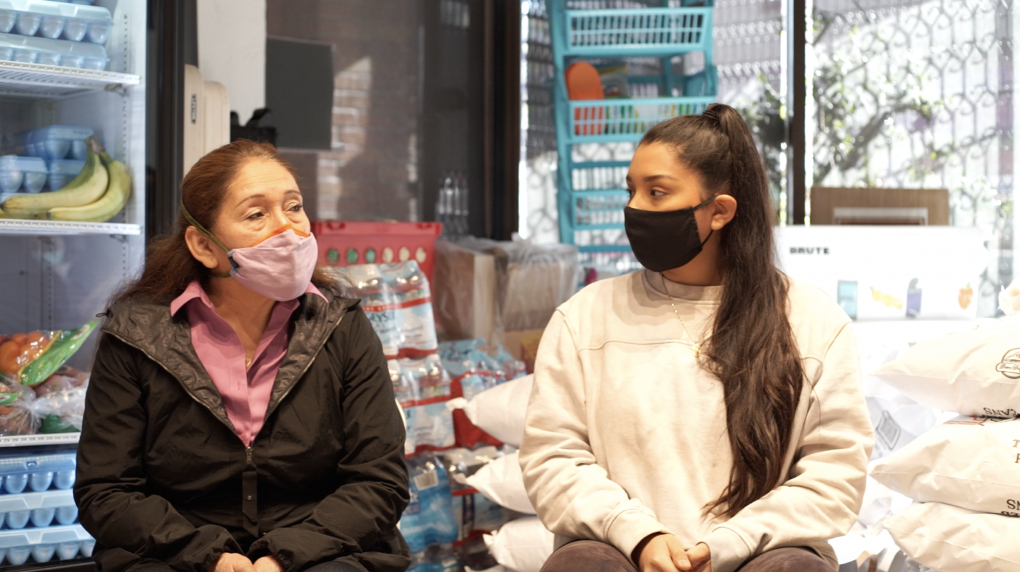
"caption": "Gabriela Alemán (right), co-founder of Mission Meals Coalition, with her mother Gabriela Ramírez. ",
"description": null,
"title": "screen_shot_2021-01-06_at_2.02.48_pm",
"credit": "Anna Vignet/KQED",
"status": "inherit",
"altTag": null,
"isLoading": false,
"fetchFailed": false
},
"news_11853358": {
"type": "attachments",
"id": "news_11853358",
"meta": {
"index": "attachments_1716263798",
"site": "news",
"id": "11853358",
"found": true
},
"parent": 11853345,
"imgSizes": {
"apple_news_ca_landscape_5_5": {
"file": "https://ww2.kqed.org/app/uploads/sites/10/2020/12/CliffHouse-1044x783.jpeg",
"width": 1044,
"mimeType": "image/jpeg",
"height": 783
},
"apple_news_ca_square_4_0": {
"file": "https://ww2.kqed.org/app/uploads/sites/10/2020/12/CliffHouse-470x470.jpeg",
"width": 470,
"mimeType": "image/jpeg",
"height": 470
},
"twentyfourteen-full-width": {
"file": "https://ww2.kqed.org/app/uploads/sites/10/2020/12/CliffHouse-1038x576.jpeg",
"width": 1038,
"mimeType": "image/jpeg",
"height": 576
},
"thumbnail": {
"file": "https://ww2.kqed.org/app/uploads/sites/10/2020/12/CliffHouse-160x120.jpeg",
"width": 160,
"mimeType": "image/jpeg",
"height": 120
},
"post-thumbnail": {
"file": "https://ww2.kqed.org/app/uploads/sites/10/2020/12/CliffHouse-672x372.jpeg",
"width": 672,
"mimeType": "image/jpeg",
"height": 372
},
"kqedFullSize": {
"file": "https://ww2.kqed.org/app/uploads/sites/10/2020/12/CliffHouse.jpeg",
"width": 2048,
"height": 1536
},
"apple_news_ca_landscape_4_7": {
"file": "https://ww2.kqed.org/app/uploads/sites/10/2020/12/CliffHouse-632x474.jpeg",
"width": 632,
"mimeType": "image/jpeg",
"height": 474
},
"large": {
"file": "https://ww2.kqed.org/app/uploads/sites/10/2020/12/CliffHouse-1020x765.jpeg",
"width": 1020,
"mimeType": "image/jpeg",
"height": 765
},
"apple_news_ca_landscape_4_0": {
"file": "https://ww2.kqed.org/app/uploads/sites/10/2020/12/CliffHouse-536x402.jpeg",
"width": 536,
"mimeType": "image/jpeg",
"height": 402
},
"apple_news_ca_portrait_12_9": {
"file": "https://ww2.kqed.org/app/uploads/sites/10/2020/12/CliffHouse-1122x1496.jpeg",
"width": 1122,
"mimeType": "image/jpeg",
"height": 1496
},
"medium": {
"file": "https://ww2.kqed.org/app/uploads/sites/10/2020/12/CliffHouse-800x600.jpeg",
"width": 800,
"mimeType": "image/jpeg",
"height": 600
},
"apple_news_ca_portrait_4_0": {
"file": "https://ww2.kqed.org/app/uploads/sites/10/2020/12/CliffHouse-354x472.jpeg",
"width": 354,
"mimeType": "image/jpeg",
"height": 472
},
"apple_news_ca_portrait_9_7": {
"file": "https://ww2.kqed.org/app/uploads/sites/10/2020/12/CliffHouse-840x1120.jpeg",
"width": 840,
"mimeType": "image/jpeg",
"height": 1120
},
"apple_news_ca_landscape_12_9": {
"file": "https://ww2.kqed.org/app/uploads/sites/10/2020/12/CliffHouse-1832x1374.jpeg",
"width": 1832,
"mimeType": "image/jpeg",
"height": 1374
},
"apple_news_ca_square_9_7": {
"file": "https://ww2.kqed.org/app/uploads/sites/10/2020/12/CliffHouse-1104x1104.jpeg",
"width": 1104,
"mimeType": "image/jpeg",
"height": 1104
},
"1536x1536": {
"file": "https://ww2.kqed.org/app/uploads/sites/10/2020/12/CliffHouse-1536x1152.jpeg",
"width": 1536,
"mimeType": "image/jpeg",
"height": 1152
},
"apple_news_ca_portrait_4_7": {
"file": "https://ww2.kqed.org/app/uploads/sites/10/2020/12/CliffHouse-414x552.jpeg",
"width": 414,
"mimeType": "image/jpeg",
"height": 552
},
"apple_news_ca_square_12_9": {
"file": "https://ww2.kqed.org/app/uploads/sites/10/2020/12/CliffHouse-1472x1472.jpeg",
"width": 1472,
"mimeType": "image/jpeg",
"height": 1472
},
"apple_news_ca_portrait_5_5": {
"file": "https://ww2.kqed.org/app/uploads/sites/10/2020/12/CliffHouse-687x916.jpeg",
"width": 687,
"mimeType": "image/jpeg",
"height": 916
},
"full-width": {
"file": "https://ww2.kqed.org/app/uploads/sites/10/2020/12/CliffHouse-1920x1440.jpeg",
"width": 1920,
"mimeType": "image/jpeg",
"height": 1440
},
"apple_news_ca_square_4_7": {
"file": "https://ww2.kqed.org/app/uploads/sites/10/2020/12/CliffHouse-550x550.jpeg",
"width": 550,
"mimeType": "image/jpeg",
"height": 550
},
"apple_news_ca_landscape_9_7": {
"file": "https://ww2.kqed.org/app/uploads/sites/10/2020/12/CliffHouse-1376x1032.jpeg",
"width": 1376,
"mimeType": "image/jpeg",
"height": 1032
},
"apple_news_ca_square_5_5": {
"file": "https://ww2.kqed.org/app/uploads/sites/10/2020/12/CliffHouse-912x912.jpeg",
"width": 912,
"mimeType": "image/jpeg",
"height": 912
}
},
"publishDate": 1609445679,
"modified": 1609454556,
"caption": "The \"C\" in the signage for the Cliff House restaurant is removed on Dec. 31, 2020.",
"description": "The \"C\" in the signage for the Cliff House restaurant is removed Thursday, December 31, 2020. ",
"title": "CliffHouse",
"credit": "Christopher Beale/KQED",
"status": "inherit",
"altTag": "\"\"",
"isLoading": false,
"fetchFailed": false
},
"news_11852085": {
"type": "attachments",
"id": "news_11852085",
"meta": {
"index": "attachments_1716263798",
"site": "news",
"id": "11852085",
"found": true
},
"parent": 11852069,
"imgSizes": {
"apple_news_ca_landscape_5_5": {
"file": "https://ww2.kqed.org/app/uploads/sites/10/2020/12/811_Marquee-1044x783.jpg",
"width": 1044,
"mimeType": "image/jpeg",
"height": 783
},
"apple_news_ca_square_4_0": {
"file": "https://ww2.kqed.org/app/uploads/sites/10/2020/12/811_Marquee-470x470.jpg",
"width": 470,
"mimeType": "image/jpeg",
"height": 470
},
"twentyfourteen-full-width": {
"file": "https://ww2.kqed.org/app/uploads/sites/10/2020/12/811_Marquee-1038x576.jpg",
"width": 1038,
"mimeType": "image/jpeg",
"height": 576
},
"thumbnail": {
"file": "https://ww2.kqed.org/app/uploads/sites/10/2020/12/811_Marquee-160x90.jpg",
"width": 160,
"mimeType": "image/jpeg",
"height": 90
},
"post-thumbnail": {
"file": "https://ww2.kqed.org/app/uploads/sites/10/2020/12/811_Marquee-672x372.jpg",
"width": 672,
"mimeType": "image/jpeg",
"height": 372
},
"kqedFullSize": {
"file": "https://ww2.kqed.org/app/uploads/sites/10/2020/12/811_Marquee.jpg",
"width": 1920,
"height": 1080
},
"apple_news_ca_landscape_4_7": {
"file": "https://ww2.kqed.org/app/uploads/sites/10/2020/12/811_Marquee-632x474.jpg",
"width": 632,
"mimeType": "image/jpeg",
"height": 474
},
"large": {
"file": "https://ww2.kqed.org/app/uploads/sites/10/2020/12/811_Marquee-1020x574.jpg",
"width": 1020,
"mimeType": "image/jpeg",
"height": 574
},
"apple_news_ca_landscape_4_0": {
"file": "https://ww2.kqed.org/app/uploads/sites/10/2020/12/811_Marquee-536x402.jpg",
"width": 536,
"mimeType": "image/jpeg",
"height": 402
},
"apple_news_ca_portrait_12_9": {
"file": "https://ww2.kqed.org/app/uploads/sites/10/2020/12/811_Marquee-1122x1080.jpg",
"width": 1122,
"mimeType": "image/jpeg",
"height": 1080
},
"medium": {
"file": "https://ww2.kqed.org/app/uploads/sites/10/2020/12/811_Marquee-800x450.jpg",
"width": 800,
"mimeType": "image/jpeg",
"height": 450
},
"apple_news_ca_portrait_4_0": {
"file": "https://ww2.kqed.org/app/uploads/sites/10/2020/12/811_Marquee-354x472.jpg",
"width": 354,
"mimeType": "image/jpeg",
"height": 472
},
"apple_news_ca_portrait_9_7": {
"file": "https://ww2.kqed.org/app/uploads/sites/10/2020/12/811_Marquee-840x1080.jpg",
"width": 840,
"mimeType": "image/jpeg",
"height": 1080
},
"apple_news_ca_landscape_12_9": {
"file": "https://ww2.kqed.org/app/uploads/sites/10/2020/12/811_Marquee-1832x1080.jpg",
"width": 1832,
"mimeType": "image/jpeg",
"height": 1080
},
"apple_news_ca_square_9_7": {
"file": "https://ww2.kqed.org/app/uploads/sites/10/2020/12/811_Marquee-1104x1080.jpg",
"width": 1104,
"mimeType": "image/jpeg",
"height": 1080
},
"1536x1536": {
"file": "https://ww2.kqed.org/app/uploads/sites/10/2020/12/811_Marquee-1536x864.jpg",
"width": 1536,
"mimeType": "image/jpeg",
"height": 864
},
"apple_news_ca_portrait_4_7": {
"file": "https://ww2.kqed.org/app/uploads/sites/10/2020/12/811_Marquee-414x552.jpg",
"width": 414,
"mimeType": "image/jpeg",
"height": 552
},
"apple_news_ca_square_12_9": {
"file": "https://ww2.kqed.org/app/uploads/sites/10/2020/12/811_Marquee-1472x1080.jpg",
"width": 1472,
"mimeType": "image/jpeg",
"height": 1080
},
"apple_news_ca_portrait_5_5": {
"file": "https://ww2.kqed.org/app/uploads/sites/10/2020/12/811_Marquee-687x916.jpg",
"width": 687,
"mimeType": "image/jpeg",
"height": 916
},
"apple_news_ca_square_4_7": {
"file": "https://ww2.kqed.org/app/uploads/sites/10/2020/12/811_Marquee-550x550.jpg",
"width": 550,
"mimeType": "image/jpeg",
"height": 550
},
"apple_news_ca_landscape_9_7": {
"file": "https://ww2.kqed.org/app/uploads/sites/10/2020/12/811_Marquee-1376x1032.jpg",
"width": 1376,
"mimeType": "image/jpeg",
"height": 1032
},
"apple_news_ca_square_5_5": {
"file": "https://ww2.kqed.org/app/uploads/sites/10/2020/12/811_Marquee-912x912.jpg",
"width": 912,
"mimeType": "image/jpeg",
"height": 912
}
},
"publishDate": 1608340445,
"modified": 1608340445,
"caption": null,
"description": null,
"title": "811_Marquee",
"credit": null,
"status": "inherit",
"altTag": null,
"isLoading": false,
"fetchFailed": false
},
"news_11849936": {
"type": "attachments",
"id": "news_11849936",
"meta": {
"index": "attachments_1716263798",
"site": "news",
"id": "11849936",
"found": true
},
"parent": 11849926,
"imgSizes": {
"apple_news_ca_landscape_5_5": {
"file": "https://ww2.kqed.org/app/uploads/sites/10/2020/12/RS46218_039_KQED_SanFrancisco_IndiaFarmerProtest_12052020-qut-1044x783.jpg",
"width": 1044,
"mimeType": "image/jpeg",
"height": 783
},
"apple_news_ca_square_4_0": {
"file": "https://ww2.kqed.org/app/uploads/sites/10/2020/12/RS46218_039_KQED_SanFrancisco_IndiaFarmerProtest_12052020-qut-470x470.jpg",
"width": 470,
"mimeType": "image/jpeg",
"height": 470
},
"twentyfourteen-full-width": {
"file": "https://ww2.kqed.org/app/uploads/sites/10/2020/12/RS46218_039_KQED_SanFrancisco_IndiaFarmerProtest_12052020-qut-1038x576.jpg",
"width": 1038,
"mimeType": "image/jpeg",
"height": 576
},
"thumbnail": {
"file": "https://ww2.kqed.org/app/uploads/sites/10/2020/12/RS46218_039_KQED_SanFrancisco_IndiaFarmerProtest_12052020-qut-160x107.jpg",
"width": 160,
"mimeType": "image/jpeg",
"height": 107
},
"post-thumbnail": {
"file": "https://ww2.kqed.org/app/uploads/sites/10/2020/12/RS46218_039_KQED_SanFrancisco_IndiaFarmerProtest_12052020-qut-672x372.jpg",
"width": 672,
"mimeType": "image/jpeg",
"height": 372
},
"kqedFullSize": {
"file": "https://ww2.kqed.org/app/uploads/sites/10/2020/12/RS46218_039_KQED_SanFrancisco_IndiaFarmerProtest_12052020-qut.jpg",
"width": 1920,
"height": 1280
},
"apple_news_ca_landscape_4_7": {
"file": "https://ww2.kqed.org/app/uploads/sites/10/2020/12/RS46218_039_KQED_SanFrancisco_IndiaFarmerProtest_12052020-qut-632x474.jpg",
"width": 632,
"mimeType": "image/jpeg",
"height": 474
},
"large": {
"file": "https://ww2.kqed.org/app/uploads/sites/10/2020/12/RS46218_039_KQED_SanFrancisco_IndiaFarmerProtest_12052020-qut-1020x680.jpg",
"width": 1020,
"mimeType": "image/jpeg",
"height": 680
},
"apple_news_ca_landscape_4_0": {
"file": "https://ww2.kqed.org/app/uploads/sites/10/2020/12/RS46218_039_KQED_SanFrancisco_IndiaFarmerProtest_12052020-qut-536x402.jpg",
"width": 536,
"mimeType": "image/jpeg",
"height": 402
},
"apple_news_ca_portrait_12_9": {
"file": "https://ww2.kqed.org/app/uploads/sites/10/2020/12/RS46218_039_KQED_SanFrancisco_IndiaFarmerProtest_12052020-qut-1122x1280.jpg",
"width": 1122,
"mimeType": "image/jpeg",
"height": 1280
},
"medium": {
"file": "https://ww2.kqed.org/app/uploads/sites/10/2020/12/RS46218_039_KQED_SanFrancisco_IndiaFarmerProtest_12052020-qut-800x533.jpg",
"width": 800,
"mimeType": "image/jpeg",
"height": 533
},
"apple_news_ca_portrait_4_0": {
"file": "https://ww2.kqed.org/app/uploads/sites/10/2020/12/RS46218_039_KQED_SanFrancisco_IndiaFarmerProtest_12052020-qut-354x472.jpg",
"width": 354,
"mimeType": "image/jpeg",
"height": 472
},
"apple_news_ca_portrait_9_7": {
"file": "https://ww2.kqed.org/app/uploads/sites/10/2020/12/RS46218_039_KQED_SanFrancisco_IndiaFarmerProtest_12052020-qut-840x1120.jpg",
"width": 840,
"mimeType": "image/jpeg",
"height": 1120
},
"apple_news_ca_landscape_12_9": {
"file": "https://ww2.kqed.org/app/uploads/sites/10/2020/12/RS46218_039_KQED_SanFrancisco_IndiaFarmerProtest_12052020-qut-1832x1280.jpg",
"width": 1832,
"mimeType": "image/jpeg",
"height": 1280
},
"apple_news_ca_square_9_7": {
"file": "https://ww2.kqed.org/app/uploads/sites/10/2020/12/RS46218_039_KQED_SanFrancisco_IndiaFarmerProtest_12052020-qut-1104x1104.jpg",
"width": 1104,
"mimeType": "image/jpeg",
"height": 1104
},
"1536x1536": {
"file": "https://ww2.kqed.org/app/uploads/sites/10/2020/12/RS46218_039_KQED_SanFrancisco_IndiaFarmerProtest_12052020-qut-1536x1024.jpg",
"width": 1536,
"mimeType": "image/jpeg",
"height": 1024
},
"apple_news_ca_portrait_4_7": {
"file": "https://ww2.kqed.org/app/uploads/sites/10/2020/12/RS46218_039_KQED_SanFrancisco_IndiaFarmerProtest_12052020-qut-414x552.jpg",
"width": 414,
"mimeType": "image/jpeg",
"height": 552
},
"apple_news_ca_square_12_9": {
"file": "https://ww2.kqed.org/app/uploads/sites/10/2020/12/RS46218_039_KQED_SanFrancisco_IndiaFarmerProtest_12052020-qut-1472x1280.jpg",
"width": 1472,
"mimeType": "image/jpeg",
"height": 1280
},
"apple_news_ca_portrait_5_5": {
"file": "https://ww2.kqed.org/app/uploads/sites/10/2020/12/RS46218_039_KQED_SanFrancisco_IndiaFarmerProtest_12052020-qut-687x916.jpg",
"width": 687,
"mimeType": "image/jpeg",
"height": 916
},
"apple_news_ca_square_4_7": {
"file": "https://ww2.kqed.org/app/uploads/sites/10/2020/12/RS46218_039_KQED_SanFrancisco_IndiaFarmerProtest_12052020-qut-550x550.jpg",
"width": 550,
"mimeType": "image/jpeg",
"height": 550
},
"apple_news_ca_landscape_9_7": {
"file": "https://ww2.kqed.org/app/uploads/sites/10/2020/12/RS46218_039_KQED_SanFrancisco_IndiaFarmerProtest_12052020-qut-1376x1032.jpg",
"width": 1376,
"mimeType": "image/jpeg",
"height": 1032
},
"apple_news_ca_square_5_5": {
"file": "https://ww2.kqed.org/app/uploads/sites/10/2020/12/RS46218_039_KQED_SanFrancisco_IndiaFarmerProtest_12052020-qut-912x912.jpg",
"width": 912,
"mimeType": "image/jpeg",
"height": 912
}
},
"publishDate": 1607279764,
"modified": 1607279951,
"caption": "A John Deere tractor is driven in to a rally in support of the farmer protest in India outside of the Consulate General of India in San Francisco on Dec. 5, 2020.",
"description": null,
"title": "RS46218_039_KQED_SanFrancisco_IndiaFarmerProtest_12052020-qut",
"credit": "Beth LaBerge/KQED",
"status": "inherit",
"altTag": null,
"isLoading": false,
"fetchFailed": false
},
"news_11849266": {
"type": "attachments",
"id": "news_11849266",
"meta": {
"index": "attachments_1716263798",
"site": "news",
"id": "11849266",
"found": true
},
"parent": 11849224,
"imgSizes": {
"apple_news_ca_square_4_0": {
"file": "https://ww2.kqed.org/app/uploads/sites/10/2020/12/GettyImages-1217248516-470x470.jpg",
"width": 470,
"mimeType": "image/jpeg",
"height": 470
},
"twentyfourteen-full-width": {
"file": "https://ww2.kqed.org/app/uploads/sites/10/2020/12/GettyImages-1217248516-1024x576.jpg",
"width": 1024,
"mimeType": "image/jpeg",
"height": 576
},
"thumbnail": {
"file": "https://ww2.kqed.org/app/uploads/sites/10/2020/12/GettyImages-1217248516-160x105.jpg",
"width": 160,
"mimeType": "image/jpeg",
"height": 105
},
"post-thumbnail": {
"file": "https://ww2.kqed.org/app/uploads/sites/10/2020/12/GettyImages-1217248516-672x372.jpg",
"width": 672,
"mimeType": "image/jpeg",
"height": 372
},
"kqedFullSize": {
"file": "https://ww2.kqed.org/app/uploads/sites/10/2020/12/GettyImages-1217248516.jpg",
"width": 1024,
"height": 674
},
"apple_news_ca_landscape_4_7": {
"file": "https://ww2.kqed.org/app/uploads/sites/10/2020/12/GettyImages-1217248516-632x474.jpg",
"width": 632,
"mimeType": "image/jpeg",
"height": 474
},
"large": {
"file": "https://ww2.kqed.org/app/uploads/sites/10/2020/12/GettyImages-1217248516-1020x671.jpg",
"width": 1020,
"mimeType": "image/jpeg",
"height": 671
},
"apple_news_ca_landscape_4_0": {
"file": "https://ww2.kqed.org/app/uploads/sites/10/2020/12/GettyImages-1217248516-536x402.jpg",
"width": 536,
"mimeType": "image/jpeg",
"height": 402
},
"medium": {
"file": "https://ww2.kqed.org/app/uploads/sites/10/2020/12/GettyImages-1217248516-800x527.jpg",
"width": 800,
"mimeType": "image/jpeg",
"height": 527
},
"apple_news_ca_portrait_4_0": {
"file": "https://ww2.kqed.org/app/uploads/sites/10/2020/12/GettyImages-1217248516-354x472.jpg",
"width": 354,
"mimeType": "image/jpeg",
"height": 472
},
"apple_news_ca_portrait_9_7": {
"file": "https://ww2.kqed.org/app/uploads/sites/10/2020/12/GettyImages-1217248516-840x674.jpg",
"width": 840,
"mimeType": "image/jpeg",
"height": 674
},
"apple_news_ca_portrait_4_7": {
"file": "https://ww2.kqed.org/app/uploads/sites/10/2020/12/GettyImages-1217248516-414x552.jpg",
"width": 414,
"mimeType": "image/jpeg",
"height": 552
},
"apple_news_ca_portrait_5_5": {
"file": "https://ww2.kqed.org/app/uploads/sites/10/2020/12/GettyImages-1217248516-687x674.jpg",
"width": 687,
"mimeType": "image/jpeg",
"height": 674
},
"apple_news_ca_square_4_7": {
"file": "https://ww2.kqed.org/app/uploads/sites/10/2020/12/GettyImages-1217248516-550x550.jpg",
"width": 550,
"mimeType": "image/jpeg",
"height": 550
},
"apple_news_ca_square_5_5": {
"file": "https://ww2.kqed.org/app/uploads/sites/10/2020/12/GettyImages-1217248516-912x674.jpg",
"width": 912,
"mimeType": "image/jpeg",
"height": 674
}
},
"publishDate": 1606865699,
"modified": 1606870424,
"caption": "A masked passenger waits for a San Francisco Muni bus on April 6, 2020 in the early days of the COVID-19 pandemic.",
"description": "A masked passenger waits for a San Francisco MUNI bus on April 6, 2020, in the early days of the COVID-19 pandemic.",
"title": "San Francisco's Muni To Cut Majority Of Service During Coronavirus Shutdown",
"credit": "Justin Sullivan/Getty Images",
"status": "inherit",
"isLoading": false,
"fetchFailed": false
},
"news_125051": {
"type": "attachments",
"id": "news_125051",
"meta": {
"index": "attachments_1716263798",
"site": "news",
"id": "125051",
"found": true
},
"parent": 124594,
"imgSizes": {
"kqedFullSize": {
"file": "https://ww2.kqed.org/app/uploads/sites/10/2014/01/RS8504_Kelly-4-2000.jpg",
"width": 1548,
"height": 1017
}
},
"publishDate": 1391212049,
"modified": 1606787892,
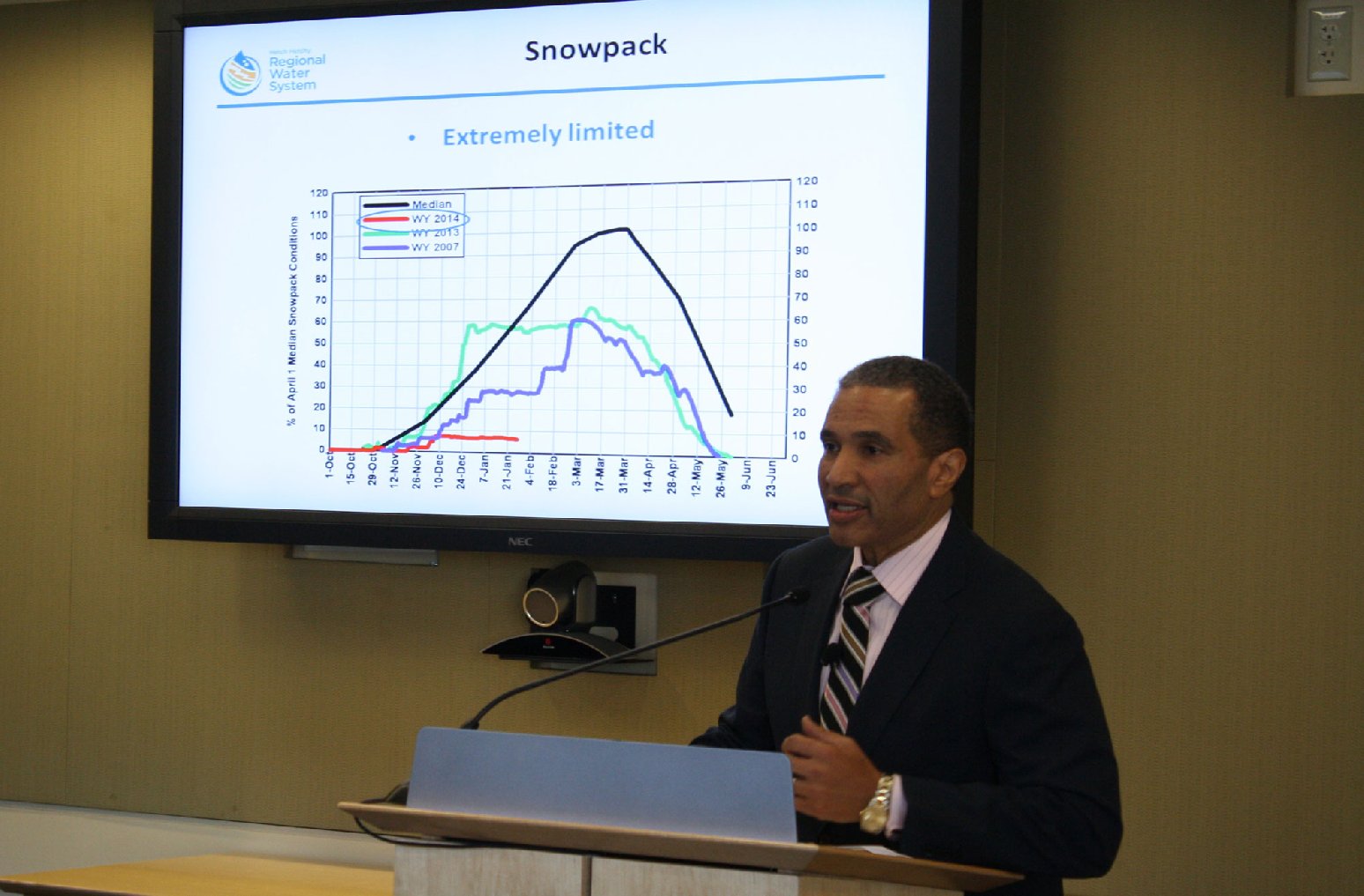
"caption": "San Francisco Public Utilities Commission General Manager Harlan Kelly announces a voluntary 10 percent cutback in water usage for Hetch Hetchy customers on Jan. 31, 2014.",
"description": "San Francisco Public Utilities Commission General Manager Harlan Kelly announces a voluntary 10 percent cutback in water usage for Hetch Hetchy customers on Jan. 31, 2014.",
"title": "RS8504_Kelly-4-2000",
"credit": "Alex Emslie/KQED",
"status": "inherit",
"isLoading": false,
"fetchFailed": false
},
"news_11849064": {
"type": "attachments",
"id": "news_11849064",
"meta": {
"index": "attachments_1716263798",
"site": "news",
"id": "11849064",
"found": true
},
"parent": 11849028,
"imgSizes": {
"apple_news_ca_landscape_5_5": {
"file": "https://ww2.kqed.org/app/uploads/sites/10/2020/11/SF-Muni-yard-buses-1044x783.jpg",
"width": 1044,
"mimeType": "image/jpeg",
"height": 783
},
"apple_news_ca_square_4_0": {
"file": "https://ww2.kqed.org/app/uploads/sites/10/2020/11/SF-Muni-yard-buses-470x470.jpg",
"width": 470,
"mimeType": "image/jpeg",
"height": 470
},
"twentyfourteen-full-width": {
"file": "https://ww2.kqed.org/app/uploads/sites/10/2020/11/SF-Muni-yard-buses-1038x576.jpg",
"width": 1038,
"mimeType": "image/jpeg",
"height": 576
},
"thumbnail": {
"file": "https://ww2.kqed.org/app/uploads/sites/10/2020/11/SF-Muni-yard-buses-160x107.jpg",
"width": 160,
"mimeType": "image/jpeg",
"height": 107
},
"post-thumbnail": {
"file": "https://ww2.kqed.org/app/uploads/sites/10/2020/11/SF-Muni-yard-buses-672x372.jpg",
"width": 672,
"mimeType": "image/jpeg",
"height": 372
},
"kqedFullSize": {
"file": "https://ww2.kqed.org/app/uploads/sites/10/2020/11/SF-Muni-yard-buses.jpg",
"width": 1920,
"height": 1280
},
"apple_news_ca_landscape_4_7": {
"file": "https://ww2.kqed.org/app/uploads/sites/10/2020/11/SF-Muni-yard-buses-632x474.jpg",
"width": 632,
"mimeType": "image/jpeg",
"height": 474
},
"large": {
"file": "https://ww2.kqed.org/app/uploads/sites/10/2020/11/SF-Muni-yard-buses-1020x680.jpg",
"width": 1020,
"mimeType": "image/jpeg",
"height": 680
},
"apple_news_ca_landscape_4_0": {
"file": "https://ww2.kqed.org/app/uploads/sites/10/2020/11/SF-Muni-yard-buses-536x402.jpg",
"width": 536,
"mimeType": "image/jpeg",
"height": 402
},
"apple_news_ca_portrait_12_9": {
"file": "https://ww2.kqed.org/app/uploads/sites/10/2020/11/SF-Muni-yard-buses-1122x1280.jpg",
"width": 1122,
"mimeType": "image/jpeg",
"height": 1280
},
"medium": {
"file": "https://ww2.kqed.org/app/uploads/sites/10/2020/11/SF-Muni-yard-buses-800x533.jpg",
"width": 800,
"mimeType": "image/jpeg",
"height": 533
},
"apple_news_ca_portrait_4_0": {
"file": "https://ww2.kqed.org/app/uploads/sites/10/2020/11/SF-Muni-yard-buses-354x472.jpg",
"width": 354,
"mimeType": "image/jpeg",
"height": 472
},
"apple_news_ca_portrait_9_7": {
"file": "https://ww2.kqed.org/app/uploads/sites/10/2020/11/SF-Muni-yard-buses-840x1120.jpg",
"width": 840,
"mimeType": "image/jpeg",
"height": 1120
},
"apple_news_ca_landscape_12_9": {
"file": "https://ww2.kqed.org/app/uploads/sites/10/2020/11/SF-Muni-yard-buses-1832x1280.jpg",
"width": 1832,
"mimeType": "image/jpeg",
"height": 1280
},
"apple_news_ca_square_9_7": {
"file": "https://ww2.kqed.org/app/uploads/sites/10/2020/11/SF-Muni-yard-buses-1104x1104.jpg",
"width": 1104,
"mimeType": "image/jpeg",
"height": 1104
},
"1536x1536": {
"file": "https://ww2.kqed.org/app/uploads/sites/10/2020/11/SF-Muni-yard-buses-1536x1024.jpg",
"width": 1536,
"mimeType": "image/jpeg",
"height": 1024
},
"apple_news_ca_portrait_4_7": {
"file": "https://ww2.kqed.org/app/uploads/sites/10/2020/11/SF-Muni-yard-buses-414x552.jpg",
"width": 414,
"mimeType": "image/jpeg",
"height": 552
},
"apple_news_ca_square_12_9": {
"file": "https://ww2.kqed.org/app/uploads/sites/10/2020/11/SF-Muni-yard-buses-1472x1280.jpg",
"width": 1472,
"mimeType": "image/jpeg",
"height": 1280
},
"apple_news_ca_portrait_5_5": {
"file": "https://ww2.kqed.org/app/uploads/sites/10/2020/11/SF-Muni-yard-buses-687x916.jpg",
"width": 687,
"mimeType": "image/jpeg",
"height": 916
},
"apple_news_ca_square_4_7": {
"file": "https://ww2.kqed.org/app/uploads/sites/10/2020/11/SF-Muni-yard-buses-550x550.jpg",
"width": 550,
"mimeType": "image/jpeg",
"height": 550
},
"apple_news_ca_landscape_9_7": {
"file": "https://ww2.kqed.org/app/uploads/sites/10/2020/11/SF-Muni-yard-buses-1376x1032.jpg",
"width": 1376,
"mimeType": "image/jpeg",
"height": 1032
},
"apple_news_ca_square_5_5": {
"file": "https://ww2.kqed.org/app/uploads/sites/10/2020/11/SF-Muni-yard-buses-912x912.jpg",
"width": 912,
"mimeType": "image/jpeg",
"height": 912
}
},
"publishDate": 1606776060,
"modified": 1606783058,
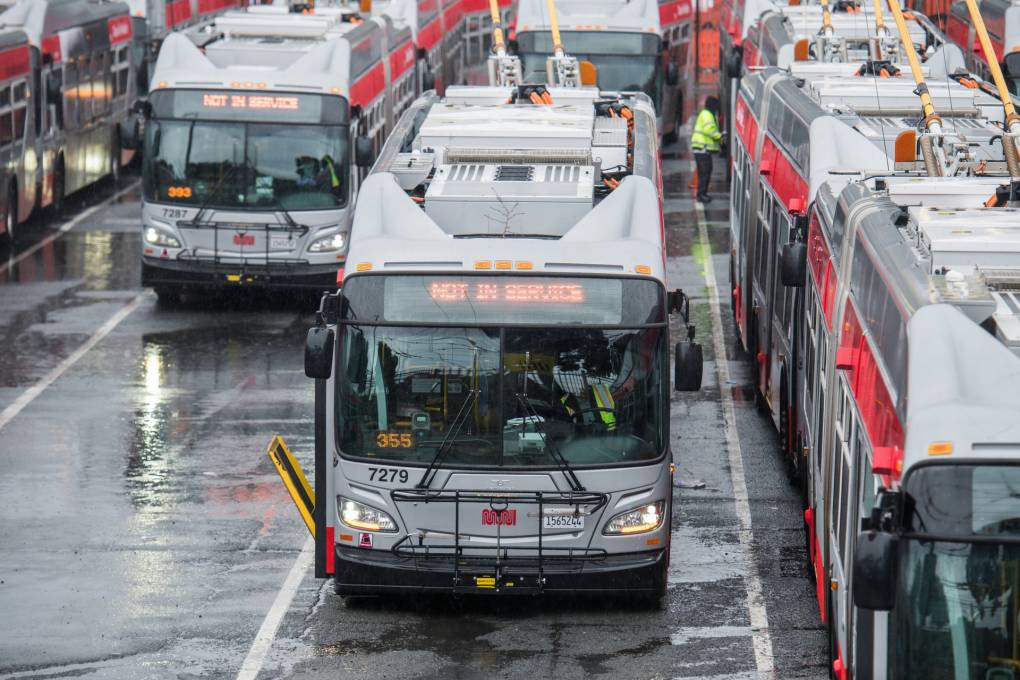
"caption": "San Francisco Muni buses sit at a bus yard on Bryant and Mariposa streets in April 2020.",
"description": "SF Muni buses sit at a bus yard on Bryant and Mariposa streets in April, 2020.",
"title": "SF-Muni-yard-buses",
"credit": "Beth LaBerge/KQED",
"status": "inherit",
"isLoading": false,
"fetchFailed": false
},
"news_11849017": {
"type": "attachments",
"id": "news_11849017",
"meta": {
"index": "attachments_1716263798",
"site": "news",
"id": "11849017",
"found": true
},
"parent": 11848861,
"imgSizes": {
"apple_news_ca_landscape_5_5": {
"file": "https://ww2.kqed.org/app/uploads/sites/10/2020/11/IMG_8771-1044x783.jpg",
"width": 1044,
"mimeType": "image/jpeg",
"height": 783
},
"apple_news_ca_square_4_0": {
"file": "https://ww2.kqed.org/app/uploads/sites/10/2020/11/IMG_8771-470x470.jpg",
"width": 470,
"mimeType": "image/jpeg",
"height": 470
},
"twentyfourteen-full-width": {
"file": "https://ww2.kqed.org/app/uploads/sites/10/2020/11/IMG_8771-1038x576.jpg",
"width": 1038,
"mimeType": "image/jpeg",
"height": 576
},
"thumbnail": {
"file": "https://ww2.kqed.org/app/uploads/sites/10/2020/11/IMG_8771-160x213.jpg",
"width": 160,
"mimeType": "image/jpeg",
"height": 213
},
"post-thumbnail": {
"file": "https://ww2.kqed.org/app/uploads/sites/10/2020/11/IMG_8771-672x372.jpg",
"width": 672,
"mimeType": "image/jpeg",
"height": 372
},
"kqedFullSize": {
"file": "https://ww2.kqed.org/app/uploads/sites/10/2020/11/IMG_8771.jpg",
"width": 1512,
"height": 2016
},
"apple_news_ca_landscape_4_7": {
"file": "https://ww2.kqed.org/app/uploads/sites/10/2020/11/IMG_8771-632x474.jpg",
"width": 632,
"mimeType": "image/jpeg",
"height": 474
},
"large": {
"file": "https://ww2.kqed.org/app/uploads/sites/10/2020/11/IMG_8771-1020x1360.jpg",
"width": 1020,
"mimeType": "image/jpeg",
"height": 1360
},
"apple_news_ca_landscape_4_0": {
"file": "https://ww2.kqed.org/app/uploads/sites/10/2020/11/IMG_8771-536x402.jpg",
"width": 536,
"mimeType": "image/jpeg",
"height": 402
},
"apple_news_ca_portrait_12_9": {
"file": "https://ww2.kqed.org/app/uploads/sites/10/2020/11/IMG_8771-1122x1496.jpg",
"width": 1122,
"mimeType": "image/jpeg",
"height": 1496
},
"medium": {
"file": "https://ww2.kqed.org/app/uploads/sites/10/2020/11/IMG_8771-800x1067.jpg",
"width": 800,
"mimeType": "image/jpeg",
"height": 1067
},
"apple_news_ca_portrait_4_0": {
"file": "https://ww2.kqed.org/app/uploads/sites/10/2020/11/IMG_8771-354x472.jpg",
"width": 354,
"mimeType": "image/jpeg",
"height": 472
},
"apple_news_ca_portrait_9_7": {
"file": "https://ww2.kqed.org/app/uploads/sites/10/2020/11/IMG_8771-840x1120.jpg",
"width": 840,
"mimeType": "image/jpeg",
"height": 1120
},
"apple_news_ca_landscape_12_9": {
"file": "https://ww2.kqed.org/app/uploads/sites/10/2020/11/IMG_8771-1512x1374.jpg",
"width": 1512,
"mimeType": "image/jpeg",
"height": 1374
},
"apple_news_ca_square_9_7": {
"file": "https://ww2.kqed.org/app/uploads/sites/10/2020/11/IMG_8771-1104x1104.jpg",
"width": 1104,
"mimeType": "image/jpeg",
"height": 1104
},
"1536x1536": {
"file": "https://ww2.kqed.org/app/uploads/sites/10/2020/11/IMG_8771-1152x1536.jpg",
"width": 1152,
"mimeType": "image/jpeg",
"height": 1536
},
"apple_news_ca_portrait_4_7": {
"file": "https://ww2.kqed.org/app/uploads/sites/10/2020/11/IMG_8771-414x552.jpg",
"width": 414,
"mimeType": "image/jpeg",
"height": 552
},
"apple_news_ca_square_12_9": {
"file": "https://ww2.kqed.org/app/uploads/sites/10/2020/11/IMG_8771-1472x1472.jpg",
"width": 1472,
"mimeType": "image/jpeg",
"height": 1472
},
"apple_news_ca_portrait_5_5": {
"file": "https://ww2.kqed.org/app/uploads/sites/10/2020/11/IMG_8771-687x916.jpg",
"width": 687,
"mimeType": "image/jpeg",
"height": 916
},
"apple_news_ca_square_4_7": {
"file": "https://ww2.kqed.org/app/uploads/sites/10/2020/11/IMG_8771-550x550.jpg",
"width": 550,
"mimeType": "image/jpeg",
"height": 550
},
"apple_news_ca_landscape_9_7": {
"file": "https://ww2.kqed.org/app/uploads/sites/10/2020/11/IMG_8771-1376x1032.jpg",
"width": 1376,
"mimeType": "image/jpeg",
"height": 1032
},
"apple_news_ca_square_5_5": {
"file": "https://ww2.kqed.org/app/uploads/sites/10/2020/11/IMG_8771-912x912.jpg",
"width": 912,
"mimeType": "image/jpeg",
"height": 912
}
},
"publishDate": 1606752604,
"modified": 1606752633,
"caption": "Courtesy of Shakirah Simley ",
"description": null,
"title": "IMG_8771",
"credit": null,
"status": "inherit",
"isLoading": false,
"fetchFailed": false
},
"news_11848715": {
"type": "attachments",
"id": "news_11848715",
"meta": {
"index": "attachments_1716263798",
"site": "news",
"id": "11848715",
"found": true
},
"parent": 11848646,
"imgSizes": {
"apple_news_ca_landscape_5_5": {
"file": "https://ww2.kqed.org/app/uploads/sites/10/2020/11/SF-COVID-closed-sign-1044x783.jpg",
"width": 1044,
"mimeType": "image/jpeg",
"height": 783
},
"apple_news_ca_square_4_0": {
"file": "https://ww2.kqed.org/app/uploads/sites/10/2020/11/SF-COVID-closed-sign-470x470.jpg",
"width": 470,
"mimeType": "image/jpeg",
"height": 470
},
"twentyfourteen-full-width": {
"file": "https://ww2.kqed.org/app/uploads/sites/10/2020/11/SF-COVID-closed-sign-1038x576.jpg",
"width": 1038,
"mimeType": "image/jpeg",
"height": 576
},
"thumbnail": {
"file": "https://ww2.kqed.org/app/uploads/sites/10/2020/11/SF-COVID-closed-sign-160x107.jpg",
"width": 160,
"mimeType": "image/jpeg",
"height": 107
},
"post-thumbnail": {
"file": "https://ww2.kqed.org/app/uploads/sites/10/2020/11/SF-COVID-closed-sign-672x372.jpg",
"width": 672,
"mimeType": "image/jpeg",
"height": 372
},
"kqedFullSize": {
"file": "https://ww2.kqed.org/app/uploads/sites/10/2020/11/SF-COVID-closed-sign.jpg",
"width": 1920,
"height": 1280
},
"apple_news_ca_landscape_4_7": {
"file": "https://ww2.kqed.org/app/uploads/sites/10/2020/11/SF-COVID-closed-sign-632x474.jpg",
"width": 632,
"mimeType": "image/jpeg",
"height": 474
},
"large": {
"file": "https://ww2.kqed.org/app/uploads/sites/10/2020/11/SF-COVID-closed-sign-1020x680.jpg",
"width": 1020,
"mimeType": "image/jpeg",
"height": 680
},
"apple_news_ca_landscape_4_0": {
"file": "https://ww2.kqed.org/app/uploads/sites/10/2020/11/SF-COVID-closed-sign-536x402.jpg",
"width": 536,
"mimeType": "image/jpeg",
"height": 402
},
"apple_news_ca_portrait_12_9": {
"file": "https://ww2.kqed.org/app/uploads/sites/10/2020/11/SF-COVID-closed-sign-1122x1280.jpg",
"width": 1122,
"mimeType": "image/jpeg",
"height": 1280
},
"medium": {
"file": "https://ww2.kqed.org/app/uploads/sites/10/2020/11/SF-COVID-closed-sign-800x533.jpg",
"width": 800,
"mimeType": "image/jpeg",
"height": 533
},
"apple_news_ca_portrait_4_0": {
"file": "https://ww2.kqed.org/app/uploads/sites/10/2020/11/SF-COVID-closed-sign-354x472.jpg",
"width": 354,
"mimeType": "image/jpeg",
"height": 472
},
"apple_news_ca_portrait_9_7": {
"file": "https://ww2.kqed.org/app/uploads/sites/10/2020/11/SF-COVID-closed-sign-840x1120.jpg",
"width": 840,
"mimeType": "image/jpeg",
"height": 1120
},
"apple_news_ca_landscape_12_9": {
"file": "https://ww2.kqed.org/app/uploads/sites/10/2020/11/SF-COVID-closed-sign-1832x1280.jpg",
"width": 1832,
"mimeType": "image/jpeg",
"height": 1280
},
"apple_news_ca_square_9_7": {
"file": "https://ww2.kqed.org/app/uploads/sites/10/2020/11/SF-COVID-closed-sign-1104x1104.jpg",
"width": 1104,
"mimeType": "image/jpeg",
"height": 1104
},
"1536x1536": {
"file": "https://ww2.kqed.org/app/uploads/sites/10/2020/11/SF-COVID-closed-sign-1536x1024.jpg",
"width": 1536,
"mimeType": "image/jpeg",
"height": 1024
},
"apple_news_ca_portrait_4_7": {
"file": "https://ww2.kqed.org/app/uploads/sites/10/2020/11/SF-COVID-closed-sign-414x552.jpg",
"width": 414,
"mimeType": "image/jpeg",
"height": 552
},
"apple_news_ca_square_12_9": {
"file": "https://ww2.kqed.org/app/uploads/sites/10/2020/11/SF-COVID-closed-sign-1472x1280.jpg",
"width": 1472,
"mimeType": "image/jpeg",
"height": 1280
},
"apple_news_ca_portrait_5_5": {
"file": "https://ww2.kqed.org/app/uploads/sites/10/2020/11/SF-COVID-closed-sign-687x916.jpg",
"width": 687,
"mimeType": "image/jpeg",
"height": 916
},
"apple_news_ca_square_4_7": {
"file": "https://ww2.kqed.org/app/uploads/sites/10/2020/11/SF-COVID-closed-sign-550x550.jpg",
"width": 550,
"mimeType": "image/jpeg",
"height": 550
},
"apple_news_ca_landscape_9_7": {
"file": "https://ww2.kqed.org/app/uploads/sites/10/2020/11/SF-COVID-closed-sign-1376x1032.jpg",
"width": 1376,
"mimeType": "image/jpeg",
"height": 1032
},
"apple_news_ca_square_5_5": {
"file": "https://ww2.kqed.org/app/uploads/sites/10/2020/11/SF-COVID-closed-sign-912x912.jpg",
"width": 912,
"mimeType": "image/jpeg",
"height": 912
}
},
"publishDate": 1606262899,
"modified": 1606268133,
"caption": "A pedestrian passes a 'Closed due to COVID-19' sign in San Francisco in March.",
"description": "A pedestrian passes a 'Closed due to COVID-19' sign in San Francisco in March.",
"title": "SF-COVID-closed-sign",
"credit": "Justin Sullivan/Getty Images",
"status": "inherit",
"isLoading": false,
"fetchFailed": false
}
},
"audioPlayerReducer": {
"postId": "stream_live",
"isPaused": true,
"isPlaying": false,
"pfsActive": false,
"pledgeModalIsOpen": true,
"playerDrawerIsOpen": false,
"liveAudioPlayStartedAt": 0,
"liveAudioPlayContext": ""
},
"authorsReducer": {
"byline_news_11857527": {
"type": "authors",
"id": "byline_news_11857527",
"meta": {
"override": true
},
"slug": "byline_news_11857527",
"name": "Merrit Kennedy",
"isLoading": false
},
"danbrekke": {
"type": "authors",
"id": "222",
"meta": {
"index": "authors_1716337520",
"id": "222",
"found": true
},
"name": "Dan Brekke",
"firstName": "Dan",
"lastName": "Brekke",
"slug": "danbrekke",
"email": "dbrekke@kqed.org",
"display_author_email": true,
"staff_mastheads": [
"news",
"science"
],
"title": "KQED Editor and Reporter",
"bio": "Dan Brekke is a reporter and editor for KQED News, responsible for coverage of topics ranging from California water issues to the Bay Area's transportation challenges. In a newsroom career that began in Chicago in 1972, Dan has worked for \u003cem>The San Francisco Examiner,\u003c/em> Wired and TechTV and has been published in The New York Times, The New York Times Magazine, Business 2.0, Salon and elsewhere.\r\n\r\nSince joining KQED in 2007, Dan has reported, edited and produced both radio and online features and breaking news pieces. He has shared as both editor and reporter in four Society of Professional Journalists Norcal Excellence in Journalism awards and one Edward R. Murrow regional award. He was chosen for a spring 2017 residency at the Mesa Refuge to advance his research on California salmon.\r\n\r\nEmail Dan at: \u003ca href=\"mailto:dbrekke@kqed.org\">dbrekke@kqed.org\u003c/a>\r\n\r\n\u003cstrong>Twitter:\u003c/strong> \u003ca href=\"https://twitter.com/danbrekke\" rel=\"noopener noreferrer\">twitter.com/danbrekke\u003c/a>\r\n\u003cstrong>Facebook:\u003c/strong> \u003ca href=\"https://www.facebook.com/danbrekke\" rel=\"noopener noreferrer\">www.facebook.com/danbrekke\u003c/a>\r\n\u003cstrong>LinkedIn:\u003c/strong> \u003ca href=\"https://www.linkedin.com/in/danbrekke\" rel=\"noopener noreferrer\">www.linkedin.com/in/danbrekke\u003c/a>",
"avatar": "https://secure.gravatar.com/avatar/c8126230345efca3f7aa89b1a402be45?s=600&d=mm&r=g",
"twitter": "danbrekke",
"facebook": null,
"instagram": "https://www.instagram.com/dan.brekke/",
"linkedin": "https://www.linkedin.com/in/danbrekke/",
"sites": [
{
"site": "news",
"roles": [
"administrator",
"create_posts"
]
},
{
"site": "stateofhealth",
"roles": [
"editor"
]
},
{
"site": "science",
"roles": [
"editor"
]
},
{
"site": "quest",
"roles": [
"contributor"
]
},
{
"site": "food",
"roles": [
"contributor"
]
},
{
"site": "forum",
"roles": [
"contributor"
]
},
{
"site": "liveblog",
"roles": [
"editor"
]
}
],
"headData": {
"title": "Dan Brekke | KQED",
"description": "KQED Editor and Reporter",
"ogImgSrc": "https://secure.gravatar.com/avatar/c8126230345efca3f7aa89b1a402be45?s=600&d=mm&r=g",
"twImgSrc": "https://secure.gravatar.com/avatar/c8126230345efca3f7aa89b1a402be45?s=600&d=mm&r=g"
},
"isLoading": false,
"link": "/author/danbrekke"
},
"kqed": {
"type": "authors",
"id": "236",
"meta": {
"index": "authors_1716337520",
"id": "236",
"found": true
},
"name": "KQED News Staff",
"firstName": "KQED News Staff",
"lastName": null,
"slug": "kqed",
"email": "faq@kqed.org",
"display_author_email": false,
"staff_mastheads": [],
"title": null,
"bio": null,
"avatar": "https://secure.gravatar.com/avatar/ef0e801a68c4c54afa9180db14084167?s=600&d=blank&r=g",
"twitter": null,
"facebook": null,
"instagram": null,
"linkedin": null,
"sites": [
{
"site": "arts",
"roles": [
"contributor"
]
},
{
"site": "news",
"roles": [
"editor"
]
},
{
"site": "futureofyou",
"roles": [
"author"
]
}
],
"headData": {
"title": "KQED News Staff | KQED",
"description": null,
"ogImgSrc": "https://secure.gravatar.com/avatar/ef0e801a68c4c54afa9180db14084167?s=600&d=blank&r=g",
"twImgSrc": "https://secure.gravatar.com/avatar/ef0e801a68c4c54afa9180db14084167?s=600&d=blank&r=g"
},
"isLoading": false,
"link": "/author/kqed"
},
"sasha-khokha": {
"type": "authors",
"id": "254",
"meta": {
"index": "authors_1716337520",
"id": "254",
"found": true
},
"name": "Sasha Khokha",
"firstName": "Sasha",
"lastName": "Khokha",
"slug": "sasha-khokha",
"email": "skhokha@kqed.org",
"display_author_email": true,
"staff_mastheads": [
"news"
],
"title": "Host, The California Report Magazine",
"bio": "Sasha Khokha is the host of \u003cem>The California Report's \u003c/em> weekly magazine program, which takes listeners on sound-rich excursions to meet the people that make the Golden State unique -- through audio documentaries and long-form stories. As \u003cem>The California Report's\u003c/em> Central Valley Bureau Chief based in Fresno for nearly a dozen years, Sasha brought the lives and concerns of rural Californians to listeners around the state. Her reporting helped expose the hidden price immigrant women janitors and farmworkers may pay to keep their jobs: sexual assault at work. It inspired two new California laws to protect them from sexual harassment. She was a key member of the reporting team for the Frontline film \u003cem>Rape on the Night Shift, \u003c/em>which was nominated for two national Emmys. Sasha has also won a national Edward R. Murrow and a national PRNDI award for investigative reporting, as well as multiple prizes from the Society for Professional Journalists. Sasha is a proud alum of the UC Berkeley Graduate School of Journalism and Brown University and a member of the South Asian Journalists Association.",
"avatar": "https://secure.gravatar.com/avatar/e4b5e1541aaeea2aa356aa1fb2a68950?s=600&d=blank&r=g",
"twitter": "KQEDSashaKhokha",
"facebook": null,
"instagram": null,
"linkedin": null,
"sites": [
{
"site": "news",
"roles": [
"editor"
]
},
{
"site": "stateofhealth",
"roles": [
"author"
]
},
{
"site": "science",
"roles": [
"author"
]
},
{
"site": "quest",
"roles": [
"subscriber"
]
}
],
"headData": {
"title": "Sasha Khokha | KQED",
"description": "Host, The California Report Magazine",
"ogImgSrc": "https://secure.gravatar.com/avatar/e4b5e1541aaeea2aa356aa1fb2a68950?s=600&d=blank&r=g",
"twImgSrc": "https://secure.gravatar.com/avatar/e4b5e1541aaeea2aa356aa1fb2a68950?s=600&d=blank&r=g"
},
"isLoading": false,
"link": "/author/sasha-khokha"
},
"matthewgreen": {
"type": "authors",
"id": "1263",
"meta": {
"index": "authors_1716337520",
"id": "1263",
"found": true
},
"name": "Matthew Green",
"firstName": "Matthew",
"lastName": "Green",
"slug": "matthewgreen",
"email": "mgreen@kqed.org",
"display_author_email": false,
"staff_mastheads": [],
"title": "KQED Editor/Reporter",
"bio": "Matthew Green is a digital media producer for KQED News. He previously produced \u003ca href=\"http://www.kqed.org/lowdown\">The Lowdown\u003c/a>, KQED’s multimedia news education blog. Matthew's written for numerous Bay Area publications, including the Oakland Tribune and San Francisco Chronicle. He also taught journalism classes at Fremont High School in East Oakland.\r\n\r\nEmail: mgreen@kqed.org; Twitter: @MGreenKQED",
"avatar": "https://secure.gravatar.com/avatar/3bf498d1267ca02c8494f33d8cfc575e?s=600&d=blank&r=g",
"twitter": "MGreenKQED",
"facebook": null,
"instagram": null,
"linkedin": null,
"sites": [
{
"site": "news",
"roles": []
},
{
"site": "lowdown",
"roles": []
},
{
"site": "science",
"roles": []
},
{
"site": "education",
"roles": []
},
{
"site": "quest",
"roles": []
},
{
"site": "liveblog",
"roles": []
}
],
"headData": {
"title": "Matthew Green | KQED",
"description": "KQED Editor/Reporter",
"ogImgSrc": "https://secure.gravatar.com/avatar/3bf498d1267ca02c8494f33d8cfc575e?s=600&d=blank&r=g",
"twImgSrc": "https://secure.gravatar.com/avatar/3bf498d1267ca02c8494f33d8cfc575e?s=600&d=blank&r=g"
},
"isLoading": false,
"link": "/author/matthewgreen"
},
"dkatayama": {
"type": "authors",
"id": "7240",
"meta": {
"index": "authors_1716337520",
"id": "7240",
"found": true
},
"name": "Devin Katayama",
"firstName": "Devin",
"lastName": "Katayama",
"slug": "dkatayama",
"email": "dkatayama@kqed.org",
"display_author_email": true,
"staff_mastheads": [
"news"
],
"title": "Editor of Talent and Development",
"bio": "Devin Katayama is former Editor of Talent and Development for KQED. He supported our internship program and on-call staff by looking for equitable opportunities to improve the newsroom.\r\n\r\nHe previously hosted The Bay and American Suburb podcasts from KQED News. Prior to returning to the Bay Area in 2015, Devin was the education reporter for WFPL in Louisville and worked as a producer with radio stations in Chicago and Portland, OR. His work has appeared on NPR’s \u003cem>Morning Edition, All Things Considered, The Takeaway\u003c/em> and \u003cem>Here and Now.\u003c/em>\r\n\r\nDevin earned his MA in Journalism from Columbia College Chicago, where he was a Follett Fellow and the recipient of the 2011 Studs Terkel Community Media Workshop Scholarship for his story on Chicago's homeless youth. He won WBUR's 2014 Daniel Schorr award and a regional RTNDA Edward R. Murrow Award for his documentary \"At Risk\" that looked at issues facing some of Louisville's students. Devin has also received numerous local awards from the Associated Press and the Society of Professional Journalists.",
"avatar": "https://secure.gravatar.com/avatar/d0d2978a31002fb2de107921a8e18405?s=600&d=blank&r=g",
"twitter": "RadioDevin",
"facebook": null,
"instagram": null,
"linkedin": null,
"sites": [
{
"site": "arts",
"roles": []
},
{
"site": "news",
"roles": [
"author"
]
},
{
"site": "stateofhealth",
"roles": [
"author"
]
},
{
"site": "forum",
"roles": [
"editor"
]
},
{
"site": "perspectives",
"roles": [
"editor"
]
}
],
"headData": {
"title": "Devin Katayama | KQED",
"description": "Editor of Talent and Development",
"ogImgSrc": "https://secure.gravatar.com/avatar/d0d2978a31002fb2de107921a8e18405?s=600&d=blank&r=g",
"twImgSrc": "https://secure.gravatar.com/avatar/d0d2978a31002fb2de107921a8e18405?s=600&d=blank&r=g"
},
"isLoading": false,
"link": "/author/dkatayama"
},
"ecruzguevarra": {
"type": "authors",
"id": "8654",
"meta": {
"index": "authors_1716337520",
"id": "8654",
"found": true
},
"name": "Ericka Cruz Guevarra",
"firstName": "Ericka",
"lastName": "Cruz Guevarra",
"slug": "ecruzguevarra",
"email": "ecruzguevarra@kqed.org",
"display_author_email": true,
"staff_mastheads": [
"news"
],
"title": "Producer, The Bay Podcast",
"bio": "Ericka Cruz Guevarra is host of \u003ca href=\"https://www.kqed.org/podcasts/thebay\">\u003cem>The Bay\u003c/em>\u003c/a> podcast at KQED. Before host, she was the show’s producer. Her work in that capacity includes a three-part reported series on policing in Vallejo, which won a 2020 excellence in journalism award from the Society of Professional Journalists. Ericka has worked as a breaking news reporter at Oregon Public Broadcasting, helped produce the Code Switch podcast, and was KQED’s inaugural Raul Ramirez Diversity Fund intern. She’s also an alumna of NPR’s Next Generation Radio program. Send her an email if you have strong feelings about whether Fairfield and Suisun City are the Bay. Ericka is represented by SAG-AFTRA.",
"avatar": "https://secure.gravatar.com/avatar/accefc1de4bafc7e234b69bcb9b6f6536c130fd84709bc3069ef11a78787e1bb?s=600&d=blank&r=g",
"twitter": "NotoriousECG",
"bluesky": null,
"facebook": null,
"instagram": null,
"linkedin": null,
"sites": [
{
"site": "arts",
"roles": [
"subscriber"
]
},
{
"site": "news",
"roles": [
"editor",
"manage_categories"
]
},
{
"site": "futureofyou",
"roles": [
"subscriber"
]
},
{
"site": "stateofhealth",
"roles": [
"subscriber"
]
},
{
"site": "science",
"roles": [
"editor"
]
},
{
"site": "forum",
"roles": [
"subscriber"
]
}
],
"headData": {
"title": "Ericka Cruz Guevarra | KQED",
"description": "Producer, The Bay Podcast",
"ogImgSrc": "https://secure.gravatar.com/avatar/accefc1de4bafc7e234b69bcb9b6f6536c130fd84709bc3069ef11a78787e1bb?s=600&d=blank&r=g",
"twImgSrc": "https://secure.gravatar.com/avatar/accefc1de4bafc7e234b69bcb9b6f6536c130fd84709bc3069ef11a78787e1bb?s=600&d=blank&r=g"
},
"isLoading": false,
"link": "/author/ecruzguevarra"
},
"lsarah": {
"type": "authors",
"id": "11626",
"meta": {
"index": "authors_1716337520",
"id": "11626",
"found": true
},
"name": "Lakshmi Sarah",
"firstName": "Lakshmi",
"lastName": "Sarah",
"slug": "lsarah",
"email": "lsarah@kqed.org",
"display_author_email": false,
"staff_mastheads": [],
"title": "Digital Producer",
"bio": "Lakshmi Sarah is an educator, author and journalist with a focus on innovative storytelling. She has worked with newspapers, radio and magazines from Ahmedabad, India to Los Angeles, California. She has written and produced for Die Zeit, Global Voices, AJ+, KQED, Fusion Media Group and the New York Times.",
"avatar": "https://secure.gravatar.com/avatar/652dcaecd8b28826fc17a8b2d6bb4e93?s=600&d=blank&r=g",
"twitter": "lakitalki",
"facebook": null,
"instagram": "https://www.instagram.com/laki.talki/",
"linkedin": "https://www.linkedin.com/in/lakisarah/",
"sites": [
{
"site": "arts",
"roles": []
},
{
"site": "news",
"roles": []
},
{
"site": "bayareabites",
"roles": []
},
{
"site": "science",
"roles": []
}
],
"headData": {
"title": "Lakshmi Sarah | KQED",
"description": "Digital Producer",
"ogImgSrc": "https://secure.gravatar.com/avatar/652dcaecd8b28826fc17a8b2d6bb4e93?s=600&d=blank&r=g",
"twImgSrc": "https://secure.gravatar.com/avatar/652dcaecd8b28826fc17a8b2d6bb4e93?s=600&d=blank&r=g"
},
"isLoading": false,
"link": "/author/lsarah"
},
"kmoghadam": {
"type": "authors",
"id": "11637",
"meta": {
"index": "authors_1716337520",
"id": "11637",
"found": true
},
"name": "Kyana Moghadam",
"firstName": "Kyana",
"lastName": "Moghadam",
"slug": "kmoghadam",
"email": "kmoghadam@kqed.org",
"display_author_email": false,
"staff_mastheads": [
"news"
],
"title": "Senior Producer ",
"bio": "Kyana Moghadam is a senior producer at KQED. Prior to joining KQED, she was an audio producer and editor with Al Jazeera, Jetty Studios, VOX Media, Democracy Now!, and Global Press.",
"avatar": "https://secure.gravatar.com/avatar/cdbd6cb0b9e99deaa9eb618abdba56f265d374a2c614710aebeb4e58decbc5f0?s=600&d=blank&r=g",
"twitter": null,
"bluesky": null,
"facebook": null,
"instagram": null,
"linkedin": "https://www.linkedin.com/in/kyanamoghadam/",
"sites": [
{
"site": "",
"roles": [
"editor"
]
},
{
"site": "arts",
"roles": [
"editor"
]
},
{
"site": "news",
"roles": [
"administrator"
]
},
{
"site": "pop",
"roles": [
"editor"
]
},
{
"site": "about",
"roles": [
"editor"
]
},
{
"site": "forum",
"roles": [
"editor"
]
},
{
"site": "perspectives",
"roles": [
"editor"
]
},
{
"site": "podcasts",
"roles": [
"administrator"
]
}
],
"headData": {
"title": "Kyana Moghadam | KQED",
"description": "Senior Producer ",
"ogImgSrc": "https://secure.gravatar.com/avatar/cdbd6cb0b9e99deaa9eb618abdba56f265d374a2c614710aebeb4e58decbc5f0?s=600&d=blank&r=g",
"twImgSrc": "https://secure.gravatar.com/avatar/cdbd6cb0b9e99deaa9eb618abdba56f265d374a2c614710aebeb4e58decbc5f0?s=600&d=blank&r=g"
},
"isLoading": false,
"link": "/author/kmoghadam"
},
"amontecillo": {
"type": "authors",
"id": "11649",
"meta": {
"index": "authors_1716337520",
"id": "11649",
"found": true
},
"name": "Alan Montecillo",
"firstName": "Alan",
"lastName": "Montecillo",
"slug": "amontecillo",
"email": "amontecillo@kqed.org",
"display_author_email": false,
"staff_mastheads": [
"news"
],
"title": "KQED Contributor",
"bio": "Alan Montecillo is the senior editor of \u003cem>\u003ca href=\"http://kqed.org/thebay\">The Bay\u003c/a>, \u003c/em> KQED's local news podcast. Before moving to the Bay Area, he worked as a senior talk show producer for WILL in Champaign-Urbana, Illinois and at Oregon Public Broadcasting in Portland, Oregon. He has won journalism awards from the Society of Professional Journalists Northern California, the Public Media Journalists Association, The Signal Awards, and has also received a regional Edward R. Murrow award. Alan is a Filipino American from Hong Kong and a graduate of Reed College.",
"avatar": "https://secure.gravatar.com/avatar/268f53a2066899ea9efdd8a5900218b17c822d9862cbc9326cccec53ef41d349?s=600&d=blank&r=g",
"twitter": "alanmontecillo",
"bluesky": null,
"facebook": null,
"instagram": null,
"linkedin": null,
"sites": [
{
"site": "",
"roles": [
"editor"
]
},
{
"site": "news",
"roles": [
"editor",
"manage_categories"
]
}
],
"headData": {
"title": "Alan Montecillo | KQED",
"description": "KQED Contributor",
"ogImgSrc": "https://secure.gravatar.com/avatar/268f53a2066899ea9efdd8a5900218b17c822d9862cbc9326cccec53ef41d349?s=600&d=blank&r=g",
"twImgSrc": "https://secure.gravatar.com/avatar/268f53a2066899ea9efdd8a5900218b17c822d9862cbc9326cccec53ef41d349?s=600&d=blank&r=g"
},
"isLoading": false,
"link": "/author/amontecillo"
},
"jrodriguez": {
"type": "authors",
"id": "11690",
"meta": {
"index": "authors_1716337520",
"id": "11690",
"found": true
},
"name": "Joe Fitzgerald Rodriguez",
"firstName": "Joe",
"lastName": "Fitzgerald Rodriguez",
"slug": "jrodriguez",
"email": "jrodriguez@kqed.org",
"display_author_email": true,
"staff_mastheads": [
"news"
],
"title": "Reporter and Producer",
"bio": "Joe Fitzgerald Rodriguez is a reporter and digital producer for KQED covering politics. Joe most recently wrote for the \u003cem>San Francisco Examiner\u003c/em> as a political columnist covering The City. He was raised in San Francisco and has spent his reporting career in his beloved, foggy, city by the bay. Joe was 12-years-old when he conducted his first interview in journalism, grilling former San Francisco Mayor Willie Brown for the Marina Middle School newspaper, \u003cem>The Penguin Press, \u003c/em>and he continues to report on the San Francisco Bay Area to this day.",
"avatar": "https://secure.gravatar.com/avatar/2247beb0564c1e9c62228d5649d2edac?s=600&d=blank&r=g",
"twitter": "FitztheReporter",
"facebook": null,
"instagram": "https://www.instagram.com/fitzthereporter/",
"linkedin": null,
"sites": [
{
"site": "",
"roles": [
"editor"
]
},
{
"site": "arts",
"roles": [
"editor"
]
},
{
"site": "news",
"roles": [
"editor"
]
},
{
"site": "science",
"roles": [
"editor"
]
},
{
"site": "elections",
"roles": [
"editor"
]
},
{
"site": "liveblog",
"roles": [
"editor"
]
}
],
"headData": {
"title": "Joe Fitzgerald Rodriguez | KQED",
"description": "Reporter and Producer",
"ogImgSrc": "https://secure.gravatar.com/avatar/2247beb0564c1e9c62228d5649d2edac?s=600&d=blank&r=g",
"twImgSrc": "https://secure.gravatar.com/avatar/2247beb0564c1e9c62228d5649d2edac?s=600&d=blank&r=g"
},
"isLoading": false,
"link": "/author/jrodriguez"
},
"ccabreralomeli": {
"type": "authors",
"id": "11708",
"meta": {
"index": "authors_1716337520",
"id": "11708",
"found": true
},
"name": "Carlos Cabrera-Lomelí",
"firstName": "Carlos",
"lastName": "Cabrera-Lomelí",
"slug": "ccabreralomeli",
"email": "ccabreralomeli@KQED.org",
"display_author_email": true,
"staff_mastheads": [
"news"
],
"title": "Community Reporter",
"bio": "Carlos Cabrera-Lomelí is a community reporter with KQED's digital engagement team. He also reports and co-produces for KQED's bilingual news hub KQED en Español. He grew up in San Francisco's Mission District and has previously worked with Univision, 48 Hills and REFORMA in Mexico City.",
"avatar": "https://secure.gravatar.com/avatar/c309be9665e484f887b818c89e273ecc673004f426f36b24d00a4d813a2e0518?s=600&d=blank&r=g",
"twitter": "@LomeliCabrera",
"bluesky": null,
"facebook": null,
"instagram": null,
"linkedin": null,
"sites": [
{
"site": "arts",
"roles": [
"editor"
]
},
{
"site": "news",
"roles": [
"editor"
]
},
{
"site": "about",
"roles": [
"editor"
]
},
{
"site": "science",
"roles": [
"editor"
]
},
{
"site": "perspectives",
"roles": [
"editor"
]
},
{
"site": "elections",
"roles": [
"editor"
]
},
{
"site": "liveblog",
"roles": [
"contributor"
]
}
],
"headData": {
"title": "Carlos Cabrera-Lomelí | KQED",
"description": "Community Reporter",
"ogImgSrc": "https://secure.gravatar.com/avatar/c309be9665e484f887b818c89e273ecc673004f426f36b24d00a4d813a2e0518?s=600&d=blank&r=g",
"twImgSrc": "https://secure.gravatar.com/avatar/c309be9665e484f887b818c89e273ecc673004f426f36b24d00a4d813a2e0518?s=600&d=blank&r=g"
},
"isLoading": false,
"link": "/author/ccabreralomeli"
}
},
"pagesReducer": {
"news_tag_san-francisco": {
"type": "terms",
"id": "news_38",
"meta": {
"index": "terms_1716263798",
"site": "news",
"id": "38",
"score": 6.723207
},
"featImg": null,
"name": "San Francisco",
"description": null,
"taxonomy": "tag",
"headData": {
"twImgId": null,
"twTitle": null,
"ogTitle": null,
"ogImgId": null,
"twDescription": null,
"description": null,
"title": "San Francisco Archives | KQED News",
"ogDescription": null
},
"ttid": 58,
"slug": "san-francisco",
"isLoading": false,
"title": "San Francisco",
"pageMeta": {
"site": "news",
"WpPageTemplate": "page-topic-editorial",
"currentPage": 132
},
"blocks": [
{
"blockName": "kqed/post-list",
"attrs": {
"layout": "cardArticle2",
"query": "posts/news?tag=san-francisco",
"seeMore": false,
"paginated": true,
"page": 132
}
},
{
"blockName": "kqed/ad"
}
]
}
},
"pfsSessionReducer": {},
"postsReducer": {
"stream_live": {
"type": "live",
"id": "stream_live",
"audioUrl": "https://streams.kqed.org/kqedradio",
"title": "Live Stream",
"excerpt": "Live Stream information currently unavailable.",
"link": "/radio",
"featImg": "",
"label": {
"name": "KQED Live",
"link": "/"
}
},
"stream_kqedNewscast": {
"type": "posts",
"id": "stream_kqedNewscast",
"audioUrl": "https://www.kqed.org/.stream/anon/radio/RDnews/newscast.mp3?_=1",
"title": "KQED Newscast",
"featImg": "",
"label": {
"name": "88.5 FM",
"link": "/"
}
},
"news_11857527": {
"type": "posts",
"id": "news_11857527",
"meta": {
"index": "posts_1716263798",
"site": "news",
"id": "11857527",
"score": null,
"sort": [
1611863995000
]
},
"parent": 0,
"labelTerm": {},
"blocks": [],
"publishDate": 1611863995,
"format": "standard",
"disqusTitle": "San Francisco May Rename Schools Named After Washington, Lincoln and Others",
"title": "San Francisco May Rename Schools Named After Washington, Lincoln and Others",
"headTitle": "KQED News",
"content": "\u003cp>San Francisco is pushing ahead with a plan to rename dozens of public schools, committing to potentially remove names of public figures such as George Washington, Abraham Lincoln, Thomas Jefferson and U.S. Sen. Dianne Feinstein.\u003c/p>\n\u003cp>A \"blue ribbon panel of community leaders\" recommended 44 school names be changed, joining many other renamed institutions across the country, as the U.S. reckons with its history of racial injustice. But the move has also sparked debate in San Francisco about its timing and whether the list is overly broad.\u003c/p>\n\u003cp>The San Francisco Board of Education passed the resolution on Tuesday in a 6-1 vote, prompting mixed reaction from parents and Mayor London Breed. The resolution requires that the public submit alternative names \u003ca href=\"https://go.boarddocs.com/ca/sfusd/Board.nsf/files/BXHBNY2D407B/%24file/Sanchez%20Support%20Panels%20Renaming%20Schl's%201%2012%2021.pdf\">by April 19\u003c/a>, after which the panel will make its recommendations to the school board.\u003c/p>\n\u003cp>\"This is an important conversation to have, and one that we should involve our communities, our families, and our students,\" Breed said in a \u003ca href=\"https://sfmayor.org/article/statement-mayor-london-breed-school-renaming\">statement Wednesday\u003c/a>. \"What I cannot understand is why the School Board is advancing a plan to have all these schools renamed by April, when there isn't a plan to have our kids back in the classroom by then. Our students are suffering, and we should be talking about getting them in classrooms, getting them mental health support, and getting them the resources they need in this challenging time.\"\u003c/p>\n\u003cp>[ad fullwidth]\u003c/p>\n\u003cp>The text of the resolution says the board will \"review and sanction the panel's list of school names for potential renaming.\" In a statement, the board said it views the resolution as a \"commitment to replace the names.\"\u003c/p>\n\u003cp>School board President Gabriela López called it \"an opportunity for our students to learn about the history of our school's [sic] names, including the potential new ones.\"\u003c/p>\n\u003cp>\"This resolution came to the school board in the wake of the attacks in Charlottesville, and we are working alongside the rest of the country to dismantle symbols of racism and white supremacy culture,\" she added \u003ca href=\"https://www.sfusd.edu/about/news/current-news/SF-Board-of-Education-Advances-Plan-to-Rename-Schools\">in a statement\u003c/a>.\u003c/p>\n\u003cp>The school board passed \u003ca href=\"https://go.boarddocs.com/ca/sfusd/Board.nsf/files/BXHBNY2D407B/%24file/Sanchez%20Support%20Panels%20Renaming%20Schl's%201%2012%2021.pdf\">a resolution\u003c/a> in May 2018 to change names if the person \"engaged in the subjugation and enslavement of human beings; or who oppressed women, inhibiting societal progress; or whose actions led to genocide; or who otherwise significantly diminished the opportunities of those amongst us to the right to life, liberty, and the pursuit of happiness.\"\u003c/p>\n\u003cp>[aside label='Related Coverage' tag='education']Among schools the panel recommended be renamed are those named for former President Herbert Hoover, naturalist John Muir, Revolutionary War figure Paul Revere and author Robert Louis Stevenson. Former President James Monroe is also on the list, who is known to have held enslaved people, as did Washington and Jefferson.\u003c/p>\n\u003cp>Lincoln, known for his legacy of emancipation, is included \"because of the Civil War president's treatment of American Indians, which included a mass hanging after an uprising,\" according to the \u003ca href=\"https://www.sfchronicle.com/education/article/Here-s-what-comes-next-after-the-S-F-school-15903075.php\">San Francisco Chronicle\u003c/a>.\u003c/p>\n\u003cp>Feinstein, the longtime Democratic senator, is included \"because as mayor in 1984 she replaced a vandalized Confederate flag that was part of a long-standing flag display in front of City Hall,\" The Associated Press reported. \"When the flag was pulled down a second time, she did not replace it.\"\u003c/p>\n\u003cp>Schools whose names are slated to be changed are encouraged to propose alternatives to the committee. Other community members can put forward suggestions, too. The Board of Education will make final decisions about the new names. \u003c/p>\n\u003cdiv class=\"fullattribution\">Copyright 2021 NPR. To see more, visit \u003ca href=\"https://www.npr.org\">NPR.org\u003c/a>.\u003cimg src=\"https://www.google-analytics.com/__utm.gif?utmac=UA-5828686-4&utmdt=San+Francisco+May+Rename+Schools+Named+After+Washington%2C+Lincoln+And+Others&utme=8(APIKey)9(MDAxOTAwOTE4MDEyMTkxMDAzNjczZDljZA004)\">\u003c/div>\n\u003cp>\u003c/p>\n",
"disqusIdentifier": "11857527 https://ww2.kqed.org/news/?p=11857527",
"disqusUrl": "https://ww2.kqed.org/news/2021/01/28/san-francisco-may-rename-schools-named-after-washington-lincoln-and-others/",
"stats": {
"hasVideo": false,
"hasChartOrMap": false,
"hasAudio": false,
"hasPolis": false,
"wordCount": 584,
"hasGoogleForm": false,
"hasGallery": false,
"hasHearkenModule": false,
"iframeSrcs": [],
"paragraphCount": 14
},
"modified": 1611865405,
"excerpt": "The move to potentially change the names of 44 schools, approved by the school board this week, has sparked debate about its timing and whether the list is overly broad.",
"headData": {
"twImgId": "",
"twTitle": "",
"ogTitle": "",
"ogImgId": "",
"twDescription": "",
"description": "The move to potentially change the names of 44 schools, approved by the school board this week, has sparked debate about its timing and whether the list is overly broad.",
"title": "San Francisco May Rename Schools Named After Washington, Lincoln and Others | KQED",
"ogDescription": "",
"schema": {
"@context": "https://schema.org",
"@type": "NewsArticle",
"headline": "San Francisco May Rename Schools Named After Washington, Lincoln and Others",
"datePublished": "2021-01-28T11:59:55-08:00",
"dateModified": "2021-01-28T12:23:25-08:00",
"image": "https://cdn.kqed.org/wp-content/uploads/2020/02/KQED-OG-Image@1x.png",
"isAccessibleForFree": "True",
"publisher": {
"@type": "NewsMediaOrganization",
"@id": "https://www.kqed.org/#organization",
"name": "KQED",
"logo": "https://cdn.kqed.org/wp-content/uploads/2020/02/KQED-OG-Image@1x.png",
"url": "https://www.kqed.org",
"sameAs": [
"https://www.facebook.com/KQED",
"https://twitter.com/KQED",
"https://www.instagram.com/kqed/",
"https://www.tiktok.com/@kqedofficial",
"https://www.linkedin.com/company/kqed",
"https://www.youtube.com/channel/UCeC0IOo7i1P_61zVUWbJ4nw"
]
}
}
},
"guestAuthors": [],
"slug": "san-francisco-may-rename-schools-named-after-washington-lincoln-and-others",
"status": "publish",
"sourceUrl": "https://www.npr.org/",
"nprApiLink": "http://api.npr.org/query?id=961511395&apiKey=MDAxOTAwOTE4MDEyMTkxMDAzNjczZDljZA004",
"nprByline": "Merrit Kennedy",
"nprStoryDate": "Thu, 28 Jan 2021 12:37:00 -0500",
"nprLastModifiedDate": "Thu, 28 Jan 2021 12:39:16 -0500",
"nprHtmlLink": "https://www.npr.org/2021/01/28/961511395/san-francisco-may-rename-schools-named-after-washington-lincoln-and-others?ft=nprml&f=961511395",
"nprImageAgency": "AP",
"nprImageCredit": "Jeff Chiu",
"source": "NPR",
"nprStoryId": "961511395",
"nprRetrievedStory": "1",
"nprPubDate": "Thu, 28 Jan 2021 12:37:00 -0500",
"path": "/news/11857527/san-francisco-may-rename-schools-named-after-washington-lincoln-and-others",
"audioTrackLength": null,
"parsedContent": [
{
"type": "contentString",
"content": "\u003cdiv class=\"post-body\">\u003cp>\u003cp>San Francisco is pushing ahead with a plan to rename dozens of public schools, committing to potentially remove names of public figures such as George Washington, Abraham Lincoln, Thomas Jefferson and U.S. Sen. Dianne Feinstein.\u003c/p>\n\u003cp>A \"blue ribbon panel of community leaders\" recommended 44 school names be changed, joining many other renamed institutions across the country, as the U.S. reckons with its history of racial injustice. But the move has also sparked debate in San Francisco about its timing and whether the list is overly broad.\u003c/p>\n\u003cp>The San Francisco Board of Education passed the resolution on Tuesday in a 6-1 vote, prompting mixed reaction from parents and Mayor London Breed. The resolution requires that the public submit alternative names \u003ca href=\"https://go.boarddocs.com/ca/sfusd/Board.nsf/files/BXHBNY2D407B/%24file/Sanchez%20Support%20Panels%20Renaming%20Schl's%201%2012%2021.pdf\">by April 19\u003c/a>, after which the panel will make its recommendations to the school board.\u003c/p>\n\u003cp>\"This is an important conversation to have, and one that we should involve our communities, our families, and our students,\" Breed said in a \u003ca href=\"https://sfmayor.org/article/statement-mayor-london-breed-school-renaming\">statement Wednesday\u003c/a>. \"What I cannot understand is why the School Board is advancing a plan to have all these schools renamed by April, when there isn't a plan to have our kids back in the classroom by then. Our students are suffering, and we should be talking about getting them in classrooms, getting them mental health support, and getting them the resources they need in this challenging time.\"\u003c/p>\n\u003cp>\u003c/p>\u003c/div>",
"attributes": {
"named": {},
"numeric": []
}
},
{
"type": "component",
"content": "",
"name": "ad",
"attributes": {
"named": {
"label": "fullwidth"
},
"numeric": [
"fullwidth"
]
}
},
{
"type": "contentString",
"content": "\u003cdiv class=\"post-body\">\u003cp>\u003c/p>\n\u003cp>The text of the resolution says the board will \"review and sanction the panel's list of school names for potential renaming.\" In a statement, the board said it views the resolution as a \"commitment to replace the names.\"\u003c/p>\n\u003cp>School board President Gabriela López called it \"an opportunity for our students to learn about the history of our school's [sic] names, including the potential new ones.\"\u003c/p>\n\u003cp>\"This resolution came to the school board in the wake of the attacks in Charlottesville, and we are working alongside the rest of the country to dismantle symbols of racism and white supremacy culture,\" she added \u003ca href=\"https://www.sfusd.edu/about/news/current-news/SF-Board-of-Education-Advances-Plan-to-Rename-Schools\">in a statement\u003c/a>.\u003c/p>\n\u003cp>The school board passed \u003ca href=\"https://go.boarddocs.com/ca/sfusd/Board.nsf/files/BXHBNY2D407B/%24file/Sanchez%20Support%20Panels%20Renaming%20Schl's%201%2012%2021.pdf\">a resolution\u003c/a> in May 2018 to change names if the person \"engaged in the subjugation and enslavement of human beings; or who oppressed women, inhibiting societal progress; or whose actions led to genocide; or who otherwise significantly diminished the opportunities of those amongst us to the right to life, liberty, and the pursuit of happiness.\"\u003c/p>\n\u003cp>\u003c/p>\u003c/div>",
"attributes": {
"named": {},
"numeric": []
}
},
{
"type": "component",
"content": "",
"name": "aside",
"attributes": {
"named": {
"label": "Related Coverage ",
"tag": "education"
},
"numeric": []
}
},
{
"type": "contentString",
"content": "\u003cdiv class=\"post-body\">\u003cp>Among schools the panel recommended be renamed are those named for former President Herbert Hoover, naturalist John Muir, Revolutionary War figure Paul Revere and author Robert Louis Stevenson. Former President James Monroe is also on the list, who is known to have held enslaved people, as did Washington and Jefferson.\u003c/p>\n\u003cp>Lincoln, known for his legacy of emancipation, is included \"because of the Civil War president's treatment of American Indians, which included a mass hanging after an uprising,\" according to the \u003ca href=\"https://www.sfchronicle.com/education/article/Here-s-what-comes-next-after-the-S-F-school-15903075.php\">San Francisco Chronicle\u003c/a>.\u003c/p>\n\u003cp>Feinstein, the longtime Democratic senator, is included \"because as mayor in 1984 she replaced a vandalized Confederate flag that was part of a long-standing flag display in front of City Hall,\" The Associated Press reported. \"When the flag was pulled down a second time, she did not replace it.\"\u003c/p>\n\u003cp>Schools whose names are slated to be changed are encouraged to propose alternatives to the committee. Other community members can put forward suggestions, too. The Board of Education will make final decisions about the new names. \u003c/p>\n\u003cdiv class=\"fullattribution\">Copyright 2021 NPR. To see more, visit \u003ca href=\"https://www.npr.org\">NPR.org\u003c/a>.\u003cimg src=\"https://www.google-analytics.com/__utm.gif?utmac=UA-5828686-4&utmdt=San+Francisco+May+Rename+Schools+Named+After+Washington%2C+Lincoln+And+Others&utme=8(APIKey)9(MDAxOTAwOTE4MDEyMTkxMDAzNjczZDljZA004)\">\u003c/div>\n\u003cp>\u003c/p>\n\u003c/div>\u003c/p>",
"attributes": {
"named": {},
"numeric": []
}
}
],
"link": "/news/11857527/san-francisco-may-rename-schools-named-after-washington-lincoln-and-others",
"authors": [
"byline_news_11857527"
],
"categories": [
"news_18540",
"news_8"
],
"tags": [
"news_20013",
"news_38",
"news_3946"
],
"featImg": "news_11857528",
"label": "source_news_11857527"
},
"news_11856610": {
"type": "posts",
"id": "news_11856610",
"meta": {
"index": "posts_1716263798",
"site": "news",
"id": "11856610",
"score": null,
"sort": [
1611360863000
]
},
"guestAuthors": [],
"slug": "shes-black-and-indian-like-me-what-seeing-kamala-harris-means-to-6-year-old-sumaya-and-her-parents",
"title": "'She's Black and Indian Like Me': What Seeing Kamala Harris Means to 6-Year-Old Sumaya (and Her Parents)",
"publishDate": 1611360863,
"format": "audio",
"headTitle": "‘She’s Black and Indian Like Me’: What Seeing Kamala Harris Means to 6-Year-Old Sumaya (and Her Parents) | KQED",
"labelTerm": {
"term": 26731,
"site": "news"
},
"content": "\u003cul>\n\u003cli>\u003cstrong>\u003ca href=\"#share\">Want to share your own story?\u003c/a>\u003c/strong>\u003c/li>\n\u003c/ul>\n\u003cp>It was hectic at the Singh-Sidibe house as they watched the inauguration of President Joe Biden and Vice President Kamala Harris on Wednesday: Diapers had to be changed, granola vacuumed up from the floor, and the kids added some impromptu harmonica solos as the trumpets blared from the television. But seeing Kamala Harris get sworn in was something this family wasn’t going to miss.\u003c/p>\n\u003cp>“Kamala Harris is Black and Indian. She was awesome because it felt great to have another Black and Asian person. I’m mixed and I’m proud of it,” said 6-year-old Sumaya Kaur Sidibe, who lives in San Francisco with her parents Joti Singh and Bongo Sidibe.\u003c/p>\n\u003cp>Singh is the daughter of Punjabi immigrants, who grew up in a suburb of Atlanta.\u003c/p>\n\u003cp>“Where I grew up is now famous for being a place where Democrats are able to win. When I was growing up, it wasn’t like that all,” said Singh. “It was a very white suburb. It was Newt Gingrich’s district. There were a lot of Confederate flags, maybe still are. It wasn’t an easy place to be South Asian growing up.”\u003c/p>\n\u003cp>[ad fullwidth]\u003c/p>\n\u003cp>Her husband, Bongo Sidibe, immigrated to California from Conakry, Guinea.\u003c/p>\n\u003cp>“Growing up for me it was very different, because where I’m from, everybody knows each other,” he said. “Before you’re even in your mommy’s tummy, they already know about you. We have some political and race issues, but you don’t see it living in an African community. Everybody supports each other, is there for each other.”\u003c/p>\n\u003cfigure id=\"attachment_11856685\" class=\"wp-caption alignnone\" style=\"max-width: 800px\">\u003cimg loading=\"lazy\" decoding=\"async\" class=\"size-medium wp-image-11856685\" src=\"https://ww2.kqed.org/app/uploads/sites/10/2021/01/Watching-the-Inauguration-800x567.jpg\" alt=\"\" width=\"800\" height=\"567\" srcset=\"https://cdn.kqed.org/wp-content/uploads/sites/10/2021/01/Watching-the-Inauguration-800x567.jpg 800w, https://cdn.kqed.org/wp-content/uploads/sites/10/2021/01/Watching-the-Inauguration-1020x723.jpg 1020w, https://cdn.kqed.org/wp-content/uploads/sites/10/2021/01/Watching-the-Inauguration-160x113.jpg 160w, https://cdn.kqed.org/wp-content/uploads/sites/10/2021/01/Watching-the-Inauguration-1536x1089.jpg 1536w, https://cdn.kqed.org/wp-content/uploads/sites/10/2021/01/Watching-the-Inauguration.jpg 1920w\" sizes=\"(max-width: 800px) 100vw, 800px\">\u003cfigcaption class=\"wp-caption-text\">The Sidibe-Singh Family watch the inauguration of Joe Biden and Kamala Harris on Wednesday: Bongo Sidibe, Jaleela Aissata Singh, Joti Singh and Sumaya Kaur Sidibe (left-right). \u003ccite>(Courtesy Bongo Sidibe and Joti Singh)\u003c/cite>\u003c/figcaption>\u003c/figure>\n\u003cp>The Singh-Sidibes are teaching their girls to honor their mixed heritage more than a half-century after Harris’ parents – from India and Jamaica – raised their two little girls. Sidibe hopes Sumaya and her 2-year-old sister, Jaleela, will take heart from seeing someone in high office who looks like them.\u003c/p>\n\u003cp>“We keep telling them, ‘You know, she’s just like you. She’s Black and Indian,’ ” he said. “That gives the little ones more hope that they can do something like that. I mean, when you look at the history of the United States. There’s never been a woman as a vice president and especially, a woman of color. That’s a big, big step.”\u003c/p>\n\u003cul>\n\u003cli>\u003cstrong>\u003ca href=\"#share\">What’s something that only mixed kids truly understand about growing up mixed? We want to hear from you\u003c/a>\u003c/strong>\u003c/li>\n\u003c/ul>\n\u003cp>“Are those happy tears or sad tears?” Sumaya asked her mom as they watched the ceremony together.\u003c/p>\n\u003cfigure id=\"attachment_11856692\" class=\"wp-caption alignright\" style=\"max-width: 1920px\">\u003cimg loading=\"lazy\" decoding=\"async\" class=\"size-full wp-image-11856692\" src=\"https://ww2.kqed.org/app/uploads/sites/10/2021/01/Daughters-watch-inauguration.jpg\" alt=\"\" width=\"1920\" height=\"2325\" srcset=\"https://cdn.kqed.org/wp-content/uploads/sites/10/2021/01/Daughters-watch-inauguration.jpg 1920w, https://cdn.kqed.org/wp-content/uploads/sites/10/2021/01/Daughters-watch-inauguration-800x969.jpg 800w, https://cdn.kqed.org/wp-content/uploads/sites/10/2021/01/Daughters-watch-inauguration-1020x1235.jpg 1020w, https://cdn.kqed.org/wp-content/uploads/sites/10/2021/01/Daughters-watch-inauguration-160x194.jpg 160w, https://cdn.kqed.org/wp-content/uploads/sites/10/2021/01/Daughters-watch-inauguration-1268x1536.jpg 1268w, https://cdn.kqed.org/wp-content/uploads/sites/10/2021/01/Daughters-watch-inauguration-1691x2048.jpg 1691w\" sizes=\"(max-width: 1920px) 100vw, 1920px\">\u003cfigcaption class=\"wp-caption-text\">Sumaya and Jaleela watch the inauguration at their home in San Francisco. \u003ccite>(Courtesy of Singh-Sidibe Family)\u003c/cite>\u003c/figcaption>\u003c/figure>\n\u003cp>“Happy tears,” Singh sniffed.\u003c/p>\n\u003cp>“I’m crying a little bit, too,” said Sumaya.\u003c/p>\n\u003cp>Harris’ time in law enforcement has left some California progressives like Sidibe and Singh feeling conflicted, though.\u003c/p>\n\u003cp>“I find her role in [law enforcement] problematic,” said Singh. “She was responsible for a lot of people going to jail. At the same time, I know representation is important. And I didn’t even have any teachers who looked like me when I was growing up, much less a vice president.”\u003c/p>\n\u003cp>Singh hopes that Harris’ visibility as both a South Asian and a Black woman will bring about change, especially within communities of color.\u003c/p>\n\u003cp>“South Asians really want to claim her now,” said Singh.\u003c/p>\n\u003cp>“I’m hopeful that it will bring up a lot more conversations in South Asian communities around anti-Black racism. I really hope that South Asians are forced to reflect on that more and to do something about it.”\u003c/p>\n\u003cp>Singh said she knew her kids’ lives would be different, growing up in California, than hers was in Georgia.\u003c/p>\n\u003cp>“But before they were born, I don’t know how much I was thinking about structural racism in law enforcement, schools and health care, and how it would affect their lives, no matter where they went in this country,” she said.\u003c/p>\n\u003cfigure id=\"attachment_11856615\" class=\"wp-caption aligncenter\" style=\"max-width: 800px\">\u003cimg loading=\"lazy\" decoding=\"async\" class=\"size-medium wp-image-11856615\" src=\"https://ww2.kqed.org/app/uploads/sites/10/2021/01/00100lPORTRAIT_00100_BURST20190824162713427_COVER-800x600.jpg\" alt=\"\" width=\"800\" height=\"600\" srcset=\"https://cdn.kqed.org/wp-content/uploads/sites/10/2021/01/00100lPORTRAIT_00100_BURST20190824162713427_COVER-800x600.jpg 800w, https://cdn.kqed.org/wp-content/uploads/sites/10/2021/01/00100lPORTRAIT_00100_BURST20190824162713427_COVER-1020x765.jpg 1020w, https://cdn.kqed.org/wp-content/uploads/sites/10/2021/01/00100lPORTRAIT_00100_BURST20190824162713427_COVER-160x120.jpg 160w, https://cdn.kqed.org/wp-content/uploads/sites/10/2021/01/00100lPORTRAIT_00100_BURST20190824162713427_COVER-1536x1152.jpg 1536w, https://cdn.kqed.org/wp-content/uploads/sites/10/2021/01/00100lPORTRAIT_00100_BURST20190824162713427_COVER-2048x1536.jpg 2048w, https://cdn.kqed.org/wp-content/uploads/sites/10/2021/01/00100lPORTRAIT_00100_BURST20190824162713427_COVER-1920x1440.jpg 1920w, https://cdn.kqed.org/wp-content/uploads/sites/10/2021/01/00100lPORTRAIT_00100_BURST20190824162713427_COVER-1832x1374.jpg 1832w, https://cdn.kqed.org/wp-content/uploads/sites/10/2021/01/00100lPORTRAIT_00100_BURST20190824162713427_COVER-1376x1032.jpg 1376w, https://cdn.kqed.org/wp-content/uploads/sites/10/2021/01/00100lPORTRAIT_00100_BURST20190824162713427_COVER-1044x783.jpg 1044w, https://cdn.kqed.org/wp-content/uploads/sites/10/2021/01/00100lPORTRAIT_00100_BURST20190824162713427_COVER-632x474.jpg 632w, https://cdn.kqed.org/wp-content/uploads/sites/10/2021/01/00100lPORTRAIT_00100_BURST20190824162713427_COVER-536x402.jpg 536w\" sizes=\"(max-width: 800px) 100vw, 800px\">\u003cfigcaption class=\"wp-caption-text\">Joti Singh and Bongo Sidibe and their two daughters. They called their mixed-race kids “Blasian.” \u003ccite>(Courtesy Singh-Sidibe Family)\u003c/cite>\u003c/figcaption>\u003c/figure>\n\u003cp>“I’m not Black, and I’m not mixed, and I wasn’t anticipating how different their challenges would be,” Singh said. “But now that they’re here, they get to learn about these two amazing cultures that they come from, and the third culture they’re being brought up in.”\u003c/p>\n\u003cp>For now, Sumaya said she’s got a to-do list for Vice President Harris.\u003c/p>\n\u003cp>“Fix coronavirus and racism. Because she’s Black and Asian, and I think maybe she knows more about racism,” she said.\u003c/p>\n\u003cp>\u003cem>Bongo Sidibe and Joti Singh are the founders of the \u003ca href=\"https://www.duniyadance.com/\">Duniya Dance and Drum Company\u003c/a>, where they fuse West African and South Asian dance and music. We’ll bring you more of their story in the coming months through a series on The California Report looking at Kamala Harris as a lens for questions of race, identity and history in California. \u003c/em>\u003c/p>\n\u003ch3>\u003ca id=\"share\">\u003c/a>Now Share Your Story With Us\u003c/h3>\n\u003cp>Because there is no one way of growing up mixed in the United States, we want to hear from you, too.\u003c/p>\n\u003cp>Tell us in the box below: What’s something only fellow mixed folks \u003cem>truly\u003c/em> understand about growing up mixed? It could be a story from your childhood, something you feel every day, or a particular experience that’s always stuck with you. We may be in touch about featuring your story on KQED and The California Report.\u003c/p>\n\u003cp>[hearken id=\"7528\" src=\"https://modules.wearehearken.com/kqed/embed/7528.js\"]\u003c/p>\n\u003cp>\u003c/p>\n",
"blocks": [],
"excerpt": "'I’m mixed and I’m proud of it,' said 6-year-old Sumaya Kaur Sidibe, who watched the inauguration in San Francisco with her parents Joti Singh and Bongo Sidibe.",
"status": "publish",
"parent": 0,
"modified": 1721156815,
"stats": {
"hasAudio": false,
"hasVideo": false,
"hasChartOrMap": false,
"iframeSrcs": [],
"hasGoogleForm": false,
"hasGallery": false,
"hasHearkenModule": true,
"hasPolis": false,
"paragraphCount": 27,
"wordCount": 1031
},
"headData": {
"title": "'She's Black and Indian Like Me': What Seeing Kamala Harris Means to 6-Year-Old Sumaya (and Her Parents) | KQED",
"description": "'I’m mixed and I’m proud of it,' said 6-year-old Sumaya Kaur Sidibe, who watched the inauguration in San Francisco with her parents Joti Singh and Bongo Sidibe.",
"ogTitle": "",
"ogDescription": "",
"ogImgId": "",
"twTitle": "",
"twDescription": "",
"twImgId": "",
"schema": {
"@context": "https://schema.org",
"@type": "NewsArticle",
"headline": "'She's Black and Indian Like Me': What Seeing Kamala Harris Means to 6-Year-Old Sumaya (and Her Parents)",
"datePublished": "2021-01-22T16:14:23-08:00",
"dateModified": "2024-07-16T12:06:55-07:00",
"image": "https://cdn.kqed.org/wp-content/uploads/2020/02/KQED-OG-Image@1x.png",
"isAccessibleForFree": "True",
"publisher": {
"@type": "NewsMediaOrganization",
"@id": "https://www.kqed.org/#organization",
"name": "KQED",
"logo": "https://cdn.kqed.org/wp-content/uploads/2020/02/KQED-OG-Image@1x.png",
"url": "https://www.kqed.org",
"sameAs": [
"https://www.facebook.com/KQED",
"https://twitter.com/KQED",
"https://www.instagram.com/kqed/",
"https://www.tiktok.com/@kqedofficial",
"https://www.linkedin.com/company/kqed",
"https://www.youtube.com/channel/UCeC0IOo7i1P_61zVUWbJ4nw"
]
}
}
},
"audioUrl": "https://traffic.omny.fm/d/clips/0af137ef-751e-4b19-a055-aaef00d2d578/ffca7e9f-6831-41c5-bcaf-aaef00f5a073/74f363fa-739f-4aff-a62f-acb900013ffb/audio.mp3",
"sticky": false,
"path": "/news/11856610/shes-black-and-indian-like-me-what-seeing-kamala-harris-means-to-6-year-old-sumaya-and-her-parents",
"audioDuration": 496000,
"audioTrackLength": null,
"parsedContent": [
{
"type": "contentString",
"content": "\u003cdiv class=\"post-body\">\u003cp>\u003cul>\n\u003cli>\u003cstrong>\u003ca href=\"#share\">Want to share your own story?\u003c/a>\u003c/strong>\u003c/li>\n\u003c/ul>\n\u003cp>It was hectic at the Singh-Sidibe house as they watched the inauguration of President Joe Biden and Vice President Kamala Harris on Wednesday: Diapers had to be changed, granola vacuumed up from the floor, and the kids added some impromptu harmonica solos as the trumpets blared from the television. But seeing Kamala Harris get sworn in was something this family wasn’t going to miss.\u003c/p>\n\u003cp>“Kamala Harris is Black and Indian. She was awesome because it felt great to have another Black and Asian person. I’m mixed and I’m proud of it,” said 6-year-old Sumaya Kaur Sidibe, who lives in San Francisco with her parents Joti Singh and Bongo Sidibe.\u003c/p>\n\u003cp>Singh is the daughter of Punjabi immigrants, who grew up in a suburb of Atlanta.\u003c/p>\n\u003cp>“Where I grew up is now famous for being a place where Democrats are able to win. When I was growing up, it wasn’t like that all,” said Singh. “It was a very white suburb. It was Newt Gingrich’s district. There were a lot of Confederate flags, maybe still are. It wasn’t an easy place to be South Asian growing up.”\u003c/p>\n\u003cp>\u003c/p>\u003c/div>",
"attributes": {
"named": {},
"numeric": []
}
},
{
"type": "component",
"content": "",
"name": "ad",
"attributes": {
"named": {
"label": "fullwidth"
},
"numeric": [
"fullwidth"
]
}
},
{
"type": "contentString",
"content": "\u003cdiv class=\"post-body\">\u003cp>\u003c/p>\n\u003cp>Her husband, Bongo Sidibe, immigrated to California from Conakry, Guinea.\u003c/p>\n\u003cp>“Growing up for me it was very different, because where I’m from, everybody knows each other,” he said. “Before you’re even in your mommy’s tummy, they already know about you. We have some political and race issues, but you don’t see it living in an African community. Everybody supports each other, is there for each other.”\u003c/p>\n\u003cfigure id=\"attachment_11856685\" class=\"wp-caption alignnone\" style=\"max-width: 800px\">\u003cimg loading=\"lazy\" decoding=\"async\" class=\"size-medium wp-image-11856685\" src=\"https://ww2.kqed.org/app/uploads/sites/10/2021/01/Watching-the-Inauguration-800x567.jpg\" alt=\"\" width=\"800\" height=\"567\" srcset=\"https://cdn.kqed.org/wp-content/uploads/sites/10/2021/01/Watching-the-Inauguration-800x567.jpg 800w, https://cdn.kqed.org/wp-content/uploads/sites/10/2021/01/Watching-the-Inauguration-1020x723.jpg 1020w, https://cdn.kqed.org/wp-content/uploads/sites/10/2021/01/Watching-the-Inauguration-160x113.jpg 160w, https://cdn.kqed.org/wp-content/uploads/sites/10/2021/01/Watching-the-Inauguration-1536x1089.jpg 1536w, https://cdn.kqed.org/wp-content/uploads/sites/10/2021/01/Watching-the-Inauguration.jpg 1920w\" sizes=\"(max-width: 800px) 100vw, 800px\">\u003cfigcaption class=\"wp-caption-text\">The Sidibe-Singh Family watch the inauguration of Joe Biden and Kamala Harris on Wednesday: Bongo Sidibe, Jaleela Aissata Singh, Joti Singh and Sumaya Kaur Sidibe (left-right). \u003ccite>(Courtesy Bongo Sidibe and Joti Singh)\u003c/cite>\u003c/figcaption>\u003c/figure>\n\u003cp>The Singh-Sidibes are teaching their girls to honor their mixed heritage more than a half-century after Harris’ parents – from India and Jamaica – raised their two little girls. Sidibe hopes Sumaya and her 2-year-old sister, Jaleela, will take heart from seeing someone in high office who looks like them.\u003c/p>\n\u003cp>“We keep telling them, ‘You know, she’s just like you. She’s Black and Indian,’ ” he said. “That gives the little ones more hope that they can do something like that. I mean, when you look at the history of the United States. There’s never been a woman as a vice president and especially, a woman of color. That’s a big, big step.”\u003c/p>\n\u003cul>\n\u003cli>\u003cstrong>\u003ca href=\"#share\">What’s something that only mixed kids truly understand about growing up mixed? We want to hear from you\u003c/a>\u003c/strong>\u003c/li>\n\u003c/ul>\n\u003cp>“Are those happy tears or sad tears?” Sumaya asked her mom as they watched the ceremony together.\u003c/p>\n\u003cfigure id=\"attachment_11856692\" class=\"wp-caption alignright\" style=\"max-width: 1920px\">\u003cimg loading=\"lazy\" decoding=\"async\" class=\"size-full wp-image-11856692\" src=\"https://ww2.kqed.org/app/uploads/sites/10/2021/01/Daughters-watch-inauguration.jpg\" alt=\"\" width=\"1920\" height=\"2325\" srcset=\"https://cdn.kqed.org/wp-content/uploads/sites/10/2021/01/Daughters-watch-inauguration.jpg 1920w, https://cdn.kqed.org/wp-content/uploads/sites/10/2021/01/Daughters-watch-inauguration-800x969.jpg 800w, https://cdn.kqed.org/wp-content/uploads/sites/10/2021/01/Daughters-watch-inauguration-1020x1235.jpg 1020w, https://cdn.kqed.org/wp-content/uploads/sites/10/2021/01/Daughters-watch-inauguration-160x194.jpg 160w, https://cdn.kqed.org/wp-content/uploads/sites/10/2021/01/Daughters-watch-inauguration-1268x1536.jpg 1268w, https://cdn.kqed.org/wp-content/uploads/sites/10/2021/01/Daughters-watch-inauguration-1691x2048.jpg 1691w\" sizes=\"(max-width: 1920px) 100vw, 1920px\">\u003cfigcaption class=\"wp-caption-text\">Sumaya and Jaleela watch the inauguration at their home in San Francisco. \u003ccite>(Courtesy of Singh-Sidibe Family)\u003c/cite>\u003c/figcaption>\u003c/figure>\n\u003cp>“Happy tears,” Singh sniffed.\u003c/p>\n\u003cp>“I’m crying a little bit, too,” said Sumaya.\u003c/p>\n\u003cp>Harris’ time in law enforcement has left some California progressives like Sidibe and Singh feeling conflicted, though.\u003c/p>\n\u003cp>“I find her role in [law enforcement] problematic,” said Singh. “She was responsible for a lot of people going to jail. At the same time, I know representation is important. And I didn’t even have any teachers who looked like me when I was growing up, much less a vice president.”\u003c/p>\n\u003cp>Singh hopes that Harris’ visibility as both a South Asian and a Black woman will bring about change, especially within communities of color.\u003c/p>\n\u003cp>“South Asians really want to claim her now,” said Singh.\u003c/p>\n\u003cp>“I’m hopeful that it will bring up a lot more conversations in South Asian communities around anti-Black racism. I really hope that South Asians are forced to reflect on that more and to do something about it.”\u003c/p>\n\u003cp>Singh said she knew her kids’ lives would be different, growing up in California, than hers was in Georgia.\u003c/p>\n\u003cp>“But before they were born, I don’t know how much I was thinking about structural racism in law enforcement, schools and health care, and how it would affect their lives, no matter where they went in this country,” she said.\u003c/p>\n\u003cfigure id=\"attachment_11856615\" class=\"wp-caption aligncenter\" style=\"max-width: 800px\">\u003cimg loading=\"lazy\" decoding=\"async\" class=\"size-medium wp-image-11856615\" src=\"https://ww2.kqed.org/app/uploads/sites/10/2021/01/00100lPORTRAIT_00100_BURST20190824162713427_COVER-800x600.jpg\" alt=\"\" width=\"800\" height=\"600\" srcset=\"https://cdn.kqed.org/wp-content/uploads/sites/10/2021/01/00100lPORTRAIT_00100_BURST20190824162713427_COVER-800x600.jpg 800w, https://cdn.kqed.org/wp-content/uploads/sites/10/2021/01/00100lPORTRAIT_00100_BURST20190824162713427_COVER-1020x765.jpg 1020w, https://cdn.kqed.org/wp-content/uploads/sites/10/2021/01/00100lPORTRAIT_00100_BURST20190824162713427_COVER-160x120.jpg 160w, https://cdn.kqed.org/wp-content/uploads/sites/10/2021/01/00100lPORTRAIT_00100_BURST20190824162713427_COVER-1536x1152.jpg 1536w, https://cdn.kqed.org/wp-content/uploads/sites/10/2021/01/00100lPORTRAIT_00100_BURST20190824162713427_COVER-2048x1536.jpg 2048w, https://cdn.kqed.org/wp-content/uploads/sites/10/2021/01/00100lPORTRAIT_00100_BURST20190824162713427_COVER-1920x1440.jpg 1920w, https://cdn.kqed.org/wp-content/uploads/sites/10/2021/01/00100lPORTRAIT_00100_BURST20190824162713427_COVER-1832x1374.jpg 1832w, https://cdn.kqed.org/wp-content/uploads/sites/10/2021/01/00100lPORTRAIT_00100_BURST20190824162713427_COVER-1376x1032.jpg 1376w, https://cdn.kqed.org/wp-content/uploads/sites/10/2021/01/00100lPORTRAIT_00100_BURST20190824162713427_COVER-1044x783.jpg 1044w, https://cdn.kqed.org/wp-content/uploads/sites/10/2021/01/00100lPORTRAIT_00100_BURST20190824162713427_COVER-632x474.jpg 632w, https://cdn.kqed.org/wp-content/uploads/sites/10/2021/01/00100lPORTRAIT_00100_BURST20190824162713427_COVER-536x402.jpg 536w\" sizes=\"(max-width: 800px) 100vw, 800px\">\u003cfigcaption class=\"wp-caption-text\">Joti Singh and Bongo Sidibe and their two daughters. They called their mixed-race kids “Blasian.” \u003ccite>(Courtesy Singh-Sidibe Family)\u003c/cite>\u003c/figcaption>\u003c/figure>\n\u003cp>“I’m not Black, and I’m not mixed, and I wasn’t anticipating how different their challenges would be,” Singh said. “But now that they’re here, they get to learn about these two amazing cultures that they come from, and the third culture they’re being brought up in.”\u003c/p>\n\u003cp>For now, Sumaya said she’s got a to-do list for Vice President Harris.\u003c/p>\n\u003cp>“Fix coronavirus and racism. Because she’s Black and Asian, and I think maybe she knows more about racism,” she said.\u003c/p>\n\u003cp>\u003cem>Bongo Sidibe and Joti Singh are the founders of the \u003ca href=\"https://www.duniyadance.com/\">Duniya Dance and Drum Company\u003c/a>, where they fuse West African and South Asian dance and music. We’ll bring you more of their story in the coming months through a series on The California Report looking at Kamala Harris as a lens for questions of race, identity and history in California. \u003c/em>\u003c/p>\n\u003ch3>\u003ca id=\"share\">\u003c/a>Now Share Your Story With Us\u003c/h3>\n\u003cp>Because there is no one way of growing up mixed in the United States, we want to hear from you, too.\u003c/p>\n\u003cp>Tell us in the box below: What’s something only fellow mixed folks \u003cem>truly\u003c/em> understand about growing up mixed? It could be a story from your childhood, something you feel every day, or a particular experience that’s always stuck with you. We may be in touch about featuring your story on KQED and The California Report.\u003c/p>\n\u003cp>\u003c/p>\u003c/div>",
"attributes": {
"named": {},
"numeric": []
}
},
{
"type": "component",
"content": "",
"name": "hearken",
"attributes": {
"named": {
"id": "7528",
"src": "https://modules.wearehearken.com/kqed/embed/7528.js",
"label": ""
},
"numeric": []
}
},
{
"type": "contentString",
"content": "\u003cdiv class=\"post-body\">\u003cp>\u003c/p>\n\u003cp>\u003c/p>\n\u003c/div>\u003c/p>",
"attributes": {
"named": {},
"numeric": []
}
}
],
"link": "/news/11856610/shes-black-and-indian-like-me-what-seeing-kamala-harris-means-to-6-year-old-sumaya-and-her-parents",
"authors": [
"254"
],
"programs": [
"news_26731"
],
"categories": [
"news_1169",
"news_8"
],
"tags": [
"news_18538",
"news_2043",
"news_27626",
"news_61",
"news_28093",
"news_20219",
"news_29068",
"news_38",
"news_28528"
],
"featImg": "news_11856690",
"label": "news_26731"
},
"news_11855352": {
"type": "posts",
"id": "news_11855352",
"meta": {
"index": "posts_1716263798",
"site": "news",
"id": "11855352",
"score": null,
"sort": [
1610664102000
]
},
"guestAuthors": [],
"slug": "sf-mayor-breed-names-replacement-for-city-administrator-marred-by-scandal",
"title": "SF Mayor Breed Names Replacement for City Administrator Marred by Scandal",
"publishDate": 1610664102,
"format": "standard",
"headTitle": "SF Mayor Breed Names Replacement for City Administrator Marred by Scandal | KQED",
"labelTerm": {
"site": "news"
},
"content": "\u003cp>San Francisco Mayor London Breed on Thursday nominated Carmen Chu to serve as the new city administrator, replacing Naomi Kelly who resigned earlier this week amid an unfolding corruption scandal.\u003c/p>\n\u003cp>Chu, who is now the city’s tax assessor and recorder, still needs to be confirmed by the Board of Supervisors.\u003c/p>\n\u003cp>Kelly, the former administrator, resigned after her husband, former San Francisco Public Utilities Commission General Manager Harlan Kelly, was charged by the U.S. attorney’s office in November with wire service fraud, in connection with \u003ca href=\"https://www.kqed.org/news/11826653/bad-policies-and-practices-report-highlights-weak-sf-laws-that-enable-public-corruption\">a probe\u003c/a> that has brought down several high-ranking city officials.\u003c/p>\n\u003cp>The city administrator post is San Francisco’s highest-ranking, non-elected office, overseeing more than 20 departments and a $700 million annual budget.\u003c/p>\n\u003cp>[aside label=\"related coverage\" tag=\"san-francisco-corruption\"]Chu is no stranger to taking the reins of a new position amid scandal. In 2007, she was appointed to the city’s Board of Supervisors by then-Mayor Gavin Newsom \u003ca href=\"https://www.sfgate.com/news/article/Mayor-suspends-Ed-Jew-from-board-opening-doors-2538624.php\">after former District 4 Supervisor Ed Jew was accused of extortion\u003c/a> in a wholly separate scandal.\u003c/p>\n\u003cp>Responding to KQED in a Thursday morning press conference, Chu said she would work to ensure that the departments she oversees are clear of corruption.\u003c/p>\n\u003cp>“One of the things that all of us will be doing is looking very, very closely to make sure that we have the systems in place to ensure that there’s transparency in how we’re delivering our public service and how it is that we run our organization,” Chu said. “It’s a fundamental piece of the picture that we have public trust and that we can tap into.”\u003c/p>\n\u003cp>Breed lauded Chu’s leadership as “valuable,” citing her record of reversing a backlog of cases in the assessor’s office that boosted the city’s available budget.\u003c/p>\n\u003cp>Following the death of Mayor Ed Lee in 2017, some of San Francisco’s Asian American groups have lamented the lack of leaders from their community represented in San Francisco government. Malcolm Yeung, executive director of the Chinatown Community Development Center, and an airport commissioner, lauded Chu’s nomination as a step in the right direction for Asian American representation in the city.\u003c/p>\n\u003cp>“This announcement surprises me, but in a very good way,” Yeung said. “I deeply appreciate the ongoing commitment to diversity, equity and inclusion in how the mayor is picking our city leaders.”\u003c/p>\n\u003cp>https://twitter.com/lihanlihan/status/1349802621683437568\u003c/p>\n\u003cp>Kelly, who resigned Tuesday, is the latest city official to step down after being implicated — though not charged — in the wide-ranging corruption scandal that has already ensnared her husband, as well as former Public Works Director Mohammed Nuru and former Department of Building Inspection Director Tom Hui.\u003c/p>\n\u003cp>When asked by KQED if she had pushed Kelly to resign, Breed declined to answer.\u003c/p>\n\u003cp>“Well, many of you know better than to ask about personnel issues,” she said. “The fact is we cannot discuss them.”\u003c/p>\n\u003cp>[ad fullwidth]Notably, several of the officials charged in the scandal have been the mayor’s long-time \u003ca href=\"https://www.kqed.org/news/11849988/nuru-scandal-former-mayor-willie-brown-reflects-on-long-time-allies-charged-by-fbi\">allies and friends\u003c/a>, including both Naomi and Harlan Kelly, and Nuru, who she was once romantically involved with.\u003c/p>\n\u003cp>And while personnel matters are sometimes legally touchy areas for discussion by city mayors, Lee \u003ca href=\"https://www.npr.org/sections/thetwo-way/2016/05/20/478797789/san-francisco-police-chief-greg-suhrs-resigns-at-mayor-ed-lees-request\">did publicly ask for the resignation\u003c/a> of former San Francisco Police Chief Greg Suhr following the shooting deaths of Black and brown suspects by police and the public outcry that followed.\u003c/p>\n\u003cp>Breed’s office would not elaborate on why Kelly’s resignation warranted less transparency.\u003c/p>\n\u003cp>\u003c/p>\n",
"blocks": [],
"excerpt": "Chu, currently he city's tax assessor and recorder, would replace Naomi Kelly, who resigned earlier this week amid an unfolding corruption scandal.",
"status": "publish",
"parent": 0,
"modified": 1721128403,
"stats": {
"hasAudio": false,
"hasVideo": false,
"hasChartOrMap": false,
"iframeSrcs": [],
"hasGoogleForm": false,
"hasGallery": false,
"hasHearkenModule": false,
"hasPolis": false,
"paragraphCount": 17,
"wordCount": 612
},
"headData": {
"title": "SF Mayor Breed Names Replacement for City Administrator Marred by Scandal | KQED",
"description": "Chu, currently he city's tax assessor and recorder, would replace Naomi Kelly, who resigned earlier this week amid an unfolding corruption scandal.",
"ogTitle": "",
"ogDescription": "",
"ogImgId": "",
"twTitle": "",
"twDescription": "",
"twImgId": "",
"schema": {
"@context": "https://schema.org",
"@type": "NewsArticle",
"headline": "SF Mayor Breed Names Replacement for City Administrator Marred by Scandal",
"datePublished": "2021-01-14T14:41:42-08:00",
"dateModified": "2024-07-16T04:13:23-07:00",
"image": "https://cdn.kqed.org/wp-content/uploads/2020/02/KQED-OG-Image@1x.png",
"isAccessibleForFree": "True",
"publisher": {
"@type": "NewsMediaOrganization",
"@id": "https://www.kqed.org/#organization",
"name": "KQED",
"logo": "https://cdn.kqed.org/wp-content/uploads/2020/02/KQED-OG-Image@1x.png",
"url": "https://www.kqed.org",
"sameAs": [
"https://www.facebook.com/KQED",
"https://twitter.com/KQED",
"https://www.instagram.com/kqed/",
"https://www.tiktok.com/@kqedofficial",
"https://www.linkedin.com/company/kqed",
"https://www.youtube.com/channel/UCeC0IOo7i1P_61zVUWbJ4nw"
]
}
}
},
"sticky": false,
"path": "/news/11855352/sf-mayor-breed-names-replacement-for-city-administrator-marred-by-scandal",
"audioTrackLength": null,
"parsedContent": [
{
"type": "contentString",
"content": "\u003cdiv class=\"post-body\">\u003cp>\u003cp>San Francisco Mayor London Breed on Thursday nominated Carmen Chu to serve as the new city administrator, replacing Naomi Kelly who resigned earlier this week amid an unfolding corruption scandal.\u003c/p>\n\u003cp>Chu, who is now the city’s tax assessor and recorder, still needs to be confirmed by the Board of Supervisors.\u003c/p>\n\u003cp>Kelly, the former administrator, resigned after her husband, former San Francisco Public Utilities Commission General Manager Harlan Kelly, was charged by the U.S. attorney’s office in November with wire service fraud, in connection with \u003ca href=\"https://www.kqed.org/news/11826653/bad-policies-and-practices-report-highlights-weak-sf-laws-that-enable-public-corruption\">a probe\u003c/a> that has brought down several high-ranking city officials.\u003c/p>\n\u003cp>The city administrator post is San Francisco’s highest-ranking, non-elected office, overseeing more than 20 departments and a $700 million annual budget.\u003c/p>\n\u003cp>\u003c/p>\u003c/div>",
"attributes": {
"named": {},
"numeric": []
}
},
{
"type": "component",
"content": "",
"name": "aside",
"attributes": {
"named": {
"label": "related coverage ",
"tag": "san-francisco-corruption"
},
"numeric": []
}
},
{
"type": "contentString",
"content": "\u003cdiv class=\"post-body\">\u003cp>Chu is no stranger to taking the reins of a new position amid scandal. In 2007, she was appointed to the city’s Board of Supervisors by then-Mayor Gavin Newsom \u003ca href=\"https://www.sfgate.com/news/article/Mayor-suspends-Ed-Jew-from-board-opening-doors-2538624.php\">after former District 4 Supervisor Ed Jew was accused of extortion\u003c/a> in a wholly separate scandal.\u003c/p>\n\u003cp>Responding to KQED in a Thursday morning press conference, Chu said she would work to ensure that the departments she oversees are clear of corruption.\u003c/p>\n\u003cp>“One of the things that all of us will be doing is looking very, very closely to make sure that we have the systems in place to ensure that there’s transparency in how we’re delivering our public service and how it is that we run our organization,” Chu said. “It’s a fundamental piece of the picture that we have public trust and that we can tap into.”\u003c/p>\n\u003cp>Breed lauded Chu’s leadership as “valuable,” citing her record of reversing a backlog of cases in the assessor’s office that boosted the city’s available budget.\u003c/p>\n\u003cp>Following the death of Mayor Ed Lee in 2017, some of San Francisco’s Asian American groups have lamented the lack of leaders from their community represented in San Francisco government. Malcolm Yeung, executive director of the Chinatown Community Development Center, and an airport commissioner, lauded Chu’s nomination as a step in the right direction for Asian American representation in the city.\u003c/p>\n\u003cp>“This announcement surprises me, but in a very good way,” Yeung said. “I deeply appreciate the ongoing commitment to diversity, equity and inclusion in how the mayor is picking our city leaders.”\u003c/p>\u003c/p>\u003c/div>",
"attributes": {
"named": {},
"numeric": []
}
},
{
"type": "component",
"content": "",
"name": "singleTwitterStatus",
"attributes": {
"named": {
"id": "1349802621683437568"
},
"numeric": []
}
},
{
"type": "contentString",
"content": "\u003cdiv class=\"post-body\">\u003cp>\n\u003cp>Kelly, who resigned Tuesday, is the latest city official to step down after being implicated — though not charged — in the wide-ranging corruption scandal that has already ensnared her husband, as well as former Public Works Director Mohammed Nuru and former Department of Building Inspection Director Tom Hui.\u003c/p>\n\u003cp>When asked by KQED if she had pushed Kelly to resign, Breed declined to answer.\u003c/p>\n\u003cp>“Well, many of you know better than to ask about personnel issues,” she said. “The fact is we cannot discuss them.”\u003c/p>\n\u003cp>\u003c/p>\u003c/div>",
"attributes": {
"named": {},
"numeric": []
}
},
{
"type": "component",
"content": "",
"name": "ad",
"attributes": {
"named": {
"label": "fullwidth"
},
"numeric": [
"fullwidth"
]
}
},
{
"type": "contentString",
"content": "\u003cdiv class=\"post-body\">\u003cp>Notably, several of the officials charged in the scandal have been the mayor’s long-time \u003ca href=\"https://www.kqed.org/news/11849988/nuru-scandal-former-mayor-willie-brown-reflects-on-long-time-allies-charged-by-fbi\">allies and friends\u003c/a>, including both Naomi and Harlan Kelly, and Nuru, who she was once romantically involved with.\u003c/p>\n\u003cp>And while personnel matters are sometimes legally touchy areas for discussion by city mayors, Lee \u003ca href=\"https://www.npr.org/sections/thetwo-way/2016/05/20/478797789/san-francisco-police-chief-greg-suhrs-resigns-at-mayor-ed-lees-request\">did publicly ask for the resignation\u003c/a> of former San Francisco Police Chief Greg Suhr following the shooting deaths of Black and brown suspects by police and the public outcry that followed.\u003c/p>\n\u003cp>Breed’s office would not elaborate on why Kelly’s resignation warranted less transparency.\u003c/p>\n\u003cp>\u003c/p>\n\u003c/div>\u003c/p>",
"attributes": {
"named": {},
"numeric": []
}
}
],
"link": "/news/11855352/sf-mayor-breed-names-replacement-for-city-administrator-marred-by-scandal",
"authors": [
"11690"
],
"categories": [
"news_8",
"news_13"
],
"tags": [
"news_6931",
"news_29037",
"news_5690",
"news_17968",
"news_38",
"news_28545"
],
"featImg": "news_11855477",
"label": "news"
},
"news_11853703": {
"type": "posts",
"id": "news_11853703",
"meta": {
"index": "posts_1716263798",
"site": "news",
"id": "11853703",
"score": null,
"sort": [
1610127022000
]
},
"parent": 0,
"labelTerm": {
"site": "news"
},
"blocks": [],
"publishDate": 1610127022,
"format": "image",
"disqusTitle": "'Support Is the Force': At Family-Led Mission Meals Coalition, Serving the Community Runs Deep",
"title": "'Support Is the Force': At Family-Led Mission Meals Coalition, Serving the Community Runs Deep",
"headTitle": "KQED News",
"content": "\u003cp>\u003cem>\u003ca href=\"https://www.kqed.org/news/11854353/el-apoyo-es-la-fuerza-la-ayuda-mutua-impulsa-a-la-coalicion-de-alimentos-de-la-mision\">Leer en español\u003c/a>\u003c/em>\u003c/p>\n\u003cp>\u003cspan style=\"font-weight: 400\">[dropcap]F[/dropcap]\u003c/span>or Gabriela Alemán, much of her life's work can be traced back to her mom's shop on the corner of 20th and Mission streets in San Francisco.\u003c/p>\n\u003cp>“It’s been around 90% of my life,” Alemán said.\u003c/p>\n\u003cp>Her mother, Gabriela Ramírez, has owned this small chair and table rental business since 2005. “We started this so small. There we were walking around, placing flyers in laundromats,” Ramírez remembers.\u003c/p>\n\u003cp>She recalls walking through the Mission District in those early days, bringing along her three small daughters, to let residents know about her business. And as Ramírez’s business grew, more and more friends and neighbors in the community began to seek her out when someone close was in need.\u003c/p>\n\u003cp>Years later, Alemán — now 26 — and Ramírez are now united in their work for Mission Meals Coalition, a mutual aid group that \u003ca href=\"https://missionmealscoalition.org/faq\">partners with community volunteers and small businesses\u003c/a> to provide warm meals and fresh ingredients to families, seniors and other food justice organizations across the Bay Area.\u003c/p>\n\u003cp>And Ramírez’s shop is now home to one of MMC's offerings to residents fighting to get through the pandemic: a community fridge.\u003c/p>\n\u003cp>https://youtu.be/hcINqeLO6B4\u003c/p>\n\u003ch3>Bringing Out La Refri\u003c/h3>\n\u003cp>Stocked with fresh fruit and vegetables, milk, eggs and flour, this single fridge — about the size of one you might find in somebody's home — has fed hundreds of residents since it \u003ca href=\"https://48hills.org/2020/08/a-free-fridge-opens-in-the-mission/\">first showed up\u003c/a> in the streets of the Mission last summer.\u003c/p>\n\u003cul>\n\u003cli>\u003ca href=\"https://missionmealscoalition.org/\">\u003cstrong>Information about how to access Mission Meals Coalition's services, or support their work yourself\u003c/strong>\u003c/a>\u003c/li>\n\u003c/ul>\n\u003cp>Initially placed outside of \u003ca href=\"http://www.adobebooks.com/\">Adobe Books\u003c/a> on 24th Street, the fridge was later transferred to Ramírez’s business — after weeks of bad air quality during the fall and the start of the rainy season convinced Alemán to move the fridge indoors.\u003c/p>\n\u003cp>Anyone can pass by and take what they need during the day, seven days a week. There's no limit on how much food someone can take, and anyone can come in, regardless of where they live or immigration status, to the fridge's home at 2390 Mission St.[aside postID=\"news_11847203\"]\u003c/p>\n\u003cp>Alemán and her MMC co-founders — her sister Xiomara and friend María Castro Noboa — maintain the fridge. But the fridge, known as la refri to the community, is just one service offered by MMC.\u003c/p>\n\u003cp>Mission Meals Coalition began as a grocery and hot meal delivery service back in March 2020 as a response to the start of the pandemic. Each week, between 400 to 700 people still receive groceries from MMC — which recipients can either pick up in boxes from Ramírez’s shop or have them delivered to their home. On the weekends, the coalition delivers between 100 to 200 hot meals, all prepared by small businesses.\u003c/p>\n\u003cfigure id=\"attachment_11854075\" class=\"wp-caption alignnone\" style=\"max-width: 2560px\">\u003cimg class=\"size-full wp-image-11854075\" src=\"https://ww2.kqed.org/app/uploads/sites/10/2021/01/20201220-DSC00449-scaled.jpg\" alt=\"\" width=\"2560\" height=\"1710\" srcset=\"https://ww2.kqed.org/app/uploads/sites/10/2021/01/20201220-DSC00449-scaled.jpg 2560w, https://ww2.kqed.org/app/uploads/sites/10/2021/01/20201220-DSC00449-800x534.jpg 800w, https://ww2.kqed.org/app/uploads/sites/10/2021/01/20201220-DSC00449-1020x681.jpg 1020w, https://ww2.kqed.org/app/uploads/sites/10/2021/01/20201220-DSC00449-160x107.jpg 160w, https://ww2.kqed.org/app/uploads/sites/10/2021/01/20201220-DSC00449-1536x1026.jpg 1536w, https://ww2.kqed.org/app/uploads/sites/10/2021/01/20201220-DSC00449-2048x1368.jpg 2048w, https://ww2.kqed.org/app/uploads/sites/10/2021/01/20201220-DSC00449-1920x1282.jpg 1920w\" sizes=\"(max-width: 2560px) 100vw, 2560px\">\u003cfigcaption class=\"wp-caption-text\">Gabriela Ramírez, mother of Gabriela Alemán, forms part of MMC and has served as the link between MMC and the immigrant community in the Mission District. \u003ccite>(Anna Vignet/KQED)\u003c/cite>\u003c/figcaption>\u003c/figure>\n\u003cp>When it came to adding the fridge to MMC's services, Alemán knew it wasn't as simple as making it just \u003cem>appear\u003c/em> one day.\u003c/p>\n\u003cp>“What would you do if you saw a random fridge in the community? What would your community members and friends say about that?” said Alemán.\u003c/p>\n\u003cp>To answer these questions, Alemán sought out her mom’s advice, who suggested they return to the places where she formed her own network: laundromats and WhatsApp groups.\u003c/p>\n\u003cp>“It’s really because we have our elders, our anchors, who drive community engagement and who drive the cultural humility that we are able to do this work in a way that people don’t feel like they’re asking for food or that they’re begging for anything,” Alemán said.\u003c/p>\n\u003cp>“It’s not charity,” she added. “We treat them just like we would treat any other neighbor.”\u003c/p>\n\u003cfigure id=\"attachment_11854068\" class=\"wp-caption alignnone\" style=\"max-width: 800px\">\u003cimg class=\"wp-image-11854068 size-medium\" src=\"https://ww2.kqed.org/app/uploads/sites/10/2021/01/20201220-DSC00377-800x534.jpg\" alt=\"\" width=\"800\" height=\"534\" srcset=\"https://ww2.kqed.org/app/uploads/sites/10/2021/01/20201220-DSC00377-800x534.jpg 800w, https://ww2.kqed.org/app/uploads/sites/10/2021/01/20201220-DSC00377-1020x681.jpg 1020w, https://ww2.kqed.org/app/uploads/sites/10/2021/01/20201220-DSC00377-160x107.jpg 160w, https://ww2.kqed.org/app/uploads/sites/10/2021/01/20201220-DSC00377-1536x1026.jpg 1536w, https://ww2.kqed.org/app/uploads/sites/10/2021/01/20201220-DSC00377-2048x1368.jpg 2048w, https://ww2.kqed.org/app/uploads/sites/10/2021/01/20201220-DSC00377-1920x1282.jpg 1920w\" sizes=\"(max-width: 800px) 100vw, 800px\">\u003cfigcaption class=\"wp-caption-text\">In the 27 years she's lived in San Francisco, Gabriela Ramírez has kept a close relationship with her family and friends back in El Salvador, her country of origin. Whenever she can, she sends boxes with food or clothing back to them, something that motivated her daughters to set up MMC. \u003ccite>(Anna Vignet/KQED)\u003c/cite>\u003c/figcaption>\u003c/figure>\n\u003ch3>'A Small Seed'\u003c/h3>\n\u003cp>Growing up, Alemán saw how Ramírez would use her shop as a space to gather support for her family and friends from afar.\u003c/p>\n\u003cp>“We started to make a little bit of money and from this, I would set aside a small amount to buy many things to send to El Salvador, to my family’s community,\" Ramírez explains. \"And they would share what I sent with other people, based on what they needed.\"\u003c/p>\n\u003cp>Ramírez sent her deliveries through one of the several businesses up and down Mission Street that offer a way to send boxes full of clothes, toys or dry food to a migrant’s community back in their country of origin. Bits and pieces of a new life in the U.S., moving across oceans and national borders.[pullquote size='medium' align='right' citation=\"Gabriela Alemán, co-founder of Mission Meals Coalition\"]'It’s not charity. We treat them just like we would treat any other neighbor.'[/pullquote]\u003c/p>\n\u003cp>These boxes wouldn’t just go to her family in El Salvador, Ramírez notes. Friends, neighbors and even people she hadn’t met would get a bit of what she sent. She was happy that she could help her loved ones even when she had very little.\u003c/p>\n\u003cfigure id=\"attachment_11854178\" class=\"wp-caption alignnone\" style=\"max-width: 1920px\">\u003cimg class=\"size-full wp-image-11854178\" src=\"https://ww2.kqed.org/app/uploads/sites/10/2021/01/mission-meals2.png\" alt=\"\" width=\"1920\" height=\"1309\" srcset=\"https://ww2.kqed.org/app/uploads/sites/10/2021/01/mission-meals2.png 1920w, https://ww2.kqed.org/app/uploads/sites/10/2021/01/mission-meals2-800x545.png 800w, https://ww2.kqed.org/app/uploads/sites/10/2021/01/mission-meals2-1020x695.png 1020w, https://ww2.kqed.org/app/uploads/sites/10/2021/01/mission-meals2-160x109.png 160w, https://ww2.kqed.org/app/uploads/sites/10/2021/01/mission-meals2-1536x1047.png 1536w\" sizes=\"(max-width: 1920px) 100vw, 1920px\">\u003cfigcaption class=\"wp-caption-text\">Gabriela Ramírez gives a bag of Mission Meals Coalition food supplies to a community member. \u003ccite>(Anna Vignet/KQED)\u003c/cite>\u003c/figcaption>\u003c/figure>\n\u003cp>“This gave light to more ideas, the same way that one plants a small seed, many more come after,” Ramírez said, referencing the MMC community fridge standing next to her in her shop.\u003c/p>\n\u003cp>[ad fullwidth]\u003c/p>\n\u003ch3>'Cultural Competency Isn’t Just Something We Say'\u003c/h3>\n\u003cp>While the Mission Meals Coalition buys some of the groceries it gives away, most of what comes in are donations. Alemán and other MMC members inspect every item that comes in, making sure that it’s not just safe to eat but also something that will be recognized and welcomed by the recipients.\u003c/p>\n\u003cp>“The Latinx diaspora is so nuanced. We have South American, Central American and North American community members together,” Alemán points out.\u003c/p>\n\u003cp>Serving a community as expansive as the Mission requires awareness and knowledge of the multiple palates and culinary ingredients present across Latin America.[pullquote size='medium' align='right' citation=\"Gabriela Alemán\"]'Cultural competency isn’t just something we say but something that we do.'[/pullquote]\u003c/p>\n\u003cp>Take the bean for example. Alemán explained that growing up in a Central American household, she grew accustomed to a specific set of beans in her cuisine. While similar, these beans, and the way they are cooked, are distinct from those used in Mexican and South American kitchens.\u003c/p>\n\u003cp>Respecting each culinary tradition forms part of what Alemán refers to as the 'cultural competency' of MMC's work. “We do a really strong, centralized effort to ensure that cultural competency isn’t just something we say but something that we do consistently,” she said.\u003c/p>\n\u003cfigure id=\"attachment_11854061\" class=\"wp-caption alignnone\" style=\"max-width: 2048px\">\u003cimg class=\"size-full wp-image-11854061\" src=\"https://ww2.kqed.org/app/uploads/sites/10/2021/01/136489745_116326796944130_1507411534381827309_n.jpg\" alt=\"\" width=\"2048\" height=\"1367\" srcset=\"https://ww2.kqed.org/app/uploads/sites/10/2021/01/136489745_116326796944130_1507411534381827309_n.jpg 2048w, https://ww2.kqed.org/app/uploads/sites/10/2021/01/136489745_116326796944130_1507411534381827309_n-800x534.jpg 800w, https://ww2.kqed.org/app/uploads/sites/10/2021/01/136489745_116326796944130_1507411534381827309_n-1020x681.jpg 1020w, https://ww2.kqed.org/app/uploads/sites/10/2021/01/136489745_116326796944130_1507411534381827309_n-160x107.jpg 160w, https://ww2.kqed.org/app/uploads/sites/10/2021/01/136489745_116326796944130_1507411534381827309_n-1536x1025.jpg 1536w, https://ww2.kqed.org/app/uploads/sites/10/2021/01/136489745_116326796944130_1507411534381827309_n-1920x1282.jpg 1920w\" sizes=\"(max-width: 2048px) 100vw, 2048px\">\u003cfigcaption class=\"wp-caption-text\">Since its inception in March of 2020, the Mission Meals Coalition has fed hundreds of families throughout the Bay Area, relying on a model of mutual aid to support their work. One of the founders of MMC, Xiomara Alemán prepares for a food distribution at her mother's shop in San Francisco's Mission District. \u003ccite>(Anna Vignet/KQED)\u003c/cite>\u003c/figcaption>\u003c/figure>\n\u003ch3>'If You Want It, You Can Do It'\u003c/h3>\n\u003cp>As the impact of Mission Meals Coalition grows, Alemán finds herself faced with decisions over how to use one of the coalition’s most precious resources: time.\u003c/p>\n\u003cp>In order to serve more groceries, she’s had to cut back on the hours to receive donations. “We used to be seven days a week. We’ve now minimized it to two, or sometimes to one day, so we have enough time to source enough food because the line [for groceries] will sometimes be ... from 50 to 200 people,” she said.\u003c/p>\n\u003cp>She’s also become more selective with her own time, making sure to carefully ration her energy. Like so many others, she had no idea that the pandemic would last this long.[aside postID=\"news_11847820\"]\u003c/p>\n\u003cp>“In doing work that is so collective, finding times to be an individual is so important,” Alemán explained. “Finding times to read and literally to just nap, to have structure for myself has been the most helpful to take care of myself.”\u003c/p>\n\u003cp>As Alemán describes the challenges that come with doing food work, her mom listens next to her. Ramírez knows well the feeling of not knowing whether she’ll have something to give her family when dinner time rolls around.\u003c/p>\n\u003cp>Before starting her business, Ramírez struggled to make enough money, even when she worked several jobs at the same time, to cover rent and have enough left over to bring food home. Yet, “I always, always have had a certain strength,\" she said. \"And I tell them, my daughters, that sometimes you may think something is hard. If you want it, you can do it.\"\u003c/p>\n\u003cp>Ramírez also knows that without the support of her friends, family and community organizations that provided mentoring, Ramírez’s business would not have taken off, she said. “Support is the force needed to do anything, to help oneself,” she added.\u003c/p>\n\u003cp>“To any woman, I give her strength and I tell her, 'You can do it. If you want to, you can go as far as you want to.' Because God has given both men and women the same two hands. One can do it,” Ramírez said.\u003c/p>\n\u003cfigure id=\"attachment_11854078\" class=\"wp-caption alignnone\" style=\"max-width: 800px\">\u003cimg class=\"size-medium wp-image-11854078\" src=\"https://ww2.kqed.org/app/uploads/sites/10/2021/01/136676434_132569911931782_5086078437904190575_n-800x534.jpg\" alt=\"\" width=\"800\" height=\"534\" srcset=\"https://ww2.kqed.org/app/uploads/sites/10/2021/01/136676434_132569911931782_5086078437904190575_n-800x534.jpg 800w, https://ww2.kqed.org/app/uploads/sites/10/2021/01/136676434_132569911931782_5086078437904190575_n-1020x681.jpg 1020w, https://ww2.kqed.org/app/uploads/sites/10/2021/01/136676434_132569911931782_5086078437904190575_n-160x107.jpg 160w, https://ww2.kqed.org/app/uploads/sites/10/2021/01/136676434_132569911931782_5086078437904190575_n-1536x1026.jpg 1536w, https://ww2.kqed.org/app/uploads/sites/10/2021/01/136676434_132569911931782_5086078437904190575_n-2048x1368.jpg 2048w, https://ww2.kqed.org/app/uploads/sites/10/2021/01/136676434_132569911931782_5086078437904190575_n-1920x1282.jpg 1920w\" sizes=\"(max-width: 800px) 100vw, 800px\">\u003cfigcaption class=\"wp-caption-text\">'We do a really strong, centralized effort to ensure that cultural competency isn’t just something we say but something that we do consistently,' Gabriela Alemán says. During its food distributions, MMC allows recipients to choose what they would like to receive from a menu of options. Xiomara Alemán, shown, explains to a recipient what is available at the moment. \u003ccite>(Anna Vignet/KQED)\u003c/cite>\u003c/figcaption>\u003c/figure>\n\u003ch3>'Mutual Aid Is How We’ve Been Able to Survive'\u003c/h3>\n\u003cp>In San Francisco, the probability for a Latino resident to contract COVID-19 is five times higher than non-Latino residents, according to data compiled by \u003ca href=\"https://missionlocal.org/2020/12/covid-19-san-franciscos-latinos-are-infected-at-higher-rates-than-latinos-in-even-harder-hit-cities/\">Mission Local\u003c/a>.\u003c/p>\n\u003cp>That number is even more stark when you compare Latinos with white people who are not Latinos. There have been 8,665 recorded COVID-19 cases in San Francisco per 100,000 Latino residents. While there have been 1,463 recorded COVID-19 cases per 100,000 white, non-Latino residents.\u003c/p>\n\u003cp>“We keep hearing how this has been the worst year of so many people’s lives. And for our communities it’s more like every year sucks,” Alemán asserts.\u003c/p>\n\u003cp>“In so many ways when you’re dealing with poverty and you’re dealing with food insecurity, housing instability, no access to health care. It’s not new in any other way,” she said.\u003c/p>\n\u003cp>And just like the challenges to her community are not new, neither are the solutions. After all, as Alemán said, \"Mutual aid isn’t new.\"\u003c/p>\n\u003cp>The term has become more mainstream during the pandemic, but Alemán reminds us that mutual aid is just a new term for a tradition of solidarity within immigrant populations that has existed for decades. “Mutual aid exists outside of the English language,” she adds, and references the circles of support her mother and other immigrants organize to help those that have just arrived in the U.S.[pullquote size='medium' align='right' citation=\"Gabriela Alemán\"]'In our community’s experiences in this country, mutual aid is how we’ve been able to survive throughout our time here and experiences here.'[/pullquote]\u003c/p>\n\u003cp>“In our community’s experiences in this country, mutual aid is how we’ve been able to survive throughout our time here and experiences here,\" Alemán said. \"It’s been an integral part of that, although it is new in using this language.”\u003c/p>\n\u003cp>While the phrase may not fully acknowledge the historical roots of this type of social work, it can, however, lend itself to Alemán and other organizers as a recognizable term when asking local and state authorities to finance this type of organizing. Which isn't to say that obtaining this kind of support is simple.\u003c/p>\n\u003cfigure id=\"attachment_11849488\" class=\"wp-caption alignnone\" style=\"max-width: 1920px\">\u003cimg class=\"size-full wp-image-11849488\" src=\"https://ww2.kqed.org/app/uploads/sites/10/2020/12/RS46154_063_KQED_SanFrancisco_COVIDTesting_11302020-qut.jpg\" alt=\"\" width=\"1920\" height=\"1280\" srcset=\"https://ww2.kqed.org/app/uploads/sites/10/2020/12/RS46154_063_KQED_SanFrancisco_COVIDTesting_11302020-qut.jpg 1920w, https://ww2.kqed.org/app/uploads/sites/10/2020/12/RS46154_063_KQED_SanFrancisco_COVIDTesting_11302020-qut-800x533.jpg 800w, https://ww2.kqed.org/app/uploads/sites/10/2020/12/RS46154_063_KQED_SanFrancisco_COVIDTesting_11302020-qut-1020x680.jpg 1020w, https://ww2.kqed.org/app/uploads/sites/10/2020/12/RS46154_063_KQED_SanFrancisco_COVIDTesting_11302020-qut-160x107.jpg 160w, https://ww2.kqed.org/app/uploads/sites/10/2020/12/RS46154_063_KQED_SanFrancisco_COVIDTesting_11302020-qut-1536x1024.jpg 1536w\" sizes=\"(max-width: 1920px) 100vw, 1920px\">\u003cfigcaption class=\"wp-caption-text\">A pop-up COVID-19 testing site near the BART station on 24th and Mission streets in San Francisco on Nov. 30, 2020. The site is part of the Unidos En Salud initiative, a collaboration between UCSF and the city's Latino Task Force, in response to the city's rapidly rising case rates. \u003ccite>(Beth LaBerge/KQED)\u003c/cite>\u003c/figcaption>\u003c/figure>\n\u003cp>“Getting our local officials to listen to us, as mutual aid groups, has been incredibly difficult,” Alemán said. “Mainly because on paper, it’s great to say that you have mutual aid groups in your community, district or neighborhood. But when it comes to putting funding and support into that, it’s really, really hard.”\u003c/p>\n\u003cp>Last September, Mayor London Breed announced $28.5 million to improve testing access and alleviate the economic impacts of the pandemic for the city’s Latino population. And $3.6 million was originally \u003ca href=\"https://sfmayor.org/article/mayor-london-breed-announces-over-28-million-expanded-covid-19-support-san-franciscos-latino\">designated to go to food banks and hubs operating in predominantly Latino neighborhoods\u003c/a>.\u003c/p>\n\u003cp>Additionally, the city reports that it allocated a separate fund of approximately $2 million between the \u003ca href=\"https://www.missionfoodhub.org/\">Mission Food Hub\u003c/a> and \u003ca href=\"https://www.homey-sf.org/\">HOMEY\u003c/a>, two other Mission-based organizations that carry out weekly food distributions. (HOMEY received $98,800, and $1.9 million went to the Mission Food Hub.)\u003c/p>\n\u003cp>Mission Meals Coalition has not received any part of this $2 million. And Alemán worries that city authorities are overlooking smaller collectives that don’t attract a lot of media attention, but still do a lot of the heavy lifting in providing food to residents.[pullquote size='medium' align='right' citation=\"Gabriela Ramírez\"]'Support is the force needed to do anything, to help oneself.'[/pullquote]\u003c/p>\n\u003cp>“We are seeing that the city, in particular, and other larger agencies are just funneling a lot of resources into ... the same spaces,” Alemán said.\u003c/p>\n\u003cp>She points out that while MMC has built a network of community support throughout the pandemic, those who are making and routing donations face their own financial difficulties, which trickles down to the organizations they receive.\u003c/p>\n\u003cp>But throughout it all, the need for food doesn’t stop. And both Alemán and Ramírez predict it will continue far into the future, even after the COVID-19 vaccine has been made widely available.\u003c/p>\n\u003cp>“We plan to continue this work. We are currently slowly outgrowing this space so we hope to have a permanent home one day here in the Mission,” Alemán said.\u003c/p>\n\u003cp>One of the objectives she and her mom share is to firmly establish the relationship between MMC and the community it serves so that it outlasts the pandemic.\u003c/p>\n\u003cp>“We have to be strong, regardless of other things. Each of the girls has to keep looking for support or ways we can make this happen. But we have to keep helping the people,” Ramírez said.\u003c/p>\n\u003cul>\n\u003cli>\u003cstrong>Want to find out how you or a loved one can access the services of the Mission Meals Coalition, or want to support their work yourself? Find information on \u003ca href=\"https://missionmealscoalition.org/\">their website\u003c/a>.\u003c/strong>\u003c/li>\n\u003c/ul>\n\u003cp>[ad floatright]\u003c/p>\n",
"disqusIdentifier": "11853703 https://ww2.kqed.org/news/?p=11853703",
"disqusUrl": "https://ww2.kqed.org/news/2021/01/08/support-is-the-force-at-family-led-mission-meals-coalition-serving-the-community-runs-deep/",
"stats": {
"hasVideo": false,
"hasChartOrMap": false,
"hasAudio": false,
"hasPolis": false,
"wordCount": 2749,
"hasGoogleForm": false,
"hasGallery": false,
"hasHearkenModule": false,
"iframeSrcs": [],
"paragraphCount": 55
},
"modified": 1611117924,
"excerpt": "When the pandemic hit San Francisco, Gabriela Alemán and her network started a mutual aid organization bringing food to those who needed it. Almost a year on, they're still going strong — but not without challenges.",
"headData": {
"twImgId": "",
"twTitle": "",
"ogTitle": "",
"ogImgId": "",
"twDescription": "",
"description": "When the pandemic hit San Francisco, Gabriela Alemán and her network started a mutual aid organization bringing food to those who needed it.",
"title": "'Support Is the Force': At Family-Led Mission Meals Coalition, Serving the Community Runs Deep | KQED",
"ogDescription": "",
"schema": {
"@context": "https://schema.org",
"@type": "NewsArticle",
"headline": "'Support Is the Force': At Family-Led Mission Meals Coalition, Serving the Community Runs Deep",
"datePublished": "2021-01-08T09:30:22-08:00",
"dateModified": "2021-01-19T20:45:24-08:00",
"image": "https://cdn.kqed.org/wp-content/uploads/2020/02/KQED-OG-Image@1x.png",
"isAccessibleForFree": "True",
"publisher": {
"@type": "NewsMediaOrganization",
"@id": "https://www.kqed.org/#organization",
"name": "KQED",
"logo": "https://cdn.kqed.org/wp-content/uploads/2020/02/KQED-OG-Image@1x.png",
"url": "https://www.kqed.org",
"sameAs": [
"https://www.facebook.com/KQED",
"https://twitter.com/KQED",
"https://www.instagram.com/kqed/",
"https://www.tiktok.com/@kqedofficial",
"https://www.linkedin.com/company/kqed",
"https://www.youtube.com/channel/UCeC0IOo7i1P_61zVUWbJ4nw"
]
}
}
},
"guestAuthors": [],
"slug": "support-is-the-force-at-family-led-mission-meals-coalition-serving-the-community-runs-deep",
"status": "publish",
"path": "/news/11853703/support-is-the-force-at-family-led-mission-meals-coalition-serving-the-community-runs-deep",
"audioTrackLength": null,
"parsedContent": [
{
"type": "contentString",
"content": "\u003cdiv class=\"post-body\">\u003cp>\u003cp>\u003cem>\u003ca href=\"https://www.kqed.org/news/11854353/el-apoyo-es-la-fuerza-la-ayuda-mutua-impulsa-a-la-coalicion-de-alimentos-de-la-mision\">Leer en español\u003c/a>\u003c/em>\u003c/p>\n\u003cp>\u003cspan style=\"font-weight: 400\">\u003c/p>\u003cp>\u003cspan class=\"utils-parseShortcode-shortcodes-__dropcapShortcode__dropcap\">F\u003c/span>\u003c/p>\u003cp>\u003c/span>or Gabriela Alemán, much of her life's work can be traced back to her mom's shop on the corner of 20th and Mission streets in San Francisco.\u003c/p>\n\u003cp>“It’s been around 90% of my life,” Alemán said.\u003c/p>\n\u003cp>Her mother, Gabriela Ramírez, has owned this small chair and table rental business since 2005. “We started this so small. There we were walking around, placing flyers in laundromats,” Ramírez remembers.\u003c/p>\n\u003cp>She recalls walking through the Mission District in those early days, bringing along her three small daughters, to let residents know about her business. And as Ramírez’s business grew, more and more friends and neighbors in the community began to seek her out when someone close was in need.\u003c/p>\n\u003cp>Years later, Alemán — now 26 — and Ramírez are now united in their work for Mission Meals Coalition, a mutual aid group that \u003ca href=\"https://missionmealscoalition.org/faq\">partners with community volunteers and small businesses\u003c/a> to provide warm meals and fresh ingredients to families, seniors and other food justice organizations across the Bay Area.\u003c/p>\n\u003cp>And Ramírez’s shop is now home to one of MMC's offerings to residents fighting to get through the pandemic: a community fridge.\u003c/p>\u003c/p>\u003cp>\u003cspan class='utils-parseShortcode-shortcodes-__youtubeShortcode__embedYoutube'>\n \u003cspan class='utils-parseShortcode-shortcodes-__youtubeShortcode__embedYoutubeInside'>\n \u003ciframe\n loading='lazy'\n class='utils-parseShortcode-shortcodes-__youtubeShortcode__youtubePlayer'\n type='text/html'\n src='//www.youtube.com/embed/hcINqeLO6B4'\n title='//www.youtube.com/embed/hcINqeLO6B4'\n allowfullscreen='true'\n style='border:0;'>\u003c/iframe>\n \u003c/span>\n \u003c/span>\u003c/p>\u003cp>\u003ch3>Bringing Out La Refri\u003c/h3>\n\u003cp>Stocked with fresh fruit and vegetables, milk, eggs and flour, this single fridge — about the size of one you might find in somebody's home — has fed hundreds of residents since it \u003ca href=\"https://48hills.org/2020/08/a-free-fridge-opens-in-the-mission/\">first showed up\u003c/a> in the streets of the Mission last summer.\u003c/p>\n\u003cul>\n\u003cli>\u003ca href=\"https://missionmealscoalition.org/\">\u003cstrong>Information about how to access Mission Meals Coalition's services, or support their work yourself\u003c/strong>\u003c/a>\u003c/li>\n\u003c/ul>\n\u003cp>Initially placed outside of \u003ca href=\"http://www.adobebooks.com/\">Adobe Books\u003c/a> on 24th Street, the fridge was later transferred to Ramírez’s business — after weeks of bad air quality during the fall and the start of the rainy season convinced Alemán to move the fridge indoors.\u003c/p>\n\u003cp>Anyone can pass by and take what they need during the day, seven days a week. There's no limit on how much food someone can take, and anyone can come in, regardless of where they live or immigration status, to the fridge's home at 2390 Mission St.\u003c/p>\u003c/div>",
"attributes": {
"named": {},
"numeric": []
}
},
{
"type": "component",
"content": "",
"name": "aside",
"attributes": {
"named": {
"postid": "news_11847203",
"label": ""
},
"numeric": []
}
},
{
"type": "contentString",
"content": "\u003cdiv class=\"post-body\">\u003cp>\u003c/p>\n\u003cp>Alemán and her MMC co-founders — her sister Xiomara and friend María Castro Noboa — maintain the fridge. But the fridge, known as la refri to the community, is just one service offered by MMC.\u003c/p>\n\u003cp>Mission Meals Coalition began as a grocery and hot meal delivery service back in March 2020 as a response to the start of the pandemic. Each week, between 400 to 700 people still receive groceries from MMC — which recipients can either pick up in boxes from Ramírez’s shop or have them delivered to their home. On the weekends, the coalition delivers between 100 to 200 hot meals, all prepared by small businesses.\u003c/p>\n\u003cfigure id=\"attachment_11854075\" class=\"wp-caption alignnone\" style=\"max-width: 2560px\">\u003cimg class=\"size-full wp-image-11854075\" src=\"https://ww2.kqed.org/app/uploads/sites/10/2021/01/20201220-DSC00449-scaled.jpg\" alt=\"\" width=\"2560\" height=\"1710\" srcset=\"https://ww2.kqed.org/app/uploads/sites/10/2021/01/20201220-DSC00449-scaled.jpg 2560w, https://ww2.kqed.org/app/uploads/sites/10/2021/01/20201220-DSC00449-800x534.jpg 800w, https://ww2.kqed.org/app/uploads/sites/10/2021/01/20201220-DSC00449-1020x681.jpg 1020w, https://ww2.kqed.org/app/uploads/sites/10/2021/01/20201220-DSC00449-160x107.jpg 160w, https://ww2.kqed.org/app/uploads/sites/10/2021/01/20201220-DSC00449-1536x1026.jpg 1536w, https://ww2.kqed.org/app/uploads/sites/10/2021/01/20201220-DSC00449-2048x1368.jpg 2048w, https://ww2.kqed.org/app/uploads/sites/10/2021/01/20201220-DSC00449-1920x1282.jpg 1920w\" sizes=\"(max-width: 2560px) 100vw, 2560px\">\u003cfigcaption class=\"wp-caption-text\">Gabriela Ramírez, mother of Gabriela Alemán, forms part of MMC and has served as the link between MMC and the immigrant community in the Mission District. \u003ccite>(Anna Vignet/KQED)\u003c/cite>\u003c/figcaption>\u003c/figure>\n\u003cp>When it came to adding the fridge to MMC's services, Alemán knew it wasn't as simple as making it just \u003cem>appear\u003c/em> one day.\u003c/p>\n\u003cp>“What would you do if you saw a random fridge in the community? What would your community members and friends say about that?” said Alemán.\u003c/p>\n\u003cp>To answer these questions, Alemán sought out her mom’s advice, who suggested they return to the places where she formed her own network: laundromats and WhatsApp groups.\u003c/p>\n\u003cp>“It’s really because we have our elders, our anchors, who drive community engagement and who drive the cultural humility that we are able to do this work in a way that people don’t feel like they’re asking for food or that they’re begging for anything,” Alemán said.\u003c/p>\n\u003cp>“It’s not charity,” she added. “We treat them just like we would treat any other neighbor.”\u003c/p>\n\u003cfigure id=\"attachment_11854068\" class=\"wp-caption alignnone\" style=\"max-width: 800px\">\u003cimg class=\"wp-image-11854068 size-medium\" src=\"https://ww2.kqed.org/app/uploads/sites/10/2021/01/20201220-DSC00377-800x534.jpg\" alt=\"\" width=\"800\" height=\"534\" srcset=\"https://ww2.kqed.org/app/uploads/sites/10/2021/01/20201220-DSC00377-800x534.jpg 800w, https://ww2.kqed.org/app/uploads/sites/10/2021/01/20201220-DSC00377-1020x681.jpg 1020w, https://ww2.kqed.org/app/uploads/sites/10/2021/01/20201220-DSC00377-160x107.jpg 160w, https://ww2.kqed.org/app/uploads/sites/10/2021/01/20201220-DSC00377-1536x1026.jpg 1536w, https://ww2.kqed.org/app/uploads/sites/10/2021/01/20201220-DSC00377-2048x1368.jpg 2048w, https://ww2.kqed.org/app/uploads/sites/10/2021/01/20201220-DSC00377-1920x1282.jpg 1920w\" sizes=\"(max-width: 800px) 100vw, 800px\">\u003cfigcaption class=\"wp-caption-text\">In the 27 years she's lived in San Francisco, Gabriela Ramírez has kept a close relationship with her family and friends back in El Salvador, her country of origin. Whenever she can, she sends boxes with food or clothing back to them, something that motivated her daughters to set up MMC. \u003ccite>(Anna Vignet/KQED)\u003c/cite>\u003c/figcaption>\u003c/figure>\n\u003ch3>'A Small Seed'\u003c/h3>\n\u003cp>Growing up, Alemán saw how Ramírez would use her shop as a space to gather support for her family and friends from afar.\u003c/p>\n\u003cp>“We started to make a little bit of money and from this, I would set aside a small amount to buy many things to send to El Salvador, to my family’s community,\" Ramírez explains. \"And they would share what I sent with other people, based on what they needed.\"\u003c/p>\n\u003cp>Ramírez sent her deliveries through one of the several businesses up and down Mission Street that offer a way to send boxes full of clothes, toys or dry food to a migrant’s community back in their country of origin. Bits and pieces of a new life in the U.S., moving across oceans and national borders.\u003c/p>\u003c/div>",
"attributes": {
"named": {},
"numeric": []
}
},
{
"type": "component",
"content": "'It’s not charity. We treat them just like we would treat any other neighbor.'",
"name": "pullquote",
"attributes": {
"named": {
"size": "medium",
"align": "right",
"citation": "Gabriela Alemán, co-founder of Mission Meals Coalition",
"label": ""
},
"numeric": []
}
},
{
"type": "contentString",
"content": "\u003cdiv class=\"post-body\">\u003cp>\u003c/p>\n\u003cp>These boxes wouldn’t just go to her family in El Salvador, Ramírez notes. Friends, neighbors and even people she hadn’t met would get a bit of what she sent. She was happy that she could help her loved ones even when she had very little.\u003c/p>\n\u003cfigure id=\"attachment_11854178\" class=\"wp-caption alignnone\" style=\"max-width: 1920px\">\u003cimg class=\"size-full wp-image-11854178\" src=\"https://ww2.kqed.org/app/uploads/sites/10/2021/01/mission-meals2.png\" alt=\"\" width=\"1920\" height=\"1309\" srcset=\"https://ww2.kqed.org/app/uploads/sites/10/2021/01/mission-meals2.png 1920w, https://ww2.kqed.org/app/uploads/sites/10/2021/01/mission-meals2-800x545.png 800w, https://ww2.kqed.org/app/uploads/sites/10/2021/01/mission-meals2-1020x695.png 1020w, https://ww2.kqed.org/app/uploads/sites/10/2021/01/mission-meals2-160x109.png 160w, https://ww2.kqed.org/app/uploads/sites/10/2021/01/mission-meals2-1536x1047.png 1536w\" sizes=\"(max-width: 1920px) 100vw, 1920px\">\u003cfigcaption class=\"wp-caption-text\">Gabriela Ramírez gives a bag of Mission Meals Coalition food supplies to a community member. \u003ccite>(Anna Vignet/KQED)\u003c/cite>\u003c/figcaption>\u003c/figure>\n\u003cp>“This gave light to more ideas, the same way that one plants a small seed, many more come after,” Ramírez said, referencing the MMC community fridge standing next to her in her shop.\u003c/p>\n\u003cp>\u003c/p>\u003c/div>",
"attributes": {
"named": {},
"numeric": []
}
},
{
"type": "component",
"content": "",
"name": "ad",
"attributes": {
"named": {
"label": "fullwidth"
},
"numeric": [
"fullwidth"
]
}
},
{
"type": "contentString",
"content": "\u003cdiv class=\"post-body\">\u003cp>\u003c/p>\n\u003ch3>'Cultural Competency Isn’t Just Something We Say'\u003c/h3>\n\u003cp>While the Mission Meals Coalition buys some of the groceries it gives away, most of what comes in are donations. Alemán and other MMC members inspect every item that comes in, making sure that it’s not just safe to eat but also something that will be recognized and welcomed by the recipients.\u003c/p>\n\u003cp>“The Latinx diaspora is so nuanced. We have South American, Central American and North American community members together,” Alemán points out.\u003c/p>\n\u003cp>Serving a community as expansive as the Mission requires awareness and knowledge of the multiple palates and culinary ingredients present across Latin America.\u003c/p>\u003c/div>",
"attributes": {
"named": {},
"numeric": []
}
},
{
"type": "component",
"content": "'Cultural competency isn’t just something we say but something that we do.'",
"name": "pullquote",
"attributes": {
"named": {
"size": "medium",
"align": "right",
"citation": "Gabriela Alemán",
"label": ""
},
"numeric": []
}
},
{
"type": "contentString",
"content": "\u003cdiv class=\"post-body\">\u003cp>\u003c/p>\n\u003cp>Take the bean for example. Alemán explained that growing up in a Central American household, she grew accustomed to a specific set of beans in her cuisine. While similar, these beans, and the way they are cooked, are distinct from those used in Mexican and South American kitchens.\u003c/p>\n\u003cp>Respecting each culinary tradition forms part of what Alemán refers to as the 'cultural competency' of MMC's work. “We do a really strong, centralized effort to ensure that cultural competency isn’t just something we say but something that we do consistently,” she said.\u003c/p>\n\u003cfigure id=\"attachment_11854061\" class=\"wp-caption alignnone\" style=\"max-width: 2048px\">\u003cimg class=\"size-full wp-image-11854061\" src=\"https://ww2.kqed.org/app/uploads/sites/10/2021/01/136489745_116326796944130_1507411534381827309_n.jpg\" alt=\"\" width=\"2048\" height=\"1367\" srcset=\"https://ww2.kqed.org/app/uploads/sites/10/2021/01/136489745_116326796944130_1507411534381827309_n.jpg 2048w, https://ww2.kqed.org/app/uploads/sites/10/2021/01/136489745_116326796944130_1507411534381827309_n-800x534.jpg 800w, https://ww2.kqed.org/app/uploads/sites/10/2021/01/136489745_116326796944130_1507411534381827309_n-1020x681.jpg 1020w, https://ww2.kqed.org/app/uploads/sites/10/2021/01/136489745_116326796944130_1507411534381827309_n-160x107.jpg 160w, https://ww2.kqed.org/app/uploads/sites/10/2021/01/136489745_116326796944130_1507411534381827309_n-1536x1025.jpg 1536w, https://ww2.kqed.org/app/uploads/sites/10/2021/01/136489745_116326796944130_1507411534381827309_n-1920x1282.jpg 1920w\" sizes=\"(max-width: 2048px) 100vw, 2048px\">\u003cfigcaption class=\"wp-caption-text\">Since its inception in March of 2020, the Mission Meals Coalition has fed hundreds of families throughout the Bay Area, relying on a model of mutual aid to support their work. One of the founders of MMC, Xiomara Alemán prepares for a food distribution at her mother's shop in San Francisco's Mission District. \u003ccite>(Anna Vignet/KQED)\u003c/cite>\u003c/figcaption>\u003c/figure>\n\u003ch3>'If You Want It, You Can Do It'\u003c/h3>\n\u003cp>As the impact of Mission Meals Coalition grows, Alemán finds herself faced with decisions over how to use one of the coalition’s most precious resources: time.\u003c/p>\n\u003cp>In order to serve more groceries, she’s had to cut back on the hours to receive donations. “We used to be seven days a week. We’ve now minimized it to two, or sometimes to one day, so we have enough time to source enough food because the line [for groceries] will sometimes be ... from 50 to 200 people,” she said.\u003c/p>\n\u003cp>She’s also become more selective with her own time, making sure to carefully ration her energy. Like so many others, she had no idea that the pandemic would last this long.\u003c/p>\u003c/div>",
"attributes": {
"named": {},
"numeric": []
}
},
{
"type": "component",
"content": "",
"name": "aside",
"attributes": {
"named": {
"postid": "news_11847820",
"label": ""
},
"numeric": []
}
},
{
"type": "contentString",
"content": "\u003cdiv class=\"post-body\">\u003cp>\u003c/p>\n\u003cp>“In doing work that is so collective, finding times to be an individual is so important,” Alemán explained. “Finding times to read and literally to just nap, to have structure for myself has been the most helpful to take care of myself.”\u003c/p>\n\u003cp>As Alemán describes the challenges that come with doing food work, her mom listens next to her. Ramírez knows well the feeling of not knowing whether she’ll have something to give her family when dinner time rolls around.\u003c/p>\n\u003cp>Before starting her business, Ramírez struggled to make enough money, even when she worked several jobs at the same time, to cover rent and have enough left over to bring food home. Yet, “I always, always have had a certain strength,\" she said. \"And I tell them, my daughters, that sometimes you may think something is hard. If you want it, you can do it.\"\u003c/p>\n\u003cp>Ramírez also knows that without the support of her friends, family and community organizations that provided mentoring, Ramírez’s business would not have taken off, she said. “Support is the force needed to do anything, to help oneself,” she added.\u003c/p>\n\u003cp>“To any woman, I give her strength and I tell her, 'You can do it. If you want to, you can go as far as you want to.' Because God has given both men and women the same two hands. One can do it,” Ramírez said.\u003c/p>\n\u003cfigure id=\"attachment_11854078\" class=\"wp-caption alignnone\" style=\"max-width: 800px\">\u003cimg class=\"size-medium wp-image-11854078\" src=\"https://ww2.kqed.org/app/uploads/sites/10/2021/01/136676434_132569911931782_5086078437904190575_n-800x534.jpg\" alt=\"\" width=\"800\" height=\"534\" srcset=\"https://ww2.kqed.org/app/uploads/sites/10/2021/01/136676434_132569911931782_5086078437904190575_n-800x534.jpg 800w, https://ww2.kqed.org/app/uploads/sites/10/2021/01/136676434_132569911931782_5086078437904190575_n-1020x681.jpg 1020w, https://ww2.kqed.org/app/uploads/sites/10/2021/01/136676434_132569911931782_5086078437904190575_n-160x107.jpg 160w, https://ww2.kqed.org/app/uploads/sites/10/2021/01/136676434_132569911931782_5086078437904190575_n-1536x1026.jpg 1536w, https://ww2.kqed.org/app/uploads/sites/10/2021/01/136676434_132569911931782_5086078437904190575_n-2048x1368.jpg 2048w, https://ww2.kqed.org/app/uploads/sites/10/2021/01/136676434_132569911931782_5086078437904190575_n-1920x1282.jpg 1920w\" sizes=\"(max-width: 800px) 100vw, 800px\">\u003cfigcaption class=\"wp-caption-text\">'We do a really strong, centralized effort to ensure that cultural competency isn’t just something we say but something that we do consistently,' Gabriela Alemán says. During its food distributions, MMC allows recipients to choose what they would like to receive from a menu of options. Xiomara Alemán, shown, explains to a recipient what is available at the moment. \u003ccite>(Anna Vignet/KQED)\u003c/cite>\u003c/figcaption>\u003c/figure>\n\u003ch3>'Mutual Aid Is How We’ve Been Able to Survive'\u003c/h3>\n\u003cp>In San Francisco, the probability for a Latino resident to contract COVID-19 is five times higher than non-Latino residents, according to data compiled by \u003ca href=\"https://missionlocal.org/2020/12/covid-19-san-franciscos-latinos-are-infected-at-higher-rates-than-latinos-in-even-harder-hit-cities/\">Mission Local\u003c/a>.\u003c/p>\n\u003cp>That number is even more stark when you compare Latinos with white people who are not Latinos. There have been 8,665 recorded COVID-19 cases in San Francisco per 100,000 Latino residents. While there have been 1,463 recorded COVID-19 cases per 100,000 white, non-Latino residents.\u003c/p>\n\u003cp>“We keep hearing how this has been the worst year of so many people’s lives. And for our communities it’s more like every year sucks,” Alemán asserts.\u003c/p>\n\u003cp>“In so many ways when you’re dealing with poverty and you’re dealing with food insecurity, housing instability, no access to health care. It’s not new in any other way,” she said.\u003c/p>\n\u003cp>And just like the challenges to her community are not new, neither are the solutions. After all, as Alemán said, \"Mutual aid isn’t new.\"\u003c/p>\n\u003cp>The term has become more mainstream during the pandemic, but Alemán reminds us that mutual aid is just a new term for a tradition of solidarity within immigrant populations that has existed for decades. “Mutual aid exists outside of the English language,” she adds, and references the circles of support her mother and other immigrants organize to help those that have just arrived in the U.S.\u003c/p>\u003c/div>",
"attributes": {
"named": {},
"numeric": []
}
},
{
"type": "component",
"content": "'In our community’s experiences in this country, mutual aid is how we’ve been able to survive throughout our time here and experiences here.'",
"name": "pullquote",
"attributes": {
"named": {
"size": "medium",
"align": "right",
"citation": "Gabriela Alemán",
"label": ""
},
"numeric": []
}
},
{
"type": "contentString",
"content": "\u003cdiv class=\"post-body\">\u003cp>\u003c/p>\n\u003cp>“In our community’s experiences in this country, mutual aid is how we’ve been able to survive throughout our time here and experiences here,\" Alemán said. \"It’s been an integral part of that, although it is new in using this language.”\u003c/p>\n\u003cp>While the phrase may not fully acknowledge the historical roots of this type of social work, it can, however, lend itself to Alemán and other organizers as a recognizable term when asking local and state authorities to finance this type of organizing. Which isn't to say that obtaining this kind of support is simple.\u003c/p>\n\u003cfigure id=\"attachment_11849488\" class=\"wp-caption alignnone\" style=\"max-width: 1920px\">\u003cimg class=\"size-full wp-image-11849488\" src=\"https://ww2.kqed.org/app/uploads/sites/10/2020/12/RS46154_063_KQED_SanFrancisco_COVIDTesting_11302020-qut.jpg\" alt=\"\" width=\"1920\" height=\"1280\" srcset=\"https://ww2.kqed.org/app/uploads/sites/10/2020/12/RS46154_063_KQED_SanFrancisco_COVIDTesting_11302020-qut.jpg 1920w, https://ww2.kqed.org/app/uploads/sites/10/2020/12/RS46154_063_KQED_SanFrancisco_COVIDTesting_11302020-qut-800x533.jpg 800w, https://ww2.kqed.org/app/uploads/sites/10/2020/12/RS46154_063_KQED_SanFrancisco_COVIDTesting_11302020-qut-1020x680.jpg 1020w, https://ww2.kqed.org/app/uploads/sites/10/2020/12/RS46154_063_KQED_SanFrancisco_COVIDTesting_11302020-qut-160x107.jpg 160w, https://ww2.kqed.org/app/uploads/sites/10/2020/12/RS46154_063_KQED_SanFrancisco_COVIDTesting_11302020-qut-1536x1024.jpg 1536w\" sizes=\"(max-width: 1920px) 100vw, 1920px\">\u003cfigcaption class=\"wp-caption-text\">A pop-up COVID-19 testing site near the BART station on 24th and Mission streets in San Francisco on Nov. 30, 2020. The site is part of the Unidos En Salud initiative, a collaboration between UCSF and the city's Latino Task Force, in response to the city's rapidly rising case rates. \u003ccite>(Beth LaBerge/KQED)\u003c/cite>\u003c/figcaption>\u003c/figure>\n\u003cp>“Getting our local officials to listen to us, as mutual aid groups, has been incredibly difficult,” Alemán said. “Mainly because on paper, it’s great to say that you have mutual aid groups in your community, district or neighborhood. But when it comes to putting funding and support into that, it’s really, really hard.”\u003c/p>\n\u003cp>Last September, Mayor London Breed announced $28.5 million to improve testing access and alleviate the economic impacts of the pandemic for the city’s Latino population. And $3.6 million was originally \u003ca href=\"https://sfmayor.org/article/mayor-london-breed-announces-over-28-million-expanded-covid-19-support-san-franciscos-latino\">designated to go to food banks and hubs operating in predominantly Latino neighborhoods\u003c/a>.\u003c/p>\n\u003cp>Additionally, the city reports that it allocated a separate fund of approximately $2 million between the \u003ca href=\"https://www.missionfoodhub.org/\">Mission Food Hub\u003c/a> and \u003ca href=\"https://www.homey-sf.org/\">HOMEY\u003c/a>, two other Mission-based organizations that carry out weekly food distributions. (HOMEY received $98,800, and $1.9 million went to the Mission Food Hub.)\u003c/p>\n\u003cp>Mission Meals Coalition has not received any part of this $2 million. And Alemán worries that city authorities are overlooking smaller collectives that don’t attract a lot of media attention, but still do a lot of the heavy lifting in providing food to residents.\u003c/p>\u003c/div>",
"attributes": {
"named": {},
"numeric": []
}
},
{
"type": "component",
"content": "'Support is the force needed to do anything, to help oneself.'",
"name": "pullquote",
"attributes": {
"named": {
"size": "medium",
"align": "right",
"citation": "Gabriela Ramírez",
"label": ""
},
"numeric": []
}
},
{
"type": "contentString",
"content": "\u003cdiv class=\"post-body\">\u003cp>\u003c/p>\n\u003cp>“We are seeing that the city, in particular, and other larger agencies are just funneling a lot of resources into ... the same spaces,” Alemán said.\u003c/p>\n\u003cp>She points out that while MMC has built a network of community support throughout the pandemic, those who are making and routing donations face their own financial difficulties, which trickles down to the organizations they receive.\u003c/p>\n\u003cp>But throughout it all, the need for food doesn’t stop. And both Alemán and Ramírez predict it will continue far into the future, even after the COVID-19 vaccine has been made widely available.\u003c/p>\n\u003cp>“We plan to continue this work. We are currently slowly outgrowing this space so we hope to have a permanent home one day here in the Mission,” Alemán said.\u003c/p>\n\u003cp>One of the objectives she and her mom share is to firmly establish the relationship between MMC and the community it serves so that it outlasts the pandemic.\u003c/p>\n\u003cp>“We have to be strong, regardless of other things. Each of the girls has to keep looking for support or ways we can make this happen. But we have to keep helping the people,” Ramírez said.\u003c/p>\n\u003cul>\n\u003cli>\u003cstrong>Want to find out how you or a loved one can access the services of the Mission Meals Coalition, or want to support their work yourself? Find information on \u003ca href=\"https://missionmealscoalition.org/\">their website\u003c/a>.\u003c/strong>\u003c/li>\n\u003c/ul>\n\u003cp>\u003c/p>\u003c/div>",
"attributes": {
"named": {},
"numeric": []
}
},
{
"type": "component",
"content": "",
"name": "ad",
"attributes": {
"named": {
"label": "floatright"
},
"numeric": [
"floatright"
]
}
},
{
"type": "contentString",
"content": "\u003cdiv class=\"post-body\">\u003cp>\u003c/p>\n\u003c/div>\u003c/p>",
"attributes": {
"named": {},
"numeric": []
}
}
],
"link": "/news/11853703/support-is-the-force-at-family-led-mission-meals-coalition-serving-the-community-runs-deep",
"authors": [
"11708"
],
"categories": [
"news_24114",
"news_457",
"news_8"
],
"tags": [
"news_28978",
"news_27626",
"news_20337",
"news_28977",
"news_5270",
"news_28508",
"news_38"
],
"featImg": "news_11854077",
"label": "news"
},
"news_11853345": {
"type": "posts",
"id": "news_11853345",
"meta": {
"index": "posts_1716263798",
"site": "news",
"id": "11853345",
"score": null,
"sort": [
1609452677000
]
},
"guestAuthors": [],
"slug": "the-cliff-house-sign-came-down-today-but-that-doesnt-mean-its-closed-forever",
"title": "The Cliff House Sign Came Down Today, But That Doesn't Mean It's Closed Forever",
"publishDate": 1609452677,
"format": "standard",
"headTitle": "The Cliff House Sign Came Down Today, But That Doesn’t Mean It’s Closed Forever | KQED",
"labelTerm": {
"site": "news"
},
"content": "\u003cp>Is the Cliff House finally poised to proverbially fall over its namesake precipice?\u003c/p>\n\u003cp>Technically, no. The National Park Service, which owns the building and the land it sits on, said in a statement Wednesday that there’s a good chance the building will be saved from the brink, though they remained a bit vague on just what that may look like.\u003c/p>\n\u003cp>But it \u003cem>is\u003c/em> true that today, Thursday, Dec. 31 — as people across the world are bidding goodbye to the terrible, horrible, very-not-good-year that was 2020 — the signage on the historic Cliff House restaurant came down.\u003c/p>\n\u003cp>At the restaurant, someone played “I Left My Heart In San Francisco” on a Bluetooth speaker as the 4-foot-tall letters were pulled down, one by one. The crowd standing around the Cliff House started booing just as the “C” was removed, as if joy itself was yanked straight off that rooftop.\u003c/p>\n\u003cp>https://twitter.com/nbcbayarea/status/1344737479363067904\u003c/p>\n\u003cp>That’s because — to many in the Bay Area — the restaurant is an institution, a beacon of our local history for more than 150 years. For those of an older generation, the Cliff House recalls a bygone time when the nearby \u003ca href=\"https://www.outsidelands.org/playland.php\">Playland at the Beach\u003c/a> saw rollercoaster cars roar above Ocean Beach, and where Laffing Sal delighted (and terrified) kids aplenty.\u003c/p>\n\u003cp>And to see that sign, in that signature art deco style, finally removed — on New Year’s Eve, of all days — is quite the capper to 2020. Especially after that mic drop of a \u003ca href=\"https://cliffhouse.com/\">CliffHouse.com blog post\u003c/a> written by the restaurant’s current stewards, Dan and Mary Hountalas, who set news organizations ablaze Dec. 14 with the notion that the Cliff House would “permanently” close.\u003c/p>\n\u003cp>But officials with NPS have pushed back on that idea, saying that they’re committed to the building remaining publicly accessible in the future. They also argued they tried to preserve the contract with the restaurant operators, the Hountalas family. [ad fullwidth]\u003c/p>\n\u003cp>In a statement on its website, and sent to press, the National Park Service said they offered Peanut Wagon, Inc., the Hountalas’ organization, one last chance to hold onto the reins of the Cliff House on Dec. 30.\u003c/p>\n\u003cp>The park service said Peanut Wagon, Inc. declined that offer. But both sides have their own tale to tell.\u003c/p>\n\u003cp>The Hountalas family says the offer was too little, too late. Their difficult financial situation was exacerbated by the pandemic, they added, and they say the park service did little to help.\u003c/p>\n\u003cp>“At 11:00 a.m. this morning, December 30, 2020 we were informed by the NPS, in a last-minute change of mind, that they were going back to their original offer, which is financially unfeasible to both Peanut Wagon, Inc. and our potential partner,” they wrote in a statement on the Cliff House website yesterday.\u003c/p>\n\u003cp>The Hountalas family has previously said it costs tens of thousands of dollars every month to “maintain and guard the massive Cliff House building.”\u003c/p>\n\u003cfigure id=\"attachment_11853370\" class=\"wp-caption aligncenter\" style=\"max-width: 680px\">\u003cimg loading=\"lazy\" decoding=\"async\" class=\"wp-image-11853370 size-full\" src=\"https://ww2.kqed.org/app/uploads/sites/10/2020/12/CliffHouse2.jpeg\" alt=\"\" width=\"680\" height=\"510\" srcset=\"https://cdn.kqed.org/wp-content/uploads/sites/10/2020/12/CliffHouse2.jpeg 680w, https://cdn.kqed.org/wp-content/uploads/sites/10/2020/12/CliffHouse2-160x120.jpeg 160w, https://cdn.kqed.org/wp-content/uploads/sites/10/2020/12/CliffHouse2-632x474.jpeg 632w, https://cdn.kqed.org/wp-content/uploads/sites/10/2020/12/CliffHouse2-536x402.jpeg 536w\" sizes=\"(max-width: 680px) 100vw, 680px\">\u003cfigcaption class=\"wp-caption-text\">A crowd gathers to watch the Cliff House signage removed on Dec. 31, 2020. \u003ccite>(Christopher Beale/KQED News)\u003c/cite>\u003c/figcaption>\u003c/figure>\n\u003cp>For its part, the NPS said it “understands the difficult circumstances the coronavirus pandemic created for businesses across the globe,” and “has continued to negotiate in good faith and consider all options within our legal authority to allow Peanut Wagon, Inc. to continue to operate the Cliff House, and the parties have thoroughly discussed and explored those alternatives.”\u003c/p>\n\u003cp>The last long-term contract between the Cliff House and the National Park Service expired in June 2018. Since then, the restaurant had been operating under a series of short-term contracts, with the most recent one set to expire today, Dec. 31.\u003c/p>\n\u003cp>In the future, the building may no longer house any restaurant at all, the Hountalas family alleges.\u003c/p>\n\u003cp>\u003cspan style=\"font-weight: 400\">[pullquote size='medium' align='right' citation='Julian Espinoza, National Park Service spokesperson']‘The rumor that the National Park Service is considering turning the Cliff House building into office space is completely false.’[/pullquote]\u003c/span>\u003c/p>\n\u003cp>The Hountalas family \u003ca href=\"https://cliffhouse.com/\">wrote in a statement\u003c/a> that they were told the building may be used as an office in the future. A letter to them, \u003ca href=\"https://www.sfchronicle.com/restaurants/article/Cliff-House-s-sign-removal-and-failed-15838606.php\">cited by the San Francisco Chronicle\u003c/a>, said the park service was reevaluating the feasibility of a restaurant in that space.\u003c/p>\n\u003cp>“The rumor that the National Park Service is considering turning the Cliff House building into office space is completely false,” NPS spokesperson Julian Espinoza told KQED in an email.\u003c/p>\n\u003cp>Espinoza added, “The building — just like the other historic structures that make up our park — belongs to the public. We are committed to maintaining the iconic property and look forward to welcoming back visitors in the future.”\u003c/p>\n\u003cp>But what will those future visitors see when they once again walk through the Cliff House doors?\u003c/p>\n\u003cp>In its own nonspecific statement on the site’s future, the park service said, “This decision, while disappointing for us, too, does not mean the Cliff House building will permanently close” — painting a future as misty as the fog that often surrounds the Cliff House itself.\u003c/p>\n\u003cp>\u003cem>Christopher Beale contributed to this report.\u003c/em>\u003c/p>\n\u003cp>\u003c/p>\n",
"blocks": [],
"excerpt": "The iconic sign for the Cliff House came down on New Year's Eve, marking the current restaurant's closure, but the National Park Service says the building could live on in another form.",
"status": "publish",
"parent": 0,
"modified": 1721128231,
"stats": {
"hasAudio": false,
"hasVideo": false,
"hasChartOrMap": false,
"iframeSrcs": [],
"hasGoogleForm": false,
"hasGallery": false,
"hasHearkenModule": false,
"hasPolis": false,
"paragraphCount": 23,
"wordCount": 889
},
"headData": {
"title": "The Cliff House Sign Came Down Today, But That Doesn't Mean It's Closed Forever | KQED",
"description": "The iconic sign for the Cliff House came down on New Year's Eve, marking the current restaurant's closure, but the National Park Service says the building could live on in another form.",
"ogTitle": "",
"ogDescription": "",
"ogImgId": "",
"twTitle": "",
"twDescription": "",
"twImgId": "",
"schema": {
"@context": "https://schema.org",
"@type": "NewsArticle",
"headline": "The Cliff House Sign Came Down Today, But That Doesn't Mean It's Closed Forever",
"datePublished": "2020-12-31T14:11:17-08:00",
"dateModified": "2024-07-16T04:10:31-07:00",
"image": "https://cdn.kqed.org/wp-content/uploads/2020/02/KQED-OG-Image@1x.png",
"isAccessibleForFree": "True",
"publisher": {
"@type": "NewsMediaOrganization",
"@id": "https://www.kqed.org/#organization",
"name": "KQED",
"logo": "https://cdn.kqed.org/wp-content/uploads/2020/02/KQED-OG-Image@1x.png",
"url": "https://www.kqed.org",
"sameAs": [
"https://www.facebook.com/KQED",
"https://twitter.com/KQED",
"https://www.instagram.com/kqed/",
"https://www.tiktok.com/@kqedofficial",
"https://www.linkedin.com/company/kqed",
"https://www.youtube.com/channel/UCeC0IOo7i1P_61zVUWbJ4nw"
]
}
}
},
"sticky": false,
"path": "/news/11853345/the-cliff-house-sign-came-down-today-but-that-doesnt-mean-its-closed-forever",
"audioTrackLength": null,
"parsedContent": [
{
"type": "contentString",
"content": "\u003cdiv class=\"post-body\">\u003cp>\u003cp>Is the Cliff House finally poised to proverbially fall over its namesake precipice?\u003c/p>\n\u003cp>Technically, no. The National Park Service, which owns the building and the land it sits on, said in a statement Wednesday that there’s a good chance the building will be saved from the brink, though they remained a bit vague on just what that may look like.\u003c/p>\n\u003cp>But it \u003cem>is\u003c/em> true that today, Thursday, Dec. 31 — as people across the world are bidding goodbye to the terrible, horrible, very-not-good-year that was 2020 — the signage on the historic Cliff House restaurant came down.\u003c/p>\n\u003cp>At the restaurant, someone played “I Left My Heart In San Francisco” on a Bluetooth speaker as the 4-foot-tall letters were pulled down, one by one. The crowd standing around the Cliff House started booing just as the “C” was removed, as if joy itself was yanked straight off that rooftop.\u003c/p>\u003c/p>\u003c/div>",
"attributes": {
"named": {},
"numeric": []
}
},
{
"type": "component",
"content": "",
"name": "singleTwitterStatus",
"attributes": {
"named": {
"id": "1344737479363067904"
},
"numeric": []
}
},
{
"type": "contentString",
"content": "\u003cdiv class=\"post-body\">\u003cp>\n\u003cp>That’s because — to many in the Bay Area — the restaurant is an institution, a beacon of our local history for more than 150 years. For those of an older generation, the Cliff House recalls a bygone time when the nearby \u003ca href=\"https://www.outsidelands.org/playland.php\">Playland at the Beach\u003c/a> saw rollercoaster cars roar above Ocean Beach, and where Laffing Sal delighted (and terrified) kids aplenty.\u003c/p>\n\u003cp>And to see that sign, in that signature art deco style, finally removed — on New Year’s Eve, of all days — is quite the capper to 2020. Especially after that mic drop of a \u003ca href=\"https://cliffhouse.com/\">CliffHouse.com blog post\u003c/a> written by the restaurant’s current stewards, Dan and Mary Hountalas, who set news organizations ablaze Dec. 14 with the notion that the Cliff House would “permanently” close.\u003c/p>\n\u003cp>But officials with NPS have pushed back on that idea, saying that they’re committed to the building remaining publicly accessible in the future. They also argued they tried to preserve the contract with the restaurant operators, the Hountalas family. \u003c/p>\u003c/div>",
"attributes": {
"named": {},
"numeric": []
}
},
{
"type": "component",
"content": "",
"name": "ad",
"attributes": {
"named": {
"label": "fullwidth"
},
"numeric": [
"fullwidth"
]
}
},
{
"type": "contentString",
"content": "\u003cdiv class=\"post-body\">\u003cp>\u003c/p>\n\u003cp>In a statement on its website, and sent to press, the National Park Service said they offered Peanut Wagon, Inc., the Hountalas’ organization, one last chance to hold onto the reins of the Cliff House on Dec. 30.\u003c/p>\n\u003cp>The park service said Peanut Wagon, Inc. declined that offer. But both sides have their own tale to tell.\u003c/p>\n\u003cp>The Hountalas family says the offer was too little, too late. Their difficult financial situation was exacerbated by the pandemic, they added, and they say the park service did little to help.\u003c/p>\n\u003cp>“At 11:00 a.m. this morning, December 30, 2020 we were informed by the NPS, in a last-minute change of mind, that they were going back to their original offer, which is financially unfeasible to both Peanut Wagon, Inc. and our potential partner,” they wrote in a statement on the Cliff House website yesterday.\u003c/p>\n\u003cp>The Hountalas family has previously said it costs tens of thousands of dollars every month to “maintain and guard the massive Cliff House building.”\u003c/p>\n\u003cfigure id=\"attachment_11853370\" class=\"wp-caption aligncenter\" style=\"max-width: 680px\">\u003cimg loading=\"lazy\" decoding=\"async\" class=\"wp-image-11853370 size-full\" src=\"https://ww2.kqed.org/app/uploads/sites/10/2020/12/CliffHouse2.jpeg\" alt=\"\" width=\"680\" height=\"510\" srcset=\"https://cdn.kqed.org/wp-content/uploads/sites/10/2020/12/CliffHouse2.jpeg 680w, https://cdn.kqed.org/wp-content/uploads/sites/10/2020/12/CliffHouse2-160x120.jpeg 160w, https://cdn.kqed.org/wp-content/uploads/sites/10/2020/12/CliffHouse2-632x474.jpeg 632w, https://cdn.kqed.org/wp-content/uploads/sites/10/2020/12/CliffHouse2-536x402.jpeg 536w\" sizes=\"(max-width: 680px) 100vw, 680px\">\u003cfigcaption class=\"wp-caption-text\">A crowd gathers to watch the Cliff House signage removed on Dec. 31, 2020. \u003ccite>(Christopher Beale/KQED News)\u003c/cite>\u003c/figcaption>\u003c/figure>\n\u003cp>For its part, the NPS said it “understands the difficult circumstances the coronavirus pandemic created for businesses across the globe,” and “has continued to negotiate in good faith and consider all options within our legal authority to allow Peanut Wagon, Inc. to continue to operate the Cliff House, and the parties have thoroughly discussed and explored those alternatives.”\u003c/p>\n\u003cp>The last long-term contract between the Cliff House and the National Park Service expired in June 2018. Since then, the restaurant had been operating under a series of short-term contracts, with the most recent one set to expire today, Dec. 31.\u003c/p>\n\u003cp>In the future, the building may no longer house any restaurant at all, the Hountalas family alleges.\u003c/p>\n\u003cp>\u003cspan style=\"font-weight: 400\">\u003c/p>\u003c/div>",
"attributes": {
"named": {},
"numeric": []
}
},
{
"type": "component",
"content": "‘The rumor that the National Park Service is considering turning the Cliff House building into office space is completely false.’",
"name": "pullquote",
"attributes": {
"named": {
"size": "medium",
"align": "right",
"citation": "Julian Espinoza, National Park Service spokesperson",
"label": ""
},
"numeric": []
}
},
{
"type": "contentString",
"content": "\u003cdiv class=\"post-body\">\u003cp>\u003c/span>\u003c/p>\n\u003cp>The Hountalas family \u003ca href=\"https://cliffhouse.com/\">wrote in a statement\u003c/a> that they were told the building may be used as an office in the future. A letter to them, \u003ca href=\"https://www.sfchronicle.com/restaurants/article/Cliff-House-s-sign-removal-and-failed-15838606.php\">cited by the San Francisco Chronicle\u003c/a>, said the park service was reevaluating the feasibility of a restaurant in that space.\u003c/p>\n\u003cp>“The rumor that the National Park Service is considering turning the Cliff House building into office space is completely false,” NPS spokesperson Julian Espinoza told KQED in an email.\u003c/p>\n\u003cp>Espinoza added, “The building — just like the other historic structures that make up our park — belongs to the public. We are committed to maintaining the iconic property and look forward to welcoming back visitors in the future.”\u003c/p>\n\u003cp>But what will those future visitors see when they once again walk through the Cliff House doors?\u003c/p>\n\u003cp>In its own nonspecific statement on the site’s future, the park service said, “This decision, while disappointing for us, too, does not mean the Cliff House building will permanently close” — painting a future as misty as the fog that often surrounds the Cliff House itself.\u003c/p>\n\u003cp>\u003cem>Christopher Beale contributed to this report.\u003c/em>\u003c/p>\n\u003cp>\u003c/p>\n\u003c/div>\u003c/p>",
"attributes": {
"named": {},
"numeric": []
}
}
],
"link": "/news/11853345/the-cliff-house-sign-came-down-today-but-that-doesnt-mean-its-closed-forever",
"authors": [
"11690"
],
"categories": [
"news_8"
],
"tags": [
"news_38"
],
"featImg": "news_11853358",
"label": "news"
},
"news_11852069": {
"type": "posts",
"id": "news_11852069",
"meta": {
"index": "posts_1716263798",
"site": "news",
"id": "11852069",
"score": null,
"sort": [
1608341303000
]
},
"guestAuthors": [],
"slug": "u-s-rep-adam-schiff-sf-mayor-london-breed-sf-marin-food-bank",
"title": "US Rep. Adam Schiff, SF Mayor London Breed, SF-Marin Food Bank",
"publishDate": 1608341303,
"format": "video",
"headTitle": "US Rep. Adam Schiff, SF Mayor London Breed, SF-Marin Food Bank | KQED",
"labelTerm": {},
"content": "\u003cp>\u003cb>U.S. Rep. Adam Schiff\u003cbr>\n\u003c/b>\u003cspan style=\"font-weight: 400\">Congress appears close to reaching a deal on a new coronavirus relief package this week, as new revelations emerge about a major cyber espionage attack on several U.S. institutions — including the agency that manages the nation’s nuclear weapons stockpile. California Rep. Adam Schiff, D-Burbank, who chairs the House Intelligence Committee, joins us with the latest.\u003c/span>\u003c/p>\n\u003cp>\u003cb>SF Mayor London Breed\u003cbr>\n\u003c/b>\u003cspan style=\"font-weight: 400\">The city of San Francisco has put a new number on its economic struggles: It’s facing a $653 million deficit over the next two fiscal years. In response, Mayor London Breed has directed all city departments to look for budget cuts — again. We also talk to her about whether schools should reopen, her reaction to protesters showing up at her residence and about dining out at the French Laundry.\u003c/span>\u003c/p>\n\u003cp>\u003cb>SF-Marin Food Bank\u003cbr>\n\u003c/b>\u003cspan style=\"font-weight: 400\">More than 200,000 Californians filed for unemployment aid last week as the pandemic continues to surge. The San Francisco-Marin Food Bank said they’ve been serving nearly double the number of people they normally see this time of year. Reporter Monica Lam stops by a local “pop-up pantry” to help bag some groceries.\u003c/span>\u003c/p>\n\u003cp>\u003cb>Something Beautiful: ‘Entwined’\u003cbr>\n\u003c/b>\u003cspan style=\"font-weight: 400\">Set in Golden Gate Park’s Peacock Meadow, a new art installation named “Entwined” lights up as the sun goes down. \u003c/span>\u003c/p>\n\u003cp>[ad fullwidth]\u003c/p>\u003cp>\u003c/p>\n",
"blocks": [],
"excerpt": null,
"status": "publish",
"parent": 0,
"modified": 1722986897,
"stats": {
"hasAudio": false,
"hasVideo": false,
"hasChartOrMap": false,
"iframeSrcs": [],
"hasGoogleForm": false,
"hasGallery": false,
"hasHearkenModule": false,
"hasPolis": false,
"paragraphCount": 6,
"wordCount": 235
},
"headData": {
"title": "US Rep. Adam Schiff, SF Mayor London Breed, SF-Marin Food Bank | KQED",
"description": "U.S. Rep. Adam Schiff Congress appears close to reaching a deal on a new coronavirus relief package this week, as new revelations emerge about a major cyber espionage attack on several U.S. institutions — including the agency that manages the nation’s nuclear weapons stockpile. California Rep. Adam Schiff, D-Burbank, who chairs the House Intelligence Committee, joins us with the latest. SF Mayor London Breed The city of San Francisco has put a new number on its economic struggles: It’s facing a $653 million deficit over the next two fiscal years. In response, Mayor London Breed has directed all city departments",
"ogTitle": "",
"ogDescription": "",
"ogImgId": "",
"twTitle": "",
"twDescription": "",
"twImgId": "",
"schema": {
"@context": "https://schema.org",
"@type": "NewsArticle",
"headline": "US Rep. Adam Schiff, SF Mayor London Breed, SF-Marin Food Bank",
"datePublished": "2020-12-18T17:28:23-08:00",
"dateModified": "2024-08-06T16:28:17-07:00",
"image": "https://cdn.kqed.org/wp-content/uploads/2020/02/KQED-OG-Image@1x.png",
"isAccessibleForFree": "True",
"publisher": {
"@type": "NewsMediaOrganization",
"@id": "https://www.kqed.org/#organization",
"name": "KQED",
"logo": "https://cdn.kqed.org/wp-content/uploads/2020/02/KQED-OG-Image@1x.png",
"url": "https://www.kqed.org",
"sameAs": [
"https://www.facebook.com/KQED",
"https://twitter.com/KQED",
"https://www.instagram.com/kqed/",
"https://www.tiktok.com/@kqedofficial",
"https://www.linkedin.com/company/kqed",
"https://www.youtube.com/channel/UCeC0IOo7i1P_61zVUWbJ4nw"
]
}
}
},
"videoEmbed": "https://youtu.be/SBnYJmo4Al8 ",
"source": "Food",
"sourceUrl": "https://www.kqed.org/food",
"sticky": false,
"path": "/news/11852069/u-s-rep-adam-schiff-sf-mayor-london-breed-sf-marin-food-bank",
"audioTrackLength": null,
"parsedContent": [
{
"type": "contentString",
"content": "\u003cdiv class=\"post-body\">\u003cp>\u003cp>\u003cb>U.S. Rep. Adam Schiff\u003cbr>\n\u003c/b>\u003cspan style=\"font-weight: 400\">Congress appears close to reaching a deal on a new coronavirus relief package this week, as new revelations emerge about a major cyber espionage attack on several U.S. institutions — including the agency that manages the nation’s nuclear weapons stockpile. California Rep. Adam Schiff, D-Burbank, who chairs the House Intelligence Committee, joins us with the latest.\u003c/span>\u003c/p>\n\u003cp>\u003cb>SF Mayor London Breed\u003cbr>\n\u003c/b>\u003cspan style=\"font-weight: 400\">The city of San Francisco has put a new number on its economic struggles: It’s facing a $653 million deficit over the next two fiscal years. In response, Mayor London Breed has directed all city departments to look for budget cuts — again. We also talk to her about whether schools should reopen, her reaction to protesters showing up at her residence and about dining out at the French Laundry.\u003c/span>\u003c/p>\n\u003cp>\u003cb>SF-Marin Food Bank\u003cbr>\n\u003c/b>\u003cspan style=\"font-weight: 400\">More than 200,000 Californians filed for unemployment aid last week as the pandemic continues to surge. The San Francisco-Marin Food Bank said they’ve been serving nearly double the number of people they normally see this time of year. Reporter Monica Lam stops by a local “pop-up pantry” to help bag some groceries.\u003c/span>\u003c/p>\n\u003cp>\u003cb>Something Beautiful: ‘Entwined’\u003cbr>\n\u003c/b>\u003cspan style=\"font-weight: 400\">Set in Golden Gate Park’s Peacock Meadow, a new art installation named “Entwined” lights up as the sun goes down. \u003c/span>\u003c/p>\n\u003cp>\u003c/p>\u003c/div>",
"attributes": {
"named": {},
"numeric": []
}
},
{
"type": "component",
"content": "",
"name": "ad",
"attributes": {
"named": {
"label": "fullwidth"
},
"numeric": [
"fullwidth"
]
}
},
{
"type": "contentString",
"content": "\u003cdiv class=\"post-body\">\u003cp>\u003c/p>\u003cp>\u003c/p>\n\u003c/div>\u003c/p>",
"attributes": {
"named": {},
"numeric": []
}
}
],
"link": "/news/11852069/u-s-rep-adam-schiff-sf-mayor-london-breed-sf-marin-food-bank",
"authors": [
"236"
],
"programs": [
"news_7052"
],
"categories": [
"news_223",
"news_1758",
"news_24114",
"news_457",
"news_28250",
"news_8",
"news_13"
],
"tags": [
"news_20716",
"news_333",
"news_823",
"news_20297",
"news_19177",
"news_6931",
"news_38",
"news_397"
],
"featImg": "news_11852085",
"label": "source_news_11852069"
},
"news_11849926": {
"type": "posts",
"id": "news_11849926",
"meta": {
"index": "posts_1716263798",
"site": "news",
"id": "11849926",
"score": null,
"sort": [
1607287219000
]
},
"guestAuthors": [],
"slug": "why-farmers-drove-a-tractor-to-protest-at-the-indian-consulate-in-san-francisco",
"title": "Why Farmers Drove a Tractor to Protest at the Indian Consulate in San Francisco",
"publishDate": 1607287219,
"format": "audio",
"headTitle": "Why Farmers Drove a Tractor to Protest at the Indian Consulate in San Francisco | KQED",
"labelTerm": {
"site": "news"
},
"content": "\u003cp>For more than a week, hundreds of \u003ca href=\"https://www.npr.org/2020/12/04/943082236/indias-farmers-man-barricades-in-delhi-protesting-new-agriculture-laws\" target=\"_blank\" rel=\"noopener noreferrer\">thousands of farmers\u003c/a> have been protesting outside India’s capital of New Delhi. Support for the farmers extended worldwide, including the Bay Area.\u003c/p>\n\u003cp>On Saturday, Dec. 5, a solidarity protest rolled through the Bay Area — first to Oakland, and then across the Bay Bridge to rally in front of the Indian Consulate in San Francisco, and then back to Oakland. Organized in part by the \u003ca href=\"https://www.jakara.org/\" target=\"_blank\" rel=\"noopener noreferrer\">Jakara Movement\u003c/a>, people riding in the car caravan waved flags, honked horns and held signs in solidarity with farmers in India.\u003c/p>\n\u003cp>There was a tractor as well — one featured in social media posts and photos from the protest, drawing curious looks from many. Bay Area dwellers are used to seeing protests, but the tractor was an unusual sight for most.\u003c/p>\n\u003cp>[pullquote size=\"medium\" align=\"right\" citation=\"Mallika Kaur, author\"]‘The spark might be the new laws, but the pain and outrage is decades old and due to devastating policies that have taken too many lives the [Indian] state considers expendable.’[/pullquote]\u003c/p>\n\u003cp>Some Californians may be unclear on what this is all about, but as Mallika Kaur explains, the roots of solidarity run deep. Kaur is a lawyer and author of “\u003ca href=\"https://punjabconflict.org/\" target=\"_blank\" rel=\"noopener noreferrer\">Faith, Gender, and Activism in the Punjab Conflict: The Wheat Fields Still Whisper\u003c/a>,” and teaches at UC Berkeley School of Law.\u003c/p>\n\u003cp>As Kaur said, Sikh Americans — often quickly identified by men who wear turbans, “have been an active part of California’s economy and culture for more than 125 years, and many of the 500,000 Sikhs who reside in the United States can trace their immediate families back to one state in India: Punjab … many to conflict-era roots, which led to asylees and migrants in California.”\u003c/p>\n\u003cfigure id=\"attachment_11849933\" class=\"wp-caption alignnone\" style=\"max-width: 800px\">\u003cimg loading=\"lazy\" decoding=\"async\" class=\"size-medium wp-image-11849933\" src=\"https://ww2.kqed.org/app/uploads/sites/10/2020/12/RS46228_050_KQED_SanFrancisco_IndiaFarmerProtest_12052020-qut-800x533.jpg\" alt=\"\" width=\"800\" height=\"533\" srcset=\"https://cdn.kqed.org/wp-content/uploads/sites/10/2020/12/RS46228_050_KQED_SanFrancisco_IndiaFarmerProtest_12052020-qut-800x533.jpg 800w, https://cdn.kqed.org/wp-content/uploads/sites/10/2020/12/RS46228_050_KQED_SanFrancisco_IndiaFarmerProtest_12052020-qut-1020x679.jpg 1020w, https://cdn.kqed.org/wp-content/uploads/sites/10/2020/12/RS46228_050_KQED_SanFrancisco_IndiaFarmerProtest_12052020-qut-160x107.jpg 160w, https://cdn.kqed.org/wp-content/uploads/sites/10/2020/12/RS46228_050_KQED_SanFrancisco_IndiaFarmerProtest_12052020-qut-1536x1022.jpg 1536w, https://cdn.kqed.org/wp-content/uploads/sites/10/2020/12/RS46228_050_KQED_SanFrancisco_IndiaFarmerProtest_12052020-qut.jpg 1920w\" sizes=\"(max-width: 800px) 100vw, 800px\">\u003cfigcaption class=\"wp-caption-text\">Sisters Hardeep and Sukhpreet Gill holds a sign that from their car during a caravan rally in front of the Consulate General of India in San Francisco on Dec. 5, 2020, in solidarity with Indian farmers. \u003ccite>(Beth LaBerge/KQED)\u003c/cite>\u003c/figcaption>\u003c/figure>\n\u003cp>Many Sikh Californians were on the Bay Bridge Saturday, delaying your commute for sure, said Kaur, but they were doing so “in solidarity with millions sleeping on cold concrete outside New Delhi, worried that their farms, their lives will soon become even more desperate than before.”\u003c/p>\n\u003cp>KQED asked Kaur to explain more about what this movement means for farmers in India, and Sikh Americans.\u003c/p>\n\u003cfigure id=\"attachment_11849939\" class=\"wp-caption alignnone\" style=\"max-width: 800px\">\u003cimg loading=\"lazy\" decoding=\"async\" class=\"size-medium wp-image-11849939\" src=\"https://ww2.kqed.org/app/uploads/sites/10/2020/12/RS46194_012_KQED_SanFrancisco_IndiaFarmerProtest_12052020-qut-800x533.jpg\" alt=\"\" width=\"800\" height=\"533\" srcset=\"https://cdn.kqed.org/wp-content/uploads/sites/10/2020/12/RS46194_012_KQED_SanFrancisco_IndiaFarmerProtest_12052020-qut-800x533.jpg 800w, https://cdn.kqed.org/wp-content/uploads/sites/10/2020/12/RS46194_012_KQED_SanFrancisco_IndiaFarmerProtest_12052020-qut-1020x679.jpg 1020w, https://cdn.kqed.org/wp-content/uploads/sites/10/2020/12/RS46194_012_KQED_SanFrancisco_IndiaFarmerProtest_12052020-qut-160x107.jpg 160w, https://cdn.kqed.org/wp-content/uploads/sites/10/2020/12/RS46194_012_KQED_SanFrancisco_IndiaFarmerProtest_12052020-qut-1536x1022.jpg 1536w, https://cdn.kqed.org/wp-content/uploads/sites/10/2020/12/RS46194_012_KQED_SanFrancisco_IndiaFarmerProtest_12052020-qut.jpg 1920w\" sizes=\"(max-width: 800px) 100vw, 800px\">\u003cfigcaption class=\"wp-caption-text\">A rally in support of farmer protests in India outside of the Consulate General of India in San Francisco on Dec. 5, 2020. \u003ccite>(Beth LaBerge/KQED)\u003c/cite>\u003c/figcaption>\u003c/figure>\n\u003cp>\u003cstrong>KQED’s Lakshmi Sarah: For a Bay Area audience who may not have an understanding of what’s going on in India, what is happening?\u003c/strong>\u003c/p>\n\u003cp>\u003cstrong>Mallika Kaur:\u003c/strong> The protest outside India’s capital, New Delhi, is a protest against new farmer laws passed by the central, think federal, government in India. These laws privatize agriculture in unprecedented ways. They are seen as an existential threat to marginal and small farmers — the majority of farmers.\u003c/p>\n\u003cp>Farmers are now living on the roads, camping behind barbed wires and trenches set up by the government, to block the farmers from entering Delhi. At first, they were met with brute force; tear-gassed, water-cannoned in frigid November; beaten — but these images and videos went viral soon, and the state has stalled use of force. For now.\u003c/p>\n\u003cfigure id=\"attachment_11849944\" class=\"wp-caption alignnone\" style=\"max-width: 800px\">\u003cimg loading=\"lazy\" decoding=\"async\" class=\"size-medium wp-image-11849944\" src=\"https://ww2.kqed.org/app/uploads/sites/10/2020/12/RS46189_006_KQED_SanFrancisco_IndiaFarmerProtest_12052020-qut-800x533.jpg\" alt=\"A rally in support of farmer protests in India outside of the Consulate General of India in San Francisco on Dec. 5, 2020.\" width=\"800\" height=\"533\" srcset=\"https://cdn.kqed.org/wp-content/uploads/sites/10/2020/12/RS46189_006_KQED_SanFrancisco_IndiaFarmerProtest_12052020-qut-800x533.jpg 800w, https://cdn.kqed.org/wp-content/uploads/sites/10/2020/12/RS46189_006_KQED_SanFrancisco_IndiaFarmerProtest_12052020-qut-1020x679.jpg 1020w, https://cdn.kqed.org/wp-content/uploads/sites/10/2020/12/RS46189_006_KQED_SanFrancisco_IndiaFarmerProtest_12052020-qut-160x107.jpg 160w, https://cdn.kqed.org/wp-content/uploads/sites/10/2020/12/RS46189_006_KQED_SanFrancisco_IndiaFarmerProtest_12052020-qut-1536x1022.jpg 1536w, https://cdn.kqed.org/wp-content/uploads/sites/10/2020/12/RS46189_006_KQED_SanFrancisco_IndiaFarmerProtest_12052020-qut.jpg 1920w\" sizes=\"(max-width: 800px) 100vw, 800px\">\u003cfigcaption class=\"wp-caption-text\">A rally in support of farmer protests in India outside of the Consulate General of India in San Francisco on Dec. 5, 2020. \u003ccite>(Beth LaBerge/KQED)\u003c/cite>\u003c/figcaption>\u003c/figure>\n\u003cp>The farmer caravan started in the Indian state of Punjab, and swelled while traveling through the neighboring state of Haryana, and is now at the Haryana-Delhi border. It’s been growing over the course of the past week.\u003c/p>\n\u003cp>A young woman protestor and student, Harpreet Kaur, told me on the phone yesterday that the camp at one of the five entry points to Delhi is now 20 kilometers long (over 12 miles), across a four-lane highway.\u003c/p>\n\u003cp>Even before the new laws, the farmers faced dire ecological and economic circumstances due to long-standing Indian government policies. But farming is their only source of livelihood.\u003c/p>\n\u003cfigure id=\"attachment_11849938\" class=\"wp-caption alignnone\" style=\"max-width: 800px\">\u003cimg loading=\"lazy\" decoding=\"async\" class=\"size-medium wp-image-11849938\" src=\"https://ww2.kqed.org/app/uploads/sites/10/2020/12/RS46202_020_KQED_SanFrancisco_IndiaFarmerProtest_12052020-qut-800x533.jpg\" alt=\"\" width=\"800\" height=\"533\" srcset=\"https://cdn.kqed.org/wp-content/uploads/sites/10/2020/12/RS46202_020_KQED_SanFrancisco_IndiaFarmerProtest_12052020-qut-800x533.jpg 800w, https://cdn.kqed.org/wp-content/uploads/sites/10/2020/12/RS46202_020_KQED_SanFrancisco_IndiaFarmerProtest_12052020-qut-1020x679.jpg 1020w, https://cdn.kqed.org/wp-content/uploads/sites/10/2020/12/RS46202_020_KQED_SanFrancisco_IndiaFarmerProtest_12052020-qut-160x107.jpg 160w, https://cdn.kqed.org/wp-content/uploads/sites/10/2020/12/RS46202_020_KQED_SanFrancisco_IndiaFarmerProtest_12052020-qut-1536x1022.jpg 1536w, https://cdn.kqed.org/wp-content/uploads/sites/10/2020/12/RS46202_020_KQED_SanFrancisco_IndiaFarmerProtest_12052020-qut.jpg 1920w\" sizes=\"(max-width: 800px) 100vw, 800px\">\u003cfigcaption class=\"wp-caption-text\">Balraj Singh speaks during a rally in support of farmer protests in India outside of the Consulate General of India in San Francisco on Dec. 5, 2020. \u003ccite>(Beth LaBerge/KQED)\u003c/cite>\u003c/figcaption>\u003c/figure>\n\u003cp>\u003cstrong>Why is this important to you?\u003c/strong>\u003c/p>\n\u003cp>Here is a dangerous and deeply sad truth: The farmers are protesting to return to a status quo in which thousands of them kill themselves out of desperation already. One expert I have worked with estimates 5,000 farmer suicides in Punjab a year. That was without the pandemic pressures or the new laws. I’ve followed the lives of widows of such farmers for a while now, over a decade. Back home in Punjab, in many of these villages, women tell the story of the life, the depression levels, the high rates of addiction, the domestic violence, that come with the farming plight.\u003c/p>\n\u003cfigure id=\"attachment_11849975\" class=\"wp-caption alignnone\" style=\"max-width: 800px\">\u003cimg loading=\"lazy\" decoding=\"async\" class=\"size-medium wp-image-11849975\" src=\"https://ww2.kqed.org/app/uploads/sites/10/2020/12/RS46208_026_KQED_SanFrancisco_IndiaFarmerProtest_12052020-qut-800x533.jpg\" alt=\"\" width=\"800\" height=\"533\" srcset=\"https://cdn.kqed.org/wp-content/uploads/sites/10/2020/12/RS46208_026_KQED_SanFrancisco_IndiaFarmerProtest_12052020-qut-800x533.jpg 800w, https://cdn.kqed.org/wp-content/uploads/sites/10/2020/12/RS46208_026_KQED_SanFrancisco_IndiaFarmerProtest_12052020-qut-1020x680.jpg 1020w, https://cdn.kqed.org/wp-content/uploads/sites/10/2020/12/RS46208_026_KQED_SanFrancisco_IndiaFarmerProtest_12052020-qut-160x107.jpg 160w, https://cdn.kqed.org/wp-content/uploads/sites/10/2020/12/RS46208_026_KQED_SanFrancisco_IndiaFarmerProtest_12052020-qut-1536x1024.jpg 1536w, https://cdn.kqed.org/wp-content/uploads/sites/10/2020/12/RS46208_026_KQED_SanFrancisco_IndiaFarmerProtest_12052020-qut.jpg 1920w\" sizes=\"(max-width: 800px) 100vw, 800px\">\u003cfigcaption class=\"wp-caption-text\">Four men from Fresno stand outside of the Consulate General of India in San Francisco on Dec. 5, 2020. \u003ccite>(Beth LaBerge/KQED)\u003c/cite>\u003c/figcaption>\u003c/figure>\n\u003cp>The men may keep a stoic front, the stereotype required of them, but I’ve witnessed countless of them cry on being asked about their situation and hopes for the future. Those desperate tears fuel these protests in fact. As much as the collective sense of solidarity and strength does right now. The nuances of the new laws aside, for economists to debate, the protests find synergy with non-farming Indian citizens, too, because of the way these laws have been passed — in the midst of the pandemic; the way in which the stakeholders most affected, farmers, were never consulted; and in the way their protests, since September, but in their home state of Punjab, away from New Delhi, have been entirely ignored.\u003c/p>\n\u003cp>The Modi government has easily shrugged, saying farmers are resisting needed changes for the often touted “development” in Modi’s story of India. But what the government is not saying is that the changes are only pro-business, and are too drastic and too high-handed to be pro-farmer.\u003c/p>\n\u003cfigure id=\"attachment_11849937\" class=\"wp-caption alignnone\" style=\"max-width: 800px\">\u003cimg loading=\"lazy\" decoding=\"async\" class=\"size-medium wp-image-11849937\" src=\"https://ww2.kqed.org/app/uploads/sites/10/2020/12/RS46213_031_KQED_SanFrancisco_IndiaFarmerProtest_12052020-qut-800x533.jpg\" alt=\"\" width=\"800\" height=\"533\" srcset=\"https://cdn.kqed.org/wp-content/uploads/sites/10/2020/12/RS46213_031_KQED_SanFrancisco_IndiaFarmerProtest_12052020-qut-800x533.jpg 800w, https://cdn.kqed.org/wp-content/uploads/sites/10/2020/12/RS46213_031_KQED_SanFrancisco_IndiaFarmerProtest_12052020-qut-1020x680.jpg 1020w, https://cdn.kqed.org/wp-content/uploads/sites/10/2020/12/RS46213_031_KQED_SanFrancisco_IndiaFarmerProtest_12052020-qut-160x107.jpg 160w, https://cdn.kqed.org/wp-content/uploads/sites/10/2020/12/RS46213_031_KQED_SanFrancisco_IndiaFarmerProtest_12052020-qut-1536x1024.jpg 1536w, https://cdn.kqed.org/wp-content/uploads/sites/10/2020/12/RS46213_031_KQED_SanFrancisco_IndiaFarmerProtest_12052020-qut.jpg 1920w\" sizes=\"(max-width: 800px) 100vw, 800px\">\u003cfigcaption class=\"wp-caption-text\">A rally in support of farmer protests in India outside of the Consulate General of India in San Francisco on Dec. 5, 2020. \u003ccite>(Beth LaBerge/KQED)\u003c/cite>\u003c/figcaption>\u003c/figure>\n\u003cp>\u003cstrong>You’ve written a book, so you are very knowledgeable on these topics, but why in the Bay Area and why now?\u003c/strong>\u003c/p>\n\u003cp>An estimated 10,000 Sikh Americans traveling from as far as Yuba City to Los Angeles converged on the Bay Area for an in-vehicle, socially distanced caravan protest to bring national attention to the ongoing human rights crisis playing out in Delhi. Organized largely by youth — \u003ca href=\"https://www.jakara.org/about\" target=\"_blank\" rel=\"noopener noreferrer\">Jakara\u003c/a> and Sikh student organizations in California — the caravan attracted people of all walks, including people who resonate deeply with (Black Lives Matter) caravans they were part of just months ago.\u003c/p>\n\u003cfigure id=\"attachment_11849942\" class=\"wp-caption alignnone\" style=\"max-width: 800px\">\u003cimg loading=\"lazy\" decoding=\"async\" class=\"size-medium wp-image-11849942\" src=\"https://ww2.kqed.org/app/uploads/sites/10/2020/12/RS46195_013_KQED_SanFrancisco_IndiaFarmerProtest_12052020-qut-800x533.jpg\" alt=\"\" width=\"800\" height=\"533\" srcset=\"https://cdn.kqed.org/wp-content/uploads/sites/10/2020/12/RS46195_013_KQED_SanFrancisco_IndiaFarmerProtest_12052020-qut-800x533.jpg 800w, https://cdn.kqed.org/wp-content/uploads/sites/10/2020/12/RS46195_013_KQED_SanFrancisco_IndiaFarmerProtest_12052020-qut-1020x679.jpg 1020w, https://cdn.kqed.org/wp-content/uploads/sites/10/2020/12/RS46195_013_KQED_SanFrancisco_IndiaFarmerProtest_12052020-qut-160x107.jpg 160w, https://cdn.kqed.org/wp-content/uploads/sites/10/2020/12/RS46195_013_KQED_SanFrancisco_IndiaFarmerProtest_12052020-qut-1536x1022.jpg 1536w, https://cdn.kqed.org/wp-content/uploads/sites/10/2020/12/RS46195_013_KQED_SanFrancisco_IndiaFarmerProtest_12052020-qut.jpg 1920w\" sizes=\"(max-width: 800px) 100vw, 800px\">\u003cfigcaption class=\"wp-caption-text\">Harry Singh speaks during a rally in support of farmer protests in India outside of the Consulate General of India in San Francisco on Dec. 5, 2020. \u003ccite>(Beth LaBerge/KQED)\u003c/cite>\u003c/figcaption>\u003c/figure>\n\u003cp>These protests are reflecting long pent-up traumas and desperation. My book released last year, on the human rights defenders through the bloody Punjab conflict of the ’80s and ’90s, that unfolded worst for Sikhs in rural Punjab, is subtitled “The Wheat Fields Still Whisper.” Many of those whispers, the inter-generational traumas, are being loudly heard now, even by the youngest protesters camping outside New Delhi today. The spark might be the new laws, but the pain and outrage is decades old and due to devastating policies that have taken too many lives the state considers expendable.\u003c/p>\n\u003cp>The new laws have poked at a deep trust deficit. They allow big corporations to be unfettered buyers against whom small farmers believe, for very good reason, that they’ll have very little negotiating power. But on top of that, the laws introduce a dispute resolution system that bypasses civil courts. So this new legalized impunity is perceived as a very cruel joke.\u003c/p>\n\u003cfigure id=\"attachment_11849941\" class=\"wp-caption alignnone\" style=\"max-width: 800px\">\u003cimg loading=\"lazy\" decoding=\"async\" class=\"size-medium wp-image-11849941\" src=\"https://ww2.kqed.org/app/uploads/sites/10/2020/12/RS46234_060_KQED_SanFrancisco_IndiaFarmerProtest_12052020-qut-800x533.jpg\" alt=\"\" width=\"800\" height=\"533\" srcset=\"https://cdn.kqed.org/wp-content/uploads/sites/10/2020/12/RS46234_060_KQED_SanFrancisco_IndiaFarmerProtest_12052020-qut-800x533.jpg 800w, https://cdn.kqed.org/wp-content/uploads/sites/10/2020/12/RS46234_060_KQED_SanFrancisco_IndiaFarmerProtest_12052020-qut-1020x680.jpg 1020w, https://cdn.kqed.org/wp-content/uploads/sites/10/2020/12/RS46234_060_KQED_SanFrancisco_IndiaFarmerProtest_12052020-qut-160x107.jpg 160w, https://cdn.kqed.org/wp-content/uploads/sites/10/2020/12/RS46234_060_KQED_SanFrancisco_IndiaFarmerProtest_12052020-qut-1536x1024.jpg 1536w, https://cdn.kqed.org/wp-content/uploads/sites/10/2020/12/RS46234_060_KQED_SanFrancisco_IndiaFarmerProtest_12052020-qut.jpg 1920w\" sizes=\"(max-width: 800px) 100vw, 800px\">\u003cfigcaption class=\"wp-caption-text\">A rally in support of farmer protests in India outside of the Consulate General of India in San Francisco on Dec. 5, 2020. \u003ccite>(Beth LaBerge/KQED)\u003c/cite>\u003c/figcaption>\u003c/figure>\n\u003cp>\u003cstrong>How you suggest people get involved or educate themselves further?\u003c/strong>\u003c/p>\n\u003cp>Very telling, (is how) photos and videos of the protests at the doorsteps of New Delhi show how peaceful it is, yet how the protesters are in a precarious position. Share their stories, their voices on social media and with your local government representatives. And keep pressure to ensure there is actual discourse and not retribution against protesters, whether now or later.\u003c/p>\n\u003cp>https://twitter.com/Karan_Singhs/status/1303288309628768257\u003c/p>\n\u003cp>We’ve seen too often how protests can turn sideways, with disastrous consequences.\u003c/p>\n\u003cp>You can put to good use what you’ve learned this year about the importance of preserving the right to protest and conscientious citizen-activism.\u003c/p>\n\u003cfigure id=\"attachment_11849940\" class=\"wp-caption alignnone\" style=\"max-width: 800px\">\u003cimg loading=\"lazy\" decoding=\"async\" class=\"size-medium wp-image-11849940\" src=\"https://ww2.kqed.org/app/uploads/sites/10/2020/12/RS46225_046_KQED_SanFrancisco_IndiaFarmerProtest_12052020-qut-800x533.jpg\" alt=\"\" width=\"800\" height=\"533\" srcset=\"https://cdn.kqed.org/wp-content/uploads/sites/10/2020/12/RS46225_046_KQED_SanFrancisco_IndiaFarmerProtest_12052020-qut-800x533.jpg 800w, https://cdn.kqed.org/wp-content/uploads/sites/10/2020/12/RS46225_046_KQED_SanFrancisco_IndiaFarmerProtest_12052020-qut-1020x679.jpg 1020w, https://cdn.kqed.org/wp-content/uploads/sites/10/2020/12/RS46225_046_KQED_SanFrancisco_IndiaFarmerProtest_12052020-qut-160x107.jpg 160w, https://cdn.kqed.org/wp-content/uploads/sites/10/2020/12/RS46225_046_KQED_SanFrancisco_IndiaFarmerProtest_12052020-qut-1536x1022.jpg 1536w, https://cdn.kqed.org/wp-content/uploads/sites/10/2020/12/RS46225_046_KQED_SanFrancisco_IndiaFarmerProtest_12052020-qut.jpg 1920w\" sizes=\"(max-width: 800px) 100vw, 800px\">\u003cfigcaption class=\"wp-caption-text\">Jasroop Gill holds a flag that says ‘Farmers Protest’ during a car caravan rally in San Francisco on Dec. 5, 2020, in support of farmers in India. \u003ccite>(Beth LaBerge/KQED)\u003c/cite>\u003c/figcaption>\u003c/figure>\n\u003cp>[ad fullwidth]\u003c/p>\n\u003cp>[ad floatright]\u003c/p>\n",
"blocks": [],
"excerpt": "'The spark might be the new laws, but the pain and outrage is decades old and due to devastating policies that have taken too many lives the (Indian) state considers expendable,' Mallika Kaur told KQED.",
"status": "publish",
"parent": 0,
"modified": 1721156507,
"stats": {
"hasAudio": false,
"hasVideo": false,
"hasChartOrMap": false,
"iframeSrcs": [],
"hasGoogleForm": false,
"hasGallery": false,
"hasHearkenModule": false,
"hasPolis": false,
"paragraphCount": 28,
"wordCount": 1550
},
"headData": {
"title": "Why Farmers Drove a Tractor to Protest at the Indian Consulate in San Francisco | KQED",
"description": "'The spark might be the new laws, but the pain and outrage is decades old and due to devastating policies that have taken too many lives the (Indian) state considers expendable,' Mallika Kaur told KQED.",
"ogTitle": "",
"ogDescription": "",
"ogImgId": "",
"twTitle": "",
"twDescription": "",
"twImgId": "",
"schema": {
"@context": "https://schema.org",
"@type": "NewsArticle",
"headline": "Why Farmers Drove a Tractor to Protest at the Indian Consulate in San Francisco",
"datePublished": "2020-12-06T12:40:19-08:00",
"dateModified": "2024-07-16T12:01:47-07:00",
"image": "https://cdn.kqed.org/wp-content/uploads/2020/02/KQED-OG-Image@1x.png",
"isAccessibleForFree": "True",
"publisher": {
"@type": "NewsMediaOrganization",
"@id": "https://www.kqed.org/#organization",
"name": "KQED",
"logo": "https://cdn.kqed.org/wp-content/uploads/2020/02/KQED-OG-Image@1x.png",
"url": "https://www.kqed.org",
"sameAs": [
"https://www.facebook.com/KQED",
"https://twitter.com/KQED",
"https://www.instagram.com/kqed/",
"https://www.tiktok.com/@kqedofficial",
"https://www.linkedin.com/company/kqed",
"https://www.youtube.com/channel/UCeC0IOo7i1P_61zVUWbJ4nw"
]
}
}
},
"audioUrl": "https://www.kqed.org/.stream/anon/radio/RDnews/2020/12/SikhProtestCS.mp3",
"sticky": false,
"path": "/news/11849926/why-farmers-drove-a-tractor-to-protest-at-the-indian-consulate-in-san-francisco",
"audioTrackLength": null,
"parsedContent": [
{
"type": "contentString",
"content": "\u003cdiv class=\"post-body\">\u003cp>\u003cp>For more than a week, hundreds of \u003ca href=\"https://www.npr.org/2020/12/04/943082236/indias-farmers-man-barricades-in-delhi-protesting-new-agriculture-laws\" target=\"_blank\" rel=\"noopener noreferrer\">thousands of farmers\u003c/a> have been protesting outside India’s capital of New Delhi. Support for the farmers extended worldwide, including the Bay Area.\u003c/p>\n\u003cp>On Saturday, Dec. 5, a solidarity protest rolled through the Bay Area — first to Oakland, and then across the Bay Bridge to rally in front of the Indian Consulate in San Francisco, and then back to Oakland. Organized in part by the \u003ca href=\"https://www.jakara.org/\" target=\"_blank\" rel=\"noopener noreferrer\">Jakara Movement\u003c/a>, people riding in the car caravan waved flags, honked horns and held signs in solidarity with farmers in India.\u003c/p>\n\u003cp>There was a tractor as well — one featured in social media posts and photos from the protest, drawing curious looks from many. Bay Area dwellers are used to seeing protests, but the tractor was an unusual sight for most.\u003c/p>\n\u003cp>\u003c/p>\u003c/div>",
"attributes": {
"named": {},
"numeric": []
}
},
{
"type": "component",
"content": "‘The spark might be the new laws, but the pain and outrage is decades old and due to devastating policies that have taken too many lives the [Indian] state considers expendable.’",
"name": "pullquote",
"attributes": {
"named": {
"size": "medium",
"align": "right",
"citation": "Mallika Kaur, author",
"label": ""
},
"numeric": []
}
},
{
"type": "contentString",
"content": "\u003cdiv class=\"post-body\">\u003cp>\u003c/p>\n\u003cp>Some Californians may be unclear on what this is all about, but as Mallika Kaur explains, the roots of solidarity run deep. Kaur is a lawyer and author of “\u003ca href=\"https://punjabconflict.org/\" target=\"_blank\" rel=\"noopener noreferrer\">Faith, Gender, and Activism in the Punjab Conflict: The Wheat Fields Still Whisper\u003c/a>,” and teaches at UC Berkeley School of Law.\u003c/p>\n\u003cp>As Kaur said, Sikh Americans — often quickly identified by men who wear turbans, “have been an active part of California’s economy and culture for more than 125 years, and many of the 500,000 Sikhs who reside in the United States can trace their immediate families back to one state in India: Punjab … many to conflict-era roots, which led to asylees and migrants in California.”\u003c/p>\n\u003cfigure id=\"attachment_11849933\" class=\"wp-caption alignnone\" style=\"max-width: 800px\">\u003cimg loading=\"lazy\" decoding=\"async\" class=\"size-medium wp-image-11849933\" src=\"https://ww2.kqed.org/app/uploads/sites/10/2020/12/RS46228_050_KQED_SanFrancisco_IndiaFarmerProtest_12052020-qut-800x533.jpg\" alt=\"\" width=\"800\" height=\"533\" srcset=\"https://cdn.kqed.org/wp-content/uploads/sites/10/2020/12/RS46228_050_KQED_SanFrancisco_IndiaFarmerProtest_12052020-qut-800x533.jpg 800w, https://cdn.kqed.org/wp-content/uploads/sites/10/2020/12/RS46228_050_KQED_SanFrancisco_IndiaFarmerProtest_12052020-qut-1020x679.jpg 1020w, https://cdn.kqed.org/wp-content/uploads/sites/10/2020/12/RS46228_050_KQED_SanFrancisco_IndiaFarmerProtest_12052020-qut-160x107.jpg 160w, https://cdn.kqed.org/wp-content/uploads/sites/10/2020/12/RS46228_050_KQED_SanFrancisco_IndiaFarmerProtest_12052020-qut-1536x1022.jpg 1536w, https://cdn.kqed.org/wp-content/uploads/sites/10/2020/12/RS46228_050_KQED_SanFrancisco_IndiaFarmerProtest_12052020-qut.jpg 1920w\" sizes=\"(max-width: 800px) 100vw, 800px\">\u003cfigcaption class=\"wp-caption-text\">Sisters Hardeep and Sukhpreet Gill holds a sign that from their car during a caravan rally in front of the Consulate General of India in San Francisco on Dec. 5, 2020, in solidarity with Indian farmers. \u003ccite>(Beth LaBerge/KQED)\u003c/cite>\u003c/figcaption>\u003c/figure>\n\u003cp>Many Sikh Californians were on the Bay Bridge Saturday, delaying your commute for sure, said Kaur, but they were doing so “in solidarity with millions sleeping on cold concrete outside New Delhi, worried that their farms, their lives will soon become even more desperate than before.”\u003c/p>\n\u003cp>KQED asked Kaur to explain more about what this movement means for farmers in India, and Sikh Americans.\u003c/p>\n\u003cfigure id=\"attachment_11849939\" class=\"wp-caption alignnone\" style=\"max-width: 800px\">\u003cimg loading=\"lazy\" decoding=\"async\" class=\"size-medium wp-image-11849939\" src=\"https://ww2.kqed.org/app/uploads/sites/10/2020/12/RS46194_012_KQED_SanFrancisco_IndiaFarmerProtest_12052020-qut-800x533.jpg\" alt=\"\" width=\"800\" height=\"533\" srcset=\"https://cdn.kqed.org/wp-content/uploads/sites/10/2020/12/RS46194_012_KQED_SanFrancisco_IndiaFarmerProtest_12052020-qut-800x533.jpg 800w, https://cdn.kqed.org/wp-content/uploads/sites/10/2020/12/RS46194_012_KQED_SanFrancisco_IndiaFarmerProtest_12052020-qut-1020x679.jpg 1020w, https://cdn.kqed.org/wp-content/uploads/sites/10/2020/12/RS46194_012_KQED_SanFrancisco_IndiaFarmerProtest_12052020-qut-160x107.jpg 160w, https://cdn.kqed.org/wp-content/uploads/sites/10/2020/12/RS46194_012_KQED_SanFrancisco_IndiaFarmerProtest_12052020-qut-1536x1022.jpg 1536w, https://cdn.kqed.org/wp-content/uploads/sites/10/2020/12/RS46194_012_KQED_SanFrancisco_IndiaFarmerProtest_12052020-qut.jpg 1920w\" sizes=\"(max-width: 800px) 100vw, 800px\">\u003cfigcaption class=\"wp-caption-text\">A rally in support of farmer protests in India outside of the Consulate General of India in San Francisco on Dec. 5, 2020. \u003ccite>(Beth LaBerge/KQED)\u003c/cite>\u003c/figcaption>\u003c/figure>\n\u003cp>\u003cstrong>KQED’s Lakshmi Sarah: For a Bay Area audience who may not have an understanding of what’s going on in India, what is happening?\u003c/strong>\u003c/p>\n\u003cp>\u003cstrong>Mallika Kaur:\u003c/strong> The protest outside India’s capital, New Delhi, is a protest against new farmer laws passed by the central, think federal, government in India. These laws privatize agriculture in unprecedented ways. They are seen as an existential threat to marginal and small farmers — the majority of farmers.\u003c/p>\n\u003cp>Farmers are now living on the roads, camping behind barbed wires and trenches set up by the government, to block the farmers from entering Delhi. At first, they were met with brute force; tear-gassed, water-cannoned in frigid November; beaten — but these images and videos went viral soon, and the state has stalled use of force. For now.\u003c/p>\n\u003cfigure id=\"attachment_11849944\" class=\"wp-caption alignnone\" style=\"max-width: 800px\">\u003cimg loading=\"lazy\" decoding=\"async\" class=\"size-medium wp-image-11849944\" src=\"https://ww2.kqed.org/app/uploads/sites/10/2020/12/RS46189_006_KQED_SanFrancisco_IndiaFarmerProtest_12052020-qut-800x533.jpg\" alt=\"A rally in support of farmer protests in India outside of the Consulate General of India in San Francisco on Dec. 5, 2020.\" width=\"800\" height=\"533\" srcset=\"https://cdn.kqed.org/wp-content/uploads/sites/10/2020/12/RS46189_006_KQED_SanFrancisco_IndiaFarmerProtest_12052020-qut-800x533.jpg 800w, https://cdn.kqed.org/wp-content/uploads/sites/10/2020/12/RS46189_006_KQED_SanFrancisco_IndiaFarmerProtest_12052020-qut-1020x679.jpg 1020w, https://cdn.kqed.org/wp-content/uploads/sites/10/2020/12/RS46189_006_KQED_SanFrancisco_IndiaFarmerProtest_12052020-qut-160x107.jpg 160w, https://cdn.kqed.org/wp-content/uploads/sites/10/2020/12/RS46189_006_KQED_SanFrancisco_IndiaFarmerProtest_12052020-qut-1536x1022.jpg 1536w, https://cdn.kqed.org/wp-content/uploads/sites/10/2020/12/RS46189_006_KQED_SanFrancisco_IndiaFarmerProtest_12052020-qut.jpg 1920w\" sizes=\"(max-width: 800px) 100vw, 800px\">\u003cfigcaption class=\"wp-caption-text\">A rally in support of farmer protests in India outside of the Consulate General of India in San Francisco on Dec. 5, 2020. \u003ccite>(Beth LaBerge/KQED)\u003c/cite>\u003c/figcaption>\u003c/figure>\n\u003cp>The farmer caravan started in the Indian state of Punjab, and swelled while traveling through the neighboring state of Haryana, and is now at the Haryana-Delhi border. It’s been growing over the course of the past week.\u003c/p>\n\u003cp>A young woman protestor and student, Harpreet Kaur, told me on the phone yesterday that the camp at one of the five entry points to Delhi is now 20 kilometers long (over 12 miles), across a four-lane highway.\u003c/p>\n\u003cp>Even before the new laws, the farmers faced dire ecological and economic circumstances due to long-standing Indian government policies. But farming is their only source of livelihood.\u003c/p>\n\u003cfigure id=\"attachment_11849938\" class=\"wp-caption alignnone\" style=\"max-width: 800px\">\u003cimg loading=\"lazy\" decoding=\"async\" class=\"size-medium wp-image-11849938\" src=\"https://ww2.kqed.org/app/uploads/sites/10/2020/12/RS46202_020_KQED_SanFrancisco_IndiaFarmerProtest_12052020-qut-800x533.jpg\" alt=\"\" width=\"800\" height=\"533\" srcset=\"https://cdn.kqed.org/wp-content/uploads/sites/10/2020/12/RS46202_020_KQED_SanFrancisco_IndiaFarmerProtest_12052020-qut-800x533.jpg 800w, https://cdn.kqed.org/wp-content/uploads/sites/10/2020/12/RS46202_020_KQED_SanFrancisco_IndiaFarmerProtest_12052020-qut-1020x679.jpg 1020w, https://cdn.kqed.org/wp-content/uploads/sites/10/2020/12/RS46202_020_KQED_SanFrancisco_IndiaFarmerProtest_12052020-qut-160x107.jpg 160w, https://cdn.kqed.org/wp-content/uploads/sites/10/2020/12/RS46202_020_KQED_SanFrancisco_IndiaFarmerProtest_12052020-qut-1536x1022.jpg 1536w, https://cdn.kqed.org/wp-content/uploads/sites/10/2020/12/RS46202_020_KQED_SanFrancisco_IndiaFarmerProtest_12052020-qut.jpg 1920w\" sizes=\"(max-width: 800px) 100vw, 800px\">\u003cfigcaption class=\"wp-caption-text\">Balraj Singh speaks during a rally in support of farmer protests in India outside of the Consulate General of India in San Francisco on Dec. 5, 2020. \u003ccite>(Beth LaBerge/KQED)\u003c/cite>\u003c/figcaption>\u003c/figure>\n\u003cp>\u003cstrong>Why is this important to you?\u003c/strong>\u003c/p>\n\u003cp>Here is a dangerous and deeply sad truth: The farmers are protesting to return to a status quo in which thousands of them kill themselves out of desperation already. One expert I have worked with estimates 5,000 farmer suicides in Punjab a year. That was without the pandemic pressures or the new laws. I’ve followed the lives of widows of such farmers for a while now, over a decade. Back home in Punjab, in many of these villages, women tell the story of the life, the depression levels, the high rates of addiction, the domestic violence, that come with the farming plight.\u003c/p>\n\u003cfigure id=\"attachment_11849975\" class=\"wp-caption alignnone\" style=\"max-width: 800px\">\u003cimg loading=\"lazy\" decoding=\"async\" class=\"size-medium wp-image-11849975\" src=\"https://ww2.kqed.org/app/uploads/sites/10/2020/12/RS46208_026_KQED_SanFrancisco_IndiaFarmerProtest_12052020-qut-800x533.jpg\" alt=\"\" width=\"800\" height=\"533\" srcset=\"https://cdn.kqed.org/wp-content/uploads/sites/10/2020/12/RS46208_026_KQED_SanFrancisco_IndiaFarmerProtest_12052020-qut-800x533.jpg 800w, https://cdn.kqed.org/wp-content/uploads/sites/10/2020/12/RS46208_026_KQED_SanFrancisco_IndiaFarmerProtest_12052020-qut-1020x680.jpg 1020w, https://cdn.kqed.org/wp-content/uploads/sites/10/2020/12/RS46208_026_KQED_SanFrancisco_IndiaFarmerProtest_12052020-qut-160x107.jpg 160w, https://cdn.kqed.org/wp-content/uploads/sites/10/2020/12/RS46208_026_KQED_SanFrancisco_IndiaFarmerProtest_12052020-qut-1536x1024.jpg 1536w, https://cdn.kqed.org/wp-content/uploads/sites/10/2020/12/RS46208_026_KQED_SanFrancisco_IndiaFarmerProtest_12052020-qut.jpg 1920w\" sizes=\"(max-width: 800px) 100vw, 800px\">\u003cfigcaption class=\"wp-caption-text\">Four men from Fresno stand outside of the Consulate General of India in San Francisco on Dec. 5, 2020. \u003ccite>(Beth LaBerge/KQED)\u003c/cite>\u003c/figcaption>\u003c/figure>\n\u003cp>The men may keep a stoic front, the stereotype required of them, but I’ve witnessed countless of them cry on being asked about their situation and hopes for the future. Those desperate tears fuel these protests in fact. As much as the collective sense of solidarity and strength does right now. The nuances of the new laws aside, for economists to debate, the protests find synergy with non-farming Indian citizens, too, because of the way these laws have been passed — in the midst of the pandemic; the way in which the stakeholders most affected, farmers, were never consulted; and in the way their protests, since September, but in their home state of Punjab, away from New Delhi, have been entirely ignored.\u003c/p>\n\u003cp>The Modi government has easily shrugged, saying farmers are resisting needed changes for the often touted “development” in Modi’s story of India. But what the government is not saying is that the changes are only pro-business, and are too drastic and too high-handed to be pro-farmer.\u003c/p>\n\u003cfigure id=\"attachment_11849937\" class=\"wp-caption alignnone\" style=\"max-width: 800px\">\u003cimg loading=\"lazy\" decoding=\"async\" class=\"size-medium wp-image-11849937\" src=\"https://ww2.kqed.org/app/uploads/sites/10/2020/12/RS46213_031_KQED_SanFrancisco_IndiaFarmerProtest_12052020-qut-800x533.jpg\" alt=\"\" width=\"800\" height=\"533\" srcset=\"https://cdn.kqed.org/wp-content/uploads/sites/10/2020/12/RS46213_031_KQED_SanFrancisco_IndiaFarmerProtest_12052020-qut-800x533.jpg 800w, https://cdn.kqed.org/wp-content/uploads/sites/10/2020/12/RS46213_031_KQED_SanFrancisco_IndiaFarmerProtest_12052020-qut-1020x680.jpg 1020w, https://cdn.kqed.org/wp-content/uploads/sites/10/2020/12/RS46213_031_KQED_SanFrancisco_IndiaFarmerProtest_12052020-qut-160x107.jpg 160w, https://cdn.kqed.org/wp-content/uploads/sites/10/2020/12/RS46213_031_KQED_SanFrancisco_IndiaFarmerProtest_12052020-qut-1536x1024.jpg 1536w, https://cdn.kqed.org/wp-content/uploads/sites/10/2020/12/RS46213_031_KQED_SanFrancisco_IndiaFarmerProtest_12052020-qut.jpg 1920w\" sizes=\"(max-width: 800px) 100vw, 800px\">\u003cfigcaption class=\"wp-caption-text\">A rally in support of farmer protests in India outside of the Consulate General of India in San Francisco on Dec. 5, 2020. \u003ccite>(Beth LaBerge/KQED)\u003c/cite>\u003c/figcaption>\u003c/figure>\n\u003cp>\u003cstrong>You’ve written a book, so you are very knowledgeable on these topics, but why in the Bay Area and why now?\u003c/strong>\u003c/p>\n\u003cp>An estimated 10,000 Sikh Americans traveling from as far as Yuba City to Los Angeles converged on the Bay Area for an in-vehicle, socially distanced caravan protest to bring national attention to the ongoing human rights crisis playing out in Delhi. Organized largely by youth — \u003ca href=\"https://www.jakara.org/about\" target=\"_blank\" rel=\"noopener noreferrer\">Jakara\u003c/a> and Sikh student organizations in California — the caravan attracted people of all walks, including people who resonate deeply with (Black Lives Matter) caravans they were part of just months ago.\u003c/p>\n\u003cfigure id=\"attachment_11849942\" class=\"wp-caption alignnone\" style=\"max-width: 800px\">\u003cimg loading=\"lazy\" decoding=\"async\" class=\"size-medium wp-image-11849942\" src=\"https://ww2.kqed.org/app/uploads/sites/10/2020/12/RS46195_013_KQED_SanFrancisco_IndiaFarmerProtest_12052020-qut-800x533.jpg\" alt=\"\" width=\"800\" height=\"533\" srcset=\"https://cdn.kqed.org/wp-content/uploads/sites/10/2020/12/RS46195_013_KQED_SanFrancisco_IndiaFarmerProtest_12052020-qut-800x533.jpg 800w, https://cdn.kqed.org/wp-content/uploads/sites/10/2020/12/RS46195_013_KQED_SanFrancisco_IndiaFarmerProtest_12052020-qut-1020x679.jpg 1020w, https://cdn.kqed.org/wp-content/uploads/sites/10/2020/12/RS46195_013_KQED_SanFrancisco_IndiaFarmerProtest_12052020-qut-160x107.jpg 160w, https://cdn.kqed.org/wp-content/uploads/sites/10/2020/12/RS46195_013_KQED_SanFrancisco_IndiaFarmerProtest_12052020-qut-1536x1022.jpg 1536w, https://cdn.kqed.org/wp-content/uploads/sites/10/2020/12/RS46195_013_KQED_SanFrancisco_IndiaFarmerProtest_12052020-qut.jpg 1920w\" sizes=\"(max-width: 800px) 100vw, 800px\">\u003cfigcaption class=\"wp-caption-text\">Harry Singh speaks during a rally in support of farmer protests in India outside of the Consulate General of India in San Francisco on Dec. 5, 2020. \u003ccite>(Beth LaBerge/KQED)\u003c/cite>\u003c/figcaption>\u003c/figure>\n\u003cp>These protests are reflecting long pent-up traumas and desperation. My book released last year, on the human rights defenders through the bloody Punjab conflict of the ’80s and ’90s, that unfolded worst for Sikhs in rural Punjab, is subtitled “The Wheat Fields Still Whisper.” Many of those whispers, the inter-generational traumas, are being loudly heard now, even by the youngest protesters camping outside New Delhi today. The spark might be the new laws, but the pain and outrage is decades old and due to devastating policies that have taken too many lives the state considers expendable.\u003c/p>\n\u003cp>The new laws have poked at a deep trust deficit. They allow big corporations to be unfettered buyers against whom small farmers believe, for very good reason, that they’ll have very little negotiating power. But on top of that, the laws introduce a dispute resolution system that bypasses civil courts. So this new legalized impunity is perceived as a very cruel joke.\u003c/p>\n\u003cfigure id=\"attachment_11849941\" class=\"wp-caption alignnone\" style=\"max-width: 800px\">\u003cimg loading=\"lazy\" decoding=\"async\" class=\"size-medium wp-image-11849941\" src=\"https://ww2.kqed.org/app/uploads/sites/10/2020/12/RS46234_060_KQED_SanFrancisco_IndiaFarmerProtest_12052020-qut-800x533.jpg\" alt=\"\" width=\"800\" height=\"533\" srcset=\"https://cdn.kqed.org/wp-content/uploads/sites/10/2020/12/RS46234_060_KQED_SanFrancisco_IndiaFarmerProtest_12052020-qut-800x533.jpg 800w, https://cdn.kqed.org/wp-content/uploads/sites/10/2020/12/RS46234_060_KQED_SanFrancisco_IndiaFarmerProtest_12052020-qut-1020x680.jpg 1020w, https://cdn.kqed.org/wp-content/uploads/sites/10/2020/12/RS46234_060_KQED_SanFrancisco_IndiaFarmerProtest_12052020-qut-160x107.jpg 160w, https://cdn.kqed.org/wp-content/uploads/sites/10/2020/12/RS46234_060_KQED_SanFrancisco_IndiaFarmerProtest_12052020-qut-1536x1024.jpg 1536w, https://cdn.kqed.org/wp-content/uploads/sites/10/2020/12/RS46234_060_KQED_SanFrancisco_IndiaFarmerProtest_12052020-qut.jpg 1920w\" sizes=\"(max-width: 800px) 100vw, 800px\">\u003cfigcaption class=\"wp-caption-text\">A rally in support of farmer protests in India outside of the Consulate General of India in San Francisco on Dec. 5, 2020. \u003ccite>(Beth LaBerge/KQED)\u003c/cite>\u003c/figcaption>\u003c/figure>\n\u003cp>\u003cstrong>How you suggest people get involved or educate themselves further?\u003c/strong>\u003c/p>\n\u003cp>Very telling, (is how) photos and videos of the protests at the doorsteps of New Delhi show how peaceful it is, yet how the protesters are in a precarious position. Share their stories, their voices on social media and with your local government representatives. And keep pressure to ensure there is actual discourse and not retribution against protesters, whether now or later.\u003c/p>\u003c/p>\u003c/div>",
"attributes": {
"named": {},
"numeric": []
}
},
{
"type": "component",
"content": "",
"name": "singleTwitterStatus",
"attributes": {
"named": {
"id": "1303288309628768257"
},
"numeric": []
}
},
{
"type": "contentString",
"content": "\u003cdiv class=\"post-body\">\u003cp>\n\u003cp>We’ve seen too often how protests can turn sideways, with disastrous consequences.\u003c/p>\n\u003cp>You can put to good use what you’ve learned this year about the importance of preserving the right to protest and conscientious citizen-activism.\u003c/p>\n\u003cfigure id=\"attachment_11849940\" class=\"wp-caption alignnone\" style=\"max-width: 800px\">\u003cimg loading=\"lazy\" decoding=\"async\" class=\"size-medium wp-image-11849940\" src=\"https://ww2.kqed.org/app/uploads/sites/10/2020/12/RS46225_046_KQED_SanFrancisco_IndiaFarmerProtest_12052020-qut-800x533.jpg\" alt=\"\" width=\"800\" height=\"533\" srcset=\"https://cdn.kqed.org/wp-content/uploads/sites/10/2020/12/RS46225_046_KQED_SanFrancisco_IndiaFarmerProtest_12052020-qut-800x533.jpg 800w, https://cdn.kqed.org/wp-content/uploads/sites/10/2020/12/RS46225_046_KQED_SanFrancisco_IndiaFarmerProtest_12052020-qut-1020x679.jpg 1020w, https://cdn.kqed.org/wp-content/uploads/sites/10/2020/12/RS46225_046_KQED_SanFrancisco_IndiaFarmerProtest_12052020-qut-160x107.jpg 160w, https://cdn.kqed.org/wp-content/uploads/sites/10/2020/12/RS46225_046_KQED_SanFrancisco_IndiaFarmerProtest_12052020-qut-1536x1022.jpg 1536w, https://cdn.kqed.org/wp-content/uploads/sites/10/2020/12/RS46225_046_KQED_SanFrancisco_IndiaFarmerProtest_12052020-qut.jpg 1920w\" sizes=\"(max-width: 800px) 100vw, 800px\">\u003cfigcaption class=\"wp-caption-text\">Jasroop Gill holds a flag that says ‘Farmers Protest’ during a car caravan rally in San Francisco on Dec. 5, 2020, in support of farmers in India. \u003ccite>(Beth LaBerge/KQED)\u003c/cite>\u003c/figcaption>\u003c/figure>\n\u003cp>\u003c/p>\u003c/div>",
"attributes": {
"named": {},
"numeric": []
}
},
{
"type": "component",
"content": "",
"name": "ad",
"attributes": {
"named": {
"label": "fullwidth"
},
"numeric": [
"fullwidth"
]
}
},
{
"type": "contentString",
"content": "\u003cdiv class=\"post-body\">\u003cp>\u003c/p>\n\u003cp>\u003c/p>\u003c/div>",
"attributes": {
"named": {},
"numeric": []
}
},
{
"type": "component",
"content": "",
"name": "ad",
"attributes": {
"named": {
"label": "floatright"
},
"numeric": [
"floatright"
]
}
},
{
"type": "contentString",
"content": "\u003cdiv class=\"post-body\">\u003cp>\u003c/p>\n\u003c/div>\u003c/p>",
"attributes": {
"named": {},
"numeric": []
}
}
],
"link": "/news/11849926/why-farmers-drove-a-tractor-to-protest-at-the-indian-consulate-in-san-francisco",
"authors": [
"11626"
],
"categories": [
"news_8"
],
"tags": [
"news_18538",
"news_27626",
"news_18436",
"news_745",
"news_38"
],
"featImg": "news_11849936",
"label": "news"
},
"news_11849224": {
"type": "posts",
"id": "news_11849224",
"meta": {
"index": "posts_1716263798",
"site": "news",
"id": "11849224",
"score": null,
"sort": [
1606867080000
]
},
"parent": 0,
"labelTerm": {
"site": "news"
},
"blocks": [],
"publishDate": 1606867080,
"format": "standard",
"disqusTitle": "‘There Will Be Rollbacks’: More San Francisco COVID-19 Restrictions Coming This Week, Breed Says",
"title": "‘There Will Be Rollbacks’: More San Francisco COVID-19 Restrictions Coming This Week, Breed Says",
"headTitle": "KQED News",
"content": "\u003cp>\"Let me be clear, as clear as I can be: It’s not good.\"\u003c/p>\n\u003cp>And with that, San Francisco Mayor London Breed on Tuesday offered a grim assessment of coronavirus cases and hospitalizations in the city, amid a surge that she warned could soon overwhelm the health care system unless new restrictive actions are taken.\u003c/p>\n\u003cp>[pullquote align=\"right\" size=\"medium\" citation=\"San Francisco Mayor London Breed\"]'What we’re seeing now is a spike unlike anything we’ve seen since the beginning of this pandemic. We are in trouble.'[/pullquote] \"Our dangerous winter has arrived. The truth is we are going to have to take more restrictive action. And it pains me to say that,\" Breed said at a press briefing. \"There will be rollbacks.\"\u003c/p>\n\u003cp>Although she stopped short of detailing any specific actions, Breed said the city is considering new measures like those \u003ca href=\"https://www.sccgov.org/sites/covid19/Pages/mandatory-directives-capacity-limitations.aspx\">ordered in Santa Clara County\u003c/a>, which recently added mandatory 14-day travel quarantines, reduced capacity for many businesses and further limited indoor and outdoor gatherings.\u003c/p>\n\u003cp>The city will issue new guidance as soon as Wednesday, she said.\u003c/p>\n\u003cp>“What we’re seeing now is a spike unlike anything we’ve seen since the beginning of this pandemic,\" she said. \"We are in trouble. And we are sounding the alarm. That’s going to mean real challenging months ahead.\"\u003c/p>\n\u003cp>[ad fullwidth]\u003c/p>\n\u003cp>San Francisco, like much of the rest of California and the nation, is \u003ca href=\"https://www.sfdph.org/dph/alerts/coronavirus.asp\">currently experiencing\u003c/a> its highest COVID-19 rates since the pandemic began in March. With an average of 140 new cases per day, the rate of infection in the city is four times higher than it was a month ago, said Dr. Grant Colfax, director of the San Francisco Department of Public Health.\u003c/p>\n\u003cp>\"That is how fast the virus is multiplying throughout our community. And it shows no signs of slowing down,\" he said, noting that the impact of recent Thanksgiving travel is still unaccounted for.\u003c/p>\n\u003cp>COVID-19 hospitalizations in the city, although still fewer than 100, have doubled in just the last 10 days, Colfax said.\u003c/p>\n\u003cp>\"If this trend continues, we will see a hospital bed shortage around Christmas,\" he said. \"We must slow the spread of this virus or we will continue to see hospitalizations and, unfortunately, death rates climb possibly to numbers that we have never seen before.\"\u003c/p>\n\u003cp>Speaking on \u003ca href=\"https://www.worldaidsday.org/\">World AIDS Day\u003c/a>, Colfax compared the current pandemic with the health crisis that ravaged the city in the 1980s and '90s.\u003c/p>\n\u003cp>\"We could not save lives because we did not yet have the tools to treat AIDS. But we came together as a city and worked together to find solutions,\" he said. \"With this pandemic, we already have the knowledge. We know what it takes to fight the virus. This current surge should not cost us family, friends, neighbors and colleagues because we know what we need to do to protect lives.\"\u003c/p>\n\u003cp>[aside label=\"related coverage\" tag=\"coronavirus\"]The city's bleak outlook comes just days after San Francisco was moved into California's most restrictive reopening tier, joining the vast majority of the state in having to tighten restrictions on many businesses and activities and comply with a limited stay-at-home order. On Monday, Gov. Gavin Newsom \u003ca href=\"https://www.kqed.org/news/11849051/california-could-soon-impose-new-stay-at-home-order-if-coronavirus-trends-continue\">announced the possibility\u003c/a> of new statewide restrictions if cases continue to increase.\u003c/p>\n\u003cp>Breed said San Francisco could impose rollbacks that go even further than those ordered by the state, and did not rule out the possibility of shutting down outdoor dining options.\u003c/p>\n\u003cp>She also commented on \u003ca href=\"https://www.kqed.org/news/11849028/sf-transportation-agency-muni-faces-huge-layoff-as-covid-19-fiscal-crisis-deepens\">Monday's announcement\u003c/a> that more than 1,200 employees of the San Francisco Municipal Transportation Agency could face layoffs amid catastrophic revenue losses resulting from the pandemic.\u003c/p>\n\u003cp>\"The possibility of losing nearly a quarter of our workforce at MTA is hard to imagine. But this is the reality we have to confront,\" she said, echoing the plea Newsom made on Monday for federal emergency support. \"We are facing the gutting of a basic city service that our residents rely on.\"\u003c/p>\n",
"disqusIdentifier": "11849224 https://ww2.kqed.org/news/?p=11849224",
"disqusUrl": "https://ww2.kqed.org/news/2020/12/01/there-will-be-rollbacks-new-san-francisco-covid-19-restrictions-coming-this-week-breed-says/",
"stats": {
"hasVideo": false,
"hasChartOrMap": false,
"hasAudio": false,
"hasPolis": false,
"wordCount": 663,
"hasGoogleForm": false,
"hasGallery": false,
"hasHearkenModule": false,
"iframeSrcs": [],
"paragraphCount": 17
},
"modified": 1606870439,
"excerpt": "As coronavirus cases surge, the city will likely announce new gathering and travel restrictions this week that may be similar to those recently ordered in Santa Clara County. ",
"headData": {
"twImgId": "",
"twTitle": "",
"ogTitle": "",
"ogImgId": "",
"twDescription": "",
"description": "As coronavirus cases surge, the city will likely announce new gathering and travel restrictions this week that may be similar to those recently ordered in Santa Clara County. ",
"title": "‘There Will Be Rollbacks’: More San Francisco COVID-19 Restrictions Coming This Week, Breed Says | KQED",
"ogDescription": "",
"schema": {
"@context": "https://schema.org",
"@type": "NewsArticle",
"headline": "‘There Will Be Rollbacks’: More San Francisco COVID-19 Restrictions Coming This Week, Breed Says",
"datePublished": "2020-12-01T15:58:00-08:00",
"dateModified": "2020-12-01T16:53:59-08:00",
"image": "https://cdn.kqed.org/wp-content/uploads/2020/02/KQED-OG-Image@1x.png",
"isAccessibleForFree": "True",
"publisher": {
"@type": "NewsMediaOrganization",
"@id": "https://www.kqed.org/#organization",
"name": "KQED",
"logo": "https://cdn.kqed.org/wp-content/uploads/2020/02/KQED-OG-Image@1x.png",
"url": "https://www.kqed.org",
"sameAs": [
"https://www.facebook.com/KQED",
"https://twitter.com/KQED",
"https://www.instagram.com/kqed/",
"https://www.tiktok.com/@kqedofficial",
"https://www.linkedin.com/company/kqed",
"https://www.youtube.com/channel/UCeC0IOo7i1P_61zVUWbJ4nw"
]
}
}
},
"guestAuthors": [],
"slug": "there-will-be-rollbacks-new-san-francisco-covid-19-restrictions-coming-this-week-breed-says",
"status": "publish",
"justInHeadline": "SF reopens playgrounds after 7-month closure",
"path": "/news/11849224/there-will-be-rollbacks-new-san-francisco-covid-19-restrictions-coming-this-week-breed-says",
"audioTrackLength": null,
"parsedContent": [
{
"type": "contentString",
"content": "\u003cdiv class=\"post-body\">\u003cp>\u003cp>\"Let me be clear, as clear as I can be: It’s not good.\"\u003c/p>\n\u003cp>And with that, San Francisco Mayor London Breed on Tuesday offered a grim assessment of coronavirus cases and hospitalizations in the city, amid a surge that she warned could soon overwhelm the health care system unless new restrictive actions are taken.\u003c/p>\n\u003cp>\u003c/p>\u003c/div>",
"attributes": {
"named": {},
"numeric": []
}
},
{
"type": "component",
"content": "'What we’re seeing now is a spike unlike anything we’ve seen since the beginning of this pandemic. We are in trouble.'",
"name": "pullquote",
"attributes": {
"named": {
"align": "right",
"size": "medium",
"citation": "San Francisco Mayor London Breed",
"label": ""
},
"numeric": []
}
},
{
"type": "contentString",
"content": "\u003cdiv class=\"post-body\">\u003cp> \"Our dangerous winter has arrived. The truth is we are going to have to take more restrictive action. And it pains me to say that,\" Breed said at a press briefing. \"There will be rollbacks.\"\u003c/p>\n\u003cp>Although she stopped short of detailing any specific actions, Breed said the city is considering new measures like those \u003ca href=\"https://www.sccgov.org/sites/covid19/Pages/mandatory-directives-capacity-limitations.aspx\">ordered in Santa Clara County\u003c/a>, which recently added mandatory 14-day travel quarantines, reduced capacity for many businesses and further limited indoor and outdoor gatherings.\u003c/p>\n\u003cp>The city will issue new guidance as soon as Wednesday, she said.\u003c/p>\n\u003cp>“What we’re seeing now is a spike unlike anything we’ve seen since the beginning of this pandemic,\" she said. \"We are in trouble. And we are sounding the alarm. That’s going to mean real challenging months ahead.\"\u003c/p>\n\u003cp>\u003c/p>\u003c/div>",
"attributes": {
"named": {},
"numeric": []
}
},
{
"type": "component",
"content": "",
"name": "ad",
"attributes": {
"named": {
"label": "fullwidth"
},
"numeric": [
"fullwidth"
]
}
},
{
"type": "contentString",
"content": "\u003cdiv class=\"post-body\">\u003cp>\u003c/p>\n\u003cp>San Francisco, like much of the rest of California and the nation, is \u003ca href=\"https://www.sfdph.org/dph/alerts/coronavirus.asp\">currently experiencing\u003c/a> its highest COVID-19 rates since the pandemic began in March. With an average of 140 new cases per day, the rate of infection in the city is four times higher than it was a month ago, said Dr. Grant Colfax, director of the San Francisco Department of Public Health.\u003c/p>\n\u003cp>\"That is how fast the virus is multiplying throughout our community. And it shows no signs of slowing down,\" he said, noting that the impact of recent Thanksgiving travel is still unaccounted for.\u003c/p>\n\u003cp>COVID-19 hospitalizations in the city, although still fewer than 100, have doubled in just the last 10 days, Colfax said.\u003c/p>\n\u003cp>\"If this trend continues, we will see a hospital bed shortage around Christmas,\" he said. \"We must slow the spread of this virus or we will continue to see hospitalizations and, unfortunately, death rates climb possibly to numbers that we have never seen before.\"\u003c/p>\n\u003cp>Speaking on \u003ca href=\"https://www.worldaidsday.org/\">World AIDS Day\u003c/a>, Colfax compared the current pandemic with the health crisis that ravaged the city in the 1980s and '90s.\u003c/p>\n\u003cp>\"We could not save lives because we did not yet have the tools to treat AIDS. But we came together as a city and worked together to find solutions,\" he said. \"With this pandemic, we already have the knowledge. We know what it takes to fight the virus. This current surge should not cost us family, friends, neighbors and colleagues because we know what we need to do to protect lives.\"\u003c/p>\n\u003cp>\u003c/p>\u003c/div>",
"attributes": {
"named": {},
"numeric": []
}
},
{
"type": "component",
"content": "",
"name": "aside",
"attributes": {
"named": {
"label": "related coverage ",
"tag": "coronavirus"
},
"numeric": []
}
},
{
"type": "contentString",
"content": "\u003cdiv class=\"post-body\">\u003cp>The city's bleak outlook comes just days after San Francisco was moved into California's most restrictive reopening tier, joining the vast majority of the state in having to tighten restrictions on many businesses and activities and comply with a limited stay-at-home order. On Monday, Gov. Gavin Newsom \u003ca href=\"https://www.kqed.org/news/11849051/california-could-soon-impose-new-stay-at-home-order-if-coronavirus-trends-continue\">announced the possibility\u003c/a> of new statewide restrictions if cases continue to increase.\u003c/p>\n\u003cp>Breed said San Francisco could impose rollbacks that go even further than those ordered by the state, and did not rule out the possibility of shutting down outdoor dining options.\u003c/p>\n\u003cp>She also commented on \u003ca href=\"https://www.kqed.org/news/11849028/sf-transportation-agency-muni-faces-huge-layoff-as-covid-19-fiscal-crisis-deepens\">Monday's announcement\u003c/a> that more than 1,200 employees of the San Francisco Municipal Transportation Agency could face layoffs amid catastrophic revenue losses resulting from the pandemic.\u003c/p>\n\u003cp>\"The possibility of losing nearly a quarter of our workforce at MTA is hard to imagine. But this is the reality we have to confront,\" she said, echoing the plea Newsom made on Monday for federal emergency support. \"We are facing the gutting of a basic city service that our residents rely on.\"\u003c/p>\n\u003c/div>\u003c/p>",
"attributes": {
"named": {},
"numeric": []
}
}
],
"link": "/news/11849224/there-will-be-rollbacks-new-san-francisco-covid-19-restrictions-coming-this-week-breed-says",
"authors": [
"1263"
],
"categories": [
"news_457",
"news_8"
],
"tags": [
"news_27350",
"news_27504",
"news_6931",
"news_38",
"news_28862"
],
"featImg": "news_11849266",
"label": "news"
},
"news_11849113": {
"type": "posts",
"id": "news_11849113",
"meta": {
"index": "posts_1716263798",
"site": "news",
"id": "11849113",
"score": null,
"sort": [
1606788086000
]
},
"guestAuthors": [],
"slug": "u-s-attorney-charges-san-francisco-department-head-with-fraud-in-connection-to-bribery-scheme",
"title": "US Attorney Charges San Francisco Department Head With Fraud in Connection to Bribery Scheme",
"publishDate": 1606788086,
"format": "standard",
"headTitle": "US Attorney Charges San Francisco Department Head With Fraud in Connection to Bribery Scheme | KQED",
"labelTerm": {
"site": "news"
},
"content": "\u003cp>Another San Francisco official has been charged by the U.S. attorney’s office in connection to a bribery scheme.\u003c/p>\n\u003cp>San Francisco Public Utilities Commission General Manager Harlan Kelly, 58, was charged with honest services wire fraud, the U.S. attorney’s office and FBI announced Monday.\u003c/p>\n\u003cp>“Public officials owe their honest services to the people of San Francisco,” U.S. Attorney David Anderson said in a statement. “Bribery scams undermine our faith in City government. Our investigation into City Hall corruption will continue.”\u003c/p>\n\u003cp>Kelly resigned from the SFPUC Monday, San Francisco Mayor London Breed said in a statement.\u003c/p>\n\u003cp>“The allegations detailed in the Federal Investigation conducted by the US Attorney’s Office are disturbing and unacceptable for anyone serving in our government, let alone the leader of one of our largest departments,” Breed said. “As public officials, we have to hold ourselves to the highest standard and put the public good before all else.”\u003c/p>\n\u003cp>[ad fullwidth]\u003c/p>\n\u003cp>Kelly denied the charges.\u003c/p>\n\u003cp>“I am not guilty of these allegations,” he said in a press statement on Monday.[aside postID=\"news_11799166\" label=\"More on Nuru\"]\u003c/p>\n\u003cp>Kelly continued, “I had intended to retire in the next 18 months. Unfortunately, I need to leave my position now in order to defend myself, my legacy and my family. It is painful for me to end a 35-year career as a result of false allegations, but it is simply not possible for me to do my job to the best of my ability while also defending myself. I know that stepping aside now is in the best interests of the City, the SFPUC, and my family.”\u003c/p>\n\u003cp>The news follows the indictment of former San Francisco Public Works Director Mohammed Nuru in January, \u003ca href=\"https://www.sfexaminer.com/news-columnists/lefty-odouls-charity-used-city-contractor-donations-to-pay-for-public-works-party/\">who was also charged in relation to a bribery scheme\u003c/a>. Another department head, Department of Building Inspection Director Tom Hui, \u003ca href=\"https://www.kqed.org/news/11826653/bad-policies-and-practices-report-highlights-weak-sf-laws-that-enable-public-corruption\">resigned this year\u003c/a> after his own violation of city ethics laws were revealed in connection to a city attorney’s office investigation.\u003c/p>\n\u003cp>That’s three San Francisco department heads, with three alleged schemes, all revealed just this year. The thread that binds them all is Walter Wong, a permit expediting consultant and construction company executive.\u003c/p>\n\u003cp>https://twitter.com/FitzTheReporter/status/1333516775627976704\u003c/p>\n\u003cp>In its statement, the U.S. attorney’s office and FBI characterized Kelly’s relationship with Wong as a “long-running bribery scheme and corrupt partnership.”\u003c/p>\n\u003cp>The complaint alleges that Kelly took international trips paid for, or subsidized by, Wong, made cash exchanges with Wong and accepted free meals from him, all detailed in coded text messages on an encrypted text messaging app.\u003c/p>\n\u003cp>[pullquote size=\"medium\" align=\"right\" citation=\"Harlan Kelly, former manager of the San Francisco Public Utilities Commission\"]“It is painful for me to end a 35-year career as a result of false allegations.”[/pullquote]\u003c/p>\n\u003cp>One of the trips in question was a March 2016 Hong Kong trip to visit the late Rose Pak, a San Francisco community activist. The complaint says investigators reviewed bank records and found Kelly and his wife, City Administrator Naomi Kelly, “incurred almost no significant expenses” on their known debit or credit cards on that trip, which “corroborates WONG’s statements” to the FBI that he paid of thousands of dollars in incidental expenses for the Kellys during their trip.\u003c/p>\n\u003cp>All of those exchanges took place while Wong sought a multimillion-dollar contract from the SFPUC, which Kelly oversaw as general manager, for a citywide LED lighting contract. Wong’s son ran Green Source Trading, LLC, which was bidding to convert thousands of San Francisco streetlights to smart LED technology.[aside postID=\"news_11821145\" label=\"A pushback on SF corruption\"]\u003c/p>\n\u003cp>Kelly “used his official position to assist WONG’s efforts,” the complaint alleges, including postponing the deadline on the LED contract to benefit Wong, while he readied his bid contract.\u003c/p>\n\u003cp>At one point Kelly texted to Wong, “You told me [t]hat you had everything? I don’t know what to do? I don’t know how to stop the process anymore.”\u003c/p>\n\u003cp>Wong eventually gave up on the LED light contract, after a number of changes were made to the process.\u003c/p>\n\u003cp>According to the complaint, “according to WONG, after expressing frustration to Nuru about the changes, Nuru told him to forget about the project because someone else had bribed KELLY with a much larger sum and WONG was not going to win the (request for proposals).”\u003c/p>\n\u003cp>https://twitter.com/MattHaneySF/status/1333523111237488645\u003c/p>\n\u003cp>The two would frequently text about a San Francisco mayor using the code “35,” referencing the mayor’s initials on a phone keypad. Those numbers correspond with the letters “E” and “L,” perhaps in reference to the late Mayor Ed Lee, who died in 2017.\u003c/p>\n\u003cp>One of those communications includes this one from 2014, referencing the idea that the mayor in question was aware of a permit Wong wanted to push through the SFPUC with Kelly’s help:\u003c/p>\n\u003cp>\u003cem>\u003cstrong>Wong\u003c/strong>: “Just finished mayor breakfast\u003c/em>\u003cbr>\n\u003cem>p’s call me, lots of delevoper [sic] complaint your department.”\u003c/em>\u003c/p>\n\u003cp>\u003cem>\u003cstrong>Wong\u003c/strong>: “1111 California, p/a # 201008199171. This\u003c/em>\u003cbr>\n\u003cem>is a good example is a revised plan. PUC approved before but not willing to review and resign.”\u003c/em>\u003c/p>\n\u003cp>After Kelly did not respond to Wong for four hours, Wong continued, invoking the code for the mayor:\u003c/p>\n\u003cp>\u003cem>\u003cstrong>Wong\u003c/strong>: did u request help to this permit 1111 California, p/a # 201008199171. this one is in 35 radar\u003c/em>\u003c/p>\n\u003cp>\u003cem>\u003cstrong>Kelly\u003c/strong>: Yes have people working on ot.\u003c/em>\u003c/p>\n\u003cp>\u003cem>\u003cstrong>Wong\u003c/strong>: tks\u003c/em>\u003c/p>\n\u003cp>In text messages sent during 2013, Wong asked Kelly to confirm they would have lunch on a Sunday. Kelly responded, “yes with 35.” Wong said, “35 may play golf tomorrow, he said for me to meet w u first, what time tomorrow is good for u.”[aside postID=\"news_11839531\" label=\"sf nonprofits linked to pay-to-play scheme\"]\u003c/p>\n\u003cp>Mayor Lee was known to be a frequent golf player, particularly on Sundays, as a way to wind down from his hectic schedule.\u003c/p>\n\u003cp>This is by no means the end of the investigation, as both the U.S. attorney’s office and City Attorney Dennis Herrera have indicated there is more to come.\u003c/p>\n\u003cp>“Our internal investigation into Mr. Kelly and others continues, including those not charged criminally,” Herrera said in a statement. “We continue to follow the facts wherever they lead and root out those who abuse the public trust.”\u003c/p>\n\u003cp>[ad floatright]\u003c/p>\n\u003cp>\u003cem>KQED reporter Alice Woelfle contributed to this report. \u003c/em>\u003c/p>\n\n",
"blocks": [],
"excerpt": "San Francisco Public Utilities Commission General Manager Harlan Kelly, 58, was charged with honest services wire fraud by the U.S. attorney's office and FBI, the agencies announced Monday. ",
"status": "publish",
"parent": 0,
"modified": 1721127927,
"stats": {
"hasAudio": false,
"hasVideo": false,
"hasChartOrMap": false,
"iframeSrcs": [],
"hasGoogleForm": false,
"hasGallery": false,
"hasHearkenModule": false,
"hasPolis": false,
"paragraphCount": 34,
"wordCount": 1126
},
"headData": {
"title": "US Attorney Charges San Francisco Department Head With Fraud in Connection to Bribery Scheme | KQED",
"description": "San Francisco Public Utilities Commission General Manager Harlan Kelly, 58, was charged with honest services wire fraud by the U.S. attorney's office and FBI, the agencies announced Monday. ",
"ogTitle": "",
"ogDescription": "",
"ogImgId": "",
"twTitle": "",
"twDescription": "",
"twImgId": "",
"schema": {
"@context": "https://schema.org",
"@type": "NewsArticle",
"headline": "US Attorney Charges San Francisco Department Head With Fraud in Connection to Bribery Scheme",
"datePublished": "2020-11-30T18:01:26-08:00",
"dateModified": "2024-07-16T04:05:27-07:00",
"image": "https://cdn.kqed.org/wp-content/uploads/2020/02/KQED-OG-Image@1x.png",
"isAccessibleForFree": "True",
"publisher": {
"@type": "NewsMediaOrganization",
"@id": "https://www.kqed.org/#organization",
"name": "KQED",
"logo": "https://cdn.kqed.org/wp-content/uploads/2020/02/KQED-OG-Image@1x.png",
"url": "https://www.kqed.org",
"sameAs": [
"https://www.facebook.com/KQED",
"https://twitter.com/KQED",
"https://www.instagram.com/kqed/",
"https://www.tiktok.com/@kqedofficial",
"https://www.linkedin.com/company/kqed",
"https://www.youtube.com/channel/UCeC0IOo7i1P_61zVUWbJ4nw"
]
}
}
},
"sticky": false,
"path": "/news/11849113/u-s-attorney-charges-san-francisco-department-head-with-fraud-in-connection-to-bribery-scheme",
"audioTrackLength": null,
"parsedContent": [
{
"type": "contentString",
"content": "\u003cdiv class=\"post-body\">\u003cp>\u003cp>Another San Francisco official has been charged by the U.S. attorney’s office in connection to a bribery scheme.\u003c/p>\n\u003cp>San Francisco Public Utilities Commission General Manager Harlan Kelly, 58, was charged with honest services wire fraud, the U.S. attorney’s office and FBI announced Monday.\u003c/p>\n\u003cp>“Public officials owe their honest services to the people of San Francisco,” U.S. Attorney David Anderson said in a statement. “Bribery scams undermine our faith in City government. Our investigation into City Hall corruption will continue.”\u003c/p>\n\u003cp>Kelly resigned from the SFPUC Monday, San Francisco Mayor London Breed said in a statement.\u003c/p>\n\u003cp>“The allegations detailed in the Federal Investigation conducted by the US Attorney’s Office are disturbing and unacceptable for anyone serving in our government, let alone the leader of one of our largest departments,” Breed said. “As public officials, we have to hold ourselves to the highest standard and put the public good before all else.”\u003c/p>\n\u003cp>\u003c/p>\u003c/div>",
"attributes": {
"named": {},
"numeric": []
}
},
{
"type": "component",
"content": "",
"name": "ad",
"attributes": {
"named": {
"label": "fullwidth"
},
"numeric": [
"fullwidth"
]
}
},
{
"type": "contentString",
"content": "\u003cdiv class=\"post-body\">\u003cp>\u003c/p>\n\u003cp>Kelly denied the charges.\u003c/p>\n\u003cp>“I am not guilty of these allegations,” he said in a press statement on Monday.\u003c/p>\u003c/div>",
"attributes": {
"named": {},
"numeric": []
}
},
{
"type": "component",
"content": "",
"name": "aside",
"attributes": {
"named": {
"postid": "news_11799166",
"label": "More on Nuru "
},
"numeric": []
}
},
{
"type": "contentString",
"content": "\u003cdiv class=\"post-body\">\u003cp>\u003c/p>\n\u003cp>Kelly continued, “I had intended to retire in the next 18 months. Unfortunately, I need to leave my position now in order to defend myself, my legacy and my family. It is painful for me to end a 35-year career as a result of false allegations, but it is simply not possible for me to do my job to the best of my ability while also defending myself. I know that stepping aside now is in the best interests of the City, the SFPUC, and my family.”\u003c/p>\n\u003cp>The news follows the indictment of former San Francisco Public Works Director Mohammed Nuru in January, \u003ca href=\"https://www.sfexaminer.com/news-columnists/lefty-odouls-charity-used-city-contractor-donations-to-pay-for-public-works-party/\">who was also charged in relation to a bribery scheme\u003c/a>. Another department head, Department of Building Inspection Director Tom Hui, \u003ca href=\"https://www.kqed.org/news/11826653/bad-policies-and-practices-report-highlights-weak-sf-laws-that-enable-public-corruption\">resigned this year\u003c/a> after his own violation of city ethics laws were revealed in connection to a city attorney’s office investigation.\u003c/p>\n\u003cp>That’s three San Francisco department heads, with three alleged schemes, all revealed just this year. The thread that binds them all is Walter Wong, a permit expediting consultant and construction company executive.\u003c/p>\u003c/p>\u003c/div>",
"attributes": {
"named": {},
"numeric": []
}
},
{
"type": "component",
"content": "",
"name": "singleTwitterStatus",
"attributes": {
"named": {
"id": "1333516775627976704"
},
"numeric": []
}
},
{
"type": "contentString",
"content": "\u003cdiv class=\"post-body\">\u003cp>\n\u003cp>In its statement, the U.S. attorney’s office and FBI characterized Kelly’s relationship with Wong as a “long-running bribery scheme and corrupt partnership.”\u003c/p>\n\u003cp>The complaint alleges that Kelly took international trips paid for, or subsidized by, Wong, made cash exchanges with Wong and accepted free meals from him, all detailed in coded text messages on an encrypted text messaging app.\u003c/p>\n\u003cp>\u003c/p>\u003c/div>",
"attributes": {
"named": {},
"numeric": []
}
},
{
"type": "component",
"content": "“It is painful for me to end a 35-year career as a result of false allegations.”",
"name": "pullquote",
"attributes": {
"named": {
"size": "medium",
"align": "right",
"citation": "Harlan Kelly, former manager of the San Francisco Public Utilities Commission",
"label": ""
},
"numeric": []
}
},
{
"type": "contentString",
"content": "\u003cdiv class=\"post-body\">\u003cp>\u003c/p>\n\u003cp>One of the trips in question was a March 2016 Hong Kong trip to visit the late Rose Pak, a San Francisco community activist. The complaint says investigators reviewed bank records and found Kelly and his wife, City Administrator Naomi Kelly, “incurred almost no significant expenses” on their known debit or credit cards on that trip, which “corroborates WONG’s statements” to the FBI that he paid of thousands of dollars in incidental expenses for the Kellys during their trip.\u003c/p>\n\u003cp>All of those exchanges took place while Wong sought a multimillion-dollar contract from the SFPUC, which Kelly oversaw as general manager, for a citywide LED lighting contract. Wong’s son ran Green Source Trading, LLC, which was bidding to convert thousands of San Francisco streetlights to smart LED technology.\u003c/p>\u003c/div>",
"attributes": {
"named": {},
"numeric": []
}
},
{
"type": "component",
"content": "",
"name": "aside",
"attributes": {
"named": {
"postid": "news_11821145",
"label": "A pushback on SF corruption "
},
"numeric": []
}
},
{
"type": "contentString",
"content": "\u003cdiv class=\"post-body\">\u003cp>\u003c/p>\n\u003cp>Kelly “used his official position to assist WONG’s efforts,” the complaint alleges, including postponing the deadline on the LED contract to benefit Wong, while he readied his bid contract.\u003c/p>\n\u003cp>At one point Kelly texted to Wong, “You told me [t]hat you had everything? I don’t know what to do? I don’t know how to stop the process anymore.”\u003c/p>\n\u003cp>Wong eventually gave up on the LED light contract, after a number of changes were made to the process.\u003c/p>\n\u003cp>According to the complaint, “according to WONG, after expressing frustration to Nuru about the changes, Nuru told him to forget about the project because someone else had bribed KELLY with a much larger sum and WONG was not going to win the (request for proposals).”\u003c/p>\u003c/p>\u003c/div>",
"attributes": {
"named": {},
"numeric": []
}
},
{
"type": "component",
"content": "",
"name": "singleTwitterStatus",
"attributes": {
"named": {
"id": "1333523111237488645"
},
"numeric": []
}
},
{
"type": "contentString",
"content": "\u003cdiv class=\"post-body\">\u003cp>\n\u003cp>The two would frequently text about a San Francisco mayor using the code “35,” referencing the mayor’s initials on a phone keypad. Those numbers correspond with the letters “E” and “L,” perhaps in reference to the late Mayor Ed Lee, who died in 2017.\u003c/p>\n\u003cp>One of those communications includes this one from 2014, referencing the idea that the mayor in question was aware of a permit Wong wanted to push through the SFPUC with Kelly’s help:\u003c/p>\n\u003cp>\u003cem>\u003cstrong>Wong\u003c/strong>: “Just finished mayor breakfast\u003c/em>\u003cbr>\n\u003cem>p’s call me, lots of delevoper [sic] complaint your department.”\u003c/em>\u003c/p>\n\u003cp>\u003cem>\u003cstrong>Wong\u003c/strong>: “1111 California, p/a # 201008199171. This\u003c/em>\u003cbr>\n\u003cem>is a good example is a revised plan. PUC approved before but not willing to review and resign.”\u003c/em>\u003c/p>\n\u003cp>After Kelly did not respond to Wong for four hours, Wong continued, invoking the code for the mayor:\u003c/p>\n\u003cp>\u003cem>\u003cstrong>Wong\u003c/strong>: did u request help to this permit 1111 California, p/a # 201008199171. this one is in 35 radar\u003c/em>\u003c/p>\n\u003cp>\u003cem>\u003cstrong>Kelly\u003c/strong>: Yes have people working on ot.\u003c/em>\u003c/p>\n\u003cp>\u003cem>\u003cstrong>Wong\u003c/strong>: tks\u003c/em>\u003c/p>\n\u003cp>In text messages sent during 2013, Wong asked Kelly to confirm they would have lunch on a Sunday. Kelly responded, “yes with 35.” Wong said, “35 may play golf tomorrow, he said for me to meet w u first, what time tomorrow is good for u.”\u003c/p>\u003c/div>",
"attributes": {
"named": {},
"numeric": []
}
},
{
"type": "component",
"content": "",
"name": "aside",
"attributes": {
"named": {
"postid": "news_11839531",
"label": "sf nonprofits linked to pay-to-play scheme "
},
"numeric": []
}
},
{
"type": "contentString",
"content": "\u003cdiv class=\"post-body\">\u003cp>\u003c/p>\n\u003cp>Mayor Lee was known to be a frequent golf player, particularly on Sundays, as a way to wind down from his hectic schedule.\u003c/p>\n\u003cp>This is by no means the end of the investigation, as both the U.S. attorney’s office and City Attorney Dennis Herrera have indicated there is more to come.\u003c/p>\n\u003cp>“Our internal investigation into Mr. Kelly and others continues, including those not charged criminally,” Herrera said in a statement. “We continue to follow the facts wherever they lead and root out those who abuse the public trust.”\u003c/p>\n\u003cp>\u003c/p>\u003c/div>",
"attributes": {
"named": {},
"numeric": []
}
},
{
"type": "component",
"content": "",
"name": "ad",
"attributes": {
"named": {
"label": "floatright"
},
"numeric": [
"floatright"
]
}
},
{
"type": "contentString",
"content": "\u003cdiv class=\"post-body\">\u003cp>\u003c/p>\n\u003cp>\u003cem>KQED reporter Alice Woelfle contributed to this report. \u003c/em>\u003c/p>\n\n\u003c/div>\u003c/p>",
"attributes": {
"named": {},
"numeric": []
}
}
],
"link": "/news/11849113/u-s-attorney-charges-san-francisco-department-head-with-fraud-in-connection-to-bribery-scheme",
"authors": [
"11690"
],
"categories": [
"news_6188",
"news_8"
],
"tags": [
"news_17725",
"news_27404",
"news_28865",
"news_17968",
"news_38"
],
"featImg": "news_125051",
"label": "news"
},
"news_11849028": {
"type": "posts",
"id": "news_11849028",
"meta": {
"index": "posts_1716263798",
"site": "news",
"id": "11849028",
"score": null,
"sort": [
1606778315000
]
},
"parent": 0,
"labelTerm": {
"site": "news"
},
"blocks": [],
"publishDate": 1606778315,
"format": "image",
"disqusTitle": "SF Transportation Agency Faces Huge Layoff as COVID-19 Fiscal Crisis Deepens",
"title": "SF Transportation Agency Faces Huge Layoff as COVID-19 Fiscal Crisis Deepens",
"headTitle": "KQED News",
"content": "\u003cp>\u003cem>Updated 5:30 p.m. Monday, Nov. 30\u003c/em>\u003c/p>\n\u003cp>Facing continuing catastrophic revenue losses amid the COVID-19 pandemic, San Francisco Municipal Transportation Agency officials say that more than 1,200 of its nearly 6,000 employees may face layoffs. \u003c/p>\n\u003cp>Among the likely impacts of the projected layoffs: significant further cuts to Muni's already much-reduced service, a prospect SFMTA director Jeffrey Tumlin called \"devastating and heartbreaking.\" \u003c/p>\n\u003cp>\"I spent half the day last Wednesday, the day before Thanksgiving, sobbing on Zoom calls, talking to my labor unions about this reality,\" Tumlin said in an interview Monday. \u003c/p>\n\u003cp>News of the projected layoffs was included in an all-staff \u003ca href=\"https://assets.documentcloud.org/documents/20418110/sfmta-budget-update-nov-30-2020.pdf\" rel=\"noopener noreferrer\" target=\"_blank\">presentation\u003c/a> that senior SFMTA officials delivered in an online call Monday morning. A nearly identical \u003ca href=\"https://www.sfmta.com/sites/default/files/reports-and-documents/2020/11/12-1-20_item_11_budget_update.pdf\" rel=\"noopener noreferrer\" target=\"_blank\">presentation\u003c/a>, to be discussed at Tuesday's meeting of the agency board, was later made public on the SFMTA website. \u003c/p>\n\u003cp>[pullquote size=\"medium\" align=\"right\" citation=\"Jeffrey Tumlin, SFMTA director\"]'Our buses are full. We're having to turn away hundreds of essential workers every day, and having to do another 20% service cut... That is completely devastating to everything we're trying to do as an agency.'[/pullquote]\"Like our peer agencies, the city at large and families throughout our community, the pandemic has resulted in losses at the SFMTA,\" agency spokeswoman Kristen Holland said in an emailed statement. \"We do not expect our revenues to fully return for years to come. Our finances are eroding and require a rapid and immediate response.\"\u003c/p>\n\u003cp>The agency's budget scenario forecasts a budget deficit of $68 million in the current fiscal year, which ends next June 30. The situation is projected to be far worse in the 12 months starting next July 1, with a shortfall projected at $168 million. \u003c/p>\n\u003cp>The document outlines the SFMTA's struggle to continue to operate service and balance its budget as fare receipts and other key sources of revenue, such as parking fees and fines, plunge.\u003c/p>\n\u003cp>\"Revenue losses now make it impossible to not assume service reduction and layoffs,\" the presentation said. \"Too many risk scenarios point to deficits that cannot be closed without a workforce reduction.\"\u003c/p>\n\u003cp>The agency says hundreds of jobs could be on the line during the remaining seven months of this fiscal year, with much more drastic cuts possible in the 2021-22 fiscal period. \u003c/p>\n\u003cp>[ad fullwidth]\u003c/p>\n\u003cp>While emphasizing that the agency faces significant financial uncertainties, the SFMTA presentation said layoffs could range from 989 to 1,226 full-time workers in fiscal 2021-22, or about 18% to 22% of the agency workforce. \u003c/p>\n\u003cp>The agency added that the cuts are certain to affect operations, which besides the Muni transit service, include running the city's parking program, overseeing the city's taxi industry and rental bicycle and scooter programs, transportation planning and street safety initiatives. \u003c/p>\n\u003cp>Exactly what programs would be cut and how many employees would be affected in each part of the agency isn't yet known. \u003c/p>\n\u003cp>The SFMTA has already slashed Muni service by 30%. It has suspended runs on routes with relatively low ridership and refocused service on routes it has identified as particularly important to the city's transit-dependent essential workforce. Runs have been added to heavily used lines such as the 8-Bayshore, 9-San Bruno, 14-Mission and 38-Geary. \u003c/p>\n\u003cp>Tumlin said layoffs could damage service in both the short and long term. \u003c/p>\n\u003cp>\"Our buses are full,\" Tumlin said. \"We're having to turn away hundreds of essential workers every day, and having to do another 20% service cut on top of the 30% service cuts we've already done, that is completely devastating to everything we're trying to do as an agency.\"\u003c/p>\n\u003cp>The impact of layoffs and further service reductions could last well into the future, he added. \u003c/p>\n\u003cp>The cuts could mean \"there's no path for downtown San Francisco to return as a major employment center. There can't be recovery of urban economies without transit,\" he said. \u003c/p>\n\u003ch3>'Dire and Gloomy and Scary'\u003c/h3>\n\u003cp>Roger Marenco, president of Transport Workers Union Local 250-A, which represents about 2,000 Muni operators, said Monday he hoped to work with agency management to reduce the scope of the cuts.\u003c/p>\n\u003cp>\"The situation looks and sounds dire and gloomy and scary,\" Marenco said. He said Local 250-A is formulating a plan \"that involves 10 or 12 steps so as to avoid layoffs or deter layoffs to a later date.\"\u003c/p>\n\u003cp>Those steps would include hiring no new bus operators \"for the next six, eight, 10, 12 months,\" a measure designed to keep current drivers employed.\u003c/p>\n\u003cp>\"That's No. 1,\" Marenco said. \"No. 2 would be beefing up parking citations. ... We all hate parking citations, that's a fact. But on the flip side it is one of the larger sources of funding for the agency.\" \u003c/p>\n\u003cp>[aside label='Related Coverage' tag='muni']Parking fees and fines made up about 28% of the SFMTA's projected revenue for the 2019-20 fiscal year. But that cash stream dried up as the agency stopped enforcing parking meters and residential parking zones after shelter-at-home orders were imposed last March. The SFMTA now estimates that parking revenue will fall $220 million below budgeted levels for the period from July 1, 2019 through June 30, 2022.\u003c/p>\n\u003cp>Marenco said a renewed emphasis on collecting transit fares would also be crucial to increasing SFMTA revenue and heading off layoffs. The agency's latest projections estimate that it will collect about $250 million less in fares during the fiscal 2019-2022 than had been budgeted — a shortfall due to a 70% decline in ridership.\u003c/p>\n\u003cp>The SFMTA's Tumlin said earlier this month that Muni would resume fare enforcement beginning Dec. 1, an announcement that brought immediate pushback from transit activists who argued that such a move will impose an additional burden on riders who are themselves struggling financially because of the pandemic.\u003c/p>\n\u003cp>Muni and the SFMTA, like virtually all large transit operators across the county, has managed to stave off draconian budget cuts so far only because of federal emergency aid. The CARES Act approved in March provided $1.3 billion to Bay Area public transit systems. \u003c/p>\n\u003cp>Muni's share of that funding was $374 million, and Monday's presentation made it clear that without that aid, the system would have been forced to make deep cuts far earlier than those being discussed now. \u003c/p>\n\u003cp>Transit agencies nationwide have appealed for another round of operating aid, and as much as $32 billion would be provided in already-approved House legislation. But that aid, like other pandemic relief, has been stalled by major disagreements between House and Senate leadership on the size of a new relief package. \u003c/p>\n\u003ch3>Confronting a Transit 'Death Spiral'\u003c/h3>\n\u003cp>Tumlin said Monday that another round of federal aid is likely the agency's best hope to head off massive layoffs. \u003c/p>\n\u003cp>\"We have a fairly short-term problem,\" he said. \"The trouble is the unique economics of public transit, which are known as 'the death spiral.' Because we're dependent on fares, and because people have mobility choices, if we have a loss of fare revenue, we have a loss of service. And if we have a loss of service, that makes our service less attractive, which means additional loss of fare revenue, which means additional cuts in service.\" \u003c/p>\n\u003cp>Tumlin said the path to full recovery requires resolving the pandemic through public health measures and making vaccines widely available. But he added that the fix for the COVID-driven fiscal crisis is more straightforward and criticized the federal government for being slow to act.\u003c/p>\n\u003cp>\"It is unconscionable to me that in a nation like the United States of America, that the very people who have carried us through this pandemic, who have delivered essential workers to work, are now at risk of losing their paychecks and their health care,\" Tumlin said. \"... These folks are heroes.\"\u003c/p>\n\u003cp>Muni is only the latest in a growing list of Bay Area transit agencies forced to contemplate — or go ahead with — worker layoffs. \u003c/p>\n\u003cp>Earlier this month, the Golden Gate Bridge, Highway and Transportation District \u003ca href=\"https://www.kqed.org/news/11847305/golden-gate-bridge-district-considers-layoffs-major-toll-hike-as-covid-19-fiscal-crisis-deepens\" rel=\"noopener noreferrer\" target=\"_blank\">voted to lay off 146 employees\u003c/a>, virtually all of them in the agency's bus and ferry operations. \u003c/p>\n\u003cp>BART, which is staring at a budget deficit of $177 million in fiscal 2021-22, has launched an early retirement incentive program to see how far it can shrink its 3,600-member workforce without resorting to layoffs. Exactly how many employees take advantage of the initiative won't be known until later this month. \u003c/p>\n\u003cp>\u003cem>KQED's Joe Fitzgerald Rodriguez contributed to this report.\u003c/em>\u003c/p>\n\u003cp>[ad floatright]\u003c/p>\n",
"disqusIdentifier": "11849028 https://ww2.kqed.org/news/?p=11849028",
"disqusUrl": "https://ww2.kqed.org/news/2020/11/30/sf-transportation-agency-muni-faces-huge-layoff-as-covid-19-fiscal-crisis-deepens/",
"stats": {
"hasVideo": false,
"hasChartOrMap": false,
"hasAudio": false,
"hasPolis": false,
"wordCount": 1437,
"hasGoogleForm": false,
"hasGallery": false,
"hasHearkenModule": false,
"iframeSrcs": [],
"paragraphCount": 38
},
"modified": 1606786802,
"excerpt": "With revenues gutted due to the pandemic, the agency that runs the city's Muni transit service says it may need to dismiss more than 1,200 employees — 22% of its workforce.",
"headData": {
"twImgId": "",
"twTitle": "",
"ogTitle": "",
"ogImgId": "",
"twDescription": "",
"description": "With revenues gutted due to the pandemic, the agency that runs the city's Muni transit service says it may need to dismiss more than 1,200 employees — 22% of its workforce.",
"title": "SF Transportation Agency Faces Huge Layoff as COVID-19 Fiscal Crisis Deepens | KQED",
"ogDescription": "",
"schema": {
"@context": "https://schema.org",
"@type": "NewsArticle",
"headline": "SF Transportation Agency Faces Huge Layoff as COVID-19 Fiscal Crisis Deepens",
"datePublished": "2020-11-30T15:18:35-08:00",
"dateModified": "2020-11-30T17:40:02-08:00",
"image": "https://cdn.kqed.org/wp-content/uploads/2020/02/KQED-OG-Image@1x.png",
"isAccessibleForFree": "True",
"publisher": {
"@type": "NewsMediaOrganization",
"@id": "https://www.kqed.org/#organization",
"name": "KQED",
"logo": "https://cdn.kqed.org/wp-content/uploads/2020/02/KQED-OG-Image@1x.png",
"url": "https://www.kqed.org",
"sameAs": [
"https://www.facebook.com/KQED",
"https://twitter.com/KQED",
"https://www.instagram.com/kqed/",
"https://www.tiktok.com/@kqedofficial",
"https://www.linkedin.com/company/kqed",
"https://www.youtube.com/channel/UCeC0IOo7i1P_61zVUWbJ4nw"
]
}
}
},
"guestAuthors": [],
"slug": "sf-transportation-agency-muni-faces-huge-layoff-as-covid-19-fiscal-crisis-deepens",
"status": "publish",
"path": "/news/11849028/sf-transportation-agency-muni-faces-huge-layoff-as-covid-19-fiscal-crisis-deepens",
"audioTrackLength": null,
"parsedContent": [
{
"type": "contentString",
"content": "\u003cdiv class=\"post-body\">\u003cp>\u003cp>\u003cem>Updated 5:30 p.m. Monday, Nov. 30\u003c/em>\u003c/p>\n\u003cp>Facing continuing catastrophic revenue losses amid the COVID-19 pandemic, San Francisco Municipal Transportation Agency officials say that more than 1,200 of its nearly 6,000 employees may face layoffs. \u003c/p>\n\u003cp>Among the likely impacts of the projected layoffs: significant further cuts to Muni's already much-reduced service, a prospect SFMTA director Jeffrey Tumlin called \"devastating and heartbreaking.\" \u003c/p>\n\u003cp>\"I spent half the day last Wednesday, the day before Thanksgiving, sobbing on Zoom calls, talking to my labor unions about this reality,\" Tumlin said in an interview Monday. \u003c/p>\n\u003cp>News of the projected layoffs was included in an all-staff \u003ca href=\"https://assets.documentcloud.org/documents/20418110/sfmta-budget-update-nov-30-2020.pdf\" rel=\"noopener noreferrer\" target=\"_blank\">presentation\u003c/a> that senior SFMTA officials delivered in an online call Monday morning. A nearly identical \u003ca href=\"https://www.sfmta.com/sites/default/files/reports-and-documents/2020/11/12-1-20_item_11_budget_update.pdf\" rel=\"noopener noreferrer\" target=\"_blank\">presentation\u003c/a>, to be discussed at Tuesday's meeting of the agency board, was later made public on the SFMTA website. \u003c/p>\n\u003cp>\u003c/p>\u003c/div>",
"attributes": {
"named": {},
"numeric": []
}
},
{
"type": "component",
"content": "'Our buses are full. We're having to turn away hundreds of essential workers every day, and having to do another 20% service cut... That is completely devastating to everything we're trying to do as an agency.'",
"name": "pullquote",
"attributes": {
"named": {
"size": "medium",
"align": "right",
"citation": "Jeffrey Tumlin, SFMTA director",
"label": ""
},
"numeric": []
}
},
{
"type": "contentString",
"content": "\u003cdiv class=\"post-body\">\u003cp>\"Like our peer agencies, the city at large and families throughout our community, the pandemic has resulted in losses at the SFMTA,\" agency spokeswoman Kristen Holland said in an emailed statement. \"We do not expect our revenues to fully return for years to come. Our finances are eroding and require a rapid and immediate response.\"\u003c/p>\n\u003cp>The agency's budget scenario forecasts a budget deficit of $68 million in the current fiscal year, which ends next June 30. The situation is projected to be far worse in the 12 months starting next July 1, with a shortfall projected at $168 million. \u003c/p>\n\u003cp>The document outlines the SFMTA's struggle to continue to operate service and balance its budget as fare receipts and other key sources of revenue, such as parking fees and fines, plunge.\u003c/p>\n\u003cp>\"Revenue losses now make it impossible to not assume service reduction and layoffs,\" the presentation said. \"Too many risk scenarios point to deficits that cannot be closed without a workforce reduction.\"\u003c/p>\n\u003cp>The agency says hundreds of jobs could be on the line during the remaining seven months of this fiscal year, with much more drastic cuts possible in the 2021-22 fiscal period. \u003c/p>\n\u003cp>\u003c/p>\u003c/div>",
"attributes": {
"named": {},
"numeric": []
}
},
{
"type": "component",
"content": "",
"name": "ad",
"attributes": {
"named": {
"label": "fullwidth"
},
"numeric": [
"fullwidth"
]
}
},
{
"type": "contentString",
"content": "\u003cdiv class=\"post-body\">\u003cp>\u003c/p>\n\u003cp>While emphasizing that the agency faces significant financial uncertainties, the SFMTA presentation said layoffs could range from 989 to 1,226 full-time workers in fiscal 2021-22, or about 18% to 22% of the agency workforce. \u003c/p>\n\u003cp>The agency added that the cuts are certain to affect operations, which besides the Muni transit service, include running the city's parking program, overseeing the city's taxi industry and rental bicycle and scooter programs, transportation planning and street safety initiatives. \u003c/p>\n\u003cp>Exactly what programs would be cut and how many employees would be affected in each part of the agency isn't yet known. \u003c/p>\n\u003cp>The SFMTA has already slashed Muni service by 30%. It has suspended runs on routes with relatively low ridership and refocused service on routes it has identified as particularly important to the city's transit-dependent essential workforce. Runs have been added to heavily used lines such as the 8-Bayshore, 9-San Bruno, 14-Mission and 38-Geary. \u003c/p>\n\u003cp>Tumlin said layoffs could damage service in both the short and long term. \u003c/p>\n\u003cp>\"Our buses are full,\" Tumlin said. \"We're having to turn away hundreds of essential workers every day, and having to do another 20% service cut on top of the 30% service cuts we've already done, that is completely devastating to everything we're trying to do as an agency.\"\u003c/p>\n\u003cp>The impact of layoffs and further service reductions could last well into the future, he added. \u003c/p>\n\u003cp>The cuts could mean \"there's no path for downtown San Francisco to return as a major employment center. There can't be recovery of urban economies without transit,\" he said. \u003c/p>\n\u003ch3>'Dire and Gloomy and Scary'\u003c/h3>\n\u003cp>Roger Marenco, president of Transport Workers Union Local 250-A, which represents about 2,000 Muni operators, said Monday he hoped to work with agency management to reduce the scope of the cuts.\u003c/p>\n\u003cp>\"The situation looks and sounds dire and gloomy and scary,\" Marenco said. He said Local 250-A is formulating a plan \"that involves 10 or 12 steps so as to avoid layoffs or deter layoffs to a later date.\"\u003c/p>\n\u003cp>Those steps would include hiring no new bus operators \"for the next six, eight, 10, 12 months,\" a measure designed to keep current drivers employed.\u003c/p>\n\u003cp>\"That's No. 1,\" Marenco said. \"No. 2 would be beefing up parking citations. ... We all hate parking citations, that's a fact. But on the flip side it is one of the larger sources of funding for the agency.\" \u003c/p>\n\u003cp>\u003c/p>\u003c/div>",
"attributes": {
"named": {},
"numeric": []
}
},
{
"type": "component",
"content": "",
"name": "aside",
"attributes": {
"named": {
"label": "Related Coverage ",
"tag": "muni"
},
"numeric": []
}
},
{
"type": "contentString",
"content": "\u003cdiv class=\"post-body\">\u003cp>Parking fees and fines made up about 28% of the SFMTA's projected revenue for the 2019-20 fiscal year. But that cash stream dried up as the agency stopped enforcing parking meters and residential parking zones after shelter-at-home orders were imposed last March. The SFMTA now estimates that parking revenue will fall $220 million below budgeted levels for the period from July 1, 2019 through June 30, 2022.\u003c/p>\n\u003cp>Marenco said a renewed emphasis on collecting transit fares would also be crucial to increasing SFMTA revenue and heading off layoffs. The agency's latest projections estimate that it will collect about $250 million less in fares during the fiscal 2019-2022 than had been budgeted — a shortfall due to a 70% decline in ridership.\u003c/p>\n\u003cp>The SFMTA's Tumlin said earlier this month that Muni would resume fare enforcement beginning Dec. 1, an announcement that brought immediate pushback from transit activists who argued that such a move will impose an additional burden on riders who are themselves struggling financially because of the pandemic.\u003c/p>\n\u003cp>Muni and the SFMTA, like virtually all large transit operators across the county, has managed to stave off draconian budget cuts so far only because of federal emergency aid. The CARES Act approved in March provided $1.3 billion to Bay Area public transit systems. \u003c/p>\n\u003cp>Muni's share of that funding was $374 million, and Monday's presentation made it clear that without that aid, the system would have been forced to make deep cuts far earlier than those being discussed now. \u003c/p>\n\u003cp>Transit agencies nationwide have appealed for another round of operating aid, and as much as $32 billion would be provided in already-approved House legislation. But that aid, like other pandemic relief, has been stalled by major disagreements between House and Senate leadership on the size of a new relief package. \u003c/p>\n\u003ch3>Confronting a Transit 'Death Spiral'\u003c/h3>\n\u003cp>Tumlin said Monday that another round of federal aid is likely the agency's best hope to head off massive layoffs. \u003c/p>\n\u003cp>\"We have a fairly short-term problem,\" he said. \"The trouble is the unique economics of public transit, which are known as 'the death spiral.' Because we're dependent on fares, and because people have mobility choices, if we have a loss of fare revenue, we have a loss of service. And if we have a loss of service, that makes our service less attractive, which means additional loss of fare revenue, which means additional cuts in service.\" \u003c/p>\n\u003cp>Tumlin said the path to full recovery requires resolving the pandemic through public health measures and making vaccines widely available. But he added that the fix for the COVID-driven fiscal crisis is more straightforward and criticized the federal government for being slow to act.\u003c/p>\n\u003cp>\"It is unconscionable to me that in a nation like the United States of America, that the very people who have carried us through this pandemic, who have delivered essential workers to work, are now at risk of losing their paychecks and their health care,\" Tumlin said. \"... These folks are heroes.\"\u003c/p>\n\u003cp>Muni is only the latest in a growing list of Bay Area transit agencies forced to contemplate — or go ahead with — worker layoffs. \u003c/p>\n\u003cp>Earlier this month, the Golden Gate Bridge, Highway and Transportation District \u003ca href=\"https://www.kqed.org/news/11847305/golden-gate-bridge-district-considers-layoffs-major-toll-hike-as-covid-19-fiscal-crisis-deepens\" rel=\"noopener noreferrer\" target=\"_blank\">voted to lay off 146 employees\u003c/a>, virtually all of them in the agency's bus and ferry operations. \u003c/p>\n\u003cp>BART, which is staring at a budget deficit of $177 million in fiscal 2021-22, has launched an early retirement incentive program to see how far it can shrink its 3,600-member workforce without resorting to layoffs. Exactly how many employees take advantage of the initiative won't be known until later this month. \u003c/p>\n\u003cp>\u003cem>KQED's Joe Fitzgerald Rodriguez contributed to this report.\u003c/em>\u003c/p>\n\u003cp>\u003c/p>\u003c/div>",
"attributes": {
"named": {},
"numeric": []
}
},
{
"type": "component",
"content": "",
"name": "ad",
"attributes": {
"named": {
"label": "floatright"
},
"numeric": [
"floatright"
]
}
},
{
"type": "contentString",
"content": "\u003cdiv class=\"post-body\">\u003cp>\u003c/p>\n\u003c/div>\u003c/p>",
"attributes": {
"named": {},
"numeric": []
}
}
],
"link": "/news/11849028/sf-transportation-agency-muni-faces-huge-layoff-as-covid-19-fiscal-crisis-deepens",
"authors": [
"222"
],
"categories": [
"news_1758",
"news_457",
"news_8",
"news_13",
"news_1397"
],
"tags": [
"news_27504",
"news_27626",
"news_19904",
"news_352",
"news_320",
"news_1764",
"news_38",
"news_4096",
"news_1334"
],
"featImg": "news_11849064",
"label": "news"
},
"news_11848861": {
"type": "posts",
"id": "news_11848861",
"meta": {
"index": "posts_1716263798",
"site": "news",
"id": "11848861",
"score": null,
"sort": [
1606734019000
]
},
"parent": 0,
"labelTerm": {},
"blocks": [],
"publishDate": 1606734019,
"format": "audio",
"title": "By The People: Shakirah Simley's Journey From Activist to Local Government",
"headTitle": "By The People: Shakirah Simley’s Journey From Activist to Local Government | KQED",
"content": "\u003cp>\u003cstrong>This is the second episode of \u003cem>By The People, \u003c/em>\u003ca href=\"https://www.kqed.org/podcasts/thebay\">The Bay podcast\u003c/a>’s new series highlighting the way democracy shows up in the places around us, and how we can all plug in.\u003c/strong>\u003c/p>\n\u003cp>Many activists work their whole lives from outside the systems they want changed. That’s what Shakira Simley did, until recently. Simley is now Director of San Francisco’s Office of Racial Equity and says she brought a lot of the lessons she learned as an activist with her into City Hall. Simley talks with us about why it’s important to see public institutions as ours to behold — and change.\u003c/p>\n\u003cp>\u003cb data-stringify-type=\"bold\">Guest\u003c/b>: \u003ca href=\"https://www.racialequitysf.org/staff/shakirah-simley\">Shakirah Simley,\u003c/a> Director of San Francisco’s Office of Racial Equity\u003c/p>\n\u003cp>\u003c!-- iframe plugin v.4.3 wordpress.org/plugins/iframe/ -->\u003cbr>\n\u003ciframe loading=\"lazy\" frameborder=\"0\" height=\"200\" scrolling=\"no\" src=\"https://playlist.megaphone.fm?e=KQINC5446880416&light=true\" width=\"100%\" class=\"iframe-class\">\u003c/iframe>\u003c/p>\n\u003cp>Read the transcript \u003ca href=\"https://bit.ly/3mnQg1n\" target=\"_blank\" rel=\"noopener noreferrer\">here.\u003c/a>\u003c/p>\n\u003cp>[ad fullwidth]\u003c/p>\u003cp>\u003c/p>\n",
"stats": {
"hasVideo": false,
"hasChartOrMap": false,
"hasAudio": true,
"hasPolis": false,
"wordCount": 129,
"hasGoogleForm": false,
"hasGallery": false,
"hasHearkenModule": false,
"iframeSrcs": [],
"paragraphCount": 7
},
"modified": 1700693722,
"excerpt": null,
"headData": {
"twImgId": "",
"twTitle": "",
"ogTitle": "",
"ogImgId": "",
"twDescription": "",
"description": "This is the second episode of By The People, The Bay podcast’s new series highlighting the way democracy shows up in the places around us, and how we can all plug in. Many activists work their whole lives from outside the systems they want changed. That’s what Shakira Simley did, until recently. Simley is now Director",
"title": "By The People: Shakirah Simley's Journey From Activist to Local Government | KQED",
"ogDescription": "",
"schema": {
"@context": "https://schema.org",
"@type": "NewsArticle",
"headline": "By The People: Shakirah Simley's Journey From Activist to Local Government",
"datePublished": "2020-11-30T03:00:19-08:00",
"dateModified": "2023-11-22T14:55:22-08:00",
"image": "https://cdn.kqed.org/wp-content/uploads/2020/02/KQED-OG-Image@1x.png",
"isAccessibleForFree": "True",
"publisher": {
"@type": "NewsMediaOrganization",
"@id": "https://www.kqed.org/#organization",
"name": "KQED",
"logo": "https://cdn.kqed.org/wp-content/uploads/2020/02/KQED-OG-Image@1x.png",
"url": "https://www.kqed.org",
"sameAs": [
"https://www.facebook.com/KQED",
"https://twitter.com/KQED",
"https://www.instagram.com/kqed/",
"https://www.tiktok.com/@kqedofficial",
"https://www.linkedin.com/company/kqed",
"https://www.youtube.com/channel/UCeC0IOo7i1P_61zVUWbJ4nw"
]
}
}
},
"guestAuthors": [],
"slug": "by-the-people-shakirah-simleys-journey-from-activist-to-local-government",
"status": "publish",
"sourceUrl": "https://www.kqed.org/podcasts/thebay",
"audioUrl": "https://www.podtrac.com/pts/redirect.mp3/traffic.megaphone.fm/KQINC5446880416.mp3",
"source": "The Bay",
"path": "/news/11848861/by-the-people-shakirah-simleys-journey-from-activist-to-local-government",
"audioTrackLength": null,
"parsedContent": [
{
"type": "contentString",
"content": "\u003cdiv class=\"post-body\">\u003cp>\u003cp>\u003cstrong>This is the second episode of \u003cem>By The People, \u003c/em>\u003ca href=\"https://www.kqed.org/podcasts/thebay\">The Bay podcast\u003c/a>’s new series highlighting the way democracy shows up in the places around us, and how we can all plug in.\u003c/strong>\u003c/p>\n\u003cp>Many activists work their whole lives from outside the systems they want changed. That’s what Shakira Simley did, until recently. Simley is now Director of San Francisco’s Office of Racial Equity and says she brought a lot of the lessons she learned as an activist with her into City Hall. Simley talks with us about why it’s important to see public institutions as ours to behold — and change.\u003c/p>\n\u003cp>\u003cb data-stringify-type=\"bold\">Guest\u003c/b>: \u003ca href=\"https://www.racialequitysf.org/staff/shakirah-simley\">Shakirah Simley,\u003c/a> Director of San Francisco’s Office of Racial Equity\u003c/p>\n\u003cp>\u003c!-- iframe plugin v.4.3 wordpress.org/plugins/iframe/ -->\u003cbr>\n\u003ciframe loading=\"lazy\" frameborder=\"0\" height=\"200\" scrolling=\"no\" src=\"https://playlist.megaphone.fm?e=KQINC5446880416&light=true\" width=\"100%\" class=\"iframe-class\">\u003c/iframe>\u003c/p>\n\u003cp>Read the transcript \u003ca href=\"https://bit.ly/3mnQg1n\" target=\"_blank\" rel=\"noopener noreferrer\">here.\u003c/a>\u003c/p>\n\u003cp>\u003c/p>\u003c/div>",
"attributes": {
"named": {},
"numeric": []
}
},
{
"type": "component",
"content": "",
"name": "ad",
"attributes": {
"named": {
"label": "fullwidth"
},
"numeric": [
"fullwidth"
]
}
},
{
"type": "contentString",
"content": "\u003cdiv class=\"post-body\">\u003cp>\u003c/p>\u003cp>\u003c/p>\n\u003c/div>\u003c/p>",
"attributes": {
"named": {},
"numeric": []
}
}
],
"link": "/news/11848861/by-the-people-shakirah-simleys-journey-from-activist-to-local-government",
"authors": [
"7240",
"11637",
"8654",
"11649"
],
"programs": [
"news_28779"
],
"categories": [
"news_8",
"news_33520"
],
"tags": [
"news_21077",
"news_28976",
"news_38",
"news_22598"
],
"featImg": "news_11849017",
"label": "source_news_11848861"
},
"news_11848646": {
"type": "posts",
"id": "news_11848646",
"meta": {
"index": "posts_1716263798",
"site": "news",
"id": "11848646",
"score": null,
"sort": [
1606265701000
]
},
"parent": 0,
"labelTerm": {
"site": "news"
},
"blocks": [],
"publishDate": 1606265701,
"format": "standard",
"disqusTitle": "San Francisco Likely to Enter Most Restrictive COVID-19 Tier Within Days, Health Officials Warn",
"title": "San Francisco Likely to Enter Most Restrictive COVID-19 Tier Within Days, Health Officials Warn",
"headTitle": "KQED News",
"content": "\u003cp>Amid a third surge of COVID-19 cases and hospitalizations in San Francisco, the city is likely to move into California's most restrictive reopening tier as early as this week, forcing many business to again close their doors or reduce capacity, and requiring residents to comply with the state's limited stay-at-home order \u003ca href=\"https://www.kqed.org/news/11848109/new-california-curfew-applies-to-most-bay-area-counties\">issued last week\u003c/a>.\u003c/p>\n\u003cp>While San Francisco's new infection and hospitalization rates remain lower than in many other areas of California, and well below the state and national average, cases in the city are quickly rising, according to Dr. Grant Colfax, San Francisco's public health director.\u003c/p>\n\u003cp>\"We can see an aggressive increase in our cases week over week,\" Colfax said at a Tuesday press briefing. \"We are fast approaching the case count to be reassigned to the [most restrictive] purple tier ... perhaps later this week.\"\u003c/p>\n\u003cp>[aside postID=news_11848464 hero='https://ww2.kqed.org/app/uploads/sites/10/2020/11/GettyImages-1229723834-1020x680.jpg']The city averaged 118 new cases per day over the last week — or nearly 13 daily cases per 100,000 people. That's up from an average of 73 new daily cases at the beginning of the month — a more than 60% increase, Colfax said.\u003c/p>\n\u003cp>He noted that 54 people in the city were currently hospitalized with the virus, a relatively low number compared to many other jurisdictions in the state, but still twice what it was at the end of October. Since the onset of the pandemic, 14,600 people in San Francisco have been infected with the virus, resulting in 158 deaths, he said.\u003c/p>\n\u003cp>\"We cannot let the virus get so far ahead of us or we will never catch up,\" Colfax said. \"Right now, we still have enough room in our hospitals to care for patients with COVID-19. But, as we have seen across the nation, in the state, and as we saw in our earlier surges, this can change very quickly.\"\u003c/p>\n\u003cp>San Francisco, along with two other Bay Area counties, is currently in the second-most-restrictive red tier. If moved by the state into the purple tier, representing the most widespread risk, it would join 45 other counties — including four just added on Tuesday — comprising more than 94% of the state's population.\u003c/p>\n\u003cp>Similar to the rest of the country, California is experiencing a surge of cases that threaten to overwhelm hospitals, with daily statewide case numbers setting records on several days recently and hospitalizations up by more than 80% in the last two weeks.\u003c/p>\n\u003cp>\"Statewide, I don’t believe we’ve ever seen as many hospital admissions increase like we did just in the past 24 hours\" Dr. Mark Ghaly, the state’s health secretary, said on Tuesday. \"I hope, but don’t expect, that it will be the highest that we’ve ever had.\"\u003c/p>\n\u003cp>Public health officials are also bracing for a new wave of cases stemming from large Thanksgiving gatherings.\u003c/p>\n\u003cp>\"The fact that we’re in red should give nobody reasons for not taking precautions, particularly around the holiday,\" said Colfax, who late last week said he expected the city to have already been moved into the purple tier by now.\u003c/p>\n\u003cp>\"We’re hopeful we can crush this third curve, but we do expect nevertheless to be in purple relatively soon.\"\u003c/p>\n\u003cp>[ad fullwidth]\u003c/p>\n\u003cp>If that happens, San Francisco would be required within 24 hours to close or reduce the capacity of many nonessential businesses and activities, including shutting down indoor operations at houses of worship, movie theaters and gyms, and reducing capacity to 50% in grocery stores and 25% in clothing and other retails shops. It would also bar most private indoor gatherings with people from different households.\u003c/p>\n\u003cp>Additionally, San Francisco would also have to adhere to a \u003ca href=\"https://www.kqed.org/news/11848109/new-california-curfew-applies-to-most-bay-area-counties\">limited state-imposed stay-at-home order\u003c/a>, barring most nonessential work, movement and gatherings between 10 p.m. and 5 a.m., through at least Dec. 21.\u003c/p>\n\u003cp>Colfax implored San Franciscans to remain vigilant and act responsibly, particularly during the Thanksgiving holiday. He noted there was \"robust\" COVID-19 testing system across the city, but said testing at city-run sites should be reserved for people with symptoms or exposure, or for essential workers and those without insurance. He also warned that a negative test result represents just one point in time and is \"simply not a ticket to freely socialize without precautions.\"\u003c/p>\n\u003cp>[aside postID=news_11818312 hero='https://ww2.kqed.org/app/uploads/sites/10/2020/03/HaywardCoronavirusTesting-1020x664.jpg']\"This is not the time to throw caution to the wind,\" he said. \"This holiday season indeed will be like no other. And it is so tempting for us to see our loved ones and to gather with our friends. But we simply must stay at home and celebrate Thanksgiving with the people that we already live with.\"\u003c/p>\n\u003cp>He called this a \"critical moment.\"\u003c/p>\n\u003cp>\"The choices we make this week will determine what the remainder of the holiday season will look like,\" Colfax said. \"It will determine whether the winter ahead of us will be filled with more hospitalizations, cases and, unfortunately, death, or if we are able to beat back this third surge.\"\u003c/p>\n",
"disqusIdentifier": "11848646 https://ww2.kqed.org/news/?p=11848646",
"disqusUrl": "https://ww2.kqed.org/news/2020/11/24/san-francisco-likely-to-enter-most-restrictive-covid-19-tier-within-days-health-officials-warn/",
"stats": {
"hasVideo": false,
"hasChartOrMap": false,
"hasAudio": false,
"hasPolis": false,
"wordCount": 861,
"hasGoogleForm": false,
"hasGallery": false,
"hasHearkenModule": false,
"iframeSrcs": [],
"paragraphCount": 19
},
"modified": 1606268147,
"excerpt": "As the city's COVID-19 case counts quickly rise, health officials expect to move to the most restrictive reopening tier, forcing another shutdown of many nonessential businesses and activities.",
"headData": {
"twImgId": "",
"twTitle": "",
"ogTitle": "",
"ogImgId": "",
"twDescription": "",
"description": "As the city's COVID-19 case counts quickly rise, health officials expect to move to the most restrictive reopening tier, forcing another shutdown of many nonessential businesses and activities.",
"title": "San Francisco Likely to Enter Most Restrictive COVID-19 Tier Within Days, Health Officials Warn | KQED",
"ogDescription": "",
"schema": {
"@context": "https://schema.org",
"@type": "NewsArticle",
"headline": "San Francisco Likely to Enter Most Restrictive COVID-19 Tier Within Days, Health Officials Warn",
"datePublished": "2020-11-24T16:55:01-08:00",
"dateModified": "2020-11-24T17:35:47-08:00",
"image": "https://cdn.kqed.org/wp-content/uploads/2020/02/KQED-OG-Image@1x.png",
"isAccessibleForFree": "True",
"publisher": {
"@type": "NewsMediaOrganization",
"@id": "https://www.kqed.org/#organization",
"name": "KQED",
"logo": "https://cdn.kqed.org/wp-content/uploads/2020/02/KQED-OG-Image@1x.png",
"url": "https://www.kqed.org",
"sameAs": [
"https://www.facebook.com/KQED",
"https://twitter.com/KQED",
"https://www.instagram.com/kqed/",
"https://www.tiktok.com/@kqedofficial",
"https://www.linkedin.com/company/kqed",
"https://www.youtube.com/channel/UCeC0IOo7i1P_61zVUWbJ4nw"
]
}
}
},
"guestAuthors": [],
"slug": "san-francisco-likely-to-enter-most-restrictive-covid-19-tier-within-days-health-officials-warn",
"status": "publish",
"justInHeadline": "11 California counties fall back to more restrictive tiers, amid uptick in COVID cases",
"path": "/news/11848646/san-francisco-likely-to-enter-most-restrictive-covid-19-tier-within-days-health-officials-warn",
"audioTrackLength": null,
"parsedContent": [
{
"type": "contentString",
"content": "\u003cdiv class=\"post-body\">\u003cp>\u003cp>Amid a third surge of COVID-19 cases and hospitalizations in San Francisco, the city is likely to move into California's most restrictive reopening tier as early as this week, forcing many business to again close their doors or reduce capacity, and requiring residents to comply with the state's limited stay-at-home order \u003ca href=\"https://www.kqed.org/news/11848109/new-california-curfew-applies-to-most-bay-area-counties\">issued last week\u003c/a>.\u003c/p>\n\u003cp>While San Francisco's new infection and hospitalization rates remain lower than in many other areas of California, and well below the state and national average, cases in the city are quickly rising, according to Dr. Grant Colfax, San Francisco's public health director.\u003c/p>\n\u003cp>\"We can see an aggressive increase in our cases week over week,\" Colfax said at a Tuesday press briefing. \"We are fast approaching the case count to be reassigned to the [most restrictive] purple tier ... perhaps later this week.\"\u003c/p>\n\u003cp>\u003c/p>\u003c/div>",
"attributes": {
"named": {},
"numeric": []
}
},
{
"type": "component",
"content": "",
"name": "aside",
"attributes": {
"named": {
"postid": "news_11848464",
"hero": "https://ww2.kqed.org/app/uploads/sites/10/2020/11/GettyImages-1229723834-1020x680.jpg",
"label": ""
},
"numeric": []
}
},
{
"type": "contentString",
"content": "\u003cdiv class=\"post-body\">\u003cp>The city averaged 118 new cases per day over the last week — or nearly 13 daily cases per 100,000 people. That's up from an average of 73 new daily cases at the beginning of the month — a more than 60% increase, Colfax said.\u003c/p>\n\u003cp>He noted that 54 people in the city were currently hospitalized with the virus, a relatively low number compared to many other jurisdictions in the state, but still twice what it was at the end of October. Since the onset of the pandemic, 14,600 people in San Francisco have been infected with the virus, resulting in 158 deaths, he said.\u003c/p>\n\u003cp>\"We cannot let the virus get so far ahead of us or we will never catch up,\" Colfax said. \"Right now, we still have enough room in our hospitals to care for patients with COVID-19. But, as we have seen across the nation, in the state, and as we saw in our earlier surges, this can change very quickly.\"\u003c/p>\n\u003cp>San Francisco, along with two other Bay Area counties, is currently in the second-most-restrictive red tier. If moved by the state into the purple tier, representing the most widespread risk, it would join 45 other counties — including four just added on Tuesday — comprising more than 94% of the state's population.\u003c/p>\n\u003cp>Similar to the rest of the country, California is experiencing a surge of cases that threaten to overwhelm hospitals, with daily statewide case numbers setting records on several days recently and hospitalizations up by more than 80% in the last two weeks.\u003c/p>\n\u003cp>\"Statewide, I don’t believe we’ve ever seen as many hospital admissions increase like we did just in the past 24 hours\" Dr. Mark Ghaly, the state’s health secretary, said on Tuesday. \"I hope, but don’t expect, that it will be the highest that we’ve ever had.\"\u003c/p>\n\u003cp>Public health officials are also bracing for a new wave of cases stemming from large Thanksgiving gatherings.\u003c/p>\n\u003cp>\"The fact that we’re in red should give nobody reasons for not taking precautions, particularly around the holiday,\" said Colfax, who late last week said he expected the city to have already been moved into the purple tier by now.\u003c/p>\n\u003cp>\"We’re hopeful we can crush this third curve, but we do expect nevertheless to be in purple relatively soon.\"\u003c/p>\n\u003cp>\u003c/p>\u003c/div>",
"attributes": {
"named": {},
"numeric": []
}
},
{
"type": "component",
"content": "",
"name": "ad",
"attributes": {
"named": {
"label": "fullwidth"
},
"numeric": [
"fullwidth"
]
}
},
{
"type": "contentString",
"content": "\u003cdiv class=\"post-body\">\u003cp>\u003c/p>\n\u003cp>If that happens, San Francisco would be required within 24 hours to close or reduce the capacity of many nonessential businesses and activities, including shutting down indoor operations at houses of worship, movie theaters and gyms, and reducing capacity to 50% in grocery stores and 25% in clothing and other retails shops. It would also bar most private indoor gatherings with people from different households.\u003c/p>\n\u003cp>Additionally, San Francisco would also have to adhere to a \u003ca href=\"https://www.kqed.org/news/11848109/new-california-curfew-applies-to-most-bay-area-counties\">limited state-imposed stay-at-home order\u003c/a>, barring most nonessential work, movement and gatherings between 10 p.m. and 5 a.m., through at least Dec. 21.\u003c/p>\n\u003cp>Colfax implored San Franciscans to remain vigilant and act responsibly, particularly during the Thanksgiving holiday. He noted there was \"robust\" COVID-19 testing system across the city, but said testing at city-run sites should be reserved for people with symptoms or exposure, or for essential workers and those without insurance. He also warned that a negative test result represents just one point in time and is \"simply not a ticket to freely socialize without precautions.\"\u003c/p>\n\u003cp>\u003c/p>\u003c/div>",
"attributes": {
"named": {},
"numeric": []
}
},
{
"type": "component",
"content": "",
"name": "aside",
"attributes": {
"named": {
"postid": "news_11818312",
"hero": "https://ww2.kqed.org/app/uploads/sites/10/2020/03/HaywardCoronavirusTesting-1020x664.jpg",
"label": ""
},
"numeric": []
}
},
{
"type": "contentString",
"content": "\u003cdiv class=\"post-body\">\u003cp>\"This is not the time to throw caution to the wind,\" he said. \"This holiday season indeed will be like no other. And it is so tempting for us to see our loved ones and to gather with our friends. But we simply must stay at home and celebrate Thanksgiving with the people that we already live with.\"\u003c/p>\n\u003cp>He called this a \"critical moment.\"\u003c/p>\n\u003cp>\"The choices we make this week will determine what the remainder of the holiday season will look like,\" Colfax said. \"It will determine whether the winter ahead of us will be filled with more hospitalizations, cases and, unfortunately, death, or if we are able to beat back this third surge.\"\u003c/p>\n\u003c/div>\u003c/p>",
"attributes": {
"named": {},
"numeric": []
}
}
],
"link": "/news/11848646/san-francisco-likely-to-enter-most-restrictive-covid-19-tier-within-days-health-officials-warn",
"authors": [
"1263"
],
"categories": [
"news_457",
"news_8"
],
"tags": [
"news_27350",
"news_27504",
"news_27626",
"news_2388",
"news_38"
],
"featImg": "news_11848715",
"label": "news"
}
},
"podcastsReducer": {
"isFetching": false,
"fetchFailed": false,
"hasFetched": false,
"podcasts": {}
},
"radioProgramsReducer": {
"isFetching": false,
"fetchFailed": false,
"hasFetched": false,
"radioPrograms": {}
},
"radioSearchSegmentsReducer": {},
"programsReducer": {
"all-things-considered": {
"id": "all-things-considered",
"title": "All Things Considered",
"info": "Every weekday, \u003cem>All Things Considered\u003c/em> hosts Robert Siegel, Audie Cornish, Ari Shapiro, and Kelly McEvers present the program's trademark mix of news, interviews, commentaries, reviews, and offbeat features. Michel Martin hosts on the weekends.",
"airtime": "MON-FRI 1pm-2pm, 4:30pm-6:30pm\u003cbr />SAT-SUN 5pm-6pm",
"imageSrc": "https://cdn.kqed.org/wp-content/uploads/2024/04/All-Things-Considered-Podcast-Tile-360x360-1.jpg",
"officialWebsiteLink": "https://www.npr.org/programs/all-things-considered/",
"meta": {
"site": "news",
"source": "npr"
},
"link": "/radio/program/all-things-considered"
},
"american-suburb-podcast": {
"id": "american-suburb-podcast",
"title": "American Suburb: The Podcast",
"tagline": "The flip side of gentrification, told through one town",
"info": "Gentrification is changing cities across America, forcing people from neighborhoods they have long called home. Call them the displaced. Now those priced out of the Bay Area are looking for a better life in an unlikely place. American Suburb follows this migration to one California town along the Delta, 45 miles from San Francisco. But is this once sleepy suburb ready for them?",
"imageSrc": "https://cdn.kqed.org/wp-content/uploads/2024/04/American-Suburb-Podcast-Tile-703x703-1.jpg",
"officialWebsiteLink": "/news/series/american-suburb-podcast",
"meta": {
"site": "news",
"source": "kqed",
"order": 19
},
"link": "/news/series/american-suburb-podcast/",
"subscribe": {
"npr": "https://rpb3r.app.goo.gl/RBrW",
"apple": "https://itunes.apple.com/WebObjects/MZStore.woa/wa/viewPodcast?mt=2&id=1287748328",
"tuneIn": "https://tunein.com/radio/American-Suburb-p1086805/",
"rss": "https://ww2.kqed.org/news/series/american-suburb-podcast/feed/podcast",
"google": "https://podcasts.google.com/feed/aHR0cHM6Ly9mZWVkcy5tZWdhcGhvbmUuZm0vS1FJTkMzMDExODgxNjA5"
}
},
"baycurious": {
"id": "baycurious",
"title": "Bay Curious",
"tagline": "Exploring the Bay Area, one question at a time",
"info": "KQED’s new podcast, Bay Curious, gets to the bottom of the mysteries — both profound and peculiar — that give the Bay Area its unique identity. And we’ll do it with your help! You ask the questions. You decide what Bay Curious investigates. And you join us on the journey to find the answers.",
"imageSrc": "https://cdn.kqed.org/wp-content/uploads/2024/04/Bay-Curious-Podcast-Tile-703x703-1.jpg",
"imageAlt": "KQED Bay Curious",
"officialWebsiteLink": "/news/series/baycurious",
"meta": {
"site": "news",
"source": "kqed",
"order": 3
},
"link": "/podcasts/baycurious",
"subscribe": {
"apple": "https://podcasts.apple.com/us/podcast/bay-curious/id1172473406",
"npr": "https://www.npr.org/podcasts/500557090/bay-curious",
"rss": "https://ww2.kqed.org/news/category/bay-curious-podcast/feed/podcast",
"amazon": "https://music.amazon.com/podcasts/9a90d476-aa04-455d-9a4c-0871ed6216d4/bay-curious",
"stitcher": "https://www.stitcher.com/podcast/kqed/bay-curious",
"spotify": "https://open.spotify.com/show/6O76IdmhixfijmhTZLIJ8k"
}
},
"bbc-world-service": {
"id": "bbc-world-service",
"title": "BBC World Service",
"info": "The day's top stories from BBC News compiled twice daily in the week, once at weekends.",
"airtime": "MON-FRI 9pm-10pm, TUE-FRI 1am-2am",
"imageSrc": "https://cdn.kqed.org/wp-content/uploads/2024/04/BBC-World-Service-Podcast-Tile-360x360-1.jpg",
"officialWebsiteLink": "https://www.bbc.co.uk/sounds/play/live:bbc_world_service",
"meta": {
"site": "news",
"source": "BBC World Service"
},
"link": "/radio/program/bbc-world-service",
"subscribe": {
"apple": "https://itunes.apple.com/us/podcast/global-news-podcast/id135067274?mt=2",
"tuneIn": "https://tunein.com/radio/BBC-World-Service-p455581/",
"rss": "https://podcasts.files.bbci.co.uk/p02nq0gn.rss"
}
},
"californiareport": {
"id": "californiareport",
"title": "The California Report",
"tagline": "California, day by day",
"info": "KQED’s statewide radio news program providing daily coverage of issues, trends and public policy decisions.",
"imageSrc": "https://cdn.kqed.org/wp-content/uploads/2024/04/The-California-Report-Podcast-Tile-703x703-1.jpg",
"imageAlt": "KQED The California Report",
"officialWebsiteLink": "/californiareport",
"meta": {
"site": "news",
"source": "kqed",
"order": 8
},
"link": "/californiareport",
"subscribe": {
"apple": "https://podcasts.apple.com/us/podcast/kqeds-the-california-report/id79681292",
"amazon": "https://music.amazon.com/podcasts/26099305-72af-4542-9dde-ac1807fe36d5/kqed-s-the-california-report",
"npr": "https://www.npr.org/podcasts/432285393/the-california-report",
"stitcher": "https://www.stitcher.com/podcast/kqedfm-kqeds-the-california-report-podcast-8838",
"rss": "https://ww2.kqed.org/news/tag/tcram/feed/podcast"
}
},
"californiareportmagazine": {
"id": "californiareportmagazine",
"title": "The California Report Magazine",
"tagline": "Your state, your stories",
"info": "Every week, The California Report Magazine takes you on a road trip for the ears: to visit the places and meet the people who make California unique. The in-depth storytelling podcast from the California Report.",
"airtime": "FRI 4:30pm-5pm, 6:30pm-7pm, 11pm-11:30pm",
"imageSrc": "https://cdn.kqed.org/wp-content/uploads/2024/04/The-California-Report-Magazine-Podcast-Tile-703x703-1.jpg",
"imageAlt": "KQED The California Report Magazine",
"officialWebsiteLink": "/californiareportmagazine",
"meta": {
"site": "news",
"source": "kqed",
"order": 10
},
"link": "/californiareportmagazine",
"subscribe": {
"apple": "https://podcasts.apple.com/us/podcast/the-california-report-magazine/id1314750545",
"google": "https://podcasts.google.com/feed/aHR0cHM6Ly9mZWVkcy5tZWdhcGhvbmUuZm0vS1FJTkM3NjkwNjk1OTAz",
"npr": "https://www.npr.org/podcasts/564733126/the-california-report-magazine",
"stitcher": "https://www.stitcher.com/podcast/kqed/the-california-report-magazine",
"rss": "https://ww2.kqed.org/news/tag/tcrmag/feed/podcast"
}
},
"city-arts": {
"id": "city-arts",
"title": "City Arts & Lectures",
"info": "A one-hour radio program to hear celebrated writers, artists and thinkers address contemporary ideas and values, often discussing the creative process. Please note: tapes or transcripts are not available",
"imageSrc": "https://ww2.kqed.org/radio/wp-content/uploads/sites/50/2018/05/cityartsandlecture-300x300.jpg",
"officialWebsiteLink": "https://www.cityarts.net/",
"airtime": "SUN 1pm-2pm, TUE 10pm, WED 1am",
"meta": {
"site": "news",
"source": "City Arts & Lectures"
},
"link": "https://www.cityarts.net",
"subscribe": {
"tuneIn": "https://tunein.com/radio/City-Arts-and-Lectures-p692/",
"rss": "https://www.cityarts.net/feed/"
}
},
"closealltabs": {
"id": "closealltabs",
"title": "Close All Tabs",
"tagline": "Your irreverent guide to the trends redefining our world",
"info": "Close All Tabs breaks down how digital culture shapes our world through thoughtful insights and irreverent humor.",
"imageSrc": "https://cdn.kqed.org/wp-content/uploads/2025/02/CAT_2_Tile-scaled.jpg",
"imageAlt": "KQED Close All Tabs",
"officialWebsiteLink": "/podcasts/closealltabs",
"meta": {
"site": "news",
"source": "kqed",
"order": 1
},
"link": "/podcasts/closealltabs",
"subscribe": {
"apple": "https://podcasts.apple.com/us/podcast/close-all-tabs/id214663465",
"rss": "https://feeds.megaphone.fm/KQINC6993880386",
"amazon": "https://music.amazon.com/podcasts/92d9d4ac-67a3-4eed-b10a-fb45d45b1ef2/close-all-tabs",
"spotify": "https://open.spotify.com/show/6LAJFHnGK1pYXYzv6SIol6?si=deb0cae19813417c"
}
},
"code-switch-life-kit": {
"id": "code-switch-life-kit",
"title": "Code Switch / Life Kit",
"info": "\u003cem>Code Switch\u003c/em>, which listeners will hear in the first part of the hour, has fearless and much-needed conversations about race. Hosted by journalists of color, the show tackles the subject of race head-on, exploring how it impacts every part of society — from politics and pop culture to history, sports and more.\u003cbr />\u003cbr />\u003cem>Life Kit\u003c/em>, which will be in the second part of the hour, guides you through spaces and feelings no one prepares you for — from finances to mental health, from workplace microaggressions to imposter syndrome, from relationships to parenting. The show features experts with real world experience and shares their knowledge. Because everyone needs a little help being human.\u003cbr />\u003cbr />\u003ca href=\"https://www.npr.org/podcasts/510312/codeswitch\">\u003cem>Code Switch\u003c/em> offical site and podcast\u003c/a>\u003cbr />\u003ca href=\"https://www.npr.org/lifekit\">\u003cem>Life Kit\u003c/em> offical site and podcast\u003c/a>\u003cbr />",
"airtime": "SUN 9pm-10pm",
"imageSrc": "https://cdn.kqed.org/wp-content/uploads/2024/04/Code-Switch-Life-Kit-Podcast-Tile-360x360-1.jpg",
"meta": {
"site": "radio",
"source": "npr"
},
"link": "/radio/program/code-switch-life-kit",
"subscribe": {
"apple": "https://podcasts.apple.com/podcast/1112190608?mt=2&at=11l79Y&ct=nprdirectory",
"google": "https://podcasts.google.com/feed/aHR0cHM6Ly93d3cubnByLm9yZy9yc3MvcG9kY2FzdC5waHA_aWQ9NTEwMzEy",
"spotify": "https://open.spotify.com/show/3bExJ9JQpkwNhoHvaIIuyV",
"rss": "https://feeds.npr.org/510312/podcast.xml"
}
},
"commonwealth-club": {
"id": "commonwealth-club",
"title": "Commonwealth Club of California Podcast",
"info": "The Commonwealth Club of California is the nation's oldest and largest public affairs forum. As a non-partisan forum, The Club brings to the public airwaves diverse viewpoints on important topics. The Club's weekly radio broadcast - the oldest in the U.S., dating back to 1924 - is carried across the nation on public radio stations and is now podcasting. Our website archive features audio of our recent programs, as well as selected speeches from our long and distinguished history. This podcast feed is usually updated twice a week and is always un-edited.",
"airtime": "THU 10pm, FRI 1am",
"imageSrc": "https://cdn.kqed.org/wp-content/uploads/2024/04/Commonwealth-Club-Podcast-Tile-360x360-1.jpg",
"officialWebsiteLink": "https://www.commonwealthclub.org/podcasts",
"meta": {
"site": "news",
"source": "Commonwealth Club of California"
},
"link": "/radio/program/commonwealth-club",
"subscribe": {
"apple": "https://itunes.apple.com/us/podcast/commonwealth-club-of-california-podcast/id976334034?mt=2",
"google": "https://podcasts.google.com/feed/aHR0cDovL3d3dy5jb21tb253ZWFsdGhjbHViLm9yZy9hdWRpby9wb2RjYXN0L3dlZWtseS54bWw",
"tuneIn": "https://tunein.com/radio/Commonwealth-Club-of-California-p1060/"
}
},
"forum": {
"id": "forum",
"title": "Forum",
"tagline": "The conversation starts here",
"info": "KQED’s live call-in program discussing local, state, national and international issues, as well as in-depth interviews.",
"airtime": "MON-FRI 9am-11am, 10pm-11pm",
"imageSrc": "https://cdn.kqed.org/wp-content/uploads/2024/04/Forum-Podcast-Tile-703x703-1.jpg",
"imageAlt": "KQED Forum with Mina Kim and Alexis Madrigal",
"officialWebsiteLink": "/forum",
"meta": {
"site": "news",
"source": "kqed",
"order": 9
},
"link": "/forum",
"subscribe": {
"apple": "https://podcasts.apple.com/us/podcast/kqeds-forum/id73329719",
"google": "https://podcasts.google.com/feed/aHR0cHM6Ly9mZWVkcy5tZWdhcGhvbmUuZm0vS1FJTkM5NTU3MzgxNjMz",
"npr": "https://www.npr.org/podcasts/432307980/forum",
"stitcher": "https://www.stitcher.com/podcast/kqedfm-kqeds-forum-podcast",
"rss": "https://feeds.megaphone.fm/KQINC9557381633"
}
},
"freakonomics-radio": {
"id": "freakonomics-radio",
"title": "Freakonomics Radio",
"info": "Freakonomics Radio is a one-hour award-winning podcast and public-radio project hosted by Stephen Dubner, with co-author Steve Levitt as a regular guest. It is produced in partnership with WNYC.",
"imageSrc": "https://ww2.kqed.org/news/wp-content/uploads/sites/10/2018/05/freakonomicsRadio.png",
"officialWebsiteLink": "http://freakonomics.com/",
"airtime": "SUN 1am-2am, SAT 3pm-4pm",
"meta": {
"site": "radio",
"source": "WNYC"
},
"link": "/radio/program/freakonomics-radio",
"subscribe": {
"npr": "https://rpb3r.app.goo.gl/4s8b",
"apple": "https://itunes.apple.com/us/podcast/freakonomics-radio/id354668519",
"tuneIn": "https://tunein.com/podcasts/WNYC-Podcasts/Freakonomics-Radio-p272293/",
"rss": "https://feeds.feedburner.com/freakonomicsradio"
}
},
"fresh-air": {
"id": "fresh-air",
"title": "Fresh Air",
"info": "Hosted by Terry Gross, \u003cem>Fresh Air from WHYY\u003c/em> is the Peabody Award-winning weekday magazine of contemporary arts and issues. One of public radio's most popular programs, Fresh Air features intimate conversations with today's biggest luminaries.",
"airtime": "MON-FRI 7pm-8pm",
"imageSrc": "https://cdn.kqed.org/wp-content/uploads/2024/04/Fresh-Air-Podcast-Tile-360x360-1.jpg",
"officialWebsiteLink": "https://www.npr.org/programs/fresh-air/",
"meta": {
"site": "radio",
"source": "npr"
},
"link": "/radio/program/fresh-air",
"subscribe": {
"npr": "https://rpb3r.app.goo.gl/4s8b",
"apple": "https://itunes.apple.com/WebObjects/MZStore.woa/wa/viewPodcast?s=143441&mt=2&id=214089682&at=11l79Y&ct=nprdirectory",
"tuneIn": "https://tunein.com/radio/Fresh-Air-p17/",
"rss": "https://feeds.npr.org/381444908/podcast.xml"
}
},
"here-and-now": {
"id": "here-and-now",
"title": "Here & Now",
"info": "A live production of NPR and WBUR Boston, in collaboration with stations across the country, Here & Now reflects the fluid world of news as it's happening in the middle of the day, with timely, in-depth news, interviews and conversation. Hosted by Robin Young, Jeremy Hobson and Tonya Mosley.",
"airtime": "MON-THU 11am-12pm",
"imageSrc": "https://cdn.kqed.org/wp-content/uploads/2024/04/Here-And-Now-Podcast-Tile-360x360-1.jpg",
"officialWebsiteLink": "http://www.wbur.org/hereandnow",
"meta": {
"site": "news",
"source": "npr"
},
"link": "/radio/program/here-and-now",
"subsdcribe": {
"apple": "https://itunes.apple.com/WebObjects/MZStore.woa/wa/viewPodcast?mt=2&id=426698661",
"tuneIn": "https://tunein.com/radio/Here--Now-p211/",
"rss": "https://feeds.npr.org/510051/podcast.xml"
}
},
"hidden-brain": {
"id": "hidden-brain",
"title": "Hidden Brain",
"info": "Shankar Vedantam uses science and storytelling to reveal the unconscious patterns that drive human behavior, shape our choices and direct our relationships.",
"imageSrc": "https://ww2.kqed.org/radio/wp-content/uploads/sites/50/2018/05/hiddenbrain.jpg",
"officialWebsiteLink": "https://www.npr.org/series/423302056/hidden-brain",
"airtime": "SUN 7pm-8pm",
"meta": {
"site": "news",
"source": "NPR"
},
"link": "/radio/program/hidden-brain",
"subscribe": {
"apple": "https://itunes.apple.com/us/podcast/hidden-brain/id1028908750?mt=2",
"tuneIn": "https://tunein.com/podcasts/Science-Podcasts/Hidden-Brain-p787503/",
"rss": "https://feeds.npr.org/510308/podcast.xml"
}
},
"how-i-built-this": {
"id": "how-i-built-this",
"title": "How I Built This with Guy Raz",
"info": "Guy Raz dives into the stories behind some of the world's best known companies. How I Built This weaves a narrative journey about innovators, entrepreneurs and idealists—and the movements they built.",
"imageSrc": "https://ww2.kqed.org/news/wp-content/uploads/sites/10/2018/05/howIBuiltThis.png",
"officialWebsiteLink": "https://www.npr.org/podcasts/510313/how-i-built-this",
"airtime": "SUN 7:30pm-8pm",
"meta": {
"site": "news",
"source": "npr"
},
"link": "/radio/program/how-i-built-this",
"subscribe": {
"npr": "https://rpb3r.app.goo.gl/3zxy",
"apple": "https://itunes.apple.com/us/podcast/how-i-built-this-with-guy-raz/id1150510297?mt=2",
"tuneIn": "https://tunein.com/podcasts/Arts--Culture-Podcasts/How-I-Built-This-p910896/",
"rss": "https://feeds.npr.org/510313/podcast.xml"
}
},
"hyphenacion": {
"id": "hyphenacion",
"title": "Hyphenación",
"tagline": "Where conversation and cultura meet",
"info": "What kind of no sabo word is Hyphenación? For us, it’s about living within a hyphenation. Like being a third-gen Mexican-American from the Texas border now living that Bay Area Chicano life. Like Xorje! Each week we bring together a couple of hyphenated Latinos to talk all about personal life choices: family, careers, relationships, belonging … everything is on the table. ",
"imageSrc": "https://cdn.kqed.org/wp-content/uploads/2025/03/Hyphenacion_FinalAssets_PodcastTile.png",
"imageAlt": "KQED Hyphenación",
"officialWebsiteLink": "/podcasts/hyphenacion",
"meta": {
"site": "news",
"source": "kqed",
"order": 15
},
"link": "/podcasts/hyphenacion",
"subscribe": {
"apple": "https://podcasts.apple.com/us/podcast/hyphenaci%C3%B3n/id1191591838",
"spotify": "https://open.spotify.com/show/2p3Fifq96nw9BPcmFdIq0o?si=39209f7b25774f38",
"youtube": "https://www.youtube.com/c/kqedarts",
"amazon": "https://music.amazon.com/podcasts/6c3dd23c-93fb-4aab-97ba-1725fa6315f1/hyphenaci%C3%B3n",
"rss": "https://feeds.megaphone.fm/KQINC2275451163"
}
},
"jerrybrown": {
"id": "jerrybrown",
"title": "The Political Mind of Jerry Brown",
"tagline": "Lessons from a lifetime in politics",
"info": "The Political Mind of Jerry Brown brings listeners the wisdom of the former Governor, Mayor, and presidential candidate. Scott Shafer interviewed Brown for more than 40 hours, covering the former governor's life and half-century in the political game – and Brown has some lessons he'd like to share. ",
"imageSrc": "https://cdn.kqed.org/wp-content/uploads/2024/04/The-Political-Mind-of-Jerry-Brown-Podcast-Tile-703x703-1.jpg",
"imageAlt": "KQED The Political Mind of Jerry Brown",
"officialWebsiteLink": "/podcasts/jerrybrown",
"meta": {
"site": "news",
"source": "kqed",
"order": 18
},
"link": "/podcasts/jerrybrown",
"subscribe": {
"npr": "https://www.npr.org/podcasts/790253322/the-political-mind-of-jerry-brown",
"apple": "https://itunes.apple.com/us/podcast/id1492194549",
"rss": "https://ww2.kqed.org/news/series/jerrybrown/feed/podcast/",
"tuneIn": "http://tun.in/pjGcK",
"stitcher": "https://www.stitcher.com/podcast/kqed/the-political-mind-of-jerry-brown",
"spotify": "https://open.spotify.com/show/54C1dmuyFyKMFttY6X2j6r?si=K8SgRCoISNK6ZbjpXrX5-w",
"amazon": "https://music.amazon.com/podcasts/44420f75-3b0e-4301-ab3b-16da6b09e543/the-political-mind-of-jerry-brown"
}
},
"latino-usa": {
"id": "latino-usa",
"title": "Latino USA",
"airtime": "MON 1am-2am, SUN 6pm-7pm",
"info": "Latino USA, the radio journal of news and culture, is the only national, English-language radio program produced from a Latino perspective.",
"imageSrc": "https://ww2.kqed.org/radio/wp-content/uploads/sites/50/2018/04/latinoUsa.jpg",
"officialWebsiteLink": "http://latinousa.org/",
"meta": {
"site": "news",
"source": "npr"
},
"link": "/radio/program/latino-usa",
"subscribe": {
"npr": "https://rpb3r.app.goo.gl/xtTd",
"apple": "https://itunes.apple.com/WebObjects/MZStore.woa/wa/viewPodcast?s=143441&mt=2&id=79681317&at=11l79Y&ct=nprdirectory",
"tuneIn": "https://tunein.com/radio/Latino-USA-p621/",
"rss": "https://feeds.npr.org/510016/podcast.xml"
}
},
"marketplace": {
"id": "marketplace",
"title": "Marketplace",
"info": "Our flagship program, helmed by Kai Ryssdal, examines what the day in money delivered, through stories, conversations, newsworthy numbers and more. Updated Monday through Friday at about 3:30 p.m. PT.",
"airtime": "MON-FRI 4pm-4:30pm, MON-WED 6:30pm-7pm",
"imageSrc": "https://cdn.kqed.org/wp-content/uploads/2024/04/Marketplace-Podcast-Tile-360x360-1.jpg",
"officialWebsiteLink": "https://www.marketplace.org/",
"meta": {
"site": "news",
"source": "American Public Media"
},
"link": "/radio/program/marketplace",
"subscribe": {
"apple": "https://itunes.apple.com/WebObjects/MZStore.woa/wa/viewPodcast?s=143441&mt=2&id=201853034&at=11l79Y&ct=nprdirectory",
"tuneIn": "https://tunein.com/radio/APM-Marketplace-p88/",
"rss": "https://feeds.publicradio.org/public_feeds/marketplace-pm/rss/rss"
}
},
"masters-of-scale": {
"id": "masters-of-scale",
"title": "Masters of Scale",
"info": "Masters of Scale is an original podcast in which LinkedIn co-founder and Greylock Partner Reid Hoffman sets out to describe and prove theories that explain how great entrepreneurs take their companies from zero to a gazillion in ingenious fashion.",
"airtime": "Every other Wednesday June 12 through October 16 at 8pm (repeats Thursdays at 2am)",
"imageSrc": "https://cdn.kqed.org/wp-content/uploads/2024/04/Masters-of-Scale-Podcast-Tile-360x360-1.jpg",
"officialWebsiteLink": "https://mastersofscale.com/",
"meta": {
"site": "radio",
"source": "WaitWhat"
},
"link": "/radio/program/masters-of-scale",
"subscribe": {
"apple": "http://mastersofscale.app.link/",
"rss": "https://rss.art19.com/masters-of-scale"
}
},
"mindshift": {
"id": "mindshift",
"title": "MindShift",
"tagline": "A podcast about the future of learning and how we raise our kids",
"info": "The MindShift podcast explores the innovations in education that are shaping how kids learn. Hosts Ki Sung and Katrina Schwartz introduce listeners to educators, researchers, parents and students who are developing effective ways to improve how kids learn. We cover topics like how fed-up administrators are developing surprising tactics to deal with classroom disruptions; how listening to podcasts are helping kids develop reading skills; the consequences of overparenting; and why interdisciplinary learning can engage students on all ends of the traditional achievement spectrum. This podcast is part of the MindShift education site, a division of KQED News. KQED is an NPR/PBS member station based in San Francisco. You can also visit the MindShift website for episodes and supplemental blog posts or tweet us \u003ca href=\"https://twitter.com/MindShiftKQED\">@MindShiftKQED\u003c/a> or visit us at \u003ca href=\"/mindshift\">MindShift.KQED.org\u003c/a>",
"imageSrc": "https://cdn.kqed.org/wp-content/uploads/2024/04/Mindshift-Podcast-Tile-703x703-1.jpg",
"imageAlt": "KQED MindShift: How We Will Learn",
"officialWebsiteLink": "/mindshift/",
"meta": {
"site": "news",
"source": "kqed",
"order": 12
},
"link": "/podcasts/mindshift",
"subscribe": {
"apple": "https://podcasts.apple.com/us/podcast/mindshift-podcast/id1078765985",
"google": "https://podcasts.google.com/feed/aHR0cHM6Ly9mZWVkcy5tZWdhcGhvbmUuZm0vS1FJTkM1NzY0NjAwNDI5",
"npr": "https://www.npr.org/podcasts/464615685/mind-shift-podcast",
"stitcher": "https://www.stitcher.com/podcast/kqed/stories-teachers-share",
"spotify": "https://open.spotify.com/show/0MxSpNYZKNprFLCl7eEtyx"
}
},
"morning-edition": {
"id": "morning-edition",
"title": "Morning Edition",
"info": "\u003cem>Morning Edition\u003c/em> takes listeners around the country and the world with multi-faceted stories and commentaries every weekday. Hosts Steve Inskeep, David Greene and Rachel Martin bring you the latest breaking news and features to prepare you for the day.",
"airtime": "MON-FRI 3am-9am",
"imageSrc": "https://cdn.kqed.org/wp-content/uploads/2024/04/Morning-Edition-Podcast-Tile-360x360-1.jpg",
"officialWebsiteLink": "https://www.npr.org/programs/morning-edition/",
"meta": {
"site": "news",
"source": "npr"
},
"link": "/radio/program/morning-edition"
},
"onourwatch": {
"id": "onourwatch",
"title": "On Our Watch",
"tagline": "Deeply-reported investigative journalism",
"info": "For decades, the process for how police police themselves has been inconsistent – if not opaque. In some states, like California, these proceedings were completely hidden. After a new police transparency law unsealed scores of internal affairs files, our reporters set out to examine these cases and the shadow world of police discipline. On Our Watch brings listeners into the rooms where officers are questioned and witnesses are interrogated to find out who this system is really protecting. Is it the officers, or the public they've sworn to serve?",
"imageSrc": "https://cdn.kqed.org/wp-content/uploads/2024/04/On-Our-Watch-Podcast-Tile-703x703-1.jpg",
"imageAlt": "On Our Watch from NPR and KQED",
"officialWebsiteLink": "/podcasts/onourwatch",
"meta": {
"site": "news",
"source": "kqed",
"order": 11
},
"link": "/podcasts/onourwatch",
"subscribe": {
"apple": "https://podcasts.apple.com/podcast/id1567098962",
"google": "https://podcasts.google.com/feed/aHR0cHM6Ly9mZWVkcy5ucHIub3JnLzUxMDM2MC9wb2RjYXN0LnhtbD9zYz1nb29nbGVwb2RjYXN0cw",
"npr": "https://rpb3r.app.goo.gl/onourwatch",
"spotify": "https://open.spotify.com/show/0OLWoyizopu6tY1XiuX70x",
"tuneIn": "https://tunein.com/radio/On-Our-Watch-p1436229/",
"stitcher": "https://www.stitcher.com/show/on-our-watch",
"rss": "https://feeds.npr.org/510360/podcast.xml"
}
},
"on-the-media": {
"id": "on-the-media",
"title": "On The Media",
"info": "Our weekly podcast explores how the media 'sausage' is made, casts an incisive eye on fluctuations in the marketplace of ideas, and examines threats to the freedom of information and expression in America and abroad. For one hour a week, the show tries to lift the veil from the process of \"making media,\" especially news media, because it's through that lens that we see the world and the world sees us",
"airtime": "SUN 2pm-3pm, MON 12am-1am",
"imageSrc": "https://ww2.kqed.org/radio/wp-content/uploads/sites/50/2018/04/onTheMedia.png",
"officialWebsiteLink": "https://www.wnycstudios.org/shows/otm",
"meta": {
"site": "news",
"source": "wnyc"
},
"link": "/radio/program/on-the-media",
"subscribe": {
"apple": "https://itunes.apple.com/us/podcast/on-the-media/id73330715?mt=2",
"tuneIn": "https://tunein.com/radio/On-the-Media-p69/",
"rss": "http://feeds.wnyc.org/onthemedia"
}
},
"pbs-newshour": {
"id": "pbs-newshour",
"title": "PBS NewsHour",
"info": "Analysis, background reports and updates from the PBS NewsHour putting today's news in context.",
"airtime": "MON-FRI 3pm-4pm",
"imageSrc": "https://cdn.kqed.org/wp-content/uploads/2024/04/PBS-News-Hour-Podcast-Tile-360x360-1.jpg",
"officialWebsiteLink": "https://www.pbs.org/newshour/",
"meta": {
"site": "news",
"source": "pbs"
},
"link": "/radio/program/pbs-newshour",
"subscribe": {
"apple": "https://itunes.apple.com/us/podcast/pbs-newshour-full-show/id394432287?mt=2",
"tuneIn": "https://tunein.com/radio/PBS-NewsHour---Full-Show-p425698/",
"rss": "https://www.pbs.org/newshour/feeds/rss/podcasts/show"
}
},
"perspectives": {
"id": "perspectives",
"title": "Perspectives",
"tagline": "KQED's series of daily listener commentaries since 1991",
"info": "KQED's series of daily listener commentaries since 1991.",
"imageSrc": "https://cdn.kqed.org/wp-content/uploads/2025/01/Perspectives_Tile_Final.jpg",
"imageAlt": "KQED Perspectives",
"officialWebsiteLink": "/perspectives/",
"meta": {
"site": "radio",
"source": "kqed",
"order": 14
},
"link": "/perspectives",
"subscribe": {
"apple": "https://podcasts.apple.com/us/podcast/id73801135",
"npr": "https://www.npr.org/podcasts/432309616/perspectives",
"rss": "https://ww2.kqed.org/perspectives/category/perspectives/feed/",
"google": "https://podcasts.google.com/feed/aHR0cHM6Ly93dzIua3FlZC5vcmcvcGVyc3BlY3RpdmVzL2NhdGVnb3J5L3BlcnNwZWN0aXZlcy9mZWVkLw"
}
},
"planet-money": {
"id": "planet-money",
"title": "Planet Money",
"info": "The economy explained. Imagine you could call up a friend and say, Meet me at the bar and tell me what's going on with the economy. Now imagine that's actually a fun evening.",
"airtime": "SUN 3pm-4pm",
"imageSrc": "https://ww2.kqed.org/radio/wp-content/uploads/sites/50/2018/04/planetmoney.jpg",
"officialWebsiteLink": "https://www.npr.org/sections/money/",
"meta": {
"site": "news",
"source": "npr"
},
"link": "/radio/program/planet-money",
"subscribe": {
"npr": "https://rpb3r.app.goo.gl/M4f5",
"apple": "https://itunes.apple.com/us/podcast/planet-money/id290783428?mt=2",
"tuneIn": "https://tunein.com/podcasts/Business--Economics-Podcasts/Planet-Money-p164680/",
"rss": "https://feeds.npr.org/510289/podcast.xml"
}
},
"politicalbreakdown": {
"id": "politicalbreakdown",
"title": "Political Breakdown",
"tagline": "Politics from a personal perspective",
"info": "Political Breakdown is a new series that explores the political intersection of California and the nation. Each week hosts Scott Shafer and Marisa Lagos are joined with a new special guest to unpack politics -- with personality — and offer an insider’s glimpse at how politics happens.",
"airtime": "THU 6:30pm-7pm",
"imageSrc": "https://cdn.kqed.org/wp-content/uploads/2024/04/Political-Breakdown-2024-Podcast-Tile-703x703-1.jpg",
"imageAlt": "KQED Political Breakdown",
"officialWebsiteLink": "/podcasts/politicalbreakdown",
"meta": {
"site": "radio",
"source": "kqed",
"order": 5
},
"link": "/podcasts/politicalbreakdown",
"subscribe": {
"apple": "https://podcasts.apple.com/us/podcast/political-breakdown/id1327641087",
"amazon": "https://music.amazon.com/podcasts/e0c2d153-ad36-4c8d-901d-f1da6a724824/political-breakdown",
"npr": "https://www.npr.org/podcasts/572155894/political-breakdown",
"stitcher": "https://www.stitcher.com/podcast/kqed/political-breakdown",
"spotify": "https://open.spotify.com/show/07RVyIjIdk2WDuVehvBMoN",
"rss": "https://ww2.kqed.org/news/tag/political-breakdown/feed/podcast"
}
},
"possible": {
"id": "possible",
"title": "Possible",
"info": "Possible is hosted by entrepreneur Reid Hoffman and writer Aria Finger. Together in Possible, Hoffman and Finger lead enlightening discussions about building a brighter collective future. The show features interviews with visionary guests like Trevor Noah, Sam Altman and Janette Sadik-Khan. Possible paints an optimistic portrait of the world we can create through science, policy, business, art and our shared humanity. It asks: What if everything goes right for once? How can we get there? Each episode also includes a short fiction story generated by advanced AI GPT-4, serving as a thought-provoking springboard to speculate how humanity could leverage technology for good.",
"airtime": "SUN 2pm",
"imageSrc": "https://cdn.kqed.org/wp-content/uploads/2024/04/Possible-Podcast-Tile-360x360-1.jpg",
"officialWebsiteLink": "https://www.possible.fm/",
"meta": {
"site": "news",
"source": "Possible"
},
"link": "/radio/program/possible",
"subscribe": {
"apple": "https://podcasts.apple.com/us/podcast/possible/id1677184070",
"spotify": "https://open.spotify.com/show/730YpdUSNlMyPQwNnyjp4k"
}
},
"pri-the-world": {
"id": "pri-the-world",
"title": "PRI's The World: Latest Edition",
"info": "Each weekday, host Marco Werman and his team of producers bring you the world's most interesting stories in an hour of radio that reminds us just how small our planet really is.",
"airtime": "MON-FRI 2pm-3pm",
"imageSrc": "https://cdn.kqed.org/wp-content/uploads/2024/04/The-World-Podcast-Tile-360x360-1.jpg",
"officialWebsiteLink": "https://www.pri.org/programs/the-world",
"meta": {
"site": "news",
"source": "PRI"
},
"link": "/radio/program/pri-the-world",
"subscribe": {
"apple": "https://itunes.apple.com/us/podcast/pris-the-world-latest-edition/id278196007?mt=2",
"tuneIn": "https://tunein.com/podcasts/News--Politics-Podcasts/PRIs-The-World-p24/",
"rss": "http://feeds.feedburner.com/pri/theworld"
}
},
"radiolab": {
"id": "radiolab",
"title": "Radiolab",
"info": "A two-time Peabody Award-winner, Radiolab is an investigation told through sounds and stories, and centered around one big idea. In the Radiolab world, information sounds like music and science and culture collide. Hosted by Jad Abumrad and Robert Krulwich, the show is designed for listeners who demand skepticism, but appreciate wonder. WNYC Studios is the producer of other leading podcasts including Freakonomics Radio, Death, Sex & Money, On the Media and many more.",
"airtime": "SUN 12am-1am, SAT 2pm-3pm",
"imageSrc": "https://ww2.kqed.org/radio/wp-content/uploads/sites/50/2018/04/radiolab1400.png",
"officialWebsiteLink": "https://www.wnycstudios.org/shows/radiolab/",
"meta": {
"site": "science",
"source": "WNYC"
},
"link": "/radio/program/radiolab",
"subscribe": {
"apple": "https://itunes.apple.com/us/podcast/radiolab/id152249110?mt=2",
"tuneIn": "https://tunein.com/radio/RadioLab-p68032/",
"rss": "https://feeds.wnyc.org/radiolab"
}
},
"reveal": {
"id": "reveal",
"title": "Reveal",
"info": "Created by The Center for Investigative Reporting and PRX, Reveal is public radios first one-hour weekly radio show and podcast dedicated to investigative reporting. Credible, fact based and without a partisan agenda, Reveal combines the power and artistry of driveway moment storytelling with data-rich reporting on critically important issues. The result is stories that inform and inspire, arming our listeners with information to right injustices, hold the powerful accountable and improve lives.Reveal is hosted by Al Letson and showcases the award-winning work of CIR and newsrooms large and small across the nation. In a radio and podcast market crowded with choices, Reveal focuses on important and often surprising stories that illuminate the world for our listeners.",
"airtime": "SAT 4pm-5pm",
"imageSrc": "https://ww2.kqed.org/radio/wp-content/uploads/sites/50/2018/04/reveal300px.png",
"officialWebsiteLink": "https://www.revealnews.org/episodes/",
"meta": {
"site": "news",
"source": "npr"
},
"link": "/radio/program/reveal",
"subscribe": {
"apple": "https://itunes.apple.com/us/podcast/reveal/id886009669",
"tuneIn": "https://tunein.com/radio/Reveal-p679597/",
"rss": "http://feeds.revealradio.org/revealpodcast"
}
},
"rightnowish": {
"id": "rightnowish",
"title": "Rightnowish",
"tagline": "Art is where you find it",
"info": "Rightnowish digs into life in the Bay Area right now… ish. Journalist Pendarvis Harshaw takes us to galleries painted on the sides of liquor stores in West Oakland. We'll dance in warehouses in the Bayview, make smoothies with kids in South Berkeley, and listen to classical music in a 1984 Cutlass Supreme in Richmond. Every week, Pen talks to movers and shakers about how the Bay Area shapes what they create, and how they shape the place we call home.",
"imageSrc": "https://cdn.kqed.org/wp-content/uploads/2024/04/Rightnowish-Podcast-Tile-500x500-1.jpg",
"imageAlt": "KQED Rightnowish with Pendarvis Harshaw",
"officialWebsiteLink": "/podcasts/rightnowish",
"meta": {
"site": "arts",
"source": "kqed",
"order": 16
},
"link": "/podcasts/rightnowish",
"subscribe": {
"npr": "https://www.npr.org/podcasts/721590300/rightnowish",
"rss": "https://ww2.kqed.org/arts/programs/rightnowish/feed/podcast",
"apple": "https://podcasts.apple.com/us/podcast/rightnowish/id1482187648",
"stitcher": "https://www.stitcher.com/podcast/kqed/rightnowish",
"google": "https://podcasts.google.com/feed/aHR0cHM6Ly9mZWVkcy5tZWdhcGhvbmUuZm0vS1FJTkMxMjU5MTY3NDc4",
"spotify": "https://open.spotify.com/show/7kEJuafTzTVan7B78ttz1I"
}
},
"science-friday": {
"id": "science-friday",
"title": "Science Friday",
"info": "Science Friday is a weekly science talk show, broadcast live over public radio stations nationwide. Each week, the show focuses on science topics that are in the news and tries to bring an educated, balanced discussion to bear on the scientific issues at hand. Panels of expert guests join host Ira Flatow, a veteran science journalist, to discuss science and to take questions from listeners during the call-in portion of the program.",
"airtime": "FRI 11am-1pm",
"imageSrc": "https://cdn.kqed.org/wp-content/uploads/2024/04/Science-Friday-Podcast-Tile-360x360-1.jpg",
"officialWebsiteLink": "https://www.wnycstudios.org/shows/science-friday",
"meta": {
"site": "news",
"source": "npr"
},
"link": "/radio/program/science-friday",
"subscribe": {
"apple": "https://itunes.apple.com/WebObjects/MZStore.woa/wa/viewPodcast?s=143441&mt=2&id=73329284&at=11l79Y&ct=nprdirectory",
"tuneIn": "https://tunein.com/radio/Science-Friday-p394/",
"rss": "http://feeds.wnyc.org/science-friday"
}
},
"snap-judgment": {
"id": "snap-judgment",
"title": "Snap Judgment",
"tagline": "Real stories with killer beats",
"info": "The Snap Judgment radio show and podcast mixes real stories with killer beats to produce cinematic, dramatic radio. Snap's musical brand of storytelling dares listeners to see the world through the eyes of another. This is storytelling... with a BEAT!! Snap first aired on public radio stations nationwide in July 2010. Today, Snap Judgment airs on over 450 public radio stations and is brought to the airwaves by KQED & PRX.",
"airtime": "SAT 1pm-2pm, 9pm-10pm",
"imageSrc": "https://cdn.kqed.org/wp-content/uploads/2024/05/Snap-Judgment-Podcast-Tile-703x703-1.jpg",
"imageAlt": "KQED Snap Judgment",
"officialWebsiteLink": "https://snapjudgment.org",
"meta": {
"site": "arts",
"source": "kqed",
"order": 4
},
"link": "https://snapjudgment.org",
"subscribe": {
"apple": "https://podcasts.apple.com/us/podcast/snap-judgment/id283657561",
"npr": "https://www.npr.org/podcasts/449018144/snap-judgment",
"stitcher": "https://www.pandora.com/podcast/snap-judgment/PC:241?source=stitcher-sunset",
"spotify": "https://open.spotify.com/show/3Cct7ZWmxHNAtLgBTqjC5v",
"rss": "https://snap.feed.snapjudgment.org/"
}
},
"soldout": {
"id": "soldout",
"title": "SOLD OUT: Rethinking Housing in America",
"tagline": "A new future for housing",
"info": "Sold Out: Rethinking Housing in America",
"imageSrc": "https://cdn.kqed.org/wp-content/uploads/2024/04/Sold-Out-Podcast-Tile-703x703-1.jpg",
"imageAlt": "KQED Sold Out: Rethinking Housing in America",
"officialWebsiteLink": "/podcasts/soldout",
"meta": {
"site": "news",
"source": "kqed",
"order": 13
},
"link": "/podcasts/soldout",
"subscribe": {
"npr": "https://www.npr.org/podcasts/911586047/s-o-l-d-o-u-t-a-new-future-for-housing",
"apple": "https://podcasts.apple.com/us/podcast/introducing-sold-out-rethinking-housing-in-america/id1531354937",
"rss": "https://feeds.megaphone.fm/soldout",
"spotify": "https://open.spotify.com/show/38dTBSk2ISFoPiyYNoKn1X",
"stitcher": "https://www.stitcher.com/podcast/kqed/sold-out-rethinking-housing-in-america",
"tunein": "https://tunein.com/radio/SOLD-OUT-Rethinking-Housing-in-America-p1365871/"
}
},
"spooked": {
"id": "spooked",
"title": "Spooked",
"tagline": "True-life supernatural stories",
"info": "",
"imageSrc": "https://cdn.kqed.org/wp-content/uploads/2024/10/Spooked-Podcast-Tile-703x703-1.jpg",
"imageAlt": "KQED Spooked",
"officialWebsiteLink": "https://spookedpodcast.org/",
"meta": {
"site": "news",
"source": "kqed",
"order": 7
},
"link": "https://spookedpodcast.org/",
"subscribe": {
"apple": "https://podcasts.apple.com/us/podcast/spooked/id1279361017",
"npr": "https://www.npr.org/podcasts/549547848/snap-judgment-presents-spooked",
"spotify": "https://open.spotify.com/show/76571Rfl3m7PLJQZKQIGCT",
"rss": "https://feeds.simplecast.com/TBotaapn"
}
},
"tech-nation": {
"id": "tech-nation",
"title": "Tech Nation Radio Podcast",
"info": "Tech Nation is a weekly public radio program, hosted by Dr. Moira Gunn. Founded in 1993, it has grown from a simple interview show to a multi-faceted production, featuring conversations with noted technology and science leaders, and a weekly science and technology-related commentary.",
"airtime": "FRI 10pm",
"imageSrc": "https://cdn.kqed.org/wp-content/uploads/2024/04/Tech-Nation-Radio-Podcast-Tile-360x360-1.jpg",
"officialWebsiteLink": "http://technation.podomatic.com/",
"meta": {
"site": "science",
"source": "Tech Nation Media"
},
"link": "/radio/program/tech-nation",
"subscribe": {
"rss": "https://technation.podomatic.com/rss2.xml"
}
},
"ted-radio-hour": {
"id": "ted-radio-hour",
"title": "TED Radio Hour",
"info": "The TED Radio Hour is a journey through fascinating ideas, astonishing inventions, fresh approaches to old problems, and new ways to think and create.",
"airtime": "SUN 3pm-4pm, SAT 10pm-11pm",
"imageSrc": "https://ww2.kqed.org/radio/wp-content/uploads/sites/50/2018/04/tedRadioHour.jpg",
"officialWebsiteLink": "https://www.npr.org/programs/ted-radio-hour/?showDate=2018-06-22",
"meta": {
"site": "news",
"source": "npr"
},
"link": "/radio/program/ted-radio-hour",
"subscribe": {
"npr": "https://rpb3r.app.goo.gl/8vsS",
"apple": "https://itunes.apple.com/WebObjects/MZStore.woa/wa/viewPodcast?s=143441&mt=2&id=523121474&at=11l79Y&ct=nprdirectory",
"tuneIn": "https://tunein.com/radio/TED-Radio-Hour-p418021/",
"rss": "https://feeds.npr.org/510298/podcast.xml"
}
},
"thebay": {
"id": "thebay",
"title": "The Bay",
"tagline": "Local news to keep you rooted",
"info": "Host Devin Katayama walks you through the biggest story of the day with reporters and newsmakers.",
"imageSrc": "https://cdn.kqed.org/wp-content/uploads/2024/04/The-Bay-Podcast-Tile-703x703-1.jpg",
"imageAlt": "KQED The Bay",
"officialWebsiteLink": "/podcasts/thebay",
"meta": {
"site": "radio",
"source": "kqed",
"order": 2
},
"link": "/podcasts/thebay",
"subscribe": {
"apple": "https://podcasts.apple.com/us/podcast/the-bay/id1350043452",
"amazon": "https://music.amazon.com/podcasts/d800ea4c-7a2c-42f2-b861-edaf78a5db0b/the-bay",
"npr": "https://www.npr.org/podcasts/586725995/the-bay",
"stitcher": "https://www.stitcher.com/podcast/kqed/the-bay",
"spotify": "https://open.spotify.com/show/4BIKBKIujizLHlIlBNaAqQ",
"rss": "https://feeds.megaphone.fm/KQINC8259786327"
}
},
"thelatest": {
"id": "thelatest",
"title": "The Latest",
"tagline": "Trusted local news in real time",
"info": "",
"imageSrc": "https://cdn.kqed.org/wp-content/uploads/2025/05/The-Latest-2025-Podcast-Tile-703x703-1.jpg",
"imageAlt": "KQED The Latest",
"officialWebsiteLink": "/thelatest",
"meta": {
"site": "news",
"source": "kqed",
"order": 6
},
"link": "/thelatest",
"subscribe": {
"apple": "https://podcasts.apple.com/us/podcast/the-latest-from-kqed/id1197721799",
"npr": "https://www.npr.org/podcasts/1257949365/the-latest-from-k-q-e-d",
"spotify": "https://open.spotify.com/show/5KIIXMgM9GTi5AepwOYvIZ?si=bd3053fec7244dba",
"rss": "https://feeds.megaphone.fm/KQINC9137121918"
}
},
"theleap": {
"id": "theleap",
"title": "The Leap",
"tagline": "What if you closed your eyes, and jumped?",
"info": "Stories about people making dramatic, risky changes, told by award-winning public radio reporter Judy Campbell.",
"imageSrc": "https://cdn.kqed.org/wp-content/uploads/2024/04/The-Leap-Podcast-Tile-703x703-1.jpg",
"imageAlt": "KQED The Leap",
"officialWebsiteLink": "/podcasts/theleap",
"meta": {
"site": "news",
"source": "kqed",
"order": 17
},
"link": "/podcasts/theleap",
"subscribe": {
"apple": "https://podcasts.apple.com/us/podcast/the-leap/id1046668171",
"npr": "https://www.npr.org/podcasts/447248267/the-leap",
"stitcher": "https://www.stitcher.com/podcast/kqed/the-leap",
"spotify": "https://open.spotify.com/show/3sSlVHHzU0ytLwuGs1SD1U",
"rss": "https://ww2.kqed.org/news/programs/the-leap/feed/podcast"
}
},
"the-moth-radio-hour": {
"id": "the-moth-radio-hour",
"title": "The Moth Radio Hour",
"info": "Since its launch in 1997, The Moth has presented thousands of true stories, told live and without notes, to standing-room-only crowds worldwide. Moth storytellers stand alone, under a spotlight, with only a microphone and a roomful of strangers. The storyteller and the audience embark on a high-wire act of shared experience which is both terrifying and exhilarating. Since 2008, The Moth podcast has featured many of our favorite stories told live on Moth stages around the country. For information on all of our programs and live events, visit themoth.org.",
"airtime": "SAT 8pm-9pm and SUN 11am-12pm",
"imageSrc": "https://ww2.kqed.org/radio/wp-content/uploads/sites/50/2018/04/theMoth.jpg",
"officialWebsiteLink": "https://themoth.org/",
"meta": {
"site": "arts",
"source": "prx"
},
"link": "/radio/program/the-moth-radio-hour",
"subscribe": {
"apple": "https://itunes.apple.com/us/podcast/the-moth-podcast/id275699983?mt=2",
"tuneIn": "https://tunein.com/radio/The-Moth-p273888/",
"rss": "http://feeds.themoth.org/themothpodcast"
}
},
"the-new-yorker-radio-hour": {
"id": "the-new-yorker-radio-hour",
"title": "The New Yorker Radio Hour",
"info": "The New Yorker Radio Hour is a weekly program presented by the magazine's editor, David Remnick, and produced by WNYC Studios and The New Yorker. Each episode features a diverse mix of interviews, profiles, storytelling, and an occasional burst of humor inspired by the magazine, and shaped by its writers, artists, and editors. This isn't a radio version of a magazine, but something all its own, reflecting the rich possibilities of audio storytelling and conversation. Theme music for the show was composed and performed by Merrill Garbus of tUnE-YArDs.",
"airtime": "SAT 10am-11am",
"imageSrc": "https://cdn.kqed.org/wp-content/uploads/2024/04/The-New-Yorker-Podcast-Tile-360x360-1.jpg",
"officialWebsiteLink": "https://www.wnycstudios.org/shows/tnyradiohour",
"meta": {
"site": "arts",
"source": "WNYC"
},
"link": "/radio/program/the-new-yorker-radio-hour",
"subscribe": {
"apple": "https://itunes.apple.com/us/podcast/id1050430296",
"tuneIn": "https://tunein.com/podcasts/WNYC-Podcasts/New-Yorker-Radio-Hour-p803804/",
"rss": "https://feeds.feedburner.com/newyorkerradiohour"
}
},
"the-sam-sanders-show": {
"id": "the-sam-sanders-show",
"title": "The Sam Sanders Show",
"info": "One of public radio's most dynamic voices, Sam Sanders helped launch The NPR Politics Podcast and hosted NPR's hit show It's Been A Minute. Now, the award-winning host returns with something brand new, The Sam Sanders Show. Every week, Sam Sanders and friends dig into the culture that shapes our lives: what's driving the biggest trends, how artists really think, and even the memes you can't stop scrolling past. Sam is beloved for his way of unpacking the world and bringing you up close to fresh currents and engaging conversations. The Sam Sanders Show is smart, funny and always a good time.",
"airtime": "FRI 12-1pm AND SAT 11am-12pm",
"imageSrc": "https://cdn.kqed.org/wp-content/uploads/2025/11/The-Sam-Sanders-Show-Podcast-Tile-400x400-1.jpg",
"officialWebsiteLink": "https://www.kcrw.com/shows/the-sam-sanders-show/latest",
"meta": {
"site": "arts",
"source": "KCRW"
},
"link": "https://www.kcrw.com/shows/the-sam-sanders-show/latest",
"subscribe": {
"rss": "https://feed.cdnstream1.com/zjb/feed/download/ac/28/59/ac28594c-e1d0-4231-8728-61865cdc80e8.xml"
}
},
"the-splendid-table": {
"id": "the-splendid-table",
"title": "The Splendid Table",
"info": "\u003cem>The Splendid Table\u003c/em> hosts our nation's conversations about cooking, sustainability and food culture.",
"imageSrc": "https://cdn.kqed.org/wp-content/uploads/2024/04/The-Splendid-Table-Podcast-Tile-360x360-1.jpg",
"officialWebsiteLink": "https://www.splendidtable.org/",
"airtime": "SUN 10-11 pm",
"meta": {
"site": "radio",
"source": "npr"
},
"link": "/radio/program/the-splendid-table"
},
"this-american-life": {
"id": "this-american-life",
"title": "This American Life",
"info": "This American Life is a weekly public radio show, heard by 2.2 million people on more than 500 stations. Another 2.5 million people download the weekly podcast. It is hosted by Ira Glass, produced in collaboration with Chicago Public Media, delivered to stations by PRX The Public Radio Exchange, and has won all of the major broadcasting awards.",
"airtime": "SAT 12pm-1pm, 7pm-8pm",
"imageSrc": "https://ww2.kqed.org/radio/wp-content/uploads/sites/50/2018/04/thisAmericanLife.png",
"officialWebsiteLink": "https://www.thisamericanlife.org/",
"meta": {
"site": "news",
"source": "wbez"
},
"link": "/radio/program/this-american-life",
"subscribe": {
"apple": "https://itunes.apple.com/WebObjects/MZStore.woa/wa/viewPodcast?s=143441&mt=2&id=201671138&at=11l79Y&ct=nprdirectory",
"rss": "https://www.thisamericanlife.org/podcast/rss.xml"
}
},
"tinydeskradio": {
"id": "tinydeskradio",
"title": "Tiny Desk Radio",
"info": "We're bringing the best of Tiny Desk to the airwaves, only on public radio.",
"airtime": "SUN 8pm and SAT 9pm",
"imageSrc": "https://cdn.kqed.org/wp-content/uploads/2025/04/300x300-For-Member-Station-Logo-Tiny-Desk-Radio-@2x.png",
"officialWebsiteLink": "https://www.npr.org/series/g-s1-52030/tiny-desk-radio",
"meta": {
"site": "news",
"source": "npr"
},
"link": "/radio/program/tinydeskradio",
"subscribe": {
"rss": "https://feeds.npr.org/g-s1-52030/rss.xml"
}
},
"wait-wait-dont-tell-me": {
"id": "wait-wait-dont-tell-me",
"title": "Wait Wait... Don't Tell Me!",
"info": "Peter Sagal and Bill Kurtis host the weekly NPR News quiz show alongside some of the best and brightest news and entertainment personalities.",
"airtime": "SUN 10am-11am, SAT 11am-12pm, SAT 6pm-7pm",
"imageSrc": "https://cdn.kqed.org/wp-content/uploads/2024/04/Wait-Wait-Podcast-Tile-300x300-1.jpg",
"officialWebsiteLink": "https://www.npr.org/programs/wait-wait-dont-tell-me/",
"meta": {
"site": "news",
"source": "npr"
},
"link": "/radio/program/wait-wait-dont-tell-me",
"subscribe": {
"npr": "https://rpb3r.app.goo.gl/Xogv",
"apple": "https://itunes.apple.com/WebObjects/MZStore.woa/wa/viewPodcast?s=143441&mt=2&id=121493804&at=11l79Y&ct=nprdirectory",
"tuneIn": "https://tunein.com/radio/Wait-Wait-Dont-Tell-Me-p46/",
"rss": "https://feeds.npr.org/344098539/podcast.xml"
}
},
"weekend-edition-saturday": {
"id": "weekend-edition-saturday",
"title": "Weekend Edition Saturday",
"info": "Weekend Edition Saturday wraps up the week's news and offers a mix of analysis and features on a wide range of topics, including arts, sports, entertainment, and human interest stories. The two-hour program is hosted by NPR's Peabody Award-winning Scott Simon.",
"airtime": "SAT 5am-10am",
"imageSrc": "https://cdn.kqed.org/wp-content/uploads/2024/04/Weekend-Edition-Podcast-Tile-360x360-1.jpg",
"officialWebsiteLink": "https://www.npr.org/programs/weekend-edition-saturday/",
"meta": {
"site": "news",
"source": "npr"
},
"link": "/radio/program/weekend-edition-saturday"
},
"weekend-edition-sunday": {
"id": "weekend-edition-sunday",
"title": "Weekend Edition Sunday",
"info": "Weekend Edition Sunday features interviews with newsmakers, artists, scientists, politicians, musicians, writers, theologians and historians. The program has covered news events from Nelson Mandela's 1990 release from a South African prison to the capture of Saddam Hussein.",
"airtime": "SUN 5am-10am",
"imageSrc": "https://cdn.kqed.org/wp-content/uploads/2024/04/Weekend-Edition-Podcast-Tile-360x360-1.jpg",
"officialWebsiteLink": "https://www.npr.org/programs/weekend-edition-sunday/",
"meta": {
"site": "news",
"source": "npr"
},
"link": "/radio/program/weekend-edition-sunday"
}
},
"racesReducer": {},
"racesGenElectionReducer": {},
"racesGenElection2026Reducer": {},
"radioSchedulesReducer": {},
"listsReducer": {
"posts/news?tag=san-francisco": {
"isFetching": false,
"latestQuery": {
"from": 1572,
"size": 12
},
"vitalsOnly": false,
"totalRequested": 12,
"isLoading": false,
"isLoadingMore": true,
"total": {
"value": 3225,
"relation": "eq"
},
"items": [
"news_11857527",
"news_11856610",
"news_11855352",
"news_11853703",
"news_11853345",
"news_11852069",
"news_11849926",
"news_11849224",
"news_11849113",
"news_11849028",
"news_11848861",
"news_11848646"
],
"complete": true
}
},
"recallGuideReducer": {
"intros": {},
"policy": {},
"candidates": {}
},
"savedArticleReducer": {
"articles": [],
"status": {}
},
"newslettersReducer": {
"isFetching": false,
"fetchFailed": false,
"hasFetched": false,
"newsletters": {},
"isSubscribing": false,
"isUnsubscribing": false,
"subscribedNewsletters": {}
},
"termsReducer": {
"about": {
"name": "About",
"type": "terms",
"id": "about",
"slug": "about",
"link": "/about",
"taxonomy": "site"
},
"arts": {
"name": "Arts & Culture",
"grouping": [
"arts",
"pop",
"trulyca"
],
"description": "KQED Arts provides daily in-depth coverage of the Bay Area's music, art, film, performing arts, literature and arts news, as well as cultural commentary and criticism.",
"type": "terms",
"id": "arts",
"slug": "arts",
"link": "/arts",
"taxonomy": "site"
},
"artschool": {
"name": "Art School",
"parent": "arts",
"type": "terms",
"id": "artschool",
"slug": "artschool",
"link": "/artschool",
"taxonomy": "site"
},
"bayareabites": {
"name": "KQED food",
"grouping": [
"food",
"bayareabites",
"checkplease"
],
"parent": "food",
"type": "terms",
"id": "bayareabites",
"slug": "bayareabites",
"link": "/food",
"taxonomy": "site"
},
"bayareahiphop": {
"name": "Bay Area Hiphop",
"type": "terms",
"id": "bayareahiphop",
"slug": "bayareahiphop",
"link": "/bayareahiphop",
"taxonomy": "site"
},
"campaign21": {
"name": "Campaign 21",
"type": "terms",
"id": "campaign21",
"slug": "campaign21",
"link": "/campaign21",
"taxonomy": "site"
},
"careers": {
"name": "Careers",
"type": "terms",
"id": "careers",
"slug": "careers",
"link": "/careers",
"taxonomy": "site"
},
"checkplease": {
"name": "KQED food",
"grouping": [
"food",
"bayareabites",
"checkplease"
],
"parent": "food",
"type": "terms",
"id": "checkplease",
"slug": "checkplease",
"link": "/food",
"taxonomy": "site"
},
"education": {
"name": "Education",
"grouping": [
"education"
],
"type": "terms",
"id": "education",
"slug": "education",
"link": "/education",
"taxonomy": "site"
},
"elections": {
"name": "Elections",
"type": "terms",
"id": "elections",
"slug": "elections",
"link": "/elections",
"taxonomy": "site"
},
"events": {
"name": "Events",
"type": "terms",
"id": "events",
"slug": "events",
"link": "/events",
"taxonomy": "site"
},
"event": {
"name": "Event",
"alias": "events",
"type": "terms",
"id": "event",
"slug": "event",
"link": "/event",
"taxonomy": "site"
},
"filmschoolshorts": {
"name": "Film School Shorts",
"type": "terms",
"id": "filmschoolshorts",
"slug": "filmschoolshorts",
"link": "/filmschoolshorts",
"taxonomy": "site"
},
"food": {
"name": "KQED food",
"grouping": [
"food",
"bayareabites",
"checkplease"
],
"type": "terms",
"id": "food",
"slug": "food",
"link": "/food",
"taxonomy": "site"
},
"forum": {
"name": "Forum",
"relatedContentQuery": "posts/forum?",
"parent": "news",
"type": "terms",
"id": "forum",
"slug": "forum",
"link": "/forum",
"taxonomy": "site"
},
"futureofyou": {
"name": "Future of You",
"grouping": [
"science",
"futureofyou"
],
"parent": "science",
"type": "terms",
"id": "futureofyou",
"slug": "futureofyou",
"link": "/futureofyou",
"taxonomy": "site"
},
"jpepinheart": {
"name": "KQED food",
"relatedContentQuery": "posts/food,bayareabites,checkplease",
"parent": "food",
"type": "terms",
"id": "jpepinheart",
"slug": "jpepinheart",
"link": "/food",
"taxonomy": "site"
},
"liveblog": {
"name": "Live Blog",
"type": "terms",
"id": "liveblog",
"slug": "liveblog",
"link": "/liveblog",
"taxonomy": "site"
},
"livetv": {
"name": "Live TV",
"parent": "tv",
"type": "terms",
"id": "livetv",
"slug": "livetv",
"link": "/livetv",
"taxonomy": "site"
},
"lowdown": {
"name": "The Lowdown",
"relatedContentQuery": "posts/lowdown?",
"parent": "news",
"type": "terms",
"id": "lowdown",
"slug": "lowdown",
"link": "/lowdown",
"taxonomy": "site"
},
"mindshift": {
"name": "Mindshift",
"parent": "news",
"description": "MindShift explores the future of education by highlighting the innovative – and sometimes counterintuitive – ways educators and parents are helping all children succeed.",
"type": "terms",
"id": "mindshift",
"slug": "mindshift",
"link": "/mindshift",
"taxonomy": "site"
},
"news": {
"name": "News",
"grouping": [
"news",
"forum"
],
"type": "terms",
"id": "news",
"slug": "news",
"link": "/news",
"taxonomy": "site"
},
"newsletters": {
"name": "newsletters",
"type": "terms",
"id": "newsletters",
"slug": "newsletters",
"link": "/newsletters",
"taxonomy": "site"
},
"perspectives": {
"name": "Perspectives",
"parent": "radio",
"type": "terms",
"id": "perspectives",
"slug": "perspectives",
"link": "/perspectives",
"taxonomy": "site"
},
"podcasts": {
"name": "Podcasts",
"type": "terms",
"id": "podcasts",
"slug": "podcasts",
"link": "/podcasts",
"taxonomy": "site"
},
"pop": {
"name": "Pop",
"parent": "arts",
"type": "terms",
"id": "pop",
"slug": "pop",
"link": "/pop",
"taxonomy": "site"
},
"pressroom": {
"name": "Pressroom",
"type": "terms",
"id": "pressroom",
"slug": "pressroom",
"link": "/pressroom",
"taxonomy": "site"
},
"quest": {
"name": "Quest",
"parent": "science",
"type": "terms",
"id": "quest",
"slug": "quest",
"link": "/quest",
"taxonomy": "site"
},
"radio": {
"name": "Radio",
"grouping": [
"forum",
"perspectives"
],
"description": "Listen to KQED Public Radio – home of Forum and The California Report – on 88.5 FM in San Francisco, 89.3 FM in Sacramento, 88.3 FM in Santa Rosa and 88.1 FM in Martinez.",
"type": "terms",
"id": "radio",
"slug": "radio",
"link": "/radio",
"taxonomy": "site"
},
"root": {
"name": "KQED",
"image": "https://ww2.kqed.org/app/uploads/2020/02/KQED-OG-Image@1x.png",
"imageWidth": 1200,
"imageHeight": 630,
"headData": {
"title": "KQED | News, Radio, Podcasts, TV | Public Media for Northern California",
"description": "KQED provides public radio, television, and independent reporting on issues that matter to the Bay Area. We’re the NPR and PBS member station for Northern California."
},
"type": "terms",
"id": "root",
"slug": "root",
"link": "/root",
"taxonomy": "site"
},
"science": {
"name": "Science",
"grouping": [
"science",
"futureofyou"
],
"description": "KQED Science brings you award-winning science and environment coverage from the Bay Area and beyond.",
"type": "terms",
"id": "science",
"slug": "science",
"link": "/science",
"taxonomy": "site"
},
"stateofhealth": {
"name": "State of Health",
"parent": "science",
"type": "terms",
"id": "stateofhealth",
"slug": "stateofhealth",
"link": "/stateofhealth",
"taxonomy": "site"
},
"support": {
"name": "Support",
"type": "terms",
"id": "support",
"slug": "support",
"link": "/support",
"taxonomy": "site"
},
"thedolist": {
"name": "The Do List",
"parent": "arts",
"type": "terms",
"id": "thedolist",
"slug": "thedolist",
"link": "/thedolist",
"taxonomy": "site"
},
"trulyca": {
"name": "Truly CA",
"grouping": [
"arts",
"pop",
"trulyca"
],
"parent": "arts",
"type": "terms",
"id": "trulyca",
"slug": "trulyca",
"link": "/trulyca",
"taxonomy": "site"
},
"tv": {
"name": "TV",
"type": "terms",
"id": "tv",
"slug": "tv",
"link": "/tv",
"taxonomy": "site"
},
"voterguide": {
"name": "Voter Guide",
"parent": "elections",
"alias": "elections",
"type": "terms",
"id": "voterguide",
"slug": "voterguide",
"link": "/voterguide",
"taxonomy": "site"
},
"guiaelectoral": {
"name": "Guia Electoral",
"parent": "elections",
"alias": "elections",
"type": "terms",
"id": "guiaelectoral",
"slug": "guiaelectoral",
"link": "/guiaelectoral",
"taxonomy": "site"
},
"news_tag_san-francisco": {
"isLoading": true
},
"news_38": {
"type": "terms",
"id": "news_38",
"meta": {
"index": "terms_1716263798",
"site": "news",
"id": "38",
"found": true
},
"relationships": {},
"featImg": null,
"name": "San Francisco",
"description": null,
"taxonomy": "tag",
"headData": {
"twImgId": null,
"twTitle": null,
"ogTitle": null,
"ogImgId": null,
"twDescription": null,
"description": null,
"title": "San Francisco Archives | KQED News",
"ogDescription": null
},
"ttid": 58,
"slug": "san-francisco",
"isLoading": false,
"link": "/news/tag/san-francisco"
},
"source_news_11857527": {
"type": "terms",
"id": "source_news_11857527",
"meta": {
"override": true
},
"name": "NPR",
"link": "https://www.npr.org/",
"isLoading": false
},
"source_news_11852069": {
"type": "terms",
"id": "source_news_11852069",
"meta": {
"override": true
},
"name": "Food",
"link": "https://www.kqed.org/food",
"isLoading": false
},
"source_news_11848861": {
"type": "terms",
"id": "source_news_11848861",
"meta": {
"override": true
},
"name": "The Bay",
"link": "https://www.kqed.org/podcasts/thebay",
"isLoading": false
},
"news_18540": {
"type": "terms",
"id": "news_18540",
"meta": {
"index": "terms_1716263798",
"site": "news",
"id": "18540",
"found": true
},
"relationships": {},
"featImg": null,
"name": "Education",
"description": null,
"taxonomy": "category",
"headData": {
"twImgId": null,
"twTitle": null,
"ogTitle": null,
"ogImgId": null,
"twDescription": null,
"description": null,
"title": "Education Archives | KQED News",
"ogDescription": null
},
"ttid": 2595,
"slug": "education",
"isLoading": false,
"link": "/news/category/education"
},
"news_8": {
"type": "terms",
"id": "news_8",
"meta": {
"index": "terms_1716263798",
"site": "news",
"id": "8",
"found": true
},
"relationships": {},
"featImg": null,
"name": "News",
"description": null,
"taxonomy": "category",
"headData": {
"twImgId": null,
"twTitle": null,
"ogTitle": null,
"ogImgId": null,
"twDescription": null,
"description": null,
"title": "News Archives | KQED News",
"ogDescription": null
},
"ttid": 8,
"slug": "news",
"isLoading": false,
"link": "/news/category/news"
},
"news_20013": {
"type": "terms",
"id": "news_20013",
"meta": {
"index": "terms_1716263798",
"site": "news",
"id": "20013",
"found": true
},
"relationships": {},
"featImg": null,
"name": "education",
"description": null,
"taxonomy": "tag",
"headData": {
"twImgId": null,
"twTitle": null,
"ogTitle": null,
"ogImgId": null,
"twDescription": null,
"description": null,
"title": "education Archives | KQED News",
"ogDescription": null
},
"ttid": 20030,
"slug": "education",
"isLoading": false,
"link": "/news/tag/education"
},
"news_3946": {
"type": "terms",
"id": "news_3946",
"meta": {
"index": "terms_1716263798",
"site": "news",
"id": "3946",
"found": true
},
"relationships": {},
"featImg": null,
"name": "San Francisco Unified School District",
"description": null,
"taxonomy": "tag",
"headData": {
"twImgId": null,
"twTitle": null,
"ogTitle": null,
"ogImgId": null,
"twDescription": null,
"description": null,
"title": "San Francisco Unified School District Archives | KQED News",
"ogDescription": null
},
"ttid": 3965,
"slug": "san-francisco-unified-school-district",
"isLoading": false,
"link": "/news/tag/san-francisco-unified-school-district"
},
"news_26731": {
"type": "terms",
"id": "news_26731",
"meta": {
"index": "terms_1716263798",
"site": "news",
"id": "26731",
"found": true
},
"relationships": {},
"featImg": null,
"name": "The California Report Magazine",
"description": null,
"taxonomy": "program",
"headData": {
"twImgId": null,
"twTitle": null,
"ogTitle": null,
"ogImgId": null,
"twDescription": null,
"description": null,
"title": "The California Report Magazine Archives | KQED News",
"ogDescription": null
},
"ttid": 26748,
"slug": "the-california-report-magazine",
"isLoading": false,
"link": "/news/program/the-california-report-magazine"
},
"news_1169": {
"type": "terms",
"id": "news_1169",
"meta": {
"index": "terms_1716263798",
"site": "news",
"id": "1169",
"found": true
},
"relationships": {},
"featImg": null,
"name": "Immigration",
"description": null,
"taxonomy": "category",
"headData": {
"twImgId": null,
"twTitle": null,
"ogTitle": null,
"ogImgId": null,
"twDescription": null,
"description": null,
"title": "Immigration Archives | KQED News",
"ogDescription": null
},
"ttid": 1180,
"slug": "immigration",
"isLoading": false,
"link": "/news/category/immigration"
},
"news_18538": {
"type": "terms",
"id": "news_18538",
"meta": {
"index": "terms_1716263798",
"site": "news",
"id": "18538",
"found": true
},
"relationships": {},
"featImg": null,
"name": "California",
"description": null,
"taxonomy": "tag",
"headData": {
"twImgId": null,
"twTitle": null,
"ogTitle": null,
"ogImgId": null,
"twDescription": null,
"description": null,
"title": "California Archives | KQED News",
"ogDescription": null
},
"ttid": 31,
"slug": "california",
"isLoading": false,
"link": "/news/tag/california"
},
"news_2043": {
"type": "terms",
"id": "news_2043",
"meta": {
"index": "terms_1716263798",
"site": "news",
"id": "2043",
"found": true
},
"relationships": {},
"featImg": null,
"name": "children",
"description": null,
"taxonomy": "tag",
"headData": {
"twImgId": null,
"twTitle": null,
"ogTitle": null,
"ogImgId": null,
"twDescription": null,
"description": null,
"title": "children Archives | KQED News",
"ogDescription": null
},
"ttid": 2058,
"slug": "children",
"isLoading": false,
"link": "/news/tag/children"
},
"news_27626": {
"type": "terms",
"id": "news_27626",
"meta": {
"index": "terms_1716263798",
"site": "news",
"id": "27626",
"found": true
},
"relationships": {},
"featImg": null,
"name": "featured-news",
"description": null,
"taxonomy": "tag",
"headData": {
"twImgId": null,
"twTitle": null,
"ogTitle": null,
"ogImgId": null,
"twDescription": null,
"description": null,
"title": "featured-news Archives | KQED News",
"ogDescription": null
},
"ttid": 27643,
"slug": "featured-news",
"isLoading": false,
"link": "/news/tag/featured-news"
},
"news_61": {
"type": "terms",
"id": "news_61",
"meta": {
"index": "terms_1716263798",
"site": "news",
"id": "61",
"found": true
},
"relationships": {},
"name": "Kamala Harris",
"slug": "kamala-harris",
"taxonomy": "tag",
"description": "Browse all our stories on Vice President Kamala Harris, including archive coverage of her accomplishments — and controversies — during her time in Bay Area and California politics before 2020.\r\n\r\nThe Oakland-born, Berkeley-raised Harris was San Francisco district attorney from 2004–10, California attorney general from 2011–17 and United States senator for California from 2017–21. In 2020, she became the first woman, the first Black woman and the first South Asian woman to be elected to vice president.",
"featImg": null,
"headData": {
"title": "Kamala Harris Archives | KQED News",
"description": "Browse all our stories on Vice President Kamala Harris, including archive coverage of her accomplishments — and controversies — during her time in Bay Area and California politics before 2020. The Oakland-born, Berkeley-raised Harris was San Francisco district attorney from 2004–10, California attorney general from 2011–17 and United States senator for California from 2017–21. In 2020, she became the first woman, the first Black woman and the first South Asian woman to be elected to vice president.",
"ogTitle": null,
"ogDescription": null,
"ogImgId": null,
"twTitle": null,
"twDescription": null,
"twImgId": null
},
"ttid": 62,
"isLoading": false,
"link": "/news/tag/kamala-harris"
},
"news_28093": {
"type": "terms",
"id": "news_28093",
"meta": {
"index": "terms_1716263798",
"site": "news",
"id": "28093",
"found": true
},
"relationships": {},
"featImg": null,
"name": "mixed race",
"description": null,
"taxonomy": "tag",
"headData": {
"twImgId": null,
"twTitle": null,
"ogTitle": null,
"ogImgId": null,
"twDescription": null,
"description": null,
"title": "mixed race Archives | KQED News",
"ogDescription": null
},
"ttid": 28110,
"slug": "mixed-race",
"isLoading": false,
"link": "/news/tag/mixed-race"
},
"news_20219": {
"type": "terms",
"id": "news_20219",
"meta": {
"index": "terms_1716263798",
"site": "news",
"id": "20219",
"found": true
},
"relationships": {},
"featImg": null,
"name": "race",
"description": null,
"taxonomy": "tag",
"headData": {
"twImgId": null,
"twTitle": null,
"ogTitle": null,
"ogImgId": null,
"twDescription": null,
"description": null,
"title": "race Archives | KQED News",
"ogDescription": null
},
"ttid": 20236,
"slug": "race",
"isLoading": false,
"link": "/news/tag/race"
},
"news_29068": {
"type": "terms",
"id": "news_29068",
"meta": {
"index": "terms_1716263798",
"site": "news",
"id": "29068",
"found": true
},
"relationships": {},
"featImg": null,
"name": "racial identity",
"description": null,
"taxonomy": "tag",
"headData": {
"twImgId": null,
"twTitle": null,
"ogTitle": null,
"ogImgId": null,
"twDescription": null,
"description": null,
"title": "racial identity Archives | KQED News",
"ogDescription": null
},
"ttid": 29085,
"slug": "racial-identity",
"isLoading": false,
"link": "/news/tag/racial-identity"
},
"news_28528": {
"type": "terms",
"id": "news_28528",
"meta": {
"index": "terms_1716263798",
"site": "news",
"id": "28528",
"found": true
},
"relationships": {},
"featImg": null,
"name": "south asian",
"description": null,
"taxonomy": "tag",
"headData": {
"twImgId": null,
"twTitle": null,
"ogTitle": null,
"ogImgId": null,
"twDescription": null,
"description": null,
"title": "south asian Archives | KQED News",
"ogDescription": null
},
"ttid": 28545,
"slug": "south-asian",
"isLoading": false,
"link": "/news/tag/south-asian"
},
"news_13": {
"type": "terms",
"id": "news_13",
"meta": {
"index": "terms_1716263798",
"site": "news",
"id": "13",
"found": true
},
"relationships": {},
"name": "Politics",
"slug": "politics",
"taxonomy": "category",
"description": null,
"featImg": null,
"headData": {
"title": "Politics | KQED News",
"description": null,
"ogTitle": null,
"ogDescription": null,
"ogImgId": null,
"twTitle": null,
"twDescription": null,
"twImgId": null
},
"ttid": 13,
"isLoading": false,
"link": "/news/category/politics"
},
"news_6931": {
"type": "terms",
"id": "news_6931",
"meta": {
"index": "terms_1716263798",
"site": "news",
"id": "6931",
"found": true
},
"relationships": {},
"featImg": null,
"name": "London Breed",
"description": null,
"taxonomy": "tag",
"headData": {
"twImgId": null,
"twTitle": null,
"ogTitle": null,
"ogImgId": null,
"twDescription": null,
"description": null,
"title": "London Breed Archives | KQED News",
"ogDescription": null
},
"ttid": 6955,
"slug": "london-breed",
"isLoading": false,
"link": "/news/tag/london-breed"
},
"news_29037": {
"type": "terms",
"id": "news_29037",
"meta": {
"index": "terms_1716263798",
"site": "news",
"id": "29037",
"found": true
},
"relationships": {},
"name": "naomi kelly",
"slug": "naomi-kelly",
"taxonomy": "tag",
"description": null,
"featImg": null,
"headData": {
"title": "naomi kelly | KQED News",
"description": null,
"ogTitle": null,
"ogDescription": null,
"ogImgId": null,
"twTitle": null,
"twDescription": null,
"twImgId": null,
"metaRobotsNoIndex": "noindex"
},
"ttid": 29054,
"isLoading": false,
"link": "/news/tag/naomi-kelly"
},
"news_5690": {
"type": "terms",
"id": "news_5690",
"meta": {
"index": "terms_1716263798",
"site": "news",
"id": "5690",
"found": true
},
"relationships": {},
"featImg": null,
"name": "political corruption",
"description": null,
"taxonomy": "tag",
"headData": {
"twImgId": null,
"twTitle": null,
"ogTitle": null,
"ogImgId": null,
"twDescription": null,
"description": null,
"title": "political corruption Archives | KQED News",
"ogDescription": null
},
"ttid": 5714,
"slug": "political-corruption",
"isLoading": false,
"link": "/news/tag/political-corruption"
},
"news_17968": {
"type": "terms",
"id": "news_17968",
"meta": {
"index": "terms_1716263798",
"site": "news",
"id": "17968",
"found": true
},
"relationships": {},
"name": "Politics",
"slug": "politics",
"taxonomy": "tag",
"description": null,
"featImg": null,
"headData": {
"title": "Politics | KQED News",
"description": null,
"ogTitle": null,
"ogDescription": null,
"ogImgId": null,
"twTitle": null,
"twDescription": null,
"twImgId": null
},
"ttid": 18002,
"isLoading": false,
"link": "/news/tag/politics"
},
"news_28545": {
"type": "terms",
"id": "news_28545",
"meta": {
"index": "terms_1716263798",
"site": "news",
"id": "28545",
"found": true
},
"relationships": {},
"featImg": null,
"name": "San Francisco corruption",
"description": null,
"taxonomy": "tag",
"headData": {
"twImgId": null,
"twTitle": null,
"ogTitle": null,
"ogImgId": null,
"twDescription": null,
"description": null,
"title": "San Francisco corruption Archives | KQED News",
"ogDescription": null
},
"ttid": 28562,
"slug": "san-francisco-corruption",
"isLoading": false,
"link": "/news/tag/san-francisco-corruption"
},
"news_24114": {
"type": "terms",
"id": "news_24114",
"meta": {
"index": "terms_1716263798",
"site": "news",
"id": "24114",
"found": true
},
"relationships": {},
"featImg": null,
"name": "Food",
"description": null,
"taxonomy": "category",
"headData": {
"twImgId": null,
"twTitle": null,
"ogTitle": null,
"ogImgId": null,
"twDescription": null,
"description": null,
"title": "Food Archives | KQED News",
"ogDescription": null
},
"ttid": 24131,
"slug": "food",
"isLoading": false,
"link": "/news/category/food"
},
"news_457": {
"type": "terms",
"id": "news_457",
"meta": {
"index": "terms_1716263798",
"site": "news",
"id": "457",
"found": true
},
"relationships": {},
"featImg": null,
"name": "Health",
"description": null,
"taxonomy": "category",
"headData": {
"twImgId": null,
"twTitle": null,
"ogTitle": null,
"ogImgId": null,
"twDescription": null,
"description": null,
"title": "Health Archives | KQED News",
"ogDescription": null
},
"ttid": 16998,
"slug": "health",
"isLoading": false,
"link": "/news/category/health"
},
"news_20337": {
"type": "terms",
"id": "news_20337",
"meta": {
"index": "terms_1716263798",
"site": "news",
"id": "20337",
"found": true
},
"relationships": {},
"featImg": null,
"name": "food banks",
"description": null,
"taxonomy": "tag",
"headData": {
"twImgId": null,
"twTitle": null,
"ogTitle": null,
"ogImgId": null,
"twDescription": null,
"description": null,
"title": "food banks Archives | KQED News",
"ogDescription": null
},
"ttid": 20354,
"slug": "food-banks",
"isLoading": false,
"link": "/news/tag/food-banks"
},
"news_5270": {
"type": "terms",
"id": "news_5270",
"meta": {
"index": "terms_1716263798",
"site": "news",
"id": "5270",
"found": true
},
"relationships": {},
"featImg": null,
"name": "Mission District",
"description": null,
"taxonomy": "tag",
"headData": {
"twImgId": null,
"twTitle": null,
"ogTitle": null,
"ogImgId": null,
"twDescription": null,
"description": null,
"title": "Mission District Archives | KQED News",
"ogDescription": null
},
"ttid": 5292,
"slug": "mission-district",
"isLoading": false,
"link": "/news/tag/mission-district"
},
"news_28508": {
"type": "terms",
"id": "news_28508",
"meta": {
"index": "terms_1716263798",
"site": "news",
"id": "28508",
"found": true
},
"relationships": {},
"featImg": null,
"name": "mutual aid",
"description": null,
"taxonomy": "tag",
"headData": {
"twImgId": null,
"twTitle": null,
"ogTitle": null,
"ogImgId": null,
"twDescription": null,
"description": null,
"title": "mutual aid Archives | KQED News",
"ogDescription": null
},
"ttid": 28525,
"slug": "mutual-aid",
"isLoading": false,
"link": "/news/tag/mutual-aid"
},
"news_7052": {
"type": "terms",
"id": "news_7052",
"meta": {
"index": "terms_1716263798",
"site": "news",
"id": "7052",
"found": true
},
"relationships": {
"ogImgId": {
"data": {
"type": "attachments",
"id": "news_117396"
}
}
},
"featImg": "https://ww2.kqed.org/app/uploads/sites/10/2014/10/KQED-Newsroom-Logo-Web-Banners-051.png",
"name": "KQED Newsroom",
"description": null,
"taxonomy": "program",
"headData": {
"twImgId": null,
"twTitle": null,
"ogTitle": "KQED Newsroom",
"ogImgId": "news_117396",
"twDescription": null,
"description": "KQED Newsroom airs every Friday on KQED-9",
"title": "KQED Newsroom | KQED Arts",
"ogDescription": "KQED Newsroom is our weekly show highlighting the issues that matter most to the people of Northern California."
},
"ttid": 7078,
"slug": "kqed-newsroom",
"isLoading": false,
"link": "/news/program/kqed-newsroom"
},
"news_223": {
"type": "terms",
"id": "news_223",
"meta": {
"index": "terms_1716263798",
"site": "news",
"id": "223",
"found": true
},
"relationships": {},
"featImg": null,
"name": "Arts and Culture",
"description": null,
"taxonomy": "category",
"headData": {
"twImgId": null,
"twTitle": null,
"ogTitle": null,
"ogImgId": null,
"twDescription": null,
"description": null,
"title": "Arts and Culture Archives | KQED News",
"ogDescription": null
},
"ttid": 231,
"slug": "arts-and-culture",
"isLoading": false,
"link": "/news/category/arts-and-culture"
},
"news_1758": {
"type": "terms",
"id": "news_1758",
"meta": {
"index": "terms_1716263798",
"site": "news",
"id": "1758",
"found": true
},
"relationships": {},
"featImg": null,
"name": "Economy",
"description": null,
"taxonomy": "category",
"headData": {
"twImgId": null,
"twTitle": null,
"ogTitle": null,
"ogImgId": null,
"twDescription": null,
"description": "Full coverage of the economy",
"title": "Economy Archives | KQED News",
"ogDescription": null
},
"ttid": 2648,
"slug": "economy",
"isLoading": false,
"link": "/news/category/economy"
},
"news_28250": {
"type": "terms",
"id": "news_28250",
"meta": {
"index": "terms_1716263798",
"site": "news",
"id": "28250",
"found": true
},
"relationships": {},
"featImg": null,
"name": "Local",
"description": null,
"taxonomy": "category",
"headData": {
"twImgId": null,
"twTitle": null,
"ogTitle": null,
"ogImgId": null,
"twDescription": null,
"description": null,
"title": "Local Archives | KQED News",
"ogDescription": null
},
"ttid": 28267,
"slug": "local",
"isLoading": false,
"link": "/news/category/local"
},
"news_20716": {
"type": "terms",
"id": "news_20716",
"meta": {
"index": "terms_1716263798",
"site": "news",
"id": "20716",
"found": true
},
"relationships": {},
"featImg": null,
"name": "Adam Schiff",
"description": null,
"taxonomy": "tag",
"headData": {
"twImgId": null,
"twTitle": null,
"ogTitle": null,
"ogImgId": null,
"twDescription": null,
"description": null,
"title": "Adam Schiff Archives | KQED News",
"ogDescription": null
},
"ttid": 20733,
"slug": "adam-schiff",
"isLoading": false,
"link": "/news/tag/adam-schiff"
},
"news_333": {
"type": "terms",
"id": "news_333",
"meta": {
"index": "terms_1716263798",
"site": "news",
"id": "333",
"found": true
},
"relationships": {},
"featImg": null,
"name": "Food",
"description": null,
"taxonomy": "tag",
"headData": {
"twImgId": null,
"twTitle": null,
"ogTitle": null,
"ogImgId": null,
"twDescription": null,
"description": null,
"title": "Food Archives | KQED News",
"ogDescription": null
},
"ttid": 341,
"slug": "food",
"isLoading": false,
"link": "/news/tag/food"
},
"news_823": {
"type": "terms",
"id": "news_823",
"meta": {
"index": "terms_1716263798",
"site": "news",
"id": "823",
"found": true
},
"relationships": {},
"featImg": null,
"name": "Golden Gate Park",
"description": null,
"taxonomy": "tag",
"headData": {
"twImgId": null,
"twTitle": null,
"ogTitle": null,
"ogImgId": null,
"twDescription": null,
"description": null,
"title": "Golden Gate Park Archives | KQED News",
"ogDescription": null
},
"ttid": 833,
"slug": "golden-gate-park",
"isLoading": false,
"link": "/news/tag/golden-gate-park"
},
"news_20297": {
"type": "terms",
"id": "news_20297",
"meta": {
"index": "terms_1716263798",
"site": "news",
"id": "20297",
"found": true
},
"relationships": {},
"featImg": "https://ww2.kqed.org/app/uploads/sites/10/2014/10/KQED-Newsroom-Logo-Web-Banners-051.png",
"name": "KQED Newsroom Full Episodes",
"description": null,
"taxonomy": "tag",
"headData": {
"twImgId": null,
"twTitle": null,
"ogTitle": null,
"ogImgId": null,
"twDescription": null,
"description": null,
"title": "KQED Newsroom Full Episodes Archives | KQED News",
"ogDescription": null
},
"ttid": 20314,
"slug": "kqed-newsroom-episode",
"isLoading": false,
"link": "/news/tag/kqed-newsroom-episode"
},
"news_19177": {
"type": "terms",
"id": "news_19177",
"meta": {
"index": "terms_1716263798",
"site": "news",
"id": "19177",
"found": true
},
"relationships": {},
"featImg": null,
"name": "kqed-newsroom-featured",
"description": null,
"taxonomy": "tag",
"headData": {
"twImgId": null,
"twTitle": null,
"ogTitle": null,
"ogImgId": null,
"twDescription": null,
"description": null,
"title": "kqed-newsroom-featured Archives | KQED News",
"ogDescription": null
},
"ttid": 19194,
"slug": "kqed-newsroom-featured",
"isLoading": false,
"link": "/news/tag/kqed-newsroom-featured"
},
"news_397": {
"type": "terms",
"id": "news_397",
"meta": {
"index": "terms_1716263798",
"site": "news",
"id": "397",
"found": true
},
"relationships": {},
"featImg": null,
"name": "stimulus",
"description": null,
"taxonomy": "tag",
"headData": {
"twImgId": null,
"twTitle": null,
"ogTitle": null,
"ogImgId": null,
"twDescription": null,
"description": null,
"title": "stimulus Archives | KQED News",
"ogDescription": null
},
"ttid": 405,
"slug": "stimulus",
"isLoading": false,
"link": "/news/tag/stimulus"
},
"news_18436": {
"type": "terms",
"id": "news_18436",
"meta": {
"index": "terms_1716263798",
"site": "news",
"id": "18436",
"found": true
},
"relationships": {},
"featImg": null,
"name": "India",
"description": null,
"taxonomy": "tag",
"headData": {
"twImgId": null,
"twTitle": null,
"ogTitle": null,
"ogImgId": null,
"twDescription": null,
"description": null,
"title": "India Archives | KQED News",
"ogDescription": null
},
"ttid": 18470,
"slug": "india",
"isLoading": false,
"link": "/news/tag/india"
},
"news_745": {
"type": "terms",
"id": "news_745",
"meta": {
"index": "terms_1716263798",
"site": "news",
"id": "745",
"found": true
},
"relationships": {},
"featImg": null,
"name": "protests",
"description": null,
"taxonomy": "tag",
"headData": {
"twImgId": null,
"twTitle": null,
"ogTitle": null,
"ogImgId": null,
"twDescription": null,
"description": null,
"title": "protests Archives | KQED News",
"ogDescription": null
},
"ttid": 754,
"slug": "protests",
"isLoading": false,
"link": "/news/tag/protests"
},
"news_27350": {
"type": "terms",
"id": "news_27350",
"meta": {
"index": "terms_1716263798",
"site": "news",
"id": "27350",
"found": true
},
"relationships": {},
"featImg": null,
"name": "coronavirus",
"description": null,
"taxonomy": "tag",
"headData": {
"twImgId": null,
"twTitle": null,
"ogTitle": null,
"ogImgId": null,
"twDescription": null,
"description": null,
"title": "coronavirus Archives | KQED News",
"ogDescription": null
},
"ttid": 27367,
"slug": "coronavirus",
"isLoading": false,
"link": "/news/tag/coronavirus"
},
"news_27504": {
"type": "terms",
"id": "news_27504",
"meta": {
"index": "terms_1716263798",
"site": "news",
"id": "27504",
"found": true
},
"relationships": {},
"featImg": null,
"name": "covid-19",
"description": null,
"taxonomy": "tag",
"headData": {
"twImgId": null,
"twTitle": null,
"ogTitle": null,
"ogImgId": null,
"twDescription": null,
"description": null,
"title": "covid-19 Archives | KQED News",
"ogDescription": null
},
"ttid": 27521,
"slug": "covid-19",
"isLoading": false,
"link": "/news/tag/covid-19"
},
"news_28862": {
"type": "terms",
"id": "news_28862",
"meta": {
"index": "terms_1716263798",
"site": "news",
"id": "28862",
"found": true
},
"relationships": {},
"featImg": null,
"name": "stay-at-home order",
"description": null,
"taxonomy": "tag",
"headData": {
"twImgId": null,
"twTitle": null,
"ogTitle": null,
"ogImgId": null,
"twDescription": null,
"description": null,
"title": "stay-at-home order Archives | KQED News",
"ogDescription": null
},
"ttid": 28879,
"slug": "stay-at-home-order",
"isLoading": false,
"link": "/news/tag/stay-at-home-order"
},
"news_6188": {
"type": "terms",
"id": "news_6188",
"meta": {
"index": "terms_1716263798",
"site": "news",
"id": "6188",
"found": true
},
"relationships": {},
"featImg": null,
"name": "Law and Justice",
"description": null,
"taxonomy": "category",
"headData": {
"twImgId": null,
"twTitle": null,
"ogTitle": null,
"ogImgId": null,
"twDescription": null,
"description": null,
"title": "Law and Justice Archives | KQED News",
"ogDescription": null
},
"ttid": 6212,
"slug": "law-and-justice",
"isLoading": false,
"link": "/news/category/law-and-justice"
},
"news_17725": {
"type": "terms",
"id": "news_17725",
"meta": {
"index": "terms_1716263798",
"site": "news",
"id": "17725",
"found": true
},
"relationships": {},
"featImg": null,
"name": "criminal justice",
"description": null,
"taxonomy": "tag",
"headData": {
"twImgId": null,
"twTitle": null,
"ogTitle": null,
"ogImgId": null,
"twDescription": null,
"description": null,
"title": "criminal justice Archives | KQED News",
"ogDescription": null
},
"ttid": 17759,
"slug": "criminal-justice",
"isLoading": false,
"link": "/news/tag/criminal-justice"
},
"news_27404": {
"type": "terms",
"id": "news_27404",
"meta": {
"index": "terms_1716263798",
"site": "news",
"id": "27404",
"found": true
},
"relationships": {},
"featImg": null,
"name": "mohammed nuru",
"description": null,
"taxonomy": "tag",
"headData": {
"twImgId": null,
"twTitle": null,
"ogTitle": null,
"ogImgId": null,
"twDescription": null,
"description": null,
"title": "mohammed nuru Archives | KQED News",
"ogDescription": null
},
"ttid": 27421,
"slug": "mohammed-nuru",
"isLoading": false,
"link": "/news/tag/mohammed-nuru"
},
"news_28865": {
"type": "terms",
"id": "news_28865",
"meta": {
"index": "terms_1716263798",
"site": "news",
"id": "28865",
"found": true
},
"relationships": {},
"featImg": null,
"name": "Nuru scandal",
"description": null,
"taxonomy": "tag",
"headData": {
"twImgId": null,
"twTitle": null,
"ogTitle": null,
"ogImgId": null,
"twDescription": null,
"description": null,
"title": "Nuru scandal Archives | KQED News",
"ogDescription": null
},
"ttid": 28882,
"slug": "nuru-scandal",
"isLoading": false,
"link": "/news/tag/nuru-scandal"
},
"news_1397": {
"type": "terms",
"id": "news_1397",
"meta": {
"index": "terms_1716263798",
"site": "news",
"id": "1397",
"found": true
},
"relationships": {},
"featImg": null,
"name": "Transportation",
"description": null,
"taxonomy": "category",
"headData": {
"twImgId": null,
"twTitle": null,
"ogTitle": null,
"ogImgId": null,
"twDescription": null,
"description": null,
"title": "Transportation Archives | KQED News",
"ogDescription": null
},
"ttid": 1409,
"slug": "transportation",
"isLoading": false,
"link": "/news/category/transportation"
},
"news_19904": {
"type": "terms",
"id": "news_19904",
"meta": {
"index": "terms_1716263798",
"site": "news",
"id": "19904",
"found": true
},
"relationships": {},
"name": "Labor",
"slug": "labor",
"taxonomy": "tag",
"description": null,
"featImg": null,
"headData": {
"title": "Labor | KQED News",
"description": null,
"ogTitle": null,
"ogDescription": null,
"ogImgId": null,
"twTitle": null,
"twDescription": null,
"twImgId": null
},
"ttid": 19921,
"isLoading": false,
"link": "/news/tag/labor"
},
"news_352": {
"type": "terms",
"id": "news_352",
"meta": {
"index": "terms_1716263798",
"site": "news",
"id": "352",
"found": true
},
"relationships": {},
"featImg": null,
"name": "layoffs",
"description": null,
"taxonomy": "tag",
"headData": {
"twImgId": null,
"twTitle": null,
"ogTitle": null,
"ogImgId": null,
"twDescription": null,
"description": null,
"title": "layoffs Archives | KQED News",
"ogDescription": null
},
"ttid": 360,
"slug": "layoffs",
"isLoading": false,
"link": "/news/tag/layoffs"
},
"news_320": {
"type": "terms",
"id": "news_320",
"meta": {
"index": "terms_1716263798",
"site": "news",
"id": "320",
"found": true
},
"relationships": {},
"featImg": null,
"name": "Muni",
"description": null,
"taxonomy": "tag",
"headData": {
"twImgId": null,
"twTitle": null,
"ogTitle": null,
"ogImgId": null,
"twDescription": null,
"description": null,
"title": "Muni Archives | KQED News",
"ogDescription": null
},
"ttid": 328,
"slug": "muni",
"isLoading": false,
"link": "/news/tag/muni"
},
"news_1764": {
"type": "terms",
"id": "news_1764",
"meta": {
"index": "terms_1716263798",
"site": "news",
"id": "1764",
"found": true
},
"relationships": {},
"featImg": null,
"name": "public transit",
"description": null,
"taxonomy": "tag",
"headData": {
"twImgId": null,
"twTitle": null,
"ogTitle": null,
"ogImgId": null,
"twDescription": null,
"description": null,
"title": "public transit Archives | KQED News",
"ogDescription": null
},
"ttid": 1777,
"slug": "public-transit",
"isLoading": false,
"link": "/news/tag/public-transit"
},
"news_4096": {
"type": "terms",
"id": "news_4096",
"meta": {
"index": "terms_1716263798",
"site": "news",
"id": "4096",
"found": true
},
"relationships": {},
"featImg": null,
"name": "San Francisco Municipal Transportation Agency",
"description": null,
"taxonomy": "tag",
"headData": {
"twImgId": null,
"twTitle": null,
"ogTitle": null,
"ogImgId": null,
"twDescription": null,
"description": null,
"title": "San Francisco Municipal Transportation Agency Archives | KQED News",
"ogDescription": null
},
"ttid": 4115,
"slug": "san-francisco-municipal-transportation-agency",
"isLoading": false,
"link": "/news/tag/san-francisco-municipal-transportation-agency"
},
"news_1334": {
"type": "terms",
"id": "news_1334",
"meta": {
"index": "terms_1716263798",
"site": "news",
"id": "1334",
"found": true
},
"relationships": {},
"featImg": null,
"name": "SFMTA",
"description": null,
"taxonomy": "tag",
"headData": {
"twImgId": null,
"twTitle": null,
"ogTitle": null,
"ogImgId": null,
"twDescription": null,
"description": null,
"title": "SFMTA Archives | KQED News",
"ogDescription": null
},
"ttid": 1346,
"slug": "sfmta",
"isLoading": false,
"link": "/news/tag/sfmta"
},
"news_28779": {
"type": "terms",
"id": "news_28779",
"meta": {
"index": "terms_1716263798",
"site": "news",
"id": "28779",
"found": true
},
"relationships": {},
"featImg": null,
"name": "The Bay",
"description": null,
"taxonomy": "program",
"headData": {
"twImgId": null,
"twTitle": null,
"ogTitle": null,
"ogImgId": null,
"twDescription": null,
"description": "The Bay is a daily news and culture program from KQED that covers the latest headlines, trends, and stories that matter to the Bay Area.",
"title": "The Bay Area Archives | KQED",
"ogDescription": null
},
"ttid": 28796,
"slug": "the-bay",
"isLoading": false,
"link": "/news/program/the-bay"
},
"news_33520": {
"type": "terms",
"id": "news_33520",
"meta": {
"index": "terms_1716263798",
"site": "news",
"id": "33520",
"found": true
},
"relationships": {},
"featImg": null,
"name": "Podcast",
"description": null,
"taxonomy": "category",
"headData": {
"twImgId": null,
"twTitle": null,
"ogTitle": null,
"ogImgId": null,
"twDescription": null,
"description": null,
"title": "Podcast Archives | KQED News",
"ogDescription": null
},
"ttid": 33537,
"slug": "podcast",
"isLoading": false,
"link": "/news/category/podcast"
},
"news_21077": {
"type": "terms",
"id": "news_21077",
"meta": {
"index": "terms_1716263798",
"site": "news",
"id": "21077",
"found": true
},
"relationships": {},
"featImg": null,
"name": "activism",
"description": null,
"taxonomy": "tag",
"headData": {
"twImgId": null,
"twTitle": null,
"ogTitle": null,
"ogImgId": null,
"twDescription": null,
"description": null,
"title": "activism Archives | KQED News",
"ogDescription": null
},
"ttid": 21094,
"slug": "activism",
"isLoading": false,
"link": "/news/tag/activism"
},
"news_28976": {
"type": "terms",
"id": "news_28976",
"meta": {
"index": "terms_1716263798",
"site": "news",
"id": "28976",
"found": true
},
"relationships": {},
"featImg": null,
"name": "bythepeople",
"description": null,
"taxonomy": "tag",
"headData": {
"twImgId": null,
"twTitle": null,
"ogTitle": null,
"ogImgId": null,
"twDescription": null,
"description": null,
"title": "bythepeople Archives | KQED News",
"ogDescription": null
},
"ttid": 28993,
"slug": "bythepeople",
"isLoading": false,
"link": "/news/tag/bythepeople"
},
"news_22598": {
"type": "terms",
"id": "news_22598",
"meta": {
"index": "terms_1716263798",
"site": "news",
"id": "22598",
"found": true
},
"relationships": {},
"featImg": null,
"name": "The Bay",
"description": "\u003cimg class=\"alignnone size-medium wp-image-11638190\" src=\"https://ww2.kqed.org/news/wp-content/uploads/sites/10/2018/02/TheBay_1200x6301.png\" alt=\"\" />\r\n\u003cbr/>\r\n\r\nEvery good story starts local. So that’s where we start. \u003ci>The Bay\u003c/i> is storytelling for daily news. KQED host Devin Katayama talks with reporters to help us make sense of what’s happening in the Bay Area. One story. One conversation. One idea.\r\n\r\n\u003cstrong>Subscribe to The Bay:\u003c/strong>\r\n\r\n\u003ca href=\"https://itunes.apple.com/us/podcast/the-bay/id1350043452?mt=2\">\u003cimg src=\"https://ww2.kqed.org/news/wp-content/uploads/sites/10/2018/01/Listen_on_Apple_Podcasts_sRGB_US-e1515635079510.png\" />\u003c/a>",
"taxonomy": "tag",
"headData": {
"twImgId": null,
"twTitle": null,
"ogTitle": null,
"ogImgId": null,
"twDescription": null,
"description": "Every good story starts local. So that’s where we start. The Bay is storytelling for daily news. KQED host Devin Katayama talks with reporters to help us make sense of what’s happening in the Bay Area. One story. One conversation. One idea. Subscribe to The Bay:",
"title": "The Bay Archives | KQED News",
"ogDescription": null
},
"ttid": 22615,
"slug": "the-bay",
"isLoading": false,
"link": "/news/tag/the-bay"
},
"news_2388": {
"type": "terms",
"id": "news_2388",
"meta": {
"index": "terms_1716263798",
"site": "news",
"id": "2388",
"found": true
},
"relationships": {},
"featImg": null,
"name": "Grant Colfax",
"description": null,
"taxonomy": "tag",
"headData": {
"twImgId": null,
"twTitle": null,
"ogTitle": null,
"ogImgId": null,
"twDescription": null,
"description": null,
"title": "Grant Colfax Archives | KQED News",
"ogDescription": null
},
"ttid": 2403,
"slug": "grant-colfax",
"isLoading": false,
"link": "/news/tag/grant-colfax"
}
},
"userPermissionsReducer": {
"wpLoggedIn": false
},
"eventsReducer": {},
"fssReducer": {},
"tvDailyScheduleReducer": {},
"tvWeeklyScheduleReducer": {},
"tvPrimetimeScheduleReducer": {},
"tvMonthlyScheduleReducer": {},
"userAccountReducer": {
"user": {
"email": null,
"emailStatus": "EMAIL_UNVALIDATED",
"loggedStatus": "LOGGED_OUT",
"loggingChecked": false,
"articles": [],
"firstName": null,
"lastName": null,
"phoneNumber": null,
"fetchingMembership": false,
"membershipError": false,
"memberships": [
{
"id": null,
"startDate": null,
"firstName": null,
"lastName": null,
"familyNumber": null,
"memberNumber": null,
"memberSince": null,
"expirationDate": null,
"pfsEligible": false,
"isSustaining": false,
"membershipLevel": "Prospect",
"membershipStatus": "Non Member",
"lastGiftDate": null,
"renewalDate": null,
"lastDonationAmount": null
}
]
},
"authModal": {
"isOpen": false,
"view": "LANDING_VIEW"
},
"error": null
},
"youthMediaReducer": {},
"checkPleaseReducer": {
"filterData": {
"region": {
"key": "Restaurant Region",
"filters": [
"Any Region"
]
},
"cuisine": {
"key": "Restaurant Cuisine",
"filters": [
"Any Cuisine"
]
}
},
"restaurantDataById": {},
"restaurantIdsSorted": [],
"error": null
},
"userAgentReducer": {
"userAgent": "Mozilla/5.0 AppleWebKit/537.36 (KHTML, like Gecko; compatible; ClaudeBot/1.0; +claudebot@anthropic.com)",
"isBot": true
},
"requestOutcomesReducer": {
"notFound": []
}
}