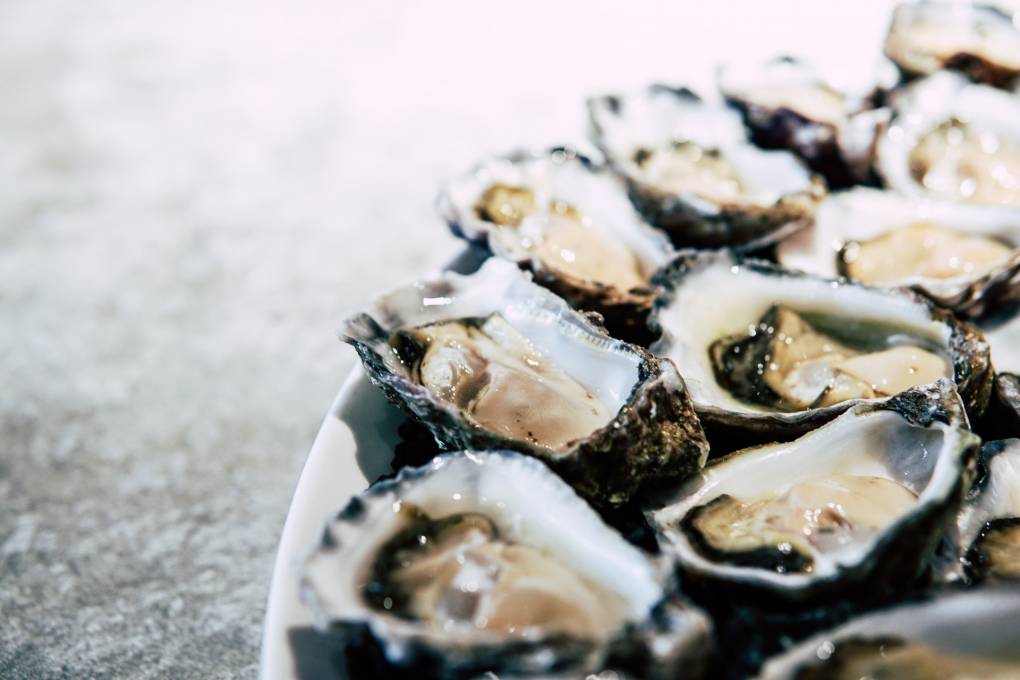
The San Francisco Bay Once Teemed With Oysters. What Happened?
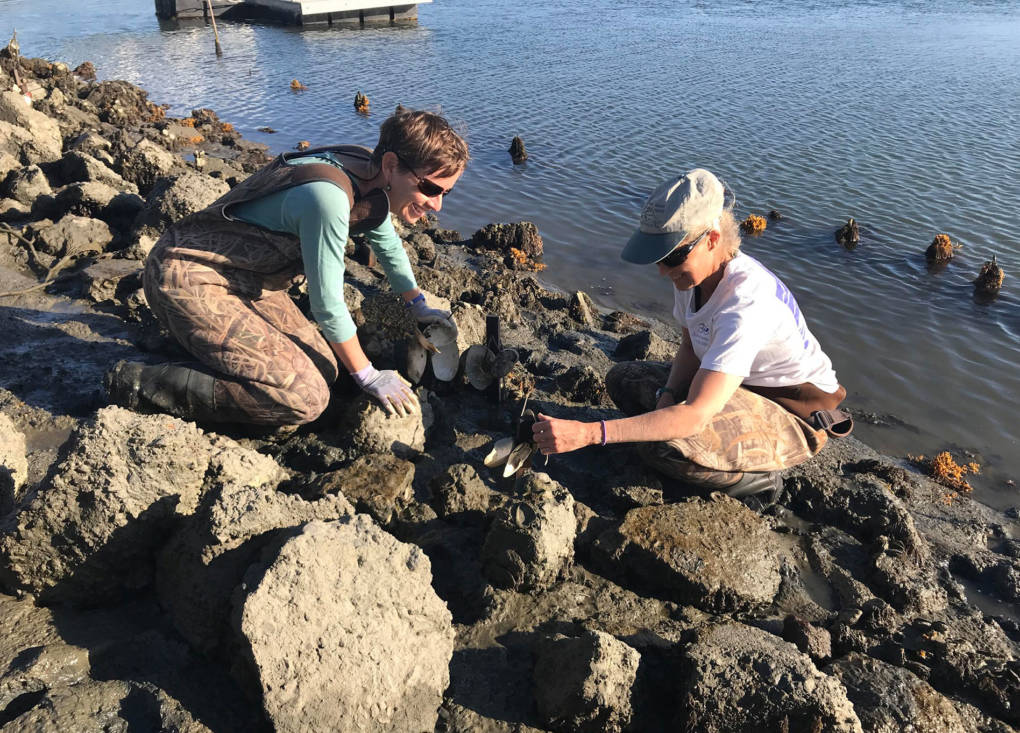
Can Scientists Save California's Only Native Oysters? New Technique Shows Promise
Drake's Bay Oyster Co. Appeals Pt. Reyes Eviction Ruling
Pt. Reyes Oyster Farm Sues Government
Sponsored
Player sponsored by
window.__IS_SSR__=true
window.__INITIAL_STATE__={
"attachmentsReducer": {
"audio_0": {
"type": "attachments",
"id": "audio_0",
"imgSizes": {
"kqedFullSize": {
"file": "https://ww2.kqed.org/news/wp-content/themes/KQED-unified/img/audio_bgs/background0.jpg"
}
}
},
"audio_1": {
"type": "attachments",
"id": "audio_1",
"imgSizes": {
"kqedFullSize": {
"file": "https://ww2.kqed.org/news/wp-content/themes/KQED-unified/img/audio_bgs/background1.jpg"
}
}
},
"audio_2": {
"type": "attachments",
"id": "audio_2",
"imgSizes": {
"kqedFullSize": {
"file": "https://ww2.kqed.org/news/wp-content/themes/KQED-unified/img/audio_bgs/background2.jpg"
}
}
},
"audio_3": {
"type": "attachments",
"id": "audio_3",
"imgSizes": {
"kqedFullSize": {
"file": "https://ww2.kqed.org/news/wp-content/themes/KQED-unified/img/audio_bgs/background3.jpg"
}
}
},
"audio_4": {
"type": "attachments",
"id": "audio_4",
"imgSizes": {
"kqedFullSize": {
"file": "https://ww2.kqed.org/news/wp-content/themes/KQED-unified/img/audio_bgs/background4.jpg"
}
}
},
"placeholder": {
"type": "attachments",
"id": "placeholder",
"imgSizes": {
"thumbnail": {
"file": "https://cdn.kqed.org/wp-content/uploads/2024/12/KQED-Default-Image-816638274-2000x1333-1-160x107.jpg",
"width": 160,
"height": 107,
"mimeType": "image/jpeg"
},
"medium": {
"file": "https://cdn.kqed.org/wp-content/uploads/2024/12/KQED-Default-Image-816638274-2000x1333-1-800x533.jpg",
"width": 800,
"height": 533,
"mimeType": "image/jpeg"
},
"medium_large": {
"file": "https://cdn.kqed.org/wp-content/uploads/2024/12/KQED-Default-Image-816638274-2000x1333-1-768x512.jpg",
"width": 768,
"height": 512,
"mimeType": "image/jpeg"
},
"large": {
"file": "https://cdn.kqed.org/wp-content/uploads/2024/12/KQED-Default-Image-816638274-2000x1333-1-1020x680.jpg",
"width": 1020,
"height": 680,
"mimeType": "image/jpeg"
},
"1536x1536": {
"file": "https://cdn.kqed.org/wp-content/uploads/2024/12/KQED-Default-Image-816638274-2000x1333-1-1536x1024.jpg",
"width": 1536,
"height": 1024,
"mimeType": "image/jpeg"
},
"fd-lrg": {
"file": "https://cdn.kqed.org/wp-content/uploads/2024/12/KQED-Default-Image-816638274-2000x1333-1-1536x1024.jpg",
"width": 1536,
"height": 1024,
"mimeType": "image/jpeg"
},
"fd-med": {
"file": "https://cdn.kqed.org/wp-content/uploads/2024/12/KQED-Default-Image-816638274-2000x1333-1-1020x680.jpg",
"width": 1020,
"height": 680,
"mimeType": "image/jpeg"
},
"fd-sm": {
"file": "https://cdn.kqed.org/wp-content/uploads/2024/12/KQED-Default-Image-816638274-2000x1333-1-800x533.jpg",
"width": 800,
"height": 533,
"mimeType": "image/jpeg"
},
"post-thumbnail": {
"file": "https://cdn.kqed.org/wp-content/uploads/2024/12/KQED-Default-Image-816638274-2000x1333-1-672x372.jpg",
"width": 672,
"height": 372,
"mimeType": "image/jpeg"
},
"twentyfourteen-full-width": {
"file": "https://cdn.kqed.org/wp-content/uploads/2024/12/KQED-Default-Image-816638274-2000x1333-1-1038x576.jpg",
"width": 1038,
"height": 576,
"mimeType": "image/jpeg"
},
"xxsmall": {
"file": "https://cdn.kqed.org/wp-content/uploads/2024/12/KQED-Default-Image-816638274-2000x1333-1-160x107.jpg",
"width": 160,
"height": 107,
"mimeType": "image/jpeg"
},
"xsmall": {
"file": "https://cdn.kqed.org/wp-content/uploads/2024/12/KQED-Default-Image-816638274-2000x1333-1-672x372.jpg",
"width": 672,
"height": 372,
"mimeType": "image/jpeg"
},
"small": {
"file": "https://cdn.kqed.org/wp-content/uploads/2024/12/KQED-Default-Image-816638274-2000x1333-1-672x372.jpg",
"width": 672,
"height": 372,
"mimeType": "image/jpeg"
},
"xlarge": {
"file": "https://cdn.kqed.org/wp-content/uploads/2024/12/KQED-Default-Image-816638274-2000x1333-1-1020x680.jpg",
"width": 1020,
"height": 680,
"mimeType": "image/jpeg"
},
"full-width": {
"file": "https://cdn.kqed.org/wp-content/uploads/2024/12/KQED-Default-Image-816638274-2000x1333-1-1920x1280.jpg",
"width": 1920,
"height": 1280,
"mimeType": "image/jpeg"
},
"guest-author-32": {
"file": "https://cdn.kqed.org/wp-content/uploads/2025/01/KQED-Default-Image-816638274-1333x1333-1-160x160.jpg",
"width": 32,
"height": 32,
"mimeType": "image/jpeg"
},
"guest-author-50": {
"file": "https://cdn.kqed.org/wp-content/uploads/2025/01/KQED-Default-Image-816638274-1333x1333-1-160x160.jpg",
"width": 50,
"height": 50,
"mimeType": "image/jpeg"
},
"guest-author-64": {
"file": "https://cdn.kqed.org/wp-content/uploads/2025/01/KQED-Default-Image-816638274-1333x1333-1-160x160.jpg",
"width": 64,
"height": 64,
"mimeType": "image/jpeg"
},
"guest-author-96": {
"file": "https://cdn.kqed.org/wp-content/uploads/2025/01/KQED-Default-Image-816638274-1333x1333-1-160x160.jpg",
"width": 96,
"height": 96,
"mimeType": "image/jpeg"
},
"guest-author-128": {
"file": "https://cdn.kqed.org/wp-content/uploads/2025/01/KQED-Default-Image-816638274-1333x1333-1-160x160.jpg",
"width": 128,
"height": 128,
"mimeType": "image/jpeg"
},
"detail": {
"file": "https://cdn.kqed.org/wp-content/uploads/2025/01/KQED-Default-Image-816638274-1333x1333-1-160x160.jpg",
"width": 160,
"height": 160,
"mimeType": "image/jpeg"
},
"kqedFullSize": {
"file": "https://cdn.kqed.org/wp-content/uploads/2024/12/KQED-Default-Image-816638274-2000x1333-1.jpg",
"width": 2000,
"height": 1333
}
}
},
"news_11863003": {
"type": "attachments",
"id": "news_11863003",
"meta": {
"index": "attachments_1716263798",
"site": "news",
"id": "11863003",
"found": true
},
"parent": 11857703,
"imgSizes": {
"apple_news_ca_landscape_5_5": {
"file": "https://ww2.kqed.org/app/uploads/sites/10/2021/03/pexels-elle-hughes-2647939-1044x783.jpg",
"width": 1044,
"mimeType": "image/jpeg",
"height": 783
},
"apple_news_ca_square_4_0": {
"file": "https://ww2.kqed.org/app/uploads/sites/10/2021/03/pexels-elle-hughes-2647939-470x470.jpg",
"width": 470,
"mimeType": "image/jpeg",
"height": 470
},
"twentyfourteen-full-width": {
"file": "https://ww2.kqed.org/app/uploads/sites/10/2021/03/pexels-elle-hughes-2647939-1038x576.jpg",
"width": 1038,
"mimeType": "image/jpeg",
"height": 576
},
"thumbnail": {
"file": "https://ww2.kqed.org/app/uploads/sites/10/2021/03/pexels-elle-hughes-2647939-160x107.jpg",
"width": 160,
"mimeType": "image/jpeg",
"height": 107
},
"post-thumbnail": {
"file": "https://ww2.kqed.org/app/uploads/sites/10/2021/03/pexels-elle-hughes-2647939-672x372.jpg",
"width": 672,
"mimeType": "image/jpeg",
"height": 372
},
"kqedFullSize": {
"file": "https://ww2.kqed.org/app/uploads/sites/10/2021/03/pexels-elle-hughes-2647939.jpg",
"width": 1920,
"height": 1280
},
"apple_news_ca_landscape_4_7": {
"file": "https://ww2.kqed.org/app/uploads/sites/10/2021/03/pexels-elle-hughes-2647939-632x474.jpg",
"width": 632,
"mimeType": "image/jpeg",
"height": 474
},
"large": {
"file": "https://ww2.kqed.org/app/uploads/sites/10/2021/03/pexels-elle-hughes-2647939-1020x680.jpg",
"width": 1020,
"mimeType": "image/jpeg",
"height": 680
},
"apple_news_ca_landscape_4_0": {
"file": "https://ww2.kqed.org/app/uploads/sites/10/2021/03/pexels-elle-hughes-2647939-536x402.jpg",
"width": 536,
"mimeType": "image/jpeg",
"height": 402
},
"apple_news_ca_portrait_12_9": {
"file": "https://ww2.kqed.org/app/uploads/sites/10/2021/03/pexels-elle-hughes-2647939-1122x1280.jpg",
"width": 1122,
"mimeType": "image/jpeg",
"height": 1280
},
"medium": {
"file": "https://ww2.kqed.org/app/uploads/sites/10/2021/03/pexels-elle-hughes-2647939-800x533.jpg",
"width": 800,
"mimeType": "image/jpeg",
"height": 533
},
"apple_news_ca_portrait_4_0": {
"file": "https://ww2.kqed.org/app/uploads/sites/10/2021/03/pexels-elle-hughes-2647939-354x472.jpg",
"width": 354,
"mimeType": "image/jpeg",
"height": 472
},
"apple_news_ca_portrait_9_7": {
"file": "https://ww2.kqed.org/app/uploads/sites/10/2021/03/pexels-elle-hughes-2647939-840x1120.jpg",
"width": 840,
"mimeType": "image/jpeg",
"height": 1120
},
"apple_news_ca_landscape_12_9": {
"file": "https://ww2.kqed.org/app/uploads/sites/10/2021/03/pexels-elle-hughes-2647939-1832x1280.jpg",
"width": 1832,
"mimeType": "image/jpeg",
"height": 1280
},
"apple_news_ca_square_9_7": {
"file": "https://ww2.kqed.org/app/uploads/sites/10/2021/03/pexels-elle-hughes-2647939-1104x1104.jpg",
"width": 1104,
"mimeType": "image/jpeg",
"height": 1104
},
"1536x1536": {
"file": "https://ww2.kqed.org/app/uploads/sites/10/2021/03/pexels-elle-hughes-2647939-1536x1024.jpg",
"width": 1536,
"mimeType": "image/jpeg",
"height": 1024
},
"apple_news_ca_portrait_4_7": {
"file": "https://ww2.kqed.org/app/uploads/sites/10/2021/03/pexels-elle-hughes-2647939-414x552.jpg",
"width": 414,
"mimeType": "image/jpeg",
"height": 552
},
"apple_news_ca_square_12_9": {
"file": "https://ww2.kqed.org/app/uploads/sites/10/2021/03/pexels-elle-hughes-2647939-1472x1280.jpg",
"width": 1472,
"mimeType": "image/jpeg",
"height": 1280
},
"apple_news_ca_portrait_5_5": {
"file": "https://ww2.kqed.org/app/uploads/sites/10/2021/03/pexels-elle-hughes-2647939-687x916.jpg",
"width": 687,
"mimeType": "image/jpeg",
"height": 916
},
"apple_news_ca_square_4_7": {
"file": "https://ww2.kqed.org/app/uploads/sites/10/2021/03/pexels-elle-hughes-2647939-550x550.jpg",
"width": 550,
"mimeType": "image/jpeg",
"height": 550
},
"apple_news_ca_landscape_9_7": {
"file": "https://ww2.kqed.org/app/uploads/sites/10/2021/03/pexels-elle-hughes-2647939-1376x1032.jpg",
"width": 1376,
"mimeType": "image/jpeg",
"height": 1032
},
"apple_news_ca_square_5_5": {
"file": "https://ww2.kqed.org/app/uploads/sites/10/2021/03/pexels-elle-hughes-2647939-912x912.jpg",
"width": 912,
"mimeType": "image/jpeg",
"height": 912
}
},
"publishDate": 1614802957,
"modified": 1614803018,
"caption": "Oysters can be a controversial food, but the Bay Area is known for them.",
"description": null,
"title": "pexels-elle-hughes-2647939",
"credit": "Elle Hughes/Pexel",
"status": "inherit",
"altTag": "oysters",
"fetchFailed": false,
"isLoading": false
},
"news_11713670": {
"type": "attachments",
"id": "news_11713670",
"meta": {
"index": "attachments_1716263798",
"site": "news",
"id": "11713670",
"found": true
},
"parent": 11713665,
"imgSizes": {
"twentyfourteen-full-width": {
"file": "https://ww2.kqed.org/app/uploads/sites/10/2018/12/ElkhornOysters-1038x576.jpg",
"width": 1038,
"mimeType": "image/jpeg",
"height": 576
},
"thumbnail": {
"file": "https://ww2.kqed.org/app/uploads/sites/10/2018/12/ElkhornOysters-160x115.jpg",
"width": 160,
"mimeType": "image/jpeg",
"height": 115
},
"post-thumbnail": {
"file": "https://ww2.kqed.org/app/uploads/sites/10/2018/12/ElkhornOysters-672x372.jpg",
"width": 672,
"mimeType": "image/jpeg",
"height": 372
},
"kqedFullSize": {
"file": "https://ww2.kqed.org/app/uploads/sites/10/2018/12/ElkhornOysters.jpg",
"width": 1896,
"height": 1362
},
"large": {
"file": "https://ww2.kqed.org/app/uploads/sites/10/2018/12/ElkhornOysters-1020x733.jpg",
"width": 1020,
"mimeType": "image/jpeg",
"height": 733
},
"complete_open_graph": {
"file": "https://ww2.kqed.org/app/uploads/sites/10/2018/12/ElkhornOysters-1200x862.jpg",
"width": 1200,
"mimeType": "image/jpeg",
"height": 862
},
"guest-author-50": {
"file": "https://ww2.kqed.org/app/uploads/sites/10/2018/12/ElkhornOysters-50x50.jpg",
"width": 50,
"mimeType": "image/jpeg",
"height": 50
},
"guest-author-96": {
"file": "https://ww2.kqed.org/app/uploads/sites/10/2018/12/ElkhornOysters-96x96.jpg",
"width": 96,
"mimeType": "image/jpeg",
"height": 96
},
"medium": {
"file": "https://ww2.kqed.org/app/uploads/sites/10/2018/12/ElkhornOysters-800x575.jpg",
"width": 800,
"mimeType": "image/jpeg",
"height": 575
},
"guest-author-64": {
"file": "https://ww2.kqed.org/app/uploads/sites/10/2018/12/ElkhornOysters-64x64.jpg",
"width": 64,
"mimeType": "image/jpeg",
"height": 64
},
"guest-author-32": {
"file": "https://ww2.kqed.org/app/uploads/sites/10/2018/12/ElkhornOysters-32x32.jpg",
"width": 32,
"mimeType": "image/jpeg",
"height": 32
},
"detail": {
"file": "https://ww2.kqed.org/app/uploads/sites/10/2018/12/ElkhornOysters-150x150.jpg",
"width": 150,
"mimeType": "image/jpeg",
"height": 150
},
"guest-author-128": {
"file": "https://ww2.kqed.org/app/uploads/sites/10/2018/12/ElkhornOysters-128x128.jpg",
"width": 128,
"mimeType": "image/jpeg",
"height": 128
}
},
"publishDate": 1545255886,
"modified": 1545262479,
"caption": "Research coordinator Kerstin Wasson (L) and research biologist Susanne Fork check on Elkhorn Slough's new generation of baby Olympia oysters, which were born and raised in a lab.",
"description": "Research Coordinator Kerstin Wasson (L) and Research Biologist Susanne Fork check on Elkhorn Slough's new generation of baby Olympia oysters, which were born and raised in a lab.",
"title": "ElkhornOysters",
"credit": "Erika Mahoney/KAZU",
"status": "inherit",
"fetchFailed": false,
"isLoading": false
}
},
"audioPlayerReducer": {
"postId": "stream_live",
"isPaused": true,
"isPlaying": false,
"pfsActive": false,
"pledgeModalIsOpen": true,
"playerDrawerIsOpen": false
},
"authorsReducer": {
"byline_news_11713665": {
"type": "authors",
"id": "byline_news_11713665",
"meta": {
"override": true
},
"slug": "byline_news_11713665",
"name": "\u003cstrong>\u003ca href=\"http://www.kazu.org/people/erika-mahoney\">Erika Mahoney\u003c/a>\u003c/strong>",
"isLoading": false
},
"kqed": {
"type": "authors",
"id": "236",
"meta": {
"index": "authors_1716337520",
"id": "236",
"found": true
},
"name": "KQED News Staff",
"firstName": "KQED News Staff",
"lastName": null,
"slug": "kqed",
"email": "faq@kqed.org",
"display_author_email": false,
"staff_mastheads": [],
"title": null,
"bio": null,
"avatar": "https://secure.gravatar.com/avatar/ef0e801a68c4c54afa9180db14084167?s=600&d=blank&r=g",
"twitter": null,
"facebook": null,
"instagram": null,
"linkedin": null,
"sites": [
{
"site": "arts",
"roles": [
"contributor"
]
},
{
"site": "news",
"roles": [
"editor"
]
},
{
"site": "futureofyou",
"roles": [
"author"
]
}
],
"headData": {
"title": "KQED News Staff | KQED",
"description": null,
"ogImgSrc": "https://secure.gravatar.com/avatar/ef0e801a68c4c54afa9180db14084167?s=600&d=blank&r=g",
"twImgSrc": "https://secure.gravatar.com/avatar/ef0e801a68c4c54afa9180db14084167?s=600&d=blank&r=g"
},
"isLoading": false,
"link": "/author/kqed"
},
"kqednewsstaffandwires": {
"type": "authors",
"id": "237",
"meta": {
"index": "authors_1716337520",
"id": "237",
"found": true
},
"name": "KQED News Staff and Wires",
"firstName": "KQED News Staff and Wires",
"lastName": null,
"slug": "kqednewsstaffandwires",
"email": "onlinenewsstaff@kqed.org",
"display_author_email": false,
"staff_mastheads": [],
"title": null,
"bio": null,
"avatar": "https://secure.gravatar.com/avatar/72295af8ebbfbd19a4948f5271285664?s=600&d=blank&r=g",
"twitter": null,
"facebook": null,
"instagram": null,
"linkedin": null,
"sites": [
{
"site": "arts",
"roles": [
"contributor"
]
},
{
"site": "news",
"roles": [
"contributor"
]
},
{
"site": "lowdown",
"roles": [
"author"
]
},
{
"site": "stateofhealth",
"roles": [
"contributor"
]
},
{
"site": "food",
"roles": [
"author"
]
}
],
"headData": {
"title": "KQED News Staff and Wires | KQED",
"description": null,
"ogImgSrc": "https://secure.gravatar.com/avatar/72295af8ebbfbd19a4948f5271285664?s=600&d=blank&r=g",
"twImgSrc": "https://secure.gravatar.com/avatar/72295af8ebbfbd19a4948f5271285664?s=600&d=blank&r=g"
},
"isLoading": false,
"link": "/author/kqednewsstaffandwires"
},
"cveltman": {
"type": "authors",
"id": "8608",
"meta": {
"index": "authors_1716337520",
"id": "8608",
"found": true
},
"name": "Chloe Veltman",
"firstName": "Chloe",
"lastName": "Veltman",
"slug": "cveltman",
"email": "cveltman@kqed.org",
"display_author_email": true,
"staff_mastheads": [],
"title": "Arts and Culture Reporter",
"bio": "Chloe Veltman is a former arts and culture reporter for KQED. Prior to joining the organization, she launched and led the arts bureau at Colorado Public Radio, served as the Bay Area's culture columnist for the New York Times, and was the founder, host and executive producer of VoiceBox, a national award-winning weekly podcast/radio show and live events series all about the human voice. Chloe is the recipient of numerous prizes, grants and fellowships including a Webby Award for her work on interactive storytelling, both the John S Knight Journalism Fellowship and Humanities Center Fellowship at Stanford University, the Sundance Arts Writing Fellowship and a Library of Congress Research Fellowship. She is the author of the book \"On Acting\" and has appeared as a guest lecturer at Yale University and the San Francisco Conservatory of Music among other institutions. She holds a BA in english literature from King's College, Cambridge, and a Masters in Dramaturgy from the Central School of Speech and Drama/Harvard Institute for Advanced Theater Training.\r\n\u003ca href=\"https://www.chloeveltman.com\">www.chloeveltman.com\u003c/a>",
"avatar": "https://secure.gravatar.com/avatar/55403394b00a1ddab683952c2eb2cf85?s=600&d=blank&r=g",
"twitter": "chloeveltman",
"facebook": null,
"instagram": null,
"linkedin": null,
"sites": [
{
"site": "arts",
"roles": []
},
{
"site": "news",
"roles": [
"author"
]
},
{
"site": "pop",
"roles": [
"editor"
]
},
{
"site": "science",
"roles": []
}
],
"headData": {
"title": "Chloe Veltman | KQED",
"description": "Arts and Culture Reporter",
"ogImgSrc": "https://secure.gravatar.com/avatar/55403394b00a1ddab683952c2eb2cf85?s=600&d=blank&r=g",
"twImgSrc": "https://secure.gravatar.com/avatar/55403394b00a1ddab683952c2eb2cf85?s=600&d=blank&r=g"
},
"isLoading": false,
"link": "/author/cveltman"
}
},
"breakingNewsReducer": {},
"pagesReducer": {},
"postsReducer": {
"stream_live": {
"type": "live",
"id": "stream_live",
"audioUrl": "https://streams.kqed.org/kqedradio",
"title": "Live Stream",
"excerpt": "Live Stream information currently unavailable.",
"link": "/radio",
"featImg": "",
"label": {
"name": "KQED Live",
"link": "/"
}
},
"stream_kqedNewscast": {
"type": "posts",
"id": "stream_kqedNewscast",
"audioUrl": "https://www.kqed.org/.stream/anon/radio/RDnews/newscast.mp3?_=1",
"title": "KQED Newscast",
"featImg": "",
"label": {
"name": "88.5 FM",
"link": "/"
}
},
"news_11857703": {
"type": "posts",
"id": "news_11857703",
"meta": {
"index": "posts_1716263798",
"site": "news",
"id": "11857703",
"score": null,
"sort": [
1614855668000
]
},
"parent": 0,
"labelTerm": {
"site": "news",
"term": 33523
},
"blocks": [],
"publishDate": 1614855668,
"format": "standard",
"title": "The San Francisco Bay Once Teemed With Oysters. What Happened?",
"headTitle": "The San Francisco Bay Once Teemed With Oysters. What Happened? | KQED",
"content": "\u003cp>Oysters are a controversial food.\u003c/p>\n\u003cp>Some people slurp them down by the dozen, while others would rather go hungry for days than be forced to eat a single slimy specimen.\u003c/p>\n\u003cp>As one KQED staffer put it: “No matter how fresh they are, no matter where they come from, no matter what is put on them, it reminds me of being congested and having snot just slide down my throat.”\u003c/p>\n\u003cp>Bay Curious listener Joseph Fletcher falls into the first category: The San Francisco resident loves oysters and has been wondering if he’ll ever get the chance to eat one grown in San Francisco Bay.\u003c/p>\n\u003cp>“Will oysters ever make a comeback in the bay and return to the numbers they had back in the days before the Gold Rush?” Fletcher wanted to know.\u003c/p>\n\u003cfigure id=\"attachment_11857893\" class=\"wp-caption aligncenter\" style=\"max-width: 640px\">\u003cimg decoding=\"async\" loading=\"lazy\" class=\"wp-image-11857893 size-large\" src=\"https://ww2.kqed.org/app/uploads/sites/10/2021/01/RS46965_IMG_4869-qut-1020x765.jpg\" alt=\"\" width=\"640\" height=\"480\" srcset=\"https://ww2.kqed.org/app/uploads/sites/10/2021/01/RS46965_IMG_4869-qut-1020x765.jpg 1020w, https://ww2.kqed.org/app/uploads/sites/10/2021/01/RS46965_IMG_4869-qut-800x600.jpg 800w, https://ww2.kqed.org/app/uploads/sites/10/2021/01/RS46965_IMG_4869-qut-160x120.jpg 160w, https://ww2.kqed.org/app/uploads/sites/10/2021/01/RS46965_IMG_4869-qut-1536x1152.jpg 1536w, https://ww2.kqed.org/app/uploads/sites/10/2021/01/RS46965_IMG_4869-qut-1832x1374.jpg 1832w, https://ww2.kqed.org/app/uploads/sites/10/2021/01/RS46965_IMG_4869-qut-1376x1032.jpg 1376w, https://ww2.kqed.org/app/uploads/sites/10/2021/01/RS46965_IMG_4869-qut-1044x783.jpg 1044w, https://ww2.kqed.org/app/uploads/sites/10/2021/01/RS46965_IMG_4869-qut-632x474.jpg 632w, https://ww2.kqed.org/app/uploads/sites/10/2021/01/RS46965_IMG_4869-qut-536x402.jpg 536w, https://ww2.kqed.org/app/uploads/sites/10/2021/01/RS46965_IMG_4869-qut.jpg 1920w\" sizes=\"(max-width: 640px) 100vw, 640px\">\u003cfigcaption class=\"wp-caption-text\">Bay Curious question asker and oyster lover Joseph Fletcher. \u003ccite>(Chloe Veltman/KQED)\u003c/cite>\u003c/figcaption>\u003c/figure>\n\u003cp>\u003cstrong>Introducing the Bay’s Native Oyster\u003c/strong>\u003c/p>\n\u003cp>There’s one type of oyster that’s indigenous to the San Francisco Bay, and that’s the Olympia oyster (Ostrea lurida). It’s named after Olympia, Washington, though these small, tangy oysters can be found up and down the west coast from Alaska all the way down into central Mexico.\u003c/p>\n\u003cp>Olympias — or Olys for short — can still be found in the San Francisco Bay today. But scientists say pollution from agricultural runoff is too high for commercial fishing. So instead, Olys sold in local restaurants and markets around here likely come from places farther afield, like Washington state.\u003c/p>\n\u003cfigure id=\"attachment_11857894\" class=\"wp-caption aligncenter\" style=\"max-width: 640px\">\u003cimg decoding=\"async\" loading=\"lazy\" class=\"wp-image-11857894 size-large\" src=\"https://ww2.kqed.org/app/uploads/sites/10/2021/01/RS46967_IMG_4939-qut-1020x765.jpg\" alt=\"\" width=\"640\" height=\"480\" srcset=\"https://ww2.kqed.org/app/uploads/sites/10/2021/01/RS46967_IMG_4939-qut-1020x765.jpg 1020w, https://ww2.kqed.org/app/uploads/sites/10/2021/01/RS46967_IMG_4939-qut-800x600.jpg 800w, https://ww2.kqed.org/app/uploads/sites/10/2021/01/RS46967_IMG_4939-qut-160x120.jpg 160w, https://ww2.kqed.org/app/uploads/sites/10/2021/01/RS46967_IMG_4939-qut-1536x1152.jpg 1536w, https://ww2.kqed.org/app/uploads/sites/10/2021/01/RS46967_IMG_4939-qut-1832x1374.jpg 1832w, https://ww2.kqed.org/app/uploads/sites/10/2021/01/RS46967_IMG_4939-qut-1376x1032.jpg 1376w, https://ww2.kqed.org/app/uploads/sites/10/2021/01/RS46967_IMG_4939-qut-1044x783.jpg 1044w, https://ww2.kqed.org/app/uploads/sites/10/2021/01/RS46967_IMG_4939-qut-632x474.jpg 632w, https://ww2.kqed.org/app/uploads/sites/10/2021/01/RS46967_IMG_4939-qut-536x402.jpg 536w, https://ww2.kqed.org/app/uploads/sites/10/2021/01/RS46967_IMG_4939-qut.jpg 1920w\" sizes=\"(max-width: 640px) 100vw, 640px\">\u003cfigcaption class=\"wp-caption-text\">A platter of oysters. To the right, native Olympia oysters; to the left, Pacific Miyagi oysters. The Olympias are comparatively small and they have a tangy flavor. \u003ccite>(Chloe Veltman/KQED)\u003c/cite>\u003c/figcaption>\u003c/figure>\n\u003cp>For thousands of years, Olys grew in the San Francisco Bay in vast numbers. The shellmounds that can still be found in the East Bay are a testament to the importance of oysters and other shellfish in the diets of local tribes.\u003c/p>\n\u003cp>[baycuriouspodcastinfo] \u003c/p>\n\u003cp>“They would be eaten raw. They would also be cooked in earth ovens underneath the ground and eaten with sea lettuces and different types of seaweed, acorn soup,” said East Bay Ohlone chef and food activist Vincent Medina. Medina is the co-founder of \u003ca href=\"https://www.makamham.com/\" target=\"_blank\" rel=\"noopener noreferrer\">mak-‘amham\u003c/a> and \u003ca href=\"https://www.makamham.com/cafeohlone/\" target=\"_blank\" rel=\"noopener noreferrer\">Cafe Ohlone\u003c/a> (temporarily closed), a local cultural organization and restaurant dedicated to preserving and promoting Native American culinary traditions.\u003c/p>\n\u003cp>“Three generations back our family last were gathering oysters from the bay shore,” Medina said.\u003c/p>\n\u003cp>\u003cstrong>Oyster-Guzzling Settlers\u003c/strong>\u003c/p>\n\u003cp>The settlers who came to the Bay Area hungry for gold in the 1800s were \u003cem>also\u003c/em> hungry for oysters. They foraged aggressively for whatever the bay had to offer — oysters, crabs and clams.\u003c/p>\n\u003cp>There are differing opinions on just how plentiful the San Francisco Bay oyster population was when the Gold Rush began. Environmental historian \u003ca href=\"https://nationalhumanitiescenter.org/nhc-new-vp-scholarly-programs/\" target=\"_blank\" rel=\"noopener noreferrer\">Matthew Booker\u003c/a>, who has written \u003ca href=\"https://www.ucpress.edu/book/9780520355569/down-by-the-bay\" target=\"_blank\" rel=\"noopener noreferrer\">a book\u003c/a> all about the bay’s oyster-ful past, takes the more conservative view. He argues that by the 1840s, the Oly population had likely dwindled owing to thousands of years of slow sea level rise and melting Sierra glaciers that muddied the bay and destroyed the Olys native habitat.\u003c/p>\n\u003cp>[ad fullwidth]\u003c/p>\n\u003cp>“We know that native oysters existed in San Francisco Bay in the 1840s and they still exist today,” he said. “But I have not found evidence that they existed in large enough numbers to support any fishery at all.”\u003c/p>\n\u003cp>Booker said it didn’t take long for local native oyster supplies to run out. So the oyster-guzzling gold miners were forced to look farther afield.\u003c/p>\n\u003cp>“All of the estuaries of the west coast are essentially mined for their oysters to satisfy this endless demand from San Francisco,” said Booker. “The most famous is Willapa Bay (in Washington state), which shipped huge numbers of oysters to San Francisco Bay before collapsing from over-harvesting in the late 19th century.”\u003c/p>\n\u003cp>\u003cstrong>Importing East Coast Oysters\u003c/strong>\u003c/p>\n\u003cp>Booker said the trade was unsustainable and essentially mined the wild native population until it disappeared. So entrepreneurs took to importing \u003cem>non-native\u003c/em> varieties from the east coast.\u003c/p>\n\u003cp>“You could capture baby oysters, barrel them up, put them on board schooners, and later on board unrefrigerated train cars, and ship them across the entire United States,” Booker said. “And then they would be placed into San Francisco Bay on privately owned tidelands and harvested as a crop.”\u003c/p>\n\u003cfigure id=\"attachment_11857896\" class=\"wp-caption aligncenter\" style=\"max-width: 640px\">\u003cimg decoding=\"async\" loading=\"lazy\" class=\"wp-image-11857896 size-large\" src=\"https://ww2.kqed.org/app/uploads/sites/10/2021/01/RS46973_Jack_London_young-qut-1020x1342.jpg\" alt=\"\" width=\"640\" height=\"842\" srcset=\"https://ww2.kqed.org/app/uploads/sites/10/2021/01/RS46973_Jack_London_young-qut-1020x1342.jpg 1020w, https://ww2.kqed.org/app/uploads/sites/10/2021/01/RS46973_Jack_London_young-qut-800x1053.jpg 800w, https://ww2.kqed.org/app/uploads/sites/10/2021/01/RS46973_Jack_London_young-qut-160x211.jpg 160w, https://ww2.kqed.org/app/uploads/sites/10/2021/01/RS46973_Jack_London_young-qut-1167x1536.jpg 1167w, https://ww2.kqed.org/app/uploads/sites/10/2021/01/RS46973_Jack_London_young-qut.jpg 1469w\" sizes=\"(max-width: 640px) 100vw, 640px\">\u003cfigcaption class=\"wp-caption-text\">Bay Area author Jack London wrote about his experiences as an oyster pirate in the San Francisco Bay. \u003ccite>(Public domain: originally published by L C Page and Company Boston 1903)\u003c/cite>\u003c/figcaption>\u003c/figure>\n\u003cp>Demand for oysters at this point was so high, pirates frequently raided the oyster beds. Bay Area author and erstwhile oyster pirate Jack London glamorized the experience of stealing oysters from the San Francisco Bay by night and selling them in the Oakland markets the next morning in several of his literary works, including the autobiographical novel “\u003ca href=\"https://en.wikipedia.org/wiki/John_Barleycorn_(novel)\" target=\"_blank\" rel=\"noopener noreferrer\">John Barleycorn\u003c/a>.”\u003c/p>\n\u003cblockquote>\u003cp>“The winds of adventure blew the oyster pirate sloops up and down San Francisco Bay, from raided oyster-beds and fights at night on shoal and flat, to markets in the morning against city wharves, where peddlers and saloon-keepers came down to buy. Every raid on an oyster-bed was a felony. The penalty was State imprisonment, the stripes and the lockstep. And what of that? The men in stripes worked a shorter day than I at my machine. And there was vastly more romance in being an oyster pirate or a convict than in being a machine slave. And behind it all, behind all of me with youth abubble, whispered Romance, Adventure.”\u003c/p>\u003c/blockquote>\n\u003cp>But even the imported oysters didn’t survive in San Francisco Bay for long.\u003c/p>\n\u003cp>Hydraulic mining in the Sierra Nevada during the Gold Rush years churned up mud and sand that swept downriver to San Francisco Bay.\u003c/p>\n\u003cp>Booker said growers moved their Atlantic oysters to the South Bay where mud was less of a problem. But the pollution in the bay from industry and human sewage worsened as the population grew and established itself. A rash of deaths connected to eating contaminated oysters put an end to the San Francisco Bay oyster industry.\u003c/p>\n\u003cp>“By the early 20th century, there are plenty of oysters in the bay,” Booker said. “But the people eating them are no longer so sure if this is the right food.”\u003c/p>\n\u003cp>In the 1930s, oyster farming resumed in the cleaner waters of Drakes Bay and Tomales Bay north of San Francisco. But the focus, especially after World War II, was on Pacific oyster varieties from Japan — like the Miyagis and Kumamotos that are still popular here to this day. Interest in cultivating the native Olympia oyster as a food source dwindled.\u003c/p>\n\u003cp>It still hasn’t really come back.\u003c/p>\n\u003cp>\u003cstrong>Bringing Olys Back\u003c/strong>\u003c/p>\n\u003cp>It’s hard to find Olympia oysters in restaurants and seafood markets in the Bay Area. The \u003ca href=\"https://hogislandoysters.com/\" target=\"_blank\" rel=\"noopener noreferrer\">Hog Island Oyster Company\u003c/a> at the San Francisco Ferry Building is one of few Bay Area retailers that sells them to the public.\u003c/p>\n\u003cp>Hog Island started cultivating small amounts of the native Olys at the company’s facility in Tomales Bay. But the process is far from easy.\u003c/p>\n\u003cfigure id=\"attachment_11857898\" class=\"wp-caption aligncenter\" style=\"max-width: 640px\">\u003cimg decoding=\"async\" loading=\"lazy\" class=\"wp-image-11857898 size-large\" src=\"https://ww2.kqed.org/app/uploads/sites/10/2021/01/RS46960_IMG_4961-qut-1020x765.jpg\" alt=\"\" width=\"640\" height=\"480\" srcset=\"https://ww2.kqed.org/app/uploads/sites/10/2021/01/RS46960_IMG_4961-qut-1020x765.jpg 1020w, https://ww2.kqed.org/app/uploads/sites/10/2021/01/RS46960_IMG_4961-qut-800x600.jpg 800w, https://ww2.kqed.org/app/uploads/sites/10/2021/01/RS46960_IMG_4961-qut-160x120.jpg 160w, https://ww2.kqed.org/app/uploads/sites/10/2021/01/RS46960_IMG_4961-qut-1536x1152.jpg 1536w, https://ww2.kqed.org/app/uploads/sites/10/2021/01/RS46960_IMG_4961-qut-1832x1374.jpg 1832w, https://ww2.kqed.org/app/uploads/sites/10/2021/01/RS46960_IMG_4961-qut-1376x1032.jpg 1376w, https://ww2.kqed.org/app/uploads/sites/10/2021/01/RS46960_IMG_4961-qut-1044x783.jpg 1044w, https://ww2.kqed.org/app/uploads/sites/10/2021/01/RS46960_IMG_4961-qut-632x474.jpg 632w, https://ww2.kqed.org/app/uploads/sites/10/2021/01/RS46960_IMG_4961-qut-536x402.jpg 536w, https://ww2.kqed.org/app/uploads/sites/10/2021/01/RS46960_IMG_4961-qut.jpg 1920w\" sizes=\"(max-width: 640px) 100vw, 640px\">\u003cfigcaption class=\"wp-caption-text\">Hog Island Oyster Company CEO and founder John Finger at the company’s San Francisco Ferry Building location. \u003ccite>(Chloe Veltman/KQED)\u003c/cite>\u003c/figcaption>\u003c/figure>\n\u003cp>“Olympias are very slow growing,” said Hog Island Oyster Company founder and CEO John Finger. “They only seem to have a really good bigger spawn every three to four years. That’s problematic, because if you have a bad year and you’re not going to have another spawn for three or four years, it really makes it hard to get the population to some sort of critical mass.”\u003c/p>\n\u003cp>On top of this, Finger said the Olys’ small size means they’re difficult to shuck. And their intense, coppery flavor makes them a bit of an acquired taste. “But certain people know them and appreciate them,” he said.\u003c/p>\n\u003cp>In other words, Olys are definitely not a big seller. But reviving these indigenous oysters as a source of food isn’t a major priority for Finger. He’s among a growing number of Bay Area producers, scientists and community activists interested in bringing them back to the bay in large numbers for an entirely different reason — environmental conservation.\u003c/p>\n\u003cp>“Can we improve the overall habitat quality for all creatures in San Francisco Bay?” Finger said. “And one of the ways that people think they can do that is by creating more oyster reefs.”\u003c/p>\n\u003cfigure id=\"attachment_11857891\" class=\"wp-caption aligncenter\" style=\"max-width: 640px\">\u003cimg decoding=\"async\" loading=\"lazy\" class=\"wp-image-11857891 size-large\" src=\"https://ww2.kqed.org/app/uploads/sites/10/2021/01/RS46966_IMG_4873-qut-1020x765.jpg\" alt=\"\" width=\"640\" height=\"480\" srcset=\"https://ww2.kqed.org/app/uploads/sites/10/2021/01/RS46966_IMG_4873-qut-1020x765.jpg 1020w, https://ww2.kqed.org/app/uploads/sites/10/2021/01/RS46966_IMG_4873-qut-800x600.jpg 800w, https://ww2.kqed.org/app/uploads/sites/10/2021/01/RS46966_IMG_4873-qut-160x120.jpg 160w, https://ww2.kqed.org/app/uploads/sites/10/2021/01/RS46966_IMG_4873-qut-1536x1152.jpg 1536w, https://ww2.kqed.org/app/uploads/sites/10/2021/01/RS46966_IMG_4873-qut-1832x1374.jpg 1832w, https://ww2.kqed.org/app/uploads/sites/10/2021/01/RS46966_IMG_4873-qut-1376x1032.jpg 1376w, https://ww2.kqed.org/app/uploads/sites/10/2021/01/RS46966_IMG_4873-qut-1044x783.jpg 1044w, https://ww2.kqed.org/app/uploads/sites/10/2021/01/RS46966_IMG_4873-qut-632x474.jpg 632w, https://ww2.kqed.org/app/uploads/sites/10/2021/01/RS46966_IMG_4873-qut-536x402.jpg 536w, https://ww2.kqed.org/app/uploads/sites/10/2021/01/RS46966_IMG_4873-qut.jpg 1920w\" sizes=\"(max-width: 640px) 100vw, 640px\">\u003cfigcaption class=\"wp-caption-text\">Wild Oyster Project founder Linda Hunter and Bay Curious question asker Joseph Fletcher at Bay Natives in San Francisco. \u003ccite>(Chloe Veltman/KQED)\u003c/cite>\u003c/figcaption>\u003c/figure>\n\u003cp>One local nonprofit community group that’s working towards this goal is the \u003ca href=\"https://wildoysters.org/\" target=\"_blank\" rel=\"noopener noreferrer\">Wild Oyster Project\u003c/a>.\u003c/p>\n\u003cp>“Oysters have superpowers!” said Linda Hunter, founder and director of the Wild Oyster Project. “They have so many wonderful benefits.”\u003c/p>\n\u003cp>Oysters help maintain the balance of a marine ecosystem by reducing excess algae and sediment that can contribute to low oxygen levels, causing other marine life to die.\u003c/p>\n\u003cp>“One grown oyster can filter 50 gallons of water a day,” Hunter said.\u003c/p>\n\u003cp>Oysters cluster on discarded shells, rocks, piers and other hard, submerged surfaces. They fuse together as they grow, forming rock-like reefs that make ideal homes for other marine animals and plants. “Oysters provide habitat for other critters,” Hunter said.\u003c/p>\n\u003cp>Oyster reefs also protect coastal lands by reducing the impact of storm waves. “It’s been proven that oyster reefs attenuate the effects of rising tides caused by climate change,” Hunter said.\u003c/p>\n\u003cp>\u003cstrong>Building Oyster Reefs\u003c/strong>\u003c/p>\n\u003cp>Bay Natives is one of several local businesses the Wild Oyster Project partners with around the Bay Area. The nonprofit collects discarded oyster shells from local restaurants and piles them up at partner sites to dry out over several years.\u003c/p>\n\u003cfigure id=\"attachment_11857900\" class=\"wp-caption aligncenter\" style=\"max-width: 640px\">\u003cimg decoding=\"async\" loading=\"lazy\" class=\"wp-image-11857900 size-large\" src=\"https://ww2.kqed.org/app/uploads/sites/10/2021/01/RS46958_IMG_4986-qut-1020x765.jpg\" alt=\"\" width=\"640\" height=\"480\" srcset=\"https://ww2.kqed.org/app/uploads/sites/10/2021/01/RS46958_IMG_4986-qut-1020x765.jpg 1020w, https://ww2.kqed.org/app/uploads/sites/10/2021/01/RS46958_IMG_4986-qut-800x600.jpg 800w, https://ww2.kqed.org/app/uploads/sites/10/2021/01/RS46958_IMG_4986-qut-160x120.jpg 160w, https://ww2.kqed.org/app/uploads/sites/10/2021/01/RS46958_IMG_4986-qut-1536x1152.jpg 1536w, https://ww2.kqed.org/app/uploads/sites/10/2021/01/RS46958_IMG_4986-qut-1832x1374.jpg 1832w, https://ww2.kqed.org/app/uploads/sites/10/2021/01/RS46958_IMG_4986-qut-1376x1032.jpg 1376w, https://ww2.kqed.org/app/uploads/sites/10/2021/01/RS46958_IMG_4986-qut-1044x783.jpg 1044w, https://ww2.kqed.org/app/uploads/sites/10/2021/01/RS46958_IMG_4986-qut-632x474.jpg 632w, https://ww2.kqed.org/app/uploads/sites/10/2021/01/RS46958_IMG_4986-qut-536x402.jpg 536w, https://ww2.kqed.org/app/uploads/sites/10/2021/01/RS46958_IMG_4986-qut.jpg 1920w\" sizes=\"(max-width: 640px) 100vw, 640px\">\u003cfigcaption class=\"wp-caption-text\">Oyster reef balls pictured at low tide at Point Pinole in Richmond. The hope is that these reef balls will provide a hard surface for oysters to grow and thrive. \u003ccite>(Jim Ratcliffe)\u003c/cite>\u003c/figcaption>\u003c/figure>\n\u003cp>Hunter said eventually the shells will be built into oyster reefs and placed in the bay. The idea is for these reefs to attract native oysters, and, as a result, other wildlife — like eelgrass, salmon, crabs and egrets.\u003c/p>\n\u003cp>Hunter said her group has installed — or is working on installing — reefs at several locations including Alameda and Point Pinole in Richmond. She said even skeptics are starting to see the benefits of restoring oyster populations.\u003c/p>\n\u003cp>“The first oyster reef we built at Point Pinole, I got a phone call from a fisherman who was complaining that his fishing line had been snagged on one of our reef balls,” said Hunter. “And I said, ‘Hmm, have you noticed more fish?’ And he said, ‘Yes, I have! Thank you very much.’ ”\u003c/p>\n\u003cp>\u003cstrong>The Future of Oysters in the San Francisco Bay\u003c/strong>\u003c/p>\n\u003cp>Even though scientific research teams, oyster farms and community groups are working hard to reinvigorate the bay, it’s an uphill struggle.\u003c/p>\n\u003cp>“We’re so far below where we were historically,” said \u003ca href=\"http://www.des.ucdavis.edu/faculty/grosholz/\" target=\"_blank\" rel=\"noopener noreferrer\">Ted Grosholz\u003c/a>, an ecologist at UC Davis who studies marine biodiversity. “As long as we sort of just increase the populations, we’re moving in the right direction.”\u003c/p>\n\u003cp>The issue is climate change.\u003c/p>\n\u003cp>Grosholz said rising air temperatures, especially in the warmer months, can be fatal to oysters exposed on reefs for hours at a time. He’s also worried about the heavy rainfalls we’ve been getting on and off in recent years. Rain increases the runoff from rivers into the bay and lowers the salinity to levels that kill oysters.\u003c/p>\n\u003cp>“We lost basically every oyster in the place two years ago to that big, huge rain and the atmospheric rivers that came along with it,” Grosholz said.\u003c/p>\n\u003cp>But he said it’s important to continue the work of restoring oyster populations, even if it’s slow-going. It could be several decades before the natural filtering system that comes with a healthy bay ecosystem has sufficiently cleaned out lingering pollutants. He estimates it will be at least 50 years before people can eat oysters out of the San Francisco Bay safely again.\u003c/p>\n\u003cp>“Just remember that this oyster restoration is part of a living shoreline,” he said. “It’s not just restoring one species. It’s restoring all the species that oysters support.”\u003c/p>\n\u003cp>[baycuriousquestion]\u003c/p>\n\u003cp>[ad floatright]\u003c/p>\n",
"stats": {
"hasVideo": false,
"hasChartOrMap": false,
"hasAudio": false,
"hasPolis": false,
"wordCount": 2142,
"hasGoogleForm": false,
"hasGallery": false,
"hasHearkenModule": true,
"iframeSrcs": [],
"paragraphCount": 58
},
"modified": 1700588827,
"excerpt": "Reviving indigenous Olympia oysters as a source of food isn't a major priority for scientists and activists. Bringing them back is all about restoring the bay's ecosystem.",
"headData": {
"twImgId": "",
"twTitle": "",
"ogTitle": "",
"ogImgId": "",
"twDescription": "",
"description": "Reviving indigenous Olympia oysters as a source of food isn't a major priority for scientists and activists. Bringing them back is all about restoring the bay's ecosystem.",
"title": "The San Francisco Bay Once Teemed With Oysters. What Happened? | KQED",
"ogDescription": "",
"schema": {
"@context": "https://schema.org",
"@type": "NewsArticle",
"headline": "The San Francisco Bay Once Teemed With Oysters. What Happened?",
"datePublished": "2021-03-04T03:01:08-08:00",
"dateModified": "2023-11-21T09:47:07-08:00",
"image": "https://cdn.kqed.org/wp-content/uploads/2020/02/KQED-OG-Image@1x.png",
"isAccessibleForFree": "True",
"publisher": {
"@type": "NewsMediaOrganization",
"@id": "https://www.kqed.org/#organization",
"name": "KQED",
"logo": "https://cdn.kqed.org/wp-content/uploads/2020/02/KQED-OG-Image@1x.png",
"url": "https://www.kqed.org",
"sameAs": [
"https://www.facebook.com/KQED",
"https://twitter.com/KQED",
"https://www.instagram.com/kqed/",
"https://www.tiktok.com/@kqedofficial",
"https://www.linkedin.com/company/kqed",
"https://www.youtube.com/channel/UCeC0IOo7i1P_61zVUWbJ4nw"
]
}
}
},
"guestAuthors": [],
"slug": "san-francisco-bay-once-teemed-with-oysters-what-happened",
"status": "publish",
"audioUrl": "https://www.podtrac.com/pts/redirect.mp3/traffic.megaphone.fm/KQINC9864726269.mp3?updated=1614714770",
"path": "/news/11857703/san-francisco-bay-once-teemed-with-oysters-what-happened",
"audioTrackLength": null,
"parsedContent": [
{
"type": "contentString",
"content": "\u003cdiv class=\"post-body\">\u003cp>\u003cp>Oysters are a controversial food.\u003c/p>\n\u003cp>Some people slurp them down by the dozen, while others would rather go hungry for days than be forced to eat a single slimy specimen.\u003c/p>\n\u003cp>As one KQED staffer put it: “No matter how fresh they are, no matter where they come from, no matter what is put on them, it reminds me of being congested and having snot just slide down my throat.”\u003c/p>\n\u003cp>Bay Curious listener Joseph Fletcher falls into the first category: The San Francisco resident loves oysters and has been wondering if he’ll ever get the chance to eat one grown in San Francisco Bay.\u003c/p>\n\u003cp>“Will oysters ever make a comeback in the bay and return to the numbers they had back in the days before the Gold Rush?” Fletcher wanted to know.\u003c/p>\n\u003cfigure id=\"attachment_11857893\" class=\"wp-caption aligncenter\" style=\"max-width: 640px\">\u003cimg decoding=\"async\" loading=\"lazy\" class=\"wp-image-11857893 size-large\" src=\"https://ww2.kqed.org/app/uploads/sites/10/2021/01/RS46965_IMG_4869-qut-1020x765.jpg\" alt=\"\" width=\"640\" height=\"480\" srcset=\"https://ww2.kqed.org/app/uploads/sites/10/2021/01/RS46965_IMG_4869-qut-1020x765.jpg 1020w, https://ww2.kqed.org/app/uploads/sites/10/2021/01/RS46965_IMG_4869-qut-800x600.jpg 800w, https://ww2.kqed.org/app/uploads/sites/10/2021/01/RS46965_IMG_4869-qut-160x120.jpg 160w, https://ww2.kqed.org/app/uploads/sites/10/2021/01/RS46965_IMG_4869-qut-1536x1152.jpg 1536w, https://ww2.kqed.org/app/uploads/sites/10/2021/01/RS46965_IMG_4869-qut-1832x1374.jpg 1832w, https://ww2.kqed.org/app/uploads/sites/10/2021/01/RS46965_IMG_4869-qut-1376x1032.jpg 1376w, https://ww2.kqed.org/app/uploads/sites/10/2021/01/RS46965_IMG_4869-qut-1044x783.jpg 1044w, https://ww2.kqed.org/app/uploads/sites/10/2021/01/RS46965_IMG_4869-qut-632x474.jpg 632w, https://ww2.kqed.org/app/uploads/sites/10/2021/01/RS46965_IMG_4869-qut-536x402.jpg 536w, https://ww2.kqed.org/app/uploads/sites/10/2021/01/RS46965_IMG_4869-qut.jpg 1920w\" sizes=\"(max-width: 640px) 100vw, 640px\">\u003cfigcaption class=\"wp-caption-text\">Bay Curious question asker and oyster lover Joseph Fletcher. \u003ccite>(Chloe Veltman/KQED)\u003c/cite>\u003c/figcaption>\u003c/figure>\n\u003cp>\u003cstrong>Introducing the Bay’s Native Oyster\u003c/strong>\u003c/p>\n\u003cp>There’s one type of oyster that’s indigenous to the San Francisco Bay, and that’s the Olympia oyster (Ostrea lurida). It’s named after Olympia, Washington, though these small, tangy oysters can be found up and down the west coast from Alaska all the way down into central Mexico.\u003c/p>\n\u003cp>Olympias — or Olys for short — can still be found in the San Francisco Bay today. But scientists say pollution from agricultural runoff is too high for commercial fishing. So instead, Olys sold in local restaurants and markets around here likely come from places farther afield, like Washington state.\u003c/p>\n\u003cfigure id=\"attachment_11857894\" class=\"wp-caption aligncenter\" style=\"max-width: 640px\">\u003cimg decoding=\"async\" loading=\"lazy\" class=\"wp-image-11857894 size-large\" src=\"https://ww2.kqed.org/app/uploads/sites/10/2021/01/RS46967_IMG_4939-qut-1020x765.jpg\" alt=\"\" width=\"640\" height=\"480\" srcset=\"https://ww2.kqed.org/app/uploads/sites/10/2021/01/RS46967_IMG_4939-qut-1020x765.jpg 1020w, https://ww2.kqed.org/app/uploads/sites/10/2021/01/RS46967_IMG_4939-qut-800x600.jpg 800w, https://ww2.kqed.org/app/uploads/sites/10/2021/01/RS46967_IMG_4939-qut-160x120.jpg 160w, https://ww2.kqed.org/app/uploads/sites/10/2021/01/RS46967_IMG_4939-qut-1536x1152.jpg 1536w, https://ww2.kqed.org/app/uploads/sites/10/2021/01/RS46967_IMG_4939-qut-1832x1374.jpg 1832w, https://ww2.kqed.org/app/uploads/sites/10/2021/01/RS46967_IMG_4939-qut-1376x1032.jpg 1376w, https://ww2.kqed.org/app/uploads/sites/10/2021/01/RS46967_IMG_4939-qut-1044x783.jpg 1044w, https://ww2.kqed.org/app/uploads/sites/10/2021/01/RS46967_IMG_4939-qut-632x474.jpg 632w, https://ww2.kqed.org/app/uploads/sites/10/2021/01/RS46967_IMG_4939-qut-536x402.jpg 536w, https://ww2.kqed.org/app/uploads/sites/10/2021/01/RS46967_IMG_4939-qut.jpg 1920w\" sizes=\"(max-width: 640px) 100vw, 640px\">\u003cfigcaption class=\"wp-caption-text\">A platter of oysters. To the right, native Olympia oysters; to the left, Pacific Miyagi oysters. The Olympias are comparatively small and they have a tangy flavor. \u003ccite>(Chloe Veltman/KQED)\u003c/cite>\u003c/figcaption>\u003c/figure>\n\u003cp>For thousands of years, Olys grew in the San Francisco Bay in vast numbers. The shellmounds that can still be found in the East Bay are a testament to the importance of oysters and other shellfish in the diets of local tribes.\u003c/p>\n\u003cp>\u003c/p>\u003cp>\u003caside class=\"alignleft utils-parseShortcode-shortcodes-__bayCuriousPodcastShortcode__bayCurious\">\u003cimg src=https://cdn.kqed.org/wp-content/uploads/2023/02/bayCuriousLogo.png alt=\"Bay Curious Podcast\" loading=\"lazy\" />\n \u003ca href=\"/news/series/baycurious\">Bay Curious\u003c/a> is a podcast that answers your questions about the Bay Area.\n Subscribe on \u003ca href=\"https://itunes.apple.com/us/podcast/bay-curious/id1172473406\" target=\"_blank\" rel=\"noopener noreferrer\">Apple Podcasts\u003c/a>,\n \u003ca href=\"http://www.npr.org/podcasts/500557090/bay-curious\" target=\"_blank\" rel=\"noopener noreferrer\">NPR One\u003c/a> or your favorite podcast platform.\u003c/aside>\u003c/p>\u003cp> \u003c/p>\n\u003cp>“They would be eaten raw. They would also be cooked in earth ovens underneath the ground and eaten with sea lettuces and different types of seaweed, acorn soup,” said East Bay Ohlone chef and food activist Vincent Medina. Medina is the co-founder of \u003ca href=\"https://www.makamham.com/\" target=\"_blank\" rel=\"noopener noreferrer\">mak-‘amham\u003c/a> and \u003ca href=\"https://www.makamham.com/cafeohlone/\" target=\"_blank\" rel=\"noopener noreferrer\">Cafe Ohlone\u003c/a> (temporarily closed), a local cultural organization and restaurant dedicated to preserving and promoting Native American culinary traditions.\u003c/p>\n\u003cp>“Three generations back our family last were gathering oysters from the bay shore,” Medina said.\u003c/p>\n\u003cp>\u003cstrong>Oyster-Guzzling Settlers\u003c/strong>\u003c/p>\n\u003cp>The settlers who came to the Bay Area hungry for gold in the 1800s were \u003cem>also\u003c/em> hungry for oysters. They foraged aggressively for whatever the bay had to offer — oysters, crabs and clams.\u003c/p>\n\u003cp>There are differing opinions on just how plentiful the San Francisco Bay oyster population was when the Gold Rush began. Environmental historian \u003ca href=\"https://nationalhumanitiescenter.org/nhc-new-vp-scholarly-programs/\" target=\"_blank\" rel=\"noopener noreferrer\">Matthew Booker\u003c/a>, who has written \u003ca href=\"https://www.ucpress.edu/book/9780520355569/down-by-the-bay\" target=\"_blank\" rel=\"noopener noreferrer\">a book\u003c/a> all about the bay’s oyster-ful past, takes the more conservative view. He argues that by the 1840s, the Oly population had likely dwindled owing to thousands of years of slow sea level rise and melting Sierra glaciers that muddied the bay and destroyed the Olys native habitat.\u003c/p>\n\u003cp>\u003c/p>\u003c/div>",
"attributes": {
"named": {},
"numeric": []
}
},
{
"type": "component",
"content": "",
"name": "ad",
"attributes": {
"named": {
"label": "fullwidth"
},
"numeric": [
"fullwidth"
]
}
},
{
"type": "contentString",
"content": "\u003cdiv class=\"post-body\">\u003cp>\u003c/p>\n\u003cp>“We know that native oysters existed in San Francisco Bay in the 1840s and they still exist today,” he said. “But I have not found evidence that they existed in large enough numbers to support any fishery at all.”\u003c/p>\n\u003cp>Booker said it didn’t take long for local native oyster supplies to run out. So the oyster-guzzling gold miners were forced to look farther afield.\u003c/p>\n\u003cp>“All of the estuaries of the west coast are essentially mined for their oysters to satisfy this endless demand from San Francisco,” said Booker. “The most famous is Willapa Bay (in Washington state), which shipped huge numbers of oysters to San Francisco Bay before collapsing from over-harvesting in the late 19th century.”\u003c/p>\n\u003cp>\u003cstrong>Importing East Coast Oysters\u003c/strong>\u003c/p>\n\u003cp>Booker said the trade was unsustainable and essentially mined the wild native population until it disappeared. So entrepreneurs took to importing \u003cem>non-native\u003c/em> varieties from the east coast.\u003c/p>\n\u003cp>“You could capture baby oysters, barrel them up, put them on board schooners, and later on board unrefrigerated train cars, and ship them across the entire United States,” Booker said. “And then they would be placed into San Francisco Bay on privately owned tidelands and harvested as a crop.”\u003c/p>\n\u003cfigure id=\"attachment_11857896\" class=\"wp-caption aligncenter\" style=\"max-width: 640px\">\u003cimg decoding=\"async\" loading=\"lazy\" class=\"wp-image-11857896 size-large\" src=\"https://ww2.kqed.org/app/uploads/sites/10/2021/01/RS46973_Jack_London_young-qut-1020x1342.jpg\" alt=\"\" width=\"640\" height=\"842\" srcset=\"https://ww2.kqed.org/app/uploads/sites/10/2021/01/RS46973_Jack_London_young-qut-1020x1342.jpg 1020w, https://ww2.kqed.org/app/uploads/sites/10/2021/01/RS46973_Jack_London_young-qut-800x1053.jpg 800w, https://ww2.kqed.org/app/uploads/sites/10/2021/01/RS46973_Jack_London_young-qut-160x211.jpg 160w, https://ww2.kqed.org/app/uploads/sites/10/2021/01/RS46973_Jack_London_young-qut-1167x1536.jpg 1167w, https://ww2.kqed.org/app/uploads/sites/10/2021/01/RS46973_Jack_London_young-qut.jpg 1469w\" sizes=\"(max-width: 640px) 100vw, 640px\">\u003cfigcaption class=\"wp-caption-text\">Bay Area author Jack London wrote about his experiences as an oyster pirate in the San Francisco Bay. \u003ccite>(Public domain: originally published by L C Page and Company Boston 1903)\u003c/cite>\u003c/figcaption>\u003c/figure>\n\u003cp>Demand for oysters at this point was so high, pirates frequently raided the oyster beds. Bay Area author and erstwhile oyster pirate Jack London glamorized the experience of stealing oysters from the San Francisco Bay by night and selling them in the Oakland markets the next morning in several of his literary works, including the autobiographical novel “\u003ca href=\"https://en.wikipedia.org/wiki/John_Barleycorn_(novel)\" target=\"_blank\" rel=\"noopener noreferrer\">John Barleycorn\u003c/a>.”\u003c/p>\n\u003cblockquote>\u003cp>“The winds of adventure blew the oyster pirate sloops up and down San Francisco Bay, from raided oyster-beds and fights at night on shoal and flat, to markets in the morning against city wharves, where peddlers and saloon-keepers came down to buy. Every raid on an oyster-bed was a felony. The penalty was State imprisonment, the stripes and the lockstep. And what of that? The men in stripes worked a shorter day than I at my machine. And there was vastly more romance in being an oyster pirate or a convict than in being a machine slave. And behind it all, behind all of me with youth abubble, whispered Romance, Adventure.”\u003c/p>\u003c/blockquote>\n\u003cp>But even the imported oysters didn’t survive in San Francisco Bay for long.\u003c/p>\n\u003cp>Hydraulic mining in the Sierra Nevada during the Gold Rush years churned up mud and sand that swept downriver to San Francisco Bay.\u003c/p>\n\u003cp>Booker said growers moved their Atlantic oysters to the South Bay where mud was less of a problem. But the pollution in the bay from industry and human sewage worsened as the population grew and established itself. A rash of deaths connected to eating contaminated oysters put an end to the San Francisco Bay oyster industry.\u003c/p>\n\u003cp>“By the early 20th century, there are plenty of oysters in the bay,” Booker said. “But the people eating them are no longer so sure if this is the right food.”\u003c/p>\n\u003cp>In the 1930s, oyster farming resumed in the cleaner waters of Drakes Bay and Tomales Bay north of San Francisco. But the focus, especially after World War II, was on Pacific oyster varieties from Japan — like the Miyagis and Kumamotos that are still popular here to this day. Interest in cultivating the native Olympia oyster as a food source dwindled.\u003c/p>\n\u003cp>It still hasn’t really come back.\u003c/p>\n\u003cp>\u003cstrong>Bringing Olys Back\u003c/strong>\u003c/p>\n\u003cp>It’s hard to find Olympia oysters in restaurants and seafood markets in the Bay Area. The \u003ca href=\"https://hogislandoysters.com/\" target=\"_blank\" rel=\"noopener noreferrer\">Hog Island Oyster Company\u003c/a> at the San Francisco Ferry Building is one of few Bay Area retailers that sells them to the public.\u003c/p>\n\u003cp>Hog Island started cultivating small amounts of the native Olys at the company’s facility in Tomales Bay. But the process is far from easy.\u003c/p>\n\u003cfigure id=\"attachment_11857898\" class=\"wp-caption aligncenter\" style=\"max-width: 640px\">\u003cimg decoding=\"async\" loading=\"lazy\" class=\"wp-image-11857898 size-large\" src=\"https://ww2.kqed.org/app/uploads/sites/10/2021/01/RS46960_IMG_4961-qut-1020x765.jpg\" alt=\"\" width=\"640\" height=\"480\" srcset=\"https://ww2.kqed.org/app/uploads/sites/10/2021/01/RS46960_IMG_4961-qut-1020x765.jpg 1020w, https://ww2.kqed.org/app/uploads/sites/10/2021/01/RS46960_IMG_4961-qut-800x600.jpg 800w, https://ww2.kqed.org/app/uploads/sites/10/2021/01/RS46960_IMG_4961-qut-160x120.jpg 160w, https://ww2.kqed.org/app/uploads/sites/10/2021/01/RS46960_IMG_4961-qut-1536x1152.jpg 1536w, https://ww2.kqed.org/app/uploads/sites/10/2021/01/RS46960_IMG_4961-qut-1832x1374.jpg 1832w, https://ww2.kqed.org/app/uploads/sites/10/2021/01/RS46960_IMG_4961-qut-1376x1032.jpg 1376w, https://ww2.kqed.org/app/uploads/sites/10/2021/01/RS46960_IMG_4961-qut-1044x783.jpg 1044w, https://ww2.kqed.org/app/uploads/sites/10/2021/01/RS46960_IMG_4961-qut-632x474.jpg 632w, https://ww2.kqed.org/app/uploads/sites/10/2021/01/RS46960_IMG_4961-qut-536x402.jpg 536w, https://ww2.kqed.org/app/uploads/sites/10/2021/01/RS46960_IMG_4961-qut.jpg 1920w\" sizes=\"(max-width: 640px) 100vw, 640px\">\u003cfigcaption class=\"wp-caption-text\">Hog Island Oyster Company CEO and founder John Finger at the company’s San Francisco Ferry Building location. \u003ccite>(Chloe Veltman/KQED)\u003c/cite>\u003c/figcaption>\u003c/figure>\n\u003cp>“Olympias are very slow growing,” said Hog Island Oyster Company founder and CEO John Finger. “They only seem to have a really good bigger spawn every three to four years. That’s problematic, because if you have a bad year and you’re not going to have another spawn for three or four years, it really makes it hard to get the population to some sort of critical mass.”\u003c/p>\n\u003cp>On top of this, Finger said the Olys’ small size means they’re difficult to shuck. And their intense, coppery flavor makes them a bit of an acquired taste. “But certain people know them and appreciate them,” he said.\u003c/p>\n\u003cp>In other words, Olys are definitely not a big seller. But reviving these indigenous oysters as a source of food isn’t a major priority for Finger. He’s among a growing number of Bay Area producers, scientists and community activists interested in bringing them back to the bay in large numbers for an entirely different reason — environmental conservation.\u003c/p>\n\u003cp>“Can we improve the overall habitat quality for all creatures in San Francisco Bay?” Finger said. “And one of the ways that people think they can do that is by creating more oyster reefs.”\u003c/p>\n\u003cfigure id=\"attachment_11857891\" class=\"wp-caption aligncenter\" style=\"max-width: 640px\">\u003cimg decoding=\"async\" loading=\"lazy\" class=\"wp-image-11857891 size-large\" src=\"https://ww2.kqed.org/app/uploads/sites/10/2021/01/RS46966_IMG_4873-qut-1020x765.jpg\" alt=\"\" width=\"640\" height=\"480\" srcset=\"https://ww2.kqed.org/app/uploads/sites/10/2021/01/RS46966_IMG_4873-qut-1020x765.jpg 1020w, https://ww2.kqed.org/app/uploads/sites/10/2021/01/RS46966_IMG_4873-qut-800x600.jpg 800w, https://ww2.kqed.org/app/uploads/sites/10/2021/01/RS46966_IMG_4873-qut-160x120.jpg 160w, https://ww2.kqed.org/app/uploads/sites/10/2021/01/RS46966_IMG_4873-qut-1536x1152.jpg 1536w, https://ww2.kqed.org/app/uploads/sites/10/2021/01/RS46966_IMG_4873-qut-1832x1374.jpg 1832w, https://ww2.kqed.org/app/uploads/sites/10/2021/01/RS46966_IMG_4873-qut-1376x1032.jpg 1376w, https://ww2.kqed.org/app/uploads/sites/10/2021/01/RS46966_IMG_4873-qut-1044x783.jpg 1044w, https://ww2.kqed.org/app/uploads/sites/10/2021/01/RS46966_IMG_4873-qut-632x474.jpg 632w, https://ww2.kqed.org/app/uploads/sites/10/2021/01/RS46966_IMG_4873-qut-536x402.jpg 536w, https://ww2.kqed.org/app/uploads/sites/10/2021/01/RS46966_IMG_4873-qut.jpg 1920w\" sizes=\"(max-width: 640px) 100vw, 640px\">\u003cfigcaption class=\"wp-caption-text\">Wild Oyster Project founder Linda Hunter and Bay Curious question asker Joseph Fletcher at Bay Natives in San Francisco. \u003ccite>(Chloe Veltman/KQED)\u003c/cite>\u003c/figcaption>\u003c/figure>\n\u003cp>One local nonprofit community group that’s working towards this goal is the \u003ca href=\"https://wildoysters.org/\" target=\"_blank\" rel=\"noopener noreferrer\">Wild Oyster Project\u003c/a>.\u003c/p>\n\u003cp>“Oysters have superpowers!” said Linda Hunter, founder and director of the Wild Oyster Project. “They have so many wonderful benefits.”\u003c/p>\n\u003cp>Oysters help maintain the balance of a marine ecosystem by reducing excess algae and sediment that can contribute to low oxygen levels, causing other marine life to die.\u003c/p>\n\u003cp>“One grown oyster can filter 50 gallons of water a day,” Hunter said.\u003c/p>\n\u003cp>Oysters cluster on discarded shells, rocks, piers and other hard, submerged surfaces. They fuse together as they grow, forming rock-like reefs that make ideal homes for other marine animals and plants. “Oysters provide habitat for other critters,” Hunter said.\u003c/p>\n\u003cp>Oyster reefs also protect coastal lands by reducing the impact of storm waves. “It’s been proven that oyster reefs attenuate the effects of rising tides caused by climate change,” Hunter said.\u003c/p>\n\u003cp>\u003cstrong>Building Oyster Reefs\u003c/strong>\u003c/p>\n\u003cp>Bay Natives is one of several local businesses the Wild Oyster Project partners with around the Bay Area. The nonprofit collects discarded oyster shells from local restaurants and piles them up at partner sites to dry out over several years.\u003c/p>\n\u003cfigure id=\"attachment_11857900\" class=\"wp-caption aligncenter\" style=\"max-width: 640px\">\u003cimg decoding=\"async\" loading=\"lazy\" class=\"wp-image-11857900 size-large\" src=\"https://ww2.kqed.org/app/uploads/sites/10/2021/01/RS46958_IMG_4986-qut-1020x765.jpg\" alt=\"\" width=\"640\" height=\"480\" srcset=\"https://ww2.kqed.org/app/uploads/sites/10/2021/01/RS46958_IMG_4986-qut-1020x765.jpg 1020w, https://ww2.kqed.org/app/uploads/sites/10/2021/01/RS46958_IMG_4986-qut-800x600.jpg 800w, https://ww2.kqed.org/app/uploads/sites/10/2021/01/RS46958_IMG_4986-qut-160x120.jpg 160w, https://ww2.kqed.org/app/uploads/sites/10/2021/01/RS46958_IMG_4986-qut-1536x1152.jpg 1536w, https://ww2.kqed.org/app/uploads/sites/10/2021/01/RS46958_IMG_4986-qut-1832x1374.jpg 1832w, https://ww2.kqed.org/app/uploads/sites/10/2021/01/RS46958_IMG_4986-qut-1376x1032.jpg 1376w, https://ww2.kqed.org/app/uploads/sites/10/2021/01/RS46958_IMG_4986-qut-1044x783.jpg 1044w, https://ww2.kqed.org/app/uploads/sites/10/2021/01/RS46958_IMG_4986-qut-632x474.jpg 632w, https://ww2.kqed.org/app/uploads/sites/10/2021/01/RS46958_IMG_4986-qut-536x402.jpg 536w, https://ww2.kqed.org/app/uploads/sites/10/2021/01/RS46958_IMG_4986-qut.jpg 1920w\" sizes=\"(max-width: 640px) 100vw, 640px\">\u003cfigcaption class=\"wp-caption-text\">Oyster reef balls pictured at low tide at Point Pinole in Richmond. The hope is that these reef balls will provide a hard surface for oysters to grow and thrive. \u003ccite>(Jim Ratcliffe)\u003c/cite>\u003c/figcaption>\u003c/figure>\n\u003cp>Hunter said eventually the shells will be built into oyster reefs and placed in the bay. The idea is for these reefs to attract native oysters, and, as a result, other wildlife — like eelgrass, salmon, crabs and egrets.\u003c/p>\n\u003cp>Hunter said her group has installed — or is working on installing — reefs at several locations including Alameda and Point Pinole in Richmond. She said even skeptics are starting to see the benefits of restoring oyster populations.\u003c/p>\n\u003cp>“The first oyster reef we built at Point Pinole, I got a phone call from a fisherman who was complaining that his fishing line had been snagged on one of our reef balls,” said Hunter. “And I said, ‘Hmm, have you noticed more fish?’ And he said, ‘Yes, I have! Thank you very much.’ ”\u003c/p>\n\u003cp>\u003cstrong>The Future of Oysters in the San Francisco Bay\u003c/strong>\u003c/p>\n\u003cp>Even though scientific research teams, oyster farms and community groups are working hard to reinvigorate the bay, it’s an uphill struggle.\u003c/p>\n\u003cp>“We’re so far below where we were historically,” said \u003ca href=\"http://www.des.ucdavis.edu/faculty/grosholz/\" target=\"_blank\" rel=\"noopener noreferrer\">Ted Grosholz\u003c/a>, an ecologist at UC Davis who studies marine biodiversity. “As long as we sort of just increase the populations, we’re moving in the right direction.”\u003c/p>\n\u003cp>The issue is climate change.\u003c/p>\n\u003cp>Grosholz said rising air temperatures, especially in the warmer months, can be fatal to oysters exposed on reefs for hours at a time. He’s also worried about the heavy rainfalls we’ve been getting on and off in recent years. Rain increases the runoff from rivers into the bay and lowers the salinity to levels that kill oysters.\u003c/p>\n\u003cp>“We lost basically every oyster in the place two years ago to that big, huge rain and the atmospheric rivers that came along with it,” Grosholz said.\u003c/p>\n\u003cp>But he said it’s important to continue the work of restoring oyster populations, even if it’s slow-going. It could be several decades before the natural filtering system that comes with a healthy bay ecosystem has sufficiently cleaned out lingering pollutants. He estimates it will be at least 50 years before people can eat oysters out of the San Francisco Bay safely again.\u003c/p>\n\u003cp>“Just remember that this oyster restoration is part of a living shoreline,” he said. “It’s not just restoring one species. It’s restoring all the species that oysters support.”\u003c/p>\n\u003cp>\u003c/p>\u003c/div>",
"attributes": {
"named": {},
"numeric": []
}
},
{
"type": "component",
"content": "",
"name": "baycuriousquestion",
"attributes": {
"named": {
"label": ""
},
"numeric": []
}
},
{
"type": "contentString",
"content": "\u003cdiv class=\"post-body\">\u003cp>\u003c/p>\n\u003cp>\u003c/p>\u003c/div>",
"attributes": {
"named": {},
"numeric": []
}
},
{
"type": "component",
"content": "",
"name": "ad",
"attributes": {
"named": {
"label": "floatright"
},
"numeric": [
"floatright"
]
}
},
{
"type": "contentString",
"content": "\u003cdiv class=\"post-body\">\u003cp>\u003c/p>\n\u003c/div>\u003c/p>",
"attributes": {
"named": {},
"numeric": []
}
}
],
"link": "/news/11857703/san-francisco-bay-once-teemed-with-oysters-what-happened",
"authors": [
"8608"
],
"programs": [
"news_33523"
],
"series": [
"news_17986"
],
"categories": [
"news_8",
"news_33520",
"news_356"
],
"tags": [
"news_3631",
"news_21074",
"news_27626",
"news_3547",
"news_1861"
],
"featImg": "news_11863003",
"label": "news_33523"
},
"news_11713665": {
"type": "posts",
"id": "news_11713665",
"meta": {
"index": "posts_1716263798",
"site": "news",
"id": "11713665",
"score": null,
"sort": [
1545260457000
]
},
"guestAuthors": [],
"slug": "can-scientists-save-californias-only-native-oysters-new-technique-shows-promise",
"title": "Can Scientists Save California's Only Native Oysters? New Technique Shows Promise",
"publishDate": 1545260457,
"format": "audio",
"headTitle": "Can Scientists Save California’s Only Native Oysters? New Technique Shows Promise | KQED",
"labelTerm": {},
"content": "\u003cp>Elkhorn Slough — an estuary on the eastern shore of Monterey Bay next to Moss Landing, about halfway between Monterey and Santa Cruz — has been home to Olympia oysters for the last 8,000 years or so.\u003c/p>\n\u003cp>Olympia oysters are the only native oyster species on the West Coast, and their population is suffering. They’ve already gone extinct in parts of California, including Big Lagoon, Bolinas Lagoon and Morro Bay.\u003c/p>\n\u003cp>In Elkhorn Slough, their population has been steadily declining since the 1920s. Back then, oystermen harvested them by the thousands.\u003c/p>\n\u003cp>Now, with the slough’s oyster population at risk of disappearing, scientists are trying to save them using a novel technique.\u003c/p>\n\u003cp>Wearing camouflage waders, \u003ca href=\"https://www.wildlife.ca.gov/Lands/Places-to-Visit/Elkhorn-Slough-ER\" target=\"_blank\" rel=\"noopener\">Elkhorn Slough Reserve\u003c/a> research biologist Susanne Fork trudges through the soft mud of the slough’s shore, counting the number of oysters living on rocks along the muddy bank. She holds a clicker in her hand.\u003c/p>\n\u003cp>“Instead of having to keep the number in your head, you can just click once each time you see or feel a living oyster,” says Fork.\u003c/p>\n\u003cp>She counts about 200 at one spot.\u003c/p>\n\u003cp>“It’s really low. You can see many, many more that are gaping and open. So they’re dead,” Fork says.\u003c/p>\n\u003cp>[ad fullwidth]\u003c/p>\n\u003cp>Elkhorn Slough Reserve research coordinator Kerstin Wasson has been working to save the slough’s Olympia oysters for over a decade. She says there are several factors why the population is so small.\u003c/p>\n\u003cp>“It’s hard for any population, once it drops below a few thousand, to find mates and reproduce successfully,” Wasson says.\u003c/p>\n\u003cp>The oysters are also threatened by pollution and crabs, and can get buried in the mud and suffocate.\u003c/p>\n\u003cp>Back in 2012, Wasson and her team tried protecting baby oysters by deploying man-made habitats for them to settle on. But it only worked that year. It was the last time Wasson saw baby oysters in the slough.\u003c/p>\n\u003cp>Now, researchers at \u003ca href=\"https://www.mlml.calstate.edu/\" target=\"_blank\" rel=\"noopener\">Moss Landing Marine Laboratories\u003c/a> are trying something new. They’re attempting to restore the population through aquaculture.\u003c/p>\n\u003cfigure id=\"attachment_11713707\" class=\"wp-caption aligncenter\" style=\"max-width: 800px\">\u003cimg loading=\"lazy\" decoding=\"async\" class=\"size-medium wp-image-11713707\" src=\"https://ww2.kqed.org/news/wp-content/uploads/sites/10/2018/12/OysterStick-800x616.jpg\" alt=\"Baby oysters grow on clamshells tied to wooden stakes. Researchers planted 20,000 new baby oysters at Elkhorn Slough.\" width=\"800\" height=\"616\" srcset=\"https://cdn.kqed.org/wp-content/uploads/sites/10/2018/12/OysterStick-800x616.jpg 800w, https://cdn.kqed.org/wp-content/uploads/sites/10/2018/12/OysterStick-160x123.jpg 160w, https://cdn.kqed.org/wp-content/uploads/sites/10/2018/12/OysterStick-1020x785.jpg 1020w, https://cdn.kqed.org/wp-content/uploads/sites/10/2018/12/OysterStick-1200x924.jpg 1200w, https://cdn.kqed.org/wp-content/uploads/sites/10/2018/12/OysterStick.jpg 1920w, https://cdn.kqed.org/wp-content/uploads/sites/10/2018/12/OysterStick-1180x908.jpg 1180w, https://cdn.kqed.org/wp-content/uploads/sites/10/2018/12/OysterStick-960x739.jpg 960w, https://cdn.kqed.org/wp-content/uploads/sites/10/2018/12/OysterStick-240x185.jpg 240w, https://cdn.kqed.org/wp-content/uploads/sites/10/2018/12/OysterStick-375x289.jpg 375w, https://cdn.kqed.org/wp-content/uploads/sites/10/2018/12/OysterStick-520x400.jpg 520w\" sizes=\"(max-width: 800px) 100vw, 800px\">\u003cfigcaption class=\"wp-caption-text\">Baby oysters grow on clamshells tied to wooden stakes. Researchers planted 20,000 new baby oysters at Elkhorn Slough. \u003ccite>(Erika Mahoney/KAZU)\u003c/cite>\u003c/figcaption>\u003c/figure>\n\u003cp>Essentially farming in water, aquaculture is often used to grow seafood, including oysters. But now — for the first time in California — it’s being used to restore native oysters to a wild habitat.\u003c/p>\n\u003cp>Daniel Gossard, a graduate student at Moss Landing Marine Labs, spent the summer raising baby Olympia oysters.\u003c/p>\n\u003cp>“Many species that we normally wouldn’t think play an important role in our environment actually do. Oysters, for example, they play an important role in cleaning up water and increasing water quality,” he says.\u003c/p>\n\u003cp>Oysters help keep the water clean by filtering it through their gills.\u003c/p>\n\u003cp>In June, researchers took 50 adult oysters from the slough and helped them reproduce in the lab.\u003c/p>\n\u003cp>“These oysters are smaller than what you would think of as the oyster that you eat. The oyster is rigid, it’s very bumpy. It’s a little bit of a coppery-green color,” Gossard says.\u003c/p>\n\u003cfigure id=\"attachment_11713705\" class=\"wp-caption aligncenter\" style=\"max-width: 800px\">\u003cimg loading=\"lazy\" decoding=\"async\" class=\"size-medium wp-image-11713705\" src=\"https://ww2.kqed.org/news/wp-content/uploads/sites/10/2018/12/Oyster-800x601.jpg\" alt=\"Researcher Daniel Gossard holds an adult Olympia oyster in his hand. Researchers took 50 adults out of Elkhorn Slough and brought them to a lab to reproduce. The adult stock will stay at the lab to reproduce again in the future.\" width=\"800\" height=\"601\" srcset=\"https://cdn.kqed.org/wp-content/uploads/sites/10/2018/12/Oyster-800x601.jpg 800w, https://cdn.kqed.org/wp-content/uploads/sites/10/2018/12/Oyster-160x120.jpg 160w, https://cdn.kqed.org/wp-content/uploads/sites/10/2018/12/Oyster-1020x767.jpg 1020w, https://cdn.kqed.org/wp-content/uploads/sites/10/2018/12/Oyster-1200x902.jpg 1200w, https://cdn.kqed.org/wp-content/uploads/sites/10/2018/12/Oyster.jpg 1863w\" sizes=\"(max-width: 800px) 100vw, 800px\">\u003cfigcaption class=\"wp-caption-text\">Researcher Daniel Gossard holds an adult Olympia oyster in his hand. Researchers took 50 adults out of Elkhorn Slough and brought them to a lab to reproduce. The adult stock will stay at the lab to reproduce again in the future. \u003ccite>(Erika Mahoney/KAZU)\u003c/cite>\u003c/figcaption>\u003c/figure>\n\u003cp>These adults created thousands of babies who got a pampered start to life.\u003c/p>\n\u003cp>Researchers fed them an ideal diet. They ate micro-algae that researchers grew in the lab. They also gave them habitats made out of clamshells to settle on.\u003c/p>\n\u003cp>Then, in late October, volunteers transferred the young oysters to Elkhorn Slough. Wasson has been monitoring them closely. The hope is that this new generation of native Olympia oysters survives and reproduces.\u003c/p>\n\u003cp>“I hope everyone out there has a chance to see an Olympia oyster one day because they’re a native species really special to our coast that people have been interacting with for thousands of years,” Wasson says.\u003c/p>\n\u003cp>If this project works, she says it could become a model for restoring Olympia oyster populations along the California Coast.\u003c/p>\n\u003cp>Some good news? Wasson and Fork checked on the oysters again in early December. Wasson says although the smaller ones are struggling to survive, the bigger baby oysters are doing very well, and that they had about a 90 percent survival rate so far.\u003c/p>\n\u003cp>\u003c/p>\n",
"blocks": [],
"excerpt": "Researchers at Moss Landing Marine Laboratories are trying something new. They’re attempting to restore the Olympia oyster population of Elkhorn Slough using aquaculture.",
"status": "publish",
"parent": 0,
"modified": 1721118639,
"stats": {
"hasAudio": false,
"hasVideo": false,
"hasChartOrMap": false,
"iframeSrcs": [],
"hasGoogleForm": false,
"hasGallery": false,
"hasHearkenModule": false,
"hasPolis": false,
"paragraphCount": 27,
"wordCount": 757
},
"headData": {
"title": "Can Scientists Save California's Only Native Oysters? New Technique Shows Promise | KQED",
"description": "Researchers at Moss Landing Marine Laboratories are trying something new. They’re attempting to restore the Olympia oyster population of Elkhorn Slough using aquaculture.",
"ogTitle": "",
"ogDescription": "",
"ogImgId": "",
"twTitle": "",
"twDescription": "",
"twImgId": "",
"schema": {
"@context": "https://schema.org",
"@type": "NewsArticle",
"headline": "Can Scientists Save California's Only Native Oysters? New Technique Shows Promise",
"datePublished": "2018-12-19T15:00:57-08:00",
"dateModified": "2024-07-16T01:30:39-07:00",
"image": "https://cdn.kqed.org/wp-content/uploads/2020/02/KQED-OG-Image@1x.png",
"isAccessibleForFree": "True",
"publisher": {
"@type": "NewsMediaOrganization",
"@id": "https://www.kqed.org/#organization",
"name": "KQED",
"logo": "https://cdn.kqed.org/wp-content/uploads/2020/02/KQED-OG-Image@1x.png",
"url": "https://www.kqed.org",
"sameAs": [
"https://www.facebook.com/KQED",
"https://twitter.com/KQED",
"https://www.instagram.com/kqed/",
"https://www.tiktok.com/@kqedofficial",
"https://www.linkedin.com/company/kqed",
"https://www.youtube.com/channel/UCeC0IOo7i1P_61zVUWbJ4nw"
]
}
}
},
"source": "KAZU",
"sourceUrl": "http://www.kazu.org/",
"audioUrl": "https://www.kqed.org/.stream/anon/radio/tcr/2018/12/MahoneyOysters.mp3",
"sticky": false,
"nprByline": "\u003cstrong>\u003ca href=\"http://www.kazu.org/people/erika-mahoney\">Erika Mahoney\u003c/a>\u003c/strong>",
"audioTrackLength": 171,
"path": "/news/11713665/can-scientists-save-californias-only-native-oysters-new-technique-shows-promise",
"audioDuration": 172000,
"parsedContent": [
{
"type": "contentString",
"content": "\u003cdiv class=\"post-body\">\u003cp>\u003cp>Elkhorn Slough — an estuary on the eastern shore of Monterey Bay next to Moss Landing, about halfway between Monterey and Santa Cruz — has been home to Olympia oysters for the last 8,000 years or so.\u003c/p>\n\u003cp>Olympia oysters are the only native oyster species on the West Coast, and their population is suffering. They’ve already gone extinct in parts of California, including Big Lagoon, Bolinas Lagoon and Morro Bay.\u003c/p>\n\u003cp>In Elkhorn Slough, their population has been steadily declining since the 1920s. Back then, oystermen harvested them by the thousands.\u003c/p>\n\u003cp>Now, with the slough’s oyster population at risk of disappearing, scientists are trying to save them using a novel technique.\u003c/p>\n\u003cp>Wearing camouflage waders, \u003ca href=\"https://www.wildlife.ca.gov/Lands/Places-to-Visit/Elkhorn-Slough-ER\" target=\"_blank\" rel=\"noopener\">Elkhorn Slough Reserve\u003c/a> research biologist Susanne Fork trudges through the soft mud of the slough’s shore, counting the number of oysters living on rocks along the muddy bank. She holds a clicker in her hand.\u003c/p>\n\u003cp>“Instead of having to keep the number in your head, you can just click once each time you see or feel a living oyster,” says Fork.\u003c/p>\n\u003cp>She counts about 200 at one spot.\u003c/p>\n\u003cp>“It’s really low. You can see many, many more that are gaping and open. So they’re dead,” Fork says.\u003c/p>\n\u003cp>\u003c/p>\u003c/div>",
"attributes": {
"named": {},
"numeric": []
}
},
{
"type": "component",
"content": "",
"name": "ad",
"attributes": {
"named": {
"label": "fullwidth"
},
"numeric": [
"fullwidth"
]
}
},
{
"type": "contentString",
"content": "\u003cdiv class=\"post-body\">\u003cp>\u003c/p>\n\u003cp>Elkhorn Slough Reserve research coordinator Kerstin Wasson has been working to save the slough’s Olympia oysters for over a decade. She says there are several factors why the population is so small.\u003c/p>\n\u003cp>“It’s hard for any population, once it drops below a few thousand, to find mates and reproduce successfully,” Wasson says.\u003c/p>\n\u003cp>The oysters are also threatened by pollution and crabs, and can get buried in the mud and suffocate.\u003c/p>\n\u003cp>Back in 2012, Wasson and her team tried protecting baby oysters by deploying man-made habitats for them to settle on. But it only worked that year. It was the last time Wasson saw baby oysters in the slough.\u003c/p>\n\u003cp>Now, researchers at \u003ca href=\"https://www.mlml.calstate.edu/\" target=\"_blank\" rel=\"noopener\">Moss Landing Marine Laboratories\u003c/a> are trying something new. They’re attempting to restore the population through aquaculture.\u003c/p>\n\u003cfigure id=\"attachment_11713707\" class=\"wp-caption aligncenter\" style=\"max-width: 800px\">\u003cimg loading=\"lazy\" decoding=\"async\" class=\"size-medium wp-image-11713707\" src=\"https://ww2.kqed.org/news/wp-content/uploads/sites/10/2018/12/OysterStick-800x616.jpg\" alt=\"Baby oysters grow on clamshells tied to wooden stakes. Researchers planted 20,000 new baby oysters at Elkhorn Slough.\" width=\"800\" height=\"616\" srcset=\"https://cdn.kqed.org/wp-content/uploads/sites/10/2018/12/OysterStick-800x616.jpg 800w, https://cdn.kqed.org/wp-content/uploads/sites/10/2018/12/OysterStick-160x123.jpg 160w, https://cdn.kqed.org/wp-content/uploads/sites/10/2018/12/OysterStick-1020x785.jpg 1020w, https://cdn.kqed.org/wp-content/uploads/sites/10/2018/12/OysterStick-1200x924.jpg 1200w, https://cdn.kqed.org/wp-content/uploads/sites/10/2018/12/OysterStick.jpg 1920w, https://cdn.kqed.org/wp-content/uploads/sites/10/2018/12/OysterStick-1180x908.jpg 1180w, https://cdn.kqed.org/wp-content/uploads/sites/10/2018/12/OysterStick-960x739.jpg 960w, https://cdn.kqed.org/wp-content/uploads/sites/10/2018/12/OysterStick-240x185.jpg 240w, https://cdn.kqed.org/wp-content/uploads/sites/10/2018/12/OysterStick-375x289.jpg 375w, https://cdn.kqed.org/wp-content/uploads/sites/10/2018/12/OysterStick-520x400.jpg 520w\" sizes=\"(max-width: 800px) 100vw, 800px\">\u003cfigcaption class=\"wp-caption-text\">Baby oysters grow on clamshells tied to wooden stakes. Researchers planted 20,000 new baby oysters at Elkhorn Slough. \u003ccite>(Erika Mahoney/KAZU)\u003c/cite>\u003c/figcaption>\u003c/figure>\n\u003cp>Essentially farming in water, aquaculture is often used to grow seafood, including oysters. But now — for the first time in California — it’s being used to restore native oysters to a wild habitat.\u003c/p>\n\u003cp>Daniel Gossard, a graduate student at Moss Landing Marine Labs, spent the summer raising baby Olympia oysters.\u003c/p>\n\u003cp>“Many species that we normally wouldn’t think play an important role in our environment actually do. Oysters, for example, they play an important role in cleaning up water and increasing water quality,” he says.\u003c/p>\n\u003cp>Oysters help keep the water clean by filtering it through their gills.\u003c/p>\n\u003cp>In June, researchers took 50 adult oysters from the slough and helped them reproduce in the lab.\u003c/p>\n\u003cp>“These oysters are smaller than what you would think of as the oyster that you eat. The oyster is rigid, it’s very bumpy. It’s a little bit of a coppery-green color,” Gossard says.\u003c/p>\n\u003cfigure id=\"attachment_11713705\" class=\"wp-caption aligncenter\" style=\"max-width: 800px\">\u003cimg loading=\"lazy\" decoding=\"async\" class=\"size-medium wp-image-11713705\" src=\"https://ww2.kqed.org/news/wp-content/uploads/sites/10/2018/12/Oyster-800x601.jpg\" alt=\"Researcher Daniel Gossard holds an adult Olympia oyster in his hand. Researchers took 50 adults out of Elkhorn Slough and brought them to a lab to reproduce. The adult stock will stay at the lab to reproduce again in the future.\" width=\"800\" height=\"601\" srcset=\"https://cdn.kqed.org/wp-content/uploads/sites/10/2018/12/Oyster-800x601.jpg 800w, https://cdn.kqed.org/wp-content/uploads/sites/10/2018/12/Oyster-160x120.jpg 160w, https://cdn.kqed.org/wp-content/uploads/sites/10/2018/12/Oyster-1020x767.jpg 1020w, https://cdn.kqed.org/wp-content/uploads/sites/10/2018/12/Oyster-1200x902.jpg 1200w, https://cdn.kqed.org/wp-content/uploads/sites/10/2018/12/Oyster.jpg 1863w\" sizes=\"(max-width: 800px) 100vw, 800px\">\u003cfigcaption class=\"wp-caption-text\">Researcher Daniel Gossard holds an adult Olympia oyster in his hand. Researchers took 50 adults out of Elkhorn Slough and brought them to a lab to reproduce. The adult stock will stay at the lab to reproduce again in the future. \u003ccite>(Erika Mahoney/KAZU)\u003c/cite>\u003c/figcaption>\u003c/figure>\n\u003cp>These adults created thousands of babies who got a pampered start to life.\u003c/p>\n\u003cp>Researchers fed them an ideal diet. They ate micro-algae that researchers grew in the lab. They also gave them habitats made out of clamshells to settle on.\u003c/p>\n\u003cp>Then, in late October, volunteers transferred the young oysters to Elkhorn Slough. Wasson has been monitoring them closely. The hope is that this new generation of native Olympia oysters survives and reproduces.\u003c/p>\n\u003cp>“I hope everyone out there has a chance to see an Olympia oyster one day because they’re a native species really special to our coast that people have been interacting with for thousands of years,” Wasson says.\u003c/p>\n\u003cp>If this project works, she says it could become a model for restoring Olympia oyster populations along the California Coast.\u003c/p>\n\u003cp>Some good news? Wasson and Fork checked on the oysters again in early December. Wasson says although the smaller ones are struggling to survive, the bigger baby oysters are doing very well, and that they had about a 90 percent survival rate so far.\u003c/p>\n\u003cp>\u003c/p>\n\u003c/div>\u003c/p>",
"attributes": {
"named": {},
"numeric": []
}
}
],
"link": "/news/11713665/can-scientists-save-californias-only-native-oysters-new-technique-shows-promise",
"authors": [
"byline_news_11713665"
],
"programs": [
"news_72"
],
"categories": [
"news_19906",
"news_24114",
"news_8",
"news_356"
],
"tags": [
"news_3788",
"news_22531",
"news_3547"
],
"featImg": "news_11713670",
"label": "source_news_11713665"
},
"news_88511": {
"type": "posts",
"id": "news_88511",
"meta": {
"index": "posts_1716263798",
"site": "news",
"id": "88511",
"score": null,
"sort": [
1360258383000
]
},
"parent": 0,
"labelTerm": {
"site": "news",
"term": 6944
},
"blocks": [],
"publishDate": 1360258383,
"format": "aside",
"disqusTitle": "Drake's Bay Oyster Co. Appeals Pt. Reyes Eviction Ruling",
"title": "Drake's Bay Oyster Co. Appeals Pt. Reyes Eviction Ruling",
"headTitle": "News Fix | KQED News",
"content": "\u003cp>SAN FRANCISCO (AP) — The owners of a Northern California oyster farm that is scheduled to be removed from Point Reyes National Seashore are appealing a judge's refusal to allow it to stay open while its lawsuit against the government proceeds.\u003c/p>\n\u003cfigure id=\"attachment_88515\" class=\"wp-caption alignleft\" style=\"max-width: 300px\">\u003ca href=\"http://ww2.kqed.org/news/2013/02/07/drakes-bay-oyster-co-appeals-ruling-to-evict-it-from-pt-reyes/oysters-at-drakes-bay-quest/\" rel=\"attachment wp-att-88515\">\u003cimg class=\"size-full wp-image-88515\" src=\"http://ww2.kqed.org/news/wp-content/uploads/sites/10/2013/02/oysters-at-Drakes-Bay-quest.jpg\" alt=\"Oysters at Drake's Bay (Quest/KQED)\" width=\"300\" height=\"200\">\u003c/a>\u003cfigcaption class=\"wp-caption-text\">Oysters at Drake's Bay (Quest/KQED)\u003c/figcaption>\u003c/figure>\n\u003cp>Drakes Bay Oyster Co. on Wednesday filed an appeal with the Ninth U.S. Circuit Court of Appeals.\u003c/p>\n\u003cp>The company wants the court to allow the facility to stay open while its case is heard, a request a lower court judge denied.\u003c/p>\n\u003cp>Oyster farm owner Kevin Lunny said he is committed to fighting Interior Secretary Ken Salazar's refusal to renew the farm's lease in the national park.\u003c/p>\n\u003cp>Salazar said the waters of Drakes Estero should return to wilderness.\u003c/p>\n\u003cp>[ad fullwidth]\u003c/p>\n\u003cp>The Interior Department refused to comment on the ongoing legal case.\u003c/p>\n\u003cp>\u003cstrong>More on the legal aspects\u003c/strong>\u003c/p>\n\u003cp>The legal maneuvering can be a little confusing, so here it is in an oyster shell: The oyster farm's lease has expired. The U.S. Interior Department, which manages the land for the U.S. government, has told the company it has to go by March 15. The company filed a lawsuit to overturn that ruling. But since lawsuits take a long time to work their way through the courts, the oyster farm asked a judge to let it stay at Point Reyes until the lawsuit is decided. A U.S. District Court denied that request. Now the farm is appealing to a higher court, still hoping it can stay in place until the lawsuit is decided.\u003c/p>\n\u003cp>\u003c/p>\n\u003cp>\u003cstrong>Still more from the \u003ca href=\"http://www.marinij.com/marinnews/ci_22533514/lunny-appeal-decision-shut-down-west-marin-oyster\">Marin Independent Journal\u003c/a>:\u003cbr>\n\u003c/strong>\u003c/p>\n\u003cblockquote>\u003cp>\"We are committed to fighting against government abuse and overreach to keep the Lunny family in business, and are taking all the necessary legal steps to appeal this ruling,\" said Amber Abbasi, chief counsel for regulatory affairs at Cause of Action, a Washington, D.C.-based nonprofit organization.\u003c/p>\n\u003cp>Neal Desai, associate director of the National Parks Conservation Association Pacific Region, stood by Judge Rogers' ruling.\u003c/p>\n\u003cp>\"We think the District Court got it right when it decided that the secretary had discretion to let the lease expire and that the oyster company was not at all convincing that it could win its lawsuit,\" he said. \"It's time to move on and allow Americans to enjoy their national park wilderness.\"\u003c/p>\u003c/blockquote>\n\n",
"disqusIdentifier": "88511 http://ww2.kqed.org/news/?p=88511",
"disqusUrl": "https://ww2.kqed.org/news/2013/02/07/drakes-bay-oyster-co-appeals-ruling-to-evict-it-from-pt-reyes/",
"stats": {
"hasVideo": false,
"hasChartOrMap": false,
"hasAudio": false,
"hasPolis": false,
"wordCount": 391,
"hasGoogleForm": false,
"hasGallery": false,
"hasHearkenModule": false,
"iframeSrcs": [],
"paragraphCount": 14
},
"modified": 1360341820,
"excerpt": null,
"headData": {
"twImgId": "",
"twTitle": "",
"ogTitle": "",
"ogImgId": "",
"twDescription": "",
"description": "SAN FRANCISCO (AP) — The owners of a Northern California oyster farm that is scheduled to be removed from Point Reyes National Seashore are appealing a judge's refusal to allow it to stay open while its lawsuit against the government proceeds. Drakes Bay Oyster Co. on Wednesday filed an appeal with the Ninth U.S. Circuit",
"title": "Drake's Bay Oyster Co. Appeals Pt. Reyes Eviction Ruling | KQED",
"ogDescription": "",
"schema": {
"@context": "https://schema.org",
"@type": "NewsArticle",
"headline": "Drake's Bay Oyster Co. Appeals Pt. Reyes Eviction Ruling",
"datePublished": "2013-02-07T09:33:03-08:00",
"dateModified": "2013-02-08T08:43:40-08:00",
"image": "https://cdn.kqed.org/wp-content/uploads/2020/02/KQED-OG-Image@1x.png",
"isAccessibleForFree": "True",
"publisher": {
"@type": "NewsMediaOrganization",
"@id": "https://www.kqed.org/#organization",
"name": "KQED",
"logo": "https://cdn.kqed.org/wp-content/uploads/2020/02/KQED-OG-Image@1x.png",
"url": "https://www.kqed.org",
"sameAs": [
"https://www.facebook.com/KQED",
"https://twitter.com/KQED",
"https://www.instagram.com/kqed/",
"https://www.tiktok.com/@kqedofficial",
"https://www.linkedin.com/company/kqed",
"https://www.youtube.com/channel/UCeC0IOo7i1P_61zVUWbJ4nw"
]
}
}
},
"guestAuthors": [],
"slug": "drakes-bay-oyster-co-appeals-ruling-to-evict-it-from-pt-reyes",
"status": "publish",
"path": "/news/88511/drakes-bay-oyster-co-appeals-ruling-to-evict-it-from-pt-reyes",
"audioTrackLength": null,
"parsedContent": [
{
"type": "contentString",
"content": "\u003cdiv class=\"post-body\">\u003cp>\u003cp>SAN FRANCISCO (AP) — The owners of a Northern California oyster farm that is scheduled to be removed from Point Reyes National Seashore are appealing a judge's refusal to allow it to stay open while its lawsuit against the government proceeds.\u003c/p>\n\u003cfigure id=\"attachment_88515\" class=\"wp-caption alignleft\" style=\"max-width: 300px\">\u003ca href=\"http://ww2.kqed.org/news/2013/02/07/drakes-bay-oyster-co-appeals-ruling-to-evict-it-from-pt-reyes/oysters-at-drakes-bay-quest/\" rel=\"attachment wp-att-88515\">\u003cimg class=\"size-full wp-image-88515\" src=\"http://ww2.kqed.org/news/wp-content/uploads/sites/10/2013/02/oysters-at-Drakes-Bay-quest.jpg\" alt=\"Oysters at Drake's Bay (Quest/KQED)\" width=\"300\" height=\"200\">\u003c/a>\u003cfigcaption class=\"wp-caption-text\">Oysters at Drake's Bay (Quest/KQED)\u003c/figcaption>\u003c/figure>\n\u003cp>Drakes Bay Oyster Co. on Wednesday filed an appeal with the Ninth U.S. Circuit Court of Appeals.\u003c/p>\n\u003cp>The company wants the court to allow the facility to stay open while its case is heard, a request a lower court judge denied.\u003c/p>\n\u003cp>Oyster farm owner Kevin Lunny said he is committed to fighting Interior Secretary Ken Salazar's refusal to renew the farm's lease in the national park.\u003c/p>\n\u003cp>Salazar said the waters of Drakes Estero should return to wilderness.\u003c/p>\n\u003cp>\u003c/p>\u003c/div>",
"attributes": {
"named": {},
"numeric": []
}
},
{
"type": "component",
"content": "",
"name": "ad",
"attributes": {
"named": {
"label": "fullwidth"
},
"numeric": [
"fullwidth"
]
}
},
{
"type": "contentString",
"content": "\u003cdiv class=\"post-body\">\u003cp>\u003c/p>\n\u003cp>The Interior Department refused to comment on the ongoing legal case.\u003c/p>\n\u003cp>\u003cstrong>More on the legal aspects\u003c/strong>\u003c/p>\n\u003cp>The legal maneuvering can be a little confusing, so here it is in an oyster shell: The oyster farm's lease has expired. The U.S. Interior Department, which manages the land for the U.S. government, has told the company it has to go by March 15. The company filed a lawsuit to overturn that ruling. But since lawsuits take a long time to work their way through the courts, the oyster farm asked a judge to let it stay at Point Reyes until the lawsuit is decided. A U.S. District Court denied that request. Now the farm is appealing to a higher court, still hoping it can stay in place until the lawsuit is decided.\u003c/p>\n\u003cp>\u003c/p>\n\u003cp>\u003cstrong>Still more from the \u003ca href=\"http://www.marinij.com/marinnews/ci_22533514/lunny-appeal-decision-shut-down-west-marin-oyster\">Marin Independent Journal\u003c/a>:\u003cbr>\n\u003c/strong>\u003c/p>\n\u003cblockquote>\u003cp>\"We are committed to fighting against government abuse and overreach to keep the Lunny family in business, and are taking all the necessary legal steps to appeal this ruling,\" said Amber Abbasi, chief counsel for regulatory affairs at Cause of Action, a Washington, D.C.-based nonprofit organization.\u003c/p>\n\u003cp>Neal Desai, associate director of the National Parks Conservation Association Pacific Region, stood by Judge Rogers' ruling.\u003c/p>\n\u003cp>\"We think the District Court got it right when it decided that the secretary had discretion to let the lease expire and that the oyster company was not at all convincing that it could win its lawsuit,\" he said. \"It's time to move on and allow Americans to enjoy their national park wilderness.\"\u003c/p>\u003c/blockquote>\n\n\u003c/div>\u003c/p>",
"attributes": {
"named": {},
"numeric": []
}
}
],
"link": "/news/88511/drakes-bay-oyster-co-appeals-ruling-to-evict-it-from-pt-reyes",
"authors": [
"237"
],
"programs": [
"news_6944"
],
"categories": [
"news_8"
],
"tags": [
"news_3845",
"news_3533",
"news_3547",
"news_3286",
"news_3846"
],
"label": "news_6944"
},
"news_81953": {
"type": "posts",
"id": "news_81953",
"meta": {
"index": "posts_1716263798",
"site": "news",
"id": "81953",
"score": null,
"sort": [
1354647606000
]
},
"parent": 0,
"labelTerm": {
"site": "news",
"term": 6944
},
"blocks": [],
"publishDate": 1354647606,
"format": "aside",
"disqusTitle": "Pt. Reyes Oyster Farm Sues Government",
"title": "Pt. Reyes Oyster Farm Sues Government",
"headTitle": "News Fix | KQED News",
"content": "\u003cp>\u003cem>by Laird Harrison and Jon Brooks\u003c/em>\u003c/p>\n\u003cp>The owners of an oyster farm at Point Reyes National Seashore are suing to stop the federal government from putting them out of business.\u003c/p>\n\u003cfigure id=\"attachment_81968\" class=\"wp-caption alignleft\" style=\"max-width: 300px\">\u003ca href=\"http://ww2.kqed.org/news/wp-content/uploads/sites/10/2012/12/drakesoysterfarm20121129.jpg\">\u003cimg class=\"size-medium wp-image-81968\" title=\"Oyster Fisherman Battles National Park Service Over Harvest Rights\" src=\"http://ww2.kqed.org/news/wp-content/uploads/sites/10/2012/12/drakesoysterfarm20121129-300x193.jpg\" alt=\"\" width=\"300\" height=\"193\">\u003c/a>\u003cfigcaption class=\"wp-caption-text\">Strings of mother shells that will contain baby oysters to be farmed are seen at the Drakes Bay Oysterf Co., 2007 in Point Reyes Station. (Justin Sullivan/Getty Images)\u003c/figcaption>\u003c/figure>\n\u003cp>Last Thursday, Interior Secretary Kenneth Salazar \u003ca href=\"http://ww2.kqed.org/news/2012/11/29/feds-deny-oyster-farm-lease-renewal/\">denied the Lunny family's request\u003c/a> for a 10-year extension of their lease to operate \u003ca href=\"http://www.drakesbayoyster.com/\" target=\"_blank\">Drakes Bay Oyster Co\u003c/a>. on the federal land.\u003c/p>\n\u003cp>In their lawsuit, the Lunny family doesn't deny that their lease expired, but rather alleges that the government did not follow proper procedures in making its decision -- such as giving notice of an environmental impact report.\u003c/p>\n\u003cp>To represent it in the case, the Lunny family has engaged \u003ca href=\"http://causeofaction.org/\" target=\"_blank\">Cause of Action\u003c/a>, a nonprofit organization that describes itself as investigating and exposing “federal government corruption, waste, cronyism, and fraud.\" \u003c!--more-->\u003c/p>\n\u003cp>[ad fullwidth]\u003c/p>\n\u003cp>The effects of the oyster farm on the bay are in dispute. The Lunny family says the operation has had a \"positive impact,\" while the California Coastal Commission \u003ca href=\"http://www.savepointreyeswilderness.org/wp-content/uploads/2012/02/CCC-ltr-to-DBOC-re-noncompliance-Feb-1-2012.pdf\">has complained \u003c/a>that the farm littered the water with plastic and disturbed harbor seals with motorboats.\u003c/p>\n\u003cp>On Monday, Cause of Action sent out a \u003ca href=\"http://www.drakesbayoyster.com/files/121203%20DBOC%20press%20statement.pdf\" target=\"_blank\">press release\u003c/a> with the following statement from Kevin Lunny:\u003c/p>\n\u003cblockquote>\u003cp>We have been a dedicated small family farm for four generations in the West Marin community and when we purchased Drakes Bay Oyster Company seven years ago, we saw an opportunity to revive a part of our community that would provide local jobs, sustainable products for local businesses, and a positive long-term impact on the Bay itself.\u003c/p>\n\u003cp>The National Park Service has not just shut down our business, but has misrepresented the law, our contracts with the State of California, and the results of scientific studies.\u003c/p>\n\u003cp>Our family business is not going to sit back and let the government steam roll our community, which has been incredibly supportive of us. We are exploring possible responses to the National Park Service and will be taking legal action against them soon. We are not walking away, instead we are fighting for our community, our employees, and our family against a federal government that seems to value lies over the truth and special interests over the welfare of a community.\u003c/p>\u003c/blockquote>\n\u003cp>And last Friday, KQED Science's Lauren Sommer talked to Kevin Lunny, who said the following:\u003c/p>\n\u003cp>\"We're devastated, we're horribly disappointed. I was at the farm when I received a call from the Secretary of the Interior. Secretary Salazar told me of his decision… We had to deliver that message to our 30+ workers... To think that this is the end of an 80+ year tradition of producing food for the Bay Area, hosting visitors as a destination, the history and the culture of a coastal community coming to an end, losing these people in our schools and our churches…they're losing they're homes, too. …this is a devastating blow that will resound for a very long time in West Marin.\"\u003c/p>\n\u003cp>When asked about the fact that he bought the operation knowing that renewal of the lease wasn't guaranteed, he said:\u003c/p>\n\u003cp>\"We did our due diligence, and we saw that authorities that we were working under expired in 2012, just like any lease or any agreement has a beginning and ending date; but it's explicitly renewable… We had hoped that we could show this could be done right and they could exercise their right of renewal. We knew that it was possible they would do something like this, but we really didn't think it could actually happen.\"\u003c/p>\n\u003cp>You can \u003ca href=\"http://ww2.kqed.org/news/wp-content/uploads/sites/10/2012/12/lunnydecision1.mp3\">listen to more from the edited interview here\u003c/a>:\u003c/p>\n\u003cp>[audio:http://ww2.kqed.org/news/wp-content/uploads/sites/10/2012/12/lunnydecision1.mp3|titles=lunnydecision]\u003c/p>\n\u003cp>The Interior Department responded to the filing of the lawsuit today with this brief statement:\u003c/p>\n\u003cblockquote>\u003cp>The Secretary made his decision after careful consideration of the applicable law and policy. The Department will carefully review the complaint and any related materials that may be filed. The Department does not comment on litigation.\u003c/p>\u003c/blockquote>\n\u003cp>In its \u003ca href=\"http://www.doi.gov/news/pressreleases/secretary-salazar-issues-decision-on-point-reyes-national-seashore-permit.cfm\">original press release\u003c/a>, the department said it was fulfilling the original intention of Congress in designating the seashore as wilderness:\u003c/p>\n\u003cblockquote>\u003cp>Carrying out steps set in motion by the United States Congress over three decades ago, we are taking the final step to recognize this pristine area as wilderness,” said Salazar. “The Estero is one of our nation’s crown jewels, and today we are fulfilling the vision to protect this special place for generations to come.”\u003c/p>\u003c/blockquote>\n\u003cp>For more details on the department's legal reasoning, you can read \u003ca href=\"http://www.doi.gov/news/pressreleases/loader.cfm?csModule=security/getfile&pageid=332286\">this memo.\u003c/a>\u003c/p>\n\u003cp>Here's a good \u003ca href=\"http://www.marinmagazine.com/Marin-Magazine/November-2008/The-Oyster-War/\" target=\"_blank\">background piece on the early years of the dispute\u003c/a> from Marin Magazine in 2008.\u003c/p>\n\u003cp>And here's the full text of the lawsuit filed today...\u003c/p>\n\u003cp>\u003ca title=\"View DBOC Complaint on Scribd\" href=\"http://www.scribd.com/doc/115478606/DBOC-Complaint\">Drakes Bay Oyster Company Complaint\u003c/a>\u003ciframe src=\"http://www.scribd.com/embeds/115478606/content?start_page=1&view_mode=scroll&access_key=key-16lk7mqjit85t6wy65m6\" frameborder=\"0\" scrolling=\"no\" width=\"100%\" height=\"600\">\u003c/iframe>\u003c/p>\n\u003cp>\u003ca name=\"update\">\u003c/a>\u003c/p>\n\u003cp>[ad floatright]\u003c/p>\n\u003cp>\u003cem>Update\u003c/em>: The \u003ca href=\"http://ww2.kqed.org/news/2012/11/29/feds-deny-oyster-farm-lease-renewal/\" target=\"_blank\">story on Ken Salazar's decision to not renew the lease\u003c/a> received a lot of \u003ca href=\"http://ww2.kqed.org/news/2012/11/29/feds-deny-oyster-farm-lease-renewal/#comment-722939786\" target=\"_blank\">comments\u003c/a>. Just a few...\u003c/p>\n\u003cblockquote>\n\u003cp>I was born and raised in San Francisco. As a child I went to Point Reyes long before it was \"federalized\". The \"National Seashore\" designation made great sense when it included the existing agricultural uses. This notion that it must be returned to some imagined wilderness is so narrow minded as to turn me into a red-neck, right wing mindless Republican! First the PETA people take away our foie gras and now Salazar takes away our oysters. Can chocolate and wine be far behind?\u003c/p>\n\u003chr>\n\u003cp>Sad...I've been going up there from the Bay Area for over 50 years and always loved picking up some oysters. As has been noted, the oyster is the \"canary in the coalmine\" and one of the best indicators that something is out of whack environmentally. The entire hydroenvironment of Pt. Reyes is one of the healthiest on earth, and there is no impact on harbour, elephant or any other seals that can be pinned on the oyster farm. Furthermore, dozens of people have just lost their jobs, and we'll be importing oysters from elsewhere on the west coast, and using valuable resources to do it. Greeeeat thinking there, Salazar.\u003c/p>\n\u003chr>\n\u003cp>I think some of you are missing the bigger issue. Lunny bought the \"farm\" five years ago knowing that the lease was going to expire at the end of the month. This has nothing to do with oysters as a food source, or how good they are for the economy, or the environment. Oysters as a food source is B.S. how many people rely on oysters to feed there families? The price he paid for the farm reflected the fact that the business was only viable for five years. He is the one that decided to fight to extended the permit, which forced the government to waist all the money on the EIS and related studies. If the oyster farm is so important why did they give it a 40 year lease? Why didn't they write it into the law to allow it to exist forever? I'm surprised we have not heard from Lunny's lawyers about the inevitable law suit…\u003c/p>\n\u003chr>\n\u003cp>Well, well, well, looks like Norcal \"progressives\" are reaping what they sow. Centralized power and control is great until they inevitably start taking decisions that you do not agree with. Hopefully the majority of commenters on this blog are realizing that it usually sucks when big government takes over local decisions. Oakland's marijuana dispensaries will soon go the way of the Pt. Reyes oysters - who cares what the People of California want - after all, Big Brother Washington DC knows better than you.\u003c/p>\n\u003chr>\n\u003cp>[T]his is the right decision. This isnt the radical new environmental movement destroying tradition, it is simply a contract being fulfilled\u003c/p>\n\u003chr>\n\u003cp>The local environmental forces that have contributed to the destruction of this wonderful operation have completely lost my support. I have donated money in the past to some of them, but never again. There has to be a balanced voice in all these things, and clearly the people who pushed for this have no sense of balance, and no sense of shame. Well, shame on them, anyway.\u003c/p>\n\u003chr>\n\u003cp>Thank you Ken Salazar for making a difficult and honest decision. I enjoy oysters more, eat more oysters, and definitely cook better oysters than probably any of you other commenters. Frankly though, it was time for this business to shut itself down and allow the estuary to return to nature as had been intended by the original designers of the Pt. Reyes National Seashore - to whom we should all feel indebted.\n\u003c/p>\u003c/blockquote>\n\n",
"disqusIdentifier": "81953 http://ww2.kqed.org/news/?p=81953",
"disqusUrl": "https://ww2.kqed.org/news/2012/12/04/pt-reyes-oyster-farm-sues-government/",
"stats": {
"hasVideo": false,
"hasChartOrMap": false,
"hasAudio": true,
"hasPolis": false,
"wordCount": 1455,
"hasGoogleForm": false,
"hasGallery": false,
"hasHearkenModule": false,
"iframeSrcs": [],
"paragraphCount": 34
},
"modified": 1354668409,
"excerpt": null,
"headData": {
"twImgId": "",
"twTitle": "",
"ogTitle": "",
"ogImgId": "",
"twDescription": "",
"description": "by Laird Harrison and Jon Brooks The owners of an oyster farm at Point Reyes National Seashore are suing to stop the federal government from putting them out of business. Last Thursday, Interior Secretary Kenneth Salazar denied the Lunny family's request for a 10-year extension of their lease to operate Drakes Bay Oyster Co. on",
"title": "Pt. Reyes Oyster Farm Sues Government | KQED",
"ogDescription": "",
"schema": {
"@context": "https://schema.org",
"@type": "NewsArticle",
"headline": "Pt. Reyes Oyster Farm Sues Government",
"datePublished": "2012-12-04T11:00:06-08:00",
"dateModified": "2012-12-04T16:46:49-08:00",
"image": "https://cdn.kqed.org/wp-content/uploads/2020/02/KQED-OG-Image@1x.png",
"isAccessibleForFree": "True",
"publisher": {
"@type": "NewsMediaOrganization",
"@id": "https://www.kqed.org/#organization",
"name": "KQED",
"logo": "https://cdn.kqed.org/wp-content/uploads/2020/02/KQED-OG-Image@1x.png",
"url": "https://www.kqed.org",
"sameAs": [
"https://www.facebook.com/KQED",
"https://twitter.com/KQED",
"https://www.instagram.com/kqed/",
"https://www.tiktok.com/@kqedofficial",
"https://www.linkedin.com/company/kqed",
"https://www.youtube.com/channel/UCeC0IOo7i1P_61zVUWbJ4nw"
]
}
}
},
"guestAuthors": [],
"slug": "pt-reyes-oyster-farm-sues-government",
"status": "publish",
"path": "/news/81953/pt-reyes-oyster-farm-sues-government",
"audioUrl": "http://ww2.kqed.org/news/files/2012/12/lunnydecision1.mp3",
"audioDuration": null,
"audioTrackLength": null,
"parsedContent": [
{
"type": "contentString",
"content": "\u003cdiv class=\"post-body\">\u003cp>\u003cp>\u003cem>by Laird Harrison and Jon Brooks\u003c/em>\u003c/p>\n\u003cp>The owners of an oyster farm at Point Reyes National Seashore are suing to stop the federal government from putting them out of business.\u003c/p>\n\u003cfigure id=\"attachment_81968\" class=\"wp-caption alignleft\" style=\"max-width: 300px\">\u003ca href=\"http://ww2.kqed.org/news/wp-content/uploads/sites/10/2012/12/drakesoysterfarm20121129.jpg\">\u003cimg class=\"size-medium wp-image-81968\" title=\"Oyster Fisherman Battles National Park Service Over Harvest Rights\" src=\"http://ww2.kqed.org/news/wp-content/uploads/sites/10/2012/12/drakesoysterfarm20121129-300x193.jpg\" alt=\"\" width=\"300\" height=\"193\">\u003c/a>\u003cfigcaption class=\"wp-caption-text\">Strings of mother shells that will contain baby oysters to be farmed are seen at the Drakes Bay Oysterf Co., 2007 in Point Reyes Station. (Justin Sullivan/Getty Images)\u003c/figcaption>\u003c/figure>\n\u003cp>Last Thursday, Interior Secretary Kenneth Salazar \u003ca href=\"http://ww2.kqed.org/news/2012/11/29/feds-deny-oyster-farm-lease-renewal/\">denied the Lunny family's request\u003c/a> for a 10-year extension of their lease to operate \u003ca href=\"http://www.drakesbayoyster.com/\" target=\"_blank\">Drakes Bay Oyster Co\u003c/a>. on the federal land.\u003c/p>\n\u003cp>In their lawsuit, the Lunny family doesn't deny that their lease expired, but rather alleges that the government did not follow proper procedures in making its decision -- such as giving notice of an environmental impact report.\u003c/p>\n\u003cp>To represent it in the case, the Lunny family has engaged \u003ca href=\"http://causeofaction.org/\" target=\"_blank\">Cause of Action\u003c/a>, a nonprofit organization that describes itself as investigating and exposing “federal government corruption, waste, cronyism, and fraud.\" \u003c!--more-->\u003c/p>\n\u003cp>\u003c/p>\u003c/div>",
"attributes": {
"named": {},
"numeric": []
}
},
{
"type": "component",
"content": "",
"name": "ad",
"attributes": {
"named": {
"label": "fullwidth"
},
"numeric": [
"fullwidth"
]
}
},
{
"type": "contentString",
"content": "\u003cdiv class=\"post-body\">\u003cp>\u003c/p>\n\u003cp>The effects of the oyster farm on the bay are in dispute. The Lunny family says the operation has had a \"positive impact,\" while the California Coastal Commission \u003ca href=\"http://www.savepointreyeswilderness.org/wp-content/uploads/2012/02/CCC-ltr-to-DBOC-re-noncompliance-Feb-1-2012.pdf\">has complained \u003c/a>that the farm littered the water with plastic and disturbed harbor seals with motorboats.\u003c/p>\n\u003cp>On Monday, Cause of Action sent out a \u003ca href=\"http://www.drakesbayoyster.com/files/121203%20DBOC%20press%20statement.pdf\" target=\"_blank\">press release\u003c/a> with the following statement from Kevin Lunny:\u003c/p>\n\u003cblockquote>\u003cp>We have been a dedicated small family farm for four generations in the West Marin community and when we purchased Drakes Bay Oyster Company seven years ago, we saw an opportunity to revive a part of our community that would provide local jobs, sustainable products for local businesses, and a positive long-term impact on the Bay itself.\u003c/p>\n\u003cp>The National Park Service has not just shut down our business, but has misrepresented the law, our contracts with the State of California, and the results of scientific studies.\u003c/p>\n\u003cp>Our family business is not going to sit back and let the government steam roll our community, which has been incredibly supportive of us. We are exploring possible responses to the National Park Service and will be taking legal action against them soon. We are not walking away, instead we are fighting for our community, our employees, and our family against a federal government that seems to value lies over the truth and special interests over the welfare of a community.\u003c/p>\u003c/blockquote>\n\u003cp>And last Friday, KQED Science's Lauren Sommer talked to Kevin Lunny, who said the following:\u003c/p>\n\u003cp>\"We're devastated, we're horribly disappointed. I was at the farm when I received a call from the Secretary of the Interior. Secretary Salazar told me of his decision… We had to deliver that message to our 30+ workers... To think that this is the end of an 80+ year tradition of producing food for the Bay Area, hosting visitors as a destination, the history and the culture of a coastal community coming to an end, losing these people in our schools and our churches…they're losing they're homes, too. …this is a devastating blow that will resound for a very long time in West Marin.\"\u003c/p>\n\u003cp>When asked about the fact that he bought the operation knowing that renewal of the lease wasn't guaranteed, he said:\u003c/p>\n\u003cp>\"We did our due diligence, and we saw that authorities that we were working under expired in 2012, just like any lease or any agreement has a beginning and ending date; but it's explicitly renewable… We had hoped that we could show this could be done right and they could exercise their right of renewal. We knew that it was possible they would do something like this, but we really didn't think it could actually happen.\"\u003c/p>\n\u003cp>You can \u003ca href=\"http://ww2.kqed.org/news/wp-content/uploads/sites/10/2012/12/lunnydecision1.mp3\">listen to more from the edited interview here\u003c/a>:\u003c/p>\n\u003cp>\u003c/p>\u003c/div>",
"attributes": {
"named": {},
"numeric": []
}
},
{
"type": "component",
"content": "",
"name": "audio",
"attributes": {
"named": {
"label": ":http://ww2.kqed.org/news/wp-content/uploads/sites/10/2012/12/lunnydecision1.mp3|titles=lunnydecision"
},
"numeric": [
":http://ww2.kqed.org/news/wp-content/uploads/sites/10/2012/12/lunnydecision1.mp3|titles=lunnydecision"
]
}
},
{
"type": "contentString",
"content": "\u003cdiv class=\"post-body\">\u003cp>\u003c/p>\n\u003cp>The Interior Department responded to the filing of the lawsuit today with this brief statement:\u003c/p>\n\u003cblockquote>\u003cp>The Secretary made his decision after careful consideration of the applicable law and policy. The Department will carefully review the complaint and any related materials that may be filed. The Department does not comment on litigation.\u003c/p>\u003c/blockquote>\n\u003cp>In its \u003ca href=\"http://www.doi.gov/news/pressreleases/secretary-salazar-issues-decision-on-point-reyes-national-seashore-permit.cfm\">original press release\u003c/a>, the department said it was fulfilling the original intention of Congress in designating the seashore as wilderness:\u003c/p>\n\u003cblockquote>\u003cp>Carrying out steps set in motion by the United States Congress over three decades ago, we are taking the final step to recognize this pristine area as wilderness,” said Salazar. “The Estero is one of our nation’s crown jewels, and today we are fulfilling the vision to protect this special place for generations to come.”\u003c/p>\u003c/blockquote>\n\u003cp>For more details on the department's legal reasoning, you can read \u003ca href=\"http://www.doi.gov/news/pressreleases/loader.cfm?csModule=security/getfile&pageid=332286\">this memo.\u003c/a>\u003c/p>\n\u003cp>Here's a good \u003ca href=\"http://www.marinmagazine.com/Marin-Magazine/November-2008/The-Oyster-War/\" target=\"_blank\">background piece on the early years of the dispute\u003c/a> from Marin Magazine in 2008.\u003c/p>\n\u003cp>And here's the full text of the lawsuit filed today...\u003c/p>\n\u003cp>\u003ca title=\"View DBOC Complaint on Scribd\" href=\"http://www.scribd.com/doc/115478606/DBOC-Complaint\">Drakes Bay Oyster Company Complaint\u003c/a>\u003ciframe src=\"http://www.scribd.com/embeds/115478606/content?start_page=1&view_mode=scroll&access_key=key-16lk7mqjit85t6wy65m6\" frameborder=\"0\" scrolling=\"no\" width=\"100%\" height=\"600\">\u003c/iframe>\u003c/p>\n\u003cp>\u003ca name=\"update\">\u003c/a>\u003c/p>\n\u003cp>\u003c/p>\u003c/div>",
"attributes": {
"named": {},
"numeric": []
}
},
{
"type": "component",
"content": "",
"name": "ad",
"attributes": {
"named": {
"label": "floatright"
},
"numeric": [
"floatright"
]
}
},
{
"type": "contentString",
"content": "\u003cdiv class=\"post-body\">\u003cp>\u003c/p>\n\u003cp>\u003cem>Update\u003c/em>: The \u003ca href=\"http://ww2.kqed.org/news/2012/11/29/feds-deny-oyster-farm-lease-renewal/\" target=\"_blank\">story on Ken Salazar's decision to not renew the lease\u003c/a> received a lot of \u003ca href=\"http://ww2.kqed.org/news/2012/11/29/feds-deny-oyster-farm-lease-renewal/#comment-722939786\" target=\"_blank\">comments\u003c/a>. Just a few...\u003c/p>\n\u003cblockquote>\n\u003cp>I was born and raised in San Francisco. As a child I went to Point Reyes long before it was \"federalized\". The \"National Seashore\" designation made great sense when it included the existing agricultural uses. This notion that it must be returned to some imagined wilderness is so narrow minded as to turn me into a red-neck, right wing mindless Republican! First the PETA people take away our foie gras and now Salazar takes away our oysters. Can chocolate and wine be far behind?\u003c/p>\n\u003chr>\n\u003cp>Sad...I've been going up there from the Bay Area for over 50 years and always loved picking up some oysters. As has been noted, the oyster is the \"canary in the coalmine\" and one of the best indicators that something is out of whack environmentally. The entire hydroenvironment of Pt. Reyes is one of the healthiest on earth, and there is no impact on harbour, elephant or any other seals that can be pinned on the oyster farm. Furthermore, dozens of people have just lost their jobs, and we'll be importing oysters from elsewhere on the west coast, and using valuable resources to do it. Greeeeat thinking there, Salazar.\u003c/p>\n\u003chr>\n\u003cp>I think some of you are missing the bigger issue. Lunny bought the \"farm\" five years ago knowing that the lease was going to expire at the end of the month. This has nothing to do with oysters as a food source, or how good they are for the economy, or the environment. Oysters as a food source is B.S. how many people rely on oysters to feed there families? The price he paid for the farm reflected the fact that the business was only viable for five years. He is the one that decided to fight to extended the permit, which forced the government to waist all the money on the EIS and related studies. If the oyster farm is so important why did they give it a 40 year lease? Why didn't they write it into the law to allow it to exist forever? I'm surprised we have not heard from Lunny's lawyers about the inevitable law suit…\u003c/p>\n\u003chr>\n\u003cp>Well, well, well, looks like Norcal \"progressives\" are reaping what they sow. Centralized power and control is great until they inevitably start taking decisions that you do not agree with. Hopefully the majority of commenters on this blog are realizing that it usually sucks when big government takes over local decisions. Oakland's marijuana dispensaries will soon go the way of the Pt. Reyes oysters - who cares what the People of California want - after all, Big Brother Washington DC knows better than you.\u003c/p>\n\u003chr>\n\u003cp>[T]his is the right decision. This isnt the radical new environmental movement destroying tradition, it is simply a contract being fulfilled\u003c/p>\n\u003chr>\n\u003cp>The local environmental forces that have contributed to the destruction of this wonderful operation have completely lost my support. I have donated money in the past to some of them, but never again. There has to be a balanced voice in all these things, and clearly the people who pushed for this have no sense of balance, and no sense of shame. Well, shame on them, anyway.\u003c/p>\n\u003chr>\n\u003cp>Thank you Ken Salazar for making a difficult and honest decision. I enjoy oysters more, eat more oysters, and definitely cook better oysters than probably any of you other commenters. Frankly though, it was time for this business to shut itself down and allow the estuary to return to nature as had been intended by the original designers of the Pt. Reyes National Seashore - to whom we should all feel indebted.\n\u003c/p>\u003c/blockquote>\n\n\u003c/div>\u003c/p>",
"attributes": {
"named": {},
"numeric": []
}
}
],
"link": "/news/81953/pt-reyes-oyster-farm-sues-government",
"authors": [
"236"
],
"programs": [
"news_6944"
],
"categories": [
"news_19906",
"news_8"
],
"tags": [
"news_3548",
"news_3547",
"news_3287"
],
"label": "news_6944"
}
},
"programsReducer": {
"all-things-considered": {
"id": "all-things-considered",
"title": "All Things Considered",
"info": "Every weekday, \u003cem>All Things Considered\u003c/em> hosts Robert Siegel, Audie Cornish, Ari Shapiro, and Kelly McEvers present the program's trademark mix of news, interviews, commentaries, reviews, and offbeat features. Michel Martin hosts on the weekends.",
"airtime": "MON-FRI 1pm-2pm, 4:30pm-6:30pm\u003cbr />SAT-SUN 5pm-6pm",
"imageSrc": "https://cdn.kqed.org/wp-content/uploads/2024/04/All-Things-Considered-Podcast-Tile-360x360-1.jpg",
"officialWebsiteLink": "https://www.npr.org/programs/all-things-considered/",
"meta": {
"site": "news",
"source": "npr"
},
"link": "/radio/program/all-things-considered"
},
"american-suburb-podcast": {
"id": "american-suburb-podcast",
"title": "American Suburb: The Podcast",
"tagline": "The flip side of gentrification, told through one town",
"info": "Gentrification is changing cities across America, forcing people from neighborhoods they have long called home. Call them the displaced. Now those priced out of the Bay Area are looking for a better life in an unlikely place. American Suburb follows this migration to one California town along the Delta, 45 miles from San Francisco. But is this once sleepy suburb ready for them?",
"imageSrc": "https://cdn.kqed.org/wp-content/uploads/2024/04/American-Suburb-Podcast-Tile-703x703-1.jpg",
"officialWebsiteLink": "/news/series/american-suburb-podcast",
"meta": {
"site": "news",
"source": "kqed",
"order": 19
},
"link": "/news/series/american-suburb-podcast/",
"subscribe": {
"npr": "https://rpb3r.app.goo.gl/RBrW",
"apple": "https://itunes.apple.com/WebObjects/MZStore.woa/wa/viewPodcast?mt=2&id=1287748328",
"tuneIn": "https://tunein.com/radio/American-Suburb-p1086805/",
"rss": "https://ww2.kqed.org/news/series/american-suburb-podcast/feed/podcast",
"google": "https://podcasts.google.com/feed/aHR0cHM6Ly9mZWVkcy5tZWdhcGhvbmUuZm0vS1FJTkMzMDExODgxNjA5"
}
},
"baycurious": {
"id": "baycurious",
"title": "Bay Curious",
"tagline": "Exploring the Bay Area, one question at a time",
"info": "KQED’s new podcast, Bay Curious, gets to the bottom of the mysteries — both profound and peculiar — that give the Bay Area its unique identity. And we’ll do it with your help! You ask the questions. You decide what Bay Curious investigates. And you join us on the journey to find the answers.",
"imageSrc": "https://cdn.kqed.org/wp-content/uploads/2024/04/Bay-Curious-Podcast-Tile-703x703-1.jpg",
"imageAlt": "\"KQED Bay Curious",
"officialWebsiteLink": "/news/series/baycurious",
"meta": {
"site": "news",
"source": "kqed",
"order": 3
},
"link": "/podcasts/baycurious",
"subscribe": {
"apple": "https://podcasts.apple.com/us/podcast/bay-curious/id1172473406",
"npr": "https://www.npr.org/podcasts/500557090/bay-curious",
"rss": "https://ww2.kqed.org/news/category/bay-curious-podcast/feed/podcast",
"google": "https://podcasts.google.com/feed/aHR0cHM6Ly93dzIua3FlZC5vcmcvbmV3cy9jYXRlZ29yeS9iYXktY3VyaW91cy1wb2RjYXN0L2ZlZWQvcG9kY2FzdA",
"stitcher": "https://www.stitcher.com/podcast/kqed/bay-curious",
"spotify": "https://open.spotify.com/show/6O76IdmhixfijmhTZLIJ8k"
}
},
"bbc-world-service": {
"id": "bbc-world-service",
"title": "BBC World Service",
"info": "The day's top stories from BBC News compiled twice daily in the week, once at weekends.",
"airtime": "MON-FRI 9pm-10pm, TUE-FRI 1am-2am",
"imageSrc": "https://cdn.kqed.org/wp-content/uploads/2024/04/BBC-World-Service-Podcast-Tile-360x360-1.jpg",
"officialWebsiteLink": "https://www.bbc.co.uk/sounds/play/live:bbc_world_service",
"meta": {
"site": "news",
"source": "BBC World Service"
},
"link": "/radio/program/bbc-world-service",
"subscribe": {
"apple": "https://itunes.apple.com/us/podcast/global-news-podcast/id135067274?mt=2",
"tuneIn": "https://tunein.com/radio/BBC-World-Service-p455581/",
"rss": "https://podcasts.files.bbci.co.uk/p02nq0gn.rss"
}
},
"californiareport": {
"id": "californiareport",
"title": "The California Report",
"tagline": "California, day by day",
"info": "KQED’s statewide radio news program providing daily coverage of issues, trends and public policy decisions.",
"imageSrc": "https://cdn.kqed.org/wp-content/uploads/2024/04/The-California-Report-Podcast-Tile-703x703-1.jpg",
"imageAlt": "KQED The California Report",
"officialWebsiteLink": "/californiareport",
"meta": {
"site": "news",
"source": "kqed",
"order": 8
},
"link": "/californiareport",
"subscribe": {
"apple": "https://podcasts.apple.com/us/podcast/kqeds-the-california-report/id79681292",
"google": "https://podcasts.google.com/feed/aHR0cHM6Ly9mZWVkcy5tZWdhcGhvbmUuZm0vS1FJTkM1MDAyODE4NTgz",
"npr": "https://www.npr.org/podcasts/432285393/the-california-report",
"stitcher": "https://www.stitcher.com/podcast/kqedfm-kqeds-the-california-report-podcast-8838",
"rss": "https://ww2.kqed.org/news/tag/tcram/feed/podcast"
}
},
"californiareportmagazine": {
"id": "californiareportmagazine",
"title": "The California Report Magazine",
"tagline": "Your state, your stories",
"info": "Every week, The California Report Magazine takes you on a road trip for the ears: to visit the places and meet the people who make California unique. The in-depth storytelling podcast from the California Report.",
"airtime": "FRI 4:30pm-5pm, 6:30pm-7pm, 11pm-11:30pm",
"imageSrc": "https://cdn.kqed.org/wp-content/uploads/2024/04/The-California-Report-Magazine-Podcast-Tile-703x703-1.jpg",
"imageAlt": "KQED The California Report Magazine",
"officialWebsiteLink": "/californiareportmagazine",
"meta": {
"site": "news",
"source": "kqed",
"order": 10
},
"link": "/californiareportmagazine",
"subscribe": {
"apple": "https://podcasts.apple.com/us/podcast/the-california-report-magazine/id1314750545",
"google": "https://podcasts.google.com/feed/aHR0cHM6Ly9mZWVkcy5tZWdhcGhvbmUuZm0vS1FJTkM3NjkwNjk1OTAz",
"npr": "https://www.npr.org/podcasts/564733126/the-california-report-magazine",
"stitcher": "https://www.stitcher.com/podcast/kqed/the-california-report-magazine",
"rss": "https://ww2.kqed.org/news/tag/tcrmag/feed/podcast"
}
},
"city-arts": {
"id": "city-arts",
"title": "City Arts & Lectures",
"info": "A one-hour radio program to hear celebrated writers, artists and thinkers address contemporary ideas and values, often discussing the creative process. Please note: tapes or transcripts are not available",
"imageSrc": "https://ww2.kqed.org/radio/wp-content/uploads/sites/50/2018/05/cityartsandlecture-300x300.jpg",
"officialWebsiteLink": "https://www.cityarts.net/",
"airtime": "SUN 1pm-2pm, TUE 10pm, WED 1am",
"meta": {
"site": "news",
"source": "City Arts & Lectures"
},
"link": "https://www.cityarts.net",
"subscribe": {
"tuneIn": "https://tunein.com/radio/City-Arts-and-Lectures-p692/",
"rss": "https://www.cityarts.net/feed/"
}
},
"closealltabs": {
"id": "closealltabs",
"title": "Close All Tabs",
"tagline": "Your irreverent guide to the trends redefining our world",
"info": "Close All Tabs breaks down how digital culture shapes our world through thoughtful insights and irreverent humor.",
"imageSrc": "https://cdn.kqed.org/wp-content/uploads/2025/02/CAT_2_Tile-scaled.jpg",
"imageAlt": "\"KQED Close All Tabs",
"officialWebsiteLink": "/podcasts/closealltabs",
"meta": {
"site": "news",
"source": "kqed",
"order": 1
},
"link": "/podcasts/closealltabs",
"subscribe": {
"apple": "https://podcasts.apple.com/us/podcast/close-all-tabs/id214663465",
"rss": "https://feeds.megaphone.fm/KQINC6993880386",
"amazon": "https://music.amazon.com/podcasts/92d9d4ac-67a3-4eed-b10a-fb45d45b1ef2/close-all-tabs",
"spotify": "https://open.spotify.com/show/6LAJFHnGK1pYXYzv6SIol6?si=deb0cae19813417c"
}
},
"code-switch-life-kit": {
"id": "code-switch-life-kit",
"title": "Code Switch / Life Kit",
"info": "\u003cem>Code Switch\u003c/em>, which listeners will hear in the first part of the hour, has fearless and much-needed conversations about race. Hosted by journalists of color, the show tackles the subject of race head-on, exploring how it impacts every part of society — from politics and pop culture to history, sports and more.\u003cbr />\u003cbr />\u003cem>Life Kit\u003c/em>, which will be in the second part of the hour, guides you through spaces and feelings no one prepares you for — from finances to mental health, from workplace microaggressions to imposter syndrome, from relationships to parenting. The show features experts with real world experience and shares their knowledge. Because everyone needs a little help being human.\u003cbr />\u003cbr />\u003ca href=\"https://www.npr.org/podcasts/510312/codeswitch\">\u003cem>Code Switch\u003c/em> offical site and podcast\u003c/a>\u003cbr />\u003ca href=\"https://www.npr.org/lifekit\">\u003cem>Life Kit\u003c/em> offical site and podcast\u003c/a>\u003cbr />",
"airtime": "SUN 9pm-10pm",
"imageSrc": "https://cdn.kqed.org/wp-content/uploads/2024/04/Code-Switch-Life-Kit-Podcast-Tile-360x360-1.jpg",
"meta": {
"site": "radio",
"source": "npr"
},
"link": "/radio/program/code-switch-life-kit",
"subscribe": {
"apple": "https://podcasts.apple.com/podcast/1112190608?mt=2&at=11l79Y&ct=nprdirectory",
"google": "https://podcasts.google.com/feed/aHR0cHM6Ly93d3cubnByLm9yZy9yc3MvcG9kY2FzdC5waHA_aWQ9NTEwMzEy",
"spotify": "https://open.spotify.com/show/3bExJ9JQpkwNhoHvaIIuyV",
"rss": "https://feeds.npr.org/510312/podcast.xml"
}
},
"commonwealth-club": {
"id": "commonwealth-club",
"title": "Commonwealth Club of California Podcast",
"info": "The Commonwealth Club of California is the nation's oldest and largest public affairs forum. As a non-partisan forum, The Club brings to the public airwaves diverse viewpoints on important topics. The Club's weekly radio broadcast - the oldest in the U.S., dating back to 1924 - is carried across the nation on public radio stations and is now podcasting. Our website archive features audio of our recent programs, as well as selected speeches from our long and distinguished history. This podcast feed is usually updated twice a week and is always un-edited.",
"airtime": "THU 10pm, FRI 1am",
"imageSrc": "https://cdn.kqed.org/wp-content/uploads/2024/04/Commonwealth-Club-Podcast-Tile-360x360-1.jpg",
"officialWebsiteLink": "https://www.commonwealthclub.org/podcasts",
"meta": {
"site": "news",
"source": "Commonwealth Club of California"
},
"link": "/radio/program/commonwealth-club",
"subscribe": {
"apple": "https://itunes.apple.com/us/podcast/commonwealth-club-of-california-podcast/id976334034?mt=2",
"google": "https://podcasts.google.com/feed/aHR0cDovL3d3dy5jb21tb253ZWFsdGhjbHViLm9yZy9hdWRpby9wb2RjYXN0L3dlZWtseS54bWw",
"tuneIn": "https://tunein.com/radio/Commonwealth-Club-of-California-p1060/"
}
},
"forum": {
"id": "forum",
"title": "Forum",
"tagline": "The conversation starts here",
"info": "KQED’s live call-in program discussing local, state, national and international issues, as well as in-depth interviews.",
"airtime": "MON-FRI 9am-11am, 10pm-11pm",
"imageSrc": "https://cdn.kqed.org/wp-content/uploads/2024/04/Forum-Podcast-Tile-703x703-1.jpg",
"imageAlt": "KQED Forum with Mina Kim and Alexis Madrigal",
"officialWebsiteLink": "/forum",
"meta": {
"site": "news",
"source": "kqed",
"order": 9
},
"link": "/forum",
"subscribe": {
"apple": "https://podcasts.apple.com/us/podcast/kqeds-forum/id73329719",
"google": "https://podcasts.google.com/feed/aHR0cHM6Ly9mZWVkcy5tZWdhcGhvbmUuZm0vS1FJTkM5NTU3MzgxNjMz",
"npr": "https://www.npr.org/podcasts/432307980/forum",
"stitcher": "https://www.stitcher.com/podcast/kqedfm-kqeds-forum-podcast",
"rss": "https://feeds.megaphone.fm/KQINC9557381633"
}
},
"freakonomics-radio": {
"id": "freakonomics-radio",
"title": "Freakonomics Radio",
"info": "Freakonomics Radio is a one-hour award-winning podcast and public-radio project hosted by Stephen Dubner, with co-author Steve Levitt as a regular guest. It is produced in partnership with WNYC.",
"imageSrc": "https://ww2.kqed.org/news/wp-content/uploads/sites/10/2018/05/freakonomicsRadio.png",
"officialWebsiteLink": "http://freakonomics.com/",
"airtime": "SUN 1am-2am, SAT 3pm-4pm",
"meta": {
"site": "radio",
"source": "WNYC"
},
"link": "/radio/program/freakonomics-radio",
"subscribe": {
"npr": "https://rpb3r.app.goo.gl/4s8b",
"apple": "https://itunes.apple.com/us/podcast/freakonomics-radio/id354668519",
"tuneIn": "https://tunein.com/podcasts/WNYC-Podcasts/Freakonomics-Radio-p272293/",
"rss": "https://feeds.feedburner.com/freakonomicsradio"
}
},
"fresh-air": {
"id": "fresh-air",
"title": "Fresh Air",
"info": "Hosted by Terry Gross, \u003cem>Fresh Air from WHYY\u003c/em> is the Peabody Award-winning weekday magazine of contemporary arts and issues. One of public radio's most popular programs, Fresh Air features intimate conversations with today's biggest luminaries.",
"airtime": "MON-FRI 7pm-8pm",
"imageSrc": "https://cdn.kqed.org/wp-content/uploads/2024/04/Fresh-Air-Podcast-Tile-360x360-1.jpg",
"officialWebsiteLink": "https://www.npr.org/programs/fresh-air/",
"meta": {
"site": "radio",
"source": "npr"
},
"link": "/radio/program/fresh-air",
"subscribe": {
"npr": "https://rpb3r.app.goo.gl/4s8b",
"apple": "https://itunes.apple.com/WebObjects/MZStore.woa/wa/viewPodcast?s=143441&mt=2&id=214089682&at=11l79Y&ct=nprdirectory",
"tuneIn": "https://tunein.com/radio/Fresh-Air-p17/",
"rss": "https://feeds.npr.org/381444908/podcast.xml"
}
},
"here-and-now": {
"id": "here-and-now",
"title": "Here & Now",
"info": "A live production of NPR and WBUR Boston, in collaboration with stations across the country, Here & Now reflects the fluid world of news as it's happening in the middle of the day, with timely, in-depth news, interviews and conversation. Hosted by Robin Young, Jeremy Hobson and Tonya Mosley.",
"airtime": "MON-THU 11am-12pm",
"imageSrc": "https://cdn.kqed.org/wp-content/uploads/2024/04/Here-And-Now-Podcast-Tile-360x360-1.jpg",
"officialWebsiteLink": "http://www.wbur.org/hereandnow",
"meta": {
"site": "news",
"source": "npr"
},
"link": "/radio/program/here-and-now",
"subsdcribe": {
"apple": "https://itunes.apple.com/WebObjects/MZStore.woa/wa/viewPodcast?mt=2&id=426698661",
"tuneIn": "https://tunein.com/radio/Here--Now-p211/",
"rss": "https://feeds.npr.org/510051/podcast.xml"
}
},
"hidden-brain": {
"id": "hidden-brain",
"title": "Hidden Brain",
"info": "Shankar Vedantam uses science and storytelling to reveal the unconscious patterns that drive human behavior, shape our choices and direct our relationships.",
"imageSrc": "https://ww2.kqed.org/radio/wp-content/uploads/sites/50/2018/05/hiddenbrain.jpg",
"officialWebsiteLink": "https://www.npr.org/series/423302056/hidden-brain",
"airtime": "SUN 7pm-8pm",
"meta": {
"site": "news",
"source": "NPR"
},
"link": "/radio/program/hidden-brain",
"subscribe": {
"apple": "https://itunes.apple.com/us/podcast/hidden-brain/id1028908750?mt=2",
"tuneIn": "https://tunein.com/podcasts/Science-Podcasts/Hidden-Brain-p787503/",
"rss": "https://feeds.npr.org/510308/podcast.xml"
}
},
"how-i-built-this": {
"id": "how-i-built-this",
"title": "How I Built This with Guy Raz",
"info": "Guy Raz dives into the stories behind some of the world's best known companies. How I Built This weaves a narrative journey about innovators, entrepreneurs and idealists—and the movements they built.",
"imageSrc": "https://ww2.kqed.org/news/wp-content/uploads/sites/10/2018/05/howIBuiltThis.png",
"officialWebsiteLink": "https://www.npr.org/podcasts/510313/how-i-built-this",
"airtime": "SUN 7:30pm-8pm",
"meta": {
"site": "news",
"source": "npr"
},
"link": "/radio/program/how-i-built-this",
"subscribe": {
"npr": "https://rpb3r.app.goo.gl/3zxy",
"apple": "https://itunes.apple.com/us/podcast/how-i-built-this-with-guy-raz/id1150510297?mt=2",
"tuneIn": "https://tunein.com/podcasts/Arts--Culture-Podcasts/How-I-Built-This-p910896/",
"rss": "https://feeds.npr.org/510313/podcast.xml"
}
},
"hyphenacion": {
"id": "hyphenacion",
"title": "Hyphenación",
"tagline": "Where conversation and cultura meet",
"info": "What kind of no sabo word is Hyphenación? For us, it’s about living within a hyphenation. Like being a third-gen Mexican-American from the Texas border now living that Bay Area Chicano life. Like Xorje! Each week we bring together a couple of hyphenated Latinos to talk all about personal life choices: family, careers, relationships, belonging … everything is on the table. ",
"imageSrc": "https://cdn.kqed.org/wp-content/uploads/2025/03/Hyphenacion_FinalAssets_PodcastTile.png",
"imageAlt": "KQED Hyphenación",
"officialWebsiteLink": "/podcasts/hyphenacion",
"meta": {
"site": "news",
"source": "kqed",
"order": 15
},
"link": "/podcasts/hyphenacion",
"subscribe": {
"apple": "https://podcasts.apple.com/us/podcast/hyphenaci%C3%B3n/id1191591838",
"spotify": "https://open.spotify.com/show/2p3Fifq96nw9BPcmFdIq0o?si=39209f7b25774f38",
"youtube": "https://www.youtube.com/c/kqedarts",
"amazon": "https://music.amazon.com/podcasts/6c3dd23c-93fb-4aab-97ba-1725fa6315f1/hyphenaci%C3%B3n",
"rss": "https://feeds.megaphone.fm/KQINC2275451163"
}
},
"jerrybrown": {
"id": "jerrybrown",
"title": "The Political Mind of Jerry Brown",
"tagline": "Lessons from a lifetime in politics",
"info": "The Political Mind of Jerry Brown brings listeners the wisdom of the former Governor, Mayor, and presidential candidate. Scott Shafer interviewed Brown for more than 40 hours, covering the former governor's life and half-century in the political game – and Brown has some lessons he'd like to share. ",
"imageSrc": "https://cdn.kqed.org/wp-content/uploads/2024/04/The-Political-Mind-of-Jerry-Brown-Podcast-Tile-703x703-1.jpg",
"imageAlt": "KQED The Political Mind of Jerry Brown",
"officialWebsiteLink": "/podcasts/jerrybrown",
"meta": {
"site": "news",
"source": "kqed",
"order": 18
},
"link": "/podcasts/jerrybrown",
"subscribe": {
"npr": "https://www.npr.org/podcasts/790253322/the-political-mind-of-jerry-brown",
"apple": "https://itunes.apple.com/us/podcast/id1492194549",
"rss": "https://ww2.kqed.org/news/series/jerrybrown/feed/podcast/",
"tuneIn": "http://tun.in/pjGcK",
"stitcher": "https://www.stitcher.com/podcast/kqed/the-political-mind-of-jerry-brown",
"spotify": "https://open.spotify.com/show/54C1dmuyFyKMFttY6X2j6r?si=K8SgRCoISNK6ZbjpXrX5-w",
"google": "https://podcasts.google.com/feed/aHR0cHM6Ly93dzIua3FlZC5vcmcvbmV3cy9zZXJpZXMvamVycnlicm93bi9mZWVkL3BvZGNhc3Qv"
}
},
"latino-usa": {
"id": "latino-usa",
"title": "Latino USA",
"airtime": "MON 1am-2am, SUN 6pm-7pm",
"info": "Latino USA, the radio journal of news and culture, is the only national, English-language radio program produced from a Latino perspective.",
"imageSrc": "https://ww2.kqed.org/radio/wp-content/uploads/sites/50/2018/04/latinoUsa.jpg",
"officialWebsiteLink": "http://latinousa.org/",
"meta": {
"site": "news",
"source": "npr"
},
"link": "/radio/program/latino-usa",
"subscribe": {
"npr": "https://rpb3r.app.goo.gl/xtTd",
"apple": "https://itunes.apple.com/WebObjects/MZStore.woa/wa/viewPodcast?s=143441&mt=2&id=79681317&at=11l79Y&ct=nprdirectory",
"tuneIn": "https://tunein.com/radio/Latino-USA-p621/",
"rss": "https://feeds.npr.org/510016/podcast.xml"
}
},
"marketplace": {
"id": "marketplace",
"title": "Marketplace",
"info": "Our flagship program, helmed by Kai Ryssdal, examines what the day in money delivered, through stories, conversations, newsworthy numbers and more. Updated Monday through Friday at about 3:30 p.m. PT.",
"airtime": "MON-FRI 4pm-4:30pm, MON-WED 6:30pm-7pm",
"imageSrc": "https://cdn.kqed.org/wp-content/uploads/2024/04/Marketplace-Podcast-Tile-360x360-1.jpg",
"officialWebsiteLink": "https://www.marketplace.org/",
"meta": {
"site": "news",
"source": "American Public Media"
},
"link": "/radio/program/marketplace",
"subscribe": {
"apple": "https://itunes.apple.com/WebObjects/MZStore.woa/wa/viewPodcast?s=143441&mt=2&id=201853034&at=11l79Y&ct=nprdirectory",
"tuneIn": "https://tunein.com/radio/APM-Marketplace-p88/",
"rss": "https://feeds.publicradio.org/public_feeds/marketplace-pm/rss/rss"
}
},
"masters-of-scale": {
"id": "masters-of-scale",
"title": "Masters of Scale",
"info": "Masters of Scale is an original podcast in which LinkedIn co-founder and Greylock Partner Reid Hoffman sets out to describe and prove theories that explain how great entrepreneurs take their companies from zero to a gazillion in ingenious fashion.",
"airtime": "Every other Wednesday June 12 through October 16 at 8pm (repeats Thursdays at 2am)",
"imageSrc": "https://cdn.kqed.org/wp-content/uploads/2024/04/Masters-of-Scale-Podcast-Tile-360x360-1.jpg",
"officialWebsiteLink": "https://mastersofscale.com/",
"meta": {
"site": "radio",
"source": "WaitWhat"
},
"link": "/radio/program/masters-of-scale",
"subscribe": {
"apple": "http://mastersofscale.app.link/",
"rss": "https://rss.art19.com/masters-of-scale"
}
},
"mindshift": {
"id": "mindshift",
"title": "MindShift",
"tagline": "A podcast about the future of learning and how we raise our kids",
"info": "The MindShift podcast explores the innovations in education that are shaping how kids learn. Hosts Ki Sung and Katrina Schwartz introduce listeners to educators, researchers, parents and students who are developing effective ways to improve how kids learn. We cover topics like how fed-up administrators are developing surprising tactics to deal with classroom disruptions; how listening to podcasts are helping kids develop reading skills; the consequences of overparenting; and why interdisciplinary learning can engage students on all ends of the traditional achievement spectrum. This podcast is part of the MindShift education site, a division of KQED News. KQED is an NPR/PBS member station based in San Francisco. You can also visit the MindShift website for episodes and supplemental blog posts or tweet us \u003ca href=\"https://twitter.com/MindShiftKQED\">@MindShiftKQED\u003c/a> or visit us at \u003ca href=\"/mindshift\">MindShift.KQED.org\u003c/a>",
"imageSrc": "https://cdn.kqed.org/wp-content/uploads/2024/04/Mindshift-Podcast-Tile-703x703-1.jpg",
"imageAlt": "KQED MindShift: How We Will Learn",
"officialWebsiteLink": "/mindshift/",
"meta": {
"site": "news",
"source": "kqed",
"order": 12
},
"link": "/podcasts/mindshift",
"subscribe": {
"apple": "https://podcasts.apple.com/us/podcast/mindshift-podcast/id1078765985",
"google": "https://podcasts.google.com/feed/aHR0cHM6Ly9mZWVkcy5tZWdhcGhvbmUuZm0vS1FJTkM1NzY0NjAwNDI5",
"npr": "https://www.npr.org/podcasts/464615685/mind-shift-podcast",
"stitcher": "https://www.stitcher.com/podcast/kqed/stories-teachers-share",
"spotify": "https://open.spotify.com/show/0MxSpNYZKNprFLCl7eEtyx"
}
},
"morning-edition": {
"id": "morning-edition",
"title": "Morning Edition",
"info": "\u003cem>Morning Edition\u003c/em> takes listeners around the country and the world with multi-faceted stories and commentaries every weekday. Hosts Steve Inskeep, David Greene and Rachel Martin bring you the latest breaking news and features to prepare you for the day.",
"airtime": "MON-FRI 3am-9am",
"imageSrc": "https://cdn.kqed.org/wp-content/uploads/2024/04/Morning-Edition-Podcast-Tile-360x360-1.jpg",
"officialWebsiteLink": "https://www.npr.org/programs/morning-edition/",
"meta": {
"site": "news",
"source": "npr"
},
"link": "/radio/program/morning-edition"
},
"onourwatch": {
"id": "onourwatch",
"title": "On Our Watch",
"tagline": "Deeply-reported investigative journalism",
"info": "For decades, the process for how police police themselves has been inconsistent – if not opaque. In some states, like California, these proceedings were completely hidden. After a new police transparency law unsealed scores of internal affairs files, our reporters set out to examine these cases and the shadow world of police discipline. On Our Watch brings listeners into the rooms where officers are questioned and witnesses are interrogated to find out who this system is really protecting. Is it the officers, or the public they've sworn to serve?",
"imageSrc": "https://cdn.kqed.org/wp-content/uploads/2024/04/On-Our-Watch-Podcast-Tile-703x703-1.jpg",
"imageAlt": "On Our Watch from NPR and KQED",
"officialWebsiteLink": "/podcasts/onourwatch",
"meta": {
"site": "news",
"source": "kqed",
"order": 11
},
"link": "/podcasts/onourwatch",
"subscribe": {
"apple": "https://podcasts.apple.com/podcast/id1567098962",
"google": "https://podcasts.google.com/feed/aHR0cHM6Ly9mZWVkcy5ucHIub3JnLzUxMDM2MC9wb2RjYXN0LnhtbD9zYz1nb29nbGVwb2RjYXN0cw",
"npr": "https://rpb3r.app.goo.gl/onourwatch",
"spotify": "https://open.spotify.com/show/0OLWoyizopu6tY1XiuX70x",
"tuneIn": "https://tunein.com/radio/On-Our-Watch-p1436229/",
"stitcher": "https://www.stitcher.com/show/on-our-watch",
"rss": "https://feeds.npr.org/510360/podcast.xml"
}
},
"on-the-media": {
"id": "on-the-media",
"title": "On The Media",
"info": "Our weekly podcast explores how the media 'sausage' is made, casts an incisive eye on fluctuations in the marketplace of ideas, and examines threats to the freedom of information and expression in America and abroad. For one hour a week, the show tries to lift the veil from the process of \"making media,\" especially news media, because it's through that lens that we see the world and the world sees us",
"airtime": "SUN 2pm-3pm, MON 12am-1am",
"imageSrc": "https://ww2.kqed.org/radio/wp-content/uploads/sites/50/2018/04/onTheMedia.png",
"officialWebsiteLink": "https://www.wnycstudios.org/shows/otm",
"meta": {
"site": "news",
"source": "wnyc"
},
"link": "/radio/program/on-the-media",
"subscribe": {
"apple": "https://itunes.apple.com/us/podcast/on-the-media/id73330715?mt=2",
"tuneIn": "https://tunein.com/radio/On-the-Media-p69/",
"rss": "http://feeds.wnyc.org/onthemedia"
}
},
"pbs-newshour": {
"id": "pbs-newshour",
"title": "PBS NewsHour",
"info": "Analysis, background reports and updates from the PBS NewsHour putting today's news in context.",
"airtime": "MON-FRI 3pm-4pm",
"imageSrc": "https://cdn.kqed.org/wp-content/uploads/2024/04/PBS-News-Hour-Podcast-Tile-360x360-1.jpg",
"officialWebsiteLink": "https://www.pbs.org/newshour/",
"meta": {
"site": "news",
"source": "pbs"
},
"link": "/radio/program/pbs-newshour",
"subscribe": {
"apple": "https://itunes.apple.com/us/podcast/pbs-newshour-full-show/id394432287?mt=2",
"tuneIn": "https://tunein.com/radio/PBS-NewsHour---Full-Show-p425698/",
"rss": "https://www.pbs.org/newshour/feeds/rss/podcasts/show"
}
},
"perspectives": {
"id": "perspectives",
"title": "Perspectives",
"tagline": "KQED's series of daily listener commentaries since 1991",
"info": "KQED's series of daily listener commentaries since 1991.",
"imageSrc": "https://cdn.kqed.org/wp-content/uploads/2025/01/Perspectives_Tile_Final.jpg",
"officialWebsiteLink": "/perspectives/",
"meta": {
"site": "radio",
"source": "kqed",
"order": 14
},
"link": "/perspectives",
"subscribe": {
"apple": "https://podcasts.apple.com/us/podcast/id73801135",
"npr": "https://www.npr.org/podcasts/432309616/perspectives",
"rss": "https://ww2.kqed.org/perspectives/category/perspectives/feed/",
"google": "https://podcasts.google.com/feed/aHR0cHM6Ly93dzIua3FlZC5vcmcvcGVyc3BlY3RpdmVzL2NhdGVnb3J5L3BlcnNwZWN0aXZlcy9mZWVkLw"
}
},
"planet-money": {
"id": "planet-money",
"title": "Planet Money",
"info": "The economy explained. Imagine you could call up a friend and say, Meet me at the bar and tell me what's going on with the economy. Now imagine that's actually a fun evening.",
"airtime": "SUN 3pm-4pm",
"imageSrc": "https://ww2.kqed.org/radio/wp-content/uploads/sites/50/2018/04/planetmoney.jpg",
"officialWebsiteLink": "https://www.npr.org/sections/money/",
"meta": {
"site": "news",
"source": "npr"
},
"link": "/radio/program/planet-money",
"subscribe": {
"npr": "https://rpb3r.app.goo.gl/M4f5",
"apple": "https://itunes.apple.com/us/podcast/planet-money/id290783428?mt=2",
"tuneIn": "https://tunein.com/podcasts/Business--Economics-Podcasts/Planet-Money-p164680/",
"rss": "https://feeds.npr.org/510289/podcast.xml"
}
},
"politicalbreakdown": {
"id": "politicalbreakdown",
"title": "Political Breakdown",
"tagline": "Politics from a personal perspective",
"info": "Political Breakdown is a new series that explores the political intersection of California and the nation. Each week hosts Scott Shafer and Marisa Lagos are joined with a new special guest to unpack politics -- with personality — and offer an insider’s glimpse at how politics happens.",
"airtime": "THU 6:30pm-7pm",
"imageSrc": "https://cdn.kqed.org/wp-content/uploads/2024/04/Political-Breakdown-2024-Podcast-Tile-703x703-1.jpg",
"imageAlt": "KQED Political Breakdown",
"officialWebsiteLink": "/podcasts/politicalbreakdown",
"meta": {
"site": "radio",
"source": "kqed",
"order": 5
},
"link": "/podcasts/politicalbreakdown",
"subscribe": {
"apple": "https://podcasts.apple.com/us/podcast/political-breakdown/id1327641087",
"google": "https://podcasts.google.com/feed/aHR0cHM6Ly9mZWVkcy5tZWdhcGhvbmUuZm0vS1FJTkM5Nzk2MzI2MTEx",
"npr": "https://www.npr.org/podcasts/572155894/political-breakdown",
"stitcher": "https://www.stitcher.com/podcast/kqed/political-breakdown",
"spotify": "https://open.spotify.com/show/07RVyIjIdk2WDuVehvBMoN",
"rss": "https://ww2.kqed.org/news/tag/political-breakdown/feed/podcast"
}
},
"possible": {
"id": "possible",
"title": "Possible",
"info": "Possible is hosted by entrepreneur Reid Hoffman and writer Aria Finger. Together in Possible, Hoffman and Finger lead enlightening discussions about building a brighter collective future. The show features interviews with visionary guests like Trevor Noah, Sam Altman and Janette Sadik-Khan. Possible paints an optimistic portrait of the world we can create through science, policy, business, art and our shared humanity. It asks: What if everything goes right for once? How can we get there? Each episode also includes a short fiction story generated by advanced AI GPT-4, serving as a thought-provoking springboard to speculate how humanity could leverage technology for good.",
"airtime": "SUN 2pm",
"imageSrc": "https://cdn.kqed.org/wp-content/uploads/2024/04/Possible-Podcast-Tile-360x360-1.jpg",
"officialWebsiteLink": "https://www.possible.fm/",
"meta": {
"site": "news",
"source": "Possible"
},
"link": "/radio/program/possible",
"subscribe": {
"apple": "https://podcasts.apple.com/us/podcast/possible/id1677184070",
"spotify": "https://open.spotify.com/show/730YpdUSNlMyPQwNnyjp4k"
}
},
"pri-the-world": {
"id": "pri-the-world",
"title": "PRI's The World: Latest Edition",
"info": "Each weekday, host Marco Werman and his team of producers bring you the world's most interesting stories in an hour of radio that reminds us just how small our planet really is.",
"airtime": "MON-FRI 2pm-3pm",
"imageSrc": "https://cdn.kqed.org/wp-content/uploads/2024/04/The-World-Podcast-Tile-360x360-1.jpg",
"officialWebsiteLink": "https://www.pri.org/programs/the-world",
"meta": {
"site": "news",
"source": "PRI"
},
"link": "/radio/program/pri-the-world",
"subscribe": {
"apple": "https://itunes.apple.com/us/podcast/pris-the-world-latest-edition/id278196007?mt=2",
"tuneIn": "https://tunein.com/podcasts/News--Politics-Podcasts/PRIs-The-World-p24/",
"rss": "http://feeds.feedburner.com/pri/theworld"
}
},
"radiolab": {
"id": "radiolab",
"title": "Radiolab",
"info": "A two-time Peabody Award-winner, Radiolab is an investigation told through sounds and stories, and centered around one big idea. In the Radiolab world, information sounds like music and science and culture collide. Hosted by Jad Abumrad and Robert Krulwich, the show is designed for listeners who demand skepticism, but appreciate wonder. WNYC Studios is the producer of other leading podcasts including Freakonomics Radio, Death, Sex & Money, On the Media and many more.",
"airtime": "SUN 12am-1am, SAT 2pm-3pm",
"imageSrc": "https://ww2.kqed.org/radio/wp-content/uploads/sites/50/2018/04/radiolab1400.png",
"officialWebsiteLink": "https://www.wnycstudios.org/shows/radiolab/",
"meta": {
"site": "science",
"source": "WNYC"
},
"link": "/radio/program/radiolab",
"subscribe": {
"apple": "https://itunes.apple.com/us/podcast/radiolab/id152249110?mt=2",
"tuneIn": "https://tunein.com/radio/RadioLab-p68032/",
"rss": "https://feeds.wnyc.org/radiolab"
}
},
"reveal": {
"id": "reveal",
"title": "Reveal",
"info": "Created by The Center for Investigative Reporting and PRX, Reveal is public radios first one-hour weekly radio show and podcast dedicated to investigative reporting. Credible, fact based and without a partisan agenda, Reveal combines the power and artistry of driveway moment storytelling with data-rich reporting on critically important issues. The result is stories that inform and inspire, arming our listeners with information to right injustices, hold the powerful accountable and improve lives.Reveal is hosted by Al Letson and showcases the award-winning work of CIR and newsrooms large and small across the nation. In a radio and podcast market crowded with choices, Reveal focuses on important and often surprising stories that illuminate the world for our listeners.",
"airtime": "SAT 4pm-5pm",
"imageSrc": "https://ww2.kqed.org/radio/wp-content/uploads/sites/50/2018/04/reveal300px.png",
"officialWebsiteLink": "https://www.revealnews.org/episodes/",
"meta": {
"site": "news",
"source": "npr"
},
"link": "/radio/program/reveal",
"subscribe": {
"apple": "https://itunes.apple.com/us/podcast/reveal/id886009669",
"tuneIn": "https://tunein.com/radio/Reveal-p679597/",
"rss": "http://feeds.revealradio.org/revealpodcast"
}
},
"rightnowish": {
"id": "rightnowish",
"title": "Rightnowish",
"tagline": "Art is where you find it",
"info": "Rightnowish digs into life in the Bay Area right now… ish. Journalist Pendarvis Harshaw takes us to galleries painted on the sides of liquor stores in West Oakland. We'll dance in warehouses in the Bayview, make smoothies with kids in South Berkeley, and listen to classical music in a 1984 Cutlass Supreme in Richmond. Every week, Pen talks to movers and shakers about how the Bay Area shapes what they create, and how they shape the place we call home.",
"imageSrc": "https://cdn.kqed.org/wp-content/uploads/2024/04/Rightnowish-Podcast-Tile-500x500-1.jpg",
"imageAlt": "KQED Rightnowish with Pendarvis Harshaw",
"officialWebsiteLink": "/podcasts/rightnowish",
"meta": {
"site": "arts",
"source": "kqed",
"order": 16
},
"link": "/podcasts/rightnowish",
"subscribe": {
"npr": "https://www.npr.org/podcasts/721590300/rightnowish",
"rss": "https://ww2.kqed.org/arts/programs/rightnowish/feed/podcast",
"apple": "https://podcasts.apple.com/us/podcast/rightnowish/id1482187648",
"stitcher": "https://www.stitcher.com/podcast/kqed/rightnowish",
"google": "https://podcasts.google.com/feed/aHR0cHM6Ly9mZWVkcy5tZWdhcGhvbmUuZm0vS1FJTkMxMjU5MTY3NDc4",
"spotify": "https://open.spotify.com/show/7kEJuafTzTVan7B78ttz1I"
}
},
"science-friday": {
"id": "science-friday",
"title": "Science Friday",
"info": "Science Friday is a weekly science talk show, broadcast live over public radio stations nationwide. Each week, the show focuses on science topics that are in the news and tries to bring an educated, balanced discussion to bear on the scientific issues at hand. Panels of expert guests join host Ira Flatow, a veteran science journalist, to discuss science and to take questions from listeners during the call-in portion of the program.",
"airtime": "FRI 11am-1pm",
"imageSrc": "https://cdn.kqed.org/wp-content/uploads/2024/04/Science-Friday-Podcast-Tile-360x360-1.jpg",
"officialWebsiteLink": "https://www.wnycstudios.org/shows/science-friday",
"meta": {
"site": "news",
"source": "npr"
},
"link": "/radio/program/science-friday",
"subscribe": {
"apple": "https://itunes.apple.com/WebObjects/MZStore.woa/wa/viewPodcast?s=143441&mt=2&id=73329284&at=11l79Y&ct=nprdirectory",
"tuneIn": "https://tunein.com/radio/Science-Friday-p394/",
"rss": "http://feeds.wnyc.org/science-friday"
}
},
"snap-judgment": {
"id": "snap-judgment",
"title": "Snap Judgment",
"tagline": "Real stories with killer beats",
"info": "The Snap Judgment radio show and podcast mixes real stories with killer beats to produce cinematic, dramatic radio. Snap's musical brand of storytelling dares listeners to see the world through the eyes of another. This is storytelling... with a BEAT!! Snap first aired on public radio stations nationwide in July 2010. Today, Snap Judgment airs on over 450 public radio stations and is brought to the airwaves by KQED & PRX.",
"airtime": "SAT 1pm-2pm, 9pm-10pm",
"imageSrc": "https://cdn.kqed.org/wp-content/uploads/2024/05/Snap-Judgment-Podcast-Tile-703x703-1.jpg",
"officialWebsiteLink": "https://snapjudgment.org",
"meta": {
"site": "arts",
"source": "kqed",
"order": 4
},
"link": "https://snapjudgment.org",
"subscribe": {
"apple": "https://podcasts.apple.com/us/podcast/snap-judgment/id283657561",
"npr": "https://www.npr.org/podcasts/449018144/snap-judgment",
"stitcher": "https://www.pandora.com/podcast/snap-judgment/PC:241?source=stitcher-sunset",
"spotify": "https://open.spotify.com/show/3Cct7ZWmxHNAtLgBTqjC5v",
"rss": "https://snap.feed.snapjudgment.org/"
}
},
"soldout": {
"id": "soldout",
"title": "SOLD OUT: Rethinking Housing in America",
"tagline": "A new future for housing",
"info": "Sold Out: Rethinking Housing in America",
"imageSrc": "https://cdn.kqed.org/wp-content/uploads/2024/04/Sold-Out-Podcast-Tile-703x703-1.jpg",
"imageAlt": "KQED Sold Out: Rethinking Housing in America",
"officialWebsiteLink": "/podcasts/soldout",
"meta": {
"site": "news",
"source": "kqed",
"order": 13
},
"link": "/podcasts/soldout",
"subscribe": {
"npr": "https://www.npr.org/podcasts/911586047/s-o-l-d-o-u-t-a-new-future-for-housing",
"apple": "https://podcasts.apple.com/us/podcast/introducing-sold-out-rethinking-housing-in-america/id1531354937",
"rss": "https://feeds.megaphone.fm/soldout",
"spotify": "https://open.spotify.com/show/38dTBSk2ISFoPiyYNoKn1X",
"stitcher": "https://www.stitcher.com/podcast/kqed/sold-out-rethinking-housing-in-america",
"tunein": "https://tunein.com/radio/SOLD-OUT-Rethinking-Housing-in-America-p1365871/",
"google": "https://podcasts.google.com/feed/aHR0cHM6Ly9mZWVkcy5tZWdhcGhvbmUuZm0vc29sZG91dA"
}
},
"spooked": {
"id": "spooked",
"title": "Spooked",
"tagline": "True-life supernatural stories",
"info": "",
"imageSrc": "https://cdn.kqed.org/wp-content/uploads/2024/10/Spooked-Podcast-Tile-703x703-1.jpg",
"imageAlt": "",
"officialWebsiteLink": "https://spookedpodcast.org/",
"meta": {
"site": "news",
"source": "kqed",
"order": 7
},
"link": "https://spookedpodcast.org/",
"subscribe": {
"apple": "https://podcasts.apple.com/us/podcast/spooked/id1279361017",
"npr": "https://www.npr.org/podcasts/549547848/snap-judgment-presents-spooked",
"spotify": "https://open.spotify.com/show/76571Rfl3m7PLJQZKQIGCT",
"rss": "https://feeds.simplecast.com/TBotaapn"
}
},
"tech-nation": {
"id": "tech-nation",
"title": "Tech Nation Radio Podcast",
"info": "Tech Nation is a weekly public radio program, hosted by Dr. Moira Gunn. Founded in 1993, it has grown from a simple interview show to a multi-faceted production, featuring conversations with noted technology and science leaders, and a weekly science and technology-related commentary.",
"airtime": "FRI 10pm",
"imageSrc": "https://cdn.kqed.org/wp-content/uploads/2024/04/Tech-Nation-Radio-Podcast-Tile-360x360-1.jpg",
"officialWebsiteLink": "http://technation.podomatic.com/",
"meta": {
"site": "science",
"source": "Tech Nation Media"
},
"link": "/radio/program/tech-nation",
"subscribe": {
"rss": "https://technation.podomatic.com/rss2.xml"
}
},
"ted-radio-hour": {
"id": "ted-radio-hour",
"title": "TED Radio Hour",
"info": "The TED Radio Hour is a journey through fascinating ideas, astonishing inventions, fresh approaches to old problems, and new ways to think and create.",
"airtime": "SUN 3pm-4pm, SAT 10pm-11pm",
"imageSrc": "https://ww2.kqed.org/radio/wp-content/uploads/sites/50/2018/04/tedRadioHour.jpg",
"officialWebsiteLink": "https://www.npr.org/programs/ted-radio-hour/?showDate=2018-06-22",
"meta": {
"site": "news",
"source": "npr"
},
"link": "/radio/program/ted-radio-hour",
"subscribe": {
"npr": "https://rpb3r.app.goo.gl/8vsS",
"apple": "https://itunes.apple.com/WebObjects/MZStore.woa/wa/viewPodcast?s=143441&mt=2&id=523121474&at=11l79Y&ct=nprdirectory",
"tuneIn": "https://tunein.com/radio/TED-Radio-Hour-p418021/",
"rss": "https://feeds.npr.org/510298/podcast.xml"
}
},
"thebay": {
"id": "thebay",
"title": "The Bay",
"tagline": "Local news to keep you rooted",
"info": "Host Devin Katayama walks you through the biggest story of the day with reporters and newsmakers.",
"imageSrc": "https://cdn.kqed.org/wp-content/uploads/2024/04/The-Bay-Podcast-Tile-703x703-1.jpg",
"imageAlt": "KQED The Bay",
"officialWebsiteLink": "/podcasts/thebay",
"meta": {
"site": "radio",
"source": "kqed",
"order": 2
},
"link": "/podcasts/thebay",
"subscribe": {
"apple": "https://podcasts.apple.com/us/podcast/the-bay/id1350043452",
"google": "https://podcasts.google.com/feed/aHR0cHM6Ly9mZWVkcy5tZWdhcGhvbmUuZm0vS1FJTkM4MjU5Nzg2MzI3",
"npr": "https://www.npr.org/podcasts/586725995/the-bay",
"stitcher": "https://www.stitcher.com/podcast/kqed/the-bay",
"spotify": "https://open.spotify.com/show/4BIKBKIujizLHlIlBNaAqQ",
"rss": "https://feeds.megaphone.fm/KQINC8259786327"
}
},
"thelatest": {
"id": "thelatest",
"title": "The Latest",
"tagline": "Trusted local news in real time",
"info": "",
"imageSrc": "https://cdn.kqed.org/wp-content/uploads/2025/05/The-Latest-2025-Podcast-Tile-703x703-1.jpg",
"imageAlt": "KQED The Latest",
"officialWebsiteLink": "/thelatest",
"meta": {
"site": "news",
"source": "kqed",
"order": 6
},
"link": "/thelatest",
"subscribe": {
"apple": "https://podcasts.apple.com/us/podcast/the-latest-from-kqed/id1197721799",
"npr": "https://www.npr.org/podcasts/1257949365/the-latest-from-k-q-e-d",
"spotify": "https://open.spotify.com/show/5KIIXMgM9GTi5AepwOYvIZ?si=bd3053fec7244dba",
"rss": "https://feeds.megaphone.fm/KQINC9137121918"
}
},
"theleap": {
"id": "theleap",
"title": "The Leap",
"tagline": "What if you closed your eyes, and jumped?",
"info": "Stories about people making dramatic, risky changes, told by award-winning public radio reporter Judy Campbell.",
"imageSrc": "https://cdn.kqed.org/wp-content/uploads/2024/04/The-Leap-Podcast-Tile-703x703-1.jpg",
"imageAlt": "KQED The Leap",
"officialWebsiteLink": "/podcasts/theleap",
"meta": {
"site": "news",
"source": "kqed",
"order": 17
},
"link": "/podcasts/theleap",
"subscribe": {
"apple": "https://podcasts.apple.com/us/podcast/the-leap/id1046668171",
"google": "https://podcasts.google.com/feed/aHR0cHM6Ly9mZWVkcy5tZWdhcGhvbmUuZm0vS1FJTkM0NTcwODQ2MjY2",
"npr": "https://www.npr.org/podcasts/447248267/the-leap",
"stitcher": "https://www.stitcher.com/podcast/kqed/the-leap",
"spotify": "https://open.spotify.com/show/3sSlVHHzU0ytLwuGs1SD1U",
"rss": "https://ww2.kqed.org/news/programs/the-leap/feed/podcast"
}
},
"the-moth-radio-hour": {
"id": "the-moth-radio-hour",
"title": "The Moth Radio Hour",
"info": "Since its launch in 1997, The Moth has presented thousands of true stories, told live and without notes, to standing-room-only crowds worldwide. Moth storytellers stand alone, under a spotlight, with only a microphone and a roomful of strangers. The storyteller and the audience embark on a high-wire act of shared experience which is both terrifying and exhilarating. Since 2008, The Moth podcast has featured many of our favorite stories told live on Moth stages around the country. For information on all of our programs and live events, visit themoth.org.",
"airtime": "SAT 8pm-9pm and SUN 11am-12pm",
"imageSrc": "https://ww2.kqed.org/radio/wp-content/uploads/sites/50/2018/04/theMoth.jpg",
"officialWebsiteLink": "https://themoth.org/",
"meta": {
"site": "arts",
"source": "prx"
},
"link": "/radio/program/the-moth-radio-hour",
"subscribe": {
"apple": "https://itunes.apple.com/us/podcast/the-moth-podcast/id275699983?mt=2",
"tuneIn": "https://tunein.com/radio/The-Moth-p273888/",
"rss": "http://feeds.themoth.org/themothpodcast"
}
},
"the-new-yorker-radio-hour": {
"id": "the-new-yorker-radio-hour",
"title": "The New Yorker Radio Hour",
"info": "The New Yorker Radio Hour is a weekly program presented by the magazine's editor, David Remnick, and produced by WNYC Studios and The New Yorker. Each episode features a diverse mix of interviews, profiles, storytelling, and an occasional burst of humor inspired by the magazine, and shaped by its writers, artists, and editors. This isn't a radio version of a magazine, but something all its own, reflecting the rich possibilities of audio storytelling and conversation. Theme music for the show was composed and performed by Merrill Garbus of tUnE-YArDs.",
"airtime": "SAT 10am-11am",
"imageSrc": "https://cdn.kqed.org/wp-content/uploads/2024/04/The-New-Yorker-Podcast-Tile-360x360-1.jpg",
"officialWebsiteLink": "https://www.wnycstudios.org/shows/tnyradiohour",
"meta": {
"site": "arts",
"source": "WNYC"
},
"link": "/radio/program/the-new-yorker-radio-hour",
"subscribe": {
"apple": "https://itunes.apple.com/us/podcast/id1050430296",
"tuneIn": "https://tunein.com/podcasts/WNYC-Podcasts/New-Yorker-Radio-Hour-p803804/",
"rss": "https://feeds.feedburner.com/newyorkerradiohour"
}
},
"the-sam-sanders-show": {
"id": "the-sam-sanders-show",
"title": "The Sam Sanders Show",
"info": "One of public radio's most dynamic voices, Sam Sanders helped launch The NPR Politics Podcast and hosted NPR's hit show It's Been A Minute. Now, the award-winning host returns with something brand new, The Sam Sanders Show. Every week, Sam Sanders and friends dig into the culture that shapes our lives: what's driving the biggest trends, how artists really think, and even the memes you can't stop scrolling past. Sam is beloved for his way of unpacking the world and bringing you up close to fresh currents and engaging conversations. The Sam Sanders Show is smart, funny and always a good time.",
"airtime": "FRI 12-1pm AND SAT 11am-12pm",
"imageSrc": "https://cdn.kqed.org/wp-content/uploads/2025/11/The-Sam-Sanders-Show-Podcast-Tile-400x400-1.jpg",
"officialWebsiteLink": "https://www.kcrw.com/shows/the-sam-sanders-show/latest",
"meta": {
"site": "arts",
"source": "KCRW"
},
"link": "https://www.kcrw.com/shows/the-sam-sanders-show/latest",
"subscribe": {
"rss": "https://feed.cdnstream1.com/zjb/feed/download/ac/28/59/ac28594c-e1d0-4231-8728-61865cdc80e8.xml"
}
},
"the-splendid-table": {
"id": "the-splendid-table",
"title": "The Splendid Table",
"info": "\u003cem>The Splendid Table\u003c/em> hosts our nation's conversations about cooking, sustainability and food culture.",
"imageSrc": "https://cdn.kqed.org/wp-content/uploads/2024/04/The-Splendid-Table-Podcast-Tile-360x360-1.jpg",
"officialWebsiteLink": "https://www.splendidtable.org/",
"airtime": "SUN 10-11 pm",
"meta": {
"site": "radio",
"source": "npr"
},
"link": "/radio/program/the-splendid-table"
},
"this-american-life": {
"id": "this-american-life",
"title": "This American Life",
"info": "This American Life is a weekly public radio show, heard by 2.2 million people on more than 500 stations. Another 2.5 million people download the weekly podcast. It is hosted by Ira Glass, produced in collaboration with Chicago Public Media, delivered to stations by PRX The Public Radio Exchange, and has won all of the major broadcasting awards.",
"airtime": "SAT 12pm-1pm, 7pm-8pm",
"imageSrc": "https://ww2.kqed.org/radio/wp-content/uploads/sites/50/2018/04/thisAmericanLife.png",
"officialWebsiteLink": "https://www.thisamericanlife.org/",
"meta": {
"site": "news",
"source": "wbez"
},
"link": "/radio/program/this-american-life",
"subscribe": {
"apple": "https://itunes.apple.com/WebObjects/MZStore.woa/wa/viewPodcast?s=143441&mt=2&id=201671138&at=11l79Y&ct=nprdirectory",
"rss": "https://www.thisamericanlife.org/podcast/rss.xml"
}
},
"tinydeskradio": {
"id": "tinydeskradio",
"title": "Tiny Desk Radio",
"info": "We're bringing the best of Tiny Desk to the airwaves, only on public radio.",
"airtime": "SUN 8pm and SAT 9pm",
"imageSrc": "https://cdn.kqed.org/wp-content/uploads/2025/04/300x300-For-Member-Station-Logo-Tiny-Desk-Radio-@2x.png",
"officialWebsiteLink": "https://www.npr.org/series/g-s1-52030/tiny-desk-radio",
"meta": {
"site": "news",
"source": "npr"
},
"link": "/radio/program/tinydeskradio",
"subscribe": {
"rss": "https://feeds.npr.org/g-s1-52030/rss.xml"
}
},
"wait-wait-dont-tell-me": {
"id": "wait-wait-dont-tell-me",
"title": "Wait Wait... Don't Tell Me!",
"info": "Peter Sagal and Bill Kurtis host the weekly NPR News quiz show alongside some of the best and brightest news and entertainment personalities.",
"airtime": "SUN 10am-11am, SAT 11am-12pm, SAT 6pm-7pm",
"imageSrc": "https://cdn.kqed.org/wp-content/uploads/2024/04/Wait-Wait-Podcast-Tile-300x300-1.jpg",
"officialWebsiteLink": "https://www.npr.org/programs/wait-wait-dont-tell-me/",
"meta": {
"site": "news",
"source": "npr"
},
"link": "/radio/program/wait-wait-dont-tell-me",
"subscribe": {
"npr": "https://rpb3r.app.goo.gl/Xogv",
"apple": "https://itunes.apple.com/WebObjects/MZStore.woa/wa/viewPodcast?s=143441&mt=2&id=121493804&at=11l79Y&ct=nprdirectory",
"tuneIn": "https://tunein.com/radio/Wait-Wait-Dont-Tell-Me-p46/",
"rss": "https://feeds.npr.org/344098539/podcast.xml"
}
},
"weekend-edition-saturday": {
"id": "weekend-edition-saturday",
"title": "Weekend Edition Saturday",
"info": "Weekend Edition Saturday wraps up the week's news and offers a mix of analysis and features on a wide range of topics, including arts, sports, entertainment, and human interest stories. The two-hour program is hosted by NPR's Peabody Award-winning Scott Simon.",
"airtime": "SAT 5am-10am",
"imageSrc": "https://cdn.kqed.org/wp-content/uploads/2024/04/Weekend-Edition-Podcast-Tile-360x360-1.jpg",
"officialWebsiteLink": "https://www.npr.org/programs/weekend-edition-saturday/",
"meta": {
"site": "news",
"source": "npr"
},
"link": "/radio/program/weekend-edition-saturday"
},
"weekend-edition-sunday": {
"id": "weekend-edition-sunday",
"title": "Weekend Edition Sunday",
"info": "Weekend Edition Sunday features interviews with newsmakers, artists, scientists, politicians, musicians, writers, theologians and historians. The program has covered news events from Nelson Mandela's 1990 release from a South African prison to the capture of Saddam Hussein.",
"airtime": "SUN 5am-10am",
"imageSrc": "https://cdn.kqed.org/wp-content/uploads/2024/04/Weekend-Edition-Podcast-Tile-360x360-1.jpg",
"officialWebsiteLink": "https://www.npr.org/programs/weekend-edition-sunday/",
"meta": {
"site": "news",
"source": "npr"
},
"link": "/radio/program/weekend-edition-sunday"
}
},
"racesReducer": {},
"racesGenElectionReducer": {},
"radioSchedulesReducer": {},
"listsReducer": {
"posts/news?tag=oysters": {
"isFetching": false,
"latestQuery": {
"from": 0,
"postsToRender": 9
},
"tag": null,
"vitalsOnly": true,
"totalRequested": 4,
"isLoading": false,
"isLoadingMore": true,
"total": {
"value": 4,
"relation": "eq"
},
"items": [
"news_11857703",
"news_11713665",
"news_88511",
"news_81953"
]
}
},
"recallGuideReducer": {
"intros": {},
"policy": {},
"candidates": {}
},
"savedArticleReducer": {
"articles": [],
"status": {}
},
"pfsSessionReducer": {},
"subscriptionsReducer": {},
"termsReducer": {
"about": {
"name": "About",
"type": "terms",
"id": "about",
"slug": "about",
"link": "/about",
"taxonomy": "site"
},
"arts": {
"name": "Arts & Culture",
"grouping": [
"arts",
"pop",
"trulyca"
],
"description": "KQED Arts provides daily in-depth coverage of the Bay Area's music, art, film, performing arts, literature and arts news, as well as cultural commentary and criticism.",
"type": "terms",
"id": "arts",
"slug": "arts",
"link": "/arts",
"taxonomy": "site"
},
"artschool": {
"name": "Art School",
"parent": "arts",
"type": "terms",
"id": "artschool",
"slug": "artschool",
"link": "/artschool",
"taxonomy": "site"
},
"bayareabites": {
"name": "KQED food",
"grouping": [
"food",
"bayareabites",
"checkplease"
],
"parent": "food",
"type": "terms",
"id": "bayareabites",
"slug": "bayareabites",
"link": "/food",
"taxonomy": "site"
},
"bayareahiphop": {
"name": "Bay Area Hiphop",
"type": "terms",
"id": "bayareahiphop",
"slug": "bayareahiphop",
"link": "/bayareahiphop",
"taxonomy": "site"
},
"campaign21": {
"name": "Campaign 21",
"type": "terms",
"id": "campaign21",
"slug": "campaign21",
"link": "/campaign21",
"taxonomy": "site"
},
"checkplease": {
"name": "KQED food",
"grouping": [
"food",
"bayareabites",
"checkplease"
],
"parent": "food",
"type": "terms",
"id": "checkplease",
"slug": "checkplease",
"link": "/food",
"taxonomy": "site"
},
"education": {
"name": "Education",
"grouping": [
"education"
],
"type": "terms",
"id": "education",
"slug": "education",
"link": "/education",
"taxonomy": "site"
},
"elections": {
"name": "Elections",
"type": "terms",
"id": "elections",
"slug": "elections",
"link": "/elections",
"taxonomy": "site"
},
"events": {
"name": "Events",
"type": "terms",
"id": "events",
"slug": "events",
"link": "/events",
"taxonomy": "site"
},
"event": {
"name": "Event",
"alias": "events",
"type": "terms",
"id": "event",
"slug": "event",
"link": "/event",
"taxonomy": "site"
},
"filmschoolshorts": {
"name": "Film School Shorts",
"type": "terms",
"id": "filmschoolshorts",
"slug": "filmschoolshorts",
"link": "/filmschoolshorts",
"taxonomy": "site"
},
"food": {
"name": "KQED food",
"grouping": [
"food",
"bayareabites",
"checkplease"
],
"type": "terms",
"id": "food",
"slug": "food",
"link": "/food",
"taxonomy": "site"
},
"forum": {
"name": "Forum",
"relatedContentQuery": "posts/forum?",
"parent": "news",
"type": "terms",
"id": "forum",
"slug": "forum",
"link": "/forum",
"taxonomy": "site"
},
"futureofyou": {
"name": "Future of You",
"grouping": [
"science",
"futureofyou"
],
"parent": "science",
"type": "terms",
"id": "futureofyou",
"slug": "futureofyou",
"link": "/futureofyou",
"taxonomy": "site"
},
"jpepinheart": {
"name": "KQED food",
"relatedContentQuery": "posts/food,bayareabites,checkplease",
"parent": "food",
"type": "terms",
"id": "jpepinheart",
"slug": "jpepinheart",
"link": "/food",
"taxonomy": "site"
},
"liveblog": {
"name": "Live Blog",
"type": "terms",
"id": "liveblog",
"slug": "liveblog",
"link": "/liveblog",
"taxonomy": "site"
},
"livetv": {
"name": "Live TV",
"parent": "tv",
"type": "terms",
"id": "livetv",
"slug": "livetv",
"link": "/livetv",
"taxonomy": "site"
},
"lowdown": {
"name": "The Lowdown",
"relatedContentQuery": "posts/lowdown?",
"parent": "news",
"type": "terms",
"id": "lowdown",
"slug": "lowdown",
"link": "/lowdown",
"taxonomy": "site"
},
"mindshift": {
"name": "Mindshift",
"parent": "news",
"description": "MindShift explores the future of education by highlighting the innovative – and sometimes counterintuitive – ways educators and parents are helping all children succeed.",
"type": "terms",
"id": "mindshift",
"slug": "mindshift",
"link": "/mindshift",
"taxonomy": "site"
},
"news": {
"name": "News",
"grouping": [
"news",
"forum"
],
"type": "terms",
"id": "news",
"slug": "news",
"link": "/news",
"taxonomy": "site"
},
"perspectives": {
"name": "Perspectives",
"parent": "radio",
"type": "terms",
"id": "perspectives",
"slug": "perspectives",
"link": "/perspectives",
"taxonomy": "site"
},
"podcasts": {
"name": "Podcasts",
"type": "terms",
"id": "podcasts",
"slug": "podcasts",
"link": "/podcasts",
"taxonomy": "site"
},
"pop": {
"name": "Pop",
"parent": "arts",
"type": "terms",
"id": "pop",
"slug": "pop",
"link": "/pop",
"taxonomy": "site"
},
"pressroom": {
"name": "Pressroom",
"type": "terms",
"id": "pressroom",
"slug": "pressroom",
"link": "/pressroom",
"taxonomy": "site"
},
"quest": {
"name": "Quest",
"parent": "science",
"type": "terms",
"id": "quest",
"slug": "quest",
"link": "/quest",
"taxonomy": "site"
},
"radio": {
"name": "Radio",
"grouping": [
"forum",
"perspectives"
],
"description": "Listen to KQED Public Radio – home of Forum and The California Report – on 88.5 FM in San Francisco, 89.3 FM in Sacramento, 88.3 FM in Santa Rosa and 88.1 FM in Martinez.",
"type": "terms",
"id": "radio",
"slug": "radio",
"link": "/radio",
"taxonomy": "site"
},
"root": {
"name": "KQED",
"image": "https://ww2.kqed.org/app/uploads/2020/02/KQED-OG-Image@1x.png",
"imageWidth": 1200,
"imageHeight": 630,
"headData": {
"title": "KQED | News, Radio, Podcasts, TV | Public Media for Northern California",
"description": "KQED provides public radio, television, and independent reporting on issues that matter to the Bay Area. We’re the NPR and PBS member station for Northern California."
},
"type": "terms",
"id": "root",
"slug": "root",
"link": "/root",
"taxonomy": "site"
},
"science": {
"name": "Science",
"grouping": [
"science",
"futureofyou"
],
"description": "KQED Science brings you award-winning science and environment coverage from the Bay Area and beyond.",
"type": "terms",
"id": "science",
"slug": "science",
"link": "/science",
"taxonomy": "site"
},
"stateofhealth": {
"name": "State of Health",
"parent": "science",
"type": "terms",
"id": "stateofhealth",
"slug": "stateofhealth",
"link": "/stateofhealth",
"taxonomy": "site"
},
"support": {
"name": "Support",
"type": "terms",
"id": "support",
"slug": "support",
"link": "/support",
"taxonomy": "site"
},
"thedolist": {
"name": "The Do List",
"parent": "arts",
"type": "terms",
"id": "thedolist",
"slug": "thedolist",
"link": "/thedolist",
"taxonomy": "site"
},
"trulyca": {
"name": "Truly CA",
"grouping": [
"arts",
"pop",
"trulyca"
],
"parent": "arts",
"type": "terms",
"id": "trulyca",
"slug": "trulyca",
"link": "/trulyca",
"taxonomy": "site"
},
"tv": {
"name": "TV",
"type": "terms",
"id": "tv",
"slug": "tv",
"link": "/tv",
"taxonomy": "site"
},
"voterguide": {
"name": "Voter Guide",
"parent": "elections",
"alias": "elections",
"type": "terms",
"id": "voterguide",
"slug": "voterguide",
"link": "/voterguide",
"taxonomy": "site"
},
"guiaelectoral": {
"name": "Guia Electoral",
"parent": "elections",
"alias": "elections",
"type": "terms",
"id": "guiaelectoral",
"slug": "guiaelectoral",
"link": "/guiaelectoral",
"taxonomy": "site"
},
"news_3547": {
"type": "terms",
"id": "news_3547",
"meta": {
"index": "terms_1716263798",
"site": "news",
"id": "3547",
"found": true
},
"relationships": {},
"name": "oysters",
"slug": "oysters",
"taxonomy": "tag",
"description": null,
"featImg": null,
"headData": {
"title": "oysters | KQED News",
"description": null,
"ogTitle": null,
"ogDescription": null,
"ogImgId": null,
"twTitle": null,
"twDescription": null,
"twImgId": null,
"metaRobotsNoIndex": "noindex",
"imageData": {
"ogImageSize": {
"file": "https://cdn.kqed.org/wp-content/uploads/2020/02/KQED-OG-Image@1x.png",
"width": 1200,
"height": 630
},
"twImageSize": {
"file": "https://cdn.kqed.org/wp-content/uploads/2020/02/KQED-OG-Image@1x.png"
},
"twitterCard": "summary_large_image"
}
},
"ttid": 3565,
"isLoading": false,
"link": "/news/tag/oysters"
},
"source_news_11713665": {
"type": "terms",
"id": "source_news_11713665",
"meta": {
"override": true
},
"name": "KAZU",
"link": "http://www.kazu.org/",
"isLoading": false
},
"news_33523": {
"type": "terms",
"id": "news_33523",
"meta": {
"index": "terms_1716263798",
"site": "news",
"id": "33523",
"found": true
},
"relationships": {},
"featImg": null,
"name": "Bay Curious",
"description": null,
"taxonomy": "program",
"headData": {
"twImgId": null,
"twTitle": null,
"ogTitle": null,
"ogImgId": null,
"twDescription": null,
"description": null,
"title": "Bay Curious Archives | KQED News",
"ogDescription": null
},
"ttid": 33540,
"slug": "bay-curious",
"isLoading": false,
"link": "/news/program/bay-curious"
},
"news_17986": {
"type": "terms",
"id": "news_17986",
"meta": {
"index": "terms_1716263798",
"site": "news",
"id": "17986",
"found": true
},
"relationships": {},
"featImg": "https://ww2.kqed.org/app/uploads/sites/10/2016/11/BayCuriousLogoFinal01-e1493662037229.png",
"name": "Bay Curious",
"description": "\u003ch2>A podcast exploring the Bay Area one question at a time\u003c/h2>\r\n\r\n\u003caside>\r\n\u003cdiv style=\"width: 100%; padding-right: 20px;\">\r\n\r\nKQED’s \u003cstrong>Bay Curious\u003c/strong> gets to the bottom of the mysteries — both profound and peculiar — that give the Bay Area its unique identity. And we’ll do it with your help! You ask the questions. You decide what Bay Curious investigates. And you join us on the journey to find the answers.\r\n\u003cbr />\r\n\u003cspan class=\"alignleft\">\u003ca href=\"https://itunes.apple.com/us/podcast/id1172473406\">\u003cimg width=\"75px\" src=\"https://ww2.kqed.org/news/wp-content/uploads/sites/10/2016/11/DownloadOniTunes_100x100.png\">\u003c/a> \u003ca href=\"https://goo.gl/app/playmusic?ibi=com.google.PlayMusic&isi=691797987&ius=googleplaymusic&link=https://play.google.com/music/m/Ipi2mc5aqfen4nr2daayiziiyuy?t%3DBay_Curious\">\u003cimg width=\"75px\" src=\"https://ww2.kqed.org/news/wp-content/uploads/sites/10/2016/11/Google_Play_100x100.png\">\u003c/a>\u003c/span>\u003c/div>\r\n\u003c/aside> \r\n\u003ch2>What's your question?\u003c/h2>\r\n\u003cdiv id=\"huxq6\" class=\"curiosity-module\" data-pym-src=\"//modules.wearehearken.com/kqed/curiosity_modules/133\">\u003c/div>\r\n\u003cscript src=\"//assets.wearehearken.com/production/thirdparty/p.m.js\">\u003c/script>\r\n\u003ch2>Bay Curious monthly newsletter\u003c/h2>\r\nWe're launching it soon! \u003ca href=\"https://docs.google.com/forms/d/e/1FAIpQLSdEtzbyNbSQkRHCCAkKhoGiAl3Bd0zWxhk0ZseJ1KH_o_ZDjQ/viewform\" target=\"_blank\">Sign up\u003c/a> so you don't miss it when it drops.\r\n",
"taxonomy": "series",
"headData": {
"twImgId": null,
"twTitle": null,
"ogTitle": null,
"ogImgId": null,
"twDescription": null,
"description": "A podcast exploring the Bay Area one question at a time KQED’s Bay Curious gets to the bottom of the mysteries — both profound and peculiar — that give the Bay Area its unique identity. And we’ll do it with your help! You ask the questions. You decide what Bay Curious investigates. And you join us on the journey to find the answers. What's your question? Bay Curious monthly newsletter We're launching it soon! Sign up so you don't miss it when it drops.",
"title": "Bay Curious Archives | KQED News",
"ogDescription": null
},
"ttid": 18020,
"slug": "baycurious",
"isLoading": false,
"link": "/news/series/baycurious"
},
"news_8": {
"type": "terms",
"id": "news_8",
"meta": {
"index": "terms_1716263798",
"site": "news",
"id": "8",
"found": true
},
"relationships": {},
"featImg": null,
"name": "News",
"description": null,
"taxonomy": "category",
"headData": {
"twImgId": null,
"twTitle": null,
"ogTitle": null,
"ogImgId": null,
"twDescription": null,
"description": null,
"title": "News Archives | KQED News",
"ogDescription": null
},
"ttid": 8,
"slug": "news",
"isLoading": false,
"link": "/news/category/news"
},
"news_33520": {
"type": "terms",
"id": "news_33520",
"meta": {
"index": "terms_1716263798",
"site": "news",
"id": "33520",
"found": true
},
"relationships": {},
"featImg": null,
"name": "Podcast",
"description": null,
"taxonomy": "category",
"headData": {
"twImgId": null,
"twTitle": null,
"ogTitle": null,
"ogImgId": null,
"twDescription": null,
"description": null,
"title": "Podcast Archives | KQED News",
"ogDescription": null
},
"ttid": 33537,
"slug": "podcast",
"isLoading": false,
"link": "/news/category/podcast"
},
"news_356": {
"type": "terms",
"id": "news_356",
"meta": {
"index": "terms_1716263798",
"site": "news",
"id": "356",
"found": true
},
"relationships": {},
"featImg": null,
"name": "Science",
"description": null,
"taxonomy": "category",
"headData": {
"twImgId": null,
"twTitle": null,
"ogTitle": null,
"ogImgId": null,
"twDescription": null,
"description": null,
"title": "Science Archives | KQED News",
"ogDescription": null
},
"ttid": 364,
"slug": "science",
"isLoading": false,
"link": "/news/category/science"
},
"news_3631": {
"type": "terms",
"id": "news_3631",
"meta": {
"index": "terms_1716263798",
"site": "news",
"id": "3631",
"found": true
},
"relationships": {},
"featImg": null,
"name": "Bay Area History",
"description": null,
"taxonomy": "tag",
"headData": {
"twImgId": null,
"twTitle": null,
"ogTitle": null,
"ogImgId": null,
"twDescription": null,
"description": null,
"title": "Bay Area History Archives | KQED News",
"ogDescription": null
},
"ttid": 3649,
"slug": "bay-area-history",
"isLoading": false,
"link": "/news/tag/bay-area-history"
},
"news_21074": {
"type": "terms",
"id": "news_21074",
"meta": {
"index": "terms_1716263798",
"site": "news",
"id": "21074",
"found": true
},
"relationships": {},
"featImg": null,
"name": "Conservation",
"description": null,
"taxonomy": "tag",
"headData": {
"twImgId": null,
"twTitle": null,
"ogTitle": null,
"ogImgId": null,
"twDescription": null,
"description": null,
"title": "Conservation Archives | KQED News",
"ogDescription": null
},
"ttid": 21091,
"slug": "conservation",
"isLoading": false,
"link": "/news/tag/conservation"
},
"news_27626": {
"type": "terms",
"id": "news_27626",
"meta": {
"index": "terms_1716263798",
"site": "news",
"id": "27626",
"found": true
},
"relationships": {},
"featImg": null,
"name": "featured-news",
"description": null,
"taxonomy": "tag",
"headData": {
"twImgId": null,
"twTitle": null,
"ogTitle": null,
"ogImgId": null,
"twDescription": null,
"description": null,
"title": "featured-news Archives | KQED News",
"ogDescription": null
},
"ttid": 27643,
"slug": "featured-news",
"isLoading": false,
"link": "/news/tag/featured-news"
},
"news_1861": {
"type": "terms",
"id": "news_1861",
"meta": {
"index": "terms_1716263798",
"site": "news",
"id": "1861",
"found": true
},
"relationships": {},
"featImg": null,
"name": "San Francisco Bay",
"description": null,
"taxonomy": "tag",
"headData": {
"twImgId": null,
"twTitle": null,
"ogTitle": null,
"ogImgId": null,
"twDescription": null,
"description": null,
"title": "San Francisco Bay Archives | KQED News",
"ogDescription": null
},
"ttid": 1876,
"slug": "san-francisco-bay",
"isLoading": false,
"link": "/news/tag/san-francisco-bay"
},
"news_72": {
"type": "terms",
"id": "news_72",
"meta": {
"index": "terms_1716263798",
"site": "news",
"id": "72",
"found": true
},
"relationships": {},
"featImg": "https://ww2.kqed.org/app/uploads/sites/10/2014/10/TCR-2-Logo-Web-Banners-03.png",
"name": "The California Report",
"description": null,
"taxonomy": "program",
"headData": {
"twImgId": null,
"twTitle": null,
"ogTitle": null,
"ogImgId": null,
"twDescription": null,
"description": null,
"title": "The California Report Archives | KQED News",
"ogDescription": null
},
"ttid": 6969,
"slug": "the-california-report",
"isLoading": false,
"link": "/news/program/the-california-report"
},
"news_19906": {
"type": "terms",
"id": "news_19906",
"meta": {
"index": "terms_1716263798",
"site": "news",
"id": "19906",
"found": true
},
"relationships": {},
"featImg": null,
"name": "Environment",
"description": null,
"taxonomy": "category",
"headData": {
"twImgId": null,
"twTitle": null,
"ogTitle": null,
"ogImgId": null,
"twDescription": null,
"description": null,
"title": "Environment Archives | KQED News",
"ogDescription": null
},
"ttid": 19923,
"slug": "environment",
"isLoading": false,
"link": "/news/category/environment"
},
"news_24114": {
"type": "terms",
"id": "news_24114",
"meta": {
"index": "terms_1716263798",
"site": "news",
"id": "24114",
"found": true
},
"relationships": {},
"featImg": null,
"name": "Food",
"description": null,
"taxonomy": "category",
"headData": {
"twImgId": null,
"twTitle": null,
"ogTitle": null,
"ogImgId": null,
"twDescription": null,
"description": null,
"title": "Food Archives | KQED News",
"ogDescription": null
},
"ttid": 24131,
"slug": "food",
"isLoading": false,
"link": "/news/category/food"
},
"news_3788": {
"type": "terms",
"id": "news_3788",
"meta": {
"index": "terms_1716263798",
"site": "news",
"id": "3788",
"found": true
},
"relationships": {},
"featImg": null,
"name": "Monterey",
"description": null,
"taxonomy": "tag",
"headData": {
"twImgId": null,
"twTitle": null,
"ogTitle": null,
"ogImgId": null,
"twDescription": null,
"description": null,
"title": "Monterey Archives | KQED News",
"ogDescription": null
},
"ttid": 3806,
"slug": "monterey",
"isLoading": false,
"link": "/news/tag/monterey"
},
"news_22531": {
"type": "terms",
"id": "news_22531",
"meta": {
"index": "terms_1716263798",
"site": "news",
"id": "22531",
"found": true
},
"relationships": {},
"featImg": null,
"name": "oceans",
"description": null,
"taxonomy": "tag",
"headData": {
"twImgId": null,
"twTitle": null,
"ogTitle": null,
"ogImgId": null,
"twDescription": null,
"description": null,
"title": "oceans Archives | KQED News",
"ogDescription": null
},
"ttid": 22548,
"slug": "oceans",
"isLoading": false,
"link": "/news/tag/oceans"
},
"news_6944": {
"type": "terms",
"id": "news_6944",
"meta": {
"index": "terms_1716263798",
"site": "news",
"id": "6944",
"found": true
},
"relationships": {},
"featImg": "https://ww2.kqed.org/app/uploads/sites/10/2014/10/News-Fix-Logo-Web-Banners-04.png",
"name": "News Fix",
"description": null,
"taxonomy": "program",
"headData": {
"twImgId": null,
"twTitle": null,
"ogTitle": null,
"ogImgId": null,
"twDescription": null,
"description": "The News Fix is a daily news podcast from KQED that breaks down the latest headlines and provides in-depth analysis of the stories that matter to the Bay Area.",
"title": "News Fix - Daily Dose of Bay Area News | KQED",
"ogDescription": null
},
"ttid": 6968,
"slug": "news-fix",
"isLoading": false,
"link": "/news/program/news-fix"
},
"news_3845": {
"type": "terms",
"id": "news_3845",
"meta": {
"index": "terms_1716263798",
"site": "news",
"id": "3845",
"found": true
},
"relationships": {},
"featImg": null,
"name": "Drake's Bay Oyster Co.",
"description": null,
"taxonomy": "tag",
"headData": {
"twImgId": null,
"twTitle": null,
"ogTitle": null,
"ogImgId": null,
"twDescription": null,
"description": null,
"title": "Drake's Bay Oyster Co. Archives | KQED News",
"ogDescription": null
},
"ttid": 3864,
"slug": "drakes-bay-oyster-co",
"isLoading": false,
"link": "/news/tag/drakes-bay-oyster-co"
},
"news_3533": {
"type": "terms",
"id": "news_3533",
"meta": {
"index": "terms_1716263798",
"site": "news",
"id": "3533",
"found": true
},
"relationships": {},
"featImg": null,
"name": "oyster farm",
"description": null,
"taxonomy": "tag",
"headData": {
"twImgId": null,
"twTitle": null,
"ogTitle": null,
"ogImgId": null,
"twDescription": null,
"description": null,
"title": "oyster farm Archives | KQED News",
"ogDescription": null
},
"ttid": 3551,
"slug": "oyster-farm",
"isLoading": false,
"link": "/news/tag/oyster-farm"
},
"news_3286": {
"type": "terms",
"id": "news_3286",
"meta": {
"index": "terms_1716263798",
"site": "news",
"id": "3286",
"found": true
},
"relationships": {},
"featImg": null,
"name": "Point Reyes",
"description": null,
"taxonomy": "tag",
"headData": {
"twImgId": null,
"twTitle": null,
"ogTitle": null,
"ogImgId": null,
"twDescription": null,
"description": null,
"title": "Point Reyes Archives | KQED News",
"ogDescription": null
},
"ttid": 3304,
"slug": "point-reyes",
"isLoading": false,
"link": "/news/tag/point-reyes"
},
"news_3846": {
"type": "terms",
"id": "news_3846",
"meta": {
"index": "terms_1716263798",
"site": "news",
"id": "3846",
"found": true
},
"relationships": {},
"featImg": null,
"name": "Pt. Reyes",
"description": null,
"taxonomy": "tag",
"headData": {
"twImgId": null,
"twTitle": null,
"ogTitle": null,
"ogImgId": null,
"twDescription": null,
"description": null,
"title": "Pt. Reyes Archives | KQED News",
"ogDescription": null
},
"ttid": 3865,
"slug": "pt-reyes",
"isLoading": false,
"link": "/news/tag/pt-reyes"
},
"news_3548": {
"type": "terms",
"id": "news_3548",
"meta": {
"index": "terms_1716263798",
"site": "news",
"id": "3548",
"found": true
},
"relationships": {},
"featImg": null,
"name": "Drakes Bay Oyster Company",
"description": null,
"taxonomy": "tag",
"headData": {
"twImgId": null,
"twTitle": null,
"ogTitle": null,
"ogImgId": null,
"twDescription": null,
"description": null,
"title": "Drakes Bay Oyster Company Archives | KQED News",
"ogDescription": null
},
"ttid": 3566,
"slug": "drakes-bay-oyster-company",
"isLoading": false,
"link": "/news/tag/drakes-bay-oyster-company"
},
"news_3287": {
"type": "terms",
"id": "news_3287",
"meta": {
"index": "terms_1716263798",
"site": "news",
"id": "3287",
"found": true
},
"relationships": {},
"featImg": null,
"name": "Point Reyes National Seashore",
"description": null,
"taxonomy": "tag",
"headData": {
"twImgId": null,
"twTitle": null,
"ogTitle": null,
"ogImgId": null,
"twDescription": null,
"description": null,
"title": "Point Reyes National Seashore Archives | KQED News",
"ogDescription": null
},
"ttid": 3305,
"slug": "point-reyes-national-seashore",
"isLoading": false,
"link": "/news/tag/point-reyes-national-seashore"
}
},
"userAgentReducer": {
"userAgent": "Mozilla/5.0 AppleWebKit/537.36 (KHTML, like Gecko; compatible; ClaudeBot/1.0; +claudebot@anthropic.com)",
"isBot": true
},
"userPermissionsReducer": {
"wpLoggedIn": false
},
"localStorageReducer": {},
"browserHistoryReducer": [],
"eventsReducer": {},
"fssReducer": {},
"tvDailyScheduleReducer": {},
"tvWeeklyScheduleReducer": {},
"tvPrimetimeScheduleReducer": {},
"tvMonthlyScheduleReducer": {},
"userAccountReducer": {
"user": {
"email": null,
"emailStatus": "EMAIL_UNVALIDATED",
"loggedStatus": "LOGGED_OUT",
"loggingChecked": false,
"articles": [],
"firstName": null,
"lastName": null,
"phoneNumber": null,
"fetchingMembership": false,
"membershipError": false,
"memberships": [
{
"id": null,
"startDate": null,
"firstName": null,
"lastName": null,
"familyNumber": null,
"memberNumber": null,
"memberSince": null,
"expirationDate": null,
"pfsEligible": false,
"isSustaining": false,
"membershipLevel": "Prospect",
"membershipStatus": "Non Member",
"lastGiftDate": null,
"renewalDate": null,
"lastDonationAmount": null
}
]
},
"authModal": {
"isOpen": false,
"view": "LANDING_VIEW"
},
"error": null
},
"youthMediaReducer": {},
"checkPleaseReducer": {
"filterData": {},
"restaurantData": []
},
"location": {
"pathname": "/news/tag/oysters",
"previousPathname": "/"
}
}