window.__IS_SSR__=true
window.__INITIAL_STATE__={
"attachmentsReducer": {
"audio_0": {
"type": "attachments",
"id": "audio_0",
"imgSizes": {
"kqedFullSize": {
"file": "https://ww2.kqed.org/news/wp-content/themes/KQED-unified/img/audio_bgs/background0.jpg"
}
}
},
"audio_1": {
"type": "attachments",
"id": "audio_1",
"imgSizes": {
"kqedFullSize": {
"file": "https://ww2.kqed.org/news/wp-content/themes/KQED-unified/img/audio_bgs/background1.jpg"
}
}
},
"audio_2": {
"type": "attachments",
"id": "audio_2",
"imgSizes": {
"kqedFullSize": {
"file": "https://ww2.kqed.org/news/wp-content/themes/KQED-unified/img/audio_bgs/background2.jpg"
}
}
},
"audio_3": {
"type": "attachments",
"id": "audio_3",
"imgSizes": {
"kqedFullSize": {
"file": "https://ww2.kqed.org/news/wp-content/themes/KQED-unified/img/audio_bgs/background3.jpg"
}
}
},
"audio_4": {
"type": "attachments",
"id": "audio_4",
"imgSizes": {
"kqedFullSize": {
"file": "https://ww2.kqed.org/news/wp-content/themes/KQED-unified/img/audio_bgs/background4.jpg"
}
}
},
"placeholder": {
"type": "attachments",
"id": "placeholder",
"imgSizes": {
"thumbnail": {
"file": "https://cdn.kqed.org/wp-content/uploads/2024/12/KQED-Default-Image-816638274-2000x1333-1-160x107.jpg",
"width": 160,
"height": 107,
"mimeType": "image/jpeg"
},
"medium": {
"file": "https://cdn.kqed.org/wp-content/uploads/2024/12/KQED-Default-Image-816638274-2000x1333-1-800x533.jpg",
"width": 800,
"height": 533,
"mimeType": "image/jpeg"
},
"medium_large": {
"file": "https://cdn.kqed.org/wp-content/uploads/2024/12/KQED-Default-Image-816638274-2000x1333-1-768x512.jpg",
"width": 768,
"height": 512,
"mimeType": "image/jpeg"
},
"large": {
"file": "https://cdn.kqed.org/wp-content/uploads/2024/12/KQED-Default-Image-816638274-2000x1333-1-1020x680.jpg",
"width": 1020,
"height": 680,
"mimeType": "image/jpeg"
},
"1536x1536": {
"file": "https://cdn.kqed.org/wp-content/uploads/2024/12/KQED-Default-Image-816638274-2000x1333-1-1536x1024.jpg",
"width": 1536,
"height": 1024,
"mimeType": "image/jpeg"
},
"fd-lrg": {
"file": "https://cdn.kqed.org/wp-content/uploads/2024/12/KQED-Default-Image-816638274-2000x1333-1-1536x1024.jpg",
"width": 1536,
"height": 1024,
"mimeType": "image/jpeg"
},
"fd-med": {
"file": "https://cdn.kqed.org/wp-content/uploads/2024/12/KQED-Default-Image-816638274-2000x1333-1-1020x680.jpg",
"width": 1020,
"height": 680,
"mimeType": "image/jpeg"
},
"fd-sm": {
"file": "https://cdn.kqed.org/wp-content/uploads/2024/12/KQED-Default-Image-816638274-2000x1333-1-800x533.jpg",
"width": 800,
"height": 533,
"mimeType": "image/jpeg"
},
"post-thumbnail": {
"file": "https://cdn.kqed.org/wp-content/uploads/2024/12/KQED-Default-Image-816638274-2000x1333-1-672x372.jpg",
"width": 672,
"height": 372,
"mimeType": "image/jpeg"
},
"twentyfourteen-full-width": {
"file": "https://cdn.kqed.org/wp-content/uploads/2024/12/KQED-Default-Image-816638274-2000x1333-1-1038x576.jpg",
"width": 1038,
"height": 576,
"mimeType": "image/jpeg"
},
"xxsmall": {
"file": "https://cdn.kqed.org/wp-content/uploads/2024/12/KQED-Default-Image-816638274-2000x1333-1-160x107.jpg",
"width": 160,
"height": 107,
"mimeType": "image/jpeg"
},
"xsmall": {
"file": "https://cdn.kqed.org/wp-content/uploads/2024/12/KQED-Default-Image-816638274-2000x1333-1-672x372.jpg",
"width": 672,
"height": 372,
"mimeType": "image/jpeg"
},
"small": {
"file": "https://cdn.kqed.org/wp-content/uploads/2024/12/KQED-Default-Image-816638274-2000x1333-1-672x372.jpg",
"width": 672,
"height": 372,
"mimeType": "image/jpeg"
},
"xlarge": {
"file": "https://cdn.kqed.org/wp-content/uploads/2024/12/KQED-Default-Image-816638274-2000x1333-1-1020x680.jpg",
"width": 1020,
"height": 680,
"mimeType": "image/jpeg"
},
"full-width": {
"file": "https://cdn.kqed.org/wp-content/uploads/2024/12/KQED-Default-Image-816638274-2000x1333-1-1920x1280.jpg",
"width": 1920,
"height": 1280,
"mimeType": "image/jpeg"
},
"guest-author-32": {
"file": "https://cdn.kqed.org/wp-content/uploads/2025/01/KQED-Default-Image-816638274-1333x1333-1-160x160.jpg",
"width": 32,
"height": 32,
"mimeType": "image/jpeg"
},
"guest-author-50": {
"file": "https://cdn.kqed.org/wp-content/uploads/2025/01/KQED-Default-Image-816638274-1333x1333-1-160x160.jpg",
"width": 50,
"height": 50,
"mimeType": "image/jpeg"
},
"guest-author-64": {
"file": "https://cdn.kqed.org/wp-content/uploads/2025/01/KQED-Default-Image-816638274-1333x1333-1-160x160.jpg",
"width": 64,
"height": 64,
"mimeType": "image/jpeg"
},
"guest-author-96": {
"file": "https://cdn.kqed.org/wp-content/uploads/2025/01/KQED-Default-Image-816638274-1333x1333-1-160x160.jpg",
"width": 96,
"height": 96,
"mimeType": "image/jpeg"
},
"guest-author-128": {
"file": "https://cdn.kqed.org/wp-content/uploads/2025/01/KQED-Default-Image-816638274-1333x1333-1-160x160.jpg",
"width": 128,
"height": 128,
"mimeType": "image/jpeg"
},
"detail": {
"file": "https://cdn.kqed.org/wp-content/uploads/2025/01/KQED-Default-Image-816638274-1333x1333-1-160x160.jpg",
"width": 160,
"height": 160,
"mimeType": "image/jpeg"
},
"kqedFullSize": {
"file": "https://cdn.kqed.org/wp-content/uploads/2024/12/KQED-Default-Image-816638274-2000x1333-1.jpg",
"width": 2000,
"height": 1333
}
}
},
"news_12076352": {
"type": "attachments",
"id": "news_12076352",
"meta": {
"index": "attachments_1716263798",
"site": "news",
"id": "12076352",
"found": true
},
"title": "260312-ALYSALIURALLY-17-BL-KQED",
"publishDate": 1773354538,
"status": "inherit",
"parent": 12076170,
"modified": 1773354705,
"caption": "Fans cheer during a celebration for Olympic gold medalist Alysa Liu at Frank Ogawa Plaza in Oakland on March 12, 2026.",
"credit": "Beth LaBerge/KQED",
"altTag": null,
"description": null,
"imgSizes": {
"thumbnail": {
"file": "https://cdn.kqed.org/wp-content/uploads/sites/10/2026/03/260312-ALYSALIURALLY-17-BL-KQED-160x107.jpg",
"width": 160,
"height": 107,
"mimeType": "image/jpeg"
},
"1536x1536": {
"file": "https://cdn.kqed.org/wp-content/uploads/sites/10/2026/03/260312-ALYSALIURALLY-17-BL-KQED-1536x1024.jpg",
"width": 1536,
"height": 1024,
"mimeType": "image/jpeg"
},
"post-thumbnail": {
"file": "https://cdn.kqed.org/wp-content/uploads/sites/10/2026/03/260312-ALYSALIURALLY-17-BL-KQED-672x372.jpg",
"width": 672,
"height": 372,
"mimeType": "image/jpeg"
},
"twentyfourteen-full-width": {
"file": "https://cdn.kqed.org/wp-content/uploads/sites/10/2026/03/260312-ALYSALIURALLY-17-BL-KQED-1038x576.jpg",
"width": 1038,
"height": 576,
"mimeType": "image/jpeg"
},
"npr-cds-wide": {
"file": "https://cdn.kqed.org/wp-content/uploads/sites/10/2026/03/260312-ALYSALIURALLY-17-BL-KQED-1200x675.jpg",
"width": 1200,
"height": 675,
"mimeType": "image/jpeg"
},
"kqedFullSize": {
"file": "https://cdn.kqed.org/wp-content/uploads/sites/10/2026/03/260312-ALYSALIURALLY-17-BL-KQED.jpg",
"width": 2000,
"height": 1333
}
},
"isLoading": false,
"fetchFailed": false
},
"news_12076355": {
"type": "attachments",
"id": "news_12076355",
"meta": {
"index": "attachments_1716263798",
"site": "news",
"id": "12076355",
"found": true
},
"title": "260312-ALYSALIURALLY-34-BL-KQED",
"publishDate": 1773354550,
"status": "inherit",
"parent": 0,
"modified": 1773354581,
"caption": "Olympic gold medalist Alysa Liu poses with TURFinc dancers during a celebration in her honor at Frank Ogawa Plaza in Oakland on March 12, 2026.",
"credit": "Beth LaBerge/KQED",
"altTag": null,
"description": null,
"imgSizes": {
"thumbnail": {
"file": "https://cdn.kqed.org/wp-content/uploads/sites/10/2026/03/260312-ALYSALIURALLY-34-BL-KQED-160x107.jpg",
"width": 160,
"height": 107,
"mimeType": "image/jpeg"
},
"1536x1536": {
"file": "https://cdn.kqed.org/wp-content/uploads/sites/10/2026/03/260312-ALYSALIURALLY-34-BL-KQED-1536x1024.jpg",
"width": 1536,
"height": 1024,
"mimeType": "image/jpeg"
},
"post-thumbnail": {
"file": "https://cdn.kqed.org/wp-content/uploads/sites/10/2026/03/260312-ALYSALIURALLY-34-BL-KQED-672x372.jpg",
"width": 672,
"height": 372,
"mimeType": "image/jpeg"
},
"twentyfourteen-full-width": {
"file": "https://cdn.kqed.org/wp-content/uploads/sites/10/2026/03/260312-ALYSALIURALLY-34-BL-KQED-1038x576.jpg",
"width": 1038,
"height": 576,
"mimeType": "image/jpeg"
},
"npr-cds-wide": {
"file": "https://cdn.kqed.org/wp-content/uploads/sites/10/2026/03/260312-ALYSALIURALLY-34-BL-KQED-1200x675.jpg",
"width": 1200,
"height": 675,
"mimeType": "image/jpeg"
},
"kqedFullSize": {
"file": "https://cdn.kqed.org/wp-content/uploads/sites/10/2026/03/260312-ALYSALIURALLY-34-BL-KQED.jpg",
"width": 2000,
"height": 1333
}
},
"isLoading": false,
"fetchFailed": false
},
"news_12075952": {
"type": "attachments",
"id": "news_12075952",
"meta": {
"index": "attachments_1716263798",
"site": "news",
"id": "12075952",
"found": true
},
"title": "260310-ALYSA LIU COACH-MD-03-KQED",
"publishDate": 1773172122,
"status": "inherit",
"parent": 0,
"modified": 1773172294,
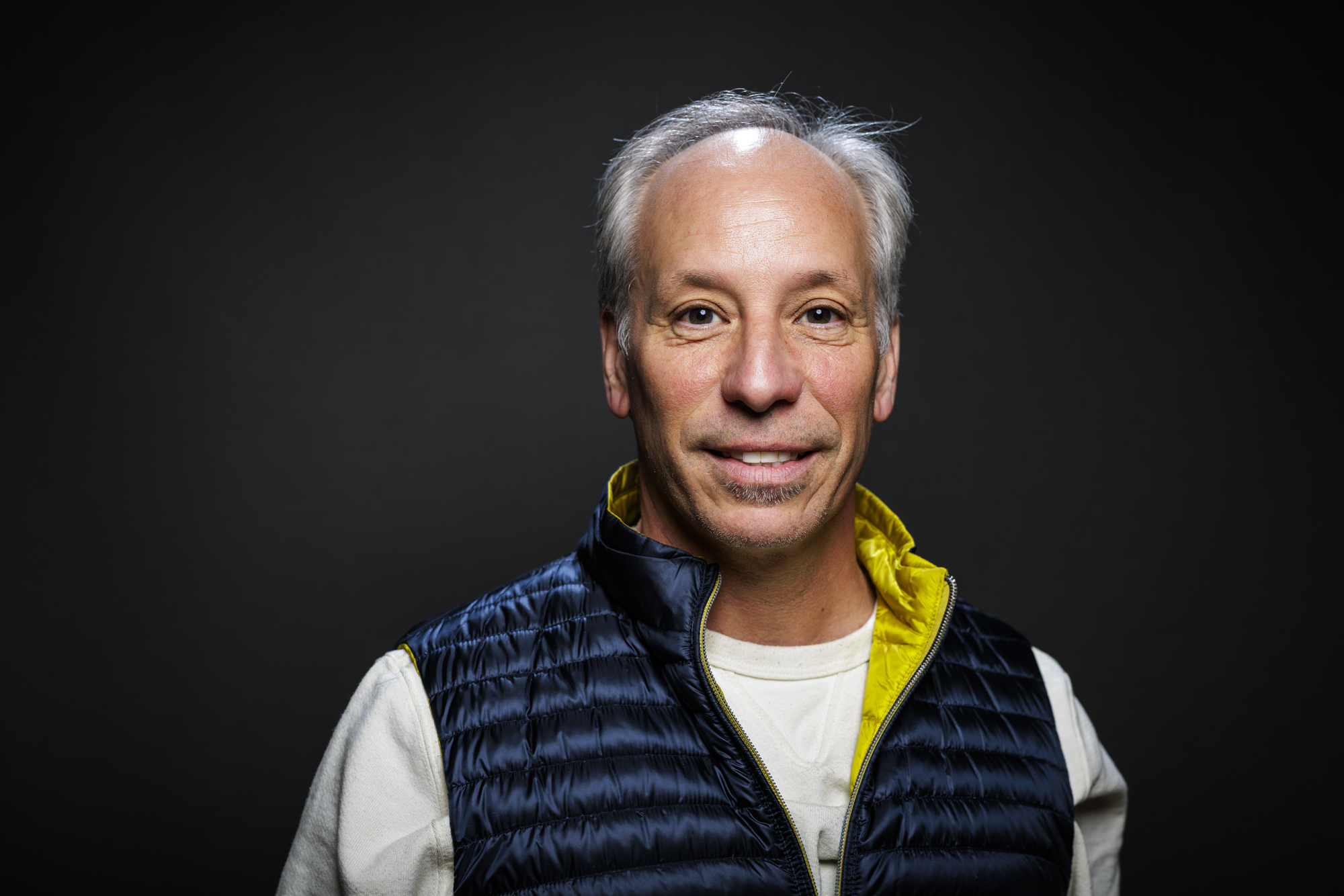
"caption": "Phillip DiGuglielmo, Alysa Liu's coach, at KQED in San Francisco on March 10, 2026.",
"credit": "Martin do Nascimento/KQED",
"altTag": null,
"description": null,
"imgSizes": {
"thumbnail": {
"file": "https://cdn.kqed.org/wp-content/uploads/sites/10/2026/03/260310-ALYSA-LIU-COACH-MD-03-KQED-160x107.jpg",
"width": 160,
"height": 107,
"mimeType": "image/jpeg"
},
"1536x1536": {
"file": "https://cdn.kqed.org/wp-content/uploads/sites/10/2026/03/260310-ALYSA-LIU-COACH-MD-03-KQED-1536x1025.jpg",
"width": 1536,
"height": 1025,
"mimeType": "image/jpeg"
},
"post-thumbnail": {
"file": "https://cdn.kqed.org/wp-content/uploads/sites/10/2026/03/260310-ALYSA-LIU-COACH-MD-03-KQED-672x372.jpg",
"width": 672,
"height": 372,
"mimeType": "image/jpeg"
},
"twentyfourteen-full-width": {
"file": "https://cdn.kqed.org/wp-content/uploads/sites/10/2026/03/260310-ALYSA-LIU-COACH-MD-03-KQED-1038x576.jpg",
"width": 1038,
"height": 576,
"mimeType": "image/jpeg"
},
"npr-cds-wide": {
"file": "https://cdn.kqed.org/wp-content/uploads/sites/10/2026/03/260310-ALYSA-LIU-COACH-MD-03-KQED-1200x675.jpg",
"width": 1200,
"height": 675,
"mimeType": "image/jpeg"
},
"kqedFullSize": {
"file": "https://cdn.kqed.org/wp-content/uploads/sites/10/2026/03/260310-ALYSA-LIU-COACH-MD-03-KQED.jpg",
"width": 2000,
"height": 1334
}
},
"isLoading": false,
"fetchFailed": false
},
"news_12076113": {
"type": "attachments",
"id": "news_12076113",
"meta": {
"index": "attachments_1716263798",
"site": "news",
"id": "12076113",
"found": true
},
"title": "031026_ALYSA LIU OAKLAND ICE _GH_006-KQED",
"publishDate": 1773255280,
"status": "inherit",
"parent": 0,
"modified": 1773255294,
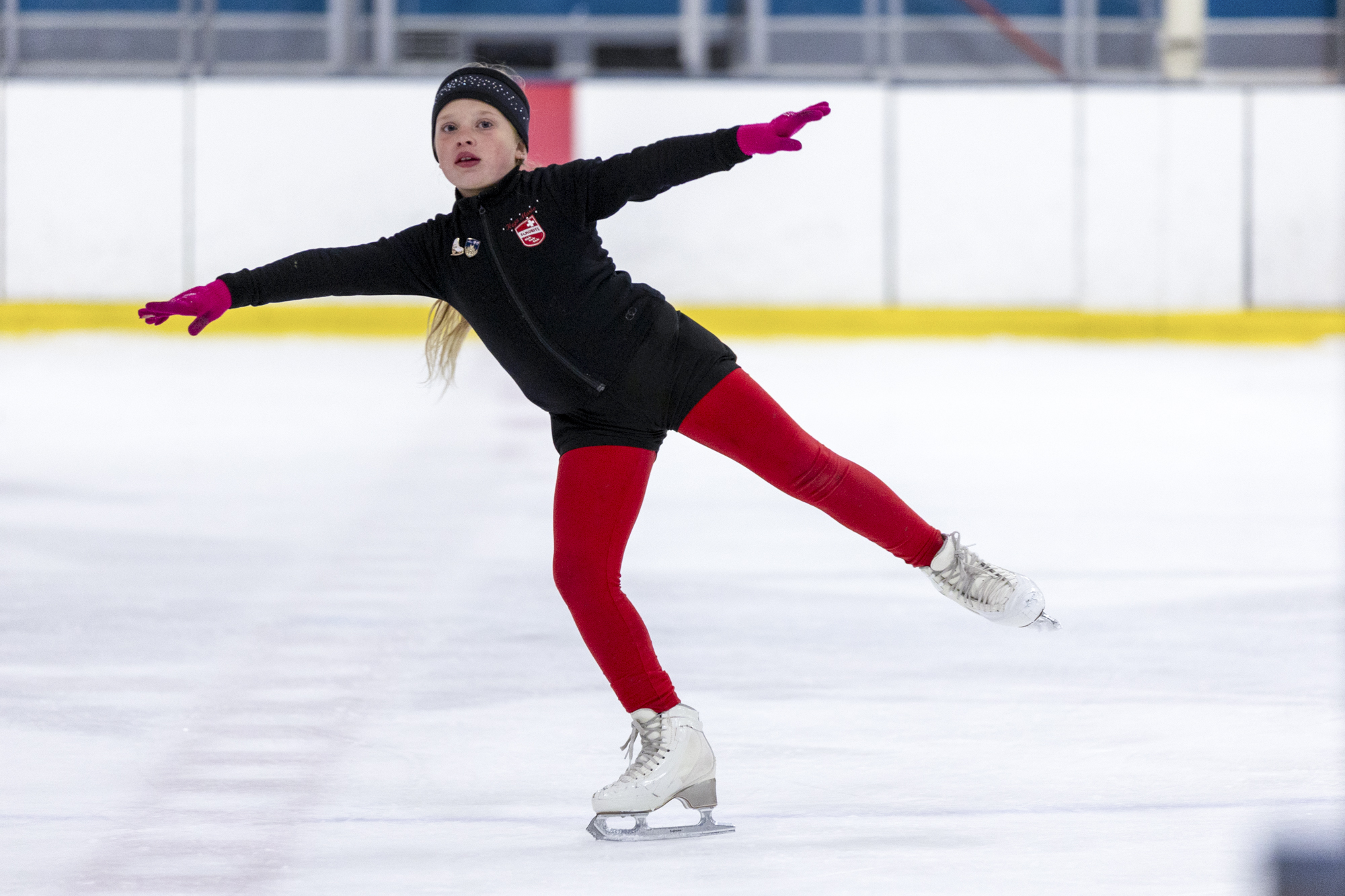
"caption": "Haya Marie Hayes practices during a skating session on March 10, 2026, at the Oakland Ice Center in Oakland.",
"credit": "Gustavo Hernandez/KQED",
"altTag": null,
"description": null,
"imgSizes": {
"thumbnail": {
"file": "https://cdn.kqed.org/wp-content/uploads/sites/10/2026/03/031026_ALYSA-LIU-OAKLAND-ICE-_GH_006-KQED-160x107.jpg",
"width": 160,
"height": 107,
"mimeType": "image/jpeg"
},
"1536x1536": {
"file": "https://cdn.kqed.org/wp-content/uploads/sites/10/2026/03/031026_ALYSA-LIU-OAKLAND-ICE-_GH_006-KQED-1536x1024.jpg",
"width": 1536,
"height": 1024,
"mimeType": "image/jpeg"
},
"post-thumbnail": {
"file": "https://cdn.kqed.org/wp-content/uploads/sites/10/2026/03/031026_ALYSA-LIU-OAKLAND-ICE-_GH_006-KQED-672x372.jpg",
"width": 672,
"height": 372,
"mimeType": "image/jpeg"
},
"twentyfourteen-full-width": {
"file": "https://cdn.kqed.org/wp-content/uploads/sites/10/2026/03/031026_ALYSA-LIU-OAKLAND-ICE-_GH_006-KQED-1038x576.jpg",
"width": 1038,
"height": 576,
"mimeType": "image/jpeg"
},
"npr-cds-wide": {
"file": "https://cdn.kqed.org/wp-content/uploads/sites/10/2026/03/031026_ALYSA-LIU-OAKLAND-ICE-_GH_006-KQED-1200x675.jpg",
"width": 1200,
"height": 675,
"mimeType": "image/jpeg"
},
"kqedFullSize": {
"file": "https://cdn.kqed.org/wp-content/uploads/sites/10/2026/03/031026_ALYSA-LIU-OAKLAND-ICE-_GH_006-KQED.jpg",
"width": 2000,
"height": 1333
}
},
"isLoading": false,
"fetchFailed": false
},
"news_12074616": {
"type": "attachments",
"id": "news_12074616",
"meta": {
"index": "attachments_1716263798",
"site": "news",
"id": "12074616",
"found": true
},
"title": "2026 Winter Olympics - Milan-Cortina",
"publishDate": 1772053200,
"status": "inherit",
"parent": 12074589,
"modified": 1773187470,
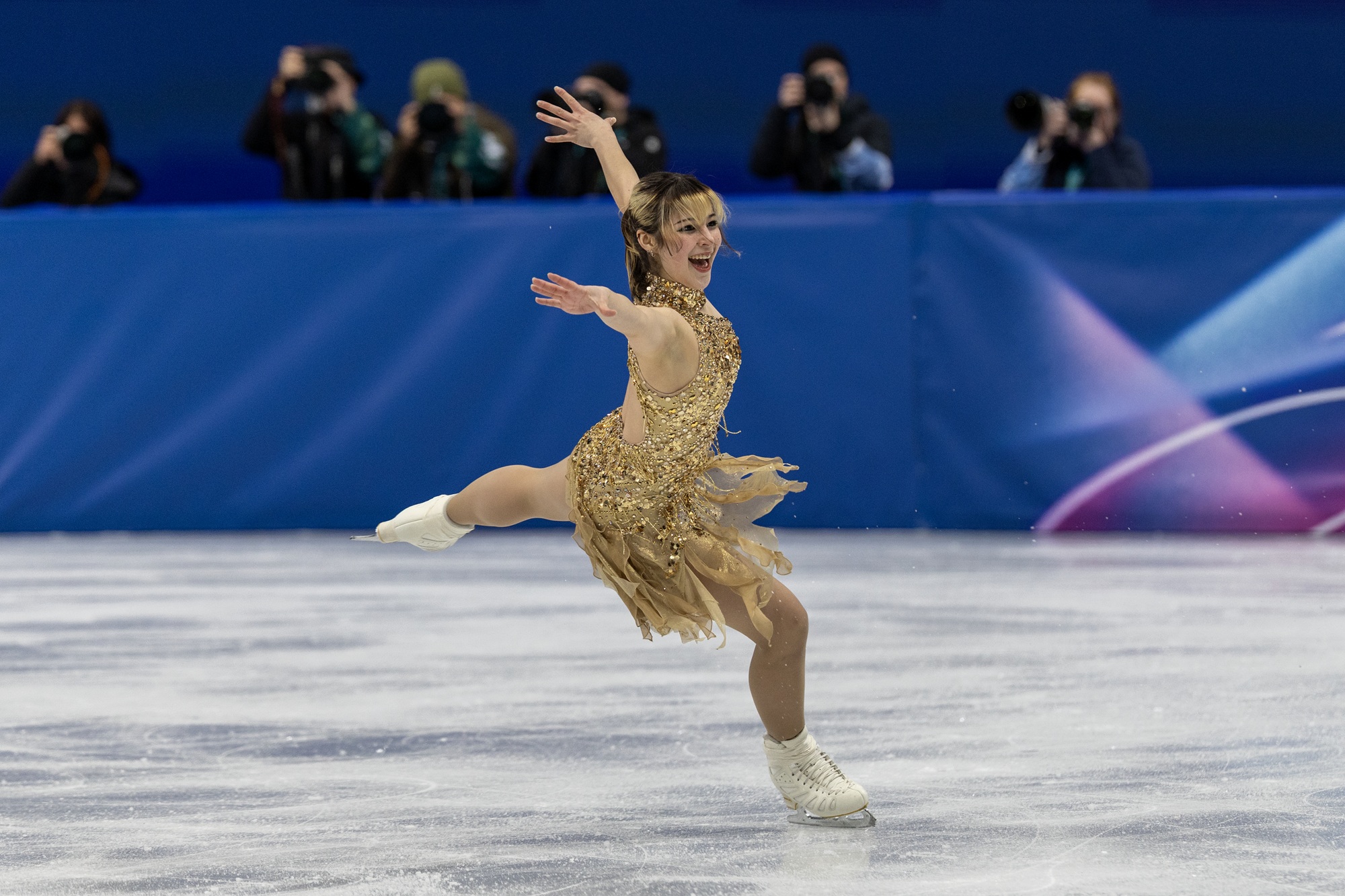
"caption": "Alysa Liu of the United States performs her routine, which won the gold medal, during the Figure Skating, Women's Singles Skating, Free Skating at the Milano Ice Skating Arena at the Milano Cortina Winter Olympic Games 2026 on Feb. 19, 2026, in Milan, Italy.",
"credit": "Tim Clayton/Getty Images",
"altTag": null,
"description": null,
"imgSizes": {
"thumbnail": {
"file": "https://cdn.kqed.org/wp-content/uploads/sites/10/2026/02/AlysaLiuGetty2-160x107.jpg",
"width": 160,
"height": 107,
"mimeType": "image/jpeg"
},
"1536x1536": {
"file": "https://cdn.kqed.org/wp-content/uploads/sites/10/2026/02/AlysaLiuGetty2-1536x1024.jpg",
"width": 1536,
"height": 1024,
"mimeType": "image/jpeg"
},
"post-thumbnail": {
"file": "https://cdn.kqed.org/wp-content/uploads/sites/10/2026/02/AlysaLiuGetty2-672x372.jpg",
"width": 672,
"height": 372,
"mimeType": "image/jpeg"
},
"twentyfourteen-full-width": {
"file": "https://cdn.kqed.org/wp-content/uploads/sites/10/2026/02/AlysaLiuGetty2-1038x576.jpg",
"width": 1038,
"height": 576,
"mimeType": "image/jpeg"
},
"npr-cds-wide": {
"file": "https://cdn.kqed.org/wp-content/uploads/sites/10/2026/02/AlysaLiuGetty2-1200x675.jpg",
"width": 1200,
"height": 675,
"mimeType": "image/jpeg"
},
"kqedFullSize": {
"file": "https://cdn.kqed.org/wp-content/uploads/sites/10/2026/02/AlysaLiuGetty2.jpg",
"width": 2000,
"height": 1333
}
},
"isLoading": false,
"fetchFailed": false
},
"news_12074939": {
"type": "attachments",
"id": "news_12074939",
"meta": {
"index": "attachments_1716263798",
"site": "news",
"id": "12074939",
"found": true
},
"title": "Utah Mammoth v San Jose Sharks",
"publishDate": 1772231887,
"status": "inherit",
"parent": 12074742,
"modified": 1772231972,
"caption": "Macklin Celebrini #71 of the San José Sharks reacts after he scored his third goal of the night for a hat trick in overtime to win their game against the Utah Mammoth at SAP Center on Nov. 18, 2025, in San José, California.",
"credit": "Ezra Shaw/Getty Images",
"altTag": null,
"description": null,
"imgSizes": {
"thumbnail": {
"file": "https://cdn.kqed.org/wp-content/uploads/sites/10/2026/02/Macklin-Celebrini-Getty-4-160x107.jpg",
"width": 160,
"height": 107,
"mimeType": "image/jpeg"
},
"1536x1536": {
"file": "https://cdn.kqed.org/wp-content/uploads/sites/10/2026/02/Macklin-Celebrini-Getty-4-1536x1024.jpg",
"width": 1536,
"height": 1024,
"mimeType": "image/jpeg"
},
"post-thumbnail": {
"file": "https://cdn.kqed.org/wp-content/uploads/sites/10/2026/02/Macklin-Celebrini-Getty-4-672x372.jpg",
"width": 672,
"height": 372,
"mimeType": "image/jpeg"
},
"twentyfourteen-full-width": {
"file": "https://cdn.kqed.org/wp-content/uploads/sites/10/2026/02/Macklin-Celebrini-Getty-4-1038x576.jpg",
"width": 1038,
"height": 576,
"mimeType": "image/jpeg"
},
"npr-cds-wide": {
"file": "https://cdn.kqed.org/wp-content/uploads/sites/10/2026/02/Macklin-Celebrini-Getty-4-1200x675.jpg",
"width": 1200,
"height": 675,
"mimeType": "image/jpeg"
},
"kqedFullSize": {
"file": "https://cdn.kqed.org/wp-content/uploads/sites/10/2026/02/Macklin-Celebrini-Getty-4.jpg",
"width": 2000,
"height": 1333
}
},
"isLoading": false,
"fetchFailed": false
},
"news_12074642": {
"type": "attachments",
"id": "news_12074642",
"meta": {
"index": "attachments_1716263798",
"site": "news",
"id": "12074642",
"found": true
},
"title": "Figure Skating - Milano Cortina 2026 Winter Olympics: Day 15",
"publishDate": 1772056628,
"status": "inherit",
"parent": 12074589,
"modified": 1772056923,
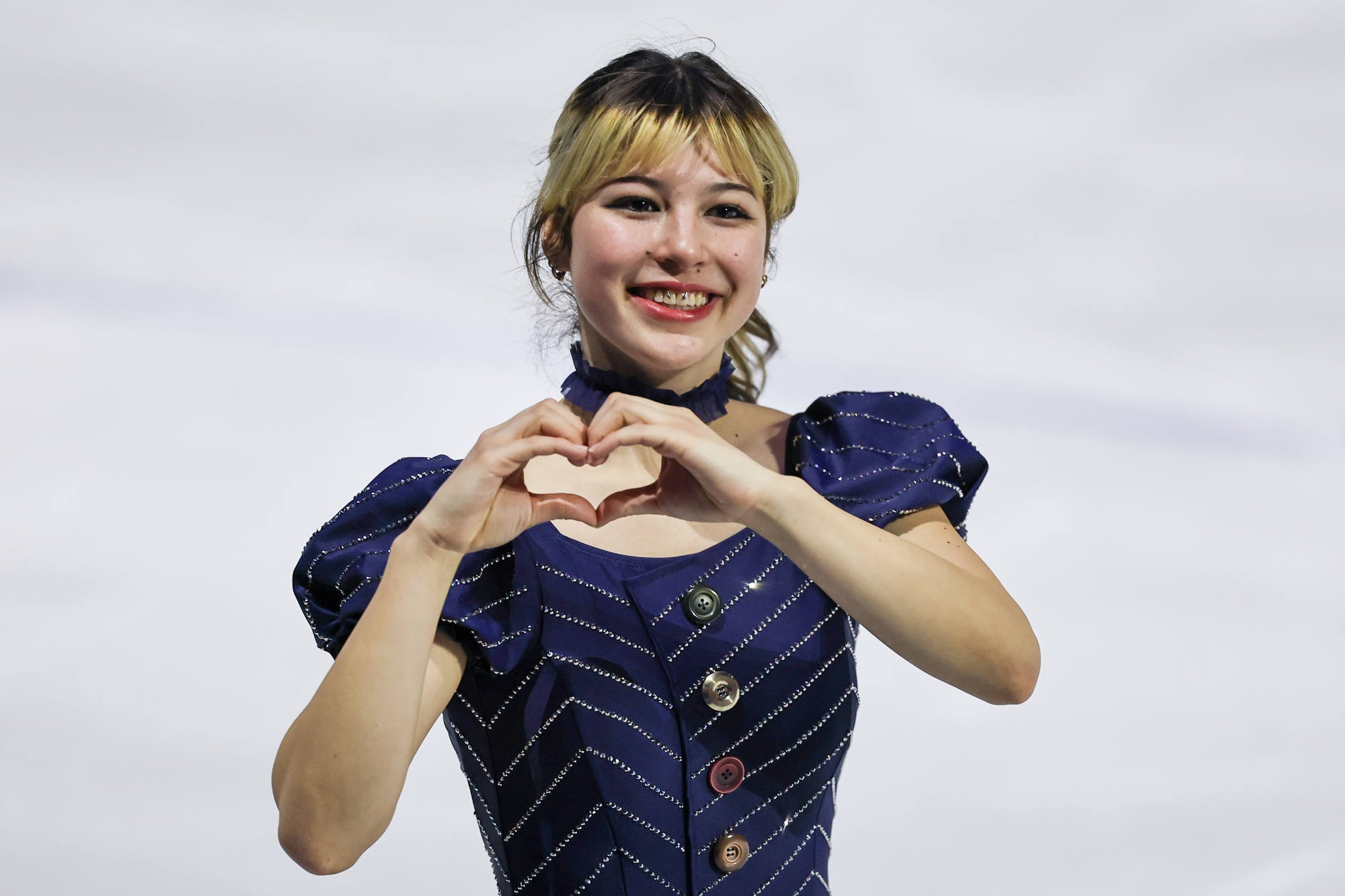
"caption": "Alysa Liu performs in the Women's Single Skating routine during a Figure Skating Exhibition Gala of the Milano Cortina 2026 Winter Olympic Games at Milano Ice Skating Arena on Feb. 21, 2026, in Milan, Italy.",
"credit": "Qian Jun/MB Media/Getty Images",
"altTag": null,
"description": null,
"imgSizes": {
"thumbnail": {
"file": "https://cdn.kqed.org/wp-content/uploads/sites/10/2026/02/AlysaLiuGetty3-160x107.jpg",
"width": 160,
"height": 107,
"mimeType": "image/jpeg"
},
"1536x1536": {
"file": "https://cdn.kqed.org/wp-content/uploads/sites/10/2026/02/AlysaLiuGetty3-1536x1024.jpg",
"width": 1536,
"height": 1024,
"mimeType": "image/jpeg"
},
"post-thumbnail": {
"file": "https://cdn.kqed.org/wp-content/uploads/sites/10/2026/02/AlysaLiuGetty3-672x372.jpg",
"width": 672,
"height": 372,
"mimeType": "image/jpeg"
},
"twentyfourteen-full-width": {
"file": "https://cdn.kqed.org/wp-content/uploads/sites/10/2026/02/AlysaLiuGetty3-1038x576.jpg",
"width": 1038,
"height": 576,
"mimeType": "image/jpeg"
},
"npr-cds-wide": {
"file": "https://cdn.kqed.org/wp-content/uploads/sites/10/2026/02/AlysaLiuGetty3-1200x675.jpg",
"width": 1200,
"height": 675,
"mimeType": "image/jpeg"
},
"kqedFullSize": {
"file": "https://cdn.kqed.org/wp-content/uploads/sites/10/2026/02/AlysaLiuGetty3.jpg",
"width": 2000,
"height": 1333
}
},
"isLoading": false,
"fetchFailed": false
},
"news_12074543": {
"type": "attachments",
"id": "news_12074543",
"meta": {
"index": "attachments_1716263798",
"site": "news",
"id": "12074543",
"found": true
},
"title": "Summer Olympics Venue - LA Coliseum",
"publishDate": 1772040049,
"status": "inherit",
"parent": 12074541,
"modified": 1772040165,
"caption": "The Los Angeles Memorial Coliseum in Los Angeles, California, on June 27, 2025. The stadium hosted the Summer Olympics in 1932 and 1984. It is scheduled to host the Summer Olympics for a third time in 2028. The stadium will be used for the opening ceremony and track-and-field events.",
"credit": "Michael Lee/Getty Images",
"altTag": null,
"description": null,
"imgSizes": {
"thumbnail": {
"file": "https://cdn.kqed.org/wp-content/uploads/sites/10/2026/02/LAOlympicsGetty-160x110.jpg",
"width": 160,
"height": 110,
"mimeType": "image/jpeg"
},
"1536x1536": {
"file": "https://cdn.kqed.org/wp-content/uploads/sites/10/2026/02/LAOlympicsGetty-1536x1059.jpg",
"width": 1536,
"height": 1059,
"mimeType": "image/jpeg"
},
"post-thumbnail": {
"file": "https://cdn.kqed.org/wp-content/uploads/sites/10/2026/02/LAOlympicsGetty-672x372.jpg",
"width": 672,
"height": 372,
"mimeType": "image/jpeg"
},
"twentyfourteen-full-width": {
"file": "https://cdn.kqed.org/wp-content/uploads/sites/10/2026/02/LAOlympicsGetty-1038x576.jpg",
"width": 1038,
"height": 576,
"mimeType": "image/jpeg"
},
"npr-cds-wide": {
"file": "https://cdn.kqed.org/wp-content/uploads/sites/10/2026/02/LAOlympicsGetty-1200x675.jpg",
"width": 1200,
"height": 675,
"mimeType": "image/jpeg"
},
"kqedFullSize": {
"file": "https://cdn.kqed.org/wp-content/uploads/sites/10/2026/02/LAOlympicsGetty.jpg",
"width": 2000,
"height": 1379
}
},
"isLoading": false,
"fetchFailed": false
},
"news_12073925": {
"type": "attachments",
"id": "news_12073925",
"meta": {
"index": "attachments_1716263798",
"site": "news",
"id": "12073925",
"found": true
},
"title": "APTOPIX Milan Cortina Olympics Figure Skating",
"publishDate": 1771540015,
"status": "inherit",
"parent": 12073916,
"modified": 1771540034,
"caption": "Alysa Liu of the United States competes during the women's figure skating free program at the 2026 Winter Olympics, in Milan, Italy, Thursday, Feb. 19, 2026. ",
"credit": "(AP Photo/Natacha Pisarenko)",
"altTag": null,
"description": null,
"imgSizes": {
"medium": {
"file": "https://cdn.kqed.org/wp-content/uploads/sites/10/2026/02/AP26050787433245-2000x1334.jpg",
"width": 2000,
"height": 1334,
"mimeType": "image/jpeg"
},
"large": {
"file": "https://cdn.kqed.org/wp-content/uploads/sites/10/2026/02/AP26050787433245-2000x1334.jpg",
"width": 2000,
"height": 1334,
"mimeType": "image/jpeg"
},
"thumbnail": {
"file": "https://cdn.kqed.org/wp-content/uploads/sites/10/2026/02/AP26050787433245-160x107.jpg",
"width": 160,
"height": 107,
"mimeType": "image/jpeg"
},
"1536x1536": {
"file": "https://cdn.kqed.org/wp-content/uploads/sites/10/2026/02/AP26050787433245-1536x1024.jpg",
"width": 1536,
"height": 1024,
"mimeType": "image/jpeg"
},
"2048x2048": {
"file": "https://cdn.kqed.org/wp-content/uploads/sites/10/2026/02/AP26050787433245-2048x1366.jpg",
"width": 2048,
"height": 1366,
"mimeType": "image/jpeg"
},
"post-thumbnail": {
"file": "https://cdn.kqed.org/wp-content/uploads/sites/10/2026/02/AP26050787433245-672x372.jpg",
"width": 672,
"height": 372,
"mimeType": "image/jpeg"
},
"twentyfourteen-full-width": {
"file": "https://cdn.kqed.org/wp-content/uploads/sites/10/2026/02/AP26050787433245-1038x576.jpg",
"width": 1038,
"height": 576,
"mimeType": "image/jpeg"
},
"full-width": {
"file": "https://cdn.kqed.org/wp-content/uploads/sites/10/2026/02/AP26050787433245-2000x1334.jpg",
"width": 2000,
"height": 1334,
"mimeType": "image/jpeg"
},
"npr-cds-wide": {
"file": "https://cdn.kqed.org/wp-content/uploads/sites/10/2026/02/AP26050787433245-1200x675.jpg",
"width": 1200,
"height": 675,
"mimeType": "image/jpeg"
},
"kqedFullSize": {
"file": "https://cdn.kqed.org/wp-content/uploads/sites/10/2026/02/AP26050787433245-scaled.jpg",
"width": 2560,
"height": 1707
}
},
"isLoading": false,
"fetchFailed": false
},
"news_12072687": {
"type": "attachments",
"id": "news_12072687",
"meta": {
"index": "attachments_1716263798",
"site": "news",
"id": "12072687",
"found": true
},
"title": "ISU World Cup Short Track - Salt Lake City",
"publishDate": 1770414934,
"status": "inherit",
"parent": 12072634,
"modified": 1770417471,
"caption": "Brandon Kim of the United States competes in a men's 1000-meter heat during the ISU World Cup Short Track at the Utah Olympic Oval on Nov. 4, 2022, in Salt Lake City, Utah. ",
"credit": "Gregory Shamus/International Skating Union via Getty Images",
"altTag": null,
"description": null,
"imgSizes": {
"thumbnail": {
"file": "https://cdn.kqed.org/wp-content/uploads/sites/10/2026/02/BrandonKimOlympicsGetty1-160x107.jpg",
"width": 160,
"height": 107,
"mimeType": "image/jpeg"
},
"1536x1536": {
"file": "https://cdn.kqed.org/wp-content/uploads/sites/10/2026/02/BrandonKimOlympicsGetty1-1536x1024.jpg",
"width": 1536,
"height": 1024,
"mimeType": "image/jpeg"
},
"post-thumbnail": {
"file": "https://cdn.kqed.org/wp-content/uploads/sites/10/2026/02/BrandonKimOlympicsGetty1-672x372.jpg",
"width": 672,
"height": 372,
"mimeType": "image/jpeg"
},
"twentyfourteen-full-width": {
"file": "https://cdn.kqed.org/wp-content/uploads/sites/10/2026/02/BrandonKimOlympicsGetty1-1038x576.jpg",
"width": 1038,
"height": 576,
"mimeType": "image/jpeg"
},
"npr-cds-wide": {
"file": "https://cdn.kqed.org/wp-content/uploads/sites/10/2026/02/BrandonKimOlympicsGetty1-1200x675.jpg",
"width": 1200,
"height": 675,
"mimeType": "image/jpeg"
},
"kqedFullSize": {
"file": "https://cdn.kqed.org/wp-content/uploads/sites/10/2026/02/BrandonKimOlympicsGetty1.jpg",
"width": 2000,
"height": 1333
}
},
"isLoading": false,
"fetchFailed": false
},
"news_12072193": {
"type": "attachments",
"id": "news_12072193",
"meta": {
"index": "attachments_1716263798",
"site": "news",
"id": "12072193",
"found": true
},
"title": "260203-SUPERBOWLFLAGFOOTBALL-08-KQED",
"publishDate": 1770167472,
"status": "inherit",
"parent": 0,
"modified": 1770167519,
"caption": "Team Japan scores a point against Team Panama during the NFL Flag International Championship at Moscone Center in San Francisco on Feb. 3, 2026. The championship brings together top under-13 co-ed teams from 14 countries as part of Super Bowl LX week’s Super Bowl Experience.",
"credit": "Beth LaBerge/KQED",
"altTag": null,
"description": null,
"imgSizes": {
"thumbnail": {
"file": "https://cdn.kqed.org/wp-content/uploads/sites/10/2026/02/260203-SUPERBOWLFLAGFOOTBALL-08-KQED-160x107.jpg",
"width": 160,
"height": 107,
"mimeType": "image/jpeg"
},
"1536x1536": {
"file": "https://cdn.kqed.org/wp-content/uploads/sites/10/2026/02/260203-SUPERBOWLFLAGFOOTBALL-08-KQED-1536x1024.jpg",
"width": 1536,
"height": 1024,
"mimeType": "image/jpeg"
},
"post-thumbnail": {
"file": "https://cdn.kqed.org/wp-content/uploads/sites/10/2026/02/260203-SUPERBOWLFLAGFOOTBALL-08-KQED-672x372.jpg",
"width": 672,
"height": 372,
"mimeType": "image/jpeg"
},
"twentyfourteen-full-width": {
"file": "https://cdn.kqed.org/wp-content/uploads/sites/10/2026/02/260203-SUPERBOWLFLAGFOOTBALL-08-KQED-1038x576.jpg",
"width": 1038,
"height": 576,
"mimeType": "image/jpeg"
},
"npr-cds-wide": {
"file": "https://cdn.kqed.org/wp-content/uploads/sites/10/2026/02/260203-SUPERBOWLFLAGFOOTBALL-08-KQED-1200x675.jpg",
"width": 1200,
"height": 675,
"mimeType": "image/jpeg"
},
"kqedFullSize": {
"file": "https://cdn.kqed.org/wp-content/uploads/sites/10/2026/02/260203-SUPERBOWLFLAGFOOTBALL-08-KQED.jpg",
"width": 2000,
"height": 1333
}
},
"isLoading": false,
"fetchFailed": false
},
"news_12042365": {
"type": "attachments",
"id": "news_12042365",
"meta": {
"index": "attachments_1716263798",
"site": "news",
"id": "12042365",
"found": true
},
"title": "Coliseum",
"publishDate": 1748870694,
"status": "inherit",
"parent": 12042364,
"modified": 1748870930,
"caption": "The exterior of the Los Angeles Memorial Coliseum, which is expected to host the opening ceremony for the 2028 Summer Olympics.",
"credit": "Saul Gonzalez/The California Report",
"altTag": null,
"description": null,
"imgSizes": {
"medium": {
"file": "https://cdn.kqed.org/wp-content/uploads/sites/10/2025/06/Colsieum-800x600.jpeg",
"width": 800,
"height": 600,
"mimeType": "image/jpeg"
},
"large": {
"file": "https://cdn.kqed.org/wp-content/uploads/sites/10/2025/06/Colsieum-1020x765.jpeg",
"width": 1020,
"height": 765,
"mimeType": "image/jpeg"
},
"thumbnail": {
"file": "https://cdn.kqed.org/wp-content/uploads/sites/10/2025/06/Colsieum-160x120.jpeg",
"width": 160,
"height": 120,
"mimeType": "image/jpeg"
},
"1536x1536": {
"file": "https://cdn.kqed.org/wp-content/uploads/sites/10/2025/06/Colsieum-1536x1152.jpeg",
"width": 1536,
"height": 1152,
"mimeType": "image/jpeg"
},
"2048x2048": {
"file": "https://cdn.kqed.org/wp-content/uploads/sites/10/2025/06/Colsieum-2048x1536.jpeg",
"width": 2048,
"height": 1536,
"mimeType": "image/jpeg"
},
"post-thumbnail": {
"file": "https://cdn.kqed.org/wp-content/uploads/sites/10/2025/06/Colsieum-672x372.jpeg",
"width": 672,
"height": 372,
"mimeType": "image/jpeg"
},
"twentyfourteen-full-width": {
"file": "https://cdn.kqed.org/wp-content/uploads/sites/10/2025/06/Colsieum-1038x576.jpeg",
"width": 1038,
"height": 576,
"mimeType": "image/jpeg"
},
"full-width": {
"file": "https://cdn.kqed.org/wp-content/uploads/sites/10/2025/06/Colsieum-1920x1440.jpeg",
"width": 1920,
"height": 1440,
"mimeType": "image/jpeg"
},
"kqedFullSize": {
"file": "https://cdn.kqed.org/wp-content/uploads/sites/10/2025/06/Colsieum-scaled-e1772041159569.jpeg",
"width": 2000,
"height": 1500
}
},
"isLoading": false,
"fetchFailed": false
}
},
"audioPlayerReducer": {
"postId": "stream_live",
"isPaused": true,
"isPlaying": false,
"pfsActive": false,
"pledgeModalIsOpen": true,
"playerDrawerIsOpen": false,
"liveAudioPlayStartedAt": 0,
"liveAudioPlayContext": ""
},
"authorsReducer": {
"byline_news_12073916": {
"type": "authors",
"id": "byline_news_12073916",
"meta": {
"override": true
},
"slug": "byline_news_12073916",
"name": " Dave Skretta, AP Sports Writer",
"isLoading": false
},
"ecruzguevarra": {
"type": "authors",
"id": "8654",
"meta": {
"index": "authors_1716337520",
"id": "8654",
"found": true
},
"name": "Ericka Cruz Guevarra",
"firstName": "Ericka",
"lastName": "Cruz Guevarra",
"slug": "ecruzguevarra",
"email": "ecruzguevarra@kqed.org",
"display_author_email": true,
"staff_mastheads": [
"news"
],
"title": "Producer, The Bay Podcast",
"bio": "Ericka Cruz Guevarra is host of \u003ca href=\"https://www.kqed.org/podcasts/thebay\">\u003cem>The Bay\u003c/em>\u003c/a> podcast at KQED. Before host, she was the show’s producer. Her work in that capacity includes a three-part reported series on policing in Vallejo, which won a 2020 excellence in journalism award from the Society of Professional Journalists. Ericka has worked as a breaking news reporter at Oregon Public Broadcasting, helped produce the Code Switch podcast, and was KQED’s inaugural Raul Ramirez Diversity Fund intern. She’s also an alumna of NPR’s Next Generation Radio program. Send her an email if you have strong feelings about whether Fairfield and Suisun City are the Bay. Ericka is represented by SAG-AFTRA.",
"avatar": "https://secure.gravatar.com/avatar/accefc1de4bafc7e234b69bcb9b6f6536c130fd84709bc3069ef11a78787e1bb?s=600&d=blank&r=g",
"twitter": "NotoriousECG",
"bluesky": null,
"facebook": null,
"instagram": null,
"linkedin": null,
"sites": [
{
"site": "arts",
"roles": [
"subscriber"
]
},
{
"site": "news",
"roles": [
"editor",
"manage_categories"
]
},
{
"site": "futureofyou",
"roles": [
"subscriber"
]
},
{
"site": "stateofhealth",
"roles": [
"subscriber"
]
},
{
"site": "science",
"roles": [
"editor"
]
},
{
"site": "forum",
"roles": [
"subscriber"
]
}
],
"headData": {
"title": "Ericka Cruz Guevarra | KQED",
"description": "Producer, The Bay Podcast",
"ogImgSrc": "https://secure.gravatar.com/avatar/accefc1de4bafc7e234b69bcb9b6f6536c130fd84709bc3069ef11a78787e1bb?s=600&d=blank&r=g",
"twImgSrc": "https://secure.gravatar.com/avatar/accefc1de4bafc7e234b69bcb9b6f6536c130fd84709bc3069ef11a78787e1bb?s=600&d=blank&r=g"
},
"isLoading": false,
"link": "/author/ecruzguevarra"
},
"bwatt": {
"type": "authors",
"id": "11238",
"meta": {
"index": "authors_1716337520",
"id": "11238",
"found": true
},
"name": "Brian Watt",
"firstName": "Brian",
"lastName": "Watt",
"slug": "bwatt",
"email": "bwatt@KQED.org",
"display_author_email": false,
"staff_mastheads": [
"news"
],
"title": "Morning News Anchor",
"bio": "Brian Watt is KQED's morning radio news anchor. He joined the KQED News team in April of 2016. Prior to that, he worked as a Reporter for KPCC in Los Angeles and a producer at \u003cem>Marketplace.\u003c/em>\r\n\r\nDuring eight years at KPCC, Brian covered business and economics, and his work won several awards. In 2008, he won the Los Angeles Press Club’s first-place award for Business and Financial Reporting, Broadcast. He’s also received honorable mention and been first runner up for the Press Club’s Radio Journalist of the Year. He won two Golden Mike awards from the Radio and TV News Association of Southern California.\r\n\r\nBrian holds degrees in theater from Yale University and the Sorbonne, and has worked as an actor in France, Italy, Brazil, Hungary and . . . Hollywood. He appeared in a few television shows, including \u003cem>The West Wing, Judging Amy\u003c/em> and \u003cem>The District.\u003c/em>\r\n\r\nEmail: bwatt@KQED.org Twitter: @RadioBWatt",
"avatar": "https://secure.gravatar.com/avatar/55393ff57ed34e2be773ba4789dd6a19?s=600&d=blank&r=g",
"twitter": "@RadioBWatt",
"facebook": null,
"instagram": null,
"linkedin": null,
"sites": [
{
"site": "arts",
"roles": [
"contributor"
]
},
{
"site": "news",
"roles": [
"editor"
]
}
],
"headData": {
"title": "Brian Watt | KQED",
"description": "Morning News Anchor",
"ogImgSrc": "https://secure.gravatar.com/avatar/55393ff57ed34e2be773ba4789dd6a19?s=600&d=blank&r=g",
"twImgSrc": "https://secure.gravatar.com/avatar/55393ff57ed34e2be773ba4789dd6a19?s=600&d=blank&r=g"
},
"isLoading": false,
"link": "/author/bwatt"
},
"amontecillo": {
"type": "authors",
"id": "11649",
"meta": {
"index": "authors_1716337520",
"id": "11649",
"found": true
},
"name": "Alan Montecillo",
"firstName": "Alan",
"lastName": "Montecillo",
"slug": "amontecillo",
"email": "amontecillo@kqed.org",
"display_author_email": false,
"staff_mastheads": [
"news"
],
"title": "KQED Contributor",
"bio": "Alan Montecillo is the senior editor of \u003cem>\u003ca href=\"http://kqed.org/thebay\">The Bay\u003c/a>, \u003c/em> KQED's local news podcast. Before moving to the Bay Area, he worked as a senior talk show producer for WILL in Champaign-Urbana, Illinois and at Oregon Public Broadcasting in Portland, Oregon. He has won journalism awards from the Society of Professional Journalists Northern California, the Public Media Journalists Association, The Signal Awards, and has also received a regional Edward R. Murrow award. Alan is a Filipino American from Hong Kong and a graduate of Reed College.",
"avatar": "https://secure.gravatar.com/avatar/268f53a2066899ea9efdd8a5900218b17c822d9862cbc9326cccec53ef41d349?s=600&d=blank&r=g",
"twitter": "alanmontecillo",
"bluesky": null,
"facebook": null,
"instagram": null,
"linkedin": null,
"sites": [
{
"site": "",
"roles": [
"editor"
]
},
{
"site": "news",
"roles": [
"editor",
"manage_categories"
]
}
],
"headData": {
"title": "Alan Montecillo | KQED",
"description": "KQED Contributor",
"ogImgSrc": "https://secure.gravatar.com/avatar/268f53a2066899ea9efdd8a5900218b17c822d9862cbc9326cccec53ef41d349?s=600&d=blank&r=g",
"twImgSrc": "https://secure.gravatar.com/avatar/268f53a2066899ea9efdd8a5900218b17c822d9862cbc9326cccec53ef41d349?s=600&d=blank&r=g"
},
"isLoading": false,
"link": "/author/amontecillo"
},
"agonzalez": {
"type": "authors",
"id": "11724",
"meta": {
"index": "authors_1716337520",
"id": "11724",
"found": true
},
"name": "Alexander Gonzalez",
"firstName": "Alexander",
"lastName": "Gonzalez",
"slug": "agonzalez",
"email": "AlexanderGonzalez@KQED.org",
"display_author_email": false,
"staff_mastheads": [
"news"
],
"title": "KQED Contributor",
"bio": null,
"avatar": "https://secure.gravatar.com/avatar/9e291ed34e154df4c662edf858b641d70b4859939bfe40be478408f9dfd057d2?s=600&d=blank&r=g",
"twitter": null,
"bluesky": null,
"facebook": null,
"instagram": null,
"linkedin": null,
"sites": [
{
"site": "arts",
"roles": [
"editor"
]
},
{
"site": "news",
"roles": [
"editor"
]
},
{
"site": "science",
"roles": [
"editor"
]
}
],
"headData": {
"title": "Alexander Gonzalez | KQED",
"description": "KQED Contributor",
"ogImgSrc": "https://secure.gravatar.com/avatar/9e291ed34e154df4c662edf858b641d70b4859939bfe40be478408f9dfd057d2?s=600&d=blank&r=g",
"twImgSrc": "https://secure.gravatar.com/avatar/9e291ed34e154df4c662edf858b641d70b4859939bfe40be478408f9dfd057d2?s=600&d=blank&r=g"
},
"isLoading": false,
"link": "/author/agonzalez"
},
"kmizuguchi": {
"type": "authors",
"id": "11739",
"meta": {
"index": "authors_1716337520",
"id": "11739",
"found": true
},
"name": "Keith Mizuguchi",
"firstName": "Keith",
"lastName": "Mizuguchi",
"slug": "kmizuguchi",
"email": "kmizuguchi@kqed.org",
"display_author_email": false,
"staff_mastheads": [],
"title": "KQED Contributor",
"bio": null,
"avatar": "https://secure.gravatar.com/avatar/64d8a7de0723d4099b9fe4e915136103febcc20809abce228ee4415bcb237023?s=600&d=blank&r=g",
"twitter": null,
"bluesky": null,
"facebook": null,
"instagram": null,
"linkedin": null,
"sites": [
{
"site": "news",
"roles": [
"editor"
]
},
{
"site": "science",
"roles": [
"editor"
]
}
],
"headData": {
"title": "Keith Mizuguchi | KQED",
"description": "KQED Contributor",
"ogImgSrc": "https://secure.gravatar.com/avatar/64d8a7de0723d4099b9fe4e915136103febcc20809abce228ee4415bcb237023?s=600&d=blank&r=g",
"twImgSrc": "https://secure.gravatar.com/avatar/64d8a7de0723d4099b9fe4e915136103febcc20809abce228ee4415bcb237023?s=600&d=blank&r=g"
},
"isLoading": false,
"link": "/author/kmizuguchi"
},
"adahlstromeckman": {
"type": "authors",
"id": "11785",
"meta": {
"index": "authors_1716337520",
"id": "11785",
"found": true
},
"name": "Azul Dahlstrom-Eckman",
"firstName": "Azul",
"lastName": "Dahlstrom-Eckman",
"slug": "adahlstromeckman",
"email": "adahlstrom-eckman@kqed.org",
"display_author_email": true,
"staff_mastheads": [],
"title": "Reporter",
"bio": "Azul is a reporter for KQED focusing on transportation and features. He joined KQED in 2021 as an alumna of KALW's Audio Academy radio journalism training program.",
"avatar": "https://secure.gravatar.com/avatar/9cb750298435add7815a777f55bf1f46845c1386bb8452555c60a7b820b5aba3?s=600&d=blank&r=g",
"twitter": "@zuliemann",
"bluesky": "@azul415.bsky.social",
"facebook": null,
"instagram": null,
"linkedin": null,
"sites": [
{
"site": "arts",
"roles": [
"editor"
]
},
{
"site": "news",
"roles": [
"editor"
]
},
{
"site": "science",
"roles": [
"editor"
]
},
{
"site": "liveblog",
"roles": [
"author"
]
}
],
"headData": {
"title": "Azul Dahlstrom-Eckman | KQED",
"description": "Reporter",
"ogImgSrc": "https://secure.gravatar.com/avatar/9cb750298435add7815a777f55bf1f46845c1386bb8452555c60a7b820b5aba3?s=600&d=blank&r=g",
"twImgSrc": "https://secure.gravatar.com/avatar/9cb750298435add7815a777f55bf1f46845c1386bb8452555c60a7b820b5aba3?s=600&d=blank&r=g"
},
"isLoading": false,
"link": "/author/adahlstromeckman"
},
"jessicakariisa": {
"type": "authors",
"id": "11831",
"meta": {
"index": "authors_1716337520",
"id": "11831",
"found": true
},
"name": "Jessica Kariisa",
"firstName": "Jessica",
"lastName": "Kariisa",
"slug": "jessicakariisa",
"email": "jkariisa@kqed.org",
"display_author_email": false,
"staff_mastheads": [],
"title": "Producer, The Bay",
"bio": "Jessica Kariisa is the producer of The Bay. She first joined KQED as an intern for The California Report Magazine, after which she became an on-call producer. She reported a Bay Curious episode on the use of rap lyrics in criminal trials which won a Society of Professional Journalists award in 2023 for Excellence in Features Journalism and the 2023 Signal Award for Best Conversation Starter. She’s worked on podcasts for Snap Judgment and American Public Media. Before embarking on her audio career, she was a music journalist.\r\n\r\nJessica Kariisa is represented by SAG-AFTRA.",
"avatar": "https://secure.gravatar.com/avatar/522e97b28ac0b3d411621c0fde8f3419c7b71ea2c5c262c57c4bb600963f328c?s=600&d=blank&r=g",
"twitter": null,
"bluesky": null,
"facebook": null,
"instagram": null,
"linkedin": null,
"sites": [
{
"site": "arts",
"roles": [
"author"
]
},
{
"site": "news",
"roles": [
"editor",
"manage_categories"
]
}
],
"headData": {
"title": "Jessica Kariisa | KQED",
"description": "Producer, The Bay",
"ogImgSrc": "https://secure.gravatar.com/avatar/522e97b28ac0b3d411621c0fde8f3419c7b71ea2c5c262c57c4bb600963f328c?s=600&d=blank&r=g",
"twImgSrc": "https://secure.gravatar.com/avatar/522e97b28ac0b3d411621c0fde8f3419c7b71ea2c5c262c57c4bb600963f328c?s=600&d=blank&r=g"
},
"isLoading": false,
"link": "/author/jessicakariisa"
},
"nkhan": {
"type": "authors",
"id": "11867",
"meta": {
"index": "authors_1716337520",
"id": "11867",
"found": true
},
"name": "Nisa Khan",
"firstName": "Nisa",
"lastName": "Khan",
"slug": "nkhan",
"email": "nkhan@kqed.org",
"display_author_email": false,
"staff_mastheads": [],
"title": "KQED Contributor",
"bio": "Nisa Khan is a reporter for KQED's Audience News Desk. She was formerly a data reporter at Michigan Radio. She earned a Bachelor of Science in Information from the University of Michigan and a Master of Arts in Communication from Stanford University.",
"avatar": "https://secure.gravatar.com/avatar/8720459eef081ff64582b3506b124d58523e80e120704a0cbd9892533c914991?s=600&d=blank&r=g",
"twitter": "mnisakhan",
"bluesky": null,
"facebook": null,
"instagram": null,
"linkedin": null,
"sites": [
{
"site": "arts",
"roles": [
"editor"
]
},
{
"site": "news",
"roles": [
"editor"
]
},
{
"site": "science",
"roles": [
"editor",
"author"
]
},
{
"site": "forum",
"roles": [
"editor"
]
},
{
"site": "liveblog",
"roles": [
"contributor"
]
}
],
"headData": {
"title": "Nisa Khan | KQED",
"description": "KQED Contributor",
"ogImgSrc": "https://secure.gravatar.com/avatar/8720459eef081ff64582b3506b124d58523e80e120704a0cbd9892533c914991?s=600&d=blank&r=g",
"twImgSrc": "https://secure.gravatar.com/avatar/8720459eef081ff64582b3506b124d58523e80e120704a0cbd9892533c914991?s=600&d=blank&r=g"
},
"isLoading": false,
"link": "/author/nkhan"
},
"kdebenedetti": {
"type": "authors",
"id": "11913",
"meta": {
"index": "authors_1716337520",
"id": "11913",
"found": true
},
"name": "Katie DeBenedetti",
"firstName": "Katie",
"lastName": "DeBenedetti",
"slug": "kdebenedetti",
"email": "kdebenedetti@kqed.org",
"display_author_email": false,
"staff_mastheads": [
"news",
"science"
],
"title": "KQED Contributor",
"bio": "Katie DeBenedetti is a digital reporter covering daily news for the Express Desk. Prior to joining KQED as a culture reporting intern in January 2024, she covered education and city government for the Napa Valley Register.",
"avatar": "https://secure.gravatar.com/avatar/6e31073cb8f7e4214ab03f42771d0f45?s=600&d=blank&r=g",
"twitter": null,
"facebook": null,
"instagram": null,
"linkedin": null,
"sites": [
{
"site": "news",
"roles": [
"author"
]
},
{
"site": "science",
"roles": [
"author"
]
},
{
"site": "liveblog",
"roles": [
"author"
]
}
],
"headData": {
"title": "Katie DeBenedetti | KQED",
"description": "KQED Contributor",
"ogImgSrc": "https://secure.gravatar.com/avatar/6e31073cb8f7e4214ab03f42771d0f45?s=600&d=blank&r=g",
"twImgSrc": "https://secure.gravatar.com/avatar/6e31073cb8f7e4214ab03f42771d0f45?s=600&d=blank&r=g"
},
"isLoading": false,
"link": "/author/kdebenedetti"
}
},
"pagesReducer": {
"news_tag_olympics": {
"type": "terms",
"id": "news_2808",
"meta": {
"index": "terms_1716263798",
"site": "news",
"id": "2808",
"score": 8.79519
},
"featImg": null,
"name": "Olympics",
"description": null,
"taxonomy": "tag",
"headData": {
"twImgId": null,
"twTitle": null,
"ogTitle": null,
"ogImgId": null,
"twDescription": null,
"description": null,
"title": "Olympics Archives | KQED News",
"ogDescription": null
},
"ttid": 2826,
"slug": "olympics",
"isLoading": false,
"title": "Olympics",
"pageMeta": {
"site": "news",
"WpPageTemplate": "page-topic-editorial",
"currentPage": 1
},
"blocks": [
{
"blockName": "kqed/post-list",
"attrs": {
"layout": "cardArticle2",
"query": "posts/news?tag=olympics",
"seeMore": false,
"paginated": true,
"page": 1
}
},
{
"blockName": "kqed/ad"
}
]
}
},
"pfsSessionReducer": {},
"postsReducer": {
"stream_live": {
"type": "live",
"id": "stream_live",
"audioUrl": "https://streams.kqed.org/kqedradio",
"title": "Live Stream",
"excerpt": "Live Stream information currently unavailable.",
"link": "/radio",
"featImg": "",
"label": {
"name": "KQED Live",
"link": "/"
}
},
"stream_kqedNewscast": {
"type": "posts",
"id": "stream_kqedNewscast",
"audioUrl": "https://www.kqed.org/.stream/anon/radio/RDnews/newscast.mp3?_=1",
"title": "KQED Newscast",
"featImg": "",
"label": {
"name": "88.5 FM",
"link": "/"
}
},
"news_12076324": {
"type": "posts",
"id": "news_12076324",
"meta": {
"index": "posts_1716263798",
"site": "news",
"id": "12076324",
"score": null,
"sort": [
1773396043000
]
},
"guestAuthors": [],
"slug": "alysa-lius-bay-area-homecoming",
"title": "Alysa Liu’s Bay Area Homecoming",
"publishDate": 1773396043,
"format": "audio",
"headTitle": "Alysa Liu’s Bay Area Homecoming | KQED",
"labelTerm": {},
"content": "\u003cp>On Thursday, thousands of people gathered in Oakland to welcome home Olympic figure skater and gold medalist Alysa Liu, who won the women’s singles gold medal in the 2026 Winter Olympics last month. Liu, who was born in Richmond and grew up training in Oakland, is the first American woman to win gold in her sport since 2002.\u003c/p>\n\u003cp>\u003c!-- iframe plugin v.4.3 wordpress.org/plugins/iframe/ -->\u003cbr>\n\u003ciframe loading=\"lazy\" frameborder=\"0\" height=\"200\" scrolling=\"no\" src=\"https://playlist.megaphone.fm?e=KQINC7295745346&light=true\" width=\"100%\" class=\"iframe-class\">\u003c/iframe>\u003c/p>\n\u003cp>\u003ci>Some members of the KQED podcast team are represented by The Screen Actors Guild, American Federation of Television and Radio Artists, San Francisco-Northern California Local.\u003c/i>\u003c/p>\n\u003cp>\u003ci>This is a computer-generated transcript. While our team has reviewed it, there may be errors.\u003c/i>\u003c/p>\n\u003cp>\u003cstrong>Ericka Cruz Guevarra \u003c/strong>[00:00:00] I’m Ericka Cruz Guevarra and welcome to The Bay, local news to keep you rooted. On Thursday, Oakland celebrated and welcomed home Olympic figure skater and gold medalist Alysa Liu, the first American woman to win figure skating gold in 24 years.\u003c/p>\n\u003cp>[ad fullwidth]\u003c/p>\n\u003cp>\u003cstrong>Announcer \u003c/strong>[00:00:30] It is like she’s just playing on the ice, not even performing anymore. The joy, the passion, and she’s figured out how to compete without carrying the weight of it. She stays so loose and completely herself out there. That’s a secret every athlete wants to solve.\u003c/p>\n\u003cp>\u003cstrong>Ericka Cruz Guevarra \u003c/strong>[00:00:52] Her iconic blonde and brown haloed hair, that smiley piercing she did herself, and the Bay Area confidence and charm that she brings to interviews and the Olympic rink, all this has made Alysa Liu a hometown hero for the old and young, like eight-year-old Joyce Ilangovan, who skates at the Oakland Ice Center where Alysa trains.\u003c/p>\n\u003cp>\u003cstrong>Joyce Ilangovan \u003c/strong>[00:01:20] Skaters aren’t as like positive as her on the ice and she’s always so fun and happy and she is never hiding herself and it feels really fun to watch.\u003c/p>\n\u003cp>\u003cstrong>Ericka Cruz Guevarra \u003c/strong>[00:01:33] On Thursday, thousands gathered outside Oakland City Hall to celebrate Alysa Liu’s homecoming. So today, we’re gonna take you to that homecoming party in Oakland.\u003c/p>\n\u003cp>\u003cstrong>Juan Carlos Lara \u003c/strong>[00:01:55] I’m here outside of Oakland City Hall where thousands of people have gathered to welcome Olympic gold medalist figure skater Alysa Liu back to her hometown. Liu gave a press conference inside earlier this morning where she talked about how proud she is to be representing Oakland and the broader Bay Area and how grateful she is for the outpouring of support that she’s received. This event is really lively. According to city officials they put out about 5,000 tickets and they sold out. The sun is shining, it’s warm, the energy is and it’s really become a showcasing of Oakland talent and culture. Sway Calloway, a radio personality who’s from Oakland, is emceeing the event. There have also been performances from the Fremont High School drum line and from the Oakland School for the Arts, where Liu attended. And in the words of Oakland Mayor Barbara Lee, the plaza is full, the energy is real, and the love for Oakland is loud. For KQED News in Oakland, I’m Juan Carlos Lara.\u003c/p>\n\u003cp>\u003cstrong>D Sharp \u003c/strong>[00:02:49] I want y’all to get loud for my big brother, Sway Calloway!\u003c/p>\n\u003cp>\u003cstrong>Sway Calloway \u003c/strong>[00:02:55] Make some noise! Come on, come on, Come on! Come on Bay Area! Bay Area, Bay Area Bay Area When I say Oakland, you say pride, Oakland! Oakland! When I said Oakland, You say pride Oakland! Oakland! When I say town, you say business, town! Town, town, man give it up for Oakland, California, the best city on the planet. Come on man, roll up D-Sharp man. Now just to be clear, I’ma take my time up here today. I know it’s hot, but we got a lot of, we got lot of important people here today to celebrate Alysa Liu. She told me how to say her name correctly, Alysa Liu. Okay, so I wanted to make sure I said it correctly.\u003c/p>\n\u003cp>\u003cstrong>Lateefah Simon \u003c/strong>[00:04:00] Welcome to the stage, Barbara Lee, the mayor of Oakland.\u003c/p>\n\u003cp>\u003cstrong>Barbara Lee \u003c/strong>[00:04:05] Oakland, California. Let me ask you something. Are we proud today or what? Just look around you. The plaza is full, the energy is real, and the love for Oakland is loud, because when Oakland celebrates one of our own, we show up. So now, it’s my honor to celebrate and to bring forward Alysa in a special way, and I’m presenting her today with a key to the city of Oakland. Key to the City of Oakland, all right? Champions come from Oakland welcome our gold medal champion our Olympic gold medal Champion Alysa.\u003c/p>\n\u003cp>\u003cstrong>Alysa Liu \u003c/strong>[00:04:55] Oh, what’s up, Oakland! Hello! Oh my god, thank you. This is for y’all, all right? Yeah, I don’t have a speech prepared, but I don t need one. I want to thank you all so much for showing up and showing out. This is crazy! Um, I see so many people, hi! I love Oakland. I’ve been here all my life. I literally walk through here every day to get to the city center for lunch from the rink over there. And I could not be more proud to represent Oakland out on the big stage at Olympics. And I wanna thank y’all for the support and the love. I feel it. So thank you guys.\u003c/p>\n\u003cp>\u003cstrong>Alysa Liu \u003c/strong>[00:06:10] That’s the key. The key to Oakland!\u003c/p>\n\u003cp>\u003cstrong>Sway Calloway \u003c/strong>[00:06:13] Hold that key up. She owns the key to the city now. We’re about to party.\u003c/p>\n\u003cp>\u003cstrong>Alysa Liu \u003c/strong>[00:06:20] Thank you.\u003c/p>\n\u003cp>\u003cstrong>Jennifer Lee \u003c/strong>[00:06:31] Jennifer Lee, J-E-N-N I-F-E R. There’s my daughters, my mom, my cousin, my husband, my friends, his friends, his daughter, so it’s a whole big group.\u003c/p>\n\u003cp>\u003cstrong>Juan Carlos Lara \u003c/strong>[00:06:42] Whose idea was it to get a big group of y’all together out here?\u003c/p>\n\u003cp>\u003cstrong>Jennifer Lee \u003c/strong>[00:06:45] Well, for my family, once we saw it posted, you know, I mean, the kids should probably technically be in school, but I thought it was just really, it’s a really powerful story for them of just not giving up and also pursuing what you love for the sake of what you love. So.\u003c/p>\n\u003cp>\u003cstrong>Juan Carlos Lara \u003c/strong>[00:07:02] And you said your mom was here. Do you mind if I ask mom a question? Mom, can I ask you a question. Can I ask you a question?\u003c/p>\n\u003cp>\u003cstrong>Cynthia Lee \u003c/strong>[00:07:07] I’m so glad to be here. Yeah, because Alysa not just inspire her age, the young persons. She also inspire the parents age like me. Yeah, I hope I can be like her, have her overflow smiling, her confidence, her joy. Yeah, I really love them I was so inspired by her, yeah, so happy to be here.\u003c/p>\n\u003cp>\u003cstrong>Sway Calloway \u003c/strong>[00:07:45] One of these women that are coming to the stage today. I’ve known her for years, but I’ve know her record for decades. She represents California’s 12th congressional district, including Oakland, California. Please give it up for Congresswoman Lateefah Simon.\u003c/p>\n\u003cp>\u003cstrong>Lateefah Simon \u003c/strong>[00:08:06] Look at Oakland, California! It was an honor for me just one week ago to stand on the floor of the United States Congress to give love to Alysa Liu. And what I said there, I’ll say again, she is the hope of all that is good in a time. Where governments are dropping bombs on babies, in a time where young people are not being listened to, in a times where immigrants are being taken from their homes, we have a young sister who has showed us what it means to live life with excellence and beauty on her own terms. To all of us here in Oakland, we know that she is our hero, but what I will tell you, brothers and sisters and siblings, she is an American hero.\u003c/p>\n\u003cp>\u003cstrong>Simon O’Brien \u003c/strong>[00:09:21] My name is Simon O’Brien.\u003c/p>\n\u003cp>\u003cstrong>Gus Johansen \u003c/strong>[00:09:23] My name is Gus Johansen.\u003c/p>\n\u003cp>\u003cstrong>Oliver Hajduk \u003c/strong>[00:09:25] My name is Oliver Hayduk.\u003c/p>\n\u003cp>\u003cstrong>Simon O’Brien \u003c/strong>[00:09:26] Well, we’re here for the Alysa Liu thing. She went to OSA, she was an OSA alumni, and all three of us go to OASA currently. And so it’s really exciting because, you know, one of our alumni, I mean, literally is the world champion in figure skating. So that’s really cool. That’s what brings us out today.\u003c/p>\n\u003cp>\u003cstrong>Juan Carlos Lara \u003c/strong>[00:09:44] Are you not supposed to be in school right now?\u003c/p>\n\u003cp>\u003cstrong>Simon O’Brien \u003c/strong>[00:09:46] Oh the whole school came. The whole school? Everybody.\u003c/p>\n\u003cp>\u003cstrong>Oliver Hajduk \u003c/strong>[00:09:49] Yeah, so it was kind of a special day for OSA, you know, cause she, she, like, she had educational, like she got education from OSA. The ice Center, which is right next door, which you go to for PE sometimes, it’s just kind of like a special moment for OSA.\u003c/p>\n\u003cp>\u003cstrong>Gus Johansen \u003c/strong>[00:10:02] She really inspires all, we have a lot of skaters at our school, almost everybody ice skates. We ice skate every Tuesday and Thursday and it’s just really awesome that we get to be here.\u003c/p>\n\u003cp>\u003cstrong>Oliver Hajduk \u003c/strong>[00:10:14] You know, it’s just cool to see all of Oakland come out with everything that’s been happening, filming, and then just all getting together, just like everyone.\u003c/p>\n\u003cp>\u003cstrong>Sway Calloway \u003c/strong>[00:10:24] Now, there were some people who couldn’t make it, but there were people who changed their schedule to be here today. She’s the first Asian-American to win the Winter Olympic gold, two-time world champion, 1992 Olympic gold medalist. I remember watching her and being so extremely proud. Give it up for Kristi Yamaguchi!\u003c/p>\n\u003cp>\u003cstrong>Kristi Yamaguchi \u003c/strong>[00:10:48] So we want to celebrate and welcome our gold medal sister, someone who’s made us and the entire country so so so proud, Alysa Liu. She started skating right here in Oakland, just a block away, Oakland Ice, that way, that way. I know that rink well. And that was the foundation that carried her all the way to the Olympic stage. And as a fellow East Bay girl, all I can say is yes, represent!\u003c/p>\n\u003cp>\u003cstrong>Alysa Liu \u003c/strong>[00:11:25] Thank you!\u003c/p>\n\u003cp>\u003cstrong>Randy Kuan \u003c/strong>[00:11:36] My name is Randy Kwan\u003c/p>\n\u003cp>\u003cstrong>Alexis Kuan \u003c/strong>[00:11:38] Alexis A-L-E-X-I-S\u003c/p>\n\u003cp>\u003cstrong>Juan Carlos Lara \u003c/strong>[00:11:43] What brings you out here today what made you want to come out to this?\u003c/p>\n\u003cp>\u003cstrong>Alexis Kuan \u003c/strong>[00:11:46] I mean, it’s Alysa Liu. How could we not? She’s so cool. She’s a Bay Area baddie. My dad’s from Oakland. I grew up in Oakland.\u003c/p>\n\u003cp>\u003cstrong>Randy Kuan \u003c/strong>[00:11:51] I grew up in Oakland. I’ve been here for a long time.\u003c/p>\n\u003cp>\u003cstrong>Alexis Kuan \u003c/strong>[00:11:54] Yeah, but I mean between her, Zendaya, Kehlani, we got to support the Bay. It’s so cool to see everybody from the Bay on like a larger stage. And also her doing it at such a high level and having such a great mindset is absolutely amazing.\u003c/p>\n\u003cp>\u003cstrong>Juan Carlos Lara \u003c/strong>[00:12:08] You know, I guess like, is there any lesson in that for you? Like, is that something you’ve thought about with yourself in terms of like, you know, how hard to push in a specific thing, how hard it’s too hard, and when to take a break and things like that?\u003c/p>\n\u003cp>\u003cstrong>Alexis Kuan \u003c/strong>[00:12:21] Yeah, of course. I mean, I think that her story, as you said, is really inspiring and then just to like have that mindset of not overworking yourself and knowing when to take a break is just I feel like really groundbreaking, especially in sports.\u003c/p>\n\u003cp>\u003cstrong>Sway Calloway \u003c/strong>[00:12:38] All right, all right. Alysa, you want to say anything in closing? One final word.\u003c/p>\n\u003cp>\u003cstrong>Alysa Liu \u003c/strong>[00:12:45] It’s Oakland.\u003c/p>\n\u003cp>[ad floatright]\u003c/p>\n\u003cp>\u003cstrong>Sway Calloway \u003c/strong>[00:12:48] TOWN BUSINESS!\u003c/p>\n\n\n",
"blocks": [],
"excerpt": "On Thursday, thousands of people gathered in Oakland to welcome home Olympic figure skater and gold medalist Alysa Liu.",
"status": "publish",
"parent": 0,
"modified": 1773427686,
"stats": {
"hasAudio": true,
"hasVideo": false,
"hasChartOrMap": false,
"iframeSrcs": [],
"hasGoogleForm": false,
"hasGallery": false,
"hasHearkenModule": false,
"hasPolis": false,
"paragraphCount": 50,
"wordCount": 2139
},
"headData": {
"title": "Alysa Liu’s Bay Area Homecoming | KQED",
"description": "On Thursday, thousands of people gathered in Oakland to welcome home Olympic figure skater and gold medalist Alysa Liu.",
"ogTitle": "",
"ogDescription": "",
"ogImgId": "",
"twTitle": "",
"twDescription": "",
"twImgId": "",
"schema": {
"@context": "https://schema.org",
"@type": "NewsArticle",
"headline": "Alysa Liu’s Bay Area Homecoming",
"datePublished": "2026-03-13T03:00:43-07:00",
"dateModified": "2026-03-13T11:48:06-07:00",
"image": "https://cdn.kqed.org/wp-content/uploads/2020/02/KQED-OG-Image@1x.png",
"isAccessibleForFree": "True",
"publisher": {
"@type": "NewsMediaOrganization",
"@id": "https://www.kqed.org/#organization",
"name": "KQED",
"logo": "https://cdn.kqed.org/wp-content/uploads/2020/02/KQED-OG-Image@1x.png",
"url": "https://www.kqed.org",
"sameAs": [
"https://www.facebook.com/KQED",
"https://twitter.com/KQED",
"https://www.instagram.com/kqed/",
"https://www.tiktok.com/@kqedofficial",
"https://www.linkedin.com/company/kqed",
"https://www.youtube.com/channel/UCeC0IOo7i1P_61zVUWbJ4nw"
]
}
}
},
"primaryCategory": {
"termId": 28250,
"slug": "local",
"name": "Local"
},
"source": "The Bay",
"sourceUrl": "https://www.kqed.org/podcasts/thebay",
"audioUrl": "https://www.podtrac.com/pts/redirect.mp3/traffic.megaphone.fm/KQINC7295745346.mp3",
"sticky": false,
"nprStoryId": "kqed-12076324",
"templateType": "standard",
"featuredImageType": "standard",
"excludeFromSiteSearch": "Include",
"articleAge": "0",
"path": "/news/12076324/alysa-lius-bay-area-homecoming",
"audioTrackLength": null,
"parsedContent": [
{
"type": "contentString",
"content": "\u003cdiv class=\"post-body\">\u003cp>\u003cp>On Thursday, thousands of people gathered in Oakland to welcome home Olympic figure skater and gold medalist Alysa Liu, who won the women’s singles gold medal in the 2026 Winter Olympics last month. Liu, who was born in Richmond and grew up training in Oakland, is the first American woman to win gold in her sport since 2002.\u003c/p>\n\u003cp>\u003c!-- iframe plugin v.4.3 wordpress.org/plugins/iframe/ -->\u003cbr>\n\u003ciframe loading=\"lazy\" frameborder=\"0\" height=\"200\" scrolling=\"no\" src=\"https://playlist.megaphone.fm?e=KQINC7295745346&light=true\" width=\"100%\" class=\"iframe-class\">\u003c/iframe>\u003c/p>\n\u003cp>\u003ci>Some members of the KQED podcast team are represented by The Screen Actors Guild, American Federation of Television and Radio Artists, San Francisco-Northern California Local.\u003c/i>\u003c/p>\n\u003cp>\u003ci>This is a computer-generated transcript. While our team has reviewed it, there may be errors.\u003c/i>\u003c/p>\n\u003cp>\u003cstrong>Ericka Cruz Guevarra \u003c/strong>[00:00:00] I’m Ericka Cruz Guevarra and welcome to The Bay, local news to keep you rooted. On Thursday, Oakland celebrated and welcomed home Olympic figure skater and gold medalist Alysa Liu, the first American woman to win figure skating gold in 24 years.\u003c/p>\n\u003cp>\u003c/p>\u003c/div>",
"attributes": {
"named": {},
"numeric": []
}
},
{
"type": "component",
"content": "",
"name": "ad",
"attributes": {
"named": {
"label": "fullwidth"
},
"numeric": [
"fullwidth"
]
}
},
{
"type": "contentString",
"content": "\u003cdiv class=\"post-body\">\u003cp>\u003c/p>\n\u003cp>\u003cstrong>Announcer \u003c/strong>[00:00:30] It is like she’s just playing on the ice, not even performing anymore. The joy, the passion, and she’s figured out how to compete without carrying the weight of it. She stays so loose and completely herself out there. That’s a secret every athlete wants to solve.\u003c/p>\n\u003cp>\u003cstrong>Ericka Cruz Guevarra \u003c/strong>[00:00:52] Her iconic blonde and brown haloed hair, that smiley piercing she did herself, and the Bay Area confidence and charm that she brings to interviews and the Olympic rink, all this has made Alysa Liu a hometown hero for the old and young, like eight-year-old Joyce Ilangovan, who skates at the Oakland Ice Center where Alysa trains.\u003c/p>\n\u003cp>\u003cstrong>Joyce Ilangovan \u003c/strong>[00:01:20] Skaters aren’t as like positive as her on the ice and she’s always so fun and happy and she is never hiding herself and it feels really fun to watch.\u003c/p>\n\u003cp>\u003cstrong>Ericka Cruz Guevarra \u003c/strong>[00:01:33] On Thursday, thousands gathered outside Oakland City Hall to celebrate Alysa Liu’s homecoming. So today, we’re gonna take you to that homecoming party in Oakland.\u003c/p>\n\u003cp>\u003cstrong>Juan Carlos Lara \u003c/strong>[00:01:55] I’m here outside of Oakland City Hall where thousands of people have gathered to welcome Olympic gold medalist figure skater Alysa Liu back to her hometown. Liu gave a press conference inside earlier this morning where she talked about how proud she is to be representing Oakland and the broader Bay Area and how grateful she is for the outpouring of support that she’s received. This event is really lively. According to city officials they put out about 5,000 tickets and they sold out. The sun is shining, it’s warm, the energy is and it’s really become a showcasing of Oakland talent and culture. Sway Calloway, a radio personality who’s from Oakland, is emceeing the event. There have also been performances from the Fremont High School drum line and from the Oakland School for the Arts, where Liu attended. And in the words of Oakland Mayor Barbara Lee, the plaza is full, the energy is real, and the love for Oakland is loud. For KQED News in Oakland, I’m Juan Carlos Lara.\u003c/p>\n\u003cp>\u003cstrong>D Sharp \u003c/strong>[00:02:49] I want y’all to get loud for my big brother, Sway Calloway!\u003c/p>\n\u003cp>\u003cstrong>Sway Calloway \u003c/strong>[00:02:55] Make some noise! Come on, come on, Come on! Come on Bay Area! Bay Area, Bay Area Bay Area When I say Oakland, you say pride, Oakland! Oakland! When I said Oakland, You say pride Oakland! Oakland! When I say town, you say business, town! Town, town, man give it up for Oakland, California, the best city on the planet. Come on man, roll up D-Sharp man. Now just to be clear, I’ma take my time up here today. I know it’s hot, but we got a lot of, we got lot of important people here today to celebrate Alysa Liu. She told me how to say her name correctly, Alysa Liu. Okay, so I wanted to make sure I said it correctly.\u003c/p>\n\u003cp>\u003cstrong>Lateefah Simon \u003c/strong>[00:04:00] Welcome to the stage, Barbara Lee, the mayor of Oakland.\u003c/p>\n\u003cp>\u003cstrong>Barbara Lee \u003c/strong>[00:04:05] Oakland, California. Let me ask you something. Are we proud today or what? Just look around you. The plaza is full, the energy is real, and the love for Oakland is loud, because when Oakland celebrates one of our own, we show up. So now, it’s my honor to celebrate and to bring forward Alysa in a special way, and I’m presenting her today with a key to the city of Oakland. Key to the City of Oakland, all right? Champions come from Oakland welcome our gold medal champion our Olympic gold medal Champion Alysa.\u003c/p>\n\u003cp>\u003cstrong>Alysa Liu \u003c/strong>[00:04:55] Oh, what’s up, Oakland! Hello! Oh my god, thank you. This is for y’all, all right? Yeah, I don’t have a speech prepared, but I don t need one. I want to thank you all so much for showing up and showing out. This is crazy! Um, I see so many people, hi! I love Oakland. I’ve been here all my life. I literally walk through here every day to get to the city center for lunch from the rink over there. And I could not be more proud to represent Oakland out on the big stage at Olympics. And I wanna thank y’all for the support and the love. I feel it. So thank you guys.\u003c/p>\n\u003cp>\u003cstrong>Alysa Liu \u003c/strong>[00:06:10] That’s the key. The key to Oakland!\u003c/p>\n\u003cp>\u003cstrong>Sway Calloway \u003c/strong>[00:06:13] Hold that key up. She owns the key to the city now. We’re about to party.\u003c/p>\n\u003cp>\u003cstrong>Alysa Liu \u003c/strong>[00:06:20] Thank you.\u003c/p>\n\u003cp>\u003cstrong>Jennifer Lee \u003c/strong>[00:06:31] Jennifer Lee, J-E-N-N I-F-E R. There’s my daughters, my mom, my cousin, my husband, my friends, his friends, his daughter, so it’s a whole big group.\u003c/p>\n\u003cp>\u003cstrong>Juan Carlos Lara \u003c/strong>[00:06:42] Whose idea was it to get a big group of y’all together out here?\u003c/p>\n\u003cp>\u003cstrong>Jennifer Lee \u003c/strong>[00:06:45] Well, for my family, once we saw it posted, you know, I mean, the kids should probably technically be in school, but I thought it was just really, it’s a really powerful story for them of just not giving up and also pursuing what you love for the sake of what you love. So.\u003c/p>\n\u003cp>\u003cstrong>Juan Carlos Lara \u003c/strong>[00:07:02] And you said your mom was here. Do you mind if I ask mom a question? Mom, can I ask you a question. Can I ask you a question?\u003c/p>\n\u003cp>\u003cstrong>Cynthia Lee \u003c/strong>[00:07:07] I’m so glad to be here. Yeah, because Alysa not just inspire her age, the young persons. She also inspire the parents age like me. Yeah, I hope I can be like her, have her overflow smiling, her confidence, her joy. Yeah, I really love them I was so inspired by her, yeah, so happy to be here.\u003c/p>\n\u003cp>\u003cstrong>Sway Calloway \u003c/strong>[00:07:45] One of these women that are coming to the stage today. I’ve known her for years, but I’ve know her record for decades. She represents California’s 12th congressional district, including Oakland, California. Please give it up for Congresswoman Lateefah Simon.\u003c/p>\n\u003cp>\u003cstrong>Lateefah Simon \u003c/strong>[00:08:06] Look at Oakland, California! It was an honor for me just one week ago to stand on the floor of the United States Congress to give love to Alysa Liu. And what I said there, I’ll say again, she is the hope of all that is good in a time. Where governments are dropping bombs on babies, in a time where young people are not being listened to, in a times where immigrants are being taken from their homes, we have a young sister who has showed us what it means to live life with excellence and beauty on her own terms. To all of us here in Oakland, we know that she is our hero, but what I will tell you, brothers and sisters and siblings, she is an American hero.\u003c/p>\n\u003cp>\u003cstrong>Simon O’Brien \u003c/strong>[00:09:21] My name is Simon O’Brien.\u003c/p>\n\u003cp>\u003cstrong>Gus Johansen \u003c/strong>[00:09:23] My name is Gus Johansen.\u003c/p>\n\u003cp>\u003cstrong>Oliver Hajduk \u003c/strong>[00:09:25] My name is Oliver Hayduk.\u003c/p>\n\u003cp>\u003cstrong>Simon O’Brien \u003c/strong>[00:09:26] Well, we’re here for the Alysa Liu thing. She went to OSA, she was an OSA alumni, and all three of us go to OASA currently. And so it’s really exciting because, you know, one of our alumni, I mean, literally is the world champion in figure skating. So that’s really cool. That’s what brings us out today.\u003c/p>\n\u003cp>\u003cstrong>Juan Carlos Lara \u003c/strong>[00:09:44] Are you not supposed to be in school right now?\u003c/p>\n\u003cp>\u003cstrong>Simon O’Brien \u003c/strong>[00:09:46] Oh the whole school came. The whole school? Everybody.\u003c/p>\n\u003cp>\u003cstrong>Oliver Hajduk \u003c/strong>[00:09:49] Yeah, so it was kind of a special day for OSA, you know, cause she, she, like, she had educational, like she got education from OSA. The ice Center, which is right next door, which you go to for PE sometimes, it’s just kind of like a special moment for OSA.\u003c/p>\n\u003cp>\u003cstrong>Gus Johansen \u003c/strong>[00:10:02] She really inspires all, we have a lot of skaters at our school, almost everybody ice skates. We ice skate every Tuesday and Thursday and it’s just really awesome that we get to be here.\u003c/p>\n\u003cp>\u003cstrong>Oliver Hajduk \u003c/strong>[00:10:14] You know, it’s just cool to see all of Oakland come out with everything that’s been happening, filming, and then just all getting together, just like everyone.\u003c/p>\n\u003cp>\u003cstrong>Sway Calloway \u003c/strong>[00:10:24] Now, there were some people who couldn’t make it, but there were people who changed their schedule to be here today. She’s the first Asian-American to win the Winter Olympic gold, two-time world champion, 1992 Olympic gold medalist. I remember watching her and being so extremely proud. Give it up for Kristi Yamaguchi!\u003c/p>\n\u003cp>\u003cstrong>Kristi Yamaguchi \u003c/strong>[00:10:48] So we want to celebrate and welcome our gold medal sister, someone who’s made us and the entire country so so so proud, Alysa Liu. She started skating right here in Oakland, just a block away, Oakland Ice, that way, that way. I know that rink well. And that was the foundation that carried her all the way to the Olympic stage. And as a fellow East Bay girl, all I can say is yes, represent!\u003c/p>\n\u003cp>\u003cstrong>Alysa Liu \u003c/strong>[00:11:25] Thank you!\u003c/p>\n\u003cp>\u003cstrong>Randy Kuan \u003c/strong>[00:11:36] My name is Randy Kwan\u003c/p>\n\u003cp>\u003cstrong>Alexis Kuan \u003c/strong>[00:11:38] Alexis A-L-E-X-I-S\u003c/p>\n\u003cp>\u003cstrong>Juan Carlos Lara \u003c/strong>[00:11:43] What brings you out here today what made you want to come out to this?\u003c/p>\n\u003cp>\u003cstrong>Alexis Kuan \u003c/strong>[00:11:46] I mean, it’s Alysa Liu. How could we not? She’s so cool. She’s a Bay Area baddie. My dad’s from Oakland. I grew up in Oakland.\u003c/p>\n\u003cp>\u003cstrong>Randy Kuan \u003c/strong>[00:11:51] I grew up in Oakland. I’ve been here for a long time.\u003c/p>\n\u003cp>\u003cstrong>Alexis Kuan \u003c/strong>[00:11:54] Yeah, but I mean between her, Zendaya, Kehlani, we got to support the Bay. It’s so cool to see everybody from the Bay on like a larger stage. And also her doing it at such a high level and having such a great mindset is absolutely amazing.\u003c/p>\n\u003cp>\u003cstrong>Juan Carlos Lara \u003c/strong>[00:12:08] You know, I guess like, is there any lesson in that for you? Like, is that something you’ve thought about with yourself in terms of like, you know, how hard to push in a specific thing, how hard it’s too hard, and when to take a break and things like that?\u003c/p>\n\u003cp>\u003cstrong>Alexis Kuan \u003c/strong>[00:12:21] Yeah, of course. I mean, I think that her story, as you said, is really inspiring and then just to like have that mindset of not overworking yourself and knowing when to take a break is just I feel like really groundbreaking, especially in sports.\u003c/p>\n\u003cp>\u003cstrong>Sway Calloway \u003c/strong>[00:12:38] All right, all right. Alysa, you want to say anything in closing? One final word.\u003c/p>\n\u003cp>\u003cstrong>Alysa Liu \u003c/strong>[00:12:45] It’s Oakland.\u003c/p>\n\u003cp>\u003c/p>\u003c/div>",
"attributes": {
"named": {},
"numeric": []
}
},
{
"type": "component",
"content": "",
"name": "ad",
"attributes": {
"named": {
"label": "floatright"
},
"numeric": [
"floatright"
]
}
},
{
"type": "contentString",
"content": "\u003cdiv class=\"post-body\">\u003cp>\u003c/p>\n\u003cp>\u003cstrong>Sway Calloway \u003c/strong>[00:12:48] TOWN BUSINESS!\u003c/p>\n\n\n\u003c/div>\u003c/p>",
"attributes": {
"named": {},
"numeric": []
}
}
],
"link": "/news/12076324/alysa-lius-bay-area-homecoming",
"authors": [
"8654",
"11831",
"11649"
],
"categories": [
"news_28250",
"news_8"
],
"tags": [
"news_33812",
"news_34054",
"news_2808",
"news_34078",
"news_22598",
"news_5637"
],
"featImg": "news_12076352",
"label": "source_news_12076324"
},
"news_12076170": {
"type": "posts",
"id": "news_12076170",
"meta": {
"index": "posts_1716263798",
"site": "news",
"id": "12076170",
"score": null,
"sort": [
1773346864000
]
},
"guestAuthors": [],
"slug": "alysia-liu-is-back-and-the-bay-area-is-ready-to-party",
"title": "Alysa Liu Is Back, and the Bay Area Is Ready to Party",
"publishDate": 1773346864,
"format": "standard",
"headTitle": "Alysa Liu Is Back, and the Bay Area Is Ready to Party | KQED",
"labelTerm": {
"site": "news"
},
"content": "\u003cp>Olympic gold medalist Alysa Liu’s \u003ca href=\"https://www.kqed.org/arts/13987402/alysa-liu-party-homecoming-oakland\">highly-anticipated homecoming\u003c/a> is finally here, and the Town is ready to party.\u003c/p>\n\u003cp>Thousands flooded sunny downtown Oakland for a sold-out rally Thursday. The event was emceed by local radio personality Sway Calloway, and featured performances from the Fremont High School drumline, speeches from local athletes like Steph Curry and a rendition of Liu’s free skate song, “MacArthur Park,” by a student from Liu’s alma mater, Oakland School of the Arts.\u003c/p>\n\u003cp>Fans erupted in cheers when Liu took the stage just after noon, and Oakland Mayor Barbara Lee presented the figure skater with an oversized key to the city.\u003c/p>\n\u003cp>[ad fullwidth]\u003c/p>\n\u003cp>“I could not be more proud to represent Oakland,” Liu told the crowd.\u003c/p>\n\u003cp>“This is for y’all,” she said, holding up her gold medal.\u003c/p>\n\u003cp>Liu has been \u003ca href=\"https://www.kqed.org/news/12075740/at-her-home-rink-gold-medalist-alysa-liu-inspires-oakland-fans-to-pick-up-skates\">revered by Bay Area skaters for years\u003c/a>, but shot to global fame during the Milan Cortina Winter Olympics, where she scored two gold medals, and won the U.S. its first in individual women’s figure skating since 2002.\u003c/p>\n\u003cfigure id=\"attachment_12076357\" class=\"wp-caption aligncenter\" style=\"max-width: 2000px\">\u003ca href=\"https://cdn.kqed.org/wp-content/uploads/sites/10/2026/03/260312-ALYSALIURALLY-37-BL-KQED.jpg\">\u003cimg loading=\"lazy\" decoding=\"async\" class=\"size-full wp-image-12076357\" src=\"https://cdn.kqed.org/wp-content/uploads/sites/10/2026/03/260312-ALYSALIURALLY-37-BL-KQED.jpg\" alt=\"\" width=\"2000\" height=\"1333\" srcset=\"https://cdn.kqed.org/wp-content/uploads/sites/10/2026/03/260312-ALYSALIURALLY-37-BL-KQED.jpg 2000w, https://cdn.kqed.org/wp-content/uploads/sites/10/2026/03/260312-ALYSALIURALLY-37-BL-KQED-160x107.jpg 160w, https://cdn.kqed.org/wp-content/uploads/sites/10/2026/03/260312-ALYSALIURALLY-37-BL-KQED-1536x1024.jpg 1536w\" sizes=\"auto, (max-width: 2000px) 100vw, 2000px\">\u003c/a>\u003cfigcaption class=\"wp-caption-text\">Kehlani, Olympic gold medalist Alysa Liu, mayor Barbara Lee, Sway Calloway stand on stage during a celebration in Liu’s honor at Frank Ogawa Plaza in Oakland on March 12, 2026. \u003ccite>(Beth LaBerge/KQED)\u003c/cite>\u003c/figcaption>\u003c/figure>\n\u003cp>In addition to her clean triple jumps, Liu captivated fans with her bubbly, relaxed demeanor, both on and off the ice.\u003c/p>\n\u003cp>“I hope I can be like her, have her overflow smiling, her confidence, her joy,” said Cynthia Lee, who was at the sold-out rally with her daughter, granddaughters and extended family on Thursday.\u003c/p>\n\u003cp>Liu, who was born in Richmond and grew up training at the Oakland Ice Center, competed on the national stage at just seven years old. She became the youngest woman to land a triple Axel in international competition, and the first ever to combine it with another of the sport’s most elite moves — a quadruple jump.[aside postID=news_12075740 hero='https://cdn.kqed.org/wp-content/uploads/sites/10/2026/03/031026_ALYSA-LIU-OAKLAND-ICE-_GH_006-KQED.jpg']The skater made her Olympic debut at 16, and after placing seventh in the individual competition in Beijing in 2022, and third in the world championship later that year, announced her retirement.\u003c/p>\n\u003cp>That hiatus was short-lived, though.\u003c/p>\n\u003cp>“I took a whole new life path. I gained a lot of clarity and sense of self,” Liu said of the two-year period during a press conference inside Oakland City Hall Thursday.\u003c/p>\n\u003cp>She re-emerged in 2024, and skated to a world championship win in 2025 with a new approach, \u003ca href=\"https://www.kqed.org/news/12076055/alysa-lius-figure-skating-coach-from-san-francisco-says-her-next-lesson-is-fame\">focused on\u003c/a> sharing her artistry, rather than on the rigidity and rules often associated with the sport.\u003c/p>\n\u003cp>“Alysa showed the world what it means to compete with heart,” Olympic figure skater Kristi Yamaguchi, who trained at the same rink as Liu, said at the celebration. “She stepped out onto the ice with such confidence, joy and, most importantly, with her true self.”\u003c/p>\n\u003cp>Glenn Martin, the general manager at Oakland Ice Center, said Liu’s approach brought out a different side of other skaters, too.\u003c/p>\n\u003cp>“You wouldn’t normally see them smiling and relaxing … Alysa just brings that out of everyone,” he told KQED earlier this week.\u003c/p>\n\u003cfigure id=\"attachment_12076351\" class=\"wp-caption aligncenter\" style=\"max-width: 2000px\">\u003ca href=\"https://cdn.kqed.org/wp-content/uploads/sites/10/2026/03/260312-ALYSALIURALLY-15-BL-KQED.jpg\">\u003cimg loading=\"lazy\" decoding=\"async\" class=\"size-full wp-image-12076351\" src=\"https://cdn.kqed.org/wp-content/uploads/sites/10/2026/03/260312-ALYSALIURALLY-15-BL-KQED.jpg\" alt=\"\" width=\"2000\" height=\"1333\" srcset=\"https://cdn.kqed.org/wp-content/uploads/sites/10/2026/03/260312-ALYSALIURALLY-15-BL-KQED.jpg 2000w, https://cdn.kqed.org/wp-content/uploads/sites/10/2026/03/260312-ALYSALIURALLY-15-BL-KQED-160x107.jpg 160w, https://cdn.kqed.org/wp-content/uploads/sites/10/2026/03/260312-ALYSALIURALLY-15-BL-KQED-1536x1024.jpg 1536w\" sizes=\"auto, (max-width: 2000px) 100vw, 2000px\">\u003c/a>\u003cfigcaption class=\"wp-caption-text\">Fans cheer during a celebration for Olympic gold medalist Alysa Liu at Frank Ogawa Plaza in Oakland on March 12, 2026. \u003ccite>(Beth LaBerge/KQED)\u003c/cite>\u003c/figcaption>\u003c/figure>\n\u003cp>Liu also gave a shoutout to Oakland, and the \u003ca href=\"https://www.kqed.org/news/12074589/olympic-star-alysa-liu-is-back-in-the-bay-and-oakland-is-ready-to-celebrate\">Bay Area celebrated her success\u003c/a>. Oakland ice cream shop Fentons Creamery started scooping “Alysa’s Gold.” BART gave the “rider and local legend” a shoutout on social media and Lee praised her as a “hometown hero.”\u003c/p>\n\u003cp>Three weeks later, that joy is still palpable.\u003c/p>\n\u003cp>“We watched [Alysa’s performance] probably three times in a row,” Cynthia’s daughter, Jennifer, said from Thursday’s rally. She told KQED she and her five- and eight-year-old daughters teared up during the program. “My family, my girls, all of us have been really, really inspired and encouraged by what Alysa has done and her story. And so we just want to come out and support her and celebrate her.”\u003c/p>\n\u003cp>Thursday’s lineup, which featured local high school student speakers, Oakland-born \u003ca href=\"https://www.kqed.org/arts/13932887/turf-dancing-oakland-street-dance\">turf dancing\u003c/a> and dragon dancers from U.S. Shaolin Kung Fu, based\u003ca href=\"https://www.usshaolinkungfu.com/\"> in the city’s Chinatown\u003c/a>, didn’t disappoint.\u003c/p>\n\u003cfigure id=\"attachment_12076354\" class=\"wp-caption aligncenter\" style=\"max-width: 2000px\">\u003ca href=\"https://cdn.kqed.org/wp-content/uploads/sites/10/2026/03/260312-ALYSALIURALLY-28-BL-KQED.jpg\">\u003cimg loading=\"lazy\" decoding=\"async\" class=\"size-full wp-image-12076354\" src=\"https://cdn.kqed.org/wp-content/uploads/sites/10/2026/03/260312-ALYSALIURALLY-28-BL-KQED.jpg\" alt=\"\" width=\"2000\" height=\"1333\" srcset=\"https://cdn.kqed.org/wp-content/uploads/sites/10/2026/03/260312-ALYSALIURALLY-28-BL-KQED.jpg 2000w, https://cdn.kqed.org/wp-content/uploads/sites/10/2026/03/260312-ALYSALIURALLY-28-BL-KQED-160x107.jpg 160w, https://cdn.kqed.org/wp-content/uploads/sites/10/2026/03/260312-ALYSALIURALLY-28-BL-KQED-1536x1024.jpg 1536w\" sizes=\"auto, (max-width: 2000px) 100vw, 2000px\">\u003c/a>\u003cfigcaption class=\"wp-caption-text\">U.S. Shaolin Kung Fu Traditional dragon dancers from Oakland Chinatown during a celebration for Olympic gold medalist Alysa Liu at Frank Ogawa Plaza in Oakland on March 12, 2026. \u003ccite>(Beth LaBerge/KQED)\u003c/cite>\u003c/figcaption>\u003c/figure>\n\u003cfigure id=\"attachment_12076358\" class=\"wp-caption aligncenter\" style=\"max-width: 2000px\">\u003ca href=\"https://cdn.kqed.org/wp-content/uploads/sites/10/2026/03/260312-ALYSALIURALLY-40-BL-KQED.jpg\">\u003cimg loading=\"lazy\" decoding=\"async\" class=\"size-full wp-image-12076358\" src=\"https://cdn.kqed.org/wp-content/uploads/sites/10/2026/03/260312-ALYSALIURALLY-40-BL-KQED.jpg\" alt=\"\" width=\"2000\" height=\"1333\" srcset=\"https://cdn.kqed.org/wp-content/uploads/sites/10/2026/03/260312-ALYSALIURALLY-40-BL-KQED.jpg 2000w, https://cdn.kqed.org/wp-content/uploads/sites/10/2026/03/260312-ALYSALIURALLY-40-BL-KQED-160x107.jpg 160w, https://cdn.kqed.org/wp-content/uploads/sites/10/2026/03/260312-ALYSALIURALLY-40-BL-KQED-1536x1024.jpg 1536w\" sizes=\"auto, (max-width: 2000px) 100vw, 2000px\">\u003c/a>\u003cfigcaption class=\"wp-caption-text\">Olympic gold medalist Alysa Liu holds a key to the City of Oakland during a celebration in her honor at Frank Ogawa Plaza in Oakland on March 12, 2026. \u003ccite>(Beth LaBerge/KQED)\u003c/cite>\u003c/figcaption>\u003c/figure>\n\u003cp>Oakland School of the Arts eighth grader Oliver Hajduck told KQED “the whole school came,” to the celebration.\u003c/p>\n\u003cp>“We have a lot of skaters at our school, almost everybody ice skates,” said fellow student Gus Johansen. “We ice skate every Tuesday and Thursday, and it’s just really awesome that we get to be here.”\u003c/p>\n\u003cp>Stephen and Karen Ng came out to the event from the East Bay community of Alamo. They said as immigrants from Hong Kong, who came to the U.S. more than 20 years ago, they connected with Liu’s story.\u003c/p>\n\u003cp>“I know that her father is an immigrant here, we are also immigrants here,” Karen said. Liu’s father Arthur immigrated to the U.S. from China’s Sichuan Province at 25. And, she added, her “son also [went] through sports and I was the mother traveling with him, going to different cultures.”\u003c/p>\n\u003cfigure id=\"attachment_12076352\" class=\"wp-caption aligncenter\" style=\"max-width: 2000px\">\u003ca href=\"https://cdn.kqed.org/wp-content/uploads/sites/10/2026/03/260312-ALYSALIURALLY-17-BL-KQED.jpg\">\u003cimg loading=\"lazy\" decoding=\"async\" class=\"size-full wp-image-12076352\" src=\"https://cdn.kqed.org/wp-content/uploads/sites/10/2026/03/260312-ALYSALIURALLY-17-BL-KQED.jpg\" alt=\"\" width=\"2000\" height=\"1333\" srcset=\"https://cdn.kqed.org/wp-content/uploads/sites/10/2026/03/260312-ALYSALIURALLY-17-BL-KQED.jpg 2000w, https://cdn.kqed.org/wp-content/uploads/sites/10/2026/03/260312-ALYSALIURALLY-17-BL-KQED-160x107.jpg 160w, https://cdn.kqed.org/wp-content/uploads/sites/10/2026/03/260312-ALYSALIURALLY-17-BL-KQED-1536x1024.jpg 1536w\" sizes=\"auto, (max-width: 2000px) 100vw, 2000px\">\u003c/a>\u003cfigcaption class=\"wp-caption-text\">Fans cheer during a celebration for Olympic gold medalist Alysa Liu at Frank Ogawa Plaza in Oakland on March 12, 2026. \u003ccite>(Beth LaBerge/KQED)\u003c/cite>\u003c/figcaption>\u003c/figure>\n\u003cp>“I think it’s important for young people to learn from her example, just be yourself, know what you’re all about and try to pursue your dream,” Stephen added. “I think this is America, this is an American dream.”\u003c/p>\n\u003cp>Also among the crowd was Sam McCollister, who brought his two daughters to the event.\u003c/p>\n\u003cp>“I think it’s really important for young girls to be able to see a positive role model,” he told KQED. McCollister said he hopes his daughters’ takeaway will be that you “can be a positive influencer in your community.\u003c/p>\n\u003cp>“Oakland is a city of artists, a city of creators,” he continued.\u003c/p>\n\u003cp>\u003cem>KQED’s \u003c/em>\u003ca href=\"https://www.kqed.org/author/jlara\">\u003cem>Juan Carlos Lara\u003c/em>\u003c/a>\u003cem> contributed to this report.\u003c/em>\u003c/p>\n\u003cp>[ad floatright]\u003c/p>\n",
"blocks": [],
"excerpt": "Thousands flooded downtown Oakland for a sold-out rally on Thursday, where Mayor Barbara Lee presented the Olympic gold medalist with a key to the city.",
"status": "publish",
"parent": 0,
"modified": 1773869294,
"stats": {
"hasAudio": false,
"hasVideo": false,
"hasChartOrMap": false,
"iframeSrcs": [],
"hasGoogleForm": false,
"hasGallery": false,
"hasHearkenModule": false,
"hasPolis": false,
"paragraphCount": 30,
"wordCount": 1149
},
"headData": {
"title": "Alysa Liu Is Back, and the Bay Area Is Ready to Party | KQED",
"description": "Thousands flooded downtown Oakland for a sold-out rally on Thursday, where Mayor Barbara Lee presented the Olympic gold medalist with a key to the city.",
"ogTitle": "",
"ogDescription": "",
"ogImgId": "",
"twTitle": "",
"twDescription": "",
"twImgId": "",
"schema": {
"@context": "https://schema.org",
"@type": "NewsArticle",
"headline": "Alysa Liu Is Back, and the Bay Area Is Ready to Party",
"datePublished": "2026-03-12T13:21:04-07:00",
"dateModified": "2026-03-18T14:28:14-07:00",
"image": "https://cdn.kqed.org/wp-content/uploads/2020/02/KQED-OG-Image@1x.png",
"isAccessibleForFree": "True",
"publisher": {
"@type": "NewsMediaOrganization",
"@id": "https://www.kqed.org/#organization",
"name": "KQED",
"logo": "https://cdn.kqed.org/wp-content/uploads/2020/02/KQED-OG-Image@1x.png",
"url": "https://www.kqed.org",
"sameAs": [
"https://www.facebook.com/KQED",
"https://twitter.com/KQED",
"https://www.instagram.com/kqed/",
"https://www.tiktok.com/@kqedofficial",
"https://www.linkedin.com/company/kqed",
"https://www.youtube.com/channel/UCeC0IOo7i1P_61zVUWbJ4nw"
]
}
}
},
"primaryCategory": {
"termId": 28250,
"slug": "local",
"name": "Local"
},
"sticky": false,
"nprStoryId": "kqed-12076170",
"templateType": "standard",
"featuredImageType": "standard",
"excludeFromSiteSearch": "Include",
"articleAge": "0",
"path": "/news/12076170/alysia-liu-is-back-and-the-bay-area-is-ready-to-party",
"audioTrackLength": null,
"parsedContent": [
{
"type": "contentString",
"content": "\u003cdiv class=\"post-body\">\u003cp>\u003cp>Olympic gold medalist Alysa Liu’s \u003ca href=\"https://www.kqed.org/arts/13987402/alysa-liu-party-homecoming-oakland\">highly-anticipated homecoming\u003c/a> is finally here, and the Town is ready to party.\u003c/p>\n\u003cp>Thousands flooded sunny downtown Oakland for a sold-out rally Thursday. The event was emceed by local radio personality Sway Calloway, and featured performances from the Fremont High School drumline, speeches from local athletes like Steph Curry and a rendition of Liu’s free skate song, “MacArthur Park,” by a student from Liu’s alma mater, Oakland School of the Arts.\u003c/p>\n\u003cp>Fans erupted in cheers when Liu took the stage just after noon, and Oakland Mayor Barbara Lee presented the figure skater with an oversized key to the city.\u003c/p>\n\u003cp>\u003c/p>\u003c/div>",
"attributes": {
"named": {},
"numeric": []
}
},
{
"type": "component",
"content": "",
"name": "ad",
"attributes": {
"named": {
"label": "fullwidth"
},
"numeric": [
"fullwidth"
]
}
},
{
"type": "contentString",
"content": "\u003cdiv class=\"post-body\">\u003cp>\u003c/p>\n\u003cp>“I could not be more proud to represent Oakland,” Liu told the crowd.\u003c/p>\n\u003cp>“This is for y’all,” she said, holding up her gold medal.\u003c/p>\n\u003cp>Liu has been \u003ca href=\"https://www.kqed.org/news/12075740/at-her-home-rink-gold-medalist-alysa-liu-inspires-oakland-fans-to-pick-up-skates\">revered by Bay Area skaters for years\u003c/a>, but shot to global fame during the Milan Cortina Winter Olympics, where she scored two gold medals, and won the U.S. its first in individual women’s figure skating since 2002.\u003c/p>\n\u003cfigure id=\"attachment_12076357\" class=\"wp-caption aligncenter\" style=\"max-width: 2000px\">\u003ca href=\"https://cdn.kqed.org/wp-content/uploads/sites/10/2026/03/260312-ALYSALIURALLY-37-BL-KQED.jpg\">\u003cimg loading=\"lazy\" decoding=\"async\" class=\"size-full wp-image-12076357\" src=\"https://cdn.kqed.org/wp-content/uploads/sites/10/2026/03/260312-ALYSALIURALLY-37-BL-KQED.jpg\" alt=\"\" width=\"2000\" height=\"1333\" srcset=\"https://cdn.kqed.org/wp-content/uploads/sites/10/2026/03/260312-ALYSALIURALLY-37-BL-KQED.jpg 2000w, https://cdn.kqed.org/wp-content/uploads/sites/10/2026/03/260312-ALYSALIURALLY-37-BL-KQED-160x107.jpg 160w, https://cdn.kqed.org/wp-content/uploads/sites/10/2026/03/260312-ALYSALIURALLY-37-BL-KQED-1536x1024.jpg 1536w\" sizes=\"auto, (max-width: 2000px) 100vw, 2000px\">\u003c/a>\u003cfigcaption class=\"wp-caption-text\">Kehlani, Olympic gold medalist Alysa Liu, mayor Barbara Lee, Sway Calloway stand on stage during a celebration in Liu’s honor at Frank Ogawa Plaza in Oakland on March 12, 2026. \u003ccite>(Beth LaBerge/KQED)\u003c/cite>\u003c/figcaption>\u003c/figure>\n\u003cp>In addition to her clean triple jumps, Liu captivated fans with her bubbly, relaxed demeanor, both on and off the ice.\u003c/p>\n\u003cp>“I hope I can be like her, have her overflow smiling, her confidence, her joy,” said Cynthia Lee, who was at the sold-out rally with her daughter, granddaughters and extended family on Thursday.\u003c/p>\n\u003cp>Liu, who was born in Richmond and grew up training at the Oakland Ice Center, competed on the national stage at just seven years old. She became the youngest woman to land a triple Axel in international competition, and the first ever to combine it with another of the sport’s most elite moves — a quadruple jump.\u003c/p>\u003c/div>",
"attributes": {
"named": {},
"numeric": []
}
},
{
"type": "component",
"content": "",
"name": "aside",
"attributes": {
"named": {
"postid": "news_12075740",
"hero": "https://cdn.kqed.org/wp-content/uploads/sites/10/2026/03/031026_ALYSA-LIU-OAKLAND-ICE-_GH_006-KQED.jpg",
"label": ""
},
"numeric": []
}
},
{
"type": "contentString",
"content": "\u003cdiv class=\"post-body\">\u003cp>The skater made her Olympic debut at 16, and after placing seventh in the individual competition in Beijing in 2022, and third in the world championship later that year, announced her retirement.\u003c/p>\n\u003cp>That hiatus was short-lived, though.\u003c/p>\n\u003cp>“I took a whole new life path. I gained a lot of clarity and sense of self,” Liu said of the two-year period during a press conference inside Oakland City Hall Thursday.\u003c/p>\n\u003cp>She re-emerged in 2024, and skated to a world championship win in 2025 with a new approach, \u003ca href=\"https://www.kqed.org/news/12076055/alysa-lius-figure-skating-coach-from-san-francisco-says-her-next-lesson-is-fame\">focused on\u003c/a> sharing her artistry, rather than on the rigidity and rules often associated with the sport.\u003c/p>\n\u003cp>“Alysa showed the world what it means to compete with heart,” Olympic figure skater Kristi Yamaguchi, who trained at the same rink as Liu, said at the celebration. “She stepped out onto the ice with such confidence, joy and, most importantly, with her true self.”\u003c/p>\n\u003cp>Glenn Martin, the general manager at Oakland Ice Center, said Liu’s approach brought out a different side of other skaters, too.\u003c/p>\n\u003cp>“You wouldn’t normally see them smiling and relaxing … Alysa just brings that out of everyone,” he told KQED earlier this week.\u003c/p>\n\u003cfigure id=\"attachment_12076351\" class=\"wp-caption aligncenter\" style=\"max-width: 2000px\">\u003ca href=\"https://cdn.kqed.org/wp-content/uploads/sites/10/2026/03/260312-ALYSALIURALLY-15-BL-KQED.jpg\">\u003cimg loading=\"lazy\" decoding=\"async\" class=\"size-full wp-image-12076351\" src=\"https://cdn.kqed.org/wp-content/uploads/sites/10/2026/03/260312-ALYSALIURALLY-15-BL-KQED.jpg\" alt=\"\" width=\"2000\" height=\"1333\" srcset=\"https://cdn.kqed.org/wp-content/uploads/sites/10/2026/03/260312-ALYSALIURALLY-15-BL-KQED.jpg 2000w, https://cdn.kqed.org/wp-content/uploads/sites/10/2026/03/260312-ALYSALIURALLY-15-BL-KQED-160x107.jpg 160w, https://cdn.kqed.org/wp-content/uploads/sites/10/2026/03/260312-ALYSALIURALLY-15-BL-KQED-1536x1024.jpg 1536w\" sizes=\"auto, (max-width: 2000px) 100vw, 2000px\">\u003c/a>\u003cfigcaption class=\"wp-caption-text\">Fans cheer during a celebration for Olympic gold medalist Alysa Liu at Frank Ogawa Plaza in Oakland on March 12, 2026. \u003ccite>(Beth LaBerge/KQED)\u003c/cite>\u003c/figcaption>\u003c/figure>\n\u003cp>Liu also gave a shoutout to Oakland, and the \u003ca href=\"https://www.kqed.org/news/12074589/olympic-star-alysa-liu-is-back-in-the-bay-and-oakland-is-ready-to-celebrate\">Bay Area celebrated her success\u003c/a>. Oakland ice cream shop Fentons Creamery started scooping “Alysa’s Gold.” BART gave the “rider and local legend” a shoutout on social media and Lee praised her as a “hometown hero.”\u003c/p>\n\u003cp>Three weeks later, that joy is still palpable.\u003c/p>\n\u003cp>“We watched [Alysa’s performance] probably three times in a row,” Cynthia’s daughter, Jennifer, said from Thursday’s rally. She told KQED she and her five- and eight-year-old daughters teared up during the program. “My family, my girls, all of us have been really, really inspired and encouraged by what Alysa has done and her story. And so we just want to come out and support her and celebrate her.”\u003c/p>\n\u003cp>Thursday’s lineup, which featured local high school student speakers, Oakland-born \u003ca href=\"https://www.kqed.org/arts/13932887/turf-dancing-oakland-street-dance\">turf dancing\u003c/a> and dragon dancers from U.S. Shaolin Kung Fu, based\u003ca href=\"https://www.usshaolinkungfu.com/\"> in the city’s Chinatown\u003c/a>, didn’t disappoint.\u003c/p>\n\u003cfigure id=\"attachment_12076354\" class=\"wp-caption aligncenter\" style=\"max-width: 2000px\">\u003ca href=\"https://cdn.kqed.org/wp-content/uploads/sites/10/2026/03/260312-ALYSALIURALLY-28-BL-KQED.jpg\">\u003cimg loading=\"lazy\" decoding=\"async\" class=\"size-full wp-image-12076354\" src=\"https://cdn.kqed.org/wp-content/uploads/sites/10/2026/03/260312-ALYSALIURALLY-28-BL-KQED.jpg\" alt=\"\" width=\"2000\" height=\"1333\" srcset=\"https://cdn.kqed.org/wp-content/uploads/sites/10/2026/03/260312-ALYSALIURALLY-28-BL-KQED.jpg 2000w, https://cdn.kqed.org/wp-content/uploads/sites/10/2026/03/260312-ALYSALIURALLY-28-BL-KQED-160x107.jpg 160w, https://cdn.kqed.org/wp-content/uploads/sites/10/2026/03/260312-ALYSALIURALLY-28-BL-KQED-1536x1024.jpg 1536w\" sizes=\"auto, (max-width: 2000px) 100vw, 2000px\">\u003c/a>\u003cfigcaption class=\"wp-caption-text\">U.S. Shaolin Kung Fu Traditional dragon dancers from Oakland Chinatown during a celebration for Olympic gold medalist Alysa Liu at Frank Ogawa Plaza in Oakland on March 12, 2026. \u003ccite>(Beth LaBerge/KQED)\u003c/cite>\u003c/figcaption>\u003c/figure>\n\u003cfigure id=\"attachment_12076358\" class=\"wp-caption aligncenter\" style=\"max-width: 2000px\">\u003ca href=\"https://cdn.kqed.org/wp-content/uploads/sites/10/2026/03/260312-ALYSALIURALLY-40-BL-KQED.jpg\">\u003cimg loading=\"lazy\" decoding=\"async\" class=\"size-full wp-image-12076358\" src=\"https://cdn.kqed.org/wp-content/uploads/sites/10/2026/03/260312-ALYSALIURALLY-40-BL-KQED.jpg\" alt=\"\" width=\"2000\" height=\"1333\" srcset=\"https://cdn.kqed.org/wp-content/uploads/sites/10/2026/03/260312-ALYSALIURALLY-40-BL-KQED.jpg 2000w, https://cdn.kqed.org/wp-content/uploads/sites/10/2026/03/260312-ALYSALIURALLY-40-BL-KQED-160x107.jpg 160w, https://cdn.kqed.org/wp-content/uploads/sites/10/2026/03/260312-ALYSALIURALLY-40-BL-KQED-1536x1024.jpg 1536w\" sizes=\"auto, (max-width: 2000px) 100vw, 2000px\">\u003c/a>\u003cfigcaption class=\"wp-caption-text\">Olympic gold medalist Alysa Liu holds a key to the City of Oakland during a celebration in her honor at Frank Ogawa Plaza in Oakland on March 12, 2026. \u003ccite>(Beth LaBerge/KQED)\u003c/cite>\u003c/figcaption>\u003c/figure>\n\u003cp>Oakland School of the Arts eighth grader Oliver Hajduck told KQED “the whole school came,” to the celebration.\u003c/p>\n\u003cp>“We have a lot of skaters at our school, almost everybody ice skates,” said fellow student Gus Johansen. “We ice skate every Tuesday and Thursday, and it’s just really awesome that we get to be here.”\u003c/p>\n\u003cp>Stephen and Karen Ng came out to the event from the East Bay community of Alamo. They said as immigrants from Hong Kong, who came to the U.S. more than 20 years ago, they connected with Liu’s story.\u003c/p>\n\u003cp>“I know that her father is an immigrant here, we are also immigrants here,” Karen said. Liu’s father Arthur immigrated to the U.S. from China’s Sichuan Province at 25. And, she added, her “son also [went] through sports and I was the mother traveling with him, going to different cultures.”\u003c/p>\n\u003cfigure id=\"attachment_12076352\" class=\"wp-caption aligncenter\" style=\"max-width: 2000px\">\u003ca href=\"https://cdn.kqed.org/wp-content/uploads/sites/10/2026/03/260312-ALYSALIURALLY-17-BL-KQED.jpg\">\u003cimg loading=\"lazy\" decoding=\"async\" class=\"size-full wp-image-12076352\" src=\"https://cdn.kqed.org/wp-content/uploads/sites/10/2026/03/260312-ALYSALIURALLY-17-BL-KQED.jpg\" alt=\"\" width=\"2000\" height=\"1333\" srcset=\"https://cdn.kqed.org/wp-content/uploads/sites/10/2026/03/260312-ALYSALIURALLY-17-BL-KQED.jpg 2000w, https://cdn.kqed.org/wp-content/uploads/sites/10/2026/03/260312-ALYSALIURALLY-17-BL-KQED-160x107.jpg 160w, https://cdn.kqed.org/wp-content/uploads/sites/10/2026/03/260312-ALYSALIURALLY-17-BL-KQED-1536x1024.jpg 1536w\" sizes=\"auto, (max-width: 2000px) 100vw, 2000px\">\u003c/a>\u003cfigcaption class=\"wp-caption-text\">Fans cheer during a celebration for Olympic gold medalist Alysa Liu at Frank Ogawa Plaza in Oakland on March 12, 2026. \u003ccite>(Beth LaBerge/KQED)\u003c/cite>\u003c/figcaption>\u003c/figure>\n\u003cp>“I think it’s important for young people to learn from her example, just be yourself, know what you’re all about and try to pursue your dream,” Stephen added. “I think this is America, this is an American dream.”\u003c/p>\n\u003cp>Also among the crowd was Sam McCollister, who brought his two daughters to the event.\u003c/p>\n\u003cp>“I think it’s really important for young girls to be able to see a positive role model,” he told KQED. McCollister said he hopes his daughters’ takeaway will be that you “can be a positive influencer in your community.\u003c/p>\n\u003cp>“Oakland is a city of artists, a city of creators,” he continued.\u003c/p>\n\u003cp>\u003cem>KQED’s \u003c/em>\u003ca href=\"https://www.kqed.org/author/jlara\">\u003cem>Juan Carlos Lara\u003c/em>\u003c/a>\u003cem> contributed to this report.\u003c/em>\u003c/p>\n\u003cp>\u003c/p>\u003c/div>",
"attributes": {
"named": {},
"numeric": []
}
},
{
"type": "component",
"content": "",
"name": "ad",
"attributes": {
"named": {
"label": "floatright"
},
"numeric": [
"floatright"
]
}
},
{
"type": "contentString",
"content": "\u003cdiv class=\"post-body\">\u003cp>\u003c/p>\n\u003c/div>\u003c/p>",
"attributes": {
"named": {},
"numeric": []
}
}
],
"link": "/news/12076170/alysia-liu-is-back-and-the-bay-area-is-ready-to-party",
"authors": [
"11913"
],
"categories": [
"news_28250",
"news_8"
],
"tags": [
"news_34081",
"news_27626",
"news_17996",
"news_34054",
"news_2808",
"news_5637"
],
"featImg": "news_12076355",
"label": "news"
},
"news_12076055": {
"type": "posts",
"id": "news_12076055",
"meta": {
"index": "posts_1716263798",
"site": "news",
"id": "12076055",
"score": null,
"sort": [
1773331234000
]
},
"guestAuthors": [],
"slug": "alysa-lius-figure-skating-coach-from-san-francisco-says-her-next-lesson-is-fame",
"title": "Alysa Liu’s Figure Skating Coach From San Francisco Says Her Next Lesson … Is Fame?",
"publishDate": 1773331234,
"format": "standard",
"headTitle": "Alysa Liu’s Figure Skating Coach From San Francisco Says Her Next Lesson … Is Fame? | KQED",
"labelTerm": {
"site": "news"
},
"content": "\u003cp>Longtime \u003ca href=\"https://www.kqed.org/news/tag/san-francisco\">San Francisco\u003c/a> figure skating coach Phillip DiGuglielmo recalled the day when his former athlete, \u003ca href=\"https://www.kqed.org/news/12074589/olympic-star-alysa-liu-is-back-in-the-bay-and-oakland-is-ready-to-celebrate\">Alysa Liu\u003c/a>, asked to FaceTime. He said she asked him about getting back on the ice, two years after she had announced her retirement from the sport.\u003c/p>\n\u003cp>DiGuglielmo said he tried to talk her out of it.\u003c/p>\n\u003cp>“My heart sank a little bit because I knew what it means for an athlete who is at that level to come back,” he told KQED. “I was afraid that she wouldn’t be able to succeed and do something even better than that.”\u003c/p>\n\u003cp>[ad fullwidth]\u003c/p>\n\u003cp>Liu, the youngest woman to land a triple axel in international competition and the first woman to combine a quadruple jump with a triple axel, came out of retirement in 2024.\u003c/p>\n\u003cp>In collaboration with coach DiGuglielmo and choreographer Massimo Scali, the team charted a star-making course at the 2026 Milan Winter Games that helped the 20-year-old, who grew up in Richmond and trained in Oakland, become the first U.S. woman to \u003ca href=\"https://www.kqed.org/news/12073916/oaklands-alysa-liu-gives-the-us-its-first-womens-figure-skating-olympic-gold-in-24-years\">win an Olympic gold in her sport\u003c/a> in the last 24 years.\u003c/p>\n\u003cp>“Alysa has that rare confluence of hard work, excellent jump technique, excellent performance ability and an ability to not see competition as this make-or-break moment for her, [rather] that competition is an opportunity to share her art with the audience,” he said.\u003c/p>\n\u003cfigure id=\"attachment_12076106\" class=\"wp-caption aligncenter\" style=\"max-width: 2000px\">\u003cimg loading=\"lazy\" decoding=\"async\" class=\"size-full wp-image-12076106\" src=\"https://cdn.kqed.org/wp-content/uploads/sites/10/2026/03/031026_ALYSA-LIU-OAKLAND-ICE-_GH_011-KQED.jpg\" alt=\"\" width=\"2000\" height=\"1333\" srcset=\"https://cdn.kqed.org/wp-content/uploads/sites/10/2026/03/031026_ALYSA-LIU-OAKLAND-ICE-_GH_011-KQED.jpg 2000w, https://cdn.kqed.org/wp-content/uploads/sites/10/2026/03/031026_ALYSA-LIU-OAKLAND-ICE-_GH_011-KQED-160x107.jpg 160w, https://cdn.kqed.org/wp-content/uploads/sites/10/2026/03/031026_ALYSA-LIU-OAKLAND-ICE-_GH_011-KQED-1536x1024.jpg 1536w\" sizes=\"auto, (max-width: 2000px) 100vw, 2000px\">\u003cfigcaption class=\"wp-caption-text\">Coach Phillip DiGuglielmo watches Haya Marie Hayes practice on March 10, 2026, at the Oakland Ice Center in Oakland. \u003ccite>(Gustavo Hernandez/KQED)\u003c/cite>\u003c/figcaption>\u003c/figure>\n\u003cp>DiGuglielmo talked about the rise of Liu’s stardom with KQED morning host \u003ca href=\"https://www.kqed.org/author/bwatt\">Brian Watt\u003c/a>, as the city of Oakland gears up for a Thursday \u003ca href=\"https://www.kqed.org/news/12075928/alysa-liu-celebration-oakland-city-hall-free-tickets-sold-out-parking-bag-policy-no-parade\">pep rally\u003c/a> to celebrate Liu. Their conversation has been edited for brevity and clarity.\u003c/p>\n\u003cp>\u003cstrong>Brian Watt:\u003c/strong> In what way did you notice a difference in Alysa Liu between pre- and post-retirement?\u003c/p>\n\u003cp>\u003cstrong>Phillip DiGuglielmo:\u003c/strong> Before she retired, she was your little model athlete. She did exactly what every coach ever asked her to. She tried as hard as she could. She succeeded at almost everything she tried. But I don’t think that we ever got to see who Alysa Liu was.[aside postID=arts_13987431 hero='https://cdn.kqed.org/wp-content/uploads/sites/2/2026/03/alysia-liu.png']Now, when she’s come back, the magic about her is that you get to see who she is as the athlete. There were around 13,000 people in the [Milano Ice Skating Arena].\u003c/p>\n\u003cp>Those are the people she was performing for, but she was also performing for her family and for the millions of people watching on TV or Instagram or wherever they consume their media. She feels like she just wants to show her art, and it comes across in a different way than the other athletes that we have in our sport.\u003c/p>\n\u003cp>\u003cstrong>What is it about her style? She’s called the queen of the triple axels, but what else is she doing?\u003c/strong>\u003c/p>\n\u003cp>Because she’s taken ownership of her sport, of her performances, of her training, it just comes from inside of her. It’s not about the coaches and not the training facility. It’s only about Alysa trying to do the best that she can, and all of our whole team supporting her.\u003c/p>\n\u003cp>\u003cstrong>Take us back to the Winter Olympics in Milan. What moment stands out to you?\u003c/strong>\u003c/p>\n\u003cp>Alyssa in this crazy gold sequined dress that looks like she just walked out of Studio 54 in 1978. Donna Summer’s “MacArthur Park” is playing, and the whole crowd gets into that vibe.\u003c/p>\n\u003cp>It’s like she is skating around, floating on the ice, doing these difficult triple combinations. The spins, the step sequences and the split jumps are all perfectly on the music.\u003c/p>\n\u003cp>https://www.youtube.com/watch?v=Dg0h9iZ1ZAg\u003c/p>\n\u003cp>The audience feels like they are part of it. At the end, she grabs her foot and pulls it above her head, and it turns into like a disco ball.\u003c/p>\n\u003cp>She ends in this pose with her right arm up with her finger pointing straight up to the sky, No.1.\u003c/p>\n\u003cp>\u003cstrong>Now that that has all happened, what are you hearing from her? She’s become a star known around the world. And I imagine that there’s more joy that comes with that, but also a lot of pressure.\u003c/strong>\u003c/p>\n\u003cp>She is worried for these next few months. Being recognized on the street, everywhere she goes. She’ll be able to handle it with time, but it’s going to be a challenge.\u003c/p>\n\u003cp>She’s very busy, and she’s bringing a lot of attention to figure skating. Alysa has some new lessons to learn — how to balance this kind of attention. I don’t want to say “fame,” but maybe it is fame.\u003c/p>\n\u003cp>\u003ci>Clarification: Alysa Liu has \u003c/i>\u003ci>\u003ca href=\"https://www.instagram.com/p/DVWjM5VEl1_/?img_index=2&igsh=ZjNiYTJpdjc3M28y\" target=\"_blank\" rel=\"noopener noreferrer\">said on social media\u003c/a>\u003c/i>\u003ci> that her family moved around a lot to various places, including Richmond. Liu has said she spent most of her life in Oakland.\u003c/i>\u003c/p>\n\u003cp>\u003c/p>\n",
"blocks": [],
"excerpt": "Bay Area instructor Phillip DiGuglielmo reflects on the rise of the Olympian’s stardom, following her two-year retirement.",
"status": "publish",
"parent": 0,
"modified": 1773340109,
"stats": {
"hasAudio": false,
"hasVideo": true,
"hasChartOrMap": false,
"iframeSrcs": [],
"hasGoogleForm": false,
"hasGallery": false,
"hasHearkenModule": false,
"hasPolis": false,
"paragraphCount": 23,
"wordCount": 855
},
"headData": {
"title": "Alysa Liu’s Figure Skating Coach From San Francisco Says Her Next Lesson … Is Fame? | KQED",
"description": "Bay Area instructor Phillip DiGuglielmo reflects on the rise of the Olympian’s stardom, following her two-year retirement.",
"ogTitle": "",
"ogDescription": "",
"ogImgId": "",
"twTitle": "",
"twDescription": "",
"twImgId": "",
"schema": {
"@context": "https://schema.org",
"@type": "NewsArticle",
"headline": "Alysa Liu’s Figure Skating Coach From San Francisco Says Her Next Lesson … Is Fame?",
"datePublished": "2026-03-12T09:00:34-07:00",
"dateModified": "2026-03-12T11:28:29-07:00",
"image": "https://cdn.kqed.org/wp-content/uploads/2020/02/KQED-OG-Image@1x.png",
"isAccessibleForFree": "True",
"publisher": {
"@type": "NewsMediaOrganization",
"@id": "https://www.kqed.org/#organization",
"name": "KQED",
"logo": "https://cdn.kqed.org/wp-content/uploads/2020/02/KQED-OG-Image@1x.png",
"url": "https://www.kqed.org",
"sameAs": [
"https://www.facebook.com/KQED",
"https://twitter.com/KQED",
"https://www.instagram.com/kqed/",
"https://www.tiktok.com/@kqedofficial",
"https://www.linkedin.com/company/kqed",
"https://www.youtube.com/channel/UCeC0IOo7i1P_61zVUWbJ4nw"
]
}
}
},
"primaryCategory": {
"termId": 28250,
"slug": "local",
"name": "Local"
},
"audioUrl": "https://traffic.omny.fm/d/clips/0af137ef-751e-4b19-a055-aaef00d2d578/ffca7e9f-6831-41c5-bcaf-aaef00f5a073/cc0ace8a-5f27-4532-abc0-b40b012797aa/audio.mp3",
"sticky": false,
"nprStoryId": "kqed-12076055",
"templateType": "standard",
"featuredImageType": "standard",
"excludeFromSiteSearch": "Include",
"articleAge": "0",
"path": "/news/12076055/alysa-lius-figure-skating-coach-from-san-francisco-says-her-next-lesson-is-fame",
"audioTrackLength": null,
"parsedContent": [
{
"type": "contentString",
"content": "\u003cdiv class=\"post-body\">\u003cp>\u003cp>Longtime \u003ca href=\"https://www.kqed.org/news/tag/san-francisco\">San Francisco\u003c/a> figure skating coach Phillip DiGuglielmo recalled the day when his former athlete, \u003ca href=\"https://www.kqed.org/news/12074589/olympic-star-alysa-liu-is-back-in-the-bay-and-oakland-is-ready-to-celebrate\">Alysa Liu\u003c/a>, asked to FaceTime. He said she asked him about getting back on the ice, two years after she had announced her retirement from the sport.\u003c/p>\n\u003cp>DiGuglielmo said he tried to talk her out of it.\u003c/p>\n\u003cp>“My heart sank a little bit because I knew what it means for an athlete who is at that level to come back,” he told KQED. “I was afraid that she wouldn’t be able to succeed and do something even better than that.”\u003c/p>\n\u003cp>\u003c/p>\u003c/div>",
"attributes": {
"named": {},
"numeric": []
}
},
{
"type": "component",
"content": "",
"name": "ad",
"attributes": {
"named": {
"label": "fullwidth"
},
"numeric": [
"fullwidth"
]
}
},
{
"type": "contentString",
"content": "\u003cdiv class=\"post-body\">\u003cp>\u003c/p>\n\u003cp>Liu, the youngest woman to land a triple axel in international competition and the first woman to combine a quadruple jump with a triple axel, came out of retirement in 2024.\u003c/p>\n\u003cp>In collaboration with coach DiGuglielmo and choreographer Massimo Scali, the team charted a star-making course at the 2026 Milan Winter Games that helped the 20-year-old, who grew up in Richmond and trained in Oakland, become the first U.S. woman to \u003ca href=\"https://www.kqed.org/news/12073916/oaklands-alysa-liu-gives-the-us-its-first-womens-figure-skating-olympic-gold-in-24-years\">win an Olympic gold in her sport\u003c/a> in the last 24 years.\u003c/p>\n\u003cp>“Alysa has that rare confluence of hard work, excellent jump technique, excellent performance ability and an ability to not see competition as this make-or-break moment for her, [rather] that competition is an opportunity to share her art with the audience,” he said.\u003c/p>\n\u003cfigure id=\"attachment_12076106\" class=\"wp-caption aligncenter\" style=\"max-width: 2000px\">\u003cimg loading=\"lazy\" decoding=\"async\" class=\"size-full wp-image-12076106\" src=\"https://cdn.kqed.org/wp-content/uploads/sites/10/2026/03/031026_ALYSA-LIU-OAKLAND-ICE-_GH_011-KQED.jpg\" alt=\"\" width=\"2000\" height=\"1333\" srcset=\"https://cdn.kqed.org/wp-content/uploads/sites/10/2026/03/031026_ALYSA-LIU-OAKLAND-ICE-_GH_011-KQED.jpg 2000w, https://cdn.kqed.org/wp-content/uploads/sites/10/2026/03/031026_ALYSA-LIU-OAKLAND-ICE-_GH_011-KQED-160x107.jpg 160w, https://cdn.kqed.org/wp-content/uploads/sites/10/2026/03/031026_ALYSA-LIU-OAKLAND-ICE-_GH_011-KQED-1536x1024.jpg 1536w\" sizes=\"auto, (max-width: 2000px) 100vw, 2000px\">\u003cfigcaption class=\"wp-caption-text\">Coach Phillip DiGuglielmo watches Haya Marie Hayes practice on March 10, 2026, at the Oakland Ice Center in Oakland. \u003ccite>(Gustavo Hernandez/KQED)\u003c/cite>\u003c/figcaption>\u003c/figure>\n\u003cp>DiGuglielmo talked about the rise of Liu’s stardom with KQED morning host \u003ca href=\"https://www.kqed.org/author/bwatt\">Brian Watt\u003c/a>, as the city of Oakland gears up for a Thursday \u003ca href=\"https://www.kqed.org/news/12075928/alysa-liu-celebration-oakland-city-hall-free-tickets-sold-out-parking-bag-policy-no-parade\">pep rally\u003c/a> to celebrate Liu. Their conversation has been edited for brevity and clarity.\u003c/p>\n\u003cp>\u003cstrong>Brian Watt:\u003c/strong> In what way did you notice a difference in Alysa Liu between pre- and post-retirement?\u003c/p>\n\u003cp>\u003cstrong>Phillip DiGuglielmo:\u003c/strong> Before she retired, she was your little model athlete. She did exactly what every coach ever asked her to. She tried as hard as she could. She succeeded at almost everything she tried. But I don’t think that we ever got to see who Alysa Liu was.\u003c/p>\u003c/div>",
"attributes": {
"named": {},
"numeric": []
}
},
{
"type": "component",
"content": "",
"name": "aside",
"attributes": {
"named": {
"postid": "arts_13987431",
"hero": "https://cdn.kqed.org/wp-content/uploads/sites/2/2026/03/alysia-liu.png",
"label": ""
},
"numeric": []
}
},
{
"type": "contentString",
"content": "\u003cdiv class=\"post-body\">\u003cp>Now, when she’s come back, the magic about her is that you get to see who she is as the athlete. There were around 13,000 people in the [Milano Ice Skating Arena].\u003c/p>\n\u003cp>Those are the people she was performing for, but she was also performing for her family and for the millions of people watching on TV or Instagram or wherever they consume their media. She feels like she just wants to show her art, and it comes across in a different way than the other athletes that we have in our sport.\u003c/p>\n\u003cp>\u003cstrong>What is it about her style? She’s called the queen of the triple axels, but what else is she doing?\u003c/strong>\u003c/p>\n\u003cp>Because she’s taken ownership of her sport, of her performances, of her training, it just comes from inside of her. It’s not about the coaches and not the training facility. It’s only about Alysa trying to do the best that she can, and all of our whole team supporting her.\u003c/p>\n\u003cp>\u003cstrong>Take us back to the Winter Olympics in Milan. What moment stands out to you?\u003c/strong>\u003c/p>\n\u003cp>Alyssa in this crazy gold sequined dress that looks like she just walked out of Studio 54 in 1978. Donna Summer’s “MacArthur Park” is playing, and the whole crowd gets into that vibe.\u003c/p>\n\u003cp>It’s like she is skating around, floating on the ice, doing these difficult triple combinations. The spins, the step sequences and the split jumps are all perfectly on the music.\u003c/p>\u003c/p>\u003cp>\u003cspan class='utils-parseShortcode-shortcodes-__youtubeShortcode__embedYoutube'>\n \u003cspan class='utils-parseShortcode-shortcodes-__youtubeShortcode__embedYoutubeInside'>\n \u003ciframe\n loading='lazy'\n class='utils-parseShortcode-shortcodes-__youtubeShortcode__youtubePlayer'\n type='text/html'\n src='//www.youtube.com/embed/Dg0h9iZ1ZAg'\n title='//www.youtube.com/embed/Dg0h9iZ1ZAg'\n allowfullscreen='true'\n style='border:0;'>\u003c/iframe>\n \u003c/span>\n \u003c/span>\u003c/p>\u003cp>\u003cp>The audience feels like they are part of it. At the end, she grabs her foot and pulls it above her head, and it turns into like a disco ball.\u003c/p>\n\u003cp>She ends in this pose with her right arm up with her finger pointing straight up to the sky, No.1.\u003c/p>\n\u003cp>\u003cstrong>Now that that has all happened, what are you hearing from her? She’s become a star known around the world. And I imagine that there’s more joy that comes with that, but also a lot of pressure.\u003c/strong>\u003c/p>\n\u003cp>She is worried for these next few months. Being recognized on the street, everywhere she goes. She’ll be able to handle it with time, but it’s going to be a challenge.\u003c/p>\n\u003cp>She’s very busy, and she’s bringing a lot of attention to figure skating. Alysa has some new lessons to learn — how to balance this kind of attention. I don’t want to say “fame,” but maybe it is fame.\u003c/p>\n\u003cp>\u003ci>Clarification: Alysa Liu has \u003c/i>\u003ci>\u003ca href=\"https://www.instagram.com/p/DVWjM5VEl1_/?img_index=2&igsh=ZjNiYTJpdjc3M28y\" target=\"_blank\" rel=\"noopener noreferrer\">said on social media\u003c/a>\u003c/i>\u003ci> that her family moved around a lot to various places, including Richmond. Liu has said she spent most of her life in Oakland.\u003c/i>\u003c/p>\n\u003cp>\u003c/p>\n\u003c/div>\u003c/p>",
"attributes": {
"named": {},
"numeric": []
}
}
],
"link": "/news/12076055/alysa-lius-figure-skating-coach-from-san-francisco-says-her-next-lesson-is-fame",
"authors": [
"11724",
"11238"
],
"categories": [
"news_28250",
"news_8",
"news_10"
],
"tags": [
"news_1386",
"news_34054",
"news_2808",
"news_38",
"news_34078",
"news_5637"
],
"featImg": "news_12075952",
"label": "news"
},
"news_12075740": {
"type": "posts",
"id": "news_12075740",
"meta": {
"index": "posts_1716263798",
"site": "news",
"id": "12075740",
"score": null,
"sort": [
1773313219000
]
},
"guestAuthors": [],
"slug": "at-her-home-rink-gold-medalist-alysa-liu-inspires-oakland-fans-to-pick-up-skates",
"title": "At Her Home Rink, Gold-Medalist Alysa Liu Inspires Oakland Fans to Pick Up Skates",
"publishDate": 1773313219,
"format": "standard",
"headTitle": "At Her Home Rink, Gold-Medalist Alysa Liu Inspires Oakland Fans to Pick Up Skates | KQED",
"labelTerm": {
"site": "news"
},
"content": "\u003cp>On Tuesday afternoon, Mia Pace laced up her skates at the \u003ca href=\"https://www.kqed.org/news/tag/oakland\">Oakland\u003c/a> Ice Center. The 11-year-old figure skater was antsy to get on the ice and run her program to the Barbie version of \u003cem>Perfect Day\u003c/em> by Hoku.\u003c/p>\n\u003cp>Pace said she’s working on perfecting her salchow, a jump from the back of one foot to the other, as she prepares for her first competition this summer. She’s been taking lessons multiple times a week at the East Bay rink for about a year and a half, ever since she was introduced to videos of \u003ca href=\"https://www.kqed.org/news/12074589/olympic-star-alysa-liu-is-back-in-the-bay-and-oakland-is-ready-to-celebrate\">Olympic gold medalist Alysa Liu’s\u003c/a> figure skating performances.\u003c/p>\n\u003cp>“Somebody told me about Alysa Liu and how she skates, and I was just amazed by it,” she said. “I started watching all of her performances, and I was like, ‘I need to do this.’”\u003c/p>\n\u003cp>[ad fullwidth]\u003c/p>\n\u003cp>Pace said she wanted to take lessons at Oakland Ice Center because of Liu. It has been the Olympic star’s home rink and main training ground since she first enrolled in its “Learn to Skate” group lessons more than 15 years ago.\u003c/p>\n\u003cp>Pace also started taking group lessons through the same program and was quickly hooked.\u003c/p>\n\u003cp>“When I get on the ice, I feel like all my problems are gone for the day and I just am out there in my own world,” she told KQED.\u003c/p>\n\u003cfigure id=\"attachment_12076107\" class=\"wp-caption aligncenter\" style=\"max-width: 2000px\">\u003cimg loading=\"lazy\" decoding=\"async\" class=\"size-full wp-image-12076107\" src=\"https://cdn.kqed.org/wp-content/uploads/sites/10/2026/03/031026_ALYSA-LIU-OAKLAND-ICE-_GH_018-KQED.jpg\" alt=\"\" width=\"2000\" height=\"1333\" srcset=\"https://cdn.kqed.org/wp-content/uploads/sites/10/2026/03/031026_ALYSA-LIU-OAKLAND-ICE-_GH_018-KQED.jpg 2000w, https://cdn.kqed.org/wp-content/uploads/sites/10/2026/03/031026_ALYSA-LIU-OAKLAND-ICE-_GH_018-KQED-160x107.jpg 160w, https://cdn.kqed.org/wp-content/uploads/sites/10/2026/03/031026_ALYSA-LIU-OAKLAND-ICE-_GH_018-KQED-1536x1024.jpg 1536w\" sizes=\"auto, (max-width: 2000px) 100vw, 2000px\">\u003cfigcaption class=\"wp-caption-text\">Memorabilia celebrating Olympic champion Alysa Liu hangs inside the Oakland Ice Center on March 10, 2026, in Oakland. \u003ccite>(Gustavo Hernandez/KQED)\u003c/cite>\u003c/figcaption>\u003c/figure>\n\u003cp>Just inside the rink’s front doors in downtown Oakland, columns leading to the front desk and skate rental booths are plastered with Liu’s photo.\u003c/p>\n\u003cp>Larger-than-life printouts of her face pop out from porthole windows around the lobby, and a series of banners highlighting milestones of her career are draped from the ceiling above the ice.\u003c/p>\n\u003cp>On Thursday, Oakland is preparing to celebrate Liu’s homecoming from the Olympics, where she rose to global fame after earning the first gold in individual women’s skating for the U.S. since 2002, with a citywide rally expecting a turnout of 7,000 people. For the young skaters at Oakland Ice Center, though, she’s been a hometown hero for years.\u003c/p>\n\u003cp>“Alysa really inspires me,” said Haya Hayes, who has been taking lessons since she was four-and-a-half.\u003c/p>\n\u003cfigure id=\"attachment_12076106\" class=\"wp-caption aligncenter\" style=\"max-width: 2000px\">\u003cimg loading=\"lazy\" decoding=\"async\" class=\"size-full wp-image-12076106\" src=\"https://cdn.kqed.org/wp-content/uploads/sites/10/2026/03/031026_ALYSA-LIU-OAKLAND-ICE-_GH_011-KQED.jpg\" alt=\"\" width=\"2000\" height=\"1333\" srcset=\"https://cdn.kqed.org/wp-content/uploads/sites/10/2026/03/031026_ALYSA-LIU-OAKLAND-ICE-_GH_011-KQED.jpg 2000w, https://cdn.kqed.org/wp-content/uploads/sites/10/2026/03/031026_ALYSA-LIU-OAKLAND-ICE-_GH_011-KQED-160x107.jpg 160w, https://cdn.kqed.org/wp-content/uploads/sites/10/2026/03/031026_ALYSA-LIU-OAKLAND-ICE-_GH_011-KQED-1536x1024.jpg 1536w\" sizes=\"auto, (max-width: 2000px) 100vw, 2000px\">\u003cfigcaption class=\"wp-caption-text\">Coach Phillip DiGuglielmo watches Haya Marie Hayes practice on March 10, 2026, at the Oakland Ice Center in Oakland. \u003ccite>(Gustavo Hernandez/KQED)\u003c/cite>\u003c/figcaption>\u003c/figure>\n\u003cp>Hayes trains with Liu’s coaches, Phillip DiGuglielmo and Massimo Scali, through St. Moritz Ice Skating Club, which has been in the East Bay for almost a century, and has been based at Oakland Ice Center since 2006. Olympic and world champion Kristi Yamaguchi also rose through the club’s ranks.\u003c/p>\n\u003cp>Hayes said she wanted to start skating after her mom showed her videos of Liu, including her favorite: “Her program when she was eight years old,” she told KQED.\u003c/p>\n\u003cp>Last spring, when she was also eight, Hayes said she got first place in her own competition, performing to \u003cem>Fix You \u003c/em>by Coldplay.\u003c/p>\n\u003cp>Since Liu skyrocketed to stardom in Milan earlier this year, making headlines with her bubbly demeanor, unique style and fun music choices, her influence has had ripples in the Bay Area’s ice skating community.\u003c/p>\n\u003cfigure id=\"attachment_12076103\" class=\"wp-caption aligncenter\" style=\"max-width: 2000px\">\u003cimg loading=\"lazy\" decoding=\"async\" class=\"size-full wp-image-12076103\" src=\"https://cdn.kqed.org/wp-content/uploads/sites/10/2026/03/031026_ALYSA-LIU-OAKLAND-ICE-_GH_002-KQED.jpg\" alt=\"\" width=\"2000\" height=\"1333\" srcset=\"https://cdn.kqed.org/wp-content/uploads/sites/10/2026/03/031026_ALYSA-LIU-OAKLAND-ICE-_GH_002-KQED.jpg 2000w, https://cdn.kqed.org/wp-content/uploads/sites/10/2026/03/031026_ALYSA-LIU-OAKLAND-ICE-_GH_002-KQED-160x107.jpg 160w, https://cdn.kqed.org/wp-content/uploads/sites/10/2026/03/031026_ALYSA-LIU-OAKLAND-ICE-_GH_002-KQED-1536x1024.jpg 1536w\" sizes=\"auto, (max-width: 2000px) 100vw, 2000px\">\u003cfigcaption class=\"wp-caption-text\">Glenn Martin, general manager of the Oakland Ice Center, sits in his office on March 10, 2026, in Oakland. Martin oversees the rink where Olympic champion Alysa Liu trained as a child and continues to practice today. \u003ccite>(Gustavo Hernandez/KQED)\u003c/cite>\u003c/figcaption>\u003c/figure>\n\u003cp>Pace said more people have been coming to skate at Oakland Ice Center, and the rink’s general manager, Glenn Martin, told KQED that there have been lots of fresh faces around, hoping to learn to skate or just catch a glimpse of Liu.\u003c/p>\n\u003cp>“It’s just been fully excitement,” he said from his office, where the windowsill is lined with more blown-up printouts of Liu’s face, along with framed photos of her as a young skater and other memorabilia from her career.[aside postID=news_12074589 hero='https://cdn.kqed.org/wp-content/uploads/sites/10/2026/02/AlysaLiuGetty3.jpg']The enthusiasm isn’t unusual, he said. Every Olympic cycle, the center sees a boost of a couple of hundred people enrolling in its programs, from hockey and curling to ice skating.\u003c/p>\n\u003cp>\u003cspan style=\"font-weight: 400\">“We did watch parties while she was there, and we had a room full of people watching it live on TV. It was a great time and that energy has just carried right on through,” he said. \u003c/span>\u003c/p>\n\u003cp>Just after 5 p.m., the center geared up for its first Learn to Skate classes of the evening. The rink transformed from a quiet bustle of regulars taking private lessons and free skating to a lively flood of young athletes crowded around the lobby’s benches and floors, lacing up bright white skates and pulling on ear muffs and gloves.\u003c/p>\n\u003cp>Kids hobbled around on thin blades, greeting friends and impatiently clutching the walls of the rink, watching the Zamboni machine smooth over the ice.\u003c/p>\n\u003cp>“Figure skating definitely grows after the Olympics, because I feel that there’s people that get inspired after watching,” said Laura Lipetsky, who has been coaching group and private lessons at Oakland Ice Center since 1995. She taught Liu’s first group lessons in 2010 and worked with her in private lessons for a decade.\u003c/p>\n\u003cfigure id=\"attachment_12076105\" class=\"wp-caption aligncenter\" style=\"max-width: 2000px\">\u003cimg loading=\"lazy\" decoding=\"async\" class=\"size-full wp-image-12076105\" src=\"https://cdn.kqed.org/wp-content/uploads/sites/10/2026/03/031026_ALYSA-LIU-OAKLAND-ICE-_GH_010-KQED.jpg\" alt=\"\" width=\"2000\" height=\"1333\" srcset=\"https://cdn.kqed.org/wp-content/uploads/sites/10/2026/03/031026_ALYSA-LIU-OAKLAND-ICE-_GH_010-KQED.jpg 2000w, https://cdn.kqed.org/wp-content/uploads/sites/10/2026/03/031026_ALYSA-LIU-OAKLAND-ICE-_GH_010-KQED-160x107.jpg 160w, https://cdn.kqed.org/wp-content/uploads/sites/10/2026/03/031026_ALYSA-LIU-OAKLAND-ICE-_GH_010-KQED-1536x1024.jpg 1536w\" sizes=\"auto, (max-width: 2000px) 100vw, 2000px\">\u003cfigcaption class=\"wp-caption-text\">Banners celebrating Olympic champion Alysa Liu hang above the rink on March 10, 2026, at the Oakland Ice Center in Oakland. \u003ccite>(Gustavo Hernandez/KQED)\u003c/cite>\u003c/figcaption>\u003c/figure>\n\u003cp>Liu, she said, “has been inspiring a lot of kids [to think] ‘Wow, it’s possible, and it’s someone that came from the Bay Area, the Oakland Ice Center.’” She said she’s had young students come to her and say, “I want to be a champion, too.”\u003c/p>\n\u003cp>Joyce Elangovan, 8, began skating two years ago in the same group lessons. Her mom had been a skater growing up in Minnesota, but said she had tried to keep that under wraps until Joyce started watching the sport on TV, and begged to take classes.\u003c/p>\n\u003cp>“I just figured I’d let her give it a shot and see if she liked it. And she has,” Kristen \u003cspan style=\"font-weight: 400\">Odegaard\u003c/span> told KQED. “She’s really driven it herself. Like, despite my love for it, she really loves it herself.”\u003c/p>\n\u003cfigure id=\"attachment_12076102\" class=\"wp-caption aligncenter\" style=\"max-width: 2000px\">\u003cimg loading=\"lazy\" decoding=\"async\" class=\"size-full wp-image-12076102\" src=\"https://cdn.kqed.org/wp-content/uploads/sites/10/2026/03/031026_ALYSA-LIU-OAKLAND-ICE-_GH_001-KQED.jpg\" alt=\"\" width=\"2000\" height=\"1333\" srcset=\"https://cdn.kqed.org/wp-content/uploads/sites/10/2026/03/031026_ALYSA-LIU-OAKLAND-ICE-_GH_001-KQED.jpg 2000w, https://cdn.kqed.org/wp-content/uploads/sites/10/2026/03/031026_ALYSA-LIU-OAKLAND-ICE-_GH_001-KQED-160x107.jpg 160w, https://cdn.kqed.org/wp-content/uploads/sites/10/2026/03/031026_ALYSA-LIU-OAKLAND-ICE-_GH_001-KQED-1536x1024.jpg 1536w\" sizes=\"auto, (max-width: 2000px) 100vw, 2000px\">\u003cfigcaption class=\"wp-caption-text\">The exterior of the Oakland Ice Center on March 10, 2026, in Oakland. The rink is where Olympic gold medalist Alysa Liu trained for years as a young skater. \u003ccite>(Gustavo Hernandez/KQED)\u003c/cite>\u003c/figcaption>\u003c/figure>\n\u003cp>Now, \u003cspan style=\"font-weight: 400\">Elangovan\u003c/span> also takes private lessons with Liu’s coach, DiGuglielmo, and has caught the competitive bug. Joyce grinned, remembering her last competition, when she ended her routine with a two-foot spin.\u003c/p>\n\u003cp>“It felt really good,” she said, to see her coaches and family excited for her.\u003c/p>\n\u003cp>\u003cspan style=\"font-weight: 400\">Elangovan\u003c/span> also loves getting to watch other skaters practicing at the rink — especially Liu.\u003c/p>\n\u003cp>“Most skaters aren’t as positive as her on the ice,” she said. “She’s always so fun and happy, and she is never hiding herself. It feels really fun to watch.”\u003c/p>\n\u003cp>[ad floatright]\u003c/p>\n",
"blocks": [],
"excerpt": "As the Bay Area celebrates the Olympian’s homecoming, young skaters at Oakland’s Ice Center dream of following her path.",
"status": "publish",
"parent": 0,
"modified": 1773348486,
"stats": {
"hasAudio": false,
"hasVideo": false,
"hasChartOrMap": false,
"iframeSrcs": [],
"hasGoogleForm": false,
"hasGallery": false,
"hasHearkenModule": false,
"hasPolis": false,
"paragraphCount": 29,
"wordCount": 1256
},
"headData": {
"title": "At Her Home Rink, Gold-Medalist Alysa Liu Inspires Oakland Fans to Pick Up Skates | KQED",
"description": "As the Bay Area celebrates the Olympian’s homecoming, young skaters at Oakland’s Ice Center dream of following her path.",
"ogTitle": "",
"ogDescription": "",
"ogImgId": "",
"twTitle": "",
"twDescription": "",
"twImgId": "",
"schema": {
"@context": "https://schema.org",
"@type": "NewsArticle",
"headline": "At Her Home Rink, Gold-Medalist Alysa Liu Inspires Oakland Fans to Pick Up Skates",
"datePublished": "2026-03-12T04:00:19-07:00",
"dateModified": "2026-03-12T13:48:06-07:00",
"image": "https://cdn.kqed.org/wp-content/uploads/2020/02/KQED-OG-Image@1x.png",
"isAccessibleForFree": "True",
"publisher": {
"@type": "NewsMediaOrganization",
"@id": "https://www.kqed.org/#organization",
"name": "KQED",
"logo": "https://cdn.kqed.org/wp-content/uploads/2020/02/KQED-OG-Image@1x.png",
"url": "https://www.kqed.org",
"sameAs": [
"https://www.facebook.com/KQED",
"https://twitter.com/KQED",
"https://www.instagram.com/kqed/",
"https://www.tiktok.com/@kqedofficial",
"https://www.linkedin.com/company/kqed",
"https://www.youtube.com/channel/UCeC0IOo7i1P_61zVUWbJ4nw"
]
}
}
},
"primaryCategory": {
"termId": 28250,
"slug": "local",
"name": "Local"
},
"audioUrl": "https://traffic.omny.fm/d/clips/0af137ef-751e-4b19-a055-aaef00d2d578/ffca7e9f-6831-41c5-bcaf-aaef00f5a073/7770bbec-b8c4-48ee-8d13-b40b01102a0f/audio.mp3",
"sticky": false,
"nprStoryId": "kqed-12075740",
"templateType": "standard",
"featuredImageType": "standard",
"excludeFromSiteSearch": "Include",
"articleAge": "0",
"path": "/news/12075740/at-her-home-rink-gold-medalist-alysa-liu-inspires-oakland-fans-to-pick-up-skates",
"audioTrackLength": null,
"parsedContent": [
{
"type": "contentString",
"content": "\u003cdiv class=\"post-body\">\u003cp>\u003cp>On Tuesday afternoon, Mia Pace laced up her skates at the \u003ca href=\"https://www.kqed.org/news/tag/oakland\">Oakland\u003c/a> Ice Center. The 11-year-old figure skater was antsy to get on the ice and run her program to the Barbie version of \u003cem>Perfect Day\u003c/em> by Hoku.\u003c/p>\n\u003cp>Pace said she’s working on perfecting her salchow, a jump from the back of one foot to the other, as she prepares for her first competition this summer. She’s been taking lessons multiple times a week at the East Bay rink for about a year and a half, ever since she was introduced to videos of \u003ca href=\"https://www.kqed.org/news/12074589/olympic-star-alysa-liu-is-back-in-the-bay-and-oakland-is-ready-to-celebrate\">Olympic gold medalist Alysa Liu’s\u003c/a> figure skating performances.\u003c/p>\n\u003cp>“Somebody told me about Alysa Liu and how she skates, and I was just amazed by it,” she said. “I started watching all of her performances, and I was like, ‘I need to do this.’”\u003c/p>\n\u003cp>\u003c/p>\u003c/div>",
"attributes": {
"named": {},
"numeric": []
}
},
{
"type": "component",
"content": "",
"name": "ad",
"attributes": {
"named": {
"label": "fullwidth"
},
"numeric": [
"fullwidth"
]
}
},
{
"type": "contentString",
"content": "\u003cdiv class=\"post-body\">\u003cp>\u003c/p>\n\u003cp>Pace said she wanted to take lessons at Oakland Ice Center because of Liu. It has been the Olympic star’s home rink and main training ground since she first enrolled in its “Learn to Skate” group lessons more than 15 years ago.\u003c/p>\n\u003cp>Pace also started taking group lessons through the same program and was quickly hooked.\u003c/p>\n\u003cp>“When I get on the ice, I feel like all my problems are gone for the day and I just am out there in my own world,” she told KQED.\u003c/p>\n\u003cfigure id=\"attachment_12076107\" class=\"wp-caption aligncenter\" style=\"max-width: 2000px\">\u003cimg loading=\"lazy\" decoding=\"async\" class=\"size-full wp-image-12076107\" src=\"https://cdn.kqed.org/wp-content/uploads/sites/10/2026/03/031026_ALYSA-LIU-OAKLAND-ICE-_GH_018-KQED.jpg\" alt=\"\" width=\"2000\" height=\"1333\" srcset=\"https://cdn.kqed.org/wp-content/uploads/sites/10/2026/03/031026_ALYSA-LIU-OAKLAND-ICE-_GH_018-KQED.jpg 2000w, https://cdn.kqed.org/wp-content/uploads/sites/10/2026/03/031026_ALYSA-LIU-OAKLAND-ICE-_GH_018-KQED-160x107.jpg 160w, https://cdn.kqed.org/wp-content/uploads/sites/10/2026/03/031026_ALYSA-LIU-OAKLAND-ICE-_GH_018-KQED-1536x1024.jpg 1536w\" sizes=\"auto, (max-width: 2000px) 100vw, 2000px\">\u003cfigcaption class=\"wp-caption-text\">Memorabilia celebrating Olympic champion Alysa Liu hangs inside the Oakland Ice Center on March 10, 2026, in Oakland. \u003ccite>(Gustavo Hernandez/KQED)\u003c/cite>\u003c/figcaption>\u003c/figure>\n\u003cp>Just inside the rink’s front doors in downtown Oakland, columns leading to the front desk and skate rental booths are plastered with Liu’s photo.\u003c/p>\n\u003cp>Larger-than-life printouts of her face pop out from porthole windows around the lobby, and a series of banners highlighting milestones of her career are draped from the ceiling above the ice.\u003c/p>\n\u003cp>On Thursday, Oakland is preparing to celebrate Liu’s homecoming from the Olympics, where she rose to global fame after earning the first gold in individual women’s skating for the U.S. since 2002, with a citywide rally expecting a turnout of 7,000 people. For the young skaters at Oakland Ice Center, though, she’s been a hometown hero for years.\u003c/p>\n\u003cp>“Alysa really inspires me,” said Haya Hayes, who has been taking lessons since she was four-and-a-half.\u003c/p>\n\u003cfigure id=\"attachment_12076106\" class=\"wp-caption aligncenter\" style=\"max-width: 2000px\">\u003cimg loading=\"lazy\" decoding=\"async\" class=\"size-full wp-image-12076106\" src=\"https://cdn.kqed.org/wp-content/uploads/sites/10/2026/03/031026_ALYSA-LIU-OAKLAND-ICE-_GH_011-KQED.jpg\" alt=\"\" width=\"2000\" height=\"1333\" srcset=\"https://cdn.kqed.org/wp-content/uploads/sites/10/2026/03/031026_ALYSA-LIU-OAKLAND-ICE-_GH_011-KQED.jpg 2000w, https://cdn.kqed.org/wp-content/uploads/sites/10/2026/03/031026_ALYSA-LIU-OAKLAND-ICE-_GH_011-KQED-160x107.jpg 160w, https://cdn.kqed.org/wp-content/uploads/sites/10/2026/03/031026_ALYSA-LIU-OAKLAND-ICE-_GH_011-KQED-1536x1024.jpg 1536w\" sizes=\"auto, (max-width: 2000px) 100vw, 2000px\">\u003cfigcaption class=\"wp-caption-text\">Coach Phillip DiGuglielmo watches Haya Marie Hayes practice on March 10, 2026, at the Oakland Ice Center in Oakland. \u003ccite>(Gustavo Hernandez/KQED)\u003c/cite>\u003c/figcaption>\u003c/figure>\n\u003cp>Hayes trains with Liu’s coaches, Phillip DiGuglielmo and Massimo Scali, through St. Moritz Ice Skating Club, which has been in the East Bay for almost a century, and has been based at Oakland Ice Center since 2006. Olympic and world champion Kristi Yamaguchi also rose through the club’s ranks.\u003c/p>\n\u003cp>Hayes said she wanted to start skating after her mom showed her videos of Liu, including her favorite: “Her program when she was eight years old,” she told KQED.\u003c/p>\n\u003cp>Last spring, when she was also eight, Hayes said she got first place in her own competition, performing to \u003cem>Fix You \u003c/em>by Coldplay.\u003c/p>\n\u003cp>Since Liu skyrocketed to stardom in Milan earlier this year, making headlines with her bubbly demeanor, unique style and fun music choices, her influence has had ripples in the Bay Area’s ice skating community.\u003c/p>\n\u003cfigure id=\"attachment_12076103\" class=\"wp-caption aligncenter\" style=\"max-width: 2000px\">\u003cimg loading=\"lazy\" decoding=\"async\" class=\"size-full wp-image-12076103\" src=\"https://cdn.kqed.org/wp-content/uploads/sites/10/2026/03/031026_ALYSA-LIU-OAKLAND-ICE-_GH_002-KQED.jpg\" alt=\"\" width=\"2000\" height=\"1333\" srcset=\"https://cdn.kqed.org/wp-content/uploads/sites/10/2026/03/031026_ALYSA-LIU-OAKLAND-ICE-_GH_002-KQED.jpg 2000w, https://cdn.kqed.org/wp-content/uploads/sites/10/2026/03/031026_ALYSA-LIU-OAKLAND-ICE-_GH_002-KQED-160x107.jpg 160w, https://cdn.kqed.org/wp-content/uploads/sites/10/2026/03/031026_ALYSA-LIU-OAKLAND-ICE-_GH_002-KQED-1536x1024.jpg 1536w\" sizes=\"auto, (max-width: 2000px) 100vw, 2000px\">\u003cfigcaption class=\"wp-caption-text\">Glenn Martin, general manager of the Oakland Ice Center, sits in his office on March 10, 2026, in Oakland. Martin oversees the rink where Olympic champion Alysa Liu trained as a child and continues to practice today. \u003ccite>(Gustavo Hernandez/KQED)\u003c/cite>\u003c/figcaption>\u003c/figure>\n\u003cp>Pace said more people have been coming to skate at Oakland Ice Center, and the rink’s general manager, Glenn Martin, told KQED that there have been lots of fresh faces around, hoping to learn to skate or just catch a glimpse of Liu.\u003c/p>\n\u003cp>“It’s just been fully excitement,” he said from his office, where the windowsill is lined with more blown-up printouts of Liu’s face, along with framed photos of her as a young skater and other memorabilia from her career.\u003c/p>\u003c/div>",
"attributes": {
"named": {},
"numeric": []
}
},
{
"type": "component",
"content": "",
"name": "aside",
"attributes": {
"named": {
"postid": "news_12074589",
"hero": "https://cdn.kqed.org/wp-content/uploads/sites/10/2026/02/AlysaLiuGetty3.jpg",
"label": ""
},
"numeric": []
}
},
{
"type": "contentString",
"content": "\u003cdiv class=\"post-body\">\u003cp>The enthusiasm isn’t unusual, he said. Every Olympic cycle, the center sees a boost of a couple of hundred people enrolling in its programs, from hockey and curling to ice skating.\u003c/p>\n\u003cp>\u003cspan style=\"font-weight: 400\">“We did watch parties while she was there, and we had a room full of people watching it live on TV. It was a great time and that energy has just carried right on through,” he said. \u003c/span>\u003c/p>\n\u003cp>Just after 5 p.m., the center geared up for its first Learn to Skate classes of the evening. The rink transformed from a quiet bustle of regulars taking private lessons and free skating to a lively flood of young athletes crowded around the lobby’s benches and floors, lacing up bright white skates and pulling on ear muffs and gloves.\u003c/p>\n\u003cp>Kids hobbled around on thin blades, greeting friends and impatiently clutching the walls of the rink, watching the Zamboni machine smooth over the ice.\u003c/p>\n\u003cp>“Figure skating definitely grows after the Olympics, because I feel that there’s people that get inspired after watching,” said Laura Lipetsky, who has been coaching group and private lessons at Oakland Ice Center since 1995. She taught Liu’s first group lessons in 2010 and worked with her in private lessons for a decade.\u003c/p>\n\u003cfigure id=\"attachment_12076105\" class=\"wp-caption aligncenter\" style=\"max-width: 2000px\">\u003cimg loading=\"lazy\" decoding=\"async\" class=\"size-full wp-image-12076105\" src=\"https://cdn.kqed.org/wp-content/uploads/sites/10/2026/03/031026_ALYSA-LIU-OAKLAND-ICE-_GH_010-KQED.jpg\" alt=\"\" width=\"2000\" height=\"1333\" srcset=\"https://cdn.kqed.org/wp-content/uploads/sites/10/2026/03/031026_ALYSA-LIU-OAKLAND-ICE-_GH_010-KQED.jpg 2000w, https://cdn.kqed.org/wp-content/uploads/sites/10/2026/03/031026_ALYSA-LIU-OAKLAND-ICE-_GH_010-KQED-160x107.jpg 160w, https://cdn.kqed.org/wp-content/uploads/sites/10/2026/03/031026_ALYSA-LIU-OAKLAND-ICE-_GH_010-KQED-1536x1024.jpg 1536w\" sizes=\"auto, (max-width: 2000px) 100vw, 2000px\">\u003cfigcaption class=\"wp-caption-text\">Banners celebrating Olympic champion Alysa Liu hang above the rink on March 10, 2026, at the Oakland Ice Center in Oakland. \u003ccite>(Gustavo Hernandez/KQED)\u003c/cite>\u003c/figcaption>\u003c/figure>\n\u003cp>Liu, she said, “has been inspiring a lot of kids [to think] ‘Wow, it’s possible, and it’s someone that came from the Bay Area, the Oakland Ice Center.’” She said she’s had young students come to her and say, “I want to be a champion, too.”\u003c/p>\n\u003cp>Joyce Elangovan, 8, began skating two years ago in the same group lessons. Her mom had been a skater growing up in Minnesota, but said she had tried to keep that under wraps until Joyce started watching the sport on TV, and begged to take classes.\u003c/p>\n\u003cp>“I just figured I’d let her give it a shot and see if she liked it. And she has,” Kristen \u003cspan style=\"font-weight: 400\">Odegaard\u003c/span> told KQED. “She’s really driven it herself. Like, despite my love for it, she really loves it herself.”\u003c/p>\n\u003cfigure id=\"attachment_12076102\" class=\"wp-caption aligncenter\" style=\"max-width: 2000px\">\u003cimg loading=\"lazy\" decoding=\"async\" class=\"size-full wp-image-12076102\" src=\"https://cdn.kqed.org/wp-content/uploads/sites/10/2026/03/031026_ALYSA-LIU-OAKLAND-ICE-_GH_001-KQED.jpg\" alt=\"\" width=\"2000\" height=\"1333\" srcset=\"https://cdn.kqed.org/wp-content/uploads/sites/10/2026/03/031026_ALYSA-LIU-OAKLAND-ICE-_GH_001-KQED.jpg 2000w, https://cdn.kqed.org/wp-content/uploads/sites/10/2026/03/031026_ALYSA-LIU-OAKLAND-ICE-_GH_001-KQED-160x107.jpg 160w, https://cdn.kqed.org/wp-content/uploads/sites/10/2026/03/031026_ALYSA-LIU-OAKLAND-ICE-_GH_001-KQED-1536x1024.jpg 1536w\" sizes=\"auto, (max-width: 2000px) 100vw, 2000px\">\u003cfigcaption class=\"wp-caption-text\">The exterior of the Oakland Ice Center on March 10, 2026, in Oakland. The rink is where Olympic gold medalist Alysa Liu trained for years as a young skater. \u003ccite>(Gustavo Hernandez/KQED)\u003c/cite>\u003c/figcaption>\u003c/figure>\n\u003cp>Now, \u003cspan style=\"font-weight: 400\">Elangovan\u003c/span> also takes private lessons with Liu’s coach, DiGuglielmo, and has caught the competitive bug. Joyce grinned, remembering her last competition, when she ended her routine with a two-foot spin.\u003c/p>\n\u003cp>“It felt really good,” she said, to see her coaches and family excited for her.\u003c/p>\n\u003cp>\u003cspan style=\"font-weight: 400\">Elangovan\u003c/span> also loves getting to watch other skaters practicing at the rink — especially Liu.\u003c/p>\n\u003cp>“Most skaters aren’t as positive as her on the ice,” she said. “She’s always so fun and happy, and she is never hiding herself. It feels really fun to watch.”\u003c/p>\n\u003cp>\u003c/p>\u003c/div>",
"attributes": {
"named": {},
"numeric": []
}
},
{
"type": "component",
"content": "",
"name": "ad",
"attributes": {
"named": {
"label": "floatright"
},
"numeric": [
"floatright"
]
}
},
{
"type": "contentString",
"content": "\u003cdiv class=\"post-body\">\u003cp>\u003c/p>\n\u003c/div>\u003c/p>",
"attributes": {
"named": {},
"numeric": []
}
}
],
"link": "/news/12075740/at-her-home-rink-gold-medalist-alysa-liu-inspires-oakland-fans-to-pick-up-skates",
"authors": [
"11913"
],
"categories": [
"news_28250",
"news_10"
],
"tags": [
"news_33130",
"news_27626",
"news_34054",
"news_2808",
"news_34078",
"news_5637"
],
"featImg": "news_12076113",
"label": "news"
},
"news_12075928": {
"type": "posts",
"id": "news_12075928",
"meta": {
"index": "posts_1716263798",
"site": "news",
"id": "12075928",
"score": null,
"sort": [
1773181690000
]
},
"guestAuthors": [],
"slug": "alysa-liu-celebration-oakland-city-hall-free-tickets-sold-out-parking-bag-policy-no-parade",
"title": "Oakland’s Alysa Liu Celebration: From Tickets to Parking, What to Know About Attending",
"publishDate": 1773181690,
"format": "standard",
"headTitle": "Oakland’s Alysa Liu Celebration: From Tickets to Parking, What to Know About Attending | KQED",
"labelTerm": {
"site": "news"
},
"content": "\u003cp>On Thursday, Oakland is throwing a celebration in honor of \u003ca href=\"https://www.kqed.org/news/12073916/oaklands-alysa-liu-gives-the-us-its-first-womens-figure-skating-olympic-gold-in-24-years\">hometown hero Alysa Liu\u003c/a>: the first American to win gold in women’s figure skating at the Winter Olympics in 24 years.\u003c/p>\n\u003cp>And after just a few days, the event’s free tickets are \u003ca href=\"https://www.instagram.com/visitoakland/p/DVrwPeJD4ft/\">already sold out\u003c/a>.\u003c/p>\n\u003cp>[ad fullwidth]\u003c/p>\n\u003cp>“The love for Alysa is real,” commented \u003ca href=\"https://www.instagram.com/visitoakland/p/DVrwPeJD4ft/\">the official Instagram accoun\u003c/a>t for the city of Oakland.\u003c/p>\n\u003cp>Liu — who gained global attention for her bright, carefree skating performance, distinct style and \u003ca href=\"https://www.youtube.com/watch?v=ocIOHZF-888\">love for the Bay\u003c/a> — will be present at what Oakland is calling the Alysa Liu Celebration Rally, where she’s expected to \u003ca href=\"https://www.visitoakland.com/alysa-liu/\">speak to the crowd at the event\u003c/a>.\u003c/p>\n\u003cfigure id=\"attachment_12075985\" class=\"wp-caption aligncenter\" style=\"max-width: 1980px\">\u003cimg loading=\"lazy\" decoding=\"async\" class=\"size-full wp-image-12075985\" src=\"https://cdn.kqed.org/wp-content/uploads/sites/10/2026/03/GettyImages-2265776474-1.jpg\" alt=\"\" width=\"1980\" height=\"1321\" srcset=\"https://cdn.kqed.org/wp-content/uploads/sites/10/2026/03/GettyImages-2265776474-1.jpg 1980w, https://cdn.kqed.org/wp-content/uploads/sites/10/2026/03/GettyImages-2265776474-1-160x107.jpg 160w, https://cdn.kqed.org/wp-content/uploads/sites/10/2026/03/GettyImages-2265776474-1-1536x1025.jpg 1536w\" sizes=\"auto, (max-width: 1980px) 100vw, 1980px\">\u003cfigcaption class=\"wp-caption-text\">Alysa Liu attends the Louis Vuitton Womenswear Fall/Winter 2026-27 show as part of Paris Fashion Week on March 10, 2026, in Paris, France. \u003ccite>(Marc Piasecki via Getty Images)\u003c/cite>\u003c/figcaption>\u003c/figure>\n\u003cp>This homecoming party is expected to be packed. So if you were lucky enough to reserve a spot at the much-anticipated event on Thursday, here’s what to know.\u003c/p>\n\u003cp>Jump straight to:\u003c/p>\n\u003cul>\n\u003cli>\u003cstrong>\u003ca href=\"#IstherenearbyparkingfortheAlysaLiuCelebrationRally\">Is there nearby parking for the Alysa Liu Celebration Rally?\u003c/a>\u003c/strong>\u003c/li>\n\u003cli>\u003cstrong>\u003ca href=\"#Whatstheeventsbagpolicy\">What’s the event’s bag policy?\u003c/a>\u003c/strong>\u003c/li>\n\u003c/ul>\n\u003ch2>Is it too late to get a ticket for the Alysa Liu Celebration Rally?\u003c/h2>\n\u003cp>Unfortunately, yes. Anyone without a registration will not be able to attend the event as it is “at capacity and no more admission is available,” according to a spokesperson from the city of Oakland.\u003c/p>\n\u003cp>\u003cstrong>When and where is the Alysa Liu Celebration Rally?\u003c/strong>\u003c/p>\n\u003cp>The event is on Thursday, at 12 p.m. at Frank Ogawa Plaza near Oakland’s City Hall. Doors open at 9 a.m.\u003c/p>\n\u003cfigure id=\"attachment_12075992\" class=\"wp-caption aligncenter\" style=\"max-width: 1980px\">\u003cimg loading=\"lazy\" decoding=\"async\" class=\"size-full wp-image-12075992\" src=\"https://cdn.kqed.org/wp-content/uploads/sites/10/2026/03/GettyImages-1091535112.jpg\" alt=\"\" width=\"1980\" height=\"1320\" srcset=\"https://cdn.kqed.org/wp-content/uploads/sites/10/2026/03/GettyImages-1091535112.jpg 1980w, https://cdn.kqed.org/wp-content/uploads/sites/10/2026/03/GettyImages-1091535112-160x107.jpg 160w, https://cdn.kqed.org/wp-content/uploads/sites/10/2026/03/GettyImages-1091535112-1536x1024.jpg 1536w\" sizes=\"auto, (max-width: 1980px) 100vw, 1980px\">\u003cfigcaption class=\"wp-caption-text\">Frank H. Ogawa Plaza in downtown Oakland, on a cloudy day. \u003ccite>(Sundry Photography via Getty Images)\u003c/cite>\u003c/figcaption>\u003c/figure>\n\u003cp>The \u003ca href=\"https://www.visitoakland.com/alysa-liu/#registration\">City of Oakland’s website\u003c/a> recommends people arrive early in order to secure a good viewing spot.\u003c/p>\n\u003cp>The event starts at 12 p.m. and will end around 1:30 p.m., according to the city.\u003c/p>\n\u003cp>\u003cstrong>What kind of venue is Frank Ogawa Plaza?\u003c/strong>\u003c/p>\n\u003cp>Frank Ogawa Plaza is \u003ca href=\"https://www.google.com/maps/place/1+Frank+H.+Ogawa+Plaza,+Oakland,+CA+94612/@37.8051952,-122.2718616,3a,75y,353.95h,81.08t/data=!3m8!1e1!3m6!1sCIHM0ogKEICAgICEpo3MVQ!2e10!3e11!6shttps:%2F%2Flh3.googleusercontent.com%2Fgpms-cs-s%2FAFfmt2ZDEjojPMq212H8pCK46AdRBoW3XNJ408HuVTI3Tv9MfU141M1tXngu6vm8TCR_J1elp9ZNeacEvER1iaJJ_cUyG8XZvAAa3htWd2RurJ8yGpXshzWIGUDhN0FGRKCgEENLtz_4%3Dw900-h600-k-no-pi8.917626792195747-ya353.9535816203126-ro0-fo100!7i7776!8i3888!4m15!1m8!3m7!1s0x808f80b1a03e0eb1:0x894fdebeffb22522!2s1+Frank+H.+Ogawa+Plaza,+Oakland,+CA+94612!3b1!8m2!3d37.8050974!4d-122.2718614!16s%2Fg%2F1q2whdnpx!3m5!1s0x808f80b1a03e0eb1:0x894fdebeffb22522!8m2!3d37.8050974!4d-122.2718614!16s%2Fg%2F1q2whdnpx?entry=ttu&g_ep=EgoyMDI2MDMwOC4wIKXMDSoASAFQAw%3D%3D\">an open-air venue\u003c/a>, similar to an amphitheater, which is right \u003ca href=\"http://outdoors.it\">outside\u003c/a> City Hall.\u003c/p>\n\u003cp>The Oakland weather forecast predicts \u003ca href=\"https://forecast.weather.gov/MapClick.php?textField1=37.7518&textField2=-122.232\">a sunny, bright day on Thursday afternoon\u003c/a>, so be sure to bring water to drink and wear sunscreen.\u003c/p>\n\u003cp>\u003cstrong>Are children welcome at the Alysa Liu Celebration Rally?\u003c/strong>\u003c/p>\n\u003cp>Yes: the city is characterizing the rally as a“family-friendly community celebration welcoming fans of all ages.”\u003c/p>\n\u003cp>Children under 5 years old don’t need their own ticket to attend the event, but must be accompanied by an adult with a registered ticket.[aside postID=arts_13987431 hero='https://cdn.kqed.org/wp-content/uploads/sites/2/2026/03/alysia-liu.png']Strollers are allowed at the event but will be subjected to a security search (see below.)\u003c/p>\n\u003ch2>\u003ca id=\"Whatstheeventsbagpolicy\">\u003c/a>Is there a bag policy at the Alysa Liu Celebration Rally?\u003c/h2>\n\u003cp>There will be \u003ca href=\"https://www.visitoakland.com/alysa-liu/\">security screening\u003c/a> for all entrants to Frank Ogawa Plaza.\u003c/p>\n\u003cp>Items you cannot bring to the Alysa Liu Celebration Rally include:\u003c/p>\n\u003cul>\n\u003cli>Weapons like firearms, batons and pepper spray\u003c/li>\n\u003cli>Bladed items like pocket knives and scissors\u003c/li>\n\u003cli>Explosives like fireworks\u003c/li>\n\u003cli>Drones or professional camera and recording gear (excluding cell phones)\u003c/li>\n\u003cli>Laser pointers\u003c/li>\n\u003cli>Signs and banners larger than 11″ x 17″ or attached to a pole/stick.\u003c/li>\n\u003cli>Noisemakers like airhorns, whistles or megaphones\u003c/li>\n\u003cli>Bikes, scooters or skateboards (ADA-approved mobility devices \u003cem>are\u003c/em> allowed.)\u003c/li>\n\u003cli>Alcohol or cannabis(and alcoholic beverages will not be sold during the event).\u003c/li>\n\u003c/ul>\n\u003cp>The city recommends that attendees bring clear bags, as they would to a concert venue, to speed up security screenings.\u003c/p>\n\u003cp>Any bag you bring \u003cem>cannot\u003c/em> be bigger than 12″ x 6″ x 12″. Hard-sided containers like coolers, liquids, unsealed beverages and glass bottles (excluding medical needs and infant needs) are also not allowed.\u003c/p>\n\u003cp>\u003cstrong>How can I get to Frank Ogawa Plaza using public transportation?\u003c/strong>\u003c/p>\n\u003cp>Guests are \u003ca href=\"https://www.visitoakland.com/alysa-liu/\">encouraged by the city\u003c/a> to use public transportation to reachthe homecoming celebration.\u003c/p>\n\u003cp>\u003cstrong>BART\u003c/strong>\u003c/p>\n\u003cp>Take a BART Yellow, Orange, or Red line train and exit at 12th Street/Oakland City Center Station. After that, it’s \u003ca href=\"https://www.google.com/maps/dir/1245+Broadway,+Oakland,+CA+94612/Frank+H.+Ogawa+Plaza,+Oakland,+CA+94612/@37.8044928,-122.2741517,17z/data=!3m1!4b1!4m14!4m13!1m5!1m1!1s0x808f80b14f89b71b:0x541031277707a792!2m2!1d-122.2718896!2d37.8036801!1m5!1m1!1s0x808f80b177970b73:0x6c6eff125046238c!2m2!1d-122.2715946!2d37.8053433!3e2?entry=ttu&g_ep=EgoyMDI2MDMwOC4wIKXMDSoASAFQAw%3D%3D\">a quick 2-3 minute walk to the plaza\u003c/a>.\u003c/p>\n\u003cfigure id=\"attachment_11986231\" class=\"wp-caption aligncenter\" style=\"max-width: 2000px\">\u003cimg loading=\"lazy\" decoding=\"async\" class=\"size-full wp-image-11986231\" src=\"https://cdn.kqed.org/wp-content/uploads/sites/10/2024/05/240514-EMINENTDOMAIN-25-BL-KQED.jpg\" alt=\"A BART train above two streets intersecting\" width=\"2000\" height=\"1333\" srcset=\"https://cdn.kqed.org/wp-content/uploads/sites/10/2024/05/240514-EMINENTDOMAIN-25-BL-KQED.jpg 2000w, https://cdn.kqed.org/wp-content/uploads/sites/10/2024/05/240514-EMINENTDOMAIN-25-BL-KQED-800x533.jpg 800w, https://cdn.kqed.org/wp-content/uploads/sites/10/2024/05/240514-EMINENTDOMAIN-25-BL-KQED-1020x680.jpg 1020w, https://cdn.kqed.org/wp-content/uploads/sites/10/2024/05/240514-EMINENTDOMAIN-25-BL-KQED-160x107.jpg 160w, https://cdn.kqed.org/wp-content/uploads/sites/10/2024/05/240514-EMINENTDOMAIN-25-BL-KQED-1536x1024.jpg 1536w, https://cdn.kqed.org/wp-content/uploads/sites/10/2024/05/240514-EMINENTDOMAIN-25-BL-KQED-1920x1280.jpg 1920w\" sizes=\"auto, (max-width: 2000px) 100vw, 2000px\">\u003cfigcaption class=\"wp-caption-text\">A BART train runs along the tracks at 59th Street and Martin Luther King Jr Way in Oakland on May 14, 2024. \u003ccite>(Beth LaBerge/KQED)\u003c/cite>\u003c/figcaption>\u003c/figure>\n\u003cp>If you’re coming from a Blue or Green line train, you would need to transfer at the Lake Merritt Station and jump on an Orange Line train. You can also use \u003ca href=\"https://www.bart.gov/planner\">BART’s Trip Planner\u003c/a> to customize your route.\u003c/p>\n\u003cp>\u003cstrong>AC Transit \u003c/strong>\u003c/p>\n\u003cp>The following lines will take you right to downtown Oakland: Tempo 1T, 6, 12, 14, 18, 19, 22, 30, 40, 51A, 72, 72L, 72M, 88, and 96.\u003c/p>\n\u003cp>You can use \u003ca href=\"https://tp.actransit.org/\">AC Transit’s Trip Planner\u003c/a> to map out your route.\u003c/p>\n\u003ch2>\u003ca id=\"IstherenearbyparkingfortheAlysaLiuCelebrationRally\">\u003c/a>Is there parking available near Frank Ogawa Plaza?\u003c/h2>\n\u003cp>If you would rather drive to the plaza, you can check out \u003ca href=\"https://www.google.com/maps/d/viewer?mid=1ElmaDUHqu3FLC8KMotBbQUD9x_U&%3Bll=37.806342649331874%2C-122.25653192906495&%3Bz=14&ll=37.789794246857674%2C-122.22610495&z=13\">this Google Map of parking structures in downtown Oakland\u003c/a>.\u003c/p>\n\u003cp>City-run parking garages include:\u003c/p>\n\u003cul>\n\u003cli>Dalziel Garage, a \u003ca href=\"https://www.google.com/maps/dir/Frank+H.+Ogawa+Plaza,+Oakland,+CA+94612/Dalziel+Garage,+250+Frank+H.+Ogawa+Plaza,+Oakland,+CA+94612/@37.8058819,-122.2745508,17z/data=!3m2!4b1!5s0x808f80b678e8f087:0x514764d491c0e31c!4m14!4m13!1m5!1m1!1s0x808f80b177970b73:0x6c6eff125046238c!2m2!1d-122.2715946!2d37.8053433!1m5!1m1!1s0x808f80b195180967:0xa07553e6ad4ae813!2m2!1d-122.2724138!2d37.8061888!3e2?entry=ttu&g_ep=EgoyMDI2MDMwOC4wIKXMDSoASAFQAw%3D%3D\">2-minute walk to the plaza\u003c/a>\u003c/li>\n\u003cli>Franklin Plaza Garage, a \u003ca href=\"https://www.google.com/maps/dir/Frank+H.+Ogawa+Plaza,+Oakland,+CA+94612/Franklin+Plaza+Parking,+19th+St,+Oakland,+CA+94612/@37.8064408,-122.2712547,18z/data=!3m2!4b1!5s0x808f80b678e8f087:0x514764d491c0e31c!4m14!4m13!1m5!1m1!1s0x808f80b177970b73:0x6c6eff125046238c!2m2!1d-122.2715946!2d37.8053433!1m5!1m1!1s0x808f80b258a4016b:0x5c7fc904f48e3a0c!2m2!1d-122.2683746!2d37.8074235!3e2?entry=ttu&g_ep=EgoyMDI2MDMwOC4wIKXMDSoASAFQAw%3D%3D\">6-minute walk to the plaza\u003c/a>\u003c/li>\n\u003cli>City Center West Garage, about \u003ca href=\"https://www.google.com/maps/dir/Frank+H.+Ogawa+Plaza,+Oakland,+CA+94612/City+Center+West+Garage,+Oakland,+CA+94612/@37.8049461,-122.2762241,17z/data=!3m2!4b1!5s0x808f80b678e8f087:0x514764d491c0e31c!4m14!4m13!1m5!1m1!1s0x808f80b177970b73:0x6c6eff125046238c!2m2!1d-122.2715946!2d37.8053433!1m5!1m1!1s0x808f80b063f85ac9:0x72b5aadec3787c93!2m2!1d-122.2756908!2d37.804547!3e2?entry=ttu&g_ep=EgoyMDI2MDMwOC4wIKXMDSoASAFQAw%3D%3D\">a 7-minute walk to the plaza\u003c/a>\u003c/li>\n\u003cli>Franklin 88 Garage, about \u003ca href=\"https://www.google.com/maps/dir/Frank+H.+Ogawa+Plaza,+Oakland,+CA+94612/Franklin+Plaza+Parking,+19th+St,+Oakland,+CA+94612/@37.8064408,-122.2712547,18z/data=!3m2!4b1!5s0x808f80b678e8f087:0x514764d491c0e31c!4m14!4m13!1m5!1m1!1s0x808f80b177970b73:0x6c6eff125046238c!2m2!1d-122.2715946!2d37.8053433!1m5!1m1!1s0x808f80b258a4016b:0x5c7fc904f48e3a0c!2m2!1d-122.2683746!2d37.8074235!3e2?entry=ttu&g_ep=EgoyMDI2MDMwOC4wIKXMDSoASAFQAw%3D%3D\">an 8-minute walk to the plaza\u003c/a>\u003c/li>\n\u003cli>1200 Harrison Garage, about \u003ca href=\"https://www.google.com/maps/dir/Frank+H.+Ogawa+Plaza,+Oakland,+CA+94612/Harrison+Garage,+278+12th+St,+Oakland,+CA+94607/@37.8034184,-122.2724868,17z/data=!3m1!4b1!4m14!4m13!1m5!1m1!1s0x808f80b177970b73:0x6c6eff125046238c!2m2!1d-122.2715946!2d37.8053433!1m5!1m1!1s0x808f80b506d7a26b:0x589d8ab3d003ec9b!2m2!1d-122.2680143!2d37.8015196!3e2?entry=ttu&g_ep=EgoyMDI2MDMwOC4wIKXMDSoASAFQAw%3D%3D\">a 10-minute walk to the plaza\u003c/a>\u003c/li>\n\u003cli>Pacific Renaissance Plaza Garage, about \u003ca href=\"https://www.google.com/maps/dir/Frank+H.+Ogawa+Plaza,+Oakland,+CA+94612/Pacific+Renaissance+Plaza+Parking+Garage,+388+9th+St,+Oakland,+CA+94607/@37.8029408,-122.2736874,17z/data=!3m2!4b1!5s0x808f80b678e8f087:0x514764d491c0e31c!4m14!4m13!1m5!1m1!1s0x808f80b177970b73:0x6c6eff125046238c!2m2!1d-122.2715946!2d37.8053433!1m5!1m1!1s0x808f815c2eeb2e09:0xa2db5cfb4b878c89!2m2!1d-122.2705972!2d37.8008528!3e2?entry=ttu&g_ep=EgoyMDI2MDMwOC4wIKXMDSoASAFQAw%3D%3D\">a 10-minute walk to the plaza.\u003c/a>\u003c/li>\n\u003c/ul>\n\u003cp>Expect these garages to fill up quickly ahead of the Alysa Liu Celebration Rally.\u003c/p>\n\u003cp>There will also be street parking, but it will likely be difficult during the celebration due to the number of people attending the event.\u003c/p>\n\u003cp>\u003cstrong>Will there be food at the Alysa Liu Celebration Rally? \u003c/strong>\u003c/p>\n\u003cp>Yes, there will be food trucks and nonalcoholic beverages sold at the event. Remember: bringing your own alcohol into the venue is not permitted.\u003c/p>\n\u003cp>It’s also \u003ca href=\"https://www.visitoakland.com/events/annual-events/restaurant-week/\">Oakland Restaurant Week\u003c/a>, if you’d rather get something to eat after the event and take advantage of the special deals in the city.\u003c/p>\n\u003cp>\u003c/p>\n",
"blocks": [],
"excerpt": "On Thursday, Oakland City Hall is hosting a homecoming party for Olympic gold medalist Alysa Liu — and if you were lucky enough to snag tickets before they sold out, here’s what to know.",
"status": "publish",
"parent": 0,
"modified": 1773187990,
"stats": {
"hasAudio": false,
"hasVideo": false,
"hasChartOrMap": false,
"iframeSrcs": [],
"hasGoogleForm": false,
"hasGallery": false,
"hasHearkenModule": false,
"hasPolis": false,
"paragraphCount": 38,
"wordCount": 1010
},
"headData": {
"title": "Oakland’s Alysa Liu Celebration: From Tickets to Parking, What to Know About Attending | KQED",
"description": "On Thursday, Oakland City Hall is hosting a homecoming party for Olympic gold medalist Alysa Liu — and if you were lucky enough to snag tickets before they sold out, here’s what to know.",
"ogTitle": "",
"ogDescription": "",
"ogImgId": "",
"twTitle": "",
"twDescription": "",
"twImgId": "",
"schema": {
"@context": "https://schema.org",
"@type": "NewsArticle",
"headline": "Oakland’s Alysa Liu Celebration: From Tickets to Parking, What to Know About Attending",
"datePublished": "2026-03-10T15:28:10-07:00",
"dateModified": "2026-03-10T17:13:10-07:00",
"image": "https://cdn.kqed.org/wp-content/uploads/2020/02/KQED-OG-Image@1x.png",
"isAccessibleForFree": "True",
"publisher": {
"@type": "NewsMediaOrganization",
"@id": "https://www.kqed.org/#organization",
"name": "KQED",
"logo": "https://cdn.kqed.org/wp-content/uploads/2020/02/KQED-OG-Image@1x.png",
"url": "https://www.kqed.org",
"sameAs": [
"https://www.facebook.com/KQED",
"https://twitter.com/KQED",
"https://www.instagram.com/kqed/",
"https://www.tiktok.com/@kqedofficial",
"https://www.linkedin.com/company/kqed",
"https://www.youtube.com/channel/UCeC0IOo7i1P_61zVUWbJ4nw"
]
}
}
},
"primaryCategory": {
"termId": 34168,
"slug": "guides-and-explainers",
"name": "Guides and Explainers"
},
"sticky": false,
"nprStoryId": "kqed-12075928",
"templateType": "standard",
"featuredImageType": "standard",
"excludeFromSiteSearch": "Include",
"articleAge": "0",
"path": "/news/12075928/alysa-liu-celebration-oakland-city-hall-free-tickets-sold-out-parking-bag-policy-no-parade",
"audioTrackLength": null,
"parsedContent": [
{
"type": "contentString",
"content": "\u003cdiv class=\"post-body\">\u003cp>\u003cp>On Thursday, Oakland is throwing a celebration in honor of \u003ca href=\"https://www.kqed.org/news/12073916/oaklands-alysa-liu-gives-the-us-its-first-womens-figure-skating-olympic-gold-in-24-years\">hometown hero Alysa Liu\u003c/a>: the first American to win gold in women’s figure skating at the Winter Olympics in 24 years.\u003c/p>\n\u003cp>And after just a few days, the event’s free tickets are \u003ca href=\"https://www.instagram.com/visitoakland/p/DVrwPeJD4ft/\">already sold out\u003c/a>.\u003c/p>\n\u003cp>\u003c/p>\u003c/div>",
"attributes": {
"named": {},
"numeric": []
}
},
{
"type": "component",
"content": "",
"name": "ad",
"attributes": {
"named": {
"label": "fullwidth"
},
"numeric": [
"fullwidth"
]
}
},
{
"type": "contentString",
"content": "\u003cdiv class=\"post-body\">\u003cp>\u003c/p>\n\u003cp>“The love for Alysa is real,” commented \u003ca href=\"https://www.instagram.com/visitoakland/p/DVrwPeJD4ft/\">the official Instagram accoun\u003c/a>t for the city of Oakland.\u003c/p>\n\u003cp>Liu — who gained global attention for her bright, carefree skating performance, distinct style and \u003ca href=\"https://www.youtube.com/watch?v=ocIOHZF-888\">love for the Bay\u003c/a> — will be present at what Oakland is calling the Alysa Liu Celebration Rally, where she’s expected to \u003ca href=\"https://www.visitoakland.com/alysa-liu/\">speak to the crowd at the event\u003c/a>.\u003c/p>\n\u003cfigure id=\"attachment_12075985\" class=\"wp-caption aligncenter\" style=\"max-width: 1980px\">\u003cimg loading=\"lazy\" decoding=\"async\" class=\"size-full wp-image-12075985\" src=\"https://cdn.kqed.org/wp-content/uploads/sites/10/2026/03/GettyImages-2265776474-1.jpg\" alt=\"\" width=\"1980\" height=\"1321\" srcset=\"https://cdn.kqed.org/wp-content/uploads/sites/10/2026/03/GettyImages-2265776474-1.jpg 1980w, https://cdn.kqed.org/wp-content/uploads/sites/10/2026/03/GettyImages-2265776474-1-160x107.jpg 160w, https://cdn.kqed.org/wp-content/uploads/sites/10/2026/03/GettyImages-2265776474-1-1536x1025.jpg 1536w\" sizes=\"auto, (max-width: 1980px) 100vw, 1980px\">\u003cfigcaption class=\"wp-caption-text\">Alysa Liu attends the Louis Vuitton Womenswear Fall/Winter 2026-27 show as part of Paris Fashion Week on March 10, 2026, in Paris, France. \u003ccite>(Marc Piasecki via Getty Images)\u003c/cite>\u003c/figcaption>\u003c/figure>\n\u003cp>This homecoming party is expected to be packed. So if you were lucky enough to reserve a spot at the much-anticipated event on Thursday, here’s what to know.\u003c/p>\n\u003cp>Jump straight to:\u003c/p>\n\u003cul>\n\u003cli>\u003cstrong>\u003ca href=\"#IstherenearbyparkingfortheAlysaLiuCelebrationRally\">Is there nearby parking for the Alysa Liu Celebration Rally?\u003c/a>\u003c/strong>\u003c/li>\n\u003cli>\u003cstrong>\u003ca href=\"#Whatstheeventsbagpolicy\">What’s the event’s bag policy?\u003c/a>\u003c/strong>\u003c/li>\n\u003c/ul>\n\u003ch2>Is it too late to get a ticket for the Alysa Liu Celebration Rally?\u003c/h2>\n\u003cp>Unfortunately, yes. Anyone without a registration will not be able to attend the event as it is “at capacity and no more admission is available,” according to a spokesperson from the city of Oakland.\u003c/p>\n\u003cp>\u003cstrong>When and where is the Alysa Liu Celebration Rally?\u003c/strong>\u003c/p>\n\u003cp>The event is on Thursday, at 12 p.m. at Frank Ogawa Plaza near Oakland’s City Hall. Doors open at 9 a.m.\u003c/p>\n\u003cfigure id=\"attachment_12075992\" class=\"wp-caption aligncenter\" style=\"max-width: 1980px\">\u003cimg loading=\"lazy\" decoding=\"async\" class=\"size-full wp-image-12075992\" src=\"https://cdn.kqed.org/wp-content/uploads/sites/10/2026/03/GettyImages-1091535112.jpg\" alt=\"\" width=\"1980\" height=\"1320\" srcset=\"https://cdn.kqed.org/wp-content/uploads/sites/10/2026/03/GettyImages-1091535112.jpg 1980w, https://cdn.kqed.org/wp-content/uploads/sites/10/2026/03/GettyImages-1091535112-160x107.jpg 160w, https://cdn.kqed.org/wp-content/uploads/sites/10/2026/03/GettyImages-1091535112-1536x1024.jpg 1536w\" sizes=\"auto, (max-width: 1980px) 100vw, 1980px\">\u003cfigcaption class=\"wp-caption-text\">Frank H. Ogawa Plaza in downtown Oakland, on a cloudy day. \u003ccite>(Sundry Photography via Getty Images)\u003c/cite>\u003c/figcaption>\u003c/figure>\n\u003cp>The \u003ca href=\"https://www.visitoakland.com/alysa-liu/#registration\">City of Oakland’s website\u003c/a> recommends people arrive early in order to secure a good viewing spot.\u003c/p>\n\u003cp>The event starts at 12 p.m. and will end around 1:30 p.m., according to the city.\u003c/p>\n\u003cp>\u003cstrong>What kind of venue is Frank Ogawa Plaza?\u003c/strong>\u003c/p>\n\u003cp>Frank Ogawa Plaza is \u003ca href=\"https://www.google.com/maps/place/1+Frank+H.+Ogawa+Plaza,+Oakland,+CA+94612/@37.8051952,-122.2718616,3a,75y,353.95h,81.08t/data=!3m8!1e1!3m6!1sCIHM0ogKEICAgICEpo3MVQ!2e10!3e11!6shttps:%2F%2Flh3.googleusercontent.com%2Fgpms-cs-s%2FAFfmt2ZDEjojPMq212H8pCK46AdRBoW3XNJ408HuVTI3Tv9MfU141M1tXngu6vm8TCR_J1elp9ZNeacEvER1iaJJ_cUyG8XZvAAa3htWd2RurJ8yGpXshzWIGUDhN0FGRKCgEENLtz_4%3Dw900-h600-k-no-pi8.917626792195747-ya353.9535816203126-ro0-fo100!7i7776!8i3888!4m15!1m8!3m7!1s0x808f80b1a03e0eb1:0x894fdebeffb22522!2s1+Frank+H.+Ogawa+Plaza,+Oakland,+CA+94612!3b1!8m2!3d37.8050974!4d-122.2718614!16s%2Fg%2F1q2whdnpx!3m5!1s0x808f80b1a03e0eb1:0x894fdebeffb22522!8m2!3d37.8050974!4d-122.2718614!16s%2Fg%2F1q2whdnpx?entry=ttu&g_ep=EgoyMDI2MDMwOC4wIKXMDSoASAFQAw%3D%3D\">an open-air venue\u003c/a>, similar to an amphitheater, which is right \u003ca href=\"http://outdoors.it\">outside\u003c/a> City Hall.\u003c/p>\n\u003cp>The Oakland weather forecast predicts \u003ca href=\"https://forecast.weather.gov/MapClick.php?textField1=37.7518&textField2=-122.232\">a sunny, bright day on Thursday afternoon\u003c/a>, so be sure to bring water to drink and wear sunscreen.\u003c/p>\n\u003cp>\u003cstrong>Are children welcome at the Alysa Liu Celebration Rally?\u003c/strong>\u003c/p>\n\u003cp>Yes: the city is characterizing the rally as a“family-friendly community celebration welcoming fans of all ages.”\u003c/p>\n\u003cp>Children under 5 years old don’t need their own ticket to attend the event, but must be accompanied by an adult with a registered ticket.\u003c/p>\u003c/div>",
"attributes": {
"named": {},
"numeric": []
}
},
{
"type": "component",
"content": "",
"name": "aside",
"attributes": {
"named": {
"postid": "arts_13987431",
"hero": "https://cdn.kqed.org/wp-content/uploads/sites/2/2026/03/alysia-liu.png",
"label": ""
},
"numeric": []
}
},
{
"type": "contentString",
"content": "\u003cdiv class=\"post-body\">\u003cp>Strollers are allowed at the event but will be subjected to a security search (see below.)\u003c/p>\n\u003ch2>\u003ca id=\"Whatstheeventsbagpolicy\">\u003c/a>Is there a bag policy at the Alysa Liu Celebration Rally?\u003c/h2>\n\u003cp>There will be \u003ca href=\"https://www.visitoakland.com/alysa-liu/\">security screening\u003c/a> for all entrants to Frank Ogawa Plaza.\u003c/p>\n\u003cp>Items you cannot bring to the Alysa Liu Celebration Rally include:\u003c/p>\n\u003cul>\n\u003cli>Weapons like firearms, batons and pepper spray\u003c/li>\n\u003cli>Bladed items like pocket knives and scissors\u003c/li>\n\u003cli>Explosives like fireworks\u003c/li>\n\u003cli>Drones or professional camera and recording gear (excluding cell phones)\u003c/li>\n\u003cli>Laser pointers\u003c/li>\n\u003cli>Signs and banners larger than 11″ x 17″ or attached to a pole/stick.\u003c/li>\n\u003cli>Noisemakers like airhorns, whistles or megaphones\u003c/li>\n\u003cli>Bikes, scooters or skateboards (ADA-approved mobility devices \u003cem>are\u003c/em> allowed.)\u003c/li>\n\u003cli>Alcohol or cannabis(and alcoholic beverages will not be sold during the event).\u003c/li>\n\u003c/ul>\n\u003cp>The city recommends that attendees bring clear bags, as they would to a concert venue, to speed up security screenings.\u003c/p>\n\u003cp>Any bag you bring \u003cem>cannot\u003c/em> be bigger than 12″ x 6″ x 12″. Hard-sided containers like coolers, liquids, unsealed beverages and glass bottles (excluding medical needs and infant needs) are also not allowed.\u003c/p>\n\u003cp>\u003cstrong>How can I get to Frank Ogawa Plaza using public transportation?\u003c/strong>\u003c/p>\n\u003cp>Guests are \u003ca href=\"https://www.visitoakland.com/alysa-liu/\">encouraged by the city\u003c/a> to use public transportation to reachthe homecoming celebration.\u003c/p>\n\u003cp>\u003cstrong>BART\u003c/strong>\u003c/p>\n\u003cp>Take a BART Yellow, Orange, or Red line train and exit at 12th Street/Oakland City Center Station. After that, it’s \u003ca href=\"https://www.google.com/maps/dir/1245+Broadway,+Oakland,+CA+94612/Frank+H.+Ogawa+Plaza,+Oakland,+CA+94612/@37.8044928,-122.2741517,17z/data=!3m1!4b1!4m14!4m13!1m5!1m1!1s0x808f80b14f89b71b:0x541031277707a792!2m2!1d-122.2718896!2d37.8036801!1m5!1m1!1s0x808f80b177970b73:0x6c6eff125046238c!2m2!1d-122.2715946!2d37.8053433!3e2?entry=ttu&g_ep=EgoyMDI2MDMwOC4wIKXMDSoASAFQAw%3D%3D\">a quick 2-3 minute walk to the plaza\u003c/a>.\u003c/p>\n\u003cfigure id=\"attachment_11986231\" class=\"wp-caption aligncenter\" style=\"max-width: 2000px\">\u003cimg loading=\"lazy\" decoding=\"async\" class=\"size-full wp-image-11986231\" src=\"https://cdn.kqed.org/wp-content/uploads/sites/10/2024/05/240514-EMINENTDOMAIN-25-BL-KQED.jpg\" alt=\"A BART train above two streets intersecting\" width=\"2000\" height=\"1333\" srcset=\"https://cdn.kqed.org/wp-content/uploads/sites/10/2024/05/240514-EMINENTDOMAIN-25-BL-KQED.jpg 2000w, https://cdn.kqed.org/wp-content/uploads/sites/10/2024/05/240514-EMINENTDOMAIN-25-BL-KQED-800x533.jpg 800w, https://cdn.kqed.org/wp-content/uploads/sites/10/2024/05/240514-EMINENTDOMAIN-25-BL-KQED-1020x680.jpg 1020w, https://cdn.kqed.org/wp-content/uploads/sites/10/2024/05/240514-EMINENTDOMAIN-25-BL-KQED-160x107.jpg 160w, https://cdn.kqed.org/wp-content/uploads/sites/10/2024/05/240514-EMINENTDOMAIN-25-BL-KQED-1536x1024.jpg 1536w, https://cdn.kqed.org/wp-content/uploads/sites/10/2024/05/240514-EMINENTDOMAIN-25-BL-KQED-1920x1280.jpg 1920w\" sizes=\"auto, (max-width: 2000px) 100vw, 2000px\">\u003cfigcaption class=\"wp-caption-text\">A BART train runs along the tracks at 59th Street and Martin Luther King Jr Way in Oakland on May 14, 2024. \u003ccite>(Beth LaBerge/KQED)\u003c/cite>\u003c/figcaption>\u003c/figure>\n\u003cp>If you’re coming from a Blue or Green line train, you would need to transfer at the Lake Merritt Station and jump on an Orange Line train. You can also use \u003ca href=\"https://www.bart.gov/planner\">BART’s Trip Planner\u003c/a> to customize your route.\u003c/p>\n\u003cp>\u003cstrong>AC Transit \u003c/strong>\u003c/p>\n\u003cp>The following lines will take you right to downtown Oakland: Tempo 1T, 6, 12, 14, 18, 19, 22, 30, 40, 51A, 72, 72L, 72M, 88, and 96.\u003c/p>\n\u003cp>You can use \u003ca href=\"https://tp.actransit.org/\">AC Transit’s Trip Planner\u003c/a> to map out your route.\u003c/p>\n\u003ch2>\u003ca id=\"IstherenearbyparkingfortheAlysaLiuCelebrationRally\">\u003c/a>Is there parking available near Frank Ogawa Plaza?\u003c/h2>\n\u003cp>If you would rather drive to the plaza, you can check out \u003ca href=\"https://www.google.com/maps/d/viewer?mid=1ElmaDUHqu3FLC8KMotBbQUD9x_U&%3Bll=37.806342649331874%2C-122.25653192906495&%3Bz=14&ll=37.789794246857674%2C-122.22610495&z=13\">this Google Map of parking structures in downtown Oakland\u003c/a>.\u003c/p>\n\u003cp>City-run parking garages include:\u003c/p>\n\u003cul>\n\u003cli>Dalziel Garage, a \u003ca href=\"https://www.google.com/maps/dir/Frank+H.+Ogawa+Plaza,+Oakland,+CA+94612/Dalziel+Garage,+250+Frank+H.+Ogawa+Plaza,+Oakland,+CA+94612/@37.8058819,-122.2745508,17z/data=!3m2!4b1!5s0x808f80b678e8f087:0x514764d491c0e31c!4m14!4m13!1m5!1m1!1s0x808f80b177970b73:0x6c6eff125046238c!2m2!1d-122.2715946!2d37.8053433!1m5!1m1!1s0x808f80b195180967:0xa07553e6ad4ae813!2m2!1d-122.2724138!2d37.8061888!3e2?entry=ttu&g_ep=EgoyMDI2MDMwOC4wIKXMDSoASAFQAw%3D%3D\">2-minute walk to the plaza\u003c/a>\u003c/li>\n\u003cli>Franklin Plaza Garage, a \u003ca href=\"https://www.google.com/maps/dir/Frank+H.+Ogawa+Plaza,+Oakland,+CA+94612/Franklin+Plaza+Parking,+19th+St,+Oakland,+CA+94612/@37.8064408,-122.2712547,18z/data=!3m2!4b1!5s0x808f80b678e8f087:0x514764d491c0e31c!4m14!4m13!1m5!1m1!1s0x808f80b177970b73:0x6c6eff125046238c!2m2!1d-122.2715946!2d37.8053433!1m5!1m1!1s0x808f80b258a4016b:0x5c7fc904f48e3a0c!2m2!1d-122.2683746!2d37.8074235!3e2?entry=ttu&g_ep=EgoyMDI2MDMwOC4wIKXMDSoASAFQAw%3D%3D\">6-minute walk to the plaza\u003c/a>\u003c/li>\n\u003cli>City Center West Garage, about \u003ca href=\"https://www.google.com/maps/dir/Frank+H.+Ogawa+Plaza,+Oakland,+CA+94612/City+Center+West+Garage,+Oakland,+CA+94612/@37.8049461,-122.2762241,17z/data=!3m2!4b1!5s0x808f80b678e8f087:0x514764d491c0e31c!4m14!4m13!1m5!1m1!1s0x808f80b177970b73:0x6c6eff125046238c!2m2!1d-122.2715946!2d37.8053433!1m5!1m1!1s0x808f80b063f85ac9:0x72b5aadec3787c93!2m2!1d-122.2756908!2d37.804547!3e2?entry=ttu&g_ep=EgoyMDI2MDMwOC4wIKXMDSoASAFQAw%3D%3D\">a 7-minute walk to the plaza\u003c/a>\u003c/li>\n\u003cli>Franklin 88 Garage, about \u003ca href=\"https://www.google.com/maps/dir/Frank+H.+Ogawa+Plaza,+Oakland,+CA+94612/Franklin+Plaza+Parking,+19th+St,+Oakland,+CA+94612/@37.8064408,-122.2712547,18z/data=!3m2!4b1!5s0x808f80b678e8f087:0x514764d491c0e31c!4m14!4m13!1m5!1m1!1s0x808f80b177970b73:0x6c6eff125046238c!2m2!1d-122.2715946!2d37.8053433!1m5!1m1!1s0x808f80b258a4016b:0x5c7fc904f48e3a0c!2m2!1d-122.2683746!2d37.8074235!3e2?entry=ttu&g_ep=EgoyMDI2MDMwOC4wIKXMDSoASAFQAw%3D%3D\">an 8-minute walk to the plaza\u003c/a>\u003c/li>\n\u003cli>1200 Harrison Garage, about \u003ca href=\"https://www.google.com/maps/dir/Frank+H.+Ogawa+Plaza,+Oakland,+CA+94612/Harrison+Garage,+278+12th+St,+Oakland,+CA+94607/@37.8034184,-122.2724868,17z/data=!3m1!4b1!4m14!4m13!1m5!1m1!1s0x808f80b177970b73:0x6c6eff125046238c!2m2!1d-122.2715946!2d37.8053433!1m5!1m1!1s0x808f80b506d7a26b:0x589d8ab3d003ec9b!2m2!1d-122.2680143!2d37.8015196!3e2?entry=ttu&g_ep=EgoyMDI2MDMwOC4wIKXMDSoASAFQAw%3D%3D\">a 10-minute walk to the plaza\u003c/a>\u003c/li>\n\u003cli>Pacific Renaissance Plaza Garage, about \u003ca href=\"https://www.google.com/maps/dir/Frank+H.+Ogawa+Plaza,+Oakland,+CA+94612/Pacific+Renaissance+Plaza+Parking+Garage,+388+9th+St,+Oakland,+CA+94607/@37.8029408,-122.2736874,17z/data=!3m2!4b1!5s0x808f80b678e8f087:0x514764d491c0e31c!4m14!4m13!1m5!1m1!1s0x808f80b177970b73:0x6c6eff125046238c!2m2!1d-122.2715946!2d37.8053433!1m5!1m1!1s0x808f815c2eeb2e09:0xa2db5cfb4b878c89!2m2!1d-122.2705972!2d37.8008528!3e2?entry=ttu&g_ep=EgoyMDI2MDMwOC4wIKXMDSoASAFQAw%3D%3D\">a 10-minute walk to the plaza.\u003c/a>\u003c/li>\n\u003c/ul>\n\u003cp>Expect these garages to fill up quickly ahead of the Alysa Liu Celebration Rally.\u003c/p>\n\u003cp>There will also be street parking, but it will likely be difficult during the celebration due to the number of people attending the event.\u003c/p>\n\u003cp>\u003cstrong>Will there be food at the Alysa Liu Celebration Rally? \u003c/strong>\u003c/p>\n\u003cp>Yes, there will be food trucks and nonalcoholic beverages sold at the event. Remember: bringing your own alcohol into the venue is not permitted.\u003c/p>\n\u003cp>It’s also \u003ca href=\"https://www.visitoakland.com/events/annual-events/restaurant-week/\">Oakland Restaurant Week\u003c/a>, if you’d rather get something to eat after the event and take advantage of the special deals in the city.\u003c/p>\n\u003cp>\u003c/p>\n\u003c/div>\u003c/p>",
"attributes": {
"named": {},
"numeric": []
}
}
],
"link": "/news/12075928/alysa-liu-celebration-oakland-city-hall-free-tickets-sold-out-parking-bag-policy-no-parade",
"authors": [
"11867"
],
"categories": [
"news_34168",
"news_28250"
],
"tags": [
"news_32707",
"news_1386",
"news_34081",
"news_35888",
"news_34054",
"news_2808",
"news_5637"
],
"featImg": "news_12074616",
"label": "news"
},
"news_12074742": {
"type": "posts",
"id": "news_12074742",
"meta": {
"index": "posts_1716263798",
"site": "news",
"id": "12074742",
"score": null,
"sort": [
1772232095000
]
},
"guestAuthors": [],
"slug": "macklin-celebrini-19-year-old-olympian-catapults-the-sharks-into-the-spotlight",
"title": "Macklin Celebrini, 19-year-old Olympian, Catapults the Sharks Into the Spotlight",
"publishDate": 1772232095,
"format": "standard",
"headTitle": "Macklin Celebrini, 19-year-old Olympian, Catapults the Sharks Into the Spotlight | KQED",
"labelTerm": {
"site": "news"
},
"content": "\u003cp>After his first practice with the \u003ca href=\"https://www.kqed.org/news/tag/san-jose-sharks\">San José Sharks\u003c/a> since the Winter Olympics ended, 19-year-old Macklin Celebrini seemed taken aback by the number of cameras there to watch him play.\u003c/p>\n\u003cp>“This is the most media we have ever had. Ever,” he said Wednesday afternoon with a slight smile and a cut on his cheek from the international games still apparent. “It’s starting to feel like a Canadian market.”\u003c/p>\n\u003cp>The teenage hockey player has become a breakout star for his impressive run in Milan, and his performance has made the Bay Area hyped for his return to the Sharks.\u003c/p>\n\u003cp>[ad fullwidth]\u003c/p>\n\u003cp>According to the team’s chief marketing officer, Doug Bentz, individual game ticket sales for the Sharks are up 56% over last year, and Celebrini’s Team Canada jerseys sold out in less than an hour. Four of the six home games after the Olympics are almost or already sold out.\u003c/p>\n\u003cp>“I would tell people, ‘If you want to come see Macklin live, get tickets as soon as possible,’” Bentz said.\u003c/p>\n\u003cp>https://twitter.com/real_max_miller/status/2027218208667914508?s=46&t=7BBzFwo6eYLzJIVfAlumEQ\u003c/p>\n\u003cp>Along with being one of the youngest players in men’s ice hockey on the global stage, Celebrini led \u003ca href=\"https://www.nhl.com/news/macklin-celebrini-back-with-san-jose-sharks-learned-a-lot-at-olympics-in-milan\">the Olympic tournament with five goals in six games\u003c/a> and \u003ca href=\"https://x.com/Jackie_Redmond/status/2024951958952370547\">a surprisingly large amount of playing time\u003c/a>.\u003c/p>\n\u003cp>Celebrini even had American fans rooting for him.\u003c/p>\n\u003cp>“He was amazing. He was playing like crazy out there,” said J’lah Johnson of Modesto, a fan of both men’s and women’s ice hockey. “I’m Canadian at heart for Celebrini!”\u003c/p>\n\u003cp>https://twitter.com/leavetowns/status/2027222292061999414?s=46&t=7BBzFwo6eYLzJIVfAlumEQ\u003c/p>\n\u003cp>While the Sharks lost their first game after the Olympics on Thursday night, the excitement around Celebrini has fans starting to rank him among the Bay’s notable stars like the Warriors’ Stephen Curry and fellow Olympians \u003ca href=\"https://www.kqed.org/news/12074589/olympic-star-alysa-liu-is-back-in-the-bay-and-oakland-is-ready-to-celebrate\">Alysa Liu\u003c/a> and \u003ca href=\"https://time.com/7355691/eileen-gu-interview-2026-olympics/\">Eileen Gu\u003c/a>.\u003c/p>\n\u003cp>“I hope that energy [from Milan] still translates for us back home,” Johnson said. “Prior to the Olympics, none of my friends could name a player. But a few of them have asked me — since they know I’m really into it — ‘Oh, do you know Celebrini?’ I’m like, ‘Oh, here we go.’”\u003c/p>\n\u003ch2>New attention\u003c/h2>\n\u003cp>According to Bentz, Celebrini has “exploded both locally and outside of the market.”\u003c/p>\n\u003cp>“If you look over basically one year, the average daily mentions for Macklin versus his average during the Olympics” saw about a 420% increase in articles and social media posts, Bentz said. The Sharks’ own social media engagement went up as well, despite not posting as much during the Olympics.\u003c/p>\n\u003cfigure id=\"attachment_12074750\" class=\"wp-caption aligncenter\" style=\"max-width: 2000px\">\u003cimg loading=\"lazy\" decoding=\"async\" class=\"size-full wp-image-12074750\" src=\"https://cdn.kqed.org/wp-content/uploads/sites/10/2026/02/Macklin-Celebrini-Getty-2.jpg\" alt=\"\" width=\"2000\" height=\"1326\" srcset=\"https://cdn.kqed.org/wp-content/uploads/sites/10/2026/02/Macklin-Celebrini-Getty-2.jpg 2000w, https://cdn.kqed.org/wp-content/uploads/sites/10/2026/02/Macklin-Celebrini-Getty-2-160x106.jpg 160w, https://cdn.kqed.org/wp-content/uploads/sites/10/2026/02/Macklin-Celebrini-Getty-2-1536x1018.jpg 1536w\" sizes=\"auto, (max-width: 2000px) 100vw, 2000px\">\u003cfigcaption class=\"wp-caption-text\">Brady Tkachuk #7 of Team United States blocks a shot by Macklin Celebrini #17 of Team Canada during the Men’s Gold Medal match on day 16 of the Milano Cortina 2026 Winter Olympic Games at Milano Santagiulia Ice Hockey Arena on Feb. 22, 2026, in Milan, Italy. The United States defeated Canada 2-1 in overtime. \u003ccite>(Bruce Bennett/Getty Images)\u003c/cite>\u003c/figcaption>\u003c/figure>\n\u003cp>Devoted Sharks fans seemed shocked by the newfound attention and by the fact that Sharks in-jokes have \u003ca href=\"https://x.com/dewties/status/2026104664668639461?s=46&t=7BBzFwo6eYLzJIVfAlumEQ\">“breached containment.”\u003c/a> A major example: A team-sponsored fundraiser where fellow player Will Smith \u003ca href=\"https://www.instagram.com/reel/DVJ_Xj7EhJ9/\">seemingly volunteered Celebrini\u003c/a> for an \u003ca href=\"https://x.com/Frost_Cupcake/status/2026354390924407265?s=20\">“elevated cupcake experience”\u003c/a> at a San José bakery right after Canada’s loss to the U.S. in the gold medal game has become a meme-worthy moment, with posts about it attracting over \u003ca href=\"https://www.tiktok.com/@butterflybridgers/video/7609885938067574029\">259,000 likes on TikTok\u003c/a>.\u003c/p>\n\u003ch2>New fans\u003c/h2>\n\u003cp>Hockey has seen an uptick of interest among the American mainstream audience, especially after the success of \u003ca href=\"https://www.npr.org/transcripts/nx-s1-5637480\">the television series \u003cem>Heated Rivalry\u003c/em>\u003c/a>, the Olympics and gold from both U.S. men’s and women’s teams.\u003c/p>\n\u003cp>However, the American men’s ice hockey team is also facing some backlash after players celebrated their win \u003ca href=\"https://www.npr.org/2026/02/25/nx-s1-5724942/fbi-directors-leadership-questioned-after-partying-with-the-us-mens-hockey-team\">with FBI Director Kash Patel \u003c/a>and laughed at a comment made by President Donald Trump that \u003ca href=\"https://www.cnn.com/2026/02/25/sport/hilary-knight-president-trump-distasteful-joke\">slighted the women’s team\u003c/a>.\u003c/p>\n\u003cfigure id=\"attachment_12074937\" class=\"wp-caption aligncenter\" style=\"max-width: 2000px\">\u003cimg loading=\"lazy\" decoding=\"async\" class=\"size-full wp-image-12074937\" src=\"https://cdn.kqed.org/wp-content/uploads/sites/10/2026/02/Macklin-Celebrini-Getty-3.jpg\" alt=\"\" width=\"2000\" height=\"1333\" srcset=\"https://cdn.kqed.org/wp-content/uploads/sites/10/2026/02/Macklin-Celebrini-Getty-3.jpg 2000w, https://cdn.kqed.org/wp-content/uploads/sites/10/2026/02/Macklin-Celebrini-Getty-3-160x107.jpg 160w, https://cdn.kqed.org/wp-content/uploads/sites/10/2026/02/Macklin-Celebrini-Getty-3-1536x1024.jpg 1536w\" sizes=\"auto, (max-width: 2000px) 100vw, 2000px\">\u003cfigcaption class=\"wp-caption-text\">(Left to right) Silver medalists Bo Horvat #14, Macklin Celebrini #17 and Thomas Harley #20 of Team Canada react during the medal ceremony following the Men’s Gold Medal match between Canada and the United States on day 16 of the Milano Cortina 2026 Winter Olympic Games at Milano Santagiulia Ice Hockey Arena on Feb. 22, 2026, in Milan, Italy. \u003ccite>(Bruce Bennett/Getty Images)\u003c/cite>\u003c/figcaption>\u003c/figure>\n\u003cp>When thinking about new fans who are just getting into hockey, Johnson said that “this is still one of the most conservative sports and has not always been super open.”\u003c/p>\n\u003cp>She recommended that fans “find your community within the community,” and noted that there is a growing number of LGBTQ+ fans and fans of color, “so our voices are a little bit more heard, whether it’s on social media or in person.”[aside postID=news_12074589 hero='https://cdn.kqed.org/wp-content/uploads/sites/10/2026/02/AlysaLiuGetty3.jpg']Old and new fans alike are waiting to see if the Sharks, with their talented young roster, have what it takes to make it to the playoffs this year — something \u003ca href=\"https://sanjosehockeynow.com/san-jose-sharks-celebrini-askarov-nedeljkovic-playoffs/\">they haven’t done since 2019.\u003c/a>\u003c/p>\n\u003cp>The anticipation has also added pressure on the teen player, which made some fans worried for him.\u003c/p>\n\u003cp>For his part, Celebrini said on Wednesday he is “excited to start playing again” with the Sharks and bring the mindset he’s learned from some of the best players at the Olympics to San José.\u003c/p>\n\u003cp>He’ll be hoping for a turnaround after Canada’s silver-medal finish, a feeling that he said will stick with him forever.\u003c/p>\n\u003cp>“A lot of those guys I looked up to my whole childhood, and it was an honor to play with them and be around them every single day,” the Vancouver-born athlete said. “But it sucks. It’s a little sour that you look back at it and just didn’t get the job done.”\u003c/p>\n\u003cp>\u003c/p>\n",
"blocks": [],
"excerpt": "Ticket sales for the San José Sharks are rising as excitement builds around the team and its young Canadian superstar.",
"status": "publish",
"parent": 0,
"modified": 1772236555,
"stats": {
"hasAudio": false,
"hasVideo": false,
"hasChartOrMap": false,
"iframeSrcs": [],
"hasGoogleForm": false,
"hasGallery": false,
"hasHearkenModule": false,
"hasPolis": false,
"paragraphCount": 23,
"wordCount": 1044
},
"headData": {
"title": "Macklin Celebrini, 19-year-old Olympian, Catapults the Sharks Into the Spotlight | KQED",
"description": "Ticket sales for the San José Sharks are rising as excitement builds around the team and its young Canadian superstar.",
"ogTitle": "",
"ogDescription": "",
"ogImgId": "",
"twTitle": "",
"twDescription": "",
"twImgId": "",
"schema": {
"@context": "https://schema.org",
"@type": "NewsArticle",
"headline": "Macklin Celebrini, 19-year-old Olympian, Catapults the Sharks Into the Spotlight",
"datePublished": "2026-02-27T14:41:35-08:00",
"dateModified": "2026-02-27T15:55:55-08:00",
"image": "https://cdn.kqed.org/wp-content/uploads/2020/02/KQED-OG-Image@1x.png",
"isAccessibleForFree": "True",
"publisher": {
"@type": "NewsMediaOrganization",
"@id": "https://www.kqed.org/#organization",
"name": "KQED",
"logo": "https://cdn.kqed.org/wp-content/uploads/2020/02/KQED-OG-Image@1x.png",
"url": "https://www.kqed.org",
"sameAs": [
"https://www.facebook.com/KQED",
"https://twitter.com/KQED",
"https://www.instagram.com/kqed/",
"https://www.tiktok.com/@kqedofficial",
"https://www.linkedin.com/company/kqed",
"https://www.youtube.com/channel/UCeC0IOo7i1P_61zVUWbJ4nw"
]
}
}
},
"primaryCategory": {
"termId": 10,
"slug": "sports",
"name": "Sports"
},
"audioUrl": "https://traffic.omny.fm/d/clips/0af137ef-751e-4b19-a055-aaef00d2d578/ffca7e9f-6831-4[…]f-aaef00f5a073/382203d5-66a0-4cf6-81ac-b3fe0136ff10/audio.mp3",
"sticky": false,
"nprStoryId": "kqed-12074742",
"templateType": "standard",
"featuredImageType": "standard",
"excludeFromSiteSearch": "Include",
"articleAge": "0",
"path": "/news/12074742/macklin-celebrini-19-year-old-olympian-catapults-the-sharks-into-the-spotlight",
"audioTrackLength": null,
"parsedContent": [
{
"type": "contentString",
"content": "\u003cdiv class=\"post-body\">\u003cp>\u003cp>After his first practice with the \u003ca href=\"https://www.kqed.org/news/tag/san-jose-sharks\">San José Sharks\u003c/a> since the Winter Olympics ended, 19-year-old Macklin Celebrini seemed taken aback by the number of cameras there to watch him play.\u003c/p>\n\u003cp>“This is the most media we have ever had. Ever,” he said Wednesday afternoon with a slight smile and a cut on his cheek from the international games still apparent. “It’s starting to feel like a Canadian market.”\u003c/p>\n\u003cp>The teenage hockey player has become a breakout star for his impressive run in Milan, and his performance has made the Bay Area hyped for his return to the Sharks.\u003c/p>\n\u003cp>\u003c/p>\u003c/div>",
"attributes": {
"named": {},
"numeric": []
}
},
{
"type": "component",
"content": "",
"name": "ad",
"attributes": {
"named": {
"label": "fullwidth"
},
"numeric": [
"fullwidth"
]
}
},
{
"type": "contentString",
"content": "\u003cdiv class=\"post-body\">\u003cp>\u003c/p>\n\u003cp>According to the team’s chief marketing officer, Doug Bentz, individual game ticket sales for the Sharks are up 56% over last year, and Celebrini’s Team Canada jerseys sold out in less than an hour. Four of the six home games after the Olympics are almost or already sold out.\u003c/p>\n\u003cp>“I would tell people, ‘If you want to come see Macklin live, get tickets as soon as possible,’” Bentz said.\u003c/p>\u003c/p>\u003c/div>",
"attributes": {
"named": {},
"numeric": []
}
},
{
"type": "component",
"content": "",
"name": "singleTwitterStatus",
"attributes": {
"named": {
"id": "2027218208667914508"
},
"numeric": []
}
},
{
"type": "contentString",
"content": "\u003cdiv class=\"post-body\">\u003cp>\n\u003cp>Along with being one of the youngest players in men’s ice hockey on the global stage, Celebrini led \u003ca href=\"https://www.nhl.com/news/macklin-celebrini-back-with-san-jose-sharks-learned-a-lot-at-olympics-in-milan\">the Olympic tournament with five goals in six games\u003c/a> and \u003ca href=\"https://x.com/Jackie_Redmond/status/2024951958952370547\">a surprisingly large amount of playing time\u003c/a>.\u003c/p>\n\u003cp>Celebrini even had American fans rooting for him.\u003c/p>\n\u003cp>“He was amazing. He was playing like crazy out there,” said J’lah Johnson of Modesto, a fan of both men’s and women’s ice hockey. “I’m Canadian at heart for Celebrini!”\u003c/p>\u003c/p>\u003c/div>",
"attributes": {
"named": {},
"numeric": []
}
},
{
"type": "component",
"content": "",
"name": "singleTwitterStatus",
"attributes": {
"named": {
"id": "2027222292061999414"
},
"numeric": []
}
},
{
"type": "contentString",
"content": "\u003cdiv class=\"post-body\">\u003cp>\n\u003cp>While the Sharks lost their first game after the Olympics on Thursday night, the excitement around Celebrini has fans starting to rank him among the Bay’s notable stars like the Warriors’ Stephen Curry and fellow Olympians \u003ca href=\"https://www.kqed.org/news/12074589/olympic-star-alysa-liu-is-back-in-the-bay-and-oakland-is-ready-to-celebrate\">Alysa Liu\u003c/a> and \u003ca href=\"https://time.com/7355691/eileen-gu-interview-2026-olympics/\">Eileen Gu\u003c/a>.\u003c/p>\n\u003cp>“I hope that energy [from Milan] still translates for us back home,” Johnson said. “Prior to the Olympics, none of my friends could name a player. But a few of them have asked me — since they know I’m really into it — ‘Oh, do you know Celebrini?’ I’m like, ‘Oh, here we go.’”\u003c/p>\n\u003ch2>New attention\u003c/h2>\n\u003cp>According to Bentz, Celebrini has “exploded both locally and outside of the market.”\u003c/p>\n\u003cp>“If you look over basically one year, the average daily mentions for Macklin versus his average during the Olympics” saw about a 420% increase in articles and social media posts, Bentz said. The Sharks’ own social media engagement went up as well, despite not posting as much during the Olympics.\u003c/p>\n\u003cfigure id=\"attachment_12074750\" class=\"wp-caption aligncenter\" style=\"max-width: 2000px\">\u003cimg loading=\"lazy\" decoding=\"async\" class=\"size-full wp-image-12074750\" src=\"https://cdn.kqed.org/wp-content/uploads/sites/10/2026/02/Macklin-Celebrini-Getty-2.jpg\" alt=\"\" width=\"2000\" height=\"1326\" srcset=\"https://cdn.kqed.org/wp-content/uploads/sites/10/2026/02/Macklin-Celebrini-Getty-2.jpg 2000w, https://cdn.kqed.org/wp-content/uploads/sites/10/2026/02/Macklin-Celebrini-Getty-2-160x106.jpg 160w, https://cdn.kqed.org/wp-content/uploads/sites/10/2026/02/Macklin-Celebrini-Getty-2-1536x1018.jpg 1536w\" sizes=\"auto, (max-width: 2000px) 100vw, 2000px\">\u003cfigcaption class=\"wp-caption-text\">Brady Tkachuk #7 of Team United States blocks a shot by Macklin Celebrini #17 of Team Canada during the Men’s Gold Medal match on day 16 of the Milano Cortina 2026 Winter Olympic Games at Milano Santagiulia Ice Hockey Arena on Feb. 22, 2026, in Milan, Italy. The United States defeated Canada 2-1 in overtime. \u003ccite>(Bruce Bennett/Getty Images)\u003c/cite>\u003c/figcaption>\u003c/figure>\n\u003cp>Devoted Sharks fans seemed shocked by the newfound attention and by the fact that Sharks in-jokes have \u003ca href=\"https://x.com/dewties/status/2026104664668639461?s=46&t=7BBzFwo6eYLzJIVfAlumEQ\">“breached containment.”\u003c/a> A major example: A team-sponsored fundraiser where fellow player Will Smith \u003ca href=\"https://www.instagram.com/reel/DVJ_Xj7EhJ9/\">seemingly volunteered Celebrini\u003c/a> for an \u003ca href=\"https://x.com/Frost_Cupcake/status/2026354390924407265?s=20\">“elevated cupcake experience”\u003c/a> at a San José bakery right after Canada’s loss to the U.S. in the gold medal game has become a meme-worthy moment, with posts about it attracting over \u003ca href=\"https://www.tiktok.com/@butterflybridgers/video/7609885938067574029\">259,000 likes on TikTok\u003c/a>.\u003c/p>\n\u003ch2>New fans\u003c/h2>\n\u003cp>Hockey has seen an uptick of interest among the American mainstream audience, especially after the success of \u003ca href=\"https://www.npr.org/transcripts/nx-s1-5637480\">the television series \u003cem>Heated Rivalry\u003c/em>\u003c/a>, the Olympics and gold from both U.S. men’s and women’s teams.\u003c/p>\n\u003cp>However, the American men’s ice hockey team is also facing some backlash after players celebrated their win \u003ca href=\"https://www.npr.org/2026/02/25/nx-s1-5724942/fbi-directors-leadership-questioned-after-partying-with-the-us-mens-hockey-team\">with FBI Director Kash Patel \u003c/a>and laughed at a comment made by President Donald Trump that \u003ca href=\"https://www.cnn.com/2026/02/25/sport/hilary-knight-president-trump-distasteful-joke\">slighted the women’s team\u003c/a>.\u003c/p>\n\u003cfigure id=\"attachment_12074937\" class=\"wp-caption aligncenter\" style=\"max-width: 2000px\">\u003cimg loading=\"lazy\" decoding=\"async\" class=\"size-full wp-image-12074937\" src=\"https://cdn.kqed.org/wp-content/uploads/sites/10/2026/02/Macklin-Celebrini-Getty-3.jpg\" alt=\"\" width=\"2000\" height=\"1333\" srcset=\"https://cdn.kqed.org/wp-content/uploads/sites/10/2026/02/Macklin-Celebrini-Getty-3.jpg 2000w, https://cdn.kqed.org/wp-content/uploads/sites/10/2026/02/Macklin-Celebrini-Getty-3-160x107.jpg 160w, https://cdn.kqed.org/wp-content/uploads/sites/10/2026/02/Macklin-Celebrini-Getty-3-1536x1024.jpg 1536w\" sizes=\"auto, (max-width: 2000px) 100vw, 2000px\">\u003cfigcaption class=\"wp-caption-text\">(Left to right) Silver medalists Bo Horvat #14, Macklin Celebrini #17 and Thomas Harley #20 of Team Canada react during the medal ceremony following the Men’s Gold Medal match between Canada and the United States on day 16 of the Milano Cortina 2026 Winter Olympic Games at Milano Santagiulia Ice Hockey Arena on Feb. 22, 2026, in Milan, Italy. \u003ccite>(Bruce Bennett/Getty Images)\u003c/cite>\u003c/figcaption>\u003c/figure>\n\u003cp>When thinking about new fans who are just getting into hockey, Johnson said that “this is still one of the most conservative sports and has not always been super open.”\u003c/p>\n\u003cp>She recommended that fans “find your community within the community,” and noted that there is a growing number of LGBTQ+ fans and fans of color, “so our voices are a little bit more heard, whether it’s on social media or in person.”\u003c/p>\u003c/div>",
"attributes": {
"named": {},
"numeric": []
}
},
{
"type": "component",
"content": "",
"name": "aside",
"attributes": {
"named": {
"postid": "news_12074589",
"hero": "https://cdn.kqed.org/wp-content/uploads/sites/10/2026/02/AlysaLiuGetty3.jpg",
"label": ""
},
"numeric": []
}
},
{
"type": "contentString",
"content": "\u003cdiv class=\"post-body\">\u003cp>Old and new fans alike are waiting to see if the Sharks, with their talented young roster, have what it takes to make it to the playoffs this year — something \u003ca href=\"https://sanjosehockeynow.com/san-jose-sharks-celebrini-askarov-nedeljkovic-playoffs/\">they haven’t done since 2019.\u003c/a>\u003c/p>\n\u003cp>The anticipation has also added pressure on the teen player, which made some fans worried for him.\u003c/p>\n\u003cp>For his part, Celebrini said on Wednesday he is “excited to start playing again” with the Sharks and bring the mindset he’s learned from some of the best players at the Olympics to San José.\u003c/p>\n\u003cp>He’ll be hoping for a turnaround after Canada’s silver-medal finish, a feeling that he said will stick with him forever.\u003c/p>\n\u003cp>“A lot of those guys I looked up to my whole childhood, and it was an honor to play with them and be around them every single day,” the Vancouver-born athlete said. “But it sucks. It’s a little sour that you look back at it and just didn’t get the job done.”\u003c/p>\n\u003cp>\u003c/p>\n\u003c/div>\u003c/p>",
"attributes": {
"named": {},
"numeric": []
}
}
],
"link": "/news/12074742/macklin-celebrini-19-year-old-olympian-catapults-the-sharks-into-the-spotlight",
"authors": [
"11867"
],
"categories": [
"news_28250",
"news_8",
"news_10"
],
"tags": [
"news_33130",
"news_27626",
"news_4445",
"news_2808",
"news_18541",
"news_1411",
"news_21285",
"news_34078",
"news_5637"
],
"featImg": "news_12074939",
"label": "news"
},
"news_12074589": {
"type": "posts",
"id": "news_12074589",
"meta": {
"index": "posts_1716263798",
"site": "news",
"id": "12074589",
"score": null,
"sort": [
1772053624000
]
},
"guestAuthors": [],
"slug": "olympic-star-alysa-liu-is-back-in-the-bay-and-oakland-is-ready-to-celebrate",
"title": "Olympic Star Alysa Liu Is Back in the Bay, and Oakland Is Ready to Celebrate",
"publishDate": 1772053624,
"format": "standard",
"headTitle": "Olympic Star Alysa Liu Is Back in the Bay, and Oakland Is Ready to Celebrate | KQED",
"labelTerm": {
"site": "news"
},
"content": "\u003cp>With \u003ca href=\"https://www.kqed.org/news/12073916/oaklands-alysa-liu-gives-the-us-its-first-womens-figure-skating-olympic-gold-in-24-years\">Olympic gold medalist Alysa Liu\u003c/a> headed back to Oakland after a historic run in Milan, the Town is ready to celebrate.\u003c/p>\n\u003cp>The city of Oakland announced Tuesday that it will host a community-wide celebration, joining a flood of Bay Area locals celebrating the 20-year-old figure skater’s childhood roots.\u003c/p>\n\u003cp>Liu, who grew up in Richmond and has trained in Oakland throughout her career, won the U.S.’s first gold medal in women’s singles skating in more than 20 years and helped the U.S. team to another with her short program performance last week. With the wins, she’s also secured a third title: “Oakland’s hometown hero,” the city crowned her in an Instagram post on Tuesday.\u003c/p>\n\u003cp>[ad fullwidth]\u003c/p>\n\u003cp>“Alysa represents the heart, grit, resilience, and joy of Oakland,” the post said, which promised that the city is coordinating with Liu’s team to set a date for the celebration. “Her achievement has filled our city with pride.”\u003c/p>\n\u003cp>Last week, Oakland Mayor Barbara Lee told KQED that Liu is an inspiration to the city’s youth.\u003c/p>\n\u003cp>“We’re so excited about this historic win and excited for her,” Lee said. “She is a wonderful young lady who has a very promising future. And once again, she is an example of Oakland and our town and what we do.”\u003c/p>\n\u003cfigure id=\"attachment_12040970\" class=\"wp-caption aligncenter\" style=\"max-width: 2000px\">\u003cimg loading=\"lazy\" decoding=\"async\" class=\"wp-image-12040970 size-full\" src=\"https://cdn.kqed.org/wp-content/uploads/sites/10/2025/05/250520-BARBARA-LEE-SWORN-IN-MD-03-KQED-1.jpg\" alt=\"\" width=\"2000\" height=\"1333\" srcset=\"https://cdn.kqed.org/wp-content/uploads/sites/10/2025/05/250520-BARBARA-LEE-SWORN-IN-MD-03-KQED-1.jpg 2000w, https://cdn.kqed.org/wp-content/uploads/sites/10/2025/05/250520-BARBARA-LEE-SWORN-IN-MD-03-KQED-1-800x533.jpg 800w, https://cdn.kqed.org/wp-content/uploads/sites/10/2025/05/250520-BARBARA-LEE-SWORN-IN-MD-03-KQED-1-1020x680.jpg 1020w, https://cdn.kqed.org/wp-content/uploads/sites/10/2025/05/250520-BARBARA-LEE-SWORN-IN-MD-03-KQED-1-160x107.jpg 160w, https://cdn.kqed.org/wp-content/uploads/sites/10/2025/05/250520-BARBARA-LEE-SWORN-IN-MD-03-KQED-1-1536x1024.jpg 1536w, https://cdn.kqed.org/wp-content/uploads/sites/10/2025/05/250520-BARBARA-LEE-SWORN-IN-MD-03-KQED-1-1920x1280.jpg 1920w\" sizes=\"auto, (max-width: 2000px) 100vw, 2000px\">\u003cfigcaption class=\"wp-caption-text\">Barbara Lee speaks to supporters after being sworn in as Mayor of Oakland at Oakland City Hall on May 20, 2025. \u003ccite>(Martin do Nascimento/KQED)\u003c/cite>\u003c/figcaption>\u003c/figure>\n\u003cp>While details on the upcoming celebration are sparse, praise for the young star — whose\u003ca href=\"https://www.instyle.com/alysa-liu-figure-skating-gen-z-olympics-style-hair-11911041\"> Gen Z style\u003c/a>, \u003ca href=\"https://pitchfork.com/news/alysa-liu-skates-to-pinkpantheress-at-olympic-gala/\">untraditional music choices\u003c/a> and \u003ca href=\"https://www.instagram.com/reels/DU9Jl_1kmCn/\">unfiltered post-skate celebration\u003c/a> have captured attention across the country — is not.\u003c/p>\n\u003cp>Oakland-based Fentons Creamery said Liu will enjoy ice cream for life following her free skate performance to Donna Summer’s disco cover of “MacArthur Park Suite” last week, and offered to host a homecoming party when she returned to the Bay.\u003c/p>\n\u003cp>“The sundaes are on standby,” the shop, which has operated in Oakland for more than 130 years, \u003ca href=\"https://www.instagram.com/p/DU91b36jhzF/\">wrote on Instagram\u003c/a>. “Oakland shows up for its own.”\u003c/p>\n\u003cp>Liu was 5 when she was first introduced to skating at the Oakland Ice Center, and continued to train at the club throughout much of her professional career, until announcing her retirement in 2022.[aside postID=news_12072038 hero='https://cdn.kqed.org/wp-content/uploads/sites/10/2026/02/WinterOlympics2026Getty1.jpg']After she placed sixth at the Beijing Olympic Games that year, she said in a now-deleted social media post that she was “finally done with her goals” in the sport after more than a decade full of “a lot of good and a lot of bad.”\u003c/p>\n\u003cp>She \u003ca href=\"https://oaklandside.org/2026/02/02/alysa-liu-oakland-ice-center-figure-skating/#:~:text=Liu%2C%20who%20was%20raised%20in%20the%20East,2025%2C%20and%20the%20skater%20is%20fresh%20off\">told the \u003cem>Oaklandside\u003c/em>\u003c/a> that she was burned out and no longer found joy in skating when she quit. But in 2024, she told the publication, she was reminded of her love for the sport after a skiing trip and decided to return to the ice — and the Oakland Ice Center, where she’s \u003ca href=\"https://www.nytimes.com/athletic/7058855/2026/02/19/alysa-liu-olympics-oakland-watch-party-figure-skating/\">again trained\u003c/a> over the last two years.\u003c/p>\n\u003cp>While she was in Milan, the rink hosted \u003ca href=\"https://www.instagram.com/p/DU9DgWIEnrF/?hl=en&img_index=1\">viewing parties\u003c/a> for her events and praised her winnings on social media.\u003c/p>\n\u003cp>“We are so proud to share the ice with you,” a social media post said last week from the Oakland Ice Center and Oakland Skates Ice Hockey, a semi-pro team that uses the rink.\u003c/p>\n\u003cp>BART also gave her a shoutout after that performance, congratulating the “BART rider and Oakland legend.” The post clips a news article about Liu, which said she often took the public transit system to get from the East Bay to San Francisco for training.\u003c/p>\n\u003cp>\u003ca href=\"https://bsky.app/profile/bart.gov/post/3mfamwo5ljk2l\">Commenters on Bluesky\u003c/a> were quick to point out her connection, too, to San Francisco’s public transit system: When Muni’s L-Taraval train relaunched after five years of renovations in September 2024, Liu recorded a bilingual message in Mandarin and English for returning riders.\u003c/p>\n\u003cfigure id=\"attachment_12074616\" class=\"wp-caption aligncenter\" style=\"max-width: 2000px\">\u003cimg loading=\"lazy\" decoding=\"async\" class=\"wp-image-12074616 size-full\" src=\"https://cdn.kqed.org/wp-content/uploads/sites/10/2026/02/AlysaLiuGetty2.jpg\" alt=\"\" width=\"2000\" height=\"1333\" srcset=\"https://cdn.kqed.org/wp-content/uploads/sites/10/2026/02/AlysaLiuGetty2.jpg 2000w, https://cdn.kqed.org/wp-content/uploads/sites/10/2026/02/AlysaLiuGetty2-160x107.jpg 160w, https://cdn.kqed.org/wp-content/uploads/sites/10/2026/02/AlysaLiuGetty2-1536x1024.jpg 1536w\" sizes=\"auto, (max-width: 2000px) 100vw, 2000px\">\u003cfigcaption class=\"wp-caption-text\">Alysa Liu performs her routine, which won the gold medal, during the Women’s Singles Skating competition at the Milano Cortina Winter Olympic Games 2026 on Feb. 19, 2026, in Milan, Italy. \u003ccite>(Tim Clayton/Getty Images)\u003c/cite>\u003c/figcaption>\u003c/figure>\n\u003cp>“From welcoming riders on the L-Taraval to standing atop the Olympic podium … Huge congratulations to the Bay Area’s own Alysa Liu,” the San Francisco Municipal Transit Agency \u003ca href=\"https://www.instagram.com/reels/DU_eb0cASf8/\">wrote\u003c/a>, joining the bandwagon.\u003c/p>\n\u003cp>Oakland-raised football star Marshawn Lynch also sent encouragement to Liu.\u003c/p>\n\u003cp>“Go out there and win some gold, bring that sh-t back to the Town man,” Lynch, who played multiple seasons with the Oakland Raiders, said in a video posted to social media. “Town business, show them what you’re talking about.”\u003c/p>\n\u003cp>Last Thursday, after her free skate performance launched her to the top of the singles competition leaderboard, Liu returned the love.\u003c/p>\n\u003cp>“Oakland shoutout,” she said as she skated toward the cameras, beaming.\u003c/p>\n\u003cp>\u003c/p>\n",
"blocks": [],
"excerpt": "The city of Oakland said it is planning to host a community-wide celebration for gold medalist Alysa Liu, who has trained in the city throughout her career.",
"status": "publish",
"parent": 0,
"modified": 1772057707,
"stats": {
"hasAudio": false,
"hasVideo": false,
"hasChartOrMap": false,
"iframeSrcs": [],
"hasGoogleForm": false,
"hasGallery": false,
"hasHearkenModule": false,
"hasPolis": false,
"paragraphCount": 22,
"wordCount": 859
},
"headData": {
"title": "Olympic Star Alysa Liu Is Back in the Bay, and Oakland Is Ready to Celebrate | KQED",
"description": "The city of Oakland said it is planning to host a community-wide celebration for gold medalist Alysa Liu, who has trained in the city throughout her career.",
"ogTitle": "",
"ogDescription": "",
"ogImgId": "",
"twTitle": "",
"twDescription": "",
"twImgId": "",
"schema": {
"@context": "https://schema.org",
"@type": "NewsArticle",
"headline": "Olympic Star Alysa Liu Is Back in the Bay, and Oakland Is Ready to Celebrate",
"datePublished": "2026-02-25T13:07:04-08:00",
"dateModified": "2026-02-25T14:15:07-08:00",
"image": "https://cdn.kqed.org/wp-content/uploads/2020/02/KQED-OG-Image@1x.png",
"isAccessibleForFree": "True",
"publisher": {
"@type": "NewsMediaOrganization",
"@id": "https://www.kqed.org/#organization",
"name": "KQED",
"logo": "https://cdn.kqed.org/wp-content/uploads/2020/02/KQED-OG-Image@1x.png",
"url": "https://www.kqed.org",
"sameAs": [
"https://www.facebook.com/KQED",
"https://twitter.com/KQED",
"https://www.instagram.com/kqed/",
"https://www.tiktok.com/@kqedofficial",
"https://www.linkedin.com/company/kqed",
"https://www.youtube.com/channel/UCeC0IOo7i1P_61zVUWbJ4nw"
]
}
}
},
"primaryCategory": {
"termId": 28250,
"slug": "local",
"name": "Local"
},
"sticky": false,
"nprStoryId": "kqed-12074589",
"templateType": "standard",
"featuredImageType": "standard",
"excludeFromSiteSearch": "Include",
"articleAge": "0",
"path": "/news/12074589/olympic-star-alysa-liu-is-back-in-the-bay-and-oakland-is-ready-to-celebrate",
"audioTrackLength": null,
"parsedContent": [
{
"type": "contentString",
"content": "\u003cdiv class=\"post-body\">\u003cp>\u003cp>With \u003ca href=\"https://www.kqed.org/news/12073916/oaklands-alysa-liu-gives-the-us-its-first-womens-figure-skating-olympic-gold-in-24-years\">Olympic gold medalist Alysa Liu\u003c/a> headed back to Oakland after a historic run in Milan, the Town is ready to celebrate.\u003c/p>\n\u003cp>The city of Oakland announced Tuesday that it will host a community-wide celebration, joining a flood of Bay Area locals celebrating the 20-year-old figure skater’s childhood roots.\u003c/p>\n\u003cp>Liu, who grew up in Richmond and has trained in Oakland throughout her career, won the U.S.’s first gold medal in women’s singles skating in more than 20 years and helped the U.S. team to another with her short program performance last week. With the wins, she’s also secured a third title: “Oakland’s hometown hero,” the city crowned her in an Instagram post on Tuesday.\u003c/p>\n\u003cp>\u003c/p>\u003c/div>",
"attributes": {
"named": {},
"numeric": []
}
},
{
"type": "component",
"content": "",
"name": "ad",
"attributes": {
"named": {
"label": "fullwidth"
},
"numeric": [
"fullwidth"
]
}
},
{
"type": "contentString",
"content": "\u003cdiv class=\"post-body\">\u003cp>\u003c/p>\n\u003cp>“Alysa represents the heart, grit, resilience, and joy of Oakland,” the post said, which promised that the city is coordinating with Liu’s team to set a date for the celebration. “Her achievement has filled our city with pride.”\u003c/p>\n\u003cp>Last week, Oakland Mayor Barbara Lee told KQED that Liu is an inspiration to the city’s youth.\u003c/p>\n\u003cp>“We’re so excited about this historic win and excited for her,” Lee said. “She is a wonderful young lady who has a very promising future. And once again, she is an example of Oakland and our town and what we do.”\u003c/p>\n\u003cfigure id=\"attachment_12040970\" class=\"wp-caption aligncenter\" style=\"max-width: 2000px\">\u003cimg loading=\"lazy\" decoding=\"async\" class=\"wp-image-12040970 size-full\" src=\"https://cdn.kqed.org/wp-content/uploads/sites/10/2025/05/250520-BARBARA-LEE-SWORN-IN-MD-03-KQED-1.jpg\" alt=\"\" width=\"2000\" height=\"1333\" srcset=\"https://cdn.kqed.org/wp-content/uploads/sites/10/2025/05/250520-BARBARA-LEE-SWORN-IN-MD-03-KQED-1.jpg 2000w, https://cdn.kqed.org/wp-content/uploads/sites/10/2025/05/250520-BARBARA-LEE-SWORN-IN-MD-03-KQED-1-800x533.jpg 800w, https://cdn.kqed.org/wp-content/uploads/sites/10/2025/05/250520-BARBARA-LEE-SWORN-IN-MD-03-KQED-1-1020x680.jpg 1020w, https://cdn.kqed.org/wp-content/uploads/sites/10/2025/05/250520-BARBARA-LEE-SWORN-IN-MD-03-KQED-1-160x107.jpg 160w, https://cdn.kqed.org/wp-content/uploads/sites/10/2025/05/250520-BARBARA-LEE-SWORN-IN-MD-03-KQED-1-1536x1024.jpg 1536w, https://cdn.kqed.org/wp-content/uploads/sites/10/2025/05/250520-BARBARA-LEE-SWORN-IN-MD-03-KQED-1-1920x1280.jpg 1920w\" sizes=\"auto, (max-width: 2000px) 100vw, 2000px\">\u003cfigcaption class=\"wp-caption-text\">Barbara Lee speaks to supporters after being sworn in as Mayor of Oakland at Oakland City Hall on May 20, 2025. \u003ccite>(Martin do Nascimento/KQED)\u003c/cite>\u003c/figcaption>\u003c/figure>\n\u003cp>While details on the upcoming celebration are sparse, praise for the young star — whose\u003ca href=\"https://www.instyle.com/alysa-liu-figure-skating-gen-z-olympics-style-hair-11911041\"> Gen Z style\u003c/a>, \u003ca href=\"https://pitchfork.com/news/alysa-liu-skates-to-pinkpantheress-at-olympic-gala/\">untraditional music choices\u003c/a> and \u003ca href=\"https://www.instagram.com/reels/DU9Jl_1kmCn/\">unfiltered post-skate celebration\u003c/a> have captured attention across the country — is not.\u003c/p>\n\u003cp>Oakland-based Fentons Creamery said Liu will enjoy ice cream for life following her free skate performance to Donna Summer’s disco cover of “MacArthur Park Suite” last week, and offered to host a homecoming party when she returned to the Bay.\u003c/p>\n\u003cp>“The sundaes are on standby,” the shop, which has operated in Oakland for more than 130 years, \u003ca href=\"https://www.instagram.com/p/DU91b36jhzF/\">wrote on Instagram\u003c/a>. “Oakland shows up for its own.”\u003c/p>\n\u003cp>Liu was 5 when she was first introduced to skating at the Oakland Ice Center, and continued to train at the club throughout much of her professional career, until announcing her retirement in 2022.\u003c/p>\u003c/div>",
"attributes": {
"named": {},
"numeric": []
}
},
{
"type": "component",
"content": "",
"name": "aside",
"attributes": {
"named": {
"postid": "news_12072038",
"hero": "https://cdn.kqed.org/wp-content/uploads/sites/10/2026/02/WinterOlympics2026Getty1.jpg",
"label": ""
},
"numeric": []
}
},
{
"type": "contentString",
"content": "\u003cdiv class=\"post-body\">\u003cp>After she placed sixth at the Beijing Olympic Games that year, she said in a now-deleted social media post that she was “finally done with her goals” in the sport after more than a decade full of “a lot of good and a lot of bad.”\u003c/p>\n\u003cp>She \u003ca href=\"https://oaklandside.org/2026/02/02/alysa-liu-oakland-ice-center-figure-skating/#:~:text=Liu%2C%20who%20was%20raised%20in%20the%20East,2025%2C%20and%20the%20skater%20is%20fresh%20off\">told the \u003cem>Oaklandside\u003c/em>\u003c/a> that she was burned out and no longer found joy in skating when she quit. But in 2024, she told the publication, she was reminded of her love for the sport after a skiing trip and decided to return to the ice — and the Oakland Ice Center, where she’s \u003ca href=\"https://www.nytimes.com/athletic/7058855/2026/02/19/alysa-liu-olympics-oakland-watch-party-figure-skating/\">again trained\u003c/a> over the last two years.\u003c/p>\n\u003cp>While she was in Milan, the rink hosted \u003ca href=\"https://www.instagram.com/p/DU9DgWIEnrF/?hl=en&img_index=1\">viewing parties\u003c/a> for her events and praised her winnings on social media.\u003c/p>\n\u003cp>“We are so proud to share the ice with you,” a social media post said last week from the Oakland Ice Center and Oakland Skates Ice Hockey, a semi-pro team that uses the rink.\u003c/p>\n\u003cp>BART also gave her a shoutout after that performance, congratulating the “BART rider and Oakland legend.” The post clips a news article about Liu, which said she often took the public transit system to get from the East Bay to San Francisco for training.\u003c/p>\n\u003cp>\u003ca href=\"https://bsky.app/profile/bart.gov/post/3mfamwo5ljk2l\">Commenters on Bluesky\u003c/a> were quick to point out her connection, too, to San Francisco’s public transit system: When Muni’s L-Taraval train relaunched after five years of renovations in September 2024, Liu recorded a bilingual message in Mandarin and English for returning riders.\u003c/p>\n\u003cfigure id=\"attachment_12074616\" class=\"wp-caption aligncenter\" style=\"max-width: 2000px\">\u003cimg loading=\"lazy\" decoding=\"async\" class=\"wp-image-12074616 size-full\" src=\"https://cdn.kqed.org/wp-content/uploads/sites/10/2026/02/AlysaLiuGetty2.jpg\" alt=\"\" width=\"2000\" height=\"1333\" srcset=\"https://cdn.kqed.org/wp-content/uploads/sites/10/2026/02/AlysaLiuGetty2.jpg 2000w, https://cdn.kqed.org/wp-content/uploads/sites/10/2026/02/AlysaLiuGetty2-160x107.jpg 160w, https://cdn.kqed.org/wp-content/uploads/sites/10/2026/02/AlysaLiuGetty2-1536x1024.jpg 1536w\" sizes=\"auto, (max-width: 2000px) 100vw, 2000px\">\u003cfigcaption class=\"wp-caption-text\">Alysa Liu performs her routine, which won the gold medal, during the Women’s Singles Skating competition at the Milano Cortina Winter Olympic Games 2026 on Feb. 19, 2026, in Milan, Italy. \u003ccite>(Tim Clayton/Getty Images)\u003c/cite>\u003c/figcaption>\u003c/figure>\n\u003cp>“From welcoming riders on the L-Taraval to standing atop the Olympic podium … Huge congratulations to the Bay Area’s own Alysa Liu,” the San Francisco Municipal Transit Agency \u003ca href=\"https://www.instagram.com/reels/DU_eb0cASf8/\">wrote\u003c/a>, joining the bandwagon.\u003c/p>\n\u003cp>Oakland-raised football star Marshawn Lynch also sent encouragement to Liu.\u003c/p>\n\u003cp>“Go out there and win some gold, bring that sh-t back to the Town man,” Lynch, who played multiple seasons with the Oakland Raiders, said in a video posted to social media. “Town business, show them what you’re talking about.”\u003c/p>\n\u003cp>Last Thursday, after her free skate performance launched her to the top of the singles competition leaderboard, Liu returned the love.\u003c/p>\n\u003cp>“Oakland shoutout,” she said as she skated toward the cameras, beaming.\u003c/p>\n\u003cp>\u003c/p>\n\u003c/div>\u003c/p>",
"attributes": {
"named": {},
"numeric": []
}
}
],
"link": "/news/12074589/olympic-star-alysa-liu-is-back-in-the-bay-and-oakland-is-ready-to-celebrate",
"authors": [
"11913"
],
"categories": [
"news_28250",
"news_8",
"news_10"
],
"tags": [
"news_34950",
"news_34081",
"news_34054",
"news_2808",
"news_5637"
],
"featImg": "news_12074642",
"label": "news"
},
"news_12074541": {
"type": "posts",
"id": "news_12074541",
"meta": {
"index": "posts_1716263798",
"site": "news",
"id": "12074541",
"score": null,
"sort": [
1772041355000
]
},
"guestAuthors": [],
"slug": "2028-olympic-games-los-angeles-how-to-buy-tickets-register-draw-cost",
"title": "How to Get Tickets to the 2028 Los Angeles Olympics",
"publishDate": 1772041355,
"format": "standard",
"headTitle": "How to Get Tickets to the 2028 Los Angeles Olympics | KQED",
"labelTerm": {
"site": "news"
},
"content": "\u003cp>\u003ca href=\"https://www.kqed.org/news/tag/winter-olympics\">The Winter Olympics\u003c/a> may be over. But the excitement of the games will have many Bay Area residents thinking ahead for the 2028 Olympic Games in Los Angeles — especially given how much closer to home the festivities will be.\u003c/p>\n\u003cp>This will be the city’s third time hosting the Olympics, with the last time over 40 years ago in \u003ca href=\"https://la28.org/en/newsroom/los-angeles-and-the-games.html\">1984\u003c/a> (although bear in mind that \u003ca href=\"https://www.nbclosangeles.com/news/sports/2028-los-angeles-olympics-oklahoma-city-venues-softball-canoe-slalom/3442896/\">some events\u003c/a>, like softball, will be hosted in Oklahoma City).\u003c/p>\n\u003cp>While the actual games are over two years away, officials with the LA28 Olympics are already priming would-be attendees on how to get tickets \u003cem>now\u003c/em>.\u003c/p>\n\u003cp>[ad fullwidth]\u003c/p>\n\u003cp>Keep on reading to learn how to possibly secure a spot (in the audience, obviously) at the world’s biggest sporting event.\u003c/p>\n\u003cul>\n\u003cli>\u003cstrong>Jump straight to: \u003ca href=\"#HowmuchdoLA28Olympicsticketscost\">How much do LA28 Olympics tickets cost?\u003c/a>\u003c/strong>\u003c/li>\n\u003c/ul>\n\u003ch2>How can I register for LA28 Olympics tickets?\u003c/h2>\n\u003cp>Be warned that getting tickets to the upcoming Olympics is, in many ways, more involved than \u003ca href=\"https://www.kqed.org/forum/2010101892062/everyone-hates-ticketmaster\">a frustrating few hours on Ticketmaster,\u003c/a> and it may surprise you just how much planning is involved. And it might not be guaranteed that you even secure tickets.\u003c/p>\n\u003cp>The big thing to know right now: Rather than being able to buy tickets outright, your first step is to \u003ca href=\"https://la28id.la28.org/register/index.html?gig_ui_locales=en&gig_client_id=xSden-TmSiYYelKvu19SMyTv\">register for a \u003cem>draw\u003c/em>\u003c/a> to get access to presale tickets.\u003c/p>\n\u003cp>And you’ll need to finish your registration by \u003ca href=\"https://tickets.la28.org/?gad_source=1&gad_campaignid=23442469430&gbraid=0AAAAACe-Up5yHQZDCQR2y6b_hLeTlZbC3&gclid=Cj0KCQiAhtvMBhDBARIsAL26pjFqk-w1diox-M3PZl0u1EoaN4-Olzgg9GE3I6ITkF6UUsd98tHIS5IaAjaUEALw_wcB\">March 18, 2026\u003c/a>, to do so.\u003c/p>\n\u003cblockquote class=\"tiktok-embed\" style=\"max-width: 605px;min-width: 325px\" cite=\"https://www.tiktok.com/@la28/video/7595269183810653471\" data-video-id=\"7595269183810653471\">\n\u003csection>\u003ca title=\"@la28\" href=\"https://www.tiktok.com/@la28?refer=embed\" target=\"_blank\" rel=\"noopener\">@la28\u003c/a> Game on! Registration for the LA28 Ticket Draw* is open from January 14–March 18, 2026. We’re here to take you through the process step-by-step to ensure you get across the finish line of registering for the draw. Sign up now at Tickets.LA28.org *NO PURCHASE OR PAYMENT REQUIRED. RESTRICTIONS APPLY. TERMS SUBJECT TO CHANGE. VISIT LA28.ORG FOR OFFICIAL TERMS. @Olympics @NBC Olympics & Paralympics \u003ca title=\"♬ original sound - LA28\" href=\"https://www.tiktok.com/music/original-sound-7595274219055811359?refer=embed\" target=\"_blank\" rel=\"noopener\">♬ original sound – LA28\u003c/a>\u003c/section>\n\u003c/blockquote>\n\u003cp>[tiktok]\u003c/p>\n\u003cp>Folks living in \u003ca href=\"https://la28.org/en/ticketing/la-okc-locals-presale.html\">the Los Angeles region also get early access\u003c/a> to those presale tickets. So if you’re a Bay Area resident with friends and family in eligible regions like Los Angeles, Orange, Riverside, San Bernardino and Ventura counties, start pitching them now — especially since ticket buyers can generally \u003ca href=\"https://get.support.tickets.la28.org/hc/en-us/articles/22983307531548-What-is-the-maximum-number-of-tickets-I-can-purchase\">purchase up to 12 tickets each\u003c/a>.\u003c/p>\n\u003cp>(Right now, the following relates only to tickets for the LA 28 Olympics, as tickets for the Paralympics aren’t \u003ca href=\"https://get.support.tickets.la28.org/hc/en-us/articles/22930148284956-When-are-tickets-going-on-sale-for-the-LA28-Olympic-and-Paralympic-Games\">available until next year\u003c/a>.)\u003c/p>\n\u003cp>To complete the registration process to enter the draw, you’ll go through the following steps:\u003c/p>\n\u003cp>\u003cstrong>Make an account on the LA28 Olympics site\u003c/strong>\u003c/p>\n\u003cp>You’ll be asked for information, including your name, place of residence and language preferences.[aside postID=news_12072038 hero='https://cdn.kqed.org/wp-content/uploads/sites/10/2026/02/WinterOlympics2026Getty1.jpg']\u003cstrong>Make your profile\u003c/strong>\u003c/p>\n\u003cp>You can update this profile later.\u003c/p>\n\u003cp>\u003cstrong>Answer the questions \u003c/strong>\u003c/p>\n\u003cp>After completing some further basic information, you’ll then be asked about your favorite Olympic sports and moments. You can select up to five \u003ca href=\"https://la28.org/en/games-plan.html#competition-schedule\">sports\u003c/a>, but you can also name certain ceremonies you’d like to attend.\u003c/p>\n\u003cp>You’ll then be asked about your favorite sports and events at the Paralympics (for which, remember, tickets aren’t on sale until next year).\u003c/p>\n\u003cp>\u003cstrong>Choose your 3 preferred countries\u003c/strong>\u003c/p>\n\u003cp>That is: decide on three countries that you hope to see during the LA28 Olympics. This is the final stage of registration.\u003c/p>\n\u003cp>\u003cstrong>What else to know about registering for the draw \u003c/strong>\u003c/p>\n\u003cp>Completing this online form takes around 5 to 7 minutes. But it may take a little longer if you want to strategize \u003ca href=\"https://la28.org/en/games-plan/olympics.html#olympic-competition-schedule\">which sport\u003c/a> you want to see and \u003ca href=\"https://la28.org/en/ticketing/zones.html\">learn\u003c/a> about \u003ca href=\"https://la28.org/en/games-plan/venues.html\">the venues\u003c/a>, which may well be worth doing in advance before you embark on the online registration itself.\u003c/p>\n\u003cp>The LA28 Olympics website discourages people from \u003ca href=\"https://get.support.tickets.la28.org/hc/en-us/articles/22983037343132-If-I-register-multiple-times-in-the-LA28-Ticket-Draw-will-it-increase-my-chances-of-receiving-a-time-slot\">making multiple accounts\u003c/a>, and warns that,”[v]iolating LA28’s terms and conditions for the draw may disqualify you from future participation or ticket purchases.”\u003c/p>\n\u003cp>If you want to go with a bigger group — up to 50 people — you can register using \u003ca href=\"https://la28.org/en/ticketing/group-tickets.html\">the Olympics’ group ticket option\u003c/a> and wait for a representative to reach out to you. This is a separate process and is on a first-come, first-served basis.\u003c/p>\n\u003ch2>When can I buy LA28 Olympics tickets?\u003c/h2>\n\u003cp>If you complete your registration by March 18, you’ll find out if you successfully got a time slot to “the designated drop or presale” between March 31 and April 7.\u003c/p>\n\u003cfigure id=\"attachment_12042365\" class=\"wp-caption aligncenter\" style=\"max-width: 2000px\">\u003cimg loading=\"lazy\" decoding=\"async\" class=\"size-full wp-image-12042365\" src=\"https://cdn.kqed.org/wp-content/uploads/sites/10/2025/06/Colsieum-scaled-e1772041159569.jpeg\" alt=\"\" width=\"2000\" height=\"1500\">\u003cfigcaption class=\"wp-caption-text\">The exterior of the Los Angeles Memorial Coliseum, which is expected to host the opening ceremony for the 2028 Summer Olympics. \u003ccite>(Saul Gonzalez/The California Report)\u003c/cite>\u003c/figcaption>\u003c/figure>\n\u003cp>For people living in the Los Angeles region, the ticket drop runs from April 2 through April 6.\u003c/p>\n\u003cp>For the rest of us, the first ticket drop is on April 9. You can then buy your tickets during your designated time slot.\u003c/p>\n\u003ch2>How many LA28 Olympics tickets can I purchase?\u003c/h2>\n\u003cp>Ticket buyers can purchase \u003ca href=\"https://get.support.tickets.la28.org/hc/en-us/articles/22981999354396-How-can-I-buy-tickets-to-the-LA28-Olympic-and-Paralympic-Games\">up to 12 tickets\u003c/a>, although this varies based on the sport.\u003c/p>\n\u003cp>\u003ca href=\"https://get.support.tickets.la28.org/hc/en-us\">Children of all ages\u003c/a> need their own ticket.\u003c/p>\n\u003ch2>What if I register, but I don’t get a time slot in the draw?\u003c/h2>\n\u003cp>According to \u003ca href=\"https://get.support.tickets.la28.org/hc/en-us/articles/22981999354396-How-can-I-buy-tickets-to-the-LA28-Olympic-and-Paralympic-Games\">the LA28 Olympics FAQ\u003c/a>, if “you are not selected for a time slot in any initial ticket drop and have not reached your ticket-purchase limit, you will automatically be entered into all subsequent ticket draws until you have reached the allotted ticket maximum.” In other words: It’s not your last chance.\u003c/p>\n\u003cp>You do not have to reregister to be entered into these next draws.\u003c/p>\n\u003cp>Closer to the games, there will be\u003ca href=\"https://get.support.tickets.la28.org/hc/en-us\"> an official secondary market for ticket resales\u003c/a> through LA 28 Olympics resale partners \u003ca href=\"https://www.forbes.com/sites/michellebruton/2026/01/15/la-2028-olympics-tickets-starting-price-on-sale-date-and-more/\">AXS and Eventim\u003c/a>.\u003c/p>\n\u003ch2>\u003ca id=\"HowmuchdoLA28Olympicsticketscost\">\u003c/a>How much do LA28 Olympics tickets cost?\u003c/h2>\n\u003cp>You’ll see a wide range of prices for tickets that will be made available by the ticket drop, but one million tickets will be sold for \u003ca href=\"https://la28.org/en/ticketing/tickets-and-hospitality.html\">$28\u003c/a>. A \u003ca href=\"https://laist.com/news/tickets-to-the-2028-olympics-go-on-sale-in-april-heres-how-much-they-could-cost\">third of the tickets\u003c/a> will be under $100, according to LA28 Chair Casey Wasserman.\u003c/p>\n\u003cp>For most of the tickets, you should also expect some tickets to \u003ca href=\"https://www.forbes.com/sites/michellebruton/2026/01/15/la-2028-olympics-tickets-starting-price-on-sale-date-and-more/\">climb higher for better seats\u003c/a>. You can take a peek at \u003ca href=\"https://www.olympics.com/ioc/news/olympic-games-paris-2024-sports-calendar-and-first-ticket-pricing-details-released\">the Paris Olympics’ pricing from 2024\u003c/a> to get a sense of what might be ahead.\u003c/p>\n\u003cp>Whatever tickets you buy, remember to factor in the future costs of your transportation to Los Angeles and lodging prices during a busy time.\u003c/p>\n\u003cp>[ad floatright]\u003c/p>\n",
"blocks": [],
"excerpt": "The 2028 Summer Olympics are closer to the Bay Area than ever before — and the path to getting tickets starts as early as this month. ",
"status": "publish",
"parent": 0,
"modified": 1772067395,
"stats": {
"hasAudio": false,
"hasVideo": false,
"hasChartOrMap": false,
"iframeSrcs": [],
"hasGoogleForm": false,
"hasGallery": false,
"hasHearkenModule": false,
"hasPolis": false,
"paragraphCount": 36,
"wordCount": 1072
},
"headData": {
"title": "How to Get Tickets to the 2028 Los Angeles Olympics | KQED",
"description": "The 2028 Summer Olympics are closer to the Bay Area than ever before — and the path to getting tickets starts as early as this month. ",
"ogTitle": "",
"ogDescription": "",
"ogImgId": "",
"twTitle": "",
"twDescription": "",
"twImgId": "",
"schema": {
"@context": "https://schema.org",
"@type": "NewsArticle",
"headline": "How to Get Tickets to the 2028 Los Angeles Olympics",
"datePublished": "2026-02-25T09:42:35-08:00",
"dateModified": "2026-02-25T16:56:35-08:00",
"image": "https://cdn.kqed.org/wp-content/uploads/2020/02/KQED-OG-Image@1x.png",
"isAccessibleForFree": "True",
"publisher": {
"@type": "NewsMediaOrganization",
"@id": "https://www.kqed.org/#organization",
"name": "KQED",
"logo": "https://cdn.kqed.org/wp-content/uploads/2020/02/KQED-OG-Image@1x.png",
"url": "https://www.kqed.org",
"sameAs": [
"https://www.facebook.com/KQED",
"https://twitter.com/KQED",
"https://www.instagram.com/kqed/",
"https://www.tiktok.com/@kqedofficial",
"https://www.linkedin.com/company/kqed",
"https://www.youtube.com/channel/UCeC0IOo7i1P_61zVUWbJ4nw"
]
}
}
},
"primaryCategory": {
"termId": 34168,
"slug": "guides-and-explainers",
"name": "Guides and Explainers"
},
"sticky": false,
"nprStoryId": "kqed-12074541",
"templateType": "standard",
"featuredImageType": "standard",
"excludeFromSiteSearch": "Include",
"articleAge": "0",
"path": "/news/12074541/2028-olympic-games-los-angeles-how-to-buy-tickets-register-draw-cost",
"audioTrackLength": null,
"parsedContent": [
{
"type": "contentString",
"content": "\u003cdiv class=\"post-body\">\u003cp>\u003cp>\u003ca href=\"https://www.kqed.org/news/tag/winter-olympics\">The Winter Olympics\u003c/a> may be over. But the excitement of the games will have many Bay Area residents thinking ahead for the 2028 Olympic Games in Los Angeles — especially given how much closer to home the festivities will be.\u003c/p>\n\u003cp>This will be the city’s third time hosting the Olympics, with the last time over 40 years ago in \u003ca href=\"https://la28.org/en/newsroom/los-angeles-and-the-games.html\">1984\u003c/a> (although bear in mind that \u003ca href=\"https://www.nbclosangeles.com/news/sports/2028-los-angeles-olympics-oklahoma-city-venues-softball-canoe-slalom/3442896/\">some events\u003c/a>, like softball, will be hosted in Oklahoma City).\u003c/p>\n\u003cp>While the actual games are over two years away, officials with the LA28 Olympics are already priming would-be attendees on how to get tickets \u003cem>now\u003c/em>.\u003c/p>\n\u003cp>\u003c/p>\u003c/div>",
"attributes": {
"named": {},
"numeric": []
}
},
{
"type": "component",
"content": "",
"name": "ad",
"attributes": {
"named": {
"label": "fullwidth"
},
"numeric": [
"fullwidth"
]
}
},
{
"type": "contentString",
"content": "\u003cdiv class=\"post-body\">\u003cp>\u003c/p>\n\u003cp>Keep on reading to learn how to possibly secure a spot (in the audience, obviously) at the world’s biggest sporting event.\u003c/p>\n\u003cul>\n\u003cli>\u003cstrong>Jump straight to: \u003ca href=\"#HowmuchdoLA28Olympicsticketscost\">How much do LA28 Olympics tickets cost?\u003c/a>\u003c/strong>\u003c/li>\n\u003c/ul>\n\u003ch2>How can I register for LA28 Olympics tickets?\u003c/h2>\n\u003cp>Be warned that getting tickets to the upcoming Olympics is, in many ways, more involved than \u003ca href=\"https://www.kqed.org/forum/2010101892062/everyone-hates-ticketmaster\">a frustrating few hours on Ticketmaster,\u003c/a> and it may surprise you just how much planning is involved. And it might not be guaranteed that you even secure tickets.\u003c/p>\n\u003cp>The big thing to know right now: Rather than being able to buy tickets outright, your first step is to \u003ca href=\"https://la28id.la28.org/register/index.html?gig_ui_locales=en&gig_client_id=xSden-TmSiYYelKvu19SMyTv\">register for a \u003cem>draw\u003c/em>\u003c/a> to get access to presale tickets.\u003c/p>\n\u003cp>And you’ll need to finish your registration by \u003ca href=\"https://tickets.la28.org/?gad_source=1&gad_campaignid=23442469430&gbraid=0AAAAACe-Up5yHQZDCQR2y6b_hLeTlZbC3&gclid=Cj0KCQiAhtvMBhDBARIsAL26pjFqk-w1diox-M3PZl0u1EoaN4-Olzgg9GE3I6ITkF6UUsd98tHIS5IaAjaUEALw_wcB\">March 18, 2026\u003c/a>, to do so.\u003c/p>\n\u003cblockquote class=\"tiktok-embed\" style=\"max-width: 605px;min-width: 325px\" cite=\"https://www.tiktok.com/@la28/video/7595269183810653471\" data-video-id=\"7595269183810653471\">\n\u003csection>\u003ca title=\"@la28\" href=\"https://www.tiktok.com/@la28?refer=embed\" target=\"_blank\" rel=\"noopener\">@la28\u003c/a> Game on! Registration for the LA28 Ticket Draw* is open from January 14–March 18, 2026. We’re here to take you through the process step-by-step to ensure you get across the finish line of registering for the draw. Sign up now at Tickets.LA28.org *NO PURCHASE OR PAYMENT REQUIRED. RESTRICTIONS APPLY. TERMS SUBJECT TO CHANGE. VISIT LA28.ORG FOR OFFICIAL TERMS. @Olympics @NBC Olympics & Paralympics \u003ca title=\"♬ original sound - LA28\" href=\"https://www.tiktok.com/music/original-sound-7595274219055811359?refer=embed\" target=\"_blank\" rel=\"noopener\">♬ original sound – LA28\u003c/a>\u003c/section>\n\u003c/blockquote>\n\u003cp>\u003c/p>\u003c/div>",
"attributes": {
"named": {},
"numeric": []
}
},
{
"type": "component",
"content": "",
"name": "tiktok",
"attributes": {
"named": {
"label": ""
},
"numeric": []
}
},
{
"type": "contentString",
"content": "\u003cdiv class=\"post-body\">\u003cp>\u003c/p>\n\u003cp>Folks living in \u003ca href=\"https://la28.org/en/ticketing/la-okc-locals-presale.html\">the Los Angeles region also get early access\u003c/a> to those presale tickets. So if you’re a Bay Area resident with friends and family in eligible regions like Los Angeles, Orange, Riverside, San Bernardino and Ventura counties, start pitching them now — especially since ticket buyers can generally \u003ca href=\"https://get.support.tickets.la28.org/hc/en-us/articles/22983307531548-What-is-the-maximum-number-of-tickets-I-can-purchase\">purchase up to 12 tickets each\u003c/a>.\u003c/p>\n\u003cp>(Right now, the following relates only to tickets for the LA 28 Olympics, as tickets for the Paralympics aren’t \u003ca href=\"https://get.support.tickets.la28.org/hc/en-us/articles/22930148284956-When-are-tickets-going-on-sale-for-the-LA28-Olympic-and-Paralympic-Games\">available until next year\u003c/a>.)\u003c/p>\n\u003cp>To complete the registration process to enter the draw, you’ll go through the following steps:\u003c/p>\n\u003cp>\u003cstrong>Make an account on the LA28 Olympics site\u003c/strong>\u003c/p>\n\u003cp>You’ll be asked for information, including your name, place of residence and language preferences.\u003c/p>\u003c/div>",
"attributes": {
"named": {},
"numeric": []
}
},
{
"type": "component",
"content": "",
"name": "aside",
"attributes": {
"named": {
"postid": "news_12072038",
"hero": "https://cdn.kqed.org/wp-content/uploads/sites/10/2026/02/WinterOlympics2026Getty1.jpg",
"label": ""
},
"numeric": []
}
},
{
"type": "contentString",
"content": "\u003cdiv class=\"post-body\">\u003cp>\u003cstrong>Make your profile\u003c/strong>\u003c/p>\n\u003cp>You can update this profile later.\u003c/p>\n\u003cp>\u003cstrong>Answer the questions \u003c/strong>\u003c/p>\n\u003cp>After completing some further basic information, you’ll then be asked about your favorite Olympic sports and moments. You can select up to five \u003ca href=\"https://la28.org/en/games-plan.html#competition-schedule\">sports\u003c/a>, but you can also name certain ceremonies you’d like to attend.\u003c/p>\n\u003cp>You’ll then be asked about your favorite sports and events at the Paralympics (for which, remember, tickets aren’t on sale until next year).\u003c/p>\n\u003cp>\u003cstrong>Choose your 3 preferred countries\u003c/strong>\u003c/p>\n\u003cp>That is: decide on three countries that you hope to see during the LA28 Olympics. This is the final stage of registration.\u003c/p>\n\u003cp>\u003cstrong>What else to know about registering for the draw \u003c/strong>\u003c/p>\n\u003cp>Completing this online form takes around 5 to 7 minutes. But it may take a little longer if you want to strategize \u003ca href=\"https://la28.org/en/games-plan/olympics.html#olympic-competition-schedule\">which sport\u003c/a> you want to see and \u003ca href=\"https://la28.org/en/ticketing/zones.html\">learn\u003c/a> about \u003ca href=\"https://la28.org/en/games-plan/venues.html\">the venues\u003c/a>, which may well be worth doing in advance before you embark on the online registration itself.\u003c/p>\n\u003cp>The LA28 Olympics website discourages people from \u003ca href=\"https://get.support.tickets.la28.org/hc/en-us/articles/22983037343132-If-I-register-multiple-times-in-the-LA28-Ticket-Draw-will-it-increase-my-chances-of-receiving-a-time-slot\">making multiple accounts\u003c/a>, and warns that,”[v]iolating LA28’s terms and conditions for the draw may disqualify you from future participation or ticket purchases.”\u003c/p>\n\u003cp>If you want to go with a bigger group — up to 50 people — you can register using \u003ca href=\"https://la28.org/en/ticketing/group-tickets.html\">the Olympics’ group ticket option\u003c/a> and wait for a representative to reach out to you. This is a separate process and is on a first-come, first-served basis.\u003c/p>\n\u003ch2>When can I buy LA28 Olympics tickets?\u003c/h2>\n\u003cp>If you complete your registration by March 18, you’ll find out if you successfully got a time slot to “the designated drop or presale” between March 31 and April 7.\u003c/p>\n\u003cfigure id=\"attachment_12042365\" class=\"wp-caption aligncenter\" style=\"max-width: 2000px\">\u003cimg loading=\"lazy\" decoding=\"async\" class=\"size-full wp-image-12042365\" src=\"https://cdn.kqed.org/wp-content/uploads/sites/10/2025/06/Colsieum-scaled-e1772041159569.jpeg\" alt=\"\" width=\"2000\" height=\"1500\">\u003cfigcaption class=\"wp-caption-text\">The exterior of the Los Angeles Memorial Coliseum, which is expected to host the opening ceremony for the 2028 Summer Olympics. \u003ccite>(Saul Gonzalez/The California Report)\u003c/cite>\u003c/figcaption>\u003c/figure>\n\u003cp>For people living in the Los Angeles region, the ticket drop runs from April 2 through April 6.\u003c/p>\n\u003cp>For the rest of us, the first ticket drop is on April 9. You can then buy your tickets during your designated time slot.\u003c/p>\n\u003ch2>How many LA28 Olympics tickets can I purchase?\u003c/h2>\n\u003cp>Ticket buyers can purchase \u003ca href=\"https://get.support.tickets.la28.org/hc/en-us/articles/22981999354396-How-can-I-buy-tickets-to-the-LA28-Olympic-and-Paralympic-Games\">up to 12 tickets\u003c/a>, although this varies based on the sport.\u003c/p>\n\u003cp>\u003ca href=\"https://get.support.tickets.la28.org/hc/en-us\">Children of all ages\u003c/a> need their own ticket.\u003c/p>\n\u003ch2>What if I register, but I don’t get a time slot in the draw?\u003c/h2>\n\u003cp>According to \u003ca href=\"https://get.support.tickets.la28.org/hc/en-us/articles/22981999354396-How-can-I-buy-tickets-to-the-LA28-Olympic-and-Paralympic-Games\">the LA28 Olympics FAQ\u003c/a>, if “you are not selected for a time slot in any initial ticket drop and have not reached your ticket-purchase limit, you will automatically be entered into all subsequent ticket draws until you have reached the allotted ticket maximum.” In other words: It’s not your last chance.\u003c/p>\n\u003cp>You do not have to reregister to be entered into these next draws.\u003c/p>\n\u003cp>Closer to the games, there will be\u003ca href=\"https://get.support.tickets.la28.org/hc/en-us\"> an official secondary market for ticket resales\u003c/a> through LA 28 Olympics resale partners \u003ca href=\"https://www.forbes.com/sites/michellebruton/2026/01/15/la-2028-olympics-tickets-starting-price-on-sale-date-and-more/\">AXS and Eventim\u003c/a>.\u003c/p>\n\u003ch2>\u003ca id=\"HowmuchdoLA28Olympicsticketscost\">\u003c/a>How much do LA28 Olympics tickets cost?\u003c/h2>\n\u003cp>You’ll see a wide range of prices for tickets that will be made available by the ticket drop, but one million tickets will be sold for \u003ca href=\"https://la28.org/en/ticketing/tickets-and-hospitality.html\">$28\u003c/a>. A \u003ca href=\"https://laist.com/news/tickets-to-the-2028-olympics-go-on-sale-in-april-heres-how-much-they-could-cost\">third of the tickets\u003c/a> will be under $100, according to LA28 Chair Casey Wasserman.\u003c/p>\n\u003cp>For most of the tickets, you should also expect some tickets to \u003ca href=\"https://www.forbes.com/sites/michellebruton/2026/01/15/la-2028-olympics-tickets-starting-price-on-sale-date-and-more/\">climb higher for better seats\u003c/a>. You can take a peek at \u003ca href=\"https://www.olympics.com/ioc/news/olympic-games-paris-2024-sports-calendar-and-first-ticket-pricing-details-released\">the Paris Olympics’ pricing from 2024\u003c/a> to get a sense of what might be ahead.\u003c/p>\n\u003cp>Whatever tickets you buy, remember to factor in the future costs of your transportation to Los Angeles and lodging prices during a busy time.\u003c/p>\n\u003cp>\u003c/p>\u003c/div>",
"attributes": {
"named": {},
"numeric": []
}
},
{
"type": "component",
"content": "",
"name": "ad",
"attributes": {
"named": {
"label": "floatright"
},
"numeric": [
"floatright"
]
}
},
{
"type": "contentString",
"content": "\u003cdiv class=\"post-body\">\u003cp>\u003c/p>\n\u003c/div>\u003c/p>",
"attributes": {
"named": {},
"numeric": []
}
}
],
"link": "/news/12074541/2028-olympic-games-los-angeles-how-to-buy-tickets-register-draw-cost",
"authors": [
"11867"
],
"categories": [
"news_34168",
"news_10"
],
"tags": [
"news_32707",
"news_35888",
"news_4",
"news_2808",
"news_18355",
"news_34078",
"news_1855"
],
"featImg": "news_12074543",
"label": "news"
},
"news_12073916": {
"type": "posts",
"id": "news_12073916",
"meta": {
"index": "posts_1716263798",
"site": "news",
"id": "12073916",
"score": null,
"sort": [
1771540401000
]
},
"guestAuthors": [],
"slug": "oaklands-alysa-liu-gives-the-us-its-first-womens-figure-skating-olympic-gold-in-24-years",
"title": "Oakland's Alysa Liu Gives the US Its First Women's Figure Skating Olympic Gold in 24 Years",
"publishDate": 1771540401,
"format": "standard",
"headTitle": "Oakland’s Alysa Liu Gives the US Its First Women’s Figure Skating Olympic Gold in 24 Years | KQED",
"labelTerm": {},
"content": "\u003cp>\u003ca href=\"https://www.kqed.org/news/12072038/2026-winter-olympics-how-to-watch-bay-area-athletes-tahoe-figure-skating-skiing-snowboarding-cortina\">Oakland figure skater Alysa Liu\u003c/a> delivered the U.S. its first women’s figure skating Olympic gold medal in 24 years, performing a near-flawless free skate Thursday night in a glittering golden dress to upstage Japanese rivals Kaori Sakamoto and Ami Nakai at the Milan Cortina Games.\u003c/p>\n\u003cp>The 20-year-old San Francisco Bay Area native, who had walked away from the sport after the Beijing Games four years ago only to launch a remarkable comeback, finished with a career-best 226.79 points. Nakai and Sakamoto, skating right behind her, each made a mistake on a combination sequence, and that made the difference in the medals.\u003c/p>\n\u003cp>Sakamoto had 224.90 points to earn a silver to go with her bronze from Beijing. Nakai finished third with 219.16 points.\u003c/p>\n\u003cp>[ad fullwidth]\u003c/p>\n\u003cp>The moment Nakai’s score was read after the final program of the night, teammate Amber Glenn jumped onto the kiss-and-cry stand and raised Liu’s hand in triumph. Liu sheepishly turned and applauded the 17-year-old Nakai, who raced over and hugged her.\u003c/p>\n\u003cp>It’s the first gold medal for an American woman since 2002, when Sarah Hughes stood atop the podium in Salt Lake City.\u003c/p>\n\u003cp>Glenn finished in fifth behind Mone Chiba of Japan, a stunning rebound from a disastrous short program Tuesday night. Her season-best free skate gave a score of 214.91 points, and just about landed her on the podium as well.\u003c/p>\n\u003cfigure id=\"attachment_12073928\" class=\"wp-caption aligncenter\" style=\"max-width: 2560px\">\u003ca href=\"https://cdn.kqed.org/wp-content/uploads/sites/10/2026/02/AP26050789844739-scaled.jpg\">\u003cimg loading=\"lazy\" decoding=\"async\" class=\"size-full wp-image-12073928\" src=\"https://cdn.kqed.org/wp-content/uploads/sites/10/2026/02/AP26050789844739-scaled.jpg\" alt=\"\" width=\"2560\" height=\"1706\" srcset=\"https://cdn.kqed.org/wp-content/uploads/sites/10/2026/02/AP26050789844739-scaled.jpg 2560w, https://cdn.kqed.org/wp-content/uploads/sites/10/2026/02/AP26050789844739-2000x1333.jpg 2000w, https://cdn.kqed.org/wp-content/uploads/sites/10/2026/02/AP26050789844739-160x107.jpg 160w, https://cdn.kqed.org/wp-content/uploads/sites/10/2026/02/AP26050789844739-1536x1024.jpg 1536w, https://cdn.kqed.org/wp-content/uploads/sites/10/2026/02/AP26050789844739-2048x1365.jpg 2048w\" sizes=\"auto, (max-width: 2560px) 100vw, 2560px\">\u003c/a>\u003cfigcaption class=\"wp-caption-text\">Alysa Liu of the United States competes during the women’s figure skating free program at the 2026 Winter Olympics, in Milan, Italy, Thursday, Feb. 19, 2026. \u003ccite>(AP Photo/Francisco Seco)\u003c/cite>\u003c/figcaption>\u003c/figure>\n\u003cp>Glenn pumped her first and fought back tears when her score was read, then she took a seat in the new “leader’s chair.”\u003c/p>\n\u003cp>She wound up sitting there for quite a while.\u003c/p>\n\u003cp>Through an ice resurfacing. And through eight programs by other skaters, including American teammate Isabeau Levito, whose fall on her opening triple flip in an otherwise elegant performance kept her from taking over the top spot herself.\u003c/p>\n\u003cp>Adeliia Petrosian, the 18-year-old Russian competing as a neutral athlete at the Milan Cortina Games, tried the only quadruple jump during the women’s competition but fell on the quad toe loop. She was clean the rest of the way, but the points Petrosian lost on that fall ended up leaving her less than a half-point behind the leader.\u003c/p>\n\u003cp>It was Chiba — the ninth skater to follow Glenn — that finally took over first place.\u003c/p>\n\u003cp>That didn’t last long with Liu next on the ice.\u003c/p>\n\u003cp>Oakland Mayor Barbara Lee told KQED Thursday that the skater is an inspiration to youth in her city, and cited Liu’s history as a former student of Oakland School of the Arts, as well as her early days skating at the Oakland ICE Center.\u003c/p>\n\u003cp>“We’re so excited about this historic win and excited for her,” Lee said. “She is a wonderful young lady who has a very promising future. And once again, she is an example of Oakland, and our town, and what we do.”\u003c/p>\n\u003cp>\u003cem>KQED’s \u003ca href=\"https://www.kqed.org/author/jgeha\">Joseph Geha \u003c/a>contributed to this report. \u003c/em>\u003c/p>\n\u003cp>\u003c/p>\n",
"blocks": [],
"excerpt": "Liu delivered a near-flawless free skate at the Milan Cortina Games to beat out Kaori Sakamoto and Ami Nakai of Japan on Thursday night. ",
"status": "publish",
"parent": 0,
"modified": 1771546595,
"stats": {
"hasAudio": false,
"hasVideo": false,
"hasChartOrMap": false,
"iframeSrcs": [],
"hasGoogleForm": false,
"hasGallery": false,
"hasHearkenModule": false,
"hasPolis": false,
"paragraphCount": 17,
"wordCount": 547
},
"headData": {
"title": "Oakland's Alysa Liu Gives the US Its First Women's Figure Skating Olympic Gold in 24 Years | KQED",
"description": "Liu delivered a near-flawless free skate at the Milan Cortina Games to beat out Kaori Sakamoto and Ami Nakai of Japan on Thursday night. ",
"ogTitle": "",
"ogDescription": "",
"ogImgId": "",
"twTitle": "",
"twDescription": "",
"twImgId": "",
"schema": {
"@context": "https://schema.org",
"@type": "NewsArticle",
"headline": "Oakland's Alysa Liu Gives the US Its First Women's Figure Skating Olympic Gold in 24 Years",
"datePublished": "2026-02-19T14:33:21-08:00",
"dateModified": "2026-02-19T16:16:35-08:00",
"image": "https://cdn.kqed.org/wp-content/uploads/2020/02/KQED-OG-Image@1x.png",
"isAccessibleForFree": "True",
"publisher": {
"@type": "NewsMediaOrganization",
"@id": "https://www.kqed.org/#organization",
"name": "KQED",
"logo": "https://cdn.kqed.org/wp-content/uploads/2020/02/KQED-OG-Image@1x.png",
"url": "https://www.kqed.org",
"sameAs": [
"https://www.facebook.com/KQED",
"https://twitter.com/KQED",
"https://www.instagram.com/kqed/",
"https://www.tiktok.com/@kqedofficial",
"https://www.linkedin.com/company/kqed",
"https://www.youtube.com/channel/UCeC0IOo7i1P_61zVUWbJ4nw"
]
}
}
},
"primaryCategory": {
"termId": 10,
"slug": "sports",
"name": "Sports"
},
"source": "Associated Press",
"sourceUrl": "https://apnews.com/",
"sticky": false,
"nprByline": " Dave Skretta, AP Sports Writer",
"nprStoryId": "kqed-12073916",
"templateType": "standard",
"featuredImageType": "standard",
"excludeFromSiteSearch": "Include",
"showOnAuthorArchivePages": "No",
"articleAge": "0",
"path": "/news/12073916/oaklands-alysa-liu-gives-the-us-its-first-womens-figure-skating-olympic-gold-in-24-years",
"audioTrackLength": null,
"parsedContent": [
{
"type": "contentString",
"content": "\u003cdiv class=\"post-body\">\u003cp>\u003cp>\u003ca href=\"https://www.kqed.org/news/12072038/2026-winter-olympics-how-to-watch-bay-area-athletes-tahoe-figure-skating-skiing-snowboarding-cortina\">Oakland figure skater Alysa Liu\u003c/a> delivered the U.S. its first women’s figure skating Olympic gold medal in 24 years, performing a near-flawless free skate Thursday night in a glittering golden dress to upstage Japanese rivals Kaori Sakamoto and Ami Nakai at the Milan Cortina Games.\u003c/p>\n\u003cp>The 20-year-old San Francisco Bay Area native, who had walked away from the sport after the Beijing Games four years ago only to launch a remarkable comeback, finished with a career-best 226.79 points. Nakai and Sakamoto, skating right behind her, each made a mistake on a combination sequence, and that made the difference in the medals.\u003c/p>\n\u003cp>Sakamoto had 224.90 points to earn a silver to go with her bronze from Beijing. Nakai finished third with 219.16 points.\u003c/p>\n\u003cp>\u003c/p>\u003c/div>",
"attributes": {
"named": {},
"numeric": []
}
},
{
"type": "component",
"content": "",
"name": "ad",
"attributes": {
"named": {
"label": "fullwidth"
},
"numeric": [
"fullwidth"
]
}
},
{
"type": "contentString",
"content": "\u003cdiv class=\"post-body\">\u003cp>\u003c/p>\n\u003cp>The moment Nakai’s score was read after the final program of the night, teammate Amber Glenn jumped onto the kiss-and-cry stand and raised Liu’s hand in triumph. Liu sheepishly turned and applauded the 17-year-old Nakai, who raced over and hugged her.\u003c/p>\n\u003cp>It’s the first gold medal for an American woman since 2002, when Sarah Hughes stood atop the podium in Salt Lake City.\u003c/p>\n\u003cp>Glenn finished in fifth behind Mone Chiba of Japan, a stunning rebound from a disastrous short program Tuesday night. Her season-best free skate gave a score of 214.91 points, and just about landed her on the podium as well.\u003c/p>\n\u003cfigure id=\"attachment_12073928\" class=\"wp-caption aligncenter\" style=\"max-width: 2560px\">\u003ca href=\"https://cdn.kqed.org/wp-content/uploads/sites/10/2026/02/AP26050789844739-scaled.jpg\">\u003cimg loading=\"lazy\" decoding=\"async\" class=\"size-full wp-image-12073928\" src=\"https://cdn.kqed.org/wp-content/uploads/sites/10/2026/02/AP26050789844739-scaled.jpg\" alt=\"\" width=\"2560\" height=\"1706\" srcset=\"https://cdn.kqed.org/wp-content/uploads/sites/10/2026/02/AP26050789844739-scaled.jpg 2560w, https://cdn.kqed.org/wp-content/uploads/sites/10/2026/02/AP26050789844739-2000x1333.jpg 2000w, https://cdn.kqed.org/wp-content/uploads/sites/10/2026/02/AP26050789844739-160x107.jpg 160w, https://cdn.kqed.org/wp-content/uploads/sites/10/2026/02/AP26050789844739-1536x1024.jpg 1536w, https://cdn.kqed.org/wp-content/uploads/sites/10/2026/02/AP26050789844739-2048x1365.jpg 2048w\" sizes=\"auto, (max-width: 2560px) 100vw, 2560px\">\u003c/a>\u003cfigcaption class=\"wp-caption-text\">Alysa Liu of the United States competes during the women’s figure skating free program at the 2026 Winter Olympics, in Milan, Italy, Thursday, Feb. 19, 2026. \u003ccite>(AP Photo/Francisco Seco)\u003c/cite>\u003c/figcaption>\u003c/figure>\n\u003cp>Glenn pumped her first and fought back tears when her score was read, then she took a seat in the new “leader’s chair.”\u003c/p>\n\u003cp>She wound up sitting there for quite a while.\u003c/p>\n\u003cp>Through an ice resurfacing. And through eight programs by other skaters, including American teammate Isabeau Levito, whose fall on her opening triple flip in an otherwise elegant performance kept her from taking over the top spot herself.\u003c/p>\n\u003cp>Adeliia Petrosian, the 18-year-old Russian competing as a neutral athlete at the Milan Cortina Games, tried the only quadruple jump during the women’s competition but fell on the quad toe loop. She was clean the rest of the way, but the points Petrosian lost on that fall ended up leaving her less than a half-point behind the leader.\u003c/p>\n\u003cp>It was Chiba — the ninth skater to follow Glenn — that finally took over first place.\u003c/p>\n\u003cp>That didn’t last long with Liu next on the ice.\u003c/p>\n\u003cp>Oakland Mayor Barbara Lee told KQED Thursday that the skater is an inspiration to youth in her city, and cited Liu’s history as a former student of Oakland School of the Arts, as well as her early days skating at the Oakland ICE Center.\u003c/p>\n\u003cp>“We’re so excited about this historic win and excited for her,” Lee said. “She is a wonderful young lady who has a very promising future. And once again, she is an example of Oakland, and our town, and what we do.”\u003c/p>\n\u003cp>\u003cem>KQED’s \u003ca href=\"https://www.kqed.org/author/jgeha\">Joseph Geha \u003c/a>contributed to this report. \u003c/em>\u003c/p>\n\u003cp>\u003c/p>\n\u003c/div>\u003c/p>",
"attributes": {
"named": {},
"numeric": []
}
}
],
"link": "/news/12073916/oaklands-alysa-liu-gives-the-us-its-first-womens-figure-skating-olympic-gold-in-24-years",
"authors": [
"byline_news_12073916"
],
"categories": [
"news_31795",
"news_8",
"news_10"
],
"tags": [
"news_1386",
"news_34054",
"news_2808",
"news_34078"
],
"featImg": "news_12073925",
"label": "source_news_12073916"
},
"news_12072634": {
"type": "posts",
"id": "news_12072634",
"meta": {
"index": "posts_1716263798",
"site": "news",
"id": "12072634",
"score": null,
"sort": [
1770476402000
]
},
"guestAuthors": [],
"slug": "this-stanford-student-and-top-us-speedskater-is-aiming-for-gold-at-2026-winter-olympics",
"title": "This Stanford Student and Top US Speedskater Is Aiming for Gold at 2026 Winter Olympics",
"publishDate": 1770476402,
"format": "standard",
"headTitle": "This Stanford Student and Top US Speedskater Is Aiming for Gold at 2026 Winter Olympics | KQED",
"labelTerm": {
"site": "news"
},
"content": "\u003cp>For most student-athletes, the balancing act between exams and training is part of the job. But for Brandon Kim, a rising senior at \u003ca href=\"https://www.kqed.org/news/tag/stanford-university\">Stanford University\u003c/a> studying computer science, he calls himself a full-time student first, who still makes time to go for gold at this year’s Milan Cortina \u003ca href=\"https://www.kqed.org/news/tag/winter-olympics\">Winter Olympics\u003c/a>.\u003c/p>\n\u003cp>“My journey to where I am now is totally different from what a traditional skater or athlete might be,” said Kim, who was born and raised in Fairfax, Virginia. “When I’m at school, I don’t have access to an ice rink.”\u003c/p>\n\u003cp>Kim, 24, is among the 20 or so athletes with Bay Area ties who are competing in the Winter Games. He has been speedskating since he was a kid, and at 20 years old, he went on to become the top-ranked American skater in the world, entering the U.S. Olympic Trials in 2022 at No. 29. During those trials, he suffered crashes during the finals.\u003c/p>\n\u003cp>[ad fullwidth]\u003c/p>\n\u003cp>Kim persevered, and now he’s finally headed to the Olympics. He described his passion for speedskating and what he plans to see in Italy off the ice, in conversation with KQED morning news host Brian Watt. Here’s an excerpt of their conversation, which has been edited for brevity and clarity.\u003c/p>\n\u003cp>\u003cstrong>Brian Watt: How would you describe speedskating? What is happening on the ice?\u003c/strong>\u003c/p>\n\u003cp>\u003cstrong>Brandon Kim:\u003c/strong> We’re racing in a pack. We have 17-inch blades. We’re turning around the corner, leaning at crazy angles and going up to speeds of 30 miles per hour. I’m a short-track speed skater, so I compete inside like an Olympic-size rink, which is like a regular public rink. Our races consist of a lot of strategy. It’s definitely the more exciting version of speedskating compared to long track.\u003c/p>\n\u003cp>\u003cstrong>Short track seems intense, almost like the sprint on a typical track and field-like track, versus the longer distances, where you have to watch for a while.\u003c/strong>\u003c/p>\n\u003cp>It’s like watching paint dry. I guess the general consensus among short trackers is that long track is boring, and it’s easier because you don’t have to pass people and things like that.\u003c/p>\n\u003cfigure id=\"attachment_12072695\" class=\"wp-caption aligncenter\" style=\"max-width: 2000px\">\u003cimg loading=\"lazy\" decoding=\"async\" class=\"size-full wp-image-12072695\" src=\"https://cdn.kqed.org/wp-content/uploads/sites/10/2026/02/BrandonKimOlympicsGetty2.jpg\" alt=\"\" width=\"2000\" height=\"1333\" srcset=\"https://cdn.kqed.org/wp-content/uploads/sites/10/2026/02/BrandonKimOlympicsGetty2.jpg 2000w, https://cdn.kqed.org/wp-content/uploads/sites/10/2026/02/BrandonKimOlympicsGetty2-160x107.jpg 160w, https://cdn.kqed.org/wp-content/uploads/sites/10/2026/02/BrandonKimOlympicsGetty2-1536x1024.jpg 1536w\" sizes=\"auto, (max-width: 2000px) 100vw, 2000px\">\u003cfigcaption class=\"wp-caption-text\">Brandon Kim of the United States competes in the men’s 500-meter heats during the ISU Short Track World Tour, Montreal, at Aréna Maurice-Richard on Oct. 9, 2025, in Montreal, Quebec. \u003ccite>( Sarah Stier/International Skating Union via Getty Images)\u003c/cite>\u003c/figcaption>\u003c/figure>\n\u003cp>\u003cstrong>I have to admit, I barely learned to ice skate. The idea of going that fast, like with any speed whatsoever, terrifies me. So, how did you get into it, and how did you maybe get over a fear of going fast?\u003c/strong>\u003c/p>\n\u003cp>I started when I was 9 or 10 years old, after watching the [2010] Vancouver Olympics. I thought just the speed that the athletes were going at and turning and racing seemed exciting. And there were a few teams around my area, so I just started out that way.\u003c/p>\n\u003cp>\u003cstrong>Your dream has been to make it to the Olympics. And you got really close, right before the 2022 Beijing Games. Can you talk a little bit more about that?\u003c/strong>\u003c/p>\n\u003cp>We qualify for Olympic spots based on our performance at World Cup competitions prior to the Olympics. I had earned those spots, but unfortunately, I had a lot of trouble at the Olympic Trials.\u003c/p>\n\u003cp>I fell like five times. It was a difficult competition for me. With short track, you never know what will happen because you’re racing in a group. You’re passing different people, so there can be a lot of collisions.[aside postID=news_12072038 hero='https://cdn.kqed.org/wp-content/uploads/sites/10/2026/02/WinterOlympics2026Getty1.jpg']\u003cstrong>You are going to make your Olympic debut, and you’re also a full-time student at Stanford. When you are studying? And training for competitions, what does a typical day look like for you?\u003c/strong>\u003c/p>\n\u003cp>I’m not like a student athlete. I wasn’t recruited to Stanford for short track or anything like that.\u003c/p>\n\u003cp>When I’m at school, I prioritize my academics. I do a lot of weight lifting and training by myself because there’s no ice rink at Stanford. So, when I go out to compete, I fly out like Wednesday and then start competing on Friday.\u003c/p>\n\u003cp>Having just one or two days to acclimate myself and compete again, it’s something that not many, if any skaters, have done. Being away from the ice yet being able to compete at the highest level brings up my confidence and sets me apart from different athletes.\u003c/p>\n\u003cp>\u003cstrong>As you join Team USA in speedskating, competing alongside people like Jordan Stoltz, what’s going through your mind?\u003c/strong>\u003c/p>\n\u003cp>I just want to take it one race at a time and make sure my preparation from now until we start racing is as good as possible. I don’t want to let the pressure overwhelm me or anything like that. I just want to skate my own race and give it all I got.\u003c/p>\n\u003cp>\u003cstrong>What are you looking forward to doing in Italy that is not speed skating?\u003c/strong>\u003c/p>\n\u003cp>Outside the Olympic Village, I’m looking forward to looking at the Duomo di Milano. We had the test event at the Olympic facility last year, but unfortunately, I wasn’t able to check it out. So this time, I want to be able to get a look.\u003c/p>\n\u003cp>\u003c/p>\n",
"blocks": [],
"excerpt": "Brandon Kim, who’s been named one of the best skaters in the world, is competing for Team USA in short track speedskating.",
"status": "publish",
"parent": 0,
"modified": 1770662174,
"stats": {
"hasAudio": false,
"hasVideo": false,
"hasChartOrMap": false,
"iframeSrcs": [],
"hasGoogleForm": false,
"hasGallery": false,
"hasHearkenModule": false,
"hasPolis": false,
"paragraphCount": 22,
"wordCount": 941
},
"headData": {
"title": "This Stanford Student and Top US Speedskater Is Aiming for Gold at 2026 Winter Olympics | KQED",
"description": "Brandon Kim, who’s been named one of the best skaters in the world, is competing for Team USA in short track speedskating.",
"ogTitle": "",
"ogDescription": "",
"ogImgId": "",
"twTitle": "",
"twDescription": "",
"twImgId": "",
"schema": {
"@context": "https://schema.org",
"@type": "NewsArticle",
"headline": "This Stanford Student and Top US Speedskater Is Aiming for Gold at 2026 Winter Olympics",
"datePublished": "2026-02-07T07:00:02-08:00",
"dateModified": "2026-02-09T10:36:14-08:00",
"image": "https://cdn.kqed.org/wp-content/uploads/2020/02/KQED-OG-Image@1x.png",
"isAccessibleForFree": "True",
"publisher": {
"@type": "NewsMediaOrganization",
"@id": "https://www.kqed.org/#organization",
"name": "KQED",
"logo": "https://cdn.kqed.org/wp-content/uploads/2020/02/KQED-OG-Image@1x.png",
"url": "https://www.kqed.org",
"sameAs": [
"https://www.facebook.com/KQED",
"https://twitter.com/KQED",
"https://www.instagram.com/kqed/",
"https://www.tiktok.com/@kqedofficial",
"https://www.linkedin.com/company/kqed",
"https://www.youtube.com/channel/UCeC0IOo7i1P_61zVUWbJ4nw"
]
}
}
},
"primaryCategory": {
"termId": 10,
"slug": "sports",
"name": "Sports"
},
"audioUrl": "https://traffic.omny.fm/d/clips/0af137ef-751e-4b19-a055-aaef00d2d578/ffca7e9f-6831-41c5-bcaf-aaef00f5a073/54deaa44-cd05-4558-bd3a-b3ec0123369b/audio.mp3",
"sticky": false,
"nprStoryId": "kqed-12072634",
"templateType": "standard",
"featuredImageType": "standard",
"excludeFromSiteSearch": "Include",
"articleAge": "0",
"path": "/news/12072634/this-stanford-student-and-top-us-speedskater-is-aiming-for-gold-at-2026-winter-olympics",
"audioTrackLength": null,
"parsedContent": [
{
"type": "contentString",
"content": "\u003cdiv class=\"post-body\">\u003cp>\u003cp>For most student-athletes, the balancing act between exams and training is part of the job. But for Brandon Kim, a rising senior at \u003ca href=\"https://www.kqed.org/news/tag/stanford-university\">Stanford University\u003c/a> studying computer science, he calls himself a full-time student first, who still makes time to go for gold at this year’s Milan Cortina \u003ca href=\"https://www.kqed.org/news/tag/winter-olympics\">Winter Olympics\u003c/a>.\u003c/p>\n\u003cp>“My journey to where I am now is totally different from what a traditional skater or athlete might be,” said Kim, who was born and raised in Fairfax, Virginia. “When I’m at school, I don’t have access to an ice rink.”\u003c/p>\n\u003cp>Kim, 24, is among the 20 or so athletes with Bay Area ties who are competing in the Winter Games. He has been speedskating since he was a kid, and at 20 years old, he went on to become the top-ranked American skater in the world, entering the U.S. Olympic Trials in 2022 at No. 29. During those trials, he suffered crashes during the finals.\u003c/p>\n\u003cp>\u003c/p>\u003c/div>",
"attributes": {
"named": {},
"numeric": []
}
},
{
"type": "component",
"content": "",
"name": "ad",
"attributes": {
"named": {
"label": "fullwidth"
},
"numeric": [
"fullwidth"
]
}
},
{
"type": "contentString",
"content": "\u003cdiv class=\"post-body\">\u003cp>\u003c/p>\n\u003cp>Kim persevered, and now he’s finally headed to the Olympics. He described his passion for speedskating and what he plans to see in Italy off the ice, in conversation with KQED morning news host Brian Watt. Here’s an excerpt of their conversation, which has been edited for brevity and clarity.\u003c/p>\n\u003cp>\u003cstrong>Brian Watt: How would you describe speedskating? What is happening on the ice?\u003c/strong>\u003c/p>\n\u003cp>\u003cstrong>Brandon Kim:\u003c/strong> We’re racing in a pack. We have 17-inch blades. We’re turning around the corner, leaning at crazy angles and going up to speeds of 30 miles per hour. I’m a short-track speed skater, so I compete inside like an Olympic-size rink, which is like a regular public rink. Our races consist of a lot of strategy. It’s definitely the more exciting version of speedskating compared to long track.\u003c/p>\n\u003cp>\u003cstrong>Short track seems intense, almost like the sprint on a typical track and field-like track, versus the longer distances, where you have to watch for a while.\u003c/strong>\u003c/p>\n\u003cp>It’s like watching paint dry. I guess the general consensus among short trackers is that long track is boring, and it’s easier because you don’t have to pass people and things like that.\u003c/p>\n\u003cfigure id=\"attachment_12072695\" class=\"wp-caption aligncenter\" style=\"max-width: 2000px\">\u003cimg loading=\"lazy\" decoding=\"async\" class=\"size-full wp-image-12072695\" src=\"https://cdn.kqed.org/wp-content/uploads/sites/10/2026/02/BrandonKimOlympicsGetty2.jpg\" alt=\"\" width=\"2000\" height=\"1333\" srcset=\"https://cdn.kqed.org/wp-content/uploads/sites/10/2026/02/BrandonKimOlympicsGetty2.jpg 2000w, https://cdn.kqed.org/wp-content/uploads/sites/10/2026/02/BrandonKimOlympicsGetty2-160x107.jpg 160w, https://cdn.kqed.org/wp-content/uploads/sites/10/2026/02/BrandonKimOlympicsGetty2-1536x1024.jpg 1536w\" sizes=\"auto, (max-width: 2000px) 100vw, 2000px\">\u003cfigcaption class=\"wp-caption-text\">Brandon Kim of the United States competes in the men’s 500-meter heats during the ISU Short Track World Tour, Montreal, at Aréna Maurice-Richard on Oct. 9, 2025, in Montreal, Quebec. \u003ccite>( Sarah Stier/International Skating Union via Getty Images)\u003c/cite>\u003c/figcaption>\u003c/figure>\n\u003cp>\u003cstrong>I have to admit, I barely learned to ice skate. The idea of going that fast, like with any speed whatsoever, terrifies me. So, how did you get into it, and how did you maybe get over a fear of going fast?\u003c/strong>\u003c/p>\n\u003cp>I started when I was 9 or 10 years old, after watching the [2010] Vancouver Olympics. I thought just the speed that the athletes were going at and turning and racing seemed exciting. And there were a few teams around my area, so I just started out that way.\u003c/p>\n\u003cp>\u003cstrong>Your dream has been to make it to the Olympics. And you got really close, right before the 2022 Beijing Games. Can you talk a little bit more about that?\u003c/strong>\u003c/p>\n\u003cp>We qualify for Olympic spots based on our performance at World Cup competitions prior to the Olympics. I had earned those spots, but unfortunately, I had a lot of trouble at the Olympic Trials.\u003c/p>\n\u003cp>I fell like five times. It was a difficult competition for me. With short track, you never know what will happen because you’re racing in a group. You’re passing different people, so there can be a lot of collisions.\u003c/p>\u003c/div>",
"attributes": {
"named": {},
"numeric": []
}
},
{
"type": "component",
"content": "",
"name": "aside",
"attributes": {
"named": {
"postid": "news_12072038",
"hero": "https://cdn.kqed.org/wp-content/uploads/sites/10/2026/02/WinterOlympics2026Getty1.jpg",
"label": ""
},
"numeric": []
}
},
{
"type": "contentString",
"content": "\u003cdiv class=\"post-body\">\u003cp>\u003cstrong>You are going to make your Olympic debut, and you’re also a full-time student at Stanford. When you are studying? And training for competitions, what does a typical day look like for you?\u003c/strong>\u003c/p>\n\u003cp>I’m not like a student athlete. I wasn’t recruited to Stanford for short track or anything like that.\u003c/p>\n\u003cp>When I’m at school, I prioritize my academics. I do a lot of weight lifting and training by myself because there’s no ice rink at Stanford. So, when I go out to compete, I fly out like Wednesday and then start competing on Friday.\u003c/p>\n\u003cp>Having just one or two days to acclimate myself and compete again, it’s something that not many, if any skaters, have done. Being away from the ice yet being able to compete at the highest level brings up my confidence and sets me apart from different athletes.\u003c/p>\n\u003cp>\u003cstrong>As you join Team USA in speedskating, competing alongside people like Jordan Stoltz, what’s going through your mind?\u003c/strong>\u003c/p>\n\u003cp>I just want to take it one race at a time and make sure my preparation from now until we start racing is as good as possible. I don’t want to let the pressure overwhelm me or anything like that. I just want to skate my own race and give it all I got.\u003c/p>\n\u003cp>\u003cstrong>What are you looking forward to doing in Italy that is not speed skating?\u003c/strong>\u003c/p>\n\u003cp>Outside the Olympic Village, I’m looking forward to looking at the Duomo di Milano. We had the test event at the Olympic facility last year, but unfortunately, I wasn’t able to check it out. So this time, I want to be able to get a look.\u003c/p>\n\u003cp>\u003c/p>\n\u003c/div>\u003c/p>",
"attributes": {
"named": {},
"numeric": []
}
}
],
"link": "/news/12072634/this-stanford-student-and-top-us-speedskater-is-aiming-for-gold-at-2026-winter-olympics",
"authors": [
"11724",
"11238"
],
"categories": [
"news_8",
"news_10"
],
"tags": [
"news_1386",
"news_27626",
"news_2808",
"news_34078",
"news_1928",
"news_5637"
],
"featImg": "news_12072687",
"label": "news"
},
"news_12072454": {
"type": "posts",
"id": "news_12072454",
"meta": {
"index": "posts_1716263798",
"site": "news",
"id": "12072454",
"score": null,
"sort": [
1770390027000
]
},
"guestAuthors": [],
"slug": "super-bowl-lx-gives-flag-football-the-spotlight-ahead-of-2028-olympics-debut",
"title": "Super Bowl LX Gives Flag Football the Spotlight Ahead of 2028 Olympics Debut",
"publishDate": 1770390027,
"format": "standard",
"headTitle": "Super Bowl LX Gives Flag Football the Spotlight Ahead of 2028 Olympics Debut | KQED",
"labelTerm": {
"site": "news"
},
"content": "\u003cp>As the Seattle Seahawks and New England Patriots get ready to push, tackle and elbow their way to victory in \u003ca href=\"https://www.kqed.org/news/tag/super-bowl\">Super Bowl\u003c/a> LX, the NFL has been showcasing the contactless version of the sport leading up to the big game on Sunday in \u003ca href=\"https://www.kqed.org/news/tag/santa-clara\">Santa Clara\u003c/a>.\u003c/p>\n\u003cp>With 20 million players, flag football is one of the world’s fastest-growing sports and a growth area for the NFL and its international counterpart, the International Federation of American Football. It’s set to make its Olympic debut at the 2028 Summer Games in Los Angeles, and NFL players will be allowed to take part.\u003c/p>\n\u003cp>The NFL, which has invested heavily to expand flag football in the U.S. and abroad, planned no less than seven unique flag football-related events this week in the Bay Area, from the Pro Bowl Games to an under-13 international championship.\u003c/p>\n\u003cp>[ad fullwidth]\u003c/p>\n\u003cp>Beth Spicer, a middle school student from Ireland, traveled to San Francisco to represent Ireland in that match on Wednesday — the first time the co-ed tournament was held during a Super Bowl week, according to the NFL.\u003c/p>\n\u003cp>“I only learned how to throw a ball four months ago, and I just fell in love with it,” she said. “It’s not really like any other games. You’re getting tagged at the hips, so you have to move them. It’s unique, but it’s really good.”\u003c/p>\n\u003cp>Back home, the most popular sports include Gaelic football, hurling and soccer, according to the Ireland team’s head coach, Rob Cooper. He said the flag football program at his school got underway after the NFL reached out, offering free training and equipment.\u003c/p>\n\u003cfigure id=\"attachment_12072195\" class=\"wp-caption aligncenter\" style=\"max-width: 2000px\">\u003cimg loading=\"lazy\" decoding=\"async\" class=\"wp-image-12072195 size-full\" src=\"https://cdn.kqed.org/wp-content/uploads/sites/10/2026/02/260203-SUPERBOWLFLAGFOOTBALL-11-KQED.jpg\" alt=\"\" width=\"2000\" height=\"1333\" srcset=\"https://cdn.kqed.org/wp-content/uploads/sites/10/2026/02/260203-SUPERBOWLFLAGFOOTBALL-11-KQED.jpg 2000w, https://cdn.kqed.org/wp-content/uploads/sites/10/2026/02/260203-SUPERBOWLFLAGFOOTBALL-11-KQED-160x107.jpg 160w, https://cdn.kqed.org/wp-content/uploads/sites/10/2026/02/260203-SUPERBOWLFLAGFOOTBALL-11-KQED-1536x1024.jpg 1536w\" sizes=\"auto, (max-width: 2000px) 100vw, 2000px\">\u003cfigcaption class=\"wp-caption-text\">Team Japan and Team Panama play during the NFL Flag International Championship at Moscone Center in San Francisco on Feb. 3, 2026. \u003ccite>(Beth LaBerge/KQED)\u003c/cite>\u003c/figcaption>\u003c/figure>\n\u003cp>“ We took it up, and the kids have loved every moment of it since then,” Cooper said. “I have no doubt that flag football, especially in Ireland, will continue to grow massively over the next couple of years.”\u003c/p>\n\u003cp>Flag football is a less gear-intensive version of traditional tackle football. Instead of physical confrontations, players must strip a length of fabric dangling from either side of a ball carrier’s waist to stop their forward progress.\u003c/p>\n\u003cp>The lack of contact means players aren’t required to wear helmets or pads, and in the version set to be played at the Olympics, the games are shorter, faster and have only five players per side, instead of 11.\u003c/p>\n\u003cp>The NFL started its first international flag football program in Mexico in 2000, according to Afia Law, who heads international flag football development for the league.[aside postID=news_12071931 hero='https://cdn.kqed.org/wp-content/uploads/sites/10/2026/02/260202-SUPERBOWLOPENINGNIGHT-36-BL-KQED.jpg']“ It’s all about creating access to the game for young adults and girls, regardless of the country you are in, regardless of your background, creating an opportunity for you to access the game,” Law said.\u003c/p>\n\u003cp>The NFL has ramped up efforts to support flag football in 15 countries, including Australia, Spain and Brazil, where the league is growing its reach with \u003ca href=\"https://www.nfl.com/news/49ers-to-play-rams-in-first-ever-game-in-melbourne-australia\">on-the-road\u003c/a> NFL games next season.\u003c/p>\n\u003cp>Law said flag football’s Olympic debut will be “absolutely huge.”\u003c/p>\n\u003cp>“We’ve had people that are passionate about this game playing around the world for so long, and now we finally get to see them on the world stage playing in the game that they’re fantastic at,” Law said.\u003c/p>\n\u003cp>Kodie Fuller, an NFL and IFAF flag football ambassador from Australia, is excited that her sport is getting international recognition at the Olympics. She grew up playing traditional tackle football but transitioned to playing flag football three years ago.\u003c/p>\n\u003cp>“ As I got a little bit older, not taking hits every weekend definitely felt a lot nicer on my body,” Fuller said.\u003c/p>\n\u003cp>Now an Olympic hopeful herself, the 29-year-old said the Olympic debut will encourage more young athletes, especially young women, to get into the sport.\u003c/p>\n\u003cp>“We can sell the Olympic dream to all of them, because it is a very real possibility now,” she said.\u003c/p>\n\u003cfigure id=\"attachment_12072197\" class=\"wp-caption aligncenter\" style=\"max-width: 2000px\">\u003cimg loading=\"lazy\" decoding=\"async\" class=\"size-full wp-image-12072197\" src=\"https://cdn.kqed.org/wp-content/uploads/sites/10/2026/02/260203-SUPERBOWLFLAGFOOTBALL-16-KQED.jpg\" alt=\"\" width=\"2000\" height=\"1333\" srcset=\"https://cdn.kqed.org/wp-content/uploads/sites/10/2026/02/260203-SUPERBOWLFLAGFOOTBALL-16-KQED.jpg 2000w, https://cdn.kqed.org/wp-content/uploads/sites/10/2026/02/260203-SUPERBOWLFLAGFOOTBALL-16-KQED-160x107.jpg 160w, https://cdn.kqed.org/wp-content/uploads/sites/10/2026/02/260203-SUPERBOWLFLAGFOOTBALL-16-KQED-1536x1024.jpg 1536w\" sizes=\"auto, (max-width: 2000px) 100vw, 2000px\">\u003cfigcaption class=\"wp-caption-text\">Members of Team Japan hold up Jerry Rice’s Super Bowl ring during the NFL Flag International Championship at Moscone Center in San Francisco on Feb. 3, 2026. \u003ccite>(Beth LaBerge/KQED)\u003c/cite>\u003c/figcaption>\u003c/figure>\n\u003cp>Flag football is also making inroads in the U.S. In December, all 32 NFL clubs voted to invest a collective $32 million to develop and launch a \u003ca href=\"https://operations.nfl.com/updates/the-game/nfl-clubs-approve-investment-in-new-professional-flag-football-league/\">professional flag football league\u003c/a>.\u003c/p>\n\u003cp>Last spring, the Atlantic East Conference launched the first-ever NCAA women’s flag football season. Since the 2023-2024 school year, flag football has been a statewide-sanctioned sport for high school girls in California, although not for boys.\u003c/p>\n\u003cp>Watching the under-13 international flag football tournament at Moscone Center on Wednesday, Fuller said her “jaw was on the floor.”\u003c/p>\n\u003cp>“The talent that is coming through is out of this world,” she said.\u003c/p>\n\u003cp>\u003c/p>\n",
"blocks": [],
"excerpt": "Flag football has exploded in popularity worldwide. Players see the next Summer Games in Los Angeles as a chance to compete at a high level.",
"status": "publish",
"parent": 0,
"modified": 1770400429,
"stats": {
"hasAudio": false,
"hasVideo": false,
"hasChartOrMap": false,
"iframeSrcs": [],
"hasGoogleForm": false,
"hasGallery": false,
"hasHearkenModule": false,
"hasPolis": false,
"paragraphCount": 23,
"wordCount": 871
},
"headData": {
"title": "Super Bowl LX Gives Flag Football the Spotlight Ahead of 2028 Olympics Debut | KQED",
"description": "Flag football has exploded in popularity worldwide. Players see the next Summer Games in Los Angeles as a chance to compete at a high level.",
"ogTitle": "",
"ogDescription": "",
"ogImgId": "",
"twTitle": "",
"twDescription": "",
"twImgId": "",
"schema": {
"@context": "https://schema.org",
"@type": "NewsArticle",
"headline": "Super Bowl LX Gives Flag Football the Spotlight Ahead of 2028 Olympics Debut",
"datePublished": "2026-02-06T07:00:27-08:00",
"dateModified": "2026-02-06T09:53:49-08:00",
"image": "https://cdn.kqed.org/wp-content/uploads/2020/02/KQED-OG-Image@1x.png",
"isAccessibleForFree": "True",
"publisher": {
"@type": "NewsMediaOrganization",
"@id": "https://www.kqed.org/#organization",
"name": "KQED",
"logo": "https://cdn.kqed.org/wp-content/uploads/2020/02/KQED-OG-Image@1x.png",
"url": "https://www.kqed.org",
"sameAs": [
"https://www.facebook.com/KQED",
"https://twitter.com/KQED",
"https://www.instagram.com/kqed/",
"https://www.tiktok.com/@kqedofficial",
"https://www.linkedin.com/company/kqed",
"https://www.youtube.com/channel/UCeC0IOo7i1P_61zVUWbJ4nw"
]
}
}
},
"primaryCategory": {
"termId": 10,
"slug": "sports",
"name": "Sports"
},
"audioUrl": "https://traffic.omny.fm/d/clips/0af137ef-751e-4b19-a055-aaef00d2d578/ffca7e9f-6831-41c5-bcaf-aaef00f5a073/2c1dada5-6396-4309-a88e-b3e9012089bd/audio.mp3",
"sticky": false,
"nprStoryId": "kqed-12072454",
"templateType": "standard",
"featuredImageType": "standard",
"excludeFromSiteSearch": "Include",
"articleAge": "0",
"path": "/news/12072454/super-bowl-lx-gives-flag-football-the-spotlight-ahead-of-2028-olympics-debut",
"audioTrackLength": null,
"parsedContent": [
{
"type": "contentString",
"content": "\u003cdiv class=\"post-body\">\u003cp>\u003cp>As the Seattle Seahawks and New England Patriots get ready to push, tackle and elbow their way to victory in \u003ca href=\"https://www.kqed.org/news/tag/super-bowl\">Super Bowl\u003c/a> LX, the NFL has been showcasing the contactless version of the sport leading up to the big game on Sunday in \u003ca href=\"https://www.kqed.org/news/tag/santa-clara\">Santa Clara\u003c/a>.\u003c/p>\n\u003cp>With 20 million players, flag football is one of the world’s fastest-growing sports and a growth area for the NFL and its international counterpart, the International Federation of American Football. It’s set to make its Olympic debut at the 2028 Summer Games in Los Angeles, and NFL players will be allowed to take part.\u003c/p>\n\u003cp>The NFL, which has invested heavily to expand flag football in the U.S. and abroad, planned no less than seven unique flag football-related events this week in the Bay Area, from the Pro Bowl Games to an under-13 international championship.\u003c/p>\n\u003cp>\u003c/p>\u003c/div>",
"attributes": {
"named": {},
"numeric": []
}
},
{
"type": "component",
"content": "",
"name": "ad",
"attributes": {
"named": {
"label": "fullwidth"
},
"numeric": [
"fullwidth"
]
}
},
{
"type": "contentString",
"content": "\u003cdiv class=\"post-body\">\u003cp>\u003c/p>\n\u003cp>Beth Spicer, a middle school student from Ireland, traveled to San Francisco to represent Ireland in that match on Wednesday — the first time the co-ed tournament was held during a Super Bowl week, according to the NFL.\u003c/p>\n\u003cp>“I only learned how to throw a ball four months ago, and I just fell in love with it,” she said. “It’s not really like any other games. You’re getting tagged at the hips, so you have to move them. It’s unique, but it’s really good.”\u003c/p>\n\u003cp>Back home, the most popular sports include Gaelic football, hurling and soccer, according to the Ireland team’s head coach, Rob Cooper. He said the flag football program at his school got underway after the NFL reached out, offering free training and equipment.\u003c/p>\n\u003cfigure id=\"attachment_12072195\" class=\"wp-caption aligncenter\" style=\"max-width: 2000px\">\u003cimg loading=\"lazy\" decoding=\"async\" class=\"wp-image-12072195 size-full\" src=\"https://cdn.kqed.org/wp-content/uploads/sites/10/2026/02/260203-SUPERBOWLFLAGFOOTBALL-11-KQED.jpg\" alt=\"\" width=\"2000\" height=\"1333\" srcset=\"https://cdn.kqed.org/wp-content/uploads/sites/10/2026/02/260203-SUPERBOWLFLAGFOOTBALL-11-KQED.jpg 2000w, https://cdn.kqed.org/wp-content/uploads/sites/10/2026/02/260203-SUPERBOWLFLAGFOOTBALL-11-KQED-160x107.jpg 160w, https://cdn.kqed.org/wp-content/uploads/sites/10/2026/02/260203-SUPERBOWLFLAGFOOTBALL-11-KQED-1536x1024.jpg 1536w\" sizes=\"auto, (max-width: 2000px) 100vw, 2000px\">\u003cfigcaption class=\"wp-caption-text\">Team Japan and Team Panama play during the NFL Flag International Championship at Moscone Center in San Francisco on Feb. 3, 2026. \u003ccite>(Beth LaBerge/KQED)\u003c/cite>\u003c/figcaption>\u003c/figure>\n\u003cp>“ We took it up, and the kids have loved every moment of it since then,” Cooper said. “I have no doubt that flag football, especially in Ireland, will continue to grow massively over the next couple of years.”\u003c/p>\n\u003cp>Flag football is a less gear-intensive version of traditional tackle football. Instead of physical confrontations, players must strip a length of fabric dangling from either side of a ball carrier’s waist to stop their forward progress.\u003c/p>\n\u003cp>The lack of contact means players aren’t required to wear helmets or pads, and in the version set to be played at the Olympics, the games are shorter, faster and have only five players per side, instead of 11.\u003c/p>\n\u003cp>The NFL started its first international flag football program in Mexico in 2000, according to Afia Law, who heads international flag football development for the league.\u003c/p>\u003c/div>",
"attributes": {
"named": {},
"numeric": []
}
},
{
"type": "component",
"content": "",
"name": "aside",
"attributes": {
"named": {
"postid": "news_12071931",
"hero": "https://cdn.kqed.org/wp-content/uploads/sites/10/2026/02/260202-SUPERBOWLOPENINGNIGHT-36-BL-KQED.jpg",
"label": ""
},
"numeric": []
}
},
{
"type": "contentString",
"content": "\u003cdiv class=\"post-body\">\u003cp>“ It’s all about creating access to the game for young adults and girls, regardless of the country you are in, regardless of your background, creating an opportunity for you to access the game,” Law said.\u003c/p>\n\u003cp>The NFL has ramped up efforts to support flag football in 15 countries, including Australia, Spain and Brazil, where the league is growing its reach with \u003ca href=\"https://www.nfl.com/news/49ers-to-play-rams-in-first-ever-game-in-melbourne-australia\">on-the-road\u003c/a> NFL games next season.\u003c/p>\n\u003cp>Law said flag football’s Olympic debut will be “absolutely huge.”\u003c/p>\n\u003cp>“We’ve had people that are passionate about this game playing around the world for so long, and now we finally get to see them on the world stage playing in the game that they’re fantastic at,” Law said.\u003c/p>\n\u003cp>Kodie Fuller, an NFL and IFAF flag football ambassador from Australia, is excited that her sport is getting international recognition at the Olympics. She grew up playing traditional tackle football but transitioned to playing flag football three years ago.\u003c/p>\n\u003cp>“ As I got a little bit older, not taking hits every weekend definitely felt a lot nicer on my body,” Fuller said.\u003c/p>\n\u003cp>Now an Olympic hopeful herself, the 29-year-old said the Olympic debut will encourage more young athletes, especially young women, to get into the sport.\u003c/p>\n\u003cp>“We can sell the Olympic dream to all of them, because it is a very real possibility now,” she said.\u003c/p>\n\u003cfigure id=\"attachment_12072197\" class=\"wp-caption aligncenter\" style=\"max-width: 2000px\">\u003cimg loading=\"lazy\" decoding=\"async\" class=\"size-full wp-image-12072197\" src=\"https://cdn.kqed.org/wp-content/uploads/sites/10/2026/02/260203-SUPERBOWLFLAGFOOTBALL-16-KQED.jpg\" alt=\"\" width=\"2000\" height=\"1333\" srcset=\"https://cdn.kqed.org/wp-content/uploads/sites/10/2026/02/260203-SUPERBOWLFLAGFOOTBALL-16-KQED.jpg 2000w, https://cdn.kqed.org/wp-content/uploads/sites/10/2026/02/260203-SUPERBOWLFLAGFOOTBALL-16-KQED-160x107.jpg 160w, https://cdn.kqed.org/wp-content/uploads/sites/10/2026/02/260203-SUPERBOWLFLAGFOOTBALL-16-KQED-1536x1024.jpg 1536w\" sizes=\"auto, (max-width: 2000px) 100vw, 2000px\">\u003cfigcaption class=\"wp-caption-text\">Members of Team Japan hold up Jerry Rice’s Super Bowl ring during the NFL Flag International Championship at Moscone Center in San Francisco on Feb. 3, 2026. \u003ccite>(Beth LaBerge/KQED)\u003c/cite>\u003c/figcaption>\u003c/figure>\n\u003cp>Flag football is also making inroads in the U.S. In December, all 32 NFL clubs voted to invest a collective $32 million to develop and launch a \u003ca href=\"https://operations.nfl.com/updates/the-game/nfl-clubs-approve-investment-in-new-professional-flag-football-league/\">professional flag football league\u003c/a>.\u003c/p>\n\u003cp>Last spring, the Atlantic East Conference launched the first-ever NCAA women’s flag football season. Since the 2023-2024 school year, flag football has been a statewide-sanctioned sport for high school girls in California, although not for boys.\u003c/p>\n\u003cp>Watching the under-13 international flag football tournament at Moscone Center on Wednesday, Fuller said her “jaw was on the floor.”\u003c/p>\n\u003cp>“The talent that is coming through is out of this world,” she said.\u003c/p>\n\u003cp>\u003c/p>\n\u003c/div>\u003c/p>",
"attributes": {
"named": {},
"numeric": []
}
}
],
"link": "/news/12072454/super-bowl-lx-gives-flag-football-the-spotlight-ahead-of-2028-olympics-debut",
"authors": [
"11785"
],
"categories": [
"news_8",
"news_10"
],
"tags": [
"news_1386",
"news_27626",
"news_499",
"news_2808",
"news_34078",
"news_783"
],
"featImg": "news_12072193",
"label": "news"
},
"news_12042364": {
"type": "posts",
"id": "news_12042364",
"meta": {
"index": "posts_1716263798",
"site": "news",
"id": "12042364",
"score": null,
"sort": [
1748882815000
]
},
"guestAuthors": [],
"slug": "los-angeles-ramps-up-preparations-for-summer-olympics",
"title": "Los Angeles Ramps Up Preparations For Summer Olympics",
"publishDate": 1748882815,
"format": "audio",
"headTitle": "Los Angeles Ramps Up Preparations For Summer Olympics | KQED",
"labelTerm": {},
"content": "\u003cp>\u003cb>Here are the morning’s top stories on Monday, June 2, 2025…\u003c/b>\u003c/p>\n\u003cul>\n\u003cli style=\"font-weight: 400\">\u003cspan style=\"font-weight: 400\">In Los Angeles, the clock is ticking down, faster and faster it seems, to July 14th, 2028. That’s the opening day of the Summer Olympics Games, followed shortly by the Paralympic Games. And as that date draws closer, the scale of the challenges that face Los Angeles to get ready is starting to sink in.\u003c/span>\u003c/li>\n\u003cli style=\"font-weight: 400\">\u003cspan style=\"font-weight: 400\">A transgender female athlete took home two gold medals and one silver medal at this weekend’s statewide track and field championships held in Clovis. It marked a rare moment for high school sports in California. But not everyone is celebrating.\u003c/span>\u003c/li>\n\u003c/ul>\n\u003ch2>\u003cstrong>How Prepared Is LA For The 2028 Olympics?\u003c/strong>\u003c/h2>\n\u003cp>We’re a little more than three years from the start of the 2028 Summer Olympics in Los Angeles. And organizers are \u003ca href=\"https://laist.com/news/los-angeles-activities/list-venues-los-angeles-2026-olympics-games\">ramping up preparations\u003c/a> for the huge event.\u003c/p>\n\u003cp>“The Olympics in L.A. will be the largest peacetime gathering in the history of the world. It is a level of complexity and scale that is unimaginable. It is the operational equivalent of seven Super Bowls a day for 30 days,” said Casey Wasserman, chairman of LA28, the 2028 Los Angeles Olympics organizing committee.\u003c/p>\n\u003cp>The price tag for the Games tops $7 billion. Organizers are hoping it will be covered by a combination of corporate sponsorships, broadcast deals and ticket sales. In most host cities, the price tag for the Olympics often exceeds estimates. But organizers in Los Angeles believe they have an advantage – the city already has a number of state-of-the-art stadiums and arenas that will be used in competition.\u003c/p>\n\u003ch2 class=\"ArtP-headline\">\u003ca href=\"https://www.kvpr.org/government-politics/2025-05-31/cheers-erupt-at-california-track-and-field-finals-as-a-transgender-competitor-pushes-the-limits\">\u003cstrong>Transgender Track And Field Athlete Makes History At State Championship\u003c/strong>\u003c/a>\u003c/h2>\n\u003cp>A transgender female student athlete competing at California’s high school track and field championship finals took home first place in the \u003ca class=\"Link\" href=\"https://rt.trackscoreboard.com/meets/53025/events/23/Final\" target=\"_blank\" rel=\"noopener\" data-cms-ai=\"0\">\u003cu>high jump\u003c/u>\u003c/a> and \u003ca class=\"Link\" href=\"https://rt.trackscoreboard.com/meets/53025/events/26/Final\" target=\"_blank\" rel=\"noopener\" data-cms-ai=\"0\">\u003cu>triple jump\u003c/u>\u003c/a>, and second place in the \u003ca class=\"Link\" href=\"https://rt.trackscoreboard.com/meets/53025/events/25/Final\" target=\"_blank\" rel=\"noopener\" data-cms-ai=\"0\">\u003cu>long jump\u003c/u>\u003c/a>.\u003c/p>\n\u003cp>[ad fullwidth]\u003c/p>\n\u003cp>It marked a historic moment at the 2025 CIF Track and Field Championships held on Saturday at Buchanan High School in Clovis. There has not been a known transgender student reach the state finals in the competitions until this year. The participation in the track and field championships by Jurupa Valley High School junior AB Hernandez has in some ways pushed the limits on how the broader participation of transgender student athletes in sports can look.\u003c/p>\n\u003cp>It forced the state agency that oversees high school sports to grapple with how to address when a transgender student athlete participates in games, but the agency did so in the face of heavy criticism over the fairness of allowing a transgender female to compete against non transgender females.\u003c/p>\n\u003cp>\u003c/p>\n\u003cp>The championships even drew national attention, including from President Trump – who threatened to withhold federal funding from California over the student’s participation in the games. The federal Department of Justice also announced it would investigate whether California was violating the landmark civil rights laws known as Title IX. The investigation centers on a state law passed in 2013 that allows students who meet certain requirements to compete on sports teams that reflect their gender identity, rather than their biological sex.\u003c/p>\n\n",
"blocks": [],
"excerpt": "We're a little more than three years from the start of the 2028 Summer Olympics in Los Angeles.",
"status": "publish",
"parent": 0,
"modified": 1748882815,
"stats": {
"hasAudio": false,
"hasVideo": false,
"hasChartOrMap": false,
"iframeSrcs": [],
"hasGoogleForm": false,
"hasGallery": false,
"hasHearkenModule": false,
"hasPolis": false,
"paragraphCount": 10,
"wordCount": 540
},
"headData": {
"title": "Los Angeles Ramps Up Preparations For Summer Olympics | KQED",
"description": "We're a little more than three years from the start of the 2028 Summer Olympics in Los Angeles.",
"ogTitle": "",
"ogDescription": "",
"ogImgId": "",
"twTitle": "",
"twDescription": "",
"twImgId": "",
"schema": {
"@context": "https://schema.org",
"@type": "NewsArticle",
"headline": "Los Angeles Ramps Up Preparations For Summer Olympics",
"datePublished": "2025-06-02T09:46:55-07:00",
"dateModified": "2025-06-02T09:46:55-07:00",
"image": "https://cdn.kqed.org/wp-content/uploads/2020/02/KQED-OG-Image@1x.png",
"isAccessibleForFree": "True",
"publisher": {
"@type": "NewsMediaOrganization",
"@id": "https://www.kqed.org/#organization",
"name": "KQED",
"logo": "https://cdn.kqed.org/wp-content/uploads/2020/02/KQED-OG-Image@1x.png",
"url": "https://www.kqed.org",
"sameAs": [
"https://www.facebook.com/KQED",
"https://twitter.com/KQED",
"https://www.instagram.com/kqed/",
"https://www.tiktok.com/@kqedofficial",
"https://www.linkedin.com/company/kqed",
"https://www.youtube.com/channel/UCeC0IOo7i1P_61zVUWbJ4nw"
]
}
}
},
"source": "The California Report",
"sourceUrl": "https://www.kqed.org/news/tag/tcrarchive/",
"audioUrl": "https://www.podtrac.com/pts/redirect.mp3/chrt.fm/track/G6C7C3/traffic.megaphone.fm/KQINC4161528700.mp3?updated=1748873376",
"sticky": false,
"nprStoryId": "kqed-12042364",
"templateType": "standard",
"featuredImageType": "standard",
"excludeFromSiteSearch": "Include",
"articleAge": "0",
"path": "/news/12042364/los-angeles-ramps-up-preparations-for-summer-olympics",
"audioTrackLength": null,
"parsedContent": [
{
"type": "contentString",
"content": "\u003cdiv class=\"post-body\">\u003cp>\u003cp>\u003cb>Here are the morning’s top stories on Monday, June 2, 2025…\u003c/b>\u003c/p>\n\u003cul>\n\u003cli style=\"font-weight: 400\">\u003cspan style=\"font-weight: 400\">In Los Angeles, the clock is ticking down, faster and faster it seems, to July 14th, 2028. That’s the opening day of the Summer Olympics Games, followed shortly by the Paralympic Games. And as that date draws closer, the scale of the challenges that face Los Angeles to get ready is starting to sink in.\u003c/span>\u003c/li>\n\u003cli style=\"font-weight: 400\">\u003cspan style=\"font-weight: 400\">A transgender female athlete took home two gold medals and one silver medal at this weekend’s statewide track and field championships held in Clovis. It marked a rare moment for high school sports in California. But not everyone is celebrating.\u003c/span>\u003c/li>\n\u003c/ul>\n\u003ch2>\u003cstrong>How Prepared Is LA For The 2028 Olympics?\u003c/strong>\u003c/h2>\n\u003cp>We’re a little more than three years from the start of the 2028 Summer Olympics in Los Angeles. And organizers are \u003ca href=\"https://laist.com/news/los-angeles-activities/list-venues-los-angeles-2026-olympics-games\">ramping up preparations\u003c/a> for the huge event.\u003c/p>\n\u003cp>“The Olympics in L.A. will be the largest peacetime gathering in the history of the world. It is a level of complexity and scale that is unimaginable. It is the operational equivalent of seven Super Bowls a day for 30 days,” said Casey Wasserman, chairman of LA28, the 2028 Los Angeles Olympics organizing committee.\u003c/p>\n\u003cp>The price tag for the Games tops $7 billion. Organizers are hoping it will be covered by a combination of corporate sponsorships, broadcast deals and ticket sales. In most host cities, the price tag for the Olympics often exceeds estimates. But organizers in Los Angeles believe they have an advantage – the city already has a number of state-of-the-art stadiums and arenas that will be used in competition.\u003c/p>\n\u003ch2 class=\"ArtP-headline\">\u003ca href=\"https://www.kvpr.org/government-politics/2025-05-31/cheers-erupt-at-california-track-and-field-finals-as-a-transgender-competitor-pushes-the-limits\">\u003cstrong>Transgender Track And Field Athlete Makes History At State Championship\u003c/strong>\u003c/a>\u003c/h2>\n\u003cp>A transgender female student athlete competing at California’s high school track and field championship finals took home first place in the \u003ca class=\"Link\" href=\"https://rt.trackscoreboard.com/meets/53025/events/23/Final\" target=\"_blank\" rel=\"noopener\" data-cms-ai=\"0\">\u003cu>high jump\u003c/u>\u003c/a> and \u003ca class=\"Link\" href=\"https://rt.trackscoreboard.com/meets/53025/events/26/Final\" target=\"_blank\" rel=\"noopener\" data-cms-ai=\"0\">\u003cu>triple jump\u003c/u>\u003c/a>, and second place in the \u003ca class=\"Link\" href=\"https://rt.trackscoreboard.com/meets/53025/events/25/Final\" target=\"_blank\" rel=\"noopener\" data-cms-ai=\"0\">\u003cu>long jump\u003c/u>\u003c/a>.\u003c/p>\n\u003cp>\u003c/p>\u003c/div>",
"attributes": {
"named": {},
"numeric": []
}
},
{
"type": "component",
"content": "",
"name": "ad",
"attributes": {
"named": {
"label": "fullwidth"
},
"numeric": [
"fullwidth"
]
}
},
{
"type": "contentString",
"content": "\u003cdiv class=\"post-body\">\u003cp>\u003c/p>\n\u003cp>It marked a historic moment at the 2025 CIF Track and Field Championships held on Saturday at Buchanan High School in Clovis. There has not been a known transgender student reach the state finals in the competitions until this year. The participation in the track and field championships by Jurupa Valley High School junior AB Hernandez has in some ways pushed the limits on how the broader participation of transgender student athletes in sports can look.\u003c/p>\n\u003cp>It forced the state agency that oversees high school sports to grapple with how to address when a transgender student athlete participates in games, but the agency did so in the face of heavy criticism over the fairness of allowing a transgender female to compete against non transgender females.\u003c/p>\n\u003cp>\u003c/p>\n\u003cp>The championships even drew national attention, including from President Trump – who threatened to withhold federal funding from California over the student’s participation in the games. The federal Department of Justice also announced it would investigate whether California was violating the landmark civil rights laws known as Title IX. The investigation centers on a state law passed in 2013 that allows students who meet certain requirements to compete on sports teams that reflect their gender identity, rather than their biological sex.\u003c/p>\n\n\u003c/div>\u003c/p>",
"attributes": {
"named": {},
"numeric": []
}
}
],
"link": "/news/12042364/los-angeles-ramps-up-preparations-for-summer-olympics",
"authors": [
"11739"
],
"programs": [
"news_72"
],
"categories": [
"news_33520",
"news_34018"
],
"tags": [
"news_4",
"news_2808",
"news_21998",
"news_21268",
"news_2811",
"news_2486"
],
"featImg": "news_12042365",
"label": "source_news_12042364"
}
},
"podcastsReducer": {
"isFetching": false,
"fetchFailed": false,
"hasFetched": false,
"podcasts": {}
},
"radioProgramsReducer": {
"isFetching": false,
"fetchFailed": false,
"hasFetched": false,
"radioPrograms": {}
},
"radioSearchSegmentsReducer": {},
"programsReducer": {
"all-things-considered": {
"id": "all-things-considered",
"title": "All Things Considered",
"info": "Every weekday, \u003cem>All Things Considered\u003c/em> hosts Robert Siegel, Audie Cornish, Ari Shapiro, and Kelly McEvers present the program's trademark mix of news, interviews, commentaries, reviews, and offbeat features. Michel Martin hosts on the weekends.",
"airtime": "MON-FRI 1pm-2pm, 4:30pm-6:30pm\u003cbr />SAT-SUN 5pm-6pm",
"imageSrc": "https://cdn.kqed.org/wp-content/uploads/2024/04/All-Things-Considered-Podcast-Tile-360x360-1.jpg",
"officialWebsiteLink": "https://www.npr.org/programs/all-things-considered/",
"meta": {
"site": "news",
"source": "npr"
},
"link": "/radio/program/all-things-considered"
},
"american-suburb-podcast": {
"id": "american-suburb-podcast",
"title": "American Suburb: The Podcast",
"tagline": "The flip side of gentrification, told through one town",
"info": "Gentrification is changing cities across America, forcing people from neighborhoods they have long called home. Call them the displaced. Now those priced out of the Bay Area are looking for a better life in an unlikely place. American Suburb follows this migration to one California town along the Delta, 45 miles from San Francisco. But is this once sleepy suburb ready for them?",
"imageSrc": "https://cdn.kqed.org/wp-content/uploads/2024/04/American-Suburb-Podcast-Tile-703x703-1.jpg",
"officialWebsiteLink": "/news/series/american-suburb-podcast",
"meta": {
"site": "news",
"source": "kqed",
"order": 19
},
"link": "/news/series/american-suburb-podcast/",
"subscribe": {
"npr": "https://rpb3r.app.goo.gl/RBrW",
"apple": "https://itunes.apple.com/WebObjects/MZStore.woa/wa/viewPodcast?mt=2&id=1287748328",
"tuneIn": "https://tunein.com/radio/American-Suburb-p1086805/",
"rss": "https://ww2.kqed.org/news/series/american-suburb-podcast/feed/podcast",
"google": "https://podcasts.google.com/feed/aHR0cHM6Ly9mZWVkcy5tZWdhcGhvbmUuZm0vS1FJTkMzMDExODgxNjA5"
}
},
"baycurious": {
"id": "baycurious",
"title": "Bay Curious",
"tagline": "Exploring the Bay Area, one question at a time",
"info": "KQED’s new podcast, Bay Curious, gets to the bottom of the mysteries — both profound and peculiar — that give the Bay Area its unique identity. And we’ll do it with your help! You ask the questions. You decide what Bay Curious investigates. And you join us on the journey to find the answers.",
"imageSrc": "https://cdn.kqed.org/wp-content/uploads/2024/04/Bay-Curious-Podcast-Tile-703x703-1.jpg",
"imageAlt": "KQED Bay Curious",
"officialWebsiteLink": "/news/series/baycurious",
"meta": {
"site": "news",
"source": "kqed",
"order": 3
},
"link": "/podcasts/baycurious",
"subscribe": {
"apple": "https://podcasts.apple.com/us/podcast/bay-curious/id1172473406",
"npr": "https://www.npr.org/podcasts/500557090/bay-curious",
"rss": "https://ww2.kqed.org/news/category/bay-curious-podcast/feed/podcast",
"amazon": "https://music.amazon.com/podcasts/9a90d476-aa04-455d-9a4c-0871ed6216d4/bay-curious",
"stitcher": "https://www.stitcher.com/podcast/kqed/bay-curious",
"spotify": "https://open.spotify.com/show/6O76IdmhixfijmhTZLIJ8k"
}
},
"bbc-world-service": {
"id": "bbc-world-service",
"title": "BBC World Service",
"info": "The day's top stories from BBC News compiled twice daily in the week, once at weekends.",
"airtime": "MON-FRI 9pm-10pm, TUE-FRI 1am-2am",
"imageSrc": "https://cdn.kqed.org/wp-content/uploads/2024/04/BBC-World-Service-Podcast-Tile-360x360-1.jpg",
"officialWebsiteLink": "https://www.bbc.co.uk/sounds/play/live:bbc_world_service",
"meta": {
"site": "news",
"source": "BBC World Service"
},
"link": "/radio/program/bbc-world-service",
"subscribe": {
"apple": "https://itunes.apple.com/us/podcast/global-news-podcast/id135067274?mt=2",
"tuneIn": "https://tunein.com/radio/BBC-World-Service-p455581/",
"rss": "https://podcasts.files.bbci.co.uk/p02nq0gn.rss"
}
},
"californiareport": {
"id": "californiareport",
"title": "The California Report",
"tagline": "California, day by day",
"info": "KQED’s statewide radio news program providing daily coverage of issues, trends and public policy decisions.",
"imageSrc": "https://cdn.kqed.org/wp-content/uploads/2024/04/The-California-Report-Podcast-Tile-703x703-1.jpg",
"imageAlt": "KQED The California Report",
"officialWebsiteLink": "/californiareport",
"meta": {
"site": "news",
"source": "kqed",
"order": 8
},
"link": "/californiareport",
"subscribe": {
"apple": "https://podcasts.apple.com/us/podcast/kqeds-the-california-report/id79681292",
"amazon": "https://music.amazon.com/podcasts/26099305-72af-4542-9dde-ac1807fe36d5/kqed-s-the-california-report",
"npr": "https://www.npr.org/podcasts/432285393/the-california-report",
"stitcher": "https://www.stitcher.com/podcast/kqedfm-kqeds-the-california-report-podcast-8838",
"rss": "https://ww2.kqed.org/news/tag/tcram/feed/podcast"
}
},
"californiareportmagazine": {
"id": "californiareportmagazine",
"title": "The California Report Magazine",
"tagline": "Your state, your stories",
"info": "Every week, The California Report Magazine takes you on a road trip for the ears: to visit the places and meet the people who make California unique. The in-depth storytelling podcast from the California Report.",
"airtime": "FRI 4:30pm-5pm, 6:30pm-7pm, 11pm-11:30pm",
"imageSrc": "https://cdn.kqed.org/wp-content/uploads/2024/04/The-California-Report-Magazine-Podcast-Tile-703x703-1.jpg",
"imageAlt": "KQED The California Report Magazine",
"officialWebsiteLink": "/californiareportmagazine",
"meta": {
"site": "news",
"source": "kqed",
"order": 10
},
"link": "/californiareportmagazine",
"subscribe": {
"apple": "https://podcasts.apple.com/us/podcast/the-california-report-magazine/id1314750545",
"google": "https://podcasts.google.com/feed/aHR0cHM6Ly9mZWVkcy5tZWdhcGhvbmUuZm0vS1FJTkM3NjkwNjk1OTAz",
"npr": "https://www.npr.org/podcasts/564733126/the-california-report-magazine",
"stitcher": "https://www.stitcher.com/podcast/kqed/the-california-report-magazine",
"rss": "https://ww2.kqed.org/news/tag/tcrmag/feed/podcast"
}
},
"city-arts": {
"id": "city-arts",
"title": "City Arts & Lectures",
"info": "A one-hour radio program to hear celebrated writers, artists and thinkers address contemporary ideas and values, often discussing the creative process. Please note: tapes or transcripts are not available",
"imageSrc": "https://ww2.kqed.org/radio/wp-content/uploads/sites/50/2018/05/cityartsandlecture-300x300.jpg",
"officialWebsiteLink": "https://www.cityarts.net/",
"airtime": "SUN 1pm-2pm, TUE 10pm, WED 1am",
"meta": {
"site": "news",
"source": "City Arts & Lectures"
},
"link": "https://www.cityarts.net",
"subscribe": {
"tuneIn": "https://tunein.com/radio/City-Arts-and-Lectures-p692/",
"rss": "https://www.cityarts.net/feed/"
}
},
"closealltabs": {
"id": "closealltabs",
"title": "Close All Tabs",
"tagline": "Your irreverent guide to the trends redefining our world",
"info": "Close All Tabs breaks down how digital culture shapes our world through thoughtful insights and irreverent humor.",
"imageSrc": "https://cdn.kqed.org/wp-content/uploads/2025/02/CAT_2_Tile-scaled.jpg",
"imageAlt": "KQED Close All Tabs",
"officialWebsiteLink": "/podcasts/closealltabs",
"meta": {
"site": "news",
"source": "kqed",
"order": 1
},
"link": "/podcasts/closealltabs",
"subscribe": {
"apple": "https://podcasts.apple.com/us/podcast/close-all-tabs/id214663465",
"rss": "https://feeds.megaphone.fm/KQINC6993880386",
"amazon": "https://music.amazon.com/podcasts/92d9d4ac-67a3-4eed-b10a-fb45d45b1ef2/close-all-tabs",
"spotify": "https://open.spotify.com/show/6LAJFHnGK1pYXYzv6SIol6?si=deb0cae19813417c"
}
},
"code-switch-life-kit": {
"id": "code-switch-life-kit",
"title": "Code Switch / Life Kit",
"info": "\u003cem>Code Switch\u003c/em>, which listeners will hear in the first part of the hour, has fearless and much-needed conversations about race. Hosted by journalists of color, the show tackles the subject of race head-on, exploring how it impacts every part of society — from politics and pop culture to history, sports and more.\u003cbr />\u003cbr />\u003cem>Life Kit\u003c/em>, which will be in the second part of the hour, guides you through spaces and feelings no one prepares you for — from finances to mental health, from workplace microaggressions to imposter syndrome, from relationships to parenting. The show features experts with real world experience and shares their knowledge. Because everyone needs a little help being human.\u003cbr />\u003cbr />\u003ca href=\"https://www.npr.org/podcasts/510312/codeswitch\">\u003cem>Code Switch\u003c/em> offical site and podcast\u003c/a>\u003cbr />\u003ca href=\"https://www.npr.org/lifekit\">\u003cem>Life Kit\u003c/em> offical site and podcast\u003c/a>\u003cbr />",
"airtime": "SUN 9pm-10pm",
"imageSrc": "https://cdn.kqed.org/wp-content/uploads/2024/04/Code-Switch-Life-Kit-Podcast-Tile-360x360-1.jpg",
"meta": {
"site": "radio",
"source": "npr"
},
"link": "/radio/program/code-switch-life-kit",
"subscribe": {
"apple": "https://podcasts.apple.com/podcast/1112190608?mt=2&at=11l79Y&ct=nprdirectory",
"google": "https://podcasts.google.com/feed/aHR0cHM6Ly93d3cubnByLm9yZy9yc3MvcG9kY2FzdC5waHA_aWQ9NTEwMzEy",
"spotify": "https://open.spotify.com/show/3bExJ9JQpkwNhoHvaIIuyV",
"rss": "https://feeds.npr.org/510312/podcast.xml"
}
},
"commonwealth-club": {
"id": "commonwealth-club",
"title": "Commonwealth Club of California Podcast",
"info": "The Commonwealth Club of California is the nation's oldest and largest public affairs forum. As a non-partisan forum, The Club brings to the public airwaves diverse viewpoints on important topics. The Club's weekly radio broadcast - the oldest in the U.S., dating back to 1924 - is carried across the nation on public radio stations and is now podcasting. Our website archive features audio of our recent programs, as well as selected speeches from our long and distinguished history. This podcast feed is usually updated twice a week and is always un-edited.",
"airtime": "THU 10pm, FRI 1am",
"imageSrc": "https://cdn.kqed.org/wp-content/uploads/2024/04/Commonwealth-Club-Podcast-Tile-360x360-1.jpg",
"officialWebsiteLink": "https://www.commonwealthclub.org/podcasts",
"meta": {
"site": "news",
"source": "Commonwealth Club of California"
},
"link": "/radio/program/commonwealth-club",
"subscribe": {
"apple": "https://itunes.apple.com/us/podcast/commonwealth-club-of-california-podcast/id976334034?mt=2",
"google": "https://podcasts.google.com/feed/aHR0cDovL3d3dy5jb21tb253ZWFsdGhjbHViLm9yZy9hdWRpby9wb2RjYXN0L3dlZWtseS54bWw",
"tuneIn": "https://tunein.com/radio/Commonwealth-Club-of-California-p1060/"
}
},
"forum": {
"id": "forum",
"title": "Forum",
"tagline": "The conversation starts here",
"info": "KQED’s live call-in program discussing local, state, national and international issues, as well as in-depth interviews.",
"airtime": "MON-FRI 9am-11am, 10pm-11pm",
"imageSrc": "https://cdn.kqed.org/wp-content/uploads/2024/04/Forum-Podcast-Tile-703x703-1.jpg",
"imageAlt": "KQED Forum with Mina Kim and Alexis Madrigal",
"officialWebsiteLink": "/forum",
"meta": {
"site": "news",
"source": "kqed",
"order": 9
},
"link": "/forum",
"subscribe": {
"apple": "https://podcasts.apple.com/us/podcast/kqeds-forum/id73329719",
"google": "https://podcasts.google.com/feed/aHR0cHM6Ly9mZWVkcy5tZWdhcGhvbmUuZm0vS1FJTkM5NTU3MzgxNjMz",
"npr": "https://www.npr.org/podcasts/432307980/forum",
"stitcher": "https://www.stitcher.com/podcast/kqedfm-kqeds-forum-podcast",
"rss": "https://feeds.megaphone.fm/KQINC9557381633"
}
},
"freakonomics-radio": {
"id": "freakonomics-radio",
"title": "Freakonomics Radio",
"info": "Freakonomics Radio is a one-hour award-winning podcast and public-radio project hosted by Stephen Dubner, with co-author Steve Levitt as a regular guest. It is produced in partnership with WNYC.",
"imageSrc": "https://ww2.kqed.org/news/wp-content/uploads/sites/10/2018/05/freakonomicsRadio.png",
"officialWebsiteLink": "http://freakonomics.com/",
"airtime": "SUN 1am-2am, SAT 3pm-4pm",
"meta": {
"site": "radio",
"source": "WNYC"
},
"link": "/radio/program/freakonomics-radio",
"subscribe": {
"npr": "https://rpb3r.app.goo.gl/4s8b",
"apple": "https://itunes.apple.com/us/podcast/freakonomics-radio/id354668519",
"tuneIn": "https://tunein.com/podcasts/WNYC-Podcasts/Freakonomics-Radio-p272293/",
"rss": "https://feeds.feedburner.com/freakonomicsradio"
}
},
"fresh-air": {
"id": "fresh-air",
"title": "Fresh Air",
"info": "Hosted by Terry Gross, \u003cem>Fresh Air from WHYY\u003c/em> is the Peabody Award-winning weekday magazine of contemporary arts and issues. One of public radio's most popular programs, Fresh Air features intimate conversations with today's biggest luminaries.",
"airtime": "MON-FRI 7pm-8pm",
"imageSrc": "https://cdn.kqed.org/wp-content/uploads/2024/04/Fresh-Air-Podcast-Tile-360x360-1.jpg",
"officialWebsiteLink": "https://www.npr.org/programs/fresh-air/",
"meta": {
"site": "radio",
"source": "npr"
},
"link": "/radio/program/fresh-air",
"subscribe": {
"npr": "https://rpb3r.app.goo.gl/4s8b",
"apple": "https://itunes.apple.com/WebObjects/MZStore.woa/wa/viewPodcast?s=143441&mt=2&id=214089682&at=11l79Y&ct=nprdirectory",
"tuneIn": "https://tunein.com/radio/Fresh-Air-p17/",
"rss": "https://feeds.npr.org/381444908/podcast.xml"
}
},
"here-and-now": {
"id": "here-and-now",
"title": "Here & Now",
"info": "A live production of NPR and WBUR Boston, in collaboration with stations across the country, Here & Now reflects the fluid world of news as it's happening in the middle of the day, with timely, in-depth news, interviews and conversation. Hosted by Robin Young, Jeremy Hobson and Tonya Mosley.",
"airtime": "MON-THU 11am-12pm",
"imageSrc": "https://cdn.kqed.org/wp-content/uploads/2024/04/Here-And-Now-Podcast-Tile-360x360-1.jpg",
"officialWebsiteLink": "http://www.wbur.org/hereandnow",
"meta": {
"site": "news",
"source": "npr"
},
"link": "/radio/program/here-and-now",
"subsdcribe": {
"apple": "https://itunes.apple.com/WebObjects/MZStore.woa/wa/viewPodcast?mt=2&id=426698661",
"tuneIn": "https://tunein.com/radio/Here--Now-p211/",
"rss": "https://feeds.npr.org/510051/podcast.xml"
}
},
"hidden-brain": {
"id": "hidden-brain",
"title": "Hidden Brain",
"info": "Shankar Vedantam uses science and storytelling to reveal the unconscious patterns that drive human behavior, shape our choices and direct our relationships.",
"imageSrc": "https://ww2.kqed.org/radio/wp-content/uploads/sites/50/2018/05/hiddenbrain.jpg",
"officialWebsiteLink": "https://www.npr.org/series/423302056/hidden-brain",
"airtime": "SUN 7pm-8pm",
"meta": {
"site": "news",
"source": "NPR"
},
"link": "/radio/program/hidden-brain",
"subscribe": {
"apple": "https://itunes.apple.com/us/podcast/hidden-brain/id1028908750?mt=2",
"tuneIn": "https://tunein.com/podcasts/Science-Podcasts/Hidden-Brain-p787503/",
"rss": "https://feeds.npr.org/510308/podcast.xml"
}
},
"how-i-built-this": {
"id": "how-i-built-this",
"title": "How I Built This with Guy Raz",
"info": "Guy Raz dives into the stories behind some of the world's best known companies. How I Built This weaves a narrative journey about innovators, entrepreneurs and idealists—and the movements they built.",
"imageSrc": "https://ww2.kqed.org/news/wp-content/uploads/sites/10/2018/05/howIBuiltThis.png",
"officialWebsiteLink": "https://www.npr.org/podcasts/510313/how-i-built-this",
"airtime": "SUN 7:30pm-8pm",
"meta": {
"site": "news",
"source": "npr"
},
"link": "/radio/program/how-i-built-this",
"subscribe": {
"npr": "https://rpb3r.app.goo.gl/3zxy",
"apple": "https://itunes.apple.com/us/podcast/how-i-built-this-with-guy-raz/id1150510297?mt=2",
"tuneIn": "https://tunein.com/podcasts/Arts--Culture-Podcasts/How-I-Built-This-p910896/",
"rss": "https://feeds.npr.org/510313/podcast.xml"
}
},
"hyphenacion": {
"id": "hyphenacion",
"title": "Hyphenación",
"tagline": "Where conversation and cultura meet",
"info": "What kind of no sabo word is Hyphenación? For us, it’s about living within a hyphenation. Like being a third-gen Mexican-American from the Texas border now living that Bay Area Chicano life. Like Xorje! Each week we bring together a couple of hyphenated Latinos to talk all about personal life choices: family, careers, relationships, belonging … everything is on the table. ",
"imageSrc": "https://cdn.kqed.org/wp-content/uploads/2025/03/Hyphenacion_FinalAssets_PodcastTile.png",
"imageAlt": "KQED Hyphenación",
"officialWebsiteLink": "/podcasts/hyphenacion",
"meta": {
"site": "news",
"source": "kqed",
"order": 15
},
"link": "/podcasts/hyphenacion",
"subscribe": {
"apple": "https://podcasts.apple.com/us/podcast/hyphenaci%C3%B3n/id1191591838",
"spotify": "https://open.spotify.com/show/2p3Fifq96nw9BPcmFdIq0o?si=39209f7b25774f38",
"youtube": "https://www.youtube.com/c/kqedarts",
"amazon": "https://music.amazon.com/podcasts/6c3dd23c-93fb-4aab-97ba-1725fa6315f1/hyphenaci%C3%B3n",
"rss": "https://feeds.megaphone.fm/KQINC2275451163"
}
},
"jerrybrown": {
"id": "jerrybrown",
"title": "The Political Mind of Jerry Brown",
"tagline": "Lessons from a lifetime in politics",
"info": "The Political Mind of Jerry Brown brings listeners the wisdom of the former Governor, Mayor, and presidential candidate. Scott Shafer interviewed Brown for more than 40 hours, covering the former governor's life and half-century in the political game – and Brown has some lessons he'd like to share. ",
"imageSrc": "https://cdn.kqed.org/wp-content/uploads/2024/04/The-Political-Mind-of-Jerry-Brown-Podcast-Tile-703x703-1.jpg",
"imageAlt": "KQED The Political Mind of Jerry Brown",
"officialWebsiteLink": "/podcasts/jerrybrown",
"meta": {
"site": "news",
"source": "kqed",
"order": 18
},
"link": "/podcasts/jerrybrown",
"subscribe": {
"npr": "https://www.npr.org/podcasts/790253322/the-political-mind-of-jerry-brown",
"apple": "https://itunes.apple.com/us/podcast/id1492194549",
"rss": "https://ww2.kqed.org/news/series/jerrybrown/feed/podcast/",
"tuneIn": "http://tun.in/pjGcK",
"stitcher": "https://www.stitcher.com/podcast/kqed/the-political-mind-of-jerry-brown",
"spotify": "https://open.spotify.com/show/54C1dmuyFyKMFttY6X2j6r?si=K8SgRCoISNK6ZbjpXrX5-w",
"amazon": "https://music.amazon.com/podcasts/44420f75-3b0e-4301-ab3b-16da6b09e543/the-political-mind-of-jerry-brown"
}
},
"latino-usa": {
"id": "latino-usa",
"title": "Latino USA",
"airtime": "MON 1am-2am, SUN 6pm-7pm",
"info": "Latino USA, the radio journal of news and culture, is the only national, English-language radio program produced from a Latino perspective.",
"imageSrc": "https://ww2.kqed.org/radio/wp-content/uploads/sites/50/2018/04/latinoUsa.jpg",
"officialWebsiteLink": "http://latinousa.org/",
"meta": {
"site": "news",
"source": "npr"
},
"link": "/radio/program/latino-usa",
"subscribe": {
"npr": "https://rpb3r.app.goo.gl/xtTd",
"apple": "https://itunes.apple.com/WebObjects/MZStore.woa/wa/viewPodcast?s=143441&mt=2&id=79681317&at=11l79Y&ct=nprdirectory",
"tuneIn": "https://tunein.com/radio/Latino-USA-p621/",
"rss": "https://feeds.npr.org/510016/podcast.xml"
}
},
"marketplace": {
"id": "marketplace",
"title": "Marketplace",
"info": "Our flagship program, helmed by Kai Ryssdal, examines what the day in money delivered, through stories, conversations, newsworthy numbers and more. Updated Monday through Friday at about 3:30 p.m. PT.",
"airtime": "MON-FRI 4pm-4:30pm, MON-WED 6:30pm-7pm",
"imageSrc": "https://cdn.kqed.org/wp-content/uploads/2024/04/Marketplace-Podcast-Tile-360x360-1.jpg",
"officialWebsiteLink": "https://www.marketplace.org/",
"meta": {
"site": "news",
"source": "American Public Media"
},
"link": "/radio/program/marketplace",
"subscribe": {
"apple": "https://itunes.apple.com/WebObjects/MZStore.woa/wa/viewPodcast?s=143441&mt=2&id=201853034&at=11l79Y&ct=nprdirectory",
"tuneIn": "https://tunein.com/radio/APM-Marketplace-p88/",
"rss": "https://feeds.publicradio.org/public_feeds/marketplace-pm/rss/rss"
}
},
"masters-of-scale": {
"id": "masters-of-scale",
"title": "Masters of Scale",
"info": "Masters of Scale is an original podcast in which LinkedIn co-founder and Greylock Partner Reid Hoffman sets out to describe and prove theories that explain how great entrepreneurs take their companies from zero to a gazillion in ingenious fashion.",
"airtime": "Every other Wednesday June 12 through October 16 at 8pm (repeats Thursdays at 2am)",
"imageSrc": "https://cdn.kqed.org/wp-content/uploads/2024/04/Masters-of-Scale-Podcast-Tile-360x360-1.jpg",
"officialWebsiteLink": "https://mastersofscale.com/",
"meta": {
"site": "radio",
"source": "WaitWhat"
},
"link": "/radio/program/masters-of-scale",
"subscribe": {
"apple": "http://mastersofscale.app.link/",
"rss": "https://rss.art19.com/masters-of-scale"
}
},
"mindshift": {
"id": "mindshift",
"title": "MindShift",
"tagline": "A podcast about the future of learning and how we raise our kids",
"info": "The MindShift podcast explores the innovations in education that are shaping how kids learn. Hosts Ki Sung and Katrina Schwartz introduce listeners to educators, researchers, parents and students who are developing effective ways to improve how kids learn. We cover topics like how fed-up administrators are developing surprising tactics to deal with classroom disruptions; how listening to podcasts are helping kids develop reading skills; the consequences of overparenting; and why interdisciplinary learning can engage students on all ends of the traditional achievement spectrum. This podcast is part of the MindShift education site, a division of KQED News. KQED is an NPR/PBS member station based in San Francisco. You can also visit the MindShift website for episodes and supplemental blog posts or tweet us \u003ca href=\"https://twitter.com/MindShiftKQED\">@MindShiftKQED\u003c/a> or visit us at \u003ca href=\"/mindshift\">MindShift.KQED.org\u003c/a>",
"imageSrc": "https://cdn.kqed.org/wp-content/uploads/2024/04/Mindshift-Podcast-Tile-703x703-1.jpg",
"imageAlt": "KQED MindShift: How We Will Learn",
"officialWebsiteLink": "/mindshift/",
"meta": {
"site": "news",
"source": "kqed",
"order": 12
},
"link": "/podcasts/mindshift",
"subscribe": {
"apple": "https://podcasts.apple.com/us/podcast/mindshift-podcast/id1078765985",
"google": "https://podcasts.google.com/feed/aHR0cHM6Ly9mZWVkcy5tZWdhcGhvbmUuZm0vS1FJTkM1NzY0NjAwNDI5",
"npr": "https://www.npr.org/podcasts/464615685/mind-shift-podcast",
"stitcher": "https://www.stitcher.com/podcast/kqed/stories-teachers-share",
"spotify": "https://open.spotify.com/show/0MxSpNYZKNprFLCl7eEtyx"
}
},
"morning-edition": {
"id": "morning-edition",
"title": "Morning Edition",
"info": "\u003cem>Morning Edition\u003c/em> takes listeners around the country and the world with multi-faceted stories and commentaries every weekday. Hosts Steve Inskeep, David Greene and Rachel Martin bring you the latest breaking news and features to prepare you for the day.",
"airtime": "MON-FRI 3am-9am",
"imageSrc": "https://cdn.kqed.org/wp-content/uploads/2024/04/Morning-Edition-Podcast-Tile-360x360-1.jpg",
"officialWebsiteLink": "https://www.npr.org/programs/morning-edition/",
"meta": {
"site": "news",
"source": "npr"
},
"link": "/radio/program/morning-edition"
},
"onourwatch": {
"id": "onourwatch",
"title": "On Our Watch",
"tagline": "Deeply-reported investigative journalism",
"info": "For decades, the process for how police police themselves has been inconsistent – if not opaque. In some states, like California, these proceedings were completely hidden. After a new police transparency law unsealed scores of internal affairs files, our reporters set out to examine these cases and the shadow world of police discipline. On Our Watch brings listeners into the rooms where officers are questioned and witnesses are interrogated to find out who this system is really protecting. Is it the officers, or the public they've sworn to serve?",
"imageSrc": "https://cdn.kqed.org/wp-content/uploads/2024/04/On-Our-Watch-Podcast-Tile-703x703-1.jpg",
"imageAlt": "On Our Watch from NPR and KQED",
"officialWebsiteLink": "/podcasts/onourwatch",
"meta": {
"site": "news",
"source": "kqed",
"order": 11
},
"link": "/podcasts/onourwatch",
"subscribe": {
"apple": "https://podcasts.apple.com/podcast/id1567098962",
"google": "https://podcasts.google.com/feed/aHR0cHM6Ly9mZWVkcy5ucHIub3JnLzUxMDM2MC9wb2RjYXN0LnhtbD9zYz1nb29nbGVwb2RjYXN0cw",
"npr": "https://rpb3r.app.goo.gl/onourwatch",
"spotify": "https://open.spotify.com/show/0OLWoyizopu6tY1XiuX70x",
"tuneIn": "https://tunein.com/radio/On-Our-Watch-p1436229/",
"stitcher": "https://www.stitcher.com/show/on-our-watch",
"rss": "https://feeds.npr.org/510360/podcast.xml"
}
},
"on-the-media": {
"id": "on-the-media",
"title": "On The Media",
"info": "Our weekly podcast explores how the media 'sausage' is made, casts an incisive eye on fluctuations in the marketplace of ideas, and examines threats to the freedom of information and expression in America and abroad. For one hour a week, the show tries to lift the veil from the process of \"making media,\" especially news media, because it's through that lens that we see the world and the world sees us",
"airtime": "SUN 2pm-3pm, MON 12am-1am",
"imageSrc": "https://ww2.kqed.org/radio/wp-content/uploads/sites/50/2018/04/onTheMedia.png",
"officialWebsiteLink": "https://www.wnycstudios.org/shows/otm",
"meta": {
"site": "news",
"source": "wnyc"
},
"link": "/radio/program/on-the-media",
"subscribe": {
"apple": "https://itunes.apple.com/us/podcast/on-the-media/id73330715?mt=2",
"tuneIn": "https://tunein.com/radio/On-the-Media-p69/",
"rss": "http://feeds.wnyc.org/onthemedia"
}
},
"pbs-newshour": {
"id": "pbs-newshour",
"title": "PBS NewsHour",
"info": "Analysis, background reports and updates from the PBS NewsHour putting today's news in context.",
"airtime": "MON-FRI 3pm-4pm",
"imageSrc": "https://cdn.kqed.org/wp-content/uploads/2024/04/PBS-News-Hour-Podcast-Tile-360x360-1.jpg",
"officialWebsiteLink": "https://www.pbs.org/newshour/",
"meta": {
"site": "news",
"source": "pbs"
},
"link": "/radio/program/pbs-newshour",
"subscribe": {
"apple": "https://itunes.apple.com/us/podcast/pbs-newshour-full-show/id394432287?mt=2",
"tuneIn": "https://tunein.com/radio/PBS-NewsHour---Full-Show-p425698/",
"rss": "https://www.pbs.org/newshour/feeds/rss/podcasts/show"
}
},
"perspectives": {
"id": "perspectives",
"title": "Perspectives",
"tagline": "KQED's series of daily listener commentaries since 1991",
"info": "KQED's series of daily listener commentaries since 1991.",
"imageSrc": "https://cdn.kqed.org/wp-content/uploads/2025/01/Perspectives_Tile_Final.jpg",
"imageAlt": "KQED Perspectives",
"officialWebsiteLink": "/perspectives/",
"meta": {
"site": "radio",
"source": "kqed",
"order": 14
},
"link": "/perspectives",
"subscribe": {
"apple": "https://podcasts.apple.com/us/podcast/id73801135",
"npr": "https://www.npr.org/podcasts/432309616/perspectives",
"rss": "https://ww2.kqed.org/perspectives/category/perspectives/feed/",
"google": "https://podcasts.google.com/feed/aHR0cHM6Ly93dzIua3FlZC5vcmcvcGVyc3BlY3RpdmVzL2NhdGVnb3J5L3BlcnNwZWN0aXZlcy9mZWVkLw"
}
},
"planet-money": {
"id": "planet-money",
"title": "Planet Money",
"info": "The economy explained. Imagine you could call up a friend and say, Meet me at the bar and tell me what's going on with the economy. Now imagine that's actually a fun evening.",
"airtime": "SUN 3pm-4pm",
"imageSrc": "https://ww2.kqed.org/radio/wp-content/uploads/sites/50/2018/04/planetmoney.jpg",
"officialWebsiteLink": "https://www.npr.org/sections/money/",
"meta": {
"site": "news",
"source": "npr"
},
"link": "/radio/program/planet-money",
"subscribe": {
"npr": "https://rpb3r.app.goo.gl/M4f5",
"apple": "https://itunes.apple.com/us/podcast/planet-money/id290783428?mt=2",
"tuneIn": "https://tunein.com/podcasts/Business--Economics-Podcasts/Planet-Money-p164680/",
"rss": "https://feeds.npr.org/510289/podcast.xml"
}
},
"politicalbreakdown": {
"id": "politicalbreakdown",
"title": "Political Breakdown",
"tagline": "Politics from a personal perspective",
"info": "Political Breakdown is a new series that explores the political intersection of California and the nation. Each week hosts Scott Shafer and Marisa Lagos are joined with a new special guest to unpack politics -- with personality — and offer an insider’s glimpse at how politics happens.",
"airtime": "THU 6:30pm-7pm",
"imageSrc": "https://cdn.kqed.org/wp-content/uploads/2024/04/Political-Breakdown-2024-Podcast-Tile-703x703-1.jpg",
"imageAlt": "KQED Political Breakdown",
"officialWebsiteLink": "/podcasts/politicalbreakdown",
"meta": {
"site": "radio",
"source": "kqed",
"order": 5
},
"link": "/podcasts/politicalbreakdown",
"subscribe": {
"apple": "https://podcasts.apple.com/us/podcast/political-breakdown/id1327641087",
"amazon": "https://music.amazon.com/podcasts/e0c2d153-ad36-4c8d-901d-f1da6a724824/political-breakdown",
"npr": "https://www.npr.org/podcasts/572155894/political-breakdown",
"stitcher": "https://www.stitcher.com/podcast/kqed/political-breakdown",
"spotify": "https://open.spotify.com/show/07RVyIjIdk2WDuVehvBMoN",
"rss": "https://ww2.kqed.org/news/tag/political-breakdown/feed/podcast"
}
},
"possible": {
"id": "possible",
"title": "Possible",
"info": "Possible is hosted by entrepreneur Reid Hoffman and writer Aria Finger. Together in Possible, Hoffman and Finger lead enlightening discussions about building a brighter collective future. The show features interviews with visionary guests like Trevor Noah, Sam Altman and Janette Sadik-Khan. Possible paints an optimistic portrait of the world we can create through science, policy, business, art and our shared humanity. It asks: What if everything goes right for once? How can we get there? Each episode also includes a short fiction story generated by advanced AI GPT-4, serving as a thought-provoking springboard to speculate how humanity could leverage technology for good.",
"airtime": "SUN 2pm",
"imageSrc": "https://cdn.kqed.org/wp-content/uploads/2024/04/Possible-Podcast-Tile-360x360-1.jpg",
"officialWebsiteLink": "https://www.possible.fm/",
"meta": {
"site": "news",
"source": "Possible"
},
"link": "/radio/program/possible",
"subscribe": {
"apple": "https://podcasts.apple.com/us/podcast/possible/id1677184070",
"spotify": "https://open.spotify.com/show/730YpdUSNlMyPQwNnyjp4k"
}
},
"pri-the-world": {
"id": "pri-the-world",
"title": "PRI's The World: Latest Edition",
"info": "Each weekday, host Marco Werman and his team of producers bring you the world's most interesting stories in an hour of radio that reminds us just how small our planet really is.",
"airtime": "MON-FRI 2pm-3pm",
"imageSrc": "https://cdn.kqed.org/wp-content/uploads/2024/04/The-World-Podcast-Tile-360x360-1.jpg",
"officialWebsiteLink": "https://www.pri.org/programs/the-world",
"meta": {
"site": "news",
"source": "PRI"
},
"link": "/radio/program/pri-the-world",
"subscribe": {
"apple": "https://itunes.apple.com/us/podcast/pris-the-world-latest-edition/id278196007?mt=2",
"tuneIn": "https://tunein.com/podcasts/News--Politics-Podcasts/PRIs-The-World-p24/",
"rss": "http://feeds.feedburner.com/pri/theworld"
}
},
"radiolab": {
"id": "radiolab",
"title": "Radiolab",
"info": "A two-time Peabody Award-winner, Radiolab is an investigation told through sounds and stories, and centered around one big idea. In the Radiolab world, information sounds like music and science and culture collide. Hosted by Jad Abumrad and Robert Krulwich, the show is designed for listeners who demand skepticism, but appreciate wonder. WNYC Studios is the producer of other leading podcasts including Freakonomics Radio, Death, Sex & Money, On the Media and many more.",
"airtime": "SUN 12am-1am, SAT 2pm-3pm",
"imageSrc": "https://ww2.kqed.org/radio/wp-content/uploads/sites/50/2018/04/radiolab1400.png",
"officialWebsiteLink": "https://www.wnycstudios.org/shows/radiolab/",
"meta": {
"site": "science",
"source": "WNYC"
},
"link": "/radio/program/radiolab",
"subscribe": {
"apple": "https://itunes.apple.com/us/podcast/radiolab/id152249110?mt=2",
"tuneIn": "https://tunein.com/radio/RadioLab-p68032/",
"rss": "https://feeds.wnyc.org/radiolab"
}
},
"reveal": {
"id": "reveal",
"title": "Reveal",
"info": "Created by The Center for Investigative Reporting and PRX, Reveal is public radios first one-hour weekly radio show and podcast dedicated to investigative reporting. Credible, fact based and without a partisan agenda, Reveal combines the power and artistry of driveway moment storytelling with data-rich reporting on critically important issues. The result is stories that inform and inspire, arming our listeners with information to right injustices, hold the powerful accountable and improve lives.Reveal is hosted by Al Letson and showcases the award-winning work of CIR and newsrooms large and small across the nation. In a radio and podcast market crowded with choices, Reveal focuses on important and often surprising stories that illuminate the world for our listeners.",
"airtime": "SAT 4pm-5pm",
"imageSrc": "https://ww2.kqed.org/radio/wp-content/uploads/sites/50/2018/04/reveal300px.png",
"officialWebsiteLink": "https://www.revealnews.org/episodes/",
"meta": {
"site": "news",
"source": "npr"
},
"link": "/radio/program/reveal",
"subscribe": {
"apple": "https://itunes.apple.com/us/podcast/reveal/id886009669",
"tuneIn": "https://tunein.com/radio/Reveal-p679597/",
"rss": "http://feeds.revealradio.org/revealpodcast"
}
},
"rightnowish": {
"id": "rightnowish",
"title": "Rightnowish",
"tagline": "Art is where you find it",
"info": "Rightnowish digs into life in the Bay Area right now… ish. Journalist Pendarvis Harshaw takes us to galleries painted on the sides of liquor stores in West Oakland. We'll dance in warehouses in the Bayview, make smoothies with kids in South Berkeley, and listen to classical music in a 1984 Cutlass Supreme in Richmond. Every week, Pen talks to movers and shakers about how the Bay Area shapes what they create, and how they shape the place we call home.",
"imageSrc": "https://cdn.kqed.org/wp-content/uploads/2024/04/Rightnowish-Podcast-Tile-500x500-1.jpg",
"imageAlt": "KQED Rightnowish with Pendarvis Harshaw",
"officialWebsiteLink": "/podcasts/rightnowish",
"meta": {
"site": "arts",
"source": "kqed",
"order": 16
},
"link": "/podcasts/rightnowish",
"subscribe": {
"npr": "https://www.npr.org/podcasts/721590300/rightnowish",
"rss": "https://ww2.kqed.org/arts/programs/rightnowish/feed/podcast",
"apple": "https://podcasts.apple.com/us/podcast/rightnowish/id1482187648",
"stitcher": "https://www.stitcher.com/podcast/kqed/rightnowish",
"google": "https://podcasts.google.com/feed/aHR0cHM6Ly9mZWVkcy5tZWdhcGhvbmUuZm0vS1FJTkMxMjU5MTY3NDc4",
"spotify": "https://open.spotify.com/show/7kEJuafTzTVan7B78ttz1I"
}
},
"science-friday": {
"id": "science-friday",
"title": "Science Friday",
"info": "Science Friday is a weekly science talk show, broadcast live over public radio stations nationwide. Each week, the show focuses on science topics that are in the news and tries to bring an educated, balanced discussion to bear on the scientific issues at hand. Panels of expert guests join host Ira Flatow, a veteran science journalist, to discuss science and to take questions from listeners during the call-in portion of the program.",
"airtime": "FRI 11am-1pm",
"imageSrc": "https://cdn.kqed.org/wp-content/uploads/2024/04/Science-Friday-Podcast-Tile-360x360-1.jpg",
"officialWebsiteLink": "https://www.wnycstudios.org/shows/science-friday",
"meta": {
"site": "news",
"source": "npr"
},
"link": "/radio/program/science-friday",
"subscribe": {
"apple": "https://itunes.apple.com/WebObjects/MZStore.woa/wa/viewPodcast?s=143441&mt=2&id=73329284&at=11l79Y&ct=nprdirectory",
"tuneIn": "https://tunein.com/radio/Science-Friday-p394/",
"rss": "http://feeds.wnyc.org/science-friday"
}
},
"snap-judgment": {
"id": "snap-judgment",
"title": "Snap Judgment",
"tagline": "Real stories with killer beats",
"info": "The Snap Judgment radio show and podcast mixes real stories with killer beats to produce cinematic, dramatic radio. Snap's musical brand of storytelling dares listeners to see the world through the eyes of another. This is storytelling... with a BEAT!! Snap first aired on public radio stations nationwide in July 2010. Today, Snap Judgment airs on over 450 public radio stations and is brought to the airwaves by KQED & PRX.",
"airtime": "SAT 1pm-2pm, 9pm-10pm",
"imageSrc": "https://cdn.kqed.org/wp-content/uploads/2024/05/Snap-Judgment-Podcast-Tile-703x703-1.jpg",
"imageAlt": "KQED Snap Judgment",
"officialWebsiteLink": "https://snapjudgment.org",
"meta": {
"site": "arts",
"source": "kqed",
"order": 4
},
"link": "https://snapjudgment.org",
"subscribe": {
"apple": "https://podcasts.apple.com/us/podcast/snap-judgment/id283657561",
"npr": "https://www.npr.org/podcasts/449018144/snap-judgment",
"stitcher": "https://www.pandora.com/podcast/snap-judgment/PC:241?source=stitcher-sunset",
"spotify": "https://open.spotify.com/show/3Cct7ZWmxHNAtLgBTqjC5v",
"rss": "https://snap.feed.snapjudgment.org/"
}
},
"soldout": {
"id": "soldout",
"title": "SOLD OUT: Rethinking Housing in America",
"tagline": "A new future for housing",
"info": "Sold Out: Rethinking Housing in America",
"imageSrc": "https://cdn.kqed.org/wp-content/uploads/2024/04/Sold-Out-Podcast-Tile-703x703-1.jpg",
"imageAlt": "KQED Sold Out: Rethinking Housing in America",
"officialWebsiteLink": "/podcasts/soldout",
"meta": {
"site": "news",
"source": "kqed",
"order": 13
},
"link": "/podcasts/soldout",
"subscribe": {
"npr": "https://www.npr.org/podcasts/911586047/s-o-l-d-o-u-t-a-new-future-for-housing",
"apple": "https://podcasts.apple.com/us/podcast/introducing-sold-out-rethinking-housing-in-america/id1531354937",
"rss": "https://feeds.megaphone.fm/soldout",
"spotify": "https://open.spotify.com/show/38dTBSk2ISFoPiyYNoKn1X",
"stitcher": "https://www.stitcher.com/podcast/kqed/sold-out-rethinking-housing-in-america",
"tunein": "https://tunein.com/radio/SOLD-OUT-Rethinking-Housing-in-America-p1365871/"
}
},
"spooked": {
"id": "spooked",
"title": "Spooked",
"tagline": "True-life supernatural stories",
"info": "",
"imageSrc": "https://cdn.kqed.org/wp-content/uploads/2024/10/Spooked-Podcast-Tile-703x703-1.jpg",
"imageAlt": "KQED Spooked",
"officialWebsiteLink": "https://spookedpodcast.org/",
"meta": {
"site": "news",
"source": "kqed",
"order": 7
},
"link": "https://spookedpodcast.org/",
"subscribe": {
"apple": "https://podcasts.apple.com/us/podcast/spooked/id1279361017",
"npr": "https://www.npr.org/podcasts/549547848/snap-judgment-presents-spooked",
"spotify": "https://open.spotify.com/show/76571Rfl3m7PLJQZKQIGCT",
"rss": "https://feeds.simplecast.com/TBotaapn"
}
},
"tech-nation": {
"id": "tech-nation",
"title": "Tech Nation Radio Podcast",
"info": "Tech Nation is a weekly public radio program, hosted by Dr. Moira Gunn. Founded in 1993, it has grown from a simple interview show to a multi-faceted production, featuring conversations with noted technology and science leaders, and a weekly science and technology-related commentary.",
"airtime": "FRI 10pm",
"imageSrc": "https://cdn.kqed.org/wp-content/uploads/2024/04/Tech-Nation-Radio-Podcast-Tile-360x360-1.jpg",
"officialWebsiteLink": "http://technation.podomatic.com/",
"meta": {
"site": "science",
"source": "Tech Nation Media"
},
"link": "/radio/program/tech-nation",
"subscribe": {
"rss": "https://technation.podomatic.com/rss2.xml"
}
},
"ted-radio-hour": {
"id": "ted-radio-hour",
"title": "TED Radio Hour",
"info": "The TED Radio Hour is a journey through fascinating ideas, astonishing inventions, fresh approaches to old problems, and new ways to think and create.",
"airtime": "SUN 3pm-4pm, SAT 10pm-11pm",
"imageSrc": "https://ww2.kqed.org/radio/wp-content/uploads/sites/50/2018/04/tedRadioHour.jpg",
"officialWebsiteLink": "https://www.npr.org/programs/ted-radio-hour/?showDate=2018-06-22",
"meta": {
"site": "news",
"source": "npr"
},
"link": "/radio/program/ted-radio-hour",
"subscribe": {
"npr": "https://rpb3r.app.goo.gl/8vsS",
"apple": "https://itunes.apple.com/WebObjects/MZStore.woa/wa/viewPodcast?s=143441&mt=2&id=523121474&at=11l79Y&ct=nprdirectory",
"tuneIn": "https://tunein.com/radio/TED-Radio-Hour-p418021/",
"rss": "https://feeds.npr.org/510298/podcast.xml"
}
},
"thebay": {
"id": "thebay",
"title": "The Bay",
"tagline": "Local news to keep you rooted",
"info": "Host Devin Katayama walks you through the biggest story of the day with reporters and newsmakers.",
"imageSrc": "https://cdn.kqed.org/wp-content/uploads/2024/04/The-Bay-Podcast-Tile-703x703-1.jpg",
"imageAlt": "KQED The Bay",
"officialWebsiteLink": "/podcasts/thebay",
"meta": {
"site": "radio",
"source": "kqed",
"order": 2
},
"link": "/podcasts/thebay",
"subscribe": {
"apple": "https://podcasts.apple.com/us/podcast/the-bay/id1350043452",
"amazon": "https://music.amazon.com/podcasts/d800ea4c-7a2c-42f2-b861-edaf78a5db0b/the-bay",
"npr": "https://www.npr.org/podcasts/586725995/the-bay",
"stitcher": "https://www.stitcher.com/podcast/kqed/the-bay",
"spotify": "https://open.spotify.com/show/4BIKBKIujizLHlIlBNaAqQ",
"rss": "https://feeds.megaphone.fm/KQINC8259786327"
}
},
"thelatest": {
"id": "thelatest",
"title": "The Latest",
"tagline": "Trusted local news in real time",
"info": "",
"imageSrc": "https://cdn.kqed.org/wp-content/uploads/2025/05/The-Latest-2025-Podcast-Tile-703x703-1.jpg",
"imageAlt": "KQED The Latest",
"officialWebsiteLink": "/thelatest",
"meta": {
"site": "news",
"source": "kqed",
"order": 6
},
"link": "/thelatest",
"subscribe": {
"apple": "https://podcasts.apple.com/us/podcast/the-latest-from-kqed/id1197721799",
"npr": "https://www.npr.org/podcasts/1257949365/the-latest-from-k-q-e-d",
"spotify": "https://open.spotify.com/show/5KIIXMgM9GTi5AepwOYvIZ?si=bd3053fec7244dba",
"rss": "https://feeds.megaphone.fm/KQINC9137121918"
}
},
"theleap": {
"id": "theleap",
"title": "The Leap",
"tagline": "What if you closed your eyes, and jumped?",
"info": "Stories about people making dramatic, risky changes, told by award-winning public radio reporter Judy Campbell.",
"imageSrc": "https://cdn.kqed.org/wp-content/uploads/2024/04/The-Leap-Podcast-Tile-703x703-1.jpg",
"imageAlt": "KQED The Leap",
"officialWebsiteLink": "/podcasts/theleap",
"meta": {
"site": "news",
"source": "kqed",
"order": 17
},
"link": "/podcasts/theleap",
"subscribe": {
"apple": "https://podcasts.apple.com/us/podcast/the-leap/id1046668171",
"npr": "https://www.npr.org/podcasts/447248267/the-leap",
"stitcher": "https://www.stitcher.com/podcast/kqed/the-leap",
"spotify": "https://open.spotify.com/show/3sSlVHHzU0ytLwuGs1SD1U",
"rss": "https://ww2.kqed.org/news/programs/the-leap/feed/podcast"
}
},
"the-moth-radio-hour": {
"id": "the-moth-radio-hour",
"title": "The Moth Radio Hour",
"info": "Since its launch in 1997, The Moth has presented thousands of true stories, told live and without notes, to standing-room-only crowds worldwide. Moth storytellers stand alone, under a spotlight, with only a microphone and a roomful of strangers. The storyteller and the audience embark on a high-wire act of shared experience which is both terrifying and exhilarating. Since 2008, The Moth podcast has featured many of our favorite stories told live on Moth stages around the country. For information on all of our programs and live events, visit themoth.org.",
"airtime": "SAT 8pm-9pm and SUN 11am-12pm",
"imageSrc": "https://ww2.kqed.org/radio/wp-content/uploads/sites/50/2018/04/theMoth.jpg",
"officialWebsiteLink": "https://themoth.org/",
"meta": {
"site": "arts",
"source": "prx"
},
"link": "/radio/program/the-moth-radio-hour",
"subscribe": {
"apple": "https://itunes.apple.com/us/podcast/the-moth-podcast/id275699983?mt=2",
"tuneIn": "https://tunein.com/radio/The-Moth-p273888/",
"rss": "http://feeds.themoth.org/themothpodcast"
}
},
"the-new-yorker-radio-hour": {
"id": "the-new-yorker-radio-hour",
"title": "The New Yorker Radio Hour",
"info": "The New Yorker Radio Hour is a weekly program presented by the magazine's editor, David Remnick, and produced by WNYC Studios and The New Yorker. Each episode features a diverse mix of interviews, profiles, storytelling, and an occasional burst of humor inspired by the magazine, and shaped by its writers, artists, and editors. This isn't a radio version of a magazine, but something all its own, reflecting the rich possibilities of audio storytelling and conversation. Theme music for the show was composed and performed by Merrill Garbus of tUnE-YArDs.",
"airtime": "SAT 10am-11am",
"imageSrc": "https://cdn.kqed.org/wp-content/uploads/2024/04/The-New-Yorker-Podcast-Tile-360x360-1.jpg",
"officialWebsiteLink": "https://www.wnycstudios.org/shows/tnyradiohour",
"meta": {
"site": "arts",
"source": "WNYC"
},
"link": "/radio/program/the-new-yorker-radio-hour",
"subscribe": {
"apple": "https://itunes.apple.com/us/podcast/id1050430296",
"tuneIn": "https://tunein.com/podcasts/WNYC-Podcasts/New-Yorker-Radio-Hour-p803804/",
"rss": "https://feeds.feedburner.com/newyorkerradiohour"
}
},
"the-sam-sanders-show": {
"id": "the-sam-sanders-show",
"title": "The Sam Sanders Show",
"info": "One of public radio's most dynamic voices, Sam Sanders helped launch The NPR Politics Podcast and hosted NPR's hit show It's Been A Minute. Now, the award-winning host returns with something brand new, The Sam Sanders Show. Every week, Sam Sanders and friends dig into the culture that shapes our lives: what's driving the biggest trends, how artists really think, and even the memes you can't stop scrolling past. Sam is beloved for his way of unpacking the world and bringing you up close to fresh currents and engaging conversations. The Sam Sanders Show is smart, funny and always a good time.",
"airtime": "FRI 12-1pm AND SAT 11am-12pm",
"imageSrc": "https://cdn.kqed.org/wp-content/uploads/2025/11/The-Sam-Sanders-Show-Podcast-Tile-400x400-1.jpg",
"officialWebsiteLink": "https://www.kcrw.com/shows/the-sam-sanders-show/latest",
"meta": {
"site": "arts",
"source": "KCRW"
},
"link": "https://www.kcrw.com/shows/the-sam-sanders-show/latest",
"subscribe": {
"rss": "https://feed.cdnstream1.com/zjb/feed/download/ac/28/59/ac28594c-e1d0-4231-8728-61865cdc80e8.xml"
}
},
"the-splendid-table": {
"id": "the-splendid-table",
"title": "The Splendid Table",
"info": "\u003cem>The Splendid Table\u003c/em> hosts our nation's conversations about cooking, sustainability and food culture.",
"imageSrc": "https://cdn.kqed.org/wp-content/uploads/2024/04/The-Splendid-Table-Podcast-Tile-360x360-1.jpg",
"officialWebsiteLink": "https://www.splendidtable.org/",
"airtime": "SUN 10-11 pm",
"meta": {
"site": "radio",
"source": "npr"
},
"link": "/radio/program/the-splendid-table"
},
"this-american-life": {
"id": "this-american-life",
"title": "This American Life",
"info": "This American Life is a weekly public radio show, heard by 2.2 million people on more than 500 stations. Another 2.5 million people download the weekly podcast. It is hosted by Ira Glass, produced in collaboration with Chicago Public Media, delivered to stations by PRX The Public Radio Exchange, and has won all of the major broadcasting awards.",
"airtime": "SAT 12pm-1pm, 7pm-8pm",
"imageSrc": "https://ww2.kqed.org/radio/wp-content/uploads/sites/50/2018/04/thisAmericanLife.png",
"officialWebsiteLink": "https://www.thisamericanlife.org/",
"meta": {
"site": "news",
"source": "wbez"
},
"link": "/radio/program/this-american-life",
"subscribe": {
"apple": "https://itunes.apple.com/WebObjects/MZStore.woa/wa/viewPodcast?s=143441&mt=2&id=201671138&at=11l79Y&ct=nprdirectory",
"rss": "https://www.thisamericanlife.org/podcast/rss.xml"
}
},
"tinydeskradio": {
"id": "tinydeskradio",
"title": "Tiny Desk Radio",
"info": "We're bringing the best of Tiny Desk to the airwaves, only on public radio.",
"airtime": "SUN 8pm and SAT 9pm",
"imageSrc": "https://cdn.kqed.org/wp-content/uploads/2025/04/300x300-For-Member-Station-Logo-Tiny-Desk-Radio-@2x.png",
"officialWebsiteLink": "https://www.npr.org/series/g-s1-52030/tiny-desk-radio",
"meta": {
"site": "news",
"source": "npr"
},
"link": "/radio/program/tinydeskradio",
"subscribe": {
"rss": "https://feeds.npr.org/g-s1-52030/rss.xml"
}
},
"wait-wait-dont-tell-me": {
"id": "wait-wait-dont-tell-me",
"title": "Wait Wait... Don't Tell Me!",
"info": "Peter Sagal and Bill Kurtis host the weekly NPR News quiz show alongside some of the best and brightest news and entertainment personalities.",
"airtime": "SUN 10am-11am, SAT 11am-12pm, SAT 6pm-7pm",
"imageSrc": "https://cdn.kqed.org/wp-content/uploads/2024/04/Wait-Wait-Podcast-Tile-300x300-1.jpg",
"officialWebsiteLink": "https://www.npr.org/programs/wait-wait-dont-tell-me/",
"meta": {
"site": "news",
"source": "npr"
},
"link": "/radio/program/wait-wait-dont-tell-me",
"subscribe": {
"npr": "https://rpb3r.app.goo.gl/Xogv",
"apple": "https://itunes.apple.com/WebObjects/MZStore.woa/wa/viewPodcast?s=143441&mt=2&id=121493804&at=11l79Y&ct=nprdirectory",
"tuneIn": "https://tunein.com/radio/Wait-Wait-Dont-Tell-Me-p46/",
"rss": "https://feeds.npr.org/344098539/podcast.xml"
}
},
"weekend-edition-saturday": {
"id": "weekend-edition-saturday",
"title": "Weekend Edition Saturday",
"info": "Weekend Edition Saturday wraps up the week's news and offers a mix of analysis and features on a wide range of topics, including arts, sports, entertainment, and human interest stories. The two-hour program is hosted by NPR's Peabody Award-winning Scott Simon.",
"airtime": "SAT 5am-10am",
"imageSrc": "https://cdn.kqed.org/wp-content/uploads/2024/04/Weekend-Edition-Podcast-Tile-360x360-1.jpg",
"officialWebsiteLink": "https://www.npr.org/programs/weekend-edition-saturday/",
"meta": {
"site": "news",
"source": "npr"
},
"link": "/radio/program/weekend-edition-saturday"
},
"weekend-edition-sunday": {
"id": "weekend-edition-sunday",
"title": "Weekend Edition Sunday",
"info": "Weekend Edition Sunday features interviews with newsmakers, artists, scientists, politicians, musicians, writers, theologians and historians. The program has covered news events from Nelson Mandela's 1990 release from a South African prison to the capture of Saddam Hussein.",
"airtime": "SUN 5am-10am",
"imageSrc": "https://cdn.kqed.org/wp-content/uploads/2024/04/Weekend-Edition-Podcast-Tile-360x360-1.jpg",
"officialWebsiteLink": "https://www.npr.org/programs/weekend-edition-sunday/",
"meta": {
"site": "news",
"source": "npr"
},
"link": "/radio/program/weekend-edition-sunday"
}
},
"racesReducer": {},
"racesGenElectionReducer": {},
"racesGenElection2026Reducer": {},
"racesGenElection2026PresidentialReducer": {},
"radioSchedulesReducer": {},
"listsReducer": {
"posts/news?tag=olympics": {
"isFetching": false,
"latestQuery": {
"from": 0,
"size": 12
},
"vitalsOnly": false,
"totalRequested": 12,
"isLoading": false,
"isLoadingMore": true,
"total": {
"value": 59,
"relation": "eq"
},
"items": [
"news_12076324",
"news_12076170",
"news_12076055",
"news_12075740",
"news_12075928",
"news_12074742",
"news_12074589",
"news_12074541",
"news_12073916",
"news_12072634",
"news_12072454",
"news_12042364"
],
"complete": true
}
},
"recallGuideReducer": {
"intros": {},
"policy": {},
"candidates": {}
},
"savedArticleReducer": {
"articles": [],
"status": {}
},
"newslettersReducer": {
"isFetching": false,
"fetchFailed": false,
"hasFetched": false,
"newsletters": {},
"isSubscribing": false,
"isUnsubscribing": false,
"subscribedNewsletters": {}
},
"termsReducer": {
"about": {
"name": "About",
"type": "terms",
"id": "about",
"slug": "about",
"link": "/about",
"taxonomy": "site"
},
"arts": {
"name": "Arts & Culture",
"grouping": [
"arts",
"pop",
"trulyca"
],
"description": "KQED Arts provides daily in-depth coverage of the Bay Area's music, art, film, performing arts, literature and arts news, as well as cultural commentary and criticism.",
"type": "terms",
"id": "arts",
"slug": "arts",
"link": "/arts",
"taxonomy": "site"
},
"artschool": {
"name": "Art School",
"parent": "arts",
"type": "terms",
"id": "artschool",
"slug": "artschool",
"link": "/artschool",
"taxonomy": "site"
},
"bayareabites": {
"name": "KQED food",
"grouping": [
"food",
"bayareabites",
"checkplease"
],
"parent": "food",
"type": "terms",
"id": "bayareabites",
"slug": "bayareabites",
"link": "/food",
"taxonomy": "site"
},
"bayareahiphop": {
"name": "Bay Area Hiphop",
"type": "terms",
"id": "bayareahiphop",
"slug": "bayareahiphop",
"link": "/bayareahiphop",
"taxonomy": "site"
},
"campaign21": {
"name": "Campaign 21",
"type": "terms",
"id": "campaign21",
"slug": "campaign21",
"link": "/campaign21",
"taxonomy": "site"
},
"careers": {
"name": "Careers",
"type": "terms",
"id": "careers",
"slug": "careers",
"link": "/careers",
"taxonomy": "site"
},
"checkplease": {
"name": "KQED food",
"grouping": [
"food",
"bayareabites",
"checkplease"
],
"parent": "food",
"type": "terms",
"id": "checkplease",
"slug": "checkplease",
"link": "/food",
"taxonomy": "site"
},
"education": {
"name": "Education",
"grouping": [
"education"
],
"type": "terms",
"id": "education",
"slug": "education",
"link": "/education",
"taxonomy": "site"
},
"elections": {
"name": "Elections",
"type": "terms",
"id": "elections",
"slug": "elections",
"link": "/elections",
"taxonomy": "site"
},
"events": {
"name": "Events",
"type": "terms",
"id": "events",
"slug": "events",
"link": "/events",
"taxonomy": "site"
},
"event": {
"name": "Event",
"alias": "events",
"type": "terms",
"id": "event",
"slug": "event",
"link": "/event",
"taxonomy": "site"
},
"filmschoolshorts": {
"name": "Film School Shorts",
"type": "terms",
"id": "filmschoolshorts",
"slug": "filmschoolshorts",
"link": "/filmschoolshorts",
"taxonomy": "site"
},
"food": {
"name": "KQED food",
"grouping": [
"food",
"bayareabites",
"checkplease"
],
"type": "terms",
"id": "food",
"slug": "food",
"link": "/food",
"taxonomy": "site"
},
"forum": {
"name": "Forum",
"relatedContentQuery": "posts/forum?",
"parent": "news",
"type": "terms",
"id": "forum",
"slug": "forum",
"link": "/forum",
"taxonomy": "site"
},
"futureofyou": {
"name": "Future of You",
"grouping": [
"science",
"futureofyou"
],
"parent": "science",
"type": "terms",
"id": "futureofyou",
"slug": "futureofyou",
"link": "/futureofyou",
"taxonomy": "site"
},
"jpepinheart": {
"name": "KQED food",
"relatedContentQuery": "posts/food,bayareabites,checkplease",
"parent": "food",
"type": "terms",
"id": "jpepinheart",
"slug": "jpepinheart",
"link": "/food",
"taxonomy": "site"
},
"liveblog": {
"name": "Live Blog",
"type": "terms",
"id": "liveblog",
"slug": "liveblog",
"link": "/liveblog",
"taxonomy": "site"
},
"livetv": {
"name": "Live TV",
"parent": "tv",
"type": "terms",
"id": "livetv",
"slug": "livetv",
"link": "/livetv",
"taxonomy": "site"
},
"lowdown": {
"name": "The Lowdown",
"relatedContentQuery": "posts/lowdown?",
"parent": "news",
"type": "terms",
"id": "lowdown",
"slug": "lowdown",
"link": "/lowdown",
"taxonomy": "site"
},
"mindshift": {
"name": "Mindshift",
"parent": "news",
"description": "MindShift explores the future of education by highlighting the innovative – and sometimes counterintuitive – ways educators and parents are helping all children succeed.",
"type": "terms",
"id": "mindshift",
"slug": "mindshift",
"link": "/mindshift",
"taxonomy": "site"
},
"news": {
"name": "News",
"grouping": [
"news",
"forum"
],
"type": "terms",
"id": "news",
"slug": "news",
"link": "/news",
"taxonomy": "site"
},
"newsletters": {
"name": "newsletters",
"type": "terms",
"id": "newsletters",
"slug": "newsletters",
"link": "/newsletters",
"taxonomy": "site"
},
"perspectives": {
"name": "Perspectives",
"parent": "radio",
"type": "terms",
"id": "perspectives",
"slug": "perspectives",
"link": "/perspectives",
"taxonomy": "site"
},
"podcasts": {
"name": "Podcasts",
"type": "terms",
"id": "podcasts",
"slug": "podcasts",
"link": "/podcasts",
"taxonomy": "site"
},
"pop": {
"name": "Pop",
"parent": "arts",
"type": "terms",
"id": "pop",
"slug": "pop",
"link": "/pop",
"taxonomy": "site"
},
"pressroom": {
"name": "Pressroom",
"type": "terms",
"id": "pressroom",
"slug": "pressroom",
"link": "/pressroom",
"taxonomy": "site"
},
"quest": {
"name": "Quest",
"parent": "science",
"type": "terms",
"id": "quest",
"slug": "quest",
"link": "/quest",
"taxonomy": "site"
},
"radio": {
"name": "Radio",
"grouping": [
"forum",
"perspectives"
],
"description": "Listen to KQED Public Radio – home of Forum and The California Report – on 88.5 FM in San Francisco, 89.3 FM in Sacramento, 88.3 FM in Santa Rosa and 88.1 FM in Martinez.",
"type": "terms",
"id": "radio",
"slug": "radio",
"link": "/radio",
"taxonomy": "site"
},
"root": {
"name": "KQED",
"image": "https://ww2.kqed.org/app/uploads/2020/02/KQED-OG-Image@1x.png",
"imageWidth": 1200,
"imageHeight": 630,
"headData": {
"title": "KQED | News, Radio, Podcasts, TV | Public Media for Northern California",
"description": "KQED provides public radio, television, and independent reporting on issues that matter to the Bay Area. We’re the NPR and PBS member station for Northern California."
},
"type": "terms",
"id": "root",
"slug": "root",
"link": "/root",
"taxonomy": "site"
},
"science": {
"name": "Science",
"grouping": [
"science",
"futureofyou"
],
"description": "KQED Science brings you award-winning science and environment coverage from the Bay Area and beyond.",
"type": "terms",
"id": "science",
"slug": "science",
"link": "/science",
"taxonomy": "site"
},
"stateofhealth": {
"name": "State of Health",
"parent": "science",
"type": "terms",
"id": "stateofhealth",
"slug": "stateofhealth",
"link": "/stateofhealth",
"taxonomy": "site"
},
"support": {
"name": "Support",
"type": "terms",
"id": "support",
"slug": "support",
"link": "/support",
"taxonomy": "site"
},
"thedolist": {
"name": "The Do List",
"parent": "arts",
"type": "terms",
"id": "thedolist",
"slug": "thedolist",
"link": "/thedolist",
"taxonomy": "site"
},
"trulyca": {
"name": "Truly CA",
"grouping": [
"arts",
"pop",
"trulyca"
],
"parent": "arts",
"type": "terms",
"id": "trulyca",
"slug": "trulyca",
"link": "/trulyca",
"taxonomy": "site"
},
"tv": {
"name": "TV",
"type": "terms",
"id": "tv",
"slug": "tv",
"link": "/tv",
"taxonomy": "site"
},
"voterguide": {
"name": "Voter Guide",
"parent": "elections",
"alias": "elections",
"type": "terms",
"id": "voterguide",
"slug": "voterguide",
"link": "/voterguide",
"taxonomy": "site"
},
"guiaelectoral": {
"name": "Guia Electoral",
"parent": "elections",
"alias": "elections",
"type": "terms",
"id": "guiaelectoral",
"slug": "guiaelectoral",
"link": "/guiaelectoral",
"taxonomy": "site"
},
"news_tag_olympics": {
"isLoading": true
},
"news_2808": {
"type": "terms",
"id": "news_2808",
"meta": {
"index": "terms_1716263798",
"site": "news",
"id": "2808",
"found": true
},
"relationships": {},
"featImg": null,
"name": "Olympics",
"description": null,
"taxonomy": "tag",
"headData": {
"twImgId": null,
"twTitle": null,
"ogTitle": null,
"ogImgId": null,
"twDescription": null,
"description": null,
"title": "Olympics Archives | KQED News",
"ogDescription": null
},
"ttid": 2826,
"slug": "olympics",
"isLoading": false,
"link": "/news/tag/olympics"
},
"source_news_12076324": {
"type": "terms",
"id": "source_news_12076324",
"meta": {
"override": true
},
"name": "The Bay",
"link": "https://www.kqed.org/podcasts/thebay",
"isLoading": false
},
"source_news_12073916": {
"type": "terms",
"id": "source_news_12073916",
"meta": {
"override": true
},
"name": "Associated Press",
"link": "https://apnews.com/",
"isLoading": false
},
"source_news_12042364": {
"type": "terms",
"id": "source_news_12042364",
"meta": {
"override": true
},
"name": "The California Report",
"link": "https://www.kqed.org/news/tag/tcrarchive/",
"isLoading": false
},
"news_28250": {
"type": "terms",
"id": "news_28250",
"meta": {
"index": "terms_1716263798",
"site": "news",
"id": "28250",
"found": true
},
"relationships": {},
"featImg": null,
"name": "Local",
"description": null,
"taxonomy": "category",
"headData": {
"twImgId": null,
"twTitle": null,
"ogTitle": null,
"ogImgId": null,
"twDescription": null,
"description": null,
"title": "Local Archives | KQED News",
"ogDescription": null
},
"ttid": 28267,
"slug": "local",
"isLoading": false,
"link": "/news/category/local"
},
"news_8": {
"type": "terms",
"id": "news_8",
"meta": {
"index": "terms_1716263798",
"site": "news",
"id": "8",
"found": true
},
"relationships": {},
"featImg": null,
"name": "News",
"description": null,
"taxonomy": "category",
"headData": {
"twImgId": null,
"twTitle": null,
"ogTitle": null,
"ogImgId": null,
"twDescription": null,
"description": null,
"title": "News Archives | KQED News",
"ogDescription": null
},
"ttid": 8,
"slug": "news",
"isLoading": false,
"link": "/news/category/news"
},
"news_33812": {
"type": "terms",
"id": "news_33812",
"meta": {
"index": "terms_1716263798",
"site": "news",
"id": "33812",
"found": true
},
"relationships": {},
"featImg": null,
"name": "Interests",
"description": null,
"taxonomy": "tag",
"headData": {
"twImgId": null,
"twTitle": null,
"ogTitle": null,
"ogImgId": null,
"twDescription": null,
"description": null,
"title": "Interests Archives | KQED News",
"ogDescription": null
},
"ttid": 33829,
"slug": "interests",
"isLoading": false,
"link": "/news/tag/interests"
},
"news_34054": {
"type": "terms",
"id": "news_34054",
"meta": {
"index": "terms_1716263798",
"site": "news",
"id": "34054",
"found": true
},
"relationships": {},
"featImg": null,
"name": "oakland",
"description": null,
"taxonomy": "tag",
"headData": {
"twImgId": null,
"twTitle": null,
"ogTitle": null,
"ogImgId": null,
"twDescription": null,
"description": null,
"title": "oakland Archives | KQED News",
"ogDescription": null
},
"ttid": 34071,
"slug": "oakland",
"isLoading": false,
"link": "/news/tag/oakland"
},
"news_34078": {
"type": "terms",
"id": "news_34078",
"meta": {
"index": "terms_1716263798",
"site": "news",
"id": "34078",
"found": true
},
"relationships": {},
"featImg": null,
"name": "sports",
"description": null,
"taxonomy": "tag",
"headData": {
"twImgId": null,
"twTitle": null,
"ogTitle": null,
"ogImgId": null,
"twDescription": null,
"description": null,
"title": "sports Archives | KQED News",
"ogDescription": null
},
"ttid": 34095,
"slug": "sports",
"isLoading": false,
"link": "/news/tag/sports"
},
"news_22598": {
"type": "terms",
"id": "news_22598",
"meta": {
"index": "terms_1716263798",
"site": "news",
"id": "22598",
"found": true
},
"relationships": {},
"featImg": null,
"name": "The Bay",
"description": "\u003cimg class=\"alignnone size-medium wp-image-11638190\" src=\"https://ww2.kqed.org/news/wp-content/uploads/sites/10/2018/02/TheBay_1200x6301.png\" alt=\"\" />\r\n\u003cbr/>\r\n\r\nEvery good story starts local. So that’s where we start. \u003ci>The Bay\u003c/i> is storytelling for daily news. KQED host Devin Katayama talks with reporters to help us make sense of what’s happening in the Bay Area. One story. One conversation. One idea.\r\n\r\n\u003cstrong>Subscribe to The Bay:\u003c/strong>\r\n\r\n\u003ca href=\"https://itunes.apple.com/us/podcast/the-bay/id1350043452?mt=2\">\u003cimg src=\"https://ww2.kqed.org/news/wp-content/uploads/sites/10/2018/01/Listen_on_Apple_Podcasts_sRGB_US-e1515635079510.png\" />\u003c/a>",
"taxonomy": "tag",
"headData": {
"twImgId": null,
"twTitle": null,
"ogTitle": null,
"ogImgId": null,
"twDescription": null,
"description": "Every good story starts local. So that’s where we start. The Bay is storytelling for daily news. KQED host Devin Katayama talks with reporters to help us make sense of what’s happening in the Bay Area. One story. One conversation. One idea. Subscribe to The Bay:",
"title": "The Bay Archives | KQED News",
"ogDescription": null
},
"ttid": 22615,
"slug": "the-bay",
"isLoading": false,
"link": "/news/tag/the-bay"
},
"news_5637": {
"type": "terms",
"id": "news_5637",
"meta": {
"index": "terms_1716263798",
"site": "news",
"id": "5637",
"found": true
},
"relationships": {},
"featImg": null,
"name": "Winter Olympics",
"description": null,
"taxonomy": "tag",
"headData": {
"twImgId": null,
"twTitle": null,
"ogTitle": null,
"ogImgId": null,
"twDescription": null,
"description": null,
"title": "Winter Olympics Archives | KQED News",
"ogDescription": null
},
"ttid": 5661,
"slug": "winter-olympics",
"isLoading": false,
"link": "/news/tag/winter-olympics"
},
"news_34081": {
"type": "terms",
"id": "news_34081",
"meta": {
"index": "terms_1716263798",
"site": "news",
"id": "34081",
"found": true
},
"relationships": {},
"featImg": null,
"name": "events",
"description": null,
"taxonomy": "tag",
"headData": {
"twImgId": null,
"twTitle": null,
"ogTitle": null,
"ogImgId": null,
"twDescription": null,
"description": null,
"title": "events Archives | KQED News",
"ogDescription": null
},
"ttid": 34098,
"slug": "events",
"isLoading": false,
"link": "/news/tag/events"
},
"news_27626": {
"type": "terms",
"id": "news_27626",
"meta": {
"index": "terms_1716263798",
"site": "news",
"id": "27626",
"found": true
},
"relationships": {},
"featImg": null,
"name": "featured-news",
"description": null,
"taxonomy": "tag",
"headData": {
"twImgId": null,
"twTitle": null,
"ogTitle": null,
"ogImgId": null,
"twDescription": null,
"description": null,
"title": "featured-news Archives | KQED News",
"ogDescription": null
},
"ttid": 27643,
"slug": "featured-news",
"isLoading": false,
"link": "/news/tag/featured-news"
},
"news_17996": {
"type": "terms",
"id": "news_17996",
"meta": {
"index": "terms_1716263798",
"site": "news",
"id": "17996",
"found": true
},
"relationships": {},
"featImg": null,
"name": "News",
"description": null,
"taxonomy": "tag",
"headData": {
"twImgId": null,
"twTitle": null,
"ogTitle": null,
"ogImgId": null,
"twDescription": null,
"description": null,
"title": "News Archives | KQED News",
"ogDescription": null
},
"ttid": 18030,
"slug": "news",
"isLoading": false,
"link": "/news/tag/news"
},
"news_33740": {
"type": "terms",
"id": "news_33740",
"meta": {
"index": "terms_1716263798",
"site": "news",
"id": "33740",
"found": true
},
"relationships": {},
"featImg": null,
"name": "Events",
"description": null,
"taxonomy": "interest",
"headData": {
"twImgId": null,
"twTitle": null,
"ogTitle": null,
"ogImgId": null,
"twDescription": null,
"description": null,
"title": "Events Archives | KQED News",
"ogDescription": null
},
"ttid": 33757,
"slug": "events",
"isLoading": false,
"link": "/news/interest/events"
},
"news_33733": {
"type": "terms",
"id": "news_33733",
"meta": {
"index": "terms_1716263798",
"site": "news",
"id": "33733",
"found": true
},
"relationships": {},
"featImg": null,
"name": "News",
"description": null,
"taxonomy": "interest",
"headData": {
"twImgId": null,
"twTitle": null,
"ogTitle": null,
"ogImgId": null,
"twDescription": null,
"description": null,
"title": "News Archives | KQED News",
"ogDescription": null
},
"ttid": 33750,
"slug": "news",
"isLoading": false,
"link": "/news/interest/news"
},
"news_33730": {
"type": "terms",
"id": "news_33730",
"meta": {
"index": "terms_1716263798",
"site": "news",
"id": "33730",
"found": true
},
"relationships": {},
"featImg": null,
"name": "Oakland",
"description": null,
"taxonomy": "interest",
"headData": {
"twImgId": null,
"twTitle": null,
"ogTitle": null,
"ogImgId": null,
"twDescription": null,
"description": null,
"title": "Oakland Archives | KQED News",
"ogDescription": null
},
"ttid": 33747,
"slug": "oakland",
"isLoading": false,
"link": "/news/interest/oakland"
},
"news_10": {
"type": "terms",
"id": "news_10",
"meta": {
"index": "terms_1716263798",
"site": "news",
"id": "10",
"found": true
},
"relationships": {},
"featImg": null,
"name": "Sports",
"description": null,
"taxonomy": "category",
"headData": {
"twImgId": null,
"twTitle": null,
"ogTitle": null,
"ogImgId": null,
"twDescription": null,
"description": null,
"title": "Sports Archives | KQED News",
"ogDescription": null
},
"ttid": 10,
"slug": "sports",
"isLoading": false,
"link": "/news/category/sports"
},
"news_1386": {
"type": "terms",
"id": "news_1386",
"meta": {
"index": "terms_1716263798",
"site": "news",
"id": "1386",
"found": true
},
"relationships": {},
"featImg": null,
"name": "Bay Area",
"description": null,
"taxonomy": "tag",
"headData": {
"twImgId": null,
"twTitle": null,
"ogTitle": null,
"ogImgId": null,
"twDescription": null,
"description": null,
"title": "Bay Area Archives | KQED News",
"ogDescription": null
},
"ttid": 1398,
"slug": "bay-area",
"isLoading": false,
"link": "/news/tag/bay-area"
},
"news_38": {
"type": "terms",
"id": "news_38",
"meta": {
"index": "terms_1716263798",
"site": "news",
"id": "38",
"found": true
},
"relationships": {},
"featImg": null,
"name": "San Francisco",
"description": null,
"taxonomy": "tag",
"headData": {
"twImgId": null,
"twTitle": null,
"ogTitle": null,
"ogImgId": null,
"twDescription": null,
"description": null,
"title": "San Francisco Archives | KQED News",
"ogDescription": null
},
"ttid": 58,
"slug": "san-francisco",
"isLoading": false,
"link": "/news/tag/san-francisco"
},
"news_33729": {
"type": "terms",
"id": "news_33729",
"meta": {
"index": "terms_1716263798",
"site": "news",
"id": "33729",
"found": true
},
"relationships": {},
"featImg": null,
"name": "San Francisco",
"description": null,
"taxonomy": "interest",
"headData": {
"twImgId": null,
"twTitle": null,
"ogTitle": null,
"ogImgId": null,
"twDescription": null,
"description": null,
"title": "San Francisco Archives | KQED News",
"ogDescription": null
},
"ttid": 33746,
"slug": "san-francisco",
"isLoading": false,
"link": "/news/interest/san-francisco"
},
"news_33130": {
"type": "terms",
"id": "news_33130",
"meta": {
"index": "terms_1716263798",
"site": "news",
"id": "33130",
"found": true
},
"relationships": {},
"featImg": null,
"name": "Bay Area sports",
"description": null,
"taxonomy": "tag",
"headData": {
"twImgId": null,
"twTitle": null,
"ogTitle": null,
"ogImgId": null,
"twDescription": null,
"description": null,
"title": "Bay Area sports Archives | KQED News",
"ogDescription": null
},
"ttid": 33147,
"slug": "bay-area-sports",
"isLoading": false,
"link": "/news/tag/bay-area-sports"
},
"news_34168": {
"type": "terms",
"id": "news_34168",
"meta": {
"index": "terms_1716263798",
"site": "news",
"id": "34168",
"found": true
},
"relationships": {},
"name": "Guides and Explainers",
"slug": "guides-and-explainers",
"taxonomy": "category",
"description": null,
"featImg": null,
"headData": {
"title": "Guides and Explainers Archives | KQED News",
"description": null,
"ogTitle": null,
"ogDescription": null,
"ogImgId": null,
"twTitle": null,
"twDescription": null,
"twImgId": null
},
"ttid": 34185,
"isLoading": false,
"link": "/news/category/guides-and-explainers"
},
"news_32707": {
"type": "terms",
"id": "news_32707",
"meta": {
"index": "terms_1716263798",
"site": "news",
"id": "32707",
"found": true
},
"relationships": {},
"featImg": null,
"name": "audience-news",
"description": null,
"taxonomy": "tag",
"headData": {
"twImgId": null,
"twTitle": null,
"ogTitle": null,
"ogImgId": null,
"twDescription": null,
"description": null,
"title": "audience-news Archives | KQED News",
"ogDescription": null
},
"ttid": 32724,
"slug": "audience-news",
"isLoading": false,
"link": "/news/tag/audience-news"
},
"news_35888": {
"type": "terms",
"id": "news_35888",
"meta": {
"index": "terms_1716263798",
"site": "news",
"id": "35888",
"found": true
},
"relationships": {},
"name": "featured-audience-news",
"slug": "featured-audience-news",
"taxonomy": "tag",
"description": null,
"featImg": null,
"headData": {
"title": "featured-audience-news | KQED News",
"description": null,
"ogTitle": null,
"ogDescription": null,
"ogImgId": null,
"twTitle": null,
"twDescription": null,
"twImgId": null
},
"ttid": 35905,
"isLoading": false,
"link": "/news/tag/featured-audience-news"
},
"news_4445": {
"type": "terms",
"id": "news_4445",
"meta": {
"index": "terms_1716263798",
"site": "news",
"id": "4445",
"found": true
},
"relationships": {},
"featImg": null,
"name": "hockey",
"description": null,
"taxonomy": "tag",
"headData": {
"twImgId": null,
"twTitle": null,
"ogTitle": null,
"ogImgId": null,
"twDescription": null,
"description": null,
"title": "hockey Archives | KQED News",
"ogDescription": null
},
"ttid": 4464,
"slug": "hockey",
"isLoading": false,
"link": "/news/tag/hockey"
},
"news_18541": {
"type": "terms",
"id": "news_18541",
"meta": {
"index": "terms_1716263798",
"site": "news",
"id": "18541",
"found": true
},
"relationships": {},
"featImg": null,
"name": "San Jose",
"description": null,
"taxonomy": "tag",
"headData": {
"twImgId": null,
"twTitle": null,
"ogTitle": null,
"ogImgId": null,
"twDescription": null,
"description": null,
"title": "San Jose Archives | KQED News",
"ogDescription": null
},
"ttid": 91,
"slug": "san-jose",
"isLoading": false,
"link": "/news/tag/san-jose"
},
"news_1411": {
"type": "terms",
"id": "news_1411",
"meta": {
"index": "terms_1716263798",
"site": "news",
"id": "1411",
"found": true
},
"relationships": {},
"featImg": null,
"name": "San Jose Sharks",
"description": null,
"taxonomy": "tag",
"headData": {
"twImgId": null,
"twTitle": null,
"ogTitle": null,
"ogImgId": null,
"twDescription": null,
"description": null,
"title": "San Jose Sharks Archives | KQED News",
"ogDescription": null
},
"ttid": 1423,
"slug": "san-jose-sharks",
"isLoading": false,
"link": "/news/tag/san-jose-sharks"
},
"news_21285": {
"type": "terms",
"id": "news_21285",
"meta": {
"index": "terms_1716263798",
"site": "news",
"id": "21285",
"found": true
},
"relationships": {},
"featImg": null,
"name": "South Bay",
"description": null,
"taxonomy": "tag",
"headData": {
"twImgId": null,
"twTitle": null,
"ogTitle": null,
"ogImgId": null,
"twDescription": null,
"description": null,
"title": "South Bay Archives | KQED News",
"ogDescription": null
},
"ttid": 21302,
"slug": "south-bay",
"isLoading": false,
"link": "/news/tag/south-bay"
},
"news_33731": {
"type": "terms",
"id": "news_33731",
"meta": {
"index": "terms_1716263798",
"site": "news",
"id": "33731",
"found": true
},
"relationships": {},
"featImg": null,
"name": "South Bay",
"description": null,
"taxonomy": "interest",
"headData": {
"twImgId": null,
"twTitle": null,
"ogTitle": null,
"ogImgId": null,
"twDescription": null,
"description": null,
"title": "South Bay Archives | KQED News",
"ogDescription": null
},
"ttid": 33748,
"slug": "south-bay",
"isLoading": false,
"link": "/news/interest/south-bay"
},
"news_34950": {
"type": "terms",
"id": "news_34950",
"meta": {
"index": "terms_1716263798",
"site": "news",
"id": "34950",
"found": true
},
"relationships": {},
"name": "athletes",
"slug": "athletes",
"taxonomy": "tag",
"description": null,
"featImg": null,
"headData": {
"title": "athletes | KQED News",
"description": null,
"ogTitle": null,
"ogDescription": null,
"ogImgId": null,
"twTitle": null,
"twDescription": null,
"twImgId": null
},
"ttid": 34967,
"isLoading": false,
"link": "/news/tag/athletes"
},
"news_4": {
"type": "terms",
"id": "news_4",
"meta": {
"index": "terms_1716263798",
"site": "news",
"id": "4",
"found": true
},
"relationships": {},
"featImg": null,
"name": "los angeles",
"description": null,
"taxonomy": "tag",
"headData": {
"twImgId": null,
"twTitle": null,
"ogTitle": null,
"ogImgId": null,
"twDescription": null,
"description": null,
"title": "los angeles Archives | KQED News",
"ogDescription": null
},
"ttid": 4,
"slug": "los-angeles",
"isLoading": false,
"link": "/news/tag/los-angeles"
},
"news_18355": {
"type": "terms",
"id": "news_18355",
"meta": {
"index": "terms_1716263798",
"site": "news",
"id": "18355",
"found": true
},
"relationships": {},
"featImg": null,
"name": "Southern California",
"description": null,
"taxonomy": "tag",
"headData": {
"twImgId": null,
"twTitle": null,
"ogTitle": null,
"ogImgId": null,
"twDescription": null,
"description": null,
"title": "Southern California Archives | KQED News",
"ogDescription": null
},
"ttid": 18389,
"slug": "southern-california",
"isLoading": false,
"link": "/news/tag/southern-california"
},
"news_1855": {
"type": "terms",
"id": "news_1855",
"meta": {
"index": "terms_1716263798",
"site": "news",
"id": "1855",
"found": true
},
"relationships": {},
"featImg": null,
"name": "travel",
"description": null,
"taxonomy": "tag",
"headData": {
"twImgId": null,
"twTitle": null,
"ogTitle": null,
"ogImgId": null,
"twDescription": null,
"description": null,
"title": "travel Archives | KQED News",
"ogDescription": null
},
"ttid": 1870,
"slug": "travel",
"isLoading": false,
"link": "/news/tag/travel"
},
"news_33749": {
"type": "terms",
"id": "news_33749",
"meta": {
"index": "terms_1716263798",
"site": "news",
"id": "33749",
"found": true
},
"relationships": {},
"featImg": null,
"name": "Entertainment",
"description": null,
"taxonomy": "interest",
"headData": {
"twImgId": null,
"twTitle": null,
"ogTitle": null,
"ogImgId": null,
"twDescription": null,
"description": null,
"title": "Entertainment Archives | KQED News",
"ogDescription": null
},
"ttid": 33766,
"slug": "entertainment",
"isLoading": false,
"link": "/news/interest/entertainment"
},
"news_31795": {
"type": "terms",
"id": "news_31795",
"meta": {
"index": "terms_1716263798",
"site": "news",
"id": "31795",
"found": true
},
"relationships": {},
"featImg": null,
"name": "California",
"description": null,
"taxonomy": "category",
"headData": {
"twImgId": null,
"twTitle": null,
"ogTitle": null,
"ogImgId": null,
"twDescription": null,
"description": null,
"title": "California Archives | KQED News",
"ogDescription": null
},
"ttid": 31812,
"slug": "california",
"isLoading": false,
"link": "/news/category/california"
},
"news_33738": {
"type": "terms",
"id": "news_33738",
"meta": {
"index": "terms_1716263798",
"site": "news",
"id": "33738",
"found": true
},
"relationships": {},
"featImg": null,
"name": "California",
"description": null,
"taxonomy": "interest",
"headData": {
"twImgId": null,
"twTitle": null,
"ogTitle": null,
"ogImgId": null,
"twDescription": null,
"description": null,
"title": "California Archives | KQED News",
"ogDescription": null
},
"ttid": 33755,
"slug": "california",
"isLoading": false,
"link": "/news/interest/california"
},
"news_1928": {
"type": "terms",
"id": "news_1928",
"meta": {
"index": "terms_1716263798",
"site": "news",
"id": "1928",
"found": true
},
"relationships": {},
"featImg": null,
"name": "Stanford University",
"description": null,
"taxonomy": "tag",
"headData": {
"twImgId": null,
"twTitle": null,
"ogTitle": null,
"ogImgId": null,
"twDescription": null,
"description": null,
"title": "Stanford University Archives | KQED News",
"ogDescription": null
},
"ttid": 1943,
"slug": "stanford-university",
"isLoading": false,
"link": "/news/tag/stanford-university"
},
"news_499": {
"type": "terms",
"id": "news_499",
"meta": {
"index": "terms_1716263798",
"site": "news",
"id": "499",
"found": true
},
"relationships": {},
"featImg": null,
"name": "NFL",
"description": null,
"taxonomy": "tag",
"headData": {
"twImgId": null,
"twTitle": null,
"ogTitle": null,
"ogImgId": null,
"twDescription": null,
"description": null,
"title": "NFL Archives | KQED News",
"ogDescription": null
},
"ttid": 508,
"slug": "nfl",
"isLoading": false,
"link": "/news/tag/nfl"
},
"news_783": {
"type": "terms",
"id": "news_783",
"meta": {
"index": "terms_1716263798",
"site": "news",
"id": "783",
"found": true
},
"relationships": {},
"featImg": null,
"name": "Super Bowl",
"description": null,
"taxonomy": "tag",
"headData": {
"twImgId": null,
"twTitle": null,
"ogTitle": null,
"ogImgId": null,
"twDescription": null,
"description": null,
"title": "Super Bowl Archives | KQED News",
"ogDescription": null
},
"ttid": 792,
"slug": "super-bowl",
"isLoading": false,
"link": "/news/tag/super-bowl"
},
"news_72": {
"type": "terms",
"id": "news_72",
"meta": {
"index": "terms_1716263798",
"site": "news",
"id": "72",
"found": true
},
"relationships": {},
"featImg": "https://ww2.kqed.org/app/uploads/sites/10/2014/10/TCR-2-Logo-Web-Banners-03.png",
"name": "The California Report",
"description": null,
"taxonomy": "program",
"headData": {
"twImgId": null,
"twTitle": null,
"ogTitle": null,
"ogImgId": null,
"twDescription": null,
"description": null,
"title": "The California Report Archives | KQED News",
"ogDescription": null
},
"ttid": 6969,
"slug": "the-california-report",
"isLoading": false,
"link": "/news/program/the-california-report"
},
"news_33520": {
"type": "terms",
"id": "news_33520",
"meta": {
"index": "terms_1716263798",
"site": "news",
"id": "33520",
"found": true
},
"relationships": {},
"featImg": null,
"name": "Podcast",
"description": null,
"taxonomy": "category",
"headData": {
"twImgId": null,
"twTitle": null,
"ogTitle": null,
"ogImgId": null,
"twDescription": null,
"description": null,
"title": "Podcast Archives | KQED News",
"ogDescription": null
},
"ttid": 33537,
"slug": "podcast",
"isLoading": false,
"link": "/news/category/podcast"
},
"news_34018": {
"type": "terms",
"id": "news_34018",
"meta": {
"index": "terms_1716263798",
"site": "news",
"id": "34018",
"found": true
},
"relationships": {},
"featImg": null,
"name": "tcr",
"description": null,
"taxonomy": "category",
"headData": {
"twImgId": null,
"twTitle": null,
"ogTitle": null,
"ogImgId": null,
"twDescription": null,
"description": null,
"title": "tcr Archives | KQED News",
"ogDescription": null
},
"ttid": 34035,
"slug": "tcr",
"isLoading": false,
"link": "/news/category/tcr"
},
"news_21998": {
"type": "terms",
"id": "news_21998",
"meta": {
"index": "terms_1716263798",
"site": "news",
"id": "21998",
"found": true
},
"relationships": {},
"featImg": null,
"name": "TCRAM",
"description": null,
"taxonomy": "tag",
"headData": {
"twImgId": null,
"twTitle": null,
"ogTitle": null,
"ogImgId": null,
"twDescription": null,
"description": null,
"title": "TCRAM Archives | KQED News",
"ogDescription": null
},
"ttid": 22015,
"slug": "tcram",
"isLoading": false,
"link": "/news/tag/tcram"
},
"news_21268": {
"type": "terms",
"id": "news_21268",
"meta": {
"index": "terms_1716263798",
"site": "news",
"id": "21268",
"found": true
},
"relationships": {},
"featImg": null,
"name": "tcrarchive",
"description": null,
"taxonomy": "tag",
"headData": {
"twImgId": null,
"twTitle": null,
"ogTitle": null,
"ogImgId": null,
"twDescription": null,
"description": null,
"title": "tcrarchive Archives | KQED News",
"ogDescription": null
},
"ttid": 21285,
"slug": "tcrarchive",
"isLoading": false,
"link": "/news/tag/tcrarchive"
},
"news_2811": {
"type": "terms",
"id": "news_2811",
"meta": {
"index": "terms_1716263798",
"site": "news",
"id": "2811",
"found": true
},
"relationships": {},
"featImg": null,
"name": "track and field",
"description": null,
"taxonomy": "tag",
"headData": {
"twImgId": null,
"twTitle": null,
"ogTitle": null,
"ogImgId": null,
"twDescription": null,
"description": null,
"title": "track and field Archives | KQED News",
"ogDescription": null
},
"ttid": 2829,
"slug": "track-and-field",
"isLoading": false,
"link": "/news/tag/track-and-field"
},
"news_2486": {
"type": "terms",
"id": "news_2486",
"meta": {
"index": "terms_1716263798",
"site": "news",
"id": "2486",
"found": true
},
"relationships": {},
"featImg": null,
"name": "transgender",
"description": null,
"taxonomy": "tag",
"headData": {
"twImgId": null,
"twTitle": null,
"ogTitle": null,
"ogImgId": null,
"twDescription": null,
"description": null,
"title": "transgender Archives | KQED News",
"ogDescription": null
},
"ttid": 2501,
"slug": "transgender",
"isLoading": false,
"link": "/news/tag/transgender"
}
},
"userPermissionsReducer": {
"wpLoggedIn": false
},
"eventsReducer": {},
"fssReducer": {},
"tvDailyScheduleReducer": {},
"tvWeeklyScheduleReducer": {},
"tvPrimetimeScheduleReducer": {},
"tvMonthlyScheduleReducer": {},
"userAccountReducer": {
"user": {
"email": null,
"emailStatus": "EMAIL_UNVALIDATED",
"loggedStatus": "LOGGED_OUT",
"loggingChecked": false,
"articles": [],
"firstName": null,
"lastName": null,
"phoneNumber": null,
"fetchingMembership": false,
"membershipError": false,
"memberships": [
{
"id": null,
"startDate": null,
"firstName": null,
"lastName": null,
"familyNumber": null,
"memberNumber": null,
"memberSince": null,
"expirationDate": null,
"pfsEligible": false,
"isSustaining": false,
"membershipLevel": "Prospect",
"membershipStatus": "Non Member",
"lastGiftDate": null,
"renewalDate": null,
"lastDonationAmount": null
}
]
},
"authModal": {
"isOpen": false,
"view": "LANDING_VIEW"
},
"error": null
},
"youthMediaReducer": {},
"checkPleaseReducer": {
"filterData": {
"region": {
"key": "Restaurant Region",
"filters": [
"Any Region"
]
},
"cuisine": {
"key": "Restaurant Cuisine",
"filters": [
"Any Cuisine"
]
}
},
"restaurantDataById": {},
"restaurantIdsSorted": [],
"error": null
},
"userAgentReducer": {
"userAgent": "Mozilla/5.0 AppleWebKit/537.36 (KHTML, like Gecko; compatible; ClaudeBot/1.0; +claudebot@anthropic.com)",
"isBot": true
},
"requestOutcomesReducer": {
"notFound": []
}
}