window.__IS_SSR__=true
window.__INITIAL_STATE__={
"attachmentsReducer": {
"audio_0": {
"type": "attachments",
"id": "audio_0",
"imgSizes": {
"kqedFullSize": {
"file": "https://ww2.kqed.org/news/wp-content/themes/KQED-unified/img/audio_bgs/background0.jpg"
}
}
},
"audio_1": {
"type": "attachments",
"id": "audio_1",
"imgSizes": {
"kqedFullSize": {
"file": "https://ww2.kqed.org/news/wp-content/themes/KQED-unified/img/audio_bgs/background1.jpg"
}
}
},
"audio_2": {
"type": "attachments",
"id": "audio_2",
"imgSizes": {
"kqedFullSize": {
"file": "https://ww2.kqed.org/news/wp-content/themes/KQED-unified/img/audio_bgs/background2.jpg"
}
}
},
"audio_3": {
"type": "attachments",
"id": "audio_3",
"imgSizes": {
"kqedFullSize": {
"file": "https://ww2.kqed.org/news/wp-content/themes/KQED-unified/img/audio_bgs/background3.jpg"
}
}
},
"audio_4": {
"type": "attachments",
"id": "audio_4",
"imgSizes": {
"kqedFullSize": {
"file": "https://ww2.kqed.org/news/wp-content/themes/KQED-unified/img/audio_bgs/background4.jpg"
}
}
},
"placeholder": {
"type": "attachments",
"id": "placeholder",
"imgSizes": {
"thumbnail": {
"file": "https://cdn.kqed.org/wp-content/uploads/2024/12/KQED-Default-Image-816638274-2000x1333-1-160x107.jpg",
"width": 160,
"height": 107,
"mimeType": "image/jpeg"
},
"medium": {
"file": "https://cdn.kqed.org/wp-content/uploads/2024/12/KQED-Default-Image-816638274-2000x1333-1-800x533.jpg",
"width": 800,
"height": 533,
"mimeType": "image/jpeg"
},
"medium_large": {
"file": "https://cdn.kqed.org/wp-content/uploads/2024/12/KQED-Default-Image-816638274-2000x1333-1-768x512.jpg",
"width": 768,
"height": 512,
"mimeType": "image/jpeg"
},
"large": {
"file": "https://cdn.kqed.org/wp-content/uploads/2024/12/KQED-Default-Image-816638274-2000x1333-1-1020x680.jpg",
"width": 1020,
"height": 680,
"mimeType": "image/jpeg"
},
"1536x1536": {
"file": "https://cdn.kqed.org/wp-content/uploads/2024/12/KQED-Default-Image-816638274-2000x1333-1-1536x1024.jpg",
"width": 1536,
"height": 1024,
"mimeType": "image/jpeg"
},
"fd-lrg": {
"file": "https://cdn.kqed.org/wp-content/uploads/2024/12/KQED-Default-Image-816638274-2000x1333-1-1536x1024.jpg",
"width": 1536,
"height": 1024,
"mimeType": "image/jpeg"
},
"fd-med": {
"file": "https://cdn.kqed.org/wp-content/uploads/2024/12/KQED-Default-Image-816638274-2000x1333-1-1020x680.jpg",
"width": 1020,
"height": 680,
"mimeType": "image/jpeg"
},
"fd-sm": {
"file": "https://cdn.kqed.org/wp-content/uploads/2024/12/KQED-Default-Image-816638274-2000x1333-1-800x533.jpg",
"width": 800,
"height": 533,
"mimeType": "image/jpeg"
},
"post-thumbnail": {
"file": "https://cdn.kqed.org/wp-content/uploads/2024/12/KQED-Default-Image-816638274-2000x1333-1-672x372.jpg",
"width": 672,
"height": 372,
"mimeType": "image/jpeg"
},
"twentyfourteen-full-width": {
"file": "https://cdn.kqed.org/wp-content/uploads/2024/12/KQED-Default-Image-816638274-2000x1333-1-1038x576.jpg",
"width": 1038,
"height": 576,
"mimeType": "image/jpeg"
},
"xxsmall": {
"file": "https://cdn.kqed.org/wp-content/uploads/2024/12/KQED-Default-Image-816638274-2000x1333-1-160x107.jpg",
"width": 160,
"height": 107,
"mimeType": "image/jpeg"
},
"xsmall": {
"file": "https://cdn.kqed.org/wp-content/uploads/2024/12/KQED-Default-Image-816638274-2000x1333-1-672x372.jpg",
"width": 672,
"height": 372,
"mimeType": "image/jpeg"
},
"small": {
"file": "https://cdn.kqed.org/wp-content/uploads/2024/12/KQED-Default-Image-816638274-2000x1333-1-672x372.jpg",
"width": 672,
"height": 372,
"mimeType": "image/jpeg"
},
"xlarge": {
"file": "https://cdn.kqed.org/wp-content/uploads/2024/12/KQED-Default-Image-816638274-2000x1333-1-1020x680.jpg",
"width": 1020,
"height": 680,
"mimeType": "image/jpeg"
},
"full-width": {
"file": "https://cdn.kqed.org/wp-content/uploads/2024/12/KQED-Default-Image-816638274-2000x1333-1-1920x1280.jpg",
"width": 1920,
"height": 1280,
"mimeType": "image/jpeg"
},
"guest-author-32": {
"file": "https://cdn.kqed.org/wp-content/uploads/2025/01/KQED-Default-Image-816638274-1333x1333-1-160x160.jpg",
"width": 32,
"height": 32,
"mimeType": "image/jpeg"
},
"guest-author-50": {
"file": "https://cdn.kqed.org/wp-content/uploads/2025/01/KQED-Default-Image-816638274-1333x1333-1-160x160.jpg",
"width": 50,
"height": 50,
"mimeType": "image/jpeg"
},
"guest-author-64": {
"file": "https://cdn.kqed.org/wp-content/uploads/2025/01/KQED-Default-Image-816638274-1333x1333-1-160x160.jpg",
"width": 64,
"height": 64,
"mimeType": "image/jpeg"
},
"guest-author-96": {
"file": "https://cdn.kqed.org/wp-content/uploads/2025/01/KQED-Default-Image-816638274-1333x1333-1-160x160.jpg",
"width": 96,
"height": 96,
"mimeType": "image/jpeg"
},
"guest-author-128": {
"file": "https://cdn.kqed.org/wp-content/uploads/2025/01/KQED-Default-Image-816638274-1333x1333-1-160x160.jpg",
"width": 128,
"height": 128,
"mimeType": "image/jpeg"
},
"detail": {
"file": "https://cdn.kqed.org/wp-content/uploads/2025/01/KQED-Default-Image-816638274-1333x1333-1-160x160.jpg",
"width": 160,
"height": 160,
"mimeType": "image/jpeg"
},
"kqedFullSize": {
"file": "https://cdn.kqed.org/wp-content/uploads/2024/12/KQED-Default-Image-816638274-2000x1333-1.jpg",
"width": 2000,
"height": 1333
}
}
},
"news_12079375": {
"type": "attachments",
"id": "news_12079375",
"meta": {
"index": "attachments_1716263798",
"site": "news",
"id": "12079375",
"found": true
},
"title": "260409-SunsetDunesAnniversary-13-BL_qed",
"publishDate": 1775778733,
"status": "inherit",
"parent": 0,
"modified": 1775778806,
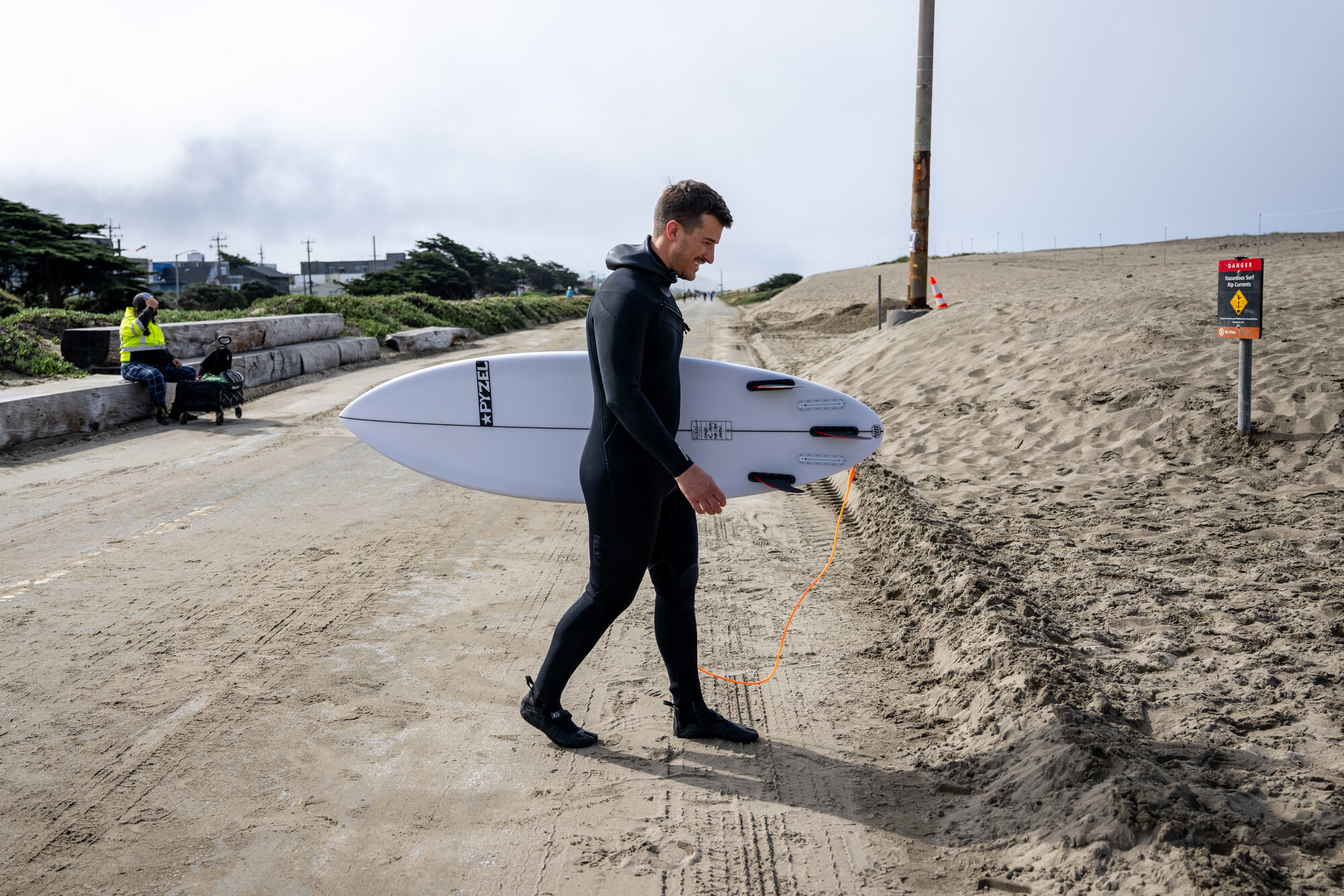
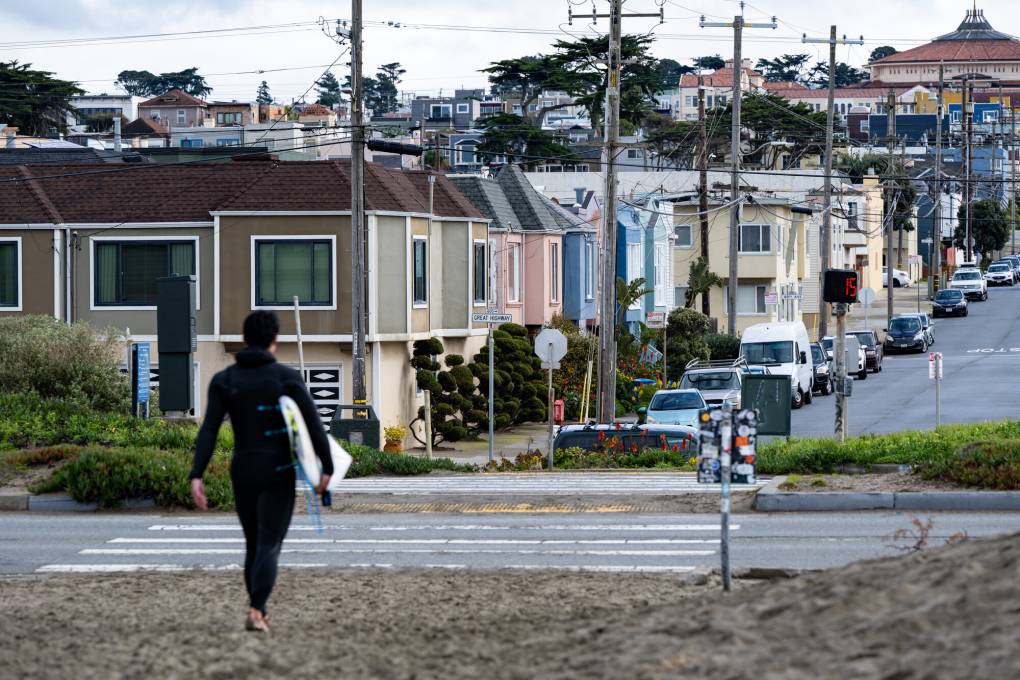
"caption": "Alex Caffee walks through Sunset Dunes, a park on the former Great Highway roadway, to go surfing in San Francisco’s Sunset neighborhood on April 9, 2026.",
"credit": "Beth LaBerge/KQED",
"altTag": null,
"description": null,
"imgSizes": {
"thumbnail": {
"file": "https://cdn.kqed.org/wp-content/uploads/sites/10/2026/04/260409-SunsetDunesAnniversary-13-BL_qed-160x107.jpg",
"width": 160,
"height": 107,
"mimeType": "image/jpeg"
},
"1536x1536": {
"file": "https://cdn.kqed.org/wp-content/uploads/sites/10/2026/04/260409-SunsetDunesAnniversary-13-BL_qed-1536x1024.jpg",
"width": 1536,
"height": 1024,
"mimeType": "image/jpeg"
},
"post-thumbnail": {
"file": "https://cdn.kqed.org/wp-content/uploads/sites/10/2026/04/260409-SunsetDunesAnniversary-13-BL_qed-672x372.jpg",
"width": 672,
"height": 372,
"mimeType": "image/jpeg"
},
"twentyfourteen-full-width": {
"file": "https://cdn.kqed.org/wp-content/uploads/sites/10/2026/04/260409-SunsetDunesAnniversary-13-BL_qed-1038x576.jpg",
"width": 1038,
"height": 576,
"mimeType": "image/jpeg"
},
"npr-cds-wide": {
"file": "https://cdn.kqed.org/wp-content/uploads/sites/10/2026/04/260409-SunsetDunesAnniversary-13-BL_qed-1200x675.jpg",
"width": 1200,
"height": 675,
"mimeType": "image/jpeg"
},
"npr-cds-square": {
"file": "https://cdn.kqed.org/wp-content/uploads/sites/10/2026/04/260409-SunsetDunesAnniversary-13-BL_qed-600x600.jpg",
"width": 600,
"height": 600,
"mimeType": "image/jpeg"
},
"kqedFullSize": {
"file": "https://cdn.kqed.org/wp-content/uploads/sites/10/2026/04/260409-SunsetDunesAnniversary-13-BL_qed.jpg",
"width": 1999,
"height": 1333
}
},
"isLoading": false,
"fetchFailed": false
},
"news_12079093": {
"type": "attachments",
"id": "news_12079093",
"meta": {
"index": "attachments_1716263798",
"site": "news",
"id": "12079093",
"found": true
},
"title": "HistoryofWetsuit",
"publishDate": 1775667962,
"status": "inherit",
"parent": 0,
"modified": 1775668137,
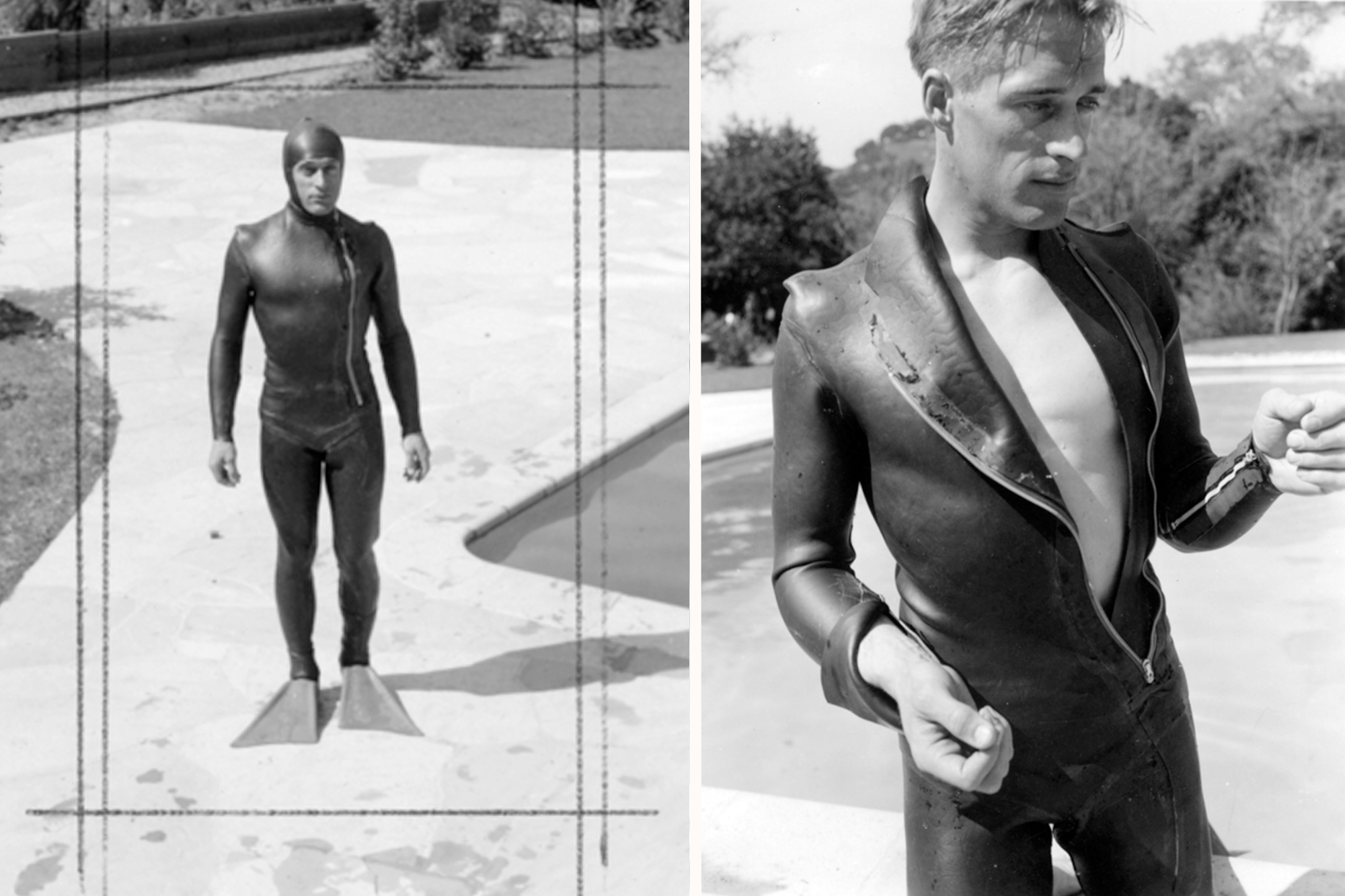
"caption": "Left and right: John S. Foster modeling early wet suit design around 1951. ",
"credit": "UC San Diego Library",
"altTag": null,
"description": null,
"imgSizes": {
"thumbnail": {
"file": "https://cdn.kqed.org/wp-content/uploads/sites/10/2026/04/HistoryofWetsuit-160x107.jpg",
"width": 160,
"height": 107,
"mimeType": "image/jpeg"
},
"1536x1536": {
"file": "https://cdn.kqed.org/wp-content/uploads/sites/10/2026/04/HistoryofWetsuit-1536x1024.jpg",
"width": 1536,
"height": 1024,
"mimeType": "image/jpeg"
},
"post-thumbnail": {
"file": "https://cdn.kqed.org/wp-content/uploads/sites/10/2026/04/HistoryofWetsuit-672x372.jpg",
"width": 672,
"height": 372,
"mimeType": "image/jpeg"
},
"twentyfourteen-full-width": {
"file": "https://cdn.kqed.org/wp-content/uploads/sites/10/2026/04/HistoryofWetsuit-1038x576.jpg",
"width": 1038,
"height": 576,
"mimeType": "image/jpeg"
},
"npr-cds-wide": {
"file": "https://cdn.kqed.org/wp-content/uploads/sites/10/2026/04/HistoryofWetsuit-1200x675.jpg",
"width": 1200,
"height": 675,
"mimeType": "image/jpeg"
},
"npr-cds-square": {
"file": "https://cdn.kqed.org/wp-content/uploads/sites/10/2026/04/HistoryofWetsuit-600x600.jpg",
"width": 600,
"height": 600,
"mimeType": "image/jpeg"
},
"kqedFullSize": {
"file": "https://cdn.kqed.org/wp-content/uploads/sites/10/2026/04/HistoryofWetsuit.jpg",
"width": 2000,
"height": 1333
}
},
"isLoading": false,
"fetchFailed": false
},
"news_12073227": {
"type": "attachments",
"id": "news_12073227",
"meta": {
"index": "attachments_1716263798",
"site": "news",
"id": "12073227",
"found": true
},
"title": "260211-SFUSDSTRIKEOCEANBEACH-05-BL-KQED",
"publishDate": 1770846526,
"status": "inherit",
"parent": 12073306,
"modified": 1770999108,
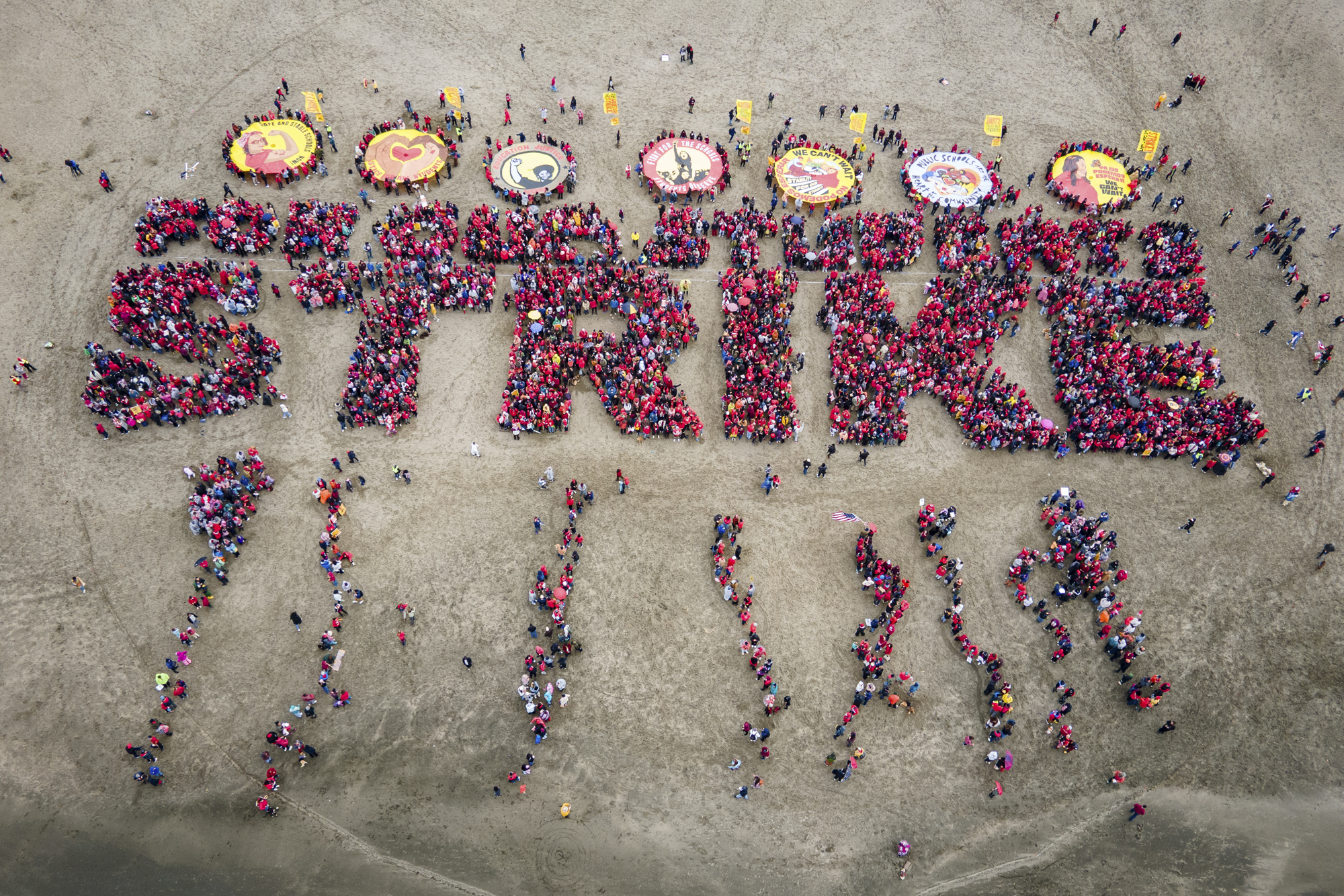
"caption": "Striking San Francisco Unified School District employees form the words \"For Our Students Strike\" at Ocean Beach in San Francisco on Feb. 11, 2026.",
"credit": "Beth LaBerge/KQED",
"altTag": null,
"description": null,
"imgSizes": {
"thumbnail": {
"file": "https://cdn.kqed.org/wp-content/uploads/sites/10/2026/02/260211-SFUSDSTRIKEOCEANBEACH-05-BL-KQED-160x107.jpg",
"width": 160,
"height": 107,
"mimeType": "image/jpeg"
},
"1536x1536": {
"file": "https://cdn.kqed.org/wp-content/uploads/sites/10/2026/02/260211-SFUSDSTRIKEOCEANBEACH-05-BL-KQED-1536x1025.jpg",
"width": 1536,
"height": 1025,
"mimeType": "image/jpeg"
},
"post-thumbnail": {
"file": "https://cdn.kqed.org/wp-content/uploads/sites/10/2026/02/260211-SFUSDSTRIKEOCEANBEACH-05-BL-KQED-672x372.jpg",
"width": 672,
"height": 372,
"mimeType": "image/jpeg"
},
"twentyfourteen-full-width": {
"file": "https://cdn.kqed.org/wp-content/uploads/sites/10/2026/02/260211-SFUSDSTRIKEOCEANBEACH-05-BL-KQED-1038x576.jpg",
"width": 1038,
"height": 576,
"mimeType": "image/jpeg"
},
"npr-cds-wide": {
"file": "https://cdn.kqed.org/wp-content/uploads/sites/10/2026/02/260211-SFUSDSTRIKEOCEANBEACH-05-BL-KQED-1200x675.jpg",
"width": 1200,
"height": 675,
"mimeType": "image/jpeg"
},
"kqedFullSize": {
"file": "https://cdn.kqed.org/wp-content/uploads/sites/10/2026/02/260211-SFUSDSTRIKEOCEANBEACH-05-BL-KQED.jpg",
"width": 2000,
"height": 1334
}
},
"isLoading": false,
"fetchFailed": false
},
"news_12055249": {
"type": "attachments",
"id": "news_12055249",
"meta": {
"index": "attachments_1716263798",
"site": "news",
"id": "12055249",
"found": true
},
"title": "20250412_SunsetDunesGrandOpening_GC-16_qed",
"publishDate": 1757375300,
"status": "inherit",
"parent": 12054762,
"modified": 1757375312,
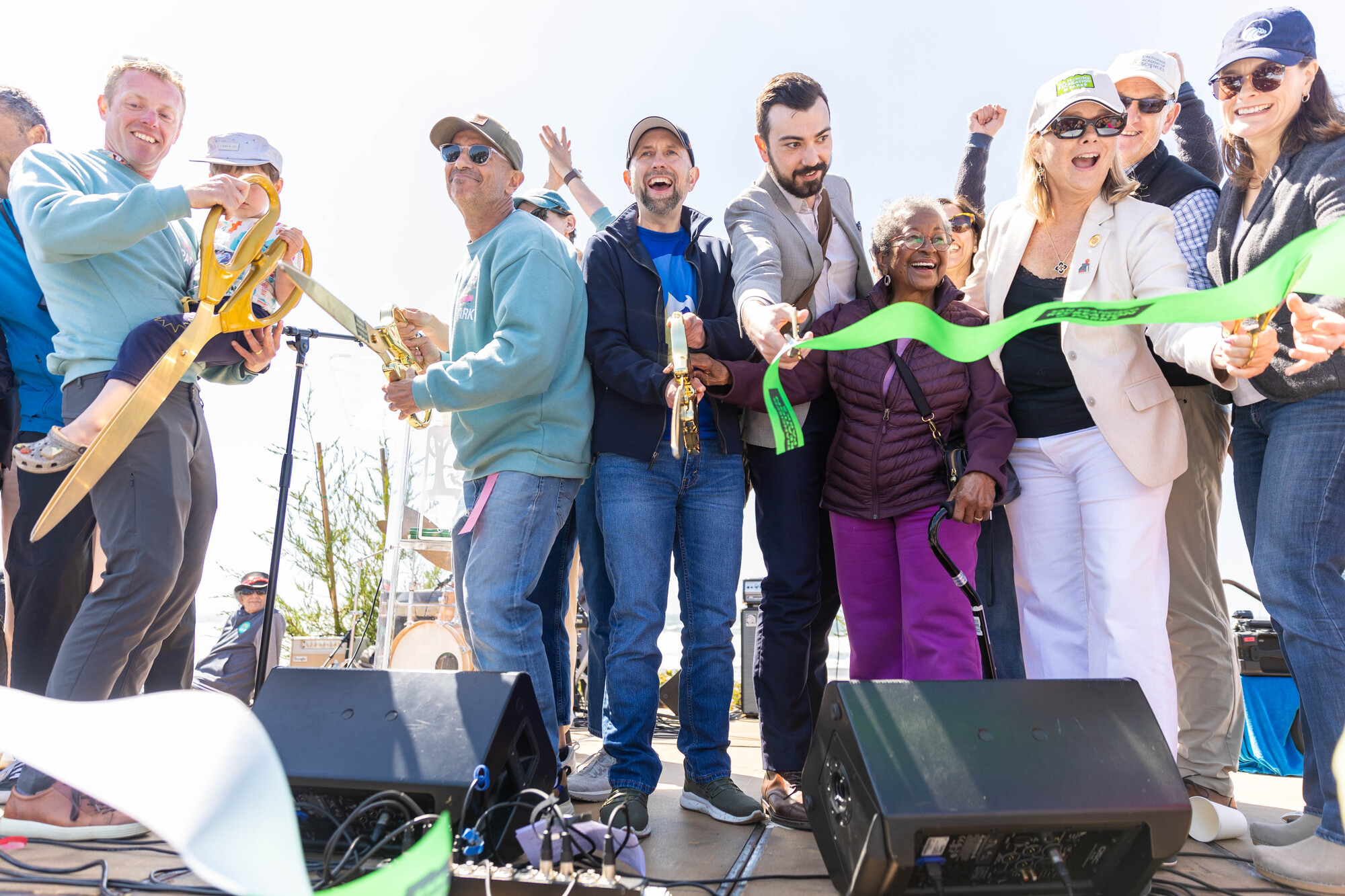
"caption": "Supervisor Joel Engardio, center, and other community leaders participate in the ribbon cutting during the Sunset Dunes Park grand opening on the Upper Great Highway in San Francisco on April 12, 2025.",
"credit": "Gina Castro/KQED",
"altTag": null,
"description": null,
"imgSizes": {
"thumbnail": {
"file": "https://cdn.kqed.org/wp-content/uploads/sites/10/2025/09/20250412_SunsetDunesGrandOpening_GC-16_qed-160x107.jpg",
"width": 160,
"height": 107,
"mimeType": "image/jpeg"
},
"1536x1536": {
"file": "https://cdn.kqed.org/wp-content/uploads/sites/10/2025/09/20250412_SunsetDunesGrandOpening_GC-16_qed-1536x1024.jpg",
"width": 1536,
"height": 1024,
"mimeType": "image/jpeg"
},
"post-thumbnail": {
"file": "https://cdn.kqed.org/wp-content/uploads/sites/10/2025/09/20250412_SunsetDunesGrandOpening_GC-16_qed-672x372.jpg",
"width": 672,
"height": 372,
"mimeType": "image/jpeg"
},
"twentyfourteen-full-width": {
"file": "https://cdn.kqed.org/wp-content/uploads/sites/10/2025/09/20250412_SunsetDunesGrandOpening_GC-16_qed-1038x576.jpg",
"width": 1038,
"height": 576,
"mimeType": "image/jpeg"
},
"kqedFullSize": {
"file": "https://cdn.kqed.org/wp-content/uploads/sites/10/2025/09/20250412_SunsetDunesGrandOpening_GC-16_qed.jpg",
"width": 2000,
"height": 1333
}
},
"isLoading": false,
"fetchFailed": false
},
"news_11925582": {
"type": "attachments",
"id": "news_11925582",
"meta": {
"index": "attachments_1716263798",
"site": "news",
"id": "11925582",
"found": true
},
"parent": 11925112,
"imgSizes": {
"twentyfourteen-full-width": {
"file": "https://ww2.kqed.org/app/uploads/sites/10/2022/09/BigDipper-Ride-1038x576.jpg",
"width": 1038,
"mimeType": "image/jpeg",
"height": 576
},
"thumbnail": {
"file": "https://ww2.kqed.org/app/uploads/sites/10/2022/09/BigDipper-Ride-160x93.jpg",
"width": 160,
"mimeType": "image/jpeg",
"height": 93
},
"post-thumbnail": {
"file": "https://ww2.kqed.org/app/uploads/sites/10/2022/09/BigDipper-Ride-672x372.jpg",
"width": 672,
"mimeType": "image/jpeg",
"height": 372
},
"kqedFullSize": {
"file": "https://ww2.kqed.org/app/uploads/sites/10/2022/09/BigDipper-Ride.jpg",
"width": 1920,
"height": 1110
},
"large": {
"file": "https://ww2.kqed.org/app/uploads/sites/10/2022/09/BigDipper-Ride-1020x590.jpg",
"width": 1020,
"mimeType": "image/jpeg",
"height": 590
},
"1536x1536": {
"file": "https://ww2.kqed.org/app/uploads/sites/10/2022/09/BigDipper-Ride-1536x888.jpg",
"width": 1536,
"mimeType": "image/jpeg",
"height": 888
},
"medium": {
"file": "https://ww2.kqed.org/app/uploads/sites/10/2022/09/BigDipper-Ride-800x463.jpg",
"width": 800,
"mimeType": "image/jpeg",
"height": 463
}
},
"publishDate": 1663180614,
"modified": 1663194368,
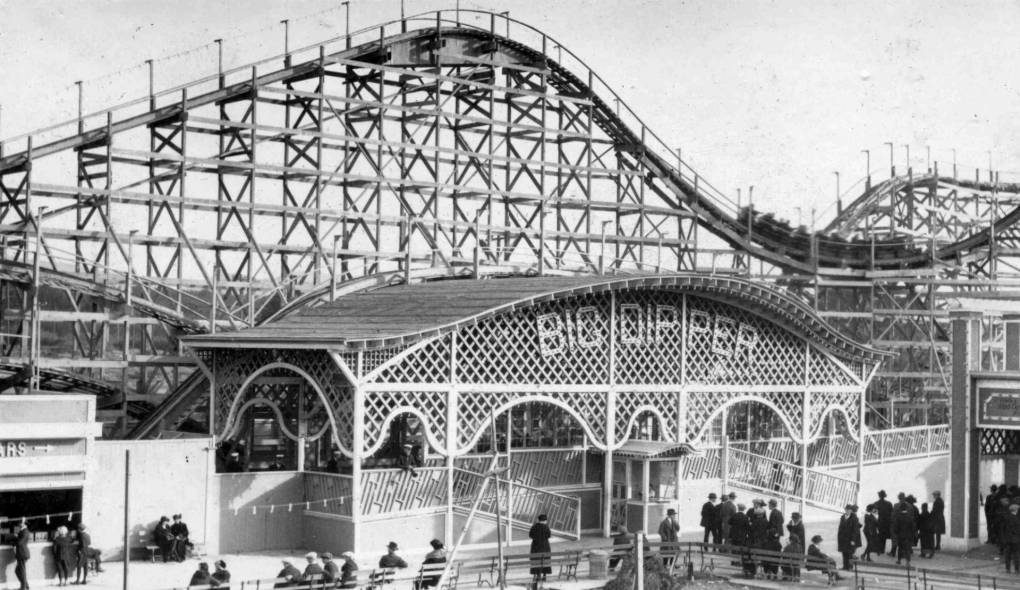
"caption": "San Francisco's Big Dipper roller coaster at Playland-at-the-Beach, circa 1920s.",
"description": null,
"title": "BigDipper-Ride",
"credit": "Courtesy of Jim Smith",
"status": "inherit",
"altTag": "Black and white photo of people lining up to ride a roller coaster. A wooden structure at the entrance to the ride has the words BIG DIPPER across it.",
"isLoading": false,
"fetchFailed": false
},
"news_12042031": {
"type": "attachments",
"id": "news_12042031",
"meta": {
"index": "attachments_1716263798",
"site": "news",
"id": "12042031",
"found": true
},
"title": "20250412_SUNSETDUNESGRANDOPENING_GC-9-KQED-1",
"publishDate": 1748548197,
"status": "inherit",
"parent": 12042017,
"modified": 1748548205,
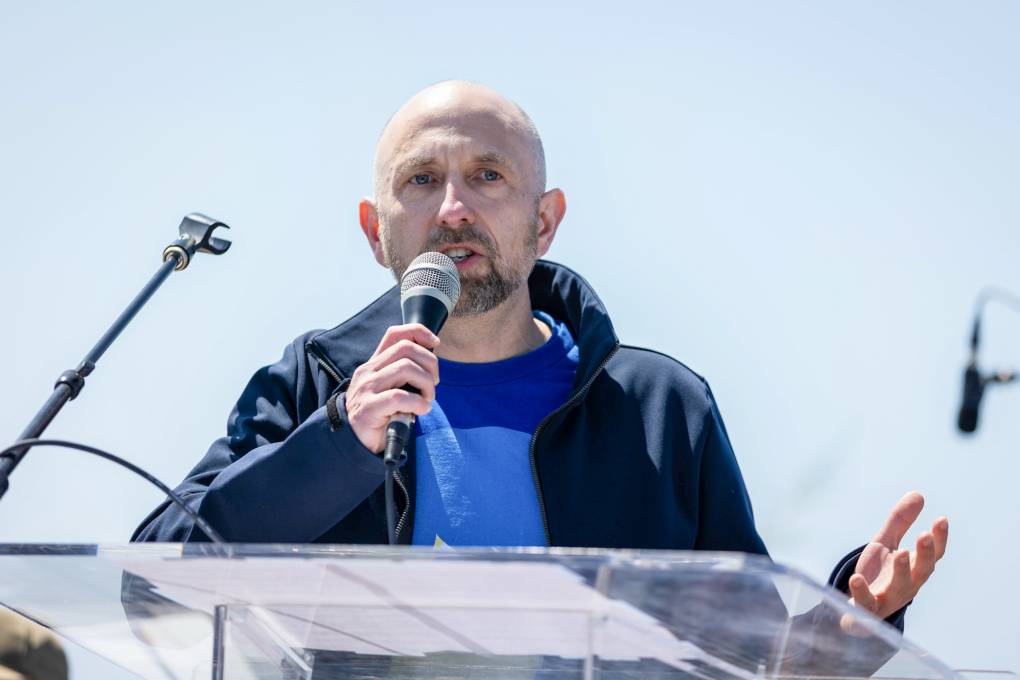
"caption": "Supervisor Joel Engardio speaks during the Sunset Dunes Park grand opening on the Upper Great Highway in San Francisco on April 12, 2025.",
"credit": "Gina Castro/KQED",
"altTag": null,
"description": null,
"imgSizes": {
"medium": {
"file": "https://cdn.kqed.org/wp-content/uploads/sites/10/2025/05/20250412_SUNSETDUNESGRANDOPENING_GC-9-KQED-1-800x533.jpg",
"width": 800,
"height": 533,
"mimeType": "image/jpeg"
},
"large": {
"file": "https://cdn.kqed.org/wp-content/uploads/sites/10/2025/05/20250412_SUNSETDUNESGRANDOPENING_GC-9-KQED-1-1020x680.jpg",
"width": 1020,
"height": 680,
"mimeType": "image/jpeg"
},
"thumbnail": {
"file": "https://cdn.kqed.org/wp-content/uploads/sites/10/2025/05/20250412_SUNSETDUNESGRANDOPENING_GC-9-KQED-1-160x107.jpg",
"width": 160,
"height": 107,
"mimeType": "image/jpeg"
},
"1536x1536": {
"file": "https://cdn.kqed.org/wp-content/uploads/sites/10/2025/05/20250412_SUNSETDUNESGRANDOPENING_GC-9-KQED-1-1536x1024.jpg",
"width": 1536,
"height": 1024,
"mimeType": "image/jpeg"
},
"post-thumbnail": {
"file": "https://cdn.kqed.org/wp-content/uploads/sites/10/2025/05/20250412_SUNSETDUNESGRANDOPENING_GC-9-KQED-1-672x372.jpg",
"width": 672,
"height": 372,
"mimeType": "image/jpeg"
},
"twentyfourteen-full-width": {
"file": "https://cdn.kqed.org/wp-content/uploads/sites/10/2025/05/20250412_SUNSETDUNESGRANDOPENING_GC-9-KQED-1-1038x576.jpg",
"width": 1038,
"height": 576,
"mimeType": "image/jpeg"
},
"full-width": {
"file": "https://cdn.kqed.org/wp-content/uploads/sites/10/2025/05/20250412_SUNSETDUNESGRANDOPENING_GC-9-KQED-1-1920x1280.jpg",
"width": 1920,
"height": 1280,
"mimeType": "image/jpeg"
},
"kqedFullSize": {
"file": "https://cdn.kqed.org/wp-content/uploads/sites/10/2025/05/20250412_SUNSETDUNESGRANDOPENING_GC-9-KQED-1.jpg",
"width": 2000,
"height": 1333
}
},
"isLoading": false,
"fetchFailed": false
},
"news_12041156": {
"type": "attachments",
"id": "news_12041156",
"meta": {
"index": "attachments_1716263798",
"site": "news",
"id": "12041156",
"found": true
},
"title": "A surfer catches a wave at Ocean Beach in San Francisco on Feb. 10, 2025.",
"publishDate": 1747865828,
"status": "inherit",
"parent": 12041127,
"modified": 1747865838,
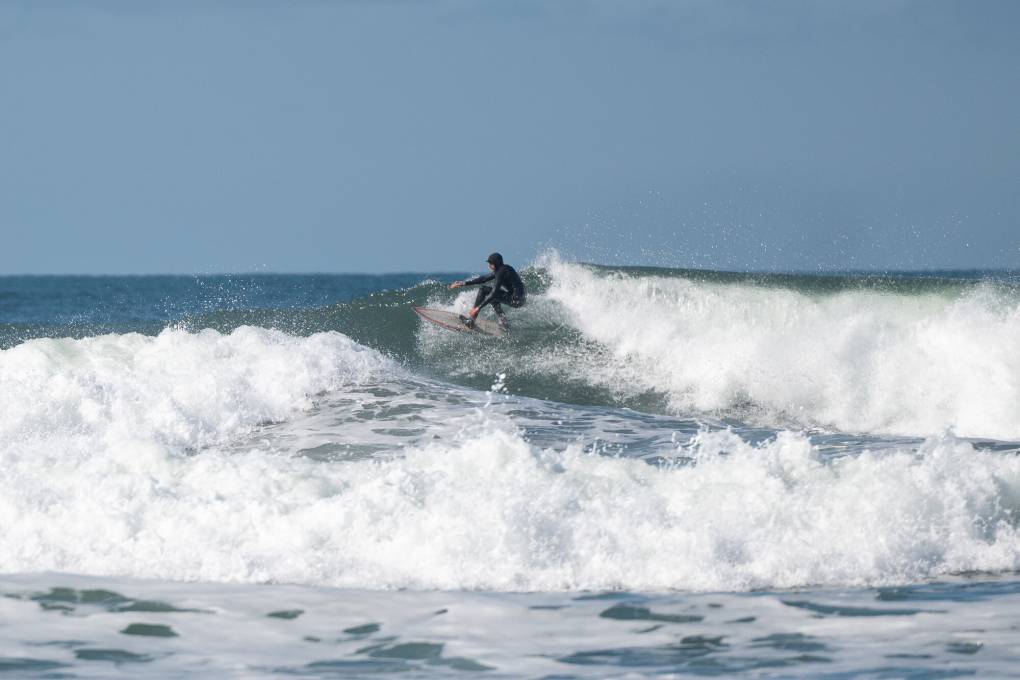
"caption": "A surfer catches a wave at Ocean Beach in San Francisco on Feb. 10, 2025.",
"credit": "Beth LaBerge/KQED",
"altTag": null,
"description": null,
"imgSizes": {
"medium": {
"file": "https://cdn.kqed.org/wp-content/uploads/sites/10/2025/05/250210-SurferSewage-16-BL_qed-800x533.jpg",
"width": 800,
"height": 533,
"mimeType": "image/jpeg"
},
"large": {
"file": "https://cdn.kqed.org/wp-content/uploads/sites/10/2025/05/250210-SurferSewage-16-BL_qed-1020x680.jpg",
"width": 1020,
"height": 680,
"mimeType": "image/jpeg"
},
"thumbnail": {
"file": "https://cdn.kqed.org/wp-content/uploads/sites/10/2025/05/250210-SurferSewage-16-BL_qed-160x107.jpg",
"width": 160,
"height": 107,
"mimeType": "image/jpeg"
},
"1536x1536": {
"file": "https://cdn.kqed.org/wp-content/uploads/sites/10/2025/05/250210-SurferSewage-16-BL_qed-1536x1024.jpg",
"width": 1536,
"height": 1024,
"mimeType": "image/jpeg"
},
"post-thumbnail": {
"file": "https://cdn.kqed.org/wp-content/uploads/sites/10/2025/05/250210-SurferSewage-16-BL_qed-672x372.jpg",
"width": 672,
"height": 372,
"mimeType": "image/jpeg"
},
"twentyfourteen-full-width": {
"file": "https://cdn.kqed.org/wp-content/uploads/sites/10/2025/05/250210-SurferSewage-16-BL_qed-1038x576.jpg",
"width": 1038,
"height": 576,
"mimeType": "image/jpeg"
},
"full-width": {
"file": "https://cdn.kqed.org/wp-content/uploads/sites/10/2025/05/250210-SurferSewage-16-BL_qed-1920x1280.jpg",
"width": 1920,
"height": 1280,
"mimeType": "image/jpeg"
},
"kqedFullSize": {
"file": "https://cdn.kqed.org/wp-content/uploads/sites/10/2025/05/250210-SurferSewage-16-BL_qed.jpg",
"width": 2000,
"height": 1333
}
},
"isLoading": false,
"fetchFailed": false
},
"news_12035804": {
"type": "attachments",
"id": "news_12035804",
"meta": {
"index": "attachments_1716263798",
"site": "news",
"id": "12035804",
"found": true
},
"title": "20250412_SunsetDunesGrandOpening_GC-15_qed",
"publishDate": 1744501184,
"status": "inherit",
"parent": 12035795,
"modified": 1744501234,
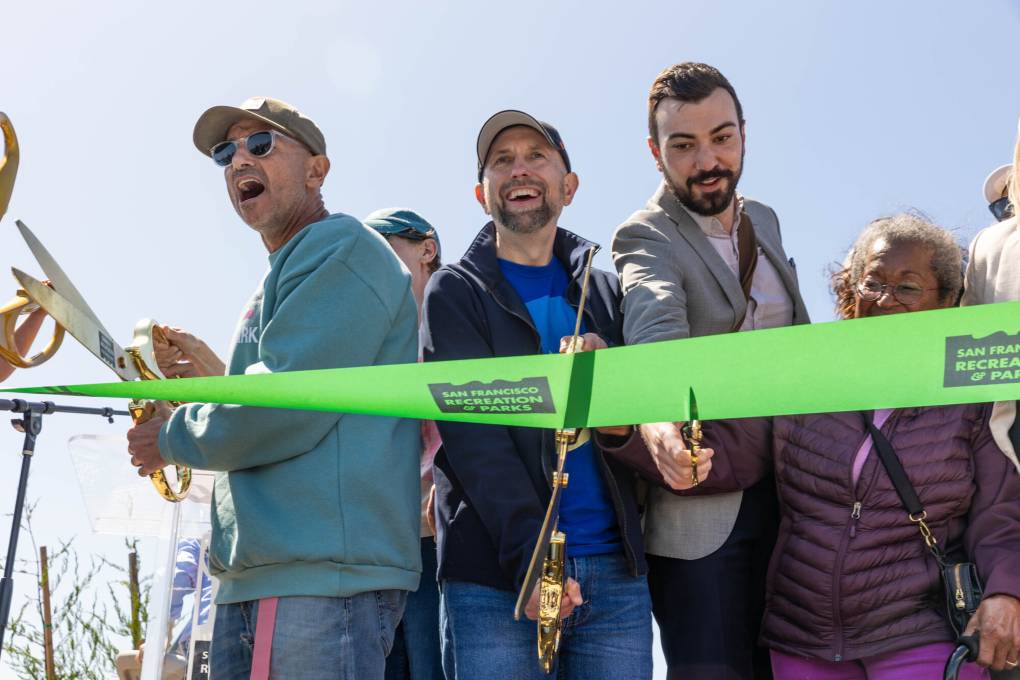
"caption": "Supervisor Joel Engardio (center) participates in the ribbon cutting during the Sunset Dunes Park grand opening on the Upper Great Highway in San Francisco on April 12, 2025.",
"credit": "Gina Castro/KQED",
"altTag": null,
"description": null,
"imgSizes": {
"medium": {
"file": "https://cdn.kqed.org/wp-content/uploads/sites/10/2025/04/20250412_SunsetDunesGrandOpening_GC-15_qed-800x533.jpg",
"width": 800,
"height": 533,
"mimeType": "image/jpeg"
},
"large": {
"file": "https://cdn.kqed.org/wp-content/uploads/sites/10/2025/04/20250412_SunsetDunesGrandOpening_GC-15_qed-1020x680.jpg",
"width": 1020,
"height": 680,
"mimeType": "image/jpeg"
},
"thumbnail": {
"file": "https://cdn.kqed.org/wp-content/uploads/sites/10/2025/04/20250412_SunsetDunesGrandOpening_GC-15_qed-160x107.jpg",
"width": 160,
"height": 107,
"mimeType": "image/jpeg"
},
"1536x1536": {
"file": "https://cdn.kqed.org/wp-content/uploads/sites/10/2025/04/20250412_SunsetDunesGrandOpening_GC-15_qed-1536x1024.jpg",
"width": 1536,
"height": 1024,
"mimeType": "image/jpeg"
},
"post-thumbnail": {
"file": "https://cdn.kqed.org/wp-content/uploads/sites/10/2025/04/20250412_SunsetDunesGrandOpening_GC-15_qed-672x372.jpg",
"width": 672,
"height": 372,
"mimeType": "image/jpeg"
},
"twentyfourteen-full-width": {
"file": "https://cdn.kqed.org/wp-content/uploads/sites/10/2025/04/20250412_SunsetDunesGrandOpening_GC-15_qed-1038x576.jpg",
"width": 1038,
"height": 576,
"mimeType": "image/jpeg"
},
"full-width": {
"file": "https://cdn.kqed.org/wp-content/uploads/sites/10/2025/04/20250412_SunsetDunesGrandOpening_GC-15_qed-1920x1280.jpg",
"width": 1920,
"height": 1280,
"mimeType": "image/jpeg"
},
"kqedFullSize": {
"file": "https://cdn.kqed.org/wp-content/uploads/sites/10/2025/04/20250412_SunsetDunesGrandOpening_GC-15_qed.jpg",
"width": 2000,
"height": 1333
}
},
"isLoading": false,
"fetchFailed": false
},
"news_12032903": {
"type": "attachments",
"id": "news_12032903",
"meta": {
"index": "attachments_1716263798",
"site": "news",
"id": "12032903",
"found": true
},
"title": "Great Hwy Emily Fromm2",
"publishDate": 1742924023,
"status": "inherit",
"parent": 12032868,
"modified": 1742928990,
"caption": "Community members rallied at Ocean Beach as more than 100 volunteers worked together to restore Emily Fromm’s 60-foot mural at Judah Street and the Great Highway after it was vandalized with graffiti.",
"credit": "Courtesy Emily Fromm",
"altTag": null,
"description": null,
"imgSizes": {
"medium": {
"file": "https://cdn.kqed.org/wp-content/uploads/sites/10/2025/03/Great-Hwy-Emily-Fromm2-800x600.jpg",
"width": 800,
"height": 600,
"mimeType": "image/jpeg"
},
"large": {
"file": "https://cdn.kqed.org/wp-content/uploads/sites/10/2025/03/Great-Hwy-Emily-Fromm2-1020x765.jpg",
"width": 1020,
"height": 765,
"mimeType": "image/jpeg"
},
"thumbnail": {
"file": "https://cdn.kqed.org/wp-content/uploads/sites/10/2025/03/Great-Hwy-Emily-Fromm2-160x120.jpg",
"width": 160,
"height": 120,
"mimeType": "image/jpeg"
},
"1536x1536": {
"file": "https://cdn.kqed.org/wp-content/uploads/sites/10/2025/03/Great-Hwy-Emily-Fromm2-1536x1152.jpg",
"width": 1536,
"height": 1152,
"mimeType": "image/jpeg"
},
"post-thumbnail": {
"file": "https://cdn.kqed.org/wp-content/uploads/sites/10/2025/03/Great-Hwy-Emily-Fromm2-672x372.jpg",
"width": 672,
"height": 372,
"mimeType": "image/jpeg"
},
"twentyfourteen-full-width": {
"file": "https://cdn.kqed.org/wp-content/uploads/sites/10/2025/03/Great-Hwy-Emily-Fromm2-1038x576.jpg",
"width": 1038,
"height": 576,
"mimeType": "image/jpeg"
},
"full-width": {
"file": "https://cdn.kqed.org/wp-content/uploads/sites/10/2025/03/Great-Hwy-Emily-Fromm2-1920x1440.jpg",
"width": 1920,
"height": 1440,
"mimeType": "image/jpeg"
},
"kqedFullSize": {
"file": "https://cdn.kqed.org/wp-content/uploads/sites/10/2025/03/Great-Hwy-Emily-Fromm2.jpg",
"width": 2000,
"height": 1500
}
},
"isLoading": false,
"fetchFailed": false
},
"news_12030758": {
"type": "attachments",
"id": "news_12030758",
"meta": {
"index": "attachments_1716263798",
"site": "news",
"id": "12030758",
"found": true
},
"title": "241115-PropKFolo-24-BL_qed",
"publishDate": 1741715316,
"status": "inherit",
"parent": 12030751,
"modified": 1741715330,
"caption": "Vehicles drive along the Great Highway between Sloat Boulevard in San Francisco on Nov. 15, 2024.",
"credit": "Beth LaBerge/KQED",
"altTag": null,
"description": null,
"imgSizes": {
"medium": {
"file": "https://cdn.kqed.org/wp-content/uploads/sites/10/2025/03/241115-PropKFolo-24-BL_qed-800x533.jpg",
"width": 800,
"height": 533,
"mimeType": "image/jpeg"
},
"large": {
"file": "https://cdn.kqed.org/wp-content/uploads/sites/10/2025/03/241115-PropKFolo-24-BL_qed-1020x680.jpg",
"width": 1020,
"height": 680,
"mimeType": "image/jpeg"
},
"thumbnail": {
"file": "https://cdn.kqed.org/wp-content/uploads/sites/10/2025/03/241115-PropKFolo-24-BL_qed-160x107.jpg",
"width": 160,
"height": 107,
"mimeType": "image/jpeg"
},
"1536x1536": {
"file": "https://cdn.kqed.org/wp-content/uploads/sites/10/2025/03/241115-PropKFolo-24-BL_qed-1536x1024.jpg",
"width": 1536,
"height": 1024,
"mimeType": "image/jpeg"
},
"post-thumbnail": {
"file": "https://cdn.kqed.org/wp-content/uploads/sites/10/2025/03/241115-PropKFolo-24-BL_qed-672x372.jpg",
"width": 672,
"height": 372,
"mimeType": "image/jpeg"
},
"twentyfourteen-full-width": {
"file": "https://cdn.kqed.org/wp-content/uploads/sites/10/2025/03/241115-PropKFolo-24-BL_qed-1038x576.jpg",
"width": 1038,
"height": 576,
"mimeType": "image/jpeg"
},
"full-width": {
"file": "https://cdn.kqed.org/wp-content/uploads/sites/10/2025/03/241115-PropKFolo-24-BL_qed-1920x1280.jpg",
"width": 1920,
"height": 1280,
"mimeType": "image/jpeg"
},
"kqedFullSize": {
"file": "https://cdn.kqed.org/wp-content/uploads/sites/10/2025/03/241115-PropKFolo-24-BL_qed.jpg",
"width": 2000,
"height": 1333
}
},
"isLoading": false,
"fetchFailed": false
},
"news_12018942": {
"type": "attachments",
"id": "news_12018942",
"meta": {
"index": "attachments_1716263798",
"site": "news",
"id": "12018942",
"found": true
},
"title": "OceanTowerRendering2",
"publishDate": 1734563770,
"status": "inherit",
"parent": 12018940,
"modified": 1734565128,
"caption": "A rendering of the proposed development at 2700 Sloat Blvd.",
"credit": "Courtesy of SCB and Bezier",
"altTag": null,
"description": null,
"imgSizes": {
"medium": {
"file": "https://cdn.kqed.org/wp-content/uploads/sites/10/2024/12/OceanTowerRendering2-800x450.jpg",
"width": 800,
"height": 450,
"mimeType": "image/jpeg"
},
"large": {
"file": "https://cdn.kqed.org/wp-content/uploads/sites/10/2024/12/OceanTowerRendering2-1020x574.jpg",
"width": 1020,
"height": 574,
"mimeType": "image/jpeg"
},
"thumbnail": {
"file": "https://cdn.kqed.org/wp-content/uploads/sites/10/2024/12/OceanTowerRendering2-160x90.jpg",
"width": 160,
"height": 90,
"mimeType": "image/jpeg"
},
"1536x1536": {
"file": "https://cdn.kqed.org/wp-content/uploads/sites/10/2024/12/OceanTowerRendering2-1536x864.jpg",
"width": 1536,
"height": 864,
"mimeType": "image/jpeg"
},
"post-thumbnail": {
"file": "https://cdn.kqed.org/wp-content/uploads/sites/10/2024/12/OceanTowerRendering2-672x372.jpg",
"width": 672,
"height": 372,
"mimeType": "image/jpeg"
},
"twentyfourteen-full-width": {
"file": "https://cdn.kqed.org/wp-content/uploads/sites/10/2024/12/OceanTowerRendering2-1038x576.jpg",
"width": 1038,
"height": 576,
"mimeType": "image/jpeg"
},
"full-width": {
"file": "https://cdn.kqed.org/wp-content/uploads/sites/10/2024/12/OceanTowerRendering2-1920x1080.jpg",
"width": 1920,
"height": 1080,
"mimeType": "image/jpeg"
},
"kqedFullSize": {
"file": "https://cdn.kqed.org/wp-content/uploads/sites/10/2024/12/OceanTowerRendering2.jpg",
"width": 2000,
"height": 1125
}
},
"isLoading": false,
"fetchFailed": false
},
"news_12009613": {
"type": "attachments",
"id": "news_12009613",
"meta": {
"index": "attachments_1716263798",
"site": "news",
"id": "12009613",
"found": true
},
"title": "240214-CoastalCommission-50-BL_qed",
"publishDate": 1729101052,
"status": "inherit",
"parent": 12009607,
"modified": 1729101066,
"caption": "A surfer walks along a sandy path leading from Ocean Beach to the Great Highway and the Sunset District in San Francisco on Feb. 14, 2024.",
"credit": "Beth LaBerge/KQED",
"altTag": null,
"description": null,
"imgSizes": {
"medium": {
"file": "https://cdn.kqed.org/wp-content/uploads/sites/10/2024/10/240214-CoastalCommission-50-BL_qed-800x533.jpg",
"width": 800,
"height": 533,
"mimeType": "image/jpeg"
},
"large": {
"file": "https://cdn.kqed.org/wp-content/uploads/sites/10/2024/10/240214-CoastalCommission-50-BL_qed-1020x680.jpg",
"width": 1020,
"height": 680,
"mimeType": "image/jpeg"
},
"thumbnail": {
"file": "https://cdn.kqed.org/wp-content/uploads/sites/10/2024/10/240214-CoastalCommission-50-BL_qed-160x107.jpg",
"width": 160,
"height": 107,
"mimeType": "image/jpeg"
},
"1536x1536": {
"file": "https://cdn.kqed.org/wp-content/uploads/sites/10/2024/10/240214-CoastalCommission-50-BL_qed-1536x1024.jpg",
"width": 1536,
"height": 1024,
"mimeType": "image/jpeg"
},
"post-thumbnail": {
"file": "https://cdn.kqed.org/wp-content/uploads/sites/10/2024/10/240214-CoastalCommission-50-BL_qed-672x372.jpg",
"width": 672,
"height": 372,
"mimeType": "image/jpeg"
},
"twentyfourteen-full-width": {
"file": "https://cdn.kqed.org/wp-content/uploads/sites/10/2024/10/240214-CoastalCommission-50-BL_qed-1038x576.jpg",
"width": 1038,
"height": 576,
"mimeType": "image/jpeg"
},
"full-width": {
"file": "https://cdn.kqed.org/wp-content/uploads/sites/10/2024/10/240214-CoastalCommission-50-BL_qed-1920x1280.jpg",
"width": 1920,
"height": 1280,
"mimeType": "image/jpeg"
},
"kqedFullSize": {
"file": "https://cdn.kqed.org/wp-content/uploads/sites/10/2024/10/240214-CoastalCommission-50-BL_qed.jpg",
"width": 2000,
"height": 1333
}
},
"isLoading": false,
"fetchFailed": false
}
},
"audioPlayerReducer": {
"postId": "stream_live",
"isPaused": true,
"isPlaying": false,
"pfsActive": false,
"pledgeModalIsOpen": true,
"playerDrawerIsOpen": false,
"liveAudioPlayStartedAt": 0,
"liveAudioPlayContext": ""
},
"authorsReducer": {
"matthewgreen": {
"type": "authors",
"id": "1263",
"meta": {
"index": "authors_1716337520",
"id": "1263",
"found": true
},
"name": "Matthew Green",
"firstName": "Matthew",
"lastName": "Green",
"slug": "matthewgreen",
"email": "mgreen@kqed.org",
"display_author_email": false,
"staff_mastheads": [],
"title": "KQED Editor/Reporter",
"bio": "Matthew Green is a digital media producer for KQED News. He previously produced \u003ca href=\"http://www.kqed.org/lowdown\">The Lowdown\u003c/a>, KQED’s multimedia news education blog. Matthew's written for numerous Bay Area publications, including the Oakland Tribune and San Francisco Chronicle. He also taught journalism classes at Fremont High School in East Oakland.\r\n\r\nEmail: mgreen@kqed.org; Twitter: @MGreenKQED",
"avatar": "https://secure.gravatar.com/avatar/3bf498d1267ca02c8494f33d8cfc575e?s=600&d=blank&r=g",
"twitter": "MGreenKQED",
"facebook": null,
"instagram": null,
"linkedin": null,
"sites": [
{
"site": "news",
"roles": []
},
{
"site": "lowdown",
"roles": []
},
{
"site": "science",
"roles": []
},
{
"site": "education",
"roles": []
},
{
"site": "quest",
"roles": []
},
{
"site": "liveblog",
"roles": []
}
],
"headData": {
"title": "Matthew Green | KQED",
"description": "KQED Editor/Reporter",
"ogImgSrc": "https://secure.gravatar.com/avatar/3bf498d1267ca02c8494f33d8cfc575e?s=600&d=blank&r=g",
"twImgSrc": "https://secure.gravatar.com/avatar/3bf498d1267ca02c8494f33d8cfc575e?s=600&d=blank&r=g"
},
"isLoading": false,
"link": "/author/matthewgreen"
},
"ecruzguevarra": {
"type": "authors",
"id": "8654",
"meta": {
"index": "authors_1716337520",
"id": "8654",
"found": true
},
"name": "Ericka Cruz Guevarra",
"firstName": "Ericka",
"lastName": "Cruz Guevarra",
"slug": "ecruzguevarra",
"email": "ecruzguevarra@kqed.org",
"display_author_email": true,
"staff_mastheads": [
"news"
],
"title": "Producer, The Bay Podcast",
"bio": "Ericka Cruz Guevarra is host of \u003ca href=\"https://www.kqed.org/podcasts/thebay\">\u003cem>The Bay\u003c/em>\u003c/a> podcast at KQED. Before host, she was the show’s producer. Her work in that capacity includes a three-part reported series on policing in Vallejo, which won a 2020 excellence in journalism award from the Society of Professional Journalists. Ericka has worked as a breaking news reporter at Oregon Public Broadcasting, helped produce the Code Switch podcast, and was KQED’s inaugural Raul Ramirez Diversity Fund intern. She’s also an alumna of NPR’s Next Generation Radio program. Send her an email if you have strong feelings about whether Fairfield and Suisun City are the Bay. Ericka is represented by SAG-AFTRA.",
"avatar": "https://secure.gravatar.com/avatar/accefc1de4bafc7e234b69bcb9b6f6536c130fd84709bc3069ef11a78787e1bb?s=600&d=blank&r=g",
"twitter": "NotoriousECG",
"bluesky": null,
"facebook": null,
"instagram": null,
"linkedin": null,
"sites": [
{
"site": "arts",
"roles": [
"subscriber"
]
},
{
"site": "news",
"roles": [
"editor",
"manage_categories"
]
},
{
"site": "futureofyou",
"roles": [
"subscriber"
]
},
{
"site": "stateofhealth",
"roles": [
"subscriber"
]
},
{
"site": "science",
"roles": [
"editor"
]
},
{
"site": "forum",
"roles": [
"subscriber"
]
}
],
"headData": {
"title": "Ericka Cruz Guevarra | KQED",
"description": "Producer, The Bay Podcast",
"ogImgSrc": "https://secure.gravatar.com/avatar/accefc1de4bafc7e234b69bcb9b6f6536c130fd84709bc3069ef11a78787e1bb?s=600&d=blank&r=g",
"twImgSrc": "https://secure.gravatar.com/avatar/accefc1de4bafc7e234b69bcb9b6f6536c130fd84709bc3069ef11a78787e1bb?s=600&d=blank&r=g"
},
"isLoading": false,
"link": "/author/ecruzguevarra"
},
"amontecillo": {
"type": "authors",
"id": "11649",
"meta": {
"index": "authors_1716337520",
"id": "11649",
"found": true
},
"name": "Alan Montecillo",
"firstName": "Alan",
"lastName": "Montecillo",
"slug": "amontecillo",
"email": "amontecillo@kqed.org",
"display_author_email": false,
"staff_mastheads": [
"news"
],
"title": "KQED Contributor",
"bio": "Alan Montecillo is the senior editor of \u003cem>\u003ca href=\"http://kqed.org/thebay\">The Bay\u003c/a>, \u003c/em> KQED's local news podcast. Before moving to the Bay Area, he worked as a senior talk show producer for WILL in Champaign-Urbana, Illinois and at Oregon Public Broadcasting in Portland, Oregon. He has won journalism awards from the Society of Professional Journalists Northern California, the Public Media Journalists Association, The Signal Awards, and has also received a regional Edward R. Murrow award. Alan is a Filipino American from Hong Kong and a graduate of Reed College.",
"avatar": "https://secure.gravatar.com/avatar/268f53a2066899ea9efdd8a5900218b17c822d9862cbc9326cccec53ef41d349?s=600&d=blank&r=g",
"twitter": "alanmontecillo",
"bluesky": null,
"facebook": null,
"instagram": null,
"linkedin": null,
"sites": [
{
"site": "",
"roles": [
"editor"
]
},
{
"site": "news",
"roles": [
"editor",
"manage_categories"
]
}
],
"headData": {
"title": "Alan Montecillo | KQED",
"description": "KQED Contributor",
"ogImgSrc": "https://secure.gravatar.com/avatar/268f53a2066899ea9efdd8a5900218b17c822d9862cbc9326cccec53ef41d349?s=600&d=blank&r=g",
"twImgSrc": "https://secure.gravatar.com/avatar/268f53a2066899ea9efdd8a5900218b17c822d9862cbc9326cccec53ef41d349?s=600&d=blank&r=g"
},
"isLoading": false,
"link": "/author/amontecillo"
},
"eromero": {
"type": "authors",
"id": "11746",
"meta": {
"index": "authors_1716337520",
"id": "11746",
"found": true
},
"name": "Ezra David Romero",
"firstName": "Ezra David",
"lastName": "Romero",
"slug": "eromero",
"email": "eromero@kqed.org",
"display_author_email": true,
"staff_mastheads": [
"news",
"science"
],
"title": "Climate Reporter",
"bio": "Ezra David Romero is a climate reporter for KQED News. He covers the absence and excess of water in the Bay Area — think sea level rise, flooding and drought. For nearly a decade he’s covered how warming temperatures are altering the lives of Californians. He’s reported on farmers worried their pistachio trees aren’t getting enough sleep, families desperate for water, scientists studying dying giant sequoias, and alongside firefighters containing wildfires. His work has appeared on local stations across California and nationally on public radio shows like Morning Edition, Here and Now, All Things Considered and Science Friday. ",
"avatar": "https://secure.gravatar.com/avatar/c76404d287c10ed40224227551ac36e24352c7306f106632caf6fead76f8801f?s=600&d=blank&r=g",
"twitter": "ezraromero",
"bluesky": null,
"facebook": null,
"instagram": null,
"linkedin": null,
"sites": [
{
"site": "arts",
"roles": [
"editor"
]
},
{
"site": "news",
"roles": [
"editor"
]
},
{
"site": "science",
"roles": [
"editor"
]
},
{
"site": "liveblog",
"roles": [
"author"
]
}
],
"headData": {
"title": "Ezra David Romero | KQED",
"description": "Climate Reporter",
"ogImgSrc": "https://secure.gravatar.com/avatar/c76404d287c10ed40224227551ac36e24352c7306f106632caf6fead76f8801f?s=600&d=blank&r=g",
"twImgSrc": "https://secure.gravatar.com/avatar/c76404d287c10ed40224227551ac36e24352c7306f106632caf6fead76f8801f?s=600&d=blank&r=g"
},
"isLoading": false,
"link": "/author/eromero"
},
"cbeale": {
"type": "authors",
"id": "11749",
"meta": {
"index": "authors_1716337520",
"id": "11749",
"found": true
},
"name": "Christopher Beale",
"firstName": "Christopher",
"lastName": "Beale",
"slug": "cbeale",
"email": "cbeale@kqed.org",
"display_author_email": true,
"staff_mastheads": [
"news"
],
"title": "Engineer/Producer/Reporter",
"bio": "\u003ca href=\"https://linktr.ee/realchrisjbeale\" rel=\"noopener noreferrer\">Christopher J. Beale\u003c/a> is an award winning journalist, audio engineer, and media host living in San Francisco. \r\n\r\nChristopher works primarily as an audio engineer at KQED and serves as the sound designer for both the Bay Curious and Rightnowish podcasts. He is the host and producer of the LGBTQIA podcast and radio segment \u003ca href=\"https://stereotypespodcast.org\">Stereotypes\u003c/a>.",
"avatar": "https://secure.gravatar.com/avatar/dc485bf84788eb7e7414eb638e72407e?s=600&d=blank&r=g",
"twitter": "realchrisjbeale",
"facebook": null,
"instagram": "http://instagram.com/realchrisjbeale",
"linkedin": null,
"sites": [
{
"site": "arts",
"roles": [
"contributor"
]
},
{
"site": "news",
"roles": [
"editor"
]
},
{
"site": "forum",
"roles": [
"editor"
]
}
],
"headData": {
"title": "Christopher Beale | KQED",
"description": "Engineer/Producer/Reporter",
"ogImgSrc": "https://secure.gravatar.com/avatar/dc485bf84788eb7e7414eb638e72407e?s=600&d=blank&r=g",
"twImgSrc": "https://secure.gravatar.com/avatar/dc485bf84788eb7e7414eb638e72407e?s=600&d=blank&r=g"
},
"isLoading": false,
"link": "/author/cbeale"
},
"jlara": {
"type": "authors",
"id": "11761",
"meta": {
"index": "authors_1716337520",
"id": "11761",
"found": true
},
"name": "Juan Carlos Lara",
"firstName": "Juan Carlos",
"lastName": "Lara",
"slug": "jlara",
"email": "jlara@kqed.org",
"display_author_email": false,
"staff_mastheads": [],
"title": "KQED Contributor",
"bio": null,
"avatar": "https://secure.gravatar.com/avatar/19e2052b9b05657c5ff2af2121846e9c?s=600&d=blank&r=g",
"twitter": null,
"facebook": null,
"instagram": null,
"linkedin": null,
"sites": [
{
"site": "arts",
"roles": [
"editor"
]
},
{
"site": "news",
"roles": [
"editor"
]
},
{
"site": "forum",
"roles": [
"editor"
]
},
{
"site": "liveblog",
"roles": [
"contributor"
]
}
],
"headData": {
"title": "Juan Carlos Lara | KQED",
"description": "KQED Contributor",
"ogImgSrc": "https://secure.gravatar.com/avatar/19e2052b9b05657c5ff2af2121846e9c?s=600&d=blank&r=g",
"twImgSrc": "https://secure.gravatar.com/avatar/19e2052b9b05657c5ff2af2121846e9c?s=600&d=blank&r=g"
},
"isLoading": false,
"link": "/author/jlara"
},
"jessicakariisa": {
"type": "authors",
"id": "11831",
"meta": {
"index": "authors_1716337520",
"id": "11831",
"found": true
},
"name": "Jessica Kariisa",
"firstName": "Jessica",
"lastName": "Kariisa",
"slug": "jessicakariisa",
"email": "jkariisa@kqed.org",
"display_author_email": false,
"staff_mastheads": [],
"title": "Producer, The Bay",
"bio": "Jessica Kariisa is the producer of The Bay. She first joined KQED as an intern for The California Report Magazine, after which she became an on-call producer. She reported a Bay Curious episode on the use of rap lyrics in criminal trials which won a Society of Professional Journalists award in 2023 for Excellence in Features Journalism and the 2023 Signal Award for Best Conversation Starter. She’s worked on podcasts for Snap Judgment and American Public Media. Before embarking on her audio career, she was a music journalist.\r\n\r\nJessica Kariisa is represented by SAG-AFTRA.",
"avatar": "https://secure.gravatar.com/avatar/522e97b28ac0b3d411621c0fde8f3419c7b71ea2c5c262c57c4bb600963f328c?s=600&d=blank&r=g",
"twitter": null,
"bluesky": null,
"facebook": null,
"instagram": null,
"linkedin": null,
"sites": [
{
"site": "arts",
"roles": [
"author"
]
},
{
"site": "news",
"roles": [
"editor",
"manage_categories"
]
}
],
"headData": {
"title": "Jessica Kariisa | KQED",
"description": "Producer, The Bay",
"ogImgSrc": "https://secure.gravatar.com/avatar/522e97b28ac0b3d411621c0fde8f3419c7b71ea2c5c262c57c4bb600963f328c?s=600&d=blank&r=g",
"twImgSrc": "https://secure.gravatar.com/avatar/522e97b28ac0b3d411621c0fde8f3419c7b71ea2c5c262c57c4bb600963f328c?s=600&d=blank&r=g"
},
"isLoading": false,
"link": "/author/jessicakariisa"
},
"sjohnson": {
"type": "authors",
"id": "11840",
"meta": {
"index": "authors_1716337520",
"id": "11840",
"found": true
},
"name": "Sydney Johnson",
"firstName": "Sydney",
"lastName": "Johnson",
"slug": "sjohnson",
"email": "sjohnson@kqed.org",
"display_author_email": false,
"staff_mastheads": [
"news"
],
"title": "KQED Reporter",
"bio": "Sydney Johnson is a general assignment reporter at KQED. She previously reported on public health and city government at the San Francisco Examiner, and before that, she covered statewide education policy for EdSource. Her reporting has won multiple local, state and national awards. Sydney is a graduate of the University of California, Berkeley and lives in San Francisco.",
"avatar": "https://secure.gravatar.com/avatar/97855f2719b72ad6190b7c535fe642c8?s=600&d=blank&r=g",
"twitter": "sydneyfjohnson",
"facebook": null,
"instagram": null,
"linkedin": null,
"sites": [
{
"site": "news",
"roles": [
"editor"
]
}
],
"headData": {
"title": "Sydney Johnson | KQED",
"description": "KQED Reporter",
"ogImgSrc": "https://secure.gravatar.com/avatar/97855f2719b72ad6190b7c535fe642c8?s=600&d=blank&r=g",
"twImgSrc": "https://secure.gravatar.com/avatar/97855f2719b72ad6190b7c535fe642c8?s=600&d=blank&r=g"
},
"isLoading": false,
"link": "/author/sjohnson"
},
"kdebenedetti": {
"type": "authors",
"id": "11913",
"meta": {
"index": "authors_1716337520",
"id": "11913",
"found": true
},
"name": "Katie DeBenedetti",
"firstName": "Katie",
"lastName": "DeBenedetti",
"slug": "kdebenedetti",
"email": "kdebenedetti@kqed.org",
"display_author_email": false,
"staff_mastheads": [
"news",
"science"
],
"title": "KQED Contributor",
"bio": "Katie DeBenedetti is a digital reporter covering daily news for the Express Desk. Prior to joining KQED as a culture reporting intern in January 2024, she covered education and city government for the Napa Valley Register.",
"avatar": "https://secure.gravatar.com/avatar/6e31073cb8f7e4214ab03f42771d0f45?s=600&d=blank&r=g",
"twitter": null,
"facebook": null,
"instagram": null,
"linkedin": null,
"sites": [
{
"site": "news",
"roles": [
"author"
]
},
{
"site": "science",
"roles": [
"author"
]
},
{
"site": "liveblog",
"roles": [
"author"
]
}
],
"headData": {
"title": "Katie DeBenedetti | KQED",
"description": "KQED Contributor",
"ogImgSrc": "https://secure.gravatar.com/avatar/6e31073cb8f7e4214ab03f42771d0f45?s=600&d=blank&r=g",
"twImgSrc": "https://secure.gravatar.com/avatar/6e31073cb8f7e4214ab03f42771d0f45?s=600&d=blank&r=g"
},
"isLoading": false,
"link": "/author/kdebenedetti"
},
"rcooke": {
"type": "authors",
"id": "11921",
"meta": {
"index": "authors_1716337520",
"id": "11921",
"found": true
},
"name": "Riley Cooke",
"firstName": "Riley",
"lastName": "Cooke",
"slug": "rcooke",
"email": "rcooke@kqed.org",
"display_author_email": true,
"staff_mastheads": [
"news"
],
"title": "KQED Contributor",
"bio": "Riley is a senior at UC Berkeley, where she studies political science and journalism. Her work has appeared in SFGate, NBC Bay Area, Local News Matters and more. She enjoys reporting on politics, housing and homelessness — and using as many em dashes as her editors will allow.",
"avatar": "https://secure.gravatar.com/avatar/792f98c126cc5e270a8a96f77f7224ea?s=600&d=blank&r=g",
"twitter": "rrileycooke",
"facebook": null,
"instagram": null,
"linkedin": null,
"sites": [
{
"site": "arts",
"roles": [
"author"
]
},
{
"site": "news",
"roles": [
"author"
]
}
],
"headData": {
"title": "Riley Cooke | KQED",
"description": "KQED Contributor",
"ogImgSrc": "https://secure.gravatar.com/avatar/792f98c126cc5e270a8a96f77f7224ea?s=600&d=blank&r=g",
"twImgSrc": "https://secure.gravatar.com/avatar/792f98c126cc5e270a8a96f77f7224ea?s=600&d=blank&r=g"
},
"isLoading": false,
"link": "/author/rcooke"
},
"bkrans": {
"type": "authors",
"id": "11923",
"meta": {
"index": "authors_1716337520",
"id": "11923",
"found": true
},
"name": "Brian Krans",
"firstName": "Brian",
"lastName": "Krans",
"slug": "bkrans",
"email": "bkrans@kqed.org",
"display_author_email": false,
"staff_mastheads": [
"news"
],
"title": "KQED Contributing Reporter",
"bio": "Brian Krans is an award-winning local news and investigative reporter who has been proudly working as a general assignment reporter for KQED since August 2023. He lives in Richmond, where he also reports on air pollution for Richmondside. He is also a founding member of the Vallejo Sun.",
"avatar": "https://secure.gravatar.com/avatar/71fa91f931774612559f7640390b53d9c2840ff72b20f195a25239aab2d9fbb9?s=600&d=blank&r=g",
"twitter": "citizenkrans",
"bluesky": null,
"facebook": null,
"instagram": null,
"linkedin": null,
"sites": [
{
"site": "news",
"roles": [
"editor"
]
}
],
"headData": {
"title": "Brian Krans | KQED",
"description": "KQED Contributing Reporter",
"ogImgSrc": "https://secure.gravatar.com/avatar/71fa91f931774612559f7640390b53d9c2840ff72b20f195a25239aab2d9fbb9?s=600&d=blank&r=g",
"twImgSrc": "https://secure.gravatar.com/avatar/71fa91f931774612559f7640390b53d9c2840ff72b20f195a25239aab2d9fbb9?s=600&d=blank&r=g"
},
"isLoading": false,
"link": "/author/bkrans"
},
"gzada": {
"type": "authors",
"id": "11929",
"meta": {
"index": "authors_1716337520",
"id": "11929",
"found": true
},
"name": "Gilare Zada",
"firstName": "Gilare",
"lastName": "Zada",
"slug": "gzada",
"email": "gzada@kqed.org",
"display_author_email": true,
"staff_mastheads": [
"news"
],
"title": null,
"bio": "Gilare Zada is a Kurdish-American from San Diego, CA. Storytelling, fitness, and binge reading are some of her passions outside of news reporting. Her work has appeared in Mission Local, the Peninsula Press, the San Francisco Press Club, and more. She also writes as a class correspondent for the Stanford Magazine - go Card!",
"avatar": "https://secure.gravatar.com/avatar/33a75f2b947669a488a805edec3fbf3838c1cedaedda710e983770633b4d6a75?s=600&d=blank&r=g",
"twitter": null,
"bluesky": null,
"facebook": null,
"instagram": null,
"linkedin": null,
"sites": [
{
"site": "",
"roles": [
"editor"
]
},
{
"site": "arts",
"roles": [
"editor"
]
},
{
"site": "news",
"roles": [
"administrator"
]
},
{
"site": "science",
"roles": [
"editor"
]
}
],
"headData": {
"title": "Gilare Zada | KQED",
"description": null,
"ogImgSrc": "https://secure.gravatar.com/avatar/33a75f2b947669a488a805edec3fbf3838c1cedaedda710e983770633b4d6a75?s=600&d=blank&r=g",
"twImgSrc": "https://secure.gravatar.com/avatar/33a75f2b947669a488a805edec3fbf3838c1cedaedda710e983770633b4d6a75?s=600&d=blank&r=g"
},
"isLoading": false,
"link": "/author/gzada"
},
"mvelasquez": {
"type": "authors",
"id": "11939",
"meta": {
"index": "authors_1716337520",
"id": "11939",
"found": true
},
"name": "Mel Velasquez",
"firstName": "Mel",
"lastName": "Velasquez",
"slug": "mvelasquez",
"email": "mvelasquez@kqed.org",
"display_author_email": false,
"staff_mastheads": [],
"title": "KQED Contributor",
"bio": null,
"avatar": "https://secure.gravatar.com/avatar/409094312d56fab09fef4251e949ffa6?s=600&d=blank&r=g",
"twitter": null,
"facebook": null,
"instagram": null,
"linkedin": "www.linkedin.com/in/melanievelasquezz",
"sites": [
{
"site": "news",
"roles": [
"editor"
]
}
],
"headData": {
"title": "Mel Velasquez | KQED",
"description": "KQED Contributor",
"ogImgSrc": "https://secure.gravatar.com/avatar/409094312d56fab09fef4251e949ffa6?s=600&d=blank&r=g",
"twImgSrc": "https://secure.gravatar.com/avatar/409094312d56fab09fef4251e949ffa6?s=600&d=blank&r=g"
},
"isLoading": false,
"link": "/author/mvelasquez"
},
"gglueck": {
"type": "authors",
"id": "11946",
"meta": {
"index": "authors_1716337520",
"id": "11946",
"found": true
},
"name": "Gabriela Glueck",
"firstName": "Gabriela",
"lastName": "Glueck",
"slug": "gglueck",
"email": "gglueck@kqed.org",
"display_author_email": false,
"staff_mastheads": [
"news"
],
"title": "KQED Contributor",
"bio": null,
"avatar": "https://secure.gravatar.com/avatar/ec62b7e3f7727ce1070cc7046dde80271d1e63cf2178d6194f68bb8d1440f841?s=600&d=blank&r=g",
"twitter": null,
"bluesky": null,
"facebook": null,
"instagram": null,
"linkedin": null,
"sites": [
{
"site": "news",
"roles": [
"editor"
]
}
],
"headData": {
"title": "Gabriela Glueck | KQED",
"description": "KQED Contributor",
"ogImgSrc": "https://secure.gravatar.com/avatar/ec62b7e3f7727ce1070cc7046dde80271d1e63cf2178d6194f68bb8d1440f841?s=600&d=blank&r=g",
"twImgSrc": "https://secure.gravatar.com/avatar/ec62b7e3f7727ce1070cc7046dde80271d1e63cf2178d6194f68bb8d1440f841?s=600&d=blank&r=g"
},
"isLoading": false,
"link": "/author/gglueck"
}
},
"pagesReducer": {
"news_tag_ocean-beach": {
"type": "terms",
"id": "news_240",
"meta": {
"index": "terms_1716263798",
"site": "news",
"id": "240",
"score": 9.893801
},
"featImg": null,
"name": "Ocean Beach",
"description": null,
"taxonomy": "tag",
"headData": {
"twImgId": null,
"twTitle": null,
"ogTitle": null,
"ogImgId": null,
"twDescription": null,
"description": null,
"title": "Ocean Beach Archives | KQED News",
"ogDescription": null
},
"ttid": 248,
"slug": "ocean-beach",
"isLoading": false,
"title": "Ocean Beach",
"pageMeta": {
"site": "news",
"WpPageTemplate": "page-topic-editorial",
"currentPage": 1
},
"blocks": [
{
"blockName": "kqed/post-list",
"attrs": {
"layout": "cardArticle2",
"query": "posts/news?tag=ocean-beach",
"seeMore": false,
"paginated": true,
"page": 1
}
},
{
"blockName": "kqed/ad"
}
]
}
},
"pfsSessionReducer": {},
"postsReducer": {
"stream_live": {
"type": "live",
"id": "stream_live",
"audioUrl": "https://streams.kqed.org/kqedradio",
"title": "Live Stream",
"excerpt": "Live Stream information currently unavailable.",
"link": "/radio",
"featImg": "",
"label": {
"name": "KQED Live",
"link": "/"
}
},
"stream_kqedNewscast": {
"type": "posts",
"id": "stream_kqedNewscast",
"audioUrl": "https://www.kqed.org/.stream/anon/radio/RDnews/newscast.mp3?_=1",
"title": "KQED Newscast",
"featImg": "",
"label": {
"name": "88.5 FM",
"link": "/"
}
},
"news_12085052": {
"type": "posts",
"id": "news_12085052",
"meta": {
"index": "posts_1716263798",
"site": "news",
"id": "12085052",
"score": null,
"sort": [
1779703229000
]
},
"guestAuthors": [],
"slug": "the-berkeley-physicist-whose-invention-changed-surfing-forever",
"title": "The Berkeley Physicist Who Helped Change Surfing Forever",
"publishDate": 1779703229,
"format": "audio",
"headTitle": "The Berkeley Physicist Who Helped Change Surfing Forever | KQED",
"labelTerm": {},
"content": "\u003cp>\u003cspan style=\"font-weight: 400\">The wetsuit changed surfing forever, making it possible for people to surf in the frigid waters of the Bay Area and helping the scene thrive. In this episode of Bay Curious, we learn about the Ocean Beach surfers and the UC Berkeley physicist who had a part to play in the wetsuit’s invention. \u003c/span>\u003c/p>\n\u003cp>\u003cstrong>Links:\u003c/strong>\u003c/p>\n\u003cul>\n\u003cli style=\"font-weight: 400\">\u003ca href=\"https://www.kqed.org/news/12084476/the-wetsuit-changed-surfing-weve-got-a-berkeley-physicist-to-thank-for-it#Viewthefullepisodetranscript\">\u003cspan style=\"font-weight: 400\">The Wetsuit Changed Surfing — We’ve Got a Berkeley Physicist to Thank for It\u003c/span>\u003c/a>\u003c/li>\n\u003c/ul>\n\u003cp>\u003c!-- iframe plugin v.4.3 wordpress.org/plugins/iframe/ -->\u003cbr>\n\u003ciframe loading=\"lazy\" frameborder=\"0\" height=\"200\" scrolling=\"no\" src=\"https://playlist.megaphone.fm?e=KQINC2584253726\" width=\"100%\" class=\"iframe-class\">\u003c/iframe>\u003c/p>\n\u003cp>\u003ci>\u003cspan style=\"font-weight: 400\">Some members of the KQED podcast team are represented by The Screen Actors Guild, American Federation of Television and Radio Artists, San Francisco-Northern California Local.\u003c/span>\u003c/i>\u003c/p>\n\u003cp>[ad fullwidth]\u003c/p>\u003cp>\u003c/p>\n",
"blocks": [],
"excerpt": null,
"status": "publish",
"parent": 0,
"modified": 1779487565,
"stats": {
"hasAudio": true,
"hasVideo": false,
"hasChartOrMap": false,
"iframeSrcs": [],
"hasGoogleForm": false,
"hasGallery": false,
"hasHearkenModule": false,
"hasPolis": false,
"paragraphCount": 6,
"wordCount": 101
},
"headData": {
"title": "The Berkeley Physicist Who Helped Change Surfing Forever | KQED",
"description": "The wetsuit changed surfing forever, making it possible for people to surf in the frigid waters of the Bay Area and helping the scene thrive. In this episode of Bay Curious, we learn about the Ocean Beach surfers and the UC Berkeley physicist who had a part to play in the wetsuit’s invention. Links: The Wetsuit Changed Surfing — We’ve Got a Berkeley Physicist to Thank for It Some members of the KQED podcast team are represented by The Screen Actors Guild, American Federation of Television and Radio Artists, San Francisco-Northern California Local.",
"ogTitle": "",
"ogDescription": "",
"ogImgId": "",
"twTitle": "",
"twDescription": "",
"twImgId": "",
"schema": {
"@context": "https://schema.org",
"@type": "NewsArticle",
"headline": "The Berkeley Physicist Who Helped Change Surfing Forever",
"datePublished": "2026-05-25T03:00:29-07:00",
"dateModified": "2026-05-22T15:06:05-07:00",
"image": "https://cdn.kqed.org/wp-content/uploads/2020/02/KQED-OG-Image@1x.png",
"isAccessibleForFree": "True",
"publisher": {
"@type": "NewsMediaOrganization",
"@id": "https://www.kqed.org/#organization",
"name": "KQED",
"logo": "https://cdn.kqed.org/wp-content/uploads/2020/02/KQED-OG-Image@1x.png",
"url": "https://www.kqed.org",
"sameAs": [
"https://www.facebook.com/KQED",
"https://twitter.com/KQED",
"https://www.instagram.com/kqed/",
"https://www.tiktok.com/@kqedofficial",
"https://www.linkedin.com/company/kqed",
"https://www.youtube.com/channel/UCeC0IOo7i1P_61zVUWbJ4nw"
]
}
}
},
"primaryCategory": {
"termId": 8,
"slug": "news",
"name": "News"
},
"source": "The Bay",
"sourceUrl": "https://www.kqed.org/podcasts/thebay",
"audioUrl": "https://www.podtrac.com/pts/redirect.mp3/traffic.megaphone.fm/KQINC2584253726.mp3",
"sticky": false,
"templateType": "standard",
"featuredImageType": "standard",
"excludeFromSiteSearch": "Include",
"articleAge": "0",
"path": "/news/12085052/the-berkeley-physicist-whose-invention-changed-surfing-forever",
"audioTrackLength": null,
"parsedContent": [
{
"type": "contentString",
"content": "\u003cdiv class=\"post-body\">\u003cp>\u003cp>\u003cspan style=\"font-weight: 400\">The wetsuit changed surfing forever, making it possible for people to surf in the frigid waters of the Bay Area and helping the scene thrive. In this episode of Bay Curious, we learn about the Ocean Beach surfers and the UC Berkeley physicist who had a part to play in the wetsuit’s invention. \u003c/span>\u003c/p>\n\u003cp>\u003cstrong>Links:\u003c/strong>\u003c/p>\n\u003cul>\n\u003cli style=\"font-weight: 400\">\u003ca href=\"https://www.kqed.org/news/12084476/the-wetsuit-changed-surfing-weve-got-a-berkeley-physicist-to-thank-for-it#Viewthefullepisodetranscript\">\u003cspan style=\"font-weight: 400\">The Wetsuit Changed Surfing — We’ve Got a Berkeley Physicist to Thank for It\u003c/span>\u003c/a>\u003c/li>\n\u003c/ul>\n\u003cp>\u003c!-- iframe plugin v.4.3 wordpress.org/plugins/iframe/ -->\u003cbr>\n\u003ciframe loading=\"lazy\" frameborder=\"0\" height=\"200\" scrolling=\"no\" src=\"https://playlist.megaphone.fm?e=KQINC2584253726\" width=\"100%\" class=\"iframe-class\">\u003c/iframe>\u003c/p>\n\u003cp>\u003ci>\u003cspan style=\"font-weight: 400\">Some members of the KQED podcast team are represented by The Screen Actors Guild, American Federation of Television and Radio Artists, San Francisco-Northern California Local.\u003c/span>\u003c/i>\u003c/p>\n\u003cp>\u003c/p>\u003c/div>",
"attributes": {
"named": {},
"numeric": []
}
},
{
"type": "component",
"content": "",
"name": "ad",
"attributes": {
"named": {
"label": "fullwidth"
},
"numeric": [
"fullwidth"
]
}
},
{
"type": "contentString",
"content": "\u003cdiv class=\"post-body\">\u003cp>\u003c/p>\u003cp>\u003c/p>\n\u003c/div>\u003c/p>",
"attributes": {
"named": {},
"numeric": []
}
}
],
"link": "/news/12085052/the-berkeley-physicist-whose-invention-changed-surfing-forever",
"authors": [
"8654"
],
"categories": [
"news_8"
],
"tags": [
"news_33812",
"news_240",
"news_1071",
"news_22598"
],
"featImg": "news_12079375",
"label": "source_news_12085052"
},
"news_12084476": {
"type": "posts",
"id": "news_12084476",
"meta": {
"index": "posts_1716263798",
"site": "news",
"id": "12084476",
"score": null,
"sort": [
1779357628000
]
},
"guestAuthors": [],
"slug": "the-wetsuit-changed-surfing-weve-got-a-berkeley-physicist-to-thank-for-it",
"title": "The Wetsuit Changed Surfing — We’ve Got a Berkeley Physicist to Thank for It",
"publishDate": 1779357628,
"format": "standard",
"headTitle": "The Wetsuit Changed Surfing — We’ve Got a Berkeley Physicist to Thank for It | KQED",
"labelTerm": {},
"content": "\u003cp>\u003cem>\u003ca href=\"#Viewthefullepisodetranscript\">View the full episode transcript.\u003c/a>\u003c/em>\u003c/p>\n\u003cp>Kelly’s Cove is located at the northernmost curve of \u003ca href=\"https://www.kqed.org/news/tag/san-francisco\">San Francisco\u003c/a>’s Ocean Beach. Tucked right below the Cliff House, it was one of the earliest surfing spots in the city.\u003c/p>\n\u003cp>The now quintessential California sport was late to arrive in San Francisco, only coming into its own in the 1940s. If you’ve ever dipped your toes in the ocean here, you’ll know why.\u003c/p>\n\u003cp>It’s cold.\u003c/p>\n\u003cp>“The water temperatures would creep below 50 degrees at times,” longtime surfer Jim Gallagher said.\u003c/p>\n\u003cp>[ad fullwidth]\u003c/p>\n\u003cp>Gallagher was part of the Kelly’s Cove community. They were a select group, willing to brave frigid waters for the chance at the perfect wave. And in the early days, they did it without wetsuits.\u003c/p>\n\u003cp>Before neoprene suits were invented, surfers like Gallagher had to rely on their senses to keep them safe. “We became experts in hypothermia,” Gallagher said. Surfers kept sessions short and experimented with creative ways to stay warm.\u003c/p>\n\u003cp>“Guys tried almost everything,” Gallagher said. People surfed in wool sweaters, covered their bodies in petroleum jelly or tried warming up from the inside with brandy.\u003c/p>\n\u003cfigure id=\"attachment_12079528\" class=\"wp-caption aligncenter\" style=\"max-width: 2000px\">\u003cimg loading=\"lazy\" decoding=\"async\" class=\"size-full wp-image-12079528\" src=\"https://cdn.kqed.org/wp-content/uploads/sites/10/2026/04/O_Neill-14ARP_edited-1-3-1.jpg\" alt=\"\" width=\"2000\" height=\"1333\" srcset=\"https://cdn.kqed.org/wp-content/uploads/sites/10/2026/04/O_Neill-14ARP_edited-1-3-1.jpg 2000w, https://cdn.kqed.org/wp-content/uploads/sites/10/2026/04/O_Neill-14ARP_edited-1-3-1-160x107.jpg 160w, https://cdn.kqed.org/wp-content/uploads/sites/10/2026/04/O_Neill-14ARP_edited-1-3-1-1536x1024.jpg 1536w\" sizes=\"auto, (max-width: 2000px) 100vw, 2000px\">\u003cfigcaption class=\"wp-caption-text\">Surfers near Ocean Beach in San Francisco in an undated photograph believed to date to the late 1960s or early 1970s. Photographer unknown. The image is from a collection of photo negatives belonging to Dennis O’Rorke. \u003ccite>(Courtesy of Dennis O'Rorke)\u003c/cite>\u003c/figcaption>\u003c/figure>\n\u003cfigure id=\"attachment_12079525\" class=\"wp-caption aligncenter\" style=\"max-width: 2560px\">\u003cimg loading=\"lazy\" decoding=\"async\" class=\"wp-image-12079525 size-full\" src=\"https://cdn.kqed.org/wp-content/uploads/sites/10/2026/04/South-1AAANC-9-scaled.jpg\" alt=\"\" width=\"2560\" height=\"850\" srcset=\"https://cdn.kqed.org/wp-content/uploads/sites/10/2026/04/South-1AAANC-9-scaled.jpg 2560w, https://cdn.kqed.org/wp-content/uploads/sites/10/2026/04/South-1AAANC-9-2000x664.jpg 2000w, https://cdn.kqed.org/wp-content/uploads/sites/10/2026/04/South-1AAANC-9-160x53.jpg 160w, https://cdn.kqed.org/wp-content/uploads/sites/10/2026/04/South-1AAANC-9-1536x510.jpg 1536w, https://cdn.kqed.org/wp-content/uploads/sites/10/2026/04/South-1AAANC-9-2048x680.jpg 2048w\" sizes=\"auto, (max-width: 2560px) 100vw, 2560px\">\u003cfigcaption class=\"wp-caption-text\">Left: Surfers check out a wetsuit at Kelly’s Cove on Ocean Beach, circa 1970s. Right: Beach goers lie out to enjoy a warm day at Ocean Beach, San Francisco, circa 1970s. \u003ccite>(Courtesy of Dennis O'Rorke)\u003c/cite>\u003c/figcaption>\u003c/figure>\n\u003cp>“There was a theory that two or three of them started by wearing your mother’s underwear, which was nylon and close-fit, you would have less cloth,” he said.\u003c/p>\n\u003cp>That particular hypothesis was debunked quickly.\u003c/p>\n\u003cp>Bonfires were the most reliable way to warm up.\u003c/p>\n\u003cfigure id=\"attachment_12084172\" class=\"wp-caption aligncenter\" style=\"max-width: 1999px\">\u003cimg loading=\"lazy\" decoding=\"async\" class=\"size-full wp-image-12084172\" src=\"https://cdn.kqed.org/wp-content/uploads/sites/10/2026/05/250210-SurferSewage-05-BL_qed.jpg\" alt=\"\" width=\"1999\" height=\"1333\" srcset=\"https://cdn.kqed.org/wp-content/uploads/sites/10/2026/05/250210-SurferSewage-05-BL_qed.jpg 1999w, https://cdn.kqed.org/wp-content/uploads/sites/10/2026/05/250210-SurferSewage-05-BL_qed-160x107.jpg 160w, https://cdn.kqed.org/wp-content/uploads/sites/10/2026/05/250210-SurferSewage-05-BL_qed-1536x1024.jpg 1536w\" sizes=\"auto, (max-width: 1999px) 100vw, 1999px\">\u003cfigcaption class=\"wp-caption-text\">A surfer walks in the water to surf at Ocean Beach in San Francisco on Feb. 10, 2025. \u003ccite>(Beth LaBerge/KQED)\u003c/cite>\u003c/figcaption>\u003c/figure>\n\u003cp>“Typically, somebody would bring down old tires because tires really hold the heat,” Gallagher said. “It didn’t smell too good, but it was better than freezing to death.”\u003c/p>\n\u003cp>Nearly 75 years later, everyone at Ocean Beach is wearing a wetsuit, not to mention neoprene hoods, gloves, and booties.\u003c/p>\n\u003cp>How that happened has roots in Kelly’s Cove and a whole lot to do with a Berkeley physicist.\u003c/p>\n\u003ch2>Designing a suit for the military man\u003c/h2>\n\u003cp>One of the major challenges for Allied forces during World War II was figuring out how to land ships and soldiers on enemy coasts. The shorelines were heavily fortified, rigged with concrete, metal and wood obstacles that could only be dismantled by soldiers in the water.\u003c/p>\n\u003cp>On D-Day in 1944, Naval Combat Demolition Units — better known as frogmen — deployed to Omaha Beach.\u003c/p>\n\u003cp>“They’re just wearing wool sweaters and things like that,” historian Peter Westwick said. “And they suffered terribly; their casualty rate was like 50%.”\u003c/p>\n\u003cfigure id=\"attachment_12084194\" class=\"wp-caption aligncenter\" style=\"max-width: 2000px\">\u003cimg loading=\"lazy\" decoding=\"async\" class=\"size-full wp-image-12084194\" src=\"https://cdn.kqed.org/wp-content/uploads/sites/10/2026/05/HughBradner.jpg\" alt=\"\" width=\"2000\" height=\"901\" srcset=\"https://cdn.kqed.org/wp-content/uploads/sites/10/2026/05/HughBradner.jpg 2000w, https://cdn.kqed.org/wp-content/uploads/sites/10/2026/05/HughBradner-160x72.jpg 160w, https://cdn.kqed.org/wp-content/uploads/sites/10/2026/05/HughBradner-1536x692.jpg 1536w\" sizes=\"auto, (max-width: 2000px) 100vw, 2000px\">\u003cfigcaption class=\"wp-caption-text\">Left: Hugh Bradner at the California Institute of Technology around 1941. Right: Hugh Bradner at his desk at the California Institute of Technology around 1941. \u003ccite>(Courtesy of UC San Diego Library)\u003c/cite>\u003c/figcaption>\u003c/figure>\n\u003cp>The soldiers were left exposed to enemy fire, doing precision work in cold water for a long time. For the U.S., it was part of a larger wake-up call.\u003c/p>\n\u003cp>“The U.S. Navy [is] quickly realizing the equipment that these divers are wearing really is going to make a difference,” Westwick said. “So the Navy started thinking more about how we can improve these things.”\u003c/p>\n\u003cp>Post-war, the Navy turned to the \u003ca href=\"https://www.nasonline.org/\">National Academy of Sciences\u003c/a> for help. They convened a panel to tackle the problem and tapped Berkeley physicist Hugh Bradner to join the group.\u003c/p>\n\u003cp>After completing his PhD at Caltech, Bradner had worked on the \u003ca href=\"https://www.kqed.org/news/11956611/from-berkeley-to-the-bomb-oppenheimer-before-los-alamos\">Manhattan Project\u003c/a>, helping the United States develop the atomic bomb. Perhaps more importantly, he was an avid diver and waterman.[aside postID=news_12082529 hero='https://cdn.kqed.org/wp-content/uploads/sites/10/2026/04/042506CORASANTOSBELOY_GH_004-KQED.jpg']One of his first projects with the panel was trying to design a suit to help divers survive underwater explosions. But he soon realized the foam materials he was working with could help tackle the cold water problem, too.\u003c/p>\n\u003cp>It was then, Westwick said, that Bradner came up with his fundamental contribution.\u003c/p>\n\u003cp>\u003cem>You don’t have to stay dry to stay warm.\u003c/em>\u003c/p>\n\u003cp>It was a concept that flew in the face of accepted knowledge at the time, when the best option for watermen was a dry suit. Dry suits, as the name suggests, keep divers warm by keeping them dry. They’d bundle up in wool underlayers and step into a bulky rubber shell.\u003c/p>\n\u003cp>“You stayed relatively warm, but they’re really hard to move around [in],” Westwick said. Bradner’s “wetsuit” idea wouldn’t depend on layers of wool underwear.\u003c/p>\n\u003cp>“You let the water in and then let [the divers’] body warm them up,” Westwick said. “The [suit] material acts not as a barrier, but rather as an insulator. So this is really his crucial insight.”\u003c/p>\n\u003cp>In a letter dated June 21, 1951, Bradner shared his revolutionary idea with a colleague. It’s the earliest known documentation for what would later come to be known as the wetsuit.\u003c/p>\n\u003cp>The other innovation in Bradner’s design was the use of neoprene, a synthetic rubber that became widely available during World War II.\u003c/p>\n\u003cfigure id=\"attachment_12084195\" class=\"wp-caption aligncenter\" style=\"max-width: 2000px\">\u003cimg loading=\"lazy\" decoding=\"async\" class=\"size-full wp-image-12084195\" src=\"https://cdn.kqed.org/wp-content/uploads/sites/10/2026/05/HistoryoftheWetsuit3.jpg\" alt=\"\" width=\"2000\" height=\"1211\" srcset=\"https://cdn.kqed.org/wp-content/uploads/sites/10/2026/05/HistoryoftheWetsuit3.jpg 2000w, https://cdn.kqed.org/wp-content/uploads/sites/10/2026/05/HistoryoftheWetsuit3-160x97.jpg 160w, https://cdn.kqed.org/wp-content/uploads/sites/10/2026/05/HistoryoftheWetsuit3-1536x930.jpg 1536w\" sizes=\"auto, (max-width: 2000px) 100vw, 2000px\">\u003cfigcaption class=\"wp-caption-text\">Left: Two men in diving gear with small, round raft. These diving suits predate the neoprene wetsuit. Right: John S. Foster modeling wet suit designed by Hugh Bradner around 1953. \u003ccite>(Courtesy of UC San Diego Library)\u003c/cite>\u003c/figcaption>\u003c/figure>\n\u003cp>Westwick said Bradner started testing his neoprene suit in 1951. “He tests them in swimming pools. He tests them in Lake Tahoe, and they seem to work.”\u003c/p>\n\u003cp>It was a novel idea and a patentable invention. But Bradner wasn’t interested in becoming a businessman.\u003c/p>\n\u003cp>“He says, ‘No, no, I want to preserve my objectivity here,’” Westwick said. “‘I don’t want to be tainted with commercial bias or the perception of commercial bias … I just want to be available to advise the Navy if they want to call on me.’”\u003c/p>\n\u003cp>In the end, Bradner never patented his design. “‘Let’s just throw it out there,” Westwick paraphrased, “and let people run with it.’”\u003c/p>\n\u003cp>That’s exactly what happened.\u003c/p>\n\u003ch2>The wetsuit goes mainstream\u003c/h2>\n\u003cp>On the other side of San Francisco Bay — back on foggy Ocean Beach — a local surfer and tinkerer at Kelly’s Cove was working on his own suit. After experimenting with other materials, Jack O’Neill also stumbled across neoprene.\u003c/p>\n\u003cp>Jim Gallagher, the guy who used to warm up by tire fires on Ocean Beach, was friends with O’Neill. “He was a guy that was a salesman and did a bunch of different things,” Gallagher said. “But he was a really curious sort of guy.”\u003c/p>\n\u003cfigure id=\"attachment_12084191\" class=\"wp-caption aligncenter\" style=\"max-width: 2000px\">\u003cimg loading=\"lazy\" decoding=\"async\" class=\"size-full wp-image-12084191\" src=\"https://cdn.kqed.org/wp-content/uploads/sites/10/2026/05/JackONeill_SFPL.jpg\" alt=\"\" width=\"2000\" height=\"1021\" srcset=\"https://cdn.kqed.org/wp-content/uploads/sites/10/2026/05/JackONeill_SFPL.jpg 2000w, https://cdn.kqed.org/wp-content/uploads/sites/10/2026/05/JackONeill_SFPL-160x82.jpg 160w, https://cdn.kqed.org/wp-content/uploads/sites/10/2026/05/JackONeill_SFPL-1536x784.jpg 1536w\" sizes=\"auto, (max-width: 2000px) 100vw, 2000px\">\u003cfigcaption class=\"wp-caption-text\">Left: Jack O’Neill as a young man wearing a pre-wetsuit in the 1950s. Right: Jack O’Neill and sons Pat and Mike demonstrating Jack’s supersuit he invented between 1970 and 1979. \u003ccite>(Courtesy of Shades of San Francisco, San Francisco Public Library)\u003c/cite>\u003c/figcaption>\u003c/figure>\n\u003cp>O’Neill has long been considered one of the fathers of the wetsuit, along with the Southern California company Body Glove, a distinction both were happy to cultivate. But this line on the \u003ca href=\"https://eu.oneill.com/blogs/all/who-was-jack-oneill\">O’Neill company blog\u003c/a> raises questions about those claims: “Seeing the successful experiments of UC Berkeley physicist Hugh Bradner in the early 1950s, Jack O’Neill switched to neoprene.”\u003c/p>\n\u003cp>I reached out to the O’Neill company to get a better understanding of the degree to which O’Neill was aware of Bradner’s discovery, but the company did not respond to my request for comment.\u003c/p>\n\u003cp>Jenna Meistrell, the granddaughter of one of Body Glove’s founders, said the family does not believe the founders knew of Hugh Bradner, and that the company credits itself with the first commercially viable wetsuit.\u003c/p>\n\u003cp>Gallagher said the O’Neill suit was a game-changer for surfers at Kelly’s Cove. When they saw the inventor in his neoprene suit, “[they] said, ‘Well, how do I get one?’ He said, ‘Well, I’ll make you one.’”\u003c/p>\n\u003cp>Gallagher was lucky enough to get one of the early models. It was custom in every sense of the word, carefully measured and tailored to his body.\u003c/p>\n\u003cfigure id=\"attachment_12080309\" class=\"wp-caption aligncenter\" style=\"max-width: 2000px\">\u003cimg loading=\"lazy\" decoding=\"async\" class=\"size-full wp-image-12080309\" src=\"https://cdn.kqed.org/wp-content/uploads/sites/10/2026/04/260414-BAYCURIOUSINVENTIONOFWETSUIT-09-BL-KQED.jpg\" alt=\"\" width=\"2000\" height=\"1333\" srcset=\"https://cdn.kqed.org/wp-content/uploads/sites/10/2026/04/260414-BAYCURIOUSINVENTIONOFWETSUIT-09-BL-KQED.jpg 2000w, https://cdn.kqed.org/wp-content/uploads/sites/10/2026/04/260414-BAYCURIOUSINVENTIONOFWETSUIT-09-BL-KQED-160x107.jpg 160w, https://cdn.kqed.org/wp-content/uploads/sites/10/2026/04/260414-BAYCURIOUSINVENTIONOFWETSUIT-09-BL-KQED-1536x1024.jpg 1536w\" sizes=\"auto, (max-width: 2000px) 100vw, 2000px\">\u003cfigcaption class=\"wp-caption-text\">Gary Silberstein sits in the back of his car next to his surfboard at his home in Santa Cruz on April 14, 2026, before heading out to surf. \u003ccite>(Beth LaBerge/KQED)\u003c/cite>\u003c/figcaption>\u003c/figure>\n\u003cfigure id=\"attachment_12084192\" class=\"wp-caption aligncenter\" style=\"max-width: 2000px\">\u003cimg loading=\"lazy\" decoding=\"async\" class=\"size-full wp-image-12084192\" src=\"https://cdn.kqed.org/wp-content/uploads/sites/10/2026/05/260414-HistoryoftheWetsuit-30-BL.jpg\" alt=\"\" width=\"2000\" height=\"820\" srcset=\"https://cdn.kqed.org/wp-content/uploads/sites/10/2026/05/260414-HistoryoftheWetsuit-30-BL.jpg 2000w, https://cdn.kqed.org/wp-content/uploads/sites/10/2026/05/260414-HistoryoftheWetsuit-30-BL-160x66.jpg 160w, https://cdn.kqed.org/wp-content/uploads/sites/10/2026/05/260414-HistoryoftheWetsuit-30-BL-1536x630.jpg 1536w\" sizes=\"auto, (max-width: 2000px) 100vw, 2000px\">\u003cfigcaption class=\"wp-caption-text\">Left: Gary Silberstein holds a Jack O’Neill wetsuit he has owned since the 1960s. Right: Silberstein surfing at Ocean Beach in the 1960s. \u003ccite>(Left: Beth LaBerge/KQED. Right: Courtesy of Gary Silberstein)\u003c/cite>\u003c/figcaption>\u003c/figure>\n\u003cp>These early suits weren’t lined. Surfers like Kelly’s Cove local Gary Silberstein used cornstarch or talc to help them slip on.\u003c/p>\n\u003cp>Silberstein has held on to one of O’Neill’s later models. The neoprene is thick and inflexible by today’s standards, but it still looks warmer than a wool sweater.\u003c/p>\n\u003cp>Over the years, Silberstein has put the suit through the wringer. “The wetsuit has 18 holes; it’s real leaky and cold,” he said, pointing out the tears. “You can see this has been repaired, but this would still be a functional wetsuit 50 years in.”\u003c/p>\n\u003cfigure id=\"attachment_12080277\" class=\"wp-caption aligncenter\" style=\"max-width: 2000px\">\u003cimg loading=\"lazy\" decoding=\"async\" class=\"size-full wp-image-12080277\" src=\"https://cdn.kqed.org/wp-content/uploads/sites/10/2026/04/Untitled-1.jpg\" alt=\"\" width=\"2000\" height=\"1333\" srcset=\"https://cdn.kqed.org/wp-content/uploads/sites/10/2026/04/Untitled-1.jpg 2000w, https://cdn.kqed.org/wp-content/uploads/sites/10/2026/04/Untitled-1-160x107.jpg 160w, https://cdn.kqed.org/wp-content/uploads/sites/10/2026/04/Untitled-1-1536x1024.jpg 1536w\" sizes=\"auto, (max-width: 2000px) 100vw, 2000px\">\u003cfigcaption class=\"wp-caption-text\">Left: Jack O’Neill’s first surf shop on Wawona Street in San Francisco with Jack’s children, Cathy, Mike and Pat, standing in front of shop in 1957. Right: The site of the first Jack O’Neill surf shop on Wawona Street in San Francisco on April 14, 2026. The shop opened in the early 1950s and later moved to Santa Cruz in the late 1950s. \u003ccite>(Left: Courtesy of Shades of San Francisco, San Francisco Public Library. Right: Beth LaBerge/KQED)\u003c/cite>\u003c/figcaption>\u003c/figure>\n\u003cfigure id=\"attachment_12084402\" class=\"wp-caption aligncenter\" style=\"max-width: 2000px\">\u003cimg loading=\"lazy\" decoding=\"async\" class=\"size-full wp-image-12084402\" src=\"https://cdn.kqed.org/wp-content/uploads/sites/10/2026/05/1972-Dennis.jpeg\" alt=\"\" width=\"2000\" height=\"1278\" srcset=\"https://cdn.kqed.org/wp-content/uploads/sites/10/2026/05/1972-Dennis.jpeg 2000w, https://cdn.kqed.org/wp-content/uploads/sites/10/2026/05/1972-Dennis-160x102.jpeg 160w, https://cdn.kqed.org/wp-content/uploads/sites/10/2026/05/1972-Dennis-1536x982.jpeg 1536w\" sizes=\"auto, (max-width: 2000px) 100vw, 2000px\">\u003cfigcaption class=\"wp-caption-text\">A surfer stands at Ocean Beach in San Francisco in 1972. \u003ccite>(Courtesy of Dennis O'Rorke)\u003c/cite>\u003c/figcaption>\u003c/figure>\n\u003cp>As demand for his surf gear grew, O’Neill opened up a store near Ocean Beach, often thought of as one of America’s first surf shops. He continued refining his wetsuit, rolling out new styles and diving headfirst into marketing. Today, O’Neill is one of the biggest surf companies out there.\u003c/p>\n\u003cp>That’s why you might know his name, while Bradner has largely been left out of the popular retelling.\u003c/p>\n\u003ch2>How the wetsuit changed surfing\u003c/h2>\n\u003cp>These days, people are surfing in Iceland, British Columbia, the Great Lakes in the middle of winter, and of course at Ocean Beach.\u003c/p>\n\u003cp>“You think of the product, and it really was the foundation of the explosion of winter surfing sports all over the world,” Silberstein said.\u003c/p>\n\u003cp>When he goes out to surf on his home waves in Santa Cruz, it’s pretty much guaranteed to be packed. “I can go out here on a good day and see over 100 people in the water,” despite the cold.\u003c/p>\n\u003cp>As Jack O’Neill used to say, “When you’re wearing a wetsuit, it’s always summer on the inside.”\u003c/p>\n\u003cp>[baycuriousquestion]\u003c/p>\n\u003ch2>\u003ca id=\"Viewthefullepisodetranscript\">\u003c/a>Episode transcript\u003c/h2>\n\u003cp>\u003cstrong>Olivia Allen-Price:\u003c/strong> It’s a foggy day at San Francisco’s Ocean Beach … just like so many before it.\u003c/p>\n\u003cp>Everything’s gray … cold and windy … but familiar landmarks stick out in the fog … seal rock … the Cliff House …\u003c/p>\n\u003cp>It’s the early 1950s … and the waves are roaring.\u003c/p>\n\u003cp>\u003cem>Waves crashing\u003c/em>\u003c/p>\n\u003cp>\u003cstrong>Olivia Allen-Price:\u003c/strong> There are a few surfers paddling out. They’re wearing … shorts.\u003c/p>\n\u003cp>Just shorts.\u003c/p>\n\u003cp>\u003cstrong>Jim Gallagher: \u003c/strong>When you first went in the water, your fingers would sting and your toes would sting, and that stinging would begin to increase a little bit up your arms and so forth.\u003c/p>\n\u003cp>\u003cstrong>Olivia Allen-Price:\u003c/strong> Jim Gallagher was part of a group of surfers who braved Northern California’s frigid waters in the early days of surfing here. A place where ocean temperature stays in the \u003ca href=\"https://www.ncei.noaa.gov/access/coastal-water-temperature-guide/all_table.html\">50s\u003c/a> for \u003ca href=\"https://www.surf-forecast.com/breaks/Ocean-Beach/seatemp\">most\u003c/a> of the year.\u003c/p>\n\u003cp>\u003cstrong>Jim Gallagher:\u003c/strong> And then after an hour or so, that stinging would abate, and you start feeling good, well, you’re about to die, so you better get out of the water fast.\u003c/p>\n\u003cp>\u003cstrong>Olivia Allen-Price:\u003c/strong> At Ocean Beach, surfers found community and creative ways to keep warm.\u003c/p>\n\u003cp>\u003cstrong>Jim Gallagher:\u003c/strong> We became experts on hypothermia …\u003c/p>\n\u003cp>\u003cstrong>Olivia Allen-Price:\u003c/strong> Bay Curious reporter Gabriela Glueck takes it from here.\u003c/p>\n\u003cp>\u003cu>\u003c/u>\u003cstrong>Gabriela Glueck: \u003c/strong>Jim got into body surfing as a kid and soon found a community of surfers at Kelly’s Cove, at the north end of Ocean Beach. It was one of the earliest board and body surfing spots in the city.\u003c/p>\n\u003cp>\u003cstrong>Jim Gallagher: \u003c/strong>A myth went out that somebody named Kelly died on the beach. There was a competing story that was a Foster & Kleiser sign, a big advertisement for Kelly’s tires. So people had been saying, where’s the beach, or go down to see the Kelly sign …\u003c/p>\n\u003cp>\u003cstrong>Gabriela Glueck: \u003c/strong>In the early days of the sport, people surfed in wool sweaters, covered their bodies in petroleum jelly, or tried warming up from the inside with brandy.\u003c/p>\n\u003cp>\u003cstrong>Jim Gallagher:\u003c/strong> Guys tried almost everything. There was a theory, two or three of them started by wearing your mother’s underwear was nylon and close fit, you would get have less cloth. And that got debunked pretty quick.\u003c/p>\n\u003cp>\u003cstrong>Gabriela Glueck: \u003c/strong>The solution was quick surf sessions, maybe ride a few waves and come running back to the beach, to the bonfires.\u003c/p>\n\u003cp>\u003cstrong>Jim Gallagher: \u003c/strong>Typically, somebody would bring down old tires, and because tires really hold the heat. And so you could be standing 5 and 6 feet away from the fire and be quite warmed by that fire. It didn’t smell too good, but it was better than freezing to death.\u003c/p>\n\u003cp>\u003cstrong>Gabriela Glueck: \u003c/strong>While Kelly’s Cove surfers were doing their best to outsmart the ocean … thousands of miles away, another group was having trouble with cold water too.\u003c/p>\n\u003cp>During World War II, the U.S. military learned the hard way that a soldier’s capacity to function in cold water could make or break an invasion.\u003c/p>\n\u003cp>\u003cem>World War II music\u003c/em>\u003c/p>\n\u003cp>\u003cstrong>Gabriela Glueck: \u003c/strong>For the Allied forces, one of the major challenges of the war was figuring out how to land ships and soldiers on heavily fortified enemy coasts\u003c/p>\n\u003cp>The concrete, metal and wood obstacles could only really be dealt with by soldiers in the water.\u003c/p>\n\u003cp>\u003cstrong>War tape\u003c/strong>\u003ca href=\"https://www.youtube.com/watch?v=8UDv5BUUm2A\">\u003cstrong>:\u003c/strong>\u003c/a> The story of the United States Navy’s frogmen is a story of adventure, of brave men against the enemy and against the sea.\u003c/p>\n\u003cp>\u003cstrong>Gabriela Glueck: \u003c/strong>So-called “frogmen” trained in warm-weather Florida, in mild surf … not the kind of conditions you typically find off the coast of France.\u003c/p>\n\u003cp>\u003cstrong>War tape\u003c/strong>\u003ca href=\"https://www.youtube.com/watch?v=8UDv5BUUm2A\">\u003cstrong>:\u003c/strong>\u003c/a> The weather is none too good, but the little ships are plugging onto the beaches, bringing enormous support of manpower and weapons.\u003c/p>\n\u003cp>\u003cstrong>Gabriela Glueck: \u003c/strong>On D-Day, they deployed to Omaha Beach. And as historian Peter Westwick tells it, they were pretty poorly equipped.\u003c/p>\n\u003cp>\u003cstrong>Peter Westwick: \u003c/strong>And basically, they’re just wearing kind of like wool sweaters and things like that. And they suffered terribly. Their casualty rate was like 50%.\u003c/p>\n\u003cp>\u003cstrong>Gabriela Glueck: \u003c/strong>The soldiers were left exposed to enemy fire … doing precision work in cold water for a long time.\u003c/p>\n\u003cp>For the US military, the whole war was one big wake-up call.\u003c/p>\n\u003cp>\u003cstrong>Peter Westwick: \u003c/strong>The US Navy is quickly realizing, OK, the equipment that these divers are wearing really is going to make a difference. So the Navy started thinking more about how we can improve these things.\u003c/p>\n\u003cp>\u003cstrong>Gabriela Glueck: \u003c/strong>At the time, if you wanted to stay warm underwater … dry suits were the answer.\u003c/p>\n\u003cp>\u003cstrong>Peter Westwick: \u003c/strong>And what the dry suit basically did was, as its name suggests, was it kept you dry.\u003c/p>\n\u003cp>\u003cstrong>Gabriela Glueck: \u003c/strong>The suits were bulky. You’d bundle up in wool layers and then step into a watertight rubber shell.\u003c/p>\n\u003cp>Even today, many scuba divers use a more advanced version of this technology.\u003c/p>\n\u003cp>While Americans sometimes used drysuits during the war, they weren’t perfect.\u003c/p>\n\u003cp>\u003cstrong>Peter Westwick: \u003c/strong>The downside was, you know, you stayed relatively warm, but they’re really hard to move around.\u003c/p>\n\u003cp>\u003cstrong>Gabriela Glueck: \u003c/strong>“Suit squeeze” was common, pinching watermen in sensitive places at the most inopportune times.\u003c/p>\n\u003cp>Imagine trying to disarm a bomb underwater while wearing 20 leather jackets stacked on each other. Not exactly practical combat gear.\u003c/p>\n\u003cp>So, what’s a Navy to do?\u003c/p>\n\u003cp>After the war, the Navy turned to scientists for help. One man in particular seemed like a good bet — Hugh Bradner.\u003c/p>\n\u003cp>\u003cstrong>Peter Westwick: \u003c/strong>Bradner likes to dive, and has dived in cold water regions before.\u003c/p>\n\u003cp>\u003cstrong>Gabriela Glueck: \u003c/strong>Bradner got his PhD in physics from Caltech. During World War II, he worked on the Manhattan Project… helping the United States develop the atomic bomb.\u003c/p>\n\u003cp>After that, he got a job as a professor at UC Berkeley.\u003c/p>\n\u003cp>\u003cstrong>Peter Westwick: \u003c/strong>He’s diving, swimming and playing water polo around the Bay Area. So avid kind of waterman, as we would call it now, but also a top-notch physicist.\u003c/p>\n\u003cp>\u003cstrong>Gabriela Glueck: \u003c/strong>Bradner joined the project … working first on a different problem … a suit to protect divers from underwater explosions.\u003c/p>\n\u003cp>He’s tinkering with these foam materials, using them like shock absorbers … and starts wondering if the foam could also help keep divers warm.\u003c/p>\n\u003cp>\u003cstrong>Peter Westwick: \u003c/strong>And then he comes in and ends up with the really fundamental contribution to this whole, this whole enterprise.\u003c/p>\n\u003cp>\u003cstrong>Gabriela Glueck: \u003c/strong>You don’t have to stay dry to stay warm.\u003c/p>\n\u003cp>In a letter dated June 21, 1951, Bradner shared his revolutionary idea with a colleague …\u003c/p>\n\u003cp>\u003cstrong>Voice over for Hugh Bradner: \u003c/strong>Actually, I do not think it is necessary to have a waterproof suit. It should be possible to obtain adequate warmth by use of a “dead water” space from a furry type of porous material …\u003c/p>\n\u003cp>\u003cstrong>Peter Westwick: \u003c/strong>There’s this really kind of central, counterintuitive insight there, before the whole assumption was that if you’re in cold water, the way you keep from getting cold is to keep the water out. The water is cold. If you keep the water out, you will stay warm. Bradner says you let the water in.\u003c/p>\n\u003cp>\u003cstrong>Gabriela Glueck: \u003c/strong>Let the water in, he thought, and your body would warm it up naturally.\u003cu> \u003c/u>\u003c/p>\n\u003cp>\u003cstrong>Peter Westwick: \u003c/strong>And the material acts not as a barrier, but rather as an insulator. So this is really his crucial insight.\u003c/p>\n\u003cp>\u003cstrong>Gabriela Glueck: \u003c/strong>His other big breakthrough was identifying the kind of material needed to make that happen.\u003c/p>\n\u003cp>\u003cstrong>Peter Westwick: \u003c/strong>When he’s looking around for materials to test, here is this material right at hand that the chemical industry is cranking out in great quantities, especially for the U.S. military.\u003c/p>\n\u003cp>\u003cstrong>Gabriela Glueck: \u003c/strong>Neoprene.\u003c/p>\n\u003cp>The synthetic rubber was invented in the 1930s by chemists at DuPont.\u003c/p>\n\u003cp>During World War II, it became an important substitute for rubber, which was hard to come by. Inventors improved on the material, making it better and more widely available … just in time for Bradner to prototype his wetsuit.\u003c/p>\n\u003cp>\u003cstrong>Peter Westwick: \u003c/strong>He begins testing this in 195. And he tests them in swimming pools. He tests them in Lake Tahoe, and they seem to work.\u003c/p>\n\u003cp>\u003cstrong>Gabriela Glueck: \u003c/strong>It was a novel idea and a patentable invention. Bradner’s 1951 letter describing his idea is the earliest known documentation for what would later come to be known as the wetsuit.\u003c/p>\n\u003cp>But chances are, unless you’re a physicist or history nerd, you probably haven’t heard of Hugh Bradner. That’s because he never patented his design.\u003c/p>\n\u003cp>\u003cstrong>Peter Westwick: \u003c/strong>So he says, no, no, I want to preserve my kind of objectivity here. I don’t want to be tainted with commercial bias or the perception of commercial bias … I just want to be available to advise the Navy if they want to call on me.\u003c/p>\n\u003cp>\u003cstrong>Gabriela Glueck: \u003c/strong>He was a science guy … not a businessman. And as the thinking went, diving and surfing were destined to remain small niches, not places to make real money.\u003c/p>\n\u003cp>\u003cstrong>Peter Westwick: \u003c/strong>And it’s funny, because some of the other panel members are actually writing Bradner at this time, saying, like, Dude, you’re blowing it. Like you can do both … you can be a businessman. And Brander says, like, no, no… forget it. I’m not going to patent it, and let’s just make it. Let’s just throw it out there and let people run with it, which is what happens.\u003c/p>\n\u003cp>\u003cstrong>Olivia Allen-Price:\u003c/strong> Bradner had no idea that the suit he’d invented would forever change the world of surfing and water sports. More on that when we return.\u003c/p>\n\u003cp>If you’re enjoying stories like this one, consider becoming a member of KQED. We can’t do this work without listener donations, so consider joining the hundreds of thousands of your Bay Area neighbors today. \u003ca href=\"http://kqed.org/donate\">KQED.org/donate\u003c/a> is the place to do it.\u003c/p>\n\u003cp>\u003cem>Sponsor messages\u003c/em>\u003c/p>\n\u003cp>\u003cstrong>Olivia Allen-Price:\u003c/strong> We’re talking about the invention of the wetsuit, and its Bay Area connection. Berkeley physicist Hugh Bradner came up with the idea in 1951, but he never had it patented.\u003c/p>\n\u003cp>It didn’t take long for the novel concept to go mainstream, thanks in part to the ingenuity and marketing prowess of a few California surfing legends.\u003c/p>\n\u003cp>Here’s Bay Curious reporter Gabriela Glueck again.\u003c/p>\n\u003cp>\u003cstrong>Gabriela Glueck: \u003c/strong>Just a short time after Bradner comes up with his wetsuit, a local tinkerer at Kelly’s Cove stumbled upon a similar idea.\u003c/p>\n\u003cp>Jim Gallagher — the guy who used to warm up by tire fires on Ocean Beach — he was friends with him: a man named Jack O’Neill.\u003c/p>\n\u003cp>\u003cstrong>Jim Gallagher: \u003c/strong>He was a guy that was a salesman and did a bunch of different things, but he was a really curious sort of guy.\u003c/p>\n\u003cp>\u003cstrong>Gabriela Glueck: \u003c/strong>Legend has it that O’Neill experimented with all kinds of interesting suit solutions. But nothing really worked. Until he, like Bradner, came across neoprene.\u003c/p>\n\u003cp>\u003cstrong>Jim Gallagher: \u003c/strong>He made the neoprene suit, and he made one for himself, went out and came back, and people saw that, and he said, Well, how did I get one? He said, Well, I’ll make you one.\u003c/p>\n\u003cp>\u003cstrong>Gabriela Glueck: \u003c/strong>Unlike the mainstream wetsuits of today, Jack’s suits were always custom.\u003c/p>\n\u003cp>\u003cstrong>Jim Gallagher: \u003c/strong>And I remember when I went down to get mine, I went to his home. He was still living on Wawona, and his brother Bob was there. He was working for Jack, and you went in and he measured you like a tailor would … almost you know, the length of from your elbow midpoint to your wrist and up to your shoulders, around your waist or chest, arm length, legs, the whole body, and he might make a template and then cut the neoprene to that template and glue it together. And that’s how the first ones were made.\u003c/p>\n\u003cp>\u003cstrong>Gabriela Glueck: \u003c/strong>As demand for his surf gear grew, O’Neill opened up a store near Ocean Beach, often thought of as one of America’s first surf shops.\u003c/p>\n\u003cp>He continued refining his wetsuit, rolling out new styles … and dove headfirst into marketing. At a 1956 San Francisco trade show, for instance, he dressed up his six kids in little wetsuits and threw them into tubs of ice water.\u003c/p>\n\u003cp>Kelly’s Cove surfer Gary Silberstein remembers this time well, when the early wetsuit was gaining traction, rudimentary as they were.\u003c/p>\n\u003cp>\u003cstrong>Gary Silberstein:\u003c/strong> They weren’t lined, okay, with any fabric. And … use cornstarch to or talc, something to make them slip on.\u003c/p>\n\u003cp>\u003cstrong>Gabriela Glueck: \u003c/strong>When I met up with Gary at his Santa Cruz home, he pulled an old O’Neill suit out to show me … like most early wetsuits, it’s just a jacket, nothing covering the legs.\u003c/p>\n\u003cp>\u003cstrong>Gary Silberstein:\u003c/strong> You are looking at Jack O’Neill. This is his logo, which is now all kind of etched away from years and years of surfing. And it’s a jacket. It’s simply a long sleeved, long sleeve jacket, pretty heavy neoprene.\u003c/p>\n\u003cp>\u003cstrong>Gabriela Glueck: \u003c/strong>The neoprene was rough … and cracked in places …\u003c/p>\n\u003cp>\u003cstrong>Gary Silberstein: \u003c/strong>You can see that the stitches hold the arm pieces. These are all pieces of neoprene that had to be cut before they’re stitched together.\u003c/p>\n\u003cp>\u003cstrong>Gabriela Glueck in scene: \u003c/strong>And do you remember how much they cost back in\u003c/p>\n\u003cp>the day?\u003c/p>\n\u003cp>\u003cstrong>Gary Silberstein: \u003c/strong>I’m guessing everything’s so much cheaper, probably 35-40 bucks.\u003c/p>\n\u003cp>\u003cstrong>Gabriela Glueck: \u003c/strong>I wouldn’t be surprised if Gary’s old O’Neill suit ended up in a museum one day. It’s well-preserved evidence of an invention that changed surfing.\u003c/p>\n\u003cp>\u003cstrong>Gary Silberstein:\u003c/strong> You think of the product, and it really was the foundation of the explosion of winter surfing sports all over the world.\u003c/p>\n\u003cp>\u003cstrong>Gabriela Glueck: \u003c/strong>These days, people are surfing in Iceland, British Columbia, the Great Lakes in the middle of winter… and of course, at Ocean Beach.\u003c/p>\n\u003cp>\u003cstrong>Gary Silberstein:\u003c/strong> And so the whole culture, the whole availability of equipment, improved enormously over those years, from, let’s say, 58 to 65 or 64 when I left Kelly’s Cove … Wet suits became very inexpensive and available, and surfboards made of foam were mass produced.\u003c/p>\n\u003cp>\u003cstrong>Gabriela Glueck: \u003c/strong>When Gary goes out to surf on his home waves in Santa Cruz, it’s pretty much guaranteed to be packed\u003c/p>\n\u003cp>\u003cstrong>Gary Silberstein:\u003c/strong> I can go out here on a good day and see over 100 people in the water.\u003c/p>\n\u003cp>\u003cstrong>Gabriela Glueck: \u003c/strong>Due to his commercial success, O’Neill came to be known as one of the “fathers of the wetsuit.” Body Glove, an early SoCal surf and dive company, is often also given that accolade.\u003c/p>\n\u003cp>Bradner, though, was largely left out of the popular retelling.\u003c/p>\n\u003cp>But about 40 years after walking away from wetsuit development, Bradner began writing letters to try to clarify the history.\u003c/p>\n\u003cp>\u003cstrong>Voice Over for Hugh Bradner: \u003c/strong>Dear Jack, You have lately been getting much well-deserved publicity for your invention of the surfing wetsuit. You perhaps recall that I was early in the wetsuit too, but not for surfers.\u003c/p>\n\u003cp>\u003cstrong>Gabriela Glueck: \u003c/strong>One letter recipient? Jack O’Neill.\u003c/p>\n\u003cp>\u003cstrong>Voice Over for Hugh Bradner: \u003c/strong>The enclosed xerox of my June 21, 1951, letter to Larry Marshall has the disclosure that I believe \u003cu>may\u003c/u> (underlined) have been the beginning of it all. I’d be interested to learn whether your wetsuit predates it.\u003c/p>\n\u003cp>Sincerely,\u003c/p>\n\u003cp>Hugh Bradner\u003c/p>\n\u003cp>\u003cstrong>Gabriela Glueck: \u003c/strong>Bradner’s copy of O’Neill’s reply, if one existed, isn’t in the archive.\u003c/p>\n\u003cp>But there are a lot of other letters. All following a similar thread.\u003c/p>\n\u003cp>\u003cstrong>Voice Over for Hugh Bradner: \u003c/strong>Dear Bill, I am enjoying very much your latest book … There is one experience in which I did participate: the wetsuit … We have there an important question of timing.”\u003c/p>\n\u003cp>I consider this very important because if your work predates June 21, 1951, I must set about recanting my claim and fame by contacting significant people and widely read publications.\u003c/p>\n\u003cp>Please set my mind at rest as soon as you can.\u003c/p>\n\u003cp>\u003cstrong>Gabriela Glueck: \u003c/strong>The letter recipients, all in all, seem to have been less concerned than Bradner about clearing up the timeline.\u003c/p>\n\u003cp>\u003cstrong>Voice Over Willard Bascom: \u003c/strong>“Dear Hugh … History is what we remember (including you).\u003c/p>\n\u003cp>My suggestion is that you let all statements stand …\u003c/p>\n\u003cp>Relax and have a merry Christmas. Kindest, Willard”\u003c/p>\n\u003cp>\u003cstrong>Gabriela Glueck: \u003c/strong>Like Hugh Bradner, I did some of my own due diligence … and reached out to O’Neill and Body Glove for comment.\u003c/p>\n\u003cp>Jenna Meistrell, the granddaughter of one of Body Glove’s founders, told me the family does not believe the founders knew of Hugh Bradner, and that the company credits itself with the first commercially viable wetsuit.\u003c/p>\n\u003cp>The O’Neill company didn’t respond to my request for comment … But they’ve got this line on their company blog.\u003c/p>\n\u003cp>\u003cstrong>Voice Over: \u003c/strong>Seeing the successful experiments of UC Berkeley physicist Hugh Bradner in the early 1950s, Jack O’Neill switched to neoprene.\u003c/p>\n\u003cp>\u003cstrong>Gabriela Glueck: \u003c/strong>Versions of this neoprene suit are everywhere these days. Now complete with gloves, booties, and a hood for the cold-weather rider. It’s a combination early Ocean Beach surfers could have only dreamed of.\u003c/p>\n\u003cp>Because, as Jack O’Neill would say, when you’re wearing a wetsuit, it’s always summer on the inside.\u003c/p>\n\u003cp>\u003cstrong>Olivia Allen-Price: \u003c/strong>That was Bay Curious reporter Gabriela Glueck.\u003c/p>\n\u003cp>I want to let you all in on something we’ve been working on behind the scenes for the last few months! A historically-themed gaming experience at San Francisco’s Conservatory of Flowers. It’s like nothing Bay Curious had done before … and now, it’s time to invite you to join us! Come out on June 20 and 21st and explore the history of the Conservatory and the people who created it. Tickets on sale at \u003ca href=\"http://kqed.org/live\">KQED.org/live\u003c/a>.\u003c/p>\n\u003cp>There will be no episode dropping next week because of the Memorial Day holiday. We’ll be back with the freshy fresh on June 4.\u003c/p>\n\u003cp>Bay Curious is made by Katrina Schwartz, Christopher Beale and me Olivia Allen-Price.\u003c/p>\n\u003cp>We get extra support from Maha Sanad, Katie Sprenger, Jen Chien, Ethan Toven-Lindsey and everyone on Team KQED.\u003c/p>\n\u003cp>Some members of the KQED podcast team are represented by The Screen Actors Guild, American Federation of Television and Radio Artists, San Francisco Northern California Local.\u003c/p>\n\u003cp>I’m Olivia Allen-Price. Have a wonderful week.\u003c/p>\n\u003cp>[ad floatright]\u003c/p>\n",
"blocks": [],
"excerpt": "Despite its cold ocean water, the Bay Area played a big role in the invention of the wetsuit. Ocean Beach surfers and a UC Berkeley physicist had a part to play.",
"status": "publish",
"parent": 0,
"modified": 1779734103,
"stats": {
"hasAudio": false,
"hasVideo": false,
"hasChartOrMap": false,
"iframeSrcs": [],
"hasGoogleForm": false,
"hasGallery": false,
"hasHearkenModule": true,
"hasPolis": false,
"paragraphCount": 177,
"wordCount": 5186
},
"headData": {
"title": "The Wetsuit Changed Surfing — We’ve Got a Berkeley Physicist to Thank for It | KQED",
"description": "Despite its cold ocean water, the Bay Area played a big role in the invention of the wetsuit. Ocean Beach surfers and a UC Berkeley physicist had a part to play.",
"ogTitle": "",
"ogDescription": "",
"ogImgId": "",
"twTitle": "",
"twDescription": "",
"twImgId": "",
"schema": {
"@context": "https://schema.org",
"@type": "NewsArticle",
"headline": "The Wetsuit Changed Surfing — We’ve Got a Berkeley Physicist to Thank for It",
"datePublished": "2026-05-21T03:00:28-07:00",
"dateModified": "2026-05-25T11:35:03-07:00",
"image": "https://cdn.kqed.org/wp-content/uploads/2020/02/KQED-OG-Image@1x.png",
"isAccessibleForFree": "True",
"publisher": {
"@type": "NewsMediaOrganization",
"@id": "https://www.kqed.org/#organization",
"name": "KQED",
"logo": "https://cdn.kqed.org/wp-content/uploads/2020/02/KQED-OG-Image@1x.png",
"url": "https://www.kqed.org",
"sameAs": [
"https://www.facebook.com/KQED",
"https://twitter.com/KQED",
"https://www.instagram.com/kqed/",
"https://www.tiktok.com/@kqedofficial",
"https://www.linkedin.com/company/kqed",
"https://www.youtube.com/channel/UCeC0IOo7i1P_61zVUWbJ4nw"
]
}
}
},
"primaryCategory": {
"termId": 33520,
"slug": "podcast",
"name": "Podcast"
},
"source": "Bay Curious",
"sourceUrl": "https://www.kqed.org/podcasts/baycurious",
"audioUrl": "https://dcs-spotify.megaphone.fm/KQINC8082480685.mp3?key=adb2f43969218d1af4c6ec28762e2983&request_event_id=01e74475-0bb6-445c-b368-b67566d9c608&session_id=01e74475-0bb6-445c-b368-b67566d9c608&timetoken=1779306301_E0A5E3AB55794D8390269C10B0CCF8C0",
"sticky": false,
"nprStoryId": "kqed-12084476",
"templateType": "standard",
"featuredImageType": "standard",
"excludeFromSiteSearch": "Include",
"articleAge": "0",
"path": "/news/12084476/the-wetsuit-changed-surfing-weve-got-a-berkeley-physicist-to-thank-for-it",
"audioTrackLength": null,
"parsedContent": [
{
"type": "contentString",
"content": "\u003cdiv class=\"post-body\">\u003cp>\u003cp>\u003cem>\u003ca href=\"#Viewthefullepisodetranscript\">View the full episode transcript.\u003c/a>\u003c/em>\u003c/p>\n\u003cp>Kelly’s Cove is located at the northernmost curve of \u003ca href=\"https://www.kqed.org/news/tag/san-francisco\">San Francisco\u003c/a>’s Ocean Beach. Tucked right below the Cliff House, it was one of the earliest surfing spots in the city.\u003c/p>\n\u003cp>The now quintessential California sport was late to arrive in San Francisco, only coming into its own in the 1940s. If you’ve ever dipped your toes in the ocean here, you’ll know why.\u003c/p>\n\u003cp>It’s cold.\u003c/p>\n\u003cp>“The water temperatures would creep below 50 degrees at times,” longtime surfer Jim Gallagher said.\u003c/p>\n\u003cp>\u003c/p>\u003c/div>",
"attributes": {
"named": {},
"numeric": []
}
},
{
"type": "component",
"content": "",
"name": "ad",
"attributes": {
"named": {
"label": "fullwidth"
},
"numeric": [
"fullwidth"
]
}
},
{
"type": "contentString",
"content": "\u003cdiv class=\"post-body\">\u003cp>\u003c/p>\n\u003cp>Gallagher was part of the Kelly’s Cove community. They were a select group, willing to brave frigid waters for the chance at the perfect wave. And in the early days, they did it without wetsuits.\u003c/p>\n\u003cp>Before neoprene suits were invented, surfers like Gallagher had to rely on their senses to keep them safe. “We became experts in hypothermia,” Gallagher said. Surfers kept sessions short and experimented with creative ways to stay warm.\u003c/p>\n\u003cp>“Guys tried almost everything,” Gallagher said. People surfed in wool sweaters, covered their bodies in petroleum jelly or tried warming up from the inside with brandy.\u003c/p>\n\u003cfigure id=\"attachment_12079528\" class=\"wp-caption aligncenter\" style=\"max-width: 2000px\">\u003cimg loading=\"lazy\" decoding=\"async\" class=\"size-full wp-image-12079528\" src=\"https://cdn.kqed.org/wp-content/uploads/sites/10/2026/04/O_Neill-14ARP_edited-1-3-1.jpg\" alt=\"\" width=\"2000\" height=\"1333\" srcset=\"https://cdn.kqed.org/wp-content/uploads/sites/10/2026/04/O_Neill-14ARP_edited-1-3-1.jpg 2000w, https://cdn.kqed.org/wp-content/uploads/sites/10/2026/04/O_Neill-14ARP_edited-1-3-1-160x107.jpg 160w, https://cdn.kqed.org/wp-content/uploads/sites/10/2026/04/O_Neill-14ARP_edited-1-3-1-1536x1024.jpg 1536w\" sizes=\"auto, (max-width: 2000px) 100vw, 2000px\">\u003cfigcaption class=\"wp-caption-text\">Surfers near Ocean Beach in San Francisco in an undated photograph believed to date to the late 1960s or early 1970s. Photographer unknown. The image is from a collection of photo negatives belonging to Dennis O’Rorke. \u003ccite>(Courtesy of Dennis O'Rorke)\u003c/cite>\u003c/figcaption>\u003c/figure>\n\u003cfigure id=\"attachment_12079525\" class=\"wp-caption aligncenter\" style=\"max-width: 2560px\">\u003cimg loading=\"lazy\" decoding=\"async\" class=\"wp-image-12079525 size-full\" src=\"https://cdn.kqed.org/wp-content/uploads/sites/10/2026/04/South-1AAANC-9-scaled.jpg\" alt=\"\" width=\"2560\" height=\"850\" srcset=\"https://cdn.kqed.org/wp-content/uploads/sites/10/2026/04/South-1AAANC-9-scaled.jpg 2560w, https://cdn.kqed.org/wp-content/uploads/sites/10/2026/04/South-1AAANC-9-2000x664.jpg 2000w, https://cdn.kqed.org/wp-content/uploads/sites/10/2026/04/South-1AAANC-9-160x53.jpg 160w, https://cdn.kqed.org/wp-content/uploads/sites/10/2026/04/South-1AAANC-9-1536x510.jpg 1536w, https://cdn.kqed.org/wp-content/uploads/sites/10/2026/04/South-1AAANC-9-2048x680.jpg 2048w\" sizes=\"auto, (max-width: 2560px) 100vw, 2560px\">\u003cfigcaption class=\"wp-caption-text\">Left: Surfers check out a wetsuit at Kelly’s Cove on Ocean Beach, circa 1970s. Right: Beach goers lie out to enjoy a warm day at Ocean Beach, San Francisco, circa 1970s. \u003ccite>(Courtesy of Dennis O'Rorke)\u003c/cite>\u003c/figcaption>\u003c/figure>\n\u003cp>“There was a theory that two or three of them started by wearing your mother’s underwear, which was nylon and close-fit, you would have less cloth,” he said.\u003c/p>\n\u003cp>That particular hypothesis was debunked quickly.\u003c/p>\n\u003cp>Bonfires were the most reliable way to warm up.\u003c/p>\n\u003cfigure id=\"attachment_12084172\" class=\"wp-caption aligncenter\" style=\"max-width: 1999px\">\u003cimg loading=\"lazy\" decoding=\"async\" class=\"size-full wp-image-12084172\" src=\"https://cdn.kqed.org/wp-content/uploads/sites/10/2026/05/250210-SurferSewage-05-BL_qed.jpg\" alt=\"\" width=\"1999\" height=\"1333\" srcset=\"https://cdn.kqed.org/wp-content/uploads/sites/10/2026/05/250210-SurferSewage-05-BL_qed.jpg 1999w, https://cdn.kqed.org/wp-content/uploads/sites/10/2026/05/250210-SurferSewage-05-BL_qed-160x107.jpg 160w, https://cdn.kqed.org/wp-content/uploads/sites/10/2026/05/250210-SurferSewage-05-BL_qed-1536x1024.jpg 1536w\" sizes=\"auto, (max-width: 1999px) 100vw, 1999px\">\u003cfigcaption class=\"wp-caption-text\">A surfer walks in the water to surf at Ocean Beach in San Francisco on Feb. 10, 2025. \u003ccite>(Beth LaBerge/KQED)\u003c/cite>\u003c/figcaption>\u003c/figure>\n\u003cp>“Typically, somebody would bring down old tires because tires really hold the heat,” Gallagher said. “It didn’t smell too good, but it was better than freezing to death.”\u003c/p>\n\u003cp>Nearly 75 years later, everyone at Ocean Beach is wearing a wetsuit, not to mention neoprene hoods, gloves, and booties.\u003c/p>\n\u003cp>How that happened has roots in Kelly’s Cove and a whole lot to do with a Berkeley physicist.\u003c/p>\n\u003ch2>Designing a suit for the military man\u003c/h2>\n\u003cp>One of the major challenges for Allied forces during World War II was figuring out how to land ships and soldiers on enemy coasts. The shorelines were heavily fortified, rigged with concrete, metal and wood obstacles that could only be dismantled by soldiers in the water.\u003c/p>\n\u003cp>On D-Day in 1944, Naval Combat Demolition Units — better known as frogmen — deployed to Omaha Beach.\u003c/p>\n\u003cp>“They’re just wearing wool sweaters and things like that,” historian Peter Westwick said. “And they suffered terribly; their casualty rate was like 50%.”\u003c/p>\n\u003cfigure id=\"attachment_12084194\" class=\"wp-caption aligncenter\" style=\"max-width: 2000px\">\u003cimg loading=\"lazy\" decoding=\"async\" class=\"size-full wp-image-12084194\" src=\"https://cdn.kqed.org/wp-content/uploads/sites/10/2026/05/HughBradner.jpg\" alt=\"\" width=\"2000\" height=\"901\" srcset=\"https://cdn.kqed.org/wp-content/uploads/sites/10/2026/05/HughBradner.jpg 2000w, https://cdn.kqed.org/wp-content/uploads/sites/10/2026/05/HughBradner-160x72.jpg 160w, https://cdn.kqed.org/wp-content/uploads/sites/10/2026/05/HughBradner-1536x692.jpg 1536w\" sizes=\"auto, (max-width: 2000px) 100vw, 2000px\">\u003cfigcaption class=\"wp-caption-text\">Left: Hugh Bradner at the California Institute of Technology around 1941. Right: Hugh Bradner at his desk at the California Institute of Technology around 1941. \u003ccite>(Courtesy of UC San Diego Library)\u003c/cite>\u003c/figcaption>\u003c/figure>\n\u003cp>The soldiers were left exposed to enemy fire, doing precision work in cold water for a long time. For the U.S., it was part of a larger wake-up call.\u003c/p>\n\u003cp>“The U.S. Navy [is] quickly realizing the equipment that these divers are wearing really is going to make a difference,” Westwick said. “So the Navy started thinking more about how we can improve these things.”\u003c/p>\n\u003cp>Post-war, the Navy turned to the \u003ca href=\"https://www.nasonline.org/\">National Academy of Sciences\u003c/a> for help. They convened a panel to tackle the problem and tapped Berkeley physicist Hugh Bradner to join the group.\u003c/p>\n\u003cp>After completing his PhD at Caltech, Bradner had worked on the \u003ca href=\"https://www.kqed.org/news/11956611/from-berkeley-to-the-bomb-oppenheimer-before-los-alamos\">Manhattan Project\u003c/a>, helping the United States develop the atomic bomb. Perhaps more importantly, he was an avid diver and waterman.\u003c/p>\u003c/div>",
"attributes": {
"named": {},
"numeric": []
}
},
{
"type": "component",
"content": "",
"name": "aside",
"attributes": {
"named": {
"postid": "news_12082529",
"hero": "https://cdn.kqed.org/wp-content/uploads/sites/10/2026/04/042506CORASANTOSBELOY_GH_004-KQED.jpg",
"label": ""
},
"numeric": []
}
},
{
"type": "contentString",
"content": "\u003cdiv class=\"post-body\">\u003cp>One of his first projects with the panel was trying to design a suit to help divers survive underwater explosions. But he soon realized the foam materials he was working with could help tackle the cold water problem, too.\u003c/p>\n\u003cp>It was then, Westwick said, that Bradner came up with his fundamental contribution.\u003c/p>\n\u003cp>\u003cem>You don’t have to stay dry to stay warm.\u003c/em>\u003c/p>\n\u003cp>It was a concept that flew in the face of accepted knowledge at the time, when the best option for watermen was a dry suit. Dry suits, as the name suggests, keep divers warm by keeping them dry. They’d bundle up in wool underlayers and step into a bulky rubber shell.\u003c/p>\n\u003cp>“You stayed relatively warm, but they’re really hard to move around [in],” Westwick said. Bradner’s “wetsuit” idea wouldn’t depend on layers of wool underwear.\u003c/p>\n\u003cp>“You let the water in and then let [the divers’] body warm them up,” Westwick said. “The [suit] material acts not as a barrier, but rather as an insulator. So this is really his crucial insight.”\u003c/p>\n\u003cp>In a letter dated June 21, 1951, Bradner shared his revolutionary idea with a colleague. It’s the earliest known documentation for what would later come to be known as the wetsuit.\u003c/p>\n\u003cp>The other innovation in Bradner’s design was the use of neoprene, a synthetic rubber that became widely available during World War II.\u003c/p>\n\u003cfigure id=\"attachment_12084195\" class=\"wp-caption aligncenter\" style=\"max-width: 2000px\">\u003cimg loading=\"lazy\" decoding=\"async\" class=\"size-full wp-image-12084195\" src=\"https://cdn.kqed.org/wp-content/uploads/sites/10/2026/05/HistoryoftheWetsuit3.jpg\" alt=\"\" width=\"2000\" height=\"1211\" srcset=\"https://cdn.kqed.org/wp-content/uploads/sites/10/2026/05/HistoryoftheWetsuit3.jpg 2000w, https://cdn.kqed.org/wp-content/uploads/sites/10/2026/05/HistoryoftheWetsuit3-160x97.jpg 160w, https://cdn.kqed.org/wp-content/uploads/sites/10/2026/05/HistoryoftheWetsuit3-1536x930.jpg 1536w\" sizes=\"auto, (max-width: 2000px) 100vw, 2000px\">\u003cfigcaption class=\"wp-caption-text\">Left: Two men in diving gear with small, round raft. These diving suits predate the neoprene wetsuit. Right: John S. Foster modeling wet suit designed by Hugh Bradner around 1953. \u003ccite>(Courtesy of UC San Diego Library)\u003c/cite>\u003c/figcaption>\u003c/figure>\n\u003cp>Westwick said Bradner started testing his neoprene suit in 1951. “He tests them in swimming pools. He tests them in Lake Tahoe, and they seem to work.”\u003c/p>\n\u003cp>It was a novel idea and a patentable invention. But Bradner wasn’t interested in becoming a businessman.\u003c/p>\n\u003cp>“He says, ‘No, no, I want to preserve my objectivity here,’” Westwick said. “‘I don’t want to be tainted with commercial bias or the perception of commercial bias … I just want to be available to advise the Navy if they want to call on me.’”\u003c/p>\n\u003cp>In the end, Bradner never patented his design. “‘Let’s just throw it out there,” Westwick paraphrased, “and let people run with it.’”\u003c/p>\n\u003cp>That’s exactly what happened.\u003c/p>\n\u003ch2>The wetsuit goes mainstream\u003c/h2>\n\u003cp>On the other side of San Francisco Bay — back on foggy Ocean Beach — a local surfer and tinkerer at Kelly’s Cove was working on his own suit. After experimenting with other materials, Jack O’Neill also stumbled across neoprene.\u003c/p>\n\u003cp>Jim Gallagher, the guy who used to warm up by tire fires on Ocean Beach, was friends with O’Neill. “He was a guy that was a salesman and did a bunch of different things,” Gallagher said. “But he was a really curious sort of guy.”\u003c/p>\n\u003cfigure id=\"attachment_12084191\" class=\"wp-caption aligncenter\" style=\"max-width: 2000px\">\u003cimg loading=\"lazy\" decoding=\"async\" class=\"size-full wp-image-12084191\" src=\"https://cdn.kqed.org/wp-content/uploads/sites/10/2026/05/JackONeill_SFPL.jpg\" alt=\"\" width=\"2000\" height=\"1021\" srcset=\"https://cdn.kqed.org/wp-content/uploads/sites/10/2026/05/JackONeill_SFPL.jpg 2000w, https://cdn.kqed.org/wp-content/uploads/sites/10/2026/05/JackONeill_SFPL-160x82.jpg 160w, https://cdn.kqed.org/wp-content/uploads/sites/10/2026/05/JackONeill_SFPL-1536x784.jpg 1536w\" sizes=\"auto, (max-width: 2000px) 100vw, 2000px\">\u003cfigcaption class=\"wp-caption-text\">Left: Jack O’Neill as a young man wearing a pre-wetsuit in the 1950s. Right: Jack O’Neill and sons Pat and Mike demonstrating Jack’s supersuit he invented between 1970 and 1979. \u003ccite>(Courtesy of Shades of San Francisco, San Francisco Public Library)\u003c/cite>\u003c/figcaption>\u003c/figure>\n\u003cp>O’Neill has long been considered one of the fathers of the wetsuit, along with the Southern California company Body Glove, a distinction both were happy to cultivate. But this line on the \u003ca href=\"https://eu.oneill.com/blogs/all/who-was-jack-oneill\">O’Neill company blog\u003c/a> raises questions about those claims: “Seeing the successful experiments of UC Berkeley physicist Hugh Bradner in the early 1950s, Jack O’Neill switched to neoprene.”\u003c/p>\n\u003cp>I reached out to the O’Neill company to get a better understanding of the degree to which O’Neill was aware of Bradner’s discovery, but the company did not respond to my request for comment.\u003c/p>\n\u003cp>Jenna Meistrell, the granddaughter of one of Body Glove’s founders, said the family does not believe the founders knew of Hugh Bradner, and that the company credits itself with the first commercially viable wetsuit.\u003c/p>\n\u003cp>Gallagher said the O’Neill suit was a game-changer for surfers at Kelly’s Cove. When they saw the inventor in his neoprene suit, “[they] said, ‘Well, how do I get one?’ He said, ‘Well, I’ll make you one.’”\u003c/p>\n\u003cp>Gallagher was lucky enough to get one of the early models. It was custom in every sense of the word, carefully measured and tailored to his body.\u003c/p>\n\u003cfigure id=\"attachment_12080309\" class=\"wp-caption aligncenter\" style=\"max-width: 2000px\">\u003cimg loading=\"lazy\" decoding=\"async\" class=\"size-full wp-image-12080309\" src=\"https://cdn.kqed.org/wp-content/uploads/sites/10/2026/04/260414-BAYCURIOUSINVENTIONOFWETSUIT-09-BL-KQED.jpg\" alt=\"\" width=\"2000\" height=\"1333\" srcset=\"https://cdn.kqed.org/wp-content/uploads/sites/10/2026/04/260414-BAYCURIOUSINVENTIONOFWETSUIT-09-BL-KQED.jpg 2000w, https://cdn.kqed.org/wp-content/uploads/sites/10/2026/04/260414-BAYCURIOUSINVENTIONOFWETSUIT-09-BL-KQED-160x107.jpg 160w, https://cdn.kqed.org/wp-content/uploads/sites/10/2026/04/260414-BAYCURIOUSINVENTIONOFWETSUIT-09-BL-KQED-1536x1024.jpg 1536w\" sizes=\"auto, (max-width: 2000px) 100vw, 2000px\">\u003cfigcaption class=\"wp-caption-text\">Gary Silberstein sits in the back of his car next to his surfboard at his home in Santa Cruz on April 14, 2026, before heading out to surf. \u003ccite>(Beth LaBerge/KQED)\u003c/cite>\u003c/figcaption>\u003c/figure>\n\u003cfigure id=\"attachment_12084192\" class=\"wp-caption aligncenter\" style=\"max-width: 2000px\">\u003cimg loading=\"lazy\" decoding=\"async\" class=\"size-full wp-image-12084192\" src=\"https://cdn.kqed.org/wp-content/uploads/sites/10/2026/05/260414-HistoryoftheWetsuit-30-BL.jpg\" alt=\"\" width=\"2000\" height=\"820\" srcset=\"https://cdn.kqed.org/wp-content/uploads/sites/10/2026/05/260414-HistoryoftheWetsuit-30-BL.jpg 2000w, https://cdn.kqed.org/wp-content/uploads/sites/10/2026/05/260414-HistoryoftheWetsuit-30-BL-160x66.jpg 160w, https://cdn.kqed.org/wp-content/uploads/sites/10/2026/05/260414-HistoryoftheWetsuit-30-BL-1536x630.jpg 1536w\" sizes=\"auto, (max-width: 2000px) 100vw, 2000px\">\u003cfigcaption class=\"wp-caption-text\">Left: Gary Silberstein holds a Jack O’Neill wetsuit he has owned since the 1960s. Right: Silberstein surfing at Ocean Beach in the 1960s. \u003ccite>(Left: Beth LaBerge/KQED. Right: Courtesy of Gary Silberstein)\u003c/cite>\u003c/figcaption>\u003c/figure>\n\u003cp>These early suits weren’t lined. Surfers like Kelly’s Cove local Gary Silberstein used cornstarch or talc to help them slip on.\u003c/p>\n\u003cp>Silberstein has held on to one of O’Neill’s later models. The neoprene is thick and inflexible by today’s standards, but it still looks warmer than a wool sweater.\u003c/p>\n\u003cp>Over the years, Silberstein has put the suit through the wringer. “The wetsuit has 18 holes; it’s real leaky and cold,” he said, pointing out the tears. “You can see this has been repaired, but this would still be a functional wetsuit 50 years in.”\u003c/p>\n\u003cfigure id=\"attachment_12080277\" class=\"wp-caption aligncenter\" style=\"max-width: 2000px\">\u003cimg loading=\"lazy\" decoding=\"async\" class=\"size-full wp-image-12080277\" src=\"https://cdn.kqed.org/wp-content/uploads/sites/10/2026/04/Untitled-1.jpg\" alt=\"\" width=\"2000\" height=\"1333\" srcset=\"https://cdn.kqed.org/wp-content/uploads/sites/10/2026/04/Untitled-1.jpg 2000w, https://cdn.kqed.org/wp-content/uploads/sites/10/2026/04/Untitled-1-160x107.jpg 160w, https://cdn.kqed.org/wp-content/uploads/sites/10/2026/04/Untitled-1-1536x1024.jpg 1536w\" sizes=\"auto, (max-width: 2000px) 100vw, 2000px\">\u003cfigcaption class=\"wp-caption-text\">Left: Jack O’Neill’s first surf shop on Wawona Street in San Francisco with Jack’s children, Cathy, Mike and Pat, standing in front of shop in 1957. Right: The site of the first Jack O’Neill surf shop on Wawona Street in San Francisco on April 14, 2026. The shop opened in the early 1950s and later moved to Santa Cruz in the late 1950s. \u003ccite>(Left: Courtesy of Shades of San Francisco, San Francisco Public Library. Right: Beth LaBerge/KQED)\u003c/cite>\u003c/figcaption>\u003c/figure>\n\u003cfigure id=\"attachment_12084402\" class=\"wp-caption aligncenter\" style=\"max-width: 2000px\">\u003cimg loading=\"lazy\" decoding=\"async\" class=\"size-full wp-image-12084402\" src=\"https://cdn.kqed.org/wp-content/uploads/sites/10/2026/05/1972-Dennis.jpeg\" alt=\"\" width=\"2000\" height=\"1278\" srcset=\"https://cdn.kqed.org/wp-content/uploads/sites/10/2026/05/1972-Dennis.jpeg 2000w, https://cdn.kqed.org/wp-content/uploads/sites/10/2026/05/1972-Dennis-160x102.jpeg 160w, https://cdn.kqed.org/wp-content/uploads/sites/10/2026/05/1972-Dennis-1536x982.jpeg 1536w\" sizes=\"auto, (max-width: 2000px) 100vw, 2000px\">\u003cfigcaption class=\"wp-caption-text\">A surfer stands at Ocean Beach in San Francisco in 1972. \u003ccite>(Courtesy of Dennis O'Rorke)\u003c/cite>\u003c/figcaption>\u003c/figure>\n\u003cp>As demand for his surf gear grew, O’Neill opened up a store near Ocean Beach, often thought of as one of America’s first surf shops. He continued refining his wetsuit, rolling out new styles and diving headfirst into marketing. Today, O’Neill is one of the biggest surf companies out there.\u003c/p>\n\u003cp>That’s why you might know his name, while Bradner has largely been left out of the popular retelling.\u003c/p>\n\u003ch2>How the wetsuit changed surfing\u003c/h2>\n\u003cp>These days, people are surfing in Iceland, British Columbia, the Great Lakes in the middle of winter, and of course at Ocean Beach.\u003c/p>\n\u003cp>“You think of the product, and it really was the foundation of the explosion of winter surfing sports all over the world,” Silberstein said.\u003c/p>\n\u003cp>When he goes out to surf on his home waves in Santa Cruz, it’s pretty much guaranteed to be packed. “I can go out here on a good day and see over 100 people in the water,” despite the cold.\u003c/p>\n\u003cp>As Jack O’Neill used to say, “When you’re wearing a wetsuit, it’s always summer on the inside.”\u003c/p>\n\u003cp>\u003c/p>\u003c/div>",
"attributes": {
"named": {},
"numeric": []
}
},
{
"type": "component",
"content": "",
"name": "baycuriousquestion",
"attributes": {
"named": {
"label": ""
},
"numeric": []
}
},
{
"type": "contentString",
"content": "\u003cdiv class=\"post-body\">\u003cp>\u003c/p>\n\u003ch2>\u003ca id=\"Viewthefullepisodetranscript\">\u003c/a>Episode transcript\u003c/h2>\n\u003cp>\u003cstrong>Olivia Allen-Price:\u003c/strong> It’s a foggy day at San Francisco’s Ocean Beach … just like so many before it.\u003c/p>\n\u003cp>Everything’s gray … cold and windy … but familiar landmarks stick out in the fog … seal rock … the Cliff House …\u003c/p>\n\u003cp>It’s the early 1950s … and the waves are roaring.\u003c/p>\n\u003cp>\u003cem>Waves crashing\u003c/em>\u003c/p>\n\u003cp>\u003cstrong>Olivia Allen-Price:\u003c/strong> There are a few surfers paddling out. They’re wearing … shorts.\u003c/p>\n\u003cp>Just shorts.\u003c/p>\n\u003cp>\u003cstrong>Jim Gallagher: \u003c/strong>When you first went in the water, your fingers would sting and your toes would sting, and that stinging would begin to increase a little bit up your arms and so forth.\u003c/p>\n\u003cp>\u003cstrong>Olivia Allen-Price:\u003c/strong> Jim Gallagher was part of a group of surfers who braved Northern California’s frigid waters in the early days of surfing here. A place where ocean temperature stays in the \u003ca href=\"https://www.ncei.noaa.gov/access/coastal-water-temperature-guide/all_table.html\">50s\u003c/a> for \u003ca href=\"https://www.surf-forecast.com/breaks/Ocean-Beach/seatemp\">most\u003c/a> of the year.\u003c/p>\n\u003cp>\u003cstrong>Jim Gallagher:\u003c/strong> And then after an hour or so, that stinging would abate, and you start feeling good, well, you’re about to die, so you better get out of the water fast.\u003c/p>\n\u003cp>\u003cstrong>Olivia Allen-Price:\u003c/strong> At Ocean Beach, surfers found community and creative ways to keep warm.\u003c/p>\n\u003cp>\u003cstrong>Jim Gallagher:\u003c/strong> We became experts on hypothermia …\u003c/p>\n\u003cp>\u003cstrong>Olivia Allen-Price:\u003c/strong> Bay Curious reporter Gabriela Glueck takes it from here.\u003c/p>\n\u003cp>\u003cu>\u003c/u>\u003cstrong>Gabriela Glueck: \u003c/strong>Jim got into body surfing as a kid and soon found a community of surfers at Kelly’s Cove, at the north end of Ocean Beach. It was one of the earliest board and body surfing spots in the city.\u003c/p>\n\u003cp>\u003cstrong>Jim Gallagher: \u003c/strong>A myth went out that somebody named Kelly died on the beach. There was a competing story that was a Foster & Kleiser sign, a big advertisement for Kelly’s tires. So people had been saying, where’s the beach, or go down to see the Kelly sign …\u003c/p>\n\u003cp>\u003cstrong>Gabriela Glueck: \u003c/strong>In the early days of the sport, people surfed in wool sweaters, covered their bodies in petroleum jelly, or tried warming up from the inside with brandy.\u003c/p>\n\u003cp>\u003cstrong>Jim Gallagher:\u003c/strong> Guys tried almost everything. There was a theory, two or three of them started by wearing your mother’s underwear was nylon and close fit, you would get have less cloth. And that got debunked pretty quick.\u003c/p>\n\u003cp>\u003cstrong>Gabriela Glueck: \u003c/strong>The solution was quick surf sessions, maybe ride a few waves and come running back to the beach, to the bonfires.\u003c/p>\n\u003cp>\u003cstrong>Jim Gallagher: \u003c/strong>Typically, somebody would bring down old tires, and because tires really hold the heat. And so you could be standing 5 and 6 feet away from the fire and be quite warmed by that fire. It didn’t smell too good, but it was better than freezing to death.\u003c/p>\n\u003cp>\u003cstrong>Gabriela Glueck: \u003c/strong>While Kelly’s Cove surfers were doing their best to outsmart the ocean … thousands of miles away, another group was having trouble with cold water too.\u003c/p>\n\u003cp>During World War II, the U.S. military learned the hard way that a soldier’s capacity to function in cold water could make or break an invasion.\u003c/p>\n\u003cp>\u003cem>World War II music\u003c/em>\u003c/p>\n\u003cp>\u003cstrong>Gabriela Glueck: \u003c/strong>For the Allied forces, one of the major challenges of the war was figuring out how to land ships and soldiers on heavily fortified enemy coasts\u003c/p>\n\u003cp>The concrete, metal and wood obstacles could only really be dealt with by soldiers in the water.\u003c/p>\n\u003cp>\u003cstrong>War tape\u003c/strong>\u003ca href=\"https://www.youtube.com/watch?v=8UDv5BUUm2A\">\u003cstrong>:\u003c/strong>\u003c/a> The story of the United States Navy’s frogmen is a story of adventure, of brave men against the enemy and against the sea.\u003c/p>\n\u003cp>\u003cstrong>Gabriela Glueck: \u003c/strong>So-called “frogmen” trained in warm-weather Florida, in mild surf … not the kind of conditions you typically find off the coast of France.\u003c/p>\n\u003cp>\u003cstrong>War tape\u003c/strong>\u003ca href=\"https://www.youtube.com/watch?v=8UDv5BUUm2A\">\u003cstrong>:\u003c/strong>\u003c/a> The weather is none too good, but the little ships are plugging onto the beaches, bringing enormous support of manpower and weapons.\u003c/p>\n\u003cp>\u003cstrong>Gabriela Glueck: \u003c/strong>On D-Day, they deployed to Omaha Beach. And as historian Peter Westwick tells it, they were pretty poorly equipped.\u003c/p>\n\u003cp>\u003cstrong>Peter Westwick: \u003c/strong>And basically, they’re just wearing kind of like wool sweaters and things like that. And they suffered terribly. Their casualty rate was like 50%.\u003c/p>\n\u003cp>\u003cstrong>Gabriela Glueck: \u003c/strong>The soldiers were left exposed to enemy fire … doing precision work in cold water for a long time.\u003c/p>\n\u003cp>For the US military, the whole war was one big wake-up call.\u003c/p>\n\u003cp>\u003cstrong>Peter Westwick: \u003c/strong>The US Navy is quickly realizing, OK, the equipment that these divers are wearing really is going to make a difference. So the Navy started thinking more about how we can improve these things.\u003c/p>\n\u003cp>\u003cstrong>Gabriela Glueck: \u003c/strong>At the time, if you wanted to stay warm underwater … dry suits were the answer.\u003c/p>\n\u003cp>\u003cstrong>Peter Westwick: \u003c/strong>And what the dry suit basically did was, as its name suggests, was it kept you dry.\u003c/p>\n\u003cp>\u003cstrong>Gabriela Glueck: \u003c/strong>The suits were bulky. You’d bundle up in wool layers and then step into a watertight rubber shell.\u003c/p>\n\u003cp>Even today, many scuba divers use a more advanced version of this technology.\u003c/p>\n\u003cp>While Americans sometimes used drysuits during the war, they weren’t perfect.\u003c/p>\n\u003cp>\u003cstrong>Peter Westwick: \u003c/strong>The downside was, you know, you stayed relatively warm, but they’re really hard to move around.\u003c/p>\n\u003cp>\u003cstrong>Gabriela Glueck: \u003c/strong>“Suit squeeze” was common, pinching watermen in sensitive places at the most inopportune times.\u003c/p>\n\u003cp>Imagine trying to disarm a bomb underwater while wearing 20 leather jackets stacked on each other. Not exactly practical combat gear.\u003c/p>\n\u003cp>So, what’s a Navy to do?\u003c/p>\n\u003cp>After the war, the Navy turned to scientists for help. One man in particular seemed like a good bet — Hugh Bradner.\u003c/p>\n\u003cp>\u003cstrong>Peter Westwick: \u003c/strong>Bradner likes to dive, and has dived in cold water regions before.\u003c/p>\n\u003cp>\u003cstrong>Gabriela Glueck: \u003c/strong>Bradner got his PhD in physics from Caltech. During World War II, he worked on the Manhattan Project… helping the United States develop the atomic bomb.\u003c/p>\n\u003cp>After that, he got a job as a professor at UC Berkeley.\u003c/p>\n\u003cp>\u003cstrong>Peter Westwick: \u003c/strong>He’s diving, swimming and playing water polo around the Bay Area. So avid kind of waterman, as we would call it now, but also a top-notch physicist.\u003c/p>\n\u003cp>\u003cstrong>Gabriela Glueck: \u003c/strong>Bradner joined the project … working first on a different problem … a suit to protect divers from underwater explosions.\u003c/p>\n\u003cp>He’s tinkering with these foam materials, using them like shock absorbers … and starts wondering if the foam could also help keep divers warm.\u003c/p>\n\u003cp>\u003cstrong>Peter Westwick: \u003c/strong>And then he comes in and ends up with the really fundamental contribution to this whole, this whole enterprise.\u003c/p>\n\u003cp>\u003cstrong>Gabriela Glueck: \u003c/strong>You don’t have to stay dry to stay warm.\u003c/p>\n\u003cp>In a letter dated June 21, 1951, Bradner shared his revolutionary idea with a colleague …\u003c/p>\n\u003cp>\u003cstrong>Voice over for Hugh Bradner: \u003c/strong>Actually, I do not think it is necessary to have a waterproof suit. It should be possible to obtain adequate warmth by use of a “dead water” space from a furry type of porous material …\u003c/p>\n\u003cp>\u003cstrong>Peter Westwick: \u003c/strong>There’s this really kind of central, counterintuitive insight there, before the whole assumption was that if you’re in cold water, the way you keep from getting cold is to keep the water out. The water is cold. If you keep the water out, you will stay warm. Bradner says you let the water in.\u003c/p>\n\u003cp>\u003cstrong>Gabriela Glueck: \u003c/strong>Let the water in, he thought, and your body would warm it up naturally.\u003cu> \u003c/u>\u003c/p>\n\u003cp>\u003cstrong>Peter Westwick: \u003c/strong>And the material acts not as a barrier, but rather as an insulator. So this is really his crucial insight.\u003c/p>\n\u003cp>\u003cstrong>Gabriela Glueck: \u003c/strong>His other big breakthrough was identifying the kind of material needed to make that happen.\u003c/p>\n\u003cp>\u003cstrong>Peter Westwick: \u003c/strong>When he’s looking around for materials to test, here is this material right at hand that the chemical industry is cranking out in great quantities, especially for the U.S. military.\u003c/p>\n\u003cp>\u003cstrong>Gabriela Glueck: \u003c/strong>Neoprene.\u003c/p>\n\u003cp>The synthetic rubber was invented in the 1930s by chemists at DuPont.\u003c/p>\n\u003cp>During World War II, it became an important substitute for rubber, which was hard to come by. Inventors improved on the material, making it better and more widely available … just in time for Bradner to prototype his wetsuit.\u003c/p>\n\u003cp>\u003cstrong>Peter Westwick: \u003c/strong>He begins testing this in 195. And he tests them in swimming pools. He tests them in Lake Tahoe, and they seem to work.\u003c/p>\n\u003cp>\u003cstrong>Gabriela Glueck: \u003c/strong>It was a novel idea and a patentable invention. Bradner’s 1951 letter describing his idea is the earliest known documentation for what would later come to be known as the wetsuit.\u003c/p>\n\u003cp>But chances are, unless you’re a physicist or history nerd, you probably haven’t heard of Hugh Bradner. That’s because he never patented his design.\u003c/p>\n\u003cp>\u003cstrong>Peter Westwick: \u003c/strong>So he says, no, no, I want to preserve my kind of objectivity here. I don’t want to be tainted with commercial bias or the perception of commercial bias … I just want to be available to advise the Navy if they want to call on me.\u003c/p>\n\u003cp>\u003cstrong>Gabriela Glueck: \u003c/strong>He was a science guy … not a businessman. And as the thinking went, diving and surfing were destined to remain small niches, not places to make real money.\u003c/p>\n\u003cp>\u003cstrong>Peter Westwick: \u003c/strong>And it’s funny, because some of the other panel members are actually writing Bradner at this time, saying, like, Dude, you’re blowing it. Like you can do both … you can be a businessman. And Brander says, like, no, no… forget it. I’m not going to patent it, and let’s just make it. Let’s just throw it out there and let people run with it, which is what happens.\u003c/p>\n\u003cp>\u003cstrong>Olivia Allen-Price:\u003c/strong> Bradner had no idea that the suit he’d invented would forever change the world of surfing and water sports. More on that when we return.\u003c/p>\n\u003cp>If you’re enjoying stories like this one, consider becoming a member of KQED. We can’t do this work without listener donations, so consider joining the hundreds of thousands of your Bay Area neighbors today. \u003ca href=\"http://kqed.org/donate\">KQED.org/donate\u003c/a> is the place to do it.\u003c/p>\n\u003cp>\u003cem>Sponsor messages\u003c/em>\u003c/p>\n\u003cp>\u003cstrong>Olivia Allen-Price:\u003c/strong> We’re talking about the invention of the wetsuit, and its Bay Area connection. Berkeley physicist Hugh Bradner came up with the idea in 1951, but he never had it patented.\u003c/p>\n\u003cp>It didn’t take long for the novel concept to go mainstream, thanks in part to the ingenuity and marketing prowess of a few California surfing legends.\u003c/p>\n\u003cp>Here’s Bay Curious reporter Gabriela Glueck again.\u003c/p>\n\u003cp>\u003cstrong>Gabriela Glueck: \u003c/strong>Just a short time after Bradner comes up with his wetsuit, a local tinkerer at Kelly’s Cove stumbled upon a similar idea.\u003c/p>\n\u003cp>Jim Gallagher — the guy who used to warm up by tire fires on Ocean Beach — he was friends with him: a man named Jack O’Neill.\u003c/p>\n\u003cp>\u003cstrong>Jim Gallagher: \u003c/strong>He was a guy that was a salesman and did a bunch of different things, but he was a really curious sort of guy.\u003c/p>\n\u003cp>\u003cstrong>Gabriela Glueck: \u003c/strong>Legend has it that O’Neill experimented with all kinds of interesting suit solutions. But nothing really worked. Until he, like Bradner, came across neoprene.\u003c/p>\n\u003cp>\u003cstrong>Jim Gallagher: \u003c/strong>He made the neoprene suit, and he made one for himself, went out and came back, and people saw that, and he said, Well, how did I get one? He said, Well, I’ll make you one.\u003c/p>\n\u003cp>\u003cstrong>Gabriela Glueck: \u003c/strong>Unlike the mainstream wetsuits of today, Jack’s suits were always custom.\u003c/p>\n\u003cp>\u003cstrong>Jim Gallagher: \u003c/strong>And I remember when I went down to get mine, I went to his home. He was still living on Wawona, and his brother Bob was there. He was working for Jack, and you went in and he measured you like a tailor would … almost you know, the length of from your elbow midpoint to your wrist and up to your shoulders, around your waist or chest, arm length, legs, the whole body, and he might make a template and then cut the neoprene to that template and glue it together. And that’s how the first ones were made.\u003c/p>\n\u003cp>\u003cstrong>Gabriela Glueck: \u003c/strong>As demand for his surf gear grew, O’Neill opened up a store near Ocean Beach, often thought of as one of America’s first surf shops.\u003c/p>\n\u003cp>He continued refining his wetsuit, rolling out new styles … and dove headfirst into marketing. At a 1956 San Francisco trade show, for instance, he dressed up his six kids in little wetsuits and threw them into tubs of ice water.\u003c/p>\n\u003cp>Kelly’s Cove surfer Gary Silberstein remembers this time well, when the early wetsuit was gaining traction, rudimentary as they were.\u003c/p>\n\u003cp>\u003cstrong>Gary Silberstein:\u003c/strong> They weren’t lined, okay, with any fabric. And … use cornstarch to or talc, something to make them slip on.\u003c/p>\n\u003cp>\u003cstrong>Gabriela Glueck: \u003c/strong>When I met up with Gary at his Santa Cruz home, he pulled an old O’Neill suit out to show me … like most early wetsuits, it’s just a jacket, nothing covering the legs.\u003c/p>\n\u003cp>\u003cstrong>Gary Silberstein:\u003c/strong> You are looking at Jack O’Neill. This is his logo, which is now all kind of etched away from years and years of surfing. And it’s a jacket. It’s simply a long sleeved, long sleeve jacket, pretty heavy neoprene.\u003c/p>\n\u003cp>\u003cstrong>Gabriela Glueck: \u003c/strong>The neoprene was rough … and cracked in places …\u003c/p>\n\u003cp>\u003cstrong>Gary Silberstein: \u003c/strong>You can see that the stitches hold the arm pieces. These are all pieces of neoprene that had to be cut before they’re stitched together.\u003c/p>\n\u003cp>\u003cstrong>Gabriela Glueck in scene: \u003c/strong>And do you remember how much they cost back in\u003c/p>\n\u003cp>the day?\u003c/p>\n\u003cp>\u003cstrong>Gary Silberstein: \u003c/strong>I’m guessing everything’s so much cheaper, probably 35-40 bucks.\u003c/p>\n\u003cp>\u003cstrong>Gabriela Glueck: \u003c/strong>I wouldn’t be surprised if Gary’s old O’Neill suit ended up in a museum one day. It’s well-preserved evidence of an invention that changed surfing.\u003c/p>\n\u003cp>\u003cstrong>Gary Silberstein:\u003c/strong> You think of the product, and it really was the foundation of the explosion of winter surfing sports all over the world.\u003c/p>\n\u003cp>\u003cstrong>Gabriela Glueck: \u003c/strong>These days, people are surfing in Iceland, British Columbia, the Great Lakes in the middle of winter… and of course, at Ocean Beach.\u003c/p>\n\u003cp>\u003cstrong>Gary Silberstein:\u003c/strong> And so the whole culture, the whole availability of equipment, improved enormously over those years, from, let’s say, 58 to 65 or 64 when I left Kelly’s Cove … Wet suits became very inexpensive and available, and surfboards made of foam were mass produced.\u003c/p>\n\u003cp>\u003cstrong>Gabriela Glueck: \u003c/strong>When Gary goes out to surf on his home waves in Santa Cruz, it’s pretty much guaranteed to be packed\u003c/p>\n\u003cp>\u003cstrong>Gary Silberstein:\u003c/strong> I can go out here on a good day and see over 100 people in the water.\u003c/p>\n\u003cp>\u003cstrong>Gabriela Glueck: \u003c/strong>Due to his commercial success, O’Neill came to be known as one of the “fathers of the wetsuit.” Body Glove, an early SoCal surf and dive company, is often also given that accolade.\u003c/p>\n\u003cp>Bradner, though, was largely left out of the popular retelling.\u003c/p>\n\u003cp>But about 40 years after walking away from wetsuit development, Bradner began writing letters to try to clarify the history.\u003c/p>\n\u003cp>\u003cstrong>Voice Over for Hugh Bradner: \u003c/strong>Dear Jack, You have lately been getting much well-deserved publicity for your invention of the surfing wetsuit. You perhaps recall that I was early in the wetsuit too, but not for surfers.\u003c/p>\n\u003cp>\u003cstrong>Gabriela Glueck: \u003c/strong>One letter recipient? Jack O’Neill.\u003c/p>\n\u003cp>\u003cstrong>Voice Over for Hugh Bradner: \u003c/strong>The enclosed xerox of my June 21, 1951, letter to Larry Marshall has the disclosure that I believe \u003cu>may\u003c/u> (underlined) have been the beginning of it all. I’d be interested to learn whether your wetsuit predates it.\u003c/p>\n\u003cp>Sincerely,\u003c/p>\n\u003cp>Hugh Bradner\u003c/p>\n\u003cp>\u003cstrong>Gabriela Glueck: \u003c/strong>Bradner’s copy of O’Neill’s reply, if one existed, isn’t in the archive.\u003c/p>\n\u003cp>But there are a lot of other letters. All following a similar thread.\u003c/p>\n\u003cp>\u003cstrong>Voice Over for Hugh Bradner: \u003c/strong>Dear Bill, I am enjoying very much your latest book … There is one experience in which I did participate: the wetsuit … We have there an important question of timing.”\u003c/p>\n\u003cp>I consider this very important because if your work predates June 21, 1951, I must set about recanting my claim and fame by contacting significant people and widely read publications.\u003c/p>\n\u003cp>Please set my mind at rest as soon as you can.\u003c/p>\n\u003cp>\u003cstrong>Gabriela Glueck: \u003c/strong>The letter recipients, all in all, seem to have been less concerned than Bradner about clearing up the timeline.\u003c/p>\n\u003cp>\u003cstrong>Voice Over Willard Bascom: \u003c/strong>“Dear Hugh … History is what we remember (including you).\u003c/p>\n\u003cp>My suggestion is that you let all statements stand …\u003c/p>\n\u003cp>Relax and have a merry Christmas. Kindest, Willard”\u003c/p>\n\u003cp>\u003cstrong>Gabriela Glueck: \u003c/strong>Like Hugh Bradner, I did some of my own due diligence … and reached out to O’Neill and Body Glove for comment.\u003c/p>\n\u003cp>Jenna Meistrell, the granddaughter of one of Body Glove’s founders, told me the family does not believe the founders knew of Hugh Bradner, and that the company credits itself with the first commercially viable wetsuit.\u003c/p>\n\u003cp>The O’Neill company didn’t respond to my request for comment … But they’ve got this line on their company blog.\u003c/p>\n\u003cp>\u003cstrong>Voice Over: \u003c/strong>Seeing the successful experiments of UC Berkeley physicist Hugh Bradner in the early 1950s, Jack O’Neill switched to neoprene.\u003c/p>\n\u003cp>\u003cstrong>Gabriela Glueck: \u003c/strong>Versions of this neoprene suit are everywhere these days. Now complete with gloves, booties, and a hood for the cold-weather rider. It’s a combination early Ocean Beach surfers could have only dreamed of.\u003c/p>\n\u003cp>Because, as Jack O’Neill would say, when you’re wearing a wetsuit, it’s always summer on the inside.\u003c/p>\n\u003cp>\u003cstrong>Olivia Allen-Price: \u003c/strong>That was Bay Curious reporter Gabriela Glueck.\u003c/p>\n\u003cp>I want to let you all in on something we’ve been working on behind the scenes for the last few months! A historically-themed gaming experience at San Francisco’s Conservatory of Flowers. It’s like nothing Bay Curious had done before … and now, it’s time to invite you to join us! Come out on June 20 and 21st and explore the history of the Conservatory and the people who created it. Tickets on sale at \u003ca href=\"http://kqed.org/live\">KQED.org/live\u003c/a>.\u003c/p>\n\u003cp>There will be no episode dropping next week because of the Memorial Day holiday. We’ll be back with the freshy fresh on June 4.\u003c/p>\n\u003cp>Bay Curious is made by Katrina Schwartz, Christopher Beale and me Olivia Allen-Price.\u003c/p>\n\u003cp>We get extra support from Maha Sanad, Katie Sprenger, Jen Chien, Ethan Toven-Lindsey and everyone on Team KQED.\u003c/p>\n\u003cp>Some members of the KQED podcast team are represented by The Screen Actors Guild, American Federation of Television and Radio Artists, San Francisco Northern California Local.\u003c/p>\n\u003cp>I’m Olivia Allen-Price. Have a wonderful week.\u003c/p>\n\u003cp>\u003c/p>\u003c/div>",
"attributes": {
"named": {},
"numeric": []
}
},
{
"type": "component",
"content": "",
"name": "ad",
"attributes": {
"named": {
"label": "floatright"
},
"numeric": [
"floatright"
]
}
},
{
"type": "contentString",
"content": "\u003cdiv class=\"post-body\">\u003cp>\u003c/p>\n\u003c/div>\u003c/p>",
"attributes": {
"named": {},
"numeric": []
}
}
],
"link": "/news/12084476/the-wetsuit-changed-surfing-weve-got-a-berkeley-physicist-to-thank-for-it",
"authors": [
"11946"
],
"programs": [
"news_33523",
"news_34552"
],
"series": [
"news_17986"
],
"categories": [
"news_31795",
"news_28250",
"news_8",
"news_33520"
],
"tags": [
"news_3631",
"news_18426",
"news_3242",
"news_129",
"news_18538",
"news_20397",
"news_22973",
"news_27626",
"news_240",
"news_1071",
"news_18383",
"news_17597"
],
"featImg": "news_12079093",
"label": "source_news_12084476"
},
"news_12073219": {
"type": "posts",
"id": "news_12073219",
"meta": {
"index": "posts_1716263798",
"site": "news",
"id": "12073219",
"score": null,
"sort": [
1770850274000
]
},
"guestAuthors": [],
"slug": "san-francisco-teachers-strike-day-3-citys-schools-stay-closed-as-negotiations-drag-on",
"title": "San Francisco Teachers Strike Day 3: City’s Schools Stay Closed as Negotiations Drag On",
"publishDate": 1770850274,
"format": "standard",
"headTitle": "San Francisco Teachers Strike Day 3: City’s Schools Stay Closed as Negotiations Drag On | KQED",
"labelTerm": {
"site": "news"
},
"content": "\u003cp>As educators resume picket lines across \u003ca href=\"https://www.kqed.org/news/tag/san-francisco\">San Francisco\u003c/a> on Wednesday, the city’s school district and teachers union are back at the bargaining table — and clashing over the state of negotiations.\u003c/p>\n\u003cp>And the San Francisco Unified School District announced Wednesday evening that Thursday classes would be cancelled.\u003c/p>\n\u003cp>At a morning press conference, Superintendent Maria Su told reporters that United Educators of San Francisco left the bargaining table late Tuesday night, despite a new proposal from the district at the ready.\u003c/p>\n\u003cp>“At 10 o’clock last night, we had a counter specifically addressing health care,” Su said, stressing that the district told union leaders they were prepared to continue through the night. “I have it ready to go. When they let us come into their room to negotiate, we will share that.”\u003c/p>\n\u003cp>[ad fullwidth]\u003c/p>\n\u003cp>But the union said in a message just after bargaining wrapped up around 10:30 p.m. that the district was to blame for lagging talks.\u003c/p>\n\u003cp>“SFUSD is the reason for the delay,” UESF said in a statement. “The district continues to show a lack of urgency to reach an agreement that centers on our students and their needs.”\u003c/p>\n\u003cp>The parties had a rare moment of consensus on Tuesday, when both said they’d made major progress — reaching tentative agreements around artificial intelligence regulation, contract language protecting immigrant families and a commitment to maintain and expand a current shelter program for unhoused students. The union also seemed amenable to a 10% wage hike for paraeducators over two years that came late Monday.\u003c/p>\n\u003cfigure id=\"attachment_12073226\" class=\"wp-caption aligncenter\" style=\"max-width: 2000px\">\u003cimg loading=\"lazy\" decoding=\"async\" class=\"size-full wp-image-12073226\" src=\"https://cdn.kqed.org/wp-content/uploads/sites/10/2026/02/260211-SFUSDSTRIKEOCEANBEACH-04-BL-KQED.jpg\" alt=\"\" width=\"2000\" height=\"1333\" srcset=\"https://cdn.kqed.org/wp-content/uploads/sites/10/2026/02/260211-SFUSDSTRIKEOCEANBEACH-04-BL-KQED.jpg 2000w, https://cdn.kqed.org/wp-content/uploads/sites/10/2026/02/260211-SFUSDSTRIKEOCEANBEACH-04-BL-KQED-160x107.jpg 160w, https://cdn.kqed.org/wp-content/uploads/sites/10/2026/02/260211-SFUSDSTRIKEOCEANBEACH-04-BL-KQED-1536x1024.jpg 1536w\" sizes=\"auto, (max-width: 2000px) 100vw, 2000px\">\u003cfigcaption class=\"wp-caption-text\">Striking San Francisco Unified School District employees form the words “For Our Students Strike” at Ocean Beach in San Francisco on Feb. 11, 2026. \u003ccite>(Beth LaBerge/KQED)\u003c/cite>\u003c/figcaption>\u003c/figure>\n\u003cp>But UESF said it’s still waiting on proposals that meet its demands around health care and special education working conditions, as well as a wage offer for teachers, social workers, counselors and other “certificated” staff.\u003c/p>\n\u003cp>“While we’ve seen movement towards an agreement that will bring our students back to classrooms, and made a few important steps on that path[,] we know there is more work to be done,” UESF’s statement reads. “What comes next is a matter of the district prioritizing classrooms, students and educators.”\u003c/p>\n\u003cp>SFUSD has not elaborated on the wage and health care benefits it planned to present this morning, but its most recent offer included a commitment to fund 80% of health care premiums for families with two dependents, and extend paraeducators’ workday by an hour, in addition to the raise.\u003c/p>\n\u003cp>Since negotiations began last March, the union has requested 9% raises for certificated staff and 14% for security guards and paraeducators, who work as teacher’s aides. They’re also requesting full benefit coverage and a change to the district’s special education caseload model to reduce the burden of work.[aside postID=news_12072028 hero='https://cdn.kqed.org/wp-content/uploads/sites/10/2026/02/20260209_SFUSDSTRIKE_GC-9-KQED.jpg']The district had originally proposed a 2% raise for all educators — which is less than the state’s cost-of-living adjustment for the year. It came up to offer a 6% raise over two years for certificated staff last weekend.\u003c/p>\n\u003cp>Still, the stalemate surrounding special education and health care remains. SFUSD has repeatedly said it cannot meet the union’s asks because of its current budget crisis.\u003c/p>\n\u003cp>The district is predicting a budget deficit of about $100 million next year, and is currently under state oversight. It has maintained that if it makes an offer beyond its financial means, it could be rejected by fiscal advisers. Su said on Wednesday that the district still has a negative budget certification.\u003c/p>\n\u003cp>“We’re slowly inching out of that,” Su said on Wednesday. “We are on the right path to fiscal solvency, and so we need to be responsible with the deals … it’s not just this year, it’s just next year. It’s about setting up this school district for many years to come.”\u003c/p>\n\u003cp>But the amount of funding the district really has at its disposal has been another point of contention with the union. UESF has pointed to a financial reserve of about $110 million that the district recently set aside as a rainy-day fund, as money that could — and, it argues, should — be spent now. California requires districts to maintain a reserve equivalent to 2% of its general fund, which for SFUSD would equal about $28 million.\u003c/p>\n\u003cp>It’s suggested the same of the district’s significant fund balance, which is made up of money that the district has left over at the end of a budget year — usually because it made more in revenue than it expected. At the end of the 2024-2025 school year, that \u003ca href=\"https://www.sfusd.edu/information-employees/labor-relations/negotiations-updates/status-sfusd-negotiations-uesf\">balance \u003c/a>was almost $430 million.\u003c/p>\n\u003cp>“We see that they have a reserve of almost $400 million. We believe that today’s dollars are for today’s students,” union President Cassondra Curiel said at a rally on Monday.\u003c/p>\n\u003cfigure id=\"attachment_12072847\" class=\"wp-caption aligncenter\" style=\"max-width: 2000px\">\u003cimg loading=\"lazy\" decoding=\"async\" class=\"size-full wp-image-12072847\" src=\"https://cdn.kqed.org/wp-content/uploads/sites/10/2026/02/20260209_SFUSDSTRIKE_GC-6-KQED.jpg\" alt=\"\" width=\"2000\" height=\"1333\" srcset=\"https://cdn.kqed.org/wp-content/uploads/sites/10/2026/02/20260209_SFUSDSTRIKE_GC-6-KQED.jpg 2000w, https://cdn.kqed.org/wp-content/uploads/sites/10/2026/02/20260209_SFUSDSTRIKE_GC-6-KQED-160x107.jpg 160w, https://cdn.kqed.org/wp-content/uploads/sites/10/2026/02/20260209_SFUSDSTRIKE_GC-6-KQED-1536x1024.jpg 1536w\" sizes=\"auto, (max-width: 2000px) 100vw, 2000px\">\u003cfigcaption class=\"wp-caption-text\">Cassondra Curiel, president of the United Educators of San Francisco, speaks during a press conference at Mission High School on Feb. 9, 2026. \u003ccite>(Gina Castro for KQED)\u003c/cite>\u003c/figcaption>\u003c/figure>\n\u003cp>But the district said both of those pools of money serve different purposes, and are not to be used for ongoing expenses like salaries and benefits.\u003c/p>\n\u003cp>“Using one-time fund balance for permanent raises creates a funding cliff,” it said in a statement on its website. “Once the one-time money runs out, the district would be forced to make even deeper cuts to classrooms and lay off more staff to cover the ongoing cost.”\u003c/p>\n\u003cp>The district proposed earlier in negotiations contract language that would direct general fund balance money beyond $50 million at the end of the year toward educator bonuses. Su said the union rejected that offer.\u003c/p>\n\u003cp>Negotiations are planned to continue on throughout the day on Wednesday. As pressure mounts from parents struggling to manage days with their children home from school, and after Mayor Daniel Lurie and State Superintendent of Public Instruction Tony Thurmond joined negotiators in the War Memorial Veterans building on Tuesday evening, Su has said her team is prepared to make a deal.\u003c/p>\n\u003cp>“We are here. We are ready. We want to get this done,” Su said. “We need UESF to join us so that we can sign this agreement today and get our kids back into the classroom.”\u003c/p>\n\u003cp>[ad floatright]\u003c/p>\n",
"blocks": [],
"excerpt": "The teachers union said it’s still waiting on proposals that meet demands around health care and special education staffing. “We want to get this done,” Superintendent Maria Su said Wednesday.",
"status": "publish",
"parent": 0,
"modified": 1770858880,
"stats": {
"hasAudio": false,
"hasVideo": false,
"hasChartOrMap": false,
"iframeSrcs": [],
"hasGoogleForm": false,
"hasGallery": false,
"hasHearkenModule": false,
"hasPolis": false,
"paragraphCount": 24,
"wordCount": 1121
},
"headData": {
"title": "San Francisco Teachers Strike Day 3: City’s Schools Stay Closed as Negotiations Drag On | KQED",
"description": "The teachers union said it’s still waiting on proposals that meet demands around health care and special education staffing. “We want to get this done,” Superintendent Maria Su said Wednesday.",
"ogTitle": "",
"ogDescription": "",
"ogImgId": "",
"twTitle": "",
"twDescription": "",
"twImgId": "",
"schema": {
"@context": "https://schema.org",
"@type": "NewsArticle",
"headline": "San Francisco Teachers Strike Day 3: City’s Schools Stay Closed as Negotiations Drag On",
"datePublished": "2026-02-11T14:51:14-08:00",
"dateModified": "2026-02-11T17:14:40-08:00",
"image": "https://cdn.kqed.org/wp-content/uploads/2020/02/KQED-OG-Image@1x.png",
"isAccessibleForFree": "True",
"publisher": {
"@type": "NewsMediaOrganization",
"@id": "https://www.kqed.org/#organization",
"name": "KQED",
"logo": "https://cdn.kqed.org/wp-content/uploads/2020/02/KQED-OG-Image@1x.png",
"url": "https://www.kqed.org",
"sameAs": [
"https://www.facebook.com/KQED",
"https://twitter.com/KQED",
"https://www.instagram.com/kqed/",
"https://www.tiktok.com/@kqedofficial",
"https://www.linkedin.com/company/kqed",
"https://www.youtube.com/channel/UCeC0IOo7i1P_61zVUWbJ4nw"
]
}
}
},
"primaryCategory": {
"termId": 18540,
"slug": "education",
"name": "Education"
},
"sticky": false,
"nprStoryId": "kqed-12073219",
"templateType": "standard",
"featuredImageType": "standard",
"excludeFromSiteSearch": "Include",
"articleAge": "0",
"path": "/news/12073219/san-francisco-teachers-strike-day-3-citys-schools-stay-closed-as-negotiations-drag-on",
"audioTrackLength": null,
"parsedContent": [
{
"type": "contentString",
"content": "\u003cdiv class=\"post-body\">\u003cp>\u003cp>As educators resume picket lines across \u003ca href=\"https://www.kqed.org/news/tag/san-francisco\">San Francisco\u003c/a> on Wednesday, the city’s school district and teachers union are back at the bargaining table — and clashing over the state of negotiations.\u003c/p>\n\u003cp>And the San Francisco Unified School District announced Wednesday evening that Thursday classes would be cancelled.\u003c/p>\n\u003cp>At a morning press conference, Superintendent Maria Su told reporters that United Educators of San Francisco left the bargaining table late Tuesday night, despite a new proposal from the district at the ready.\u003c/p>\n\u003cp>“At 10 o’clock last night, we had a counter specifically addressing health care,” Su said, stressing that the district told union leaders they were prepared to continue through the night. “I have it ready to go. When they let us come into their room to negotiate, we will share that.”\u003c/p>\n\u003cp>\u003c/p>\u003c/div>",
"attributes": {
"named": {},
"numeric": []
}
},
{
"type": "component",
"content": "",
"name": "ad",
"attributes": {
"named": {
"label": "fullwidth"
},
"numeric": [
"fullwidth"
]
}
},
{
"type": "contentString",
"content": "\u003cdiv class=\"post-body\">\u003cp>\u003c/p>\n\u003cp>But the union said in a message just after bargaining wrapped up around 10:30 p.m. that the district was to blame for lagging talks.\u003c/p>\n\u003cp>“SFUSD is the reason for the delay,” UESF said in a statement. “The district continues to show a lack of urgency to reach an agreement that centers on our students and their needs.”\u003c/p>\n\u003cp>The parties had a rare moment of consensus on Tuesday, when both said they’d made major progress — reaching tentative agreements around artificial intelligence regulation, contract language protecting immigrant families and a commitment to maintain and expand a current shelter program for unhoused students. The union also seemed amenable to a 10% wage hike for paraeducators over two years that came late Monday.\u003c/p>\n\u003cfigure id=\"attachment_12073226\" class=\"wp-caption aligncenter\" style=\"max-width: 2000px\">\u003cimg loading=\"lazy\" decoding=\"async\" class=\"size-full wp-image-12073226\" src=\"https://cdn.kqed.org/wp-content/uploads/sites/10/2026/02/260211-SFUSDSTRIKEOCEANBEACH-04-BL-KQED.jpg\" alt=\"\" width=\"2000\" height=\"1333\" srcset=\"https://cdn.kqed.org/wp-content/uploads/sites/10/2026/02/260211-SFUSDSTRIKEOCEANBEACH-04-BL-KQED.jpg 2000w, https://cdn.kqed.org/wp-content/uploads/sites/10/2026/02/260211-SFUSDSTRIKEOCEANBEACH-04-BL-KQED-160x107.jpg 160w, https://cdn.kqed.org/wp-content/uploads/sites/10/2026/02/260211-SFUSDSTRIKEOCEANBEACH-04-BL-KQED-1536x1024.jpg 1536w\" sizes=\"auto, (max-width: 2000px) 100vw, 2000px\">\u003cfigcaption class=\"wp-caption-text\">Striking San Francisco Unified School District employees form the words “For Our Students Strike” at Ocean Beach in San Francisco on Feb. 11, 2026. \u003ccite>(Beth LaBerge/KQED)\u003c/cite>\u003c/figcaption>\u003c/figure>\n\u003cp>But UESF said it’s still waiting on proposals that meet its demands around health care and special education working conditions, as well as a wage offer for teachers, social workers, counselors and other “certificated” staff.\u003c/p>\n\u003cp>“While we’ve seen movement towards an agreement that will bring our students back to classrooms, and made a few important steps on that path[,] we know there is more work to be done,” UESF’s statement reads. “What comes next is a matter of the district prioritizing classrooms, students and educators.”\u003c/p>\n\u003cp>SFUSD has not elaborated on the wage and health care benefits it planned to present this morning, but its most recent offer included a commitment to fund 80% of health care premiums for families with two dependents, and extend paraeducators’ workday by an hour, in addition to the raise.\u003c/p>\n\u003cp>Since negotiations began last March, the union has requested 9% raises for certificated staff and 14% for security guards and paraeducators, who work as teacher’s aides. They’re also requesting full benefit coverage and a change to the district’s special education caseload model to reduce the burden of work.\u003c/p>\u003c/div>",
"attributes": {
"named": {},
"numeric": []
}
},
{
"type": "component",
"content": "",
"name": "aside",
"attributes": {
"named": {
"postid": "news_12072028",
"hero": "https://cdn.kqed.org/wp-content/uploads/sites/10/2026/02/20260209_SFUSDSTRIKE_GC-9-KQED.jpg",
"label": ""
},
"numeric": []
}
},
{
"type": "contentString",
"content": "\u003cdiv class=\"post-body\">\u003cp>The district had originally proposed a 2% raise for all educators — which is less than the state’s cost-of-living adjustment for the year. It came up to offer a 6% raise over two years for certificated staff last weekend.\u003c/p>\n\u003cp>Still, the stalemate surrounding special education and health care remains. SFUSD has repeatedly said it cannot meet the union’s asks because of its current budget crisis.\u003c/p>\n\u003cp>The district is predicting a budget deficit of about $100 million next year, and is currently under state oversight. It has maintained that if it makes an offer beyond its financial means, it could be rejected by fiscal advisers. Su said on Wednesday that the district still has a negative budget certification.\u003c/p>\n\u003cp>“We’re slowly inching out of that,” Su said on Wednesday. “We are on the right path to fiscal solvency, and so we need to be responsible with the deals … it’s not just this year, it’s just next year. It’s about setting up this school district for many years to come.”\u003c/p>\n\u003cp>But the amount of funding the district really has at its disposal has been another point of contention with the union. UESF has pointed to a financial reserve of about $110 million that the district recently set aside as a rainy-day fund, as money that could — and, it argues, should — be spent now. California requires districts to maintain a reserve equivalent to 2% of its general fund, which for SFUSD would equal about $28 million.\u003c/p>\n\u003cp>It’s suggested the same of the district’s significant fund balance, which is made up of money that the district has left over at the end of a budget year — usually because it made more in revenue than it expected. At the end of the 2024-2025 school year, that \u003ca href=\"https://www.sfusd.edu/information-employees/labor-relations/negotiations-updates/status-sfusd-negotiations-uesf\">balance \u003c/a>was almost $430 million.\u003c/p>\n\u003cp>“We see that they have a reserve of almost $400 million. We believe that today’s dollars are for today’s students,” union President Cassondra Curiel said at a rally on Monday.\u003c/p>\n\u003cfigure id=\"attachment_12072847\" class=\"wp-caption aligncenter\" style=\"max-width: 2000px\">\u003cimg loading=\"lazy\" decoding=\"async\" class=\"size-full wp-image-12072847\" src=\"https://cdn.kqed.org/wp-content/uploads/sites/10/2026/02/20260209_SFUSDSTRIKE_GC-6-KQED.jpg\" alt=\"\" width=\"2000\" height=\"1333\" srcset=\"https://cdn.kqed.org/wp-content/uploads/sites/10/2026/02/20260209_SFUSDSTRIKE_GC-6-KQED.jpg 2000w, https://cdn.kqed.org/wp-content/uploads/sites/10/2026/02/20260209_SFUSDSTRIKE_GC-6-KQED-160x107.jpg 160w, https://cdn.kqed.org/wp-content/uploads/sites/10/2026/02/20260209_SFUSDSTRIKE_GC-6-KQED-1536x1024.jpg 1536w\" sizes=\"auto, (max-width: 2000px) 100vw, 2000px\">\u003cfigcaption class=\"wp-caption-text\">Cassondra Curiel, president of the United Educators of San Francisco, speaks during a press conference at Mission High School on Feb. 9, 2026. \u003ccite>(Gina Castro for KQED)\u003c/cite>\u003c/figcaption>\u003c/figure>\n\u003cp>But the district said both of those pools of money serve different purposes, and are not to be used for ongoing expenses like salaries and benefits.\u003c/p>\n\u003cp>“Using one-time fund balance for permanent raises creates a funding cliff,” it said in a statement on its website. “Once the one-time money runs out, the district would be forced to make even deeper cuts to classrooms and lay off more staff to cover the ongoing cost.”\u003c/p>\n\u003cp>The district proposed earlier in negotiations contract language that would direct general fund balance money beyond $50 million at the end of the year toward educator bonuses. Su said the union rejected that offer.\u003c/p>\n\u003cp>Negotiations are planned to continue on throughout the day on Wednesday. As pressure mounts from parents struggling to manage days with their children home from school, and after Mayor Daniel Lurie and State Superintendent of Public Instruction Tony Thurmond joined negotiators in the War Memorial Veterans building on Tuesday evening, Su has said her team is prepared to make a deal.\u003c/p>\n\u003cp>“We are here. We are ready. We want to get this done,” Su said. “We need UESF to join us so that we can sign this agreement today and get our kids back into the classroom.”\u003c/p>\n\u003cp>\u003c/p>\u003c/div>",
"attributes": {
"named": {},
"numeric": []
}
},
{
"type": "component",
"content": "",
"name": "ad",
"attributes": {
"named": {
"label": "floatright"
},
"numeric": [
"floatright"
]
}
},
{
"type": "contentString",
"content": "\u003cdiv class=\"post-body\">\u003cp>\u003c/p>\n\u003c/div>\u003c/p>",
"attributes": {
"named": {},
"numeric": []
}
}
],
"link": "/news/12073219/san-francisco-teachers-strike-day-3-citys-schools-stay-closed-as-negotiations-drag-on",
"authors": [
"11913"
],
"categories": [
"news_18540",
"news_34551",
"news_28250",
"news_8"
],
"tags": [
"news_20013",
"news_27626",
"news_240",
"news_38",
"news_3946",
"news_1290",
"news_24807",
"news_30789"
],
"featImg": "news_12073227",
"label": "news"
},
"news_12055309": {
"type": "posts",
"id": "news_12055309",
"meta": {
"index": "posts_1716263798",
"site": "news",
"id": "12055309",
"score": null,
"sort": [
1757498434000
]
},
"guestAuthors": [],
"slug": "sfs-newest-park-could-cost-this-supervisor-his-job",
"title": "SF’s Newest Park Could Cost This Supervisor His Job",
"publishDate": 1757498434,
"format": "audio",
"headTitle": "SF’s Newest Park Could Cost This Supervisor His Job | KQED",
"labelTerm": {},
"content": "\u003cp>There’s another recall election in the Bay Area. This time, it’s in San Francisco’s Sunset District on the city’s west side.\u003c/p>\n\u003cp>Voters in District 4 have until Tuesday, Sept. 16 to vote in a special recall election for Supervisor Joel Engardio, who faces backlash from constituents after supporting Prop. K, which closed a portion of the Great Highway for a new park.\u003c/p>\n\u003cp>\u003c!-- iframe plugin v.4.3 wordpress.org/plugins/iframe/ -->\u003cbr>\n\u003ciframe loading=\"lazy\" frameborder=\"0\" height=\"200\" scrolling=\"no\" src=\"https://playlist.megaphone.fm?e=KQINC9662689086\" width=\"100%\" class=\"iframe-class\">\u003c/iframe>\u003c/p>\n\u003cp>\u003cstrong>Links:\u003c/strong>\u003c/p>\n\u003cul>\n\u003cli>\u003ca href=\"https://www.kqed.org/news/12054762/san-francisco-sf-recall-supervisor-joel-engardio-special-election\">Your Guide to the Special Recall Election of San Francisco Supervisor Joel Engardio\u003c/a>\u003c/li>\n\u003c/ul>\n\u003cp>\u003cem>\u003ci>Some members of the KQED podcast team are represented by The Screen Actors Guild, American Federation of Television and Radio Artists. San Francisco Northern California Local.\u003c/i>\u003c/em>\u003c/p>\n\u003cp>[ad fullwidth]\u003c/p>\n\u003cp>\u003cem>This transcript is computer-generated. While our team has reviewed it, there may be errors.\u003c/em>\u003c/p>\n\u003cp>\u003cstrong>Ericka Cruz Guevarra \u003c/strong>[00:01:35] So Sydney, tell me a little bit about where you went out to on Saturday. Where’d you go and who did you meet?\u003c/p>\n\u003cp>\u003cstrong>Sydney Johnson \u003c/strong>[00:01:41] I followed Supervisor Joel Engardio around in one of his door-knocking shifts. He has been doing this pretty much every day for several hours a day for the last few weeks and months even, trying to convince voters to vote no on the recall.\u003c/p>\n\u003cp>\u003cstrong>Joel Engardio \u003c/strong>[00:02:03] Oh, hello. Hi, I’m Joel. I’m the city supervisor at City Hall and I’m just checking to see if you have questions or concerns. Oh, hi\u003c/p>\n\u003cp>\u003cstrong>Joel Engardio \u003c/strong>[00:02:14] It’s strategic. You know, if they know someone is already planning to vote one way or another in the recall, you know, skip that house, kind of maximize your time out there to focus on households where people might be undecided.\u003c/p>\n\u003cp>\u003cstrong>Joel Engardio \u003c/strong>[00:02:28] No, any opinion on the recall election? No, well, I’ll leave a little flyer here just to explain it. It’s in about 10 days.\u003c/p>\n\u003cp>\u003cstrong>Sydney Johnson \u003c/strong>[00:02:37] And following the recall at all, you know that there are some angry voters out there too, or at least one in particular, I know, who recognized Joel as soon as we got to his house. And he was very frustrated about traffic and pretty much slammed the door in our face.\u003c/p>\n\u003cp>\u003cstrong>Sydney Johnson \u003c/strong>[00:02:58] Does it get easier kind of dealing with those after a little while or?\u003c/p>\n\u003cp>\u003cstrong>Speaker 3 \u003c/strong>[00:03:06] You’ll get yelled at, but then you’ll have multiple people say they support you.\u003c/p>\n\u003cp>\u003cstrong>Sydney Johnson \u003c/strong>[00:03:14] I would say the majority, actually, of people that we talked to were curious, and, you know, there were certainly some people that said, oh, I actually just don’t really know much about this recall or what it’s about, and you know Joel had an opportunity to explain from his perspective what was going on. There were certainly people that came away from that conversation being like, well, you know I guess I’ll vote no on this.\u003c/p>\n\u003cp>\u003cstrong>Jeff Roberts \u003c/strong>[00:03:38] It’s a no in this house.\u003c/p>\n\u003cp>\u003cstrong>Joel Engardio \u003c/strong>[00:03:39] Oh it is! A no yeah well thank you yeah appreciate that!\u003c/p>\n\u003cp>\u003cstrong>Jeff Roberts \u003c/strong>[00:03:41] I mean they’re stuck with what they’ve got right yeah\u003c/p>\n\u003cp>\u003cstrong>Sydney Johnson \u003c/strong>[00:03:45] One of the neighbors that we spoke to was Jeff Roberts. He was working in his garage and Joel stopped by and introduced himself, asked if he had any concerns. Jeff said he was ultimately voting no against the recall.\u003c/p>\n\u003cp>\u003cstrong>Jeff Roberts \u003c/strong>[00:04:02] He was elected on valid merits, and if he does one thing that people don’t like, it’s not necessarily enough to make a recall.\u003c/p>\n\u003cp>\u003cstrong>Sydney Johnson \u003c/strong>[00:04:12] You know, he likes having more park space and actually has friends who have created art installations that are now at the park.\u003c/p>\n\u003cp>\u003cstrong>Jeff Roberts \u003c/strong>[00:04:20] And I love that and I ride bikes a lot around here so I like the park.\u003c/p>\n\u003cp>\u003cstrong>Ericka Cruz Guevarra \u003c/strong>[00:04:32] It seems like it was an interesting experience being out there with Joel Engardio. He represents district four, of course. I wonder if you can tell me a little bit more about this corner of San Francisco. How might you describe it, especially in comparison to other parts of the city?\u003c/p>\n\u003cp>\u003cstrong>Sydney Johnson \u003c/strong>[00:04:54] I mean, I think for folks who are not familiar with San Francisco, the sunset is probably not what they initially think of. It’s a really beautiful, quiet residential neighborhood, a lot of single-family homes, a lot a multi-generational households, it has a really large Chinese American population, a lot surfers, people who commute by car. It’s just not what you picture when you think of like downtown or Soma with these like big skyscrapers. It is a community that has this reputation of maybe being a little bit quiet, but also very organized.\u003c/p>\n\u003cp>\u003cstrong>David Ho \u003c/strong>[00:05:31] D4 is the Chinese barometer, right? That is independent, tends to be very populist.\u003c/p>\n\u003cp>\u003cstrong>Sydney Johnson \u003c/strong>[00:05:39] David Ho is a political consultant who works in San Francisco. He is an expert on Asian-American communities and voters here in the Bay Area. He also actually grew up in the sunset.\u003c/p>\n\u003cp>\u003cstrong>David Ho \u003c/strong>[00:05:54] Most people have multiple cars, right? They have intergeneration households. So that really clashes with some of the prevalence on the East side politics around urbanist agenda, you know, like open space, you know transit equity, you know more housing, up zoning, right.\u003c/p>\n\u003cp>\u003cstrong>Sydney Johnson \u003c/strong>[00:06:11] He has described the sunset as a place where people kind of just want to do their thing and live their life. And the closure of the road that created Sunset Dunes represented a big change that some residents felt they were not a part of the conversation that led to it.\u003c/p>\n\u003cp>\u003cstrong>Ericka Cruz Guevarra \u003c/strong>[00:06:29] Exactly why we’re talking now, Sydney, there is this recall of the District Four Supervisor, Joel Engardio, who, as we were just talking about, is kind of out there fighting for his job right now. And I do wanna ask, like, I guess if you could tell me more about Joel Engardeo and why he is now sort of the latest person to face a recall in San Francisco.\u003c/p>\n\u003cp>\u003cstrong>Sydney Johnson \u003c/strong>[00:06:50] Joel Engardio actually ran for supervisor multiple times, was unsuccessful. And in 2022, Engardia was very supportive of the successful recalls of district attorney Chesa Boudin and three members of the Board of Education and actually sort of revived his political prominence by working with some of these pro-recall groups and supporting them. And then Engardio won his seat on the board of supervisors that same year. A couple years later, he came out in support of Proposition K. This was a ballot measure which permanently closed this portion of the Great Highway off to cars and made what we now call Sunset Dunes into a permanent park.\u003c/p>\n\u003cp>\u003cstrong>Ericka Cruz Guevarra \u003c/strong>[00:07:50] Before Prop K, the upper portion of the Great Highway was only closed to cars on weekends. And Gardio and other supporters of Prop K pointed to the park’s popularity on those days and also the erosion already threatening parts of the highway. And then, last November, San Francisco voters approved Prop K with nearly 55% of the vote. But people who lived near the Great highway Mostly voted no.\u003c/p>\n\u003cp>\u003cstrong>Ericka Cruz Guevarra \u003c/strong>[00:08:25] Why a recall? Why is Joel Engardio in particular sort of a target here?\u003c/p>\n\u003cp>\u003cstrong>Sydney Johnson \u003c/strong>[00:08:32] Supporters of the recall feel, quote unquote, betrayed by Joel.\u003c/p>\n\u003cp>\u003cstrong>Julia Quon \u003c/strong>[00:08:36] He promised transparency and listening to his constituents and students, including myself and my family, but what we got instead was silence and action taken behind closed doors.\u003c/p>\n\u003cp>\u003cstrong>Sydney Johnson \u003c/strong>[00:08:48] I spoke with people like Julia Quon, who is a resident in the Sunset and a member of the Chinese American Democratic Club, which is one of the biggest funders supporting the recall. And she said that for people like her and her family, the park has, you know, hurt commute times, and they also felt that they were not included or given enough opportunity to be a part of the conversation of even getting Prop K on the ballot to begin with.\u003c/p>\n\u003cp>\u003cstrong>Julia Quon \u003c/strong>[00:09:18] So he shut down the Upper Great Highway. I have to go from where I live in the sunset to Kaiser on Geary. Usually this takes 25 to 30 minutes. Now it takes 45 minutes to 65 minutes.\u003c/p>\n\u003cp>\u003cstrong>Sydney Johnson \u003c/strong>[00:09:36] There are also some supporters of the recall who distrust some of the people who are supporting Joel, and in particular, a couple of billionaires who are putting a lot of money into this race in order to keep him in office. And then you have some supporters who are also hesitant about some of the plans to up zone parts of the West Side and introduce more housing, particularly along transit and merchant corridors. And so I think the the supporters of the recall kind of fall into those buckets\u003c/p>\n\u003cp>\u003cstrong>Ericka Cruz Guevarra \u003c/strong>[00:10:16] Sunset Dunes has been open since April now, so it’s been a couple of months. I mean, what has the impact been?\u003c/p>\n\u003cp>\u003cstrong>Sydney Johnson \u003c/strong>[00:10:35] You know, there were a lot of concerns about traffic and about how this might affect local businesses. SFMTA did do a study both before the road closure and this year after. The initial study expected some delays and the study that came out this year pretty much aligned with that. It showed pretty minimal impacts. I should point out though, there are residents who say that that’s not their lived experience.\u003c/p>\n\u003cp>\u003cstrong>Sunset resident \u003c/strong>[00:11:03] And I live on La Playa and Lincoln, where it’s a nightmare. Where we.\u003c/p>\n\u003cp>\u003cstrong>Sydney Johnson \u003c/strong>[00:11:08] At a public meeting just a couple of weeks ago, one resident who lives on La Playa was saying that she is dealing with bumper-to-bumper traffic during rush hour all the time, and that this was a direct result of this park and road closure.\u003c/p>\n\u003cp>\u003cstrong>Sunset resident \u003c/strong>[00:11:22] And I really would hope you would listen to the actual residents of this district. We want Joel Engardio to go.\u003c/p>\n\u003cp>\u003cstrong>Sydney Johnson \u003c/strong>[00:11:32] The other concern that was you know pretty elevated before the park was closed was just what impact it would have on businesses and I’ve spoken actually with a couple business owners who have said that their business is up and that they’re getting more people walking through the avenues you know stopping for a coffee or lunch. I think it’s hard to say after just a few months, you know, what the overall impact of this park is. But that has been what we’ve been hearing from voters and people who live there.\u003c/p>\n\u003cp>\u003cstrong>Ericka Cruz Guevarra \u003c/strong>[00:12:06] Sydney, how has Engardio responded to the recall effort?\u003c/p>\n\u003cp>\u003cstrong>Sydney Johnson \u003c/strong>[00:12:09] Joel supports the park for a number of reasons, and he still stands by it.\u003c/p>\n\u003cp>\u003cstrong>Joel Engardio \u003c/strong>[00:12:14] As the park becomes more popular and as we see that the traffic Carmageddon everyone feared never materialized, those two talking points aren’t as salient in recalling me.\u003c/p>\n\u003cp>\u003cstrong>Sydney Johnson \u003c/strong>[00:12:25] He also disagrees with this idea that it was done without the community’s input.\u003c/p>\n\u003cp>\u003cstrong>Joel Engardio \u003c/strong>[00:12:32] My recall is over putting something on the ballot. I don’t have the power to close a road or create a park. I can only join three other supervisors to put something on a ballot, which is what I did. So I supported democracy. I supported giving people a choice. I supported letting people vote on an issue.\u003c/p>\n\u003cp>\u003cstrong>Sydney Johnson \u003c/strong>[00:12:50] You know, I think he has said that there’s been many conversations that he’s met with residents one on one. He has basically responded by trying to interact with as many voters as possible.\u003c/p>\n\u003cp>\u003cstrong>Joel Engardio \u003c/strong>[00:13:02] They’re trying to recall me, people are mad about the Great Highway, but I’m up for election next year so you could wait a year and kind of look at me against all the other candidates and judge me on all the issues next year.\u003c/p>\n\u003cp>\u003cstrong>Ericka Cruz Guevarra \u003c/strong>[00:13:16] This conversation and this recall really seems to be centered around this park, but even if Engardio is successfully recalled, it doesn’t necessarily mean that the park is going to close, right?\u003c/p>\n\u003cp>\u003cstrong>Sydney Johnson \u003c/strong>[00:13:30] Correct. Recalling Joel Engardio will simply recall Joel Engardo. The mayor will be able to appoint someone to fill that seat, and then the district will have an election next year for the supervisor. But to reopen the Great Highway to Cars, that would take a whole other ballot measure, because that was something that voters passed. This was on the ballot. This was an election.\u003c/p>\n\u003cp>\u003cstrong>Ericka Cruz Guevarra \u003c/strong>[00:13:59] We have been talking about, Sydney, how this isn’t the first recall San Francisco has seen in recent years. In fact, we had the three school board members. We had former district attorney Chase Boudin back in 2022 who were recalled in San Francisco. What do you think makes this particular recall maybe a little different than the others?\u003c/p>\n\u003cp>\u003cstrong>Sydney Johnson \u003c/strong>[00:14:22] Definitely compared to some of the earlier recalls we saw in like 2022, this one here in the Sunset District does not cut across ideological lines quite as clearly. And also that this took off largely because of one issue, you know, the park. I did not cover the recall of the district attorney, but from following it as a resident, it was, I think, a little bit more clear what different sides represented. And I think the recall attempt of Gavin Newsom is an even better example. He was able to say, hey, my opponents here are Republicans, people who don’t represent the values of California and Democrats and progress, democracy, all these things. Here in San Francisco, like, it’s very blue. Joel Engardio has gotten support from members of the Board of Supervisors and Nancy Pelosi and, you know, Senator Scott Weiner, but there’s also plenty of Democrats who have not rallied in support of Joel Engardio. One thing that’s really striking is just how the pro-recall group… Has raised only a fraction of the amount of money as the campaign to keep Joel and Gardio in office. That is unique. And I think what that shows is that you don’t necessarily need a mega-billionaire funding your campaign in order for a recall to get on a ballot and in order for a recalled to present a real threat to a candidate. I think that that is potentially alarming for other candidates. You know, you could potentially take a risky policy position and face a recall because of it. That is a different type of politics, maybe, than we’ve been used to for a while.\u003c/p>\n\u003cp>\u003cstrong>Ericka Cruz Guevarra \u003c/strong>[00:16:27] What does this recall do you think mean for those of us who are not in San Francisco?\u003c/p>\n\u003cp>[ad floatright]\u003c/p>\n\u003cp>\u003cstrong>Sydney Johnson \u003c/strong>[00:16:35] I met people who were at the park with their kids, who lived in the neighborhood, you know, were enjoying the day. But I met a lot of people who traveled from other parts of the city to the park, and several people who came over from the East Bay. And I think that this recall actually does affect people outside of this neighborhood who are invested in public spaces and green spaces. It’s not just a select few who live close by. Who is being heard? Who gets claim over this road, over this beach, over this park? Is it the people that live closest to it who are the most upset about it? Is it people who live closest who like it? Or is it everyone across the city who voted to create it?\u003c/p>\n\n",
"blocks": [],
"excerpt": "Engardio became the latest San Francisco politician to face a recall after supporting a new public park.",
"status": "publish",
"parent": 0,
"modified": 1757540665,
"stats": {
"hasAudio": true,
"hasVideo": false,
"hasChartOrMap": false,
"iframeSrcs": [],
"hasGoogleForm": false,
"hasGallery": false,
"hasHearkenModule": false,
"hasPolis": false,
"paragraphCount": 58,
"wordCount": 2791
},
"headData": {
"title": "SF’s Newest Park Could Cost This Supervisor His Job | KQED",
"description": "Engardio became the latest San Francisco politician to face a recall after supporting a new public park.",
"ogTitle": "",
"ogDescription": "",
"ogImgId": "",
"twTitle": "",
"twDescription": "",
"twImgId": "",
"schema": {
"@context": "https://schema.org",
"@type": "NewsArticle",
"headline": "SF’s Newest Park Could Cost This Supervisor His Job",
"datePublished": "2025-09-10T03:00:34-07:00",
"dateModified": "2025-09-10T14:44:25-07:00",
"image": "https://cdn.kqed.org/wp-content/uploads/2020/02/KQED-OG-Image@1x.png",
"isAccessibleForFree": "True",
"publisher": {
"@type": "NewsMediaOrganization",
"@id": "https://www.kqed.org/#organization",
"name": "KQED",
"logo": "https://cdn.kqed.org/wp-content/uploads/2020/02/KQED-OG-Image@1x.png",
"url": "https://www.kqed.org",
"sameAs": [
"https://www.facebook.com/KQED",
"https://twitter.com/KQED",
"https://www.instagram.com/kqed/",
"https://www.tiktok.com/@kqedofficial",
"https://www.linkedin.com/company/kqed",
"https://www.youtube.com/channel/UCeC0IOo7i1P_61zVUWbJ4nw"
]
}
}
},
"primaryCategory": {
"termId": 8,
"slug": "news",
"name": "News"
},
"source": "The Bay",
"sourceUrl": "https://www.kqed.org/podcasts/thebay",
"audioUrl": "https://www.podtrac.com/pts/redirect.mp3/chrt.fm/track/G6C7C3/traffic.megaphone.fm/KQINC9662689086.mp3",
"sticky": false,
"nprStoryId": "kqed-12055309",
"templateType": "standard",
"featuredImageType": "standard",
"excludeFromSiteSearch": "Include",
"articleAge": "0",
"path": "/news/12055309/sfs-newest-park-could-cost-this-supervisor-his-job",
"audioTrackLength": null,
"parsedContent": [
{
"type": "contentString",
"content": "\u003cdiv class=\"post-body\">\u003cp>\u003cp>There’s another recall election in the Bay Area. This time, it’s in San Francisco’s Sunset District on the city’s west side.\u003c/p>\n\u003cp>Voters in District 4 have until Tuesday, Sept. 16 to vote in a special recall election for Supervisor Joel Engardio, who faces backlash from constituents after supporting Prop. K, which closed a portion of the Great Highway for a new park.\u003c/p>\n\u003cp>\u003c!-- iframe plugin v.4.3 wordpress.org/plugins/iframe/ -->\u003cbr>\n\u003ciframe loading=\"lazy\" frameborder=\"0\" height=\"200\" scrolling=\"no\" src=\"https://playlist.megaphone.fm?e=KQINC9662689086\" width=\"100%\" class=\"iframe-class\">\u003c/iframe>\u003c/p>\n\u003cp>\u003cstrong>Links:\u003c/strong>\u003c/p>\n\u003cul>\n\u003cli>\u003ca href=\"https://www.kqed.org/news/12054762/san-francisco-sf-recall-supervisor-joel-engardio-special-election\">Your Guide to the Special Recall Election of San Francisco Supervisor Joel Engardio\u003c/a>\u003c/li>\n\u003c/ul>\n\u003cp>\u003cem>\u003ci>Some members of the KQED podcast team are represented by The Screen Actors Guild, American Federation of Television and Radio Artists. San Francisco Northern California Local.\u003c/i>\u003c/em>\u003c/p>\n\u003cp>\u003c/p>\u003c/div>",
"attributes": {
"named": {},
"numeric": []
}
},
{
"type": "component",
"content": "",
"name": "ad",
"attributes": {
"named": {
"label": "fullwidth"
},
"numeric": [
"fullwidth"
]
}
},
{
"type": "contentString",
"content": "\u003cdiv class=\"post-body\">\u003cp>\u003c/p>\n\u003cp>\u003cem>This transcript is computer-generated. While our team has reviewed it, there may be errors.\u003c/em>\u003c/p>\n\u003cp>\u003cstrong>Ericka Cruz Guevarra \u003c/strong>[00:01:35] So Sydney, tell me a little bit about where you went out to on Saturday. Where’d you go and who did you meet?\u003c/p>\n\u003cp>\u003cstrong>Sydney Johnson \u003c/strong>[00:01:41] I followed Supervisor Joel Engardio around in one of his door-knocking shifts. He has been doing this pretty much every day for several hours a day for the last few weeks and months even, trying to convince voters to vote no on the recall.\u003c/p>\n\u003cp>\u003cstrong>Joel Engardio \u003c/strong>[00:02:03] Oh, hello. Hi, I’m Joel. I’m the city supervisor at City Hall and I’m just checking to see if you have questions or concerns. Oh, hi\u003c/p>\n\u003cp>\u003cstrong>Joel Engardio \u003c/strong>[00:02:14] It’s strategic. You know, if they know someone is already planning to vote one way or another in the recall, you know, skip that house, kind of maximize your time out there to focus on households where people might be undecided.\u003c/p>\n\u003cp>\u003cstrong>Joel Engardio \u003c/strong>[00:02:28] No, any opinion on the recall election? No, well, I’ll leave a little flyer here just to explain it. It’s in about 10 days.\u003c/p>\n\u003cp>\u003cstrong>Sydney Johnson \u003c/strong>[00:02:37] And following the recall at all, you know that there are some angry voters out there too, or at least one in particular, I know, who recognized Joel as soon as we got to his house. And he was very frustrated about traffic and pretty much slammed the door in our face.\u003c/p>\n\u003cp>\u003cstrong>Sydney Johnson \u003c/strong>[00:02:58] Does it get easier kind of dealing with those after a little while or?\u003c/p>\n\u003cp>\u003cstrong>Speaker 3 \u003c/strong>[00:03:06] You’ll get yelled at, but then you’ll have multiple people say they support you.\u003c/p>\n\u003cp>\u003cstrong>Sydney Johnson \u003c/strong>[00:03:14] I would say the majority, actually, of people that we talked to were curious, and, you know, there were certainly some people that said, oh, I actually just don’t really know much about this recall or what it’s about, and you know Joel had an opportunity to explain from his perspective what was going on. There were certainly people that came away from that conversation being like, well, you know I guess I’ll vote no on this.\u003c/p>\n\u003cp>\u003cstrong>Jeff Roberts \u003c/strong>[00:03:38] It’s a no in this house.\u003c/p>\n\u003cp>\u003cstrong>Joel Engardio \u003c/strong>[00:03:39] Oh it is! A no yeah well thank you yeah appreciate that!\u003c/p>\n\u003cp>\u003cstrong>Jeff Roberts \u003c/strong>[00:03:41] I mean they’re stuck with what they’ve got right yeah\u003c/p>\n\u003cp>\u003cstrong>Sydney Johnson \u003c/strong>[00:03:45] One of the neighbors that we spoke to was Jeff Roberts. He was working in his garage and Joel stopped by and introduced himself, asked if he had any concerns. Jeff said he was ultimately voting no against the recall.\u003c/p>\n\u003cp>\u003cstrong>Jeff Roberts \u003c/strong>[00:04:02] He was elected on valid merits, and if he does one thing that people don’t like, it’s not necessarily enough to make a recall.\u003c/p>\n\u003cp>\u003cstrong>Sydney Johnson \u003c/strong>[00:04:12] You know, he likes having more park space and actually has friends who have created art installations that are now at the park.\u003c/p>\n\u003cp>\u003cstrong>Jeff Roberts \u003c/strong>[00:04:20] And I love that and I ride bikes a lot around here so I like the park.\u003c/p>\n\u003cp>\u003cstrong>Ericka Cruz Guevarra \u003c/strong>[00:04:32] It seems like it was an interesting experience being out there with Joel Engardio. He represents district four, of course. I wonder if you can tell me a little bit more about this corner of San Francisco. How might you describe it, especially in comparison to other parts of the city?\u003c/p>\n\u003cp>\u003cstrong>Sydney Johnson \u003c/strong>[00:04:54] I mean, I think for folks who are not familiar with San Francisco, the sunset is probably not what they initially think of. It’s a really beautiful, quiet residential neighborhood, a lot of single-family homes, a lot a multi-generational households, it has a really large Chinese American population, a lot surfers, people who commute by car. It’s just not what you picture when you think of like downtown or Soma with these like big skyscrapers. It is a community that has this reputation of maybe being a little bit quiet, but also very organized.\u003c/p>\n\u003cp>\u003cstrong>David Ho \u003c/strong>[00:05:31] D4 is the Chinese barometer, right? That is independent, tends to be very populist.\u003c/p>\n\u003cp>\u003cstrong>Sydney Johnson \u003c/strong>[00:05:39] David Ho is a political consultant who works in San Francisco. He is an expert on Asian-American communities and voters here in the Bay Area. He also actually grew up in the sunset.\u003c/p>\n\u003cp>\u003cstrong>David Ho \u003c/strong>[00:05:54] Most people have multiple cars, right? They have intergeneration households. So that really clashes with some of the prevalence on the East side politics around urbanist agenda, you know, like open space, you know transit equity, you know more housing, up zoning, right.\u003c/p>\n\u003cp>\u003cstrong>Sydney Johnson \u003c/strong>[00:06:11] He has described the sunset as a place where people kind of just want to do their thing and live their life. And the closure of the road that created Sunset Dunes represented a big change that some residents felt they were not a part of the conversation that led to it.\u003c/p>\n\u003cp>\u003cstrong>Ericka Cruz Guevarra \u003c/strong>[00:06:29] Exactly why we’re talking now, Sydney, there is this recall of the District Four Supervisor, Joel Engardio, who, as we were just talking about, is kind of out there fighting for his job right now. And I do wanna ask, like, I guess if you could tell me more about Joel Engardeo and why he is now sort of the latest person to face a recall in San Francisco.\u003c/p>\n\u003cp>\u003cstrong>Sydney Johnson \u003c/strong>[00:06:50] Joel Engardio actually ran for supervisor multiple times, was unsuccessful. And in 2022, Engardia was very supportive of the successful recalls of district attorney Chesa Boudin and three members of the Board of Education and actually sort of revived his political prominence by working with some of these pro-recall groups and supporting them. And then Engardio won his seat on the board of supervisors that same year. A couple years later, he came out in support of Proposition K. This was a ballot measure which permanently closed this portion of the Great Highway off to cars and made what we now call Sunset Dunes into a permanent park.\u003c/p>\n\u003cp>\u003cstrong>Ericka Cruz Guevarra \u003c/strong>[00:07:50] Before Prop K, the upper portion of the Great Highway was only closed to cars on weekends. And Gardio and other supporters of Prop K pointed to the park’s popularity on those days and also the erosion already threatening parts of the highway. And then, last November, San Francisco voters approved Prop K with nearly 55% of the vote. But people who lived near the Great highway Mostly voted no.\u003c/p>\n\u003cp>\u003cstrong>Ericka Cruz Guevarra \u003c/strong>[00:08:25] Why a recall? Why is Joel Engardio in particular sort of a target here?\u003c/p>\n\u003cp>\u003cstrong>Sydney Johnson \u003c/strong>[00:08:32] Supporters of the recall feel, quote unquote, betrayed by Joel.\u003c/p>\n\u003cp>\u003cstrong>Julia Quon \u003c/strong>[00:08:36] He promised transparency and listening to his constituents and students, including myself and my family, but what we got instead was silence and action taken behind closed doors.\u003c/p>\n\u003cp>\u003cstrong>Sydney Johnson \u003c/strong>[00:08:48] I spoke with people like Julia Quon, who is a resident in the Sunset and a member of the Chinese American Democratic Club, which is one of the biggest funders supporting the recall. And she said that for people like her and her family, the park has, you know, hurt commute times, and they also felt that they were not included or given enough opportunity to be a part of the conversation of even getting Prop K on the ballot to begin with.\u003c/p>\n\u003cp>\u003cstrong>Julia Quon \u003c/strong>[00:09:18] So he shut down the Upper Great Highway. I have to go from where I live in the sunset to Kaiser on Geary. Usually this takes 25 to 30 minutes. Now it takes 45 minutes to 65 minutes.\u003c/p>\n\u003cp>\u003cstrong>Sydney Johnson \u003c/strong>[00:09:36] There are also some supporters of the recall who distrust some of the people who are supporting Joel, and in particular, a couple of billionaires who are putting a lot of money into this race in order to keep him in office. And then you have some supporters who are also hesitant about some of the plans to up zone parts of the West Side and introduce more housing, particularly along transit and merchant corridors. And so I think the the supporters of the recall kind of fall into those buckets\u003c/p>\n\u003cp>\u003cstrong>Ericka Cruz Guevarra \u003c/strong>[00:10:16] Sunset Dunes has been open since April now, so it’s been a couple of months. I mean, what has the impact been?\u003c/p>\n\u003cp>\u003cstrong>Sydney Johnson \u003c/strong>[00:10:35] You know, there were a lot of concerns about traffic and about how this might affect local businesses. SFMTA did do a study both before the road closure and this year after. The initial study expected some delays and the study that came out this year pretty much aligned with that. It showed pretty minimal impacts. I should point out though, there are residents who say that that’s not their lived experience.\u003c/p>\n\u003cp>\u003cstrong>Sunset resident \u003c/strong>[00:11:03] And I live on La Playa and Lincoln, where it’s a nightmare. Where we.\u003c/p>\n\u003cp>\u003cstrong>Sydney Johnson \u003c/strong>[00:11:08] At a public meeting just a couple of weeks ago, one resident who lives on La Playa was saying that she is dealing with bumper-to-bumper traffic during rush hour all the time, and that this was a direct result of this park and road closure.\u003c/p>\n\u003cp>\u003cstrong>Sunset resident \u003c/strong>[00:11:22] And I really would hope you would listen to the actual residents of this district. We want Joel Engardio to go.\u003c/p>\n\u003cp>\u003cstrong>Sydney Johnson \u003c/strong>[00:11:32] The other concern that was you know pretty elevated before the park was closed was just what impact it would have on businesses and I’ve spoken actually with a couple business owners who have said that their business is up and that they’re getting more people walking through the avenues you know stopping for a coffee or lunch. I think it’s hard to say after just a few months, you know, what the overall impact of this park is. But that has been what we’ve been hearing from voters and people who live there.\u003c/p>\n\u003cp>\u003cstrong>Ericka Cruz Guevarra \u003c/strong>[00:12:06] Sydney, how has Engardio responded to the recall effort?\u003c/p>\n\u003cp>\u003cstrong>Sydney Johnson \u003c/strong>[00:12:09] Joel supports the park for a number of reasons, and he still stands by it.\u003c/p>\n\u003cp>\u003cstrong>Joel Engardio \u003c/strong>[00:12:14] As the park becomes more popular and as we see that the traffic Carmageddon everyone feared never materialized, those two talking points aren’t as salient in recalling me.\u003c/p>\n\u003cp>\u003cstrong>Sydney Johnson \u003c/strong>[00:12:25] He also disagrees with this idea that it was done without the community’s input.\u003c/p>\n\u003cp>\u003cstrong>Joel Engardio \u003c/strong>[00:12:32] My recall is over putting something on the ballot. I don’t have the power to close a road or create a park. I can only join three other supervisors to put something on a ballot, which is what I did. So I supported democracy. I supported giving people a choice. I supported letting people vote on an issue.\u003c/p>\n\u003cp>\u003cstrong>Sydney Johnson \u003c/strong>[00:12:50] You know, I think he has said that there’s been many conversations that he’s met with residents one on one. He has basically responded by trying to interact with as many voters as possible.\u003c/p>\n\u003cp>\u003cstrong>Joel Engardio \u003c/strong>[00:13:02] They’re trying to recall me, people are mad about the Great Highway, but I’m up for election next year so you could wait a year and kind of look at me against all the other candidates and judge me on all the issues next year.\u003c/p>\n\u003cp>\u003cstrong>Ericka Cruz Guevarra \u003c/strong>[00:13:16] This conversation and this recall really seems to be centered around this park, but even if Engardio is successfully recalled, it doesn’t necessarily mean that the park is going to close, right?\u003c/p>\n\u003cp>\u003cstrong>Sydney Johnson \u003c/strong>[00:13:30] Correct. Recalling Joel Engardio will simply recall Joel Engardo. The mayor will be able to appoint someone to fill that seat, and then the district will have an election next year for the supervisor. But to reopen the Great Highway to Cars, that would take a whole other ballot measure, because that was something that voters passed. This was on the ballot. This was an election.\u003c/p>\n\u003cp>\u003cstrong>Ericka Cruz Guevarra \u003c/strong>[00:13:59] We have been talking about, Sydney, how this isn’t the first recall San Francisco has seen in recent years. In fact, we had the three school board members. We had former district attorney Chase Boudin back in 2022 who were recalled in San Francisco. What do you think makes this particular recall maybe a little different than the others?\u003c/p>\n\u003cp>\u003cstrong>Sydney Johnson \u003c/strong>[00:14:22] Definitely compared to some of the earlier recalls we saw in like 2022, this one here in the Sunset District does not cut across ideological lines quite as clearly. And also that this took off largely because of one issue, you know, the park. I did not cover the recall of the district attorney, but from following it as a resident, it was, I think, a little bit more clear what different sides represented. And I think the recall attempt of Gavin Newsom is an even better example. He was able to say, hey, my opponents here are Republicans, people who don’t represent the values of California and Democrats and progress, democracy, all these things. Here in San Francisco, like, it’s very blue. Joel Engardio has gotten support from members of the Board of Supervisors and Nancy Pelosi and, you know, Senator Scott Weiner, but there’s also plenty of Democrats who have not rallied in support of Joel Engardio. One thing that’s really striking is just how the pro-recall group… Has raised only a fraction of the amount of money as the campaign to keep Joel and Gardio in office. That is unique. And I think what that shows is that you don’t necessarily need a mega-billionaire funding your campaign in order for a recall to get on a ballot and in order for a recalled to present a real threat to a candidate. I think that that is potentially alarming for other candidates. You know, you could potentially take a risky policy position and face a recall because of it. That is a different type of politics, maybe, than we’ve been used to for a while.\u003c/p>\n\u003cp>\u003cstrong>Ericka Cruz Guevarra \u003c/strong>[00:16:27] What does this recall do you think mean for those of us who are not in San Francisco?\u003c/p>\n\u003cp>\u003c/p>\u003c/div>",
"attributes": {
"named": {},
"numeric": []
}
},
{
"type": "component",
"content": "",
"name": "ad",
"attributes": {
"named": {
"label": "floatright"
},
"numeric": [
"floatright"
]
}
},
{
"type": "contentString",
"content": "\u003cdiv class=\"post-body\">\u003cp>\u003c/p>\n\u003cp>\u003cstrong>Sydney Johnson \u003c/strong>[00:16:35] I met people who were at the park with their kids, who lived in the neighborhood, you know, were enjoying the day. But I met a lot of people who traveled from other parts of the city to the park, and several people who came over from the East Bay. And I think that this recall actually does affect people outside of this neighborhood who are invested in public spaces and green spaces. It’s not just a select few who live close by. Who is being heard? Who gets claim over this road, over this beach, over this park? Is it the people that live closest to it who are the most upset about it? Is it people who live closest who like it? Or is it everyone across the city who voted to create it?\u003c/p>\n\n\u003c/div>\u003c/p>",
"attributes": {
"named": {},
"numeric": []
}
}
],
"link": "/news/12055309/sfs-newest-park-could-cost-this-supervisor-his-job",
"authors": [
"8654",
"11840",
"11649",
"11831"
],
"categories": [
"news_8"
],
"tags": [
"news_33812",
"news_31578",
"news_240",
"news_2905",
"news_17968",
"news_29647",
"news_38",
"news_196",
"news_31041",
"news_31584",
"news_35297",
"news_22598"
],
"featImg": "news_12055249",
"label": "source_news_12055309"
},
"news_11925112": {
"type": "posts",
"id": "news_11925112",
"meta": {
"index": "posts_1716263798",
"site": "news",
"id": "11925112",
"score": null,
"sort": [
1756375216000
]
},
"guestAuthors": [],
"slug": "idora-park-and-playland-at-the-beach-bay-area-amusement-parks-of-a-bygone-era",
"title": "Idora Park and Playland-at-the-Beach: Bay Area Amusement Parks of a Bygone Era",
"publishDate": 1756375216,
"format": "standard",
"headTitle": "Idora Park and Playland-at-the-Beach: Bay Area Amusement Parks of a Bygone Era | KQED",
"labelTerm": {},
"content": "\u003cp>\u003ca href=\"#episode-transcript\">\u003ci>View the full episode transcript.\u003c/i>\u003c/a>\u003c/p>\n\u003cp>\u003cem>This story originally published September 15, 2022. It has been updated to reflect that Six Flags now owns California’s Great America and in 2024 it announced that the park will close after the 2027 season.\u003c/em>\u003c/p>\n\u003cp>While the rest of the country cools off and settles into fall, the Bay Area has a couple of months of warm weather that seem designed for a trip to an old-fashioned amusement park. For generations Bay Area residents have sought fresh air, community and thrills. Many of these parks are gone now, and their ultimate demise was the result of a very Bay Area problem: sky-high real estate values.\u003c/p>\n\u003cp>[baycuriouspodcastinfo]\u003c/p>\n\u003ch2>A center of culture in Oakland\u003c/h2>\n\u003cp>Oakland was a city on the move at the turn of the century. Still a few years from the automobile becoming ubiquitous, the city bustled with kinetic energy from bicycles, pedestrians and streetcars.\u003c/p>\n\u003cp>[ad fullwidth]\u003c/p>\n\u003cp>A group of business and property owners who called themselves the Realty Syndicate owned most of the streetcars and the land they ran over. Commuters used the trolleys on weekdays, but on the weekends there wasn’t much happening around Oakland that necessitated a streetcar ride.\u003c/p>\n\u003cp>The Realty Syndicate came up with a strategy to increase weekend ridership and the value of land it owned in North Oakland — a parcel bordered by Telegraph and Shattuck avenues to the east and west, and 58th and 56th streets to the north and south. There was already a sleepy neighborhood park there, called Ayala Park, but Realty Syndicate had big plans for it.\u003c/p>\n\u003cp>The syndicate leased Ayala Park to Ingersoll Amusements, who built a beautiful amusement park destination for Oaklanders. They named it Idora Park and opened its doors to the public in 1903. Visitors could conveniently reach it by riding the trolleys owned by the syndicate.\u003c/p>\n\u003cfigure id=\"attachment_11925587\" class=\"wp-caption aligncenter\" style=\"max-width: 800px\">\u003ca href=\"https://ww2.kqed.org/app/uploads/sites/10/2022/09/Idora-Park-Entrance.jpg\">\u003cimg loading=\"lazy\" decoding=\"async\" class=\"wp-image-11925587 size-medium\" src=\"https://ww2.kqed.org/app/uploads/sites/10/2022/09/Idora-Park-Entrance-800x513.jpg\" alt=\"\" width=\"800\" height=\"513\" srcset=\"https://cdn.kqed.org/wp-content/uploads/sites/10/2022/09/Idora-Park-Entrance-800x513.jpg 800w, https://cdn.kqed.org/wp-content/uploads/sites/10/2022/09/Idora-Park-Entrance-1020x653.jpg 1020w, https://cdn.kqed.org/wp-content/uploads/sites/10/2022/09/Idora-Park-Entrance-160x103.jpg 160w, https://cdn.kqed.org/wp-content/uploads/sites/10/2022/09/Idora-Park-Entrance.jpg 1024w\" sizes=\"auto, (max-width: 800px) 100vw, 800px\">\u003c/a>\u003cfigcaption class=\"wp-caption-text\">The main entrance of Oakland’s Idora Park. \u003ccite>(JL/Oakland LocalWiki)\u003c/cite>\u003c/figcaption>\u003c/figure>\n\u003cp>For the price of admission, just $0.10, visitors could access Idora Park’s beautifully landscaped grounds with many attractions and exhibits on display.\u003c/p>\n\u003cp>“There were a huge number of things that would get people thinking about new technologies,” said amusement park historian TJ Fisher. “They had an experience that showed you what a coal mine was like.” Concessions and some of the rides cost a little extra, and Idora Park had swings, slides, a bandstand, a scenic railway and a pool, which was segregated.\u003c/p>\n\u003cp>Recounting his life story to the Bancroft Library in Berkeley, native Oaklander and Olympic gold medalist Archie Williams remembered being barred from joining his friends at the Idora Park pool because of a sign that read “No Blacks Allowed!”\u003c/p>\n\u003cfigure id=\"attachment_11925584\" class=\"wp-caption aligncenter\" style=\"max-width: 800px\">\u003ca href=\"https://ww2.kqed.org/app/uploads/sites/10/2022/09/Idora-Park.jpg\">\u003cimg loading=\"lazy\" decoding=\"async\" class=\"size-full wp-image-11925584\" src=\"https://ww2.kqed.org/app/uploads/sites/10/2022/09/Idora-Park.jpg\" alt=\"\" width=\"800\" height=\"329\" srcset=\"https://cdn.kqed.org/wp-content/uploads/sites/10/2022/09/Idora-Park.jpg 800w, https://cdn.kqed.org/wp-content/uploads/sites/10/2022/09/Idora-Park-160x66.jpg 160w\" sizes=\"auto, (max-width: 800px) 100vw, 800px\">\u003c/a>\u003cfigcaption class=\"wp-caption-text\">Idora Park in 1910. \u003ccite>(JL/Oakland LocalWiki)\u003c/cite>\u003c/figcaption>\u003c/figure>\n\u003cp>After the 1906 earthquake, the Realty Syndicate used Idora Park as a home base to house and support several thousand refugees fleeing the destruction in San Francisco. In the years that followed, the park became an informal community center where demonstrations, performances and political rallies took place.\u003c/p>\n\u003cp>“It was really a center of culture in Oakland before we had as many public city parks as we do today,” Fisher said. “It was something everybody would have known.”\u003c/p>\n\u003cp>The neighborhood around Idora Park continued to grow in popularity, and land values in the area started to rise. “At the end of 1928 it was announced that the [Realty Syndicate] was going to subdivide the park, and sell it as real estate,” Fisher said. Idora Park closed and, by the end of 1929, was demolished. Homes quickly went up, the first in Oakland with underground plumbing, and many of them are still standing today.\u003c/p>\n\u003cp>“There’s no sign there was ever an amusement park there,” Fisher said of the now quiet neighborhood just north of the 24 freeway. “Which is a real shame, because it was an important part of civic life in Oakland for so long.”\u003c/p>\n\u003ch2>San Francisco’s very own beachside attraction\u003c/h2>\n\u003cp>Ocean Beach was already a popular — though hard-to-reach — destination for San Franciscans at the turn of the 20th century. The Cliff House restaurant and nearby Sutro Baths attracted people with the means to make the trip west, but when the city’s \u003cem>trolleys\u003c/em> reached the western part of the city, the makeup of the neighborhood began to shift.\u003c/p>\n\u003cp>Almost immediately vendors and concessions began popping up on the beach to take advantage of the tourist traffic. Over a decade or so, a small, disorganized amusement park began to assemble at Ocean Beach.\u003c/p>\n\u003cfigure id=\"attachment_11925590\" class=\"wp-caption aligncenter\" style=\"max-width: 800px\">\u003ca href=\"https://ww2.kqed.org/app/uploads/sites/10/2022/09/Hippodrome-scaled.jpg\">\u003cimg loading=\"lazy\" decoding=\"async\" class=\"size-medium wp-image-11925590\" src=\"https://ww2.kqed.org/app/uploads/sites/10/2022/09/Hippodrome-800x506.jpg\" alt=\"\" width=\"800\" height=\"506\" srcset=\"https://cdn.kqed.org/wp-content/uploads/sites/10/2022/09/Hippodrome-800x506.jpg 800w, https://cdn.kqed.org/wp-content/uploads/sites/10/2022/09/Hippodrome-1020x646.jpg 1020w, https://cdn.kqed.org/wp-content/uploads/sites/10/2022/09/Hippodrome-160x101.jpg 160w, https://cdn.kqed.org/wp-content/uploads/sites/10/2022/09/Hippodrome-1536x972.jpg 1536w, https://cdn.kqed.org/wp-content/uploads/sites/10/2022/09/Hippodrome-2048x1297.jpg 2048w, https://cdn.kqed.org/wp-content/uploads/sites/10/2022/09/Hippodrome-1920x1216.jpg 1920w\" sizes=\"auto, (max-width: 800px) 100vw, 800px\">\u003c/a>\u003cfigcaption class=\"wp-caption-text\">Looff’s Hippodrome at night. \u003ccite>(Courtesy of Jim Smith)\u003c/cite>\u003c/figcaption>\u003c/figure>\n\u003cp>“In 1914 they actually put in the merry-go-round down there. That was the Looff’s Hippodrome,” said historian Jim Smith, author of \u003cem>San Francisco’s Playland at the Beach: The Early Years\u003c/em> and \u003cem>San Francisco’s Playland at the Beach: The Golden Years\u003c/em>. Other attractions like Shoot-the-Chutes — a primitive log flume ride — soon popped up, and the park gained popularity. Within a few years a businessman named John Friedle stepped in with financial investments and big ideas for the area now known by residents as “Chutes-at-the-Beach.”\u003c/p>\n\u003cp>“Friedle wanted to make a first-rate park out of it,” Smith said. He expanded the park’s offerings, building the famous 65-foot-high Big Dipper roller coaster. He eventually stepped aside, and in 1926 George Whitney took over and gave the park the name that would stick: “Playland-at-the-Beach.”\u003c/p>\n\u003cfigure id=\"attachment_11925592\" class=\"wp-caption aligncenter\" style=\"max-width: 800px\">\u003ca href=\"https://ww2.kqed.org/app/uploads/sites/10/2022/09/PlayLand-At-the-Beach-1.jpg\">\u003cimg loading=\"lazy\" decoding=\"async\" class=\"size-medium wp-image-11925592\" src=\"https://ww2.kqed.org/app/uploads/sites/10/2022/09/PlayLand-At-the-Beach-1-800x620.jpg\" alt=\"\" width=\"800\" height=\"620\" srcset=\"https://cdn.kqed.org/wp-content/uploads/sites/10/2022/09/PlayLand-At-the-Beach-1-800x620.jpg 800w, https://cdn.kqed.org/wp-content/uploads/sites/10/2022/09/PlayLand-At-the-Beach-1-1020x791.jpg 1020w, https://cdn.kqed.org/wp-content/uploads/sites/10/2022/09/PlayLand-At-the-Beach-1-160x124.jpg 160w, https://cdn.kqed.org/wp-content/uploads/sites/10/2022/09/PlayLand-At-the-Beach-1-1536x1190.jpg 1536w, https://cdn.kqed.org/wp-content/uploads/sites/10/2022/09/PlayLand-At-the-Beach-1.jpg 1920w\" sizes=\"auto, (max-width: 800px) 100vw, 800px\">\u003c/a>\u003cfigcaption class=\"wp-caption-text\">The Playland-at-the-Beach midway in the 1940s. \u003ccite>(Courtesy of Jim Smith)\u003c/cite>\u003c/figcaption>\u003c/figure>\n\u003ch2>Playland-at-the-Beach becomes beloved\u003c/h2>\n\u003cp>Under Whitney, the various independent concessionaires began to work together. “They made it free to get in,” said Smith. “There were no gates, and if you had a dime or a quarter, you could put it toward a ride.\u003c/p>\n\u003cp>Rides like the Skyliner, the Big Dipper, Dodg ‘Em, the Scrambler, the Twister and the Diving Bell thrilled guests over the years, but one quirky attraction called the Fun House etched itself into the memory of Bay Area resident Jeanne Lawton, who would often go to Playland-at-the-Beach in the 1960s.\u003c/p>\n\u003cp>“The scariest thing about going into the Fun House when wearing a skirt was the air holes in the floor,” Lawton said, referring to something pretty unsavory: Seemingly at random, jets of air would burst up from the floor, riffling the skirts of unsuspecting women. One night, Lawton and her friends figured out what was actually going on.\u003c/p>\n\u003cp>“I happened to look up in the balcony and saw a guy that was working there grinning from ear to ear,” she said. The man would wait until women walked over the air holes, “and then he would hit the button,” she said.\u003c/p>\n\u003cp>Lawton has fond memories, too. Playland owner George Whitney invented the famous \u003ca class=\"c-link\" href=\"https://www.kqed.org/news/10710678/its-it-the-san-francisco-treat-that-sparked-a-cult-following\" target=\"_blank\" rel=\"noopener noreferrer\" data-stringify-link=\"https://www.kqed.org/news/10710678/its-it-the-san-francisco-treat-that-sparked-a-cult-following\" data-sk=\"tooltip_parent\" data-remove-tab-index=\"true\">Its-It ice cream sandwich\u003c/a>.\u003c/p>\n\u003cp>“They made their own oatmeal cookies,” Lawton remembered fondly, “and then put a scoop of vanilla ice cream in between the cookies, dipped it in hot chocolate and handed it to you to eat right away.”\u003c/p>\n\u003cfigure id=\"attachment_11925601\" class=\"wp-caption aligncenter\" style=\"max-width: 800px\">\u003ca href=\"https://ww2.kqed.org/app/uploads/sites/10/2022/09/Playland-Rides.jpg\">\u003cimg loading=\"lazy\" decoding=\"async\" class=\"size-medium wp-image-11925601\" src=\"https://ww2.kqed.org/app/uploads/sites/10/2022/09/Playland-Rides-800x553.jpg\" alt=\"\" width=\"800\" height=\"553\" srcset=\"https://cdn.kqed.org/wp-content/uploads/sites/10/2022/09/Playland-Rides-800x553.jpg 800w, https://cdn.kqed.org/wp-content/uploads/sites/10/2022/09/Playland-Rides-1020x705.jpg 1020w, https://cdn.kqed.org/wp-content/uploads/sites/10/2022/09/Playland-Rides-160x111.jpg 160w, https://cdn.kqed.org/wp-content/uploads/sites/10/2022/09/Playland-Rides-1536x1062.jpg 1536w, https://cdn.kqed.org/wp-content/uploads/sites/10/2022/09/Playland-Rides.jpg 1820w\" sizes=\"auto, (max-width: 800px) 100vw, 800px\">\u003c/a>\u003cfigcaption class=\"wp-caption-text\">An overview showing the Skylark and the Diving Bell at Playland-at-the-Beach. \u003ccite>(Courtesy of Jim Smith)\u003c/cite>\u003c/figcaption>\u003c/figure>\n\u003ch2>Playland’s slow decline\u003c/h2>\n\u003cp>During the Great Depression, many of Playland’s independently owned concessionaires struggled to stay open as attendance at the park dwindled. George Whitney bought up many of those concessions, gaining control of much of the park. He was known as the “Barnum of the Golden Gate,” and his beachside attractions thrived until his death in 1958.\u003c/p>\n\u003cp>The Whitneys also purchased the Cliff House, Sutro Baths and additional plots nearby for future expansion.\u003c/p>\n\u003cp>Whitney’s son used his experience at Playland to help Walt Disney design some of the queues on the earliest attractions at Disneyland. He was Disneyland employee No. 7 and has a window bearing his name on Main Street, U.S.A. After his father’s death, he returned to San Francisco to run Playland himself. After a few years of conflict with his mother over how the park should be run, Whitney Jr. stepped aside.\u003c/p>\n\u003cp>In 1972, a developer named Jeremy Ets-Hokin bought the park, closed it and unceremoniously tore it down. “The developer wanted to build condos up there,” Smith said. “Everyone hated him in the city because, the way they saw it, he stole Playland from them. No one wanted to see Playland go, except the ones who wanted the money.”\u003c/p>\n\u003cfigure id=\"attachment_11925603\" class=\"wp-caption alignright\" style=\"max-width: 800px\">\u003ca href=\"https://ww2.kqed.org/app/uploads/sites/10/2022/09/Laffing-Sal-scaled.jpg\">\u003cimg loading=\"lazy\" decoding=\"async\" class=\"size-medium wp-image-11925603\" src=\"https://ww2.kqed.org/app/uploads/sites/10/2022/09/Laffing-Sal-800x1010.jpg\" alt=\"\" width=\"800\" height=\"1010\" srcset=\"https://cdn.kqed.org/wp-content/uploads/sites/10/2022/09/Laffing-Sal-800x1010.jpg 800w, https://cdn.kqed.org/wp-content/uploads/sites/10/2022/09/Laffing-Sal-1020x1288.jpg 1020w, https://cdn.kqed.org/wp-content/uploads/sites/10/2022/09/Laffing-Sal-160x202.jpg 160w, https://cdn.kqed.org/wp-content/uploads/sites/10/2022/09/Laffing-Sal-1217x1536.jpg 1217w, https://cdn.kqed.org/wp-content/uploads/sites/10/2022/09/Laffing-Sal-1622x2048.jpg 1622w, https://cdn.kqed.org/wp-content/uploads/sites/10/2022/09/Laffing-Sal-1920x2424.jpg 1920w, https://cdn.kqed.org/wp-content/uploads/sites/10/2022/09/Laffing-Sal-scaled.jpg 2028w\" sizes=\"auto, (max-width: 800px) 100vw, 800px\">\u003c/a>\u003cfigcaption class=\"wp-caption-text\">Laffing Sal in the Funhouse at Playland-at-the-Beach. This item is now on display at the Musée Mécanique. \u003ccite>(Courtesy of Jim Smith)\u003c/cite>\u003c/figcaption>\u003c/figure>\n\u003ch2>Amusement parks still struggle to survive here\u003c/h2>\n\u003cp>Only a few amusement parks remain in operation in the Bay Area today: Six Flags Discovery Kingdom in Vallejo, Children’s Fairyland in Oakland and California’s Great America in Santa Clara. Six Flags, the operator of California’s Great America, announced in 2024 that they’ll close the park after the 2027 season.\u003c/p>\n\u003cp>Luckily, some quirky souvenirs from Playland still exist. At the Santa Cruz Beach Boardwalk, you’ll find a rare Wurlitzer organ from Playland still in operation. At the Musée Mécanique on San Francisco’s Pier 45, you can still hear animatronic Laffing Sal’s eerie cackle. And a collector named Marianne Stevens purchased the original carousel from Looff’s Hippodrome. At 116 years old, the LeRoy King Carousel, as it’s now known, is part of the Children’s Creativity Museum in Yerba Buena Gardens. There you can still climb aboard a genuine wooden horse, and race to victory with your family and friends.\u003c/p>\n\u003cp>[baycuriousquestion]\u003c/p>\n\u003ch2 id=\"episode-transcript\">Episode Transcript\u003c/h2>\n\u003cp>\u003cb>Katrina Schwartz:\u003c/b>\u003cspan style=\"font-weight: 400;\"> Try to imagine the first time you saw the lights of an amusement park twinkling in the night sky…\u003c/span>\u003c/p>\n\u003cp>\u003cspan style=\"font-weight: 400;\">To me those lights meant fun with my family, fried food and rides! Although to be honest, I’ve always had a little bit of a weak stomach for them. \u003c/span>\u003c/p>\n\u003cp>\u003cspan style=\"font-weight: 400;\">Throughout the last 100 years or so, amusement parks like Marine World, Neptune’s Beach, Great America, and Discovery Kingdom have dotted the landscape here in the Bay Area … a few are still around, but most have closed for good. In a few years, California’s Great America in Santa Clara will become the next to close its gates.\u003c/span>\u003c/p>\n\u003cp>\u003cspan style=\"font-weight: 400;\">This week we remember two amusement parks that have etched themselves into the imaginations of generations of Bay Area residents….Idora Park in Oakland, and San Francisco’s Playland at the Beach. This episode first aired in 2022, but we’re bringing it back to celebrate the end of summer. I’m Katrina Schwartz. You’re listening to Bay Curious.\u003c/span>\u003c/p>\n\u003cp>\u003ci>\u003cspan style=\"font-weight: 400;\">Sponsor message\u003c/span>\u003c/i>\u003c/p>\n\u003cp>\u003cb>Katrina Schwartz:\u003c/b>\u003cspan style=\"font-weight: 400;\"> This week on Bay Curious, we look back at Bay Area amusement \u003c/span>\u003cspan style=\"font-weight: 400;\">parks of yesteryear. Here’s reporter Christopher Beale.\u003c/span>\u003c/p>\n\u003cp>\u003cb>Christopher Beale:\u003c/b>\u003cspan style=\"font-weight: 400;\"> In the early 1900s, Oakland was bustling with activity. The Model-T was still a few years away so cars weren’t super commonplace yet. The streets buzzed with bicycle and trolley traffic. The main streetcar around Oakland in those days was the San Francisco, Oakland, and San Jose Railway (SFOSJR), which later became the Key System. The streetcar and the land it ran on was owned by the very mob-sounding “Realty Syndicate.”\u003c/span>\u003c/p>\n\u003cp>\u003cb>TJ Fisher: \u003c/b>\u003cspan style=\"font-weight: 400;\">An impossibly evil name for a corporation.\u003c/span>\u003c/p>\n\u003cp>\u003cb>Christopher Beale: \u003c/b>\u003cspan style=\"font-weight: 400;\">This is TJ Fisher.\u003c/span>\u003c/p>\n\u003cp>\u003cb>TJ Fisher: \u003c/b>\u003cspan style=\"font-weight: 400;\">But the Realty syndicate was exactly what it sounded like.\u003c/span>\u003c/p>\n\u003cp>\u003cb>Christopher:\u003c/b>\u003cspan style=\"font-weight: 400;\"> TJ grew up on the east coast. He now lives in the Castro in San Francisco and says he has loved and studied amusement parks, pretty much his entire life.\u003c/span>\u003c/p>\n\u003cp>\u003cb>TJ Fisher: \u003c/b>\u003cspan style=\"font-weight: 400;\">When I was in college, I wrote my thesis about different intersectional aspects of the way people enjoyed amusement parks over time and how that reflected other elements of culture.\u003c/span>\u003c/p>\n\u003cp>\u003cb>Christopher Beale: \u003c/b>\u003cspan style=\"font-weight: 400;\">The way TJ tells it, this group of wealthy businessmen…\u003c/span>\u003c/p>\n\u003cp>\u003cb>TJ Fisher:\u003c/b>\u003cspan style=\"font-weight: 400;\"> The Realty Syndicate.\u003c/span>\u003c/p>\n\u003cp>\u003cb>Christopher Beale:\u003c/b>\u003cspan style=\"font-weight: 400;\"> Owned the trolley system, as well as a lot of land around Oakland. The trolleys were busy on the weekdays with commuters, but on the weekends…not so much. This presented a cash flow issue for the Syndicate…they thought if they could boost weekend ridership there might be other benefits down the line. The Syndicate owned a piece of land in what is now North Oakland, just north of where the 24 freeway crosses telegraph now…\u003c/span>\u003c/p>\n\u003cp>\u003cb>TJ Fisher:\u003c/b>\u003cspan style=\"font-weight: 400;\"> Between 56th and 58th streets and Shaddock and Telegraph.\u003c/span>\u003c/p>\n\u003cp>\u003cb>Christopher Beale:\u003c/b>\u003cspan style=\"font-weight: 400;\"> And they leased it to this company called Ingersoll Amusements. Ingersoll set out to create a beautiful destination for Oaklanders, and the Realty Syndicate put a streetcar stop nearby. In 1904, Idora Park was born, and was an instant hit with locals.\u003c/span>\u003c/p>\n\u003cp>\u003cb>TJ Fisher:\u003c/b>\u003cspan style=\"font-weight: 400;\"> It was just about 10 cents admission fee to get in, which would be about $3 in today’s money. That’s a fantastic bargain when you think about what it costs to get into Great America or Disneyland today.\u003c/span>\u003c/p>\n\u003cp>\u003cb>Christopher Beale:\u003c/b>\u003cspan style=\"font-weight: 400;\"> That admission got you into the more than 17 acre park where there were roller coasters, slides, swings, and all manner of concessions.\u003c/span>\u003c/p>\n\u003cp>\u003cb>TJ Fisher: \u003c/b>\u003cspan style=\"font-weight: 400;\">You got the beautifully landscaped grounds. You got some, but not all of the rides, there were a huge number of things on display that would really get people thinking about new technologies. They had an experience that showed you what a coal mine was like. So those kinds of things would be included and then concessions like a roller coaster, a carousel would cost extra.\u003c/span>\u003c/p>\n\u003cp>\u003cb>Christopher Beale:\u003c/b>\u003cspan style=\"font-weight: 400;\"> There was also an opera house, animals, exhibits, and a pool.\u003c/span>\u003c/p>\n\u003cp>\u003cb>TJ Fisher:\u003c/b>\u003cspan style=\"font-weight: 400;\"> It was really a center of culture in Oakland before we had as many public city parks as we do today, you would go to Idora to get outside. It was really something that everybody would’ve known.\u003c/span>\u003c/p>\n\u003cp>\u003cb>Christopher Beale: \u003c/b>\u003cspan style=\"font-weight: 400;\">But the Realty Syndicate…that’s the trolley company…had another motivation for making this part of Oakland a destination.\u003c/span>\u003c/p>\n\u003cp>\u003cb>TJ Fisher:\u003c/b>\u003cspan style=\"font-weight: 400;\"> They had always hoped that the area around the park would grow and be considered desirable and they would be able to use the park for another purpose. So it was a huge shock when at the end of 1928, it was announced that the Realty trust was going to subdivide the park and sell it as real estate. And so, things were dismantled very quickly in, uh, early 1929. and now it’s a very residential neighborhood and there are no signs that there was ever an amusement park there.\u003c/span>\u003c/p>\n\u003cp>\u003cb>Christopher Beale:\u003c/b>\u003cspan style=\"font-weight: 400;\"> When Idora Park was at its most popular in the early nineteen hundreds, another amusement park popped up just across the Bay at San Francisco’s Ocean Beach.\u003c/span>\u003c/p>\n\u003cp>\u003cspan style=\"font-weight: 400;\">Like Idora Park, new trolley lines played a big role…food stands and small rides greeted passengers riding all the way to the Western end of the line. Soon, the ragtag park would become a beloved getaway for young and old alike.\u003c/span>\u003c/p>\n\u003cp>\u003cb>Jim Smith:\u003c/b>\u003cspan style=\"font-weight: 400;\"> In 1914 they actually put in the, uh, merry-go-round there. And that was the Loof’s Hippodrome.\u003c/span>\u003c/p>\n\u003cp>\u003cb>Christopher Beale:\u003c/b>\u003cspan style=\"font-weight: 400;\">That’s Jim Smith.\u003c/span>\u003c/p>\n\u003cp>\u003cb>Jim Smith:\u003c/b>\u003cspan style=\"font-weight: 400;\"> I’m the author of, San Francisco’s Playland at the beach the early years and a second book, the golden years.\u003c/span>\u003c/p>\n\u003cp>\u003cb>Christopher Beale:\u003c/b>\u003cspan style=\"font-weight: 400;\"> Loof’s Hippodrome was this ornate carousel, shortly after it opened it this guy John Friedel bought in and brought big ideas to the area residents were calling Chutes-At-The-Beach.\u003c/span>\u003c/p>\n\u003cp>\u003cb>Jim Smith: \u003c/b>\u003cspan style=\"font-weight: 400;\">Friedel decided that he wanted to make a first rate park out of it. So in 1919, he went in and started building a lot of rides and people loved it. I mean, at that time there was nothing near like it anywhere else in the west coast.\u003c/span>\u003c/p>\n\u003cp>\u003cb>Christopher Beale:\u003c/b>\u003cspan style=\"font-weight: 400;\"> George Whitney became the manager in 1926 and formally changed the name of the roughly three block area to Playland-at-the-Beach.\u003c/span>\u003c/p>\n\u003cp>\u003cb>Jim Smith:\u003c/b>\u003cspan style=\"font-weight: 400;\"> Now, one of the smart things they did was they, uh, made it free to get in the park. There were no gates. You just go down there and If you got a quarter or you got a dime, you could put those towards a ride.\u003c/span>\u003c/p>\n\u003cp>\u003ci>\u003cspan style=\"font-weight: 400;\">Sound of LAFFING SAL\u003c/span>\u003c/i>\u003c/p>\n\u003cp>\u003cb>Christopher Beale: \u003c/b>\u003cspan style=\"font-weight: 400;\">That’s Laffing Sal, possibly the most iconic character to survive Playland at the Beach. More on that later. She was a sort of early animatronic…and this was way before Disneyland. She was located at the entrance to the Funhouse. Jeanne Lawton remembers visiting in the 60s.\u003c/span>\u003c/p>\n\u003cp>\u003cb>Jeanne Lawton:\u003c/b>\u003cspan style=\"font-weight: 400;\"> And always the scariest thing about going into the funhouse when wearing a skirt was the airholes in the floor that randomly would blow a shot of air as you stepped over them. We girls would scream with delight and try to jump over them before they got us, but we never succeeded.\u003c/span>\u003c/p>\n\u003cp>\u003cb>Christopher Beale:\u003c/b>\u003cspan style=\"font-weight: 400;\"> One night she and her girlfriends discovered the secret to that gag.\u003c/span>\u003c/p>\n\u003cp>\u003cb>Jeanne Lawton:\u003c/b>\u003cspan style=\"font-weight: 400;\"> I distinctly remember the day that I happened to look up in the balcony and saw a guy that was working there grinning from ear to ear, and then he would hit the button.\u003c/span>\u003c/p>\n\u003cp>\u003cb>Christopher Beale:\u003c/b>\u003cspan style=\"font-weight: 400;\"> The Playhouse was one of a whole selection of attractions available at the park. There were food vendors too, one of the more popular ones was actually invented by George Whitney in 1928. When he got the formula right he is said to have yelled “It’s…it!” the It’s-It was born.\u003c/span>\u003c/p>\n\u003cp>\u003cb>Jeanne Lawton:\u003c/b>\u003cspan style=\"font-weight: 400;\"> Back then they made their own oatmeal cookies, and then put a scoop of vanilla ice cream in between the cookies, and then dipped it in hot chocolate and handed it to you to eat right away.\u003c/span>\u003c/p>\n\u003cp>\u003cb>Christopher Beale: \u003c/b>\u003cspan style=\"font-weight: 400;\">You can still buy It’s-Its at many west coast grocery stores in the freezer section. A Lot of the attractions and food stands at Playland at the Beach were independently owned and operated. Like small businesses.\u003c/span>\u003c/p>\n\u003cp>\u003cb>Jim Smith:\u003c/b>\u003cspan style=\"font-weight: 400;\"> Bob’s roller coaster. The merry-go-round. The Whirlpool ride, which you’re sitting in a cage spinning around, was really fast. They had, uh, Dodger, it was originally, it was called Dodge him, and then it became Dodger and they didn’t ever call ’em bumper cars cuz they didn’t want you to slam ’em into each other. They had to repair ’em. The big dipper when they built that was really tall.\u003c/span>\u003c/p>\n\u003cp>\u003cb>Christopher Beale:\u003c/b>\u003cspan style=\"font-weight: 400;\"> 65 feet…like a 7 story building.\u003c/span>\u003c/p>\n\u003cp>\u003cb>Jim Smith:\u003c/b>\u003cspan style=\"font-weight: 400;\"> And it had huge drops and long climbs. It was really an exciting ride and everybody wanted to ride that thing. By the way it had no seat belts, no bar, nothing to hang onto except the rail on each side. People did get hurt on that once in a while\u003c/span>\u003c/p>\n\u003cp>\u003cb>Christopher Beale:\u003c/b>\u003cspan style=\"font-weight: 400;\"> Like the rides weren’t very safe were they?\u003c/span>\u003c/p>\n\u003cp>\u003cb>Jim Smith:\u003c/b>\u003cspan style=\"font-weight: 400;\"> No, there was no OSHA back then! \u003c/span>\u003c/p>\n\u003cp>\u003ci>\u003cspan style=\"font-weight: 400;\">Sound of the Diving Bell\u003c/span>\u003c/i>\u003c/p>\n\u003cp>\u003cb>Jim Smith:\u003c/b>\u003cspan style=\"font-weight: 400;\"> Diving bell was fun. It was a bell shaped thing. Once you get in, they bolt down the door, you know, tie it down, like in a, like in a submarine They had this 40 foot deep, well, and as you were going down, you’d see fish in there. I mean, it had sharks. It had, uh, Octupie. It had all kinds of different, uh, salt water animals. I think it was designed this way on purpose it leaked, and the guy was operating. It would say uh oh, uh, oh, we’re leaking here. We’re gonna sink. I’m not gonna be able to get this thing back up. He says, let’s see . If we can come up. Well, he’d pull the brakes off this thing. And it would Bob to the top, like a cork. Some people thought it was a riot and some people were scared to death.\u003c/span>\u003c/p>\n\u003cp>\u003cb>Christopher Beale:\u003c/b>\u003cspan style=\"font-weight: 400;\"> During the great depression in the 30s, Whitney was able to consolidate power by buying out other concessions as they failed, and through this he garnered control of much of Playland-at-the-Beach. The Whitneys even bought the land Playland sat on, and nearby plots for future expansion. But then, in 1958, George Whitney died. Without him, Playland-At-The-Beach was rudderless and began to fail.\u003c/span>\u003c/p>\n\u003cp>\u003cb>Jim Smith:\u003c/b>\u003cspan style=\"font-weight: 400;\"> They started pulling down the rides. They tore down the Big Dipper.\u003c/span>\u003c/p>\n\u003cp>\u003cb>Christopher: \u003c/b>\u003cspan style=\"font-weight: 400;\">The property itself fell into disrepair, and folks stopped visiting. Then in 1972, Whitney’s widow sold Playland-At-The-Beach to a developer.\u003c/span>\u003c/p>\n\u003cp>\u003cb>Jim Smith:\u003c/b>\u003cspan style=\"font-weight: 400;\"> They sold it to Jeremy Ets-Hokin.\u003c/span>\u003c/p>\n\u003cp>\u003cb>Christopher Beale:\u003c/b>\u003cspan style=\"font-weight: 400;\"> Eventually the property’s new owner decided to close Playland.\u003c/span>\u003c/p>\n\u003cp>\u003cb>Jim Smith:\u003c/b>\u003cspan style=\"font-weight: 400;\"> He wanted to build on it and he wanted to build these, uh, big condos up there. Everybody hated him in the city.\u003c/span>\u003c/p>\n\u003cp>\u003cb>Christopher Beale in scene:\u003c/b>\u003cspan style=\"font-weight: 400;\"> Wait, why did people hate him?\u003c/span>\u003c/p>\n\u003cp>\u003cb>Jim Smith:\u003c/b>\u003cspan style=\"font-weight: 400;\"> The way they saw it is he stole Playland from them. Nobody wanted to see a Playland go away except for the ones that wanted the money.\u003c/span>\u003c/p>\n\u003cp>\u003cb>Christopher Beale:\u003c/b>\u003cspan style=\"font-weight: 400;\"> Ets-Hoken had the park torn down.\u003c/span>\u003c/p>\n\u003cp>\u003cb>Jim Smith:\u003c/b>\u003cspan style=\"font-weight: 400;\"> He had no permission or anything. And then the city fathers got all ticked off. So they put a 10 year moratorium on building on that lot. So he was stuck with this thing. He paid a fortune for it, but he couldn’t do anything with it now.\u003c/span>\u003c/p>\n\u003cp>\u003cb>Christopher Beale: \u003c/b>\u003cspan style=\"font-weight: 400;\">The moratorium eventually ended. Today, those apartments that are various shades of pastels…and the Safeway on 48th Avenue, are where Playland-At-The-Beach… used to be. Thankfully, several important pieces of Playland survived the demolition. A pretty visible one is the big Wurlitzer organ at the Santa Cruz Boardwalk. Of course there is Laffing Sal, at Pier 45’s Musee Mechanique and the original carousel from Loof’s Hippodrome is still around too. Today the Leroy King Carousel, as it’s now known, is operated by the Children’s Creativity Museum at Yerba Buena Gardens. \u003c/span>\u003c/p>\n\u003cp>\u003cb>Deyvi Solorzano:\u003c/b>\u003cspan style=\"font-weight: 400;\"> Key in the ignition. Bell time.\u003c/span>\u003c/p>\n\u003cp>\u003ci>\u003cspan style=\"font-weight: 400;\">Bell rings. Overhead announcement: Welcome to the Leroy King Carousel! While the ride is in motion please remain seated facing forward.\u003c/span>\u003c/i>\u003c/p>\n\u003cp>\u003cb>Christopher Beale:\u003c/b>\u003cspan style=\"font-weight: 400;\"> Okay. So I heard that earlier and I thought it was a recording. I didn’t realize that was actually you saying that.\u003c/span>\u003c/p>\n\u003cp>\u003cb>Deyvi Solorzano:\u003c/b>\u003cspan style=\"font-weight: 400;\"> That’s me. Yeah. My name is Deyvi Solorzano. I’m the operations and events coordinator here. carousel operator, amongst many other things.\u003c/span>\u003c/p>\n\u003cp>\u003cb>Christopher Beale:\u003c/b>\u003cspan style=\"font-weight: 400;\">Is it crazy to stand here every day and operate something that is like several lifetimes older than you like that has been around all this time and people have cared for it. And now it’s in your hands?\u003c/span>\u003c/p>\n\u003cp>\u003cb>Deyvi Solorzano:\u003c/b>\u003cspan style=\"font-weight: 400;\"> Yeah. It’s a really cool job. Um, it’s not even a job. I don’t even, I I’m, I’m literally just here. This is not a job. \u003c/span>\u003c/p>\n\u003cp>\u003cb>Christopher Beale:\u003c/b>\u003cspan style=\"font-weight: 400;\"> Yeah. Don’t, don’t tell them, you’ll do it for free though.\u003c/span>\u003c/p>\n\u003cp>\u003cb>Deyvi Solorzano: \u003c/b>\u003cspan style=\"font-weight: 400;\">Yeah, no, I won’t say that. \u003c/span>\u003c/p>\n\u003cp>\u003cb>Christopher Beale:\u003c/b>\u003cspan style=\"font-weight: 400;\"> Idora Park closed 90 years ago…Playland has been gone almost 50 years. There are no pieces of Idora Park remaining, but these tangible memories of Playland-At-The-Beach, like organs, carousels, and weird carnival attractions like Laffing Sal will live on under the watchful eye of their caretakers. Allowing the next generation of thrill seekers, and those chasing nostalgia another trip back in time.\u003c/span>\u003c/p>\n\u003cp>\u003cb>Katrina Schwartz:\u003c/b>\u003cspan style=\"font-weight: 400;\"> That was reporter Christopher Beale. Thanks to David Gallagher, Mike Winslow and Carol Tang for their help with this story.\u003c/span>\u003c/p>\n\u003cp>\u003cspan style=\"font-weight: 400;\">We’ve got pictures galore of these old parks on our website … be sure to check them out at BayCurious.org. And while you are there, take a moment to vote in our August voting round.\u003c/span>\u003c/p>\n\u003cp>\u003cspan style=\"font-weight: 400;\">Here are your choices:\u003c/span>\u003c/p>\n\u003cp>\u003cb>Voice 1:\u003c/b>\u003cspan style=\"font-weight: 400;\"> How did Telegraph Avenue in Berkeley and Oakland become such a hub of East African cuisine?\u003c/span>\u003c/p>\n\u003cp>\u003cb>Voice 2:\u003c/b>\u003cspan style=\"font-weight: 400;\"> What was South San Francisco “the birthplace of biotechnology,” and why is it still home to so much of the biotech industry today? Why didn’t it develop closer to universities in Palo Alto or Berkeley?\u003c/span>\u003c/p>\n\u003cp>\u003cb>Voice 3:\u003c/b>\u003cspan style=\"font-weight: 400;\"> What’s the history of the concrete ruins in American Canyon right off Highway 29?\u003c/span>\u003c/p>\n\u003cp>\u003cb>Katrina Schwartz:\u003c/b>\u003cspan style=\"font-weight: 400;\"> These three are neck and neck right now…but there’s still time to make your voice heard. Go to Bay Curious dot org to cast your vote.\u003c/span>\u003c/p>\n\u003cp>\u003cspan style=\"font-weight: 400;\">Our team will be off next week for Labor Day, but we’ll be back with a brand new episode on September 11th.\u003c/span>\u003c/p>\n\u003cp>\u003cspan style=\"font-weight: 400;\">Bay Curious is made in San Francisco at member-supported KQED.\u003c/span>\u003c/p>\n\u003cp>\u003cspan style=\"font-weight: 400;\">Our show is produced by Gabriela Glueck, Christopher Beale and me, Katrina Schwartz.\u003c/span>\u003c/p>\n\u003cp>[ad floatright]\u003c/p>\n\u003cp>\u003cspan style=\"font-weight: 400;\">With extra support from Maha Sanad, Katie Sprenger, Jen Chien, Ethan Toven-Lindsey and everyone on team KQED. Thanks for listening.\u003c/span>\u003c/p>\n\n",
"blocks": [],
"excerpt": "Journey back in time to remember two Bay Area amusement parks that have etched themselves into the imaginations of generations of residents: Idora Park in Oakland and San Francisco's Playland at the Beach.",
"status": "publish",
"parent": 0,
"modified": 1756332729,
"stats": {
"hasAudio": false,
"hasVideo": false,
"hasChartOrMap": false,
"iframeSrcs": [],
"hasGoogleForm": false,
"hasGallery": false,
"hasHearkenModule": true,
"hasPolis": false,
"paragraphCount": 113,
"wordCount": 4310
},
"headData": {
"title": "Idora Park and Playland-at-the-Beach: Bay Area Amusement Parks of a Bygone Era | KQED",
"description": "Journey back in time to remember two Bay Area amusement parks that have etched themselves into the imaginations of generations of residents: Idora Park in Oakland and San Francisco's Playland at the Beach.",
"ogTitle": "",
"ogDescription": "",
"ogImgId": "",
"twTitle": "",
"twDescription": "",
"twImgId": "",
"schema": {
"@context": "https://schema.org",
"@type": "NewsArticle",
"headline": "Idora Park and Playland-at-the-Beach: Bay Area Amusement Parks of a Bygone Era",
"datePublished": "2025-08-28T03:00:16-07:00",
"dateModified": "2025-08-27T15:12:09-07:00",
"image": "https://cdn.kqed.org/wp-content/uploads/2020/02/KQED-OG-Image@1x.png",
"isAccessibleForFree": "True",
"publisher": {
"@type": "NewsMediaOrganization",
"@id": "https://www.kqed.org/#organization",
"name": "KQED",
"logo": "https://cdn.kqed.org/wp-content/uploads/2020/02/KQED-OG-Image@1x.png",
"url": "https://www.kqed.org",
"sameAs": [
"https://www.facebook.com/KQED",
"https://twitter.com/KQED",
"https://www.instagram.com/kqed/",
"https://www.tiktok.com/@kqedofficial",
"https://www.linkedin.com/company/kqed",
"https://www.youtube.com/channel/UCeC0IOo7i1P_61zVUWbJ4nw"
]
}
}
},
"source": "Bay Curious",
"sourceUrl": "https://kqed.org/baycurious",
"audioUrl": "https://www.podtrac.com/pts/redirect.mp3/pdst.fm/e/chrt.fm/track/G6C7C3/traffic.megaphone.fm/KQINC8430546876.mp3?updated=1756332830",
"sticky": false,
"templateType": "standard",
"featuredImageType": "standard",
"excludeFromSiteSearch": "Include",
"articleAge": "0",
"path": "/news/11925112/idora-park-and-playland-at-the-beach-bay-area-amusement-parks-of-a-bygone-era",
"audioTrackLength": null,
"parsedContent": [
{
"type": "contentString",
"content": "\u003cdiv class=\"post-body\">\u003cp>\u003cp>\u003ca href=\"#episode-transcript\">\u003ci>View the full episode transcript.\u003c/i>\u003c/a>\u003c/p>\n\u003cp>\u003cem>This story originally published September 15, 2022. It has been updated to reflect that Six Flags now owns California’s Great America and in 2024 it announced that the park will close after the 2027 season.\u003c/em>\u003c/p>\n\u003cp>While the rest of the country cools off and settles into fall, the Bay Area has a couple of months of warm weather that seem designed for a trip to an old-fashioned amusement park. For generations Bay Area residents have sought fresh air, community and thrills. Many of these parks are gone now, and their ultimate demise was the result of a very Bay Area problem: sky-high real estate values.\u003c/p>\n\u003cp>\u003c/p>\u003cp>\u003caside class=\"alignleft utils-parseShortcode-shortcodes-__bayCuriousPodcastShortcode__bayCurious\">\u003cimg src=https://cdn.kqed.org/wp-content/uploads/2023/02/bayCuriousLogo.png alt=\"Bay Curious Podcast\" loading=\"lazy\" />\n \u003ca href=\"/news/series/baycurious\">Bay Curious\u003c/a> is a podcast that answers your questions about the Bay Area.\n Subscribe on \u003ca href=\"https://itunes.apple.com/us/podcast/bay-curious/id1172473406\" target=\"_blank\" rel=\"noopener noreferrer\">Apple Podcasts\u003c/a>,\n \u003ca href=\"http://www.npr.org/podcasts/500557090/bay-curious\" target=\"_blank\" rel=\"noopener noreferrer\">NPR One\u003c/a> or your favorite podcast platform.\u003c/aside>\u003c/p>\u003cp>\u003c/p>\n\u003ch2>A center of culture in Oakland\u003c/h2>\n\u003cp>Oakland was a city on the move at the turn of the century. Still a few years from the automobile becoming ubiquitous, the city bustled with kinetic energy from bicycles, pedestrians and streetcars.\u003c/p>\n\u003cp>\u003c/p>\u003c/div>",
"attributes": {
"named": {},
"numeric": []
}
},
{
"type": "component",
"content": "",
"name": "ad",
"attributes": {
"named": {
"label": "fullwidth"
},
"numeric": [
"fullwidth"
]
}
},
{
"type": "contentString",
"content": "\u003cdiv class=\"post-body\">\u003cp>\u003c/p>\n\u003cp>A group of business and property owners who called themselves the Realty Syndicate owned most of the streetcars and the land they ran over. Commuters used the trolleys on weekdays, but on the weekends there wasn’t much happening around Oakland that necessitated a streetcar ride.\u003c/p>\n\u003cp>The Realty Syndicate came up with a strategy to increase weekend ridership and the value of land it owned in North Oakland — a parcel bordered by Telegraph and Shattuck avenues to the east and west, and 58th and 56th streets to the north and south. There was already a sleepy neighborhood park there, called Ayala Park, but Realty Syndicate had big plans for it.\u003c/p>\n\u003cp>The syndicate leased Ayala Park to Ingersoll Amusements, who built a beautiful amusement park destination for Oaklanders. They named it Idora Park and opened its doors to the public in 1903. Visitors could conveniently reach it by riding the trolleys owned by the syndicate.\u003c/p>\n\u003cfigure id=\"attachment_11925587\" class=\"wp-caption aligncenter\" style=\"max-width: 800px\">\u003ca href=\"https://ww2.kqed.org/app/uploads/sites/10/2022/09/Idora-Park-Entrance.jpg\">\u003cimg loading=\"lazy\" decoding=\"async\" class=\"wp-image-11925587 size-medium\" src=\"https://ww2.kqed.org/app/uploads/sites/10/2022/09/Idora-Park-Entrance-800x513.jpg\" alt=\"\" width=\"800\" height=\"513\" srcset=\"https://cdn.kqed.org/wp-content/uploads/sites/10/2022/09/Idora-Park-Entrance-800x513.jpg 800w, https://cdn.kqed.org/wp-content/uploads/sites/10/2022/09/Idora-Park-Entrance-1020x653.jpg 1020w, https://cdn.kqed.org/wp-content/uploads/sites/10/2022/09/Idora-Park-Entrance-160x103.jpg 160w, https://cdn.kqed.org/wp-content/uploads/sites/10/2022/09/Idora-Park-Entrance.jpg 1024w\" sizes=\"auto, (max-width: 800px) 100vw, 800px\">\u003c/a>\u003cfigcaption class=\"wp-caption-text\">The main entrance of Oakland’s Idora Park. \u003ccite>(JL/Oakland LocalWiki)\u003c/cite>\u003c/figcaption>\u003c/figure>\n\u003cp>For the price of admission, just $0.10, visitors could access Idora Park’s beautifully landscaped grounds with many attractions and exhibits on display.\u003c/p>\n\u003cp>“There were a huge number of things that would get people thinking about new technologies,” said amusement park historian TJ Fisher. “They had an experience that showed you what a coal mine was like.” Concessions and some of the rides cost a little extra, and Idora Park had swings, slides, a bandstand, a scenic railway and a pool, which was segregated.\u003c/p>\n\u003cp>Recounting his life story to the Bancroft Library in Berkeley, native Oaklander and Olympic gold medalist Archie Williams remembered being barred from joining his friends at the Idora Park pool because of a sign that read “No Blacks Allowed!”\u003c/p>\n\u003cfigure id=\"attachment_11925584\" class=\"wp-caption aligncenter\" style=\"max-width: 800px\">\u003ca href=\"https://ww2.kqed.org/app/uploads/sites/10/2022/09/Idora-Park.jpg\">\u003cimg loading=\"lazy\" decoding=\"async\" class=\"size-full wp-image-11925584\" src=\"https://ww2.kqed.org/app/uploads/sites/10/2022/09/Idora-Park.jpg\" alt=\"\" width=\"800\" height=\"329\" srcset=\"https://cdn.kqed.org/wp-content/uploads/sites/10/2022/09/Idora-Park.jpg 800w, https://cdn.kqed.org/wp-content/uploads/sites/10/2022/09/Idora-Park-160x66.jpg 160w\" sizes=\"auto, (max-width: 800px) 100vw, 800px\">\u003c/a>\u003cfigcaption class=\"wp-caption-text\">Idora Park in 1910. \u003ccite>(JL/Oakland LocalWiki)\u003c/cite>\u003c/figcaption>\u003c/figure>\n\u003cp>After the 1906 earthquake, the Realty Syndicate used Idora Park as a home base to house and support several thousand refugees fleeing the destruction in San Francisco. In the years that followed, the park became an informal community center where demonstrations, performances and political rallies took place.\u003c/p>\n\u003cp>“It was really a center of culture in Oakland before we had as many public city parks as we do today,” Fisher said. “It was something everybody would have known.”\u003c/p>\n\u003cp>The neighborhood around Idora Park continued to grow in popularity, and land values in the area started to rise. “At the end of 1928 it was announced that the [Realty Syndicate] was going to subdivide the park, and sell it as real estate,” Fisher said. Idora Park closed and, by the end of 1929, was demolished. Homes quickly went up, the first in Oakland with underground plumbing, and many of them are still standing today.\u003c/p>\n\u003cp>“There’s no sign there was ever an amusement park there,” Fisher said of the now quiet neighborhood just north of the 24 freeway. “Which is a real shame, because it was an important part of civic life in Oakland for so long.”\u003c/p>\n\u003ch2>San Francisco’s very own beachside attraction\u003c/h2>\n\u003cp>Ocean Beach was already a popular — though hard-to-reach — destination for San Franciscans at the turn of the 20th century. The Cliff House restaurant and nearby Sutro Baths attracted people with the means to make the trip west, but when the city’s \u003cem>trolleys\u003c/em> reached the western part of the city, the makeup of the neighborhood began to shift.\u003c/p>\n\u003cp>Almost immediately vendors and concessions began popping up on the beach to take advantage of the tourist traffic. Over a decade or so, a small, disorganized amusement park began to assemble at Ocean Beach.\u003c/p>\n\u003cfigure id=\"attachment_11925590\" class=\"wp-caption aligncenter\" style=\"max-width: 800px\">\u003ca href=\"https://ww2.kqed.org/app/uploads/sites/10/2022/09/Hippodrome-scaled.jpg\">\u003cimg loading=\"lazy\" decoding=\"async\" class=\"size-medium wp-image-11925590\" src=\"https://ww2.kqed.org/app/uploads/sites/10/2022/09/Hippodrome-800x506.jpg\" alt=\"\" width=\"800\" height=\"506\" srcset=\"https://cdn.kqed.org/wp-content/uploads/sites/10/2022/09/Hippodrome-800x506.jpg 800w, https://cdn.kqed.org/wp-content/uploads/sites/10/2022/09/Hippodrome-1020x646.jpg 1020w, https://cdn.kqed.org/wp-content/uploads/sites/10/2022/09/Hippodrome-160x101.jpg 160w, https://cdn.kqed.org/wp-content/uploads/sites/10/2022/09/Hippodrome-1536x972.jpg 1536w, https://cdn.kqed.org/wp-content/uploads/sites/10/2022/09/Hippodrome-2048x1297.jpg 2048w, https://cdn.kqed.org/wp-content/uploads/sites/10/2022/09/Hippodrome-1920x1216.jpg 1920w\" sizes=\"auto, (max-width: 800px) 100vw, 800px\">\u003c/a>\u003cfigcaption class=\"wp-caption-text\">Looff’s Hippodrome at night. \u003ccite>(Courtesy of Jim Smith)\u003c/cite>\u003c/figcaption>\u003c/figure>\n\u003cp>“In 1914 they actually put in the merry-go-round down there. That was the Looff’s Hippodrome,” said historian Jim Smith, author of \u003cem>San Francisco’s Playland at the Beach: The Early Years\u003c/em> and \u003cem>San Francisco’s Playland at the Beach: The Golden Years\u003c/em>. Other attractions like Shoot-the-Chutes — a primitive log flume ride — soon popped up, and the park gained popularity. Within a few years a businessman named John Friedle stepped in with financial investments and big ideas for the area now known by residents as “Chutes-at-the-Beach.”\u003c/p>\n\u003cp>“Friedle wanted to make a first-rate park out of it,” Smith said. He expanded the park’s offerings, building the famous 65-foot-high Big Dipper roller coaster. He eventually stepped aside, and in 1926 George Whitney took over and gave the park the name that would stick: “Playland-at-the-Beach.”\u003c/p>\n\u003cfigure id=\"attachment_11925592\" class=\"wp-caption aligncenter\" style=\"max-width: 800px\">\u003ca href=\"https://ww2.kqed.org/app/uploads/sites/10/2022/09/PlayLand-At-the-Beach-1.jpg\">\u003cimg loading=\"lazy\" decoding=\"async\" class=\"size-medium wp-image-11925592\" src=\"https://ww2.kqed.org/app/uploads/sites/10/2022/09/PlayLand-At-the-Beach-1-800x620.jpg\" alt=\"\" width=\"800\" height=\"620\" srcset=\"https://cdn.kqed.org/wp-content/uploads/sites/10/2022/09/PlayLand-At-the-Beach-1-800x620.jpg 800w, https://cdn.kqed.org/wp-content/uploads/sites/10/2022/09/PlayLand-At-the-Beach-1-1020x791.jpg 1020w, https://cdn.kqed.org/wp-content/uploads/sites/10/2022/09/PlayLand-At-the-Beach-1-160x124.jpg 160w, https://cdn.kqed.org/wp-content/uploads/sites/10/2022/09/PlayLand-At-the-Beach-1-1536x1190.jpg 1536w, https://cdn.kqed.org/wp-content/uploads/sites/10/2022/09/PlayLand-At-the-Beach-1.jpg 1920w\" sizes=\"auto, (max-width: 800px) 100vw, 800px\">\u003c/a>\u003cfigcaption class=\"wp-caption-text\">The Playland-at-the-Beach midway in the 1940s. \u003ccite>(Courtesy of Jim Smith)\u003c/cite>\u003c/figcaption>\u003c/figure>\n\u003ch2>Playland-at-the-Beach becomes beloved\u003c/h2>\n\u003cp>Under Whitney, the various independent concessionaires began to work together. “They made it free to get in,” said Smith. “There were no gates, and if you had a dime or a quarter, you could put it toward a ride.\u003c/p>\n\u003cp>Rides like the Skyliner, the Big Dipper, Dodg ‘Em, the Scrambler, the Twister and the Diving Bell thrilled guests over the years, but one quirky attraction called the Fun House etched itself into the memory of Bay Area resident Jeanne Lawton, who would often go to Playland-at-the-Beach in the 1960s.\u003c/p>\n\u003cp>“The scariest thing about going into the Fun House when wearing a skirt was the air holes in the floor,” Lawton said, referring to something pretty unsavory: Seemingly at random, jets of air would burst up from the floor, riffling the skirts of unsuspecting women. One night, Lawton and her friends figured out what was actually going on.\u003c/p>\n\u003cp>“I happened to look up in the balcony and saw a guy that was working there grinning from ear to ear,” she said. The man would wait until women walked over the air holes, “and then he would hit the button,” she said.\u003c/p>\n\u003cp>Lawton has fond memories, too. Playland owner George Whitney invented the famous \u003ca class=\"c-link\" href=\"https://www.kqed.org/news/10710678/its-it-the-san-francisco-treat-that-sparked-a-cult-following\" target=\"_blank\" rel=\"noopener noreferrer\" data-stringify-link=\"https://www.kqed.org/news/10710678/its-it-the-san-francisco-treat-that-sparked-a-cult-following\" data-sk=\"tooltip_parent\" data-remove-tab-index=\"true\">Its-It ice cream sandwich\u003c/a>.\u003c/p>\n\u003cp>“They made their own oatmeal cookies,” Lawton remembered fondly, “and then put a scoop of vanilla ice cream in between the cookies, dipped it in hot chocolate and handed it to you to eat right away.”\u003c/p>\n\u003cfigure id=\"attachment_11925601\" class=\"wp-caption aligncenter\" style=\"max-width: 800px\">\u003ca href=\"https://ww2.kqed.org/app/uploads/sites/10/2022/09/Playland-Rides.jpg\">\u003cimg loading=\"lazy\" decoding=\"async\" class=\"size-medium wp-image-11925601\" src=\"https://ww2.kqed.org/app/uploads/sites/10/2022/09/Playland-Rides-800x553.jpg\" alt=\"\" width=\"800\" height=\"553\" srcset=\"https://cdn.kqed.org/wp-content/uploads/sites/10/2022/09/Playland-Rides-800x553.jpg 800w, https://cdn.kqed.org/wp-content/uploads/sites/10/2022/09/Playland-Rides-1020x705.jpg 1020w, https://cdn.kqed.org/wp-content/uploads/sites/10/2022/09/Playland-Rides-160x111.jpg 160w, https://cdn.kqed.org/wp-content/uploads/sites/10/2022/09/Playland-Rides-1536x1062.jpg 1536w, https://cdn.kqed.org/wp-content/uploads/sites/10/2022/09/Playland-Rides.jpg 1820w\" sizes=\"auto, (max-width: 800px) 100vw, 800px\">\u003c/a>\u003cfigcaption class=\"wp-caption-text\">An overview showing the Skylark and the Diving Bell at Playland-at-the-Beach. \u003ccite>(Courtesy of Jim Smith)\u003c/cite>\u003c/figcaption>\u003c/figure>\n\u003ch2>Playland’s slow decline\u003c/h2>\n\u003cp>During the Great Depression, many of Playland’s independently owned concessionaires struggled to stay open as attendance at the park dwindled. George Whitney bought up many of those concessions, gaining control of much of the park. He was known as the “Barnum of the Golden Gate,” and his beachside attractions thrived until his death in 1958.\u003c/p>\n\u003cp>The Whitneys also purchased the Cliff House, Sutro Baths and additional plots nearby for future expansion.\u003c/p>\n\u003cp>Whitney’s son used his experience at Playland to help Walt Disney design some of the queues on the earliest attractions at Disneyland. He was Disneyland employee No. 7 and has a window bearing his name on Main Street, U.S.A. After his father’s death, he returned to San Francisco to run Playland himself. After a few years of conflict with his mother over how the park should be run, Whitney Jr. stepped aside.\u003c/p>\n\u003cp>In 1972, a developer named Jeremy Ets-Hokin bought the park, closed it and unceremoniously tore it down. “The developer wanted to build condos up there,” Smith said. “Everyone hated him in the city because, the way they saw it, he stole Playland from them. No one wanted to see Playland go, except the ones who wanted the money.”\u003c/p>\n\u003cfigure id=\"attachment_11925603\" class=\"wp-caption alignright\" style=\"max-width: 800px\">\u003ca href=\"https://ww2.kqed.org/app/uploads/sites/10/2022/09/Laffing-Sal-scaled.jpg\">\u003cimg loading=\"lazy\" decoding=\"async\" class=\"size-medium wp-image-11925603\" src=\"https://ww2.kqed.org/app/uploads/sites/10/2022/09/Laffing-Sal-800x1010.jpg\" alt=\"\" width=\"800\" height=\"1010\" srcset=\"https://cdn.kqed.org/wp-content/uploads/sites/10/2022/09/Laffing-Sal-800x1010.jpg 800w, https://cdn.kqed.org/wp-content/uploads/sites/10/2022/09/Laffing-Sal-1020x1288.jpg 1020w, https://cdn.kqed.org/wp-content/uploads/sites/10/2022/09/Laffing-Sal-160x202.jpg 160w, https://cdn.kqed.org/wp-content/uploads/sites/10/2022/09/Laffing-Sal-1217x1536.jpg 1217w, https://cdn.kqed.org/wp-content/uploads/sites/10/2022/09/Laffing-Sal-1622x2048.jpg 1622w, https://cdn.kqed.org/wp-content/uploads/sites/10/2022/09/Laffing-Sal-1920x2424.jpg 1920w, https://cdn.kqed.org/wp-content/uploads/sites/10/2022/09/Laffing-Sal-scaled.jpg 2028w\" sizes=\"auto, (max-width: 800px) 100vw, 800px\">\u003c/a>\u003cfigcaption class=\"wp-caption-text\">Laffing Sal in the Funhouse at Playland-at-the-Beach. This item is now on display at the Musée Mécanique. \u003ccite>(Courtesy of Jim Smith)\u003c/cite>\u003c/figcaption>\u003c/figure>\n\u003ch2>Amusement parks still struggle to survive here\u003c/h2>\n\u003cp>Only a few amusement parks remain in operation in the Bay Area today: Six Flags Discovery Kingdom in Vallejo, Children’s Fairyland in Oakland and California’s Great America in Santa Clara. Six Flags, the operator of California’s Great America, announced in 2024 that they’ll close the park after the 2027 season.\u003c/p>\n\u003cp>Luckily, some quirky souvenirs from Playland still exist. At the Santa Cruz Beach Boardwalk, you’ll find a rare Wurlitzer organ from Playland still in operation. At the Musée Mécanique on San Francisco’s Pier 45, you can still hear animatronic Laffing Sal’s eerie cackle. And a collector named Marianne Stevens purchased the original carousel from Looff’s Hippodrome. At 116 years old, the LeRoy King Carousel, as it’s now known, is part of the Children’s Creativity Museum in Yerba Buena Gardens. There you can still climb aboard a genuine wooden horse, and race to victory with your family and friends.\u003c/p>\n\u003cp>\u003c/p>\u003c/div>",
"attributes": {
"named": {},
"numeric": []
}
},
{
"type": "component",
"content": "",
"name": "baycuriousquestion",
"attributes": {
"named": {
"label": ""
},
"numeric": []
}
},
{
"type": "contentString",
"content": "\u003cdiv class=\"post-body\">\u003c/div>",
"attributes": {
"named": {},
"numeric": []
}
},
{
"type": "contentString",
"content": "\u003cdiv class=\"post-content post-body\">\u003ch2 id=\"episode-transcript\">Episode Transcript\u003c/h2>\n\u003cp>\u003cb>Katrina Schwartz:\u003c/b>\u003cspan style=\"font-weight: 400;\"> Try to imagine the first time you saw the lights of an amusement park twinkling in the night sky…\u003c/span>\u003c/p>\n\u003cp>\u003cspan style=\"font-weight: 400;\">To me those lights meant fun with my family, fried food and rides! Although to be honest, I’ve always had a little bit of a weak stomach for them. \u003c/span>\u003c/p>\n\u003cp>\u003cspan style=\"font-weight: 400;\">Throughout the last 100 years or so, amusement parks like Marine World, Neptune’s Beach, Great America, and Discovery Kingdom have dotted the landscape here in the Bay Area … a few are still around, but most have closed for good. In a few years, California’s Great America in Santa Clara will become the next to close its gates.\u003c/span>\u003c/p>\n\u003cp>\u003cspan style=\"font-weight: 400;\">This week we remember two amusement parks that have etched themselves into the imaginations of generations of Bay Area residents….Idora Park in Oakland, and San Francisco’s Playland at the Beach. This episode first aired in 2022, but we’re bringing it back to celebrate the end of summer. I’m Katrina Schwartz. You’re listening to Bay Curious.\u003c/span>\u003c/p>\n\u003cp>\u003ci>\u003cspan style=\"font-weight: 400;\">Sponsor message\u003c/span>\u003c/i>\u003c/p>\n\u003cp>\u003cb>Katrina Schwartz:\u003c/b>\u003cspan style=\"font-weight: 400;\"> This week on Bay Curious, we look back at Bay Area amusement \u003c/span>\u003cspan style=\"font-weight: 400;\">parks of yesteryear. Here’s reporter Christopher Beale.\u003c/span>\u003c/p>\n\u003cp>\u003cb>Christopher Beale:\u003c/b>\u003cspan style=\"font-weight: 400;\"> In the early 1900s, Oakland was bustling with activity. The Model-T was still a few years away so cars weren’t super commonplace yet. The streets buzzed with bicycle and trolley traffic. The main streetcar around Oakland in those days was the San Francisco, Oakland, and San Jose Railway (SFOSJR), which later became the Key System. The streetcar and the land it ran on was owned by the very mob-sounding “Realty Syndicate.”\u003c/span>\u003c/p>\n\u003cp>\u003cb>TJ Fisher: \u003c/b>\u003cspan style=\"font-weight: 400;\">An impossibly evil name for a corporation.\u003c/span>\u003c/p>\n\u003cp>\u003cb>Christopher Beale: \u003c/b>\u003cspan style=\"font-weight: 400;\">This is TJ Fisher.\u003c/span>\u003c/p>\n\u003cp>\u003cb>TJ Fisher: \u003c/b>\u003cspan style=\"font-weight: 400;\">But the Realty syndicate was exactly what it sounded like.\u003c/span>\u003c/p>\n\u003cp>\u003cb>Christopher:\u003c/b>\u003cspan style=\"font-weight: 400;\"> TJ grew up on the east coast. He now lives in the Castro in San Francisco and says he has loved and studied amusement parks, pretty much his entire life.\u003c/span>\u003c/p>\n\u003cp>\u003cb>TJ Fisher: \u003c/b>\u003cspan style=\"font-weight: 400;\">When I was in college, I wrote my thesis about different intersectional aspects of the way people enjoyed amusement parks over time and how that reflected other elements of culture.\u003c/span>\u003c/p>\n\u003cp>\u003cb>Christopher Beale: \u003c/b>\u003cspan style=\"font-weight: 400;\">The way TJ tells it, this group of wealthy businessmen…\u003c/span>\u003c/p>\n\u003cp>\u003cb>TJ Fisher:\u003c/b>\u003cspan style=\"font-weight: 400;\"> The Realty Syndicate.\u003c/span>\u003c/p>\n\u003cp>\u003cb>Christopher Beale:\u003c/b>\u003cspan style=\"font-weight: 400;\"> Owned the trolley system, as well as a lot of land around Oakland. The trolleys were busy on the weekdays with commuters, but on the weekends…not so much. This presented a cash flow issue for the Syndicate…they thought if they could boost weekend ridership there might be other benefits down the line. The Syndicate owned a piece of land in what is now North Oakland, just north of where the 24 freeway crosses telegraph now…\u003c/span>\u003c/p>\n\u003cp>\u003cb>TJ Fisher:\u003c/b>\u003cspan style=\"font-weight: 400;\"> Between 56th and 58th streets and Shaddock and Telegraph.\u003c/span>\u003c/p>\n\u003cp>\u003cb>Christopher Beale:\u003c/b>\u003cspan style=\"font-weight: 400;\"> And they leased it to this company called Ingersoll Amusements. Ingersoll set out to create a beautiful destination for Oaklanders, and the Realty Syndicate put a streetcar stop nearby. In 1904, Idora Park was born, and was an instant hit with locals.\u003c/span>\u003c/p>\n\u003cp>\u003cb>TJ Fisher:\u003c/b>\u003cspan style=\"font-weight: 400;\"> It was just about 10 cents admission fee to get in, which would be about $3 in today’s money. That’s a fantastic bargain when you think about what it costs to get into Great America or Disneyland today.\u003c/span>\u003c/p>\n\u003cp>\u003cb>Christopher Beale:\u003c/b>\u003cspan style=\"font-weight: 400;\"> That admission got you into the more than 17 acre park where there were roller coasters, slides, swings, and all manner of concessions.\u003c/span>\u003c/p>\n\u003cp>\u003cb>TJ Fisher: \u003c/b>\u003cspan style=\"font-weight: 400;\">You got the beautifully landscaped grounds. You got some, but not all of the rides, there were a huge number of things on display that would really get people thinking about new technologies. They had an experience that showed you what a coal mine was like. So those kinds of things would be included and then concessions like a roller coaster, a carousel would cost extra.\u003c/span>\u003c/p>\n\u003cp>\u003cb>Christopher Beale:\u003c/b>\u003cspan style=\"font-weight: 400;\"> There was also an opera house, animals, exhibits, and a pool.\u003c/span>\u003c/p>\n\u003cp>\u003cb>TJ Fisher:\u003c/b>\u003cspan style=\"font-weight: 400;\"> It was really a center of culture in Oakland before we had as many public city parks as we do today, you would go to Idora to get outside. It was really something that everybody would’ve known.\u003c/span>\u003c/p>\n\u003cp>\u003cb>Christopher Beale: \u003c/b>\u003cspan style=\"font-weight: 400;\">But the Realty Syndicate…that’s the trolley company…had another motivation for making this part of Oakland a destination.\u003c/span>\u003c/p>\n\u003cp>\u003cb>TJ Fisher:\u003c/b>\u003cspan style=\"font-weight: 400;\"> They had always hoped that the area around the park would grow and be considered desirable and they would be able to use the park for another purpose. So it was a huge shock when at the end of 1928, it was announced that the Realty trust was going to subdivide the park and sell it as real estate. And so, things were dismantled very quickly in, uh, early 1929. and now it’s a very residential neighborhood and there are no signs that there was ever an amusement park there.\u003c/span>\u003c/p>\n\u003cp>\u003cb>Christopher Beale:\u003c/b>\u003cspan style=\"font-weight: 400;\"> When Idora Park was at its most popular in the early nineteen hundreds, another amusement park popped up just across the Bay at San Francisco’s Ocean Beach.\u003c/span>\u003c/p>\n\u003cp>\u003cspan style=\"font-weight: 400;\">Like Idora Park, new trolley lines played a big role…food stands and small rides greeted passengers riding all the way to the Western end of the line. Soon, the ragtag park would become a beloved getaway for young and old alike.\u003c/span>\u003c/p>\n\u003cp>\u003cb>Jim Smith:\u003c/b>\u003cspan style=\"font-weight: 400;\"> In 1914 they actually put in the, uh, merry-go-round there. And that was the Loof’s Hippodrome.\u003c/span>\u003c/p>\n\u003cp>\u003cb>Christopher Beale:\u003c/b>\u003cspan style=\"font-weight: 400;\">That’s Jim Smith.\u003c/span>\u003c/p>\n\u003cp>\u003cb>Jim Smith:\u003c/b>\u003cspan style=\"font-weight: 400;\"> I’m the author of, San Francisco’s Playland at the beach the early years and a second book, the golden years.\u003c/span>\u003c/p>\n\u003cp>\u003cb>Christopher Beale:\u003c/b>\u003cspan style=\"font-weight: 400;\"> Loof’s Hippodrome was this ornate carousel, shortly after it opened it this guy John Friedel bought in and brought big ideas to the area residents were calling Chutes-At-The-Beach.\u003c/span>\u003c/p>\n\u003cp>\u003cb>Jim Smith: \u003c/b>\u003cspan style=\"font-weight: 400;\">Friedel decided that he wanted to make a first rate park out of it. So in 1919, he went in and started building a lot of rides and people loved it. I mean, at that time there was nothing near like it anywhere else in the west coast.\u003c/span>\u003c/p>\n\u003cp>\u003cb>Christopher Beale:\u003c/b>\u003cspan style=\"font-weight: 400;\"> George Whitney became the manager in 1926 and formally changed the name of the roughly three block area to Playland-at-the-Beach.\u003c/span>\u003c/p>\n\u003cp>\u003cb>Jim Smith:\u003c/b>\u003cspan style=\"font-weight: 400;\"> Now, one of the smart things they did was they, uh, made it free to get in the park. There were no gates. You just go down there and If you got a quarter or you got a dime, you could put those towards a ride.\u003c/span>\u003c/p>\n\u003cp>\u003ci>\u003cspan style=\"font-weight: 400;\">Sound of LAFFING SAL\u003c/span>\u003c/i>\u003c/p>\n\u003cp>\u003cb>Christopher Beale: \u003c/b>\u003cspan style=\"font-weight: 400;\">That’s Laffing Sal, possibly the most iconic character to survive Playland at the Beach. More on that later. She was a sort of early animatronic…and this was way before Disneyland. She was located at the entrance to the Funhouse. Jeanne Lawton remembers visiting in the 60s.\u003c/span>\u003c/p>\n\u003cp>\u003cb>Jeanne Lawton:\u003c/b>\u003cspan style=\"font-weight: 400;\"> And always the scariest thing about going into the funhouse when wearing a skirt was the airholes in the floor that randomly would blow a shot of air as you stepped over them. We girls would scream with delight and try to jump over them before they got us, but we never succeeded.\u003c/span>\u003c/p>\n\u003cp>\u003cb>Christopher Beale:\u003c/b>\u003cspan style=\"font-weight: 400;\"> One night she and her girlfriends discovered the secret to that gag.\u003c/span>\u003c/p>\n\u003cp>\u003cb>Jeanne Lawton:\u003c/b>\u003cspan style=\"font-weight: 400;\"> I distinctly remember the day that I happened to look up in the balcony and saw a guy that was working there grinning from ear to ear, and then he would hit the button.\u003c/span>\u003c/p>\n\u003cp>\u003cb>Christopher Beale:\u003c/b>\u003cspan style=\"font-weight: 400;\"> The Playhouse was one of a whole selection of attractions available at the park. There were food vendors too, one of the more popular ones was actually invented by George Whitney in 1928. When he got the formula right he is said to have yelled “It’s…it!” the It’s-It was born.\u003c/span>\u003c/p>\n\u003cp>\u003cb>Jeanne Lawton:\u003c/b>\u003cspan style=\"font-weight: 400;\"> Back then they made their own oatmeal cookies, and then put a scoop of vanilla ice cream in between the cookies, and then dipped it in hot chocolate and handed it to you to eat right away.\u003c/span>\u003c/p>\n\u003cp>\u003cb>Christopher Beale: \u003c/b>\u003cspan style=\"font-weight: 400;\">You can still buy It’s-Its at many west coast grocery stores in the freezer section. A Lot of the attractions and food stands at Playland at the Beach were independently owned and operated. Like small businesses.\u003c/span>\u003c/p>\n\u003cp>\u003cb>Jim Smith:\u003c/b>\u003cspan style=\"font-weight: 400;\"> Bob’s roller coaster. The merry-go-round. The Whirlpool ride, which you’re sitting in a cage spinning around, was really fast. They had, uh, Dodger, it was originally, it was called Dodge him, and then it became Dodger and they didn’t ever call ’em bumper cars cuz they didn’t want you to slam ’em into each other. They had to repair ’em. The big dipper when they built that was really tall.\u003c/span>\u003c/p>\n\u003cp>\u003cb>Christopher Beale:\u003c/b>\u003cspan style=\"font-weight: 400;\"> 65 feet…like a 7 story building.\u003c/span>\u003c/p>\n\u003cp>\u003cb>Jim Smith:\u003c/b>\u003cspan style=\"font-weight: 400;\"> And it had huge drops and long climbs. It was really an exciting ride and everybody wanted to ride that thing. By the way it had no seat belts, no bar, nothing to hang onto except the rail on each side. People did get hurt on that once in a while\u003c/span>\u003c/p>\n\u003cp>\u003cb>Christopher Beale:\u003c/b>\u003cspan style=\"font-weight: 400;\"> Like the rides weren’t very safe were they?\u003c/span>\u003c/p>\n\u003cp>\u003cb>Jim Smith:\u003c/b>\u003cspan style=\"font-weight: 400;\"> No, there was no OSHA back then! \u003c/span>\u003c/p>\n\u003cp>\u003ci>\u003cspan style=\"font-weight: 400;\">Sound of the Diving Bell\u003c/span>\u003c/i>\u003c/p>\n\u003cp>\u003cb>Jim Smith:\u003c/b>\u003cspan style=\"font-weight: 400;\"> Diving bell was fun. It was a bell shaped thing. Once you get in, they bolt down the door, you know, tie it down, like in a, like in a submarine They had this 40 foot deep, well, and as you were going down, you’d see fish in there. I mean, it had sharks. It had, uh, Octupie. It had all kinds of different, uh, salt water animals. I think it was designed this way on purpose it leaked, and the guy was operating. It would say uh oh, uh, oh, we’re leaking here. We’re gonna sink. I’m not gonna be able to get this thing back up. He says, let’s see . If we can come up. Well, he’d pull the brakes off this thing. And it would Bob to the top, like a cork. Some people thought it was a riot and some people were scared to death.\u003c/span>\u003c/p>\n\u003cp>\u003cb>Christopher Beale:\u003c/b>\u003cspan style=\"font-weight: 400;\"> During the great depression in the 30s, Whitney was able to consolidate power by buying out other concessions as they failed, and through this he garnered control of much of Playland-at-the-Beach. The Whitneys even bought the land Playland sat on, and nearby plots for future expansion. But then, in 1958, George Whitney died. Without him, Playland-At-The-Beach was rudderless and began to fail.\u003c/span>\u003c/p>\n\u003cp>\u003cb>Jim Smith:\u003c/b>\u003cspan style=\"font-weight: 400;\"> They started pulling down the rides. They tore down the Big Dipper.\u003c/span>\u003c/p>\n\u003cp>\u003cb>Christopher: \u003c/b>\u003cspan style=\"font-weight: 400;\">The property itself fell into disrepair, and folks stopped visiting. Then in 1972, Whitney’s widow sold Playland-At-The-Beach to a developer.\u003c/span>\u003c/p>\n\u003cp>\u003cb>Jim Smith:\u003c/b>\u003cspan style=\"font-weight: 400;\"> They sold it to Jeremy Ets-Hokin.\u003c/span>\u003c/p>\n\u003cp>\u003cb>Christopher Beale:\u003c/b>\u003cspan style=\"font-weight: 400;\"> Eventually the property’s new owner decided to close Playland.\u003c/span>\u003c/p>\n\u003cp>\u003cb>Jim Smith:\u003c/b>\u003cspan style=\"font-weight: 400;\"> He wanted to build on it and he wanted to build these, uh, big condos up there. Everybody hated him in the city.\u003c/span>\u003c/p>\n\u003cp>\u003cb>Christopher Beale in scene:\u003c/b>\u003cspan style=\"font-weight: 400;\"> Wait, why did people hate him?\u003c/span>\u003c/p>\n\u003cp>\u003cb>Jim Smith:\u003c/b>\u003cspan style=\"font-weight: 400;\"> The way they saw it is he stole Playland from them. Nobody wanted to see a Playland go away except for the ones that wanted the money.\u003c/span>\u003c/p>\n\u003cp>\u003cb>Christopher Beale:\u003c/b>\u003cspan style=\"font-weight: 400;\"> Ets-Hoken had the park torn down.\u003c/span>\u003c/p>\n\u003cp>\u003cb>Jim Smith:\u003c/b>\u003cspan style=\"font-weight: 400;\"> He had no permission or anything. And then the city fathers got all ticked off. So they put a 10 year moratorium on building on that lot. So he was stuck with this thing. He paid a fortune for it, but he couldn’t do anything with it now.\u003c/span>\u003c/p>\n\u003cp>\u003cb>Christopher Beale: \u003c/b>\u003cspan style=\"font-weight: 400;\">The moratorium eventually ended. Today, those apartments that are various shades of pastels…and the Safeway on 48th Avenue, are where Playland-At-The-Beach… used to be. Thankfully, several important pieces of Playland survived the demolition. A pretty visible one is the big Wurlitzer organ at the Santa Cruz Boardwalk. Of course there is Laffing Sal, at Pier 45’s Musee Mechanique and the original carousel from Loof’s Hippodrome is still around too. Today the Leroy King Carousel, as it’s now known, is operated by the Children’s Creativity Museum at Yerba Buena Gardens. \u003c/span>\u003c/p>\n\u003cp>\u003cb>Deyvi Solorzano:\u003c/b>\u003cspan style=\"font-weight: 400;\"> Key in the ignition. Bell time.\u003c/span>\u003c/p>\n\u003cp>\u003ci>\u003cspan style=\"font-weight: 400;\">Bell rings. Overhead announcement: Welcome to the Leroy King Carousel! While the ride is in motion please remain seated facing forward.\u003c/span>\u003c/i>\u003c/p>\n\u003cp>\u003cb>Christopher Beale:\u003c/b>\u003cspan style=\"font-weight: 400;\"> Okay. So I heard that earlier and I thought it was a recording. I didn’t realize that was actually you saying that.\u003c/span>\u003c/p>\n\u003cp>\u003cb>Deyvi Solorzano:\u003c/b>\u003cspan style=\"font-weight: 400;\"> That’s me. Yeah. My name is Deyvi Solorzano. I’m the operations and events coordinator here. carousel operator, amongst many other things.\u003c/span>\u003c/p>\n\u003cp>\u003cb>Christopher Beale:\u003c/b>\u003cspan style=\"font-weight: 400;\">Is it crazy to stand here every day and operate something that is like several lifetimes older than you like that has been around all this time and people have cared for it. And now it’s in your hands?\u003c/span>\u003c/p>\n\u003cp>\u003cb>Deyvi Solorzano:\u003c/b>\u003cspan style=\"font-weight: 400;\"> Yeah. It’s a really cool job. Um, it’s not even a job. I don’t even, I I’m, I’m literally just here. This is not a job. \u003c/span>\u003c/p>\n\u003cp>\u003cb>Christopher Beale:\u003c/b>\u003cspan style=\"font-weight: 400;\"> Yeah. Don’t, don’t tell them, you’ll do it for free though.\u003c/span>\u003c/p>\n\u003cp>\u003cb>Deyvi Solorzano: \u003c/b>\u003cspan style=\"font-weight: 400;\">Yeah, no, I won’t say that. \u003c/span>\u003c/p>\n\u003cp>\u003cb>Christopher Beale:\u003c/b>\u003cspan style=\"font-weight: 400;\"> Idora Park closed 90 years ago…Playland has been gone almost 50 years. There are no pieces of Idora Park remaining, but these tangible memories of Playland-At-The-Beach, like organs, carousels, and weird carnival attractions like Laffing Sal will live on under the watchful eye of their caretakers. Allowing the next generation of thrill seekers, and those chasing nostalgia another trip back in time.\u003c/span>\u003c/p>\n\u003cp>\u003cb>Katrina Schwartz:\u003c/b>\u003cspan style=\"font-weight: 400;\"> That was reporter Christopher Beale. Thanks to David Gallagher, Mike Winslow and Carol Tang for their help with this story.\u003c/span>\u003c/p>\n\u003cp>\u003cspan style=\"font-weight: 400;\">We’ve got pictures galore of these old parks on our website … be sure to check them out at BayCurious.org. And while you are there, take a moment to vote in our August voting round.\u003c/span>\u003c/p>\n\u003cp>\u003cspan style=\"font-weight: 400;\">Here are your choices:\u003c/span>\u003c/p>\n\u003cp>\u003cb>Voice 1:\u003c/b>\u003cspan style=\"font-weight: 400;\"> How did Telegraph Avenue in Berkeley and Oakland become such a hub of East African cuisine?\u003c/span>\u003c/p>\n\u003cp>\u003cb>Voice 2:\u003c/b>\u003cspan style=\"font-weight: 400;\"> What was South San Francisco “the birthplace of biotechnology,” and why is it still home to so much of the biotech industry today? Why didn’t it develop closer to universities in Palo Alto or Berkeley?\u003c/span>\u003c/p>\n\u003cp>\u003cb>Voice 3:\u003c/b>\u003cspan style=\"font-weight: 400;\"> What’s the history of the concrete ruins in American Canyon right off Highway 29?\u003c/span>\u003c/p>\n\u003cp>\u003cb>Katrina Schwartz:\u003c/b>\u003cspan style=\"font-weight: 400;\"> These three are neck and neck right now…but there’s still time to make your voice heard. Go to Bay Curious dot org to cast your vote.\u003c/span>\u003c/p>\n\u003cp>\u003cspan style=\"font-weight: 400;\">Our team will be off next week for Labor Day, but we’ll be back with a brand new episode on September 11th.\u003c/span>\u003c/p>\n\u003cp>\u003cspan style=\"font-weight: 400;\">Bay Curious is made in San Francisco at member-supported KQED.\u003c/span>\u003c/p>\n\u003cp>\u003cspan style=\"font-weight: 400;\">Our show is produced by Gabriela Glueck, Christopher Beale and me, Katrina Schwartz.\u003c/span>\u003c/p>\n\u003cp>\u003c/p>\n\u003cp>\u003cspan style=\"font-weight: 400;\">With extra support from Maha Sanad, Katie Sprenger, Jen Chien, Ethan Toven-Lindsey and everyone on team KQED. Thanks for listening.\u003c/span>\u003c/p>\n\n\u003c/div>"
}
],
"link": "/news/11925112/idora-park-and-playland-at-the-beach-bay-area-amusement-parks-of-a-bygone-era",
"authors": [
"11749"
],
"programs": [
"news_33523",
"news_34552"
],
"series": [
"news_17986"
],
"categories": [
"news_8",
"news_33520"
],
"tags": [
"news_3631",
"news_240",
"news_30162"
],
"featImg": "news_11925582",
"label": "source_news_11925112"
},
"news_12042017": {
"type": "posts",
"id": "news_12042017",
"meta": {
"index": "posts_1716263798",
"site": "news",
"id": "12042017",
"score": null,
"sort": [
1748546679000
]
},
"guestAuthors": [],
"slug": "recall-against-sf-supervisor-joel-engardio-heads-to-the-ballot",
"title": "Recall Against SF Supervisor Joel Engardio Heads to the Ballot",
"publishDate": 1748546679,
"format": "standard",
"headTitle": "Recall Against SF Supervisor Joel Engardio Heads to the Ballot | KQED",
"labelTerm": {
"site": "news"
},
"content": "\u003cp>A petition to hold a \u003ca href=\"https://www.kqed.org/news/12041124/sunset-residents-weigh-recall-of-supervisor-engardio-over-great-highway-closure\">recall election against San Francisco Supervisor Joel Engardio\u003c/a> has collected enough signatures to qualify for the ballot, the Department of Elections announced Thursday.\u003c/p>\n\u003cp>Engardio, who represents District 4, was elected in 2022 to oversee neighborhoods including the Outer Sunset and Parkside neighborhoods. But constituents raged against the supervisor after his support of Proposition K in 2024, a citywide ballot measure that voters passed, closing off the upper portion of the Great Highway to cars permanently.\u003c/p>\n\u003cp>“This verifies that the voters of District 4 want better. They really have spoken up and shown that they want a supervisor who represents them and not a bunch of special interests,” said Jamie Hughes, the recall campaign leader.\u003c/p>\n\u003cp>[ad fullwidth]\u003c/p>\n\u003cp>Engardio and other supporters of \u003cspan style=\"font-weight: 400;\">Proposition \u003c/span>K argued that removing cars has created space for a sprawling beachside park, now called Sunset Dunes. Today, the 2-mile highway stretch frequently features rotating art displays, food trucks and car-free lanes for cycling, skating and strolling.\u003c/p>\n\u003cp>Supporters also point to coastal erosion eating away at the lower portion of the Great Highway — from Sloat to Skyline boulevards — which is already scheduled to close in 2026.\u003c/p>\n\u003cp>“Change is hard, and even more so when climate change is forcing our hand,” Engardio said in a statement on Thursday. “I understand that Sunset Dunes represents a tough change for some in our community, but early data is clear: the park is supporting the rehabilitation of the coastal dunes, it’s bringing new customers to local businesses, and it’s providing a popular space for generations of people to enjoy walking, biking, and nature.”\u003c/p>\n\u003cp>[aside postID=news_12041124 hero='https://cdn.kqed.org/wp-content/uploads/sites/10/2025/05/250514-ENGARDIO-RECALL-MD-15-KQED-1020x680.jpg']\u003c/p>\n\u003cp>The majority of District 4 residents living nearest to the 2-mile strip opposed \u003cspan style=\"font-weight: 400;\">Proposition \u003c/span>K in 2024. Many feared closing off the westside thoroughfare would cause significant traffic delays.\u003c/p>\n\u003cp>So far, that’s been true for some car commuters, like Sunset resident Hoi-Sing Hui, who works at an adult care facility in the Richmond District.\u003c/p>\n\u003cp>“Before, it used to take me only about 5 minutes to get to work. Sometimes now it takes like 20 minutes. This is crazy, it’s only like two miles away,” he said just after signing the recall petition on a recent Sunday. “If you close the road, figure out how to resolve the problem. I’m from Hong Kong. I know the meaning of proper public transit. If you don’t want us to drive, please, give us better public transit.”\u003c/p>\n\u003cp>But a successful recall won’t automatically put cars back on the Great Highway. Supervisor Connie Chan, who represents Richmond, said she could explore a ballot measure to potentially reopen the Great Highway to cars if the recall qualified for an election.\u003c/p>\n\u003cp>The petition submitted last week contained 10,523 valid signatures, surpassing the 9,911 required signatures, according to the Department of Elections.\u003c/p>\n\u003cp>Engardio gained political prominence for supporting the recalls of former \u003ca href=\"https://www.kqed.org/news/11916212/chesa-boudin-recall-sf-voters-on-track-to-oust-district-attorney\">District Attorney Chesa Boudin\u003c/a> and three \u003ca href=\"https://www.kqed.org/news/11904879/sf-school-board-recall-results-alison-collins-gabriela-lopez-and-faauuga-moliga-headed-for-recall\">San Francisco school board members\u003c/a> in 2022.\u003c/p>\n\u003cp>Now, a special election for District 4 voters is scheduled for Sept.16, 2025, against him.\u003c/p>\n\u003cp>On Thursday, the supervisor said he feels “confident that Sunset voters will see through” the recall effort, noting more popular changes he’s brought to the neighborhood like the Sunset Night Market.\u003c/p>\n\u003cp>“I hear every day from residents who are tired of distractions and appreciate having a supervisor who shows up and delivers,” Engardio said. “I will campaign hard every day and continue to show up for District 4 so I can serve my community for my full term.”\u003c/p>\n\u003cp>\u003c/p>\n",
"blocks": [],
"excerpt": "Constituents raged against the San Francisco supervisor after his support of Proposition K in 2024, a citywide ballot measure that closed off the upper portion of the Great Highway to cars permanently. ",
"status": "publish",
"parent": 0,
"modified": 1749153391,
"stats": {
"hasAudio": false,
"hasVideo": false,
"hasChartOrMap": false,
"iframeSrcs": [],
"hasGoogleForm": false,
"hasGallery": false,
"hasHearkenModule": false,
"hasPolis": false,
"paragraphCount": 18,
"wordCount": 640
},
"headData": {
"title": "Recall Against SF Supervisor Joel Engardio Heads to the Ballot | KQED",
"description": "Constituents raged against the San Francisco supervisor after his support of Proposition K in 2024, a citywide ballot measure that closed off the upper portion of the Great Highway to cars permanently. ",
"ogTitle": "",
"ogDescription": "",
"ogImgId": "",
"twTitle": "",
"twDescription": "",
"twImgId": "",
"schema": {
"@context": "https://schema.org",
"@type": "NewsArticle",
"headline": "Recall Against SF Supervisor Joel Engardio Heads to the Ballot",
"datePublished": "2025-05-29T12:24:39-07:00",
"dateModified": "2025-06-05T12:56:31-07:00",
"image": "https://cdn.kqed.org/wp-content/uploads/2020/02/KQED-OG-Image@1x.png",
"isAccessibleForFree": "True",
"publisher": {
"@type": "NewsMediaOrganization",
"@id": "https://www.kqed.org/#organization",
"name": "KQED",
"logo": "https://cdn.kqed.org/wp-content/uploads/2020/02/KQED-OG-Image@1x.png",
"url": "https://www.kqed.org",
"sameAs": [
"https://www.facebook.com/KQED",
"https://twitter.com/KQED",
"https://www.instagram.com/kqed/",
"https://www.tiktok.com/@kqedofficial",
"https://www.linkedin.com/company/kqed",
"https://www.youtube.com/channel/UCeC0IOo7i1P_61zVUWbJ4nw"
]
}
}
},
"audioUrl": "https://traffic.omny.fm/d/clips/0af137ef-751e-4b19-a055-aaef00d2d578/ffca7e9f-6831-41c5-bcaf-aaef00f5a073/7ffe3100-bb9d-4773-884c-b2f30100621d/audio.mp3",
"sticky": false,
"nprStoryId": "kqed-12042017",
"templateType": "standard",
"featuredImageType": "standard",
"excludeFromSiteSearch": "Include",
"articleAge": "0",
"path": "/news/12042017/recall-against-sf-supervisor-joel-engardio-heads-to-the-ballot",
"audioTrackLength": null,
"parsedContent": [
{
"type": "contentString",
"content": "\u003cdiv class=\"post-body\">\u003cp>\u003cp>A petition to hold a \u003ca href=\"https://www.kqed.org/news/12041124/sunset-residents-weigh-recall-of-supervisor-engardio-over-great-highway-closure\">recall election against San Francisco Supervisor Joel Engardio\u003c/a> has collected enough signatures to qualify for the ballot, the Department of Elections announced Thursday.\u003c/p>\n\u003cp>Engardio, who represents District 4, was elected in 2022 to oversee neighborhoods including the Outer Sunset and Parkside neighborhoods. But constituents raged against the supervisor after his support of Proposition K in 2024, a citywide ballot measure that voters passed, closing off the upper portion of the Great Highway to cars permanently.\u003c/p>\n\u003cp>“This verifies that the voters of District 4 want better. They really have spoken up and shown that they want a supervisor who represents them and not a bunch of special interests,” said Jamie Hughes, the recall campaign leader.\u003c/p>\n\u003cp>\u003c/p>\u003c/div>",
"attributes": {
"named": {},
"numeric": []
}
},
{
"type": "component",
"content": "",
"name": "ad",
"attributes": {
"named": {
"label": "fullwidth"
},
"numeric": [
"fullwidth"
]
}
},
{
"type": "contentString",
"content": "\u003cdiv class=\"post-body\">\u003cp>\u003c/p>\n\u003cp>Engardio and other supporters of \u003cspan style=\"font-weight: 400;\">Proposition \u003c/span>K argued that removing cars has created space for a sprawling beachside park, now called Sunset Dunes. Today, the 2-mile highway stretch frequently features rotating art displays, food trucks and car-free lanes for cycling, skating and strolling.\u003c/p>\n\u003cp>Supporters also point to coastal erosion eating away at the lower portion of the Great Highway — from Sloat to Skyline boulevards — which is already scheduled to close in 2026.\u003c/p>\n\u003cp>“Change is hard, and even more so when climate change is forcing our hand,” Engardio said in a statement on Thursday. “I understand that Sunset Dunes represents a tough change for some in our community, but early data is clear: the park is supporting the rehabilitation of the coastal dunes, it’s bringing new customers to local businesses, and it’s providing a popular space for generations of people to enjoy walking, biking, and nature.”\u003c/p>\n\u003cp>\u003c/p>\u003c/div>",
"attributes": {
"named": {},
"numeric": []
}
},
{
"type": "component",
"content": "",
"name": "aside",
"attributes": {
"named": {
"postid": "news_12041124",
"hero": "https://cdn.kqed.org/wp-content/uploads/sites/10/2025/05/250514-ENGARDIO-RECALL-MD-15-KQED-1020x680.jpg",
"label": ""
},
"numeric": []
}
},
{
"type": "contentString",
"content": "\u003cdiv class=\"post-body\">\u003cp>\u003c/p>\n\u003cp>The majority of District 4 residents living nearest to the 2-mile strip opposed \u003cspan style=\"font-weight: 400;\">Proposition \u003c/span>K in 2024. Many feared closing off the westside thoroughfare would cause significant traffic delays.\u003c/p>\n\u003cp>So far, that’s been true for some car commuters, like Sunset resident Hoi-Sing Hui, who works at an adult care facility in the Richmond District.\u003c/p>\n\u003cp>“Before, it used to take me only about 5 minutes to get to work. Sometimes now it takes like 20 minutes. This is crazy, it’s only like two miles away,” he said just after signing the recall petition on a recent Sunday. “If you close the road, figure out how to resolve the problem. I’m from Hong Kong. I know the meaning of proper public transit. If you don’t want us to drive, please, give us better public transit.”\u003c/p>\n\u003cp>But a successful recall won’t automatically put cars back on the Great Highway. Supervisor Connie Chan, who represents Richmond, said she could explore a ballot measure to potentially reopen the Great Highway to cars if the recall qualified for an election.\u003c/p>\n\u003cp>The petition submitted last week contained 10,523 valid signatures, surpassing the 9,911 required signatures, according to the Department of Elections.\u003c/p>\n\u003cp>Engardio gained political prominence for supporting the recalls of former \u003ca href=\"https://www.kqed.org/news/11916212/chesa-boudin-recall-sf-voters-on-track-to-oust-district-attorney\">District Attorney Chesa Boudin\u003c/a> and three \u003ca href=\"https://www.kqed.org/news/11904879/sf-school-board-recall-results-alison-collins-gabriela-lopez-and-faauuga-moliga-headed-for-recall\">San Francisco school board members\u003c/a> in 2022.\u003c/p>\n\u003cp>Now, a special election for District 4 voters is scheduled for Sept.16, 2025, against him.\u003c/p>\n\u003cp>On Thursday, the supervisor said he feels “confident that Sunset voters will see through” the recall effort, noting more popular changes he’s brought to the neighborhood like the Sunset Night Market.\u003c/p>\n\u003cp>“I hear every day from residents who are tired of distractions and appreciate having a supervisor who shows up and delivers,” Engardio said. “I will campaign hard every day and continue to show up for District 4 so I can serve my community for my full term.”\u003c/p>\n\u003cp>\u003c/p>\n\u003c/div>\u003c/p>",
"attributes": {
"named": {},
"numeric": []
}
}
],
"link": "/news/12042017/recall-against-sf-supervisor-joel-engardio-heads-to-the-ballot",
"authors": [
"11840"
],
"categories": [
"news_28250",
"news_8",
"news_13"
],
"tags": [
"news_27626",
"news_3841",
"news_31578",
"news_240",
"news_21509",
"news_38",
"news_358",
"news_168",
"news_31584",
"news_35297"
],
"featImg": "news_12042031",
"label": "news"
},
"news_12041127": {
"type": "posts",
"id": "news_12041127",
"meta": {
"index": "posts_1716263798",
"site": "news",
"id": "12041127",
"score": null,
"sort": [
1747924234000
]
},
"guestAuthors": [],
"slug": "dont-go-into-the-water-at-ocean-beach-sf-officials-urge-ahead-of-memorial-day-weekend",
"title": "‘Don’t Go Into the Water’ at Ocean Beach, SF Officials Urge Ahead of Memorial Day Weekend",
"publishDate": 1747924234,
"format": "standard",
"headTitle": "‘Don’t Go Into the Water’ at Ocean Beach, SF Officials Urge Ahead of Memorial Day Weekend | KQED",
"labelTerm": {
"site": "news"
},
"content": "\u003cp>Bottom line: \u003ca href=\"https://www.kqed.org/news/tag/ocean-beach\">Ocean Beach\u003c/a> don’t play.\u003c/p>\n\u003cp>Ahead of a sunny Memorial Day weekend, the San Francisco Fire Department is urging anyone headed to the city’s beachfront to, in no uncertain terms, stay the hell out of the water.\u003c/p>\n\u003cp>“Ocean Beach is its own animal. And we want to just have people aware of it,” said Mariano Elias, a Fire Department spokesperson. “Because people have died. … That is the reality.”\u003c/p>\n\u003cp>[ad fullwidth]\u003c/p>\n\u003cp>Unless you’re a very strong swimmer or surfer familiar with the water at this beach and have reviewed the most recent tide charts, the general recommendation is “don’t go into the water,” he said.\u003c/p>\n\u003cp>\u003ca href=\"https://files.constantcontact.com/5e99cb80601/6958c4fd-a1c9-47bc-a470-d6c6ca6f880e.pdf\">The warning\u003c/a>, issued in partnership with local offices of the National Park Service and National Weather Service, which help manage and monitor the shoreline, follows a series of recent instances of people getting swept away by the beach’s notoriously strong rip currents.\u003c/p>\n\u003cfigure id=\"attachment_12033006\" class=\"wp-caption aligncenter\" style=\"max-width: 2000px\">\u003cimg loading=\"lazy\" decoding=\"async\" class=\"size-full wp-image-12033006\" src=\"https://cdn.kqed.org/wp-content/uploads/sites/10/2025/03/250325-APARTMENTSONWESTSIDE-10-BL-KQED.jpg\" alt=\"\" width=\"2000\" height=\"1333\" srcset=\"https://cdn.kqed.org/wp-content/uploads/sites/10/2025/03/250325-APARTMENTSONWESTSIDE-10-BL-KQED.jpg 2000w, https://cdn.kqed.org/wp-content/uploads/sites/10/2025/03/250325-APARTMENTSONWESTSIDE-10-BL-KQED-800x533.jpg 800w, https://cdn.kqed.org/wp-content/uploads/sites/10/2025/03/250325-APARTMENTSONWESTSIDE-10-BL-KQED-1020x680.jpg 1020w, https://cdn.kqed.org/wp-content/uploads/sites/10/2025/03/250325-APARTMENTSONWESTSIDE-10-BL-KQED-160x107.jpg 160w, https://cdn.kqed.org/wp-content/uploads/sites/10/2025/03/250325-APARTMENTSONWESTSIDE-10-BL-KQED-1536x1024.jpg 1536w, https://cdn.kqed.org/wp-content/uploads/sites/10/2025/03/250325-APARTMENTSONWESTSIDE-10-BL-KQED-1920x1280.jpg 1920w\" sizes=\"auto, (max-width: 2000px) 100vw, 2000px\">\u003cfigcaption class=\"wp-caption-text\">A view of the Sunset District and Ocean Beach in San Francisco on March 25, 2025. \u003ccite>(Beth LaBerge/KQED)\u003c/cite>\u003c/figcaption>\u003c/figure>\n\u003cp>In one fatal incident this month, a man who tried to retrieve his dog from the water at Ocean Beach near Lawton Street got caught in the current and lost consciousness. Two bystanders pulled him out of the water, attempted CPR and called 911. Fire Department rescuers were unable to revive him, and he was pronounced dead, Elias said, noting that the dog made it out of the water on its own.\u003c/p>\n\u003cp>The department has not yet released information on the man’s identity, he added.\u003c/p>\n\u003cp>Two days later, on a warm, sunny Saturday afternoon, members of the department’s surf rescue team responded to another incident, near Fort Funston, where a young man from Modesto went swimming and got similarly pulled out by the current, Elias said. The man’s younger brother jumped in to try to help him but got caught as well, and he ended up fighting the current for about 20 minutes before making it back to shore, completely fatigued, with his unconscious brother in tow, onlookers reported.\u003c/p>\n\u003cp>\u003cimg loading=\"lazy\" decoding=\"async\" class=\"alignleft size-full wp-image-12041149\" src=\"https://cdn.kqed.org/wp-content/uploads/sites/10/2025/05/Rip_Currents_Sign4-20top-Copy-e1747867324142.jpg\" alt=\"\" width=\"350\" height=\"236\">\u003c/p>\n\u003cp>“This has happened before, I’ve seen it in my career, where a family comes to the beach to enjoy the water and the warm weather,” said Elias, whose department fields an average of about 45 Ocean Beach-related rescue calls each year. “It’s warm, so they want to get in the water and swim.”\u003c/p>\n\u003cp>A fire rescue crew was able to revive both brothers after transporting them to the parking lot on the cliff above the beach and performing life-saving measures.\u003c/p>\n\u003cp>Elias, who was part of that day’s rescue operation, noted that when members of a surf rescue crew respond to an incident like this, it takes their entire fire station offline for the duration of the rescue.\u003c/p>\n\u003cp>“It does take quite a few individuals to do an operation like this,” he said. “Someone in the water would take out that whole station out of play for another 911 call.”\u003c/p>\n\u003ch2>What is a rip current?\u003c/h2>\n\u003cp>A rip current, sometimes referred to (incorrectly) as a rip tide, is defined as a localized current that flows toward the ocean “perpendicular or at an acute angle to the shoreline,” according to \u003ca href=\"https://oceanservice.noaa.gov/education/tutorial_currents/03coastal3.html#:~:text=When%20waves%20travel%20from%20deep,the%20force%20of%20the%20current.\">the National Oceanic and Atmospheric Administration\u003c/a>. It commonly forms close to shore around low spots or breaks in sandbars, as well as near structures like jetties and piers.\u003c/p>\n\u003cp>A rip current can look like a strip of darker water forming a gap in the waves breaking around it, and it is much easier to spot from higher ground, according to the \u003ca href=\"https://www.weather.gov/safety/ripcurrent-science\">National Weather Service\u003c/a>.\u003c/p>\n\u003cp>https://youtu.be/RJ4hcaJ91TY?si=9uRQlApyBIdy53ki\u003c/p>\n\u003cp>“A person caught in a rip can be swept away from shore very quickly,” according to NOAA’s site, which notes that the currents don’t actually pull you under and emphasizes the importance of not panicking if caught in one.\u003c/p>\n\u003cp>The best way to escape a rip current is by swimming parallel to the shore instead of toward it, since most rip currents are less than 80 feet wide. A swimmer can also let the current carry them out to sea until the force weakens, because rip currents stay close to shore and usually dissipate just beyond the line of breaking waves, NOAA’s site said.\u003c/p>\n\u003cp>The 3.5-mile expanse of Ocean Beach lining San Francisco’s western perimeter is widely considered \u003ca href=\"https://www.sfgate.com/news/article/Why-S-F-s-Ocean-Beach-is-Deadly-Several-3002654.php\">among the most dangerous stretches of urban shoreline\u003c/a> in the country, the force of its rips fueled by billions of gallons of water that slosh in and out of the Golden Gate during each tidal shift, creating unusual lateral currents. Additionally, the beach faces prevailing westerly swells and winds, and its coarse-grained sand creates a steep gradient, all of which helps strengthen the force of rips.[aside postID=news_12036078 hero='https://cdn.kqed.org/wp-content/uploads/sites/10/2025/04/20250412_SunsetDunesGrandOpening_GC-15_qed-1020x680.jpg']Although warning signs are posted at the entrances to the beach, there are no lifeguards, and the water can often appear deceptively calm, veiling the forces beneath its surface. Even shallow areas can be dangerous, with instances of people being swept out in just 3 feet of water.\u003c/p>\n\u003cp>“Ocean Beach is NOT a swimming beach, and the public should NOT enter the water,” the fire department’s joint press release states. The ocean, it said, is “insidiously dangerous in the summer months, luring people in during times of heat and seemingly benign conditions only to be swept into cold, turbulent waters.”\u003c/p>\n\u003cp>This statement encourages people who want to swim to go to nearby Stinson Beach, across the bridge in Marin, where Golden Gate National Recreation Area staffs on-duty lifeguards seven days a week from 10 a.m. to 6 p.m. between Memorial Day and Labor Day.\u003c/p>\n\u003cp>The statement goes on to note that the Pacific coastline attracts visitors from around the world for “its rugged beauty,” imploring visitors to “live to share your wonderful stories and photos.”\u003c/p>\n\u003ch2>Tips to stay safe in a rip current\u003c/h2>\n\u003col>\n\u003cli>Stay calm — rip currents don’t pull you under.\u003c/li>\n\u003cli>If caught in a rip current, do not fight it.\u003c/li>\n\u003cli>Swim parallel to shore, and then once out of the current, back towards shore.\u003c/li>\n\u003cli>If you can’t escape, float or tread water to conserve energy until you are rescued.\u003c/li>\n\u003cli>If you need help, wave your hands high in the air and call for help.\u003c/li>\n\u003cli>Keep pets on a leash and do not swim after them if they get swept into the sea. Most dogs will get out of the water on their own (and cats won’t get near it).\u003c/li>\n\u003c/ol>\n\u003cp>[ad floatright]\u003c/p>\n",
"blocks": [],
"excerpt": "The San Francisco Fire Department’s warning for all but the strongest swimmers or surfers follows recent instances of people getting swept away by the beach’s notorious rip currents. ",
"status": "publish",
"parent": 0,
"modified": 1747870700,
"stats": {
"hasAudio": false,
"hasVideo": false,
"hasChartOrMap": false,
"iframeSrcs": [],
"hasGoogleForm": false,
"hasGallery": false,
"hasHearkenModule": false,
"hasPolis": false,
"paragraphCount": 23,
"wordCount": 1151
},
"headData": {
"title": "‘Don’t Go Into the Water’ at Ocean Beach, SF Officials Urge Ahead of Memorial Day Weekend | KQED",
"description": "The San Francisco Fire Department’s warning for all but the strongest swimmers or surfers follows recent instances of people getting swept away by the beach’s notorious rip currents. ",
"ogTitle": "",
"ogDescription": "",
"ogImgId": "",
"twTitle": "",
"twDescription": "",
"twImgId": "",
"schema": {
"@context": "https://schema.org",
"@type": "NewsArticle",
"headline": "‘Don’t Go Into the Water’ at Ocean Beach, SF Officials Urge Ahead of Memorial Day Weekend",
"datePublished": "2025-05-22T07:30:34-07:00",
"dateModified": "2025-05-21T16:38:20-07:00",
"image": "https://cdn.kqed.org/wp-content/uploads/2020/02/KQED-OG-Image@1x.png",
"isAccessibleForFree": "True",
"publisher": {
"@type": "NewsMediaOrganization",
"@id": "https://www.kqed.org/#organization",
"name": "KQED",
"logo": "https://cdn.kqed.org/wp-content/uploads/2020/02/KQED-OG-Image@1x.png",
"url": "https://www.kqed.org",
"sameAs": [
"https://www.facebook.com/KQED",
"https://twitter.com/KQED",
"https://www.instagram.com/kqed/",
"https://www.tiktok.com/@kqedofficial",
"https://www.linkedin.com/company/kqed",
"https://www.youtube.com/channel/UCeC0IOo7i1P_61zVUWbJ4nw"
]
}
}
},
"sticky": false,
"templateType": "standard",
"featuredImageType": "standard",
"excludeFromSiteSearch": "Include",
"articleAge": "0",
"path": "/news/12041127/dont-go-into-the-water-at-ocean-beach-sf-officials-urge-ahead-of-memorial-day-weekend",
"audioTrackLength": null,
"parsedContent": [
{
"type": "contentString",
"content": "\u003cdiv class=\"post-body\">\u003cp>\u003cp>Bottom line: \u003ca href=\"https://www.kqed.org/news/tag/ocean-beach\">Ocean Beach\u003c/a> don’t play.\u003c/p>\n\u003cp>Ahead of a sunny Memorial Day weekend, the San Francisco Fire Department is urging anyone headed to the city’s beachfront to, in no uncertain terms, stay the hell out of the water.\u003c/p>\n\u003cp>“Ocean Beach is its own animal. And we want to just have people aware of it,” said Mariano Elias, a Fire Department spokesperson. “Because people have died. … That is the reality.”\u003c/p>\n\u003cp>\u003c/p>\u003c/div>",
"attributes": {
"named": {},
"numeric": []
}
},
{
"type": "component",
"content": "",
"name": "ad",
"attributes": {
"named": {
"label": "fullwidth"
},
"numeric": [
"fullwidth"
]
}
},
{
"type": "contentString",
"content": "\u003cdiv class=\"post-body\">\u003cp>\u003c/p>\n\u003cp>Unless you’re a very strong swimmer or surfer familiar with the water at this beach and have reviewed the most recent tide charts, the general recommendation is “don’t go into the water,” he said.\u003c/p>\n\u003cp>\u003ca href=\"https://files.constantcontact.com/5e99cb80601/6958c4fd-a1c9-47bc-a470-d6c6ca6f880e.pdf\">The warning\u003c/a>, issued in partnership with local offices of the National Park Service and National Weather Service, which help manage and monitor the shoreline, follows a series of recent instances of people getting swept away by the beach’s notoriously strong rip currents.\u003c/p>\n\u003cfigure id=\"attachment_12033006\" class=\"wp-caption aligncenter\" style=\"max-width: 2000px\">\u003cimg loading=\"lazy\" decoding=\"async\" class=\"size-full wp-image-12033006\" src=\"https://cdn.kqed.org/wp-content/uploads/sites/10/2025/03/250325-APARTMENTSONWESTSIDE-10-BL-KQED.jpg\" alt=\"\" width=\"2000\" height=\"1333\" srcset=\"https://cdn.kqed.org/wp-content/uploads/sites/10/2025/03/250325-APARTMENTSONWESTSIDE-10-BL-KQED.jpg 2000w, https://cdn.kqed.org/wp-content/uploads/sites/10/2025/03/250325-APARTMENTSONWESTSIDE-10-BL-KQED-800x533.jpg 800w, https://cdn.kqed.org/wp-content/uploads/sites/10/2025/03/250325-APARTMENTSONWESTSIDE-10-BL-KQED-1020x680.jpg 1020w, https://cdn.kqed.org/wp-content/uploads/sites/10/2025/03/250325-APARTMENTSONWESTSIDE-10-BL-KQED-160x107.jpg 160w, https://cdn.kqed.org/wp-content/uploads/sites/10/2025/03/250325-APARTMENTSONWESTSIDE-10-BL-KQED-1536x1024.jpg 1536w, https://cdn.kqed.org/wp-content/uploads/sites/10/2025/03/250325-APARTMENTSONWESTSIDE-10-BL-KQED-1920x1280.jpg 1920w\" sizes=\"auto, (max-width: 2000px) 100vw, 2000px\">\u003cfigcaption class=\"wp-caption-text\">A view of the Sunset District and Ocean Beach in San Francisco on March 25, 2025. \u003ccite>(Beth LaBerge/KQED)\u003c/cite>\u003c/figcaption>\u003c/figure>\n\u003cp>In one fatal incident this month, a man who tried to retrieve his dog from the water at Ocean Beach near Lawton Street got caught in the current and lost consciousness. Two bystanders pulled him out of the water, attempted CPR and called 911. Fire Department rescuers were unable to revive him, and he was pronounced dead, Elias said, noting that the dog made it out of the water on its own.\u003c/p>\n\u003cp>The department has not yet released information on the man’s identity, he added.\u003c/p>\n\u003cp>Two days later, on a warm, sunny Saturday afternoon, members of the department’s surf rescue team responded to another incident, near Fort Funston, where a young man from Modesto went swimming and got similarly pulled out by the current, Elias said. The man’s younger brother jumped in to try to help him but got caught as well, and he ended up fighting the current for about 20 minutes before making it back to shore, completely fatigued, with his unconscious brother in tow, onlookers reported.\u003c/p>\n\u003cp>\u003cimg loading=\"lazy\" decoding=\"async\" class=\"alignleft size-full wp-image-12041149\" src=\"https://cdn.kqed.org/wp-content/uploads/sites/10/2025/05/Rip_Currents_Sign4-20top-Copy-e1747867324142.jpg\" alt=\"\" width=\"350\" height=\"236\">\u003c/p>\n\u003cp>“This has happened before, I’ve seen it in my career, where a family comes to the beach to enjoy the water and the warm weather,” said Elias, whose department fields an average of about 45 Ocean Beach-related rescue calls each year. “It’s warm, so they want to get in the water and swim.”\u003c/p>\n\u003cp>A fire rescue crew was able to revive both brothers after transporting them to the parking lot on the cliff above the beach and performing life-saving measures.\u003c/p>\n\u003cp>Elias, who was part of that day’s rescue operation, noted that when members of a surf rescue crew respond to an incident like this, it takes their entire fire station offline for the duration of the rescue.\u003c/p>\n\u003cp>“It does take quite a few individuals to do an operation like this,” he said. “Someone in the water would take out that whole station out of play for another 911 call.”\u003c/p>\n\u003ch2>What is a rip current?\u003c/h2>\n\u003cp>A rip current, sometimes referred to (incorrectly) as a rip tide, is defined as a localized current that flows toward the ocean “perpendicular or at an acute angle to the shoreline,” according to \u003ca href=\"https://oceanservice.noaa.gov/education/tutorial_currents/03coastal3.html#:~:text=When%20waves%20travel%20from%20deep,the%20force%20of%20the%20current.\">the National Oceanic and Atmospheric Administration\u003c/a>. It commonly forms close to shore around low spots or breaks in sandbars, as well as near structures like jetties and piers.\u003c/p>\n\u003cp>A rip current can look like a strip of darker water forming a gap in the waves breaking around it, and it is much easier to spot from higher ground, according to the \u003ca href=\"https://www.weather.gov/safety/ripcurrent-science\">National Weather Service\u003c/a>.\u003c/p>\u003c/p>\u003cp>\u003cspan class='utils-parseShortcode-shortcodes-__youtubeShortcode__embedYoutube'>\n \u003cspan class='utils-parseShortcode-shortcodes-__youtubeShortcode__embedYoutubeInside'>\n \u003ciframe\n loading='lazy'\n class='utils-parseShortcode-shortcodes-__youtubeShortcode__youtubePlayer'\n type='text/html'\n src='//www.youtube.com/embed/RJ4hcaJ91TY'\n title='//www.youtube.com/embed/RJ4hcaJ91TY'\n allowfullscreen='true'\n style='border:0;'>\u003c/iframe>\n \u003c/span>\n \u003c/span>\u003c/p>\u003cp>\u003cp>“A person caught in a rip can be swept away from shore very quickly,” according to NOAA’s site, which notes that the currents don’t actually pull you under and emphasizes the importance of not panicking if caught in one.\u003c/p>\n\u003cp>The best way to escape a rip current is by swimming parallel to the shore instead of toward it, since most rip currents are less than 80 feet wide. A swimmer can also let the current carry them out to sea until the force weakens, because rip currents stay close to shore and usually dissipate just beyond the line of breaking waves, NOAA’s site said.\u003c/p>\n\u003cp>The 3.5-mile expanse of Ocean Beach lining San Francisco’s western perimeter is widely considered \u003ca href=\"https://www.sfgate.com/news/article/Why-S-F-s-Ocean-Beach-is-Deadly-Several-3002654.php\">among the most dangerous stretches of urban shoreline\u003c/a> in the country, the force of its rips fueled by billions of gallons of water that slosh in and out of the Golden Gate during each tidal shift, creating unusual lateral currents. Additionally, the beach faces prevailing westerly swells and winds, and its coarse-grained sand creates a steep gradient, all of which helps strengthen the force of rips.\u003c/p>\u003c/div>",
"attributes": {
"named": {},
"numeric": []
}
},
{
"type": "component",
"content": "",
"name": "aside",
"attributes": {
"named": {
"postid": "news_12036078",
"hero": "https://cdn.kqed.org/wp-content/uploads/sites/10/2025/04/20250412_SunsetDunesGrandOpening_GC-15_qed-1020x680.jpg",
"label": ""
},
"numeric": []
}
},
{
"type": "contentString",
"content": "\u003cdiv class=\"post-body\">\u003cp>Although warning signs are posted at the entrances to the beach, there are no lifeguards, and the water can often appear deceptively calm, veiling the forces beneath its surface. Even shallow areas can be dangerous, with instances of people being swept out in just 3 feet of water.\u003c/p>\n\u003cp>“Ocean Beach is NOT a swimming beach, and the public should NOT enter the water,” the fire department’s joint press release states. The ocean, it said, is “insidiously dangerous in the summer months, luring people in during times of heat and seemingly benign conditions only to be swept into cold, turbulent waters.”\u003c/p>\n\u003cp>This statement encourages people who want to swim to go to nearby Stinson Beach, across the bridge in Marin, where Golden Gate National Recreation Area staffs on-duty lifeguards seven days a week from 10 a.m. to 6 p.m. between Memorial Day and Labor Day.\u003c/p>\n\u003cp>The statement goes on to note that the Pacific coastline attracts visitors from around the world for “its rugged beauty,” imploring visitors to “live to share your wonderful stories and photos.”\u003c/p>\n\u003ch2>Tips to stay safe in a rip current\u003c/h2>\n\u003col>\n\u003cli>Stay calm — rip currents don’t pull you under.\u003c/li>\n\u003cli>If caught in a rip current, do not fight it.\u003c/li>\n\u003cli>Swim parallel to shore, and then once out of the current, back towards shore.\u003c/li>\n\u003cli>If you can’t escape, float or tread water to conserve energy until you are rescued.\u003c/li>\n\u003cli>If you need help, wave your hands high in the air and call for help.\u003c/li>\n\u003cli>Keep pets on a leash and do not swim after them if they get swept into the sea. Most dogs will get out of the water on their own (and cats won’t get near it).\u003c/li>\n\u003c/ol>\n\u003cp>\u003c/p>\u003c/div>",
"attributes": {
"named": {},
"numeric": []
}
},
{
"type": "component",
"content": "",
"name": "ad",
"attributes": {
"named": {
"label": "floatright"
},
"numeric": [
"floatright"
]
}
},
{
"type": "contentString",
"content": "\u003cdiv class=\"post-body\">\u003cp>\u003c/p>\n\u003c/div>\u003c/p>",
"attributes": {
"named": {},
"numeric": []
}
}
],
"link": "/news/12041127/dont-go-into-the-water-at-ocean-beach-sf-officials-urge-ahead-of-memorial-day-weekend",
"authors": [
"1263"
],
"categories": [
"news_31795",
"news_28250",
"news_8"
],
"tags": [
"news_1386",
"news_3242",
"news_34076",
"news_240",
"news_22531",
"news_22456",
"news_38",
"news_1513"
],
"featImg": "news_12041156",
"label": "news"
},
"news_12036078": {
"type": "posts",
"id": "news_12036078",
"meta": {
"index": "posts_1716263798",
"site": "news",
"id": "12036078",
"score": null,
"sort": [
1744797657000
]
},
"guestAuthors": [],
"slug": "san-francisco-opens-controversial-new-park",
"title": "San Francisco Opens Controversial New Park",
"publishDate": 1744797657,
"format": "audio",
"headTitle": "San Francisco Opens Controversial New Park | KQED",
"labelTerm": {},
"content": "\u003cp style=\"font-weight: 400\">\u003cspan style=\"font-weight: 400\">On Saturday, San Francisco officially opened Sunset Dunes Park on the city’s west side. It replaces a 2-mile section of the Great Highway, 5 months after voters approved a citywide measure to permanently close it to motor vehicles. But many residents, still furious about the decision to close the road, haven’t given up. Some are even campaigning to recall their local supervisor. \u003c/span>\u003c/p>\n\u003cp>\u003c!-- iframe plugin v.4.3 wordpress.org/plugins/iframe/ -->\u003cbr>\n\u003ciframe loading=\"lazy\" frameborder=\"0\" height=\"200\" scrolling=\"no\" src=\"https://playlist.megaphone.fm?e=KQINC3433466844&light=true\" width=\"100%\" class=\"iframe-class\">\u003c/iframe>\u003c/p>\n\u003cp style=\"font-weight: 400\">\u003cb>Links:\u003c/b>\u003c/p>\n\u003cul style=\"font-weight: 400\">\n\u003cli style=\"font-weight: 400\">\u003ca href=\"https://www.kqed.org/news/12035795/sunset-dunes-san-franciscos-controversial-new-park-officially-opens\">\u003cspan style=\"font-weight: 400\">Sunset Dunes: San Francisco’s Controversial New Park Officially Opens\u003c/span>\u003c/a>\u003c/li>\n\u003cli style=\"font-weight: 400\">\u003ca href=\"https://www.kqed.org/news/12017070/sf-supervisor-faces-a-recall-campaign-over-great-highway-closure\">\u003cspan style=\"font-weight: 400\">SF Supervisor Faces a Recall Campaign Over Great Highway Closure\u003c/span>\u003c/a>\u003c/li>\n\u003c/ul>\n\u003cp>\u003ci>Some members of the KQED podcast team are represented by The Screen Actors Guild, American Federation of Television and Radio Artists. San Francisco Northern California Local.\u003c/i>\u003c/p>\n\u003cp>\u003cem>This is a computer-generated transcript. While our team has reviewed it, there may be errors.\u003c/em>\u003c/p>\n\u003cp>[ad fullwidth]\u003c/p>\n\u003cp>\u003cstrong>Alan Montecillo \u003c/strong>[00:01:31] Brian Krans, this story takes place on the far west side of San Francisco. It’s actually where I live currently. I understand you also have some history with this part of the city.\u003c/p>\n\u003cp>\u003cstrong>Brian Krans \u003c/strong>[00:01:43] Yeah, the Sunset was the first neighborhood I lived in when I moved to the Bay Area like 15 years ago. The Outer Sunset is, it’s kind of this surfy vibe. It’s nice, wide open streets. There’s a stop sign every two blocks. Highly residential, single-family dwellings. The Great Highway is a four-lane road split up by a median. And on both sides, it has these sand dunes that naturally just get swept in from the ocean. And a whole bunch of them have these wonderful sea plants growing on them. And it’s just kind of just a really wonderful space. They started opening up during the pandemic to kind of just give people that space to get out and walk around and kind of mingle while also social distancing. I remember going there with my wife and my dog at the time because when it was the pandemic, and also it was a really bad wildfire smoke day, that was one of the few places that had clean air where you could walk around. So it was just kind of this refuge on at multiple different levels.\u003c/p>\n\u003cp>\u003cstrong>Alan Montecillo \u003c/strong>[00:02:57] What were you going out there to do on Saturday?\u003c/p>\n\u003cp>\u003cstrong>Brian Krans \u003c/strong>[00:03:00] KQED sent me out there to go just cover the opening of this brand new park and just kind of get a general vibe of the day. And I was kind of trying to get from end to end to talk to as many people as possible. So I couldn’t think of any other better way to get around San Francisco on a beautiful sunny day than putting on my bubblegum pink rollerblades and grabbing my microphone and just talking to people who were having a good time.\u003c/p>\n\u003cp>\u003cstrong>Chris Callerman \u003c/strong>[00:03:26] You’re ready for some high-speed audio.\u003c/p>\n\u003cp>\u003cstrong>Brian Krans \u003c/strong>[00:03:28] Oh, yeah. I’m with KQED. You want to tell me what you’re doing today? Can I walk with you?\u003c/p>\n\u003cp>\u003cstrong>Chris Callerman \u003c/strong>[00:03:34] Oh sure, why not.\u003c/p>\n\u003cp>\u003cstrong>Brian Krans \u003c/strong>[00:03:37] Great!\u003c/p>\n\u003cp>\u003cstrong>Alan Montecillo \u003c/strong>[00:03:40] On Saturday, it was just a beautiful day, I remember. I mean, what did you see as you rolled through the park? Was it crowded? Was it busy? What were people up to?\u003c/p>\n\u003cp>\u003cstrong>Brian Krans \u003c/strong>[00:03:49] Immediately when I got to the park and I just started rolling around I remember I parked by Pacheco and I was like I’m gonna head down to Noriega where they were having kind of the events for the day and there were tents set up. You can see it was like kind of a special day, but it was just more people out than normal, you know, it was people walking their dogs. They were riding their bikes. They were running.\u003c/p>\n\u003cp>\u003cstrong>Brian Krans \u003c/strong>[00:04:10] What is the dog’s name?\u003c/p>\n\u003cp>\u003cstrong>Chris Callerman \u003c/strong>[00:04:12] It’s Wendy.\u003c/p>\n\u003cp>\u003cstrong>Brian Krans \u003c/strong>[00:04:14] Oh Wendy. I’m really glad you’re not freaked out by rollerblades. What uh, what brings you out today?\u003c/p>\n\u003cp>\u003cstrong>Chris Callerman \u003c/strong>[00:04:19] Oh, the nice day and the great highway, of course.\u003c/p>\n\u003cp>\u003cstrong>Brian Krans \u003c/strong>[00:04:24] I stopped and talked to Chris Callerman who was there with his dog, Wendy. Chris lived in the area. He’s kind of been taking his dog out there at the same time as he has for the last five years when they first started closing it down during the pandemic. And he’s one of the few Sunset District residents who actually voted in favor of keeping it close.\u003c/p>\n\u003cp>\u003cstrong>Chris Callerman \u003c/strong>[00:04:43] Well, we got the dog she loves it and you know, we get a little bit more traffic on our street but not too much. So for us doesn’t really affect us personally too bad. And you know I just love walking out here. It’s awesome.\u003c/p>\n\u003cp>\u003cstrong>Alan Montecillo \u003c/strong>[00:05:00] Brian, it’s not a grand opening without some ribbon cutting and some speeches in addition to all the festivities. So what did you see on that front? Ladies and gentlemen, boys and girls, theys and them, we are moving and grooving. I’m going to bring to the stage Phil Ginsburg, San Francisco Park and Rec General Manager.\u003c/p>\n\u003cp>\u003cstrong>Brian Krans \u003c/strong>[00:05:19] Yeah, under those tents that we saw at Noriega, they started, they had a band playing, they had events for kids and everything like that. And one of the first people to speak was Phil Ginsburg. He’s the general manager of the San Francisco Recreation and Park Department.\u003c/p>\n\u003cp>\u003cstrong>Phil Ginsburg \u003c/strong>[00:05:33] This is truly a historic day. When we think back….\u003c/p>\n\u003cp>\u003cstrong>Brian Krans \u003c/strong>[00:05:39] Instead, the opening of Sunset Dunes represents the largest pedestrianization conversion project in California’s history.\u003c/p>\n\u003cp>\u003cstrong>Phil Ginsburg \u003c/strong>[00:05:45] Two full miles, 50 acres of transformation from cars to people, from Lincoln to Sloat.\u003c/p>\n\u003cp>\u003cstrong>Brian Krans \u003c/strong>[00:05:57] And then Phil Ginsburg introduced District 4 Supervisor, Joel Engardio. He was a loud voice behind closing down the park to traffic and a large proponent of getting it open.\u003c/p>\n\u003cp>\u003cstrong>Joel Engardio \u003c/strong>[00:06:07] What will our grandkids and great grandkids think of this new park called Sunset Dunes? Will it become as iconic as the Gold Rush and the Golden Gate Bridge in the century to come? Yes, it can!\u003c/p>\n\u003cp>\u003cstrong>Brian Krans \u003c/strong>[00:06:29] He did address the controversy surrounding the park, like he kind of backed into it, but he just talked about how, like when the Golden Gate Bridge opened, there were some people who were like, oh, we don’t like this, this is bad. But that the crowd there that Saturday was witnessing kind of the same great event unveiling in San Francisco’s history.\u003c/p>\n\u003cp>\u003cstrong>Joel Engardio \u003c/strong>[00:06:51] Imagine the social media posts if they had Nextdoor in 1937? And for the people standing at the Golden Gate Bridge in 1937, for us standing at Sunset Dunes today, or when we face anything in life, there is a choice. We can choose to advocate for the future with hope and joy. Let’s hear it for joy.\u003c/p>\n\u003cp>\u003cstrong>Alan Montecillo \u003c/strong>[00:07:24] Let’s talk a little bit about some of the frustration and anger about this park. I mean, we’re talking about the opening of this park, not just because it’s, you know, a new park in the city, but because it is a controversial one, particularly for residents who live nearby. So tell us a little about that anger for folks who don’t know and how much of it you saw during this grand opening.\u003c/p>\n\u003cp>\u003cstrong>Brian Krans \u003c/strong>[00:07:46] I think one of the most telling things about this, and this goes back to Prop K in 2024, when they were just, you know, do we keep this open as a park? Over on the west side of the city, they voted overwhelmingly against it because they were concerned about traffic concerns and everything else that’s gonna come with it, where other parts of the city were more in favor, even like the Mission, Tenderloin, Dogpatch, all them, they voted in favor of it. And so there’s still this continuation of people who are just really unhappy about what happened. So on Saturday, since they were gonna have public officials speaking about how this is so great that they themselves decided to stage their own protest. It started at the Irish Cultural Center just over on Sloat. There’s some nice loud vehicles going, revving of motorcycle engines and honking of cars and they were just gonna drive down to kind of land where people were gonna be speaking just on the other side of the dunes and start honking. A lot of the people were Sunset residents that were concerned.\u003c/p>\n\u003cp>\u003cstrong>Jen Doherty \u003c/strong>[00:08:50] I was part of the group that opened the Great Highway. We were no on K because this whole thing is just a nightmare.\u003c/p>\n\u003cp>\u003cstrong>Brian Krans \u003c/strong>[00:08:58] Mostly they feel betrayed and one of the people I talked to was Jen Doherty\u003c/p>\n\u003cp>\u003cstrong>Jen Doherty \u003c/strong>[00:09:01] And we have bumper-to-bumper traffic on the block with exhaust coming in our windows. Music, noise, bumper- to-bumber can’t get in and out of our driveways without having to wait.\u003c/p>\n\u003cp>\u003cstrong>Brian Krans \u003c/strong>[00:09:12] For them, it’s a lot of quality of life issues. I mean, if you lived on a quiet street, and then they closed down kind of the main thoroughfare to get around all that, people are now backing up. She’s talking about, you know, there’s exhaust coming in from the cars when they’re backed up. And when you live in the sunset, that’s kind of, the whole point is, there’s not a whole lot of cars. You know, there is kind of this open space. And so now they feel like that’s kinda being encroached on. And one of their main complaints they had is that there was a compromise. The great highway would be closed on holidays and weekends and things like that, but it would remain open during the week. So commuter traffic could get through. And now they just say, it’s just kind of a big headache.\u003c/p>\n\u003cp>\u003cstrong>Alan Montecillo \u003c/strong>[00:09:51] One thing I’ve observed just from seeing some of those folks around the neighborhood is there really does seem to be a sense of betrayal and anger at supervisor Engardio specifically for, for really leading the charge on closing the great highway, certainly there’s frustration about the park, but how much of that anger did you hear directed at Engardio?\u003c/p>\n\u003cp>\u003cstrong>Brian Krans \u003c/strong>[00:10:12] You can’t untangle the people who wanted the park open to traffic and the recall effort for Joel Engardio. Every single one of the cars had the yellow “Recall Engardio” sign on them. And then I spoke to a woman named Selena Chu. She’s the vice president for Chinese American Democratic Club. And she was holding a sign that says recall Engardio\u003c/p>\n\u003cp>\u003cstrong>Selena Chu \u003c/strong>[00:10:34] I actually supported Joel. I volunteered for him before he was elected for the one whole year.\u003c/p>\n\u003cp>\u003cstrong>Brian Krans \u003c/strong>[00:10:42] And she told me just about, it was about the whole process about how everything was done, that it was really making people angry. They kind of felt like left out of the process since this affects them directly.\u003c/p>\n\u003cp>\u003cstrong>Selena Chu \u003c/strong>[00:10:53] We’re just a whole bunch of ordinary people coming together because we really felt like, you know, Joe, you knock on our door and you told us you supported the compromise when you ran for a District 4 Supervisor against Gordon Mark. And now you have turned around…\u003c/p>\n\u003cp>\u003cstrong>Brian Krans \u003c/strong>[00:11:11] People I spoke to, they didn’t just vote for Engardio or support him. They hosted him in their homes. They helped campaign for him. Like these were people who were very, very in his favor. And now, you know, scorned, they are just on the opposite side of the fence and they want him gone.\u003c/p>\n\u003cp>\u003cstrong>Alan Montecillo \u003c/strong>[00:11:37] Brian, this dispute over the park slash highway has been going on for a while, we should say. There’s many different chapters of it culminating in the election and now this recall campaign. I guess in theory, the park opening for real officially is the nail in the coffin for people like Jen and Selena and other residents who are upset about it. I mean, is it the nail on the coffin?\u003c/p>\n\u003cp>\u003cstrong>Brian Krans \u003c/strong>[00:12:10] Yes and no, there’s still a legal challenge. I mean, a group did file to have an injunction to prevent the park from officially opening, but that obviously didn’t work, and that’s going through the process. And then there’s the recall campaign, which doesn’t really impact the park per se, but that could make a difference in the representation on the council, especially if a judge with a lawsuit says, whoa, this was put on the ballot improperly, this has got to go through the board of supervisors. And then you might have a newly elected sunset representative that says, you know what, maybe I’m against this park. Even supervisor Connie Chan is pushing to get this back on the ballot, to have basically reverse it, to have voters say, no, we actually want this open back to traffic. So it’s kind of just a jumbled mess right now.\u003c/p>\n\u003cp>\u003cstrong>Alan Montecillo \u003c/strong>[00:12:57] What’s the status of the efforts to, you know, push back against this park?\u003c/p>\n\u003cp>\u003cstrong>Brian Krans \u003c/strong>[00:13:02] Well, there’s a hearing for the lawsuit that filed by residents, and there’s hearing for that in early June. And it’s just gonna look at the merits essentially, just being like, is the argument that this, they circumvented state environmental law, does that have any merit? Should this have gone through the Board of Supervisors? A separate effort outside the lawsuit is to have it go back to voters again. And then as far as the recall campaign against Joel Engardio, they’re still gathering signatures, unaware where that’s going, but they have a deadline next month coming up.\u003c/p>\n\u003cp>\u003cstrong>Alan Montecillo \u003c/strong>[00:13:39] So what is the plan for Sunset Dunes going forward? Is there gonna be more money spent on it to make improvements, for example, to make it even more of a park?\u003c/p>\n\u003cp>\u003cstrong>Brian Krans \u003c/strong>[00:13:48] Yeah, the city has the early plans out, you know, they installed a pump track. The big thing is they took out stoplights. So there is kind of like a move towards the permanence. But there’s also they received a million dollar grant to do a lot of further study on traffic and environment. The park open, but it’s still in its very, very early stages. And they have a lot of listening sessions and meetings coming head where people like, well, we want this and we want. This but even right now as I skated down the road, it doesn’t quite yet feel like a park. It just feels like a road that’s open for now.\u003c/p>\n\u003cp>\u003cstrong>Alan Montecillo \u003c/strong>[00:14:29] One thing that I found really interesting from hearing Supervisor Engardio talk about this is that he’s really talking up this vision of something that’s going to really leave a legacy in the city. He’s talking about, you know, grandkids and great grandkids. He’s taking about how this park could become as iconic as the Golden Gate bridge someday. I mean, that’s quite a, a bold vision that’s sort of thinking years and years ahead. Meanwhile, there’s a lot of anger locally against this park right now. What do you think it would take to realize that vision, considering everything we’ve talked about?\u003c/p>\n\u003cp>\u003cstrong>Brian Krans \u003c/strong>[00:15:02] Well, I think the big thing is gonna be is whether or not people use it. We talked to some people who were residents of the area. They were completely, oh my gosh, this is amazing. It’s so nice to have this locally. But if there just be enough people to justify it, and also there’s gonna be traffic safety issues. It still has that air of like, let’s wait and see. But at least as far as Saturday’s grand opening, there was just that general excitement. Again, it was a beautiful sunny day in San Francisco. No reason not to get outside. Go for a run, completely uninhibited with the sounds of the ocean over on the side of you. And if you’ve ever done any kind of activity down there, it’s hard to be contained on that little short sidewalk. So at least people were just really happy to have what they have while they have it.\u003c/p>\n\u003cp>\u003cstrong>Alan Montecillo \u003c/strong>[00:15:56] Brian, thank you so much.\u003c/p>\n\u003cp>[ad floatright]\u003c/p>\n\u003cp>\u003cstrong>Brian Krans \u003c/strong>[00:15:58] Thank you.\u003c/p>\n\n\n",
"blocks": [],
"excerpt": "On Saturday, San Francisco officially opened Sunset Dunes Park on the city’s west side.",
"status": "publish",
"parent": 0,
"modified": 1744825621,
"stats": {
"hasAudio": true,
"hasVideo": false,
"hasChartOrMap": false,
"iframeSrcs": [],
"hasGoogleForm": false,
"hasGallery": false,
"hasHearkenModule": false,
"hasPolis": false,
"paragraphCount": 52,
"wordCount": 3005
},
"headData": {
"title": "San Francisco Opens Controversial New Park | KQED",
"description": "On Saturday, San Francisco officially opened Sunset Dunes Park on the city’s west side.",
"ogTitle": "",
"ogDescription": "",
"ogImgId": "",
"twTitle": "",
"twDescription": "",
"twImgId": "",
"schema": {
"@context": "https://schema.org",
"@type": "NewsArticle",
"headline": "San Francisco Opens Controversial New Park",
"datePublished": "2025-04-16T03:00:57-07:00",
"dateModified": "2025-04-16T10:47:01-07:00",
"image": "https://cdn.kqed.org/wp-content/uploads/2020/02/KQED-OG-Image@1x.png",
"isAccessibleForFree": "True",
"publisher": {
"@type": "NewsMediaOrganization",
"@id": "https://www.kqed.org/#organization",
"name": "KQED",
"logo": "https://cdn.kqed.org/wp-content/uploads/2020/02/KQED-OG-Image@1x.png",
"url": "https://www.kqed.org",
"sameAs": [
"https://www.facebook.com/KQED",
"https://twitter.com/KQED",
"https://www.instagram.com/kqed/",
"https://www.tiktok.com/@kqedofficial",
"https://www.linkedin.com/company/kqed",
"https://www.youtube.com/channel/UCeC0IOo7i1P_61zVUWbJ4nw"
]
}
}
},
"source": "The Bay",
"sourceUrl": "https://www.kqed.org/podcasts/thebay",
"audioUrl": "https://www.podtrac.com/pts/redirect.mp3/chrt.fm/track/G6C7C3/traffic.megaphone.fm/KQINC3433466844.mp3?updated=1744766772",
"sticky": false,
"nprStoryId": "kqed-12036078",
"templateType": "standard",
"featuredImageType": "standard",
"excludeFromSiteSearch": "Include",
"articleAge": "0",
"path": "/news/12036078/san-francisco-opens-controversial-new-park",
"audioTrackLength": null,
"parsedContent": [
{
"type": "contentString",
"content": "\u003cdiv class=\"post-body\">\u003cp>\u003cp style=\"font-weight: 400\">\u003cspan style=\"font-weight: 400\">On Saturday, San Francisco officially opened Sunset Dunes Park on the city’s west side. It replaces a 2-mile section of the Great Highway, 5 months after voters approved a citywide measure to permanently close it to motor vehicles. But many residents, still furious about the decision to close the road, haven’t given up. Some are even campaigning to recall their local supervisor. \u003c/span>\u003c/p>\n\u003cp>\u003c!-- iframe plugin v.4.3 wordpress.org/plugins/iframe/ -->\u003cbr>\n\u003ciframe loading=\"lazy\" frameborder=\"0\" height=\"200\" scrolling=\"no\" src=\"https://playlist.megaphone.fm?e=KQINC3433466844&light=true\" width=\"100%\" class=\"iframe-class\">\u003c/iframe>\u003c/p>\n\u003cp style=\"font-weight: 400\">\u003cb>Links:\u003c/b>\u003c/p>\n\u003cul style=\"font-weight: 400\">\n\u003cli style=\"font-weight: 400\">\u003ca href=\"https://www.kqed.org/news/12035795/sunset-dunes-san-franciscos-controversial-new-park-officially-opens\">\u003cspan style=\"font-weight: 400\">Sunset Dunes: San Francisco’s Controversial New Park Officially Opens\u003c/span>\u003c/a>\u003c/li>\n\u003cli style=\"font-weight: 400\">\u003ca href=\"https://www.kqed.org/news/12017070/sf-supervisor-faces-a-recall-campaign-over-great-highway-closure\">\u003cspan style=\"font-weight: 400\">SF Supervisor Faces a Recall Campaign Over Great Highway Closure\u003c/span>\u003c/a>\u003c/li>\n\u003c/ul>\n\u003cp>\u003ci>Some members of the KQED podcast team are represented by The Screen Actors Guild, American Federation of Television and Radio Artists. San Francisco Northern California Local.\u003c/i>\u003c/p>\n\u003cp>\u003cem>This is a computer-generated transcript. While our team has reviewed it, there may be errors.\u003c/em>\u003c/p>\n\u003cp>\u003c/p>\u003c/div>",
"attributes": {
"named": {},
"numeric": []
}
},
{
"type": "component",
"content": "",
"name": "ad",
"attributes": {
"named": {
"label": "fullwidth"
},
"numeric": [
"fullwidth"
]
}
},
{
"type": "contentString",
"content": "\u003cdiv class=\"post-body\">\u003cp>\u003c/p>\n\u003cp>\u003cstrong>Alan Montecillo \u003c/strong>[00:01:31] Brian Krans, this story takes place on the far west side of San Francisco. It’s actually where I live currently. I understand you also have some history with this part of the city.\u003c/p>\n\u003cp>\u003cstrong>Brian Krans \u003c/strong>[00:01:43] Yeah, the Sunset was the first neighborhood I lived in when I moved to the Bay Area like 15 years ago. The Outer Sunset is, it’s kind of this surfy vibe. It’s nice, wide open streets. There’s a stop sign every two blocks. Highly residential, single-family dwellings. The Great Highway is a four-lane road split up by a median. And on both sides, it has these sand dunes that naturally just get swept in from the ocean. And a whole bunch of them have these wonderful sea plants growing on them. And it’s just kind of just a really wonderful space. They started opening up during the pandemic to kind of just give people that space to get out and walk around and kind of mingle while also social distancing. I remember going there with my wife and my dog at the time because when it was the pandemic, and also it was a really bad wildfire smoke day, that was one of the few places that had clean air where you could walk around. So it was just kind of this refuge on at multiple different levels.\u003c/p>\n\u003cp>\u003cstrong>Alan Montecillo \u003c/strong>[00:02:57] What were you going out there to do on Saturday?\u003c/p>\n\u003cp>\u003cstrong>Brian Krans \u003c/strong>[00:03:00] KQED sent me out there to go just cover the opening of this brand new park and just kind of get a general vibe of the day. And I was kind of trying to get from end to end to talk to as many people as possible. So I couldn’t think of any other better way to get around San Francisco on a beautiful sunny day than putting on my bubblegum pink rollerblades and grabbing my microphone and just talking to people who were having a good time.\u003c/p>\n\u003cp>\u003cstrong>Chris Callerman \u003c/strong>[00:03:26] You’re ready for some high-speed audio.\u003c/p>\n\u003cp>\u003cstrong>Brian Krans \u003c/strong>[00:03:28] Oh, yeah. I’m with KQED. You want to tell me what you’re doing today? Can I walk with you?\u003c/p>\n\u003cp>\u003cstrong>Chris Callerman \u003c/strong>[00:03:34] Oh sure, why not.\u003c/p>\n\u003cp>\u003cstrong>Brian Krans \u003c/strong>[00:03:37] Great!\u003c/p>\n\u003cp>\u003cstrong>Alan Montecillo \u003c/strong>[00:03:40] On Saturday, it was just a beautiful day, I remember. I mean, what did you see as you rolled through the park? Was it crowded? Was it busy? What were people up to?\u003c/p>\n\u003cp>\u003cstrong>Brian Krans \u003c/strong>[00:03:49] Immediately when I got to the park and I just started rolling around I remember I parked by Pacheco and I was like I’m gonna head down to Noriega where they were having kind of the events for the day and there were tents set up. You can see it was like kind of a special day, but it was just more people out than normal, you know, it was people walking their dogs. They were riding their bikes. They were running.\u003c/p>\n\u003cp>\u003cstrong>Brian Krans \u003c/strong>[00:04:10] What is the dog’s name?\u003c/p>\n\u003cp>\u003cstrong>Chris Callerman \u003c/strong>[00:04:12] It’s Wendy.\u003c/p>\n\u003cp>\u003cstrong>Brian Krans \u003c/strong>[00:04:14] Oh Wendy. I’m really glad you’re not freaked out by rollerblades. What uh, what brings you out today?\u003c/p>\n\u003cp>\u003cstrong>Chris Callerman \u003c/strong>[00:04:19] Oh, the nice day and the great highway, of course.\u003c/p>\n\u003cp>\u003cstrong>Brian Krans \u003c/strong>[00:04:24] I stopped and talked to Chris Callerman who was there with his dog, Wendy. Chris lived in the area. He’s kind of been taking his dog out there at the same time as he has for the last five years when they first started closing it down during the pandemic. And he’s one of the few Sunset District residents who actually voted in favor of keeping it close.\u003c/p>\n\u003cp>\u003cstrong>Chris Callerman \u003c/strong>[00:04:43] Well, we got the dog she loves it and you know, we get a little bit more traffic on our street but not too much. So for us doesn’t really affect us personally too bad. And you know I just love walking out here. It’s awesome.\u003c/p>\n\u003cp>\u003cstrong>Alan Montecillo \u003c/strong>[00:05:00] Brian, it’s not a grand opening without some ribbon cutting and some speeches in addition to all the festivities. So what did you see on that front? Ladies and gentlemen, boys and girls, theys and them, we are moving and grooving. I’m going to bring to the stage Phil Ginsburg, San Francisco Park and Rec General Manager.\u003c/p>\n\u003cp>\u003cstrong>Brian Krans \u003c/strong>[00:05:19] Yeah, under those tents that we saw at Noriega, they started, they had a band playing, they had events for kids and everything like that. And one of the first people to speak was Phil Ginsburg. He’s the general manager of the San Francisco Recreation and Park Department.\u003c/p>\n\u003cp>\u003cstrong>Phil Ginsburg \u003c/strong>[00:05:33] This is truly a historic day. When we think back….\u003c/p>\n\u003cp>\u003cstrong>Brian Krans \u003c/strong>[00:05:39] Instead, the opening of Sunset Dunes represents the largest pedestrianization conversion project in California’s history.\u003c/p>\n\u003cp>\u003cstrong>Phil Ginsburg \u003c/strong>[00:05:45] Two full miles, 50 acres of transformation from cars to people, from Lincoln to Sloat.\u003c/p>\n\u003cp>\u003cstrong>Brian Krans \u003c/strong>[00:05:57] And then Phil Ginsburg introduced District 4 Supervisor, Joel Engardio. He was a loud voice behind closing down the park to traffic and a large proponent of getting it open.\u003c/p>\n\u003cp>\u003cstrong>Joel Engardio \u003c/strong>[00:06:07] What will our grandkids and great grandkids think of this new park called Sunset Dunes? Will it become as iconic as the Gold Rush and the Golden Gate Bridge in the century to come? Yes, it can!\u003c/p>\n\u003cp>\u003cstrong>Brian Krans \u003c/strong>[00:06:29] He did address the controversy surrounding the park, like he kind of backed into it, but he just talked about how, like when the Golden Gate Bridge opened, there were some people who were like, oh, we don’t like this, this is bad. But that the crowd there that Saturday was witnessing kind of the same great event unveiling in San Francisco’s history.\u003c/p>\n\u003cp>\u003cstrong>Joel Engardio \u003c/strong>[00:06:51] Imagine the social media posts if they had Nextdoor in 1937? And for the people standing at the Golden Gate Bridge in 1937, for us standing at Sunset Dunes today, or when we face anything in life, there is a choice. We can choose to advocate for the future with hope and joy. Let’s hear it for joy.\u003c/p>\n\u003cp>\u003cstrong>Alan Montecillo \u003c/strong>[00:07:24] Let’s talk a little bit about some of the frustration and anger about this park. I mean, we’re talking about the opening of this park, not just because it’s, you know, a new park in the city, but because it is a controversial one, particularly for residents who live nearby. So tell us a little about that anger for folks who don’t know and how much of it you saw during this grand opening.\u003c/p>\n\u003cp>\u003cstrong>Brian Krans \u003c/strong>[00:07:46] I think one of the most telling things about this, and this goes back to Prop K in 2024, when they were just, you know, do we keep this open as a park? Over on the west side of the city, they voted overwhelmingly against it because they were concerned about traffic concerns and everything else that’s gonna come with it, where other parts of the city were more in favor, even like the Mission, Tenderloin, Dogpatch, all them, they voted in favor of it. And so there’s still this continuation of people who are just really unhappy about what happened. So on Saturday, since they were gonna have public officials speaking about how this is so great that they themselves decided to stage their own protest. It started at the Irish Cultural Center just over on Sloat. There’s some nice loud vehicles going, revving of motorcycle engines and honking of cars and they were just gonna drive down to kind of land where people were gonna be speaking just on the other side of the dunes and start honking. A lot of the people were Sunset residents that were concerned.\u003c/p>\n\u003cp>\u003cstrong>Jen Doherty \u003c/strong>[00:08:50] I was part of the group that opened the Great Highway. We were no on K because this whole thing is just a nightmare.\u003c/p>\n\u003cp>\u003cstrong>Brian Krans \u003c/strong>[00:08:58] Mostly they feel betrayed and one of the people I talked to was Jen Doherty\u003c/p>\n\u003cp>\u003cstrong>Jen Doherty \u003c/strong>[00:09:01] And we have bumper-to-bumper traffic on the block with exhaust coming in our windows. Music, noise, bumper- to-bumber can’t get in and out of our driveways without having to wait.\u003c/p>\n\u003cp>\u003cstrong>Brian Krans \u003c/strong>[00:09:12] For them, it’s a lot of quality of life issues. I mean, if you lived on a quiet street, and then they closed down kind of the main thoroughfare to get around all that, people are now backing up. She’s talking about, you know, there’s exhaust coming in from the cars when they’re backed up. And when you live in the sunset, that’s kind of, the whole point is, there’s not a whole lot of cars. You know, there is kind of this open space. And so now they feel like that’s kinda being encroached on. And one of their main complaints they had is that there was a compromise. The great highway would be closed on holidays and weekends and things like that, but it would remain open during the week. So commuter traffic could get through. And now they just say, it’s just kind of a big headache.\u003c/p>\n\u003cp>\u003cstrong>Alan Montecillo \u003c/strong>[00:09:51] One thing I’ve observed just from seeing some of those folks around the neighborhood is there really does seem to be a sense of betrayal and anger at supervisor Engardio specifically for, for really leading the charge on closing the great highway, certainly there’s frustration about the park, but how much of that anger did you hear directed at Engardio?\u003c/p>\n\u003cp>\u003cstrong>Brian Krans \u003c/strong>[00:10:12] You can’t untangle the people who wanted the park open to traffic and the recall effort for Joel Engardio. Every single one of the cars had the yellow “Recall Engardio” sign on them. And then I spoke to a woman named Selena Chu. She’s the vice president for Chinese American Democratic Club. And she was holding a sign that says recall Engardio\u003c/p>\n\u003cp>\u003cstrong>Selena Chu \u003c/strong>[00:10:34] I actually supported Joel. I volunteered for him before he was elected for the one whole year.\u003c/p>\n\u003cp>\u003cstrong>Brian Krans \u003c/strong>[00:10:42] And she told me just about, it was about the whole process about how everything was done, that it was really making people angry. They kind of felt like left out of the process since this affects them directly.\u003c/p>\n\u003cp>\u003cstrong>Selena Chu \u003c/strong>[00:10:53] We’re just a whole bunch of ordinary people coming together because we really felt like, you know, Joe, you knock on our door and you told us you supported the compromise when you ran for a District 4 Supervisor against Gordon Mark. And now you have turned around…\u003c/p>\n\u003cp>\u003cstrong>Brian Krans \u003c/strong>[00:11:11] People I spoke to, they didn’t just vote for Engardio or support him. They hosted him in their homes. They helped campaign for him. Like these were people who were very, very in his favor. And now, you know, scorned, they are just on the opposite side of the fence and they want him gone.\u003c/p>\n\u003cp>\u003cstrong>Alan Montecillo \u003c/strong>[00:11:37] Brian, this dispute over the park slash highway has been going on for a while, we should say. There’s many different chapters of it culminating in the election and now this recall campaign. I guess in theory, the park opening for real officially is the nail in the coffin for people like Jen and Selena and other residents who are upset about it. I mean, is it the nail on the coffin?\u003c/p>\n\u003cp>\u003cstrong>Brian Krans \u003c/strong>[00:12:10] Yes and no, there’s still a legal challenge. I mean, a group did file to have an injunction to prevent the park from officially opening, but that obviously didn’t work, and that’s going through the process. And then there’s the recall campaign, which doesn’t really impact the park per se, but that could make a difference in the representation on the council, especially if a judge with a lawsuit says, whoa, this was put on the ballot improperly, this has got to go through the board of supervisors. And then you might have a newly elected sunset representative that says, you know what, maybe I’m against this park. Even supervisor Connie Chan is pushing to get this back on the ballot, to have basically reverse it, to have voters say, no, we actually want this open back to traffic. So it’s kind of just a jumbled mess right now.\u003c/p>\n\u003cp>\u003cstrong>Alan Montecillo \u003c/strong>[00:12:57] What’s the status of the efforts to, you know, push back against this park?\u003c/p>\n\u003cp>\u003cstrong>Brian Krans \u003c/strong>[00:13:02] Well, there’s a hearing for the lawsuit that filed by residents, and there’s hearing for that in early June. And it’s just gonna look at the merits essentially, just being like, is the argument that this, they circumvented state environmental law, does that have any merit? Should this have gone through the Board of Supervisors? A separate effort outside the lawsuit is to have it go back to voters again. And then as far as the recall campaign against Joel Engardio, they’re still gathering signatures, unaware where that’s going, but they have a deadline next month coming up.\u003c/p>\n\u003cp>\u003cstrong>Alan Montecillo \u003c/strong>[00:13:39] So what is the plan for Sunset Dunes going forward? Is there gonna be more money spent on it to make improvements, for example, to make it even more of a park?\u003c/p>\n\u003cp>\u003cstrong>Brian Krans \u003c/strong>[00:13:48] Yeah, the city has the early plans out, you know, they installed a pump track. The big thing is they took out stoplights. So there is kind of like a move towards the permanence. But there’s also they received a million dollar grant to do a lot of further study on traffic and environment. The park open, but it’s still in its very, very early stages. And they have a lot of listening sessions and meetings coming head where people like, well, we want this and we want. This but even right now as I skated down the road, it doesn’t quite yet feel like a park. It just feels like a road that’s open for now.\u003c/p>\n\u003cp>\u003cstrong>Alan Montecillo \u003c/strong>[00:14:29] One thing that I found really interesting from hearing Supervisor Engardio talk about this is that he’s really talking up this vision of something that’s going to really leave a legacy in the city. He’s talking about, you know, grandkids and great grandkids. He’s taking about how this park could become as iconic as the Golden Gate bridge someday. I mean, that’s quite a, a bold vision that’s sort of thinking years and years ahead. Meanwhile, there’s a lot of anger locally against this park right now. What do you think it would take to realize that vision, considering everything we’ve talked about?\u003c/p>\n\u003cp>\u003cstrong>Brian Krans \u003c/strong>[00:15:02] Well, I think the big thing is gonna be is whether or not people use it. We talked to some people who were residents of the area. They were completely, oh my gosh, this is amazing. It’s so nice to have this locally. But if there just be enough people to justify it, and also there’s gonna be traffic safety issues. It still has that air of like, let’s wait and see. But at least as far as Saturday’s grand opening, there was just that general excitement. Again, it was a beautiful sunny day in San Francisco. No reason not to get outside. Go for a run, completely uninhibited with the sounds of the ocean over on the side of you. And if you’ve ever done any kind of activity down there, it’s hard to be contained on that little short sidewalk. So at least people were just really happy to have what they have while they have it.\u003c/p>\n\u003cp>\u003cstrong>Alan Montecillo \u003c/strong>[00:15:56] Brian, thank you so much.\u003c/p>\n\u003cp>\u003c/p>\u003c/div>",
"attributes": {
"named": {},
"numeric": []
}
},
{
"type": "component",
"content": "",
"name": "ad",
"attributes": {
"named": {
"label": "floatright"
},
"numeric": [
"floatright"
]
}
},
{
"type": "contentString",
"content": "\u003cdiv class=\"post-body\">\u003cp>\u003c/p>\n\u003cp>\u003cstrong>Brian Krans \u003c/strong>[00:15:58] Thank you.\u003c/p>\n\n\n\u003c/div>\u003c/p>",
"attributes": {
"named": {},
"numeric": []
}
}
],
"link": "/news/12036078/san-francisco-opens-controversial-new-park",
"authors": [
"11649",
"11923",
"11939",
"8654",
"11831"
],
"categories": [
"news_8"
],
"tags": [
"news_3841",
"news_33812",
"news_31578",
"news_240",
"news_21509",
"news_38",
"news_35297",
"news_22598"
],
"featImg": "news_12035804",
"label": "source_news_12036078"
},
"news_12035185": {
"type": "posts",
"id": "news_12035185",
"meta": {
"index": "posts_1716263798",
"site": "news",
"id": "12035185",
"score": null,
"sort": [
1744235601000
]
},
"guestAuthors": [],
"slug": "sfs-new-park-closed-great-highway-about-get-name",
"title": "SF’s New Park on the Closed Great Highway Is Now Called Sunset Dunes",
"publishDate": 1744235601,
"format": "standard",
"headTitle": "SF’s New Park on the Closed Great Highway Is Now Called Sunset Dunes | KQED",
"labelTerm": {
"site": "news"
},
"content": "\u003cp>\u003cem>Updated 2:51 p.m. Wednesday\u003c/em>\u003c/p>\n\u003cp>San Francisco’s newest park along the \u003ca href=\"https://www.kqed.org/news/tag/great-highway\">Upper Great Highway\u003c/a> will be called Sunset Dunes after city officials chose from a list of five finalists Wednesday afternoon — just days before the park officially opens on Saturday.\u003c/p>\n\u003cp>Other names up for consideration by the Recreation and Parks Commission were Fog Line, Great Parkway, Playland Parkway and Plover Parkway. Other options floated by commissioners at the meeting included Reopen the Great Highway Park and Playland Park instead of Playland Parkway.\u003c/p>\n\u003cp>Among the eight members of the public who spoke at Wednesday’s meeting, both Sunset Dunes and Plover Parkway were popular options. But commissioners ultimately landed on Sunset Dunes at the nomination of president Kat Anderson, who said the name contained two of the three main themes identified by city staff.\u003c/p>\n\u003cp>[ad fullwidth]\u003c/p>\n\u003cp>“[That name] does a great job of honoring the neighborhood and hitting the two primary benefits of the area: the fact that you can enjoy the dunes and the sunset,” said public commenter Ben Davis, who leads the arts nonprofit Illuminate.\u003c/p>\n\u003cp>In order to land at those five choices to recommend to the commission, city staffers narrowed the field from over 4,000 submissions over the course of several stages since the beginning of March, outlined in a \u003ca href=\"https://sfrecpark.org/DocumentCenter/View/25804/Item-2-Great-Highway-Naming-Proposal---Staff-Report-040925\">staff report filed Wednesday\u003c/a>.\u003c/p>\n\u003cfigure id=\"attachment_12032870\" class=\"wp-caption aligncenter\" style=\"max-width: 2000px\">\u003cimg loading=\"lazy\" decoding=\"async\" class=\"size-full wp-image-12032870\" src=\"https://cdn.kqed.org/wp-content/uploads/sites/10/2025/03/240214-CoastalCommission-38-BL_qed.jpg\" alt=\"\" width=\"2000\" height=\"1333\" srcset=\"https://cdn.kqed.org/wp-content/uploads/sites/10/2025/03/240214-CoastalCommission-38-BL_qed.jpg 2000w, https://cdn.kqed.org/wp-content/uploads/sites/10/2025/03/240214-CoastalCommission-38-BL_qed-800x533.jpg 800w, https://cdn.kqed.org/wp-content/uploads/sites/10/2025/03/240214-CoastalCommission-38-BL_qed-1020x680.jpg 1020w, https://cdn.kqed.org/wp-content/uploads/sites/10/2025/03/240214-CoastalCommission-38-BL_qed-160x107.jpg 160w, https://cdn.kqed.org/wp-content/uploads/sites/10/2025/03/240214-CoastalCommission-38-BL_qed-1536x1024.jpg 1536w, https://cdn.kqed.org/wp-content/uploads/sites/10/2025/03/240214-CoastalCommission-38-BL_qed-1920x1280.jpg 1920w\" sizes=\"auto, (max-width: 2000px) 100vw, 2000px\">\u003cfigcaption class=\"wp-caption-text\">Houses line the Great Highway near Ocean Beach in San Francisco’s Sunset District neighborhood on Feb. 14, 2024. \u003ccite>(Beth LaBerge/KQED)\u003c/cite>\u003c/figcaption>\u003c/figure>\n\u003cp>Many residents used the submission process to air their grievances against District 4 Supervisor Joel Engardio, whose support for Proposition K to permanently close the section of the Great Highway to vehicles put him at odds with many people in his district. Among them were names like “Engardio’s Folly” and “Traitor Joel’s,” \u003ca href=\"https://missionlocal.org/2025/04/sf-great-highway-ocean-beach-park/\">\u003cem>Mission Local\u003c/em> reported\u003c/a>.\u003c/p>\n\u003cp>Over 3,000 submissions remained even after weeding out unsavory ones that took aim at Engardio or those that could cause confusion with existing parks like Land’s End or Ocean Beach. Staffers identified top themes such as dunes, sunset and esplanade.\u003c/p>\n\u003cp>The top 15 contenders were then selected for a trial by survey. Thousands of residents voted on their favorites from the shortlist and graded them on a rubric based on historical significance, natural and geographical importance, community relevance, placemaking impact, and appropriateness and clarity.[aside postID=news_12032868 hero='https://cdn.kqed.org/wp-content/uploads/sites/10/2025/03/240214-CoastalCommission-33-BL_qed-1-1020x680.jpg']“As the space enters its next chapter, it’s great that San Franciscans got to have a say in the park’s name,” said Heidi Moseson, vice president of the nonprofit Friends of Ocean Beach Park.\u003c/p>\n\u003cp>Not all residents are as excited about the park’s grand opening. Although voters passed Proposition K by a narrow margin in November, a majority of westside residents voted in opposition, with many opponents calling the road a necessary throughway for neighborhoods like the Sunset District.\u003c/p>\n\u003cp>Commissioner Larry Mazzola, a lifelong resident of the city’s westside, said Proposition K should never have gone to a citywide vote. During the meeting, he jokingly suggested the name Reopen the Great Highway Park.\u003c/p>\n\u003cp>“I go into this vote today not feeling excited or proud. Instead, I feel pressured to name something I never wanted in the first place,” he said. “And a supermajority of the westside feels the same way I do.”\u003c/p>\n\u003cp>Since the section of the highway \u003ca href=\"https://www.kqed.org/news/12031300/this-stretch-san-franciscos-great-highway-now-permanently-closed-cars\">closed\u003c/a> on March 14, the park has been \u003ca href=\"https://www.kqed.org/news/12032868/sf-park-repeatedly-vandalized-after-great-highway-closed-cars\">vandalized multiple times\u003c/a> with graffiti — and, like the name suggestions, many of the tags called out Engardio specifically.\u003c/p>\n\u003cp>The anger toward the supervisor by his own constituents boiled over into \u003ca href=\"https://www.kqed.org/news/12017070/sf-supervisor-faces-a-recall-campaign-over-great-highway-closure\">a recall campaign\u003c/a> launched against him shortly after the November election. Others also unsuccessfully \u003ca href=\"https://www.kqed.org/news/12030751/days-before-san-franciscos-great-highway-closure-opponents-aim-block-it\">filed a lawsuit\u003c/a> to block the highway closure.\u003c/p>\n\u003cp>Despite legal and cultural backlash to the project, the park is expected to have a grand opening Saturday under its new name. City staff compared the undertaking to the removal of the Embarcadero Freeway more than 30 years ago.\u003c/p>\n\u003cp>“In 10, 20 years, everybody will be like, ‘I’m glad that that commission did that, I’m glad that that vote did that, I’m glad that that happened,’” said Commissioner Sonya Clark-Herrera.\u003c/p>\n\u003cp>\u003c/p>\n",
"blocks": [],
"excerpt": "San Francisco’s parks commission on Wednesday afternoon chose from a list of five finalists to name the park on a now-closed section of the Upper Great Highway.",
"status": "publish",
"parent": 0,
"modified": 1744237634,
"stats": {
"hasAudio": false,
"hasVideo": false,
"hasChartOrMap": false,
"iframeSrcs": [],
"hasGoogleForm": false,
"hasGallery": false,
"hasHearkenModule": false,
"hasPolis": false,
"paragraphCount": 18,
"wordCount": 733
},
"headData": {
"title": "SF’s New Park on the Closed Great Highway Is Now Called Sunset Dunes | KQED",
"description": "San Francisco’s parks commission on Wednesday afternoon chose from a list of five finalists to name the park on a now-closed section of the Upper Great Highway.",
"ogTitle": "",
"ogDescription": "",
"ogImgId": "",
"twTitle": "",
"twDescription": "",
"twImgId": "",
"schema": {
"@context": "https://schema.org",
"@type": "NewsArticle",
"headline": "SF’s New Park on the Closed Great Highway Is Now Called Sunset Dunes",
"datePublished": "2025-04-09T14:53:21-07:00",
"dateModified": "2025-04-09T15:27:14-07:00",
"image": "https://cdn.kqed.org/wp-content/uploads/2020/02/KQED-OG-Image@1x.png",
"isAccessibleForFree": "True",
"publisher": {
"@type": "NewsMediaOrganization",
"@id": "https://www.kqed.org/#organization",
"name": "KQED",
"logo": "https://cdn.kqed.org/wp-content/uploads/2020/02/KQED-OG-Image@1x.png",
"url": "https://www.kqed.org",
"sameAs": [
"https://www.facebook.com/KQED",
"https://twitter.com/KQED",
"https://www.instagram.com/kqed/",
"https://www.tiktok.com/@kqedofficial",
"https://www.linkedin.com/company/kqed",
"https://www.youtube.com/channel/UCeC0IOo7i1P_61zVUWbJ4nw"
]
}
}
},
"sticky": false,
"nprStoryId": "kqed-12035185",
"templateType": "standard",
"featuredImageType": "standard",
"excludeFromSiteSearch": "Include",
"articleAge": "0",
"path": "/news/12035185/sfs-new-park-closed-great-highway-about-get-name",
"audioTrackLength": null,
"parsedContent": [
{
"type": "contentString",
"content": "\u003cdiv class=\"post-body\">\u003cp>\u003cp>\u003cem>Updated 2:51 p.m. Wednesday\u003c/em>\u003c/p>\n\u003cp>San Francisco’s newest park along the \u003ca href=\"https://www.kqed.org/news/tag/great-highway\">Upper Great Highway\u003c/a> will be called Sunset Dunes after city officials chose from a list of five finalists Wednesday afternoon — just days before the park officially opens on Saturday.\u003c/p>\n\u003cp>Other names up for consideration by the Recreation and Parks Commission were Fog Line, Great Parkway, Playland Parkway and Plover Parkway. Other options floated by commissioners at the meeting included Reopen the Great Highway Park and Playland Park instead of Playland Parkway.\u003c/p>\n\u003cp>Among the eight members of the public who spoke at Wednesday’s meeting, both Sunset Dunes and Plover Parkway were popular options. But commissioners ultimately landed on Sunset Dunes at the nomination of president Kat Anderson, who said the name contained two of the three main themes identified by city staff.\u003c/p>\n\u003cp>\u003c/p>\u003c/div>",
"attributes": {
"named": {},
"numeric": []
}
},
{
"type": "component",
"content": "",
"name": "ad",
"attributes": {
"named": {
"label": "fullwidth"
},
"numeric": [
"fullwidth"
]
}
},
{
"type": "contentString",
"content": "\u003cdiv class=\"post-body\">\u003cp>\u003c/p>\n\u003cp>“[That name] does a great job of honoring the neighborhood and hitting the two primary benefits of the area: the fact that you can enjoy the dunes and the sunset,” said public commenter Ben Davis, who leads the arts nonprofit Illuminate.\u003c/p>\n\u003cp>In order to land at those five choices to recommend to the commission, city staffers narrowed the field from over 4,000 submissions over the course of several stages since the beginning of March, outlined in a \u003ca href=\"https://sfrecpark.org/DocumentCenter/View/25804/Item-2-Great-Highway-Naming-Proposal---Staff-Report-040925\">staff report filed Wednesday\u003c/a>.\u003c/p>\n\u003cfigure id=\"attachment_12032870\" class=\"wp-caption aligncenter\" style=\"max-width: 2000px\">\u003cimg loading=\"lazy\" decoding=\"async\" class=\"size-full wp-image-12032870\" src=\"https://cdn.kqed.org/wp-content/uploads/sites/10/2025/03/240214-CoastalCommission-38-BL_qed.jpg\" alt=\"\" width=\"2000\" height=\"1333\" srcset=\"https://cdn.kqed.org/wp-content/uploads/sites/10/2025/03/240214-CoastalCommission-38-BL_qed.jpg 2000w, https://cdn.kqed.org/wp-content/uploads/sites/10/2025/03/240214-CoastalCommission-38-BL_qed-800x533.jpg 800w, https://cdn.kqed.org/wp-content/uploads/sites/10/2025/03/240214-CoastalCommission-38-BL_qed-1020x680.jpg 1020w, https://cdn.kqed.org/wp-content/uploads/sites/10/2025/03/240214-CoastalCommission-38-BL_qed-160x107.jpg 160w, https://cdn.kqed.org/wp-content/uploads/sites/10/2025/03/240214-CoastalCommission-38-BL_qed-1536x1024.jpg 1536w, https://cdn.kqed.org/wp-content/uploads/sites/10/2025/03/240214-CoastalCommission-38-BL_qed-1920x1280.jpg 1920w\" sizes=\"auto, (max-width: 2000px) 100vw, 2000px\">\u003cfigcaption class=\"wp-caption-text\">Houses line the Great Highway near Ocean Beach in San Francisco’s Sunset District neighborhood on Feb. 14, 2024. \u003ccite>(Beth LaBerge/KQED)\u003c/cite>\u003c/figcaption>\u003c/figure>\n\u003cp>Many residents used the submission process to air their grievances against District 4 Supervisor Joel Engardio, whose support for Proposition K to permanently close the section of the Great Highway to vehicles put him at odds with many people in his district. Among them were names like “Engardio’s Folly” and “Traitor Joel’s,” \u003ca href=\"https://missionlocal.org/2025/04/sf-great-highway-ocean-beach-park/\">\u003cem>Mission Local\u003c/em> reported\u003c/a>.\u003c/p>\n\u003cp>Over 3,000 submissions remained even after weeding out unsavory ones that took aim at Engardio or those that could cause confusion with existing parks like Land’s End or Ocean Beach. Staffers identified top themes such as dunes, sunset and esplanade.\u003c/p>\n\u003cp>The top 15 contenders were then selected for a trial by survey. Thousands of residents voted on their favorites from the shortlist and graded them on a rubric based on historical significance, natural and geographical importance, community relevance, placemaking impact, and appropriateness and clarity.\u003c/p>\u003c/div>",
"attributes": {
"named": {},
"numeric": []
}
},
{
"type": "component",
"content": "",
"name": "aside",
"attributes": {
"named": {
"postid": "news_12032868",
"hero": "https://cdn.kqed.org/wp-content/uploads/sites/10/2025/03/240214-CoastalCommission-33-BL_qed-1-1020x680.jpg",
"label": ""
},
"numeric": []
}
},
{
"type": "contentString",
"content": "\u003cdiv class=\"post-body\">\u003cp>“As the space enters its next chapter, it’s great that San Franciscans got to have a say in the park’s name,” said Heidi Moseson, vice president of the nonprofit Friends of Ocean Beach Park.\u003c/p>\n\u003cp>Not all residents are as excited about the park’s grand opening. Although voters passed Proposition K by a narrow margin in November, a majority of westside residents voted in opposition, with many opponents calling the road a necessary throughway for neighborhoods like the Sunset District.\u003c/p>\n\u003cp>Commissioner Larry Mazzola, a lifelong resident of the city’s westside, said Proposition K should never have gone to a citywide vote. During the meeting, he jokingly suggested the name Reopen the Great Highway Park.\u003c/p>\n\u003cp>“I go into this vote today not feeling excited or proud. Instead, I feel pressured to name something I never wanted in the first place,” he said. “And a supermajority of the westside feels the same way I do.”\u003c/p>\n\u003cp>Since the section of the highway \u003ca href=\"https://www.kqed.org/news/12031300/this-stretch-san-franciscos-great-highway-now-permanently-closed-cars\">closed\u003c/a> on March 14, the park has been \u003ca href=\"https://www.kqed.org/news/12032868/sf-park-repeatedly-vandalized-after-great-highway-closed-cars\">vandalized multiple times\u003c/a> with graffiti — and, like the name suggestions, many of the tags called out Engardio specifically.\u003c/p>\n\u003cp>The anger toward the supervisor by his own constituents boiled over into \u003ca href=\"https://www.kqed.org/news/12017070/sf-supervisor-faces-a-recall-campaign-over-great-highway-closure\">a recall campaign\u003c/a> launched against him shortly after the November election. Others also unsuccessfully \u003ca href=\"https://www.kqed.org/news/12030751/days-before-san-franciscos-great-highway-closure-opponents-aim-block-it\">filed a lawsuit\u003c/a> to block the highway closure.\u003c/p>\n\u003cp>Despite legal and cultural backlash to the project, the park is expected to have a grand opening Saturday under its new name. City staff compared the undertaking to the removal of the Embarcadero Freeway more than 30 years ago.\u003c/p>\n\u003cp>“In 10, 20 years, everybody will be like, ‘I’m glad that that commission did that, I’m glad that that vote did that, I’m glad that that happened,’” said Commissioner Sonya Clark-Herrera.\u003c/p>\n\u003cp>\u003c/p>\n\u003c/div>\u003c/p>",
"attributes": {
"named": {},
"numeric": []
}
}
],
"link": "/news/12035185/sfs-new-park-closed-great-highway-about-get-name",
"authors": [
"11921"
],
"categories": [
"news_223",
"news_31795",
"news_8"
],
"tags": [
"news_1386",
"news_34076",
"news_27626",
"news_3841",
"news_240",
"news_38",
"news_31584"
],
"featImg": "news_12032903",
"label": "news"
},
"news_12030751": {
"type": "posts",
"id": "news_12030751",
"meta": {
"index": "posts_1716263798",
"site": "news",
"id": "12030751",
"score": null,
"sort": [
1741777205000
]
},
"guestAuthors": [],
"slug": "days-before-san-franciscos-great-highway-closure-opponents-aim-block-it",
"title": "Days Before San Francisco’s Great Highway Closure, Opponents Aim to Block It",
"publishDate": 1741777205,
"format": "standard",
"headTitle": "Days Before San Francisco’s Great Highway Closure, Opponents Aim to Block It | KQED",
"labelTerm": {
"site": "news"
},
"content": "\u003cp>Just three days before San Francisco plans to permanently close a two-mile stretch of the\u003ca href=\"https://www.kqed.org/news/12009607/turning-sfs-great-highway-park-major-ecological-benefits-report-says\"> Great Highway\u003c/a> to cars and turn the road into park space, opponents said on Tuesday that they are filing a lawsuit to block the shutdown.\u003c/p>\n\u003cp>A group of westside neighborhood advocates and business owners argue that Proposition K, which voters passed in November, violated California law governing permanent road closures and was adopted without adequate environmental review.\u003c/p>\n\u003cp>“This legal action is necessary because of the manipulation of government processes and the misleading of voters by the proponents of Proposition K and their elected proxy,” said Richard Corriea, a fourth-generation westside resident and lawyer who spoke at a news conference but is not part of the lawsuit.\u003c/p>\n\u003cp>[ad fullwidth]\u003c/p>\n\u003cp>The suit — which, as of Tuesday afternoon, was not yet available in the San Francisco Superior Court’s online database — is against the city and the Board of Supervisors, Corriea said.\u003c/p>\n\u003cp>Corriea told KQED that the lawsuit alleges Proposition K is invalid because the \u003ca href=\"https://law.justia.com/codes/california/code-veh/division-11/chapter-1/article-3/section-21101/\">California Vehicle Code\u003c/a> grants local jurisdictions the authority to permanently close down highways to cars only when the local legislative body deems it “no longer needed for vehicular traffic” or an issue of public safety due to traffic or crime.\u003c/p>\n\u003cfigure id=\"attachment_12009726\" class=\"wp-caption aligncenter\" style=\"max-width: 2000px\">\u003cimg loading=\"lazy\" decoding=\"async\" class=\"size-full wp-image-12009726\" src=\"https://cdn.kqed.org/wp-content/uploads/sites/10/2024/10/240214-CoastalCommission-22-BL_qed.jpg\" alt=\"\" width=\"2000\" height=\"1333\" srcset=\"https://cdn.kqed.org/wp-content/uploads/sites/10/2024/10/240214-CoastalCommission-22-BL_qed.jpg 2000w, https://cdn.kqed.org/wp-content/uploads/sites/10/2024/10/240214-CoastalCommission-22-BL_qed-800x533.jpg 800w, https://cdn.kqed.org/wp-content/uploads/sites/10/2024/10/240214-CoastalCommission-22-BL_qed-1020x680.jpg 1020w, https://cdn.kqed.org/wp-content/uploads/sites/10/2024/10/240214-CoastalCommission-22-BL_qed-160x107.jpg 160w, https://cdn.kqed.org/wp-content/uploads/sites/10/2024/10/240214-CoastalCommission-22-BL_qed-1536x1024.jpg 1536w, https://cdn.kqed.org/wp-content/uploads/sites/10/2024/10/240214-CoastalCommission-22-BL_qed-1920x1280.jpg 1920w\" sizes=\"auto, (max-width: 2000px) 100vw, 2000px\">\u003cfigcaption class=\"wp-caption-text\">A sandy path leads from Ocean Beach to the Great Highway and the Sunset District in San Francisco on Feb. 14, 2024. \u003ccite>(Beth LaBerge/KQED)\u003c/cite>\u003c/figcaption>\u003c/figure>\n\u003cp>The decision should not have been in the hands of voters, Corriea said, arguing that the Board of Supervisors is the local legislative body that should have made the call.\u003c/p>\n\u003cp>Secondarily, Corriea said the city needed to create an environmental impact report for the project as part of the California Environmental Quality Act.\u003c/p>\n\u003cp>“The court will figure that one out from a common sense point of view — imagine forcing 15,000 cars a day into a neighborhood,” he said.\u003c/p>\n\u003cp>The president of Friends of Ocean Beach Park, a group that rose out of the Proposition K campaign, called the lawsuit “just another in a long line of attempts by park opponents to overturn the will of San Franciscans.”\u003c/p>\n\u003cp>[aside postID=news_12028190 hero='https://cdn.kqed.org/wp-content/uploads/sites/10/2024/11/241115-PropKFolo-18-BL-1020x680.jpg']\u003c/p>\n\u003cp>“Their prior attempts to bypass democratic outcomes include another failed lawsuit and multiple unanimously rejected appeals,” said Lucas Lux, president of the group. “Meanwhile, we are excited for the park to open in April so San Franciscans can begin enjoying the coastal park they voted for.”\u003c/p>\n\u003cp>The city plans to close the highway on Friday, with the \u003ca href=\"https://www.kqed.org/news/12028190/san-franciscos-new-ocean-beach-park-on-track-for-spring-debut\">park’s opening\u003c/a> set for April 12. Plaintiffs in the lawsuit — including former District 7 candidate Matthew Boschetto, Sunset District hardware store owner Albert Chow and the transportation-focused nonprofit Livable SF — want the court to stop the closure and invalidate the results of the citywide vote on Proposition K, which passed with a 54% majority.\u003c/p>\n\u003cp>“When the Upper Great Highway closes, it won’t create a better city — it will hurt the people who keep this city running,” Chow said. “Everyday working families will be pushed aside so a few can have a car-less road.”\u003c/p>\n\u003cp>San Francisco’s westside residents in districts encompassing the Richmond, Sunset and Excelsior neighborhoods \u003ca href=\"https://www.kqed.org/science/1995182/proposition-k-victory-closing-part-of-the-great-highway-sparks-debate-and-delight\">voted 61% against the proposition\u003c/a>. The results were nearly the opposite across the rest of the city to the east, with 64% of voters in favor of closing the Upper Great Highway to vehicle traffic.\u003c/p>\n\u003cp>Vin Budhai, with the new nonprofit LivableSF, said closing the highway would ignore the desires of many westside residents, even though the rest of the city outvoted them.\u003c/p>\n\u003cfigure id=\"attachment_12030871\" class=\"wp-caption aligncenter\" style=\"max-width: 2000px\">\u003cimg loading=\"lazy\" decoding=\"async\" class=\"size-full wp-image-12030871\" src=\"https://cdn.kqed.org/wp-content/uploads/sites/10/2025/03/241030-PropK-28-BL_qed.jpg\" alt=\"\" width=\"2000\" height=\"1333\" srcset=\"https://cdn.kqed.org/wp-content/uploads/sites/10/2025/03/241030-PropK-28-BL_qed.jpg 2000w, https://cdn.kqed.org/wp-content/uploads/sites/10/2025/03/241030-PropK-28-BL_qed-800x533.jpg 800w, https://cdn.kqed.org/wp-content/uploads/sites/10/2025/03/241030-PropK-28-BL_qed-1020x680.jpg 1020w, https://cdn.kqed.org/wp-content/uploads/sites/10/2025/03/241030-PropK-28-BL_qed-160x107.jpg 160w, https://cdn.kqed.org/wp-content/uploads/sites/10/2025/03/241030-PropK-28-BL_qed-1536x1024.jpg 1536w, https://cdn.kqed.org/wp-content/uploads/sites/10/2025/03/241030-PropK-28-BL_qed-1920x1280.jpg 1920w\" sizes=\"auto, (max-width: 2000px) 100vw, 2000px\">\u003cfigcaption class=\"wp-caption-text\">A canvasser holds a “Yes on K” sign at the Castro Farmers’ Market in San Francisco on Oct. 30, 2024. \u003ccite>(Beth LaBerge/KQED)\u003c/cite>\u003c/figcaption>\u003c/figure>\n\u003cp>“It has nothing to do with cars or the Great Highway for me personally,” he said. “Legally, it wasn’t the right approach. I feel that people should always have a say in things that impact their lives every single day.”\u003c/p>\n\u003cp>Budhai is also helping lead the efforts to \u003ca href=\"https://www.kqed.org/news/12016404/divide-over-sfs-great-highway-closure-sparks-recall-push-against-supervisor\">recall Supervisor Joel Engardio\u003c/a>, who represents the Sunset and co-sponsored Proposition K. The group is collecting signatures and must turn in at least 9,900 by May 22 to qualify a recall measure for the ballot, according to Budhai.\u003c/p>\n\u003cp>“I think the recall and this lawsuit, from my standpoint, go hand in hand,” Budhai said. “It’s just about holding our elected officials accountable.”\u003c/p>\n\u003cp>City Attorney David Chiu said in a statement that “once the lawsuit is filed and served,” his office “will review the complaint and respond in court.”\u003c/p>\n\u003cp>In an email, Engardio told KQED he has “full confidence in the City Attorney’s ability to draft legal ballot measures” and hopes “the court will quickly see this lawsuit has no merit.”\u003c/p>\n\u003cp>\u003c/p>\n",
"blocks": [],
"excerpt": "San Francisco is set to permanently close part of the Great Highway to cars on Friday and turn the road into park space, following voters’ passage of Proposition K.",
"status": "publish",
"parent": 0,
"modified": 1741739182,
"stats": {
"hasAudio": false,
"hasVideo": false,
"hasChartOrMap": false,
"iframeSrcs": [],
"hasGoogleForm": false,
"hasGallery": false,
"hasHearkenModule": false,
"hasPolis": false,
"paragraphCount": 22,
"wordCount": 848
},
"headData": {
"title": "Days Before San Francisco’s Great Highway Closure, Opponents Aim to Block It | KQED",
"description": "San Francisco is set to permanently close part of the Great Highway to cars on Friday and turn the road into park space, following voters’ passage of Proposition K.",
"ogTitle": "",
"ogDescription": "",
"ogImgId": "",
"twTitle": "",
"twDescription": "",
"twImgId": "",
"schema": {
"@context": "https://schema.org",
"@type": "NewsArticle",
"headline": "Days Before San Francisco’s Great Highway Closure, Opponents Aim to Block It",
"datePublished": "2025-03-12T04:00:05-07:00",
"dateModified": "2025-03-11T17:26:22-07:00",
"image": "https://cdn.kqed.org/wp-content/uploads/2020/02/KQED-OG-Image@1x.png",
"isAccessibleForFree": "True",
"publisher": {
"@type": "NewsMediaOrganization",
"@id": "https://www.kqed.org/#organization",
"name": "KQED",
"logo": "https://cdn.kqed.org/wp-content/uploads/2020/02/KQED-OG-Image@1x.png",
"url": "https://www.kqed.org",
"sameAs": [
"https://www.facebook.com/KQED",
"https://twitter.com/KQED",
"https://www.instagram.com/kqed/",
"https://www.tiktok.com/@kqedofficial",
"https://www.linkedin.com/company/kqed",
"https://www.youtube.com/channel/UCeC0IOo7i1P_61zVUWbJ4nw"
]
}
}
},
"sticky": false,
"templateType": "standard",
"featuredImageType": "standard",
"excludeFromSiteSearch": "Include",
"articleAge": "0",
"path": "/news/12030751/days-before-san-franciscos-great-highway-closure-opponents-aim-block-it",
"audioTrackLength": null,
"parsedContent": [
{
"type": "contentString",
"content": "\u003cdiv class=\"post-body\">\u003cp>\u003cp>Just three days before San Francisco plans to permanently close a two-mile stretch of the\u003ca href=\"https://www.kqed.org/news/12009607/turning-sfs-great-highway-park-major-ecological-benefits-report-says\"> Great Highway\u003c/a> to cars and turn the road into park space, opponents said on Tuesday that they are filing a lawsuit to block the shutdown.\u003c/p>\n\u003cp>A group of westside neighborhood advocates and business owners argue that Proposition K, which voters passed in November, violated California law governing permanent road closures and was adopted without adequate environmental review.\u003c/p>\n\u003cp>“This legal action is necessary because of the manipulation of government processes and the misleading of voters by the proponents of Proposition K and their elected proxy,” said Richard Corriea, a fourth-generation westside resident and lawyer who spoke at a news conference but is not part of the lawsuit.\u003c/p>\n\u003cp>\u003c/p>\u003c/div>",
"attributes": {
"named": {},
"numeric": []
}
},
{
"type": "component",
"content": "",
"name": "ad",
"attributes": {
"named": {
"label": "fullwidth"
},
"numeric": [
"fullwidth"
]
}
},
{
"type": "contentString",
"content": "\u003cdiv class=\"post-body\">\u003cp>\u003c/p>\n\u003cp>The suit — which, as of Tuesday afternoon, was not yet available in the San Francisco Superior Court’s online database — is against the city and the Board of Supervisors, Corriea said.\u003c/p>\n\u003cp>Corriea told KQED that the lawsuit alleges Proposition K is invalid because the \u003ca href=\"https://law.justia.com/codes/california/code-veh/division-11/chapter-1/article-3/section-21101/\">California Vehicle Code\u003c/a> grants local jurisdictions the authority to permanently close down highways to cars only when the local legislative body deems it “no longer needed for vehicular traffic” or an issue of public safety due to traffic or crime.\u003c/p>\n\u003cfigure id=\"attachment_12009726\" class=\"wp-caption aligncenter\" style=\"max-width: 2000px\">\u003cimg loading=\"lazy\" decoding=\"async\" class=\"size-full wp-image-12009726\" src=\"https://cdn.kqed.org/wp-content/uploads/sites/10/2024/10/240214-CoastalCommission-22-BL_qed.jpg\" alt=\"\" width=\"2000\" height=\"1333\" srcset=\"https://cdn.kqed.org/wp-content/uploads/sites/10/2024/10/240214-CoastalCommission-22-BL_qed.jpg 2000w, https://cdn.kqed.org/wp-content/uploads/sites/10/2024/10/240214-CoastalCommission-22-BL_qed-800x533.jpg 800w, https://cdn.kqed.org/wp-content/uploads/sites/10/2024/10/240214-CoastalCommission-22-BL_qed-1020x680.jpg 1020w, https://cdn.kqed.org/wp-content/uploads/sites/10/2024/10/240214-CoastalCommission-22-BL_qed-160x107.jpg 160w, https://cdn.kqed.org/wp-content/uploads/sites/10/2024/10/240214-CoastalCommission-22-BL_qed-1536x1024.jpg 1536w, https://cdn.kqed.org/wp-content/uploads/sites/10/2024/10/240214-CoastalCommission-22-BL_qed-1920x1280.jpg 1920w\" sizes=\"auto, (max-width: 2000px) 100vw, 2000px\">\u003cfigcaption class=\"wp-caption-text\">A sandy path leads from Ocean Beach to the Great Highway and the Sunset District in San Francisco on Feb. 14, 2024. \u003ccite>(Beth LaBerge/KQED)\u003c/cite>\u003c/figcaption>\u003c/figure>\n\u003cp>The decision should not have been in the hands of voters, Corriea said, arguing that the Board of Supervisors is the local legislative body that should have made the call.\u003c/p>\n\u003cp>Secondarily, Corriea said the city needed to create an environmental impact report for the project as part of the California Environmental Quality Act.\u003c/p>\n\u003cp>“The court will figure that one out from a common sense point of view — imagine forcing 15,000 cars a day into a neighborhood,” he said.\u003c/p>\n\u003cp>The president of Friends of Ocean Beach Park, a group that rose out of the Proposition K campaign, called the lawsuit “just another in a long line of attempts by park opponents to overturn the will of San Franciscans.”\u003c/p>\n\u003cp>\u003c/p>\u003c/div>",
"attributes": {
"named": {},
"numeric": []
}
},
{
"type": "component",
"content": "",
"name": "aside",
"attributes": {
"named": {
"postid": "news_12028190",
"hero": "https://cdn.kqed.org/wp-content/uploads/sites/10/2024/11/241115-PropKFolo-18-BL-1020x680.jpg",
"label": ""
},
"numeric": []
}
},
{
"type": "contentString",
"content": "\u003cdiv class=\"post-body\">\u003cp>\u003c/p>\n\u003cp>“Their prior attempts to bypass democratic outcomes include another failed lawsuit and multiple unanimously rejected appeals,” said Lucas Lux, president of the group. “Meanwhile, we are excited for the park to open in April so San Franciscans can begin enjoying the coastal park they voted for.”\u003c/p>\n\u003cp>The city plans to close the highway on Friday, with the \u003ca href=\"https://www.kqed.org/news/12028190/san-franciscos-new-ocean-beach-park-on-track-for-spring-debut\">park’s opening\u003c/a> set for April 12. Plaintiffs in the lawsuit — including former District 7 candidate Matthew Boschetto, Sunset District hardware store owner Albert Chow and the transportation-focused nonprofit Livable SF — want the court to stop the closure and invalidate the results of the citywide vote on Proposition K, which passed with a 54% majority.\u003c/p>\n\u003cp>“When the Upper Great Highway closes, it won’t create a better city — it will hurt the people who keep this city running,” Chow said. “Everyday working families will be pushed aside so a few can have a car-less road.”\u003c/p>\n\u003cp>San Francisco’s westside residents in districts encompassing the Richmond, Sunset and Excelsior neighborhoods \u003ca href=\"https://www.kqed.org/science/1995182/proposition-k-victory-closing-part-of-the-great-highway-sparks-debate-and-delight\">voted 61% against the proposition\u003c/a>. The results were nearly the opposite across the rest of the city to the east, with 64% of voters in favor of closing the Upper Great Highway to vehicle traffic.\u003c/p>\n\u003cp>Vin Budhai, with the new nonprofit LivableSF, said closing the highway would ignore the desires of many westside residents, even though the rest of the city outvoted them.\u003c/p>\n\u003cfigure id=\"attachment_12030871\" class=\"wp-caption aligncenter\" style=\"max-width: 2000px\">\u003cimg loading=\"lazy\" decoding=\"async\" class=\"size-full wp-image-12030871\" src=\"https://cdn.kqed.org/wp-content/uploads/sites/10/2025/03/241030-PropK-28-BL_qed.jpg\" alt=\"\" width=\"2000\" height=\"1333\" srcset=\"https://cdn.kqed.org/wp-content/uploads/sites/10/2025/03/241030-PropK-28-BL_qed.jpg 2000w, https://cdn.kqed.org/wp-content/uploads/sites/10/2025/03/241030-PropK-28-BL_qed-800x533.jpg 800w, https://cdn.kqed.org/wp-content/uploads/sites/10/2025/03/241030-PropK-28-BL_qed-1020x680.jpg 1020w, https://cdn.kqed.org/wp-content/uploads/sites/10/2025/03/241030-PropK-28-BL_qed-160x107.jpg 160w, https://cdn.kqed.org/wp-content/uploads/sites/10/2025/03/241030-PropK-28-BL_qed-1536x1024.jpg 1536w, https://cdn.kqed.org/wp-content/uploads/sites/10/2025/03/241030-PropK-28-BL_qed-1920x1280.jpg 1920w\" sizes=\"auto, (max-width: 2000px) 100vw, 2000px\">\u003cfigcaption class=\"wp-caption-text\">A canvasser holds a “Yes on K” sign at the Castro Farmers’ Market in San Francisco on Oct. 30, 2024. \u003ccite>(Beth LaBerge/KQED)\u003c/cite>\u003c/figcaption>\u003c/figure>\n\u003cp>“It has nothing to do with cars or the Great Highway for me personally,” he said. “Legally, it wasn’t the right approach. I feel that people should always have a say in things that impact their lives every single day.”\u003c/p>\n\u003cp>Budhai is also helping lead the efforts to \u003ca href=\"https://www.kqed.org/news/12016404/divide-over-sfs-great-highway-closure-sparks-recall-push-against-supervisor\">recall Supervisor Joel Engardio\u003c/a>, who represents the Sunset and co-sponsored Proposition K. The group is collecting signatures and must turn in at least 9,900 by May 22 to qualify a recall measure for the ballot, according to Budhai.\u003c/p>\n\u003cp>“I think the recall and this lawsuit, from my standpoint, go hand in hand,” Budhai said. “It’s just about holding our elected officials accountable.”\u003c/p>\n\u003cp>City Attorney David Chiu said in a statement that “once the lawsuit is filed and served,” his office “will review the complaint and respond in court.”\u003c/p>\n\u003cp>In an email, Engardio told KQED he has “full confidence in the City Attorney’s ability to draft legal ballot measures” and hopes “the court will quickly see this lawsuit has no merit.”\u003c/p>\n\u003cp>\u003c/p>\n\u003c/div>\u003c/p>",
"attributes": {
"named": {},
"numeric": []
}
}
],
"link": "/news/12030751/days-before-san-franciscos-great-highway-closure-opponents-aim-block-it",
"authors": [
"11746"
],
"categories": [
"news_31795",
"news_28250",
"news_8"
],
"tags": [
"news_27626",
"news_3841",
"news_21891",
"news_240",
"news_38",
"news_31584"
],
"featImg": "news_12030758",
"label": "news"
},
"news_12018940": {
"type": "posts",
"id": "news_12018940",
"meta": {
"index": "posts_1716263798",
"site": "news",
"id": "12018940",
"score": null,
"sort": [
1734569520000
]
},
"guestAuthors": [],
"slug": "san-francisco-developer-unveils-plans-new-22-story-ocean-beach-project",
"title": "San Francisco Developer Unveils Plans for New 22-Story Ocean Beach Project",
"publishDate": 1734569520,
"format": "standard",
"headTitle": "San Francisco Developer Unveils Plans for New 22-Story Ocean Beach Project | KQED",
"labelTerm": {
"site": "news"
},
"content": "\u003cp>A new developer has turned its attention to \u003ca href=\"https://www.kqed.org/news/tag/san-francisco\">San Francisco’s\u003c/a> Ocean Beach just months after a proposal to construct a 50-story apartment building on the 2700 Sloat Boulevard site was withdrawn.\u003c/p>\n\u003cp>The initial proposal was met with vehement pushback by Sunset District residents and local officials. It was slammed for its scale and density. Eventually, the developer, CH Planning LLC, withdrew its name from consideration.\u003c/p>\n\u003cp>Now, the San Francisco Housing Development Corporation has partnered with Housing America to submit an application on Tuesday for a 22-story, mixed-income building with senior housing.\u003c/p>\n\u003cp>[ad fullwidth]\u003c/p>\n\u003cp>The proposal envisions a 446-unit building spanning approximately 38,000 square feet, complete with a parking lot designed to accommodate both bicycles and cars. About half of the units, which range from studio apartments to condominiums, would be set aside as affordable senior housing.\u003c/p>\n\u003cp>The planning application estimates construction costs at $223 million and includes plans for amenities such as over 4,000 square feet of shared common spaces, electric vehicle charging stations, and both public and private parking.\u003c/p>\n\u003cfigure id=\"attachment_12018944\" class=\"wp-caption aligncenter\" style=\"max-width: 2000px\">\u003cimg loading=\"lazy\" decoding=\"async\" class=\"size-full wp-image-12018944\" src=\"https://cdn.kqed.org/wp-content/uploads/sites/10/2024/12/OceanTowerRendering1.jpg\" alt=\"\" width=\"2000\" height=\"1125\" srcset=\"https://cdn.kqed.org/wp-content/uploads/sites/10/2024/12/OceanTowerRendering1.jpg 2000w, https://cdn.kqed.org/wp-content/uploads/sites/10/2024/12/OceanTowerRendering1-800x450.jpg 800w, https://cdn.kqed.org/wp-content/uploads/sites/10/2024/12/OceanTowerRendering1-1020x574.jpg 1020w, https://cdn.kqed.org/wp-content/uploads/sites/10/2024/12/OceanTowerRendering1-160x90.jpg 160w, https://cdn.kqed.org/wp-content/uploads/sites/10/2024/12/OceanTowerRendering1-1536x864.jpg 1536w, https://cdn.kqed.org/wp-content/uploads/sites/10/2024/12/OceanTowerRendering1-1920x1080.jpg 1920w\" sizes=\"auto, (max-width: 2000px) 100vw, 2000px\">\u003cfigcaption class=\"wp-caption-text\">A rendering of the proposed development at 2700 Sloat Blvd. \u003ccite>(Courtesy of SCB and Bezier)\u003c/cite>\u003c/figcaption>\u003c/figure>\n\u003cp>The building would appear to be somewhat split in two, according to Dan Sider, chief of staff of the city’s planning department. He described two conjoined buildings that form a cohesive structure, with one building facing the ocean and the other on a slight slant, facing the East.\u003c/p>\n\u003cp>Although CH Planning still legally owns the site, its manager, Raelynn Hickey, said that the company is in the process of selling to the new developers.\u003c/p>\n\u003cp>“We have nothing to do with their proposed project,” Hickey said in a written statement.\u003c/p>\n\u003cp>The new developers have submitted their application under state law AB 2011, which streamlines certain regulatory requirements typically required for development projects, such as full environmental reviews and prior approval from the planning commission.\u003c/p>\n\u003cp>[aside postID=news_12018466 hero='https://cdn.kqed.org/wp-content/uploads/sites/10/2024/12/20241217-UnhousedDemonstrations-JY-054-1020x679.jpg']\u003c/p>\n\u003cp>While the developers claim that the proposed project “exceeds” AB 2011’s standards, the application is still under review to determine if it qualifies for the expedited approval process granted by the law.\u003c/p>\n\u003cp>Sider noted that the proposal “hasn’t yet been assessed for Code compliance, but we remain hopeful that the project will be thoughtfully designed and adhere to all regulations.” He added that the location “has always been an ideal spot for new housing.”\u003c/p>\n\u003cp>The original plan for a 50-story, 712-unit high-rise was met with fierce opposition from city planners, residents and \u003ca href=\"https://www.kqed.org/news/tag/joel-engardio\">Supervisor Joel Engardio\u003c/a>, who represents the Sunset District, where the site is located.\u003c/p>\n\u003cp>Engardio called the initial proposal a “middle finger to the city” and dismissed it as a plan “no one would take seriously.”\u003c/p>\n\u003cp>Although the new proposal significantly reduces the building’s height, with only 22 stories, Engardio remains critical.\u003c/p>\n\u003cp>“Twenty-two stories is still far beyond what’s reasonable,” he said in an interview. “We need to stop dreaming up massive skyscrapers at the beach and focus on real housing that will meet the needs of real families.”\u003c/p>\n\u003cp>Engardio pointed out that the Coastal Commission will need to weigh in on the project and criticized the developers for not adhering to the Sunset District’s current zoning laws, which limit building heights to 10 stories.\u003c/p>\n\u003cp>“We need more housing for seniors and families in the Sunset and throughout San Francisco,” Engardio said. “But no one wants Ocean Beach to turn into Miami Beach.”\u003c/p>\n\u003cp>\u003c/p>\n",
"blocks": [],
"excerpt": "San Francisco Housing Development Corporation and Housing America submitted an application for a 446-unit building.",
"status": "publish",
"parent": 0,
"modified": 1734573050,
"stats": {
"hasAudio": false,
"hasVideo": false,
"hasChartOrMap": false,
"iframeSrcs": [],
"hasGoogleForm": false,
"hasGallery": false,
"hasHearkenModule": false,
"hasPolis": false,
"paragraphCount": 20,
"wordCount": 617
},
"headData": {
"title": "San Francisco Developer Unveils Plans for New 22-Story Ocean Beach Project | KQED",
"description": "San Francisco Housing Development Corporation and Housing America submitted an application for a 446-unit building.",
"ogTitle": "",
"ogDescription": "",
"ogImgId": "",
"twTitle": "",
"twDescription": "",
"twImgId": "",
"schema": {
"@context": "https://schema.org",
"@type": "NewsArticle",
"headline": "San Francisco Developer Unveils Plans for New 22-Story Ocean Beach Project",
"datePublished": "2024-12-18T16:52:00-08:00",
"dateModified": "2024-12-18T17:50:50-08:00",
"image": "https://cdn.kqed.org/wp-content/uploads/2020/02/KQED-OG-Image@1x.png",
"isAccessibleForFree": "True",
"publisher": {
"@type": "NewsMediaOrganization",
"@id": "https://www.kqed.org/#organization",
"name": "KQED",
"logo": "https://cdn.kqed.org/wp-content/uploads/2020/02/KQED-OG-Image@1x.png",
"url": "https://www.kqed.org",
"sameAs": [
"https://www.facebook.com/KQED",
"https://twitter.com/KQED",
"https://www.instagram.com/kqed/",
"https://www.tiktok.com/@kqedofficial",
"https://www.linkedin.com/company/kqed",
"https://www.youtube.com/channel/UCeC0IOo7i1P_61zVUWbJ4nw"
]
}
}
},
"sticky": false,
"nprStoryId": "kqed-12018940",
"excludeFromSiteSearch": "Include",
"articleAge": "0",
"path": "/news/12018940/san-francisco-developer-unveils-plans-new-22-story-ocean-beach-project",
"audioTrackLength": null,
"parsedContent": [
{
"type": "contentString",
"content": "\u003cdiv class=\"post-body\">\u003cp>\u003cp>A new developer has turned its attention to \u003ca href=\"https://www.kqed.org/news/tag/san-francisco\">San Francisco’s\u003c/a> Ocean Beach just months after a proposal to construct a 50-story apartment building on the 2700 Sloat Boulevard site was withdrawn.\u003c/p>\n\u003cp>The initial proposal was met with vehement pushback by Sunset District residents and local officials. It was slammed for its scale and density. Eventually, the developer, CH Planning LLC, withdrew its name from consideration.\u003c/p>\n\u003cp>Now, the San Francisco Housing Development Corporation has partnered with Housing America to submit an application on Tuesday for a 22-story, mixed-income building with senior housing.\u003c/p>\n\u003cp>\u003c/p>\u003c/div>",
"attributes": {
"named": {},
"numeric": []
}
},
{
"type": "component",
"content": "",
"name": "ad",
"attributes": {
"named": {
"label": "fullwidth"
},
"numeric": [
"fullwidth"
]
}
},
{
"type": "contentString",
"content": "\u003cdiv class=\"post-body\">\u003cp>\u003c/p>\n\u003cp>The proposal envisions a 446-unit building spanning approximately 38,000 square feet, complete with a parking lot designed to accommodate both bicycles and cars. About half of the units, which range from studio apartments to condominiums, would be set aside as affordable senior housing.\u003c/p>\n\u003cp>The planning application estimates construction costs at $223 million and includes plans for amenities such as over 4,000 square feet of shared common spaces, electric vehicle charging stations, and both public and private parking.\u003c/p>\n\u003cfigure id=\"attachment_12018944\" class=\"wp-caption aligncenter\" style=\"max-width: 2000px\">\u003cimg loading=\"lazy\" decoding=\"async\" class=\"size-full wp-image-12018944\" src=\"https://cdn.kqed.org/wp-content/uploads/sites/10/2024/12/OceanTowerRendering1.jpg\" alt=\"\" width=\"2000\" height=\"1125\" srcset=\"https://cdn.kqed.org/wp-content/uploads/sites/10/2024/12/OceanTowerRendering1.jpg 2000w, https://cdn.kqed.org/wp-content/uploads/sites/10/2024/12/OceanTowerRendering1-800x450.jpg 800w, https://cdn.kqed.org/wp-content/uploads/sites/10/2024/12/OceanTowerRendering1-1020x574.jpg 1020w, https://cdn.kqed.org/wp-content/uploads/sites/10/2024/12/OceanTowerRendering1-160x90.jpg 160w, https://cdn.kqed.org/wp-content/uploads/sites/10/2024/12/OceanTowerRendering1-1536x864.jpg 1536w, https://cdn.kqed.org/wp-content/uploads/sites/10/2024/12/OceanTowerRendering1-1920x1080.jpg 1920w\" sizes=\"auto, (max-width: 2000px) 100vw, 2000px\">\u003cfigcaption class=\"wp-caption-text\">A rendering of the proposed development at 2700 Sloat Blvd. \u003ccite>(Courtesy of SCB and Bezier)\u003c/cite>\u003c/figcaption>\u003c/figure>\n\u003cp>The building would appear to be somewhat split in two, according to Dan Sider, chief of staff of the city’s planning department. He described two conjoined buildings that form a cohesive structure, with one building facing the ocean and the other on a slight slant, facing the East.\u003c/p>\n\u003cp>Although CH Planning still legally owns the site, its manager, Raelynn Hickey, said that the company is in the process of selling to the new developers.\u003c/p>\n\u003cp>“We have nothing to do with their proposed project,” Hickey said in a written statement.\u003c/p>\n\u003cp>The new developers have submitted their application under state law AB 2011, which streamlines certain regulatory requirements typically required for development projects, such as full environmental reviews and prior approval from the planning commission.\u003c/p>\n\u003cp>\u003c/p>\u003c/div>",
"attributes": {
"named": {},
"numeric": []
}
},
{
"type": "component",
"content": "",
"name": "aside",
"attributes": {
"named": {
"postid": "news_12018466",
"hero": "https://cdn.kqed.org/wp-content/uploads/sites/10/2024/12/20241217-UnhousedDemonstrations-JY-054-1020x679.jpg",
"label": ""
},
"numeric": []
}
},
{
"type": "contentString",
"content": "\u003cdiv class=\"post-body\">\u003cp>\u003c/p>\n\u003cp>While the developers claim that the proposed project “exceeds” AB 2011’s standards, the application is still under review to determine if it qualifies for the expedited approval process granted by the law.\u003c/p>\n\u003cp>Sider noted that the proposal “hasn’t yet been assessed for Code compliance, but we remain hopeful that the project will be thoughtfully designed and adhere to all regulations.” He added that the location “has always been an ideal spot for new housing.”\u003c/p>\n\u003cp>The original plan for a 50-story, 712-unit high-rise was met with fierce opposition from city planners, residents and \u003ca href=\"https://www.kqed.org/news/tag/joel-engardio\">Supervisor Joel Engardio\u003c/a>, who represents the Sunset District, where the site is located.\u003c/p>\n\u003cp>Engardio called the initial proposal a “middle finger to the city” and dismissed it as a plan “no one would take seriously.”\u003c/p>\n\u003cp>Although the new proposal significantly reduces the building’s height, with only 22 stories, Engardio remains critical.\u003c/p>\n\u003cp>“Twenty-two stories is still far beyond what’s reasonable,” he said in an interview. “We need to stop dreaming up massive skyscrapers at the beach and focus on real housing that will meet the needs of real families.”\u003c/p>\n\u003cp>Engardio pointed out that the Coastal Commission will need to weigh in on the project and criticized the developers for not adhering to the Sunset District’s current zoning laws, which limit building heights to 10 stories.\u003c/p>\n\u003cp>“We need more housing for seniors and families in the Sunset and throughout San Francisco,” Engardio said. “But no one wants Ocean Beach to turn into Miami Beach.”\u003c/p>\n\u003cp>\u003c/p>\n\u003c/div>\u003c/p>",
"attributes": {
"named": {},
"numeric": []
}
}
],
"link": "/news/12018940/san-francisco-developer-unveils-plans-new-22-story-ocean-beach-project",
"authors": [
"11929"
],
"categories": [
"news_31795",
"news_6266",
"news_8"
],
"tags": [
"news_3921",
"news_1775",
"news_31578",
"news_240",
"news_38",
"news_31584"
],
"featImg": "news_12018942",
"label": "news"
},
"news_12009607": {
"type": "posts",
"id": "news_12009607",
"meta": {
"index": "posts_1716263798",
"site": "news",
"id": "12009607",
"score": null,
"sort": [
1729175441000
]
},
"guestAuthors": [],
"slug": "turning-sfs-great-highway-park-major-ecological-benefits-report-says",
"title": "Turning SF’s Great Highway Into a Park Will Have Major Ecological Benefits, Report Says",
"publishDate": 1729175441,
"format": "standard",
"headTitle": "Turning SF’s Great Highway Into a Park Will Have Major Ecological Benefits, Report Says | KQED",
"labelTerm": {
"site": "news"
},
"content": "\u003cp>Supporters of \u003ca href=\"https://www.kqed.org/voterguide/sanfrancisco/propositions#proposition-k\">San Francisco’s Proposition K\u003c/a>, which would ban car traffic along the city’s oceanside Great Highway and turn the road into a park, say a new environmental report bolsters their argument.\u003c/p>\n\u003cp>Sea-level rise and coastal erosion already threaten the Great Highway, which frequently must be closed to clear windblown sand, and nonnative vegetation like ice plants abound. \u003ca href=\"https://www.sfei.org/documents/future-opportunities-great-highway-what-are-benefits-people-and-nature\">The report, released by the San Francisco Estuary Institute this week\u003c/a>, recommends ways to reduce sand encroachment and promote biodiversity.\u003c/p>\n\u003cp>It lays out actions that could be taken under three scenarios: a full transformation of the \u003ca href=\"https://www.kqed.org/science/1991995/sen-wiener-alters-position-on-sf-coastal-boundary-to-balance-housing-and-conservation\">Great Highway\u003c/a> into a park, which Proposition K calls for; maintaining the status quo, in which the road is off limits to cars over the weekends; and bringing back full-time car access to the roadway.\u003c/p>\n\u003cp>[ad fullwidth]\u003c/p>\n\u003cp>“We were interested in particular because the future of this treasured space is so discussed, and right now, there are a lot of opportunities to support wildlife,” said Cate Jaffe, an associate environmental scientist at SFEI and one of the report’s authors.\u003c/p>\n\u003cp>Jaffe added that the Great Highway’s position between Ocean Beach, Lake Merced and Golden Gate Park, three of the city’s largest open spaces, makes it a critical connector for wildlife.\u003c/p>\n\u003cfigure id=\"attachment_12009726\" class=\"wp-caption aligncenter\" style=\"max-width: 2000px\">\u003cimg loading=\"lazy\" decoding=\"async\" class=\"size-full wp-image-12009726\" src=\"https://cdn.kqed.org/wp-content/uploads/sites/10/2024/10/240214-CoastalCommission-22-BL_qed.jpg\" alt=\"\" width=\"2000\" height=\"1333\" srcset=\"https://cdn.kqed.org/wp-content/uploads/sites/10/2024/10/240214-CoastalCommission-22-BL_qed.jpg 2000w, https://cdn.kqed.org/wp-content/uploads/sites/10/2024/10/240214-CoastalCommission-22-BL_qed-800x533.jpg 800w, https://cdn.kqed.org/wp-content/uploads/sites/10/2024/10/240214-CoastalCommission-22-BL_qed-1020x680.jpg 1020w, https://cdn.kqed.org/wp-content/uploads/sites/10/2024/10/240214-CoastalCommission-22-BL_qed-160x107.jpg 160w, https://cdn.kqed.org/wp-content/uploads/sites/10/2024/10/240214-CoastalCommission-22-BL_qed-1536x1024.jpg 1536w, https://cdn.kqed.org/wp-content/uploads/sites/10/2024/10/240214-CoastalCommission-22-BL_qed-1920x1280.jpg 1920w\" sizes=\"(max-width: 2000px) 100vw, 2000px\">\u003cfigcaption class=\"wp-caption-text\">A sandy path leads from Ocean Beach to the Great Highway and the Sunset District in San Francisco on Feb. 14, 2024. \u003ccite>(Beth LaBerge/KQED)\u003c/cite>\u003c/figcaption>\u003c/figure>\n\u003cp>Several of the recommendations are possible regardless of Proposition K’s fate, including improving trash management and revegetating the area with native plants that both contribute to local biodiversity and reduce the amount of sand that gets blown inland.\u003c/p>\n\u003cp>Other recommendations, like planting large shrubs to encourage wildlife habitats or reducing street lights that are bothersome to wildlife, aren’t as practical unless the road becomes a pedestrian-only zone.\u003c/p>\n\u003cp>With Election Day just weeks away, proponents of Proposition K celebrated the report’s release as an affirmation of one of their chief arguments for the road’s conversion.\u003c/p>\n\u003cp>“The City’s major environmental groups join in the consensus that Proposition K will greatly benefit the Ocean Beach ecosystem and the wildlife that call it home,” wrote the Yes on K campaign in a statement.\u003c/p>\n\u003cp>[aside label=\"From the 2024 Voter Guide\" link1='https://www.kqed.org/voterguide/california,Learn about the California Propositions' hero=https://cdn.kqed.org/wp-content/uploads/sites/80/2024/09/Aside-California-Propositions-2024-General-Election-1200x1200-1.png]\u003c/p>\n\u003cp>“I think the report really makes clear that voters have a great opportunity to make a step forward for the environment,” said Peter Belden, political chair of the Sierra Club’s San Francisco group.\u003c/p>\n\u003cp>Belden noted other environmental concerns should the ballot measure fail, including ongoing pollution from car traffic.\u003c/p>\n\u003cp>“Anyone who’s looked at a supermarket parking lot … you often see this little dark spot where there’s a pool of the oil as some cars drip oil,” Belden said. “On the Great Highway, those liquids end up on the road, then wash into the ocean.”\u003c/p>\n\u003cp>Jaffe and the report both made clear that SFEI’s goal is not to advocate for a specific vote but to recommend ways to support the health of the ecosystem.\u003c/p>\n\u003cp>“We’re a nonadvocacy organization, so we’re trying to provide the best available independent science to inform ongoing planning efforts,” Jaffe said. “So even with cars, Great Highway could be made friendlier to wildlife.”\u003c/p>\n\u003cp>But even if the institute doesn’t take an official position, it seems the environment has a preference.\u003c/p>\n\u003cp>“While all planning scenarios for the Great Highway present some opportunities to enhance or protect ecosystem health, closing the roadway to cars entirely has the greatest and most immediate ecological benefits,” the report states.\u003c/p>\n\u003cp>Even if revegetation efforts succeeded in attracting more pollinator and bird species, the report notes that continued car traffic would have negative effects on wildlife, including “wildlife disorientation or avoidance behaviors caused by traffic, noise, and artificial light, in addition to wildlife-vehicle collisions.”\u003c/p>\n\u003cp>The No on Prop K campaign did not respond to a request for comment, but opponents of the ballot measure have previously argued that the Great Highway is a crucial transportation corridor for the city’s westside communities and that the harms of closing the roadway to cars outweigh any benefits.\u003c/p>\n\u003cp>Proposition K opponents have also warned that if the Great Highway were to close, traffic would be diverted to adjacent residential streets, increasing risk to pedestrians.\u003c/p>\n\u003cp>\u003c/p>\n",
"blocks": [],
"excerpt": "Supporters of San Francisco’s Proposition K are touting a new environmental report that lays out three scenarios for the road’s future, with banning cars being the best one for wildlife.",
"status": "publish",
"parent": 0,
"modified": 1729184835,
"stats": {
"hasAudio": false,
"hasVideo": false,
"hasChartOrMap": false,
"iframeSrcs": [],
"hasGoogleForm": false,
"hasGallery": false,
"hasHearkenModule": false,
"hasPolis": false,
"paragraphCount": 22,
"wordCount": 782
},
"headData": {
"title": "Turning SF’s Great Highway Into a Park Will Have Major Ecological Benefits, Report Says | KQED",
"description": "Supporters of San Francisco’s Proposition K are touting a new environmental report that lays out three scenarios for the road’s future, with banning cars being the best one for wildlife.",
"ogTitle": "",
"ogDescription": "",
"ogImgId": "",
"twTitle": "",
"twDescription": "",
"twImgId": "",
"schema": {
"@context": "https://schema.org",
"@type": "NewsArticle",
"headline": "Turning SF’s Great Highway Into a Park Will Have Major Ecological Benefits, Report Says",
"datePublished": "2024-10-17T07:30:41-07:00",
"dateModified": "2024-10-17T10:07:15-07:00",
"image": "https://cdn.kqed.org/wp-content/uploads/2020/02/KQED-OG-Image@1x.png",
"isAccessibleForFree": "True",
"publisher": {
"@type": "NewsMediaOrganization",
"@id": "https://www.kqed.org/#organization",
"name": "KQED",
"logo": "https://cdn.kqed.org/wp-content/uploads/2020/02/KQED-OG-Image@1x.png",
"url": "https://www.kqed.org",
"sameAs": [
"https://www.facebook.com/KQED",
"https://twitter.com/KQED",
"https://www.instagram.com/kqed/",
"https://www.tiktok.com/@kqedofficial",
"https://www.linkedin.com/company/kqed",
"https://www.youtube.com/channel/UCeC0IOo7i1P_61zVUWbJ4nw"
]
}
}
},
"sticky": false,
"nprStoryId": "kqed-12009607",
"excludeFromSiteSearch": "Include",
"articleAge": "0",
"path": "/news/12009607/turning-sfs-great-highway-park-major-ecological-benefits-report-says",
"audioTrackLength": null,
"parsedContent": [
{
"type": "contentString",
"content": "\u003cdiv class=\"post-body\">\u003cp>\u003cp>Supporters of \u003ca href=\"https://www.kqed.org/voterguide/sanfrancisco/propositions#proposition-k\">San Francisco’s Proposition K\u003c/a>, which would ban car traffic along the city’s oceanside Great Highway and turn the road into a park, say a new environmental report bolsters their argument.\u003c/p>\n\u003cp>Sea-level rise and coastal erosion already threaten the Great Highway, which frequently must be closed to clear windblown sand, and nonnative vegetation like ice plants abound. \u003ca href=\"https://www.sfei.org/documents/future-opportunities-great-highway-what-are-benefits-people-and-nature\">The report, released by the San Francisco Estuary Institute this week\u003c/a>, recommends ways to reduce sand encroachment and promote biodiversity.\u003c/p>\n\u003cp>It lays out actions that could be taken under three scenarios: a full transformation of the \u003ca href=\"https://www.kqed.org/science/1991995/sen-wiener-alters-position-on-sf-coastal-boundary-to-balance-housing-and-conservation\">Great Highway\u003c/a> into a park, which Proposition K calls for; maintaining the status quo, in which the road is off limits to cars over the weekends; and bringing back full-time car access to the roadway.\u003c/p>\n\u003cp>\u003c/p>\u003c/div>",
"attributes": {
"named": {},
"numeric": []
}
},
{
"type": "component",
"content": "",
"name": "ad",
"attributes": {
"named": {
"label": "fullwidth"
},
"numeric": [
"fullwidth"
]
}
},
{
"type": "contentString",
"content": "\u003cdiv class=\"post-body\">\u003cp>\u003c/p>\n\u003cp>“We were interested in particular because the future of this treasured space is so discussed, and right now, there are a lot of opportunities to support wildlife,” said Cate Jaffe, an associate environmental scientist at SFEI and one of the report’s authors.\u003c/p>\n\u003cp>Jaffe added that the Great Highway’s position between Ocean Beach, Lake Merced and Golden Gate Park, three of the city’s largest open spaces, makes it a critical connector for wildlife.\u003c/p>\n\u003cfigure id=\"attachment_12009726\" class=\"wp-caption aligncenter\" style=\"max-width: 2000px\">\u003cimg loading=\"lazy\" decoding=\"async\" class=\"size-full wp-image-12009726\" src=\"https://cdn.kqed.org/wp-content/uploads/sites/10/2024/10/240214-CoastalCommission-22-BL_qed.jpg\" alt=\"\" width=\"2000\" height=\"1333\" srcset=\"https://cdn.kqed.org/wp-content/uploads/sites/10/2024/10/240214-CoastalCommission-22-BL_qed.jpg 2000w, https://cdn.kqed.org/wp-content/uploads/sites/10/2024/10/240214-CoastalCommission-22-BL_qed-800x533.jpg 800w, https://cdn.kqed.org/wp-content/uploads/sites/10/2024/10/240214-CoastalCommission-22-BL_qed-1020x680.jpg 1020w, https://cdn.kqed.org/wp-content/uploads/sites/10/2024/10/240214-CoastalCommission-22-BL_qed-160x107.jpg 160w, https://cdn.kqed.org/wp-content/uploads/sites/10/2024/10/240214-CoastalCommission-22-BL_qed-1536x1024.jpg 1536w, https://cdn.kqed.org/wp-content/uploads/sites/10/2024/10/240214-CoastalCommission-22-BL_qed-1920x1280.jpg 1920w\" sizes=\"(max-width: 2000px) 100vw, 2000px\">\u003cfigcaption class=\"wp-caption-text\">A sandy path leads from Ocean Beach to the Great Highway and the Sunset District in San Francisco on Feb. 14, 2024. \u003ccite>(Beth LaBerge/KQED)\u003c/cite>\u003c/figcaption>\u003c/figure>\n\u003cp>Several of the recommendations are possible regardless of Proposition K’s fate, including improving trash management and revegetating the area with native plants that both contribute to local biodiversity and reduce the amount of sand that gets blown inland.\u003c/p>\n\u003cp>Other recommendations, like planting large shrubs to encourage wildlife habitats or reducing street lights that are bothersome to wildlife, aren’t as practical unless the road becomes a pedestrian-only zone.\u003c/p>\n\u003cp>With Election Day just weeks away, proponents of Proposition K celebrated the report’s release as an affirmation of one of their chief arguments for the road’s conversion.\u003c/p>\n\u003cp>“The City’s major environmental groups join in the consensus that Proposition K will greatly benefit the Ocean Beach ecosystem and the wildlife that call it home,” wrote the Yes on K campaign in a statement.\u003c/p>\n\u003cp>\u003c/p>\u003c/div>",
"attributes": {
"named": {},
"numeric": []
}
},
{
"type": "component",
"content": "",
"name": "aside",
"attributes": {
"named": {
"label": "From the 2024 Voter Guide ",
"link1": "https://www.kqed.org/voterguide/california,Learn about the California Propositions",
"hero": "https://cdn.kqed.org/wp-content/uploads/sites/80/2024/09/Aside-California-Propositions-2024-General-Election-1200x1200-1.png"
},
"numeric": []
}
},
{
"type": "contentString",
"content": "\u003cdiv class=\"post-body\">\u003cp>\u003c/p>\n\u003cp>“I think the report really makes clear that voters have a great opportunity to make a step forward for the environment,” said Peter Belden, political chair of the Sierra Club’s San Francisco group.\u003c/p>\n\u003cp>Belden noted other environmental concerns should the ballot measure fail, including ongoing pollution from car traffic.\u003c/p>\n\u003cp>“Anyone who’s looked at a supermarket parking lot … you often see this little dark spot where there’s a pool of the oil as some cars drip oil,” Belden said. “On the Great Highway, those liquids end up on the road, then wash into the ocean.”\u003c/p>\n\u003cp>Jaffe and the report both made clear that SFEI’s goal is not to advocate for a specific vote but to recommend ways to support the health of the ecosystem.\u003c/p>\n\u003cp>“We’re a nonadvocacy organization, so we’re trying to provide the best available independent science to inform ongoing planning efforts,” Jaffe said. “So even with cars, Great Highway could be made friendlier to wildlife.”\u003c/p>\n\u003cp>But even if the institute doesn’t take an official position, it seems the environment has a preference.\u003c/p>\n\u003cp>“While all planning scenarios for the Great Highway present some opportunities to enhance or protect ecosystem health, closing the roadway to cars entirely has the greatest and most immediate ecological benefits,” the report states.\u003c/p>\n\u003cp>Even if revegetation efforts succeeded in attracting more pollinator and bird species, the report notes that continued car traffic would have negative effects on wildlife, including “wildlife disorientation or avoidance behaviors caused by traffic, noise, and artificial light, in addition to wildlife-vehicle collisions.”\u003c/p>\n\u003cp>The No on Prop K campaign did not respond to a request for comment, but opponents of the ballot measure have previously argued that the Great Highway is a crucial transportation corridor for the city’s westside communities and that the harms of closing the roadway to cars outweigh any benefits.\u003c/p>\n\u003cp>Proposition K opponents have also warned that if the Great Highway were to close, traffic would be diverted to adjacent residential streets, increasing risk to pedestrians.\u003c/p>\n\u003cp>\u003c/p>\n\u003c/div>\u003c/p>",
"attributes": {
"named": {},
"numeric": []
}
}
],
"link": "/news/12009607/turning-sfs-great-highway-park-major-ecological-benefits-report-says",
"authors": [
"11761"
],
"categories": [
"news_31795",
"news_8",
"news_13"
],
"tags": [
"news_1386",
"news_32839",
"news_20023",
"news_27626",
"news_34377",
"news_3841",
"news_240",
"news_17968",
"news_38",
"news_2181"
],
"featImg": "news_12009613",
"label": "news"
}
},
"podcastsReducer": {
"isFetching": false,
"fetchFailed": false,
"hasFetched": false,
"podcasts": {}
},
"radioProgramsReducer": {
"isFetching": false,
"fetchFailed": false,
"hasFetched": false,
"radioPrograms": {}
},
"radioSearchSegmentsReducer": {},
"programsReducer": {
"all-things-considered": {
"id": "all-things-considered",
"title": "All Things Considered",
"info": "Every weekday, \u003cem>All Things Considered\u003c/em> hosts Robert Siegel, Audie Cornish, Ari Shapiro, and Kelly McEvers present the program's trademark mix of news, interviews, commentaries, reviews, and offbeat features. Michel Martin hosts on the weekends.",
"airtime": "MON-FRI 1pm-2pm, 4:30pm-6:30pm\u003cbr />SAT-SUN 5pm-6pm",
"imageSrc": "https://cdn.kqed.org/wp-content/uploads/2024/04/All-Things-Considered-Podcast-Tile-360x360-1.jpg",
"officialWebsiteLink": "https://www.npr.org/programs/all-things-considered/",
"meta": {
"site": "news",
"source": "npr"
},
"link": "/radio/program/all-things-considered"
},
"american-suburb-podcast": {
"id": "american-suburb-podcast",
"title": "American Suburb: The Podcast",
"tagline": "The flip side of gentrification, told through one town",
"info": "Gentrification is changing cities across America, forcing people from neighborhoods they have long called home. Call them the displaced. Now those priced out of the Bay Area are looking for a better life in an unlikely place. American Suburb follows this migration to one California town along the Delta, 45 miles from San Francisco. But is this once sleepy suburb ready for them?",
"imageSrc": "https://cdn.kqed.org/wp-content/uploads/2024/04/American-Suburb-Podcast-Tile-703x703-1.jpg",
"officialWebsiteLink": "/news/series/american-suburb-podcast",
"meta": {
"site": "news",
"source": "kqed",
"order": 19
},
"link": "/news/series/american-suburb-podcast/",
"subscribe": {
"npr": "https://rpb3r.app.goo.gl/RBrW",
"apple": "https://itunes.apple.com/WebObjects/MZStore.woa/wa/viewPodcast?mt=2&id=1287748328",
"tuneIn": "https://tunein.com/radio/American-Suburb-p1086805/",
"rss": "https://ww2.kqed.org/news/series/american-suburb-podcast/feed/podcast",
"google": "https://podcasts.google.com/feed/aHR0cHM6Ly9mZWVkcy5tZWdhcGhvbmUuZm0vS1FJTkMzMDExODgxNjA5"
}
},
"baycurious": {
"id": "baycurious",
"title": "Bay Curious",
"tagline": "Exploring the Bay Area, one question at a time",
"info": "KQED’s new podcast, Bay Curious, gets to the bottom of the mysteries — both profound and peculiar — that give the Bay Area its unique identity. And we’ll do it with your help! You ask the questions. You decide what Bay Curious investigates. And you join us on the journey to find the answers.",
"imageSrc": "https://cdn.kqed.org/wp-content/uploads/2024/04/Bay-Curious-Podcast-Tile-703x703-1.jpg",
"imageAlt": "KQED Bay Curious",
"officialWebsiteLink": "/news/series/baycurious",
"meta": {
"site": "news",
"source": "kqed",
"order": 3
},
"link": "/podcasts/baycurious",
"subscribe": {
"apple": "https://podcasts.apple.com/us/podcast/bay-curious/id1172473406",
"npr": "https://www.npr.org/podcasts/500557090/bay-curious",
"rss": "https://ww2.kqed.org/news/category/bay-curious-podcast/feed/podcast",
"amazon": "https://music.amazon.com/podcasts/9a90d476-aa04-455d-9a4c-0871ed6216d4/bay-curious",
"stitcher": "https://www.stitcher.com/podcast/kqed/bay-curious",
"spotify": "https://open.spotify.com/show/6O76IdmhixfijmhTZLIJ8k"
}
},
"bbc-world-service": {
"id": "bbc-world-service",
"title": "BBC World Service",
"info": "The day's top stories from BBC News compiled twice daily in the week, once at weekends.",
"airtime": "MON-FRI 9pm-10pm, TUE-FRI 1am-2am",
"imageSrc": "https://cdn.kqed.org/wp-content/uploads/2024/04/BBC-World-Service-Podcast-Tile-360x360-1.jpg",
"officialWebsiteLink": "https://www.bbc.co.uk/sounds/play/live:bbc_world_service",
"meta": {
"site": "news",
"source": "BBC World Service"
},
"link": "/radio/program/bbc-world-service",
"subscribe": {
"apple": "https://itunes.apple.com/us/podcast/global-news-podcast/id135067274?mt=2",
"tuneIn": "https://tunein.com/radio/BBC-World-Service-p455581/",
"rss": "https://podcasts.files.bbci.co.uk/p02nq0gn.rss"
}
},
"californiareport": {
"id": "californiareport",
"title": "The California Report",
"tagline": "California, day by day",
"info": "KQED’s statewide radio news program providing daily coverage of issues, trends and public policy decisions.",
"imageSrc": "https://cdn.kqed.org/wp-content/uploads/2024/04/The-California-Report-Podcast-Tile-703x703-1.jpg",
"imageAlt": "KQED The California Report",
"officialWebsiteLink": "/californiareport",
"meta": {
"site": "news",
"source": "kqed",
"order": 8
},
"link": "/californiareport",
"subscribe": {
"apple": "https://podcasts.apple.com/us/podcast/kqeds-the-california-report/id79681292",
"amazon": "https://music.amazon.com/podcasts/26099305-72af-4542-9dde-ac1807fe36d5/kqed-s-the-california-report",
"npr": "https://www.npr.org/podcasts/432285393/the-california-report",
"stitcher": "https://www.stitcher.com/podcast/kqedfm-kqeds-the-california-report-podcast-8838",
"rss": "https://ww2.kqed.org/news/tag/tcram/feed/podcast"
}
},
"californiareportmagazine": {
"id": "californiareportmagazine",
"title": "The California Report Magazine",
"tagline": "Your state, your stories",
"info": "Every week, The California Report Magazine takes you on a road trip for the ears: to visit the places and meet the people who make California unique. The in-depth storytelling podcast from the California Report.",
"airtime": "FRI 4:30pm-5pm, 6:30pm-7pm, 11pm-11:30pm",
"imageSrc": "https://cdn.kqed.org/wp-content/uploads/2024/04/The-California-Report-Magazine-Podcast-Tile-703x703-1.jpg",
"imageAlt": "KQED The California Report Magazine",
"officialWebsiteLink": "/californiareportmagazine",
"meta": {
"site": "news",
"source": "kqed",
"order": 10
},
"link": "/californiareportmagazine",
"subscribe": {
"apple": "https://podcasts.apple.com/us/podcast/the-california-report-magazine/id1314750545",
"google": "https://podcasts.google.com/feed/aHR0cHM6Ly9mZWVkcy5tZWdhcGhvbmUuZm0vS1FJTkM3NjkwNjk1OTAz",
"npr": "https://www.npr.org/podcasts/564733126/the-california-report-magazine",
"stitcher": "https://www.stitcher.com/podcast/kqed/the-california-report-magazine",
"rss": "https://ww2.kqed.org/news/tag/tcrmag/feed/podcast"
}
},
"city-arts": {
"id": "city-arts",
"title": "City Arts & Lectures",
"info": "A one-hour radio program to hear celebrated writers, artists and thinkers address contemporary ideas and values, often discussing the creative process. Please note: tapes or transcripts are not available",
"imageSrc": "https://ww2.kqed.org/radio/wp-content/uploads/sites/50/2018/05/cityartsandlecture-300x300.jpg",
"officialWebsiteLink": "https://www.cityarts.net/",
"airtime": "SUN 1pm-2pm, TUE 10pm, WED 1am",
"meta": {
"site": "news",
"source": "City Arts & Lectures"
},
"link": "https://www.cityarts.net",
"subscribe": {
"tuneIn": "https://tunein.com/radio/City-Arts-and-Lectures-p692/",
"rss": "https://www.cityarts.net/feed/"
}
},
"closealltabs": {
"id": "closealltabs",
"title": "Close All Tabs",
"tagline": "Your irreverent guide to the trends redefining our world",
"info": "Close All Tabs breaks down how digital culture shapes our world through thoughtful insights and irreverent humor.",
"imageSrc": "https://cdn.kqed.org/wp-content/uploads/2025/02/CAT_2_Tile-scaled.jpg",
"imageAlt": "KQED Close All Tabs",
"officialWebsiteLink": "/podcasts/closealltabs",
"meta": {
"site": "news",
"source": "kqed",
"order": 1
},
"link": "/podcasts/closealltabs",
"subscribe": {
"apple": "https://podcasts.apple.com/us/podcast/close-all-tabs/id214663465",
"rss": "https://feeds.megaphone.fm/KQINC6993880386",
"amazon": "https://music.amazon.com/podcasts/92d9d4ac-67a3-4eed-b10a-fb45d45b1ef2/close-all-tabs",
"spotify": "https://open.spotify.com/show/6LAJFHnGK1pYXYzv6SIol6?si=deb0cae19813417c"
}
},
"code-switch-life-kit": {
"id": "code-switch-life-kit",
"title": "Code Switch / Life Kit",
"info": "\u003cem>Code Switch\u003c/em>, which listeners will hear in the first part of the hour, has fearless and much-needed conversations about race. Hosted by journalists of color, the show tackles the subject of race head-on, exploring how it impacts every part of society — from politics and pop culture to history, sports and more.\u003cbr />\u003cbr />\u003cem>Life Kit\u003c/em>, which will be in the second part of the hour, guides you through spaces and feelings no one prepares you for — from finances to mental health, from workplace microaggressions to imposter syndrome, from relationships to parenting. The show features experts with real world experience and shares their knowledge. Because everyone needs a little help being human.\u003cbr />\u003cbr />\u003ca href=\"https://www.npr.org/podcasts/510312/codeswitch\">\u003cem>Code Switch\u003c/em> offical site and podcast\u003c/a>\u003cbr />\u003ca href=\"https://www.npr.org/lifekit\">\u003cem>Life Kit\u003c/em> offical site and podcast\u003c/a>\u003cbr />",
"airtime": "SUN 9pm-10pm",
"imageSrc": "https://cdn.kqed.org/wp-content/uploads/2024/04/Code-Switch-Life-Kit-Podcast-Tile-360x360-1.jpg",
"meta": {
"site": "radio",
"source": "npr"
},
"link": "/radio/program/code-switch-life-kit",
"subscribe": {
"apple": "https://podcasts.apple.com/podcast/1112190608?mt=2&at=11l79Y&ct=nprdirectory",
"google": "https://podcasts.google.com/feed/aHR0cHM6Ly93d3cubnByLm9yZy9yc3MvcG9kY2FzdC5waHA_aWQ9NTEwMzEy",
"spotify": "https://open.spotify.com/show/3bExJ9JQpkwNhoHvaIIuyV",
"rss": "https://feeds.npr.org/510312/podcast.xml"
}
},
"commonwealth-club": {
"id": "commonwealth-club",
"title": "Commonwealth Club of California Podcast",
"info": "The Commonwealth Club of California is the nation's oldest and largest public affairs forum. As a non-partisan forum, The Club brings to the public airwaves diverse viewpoints on important topics. The Club's weekly radio broadcast - the oldest in the U.S., dating back to 1924 - is carried across the nation on public radio stations and is now podcasting. Our website archive features audio of our recent programs, as well as selected speeches from our long and distinguished history. This podcast feed is usually updated twice a week and is always un-edited.",
"airtime": "THU 10pm, FRI 1am",
"imageSrc": "https://cdn.kqed.org/wp-content/uploads/2024/04/Commonwealth-Club-Podcast-Tile-360x360-1.jpg",
"officialWebsiteLink": "https://www.commonwealthclub.org/podcasts",
"meta": {
"site": "news",
"source": "Commonwealth Club of California"
},
"link": "/radio/program/commonwealth-club",
"subscribe": {
"apple": "https://itunes.apple.com/us/podcast/commonwealth-club-of-california-podcast/id976334034?mt=2",
"google": "https://podcasts.google.com/feed/aHR0cDovL3d3dy5jb21tb253ZWFsdGhjbHViLm9yZy9hdWRpby9wb2RjYXN0L3dlZWtseS54bWw",
"tuneIn": "https://tunein.com/radio/Commonwealth-Club-of-California-p1060/"
}
},
"forum": {
"id": "forum",
"title": "Forum",
"tagline": "The conversation starts here",
"info": "KQED’s live call-in program discussing local, state, national and international issues, as well as in-depth interviews.",
"airtime": "MON-FRI 9am-11am, 10pm-11pm",
"imageSrc": "https://cdn.kqed.org/wp-content/uploads/2024/04/Forum-Podcast-Tile-703x703-1.jpg",
"imageAlt": "KQED Forum with Mina Kim and Alexis Madrigal",
"officialWebsiteLink": "/forum",
"meta": {
"site": "news",
"source": "kqed",
"order": 9
},
"link": "/forum",
"subscribe": {
"apple": "https://podcasts.apple.com/us/podcast/kqeds-forum/id73329719",
"google": "https://podcasts.google.com/feed/aHR0cHM6Ly9mZWVkcy5tZWdhcGhvbmUuZm0vS1FJTkM5NTU3MzgxNjMz",
"npr": "https://www.npr.org/podcasts/432307980/forum",
"stitcher": "https://www.stitcher.com/podcast/kqedfm-kqeds-forum-podcast",
"rss": "https://feeds.megaphone.fm/KQINC9557381633"
}
},
"freakonomics-radio": {
"id": "freakonomics-radio",
"title": "Freakonomics Radio",
"info": "Freakonomics Radio is a one-hour award-winning podcast and public-radio project hosted by Stephen Dubner, with co-author Steve Levitt as a regular guest. It is produced in partnership with WNYC.",
"imageSrc": "https://ww2.kqed.org/news/wp-content/uploads/sites/10/2018/05/freakonomicsRadio.png",
"officialWebsiteLink": "http://freakonomics.com/",
"airtime": "SUN 1am-2am, SAT 3pm-4pm",
"meta": {
"site": "radio",
"source": "WNYC"
},
"link": "/radio/program/freakonomics-radio",
"subscribe": {
"npr": "https://rpb3r.app.goo.gl/4s8b",
"apple": "https://itunes.apple.com/us/podcast/freakonomics-radio/id354668519",
"tuneIn": "https://tunein.com/podcasts/WNYC-Podcasts/Freakonomics-Radio-p272293/",
"rss": "https://feeds.feedburner.com/freakonomicsradio"
}
},
"fresh-air": {
"id": "fresh-air",
"title": "Fresh Air",
"info": "Hosted by Terry Gross, \u003cem>Fresh Air from WHYY\u003c/em> is the Peabody Award-winning weekday magazine of contemporary arts and issues. One of public radio's most popular programs, Fresh Air features intimate conversations with today's biggest luminaries.",
"airtime": "MON-FRI 7pm-8pm",
"imageSrc": "https://cdn.kqed.org/wp-content/uploads/2024/04/Fresh-Air-Podcast-Tile-360x360-1.jpg",
"officialWebsiteLink": "https://www.npr.org/programs/fresh-air/",
"meta": {
"site": "radio",
"source": "npr"
},
"link": "/radio/program/fresh-air",
"subscribe": {
"npr": "https://rpb3r.app.goo.gl/4s8b",
"apple": "https://itunes.apple.com/WebObjects/MZStore.woa/wa/viewPodcast?s=143441&mt=2&id=214089682&at=11l79Y&ct=nprdirectory",
"tuneIn": "https://tunein.com/radio/Fresh-Air-p17/",
"rss": "https://feeds.npr.org/381444908/podcast.xml"
}
},
"here-and-now": {
"id": "here-and-now",
"title": "Here & Now",
"info": "A live production of NPR and WBUR Boston, in collaboration with stations across the country, Here & Now reflects the fluid world of news as it's happening in the middle of the day, with timely, in-depth news, interviews and conversation. Hosted by Robin Young, Jeremy Hobson and Tonya Mosley.",
"airtime": "MON-THU 11am-12pm",
"imageSrc": "https://cdn.kqed.org/wp-content/uploads/2024/04/Here-And-Now-Podcast-Tile-360x360-1.jpg",
"officialWebsiteLink": "http://www.wbur.org/hereandnow",
"meta": {
"site": "news",
"source": "npr"
},
"link": "/radio/program/here-and-now",
"subsdcribe": {
"apple": "https://itunes.apple.com/WebObjects/MZStore.woa/wa/viewPodcast?mt=2&id=426698661",
"tuneIn": "https://tunein.com/radio/Here--Now-p211/",
"rss": "https://feeds.npr.org/510051/podcast.xml"
}
},
"hidden-brain": {
"id": "hidden-brain",
"title": "Hidden Brain",
"info": "Shankar Vedantam uses science and storytelling to reveal the unconscious patterns that drive human behavior, shape our choices and direct our relationships.",
"imageSrc": "https://ww2.kqed.org/radio/wp-content/uploads/sites/50/2018/05/hiddenbrain.jpg",
"officialWebsiteLink": "https://www.npr.org/series/423302056/hidden-brain",
"airtime": "SUN 7pm-8pm",
"meta": {
"site": "news",
"source": "NPR"
},
"link": "/radio/program/hidden-brain",
"subscribe": {
"apple": "https://itunes.apple.com/us/podcast/hidden-brain/id1028908750?mt=2",
"tuneIn": "https://tunein.com/podcasts/Science-Podcasts/Hidden-Brain-p787503/",
"rss": "https://feeds.npr.org/510308/podcast.xml"
}
},
"how-i-built-this": {
"id": "how-i-built-this",
"title": "How I Built This with Guy Raz",
"info": "Guy Raz dives into the stories behind some of the world's best known companies. How I Built This weaves a narrative journey about innovators, entrepreneurs and idealists—and the movements they built.",
"imageSrc": "https://ww2.kqed.org/news/wp-content/uploads/sites/10/2018/05/howIBuiltThis.png",
"officialWebsiteLink": "https://www.npr.org/podcasts/510313/how-i-built-this",
"airtime": "SUN 7:30pm-8pm",
"meta": {
"site": "news",
"source": "npr"
},
"link": "/radio/program/how-i-built-this",
"subscribe": {
"npr": "https://rpb3r.app.goo.gl/3zxy",
"apple": "https://itunes.apple.com/us/podcast/how-i-built-this-with-guy-raz/id1150510297?mt=2",
"tuneIn": "https://tunein.com/podcasts/Arts--Culture-Podcasts/How-I-Built-This-p910896/",
"rss": "https://feeds.npr.org/510313/podcast.xml"
}
},
"hyphenacion": {
"id": "hyphenacion",
"title": "Hyphenación",
"tagline": "Where conversation and cultura meet",
"info": "What kind of no sabo word is Hyphenación? For us, it’s about living within a hyphenation. Like being a third-gen Mexican-American from the Texas border now living that Bay Area Chicano life. Like Xorje! Each week we bring together a couple of hyphenated Latinos to talk all about personal life choices: family, careers, relationships, belonging … everything is on the table. ",
"imageSrc": "https://cdn.kqed.org/wp-content/uploads/2025/03/Hyphenacion_FinalAssets_PodcastTile.png",
"imageAlt": "KQED Hyphenación",
"officialWebsiteLink": "/podcasts/hyphenacion",
"meta": {
"site": "news",
"source": "kqed",
"order": 15
},
"link": "/podcasts/hyphenacion",
"subscribe": {
"apple": "https://podcasts.apple.com/us/podcast/hyphenaci%C3%B3n/id1191591838",
"spotify": "https://open.spotify.com/show/2p3Fifq96nw9BPcmFdIq0o?si=39209f7b25774f38",
"youtube": "https://www.youtube.com/c/kqedarts",
"amazon": "https://music.amazon.com/podcasts/6c3dd23c-93fb-4aab-97ba-1725fa6315f1/hyphenaci%C3%B3n",
"rss": "https://feeds.megaphone.fm/KQINC2275451163"
}
},
"jerrybrown": {
"id": "jerrybrown",
"title": "The Political Mind of Jerry Brown",
"tagline": "Lessons from a lifetime in politics",
"info": "The Political Mind of Jerry Brown brings listeners the wisdom of the former Governor, Mayor, and presidential candidate. Scott Shafer interviewed Brown for more than 40 hours, covering the former governor's life and half-century in the political game – and Brown has some lessons he'd like to share. ",
"imageSrc": "https://cdn.kqed.org/wp-content/uploads/2024/04/The-Political-Mind-of-Jerry-Brown-Podcast-Tile-703x703-1.jpg",
"imageAlt": "KQED The Political Mind of Jerry Brown",
"officialWebsiteLink": "/podcasts/jerrybrown",
"meta": {
"site": "news",
"source": "kqed",
"order": 18
},
"link": "/podcasts/jerrybrown",
"subscribe": {
"npr": "https://www.npr.org/podcasts/790253322/the-political-mind-of-jerry-brown",
"apple": "https://itunes.apple.com/us/podcast/id1492194549",
"rss": "https://ww2.kqed.org/news/series/jerrybrown/feed/podcast/",
"tuneIn": "http://tun.in/pjGcK",
"stitcher": "https://www.stitcher.com/podcast/kqed/the-political-mind-of-jerry-brown",
"spotify": "https://open.spotify.com/show/54C1dmuyFyKMFttY6X2j6r?si=K8SgRCoISNK6ZbjpXrX5-w",
"amazon": "https://music.amazon.com/podcasts/44420f75-3b0e-4301-ab3b-16da6b09e543/the-political-mind-of-jerry-brown"
}
},
"latino-usa": {
"id": "latino-usa",
"title": "Latino USA",
"airtime": "MON 1am-2am, SUN 6pm-7pm",
"info": "Latino USA, the radio journal of news and culture, is the only national, English-language radio program produced from a Latino perspective.",
"imageSrc": "https://ww2.kqed.org/radio/wp-content/uploads/sites/50/2018/04/latinoUsa.jpg",
"officialWebsiteLink": "http://latinousa.org/",
"meta": {
"site": "news",
"source": "npr"
},
"link": "/radio/program/latino-usa",
"subscribe": {
"npr": "https://rpb3r.app.goo.gl/xtTd",
"apple": "https://itunes.apple.com/WebObjects/MZStore.woa/wa/viewPodcast?s=143441&mt=2&id=79681317&at=11l79Y&ct=nprdirectory",
"tuneIn": "https://tunein.com/radio/Latino-USA-p621/",
"rss": "https://feeds.npr.org/510016/podcast.xml"
}
},
"marketplace": {
"id": "marketplace",
"title": "Marketplace",
"info": "Our flagship program, helmed by Kai Ryssdal, examines what the day in money delivered, through stories, conversations, newsworthy numbers and more. Updated Monday through Friday at about 3:30 p.m. PT.",
"airtime": "MON-FRI 4pm-4:30pm, MON-WED 6:30pm-7pm",
"imageSrc": "https://cdn.kqed.org/wp-content/uploads/2024/04/Marketplace-Podcast-Tile-360x360-1.jpg",
"officialWebsiteLink": "https://www.marketplace.org/",
"meta": {
"site": "news",
"source": "American Public Media"
},
"link": "/radio/program/marketplace",
"subscribe": {
"apple": "https://itunes.apple.com/WebObjects/MZStore.woa/wa/viewPodcast?s=143441&mt=2&id=201853034&at=11l79Y&ct=nprdirectory",
"tuneIn": "https://tunein.com/radio/APM-Marketplace-p88/",
"rss": "https://feeds.publicradio.org/public_feeds/marketplace-pm/rss/rss"
}
},
"masters-of-scale": {
"id": "masters-of-scale",
"title": "Masters of Scale",
"info": "Masters of Scale is an original podcast in which LinkedIn co-founder and Greylock Partner Reid Hoffman sets out to describe and prove theories that explain how great entrepreneurs take their companies from zero to a gazillion in ingenious fashion.",
"airtime": "Every other Wednesday June 12 through October 16 at 8pm (repeats Thursdays at 2am)",
"imageSrc": "https://cdn.kqed.org/wp-content/uploads/2024/04/Masters-of-Scale-Podcast-Tile-360x360-1.jpg",
"officialWebsiteLink": "https://mastersofscale.com/",
"meta": {
"site": "radio",
"source": "WaitWhat"
},
"link": "/radio/program/masters-of-scale",
"subscribe": {
"apple": "http://mastersofscale.app.link/",
"rss": "https://rss.art19.com/masters-of-scale"
}
},
"mindshift": {
"id": "mindshift",
"title": "MindShift",
"tagline": "A podcast about the future of learning and how we raise our kids",
"info": "The MindShift podcast explores the innovations in education that are shaping how kids learn. Hosts Ki Sung and Katrina Schwartz introduce listeners to educators, researchers, parents and students who are developing effective ways to improve how kids learn. We cover topics like how fed-up administrators are developing surprising tactics to deal with classroom disruptions; how listening to podcasts are helping kids develop reading skills; the consequences of overparenting; and why interdisciplinary learning can engage students on all ends of the traditional achievement spectrum. This podcast is part of the MindShift education site, a division of KQED News. KQED is an NPR/PBS member station based in San Francisco. You can also visit the MindShift website for episodes and supplemental blog posts or tweet us \u003ca href=\"https://twitter.com/MindShiftKQED\">@MindShiftKQED\u003c/a> or visit us at \u003ca href=\"/mindshift\">MindShift.KQED.org\u003c/a>",
"imageSrc": "https://cdn.kqed.org/wp-content/uploads/2024/04/Mindshift-Podcast-Tile-703x703-1.jpg",
"imageAlt": "KQED MindShift: How We Will Learn",
"officialWebsiteLink": "/mindshift/",
"meta": {
"site": "news",
"source": "kqed",
"order": 12
},
"link": "/podcasts/mindshift",
"subscribe": {
"apple": "https://podcasts.apple.com/us/podcast/mindshift-podcast/id1078765985",
"google": "https://podcasts.google.com/feed/aHR0cHM6Ly9mZWVkcy5tZWdhcGhvbmUuZm0vS1FJTkM1NzY0NjAwNDI5",
"npr": "https://www.npr.org/podcasts/464615685/mind-shift-podcast",
"stitcher": "https://www.stitcher.com/podcast/kqed/stories-teachers-share",
"spotify": "https://open.spotify.com/show/0MxSpNYZKNprFLCl7eEtyx"
}
},
"morning-edition": {
"id": "morning-edition",
"title": "Morning Edition",
"info": "\u003cem>Morning Edition\u003c/em> takes listeners around the country and the world with multi-faceted stories and commentaries every weekday. Hosts Steve Inskeep, David Greene and Rachel Martin bring you the latest breaking news and features to prepare you for the day.",
"airtime": "MON-FRI 3am-9am",
"imageSrc": "https://cdn.kqed.org/wp-content/uploads/2024/04/Morning-Edition-Podcast-Tile-360x360-1.jpg",
"officialWebsiteLink": "https://www.npr.org/programs/morning-edition/",
"meta": {
"site": "news",
"source": "npr"
},
"link": "/radio/program/morning-edition"
},
"onourwatch": {
"id": "onourwatch",
"title": "On Our Watch",
"tagline": "Deeply-reported investigative journalism",
"info": "For decades, the process for how police police themselves has been inconsistent – if not opaque. In some states, like California, these proceedings were completely hidden. After a new police transparency law unsealed scores of internal affairs files, our reporters set out to examine these cases and the shadow world of police discipline. On Our Watch brings listeners into the rooms where officers are questioned and witnesses are interrogated to find out who this system is really protecting. Is it the officers, or the public they've sworn to serve?",
"imageSrc": "https://cdn.kqed.org/wp-content/uploads/2024/04/On-Our-Watch-Podcast-Tile-703x703-1.jpg",
"imageAlt": "On Our Watch from NPR and KQED",
"officialWebsiteLink": "/podcasts/onourwatch",
"meta": {
"site": "news",
"source": "kqed",
"order": 11
},
"link": "/podcasts/onourwatch",
"subscribe": {
"apple": "https://podcasts.apple.com/podcast/id1567098962",
"google": "https://podcasts.google.com/feed/aHR0cHM6Ly9mZWVkcy5ucHIub3JnLzUxMDM2MC9wb2RjYXN0LnhtbD9zYz1nb29nbGVwb2RjYXN0cw",
"npr": "https://rpb3r.app.goo.gl/onourwatch",
"spotify": "https://open.spotify.com/show/0OLWoyizopu6tY1XiuX70x",
"tuneIn": "https://tunein.com/radio/On-Our-Watch-p1436229/",
"stitcher": "https://www.stitcher.com/show/on-our-watch",
"rss": "https://feeds.npr.org/510360/podcast.xml"
}
},
"on-the-media": {
"id": "on-the-media",
"title": "On The Media",
"info": "Our weekly podcast explores how the media 'sausage' is made, casts an incisive eye on fluctuations in the marketplace of ideas, and examines threats to the freedom of information and expression in America and abroad. For one hour a week, the show tries to lift the veil from the process of \"making media,\" especially news media, because it's through that lens that we see the world and the world sees us",
"airtime": "SUN 2pm-3pm, MON 12am-1am",
"imageSrc": "https://ww2.kqed.org/radio/wp-content/uploads/sites/50/2018/04/onTheMedia.png",
"officialWebsiteLink": "https://www.wnycstudios.org/shows/otm",
"meta": {
"site": "news",
"source": "wnyc"
},
"link": "/radio/program/on-the-media",
"subscribe": {
"apple": "https://itunes.apple.com/us/podcast/on-the-media/id73330715?mt=2",
"tuneIn": "https://tunein.com/radio/On-the-Media-p69/",
"rss": "http://feeds.wnyc.org/onthemedia"
}
},
"pbs-newshour": {
"id": "pbs-newshour",
"title": "PBS NewsHour",
"info": "Analysis, background reports and updates from the PBS NewsHour putting today's news in context.",
"airtime": "MON-FRI 3pm-4pm",
"imageSrc": "https://cdn.kqed.org/wp-content/uploads/2024/04/PBS-News-Hour-Podcast-Tile-360x360-1.jpg",
"officialWebsiteLink": "https://www.pbs.org/newshour/",
"meta": {
"site": "news",
"source": "pbs"
},
"link": "/radio/program/pbs-newshour",
"subscribe": {
"apple": "https://itunes.apple.com/us/podcast/pbs-newshour-full-show/id394432287?mt=2",
"tuneIn": "https://tunein.com/radio/PBS-NewsHour---Full-Show-p425698/",
"rss": "https://www.pbs.org/newshour/feeds/rss/podcasts/show"
}
},
"perspectives": {
"id": "perspectives",
"title": "Perspectives",
"tagline": "KQED's series of daily listener commentaries since 1991",
"info": "KQED's series of daily listener commentaries since 1991.",
"imageSrc": "https://cdn.kqed.org/wp-content/uploads/2025/01/Perspectives_Tile_Final.jpg",
"imageAlt": "KQED Perspectives",
"officialWebsiteLink": "/perspectives/",
"meta": {
"site": "radio",
"source": "kqed",
"order": 14
},
"link": "/perspectives",
"subscribe": {
"apple": "https://podcasts.apple.com/us/podcast/id73801135",
"npr": "https://www.npr.org/podcasts/432309616/perspectives",
"rss": "https://ww2.kqed.org/perspectives/category/perspectives/feed/",
"google": "https://podcasts.google.com/feed/aHR0cHM6Ly93dzIua3FlZC5vcmcvcGVyc3BlY3RpdmVzL2NhdGVnb3J5L3BlcnNwZWN0aXZlcy9mZWVkLw"
}
},
"planet-money": {
"id": "planet-money",
"title": "Planet Money",
"info": "The economy explained. Imagine you could call up a friend and say, Meet me at the bar and tell me what's going on with the economy. Now imagine that's actually a fun evening.",
"airtime": "SUN 3pm-4pm",
"imageSrc": "https://ww2.kqed.org/radio/wp-content/uploads/sites/50/2018/04/planetmoney.jpg",
"officialWebsiteLink": "https://www.npr.org/sections/money/",
"meta": {
"site": "news",
"source": "npr"
},
"link": "/radio/program/planet-money",
"subscribe": {
"npr": "https://rpb3r.app.goo.gl/M4f5",
"apple": "https://itunes.apple.com/us/podcast/planet-money/id290783428?mt=2",
"tuneIn": "https://tunein.com/podcasts/Business--Economics-Podcasts/Planet-Money-p164680/",
"rss": "https://feeds.npr.org/510289/podcast.xml"
}
},
"politicalbreakdown": {
"id": "politicalbreakdown",
"title": "Political Breakdown",
"tagline": "Politics from a personal perspective",
"info": "Political Breakdown is a new series that explores the political intersection of California and the nation. Each week hosts Scott Shafer and Marisa Lagos are joined with a new special guest to unpack politics -- with personality — and offer an insider’s glimpse at how politics happens.",
"airtime": "THU 6:30pm-7pm",
"imageSrc": "https://cdn.kqed.org/wp-content/uploads/2024/04/Political-Breakdown-2024-Podcast-Tile-703x703-1.jpg",
"imageAlt": "KQED Political Breakdown",
"officialWebsiteLink": "/podcasts/politicalbreakdown",
"meta": {
"site": "radio",
"source": "kqed",
"order": 5
},
"link": "/podcasts/politicalbreakdown",
"subscribe": {
"apple": "https://podcasts.apple.com/us/podcast/political-breakdown/id1327641087",
"amazon": "https://music.amazon.com/podcasts/e0c2d153-ad36-4c8d-901d-f1da6a724824/political-breakdown",
"npr": "https://www.npr.org/podcasts/572155894/political-breakdown",
"stitcher": "https://www.stitcher.com/podcast/kqed/political-breakdown",
"spotify": "https://open.spotify.com/show/07RVyIjIdk2WDuVehvBMoN",
"rss": "https://ww2.kqed.org/news/tag/political-breakdown/feed/podcast"
}
},
"possible": {
"id": "possible",
"title": "Possible",
"info": "Possible is hosted by entrepreneur Reid Hoffman and writer Aria Finger. Together in Possible, Hoffman and Finger lead enlightening discussions about building a brighter collective future. The show features interviews with visionary guests like Trevor Noah, Sam Altman and Janette Sadik-Khan. Possible paints an optimistic portrait of the world we can create through science, policy, business, art and our shared humanity. It asks: What if everything goes right for once? How can we get there? Each episode also includes a short fiction story generated by advanced AI GPT-4, serving as a thought-provoking springboard to speculate how humanity could leverage technology for good.",
"airtime": "SUN 2pm",
"imageSrc": "https://cdn.kqed.org/wp-content/uploads/2024/04/Possible-Podcast-Tile-360x360-1.jpg",
"officialWebsiteLink": "https://www.possible.fm/",
"meta": {
"site": "news",
"source": "Possible"
},
"link": "/radio/program/possible",
"subscribe": {
"apple": "https://podcasts.apple.com/us/podcast/possible/id1677184070",
"spotify": "https://open.spotify.com/show/730YpdUSNlMyPQwNnyjp4k"
}
},
"pri-the-world": {
"id": "pri-the-world",
"title": "PRI's The World: Latest Edition",
"info": "Each weekday, host Marco Werman and his team of producers bring you the world's most interesting stories in an hour of radio that reminds us just how small our planet really is.",
"airtime": "MON-FRI 2pm-3pm",
"imageSrc": "https://cdn.kqed.org/wp-content/uploads/2024/04/The-World-Podcast-Tile-360x360-1.jpg",
"officialWebsiteLink": "https://www.pri.org/programs/the-world",
"meta": {
"site": "news",
"source": "PRI"
},
"link": "/radio/program/pri-the-world",
"subscribe": {
"apple": "https://itunes.apple.com/us/podcast/pris-the-world-latest-edition/id278196007?mt=2",
"tuneIn": "https://tunein.com/podcasts/News--Politics-Podcasts/PRIs-The-World-p24/",
"rss": "http://feeds.feedburner.com/pri/theworld"
}
},
"radiolab": {
"id": "radiolab",
"title": "Radiolab",
"info": "A two-time Peabody Award-winner, Radiolab is an investigation told through sounds and stories, and centered around one big idea. In the Radiolab world, information sounds like music and science and culture collide. Hosted by Jad Abumrad and Robert Krulwich, the show is designed for listeners who demand skepticism, but appreciate wonder. WNYC Studios is the producer of other leading podcasts including Freakonomics Radio, Death, Sex & Money, On the Media and many more.",
"airtime": "SUN 12am-1am, SAT 2pm-3pm",
"imageSrc": "https://ww2.kqed.org/radio/wp-content/uploads/sites/50/2018/04/radiolab1400.png",
"officialWebsiteLink": "https://www.wnycstudios.org/shows/radiolab/",
"meta": {
"site": "science",
"source": "WNYC"
},
"link": "/radio/program/radiolab",
"subscribe": {
"apple": "https://itunes.apple.com/us/podcast/radiolab/id152249110?mt=2",
"tuneIn": "https://tunein.com/radio/RadioLab-p68032/",
"rss": "https://feeds.wnyc.org/radiolab"
}
},
"reveal": {
"id": "reveal",
"title": "Reveal",
"info": "Created by The Center for Investigative Reporting and PRX, Reveal is public radios first one-hour weekly radio show and podcast dedicated to investigative reporting. Credible, fact based and without a partisan agenda, Reveal combines the power and artistry of driveway moment storytelling with data-rich reporting on critically important issues. The result is stories that inform and inspire, arming our listeners with information to right injustices, hold the powerful accountable and improve lives.Reveal is hosted by Al Letson and showcases the award-winning work of CIR and newsrooms large and small across the nation. In a radio and podcast market crowded with choices, Reveal focuses on important and often surprising stories that illuminate the world for our listeners.",
"airtime": "SAT 4pm-5pm",
"imageSrc": "https://ww2.kqed.org/radio/wp-content/uploads/sites/50/2018/04/reveal300px.png",
"officialWebsiteLink": "https://www.revealnews.org/episodes/",
"meta": {
"site": "news",
"source": "npr"
},
"link": "/radio/program/reveal",
"subscribe": {
"apple": "https://itunes.apple.com/us/podcast/reveal/id886009669",
"tuneIn": "https://tunein.com/radio/Reveal-p679597/",
"rss": "http://feeds.revealradio.org/revealpodcast"
}
},
"rightnowish": {
"id": "rightnowish",
"title": "Rightnowish",
"tagline": "Art is where you find it",
"info": "Rightnowish digs into life in the Bay Area right now… ish. Journalist Pendarvis Harshaw takes us to galleries painted on the sides of liquor stores in West Oakland. We'll dance in warehouses in the Bayview, make smoothies with kids in South Berkeley, and listen to classical music in a 1984 Cutlass Supreme in Richmond. Every week, Pen talks to movers and shakers about how the Bay Area shapes what they create, and how they shape the place we call home.",
"imageSrc": "https://cdn.kqed.org/wp-content/uploads/2024/04/Rightnowish-Podcast-Tile-500x500-1.jpg",
"imageAlt": "KQED Rightnowish with Pendarvis Harshaw",
"officialWebsiteLink": "/podcasts/rightnowish",
"meta": {
"site": "arts",
"source": "kqed",
"order": 16
},
"link": "/podcasts/rightnowish",
"subscribe": {
"npr": "https://www.npr.org/podcasts/721590300/rightnowish",
"rss": "https://ww2.kqed.org/arts/programs/rightnowish/feed/podcast",
"apple": "https://podcasts.apple.com/us/podcast/rightnowish/id1482187648",
"stitcher": "https://www.stitcher.com/podcast/kqed/rightnowish",
"google": "https://podcasts.google.com/feed/aHR0cHM6Ly9mZWVkcy5tZWdhcGhvbmUuZm0vS1FJTkMxMjU5MTY3NDc4",
"spotify": "https://open.spotify.com/show/7kEJuafTzTVan7B78ttz1I"
}
},
"science-friday": {
"id": "science-friday",
"title": "Science Friday",
"info": "Science Friday is a weekly science talk show, broadcast live over public radio stations nationwide. Each week, the show focuses on science topics that are in the news and tries to bring an educated, balanced discussion to bear on the scientific issues at hand. Panels of expert guests join host Ira Flatow, a veteran science journalist, to discuss science and to take questions from listeners during the call-in portion of the program.",
"airtime": "FRI 11am-1pm",
"imageSrc": "https://cdn.kqed.org/wp-content/uploads/2024/04/Science-Friday-Podcast-Tile-360x360-1.jpg",
"officialWebsiteLink": "https://www.wnycstudios.org/shows/science-friday",
"meta": {
"site": "news",
"source": "npr"
},
"link": "/radio/program/science-friday",
"subscribe": {
"apple": "https://itunes.apple.com/WebObjects/MZStore.woa/wa/viewPodcast?s=143441&mt=2&id=73329284&at=11l79Y&ct=nprdirectory",
"tuneIn": "https://tunein.com/radio/Science-Friday-p394/",
"rss": "http://feeds.wnyc.org/science-friday"
}
},
"snap-judgment": {
"id": "snap-judgment",
"title": "Snap Judgment",
"tagline": "Real stories with killer beats",
"info": "The Snap Judgment radio show and podcast mixes real stories with killer beats to produce cinematic, dramatic radio. Snap's musical brand of storytelling dares listeners to see the world through the eyes of another. This is storytelling... with a BEAT!! Snap first aired on public radio stations nationwide in July 2010. Today, Snap Judgment airs on over 450 public radio stations and is brought to the airwaves by KQED & PRX.",
"airtime": "SAT 1pm-2pm, 9pm-10pm",
"imageSrc": "https://cdn.kqed.org/wp-content/uploads/2024/05/Snap-Judgment-Podcast-Tile-703x703-1.jpg",
"imageAlt": "KQED Snap Judgment",
"officialWebsiteLink": "https://snapjudgment.org",
"meta": {
"site": "arts",
"source": "kqed",
"order": 4
},
"link": "https://snapjudgment.org",
"subscribe": {
"apple": "https://podcasts.apple.com/us/podcast/snap-judgment/id283657561",
"npr": "https://www.npr.org/podcasts/449018144/snap-judgment",
"stitcher": "https://www.pandora.com/podcast/snap-judgment/PC:241?source=stitcher-sunset",
"spotify": "https://open.spotify.com/show/3Cct7ZWmxHNAtLgBTqjC5v",
"rss": "https://snap.feed.snapjudgment.org/"
}
},
"soldout": {
"id": "soldout",
"title": "SOLD OUT: Rethinking Housing in America",
"tagline": "A new future for housing",
"info": "Sold Out: Rethinking Housing in America",
"imageSrc": "https://cdn.kqed.org/wp-content/uploads/2024/04/Sold-Out-Podcast-Tile-703x703-1.jpg",
"imageAlt": "KQED Sold Out: Rethinking Housing in America",
"officialWebsiteLink": "/podcasts/soldout",
"meta": {
"site": "news",
"source": "kqed",
"order": 13
},
"link": "/podcasts/soldout",
"subscribe": {
"npr": "https://www.npr.org/podcasts/911586047/s-o-l-d-o-u-t-a-new-future-for-housing",
"apple": "https://podcasts.apple.com/us/podcast/introducing-sold-out-rethinking-housing-in-america/id1531354937",
"rss": "https://feeds.megaphone.fm/soldout",
"spotify": "https://open.spotify.com/show/38dTBSk2ISFoPiyYNoKn1X",
"stitcher": "https://www.stitcher.com/podcast/kqed/sold-out-rethinking-housing-in-america",
"tunein": "https://tunein.com/radio/SOLD-OUT-Rethinking-Housing-in-America-p1365871/"
}
},
"spooked": {
"id": "spooked",
"title": "Spooked",
"tagline": "True-life supernatural stories",
"info": "",
"imageSrc": "https://cdn.kqed.org/wp-content/uploads/2024/10/Spooked-Podcast-Tile-703x703-1.jpg",
"imageAlt": "KQED Spooked",
"officialWebsiteLink": "https://spookedpodcast.org/",
"meta": {
"site": "news",
"source": "kqed",
"order": 7
},
"link": "https://spookedpodcast.org/",
"subscribe": {
"apple": "https://podcasts.apple.com/us/podcast/spooked/id1279361017",
"npr": "https://www.npr.org/podcasts/549547848/snap-judgment-presents-spooked",
"spotify": "https://open.spotify.com/show/76571Rfl3m7PLJQZKQIGCT",
"rss": "https://feeds.simplecast.com/TBotaapn"
}
},
"tech-nation": {
"id": "tech-nation",
"title": "Tech Nation Radio Podcast",
"info": "Tech Nation is a weekly public radio program, hosted by Dr. Moira Gunn. Founded in 1993, it has grown from a simple interview show to a multi-faceted production, featuring conversations with noted technology and science leaders, and a weekly science and technology-related commentary.",
"airtime": "FRI 10pm",
"imageSrc": "https://cdn.kqed.org/wp-content/uploads/2024/04/Tech-Nation-Radio-Podcast-Tile-360x360-1.jpg",
"officialWebsiteLink": "http://technation.podomatic.com/",
"meta": {
"site": "science",
"source": "Tech Nation Media"
},
"link": "/radio/program/tech-nation",
"subscribe": {
"rss": "https://technation.podomatic.com/rss2.xml"
}
},
"ted-radio-hour": {
"id": "ted-radio-hour",
"title": "TED Radio Hour",
"info": "The TED Radio Hour is a journey through fascinating ideas, astonishing inventions, fresh approaches to old problems, and new ways to think and create.",
"airtime": "SUN 3pm-4pm, SAT 10pm-11pm",
"imageSrc": "https://ww2.kqed.org/radio/wp-content/uploads/sites/50/2018/04/tedRadioHour.jpg",
"officialWebsiteLink": "https://www.npr.org/programs/ted-radio-hour/?showDate=2018-06-22",
"meta": {
"site": "news",
"source": "npr"
},
"link": "/radio/program/ted-radio-hour",
"subscribe": {
"npr": "https://rpb3r.app.goo.gl/8vsS",
"apple": "https://itunes.apple.com/WebObjects/MZStore.woa/wa/viewPodcast?s=143441&mt=2&id=523121474&at=11l79Y&ct=nprdirectory",
"tuneIn": "https://tunein.com/radio/TED-Radio-Hour-p418021/",
"rss": "https://feeds.npr.org/510298/podcast.xml"
}
},
"thebay": {
"id": "thebay",
"title": "The Bay",
"tagline": "Local news to keep you rooted",
"info": "Host Devin Katayama walks you through the biggest story of the day with reporters and newsmakers.",
"imageSrc": "https://cdn.kqed.org/wp-content/uploads/2024/04/The-Bay-Podcast-Tile-703x703-1.jpg",
"imageAlt": "KQED The Bay",
"officialWebsiteLink": "/podcasts/thebay",
"meta": {
"site": "radio",
"source": "kqed",
"order": 2
},
"link": "/podcasts/thebay",
"subscribe": {
"apple": "https://podcasts.apple.com/us/podcast/the-bay/id1350043452",
"amazon": "https://music.amazon.com/podcasts/d800ea4c-7a2c-42f2-b861-edaf78a5db0b/the-bay",
"npr": "https://www.npr.org/podcasts/586725995/the-bay",
"stitcher": "https://www.stitcher.com/podcast/kqed/the-bay",
"spotify": "https://open.spotify.com/show/4BIKBKIujizLHlIlBNaAqQ",
"rss": "https://feeds.megaphone.fm/KQINC8259786327"
}
},
"thelatest": {
"id": "thelatest",
"title": "The Latest",
"tagline": "Trusted local news in real time",
"info": "",
"imageSrc": "https://cdn.kqed.org/wp-content/uploads/2025/05/The-Latest-2025-Podcast-Tile-703x703-1.jpg",
"imageAlt": "KQED The Latest",
"officialWebsiteLink": "/thelatest",
"meta": {
"site": "news",
"source": "kqed",
"order": 6
},
"link": "/thelatest",
"subscribe": {
"apple": "https://podcasts.apple.com/us/podcast/the-latest-from-kqed/id1197721799",
"npr": "https://www.npr.org/podcasts/1257949365/the-latest-from-k-q-e-d",
"spotify": "https://open.spotify.com/show/5KIIXMgM9GTi5AepwOYvIZ?si=bd3053fec7244dba",
"rss": "https://feeds.megaphone.fm/KQINC9137121918"
}
},
"theleap": {
"id": "theleap",
"title": "The Leap",
"tagline": "What if you closed your eyes, and jumped?",
"info": "Stories about people making dramatic, risky changes, told by award-winning public radio reporter Judy Campbell.",
"imageSrc": "https://cdn.kqed.org/wp-content/uploads/2024/04/The-Leap-Podcast-Tile-703x703-1.jpg",
"imageAlt": "KQED The Leap",
"officialWebsiteLink": "/podcasts/theleap",
"meta": {
"site": "news",
"source": "kqed",
"order": 17
},
"link": "/podcasts/theleap",
"subscribe": {
"apple": "https://podcasts.apple.com/us/podcast/the-leap/id1046668171",
"npr": "https://www.npr.org/podcasts/447248267/the-leap",
"stitcher": "https://www.stitcher.com/podcast/kqed/the-leap",
"spotify": "https://open.spotify.com/show/3sSlVHHzU0ytLwuGs1SD1U",
"rss": "https://ww2.kqed.org/news/programs/the-leap/feed/podcast"
}
},
"the-moth-radio-hour": {
"id": "the-moth-radio-hour",
"title": "The Moth Radio Hour",
"info": "Since its launch in 1997, The Moth has presented thousands of true stories, told live and without notes, to standing-room-only crowds worldwide. Moth storytellers stand alone, under a spotlight, with only a microphone and a roomful of strangers. The storyteller and the audience embark on a high-wire act of shared experience which is both terrifying and exhilarating. Since 2008, The Moth podcast has featured many of our favorite stories told live on Moth stages around the country. For information on all of our programs and live events, visit themoth.org.",
"airtime": "SAT 8pm-9pm and SUN 11am-12pm",
"imageSrc": "https://ww2.kqed.org/radio/wp-content/uploads/sites/50/2018/04/theMoth.jpg",
"officialWebsiteLink": "https://themoth.org/",
"meta": {
"site": "arts",
"source": "prx"
},
"link": "/radio/program/the-moth-radio-hour",
"subscribe": {
"apple": "https://itunes.apple.com/us/podcast/the-moth-podcast/id275699983?mt=2",
"tuneIn": "https://tunein.com/radio/The-Moth-p273888/",
"rss": "http://feeds.themoth.org/themothpodcast"
}
},
"the-new-yorker-radio-hour": {
"id": "the-new-yorker-radio-hour",
"title": "The New Yorker Radio Hour",
"info": "The New Yorker Radio Hour is a weekly program presented by the magazine's editor, David Remnick, and produced by WNYC Studios and The New Yorker. Each episode features a diverse mix of interviews, profiles, storytelling, and an occasional burst of humor inspired by the magazine, and shaped by its writers, artists, and editors. This isn't a radio version of a magazine, but something all its own, reflecting the rich possibilities of audio storytelling and conversation. Theme music for the show was composed and performed by Merrill Garbus of tUnE-YArDs.",
"airtime": "SAT 10am-11am",
"imageSrc": "https://cdn.kqed.org/wp-content/uploads/2024/04/The-New-Yorker-Podcast-Tile-360x360-1.jpg",
"officialWebsiteLink": "https://www.wnycstudios.org/shows/tnyradiohour",
"meta": {
"site": "arts",
"source": "WNYC"
},
"link": "/radio/program/the-new-yorker-radio-hour",
"subscribe": {
"apple": "https://itunes.apple.com/us/podcast/id1050430296",
"tuneIn": "https://tunein.com/podcasts/WNYC-Podcasts/New-Yorker-Radio-Hour-p803804/",
"rss": "https://feeds.feedburner.com/newyorkerradiohour"
}
},
"the-sam-sanders-show": {
"id": "the-sam-sanders-show",
"title": "The Sam Sanders Show",
"info": "One of public radio's most dynamic voices, Sam Sanders helped launch The NPR Politics Podcast and hosted NPR's hit show It's Been A Minute. Now, the award-winning host returns with something brand new, The Sam Sanders Show. Every week, Sam Sanders and friends dig into the culture that shapes our lives: what's driving the biggest trends, how artists really think, and even the memes you can't stop scrolling past. Sam is beloved for his way of unpacking the world and bringing you up close to fresh currents and engaging conversations. The Sam Sanders Show is smart, funny and always a good time.",
"airtime": "FRI 12-1pm AND SAT 11am-12pm",
"imageSrc": "https://cdn.kqed.org/wp-content/uploads/2025/11/The-Sam-Sanders-Show-Podcast-Tile-400x400-1.jpg",
"officialWebsiteLink": "https://www.kcrw.com/shows/the-sam-sanders-show/latest",
"meta": {
"site": "arts",
"source": "KCRW"
},
"link": "https://www.kcrw.com/shows/the-sam-sanders-show/latest",
"subscribe": {
"rss": "https://feed.cdnstream1.com/zjb/feed/download/ac/28/59/ac28594c-e1d0-4231-8728-61865cdc80e8.xml"
}
},
"the-splendid-table": {
"id": "the-splendid-table",
"title": "The Splendid Table",
"info": "\u003cem>The Splendid Table\u003c/em> hosts our nation's conversations about cooking, sustainability and food culture.",
"imageSrc": "https://cdn.kqed.org/wp-content/uploads/2024/04/The-Splendid-Table-Podcast-Tile-360x360-1.jpg",
"officialWebsiteLink": "https://www.splendidtable.org/",
"airtime": "SUN 10-11 pm",
"meta": {
"site": "radio",
"source": "npr"
},
"link": "/radio/program/the-splendid-table"
},
"this-american-life": {
"id": "this-american-life",
"title": "This American Life",
"info": "This American Life is a weekly public radio show, heard by 2.2 million people on more than 500 stations. Another 2.5 million people download the weekly podcast. It is hosted by Ira Glass, produced in collaboration with Chicago Public Media, delivered to stations by PRX The Public Radio Exchange, and has won all of the major broadcasting awards.",
"airtime": "SAT 12pm-1pm, 7pm-8pm",
"imageSrc": "https://ww2.kqed.org/radio/wp-content/uploads/sites/50/2018/04/thisAmericanLife.png",
"officialWebsiteLink": "https://www.thisamericanlife.org/",
"meta": {
"site": "news",
"source": "wbez"
},
"link": "/radio/program/this-american-life",
"subscribe": {
"apple": "https://itunes.apple.com/WebObjects/MZStore.woa/wa/viewPodcast?s=143441&mt=2&id=201671138&at=11l79Y&ct=nprdirectory",
"rss": "https://www.thisamericanlife.org/podcast/rss.xml"
}
},
"tinydeskradio": {
"id": "tinydeskradio",
"title": "Tiny Desk Radio",
"info": "We're bringing the best of Tiny Desk to the airwaves, only on public radio.",
"airtime": "SUN 8pm and SAT 9pm",
"imageSrc": "https://cdn.kqed.org/wp-content/uploads/2025/04/300x300-For-Member-Station-Logo-Tiny-Desk-Radio-@2x.png",
"officialWebsiteLink": "https://www.npr.org/series/g-s1-52030/tiny-desk-radio",
"meta": {
"site": "news",
"source": "npr"
},
"link": "/radio/program/tinydeskradio",
"subscribe": {
"rss": "https://feeds.npr.org/g-s1-52030/rss.xml"
}
},
"wait-wait-dont-tell-me": {
"id": "wait-wait-dont-tell-me",
"title": "Wait Wait... Don't Tell Me!",
"info": "Peter Sagal and Bill Kurtis host the weekly NPR News quiz show alongside some of the best and brightest news and entertainment personalities.",
"airtime": "SUN 10am-11am, SAT 11am-12pm, SAT 6pm-7pm",
"imageSrc": "https://cdn.kqed.org/wp-content/uploads/2024/04/Wait-Wait-Podcast-Tile-300x300-1.jpg",
"officialWebsiteLink": "https://www.npr.org/programs/wait-wait-dont-tell-me/",
"meta": {
"site": "news",
"source": "npr"
},
"link": "/radio/program/wait-wait-dont-tell-me",
"subscribe": {
"npr": "https://rpb3r.app.goo.gl/Xogv",
"apple": "https://itunes.apple.com/WebObjects/MZStore.woa/wa/viewPodcast?s=143441&mt=2&id=121493804&at=11l79Y&ct=nprdirectory",
"tuneIn": "https://tunein.com/radio/Wait-Wait-Dont-Tell-Me-p46/",
"rss": "https://feeds.npr.org/344098539/podcast.xml"
}
},
"weekend-edition-saturday": {
"id": "weekend-edition-saturday",
"title": "Weekend Edition Saturday",
"info": "Weekend Edition Saturday wraps up the week's news and offers a mix of analysis and features on a wide range of topics, including arts, sports, entertainment, and human interest stories. The two-hour program is hosted by NPR's Peabody Award-winning Scott Simon.",
"airtime": "SAT 5am-10am",
"imageSrc": "https://cdn.kqed.org/wp-content/uploads/2024/04/Weekend-Edition-Podcast-Tile-360x360-1.jpg",
"officialWebsiteLink": "https://www.npr.org/programs/weekend-edition-saturday/",
"meta": {
"site": "news",
"source": "npr"
},
"link": "/radio/program/weekend-edition-saturday"
},
"weekend-edition-sunday": {
"id": "weekend-edition-sunday",
"title": "Weekend Edition Sunday",
"info": "Weekend Edition Sunday features interviews with newsmakers, artists, scientists, politicians, musicians, writers, theologians and historians. The program has covered news events from Nelson Mandela's 1990 release from a South African prison to the capture of Saddam Hussein.",
"airtime": "SUN 5am-10am",
"imageSrc": "https://cdn.kqed.org/wp-content/uploads/2024/04/Weekend-Edition-Podcast-Tile-360x360-1.jpg",
"officialWebsiteLink": "https://www.npr.org/programs/weekend-edition-sunday/",
"meta": {
"site": "news",
"source": "npr"
},
"link": "/radio/program/weekend-edition-sunday"
}
},
"racesReducer": {},
"racesGenElectionReducer": {},
"racesGenElection2026Reducer": {},
"racesGenElection2026PresidentialReducer": {},
"radioSchedulesReducer": {},
"listsReducer": {
"posts/news?tag=ocean-beach": {
"isFetching": false,
"latestQuery": {
"from": 0,
"size": 12
},
"vitalsOnly": false,
"totalRequested": 12,
"isLoading": false,
"isLoadingMore": true,
"total": {
"value": 24,
"relation": "eq"
},
"items": [
"news_12085052",
"news_12084476",
"news_12073219",
"news_12055309",
"news_11925112",
"news_12042017",
"news_12041127",
"news_12036078",
"news_12035185",
"news_12030751",
"news_12018940",
"news_12009607"
],
"complete": true
}
},
"recallGuideReducer": {
"intros": {},
"policy": {},
"candidates": {}
},
"savedArticleReducer": {
"articles": [],
"status": {}
},
"newslettersReducer": {
"isFetching": false,
"fetchFailed": false,
"hasFetched": false,
"newsletters": {},
"isSubscribing": false,
"isUnsubscribing": false,
"subscribedNewsletters": {}
},
"termsReducer": {
"about": {
"name": "About",
"type": "terms",
"id": "about",
"slug": "about",
"link": "/about",
"taxonomy": "site"
},
"arts": {
"name": "Arts & Culture",
"grouping": [
"arts",
"pop",
"trulyca"
],
"description": "KQED Arts provides daily in-depth coverage of the Bay Area's music, art, film, performing arts, literature and arts news, as well as cultural commentary and criticism.",
"type": "terms",
"id": "arts",
"slug": "arts",
"link": "/arts",
"taxonomy": "site"
},
"artschool": {
"name": "Art School",
"parent": "arts",
"type": "terms",
"id": "artschool",
"slug": "artschool",
"link": "/artschool",
"taxonomy": "site"
},
"bayareabites": {
"name": "KQED food",
"grouping": [
"food",
"bayareabites",
"checkplease"
],
"parent": "food",
"type": "terms",
"id": "bayareabites",
"slug": "bayareabites",
"link": "/food",
"taxonomy": "site"
},
"bayareahiphop": {
"name": "Bay Area Hiphop",
"type": "terms",
"id": "bayareahiphop",
"slug": "bayareahiphop",
"link": "/bayareahiphop",
"taxonomy": "site"
},
"campaign21": {
"name": "Campaign 21",
"type": "terms",
"id": "campaign21",
"slug": "campaign21",
"link": "/campaign21",
"taxonomy": "site"
},
"careers": {
"name": "Careers",
"type": "terms",
"id": "careers",
"slug": "careers",
"link": "/careers",
"taxonomy": "site"
},
"checkplease": {
"name": "KQED food",
"grouping": [
"food",
"bayareabites",
"checkplease"
],
"parent": "food",
"type": "terms",
"id": "checkplease",
"slug": "checkplease",
"link": "/food",
"taxonomy": "site"
},
"education": {
"name": "Education",
"grouping": [
"education"
],
"type": "terms",
"id": "education",
"slug": "education",
"link": "/education",
"taxonomy": "site"
},
"elections": {
"name": "Elections",
"type": "terms",
"id": "elections",
"slug": "elections",
"link": "/elections",
"taxonomy": "site"
},
"events": {
"name": "Events",
"type": "terms",
"id": "events",
"slug": "events",
"link": "/events",
"taxonomy": "site"
},
"event": {
"name": "Event",
"alias": "events",
"type": "terms",
"id": "event",
"slug": "event",
"link": "/event",
"taxonomy": "site"
},
"filmschoolshorts": {
"name": "Film School Shorts",
"type": "terms",
"id": "filmschoolshorts",
"slug": "filmschoolshorts",
"link": "/filmschoolshorts",
"taxonomy": "site"
},
"food": {
"name": "KQED food",
"grouping": [
"food",
"bayareabites",
"checkplease"
],
"type": "terms",
"id": "food",
"slug": "food",
"link": "/food",
"taxonomy": "site"
},
"forum": {
"name": "Forum",
"relatedContentQuery": "posts/forum?",
"parent": "news",
"type": "terms",
"id": "forum",
"slug": "forum",
"link": "/forum",
"taxonomy": "site"
},
"futureofyou": {
"name": "Future of You",
"grouping": [
"science",
"futureofyou"
],
"parent": "science",
"type": "terms",
"id": "futureofyou",
"slug": "futureofyou",
"link": "/futureofyou",
"taxonomy": "site"
},
"jpepinheart": {
"name": "KQED food",
"relatedContentQuery": "posts/food,bayareabites,checkplease",
"parent": "food",
"type": "terms",
"id": "jpepinheart",
"slug": "jpepinheart",
"link": "/food",
"taxonomy": "site"
},
"liveblog": {
"name": "Live Blog",
"type": "terms",
"id": "liveblog",
"slug": "liveblog",
"link": "/liveblog",
"taxonomy": "site"
},
"livetv": {
"name": "Live TV",
"parent": "tv",
"type": "terms",
"id": "livetv",
"slug": "livetv",
"link": "/livetv",
"taxonomy": "site"
},
"lowdown": {
"name": "The Lowdown",
"relatedContentQuery": "posts/lowdown?",
"parent": "news",
"type": "terms",
"id": "lowdown",
"slug": "lowdown",
"link": "/lowdown",
"taxonomy": "site"
},
"mindshift": {
"name": "Mindshift",
"parent": "news",
"description": "MindShift explores the future of education by highlighting the innovative – and sometimes counterintuitive – ways educators and parents are helping all children succeed.",
"type": "terms",
"id": "mindshift",
"slug": "mindshift",
"link": "/mindshift",
"taxonomy": "site"
},
"news": {
"name": "News",
"grouping": [
"news",
"forum"
],
"type": "terms",
"id": "news",
"slug": "news",
"link": "/news",
"taxonomy": "site"
},
"newsletters": {
"name": "newsletters",
"type": "terms",
"id": "newsletters",
"slug": "newsletters",
"link": "/newsletters",
"taxonomy": "site"
},
"perspectives": {
"name": "Perspectives",
"parent": "radio",
"type": "terms",
"id": "perspectives",
"slug": "perspectives",
"link": "/perspectives",
"taxonomy": "site"
},
"podcasts": {
"name": "Podcasts",
"type": "terms",
"id": "podcasts",
"slug": "podcasts",
"link": "/podcasts",
"taxonomy": "site"
},
"pop": {
"name": "Pop",
"parent": "arts",
"type": "terms",
"id": "pop",
"slug": "pop",
"link": "/pop",
"taxonomy": "site"
},
"pressroom": {
"name": "Pressroom",
"type": "terms",
"id": "pressroom",
"slug": "pressroom",
"link": "/pressroom",
"taxonomy": "site"
},
"quest": {
"name": "Quest",
"parent": "science",
"type": "terms",
"id": "quest",
"slug": "quest",
"link": "/quest",
"taxonomy": "site"
},
"radio": {
"name": "Radio",
"grouping": [
"forum",
"perspectives"
],
"description": "Listen to KQED Public Radio – home of Forum and The California Report – on 88.5 FM in San Francisco, 89.3 FM in Sacramento, 88.3 FM in Santa Rosa and 88.1 FM in Martinez.",
"type": "terms",
"id": "radio",
"slug": "radio",
"link": "/radio",
"taxonomy": "site"
},
"root": {
"name": "KQED",
"image": "https://ww2.kqed.org/app/uploads/2020/02/KQED-OG-Image@1x.png",
"imageWidth": 1200,
"imageHeight": 630,
"headData": {
"title": "KQED | News, Radio, Podcasts, TV | Public Media for Northern California",
"description": "KQED provides public radio, television, and independent reporting on issues that matter to the Bay Area. We’re the NPR and PBS member station for Northern California."
},
"type": "terms",
"id": "root",
"slug": "root",
"link": "/root",
"taxonomy": "site"
},
"science": {
"name": "Science",
"grouping": [
"science",
"futureofyou"
],
"description": "KQED Science brings you award-winning science and environment coverage from the Bay Area and beyond.",
"type": "terms",
"id": "science",
"slug": "science",
"link": "/science",
"taxonomy": "site"
},
"stateofhealth": {
"name": "State of Health",
"parent": "science",
"type": "terms",
"id": "stateofhealth",
"slug": "stateofhealth",
"link": "/stateofhealth",
"taxonomy": "site"
},
"support": {
"name": "Support",
"type": "terms",
"id": "support",
"slug": "support",
"link": "/support",
"taxonomy": "site"
},
"thedolist": {
"name": "The Do List",
"parent": "arts",
"type": "terms",
"id": "thedolist",
"slug": "thedolist",
"link": "/thedolist",
"taxonomy": "site"
},
"trulyca": {
"name": "Truly CA",
"grouping": [
"arts",
"pop",
"trulyca"
],
"parent": "arts",
"type": "terms",
"id": "trulyca",
"slug": "trulyca",
"link": "/trulyca",
"taxonomy": "site"
},
"tv": {
"name": "TV",
"type": "terms",
"id": "tv",
"slug": "tv",
"link": "/tv",
"taxonomy": "site"
},
"voterguide": {
"name": "Voter Guide",
"parent": "elections",
"alias": "elections",
"type": "terms",
"id": "voterguide",
"slug": "voterguide",
"link": "/voterguide",
"taxonomy": "site"
},
"guiaelectoral": {
"name": "Guia Electoral",
"parent": "elections",
"alias": "elections",
"type": "terms",
"id": "guiaelectoral",
"slug": "guiaelectoral",
"link": "/guiaelectoral",
"taxonomy": "site"
},
"news_tag_ocean-beach": {
"isLoading": true
},
"news_240": {
"type": "terms",
"id": "news_240",
"meta": {
"index": "terms_1716263798",
"site": "news",
"id": "240",
"found": true
},
"relationships": {},
"featImg": null,
"name": "Ocean Beach",
"description": null,
"taxonomy": "tag",
"headData": {
"twImgId": null,
"twTitle": null,
"ogTitle": null,
"ogImgId": null,
"twDescription": null,
"description": null,
"title": "Ocean Beach Archives | KQED News",
"ogDescription": null
},
"ttid": 248,
"slug": "ocean-beach",
"isLoading": false,
"link": "/news/tag/ocean-beach"
},
"source_news_12085052": {
"type": "terms",
"id": "source_news_12085052",
"meta": {
"override": true
},
"name": "The Bay",
"link": "https://www.kqed.org/podcasts/thebay",
"isLoading": false
},
"source_news_12084476": {
"type": "terms",
"id": "source_news_12084476",
"meta": {
"override": true
},
"name": "Bay Curious",
"link": "https://www.kqed.org/podcasts/baycurious",
"isLoading": false
},
"source_news_12055309": {
"type": "terms",
"id": "source_news_12055309",
"meta": {
"override": true
},
"name": "The Bay",
"link": "https://www.kqed.org/podcasts/thebay",
"isLoading": false
},
"source_news_11925112": {
"type": "terms",
"id": "source_news_11925112",
"meta": {
"override": true
},
"name": "Bay Curious",
"link": "https://kqed.org/baycurious",
"isLoading": false
},
"source_news_12036078": {
"type": "terms",
"id": "source_news_12036078",
"meta": {
"override": true
},
"name": "The Bay",
"link": "https://www.kqed.org/podcasts/thebay",
"isLoading": false
},
"news_8": {
"type": "terms",
"id": "news_8",
"meta": {
"index": "terms_1716263798",
"site": "news",
"id": "8",
"found": true
},
"relationships": {},
"featImg": null,
"name": "News",
"description": null,
"taxonomy": "category",
"headData": {
"twImgId": null,
"twTitle": null,
"ogTitle": null,
"ogImgId": null,
"twDescription": null,
"description": null,
"title": "News Archives | KQED News",
"ogDescription": null
},
"ttid": 8,
"slug": "news",
"isLoading": false,
"link": "/news/category/news"
},
"news_33812": {
"type": "terms",
"id": "news_33812",
"meta": {
"index": "terms_1716263798",
"site": "news",
"id": "33812",
"found": true
},
"relationships": {},
"featImg": null,
"name": "Interests",
"description": null,
"taxonomy": "tag",
"headData": {
"twImgId": null,
"twTitle": null,
"ogTitle": null,
"ogImgId": null,
"twDescription": null,
"description": null,
"title": "Interests Archives | KQED News",
"ogDescription": null
},
"ttid": 33829,
"slug": "interests",
"isLoading": false,
"link": "/news/tag/interests"
},
"news_1071": {
"type": "terms",
"id": "news_1071",
"meta": {
"index": "terms_1716263798",
"site": "news",
"id": "1071",
"found": true
},
"relationships": {},
"featImg": null,
"name": "surfing",
"description": null,
"taxonomy": "tag",
"headData": {
"twImgId": null,
"twTitle": null,
"ogTitle": null,
"ogImgId": null,
"twDescription": null,
"description": null,
"title": "surfing Archives | KQED News",
"ogDescription": null
},
"ttid": 1082,
"slug": "surfing",
"isLoading": false,
"link": "/news/tag/surfing"
},
"news_22598": {
"type": "terms",
"id": "news_22598",
"meta": {
"index": "terms_1716263798",
"site": "news",
"id": "22598",
"found": true
},
"relationships": {},
"featImg": null,
"name": "The Bay",
"description": "\u003cimg class=\"alignnone size-medium wp-image-11638190\" src=\"https://ww2.kqed.org/news/wp-content/uploads/sites/10/2018/02/TheBay_1200x6301.png\" alt=\"\" />\r\n\u003cbr/>\r\n\r\nEvery good story starts local. So that’s where we start. \u003ci>The Bay\u003c/i> is storytelling for daily news. KQED host Devin Katayama talks with reporters to help us make sense of what’s happening in the Bay Area. One story. One conversation. One idea.\r\n\r\n\u003cstrong>Subscribe to The Bay:\u003c/strong>\r\n\r\n\u003ca href=\"https://itunes.apple.com/us/podcast/the-bay/id1350043452?mt=2\">\u003cimg src=\"https://ww2.kqed.org/news/wp-content/uploads/sites/10/2018/01/Listen_on_Apple_Podcasts_sRGB_US-e1515635079510.png\" />\u003c/a>",
"taxonomy": "tag",
"headData": {
"twImgId": null,
"twTitle": null,
"ogTitle": null,
"ogImgId": null,
"twDescription": null,
"description": "Every good story starts local. So that’s where we start. The Bay is storytelling for daily news. KQED host Devin Katayama talks with reporters to help us make sense of what’s happening in the Bay Area. One story. One conversation. One idea. Subscribe to The Bay:",
"title": "The Bay Archives | KQED News",
"ogDescription": null
},
"ttid": 22615,
"slug": "the-bay",
"isLoading": false,
"link": "/news/tag/the-bay"
},
"news_33523": {
"type": "terms",
"id": "news_33523",
"meta": {
"index": "terms_1716263798",
"site": "news",
"id": "33523",
"found": true
},
"relationships": {},
"featImg": null,
"name": "Bay Curious",
"description": null,
"taxonomy": "program",
"headData": {
"twImgId": null,
"twTitle": null,
"ogTitle": null,
"ogImgId": null,
"twDescription": null,
"description": null,
"title": "Bay Curious Archives | KQED News",
"ogDescription": null
},
"ttid": 33540,
"slug": "bay-curious",
"isLoading": false,
"link": "/news/program/bay-curious"
},
"news_34552": {
"type": "terms",
"id": "news_34552",
"meta": {
"index": "terms_1716263798",
"site": "news",
"id": "34552",
"found": true
},
"relationships": {},
"name": "baycurious",
"slug": "baycurious",
"taxonomy": "program",
"description": null,
"featImg": null,
"headData": {
"title": "baycurious | KQED News",
"description": null,
"ogTitle": null,
"ogDescription": null,
"ogImgId": null,
"twTitle": null,
"twDescription": null,
"twImgId": null
},
"ttid": 34569,
"isLoading": false,
"link": "/news/program/baycurious"
},
"news_17986": {
"type": "terms",
"id": "news_17986",
"meta": {
"index": "terms_1716263798",
"site": "news",
"id": "17986",
"found": true
},
"relationships": {},
"featImg": "https://ww2.kqed.org/app/uploads/sites/10/2016/11/BayCuriousLogoFinal01-e1493662037229.png",
"name": "Bay Curious",
"description": "\u003ch2>A podcast exploring the Bay Area one question at a time\u003c/h2>\r\n\r\n\u003caside>\r\n\u003cdiv style=\"width: 100%; padding-right: 20px;\">\r\n\r\nKQED’s \u003cstrong>Bay Curious\u003c/strong> gets to the bottom of the mysteries — both profound and peculiar — that give the Bay Area its unique identity. And we’ll do it with your help! You ask the questions. You decide what Bay Curious investigates. And you join us on the journey to find the answers.\r\n\u003cbr />\r\n\u003cspan class=\"alignleft\">\u003ca href=\"https://itunes.apple.com/us/podcast/id1172473406\">\u003cimg width=\"75px\" src=\"https://ww2.kqed.org/news/wp-content/uploads/sites/10/2016/11/DownloadOniTunes_100x100.png\">\u003c/a> \u003ca href=\"https://goo.gl/app/playmusic?ibi=com.google.PlayMusic&isi=691797987&ius=googleplaymusic&link=https://play.google.com/music/m/Ipi2mc5aqfen4nr2daayiziiyuy?t%3DBay_Curious\">\u003cimg width=\"75px\" src=\"https://ww2.kqed.org/news/wp-content/uploads/sites/10/2016/11/Google_Play_100x100.png\">\u003c/a>\u003c/span>\u003c/div>\r\n\u003c/aside> \r\n\u003ch2>What's your question?\u003c/h2>\r\n\u003cdiv id=\"huxq6\" class=\"curiosity-module\" data-pym-src=\"//modules.wearehearken.com/kqed/curiosity_modules/133\">\u003c/div>\r\n\u003cscript src=\"//assets.wearehearken.com/production/thirdparty/p.m.js\">\u003c/script>\r\n\u003ch2>Bay Curious monthly newsletter\u003c/h2>\r\nWe're launching it soon! \u003ca href=\"https://docs.google.com/forms/d/e/1FAIpQLSdEtzbyNbSQkRHCCAkKhoGiAl3Bd0zWxhk0ZseJ1KH_o_ZDjQ/viewform\" target=\"_blank\">Sign up\u003c/a> so you don't miss it when it drops.\r\n",
"taxonomy": "series",
"headData": {
"twImgId": null,
"twTitle": null,
"ogTitle": null,
"ogImgId": null,
"twDescription": null,
"description": "A podcast exploring the Bay Area one question at a time KQED’s Bay Curious gets to the bottom of the mysteries — both profound and peculiar — that give the Bay Area its unique identity. And we’ll do it with your help! You ask the questions. You decide what Bay Curious investigates. And you join us on the journey to find the answers. What's your question? Bay Curious monthly newsletter We're launching it soon! Sign up so you don't miss it when it drops.",
"title": "Bay Curious Archives | KQED News",
"ogDescription": null
},
"ttid": 18020,
"slug": "baycurious",
"isLoading": false,
"link": "/news/series/baycurious"
},
"news_31795": {
"type": "terms",
"id": "news_31795",
"meta": {
"index": "terms_1716263798",
"site": "news",
"id": "31795",
"found": true
},
"relationships": {},
"featImg": null,
"name": "California",
"description": null,
"taxonomy": "category",
"headData": {
"twImgId": null,
"twTitle": null,
"ogTitle": null,
"ogImgId": null,
"twDescription": null,
"description": null,
"title": "California Archives | KQED News",
"ogDescription": null
},
"ttid": 31812,
"slug": "california",
"isLoading": false,
"link": "/news/category/california"
},
"news_28250": {
"type": "terms",
"id": "news_28250",
"meta": {
"index": "terms_1716263798",
"site": "news",
"id": "28250",
"found": true
},
"relationships": {},
"featImg": null,
"name": "Local",
"description": null,
"taxonomy": "category",
"headData": {
"twImgId": null,
"twTitle": null,
"ogTitle": null,
"ogImgId": null,
"twDescription": null,
"description": null,
"title": "Local Archives | KQED News",
"ogDescription": null
},
"ttid": 28267,
"slug": "local",
"isLoading": false,
"link": "/news/category/local"
},
"news_33520": {
"type": "terms",
"id": "news_33520",
"meta": {
"index": "terms_1716263798",
"site": "news",
"id": "33520",
"found": true
},
"relationships": {},
"featImg": null,
"name": "Podcast",
"description": null,
"taxonomy": "category",
"headData": {
"twImgId": null,
"twTitle": null,
"ogTitle": null,
"ogImgId": null,
"twDescription": null,
"description": null,
"title": "Podcast Archives | KQED News",
"ogDescription": null
},
"ttid": 33537,
"slug": "podcast",
"isLoading": false,
"link": "/news/category/podcast"
},
"news_3631": {
"type": "terms",
"id": "news_3631",
"meta": {
"index": "terms_1716263798",
"site": "news",
"id": "3631",
"found": true
},
"relationships": {},
"featImg": null,
"name": "Bay Area History",
"description": null,
"taxonomy": "tag",
"headData": {
"twImgId": null,
"twTitle": null,
"ogTitle": null,
"ogImgId": null,
"twDescription": null,
"description": null,
"title": "Bay Area History Archives | KQED News",
"ogDescription": null
},
"ttid": 3649,
"slug": "bay-area-history",
"isLoading": false,
"link": "/news/tag/bay-area-history"
},
"news_18426": {
"type": "terms",
"id": "news_18426",
"meta": {
"index": "terms_1716263798",
"site": "news",
"id": "18426",
"found": true
},
"relationships": {},
"featImg": null,
"name": "Bay Curious",
"description": null,
"taxonomy": "tag",
"headData": {
"twImgId": null,
"twTitle": null,
"ogTitle": null,
"ogImgId": null,
"twDescription": null,
"description": null,
"title": "Bay Curious Archives | KQED News",
"ogDescription": null
},
"ttid": 18460,
"slug": "bay-curious",
"isLoading": false,
"link": "/news/tag/bay-curious"
},
"news_3242": {
"type": "terms",
"id": "news_3242",
"meta": {
"index": "terms_1716263798",
"site": "news",
"id": "3242",
"found": true
},
"relationships": {},
"featImg": null,
"name": "beaches",
"description": null,
"taxonomy": "tag",
"headData": {
"twImgId": null,
"twTitle": null,
"ogTitle": null,
"ogImgId": null,
"twDescription": null,
"description": null,
"title": "beaches Archives | KQED News",
"ogDescription": null
},
"ttid": 3260,
"slug": "beaches",
"isLoading": false,
"link": "/news/tag/beaches"
},
"news_129": {
"type": "terms",
"id": "news_129",
"meta": {
"index": "terms_1716263798",
"site": "news",
"id": "129",
"found": true
},
"relationships": {},
"featImg": null,
"name": "Berkeley",
"description": null,
"taxonomy": "tag",
"headData": {
"twImgId": null,
"twTitle": null,
"ogTitle": null,
"ogImgId": null,
"twDescription": null,
"description": null,
"title": "Berkeley Archives | KQED News",
"ogDescription": null
},
"ttid": 133,
"slug": "berkeley",
"isLoading": false,
"link": "/news/tag/berkeley"
},
"news_18538": {
"type": "terms",
"id": "news_18538",
"meta": {
"index": "terms_1716263798",
"site": "news",
"id": "18538",
"found": true
},
"relationships": {},
"featImg": null,
"name": "California",
"description": null,
"taxonomy": "tag",
"headData": {
"twImgId": null,
"twTitle": null,
"ogTitle": null,
"ogImgId": null,
"twDescription": null,
"description": null,
"title": "California Archives | KQED News",
"ogDescription": null
},
"ttid": 31,
"slug": "california",
"isLoading": false,
"link": "/news/tag/california"
},
"news_20397": {
"type": "terms",
"id": "news_20397",
"meta": {
"index": "terms_1716263798",
"site": "news",
"id": "20397",
"found": true
},
"relationships": {},
"featImg": null,
"name": "California history",
"description": null,
"taxonomy": "tag",
"headData": {
"twImgId": null,
"twTitle": null,
"ogTitle": null,
"ogImgId": null,
"twDescription": null,
"description": null,
"title": "California history Archives | KQED News",
"ogDescription": null
},
"ttid": 20414,
"slug": "california-history",
"isLoading": false,
"link": "/news/tag/california-history"
},
"news_22973": {
"type": "terms",
"id": "news_22973",
"meta": {
"index": "terms_1716263798",
"site": "news",
"id": "22973",
"found": true
},
"relationships": {},
"featImg": null,
"name": "culture",
"description": null,
"taxonomy": "tag",
"headData": {
"twImgId": null,
"twTitle": null,
"ogTitle": null,
"ogImgId": null,
"twDescription": null,
"description": null,
"title": "culture Archives | KQED News",
"ogDescription": null
},
"ttid": 22990,
"slug": "culture",
"isLoading": false,
"link": "/news/tag/culture"
},
"news_27626": {
"type": "terms",
"id": "news_27626",
"meta": {
"index": "terms_1716263798",
"site": "news",
"id": "27626",
"found": true
},
"relationships": {},
"featImg": null,
"name": "featured-news",
"description": null,
"taxonomy": "tag",
"headData": {
"twImgId": null,
"twTitle": null,
"ogTitle": null,
"ogImgId": null,
"twDescription": null,
"description": null,
"title": "featured-news Archives | KQED News",
"ogDescription": null
},
"ttid": 27643,
"slug": "featured-news",
"isLoading": false,
"link": "/news/tag/featured-news"
},
"news_18383": {
"type": "terms",
"id": "news_18383",
"meta": {
"index": "terms_1716263798",
"site": "news",
"id": "18383",
"found": true
},
"relationships": {},
"featImg": null,
"name": "swimming",
"description": null,
"taxonomy": "tag",
"headData": {
"twImgId": null,
"twTitle": null,
"ogTitle": null,
"ogImgId": null,
"twDescription": null,
"description": null,
"title": "swimming Archives | KQED News",
"ogDescription": null
},
"ttid": 18417,
"slug": "swimming",
"isLoading": false,
"link": "/news/tag/swimming"
},
"news_17597": {
"type": "terms",
"id": "news_17597",
"meta": {
"index": "terms_1716263798",
"site": "news",
"id": "17597",
"found": true
},
"relationships": {},
"featImg": null,
"name": "UC Berkeley",
"description": null,
"taxonomy": "tag",
"headData": {
"twImgId": null,
"twTitle": null,
"ogTitle": null,
"ogImgId": null,
"twDescription": null,
"description": null,
"title": "UC Berkeley Archives | KQED News",
"ogDescription": null
},
"ttid": 17631,
"slug": "uc-berkeley",
"isLoading": false,
"link": "/news/tag/uc-berkeley"
},
"news_33742": {
"type": "terms",
"id": "news_33742",
"meta": {
"index": "terms_1716263798",
"site": "news",
"id": "33742",
"found": true
},
"relationships": {},
"featImg": null,
"name": "Berkeley",
"description": null,
"taxonomy": "interest",
"headData": {
"twImgId": null,
"twTitle": null,
"ogTitle": null,
"ogImgId": null,
"twDescription": null,
"description": null,
"title": "Berkeley Archives | KQED News",
"ogDescription": null
},
"ttid": 33759,
"slug": "berkeley",
"isLoading": false,
"link": "/news/interest/berkeley"
},
"news_33738": {
"type": "terms",
"id": "news_33738",
"meta": {
"index": "terms_1716263798",
"site": "news",
"id": "33738",
"found": true
},
"relationships": {},
"featImg": null,
"name": "California",
"description": null,
"taxonomy": "interest",
"headData": {
"twImgId": null,
"twTitle": null,
"ogTitle": null,
"ogImgId": null,
"twDescription": null,
"description": null,
"title": "California Archives | KQED News",
"ogDescription": null
},
"ttid": 33755,
"slug": "california",
"isLoading": false,
"link": "/news/interest/california"
},
"news_33733": {
"type": "terms",
"id": "news_33733",
"meta": {
"index": "terms_1716263798",
"site": "news",
"id": "33733",
"found": true
},
"relationships": {},
"featImg": null,
"name": "News",
"description": null,
"taxonomy": "interest",
"headData": {
"twImgId": null,
"twTitle": null,
"ogTitle": null,
"ogImgId": null,
"twDescription": null,
"description": null,
"title": "News Archives | KQED News",
"ogDescription": null
},
"ttid": 33750,
"slug": "news",
"isLoading": false,
"link": "/news/interest/news"
},
"news_18540": {
"type": "terms",
"id": "news_18540",
"meta": {
"index": "terms_1716263798",
"site": "news",
"id": "18540",
"found": true
},
"relationships": {},
"featImg": null,
"name": "Education",
"description": null,
"taxonomy": "category",
"headData": {
"twImgId": null,
"twTitle": null,
"ogTitle": null,
"ogImgId": null,
"twDescription": null,
"description": null,
"title": "Education Archives | KQED News",
"ogDescription": null
},
"ttid": 2595,
"slug": "education",
"isLoading": false,
"link": "/news/category/education"
},
"news_34551": {
"type": "terms",
"id": "news_34551",
"meta": {
"index": "terms_1716263798",
"site": "news",
"id": "34551",
"found": true
},
"relationships": {},
"name": "Labor",
"slug": "labor",
"taxonomy": "category",
"description": "We examine worker safety, workplace regulation, employment trends and union organizing.",
"featImg": null,
"headData": {
"title": "Labor | KQED News",
"description": "We examine worker safety, workplace regulation, employment trends and union organizing.",
"ogTitle": null,
"ogDescription": null,
"ogImgId": null,
"twTitle": null,
"twDescription": null,
"twImgId": null
},
"ttid": 34568,
"isLoading": false,
"link": "/news/category/labor"
},
"news_20013": {
"type": "terms",
"id": "news_20013",
"meta": {
"index": "terms_1716263798",
"site": "news",
"id": "20013",
"found": true
},
"relationships": {},
"featImg": null,
"name": "education",
"description": null,
"taxonomy": "tag",
"headData": {
"twImgId": null,
"twTitle": null,
"ogTitle": null,
"ogImgId": null,
"twDescription": null,
"description": null,
"title": "education Archives | KQED News",
"ogDescription": null
},
"ttid": 20030,
"slug": "education",
"isLoading": false,
"link": "/news/tag/education"
},
"news_38": {
"type": "terms",
"id": "news_38",
"meta": {
"index": "terms_1716263798",
"site": "news",
"id": "38",
"found": true
},
"relationships": {},
"featImg": null,
"name": "San Francisco",
"description": null,
"taxonomy": "tag",
"headData": {
"twImgId": null,
"twTitle": null,
"ogTitle": null,
"ogImgId": null,
"twDescription": null,
"description": null,
"title": "San Francisco Archives | KQED News",
"ogDescription": null
},
"ttid": 58,
"slug": "san-francisco",
"isLoading": false,
"link": "/news/tag/san-francisco"
},
"news_3946": {
"type": "terms",
"id": "news_3946",
"meta": {
"index": "terms_1716263798",
"site": "news",
"id": "3946",
"found": true
},
"relationships": {},
"featImg": null,
"name": "San Francisco Unified School District",
"description": null,
"taxonomy": "tag",
"headData": {
"twImgId": null,
"twTitle": null,
"ogTitle": null,
"ogImgId": null,
"twDescription": null,
"description": null,
"title": "San Francisco Unified School District Archives | KQED News",
"ogDescription": null
},
"ttid": 3965,
"slug": "san-francisco-unified-school-district",
"isLoading": false,
"link": "/news/tag/san-francisco-unified-school-district"
},
"news_1290": {
"type": "terms",
"id": "news_1290",
"meta": {
"index": "terms_1716263798",
"site": "news",
"id": "1290",
"found": true
},
"relationships": {},
"featImg": null,
"name": "SFUSD",
"description": null,
"taxonomy": "tag",
"headData": {
"twImgId": null,
"twTitle": null,
"ogTitle": null,
"ogImgId": null,
"twDescription": null,
"description": null,
"title": "SFUSD Archives | KQED News",
"ogDescription": null
},
"ttid": 1302,
"slug": "sfusd",
"isLoading": false,
"link": "/news/tag/sfusd"
},
"news_24807": {
"type": "terms",
"id": "news_24807",
"meta": {
"index": "terms_1716263798",
"site": "news",
"id": "24807",
"found": true
},
"relationships": {},
"featImg": null,
"name": "teachers strike",
"description": null,
"taxonomy": "tag",
"headData": {
"twImgId": null,
"twTitle": null,
"ogTitle": null,
"ogImgId": null,
"twDescription": null,
"description": null,
"title": "teachers strike Archives | KQED News",
"ogDescription": null
},
"ttid": 24824,
"slug": "teachers-strike",
"isLoading": false,
"link": "/news/tag/teachers-strike"
},
"news_30789": {
"type": "terms",
"id": "news_30789",
"meta": {
"index": "terms_1716263798",
"site": "news",
"id": "30789",
"found": true
},
"relationships": {},
"featImg": null,
"name": "United Educators of San Francisco",
"description": null,
"taxonomy": "tag",
"headData": {
"twImgId": null,
"twTitle": null,
"ogTitle": null,
"ogImgId": null,
"twDescription": null,
"description": null,
"title": "United Educators of San Francisco Archives | KQED News",
"ogDescription": null
},
"ttid": 30806,
"slug": "united-educators-of-san-francisco",
"isLoading": false,
"link": "/news/tag/united-educators-of-san-francisco"
},
"news_33746": {
"type": "terms",
"id": "news_33746",
"meta": {
"index": "terms_1716263798",
"site": "news",
"id": "33746",
"found": true
},
"relationships": {},
"featImg": null,
"name": "Education",
"description": null,
"taxonomy": "interest",
"headData": {
"twImgId": null,
"twTitle": null,
"ogTitle": null,
"ogImgId": null,
"twDescription": null,
"description": null,
"title": "Education Archives | KQED News",
"ogDescription": null
},
"ttid": 33763,
"slug": "education",
"isLoading": false,
"link": "/news/interest/education"
},
"news_33729": {
"type": "terms",
"id": "news_33729",
"meta": {
"index": "terms_1716263798",
"site": "news",
"id": "33729",
"found": true
},
"relationships": {},
"featImg": null,
"name": "San Francisco",
"description": null,
"taxonomy": "interest",
"headData": {
"twImgId": null,
"twTitle": null,
"ogTitle": null,
"ogImgId": null,
"twDescription": null,
"description": null,
"title": "San Francisco Archives | KQED News",
"ogDescription": null
},
"ttid": 33746,
"slug": "san-francisco",
"isLoading": false,
"link": "/news/interest/san-francisco"
},
"news_31578": {
"type": "terms",
"id": "news_31578",
"meta": {
"index": "terms_1716263798",
"site": "news",
"id": "31578",
"found": true
},
"relationships": {},
"featImg": null,
"name": "Joel Engardio",
"description": null,
"taxonomy": "tag",
"headData": {
"twImgId": null,
"twTitle": null,
"ogTitle": null,
"ogImgId": null,
"twDescription": null,
"description": null,
"title": "Joel Engardio Archives | KQED News",
"ogDescription": null
},
"ttid": 31595,
"slug": "joel-engardio",
"isLoading": false,
"link": "/news/tag/joel-engardio"
},
"news_2905": {
"type": "terms",
"id": "news_2905",
"meta": {
"index": "terms_1716263798",
"site": "news",
"id": "2905",
"found": true
},
"relationships": {},
"featImg": null,
"name": "parks",
"description": null,
"taxonomy": "tag",
"headData": {
"twImgId": null,
"twTitle": null,
"ogTitle": null,
"ogImgId": null,
"twDescription": null,
"description": null,
"title": "parks Archives | KQED News",
"ogDescription": null
},
"ttid": 2923,
"slug": "parks",
"isLoading": false,
"link": "/news/tag/parks"
},
"news_17968": {
"type": "terms",
"id": "news_17968",
"meta": {
"index": "terms_1716263798",
"site": "news",
"id": "17968",
"found": true
},
"relationships": {},
"name": "Politics",
"slug": "politics",
"taxonomy": "tag",
"description": null,
"featImg": null,
"headData": {
"title": "Politics | KQED News",
"description": null,
"ogTitle": null,
"ogDescription": null,
"ogImgId": null,
"twTitle": null,
"twDescription": null,
"twImgId": null
},
"ttid": 18002,
"isLoading": false,
"link": "/news/tag/politics"
},
"news_29647": {
"type": "terms",
"id": "news_29647",
"meta": {
"index": "terms_1716263798",
"site": "news",
"id": "29647",
"found": true
},
"relationships": {},
"featImg": null,
"name": "Recall election",
"description": null,
"taxonomy": "tag",
"headData": {
"twImgId": null,
"twTitle": null,
"ogTitle": null,
"ogImgId": null,
"twDescription": null,
"description": null,
"title": "Recall election Archives | KQED News",
"ogDescription": null
},
"ttid": 29664,
"slug": "recall-election",
"isLoading": false,
"link": "/news/tag/recall-election"
},
"news_196": {
"type": "terms",
"id": "news_196",
"meta": {
"index": "terms_1716263798",
"site": "news",
"id": "196",
"found": true
},
"relationships": {},
"featImg": null,
"name": "San Francisco Board of Supervisors",
"description": null,
"taxonomy": "tag",
"headData": {
"twImgId": null,
"twTitle": null,
"ogTitle": null,
"ogImgId": null,
"twDescription": null,
"description": null,
"title": "San Francisco Board of Supervisors Archives | KQED News",
"ogDescription": null
},
"ttid": 204,
"slug": "san-francisco-board-of-supervisors",
"isLoading": false,
"link": "/news/tag/san-francisco-board-of-supervisors"
},
"news_31041": {
"type": "terms",
"id": "news_31041",
"meta": {
"index": "terms_1716263798",
"site": "news",
"id": "31041",
"found": true
},
"relationships": {},
"name": "SF DA recall",
"slug": "sf-da-recall",
"taxonomy": "tag",
"description": null,
"featImg": null,
"headData": {
"title": "SF DA recall | KQED News",
"description": null,
"ogTitle": null,
"ogDescription": null,
"ogImgId": null,
"twTitle": null,
"twDescription": null,
"twImgId": null,
"metaRobotsNoIndex": "noindex"
},
"ttid": 31058,
"isLoading": false,
"link": "/news/tag/sf-da-recall"
},
"news_31584": {
"type": "terms",
"id": "news_31584",
"meta": {
"index": "terms_1716263798",
"site": "news",
"id": "31584",
"found": true
},
"relationships": {},
"featImg": null,
"name": "sunset district",
"description": null,
"taxonomy": "tag",
"headData": {
"twImgId": null,
"twTitle": null,
"ogTitle": null,
"ogImgId": null,
"twDescription": null,
"description": null,
"title": "sunset district Archives | KQED News",
"ogDescription": null
},
"ttid": 31601,
"slug": "sunset-district",
"isLoading": false,
"link": "/news/tag/sunset-district"
},
"news_35297": {
"type": "terms",
"id": "news_35297",
"meta": {
"index": "terms_1716263798",
"site": "news",
"id": "35297",
"found": true
},
"relationships": {},
"name": "Sunset Dunes",
"slug": "sunset-dunes",
"taxonomy": "tag",
"description": null,
"featImg": null,
"headData": {
"title": "Sunset Dunes | KQED News",
"description": null,
"ogTitle": null,
"ogDescription": null,
"ogImgId": null,
"twTitle": null,
"twDescription": null,
"twImgId": null
},
"ttid": 35314,
"isLoading": false,
"link": "/news/tag/sunset-dunes"
},
"news_30162": {
"type": "terms",
"id": "news_30162",
"meta": {
"index": "terms_1716263798",
"site": "news",
"id": "30162",
"found": true
},
"relationships": {},
"featImg": null,
"name": "The California Report Magazine",
"description": null,
"taxonomy": "tag",
"headData": {
"twImgId": null,
"twTitle": null,
"ogTitle": null,
"ogImgId": null,
"twDescription": null,
"description": null,
"title": "The California Report Magazine Archives | KQED News",
"ogDescription": null
},
"ttid": 30179,
"slug": "the-california-report-magazine",
"isLoading": false,
"link": "/news/tag/the-california-report-magazine"
},
"news_13": {
"type": "terms",
"id": "news_13",
"meta": {
"index": "terms_1716263798",
"site": "news",
"id": "13",
"found": true
},
"relationships": {},
"name": "Politics",
"slug": "politics",
"taxonomy": "category",
"description": null,
"featImg": null,
"headData": {
"title": "Politics | KQED News",
"description": null,
"ogTitle": null,
"ogDescription": null,
"ogImgId": null,
"twTitle": null,
"twDescription": null,
"twImgId": null
},
"ttid": 13,
"isLoading": false,
"link": "/news/category/politics"
},
"news_3841": {
"type": "terms",
"id": "news_3841",
"meta": {
"index": "terms_1716263798",
"site": "news",
"id": "3841",
"found": true
},
"relationships": {},
"featImg": null,
"name": "Great Highway",
"description": null,
"taxonomy": "tag",
"headData": {
"twImgId": null,
"twTitle": null,
"ogTitle": null,
"ogImgId": null,
"twDescription": null,
"description": null,
"title": "Great Highway Archives | KQED News",
"ogDescription": null
},
"ttid": 3860,
"slug": "great-highway",
"isLoading": false,
"link": "/news/tag/great-highway"
},
"news_21509": {
"type": "terms",
"id": "news_21509",
"meta": {
"index": "terms_1716263798",
"site": "news",
"id": "21509",
"found": true
},
"relationships": {},
"featImg": null,
"name": "recall",
"description": null,
"taxonomy": "tag",
"headData": {
"twImgId": null,
"twTitle": null,
"ogTitle": null,
"ogImgId": null,
"twDescription": null,
"description": null,
"title": "recall Archives | KQED News",
"ogDescription": null
},
"ttid": 21526,
"slug": "recall",
"isLoading": false,
"link": "/news/tag/recall"
},
"news_358": {
"type": "terms",
"id": "news_358",
"meta": {
"index": "terms_1716263798",
"site": "news",
"id": "358",
"found": true
},
"relationships": {},
"featImg": null,
"name": "San Francisco Recreation and Park Commission",
"description": null,
"taxonomy": "tag",
"headData": {
"twImgId": null,
"twTitle": null,
"ogTitle": null,
"ogImgId": null,
"twDescription": null,
"description": null,
"title": "San Francisco Recreation and Park Commission Archives | KQED News",
"ogDescription": null
},
"ttid": 366,
"slug": "san-francisco-recreation-and-park-commission",
"isLoading": false,
"link": "/news/tag/san-francisco-recreation-and-park-commission"
},
"news_168": {
"type": "terms",
"id": "news_168",
"meta": {
"index": "terms_1716263798",
"site": "news",
"id": "168",
"found": true
},
"relationships": {},
"featImg": null,
"name": "San Francisco Supervisors",
"description": null,
"taxonomy": "tag",
"headData": {
"twImgId": null,
"twTitle": null,
"ogTitle": null,
"ogImgId": null,
"twDescription": null,
"description": null,
"title": "San Francisco Supervisors Archives | KQED News",
"ogDescription": null
},
"ttid": 175,
"slug": "san-francisco-supervisors",
"isLoading": false,
"link": "/news/tag/san-francisco-supervisors"
},
"news_33734": {
"type": "terms",
"id": "news_33734",
"meta": {
"index": "terms_1716263798",
"site": "news",
"id": "33734",
"found": true
},
"relationships": {},
"featImg": null,
"name": "Local Politics",
"description": null,
"taxonomy": "interest",
"headData": {
"twImgId": null,
"twTitle": null,
"ogTitle": null,
"ogImgId": null,
"twDescription": null,
"description": null,
"title": "Local Politics Archives | KQED News",
"ogDescription": null
},
"ttid": 33751,
"slug": "local-politics",
"isLoading": false,
"link": "/news/interest/local-politics"
},
"news_1386": {
"type": "terms",
"id": "news_1386",
"meta": {
"index": "terms_1716263798",
"site": "news",
"id": "1386",
"found": true
},
"relationships": {},
"featImg": null,
"name": "Bay Area",
"description": null,
"taxonomy": "tag",
"headData": {
"twImgId": null,
"twTitle": null,
"ogTitle": null,
"ogImgId": null,
"twDescription": null,
"description": null,
"title": "Bay Area Archives | KQED News",
"ogDescription": null
},
"ttid": 1398,
"slug": "bay-area",
"isLoading": false,
"link": "/news/tag/bay-area"
},
"news_34076": {
"type": "terms",
"id": "news_34076",
"meta": {
"index": "terms_1716263798",
"site": "news",
"id": "34076",
"found": true
},
"relationships": {},
"featImg": null,
"name": "California coast",
"description": null,
"taxonomy": "tag",
"headData": {
"twImgId": null,
"twTitle": null,
"ogTitle": null,
"ogImgId": null,
"twDescription": null,
"description": null,
"title": "California coast Archives | KQED News",
"ogDescription": null
},
"ttid": 34093,
"slug": "california-coast",
"isLoading": false,
"link": "/news/tag/california-coast"
},
"news_22531": {
"type": "terms",
"id": "news_22531",
"meta": {
"index": "terms_1716263798",
"site": "news",
"id": "22531",
"found": true
},
"relationships": {},
"featImg": null,
"name": "oceans",
"description": null,
"taxonomy": "tag",
"headData": {
"twImgId": null,
"twTitle": null,
"ogTitle": null,
"ogImgId": null,
"twDescription": null,
"description": null,
"title": "oceans Archives | KQED News",
"ogDescription": null
},
"ttid": 22548,
"slug": "oceans",
"isLoading": false,
"link": "/news/tag/oceans"
},
"news_22456": {
"type": "terms",
"id": "news_22456",
"meta": {
"index": "terms_1716263798",
"site": "news",
"id": "22456",
"found": true
},
"relationships": {},
"featImg": null,
"name": "public safety",
"description": null,
"taxonomy": "tag",
"headData": {
"twImgId": null,
"twTitle": null,
"ogTitle": null,
"ogImgId": null,
"twDescription": null,
"description": null,
"title": "public safety Archives | KQED News",
"ogDescription": null
},
"ttid": 22473,
"slug": "public-safety",
"isLoading": false,
"link": "/news/tag/public-safety"
},
"news_1513": {
"type": "terms",
"id": "news_1513",
"meta": {
"index": "terms_1716263798",
"site": "news",
"id": "1513",
"found": true
},
"relationships": {},
"featImg": null,
"name": "San Francisco Fire Department",
"description": null,
"taxonomy": "tag",
"headData": {
"twImgId": null,
"twTitle": null,
"ogTitle": null,
"ogImgId": null,
"twDescription": null,
"description": null,
"title": "San Francisco Fire Department Archives | KQED News",
"ogDescription": null
},
"ttid": 1525,
"slug": "san-francisco-fire-department",
"isLoading": false,
"link": "/news/tag/san-francisco-fire-department"
},
"news_223": {
"type": "terms",
"id": "news_223",
"meta": {
"index": "terms_1716263798",
"site": "news",
"id": "223",
"found": true
},
"relationships": {},
"featImg": null,
"name": "Arts and Culture",
"description": null,
"taxonomy": "category",
"headData": {
"twImgId": null,
"twTitle": null,
"ogTitle": null,
"ogImgId": null,
"twDescription": null,
"description": null,
"title": "Arts and Culture Archives | KQED News",
"ogDescription": null
},
"ttid": 231,
"slug": "arts-and-culture",
"isLoading": false,
"link": "/news/category/arts-and-culture"
},
"news_33749": {
"type": "terms",
"id": "news_33749",
"meta": {
"index": "terms_1716263798",
"site": "news",
"id": "33749",
"found": true
},
"relationships": {},
"featImg": null,
"name": "Entertainment",
"description": null,
"taxonomy": "interest",
"headData": {
"twImgId": null,
"twTitle": null,
"ogTitle": null,
"ogImgId": null,
"twDescription": null,
"description": null,
"title": "Entertainment Archives | KQED News",
"ogDescription": null
},
"ttid": 33766,
"slug": "entertainment",
"isLoading": false,
"link": "/news/interest/entertainment"
},
"news_21891": {
"type": "terms",
"id": "news_21891",
"meta": {
"index": "terms_1716263798",
"site": "news",
"id": "21891",
"found": true
},
"relationships": {},
"featImg": null,
"name": "lawsuits",
"description": null,
"taxonomy": "tag",
"headData": {
"twImgId": null,
"twTitle": null,
"ogTitle": null,
"ogImgId": null,
"twDescription": null,
"description": null,
"title": "lawsuits Archives | KQED News",
"ogDescription": null
},
"ttid": 21908,
"slug": "lawsuits",
"isLoading": false,
"link": "/news/tag/lawsuits"
},
"news_6266": {
"type": "terms",
"id": "news_6266",
"meta": {
"index": "terms_1716263798",
"site": "news",
"id": "6266",
"found": true
},
"relationships": {},
"featImg": null,
"name": "Housing",
"description": null,
"taxonomy": "category",
"headData": {
"twImgId": null,
"twTitle": null,
"ogTitle": null,
"ogImgId": null,
"twDescription": null,
"description": null,
"title": "Housing Archives | KQED News",
"ogDescription": null
},
"ttid": 6290,
"slug": "housing",
"isLoading": false,
"link": "/news/category/housing"
},
"news_3921": {
"type": "terms",
"id": "news_3921",
"meta": {
"index": "terms_1716263798",
"site": "news",
"id": "3921",
"found": true
},
"relationships": {},
"featImg": null,
"name": "affordable housing",
"description": null,
"taxonomy": "tag",
"headData": {
"twImgId": null,
"twTitle": null,
"ogTitle": null,
"ogImgId": null,
"twDescription": null,
"description": null,
"title": "affordable housing Archives | KQED News",
"ogDescription": null
},
"ttid": 3940,
"slug": "affordable-housing",
"isLoading": false,
"link": "/news/tag/affordable-housing"
},
"news_1775": {
"type": "terms",
"id": "news_1775",
"meta": {
"index": "terms_1716263798",
"site": "news",
"id": "1775",
"found": true
},
"relationships": {},
"featImg": null,
"name": "housing",
"description": null,
"taxonomy": "tag",
"headData": {
"twImgId": null,
"twTitle": null,
"ogTitle": null,
"ogImgId": null,
"twDescription": null,
"description": null,
"title": "housing Archives | KQED News",
"ogDescription": null
},
"ttid": 1790,
"slug": "housing",
"isLoading": false,
"link": "/news/tag/housing"
},
"news_33739": {
"type": "terms",
"id": "news_33739",
"meta": {
"index": "terms_1716263798",
"site": "news",
"id": "33739",
"found": true
},
"relationships": {},
"featImg": null,
"name": "Housing",
"description": null,
"taxonomy": "interest",
"headData": {
"twImgId": null,
"twTitle": null,
"ogTitle": null,
"ogImgId": null,
"twDescription": null,
"description": null,
"title": "Housing Archives | KQED News",
"ogDescription": null
},
"ttid": 33756,
"slug": "housing",
"isLoading": false,
"link": "/news/interest/housing"
},
"news_32839": {
"type": "terms",
"id": "news_32839",
"meta": {
"index": "terms_1716263798",
"site": "news",
"id": "32839",
"found": true
},
"relationships": {},
"featImg": null,
"name": "Election 2024",
"description": null,
"taxonomy": "tag",
"headData": {
"twImgId": null,
"twTitle": null,
"ogTitle": null,
"ogImgId": null,
"twDescription": null,
"description": null,
"title": "Election 2024 Archives | KQED News",
"ogDescription": null
},
"ttid": 32856,
"slug": "election-2024",
"isLoading": false,
"link": "/news/tag/election-2024"
},
"news_20023": {
"type": "terms",
"id": "news_20023",
"meta": {
"index": "terms_1716263798",
"site": "news",
"id": "20023",
"found": true
},
"relationships": {},
"featImg": null,
"name": "environment",
"description": null,
"taxonomy": "tag",
"headData": {
"twImgId": null,
"twTitle": null,
"ogTitle": null,
"ogImgId": null,
"twDescription": null,
"description": null,
"title": "environment Archives | KQED News",
"ogDescription": null
},
"ttid": 20040,
"slug": "environment",
"isLoading": false,
"link": "/news/tag/environment"
},
"news_34377": {
"type": "terms",
"id": "news_34377",
"meta": {
"index": "terms_1716263798",
"site": "news",
"id": "34377",
"found": true
},
"relationships": {},
"name": "featured-politics",
"slug": "featured-politics",
"taxonomy": "tag",
"description": null,
"featImg": null,
"headData": {
"title": "featured-politics Archives | KQED News",
"description": null,
"ogTitle": null,
"ogDescription": null,
"ogImgId": null,
"twTitle": null,
"twDescription": null,
"twImgId": null
},
"ttid": 34394,
"isLoading": false,
"link": "/news/tag/featured-politics"
},
"news_2181": {
"type": "terms",
"id": "news_2181",
"meta": {
"index": "terms_1716263798",
"site": "news",
"id": "2181",
"found": true
},
"relationships": {},
"featImg": null,
"name": "sea-level rise",
"description": null,
"taxonomy": "tag",
"headData": {
"twImgId": null,
"twTitle": null,
"ogTitle": null,
"ogImgId": null,
"twDescription": null,
"description": null,
"title": "sea-level rise Archives | KQED News",
"ogDescription": null
},
"ttid": 2196,
"slug": "sea-level-rise",
"isLoading": false,
"link": "/news/tag/sea-level-rise"
}
},
"userPermissionsReducer": {
"wpLoggedIn": false
},
"eventsReducer": {},
"fssReducer": {},
"tvDailyScheduleReducer": {},
"tvWeeklyScheduleReducer": {},
"tvPrimetimeScheduleReducer": {},
"tvMonthlyScheduleReducer": {},
"userAccountReducer": {
"user": {
"email": null,
"emailStatus": "EMAIL_UNVALIDATED",
"loggedStatus": "LOGGED_OUT",
"loggingChecked": false,
"articles": [],
"firstName": null,
"lastName": null,
"phoneNumber": null,
"fetchingMembership": false,
"membershipError": false,
"memberships": [
{
"id": null,
"startDate": null,
"firstName": null,
"lastName": null,
"familyNumber": null,
"memberNumber": null,
"memberSince": null,
"expirationDate": null,
"pfsEligible": false,
"isSustaining": false,
"membershipLevel": "Prospect",
"membershipStatus": "Non Member",
"lastGiftDate": null,
"renewalDate": null,
"lastDonationAmount": null
}
]
},
"authModal": {
"isOpen": false,
"view": "LANDING_VIEW"
},
"error": null
},
"youthMediaReducer": {},
"checkPleaseReducer": {
"filterData": {
"region": {
"key": "Restaurant Region",
"filters": [
"Any Region"
]
},
"cuisine": {
"key": "Restaurant Cuisine",
"filters": [
"Any Cuisine"
]
}
},
"restaurantDataById": {},
"restaurantIdsSorted": [],
"error": null
},
"userAgentReducer": {
"userAgent": "Mozilla/5.0 AppleWebKit/537.36 (KHTML, like Gecko; compatible; ClaudeBot/1.0; +claudebot@anthropic.com)",
"isBot": true
},
"requestOutcomesReducer": {
"notFound": []
}
}