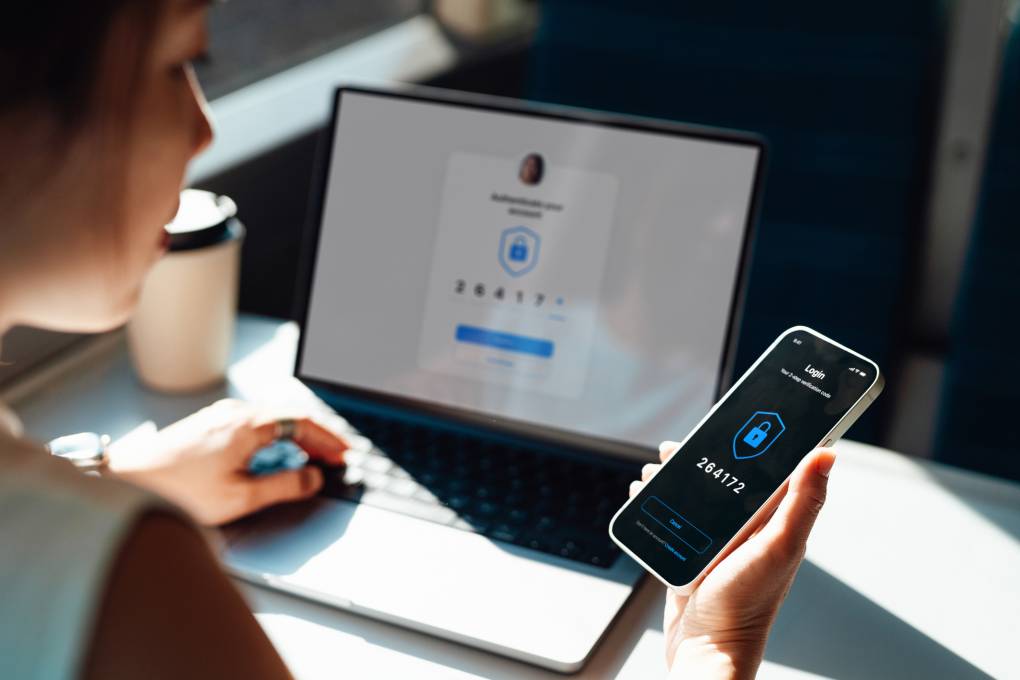
Hacker Took Control of Your Phone? Here's What to Do
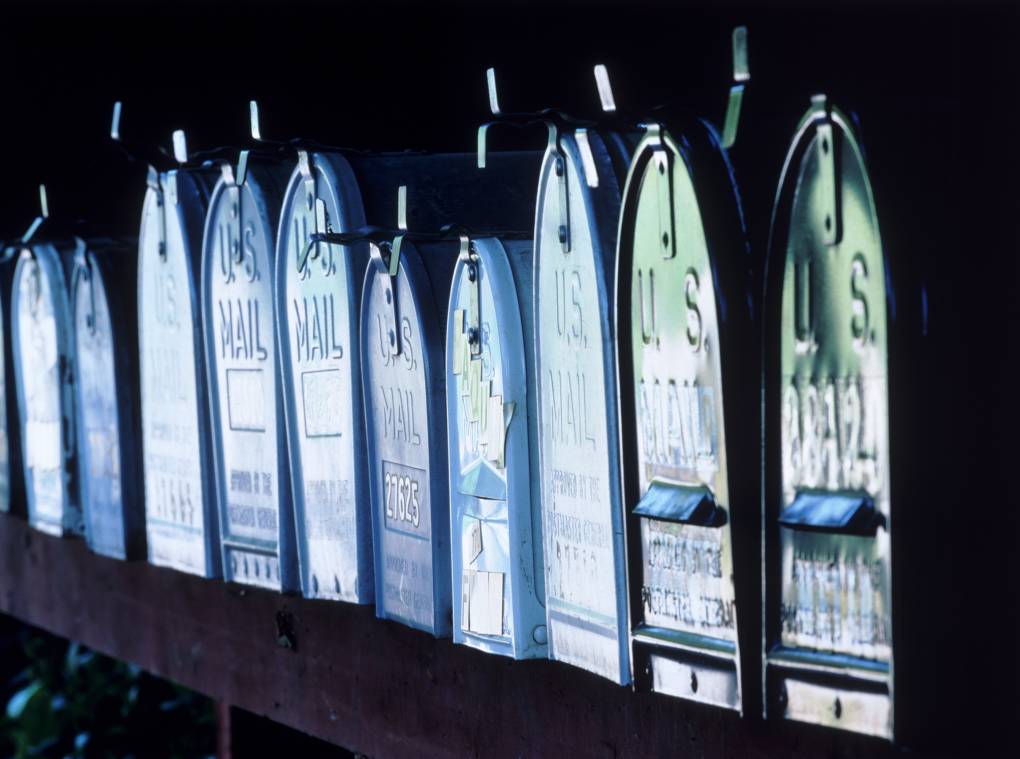
Mail Theft Can Get Serious. Here's How to Reduce Your Chances of Becoming a Target
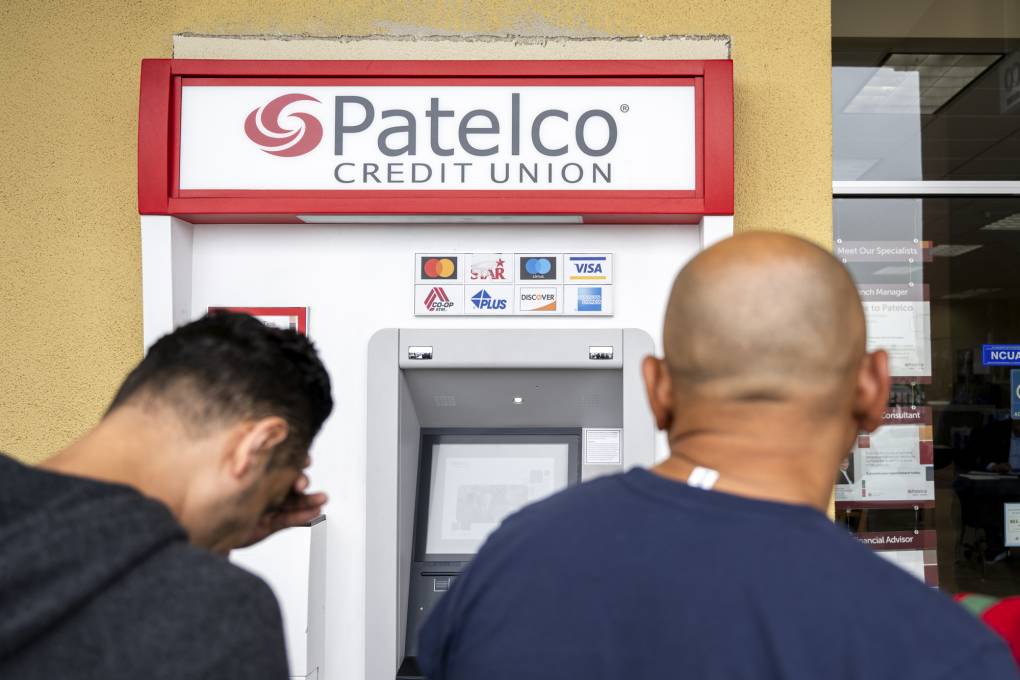
Crippling Patelco Ransomware Attack Leads to Pair of Class Action Lawsuits
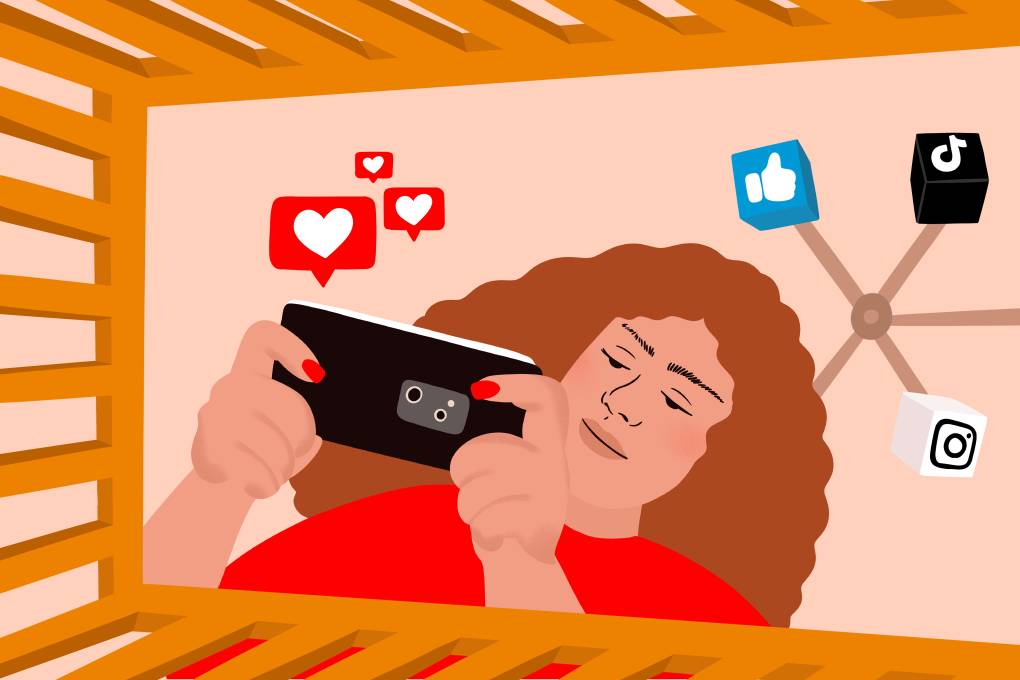
The Hidden Dangers of Sharing Adorable Photos of Your Child Online
California Agencies Long Overdue for Major Cybersecurity Upgrades, Experts Say
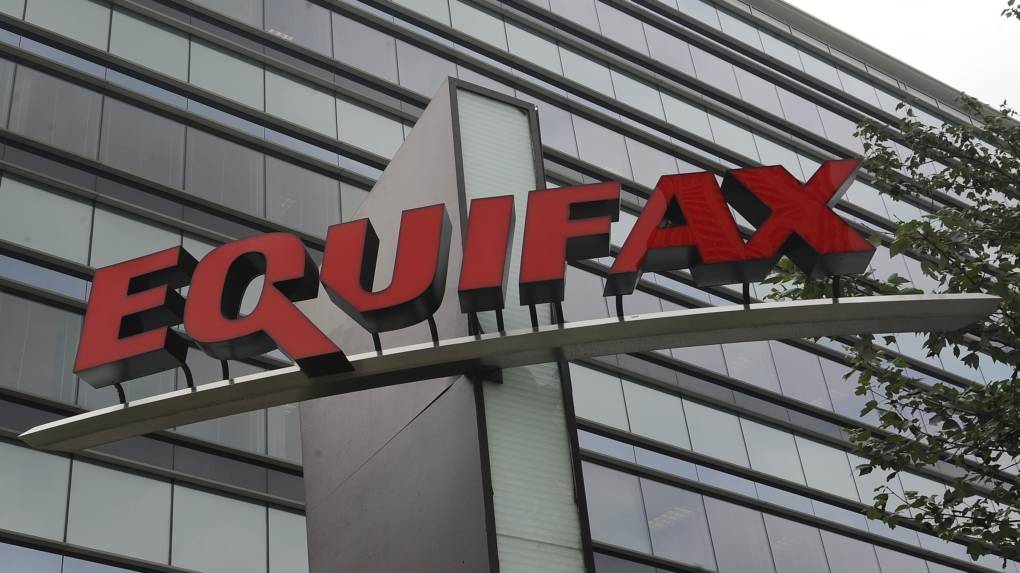
Equifax to Pay Up to $700 Million in Data Breach Settlement
Equifax Says 2.4 Million More People Were Impacted by Huge 2017 Breach
Northern California Fire Scams Worse Than Previously Thought
California Agencies Sometimes Fail to Protect Confidential Data
Sponsored
Player sponsored by
window.__IS_SSR__=true
window.__INITIAL_STATE__={
"attachmentsReducer": {
"audio_0": {
"type": "attachments",
"id": "audio_0",
"imgSizes": {
"kqedFullSize": {
"file": "https://ww2.kqed.org/news/wp-content/themes/KQED-unified/img/audio_bgs/background0.jpg"
}
}
},
"audio_1": {
"type": "attachments",
"id": "audio_1",
"imgSizes": {
"kqedFullSize": {
"file": "https://ww2.kqed.org/news/wp-content/themes/KQED-unified/img/audio_bgs/background1.jpg"
}
}
},
"audio_2": {
"type": "attachments",
"id": "audio_2",
"imgSizes": {
"kqedFullSize": {
"file": "https://ww2.kqed.org/news/wp-content/themes/KQED-unified/img/audio_bgs/background2.jpg"
}
}
},
"audio_3": {
"type": "attachments",
"id": "audio_3",
"imgSizes": {
"kqedFullSize": {
"file": "https://ww2.kqed.org/news/wp-content/themes/KQED-unified/img/audio_bgs/background3.jpg"
}
}
},
"audio_4": {
"type": "attachments",
"id": "audio_4",
"imgSizes": {
"kqedFullSize": {
"file": "https://ww2.kqed.org/news/wp-content/themes/KQED-unified/img/audio_bgs/background4.jpg"
}
}
},
"placeholder": {
"type": "attachments",
"id": "placeholder",
"imgSizes": {
"thumbnail": {
"file": "https://cdn.kqed.org/wp-content/uploads/2024/12/KQED-Default-Image-816638274-2000x1333-1-160x107.jpg",
"width": 160,
"height": 107,
"mimeType": "image/jpeg"
},
"medium": {
"file": "https://cdn.kqed.org/wp-content/uploads/2024/12/KQED-Default-Image-816638274-2000x1333-1-800x533.jpg",
"width": 800,
"height": 533,
"mimeType": "image/jpeg"
},
"medium_large": {
"file": "https://cdn.kqed.org/wp-content/uploads/2024/12/KQED-Default-Image-816638274-2000x1333-1-768x512.jpg",
"width": 768,
"height": 512,
"mimeType": "image/jpeg"
},
"large": {
"file": "https://cdn.kqed.org/wp-content/uploads/2024/12/KQED-Default-Image-816638274-2000x1333-1-1020x680.jpg",
"width": 1020,
"height": 680,
"mimeType": "image/jpeg"
},
"1536x1536": {
"file": "https://cdn.kqed.org/wp-content/uploads/2024/12/KQED-Default-Image-816638274-2000x1333-1-1536x1024.jpg",
"width": 1536,
"height": 1024,
"mimeType": "image/jpeg"
},
"fd-lrg": {
"file": "https://cdn.kqed.org/wp-content/uploads/2024/12/KQED-Default-Image-816638274-2000x1333-1-1536x1024.jpg",
"width": 1536,
"height": 1024,
"mimeType": "image/jpeg"
},
"fd-med": {
"file": "https://cdn.kqed.org/wp-content/uploads/2024/12/KQED-Default-Image-816638274-2000x1333-1-1020x680.jpg",
"width": 1020,
"height": 680,
"mimeType": "image/jpeg"
},
"fd-sm": {
"file": "https://cdn.kqed.org/wp-content/uploads/2024/12/KQED-Default-Image-816638274-2000x1333-1-800x533.jpg",
"width": 800,
"height": 533,
"mimeType": "image/jpeg"
},
"post-thumbnail": {
"file": "https://cdn.kqed.org/wp-content/uploads/2024/12/KQED-Default-Image-816638274-2000x1333-1-672x372.jpg",
"width": 672,
"height": 372,
"mimeType": "image/jpeg"
},
"twentyfourteen-full-width": {
"file": "https://cdn.kqed.org/wp-content/uploads/2024/12/KQED-Default-Image-816638274-2000x1333-1-1038x576.jpg",
"width": 1038,
"height": 576,
"mimeType": "image/jpeg"
},
"xxsmall": {
"file": "https://cdn.kqed.org/wp-content/uploads/2024/12/KQED-Default-Image-816638274-2000x1333-1-160x107.jpg",
"width": 160,
"height": 107,
"mimeType": "image/jpeg"
},
"xsmall": {
"file": "https://cdn.kqed.org/wp-content/uploads/2024/12/KQED-Default-Image-816638274-2000x1333-1-672x372.jpg",
"width": 672,
"height": 372,
"mimeType": "image/jpeg"
},
"small": {
"file": "https://cdn.kqed.org/wp-content/uploads/2024/12/KQED-Default-Image-816638274-2000x1333-1-672x372.jpg",
"width": 672,
"height": 372,
"mimeType": "image/jpeg"
},
"xlarge": {
"file": "https://cdn.kqed.org/wp-content/uploads/2024/12/KQED-Default-Image-816638274-2000x1333-1-1020x680.jpg",
"width": 1020,
"height": 680,
"mimeType": "image/jpeg"
},
"full-width": {
"file": "https://cdn.kqed.org/wp-content/uploads/2024/12/KQED-Default-Image-816638274-2000x1333-1-1920x1280.jpg",
"width": 1920,
"height": 1280,
"mimeType": "image/jpeg"
},
"guest-author-32": {
"file": "https://cdn.kqed.org/wp-content/uploads/2025/01/KQED-Default-Image-816638274-1333x1333-1-160x160.jpg",
"width": 32,
"height": 32,
"mimeType": "image/jpeg"
},
"guest-author-50": {
"file": "https://cdn.kqed.org/wp-content/uploads/2025/01/KQED-Default-Image-816638274-1333x1333-1-160x160.jpg",
"width": 50,
"height": 50,
"mimeType": "image/jpeg"
},
"guest-author-64": {
"file": "https://cdn.kqed.org/wp-content/uploads/2025/01/KQED-Default-Image-816638274-1333x1333-1-160x160.jpg",
"width": 64,
"height": 64,
"mimeType": "image/jpeg"
},
"guest-author-96": {
"file": "https://cdn.kqed.org/wp-content/uploads/2025/01/KQED-Default-Image-816638274-1333x1333-1-160x160.jpg",
"width": 96,
"height": 96,
"mimeType": "image/jpeg"
},
"guest-author-128": {
"file": "https://cdn.kqed.org/wp-content/uploads/2025/01/KQED-Default-Image-816638274-1333x1333-1-160x160.jpg",
"width": 128,
"height": 128,
"mimeType": "image/jpeg"
},
"detail": {
"file": "https://cdn.kqed.org/wp-content/uploads/2025/01/KQED-Default-Image-816638274-1333x1333-1-160x160.jpg",
"width": 160,
"height": 160,
"mimeType": "image/jpeg"
},
"kqedFullSize": {
"file": "https://cdn.kqed.org/wp-content/uploads/2024/12/KQED-Default-Image-816638274-2000x1333-1.jpg",
"width": 2000,
"height": 1333
}
}
},
"news_12009995": {
"type": "attachments",
"id": "news_12009995",
"meta": {
"index": "attachments_1716263798",
"site": "news",
"id": "12009995",
"found": true
},
"title": "Over the shoulder view of young woman logging in online account with Two-Factor Authentication (2FA) security system visa smart phone and laptop",
"publishDate": 1729214726,
"status": "inherit",
"parent": 12009964,
"modified": 1729361766,
"caption": "The Identity Theft Resource Center recommends replacing your online passwords by setting up passkeys, if they are offered, on your accounts.",
"credit": "Oscar Wong/Getty Images",
"altTag": null,
"description": null,
"imgSizes": {
"medium": {
"file": "https://cdn.kqed.org/wp-content/uploads/sites/10/2024/10/GettyImages-1774781438-800x533.jpg",
"width": 800,
"height": 533,
"mimeType": "image/jpeg"
},
"large": {
"file": "https://cdn.kqed.org/wp-content/uploads/sites/10/2024/10/GettyImages-1774781438-1020x680.jpg",
"width": 1020,
"height": 680,
"mimeType": "image/jpeg"
},
"thumbnail": {
"file": "https://cdn.kqed.org/wp-content/uploads/sites/10/2024/10/GettyImages-1774781438-160x107.jpg",
"width": 160,
"height": 107,
"mimeType": "image/jpeg"
},
"1536x1536": {
"file": "https://cdn.kqed.org/wp-content/uploads/sites/10/2024/10/GettyImages-1774781438-1536x1024.jpg",
"width": 1536,
"height": 1024,
"mimeType": "image/jpeg"
},
"2048x2048": {
"file": "https://cdn.kqed.org/wp-content/uploads/sites/10/2024/10/GettyImages-1774781438-2048x1365.jpg",
"width": 2048,
"height": 1365,
"mimeType": "image/jpeg"
},
"post-thumbnail": {
"file": "https://cdn.kqed.org/wp-content/uploads/sites/10/2024/10/GettyImages-1774781438-672x372.jpg",
"width": 672,
"height": 372,
"mimeType": "image/jpeg"
},
"twentyfourteen-full-width": {
"file": "https://cdn.kqed.org/wp-content/uploads/sites/10/2024/10/GettyImages-1774781438-1038x576.jpg",
"width": 1038,
"height": 576,
"mimeType": "image/jpeg"
},
"full-width": {
"file": "https://cdn.kqed.org/wp-content/uploads/sites/10/2024/10/GettyImages-1774781438-1920x1280.jpg",
"width": 1920,
"height": 1280,
"mimeType": "image/jpeg"
},
"kqedFullSize": {
"file": "https://cdn.kqed.org/wp-content/uploads/sites/10/2024/10/GettyImages-1774781438.jpg",
"width": 2121,
"height": 1414
}
},
"fetchFailed": false,
"isLoading": false
},
"news_11997184": {
"type": "attachments",
"id": "news_11997184",
"meta": {
"index": "attachments_1716263798",
"site": "news",
"id": "11997184",
"found": true
},
"title": "Mailboxes/ Carmel, Ca",
"publishDate": 1721852061,
"status": "inherit",
"parent": 11997154,
"modified": 1721852178,
"caption": "Mailboxes in Carmel-by-the-Sea, Monterey County.",
"credit": "Owaki-Kulla/Getty Images",
"altTag": null,
"description": null,
"imgSizes": {
"medium": {
"file": "https://cdn.kqed.org/wp-content/uploads/sites/10/2024/07/GettyImages-520217322-800x596.jpg",
"width": 800,
"height": 596,
"mimeType": "image/jpeg"
},
"large": {
"file": "https://cdn.kqed.org/wp-content/uploads/sites/10/2024/07/GettyImages-520217322-1020x759.jpg",
"width": 1020,
"height": 759,
"mimeType": "image/jpeg"
},
"thumbnail": {
"file": "https://cdn.kqed.org/wp-content/uploads/sites/10/2024/07/GettyImages-520217322-160x119.jpg",
"width": 160,
"height": 119,
"mimeType": "image/jpeg"
},
"1536x1536": {
"file": "https://cdn.kqed.org/wp-content/uploads/sites/10/2024/07/GettyImages-520217322-1536x1143.jpg",
"width": 1536,
"height": 1143,
"mimeType": "image/jpeg"
},
"post-thumbnail": {
"file": "https://cdn.kqed.org/wp-content/uploads/sites/10/2024/07/GettyImages-520217322-672x372.jpg",
"width": 672,
"height": 372,
"mimeType": "image/jpeg"
},
"twentyfourteen-full-width": {
"file": "https://cdn.kqed.org/wp-content/uploads/sites/10/2024/07/GettyImages-520217322-1038x576.jpg",
"width": 1038,
"height": 576,
"mimeType": "image/jpeg"
},
"full-width": {
"file": "https://cdn.kqed.org/wp-content/uploads/sites/10/2024/07/GettyImages-520217322-1920x1429.jpg",
"width": 1920,
"height": 1429,
"mimeType": "image/jpeg"
},
"kqedFullSize": {
"file": "https://cdn.kqed.org/wp-content/uploads/sites/10/2024/07/GettyImages-520217322.jpg",
"width": 2007,
"height": 1494
}
},
"fetchFailed": false,
"isLoading": false
},
"news_11993536": {
"type": "attachments",
"id": "news_11993536",
"meta": {
"index": "attachments_1716263798",
"site": "news",
"id": "11993536",
"found": true
},
"title": "240710-PATELCOCREDITUNION-18-BL-KQED",
"publishDate": 1720647994,
"status": "inherit",
"parent": 0,
"modified": 1720648017,
"caption": "A line of customers wait to speak with a teller at Patelco Credit Union in Daly City on July 10, 2024.",
"credit": "Beth LaBerge/KQED",
"altTag": null,
"description": null,
"imgSizes": {
"medium": {
"file": "https://cdn.kqed.org/wp-content/uploads/sites/10/2024/07/240710-PATELCOCREDITUNION-18-BL-KQED-800x533.jpg",
"width": 800,
"height": 533,
"mimeType": "image/jpeg"
},
"large": {
"file": "https://cdn.kqed.org/wp-content/uploads/sites/10/2024/07/240710-PATELCOCREDITUNION-18-BL-KQED-1020x680.jpg",
"width": 1020,
"height": 680,
"mimeType": "image/jpeg"
},
"thumbnail": {
"file": "https://cdn.kqed.org/wp-content/uploads/sites/10/2024/07/240710-PATELCOCREDITUNION-18-BL-KQED-160x107.jpg",
"width": 160,
"height": 107,
"mimeType": "image/jpeg"
},
"1536x1536": {
"file": "https://cdn.kqed.org/wp-content/uploads/sites/10/2024/07/240710-PATELCOCREDITUNION-18-BL-KQED-1536x1024.jpg",
"width": 1536,
"height": 1024,
"mimeType": "image/jpeg"
},
"post-thumbnail": {
"file": "https://cdn.kqed.org/wp-content/uploads/sites/10/2024/07/240710-PATELCOCREDITUNION-18-BL-KQED-672x372.jpg",
"width": 672,
"height": 372,
"mimeType": "image/jpeg"
},
"twentyfourteen-full-width": {
"file": "https://cdn.kqed.org/wp-content/uploads/sites/10/2024/07/240710-PATELCOCREDITUNION-18-BL-KQED-1038x576.jpg",
"width": 1038,
"height": 576,
"mimeType": "image/jpeg"
},
"full-width": {
"file": "https://cdn.kqed.org/wp-content/uploads/sites/10/2024/07/240710-PATELCOCREDITUNION-18-BL-KQED-1920x1280.jpg",
"width": 1920,
"height": 1280,
"mimeType": "image/jpeg"
},
"kqedFullSize": {
"file": "https://cdn.kqed.org/wp-content/uploads/sites/10/2024/07/240710-PATELCOCREDITUNION-18-BL-KQED.jpg",
"width": 2000,
"height": 1333
}
},
"fetchFailed": false,
"isLoading": false
},
"news_11987710": {
"type": "attachments",
"id": "news_11987710",
"meta": {
"index": "attachments_1716263798",
"site": "news",
"id": "11987710",
"found": true
},
"title": "Illustration of a mother leaning over the railing of her baby's crib taking photos on her phone. Heart icons emanate from her phone and a mobile featuring icons of popular social media sites like TikTok, Instagram and Facebook hangs above her head. The image is from the baby's perspective in the crib.",
"publishDate": 1716581680,
"status": "inherit",
"parent": 11987709,
"modified": 1716588844,
"caption": "Illustration of a mother leaning over the railing of her baby's crib taking photos on her phone. Heart icons emanate from her phone and a mobile featuring icons of popular social media sites like TikTok, Instagram and Facebook hangs above her head. The image is from the baby's perspective in the crib.",
"credit": null,
"altTag": null,
"description": null,
"imgSizes": {
"medium": {
"file": "https://cdn.kqed.org/wp-content/uploads/sites/10/2024/05/lk_sharenting_socialmedia_parenting_final-_slide-26351884f388702e26da3a913a124b5613e1d0ac-800x533.jpg",
"width": 800,
"height": 533,
"mimeType": "image/jpeg"
},
"large": {
"file": "https://cdn.kqed.org/wp-content/uploads/sites/10/2024/05/lk_sharenting_socialmedia_parenting_final-_slide-26351884f388702e26da3a913a124b5613e1d0ac-1020x680.jpg",
"width": 1020,
"height": 680,
"mimeType": "image/jpeg"
},
"thumbnail": {
"file": "https://cdn.kqed.org/wp-content/uploads/sites/10/2024/05/lk_sharenting_socialmedia_parenting_final-_slide-26351884f388702e26da3a913a124b5613e1d0ac-160x107.jpg",
"width": 160,
"height": 107,
"mimeType": "image/jpeg"
},
"1536x1536": {
"file": "https://cdn.kqed.org/wp-content/uploads/sites/10/2024/05/lk_sharenting_socialmedia_parenting_final-_slide-26351884f388702e26da3a913a124b5613e1d0ac-1536x1024.jpg",
"width": 1536,
"height": 1024,
"mimeType": "image/jpeg"
},
"2048x2048": {
"file": "https://cdn.kqed.org/wp-content/uploads/sites/10/2024/05/lk_sharenting_socialmedia_parenting_final-_slide-26351884f388702e26da3a913a124b5613e1d0ac-2048x1365.jpg",
"width": 2048,
"height": 1365,
"mimeType": "image/jpeg"
},
"post-thumbnail": {
"file": "https://cdn.kqed.org/wp-content/uploads/sites/10/2024/05/lk_sharenting_socialmedia_parenting_final-_slide-26351884f388702e26da3a913a124b5613e1d0ac-672x372.jpg",
"width": 672,
"height": 372,
"mimeType": "image/jpeg"
},
"twentyfourteen-full-width": {
"file": "https://cdn.kqed.org/wp-content/uploads/sites/10/2024/05/lk_sharenting_socialmedia_parenting_final-_slide-26351884f388702e26da3a913a124b5613e1d0ac-1038x576.jpg",
"width": 1038,
"height": 576,
"mimeType": "image/jpeg"
},
"full-width": {
"file": "https://cdn.kqed.org/wp-content/uploads/sites/10/2024/05/lk_sharenting_socialmedia_parenting_final-_slide-26351884f388702e26da3a913a124b5613e1d0ac-1920x1280.jpg",
"width": 1920,
"height": 1280,
"mimeType": "image/jpeg"
},
"kqedFullSize": {
"file": "https://cdn.kqed.org/wp-content/uploads/sites/10/2024/05/lk_sharenting_socialmedia_parenting_final-_slide-26351884f388702e26da3a913a124b5613e1d0ac-scaled.jpg",
"width": 2560,
"height": 1706
}
},
"fetchFailed": false,
"isLoading": false
},
"news_11873664": {
"type": "attachments",
"id": "news_11873664",
"meta": {
"index": "attachments_1716263798",
"site": "news",
"id": "11873664",
"found": true
},
"parent": 11873288,
"imgSizes": {
"twentyfourteen-full-width": {
"file": "https://ww2.kqed.org/app/uploads/sites/10/2021/05/iStock-1220974008-1038x576.jpg",
"width": 1038,
"mimeType": "image/jpeg",
"height": 576
},
"thumbnail": {
"file": "https://ww2.kqed.org/app/uploads/sites/10/2021/05/iStock-1220974008-160x107.jpg",
"width": 160,
"mimeType": "image/jpeg",
"height": 107
},
"post-thumbnail": {
"file": "https://ww2.kqed.org/app/uploads/sites/10/2021/05/iStock-1220974008-672x372.jpg",
"width": 672,
"mimeType": "image/jpeg",
"height": 372
},
"kqedFullSize": {
"file": "https://ww2.kqed.org/app/uploads/sites/10/2021/05/iStock-1220974008.jpg",
"width": 2121,
"height": 1414
},
"2048x2048": {
"file": "https://ww2.kqed.org/app/uploads/sites/10/2021/05/iStock-1220974008-2048x1365.jpg",
"width": 2048,
"mimeType": "image/jpeg",
"height": 1365
},
"large": {
"file": "https://ww2.kqed.org/app/uploads/sites/10/2021/05/iStock-1220974008-1020x680.jpg",
"width": 1020,
"mimeType": "image/jpeg",
"height": 680
},
"1536x1536": {
"file": "https://ww2.kqed.org/app/uploads/sites/10/2021/05/iStock-1220974008-1536x1024.jpg",
"width": 1536,
"mimeType": "image/jpeg",
"height": 1024
},
"full-width": {
"file": "https://ww2.kqed.org/app/uploads/sites/10/2021/05/iStock-1220974008-1920x1280.jpg",
"width": 1920,
"mimeType": "image/jpeg",
"height": 1280
},
"medium": {
"file": "https://ww2.kqed.org/app/uploads/sites/10/2021/05/iStock-1220974008-800x533.jpg",
"width": 800,
"mimeType": "image/jpeg",
"height": 533
}
},
"publishDate": 1620964772,
"modified": 1620964831,
"caption": "Top cybersecurity experts say state and local governments across the country are also sitting ducks for cyber attacks due to outdated technology and understaffing. ",
"description": null,
"title": "Website design. Developing programming and coding technologies.",
"credit": "iStock",
"status": "inherit",
"altTag": null,
"fetchFailed": false,
"isLoading": false
},
"news_11762719": {
"type": "attachments",
"id": "news_11762719",
"meta": {
"index": "attachments_1716263798",
"site": "news",
"id": "11762719",
"found": true
},
"parent": 11762718,
"imgSizes": {
"apple_news_ca_landscape_5_5": {
"file": "https://ww2.kqed.org/app/uploads/sites/10/2019/07/ap_19203407929592_wide-cbf58d01f2c3efff2cea86dcfab5d08005bff13e-1044x783.jpg",
"width": 1044,
"mimeType": "image/jpeg",
"height": 783
},
"apple_news_ca_square_4_0": {
"file": "https://ww2.kqed.org/app/uploads/sites/10/2019/07/ap_19203407929592_wide-cbf58d01f2c3efff2cea86dcfab5d08005bff13e-470x470.jpg",
"width": 470,
"mimeType": "image/jpeg",
"height": 470
},
"twentyfourteen-full-width": {
"file": "https://ww2.kqed.org/app/uploads/sites/10/2019/07/ap_19203407929592_wide-cbf58d01f2c3efff2cea86dcfab5d08005bff13e-1038x576.jpg",
"width": 1038,
"mimeType": "image/jpeg",
"height": 576
},
"thumbnail": {
"file": "https://ww2.kqed.org/app/uploads/sites/10/2019/07/ap_19203407929592_wide-cbf58d01f2c3efff2cea86dcfab5d08005bff13e-160x90.jpg",
"width": 160,
"mimeType": "image/jpeg",
"height": 90
},
"post-thumbnail": {
"file": "https://ww2.kqed.org/app/uploads/sites/10/2019/07/ap_19203407929592_wide-cbf58d01f2c3efff2cea86dcfab5d08005bff13e-672x372.jpg",
"width": 672,
"mimeType": "image/jpeg",
"height": 372
},
"kqedFullSize": {
"file": "https://ww2.kqed.org/app/uploads/sites/10/2019/07/ap_19203407929592_wide-cbf58d01f2c3efff2cea86dcfab5d08005bff13e-e1563820166115.jpg",
"width": 1920,
"height": 1079
},
"apple_news_ca_landscape_4_7": {
"file": "https://ww2.kqed.org/app/uploads/sites/10/2019/07/ap_19203407929592_wide-cbf58d01f2c3efff2cea86dcfab5d08005bff13e-632x474.jpg",
"width": 632,
"mimeType": "image/jpeg",
"height": 474
},
"large": {
"file": "https://ww2.kqed.org/app/uploads/sites/10/2019/07/ap_19203407929592_wide-cbf58d01f2c3efff2cea86dcfab5d08005bff13e-1020x573.jpg",
"width": 1020,
"mimeType": "image/jpeg",
"height": 573
},
"complete_open_graph": {
"file": "https://ww2.kqed.org/app/uploads/sites/10/2019/07/ap_19203407929592_wide-cbf58d01f2c3efff2cea86dcfab5d08005bff13e-1200x675.jpg",
"width": 1200,
"mimeType": "image/jpeg",
"height": 675
},
"apple_news_ca_landscape_4_0": {
"file": "https://ww2.kqed.org/app/uploads/sites/10/2019/07/ap_19203407929592_wide-cbf58d01f2c3efff2cea86dcfab5d08005bff13e-536x402.jpg",
"width": 536,
"mimeType": "image/jpeg",
"height": 402
},
"apple_news_ca_portrait_12_9": {
"file": "https://ww2.kqed.org/app/uploads/sites/10/2019/07/ap_19203407929592_wide-cbf58d01f2c3efff2cea86dcfab5d08005bff13e-1122x1496.jpg",
"width": 1122,
"mimeType": "image/jpeg",
"height": 1496
},
"medium": {
"file": "https://ww2.kqed.org/app/uploads/sites/10/2019/07/ap_19203407929592_wide-cbf58d01f2c3efff2cea86dcfab5d08005bff13e-800x450.jpg",
"width": 800,
"mimeType": "image/jpeg",
"height": 450
},
"apple_news_ca_portrait_4_0": {
"file": "https://ww2.kqed.org/app/uploads/sites/10/2019/07/ap_19203407929592_wide-cbf58d01f2c3efff2cea86dcfab5d08005bff13e-354x472.jpg",
"width": 354,
"mimeType": "image/jpeg",
"height": 472
},
"apple_news_ca_portrait_9_7": {
"file": "https://ww2.kqed.org/app/uploads/sites/10/2019/07/ap_19203407929592_wide-cbf58d01f2c3efff2cea86dcfab5d08005bff13e-840x1120.jpg",
"width": 840,
"mimeType": "image/jpeg",
"height": 1120
},
"apple_news_ca_landscape_12_9": {
"file": "https://ww2.kqed.org/app/uploads/sites/10/2019/07/ap_19203407929592_wide-cbf58d01f2c3efff2cea86dcfab5d08005bff13e-1832x1374.jpg",
"width": 1832,
"mimeType": "image/jpeg",
"height": 1374
},
"apple_news_ca_square_9_7": {
"file": "https://ww2.kqed.org/app/uploads/sites/10/2019/07/ap_19203407929592_wide-cbf58d01f2c3efff2cea86dcfab5d08005bff13e-1104x1104.jpg",
"width": 1104,
"mimeType": "image/jpeg",
"height": 1104
},
"apple_news_ca_portrait_4_7": {
"file": "https://ww2.kqed.org/app/uploads/sites/10/2019/07/ap_19203407929592_wide-cbf58d01f2c3efff2cea86dcfab5d08005bff13e-414x552.jpg",
"width": 414,
"mimeType": "image/jpeg",
"height": 552
},
"apple_news_ca_square_12_9": {
"file": "https://ww2.kqed.org/app/uploads/sites/10/2019/07/ap_19203407929592_wide-cbf58d01f2c3efff2cea86dcfab5d08005bff13e-1472x1472.jpg",
"width": 1472,
"mimeType": "image/jpeg",
"height": 1472
},
"apple_news_ca_portrait_5_5": {
"file": "https://ww2.kqed.org/app/uploads/sites/10/2019/07/ap_19203407929592_wide-cbf58d01f2c3efff2cea86dcfab5d08005bff13e-687x916.jpg",
"width": 687,
"mimeType": "image/jpeg",
"height": 916
},
"full-width": {
"file": "https://ww2.kqed.org/app/uploads/sites/10/2019/07/ap_19203407929592_wide-cbf58d01f2c3efff2cea86dcfab5d08005bff13e-1920x1079.jpg",
"width": 1920,
"mimeType": "image/jpeg",
"height": 1079
},
"apple_news_ca_square_4_7": {
"file": "https://ww2.kqed.org/app/uploads/sites/10/2019/07/ap_19203407929592_wide-cbf58d01f2c3efff2cea86dcfab5d08005bff13e-550x550.jpg",
"width": 550,
"mimeType": "image/jpeg",
"height": 550
},
"apple_news_ca_landscape_9_7": {
"file": "https://ww2.kqed.org/app/uploads/sites/10/2019/07/ap_19203407929592_wide-cbf58d01f2c3efff2cea86dcfab5d08005bff13e-1376x1032.jpg",
"width": 1376,
"mimeType": "image/jpeg",
"height": 1032
},
"apple_news_ca_square_5_5": {
"file": "https://ww2.kqed.org/app/uploads/sites/10/2019/07/ap_19203407929592_wide-cbf58d01f2c3efff2cea86dcfab5d08005bff13e-912x912.jpg",
"width": 912,
"mimeType": "image/jpeg",
"height": 912
}
},
"publishDate": 1563819628,
"modified": 1563820159,
"caption": "Equifax will pay up to $700 million in a proposed settlement over its 2017 data breach.",
"description": "Equifax will pay up to $700 million in a proposed settlement over its 2017 data breach.",
"title": "Equifax will pay up to $700 million in a proposed settlement over its 2017 data breach.",
"credit": "Mike Stewart/AP",
"status": "inherit",
"fetchFailed": false,
"isLoading": false
},
"news_11653090": {
"type": "attachments",
"id": "news_11653090",
"meta": {
"index": "attachments_1716263798",
"site": "news",
"id": "11653090",
"found": true
},
"parent": 11653080,
"imgSizes": {
"small": {
"file": "https://ww2.kqed.org/app/uploads/sites/10/2018/03/iStock-507473994-520x347.jpg",
"width": 520,
"mimeType": "image/jpeg",
"height": 347
},
"twentyfourteen-full-width": {
"file": "https://ww2.kqed.org/app/uploads/sites/10/2018/03/iStock-507473994-1038x576.jpg",
"width": 1038,
"mimeType": "image/jpeg",
"height": 576
},
"thumbnail": {
"file": "https://ww2.kqed.org/app/uploads/sites/10/2018/03/iStock-507473994-160x107.jpg",
"width": 160,
"mimeType": "image/jpeg",
"height": 107
},
"fd-sm": {
"file": "https://ww2.kqed.org/app/uploads/sites/10/2018/03/iStock-507473994-960x640.jpg",
"width": 960,
"mimeType": "image/jpeg",
"height": 640
},
"post-thumbnail": {
"file": "https://ww2.kqed.org/app/uploads/sites/10/2018/03/iStock-507473994-672x372.jpg",
"width": 672,
"mimeType": "image/jpeg",
"height": 372
},
"xsmall": {
"file": "https://ww2.kqed.org/app/uploads/sites/10/2018/03/iStock-507473994-375x250.jpg",
"width": 375,
"mimeType": "image/jpeg",
"height": 250
},
"kqedFullSize": {
"file": "https://ww2.kqed.org/app/uploads/sites/10/2018/03/iStock-507473994-e1519940169507.jpg",
"width": 1920,
"height": 1280
},
"large": {
"file": "https://ww2.kqed.org/app/uploads/sites/10/2018/03/iStock-507473994-1020x680.jpg",
"width": 1020,
"mimeType": "image/jpeg",
"height": 680
},
"xlarge": {
"file": "https://ww2.kqed.org/app/uploads/sites/10/2018/03/iStock-507473994-1180x787.jpg",
"width": 1180,
"mimeType": "image/jpeg",
"height": 787
},
"guest-author-50": {
"file": "https://ww2.kqed.org/app/uploads/sites/10/2018/03/iStock-507473994-50x50.jpg",
"width": 50,
"mimeType": "image/jpeg",
"height": 50
},
"guest-author-96": {
"file": "https://ww2.kqed.org/app/uploads/sites/10/2018/03/iStock-507473994-96x96.jpg",
"width": 96,
"mimeType": "image/jpeg",
"height": 96
},
"medium": {
"file": "https://ww2.kqed.org/app/uploads/sites/10/2018/03/iStock-507473994-800x533.jpg",
"width": 800,
"mimeType": "image/jpeg",
"height": 533
},
"guest-author-64": {
"file": "https://ww2.kqed.org/app/uploads/sites/10/2018/03/iStock-507473994-64x64.jpg",
"width": 64,
"mimeType": "image/jpeg",
"height": 64
},
"guest-author-32": {
"file": "https://ww2.kqed.org/app/uploads/sites/10/2018/03/iStock-507473994-32x32.jpg",
"width": 32,
"mimeType": "image/jpeg",
"height": 32
},
"fd-lrg": {
"file": "https://ww2.kqed.org/app/uploads/sites/10/2018/03/iStock-507473994-1920x1280.jpg",
"width": 1920,
"mimeType": "image/jpeg",
"height": 1280
},
"fd-med": {
"file": "https://ww2.kqed.org/app/uploads/sites/10/2018/03/iStock-507473994-1180x787.jpg",
"width": 1180,
"mimeType": "image/jpeg",
"height": 787
},
"full-width": {
"file": "https://ww2.kqed.org/app/uploads/sites/10/2018/03/iStock-507473994-1920x1280.jpg",
"width": 1920,
"mimeType": "image/jpeg",
"height": 1280
},
"detail": {
"file": "https://ww2.kqed.org/app/uploads/sites/10/2018/03/iStock-507473994-150x150.jpg",
"width": 150,
"mimeType": "image/jpeg",
"height": 150
},
"guest-author-128": {
"file": "https://ww2.kqed.org/app/uploads/sites/10/2018/03/iStock-507473994-128x128.jpg",
"width": 128,
"mimeType": "image/jpeg",
"height": 128
},
"xxsmall": {
"file": "https://ww2.kqed.org/app/uploads/sites/10/2018/03/iStock-507473994-240x160.jpg",
"width": 240,
"mimeType": "image/jpeg",
"height": 160
}
},
"publishDate": 1519940135,
"modified": 1519940184,
"caption": null,
"description": null,
"title": "Computer crime concept",
"credit": "Getty Images",
"status": "inherit",
"fetchFailed": false,
"isLoading": false
},
"news_98275": {
"type": "attachments",
"id": "news_98275",
"meta": {
"index": "attachments_1716263798",
"site": "news",
"id": "98275",
"found": true
},
"parent": 98274,
"imgSizes": {
"kqedFullSize": {
"file": "https://ww2.kqed.org/app/uploads/sites/10/2013/05/computer.jpg",
"width": 350,
"height": 220
}
},
"publishDate": 1369940768,
"modified": 1369940768,
"caption": null,
"description": null,
"title": "computer",
"credit": null,
"status": "inherit",
"fetchFailed": false,
"isLoading": false
}
},
"audioPlayerReducer": {
"postId": "stream_live",
"isPaused": true,
"isPlaying": false,
"pfsActive": false,
"pledgeModalIsOpen": true,
"playerDrawerIsOpen": false
},
"authorsReducer": {
"byline_news_12009964": {
"type": "authors",
"id": "byline_news_12009964",
"meta": {
"override": true
},
"slug": "byline_news_12009964",
"name": "Jon Brooks",
"isLoading": false
},
"byline_news_11987709": {
"type": "authors",
"id": "byline_news_11987709",
"meta": {
"override": true
},
"slug": "byline_news_11987709",
"name": "\u003ca href=\"https://www.npr.org/people/348740829/andrew-limbong\">Andrew Limbong\u003c/a>",
"isLoading": false
},
"byline_news_11762718": {
"type": "authors",
"id": "byline_news_11762718",
"meta": {
"override": true
},
"slug": "byline_news_11762718",
"name": "\u003cstrong>Avie Schneider and Chris Arnold\u003cbr />NPR\u003c/strong>",
"isLoading": false
},
"byline_news_11653080": {
"type": "authors",
"id": "byline_news_11653080",
"meta": {
"override": true
},
"slug": "byline_news_11653080",
"name": "\u003cstrong>Merrit Kennedy\u003cbr />NPR\u003c/strong>",
"isLoading": false
},
"kqed": {
"type": "authors",
"id": "236",
"meta": {
"index": "authors_1716337520",
"id": "236",
"found": true
},
"name": "KQED News Staff",
"firstName": "KQED News Staff",
"lastName": null,
"slug": "kqed",
"email": "faq@kqed.org",
"display_author_email": false,
"staff_mastheads": [],
"title": null,
"bio": null,
"avatar": "https://secure.gravatar.com/avatar/ef0e801a68c4c54afa9180db14084167?s=600&d=blank&r=g",
"twitter": null,
"facebook": null,
"instagram": null,
"linkedin": null,
"sites": [
{
"site": "arts",
"roles": [
"contributor"
]
},
{
"site": "news",
"roles": [
"editor"
]
},
{
"site": "futureofyou",
"roles": [
"author"
]
}
],
"headData": {
"title": "KQED News Staff | KQED",
"description": null,
"ogImgSrc": "https://secure.gravatar.com/avatar/ef0e801a68c4c54afa9180db14084167?s=600&d=blank&r=g",
"twImgSrc": "https://secure.gravatar.com/avatar/ef0e801a68c4c54afa9180db14084167?s=600&d=blank&r=g"
},
"isLoading": false,
"link": "/author/kqed"
},
"rachael-myrow": {
"type": "authors",
"id": "251",
"meta": {
"index": "authors_1716337520",
"id": "251",
"found": true
},
"name": "Rachael Myrow",
"firstName": "Rachael",
"lastName": "Myrow",
"slug": "rachael-myrow",
"email": "rmyrow@kqed.org",
"display_author_email": false,
"staff_mastheads": [
"news"
],
"title": "Senior Editor of KQED's Silicon Valley News Desk",
"bio": "Rachael Myrow is Senior Editor of KQED's Silicon Valley News Desk, reporting on topics like \u003ca href=\"https://www.kqed.org/news/12023367/what-big-tech-sees-in-donald-trump\">what Big Tech sees in President Trump\u003c/a>, \u003ca href=\"https://www.kqed.org/news/12020857/california-lawmaker-ready-revive-fight-regulating-ai\">California's many, many AI bills\u003c/a>, and the \u003ca href=\"https://www.kqed.org/news/12017713/lost-sounds-of-san-francisco\">lost sounds of San Francisco\u003c/a>. You can hear her work on \u003ca href=\"https://www.npr.org/search?query=Rachael%20Myrow&page=1\">NPR\u003c/a>, \u003ca href=\"https://theworld.org/people/rachael-myrow\">The World\u003c/a>, WBUR's \u003ca href=\"https://www.wbur.org/search?q=Rachael%20Myrow\">\u003ci>Here & Now\u003c/i>\u003c/a> and the BBC. \u003c/i>She also guest hosts for KQED's \u003ci>\u003ca href=\"https://www.kqed.org/forum/tag/rachael-myrow\">Forum\u003c/a>\u003c/i>. Over the years, she's talked with Kamau Bell, David Byrne, Kamala Harris, Tony Kushner, Armistead Maupin, Van Dyke Parks, Arnold Schwarzenegger and Tommie Smith, among others.\r\n\r\nBefore all this, she hosted \u003cem>The California Report\u003c/em> for 7+ years.\r\n\r\nAwards? Sure: Peabody, Edward R. Murrow, Regional Edward R. Murrow, RTNDA, Northern California RTNDA, SPJ Northern California Chapter, LA Press Club, Golden Mic. Prior to joining KQED, Rachael worked in Los Angeles at KPCC and Marketplace. She holds degrees in English and journalism from UC Berkeley (where she got her start in public radio on KALX-FM).\r\n\r\nOutside of the studio, you'll find Rachael hiking Bay Area trails and whipping up Instagram-ready meals in her kitchen. More recently, she's taken up native-forward gardening.",
"avatar": "https://secure.gravatar.com/avatar/87bf8cb5874e045cdff430523a6d48b1?s=600&d=blank&r=g",
"twitter": "rachaelmyrow",
"facebook": null,
"instagram": null,
"linkedin": "https://www.linkedin.com/in/rachaelmyrow/",
"sites": [
{
"site": "arts",
"roles": [
"administrator"
]
},
{
"site": "news",
"roles": [
"edit_others_posts",
"editor"
]
},
{
"site": "futureofyou",
"roles": [
"editor"
]
},
{
"site": "bayareabites",
"roles": [
"editor"
]
},
{
"site": "stateofhealth",
"roles": [
"editor"
]
},
{
"site": "science",
"roles": [
"editor"
]
},
{
"site": "food",
"roles": [
"editor"
]
},
{
"site": "forum",
"roles": [
"editor"
]
},
{
"site": "liveblog",
"roles": [
"author"
]
}
],
"headData": {
"title": "Rachael Myrow | KQED",
"description": "Senior Editor of KQED's Silicon Valley News Desk",
"ogImgSrc": "https://secure.gravatar.com/avatar/87bf8cb5874e045cdff430523a6d48b1?s=600&d=blank&r=g",
"twImgSrc": "https://secure.gravatar.com/avatar/87bf8cb5874e045cdff430523a6d48b1?s=600&d=blank&r=g"
},
"isLoading": false,
"link": "/author/rachael-myrow"
},
"dkatayama": {
"type": "authors",
"id": "7240",
"meta": {
"index": "authors_1716337520",
"id": "7240",
"found": true
},
"name": "Devin Katayama",
"firstName": "Devin",
"lastName": "Katayama",
"slug": "dkatayama",
"email": "dkatayama@kqed.org",
"display_author_email": true,
"staff_mastheads": [
"news"
],
"title": "Editor of Talent and Development",
"bio": "Devin Katayama is former Editor of Talent and Development for KQED. He supported our internship program and on-call staff by looking for equitable opportunities to improve the newsroom.\r\n\r\nHe previously hosted The Bay and American Suburb podcasts from KQED News. Prior to returning to the Bay Area in 2015, Devin was the education reporter for WFPL in Louisville and worked as a producer with radio stations in Chicago and Portland, OR. His work has appeared on NPR’s \u003cem>Morning Edition, All Things Considered, The Takeaway\u003c/em> and \u003cem>Here and Now.\u003c/em>\r\n\r\nDevin earned his MA in Journalism from Columbia College Chicago, where he was a Follett Fellow and the recipient of the 2011 Studs Terkel Community Media Workshop Scholarship for his story on Chicago's homeless youth. He won WBUR's 2014 Daniel Schorr award and a regional RTNDA Edward R. Murrow Award for his documentary \"At Risk\" that looked at issues facing some of Louisville's students. Devin has also received numerous local awards from the Associated Press and the Society of Professional Journalists.",
"avatar": "https://secure.gravatar.com/avatar/d0d2978a31002fb2de107921a8e18405?s=600&d=blank&r=g",
"twitter": "RadioDevin",
"facebook": null,
"instagram": null,
"linkedin": null,
"sites": [
{
"site": "arts",
"roles": []
},
{
"site": "news",
"roles": [
"author"
]
},
{
"site": "stateofhealth",
"roles": [
"author"
]
},
{
"site": "forum",
"roles": [
"editor"
]
},
{
"site": "perspectives",
"roles": [
"editor"
]
}
],
"headData": {
"title": "Devin Katayama | KQED",
"description": "Editor of Talent and Development",
"ogImgSrc": "https://secure.gravatar.com/avatar/d0d2978a31002fb2de107921a8e18405?s=600&d=blank&r=g",
"twImgSrc": "https://secure.gravatar.com/avatar/d0d2978a31002fb2de107921a8e18405?s=600&d=blank&r=g"
},
"isLoading": false,
"link": "/author/dkatayama"
},
"jgeha": {
"type": "authors",
"id": "11906",
"meta": {
"index": "authors_1716337520",
"id": "11906",
"found": true
},
"name": "Joseph Geha",
"firstName": "Joseph",
"lastName": "Geha",
"slug": "jgeha",
"email": "jgeha@kqed.org",
"display_author_email": false,
"staff_mastheads": [
"news",
"science"
],
"title": "KQED Contributor",
"bio": null,
"avatar": "https://secure.gravatar.com/avatar/06334764312afacae9c3d6cd48fd9fd7?s=600&d=blank&r=g",
"twitter": null,
"facebook": null,
"instagram": null,
"linkedin": null,
"sites": [
{
"site": "news",
"roles": [
"editor"
]
},
{
"site": "liveblog",
"roles": [
"author"
]
}
],
"headData": {
"title": "Joseph Geha | KQED",
"description": "KQED Contributor",
"ogImgSrc": "https://secure.gravatar.com/avatar/06334764312afacae9c3d6cd48fd9fd7?s=600&d=blank&r=g",
"twImgSrc": "https://secure.gravatar.com/avatar/06334764312afacae9c3d6cd48fd9fd7?s=600&d=blank&r=g"
},
"isLoading": false,
"link": "/author/jgeha"
},
"kdebenedetti": {
"type": "authors",
"id": "11913",
"meta": {
"index": "authors_1716337520",
"id": "11913",
"found": true
},
"name": "Katie DeBenedetti",
"firstName": "Katie",
"lastName": "DeBenedetti",
"slug": "kdebenedetti",
"email": "kdebenedetti@kqed.org",
"display_author_email": false,
"staff_mastheads": [
"news",
"science"
],
"title": "KQED Contributor",
"bio": "Katie DeBenedetti is a digital reporter covering daily news for the Express Desk. Prior to joining KQED as a culture reporting intern in January 2024, she covered education and city government for the Napa Valley Register.",
"avatar": "https://secure.gravatar.com/avatar/6e31073cb8f7e4214ab03f42771d0f45?s=600&d=blank&r=g",
"twitter": null,
"facebook": null,
"instagram": null,
"linkedin": null,
"sites": [
{
"site": "news",
"roles": [
"author"
]
},
{
"site": "science",
"roles": [
"author"
]
},
{
"site": "liveblog",
"roles": [
"author"
]
}
],
"headData": {
"title": "Katie DeBenedetti | KQED",
"description": "KQED Contributor",
"ogImgSrc": "https://secure.gravatar.com/avatar/6e31073cb8f7e4214ab03f42771d0f45?s=600&d=blank&r=g",
"twImgSrc": "https://secure.gravatar.com/avatar/6e31073cb8f7e4214ab03f42771d0f45?s=600&d=blank&r=g"
},
"isLoading": false,
"link": "/author/kdebenedetti"
}
},
"breakingNewsReducer": {},
"pagesReducer": {},
"postsReducer": {
"stream_live": {
"type": "live",
"id": "stream_live",
"audioUrl": "https://streams.kqed.org/kqedradio",
"title": "Live Stream",
"excerpt": "Live Stream information currently unavailable.",
"link": "/radio",
"featImg": "",
"label": {
"name": "KQED Live",
"link": "/"
}
},
"stream_kqedNewscast": {
"type": "posts",
"id": "stream_kqedNewscast",
"audioUrl": "https://www.kqed.org/.stream/anon/radio/RDnews/newscast.mp3?_=1",
"title": "KQED Newscast",
"featImg": "",
"label": {
"name": "88.5 FM",
"link": "/"
}
},
"news_12009964": {
"type": "posts",
"id": "news_12009964",
"meta": {
"index": "posts_1716263798",
"site": "news",
"id": "12009964",
"score": null,
"sort": [
1729335646000
]
},
"guestAuthors": [],
"slug": "what-do-i-do-if-someone-has-taken-control-of-my-phone",
"title": "Hacker Took Control of Your Phone? Here's What to Do",
"publishDate": 1729335646,
"format": "standard",
"headTitle": "Hacker Took Control of Your Phone? Here’s What to Do | KQED",
"labelTerm": {
"site": "news"
},
"content": "\u003cp>The FBI’s Internet Crime Complaint Center received nearly 56,000 reports related to personal data breaches in 2023. And according to the \u003ca href=\"https://www.idtheftcenter.org/\">Identity Theft Resource Center\u003c/a> in San Diego County, a nonprofit that offers free advice to victims of such data breaches, California, the most populous state, had the most overall complaints in the United States last year.\u003c/p>\n\u003cp>I wrote earlier about my own experience of having my phone hacked in \u003ca href=\"https://www.kqed.org/news/12009921/its-time-to-get-paranoid-about-your-phone-says-this-security-expert\">this KQED story\u003c/a> — and how phones have become the newest target of such data breaches. \u003ca href=\"https://www.kqed.org/news/12009921/its-time-to-get-paranoid-about-your-phone-says-this-security-expert\">Read more about which settings to enable to reduce your chances of suffering a data breach\u003c/a>.\u003c/p>\n\u003cp>But if this does happen to you, what should you do? I spoke to the head of the Identity Theft Resource Center’s victim services team to find out the steps you should immediately take if your phone is breached by someone you don’t know. (KQED is honoring the organization’s request to keep her name anonymous, as the Center says it’s the frequent target of digital attacks in retaliation for its work.)\u003c/p>\n\u003cp>[ad fullwidth]\u003c/p>\n\u003ch2>Remove the malicious software\u003c/h2>\n\u003cp>Even if the attackers have been inside your phone for a short time, you should assume they have seen a lot of critical information, and you should act accordingly.\u003c/p>\n\u003cp>First, you should scrub your device or computer of any malware or spyware you might find through scanning and removal tools offered by a legitimate, recognizable company. For Windows computers, Microsoft offers a \u003ca href=\"https://www.microsoft.com/en-us/download/details.aspx?id=9905\">malicious software removal tool\u003c/a>.\u003c/p>\n\u003cp>If you still see signs of infection, such as slowness, freezing up or unexpected shutdowns, you may have to wipe your entire machine, which resets it to its factory state. Keep in mind that if you reinstall a backup of your data onto a newly scrubbed device or computer — from an external drive, for instance — you have to make sure your backup source doesn’t also include the malware.\u003c/p>\n\u003cp>If you aren’t comfortable doing this yourself, major tech retail companies like Apple and Microsoft offer services you can use.\u003c/p>\n\u003cp>Abandoning your hardware altogether isn’t usually required if it has been wiped and reset, the Identity Theft Resource Center says. However, some malware can remain well-hidden, and it’s possible your computer or device might become reinfected. If you know for sure that is the case, or if you are \u003cem>still\u003c/em> seeing signs of infection, it might be time to get a new one. (This is what I did with both my computer and phone. I felt so thoroughly spied upon that I thought about getting rid of my TV, my Blu-Ray player and my cats as well.)\u003c/p>\n\u003ch2>Don’t reset passwords too early\u003c/h2>\n\u003cp>If you go online to reset passwords and take other steps to protect yourself but do it with a device that is still compromised, the hackers may see the changes you’ve made, and you’ll be right back where you started.\u003c/p>\n\u003cp>Keep this in mind as well: If someone has stolen your iCloud or Google credentials — which is what happened to me — getting a new phone, a new cell provider, a new phone number or even all three won’t help.\u003c/p>\n\u003cp>That’s because it’s the individual Apple/iCloud or Google account itself that the hackers penetrated. If you think that may be the case for your iCloud account, go to an Apple Store and have them walk you through getting a new ID. For Google, you can take the steps \u003ca href=\"https://support.google.com/accounts/answer/6294825\">listed here\u003c/a>.\u003c/p>\n\u003ch2>Secure your assets and prevent ID theft\u003c/h2>\n\u003cp>You will need to take steps to prevent criminals from using any information they obtain to impersonate you.\u003c/p>\n\u003cp>\u003cstrong>1. Credit reports\u003c/strong>\u003c/p>\n\u003cp>Contact all three credit reporting agencies to place a fraud alert and security freeze on your credit reports. You should also obtain credit reports and review them for any activity you don’t recognize.\u003c/p>\n\u003cp>\u003ca href=\"https://www.equifax.com/personal/credit-report-services/credit-freeze/\">Equifax\u003c/a>: 1-800-525-6285\u003c/p>\n\u003cp>\u003ca href=\"https://www.experian.com/freeze/center.html\">Experian\u003c/a>: 1-888-397-3742\u003c/p>\n\u003cp>\u003ca href=\"https://www.experian.com/freeze/center.html\">Transunion\u003c/a>: 1-800-680-7289\u003c/p>\n\u003cp>\u003cstrong>2. Financial Institutions\u003c/strong>\u003c/p>\n\u003cp>Once you know your devices are safe, update all your passwords and add \u003ca href=\"https://www.cisa.gov/MFA\">multifactor authentication\u003c/a> — a combination of two or more identity verification methods — to your accounts. You may also need to do your banking in person for a while until you are sure all your devices are safe.\u003c/p>\n\u003cp>Contact your financial institutions to let them know what has occurred and ask them what additional steps you should take. At some, you can register a verbal password, which you will have to give to make any transaction. (Just don’t lose it.)\u003c/p>\n\u003cp>Consider changing your answers to the security questions that banks and other organizations use — just make them up. Again, make sure you record those fake answers for future use.\u003c/p>\n\u003cp>\u003cstrong>3. Driver’s license\u003c/strong>\u003c/p>\n\u003cp>You can submit a California DMV \u003ca href=\"https://www.dmv.ca.gov/portal/uploads/2020/07/inv35.pdf\">Fraud Review of Driver License/Identification form\u003c/a> to \u003ca href=\"mailto:dlfraud@dmv.ca.gov\">dlfraud@dmv.ca.gov\u003c/a> to request the agency look for any potential fraud using your information. On the form, you can explain how your driver’s license may have been compromised.\u003c/p>\n\u003cp>\u003cstrong>4. Social Security account\u003c/strong>\u003c/p>\n\u003cp>When your device is safe, create a \u003ca href=\"https://www.ssa.gov/myaccount/\">my Social Security\u003c/a> account online, if you don’t already have one, so you can monitor the wages and income being reported and see if anything looks amiss.\u003c/p>\n\u003cp>\u003cstrong>5. Taxes\u003c/strong>\u003c/p>\n\u003cp>\u003ca href=\"https://www.irs.gov/identity-theft-fraud-scams/get-an-identity-protection-pin\">Obtain an identity protection (IP) PIN\u003c/a> from the IRS. This six-digit number will help verify your identity when you file, and it will also prevent identity thieves from filing tax returns in your name. Anyone with a Social Security Number or an Individual Taxpayer Identification number can get a PIN.\u003c/p>\n\u003cp>Another safeguard is to file your taxes as early as possible, beating any potential fraudsters to the punch.\u003c/p>\n\u003cp>If you think your device has been compromised, see this \u003ca href=\"https://www.irs.gov/newsroom/when-to-file-an-identity-theft-affidavit\">IRS page\u003c/a> on the signs to look for that may indicate tax-related identity theft and what you should do. For California state taxes, see this \u003ca href=\"https://www.ftb.ca.gov/help/scams/identity-theft.html\">Franchise Tax Board Identity Theft page\u003c/a>.\u003c/p>\n\u003cp>\u003cstrong>6. Passkeys\u003c/strong>\u003c/p>\n\u003cp>The Identity Theft Resource Center recommends replacing your online passwords by setting up passkeys if they are offered, on your accounts. Passkeys are considered to be more secure than passwords because they generate a random code linked to the biometric identification method (fingerprint or face verification, for instance) you will use each time you log in to your device. The codes are invisible and inaccessible to any user, and because they are not stored by the institutions where you have accounts, they cannot be stolen in a data breach. This is not the case with passwords.\u003c/p>\n\u003cp>The ITRC says if you use passkeys, it’s critical that you activate the locking feature on your phone so that you have to verify yourself to regain access. That’s because if the device is stolen or your Apple or Google IDs are compromised, the thief may be able to gain easier access to your online accounts than if you still used passwords. You should also use and familiarize yourself with the Find My Device feature for \u003ca href=\"https://www.icloud.com/find\">iPhones\u003c/a> or Androids, so you can shut the phone off remotely if it is compromised.\u003c/p>\n\u003cp>\u003cstrong>7. Identity Theft Protection\u003c/strong>\u003c/p>\n\u003cp>You may want to consider signing up with an Identity Theft Protection company, which monitors activity on your credit cards and financial accounts and can search for breaches of your personal information on the dark web.\u003c/p>\n\u003cp>[ad floatright]\u003c/p>\n",
"blocks": [],
"excerpt": "If hackers gain access to your phone, what are the steps you should immediately take to reduce your chances of identity theft?",
"status": "publish",
"parent": 0,
"modified": 1740181223,
"stats": {
"hasAudio": false,
"hasVideo": false,
"hasChartOrMap": false,
"iframeSrcs": [],
"hasGoogleForm": false,
"hasGallery": false,
"hasHearkenModule": false,
"hasPolis": false,
"paragraphCount": 36,
"wordCount": 1247
},
"headData": {
"title": "Hacker Took Control of Your Phone? Here's What to Do | KQED",
"description": "If hackers gain access to your phone, what are the steps you should immediately take to reduce your chances of identity theft?",
"ogTitle": "",
"ogDescription": "",
"ogImgId": "",
"twTitle": "",
"twDescription": "",
"twImgId": "",
"schema": {
"@context": "https://schema.org",
"@type": "NewsArticle",
"headline": "Hacker Took Control of Your Phone? Here's What to Do",
"datePublished": "2024-10-19T04:00:46-07:00",
"dateModified": "2025-02-21T15:40:23-08:00",
"image": "https://cdn.kqed.org/wp-content/uploads/2020/02/KQED-OG-Image@1x.png",
"isAccessibleForFree": "True",
"publisher": {
"@type": "NewsMediaOrganization",
"@id": "https://www.kqed.org/#organization",
"name": "KQED",
"logo": "https://cdn.kqed.org/wp-content/uploads/2020/02/KQED-OG-Image@1x.png",
"url": "https://www.kqed.org",
"sameAs": [
"https://www.facebook.com/KQED",
"https://twitter.com/KQED",
"https://www.instagram.com/kqed/",
"https://www.tiktok.com/@kqedofficial",
"https://www.linkedin.com/company/kqed",
"https://www.youtube.com/channel/UCeC0IOo7i1P_61zVUWbJ4nw"
]
}
}
},
"sticky": false,
"nprByline": "Jon Brooks",
"nprStoryId": "kqed-12009964",
"excludeFromSiteSearch": "Include",
"showOnAuthorArchivePages": "No",
"articleAge": "0",
"path": "/news/12009964/what-do-i-do-if-someone-has-taken-control-of-my-phone",
"audioTrackLength": null,
"parsedContent": [
{
"type": "contentString",
"content": "\u003cdiv class=\"post-body\">\u003cp>\u003cp>The FBI’s Internet Crime Complaint Center received nearly 56,000 reports related to personal data breaches in 2023. And according to the \u003ca href=\"https://www.idtheftcenter.org/\">Identity Theft Resource Center\u003c/a> in San Diego County, a nonprofit that offers free advice to victims of such data breaches, California, the most populous state, had the most overall complaints in the United States last year.\u003c/p>\n\u003cp>I wrote earlier about my own experience of having my phone hacked in \u003ca href=\"https://www.kqed.org/news/12009921/its-time-to-get-paranoid-about-your-phone-says-this-security-expert\">this KQED story\u003c/a> — and how phones have become the newest target of such data breaches. \u003ca href=\"https://www.kqed.org/news/12009921/its-time-to-get-paranoid-about-your-phone-says-this-security-expert\">Read more about which settings to enable to reduce your chances of suffering a data breach\u003c/a>.\u003c/p>\n\u003cp>But if this does happen to you, what should you do? I spoke to the head of the Identity Theft Resource Center’s victim services team to find out the steps you should immediately take if your phone is breached by someone you don’t know. (KQED is honoring the organization’s request to keep her name anonymous, as the Center says it’s the frequent target of digital attacks in retaliation for its work.)\u003c/p>\n\u003cp>\u003c/p>\u003c/div>",
"attributes": {
"named": {},
"numeric": []
}
},
{
"type": "component",
"content": "",
"name": "ad",
"attributes": {
"named": {
"label": "fullwidth"
},
"numeric": [
"fullwidth"
]
}
},
{
"type": "contentString",
"content": "\u003cdiv class=\"post-body\">\u003cp>\u003c/p>\n\u003ch2>Remove the malicious software\u003c/h2>\n\u003cp>Even if the attackers have been inside your phone for a short time, you should assume they have seen a lot of critical information, and you should act accordingly.\u003c/p>\n\u003cp>First, you should scrub your device or computer of any malware or spyware you might find through scanning and removal tools offered by a legitimate, recognizable company. For Windows computers, Microsoft offers a \u003ca href=\"https://www.microsoft.com/en-us/download/details.aspx?id=9905\">malicious software removal tool\u003c/a>.\u003c/p>\n\u003cp>If you still see signs of infection, such as slowness, freezing up or unexpected shutdowns, you may have to wipe your entire machine, which resets it to its factory state. Keep in mind that if you reinstall a backup of your data onto a newly scrubbed device or computer — from an external drive, for instance — you have to make sure your backup source doesn’t also include the malware.\u003c/p>\n\u003cp>If you aren’t comfortable doing this yourself, major tech retail companies like Apple and Microsoft offer services you can use.\u003c/p>\n\u003cp>Abandoning your hardware altogether isn’t usually required if it has been wiped and reset, the Identity Theft Resource Center says. However, some malware can remain well-hidden, and it’s possible your computer or device might become reinfected. If you know for sure that is the case, or if you are \u003cem>still\u003c/em> seeing signs of infection, it might be time to get a new one. (This is what I did with both my computer and phone. I felt so thoroughly spied upon that I thought about getting rid of my TV, my Blu-Ray player and my cats as well.)\u003c/p>\n\u003ch2>Don’t reset passwords too early\u003c/h2>\n\u003cp>If you go online to reset passwords and take other steps to protect yourself but do it with a device that is still compromised, the hackers may see the changes you’ve made, and you’ll be right back where you started.\u003c/p>\n\u003cp>Keep this in mind as well: If someone has stolen your iCloud or Google credentials — which is what happened to me — getting a new phone, a new cell provider, a new phone number or even all three won’t help.\u003c/p>\n\u003cp>That’s because it’s the individual Apple/iCloud or Google account itself that the hackers penetrated. If you think that may be the case for your iCloud account, go to an Apple Store and have them walk you through getting a new ID. For Google, you can take the steps \u003ca href=\"https://support.google.com/accounts/answer/6294825\">listed here\u003c/a>.\u003c/p>\n\u003ch2>Secure your assets and prevent ID theft\u003c/h2>\n\u003cp>You will need to take steps to prevent criminals from using any information they obtain to impersonate you.\u003c/p>\n\u003cp>\u003cstrong>1. Credit reports\u003c/strong>\u003c/p>\n\u003cp>Contact all three credit reporting agencies to place a fraud alert and security freeze on your credit reports. You should also obtain credit reports and review them for any activity you don’t recognize.\u003c/p>\n\u003cp>\u003ca href=\"https://www.equifax.com/personal/credit-report-services/credit-freeze/\">Equifax\u003c/a>: 1-800-525-6285\u003c/p>\n\u003cp>\u003ca href=\"https://www.experian.com/freeze/center.html\">Experian\u003c/a>: 1-888-397-3742\u003c/p>\n\u003cp>\u003ca href=\"https://www.experian.com/freeze/center.html\">Transunion\u003c/a>: 1-800-680-7289\u003c/p>\n\u003cp>\u003cstrong>2. Financial Institutions\u003c/strong>\u003c/p>\n\u003cp>Once you know your devices are safe, update all your passwords and add \u003ca href=\"https://www.cisa.gov/MFA\">multifactor authentication\u003c/a> — a combination of two or more identity verification methods — to your accounts. You may also need to do your banking in person for a while until you are sure all your devices are safe.\u003c/p>\n\u003cp>Contact your financial institutions to let them know what has occurred and ask them what additional steps you should take. At some, you can register a verbal password, which you will have to give to make any transaction. (Just don’t lose it.)\u003c/p>\n\u003cp>Consider changing your answers to the security questions that banks and other organizations use — just make them up. Again, make sure you record those fake answers for future use.\u003c/p>\n\u003cp>\u003cstrong>3. Driver’s license\u003c/strong>\u003c/p>\n\u003cp>You can submit a California DMV \u003ca href=\"https://www.dmv.ca.gov/portal/uploads/2020/07/inv35.pdf\">Fraud Review of Driver License/Identification form\u003c/a> to \u003ca href=\"mailto:dlfraud@dmv.ca.gov\">dlfraud@dmv.ca.gov\u003c/a> to request the agency look for any potential fraud using your information. On the form, you can explain how your driver’s license may have been compromised.\u003c/p>\n\u003cp>\u003cstrong>4. Social Security account\u003c/strong>\u003c/p>\n\u003cp>When your device is safe, create a \u003ca href=\"https://www.ssa.gov/myaccount/\">my Social Security\u003c/a> account online, if you don’t already have one, so you can monitor the wages and income being reported and see if anything looks amiss.\u003c/p>\n\u003cp>\u003cstrong>5. Taxes\u003c/strong>\u003c/p>\n\u003cp>\u003ca href=\"https://www.irs.gov/identity-theft-fraud-scams/get-an-identity-protection-pin\">Obtain an identity protection (IP) PIN\u003c/a> from the IRS. This six-digit number will help verify your identity when you file, and it will also prevent identity thieves from filing tax returns in your name. Anyone with a Social Security Number or an Individual Taxpayer Identification number can get a PIN.\u003c/p>\n\u003cp>Another safeguard is to file your taxes as early as possible, beating any potential fraudsters to the punch.\u003c/p>\n\u003cp>If you think your device has been compromised, see this \u003ca href=\"https://www.irs.gov/newsroom/when-to-file-an-identity-theft-affidavit\">IRS page\u003c/a> on the signs to look for that may indicate tax-related identity theft and what you should do. For California state taxes, see this \u003ca href=\"https://www.ftb.ca.gov/help/scams/identity-theft.html\">Franchise Tax Board Identity Theft page\u003c/a>.\u003c/p>\n\u003cp>\u003cstrong>6. Passkeys\u003c/strong>\u003c/p>\n\u003cp>The Identity Theft Resource Center recommends replacing your online passwords by setting up passkeys if they are offered, on your accounts. Passkeys are considered to be more secure than passwords because they generate a random code linked to the biometric identification method (fingerprint or face verification, for instance) you will use each time you log in to your device. The codes are invisible and inaccessible to any user, and because they are not stored by the institutions where you have accounts, they cannot be stolen in a data breach. This is not the case with passwords.\u003c/p>\n\u003cp>The ITRC says if you use passkeys, it’s critical that you activate the locking feature on your phone so that you have to verify yourself to regain access. That’s because if the device is stolen or your Apple or Google IDs are compromised, the thief may be able to gain easier access to your online accounts than if you still used passwords. You should also use and familiarize yourself with the Find My Device feature for \u003ca href=\"https://www.icloud.com/find\">iPhones\u003c/a> or Androids, so you can shut the phone off remotely if it is compromised.\u003c/p>\n\u003cp>\u003cstrong>7. Identity Theft Protection\u003c/strong>\u003c/p>\n\u003cp>You may want to consider signing up with an Identity Theft Protection company, which monitors activity on your credit cards and financial accounts and can search for breaches of your personal information on the dark web.\u003c/p>\n\u003cp>\u003c/p>\u003c/div>",
"attributes": {
"named": {},
"numeric": []
}
},
{
"type": "component",
"content": "",
"name": "ad",
"attributes": {
"named": {
"label": "floatright"
},
"numeric": [
"floatright"
]
}
},
{
"type": "contentString",
"content": "\u003cdiv class=\"post-body\">\u003cp>\u003c/p>\n\u003c/div>\u003c/p>",
"attributes": {
"named": {},
"numeric": []
}
}
],
"link": "/news/12009964/what-do-i-do-if-someone-has-taken-control-of-my-phone",
"authors": [
"byline_news_12009964"
],
"categories": [
"news_8",
"news_248"
],
"tags": [
"news_32707",
"news_17619",
"news_1432",
"news_34586"
],
"featImg": "news_12009995",
"label": "news"
},
"news_11997154": {
"type": "posts",
"id": "news_11997154",
"meta": {
"index": "posts_1716263798",
"site": "news",
"id": "11997154",
"score": null,
"sort": [
1721854827000
]
},
"guestAuthors": [],
"slug": "mail-theft-can-get-serious-heres-how-to-reduce-your-chances-of-becoming-a-target",
"title": "Mail Theft Can Get Serious. Here's How to Reduce Your Chances of Becoming a Target",
"publishDate": 1721854827,
"format": "standard",
"headTitle": "Mail Theft Can Get Serious. Here’s How to Reduce Your Chances of Becoming a Target | KQED",
"labelTerm": {
"site": "news"
},
"content": "\u003cp>With mail theft on the rise over the past several years, federal and local officials are exploring new ways to keep documents, bills and packages safe — and out of the hands of thieves.\u003c/p>\n\u003cp>USPS says that postal inspectors — the officers that make up its own federal law enforcement arm, known as the US Postal Inspection Service — made over 1,200 arrests nationwide for letter carrier robberies and mail theft from May 2023 to March of this year.\u003c/p>\n\u003cp>The arrests stemmed partly from “law enforcement surges” the Inspection Service conducted, including two in San Francisco, in response to a sixfold increase in letter carrier robberies between fiscal years 2019 and 2022. The targeted surges bring in support from multiple agencies in addition to the USPIS, including the Department of Justice, the Postal Service Office of the Inspector General, other federal agencies, and local law enforcement.\u003c/p>\n\u003cul>\n\u003cli>\u003cstrong>\u003ca href=\"#preventmailtheft\">Jump straight to: Tips for reducing your risks of mail theft\u003c/a>\u003c/strong>\u003c/li>\n\u003c/ul>\n\u003cp>There was also an 87% jump in reports of theft from “high-volume” mailbox clusters — often found at condominium or townhome complexes — during the same time frame.\u003c/p>\n\u003cp>Mail theft isn’t just inconvenient for those unlucky enough to be targeted. In addition to losing private documents, medicines or online purchases, mail theft “frequently results in identity theft, check fraud and other financial crimes,” Santa Clara County Undersheriff Ken Binder says.\u003c/p>\n\u003cp>Even as efforts ramp up to tamp down on mail theft, federal and local officials say there are some important steps you can take immediately to help keep your mail secure.\u003c/p>\n\u003cp>Be warned that while many of these tips are free or low-cost, some of their advice requires spending money on new or upgraded equipment and might not be appropriate for everyone.\u003c/p>\n\u003cp>[ad fullwidth]\u003c/p>\n\u003ch2>\u003ca id=\"preventmailtheft\">\u003c/a>Practice good mail management\u003c/h2>\n\u003cp>Collect your mail every day as soon as you can after it is delivered. Simply removing your mail from the box gives any would-be thieves less time to take what’s yours.\u003c/p>\n\u003cp>If you plan to be away from home, use the U.S. Postal Service’s \u003ca href=\"https://www.usps.com/manage/hold-mail.htm\">hold mail service\u003c/a> or ask a neighbor, friend or family member to pick up your mail and packages for you daily.\u003c/p>\n\u003cp>Remember that your outgoing mail — the stuff you send — can also be intercepted by thieves from postal collection boxes. The agency is actively working on replacing the familiar blue boxes with newer, more secure ones across the country. But you can also consider depositing your outgoing mail in secure locations, such as inside your local post office, at your place of business, or handing it directly to a letter carrier, the USPS says.\u003c/p>\n\u003cfigure id=\"attachment_11997185\" class=\"wp-caption alignnone\" style=\"max-width: 865px\">\u003cimg loading=\"lazy\" decoding=\"async\" class=\"size-full wp-image-11997185\" src=\"https://cdn.kqed.org/wp-content/uploads/sites/10/2024/07/GettyImages-2161988416-e1721854441789.jpg\" alt=\"\" width=\"865\" height=\"544\" srcset=\"https://cdn.kqed.org/wp-content/uploads/sites/10/2024/07/GettyImages-2161988416-e1721854441789.jpg 865w, https://cdn.kqed.org/wp-content/uploads/sites/10/2024/07/GettyImages-2161988416-e1721854441789-800x503.jpg 800w, https://cdn.kqed.org/wp-content/uploads/sites/10/2024/07/GettyImages-2161988416-e1721854441789-160x101.jpg 160w\" sizes=\"(max-width: 865px) 100vw, 865px\">\u003cfigcaption class=\"wp-caption-text\">Close-up of a US Mail box with a label indicating approval by the Postmaster General, West Jack London Boulevard, Livermore, Alameda County, on July 13, 2024. \u003ccite>(Smith Collection/Gado/Getty Images)\u003c/cite>\u003c/figcaption>\u003c/figure>\n\u003ch2>\u003cstrong>Track your mail so you’ll know if it hasn’t arrived\u003c/strong>\u003c/h2>\n\u003cp>Sign up for the U.S. Postal Service’s free \u003ca href=\"https://www.usps.com/manage/informed-delivery.htm\">Informed Delivery\u003c/a> program. You’ll receive an email each morning with a preview of what your mail carrier will be delivering to your mailbox that day, and you can track and manage package deliveries, as well.\u003c/p>\n\u003cp>Law enforcement officials say knowing what mail to expect each day can help you notice immediately if something is missing.\u003c/p>\n\u003cp>For important documents or packages, ask the sender to use \u003ca href=\"https://faq.usps.com/s/article/Certified-Mail-The-Basics\">Certified Mail\u003c/a> or a delivery service that offers tracking and alerts so you know when to expect delivery. If possible, consider requiring a signature upon delivery for things you purchase online so they don’t end up in the wrong hands, Binder says.\u003c/p>\n\u003ch2>\u003cstrong>Make your mailbox more secure\u003c/strong>\u003c/h2>\n\u003cp>Consider installing a security camera or doorbell camera with a clear view of your mailbox and entryway so you can monitor who approaches your mailbox.\u003c/p>\n\u003cp>Install a secure, lockable mailbox to replace your current one. Some models offer more features than others, including tines or combs to prevent mailbox fishing once items are inside. Depending on size and features, some locking mailboxes can cost around $25, while others range much higher, selling for around $100 or more.\u003c/p>\n\u003ch2>\u003cstrong>If your mailbox is targeted, report it swiftly\u003c/strong>\u003c/h2>\n\u003cp>If your mail is stolen, report it as soon as possible by submitting an online complaint to the Postal Inspection Service at \u003ca href=\"http://uspis.gov/report\">uspis.gov/report\u003c/a> or calling 877-876-2455.\u003c/p>\n\u003cp>Report suspicious activity near mailboxes, either by calling 911 (if it’s happening in the moment) or by contacting your local police department or sheriff’s department through a non-emergency line.\u003c/p>\n\u003cfigure id=\"attachment_11997181\" class=\"wp-caption alignright\" style=\"max-width: 1024px\">\u003cimg loading=\"lazy\" decoding=\"async\" class=\"size-full wp-image-11997181\" src=\"https://cdn.kqed.org/wp-content/uploads/sites/10/2024/07/GettyImages-1228086135.jpg\" alt=\"\" width=\"1024\" height=\"683\" srcset=\"https://cdn.kqed.org/wp-content/uploads/sites/10/2024/07/GettyImages-1228086135.jpg 1024w, https://cdn.kqed.org/wp-content/uploads/sites/10/2024/07/GettyImages-1228086135-800x534.jpg 800w, https://cdn.kqed.org/wp-content/uploads/sites/10/2024/07/GettyImages-1228086135-1020x680.jpg 1020w, https://cdn.kqed.org/wp-content/uploads/sites/10/2024/07/GettyImages-1228086135-160x107.jpg 160w\" sizes=\"(max-width: 1024px) 100vw, 1024px\">\u003cfigcaption class=\"wp-caption-text\">The United States Postal Service mailboxes outside a post office in Los Angeles, Aug. 17, 2020. \u003ccite>(Robyn Beck/AFP via Getty Images)\u003c/cite>\u003c/figcaption>\u003c/figure>\n\u003cp>An \u003ca href=\"https://www.uspis.gov/wp-content/uploads/2023/11/USPIS_Mail-Theft-Strategy.pdf\">October 2023 report by the USPIS (PDF)\u003c/a> says growth in mail theft “likely has been driven by a marked shift by organized criminal groups towards the perpetration of low-risk, high-reward financial crimes.”\u003c/p>\n\u003cp>Mail theft is a serious federal offense. A person found guilty of mail theft can face penalties of up to five years in prison and fines of up to $250,000, officials say.\u003c/p>\n\u003cp>South Bay Congressman Jimmy Panetta, concerned that enough is not being done to stem the tide of these crimes, also recently introduced a new bipartisan bill called the \u003ca href=\"https://panetta.house.gov/media/press-releases/rep-panetta-introduces-legislation-better-protect-against-rising-mail-theft\">Mail Theft Act\u003c/a>.\u003c/p>\n\u003cp>The bill is in its early stages, but officials say it would raise the issue of mail theft as a priority for federal law enforcement and require those agencies to work with state and local law enforcement to develop a coordinated approach to address the issue.\u003c/p>\n\u003cp>\u003c/p>\n",
"blocks": [],
"excerpt": "Even as efforts ramp up to tamp down on mail theft, federal and local officials say there are some important steps you can personally take right away to help keep your mail secure.",
"status": "publish",
"parent": 0,
"modified": 1726011819,
"stats": {
"hasAudio": false,
"hasVideo": false,
"hasChartOrMap": false,
"iframeSrcs": [],
"hasGoogleForm": false,
"hasGallery": false,
"hasHearkenModule": false,
"hasPolis": false,
"paragraphCount": 23,
"wordCount": 945
},
"headData": {
"title": "Mail Theft Can Get Serious. Here's How to Reduce Your Chances of Becoming a Target | KQED",
"description": "Even as efforts ramp up to tamp down on mail theft, federal and local officials say there are some important steps you can personally take right away to help keep your mail secure.",
"ogTitle": "",
"ogDescription": "",
"ogImgId": "",
"twTitle": "",
"twDescription": "",
"twImgId": "",
"schema": {
"@context": "https://schema.org",
"@type": "NewsArticle",
"headline": "Mail Theft Can Get Serious. Here's How to Reduce Your Chances of Becoming a Target",
"datePublished": "2024-07-24T14:00:27-07:00",
"dateModified": "2024-09-10T16:43:39-07:00",
"image": "https://cdn.kqed.org/wp-content/uploads/2020/02/KQED-OG-Image@1x.png",
"isAccessibleForFree": "True",
"publisher": {
"@type": "NewsMediaOrganization",
"@id": "https://www.kqed.org/#organization",
"name": "KQED",
"logo": "https://cdn.kqed.org/wp-content/uploads/2020/02/KQED-OG-Image@1x.png",
"url": "https://www.kqed.org",
"sameAs": [
"https://www.facebook.com/KQED",
"https://twitter.com/KQED",
"https://www.instagram.com/kqed/",
"https://www.tiktok.com/@kqedofficial",
"https://www.linkedin.com/company/kqed",
"https://www.youtube.com/channel/UCeC0IOo7i1P_61zVUWbJ4nw"
]
}
}
},
"sticky": false,
"nprStoryId": "kqed-11997154",
"excludeFromSiteSearch": "Include",
"articleAge": "0",
"path": "/news/11997154/mail-theft-can-get-serious-heres-how-to-reduce-your-chances-of-becoming-a-target",
"audioTrackLength": null,
"parsedContent": [
{
"type": "contentString",
"content": "\u003cdiv class=\"post-body\">\u003cp>\u003cp>With mail theft on the rise over the past several years, federal and local officials are exploring new ways to keep documents, bills and packages safe — and out of the hands of thieves.\u003c/p>\n\u003cp>USPS says that postal inspectors — the officers that make up its own federal law enforcement arm, known as the US Postal Inspection Service — made over 1,200 arrests nationwide for letter carrier robberies and mail theft from May 2023 to March of this year.\u003c/p>\n\u003cp>The arrests stemmed partly from “law enforcement surges” the Inspection Service conducted, including two in San Francisco, in response to a sixfold increase in letter carrier robberies between fiscal years 2019 and 2022. The targeted surges bring in support from multiple agencies in addition to the USPIS, including the Department of Justice, the Postal Service Office of the Inspector General, other federal agencies, and local law enforcement.\u003c/p>\n\u003cul>\n\u003cli>\u003cstrong>\u003ca href=\"#preventmailtheft\">Jump straight to: Tips for reducing your risks of mail theft\u003c/a>\u003c/strong>\u003c/li>\n\u003c/ul>\n\u003cp>There was also an 87% jump in reports of theft from “high-volume” mailbox clusters — often found at condominium or townhome complexes — during the same time frame.\u003c/p>\n\u003cp>Mail theft isn’t just inconvenient for those unlucky enough to be targeted. In addition to losing private documents, medicines or online purchases, mail theft “frequently results in identity theft, check fraud and other financial crimes,” Santa Clara County Undersheriff Ken Binder says.\u003c/p>\n\u003cp>Even as efforts ramp up to tamp down on mail theft, federal and local officials say there are some important steps you can take immediately to help keep your mail secure.\u003c/p>\n\u003cp>Be warned that while many of these tips are free or low-cost, some of their advice requires spending money on new or upgraded equipment and might not be appropriate for everyone.\u003c/p>\n\u003cp>\u003c/p>\u003c/div>",
"attributes": {
"named": {},
"numeric": []
}
},
{
"type": "component",
"content": "",
"name": "ad",
"attributes": {
"named": {
"label": "fullwidth"
},
"numeric": [
"fullwidth"
]
}
},
{
"type": "contentString",
"content": "\u003cdiv class=\"post-body\">\u003cp>\u003c/p>\n\u003ch2>\u003ca id=\"preventmailtheft\">\u003c/a>Practice good mail management\u003c/h2>\n\u003cp>Collect your mail every day as soon as you can after it is delivered. Simply removing your mail from the box gives any would-be thieves less time to take what’s yours.\u003c/p>\n\u003cp>If you plan to be away from home, use the U.S. Postal Service’s \u003ca href=\"https://www.usps.com/manage/hold-mail.htm\">hold mail service\u003c/a> or ask a neighbor, friend or family member to pick up your mail and packages for you daily.\u003c/p>\n\u003cp>Remember that your outgoing mail — the stuff you send — can also be intercepted by thieves from postal collection boxes. The agency is actively working on replacing the familiar blue boxes with newer, more secure ones across the country. But you can also consider depositing your outgoing mail in secure locations, such as inside your local post office, at your place of business, or handing it directly to a letter carrier, the USPS says.\u003c/p>\n\u003cfigure id=\"attachment_11997185\" class=\"wp-caption alignnone\" style=\"max-width: 865px\">\u003cimg loading=\"lazy\" decoding=\"async\" class=\"size-full wp-image-11997185\" src=\"https://cdn.kqed.org/wp-content/uploads/sites/10/2024/07/GettyImages-2161988416-e1721854441789.jpg\" alt=\"\" width=\"865\" height=\"544\" srcset=\"https://cdn.kqed.org/wp-content/uploads/sites/10/2024/07/GettyImages-2161988416-e1721854441789.jpg 865w, https://cdn.kqed.org/wp-content/uploads/sites/10/2024/07/GettyImages-2161988416-e1721854441789-800x503.jpg 800w, https://cdn.kqed.org/wp-content/uploads/sites/10/2024/07/GettyImages-2161988416-e1721854441789-160x101.jpg 160w\" sizes=\"(max-width: 865px) 100vw, 865px\">\u003cfigcaption class=\"wp-caption-text\">Close-up of a US Mail box with a label indicating approval by the Postmaster General, West Jack London Boulevard, Livermore, Alameda County, on July 13, 2024. \u003ccite>(Smith Collection/Gado/Getty Images)\u003c/cite>\u003c/figcaption>\u003c/figure>\n\u003ch2>\u003cstrong>Track your mail so you’ll know if it hasn’t arrived\u003c/strong>\u003c/h2>\n\u003cp>Sign up for the U.S. Postal Service’s free \u003ca href=\"https://www.usps.com/manage/informed-delivery.htm\">Informed Delivery\u003c/a> program. You’ll receive an email each morning with a preview of what your mail carrier will be delivering to your mailbox that day, and you can track and manage package deliveries, as well.\u003c/p>\n\u003cp>Law enforcement officials say knowing what mail to expect each day can help you notice immediately if something is missing.\u003c/p>\n\u003cp>For important documents or packages, ask the sender to use \u003ca href=\"https://faq.usps.com/s/article/Certified-Mail-The-Basics\">Certified Mail\u003c/a> or a delivery service that offers tracking and alerts so you know when to expect delivery. If possible, consider requiring a signature upon delivery for things you purchase online so they don’t end up in the wrong hands, Binder says.\u003c/p>\n\u003ch2>\u003cstrong>Make your mailbox more secure\u003c/strong>\u003c/h2>\n\u003cp>Consider installing a security camera or doorbell camera with a clear view of your mailbox and entryway so you can monitor who approaches your mailbox.\u003c/p>\n\u003cp>Install a secure, lockable mailbox to replace your current one. Some models offer more features than others, including tines or combs to prevent mailbox fishing once items are inside. Depending on size and features, some locking mailboxes can cost around $25, while others range much higher, selling for around $100 or more.\u003c/p>\n\u003ch2>\u003cstrong>If your mailbox is targeted, report it swiftly\u003c/strong>\u003c/h2>\n\u003cp>If your mail is stolen, report it as soon as possible by submitting an online complaint to the Postal Inspection Service at \u003ca href=\"http://uspis.gov/report\">uspis.gov/report\u003c/a> or calling 877-876-2455.\u003c/p>\n\u003cp>Report suspicious activity near mailboxes, either by calling 911 (if it’s happening in the moment) or by contacting your local police department or sheriff’s department through a non-emergency line.\u003c/p>\n\u003cfigure id=\"attachment_11997181\" class=\"wp-caption alignright\" style=\"max-width: 1024px\">\u003cimg loading=\"lazy\" decoding=\"async\" class=\"size-full wp-image-11997181\" src=\"https://cdn.kqed.org/wp-content/uploads/sites/10/2024/07/GettyImages-1228086135.jpg\" alt=\"\" width=\"1024\" height=\"683\" srcset=\"https://cdn.kqed.org/wp-content/uploads/sites/10/2024/07/GettyImages-1228086135.jpg 1024w, https://cdn.kqed.org/wp-content/uploads/sites/10/2024/07/GettyImages-1228086135-800x534.jpg 800w, https://cdn.kqed.org/wp-content/uploads/sites/10/2024/07/GettyImages-1228086135-1020x680.jpg 1020w, https://cdn.kqed.org/wp-content/uploads/sites/10/2024/07/GettyImages-1228086135-160x107.jpg 160w\" sizes=\"(max-width: 1024px) 100vw, 1024px\">\u003cfigcaption class=\"wp-caption-text\">The United States Postal Service mailboxes outside a post office in Los Angeles, Aug. 17, 2020. \u003ccite>(Robyn Beck/AFP via Getty Images)\u003c/cite>\u003c/figcaption>\u003c/figure>\n\u003cp>An \u003ca href=\"https://www.uspis.gov/wp-content/uploads/2023/11/USPIS_Mail-Theft-Strategy.pdf\">October 2023 report by the USPIS (PDF)\u003c/a> says growth in mail theft “likely has been driven by a marked shift by organized criminal groups towards the perpetration of low-risk, high-reward financial crimes.”\u003c/p>\n\u003cp>Mail theft is a serious federal offense. A person found guilty of mail theft can face penalties of up to five years in prison and fines of up to $250,000, officials say.\u003c/p>\n\u003cp>South Bay Congressman Jimmy Panetta, concerned that enough is not being done to stem the tide of these crimes, also recently introduced a new bipartisan bill called the \u003ca href=\"https://panetta.house.gov/media/press-releases/rep-panetta-introduces-legislation-better-protect-against-rising-mail-theft\">Mail Theft Act\u003c/a>.\u003c/p>\n\u003cp>The bill is in its early stages, but officials say it would raise the issue of mail theft as a priority for federal law enforcement and require those agencies to work with state and local law enforcement to develop a coordinated approach to address the issue.\u003c/p>\n\u003cp>\u003c/p>\n\u003c/div>\u003c/p>",
"attributes": {
"named": {},
"numeric": []
}
}
],
"link": "/news/11997154/mail-theft-can-get-serious-heres-how-to-reduce-your-chances-of-becoming-a-target",
"authors": [
"11906"
],
"categories": [
"news_34168",
"news_8"
],
"tags": [
"news_32707",
"news_1432",
"news_34324",
"news_5539",
"news_831"
],
"featImg": "news_11997184",
"label": "news"
},
"news_11993524": {
"type": "posts",
"id": "news_11993524",
"meta": {
"index": "posts_1716263798",
"site": "news",
"id": "11993524",
"score": null,
"sort": [
1720652724000
]
},
"guestAuthors": [],
"slug": "crippling-patelco-ransomware-attack-leads-to-pair-of-class-action-lawsuits",
"title": "Crippling Patelco Ransomware Attack Leads to Pair of Class Action Lawsuits",
"publishDate": 1720652724,
"format": "standard",
"headTitle": "Crippling Patelco Ransomware Attack Leads to Pair of Class Action Lawsuits | KQED",
"labelTerm": {
"site": "news"
},
"content": "\u003cp>Patelco is facing a pair of class action lawsuits after the Dublin-based credit union was \u003ca href=\"https://www.kqed.org/news/11992954/cybersecurity-expert-shares-tips-for-dublin-based-patelco-credit-union-customers-after-ransomware-attack\">targeted in a ransomware attack\u003c/a> that has affected potentially hundreds of thousands of customers.\u003c/p>\n\u003cp>Since the large-scale breach was first reported on June 29, the company, which serves half a million members, shut down access to services including online banking and electronic money transfers. More than a week later, the company’s systems are still not fully operational.\u003c/p>\n\u003cp>The lawsuits allege Patelco failed to take reasonable steps to protect clients’ private information and caused customers time and monetary damages as a result of the attack.\u003c/p>\n\u003cp>Scott Cole, the principal attorney on a suit filed by Oakland law firm Cole & Van Note on behalf of Eileen Poluck, said his goal is to ensure the credit union implements better cybersecurity practices and to recover monetary damages for customers who have been harmed.\u003c/p>\n\u003cp>[ad fullwidth]\u003c/p>\n\u003cp>“There are a lot of people in the state of California that are suffering as a result of what we think is some pretty heavy negligence on part of the organization,” Cole told KQED.\u003c/p>\n\u003cp>The suit was filed on July 1, the day after Patelco’s 450,000 customers were notified of the ransomware attack. On July 3, San Diego law firm Wolf Haldenstein Adler Freeman & Herz filed a similar suit on behalf of Livermore resident Josh Warren.\u003c/p>\n\u003cp>Both cases allege that the company failed to protect customers’ personal information, which they were required to provide to access Patelco’s services.\u003c/p>\n\u003cp>Cole was unable to say how much personal information may have been exposed, but he said “if the extreme is the case … [it could include] Social Security numbers, to things such as the nature of the transactions that they retained the Patelco system with, to a variety of historical information about people’s finances.”\u003c/p>\n\u003cp>Poluck and other customers have been harmed by “lost time, annoyance, interference and inconvenience” and “anxiety and increased concerns for the loss of privacy,” according to the complaint.\u003c/p>\n\u003cp>“I have received probably no less than 100 calls and emails from people today, telling stories that range from trying to access money to complete home loan transactions, purchasing homes, accessing their money so they can pay basic bills for survival,” Cole told KQED.\u003c/p>\n\u003cp>Warren’s case also says that the credit union “knew or should have known that these attacks were common and foreseeable,” and points out that Patelco was the target of a “similar data security incident” in 2023.\u003c/p>\n\u003cp>Cole said that the two firms have been in touch regarding the suits, and that in similar cases, there is often a consolidation of leadership.\u003c/p>\n\u003cp>“I feel very confident the lawyers in both firms will work cooperatively and aggressively in litigating this case,” he told KQED.\u003c/p>\n\u003cp>Rina Johnson, Patelco’s vice president of marketing, told KQED on Wednesday that the company does not have any comment regarding questions of a lawsuit.\u003c/p>\n\u003cp>“We’re completely focused on getting back up and running right now and making sure our members are supported throughout the process,” Johnson said via email.\u003c/p>\n\u003cp>In an update sent to customers Tuesday, Patelco President and CEO Erin Mendez said that while the company does not yet know when online banking and access to account information will be fully operational, its “infrastructure is stable, secure and [they] are making positive momentum daily” toward restoring services.\u003c/p>\n\u003cp>Mendez said the credit union expects to catch up on processing transactions by the end of the week, at which time it will be able to confirm when account access will be restored.\u003c/p>\n\u003cp>\u003cem>KQED’s \u003ca href=\"https://www.kqed.org/author/jlara\">Juan Carlos Lara\u003c/a> contributed to this report.\u003c/em>\u003c/p>\n\u003cp>\u003c/p>\n",
"blocks": [],
"excerpt": "As the Bay Area credit union works to restore services to thousands of customers, attorneys allege its cybersecurity practices left private information vulnerable.",
"status": "publish",
"parent": 0,
"modified": 1720655712,
"stats": {
"hasAudio": false,
"hasVideo": false,
"hasChartOrMap": false,
"iframeSrcs": [],
"hasGoogleForm": false,
"hasGallery": false,
"hasHearkenModule": false,
"hasPolis": false,
"paragraphCount": 20,
"wordCount": 634
},
"headData": {
"title": "Crippling Patelco Ransomware Attack Leads to Pair of Class Action Lawsuits | KQED",
"description": "As the Bay Area credit union works to restore services to thousands of customers, attorneys allege its cybersecurity practices left private information vulnerable.",
"ogTitle": "",
"ogDescription": "",
"ogImgId": "",
"twTitle": "",
"twDescription": "",
"twImgId": "",
"schema": {
"@context": "https://schema.org",
"@type": "NewsArticle",
"headline": "Crippling Patelco Ransomware Attack Leads to Pair of Class Action Lawsuits",
"datePublished": "2024-07-10T16:05:24-07:00",
"dateModified": "2024-07-10T16:55:12-07:00",
"image": "https://cdn.kqed.org/wp-content/uploads/2020/02/KQED-OG-Image@1x.png",
"isAccessibleForFree": "True",
"publisher": {
"@type": "NewsMediaOrganization",
"@id": "https://www.kqed.org/#organization",
"name": "KQED",
"logo": "https://cdn.kqed.org/wp-content/uploads/2020/02/KQED-OG-Image@1x.png",
"url": "https://www.kqed.org",
"sameAs": [
"https://www.facebook.com/KQED",
"https://twitter.com/KQED",
"https://www.instagram.com/kqed/",
"https://www.tiktok.com/@kqedofficial",
"https://www.linkedin.com/company/kqed",
"https://www.youtube.com/channel/UCeC0IOo7i1P_61zVUWbJ4nw"
]
}
}
},
"sticky": false,
"nprStoryId": "kqed-11993524",
"excludeFromSiteSearch": "Include",
"articleAge": "0",
"path": "/news/11993524/crippling-patelco-ransomware-attack-leads-to-pair-of-class-action-lawsuits",
"audioTrackLength": null,
"parsedContent": [
{
"type": "contentString",
"content": "\u003cdiv class=\"post-body\">\u003cp>\u003cp>Patelco is facing a pair of class action lawsuits after the Dublin-based credit union was \u003ca href=\"https://www.kqed.org/news/11992954/cybersecurity-expert-shares-tips-for-dublin-based-patelco-credit-union-customers-after-ransomware-attack\">targeted in a ransomware attack\u003c/a> that has affected potentially hundreds of thousands of customers.\u003c/p>\n\u003cp>Since the large-scale breach was first reported on June 29, the company, which serves half a million members, shut down access to services including online banking and electronic money transfers. More than a week later, the company’s systems are still not fully operational.\u003c/p>\n\u003cp>The lawsuits allege Patelco failed to take reasonable steps to protect clients’ private information and caused customers time and monetary damages as a result of the attack.\u003c/p>\n\u003cp>Scott Cole, the principal attorney on a suit filed by Oakland law firm Cole & Van Note on behalf of Eileen Poluck, said his goal is to ensure the credit union implements better cybersecurity practices and to recover monetary damages for customers who have been harmed.\u003c/p>\n\u003cp>\u003c/p>\u003c/div>",
"attributes": {
"named": {},
"numeric": []
}
},
{
"type": "component",
"content": "",
"name": "ad",
"attributes": {
"named": {
"label": "fullwidth"
},
"numeric": [
"fullwidth"
]
}
},
{
"type": "contentString",
"content": "\u003cdiv class=\"post-body\">\u003cp>\u003c/p>\n\u003cp>“There are a lot of people in the state of California that are suffering as a result of what we think is some pretty heavy negligence on part of the organization,” Cole told KQED.\u003c/p>\n\u003cp>The suit was filed on July 1, the day after Patelco’s 450,000 customers were notified of the ransomware attack. On July 3, San Diego law firm Wolf Haldenstein Adler Freeman & Herz filed a similar suit on behalf of Livermore resident Josh Warren.\u003c/p>\n\u003cp>Both cases allege that the company failed to protect customers’ personal information, which they were required to provide to access Patelco’s services.\u003c/p>\n\u003cp>Cole was unable to say how much personal information may have been exposed, but he said “if the extreme is the case … [it could include] Social Security numbers, to things such as the nature of the transactions that they retained the Patelco system with, to a variety of historical information about people’s finances.”\u003c/p>\n\u003cp>Poluck and other customers have been harmed by “lost time, annoyance, interference and inconvenience” and “anxiety and increased concerns for the loss of privacy,” according to the complaint.\u003c/p>\n\u003cp>“I have received probably no less than 100 calls and emails from people today, telling stories that range from trying to access money to complete home loan transactions, purchasing homes, accessing their money so they can pay basic bills for survival,” Cole told KQED.\u003c/p>\n\u003cp>Warren’s case also says that the credit union “knew or should have known that these attacks were common and foreseeable,” and points out that Patelco was the target of a “similar data security incident” in 2023.\u003c/p>\n\u003cp>Cole said that the two firms have been in touch regarding the suits, and that in similar cases, there is often a consolidation of leadership.\u003c/p>\n\u003cp>“I feel very confident the lawyers in both firms will work cooperatively and aggressively in litigating this case,” he told KQED.\u003c/p>\n\u003cp>Rina Johnson, Patelco’s vice president of marketing, told KQED on Wednesday that the company does not have any comment regarding questions of a lawsuit.\u003c/p>\n\u003cp>“We’re completely focused on getting back up and running right now and making sure our members are supported throughout the process,” Johnson said via email.\u003c/p>\n\u003cp>In an update sent to customers Tuesday, Patelco President and CEO Erin Mendez said that while the company does not yet know when online banking and access to account information will be fully operational, its “infrastructure is stable, secure and [they] are making positive momentum daily” toward restoring services.\u003c/p>\n\u003cp>Mendez said the credit union expects to catch up on processing transactions by the end of the week, at which time it will be able to confirm when account access will be restored.\u003c/p>\n\u003cp>\u003cem>KQED’s \u003ca href=\"https://www.kqed.org/author/jlara\">Juan Carlos Lara\u003c/a> contributed to this report.\u003c/em>\u003c/p>\n\u003cp>\u003c/p>\n\u003c/div>\u003c/p>",
"attributes": {
"named": {},
"numeric": []
}
}
],
"link": "/news/11993524/crippling-patelco-ransomware-attack-leads-to-pair-of-class-action-lawsuits",
"authors": [
"11913"
],
"categories": [
"news_8"
],
"tags": [
"news_260",
"news_69",
"news_17619",
"news_22844",
"news_3543",
"news_1432",
"news_2125",
"news_1631"
],
"featImg": "news_11993536",
"label": "news"
},
"news_11987709": {
"type": "posts",
"id": "news_11987709",
"meta": {
"index": "posts_1716263798",
"site": "news",
"id": "11987709",
"score": null,
"sort": [
1716836407000
]
},
"guestAuthors": [],
"slug": "what-to-consider-before-posting-cute-photos-of-your-kids-on-social-media",
"title": "The Hidden Dangers of Sharing Adorable Photos of Your Child Online",
"publishDate": 1716836407,
"format": "standard",
"headTitle": "The Hidden Dangers of Sharing Adorable Photos of Your Child Online | KQED",
"labelTerm": {
"term": 253,
"site": "news"
},
"content": "\u003cp>Many parents share photos and videos of children on social media: birth announcements, making (an adorable) mess at the dinner table, and milestones like a first step.\u003c/p>\n\u003cp>But there are potential dangers to constantly posting about your child online, says \u003ca href=\"https://hls.harvard.edu/faculty/leah-a-plunkett/\">Leah Plunkett\u003c/a>, a faculty member at Harvard Law School who specializes in children, family law and technology. In Plunkett’s 2019 book \u003ca href=\"https://mitpress.mit.edu/9780262539630/sharenthood/\">\u003cem>Sharenthood: Why We Should Think Before We Talk About Our Kids Online\u003c/em>\u003c/a>, she explains how adults can put children’s privacy and personal data at risk.\u003c/p>\n\u003cp>This phenomenon is called “sharenting,” says Plunkett. Legal scholars in her field use the term — a portmanteau of “sharing” and “parenting” — to describe “all the ways that parents, aunts, uncles, teachers, coaches and other trusted adults in a kiddo’s life transmit children’s private information digitally.” It can make kids vulnerable to identity theft and harassment. And as they grow older, it may undercut their ability to tell their own story.\u003c/p>\n\u003cp>Plunkett talks to Life Kit about the different harms of oversharing, how to post information about your kid safely, and how to talk to loved ones about your limits. This interview has been edited for length and clarity.\u003c/p>\n\u003cp>[ad fullwidth]\u003c/p>\n\u003cp>\u003cstrong>Parents share a surprising amount of data about their kids online. A birthday photo, for example, can reveal a kid’s name, age and date of birth. What are some of the privacy concerns around that? \u003c/strong>\u003c/p>\n\u003cp>There is a thriving black market for personally identifiable information. Kids’ Social Security numbers, when combined with date of birth, name and address, are often good targets for identity theft. Most minors don’t have credit attached to their Social Security numbers, so [someone may be able to use them to] open fraudulent lines of credit.\u003c/p>\n\u003cp>\u003cstrong>Creditors don’t verify the age of applicants, so a bad actor \u003c/strong>\u003ca href=\"https://dos.ny.gov/what-you-should-know-about-child-identity-theft\">\u003cstrong>could potentially open a credit card without anyone noticing\u003c/strong>\u003c/a>\u003cstrong> until the kid becomes an adult and wants a card of their own. What are some other security risks?\u003c/strong>\u003c/p>\n\u003cp>There are tragic cases of stalking, bullying and harassment. They are rare, but they do happen.\u003c/p>\n\u003cp>\u003cstrong>So someone could use social media to figure out where your kid lives, goes to school and their patterns and routines. They could also learn about their likes and dislikes and insidiously use them.\u003c/strong>\u003c/p>\n\u003cp>Other people don’t need to have information about the ins and outs of your child’s emotional and personal life.\u003c/p>\n\u003cfigure class=\"wp-block-image size-large\">\u003cimg decoding=\"async\" class=\"aligncenter\" src=\"https://media.npr.org/assets/img/2024/05/16/sol-cotti-x-npr---sharenting_spot_sq-74ba89c1984245f8b913c0129f8f1c39b7fc86cb.jpg?s=1200&c=75&f=jpeg\">\u003cfigcaption>\u003ccite> (Sol Cotti for NPR)\u003c/cite>\u003c/figcaption>\u003c/figure>\n\u003cp>\u003cstrong>You write in your book that children’s data is a form of currency. And there’s the adage that if a product is free, \u003c/strong>\u003cem>\u003cstrong>you\u003c/strong>\u003c/em>\u003cstrong> are the product. What should adults think about when giving a company their child’s data? Or when reading the fine print on a social media platform?\u003c/strong>\u003c/p>\n\u003cp>Parents should be aware that they’re not going to know at the moment where a piece of information, photo or video, might go. When we click “I accept,” those agreements give companies and third parties a lot of latitude about what they can do with your data.\u003c/p>\n\u003cp>After my book came out, \u003cem>The New York Times\u003c/em> ran a big investigative piece about how social media photos of toddlers and young children had been surreptitiously \u003ca href=\"https://www.nytimes.com/interactive/2019/10/11/technology/flickr-facial-recognition.html\">used to train facial recognition software\u003c/a>. That’s one of many examples.\u003c/p>\n\u003cp>Also, at some point down the road, maybe somebody makes a decision about your child based on the stuff you’ve put out about them — how your child is doing at school, how they’re moving through the world. Maybe that is an individual human decision-maker. Maybe that is an algorithmically driven data analysis product.\u003c/p>\n\u003cp>\u003cstrong>And when you mean decision-makers, that could be a university recruiter or a hiring manager. And that may affect your child’s ability to tell their own story. \u003c/strong>\u003c/p>\n\u003cp>To themselves or others in the future. If the world is figuring out significant things about who they are online and making projections about who they’re going to be, it can undercut their ability to figure that out for themselves.\u003c/p>\n\u003cp>\u003cstrong>Reading your book, it’s clear you’re not like a Luddite. You have kids, but you haven’t sworn off social media. How do you avoid oversharing the digital realm?\u003c/strong>\u003c/p>\n\u003cp>Since I started researching this topic, I adjusted my compass to be very minimalist. I pretty much never post my kids on social media. If I do, you don’t see their faces or anything that would identify them. I don’t use full names. I don’t celebrate their birthday on social media. I don’t show the kids standing in front of where they go to school.\u003c/p>\n\u003cp>I follow a “holiday card-or-less” rule of thumb when sharing on social media: updates you’d be comfortable with anyone, from your great aunt to your boss, seeing. Information that’s not going to embarrass anybody and isn’t particularly private.\u003c/p>\n\u003cp>\u003cstrong>Personally, my wife and I are pretty tight about the pictures we share of our child. How do we prevent other people, like family and friends, from taking photos of them at, say, a baptism or a birthday party and posting it online? \u003c/strong>\u003c/p>\n\u003cp>For something like a baptism or another rite of passage, it’s probably impossible to get everyone to not celebrate their joy and pride by taking out a phone. But it is OK to make a gentle request. You might say: \u003cem>Thank you so much for being in this moment with us. To be in the moment, we would request that you refrain from pictures or videos\u003c/em>. [aside postID=news_11985949 hero='https://cdn.kqed.org/wp-content/uploads/sites/10/2024/05/AP24134775174210-1020x680.jpg']Some people will listen, some people won’t. Then, make the call about whether or not it matters enough to you to follow up privately with the people who you see taking pictures and videos.\u003c/p>\n\u003cp>\u003cstrong>How do you model digital consent with your kids?\u003c/strong>\u003c/p>\n\u003cp>The conversation starts with very young kids. Explain what you’re doing, why you’re doing it, and where the image or video is going. You might say something like, “Hey, we’re having a really great meal. We’re using a recipe your grandfather sent us. I’m going to take a picture for him. Everybody smile for Grandpa.”\u003c/p>\n\u003cp>You could also ask your kid at a pretty young age, “Are you OK with taking a photo? Anyone not feeling up for it?”\u003c/p>\n\u003cp>\u003cstrong>What questions should parents ask themselves before they hit post?\u003c/strong>\u003c/p>\n\u003cp>Are you posting a picture of your child in any state of undress? If you are, please don’t post it.\u003c/p>\n\u003cp>Are you sharing your child’s location, full name or date of birth? If you are, think about whether that level of detail is necessary for your post.\u003c/p>\n\u003cp>If your parents shared a similar post about you at this age, how would you have felt about it? If the answer is that it would have bothered you, take another minute to think about what you need from this post.\u003c/p>\n\u003cp>\u003cstrong>What advice do you have for parents who often share photos and videos of their children and their lives on social media? Is it too late for them? \u003c/strong>\u003c/p>\n\u003cp>I had the same reaction when I started researching all of this, and I’m here to tell you, take a deep breath. Don’t panic. If you want to change, go back over your social media posts and take down what you’re not so sure about. Then, make your settings private.\u003c/p>\n\u003cp>Please don’t be hard on yourselves. Since the dawn of time, parents have been making the best choices they can at any given moment, and then later being like, maybe I’ll do that differently going forward.\u003c/p>\n\u003cp>[ad floatright]\u003c/p>\n",
"blocks": [],
"excerpt": "Oversharing can make children vulnerable to identity theft, harassment and predators. To protect their privacy, share a 'holiday card-or-less' amount of data online, says expert Leah Plunkett.",
"status": "publish",
"parent": 0,
"modified": 1726004372,
"stats": {
"hasAudio": false,
"hasVideo": false,
"hasChartOrMap": false,
"iframeSrcs": [],
"hasGoogleForm": false,
"hasGallery": false,
"hasHearkenModule": false,
"hasPolis": false,
"paragraphCount": 33,
"wordCount": 1355
},
"headData": {
"title": "The Hidden Dangers of Sharing Adorable Photos of Your Child Online | KQED",
"description": "Oversharing can make children vulnerable to identity theft, harassment and predators. To protect their privacy, share a 'holiday card-or-less' amount of data online, says expert Leah Plunkett.",
"ogTitle": "",
"ogDescription": "",
"ogImgId": "",
"twTitle": "",
"twDescription": "",
"twImgId": "",
"schema": {
"@context": "https://schema.org",
"@type": "NewsArticle",
"headline": "The Hidden Dangers of Sharing Adorable Photos of Your Child Online",
"datePublished": "2024-05-27T12:00:07-07:00",
"dateModified": "2024-09-10T14:39:32-07:00",
"image": "https://cdn.kqed.org/wp-content/uploads/2020/02/KQED-OG-Image@1x.png",
"isAccessibleForFree": "True",
"publisher": {
"@type": "NewsMediaOrganization",
"@id": "https://www.kqed.org/#organization",
"name": "KQED",
"logo": "https://cdn.kqed.org/wp-content/uploads/2020/02/KQED-OG-Image@1x.png",
"url": "https://www.kqed.org",
"sameAs": [
"https://www.facebook.com/KQED",
"https://twitter.com/KQED",
"https://www.instagram.com/kqed/",
"https://www.tiktok.com/@kqedofficial",
"https://www.linkedin.com/company/kqed",
"https://www.youtube.com/channel/UCeC0IOo7i1P_61zVUWbJ4nw"
]
}
}
},
"sticky": false,
"nprByline": "\u003ca href=\"https://www.npr.org/people/348740829/andrew-limbong\">Andrew Limbong\u003c/a>",
"nprStoryId": "1251819597",
"nprHtmlLink": "https://www.npr.org/2024/05/20/1251819597/why-you-should-think-twice-before-posting-that-cute-photo-of-your-kid-online",
"nprRetrievedStory": "1",
"nprPubDate": "2024-05-20T09:10:32-04:00",
"nprStoryDate": "2024-05-20T09:10:32-04:00",
"nprLastModifiedDate": "2024-05-20T10:32:29-04:00",
"excludeFromSiteSearch": "Include",
"showOnAuthorArchivePages": "No",
"articleAge": "0",
"path": "/news/11987709/what-to-consider-before-posting-cute-photos-of-your-kids-on-social-media",
"audioTrackLength": null,
"parsedContent": [
{
"type": "contentString",
"content": "\u003cdiv class=\"post-body\">\u003cp>\u003cp>Many parents share photos and videos of children on social media: birth announcements, making (an adorable) mess at the dinner table, and milestones like a first step.\u003c/p>\n\u003cp>But there are potential dangers to constantly posting about your child online, says \u003ca href=\"https://hls.harvard.edu/faculty/leah-a-plunkett/\">Leah Plunkett\u003c/a>, a faculty member at Harvard Law School who specializes in children, family law and technology. In Plunkett’s 2019 book \u003ca href=\"https://mitpress.mit.edu/9780262539630/sharenthood/\">\u003cem>Sharenthood: Why We Should Think Before We Talk About Our Kids Online\u003c/em>\u003c/a>, she explains how adults can put children’s privacy and personal data at risk.\u003c/p>\n\u003cp>This phenomenon is called “sharenting,” says Plunkett. Legal scholars in her field use the term — a portmanteau of “sharing” and “parenting” — to describe “all the ways that parents, aunts, uncles, teachers, coaches and other trusted adults in a kiddo’s life transmit children’s private information digitally.” It can make kids vulnerable to identity theft and harassment. And as they grow older, it may undercut their ability to tell their own story.\u003c/p>\n\u003cp>Plunkett talks to Life Kit about the different harms of oversharing, how to post information about your kid safely, and how to talk to loved ones about your limits. This interview has been edited for length and clarity.\u003c/p>\n\u003cp>\u003c/p>\u003c/div>",
"attributes": {
"named": {},
"numeric": []
}
},
{
"type": "component",
"content": "",
"name": "ad",
"attributes": {
"named": {
"label": "fullwidth"
},
"numeric": [
"fullwidth"
]
}
},
{
"type": "contentString",
"content": "\u003cdiv class=\"post-body\">\u003cp>\u003c/p>\n\u003cp>\u003cstrong>Parents share a surprising amount of data about their kids online. A birthday photo, for example, can reveal a kid’s name, age and date of birth. What are some of the privacy concerns around that? \u003c/strong>\u003c/p>\n\u003cp>There is a thriving black market for personally identifiable information. Kids’ Social Security numbers, when combined with date of birth, name and address, are often good targets for identity theft. Most minors don’t have credit attached to their Social Security numbers, so [someone may be able to use them to] open fraudulent lines of credit.\u003c/p>\n\u003cp>\u003cstrong>Creditors don’t verify the age of applicants, so a bad actor \u003c/strong>\u003ca href=\"https://dos.ny.gov/what-you-should-know-about-child-identity-theft\">\u003cstrong>could potentially open a credit card without anyone noticing\u003c/strong>\u003c/a>\u003cstrong> until the kid becomes an adult and wants a card of their own. What are some other security risks?\u003c/strong>\u003c/p>\n\u003cp>There are tragic cases of stalking, bullying and harassment. They are rare, but they do happen.\u003c/p>\n\u003cp>\u003cstrong>So someone could use social media to figure out where your kid lives, goes to school and their patterns and routines. They could also learn about their likes and dislikes and insidiously use them.\u003c/strong>\u003c/p>\n\u003cp>Other people don’t need to have information about the ins and outs of your child’s emotional and personal life.\u003c/p>\n\u003cfigure class=\"wp-block-image size-large\">\u003cimg decoding=\"async\" class=\"aligncenter\" src=\"https://media.npr.org/assets/img/2024/05/16/sol-cotti-x-npr---sharenting_spot_sq-74ba89c1984245f8b913c0129f8f1c39b7fc86cb.jpg?s=1200&c=75&f=jpeg\">\u003cfigcaption>\u003ccite> (Sol Cotti for NPR)\u003c/cite>\u003c/figcaption>\u003c/figure>\n\u003cp>\u003cstrong>You write in your book that children’s data is a form of currency. And there’s the adage that if a product is free, \u003c/strong>\u003cem>\u003cstrong>you\u003c/strong>\u003c/em>\u003cstrong> are the product. What should adults think about when giving a company their child’s data? Or when reading the fine print on a social media platform?\u003c/strong>\u003c/p>\n\u003cp>Parents should be aware that they’re not going to know at the moment where a piece of information, photo or video, might go. When we click “I accept,” those agreements give companies and third parties a lot of latitude about what they can do with your data.\u003c/p>\n\u003cp>After my book came out, \u003cem>The New York Times\u003c/em> ran a big investigative piece about how social media photos of toddlers and young children had been surreptitiously \u003ca href=\"https://www.nytimes.com/interactive/2019/10/11/technology/flickr-facial-recognition.html\">used to train facial recognition software\u003c/a>. That’s one of many examples.\u003c/p>\n\u003cp>Also, at some point down the road, maybe somebody makes a decision about your child based on the stuff you’ve put out about them — how your child is doing at school, how they’re moving through the world. Maybe that is an individual human decision-maker. Maybe that is an algorithmically driven data analysis product.\u003c/p>\n\u003cp>\u003cstrong>And when you mean decision-makers, that could be a university recruiter or a hiring manager. And that may affect your child’s ability to tell their own story. \u003c/strong>\u003c/p>\n\u003cp>To themselves or others in the future. If the world is figuring out significant things about who they are online and making projections about who they’re going to be, it can undercut their ability to figure that out for themselves.\u003c/p>\n\u003cp>\u003cstrong>Reading your book, it’s clear you’re not like a Luddite. You have kids, but you haven’t sworn off social media. How do you avoid oversharing the digital realm?\u003c/strong>\u003c/p>\n\u003cp>Since I started researching this topic, I adjusted my compass to be very minimalist. I pretty much never post my kids on social media. If I do, you don’t see their faces or anything that would identify them. I don’t use full names. I don’t celebrate their birthday on social media. I don’t show the kids standing in front of where they go to school.\u003c/p>\n\u003cp>I follow a “holiday card-or-less” rule of thumb when sharing on social media: updates you’d be comfortable with anyone, from your great aunt to your boss, seeing. Information that’s not going to embarrass anybody and isn’t particularly private.\u003c/p>\n\u003cp>\u003cstrong>Personally, my wife and I are pretty tight about the pictures we share of our child. How do we prevent other people, like family and friends, from taking photos of them at, say, a baptism or a birthday party and posting it online? \u003c/strong>\u003c/p>\n\u003cp>For something like a baptism or another rite of passage, it’s probably impossible to get everyone to not celebrate their joy and pride by taking out a phone. But it is OK to make a gentle request. You might say: \u003cem>Thank you so much for being in this moment with us. To be in the moment, we would request that you refrain from pictures or videos\u003c/em>. \u003c/p>\u003c/div>",
"attributes": {
"named": {},
"numeric": []
}
},
{
"type": "component",
"content": "",
"name": "aside",
"attributes": {
"named": {
"postid": "news_11985949",
"hero": "https://cdn.kqed.org/wp-content/uploads/sites/10/2024/05/AP24134775174210-1020x680.jpg",
"label": ""
},
"numeric": []
}
},
{
"type": "contentString",
"content": "\u003cdiv class=\"post-body\">\u003cp>Some people will listen, some people won’t. Then, make the call about whether or not it matters enough to you to follow up privately with the people who you see taking pictures and videos.\u003c/p>\n\u003cp>\u003cstrong>How do you model digital consent with your kids?\u003c/strong>\u003c/p>\n\u003cp>The conversation starts with very young kids. Explain what you’re doing, why you’re doing it, and where the image or video is going. You might say something like, “Hey, we’re having a really great meal. We’re using a recipe your grandfather sent us. I’m going to take a picture for him. Everybody smile for Grandpa.”\u003c/p>\n\u003cp>You could also ask your kid at a pretty young age, “Are you OK with taking a photo? Anyone not feeling up for it?”\u003c/p>\n\u003cp>\u003cstrong>What questions should parents ask themselves before they hit post?\u003c/strong>\u003c/p>\n\u003cp>Are you posting a picture of your child in any state of undress? If you are, please don’t post it.\u003c/p>\n\u003cp>Are you sharing your child’s location, full name or date of birth? If you are, think about whether that level of detail is necessary for your post.\u003c/p>\n\u003cp>If your parents shared a similar post about you at this age, how would you have felt about it? If the answer is that it would have bothered you, take another minute to think about what you need from this post.\u003c/p>\n\u003cp>\u003cstrong>What advice do you have for parents who often share photos and videos of their children and their lives on social media? Is it too late for them? \u003c/strong>\u003c/p>\n\u003cp>I had the same reaction when I started researching all of this, and I’m here to tell you, take a deep breath. Don’t panic. If you want to change, go back over your social media posts and take down what you’re not so sure about. Then, make your settings private.\u003c/p>\n\u003cp>Please don’t be hard on yourselves. Since the dawn of time, parents have been making the best choices they can at any given moment, and then later being like, maybe I’ll do that differently going forward.\u003c/p>\n\u003cp>\u003c/p>\u003c/div>",
"attributes": {
"named": {},
"numeric": []
}
},
{
"type": "component",
"content": "",
"name": "ad",
"attributes": {
"named": {
"label": "floatright"
},
"numeric": [
"floatright"
]
}
},
{
"type": "contentString",
"content": "\u003cdiv class=\"post-body\">\u003cp>\u003c/p>\n\u003c/div>\u003c/p>",
"attributes": {
"named": {},
"numeric": []
}
}
],
"link": "/news/11987709/what-to-consider-before-posting-cute-photos-of-your-kids-on-social-media",
"authors": [
"byline_news_11987709"
],
"categories": [
"news_457",
"news_8",
"news_248"
],
"tags": [
"news_2043",
"news_27626",
"news_18543",
"news_1432",
"news_2125",
"news_1089",
"news_22685",
"news_1631"
],
"affiliates": [
"news_253"
],
"featImg": "news_11987710",
"label": "news_253"
},
"news_11873288": {
"type": "posts",
"id": "news_11873288",
"meta": {
"index": "posts_1716263798",
"site": "news",
"id": "11873288",
"score": null,
"sort": [
1620944959000
]
},
"guestAuthors": [],
"slug": "california-agencies-long-overdue-for-major-cybersecurity-upgrades-experts-say",
"title": "California Agencies Long Overdue for Major Cybersecurity Upgrades, Experts Say",
"publishDate": 1620944959,
"format": "standard",
"headTitle": "California Agencies Long Overdue for Major Cybersecurity Upgrades, Experts Say | KQED",
"labelTerm": {
"site": "news"
},
"content": "\u003cp>Identity theft, fraud, ransomware: Cybercrime has become a grim fact of life for schools, utilities, government agencies — really, any operation that uses networked computing. Even here in tech-saturated California.\u003c/p>\n\u003cp>\u003ca href=\"https://www.npr.org/2020/04/22/841682627/cobol-cowboys-aim-to-rescue-sluggish-state-unemployment-systems\" target=\"_blank\" rel=\"noopener noreferrer\">Ancient\u003c/a> software, understaffing and mismanagement have plagued state and local agencies for years. That was painfully evident during the height of the pandemic when the California Employment Development Department was caught \u003ca href=\"https://www.kqed.org/news/tag/edd\" target=\"_blank\" rel=\"noopener noreferrer\">completely unprepared\u003c/a> for a massive surge in demand, as well as a surge in hackers keen to get a piece of the action.\u003c/p>\n\u003cp>The agency’s vulnerabilities were fully exposed last fall when district attorneys from across the state announced that some 30,000 fake unemployment claims had been filed in the names of people incarcerated in California.\u003c/p>\n\u003cp>The unprecedented infusion of federal funds into unemployment insurance programs across the country last year “gave individuals and organized criminal groups a high-value target to exploit,” according to the \u003ca href=\"https://www.oig.dol.gov/doloiguioversightwork.htm\" target=\"_blank\" rel=\"noopener noreferrer\">U.S. Labor Department\u003c/a>.\u003c/p>\n\u003cp>[aside label=\"related coverage\" tag=\"cybersecurity\"]According to the Federal Trade Commission, \u003ca href=\"https://public.tableau.com/profile/federal.trade.commission#!/vizhome/FraudandIDTheftMaps/IDTheftbyState\" target=\"_blank\" rel=\"noopener noreferrer\">identity theft\u003c/a> complaints in California jumped from 101,614 in 2019 to 147,386 in 2020, a nearly 50% increase. Specific complaints about government documents and benefits fraud soared during that time, from 3,407 to 14,875.\u003c/p>\n\u003cp>And although the problem flared during the coronavirus pandemic, it’s been mounting for decades.\u003c/p>\n\u003cp>“It’s hard to make it tangible until it’s too late,” said Matt Masterson, who teaches at Stanford’s Internet Observatory, following a stint as a senior adviser at the U.S. Cybersecurity and Infrastructure Security Agency (CISA). “All your systems are locked up, and those same people that have been asking for support either end up getting fired or being moved along because ‘How could you let this happen?’ ”\u003c/p>\n\u003cp>High-profile, massively disruptive cyberattacks in the U.S. — like the recent \u003ca href=\"https://www.npr.org/2021/04/16/985439655/a-worst-nightmare-cyberattack-the-untold-story-of-the-solarwinds-hack\" target=\"_blank\" rel=\"noopener noreferrer\">SolarWinds\u003c/a> and \u003ca href=\"https://www.npr.org/2021/05/11/995751028/what-the-ransomware-attack-on-colonial-pipeline-means-for-the-industry\" target=\"_blank\" rel=\"noopener noreferrer\">Colonial Pipeline\u003c/a> hacks — have effectively underscored the vulnerability of the nation’s critical infrastructure. Acknowledging this, President Biden just signed a broad \u003ca href=\"https://www.whitehouse.gov/briefing-room/statements-releases/2021/05/12/fact-sheet-president-signs-executive-order-charting-new-course-to-improve-the-nations-cybersecurity-and-protect-federal-government-networks/\">executive order\u003c/a> that aims to \u003ca href=\"https://www.npr.org/2021/05/12/996355601/in-wake-of-pipeline-hack-biden-signs-executive-order-on-cybersecurity\">strengthen cybersecurity\u003c/a> for federal networks and outline new security standards for commercial software used by both business and the public.\u003c/p>\n\u003cp>But in their recent \u003ca href=\"https://thehill.com/opinion/cybersecurity/550324-congress-needs-to-help-modernize-our-digital-infrastructure?rl=1\" target=\"_blank\" rel=\"noopener noreferrer\">op-ed\u003c/a> in The Hill, Masterson and former CISA Director Chris Krebs also emphasize the need for federal funding to help state and local agencies around the country get up to speed. The U.S., they argue, needs a new approach to the “new normal of cyber enabled malicious activity.”\u003c/p>\n\u003cp>“Whether it’s at the grid level, whether it’s water-treatment plants, whether it’s county sheriff’s offices, right? That’s a matter of public safety,” Masterson said. “Investment in this, like any infrastructure, has to be ongoing, but man, now’s the time to have this conversation.”\u003c/p>\n\u003cp>Sure enough, a bipartisan group of House lawmakers this week \u003ca href=\"https://statescoop.com/state-local-cyber-grants-500-million/\" target=\"_blank\" rel=\"noopener noreferrer\">reintroduced\u003c/a> a bill to provide state and local governments with $500 million annually to defend against cyberattacks. (It was \u003ca href=\"https://www.congress.gov/bill/116th-congress/house-bill/5823\">passed by the House last year\u003c/a>, but did not get a vote in the U.S. Senate.)\u003c/p>\n\u003cp>[pullquote align=\"right\" size=\"medium\" citation=\"Matt Masterson, Stanford Internet Observatory\"]‘It’s hard to make it tangible until it’s too late. All your systems are locked up, and those same people that have been asking for support either end up getting fired or being moved along, because ‘How could you let this happen?’ ‘[/pullquote]But some California lawmakers, like Silicon Valley Democratic Rep. Ro Khanna, worry that providing money without direction for how to spend it won’t solve the problem.\u003c/p>\n\u003cp>“Money is not sufficient,” he said. “The question is the execution. We need far more expertise from actual technologists than relying on the same people who ‘specialize’ on technology in the Beltway that aren’t up to date on what the latest techniques are. It’s really going to take a partnership with leading technologists, leading people in design, a move away from some of the legacy systems.”\u003c/p>\n\u003cp>Khanna has hit on an obvious first fix, some experts say. State and local agencies could start by switching to commercially available software and systems. And although those wouldn’t be impervious to hacking — no system is — they carry the benefit of receiving the close attention of software engineers all over the world.\u003cbr>\n[ad fullwidth]\u003cbr>\n“How do we help move some of these institutions, for instance, off of running their own email servers [and getting them] up into the cloud — where we know that you can provide greater protection — where companies that provide that support have more advanced security apparatus?” Masterson said.\u003c/p>\n\u003cp>Even internationally funded cyberterrorists, he adds, commonly take advantage of easy opportunities like weak passwords and old software. “All they’re doing is exploiting already known vulnerabilities: systems that aren’t updated, systems that aren’t patched, systems that aren’t supported anymore,” Masterson said.\u003c/p>\n\u003cp>Given California’s unexpected \u003ca href=\"https://www.kqed.org/news/11872910/flush-with-cash-california-set-to-send-billions-in-rebates-to-taxpayers\" target=\"_blank\" rel=\"noopener noreferrer\">budget surplus\u003c/a> this spring, not to mention the glut of in-state IT talent, some are also asking why the state needs to wait for help from the federal government.\u003c/p>\n\u003cp>“We have all the tools to solve this. We have outstanding people at universities. We have extraordinary people in the private sector,” Khanna said. “We need to think about how we get people in technology to answer the nation’s call to service at a time we’re going through a digital revolution.”\u003c/p>\n\u003cp>\u003c/p>\n",
"blocks": [],
"excerpt": "With antiquated IT, state and local agencies in California are sitting ducks for cyberattacks, putting the public at risk, according to many leading tech experts and lawmakers. ",
"status": "publish",
"parent": 0,
"modified": 1729027896,
"stats": {
"hasAudio": false,
"hasVideo": false,
"hasChartOrMap": false,
"iframeSrcs": [],
"hasGoogleForm": false,
"hasGallery": false,
"hasHearkenModule": false,
"hasPolis": false,
"paragraphCount": 18,
"wordCount": 953
},
"headData": {
"title": "California Agencies Long Overdue for Major Cybersecurity Upgrades, Experts Say | KQED",
"description": "With antiquated IT, state and local agencies in California are sitting ducks for cyberattacks, putting the public at risk, according to many leading tech experts and lawmakers. ",
"ogTitle": "",
"ogDescription": "",
"ogImgId": "",
"twTitle": "",
"twDescription": "",
"twImgId": "",
"schema": {
"@context": "https://schema.org",
"@type": "NewsArticle",
"headline": "California Agencies Long Overdue for Major Cybersecurity Upgrades, Experts Say",
"datePublished": "2021-05-13T15:29:19-07:00",
"dateModified": "2024-10-15T14:31:36-07:00",
"image": "https://cdn.kqed.org/wp-content/uploads/2020/02/KQED-OG-Image@1x.png",
"isAccessibleForFree": "True",
"publisher": {
"@type": "NewsMediaOrganization",
"@id": "https://www.kqed.org/#organization",
"name": "KQED",
"logo": "https://cdn.kqed.org/wp-content/uploads/2020/02/KQED-OG-Image@1x.png",
"url": "https://www.kqed.org",
"sameAs": [
"https://www.facebook.com/KQED",
"https://twitter.com/KQED",
"https://www.instagram.com/kqed/",
"https://www.tiktok.com/@kqedofficial",
"https://www.linkedin.com/company/kqed",
"https://www.youtube.com/channel/UCeC0IOo7i1P_61zVUWbJ4nw"
]
}
}
},
"audioUrl": "https://traffic.omny.fm/d/clips/0af137ef-751e-4b19-a055-aaef00d2d578/ffca7e9f-6831-41c5-bcaf-aaef00f5a073/906eda52-b22c-4265-a6e5-ad270109d05a/audio.mp3",
"sticky": false,
"path": "/news/11873288/california-agencies-long-overdue-for-major-cybersecurity-upgrades-experts-say",
"audioTrackLength": null,
"parsedContent": [
{
"type": "contentString",
"content": "\u003cdiv class=\"post-body\">\u003cp>\u003cp>Identity theft, fraud, ransomware: Cybercrime has become a grim fact of life for schools, utilities, government agencies — really, any operation that uses networked computing. Even here in tech-saturated California.\u003c/p>\n\u003cp>\u003ca href=\"https://www.npr.org/2020/04/22/841682627/cobol-cowboys-aim-to-rescue-sluggish-state-unemployment-systems\" target=\"_blank\" rel=\"noopener noreferrer\">Ancient\u003c/a> software, understaffing and mismanagement have plagued state and local agencies for years. That was painfully evident during the height of the pandemic when the California Employment Development Department was caught \u003ca href=\"https://www.kqed.org/news/tag/edd\" target=\"_blank\" rel=\"noopener noreferrer\">completely unprepared\u003c/a> for a massive surge in demand, as well as a surge in hackers keen to get a piece of the action.\u003c/p>\n\u003cp>The agency’s vulnerabilities were fully exposed last fall when district attorneys from across the state announced that some 30,000 fake unemployment claims had been filed in the names of people incarcerated in California.\u003c/p>\n\u003cp>The unprecedented infusion of federal funds into unemployment insurance programs across the country last year “gave individuals and organized criminal groups a high-value target to exploit,” according to the \u003ca href=\"https://www.oig.dol.gov/doloiguioversightwork.htm\" target=\"_blank\" rel=\"noopener noreferrer\">U.S. Labor Department\u003c/a>.\u003c/p>\n\u003cp>\u003c/p>\u003c/div>",
"attributes": {
"named": {},
"numeric": []
}
},
{
"type": "component",
"content": "",
"name": "aside",
"attributes": {
"named": {
"label": "related coverage ",
"tag": "cybersecurity"
},
"numeric": []
}
},
{
"type": "contentString",
"content": "\u003cdiv class=\"post-body\">\u003cp>According to the Federal Trade Commission, \u003ca href=\"https://public.tableau.com/profile/federal.trade.commission#!/vizhome/FraudandIDTheftMaps/IDTheftbyState\" target=\"_blank\" rel=\"noopener noreferrer\">identity theft\u003c/a> complaints in California jumped from 101,614 in 2019 to 147,386 in 2020, a nearly 50% increase. Specific complaints about government documents and benefits fraud soared during that time, from 3,407 to 14,875.\u003c/p>\n\u003cp>And although the problem flared during the coronavirus pandemic, it’s been mounting for decades.\u003c/p>\n\u003cp>“It’s hard to make it tangible until it’s too late,” said Matt Masterson, who teaches at Stanford’s Internet Observatory, following a stint as a senior adviser at the U.S. Cybersecurity and Infrastructure Security Agency (CISA). “All your systems are locked up, and those same people that have been asking for support either end up getting fired or being moved along because ‘How could you let this happen?’ ”\u003c/p>\n\u003cp>High-profile, massively disruptive cyberattacks in the U.S. — like the recent \u003ca href=\"https://www.npr.org/2021/04/16/985439655/a-worst-nightmare-cyberattack-the-untold-story-of-the-solarwinds-hack\" target=\"_blank\" rel=\"noopener noreferrer\">SolarWinds\u003c/a> and \u003ca href=\"https://www.npr.org/2021/05/11/995751028/what-the-ransomware-attack-on-colonial-pipeline-means-for-the-industry\" target=\"_blank\" rel=\"noopener noreferrer\">Colonial Pipeline\u003c/a> hacks — have effectively underscored the vulnerability of the nation’s critical infrastructure. Acknowledging this, President Biden just signed a broad \u003ca href=\"https://www.whitehouse.gov/briefing-room/statements-releases/2021/05/12/fact-sheet-president-signs-executive-order-charting-new-course-to-improve-the-nations-cybersecurity-and-protect-federal-government-networks/\">executive order\u003c/a> that aims to \u003ca href=\"https://www.npr.org/2021/05/12/996355601/in-wake-of-pipeline-hack-biden-signs-executive-order-on-cybersecurity\">strengthen cybersecurity\u003c/a> for federal networks and outline new security standards for commercial software used by both business and the public.\u003c/p>\n\u003cp>But in their recent \u003ca href=\"https://thehill.com/opinion/cybersecurity/550324-congress-needs-to-help-modernize-our-digital-infrastructure?rl=1\" target=\"_blank\" rel=\"noopener noreferrer\">op-ed\u003c/a> in The Hill, Masterson and former CISA Director Chris Krebs also emphasize the need for federal funding to help state and local agencies around the country get up to speed. The U.S., they argue, needs a new approach to the “new normal of cyber enabled malicious activity.”\u003c/p>\n\u003cp>“Whether it’s at the grid level, whether it’s water-treatment plants, whether it’s county sheriff’s offices, right? That’s a matter of public safety,” Masterson said. “Investment in this, like any infrastructure, has to be ongoing, but man, now’s the time to have this conversation.”\u003c/p>\n\u003cp>Sure enough, a bipartisan group of House lawmakers this week \u003ca href=\"https://statescoop.com/state-local-cyber-grants-500-million/\" target=\"_blank\" rel=\"noopener noreferrer\">reintroduced\u003c/a> a bill to provide state and local governments with $500 million annually to defend against cyberattacks. (It was \u003ca href=\"https://www.congress.gov/bill/116th-congress/house-bill/5823\">passed by the House last year\u003c/a>, but did not get a vote in the U.S. Senate.)\u003c/p>\n\u003cp>\u003c/p>\u003c/div>",
"attributes": {
"named": {},
"numeric": []
}
},
{
"type": "component",
"content": "‘It’s hard to make it tangible until it’s too late. All your systems are locked up, and those same people that have been asking for support either end up getting fired or being moved along, because ‘How could you let this happen?’ ‘",
"name": "pullquote",
"attributes": {
"named": {
"align": "right",
"size": "medium",
"citation": "Matt Masterson, Stanford Internet Observatory",
"label": ""
},
"numeric": []
}
},
{
"type": "contentString",
"content": "\u003cdiv class=\"post-body\">\u003cp>But some California lawmakers, like Silicon Valley Democratic Rep. Ro Khanna, worry that providing money without direction for how to spend it won’t solve the problem.\u003c/p>\n\u003cp>“Money is not sufficient,” he said. “The question is the execution. We need far more expertise from actual technologists than relying on the same people who ‘specialize’ on technology in the Beltway that aren’t up to date on what the latest techniques are. It’s really going to take a partnership with leading technologists, leading people in design, a move away from some of the legacy systems.”\u003c/p>\n\u003cp>Khanna has hit on an obvious first fix, some experts say. State and local agencies could start by switching to commercially available software and systems. And although those wouldn’t be impervious to hacking — no system is — they carry the benefit of receiving the close attention of software engineers all over the world.\u003cbr>\n\u003c/p>\u003c/div>",
"attributes": {
"named": {},
"numeric": []
}
},
{
"type": "component",
"content": "",
"name": "ad",
"attributes": {
"named": {
"label": "fullwidth"
},
"numeric": [
"fullwidth"
]
}
},
{
"type": "contentString",
"content": "\u003cdiv class=\"post-body\">\u003cp>\u003cbr>\n“How do we help move some of these institutions, for instance, off of running their own email servers [and getting them] up into the cloud — where we know that you can provide greater protection — where companies that provide that support have more advanced security apparatus?” Masterson said.\u003c/p>\n\u003cp>Even internationally funded cyberterrorists, he adds, commonly take advantage of easy opportunities like weak passwords and old software. “All they’re doing is exploiting already known vulnerabilities: systems that aren’t updated, systems that aren’t patched, systems that aren’t supported anymore,” Masterson said.\u003c/p>\n\u003cp>Given California’s unexpected \u003ca href=\"https://www.kqed.org/news/11872910/flush-with-cash-california-set-to-send-billions-in-rebates-to-taxpayers\" target=\"_blank\" rel=\"noopener noreferrer\">budget surplus\u003c/a> this spring, not to mention the glut of in-state IT talent, some are also asking why the state needs to wait for help from the federal government.\u003c/p>\n\u003cp>“We have all the tools to solve this. We have outstanding people at universities. We have extraordinary people in the private sector,” Khanna said. “We need to think about how we get people in technology to answer the nation’s call to service at a time we’re going through a digital revolution.”\u003c/p>\n\u003cp>\u003c/p>\n\u003c/div>\u003c/p>",
"attributes": {
"named": {},
"numeric": []
}
}
],
"link": "/news/11873288/california-agencies-long-overdue-for-major-cybersecurity-upgrades-experts-say",
"authors": [
"251"
],
"categories": [
"news_8",
"news_13",
"news_248"
],
"tags": [
"news_18538",
"news_1629",
"news_17619",
"news_28339",
"news_1432",
"news_2011",
"news_6238",
"news_1631"
],
"featImg": "news_11873664",
"label": "news"
},
"news_11762718": {
"type": "posts",
"id": "news_11762718",
"meta": {
"index": "posts_1716263798",
"site": "news",
"id": "11762718",
"score": null,
"sort": [
1563825541000
]
},
"guestAuthors": [],
"slug": "equifax-to-pay-up-to-700-million-in-data-breach-settlement",
"title": "Equifax to Pay Up to $700 Million in Data Breach Settlement",
"publishDate": 1563825541,
"format": "standard",
"headTitle": "Equifax to Pay Up to $700 Million in Data Breach Settlement | KQED",
"labelTerm": {},
"content": "\u003cp>Equifax will pay up to $700 million in fines and monetary relief to consumers over a 2017 data breach at the credit reporting bureau that affected nearly 150 million people, including 15 million Californians.\u003c/p>\n\u003cp>The \u003ca href=\"https://files.consumerfinance.gov/f/documents/cfpb_equifax-inc_proposed-stipulated-order_2019-07.pdf\">proposed settlement\u003c/a>, which is subject to approval by a federal court, was \u003ca href=\"https://www.consumerfinance.gov/about-us/newsroom/cfpb-ftc-states-announce-settlement-with-equifax-over-2017-data-breach/\">announced Monday\u003c/a> by the company, the Federal Trade Commission, the Consumer Financial Protection Bureau, 48 states, the District of Columbia and Puerto Rico.\u003c/p>\n\u003cp>“On top of holding Equifax accountable for one of the most devastating data breaches to face our nation, we have now recovered hundreds of millions of dollars to help our families who fell victim,” said California Attorney General Becerra, who led the multistate coalition, \u003ca href=\"https://oag.ca.gov/news/press-releases/attorney-general-becerra-announces-settlement-against-equifax-providing-600\" target=\"_blank\" rel=\"noopener\">in a statement\u003c/a>. “Equifax, one of only three major credit reporting agencies, had a responsibility to secure and protect Americans’ data. Instead, it breached public trust.”\u003c/p>\n\u003cp>[aside label=\"Related Coverage\" tag=\"online-privacy\"]\u003c/p>\n\u003cp>The consumer data exposed in the breach included Social Security numbers, birthdates and addresses and, in some cases, driver’s license numbers.\u003c/p>\n\u003cp>CFPB Director Kathleen Kraninger said the settlement includes $425 million to cover the “time and money [people affected by the breach] spent to protect themselves from potential threats of identity theft or addressing incidents of identity theft as a result of the breach.”\u003c/p>\n\u003cp>Equifax \u003ca href=\"https://www.ftc.gov/news-events/press-releases/2019/07/equifax-pay-575-million-part-settlement-ftc-cfpb-states-related\">also agreed\u003c/a> to pay $175 million to the states, including more than $18.7 million to California, and $100 million to the CFPB in civil penalties.\u003c/p>\n\u003cp>And, starting in January, Equifax “will provide all U.S. consumers with six free credit reports each year for seven years,” the FTC said. That’s in addition to the free annual credit reports that Equifax, and the two other nationwide credit reporting agencies — Experian and TransUnion — currently provide.\u003c/p>\n\u003cp>Under the settlement, affected consumers will be eligible for free credit monitoring. Those who already have credit monitoring services for at least six months can request a $125 cash payment.\u003c/p>\n\u003cp>“Our credit status impacts nearly every aspect of our lives — from purchasing a home or a car to finding a job,” Becerra said. “The same Americans who had to immediately protect themselves from fraudsters or identify thieves will have to be vigilant for the rest of their lives. We encourage every eligible person to apply for the relief they are entitled to as part of our settlement.”\u003c/p>\n\u003cp>People affected by the breach may also qualify for cash payments of up to $20,000 for: the time they spent dealing with fraud, identity theft or other misuses of their personal information, or taking preventative steps such as placing or removing security freezes; for out-of-pocket losses; and for 25% of the cost of Equifax credit or identity-monitoring products they paid for in the year before the breach was announced.\u003c/p>\n\u003cp>“Equifax failed to take basic steps that may have prevented the breach,” FTC Chairman Joe Simons said in the agency’s announcement. “This settlement requires that the company take steps to improve its data security.”\u003c/p>\n\u003cp>[ad fullwidth]\u003c/p>\n\u003cp>The FTC alleges that Equifax “failed to patch its network after being alerted in March 2017 to a critical security vulnerability” and that the company didn’t discover that its database was unpatched until four months later, when it detected suspicious traffic on its network. Multiple hackers were able to exploit the vulnerability, the FTC said.\u003c/p>\n\u003cp>In \u003ca href=\"https://investor.equifax.com/news-and-events/news/2019/07-22-2019-125543228\">a statement\u003c/a>, Equifax called the proposed settlement “a positive step for U.S. consumers.” Equifax CEO Mark Begor said the $425 million consumer fund “reinforces our commitment to putting consumers first and safeguarding their data — and reflects the seriousness with which we take this matter.”\u003c/p>\n\u003cp>Some consumer advocates said the proposed settlement didn’t go far enough, given the long-term harm the breach inflicted. “The shelf life of financial DNA is forever so this sounds like a sweetheart deal for a company that failed to do its basic job: protect consumer data,” the U.S. Public Interest Research Group said \u003ca href=\"https://uspirg.org/news/usp/equifax-penalty-%E2%80%9Csweetheart-deal%E2%80%9D-leaves-consumers-risk\">in a statement\u003c/a>.\u003c/p>\n\u003cp>But others praised the agreement. Justin Brookman, director of privacy and technology policy for Consumer Reports, said the FTC \u003ca href=\"https://www.consumerreports.org/credit-bureaus/equifax-settlement/\">was able to force Equifax\u003c/a> to “spend a fair amount of money as far as improving security, paying for credit monitoring, and reimbursing consumers for their expenses.”\u003c/p>\n\u003cp>Sen. Mark Warner, D-Va., a member of the Senate Banking Committee, said in a statement that he was happy consumers will be compensated but added, “we need structural reforms and increased oversight of credit reporting agencies in order to make sure that this never happens again.” Warner is co-sponsoring legislation that would give the FTC more authority to supervise data security at the credit agencies.\u003c/p>\n\u003cp>\u003cem>KQED’s Don Clyde contributed to this report.\u003c/em>\u003c/p>\n\u003cp>Copyright 2019 NPR. To see more, visit https://www.npr.org.\u003c/p>\n\u003cp>\u003c/p>\n",
"blocks": [],
"excerpt": "The credit reporting agency will pay up to $700 million in fines and monetary relief to consumers over a 2017 data breach that affected nearly 150 million people.",
"status": "publish",
"parent": 0,
"modified": 1721118460,
"stats": {
"hasAudio": false,
"hasVideo": false,
"hasChartOrMap": false,
"iframeSrcs": [],
"hasGoogleForm": false,
"hasGallery": false,
"hasHearkenModule": false,
"hasPolis": false,
"paragraphCount": 21,
"wordCount": 827
},
"headData": {
"title": "Equifax to Pay Up to $700 Million in Data Breach Settlement | KQED",
"description": "The credit reporting agency will pay up to $700 million in fines and monetary relief to consumers over a 2017 data breach that affected nearly 150 million people.",
"ogTitle": "",
"ogDescription": "",
"ogImgId": "",
"twTitle": "",
"twDescription": "",
"twImgId": "",
"schema": {
"@context": "https://schema.org",
"@type": "NewsArticle",
"headline": "Equifax to Pay Up to $700 Million in Data Breach Settlement",
"datePublished": "2019-07-22T12:59:01-07:00",
"dateModified": "2024-07-16T01:27:40-07:00",
"image": "https://cdn.kqed.org/wp-content/uploads/2020/02/KQED-OG-Image@1x.png",
"isAccessibleForFree": "True",
"publisher": {
"@type": "NewsMediaOrganization",
"@id": "https://www.kqed.org/#organization",
"name": "KQED",
"logo": "https://cdn.kqed.org/wp-content/uploads/2020/02/KQED-OG-Image@1x.png",
"url": "https://www.kqed.org",
"sameAs": [
"https://www.facebook.com/KQED",
"https://twitter.com/KQED",
"https://www.instagram.com/kqed/",
"https://www.tiktok.com/@kqedofficial",
"https://www.linkedin.com/company/kqed",
"https://www.youtube.com/channel/UCeC0IOo7i1P_61zVUWbJ4nw"
]
}
}
},
"source": "NPR",
"sourceUrl": "https://www.npr.org/",
"sticky": false,
"nprImageCredit": "Mike Stewart",
"nprByline": "\u003cstrong>Avie Schneider and Chris Arnold\u003cbr />NPR\u003c/strong>",
"nprImageAgency": "AP",
"nprStoryId": "744050565",
"nprApiLink": "http://api.npr.org/query?id=744050565&apiKey=MDAxOTAwOTE4MDEyMTkxMDAzNjczZDljZA004",
"nprHtmlLink": "https://www.npr.org/2019/07/22/744050565/equifax-to-pay-up-to-700-million-in-data-breach-settlement?ft=nprml&f=744050565",
"nprRetrievedStory": "1",
"nprPubDate": "Mon, 22 Jul 2019 12:11:00 -0400",
"nprStoryDate": "Mon, 22 Jul 2019 09:25:00 -0400",
"nprLastModifiedDate": "Mon, 22 Jul 2019 12:11:14 -0400",
"nprAudio": "https://ondemand.npr.org/anon.npr-mp3/npr/me/2019/07/20190722_me_equifax_settlement.mp3?orgId=1&topicId=1006&d=239&p=3&story=744050565&ft=nprml&f=744050565",
"nprAudioM3u": "http://api.npr.org/m3u/1744063328-db119f.m3u?orgId=1&topicId=1006&d=239&p=3&story=744050565&ft=nprml&f=744050565",
"audioTrackLength": 240,
"path": "/news/11762718/equifax-to-pay-up-to-700-million-in-data-breach-settlement",
"audioUrl": "https://ondemand.npr.org/anon.npr-mp3/npr/me/2019/07/20190722_me_equifax_settlement.mp3?orgId=1&topicId=1006&d=239&p=3&story=744050565&ft=nprml&f=744050565",
"parsedContent": [
{
"type": "contentString",
"content": "\u003cdiv class=\"post-body\">\u003cp>\u003cp>Equifax will pay up to $700 million in fines and monetary relief to consumers over a 2017 data breach at the credit reporting bureau that affected nearly 150 million people, including 15 million Californians.\u003c/p>\n\u003cp>The \u003ca href=\"https://files.consumerfinance.gov/f/documents/cfpb_equifax-inc_proposed-stipulated-order_2019-07.pdf\">proposed settlement\u003c/a>, which is subject to approval by a federal court, was \u003ca href=\"https://www.consumerfinance.gov/about-us/newsroom/cfpb-ftc-states-announce-settlement-with-equifax-over-2017-data-breach/\">announced Monday\u003c/a> by the company, the Federal Trade Commission, the Consumer Financial Protection Bureau, 48 states, the District of Columbia and Puerto Rico.\u003c/p>\n\u003cp>“On top of holding Equifax accountable for one of the most devastating data breaches to face our nation, we have now recovered hundreds of millions of dollars to help our families who fell victim,” said California Attorney General Becerra, who led the multistate coalition, \u003ca href=\"https://oag.ca.gov/news/press-releases/attorney-general-becerra-announces-settlement-against-equifax-providing-600\" target=\"_blank\" rel=\"noopener\">in a statement\u003c/a>. “Equifax, one of only three major credit reporting agencies, had a responsibility to secure and protect Americans’ data. Instead, it breached public trust.”\u003c/p>\n\u003cp>\u003c/p>\u003c/div>",
"attributes": {
"named": {},
"numeric": []
}
},
{
"type": "component",
"content": "",
"name": "aside",
"attributes": {
"named": {
"label": "Related Coverage ",
"tag": "online-privacy"
},
"numeric": []
}
},
{
"type": "contentString",
"content": "\u003cdiv class=\"post-body\">\u003cp>\u003c/p>\n\u003cp>The consumer data exposed in the breach included Social Security numbers, birthdates and addresses and, in some cases, driver’s license numbers.\u003c/p>\n\u003cp>CFPB Director Kathleen Kraninger said the settlement includes $425 million to cover the “time and money [people affected by the breach] spent to protect themselves from potential threats of identity theft or addressing incidents of identity theft as a result of the breach.”\u003c/p>\n\u003cp>Equifax \u003ca href=\"https://www.ftc.gov/news-events/press-releases/2019/07/equifax-pay-575-million-part-settlement-ftc-cfpb-states-related\">also agreed\u003c/a> to pay $175 million to the states, including more than $18.7 million to California, and $100 million to the CFPB in civil penalties.\u003c/p>\n\u003cp>And, starting in January, Equifax “will provide all U.S. consumers with six free credit reports each year for seven years,” the FTC said. That’s in addition to the free annual credit reports that Equifax, and the two other nationwide credit reporting agencies — Experian and TransUnion — currently provide.\u003c/p>\n\u003cp>Under the settlement, affected consumers will be eligible for free credit monitoring. Those who already have credit monitoring services for at least six months can request a $125 cash payment.\u003c/p>\n\u003cp>“Our credit status impacts nearly every aspect of our lives — from purchasing a home or a car to finding a job,” Becerra said. “The same Americans who had to immediately protect themselves from fraudsters or identify thieves will have to be vigilant for the rest of their lives. We encourage every eligible person to apply for the relief they are entitled to as part of our settlement.”\u003c/p>\n\u003cp>People affected by the breach may also qualify for cash payments of up to $20,000 for: the time they spent dealing with fraud, identity theft or other misuses of their personal information, or taking preventative steps such as placing or removing security freezes; for out-of-pocket losses; and for 25% of the cost of Equifax credit or identity-monitoring products they paid for in the year before the breach was announced.\u003c/p>\n\u003cp>“Equifax failed to take basic steps that may have prevented the breach,” FTC Chairman Joe Simons said in the agency’s announcement. “This settlement requires that the company take steps to improve its data security.”\u003c/p>\n\u003cp>\u003c/p>\u003c/div>",
"attributes": {
"named": {},
"numeric": []
}
},
{
"type": "component",
"content": "",
"name": "ad",
"attributes": {
"named": {
"label": "fullwidth"
},
"numeric": [
"fullwidth"
]
}
},
{
"type": "contentString",
"content": "\u003cdiv class=\"post-body\">\u003cp>\u003c/p>\n\u003cp>The FTC alleges that Equifax “failed to patch its network after being alerted in March 2017 to a critical security vulnerability” and that the company didn’t discover that its database was unpatched until four months later, when it detected suspicious traffic on its network. Multiple hackers were able to exploit the vulnerability, the FTC said.\u003c/p>\n\u003cp>In \u003ca href=\"https://investor.equifax.com/news-and-events/news/2019/07-22-2019-125543228\">a statement\u003c/a>, Equifax called the proposed settlement “a positive step for U.S. consumers.” Equifax CEO Mark Begor said the $425 million consumer fund “reinforces our commitment to putting consumers first and safeguarding their data — and reflects the seriousness with which we take this matter.”\u003c/p>\n\u003cp>Some consumer advocates said the proposed settlement didn’t go far enough, given the long-term harm the breach inflicted. “The shelf life of financial DNA is forever so this sounds like a sweetheart deal for a company that failed to do its basic job: protect consumer data,” the U.S. Public Interest Research Group said \u003ca href=\"https://uspirg.org/news/usp/equifax-penalty-%E2%80%9Csweetheart-deal%E2%80%9D-leaves-consumers-risk\">in a statement\u003c/a>.\u003c/p>\n\u003cp>But others praised the agreement. Justin Brookman, director of privacy and technology policy for Consumer Reports, said the FTC \u003ca href=\"https://www.consumerreports.org/credit-bureaus/equifax-settlement/\">was able to force Equifax\u003c/a> to “spend a fair amount of money as far as improving security, paying for credit monitoring, and reimbursing consumers for their expenses.”\u003c/p>\n\u003cp>Sen. Mark Warner, D-Va., a member of the Senate Banking Committee, said in a statement that he was happy consumers will be compensated but added, “we need structural reforms and increased oversight of credit reporting agencies in order to make sure that this never happens again.” Warner is co-sponsoring legislation that would give the FTC more authority to supervise data security at the credit agencies.\u003c/p>\n\u003cp>\u003cem>KQED’s Don Clyde contributed to this report.\u003c/em>\u003c/p>\n\u003cp>Copyright 2019 NPR. To see more, visit https://www.npr.org.\u003c/p>\n\u003cp>\u003c/p>\n\u003c/div>\u003c/p>",
"attributes": {
"named": {},
"numeric": []
}
}
],
"link": "/news/11762718/equifax-to-pay-up-to-700-million-in-data-breach-settlement",
"authors": [
"byline_news_11762718"
],
"programs": [
"news_72"
],
"categories": [
"news_6188",
"news_8",
"news_248"
],
"tags": [
"news_17619",
"news_22844",
"news_2619",
"news_1432",
"news_2125",
"news_1631",
"news_20378"
],
"affiliates": [
"news_253"
],
"featImg": "news_11762719",
"label": "source_news_11762718"
},
"news_11653080": {
"type": "posts",
"id": "news_11653080",
"meta": {
"index": "posts_1716263798",
"site": "news",
"id": "11653080",
"score": null,
"sort": [
1519940388000
]
},
"guestAuthors": [],
"slug": "equifax-says-2-4-million-more-people-were-impacted-by-huge-2017-breach",
"title": "Equifax Says 2.4 Million More People Were Impacted by Huge 2017 Breach",
"publishDate": 1519940388,
"format": "standard",
"headTitle": "Equifax Says 2.4 Million More People Were Impacted by Huge 2017 Breach | KQED",
"labelTerm": {},
"content": "\u003cp>Equifax has disclosed that an additional 2.4 million people were impacted by a massive cybersecurity breach last year, bringing the total to about 148 million people.\u003c/p>\n\u003cp>The credit reporting agency \u003ca href=\"https://investor.equifax.com/news-and-events/news/2018/03-01-2018-140531340\" target=\"_blank\" rel=\"noopener\">says that the new consumers\u003c/a> were identified during forensic examination of the breach. They were previously unidentified, the company says, because their social security numbers were not stolen.\u003c/p>\n\u003cp>Their names and some of their driver’s license information was taken, however. According to the company, “in the vast majority of cases, it did not include consumers’ home addresses, or their respective driver’s license states, dates of issuance, or expiration dates.”\u003c/p>\n\u003cp>Equifax says it will directly notify these 2.4 million newly identified people, “and will offer identity theft protection and credit file monitoring services at no cost to them.”\u003c/p>\n\u003cp>The company has struggled to rebuild public trust after the revelation of the breach and what is widely perceived as a bungled response.\u003c/p>\n\u003cp>[ad fullwidth]\u003c/p>\n\u003cp>For example, after the cyberattack, several times the company’s official Twitter account mistakenly directed worried customers \u003ca href=\"https://www.npr.org/sections/thetwo-way/2017/09/21/552681357/after-massive-data-breach-equifax-directed-customers-to-fake-site\" target=\"_blank\" rel=\"noopener\">to a fake phishing site\u003c/a>.\u003c/p>\n\u003cp>Lawmakers also have been highly critical of the company’s response, and Thursday’s revelation is prompting new scrutiny.\u003c/p>\n\u003cp>“Some lawmakers say the company has delayed and given only partial responses to questions related to a House Commerce Committee Investigation,” NPR’s Chris Arnold told our Newscast unit. “They are now requesting a briefing from a company Equifax hired to do its own investigation of the breach.”\u003c/p>\n\u003cp>Last week Democrats from the House Committee on Oversight and Government Reform \u003ca href=\"https://democrats-oversight.house.gov/sites/democrats.oversight.house.gov/files/2018-02-20.OGR%20Dems%20to%20Barros-Equifax%20re%20Credit%20Protection.pdf\" target=\"_blank\" rel=\"noopener\">pressed Equifax to extend\u003c/a> their free identity theft protection and credit file monitoring \u003ca href=\"https://www.equifaxsecurity2017.com/consumer-notice/\" target=\"_blank\" rel=\"noopener\">from one year\u003c/a> to three.\u003c/p>\n\u003cp>“Given the sensitive nature of the personal information that was stolen — and the ability of criminals to store and use that information for years to come — we believe that the millions of U.S. consumers whose personal information was compromised in the Equifax data breach should receive the most robust form of credit protection and identity theft services available,” says the letter to Paulino Barros, Equifax’s interim CEO.\u003c/p>\n\u003cp>As NPR’s Colin Dwyer reported \u003ca href=\"https://www.npr.org/sections/thetwo-way/2017/09/07/549296359/hackers-accessed-the-personal-data-of-143-million-people-equifax-says\" target=\"_blank\" rel=\"noopener\">when the breach was first disclosed\u003c/a>, “the number of American consumers affected constitutes about 44 percent of the U.S. population.”\u003c/p>\n\u003cp>But there’s good reason to think that many of those impacted may not be aware of it. A new survey from CreditCards.com found that 50 percent of adults surveyed have not checked their credit scores and reports \u003ca href=\"https://www.creditcards.com/credit-card-news/equifax-data-breach-cellphone-survey.php\" target=\"_blank\" rel=\"noopener\">since the breach\u003c/a>.\u003c/p>\n\u003cp>And “twenty percent of all respondents have heard little or nothing about the Equifax breach, including 46 percent of those aged 18-37,” according to the survey results.\u003c/p>\n\u003cp>Worried your data has been exposed? NPR’s Yuki Noguchi put together this \u003ca href=\"https://www.npr.org/2017/09/14/550949718/after-equifax-data-breach-consumers-are-largely-on-their-own\" target=\"_blank\" rel=\"noopener\">set of tips\u003c/a> for protecting yourself.\u003c/p>\n\u003cp>\u003c/p>\n\u003cp>Copyright 2018 NPR. To see more, visit http://www.npr.org/.\u003c/p>\n\n",
"blocks": [],
"excerpt": "This announcement brings the total number impacted by the massive hack to about 148 million people and renews lawmakers' scrutiny of the company's response to the data theft.",
"status": "publish",
"parent": 0,
"modified": 1721153627,
"stats": {
"hasAudio": false,
"hasVideo": false,
"hasChartOrMap": false,
"iframeSrcs": [],
"hasGoogleForm": false,
"hasGallery": false,
"hasHearkenModule": false,
"hasPolis": false,
"paragraphCount": 17,
"wordCount": 498
},
"headData": {
"title": "Equifax Says 2.4 Million More People Were Impacted by Huge 2017 Breach | KQED",
"description": "This announcement brings the total number impacted by the massive hack to about 148 million people and renews lawmakers' scrutiny of the company's response to the data theft.",
"ogTitle": "",
"ogDescription": "",
"ogImgId": "",
"twTitle": "",
"twDescription": "",
"twImgId": "",
"schema": {
"@context": "https://schema.org",
"@type": "NewsArticle",
"headline": "Equifax Says 2.4 Million More People Were Impacted by Huge 2017 Breach",
"datePublished": "2018-03-01T13:39:48-08:00",
"dateModified": "2024-07-16T11:13:47-07:00",
"image": "https://cdn.kqed.org/wp-content/uploads/2020/02/KQED-OG-Image@1x.png",
"isAccessibleForFree": "True",
"publisher": {
"@type": "NewsMediaOrganization",
"@id": "https://www.kqed.org/#organization",
"name": "KQED",
"logo": "https://cdn.kqed.org/wp-content/uploads/2020/02/KQED-OG-Image@1x.png",
"url": "https://www.kqed.org",
"sameAs": [
"https://www.facebook.com/KQED",
"https://twitter.com/KQED",
"https://www.instagram.com/kqed/",
"https://www.tiktok.com/@kqedofficial",
"https://www.linkedin.com/company/kqed",
"https://www.youtube.com/channel/UCeC0IOo7i1P_61zVUWbJ4nw"
]
}
}
},
"source": "NPR",
"sourceUrl": "https://www.npr.org/",
"sticky": false,
"nprImageCredit": "Mike Stewart",
"nprByline": "\u003cstrong>Merrit Kennedy\u003cbr />NPR\u003c/strong>",
"nprImageAgency": "AP",
"nprStoryId": "589854759",
"nprApiLink": "http://api.npr.org/query?id=589854759&apiKey=MDAxOTAwOTE4MDEyMTkxMDAzNjczZDljZA004",
"nprHtmlLink": "https://www.npr.org/sections/thetwo-way/2018/03/01/589854759/equifax-says-2-4-million-more-people-were-impacted-by-huge-2017-breach?ft=nprml&f=589854759",
"nprRetrievedStory": "1",
"nprPubDate": "Thu, 01 Mar 2018 13:19:00 -0500",
"nprStoryDate": "Thu, 01 Mar 2018 13:19:00 -0500",
"nprLastModifiedDate": "Thu, 01 Mar 2018 13:19:59 -0500",
"path": "/news/11653080/equifax-says-2-4-million-more-people-were-impacted-by-huge-2017-breach",
"audioTrackLength": null,
"parsedContent": [
{
"type": "contentString",
"content": "\u003cdiv class=\"post-body\">\u003cp>\u003cp>Equifax has disclosed that an additional 2.4 million people were impacted by a massive cybersecurity breach last year, bringing the total to about 148 million people.\u003c/p>\n\u003cp>The credit reporting agency \u003ca href=\"https://investor.equifax.com/news-and-events/news/2018/03-01-2018-140531340\" target=\"_blank\" rel=\"noopener\">says that the new consumers\u003c/a> were identified during forensic examination of the breach. They were previously unidentified, the company says, because their social security numbers were not stolen.\u003c/p>\n\u003cp>Their names and some of their driver’s license information was taken, however. According to the company, “in the vast majority of cases, it did not include consumers’ home addresses, or their respective driver’s license states, dates of issuance, or expiration dates.”\u003c/p>\n\u003cp>Equifax says it will directly notify these 2.4 million newly identified people, “and will offer identity theft protection and credit file monitoring services at no cost to them.”\u003c/p>\n\u003cp>The company has struggled to rebuild public trust after the revelation of the breach and what is widely perceived as a bungled response.\u003c/p>\n\u003cp>\u003c/p>\u003c/div>",
"attributes": {
"named": {},
"numeric": []
}
},
{
"type": "component",
"content": "",
"name": "ad",
"attributes": {
"named": {
"label": "fullwidth"
},
"numeric": [
"fullwidth"
]
}
},
{
"type": "contentString",
"content": "\u003cdiv class=\"post-body\">\u003cp>\u003c/p>\n\u003cp>For example, after the cyberattack, several times the company’s official Twitter account mistakenly directed worried customers \u003ca href=\"https://www.npr.org/sections/thetwo-way/2017/09/21/552681357/after-massive-data-breach-equifax-directed-customers-to-fake-site\" target=\"_blank\" rel=\"noopener\">to a fake phishing site\u003c/a>.\u003c/p>\n\u003cp>Lawmakers also have been highly critical of the company’s response, and Thursday’s revelation is prompting new scrutiny.\u003c/p>\n\u003cp>“Some lawmakers say the company has delayed and given only partial responses to questions related to a House Commerce Committee Investigation,” NPR’s Chris Arnold told our Newscast unit. “They are now requesting a briefing from a company Equifax hired to do its own investigation of the breach.”\u003c/p>\n\u003cp>Last week Democrats from the House Committee on Oversight and Government Reform \u003ca href=\"https://democrats-oversight.house.gov/sites/democrats.oversight.house.gov/files/2018-02-20.OGR%20Dems%20to%20Barros-Equifax%20re%20Credit%20Protection.pdf\" target=\"_blank\" rel=\"noopener\">pressed Equifax to extend\u003c/a> their free identity theft protection and credit file monitoring \u003ca href=\"https://www.equifaxsecurity2017.com/consumer-notice/\" target=\"_blank\" rel=\"noopener\">from one year\u003c/a> to three.\u003c/p>\n\u003cp>“Given the sensitive nature of the personal information that was stolen — and the ability of criminals to store and use that information for years to come — we believe that the millions of U.S. consumers whose personal information was compromised in the Equifax data breach should receive the most robust form of credit protection and identity theft services available,” says the letter to Paulino Barros, Equifax’s interim CEO.\u003c/p>\n\u003cp>As NPR’s Colin Dwyer reported \u003ca href=\"https://www.npr.org/sections/thetwo-way/2017/09/07/549296359/hackers-accessed-the-personal-data-of-143-million-people-equifax-says\" target=\"_blank\" rel=\"noopener\">when the breach was first disclosed\u003c/a>, “the number of American consumers affected constitutes about 44 percent of the U.S. population.”\u003c/p>\n\u003cp>But there’s good reason to think that many of those impacted may not be aware of it. A new survey from CreditCards.com found that 50 percent of adults surveyed have not checked their credit scores and reports \u003ca href=\"https://www.creditcards.com/credit-card-news/equifax-data-breach-cellphone-survey.php\" target=\"_blank\" rel=\"noopener\">since the breach\u003c/a>.\u003c/p>\n\u003cp>And “twenty percent of all respondents have heard little or nothing about the Equifax breach, including 46 percent of those aged 18-37,” according to the survey results.\u003c/p>\n\u003cp>Worried your data has been exposed? NPR’s Yuki Noguchi put together this \u003ca href=\"https://www.npr.org/2017/09/14/550949718/after-equifax-data-breach-consumers-are-largely-on-their-own\" target=\"_blank\" rel=\"noopener\">set of tips\u003c/a> for protecting yourself.\u003c/p>\n\u003cp>\u003c/p>\n\u003cp>Copyright 2018 NPR. To see more, visit http://www.npr.org/.\u003c/p>\n\n\u003c/div>\u003c/p>",
"attributes": {
"named": {},
"numeric": []
}
}
],
"link": "/news/11653080/equifax-says-2-4-million-more-people-were-impacted-by-huge-2017-breach",
"authors": [
"byline_news_11653080"
],
"programs": [
"news_6944",
"news_72"
],
"categories": [
"news_1758"
],
"tags": [
"news_2619",
"news_1432"
],
"featImg": "news_11653090",
"label": "source_news_11653080"
},
"news_11630348": {
"type": "posts",
"id": "news_11630348",
"meta": {
"index": "posts_1716263798",
"site": "news",
"id": "11630348",
"score": null,
"sort": [
1510698956000
]
},
"guestAuthors": [],
"slug": "northern-california-fire-scams-worse-than-previously-thought",
"title": "Northern California Fire Scams Worse Than Previously Thought",
"publishDate": 1510698956,
"format": "standard",
"headTitle": "Northern California Fire Scams Worse Than Previously Thought | KQED",
"labelTerm": {
"term": 72,
"site": "news"
},
"content": "\u003cp>Federal officials suspect there have been tens of thousands of fraudulent claims filed for disaster relief following the deadly Northern California fires. That estimate means it’s a much bigger problem than they previously thought.\u003c/p>\n\u003cp>“It is an awful lot,” said FEMA spokesman Frank Mansell.\u003c/p>\n\u003cp>A couple of weeks ago FEMA had said fraudulent claims numbered in the thousands.\u003c/p>\n\u003cp>In some cases, residents have gotten fake mail, phone calls or in-person visits from people claiming to be federal officials.\u003c/p>\n\u003cp>Officials say the process of vetting claims for disaster relief is thorough, but that people should be prepared to respond if they suspect fraud or identity theft in the wake of the Northern California fires.\u003c/p>\n\u003cp>[ad fullwidth]\u003c/p>\n\u003cp>Here are common frauds, which you can also find on \u003ca href=\"https://www.fema.gov/disaster/4344\" target=\"_blank\" rel=\"noopener\">FEMA’s website\u003c/a>.\u003c/p>\n\u003cp>\u003cstrong>What you need to know to avoid common types of fraud\u003c/strong>:\u003c/p>\n\u003cul>\n\u003cli>Beware of anyone claiming to be from the Federal Emergency Management Agency (FEMA) or the state initiating visits, calls or emails asking for an applicant’s Social Security number, bank account number or other sensitive information.\u003c/li>\n\u003cli>Avoid scam artists who promise a disaster grant and ask for cash or advance payments in full.\u003c/li>\n\u003cli>Keep in mind federal workers do not solicit or accept money. FEMA and the U.S. Small Business Administration staff never charge applicants for disaster assistance, inspections or help in filling out applications.\u003c/li>\n\u003cli>Provide your Social Security number and banking information only when registering for FEMA assistance, either by calling 800-621-3362, TTY 800-462-7585, or going online at www.DisasterAssistance.gov or the smartphone FEMA app.\u003c/li>\n\u003cli>If you use 711-Relay or Video Relay Services, call 800-621-3362. Operators are multilingual and calls are answered from 7 a.m. to 10 p.m. seven days a week.\u003c/li>\n\u003c/ul>\n\u003cp>\u003cstrong>Avoid phony housing inspectors\u003c/strong>: Owners/applicants may be especially vulnerable to phony housing inspectors claiming to represent FEMA or SBA. An applicant should always:\u003c/p>\n\u003cul>\n\u003cli>Ask to see the inspector’s identification badge. All federal employees and contractors carry official laminated photo identification.\u003c/li>\n\u003cli>Inspectors should also have each applicant’s nine-digit registration number.\u003c/li>\n\u003cli>FEMA inspectors never require banking information.\u003c/li>\n\u003cli>Note that FEMA housing inspectors verify damage, but do not hire or endorse specific contractors to fix homes or recommend repairs. They do not determine your eligibility for assistance.\u003c/li>\n\u003c/ul>\n\u003cp>If you aren’t filing for disaster relief but suspect someone is using your identity, contact the National Disaster Fraud Hotline at 1-866-720-5721 or by email at disaster@leo.gov.\u003c/p>\n\u003cp>If you are trying to apply for disaster relief but someone has used your identity to open an application, bring identification such as a driver’s license or utility bill to a \u003ca href=\"http://wildfirerecovery.org/local-assistance/local-assistance-centers/\" target=\"_blank\" rel=\"noopener\">local disaster assistance center\u003c/a> and notify FEMA officials there, Mansell says. They will help re-register people and issue a new registration number, he said.\u003c/p>\n\u003cp>Some people are getting home visits by people claiming to be from FEMA. Mansell said FEMA workers will call before coming to inspect properties and if they schedule an appointment, they will offer their government ID. After the application is initiated, FEMA says the process should include interviews and collection of more details before approval.\u003c/p>\n\u003cp>“There’s a lot more checks and balances,” Mansell says.\u003c/p>\n\u003cp>Any suspected fraud cases will be forwarded to the Office of Inspector General for the U.S. Department of Homeland Security, he said. An official at that agency declined to say how many claims are under investigation.\u003c/p>\n\u003cp>The deadline to file for disaster relief is Dec. 11.\u003c/p>\n\u003cp>If you suspect criminal or suspicious activity related to disaster relief or if you received a letter from the U.S. Small Business Administration and you did not apply for disaster relief with FEMA or the SBA, report to the National Disaster Fraud Hotline at 1-866-720-5721 or by email at disaster@leo.gov and contact SBA Customer Service Center at 1-800-659-2955.\u003c/p>\n\u003cp>\u003cem>KQED wants to hear your story. Have you experienced a fraudulent claim or potential scam following the North Bay fires? Please email reporter Devin Katayama at dkatayama@kqed.org.\u003c/em>\u003c/p>\n\u003cp>\u003c/p>\n\u003cp>\u003cem>Sukey Lewis contributed to this report.\u003c/em>\u003c/p>\n\n",
"blocks": [],
"excerpt": "FEMA officials now suspect tens of thousands of false claims have been filed for California wildfire relief.",
"status": "publish",
"parent": 0,
"modified": 1722634855,
"stats": {
"hasAudio": false,
"hasVideo": false,
"hasChartOrMap": false,
"iframeSrcs": [],
"hasGoogleForm": false,
"hasGallery": false,
"hasHearkenModule": false,
"hasPolis": false,
"paragraphCount": 19,
"wordCount": 703
},
"headData": {
"title": "Northern California Fire Scams Worse Than Previously Thought | KQED",
"description": "FEMA officials now suspect tens of thousands of false claims have been filed for California wildfire relief.",
"ogTitle": "",
"ogDescription": "",
"ogImgId": "",
"twTitle": "",
"twDescription": "",
"twImgId": "",
"schema": {
"@context": "https://schema.org",
"@type": "NewsArticle",
"headline": "Northern California Fire Scams Worse Than Previously Thought",
"datePublished": "2017-11-14T14:35:56-08:00",
"dateModified": "2024-08-02T14:40:55-07:00",
"image": "https://cdn.kqed.org/wp-content/uploads/2020/02/KQED-OG-Image@1x.png",
"isAccessibleForFree": "True",
"publisher": {
"@type": "NewsMediaOrganization",
"@id": "https://www.kqed.org/#organization",
"name": "KQED",
"logo": "https://cdn.kqed.org/wp-content/uploads/2020/02/KQED-OG-Image@1x.png",
"url": "https://www.kqed.org",
"sameAs": [
"https://www.facebook.com/KQED",
"https://twitter.com/KQED",
"https://www.instagram.com/kqed/",
"https://www.tiktok.com/@kqedofficial",
"https://www.linkedin.com/company/kqed",
"https://www.youtube.com/channel/UCeC0IOo7i1P_61zVUWbJ4nw"
]
}
}
},
"sticky": false,
"path": "/news/11630348/northern-california-fire-scams-worse-than-previously-thought",
"audioTrackLength": null,
"parsedContent": [
{
"type": "contentString",
"content": "\u003cdiv class=\"post-body\">\u003cp>\u003cp>Federal officials suspect there have been tens of thousands of fraudulent claims filed for disaster relief following the deadly Northern California fires. That estimate means it’s a much bigger problem than they previously thought.\u003c/p>\n\u003cp>“It is an awful lot,” said FEMA spokesman Frank Mansell.\u003c/p>\n\u003cp>A couple of weeks ago FEMA had said fraudulent claims numbered in the thousands.\u003c/p>\n\u003cp>In some cases, residents have gotten fake mail, phone calls or in-person visits from people claiming to be federal officials.\u003c/p>\n\u003cp>Officials say the process of vetting claims for disaster relief is thorough, but that people should be prepared to respond if they suspect fraud or identity theft in the wake of the Northern California fires.\u003c/p>\n\u003cp>\u003c/p>\u003c/div>",
"attributes": {
"named": {},
"numeric": []
}
},
{
"type": "component",
"content": "",
"name": "ad",
"attributes": {
"named": {
"label": "fullwidth"
},
"numeric": [
"fullwidth"
]
}
},
{
"type": "contentString",
"content": "\u003cdiv class=\"post-body\">\u003cp>\u003c/p>\n\u003cp>Here are common frauds, which you can also find on \u003ca href=\"https://www.fema.gov/disaster/4344\" target=\"_blank\" rel=\"noopener\">FEMA’s website\u003c/a>.\u003c/p>\n\u003cp>\u003cstrong>What you need to know to avoid common types of fraud\u003c/strong>:\u003c/p>\n\u003cul>\n\u003cli>Beware of anyone claiming to be from the Federal Emergency Management Agency (FEMA) or the state initiating visits, calls or emails asking for an applicant’s Social Security number, bank account number or other sensitive information.\u003c/li>\n\u003cli>Avoid scam artists who promise a disaster grant and ask for cash or advance payments in full.\u003c/li>\n\u003cli>Keep in mind federal workers do not solicit or accept money. FEMA and the U.S. Small Business Administration staff never charge applicants for disaster assistance, inspections or help in filling out applications.\u003c/li>\n\u003cli>Provide your Social Security number and banking information only when registering for FEMA assistance, either by calling 800-621-3362, TTY 800-462-7585, or going online at www.DisasterAssistance.gov or the smartphone FEMA app.\u003c/li>\n\u003cli>If you use 711-Relay or Video Relay Services, call 800-621-3362. Operators are multilingual and calls are answered from 7 a.m. to 10 p.m. seven days a week.\u003c/li>\n\u003c/ul>\n\u003cp>\u003cstrong>Avoid phony housing inspectors\u003c/strong>: Owners/applicants may be especially vulnerable to phony housing inspectors claiming to represent FEMA or SBA. An applicant should always:\u003c/p>\n\u003cul>\n\u003cli>Ask to see the inspector’s identification badge. All federal employees and contractors carry official laminated photo identification.\u003c/li>\n\u003cli>Inspectors should also have each applicant’s nine-digit registration number.\u003c/li>\n\u003cli>FEMA inspectors never require banking information.\u003c/li>\n\u003cli>Note that FEMA housing inspectors verify damage, but do not hire or endorse specific contractors to fix homes or recommend repairs. They do not determine your eligibility for assistance.\u003c/li>\n\u003c/ul>\n\u003cp>If you aren’t filing for disaster relief but suspect someone is using your identity, contact the National Disaster Fraud Hotline at 1-866-720-5721 or by email at disaster@leo.gov.\u003c/p>\n\u003cp>If you are trying to apply for disaster relief but someone has used your identity to open an application, bring identification such as a driver’s license or utility bill to a \u003ca href=\"http://wildfirerecovery.org/local-assistance/local-assistance-centers/\" target=\"_blank\" rel=\"noopener\">local disaster assistance center\u003c/a> and notify FEMA officials there, Mansell says. They will help re-register people and issue a new registration number, he said.\u003c/p>\n\u003cp>Some people are getting home visits by people claiming to be from FEMA. Mansell said FEMA workers will call before coming to inspect properties and if they schedule an appointment, they will offer their government ID. After the application is initiated, FEMA says the process should include interviews and collection of more details before approval.\u003c/p>\n\u003cp>“There’s a lot more checks and balances,” Mansell says.\u003c/p>\n\u003cp>Any suspected fraud cases will be forwarded to the Office of Inspector General for the U.S. Department of Homeland Security, he said. An official at that agency declined to say how many claims are under investigation.\u003c/p>\n\u003cp>The deadline to file for disaster relief is Dec. 11.\u003c/p>\n\u003cp>If you suspect criminal or suspicious activity related to disaster relief or if you received a letter from the U.S. Small Business Administration and you did not apply for disaster relief with FEMA or the SBA, report to the National Disaster Fraud Hotline at 1-866-720-5721 or by email at disaster@leo.gov and contact SBA Customer Service Center at 1-800-659-2955.\u003c/p>\n\u003cp>\u003cem>KQED wants to hear your story. Have you experienced a fraudulent claim or potential scam following the North Bay fires? Please email reporter Devin Katayama at dkatayama@kqed.org.\u003c/em>\u003c/p>\n\u003cp>\u003c/p>\n\u003cp>\u003cem>Sukey Lewis contributed to this report.\u003c/em>\u003c/p>\n\n\u003c/div>\u003c/p>",
"attributes": {
"named": {},
"numeric": []
}
}
],
"link": "/news/11630348/northern-california-fire-scams-worse-than-previously-thought",
"authors": [
"7240"
],
"programs": [
"news_6944",
"news_72"
],
"categories": [
"news_6266",
"news_6188",
"news_8"
],
"tags": [
"news_21917",
"news_1432",
"news_21774",
"news_4463"
],
"label": "news_72"
},
"news_98274": {
"type": "posts",
"id": "news_98274",
"meta": {
"index": "posts_1716263798",
"site": "news",
"id": "98274",
"score": null,
"sort": [
1369941269000
]
},
"parent": 0,
"labelTerm": {
"site": "news",
"term": 6944
},
"blocks": [],
"publishDate": 1369941269,
"format": "aside",
"disqusTitle": "California Agencies Sometimes Fail to Protect Confidential Data",
"title": "California Agencies Sometimes Fail to Protect Confidential Data",
"headTitle": "News Fix | KQED News",
"content": "\u003cp>\u003cem>by Shoshana Walter, the \u003ca href=\"http://cironline.org/reports/calif-agencies-often-fail-protect-confidential-information-data-shows-4621\">Center for Investigative Reporting\u003c/a>\u003c/em>\u003c/p>\n\u003cp>\u003ca href=\"http://ww2.kqed.org/news/2013/05/28/in-california-incarcerated-students-fall-through-gaps-in-special-education-laws/cir-logo-2/\" rel=\"attachment wp-att-98222\">\u003cimg class=\"alignleft size-medium wp-image-98222\" src=\"http://ww2.kqed.org/news/wp-content/uploads/sites/10/2013/05/CIR-logo-300x72.png\" alt=\"CIR logo\" width=\"300\" height=\"72\">\u003c/a>When a thief rang up $2,000 in charges at Victoria’s Secret, Gymboree and Gap on Rosa Franco’s credit card, she quickly surmised the reason – the state of California had mistakenly left her credit card and Social Security numbers exposed.\u003c/p>\n\u003cp>Twice.\u003c/p>\n\u003cp>The state Department of Developmental Services, which serves Franco’s 5-year-old daughter and thousands of others with disabilities, had in March 2012 left stacks of billing and patient records in an abandoned, unsecured office. In another case, an employee in November left his unencrypted computer in his unlocked car overnight. The computer and more than 18,100 patient records disappeared.\u003c/p>\n\u003cfigure id=\"attachment_98275\" class=\"wp-caption alignleft\" style=\"max-width: 300px\">\u003ca href=\"http://ww2.kqed.org/news/2013/05/30/california-agencies-may-not-protect-confidential-data/computer-2/\" rel=\"attachment wp-att-98275\">\u003cimg class=\"size-medium wp-image-98275\" src=\"http://ww2.kqed.org/news/wp-content/uploads/sites/10/2013/05/computer-300x188.jpg\" alt=\"computer\" width=\"300\" height=\"188\">\u003c/a>\u003cfigcaption class=\"wp-caption-text\">(Getty Images)\u003c/figcaption>\u003c/figure>\n\u003cp>“They send you a letter saying, ‘Oh, I’m sorry, oops, your information is lost!’ ” said Franco, 46, who lives in Los Angeles with her husband and daughter, who has Down syndrome.\u003c/p>\n\u003cp>[ad fullwidth]\u003c/p>\n\u003cp>“Thousands of people got that letter,” she said. “It’s unfair. We already have enough stress with our kids being special needs. Now I have to watch my daughter’s Social Security number.”\u003c/p>\n\u003cp>The security breach was one of thousands reported by state agencies over the past decade, the result of hacking, employee carelessness and theft. In 2012 alone, 16 state agencies and affiliated nonprofits reported major data breaches, according to state data reviewed by The Center for Investigative Reporting.\u003c!--more-->\u003c/p>\n\u003cp>Despite numerous laws and state policies aimed at protecting privacy, consumer information represents easy pickings for hackers and thieves. State agencies frequently fail to protect the confidentiality of patients and consumers, including those who are the most vulnerable to fraud and identity theft – children, the elderly and the disabled.\u003c/p>\n\u003cp>\u003cstrong>25 Percent Not Encrypted\u003c/strong>\u003c/p>\n\u003cp>Nearly 10 years of state-collected data on computer security incidents involving confidential and private information reveals state agencies do not always encrypt computers, even when they contain confidential information affecting thousands of people. Of the 283 computers and phones containing confidential information that were reported lost and stolen, 25 percent were not encrypted.\u003c/p>\n\u003cp>In some cases, employee carelessness, not hacking, leads to security breaches. In 1,646 cases since 2003, confidential information was released after state employees lost equipment and documents or mailed and posted private information to the wrong place, according to a state database of preliminary reports.\u003c/p>\n\u003cp>About one-third of cyberbreaches are successful, according to the database. Agencies reported 49 out of 154 computer viruses, denial-of-service attacks and hacking attempts breached security. On several occasions, computers were disconnected from the network and destroyed after being infected with malware.\u003c/p>\n\u003cp>Michele Robinson, acting director of the state’s Office of Information Security, said the agency tries to continually train and instruct information technology staff across the state to protect and encrypt sensitive information.\u003c/p>\n\u003cp>“Obviously, we’ve seen incidents where they have not done that,” she said. “From our perspective, one of those is one too many.”\u003c/p>\n\u003cp>The cases run the gamut, from employee error to hack attacks to poor information security practices.\u003c/p>\n\u003cp>In little more than two years, for example, the Department of Motor Vehicles has mailed the wrong driver’s license or vehicle registration to more than 1,000 people, according to internal records. Last year, a courier left the keys in the ignition as he delivered a package and 283 Social Security numbers and driver’s licenses were stolen.\u003c/p>\n\u003cp>In April 2012, a thief stole an unencrypted computer from a state Department of Public Health service provider in Palm Springs that contained confidential information on 4,400 patients with AIDS. A month later, a package containing Social Security numbers for 748,902 elderly home care recipients and their caretakers was stolen en route to a state insurance office.\u003c/p>\n\u003cp>In November, the Department of Health Care Services accidentally posted 14,000 Social Security numbers for in-home care workers online. Nine days later, employees realized their mistake and took down the list. But workers were alarmed to find the information easily on Google.\u003c/p>\n\u003cp>Encryption has been a required state practice for years. A memo in 2008 from the Office of Information Security and Privacy Protection reminded state agencies to encrypt all devices containing confidential information, a requirement long outlined in the State Administrative Manual. Yet many agencies have not followed the procedure, allowing electronic information to fall into harm’s way.\u003c/p>\n\u003cp>“We definitely need to find out how rampant this situation is and rectify the situation as soon as possible,” said Assemblyman Ed Chau, D-Monterey Park, chairman of the Assembly’s Select Committee on Privacy. “Building a firewall to safeguard information is crucial.”\u003c/p>\n\u003cp>Without encryption, anyone can override a computer’s password and gain access to its confidential contents by removing the computer’s hard drive, using software or guessing. Technology experts say encryption is an easy procedure for any information technology department.\u003c/p>\n\u003cp>“People don’t realize that passwords are quite trivial,” said Seth Schoen, a senior staff technologist for the Electronic Frontier Foundation. “They should encrypt their data storage on every device. In the absence of that, whoever gets the device will be able to read it.”\u003c/p>\n\u003cp>By law, the California Highway Patrol is required to take reports on each security incident and investigate crimes involving state computers or those that are on state property. But Sgt. Kelly Dixon, an investigator in the Computer Crimes Investigation Unit, said limited resources make it impossible for the unit to investigate every crime.\u003c/p>\n\u003cp>“Theoretically speaking, we would be responsible,” he said. “Practically speaking, the local agency would come and take the report. We’re not going to investigate a vehicle burglary.”\u003c/p>\n\u003cp>\u003cstrong>Notification Lacking\u003c/strong>\u003c/p>\n\u003cp>Records show many agencies do not always send out notification letters immediately after security breaches, despite California’s first-in-the-nation law requiring businesses and state agencies to notify anyone whose unencrypted private information might have been accessed by outsiders.\u003c/p>\n\u003cp>Breaches involving theft of equipment are rarely investigated or lead to an arrest.\u003c/p>\n\u003cp>Last September, a Highway Patrol officer was shopping at a Sacramento Barnes & Noble when a thief broke into the trunk of his personal car, according to a state property report. The loot included a Highway Patrol-issued.40-caliber Smith & Wesson pistol, three .40-caliber high-capacity magazines and the officer’s unencrypted laptop containing confidential information, according to the database.\u003c/p>\n\u003cp>The officer called the Sacramento Police Department to make a report; no arrest was made.\u003c/p>\n\u003cp>In the case of the Department of Developmental Services records, a supervisor of a program for developmentally disabled infants and toddlers at the North Los Angeles County Regional Center had left his work laptop, personal laptop and iPhone in his car overnight on a street in Santa Monica, according to a police report. When he returned in the morning, the items were gone.\u003c/p>\n\u003cp>Although the state supervisor reported the thefts to the Santa Monica Police Department, the case never was investigated. Santa Monica police Sgt. Richard Lewis said the employee did not call police to collect evidence but dropped off a report he filled out himself, which meant the case would not be examined.\u003c/p>\n\u003cp>“I guarantee this case was never looked at,” he said, adding that the man did not identify himself as a state employee. “If we know it’s state property, we do a full-blown report.”\u003c/p>\n\u003cp>The Department of Developmental Services did not report the incident to the Highway Patrol or notify affected patients until two months later.\u003c/p>\n\u003cp>[ad floatright]\u003c/p>\n\u003cp>Nancy Lungren, the department’s assistant director of communications, could not explain the delay but said the regional center “has been reminded of their responsibility to submit timely reports on these type of security incidents.”\u003c/p>\n\n",
"disqusIdentifier": "98274 http://ww2.kqed.org/news/?p=98274",
"disqusUrl": "https://ww2.kqed.org/news/2013/05/30/california-agencies-may-not-protect-confidential-data/",
"stats": {
"hasVideo": false,
"hasChartOrMap": false,
"hasAudio": false,
"hasPolis": false,
"wordCount": 1321,
"hasGoogleForm": false,
"hasGallery": false,
"hasHearkenModule": false,
"iframeSrcs": [],
"paragraphCount": 36
},
"modified": 1398475051,
"excerpt": null,
"headData": {
"twImgId": "",
"twTitle": "",
"ogTitle": "",
"ogImgId": "",
"twDescription": "",
"description": "by Shoshana Walter, the Center for Investigative Reporting When a thief rang up $2,000 in charges at Victoria’s Secret, Gymboree and Gap on Rosa Franco’s credit card, she quickly surmised the reason – the state of California had mistakenly left her credit card and Social Security numbers exposed. Twice. The state Department of Developmental Services,",
"title": "California Agencies Sometimes Fail to Protect Confidential Data | KQED",
"ogDescription": "",
"schema": {
"@context": "https://schema.org",
"@type": "NewsArticle",
"headline": "California Agencies Sometimes Fail to Protect Confidential Data",
"datePublished": "2013-05-30T12:14:29-07:00",
"dateModified": "2014-04-25T18:17:31-07:00",
"image": "https://cdn.kqed.org/wp-content/uploads/2020/02/KQED-OG-Image@1x.png",
"isAccessibleForFree": "True",
"publisher": {
"@type": "NewsMediaOrganization",
"@id": "https://www.kqed.org/#organization",
"name": "KQED",
"logo": "https://cdn.kqed.org/wp-content/uploads/2020/02/KQED-OG-Image@1x.png",
"url": "https://www.kqed.org",
"sameAs": [
"https://www.facebook.com/KQED",
"https://twitter.com/KQED",
"https://www.instagram.com/kqed/",
"https://www.tiktok.com/@kqedofficial",
"https://www.linkedin.com/company/kqed",
"https://www.youtube.com/channel/UCeC0IOo7i1P_61zVUWbJ4nw"
]
}
}
},
"guestAuthors": [],
"slug": "california-agencies-may-not-protect-confidential-data",
"status": "publish",
"path": "/news/98274/california-agencies-may-not-protect-confidential-data",
"audioTrackLength": null,
"parsedContent": [
{
"type": "contentString",
"content": "\u003cdiv class=\"post-body\">\u003cp>\u003cp>\u003cem>by Shoshana Walter, the \u003ca href=\"http://cironline.org/reports/calif-agencies-often-fail-protect-confidential-information-data-shows-4621\">Center for Investigative Reporting\u003c/a>\u003c/em>\u003c/p>\n\u003cp>\u003ca href=\"http://ww2.kqed.org/news/2013/05/28/in-california-incarcerated-students-fall-through-gaps-in-special-education-laws/cir-logo-2/\" rel=\"attachment wp-att-98222\">\u003cimg class=\"alignleft size-medium wp-image-98222\" src=\"http://ww2.kqed.org/news/wp-content/uploads/sites/10/2013/05/CIR-logo-300x72.png\" alt=\"CIR logo\" width=\"300\" height=\"72\">\u003c/a>When a thief rang up $2,000 in charges at Victoria’s Secret, Gymboree and Gap on Rosa Franco’s credit card, she quickly surmised the reason – the state of California had mistakenly left her credit card and Social Security numbers exposed.\u003c/p>\n\u003cp>Twice.\u003c/p>\n\u003cp>The state Department of Developmental Services, which serves Franco’s 5-year-old daughter and thousands of others with disabilities, had in March 2012 left stacks of billing and patient records in an abandoned, unsecured office. In another case, an employee in November left his unencrypted computer in his unlocked car overnight. The computer and more than 18,100 patient records disappeared.\u003c/p>\n\u003cfigure id=\"attachment_98275\" class=\"wp-caption alignleft\" style=\"max-width: 300px\">\u003ca href=\"http://ww2.kqed.org/news/2013/05/30/california-agencies-may-not-protect-confidential-data/computer-2/\" rel=\"attachment wp-att-98275\">\u003cimg class=\"size-medium wp-image-98275\" src=\"http://ww2.kqed.org/news/wp-content/uploads/sites/10/2013/05/computer-300x188.jpg\" alt=\"computer\" width=\"300\" height=\"188\">\u003c/a>\u003cfigcaption class=\"wp-caption-text\">(Getty Images)\u003c/figcaption>\u003c/figure>\n\u003cp>“They send you a letter saying, ‘Oh, I’m sorry, oops, your information is lost!’ ” said Franco, 46, who lives in Los Angeles with her husband and daughter, who has Down syndrome.\u003c/p>\n\u003cp>\u003c/p>\u003c/div>",
"attributes": {
"named": {},
"numeric": []
}
},
{
"type": "component",
"content": "",
"name": "ad",
"attributes": {
"named": {
"label": "fullwidth"
},
"numeric": [
"fullwidth"
]
}
},
{
"type": "contentString",
"content": "\u003cdiv class=\"post-body\">\u003cp>\u003c/p>\n\u003cp>“Thousands of people got that letter,” she said. “It’s unfair. We already have enough stress with our kids being special needs. Now I have to watch my daughter’s Social Security number.”\u003c/p>\n\u003cp>The security breach was one of thousands reported by state agencies over the past decade, the result of hacking, employee carelessness and theft. In 2012 alone, 16 state agencies and affiliated nonprofits reported major data breaches, according to state data reviewed by The Center for Investigative Reporting.\u003c!--more-->\u003c/p>\n\u003cp>Despite numerous laws and state policies aimed at protecting privacy, consumer information represents easy pickings for hackers and thieves. State agencies frequently fail to protect the confidentiality of patients and consumers, including those who are the most vulnerable to fraud and identity theft – children, the elderly and the disabled.\u003c/p>\n\u003cp>\u003cstrong>25 Percent Not Encrypted\u003c/strong>\u003c/p>\n\u003cp>Nearly 10 years of state-collected data on computer security incidents involving confidential and private information reveals state agencies do not always encrypt computers, even when they contain confidential information affecting thousands of people. Of the 283 computers and phones containing confidential information that were reported lost and stolen, 25 percent were not encrypted.\u003c/p>\n\u003cp>In some cases, employee carelessness, not hacking, leads to security breaches. In 1,646 cases since 2003, confidential information was released after state employees lost equipment and documents or mailed and posted private information to the wrong place, according to a state database of preliminary reports.\u003c/p>\n\u003cp>About one-third of cyberbreaches are successful, according to the database. Agencies reported 49 out of 154 computer viruses, denial-of-service attacks and hacking attempts breached security. On several occasions, computers were disconnected from the network and destroyed after being infected with malware.\u003c/p>\n\u003cp>Michele Robinson, acting director of the state’s Office of Information Security, said the agency tries to continually train and instruct information technology staff across the state to protect and encrypt sensitive information.\u003c/p>\n\u003cp>“Obviously, we’ve seen incidents where they have not done that,” she said. “From our perspective, one of those is one too many.”\u003c/p>\n\u003cp>The cases run the gamut, from employee error to hack attacks to poor information security practices.\u003c/p>\n\u003cp>In little more than two years, for example, the Department of Motor Vehicles has mailed the wrong driver’s license or vehicle registration to more than 1,000 people, according to internal records. Last year, a courier left the keys in the ignition as he delivered a package and 283 Social Security numbers and driver’s licenses were stolen.\u003c/p>\n\u003cp>In April 2012, a thief stole an unencrypted computer from a state Department of Public Health service provider in Palm Springs that contained confidential information on 4,400 patients with AIDS. A month later, a package containing Social Security numbers for 748,902 elderly home care recipients and their caretakers was stolen en route to a state insurance office.\u003c/p>\n\u003cp>In November, the Department of Health Care Services accidentally posted 14,000 Social Security numbers for in-home care workers online. Nine days later, employees realized their mistake and took down the list. But workers were alarmed to find the information easily on Google.\u003c/p>\n\u003cp>Encryption has been a required state practice for years. A memo in 2008 from the Office of Information Security and Privacy Protection reminded state agencies to encrypt all devices containing confidential information, a requirement long outlined in the State Administrative Manual. Yet many agencies have not followed the procedure, allowing electronic information to fall into harm’s way.\u003c/p>\n\u003cp>“We definitely need to find out how rampant this situation is and rectify the situation as soon as possible,” said Assemblyman Ed Chau, D-Monterey Park, chairman of the Assembly’s Select Committee on Privacy. “Building a firewall to safeguard information is crucial.”\u003c/p>\n\u003cp>Without encryption, anyone can override a computer’s password and gain access to its confidential contents by removing the computer’s hard drive, using software or guessing. Technology experts say encryption is an easy procedure for any information technology department.\u003c/p>\n\u003cp>“People don’t realize that passwords are quite trivial,” said Seth Schoen, a senior staff technologist for the Electronic Frontier Foundation. “They should encrypt their data storage on every device. In the absence of that, whoever gets the device will be able to read it.”\u003c/p>\n\u003cp>By law, the California Highway Patrol is required to take reports on each security incident and investigate crimes involving state computers or those that are on state property. But Sgt. Kelly Dixon, an investigator in the Computer Crimes Investigation Unit, said limited resources make it impossible for the unit to investigate every crime.\u003c/p>\n\u003cp>“Theoretically speaking, we would be responsible,” he said. “Practically speaking, the local agency would come and take the report. We’re not going to investigate a vehicle burglary.”\u003c/p>\n\u003cp>\u003cstrong>Notification Lacking\u003c/strong>\u003c/p>\n\u003cp>Records show many agencies do not always send out notification letters immediately after security breaches, despite California’s first-in-the-nation law requiring businesses and state agencies to notify anyone whose unencrypted private information might have been accessed by outsiders.\u003c/p>\n\u003cp>Breaches involving theft of equipment are rarely investigated or lead to an arrest.\u003c/p>\n\u003cp>Last September, a Highway Patrol officer was shopping at a Sacramento Barnes & Noble when a thief broke into the trunk of his personal car, according to a state property report. The loot included a Highway Patrol-issued.40-caliber Smith & Wesson pistol, three .40-caliber high-capacity magazines and the officer’s unencrypted laptop containing confidential information, according to the database.\u003c/p>\n\u003cp>The officer called the Sacramento Police Department to make a report; no arrest was made.\u003c/p>\n\u003cp>In the case of the Department of Developmental Services records, a supervisor of a program for developmentally disabled infants and toddlers at the North Los Angeles County Regional Center had left his work laptop, personal laptop and iPhone in his car overnight on a street in Santa Monica, according to a police report. When he returned in the morning, the items were gone.\u003c/p>\n\u003cp>Although the state supervisor reported the thefts to the Santa Monica Police Department, the case never was investigated. Santa Monica police Sgt. Richard Lewis said the employee did not call police to collect evidence but dropped off a report he filled out himself, which meant the case would not be examined.\u003c/p>\n\u003cp>“I guarantee this case was never looked at,” he said, adding that the man did not identify himself as a state employee. “If we know it’s state property, we do a full-blown report.”\u003c/p>\n\u003cp>The Department of Developmental Services did not report the incident to the Highway Patrol or notify affected patients until two months later.\u003c/p>\n\u003cp>\u003c/p>\u003c/div>",
"attributes": {
"named": {},
"numeric": []
}
},
{
"type": "component",
"content": "",
"name": "ad",
"attributes": {
"named": {
"label": "floatright"
},
"numeric": [
"floatright"
]
}
},
{
"type": "contentString",
"content": "\u003cdiv class=\"post-body\">\u003cp>\u003c/p>\n\u003cp>Nancy Lungren, the department’s assistant director of communications, could not explain the delay but said the regional center “has been reminded of their responsibility to submit timely reports on these type of security incidents.”\u003c/p>\n\n\u003c/div>\u003c/p>",
"attributes": {
"named": {},
"numeric": []
}
}
],
"link": "/news/98274/california-agencies-may-not-protect-confidential-data",
"authors": [
"236"
],
"programs": [
"news_6944"
],
"categories": [
"news_6188"
],
"tags": [
"news_18538",
"news_152",
"news_3706",
"news_1432",
"news_1859",
"news_4454"
],
"featImg": "news_98275",
"label": "news_6944"
}
},
"programsReducer": {
"all-things-considered": {
"id": "all-things-considered",
"title": "All Things Considered",
"info": "Every weekday, \u003cem>All Things Considered\u003c/em> hosts Robert Siegel, Audie Cornish, Ari Shapiro, and Kelly McEvers present the program's trademark mix of news, interviews, commentaries, reviews, and offbeat features. Michel Martin hosts on the weekends.",
"airtime": "MON-FRI 1pm-2pm, 4:30pm-6:30pm\u003cbr />SAT-SUN 5pm-6pm",
"imageSrc": "https://cdn.kqed.org/wp-content/uploads/2024/04/All-Things-Considered-Podcast-Tile-360x360-1.jpg",
"officialWebsiteLink": "https://www.npr.org/programs/all-things-considered/",
"meta": {
"site": "news",
"source": "npr"
},
"link": "/radio/program/all-things-considered"
},
"american-suburb-podcast": {
"id": "american-suburb-podcast",
"title": "American Suburb: The Podcast",
"tagline": "The flip side of gentrification, told through one town",
"info": "Gentrification is changing cities across America, forcing people from neighborhoods they have long called home. Call them the displaced. Now those priced out of the Bay Area are looking for a better life in an unlikely place. American Suburb follows this migration to one California town along the Delta, 45 miles from San Francisco. But is this once sleepy suburb ready for them?",
"imageSrc": "https://cdn.kqed.org/wp-content/uploads/2024/04/American-Suburb-Podcast-Tile-703x703-1.jpg",
"officialWebsiteLink": "/news/series/american-suburb-podcast",
"meta": {
"site": "news",
"source": "kqed",
"order": 19
},
"link": "/news/series/american-suburb-podcast/",
"subscribe": {
"npr": "https://rpb3r.app.goo.gl/RBrW",
"apple": "https://itunes.apple.com/WebObjects/MZStore.woa/wa/viewPodcast?mt=2&id=1287748328",
"tuneIn": "https://tunein.com/radio/American-Suburb-p1086805/",
"rss": "https://ww2.kqed.org/news/series/american-suburb-podcast/feed/podcast",
"google": "https://podcasts.google.com/feed/aHR0cHM6Ly9mZWVkcy5tZWdhcGhvbmUuZm0vS1FJTkMzMDExODgxNjA5"
}
},
"baycurious": {
"id": "baycurious",
"title": "Bay Curious",
"tagline": "Exploring the Bay Area, one question at a time",
"info": "KQED’s new podcast, Bay Curious, gets to the bottom of the mysteries — both profound and peculiar — that give the Bay Area its unique identity. And we’ll do it with your help! You ask the questions. You decide what Bay Curious investigates. And you join us on the journey to find the answers.",
"imageSrc": "https://cdn.kqed.org/wp-content/uploads/2024/04/Bay-Curious-Podcast-Tile-703x703-1.jpg",
"imageAlt": "\"KQED Bay Curious",
"officialWebsiteLink": "/news/series/baycurious",
"meta": {
"site": "news",
"source": "kqed",
"order": 3
},
"link": "/podcasts/baycurious",
"subscribe": {
"apple": "https://podcasts.apple.com/us/podcast/bay-curious/id1172473406",
"npr": "https://www.npr.org/podcasts/500557090/bay-curious",
"rss": "https://ww2.kqed.org/news/category/bay-curious-podcast/feed/podcast",
"google": "https://podcasts.google.com/feed/aHR0cHM6Ly93dzIua3FlZC5vcmcvbmV3cy9jYXRlZ29yeS9iYXktY3VyaW91cy1wb2RjYXN0L2ZlZWQvcG9kY2FzdA",
"stitcher": "https://www.stitcher.com/podcast/kqed/bay-curious",
"spotify": "https://open.spotify.com/show/6O76IdmhixfijmhTZLIJ8k"
}
},
"bbc-world-service": {
"id": "bbc-world-service",
"title": "BBC World Service",
"info": "The day's top stories from BBC News compiled twice daily in the week, once at weekends.",
"airtime": "MON-FRI 9pm-10pm, TUE-FRI 1am-2am",
"imageSrc": "https://cdn.kqed.org/wp-content/uploads/2024/04/BBC-World-Service-Podcast-Tile-360x360-1.jpg",
"officialWebsiteLink": "https://www.bbc.co.uk/sounds/play/live:bbc_world_service",
"meta": {
"site": "news",
"source": "BBC World Service"
},
"link": "/radio/program/bbc-world-service",
"subscribe": {
"apple": "https://itunes.apple.com/us/podcast/global-news-podcast/id135067274?mt=2",
"tuneIn": "https://tunein.com/radio/BBC-World-Service-p455581/",
"rss": "https://podcasts.files.bbci.co.uk/p02nq0gn.rss"
}
},
"californiareport": {
"id": "californiareport",
"title": "The California Report",
"tagline": "California, day by day",
"info": "KQED’s statewide radio news program providing daily coverage of issues, trends and public policy decisions.",
"imageSrc": "https://cdn.kqed.org/wp-content/uploads/2024/04/The-California-Report-Podcast-Tile-703x703-1.jpg",
"imageAlt": "KQED The California Report",
"officialWebsiteLink": "/californiareport",
"meta": {
"site": "news",
"source": "kqed",
"order": 8
},
"link": "/californiareport",
"subscribe": {
"apple": "https://podcasts.apple.com/us/podcast/kqeds-the-california-report/id79681292",
"google": "https://podcasts.google.com/feed/aHR0cHM6Ly9mZWVkcy5tZWdhcGhvbmUuZm0vS1FJTkM1MDAyODE4NTgz",
"npr": "https://www.npr.org/podcasts/432285393/the-california-report",
"stitcher": "https://www.stitcher.com/podcast/kqedfm-kqeds-the-california-report-podcast-8838",
"rss": "https://ww2.kqed.org/news/tag/tcram/feed/podcast"
}
},
"californiareportmagazine": {
"id": "californiareportmagazine",
"title": "The California Report Magazine",
"tagline": "Your state, your stories",
"info": "Every week, The California Report Magazine takes you on a road trip for the ears: to visit the places and meet the people who make California unique. The in-depth storytelling podcast from the California Report.",
"airtime": "FRI 4:30pm-5pm, 6:30pm-7pm, 11pm-11:30pm",
"imageSrc": "https://cdn.kqed.org/wp-content/uploads/2024/04/The-California-Report-Magazine-Podcast-Tile-703x703-1.jpg",
"imageAlt": "KQED The California Report Magazine",
"officialWebsiteLink": "/californiareportmagazine",
"meta": {
"site": "news",
"source": "kqed",
"order": 10
},
"link": "/californiareportmagazine",
"subscribe": {
"apple": "https://podcasts.apple.com/us/podcast/the-california-report-magazine/id1314750545",
"google": "https://podcasts.google.com/feed/aHR0cHM6Ly9mZWVkcy5tZWdhcGhvbmUuZm0vS1FJTkM3NjkwNjk1OTAz",
"npr": "https://www.npr.org/podcasts/564733126/the-california-report-magazine",
"stitcher": "https://www.stitcher.com/podcast/kqed/the-california-report-magazine",
"rss": "https://ww2.kqed.org/news/tag/tcrmag/feed/podcast"
}
},
"city-arts": {
"id": "city-arts",
"title": "City Arts & Lectures",
"info": "A one-hour radio program to hear celebrated writers, artists and thinkers address contemporary ideas and values, often discussing the creative process. Please note: tapes or transcripts are not available",
"imageSrc": "https://ww2.kqed.org/radio/wp-content/uploads/sites/50/2018/05/cityartsandlecture-300x300.jpg",
"officialWebsiteLink": "https://www.cityarts.net/",
"airtime": "SUN 1pm-2pm, TUE 10pm, WED 1am",
"meta": {
"site": "news",
"source": "City Arts & Lectures"
},
"link": "https://www.cityarts.net",
"subscribe": {
"tuneIn": "https://tunein.com/radio/City-Arts-and-Lectures-p692/",
"rss": "https://www.cityarts.net/feed/"
}
},
"closealltabs": {
"id": "closealltabs",
"title": "Close All Tabs",
"tagline": "Your irreverent guide to the trends redefining our world",
"info": "Close All Tabs breaks down how digital culture shapes our world through thoughtful insights and irreverent humor.",
"imageSrc": "https://cdn.kqed.org/wp-content/uploads/2025/02/CAT_2_Tile-scaled.jpg",
"imageAlt": "\"KQED Close All Tabs",
"officialWebsiteLink": "/podcasts/closealltabs",
"meta": {
"site": "news",
"source": "kqed",
"order": 1
},
"link": "/podcasts/closealltabs",
"subscribe": {
"apple": "https://podcasts.apple.com/us/podcast/close-all-tabs/id214663465",
"rss": "https://feeds.megaphone.fm/KQINC6993880386",
"amazon": "https://music.amazon.com/podcasts/92d9d4ac-67a3-4eed-b10a-fb45d45b1ef2/close-all-tabs",
"spotify": "https://open.spotify.com/show/6LAJFHnGK1pYXYzv6SIol6?si=deb0cae19813417c"
}
},
"code-switch-life-kit": {
"id": "code-switch-life-kit",
"title": "Code Switch / Life Kit",
"info": "\u003cem>Code Switch\u003c/em>, which listeners will hear in the first part of the hour, has fearless and much-needed conversations about race. Hosted by journalists of color, the show tackles the subject of race head-on, exploring how it impacts every part of society — from politics and pop culture to history, sports and more.\u003cbr />\u003cbr />\u003cem>Life Kit\u003c/em>, which will be in the second part of the hour, guides you through spaces and feelings no one prepares you for — from finances to mental health, from workplace microaggressions to imposter syndrome, from relationships to parenting. The show features experts with real world experience and shares their knowledge. Because everyone needs a little help being human.\u003cbr />\u003cbr />\u003ca href=\"https://www.npr.org/podcasts/510312/codeswitch\">\u003cem>Code Switch\u003c/em> offical site and podcast\u003c/a>\u003cbr />\u003ca href=\"https://www.npr.org/lifekit\">\u003cem>Life Kit\u003c/em> offical site and podcast\u003c/a>\u003cbr />",
"airtime": "SUN 9pm-10pm",
"imageSrc": "https://cdn.kqed.org/wp-content/uploads/2024/04/Code-Switch-Life-Kit-Podcast-Tile-360x360-1.jpg",
"meta": {
"site": "radio",
"source": "npr"
},
"link": "/radio/program/code-switch-life-kit",
"subscribe": {
"apple": "https://podcasts.apple.com/podcast/1112190608?mt=2&at=11l79Y&ct=nprdirectory",
"google": "https://podcasts.google.com/feed/aHR0cHM6Ly93d3cubnByLm9yZy9yc3MvcG9kY2FzdC5waHA_aWQ9NTEwMzEy",
"spotify": "https://open.spotify.com/show/3bExJ9JQpkwNhoHvaIIuyV",
"rss": "https://feeds.npr.org/510312/podcast.xml"
}
},
"commonwealth-club": {
"id": "commonwealth-club",
"title": "Commonwealth Club of California Podcast",
"info": "The Commonwealth Club of California is the nation's oldest and largest public affairs forum. As a non-partisan forum, The Club brings to the public airwaves diverse viewpoints on important topics. The Club's weekly radio broadcast - the oldest in the U.S., dating back to 1924 - is carried across the nation on public radio stations and is now podcasting. Our website archive features audio of our recent programs, as well as selected speeches from our long and distinguished history. This podcast feed is usually updated twice a week and is always un-edited.",
"airtime": "THU 10pm, FRI 1am",
"imageSrc": "https://cdn.kqed.org/wp-content/uploads/2024/04/Commonwealth-Club-Podcast-Tile-360x360-1.jpg",
"officialWebsiteLink": "https://www.commonwealthclub.org/podcasts",
"meta": {
"site": "news",
"source": "Commonwealth Club of California"
},
"link": "/radio/program/commonwealth-club",
"subscribe": {
"apple": "https://itunes.apple.com/us/podcast/commonwealth-club-of-california-podcast/id976334034?mt=2",
"google": "https://podcasts.google.com/feed/aHR0cDovL3d3dy5jb21tb253ZWFsdGhjbHViLm9yZy9hdWRpby9wb2RjYXN0L3dlZWtseS54bWw",
"tuneIn": "https://tunein.com/radio/Commonwealth-Club-of-California-p1060/"
}
},
"forum": {
"id": "forum",
"title": "Forum",
"tagline": "The conversation starts here",
"info": "KQED’s live call-in program discussing local, state, national and international issues, as well as in-depth interviews.",
"airtime": "MON-FRI 9am-11am, 10pm-11pm",
"imageSrc": "https://cdn.kqed.org/wp-content/uploads/2024/04/Forum-Podcast-Tile-703x703-1.jpg",
"imageAlt": "KQED Forum with Mina Kim and Alexis Madrigal",
"officialWebsiteLink": "/forum",
"meta": {
"site": "news",
"source": "kqed",
"order": 9
},
"link": "/forum",
"subscribe": {
"apple": "https://podcasts.apple.com/us/podcast/kqeds-forum/id73329719",
"google": "https://podcasts.google.com/feed/aHR0cHM6Ly9mZWVkcy5tZWdhcGhvbmUuZm0vS1FJTkM5NTU3MzgxNjMz",
"npr": "https://www.npr.org/podcasts/432307980/forum",
"stitcher": "https://www.stitcher.com/podcast/kqedfm-kqeds-forum-podcast",
"rss": "https://feeds.megaphone.fm/KQINC9557381633"
}
},
"freakonomics-radio": {
"id": "freakonomics-radio",
"title": "Freakonomics Radio",
"info": "Freakonomics Radio is a one-hour award-winning podcast and public-radio project hosted by Stephen Dubner, with co-author Steve Levitt as a regular guest. It is produced in partnership with WNYC.",
"imageSrc": "https://ww2.kqed.org/news/wp-content/uploads/sites/10/2018/05/freakonomicsRadio.png",
"officialWebsiteLink": "http://freakonomics.com/",
"airtime": "SUN 1am-2am, SAT 3pm-4pm",
"meta": {
"site": "radio",
"source": "WNYC"
},
"link": "/radio/program/freakonomics-radio",
"subscribe": {
"npr": "https://rpb3r.app.goo.gl/4s8b",
"apple": "https://itunes.apple.com/us/podcast/freakonomics-radio/id354668519",
"tuneIn": "https://tunein.com/podcasts/WNYC-Podcasts/Freakonomics-Radio-p272293/",
"rss": "https://feeds.feedburner.com/freakonomicsradio"
}
},
"fresh-air": {
"id": "fresh-air",
"title": "Fresh Air",
"info": "Hosted by Terry Gross, \u003cem>Fresh Air from WHYY\u003c/em> is the Peabody Award-winning weekday magazine of contemporary arts and issues. One of public radio's most popular programs, Fresh Air features intimate conversations with today's biggest luminaries.",
"airtime": "MON-FRI 7pm-8pm",
"imageSrc": "https://cdn.kqed.org/wp-content/uploads/2024/04/Fresh-Air-Podcast-Tile-360x360-1.jpg",
"officialWebsiteLink": "https://www.npr.org/programs/fresh-air/",
"meta": {
"site": "radio",
"source": "npr"
},
"link": "/radio/program/fresh-air",
"subscribe": {
"npr": "https://rpb3r.app.goo.gl/4s8b",
"apple": "https://itunes.apple.com/WebObjects/MZStore.woa/wa/viewPodcast?s=143441&mt=2&id=214089682&at=11l79Y&ct=nprdirectory",
"tuneIn": "https://tunein.com/radio/Fresh-Air-p17/",
"rss": "https://feeds.npr.org/381444908/podcast.xml"
}
},
"here-and-now": {
"id": "here-and-now",
"title": "Here & Now",
"info": "A live production of NPR and WBUR Boston, in collaboration with stations across the country, Here & Now reflects the fluid world of news as it's happening in the middle of the day, with timely, in-depth news, interviews and conversation. Hosted by Robin Young, Jeremy Hobson and Tonya Mosley.",
"airtime": "MON-THU 11am-12pm",
"imageSrc": "https://cdn.kqed.org/wp-content/uploads/2024/04/Here-And-Now-Podcast-Tile-360x360-1.jpg",
"officialWebsiteLink": "http://www.wbur.org/hereandnow",
"meta": {
"site": "news",
"source": "npr"
},
"link": "/radio/program/here-and-now",
"subsdcribe": {
"apple": "https://itunes.apple.com/WebObjects/MZStore.woa/wa/viewPodcast?mt=2&id=426698661",
"tuneIn": "https://tunein.com/radio/Here--Now-p211/",
"rss": "https://feeds.npr.org/510051/podcast.xml"
}
},
"hidden-brain": {
"id": "hidden-brain",
"title": "Hidden Brain",
"info": "Shankar Vedantam uses science and storytelling to reveal the unconscious patterns that drive human behavior, shape our choices and direct our relationships.",
"imageSrc": "https://ww2.kqed.org/radio/wp-content/uploads/sites/50/2018/05/hiddenbrain.jpg",
"officialWebsiteLink": "https://www.npr.org/series/423302056/hidden-brain",
"airtime": "SUN 7pm-8pm",
"meta": {
"site": "news",
"source": "NPR"
},
"link": "/radio/program/hidden-brain",
"subscribe": {
"apple": "https://itunes.apple.com/us/podcast/hidden-brain/id1028908750?mt=2",
"tuneIn": "https://tunein.com/podcasts/Science-Podcasts/Hidden-Brain-p787503/",
"rss": "https://feeds.npr.org/510308/podcast.xml"
}
},
"how-i-built-this": {
"id": "how-i-built-this",
"title": "How I Built This with Guy Raz",
"info": "Guy Raz dives into the stories behind some of the world's best known companies. How I Built This weaves a narrative journey about innovators, entrepreneurs and idealists—and the movements they built.",
"imageSrc": "https://ww2.kqed.org/news/wp-content/uploads/sites/10/2018/05/howIBuiltThis.png",
"officialWebsiteLink": "https://www.npr.org/podcasts/510313/how-i-built-this",
"airtime": "SUN 7:30pm-8pm",
"meta": {
"site": "news",
"source": "npr"
},
"link": "/radio/program/how-i-built-this",
"subscribe": {
"npr": "https://rpb3r.app.goo.gl/3zxy",
"apple": "https://itunes.apple.com/us/podcast/how-i-built-this-with-guy-raz/id1150510297?mt=2",
"tuneIn": "https://tunein.com/podcasts/Arts--Culture-Podcasts/How-I-Built-This-p910896/",
"rss": "https://feeds.npr.org/510313/podcast.xml"
}
},
"hyphenacion": {
"id": "hyphenacion",
"title": "Hyphenación",
"tagline": "Where conversation and cultura meet",
"info": "What kind of no sabo word is Hyphenación? For us, it’s about living within a hyphenation. Like being a third-gen Mexican-American from the Texas border now living that Bay Area Chicano life. Like Xorje! Each week we bring together a couple of hyphenated Latinos to talk all about personal life choices: family, careers, relationships, belonging … everything is on the table. ",
"imageSrc": "https://cdn.kqed.org/wp-content/uploads/2025/03/Hyphenacion_FinalAssets_PodcastTile.png",
"imageAlt": "KQED Hyphenación",
"officialWebsiteLink": "/podcasts/hyphenacion",
"meta": {
"site": "news",
"source": "kqed",
"order": 15
},
"link": "/podcasts/hyphenacion",
"subscribe": {
"apple": "https://podcasts.apple.com/us/podcast/hyphenaci%C3%B3n/id1191591838",
"spotify": "https://open.spotify.com/show/2p3Fifq96nw9BPcmFdIq0o?si=39209f7b25774f38",
"youtube": "https://www.youtube.com/c/kqedarts",
"amazon": "https://music.amazon.com/podcasts/6c3dd23c-93fb-4aab-97ba-1725fa6315f1/hyphenaci%C3%B3n",
"rss": "https://feeds.megaphone.fm/KQINC2275451163"
}
},
"jerrybrown": {
"id": "jerrybrown",
"title": "The Political Mind of Jerry Brown",
"tagline": "Lessons from a lifetime in politics",
"info": "The Political Mind of Jerry Brown brings listeners the wisdom of the former Governor, Mayor, and presidential candidate. Scott Shafer interviewed Brown for more than 40 hours, covering the former governor's life and half-century in the political game – and Brown has some lessons he'd like to share. ",
"imageSrc": "https://cdn.kqed.org/wp-content/uploads/2024/04/The-Political-Mind-of-Jerry-Brown-Podcast-Tile-703x703-1.jpg",
"imageAlt": "KQED The Political Mind of Jerry Brown",
"officialWebsiteLink": "/podcasts/jerrybrown",
"meta": {
"site": "news",
"source": "kqed",
"order": 18
},
"link": "/podcasts/jerrybrown",
"subscribe": {
"npr": "https://www.npr.org/podcasts/790253322/the-political-mind-of-jerry-brown",
"apple": "https://itunes.apple.com/us/podcast/id1492194549",
"rss": "https://ww2.kqed.org/news/series/jerrybrown/feed/podcast/",
"tuneIn": "http://tun.in/pjGcK",
"stitcher": "https://www.stitcher.com/podcast/kqed/the-political-mind-of-jerry-brown",
"spotify": "https://open.spotify.com/show/54C1dmuyFyKMFttY6X2j6r?si=K8SgRCoISNK6ZbjpXrX5-w",
"google": "https://podcasts.google.com/feed/aHR0cHM6Ly93dzIua3FlZC5vcmcvbmV3cy9zZXJpZXMvamVycnlicm93bi9mZWVkL3BvZGNhc3Qv"
}
},
"latino-usa": {
"id": "latino-usa",
"title": "Latino USA",
"airtime": "MON 1am-2am, SUN 6pm-7pm",
"info": "Latino USA, the radio journal of news and culture, is the only national, English-language radio program produced from a Latino perspective.",
"imageSrc": "https://ww2.kqed.org/radio/wp-content/uploads/sites/50/2018/04/latinoUsa.jpg",
"officialWebsiteLink": "http://latinousa.org/",
"meta": {
"site": "news",
"source": "npr"
},
"link": "/radio/program/latino-usa",
"subscribe": {
"npr": "https://rpb3r.app.goo.gl/xtTd",
"apple": "https://itunes.apple.com/WebObjects/MZStore.woa/wa/viewPodcast?s=143441&mt=2&id=79681317&at=11l79Y&ct=nprdirectory",
"tuneIn": "https://tunein.com/radio/Latino-USA-p621/",
"rss": "https://feeds.npr.org/510016/podcast.xml"
}
},
"marketplace": {
"id": "marketplace",
"title": "Marketplace",
"info": "Our flagship program, helmed by Kai Ryssdal, examines what the day in money delivered, through stories, conversations, newsworthy numbers and more. Updated Monday through Friday at about 3:30 p.m. PT.",
"airtime": "MON-FRI 4pm-4:30pm, MON-WED 6:30pm-7pm",
"imageSrc": "https://cdn.kqed.org/wp-content/uploads/2024/04/Marketplace-Podcast-Tile-360x360-1.jpg",
"officialWebsiteLink": "https://www.marketplace.org/",
"meta": {
"site": "news",
"source": "American Public Media"
},
"link": "/radio/program/marketplace",
"subscribe": {
"apple": "https://itunes.apple.com/WebObjects/MZStore.woa/wa/viewPodcast?s=143441&mt=2&id=201853034&at=11l79Y&ct=nprdirectory",
"tuneIn": "https://tunein.com/radio/APM-Marketplace-p88/",
"rss": "https://feeds.publicradio.org/public_feeds/marketplace-pm/rss/rss"
}
},
"masters-of-scale": {
"id": "masters-of-scale",
"title": "Masters of Scale",
"info": "Masters of Scale is an original podcast in which LinkedIn co-founder and Greylock Partner Reid Hoffman sets out to describe and prove theories that explain how great entrepreneurs take their companies from zero to a gazillion in ingenious fashion.",
"airtime": "Every other Wednesday June 12 through October 16 at 8pm (repeats Thursdays at 2am)",
"imageSrc": "https://cdn.kqed.org/wp-content/uploads/2024/04/Masters-of-Scale-Podcast-Tile-360x360-1.jpg",
"officialWebsiteLink": "https://mastersofscale.com/",
"meta": {
"site": "radio",
"source": "WaitWhat"
},
"link": "/radio/program/masters-of-scale",
"subscribe": {
"apple": "http://mastersofscale.app.link/",
"rss": "https://rss.art19.com/masters-of-scale"
}
},
"mindshift": {
"id": "mindshift",
"title": "MindShift",
"tagline": "A podcast about the future of learning and how we raise our kids",
"info": "The MindShift podcast explores the innovations in education that are shaping how kids learn. Hosts Ki Sung and Katrina Schwartz introduce listeners to educators, researchers, parents and students who are developing effective ways to improve how kids learn. We cover topics like how fed-up administrators are developing surprising tactics to deal with classroom disruptions; how listening to podcasts are helping kids develop reading skills; the consequences of overparenting; and why interdisciplinary learning can engage students on all ends of the traditional achievement spectrum. This podcast is part of the MindShift education site, a division of KQED News. KQED is an NPR/PBS member station based in San Francisco. You can also visit the MindShift website for episodes and supplemental blog posts or tweet us \u003ca href=\"https://twitter.com/MindShiftKQED\">@MindShiftKQED\u003c/a> or visit us at \u003ca href=\"/mindshift\">MindShift.KQED.org\u003c/a>",
"imageSrc": "https://cdn.kqed.org/wp-content/uploads/2024/04/Mindshift-Podcast-Tile-703x703-1.jpg",
"imageAlt": "KQED MindShift: How We Will Learn",
"officialWebsiteLink": "/mindshift/",
"meta": {
"site": "news",
"source": "kqed",
"order": 12
},
"link": "/podcasts/mindshift",
"subscribe": {
"apple": "https://podcasts.apple.com/us/podcast/mindshift-podcast/id1078765985",
"google": "https://podcasts.google.com/feed/aHR0cHM6Ly9mZWVkcy5tZWdhcGhvbmUuZm0vS1FJTkM1NzY0NjAwNDI5",
"npr": "https://www.npr.org/podcasts/464615685/mind-shift-podcast",
"stitcher": "https://www.stitcher.com/podcast/kqed/stories-teachers-share",
"spotify": "https://open.spotify.com/show/0MxSpNYZKNprFLCl7eEtyx"
}
},
"morning-edition": {
"id": "morning-edition",
"title": "Morning Edition",
"info": "\u003cem>Morning Edition\u003c/em> takes listeners around the country and the world with multi-faceted stories and commentaries every weekday. Hosts Steve Inskeep, David Greene and Rachel Martin bring you the latest breaking news and features to prepare you for the day.",
"airtime": "MON-FRI 3am-9am",
"imageSrc": "https://cdn.kqed.org/wp-content/uploads/2024/04/Morning-Edition-Podcast-Tile-360x360-1.jpg",
"officialWebsiteLink": "https://www.npr.org/programs/morning-edition/",
"meta": {
"site": "news",
"source": "npr"
},
"link": "/radio/program/morning-edition"
},
"onourwatch": {
"id": "onourwatch",
"title": "On Our Watch",
"tagline": "Deeply-reported investigative journalism",
"info": "For decades, the process for how police police themselves has been inconsistent – if not opaque. In some states, like California, these proceedings were completely hidden. After a new police transparency law unsealed scores of internal affairs files, our reporters set out to examine these cases and the shadow world of police discipline. On Our Watch brings listeners into the rooms where officers are questioned and witnesses are interrogated to find out who this system is really protecting. Is it the officers, or the public they've sworn to serve?",
"imageSrc": "https://cdn.kqed.org/wp-content/uploads/2024/04/On-Our-Watch-Podcast-Tile-703x703-1.jpg",
"imageAlt": "On Our Watch from NPR and KQED",
"officialWebsiteLink": "/podcasts/onourwatch",
"meta": {
"site": "news",
"source": "kqed",
"order": 11
},
"link": "/podcasts/onourwatch",
"subscribe": {
"apple": "https://podcasts.apple.com/podcast/id1567098962",
"google": "https://podcasts.google.com/feed/aHR0cHM6Ly9mZWVkcy5ucHIub3JnLzUxMDM2MC9wb2RjYXN0LnhtbD9zYz1nb29nbGVwb2RjYXN0cw",
"npr": "https://rpb3r.app.goo.gl/onourwatch",
"spotify": "https://open.spotify.com/show/0OLWoyizopu6tY1XiuX70x",
"tuneIn": "https://tunein.com/radio/On-Our-Watch-p1436229/",
"stitcher": "https://www.stitcher.com/show/on-our-watch",
"rss": "https://feeds.npr.org/510360/podcast.xml"
}
},
"on-the-media": {
"id": "on-the-media",
"title": "On The Media",
"info": "Our weekly podcast explores how the media 'sausage' is made, casts an incisive eye on fluctuations in the marketplace of ideas, and examines threats to the freedom of information and expression in America and abroad. For one hour a week, the show tries to lift the veil from the process of \"making media,\" especially news media, because it's through that lens that we see the world and the world sees us",
"airtime": "SUN 2pm-3pm, MON 12am-1am",
"imageSrc": "https://ww2.kqed.org/radio/wp-content/uploads/sites/50/2018/04/onTheMedia.png",
"officialWebsiteLink": "https://www.wnycstudios.org/shows/otm",
"meta": {
"site": "news",
"source": "wnyc"
},
"link": "/radio/program/on-the-media",
"subscribe": {
"apple": "https://itunes.apple.com/us/podcast/on-the-media/id73330715?mt=2",
"tuneIn": "https://tunein.com/radio/On-the-Media-p69/",
"rss": "http://feeds.wnyc.org/onthemedia"
}
},
"pbs-newshour": {
"id": "pbs-newshour",
"title": "PBS NewsHour",
"info": "Analysis, background reports and updates from the PBS NewsHour putting today's news in context.",
"airtime": "MON-FRI 3pm-4pm",
"imageSrc": "https://cdn.kqed.org/wp-content/uploads/2024/04/PBS-News-Hour-Podcast-Tile-360x360-1.jpg",
"officialWebsiteLink": "https://www.pbs.org/newshour/",
"meta": {
"site": "news",
"source": "pbs"
},
"link": "/radio/program/pbs-newshour",
"subscribe": {
"apple": "https://itunes.apple.com/us/podcast/pbs-newshour-full-show/id394432287?mt=2",
"tuneIn": "https://tunein.com/radio/PBS-NewsHour---Full-Show-p425698/",
"rss": "https://www.pbs.org/newshour/feeds/rss/podcasts/show"
}
},
"perspectives": {
"id": "perspectives",
"title": "Perspectives",
"tagline": "KQED's series of daily listener commentaries since 1991",
"info": "KQED's series of daily listener commentaries since 1991.",
"imageSrc": "https://cdn.kqed.org/wp-content/uploads/2025/01/Perspectives_Tile_Final.jpg",
"officialWebsiteLink": "/perspectives/",
"meta": {
"site": "radio",
"source": "kqed",
"order": 14
},
"link": "/perspectives",
"subscribe": {
"apple": "https://podcasts.apple.com/us/podcast/id73801135",
"npr": "https://www.npr.org/podcasts/432309616/perspectives",
"rss": "https://ww2.kqed.org/perspectives/category/perspectives/feed/",
"google": "https://podcasts.google.com/feed/aHR0cHM6Ly93dzIua3FlZC5vcmcvcGVyc3BlY3RpdmVzL2NhdGVnb3J5L3BlcnNwZWN0aXZlcy9mZWVkLw"
}
},
"planet-money": {
"id": "planet-money",
"title": "Planet Money",
"info": "The economy explained. Imagine you could call up a friend and say, Meet me at the bar and tell me what's going on with the economy. Now imagine that's actually a fun evening.",
"airtime": "SUN 3pm-4pm",
"imageSrc": "https://ww2.kqed.org/radio/wp-content/uploads/sites/50/2018/04/planetmoney.jpg",
"officialWebsiteLink": "https://www.npr.org/sections/money/",
"meta": {
"site": "news",
"source": "npr"
},
"link": "/radio/program/planet-money",
"subscribe": {
"npr": "https://rpb3r.app.goo.gl/M4f5",
"apple": "https://itunes.apple.com/us/podcast/planet-money/id290783428?mt=2",
"tuneIn": "https://tunein.com/podcasts/Business--Economics-Podcasts/Planet-Money-p164680/",
"rss": "https://feeds.npr.org/510289/podcast.xml"
}
},
"politicalbreakdown": {
"id": "politicalbreakdown",
"title": "Political Breakdown",
"tagline": "Politics from a personal perspective",
"info": "Political Breakdown is a new series that explores the political intersection of California and the nation. Each week hosts Scott Shafer and Marisa Lagos are joined with a new special guest to unpack politics -- with personality — and offer an insider’s glimpse at how politics happens.",
"airtime": "THU 6:30pm-7pm",
"imageSrc": "https://cdn.kqed.org/wp-content/uploads/2024/04/Political-Breakdown-2024-Podcast-Tile-703x703-1.jpg",
"imageAlt": "KQED Political Breakdown",
"officialWebsiteLink": "/podcasts/politicalbreakdown",
"meta": {
"site": "radio",
"source": "kqed",
"order": 5
},
"link": "/podcasts/politicalbreakdown",
"subscribe": {
"apple": "https://podcasts.apple.com/us/podcast/political-breakdown/id1327641087",
"google": "https://podcasts.google.com/feed/aHR0cHM6Ly9mZWVkcy5tZWdhcGhvbmUuZm0vS1FJTkM5Nzk2MzI2MTEx",
"npr": "https://www.npr.org/podcasts/572155894/political-breakdown",
"stitcher": "https://www.stitcher.com/podcast/kqed/political-breakdown",
"spotify": "https://open.spotify.com/show/07RVyIjIdk2WDuVehvBMoN",
"rss": "https://ww2.kqed.org/news/tag/political-breakdown/feed/podcast"
}
},
"possible": {
"id": "possible",
"title": "Possible",
"info": "Possible is hosted by entrepreneur Reid Hoffman and writer Aria Finger. Together in Possible, Hoffman and Finger lead enlightening discussions about building a brighter collective future. The show features interviews with visionary guests like Trevor Noah, Sam Altman and Janette Sadik-Khan. Possible paints an optimistic portrait of the world we can create through science, policy, business, art and our shared humanity. It asks: What if everything goes right for once? How can we get there? Each episode also includes a short fiction story generated by advanced AI GPT-4, serving as a thought-provoking springboard to speculate how humanity could leverage technology for good.",
"airtime": "SUN 2pm",
"imageSrc": "https://cdn.kqed.org/wp-content/uploads/2024/04/Possible-Podcast-Tile-360x360-1.jpg",
"officialWebsiteLink": "https://www.possible.fm/",
"meta": {
"site": "news",
"source": "Possible"
},
"link": "/radio/program/possible",
"subscribe": {
"apple": "https://podcasts.apple.com/us/podcast/possible/id1677184070",
"spotify": "https://open.spotify.com/show/730YpdUSNlMyPQwNnyjp4k"
}
},
"pri-the-world": {
"id": "pri-the-world",
"title": "PRI's The World: Latest Edition",
"info": "Each weekday, host Marco Werman and his team of producers bring you the world's most interesting stories in an hour of radio that reminds us just how small our planet really is.",
"airtime": "MON-FRI 2pm-3pm",
"imageSrc": "https://cdn.kqed.org/wp-content/uploads/2024/04/The-World-Podcast-Tile-360x360-1.jpg",
"officialWebsiteLink": "https://www.pri.org/programs/the-world",
"meta": {
"site": "news",
"source": "PRI"
},
"link": "/radio/program/pri-the-world",
"subscribe": {
"apple": "https://itunes.apple.com/us/podcast/pris-the-world-latest-edition/id278196007?mt=2",
"tuneIn": "https://tunein.com/podcasts/News--Politics-Podcasts/PRIs-The-World-p24/",
"rss": "http://feeds.feedburner.com/pri/theworld"
}
},
"radiolab": {
"id": "radiolab",
"title": "Radiolab",
"info": "A two-time Peabody Award-winner, Radiolab is an investigation told through sounds and stories, and centered around one big idea. In the Radiolab world, information sounds like music and science and culture collide. Hosted by Jad Abumrad and Robert Krulwich, the show is designed for listeners who demand skepticism, but appreciate wonder. WNYC Studios is the producer of other leading podcasts including Freakonomics Radio, Death, Sex & Money, On the Media and many more.",
"airtime": "SUN 12am-1am, SAT 2pm-3pm",
"imageSrc": "https://ww2.kqed.org/radio/wp-content/uploads/sites/50/2018/04/radiolab1400.png",
"officialWebsiteLink": "https://www.wnycstudios.org/shows/radiolab/",
"meta": {
"site": "science",
"source": "WNYC"
},
"link": "/radio/program/radiolab",
"subscribe": {
"apple": "https://itunes.apple.com/us/podcast/radiolab/id152249110?mt=2",
"tuneIn": "https://tunein.com/radio/RadioLab-p68032/",
"rss": "https://feeds.wnyc.org/radiolab"
}
},
"reveal": {
"id": "reveal",
"title": "Reveal",
"info": "Created by The Center for Investigative Reporting and PRX, Reveal is public radios first one-hour weekly radio show and podcast dedicated to investigative reporting. Credible, fact based and without a partisan agenda, Reveal combines the power and artistry of driveway moment storytelling with data-rich reporting on critically important issues. The result is stories that inform and inspire, arming our listeners with information to right injustices, hold the powerful accountable and improve lives.Reveal is hosted by Al Letson and showcases the award-winning work of CIR and newsrooms large and small across the nation. In a radio and podcast market crowded with choices, Reveal focuses on important and often surprising stories that illuminate the world for our listeners.",
"airtime": "SAT 4pm-5pm",
"imageSrc": "https://ww2.kqed.org/radio/wp-content/uploads/sites/50/2018/04/reveal300px.png",
"officialWebsiteLink": "https://www.revealnews.org/episodes/",
"meta": {
"site": "news",
"source": "npr"
},
"link": "/radio/program/reveal",
"subscribe": {
"apple": "https://itunes.apple.com/us/podcast/reveal/id886009669",
"tuneIn": "https://tunein.com/radio/Reveal-p679597/",
"rss": "http://feeds.revealradio.org/revealpodcast"
}
},
"rightnowish": {
"id": "rightnowish",
"title": "Rightnowish",
"tagline": "Art is where you find it",
"info": "Rightnowish digs into life in the Bay Area right now… ish. Journalist Pendarvis Harshaw takes us to galleries painted on the sides of liquor stores in West Oakland. We'll dance in warehouses in the Bayview, make smoothies with kids in South Berkeley, and listen to classical music in a 1984 Cutlass Supreme in Richmond. Every week, Pen talks to movers and shakers about how the Bay Area shapes what they create, and how they shape the place we call home.",
"imageSrc": "https://cdn.kqed.org/wp-content/uploads/2024/04/Rightnowish-Podcast-Tile-500x500-1.jpg",
"imageAlt": "KQED Rightnowish with Pendarvis Harshaw",
"officialWebsiteLink": "/podcasts/rightnowish",
"meta": {
"site": "arts",
"source": "kqed",
"order": 16
},
"link": "/podcasts/rightnowish",
"subscribe": {
"npr": "https://www.npr.org/podcasts/721590300/rightnowish",
"rss": "https://ww2.kqed.org/arts/programs/rightnowish/feed/podcast",
"apple": "https://podcasts.apple.com/us/podcast/rightnowish/id1482187648",
"stitcher": "https://www.stitcher.com/podcast/kqed/rightnowish",
"google": "https://podcasts.google.com/feed/aHR0cHM6Ly9mZWVkcy5tZWdhcGhvbmUuZm0vS1FJTkMxMjU5MTY3NDc4",
"spotify": "https://open.spotify.com/show/7kEJuafTzTVan7B78ttz1I"
}
},
"science-friday": {
"id": "science-friday",
"title": "Science Friday",
"info": "Science Friday is a weekly science talk show, broadcast live over public radio stations nationwide. Each week, the show focuses on science topics that are in the news and tries to bring an educated, balanced discussion to bear on the scientific issues at hand. Panels of expert guests join host Ira Flatow, a veteran science journalist, to discuss science and to take questions from listeners during the call-in portion of the program.",
"airtime": "FRI 11am-1pm",
"imageSrc": "https://cdn.kqed.org/wp-content/uploads/2024/04/Science-Friday-Podcast-Tile-360x360-1.jpg",
"officialWebsiteLink": "https://www.wnycstudios.org/shows/science-friday",
"meta": {
"site": "news",
"source": "npr"
},
"link": "/radio/program/science-friday",
"subscribe": {
"apple": "https://itunes.apple.com/WebObjects/MZStore.woa/wa/viewPodcast?s=143441&mt=2&id=73329284&at=11l79Y&ct=nprdirectory",
"tuneIn": "https://tunein.com/radio/Science-Friday-p394/",
"rss": "http://feeds.wnyc.org/science-friday"
}
},
"snap-judgment": {
"id": "snap-judgment",
"title": "Snap Judgment",
"tagline": "Real stories with killer beats",
"info": "The Snap Judgment radio show and podcast mixes real stories with killer beats to produce cinematic, dramatic radio. Snap's musical brand of storytelling dares listeners to see the world through the eyes of another. This is storytelling... with a BEAT!! Snap first aired on public radio stations nationwide in July 2010. Today, Snap Judgment airs on over 450 public radio stations and is brought to the airwaves by KQED & PRX.",
"airtime": "SAT 1pm-2pm, 9pm-10pm",
"imageSrc": "https://cdn.kqed.org/wp-content/uploads/2024/05/Snap-Judgment-Podcast-Tile-703x703-1.jpg",
"officialWebsiteLink": "https://snapjudgment.org",
"meta": {
"site": "arts",
"source": "kqed",
"order": 4
},
"link": "https://snapjudgment.org",
"subscribe": {
"apple": "https://podcasts.apple.com/us/podcast/snap-judgment/id283657561",
"npr": "https://www.npr.org/podcasts/449018144/snap-judgment",
"stitcher": "https://www.pandora.com/podcast/snap-judgment/PC:241?source=stitcher-sunset",
"spotify": "https://open.spotify.com/show/3Cct7ZWmxHNAtLgBTqjC5v",
"rss": "https://snap.feed.snapjudgment.org/"
}
},
"soldout": {
"id": "soldout",
"title": "SOLD OUT: Rethinking Housing in America",
"tagline": "A new future for housing",
"info": "Sold Out: Rethinking Housing in America",
"imageSrc": "https://cdn.kqed.org/wp-content/uploads/2024/04/Sold-Out-Podcast-Tile-703x703-1.jpg",
"imageAlt": "KQED Sold Out: Rethinking Housing in America",
"officialWebsiteLink": "/podcasts/soldout",
"meta": {
"site": "news",
"source": "kqed",
"order": 13
},
"link": "/podcasts/soldout",
"subscribe": {
"npr": "https://www.npr.org/podcasts/911586047/s-o-l-d-o-u-t-a-new-future-for-housing",
"apple": "https://podcasts.apple.com/us/podcast/introducing-sold-out-rethinking-housing-in-america/id1531354937",
"rss": "https://feeds.megaphone.fm/soldout",
"spotify": "https://open.spotify.com/show/38dTBSk2ISFoPiyYNoKn1X",
"stitcher": "https://www.stitcher.com/podcast/kqed/sold-out-rethinking-housing-in-america",
"tunein": "https://tunein.com/radio/SOLD-OUT-Rethinking-Housing-in-America-p1365871/",
"google": "https://podcasts.google.com/feed/aHR0cHM6Ly9mZWVkcy5tZWdhcGhvbmUuZm0vc29sZG91dA"
}
},
"spooked": {
"id": "spooked",
"title": "Spooked",
"tagline": "True-life supernatural stories",
"info": "",
"imageSrc": "https://cdn.kqed.org/wp-content/uploads/2024/10/Spooked-Podcast-Tile-703x703-1.jpg",
"imageAlt": "",
"officialWebsiteLink": "https://spookedpodcast.org/",
"meta": {
"site": "news",
"source": "kqed",
"order": 7
},
"link": "https://spookedpodcast.org/",
"subscribe": {
"apple": "https://podcasts.apple.com/us/podcast/spooked/id1279361017",
"npr": "https://www.npr.org/podcasts/549547848/snap-judgment-presents-spooked",
"spotify": "https://open.spotify.com/show/76571Rfl3m7PLJQZKQIGCT",
"rss": "https://feeds.simplecast.com/TBotaapn"
}
},
"tech-nation": {
"id": "tech-nation",
"title": "Tech Nation Radio Podcast",
"info": "Tech Nation is a weekly public radio program, hosted by Dr. Moira Gunn. Founded in 1993, it has grown from a simple interview show to a multi-faceted production, featuring conversations with noted technology and science leaders, and a weekly science and technology-related commentary.",
"airtime": "FRI 10pm",
"imageSrc": "https://cdn.kqed.org/wp-content/uploads/2024/04/Tech-Nation-Radio-Podcast-Tile-360x360-1.jpg",
"officialWebsiteLink": "http://technation.podomatic.com/",
"meta": {
"site": "science",
"source": "Tech Nation Media"
},
"link": "/radio/program/tech-nation",
"subscribe": {
"rss": "https://technation.podomatic.com/rss2.xml"
}
},
"ted-radio-hour": {
"id": "ted-radio-hour",
"title": "TED Radio Hour",
"info": "The TED Radio Hour is a journey through fascinating ideas, astonishing inventions, fresh approaches to old problems, and new ways to think and create.",
"airtime": "SUN 3pm-4pm, SAT 10pm-11pm",
"imageSrc": "https://ww2.kqed.org/radio/wp-content/uploads/sites/50/2018/04/tedRadioHour.jpg",
"officialWebsiteLink": "https://www.npr.org/programs/ted-radio-hour/?showDate=2018-06-22",
"meta": {
"site": "news",
"source": "npr"
},
"link": "/radio/program/ted-radio-hour",
"subscribe": {
"npr": "https://rpb3r.app.goo.gl/8vsS",
"apple": "https://itunes.apple.com/WebObjects/MZStore.woa/wa/viewPodcast?s=143441&mt=2&id=523121474&at=11l79Y&ct=nprdirectory",
"tuneIn": "https://tunein.com/radio/TED-Radio-Hour-p418021/",
"rss": "https://feeds.npr.org/510298/podcast.xml"
}
},
"thebay": {
"id": "thebay",
"title": "The Bay",
"tagline": "Local news to keep you rooted",
"info": "Host Devin Katayama walks you through the biggest story of the day with reporters and newsmakers.",
"imageSrc": "https://cdn.kqed.org/wp-content/uploads/2024/04/The-Bay-Podcast-Tile-703x703-1.jpg",
"imageAlt": "KQED The Bay",
"officialWebsiteLink": "/podcasts/thebay",
"meta": {
"site": "radio",
"source": "kqed",
"order": 2
},
"link": "/podcasts/thebay",
"subscribe": {
"apple": "https://podcasts.apple.com/us/podcast/the-bay/id1350043452",
"google": "https://podcasts.google.com/feed/aHR0cHM6Ly9mZWVkcy5tZWdhcGhvbmUuZm0vS1FJTkM4MjU5Nzg2MzI3",
"npr": "https://www.npr.org/podcasts/586725995/the-bay",
"stitcher": "https://www.stitcher.com/podcast/kqed/the-bay",
"spotify": "https://open.spotify.com/show/4BIKBKIujizLHlIlBNaAqQ",
"rss": "https://feeds.megaphone.fm/KQINC8259786327"
}
},
"thelatest": {
"id": "thelatest",
"title": "The Latest",
"tagline": "Trusted local news in real time",
"info": "",
"imageSrc": "https://cdn.kqed.org/wp-content/uploads/2025/05/The-Latest-2025-Podcast-Tile-703x703-1.jpg",
"imageAlt": "KQED The Latest",
"officialWebsiteLink": "/thelatest",
"meta": {
"site": "news",
"source": "kqed",
"order": 6
},
"link": "/thelatest",
"subscribe": {
"apple": "https://podcasts.apple.com/us/podcast/the-latest-from-kqed/id1197721799",
"npr": "https://www.npr.org/podcasts/1257949365/the-latest-from-k-q-e-d",
"spotify": "https://open.spotify.com/show/5KIIXMgM9GTi5AepwOYvIZ?si=bd3053fec7244dba",
"rss": "https://feeds.megaphone.fm/KQINC9137121918"
}
},
"theleap": {
"id": "theleap",
"title": "The Leap",
"tagline": "What if you closed your eyes, and jumped?",
"info": "Stories about people making dramatic, risky changes, told by award-winning public radio reporter Judy Campbell.",
"imageSrc": "https://cdn.kqed.org/wp-content/uploads/2024/04/The-Leap-Podcast-Tile-703x703-1.jpg",
"imageAlt": "KQED The Leap",
"officialWebsiteLink": "/podcasts/theleap",
"meta": {
"site": "news",
"source": "kqed",
"order": 17
},
"link": "/podcasts/theleap",
"subscribe": {
"apple": "https://podcasts.apple.com/us/podcast/the-leap/id1046668171",
"google": "https://podcasts.google.com/feed/aHR0cHM6Ly9mZWVkcy5tZWdhcGhvbmUuZm0vS1FJTkM0NTcwODQ2MjY2",
"npr": "https://www.npr.org/podcasts/447248267/the-leap",
"stitcher": "https://www.stitcher.com/podcast/kqed/the-leap",
"spotify": "https://open.spotify.com/show/3sSlVHHzU0ytLwuGs1SD1U",
"rss": "https://ww2.kqed.org/news/programs/the-leap/feed/podcast"
}
},
"the-moth-radio-hour": {
"id": "the-moth-radio-hour",
"title": "The Moth Radio Hour",
"info": "Since its launch in 1997, The Moth has presented thousands of true stories, told live and without notes, to standing-room-only crowds worldwide. Moth storytellers stand alone, under a spotlight, with only a microphone and a roomful of strangers. The storyteller and the audience embark on a high-wire act of shared experience which is both terrifying and exhilarating. Since 2008, The Moth podcast has featured many of our favorite stories told live on Moth stages around the country. For information on all of our programs and live events, visit themoth.org.",
"airtime": "SAT 8pm-9pm and SUN 11am-12pm",
"imageSrc": "https://ww2.kqed.org/radio/wp-content/uploads/sites/50/2018/04/theMoth.jpg",
"officialWebsiteLink": "https://themoth.org/",
"meta": {
"site": "arts",
"source": "prx"
},
"link": "/radio/program/the-moth-radio-hour",
"subscribe": {
"apple": "https://itunes.apple.com/us/podcast/the-moth-podcast/id275699983?mt=2",
"tuneIn": "https://tunein.com/radio/The-Moth-p273888/",
"rss": "http://feeds.themoth.org/themothpodcast"
}
},
"the-new-yorker-radio-hour": {
"id": "the-new-yorker-radio-hour",
"title": "The New Yorker Radio Hour",
"info": "The New Yorker Radio Hour is a weekly program presented by the magazine's editor, David Remnick, and produced by WNYC Studios and The New Yorker. Each episode features a diverse mix of interviews, profiles, storytelling, and an occasional burst of humor inspired by the magazine, and shaped by its writers, artists, and editors. This isn't a radio version of a magazine, but something all its own, reflecting the rich possibilities of audio storytelling and conversation. Theme music for the show was composed and performed by Merrill Garbus of tUnE-YArDs.",
"airtime": "SAT 10am-11am",
"imageSrc": "https://cdn.kqed.org/wp-content/uploads/2024/04/The-New-Yorker-Podcast-Tile-360x360-1.jpg",
"officialWebsiteLink": "https://www.wnycstudios.org/shows/tnyradiohour",
"meta": {
"site": "arts",
"source": "WNYC"
},
"link": "/radio/program/the-new-yorker-radio-hour",
"subscribe": {
"apple": "https://itunes.apple.com/us/podcast/id1050430296",
"tuneIn": "https://tunein.com/podcasts/WNYC-Podcasts/New-Yorker-Radio-Hour-p803804/",
"rss": "https://feeds.feedburner.com/newyorkerradiohour"
}
},
"the-sam-sanders-show": {
"id": "the-sam-sanders-show",
"title": "The Sam Sanders Show",
"info": "One of public radio's most dynamic voices, Sam Sanders helped launch The NPR Politics Podcast and hosted NPR's hit show It's Been A Minute. Now, the award-winning host returns with something brand new, The Sam Sanders Show. Every week, Sam Sanders and friends dig into the culture that shapes our lives: what's driving the biggest trends, how artists really think, and even the memes you can't stop scrolling past. Sam is beloved for his way of unpacking the world and bringing you up close to fresh currents and engaging conversations. The Sam Sanders Show is smart, funny and always a good time.",
"airtime": "FRI 12-1pm AND SAT 11am-12pm",
"imageSrc": "https://cdn.kqed.org/wp-content/uploads/2025/11/The-Sam-Sanders-Show-Podcast-Tile-400x400-1.jpg",
"officialWebsiteLink": "https://www.kcrw.com/shows/the-sam-sanders-show/latest",
"meta": {
"site": "arts",
"source": "KCRW"
},
"link": "https://www.kcrw.com/shows/the-sam-sanders-show/latest",
"subscribe": {
"rss": "https://feed.cdnstream1.com/zjb/feed/download/ac/28/59/ac28594c-e1d0-4231-8728-61865cdc80e8.xml"
}
},
"the-splendid-table": {
"id": "the-splendid-table",
"title": "The Splendid Table",
"info": "\u003cem>The Splendid Table\u003c/em> hosts our nation's conversations about cooking, sustainability and food culture.",
"imageSrc": "https://cdn.kqed.org/wp-content/uploads/2024/04/The-Splendid-Table-Podcast-Tile-360x360-1.jpg",
"officialWebsiteLink": "https://www.splendidtable.org/",
"airtime": "SUN 10-11 pm",
"meta": {
"site": "radio",
"source": "npr"
},
"link": "/radio/program/the-splendid-table"
},
"this-american-life": {
"id": "this-american-life",
"title": "This American Life",
"info": "This American Life is a weekly public radio show, heard by 2.2 million people on more than 500 stations. Another 2.5 million people download the weekly podcast. It is hosted by Ira Glass, produced in collaboration with Chicago Public Media, delivered to stations by PRX The Public Radio Exchange, and has won all of the major broadcasting awards.",
"airtime": "SAT 12pm-1pm, 7pm-8pm",
"imageSrc": "https://ww2.kqed.org/radio/wp-content/uploads/sites/50/2018/04/thisAmericanLife.png",
"officialWebsiteLink": "https://www.thisamericanlife.org/",
"meta": {
"site": "news",
"source": "wbez"
},
"link": "/radio/program/this-american-life",
"subscribe": {
"apple": "https://itunes.apple.com/WebObjects/MZStore.woa/wa/viewPodcast?s=143441&mt=2&id=201671138&at=11l79Y&ct=nprdirectory",
"rss": "https://www.thisamericanlife.org/podcast/rss.xml"
}
},
"tinydeskradio": {
"id": "tinydeskradio",
"title": "Tiny Desk Radio",
"info": "We're bringing the best of Tiny Desk to the airwaves, only on public radio.",
"airtime": "SUN 8pm and SAT 9pm",
"imageSrc": "https://cdn.kqed.org/wp-content/uploads/2025/04/300x300-For-Member-Station-Logo-Tiny-Desk-Radio-@2x.png",
"officialWebsiteLink": "https://www.npr.org/series/g-s1-52030/tiny-desk-radio",
"meta": {
"site": "news",
"source": "npr"
},
"link": "/radio/program/tinydeskradio",
"subscribe": {
"rss": "https://feeds.npr.org/g-s1-52030/rss.xml"
}
},
"wait-wait-dont-tell-me": {
"id": "wait-wait-dont-tell-me",
"title": "Wait Wait... Don't Tell Me!",
"info": "Peter Sagal and Bill Kurtis host the weekly NPR News quiz show alongside some of the best and brightest news and entertainment personalities.",
"airtime": "SUN 10am-11am, SAT 11am-12pm, SAT 6pm-7pm",
"imageSrc": "https://cdn.kqed.org/wp-content/uploads/2024/04/Wait-Wait-Podcast-Tile-300x300-1.jpg",
"officialWebsiteLink": "https://www.npr.org/programs/wait-wait-dont-tell-me/",
"meta": {
"site": "news",
"source": "npr"
},
"link": "/radio/program/wait-wait-dont-tell-me",
"subscribe": {
"npr": "https://rpb3r.app.goo.gl/Xogv",
"apple": "https://itunes.apple.com/WebObjects/MZStore.woa/wa/viewPodcast?s=143441&mt=2&id=121493804&at=11l79Y&ct=nprdirectory",
"tuneIn": "https://tunein.com/radio/Wait-Wait-Dont-Tell-Me-p46/",
"rss": "https://feeds.npr.org/344098539/podcast.xml"
}
},
"weekend-edition-saturday": {
"id": "weekend-edition-saturday",
"title": "Weekend Edition Saturday",
"info": "Weekend Edition Saturday wraps up the week's news and offers a mix of analysis and features on a wide range of topics, including arts, sports, entertainment, and human interest stories. The two-hour program is hosted by NPR's Peabody Award-winning Scott Simon.",
"airtime": "SAT 5am-10am",
"imageSrc": "https://cdn.kqed.org/wp-content/uploads/2024/04/Weekend-Edition-Podcast-Tile-360x360-1.jpg",
"officialWebsiteLink": "https://www.npr.org/programs/weekend-edition-saturday/",
"meta": {
"site": "news",
"source": "npr"
},
"link": "/radio/program/weekend-edition-saturday"
},
"weekend-edition-sunday": {
"id": "weekend-edition-sunday",
"title": "Weekend Edition Sunday",
"info": "Weekend Edition Sunday features interviews with newsmakers, artists, scientists, politicians, musicians, writers, theologians and historians. The program has covered news events from Nelson Mandela's 1990 release from a South African prison to the capture of Saddam Hussein.",
"airtime": "SUN 5am-10am",
"imageSrc": "https://cdn.kqed.org/wp-content/uploads/2024/04/Weekend-Edition-Podcast-Tile-360x360-1.jpg",
"officialWebsiteLink": "https://www.npr.org/programs/weekend-edition-sunday/",
"meta": {
"site": "news",
"source": "npr"
},
"link": "/radio/program/weekend-edition-sunday"
}
},
"racesReducer": {},
"racesGenElectionReducer": {},
"radioSchedulesReducer": {},
"listsReducer": {
"posts/news?tag=identity-theft": {
"isFetching": false,
"latestQuery": {
"from": 0,
"postsToRender": 9
},
"tag": null,
"vitalsOnly": true,
"totalRequested": 9,
"isLoading": false,
"isLoadingMore": true,
"total": {
"value": 10,
"relation": "eq"
},
"items": [
"news_12009964",
"news_11997154",
"news_11993524",
"news_11987709",
"news_11873288",
"news_11762718",
"news_11653080",
"news_11630348",
"news_98274"
]
}
},
"recallGuideReducer": {
"intros": {},
"policy": {},
"candidates": {}
},
"savedArticleReducer": {
"articles": [],
"status": {}
},
"pfsSessionReducer": {},
"subscriptionsReducer": {},
"termsReducer": {
"about": {
"name": "About",
"type": "terms",
"id": "about",
"slug": "about",
"link": "/about",
"taxonomy": "site"
},
"arts": {
"name": "Arts & Culture",
"grouping": [
"arts",
"pop",
"trulyca"
],
"description": "KQED Arts provides daily in-depth coverage of the Bay Area's music, art, film, performing arts, literature and arts news, as well as cultural commentary and criticism.",
"type": "terms",
"id": "arts",
"slug": "arts",
"link": "/arts",
"taxonomy": "site"
},
"artschool": {
"name": "Art School",
"parent": "arts",
"type": "terms",
"id": "artschool",
"slug": "artschool",
"link": "/artschool",
"taxonomy": "site"
},
"bayareabites": {
"name": "KQED food",
"grouping": [
"food",
"bayareabites",
"checkplease"
],
"parent": "food",
"type": "terms",
"id": "bayareabites",
"slug": "bayareabites",
"link": "/food",
"taxonomy": "site"
},
"bayareahiphop": {
"name": "Bay Area Hiphop",
"type": "terms",
"id": "bayareahiphop",
"slug": "bayareahiphop",
"link": "/bayareahiphop",
"taxonomy": "site"
},
"campaign21": {
"name": "Campaign 21",
"type": "terms",
"id": "campaign21",
"slug": "campaign21",
"link": "/campaign21",
"taxonomy": "site"
},
"checkplease": {
"name": "KQED food",
"grouping": [
"food",
"bayareabites",
"checkplease"
],
"parent": "food",
"type": "terms",
"id": "checkplease",
"slug": "checkplease",
"link": "/food",
"taxonomy": "site"
},
"education": {
"name": "Education",
"grouping": [
"education"
],
"type": "terms",
"id": "education",
"slug": "education",
"link": "/education",
"taxonomy": "site"
},
"elections": {
"name": "Elections",
"type": "terms",
"id": "elections",
"slug": "elections",
"link": "/elections",
"taxonomy": "site"
},
"events": {
"name": "Events",
"type": "terms",
"id": "events",
"slug": "events",
"link": "/events",
"taxonomy": "site"
},
"event": {
"name": "Event",
"alias": "events",
"type": "terms",
"id": "event",
"slug": "event",
"link": "/event",
"taxonomy": "site"
},
"filmschoolshorts": {
"name": "Film School Shorts",
"type": "terms",
"id": "filmschoolshorts",
"slug": "filmschoolshorts",
"link": "/filmschoolshorts",
"taxonomy": "site"
},
"food": {
"name": "KQED food",
"grouping": [
"food",
"bayareabites",
"checkplease"
],
"type": "terms",
"id": "food",
"slug": "food",
"link": "/food",
"taxonomy": "site"
},
"forum": {
"name": "Forum",
"relatedContentQuery": "posts/forum?",
"parent": "news",
"type": "terms",
"id": "forum",
"slug": "forum",
"link": "/forum",
"taxonomy": "site"
},
"futureofyou": {
"name": "Future of You",
"grouping": [
"science",
"futureofyou"
],
"parent": "science",
"type": "terms",
"id": "futureofyou",
"slug": "futureofyou",
"link": "/futureofyou",
"taxonomy": "site"
},
"jpepinheart": {
"name": "KQED food",
"relatedContentQuery": "posts/food,bayareabites,checkplease",
"parent": "food",
"type": "terms",
"id": "jpepinheart",
"slug": "jpepinheart",
"link": "/food",
"taxonomy": "site"
},
"liveblog": {
"name": "Live Blog",
"type": "terms",
"id": "liveblog",
"slug": "liveblog",
"link": "/liveblog",
"taxonomy": "site"
},
"livetv": {
"name": "Live TV",
"parent": "tv",
"type": "terms",
"id": "livetv",
"slug": "livetv",
"link": "/livetv",
"taxonomy": "site"
},
"lowdown": {
"name": "The Lowdown",
"relatedContentQuery": "posts/lowdown?",
"parent": "news",
"type": "terms",
"id": "lowdown",
"slug": "lowdown",
"link": "/lowdown",
"taxonomy": "site"
},
"mindshift": {
"name": "Mindshift",
"parent": "news",
"description": "MindShift explores the future of education by highlighting the innovative – and sometimes counterintuitive – ways educators and parents are helping all children succeed.",
"type": "terms",
"id": "mindshift",
"slug": "mindshift",
"link": "/mindshift",
"taxonomy": "site"
},
"news": {
"name": "News",
"grouping": [
"news",
"forum"
],
"type": "terms",
"id": "news",
"slug": "news",
"link": "/news",
"taxonomy": "site"
},
"perspectives": {
"name": "Perspectives",
"parent": "radio",
"type": "terms",
"id": "perspectives",
"slug": "perspectives",
"link": "/perspectives",
"taxonomy": "site"
},
"podcasts": {
"name": "Podcasts",
"type": "terms",
"id": "podcasts",
"slug": "podcasts",
"link": "/podcasts",
"taxonomy": "site"
},
"pop": {
"name": "Pop",
"parent": "arts",
"type": "terms",
"id": "pop",
"slug": "pop",
"link": "/pop",
"taxonomy": "site"
},
"pressroom": {
"name": "Pressroom",
"type": "terms",
"id": "pressroom",
"slug": "pressroom",
"link": "/pressroom",
"taxonomy": "site"
},
"quest": {
"name": "Quest",
"parent": "science",
"type": "terms",
"id": "quest",
"slug": "quest",
"link": "/quest",
"taxonomy": "site"
},
"radio": {
"name": "Radio",
"grouping": [
"forum",
"perspectives"
],
"description": "Listen to KQED Public Radio – home of Forum and The California Report – on 88.5 FM in San Francisco, 89.3 FM in Sacramento, 88.3 FM in Santa Rosa and 88.1 FM in Martinez.",
"type": "terms",
"id": "radio",
"slug": "radio",
"link": "/radio",
"taxonomy": "site"
},
"root": {
"name": "KQED",
"image": "https://ww2.kqed.org/app/uploads/2020/02/KQED-OG-Image@1x.png",
"imageWidth": 1200,
"imageHeight": 630,
"headData": {
"title": "KQED | News, Radio, Podcasts, TV | Public Media for Northern California",
"description": "KQED provides public radio, television, and independent reporting on issues that matter to the Bay Area. We’re the NPR and PBS member station for Northern California."
},
"type": "terms",
"id": "root",
"slug": "root",
"link": "/root",
"taxonomy": "site"
},
"science": {
"name": "Science",
"grouping": [
"science",
"futureofyou"
],
"description": "KQED Science brings you award-winning science and environment coverage from the Bay Area and beyond.",
"type": "terms",
"id": "science",
"slug": "science",
"link": "/science",
"taxonomy": "site"
},
"stateofhealth": {
"name": "State of Health",
"parent": "science",
"type": "terms",
"id": "stateofhealth",
"slug": "stateofhealth",
"link": "/stateofhealth",
"taxonomy": "site"
},
"support": {
"name": "Support",
"type": "terms",
"id": "support",
"slug": "support",
"link": "/support",
"taxonomy": "site"
},
"thedolist": {
"name": "The Do List",
"parent": "arts",
"type": "terms",
"id": "thedolist",
"slug": "thedolist",
"link": "/thedolist",
"taxonomy": "site"
},
"trulyca": {
"name": "Truly CA",
"grouping": [
"arts",
"pop",
"trulyca"
],
"parent": "arts",
"type": "terms",
"id": "trulyca",
"slug": "trulyca",
"link": "/trulyca",
"taxonomy": "site"
},
"tv": {
"name": "TV",
"type": "terms",
"id": "tv",
"slug": "tv",
"link": "/tv",
"taxonomy": "site"
},
"voterguide": {
"name": "Voter Guide",
"parent": "elections",
"alias": "elections",
"type": "terms",
"id": "voterguide",
"slug": "voterguide",
"link": "/voterguide",
"taxonomy": "site"
},
"guiaelectoral": {
"name": "Guia Electoral",
"parent": "elections",
"alias": "elections",
"type": "terms",
"id": "guiaelectoral",
"slug": "guiaelectoral",
"link": "/guiaelectoral",
"taxonomy": "site"
},
"news_1432": {
"type": "terms",
"id": "news_1432",
"meta": {
"index": "terms_1716263798",
"site": "news",
"id": "1432",
"found": true
},
"relationships": {},
"featImg": null,
"name": "identity theft",
"description": null,
"taxonomy": "tag",
"headData": {
"twImgId": null,
"twTitle": null,
"ogTitle": null,
"ogImgId": null,
"twDescription": null,
"description": null,
"title": "identity theft Archives | KQED News",
"ogDescription": null,
"imageData": {
"ogImageSize": {
"file": "https://cdn.kqed.org/wp-content/uploads/2020/02/KQED-OG-Image@1x.png",
"width": 1200,
"height": 630
},
"twImageSize": {
"file": "https://cdn.kqed.org/wp-content/uploads/2020/02/KQED-OG-Image@1x.png"
},
"twitterCard": "summary_large_image"
}
},
"ttid": 1444,
"slug": "identity-theft",
"isLoading": false,
"link": "/news/tag/identity-theft"
},
"source_news_11762718": {
"type": "terms",
"id": "source_news_11762718",
"meta": {
"override": true
},
"name": "NPR",
"link": "https://www.npr.org/",
"isLoading": false
},
"source_news_11653080": {
"type": "terms",
"id": "source_news_11653080",
"meta": {
"override": true
},
"name": "NPR",
"link": "https://www.npr.org/",
"isLoading": false
},
"news_8": {
"type": "terms",
"id": "news_8",
"meta": {
"index": "terms_1716263798",
"site": "news",
"id": "8",
"found": true
},
"relationships": {},
"featImg": null,
"name": "News",
"description": null,
"taxonomy": "category",
"headData": {
"twImgId": null,
"twTitle": null,
"ogTitle": null,
"ogImgId": null,
"twDescription": null,
"description": null,
"title": "News Archives | KQED News",
"ogDescription": null
},
"ttid": 8,
"slug": "news",
"isLoading": false,
"link": "/news/category/news"
},
"news_248": {
"type": "terms",
"id": "news_248",
"meta": {
"index": "terms_1716263798",
"site": "news",
"id": "248",
"found": true
},
"relationships": {},
"featImg": null,
"name": "Technology",
"description": null,
"taxonomy": "category",
"headData": {
"twImgId": null,
"twTitle": null,
"ogTitle": null,
"ogImgId": null,
"twDescription": null,
"description": null,
"title": "Technology Archives | KQED News",
"ogDescription": null
},
"ttid": 256,
"slug": "technology",
"isLoading": false,
"link": "/news/category/technology"
},
"news_32707": {
"type": "terms",
"id": "news_32707",
"meta": {
"index": "terms_1716263798",
"site": "news",
"id": "32707",
"found": true
},
"relationships": {},
"featImg": null,
"name": "audience-news",
"description": null,
"taxonomy": "tag",
"headData": {
"twImgId": null,
"twTitle": null,
"ogTitle": null,
"ogImgId": null,
"twDescription": null,
"description": null,
"title": "audience-news Archives | KQED News",
"ogDescription": null
},
"ttid": 32724,
"slug": "audience-news",
"isLoading": false,
"link": "/news/tag/audience-news"
},
"news_17619": {
"type": "terms",
"id": "news_17619",
"meta": {
"index": "terms_1716263798",
"site": "news",
"id": "17619",
"found": true
},
"relationships": {},
"featImg": null,
"name": "cybersecurity",
"description": null,
"taxonomy": "tag",
"headData": {
"twImgId": null,
"twTitle": null,
"ogTitle": null,
"ogImgId": null,
"twDescription": null,
"description": null,
"title": "cybersecurity Archives | KQED News",
"ogDescription": null
},
"ttid": 17653,
"slug": "cybersecurity",
"isLoading": false,
"link": "/news/tag/cybersecurity"
},
"news_34586": {
"type": "terms",
"id": "news_34586",
"meta": {
"index": "terms_1716263798",
"site": "news",
"id": "34586",
"found": true
},
"relationships": {},
"name": "Silicon Valley",
"slug": "silicon-valley",
"taxonomy": "tag",
"description": null,
"featImg": null,
"headData": {
"title": "Silicon Valley | KQED News",
"description": null,
"ogTitle": null,
"ogDescription": null,
"ogImgId": null,
"twTitle": null,
"twDescription": null,
"twImgId": null
},
"ttid": 34603,
"isLoading": false,
"link": "/news/tag/silicon-valley"
},
"news_33733": {
"type": "terms",
"id": "news_33733",
"meta": {
"index": "terms_1716263798",
"site": "news",
"id": "33733",
"found": true
},
"relationships": {},
"featImg": null,
"name": "News",
"description": null,
"taxonomy": "interest",
"headData": {
"twImgId": null,
"twTitle": null,
"ogTitle": null,
"ogImgId": null,
"twDescription": null,
"description": null,
"title": "News Archives | KQED News",
"ogDescription": null
},
"ttid": 33750,
"slug": "news",
"isLoading": false,
"link": "/news/interest/news"
},
"news_33732": {
"type": "terms",
"id": "news_33732",
"meta": {
"index": "terms_1716263798",
"site": "news",
"id": "33732",
"found": true
},
"relationships": {},
"featImg": null,
"name": "Technology",
"description": null,
"taxonomy": "interest",
"headData": {
"twImgId": null,
"twTitle": null,
"ogTitle": null,
"ogImgId": null,
"twDescription": null,
"description": null,
"title": "Technology Archives | KQED News",
"ogDescription": null
},
"ttid": 33749,
"slug": "technology",
"isLoading": false,
"link": "/news/interest/technology"
},
"news_34168": {
"type": "terms",
"id": "news_34168",
"meta": {
"index": "terms_1716263798",
"site": "news",
"id": "34168",
"found": true
},
"relationships": {},
"name": "Guides and Explainers",
"slug": "guides-and-explainers",
"taxonomy": "category",
"description": null,
"featImg": null,
"headData": {
"title": "Guides and Explainers Archives | KQED News",
"description": null,
"ogTitle": null,
"ogDescription": null,
"ogImgId": null,
"twTitle": null,
"twDescription": null,
"twImgId": null
},
"ttid": 34185,
"isLoading": false,
"link": "/news/category/guides-and-explainers"
},
"news_34324": {
"type": "terms",
"id": "news_34324",
"meta": {
"index": "terms_1716263798",
"site": "news",
"id": "34324",
"found": true
},
"relationships": {},
"name": "mail theft",
"slug": "mail-theft",
"taxonomy": "tag",
"description": null,
"featImg": null,
"headData": {
"title": "mail theft Archives | KQED News",
"description": null,
"ogTitle": null,
"ogDescription": null,
"ogImgId": null,
"twTitle": null,
"twDescription": null,
"twImgId": null
},
"ttid": 34341,
"isLoading": false,
"link": "/news/tag/mail-theft"
},
"news_5539": {
"type": "terms",
"id": "news_5539",
"meta": {
"index": "terms_1716263798",
"site": "news",
"id": "5539",
"found": true
},
"relationships": {},
"featImg": null,
"name": "U.S. Postal Service",
"description": null,
"taxonomy": "tag",
"headData": {
"twImgId": null,
"twTitle": null,
"ogTitle": null,
"ogImgId": null,
"twDescription": null,
"description": null,
"title": "U.S. Postal Service Archives | KQED News",
"ogDescription": null
},
"ttid": 5562,
"slug": "u-s-postal-service",
"isLoading": false,
"link": "/news/tag/u-s-postal-service"
},
"news_831": {
"type": "terms",
"id": "news_831",
"meta": {
"index": "terms_1716263798",
"site": "news",
"id": "831",
"found": true
},
"relationships": {},
"featImg": null,
"name": "usps",
"description": null,
"taxonomy": "tag",
"headData": {
"twImgId": null,
"twTitle": null,
"ogTitle": null,
"ogImgId": null,
"twDescription": null,
"description": null,
"title": "usps Archives | KQED News",
"ogDescription": null
},
"ttid": 841,
"slug": "usps",
"isLoading": false,
"link": "/news/tag/usps"
},
"news_260": {
"type": "terms",
"id": "news_260",
"meta": {
"index": "terms_1716263798",
"site": "news",
"id": "260",
"found": true
},
"relationships": {},
"featImg": null,
"name": "Alameda County",
"description": null,
"taxonomy": "tag",
"headData": {
"twImgId": null,
"twTitle": null,
"ogTitle": null,
"ogImgId": null,
"twDescription": null,
"description": null,
"title": "Alameda County Archives | KQED News",
"ogDescription": null
},
"ttid": 268,
"slug": "alameda-county",
"isLoading": false,
"link": "/news/tag/alameda-county"
},
"news_69": {
"type": "terms",
"id": "news_69",
"meta": {
"index": "terms_1716263798",
"site": "news",
"id": "69",
"found": true
},
"relationships": {},
"name": "Banks",
"slug": "banks",
"taxonomy": "tag",
"description": null,
"featImg": null,
"headData": {
"title": "Banks | KQED News",
"description": null,
"ogTitle": null,
"ogDescription": null,
"ogImgId": null,
"twTitle": null,
"twDescription": null,
"twImgId": null
},
"ttid": 70,
"isLoading": false,
"link": "/news/tag/banks"
},
"news_22844": {
"type": "terms",
"id": "news_22844",
"meta": {
"index": "terms_1716263798",
"site": "news",
"id": "22844",
"found": true
},
"relationships": {},
"featImg": null,
"name": "Data Privacy",
"description": null,
"taxonomy": "tag",
"headData": {
"twImgId": null,
"twTitle": null,
"ogTitle": null,
"ogImgId": null,
"twDescription": null,
"description": null,
"title": "Data Privacy Archives | KQED News",
"ogDescription": null
},
"ttid": 22861,
"slug": "data-privacy",
"isLoading": false,
"link": "/news/tag/data-privacy"
},
"news_3543": {
"type": "terms",
"id": "news_3543",
"meta": {
"index": "terms_1716263798",
"site": "news",
"id": "3543",
"found": true
},
"relationships": {},
"featImg": null,
"name": "Dublin",
"description": null,
"taxonomy": "tag",
"headData": {
"twImgId": null,
"twTitle": null,
"ogTitle": null,
"ogImgId": null,
"twDescription": null,
"description": null,
"title": "Dublin Archives | KQED News",
"ogDescription": null
},
"ttid": 3561,
"slug": "dublin",
"isLoading": false,
"link": "/news/tag/dublin"
},
"news_2125": {
"type": "terms",
"id": "news_2125",
"meta": {
"index": "terms_1716263798",
"site": "news",
"id": "2125",
"found": true
},
"relationships": {},
"featImg": null,
"name": "online privacy",
"description": null,
"taxonomy": "tag",
"headData": {
"twImgId": null,
"twTitle": null,
"ogTitle": null,
"ogImgId": null,
"twDescription": null,
"description": null,
"title": "online privacy Archives | KQED News",
"ogDescription": null
},
"ttid": 2140,
"slug": "online-privacy",
"isLoading": false,
"link": "/news/tag/online-privacy"
},
"news_1631": {
"type": "terms",
"id": "news_1631",
"meta": {
"index": "terms_1716263798",
"site": "news",
"id": "1631",
"found": true
},
"relationships": {},
"name": "Technology",
"slug": "technology",
"taxonomy": "tag",
"description": null,
"featImg": null,
"headData": {
"title": "Technology | KQED News",
"description": null,
"ogTitle": null,
"ogDescription": null,
"ogImgId": null,
"twTitle": null,
"twDescription": null,
"twImgId": null
},
"ttid": 1643,
"isLoading": false,
"link": "/news/tag/technology"
},
"news_457": {
"type": "terms",
"id": "news_457",
"meta": {
"index": "terms_1716263798",
"site": "news",
"id": "457",
"found": true
},
"relationships": {},
"featImg": null,
"name": "Health",
"description": null,
"taxonomy": "category",
"headData": {
"twImgId": null,
"twTitle": null,
"ogTitle": null,
"ogImgId": null,
"twDescription": null,
"description": null,
"title": "Health Archives | KQED News",
"ogDescription": null
},
"ttid": 16998,
"slug": "health",
"isLoading": false,
"link": "/news/category/health"
},
"news_2043": {
"type": "terms",
"id": "news_2043",
"meta": {
"index": "terms_1716263798",
"site": "news",
"id": "2043",
"found": true
},
"relationships": {},
"featImg": null,
"name": "children",
"description": null,
"taxonomy": "tag",
"headData": {
"twImgId": null,
"twTitle": null,
"ogTitle": null,
"ogImgId": null,
"twDescription": null,
"description": null,
"title": "children Archives | KQED News",
"ogDescription": null
},
"ttid": 2058,
"slug": "children",
"isLoading": false,
"link": "/news/tag/children"
},
"news_27626": {
"type": "terms",
"id": "news_27626",
"meta": {
"index": "terms_1716263798",
"site": "news",
"id": "27626",
"found": true
},
"relationships": {},
"featImg": null,
"name": "featured-news",
"description": null,
"taxonomy": "tag",
"headData": {
"twImgId": null,
"twTitle": null,
"ogTitle": null,
"ogImgId": null,
"twDescription": null,
"description": null,
"title": "featured-news Archives | KQED News",
"ogDescription": null
},
"ttid": 27643,
"slug": "featured-news",
"isLoading": false,
"link": "/news/tag/featured-news"
},
"news_18543": {
"type": "terms",
"id": "news_18543",
"meta": {
"index": "terms_1716263798",
"site": "news",
"id": "18543",
"found": true
},
"relationships": {},
"featImg": null,
"name": "Health",
"description": null,
"taxonomy": "tag",
"headData": {
"twImgId": null,
"twTitle": null,
"ogTitle": null,
"ogImgId": null,
"twDescription": null,
"description": null,
"title": "Health Archives | KQED News",
"ogDescription": null
},
"ttid": 466,
"slug": "health",
"isLoading": false,
"link": "/news/tag/health"
},
"news_1089": {
"type": "terms",
"id": "news_1089",
"meta": {
"index": "terms_1716263798",
"site": "news",
"id": "1089",
"found": true
},
"relationships": {},
"featImg": null,
"name": "social media",
"description": null,
"taxonomy": "tag",
"headData": {
"twImgId": null,
"twTitle": null,
"ogTitle": null,
"ogImgId": null,
"twDescription": null,
"description": null,
"title": "social media Archives | KQED News",
"ogDescription": null
},
"ttid": 1100,
"slug": "social-media",
"isLoading": false,
"link": "/news/tag/social-media"
},
"news_22685": {
"type": "terms",
"id": "news_22685",
"meta": {
"index": "terms_1716263798",
"site": "news",
"id": "22685",
"found": true
},
"relationships": {},
"featImg": null,
"name": "Social Security",
"description": null,
"taxonomy": "tag",
"headData": {
"twImgId": null,
"twTitle": null,
"ogTitle": null,
"ogImgId": null,
"twDescription": null,
"description": null,
"title": "Social Security Archives | KQED News",
"ogDescription": null
},
"ttid": 22702,
"slug": "social-security",
"isLoading": false,
"link": "/news/tag/social-security"
},
"news_253": {
"type": "terms",
"id": "news_253",
"meta": {
"index": "terms_1716263798",
"site": "news",
"id": "253",
"found": true
},
"relationships": {},
"featImg": null,
"name": "NPR",
"description": null,
"taxonomy": "affiliate",
"headData": {
"twImgId": null,
"twTitle": null,
"ogTitle": null,
"ogImgId": null,
"twDescription": null,
"description": "KQED is the NPR station for the Bay Area, providing award-winning news, programming, and community engagement.",
"title": "NPR Archives - Get the Latest News and Reports from California | KQED",
"ogDescription": null
},
"ttid": 7083,
"slug": "npr",
"isLoading": false,
"link": "/news/affiliate/npr"
},
"news_33747": {
"type": "terms",
"id": "news_33747",
"meta": {
"index": "terms_1716263798",
"site": "news",
"id": "33747",
"found": true
},
"relationships": {},
"featImg": null,
"name": "Health",
"description": null,
"taxonomy": "interest",
"headData": {
"twImgId": null,
"twTitle": null,
"ogTitle": null,
"ogImgId": null,
"twDescription": null,
"description": null,
"title": "Health Archives | KQED News",
"ogDescription": null
},
"ttid": 33764,
"slug": "health",
"isLoading": false,
"link": "/news/interest/health"
},
"news_13": {
"type": "terms",
"id": "news_13",
"meta": {
"index": "terms_1716263798",
"site": "news",
"id": "13",
"found": true
},
"relationships": {},
"name": "Politics",
"slug": "politics",
"taxonomy": "category",
"description": null,
"featImg": null,
"headData": {
"title": "Politics | KQED News",
"description": null,
"ogTitle": null,
"ogDescription": null,
"ogImgId": null,
"twTitle": null,
"twDescription": null,
"twImgId": null
},
"ttid": 13,
"isLoading": false,
"link": "/news/category/politics"
},
"news_18538": {
"type": "terms",
"id": "news_18538",
"meta": {
"index": "terms_1716263798",
"site": "news",
"id": "18538",
"found": true
},
"relationships": {},
"featImg": null,
"name": "California",
"description": null,
"taxonomy": "tag",
"headData": {
"twImgId": null,
"twTitle": null,
"ogTitle": null,
"ogImgId": null,
"twDescription": null,
"description": null,
"title": "California Archives | KQED News",
"ogDescription": null
},
"ttid": 31,
"slug": "california",
"isLoading": false,
"link": "/news/tag/california"
},
"news_1629": {
"type": "terms",
"id": "news_1629",
"meta": {
"index": "terms_1716263798",
"site": "news",
"id": "1629",
"found": true
},
"relationships": {},
"featImg": null,
"name": "CDCR",
"description": null,
"taxonomy": "tag",
"headData": {
"twImgId": null,
"twTitle": null,
"ogTitle": null,
"ogImgId": null,
"twDescription": null,
"description": null,
"title": "CDCR Archives | KQED News",
"ogDescription": null
},
"ttid": 1641,
"slug": "cdcr",
"isLoading": false,
"link": "/news/tag/cdcr"
},
"news_28339": {
"type": "terms",
"id": "news_28339",
"meta": {
"index": "terms_1716263798",
"site": "news",
"id": "28339",
"found": true
},
"relationships": {},
"featImg": null,
"name": "EDD",
"description": null,
"taxonomy": "tag",
"headData": {
"twImgId": null,
"twTitle": null,
"ogTitle": null,
"ogImgId": null,
"twDescription": null,
"description": null,
"title": "EDD Archives | KQED News",
"ogDescription": null
},
"ttid": 28356,
"slug": "edd",
"isLoading": false,
"link": "/news/tag/edd"
},
"news_2011": {
"type": "terms",
"id": "news_2011",
"meta": {
"index": "terms_1716263798",
"site": "news",
"id": "2011",
"found": true
},
"relationships": {},
"featImg": null,
"name": "Rachael Myrow",
"description": null,
"taxonomy": "tag",
"headData": {
"twImgId": null,
"twTitle": null,
"ogTitle": null,
"ogImgId": null,
"twDescription": null,
"description": null,
"title": "Rachael Myrow Archives | KQED News",
"ogDescription": null
},
"ttid": 2026,
"slug": "rachael-myrow-2",
"isLoading": false,
"link": "/news/tag/rachael-myrow-2"
},
"news_6238": {
"type": "terms",
"id": "news_6238",
"meta": {
"index": "terms_1716263798",
"site": "news",
"id": "6238",
"found": true
},
"relationships": {},
"featImg": null,
"name": "Ro Khanna",
"description": null,
"taxonomy": "tag",
"headData": {
"twImgId": null,
"twTitle": null,
"ogTitle": null,
"ogImgId": null,
"twDescription": null,
"description": null,
"title": "Ro Khanna Archives | KQED News",
"ogDescription": null
},
"ttid": 6262,
"slug": "ro-khanna",
"isLoading": false,
"link": "/news/tag/ro-khanna"
},
"news_72": {
"type": "terms",
"id": "news_72",
"meta": {
"index": "terms_1716263798",
"site": "news",
"id": "72",
"found": true
},
"relationships": {},
"featImg": "https://ww2.kqed.org/app/uploads/sites/10/2014/10/TCR-2-Logo-Web-Banners-03.png",
"name": "The California Report",
"description": null,
"taxonomy": "program",
"headData": {
"twImgId": null,
"twTitle": null,
"ogTitle": null,
"ogImgId": null,
"twDescription": null,
"description": null,
"title": "The California Report Archives | KQED News",
"ogDescription": null
},
"ttid": 6969,
"slug": "the-california-report",
"isLoading": false,
"link": "/news/program/the-california-report"
},
"news_6188": {
"type": "terms",
"id": "news_6188",
"meta": {
"index": "terms_1716263798",
"site": "news",
"id": "6188",
"found": true
},
"relationships": {},
"featImg": null,
"name": "Law and Justice",
"description": null,
"taxonomy": "category",
"headData": {
"twImgId": null,
"twTitle": null,
"ogTitle": null,
"ogImgId": null,
"twDescription": null,
"description": null,
"title": "Law and Justice Archives | KQED News",
"ogDescription": null
},
"ttid": 6212,
"slug": "law-and-justice",
"isLoading": false,
"link": "/news/category/law-and-justice"
},
"news_2619": {
"type": "terms",
"id": "news_2619",
"meta": {
"index": "terms_1716263798",
"site": "news",
"id": "2619",
"found": true
},
"relationships": {},
"featImg": null,
"name": "finance",
"description": null,
"taxonomy": "tag",
"headData": {
"twImgId": null,
"twTitle": null,
"ogTitle": null,
"ogImgId": null,
"twDescription": null,
"description": null,
"title": "finance Archives | KQED News",
"ogDescription": null
},
"ttid": 2635,
"slug": "finance",
"isLoading": false,
"link": "/news/tag/finance"
},
"news_20378": {
"type": "terms",
"id": "news_20378",
"meta": {
"index": "terms_1716263798",
"site": "news",
"id": "20378",
"found": true
},
"relationships": {},
"featImg": null,
"name": "Xavier Becerra",
"description": null,
"taxonomy": "tag",
"headData": {
"twImgId": null,
"twTitle": null,
"ogTitle": null,
"ogImgId": null,
"twDescription": null,
"description": null,
"title": "Xavier Becerra Archives | KQED News",
"ogDescription": null
},
"ttid": 20395,
"slug": "xavier-becerra",
"isLoading": false,
"link": "/news/tag/xavier-becerra"
},
"news_6944": {
"type": "terms",
"id": "news_6944",
"meta": {
"index": "terms_1716263798",
"site": "news",
"id": "6944",
"found": true
},
"relationships": {},
"featImg": "https://ww2.kqed.org/app/uploads/sites/10/2014/10/News-Fix-Logo-Web-Banners-04.png",
"name": "News Fix",
"description": null,
"taxonomy": "program",
"headData": {
"twImgId": null,
"twTitle": null,
"ogTitle": null,
"ogImgId": null,
"twDescription": null,
"description": "The News Fix is a daily news podcast from KQED that breaks down the latest headlines and provides in-depth analysis of the stories that matter to the Bay Area.",
"title": "News Fix - Daily Dose of Bay Area News | KQED",
"ogDescription": null
},
"ttid": 6968,
"slug": "news-fix",
"isLoading": false,
"link": "/news/program/news-fix"
},
"news_1758": {
"type": "terms",
"id": "news_1758",
"meta": {
"index": "terms_1716263798",
"site": "news",
"id": "1758",
"found": true
},
"relationships": {},
"featImg": null,
"name": "Economy",
"description": null,
"taxonomy": "category",
"headData": {
"twImgId": null,
"twTitle": null,
"ogTitle": null,
"ogImgId": null,
"twDescription": null,
"description": "Full coverage of the economy",
"title": "Economy Archives | KQED News",
"ogDescription": null
},
"ttid": 2648,
"slug": "economy",
"isLoading": false,
"link": "/news/category/economy"
},
"news_6266": {
"type": "terms",
"id": "news_6266",
"meta": {
"index": "terms_1716263798",
"site": "news",
"id": "6266",
"found": true
},
"relationships": {},
"featImg": null,
"name": "Housing",
"description": null,
"taxonomy": "category",
"headData": {
"twImgId": null,
"twTitle": null,
"ogTitle": null,
"ogImgId": null,
"twDescription": null,
"description": null,
"title": "Housing Archives | KQED News",
"ogDescription": null
},
"ttid": 6290,
"slug": "housing",
"isLoading": false,
"link": "/news/category/housing"
},
"news_21917": {
"type": "terms",
"id": "news_21917",
"meta": {
"index": "terms_1716263798",
"site": "news",
"id": "21917",
"found": true
},
"relationships": {},
"featImg": null,
"name": "FEMA",
"description": null,
"taxonomy": "tag",
"headData": {
"twImgId": null,
"twTitle": null,
"ogTitle": null,
"ogImgId": null,
"twDescription": null,
"description": null,
"title": "FEMA Archives | KQED News",
"ogDescription": null
},
"ttid": 21934,
"slug": "fema",
"isLoading": false,
"link": "/news/tag/fema"
},
"news_21774": {
"type": "terms",
"id": "news_21774",
"meta": {
"index": "terms_1716263798",
"site": "news",
"id": "21774",
"found": true
},
"relationships": {},
"featImg": null,
"name": "North Bay Fires Information",
"description": "Follow the below articles to find shelters, track the fires, official updates, how to protect your health and how to donate.",
"taxonomy": "tag",
"headData": {
"twImgId": null,
"twTitle": null,
"ogTitle": null,
"ogImgId": null,
"twDescription": null,
"description": "Follow the below articles to find shelters, track the fires, official updates, how to protect your health and how to donate.",
"title": "North Bay Fires Information Archives | KQED News",
"ogDescription": null
},
"ttid": 21791,
"slug": "north-bay-fires-information",
"isLoading": false,
"link": "/news/tag/north-bay-fires-information"
},
"news_4463": {
"type": "terms",
"id": "news_4463",
"meta": {
"index": "terms_1716263798",
"site": "news",
"id": "4463",
"found": true
},
"relationships": {},
"featImg": null,
"name": "wildfires",
"description": null,
"taxonomy": "tag",
"headData": {
"twImgId": null,
"twTitle": null,
"ogTitle": null,
"ogImgId": null,
"twDescription": null,
"description": null,
"title": "wildfires Archives | KQED News",
"ogDescription": null
},
"ttid": 4482,
"slug": "wildfires",
"isLoading": false,
"link": "/news/tag/wildfires"
},
"news_152": {
"type": "terms",
"id": "news_152",
"meta": {
"index": "terms_1716263798",
"site": "news",
"id": "152",
"found": true
},
"relationships": {},
"featImg": null,
"name": "Government",
"description": null,
"taxonomy": "tag",
"headData": {
"twImgId": null,
"twTitle": null,
"ogTitle": null,
"ogImgId": null,
"twDescription": null,
"description": null,
"title": "Government Archives | KQED News",
"ogDescription": null
},
"ttid": 159,
"slug": "government",
"isLoading": false,
"link": "/news/tag/government"
},
"news_3706": {
"type": "terms",
"id": "news_3706",
"meta": {
"index": "terms_1716263798",
"site": "news",
"id": "3706",
"found": true
},
"relationships": {},
"featImg": null,
"name": "hacking",
"description": null,
"taxonomy": "tag",
"headData": {
"twImgId": null,
"twTitle": null,
"ogTitle": null,
"ogImgId": null,
"twDescription": null,
"description": null,
"title": "hacking Archives | KQED News",
"ogDescription": null
},
"ttid": 3724,
"slug": "hacking",
"isLoading": false,
"link": "/news/tag/hacking"
},
"news_1859": {
"type": "terms",
"id": "news_1859",
"meta": {
"index": "terms_1716263798",
"site": "news",
"id": "1859",
"found": true
},
"relationships": {},
"featImg": null,
"name": "privacy",
"description": null,
"taxonomy": "tag",
"headData": {
"twImgId": null,
"twTitle": null,
"ogTitle": null,
"ogImgId": null,
"twDescription": null,
"description": null,
"title": "privacy Archives | KQED News",
"ogDescription": null
},
"ttid": 1874,
"slug": "privacy",
"isLoading": false,
"link": "/news/tag/privacy"
},
"news_4454": {
"type": "terms",
"id": "news_4454",
"meta": {
"index": "terms_1716263798",
"site": "news",
"id": "4454",
"found": true
},
"relationships": {},
"featImg": null,
"name": "state agencies",
"description": null,
"taxonomy": "tag",
"headData": {
"twImgId": null,
"twTitle": null,
"ogTitle": null,
"ogImgId": null,
"twDescription": null,
"description": null,
"title": "state agencies Archives | KQED News",
"ogDescription": null
},
"ttid": 4473,
"slug": "state-agencies",
"isLoading": false,
"link": "/news/tag/state-agencies"
}
},
"userAgentReducer": {
"userAgent": "Mozilla/5.0 AppleWebKit/537.36 (KHTML, like Gecko; compatible; ClaudeBot/1.0; +claudebot@anthropic.com)",
"isBot": true
},
"userPermissionsReducer": {
"wpLoggedIn": false
},
"localStorageReducer": {},
"browserHistoryReducer": [],
"eventsReducer": {},
"fssReducer": {},
"tvDailyScheduleReducer": {},
"tvWeeklyScheduleReducer": {},
"tvPrimetimeScheduleReducer": {},
"tvMonthlyScheduleReducer": {},
"userAccountReducer": {
"user": {
"email": null,
"emailStatus": "EMAIL_UNVALIDATED",
"loggedStatus": "LOGGED_OUT",
"loggingChecked": false,
"articles": [],
"firstName": null,
"lastName": null,
"phoneNumber": null,
"fetchingMembership": false,
"membershipError": false,
"memberships": [
{
"id": null,
"startDate": null,
"firstName": null,
"lastName": null,
"familyNumber": null,
"memberNumber": null,
"memberSince": null,
"expirationDate": null,
"pfsEligible": false,
"isSustaining": false,
"membershipLevel": "Prospect",
"membershipStatus": "Non Member",
"lastGiftDate": null,
"renewalDate": null,
"lastDonationAmount": null
}
]
},
"authModal": {
"isOpen": false,
"view": "LANDING_VIEW"
},
"error": null
},
"youthMediaReducer": {},
"checkPleaseReducer": {
"filterData": {},
"restaurantData": []
},
"location": {
"pathname": "/news/tag/identity-theft",
"previousPathname": "/"
}
}