George Takei Got Reparations. He Says They 'Strengthen the Integrity of America'
Berkeley's Talking About Sugar -- And the Conversation Isn't Sweet
New Documentary Captures the Many Faces of George Takei
Player sponsored by
window.__IS_SSR__=true
window.__INITIAL_STATE__={
"attachmentsReducer": {
"audio_0": {
"type": "attachments",
"id": "audio_0",
"imgSizes": {
"kqedFullSize": {
"file": "https://ww2.kqed.org/news/wp-content/themes/KQED-unified/img/audio_bgs/background0.jpg"
}
}
},
"audio_1": {
"type": "attachments",
"id": "audio_1",
"imgSizes": {
"kqedFullSize": {
"file": "https://ww2.kqed.org/news/wp-content/themes/KQED-unified/img/audio_bgs/background1.jpg"
}
}
},
"audio_2": {
"type": "attachments",
"id": "audio_2",
"imgSizes": {
"kqedFullSize": {
"file": "https://ww2.kqed.org/news/wp-content/themes/KQED-unified/img/audio_bgs/background2.jpg"
}
}
},
"audio_3": {
"type": "attachments",
"id": "audio_3",
"imgSizes": {
"kqedFullSize": {
"file": "https://ww2.kqed.org/news/wp-content/themes/KQED-unified/img/audio_bgs/background3.jpg"
}
}
},
"audio_4": {
"type": "attachments",
"id": "audio_4",
"imgSizes": {
"kqedFullSize": {
"file": "https://ww2.kqed.org/news/wp-content/themes/KQED-unified/img/audio_bgs/background4.jpg"
}
}
},
"placeholder": {
"type": "attachments",
"id": "placeholder",
"imgSizes": {
"thumbnail": {
"file": "https://cdn.kqed.org/wp-content/uploads/2024/12/KQED-Default-Image-816638274-2000x1333-1-160x107.jpg",
"width": 160,
"height": 107,
"mimeType": "image/jpeg"
},
"medium": {
"file": "https://cdn.kqed.org/wp-content/uploads/2024/12/KQED-Default-Image-816638274-2000x1333-1-800x533.jpg",
"width": 800,
"height": 533,
"mimeType": "image/jpeg"
},
"medium_large": {
"file": "https://cdn.kqed.org/wp-content/uploads/2024/12/KQED-Default-Image-816638274-2000x1333-1-768x512.jpg",
"width": 768,
"height": 512,
"mimeType": "image/jpeg"
},
"large": {
"file": "https://cdn.kqed.org/wp-content/uploads/2024/12/KQED-Default-Image-816638274-2000x1333-1-1020x680.jpg",
"width": 1020,
"height": 680,
"mimeType": "image/jpeg"
},
"1536x1536": {
"file": "https://cdn.kqed.org/wp-content/uploads/2024/12/KQED-Default-Image-816638274-2000x1333-1-1536x1024.jpg",
"width": 1536,
"height": 1024,
"mimeType": "image/jpeg"
},
"fd-lrg": {
"file": "https://cdn.kqed.org/wp-content/uploads/2024/12/KQED-Default-Image-816638274-2000x1333-1-1536x1024.jpg",
"width": 1536,
"height": 1024,
"mimeType": "image/jpeg"
},
"fd-med": {
"file": "https://cdn.kqed.org/wp-content/uploads/2024/12/KQED-Default-Image-816638274-2000x1333-1-1020x680.jpg",
"width": 1020,
"height": 680,
"mimeType": "image/jpeg"
},
"fd-sm": {
"file": "https://cdn.kqed.org/wp-content/uploads/2024/12/KQED-Default-Image-816638274-2000x1333-1-800x533.jpg",
"width": 800,
"height": 533,
"mimeType": "image/jpeg"
},
"post-thumbnail": {
"file": "https://cdn.kqed.org/wp-content/uploads/2024/12/KQED-Default-Image-816638274-2000x1333-1-672x372.jpg",
"width": 672,
"height": 372,
"mimeType": "image/jpeg"
},
"twentyfourteen-full-width": {
"file": "https://cdn.kqed.org/wp-content/uploads/2024/12/KQED-Default-Image-816638274-2000x1333-1-1038x576.jpg",
"width": 1038,
"height": 576,
"mimeType": "image/jpeg"
},
"xxsmall": {
"file": "https://cdn.kqed.org/wp-content/uploads/2024/12/KQED-Default-Image-816638274-2000x1333-1-160x107.jpg",
"width": 160,
"height": 107,
"mimeType": "image/jpeg"
},
"xsmall": {
"file": "https://cdn.kqed.org/wp-content/uploads/2024/12/KQED-Default-Image-816638274-2000x1333-1-672x372.jpg",
"width": 672,
"height": 372,
"mimeType": "image/jpeg"
},
"small": {
"file": "https://cdn.kqed.org/wp-content/uploads/2024/12/KQED-Default-Image-816638274-2000x1333-1-672x372.jpg",
"width": 672,
"height": 372,
"mimeType": "image/jpeg"
},
"xlarge": {
"file": "https://cdn.kqed.org/wp-content/uploads/2024/12/KQED-Default-Image-816638274-2000x1333-1-1020x680.jpg",
"width": 1020,
"height": 680,
"mimeType": "image/jpeg"
},
"full-width": {
"file": "https://cdn.kqed.org/wp-content/uploads/2024/12/KQED-Default-Image-816638274-2000x1333-1-1920x1280.jpg",
"width": 1920,
"height": 1280,
"mimeType": "image/jpeg"
},
"guest-author-32": {
"file": "https://cdn.kqed.org/wp-content/uploads/2025/01/KQED-Default-Image-816638274-1333x1333-1-160x160.jpg",
"width": 32,
"height": 32,
"mimeType": "image/jpeg"
},
"guest-author-50": {
"file": "https://cdn.kqed.org/wp-content/uploads/2025/01/KQED-Default-Image-816638274-1333x1333-1-160x160.jpg",
"width": 50,
"height": 50,
"mimeType": "image/jpeg"
},
"guest-author-64": {
"file": "https://cdn.kqed.org/wp-content/uploads/2025/01/KQED-Default-Image-816638274-1333x1333-1-160x160.jpg",
"width": 64,
"height": 64,
"mimeType": "image/jpeg"
},
"guest-author-96": {
"file": "https://cdn.kqed.org/wp-content/uploads/2025/01/KQED-Default-Image-816638274-1333x1333-1-160x160.jpg",
"width": 96,
"height": 96,
"mimeType": "image/jpeg"
},
"guest-author-128": {
"file": "https://cdn.kqed.org/wp-content/uploads/2025/01/KQED-Default-Image-816638274-1333x1333-1-160x160.jpg",
"width": 128,
"height": 128,
"mimeType": "image/jpeg"
},
"detail": {
"file": "https://cdn.kqed.org/wp-content/uploads/2025/01/KQED-Default-Image-816638274-1333x1333-1-160x160.jpg",
"width": 160,
"height": 160,
"mimeType": "image/jpeg"
},
"kqedFullSize": {
"file": "https://cdn.kqed.org/wp-content/uploads/2024/12/KQED-Default-Image-816638274-2000x1333-1.jpg",
"width": 2000,
"height": 1333
}
}
},
"news_11905724": {
"type": "attachments",
"id": "news_11905724",
"meta": {
"index": "attachments_1716263798",
"site": "news",
"id": "11905724",
"found": true
},
"parent": 11905723,
"imgSizes": {
"twentyfourteen-full-width": {
"file": "https://ww2.kqed.org/app/uploads/sites/10/2022/02/ja0821_024-copy_custom-8d65814ad407ba34e63025bb416277e20ae665aa-1038x576.jpg",
"width": 1038,
"mimeType": "image/jpeg",
"height": 576
},
"thumbnail": {
"file": "https://ww2.kqed.org/app/uploads/sites/10/2022/02/ja0821_024-copy_custom-8d65814ad407ba34e63025bb416277e20ae665aa-160x104.jpg",
"width": 160,
"mimeType": "image/jpeg",
"height": 104
},
"post-thumbnail": {
"file": "https://ww2.kqed.org/app/uploads/sites/10/2022/02/ja0821_024-copy_custom-8d65814ad407ba34e63025bb416277e20ae665aa-672x372.jpg",
"width": 672,
"mimeType": "image/jpeg",
"height": 372
},
"kqedFullSize": {
"file": "https://ww2.kqed.org/app/uploads/sites/10/2022/02/ja0821_024-copy_custom-8d65814ad407ba34e63025bb416277e20ae665aa-scaled.jpg",
"width": 2560,
"height": 1667
},
"2048x2048": {
"file": "https://ww2.kqed.org/app/uploads/sites/10/2022/02/ja0821_024-copy_custom-8d65814ad407ba34e63025bb416277e20ae665aa-2048x1334.jpg",
"width": 2048,
"mimeType": "image/jpeg",
"height": 1334
},
"large": {
"file": "https://ww2.kqed.org/app/uploads/sites/10/2022/02/ja0821_024-copy_custom-8d65814ad407ba34e63025bb416277e20ae665aa-1020x664.jpg",
"width": 1020,
"mimeType": "image/jpeg",
"height": 664
},
"1536x1536": {
"file": "https://ww2.kqed.org/app/uploads/sites/10/2022/02/ja0821_024-copy_custom-8d65814ad407ba34e63025bb416277e20ae665aa-1536x1000.jpg",
"width": 1536,
"mimeType": "image/jpeg",
"height": 1000
},
"full-width": {
"file": "https://ww2.kqed.org/app/uploads/sites/10/2022/02/ja0821_024-copy_custom-8d65814ad407ba34e63025bb416277e20ae665aa-1920x1251.jpg",
"width": 1920,
"mimeType": "image/jpeg",
"height": 1251
},
"medium": {
"file": "https://ww2.kqed.org/app/uploads/sites/10/2022/02/ja0821_024-copy_custom-8d65814ad407ba34e63025bb416277e20ae665aa-800x521.jpg",
"width": 800,
"mimeType": "image/jpeg",
"height": 521
}
},
"publishDate": 1645206358,
"modified": 1645224564,
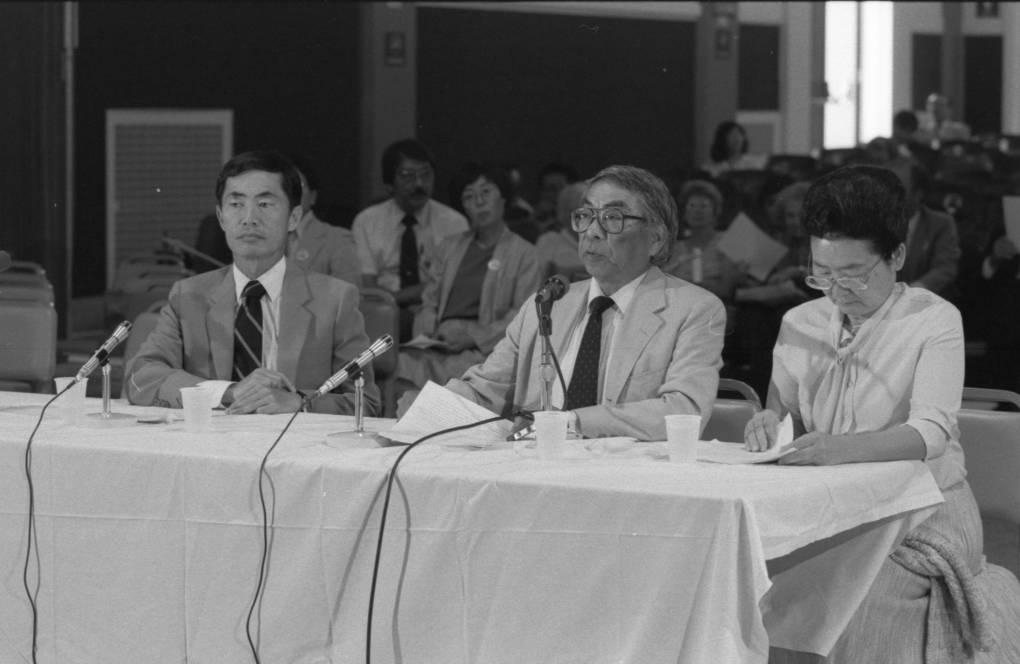
"caption": "George Takei testifies with other witnesses in front of the Commission on Wartime Relocation and Internment of Civilians (CWRIC) in California in 1981.",
"description": null,
"title": "George Takei testifies before the Commission on Wartime Relocation and Internment of Civilians in California in 1981.",
"credit": "Kaz Takeuchi/Visual Communications Photographic Archive",
"status": "inherit",
"altTag": "Black and white photo of two men and one woman sitting at a desk with microphones in front of them",
"isLoading": false,
"fetchFailed": false
},
"news_147516": {
"type": "attachments",
"id": "news_147516",
"meta": {
"index": "attachments_1716263798",
"site": "news",
"id": "147516",
"found": true
},
"parent": 147514,
"imgSizes": {
"wide-featured-image": {
"file": "https://ww2.kqed.org/app/uploads/sites/10/2014/09/soda-600x300.jpg",
"width": 600,
"mimeType": "image/jpeg",
"height": 300
},
"featured-page": {
"file": "https://ww2.kqed.org/app/uploads/sites/10/2014/09/soda-315x145.jpg",
"width": 315,
"mimeType": "image/jpeg",
"height": 145
},
"thumbnail": {
"file": "https://ww2.kqed.org/app/uploads/sites/10/2014/09/soda-300x300.jpg",
"width": 300,
"mimeType": "image/jpeg",
"height": 300
},
"kqedFullSize": {
"file": "https://ww2.kqed.org/app/uploads/sites/10/2014/09/soda-e1550862773292.jpg",
"width": 1920,
"height": 1440
},
"large": {
"file": "https://ww2.kqed.org/app/uploads/sites/10/2014/09/soda-1028x771.jpg",
"width": 1028,
"mimeType": "image/jpeg",
"height": 771
},
"wide-featured-image-full": {
"file": "https://ww2.kqed.org/app/uploads/sites/10/2014/09/soda-960x300.jpg",
"width": 960,
"mimeType": "image/jpeg",
"height": 300
},
"guest-author-96": {
"file": "https://ww2.kqed.org/app/uploads/sites/10/2014/09/soda-96x96.jpg",
"width": 96,
"mimeType": "image/jpeg",
"height": 96
},
"medium": {
"file": "https://ww2.kqed.org/app/uploads/sites/10/2014/09/soda-640x480.jpg",
"width": 640,
"mimeType": "image/jpeg",
"height": 480
},
"guest-author-64": {
"file": "https://ww2.kqed.org/app/uploads/sites/10/2014/09/soda-64x64.jpg",
"width": 64,
"mimeType": "image/jpeg",
"height": 64
},
"guest-author-32": {
"file": "https://ww2.kqed.org/app/uploads/sites/10/2014/09/soda-32x32.jpg",
"width": 32,
"mimeType": "image/jpeg",
"height": 32
},
"narrow-featured-image": {
"file": "https://ww2.kqed.org/app/uploads/sites/10/2014/09/soda-400x300.jpg",
"width": 400,
"mimeType": "image/jpeg",
"height": 300
},
"narrow-featured-image-full": {
"file": "https://ww2.kqed.org/app/uploads/sites/10/2014/09/soda-640x360.jpg",
"width": 640,
"mimeType": "image/jpeg",
"height": 360
},
"detail": {
"file": "https://ww2.kqed.org/app/uploads/sites/10/2014/09/soda-75x75.jpg",
"width": 75,
"mimeType": "image/jpeg",
"height": 75
},
"guest-author-128": {
"file": "https://ww2.kqed.org/app/uploads/sites/10/2014/09/soda-128x128.jpg",
"width": 128,
"mimeType": "image/jpeg",
"height": 128
}
},
"publishDate": 1410547664,
"modified": 1550874813,
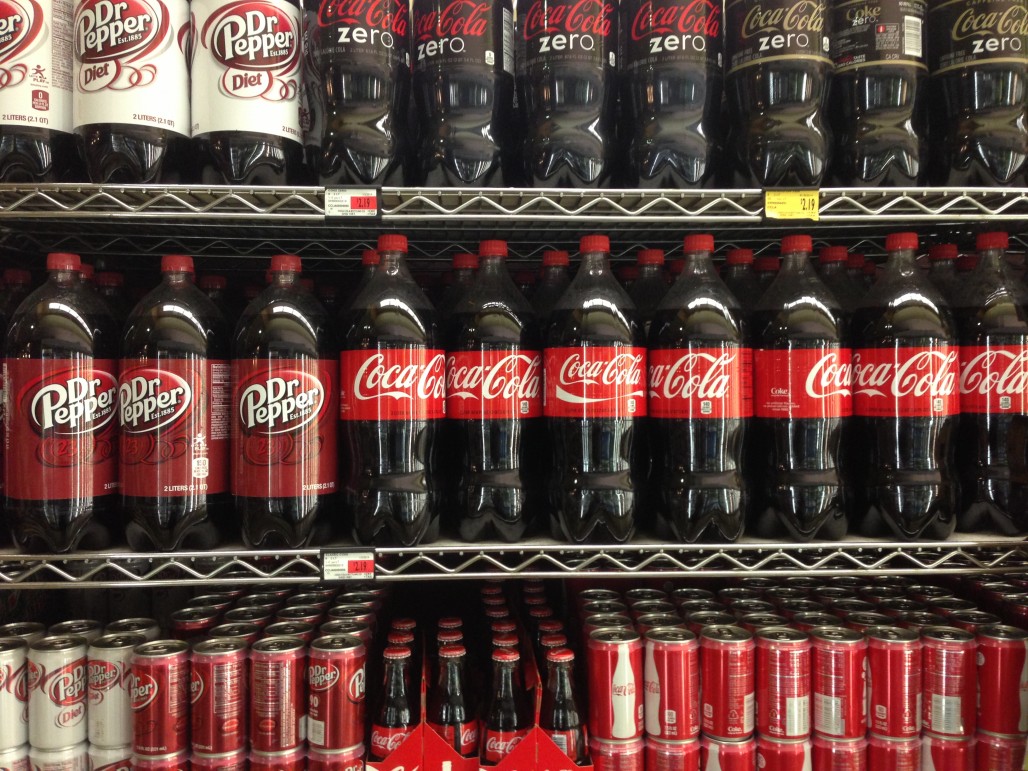
"caption": "Soft drinks were a substantial presence at most markets in 2014, including this one on Shattuck Avenue in Berkeley.",
"description": null,
"title": "soda",
"credit": "Patricia Yollin/KQED",
"status": "inherit",
"isLoading": false,
"fetchFailed": false
},
"news_10340844": {
"type": "attachments",
"id": "news_10340844",
"meta": {
"index": "attachments_1716263798",
"site": "news",
"id": "10340844",
"found": true
},
"parent": 10140842,
"imgSizes": {
"thumbnail": {
"file": "https://ww2.kqed.org/app/uploads/sites/10/2014/09/takeicrop-400x225.jpg",
"width": 400,
"mimeType": "image/jpeg",
"height": 225
},
"kqedFullSize": {
"file": "https://ww2.kqed.org/app/uploads/sites/10/2014/09/takeicrop.jpg",
"width": 640,
"height": 360
},
"guest-author-96": {
"file": "https://ww2.kqed.org/app/uploads/sites/10/2014/09/takeicrop-96x96.jpg",
"width": 96,
"mimeType": "image/jpeg",
"height": 96
},
"guest-author-64": {
"file": "https://ww2.kqed.org/app/uploads/sites/10/2014/09/takeicrop-64x64.jpg",
"width": 64,
"mimeType": "image/jpeg",
"height": 64
},
"detail": {
"file": "https://ww2.kqed.org/app/uploads/sites/10/2014/09/takeicrop-75x75.jpg",
"width": 75,
"mimeType": "image/jpeg",
"height": 75
},
"guest-author-32": {
"file": "https://ww2.kqed.org/app/uploads/sites/10/2014/09/takeicrop-32x32.jpg",
"width": 32,
"mimeType": "image/jpeg",
"height": 32
},
"guest-author-128": {
"file": "https://ww2.kqed.org/app/uploads/sites/10/2014/09/takeicrop-128x128.jpg",
"width": 128,
"mimeType": "image/jpeg",
"height": 128
}
},
"publishDate": 1410381804,
"modified": 1410381804,
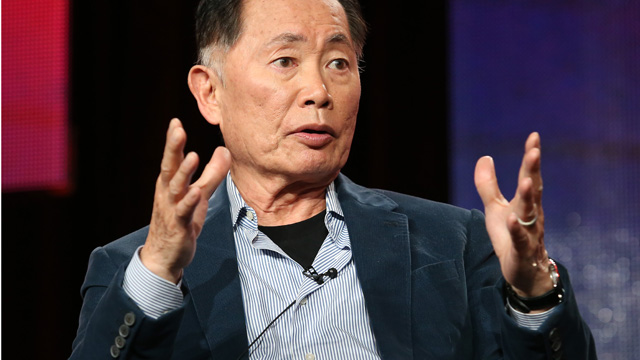
"caption": "George Takei (Frederick M. Brown/Getty Images)",
"description": null,
"title": "takeicrop",
"credit": null,
"status": "inherit",
"isLoading": false,
"fetchFailed": false
}
},
"audioPlayerReducer": {
"postId": "stream_live",
"isPaused": true,
"isPlaying": false,
"pfsActive": false,
"pledgeModalIsOpen": true,
"playerDrawerIsOpen": false,
"liveAudioPlayStartedAt": 0,
"liveAudioPlayContext": ""
},
"authorsReducer": {
"byline_news_11905723": {
"type": "authors",
"id": "byline_news_11905723",
"meta": {
"override": true
},
"slug": "byline_news_11905723",
"name": "Neda Ulaby",
"isLoading": false
},
"patyollin": {
"type": "authors",
"id": "247",
"meta": {
"index": "authors_1716337520",
"id": "247",
"found": true
},
"name": "Patricia Yollin",
"firstName": "Patricia",
"lastName": "Yollin",
"slug": "patyollin",
"email": "pyollin@kqed.org",
"display_author_email": false,
"staff_mastheads": [],
"title": "KQED Contributor",
"bio": "Pat Yollin has written about lots of stuff, including organ transplants, wayward penguins at the San Francisco Zoo, the comeback of the cream puff, New York on the fifth anniversary of 9/11, a Slow Food gathering in Italy, and the microcredit movement in Northern California. Among her favorite stories: an interview with George Lucas at Skywalker Ranch that broke the story about his plan to build a cultural museum, and a pirate Trader Joe's operation in Vancouver that prompted the grocery chain to sue -- and lose. She joined KQED in 2013 and was previously a reporter and editor at the San Francisco Chronicle, the Hearst-owned San Francisco Examiner and the Hayward Daily Review.",
"avatar": "https://secure.gravatar.com/avatar/0a18ac41a263665c04b25b2c7d6b817c?s=600&d=blank&r=g",
"twitter": null,
"facebook": null,
"instagram": null,
"linkedin": null,
"sites": [
{
"site": "arts",
"roles": [
"subscriber"
]
},
{
"site": "news",
"roles": [
"subscriber"
]
},
{
"site": "futureofyou",
"roles": [
"editor"
]
},
{
"site": "lowdown",
"roles": [
"editor"
]
},
{
"site": "stateofhealth",
"roles": [
"editor"
]
}
],
"headData": {
"title": "Patricia Yollin | KQED",
"description": "KQED Contributor",
"ogImgSrc": "https://secure.gravatar.com/avatar/0a18ac41a263665c04b25b2c7d6b817c?s=600&d=blank&r=g",
"twImgSrc": "https://secure.gravatar.com/avatar/0a18ac41a263665c04b25b2c7d6b817c?s=600&d=blank&r=g"
},
"isLoading": false,
"link": "/author/patyollin"
},
"rachael-myrow": {
"type": "authors",
"id": "251",
"meta": {
"index": "authors_1716337520",
"id": "251",
"found": true
},
"name": "Rachael Myrow",
"firstName": "Rachael",
"lastName": "Myrow",
"slug": "rachael-myrow",
"email": "rmyrow@kqed.org",
"display_author_email": true,
"staff_mastheads": [
"news"
],
"title": "Senior Editor of KQED's Silicon Valley News Desk",
"bio": "• I write and edit stories about how Silicon Valley power and policies shape everyday life in California. I’m also passionate about making Bay Area history and culture more accessible to a broad public. • I’ve been a journalist for most of my life, starting in high school with The Franklin Press in Los Angeles, where I grew up. While earning my first degree in English at UC Berkeley, I got my start in public radio at KALX-FM. After completing a second degree in journalism at Cal, I landed my first professional job at Marketplace, then moved on to KPCC (now LAist), and then KQED, where I hosted The California Report for more than seven years. • My reporting has appeared on NPR, The World, WBUR’s \u003ci>Here & Now\u003c/i>, and the BBC. I also guest host for KQED’s \u003ci>Forum\u003c/i>, as well as the Commonwealth Club in San Francisco. • I speak periodically on media, democracy and technology issues, and do voiceover work for documentaries and educational video projects. • Outside of the studio, you'll find me hiking Bay Area trails and whipping up Insta-ready meals in my kitchen. • I do not accept gifts, money, or favors from anyone connected to my reporting, I don't pay people for information, and I do not support or donate to political causes. • I strive to treat the people I report on with fairness, honesty, and respect. I also recognize there are often multiple sides to a story and work to verify information through multiple sources and documentation. If I get something wrong, I correct it.",
"avatar": "https://secure.gravatar.com/avatar/3ed8a3c5f26025e4a805ba634cda8cd764906b97438a6d9ce216b044e340da4e?s=600&d=blank&r=g",
"twitter": "rachaelmyrow",
"bluesky": null,
"facebook": null,
"instagram": null,
"linkedin": "https://www.linkedin.com/in/rachaelmyrow/",
"sites": [
{
"site": "arts",
"roles": [
"administrator"
]
},
{
"site": "news",
"roles": [
"edit_others_posts",
"editor"
]
},
{
"site": "futureofyou",
"roles": [
"editor"
]
},
{
"site": "bayareabites",
"roles": [
"editor"
]
},
{
"site": "stateofhealth",
"roles": [
"editor"
]
},
{
"site": "science",
"roles": [
"editor"
]
},
{
"site": "food",
"roles": [
"editor"
]
},
{
"site": "forum",
"roles": [
"editor"
]
},
{
"site": "liveblog",
"roles": [
"author"
]
}
],
"headData": {
"title": "Rachael Myrow | KQED",
"description": "Senior Editor of KQED's Silicon Valley News Desk",
"ogImgSrc": "https://secure.gravatar.com/avatar/3ed8a3c5f26025e4a805ba634cda8cd764906b97438a6d9ce216b044e340da4e?s=600&d=blank&r=g",
"twImgSrc": "https://secure.gravatar.com/avatar/3ed8a3c5f26025e4a805ba634cda8cd764906b97438a6d9ce216b044e340da4e?s=600&d=blank&r=g"
},
"isLoading": false,
"link": "/author/rachael-myrow"
}
},
"pagesReducer": {
"news_tag_george-takei": {
"type": "terms",
"id": "news_6948",
"meta": {
"index": "terms_1716263798",
"site": "news",
"id": "6948",
"score": 9.893801
},
"name": "George Takei",
"slug": "george-takei",
"taxonomy": "tag",
"description": null,
"featImg": null,
"headData": {
"title": "George Takei | KQED News",
"description": null,
"ogTitle": null,
"ogDescription": null,
"ogImgId": null,
"twTitle": null,
"twDescription": null,
"twImgId": null,
"metaRobotsNoIndex": "noindex"
},
"ttid": 6973,
"isLoading": false,
"title": "George Takei",
"pageMeta": {
"site": "news",
"WpPageTemplate": "page-topic-editorial",
"currentPage": 1
},
"blocks": [
{
"blockName": "kqed/post-list",
"attrs": {
"layout": "cardArticle2",
"query": "posts/news?tag=george-takei",
"seeMore": false,
"paginated": true,
"page": 1
}
},
{
"blockName": "kqed/ad"
}
]
}
},
"pfsSessionReducer": {},
"postsReducer": {
"stream_live": {
"type": "live",
"id": "stream_live",
"audioUrl": "https://streams.kqed.org/kqedradio",
"title": "Live Stream",
"excerpt": "Live Stream information currently unavailable.",
"link": "/radio",
"featImg": "",
"label": {
"name": "KQED Live",
"link": "/"
}
},
"stream_kqedNewscast": {
"type": "posts",
"id": "stream_kqedNewscast",
"audioUrl": "https://www.kqed.org/.stream/anon/radio/RDnews/newscast.mp3?_=1",
"title": "KQED Newscast",
"featImg": "",
"label": {
"name": "88.5 FM",
"link": "/"
}
},
"news_11905723": {
"type": "posts",
"id": "news_11905723",
"meta": {
"index": "posts_1716263798",
"site": "news",
"id": "11905723",
"score": null,
"sort": [
1645226235000
]
},
"parent": 0,
"labelTerm": {},
"blocks": [],
"publishDate": 1645226235,
"format": "standard",
"disqusTitle": "George Takei Got Reparations. He Says They 'Strengthen the Integrity of America'",
"title": "George Takei Got Reparations. He Says They 'Strengthen the Integrity of America'",
"headTitle": "KQED News",
"content": "\u003cp>On Feb. 19, 1942, President Franklin Delano Roosevelt signed Executive Order 9066. It \u003ca href=\"https://www.archives.gov/education/lessons/japanese-relocation#background\">sent approximately 70,000 U.S. citizens\u003c/a> into \u003ca href=\"#concentrationcamp\">concentration camps\u003c/a> for years, including a very young \u003ca href=\"https://www.georgetakei.com/\">George Takei\u003c/a>.\u003c/p>\n\u003cp>\"I was 5 years old at the time,\" recalls the actor. \"It was a terrorizing morning I will never be able to forget. Literally at gunpoint, we were ordered out of our home.\"\u003c/p>\n\u003cp>Best known for playing Mr. Sulu in the original \"Star Trek,\" Takei is a longtime activist whose causes have included LGBTQ rights and reparations for Japanese American survivors of concentration camps. In 1942, his family was sent to Rohwer War Relocation Center in Arkansas, then later to Tule Lake Segregation Center in Northern California. The Takei family was among thousands of American families who lost their homes, farms, stores, cars, churches, temples and countless belongings because of xenophobia and racism.\u003c/p>\n\u003cp>\"Some people had their life savings taken from them just because we looked like the people who bombed Pearl Harbor,\" Takei says.\u003c/p>\n\u003cfigure id=\"attachment_11905725\" class=\"wp-caption aligncenter\" style=\"max-width: 1920px\">\u003cimg class=\"wp-image-11905725 size-full\" src=\"https://ww2.kqed.org/app/uploads/sites/10/2022/02/gettyimages-2696598-c8618e2cb82ad24872943ba94c33ff875df34960-scaled-e1645224923493.jpg\" alt=\"black and white photo of a car in front of a downtown Oakland storefront, with a large sign saying 'I AM AN AMERICAN' hung above the entrance\" width=\"1920\" height=\"1440\">\u003cfigcaption class=\"wp-caption-text\">A sign on the Wanto Co. grocery store in Oakland on Dec. 8, 1941, the day after the attack on Pearl Harbor. The store was closed and the Matsuda family, who owned it, was relocated and incarcerated by the U.S. government. \u003ccite>(Dorothea Lange/Getty Images)\u003c/cite>\u003c/figcaption>\u003c/figure>\n\u003cp>Collectively, Japanese Americans forced into concentration camps lost more than $6 billion adjusted for inflation, according to \u003ca href=\"https://www.upi.com/Archives/1983/06/15/The-economic-losses-of-Japanese-Americans-interned-during-World-War/5877424497600/\">an estimate from the Commission on Wartime Relocation and Internment of Civilians\u003c/a>.\u003c/p>\n\u003cp>This is a story George Takei has told over and over: \u003ca href=\"https://www.npr.org/2019/07/17/742558996/george-takei-recalls-time-in-an-american-internment-camp-in-they-called-us-enemy\">in a memoir\u003c/a>, \u003ca href=\"https://www.youtube.com/watch?v=E-Bo59p_B7U\">on Broadway\u003c/a>, and to members of Congress in 1981. Takei testified at a hearing as part of an effort to push for redress.\u003c/p>\n\u003cp>\"I urge restitution for the incarceration of Japanese Americans because that restitution would, at the same time, be a bold move to strengthen the integrity of America,\" Takei told a federal commission.\u003c/p>\n\u003cp>Working with other activists, he succeeded. In 1988, President Ronald Reagan, a Republican, signed legislation to give $20,000 and a formal apology to Japanese Americans who had survived incarceration.\u003c/p>\n\u003cp>[ad fullwidth]\u003c/p>\n\u003cp>George Takei dedicated the money he received from the federal government to the \u003ca href=\"https://www.janm.org/\">Japanese American National Museum\u003c/a> in Los Angeles. Now, he's a passionate supporter of redress for descendants of enslaved people in the U.S.\u003c/p>\n\u003cp>\"For us, it was four horrific years,\" Takei says. \"For African Americans, it's four torturous centuries.\"\u003c/p>\n\u003cp>[aside label='Reparations in California' tag='california-reparations']Such solidarity warms the heart of \u003ca href=\"https://www.brookings.edu/experts/andre-m-perry/\">Andre Perry, a renowned scholar of reparations and a senior fellow at the Brookings Institute\u003c/a>. \"George is exerting a level of patriotism that we don't see today,\" he says. \"You can be of a different persuasion but share a common cause, a common purpose. I may not be related to you, but civically, I'm your brother. I'm your sister. I'm your friend.\"\u003c/p>\n\u003cp>\"If he were around, I'd give him a big hug,\" he adds.\u003c/p>\n\u003cp>Perry notes that the historic experiences of Black Americans and Japanese Americans are obviously very different, but ultimately, he says, it's about getting to a similar place.\u003c/p>\n\u003cp>\"Even with slavery, it's not impossible to find out who deserves reparations,\" he points out. \"And it's clearly not impossible with redlining and criminal justice atrocities. That was not that long ago. We can identify who is injured and who deserves how much. It's really about willingness.\"\u003c/p>\n\u003cfigure id=\"attachment_11905726\" class=\"wp-caption aligncenter\" style=\"max-width: 1920px\">\u003cimg class=\"size-full wp-image-11905726\" src=\"https://ww2.kqed.org/app/uploads/sites/10/2022/02/gettyimages-151717374-53de73ad756ea52c6bb54825cb15b48019312275-scaled-e1645226050120.jpg\" alt=\"profile shot of george takei\" width=\"1920\" height=\"1439\">\u003cfigcaption class=\"wp-caption-text\">Actor George Takei in Hollywood in September 2012. \u003ccite>(Robyn Beck/AFP via Getty Images)\u003c/cite>\u003c/figcaption>\u003c/figure>\n\u003cp>Last year, composer \u003ca href=\"https://www.kenjibunch.net/\">Kenji Bunch\u003c/a> set George Takei's testimony before Congress to music. His piece, called \"Lost Freedom: A Memory,\" premiered at the Moab Music Festival. Takei himself provided narration. \"I believe that America today is strong enough and confident enough to recognize a grievous failure,\" he reads in his inimitable baritone. \"I believe that it is honest enough to acknowledge that damage was done. And I would like to think it is honorable enough to provide proper restitution to the injury that was done.\"\u003c/p>\n\u003cp>Does George Takei still believe that in 2022? He says he does.\u003c/p>\n\u003cp>He says he believes America — and Americans — are still strong and honorable enough for the best of this country's ideals to prevail.\u003c/p>\n\u003cp>\u003cem>\u003ca id=\"concentrationcamp\">\u003c/a>Editor's note: KQED is using the term \"concentration camp\" to describe the facilities in which Japanese American and Japanese people were imprisoned by the United States during World War II. The term \"internment\" most appropriately applies to the detention of foreign nationals during wartime — but during World War II, 70,000 U.S. citizens were incarcerated in camps. The phrase \"internment camp,\" in this context, is a euphemism and therefore misleading. \"Concentration camp\" is most associated with the facilities where millions of Jewish (and non-Jewish) people were forcibly relocated and massacred by the Nazis during the Holocaust. It is also appropriate for the experience of Japanese and Japanese American people in the U.S. during World War II, as the definition of \"concentration camp\" is \"a place where large numbers of people, especially political prisoners or members of persecuted minorities, are deliberately imprisoned in a relatively small area with inadequate facilities, sometimes to provide forced labor or to await mass execution.\"\u003c/em>\u003c/p>\n\u003cdiv class=\"fullattribution\">Copyright 2022 NPR. To see more, visit \u003ca href=\"https://www.npr.org\">NPR.org\u003c/a>.\u003cimg src=\"https://www.google-analytics.com/__utm.gif?utmac=UA-5828686-4&utmdt=George+Takei+got+reparations.+He+says+they+%27strengthen+the+integrity+of+America%27+&utme=8(APIKey)9(MDAxOTAwOTE4MDEyMTkxMDAzNjczZDljZA004)\">\u003c/div>\n\u003cp>\u003c/p>\n",
"disqusIdentifier": "11905723 https://ww2.kqed.org/news/?p=11905723",
"disqusUrl": "https://ww2.kqed.org/news/2022/02/18/george-takei-got-reparations-he-says-they-strengthen-the-integrity-of-america/",
"stats": {
"hasVideo": false,
"hasChartOrMap": false,
"hasAudio": false,
"hasPolis": false,
"wordCount": 877,
"hasGoogleForm": false,
"hasGallery": false,
"hasHearkenModule": false,
"iframeSrcs": [],
"paragraphCount": 20
},
"modified": 1645228654,
"excerpt": "Eighty years ago, President Franklin Delano Roosevelt signed an executive order that sent thousands of Japanese Americans to concentration camps. Actor George Takei was among them.",
"headData": {
"twImgId": "",
"twTitle": "",
"ogTitle": "",
"ogImgId": "",
"twDescription": "",
"description": "Eighty years ago, President Franklin Delano Roosevelt signed an executive order that sent thousands of Japanese Americans to concentration camps. Actor George Takei was among them.",
"title": "George Takei Got Reparations. He Says They 'Strengthen the Integrity of America' | KQED",
"ogDescription": "",
"schema": {
"@context": "https://schema.org",
"@type": "NewsArticle",
"headline": "George Takei Got Reparations. He Says They 'Strengthen the Integrity of America'",
"datePublished": "2022-02-18T15:17:15-08:00",
"dateModified": "2022-02-18T15:57:34-08:00",
"image": "https://cdn.kqed.org/wp-content/uploads/2020/02/KQED-OG-Image@1x.png",
"isAccessibleForFree": "True",
"publisher": {
"@type": "NewsMediaOrganization",
"@id": "https://www.kqed.org/#organization",
"name": "KQED",
"logo": "https://cdn.kqed.org/wp-content/uploads/2020/02/KQED-OG-Image@1x.png",
"url": "https://www.kqed.org",
"sameAs": [
"https://www.facebook.com/KQED",
"https://twitter.com/KQED",
"https://www.instagram.com/kqed/",
"https://www.tiktok.com/@kqedofficial",
"https://www.linkedin.com/company/kqed",
"https://www.youtube.com/channel/UCeC0IOo7i1P_61zVUWbJ4nw"
]
}
}
},
"guestAuthors": [],
"slug": "george-takei-got-reparations-he-says-they-strengthen-the-integrity-of-america",
"status": "publish",
"nprApiLink": "http://api.npr.org/query?id=1077276293&apiKey=MDAxOTAwOTE4MDEyMTkxMDAzNjczZDljZA004",
"nprStoryDate": "Fri, 18 Feb 2022 07:00:52 -0500",
"excludeFromSiteSearch": "Include",
"nprLastModifiedDate": "Fri, 18 Feb 2022 12:45:02 -0500",
"nprHtmlLink": "https://www.npr.org/2022/02/18/1077276293/george-takei-got-reparations-he-says-they-strengthen-the-integrity-of-america?ft=nprml&f=1077276293",
"nprImageAgency": "Visual Communications Photographic Archive",
"source": "NPR",
"nprStoryId": "1077276293",
"sourceUrl": "https://www.npr.org/",
"nprByline": "Neda Ulaby",
"nprImageCredit": "Kaz Takeuchi",
"showOnAuthorArchivePages": "No",
"nprRetrievedStory": "1",
"nprPubDate": "Fri, 18 Feb 2022 12:45:00 -0500",
"path": "/news/11905723/george-takei-got-reparations-he-says-they-strengthen-the-integrity-of-america",
"audioTrackLength": null,
"parsedContent": [
{
"type": "contentString",
"content": "\u003cdiv class=\"post-body\">\u003cp>\u003cp>On Feb. 19, 1942, President Franklin Delano Roosevelt signed Executive Order 9066. It \u003ca href=\"https://www.archives.gov/education/lessons/japanese-relocation#background\">sent approximately 70,000 U.S. citizens\u003c/a> into \u003ca href=\"#concentrationcamp\">concentration camps\u003c/a> for years, including a very young \u003ca href=\"https://www.georgetakei.com/\">George Takei\u003c/a>.\u003c/p>\n\u003cp>\"I was 5 years old at the time,\" recalls the actor. \"It was a terrorizing morning I will never be able to forget. Literally at gunpoint, we were ordered out of our home.\"\u003c/p>\n\u003cp>Best known for playing Mr. Sulu in the original \"Star Trek,\" Takei is a longtime activist whose causes have included LGBTQ rights and reparations for Japanese American survivors of concentration camps. In 1942, his family was sent to Rohwer War Relocation Center in Arkansas, then later to Tule Lake Segregation Center in Northern California. The Takei family was among thousands of American families who lost their homes, farms, stores, cars, churches, temples and countless belongings because of xenophobia and racism.\u003c/p>\n\u003cp>\"Some people had their life savings taken from them just because we looked like the people who bombed Pearl Harbor,\" Takei says.\u003c/p>\n\u003cfigure id=\"attachment_11905725\" class=\"wp-caption aligncenter\" style=\"max-width: 1920px\">\u003cimg class=\"wp-image-11905725 size-full\" src=\"https://ww2.kqed.org/app/uploads/sites/10/2022/02/gettyimages-2696598-c8618e2cb82ad24872943ba94c33ff875df34960-scaled-e1645224923493.jpg\" alt=\"black and white photo of a car in front of a downtown Oakland storefront, with a large sign saying 'I AM AN AMERICAN' hung above the entrance\" width=\"1920\" height=\"1440\">\u003cfigcaption class=\"wp-caption-text\">A sign on the Wanto Co. grocery store in Oakland on Dec. 8, 1941, the day after the attack on Pearl Harbor. The store was closed and the Matsuda family, who owned it, was relocated and incarcerated by the U.S. government. \u003ccite>(Dorothea Lange/Getty Images)\u003c/cite>\u003c/figcaption>\u003c/figure>\n\u003cp>Collectively, Japanese Americans forced into concentration camps lost more than $6 billion adjusted for inflation, according to \u003ca href=\"https://www.upi.com/Archives/1983/06/15/The-economic-losses-of-Japanese-Americans-interned-during-World-War/5877424497600/\">an estimate from the Commission on Wartime Relocation and Internment of Civilians\u003c/a>.\u003c/p>\n\u003cp>This is a story George Takei has told over and over: \u003ca href=\"https://www.npr.org/2019/07/17/742558996/george-takei-recalls-time-in-an-american-internment-camp-in-they-called-us-enemy\">in a memoir\u003c/a>, \u003ca href=\"https://www.youtube.com/watch?v=E-Bo59p_B7U\">on Broadway\u003c/a>, and to members of Congress in 1981. Takei testified at a hearing as part of an effort to push for redress.\u003c/p>\n\u003cp>\"I urge restitution for the incarceration of Japanese Americans because that restitution would, at the same time, be a bold move to strengthen the integrity of America,\" Takei told a federal commission.\u003c/p>\n\u003cp>Working with other activists, he succeeded. In 1988, President Ronald Reagan, a Republican, signed legislation to give $20,000 and a formal apology to Japanese Americans who had survived incarceration.\u003c/p>\n\u003cp>\u003c/p>\u003c/div>",
"attributes": {
"named": {},
"numeric": []
}
},
{
"type": "component",
"content": "",
"name": "ad",
"attributes": {
"named": {
"label": "fullwidth"
},
"numeric": [
"fullwidth"
]
}
},
{
"type": "contentString",
"content": "\u003cdiv class=\"post-body\">\u003cp>\u003c/p>\n\u003cp>George Takei dedicated the money he received from the federal government to the \u003ca href=\"https://www.janm.org/\">Japanese American National Museum\u003c/a> in Los Angeles. Now, he's a passionate supporter of redress for descendants of enslaved people in the U.S.\u003c/p>\n\u003cp>\"For us, it was four horrific years,\" Takei says. \"For African Americans, it's four torturous centuries.\"\u003c/p>\n\u003cp>\u003c/p>\u003c/div>",
"attributes": {
"named": {},
"numeric": []
}
},
{
"type": "component",
"content": "",
"name": "aside",
"attributes": {
"named": {
"label": "Reparations in California ",
"tag": "california-reparations"
},
"numeric": []
}
},
{
"type": "contentString",
"content": "\u003cdiv class=\"post-body\">\u003cp>Such solidarity warms the heart of \u003ca href=\"https://www.brookings.edu/experts/andre-m-perry/\">Andre Perry, a renowned scholar of reparations and a senior fellow at the Brookings Institute\u003c/a>. \"George is exerting a level of patriotism that we don't see today,\" he says. \"You can be of a different persuasion but share a common cause, a common purpose. I may not be related to you, but civically, I'm your brother. I'm your sister. I'm your friend.\"\u003c/p>\n\u003cp>\"If he were around, I'd give him a big hug,\" he adds.\u003c/p>\n\u003cp>Perry notes that the historic experiences of Black Americans and Japanese Americans are obviously very different, but ultimately, he says, it's about getting to a similar place.\u003c/p>\n\u003cp>\"Even with slavery, it's not impossible to find out who deserves reparations,\" he points out. \"And it's clearly not impossible with redlining and criminal justice atrocities. That was not that long ago. We can identify who is injured and who deserves how much. It's really about willingness.\"\u003c/p>\n\u003cfigure id=\"attachment_11905726\" class=\"wp-caption aligncenter\" style=\"max-width: 1920px\">\u003cimg class=\"size-full wp-image-11905726\" src=\"https://ww2.kqed.org/app/uploads/sites/10/2022/02/gettyimages-151717374-53de73ad756ea52c6bb54825cb15b48019312275-scaled-e1645226050120.jpg\" alt=\"profile shot of george takei\" width=\"1920\" height=\"1439\">\u003cfigcaption class=\"wp-caption-text\">Actor George Takei in Hollywood in September 2012. \u003ccite>(Robyn Beck/AFP via Getty Images)\u003c/cite>\u003c/figcaption>\u003c/figure>\n\u003cp>Last year, composer \u003ca href=\"https://www.kenjibunch.net/\">Kenji Bunch\u003c/a> set George Takei's testimony before Congress to music. His piece, called \"Lost Freedom: A Memory,\" premiered at the Moab Music Festival. Takei himself provided narration. \"I believe that America today is strong enough and confident enough to recognize a grievous failure,\" he reads in his inimitable baritone. \"I believe that it is honest enough to acknowledge that damage was done. And I would like to think it is honorable enough to provide proper restitution to the injury that was done.\"\u003c/p>\n\u003cp>Does George Takei still believe that in 2022? He says he does.\u003c/p>\n\u003cp>He says he believes America — and Americans — are still strong and honorable enough for the best of this country's ideals to prevail.\u003c/p>\n\u003cp>\u003cem>\u003ca id=\"concentrationcamp\">\u003c/a>Editor's note: KQED is using the term \"concentration camp\" to describe the facilities in which Japanese American and Japanese people were imprisoned by the United States during World War II. The term \"internment\" most appropriately applies to the detention of foreign nationals during wartime — but during World War II, 70,000 U.S. citizens were incarcerated in camps. The phrase \"internment camp,\" in this context, is a euphemism and therefore misleading. \"Concentration camp\" is most associated with the facilities where millions of Jewish (and non-Jewish) people were forcibly relocated and massacred by the Nazis during the Holocaust. It is also appropriate for the experience of Japanese and Japanese American people in the U.S. during World War II, as the definition of \"concentration camp\" is \"a place where large numbers of people, especially political prisoners or members of persecuted minorities, are deliberately imprisoned in a relatively small area with inadequate facilities, sometimes to provide forced labor or to await mass execution.\"\u003c/em>\u003c/p>\n\u003cdiv class=\"fullattribution\">Copyright 2022 NPR. To see more, visit \u003ca href=\"https://www.npr.org\">NPR.org\u003c/a>.\u003cimg src=\"https://www.google-analytics.com/__utm.gif?utmac=UA-5828686-4&utmdt=George+Takei+got+reparations.+He+says+they+%27strengthen+the+integrity+of+America%27+&utme=8(APIKey)9(MDAxOTAwOTE4MDEyMTkxMDAzNjczZDljZA004)\">\u003c/div>\n\u003cp>\u003c/p>\n\u003c/div>\u003c/p>",
"attributes": {
"named": {},
"numeric": []
}
}
],
"link": "/news/11905723/george-takei-got-reparations-he-says-they-strengthen-the-integrity-of-america",
"authors": [
"byline_news_11905723"
],
"categories": [
"news_6188",
"news_8",
"news_13"
],
"tags": [
"news_18538",
"news_6948",
"news_2842",
"news_6431",
"news_2267",
"news_19644",
"news_2923"
],
"featImg": "news_11905724",
"label": "source_news_11905723"
},
"news_147514": {
"type": "posts",
"id": "news_147514",
"meta": {
"index": "posts_1716263798",
"site": "news",
"id": "147514",
"score": null,
"sort": [
1410549625000
]
},
"guestAuthors": [],
"slug": "berkeleys-talking-about-sugar-and-the-conversation-isnt-sweet",
"title": "Berkeley's Talking About Sugar -- And the Conversation Isn't Sweet",
"publishDate": 1410549625,
"format": "aside",
"headTitle": "Berkeley’s Talking About Sugar — And the Conversation Isn’t Sweet | KQED",
"labelTerm": {
"term": 6944,
"site": "news"
},
"content": "\u003cfigure id=\"attachment_147516\" class=\"wp-caption aligncenter\" style=\"max-width: 640px\">\u003ca href=\"http://ww2.kqed.org/news/wp-content/uploads/sites/10/2014/09/soda.jpg\">\u003cimg loading=\"lazy\" decoding=\"async\" class=\"size-medium wp-image-147516\" src=\"http://ww2.kqed.org/news/wp-content/uploads/sites/10/2014/09/soda-640x480.jpg\" alt=\"Soft drinks are a substantial presence at most markets, including this one on Shattuck Avenue in Berkeley. (Patricia Yollin/KQED)\" width=\"640\" height=\"480\">\u003c/a>\u003cfigcaption class=\"wp-caption-text\">Soft drinks are a substantial presence at most markets, including this one on Shattuck Avenue in Berkeley. (Patricia Yollin/KQED) \u003ccite>(Patricia Yollin/KQED)\u003c/cite>\u003c/figcaption>\u003c/figure>\n\u003cp>In Berkeley, a place where politics is rarely sweet, sugar is an especially bitter topic.\u003c/p>\n\u003cp>Right now it’s the talk of the town – in the form of six conversations leading up to the vote on \u003ca style=\"color: #607890\" href=\"http://www.berkeleyvsbigsoda.com\" target=\"_blank\" rel=\"noopener\">Measure D,\u003c/a> a tax on sugary drinks on the November ballot. \u003ca style=\"color: #607890\" href=\"http://www.sodaseries.org\" target=\"_blank\" rel=\"noopener\">“Soda: the Series”\u003c/a> is taking a look at the impact of sugar-sweetened beverages on people’s health and the environment.\u003c/p>\n\u003cp>The first conversation, which occurred on the evening of Sept. 4, featured four Bay Area health professionals who brought passion, anger and plenty of science to the Hillside Club in North Berkeley.\u003c/p>\n\u003cp>\u003ca style=\"color: #607890\" href=\"http://profiles.ucsf.edu/robert.lustig\" target=\"_blank\" rel=\"noopener\">Dr. Robert Lustig,\u003c/a> a pediatric endocrinologist at UCSF, started off his presentation by saying he had no opinion on Measure D because \u003ca style=\"color: #607890\" href=\"http://www.ucop.edu/state-governmental-relations/advocacy/legal-guidelines-ballot-campaigns.html\" target=\"_blank\" rel=\"noopener\">university policy\u003c/a> doesn’t allow it.\u003c/p>\n\u003cp>“But you can’t understand the referendum unless you understand the science,” Lustig said. “And that’s my job.”\u003c/p>\n\u003cp>[ad fullwidth]\u003c/p>\n\u003cp>With prosecutorial zeal, he picked apart the sugar industry’s contention that its product is harmless.\u003c/p>\n\u003cp>Lustig quoted Paul van der Velpen, head of Amsterdam’s health service, who \u003ca style=\"color: #607890\" href=\"http://www.telegraph.co.uk/news/worldnews/europe/netherlands/10314705/Sugar-is-addictive-and-the-most-dangerous-drug-of-the-times.html\" target=\"_blank\" rel=\"noopener\">wants to see sugar closely regulated\u003c/a> and has said that sugar is addictive and the most dangerous drug of the times.\u003c/p>\n\u003cp>“That’s a public health official in the Netherlands,” Lustig said. “And \u003cem>they\u003c/em> know something about drugs.”\u003c/p>\n\u003cp>He criticized the \u003ca style=\"color: #607890\" href=\"http://www.coca-colacompany.com/stories/what-is-weighing-us-down-new-infographic-shows-how-calorie-imbalance-impacts-us-all\" target=\"_blank\" rel=\"noopener\">“Coming Together” campaign\u003c/a> by the Coca-Cola Co., which was launched last year to fight obesity. It maintains that all calories count and that they’re interchangeable.\u003c/p>\n\u003cp>“(But) what the data say is that some calories cause disease more than others because different calories are metabolized differently in our bodies,” Lustig said. “Where they come from has everything to do with where they go. It’s called nutritional biochemistry.”\u003c/p>\n\u003cp>In other words, a calorie is not a calorie, he said. It’s true that a calorie burned is a calorie burned. But a calorie eaten is not a calorie eaten.\u003c/p>\n\u003cp>“Does sugar cause weight gain? Yes. Is sugar a cause of obesity in some? Likely. Is sugar \u003cem>the\u003c/em> cause of obesity? Not even close,” said Lustig, who mentioned a study showing it comes in third behind French fries and potato chips.\u003c/p>\n\u003cp>Then why pick on sugar, he asked, if it’s just another source of empty calories? “That’s the question,” he said. “And I’ll tell you: Who cares? Because obesity is not the problem. It never was. It’s what the food industry wants you to believe is the problem.”\u003c/p>\n\u003cp>People don’t die of obesity, Lustig said. Instead, they die of the diseases associated with metabolic syndrome, a cluster of factors elevating the risk of cardiovascular ailments and other health problems, especially \u003ca style=\"color: #607890\" href=\"http://www.diabetes.org\" target=\"_blank\" rel=\"noopener\">diabetes.\u003c/a>\u003c/p>\n\u003cp>“That’s where the money goes: $2.7 trillion spent on health care in America last year, 75 percent for chronic metabolic diseases – and 75 percent of (those) are preventable,” he said.\u003c/p>\n\u003cp>Lustig, director of the Weight Assessment for Teen and Child Health (WATCH) program at UCSF, said diabetes is increasing worldwide by 4 percent a year while obesity is rising 1 percent. They are not the same, he emphasized. Iceland and Mongolia, for example, have high obesity rates but not much diabetes, while India and China are the reverse.\u003c/p>\n\u003cp>\u003ca style=\"color: #607890\" href=\"http://www.plosone.org/article/info%3Adoi%2F10.1371%2Fjournal.pone.0057873\" target=\"_blank\" rel=\"noopener\">A study he co-authored\u003c/a> that was published last year asked a central question: What about the world’s diet is making diabetes increase over time? The researchers found that only changes in sugar availability predicted changes in the prevalence of diabetes. Total calories did not. For every 150 extra calories eaten worldwide, diabetes prevalence went up 0.1 percent – but it jumped eleven-fold if those calories happened to be in a can of soda.\u003c/p>\n\u003cp>“Sugar is not bad because it’s calories,” Lustig said. “Sugar is bad because it’s sugar.”\u003c/p>\n\u003cp>Whenever a country changed its sugar consumption, the rate of diabetes changed three years later. Cross-sectional studies don’t see that because it takes three years. “But it happens – in both directions. Proof positive: Causation,” said Lustig, author of “Fat Chance: Beating the Odds Against Suger, Processed Food, Obesity, and Disease,” a New York Times best-seller.\u003c/p>\n\u003cp>Sugar and alcohol are metabolized in the same way, he said, and now children are getting the diseases associated with alcoholism. According to the \u003ca style=\"color: #607890\" href=\"http://www.heart.org/HEARTORG/\" target=\"_blank\" rel=\"noopener\">American Heart Association,\u003c/a> people in the United States are consuming on average 22 teaspoons of added sugar a day.\u003c/p>\n\u003cp>“We’re supposed to reduce that to nine for males, six for females and four teaspoons for children,” Lustig said. But there are more than nine teaspoons in a 12-ounce bottle of Coke.\u003c/p>\n\u003cp>“Can our toxic food environment be changed without some sort of societal intervention, especially if there are potentially addictive substances involved?” Lustig asked. “… And can we afford to wait to enact those public health measures when health care will be bankrupt due to chronic metabolic disease? Medicare will be broke by the year 2026 if we do nothing.”\u003c/p>\n\u003cp>He said public health prevention is the best approach. “It’s radical, it’s powerful and it always works,” Lustig said. “And the reason it works is because it changes the environment, not the behavior.”\u003c/p>\n\u003cp>There are three ways to do it: taxation, restriction of access or interdiction, which he said is just not feasible.\u003c/p>\n\u003cp>“It didn’t work for alcohol,” Lustig said. “We’re not going to have ice cream soda speakeasies.”\u003c/p>\n\u003cp>What to do and how to do it is a question that will be debated in the coming weeks both in Berkeley and San Francisco, \u003ca style=\"color: #607890\" href=\"http://ballotpedia.org/City_of_San_Francisco_Sugary_Drink_Tax_(November_2014)\" target=\"_blank\" rel=\"noopener\">where Measure E, a soda tax\u003c/a>, is also on the ballot.\u003c/p>\n\u003cp>Lustig rested his case with a reference to Credit Suisse, an international financial services company that published a research report for its investors in September 2013. It’s called \u003ca style=\"color: #607890\" href=\"https://publications.credit-suisse.com/tasks/render/file/index.cfm?fileid=780BF4A8-B3D1-13A0-D2514E21EFFB0479\" target=\"_blank\" rel=\"noopener\">“Sugar: Consumption at a crossroads.”\u003c/a>\u003c/p>\n\u003cp>“We believe higher taxation on ‘sugary’ food and drinks would be the best option to reduce sugar intake and help fund the fast-growing healthcare costs associated with diabetes Type II and obesity,” the report said on Page 26.\u003c/p>\n\u003cp>“A global investment bank calling for taxation,” Lustig concluded. “Because that’s how big and bad this problem has gotten.”\u003c/p>\n\u003cp>\u003ca style=\"color: #607890\" href=\"http://ucbphn.com/faculty/pat-crawford/\" target=\"_blank\" rel=\"noopener\">Pat Crawford,\u003c/a> director of the \u003ca style=\"color: #607890\" href=\"http://cwh.berkeley.edu\" target=\"_blank\" rel=\"noopener\">Atkins Center for Weight & Health at UC Berkeley,\u003c/a> mentioned one successful public health approach. In September 2005, Gov. Arnold Schwarzenegger signed legislation banning the sale of junk food and soft drinks in the state’s public schools.\u003c/p>\n\u003cp>“We’ve been measuring kids’ diets and we can see the changes in the diets,” Crawford said, speaking of the center’s work. “… But the fact is it’s not enough. … We need other kinds of approaches that will do the same thing.”\u003c/p>\n\u003cp>Half of all added sugar in the nation’s food supply comes from sugar-sweetened beverages, she said, and that doesn’t include fruit juice.\u003c/p>\n\u003cp>\u003ca style=\"color: #607890\" href=\"http://sph.berkeley.edu/john-swartzberg\" target=\"_blank\" rel=\"noopener\">Dr. John Swartzberg,\u003c/a> chair of the editorial board of the \u003ca style=\"color: #607890\" href=\"http://www.berkeleywellness.com\" target=\"_blank\" rel=\"noopener\">UC Berkeley Wellness Letter,\u003c/a> said cigarette smoking was the big problem in this country during the 25 years he practiced internal medicine in Berkeley. If trends continue, he said, deaths related to obesity will soon overtake those caused by smoking as the No. 1 preventable cause of death. Currently, 34 percent of adults in the United States are obese.\u003c/p>\n\u003cp>He said American adults get about 13 percent of their daily calories from added sugar — and sugar-sweetened beverages are by far the biggest source. These SSBs account for about 16 percent of the total caloric intake nationwide of children and adolescents — consumption among young people has skyrocketed 300 percent in the past two decades.\u003c/p>\n\u003cp>In Alameda County, more than half of all adults and one-third of all school-age children are overweight or obese, Swartzberg said. About a third of children ages 2 to 11, and almost two-thirds of adolescents in the county, drink more than one sugar-sweetened beverage a day.\u003c/p>\n\u003cp>The statistics were grim and, by the end of his talk, Swartzberg had broadened the bad news from the local and national level to beyond.\u003c/p>\n\u003cp>“Worldwide today there are an estimated 382 million people with diabetes,” he said. “We’ve essentially exported our diet to other countries,” including those where the prevalence of the disease was low.\u003c/p>\n\u003cp>In the United States, as many as one in three Americans could have diabetes by 2050 — “an amazing number of people,” Swartzberg said.\u003c/p>\n\u003cp>Another speaker, \u003ca style=\"color: #607890\" href=\"http://www.chori.org/Principal_Investigators/Tester_June/tester_overview.html\" target=\"_blank\" rel=\"noopener\">Dr. June Tester,\u003c/a> co-director of the \u003ca style=\"color: #607890\" href=\"http://www.childrenshospitaloakland.org/main/departments-services/healthy-hearts-program-30.aspx\" target=\"_blank\" rel=\"noopener\">Healthy Hearts program at Children’s Hospital Oakland,\u003c/a> said she went into pediatrics because she didn’t want to nag people to take their blood pressure medications or watch their blood sugar levels.\u003c/p>\n\u003cp>“Oddly, that’s actually what I do,” Tester said.\u003c/p>\n\u003cp>She said parents are frequently shocked at how much of a jump-start their children have on adult diseases.\u003c/p>\n\u003cp>“If I had only 30 seconds of your time, the one thing I would talk to you about is what your child drinks,” said Tester, who stressed that sugar-sweetened beverages and sodas are the most important things to cut out.\u003c/p>\n\u003cp>She mentioned one success story: a boy from Tracy named \u003ca style=\"color: #607890\" href=\"http://blogs.kqed.org/election2012/2012/10/12/can-a-penny-an-ounce-soda-tax-curb-obesity/\" target=\"_blank\" rel=\"noopener\">Jorge Cota, who was interviewed\u003c/a> by KQED’s Mina Kim two years ago when he was 17. The year before, his blood pressure was so high that Tester had sent him home with blood pressure medication the very day she’d met him. During that visit, when he weighed 321 pounds, he learned that he was a pre-diabetic and that there might be something wrong with his heart or kidneys.\u003c/p>\n\u003cp>He loved Dr. Pepper and drank two or three cans or bottles of soda a day, equivalent to as many as 50 teaspoons of sugar. After eliminating sugar-sweetened beverages and junk food, he lost 70 pounds.\u003c/p>\n\u003cp>Tester said most kids who are overweight or obese have heard the message that sugary drinks are problematic, but it’s a way of daily life for so many of them — and it’s hard to compete with advertising, which taps into the social aspect of soda consumption.\u003c/p>\n\u003cp>She showed a Coke ad that featured dogs and dancing. “It’s pretty hard to be a do-gooder when you’re battling fun and love and friendship,” she said.\u003c/p>\n\u003cp>Unintentional sabotage also plays a role. Even children whose parents never buy soda get it at parties or friends’ houses or while visiting relatives.\u003c/p>\n\u003cp>“In a way, this is kind of like secondhand soda exposure,” Tester said, as the audience laughed.\u003c/p>\n\u003cp>She also mentioned that some of her patients put sugar on Fruit Loops cereal because they don’t think it’s sweet enough.\u003c/p>\n\u003cp>Measure D calls for soda distributors to pay a tax of a penny per ounce. They should be so lucky, Tester said. “Why does Coke get to fund feel-good stuff?” she asked. Instead, she suggested the company pay for the next 45-year-old man who has a liver transplant.\u003c/p>\n\u003cp>\u003ca style=\"color: #607890\" href=\"http://noberkeleybeveragetax.com\" target=\"_blank\" rel=\"noopener\">No on D\u003c/a> proponents disagree with the sugar tax for several reasons. They say that there are too many arbitrary exemptions, that there’s no accountability for how the money would be spent, that it’s inconsistent and that it would make all of our food more expensive.\u003c/p>\n\u003cp>The next conversation in “Soda: the Series” takes place this Saturday. It’s titled \u003ca style=\"color: #607890\" href=\"http://www.sodaseries.org/soda_and_kids\" target=\"_blank\" rel=\"noopener\">“Soda & Kids: A Predatory Relationship & How We Can Fight Back.”\u003c/a> Judging by the inaugural event, it will draw a big crowd and plenty of questions.\u003c/p>\n\u003cp>[ad floatright]\u003c/p>\n\u003cp>Among the questions asked on Sept. 4:\u003c/p>\n\u003cul>\n\u003cli>\u003cstrong>Are diet sodas safe?\u003c/strong>\u003cbr>\nSwartzberg said there’s a dearth of data. Lustig elaborated on why: The Food and Drug Administration doesn’t ask for information, the food industry doesn’t provide it and the National Institutes of Health won’t pay for it.\u003c/li>\n\u003cli>\u003cstrong>Do all these kids who are getting diabetes do any exercise?\u003c/strong>\u003cbr>\nTester said exercise can’t compensate for a shoddy diet. And Lustig described Sami Inkinen, a triathlete who couldn’t exercise his way out of his pre-diabetes because of all the Gatorade he drank. Finally, he cut out soda and sports drinks, and rowed with his wife from California to Hawaii. Inkinen’s story is featured on the \u003ca style=\"color: #607890\" href=\"http://www.responsiblefoods.org\" target=\"_blank\" rel=\"noopener\">website of the Institute for Responsible Nutrition\u003c/a>, which Lustig co-founded.\u003c/li>\n\u003cli>\u003cstrong>If soda and juice are the same, couldn’t the soda industry say, “What are you going to do next, tax juice?”\u003c/strong>\u003cbr>\nBerkeley City Councilman Laurie Capitelli, who hosted the event, said Measure D is a baby step, not a silver bullet, and that it can’t cover everything. “As a culture, we’re allowing our kids to poison themselves. We need to incrementally begin to back off on that. And Measure D is a start.”\u003c/li>\n\u003c/ul>\n\n",
"blocks": [],
"excerpt": "\"Soda: the Series\" is built around six events leading up to November vote on Measure D, a sugar tax.",
"status": "publish",
"parent": 0,
"modified": 1721107294,
"stats": {
"hasAudio": false,
"hasVideo": false,
"hasChartOrMap": false,
"iframeSrcs": [],
"hasGoogleForm": false,
"hasGallery": false,
"hasHearkenModule": false,
"hasPolis": false,
"paragraphCount": 55,
"wordCount": 2325
},
"headData": {
"title": "Berkeley's Talking About Sugar -- And the Conversation Isn't Sweet | KQED",
"description": ""Soda: the Series" is built around six events leading up to November vote on Measure D, a sugar tax.",
"ogTitle": "",
"ogDescription": "",
"ogImgId": "",
"twTitle": "",
"twDescription": "",
"twImgId": "",
"schema": {
"@context": "https://schema.org",
"@type": "NewsArticle",
"headline": "Berkeley's Talking About Sugar -- And the Conversation Isn't Sweet",
"datePublished": "2014-09-12T12:20:25-07:00",
"dateModified": "2024-07-15T22:21:34-07:00",
"image": "https://cdn.kqed.org/wp-content/uploads/2020/02/KQED-OG-Image@1x.png",
"isAccessibleForFree": "True",
"publisher": {
"@type": "NewsMediaOrganization",
"@id": "https://www.kqed.org/#organization",
"name": "KQED",
"logo": "https://cdn.kqed.org/wp-content/uploads/2020/02/KQED-OG-Image@1x.png",
"url": "https://www.kqed.org",
"sameAs": [
"https://www.facebook.com/KQED",
"https://twitter.com/KQED",
"https://www.instagram.com/kqed/",
"https://www.tiktok.com/@kqedofficial",
"https://www.linkedin.com/company/kqed",
"https://www.youtube.com/channel/UCeC0IOo7i1P_61zVUWbJ4nw"
]
}
}
},
"sticky": false,
"customPermalink": "2014/09/12/berkeley-is-talking-about-sugar-and-the-conversation-isnt-sweet/",
"path": "/news/147514/berkeleys-talking-about-sugar-and-the-conversation-isnt-sweet",
"audioTrackLength": null,
"parsedContent": [
{
"type": "contentString",
"content": "\u003cdiv class=\"post-body\">\u003cp>\u003cfigure id=\"attachment_147516\" class=\"wp-caption aligncenter\" style=\"max-width: 640px\">\u003ca href=\"http://ww2.kqed.org/news/wp-content/uploads/sites/10/2014/09/soda.jpg\">\u003cimg loading=\"lazy\" decoding=\"async\" class=\"size-medium wp-image-147516\" src=\"http://ww2.kqed.org/news/wp-content/uploads/sites/10/2014/09/soda-640x480.jpg\" alt=\"Soft drinks are a substantial presence at most markets, including this one on Shattuck Avenue in Berkeley. (Patricia Yollin/KQED)\" width=\"640\" height=\"480\">\u003c/a>\u003cfigcaption class=\"wp-caption-text\">Soft drinks are a substantial presence at most markets, including this one on Shattuck Avenue in Berkeley. (Patricia Yollin/KQED) \u003ccite>(Patricia Yollin/KQED)\u003c/cite>\u003c/figcaption>\u003c/figure>\n\u003cp>In Berkeley, a place where politics is rarely sweet, sugar is an especially bitter topic.\u003c/p>\n\u003cp>Right now it’s the talk of the town – in the form of six conversations leading up to the vote on \u003ca style=\"color: #607890\" href=\"http://www.berkeleyvsbigsoda.com\" target=\"_blank\" rel=\"noopener\">Measure D,\u003c/a> a tax on sugary drinks on the November ballot. \u003ca style=\"color: #607890\" href=\"http://www.sodaseries.org\" target=\"_blank\" rel=\"noopener\">“Soda: the Series”\u003c/a> is taking a look at the impact of sugar-sweetened beverages on people’s health and the environment.\u003c/p>\n\u003cp>The first conversation, which occurred on the evening of Sept. 4, featured four Bay Area health professionals who brought passion, anger and plenty of science to the Hillside Club in North Berkeley.\u003c/p>\n\u003cp>\u003ca style=\"color: #607890\" href=\"http://profiles.ucsf.edu/robert.lustig\" target=\"_blank\" rel=\"noopener\">Dr. Robert Lustig,\u003c/a> a pediatric endocrinologist at UCSF, started off his presentation by saying he had no opinion on Measure D because \u003ca style=\"color: #607890\" href=\"http://www.ucop.edu/state-governmental-relations/advocacy/legal-guidelines-ballot-campaigns.html\" target=\"_blank\" rel=\"noopener\">university policy\u003c/a> doesn’t allow it.\u003c/p>\n\u003cp>“But you can’t understand the referendum unless you understand the science,” Lustig said. “And that’s my job.”\u003c/p>\n\u003cp>\u003c/p>\u003c/div>",
"attributes": {
"named": {},
"numeric": []
}
},
{
"type": "component",
"content": "",
"name": "ad",
"attributes": {
"named": {
"label": "fullwidth"
},
"numeric": [
"fullwidth"
]
}
},
{
"type": "contentString",
"content": "\u003cdiv class=\"post-body\">\u003cp>\u003c/p>\n\u003cp>With prosecutorial zeal, he picked apart the sugar industry’s contention that its product is harmless.\u003c/p>\n\u003cp>Lustig quoted Paul van der Velpen, head of Amsterdam’s health service, who \u003ca style=\"color: #607890\" href=\"http://www.telegraph.co.uk/news/worldnews/europe/netherlands/10314705/Sugar-is-addictive-and-the-most-dangerous-drug-of-the-times.html\" target=\"_blank\" rel=\"noopener\">wants to see sugar closely regulated\u003c/a> and has said that sugar is addictive and the most dangerous drug of the times.\u003c/p>\n\u003cp>“That’s a public health official in the Netherlands,” Lustig said. “And \u003cem>they\u003c/em> know something about drugs.”\u003c/p>\n\u003cp>He criticized the \u003ca style=\"color: #607890\" href=\"http://www.coca-colacompany.com/stories/what-is-weighing-us-down-new-infographic-shows-how-calorie-imbalance-impacts-us-all\" target=\"_blank\" rel=\"noopener\">“Coming Together” campaign\u003c/a> by the Coca-Cola Co., which was launched last year to fight obesity. It maintains that all calories count and that they’re interchangeable.\u003c/p>\n\u003cp>“(But) what the data say is that some calories cause disease more than others because different calories are metabolized differently in our bodies,” Lustig said. “Where they come from has everything to do with where they go. It’s called nutritional biochemistry.”\u003c/p>\n\u003cp>In other words, a calorie is not a calorie, he said. It’s true that a calorie burned is a calorie burned. But a calorie eaten is not a calorie eaten.\u003c/p>\n\u003cp>“Does sugar cause weight gain? Yes. Is sugar a cause of obesity in some? Likely. Is sugar \u003cem>the\u003c/em> cause of obesity? Not even close,” said Lustig, who mentioned a study showing it comes in third behind French fries and potato chips.\u003c/p>\n\u003cp>Then why pick on sugar, he asked, if it’s just another source of empty calories? “That’s the question,” he said. “And I’ll tell you: Who cares? Because obesity is not the problem. It never was. It’s what the food industry wants you to believe is the problem.”\u003c/p>\n\u003cp>People don’t die of obesity, Lustig said. Instead, they die of the diseases associated with metabolic syndrome, a cluster of factors elevating the risk of cardiovascular ailments and other health problems, especially \u003ca style=\"color: #607890\" href=\"http://www.diabetes.org\" target=\"_blank\" rel=\"noopener\">diabetes.\u003c/a>\u003c/p>\n\u003cp>“That’s where the money goes: $2.7 trillion spent on health care in America last year, 75 percent for chronic metabolic diseases – and 75 percent of (those) are preventable,” he said.\u003c/p>\n\u003cp>Lustig, director of the Weight Assessment for Teen and Child Health (WATCH) program at UCSF, said diabetes is increasing worldwide by 4 percent a year while obesity is rising 1 percent. They are not the same, he emphasized. Iceland and Mongolia, for example, have high obesity rates but not much diabetes, while India and China are the reverse.\u003c/p>\n\u003cp>\u003ca style=\"color: #607890\" href=\"http://www.plosone.org/article/info%3Adoi%2F10.1371%2Fjournal.pone.0057873\" target=\"_blank\" rel=\"noopener\">A study he co-authored\u003c/a> that was published last year asked a central question: What about the world’s diet is making diabetes increase over time? The researchers found that only changes in sugar availability predicted changes in the prevalence of diabetes. Total calories did not. For every 150 extra calories eaten worldwide, diabetes prevalence went up 0.1 percent – but it jumped eleven-fold if those calories happened to be in a can of soda.\u003c/p>\n\u003cp>“Sugar is not bad because it’s calories,” Lustig said. “Sugar is bad because it’s sugar.”\u003c/p>\n\u003cp>Whenever a country changed its sugar consumption, the rate of diabetes changed three years later. Cross-sectional studies don’t see that because it takes three years. “But it happens – in both directions. Proof positive: Causation,” said Lustig, author of “Fat Chance: Beating the Odds Against Suger, Processed Food, Obesity, and Disease,” a New York Times best-seller.\u003c/p>\n\u003cp>Sugar and alcohol are metabolized in the same way, he said, and now children are getting the diseases associated with alcoholism. According to the \u003ca style=\"color: #607890\" href=\"http://www.heart.org/HEARTORG/\" target=\"_blank\" rel=\"noopener\">American Heart Association,\u003c/a> people in the United States are consuming on average 22 teaspoons of added sugar a day.\u003c/p>\n\u003cp>“We’re supposed to reduce that to nine for males, six for females and four teaspoons for children,” Lustig said. But there are more than nine teaspoons in a 12-ounce bottle of Coke.\u003c/p>\n\u003cp>“Can our toxic food environment be changed without some sort of societal intervention, especially if there are potentially addictive substances involved?” Lustig asked. “… And can we afford to wait to enact those public health measures when health care will be bankrupt due to chronic metabolic disease? Medicare will be broke by the year 2026 if we do nothing.”\u003c/p>\n\u003cp>He said public health prevention is the best approach. “It’s radical, it’s powerful and it always works,” Lustig said. “And the reason it works is because it changes the environment, not the behavior.”\u003c/p>\n\u003cp>There are three ways to do it: taxation, restriction of access or interdiction, which he said is just not feasible.\u003c/p>\n\u003cp>“It didn’t work for alcohol,” Lustig said. “We’re not going to have ice cream soda speakeasies.”\u003c/p>\n\u003cp>What to do and how to do it is a question that will be debated in the coming weeks both in Berkeley and San Francisco, \u003ca style=\"color: #607890\" href=\"http://ballotpedia.org/City_of_San_Francisco_Sugary_Drink_Tax_(November_2014)\" target=\"_blank\" rel=\"noopener\">where Measure E, a soda tax\u003c/a>, is also on the ballot.\u003c/p>\n\u003cp>Lustig rested his case with a reference to Credit Suisse, an international financial services company that published a research report for its investors in September 2013. It’s called \u003ca style=\"color: #607890\" href=\"https://publications.credit-suisse.com/tasks/render/file/index.cfm?fileid=780BF4A8-B3D1-13A0-D2514E21EFFB0479\" target=\"_blank\" rel=\"noopener\">“Sugar: Consumption at a crossroads.”\u003c/a>\u003c/p>\n\u003cp>“We believe higher taxation on ‘sugary’ food and drinks would be the best option to reduce sugar intake and help fund the fast-growing healthcare costs associated with diabetes Type II and obesity,” the report said on Page 26.\u003c/p>\n\u003cp>“A global investment bank calling for taxation,” Lustig concluded. “Because that’s how big and bad this problem has gotten.”\u003c/p>\n\u003cp>\u003ca style=\"color: #607890\" href=\"http://ucbphn.com/faculty/pat-crawford/\" target=\"_blank\" rel=\"noopener\">Pat Crawford,\u003c/a> director of the \u003ca style=\"color: #607890\" href=\"http://cwh.berkeley.edu\" target=\"_blank\" rel=\"noopener\">Atkins Center for Weight & Health at UC Berkeley,\u003c/a> mentioned one successful public health approach. In September 2005, Gov. Arnold Schwarzenegger signed legislation banning the sale of junk food and soft drinks in the state’s public schools.\u003c/p>\n\u003cp>“We’ve been measuring kids’ diets and we can see the changes in the diets,” Crawford said, speaking of the center’s work. “… But the fact is it’s not enough. … We need other kinds of approaches that will do the same thing.”\u003c/p>\n\u003cp>Half of all added sugar in the nation’s food supply comes from sugar-sweetened beverages, she said, and that doesn’t include fruit juice.\u003c/p>\n\u003cp>\u003ca style=\"color: #607890\" href=\"http://sph.berkeley.edu/john-swartzberg\" target=\"_blank\" rel=\"noopener\">Dr. John Swartzberg,\u003c/a> chair of the editorial board of the \u003ca style=\"color: #607890\" href=\"http://www.berkeleywellness.com\" target=\"_blank\" rel=\"noopener\">UC Berkeley Wellness Letter,\u003c/a> said cigarette smoking was the big problem in this country during the 25 years he practiced internal medicine in Berkeley. If trends continue, he said, deaths related to obesity will soon overtake those caused by smoking as the No. 1 preventable cause of death. Currently, 34 percent of adults in the United States are obese.\u003c/p>\n\u003cp>He said American adults get about 13 percent of their daily calories from added sugar — and sugar-sweetened beverages are by far the biggest source. These SSBs account for about 16 percent of the total caloric intake nationwide of children and adolescents — consumption among young people has skyrocketed 300 percent in the past two decades.\u003c/p>\n\u003cp>In Alameda County, more than half of all adults and one-third of all school-age children are overweight or obese, Swartzberg said. About a third of children ages 2 to 11, and almost two-thirds of adolescents in the county, drink more than one sugar-sweetened beverage a day.\u003c/p>\n\u003cp>The statistics were grim and, by the end of his talk, Swartzberg had broadened the bad news from the local and national level to beyond.\u003c/p>\n\u003cp>“Worldwide today there are an estimated 382 million people with diabetes,” he said. “We’ve essentially exported our diet to other countries,” including those where the prevalence of the disease was low.\u003c/p>\n\u003cp>In the United States, as many as one in three Americans could have diabetes by 2050 — “an amazing number of people,” Swartzberg said.\u003c/p>\n\u003cp>Another speaker, \u003ca style=\"color: #607890\" href=\"http://www.chori.org/Principal_Investigators/Tester_June/tester_overview.html\" target=\"_blank\" rel=\"noopener\">Dr. June Tester,\u003c/a> co-director of the \u003ca style=\"color: #607890\" href=\"http://www.childrenshospitaloakland.org/main/departments-services/healthy-hearts-program-30.aspx\" target=\"_blank\" rel=\"noopener\">Healthy Hearts program at Children’s Hospital Oakland,\u003c/a> said she went into pediatrics because she didn’t want to nag people to take their blood pressure medications or watch their blood sugar levels.\u003c/p>\n\u003cp>“Oddly, that’s actually what I do,” Tester said.\u003c/p>\n\u003cp>She said parents are frequently shocked at how much of a jump-start their children have on adult diseases.\u003c/p>\n\u003cp>“If I had only 30 seconds of your time, the one thing I would talk to you about is what your child drinks,” said Tester, who stressed that sugar-sweetened beverages and sodas are the most important things to cut out.\u003c/p>\n\u003cp>She mentioned one success story: a boy from Tracy named \u003ca style=\"color: #607890\" href=\"http://blogs.kqed.org/election2012/2012/10/12/can-a-penny-an-ounce-soda-tax-curb-obesity/\" target=\"_blank\" rel=\"noopener\">Jorge Cota, who was interviewed\u003c/a> by KQED’s Mina Kim two years ago when he was 17. The year before, his blood pressure was so high that Tester had sent him home with blood pressure medication the very day she’d met him. During that visit, when he weighed 321 pounds, he learned that he was a pre-diabetic and that there might be something wrong with his heart or kidneys.\u003c/p>\n\u003cp>He loved Dr. Pepper and drank two or three cans or bottles of soda a day, equivalent to as many as 50 teaspoons of sugar. After eliminating sugar-sweetened beverages and junk food, he lost 70 pounds.\u003c/p>\n\u003cp>Tester said most kids who are overweight or obese have heard the message that sugary drinks are problematic, but it’s a way of daily life for so many of them — and it’s hard to compete with advertising, which taps into the social aspect of soda consumption.\u003c/p>\n\u003cp>She showed a Coke ad that featured dogs and dancing. “It’s pretty hard to be a do-gooder when you’re battling fun and love and friendship,” she said.\u003c/p>\n\u003cp>Unintentional sabotage also plays a role. Even children whose parents never buy soda get it at parties or friends’ houses or while visiting relatives.\u003c/p>\n\u003cp>“In a way, this is kind of like secondhand soda exposure,” Tester said, as the audience laughed.\u003c/p>\n\u003cp>She also mentioned that some of her patients put sugar on Fruit Loops cereal because they don’t think it’s sweet enough.\u003c/p>\n\u003cp>Measure D calls for soda distributors to pay a tax of a penny per ounce. They should be so lucky, Tester said. “Why does Coke get to fund feel-good stuff?” she asked. Instead, she suggested the company pay for the next 45-year-old man who has a liver transplant.\u003c/p>\n\u003cp>\u003ca style=\"color: #607890\" href=\"http://noberkeleybeveragetax.com\" target=\"_blank\" rel=\"noopener\">No on D\u003c/a> proponents disagree with the sugar tax for several reasons. They say that there are too many arbitrary exemptions, that there’s no accountability for how the money would be spent, that it’s inconsistent and that it would make all of our food more expensive.\u003c/p>\n\u003cp>The next conversation in “Soda: the Series” takes place this Saturday. It’s titled \u003ca style=\"color: #607890\" href=\"http://www.sodaseries.org/soda_and_kids\" target=\"_blank\" rel=\"noopener\">“Soda & Kids: A Predatory Relationship & How We Can Fight Back.”\u003c/a> Judging by the inaugural event, it will draw a big crowd and plenty of questions.\u003c/p>\n\u003cp>\u003c/p>\u003c/div>",
"attributes": {
"named": {},
"numeric": []
}
},
{
"type": "component",
"content": "",
"name": "ad",
"attributes": {
"named": {
"label": "floatright"
},
"numeric": [
"floatright"
]
}
},
{
"type": "contentString",
"content": "\u003cdiv class=\"post-body\">\u003cp>\u003c/p>\n\u003cp>Among the questions asked on Sept. 4:\u003c/p>\n\u003cul>\n\u003cli>\u003cstrong>Are diet sodas safe?\u003c/strong>\u003cbr>\nSwartzberg said there’s a dearth of data. Lustig elaborated on why: The Food and Drug Administration doesn’t ask for information, the food industry doesn’t provide it and the National Institutes of Health won’t pay for it.\u003c/li>\n\u003cli>\u003cstrong>Do all these kids who are getting diabetes do any exercise?\u003c/strong>\u003cbr>\nTester said exercise can’t compensate for a shoddy diet. And Lustig described Sami Inkinen, a triathlete who couldn’t exercise his way out of his pre-diabetes because of all the Gatorade he drank. Finally, he cut out soda and sports drinks, and rowed with his wife from California to Hawaii. Inkinen’s story is featured on the \u003ca style=\"color: #607890\" href=\"http://www.responsiblefoods.org\" target=\"_blank\" rel=\"noopener\">website of the Institute for Responsible Nutrition\u003c/a>, which Lustig co-founded.\u003c/li>\n\u003cli>\u003cstrong>If soda and juice are the same, couldn’t the soda industry say, “What are you going to do next, tax juice?”\u003c/strong>\u003cbr>\nBerkeley City Councilman Laurie Capitelli, who hosted the event, said Measure D is a baby step, not a silver bullet, and that it can’t cover everything. “As a culture, we’re allowing our kids to poison themselves. We need to incrementally begin to back off on that. And Measure D is a start.”\u003c/li>\n\u003c/ul>\n\n\u003c/div>\u003c/p>",
"attributes": {
"named": {},
"numeric": []
}
}
],
"link": "/news/147514/berkeleys-talking-about-sugar-and-the-conversation-isnt-sweet",
"authors": [
"247"
],
"programs": [
"news_6944"
],
"categories": [
"news_8"
],
"tags": [
"news_16947",
"news_6948",
"news_19960",
"news_16949",
"news_3448",
"news_16950",
"news_423"
],
"featImg": "news_147516",
"label": "news_6944"
},
"news_10340842": {
"type": "posts",
"id": "news_10340842",
"meta": {
"index": "posts_1716263798",
"site": "news",
"id": "10340842",
"score": null,
"sort": [
1408089658000
]
},
"parent": 0,
"labelTerm": {
"site": "news",
"term": 72
},
"blocks": [],
"publishDate": 1408089658,
"format": "standard",
"disqusTitle": "New Documentary Captures the Many Faces of George Takei",
"title": "New Documentary Captures the Many Faces of George Takei",
"headTitle": "The California Report | KQED News",
"content": "\u003cp>http://www.kqed.org/.stream/anon/radio/tcrmag/2014/08/2014-08-15e-tcrmag.mp3\u003c/p>\n\u003cp>\"To Be Takei,” a documentary profile of the actor and political activist George Takei, opens in theaters Aug. 22. We knew him first as Sulu on \"Star Trek,\" but Takei has proved a master of reinvention several times in his life. Rachael Myrow spoke with him and filmmaker Jennifer Kroot.\u003c/p>\n\u003cp>RM: George Takei is so much in the public eye. A lot of people probably feel like they already know him — already on a first-name basis with George — why did you want to make this film?\u003c/p>\n\u003cp>JK: Originally, I was a fan of the original \"Star Trek.\" And then when I heard George’s LGBT activism after he came out in 2005, I just thought that was a very interesting thing for him to do. I admired it very much and found out then that he’d been imprisoned in internment camps, and I really wanted to connect the dots between all of those tremendous obstacles and issues that he had faced. And he remained such a positive — relentlessly positive — public figure that I just felt compelled to try to put this together.\u003c/p>\n\u003cp>RM: Like many people, I know you as an LGBT activist, fighting against Proposition 8, fighting for gay marriage. What I was less familiar with was the fact that you’ve become a spokesman for the history of the internment camps during WWII. Like other Japanese-Americans, you survived a couple of those camps. I wanted to play a short clip of one of the many presentations you’ve given over the years:\u003c/p>\n\u003cp>[ad fullwidth]\u003c/p>\n\u003cp>[Film clip, from “To Be Takei”] George Takei: “With no charges, with no trial, the pillar of our justice system – due process – just disappeared.”\u003c/p>\n\u003cfigure id=\"attachment_10140845\" class=\"wp-caption alignright\" style=\"max-width: 377px\">\u003ca href=\"http://ww2.kqed.org/news/wp-content/uploads/sites/10/2014/09/TakeiCemetary.jpg\">\u003cimg src=\"http://ww2.kqed.org/news/wp-content/uploads/sites/10/2014/09/TakeiCemetary.jpg\" alt='George and Brad Takei on a pilgrimage at the cemetery at Rohwer Relocation Center in Arkansas, where the Takei family was imprisoned during World War II. (Cinematographer Chris Million/\"To Be Takei\")' width=\"377\" height=\"452\" class=\"size-full wp-image-10140845\">\u003c/a>\u003cfigcaption class=\"wp-caption-text\">George and Brad Takei on a pilgrimage at the cemetery at Rohwer Relocation Center in Arkansas, where the Takei family was imprisoned during World War II. (Cinematographer Chris Million/\"To Be Takei\")\u003c/figcaption>\u003c/figure>\n\u003cp>GT: Well, I’ve been active in the movement to raise America’s awareness of that dark chapter of American history way back in the late '60s and '70s, when we began a movement to get an apology and redress for that unconstitutional imprisonment.\u003c/p>\n\u003cp>RM: Do you feel that people you encounter know of the history, or are you sometimes the first person to tell them about it?\u003c/p>\n\u003cp>GT: I’m often the first person to tell them about it. And when I tell them about the imprisonment of innocent American citizens, simply because we happened to look like the people who bombed Pearl Harbor, they are aghast. They can’t believe that something like that happened in the United States. And so, that makes it that much more important. So we developed a musical on that subject, which is covered in the documentary. And we were hoping to end that documentary with our Broadway opening. Alas, the film was finished before we got to that point. We’re waiting for a theater. However, the film does cover what we call \"the West Coast premiere\" of “Allegiance.” The New Yorkers prefer to call it “the out-of-town tryout.” But we were a big success in San Diego at the Old Globe Theatre, broke all box office and attendance records. We are confident about our reception on Broadway when we finally find the appropriate size theater that’s vacant.\u003c/p>\n\u003cp>RM: You are so many things: an actor, a political activist and an Internet phenomenon. There aren’t that many people in the world with more than 7 million followers on Facebook, more than a million followers on Twitter. Lots of celebrities promote themselves online, but you really seem to take to it like a digital native.\u003c/p>\n\u003cfigure id=\"attachment_10140848\" class=\"wp-caption alignleft\" style=\"max-width: 400px\">\u003ca href=\"http://ww2.kqed.org/news/wp-content/uploads/sites/10/2014/09/TakeiBarber.jpg\">\u003cimg src=\"http://ww2.kqed.org/news/wp-content/uploads/sites/10/2014/09/TakeiBarber-400x434.jpg\" alt='George Takei gets a massage from his barber (and childhood friend) Jerry Cottone. (Patrick Siemer/\"To Be Takei\")' width=\"400\" height=\"434\" class=\"size-thumbnail wp-image-10140848\">\u003c/a>\u003cfigcaption class=\"wp-caption-text\">George Takei gets a massage from his barber (and childhood friend) Jerry Cottone. (Patrick Siemer/\"To Be Takei\")\u003c/figcaption>\u003c/figure>\n\u003cp>GT: Well, the phrase \"social media\" defines us, but celebrities seem to take the “me” in media to be the operative thing. I find that it’s not going to be the thing that connects you with people. It isn’t “me.” It’s the word “social” in front of it. Finding that common connection between people, rather than just showing people what I had for breakfast or what fancy restaurant I went to last night. It’s finding what we have in common, songs that we remember from a few decades back. Or what we found awfully exciting about a recent movie or a book we’ve read. It’s the connection that’s important, rather than showing off your beautiful new outfit. I do that, too! But, at the same time, it’s a sharing process.\u003c/p>\n\u003cp>RM: And it’s fair to say that one of the things you share terrifically well is your sense of humor. Anybody who’s following you on any or all of these mediums should be laughing out loud on a regular basis.\u003c/p>\n\u003cp>GT: That’s the honey. It’s the humor that brings people together. I mean, my base is disparate. It’s LGBT people, it’s political issues-oriented people, it’s people who admire science fiction and are geeks and nerds, it’s the Asian people. You know, it’s all of that coming together. And what brings us all together is humor. That’s the binder. That’s what serves as the glue for the many, many disparate sectors.\u003c/p>\n\u003cp>\u003c/p>\n\u003cp>RM: Jennifer Kroot, George Takei, thank you for joining us.\u003c/p>\n\n",
"disqusIdentifier": "10340842 http://ww2.kqed.org/news/?p=10140842",
"disqusUrl": "https://ww2.kqed.org/news/2014/08/15/new-documentary-captures-the-many-faces-of-george-takei/",
"stats": {
"hasVideo": false,
"hasChartOrMap": false,
"hasAudio": true,
"hasPolis": false,
"wordCount": 965,
"hasGoogleForm": false,
"hasGallery": false,
"hasHearkenModule": false,
"iframeSrcs": [],
"paragraphCount": 15
},
"modified": 1410382611,
"excerpt": "\"To Be Takei,\" a documentary profile of the actor and political activist George Takei, opens in theaters Aug. 22.",
"headData": {
"twImgId": "",
"twTitle": "",
"ogTitle": "",
"ogImgId": "",
"twDescription": "",
"description": ""To Be Takei," a documentary profile of the actor and political activist George Takei, opens in theaters Aug. 22.",
"title": "New Documentary Captures the Many Faces of George Takei | KQED",
"ogDescription": "",
"schema": {
"@context": "https://schema.org",
"@type": "NewsArticle",
"headline": "New Documentary Captures the Many Faces of George Takei",
"datePublished": "2014-08-15T01:00:58-07:00",
"dateModified": "2014-09-10T13:56:51-07:00",
"image": "https://cdn.kqed.org/wp-content/uploads/2020/02/KQED-OG-Image@1x.png",
"isAccessibleForFree": "True",
"publisher": {
"@type": "NewsMediaOrganization",
"@id": "https://www.kqed.org/#organization",
"name": "KQED",
"logo": "https://cdn.kqed.org/wp-content/uploads/2020/02/KQED-OG-Image@1x.png",
"url": "https://www.kqed.org",
"sameAs": [
"https://www.facebook.com/KQED",
"https://twitter.com/KQED",
"https://www.instagram.com/kqed/",
"https://www.tiktok.com/@kqedofficial",
"https://www.linkedin.com/company/kqed",
"https://www.youtube.com/channel/UCeC0IOo7i1P_61zVUWbJ4nw"
]
}
}
},
"guestAuthors": [],
"slug": "new-documentary-captures-the-many-faces-of-george-takei",
"status": "publish",
"path": "/news/10340842/new-documentary-captures-the-many-faces-of-george-takei",
"audioUrl": "http://www.kqed.org/.stream/anon/radio/tcrmag/2014/08/2014-08-15e-tcrmag.mp3",
"audioDuration": null,
"audioTrackLength": null,
"parsedContent": [
{
"type": "contentString",
"content": "\u003cdiv class=\"post-body\">\u003cp>\u003cp>http://www.kqed.org/.stream/anon/radio/tcrmag/2014/08/2014-08-15e-tcrmag.mp3\u003c/p>\n\u003cp>\"To Be Takei,” a documentary profile of the actor and political activist George Takei, opens in theaters Aug. 22. We knew him first as Sulu on \"Star Trek,\" but Takei has proved a master of reinvention several times in his life. Rachael Myrow spoke with him and filmmaker Jennifer Kroot.\u003c/p>\n\u003cp>RM: George Takei is so much in the public eye. A lot of people probably feel like they already know him — already on a first-name basis with George — why did you want to make this film?\u003c/p>\n\u003cp>JK: Originally, I was a fan of the original \"Star Trek.\" And then when I heard George’s LGBT activism after he came out in 2005, I just thought that was a very interesting thing for him to do. I admired it very much and found out then that he’d been imprisoned in internment camps, and I really wanted to connect the dots between all of those tremendous obstacles and issues that he had faced. And he remained such a positive — relentlessly positive — public figure that I just felt compelled to try to put this together.\u003c/p>\n\u003cp>RM: Like many people, I know you as an LGBT activist, fighting against Proposition 8, fighting for gay marriage. What I was less familiar with was the fact that you’ve become a spokesman for the history of the internment camps during WWII. Like other Japanese-Americans, you survived a couple of those camps. I wanted to play a short clip of one of the many presentations you’ve given over the years:\u003c/p>\n\u003cp>\u003c/p>\u003c/div>",
"attributes": {
"named": {},
"numeric": []
}
},
{
"type": "component",
"content": "",
"name": "ad",
"attributes": {
"named": {
"label": "fullwidth"
},
"numeric": [
"fullwidth"
]
}
},
{
"type": "contentString",
"content": "\u003cdiv class=\"post-body\">\u003cp>\u003c/p>\n\u003cp>[Film clip, from “To Be Takei”] George Takei: “With no charges, with no trial, the pillar of our justice system – due process – just disappeared.”\u003c/p>\n\u003cfigure id=\"attachment_10140845\" class=\"wp-caption alignright\" style=\"max-width: 377px\">\u003ca href=\"http://ww2.kqed.org/news/wp-content/uploads/sites/10/2014/09/TakeiCemetary.jpg\">\u003cimg src=\"http://ww2.kqed.org/news/wp-content/uploads/sites/10/2014/09/TakeiCemetary.jpg\" alt='George and Brad Takei on a pilgrimage at the cemetery at Rohwer Relocation Center in Arkansas, where the Takei family was imprisoned during World War II. (Cinematographer Chris Million/\"To Be Takei\")' width=\"377\" height=\"452\" class=\"size-full wp-image-10140845\">\u003c/a>\u003cfigcaption class=\"wp-caption-text\">George and Brad Takei on a pilgrimage at the cemetery at Rohwer Relocation Center in Arkansas, where the Takei family was imprisoned during World War II. (Cinematographer Chris Million/\"To Be Takei\")\u003c/figcaption>\u003c/figure>\n\u003cp>GT: Well, I’ve been active in the movement to raise America’s awareness of that dark chapter of American history way back in the late '60s and '70s, when we began a movement to get an apology and redress for that unconstitutional imprisonment.\u003c/p>\n\u003cp>RM: Do you feel that people you encounter know of the history, or are you sometimes the first person to tell them about it?\u003c/p>\n\u003cp>GT: I’m often the first person to tell them about it. And when I tell them about the imprisonment of innocent American citizens, simply because we happened to look like the people who bombed Pearl Harbor, they are aghast. They can’t believe that something like that happened in the United States. And so, that makes it that much more important. So we developed a musical on that subject, which is covered in the documentary. And we were hoping to end that documentary with our Broadway opening. Alas, the film was finished before we got to that point. We’re waiting for a theater. However, the film does cover what we call \"the West Coast premiere\" of “Allegiance.” The New Yorkers prefer to call it “the out-of-town tryout.” But we were a big success in San Diego at the Old Globe Theatre, broke all box office and attendance records. We are confident about our reception on Broadway when we finally find the appropriate size theater that’s vacant.\u003c/p>\n\u003cp>RM: You are so many things: an actor, a political activist and an Internet phenomenon. There aren’t that many people in the world with more than 7 million followers on Facebook, more than a million followers on Twitter. Lots of celebrities promote themselves online, but you really seem to take to it like a digital native.\u003c/p>\n\u003cfigure id=\"attachment_10140848\" class=\"wp-caption alignleft\" style=\"max-width: 400px\">\u003ca href=\"http://ww2.kqed.org/news/wp-content/uploads/sites/10/2014/09/TakeiBarber.jpg\">\u003cimg src=\"http://ww2.kqed.org/news/wp-content/uploads/sites/10/2014/09/TakeiBarber-400x434.jpg\" alt='George Takei gets a massage from his barber (and childhood friend) Jerry Cottone. (Patrick Siemer/\"To Be Takei\")' width=\"400\" height=\"434\" class=\"size-thumbnail wp-image-10140848\">\u003c/a>\u003cfigcaption class=\"wp-caption-text\">George Takei gets a massage from his barber (and childhood friend) Jerry Cottone. (Patrick Siemer/\"To Be Takei\")\u003c/figcaption>\u003c/figure>\n\u003cp>GT: Well, the phrase \"social media\" defines us, but celebrities seem to take the “me” in media to be the operative thing. I find that it’s not going to be the thing that connects you with people. It isn’t “me.” It’s the word “social” in front of it. Finding that common connection between people, rather than just showing people what I had for breakfast or what fancy restaurant I went to last night. It’s finding what we have in common, songs that we remember from a few decades back. Or what we found awfully exciting about a recent movie or a book we’ve read. It’s the connection that’s important, rather than showing off your beautiful new outfit. I do that, too! But, at the same time, it’s a sharing process.\u003c/p>\n\u003cp>RM: And it’s fair to say that one of the things you share terrifically well is your sense of humor. Anybody who’s following you on any or all of these mediums should be laughing out loud on a regular basis.\u003c/p>\n\u003cp>GT: That’s the honey. It’s the humor that brings people together. I mean, my base is disparate. It’s LGBT people, it’s political issues-oriented people, it’s people who admire science fiction and are geeks and nerds, it’s the Asian people. You know, it’s all of that coming together. And what brings us all together is humor. That’s the binder. That’s what serves as the glue for the many, many disparate sectors.\u003c/p>\n\u003cp>\u003c/p>\n\u003cp>RM: Jennifer Kroot, George Takei, thank you for joining us.\u003c/p>\n\n\u003c/div>\u003c/p>",
"attributes": {
"named": {},
"numeric": []
}
}
],
"link": "/news/10340842/new-documentary-captures-the-many-faces-of-george-takei",
"authors": [
"251"
],
"programs": [
"news_72"
],
"categories": [
"news_223"
],
"tags": [
"news_6948",
"news_2267",
"news_82"
],
"featImg": "news_10340844",
"label": "news_72"
}
},
"podcastsReducer": {
"isFetching": false,
"fetchFailed": false,
"hasFetched": false,
"podcasts": {}
},
"radioProgramsReducer": {
"isFetching": false,
"fetchFailed": false,
"hasFetched": false,
"radioPrograms": {}
},
"radioSearchSegmentsReducer": {},
"programsReducer": {
"all-things-considered": {
"id": "all-things-considered",
"title": "All Things Considered",
"info": "Every weekday, \u003cem>All Things Considered\u003c/em> hosts Robert Siegel, Audie Cornish, Ari Shapiro, and Kelly McEvers present the program's trademark mix of news, interviews, commentaries, reviews, and offbeat features. Michel Martin hosts on the weekends.",
"airtime": "MON-FRI 1pm-2pm, 4:30pm-6:30pm\u003cbr />SAT-SUN 5pm-6pm",
"imageSrc": "https://cdn.kqed.org/wp-content/uploads/2024/04/All-Things-Considered-Podcast-Tile-360x360-1.jpg",
"officialWebsiteLink": "https://www.npr.org/programs/all-things-considered/",
"meta": {
"site": "news",
"source": "npr"
},
"link": "/radio/program/all-things-considered"
},
"american-suburb-podcast": {
"id": "american-suburb-podcast",
"title": "American Suburb: The Podcast",
"tagline": "The flip side of gentrification, told through one town",
"info": "Gentrification is changing cities across America, forcing people from neighborhoods they have long called home. Call them the displaced. Now those priced out of the Bay Area are looking for a better life in an unlikely place. American Suburb follows this migration to one California town along the Delta, 45 miles from San Francisco. But is this once sleepy suburb ready for them?",
"imageSrc": "https://cdn.kqed.org/wp-content/uploads/2024/04/American-Suburb-Podcast-Tile-703x703-1.jpg",
"officialWebsiteLink": "/news/series/american-suburb-podcast",
"meta": {
"site": "news",
"source": "kqed",
"order": 19
},
"link": "/news/series/american-suburb-podcast/",
"subscribe": {
"npr": "https://rpb3r.app.goo.gl/RBrW",
"apple": "https://itunes.apple.com/WebObjects/MZStore.woa/wa/viewPodcast?mt=2&id=1287748328",
"tuneIn": "https://tunein.com/radio/American-Suburb-p1086805/",
"rss": "https://ww2.kqed.org/news/series/american-suburb-podcast/feed/podcast",
"google": "https://podcasts.google.com/feed/aHR0cHM6Ly9mZWVkcy5tZWdhcGhvbmUuZm0vS1FJTkMzMDExODgxNjA5"
}
},
"baycurious": {
"id": "baycurious",
"title": "Bay Curious",
"tagline": "Exploring the Bay Area, one question at a time",
"info": "KQED’s new podcast, Bay Curious, gets to the bottom of the mysteries — both profound and peculiar — that give the Bay Area its unique identity. And we’ll do it with your help! You ask the questions. You decide what Bay Curious investigates. And you join us on the journey to find the answers.",
"imageSrc": "https://cdn.kqed.org/wp-content/uploads/2024/04/Bay-Curious-Podcast-Tile-703x703-1.jpg",
"imageAlt": "KQED Bay Curious",
"officialWebsiteLink": "/news/series/baycurious",
"meta": {
"site": "news",
"source": "kqed",
"order": 3
},
"link": "/podcasts/baycurious",
"subscribe": {
"apple": "https://podcasts.apple.com/us/podcast/bay-curious/id1172473406",
"npr": "https://www.npr.org/podcasts/500557090/bay-curious",
"rss": "https://ww2.kqed.org/news/category/bay-curious-podcast/feed/podcast",
"amazon": "https://music.amazon.com/podcasts/9a90d476-aa04-455d-9a4c-0871ed6216d4/bay-curious",
"stitcher": "https://www.stitcher.com/podcast/kqed/bay-curious",
"spotify": "https://open.spotify.com/show/6O76IdmhixfijmhTZLIJ8k"
}
},
"bbc-world-service": {
"id": "bbc-world-service",
"title": "BBC World Service",
"info": "The day's top stories from BBC News compiled twice daily in the week, once at weekends.",
"airtime": "MON-FRI 9pm-10pm, TUE-FRI 1am-2am",
"imageSrc": "https://cdn.kqed.org/wp-content/uploads/2024/04/BBC-World-Service-Podcast-Tile-360x360-1.jpg",
"officialWebsiteLink": "https://www.bbc.co.uk/sounds/play/live:bbc_world_service",
"meta": {
"site": "news",
"source": "BBC World Service"
},
"link": "/radio/program/bbc-world-service",
"subscribe": {
"apple": "https://itunes.apple.com/us/podcast/global-news-podcast/id135067274?mt=2",
"tuneIn": "https://tunein.com/radio/BBC-World-Service-p455581/",
"rss": "https://podcasts.files.bbci.co.uk/p02nq0gn.rss"
}
},
"californiareport": {
"id": "californiareport",
"title": "The California Report",
"tagline": "California, day by day",
"info": "KQED’s statewide radio news program providing daily coverage of issues, trends and public policy decisions.",
"imageSrc": "https://cdn.kqed.org/wp-content/uploads/2024/04/The-California-Report-Podcast-Tile-703x703-1.jpg",
"imageAlt": "KQED The California Report",
"officialWebsiteLink": "/californiareport",
"meta": {
"site": "news",
"source": "kqed",
"order": 8
},
"link": "/californiareport",
"subscribe": {
"apple": "https://podcasts.apple.com/us/podcast/kqeds-the-california-report/id79681292",
"amazon": "https://music.amazon.com/podcasts/26099305-72af-4542-9dde-ac1807fe36d5/kqed-s-the-california-report",
"npr": "https://www.npr.org/podcasts/432285393/the-california-report",
"stitcher": "https://www.stitcher.com/podcast/kqedfm-kqeds-the-california-report-podcast-8838",
"rss": "https://ww2.kqed.org/news/tag/tcram/feed/podcast"
}
},
"californiareportmagazine": {
"id": "californiareportmagazine",
"title": "The California Report Magazine",
"tagline": "Your state, your stories",
"info": "Every week, The California Report Magazine takes you on a road trip for the ears: to visit the places and meet the people who make California unique. The in-depth storytelling podcast from the California Report.",
"airtime": "FRI 4:30pm-5pm, 6:30pm-7pm, 11pm-11:30pm",
"imageSrc": "https://cdn.kqed.org/wp-content/uploads/2024/04/The-California-Report-Magazine-Podcast-Tile-703x703-1.jpg",
"imageAlt": "KQED The California Report Magazine",
"officialWebsiteLink": "/californiareportmagazine",
"meta": {
"site": "news",
"source": "kqed",
"order": 10
},
"link": "/californiareportmagazine",
"subscribe": {
"apple": "https://podcasts.apple.com/us/podcast/the-california-report-magazine/id1314750545",
"google": "https://podcasts.google.com/feed/aHR0cHM6Ly9mZWVkcy5tZWdhcGhvbmUuZm0vS1FJTkM3NjkwNjk1OTAz",
"npr": "https://www.npr.org/podcasts/564733126/the-california-report-magazine",
"stitcher": "https://www.stitcher.com/podcast/kqed/the-california-report-magazine",
"rss": "https://ww2.kqed.org/news/tag/tcrmag/feed/podcast"
}
},
"city-arts": {
"id": "city-arts",
"title": "City Arts & Lectures",
"info": "A one-hour radio program to hear celebrated writers, artists and thinkers address contemporary ideas and values, often discussing the creative process. Please note: tapes or transcripts are not available",
"imageSrc": "https://ww2.kqed.org/radio/wp-content/uploads/sites/50/2018/05/cityartsandlecture-300x300.jpg",
"officialWebsiteLink": "https://www.cityarts.net/",
"airtime": "SUN 1pm-2pm, TUE 10pm, WED 1am",
"meta": {
"site": "news",
"source": "City Arts & Lectures"
},
"link": "https://www.cityarts.net",
"subscribe": {
"tuneIn": "https://tunein.com/radio/City-Arts-and-Lectures-p692/",
"rss": "https://www.cityarts.net/feed/"
}
},
"closealltabs": {
"id": "closealltabs",
"title": "Close All Tabs",
"tagline": "Your irreverent guide to the trends redefining our world",
"info": "Close All Tabs breaks down how digital culture shapes our world through thoughtful insights and irreverent humor.",
"imageSrc": "https://cdn.kqed.org/wp-content/uploads/2025/02/CAT_2_Tile-scaled.jpg",
"imageAlt": "KQED Close All Tabs",
"officialWebsiteLink": "/podcasts/closealltabs",
"meta": {
"site": "news",
"source": "kqed",
"order": 1
},
"link": "/podcasts/closealltabs",
"subscribe": {
"apple": "https://podcasts.apple.com/us/podcast/close-all-tabs/id214663465",
"rss": "https://feeds.megaphone.fm/KQINC6993880386",
"amazon": "https://music.amazon.com/podcasts/92d9d4ac-67a3-4eed-b10a-fb45d45b1ef2/close-all-tabs",
"spotify": "https://open.spotify.com/show/6LAJFHnGK1pYXYzv6SIol6?si=deb0cae19813417c"
}
},
"code-switch-life-kit": {
"id": "code-switch-life-kit",
"title": "Code Switch / Life Kit",
"info": "\u003cem>Code Switch\u003c/em>, which listeners will hear in the first part of the hour, has fearless and much-needed conversations about race. Hosted by journalists of color, the show tackles the subject of race head-on, exploring how it impacts every part of society — from politics and pop culture to history, sports and more.\u003cbr />\u003cbr />\u003cem>Life Kit\u003c/em>, which will be in the second part of the hour, guides you through spaces and feelings no one prepares you for — from finances to mental health, from workplace microaggressions to imposter syndrome, from relationships to parenting. The show features experts with real world experience and shares their knowledge. Because everyone needs a little help being human.\u003cbr />\u003cbr />\u003ca href=\"https://www.npr.org/podcasts/510312/codeswitch\">\u003cem>Code Switch\u003c/em> offical site and podcast\u003c/a>\u003cbr />\u003ca href=\"https://www.npr.org/lifekit\">\u003cem>Life Kit\u003c/em> offical site and podcast\u003c/a>\u003cbr />",
"airtime": "SUN 9pm-10pm",
"imageSrc": "https://cdn.kqed.org/wp-content/uploads/2024/04/Code-Switch-Life-Kit-Podcast-Tile-360x360-1.jpg",
"meta": {
"site": "radio",
"source": "npr"
},
"link": "/radio/program/code-switch-life-kit",
"subscribe": {
"apple": "https://podcasts.apple.com/podcast/1112190608?mt=2&at=11l79Y&ct=nprdirectory",
"google": "https://podcasts.google.com/feed/aHR0cHM6Ly93d3cubnByLm9yZy9yc3MvcG9kY2FzdC5waHA_aWQ9NTEwMzEy",
"spotify": "https://open.spotify.com/show/3bExJ9JQpkwNhoHvaIIuyV",
"rss": "https://feeds.npr.org/510312/podcast.xml"
}
},
"commonwealth-club": {
"id": "commonwealth-club",
"title": "Commonwealth Club of California Podcast",
"info": "The Commonwealth Club of California is the nation's oldest and largest public affairs forum. As a non-partisan forum, The Club brings to the public airwaves diverse viewpoints on important topics. The Club's weekly radio broadcast - the oldest in the U.S., dating back to 1924 - is carried across the nation on public radio stations and is now podcasting. Our website archive features audio of our recent programs, as well as selected speeches from our long and distinguished history. This podcast feed is usually updated twice a week and is always un-edited.",
"airtime": "THU 10pm, FRI 1am",
"imageSrc": "https://cdn.kqed.org/wp-content/uploads/2024/04/Commonwealth-Club-Podcast-Tile-360x360-1.jpg",
"officialWebsiteLink": "https://www.commonwealthclub.org/podcasts",
"meta": {
"site": "news",
"source": "Commonwealth Club of California"
},
"link": "/radio/program/commonwealth-club",
"subscribe": {
"apple": "https://itunes.apple.com/us/podcast/commonwealth-club-of-california-podcast/id976334034?mt=2",
"google": "https://podcasts.google.com/feed/aHR0cDovL3d3dy5jb21tb253ZWFsdGhjbHViLm9yZy9hdWRpby9wb2RjYXN0L3dlZWtseS54bWw",
"tuneIn": "https://tunein.com/radio/Commonwealth-Club-of-California-p1060/"
}
},
"forum": {
"id": "forum",
"title": "Forum",
"tagline": "The conversation starts here",
"info": "KQED’s live call-in program discussing local, state, national and international issues, as well as in-depth interviews.",
"airtime": "MON-FRI 9am-11am, 10pm-11pm",
"imageSrc": "https://cdn.kqed.org/wp-content/uploads/2024/04/Forum-Podcast-Tile-703x703-1.jpg",
"imageAlt": "KQED Forum with Mina Kim and Alexis Madrigal",
"officialWebsiteLink": "/forum",
"meta": {
"site": "news",
"source": "kqed",
"order": 9
},
"link": "/forum",
"subscribe": {
"apple": "https://podcasts.apple.com/us/podcast/kqeds-forum/id73329719",
"google": "https://podcasts.google.com/feed/aHR0cHM6Ly9mZWVkcy5tZWdhcGhvbmUuZm0vS1FJTkM5NTU3MzgxNjMz",
"npr": "https://www.npr.org/podcasts/432307980/forum",
"stitcher": "https://www.stitcher.com/podcast/kqedfm-kqeds-forum-podcast",
"rss": "https://feeds.megaphone.fm/KQINC9557381633"
}
},
"freakonomics-radio": {
"id": "freakonomics-radio",
"title": "Freakonomics Radio",
"info": "Freakonomics Radio is a one-hour award-winning podcast and public-radio project hosted by Stephen Dubner, with co-author Steve Levitt as a regular guest. It is produced in partnership with WNYC.",
"imageSrc": "https://ww2.kqed.org/news/wp-content/uploads/sites/10/2018/05/freakonomicsRadio.png",
"officialWebsiteLink": "http://freakonomics.com/",
"airtime": "SUN 1am-2am, SAT 3pm-4pm",
"meta": {
"site": "radio",
"source": "WNYC"
},
"link": "/radio/program/freakonomics-radio",
"subscribe": {
"npr": "https://rpb3r.app.goo.gl/4s8b",
"apple": "https://itunes.apple.com/us/podcast/freakonomics-radio/id354668519",
"tuneIn": "https://tunein.com/podcasts/WNYC-Podcasts/Freakonomics-Radio-p272293/",
"rss": "https://feeds.feedburner.com/freakonomicsradio"
}
},
"fresh-air": {
"id": "fresh-air",
"title": "Fresh Air",
"info": "Hosted by Terry Gross, \u003cem>Fresh Air from WHYY\u003c/em> is the Peabody Award-winning weekday magazine of contemporary arts and issues. One of public radio's most popular programs, Fresh Air features intimate conversations with today's biggest luminaries.",
"airtime": "MON-FRI 7pm-8pm",
"imageSrc": "https://cdn.kqed.org/wp-content/uploads/2024/04/Fresh-Air-Podcast-Tile-360x360-1.jpg",
"officialWebsiteLink": "https://www.npr.org/programs/fresh-air/",
"meta": {
"site": "radio",
"source": "npr"
},
"link": "/radio/program/fresh-air",
"subscribe": {
"npr": "https://rpb3r.app.goo.gl/4s8b",
"apple": "https://itunes.apple.com/WebObjects/MZStore.woa/wa/viewPodcast?s=143441&mt=2&id=214089682&at=11l79Y&ct=nprdirectory",
"tuneIn": "https://tunein.com/radio/Fresh-Air-p17/",
"rss": "https://feeds.npr.org/381444908/podcast.xml"
}
},
"here-and-now": {
"id": "here-and-now",
"title": "Here & Now",
"info": "A live production of NPR and WBUR Boston, in collaboration with stations across the country, Here & Now reflects the fluid world of news as it's happening in the middle of the day, with timely, in-depth news, interviews and conversation. Hosted by Robin Young, Jeremy Hobson and Tonya Mosley.",
"airtime": "MON-THU 11am-12pm",
"imageSrc": "https://cdn.kqed.org/wp-content/uploads/2024/04/Here-And-Now-Podcast-Tile-360x360-1.jpg",
"officialWebsiteLink": "http://www.wbur.org/hereandnow",
"meta": {
"site": "news",
"source": "npr"
},
"link": "/radio/program/here-and-now",
"subsdcribe": {
"apple": "https://itunes.apple.com/WebObjects/MZStore.woa/wa/viewPodcast?mt=2&id=426698661",
"tuneIn": "https://tunein.com/radio/Here--Now-p211/",
"rss": "https://feeds.npr.org/510051/podcast.xml"
}
},
"hidden-brain": {
"id": "hidden-brain",
"title": "Hidden Brain",
"info": "Shankar Vedantam uses science and storytelling to reveal the unconscious patterns that drive human behavior, shape our choices and direct our relationships.",
"imageSrc": "https://ww2.kqed.org/radio/wp-content/uploads/sites/50/2018/05/hiddenbrain.jpg",
"officialWebsiteLink": "https://www.npr.org/series/423302056/hidden-brain",
"airtime": "SUN 7pm-8pm",
"meta": {
"site": "news",
"source": "NPR"
},
"link": "/radio/program/hidden-brain",
"subscribe": {
"apple": "https://itunes.apple.com/us/podcast/hidden-brain/id1028908750?mt=2",
"tuneIn": "https://tunein.com/podcasts/Science-Podcasts/Hidden-Brain-p787503/",
"rss": "https://feeds.npr.org/510308/podcast.xml"
}
},
"how-i-built-this": {
"id": "how-i-built-this",
"title": "How I Built This with Guy Raz",
"info": "Guy Raz dives into the stories behind some of the world's best known companies. How I Built This weaves a narrative journey about innovators, entrepreneurs and idealists—and the movements they built.",
"imageSrc": "https://ww2.kqed.org/news/wp-content/uploads/sites/10/2018/05/howIBuiltThis.png",
"officialWebsiteLink": "https://www.npr.org/podcasts/510313/how-i-built-this",
"airtime": "SUN 7:30pm-8pm",
"meta": {
"site": "news",
"source": "npr"
},
"link": "/radio/program/how-i-built-this",
"subscribe": {
"npr": "https://rpb3r.app.goo.gl/3zxy",
"apple": "https://itunes.apple.com/us/podcast/how-i-built-this-with-guy-raz/id1150510297?mt=2",
"tuneIn": "https://tunein.com/podcasts/Arts--Culture-Podcasts/How-I-Built-This-p910896/",
"rss": "https://feeds.npr.org/510313/podcast.xml"
}
},
"hyphenacion": {
"id": "hyphenacion",
"title": "Hyphenación",
"tagline": "Where conversation and cultura meet",
"info": "What kind of no sabo word is Hyphenación? For us, it’s about living within a hyphenation. Like being a third-gen Mexican-American from the Texas border now living that Bay Area Chicano life. Like Xorje! Each week we bring together a couple of hyphenated Latinos to talk all about personal life choices: family, careers, relationships, belonging … everything is on the table. ",
"imageSrc": "https://cdn.kqed.org/wp-content/uploads/2025/03/Hyphenacion_FinalAssets_PodcastTile.png",
"imageAlt": "KQED Hyphenación",
"officialWebsiteLink": "/podcasts/hyphenacion",
"meta": {
"site": "news",
"source": "kqed",
"order": 15
},
"link": "/podcasts/hyphenacion",
"subscribe": {
"apple": "https://podcasts.apple.com/us/podcast/hyphenaci%C3%B3n/id1191591838",
"spotify": "https://open.spotify.com/show/2p3Fifq96nw9BPcmFdIq0o?si=39209f7b25774f38",
"youtube": "https://www.youtube.com/c/kqedarts",
"amazon": "https://music.amazon.com/podcasts/6c3dd23c-93fb-4aab-97ba-1725fa6315f1/hyphenaci%C3%B3n",
"rss": "https://feeds.megaphone.fm/KQINC2275451163"
}
},
"jerrybrown": {
"id": "jerrybrown",
"title": "The Political Mind of Jerry Brown",
"tagline": "Lessons from a lifetime in politics",
"info": "The Political Mind of Jerry Brown brings listeners the wisdom of the former Governor, Mayor, and presidential candidate. Scott Shafer interviewed Brown for more than 40 hours, covering the former governor's life and half-century in the political game – and Brown has some lessons he'd like to share. ",
"imageSrc": "https://cdn.kqed.org/wp-content/uploads/2024/04/The-Political-Mind-of-Jerry-Brown-Podcast-Tile-703x703-1.jpg",
"imageAlt": "KQED The Political Mind of Jerry Brown",
"officialWebsiteLink": "/podcasts/jerrybrown",
"meta": {
"site": "news",
"source": "kqed",
"order": 18
},
"link": "/podcasts/jerrybrown",
"subscribe": {
"npr": "https://www.npr.org/podcasts/790253322/the-political-mind-of-jerry-brown",
"apple": "https://itunes.apple.com/us/podcast/id1492194549",
"rss": "https://ww2.kqed.org/news/series/jerrybrown/feed/podcast/",
"tuneIn": "http://tun.in/pjGcK",
"stitcher": "https://www.stitcher.com/podcast/kqed/the-political-mind-of-jerry-brown",
"spotify": "https://open.spotify.com/show/54C1dmuyFyKMFttY6X2j6r?si=K8SgRCoISNK6ZbjpXrX5-w",
"amazon": "https://music.amazon.com/podcasts/44420f75-3b0e-4301-ab3b-16da6b09e543/the-political-mind-of-jerry-brown"
}
},
"latino-usa": {
"id": "latino-usa",
"title": "Latino USA",
"airtime": "MON 1am-2am, SUN 6pm-7pm",
"info": "Latino USA, the radio journal of news and culture, is the only national, English-language radio program produced from a Latino perspective.",
"imageSrc": "https://ww2.kqed.org/radio/wp-content/uploads/sites/50/2018/04/latinoUsa.jpg",
"officialWebsiteLink": "http://latinousa.org/",
"meta": {
"site": "news",
"source": "npr"
},
"link": "/radio/program/latino-usa",
"subscribe": {
"npr": "https://rpb3r.app.goo.gl/xtTd",
"apple": "https://itunes.apple.com/WebObjects/MZStore.woa/wa/viewPodcast?s=143441&mt=2&id=79681317&at=11l79Y&ct=nprdirectory",
"tuneIn": "https://tunein.com/radio/Latino-USA-p621/",
"rss": "https://feeds.npr.org/510016/podcast.xml"
}
},
"marketplace": {
"id": "marketplace",
"title": "Marketplace",
"info": "Our flagship program, helmed by Kai Ryssdal, examines what the day in money delivered, through stories, conversations, newsworthy numbers and more. Updated Monday through Friday at about 3:30 p.m. PT.",
"airtime": "MON-FRI 4pm-4:30pm, MON-WED 6:30pm-7pm",
"imageSrc": "https://cdn.kqed.org/wp-content/uploads/2024/04/Marketplace-Podcast-Tile-360x360-1.jpg",
"officialWebsiteLink": "https://www.marketplace.org/",
"meta": {
"site": "news",
"source": "American Public Media"
},
"link": "/radio/program/marketplace",
"subscribe": {
"apple": "https://itunes.apple.com/WebObjects/MZStore.woa/wa/viewPodcast?s=143441&mt=2&id=201853034&at=11l79Y&ct=nprdirectory",
"tuneIn": "https://tunein.com/radio/APM-Marketplace-p88/",
"rss": "https://feeds.publicradio.org/public_feeds/marketplace-pm/rss/rss"
}
},
"masters-of-scale": {
"id": "masters-of-scale",
"title": "Masters of Scale",
"info": "Masters of Scale is an original podcast in which LinkedIn co-founder and Greylock Partner Reid Hoffman sets out to describe and prove theories that explain how great entrepreneurs take their companies from zero to a gazillion in ingenious fashion.",
"airtime": "Every other Wednesday June 12 through October 16 at 8pm (repeats Thursdays at 2am)",
"imageSrc": "https://cdn.kqed.org/wp-content/uploads/2024/04/Masters-of-Scale-Podcast-Tile-360x360-1.jpg",
"officialWebsiteLink": "https://mastersofscale.com/",
"meta": {
"site": "radio",
"source": "WaitWhat"
},
"link": "/radio/program/masters-of-scale",
"subscribe": {
"apple": "http://mastersofscale.app.link/",
"rss": "https://rss.art19.com/masters-of-scale"
}
},
"mindshift": {
"id": "mindshift",
"title": "MindShift",
"tagline": "A podcast about the future of learning and how we raise our kids",
"info": "The MindShift podcast explores the innovations in education that are shaping how kids learn. Hosts Ki Sung and Katrina Schwartz introduce listeners to educators, researchers, parents and students who are developing effective ways to improve how kids learn. We cover topics like how fed-up administrators are developing surprising tactics to deal with classroom disruptions; how listening to podcasts are helping kids develop reading skills; the consequences of overparenting; and why interdisciplinary learning can engage students on all ends of the traditional achievement spectrum. This podcast is part of the MindShift education site, a division of KQED News. KQED is an NPR/PBS member station based in San Francisco. You can also visit the MindShift website for episodes and supplemental blog posts or tweet us \u003ca href=\"https://twitter.com/MindShiftKQED\">@MindShiftKQED\u003c/a> or visit us at \u003ca href=\"/mindshift\">MindShift.KQED.org\u003c/a>",
"imageSrc": "https://cdn.kqed.org/wp-content/uploads/2024/04/Mindshift-Podcast-Tile-703x703-1.jpg",
"imageAlt": "KQED MindShift: How We Will Learn",
"officialWebsiteLink": "/mindshift/",
"meta": {
"site": "news",
"source": "kqed",
"order": 12
},
"link": "/podcasts/mindshift",
"subscribe": {
"apple": "https://podcasts.apple.com/us/podcast/mindshift-podcast/id1078765985",
"google": "https://podcasts.google.com/feed/aHR0cHM6Ly9mZWVkcy5tZWdhcGhvbmUuZm0vS1FJTkM1NzY0NjAwNDI5",
"npr": "https://www.npr.org/podcasts/464615685/mind-shift-podcast",
"stitcher": "https://www.stitcher.com/podcast/kqed/stories-teachers-share",
"spotify": "https://open.spotify.com/show/0MxSpNYZKNprFLCl7eEtyx"
}
},
"morning-edition": {
"id": "morning-edition",
"title": "Morning Edition",
"info": "\u003cem>Morning Edition\u003c/em> takes listeners around the country and the world with multi-faceted stories and commentaries every weekday. Hosts Steve Inskeep, David Greene and Rachel Martin bring you the latest breaking news and features to prepare you for the day.",
"airtime": "MON-FRI 3am-9am",
"imageSrc": "https://cdn.kqed.org/wp-content/uploads/2024/04/Morning-Edition-Podcast-Tile-360x360-1.jpg",
"officialWebsiteLink": "https://www.npr.org/programs/morning-edition/",
"meta": {
"site": "news",
"source": "npr"
},
"link": "/radio/program/morning-edition"
},
"onourwatch": {
"id": "onourwatch",
"title": "On Our Watch",
"tagline": "Deeply-reported investigative journalism",
"info": "For decades, the process for how police police themselves has been inconsistent – if not opaque. In some states, like California, these proceedings were completely hidden. After a new police transparency law unsealed scores of internal affairs files, our reporters set out to examine these cases and the shadow world of police discipline. On Our Watch brings listeners into the rooms where officers are questioned and witnesses are interrogated to find out who this system is really protecting. Is it the officers, or the public they've sworn to serve?",
"imageSrc": "https://cdn.kqed.org/wp-content/uploads/2024/04/On-Our-Watch-Podcast-Tile-703x703-1.jpg",
"imageAlt": "On Our Watch from NPR and KQED",
"officialWebsiteLink": "/podcasts/onourwatch",
"meta": {
"site": "news",
"source": "kqed",
"order": 11
},
"link": "/podcasts/onourwatch",
"subscribe": {
"apple": "https://podcasts.apple.com/podcast/id1567098962",
"google": "https://podcasts.google.com/feed/aHR0cHM6Ly9mZWVkcy5ucHIub3JnLzUxMDM2MC9wb2RjYXN0LnhtbD9zYz1nb29nbGVwb2RjYXN0cw",
"npr": "https://rpb3r.app.goo.gl/onourwatch",
"spotify": "https://open.spotify.com/show/0OLWoyizopu6tY1XiuX70x",
"tuneIn": "https://tunein.com/radio/On-Our-Watch-p1436229/",
"stitcher": "https://www.stitcher.com/show/on-our-watch",
"rss": "https://feeds.npr.org/510360/podcast.xml"
}
},
"on-the-media": {
"id": "on-the-media",
"title": "On The Media",
"info": "Our weekly podcast explores how the media 'sausage' is made, casts an incisive eye on fluctuations in the marketplace of ideas, and examines threats to the freedom of information and expression in America and abroad. For one hour a week, the show tries to lift the veil from the process of \"making media,\" especially news media, because it's through that lens that we see the world and the world sees us",
"airtime": "SUN 2pm-3pm, MON 12am-1am",
"imageSrc": "https://ww2.kqed.org/radio/wp-content/uploads/sites/50/2018/04/onTheMedia.png",
"officialWebsiteLink": "https://www.wnycstudios.org/shows/otm",
"meta": {
"site": "news",
"source": "wnyc"
},
"link": "/radio/program/on-the-media",
"subscribe": {
"apple": "https://itunes.apple.com/us/podcast/on-the-media/id73330715?mt=2",
"tuneIn": "https://tunein.com/radio/On-the-Media-p69/",
"rss": "http://feeds.wnyc.org/onthemedia"
}
},
"pbs-newshour": {
"id": "pbs-newshour",
"title": "PBS NewsHour",
"info": "Analysis, background reports and updates from the PBS NewsHour putting today's news in context.",
"airtime": "MON-FRI 3pm-4pm",
"imageSrc": "https://cdn.kqed.org/wp-content/uploads/2024/04/PBS-News-Hour-Podcast-Tile-360x360-1.jpg",
"officialWebsiteLink": "https://www.pbs.org/newshour/",
"meta": {
"site": "news",
"source": "pbs"
},
"link": "/radio/program/pbs-newshour",
"subscribe": {
"apple": "https://itunes.apple.com/us/podcast/pbs-newshour-full-show/id394432287?mt=2",
"tuneIn": "https://tunein.com/radio/PBS-NewsHour---Full-Show-p425698/",
"rss": "https://www.pbs.org/newshour/feeds/rss/podcasts/show"
}
},
"perspectives": {
"id": "perspectives",
"title": "Perspectives",
"tagline": "KQED's series of daily listener commentaries since 1991",
"info": "KQED's series of daily listener commentaries since 1991.",
"imageSrc": "https://cdn.kqed.org/wp-content/uploads/2025/01/Perspectives_Tile_Final.jpg",
"imageAlt": "KQED Perspectives",
"officialWebsiteLink": "/perspectives/",
"meta": {
"site": "radio",
"source": "kqed",
"order": 14
},
"link": "/perspectives",
"subscribe": {
"apple": "https://podcasts.apple.com/us/podcast/id73801135",
"npr": "https://www.npr.org/podcasts/432309616/perspectives",
"rss": "https://ww2.kqed.org/perspectives/category/perspectives/feed/",
"google": "https://podcasts.google.com/feed/aHR0cHM6Ly93dzIua3FlZC5vcmcvcGVyc3BlY3RpdmVzL2NhdGVnb3J5L3BlcnNwZWN0aXZlcy9mZWVkLw"
}
},
"planet-money": {
"id": "planet-money",
"title": "Planet Money",
"info": "The economy explained. Imagine you could call up a friend and say, Meet me at the bar and tell me what's going on with the economy. Now imagine that's actually a fun evening.",
"airtime": "SUN 3pm-4pm",
"imageSrc": "https://ww2.kqed.org/radio/wp-content/uploads/sites/50/2018/04/planetmoney.jpg",
"officialWebsiteLink": "https://www.npr.org/sections/money/",
"meta": {
"site": "news",
"source": "npr"
},
"link": "/radio/program/planet-money",
"subscribe": {
"npr": "https://rpb3r.app.goo.gl/M4f5",
"apple": "https://itunes.apple.com/us/podcast/planet-money/id290783428?mt=2",
"tuneIn": "https://tunein.com/podcasts/Business--Economics-Podcasts/Planet-Money-p164680/",
"rss": "https://feeds.npr.org/510289/podcast.xml"
}
},
"politicalbreakdown": {
"id": "politicalbreakdown",
"title": "Political Breakdown",
"tagline": "Politics from a personal perspective",
"info": "Political Breakdown is a new series that explores the political intersection of California and the nation. Each week hosts Scott Shafer and Marisa Lagos are joined with a new special guest to unpack politics -- with personality — and offer an insider’s glimpse at how politics happens.",
"airtime": "THU 6:30pm-7pm",
"imageSrc": "https://cdn.kqed.org/wp-content/uploads/2024/04/Political-Breakdown-2024-Podcast-Tile-703x703-1.jpg",
"imageAlt": "KQED Political Breakdown",
"officialWebsiteLink": "/podcasts/politicalbreakdown",
"meta": {
"site": "radio",
"source": "kqed",
"order": 5
},
"link": "/podcasts/politicalbreakdown",
"subscribe": {
"apple": "https://podcasts.apple.com/us/podcast/political-breakdown/id1327641087",
"amazon": "https://music.amazon.com/podcasts/e0c2d153-ad36-4c8d-901d-f1da6a724824/political-breakdown",
"npr": "https://www.npr.org/podcasts/572155894/political-breakdown",
"stitcher": "https://www.stitcher.com/podcast/kqed/political-breakdown",
"spotify": "https://open.spotify.com/show/07RVyIjIdk2WDuVehvBMoN",
"rss": "https://ww2.kqed.org/news/tag/political-breakdown/feed/podcast"
}
},
"possible": {
"id": "possible",
"title": "Possible",
"info": "Possible is hosted by entrepreneur Reid Hoffman and writer Aria Finger. Together in Possible, Hoffman and Finger lead enlightening discussions about building a brighter collective future. The show features interviews with visionary guests like Trevor Noah, Sam Altman and Janette Sadik-Khan. Possible paints an optimistic portrait of the world we can create through science, policy, business, art and our shared humanity. It asks: What if everything goes right for once? How can we get there? Each episode also includes a short fiction story generated by advanced AI GPT-4, serving as a thought-provoking springboard to speculate how humanity could leverage technology for good.",
"airtime": "SUN 2pm",
"imageSrc": "https://cdn.kqed.org/wp-content/uploads/2024/04/Possible-Podcast-Tile-360x360-1.jpg",
"officialWebsiteLink": "https://www.possible.fm/",
"meta": {
"site": "news",
"source": "Possible"
},
"link": "/radio/program/possible",
"subscribe": {
"apple": "https://podcasts.apple.com/us/podcast/possible/id1677184070",
"spotify": "https://open.spotify.com/show/730YpdUSNlMyPQwNnyjp4k"
}
},
"pri-the-world": {
"id": "pri-the-world",
"title": "PRI's The World: Latest Edition",
"info": "Each weekday, host Marco Werman and his team of producers bring you the world's most interesting stories in an hour of radio that reminds us just how small our planet really is.",
"airtime": "MON-FRI 2pm-3pm",
"imageSrc": "https://cdn.kqed.org/wp-content/uploads/2024/04/The-World-Podcast-Tile-360x360-1.jpg",
"officialWebsiteLink": "https://www.pri.org/programs/the-world",
"meta": {
"site": "news",
"source": "PRI"
},
"link": "/radio/program/pri-the-world",
"subscribe": {
"apple": "https://itunes.apple.com/us/podcast/pris-the-world-latest-edition/id278196007?mt=2",
"tuneIn": "https://tunein.com/podcasts/News--Politics-Podcasts/PRIs-The-World-p24/",
"rss": "http://feeds.feedburner.com/pri/theworld"
}
},
"radiolab": {
"id": "radiolab",
"title": "Radiolab",
"info": "A two-time Peabody Award-winner, Radiolab is an investigation told through sounds and stories, and centered around one big idea. In the Radiolab world, information sounds like music and science and culture collide. Hosted by Jad Abumrad and Robert Krulwich, the show is designed for listeners who demand skepticism, but appreciate wonder. WNYC Studios is the producer of other leading podcasts including Freakonomics Radio, Death, Sex & Money, On the Media and many more.",
"airtime": "SUN 12am-1am, SAT 2pm-3pm",
"imageSrc": "https://ww2.kqed.org/radio/wp-content/uploads/sites/50/2018/04/radiolab1400.png",
"officialWebsiteLink": "https://www.wnycstudios.org/shows/radiolab/",
"meta": {
"site": "science",
"source": "WNYC"
},
"link": "/radio/program/radiolab",
"subscribe": {
"apple": "https://itunes.apple.com/us/podcast/radiolab/id152249110?mt=2",
"tuneIn": "https://tunein.com/radio/RadioLab-p68032/",
"rss": "https://feeds.wnyc.org/radiolab"
}
},
"reveal": {
"id": "reveal",
"title": "Reveal",
"info": "Created by The Center for Investigative Reporting and PRX, Reveal is public radios first one-hour weekly radio show and podcast dedicated to investigative reporting. Credible, fact based and without a partisan agenda, Reveal combines the power and artistry of driveway moment storytelling with data-rich reporting on critically important issues. The result is stories that inform and inspire, arming our listeners with information to right injustices, hold the powerful accountable and improve lives.Reveal is hosted by Al Letson and showcases the award-winning work of CIR and newsrooms large and small across the nation. In a radio and podcast market crowded with choices, Reveal focuses on important and often surprising stories that illuminate the world for our listeners.",
"airtime": "SAT 4pm-5pm",
"imageSrc": "https://ww2.kqed.org/radio/wp-content/uploads/sites/50/2018/04/reveal300px.png",
"officialWebsiteLink": "https://www.revealnews.org/episodes/",
"meta": {
"site": "news",
"source": "npr"
},
"link": "/radio/program/reveal",
"subscribe": {
"apple": "https://itunes.apple.com/us/podcast/reveal/id886009669",
"tuneIn": "https://tunein.com/radio/Reveal-p679597/",
"rss": "http://feeds.revealradio.org/revealpodcast"
}
},
"rightnowish": {
"id": "rightnowish",
"title": "Rightnowish",
"tagline": "Art is where you find it",
"info": "Rightnowish digs into life in the Bay Area right now… ish. Journalist Pendarvis Harshaw takes us to galleries painted on the sides of liquor stores in West Oakland. We'll dance in warehouses in the Bayview, make smoothies with kids in South Berkeley, and listen to classical music in a 1984 Cutlass Supreme in Richmond. Every week, Pen talks to movers and shakers about how the Bay Area shapes what they create, and how they shape the place we call home.",
"imageSrc": "https://cdn.kqed.org/wp-content/uploads/2024/04/Rightnowish-Podcast-Tile-500x500-1.jpg",
"imageAlt": "KQED Rightnowish with Pendarvis Harshaw",
"officialWebsiteLink": "/podcasts/rightnowish",
"meta": {
"site": "arts",
"source": "kqed",
"order": 16
},
"link": "/podcasts/rightnowish",
"subscribe": {
"npr": "https://www.npr.org/podcasts/721590300/rightnowish",
"rss": "https://ww2.kqed.org/arts/programs/rightnowish/feed/podcast",
"apple": "https://podcasts.apple.com/us/podcast/rightnowish/id1482187648",
"stitcher": "https://www.stitcher.com/podcast/kqed/rightnowish",
"google": "https://podcasts.google.com/feed/aHR0cHM6Ly9mZWVkcy5tZWdhcGhvbmUuZm0vS1FJTkMxMjU5MTY3NDc4",
"spotify": "https://open.spotify.com/show/7kEJuafTzTVan7B78ttz1I"
}
},
"science-friday": {
"id": "science-friday",
"title": "Science Friday",
"info": "Science Friday is a weekly science talk show, broadcast live over public radio stations nationwide. Each week, the show focuses on science topics that are in the news and tries to bring an educated, balanced discussion to bear on the scientific issues at hand. Panels of expert guests join host Ira Flatow, a veteran science journalist, to discuss science and to take questions from listeners during the call-in portion of the program.",
"airtime": "FRI 11am-1pm",
"imageSrc": "https://cdn.kqed.org/wp-content/uploads/2024/04/Science-Friday-Podcast-Tile-360x360-1.jpg",
"officialWebsiteLink": "https://www.wnycstudios.org/shows/science-friday",
"meta": {
"site": "news",
"source": "npr"
},
"link": "/radio/program/science-friday",
"subscribe": {
"apple": "https://itunes.apple.com/WebObjects/MZStore.woa/wa/viewPodcast?s=143441&mt=2&id=73329284&at=11l79Y&ct=nprdirectory",
"tuneIn": "https://tunein.com/radio/Science-Friday-p394/",
"rss": "http://feeds.wnyc.org/science-friday"
}
},
"snap-judgment": {
"id": "snap-judgment",
"title": "Snap Judgment",
"tagline": "Real stories with killer beats",
"info": "The Snap Judgment radio show and podcast mixes real stories with killer beats to produce cinematic, dramatic radio. Snap's musical brand of storytelling dares listeners to see the world through the eyes of another. This is storytelling... with a BEAT!! Snap first aired on public radio stations nationwide in July 2010. Today, Snap Judgment airs on over 450 public radio stations and is brought to the airwaves by KQED & PRX.",
"airtime": "SAT 1pm-2pm, 9pm-10pm",
"imageSrc": "https://cdn.kqed.org/wp-content/uploads/2024/05/Snap-Judgment-Podcast-Tile-703x703-1.jpg",
"imageAlt": "KQED Snap Judgment",
"officialWebsiteLink": "https://snapjudgment.org",
"meta": {
"site": "arts",
"source": "kqed",
"order": 4
},
"link": "https://snapjudgment.org",
"subscribe": {
"apple": "https://podcasts.apple.com/us/podcast/snap-judgment/id283657561",
"npr": "https://www.npr.org/podcasts/449018144/snap-judgment",
"stitcher": "https://www.pandora.com/podcast/snap-judgment/PC:241?source=stitcher-sunset",
"spotify": "https://open.spotify.com/show/3Cct7ZWmxHNAtLgBTqjC5v",
"rss": "https://snap.feed.snapjudgment.org/"
}
},
"soldout": {
"id": "soldout",
"title": "SOLD OUT: Rethinking Housing in America",
"tagline": "A new future for housing",
"info": "Sold Out: Rethinking Housing in America",
"imageSrc": "https://cdn.kqed.org/wp-content/uploads/2024/04/Sold-Out-Podcast-Tile-703x703-1.jpg",
"imageAlt": "KQED Sold Out: Rethinking Housing in America",
"officialWebsiteLink": "/podcasts/soldout",
"meta": {
"site": "news",
"source": "kqed",
"order": 13
},
"link": "/podcasts/soldout",
"subscribe": {
"npr": "https://www.npr.org/podcasts/911586047/s-o-l-d-o-u-t-a-new-future-for-housing",
"apple": "https://podcasts.apple.com/us/podcast/introducing-sold-out-rethinking-housing-in-america/id1531354937",
"rss": "https://feeds.megaphone.fm/soldout",
"spotify": "https://open.spotify.com/show/38dTBSk2ISFoPiyYNoKn1X",
"stitcher": "https://www.stitcher.com/podcast/kqed/sold-out-rethinking-housing-in-america",
"tunein": "https://tunein.com/radio/SOLD-OUT-Rethinking-Housing-in-America-p1365871/"
}
},
"spooked": {
"id": "spooked",
"title": "Spooked",
"tagline": "True-life supernatural stories",
"info": "",
"imageSrc": "https://cdn.kqed.org/wp-content/uploads/2024/10/Spooked-Podcast-Tile-703x703-1.jpg",
"imageAlt": "KQED Spooked",
"officialWebsiteLink": "https://spookedpodcast.org/",
"meta": {
"site": "news",
"source": "kqed",
"order": 7
},
"link": "https://spookedpodcast.org/",
"subscribe": {
"apple": "https://podcasts.apple.com/us/podcast/spooked/id1279361017",
"npr": "https://www.npr.org/podcasts/549547848/snap-judgment-presents-spooked",
"spotify": "https://open.spotify.com/show/76571Rfl3m7PLJQZKQIGCT",
"rss": "https://feeds.simplecast.com/TBotaapn"
}
},
"tech-nation": {
"id": "tech-nation",
"title": "Tech Nation Radio Podcast",
"info": "Tech Nation is a weekly public radio program, hosted by Dr. Moira Gunn. Founded in 1993, it has grown from a simple interview show to a multi-faceted production, featuring conversations with noted technology and science leaders, and a weekly science and technology-related commentary.",
"airtime": "FRI 10pm",
"imageSrc": "https://cdn.kqed.org/wp-content/uploads/2024/04/Tech-Nation-Radio-Podcast-Tile-360x360-1.jpg",
"officialWebsiteLink": "http://technation.podomatic.com/",
"meta": {
"site": "science",
"source": "Tech Nation Media"
},
"link": "/radio/program/tech-nation",
"subscribe": {
"rss": "https://technation.podomatic.com/rss2.xml"
}
},
"ted-radio-hour": {
"id": "ted-radio-hour",
"title": "TED Radio Hour",
"info": "The TED Radio Hour is a journey through fascinating ideas, astonishing inventions, fresh approaches to old problems, and new ways to think and create.",
"airtime": "SUN 3pm-4pm, SAT 10pm-11pm",
"imageSrc": "https://ww2.kqed.org/radio/wp-content/uploads/sites/50/2018/04/tedRadioHour.jpg",
"officialWebsiteLink": "https://www.npr.org/programs/ted-radio-hour/?showDate=2018-06-22",
"meta": {
"site": "news",
"source": "npr"
},
"link": "/radio/program/ted-radio-hour",
"subscribe": {
"npr": "https://rpb3r.app.goo.gl/8vsS",
"apple": "https://itunes.apple.com/WebObjects/MZStore.woa/wa/viewPodcast?s=143441&mt=2&id=523121474&at=11l79Y&ct=nprdirectory",
"tuneIn": "https://tunein.com/radio/TED-Radio-Hour-p418021/",
"rss": "https://feeds.npr.org/510298/podcast.xml"
}
},
"thebay": {
"id": "thebay",
"title": "The Bay",
"tagline": "Local news to keep you rooted",
"info": "Host Devin Katayama walks you through the biggest story of the day with reporters and newsmakers.",
"imageSrc": "https://cdn.kqed.org/wp-content/uploads/2024/04/The-Bay-Podcast-Tile-703x703-1.jpg",
"imageAlt": "KQED The Bay",
"officialWebsiteLink": "/podcasts/thebay",
"meta": {
"site": "radio",
"source": "kqed",
"order": 2
},
"link": "/podcasts/thebay",
"subscribe": {
"apple": "https://podcasts.apple.com/us/podcast/the-bay/id1350043452",
"amazon": "https://music.amazon.com/podcasts/d800ea4c-7a2c-42f2-b861-edaf78a5db0b/the-bay",
"npr": "https://www.npr.org/podcasts/586725995/the-bay",
"stitcher": "https://www.stitcher.com/podcast/kqed/the-bay",
"spotify": "https://open.spotify.com/show/4BIKBKIujizLHlIlBNaAqQ",
"rss": "https://feeds.megaphone.fm/KQINC8259786327"
}
},
"thelatest": {
"id": "thelatest",
"title": "The Latest",
"tagline": "Trusted local news in real time",
"info": "",
"imageSrc": "https://cdn.kqed.org/wp-content/uploads/2025/05/The-Latest-2025-Podcast-Tile-703x703-1.jpg",
"imageAlt": "KQED The Latest",
"officialWebsiteLink": "/thelatest",
"meta": {
"site": "news",
"source": "kqed",
"order": 6
},
"link": "/thelatest",
"subscribe": {
"apple": "https://podcasts.apple.com/us/podcast/the-latest-from-kqed/id1197721799",
"npr": "https://www.npr.org/podcasts/1257949365/the-latest-from-k-q-e-d",
"spotify": "https://open.spotify.com/show/5KIIXMgM9GTi5AepwOYvIZ?si=bd3053fec7244dba",
"rss": "https://feeds.megaphone.fm/KQINC9137121918"
}
},
"theleap": {
"id": "theleap",
"title": "The Leap",
"tagline": "What if you closed your eyes, and jumped?",
"info": "Stories about people making dramatic, risky changes, told by award-winning public radio reporter Judy Campbell.",
"imageSrc": "https://cdn.kqed.org/wp-content/uploads/2024/04/The-Leap-Podcast-Tile-703x703-1.jpg",
"imageAlt": "KQED The Leap",
"officialWebsiteLink": "/podcasts/theleap",
"meta": {
"site": "news",
"source": "kqed",
"order": 17
},
"link": "/podcasts/theleap",
"subscribe": {
"apple": "https://podcasts.apple.com/us/podcast/the-leap/id1046668171",
"npr": "https://www.npr.org/podcasts/447248267/the-leap",
"stitcher": "https://www.stitcher.com/podcast/kqed/the-leap",
"spotify": "https://open.spotify.com/show/3sSlVHHzU0ytLwuGs1SD1U",
"rss": "https://ww2.kqed.org/news/programs/the-leap/feed/podcast"
}
},
"the-moth-radio-hour": {
"id": "the-moth-radio-hour",
"title": "The Moth Radio Hour",
"info": "Since its launch in 1997, The Moth has presented thousands of true stories, told live and without notes, to standing-room-only crowds worldwide. Moth storytellers stand alone, under a spotlight, with only a microphone and a roomful of strangers. The storyteller and the audience embark on a high-wire act of shared experience which is both terrifying and exhilarating. Since 2008, The Moth podcast has featured many of our favorite stories told live on Moth stages around the country. For information on all of our programs and live events, visit themoth.org.",
"airtime": "SAT 8pm-9pm and SUN 11am-12pm",
"imageSrc": "https://ww2.kqed.org/radio/wp-content/uploads/sites/50/2018/04/theMoth.jpg",
"officialWebsiteLink": "https://themoth.org/",
"meta": {
"site": "arts",
"source": "prx"
},
"link": "/radio/program/the-moth-radio-hour",
"subscribe": {
"apple": "https://itunes.apple.com/us/podcast/the-moth-podcast/id275699983?mt=2",
"tuneIn": "https://tunein.com/radio/The-Moth-p273888/",
"rss": "http://feeds.themoth.org/themothpodcast"
}
},
"the-new-yorker-radio-hour": {
"id": "the-new-yorker-radio-hour",
"title": "The New Yorker Radio Hour",
"info": "The New Yorker Radio Hour is a weekly program presented by the magazine's editor, David Remnick, and produced by WNYC Studios and The New Yorker. Each episode features a diverse mix of interviews, profiles, storytelling, and an occasional burst of humor inspired by the magazine, and shaped by its writers, artists, and editors. This isn't a radio version of a magazine, but something all its own, reflecting the rich possibilities of audio storytelling and conversation. Theme music for the show was composed and performed by Merrill Garbus of tUnE-YArDs.",
"airtime": "SAT 10am-11am",
"imageSrc": "https://cdn.kqed.org/wp-content/uploads/2024/04/The-New-Yorker-Podcast-Tile-360x360-1.jpg",
"officialWebsiteLink": "https://www.wnycstudios.org/shows/tnyradiohour",
"meta": {
"site": "arts",
"source": "WNYC"
},
"link": "/radio/program/the-new-yorker-radio-hour",
"subscribe": {
"apple": "https://itunes.apple.com/us/podcast/id1050430296",
"tuneIn": "https://tunein.com/podcasts/WNYC-Podcasts/New-Yorker-Radio-Hour-p803804/",
"rss": "https://feeds.feedburner.com/newyorkerradiohour"
}
},
"the-sam-sanders-show": {
"id": "the-sam-sanders-show",
"title": "The Sam Sanders Show",
"info": "One of public radio's most dynamic voices, Sam Sanders helped launch The NPR Politics Podcast and hosted NPR's hit show It's Been A Minute. Now, the award-winning host returns with something brand new, The Sam Sanders Show. Every week, Sam Sanders and friends dig into the culture that shapes our lives: what's driving the biggest trends, how artists really think, and even the memes you can't stop scrolling past. Sam is beloved for his way of unpacking the world and bringing you up close to fresh currents and engaging conversations. The Sam Sanders Show is smart, funny and always a good time.",
"airtime": "FRI 12-1pm AND SAT 11am-12pm",
"imageSrc": "https://cdn.kqed.org/wp-content/uploads/2025/11/The-Sam-Sanders-Show-Podcast-Tile-400x400-1.jpg",
"officialWebsiteLink": "https://www.kcrw.com/shows/the-sam-sanders-show/latest",
"meta": {
"site": "arts",
"source": "KCRW"
},
"link": "https://www.kcrw.com/shows/the-sam-sanders-show/latest",
"subscribe": {
"rss": "https://feed.cdnstream1.com/zjb/feed/download/ac/28/59/ac28594c-e1d0-4231-8728-61865cdc80e8.xml"
}
},
"the-splendid-table": {
"id": "the-splendid-table",
"title": "The Splendid Table",
"info": "\u003cem>The Splendid Table\u003c/em> hosts our nation's conversations about cooking, sustainability and food culture.",
"imageSrc": "https://cdn.kqed.org/wp-content/uploads/2024/04/The-Splendid-Table-Podcast-Tile-360x360-1.jpg",
"officialWebsiteLink": "https://www.splendidtable.org/",
"airtime": "SUN 10-11 pm",
"meta": {
"site": "radio",
"source": "npr"
},
"link": "/radio/program/the-splendid-table"
},
"this-american-life": {
"id": "this-american-life",
"title": "This American Life",
"info": "This American Life is a weekly public radio show, heard by 2.2 million people on more than 500 stations. Another 2.5 million people download the weekly podcast. It is hosted by Ira Glass, produced in collaboration with Chicago Public Media, delivered to stations by PRX The Public Radio Exchange, and has won all of the major broadcasting awards.",
"airtime": "SAT 12pm-1pm, 7pm-8pm",
"imageSrc": "https://ww2.kqed.org/radio/wp-content/uploads/sites/50/2018/04/thisAmericanLife.png",
"officialWebsiteLink": "https://www.thisamericanlife.org/",
"meta": {
"site": "news",
"source": "wbez"
},
"link": "/radio/program/this-american-life",
"subscribe": {
"apple": "https://itunes.apple.com/WebObjects/MZStore.woa/wa/viewPodcast?s=143441&mt=2&id=201671138&at=11l79Y&ct=nprdirectory",
"rss": "https://www.thisamericanlife.org/podcast/rss.xml"
}
},
"tinydeskradio": {
"id": "tinydeskradio",
"title": "Tiny Desk Radio",
"info": "We're bringing the best of Tiny Desk to the airwaves, only on public radio.",
"airtime": "SUN 8pm and SAT 9pm",
"imageSrc": "https://cdn.kqed.org/wp-content/uploads/2025/04/300x300-For-Member-Station-Logo-Tiny-Desk-Radio-@2x.png",
"officialWebsiteLink": "https://www.npr.org/series/g-s1-52030/tiny-desk-radio",
"meta": {
"site": "news",
"source": "npr"
},
"link": "/radio/program/tinydeskradio",
"subscribe": {
"rss": "https://feeds.npr.org/g-s1-52030/rss.xml"
}
},
"wait-wait-dont-tell-me": {
"id": "wait-wait-dont-tell-me",
"title": "Wait Wait... Don't Tell Me!",
"info": "Peter Sagal and Bill Kurtis host the weekly NPR News quiz show alongside some of the best and brightest news and entertainment personalities.",
"airtime": "SUN 10am-11am, SAT 11am-12pm, SAT 6pm-7pm",
"imageSrc": "https://cdn.kqed.org/wp-content/uploads/2024/04/Wait-Wait-Podcast-Tile-300x300-1.jpg",
"officialWebsiteLink": "https://www.npr.org/programs/wait-wait-dont-tell-me/",
"meta": {
"site": "news",
"source": "npr"
},
"link": "/radio/program/wait-wait-dont-tell-me",
"subscribe": {
"npr": "https://rpb3r.app.goo.gl/Xogv",
"apple": "https://itunes.apple.com/WebObjects/MZStore.woa/wa/viewPodcast?s=143441&mt=2&id=121493804&at=11l79Y&ct=nprdirectory",
"tuneIn": "https://tunein.com/radio/Wait-Wait-Dont-Tell-Me-p46/",
"rss": "https://feeds.npr.org/344098539/podcast.xml"
}
},
"weekend-edition-saturday": {
"id": "weekend-edition-saturday",
"title": "Weekend Edition Saturday",
"info": "Weekend Edition Saturday wraps up the week's news and offers a mix of analysis and features on a wide range of topics, including arts, sports, entertainment, and human interest stories. The two-hour program is hosted by NPR's Peabody Award-winning Scott Simon.",
"airtime": "SAT 5am-10am",
"imageSrc": "https://cdn.kqed.org/wp-content/uploads/2024/04/Weekend-Edition-Podcast-Tile-360x360-1.jpg",
"officialWebsiteLink": "https://www.npr.org/programs/weekend-edition-saturday/",
"meta": {
"site": "news",
"source": "npr"
},
"link": "/radio/program/weekend-edition-saturday"
},
"weekend-edition-sunday": {
"id": "weekend-edition-sunday",
"title": "Weekend Edition Sunday",
"info": "Weekend Edition Sunday features interviews with newsmakers, artists, scientists, politicians, musicians, writers, theologians and historians. The program has covered news events from Nelson Mandela's 1990 release from a South African prison to the capture of Saddam Hussein.",
"airtime": "SUN 5am-10am",
"imageSrc": "https://cdn.kqed.org/wp-content/uploads/2024/04/Weekend-Edition-Podcast-Tile-360x360-1.jpg",
"officialWebsiteLink": "https://www.npr.org/programs/weekend-edition-sunday/",
"meta": {
"site": "news",
"source": "npr"
},
"link": "/radio/program/weekend-edition-sunday"
}
},
"racesReducer": {},
"racesGenElectionReducer": {},
"racesGenElection2026Reducer": {},
"racesGenElection2026PresidentialReducer": {},
"radioSchedulesReducer": {},
"listsReducer": {
"posts/news?tag=george-takei": {
"isFetching": false,
"latestQuery": {
"from": 0,
"size": 12
},
"vitalsOnly": false,
"totalRequested": 3,
"isLoading": false,
"isLoadingMore": true,
"total": {
"value": 3,
"relation": "eq"
},
"items": [
"news_11905723",
"news_147514",
"news_10340842"
],
"complete": true
}
},
"recallGuideReducer": {
"intros": {},
"policy": {},
"candidates": {}
},
"savedArticleReducer": {
"articles": [],
"status": {}
},
"newslettersReducer": {
"isFetching": false,
"fetchFailed": false,
"hasFetched": false,
"newsletters": {},
"isSubscribing": false,
"isUnsubscribing": false,
"subscribedNewsletters": {}
},
"termsReducer": {
"about": {
"name": "About",
"type": "terms",
"id": "about",
"slug": "about",
"link": "/about",
"taxonomy": "site"
},
"arts": {
"name": "Arts & Culture",
"grouping": [
"arts",
"pop",
"trulyca"
],
"description": "KQED Arts provides daily in-depth coverage of the Bay Area's music, art, film, performing arts, literature and arts news, as well as cultural commentary and criticism.",
"type": "terms",
"id": "arts",
"slug": "arts",
"link": "/arts",
"taxonomy": "site"
},
"artschool": {
"name": "Art School",
"parent": "arts",
"type": "terms",
"id": "artschool",
"slug": "artschool",
"link": "/artschool",
"taxonomy": "site"
},
"bayareabites": {
"name": "KQED food",
"grouping": [
"food",
"bayareabites",
"checkplease"
],
"parent": "food",
"type": "terms",
"id": "bayareabites",
"slug": "bayareabites",
"link": "/food",
"taxonomy": "site"
},
"bayareahiphop": {
"name": "Bay Area Hiphop",
"type": "terms",
"id": "bayareahiphop",
"slug": "bayareahiphop",
"link": "/bayareahiphop",
"taxonomy": "site"
},
"campaign21": {
"name": "Campaign 21",
"type": "terms",
"id": "campaign21",
"slug": "campaign21",
"link": "/campaign21",
"taxonomy": "site"
},
"careers": {
"name": "Careers",
"type": "terms",
"id": "careers",
"slug": "careers",
"link": "/careers",
"taxonomy": "site"
},
"checkplease": {
"name": "KQED food",
"grouping": [
"food",
"bayareabites",
"checkplease"
],
"parent": "food",
"type": "terms",
"id": "checkplease",
"slug": "checkplease",
"link": "/food",
"taxonomy": "site"
},
"education": {
"name": "Education",
"grouping": [
"education"
],
"type": "terms",
"id": "education",
"slug": "education",
"link": "/education",
"taxonomy": "site"
},
"elections": {
"name": "Elections",
"type": "terms",
"id": "elections",
"slug": "elections",
"link": "/elections",
"taxonomy": "site"
},
"events": {
"name": "Events",
"type": "terms",
"id": "events",
"slug": "events",
"link": "/events",
"taxonomy": "site"
},
"event": {
"name": "Event",
"alias": "events",
"type": "terms",
"id": "event",
"slug": "event",
"link": "/event",
"taxonomy": "site"
},
"filmschoolshorts": {
"name": "Film School Shorts",
"type": "terms",
"id": "filmschoolshorts",
"slug": "filmschoolshorts",
"link": "/filmschoolshorts",
"taxonomy": "site"
},
"food": {
"name": "KQED food",
"grouping": [
"food",
"bayareabites",
"checkplease"
],
"type": "terms",
"id": "food",
"slug": "food",
"link": "/food",
"taxonomy": "site"
},
"forum": {
"name": "Forum",
"relatedContentQuery": "posts/forum?",
"parent": "news",
"type": "terms",
"id": "forum",
"slug": "forum",
"link": "/forum",
"taxonomy": "site"
},
"futureofyou": {
"name": "Future of You",
"grouping": [
"science",
"futureofyou"
],
"parent": "science",
"type": "terms",
"id": "futureofyou",
"slug": "futureofyou",
"link": "/futureofyou",
"taxonomy": "site"
},
"jpepinheart": {
"name": "KQED food",
"relatedContentQuery": "posts/food,bayareabites,checkplease",
"parent": "food",
"type": "terms",
"id": "jpepinheart",
"slug": "jpepinheart",
"link": "/food",
"taxonomy": "site"
},
"liveblog": {
"name": "Live Blog",
"type": "terms",
"id": "liveblog",
"slug": "liveblog",
"link": "/liveblog",
"taxonomy": "site"
},
"livetv": {
"name": "Live TV",
"parent": "tv",
"type": "terms",
"id": "livetv",
"slug": "livetv",
"link": "/livetv",
"taxonomy": "site"
},
"lowdown": {
"name": "The Lowdown",
"relatedContentQuery": "posts/lowdown?",
"parent": "news",
"type": "terms",
"id": "lowdown",
"slug": "lowdown",
"link": "/lowdown",
"taxonomy": "site"
},
"mindshift": {
"name": "Mindshift",
"parent": "news",
"description": "MindShift explores the future of education by highlighting the innovative – and sometimes counterintuitive – ways educators and parents are helping all children succeed.",
"type": "terms",
"id": "mindshift",
"slug": "mindshift",
"link": "/mindshift",
"taxonomy": "site"
},
"news": {
"name": "News",
"grouping": [
"news",
"forum"
],
"type": "terms",
"id": "news",
"slug": "news",
"link": "/news",
"taxonomy": "site"
},
"newsletters": {
"name": "newsletters",
"type": "terms",
"id": "newsletters",
"slug": "newsletters",
"link": "/newsletters",
"taxonomy": "site"
},
"perspectives": {
"name": "Perspectives",
"parent": "radio",
"type": "terms",
"id": "perspectives",
"slug": "perspectives",
"link": "/perspectives",
"taxonomy": "site"
},
"podcasts": {
"name": "Podcasts",
"type": "terms",
"id": "podcasts",
"slug": "podcasts",
"link": "/podcasts",
"taxonomy": "site"
},
"pop": {
"name": "Pop",
"parent": "arts",
"type": "terms",
"id": "pop",
"slug": "pop",
"link": "/pop",
"taxonomy": "site"
},
"pressroom": {
"name": "Pressroom",
"type": "terms",
"id": "pressroom",
"slug": "pressroom",
"link": "/pressroom",
"taxonomy": "site"
},
"quest": {
"name": "Quest",
"parent": "science",
"type": "terms",
"id": "quest",
"slug": "quest",
"link": "/quest",
"taxonomy": "site"
},
"radio": {
"name": "Radio",
"grouping": [
"forum",
"perspectives"
],
"description": "Listen to KQED Public Radio – home of Forum and The California Report – on 88.5 FM in San Francisco, 89.3 FM in Sacramento, 88.3 FM in Santa Rosa and 88.1 FM in Martinez.",
"type": "terms",
"id": "radio",
"slug": "radio",
"link": "/radio",
"taxonomy": "site"
},
"root": {
"name": "KQED",
"image": "https://ww2.kqed.org/app/uploads/2020/02/KQED-OG-Image@1x.png",
"imageWidth": 1200,
"imageHeight": 630,
"headData": {
"title": "KQED | News, Radio, Podcasts, TV | Public Media for Northern California",
"description": "KQED provides public radio, television, and independent reporting on issues that matter to the Bay Area. We’re the NPR and PBS member station for Northern California."
},
"type": "terms",
"id": "root",
"slug": "root",
"link": "/root",
"taxonomy": "site"
},
"science": {
"name": "Science",
"grouping": [
"science",
"futureofyou"
],
"description": "KQED Science brings you award-winning science and environment coverage from the Bay Area and beyond.",
"type": "terms",
"id": "science",
"slug": "science",
"link": "/science",
"taxonomy": "site"
},
"stateofhealth": {
"name": "State of Health",
"parent": "science",
"type": "terms",
"id": "stateofhealth",
"slug": "stateofhealth",
"link": "/stateofhealth",
"taxonomy": "site"
},
"support": {
"name": "Support",
"type": "terms",
"id": "support",
"slug": "support",
"link": "/support",
"taxonomy": "site"
},
"thedolist": {
"name": "The Do List",
"parent": "arts",
"type": "terms",
"id": "thedolist",
"slug": "thedolist",
"link": "/thedolist",
"taxonomy": "site"
},
"trulyca": {
"name": "Truly CA",
"grouping": [
"arts",
"pop",
"trulyca"
],
"parent": "arts",
"type": "terms",
"id": "trulyca",
"slug": "trulyca",
"link": "/trulyca",
"taxonomy": "site"
},
"tv": {
"name": "TV",
"type": "terms",
"id": "tv",
"slug": "tv",
"link": "/tv",
"taxonomy": "site"
},
"voterguide": {
"name": "Voter Guide",
"parent": "elections",
"alias": "elections",
"type": "terms",
"id": "voterguide",
"slug": "voterguide",
"link": "/voterguide",
"taxonomy": "site"
},
"guiaelectoral": {
"name": "Guia Electoral",
"parent": "elections",
"alias": "elections",
"type": "terms",
"id": "guiaelectoral",
"slug": "guiaelectoral",
"link": "/guiaelectoral",
"taxonomy": "site"
},
"news_tag_george-takei": {
"isLoading": true
},
"news_6948": {
"type": "terms",
"id": "news_6948",
"meta": {
"index": "terms_1716263798",
"site": "news",
"id": "6948",
"found": true
},
"relationships": {},
"name": "George Takei",
"slug": "george-takei",
"taxonomy": "tag",
"description": null,
"featImg": null,
"headData": {
"title": "George Takei | KQED News",
"description": null,
"ogTitle": null,
"ogDescription": null,
"ogImgId": null,
"twTitle": null,
"twDescription": null,
"twImgId": null,
"metaRobotsNoIndex": "noindex"
},
"ttid": 6973,
"isLoading": false,
"link": "/news/tag/george-takei"
},
"source_news_11905723": {
"type": "terms",
"id": "source_news_11905723",
"meta": {
"override": true
},
"name": "NPR",
"link": "https://www.npr.org/",
"isLoading": false
},
"news_6188": {
"type": "terms",
"id": "news_6188",
"meta": {
"index": "terms_1716263798",
"site": "news",
"id": "6188",
"found": true
},
"relationships": {},
"featImg": null,
"name": "Law and Justice",
"description": null,
"taxonomy": "category",
"headData": {
"twImgId": null,
"twTitle": null,
"ogTitle": null,
"ogImgId": null,
"twDescription": null,
"description": null,
"title": "Law and Justice Archives | KQED News",
"ogDescription": null
},
"ttid": 6212,
"slug": "law-and-justice",
"isLoading": false,
"link": "/news/category/law-and-justice"
},
"news_8": {
"type": "terms",
"id": "news_8",
"meta": {
"index": "terms_1716263798",
"site": "news",
"id": "8",
"found": true
},
"relationships": {},
"featImg": null,
"name": "News",
"description": null,
"taxonomy": "category",
"headData": {
"twImgId": null,
"twTitle": null,
"ogTitle": null,
"ogImgId": null,
"twDescription": null,
"description": null,
"title": "News Archives | KQED News",
"ogDescription": null
},
"ttid": 8,
"slug": "news",
"isLoading": false,
"link": "/news/category/news"
},
"news_13": {
"type": "terms",
"id": "news_13",
"meta": {
"index": "terms_1716263798",
"site": "news",
"id": "13",
"found": true
},
"relationships": {},
"name": "Politics",
"slug": "politics",
"taxonomy": "category",
"description": null,
"featImg": null,
"headData": {
"title": "Politics | KQED News",
"description": null,
"ogTitle": null,
"ogDescription": null,
"ogImgId": null,
"twTitle": null,
"twDescription": null,
"twImgId": null
},
"ttid": 13,
"isLoading": false,
"link": "/news/category/politics"
},
"news_18538": {
"type": "terms",
"id": "news_18538",
"meta": {
"index": "terms_1716263798",
"site": "news",
"id": "18538",
"found": true
},
"relationships": {},
"featImg": null,
"name": "California",
"description": null,
"taxonomy": "tag",
"headData": {
"twImgId": null,
"twTitle": null,
"ogTitle": null,
"ogImgId": null,
"twDescription": null,
"description": null,
"title": "California Archives | KQED News",
"ogDescription": null
},
"ttid": 31,
"slug": "california",
"isLoading": false,
"link": "/news/tag/california"
},
"news_2842": {
"type": "terms",
"id": "news_2842",
"meta": {
"index": "terms_1716263798",
"site": "news",
"id": "2842",
"found": true
},
"relationships": {},
"featImg": null,
"name": "incarceration",
"description": null,
"taxonomy": "tag",
"headData": {
"twImgId": null,
"twTitle": null,
"ogTitle": null,
"ogImgId": null,
"twDescription": null,
"description": null,
"title": "incarceration Archives | KQED News",
"ogDescription": null
},
"ttid": 2860,
"slug": "incarceration",
"isLoading": false,
"link": "/news/tag/incarceration"
},
"news_6431": {
"type": "terms",
"id": "news_6431",
"meta": {
"index": "terms_1716263798",
"site": "news",
"id": "6431",
"found": true
},
"relationships": {},
"featImg": null,
"name": "Japanese American internment",
"description": null,
"taxonomy": "tag",
"headData": {
"twImgId": null,
"twTitle": null,
"ogTitle": null,
"ogImgId": null,
"twDescription": null,
"description": null,
"title": "Japanese American internment Archives | KQED News",
"ogDescription": null
},
"ttid": 6455,
"slug": "japanese-american-internment",
"isLoading": false,
"link": "/news/tag/japanese-american-internment"
},
"news_2267": {
"type": "terms",
"id": "news_2267",
"meta": {
"index": "terms_1716263798",
"site": "news",
"id": "2267",
"found": true
},
"relationships": {},
"featImg": null,
"name": "Japanese internment",
"description": null,
"taxonomy": "tag",
"headData": {
"twImgId": null,
"twTitle": null,
"ogTitle": null,
"ogImgId": null,
"twDescription": null,
"description": null,
"title": "Japanese internment Archives | KQED News",
"ogDescription": null
},
"ttid": 2282,
"slug": "japanese-internment",
"isLoading": false,
"link": "/news/tag/japanese-internment"
},
"news_19644": {
"type": "terms",
"id": "news_19644",
"meta": {
"index": "terms_1716263798",
"site": "news",
"id": "19644",
"found": true
},
"relationships": {},
"featImg": null,
"name": "Mass Incarceration",
"description": null,
"taxonomy": "tag",
"headData": {
"twImgId": null,
"twTitle": null,
"ogTitle": null,
"ogImgId": null,
"twDescription": null,
"description": null,
"title": "Mass Incarceration Archives | KQED News",
"ogDescription": null
},
"ttid": 19661,
"slug": "mass-incarceration",
"isLoading": false,
"link": "/news/tag/mass-incarceration"
},
"news_2923": {
"type": "terms",
"id": "news_2923",
"meta": {
"index": "terms_1716263798",
"site": "news",
"id": "2923",
"found": true
},
"relationships": {},
"featImg": null,
"name": "reparations",
"description": null,
"taxonomy": "tag",
"headData": {
"twImgId": null,
"twTitle": null,
"ogTitle": null,
"ogImgId": null,
"twDescription": null,
"description": null,
"title": "reparations Archives | KQED News",
"ogDescription": null
},
"ttid": 2941,
"slug": "reparations",
"isLoading": false,
"link": "/news/tag/reparations"
},
"news_6944": {
"type": "terms",
"id": "news_6944",
"meta": {
"index": "terms_1716263798",
"site": "news",
"id": "6944",
"found": true
},
"relationships": {},
"featImg": "https://ww2.kqed.org/app/uploads/sites/10/2014/10/News-Fix-Logo-Web-Banners-04.png",
"name": "News Fix",
"description": null,
"taxonomy": "program",
"headData": {
"twImgId": null,
"twTitle": null,
"ogTitle": null,
"ogImgId": null,
"twDescription": null,
"description": "The News Fix is a daily news podcast from KQED that breaks down the latest headlines and provides in-depth analysis of the stories that matter to the Bay Area.",
"title": "News Fix - Daily Dose of Bay Area News | KQED",
"ogDescription": null
},
"ttid": 6968,
"slug": "news-fix",
"isLoading": false,
"link": "/news/program/news-fix"
},
"news_16947": {
"type": "terms",
"id": "news_16947",
"meta": {
"index": "terms_1716263798",
"site": "news",
"id": "16947",
"found": true
},
"relationships": {},
"featImg": null,
"name": "Berkeley soda tax",
"description": null,
"taxonomy": "tag",
"headData": {
"twImgId": null,
"twTitle": null,
"ogTitle": null,
"ogImgId": null,
"twDescription": null,
"description": null,
"title": "Berkeley soda tax Archives | KQED News",
"ogDescription": null
},
"ttid": 16971,
"slug": "berkeley-soda-tax",
"isLoading": false,
"link": "/news/tag/berkeley-soda-tax"
},
"news_19960": {
"type": "terms",
"id": "news_19960",
"meta": {
"index": "terms_1716263798",
"site": "news",
"id": "19960",
"found": true
},
"relationships": {},
"featImg": null,
"name": "public health",
"description": null,
"taxonomy": "tag",
"headData": {
"twImgId": null,
"twTitle": null,
"ogTitle": null,
"ogImgId": null,
"twDescription": null,
"description": null,
"title": "public health Archives | KQED News",
"ogDescription": null
},
"ttid": 19977,
"slug": "public-health",
"isLoading": false,
"link": "/news/tag/public-health"
},
"news_16949": {
"type": "terms",
"id": "news_16949",
"meta": {
"index": "terms_1716263798",
"site": "news",
"id": "16949",
"found": true
},
"relationships": {},
"name": "Robert Lustig",
"slug": "robert-lustig",
"taxonomy": "tag",
"description": null,
"featImg": null,
"headData": {
"title": "Robert Lustig | KQED News",
"description": null,
"ogTitle": null,
"ogDescription": null,
"ogImgId": null,
"twTitle": null,
"twDescription": null,
"twImgId": null,
"metaRobotsNoIndex": "noindex"
},
"ttid": 16974,
"isLoading": false,
"link": "/news/tag/robert-lustig"
},
"news_3448": {
"type": "terms",
"id": "news_3448",
"meta": {
"index": "terms_1716263798",
"site": "news",
"id": "3448",
"found": true
},
"relationships": {},
"featImg": null,
"name": "soda tax",
"description": "Berkeley will became the first city in America to impose a soda tax after the passage of Measure D. A similar measure was defeated in San Francisco. ",
"taxonomy": "tag",
"headData": {
"twImgId": null,
"twTitle": null,
"ogTitle": null,
"ogImgId": null,
"twDescription": null,
"description": "Berkeley will became the first city in America to impose a soda tax after the passage of Measure D. A similar measure was defeated in San Francisco.",
"title": "soda tax Archives | KQED News",
"ogDescription": null
},
"ttid": 3466,
"slug": "soda-tax",
"isLoading": false,
"link": "/news/tag/soda-tax"
},
"news_16950": {
"type": "terms",
"id": "news_16950",
"meta": {
"index": "terms_1716263798",
"site": "news",
"id": "16950",
"found": true
},
"relationships": {},
"name": "Soda: the Series",
"slug": "soda-the-series",
"taxonomy": "tag",
"description": null,
"featImg": null,
"headData": {
"title": "Soda: the Series | KQED News",
"description": null,
"ogTitle": null,
"ogDescription": null,
"ogImgId": null,
"twTitle": null,
"twDescription": null,
"twImgId": null,
"metaRobotsNoIndex": "noindex"
},
"ttid": 16975,
"isLoading": false,
"link": "/news/tag/soda-the-series"
},
"news_423": {
"type": "terms",
"id": "news_423",
"meta": {
"index": "terms_1716263798",
"site": "news",
"id": "423",
"found": true
},
"relationships": {},
"featImg": null,
"name": "taxes",
"description": null,
"taxonomy": "tag",
"headData": {
"twImgId": null,
"twTitle": null,
"ogTitle": null,
"ogImgId": null,
"twDescription": null,
"description": null,
"title": "taxes Archives | KQED News",
"ogDescription": null
},
"ttid": 432,
"slug": "taxes",
"isLoading": false,
"link": "/news/tag/taxes"
},
"news_72": {
"type": "terms",
"id": "news_72",
"meta": {
"index": "terms_1716263798",
"site": "news",
"id": "72",
"found": true
},
"relationships": {},
"featImg": "https://ww2.kqed.org/app/uploads/sites/10/2014/10/TCR-2-Logo-Web-Banners-03.png",
"name": "The California Report",
"description": null,
"taxonomy": "program",
"headData": {
"twImgId": null,
"twTitle": null,
"ogTitle": null,
"ogImgId": null,
"twDescription": null,
"description": null,
"title": "The California Report Archives | KQED News",
"ogDescription": null
},
"ttid": 6969,
"slug": "the-california-report",
"isLoading": false,
"link": "/news/program/the-california-report"
},
"news_223": {
"type": "terms",
"id": "news_223",
"meta": {
"index": "terms_1716263798",
"site": "news",
"id": "223",
"found": true
},
"relationships": {},
"featImg": null,
"name": "Arts and Culture",
"description": null,
"taxonomy": "category",
"headData": {
"twImgId": null,
"twTitle": null,
"ogTitle": null,
"ogImgId": null,
"twDescription": null,
"description": null,
"title": "Arts and Culture Archives | KQED News",
"ogDescription": null
},
"ttid": 231,
"slug": "arts-and-culture",
"isLoading": false,
"link": "/news/category/arts-and-culture"
},
"news_82": {
"type": "terms",
"id": "news_82",
"meta": {
"index": "terms_1716263798",
"site": "news",
"id": "82",
"found": true
},
"relationships": {},
"featImg": null,
"name": "LGBT",
"description": null,
"taxonomy": "tag",
"headData": {
"twImgId": null,
"twTitle": null,
"ogTitle": null,
"ogImgId": null,
"twDescription": null,
"description": null,
"title": "LGBT Archives | KQED News",
"ogDescription": null
},
"ttid": 83,
"slug": "lgbt",
"isLoading": false,
"link": "/news/tag/lgbt"
}
},
"userPermissionsReducer": {
"wpLoggedIn": false
},
"eventsReducer": {},
"fssReducer": {},
"tvDailyScheduleReducer": {},
"tvWeeklyScheduleReducer": {},
"tvPrimetimeScheduleReducer": {},
"tvMonthlyScheduleReducer": {},
"userAccountReducer": {
"user": {
"email": null,
"emailStatus": "EMAIL_UNVALIDATED",
"loggedStatus": "LOGGED_OUT",
"loggingChecked": false,
"articles": [],
"firstName": null,
"lastName": null,
"phoneNumber": null,
"fetchingMembership": false,
"membershipError": false,
"memberships": [
{
"id": null,
"startDate": null,
"firstName": null,
"lastName": null,
"familyNumber": null,
"memberNumber": null,
"memberSince": null,
"expirationDate": null,
"pfsEligible": false,
"isSustaining": false,
"membershipLevel": "Prospect",
"membershipStatus": "Non Member",
"lastGiftDate": null,
"renewalDate": null,
"lastDonationAmount": null
}
]
},
"authModal": {
"isOpen": false,
"view": "LANDING_VIEW"
},
"error": null
},
"youthMediaReducer": {},
"checkPleaseReducer": {
"filterData": {
"region": {
"key": "Restaurant Region",
"filters": [
"Any Region"
]
},
"cuisine": {
"key": "Restaurant Cuisine",
"filters": [
"Any Cuisine"
]
}
},
"restaurantDataById": {},
"restaurantIdsSorted": [],
"error": null
},
"userAgentReducer": {
"userAgent": "Mozilla/5.0 AppleWebKit/537.36 (KHTML, like Gecko; compatible; ClaudeBot/1.0; +claudebot@anthropic.com)",
"isBot": true
},
"requestOutcomesReducer": {
"notFound": []
}
}