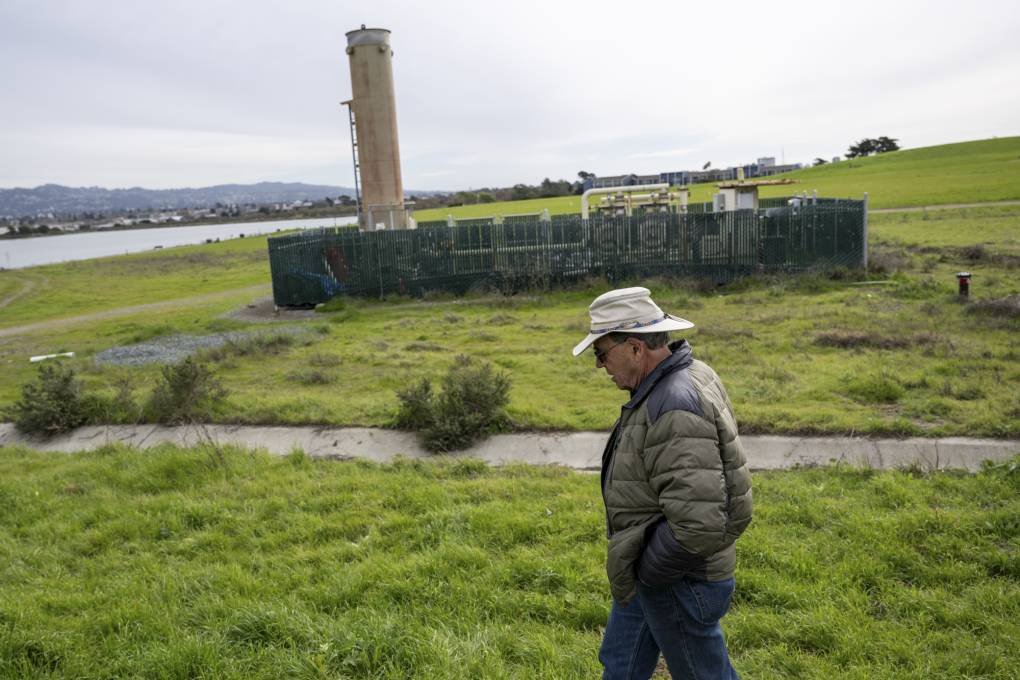
The 'Trashy' History of Berkeley’s César Chávez Park
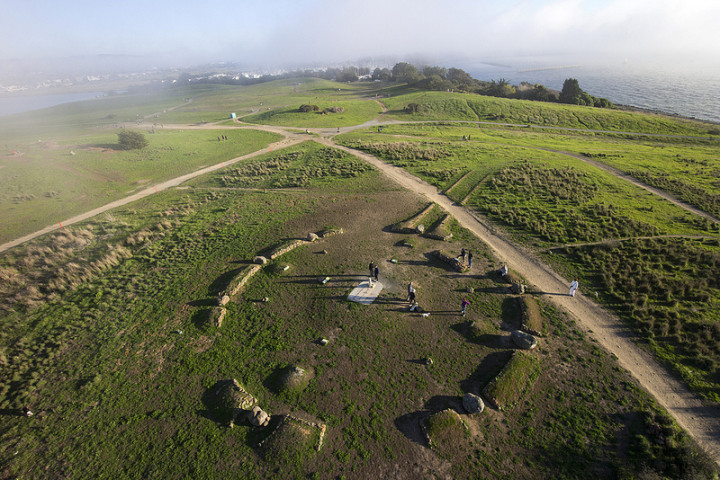
Vandals Target Berkeley Park's Memorial to Cesar Chavez
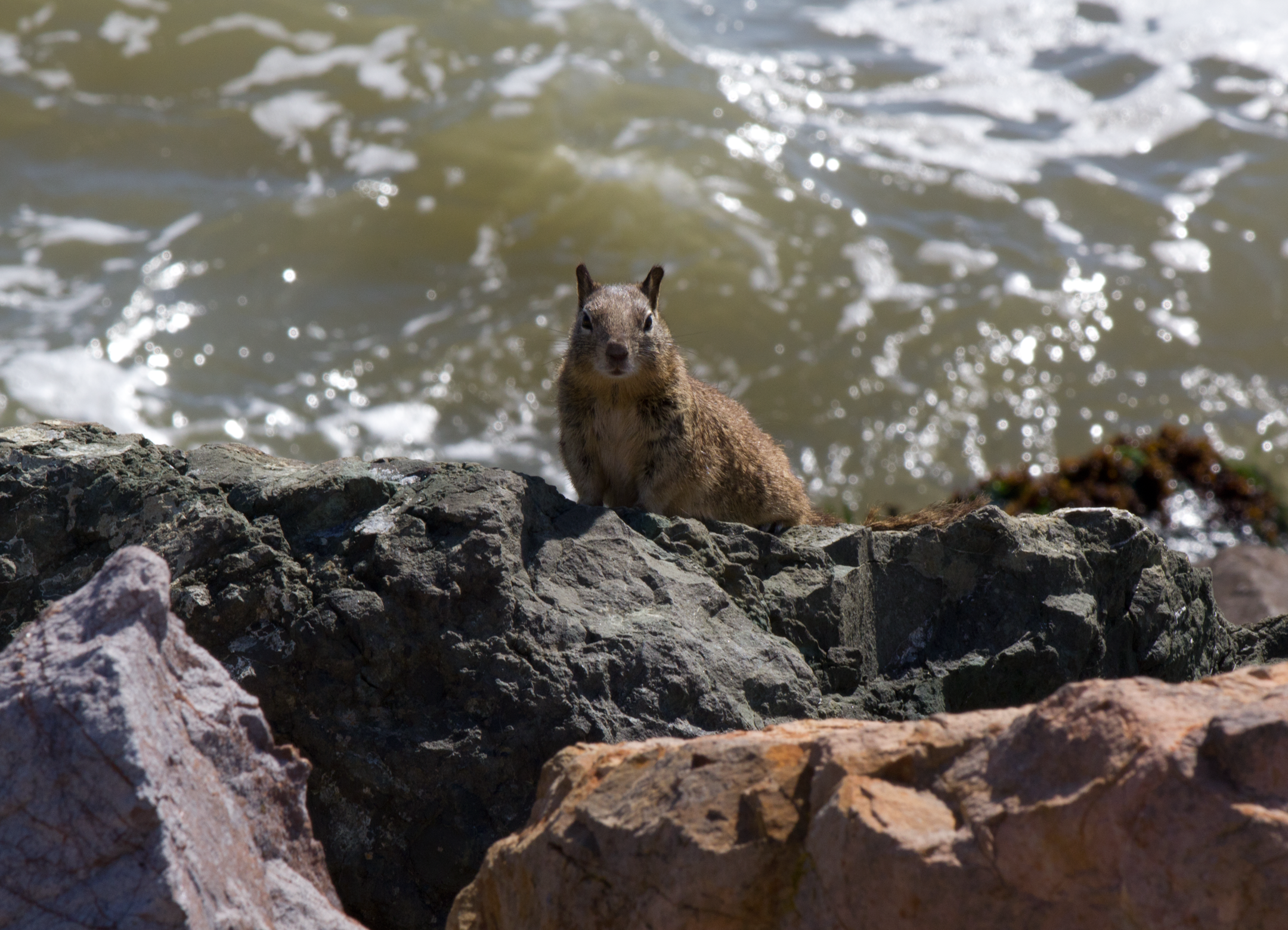
Squirrels, Gophers on Berkeley's Waterfront Face Extermination
Sponsored
Player sponsored by
window.__IS_SSR__=true
window.__INITIAL_STATE__={
"attachmentsReducer": {
"audio_0": {
"type": "attachments",
"id": "audio_0",
"imgSizes": {
"kqedFullSize": {
"file": "https://ww2.kqed.org/news/wp-content/themes/KQED-unified/img/audio_bgs/background0.jpg"
}
}
},
"audio_1": {
"type": "attachments",
"id": "audio_1",
"imgSizes": {
"kqedFullSize": {
"file": "https://ww2.kqed.org/news/wp-content/themes/KQED-unified/img/audio_bgs/background1.jpg"
}
}
},
"audio_2": {
"type": "attachments",
"id": "audio_2",
"imgSizes": {
"kqedFullSize": {
"file": "https://ww2.kqed.org/news/wp-content/themes/KQED-unified/img/audio_bgs/background2.jpg"
}
}
},
"audio_3": {
"type": "attachments",
"id": "audio_3",
"imgSizes": {
"kqedFullSize": {
"file": "https://ww2.kqed.org/news/wp-content/themes/KQED-unified/img/audio_bgs/background3.jpg"
}
}
},
"audio_4": {
"type": "attachments",
"id": "audio_4",
"imgSizes": {
"kqedFullSize": {
"file": "https://ww2.kqed.org/news/wp-content/themes/KQED-unified/img/audio_bgs/background4.jpg"
}
}
},
"placeholder": {
"type": "attachments",
"id": "placeholder",
"imgSizes": {
"thumbnail": {
"file": "https://cdn.kqed.org/wp-content/uploads/2024/12/KQED-Default-Image-816638274-2000x1333-1-160x107.jpg",
"width": 160,
"height": 107,
"mimeType": "image/jpeg"
},
"medium": {
"file": "https://cdn.kqed.org/wp-content/uploads/2024/12/KQED-Default-Image-816638274-2000x1333-1-800x533.jpg",
"width": 800,
"height": 533,
"mimeType": "image/jpeg"
},
"medium_large": {
"file": "https://cdn.kqed.org/wp-content/uploads/2024/12/KQED-Default-Image-816638274-2000x1333-1-768x512.jpg",
"width": 768,
"height": 512,
"mimeType": "image/jpeg"
},
"large": {
"file": "https://cdn.kqed.org/wp-content/uploads/2024/12/KQED-Default-Image-816638274-2000x1333-1-1020x680.jpg",
"width": 1020,
"height": 680,
"mimeType": "image/jpeg"
},
"1536x1536": {
"file": "https://cdn.kqed.org/wp-content/uploads/2024/12/KQED-Default-Image-816638274-2000x1333-1-1536x1024.jpg",
"width": 1536,
"height": 1024,
"mimeType": "image/jpeg"
},
"fd-lrg": {
"file": "https://cdn.kqed.org/wp-content/uploads/2024/12/KQED-Default-Image-816638274-2000x1333-1-1536x1024.jpg",
"width": 1536,
"height": 1024,
"mimeType": "image/jpeg"
},
"fd-med": {
"file": "https://cdn.kqed.org/wp-content/uploads/2024/12/KQED-Default-Image-816638274-2000x1333-1-1020x680.jpg",
"width": 1020,
"height": 680,
"mimeType": "image/jpeg"
},
"fd-sm": {
"file": "https://cdn.kqed.org/wp-content/uploads/2024/12/KQED-Default-Image-816638274-2000x1333-1-800x533.jpg",
"width": 800,
"height": 533,
"mimeType": "image/jpeg"
},
"post-thumbnail": {
"file": "https://cdn.kqed.org/wp-content/uploads/2024/12/KQED-Default-Image-816638274-2000x1333-1-672x372.jpg",
"width": 672,
"height": 372,
"mimeType": "image/jpeg"
},
"twentyfourteen-full-width": {
"file": "https://cdn.kqed.org/wp-content/uploads/2024/12/KQED-Default-Image-816638274-2000x1333-1-1038x576.jpg",
"width": 1038,
"height": 576,
"mimeType": "image/jpeg"
},
"xxsmall": {
"file": "https://cdn.kqed.org/wp-content/uploads/2024/12/KQED-Default-Image-816638274-2000x1333-1-160x107.jpg",
"width": 160,
"height": 107,
"mimeType": "image/jpeg"
},
"xsmall": {
"file": "https://cdn.kqed.org/wp-content/uploads/2024/12/KQED-Default-Image-816638274-2000x1333-1-672x372.jpg",
"width": 672,
"height": 372,
"mimeType": "image/jpeg"
},
"small": {
"file": "https://cdn.kqed.org/wp-content/uploads/2024/12/KQED-Default-Image-816638274-2000x1333-1-672x372.jpg",
"width": 672,
"height": 372,
"mimeType": "image/jpeg"
},
"xlarge": {
"file": "https://cdn.kqed.org/wp-content/uploads/2024/12/KQED-Default-Image-816638274-2000x1333-1-1020x680.jpg",
"width": 1020,
"height": 680,
"mimeType": "image/jpeg"
},
"full-width": {
"file": "https://cdn.kqed.org/wp-content/uploads/2024/12/KQED-Default-Image-816638274-2000x1333-1-1920x1280.jpg",
"width": 1920,
"height": 1280,
"mimeType": "image/jpeg"
},
"guest-author-32": {
"file": "https://cdn.kqed.org/wp-content/uploads/2025/01/KQED-Default-Image-816638274-1333x1333-1-160x160.jpg",
"width": 32,
"height": 32,
"mimeType": "image/jpeg"
},
"guest-author-50": {
"file": "https://cdn.kqed.org/wp-content/uploads/2025/01/KQED-Default-Image-816638274-1333x1333-1-160x160.jpg",
"width": 50,
"height": 50,
"mimeType": "image/jpeg"
},
"guest-author-64": {
"file": "https://cdn.kqed.org/wp-content/uploads/2025/01/KQED-Default-Image-816638274-1333x1333-1-160x160.jpg",
"width": 64,
"height": 64,
"mimeType": "image/jpeg"
},
"guest-author-96": {
"file": "https://cdn.kqed.org/wp-content/uploads/2025/01/KQED-Default-Image-816638274-1333x1333-1-160x160.jpg",
"width": 96,
"height": 96,
"mimeType": "image/jpeg"
},
"guest-author-128": {
"file": "https://cdn.kqed.org/wp-content/uploads/2025/01/KQED-Default-Image-816638274-1333x1333-1-160x160.jpg",
"width": 128,
"height": 128,
"mimeType": "image/jpeg"
},
"detail": {
"file": "https://cdn.kqed.org/wp-content/uploads/2025/01/KQED-Default-Image-816638274-1333x1333-1-160x160.jpg",
"width": 160,
"height": 160,
"mimeType": "image/jpeg"
},
"kqedFullSize": {
"file": "https://cdn.kqed.org/wp-content/uploads/2024/12/KQED-Default-Image-816638274-2000x1333-1.jpg",
"width": 2000,
"height": 1333
}
}
},
"news_12027170": {
"type": "attachments",
"id": "news_12027170",
"meta": {
"index": "attachments_1716263798",
"site": "news",
"id": "12027170",
"found": true
},
"title": "250211-BERKELEYDUMP-05-BL-KQED",
"publishDate": 1739557555,
"status": "inherit",
"parent": 0,
"modified": 1743549653,
"caption": "John Roberts, a landscape architect, walks near a flare station in César Chávez Park, a 90-acre park in Berkeley with panoramic views of the San Francisco Bay, on Feb. 11, 2025. Built on a former landfill that operated until the 1980s, the park has a flare station that burns methane from decomposing organic material underground to help control emissions.",
"credit": "Beth LaBerge/KQED",
"altTag": null,
"description": null,
"imgSizes": {
"medium": {
"file": "https://cdn.kqed.org/wp-content/uploads/sites/10/2025/02/250211-BERKELEYDUMP-05-BL-KQED-800x533.jpg",
"width": 800,
"height": 533,
"mimeType": "image/jpeg"
},
"large": {
"file": "https://cdn.kqed.org/wp-content/uploads/sites/10/2025/02/250211-BERKELEYDUMP-05-BL-KQED-1020x680.jpg",
"width": 1020,
"height": 680,
"mimeType": "image/jpeg"
},
"thumbnail": {
"file": "https://cdn.kqed.org/wp-content/uploads/sites/10/2025/02/250211-BERKELEYDUMP-05-BL-KQED-160x107.jpg",
"width": 160,
"height": 107,
"mimeType": "image/jpeg"
},
"1536x1536": {
"file": "https://cdn.kqed.org/wp-content/uploads/sites/10/2025/02/250211-BERKELEYDUMP-05-BL-KQED-1536x1024.jpg",
"width": 1536,
"height": 1024,
"mimeType": "image/jpeg"
},
"post-thumbnail": {
"file": "https://cdn.kqed.org/wp-content/uploads/sites/10/2025/02/250211-BERKELEYDUMP-05-BL-KQED-672x372.jpg",
"width": 672,
"height": 372,
"mimeType": "image/jpeg"
},
"twentyfourteen-full-width": {
"file": "https://cdn.kqed.org/wp-content/uploads/sites/10/2025/02/250211-BERKELEYDUMP-05-BL-KQED-1038x576.jpg",
"width": 1038,
"height": 576,
"mimeType": "image/jpeg"
},
"full-width": {
"file": "https://cdn.kqed.org/wp-content/uploads/sites/10/2025/02/250211-BERKELEYDUMP-05-BL-KQED-1920x1280.jpg",
"width": 1920,
"height": 1280,
"mimeType": "image/jpeg"
},
"kqedFullSize": {
"file": "https://cdn.kqed.org/wp-content/uploads/sites/10/2025/02/250211-BERKELEYDUMP-05-BL-KQED.jpg",
"width": 2000,
"height": 1333
}
},
"fetchFailed": false,
"isLoading": false
},
"news_144772": {
"type": "attachments",
"id": "news_144772",
"meta": {
"index": "attachments_1716263798",
"site": "news",
"id": "144772",
"found": true
},
"parent": 144771,
"imgSizes": {
"kqedFullSize": {
"file": "https://ww2.kqed.org/app/uploads/sites/10/2014/08/cesarchavezpark.jpg",
"width": 720,
"height": 480
}
},
"publishDate": 1408049851,
"modified": 1408049851,
"caption": "César Chávez Park in Berkeley, with the memorial to the United Farm Workers founder in the foreground. (Cris Benton/Berkeleyside)",
"description": "César Chávez Park in Berkeley, with the memorial to the United Farm Workers founder in the foreground. (Cris Benton/Berkeleyside)",
"title": "Berkeley-Cesar Chavez Park",
"credit": null,
"status": "inherit",
"fetchFailed": false,
"isLoading": false
},
"news_126996": {
"type": "attachments",
"id": "news_126996",
"meta": {
"index": "attachments_1716263798",
"site": "news",
"id": "126996",
"found": true
},
"parent": 126995,
"imgSizes": {
"kqedFullSize": {
"file": "https://ww2.kqed.org/app/uploads/sites/10/2014/02/5673938277_68a52f1cd7_o.png",
"width": 2160,
"height": 1560
}
},
"publishDate": 1392914421,
"modified": 1392914421,
"caption": "Ground squirrel at Berkeley's Cesar Chavez Park. (Bill Williams/Flickr Creative Commons)",
"description": "Ground squirrel at Berkeley's Cesar Chavez Park. (Bill Williams/Flickr Creative Commons)",
"title": "Berkeley Ground Squirrel",
"credit": null,
"status": "inherit",
"fetchFailed": false,
"isLoading": false
}
},
"audioPlayerReducer": {
"postId": "stream_live",
"isPaused": true,
"isPlaying": false,
"pfsActive": false,
"pledgeModalIsOpen": true,
"playerDrawerIsOpen": false
},
"authorsReducer": {
"kqednewsstaffandwires": {
"type": "authors",
"id": "237",
"meta": {
"index": "authors_1716337520",
"id": "237",
"found": true
},
"name": "KQED News Staff and Wires",
"firstName": "KQED News Staff and Wires",
"lastName": null,
"slug": "kqednewsstaffandwires",
"email": "onlinenewsstaff@kqed.org",
"display_author_email": false,
"staff_mastheads": [],
"title": null,
"bio": null,
"avatar": "https://secure.gravatar.com/avatar/72295af8ebbfbd19a4948f5271285664?s=600&d=blank&r=g",
"twitter": null,
"facebook": null,
"instagram": null,
"linkedin": null,
"sites": [
{
"site": "arts",
"roles": [
"contributor"
]
},
{
"site": "news",
"roles": [
"contributor"
]
},
{
"site": "lowdown",
"roles": [
"author"
]
},
{
"site": "stateofhealth",
"roles": [
"contributor"
]
},
{
"site": "food",
"roles": [
"author"
]
}
],
"headData": {
"title": "KQED News Staff and Wires | KQED",
"description": null,
"ogImgSrc": "https://secure.gravatar.com/avatar/72295af8ebbfbd19a4948f5271285664?s=600&d=blank&r=g",
"twImgSrc": "https://secure.gravatar.com/avatar/72295af8ebbfbd19a4948f5271285664?s=600&d=blank&r=g"
},
"isLoading": false,
"link": "/author/kqednewsstaffandwires"
},
"dcronin": {
"type": "authors",
"id": "11362",
"meta": {
"index": "authors_1716337520",
"id": "11362",
"found": true
},
"name": "Dana Cronin",
"firstName": "Dana",
"lastName": "Cronin",
"slug": "dcronin",
"email": "dcronin@KQED.org",
"display_author_email": true,
"staff_mastheads": [],
"title": "KQED Contributor",
"bio": "Dana Cronin is a reporter for KQED News. She loves writing stories about climate change, environmental issues, food and agriculture. She's reported across the country, from Colorado to Washington D.C. to Illinois, and has won numerous awards for her coverage. Her work is regularly featured on national broadcasts, including NPR’s Morning Edition, All Things Considered, PBS Newshour and Science Friday. She lives in Oakland and has an avocado tree in her back yard.",
"avatar": "https://secure.gravatar.com/avatar/bcf89e3455ff7235f96ab6fa7258dd95?s=600&d=blank&r=g",
"twitter": "DanaHCronin",
"facebook": null,
"instagram": null,
"linkedin": null,
"sites": [
{
"site": "arts",
"roles": [
"author"
]
},
{
"site": "news",
"roles": [
"editor"
]
},
{
"site": "science",
"roles": [
"author"
]
},
{
"site": "liveblog",
"roles": [
"author"
]
}
],
"headData": {
"title": "Dana Cronin | KQED",
"description": "KQED Contributor",
"ogImgSrc": "https://secure.gravatar.com/avatar/bcf89e3455ff7235f96ab6fa7258dd95?s=600&d=blank&r=g",
"twImgSrc": "https://secure.gravatar.com/avatar/bcf89e3455ff7235f96ab6fa7258dd95?s=600&d=blank&r=g"
},
"isLoading": false,
"link": "/author/dcronin"
}
},
"breakingNewsReducer": {},
"pagesReducer": {},
"postsReducer": {
"stream_live": {
"type": "live",
"id": "stream_live",
"audioUrl": "https://streams.kqed.org/kqedradio",
"title": "Live Stream",
"excerpt": "Live Stream information currently unavailable.",
"link": "/radio",
"featImg": "",
"label": {
"name": "KQED Live",
"link": "/"
}
},
"stream_kqedNewscast": {
"type": "posts",
"id": "stream_kqedNewscast",
"audioUrl": "https://www.kqed.org/.stream/anon/radio/RDnews/newscast.mp3?_=1",
"title": "KQED Newscast",
"featImg": "",
"label": {
"name": "88.5 FM",
"link": "/"
}
},
"news_12034143": {
"type": "posts",
"id": "news_12034143",
"meta": {
"index": "posts_1716263798",
"site": "news",
"id": "12034143",
"score": null,
"sort": [
1743674459000
]
},
"guestAuthors": [],
"slug": "the-trashy-history-of-berkeleys-cesar-chavez-park",
"title": "The 'Trashy' History of Berkeley’s César Chávez Park",
"publishDate": 1743674459,
"format": "standard",
"headTitle": "The ‘Trashy’ History of Berkeley’s César Chávez Park | KQED",
"labelTerm": {
"term": 33523,
"site": "news"
},
"content": "\u003cp>\u003cem>\u003ca href=\"#A\">View the full episode transcript.\u003c/a>\u003c/em>\u003c/p>\n\u003cp>Bay Curious listener Tom Rauch grew up in Berkeley in the 1960s. Some of his most vivid memories from that time are of the old Berkeley dump.\u003c/p>\n\u003cp>“It really was just this big, giant pit where you backed up your car, opened up your trunk and just shoveled whatever you had into this open pit,” he said.\u003c/p>\n\u003cp>[baycuriousbug]\u003c/p>\n\u003cp>The dump was located on Berkeley’s waterfront. Rauch remembers it as the Wild West. It smelled rank and was loud, with big bulldozers constantly shifting and compacting the garbage. Seagulls were ever-present, squawking above the roar of the machinery.\u003c/p>\n\u003cp>“As a little kid, of course, I was fascinated by this because there were all manner of things,” Rauch said. “There [were] refrigerators and lumber and whatever people didn’t want. It was just sitting right there, and the bulldozers would come and push it over.”\u003c/p>\n\u003cp>Fast forward to today, and the dump is long gone. In its place is César Chávez Park, a big grassy expanse with sweeping views of the entire bay.\u003c/p>\n\u003cp>Rauch visits the park from time to time, and he recently started to wonder about the old dump. How did it go from a squalid mass of junk to a beautiful shoreline park where people go to walk their dogs, fly kites and have picnics?\u003c/p>\n\u003cp>[ad fullwidth]\u003c/p>\n\u003ch2>\u003cstrong>Transition from dump to park\u003c/strong>\u003c/h2>\n\u003cp>The city of Berkeley operated the 90-acre landfill site from the mid-1950s until 1983, when it stopped receiving waste.\u003c/p>\n\u003cp>The site, like much of the bay’s shoreline, was \u003ca href=\"https://baynature.org/article/east-bay-shoreline-became-park-people/\">saved from development\u003c/a> thanks in large part to environmental activists like Sylvia McLaughlin, \u003ca href=\"https://www.kqed.org/news/11991017/transcript-how-environmental-activism-that-saved-the-bay\">co-founder of what’s now known as Save the Bay.\u003c/a>\u003c/p>\n\u003cp>City officials decided to turn the spit of land into a park. But to do that, they had to seal off the garbage to ensure nothing would leak out and contaminate the environment. They capped the landfill with soil and clay.\u003c/p>\n\u003cfigure id=\"attachment_12034169\" class=\"wp-caption alignright\" style=\"max-width: 800px\">\u003ca href=\"https://cdn.kqed.org/wp-content/uploads/sites/10/2025/04/1975-1988-Berkeley-Landfill-Records_Page_08-800x1035.jpg\">\u003cimg loading=\"lazy\" decoding=\"async\" class=\"size-medium wp-image-12034169\" src=\"https://cdn.kqed.org/wp-content/uploads/sites/10/2025/04/1975-1988-Berkeley-Landfill-Records_Page_08-800x1035.jpg\" alt=\"\" width=\"800\" height=\"1035\" srcset=\"https://cdn.kqed.org/wp-content/uploads/sites/10/2025/04/1975-1988-Berkeley-Landfill-Records_Page_08-800x1035.jpg 800w, https://cdn.kqed.org/wp-content/uploads/sites/10/2025/04/1975-1988-Berkeley-Landfill-Records_Page_08-1020x1320.jpg 1020w, https://cdn.kqed.org/wp-content/uploads/sites/10/2025/04/1975-1988-Berkeley-Landfill-Records_Page_08-160x207.jpg 160w, https://cdn.kqed.org/wp-content/uploads/sites/10/2025/04/1975-1988-Berkeley-Landfill-Records_Page_08-1187x1536.jpg 1187w, https://cdn.kqed.org/wp-content/uploads/sites/10/2025/04/1975-1988-Berkeley-Landfill-Records_Page_08-1583x2048.jpg 1583w, https://cdn.kqed.org/wp-content/uploads/sites/10/2025/04/1975-1988-Berkeley-Landfill-Records_Page_08.jpg 1700w\" sizes=\"auto, (max-width: 800px) 100vw, 800px\">\u003c/a>\u003cfigcaption class=\"wp-caption-text\">Berkeley Landfill on May 3, 1979. \u003ccite>(Berkeley Landfill Records)\u003c/cite>\u003c/figcaption>\u003c/figure>\n\u003cp>If you take a cross section of the park’s underground, you’d see a layer cake of soil and garbage: starting from the bottom, about four feet of garbage, two feet of clean soil, two feet of compacted clay and about a foot of topsoil on top of that, all capped with grass.\u003c/p>\n\u003cp>This means the garbage remains to this day. Those grassy, green hills you see when you visit the park? It’s just grass-covered garbage.\u003c/p>\n\u003cp>But that wasn’t always the plan for the park.\u003c/p>\n\u003cp>After it capped the dump, city officials started to think about how to landscape and develop the open space. Should it have tennis courts, a redwood tree grove, a playground?\u003c/p>\n\u003cp>They decided to solicit design proposals from landscape architects and eventually settled on a local designer named John Roberts. Roberts studied landscape architecture at UC Berkeley, where he graduated in 1974. \u003ca href=\"https://johnnorthmoreroberts.com/\">His firm focuses\u003c/a> on ecological and socially conscious landscape design. And he had all kinds of ideas for the park.\u003c/p>\n\u003cp>He was collaborating with another consultant based in Seattle \u003ca href=\"https://www.tclf.org/pioneer/richard-haag\">named Richard Haag\u003c/a>, who had worked on landfill conversions before.\u003c/p>\n\u003cp>“What was revelatory to me was what Rich Haag had done in Seattle, which was to treat the landfill as a giant compost pile,” Roberts said.\u003c/p>\n\u003cp>In other words, instead of capping and forgetting about the garbage, they proposed digging it up, cleaning it up and encouraging it to break down naturally, with the help of the already-existing bacteria and microbes.\u003c/p>\n\u003cfigure id=\"attachment_12027171\" class=\"wp-caption aligncenter\" style=\"max-width: 2000px\">\u003cimg loading=\"lazy\" decoding=\"async\" class=\"size-full wp-image-12027171\" src=\"https://cdn.kqed.org/wp-content/uploads/sites/10/2025/02/250211-BERKELEYDUMP-06-BL-KQED.jpg\" alt=\"\" width=\"2000\" height=\"1333\" srcset=\"https://cdn.kqed.org/wp-content/uploads/sites/10/2025/02/250211-BERKELEYDUMP-06-BL-KQED.jpg 2000w, https://cdn.kqed.org/wp-content/uploads/sites/10/2025/02/250211-BERKELEYDUMP-06-BL-KQED-800x533.jpg 800w, https://cdn.kqed.org/wp-content/uploads/sites/10/2025/02/250211-BERKELEYDUMP-06-BL-KQED-1020x680.jpg 1020w, https://cdn.kqed.org/wp-content/uploads/sites/10/2025/02/250211-BERKELEYDUMP-06-BL-KQED-160x107.jpg 160w, https://cdn.kqed.org/wp-content/uploads/sites/10/2025/02/250211-BERKELEYDUMP-06-BL-KQED-1536x1024.jpg 1536w, https://cdn.kqed.org/wp-content/uploads/sites/10/2025/02/250211-BERKELEYDUMP-06-BL-KQED-1920x1280.jpg 1920w\" sizes=\"auto, (max-width: 2000px) 100vw, 2000px\">\u003cfigcaption class=\"wp-caption-text\">John Roberts, a landscape architect, walks through César Chávez Park on Feb. 11, 2025. \u003ccite>(Beth LaBerge/KQED)\u003c/cite>\u003c/figcaption>\u003c/figure>\n\u003cp>“The garbage is being cleaned up by the bugs that are here, and we could use that to our advantage,” he said.\u003c/p>\n\u003cp>Roberts and his collaborators wanted to return the land to as close to its original form as they could before it was inundated with garbage. Their proposal included things like cultivating native plant species, dedicating space to wetland habitat and even building a beach where humans and animals could access the bay more easily.[aside postID=news_11799297 hero='https://ww2.kqed.org/app/uploads/sites/10/2020/01/GettyImages-1583045-1020x687.jpg']Roberts spent seven years on the project. However, when it came time for approval, the city decided not to move forward with the proposal.\u003c/p>\n\u003cp>“They had a 57-word phrase that said how much they liked the plan and how it reflected all their values, but they couldn’t approve it,” Roberts said.\u003c/p>\n\u003cp>The proposal was bold and broke a lot of norms for landfill restoration. Roberts suspects it was too much of a hassle for the city and that money was probably a factor, too.\u003c/p>\n\u003cp>He was extremely disappointed.\u003c/p>\n\u003cp>“I didn’t come out here for 15 years,” he said. “I could see what it could have been. It could have been something so much different.”\u003c/p>\n\u003cfigure id=\"attachment_12027173\" class=\"wp-caption aligncenter\" style=\"max-width: 2000px\">\u003cimg loading=\"lazy\" decoding=\"async\" class=\"size-full wp-image-12027173\" src=\"https://cdn.kqed.org/wp-content/uploads/sites/10/2025/02/250211-BERKELEYDUMP-11-BL-KQED.jpg\" alt=\"\" width=\"2000\" height=\"1333\" srcset=\"https://cdn.kqed.org/wp-content/uploads/sites/10/2025/02/250211-BERKELEYDUMP-11-BL-KQED.jpg 2000w, https://cdn.kqed.org/wp-content/uploads/sites/10/2025/02/250211-BERKELEYDUMP-11-BL-KQED-800x533.jpg 800w, https://cdn.kqed.org/wp-content/uploads/sites/10/2025/02/250211-BERKELEYDUMP-11-BL-KQED-1020x680.jpg 1020w, https://cdn.kqed.org/wp-content/uploads/sites/10/2025/02/250211-BERKELEYDUMP-11-BL-KQED-160x107.jpg 160w, https://cdn.kqed.org/wp-content/uploads/sites/10/2025/02/250211-BERKELEYDUMP-11-BL-KQED-1536x1024.jpg 1536w, https://cdn.kqed.org/wp-content/uploads/sites/10/2025/02/250211-BERKELEYDUMP-11-BL-KQED-1920x1280.jpg 1920w\" sizes=\"auto, (max-width: 2000px) 100vw, 2000px\">\u003cfigcaption class=\"wp-caption-text\">People walk through César Chávez Park on Feb. 11, 2025. \u003ccite>(Beth LaBerge/KQED)\u003c/cite>\u003c/figcaption>\u003c/figure>\n\u003ch2>\u003cstrong>Bumps in the road\u003c/strong>\u003c/h2>\n\u003cp>Leaving all that trash underground has led to some complications for the city of Berkeley.\u003c/p>\n\u003cp>As it breaks down, the garbage produces methane, which is a combustible gas. Leaving it there is dangerous, so instead, the city installed a series of underground pipes to collect the gas and send it to a flaring station, where it burns off.\u003c/p>\n\u003cp>The flaring station is located on the east side of the park, near the dog area. It’s a bit of an eyesore — and it can also be dangerous.\u003c/p>\n\u003cp>The Bay Area Air District has issued numerous notices of violation to the city of Berkeley over its management of the landfill flaring. Violations include missing gas collection wells, severe methane leaks and failure to continuously operate the system during power outages.\u003c/p>\n\u003cfigure id=\"attachment_12027175\" class=\"wp-caption aligncenter\" style=\"max-width: 2000px\">\u003cimg loading=\"lazy\" decoding=\"async\" class=\"size-full wp-image-12027175\" src=\"https://cdn.kqed.org/wp-content/uploads/sites/10/2025/02/250211-BERKELEYDUMP-16-BL-KQED.jpg\" alt=\"\" width=\"2000\" height=\"1333\" srcset=\"https://cdn.kqed.org/wp-content/uploads/sites/10/2025/02/250211-BERKELEYDUMP-16-BL-KQED.jpg 2000w, https://cdn.kqed.org/wp-content/uploads/sites/10/2025/02/250211-BERKELEYDUMP-16-BL-KQED-800x533.jpg 800w, https://cdn.kqed.org/wp-content/uploads/sites/10/2025/02/250211-BERKELEYDUMP-16-BL-KQED-1020x680.jpg 1020w, https://cdn.kqed.org/wp-content/uploads/sites/10/2025/02/250211-BERKELEYDUMP-16-BL-KQED-160x107.jpg 160w, https://cdn.kqed.org/wp-content/uploads/sites/10/2025/02/250211-BERKELEYDUMP-16-BL-KQED-1536x1024.jpg 1536w, https://cdn.kqed.org/wp-content/uploads/sites/10/2025/02/250211-BERKELEYDUMP-16-BL-KQED-1920x1280.jpg 1920w\" sizes=\"auto, (max-width: 2000px) 100vw, 2000px\">\u003cfigcaption class=\"wp-caption-text\">Information about the former landfill at what is now César Chávez Park on Feb. 11, 2025.\u003c/figcaption>\u003c/figure>\n\u003cp>Last year, the air district \u003ca href=\"https://www.berkeleyside.org/2024/04/04/cesar-chavez-park-methane-gas-bay-area-air-quality-management-district\">fined the city $130,000\u003c/a> for air quality violations at César Chávez Park.\u003c/p>\n\u003cp>Berkeley city officials declined a request for an interview for this story.\u003c/p>\n\u003cp>In addition to air regulators, water regulators have also kept close tabs on the park. That’s after \u003ca href=\"https://documents.geotracker.waterboards.ca.gov/regulators/deliverable_documents/9874448478/Berkeley%20Landfill%2013267%20Letter%201-18-2024.pdf\">archival documents emerged (PDF)\u003c/a> showing that more than 11,000 tons of industrial waste believed to contain radioactive material was disposed of at the Berkeley dump in the 1960s and ’70s.[aside postID=news_11868474 hero='https://ww2.kqed.org/app/uploads/sites/10/2021/04/Recology-bins-1020x574.jpg']It all started in May 2023, when Keith Roberson, who oversees landfills for the San Francisco Bay Regional Water Quality Control Board, was talking on the phone with a colleague at the EPA’s Department of Toxic Substances Control (DTSC), which oversees hazardous waste sites.\u003c/p>\n\u003cp>“My counterpart at DTSC mentioned, you know, ‘By the way, I have run across a document that I want to share with you that indicates that the Berkeley landfill apparently had accepted some material from a chemical plant in Richmond that was known as Stauffer Chemical,’” Roberson said.\u003c/p>\n\u003cp>The water board immediately sent a letter to the city of Berkeley asking them to conduct radiation testing at the park, \u003ca href=\"https://www.berkeleyside.org/2024/09/11/radiation-testing-to-start-this-month-at-cesar-chavez-park\">which they did late last year\u003c/a>. With the help of UC Berkeley experts, the city attached a highly sensitive radiation sensor to a drone and flew it over the park.\u003c/p>\n\u003cp>“There’s really no indication from the Gamma survey that there are any places on the surface of the Berkeley landfill that pose a threat to human health,” Roberson said.\u003c/p>\n\u003cp>However, the city also collected water samples during its survey, and those results showed elevated concentrations of radium-226 — a radioactive compound.\u003c/p>\n\u003cp>“Whether or not that poses any threat to humans above the surface, we don’t think so,” Roberson said. “Does it pose a threat to water quality in the bay? We don’t think so. But we’re still in the process of analyzing that.”\u003c/p>\n\u003cfigure id=\"attachment_12027174\" class=\"wp-caption aligncenter\" style=\"max-width: 2000px\">\u003cimg loading=\"lazy\" decoding=\"async\" class=\"size-full wp-image-12027174\" src=\"https://cdn.kqed.org/wp-content/uploads/sites/10/2025/02/250211-BERKELEYDUMP-13-BL-KQED.jpg\" alt=\"\" width=\"2000\" height=\"1333\" srcset=\"https://cdn.kqed.org/wp-content/uploads/sites/10/2025/02/250211-BERKELEYDUMP-13-BL-KQED.jpg 2000w, https://cdn.kqed.org/wp-content/uploads/sites/10/2025/02/250211-BERKELEYDUMP-13-BL-KQED-800x533.jpg 800w, https://cdn.kqed.org/wp-content/uploads/sites/10/2025/02/250211-BERKELEYDUMP-13-BL-KQED-1020x680.jpg 1020w, https://cdn.kqed.org/wp-content/uploads/sites/10/2025/02/250211-BERKELEYDUMP-13-BL-KQED-160x107.jpg 160w, https://cdn.kqed.org/wp-content/uploads/sites/10/2025/02/250211-BERKELEYDUMP-13-BL-KQED-1536x1024.jpg 1536w, https://cdn.kqed.org/wp-content/uploads/sites/10/2025/02/250211-BERKELEYDUMP-13-BL-KQED-1920x1280.jpg 1920w\" sizes=\"auto, (max-width: 2000px) 100vw, 2000px\">\u003cfigcaption class=\"wp-caption-text\">A dog walker gives treats to a group of dogs at César Chávez Park on Feb. 11, 2025. \u003ccite>(Beth LaBerge/KQED)\u003c/cite>\u003c/figcaption>\u003c/figure>\n\u003ch2>\u003cstrong>Alternate uses for shuttered landfills\u003c/strong>\u003c/h2>\n\u003cp>César Chávez Park isn’t the only former landfill-turned-beautiful park in the Bay Area.\u003c/p>\n\u003cp>The Albany Bulb, for example, used to be a dumping ground for construction debris. The Bulb was also recently tested for radiation, and levels there were also not dangerous to human health.\u003c/p>\n\u003cp>The \u003ca href=\"https://www.petaluma360.com/article/news/where-the-tails-are-wagging/\">Petaluma dog park\u003c/a>, \u003ca href=\"https://www.cityofpaloalto.org/Departments/Public-Works/Engineering-Services/Engineering-Projects/Byxbee-Park\">Byxbee Park\u003c/a> in Palo Alto, are also former dumps!\u003c/p>\n\u003cp>“From the water board’s perspective, that’s probably our preferred usage,” Roberson said.[aside postID=news_11991017 hero='https://cdn.kqed.org/wp-content/uploads/sites/10/2024/06/GettyImages-492064784_qut-1020x665.jpg']Turning former landfills into open space is generally a low-risk use, said Roberson, especially compared to something like commercial development.\u003c/p>\n\u003cp>However, due to the high cost of land in the Bay Area, some cities are doing just that.\u003c/p>\n\u003cp>The city of Santa Clara, for example, \u003ca href=\"https://www.kqed.org/news/12016083/santa-clara-approves-major-housing-and-office-development-could-take-25-years-to-build\">approved a plan late last year\u003c/a> to put a shopping center, office space and even condominiums on a former landfill site near Levi’s Stadium.\u003c/p>\n\u003cp>That’s more concerning, Roberson said.\u003c/p>\n\u003cp>“Landfills contain organic material that’s decomposing,” he said. “So the landfill surface is subsiding, and it doesn’t subside evenly. Some parts may drop four feet, some parts may drop 12 feet. So you get this very uneven hummocky surface.”\u003c/p>\n\u003cp>It takes a lot of additional planning to safely put a building on top of a former landfill, and even then, it’s risky — especially for the groundwater.\u003c/p>\n\u003cp>Not to mention, many former landfill sites in the Bay Area are located directly on the water line, which poses a risk as the climate changes and \u003ca href=\"https://www.kqed.org/news/12027540/land-sinking-fast-around-bay-area-worsening-effects-sea-level-rise\">sea levels rise\u003c/a>.\u003c/p>\n\u003cfigure id=\"attachment_12027172\" class=\"wp-caption aligncenter\" style=\"max-width: 2000px\">\u003cimg loading=\"lazy\" decoding=\"async\" class=\"size-full wp-image-12027172\" src=\"https://cdn.kqed.org/wp-content/uploads/sites/10/2025/02/250211-BERKELEYDUMP-07-BL-KQED.jpg\" alt=\"\" width=\"2000\" height=\"1333\" srcset=\"https://cdn.kqed.org/wp-content/uploads/sites/10/2025/02/250211-BERKELEYDUMP-07-BL-KQED.jpg 2000w, https://cdn.kqed.org/wp-content/uploads/sites/10/2025/02/250211-BERKELEYDUMP-07-BL-KQED-800x533.jpg 800w, https://cdn.kqed.org/wp-content/uploads/sites/10/2025/02/250211-BERKELEYDUMP-07-BL-KQED-1020x680.jpg 1020w, https://cdn.kqed.org/wp-content/uploads/sites/10/2025/02/250211-BERKELEYDUMP-07-BL-KQED-160x107.jpg 160w, https://cdn.kqed.org/wp-content/uploads/sites/10/2025/02/250211-BERKELEYDUMP-07-BL-KQED-1536x1024.jpg 1536w, https://cdn.kqed.org/wp-content/uploads/sites/10/2025/02/250211-BERKELEYDUMP-07-BL-KQED-1920x1280.jpg 1920w\" sizes=\"auto, (max-width: 2000px) 100vw, 2000px\">\u003cfigcaption class=\"wp-caption-text\">A flare station in César Chávez Park on Feb. 11, 2025. \u003ccite>(Beth LaBerge/KQED)\u003c/cite>\u003c/figcaption>\u003c/figure>\n\u003ch2>\u003cstrong>A nostalgic place\u003c/strong>\u003c/h2>\n\u003cp>Tom Rauch, our question-asker, went on a walk at César Chávez Park recently. He wanted to refresh his memory of the place. It was a cold, rainy day. He said he was struck by how beautiful it looked and at the outstanding views of the San Francisco Bay.\u003c/p>\n\u003cp>But there was something tugging at him.\u003c/p>\n\u003cp>“I know we shouldn’t have this, but it would be so much fun if you could still drive your car to the mouth of this pit and just shovel away and have the seagulls and the bulldozers keeping you company.”\u003c/p>\n\u003cp>A landfill right on the water isn’t a great idea these days, he gets that. But Rauch said he’s glad his memories remain.\u003c/p>\n\u003cp>“There are a lot of us who grew up in that Berkeley experience that are starting to remember fondly those kinds of Berkeley days.”\u003c/p>\n\u003cp>[baycuriousquestion]\u003c/p>\n\u003ch2>\u003ca id=\"A\">\u003c/a>Episode Transcript\u003c/h2>\n\u003cp>\u003cem>This is a computer-generated transcript. While our team has reviewed it, there may be errors.\u003c/em>\u003c/p>\n\u003cp>\u003cstrong>Olivia Allen-Price: \u003c/strong>Tom Rauch grew up in Berkeley in the 1960s.\u003c/p>\n\u003cp>He has vivid memories of that time. His mom worked at UC Berkeley and his dad was a grad student there, so he and his brother spent many days riding their bikes around campus.\u003c/p>\n\u003cp>Another memory he still thinks about to this day… one of his most vivid… is going to the Berkeley dump.\u003c/p>\n\u003cp>\u003cstrong>Tom Rauch: \u003c/strong>It really was just this big, giant pit where you backed up your car. You know, you turned around, you backed up your car, opened up your trunk and just shoveled whatever you had into this open pit.\u003c/p>\n\u003cp>\u003cstrong>Olivia Allen-Price: \u003c/strong>It was on the west side of Berkeley, right on the water. It was like the Wild West. It smelled rank. It was loud, with big bull dozers shifting and compacting the garbage. And then there were the birds! Hundreds of sea gulls squawking above the roar of the machinery…\u003c/p>\n\u003cp>Tom says back then, it seemed like the dump stretched for miles.\u003c/p>\n\u003cp>\u003cstrong>Tom Rauch: \u003c/strong>And as a little kid, of course, I was fascinated by this because there was all manner of things. You know, there’s refrigerators and lumber and whatever people didn’t want. It was just sitting right there and the bulldozers would come and, of course, you know, push it over.\u003c/p>\n\u003cp>\u003cstrong>Olivia Allen-Price: \u003c/strong>Now… fast forward to today… and the dump is long gone. In its place is Cesar Chavez park… a big grassy expanse with sweeping views of the entire bay. And Tom still visits! He goes once a month or so with his family… to walk around and take in the views. But he recently started to wonder about the old dump. Was it really the way he remembers it? How could it go from a squalid mass of junk… to this beautiful shoreline park, where people go to walk their dogs, fly kites and have picnics? So, he did some research. Or, he tried.\u003c/p>\n\u003cp>\u003cstrong>Tom Rauch: \u003c/strong>There is a surprisingly almost nonexistent amount of information about it there. Really. I couldn’t, maybe there are, but I couldn’t find any images of it. I couldn’t find any kind of recollections of it, any historical documents associated with it.\u003c/p>\n\u003cp>\u003cstrong>Olivia Allen-Price: \u003c/strong>So, he did what any Bay Area resident does when they have questions they can’t find the answers to: He reached out to Bay Curious.\u003c/p>\n\u003cp>\u003cem>Theme music\u003c/em>\u003c/p>\n\u003cp>\u003cstrong>Olivia Allen-Price: \u003c/strong>I’m Olivia Allen-Price and on today’s episode of Bay Curious… how did Berkeley’s former landfill site become one of its most popular public parks? And what are some of the challenges of turning a big pile of trash into a recreational space? All that, after this break.\u003c/p>\n\u003cp>\u003cem>Sponsor message\u003c/em>\u003c/p>\n\u003cp>\u003cstrong>Olivia Allen-Price: \u003c/strong>To uncover the mystery of the Berkeley dump we asked reporter Dana Cronin to see what she could dig up.\u003c/p>\n\u003cp>\u003cstrong>Dana Cronin:\u003c/strong> As a frequent visitor to Cesar Chavez park… I was excited about this one. I love taking my dog there to run the perimeter of the park. On a clear day, I don’t think there’s a better view of the Golden Gate Bridge. But… I was not around in the 1960s, and had no idea about the park’s former life as a landfill.\u003c/p>\n\u003cp>So, I called someone who does.\u003c/p>\n\u003cp>\u003cstrong>John Roberts:\u003c/strong> It was pretty thrilling to come down and just dump stuff out. And I don’t. You didn’t do it. I guess you were it before your time.\u003c/p>\n\u003cp>\u003cstrong>Dana\u003c/strong> \u003cstrong>(laughing)\u003c/strong>: Yes.\u003c/p>\n\u003cp>\u003cstrong>Dana Cronin:\u003c/strong> This is John Roberts. He’s a landscape architect here in Berkeley. I meet him … surprise surprise… at Cesar Chavez park.\u003c/p>\n\u003cp>\u003cem>Park sounds\u003c/em>\u003c/p>\n\u003cp>\u003cstrong>Dana Cronin:\u003c/strong> It’s a slightly cool and breezy morning, and we’re sitting on a park bench overlooking the bay. Ground squirrels dart around us, birds fly overhead, and a sea lion pops its head out of the water. It’s beautiful out here. But, as John likes to remind me…\u003c/p>\n\u003cp>\u003cstrong>John Roberts:\u003c/strong> This is garbage. We’re on our garbage.\u003c/p>\n\u003cp>\u003cstrong>Dana Cronin:\u003c/strong> And let me just say, talking with John has totally changed how I think about this park. Before I met him, I thought of it as a beautiful green park with great views. But John still sees it as a big pile of trash, covered in grass. He says it could have been so much more.\u003c/p>\n\u003cp>\u003ci>Music\u003c/i>\u003c/p>\n\u003cp>\u003cstrong>Dana Cronin:\u003c/strong> The Berkeley dump stopped receiving waste in the mid-80’s, and the city decided to landscape it and turn it into a park.\u003c/p>\n\u003cp>To do that, they had to seal off the garbage… to prevent leakage and contamination. So, they trucked in a whole lot of soil.\u003c/p>\n\u003cp>\u003cstrong>John Roberts:\u003c/strong> There’s a four foot cross section of garbage. Then there’s two feet of clean soil and two feet of compacted clay and a foot of a foot of topsoil on top of that.\u003c/p>\n\u003cp>\u003cstrong>Dana Cronin:\u003c/strong> This layer cake of garbage and soil was capped with grass. And that’s pretty much how it looks to this day. Those rolling, green grassy hills? It’s all just grass-covered garbage.\u003c/p>\n\u003cp>But this wasn’t always the plan. After it capped the pile of trash, the city started to think about how to develop the space. Should it have tennis courts, a redwood tree grove, a playground?\u003c/p>\n\u003cp>The city put out a call to landscape architects for design proposals.\u003c/p>\n\u003cp>That’s where John comes in.\u003c/p>\n\u003cp>\u003cstrong>John Roberts:\u003c/strong> 1986 or ’87, something like that, there was a call for proposals and I was selected as the prime consultant\u003cem>.\u003c/em>\u003c/p>\n\u003cp>\u003cstrong>Dana Cronin:\u003c/strong> He had all kinds of ideas. He was working with another consultant based in Seattle, who had worked on landfills before. And he had the idea to treat this site like a big compost pile.\u003c/p>\n\u003cp>In other words, instead of capping and forgetting about the garbage… they would dig it up, clean it up, and encourage it to break down naturally… with the help of the already-existing bacteria and microbes.\u003c/p>\n\u003cp>\u003cstrong>John Roberts:\u003c/strong> The garbage is being cleaned up by the bugs that are here. And we could use that to our advantage.\u003c/p>\n\u003cp>\u003cstrong>Dana Cronin:\u003c/strong> Ultimately, John wanted to return this spit of land to its original form — before all the garbage. Or at least, as close as he could get.\u003c/p>\n\u003cp>The area used to be all marsh so John wanted to cultivate native plant species… dedicate space to wetland habitat… maybe even build a beach where humans and animals could access the bay more easily.\u003c/p>\n\u003cp>But… as you may have guessed by now… none of that stuff happened.\u003c/p>\n\u003cp>After spending about seven years on this project, the city of Berkeley decided NOT to move forward with John’s proposal.\u003c/p>\n\u003cp>\u003cstrong>John Roberts:\u003c/strong> They found a 57-word phrase that said how much they liked the plan and how it reflected all their values, but they couldn’t approve it.\u003cem> \u003c/em>\u003c/p>\n\u003cp>\u003cstrong>Dana Cronin:\u003c/strong> The proposal was bold and broke a lot of norms for landfill restoration. John says he thinks it was just too complicated and too much of a hassle for the city. He says money was probably a factor too.\u003c/p>\n\u003cp>\u003cstrong>Dana Cronin (to John in tape):\u003c/strong> How did it feel at that final vote when they endorsed but, you know, chose not to move forward with the project. How did you feel after having worked on it for so long?\u003c/p>\n\u003cp>\u003cstrong>John Roberts:\u003c/strong> Disappointed. I didn’t come out here for 15 years, I could see what it could have been. It could have been something so much different.\u003c/p>\n\u003cp>\u003cem>Music\u003c/em>\u003c/p>\n\u003cp>\u003cstrong>Dana Cronin: \u003c/strong>Had the city moved forward with John’s proposal, the park would look much different than it does today.\u003c/p>\n\u003cp>It also potentially could have saved the city of Berkeley from a lot of maintenance issues that have cropped up over the last several years.\u003c/p>\n\u003cp>Because, as it turns out, that decision to keep the garbage underground has led to some complications.\u003c/p>\n\u003cp>First of all as it breaks down the garbage is producing methane. Methane is a combustible gas, so they can’t just leave it there.\u003c/p>\n\u003cp>Instead, they’ve put in a series of pipes underground to collect it. If you visit and look for them, you can see white access pipes sticking out of the ground every 200 feet or so throughout the park.\u003c/p>\n\u003cp>\u003cstrong>John Roberts:\u003c/strong> So here we are. There’s a white pipe there. You see another white pipe over there, the white pipe sticking up all over the place.\u003c/p>\n\u003cp>\u003cstrong>Dana Cronin: \u003c/strong>All that methane is sent to a flaring station on the east side of the park, near the dog area, where it burns off.\u003c/p>\n\u003cp>\u003cem>Flaring station ambi\u003c/em>\u003c/p>\n\u003cp>\u003cstrong>Dana Cronin: \u003c/strong>The flaring station is a bit of an eyesore. And it can also be dangerous. Air regulators have issued numerous notices of violation to the city of Berkeley over its management of the landfill flaring. Violations include missing gas collection wells, severe methane leaks, and failure to continuously operate the system during power outages.\u003c/p>\n\u003cp>Last year the air district fined the city 130-thousand dollars for air quality violations. I did reach out to Berkeley city officials for this story. They declined my request for an interview.\u003c/p>\n\u003cp>\u003cem>Music\u003c/em>\u003c/p>\n\u003cp>\u003cstrong>Dana Cronin: \u003c/strong>Now, it’s not just air regulators that have been keeping a close eye on the park. Water regulators are too. Specifically this guy…\u003c/p>\n\u003cp>\u003cstrong>Keith Roberson: \u003c/strong>Hi, my name is Keith Roberson.\u003c/p>\n\u003cp>\u003cstrong>Dana Cronin: \u003c/strong>Keith works for the San Francisco Bay Regional Water Quality Control Board. He’s responsible for overseeing landfills — both active and closed — to ensure they’re not contaminating the bay. Two years ago, he started to worry about the old Berkeley dump.\u003c/p>\n\u003cp>\u003cstrong>Keith Roberson: \u003c/strong>In May of 2023, I was having a phone conversation with one of my colleagues at the DTSC.\u003c/p>\n\u003cp>\u003cstrong>Dana Cronin: \u003c/strong>DTSC is the Department of Toxic Substances Control. It’s a part of the EPA, and it’s in charge of landfills that house hazardous waste.\u003c/p>\n\u003cp>\u003cstrong>Keith Roberson: \u003c/strong>My counterpart at DTSC mentioned, you know, by the way, I have run across a document that I want to share with you that indicates that the Berkeley landfill and the Albany landfill as well apparently had accepted some material from a chemical plant in Richmond that was known as Stauffer Chemical.\u003c/p>\n\u003cp>\u003cstrong>Dana Cronin: \u003c/strong>Hazardous material, that is. This letter was from the 1980’s, from the Stauffer Chemical company… and indicated that waste from one of their pesticide manufacturing facilities had likely ended up at the Berkeley landfill.\u003c/p>\n\u003cp>\u003cstrong>Keith Roberson: \u003c/strong>That’s when we first learned that, you know, there was a possibility or a likelihood that the Berkeley and Albany landfills had accepted some radioactive material\u003cem>.\u003c/em>\u003c/p>\n\u003cp>\u003cstrong>Dana Cronin: \u003c/strong>Stauffer processed aluminum ore in their pesticide production, and the type of ore they used contains some naturally occurring radioactive elements. And this changed everything. Prior to this letter, there hadn’t been any indication that the Berkeley landfill contained any hazardous material. This was a matter of public safety.\u003c/p>\n\u003cp>So, Keith sent letters to both cities, asking them to do some radiation testing at their respective parks.\u003c/p>\n\u003cp>And late last year, Berkeley did just that. With the help of UC Berkeley experts, the city attached a highly sensitive radiation sensor to a drone, and flew it over the park.\u003c/p>\n\u003cp>And then, the results were in.\u003c/p>\n\u003cp>\u003cstrong>Keith Roberson: \u003c/strong>They did not find any spectral variation in the gamma signal.\u003c/p>\n\u003cp>\u003cstrong>Dana Cronin: \u003c/strong>In other words…\u003c/p>\n\u003cp>\u003cstrong>Keith Roberson: \u003c/strong>There’s really no indication from the Gamma survey that there are any places on the surface of the Berkeley landfill that pose a threat to human health.\u003cem> \u003c/em>\u003c/p>\n\u003cp>\u003cstrong>Dana Cronin: \u003c/strong>So, that’s obviously a relief. But, the city also took some water samples during this survey. And Keith says, those results were a bit more concerning.\u003c/p>\n\u003cp>\u003cstrong>Keith Roberson: \u003c/strong>They did find elevated concentrations of radium 226 in their water samples.\u003c/p>\n\u003cp>\u003cstrong>Dana Cronin: \u003c/strong>Radium 226 is a radioactive compound, which, with enough exposure, can cause cancer and even death in humans. But Keith says they didn’t detect concentrations that high at the park.\u003c/p>\n\u003cp>\u003cstrong>Keith Roberson: \u003c/strong>Now, whether or not that poses any threat to humans above the surface, we don’t think so. Does it pose a threat to water quality in the bay? We don’t think so. But we’re still in the process of analyzing that.\u003c/p>\n\u003cp>\u003cstrong>Dana Cronin: \u003c/strong>But, Keith says, clearly there’s something buried in that pile of trash that’s starting to leak out.\u003c/p>\n\u003cp>\u003cem>Music\u003c/em>\u003c/p>\n\u003cp>\u003cstrong>Dana Cronin: \u003c/strong>Now, Cesar Chavez park isn’t the only former landfill site-turned beautiful park in the Bay Area. The Albany Bulb — for example — used to be a landfill for construction debris. And, as Keith mentioned earlier, the Bulb was also tested for radiation. Luckily, levels there were also not dangerous to human health.\u003c/p>\n\u003cp>The Petaluma dog park… Byxbee Park in Palo Alto… all former dumps!\u003c/p>\n\u003cp>Keith says yes, there are risks with turning a landfill into open space, but…\u003c/p>\n\u003cp>\u003cstrong>Keith Roberson: \u003c/strong>From the water board’s perspective, that’s probably our preferred usage.\u003c/p>\n\u003cp>\u003cstrong>Dana Cronin: \u003c/strong>What’s more risky, he says, is trying to convert a former landfill site into, say, a commercial space. But, given the high value of land here in the Bay Area, some cities are doing just that.\u003c/p>\n\u003cp>The city of Santa Clara, for example, recently decided to move forward with a proposal to put a shopping center, office space and even condominiums on a former landfill site, near Levi’s Stadium.\u003c/p>\n\u003cp>That’s a little more concerning, Keith says.\u003c/p>\n\u003cp>\u003cstrong>Keith Roberson: \u003c/strong>Landfills contain organic material that’s decomposing. So the landfill surface is subsiding and it doesn’t subside evenly. You know, some parts may drop four feet, some parts may drop 12ft. So you get this very uneven hummocky surface.\u003c/p>\n\u003cp>\u003cstrong>Dana Cronin: \u003c/strong>He says it takes a lot of planning to put a building on top of a former landfill and, even then, it’s risky — especially for the groundwater. Also, a lot of these former landfill sites lie right on the water line, which poses a real risk with climate change and sea level rise.\u003c/p>\n\u003cp>\u003cem>Music\u003c/em>\u003c/p>\n\u003cp>\u003cstrong>Dana Cronin: \u003c/strong>Tom, our question-asker, went on a walk in Cesar Chavez park recently. He says he wanted to refresh his memory of the place.\u003c/p>\n\u003cp>It was a cold and rainy day. He says he was struck by how beautiful it looked… and at the outstanding views of the San Francisco Bay.\u003c/p>\n\u003cp>\u003cstrong>Tom Rauch:\u003c/strong> And at the same time, there was that little tug about, well, you know, I know we shouldn’t have this, but it would be so much fun if you could still drive your car to the mouth of this pit and just shovel away and have the seagulls and the bulldozers keeping you company.\u003c/p>\n\u003cp>\u003cstrong>Dana Cronin: \u003c/strong>Tom says he gets that these days a landfill right on the water isn’t a great idea. And even though the Berkeley dump is long gone… his vivid memories of the smells, the sounds, the whole experience of the place… remain.\u003c/p>\n\u003cp>\u003cem>Music\u003c/em>\u003c/p>\n\u003cp>\u003cstrong>Olivia Allen-Price: \u003c/strong>That was KQED’s Dana Cronin. Thanks to Tom Rauch for asking this week’s question. You can check out what the old Berkeley dump used to look like by heading over to Baycurious.org. We’ve got archival photos and new ones too! And while you’re there, why not sign up for the Bay Curious newsletter? We answer even more of your questions there and it only comes once a month, so it won’t clog your inbox.\u003c/p>\n\u003cp>Bay Curious is made in San Francisco at member-supported KQED.\u003c/p>\n\u003cp>Our show is produced by Katrina Schwartz, Christopher Beale and me, Olivia Allen-Price. Extra support from Jen Chien, Katie Sprenger, Alana Walker, Maha Sanad, Holly Kernan and the whole KQED Family.\u003c/p>\n\u003cp>Some members of the KQED podcast team are represented by The Screen Actors Guild, American Federation of Television and Radio Artists. San Francisco Northern California Local.\u003c/p>\n\u003cp>Have a great week.\u003c/p>\n\u003cp>[ad floatright]\u003c/p>\n",
"blocks": [],
"excerpt": "Sitting on Berkeley’s beautiful waterfront, César Chávez Park offers visitors sweeping vistas and rolling green hills. The site used to be the city’s dumping ground.",
"status": "publish",
"parent": 0,
"modified": 1743711761,
"stats": {
"hasAudio": false,
"hasVideo": false,
"hasChartOrMap": false,
"iframeSrcs": [],
"hasGoogleForm": false,
"hasGallery": false,
"hasHearkenModule": true,
"hasPolis": false,
"paragraphCount": 152,
"wordCount": 4679
},
"headData": {
"title": "The 'Trashy' History of Berkeley’s César Chávez Park | KQED",
"description": "Sitting on Berkeley’s beautiful waterfront, César Chávez Park offers visitors sweeping vistas and rolling green hills. The site used to be the city’s dumping ground.",
"ogTitle": "",
"ogDescription": "",
"ogImgId": "",
"twTitle": "",
"twDescription": "",
"twImgId": "",
"schema": {
"@context": "https://schema.org",
"@type": "NewsArticle",
"headline": "The 'Trashy' History of Berkeley’s César Chávez Park",
"datePublished": "2025-04-03T03:00:59-07:00",
"dateModified": "2025-04-03T13:22:41-07:00",
"image": "https://cdn.kqed.org/wp-content/uploads/2020/02/KQED-OG-Image@1x.png",
"isAccessibleForFree": "True",
"publisher": {
"@type": "NewsMediaOrganization",
"@id": "https://www.kqed.org/#organization",
"name": "KQED",
"logo": "https://cdn.kqed.org/wp-content/uploads/2020/02/KQED-OG-Image@1x.png",
"url": "https://www.kqed.org",
"sameAs": [
"https://www.facebook.com/KQED",
"https://twitter.com/KQED",
"https://www.instagram.com/kqed/",
"https://www.tiktok.com/@kqedofficial",
"https://www.linkedin.com/company/kqed",
"https://www.youtube.com/channel/UCeC0IOo7i1P_61zVUWbJ4nw"
]
}
}
},
"audioUrl": "https://cdn.kqed.org/wp-content/uploads/sites/10/2025/04/KQINC8852020015.mp3",
"sticky": false,
"nprStoryId": "kqed-12034143",
"templateType": "standard",
"featuredImageType": "standard",
"excludeFromSiteSearch": "Include",
"articleAge": "0",
"path": "/news/12034143/the-trashy-history-of-berkeleys-cesar-chavez-park",
"audioTrackLength": null,
"parsedContent": [
{
"type": "contentString",
"content": "\u003cdiv class=\"post-body\">\u003cp>\u003cp>\u003cem>\u003ca href=\"#A\">View the full episode transcript.\u003c/a>\u003c/em>\u003c/p>\n\u003cp>Bay Curious listener Tom Rauch grew up in Berkeley in the 1960s. Some of his most vivid memories from that time are of the old Berkeley dump.\u003c/p>\n\u003cp>“It really was just this big, giant pit where you backed up your car, opened up your trunk and just shoveled whatever you had into this open pit,” he said.\u003c/p>\n\u003cp>\u003c/p>\u003cp>\u003caside class=\"alignleft utils-parseShortcode-shortcodes-__bayCuriousPodcastShortcode__bayCurious\">\u003cimg src=https://cdn.kqed.org/wp-content/uploads/2023/02/bayCuriousLogo.png alt=\"Bay Curious Podcast\" loading=\"lazy\" />\n What do you wonder about the Bay Area, its culture or people that you want KQED to investigate?\n \u003ca href=\"/news/series/baycurious\">Ask Bay Curious.\u003c/a>\u003c/aside>\u003c/p>\u003cp>\u003c/p>\n\u003cp>The dump was located on Berkeley’s waterfront. Rauch remembers it as the Wild West. It smelled rank and was loud, with big bulldozers constantly shifting and compacting the garbage. Seagulls were ever-present, squawking above the roar of the machinery.\u003c/p>\n\u003cp>“As a little kid, of course, I was fascinated by this because there were all manner of things,” Rauch said. “There [were] refrigerators and lumber and whatever people didn’t want. It was just sitting right there, and the bulldozers would come and push it over.”\u003c/p>\n\u003cp>Fast forward to today, and the dump is long gone. In its place is César Chávez Park, a big grassy expanse with sweeping views of the entire bay.\u003c/p>\n\u003cp>Rauch visits the park from time to time, and he recently started to wonder about the old dump. How did it go from a squalid mass of junk to a beautiful shoreline park where people go to walk their dogs, fly kites and have picnics?\u003c/p>\n\u003cp>\u003c/p>\u003c/div>",
"attributes": {
"named": {},
"numeric": []
}
},
{
"type": "component",
"content": "",
"name": "ad",
"attributes": {
"named": {
"label": "fullwidth"
},
"numeric": [
"fullwidth"
]
}
},
{
"type": "contentString",
"content": "\u003cdiv class=\"post-body\">\u003cp>\u003c/p>\n\u003ch2>\u003cstrong>Transition from dump to park\u003c/strong>\u003c/h2>\n\u003cp>The city of Berkeley operated the 90-acre landfill site from the mid-1950s until 1983, when it stopped receiving waste.\u003c/p>\n\u003cp>The site, like much of the bay’s shoreline, was \u003ca href=\"https://baynature.org/article/east-bay-shoreline-became-park-people/\">saved from development\u003c/a> thanks in large part to environmental activists like Sylvia McLaughlin, \u003ca href=\"https://www.kqed.org/news/11991017/transcript-how-environmental-activism-that-saved-the-bay\">co-founder of what’s now known as Save the Bay.\u003c/a>\u003c/p>\n\u003cp>City officials decided to turn the spit of land into a park. But to do that, they had to seal off the garbage to ensure nothing would leak out and contaminate the environment. They capped the landfill with soil and clay.\u003c/p>\n\u003cfigure id=\"attachment_12034169\" class=\"wp-caption alignright\" style=\"max-width: 800px\">\u003ca href=\"https://cdn.kqed.org/wp-content/uploads/sites/10/2025/04/1975-1988-Berkeley-Landfill-Records_Page_08-800x1035.jpg\">\u003cimg loading=\"lazy\" decoding=\"async\" class=\"size-medium wp-image-12034169\" src=\"https://cdn.kqed.org/wp-content/uploads/sites/10/2025/04/1975-1988-Berkeley-Landfill-Records_Page_08-800x1035.jpg\" alt=\"\" width=\"800\" height=\"1035\" srcset=\"https://cdn.kqed.org/wp-content/uploads/sites/10/2025/04/1975-1988-Berkeley-Landfill-Records_Page_08-800x1035.jpg 800w, https://cdn.kqed.org/wp-content/uploads/sites/10/2025/04/1975-1988-Berkeley-Landfill-Records_Page_08-1020x1320.jpg 1020w, https://cdn.kqed.org/wp-content/uploads/sites/10/2025/04/1975-1988-Berkeley-Landfill-Records_Page_08-160x207.jpg 160w, https://cdn.kqed.org/wp-content/uploads/sites/10/2025/04/1975-1988-Berkeley-Landfill-Records_Page_08-1187x1536.jpg 1187w, https://cdn.kqed.org/wp-content/uploads/sites/10/2025/04/1975-1988-Berkeley-Landfill-Records_Page_08-1583x2048.jpg 1583w, https://cdn.kqed.org/wp-content/uploads/sites/10/2025/04/1975-1988-Berkeley-Landfill-Records_Page_08.jpg 1700w\" sizes=\"auto, (max-width: 800px) 100vw, 800px\">\u003c/a>\u003cfigcaption class=\"wp-caption-text\">Berkeley Landfill on May 3, 1979. \u003ccite>(Berkeley Landfill Records)\u003c/cite>\u003c/figcaption>\u003c/figure>\n\u003cp>If you take a cross section of the park’s underground, you’d see a layer cake of soil and garbage: starting from the bottom, about four feet of garbage, two feet of clean soil, two feet of compacted clay and about a foot of topsoil on top of that, all capped with grass.\u003c/p>\n\u003cp>This means the garbage remains to this day. Those grassy, green hills you see when you visit the park? It’s just grass-covered garbage.\u003c/p>\n\u003cp>But that wasn’t always the plan for the park.\u003c/p>\n\u003cp>After it capped the dump, city officials started to think about how to landscape and develop the open space. Should it have tennis courts, a redwood tree grove, a playground?\u003c/p>\n\u003cp>They decided to solicit design proposals from landscape architects and eventually settled on a local designer named John Roberts. Roberts studied landscape architecture at UC Berkeley, where he graduated in 1974. \u003ca href=\"https://johnnorthmoreroberts.com/\">His firm focuses\u003c/a> on ecological and socially conscious landscape design. And he had all kinds of ideas for the park.\u003c/p>\n\u003cp>He was collaborating with another consultant based in Seattle \u003ca href=\"https://www.tclf.org/pioneer/richard-haag\">named Richard Haag\u003c/a>, who had worked on landfill conversions before.\u003c/p>\n\u003cp>“What was revelatory to me was what Rich Haag had done in Seattle, which was to treat the landfill as a giant compost pile,” Roberts said.\u003c/p>\n\u003cp>In other words, instead of capping and forgetting about the garbage, they proposed digging it up, cleaning it up and encouraging it to break down naturally, with the help of the already-existing bacteria and microbes.\u003c/p>\n\u003cfigure id=\"attachment_12027171\" class=\"wp-caption aligncenter\" style=\"max-width: 2000px\">\u003cimg loading=\"lazy\" decoding=\"async\" class=\"size-full wp-image-12027171\" src=\"https://cdn.kqed.org/wp-content/uploads/sites/10/2025/02/250211-BERKELEYDUMP-06-BL-KQED.jpg\" alt=\"\" width=\"2000\" height=\"1333\" srcset=\"https://cdn.kqed.org/wp-content/uploads/sites/10/2025/02/250211-BERKELEYDUMP-06-BL-KQED.jpg 2000w, https://cdn.kqed.org/wp-content/uploads/sites/10/2025/02/250211-BERKELEYDUMP-06-BL-KQED-800x533.jpg 800w, https://cdn.kqed.org/wp-content/uploads/sites/10/2025/02/250211-BERKELEYDUMP-06-BL-KQED-1020x680.jpg 1020w, https://cdn.kqed.org/wp-content/uploads/sites/10/2025/02/250211-BERKELEYDUMP-06-BL-KQED-160x107.jpg 160w, https://cdn.kqed.org/wp-content/uploads/sites/10/2025/02/250211-BERKELEYDUMP-06-BL-KQED-1536x1024.jpg 1536w, https://cdn.kqed.org/wp-content/uploads/sites/10/2025/02/250211-BERKELEYDUMP-06-BL-KQED-1920x1280.jpg 1920w\" sizes=\"auto, (max-width: 2000px) 100vw, 2000px\">\u003cfigcaption class=\"wp-caption-text\">John Roberts, a landscape architect, walks through César Chávez Park on Feb. 11, 2025. \u003ccite>(Beth LaBerge/KQED)\u003c/cite>\u003c/figcaption>\u003c/figure>\n\u003cp>“The garbage is being cleaned up by the bugs that are here, and we could use that to our advantage,” he said.\u003c/p>\n\u003cp>Roberts and his collaborators wanted to return the land to as close to its original form as they could before it was inundated with garbage. Their proposal included things like cultivating native plant species, dedicating space to wetland habitat and even building a beach where humans and animals could access the bay more easily.\u003c/p>\u003c/div>",
"attributes": {
"named": {},
"numeric": []
}
},
{
"type": "component",
"content": "",
"name": "aside",
"attributes": {
"named": {
"postid": "news_11799297",
"hero": "https://ww2.kqed.org/app/uploads/sites/10/2020/01/GettyImages-1583045-1020x687.jpg",
"label": ""
},
"numeric": []
}
},
{
"type": "contentString",
"content": "\u003cdiv class=\"post-body\">\u003cp>Roberts spent seven years on the project. However, when it came time for approval, the city decided not to move forward with the proposal.\u003c/p>\n\u003cp>“They had a 57-word phrase that said how much they liked the plan and how it reflected all their values, but they couldn’t approve it,” Roberts said.\u003c/p>\n\u003cp>The proposal was bold and broke a lot of norms for landfill restoration. Roberts suspects it was too much of a hassle for the city and that money was probably a factor, too.\u003c/p>\n\u003cp>He was extremely disappointed.\u003c/p>\n\u003cp>“I didn’t come out here for 15 years,” he said. “I could see what it could have been. It could have been something so much different.”\u003c/p>\n\u003cfigure id=\"attachment_12027173\" class=\"wp-caption aligncenter\" style=\"max-width: 2000px\">\u003cimg loading=\"lazy\" decoding=\"async\" class=\"size-full wp-image-12027173\" src=\"https://cdn.kqed.org/wp-content/uploads/sites/10/2025/02/250211-BERKELEYDUMP-11-BL-KQED.jpg\" alt=\"\" width=\"2000\" height=\"1333\" srcset=\"https://cdn.kqed.org/wp-content/uploads/sites/10/2025/02/250211-BERKELEYDUMP-11-BL-KQED.jpg 2000w, https://cdn.kqed.org/wp-content/uploads/sites/10/2025/02/250211-BERKELEYDUMP-11-BL-KQED-800x533.jpg 800w, https://cdn.kqed.org/wp-content/uploads/sites/10/2025/02/250211-BERKELEYDUMP-11-BL-KQED-1020x680.jpg 1020w, https://cdn.kqed.org/wp-content/uploads/sites/10/2025/02/250211-BERKELEYDUMP-11-BL-KQED-160x107.jpg 160w, https://cdn.kqed.org/wp-content/uploads/sites/10/2025/02/250211-BERKELEYDUMP-11-BL-KQED-1536x1024.jpg 1536w, https://cdn.kqed.org/wp-content/uploads/sites/10/2025/02/250211-BERKELEYDUMP-11-BL-KQED-1920x1280.jpg 1920w\" sizes=\"auto, (max-width: 2000px) 100vw, 2000px\">\u003cfigcaption class=\"wp-caption-text\">People walk through César Chávez Park on Feb. 11, 2025. \u003ccite>(Beth LaBerge/KQED)\u003c/cite>\u003c/figcaption>\u003c/figure>\n\u003ch2>\u003cstrong>Bumps in the road\u003c/strong>\u003c/h2>\n\u003cp>Leaving all that trash underground has led to some complications for the city of Berkeley.\u003c/p>\n\u003cp>As it breaks down, the garbage produces methane, which is a combustible gas. Leaving it there is dangerous, so instead, the city installed a series of underground pipes to collect the gas and send it to a flaring station, where it burns off.\u003c/p>\n\u003cp>The flaring station is located on the east side of the park, near the dog area. It’s a bit of an eyesore — and it can also be dangerous.\u003c/p>\n\u003cp>The Bay Area Air District has issued numerous notices of violation to the city of Berkeley over its management of the landfill flaring. Violations include missing gas collection wells, severe methane leaks and failure to continuously operate the system during power outages.\u003c/p>\n\u003cfigure id=\"attachment_12027175\" class=\"wp-caption aligncenter\" style=\"max-width: 2000px\">\u003cimg loading=\"lazy\" decoding=\"async\" class=\"size-full wp-image-12027175\" src=\"https://cdn.kqed.org/wp-content/uploads/sites/10/2025/02/250211-BERKELEYDUMP-16-BL-KQED.jpg\" alt=\"\" width=\"2000\" height=\"1333\" srcset=\"https://cdn.kqed.org/wp-content/uploads/sites/10/2025/02/250211-BERKELEYDUMP-16-BL-KQED.jpg 2000w, https://cdn.kqed.org/wp-content/uploads/sites/10/2025/02/250211-BERKELEYDUMP-16-BL-KQED-800x533.jpg 800w, https://cdn.kqed.org/wp-content/uploads/sites/10/2025/02/250211-BERKELEYDUMP-16-BL-KQED-1020x680.jpg 1020w, https://cdn.kqed.org/wp-content/uploads/sites/10/2025/02/250211-BERKELEYDUMP-16-BL-KQED-160x107.jpg 160w, https://cdn.kqed.org/wp-content/uploads/sites/10/2025/02/250211-BERKELEYDUMP-16-BL-KQED-1536x1024.jpg 1536w, https://cdn.kqed.org/wp-content/uploads/sites/10/2025/02/250211-BERKELEYDUMP-16-BL-KQED-1920x1280.jpg 1920w\" sizes=\"auto, (max-width: 2000px) 100vw, 2000px\">\u003cfigcaption class=\"wp-caption-text\">Information about the former landfill at what is now César Chávez Park on Feb. 11, 2025.\u003c/figcaption>\u003c/figure>\n\u003cp>Last year, the air district \u003ca href=\"https://www.berkeleyside.org/2024/04/04/cesar-chavez-park-methane-gas-bay-area-air-quality-management-district\">fined the city $130,000\u003c/a> for air quality violations at César Chávez Park.\u003c/p>\n\u003cp>Berkeley city officials declined a request for an interview for this story.\u003c/p>\n\u003cp>In addition to air regulators, water regulators have also kept close tabs on the park. That’s after \u003ca href=\"https://documents.geotracker.waterboards.ca.gov/regulators/deliverable_documents/9874448478/Berkeley%20Landfill%2013267%20Letter%201-18-2024.pdf\">archival documents emerged (PDF)\u003c/a> showing that more than 11,000 tons of industrial waste believed to contain radioactive material was disposed of at the Berkeley dump in the 1960s and ’70s.\u003c/p>\u003c/div>",
"attributes": {
"named": {},
"numeric": []
}
},
{
"type": "component",
"content": "",
"name": "aside",
"attributes": {
"named": {
"postid": "news_11868474",
"hero": "https://ww2.kqed.org/app/uploads/sites/10/2021/04/Recology-bins-1020x574.jpg",
"label": ""
},
"numeric": []
}
},
{
"type": "contentString",
"content": "\u003cdiv class=\"post-body\">\u003cp>It all started in May 2023, when Keith Roberson, who oversees landfills for the San Francisco Bay Regional Water Quality Control Board, was talking on the phone with a colleague at the EPA’s Department of Toxic Substances Control (DTSC), which oversees hazardous waste sites.\u003c/p>\n\u003cp>“My counterpart at DTSC mentioned, you know, ‘By the way, I have run across a document that I want to share with you that indicates that the Berkeley landfill apparently had accepted some material from a chemical plant in Richmond that was known as Stauffer Chemical,’” Roberson said.\u003c/p>\n\u003cp>The water board immediately sent a letter to the city of Berkeley asking them to conduct radiation testing at the park, \u003ca href=\"https://www.berkeleyside.org/2024/09/11/radiation-testing-to-start-this-month-at-cesar-chavez-park\">which they did late last year\u003c/a>. With the help of UC Berkeley experts, the city attached a highly sensitive radiation sensor to a drone and flew it over the park.\u003c/p>\n\u003cp>“There’s really no indication from the Gamma survey that there are any places on the surface of the Berkeley landfill that pose a threat to human health,” Roberson said.\u003c/p>\n\u003cp>However, the city also collected water samples during its survey, and those results showed elevated concentrations of radium-226 — a radioactive compound.\u003c/p>\n\u003cp>“Whether or not that poses any threat to humans above the surface, we don’t think so,” Roberson said. “Does it pose a threat to water quality in the bay? We don’t think so. But we’re still in the process of analyzing that.”\u003c/p>\n\u003cfigure id=\"attachment_12027174\" class=\"wp-caption aligncenter\" style=\"max-width: 2000px\">\u003cimg loading=\"lazy\" decoding=\"async\" class=\"size-full wp-image-12027174\" src=\"https://cdn.kqed.org/wp-content/uploads/sites/10/2025/02/250211-BERKELEYDUMP-13-BL-KQED.jpg\" alt=\"\" width=\"2000\" height=\"1333\" srcset=\"https://cdn.kqed.org/wp-content/uploads/sites/10/2025/02/250211-BERKELEYDUMP-13-BL-KQED.jpg 2000w, https://cdn.kqed.org/wp-content/uploads/sites/10/2025/02/250211-BERKELEYDUMP-13-BL-KQED-800x533.jpg 800w, https://cdn.kqed.org/wp-content/uploads/sites/10/2025/02/250211-BERKELEYDUMP-13-BL-KQED-1020x680.jpg 1020w, https://cdn.kqed.org/wp-content/uploads/sites/10/2025/02/250211-BERKELEYDUMP-13-BL-KQED-160x107.jpg 160w, https://cdn.kqed.org/wp-content/uploads/sites/10/2025/02/250211-BERKELEYDUMP-13-BL-KQED-1536x1024.jpg 1536w, https://cdn.kqed.org/wp-content/uploads/sites/10/2025/02/250211-BERKELEYDUMP-13-BL-KQED-1920x1280.jpg 1920w\" sizes=\"auto, (max-width: 2000px) 100vw, 2000px\">\u003cfigcaption class=\"wp-caption-text\">A dog walker gives treats to a group of dogs at César Chávez Park on Feb. 11, 2025. \u003ccite>(Beth LaBerge/KQED)\u003c/cite>\u003c/figcaption>\u003c/figure>\n\u003ch2>\u003cstrong>Alternate uses for shuttered landfills\u003c/strong>\u003c/h2>\n\u003cp>César Chávez Park isn’t the only former landfill-turned-beautiful park in the Bay Area.\u003c/p>\n\u003cp>The Albany Bulb, for example, used to be a dumping ground for construction debris. The Bulb was also recently tested for radiation, and levels there were also not dangerous to human health.\u003c/p>\n\u003cp>The \u003ca href=\"https://www.petaluma360.com/article/news/where-the-tails-are-wagging/\">Petaluma dog park\u003c/a>, \u003ca href=\"https://www.cityofpaloalto.org/Departments/Public-Works/Engineering-Services/Engineering-Projects/Byxbee-Park\">Byxbee Park\u003c/a> in Palo Alto, are also former dumps!\u003c/p>\n\u003cp>“From the water board’s perspective, that’s probably our preferred usage,” Roberson said.\u003c/p>\u003c/div>",
"attributes": {
"named": {},
"numeric": []
}
},
{
"type": "component",
"content": "",
"name": "aside",
"attributes": {
"named": {
"postid": "news_11991017",
"hero": "https://cdn.kqed.org/wp-content/uploads/sites/10/2024/06/GettyImages-492064784_qut-1020x665.jpg",
"label": ""
},
"numeric": []
}
},
{
"type": "contentString",
"content": "\u003cdiv class=\"post-body\">\u003cp>Turning former landfills into open space is generally a low-risk use, said Roberson, especially compared to something like commercial development.\u003c/p>\n\u003cp>However, due to the high cost of land in the Bay Area, some cities are doing just that.\u003c/p>\n\u003cp>The city of Santa Clara, for example, \u003ca href=\"https://www.kqed.org/news/12016083/santa-clara-approves-major-housing-and-office-development-could-take-25-years-to-build\">approved a plan late last year\u003c/a> to put a shopping center, office space and even condominiums on a former landfill site near Levi’s Stadium.\u003c/p>\n\u003cp>That’s more concerning, Roberson said.\u003c/p>\n\u003cp>“Landfills contain organic material that’s decomposing,” he said. “So the landfill surface is subsiding, and it doesn’t subside evenly. Some parts may drop four feet, some parts may drop 12 feet. So you get this very uneven hummocky surface.”\u003c/p>\n\u003cp>It takes a lot of additional planning to safely put a building on top of a former landfill, and even then, it’s risky — especially for the groundwater.\u003c/p>\n\u003cp>Not to mention, many former landfill sites in the Bay Area are located directly on the water line, which poses a risk as the climate changes and \u003ca href=\"https://www.kqed.org/news/12027540/land-sinking-fast-around-bay-area-worsening-effects-sea-level-rise\">sea levels rise\u003c/a>.\u003c/p>\n\u003cfigure id=\"attachment_12027172\" class=\"wp-caption aligncenter\" style=\"max-width: 2000px\">\u003cimg loading=\"lazy\" decoding=\"async\" class=\"size-full wp-image-12027172\" src=\"https://cdn.kqed.org/wp-content/uploads/sites/10/2025/02/250211-BERKELEYDUMP-07-BL-KQED.jpg\" alt=\"\" width=\"2000\" height=\"1333\" srcset=\"https://cdn.kqed.org/wp-content/uploads/sites/10/2025/02/250211-BERKELEYDUMP-07-BL-KQED.jpg 2000w, https://cdn.kqed.org/wp-content/uploads/sites/10/2025/02/250211-BERKELEYDUMP-07-BL-KQED-800x533.jpg 800w, https://cdn.kqed.org/wp-content/uploads/sites/10/2025/02/250211-BERKELEYDUMP-07-BL-KQED-1020x680.jpg 1020w, https://cdn.kqed.org/wp-content/uploads/sites/10/2025/02/250211-BERKELEYDUMP-07-BL-KQED-160x107.jpg 160w, https://cdn.kqed.org/wp-content/uploads/sites/10/2025/02/250211-BERKELEYDUMP-07-BL-KQED-1536x1024.jpg 1536w, https://cdn.kqed.org/wp-content/uploads/sites/10/2025/02/250211-BERKELEYDUMP-07-BL-KQED-1920x1280.jpg 1920w\" sizes=\"auto, (max-width: 2000px) 100vw, 2000px\">\u003cfigcaption class=\"wp-caption-text\">A flare station in César Chávez Park on Feb. 11, 2025. \u003ccite>(Beth LaBerge/KQED)\u003c/cite>\u003c/figcaption>\u003c/figure>\n\u003ch2>\u003cstrong>A nostalgic place\u003c/strong>\u003c/h2>\n\u003cp>Tom Rauch, our question-asker, went on a walk at César Chávez Park recently. He wanted to refresh his memory of the place. It was a cold, rainy day. He said he was struck by how beautiful it looked and at the outstanding views of the San Francisco Bay.\u003c/p>\n\u003cp>But there was something tugging at him.\u003c/p>\n\u003cp>“I know we shouldn’t have this, but it would be so much fun if you could still drive your car to the mouth of this pit and just shovel away and have the seagulls and the bulldozers keeping you company.”\u003c/p>\n\u003cp>A landfill right on the water isn’t a great idea these days, he gets that. But Rauch said he’s glad his memories remain.\u003c/p>\n\u003cp>“There are a lot of us who grew up in that Berkeley experience that are starting to remember fondly those kinds of Berkeley days.”\u003c/p>\n\u003cp>\u003c/p>\u003c/div>",
"attributes": {
"named": {},
"numeric": []
}
},
{
"type": "component",
"content": "",
"name": "baycuriousquestion",
"attributes": {
"named": {
"label": ""
},
"numeric": []
}
},
{
"type": "contentString",
"content": "\u003cdiv class=\"post-body\">\u003cp>\u003c/p>\n\u003ch2>\u003ca id=\"A\">\u003c/a>Episode Transcript\u003c/h2>\n\u003cp>\u003cem>This is a computer-generated transcript. While our team has reviewed it, there may be errors.\u003c/em>\u003c/p>\n\u003cp>\u003cstrong>Olivia Allen-Price: \u003c/strong>Tom Rauch grew up in Berkeley in the 1960s.\u003c/p>\n\u003cp>He has vivid memories of that time. His mom worked at UC Berkeley and his dad was a grad student there, so he and his brother spent many days riding their bikes around campus.\u003c/p>\n\u003cp>Another memory he still thinks about to this day… one of his most vivid… is going to the Berkeley dump.\u003c/p>\n\u003cp>\u003cstrong>Tom Rauch: \u003c/strong>It really was just this big, giant pit where you backed up your car. You know, you turned around, you backed up your car, opened up your trunk and just shoveled whatever you had into this open pit.\u003c/p>\n\u003cp>\u003cstrong>Olivia Allen-Price: \u003c/strong>It was on the west side of Berkeley, right on the water. It was like the Wild West. It smelled rank. It was loud, with big bull dozers shifting and compacting the garbage. And then there were the birds! Hundreds of sea gulls squawking above the roar of the machinery…\u003c/p>\n\u003cp>Tom says back then, it seemed like the dump stretched for miles.\u003c/p>\n\u003cp>\u003cstrong>Tom Rauch: \u003c/strong>And as a little kid, of course, I was fascinated by this because there was all manner of things. You know, there’s refrigerators and lumber and whatever people didn’t want. It was just sitting right there and the bulldozers would come and, of course, you know, push it over.\u003c/p>\n\u003cp>\u003cstrong>Olivia Allen-Price: \u003c/strong>Now… fast forward to today… and the dump is long gone. In its place is Cesar Chavez park… a big grassy expanse with sweeping views of the entire bay. And Tom still visits! He goes once a month or so with his family… to walk around and take in the views. But he recently started to wonder about the old dump. Was it really the way he remembers it? How could it go from a squalid mass of junk… to this beautiful shoreline park, where people go to walk their dogs, fly kites and have picnics? So, he did some research. Or, he tried.\u003c/p>\n\u003cp>\u003cstrong>Tom Rauch: \u003c/strong>There is a surprisingly almost nonexistent amount of information about it there. Really. I couldn’t, maybe there are, but I couldn’t find any images of it. I couldn’t find any kind of recollections of it, any historical documents associated with it.\u003c/p>\n\u003cp>\u003cstrong>Olivia Allen-Price: \u003c/strong>So, he did what any Bay Area resident does when they have questions they can’t find the answers to: He reached out to Bay Curious.\u003c/p>\n\u003cp>\u003cem>Theme music\u003c/em>\u003c/p>\n\u003cp>\u003cstrong>Olivia Allen-Price: \u003c/strong>I’m Olivia Allen-Price and on today’s episode of Bay Curious… how did Berkeley’s former landfill site become one of its most popular public parks? And what are some of the challenges of turning a big pile of trash into a recreational space? All that, after this break.\u003c/p>\n\u003cp>\u003cem>Sponsor message\u003c/em>\u003c/p>\n\u003cp>\u003cstrong>Olivia Allen-Price: \u003c/strong>To uncover the mystery of the Berkeley dump we asked reporter Dana Cronin to see what she could dig up.\u003c/p>\n\u003cp>\u003cstrong>Dana Cronin:\u003c/strong> As a frequent visitor to Cesar Chavez park… I was excited about this one. I love taking my dog there to run the perimeter of the park. On a clear day, I don’t think there’s a better view of the Golden Gate Bridge. But… I was not around in the 1960s, and had no idea about the park’s former life as a landfill.\u003c/p>\n\u003cp>So, I called someone who does.\u003c/p>\n\u003cp>\u003cstrong>John Roberts:\u003c/strong> It was pretty thrilling to come down and just dump stuff out. And I don’t. You didn’t do it. I guess you were it before your time.\u003c/p>\n\u003cp>\u003cstrong>Dana\u003c/strong> \u003cstrong>(laughing)\u003c/strong>: Yes.\u003c/p>\n\u003cp>\u003cstrong>Dana Cronin:\u003c/strong> This is John Roberts. He’s a landscape architect here in Berkeley. I meet him … surprise surprise… at Cesar Chavez park.\u003c/p>\n\u003cp>\u003cem>Park sounds\u003c/em>\u003c/p>\n\u003cp>\u003cstrong>Dana Cronin:\u003c/strong> It’s a slightly cool and breezy morning, and we’re sitting on a park bench overlooking the bay. Ground squirrels dart around us, birds fly overhead, and a sea lion pops its head out of the water. It’s beautiful out here. But, as John likes to remind me…\u003c/p>\n\u003cp>\u003cstrong>John Roberts:\u003c/strong> This is garbage. We’re on our garbage.\u003c/p>\n\u003cp>\u003cstrong>Dana Cronin:\u003c/strong> And let me just say, talking with John has totally changed how I think about this park. Before I met him, I thought of it as a beautiful green park with great views. But John still sees it as a big pile of trash, covered in grass. He says it could have been so much more.\u003c/p>\n\u003cp>\u003ci>Music\u003c/i>\u003c/p>\n\u003cp>\u003cstrong>Dana Cronin:\u003c/strong> The Berkeley dump stopped receiving waste in the mid-80’s, and the city decided to landscape it and turn it into a park.\u003c/p>\n\u003cp>To do that, they had to seal off the garbage… to prevent leakage and contamination. So, they trucked in a whole lot of soil.\u003c/p>\n\u003cp>\u003cstrong>John Roberts:\u003c/strong> There’s a four foot cross section of garbage. Then there’s two feet of clean soil and two feet of compacted clay and a foot of a foot of topsoil on top of that.\u003c/p>\n\u003cp>\u003cstrong>Dana Cronin:\u003c/strong> This layer cake of garbage and soil was capped with grass. And that’s pretty much how it looks to this day. Those rolling, green grassy hills? It’s all just grass-covered garbage.\u003c/p>\n\u003cp>But this wasn’t always the plan. After it capped the pile of trash, the city started to think about how to develop the space. Should it have tennis courts, a redwood tree grove, a playground?\u003c/p>\n\u003cp>The city put out a call to landscape architects for design proposals.\u003c/p>\n\u003cp>That’s where John comes in.\u003c/p>\n\u003cp>\u003cstrong>John Roberts:\u003c/strong> 1986 or ’87, something like that, there was a call for proposals and I was selected as the prime consultant\u003cem>.\u003c/em>\u003c/p>\n\u003cp>\u003cstrong>Dana Cronin:\u003c/strong> He had all kinds of ideas. He was working with another consultant based in Seattle, who had worked on landfills before. And he had the idea to treat this site like a big compost pile.\u003c/p>\n\u003cp>In other words, instead of capping and forgetting about the garbage… they would dig it up, clean it up, and encourage it to break down naturally… with the help of the already-existing bacteria and microbes.\u003c/p>\n\u003cp>\u003cstrong>John Roberts:\u003c/strong> The garbage is being cleaned up by the bugs that are here. And we could use that to our advantage.\u003c/p>\n\u003cp>\u003cstrong>Dana Cronin:\u003c/strong> Ultimately, John wanted to return this spit of land to its original form — before all the garbage. Or at least, as close as he could get.\u003c/p>\n\u003cp>The area used to be all marsh so John wanted to cultivate native plant species… dedicate space to wetland habitat… maybe even build a beach where humans and animals could access the bay more easily.\u003c/p>\n\u003cp>But… as you may have guessed by now… none of that stuff happened.\u003c/p>\n\u003cp>After spending about seven years on this project, the city of Berkeley decided NOT to move forward with John’s proposal.\u003c/p>\n\u003cp>\u003cstrong>John Roberts:\u003c/strong> They found a 57-word phrase that said how much they liked the plan and how it reflected all their values, but they couldn’t approve it.\u003cem> \u003c/em>\u003c/p>\n\u003cp>\u003cstrong>Dana Cronin:\u003c/strong> The proposal was bold and broke a lot of norms for landfill restoration. John says he thinks it was just too complicated and too much of a hassle for the city. He says money was probably a factor too.\u003c/p>\n\u003cp>\u003cstrong>Dana Cronin (to John in tape):\u003c/strong> How did it feel at that final vote when they endorsed but, you know, chose not to move forward with the project. How did you feel after having worked on it for so long?\u003c/p>\n\u003cp>\u003cstrong>John Roberts:\u003c/strong> Disappointed. I didn’t come out here for 15 years, I could see what it could have been. It could have been something so much different.\u003c/p>\n\u003cp>\u003cem>Music\u003c/em>\u003c/p>\n\u003cp>\u003cstrong>Dana Cronin: \u003c/strong>Had the city moved forward with John’s proposal, the park would look much different than it does today.\u003c/p>\n\u003cp>It also potentially could have saved the city of Berkeley from a lot of maintenance issues that have cropped up over the last several years.\u003c/p>\n\u003cp>Because, as it turns out, that decision to keep the garbage underground has led to some complications.\u003c/p>\n\u003cp>First of all as it breaks down the garbage is producing methane. Methane is a combustible gas, so they can’t just leave it there.\u003c/p>\n\u003cp>Instead, they’ve put in a series of pipes underground to collect it. If you visit and look for them, you can see white access pipes sticking out of the ground every 200 feet or so throughout the park.\u003c/p>\n\u003cp>\u003cstrong>John Roberts:\u003c/strong> So here we are. There’s a white pipe there. You see another white pipe over there, the white pipe sticking up all over the place.\u003c/p>\n\u003cp>\u003cstrong>Dana Cronin: \u003c/strong>All that methane is sent to a flaring station on the east side of the park, near the dog area, where it burns off.\u003c/p>\n\u003cp>\u003cem>Flaring station ambi\u003c/em>\u003c/p>\n\u003cp>\u003cstrong>Dana Cronin: \u003c/strong>The flaring station is a bit of an eyesore. And it can also be dangerous. Air regulators have issued numerous notices of violation to the city of Berkeley over its management of the landfill flaring. Violations include missing gas collection wells, severe methane leaks, and failure to continuously operate the system during power outages.\u003c/p>\n\u003cp>Last year the air district fined the city 130-thousand dollars for air quality violations. I did reach out to Berkeley city officials for this story. They declined my request for an interview.\u003c/p>\n\u003cp>\u003cem>Music\u003c/em>\u003c/p>\n\u003cp>\u003cstrong>Dana Cronin: \u003c/strong>Now, it’s not just air regulators that have been keeping a close eye on the park. Water regulators are too. Specifically this guy…\u003c/p>\n\u003cp>\u003cstrong>Keith Roberson: \u003c/strong>Hi, my name is Keith Roberson.\u003c/p>\n\u003cp>\u003cstrong>Dana Cronin: \u003c/strong>Keith works for the San Francisco Bay Regional Water Quality Control Board. He’s responsible for overseeing landfills — both active and closed — to ensure they’re not contaminating the bay. Two years ago, he started to worry about the old Berkeley dump.\u003c/p>\n\u003cp>\u003cstrong>Keith Roberson: \u003c/strong>In May of 2023, I was having a phone conversation with one of my colleagues at the DTSC.\u003c/p>\n\u003cp>\u003cstrong>Dana Cronin: \u003c/strong>DTSC is the Department of Toxic Substances Control. It’s a part of the EPA, and it’s in charge of landfills that house hazardous waste.\u003c/p>\n\u003cp>\u003cstrong>Keith Roberson: \u003c/strong>My counterpart at DTSC mentioned, you know, by the way, I have run across a document that I want to share with you that indicates that the Berkeley landfill and the Albany landfill as well apparently had accepted some material from a chemical plant in Richmond that was known as Stauffer Chemical.\u003c/p>\n\u003cp>\u003cstrong>Dana Cronin: \u003c/strong>Hazardous material, that is. This letter was from the 1980’s, from the Stauffer Chemical company… and indicated that waste from one of their pesticide manufacturing facilities had likely ended up at the Berkeley landfill.\u003c/p>\n\u003cp>\u003cstrong>Keith Roberson: \u003c/strong>That’s when we first learned that, you know, there was a possibility or a likelihood that the Berkeley and Albany landfills had accepted some radioactive material\u003cem>.\u003c/em>\u003c/p>\n\u003cp>\u003cstrong>Dana Cronin: \u003c/strong>Stauffer processed aluminum ore in their pesticide production, and the type of ore they used contains some naturally occurring radioactive elements. And this changed everything. Prior to this letter, there hadn’t been any indication that the Berkeley landfill contained any hazardous material. This was a matter of public safety.\u003c/p>\n\u003cp>So, Keith sent letters to both cities, asking them to do some radiation testing at their respective parks.\u003c/p>\n\u003cp>And late last year, Berkeley did just that. With the help of UC Berkeley experts, the city attached a highly sensitive radiation sensor to a drone, and flew it over the park.\u003c/p>\n\u003cp>And then, the results were in.\u003c/p>\n\u003cp>\u003cstrong>Keith Roberson: \u003c/strong>They did not find any spectral variation in the gamma signal.\u003c/p>\n\u003cp>\u003cstrong>Dana Cronin: \u003c/strong>In other words…\u003c/p>\n\u003cp>\u003cstrong>Keith Roberson: \u003c/strong>There’s really no indication from the Gamma survey that there are any places on the surface of the Berkeley landfill that pose a threat to human health.\u003cem> \u003c/em>\u003c/p>\n\u003cp>\u003cstrong>Dana Cronin: \u003c/strong>So, that’s obviously a relief. But, the city also took some water samples during this survey. And Keith says, those results were a bit more concerning.\u003c/p>\n\u003cp>\u003cstrong>Keith Roberson: \u003c/strong>They did find elevated concentrations of radium 226 in their water samples.\u003c/p>\n\u003cp>\u003cstrong>Dana Cronin: \u003c/strong>Radium 226 is a radioactive compound, which, with enough exposure, can cause cancer and even death in humans. But Keith says they didn’t detect concentrations that high at the park.\u003c/p>\n\u003cp>\u003cstrong>Keith Roberson: \u003c/strong>Now, whether or not that poses any threat to humans above the surface, we don’t think so. Does it pose a threat to water quality in the bay? We don’t think so. But we’re still in the process of analyzing that.\u003c/p>\n\u003cp>\u003cstrong>Dana Cronin: \u003c/strong>But, Keith says, clearly there’s something buried in that pile of trash that’s starting to leak out.\u003c/p>\n\u003cp>\u003cem>Music\u003c/em>\u003c/p>\n\u003cp>\u003cstrong>Dana Cronin: \u003c/strong>Now, Cesar Chavez park isn’t the only former landfill site-turned beautiful park in the Bay Area. The Albany Bulb — for example — used to be a landfill for construction debris. And, as Keith mentioned earlier, the Bulb was also tested for radiation. Luckily, levels there were also not dangerous to human health.\u003c/p>\n\u003cp>The Petaluma dog park… Byxbee Park in Palo Alto… all former dumps!\u003c/p>\n\u003cp>Keith says yes, there are risks with turning a landfill into open space, but…\u003c/p>\n\u003cp>\u003cstrong>Keith Roberson: \u003c/strong>From the water board’s perspective, that’s probably our preferred usage.\u003c/p>\n\u003cp>\u003cstrong>Dana Cronin: \u003c/strong>What’s more risky, he says, is trying to convert a former landfill site into, say, a commercial space. But, given the high value of land here in the Bay Area, some cities are doing just that.\u003c/p>\n\u003cp>The city of Santa Clara, for example, recently decided to move forward with a proposal to put a shopping center, office space and even condominiums on a former landfill site, near Levi’s Stadium.\u003c/p>\n\u003cp>That’s a little more concerning, Keith says.\u003c/p>\n\u003cp>\u003cstrong>Keith Roberson: \u003c/strong>Landfills contain organic material that’s decomposing. So the landfill surface is subsiding and it doesn’t subside evenly. You know, some parts may drop four feet, some parts may drop 12ft. So you get this very uneven hummocky surface.\u003c/p>\n\u003cp>\u003cstrong>Dana Cronin: \u003c/strong>He says it takes a lot of planning to put a building on top of a former landfill and, even then, it’s risky — especially for the groundwater. Also, a lot of these former landfill sites lie right on the water line, which poses a real risk with climate change and sea level rise.\u003c/p>\n\u003cp>\u003cem>Music\u003c/em>\u003c/p>\n\u003cp>\u003cstrong>Dana Cronin: \u003c/strong>Tom, our question-asker, went on a walk in Cesar Chavez park recently. He says he wanted to refresh his memory of the place.\u003c/p>\n\u003cp>It was a cold and rainy day. He says he was struck by how beautiful it looked… and at the outstanding views of the San Francisco Bay.\u003c/p>\n\u003cp>\u003cstrong>Tom Rauch:\u003c/strong> And at the same time, there was that little tug about, well, you know, I know we shouldn’t have this, but it would be so much fun if you could still drive your car to the mouth of this pit and just shovel away and have the seagulls and the bulldozers keeping you company.\u003c/p>\n\u003cp>\u003cstrong>Dana Cronin: \u003c/strong>Tom says he gets that these days a landfill right on the water isn’t a great idea. And even though the Berkeley dump is long gone… his vivid memories of the smells, the sounds, the whole experience of the place… remain.\u003c/p>\n\u003cp>\u003cem>Music\u003c/em>\u003c/p>\n\u003cp>\u003cstrong>Olivia Allen-Price: \u003c/strong>That was KQED’s Dana Cronin. Thanks to Tom Rauch for asking this week’s question. You can check out what the old Berkeley dump used to look like by heading over to Baycurious.org. We’ve got archival photos and new ones too! And while you’re there, why not sign up for the Bay Curious newsletter? We answer even more of your questions there and it only comes once a month, so it won’t clog your inbox.\u003c/p>\n\u003cp>Bay Curious is made in San Francisco at member-supported KQED.\u003c/p>\n\u003cp>Our show is produced by Katrina Schwartz, Christopher Beale and me, Olivia Allen-Price. Extra support from Jen Chien, Katie Sprenger, Alana Walker, Maha Sanad, Holly Kernan and the whole KQED Family.\u003c/p>\n\u003cp>Some members of the KQED podcast team are represented by The Screen Actors Guild, American Federation of Television and Radio Artists. San Francisco Northern California Local.\u003c/p>\n\u003cp>Have a great week.\u003c/p>\n\u003cp>\u003c/p>\u003c/div>",
"attributes": {
"named": {},
"numeric": []
}
},
{
"type": "component",
"content": "",
"name": "ad",
"attributes": {
"named": {
"label": "floatright"
},
"numeric": [
"floatright"
]
}
},
{
"type": "contentString",
"content": "\u003cdiv class=\"post-body\">\u003cp>\u003c/p>\n\u003c/div>\u003c/p>",
"attributes": {
"named": {},
"numeric": []
}
}
],
"link": "/news/12034143/the-trashy-history-of-berkeleys-cesar-chavez-park",
"authors": [
"11362"
],
"programs": [
"news_33523"
],
"series": [
"news_17986"
],
"categories": [
"news_223",
"news_8"
],
"tags": [
"news_18426",
"news_129",
"news_5796",
"news_4265",
"news_1568"
],
"featImg": "news_12027170",
"label": "news_33523"
},
"news_144771": {
"type": "posts",
"id": "news_144771",
"meta": {
"index": "posts_1716263798",
"site": "news",
"id": "144771",
"score": null,
"sort": [
1408050932000
]
},
"parent": 0,
"labelTerm": {
"site": "news",
"term": 6944
},
"blocks": [],
"publishDate": 1408050932,
"format": "aside",
"disqusTitle": "Vandals Target Berkeley Park's Memorial to Cesar Chavez",
"title": "Vandals Target Berkeley Park's Memorial to Cesar Chavez",
"headTitle": "News Fix | KQED News",
"content": "\u003cp>By \u003ca href=\"http://www.berkeleyside.com/author/natalie/\" target=\"_blank\">Natalie Orenstein\u003c/a>\u003cbr>\n\u003ca href=\"http://www.berkeleyside.com/\" target=\"_blank\">Berkeleyside\u003c/a>\u003c/p>\n\u003cfigure id=\"attachment_144772\" class=\"wp-caption aligncenter\" style=\"max-width: 640px\">\u003ca href=\"http://ww2.kqed.org/news/wp-content/uploads/sites/10/2014/08/cesarchavezpark.jpg\">\u003cimg class=\"size-medium wp-image-144772\" src=\"http://ww2.kqed.org/news/wp-content/uploads/sites/10/2014/08/cesarchavezpark-640x426.jpg\" alt=\"Cesar Chavez Park in Berkeley, with the memorial to the United Farm Workers founder in the foreground. (Cris Benton/Berkeleyside)\" width=\"640\" height=\"426\">\u003c/a>\u003cfigcaption class=\"wp-caption-text\">Cesar Chavez Park in Berkeley, with the memorial to the United Farm Workers founder in the foreground. (Cris Benton/Berkeleyside)\u003c/figcaption>\u003c/figure>\n\u003cp>The solar calendar installation at Cesar Chavez Park in Berkeley is a homage to the famous activist, a peaceful waterfront vantage point and, lately, the target of multiple acts of vandalism.\u003c/p>\n\u003cp>Repeatedly over the last few months, stones from the installation’s retaining walls have been removed or thrown into nearby bushes, and signs with descriptions of the tribute have been smashed.\u003c/p>\n\u003cp>“It’s more annoying than anything else,” said Santiago Casal, director of the solar calendar project. “It’s consistent. Every two or three days, these stones are broken or disappear. I think we’re up to 125 stones missing.”\u003c/p>\n\u003cp>Casal and others think the vandalism may be linked to new markers delineating where dogs in the park can and cannot be off leash.\u003c/p>\n\u003cp>[ad fullwidth]\u003c/p>\n\u003cp>In recent weeks, people have also vandalized the red and green boundary posts that the city installed earlier this year to mark the park’s off-leash dog territory, which borders the solar calendar to the east.\u003c/p>\n\u003cp>The city waterfront manager installed the boundary posts without warning. That may have annoyed some people, even though “that was consistent with the mandate from the council,” said Jim McGrath, chair of the Parks and Waterfront Commission. “But it caused a lot of concerns.”\u003c/p>\n\u003cp>It didn’t help that the red and green signposts around the off-leash area boundary were initially placed in the wrong area.\u003c/p>\n\u003cp>“It effectively removed some acreage from the off-leash area,” Casal said. “It was corrected quickly, but not before it upset a lot of folks and triggered the vandalism of the posts.”\u003c/p>\n\u003cp>When the City Council unanimously approved the 17-acre off-leash dog area in 1998, the city placed hay bales along the borders. They were effective for awhile but soon fell apart and weren’t replaced. There have been few signs since then clearly marking the border between on-leash and off-leash areas.\u003c/p>\n\u003cp>“A lot of bad habits have developed,” Casal said. “There’s no education that goes on for the park users, there’s no enforcement. That area, the northwest section of the park, is particularly an area of contention.”\u003c/p>\n\u003cp>“It’s very nebulous. It’s very difficult to find out if you’re new to the park,” agreed Claudia Kawczynska, one of the earliest advocates for the off-leash dog area and a former waterfront commissioner. She is also editor-in-chief of The Bark magazine.\u003c/p>\n\u003cp>Following the first instances of vandalism against the boundary posts, the waterfront commission held a series of meetings this spring to talk about what kind of signs to use in the park and where to place them. There was general consensus regarding the final design, McGrath said. City staff is in the process of manufacturing and installing the new signs.\u003c/p>\n\u003cp>Because the vandalism of the Chavez memorial coincided with the destruction of the boundary posts, Casal assumes the perpetrator is from the dog community, though he said most of them are allies.\u003c/p>\n\u003cp>“We never had that kind of vandalism on the site in the past,” Casal said. “That’s why it makes sense that it’s in connection with these other squabbles that have been going on in the park. I think it’s rogue members of the community acting out. Off-leash dog people are some of the best supporters we have.”\u003c/p>\n\u003cp>A few months ago, a dog owner “verbally assaulted” Casal at the solar calendar site, linking the memorial to clashes about the off-leash area boundaries, he said.\u003c/p>\n\u003cp>Kawczynska is less certain that the memorial vandalism is the doing of a dog person, but has posted notices on the community bulletin board and Facebook alerting her cohort to the situation.\u003c/p>\n\u003cp>“Even if we didn’t do it, it reflects on us,” she said. “I hope to God it’s not a dog person.”\u003c/p>\n\u003cp>The dispute about the boundaries comes in the midst of frustration in the dog community about dangerous foxtails in the park. The off-leash area advocates want the city to mow the foxtails, which can seriously injure dogs and are more prevalent than usual this year due to the drought. But a biological assessment of the area predating the establishment of the off-leash area advises the city against mowing, to protect other species that depend on the foxtails. The city only mows two of the off-leash area’s 17 acres.\u003c/p>\n\u003cp>The foxtails have deterred many dog owners from using the park lately, Kawczynska said.\u003c/p>\n\u003cp>“The fewer people that go out there, the easier it is for any vandal to mess around with stuff there,” she said. “Ninety-nine percent of the dog people are wonderful people who wouldn’t think of doing something like that. They would protect it.”\u003c/p>\n\u003cp>Kawczynska said she and Casal had spoken in the past about collaborating on a project — Chavez was a major dog lover — but have been sidetracked by the foxtails and vandalism.\u003c/p>\n\u003cp>The purpose of boundary signs is to make the park welcoming to its wide range of users — including dogs, Casal said.\u003c/p>\n\u003cp>“I totally support the whole concept of the off-leash area, but not when it compromises the mixed-use character of the park,” he said. “There’s a lot of families and people with mobility issues who might not be comfortable around. And there’s off-leash dogs all over the park.”\u003c/p>\n\u003cp>McGrath said there is wide support for an off-leash area among the waterfront commissioners as well, as long as boundaries are defined.\u003c/p>\n\u003cp>Casal has reported the destruction of the solar calendar to the police and the City Council.\u003c/p>\n\u003cp>Police spokeswoman Officer Jennifer Coats said the beat officers are aware of the vandalism.\u003c/p>\n\u003cp>In the meantime, Casal continues to visit the site every couple of days to replace the damaged pieces.\u003c/p>\n\u003cp>In a letter to the police, he wrote, “I try to practice the four Chávez Virtues that we honor at the site. Hope, Determination, and Courage are not difficult in this case, but Tolerance is being taxed quite a bit.”\u003c/p>\n\u003cp>[ad floatright]\u003c/p>\n\u003cp>\u003cem>KQED News Associate Berkeleyside is an independently owned news website based in Berkeley, Calif. \u003ca href=\"http://berkeleyside.us2.list-manage.com/subscribe?u=4851428a10883a05193b1dd6c&id=aad4b5ee64\" target=\"_blank\">Click here\u003c/a> if you would you like to receive the latest Berkeley news in your inbox once a day for free with Berkeleyside’s Daily Briefing email.\u003c/em>\u003c/p>\n\n",
"disqusIdentifier": "144771 http://ww2.kqed.org/news/?p=144771",
"disqusUrl": "https://ww2.kqed.org/news/2014/08/14/vandals-target-berkeley-parks-memorial-to-cesar-chavez/",
"stats": {
"hasVideo": false,
"hasChartOrMap": false,
"hasAudio": false,
"hasPolis": false,
"wordCount": 1135,
"hasGoogleForm": false,
"hasGallery": false,
"hasHearkenModule": false,
"iframeSrcs": [],
"paragraphCount": 32
},
"modified": 1408058480,
"excerpt": "Damage to site honoring late farmworkers' leader may be part of battle over adjacent dog park. ",
"headData": {
"twImgId": "",
"twTitle": "",
"ogTitle": "",
"ogImgId": "",
"twDescription": "",
"description": "Damage to site honoring late farmworkers' leader may be part of battle over adjacent dog park. ",
"title": "Vandals Target Berkeley Park's Memorial to Cesar Chavez | KQED",
"ogDescription": "",
"schema": {
"@context": "https://schema.org",
"@type": "NewsArticle",
"headline": "Vandals Target Berkeley Park's Memorial to Cesar Chavez",
"datePublished": "2014-08-14T14:15:32-07:00",
"dateModified": "2014-08-14T16:21:20-07:00",
"image": "https://cdn.kqed.org/wp-content/uploads/2020/02/KQED-OG-Image@1x.png",
"isAccessibleForFree": "True",
"publisher": {
"@type": "NewsMediaOrganization",
"@id": "https://www.kqed.org/#organization",
"name": "KQED",
"logo": "https://cdn.kqed.org/wp-content/uploads/2020/02/KQED-OG-Image@1x.png",
"url": "https://www.kqed.org",
"sameAs": [
"https://www.facebook.com/KQED",
"https://twitter.com/KQED",
"https://www.instagram.com/kqed/",
"https://www.tiktok.com/@kqedofficial",
"https://www.linkedin.com/company/kqed",
"https://www.youtube.com/channel/UCeC0IOo7i1P_61zVUWbJ4nw"
]
}
}
},
"guestAuthors": [],
"slug": "vandals-target-berkeley-parks-memorial-to-cesar-chavez",
"status": "publish",
"path": "/news/144771/vandals-target-berkeley-parks-memorial-to-cesar-chavez",
"audioTrackLength": null,
"parsedContent": [
{
"type": "contentString",
"content": "\u003cdiv class=\"post-body\">\u003cp>\u003cp>By \u003ca href=\"http://www.berkeleyside.com/author/natalie/\" target=\"_blank\">Natalie Orenstein\u003c/a>\u003cbr>\n\u003ca href=\"http://www.berkeleyside.com/\" target=\"_blank\">Berkeleyside\u003c/a>\u003c/p>\n\u003cfigure id=\"attachment_144772\" class=\"wp-caption aligncenter\" style=\"max-width: 640px\">\u003ca href=\"http://ww2.kqed.org/news/wp-content/uploads/sites/10/2014/08/cesarchavezpark.jpg\">\u003cimg class=\"size-medium wp-image-144772\" src=\"http://ww2.kqed.org/news/wp-content/uploads/sites/10/2014/08/cesarchavezpark-640x426.jpg\" alt=\"Cesar Chavez Park in Berkeley, with the memorial to the United Farm Workers founder in the foreground. (Cris Benton/Berkeleyside)\" width=\"640\" height=\"426\">\u003c/a>\u003cfigcaption class=\"wp-caption-text\">Cesar Chavez Park in Berkeley, with the memorial to the United Farm Workers founder in the foreground. (Cris Benton/Berkeleyside)\u003c/figcaption>\u003c/figure>\n\u003cp>The solar calendar installation at Cesar Chavez Park in Berkeley is a homage to the famous activist, a peaceful waterfront vantage point and, lately, the target of multiple acts of vandalism.\u003c/p>\n\u003cp>Repeatedly over the last few months, stones from the installation’s retaining walls have been removed or thrown into nearby bushes, and signs with descriptions of the tribute have been smashed.\u003c/p>\n\u003cp>“It’s more annoying than anything else,” said Santiago Casal, director of the solar calendar project. “It’s consistent. Every two or three days, these stones are broken or disappear. I think we’re up to 125 stones missing.”\u003c/p>\n\u003cp>Casal and others think the vandalism may be linked to new markers delineating where dogs in the park can and cannot be off leash.\u003c/p>\n\u003cp>\u003c/p>\u003c/div>",
"attributes": {
"named": {},
"numeric": []
}
},
{
"type": "component",
"content": "",
"name": "ad",
"attributes": {
"named": {
"label": "fullwidth"
},
"numeric": [
"fullwidth"
]
}
},
{
"type": "contentString",
"content": "\u003cdiv class=\"post-body\">\u003cp>\u003c/p>\n\u003cp>In recent weeks, people have also vandalized the red and green boundary posts that the city installed earlier this year to mark the park’s off-leash dog territory, which borders the solar calendar to the east.\u003c/p>\n\u003cp>The city waterfront manager installed the boundary posts without warning. That may have annoyed some people, even though “that was consistent with the mandate from the council,” said Jim McGrath, chair of the Parks and Waterfront Commission. “But it caused a lot of concerns.”\u003c/p>\n\u003cp>It didn’t help that the red and green signposts around the off-leash area boundary were initially placed in the wrong area.\u003c/p>\n\u003cp>“It effectively removed some acreage from the off-leash area,” Casal said. “It was corrected quickly, but not before it upset a lot of folks and triggered the vandalism of the posts.”\u003c/p>\n\u003cp>When the City Council unanimously approved the 17-acre off-leash dog area in 1998, the city placed hay bales along the borders. They were effective for awhile but soon fell apart and weren’t replaced. There have been few signs since then clearly marking the border between on-leash and off-leash areas.\u003c/p>\n\u003cp>“A lot of bad habits have developed,” Casal said. “There’s no education that goes on for the park users, there’s no enforcement. That area, the northwest section of the park, is particularly an area of contention.”\u003c/p>\n\u003cp>“It’s very nebulous. It’s very difficult to find out if you’re new to the park,” agreed Claudia Kawczynska, one of the earliest advocates for the off-leash dog area and a former waterfront commissioner. She is also editor-in-chief of The Bark magazine.\u003c/p>\n\u003cp>Following the first instances of vandalism against the boundary posts, the waterfront commission held a series of meetings this spring to talk about what kind of signs to use in the park and where to place them. There was general consensus regarding the final design, McGrath said. City staff is in the process of manufacturing and installing the new signs.\u003c/p>\n\u003cp>Because the vandalism of the Chavez memorial coincided with the destruction of the boundary posts, Casal assumes the perpetrator is from the dog community, though he said most of them are allies.\u003c/p>\n\u003cp>“We never had that kind of vandalism on the site in the past,” Casal said. “That’s why it makes sense that it’s in connection with these other squabbles that have been going on in the park. I think it’s rogue members of the community acting out. Off-leash dog people are some of the best supporters we have.”\u003c/p>\n\u003cp>A few months ago, a dog owner “verbally assaulted” Casal at the solar calendar site, linking the memorial to clashes about the off-leash area boundaries, he said.\u003c/p>\n\u003cp>Kawczynska is less certain that the memorial vandalism is the doing of a dog person, but has posted notices on the community bulletin board and Facebook alerting her cohort to the situation.\u003c/p>\n\u003cp>“Even if we didn’t do it, it reflects on us,” she said. “I hope to God it’s not a dog person.”\u003c/p>\n\u003cp>The dispute about the boundaries comes in the midst of frustration in the dog community about dangerous foxtails in the park. The off-leash area advocates want the city to mow the foxtails, which can seriously injure dogs and are more prevalent than usual this year due to the drought. But a biological assessment of the area predating the establishment of the off-leash area advises the city against mowing, to protect other species that depend on the foxtails. The city only mows two of the off-leash area’s 17 acres.\u003c/p>\n\u003cp>The foxtails have deterred many dog owners from using the park lately, Kawczynska said.\u003c/p>\n\u003cp>“The fewer people that go out there, the easier it is for any vandal to mess around with stuff there,” she said. “Ninety-nine percent of the dog people are wonderful people who wouldn’t think of doing something like that. They would protect it.”\u003c/p>\n\u003cp>Kawczynska said she and Casal had spoken in the past about collaborating on a project — Chavez was a major dog lover — but have been sidetracked by the foxtails and vandalism.\u003c/p>\n\u003cp>The purpose of boundary signs is to make the park welcoming to its wide range of users — including dogs, Casal said.\u003c/p>\n\u003cp>“I totally support the whole concept of the off-leash area, but not when it compromises the mixed-use character of the park,” he said. “There’s a lot of families and people with mobility issues who might not be comfortable around. And there’s off-leash dogs all over the park.”\u003c/p>\n\u003cp>McGrath said there is wide support for an off-leash area among the waterfront commissioners as well, as long as boundaries are defined.\u003c/p>\n\u003cp>Casal has reported the destruction of the solar calendar to the police and the City Council.\u003c/p>\n\u003cp>Police spokeswoman Officer Jennifer Coats said the beat officers are aware of the vandalism.\u003c/p>\n\u003cp>In the meantime, Casal continues to visit the site every couple of days to replace the damaged pieces.\u003c/p>\n\u003cp>In a letter to the police, he wrote, “I try to practice the four Chávez Virtues that we honor at the site. Hope, Determination, and Courage are not difficult in this case, but Tolerance is being taxed quite a bit.”\u003c/p>\n\u003cp>\u003c/p>\u003c/div>",
"attributes": {
"named": {},
"numeric": []
}
},
{
"type": "component",
"content": "",
"name": "ad",
"attributes": {
"named": {
"label": "floatright"
},
"numeric": [
"floatright"
]
}
},
{
"type": "contentString",
"content": "\u003cdiv class=\"post-body\">\u003cp>\u003c/p>\n\u003cp>\u003cem>KQED News Associate Berkeleyside is an independently owned news website based in Berkeley, Calif. \u003ca href=\"http://berkeleyside.us2.list-manage.com/subscribe?u=4851428a10883a05193b1dd6c&id=aad4b5ee64\" target=\"_blank\">Click here\u003c/a> if you would you like to receive the latest Berkeley news in your inbox once a day for free with Berkeleyside’s Daily Briefing email.\u003c/em>\u003c/p>\n\n\u003c/div>\u003c/p>",
"attributes": {
"named": {},
"numeric": []
}
}
],
"link": "/news/144771/vandals-target-berkeley-parks-memorial-to-cesar-chavez",
"authors": [
"237"
],
"programs": [
"news_6944"
],
"categories": [
"news_8"
],
"tags": [
"news_129",
"news_5796",
"news_6091"
],
"affiliates": [
"news_5078"
],
"featImg": "news_144772",
"label": "news_6944"
},
"news_126995": {
"type": "posts",
"id": "news_126995",
"meta": {
"index": "posts_1716263798",
"site": "news",
"id": "126995",
"score": null,
"sort": [
1392915133000
]
},
"guestAuthors": [],
"slug": "squirrels-gophers-on-berkeleys-waterfront-face-extermination",
"title": "Squirrels, Gophers on Berkeley's Waterfront Face Extermination",
"publishDate": 1392915133,
"format": "aside",
"headTitle": "Squirrels, Gophers on Berkeley’s Waterfront Face Extermination | KQED",
"labelTerm": {
"term": 6944,
"site": "news"
},
"content": "\u003cfigure id=\"attachment_126996\" class=\"wp-caption alignright\" style=\"max-width: 640px\">\u003ca href=\"http://ww2.kqed.org/news/wp-content/uploads/sites/10/2014/02/5673938277_68a52f1cd7_o.png\">\u003cimg loading=\"lazy\" decoding=\"async\" class=\"size-medium wp-image-126996\" src=\"http://ww2.kqed.org/news/wp-content/uploads/sites/10/2014/02/5673938277_68a52f1cd7_o-640x462.png\" alt=\"Ground squirrel at Berkeley's Cesar Chavez Park. (Bill Williams/Flickr Creative Commons)\" width=\"640\" height=\"462\">\u003c/a>\u003cfigcaption class=\"wp-caption-text\">Ground squirrel at Berkeley’s Cesar Chavez Park. (\u003ca href=\"http://www.flickr.com/photos/38842060@N05/5673938277/in/photolist-9Doqb2-9DooEV-e7mLhL\">Bill Williams/Flickr Creative Commons\u003c/a>)\u003c/figcaption>\u003c/figure>\n\u003cp>\u003cstrong>By \u003ca href=\"http://www.berkeleyside.com/author/frances/\" target=\"_blank\" rel=\"noopener\">Frances Dinkelspiel\u003c/a>\u003cbr>\n\u003ca href=\"http://www.berkeleyside.com/\" target=\"_blank\" rel=\"noopener\">Berkeleyside\u003c/a>\u003c/strong>\u003c/p>\n\u003cp>In Berkeley, squirrels are in the crossfire.\u003c/p>\n\u003cp>In an attempt to make sure no toxins leak out of the old landfill under Cesar Chavez Park and leach into San Francisco Bay, Berkeley is hiring a pest control company to trap and kill hundreds of squirrels and gophers that make their home there.\u003c/p>\n\u003cp>It seems that when the squirrels and gophers do what comes naturally — digging holes or tunneling in the ground — they are getting perilously close to the clay cap that covers the landfill. If the rodents penetrate that barrier, dangerous toxins like gasoline, lead, iron, herbicides and pesticides could leach into the bay. So the city needs to reduce the animal population to lessen the risk, according to city spokesman Matthai Chakko.\u003c/p>\n\u003caside class=\"pullquote alignleft\">‘It’s the overfeeding by people that has caused the overpopulation there.’\u003c/aside>\n\u003cp>“We haven’t had any of the materials inside the landfill escape into the bay and we don’t want that to happen,” said Chakko. “We are trying to solve a problem before it happens.”\u003c/p>\n\u003cp>[ad fullwidth]\u003c/p>\n\u003cp>The city does not plan to eliminate all the squirrels and gophers at the park. It just wants to reduce the population, he said.\u003c/p>\n\u003cp>The number of squirrels and gophers in the park is considerable, and the heaviest concentration is along the paths that traverse the perimeter of the park, said Chakko. In these areas, there is a higher concentration of tunnels and holes than in the center of the park, and it is the density that poses a risk.\u003c/p>\n\u003cp>And it turns out well-meaning Berkeley residents are creating the problem. Even though there are signs at the park telling people not to feed the animals, the message is frequently ignored. Many people come to the park and toss birdseed and peanuts around.\u003c/p>\n\u003cp>“It’s the overfeeding by people that has caused the overpopulation there,” Chakko said.\u003c/p>\n\u003cp>Berkeley used the area as a landfill from 1961 to 1983, said Chakko. It was closed in stages between 1981 and 1990. A clay cap lines the bottom, clay dikes act like walls, and a clay layer covers the landfill. There is dirt on top of that, and that soil is what the rodents are disturbing.\u003c/p>\n\u003cp>In 2009, the San Francisco Bay Regional Water Quality Control District ordered Berkeley to eliminate the squirrels. The city tried various methods to get rid of the rodents. It tried to encourage natural predators to come to the park by building owl boxes and perches for raptors. While spotting burrowing owls has become a favorite Berkeley pastime, their presence has not reduced the overpopulation of squirrels.\u003c/p>\n\u003cp>Berkeley cannot trap and move the rodents, as that is against state law. It cannot lace the area with poison – which might be quicker and less expensive – because that would affect other species. Its best approach is to trap and abate the squirrels, \u003ca href=\"http://cityofberkeley.info/Clerk/City_Council/2014/02_Feb/Documents/2014-02-11_Item_22_Closed_Landfill_Rodent_Population_Control.aspx\" target=\"_blank\" rel=\"noopener\">according to a city report\u003c/a>.\u003c/p>\n\u003cp>The City Council voted last week to hire Animal Damage Control, a pest control company, to run a pilot program. ADC will fence off a a 1-acre area at the northwest corner of Cesar Chavez Park and place 24 mechanical baited traps around, according to a staff report given to council. (The traps are small, so they will not capture other animals.) The company will check the traps twice a day for three weeks. The company will also set up mechanical, non-baited cinch tunnels underground to trap gophers. These traps will be checked every three days.\u003c/p>\n\u003cp>If the pilot program succeeds, the city will consider expanding it to other areas in the 90-acre park, said Chakko.\u003c/p>\n\u003cp>“We’re doing our best to protect people, wildlife, pets and the bay ecosystem,” said Chakko. “All of those thing have to be in balance. This was the least impactful way we could do this.”\u003c/p>\n\u003cp>\u003c/p>\n\u003cp>\u003cstrong>Want to get a digest of all the day’s Berkeley news in your email inbox at the end of your working day? \u003ca href=\"http://eepurl.com/lh_3b\" target=\"_blank\" rel=\"noopener\">Click here to subscribe\u003c/a> to Berkeleyside’s free Daily Briefing.\u003c/strong>\u003c/p>\n\n",
"blocks": [],
"excerpt": "City says it needs to get rid of rodents overrunning bayside park because of water-quality concerns.",
"status": "publish",
"parent": 0,
"modified": 1721106526,
"stats": {
"hasAudio": false,
"hasVideo": false,
"hasChartOrMap": false,
"iframeSrcs": [],
"hasGoogleForm": false,
"hasGallery": false,
"hasHearkenModule": false,
"hasPolis": false,
"paragraphCount": 18,
"wordCount": 708
},
"headData": {
"title": "Squirrels, Gophers on Berkeley's Waterfront Face Extermination | KQED",
"description": "City says it needs to get rid of rodents overrunning bayside park because of water-quality concerns.",
"ogTitle": "",
"ogDescription": "",
"ogImgId": "",
"twTitle": "",
"twDescription": "",
"twImgId": "",
"schema": {
"@context": "https://schema.org",
"@type": "NewsArticle",
"headline": "Squirrels, Gophers on Berkeley's Waterfront Face Extermination",
"datePublished": "2014-02-20T08:52:13-08:00",
"dateModified": "2024-07-15T22:08:46-07:00",
"image": "https://cdn.kqed.org/wp-content/uploads/2020/02/KQED-OG-Image@1x.png",
"isAccessibleForFree": "True",
"publisher": {
"@type": "NewsMediaOrganization",
"@id": "https://www.kqed.org/#organization",
"name": "KQED",
"logo": "https://cdn.kqed.org/wp-content/uploads/2020/02/KQED-OG-Image@1x.png",
"url": "https://www.kqed.org",
"sameAs": [
"https://www.facebook.com/KQED",
"https://twitter.com/KQED",
"https://www.instagram.com/kqed/",
"https://www.tiktok.com/@kqedofficial",
"https://www.linkedin.com/company/kqed",
"https://www.youtube.com/channel/UCeC0IOo7i1P_61zVUWbJ4nw"
]
}
}
},
"sticky": false,
"customPermalink": "2014/02/20/squirrels-on-berkeleys-waterfront-face-execution-order/",
"path": "/news/126995/squirrels-gophers-on-berkeleys-waterfront-face-extermination",
"audioTrackLength": null,
"parsedContent": [
{
"type": "contentString",
"content": "\u003cdiv class=\"post-body\">\u003cp>\u003cfigure id=\"attachment_126996\" class=\"wp-caption alignright\" style=\"max-width: 640px\">\u003ca href=\"http://ww2.kqed.org/news/wp-content/uploads/sites/10/2014/02/5673938277_68a52f1cd7_o.png\">\u003cimg loading=\"lazy\" decoding=\"async\" class=\"size-medium wp-image-126996\" src=\"http://ww2.kqed.org/news/wp-content/uploads/sites/10/2014/02/5673938277_68a52f1cd7_o-640x462.png\" alt=\"Ground squirrel at Berkeley's Cesar Chavez Park. (Bill Williams/Flickr Creative Commons)\" width=\"640\" height=\"462\">\u003c/a>\u003cfigcaption class=\"wp-caption-text\">Ground squirrel at Berkeley’s Cesar Chavez Park. (\u003ca href=\"http://www.flickr.com/photos/38842060@N05/5673938277/in/photolist-9Doqb2-9DooEV-e7mLhL\">Bill Williams/Flickr Creative Commons\u003c/a>)\u003c/figcaption>\u003c/figure>\n\u003cp>\u003cstrong>By \u003ca href=\"http://www.berkeleyside.com/author/frances/\" target=\"_blank\" rel=\"noopener\">Frances Dinkelspiel\u003c/a>\u003cbr>\n\u003ca href=\"http://www.berkeleyside.com/\" target=\"_blank\" rel=\"noopener\">Berkeleyside\u003c/a>\u003c/strong>\u003c/p>\n\u003cp>In Berkeley, squirrels are in the crossfire.\u003c/p>\n\u003cp>In an attempt to make sure no toxins leak out of the old landfill under Cesar Chavez Park and leach into San Francisco Bay, Berkeley is hiring a pest control company to trap and kill hundreds of squirrels and gophers that make their home there.\u003c/p>\n\u003cp>It seems that when the squirrels and gophers do what comes naturally — digging holes or tunneling in the ground — they are getting perilously close to the clay cap that covers the landfill. If the rodents penetrate that barrier, dangerous toxins like gasoline, lead, iron, herbicides and pesticides could leach into the bay. So the city needs to reduce the animal population to lessen the risk, according to city spokesman Matthai Chakko.\u003c/p>\n\u003caside class=\"pullquote alignleft\">‘It’s the overfeeding by people that has caused the overpopulation there.’\u003c/aside>\n\u003cp>“We haven’t had any of the materials inside the landfill escape into the bay and we don’t want that to happen,” said Chakko. “We are trying to solve a problem before it happens.”\u003c/p>\n\u003cp>\u003c/p>\u003c/div>",
"attributes": {
"named": {},
"numeric": []
}
},
{
"type": "component",
"content": "",
"name": "ad",
"attributes": {
"named": {
"label": "fullwidth"
},
"numeric": [
"fullwidth"
]
}
},
{
"type": "contentString",
"content": "\u003cdiv class=\"post-body\">\u003cp>\u003c/p>\n\u003cp>The city does not plan to eliminate all the squirrels and gophers at the park. It just wants to reduce the population, he said.\u003c/p>\n\u003cp>The number of squirrels and gophers in the park is considerable, and the heaviest concentration is along the paths that traverse the perimeter of the park, said Chakko. In these areas, there is a higher concentration of tunnels and holes than in the center of the park, and it is the density that poses a risk.\u003c/p>\n\u003cp>And it turns out well-meaning Berkeley residents are creating the problem. Even though there are signs at the park telling people not to feed the animals, the message is frequently ignored. Many people come to the park and toss birdseed and peanuts around.\u003c/p>\n\u003cp>“It’s the overfeeding by people that has caused the overpopulation there,” Chakko said.\u003c/p>\n\u003cp>Berkeley used the area as a landfill from 1961 to 1983, said Chakko. It was closed in stages between 1981 and 1990. A clay cap lines the bottom, clay dikes act like walls, and a clay layer covers the landfill. There is dirt on top of that, and that soil is what the rodents are disturbing.\u003c/p>\n\u003cp>In 2009, the San Francisco Bay Regional Water Quality Control District ordered Berkeley to eliminate the squirrels. The city tried various methods to get rid of the rodents. It tried to encourage natural predators to come to the park by building owl boxes and perches for raptors. While spotting burrowing owls has become a favorite Berkeley pastime, their presence has not reduced the overpopulation of squirrels.\u003c/p>\n\u003cp>Berkeley cannot trap and move the rodents, as that is against state law. It cannot lace the area with poison – which might be quicker and less expensive – because that would affect other species. Its best approach is to trap and abate the squirrels, \u003ca href=\"http://cityofberkeley.info/Clerk/City_Council/2014/02_Feb/Documents/2014-02-11_Item_22_Closed_Landfill_Rodent_Population_Control.aspx\" target=\"_blank\" rel=\"noopener\">according to a city report\u003c/a>.\u003c/p>\n\u003cp>The City Council voted last week to hire Animal Damage Control, a pest control company, to run a pilot program. ADC will fence off a a 1-acre area at the northwest corner of Cesar Chavez Park and place 24 mechanical baited traps around, according to a staff report given to council. (The traps are small, so they will not capture other animals.) The company will check the traps twice a day for three weeks. The company will also set up mechanical, non-baited cinch tunnels underground to trap gophers. These traps will be checked every three days.\u003c/p>\n\u003cp>If the pilot program succeeds, the city will consider expanding it to other areas in the 90-acre park, said Chakko.\u003c/p>\n\u003cp>“We’re doing our best to protect people, wildlife, pets and the bay ecosystem,” said Chakko. “All of those thing have to be in balance. This was the least impactful way we could do this.”\u003c/p>\n\u003cp>\u003c/p>\n\u003cp>\u003cstrong>Want to get a digest of all the day’s Berkeley news in your email inbox at the end of your working day? \u003ca href=\"http://eepurl.com/lh_3b\" target=\"_blank\" rel=\"noopener\">Click here to subscribe\u003c/a> to Berkeleyside’s free Daily Briefing.\u003c/strong>\u003c/p>\n\n\u003c/div>\u003c/p>",
"attributes": {
"named": {},
"numeric": []
}
}
],
"link": "/news/126995/squirrels-gophers-on-berkeleys-waterfront-face-extermination",
"authors": [
"237"
],
"programs": [
"news_6944"
],
"categories": [
"news_356"
],
"tags": [
"news_31711",
"news_129",
"news_5796",
"news_20023",
"news_1861"
],
"affiliates": [
"news_5078"
],
"featImg": "news_126996",
"label": "news_6944"
}
},
"programsReducer": {
"all-things-considered": {
"id": "all-things-considered",
"title": "All Things Considered",
"info": "Every weekday, \u003cem>All Things Considered\u003c/em> hosts Robert Siegel, Audie Cornish, Ari Shapiro, and Kelly McEvers present the program's trademark mix of news, interviews, commentaries, reviews, and offbeat features. Michel Martin hosts on the weekends.",
"airtime": "MON-FRI 1pm-2pm, 4:30pm-6:30pm\u003cbr />SAT-SUN 5pm-6pm",
"imageSrc": "https://cdn.kqed.org/wp-content/uploads/2024/04/All-Things-Considered-Podcast-Tile-360x360-1.jpg",
"officialWebsiteLink": "https://www.npr.org/programs/all-things-considered/",
"meta": {
"site": "news",
"source": "npr"
},
"link": "/radio/program/all-things-considered"
},
"american-suburb-podcast": {
"id": "american-suburb-podcast",
"title": "American Suburb: The Podcast",
"tagline": "The flip side of gentrification, told through one town",
"info": "Gentrification is changing cities across America, forcing people from neighborhoods they have long called home. Call them the displaced. Now those priced out of the Bay Area are looking for a better life in an unlikely place. American Suburb follows this migration to one California town along the Delta, 45 miles from San Francisco. But is this once sleepy suburb ready for them?",
"imageSrc": "https://cdn.kqed.org/wp-content/uploads/2024/04/American-Suburb-Podcast-Tile-703x703-1.jpg",
"officialWebsiteLink": "/news/series/american-suburb-podcast",
"meta": {
"site": "news",
"source": "kqed",
"order": 19
},
"link": "/news/series/american-suburb-podcast/",
"subscribe": {
"npr": "https://rpb3r.app.goo.gl/RBrW",
"apple": "https://itunes.apple.com/WebObjects/MZStore.woa/wa/viewPodcast?mt=2&id=1287748328",
"tuneIn": "https://tunein.com/radio/American-Suburb-p1086805/",
"rss": "https://ww2.kqed.org/news/series/american-suburb-podcast/feed/podcast",
"google": "https://podcasts.google.com/feed/aHR0cHM6Ly9mZWVkcy5tZWdhcGhvbmUuZm0vS1FJTkMzMDExODgxNjA5"
}
},
"baycurious": {
"id": "baycurious",
"title": "Bay Curious",
"tagline": "Exploring the Bay Area, one question at a time",
"info": "KQED’s new podcast, Bay Curious, gets to the bottom of the mysteries — both profound and peculiar — that give the Bay Area its unique identity. And we’ll do it with your help! You ask the questions. You decide what Bay Curious investigates. And you join us on the journey to find the answers.",
"imageSrc": "https://cdn.kqed.org/wp-content/uploads/2024/04/Bay-Curious-Podcast-Tile-703x703-1.jpg",
"imageAlt": "\"KQED Bay Curious",
"officialWebsiteLink": "/news/series/baycurious",
"meta": {
"site": "news",
"source": "kqed",
"order": 3
},
"link": "/podcasts/baycurious",
"subscribe": {
"apple": "https://podcasts.apple.com/us/podcast/bay-curious/id1172473406",
"npr": "https://www.npr.org/podcasts/500557090/bay-curious",
"rss": "https://ww2.kqed.org/news/category/bay-curious-podcast/feed/podcast",
"google": "https://podcasts.google.com/feed/aHR0cHM6Ly93dzIua3FlZC5vcmcvbmV3cy9jYXRlZ29yeS9iYXktY3VyaW91cy1wb2RjYXN0L2ZlZWQvcG9kY2FzdA",
"stitcher": "https://www.stitcher.com/podcast/kqed/bay-curious",
"spotify": "https://open.spotify.com/show/6O76IdmhixfijmhTZLIJ8k"
}
},
"bbc-world-service": {
"id": "bbc-world-service",
"title": "BBC World Service",
"info": "The day's top stories from BBC News compiled twice daily in the week, once at weekends.",
"airtime": "MON-FRI 9pm-10pm, TUE-FRI 1am-2am",
"imageSrc": "https://cdn.kqed.org/wp-content/uploads/2024/04/BBC-World-Service-Podcast-Tile-360x360-1.jpg",
"officialWebsiteLink": "https://www.bbc.co.uk/sounds/play/live:bbc_world_service",
"meta": {
"site": "news",
"source": "BBC World Service"
},
"link": "/radio/program/bbc-world-service",
"subscribe": {
"apple": "https://itunes.apple.com/us/podcast/global-news-podcast/id135067274?mt=2",
"tuneIn": "https://tunein.com/radio/BBC-World-Service-p455581/",
"rss": "https://podcasts.files.bbci.co.uk/p02nq0gn.rss"
}
},
"californiareport": {
"id": "californiareport",
"title": "The California Report",
"tagline": "California, day by day",
"info": "KQED’s statewide radio news program providing daily coverage of issues, trends and public policy decisions.",
"imageSrc": "https://cdn.kqed.org/wp-content/uploads/2024/04/The-California-Report-Podcast-Tile-703x703-1.jpg",
"imageAlt": "KQED The California Report",
"officialWebsiteLink": "/californiareport",
"meta": {
"site": "news",
"source": "kqed",
"order": 8
},
"link": "/californiareport",
"subscribe": {
"apple": "https://podcasts.apple.com/us/podcast/kqeds-the-california-report/id79681292",
"google": "https://podcasts.google.com/feed/aHR0cHM6Ly9mZWVkcy5tZWdhcGhvbmUuZm0vS1FJTkM1MDAyODE4NTgz",
"npr": "https://www.npr.org/podcasts/432285393/the-california-report",
"stitcher": "https://www.stitcher.com/podcast/kqedfm-kqeds-the-california-report-podcast-8838",
"rss": "https://ww2.kqed.org/news/tag/tcram/feed/podcast"
}
},
"californiareportmagazine": {
"id": "californiareportmagazine",
"title": "The California Report Magazine",
"tagline": "Your state, your stories",
"info": "Every week, The California Report Magazine takes you on a road trip for the ears: to visit the places and meet the people who make California unique. The in-depth storytelling podcast from the California Report.",
"airtime": "FRI 4:30pm-5pm, 6:30pm-7pm, 11pm-11:30pm",
"imageSrc": "https://cdn.kqed.org/wp-content/uploads/2024/04/The-California-Report-Magazine-Podcast-Tile-703x703-1.jpg",
"imageAlt": "KQED The California Report Magazine",
"officialWebsiteLink": "/californiareportmagazine",
"meta": {
"site": "news",
"source": "kqed",
"order": 10
},
"link": "/californiareportmagazine",
"subscribe": {
"apple": "https://podcasts.apple.com/us/podcast/the-california-report-magazine/id1314750545",
"google": "https://podcasts.google.com/feed/aHR0cHM6Ly9mZWVkcy5tZWdhcGhvbmUuZm0vS1FJTkM3NjkwNjk1OTAz",
"npr": "https://www.npr.org/podcasts/564733126/the-california-report-magazine",
"stitcher": "https://www.stitcher.com/podcast/kqed/the-california-report-magazine",
"rss": "https://ww2.kqed.org/news/tag/tcrmag/feed/podcast"
}
},
"city-arts": {
"id": "city-arts",
"title": "City Arts & Lectures",
"info": "A one-hour radio program to hear celebrated writers, artists and thinkers address contemporary ideas and values, often discussing the creative process. Please note: tapes or transcripts are not available",
"imageSrc": "https://ww2.kqed.org/radio/wp-content/uploads/sites/50/2018/05/cityartsandlecture-300x300.jpg",
"officialWebsiteLink": "https://www.cityarts.net/",
"airtime": "SUN 1pm-2pm, TUE 10pm, WED 1am",
"meta": {
"site": "news",
"source": "City Arts & Lectures"
},
"link": "https://www.cityarts.net",
"subscribe": {
"tuneIn": "https://tunein.com/radio/City-Arts-and-Lectures-p692/",
"rss": "https://www.cityarts.net/feed/"
}
},
"closealltabs": {
"id": "closealltabs",
"title": "Close All Tabs",
"tagline": "Your irreverent guide to the trends redefining our world",
"info": "Close All Tabs breaks down how digital culture shapes our world through thoughtful insights and irreverent humor.",
"imageSrc": "https://cdn.kqed.org/wp-content/uploads/2025/02/CAT_2_Tile-scaled.jpg",
"imageAlt": "\"KQED Close All Tabs",
"officialWebsiteLink": "/podcasts/closealltabs",
"meta": {
"site": "news",
"source": "kqed",
"order": 1
},
"link": "/podcasts/closealltabs",
"subscribe": {
"apple": "https://podcasts.apple.com/us/podcast/close-all-tabs/id214663465",
"rss": "https://feeds.megaphone.fm/KQINC6993880386",
"amazon": "https://music.amazon.com/podcasts/92d9d4ac-67a3-4eed-b10a-fb45d45b1ef2/close-all-tabs",
"spotify": "https://open.spotify.com/show/6LAJFHnGK1pYXYzv6SIol6?si=deb0cae19813417c"
}
},
"code-switch-life-kit": {
"id": "code-switch-life-kit",
"title": "Code Switch / Life Kit",
"info": "\u003cem>Code Switch\u003c/em>, which listeners will hear in the first part of the hour, has fearless and much-needed conversations about race. Hosted by journalists of color, the show tackles the subject of race head-on, exploring how it impacts every part of society — from politics and pop culture to history, sports and more.\u003cbr />\u003cbr />\u003cem>Life Kit\u003c/em>, which will be in the second part of the hour, guides you through spaces and feelings no one prepares you for — from finances to mental health, from workplace microaggressions to imposter syndrome, from relationships to parenting. The show features experts with real world experience and shares their knowledge. Because everyone needs a little help being human.\u003cbr />\u003cbr />\u003ca href=\"https://www.npr.org/podcasts/510312/codeswitch\">\u003cem>Code Switch\u003c/em> offical site and podcast\u003c/a>\u003cbr />\u003ca href=\"https://www.npr.org/lifekit\">\u003cem>Life Kit\u003c/em> offical site and podcast\u003c/a>\u003cbr />",
"airtime": "SUN 9pm-10pm",
"imageSrc": "https://cdn.kqed.org/wp-content/uploads/2024/04/Code-Switch-Life-Kit-Podcast-Tile-360x360-1.jpg",
"meta": {
"site": "radio",
"source": "npr"
},
"link": "/radio/program/code-switch-life-kit",
"subscribe": {
"apple": "https://podcasts.apple.com/podcast/1112190608?mt=2&at=11l79Y&ct=nprdirectory",
"google": "https://podcasts.google.com/feed/aHR0cHM6Ly93d3cubnByLm9yZy9yc3MvcG9kY2FzdC5waHA_aWQ9NTEwMzEy",
"spotify": "https://open.spotify.com/show/3bExJ9JQpkwNhoHvaIIuyV",
"rss": "https://feeds.npr.org/510312/podcast.xml"
}
},
"commonwealth-club": {
"id": "commonwealth-club",
"title": "Commonwealth Club of California Podcast",
"info": "The Commonwealth Club of California is the nation's oldest and largest public affairs forum. As a non-partisan forum, The Club brings to the public airwaves diverse viewpoints on important topics. The Club's weekly radio broadcast - the oldest in the U.S., dating back to 1924 - is carried across the nation on public radio stations and is now podcasting. Our website archive features audio of our recent programs, as well as selected speeches from our long and distinguished history. This podcast feed is usually updated twice a week and is always un-edited.",
"airtime": "THU 10pm, FRI 1am",
"imageSrc": "https://cdn.kqed.org/wp-content/uploads/2024/04/Commonwealth-Club-Podcast-Tile-360x360-1.jpg",
"officialWebsiteLink": "https://www.commonwealthclub.org/podcasts",
"meta": {
"site": "news",
"source": "Commonwealth Club of California"
},
"link": "/radio/program/commonwealth-club",
"subscribe": {
"apple": "https://itunes.apple.com/us/podcast/commonwealth-club-of-california-podcast/id976334034?mt=2",
"google": "https://podcasts.google.com/feed/aHR0cDovL3d3dy5jb21tb253ZWFsdGhjbHViLm9yZy9hdWRpby9wb2RjYXN0L3dlZWtseS54bWw",
"tuneIn": "https://tunein.com/radio/Commonwealth-Club-of-California-p1060/"
}
},
"forum": {
"id": "forum",
"title": "Forum",
"tagline": "The conversation starts here",
"info": "KQED’s live call-in program discussing local, state, national and international issues, as well as in-depth interviews.",
"airtime": "MON-FRI 9am-11am, 10pm-11pm",
"imageSrc": "https://cdn.kqed.org/wp-content/uploads/2024/04/Forum-Podcast-Tile-703x703-1.jpg",
"imageAlt": "KQED Forum with Mina Kim and Alexis Madrigal",
"officialWebsiteLink": "/forum",
"meta": {
"site": "news",
"source": "kqed",
"order": 9
},
"link": "/forum",
"subscribe": {
"apple": "https://podcasts.apple.com/us/podcast/kqeds-forum/id73329719",
"google": "https://podcasts.google.com/feed/aHR0cHM6Ly9mZWVkcy5tZWdhcGhvbmUuZm0vS1FJTkM5NTU3MzgxNjMz",
"npr": "https://www.npr.org/podcasts/432307980/forum",
"stitcher": "https://www.stitcher.com/podcast/kqedfm-kqeds-forum-podcast",
"rss": "https://feeds.megaphone.fm/KQINC9557381633"
}
},
"freakonomics-radio": {
"id": "freakonomics-radio",
"title": "Freakonomics Radio",
"info": "Freakonomics Radio is a one-hour award-winning podcast and public-radio project hosted by Stephen Dubner, with co-author Steve Levitt as a regular guest. It is produced in partnership with WNYC.",
"imageSrc": "https://ww2.kqed.org/news/wp-content/uploads/sites/10/2018/05/freakonomicsRadio.png",
"officialWebsiteLink": "http://freakonomics.com/",
"airtime": "SUN 1am-2am, SAT 3pm-4pm",
"meta": {
"site": "radio",
"source": "WNYC"
},
"link": "/radio/program/freakonomics-radio",
"subscribe": {
"npr": "https://rpb3r.app.goo.gl/4s8b",
"apple": "https://itunes.apple.com/us/podcast/freakonomics-radio/id354668519",
"tuneIn": "https://tunein.com/podcasts/WNYC-Podcasts/Freakonomics-Radio-p272293/",
"rss": "https://feeds.feedburner.com/freakonomicsradio"
}
},
"fresh-air": {
"id": "fresh-air",
"title": "Fresh Air",
"info": "Hosted by Terry Gross, \u003cem>Fresh Air from WHYY\u003c/em> is the Peabody Award-winning weekday magazine of contemporary arts and issues. One of public radio's most popular programs, Fresh Air features intimate conversations with today's biggest luminaries.",
"airtime": "MON-FRI 7pm-8pm",
"imageSrc": "https://cdn.kqed.org/wp-content/uploads/2024/04/Fresh-Air-Podcast-Tile-360x360-1.jpg",
"officialWebsiteLink": "https://www.npr.org/programs/fresh-air/",
"meta": {
"site": "radio",
"source": "npr"
},
"link": "/radio/program/fresh-air",
"subscribe": {
"npr": "https://rpb3r.app.goo.gl/4s8b",
"apple": "https://itunes.apple.com/WebObjects/MZStore.woa/wa/viewPodcast?s=143441&mt=2&id=214089682&at=11l79Y&ct=nprdirectory",
"tuneIn": "https://tunein.com/radio/Fresh-Air-p17/",
"rss": "https://feeds.npr.org/381444908/podcast.xml"
}
},
"here-and-now": {
"id": "here-and-now",
"title": "Here & Now",
"info": "A live production of NPR and WBUR Boston, in collaboration with stations across the country, Here & Now reflects the fluid world of news as it's happening in the middle of the day, with timely, in-depth news, interviews and conversation. Hosted by Robin Young, Jeremy Hobson and Tonya Mosley.",
"airtime": "MON-THU 11am-12pm",
"imageSrc": "https://cdn.kqed.org/wp-content/uploads/2024/04/Here-And-Now-Podcast-Tile-360x360-1.jpg",
"officialWebsiteLink": "http://www.wbur.org/hereandnow",
"meta": {
"site": "news",
"source": "npr"
},
"link": "/radio/program/here-and-now",
"subsdcribe": {
"apple": "https://itunes.apple.com/WebObjects/MZStore.woa/wa/viewPodcast?mt=2&id=426698661",
"tuneIn": "https://tunein.com/radio/Here--Now-p211/",
"rss": "https://feeds.npr.org/510051/podcast.xml"
}
},
"hidden-brain": {
"id": "hidden-brain",
"title": "Hidden Brain",
"info": "Shankar Vedantam uses science and storytelling to reveal the unconscious patterns that drive human behavior, shape our choices and direct our relationships.",
"imageSrc": "https://ww2.kqed.org/radio/wp-content/uploads/sites/50/2018/05/hiddenbrain.jpg",
"officialWebsiteLink": "https://www.npr.org/series/423302056/hidden-brain",
"airtime": "SUN 7pm-8pm",
"meta": {
"site": "news",
"source": "NPR"
},
"link": "/radio/program/hidden-brain",
"subscribe": {
"apple": "https://itunes.apple.com/us/podcast/hidden-brain/id1028908750?mt=2",
"tuneIn": "https://tunein.com/podcasts/Science-Podcasts/Hidden-Brain-p787503/",
"rss": "https://feeds.npr.org/510308/podcast.xml"
}
},
"how-i-built-this": {
"id": "how-i-built-this",
"title": "How I Built This with Guy Raz",
"info": "Guy Raz dives into the stories behind some of the world's best known companies. How I Built This weaves a narrative journey about innovators, entrepreneurs and idealists—and the movements they built.",
"imageSrc": "https://ww2.kqed.org/news/wp-content/uploads/sites/10/2018/05/howIBuiltThis.png",
"officialWebsiteLink": "https://www.npr.org/podcasts/510313/how-i-built-this",
"airtime": "SUN 7:30pm-8pm",
"meta": {
"site": "news",
"source": "npr"
},
"link": "/radio/program/how-i-built-this",
"subscribe": {
"npr": "https://rpb3r.app.goo.gl/3zxy",
"apple": "https://itunes.apple.com/us/podcast/how-i-built-this-with-guy-raz/id1150510297?mt=2",
"tuneIn": "https://tunein.com/podcasts/Arts--Culture-Podcasts/How-I-Built-This-p910896/",
"rss": "https://feeds.npr.org/510313/podcast.xml"
}
},
"hyphenacion": {
"id": "hyphenacion",
"title": "Hyphenación",
"tagline": "Where conversation and cultura meet",
"info": "What kind of no sabo word is Hyphenación? For us, it’s about living within a hyphenation. Like being a third-gen Mexican-American from the Texas border now living that Bay Area Chicano life. Like Xorje! Each week we bring together a couple of hyphenated Latinos to talk all about personal life choices: family, careers, relationships, belonging … everything is on the table. ",
"imageSrc": "https://cdn.kqed.org/wp-content/uploads/2025/03/Hyphenacion_FinalAssets_PodcastTile.png",
"imageAlt": "KQED Hyphenación",
"officialWebsiteLink": "/podcasts/hyphenacion",
"meta": {
"site": "news",
"source": "kqed",
"order": 15
},
"link": "/podcasts/hyphenacion",
"subscribe": {
"apple": "https://podcasts.apple.com/us/podcast/hyphenaci%C3%B3n/id1191591838",
"spotify": "https://open.spotify.com/show/2p3Fifq96nw9BPcmFdIq0o?si=39209f7b25774f38",
"youtube": "https://www.youtube.com/c/kqedarts",
"amazon": "https://music.amazon.com/podcasts/6c3dd23c-93fb-4aab-97ba-1725fa6315f1/hyphenaci%C3%B3n",
"rss": "https://feeds.megaphone.fm/KQINC2275451163"
}
},
"jerrybrown": {
"id": "jerrybrown",
"title": "The Political Mind of Jerry Brown",
"tagline": "Lessons from a lifetime in politics",
"info": "The Political Mind of Jerry Brown brings listeners the wisdom of the former Governor, Mayor, and presidential candidate. Scott Shafer interviewed Brown for more than 40 hours, covering the former governor's life and half-century in the political game – and Brown has some lessons he'd like to share. ",
"imageSrc": "https://cdn.kqed.org/wp-content/uploads/2024/04/The-Political-Mind-of-Jerry-Brown-Podcast-Tile-703x703-1.jpg",
"imageAlt": "KQED The Political Mind of Jerry Brown",
"officialWebsiteLink": "/podcasts/jerrybrown",
"meta": {
"site": "news",
"source": "kqed",
"order": 18
},
"link": "/podcasts/jerrybrown",
"subscribe": {
"npr": "https://www.npr.org/podcasts/790253322/the-political-mind-of-jerry-brown",
"apple": "https://itunes.apple.com/us/podcast/id1492194549",
"rss": "https://ww2.kqed.org/news/series/jerrybrown/feed/podcast/",
"tuneIn": "http://tun.in/pjGcK",
"stitcher": "https://www.stitcher.com/podcast/kqed/the-political-mind-of-jerry-brown",
"spotify": "https://open.spotify.com/show/54C1dmuyFyKMFttY6X2j6r?si=K8SgRCoISNK6ZbjpXrX5-w",
"google": "https://podcasts.google.com/feed/aHR0cHM6Ly93dzIua3FlZC5vcmcvbmV3cy9zZXJpZXMvamVycnlicm93bi9mZWVkL3BvZGNhc3Qv"
}
},
"latino-usa": {
"id": "latino-usa",
"title": "Latino USA",
"airtime": "MON 1am-2am, SUN 6pm-7pm",
"info": "Latino USA, the radio journal of news and culture, is the only national, English-language radio program produced from a Latino perspective.",
"imageSrc": "https://ww2.kqed.org/radio/wp-content/uploads/sites/50/2018/04/latinoUsa.jpg",
"officialWebsiteLink": "http://latinousa.org/",
"meta": {
"site": "news",
"source": "npr"
},
"link": "/radio/program/latino-usa",
"subscribe": {
"npr": "https://rpb3r.app.goo.gl/xtTd",
"apple": "https://itunes.apple.com/WebObjects/MZStore.woa/wa/viewPodcast?s=143441&mt=2&id=79681317&at=11l79Y&ct=nprdirectory",
"tuneIn": "https://tunein.com/radio/Latino-USA-p621/",
"rss": "https://feeds.npr.org/510016/podcast.xml"
}
},
"marketplace": {
"id": "marketplace",
"title": "Marketplace",
"info": "Our flagship program, helmed by Kai Ryssdal, examines what the day in money delivered, through stories, conversations, newsworthy numbers and more. Updated Monday through Friday at about 3:30 p.m. PT.",
"airtime": "MON-FRI 4pm-4:30pm, MON-WED 6:30pm-7pm",
"imageSrc": "https://cdn.kqed.org/wp-content/uploads/2024/04/Marketplace-Podcast-Tile-360x360-1.jpg",
"officialWebsiteLink": "https://www.marketplace.org/",
"meta": {
"site": "news",
"source": "American Public Media"
},
"link": "/radio/program/marketplace",
"subscribe": {
"apple": "https://itunes.apple.com/WebObjects/MZStore.woa/wa/viewPodcast?s=143441&mt=2&id=201853034&at=11l79Y&ct=nprdirectory",
"tuneIn": "https://tunein.com/radio/APM-Marketplace-p88/",
"rss": "https://feeds.publicradio.org/public_feeds/marketplace-pm/rss/rss"
}
},
"masters-of-scale": {
"id": "masters-of-scale",
"title": "Masters of Scale",
"info": "Masters of Scale is an original podcast in which LinkedIn co-founder and Greylock Partner Reid Hoffman sets out to describe and prove theories that explain how great entrepreneurs take their companies from zero to a gazillion in ingenious fashion.",
"airtime": "Every other Wednesday June 12 through October 16 at 8pm (repeats Thursdays at 2am)",
"imageSrc": "https://cdn.kqed.org/wp-content/uploads/2024/04/Masters-of-Scale-Podcast-Tile-360x360-1.jpg",
"officialWebsiteLink": "https://mastersofscale.com/",
"meta": {
"site": "radio",
"source": "WaitWhat"
},
"link": "/radio/program/masters-of-scale",
"subscribe": {
"apple": "http://mastersofscale.app.link/",
"rss": "https://rss.art19.com/masters-of-scale"
}
},
"mindshift": {
"id": "mindshift",
"title": "MindShift",
"tagline": "A podcast about the future of learning and how we raise our kids",
"info": "The MindShift podcast explores the innovations in education that are shaping how kids learn. Hosts Ki Sung and Katrina Schwartz introduce listeners to educators, researchers, parents and students who are developing effective ways to improve how kids learn. We cover topics like how fed-up administrators are developing surprising tactics to deal with classroom disruptions; how listening to podcasts are helping kids develop reading skills; the consequences of overparenting; and why interdisciplinary learning can engage students on all ends of the traditional achievement spectrum. This podcast is part of the MindShift education site, a division of KQED News. KQED is an NPR/PBS member station based in San Francisco. You can also visit the MindShift website for episodes and supplemental blog posts or tweet us \u003ca href=\"https://twitter.com/MindShiftKQED\">@MindShiftKQED\u003c/a> or visit us at \u003ca href=\"/mindshift\">MindShift.KQED.org\u003c/a>",
"imageSrc": "https://cdn.kqed.org/wp-content/uploads/2024/04/Mindshift-Podcast-Tile-703x703-1.jpg",
"imageAlt": "KQED MindShift: How We Will Learn",
"officialWebsiteLink": "/mindshift/",
"meta": {
"site": "news",
"source": "kqed",
"order": 12
},
"link": "/podcasts/mindshift",
"subscribe": {
"apple": "https://podcasts.apple.com/us/podcast/mindshift-podcast/id1078765985",
"google": "https://podcasts.google.com/feed/aHR0cHM6Ly9mZWVkcy5tZWdhcGhvbmUuZm0vS1FJTkM1NzY0NjAwNDI5",
"npr": "https://www.npr.org/podcasts/464615685/mind-shift-podcast",
"stitcher": "https://www.stitcher.com/podcast/kqed/stories-teachers-share",
"spotify": "https://open.spotify.com/show/0MxSpNYZKNprFLCl7eEtyx"
}
},
"morning-edition": {
"id": "morning-edition",
"title": "Morning Edition",
"info": "\u003cem>Morning Edition\u003c/em> takes listeners around the country and the world with multi-faceted stories and commentaries every weekday. Hosts Steve Inskeep, David Greene and Rachel Martin bring you the latest breaking news and features to prepare you for the day.",
"airtime": "MON-FRI 3am-9am",
"imageSrc": "https://cdn.kqed.org/wp-content/uploads/2024/04/Morning-Edition-Podcast-Tile-360x360-1.jpg",
"officialWebsiteLink": "https://www.npr.org/programs/morning-edition/",
"meta": {
"site": "news",
"source": "npr"
},
"link": "/radio/program/morning-edition"
},
"onourwatch": {
"id": "onourwatch",
"title": "On Our Watch",
"tagline": "Deeply-reported investigative journalism",
"info": "For decades, the process for how police police themselves has been inconsistent – if not opaque. In some states, like California, these proceedings were completely hidden. After a new police transparency law unsealed scores of internal affairs files, our reporters set out to examine these cases and the shadow world of police discipline. On Our Watch brings listeners into the rooms where officers are questioned and witnesses are interrogated to find out who this system is really protecting. Is it the officers, or the public they've sworn to serve?",
"imageSrc": "https://cdn.kqed.org/wp-content/uploads/2024/04/On-Our-Watch-Podcast-Tile-703x703-1.jpg",
"imageAlt": "On Our Watch from NPR and KQED",
"officialWebsiteLink": "/podcasts/onourwatch",
"meta": {
"site": "news",
"source": "kqed",
"order": 11
},
"link": "/podcasts/onourwatch",
"subscribe": {
"apple": "https://podcasts.apple.com/podcast/id1567098962",
"google": "https://podcasts.google.com/feed/aHR0cHM6Ly9mZWVkcy5ucHIub3JnLzUxMDM2MC9wb2RjYXN0LnhtbD9zYz1nb29nbGVwb2RjYXN0cw",
"npr": "https://rpb3r.app.goo.gl/onourwatch",
"spotify": "https://open.spotify.com/show/0OLWoyizopu6tY1XiuX70x",
"tuneIn": "https://tunein.com/radio/On-Our-Watch-p1436229/",
"stitcher": "https://www.stitcher.com/show/on-our-watch",
"rss": "https://feeds.npr.org/510360/podcast.xml"
}
},
"on-the-media": {
"id": "on-the-media",
"title": "On The Media",
"info": "Our weekly podcast explores how the media 'sausage' is made, casts an incisive eye on fluctuations in the marketplace of ideas, and examines threats to the freedom of information and expression in America and abroad. For one hour a week, the show tries to lift the veil from the process of \"making media,\" especially news media, because it's through that lens that we see the world and the world sees us",
"airtime": "SUN 2pm-3pm, MON 12am-1am",
"imageSrc": "https://ww2.kqed.org/radio/wp-content/uploads/sites/50/2018/04/onTheMedia.png",
"officialWebsiteLink": "https://www.wnycstudios.org/shows/otm",
"meta": {
"site": "news",
"source": "wnyc"
},
"link": "/radio/program/on-the-media",
"subscribe": {
"apple": "https://itunes.apple.com/us/podcast/on-the-media/id73330715?mt=2",
"tuneIn": "https://tunein.com/radio/On-the-Media-p69/",
"rss": "http://feeds.wnyc.org/onthemedia"
}
},
"pbs-newshour": {
"id": "pbs-newshour",
"title": "PBS NewsHour",
"info": "Analysis, background reports and updates from the PBS NewsHour putting today's news in context.",
"airtime": "MON-FRI 3pm-4pm",
"imageSrc": "https://cdn.kqed.org/wp-content/uploads/2024/04/PBS-News-Hour-Podcast-Tile-360x360-1.jpg",
"officialWebsiteLink": "https://www.pbs.org/newshour/",
"meta": {
"site": "news",
"source": "pbs"
},
"link": "/radio/program/pbs-newshour",
"subscribe": {
"apple": "https://itunes.apple.com/us/podcast/pbs-newshour-full-show/id394432287?mt=2",
"tuneIn": "https://tunein.com/radio/PBS-NewsHour---Full-Show-p425698/",
"rss": "https://www.pbs.org/newshour/feeds/rss/podcasts/show"
}
},
"perspectives": {
"id": "perspectives",
"title": "Perspectives",
"tagline": "KQED's series of daily listener commentaries since 1991",
"info": "KQED's series of daily listener commentaries since 1991.",
"imageSrc": "https://cdn.kqed.org/wp-content/uploads/2025/01/Perspectives_Tile_Final.jpg",
"officialWebsiteLink": "/perspectives/",
"meta": {
"site": "radio",
"source": "kqed",
"order": 14
},
"link": "/perspectives",
"subscribe": {
"apple": "https://podcasts.apple.com/us/podcast/id73801135",
"npr": "https://www.npr.org/podcasts/432309616/perspectives",
"rss": "https://ww2.kqed.org/perspectives/category/perspectives/feed/",
"google": "https://podcasts.google.com/feed/aHR0cHM6Ly93dzIua3FlZC5vcmcvcGVyc3BlY3RpdmVzL2NhdGVnb3J5L3BlcnNwZWN0aXZlcy9mZWVkLw"
}
},
"planet-money": {
"id": "planet-money",
"title": "Planet Money",
"info": "The economy explained. Imagine you could call up a friend and say, Meet me at the bar and tell me what's going on with the economy. Now imagine that's actually a fun evening.",
"airtime": "SUN 3pm-4pm",
"imageSrc": "https://ww2.kqed.org/radio/wp-content/uploads/sites/50/2018/04/planetmoney.jpg",
"officialWebsiteLink": "https://www.npr.org/sections/money/",
"meta": {
"site": "news",
"source": "npr"
},
"link": "/radio/program/planet-money",
"subscribe": {
"npr": "https://rpb3r.app.goo.gl/M4f5",
"apple": "https://itunes.apple.com/us/podcast/planet-money/id290783428?mt=2",
"tuneIn": "https://tunein.com/podcasts/Business--Economics-Podcasts/Planet-Money-p164680/",
"rss": "https://feeds.npr.org/510289/podcast.xml"
}
},
"politicalbreakdown": {
"id": "politicalbreakdown",
"title": "Political Breakdown",
"tagline": "Politics from a personal perspective",
"info": "Political Breakdown is a new series that explores the political intersection of California and the nation. Each week hosts Scott Shafer and Marisa Lagos are joined with a new special guest to unpack politics -- with personality — and offer an insider’s glimpse at how politics happens.",
"airtime": "THU 6:30pm-7pm",
"imageSrc": "https://cdn.kqed.org/wp-content/uploads/2024/04/Political-Breakdown-2024-Podcast-Tile-703x703-1.jpg",
"imageAlt": "KQED Political Breakdown",
"officialWebsiteLink": "/podcasts/politicalbreakdown",
"meta": {
"site": "radio",
"source": "kqed",
"order": 5
},
"link": "/podcasts/politicalbreakdown",
"subscribe": {
"apple": "https://podcasts.apple.com/us/podcast/political-breakdown/id1327641087",
"google": "https://podcasts.google.com/feed/aHR0cHM6Ly9mZWVkcy5tZWdhcGhvbmUuZm0vS1FJTkM5Nzk2MzI2MTEx",
"npr": "https://www.npr.org/podcasts/572155894/political-breakdown",
"stitcher": "https://www.stitcher.com/podcast/kqed/political-breakdown",
"spotify": "https://open.spotify.com/show/07RVyIjIdk2WDuVehvBMoN",
"rss": "https://ww2.kqed.org/news/tag/political-breakdown/feed/podcast"
}
},
"possible": {
"id": "possible",
"title": "Possible",
"info": "Possible is hosted by entrepreneur Reid Hoffman and writer Aria Finger. Together in Possible, Hoffman and Finger lead enlightening discussions about building a brighter collective future. The show features interviews with visionary guests like Trevor Noah, Sam Altman and Janette Sadik-Khan. Possible paints an optimistic portrait of the world we can create through science, policy, business, art and our shared humanity. It asks: What if everything goes right for once? How can we get there? Each episode also includes a short fiction story generated by advanced AI GPT-4, serving as a thought-provoking springboard to speculate how humanity could leverage technology for good.",
"airtime": "SUN 2pm",
"imageSrc": "https://cdn.kqed.org/wp-content/uploads/2024/04/Possible-Podcast-Tile-360x360-1.jpg",
"officialWebsiteLink": "https://www.possible.fm/",
"meta": {
"site": "news",
"source": "Possible"
},
"link": "/radio/program/possible",
"subscribe": {
"apple": "https://podcasts.apple.com/us/podcast/possible/id1677184070",
"spotify": "https://open.spotify.com/show/730YpdUSNlMyPQwNnyjp4k"
}
},
"pri-the-world": {
"id": "pri-the-world",
"title": "PRI's The World: Latest Edition",
"info": "Each weekday, host Marco Werman and his team of producers bring you the world's most interesting stories in an hour of radio that reminds us just how small our planet really is.",
"airtime": "MON-FRI 2pm-3pm",
"imageSrc": "https://cdn.kqed.org/wp-content/uploads/2024/04/The-World-Podcast-Tile-360x360-1.jpg",
"officialWebsiteLink": "https://www.pri.org/programs/the-world",
"meta": {
"site": "news",
"source": "PRI"
},
"link": "/radio/program/pri-the-world",
"subscribe": {
"apple": "https://itunes.apple.com/us/podcast/pris-the-world-latest-edition/id278196007?mt=2",
"tuneIn": "https://tunein.com/podcasts/News--Politics-Podcasts/PRIs-The-World-p24/",
"rss": "http://feeds.feedburner.com/pri/theworld"
}
},
"radiolab": {
"id": "radiolab",
"title": "Radiolab",
"info": "A two-time Peabody Award-winner, Radiolab is an investigation told through sounds and stories, and centered around one big idea. In the Radiolab world, information sounds like music and science and culture collide. Hosted by Jad Abumrad and Robert Krulwich, the show is designed for listeners who demand skepticism, but appreciate wonder. WNYC Studios is the producer of other leading podcasts including Freakonomics Radio, Death, Sex & Money, On the Media and many more.",
"airtime": "SUN 12am-1am, SAT 2pm-3pm",
"imageSrc": "https://ww2.kqed.org/radio/wp-content/uploads/sites/50/2018/04/radiolab1400.png",
"officialWebsiteLink": "https://www.wnycstudios.org/shows/radiolab/",
"meta": {
"site": "science",
"source": "WNYC"
},
"link": "/radio/program/radiolab",
"subscribe": {
"apple": "https://itunes.apple.com/us/podcast/radiolab/id152249110?mt=2",
"tuneIn": "https://tunein.com/radio/RadioLab-p68032/",
"rss": "https://feeds.wnyc.org/radiolab"
}
},
"reveal": {
"id": "reveal",
"title": "Reveal",
"info": "Created by The Center for Investigative Reporting and PRX, Reveal is public radios first one-hour weekly radio show and podcast dedicated to investigative reporting. Credible, fact based and without a partisan agenda, Reveal combines the power and artistry of driveway moment storytelling with data-rich reporting on critically important issues. The result is stories that inform and inspire, arming our listeners with information to right injustices, hold the powerful accountable and improve lives.Reveal is hosted by Al Letson and showcases the award-winning work of CIR and newsrooms large and small across the nation. In a radio and podcast market crowded with choices, Reveal focuses on important and often surprising stories that illuminate the world for our listeners.",
"airtime": "SAT 4pm-5pm",
"imageSrc": "https://ww2.kqed.org/radio/wp-content/uploads/sites/50/2018/04/reveal300px.png",
"officialWebsiteLink": "https://www.revealnews.org/episodes/",
"meta": {
"site": "news",
"source": "npr"
},
"link": "/radio/program/reveal",
"subscribe": {
"apple": "https://itunes.apple.com/us/podcast/reveal/id886009669",
"tuneIn": "https://tunein.com/radio/Reveal-p679597/",
"rss": "http://feeds.revealradio.org/revealpodcast"
}
},
"rightnowish": {
"id": "rightnowish",
"title": "Rightnowish",
"tagline": "Art is where you find it",
"info": "Rightnowish digs into life in the Bay Area right now… ish. Journalist Pendarvis Harshaw takes us to galleries painted on the sides of liquor stores in West Oakland. We'll dance in warehouses in the Bayview, make smoothies with kids in South Berkeley, and listen to classical music in a 1984 Cutlass Supreme in Richmond. Every week, Pen talks to movers and shakers about how the Bay Area shapes what they create, and how they shape the place we call home.",
"imageSrc": "https://cdn.kqed.org/wp-content/uploads/2024/04/Rightnowish-Podcast-Tile-500x500-1.jpg",
"imageAlt": "KQED Rightnowish with Pendarvis Harshaw",
"officialWebsiteLink": "/podcasts/rightnowish",
"meta": {
"site": "arts",
"source": "kqed",
"order": 16
},
"link": "/podcasts/rightnowish",
"subscribe": {
"npr": "https://www.npr.org/podcasts/721590300/rightnowish",
"rss": "https://ww2.kqed.org/arts/programs/rightnowish/feed/podcast",
"apple": "https://podcasts.apple.com/us/podcast/rightnowish/id1482187648",
"stitcher": "https://www.stitcher.com/podcast/kqed/rightnowish",
"google": "https://podcasts.google.com/feed/aHR0cHM6Ly9mZWVkcy5tZWdhcGhvbmUuZm0vS1FJTkMxMjU5MTY3NDc4",
"spotify": "https://open.spotify.com/show/7kEJuafTzTVan7B78ttz1I"
}
},
"science-friday": {
"id": "science-friday",
"title": "Science Friday",
"info": "Science Friday is a weekly science talk show, broadcast live over public radio stations nationwide. Each week, the show focuses on science topics that are in the news and tries to bring an educated, balanced discussion to bear on the scientific issues at hand. Panels of expert guests join host Ira Flatow, a veteran science journalist, to discuss science and to take questions from listeners during the call-in portion of the program.",
"airtime": "FRI 11am-1pm",
"imageSrc": "https://cdn.kqed.org/wp-content/uploads/2024/04/Science-Friday-Podcast-Tile-360x360-1.jpg",
"officialWebsiteLink": "https://www.wnycstudios.org/shows/science-friday",
"meta": {
"site": "news",
"source": "npr"
},
"link": "/radio/program/science-friday",
"subscribe": {
"apple": "https://itunes.apple.com/WebObjects/MZStore.woa/wa/viewPodcast?s=143441&mt=2&id=73329284&at=11l79Y&ct=nprdirectory",
"tuneIn": "https://tunein.com/radio/Science-Friday-p394/",
"rss": "http://feeds.wnyc.org/science-friday"
}
},
"snap-judgment": {
"id": "snap-judgment",
"title": "Snap Judgment",
"tagline": "Real stories with killer beats",
"info": "The Snap Judgment radio show and podcast mixes real stories with killer beats to produce cinematic, dramatic radio. Snap's musical brand of storytelling dares listeners to see the world through the eyes of another. This is storytelling... with a BEAT!! Snap first aired on public radio stations nationwide in July 2010. Today, Snap Judgment airs on over 450 public radio stations and is brought to the airwaves by KQED & PRX.",
"airtime": "SAT 1pm-2pm, 9pm-10pm",
"imageSrc": "https://cdn.kqed.org/wp-content/uploads/2024/05/Snap-Judgment-Podcast-Tile-703x703-1.jpg",
"officialWebsiteLink": "https://snapjudgment.org",
"meta": {
"site": "arts",
"source": "kqed",
"order": 4
},
"link": "https://snapjudgment.org",
"subscribe": {
"apple": "https://podcasts.apple.com/us/podcast/snap-judgment/id283657561",
"npr": "https://www.npr.org/podcasts/449018144/snap-judgment",
"stitcher": "https://www.pandora.com/podcast/snap-judgment/PC:241?source=stitcher-sunset",
"spotify": "https://open.spotify.com/show/3Cct7ZWmxHNAtLgBTqjC5v",
"rss": "https://snap.feed.snapjudgment.org/"
}
},
"soldout": {
"id": "soldout",
"title": "SOLD OUT: Rethinking Housing in America",
"tagline": "A new future for housing",
"info": "Sold Out: Rethinking Housing in America",
"imageSrc": "https://cdn.kqed.org/wp-content/uploads/2024/04/Sold-Out-Podcast-Tile-703x703-1.jpg",
"imageAlt": "KQED Sold Out: Rethinking Housing in America",
"officialWebsiteLink": "/podcasts/soldout",
"meta": {
"site": "news",
"source": "kqed",
"order": 13
},
"link": "/podcasts/soldout",
"subscribe": {
"npr": "https://www.npr.org/podcasts/911586047/s-o-l-d-o-u-t-a-new-future-for-housing",
"apple": "https://podcasts.apple.com/us/podcast/introducing-sold-out-rethinking-housing-in-america/id1531354937",
"rss": "https://feeds.megaphone.fm/soldout",
"spotify": "https://open.spotify.com/show/38dTBSk2ISFoPiyYNoKn1X",
"stitcher": "https://www.stitcher.com/podcast/kqed/sold-out-rethinking-housing-in-america",
"tunein": "https://tunein.com/radio/SOLD-OUT-Rethinking-Housing-in-America-p1365871/",
"google": "https://podcasts.google.com/feed/aHR0cHM6Ly9mZWVkcy5tZWdhcGhvbmUuZm0vc29sZG91dA"
}
},
"spooked": {
"id": "spooked",
"title": "Spooked",
"tagline": "True-life supernatural stories",
"info": "",
"imageSrc": "https://cdn.kqed.org/wp-content/uploads/2024/10/Spooked-Podcast-Tile-703x703-1.jpg",
"imageAlt": "",
"officialWebsiteLink": "https://spookedpodcast.org/",
"meta": {
"site": "news",
"source": "kqed",
"order": 7
},
"link": "https://spookedpodcast.org/",
"subscribe": {
"apple": "https://podcasts.apple.com/us/podcast/spooked/id1279361017",
"npr": "https://www.npr.org/podcasts/549547848/snap-judgment-presents-spooked",
"spotify": "https://open.spotify.com/show/76571Rfl3m7PLJQZKQIGCT",
"rss": "https://feeds.simplecast.com/TBotaapn"
}
},
"tech-nation": {
"id": "tech-nation",
"title": "Tech Nation Radio Podcast",
"info": "Tech Nation is a weekly public radio program, hosted by Dr. Moira Gunn. Founded in 1993, it has grown from a simple interview show to a multi-faceted production, featuring conversations with noted technology and science leaders, and a weekly science and technology-related commentary.",
"airtime": "FRI 10pm",
"imageSrc": "https://cdn.kqed.org/wp-content/uploads/2024/04/Tech-Nation-Radio-Podcast-Tile-360x360-1.jpg",
"officialWebsiteLink": "http://technation.podomatic.com/",
"meta": {
"site": "science",
"source": "Tech Nation Media"
},
"link": "/radio/program/tech-nation",
"subscribe": {
"rss": "https://technation.podomatic.com/rss2.xml"
}
},
"ted-radio-hour": {
"id": "ted-radio-hour",
"title": "TED Radio Hour",
"info": "The TED Radio Hour is a journey through fascinating ideas, astonishing inventions, fresh approaches to old problems, and new ways to think and create.",
"airtime": "SUN 3pm-4pm, SAT 10pm-11pm",
"imageSrc": "https://ww2.kqed.org/radio/wp-content/uploads/sites/50/2018/04/tedRadioHour.jpg",
"officialWebsiteLink": "https://www.npr.org/programs/ted-radio-hour/?showDate=2018-06-22",
"meta": {
"site": "news",
"source": "npr"
},
"link": "/radio/program/ted-radio-hour",
"subscribe": {
"npr": "https://rpb3r.app.goo.gl/8vsS",
"apple": "https://itunes.apple.com/WebObjects/MZStore.woa/wa/viewPodcast?s=143441&mt=2&id=523121474&at=11l79Y&ct=nprdirectory",
"tuneIn": "https://tunein.com/radio/TED-Radio-Hour-p418021/",
"rss": "https://feeds.npr.org/510298/podcast.xml"
}
},
"thebay": {
"id": "thebay",
"title": "The Bay",
"tagline": "Local news to keep you rooted",
"info": "Host Devin Katayama walks you through the biggest story of the day with reporters and newsmakers.",
"imageSrc": "https://cdn.kqed.org/wp-content/uploads/2024/04/The-Bay-Podcast-Tile-703x703-1.jpg",
"imageAlt": "KQED The Bay",
"officialWebsiteLink": "/podcasts/thebay",
"meta": {
"site": "radio",
"source": "kqed",
"order": 2
},
"link": "/podcasts/thebay",
"subscribe": {
"apple": "https://podcasts.apple.com/us/podcast/the-bay/id1350043452",
"google": "https://podcasts.google.com/feed/aHR0cHM6Ly9mZWVkcy5tZWdhcGhvbmUuZm0vS1FJTkM4MjU5Nzg2MzI3",
"npr": "https://www.npr.org/podcasts/586725995/the-bay",
"stitcher": "https://www.stitcher.com/podcast/kqed/the-bay",
"spotify": "https://open.spotify.com/show/4BIKBKIujizLHlIlBNaAqQ",
"rss": "https://feeds.megaphone.fm/KQINC8259786327"
}
},
"thelatest": {
"id": "thelatest",
"title": "The Latest",
"tagline": "Trusted local news in real time",
"info": "",
"imageSrc": "https://cdn.kqed.org/wp-content/uploads/2025/05/The-Latest-2025-Podcast-Tile-703x703-1.jpg",
"imageAlt": "KQED The Latest",
"officialWebsiteLink": "/thelatest",
"meta": {
"site": "news",
"source": "kqed",
"order": 6
},
"link": "/thelatest",
"subscribe": {
"apple": "https://podcasts.apple.com/us/podcast/the-latest-from-kqed/id1197721799",
"npr": "https://www.npr.org/podcasts/1257949365/the-latest-from-k-q-e-d",
"spotify": "https://open.spotify.com/show/5KIIXMgM9GTi5AepwOYvIZ?si=bd3053fec7244dba",
"rss": "https://feeds.megaphone.fm/KQINC9137121918"
}
},
"theleap": {
"id": "theleap",
"title": "The Leap",
"tagline": "What if you closed your eyes, and jumped?",
"info": "Stories about people making dramatic, risky changes, told by award-winning public radio reporter Judy Campbell.",
"imageSrc": "https://cdn.kqed.org/wp-content/uploads/2024/04/The-Leap-Podcast-Tile-703x703-1.jpg",
"imageAlt": "KQED The Leap",
"officialWebsiteLink": "/podcasts/theleap",
"meta": {
"site": "news",
"source": "kqed",
"order": 17
},
"link": "/podcasts/theleap",
"subscribe": {
"apple": "https://podcasts.apple.com/us/podcast/the-leap/id1046668171",
"google": "https://podcasts.google.com/feed/aHR0cHM6Ly9mZWVkcy5tZWdhcGhvbmUuZm0vS1FJTkM0NTcwODQ2MjY2",
"npr": "https://www.npr.org/podcasts/447248267/the-leap",
"stitcher": "https://www.stitcher.com/podcast/kqed/the-leap",
"spotify": "https://open.spotify.com/show/3sSlVHHzU0ytLwuGs1SD1U",
"rss": "https://ww2.kqed.org/news/programs/the-leap/feed/podcast"
}
},
"the-moth-radio-hour": {
"id": "the-moth-radio-hour",
"title": "The Moth Radio Hour",
"info": "Since its launch in 1997, The Moth has presented thousands of true stories, told live and without notes, to standing-room-only crowds worldwide. Moth storytellers stand alone, under a spotlight, with only a microphone and a roomful of strangers. The storyteller and the audience embark on a high-wire act of shared experience which is both terrifying and exhilarating. Since 2008, The Moth podcast has featured many of our favorite stories told live on Moth stages around the country. For information on all of our programs and live events, visit themoth.org.",
"airtime": "SAT 8pm-9pm and SUN 11am-12pm",
"imageSrc": "https://ww2.kqed.org/radio/wp-content/uploads/sites/50/2018/04/theMoth.jpg",
"officialWebsiteLink": "https://themoth.org/",
"meta": {
"site": "arts",
"source": "prx"
},
"link": "/radio/program/the-moth-radio-hour",
"subscribe": {
"apple": "https://itunes.apple.com/us/podcast/the-moth-podcast/id275699983?mt=2",
"tuneIn": "https://tunein.com/radio/The-Moth-p273888/",
"rss": "http://feeds.themoth.org/themothpodcast"
}
},
"the-new-yorker-radio-hour": {
"id": "the-new-yorker-radio-hour",
"title": "The New Yorker Radio Hour",
"info": "The New Yorker Radio Hour is a weekly program presented by the magazine's editor, David Remnick, and produced by WNYC Studios and The New Yorker. Each episode features a diverse mix of interviews, profiles, storytelling, and an occasional burst of humor inspired by the magazine, and shaped by its writers, artists, and editors. This isn't a radio version of a magazine, but something all its own, reflecting the rich possibilities of audio storytelling and conversation. Theme music for the show was composed and performed by Merrill Garbus of tUnE-YArDs.",
"airtime": "SAT 10am-11am",
"imageSrc": "https://cdn.kqed.org/wp-content/uploads/2024/04/The-New-Yorker-Podcast-Tile-360x360-1.jpg",
"officialWebsiteLink": "https://www.wnycstudios.org/shows/tnyradiohour",
"meta": {
"site": "arts",
"source": "WNYC"
},
"link": "/radio/program/the-new-yorker-radio-hour",
"subscribe": {
"apple": "https://itunes.apple.com/us/podcast/id1050430296",
"tuneIn": "https://tunein.com/podcasts/WNYC-Podcasts/New-Yorker-Radio-Hour-p803804/",
"rss": "https://feeds.feedburner.com/newyorkerradiohour"
}
},
"the-sam-sanders-show": {
"id": "the-sam-sanders-show",
"title": "The Sam Sanders Show",
"info": "One of public radio's most dynamic voices, Sam Sanders helped launch The NPR Politics Podcast and hosted NPR's hit show It's Been A Minute. Now, the award-winning host returns with something brand new, The Sam Sanders Show. Every week, Sam Sanders and friends dig into the culture that shapes our lives: what's driving the biggest trends, how artists really think, and even the memes you can't stop scrolling past. Sam is beloved for his way of unpacking the world and bringing you up close to fresh currents and engaging conversations. The Sam Sanders Show is smart, funny and always a good time.",
"airtime": "FRI 12-1pm AND SAT 11am-12pm",
"imageSrc": "https://cdn.kqed.org/wp-content/uploads/2025/11/The-Sam-Sanders-Show-Podcast-Tile-400x400-1.jpg",
"officialWebsiteLink": "https://www.kcrw.com/shows/the-sam-sanders-show/latest",
"meta": {
"site": "arts",
"source": "KCRW"
},
"link": "https://www.kcrw.com/shows/the-sam-sanders-show/latest",
"subscribe": {
"rss": "https://feed.cdnstream1.com/zjb/feed/download/ac/28/59/ac28594c-e1d0-4231-8728-61865cdc80e8.xml"
}
},
"the-splendid-table": {
"id": "the-splendid-table",
"title": "The Splendid Table",
"info": "\u003cem>The Splendid Table\u003c/em> hosts our nation's conversations about cooking, sustainability and food culture.",
"imageSrc": "https://cdn.kqed.org/wp-content/uploads/2024/04/The-Splendid-Table-Podcast-Tile-360x360-1.jpg",
"officialWebsiteLink": "https://www.splendidtable.org/",
"airtime": "SUN 10-11 pm",
"meta": {
"site": "radio",
"source": "npr"
},
"link": "/radio/program/the-splendid-table"
},
"this-american-life": {
"id": "this-american-life",
"title": "This American Life",
"info": "This American Life is a weekly public radio show, heard by 2.2 million people on more than 500 stations. Another 2.5 million people download the weekly podcast. It is hosted by Ira Glass, produced in collaboration with Chicago Public Media, delivered to stations by PRX The Public Radio Exchange, and has won all of the major broadcasting awards.",
"airtime": "SAT 12pm-1pm, 7pm-8pm",
"imageSrc": "https://ww2.kqed.org/radio/wp-content/uploads/sites/50/2018/04/thisAmericanLife.png",
"officialWebsiteLink": "https://www.thisamericanlife.org/",
"meta": {
"site": "news",
"source": "wbez"
},
"link": "/radio/program/this-american-life",
"subscribe": {
"apple": "https://itunes.apple.com/WebObjects/MZStore.woa/wa/viewPodcast?s=143441&mt=2&id=201671138&at=11l79Y&ct=nprdirectory",
"rss": "https://www.thisamericanlife.org/podcast/rss.xml"
}
},
"tinydeskradio": {
"id": "tinydeskradio",
"title": "Tiny Desk Radio",
"info": "We're bringing the best of Tiny Desk to the airwaves, only on public radio.",
"airtime": "SUN 8pm and SAT 9pm",
"imageSrc": "https://cdn.kqed.org/wp-content/uploads/2025/04/300x300-For-Member-Station-Logo-Tiny-Desk-Radio-@2x.png",
"officialWebsiteLink": "https://www.npr.org/series/g-s1-52030/tiny-desk-radio",
"meta": {
"site": "news",
"source": "npr"
},
"link": "/radio/program/tinydeskradio",
"subscribe": {
"rss": "https://feeds.npr.org/g-s1-52030/rss.xml"
}
},
"wait-wait-dont-tell-me": {
"id": "wait-wait-dont-tell-me",
"title": "Wait Wait... Don't Tell Me!",
"info": "Peter Sagal and Bill Kurtis host the weekly NPR News quiz show alongside some of the best and brightest news and entertainment personalities.",
"airtime": "SUN 10am-11am, SAT 11am-12pm, SAT 6pm-7pm",
"imageSrc": "https://cdn.kqed.org/wp-content/uploads/2024/04/Wait-Wait-Podcast-Tile-300x300-1.jpg",
"officialWebsiteLink": "https://www.npr.org/programs/wait-wait-dont-tell-me/",
"meta": {
"site": "news",
"source": "npr"
},
"link": "/radio/program/wait-wait-dont-tell-me",
"subscribe": {
"npr": "https://rpb3r.app.goo.gl/Xogv",
"apple": "https://itunes.apple.com/WebObjects/MZStore.woa/wa/viewPodcast?s=143441&mt=2&id=121493804&at=11l79Y&ct=nprdirectory",
"tuneIn": "https://tunein.com/radio/Wait-Wait-Dont-Tell-Me-p46/",
"rss": "https://feeds.npr.org/344098539/podcast.xml"
}
},
"weekend-edition-saturday": {
"id": "weekend-edition-saturday",
"title": "Weekend Edition Saturday",
"info": "Weekend Edition Saturday wraps up the week's news and offers a mix of analysis and features on a wide range of topics, including arts, sports, entertainment, and human interest stories. The two-hour program is hosted by NPR's Peabody Award-winning Scott Simon.",
"airtime": "SAT 5am-10am",
"imageSrc": "https://cdn.kqed.org/wp-content/uploads/2024/04/Weekend-Edition-Podcast-Tile-360x360-1.jpg",
"officialWebsiteLink": "https://www.npr.org/programs/weekend-edition-saturday/",
"meta": {
"site": "news",
"source": "npr"
},
"link": "/radio/program/weekend-edition-saturday"
},
"weekend-edition-sunday": {
"id": "weekend-edition-sunday",
"title": "Weekend Edition Sunday",
"info": "Weekend Edition Sunday features interviews with newsmakers, artists, scientists, politicians, musicians, writers, theologians and historians. The program has covered news events from Nelson Mandela's 1990 release from a South African prison to the capture of Saddam Hussein.",
"airtime": "SUN 5am-10am",
"imageSrc": "https://cdn.kqed.org/wp-content/uploads/2024/04/Weekend-Edition-Podcast-Tile-360x360-1.jpg",
"officialWebsiteLink": "https://www.npr.org/programs/weekend-edition-sunday/",
"meta": {
"site": "news",
"source": "npr"
},
"link": "/radio/program/weekend-edition-sunday"
}
},
"racesReducer": {},
"racesGenElectionReducer": {},
"radioSchedulesReducer": {},
"listsReducer": {
"posts/news?tag=cesar-chavez-park": {
"isFetching": false,
"latestQuery": {
"from": 0,
"postsToRender": 9
},
"tag": null,
"vitalsOnly": true,
"totalRequested": 3,
"isLoading": false,
"isLoadingMore": true,
"total": {
"value": 3,
"relation": "eq"
},
"items": [
"news_12034143",
"news_144771",
"news_126995"
]
}
},
"recallGuideReducer": {
"intros": {},
"policy": {},
"candidates": {}
},
"savedArticleReducer": {
"articles": [],
"status": {}
},
"pfsSessionReducer": {},
"subscriptionsReducer": {},
"termsReducer": {
"about": {
"name": "About",
"type": "terms",
"id": "about",
"slug": "about",
"link": "/about",
"taxonomy": "site"
},
"arts": {
"name": "Arts & Culture",
"grouping": [
"arts",
"pop",
"trulyca"
],
"description": "KQED Arts provides daily in-depth coverage of the Bay Area's music, art, film, performing arts, literature and arts news, as well as cultural commentary and criticism.",
"type": "terms",
"id": "arts",
"slug": "arts",
"link": "/arts",
"taxonomy": "site"
},
"artschool": {
"name": "Art School",
"parent": "arts",
"type": "terms",
"id": "artschool",
"slug": "artschool",
"link": "/artschool",
"taxonomy": "site"
},
"bayareabites": {
"name": "KQED food",
"grouping": [
"food",
"bayareabites",
"checkplease"
],
"parent": "food",
"type": "terms",
"id": "bayareabites",
"slug": "bayareabites",
"link": "/food",
"taxonomy": "site"
},
"bayareahiphop": {
"name": "Bay Area Hiphop",
"type": "terms",
"id": "bayareahiphop",
"slug": "bayareahiphop",
"link": "/bayareahiphop",
"taxonomy": "site"
},
"campaign21": {
"name": "Campaign 21",
"type": "terms",
"id": "campaign21",
"slug": "campaign21",
"link": "/campaign21",
"taxonomy": "site"
},
"checkplease": {
"name": "KQED food",
"grouping": [
"food",
"bayareabites",
"checkplease"
],
"parent": "food",
"type": "terms",
"id": "checkplease",
"slug": "checkplease",
"link": "/food",
"taxonomy": "site"
},
"education": {
"name": "Education",
"grouping": [
"education"
],
"type": "terms",
"id": "education",
"slug": "education",
"link": "/education",
"taxonomy": "site"
},
"elections": {
"name": "Elections",
"type": "terms",
"id": "elections",
"slug": "elections",
"link": "/elections",
"taxonomy": "site"
},
"events": {
"name": "Events",
"type": "terms",
"id": "events",
"slug": "events",
"link": "/events",
"taxonomy": "site"
},
"event": {
"name": "Event",
"alias": "events",
"type": "terms",
"id": "event",
"slug": "event",
"link": "/event",
"taxonomy": "site"
},
"filmschoolshorts": {
"name": "Film School Shorts",
"type": "terms",
"id": "filmschoolshorts",
"slug": "filmschoolshorts",
"link": "/filmschoolshorts",
"taxonomy": "site"
},
"food": {
"name": "KQED food",
"grouping": [
"food",
"bayareabites",
"checkplease"
],
"type": "terms",
"id": "food",
"slug": "food",
"link": "/food",
"taxonomy": "site"
},
"forum": {
"name": "Forum",
"relatedContentQuery": "posts/forum?",
"parent": "news",
"type": "terms",
"id": "forum",
"slug": "forum",
"link": "/forum",
"taxonomy": "site"
},
"futureofyou": {
"name": "Future of You",
"grouping": [
"science",
"futureofyou"
],
"parent": "science",
"type": "terms",
"id": "futureofyou",
"slug": "futureofyou",
"link": "/futureofyou",
"taxonomy": "site"
},
"jpepinheart": {
"name": "KQED food",
"relatedContentQuery": "posts/food,bayareabites,checkplease",
"parent": "food",
"type": "terms",
"id": "jpepinheart",
"slug": "jpepinheart",
"link": "/food",
"taxonomy": "site"
},
"liveblog": {
"name": "Live Blog",
"type": "terms",
"id": "liveblog",
"slug": "liveblog",
"link": "/liveblog",
"taxonomy": "site"
},
"livetv": {
"name": "Live TV",
"parent": "tv",
"type": "terms",
"id": "livetv",
"slug": "livetv",
"link": "/livetv",
"taxonomy": "site"
},
"lowdown": {
"name": "The Lowdown",
"relatedContentQuery": "posts/lowdown?",
"parent": "news",
"type": "terms",
"id": "lowdown",
"slug": "lowdown",
"link": "/lowdown",
"taxonomy": "site"
},
"mindshift": {
"name": "Mindshift",
"parent": "news",
"description": "MindShift explores the future of education by highlighting the innovative – and sometimes counterintuitive – ways educators and parents are helping all children succeed.",
"type": "terms",
"id": "mindshift",
"slug": "mindshift",
"link": "/mindshift",
"taxonomy": "site"
},
"news": {
"name": "News",
"grouping": [
"news",
"forum"
],
"type": "terms",
"id": "news",
"slug": "news",
"link": "/news",
"taxonomy": "site"
},
"perspectives": {
"name": "Perspectives",
"parent": "radio",
"type": "terms",
"id": "perspectives",
"slug": "perspectives",
"link": "/perspectives",
"taxonomy": "site"
},
"podcasts": {
"name": "Podcasts",
"type": "terms",
"id": "podcasts",
"slug": "podcasts",
"link": "/podcasts",
"taxonomy": "site"
},
"pop": {
"name": "Pop",
"parent": "arts",
"type": "terms",
"id": "pop",
"slug": "pop",
"link": "/pop",
"taxonomy": "site"
},
"pressroom": {
"name": "Pressroom",
"type": "terms",
"id": "pressroom",
"slug": "pressroom",
"link": "/pressroom",
"taxonomy": "site"
},
"quest": {
"name": "Quest",
"parent": "science",
"type": "terms",
"id": "quest",
"slug": "quest",
"link": "/quest",
"taxonomy": "site"
},
"radio": {
"name": "Radio",
"grouping": [
"forum",
"perspectives"
],
"description": "Listen to KQED Public Radio – home of Forum and The California Report – on 88.5 FM in San Francisco, 89.3 FM in Sacramento, 88.3 FM in Santa Rosa and 88.1 FM in Martinez.",
"type": "terms",
"id": "radio",
"slug": "radio",
"link": "/radio",
"taxonomy": "site"
},
"root": {
"name": "KQED",
"image": "https://ww2.kqed.org/app/uploads/2020/02/KQED-OG-Image@1x.png",
"imageWidth": 1200,
"imageHeight": 630,
"headData": {
"title": "KQED | News, Radio, Podcasts, TV | Public Media for Northern California",
"description": "KQED provides public radio, television, and independent reporting on issues that matter to the Bay Area. We’re the NPR and PBS member station for Northern California."
},
"type": "terms",
"id": "root",
"slug": "root",
"link": "/root",
"taxonomy": "site"
},
"science": {
"name": "Science",
"grouping": [
"science",
"futureofyou"
],
"description": "KQED Science brings you award-winning science and environment coverage from the Bay Area and beyond.",
"type": "terms",
"id": "science",
"slug": "science",
"link": "/science",
"taxonomy": "site"
},
"stateofhealth": {
"name": "State of Health",
"parent": "science",
"type": "terms",
"id": "stateofhealth",
"slug": "stateofhealth",
"link": "/stateofhealth",
"taxonomy": "site"
},
"support": {
"name": "Support",
"type": "terms",
"id": "support",
"slug": "support",
"link": "/support",
"taxonomy": "site"
},
"thedolist": {
"name": "The Do List",
"parent": "arts",
"type": "terms",
"id": "thedolist",
"slug": "thedolist",
"link": "/thedolist",
"taxonomy": "site"
},
"trulyca": {
"name": "Truly CA",
"grouping": [
"arts",
"pop",
"trulyca"
],
"parent": "arts",
"type": "terms",
"id": "trulyca",
"slug": "trulyca",
"link": "/trulyca",
"taxonomy": "site"
},
"tv": {
"name": "TV",
"type": "terms",
"id": "tv",
"slug": "tv",
"link": "/tv",
"taxonomy": "site"
},
"voterguide": {
"name": "Voter Guide",
"parent": "elections",
"alias": "elections",
"type": "terms",
"id": "voterguide",
"slug": "voterguide",
"link": "/voterguide",
"taxonomy": "site"
},
"guiaelectoral": {
"name": "Guia Electoral",
"parent": "elections",
"alias": "elections",
"type": "terms",
"id": "guiaelectoral",
"slug": "guiaelectoral",
"link": "/guiaelectoral",
"taxonomy": "site"
},
"news_5796": {
"type": "terms",
"id": "news_5796",
"meta": {
"index": "terms_1716263798",
"site": "news",
"id": "5796",
"found": true
},
"relationships": {},
"featImg": null,
"name": "Cesar Chavez Park",
"description": null,
"taxonomy": "tag",
"headData": {
"twImgId": null,
"twTitle": null,
"ogTitle": null,
"ogImgId": null,
"twDescription": null,
"description": null,
"title": "Cesar Chavez Park Archives | KQED News",
"ogDescription": null,
"imageData": {
"ogImageSize": {
"file": "https://cdn.kqed.org/wp-content/uploads/2020/02/KQED-OG-Image@1x.png",
"width": 1200,
"height": 630
},
"twImageSize": {
"file": "https://cdn.kqed.org/wp-content/uploads/2020/02/KQED-OG-Image@1x.png"
},
"twitterCard": "summary_large_image"
}
},
"ttid": 5820,
"slug": "cesar-chavez-park",
"isLoading": false,
"link": "/news/tag/cesar-chavez-park"
},
"news_33523": {
"type": "terms",
"id": "news_33523",
"meta": {
"index": "terms_1716263798",
"site": "news",
"id": "33523",
"found": true
},
"relationships": {},
"featImg": null,
"name": "Bay Curious",
"description": null,
"taxonomy": "program",
"headData": {
"twImgId": null,
"twTitle": null,
"ogTitle": null,
"ogImgId": null,
"twDescription": null,
"description": null,
"title": "Bay Curious Archives | KQED News",
"ogDescription": null
},
"ttid": 33540,
"slug": "bay-curious",
"isLoading": false,
"link": "/news/program/bay-curious"
},
"news_17986": {
"type": "terms",
"id": "news_17986",
"meta": {
"index": "terms_1716263798",
"site": "news",
"id": "17986",
"found": true
},
"relationships": {},
"featImg": "https://ww2.kqed.org/app/uploads/sites/10/2016/11/BayCuriousLogoFinal01-e1493662037229.png",
"name": "Bay Curious",
"description": "\u003ch2>A podcast exploring the Bay Area one question at a time\u003c/h2>\r\n\r\n\u003caside>\r\n\u003cdiv style=\"width: 100%; padding-right: 20px;\">\r\n\r\nKQED’s \u003cstrong>Bay Curious\u003c/strong> gets to the bottom of the mysteries — both profound and peculiar — that give the Bay Area its unique identity. And we’ll do it with your help! You ask the questions. You decide what Bay Curious investigates. And you join us on the journey to find the answers.\r\n\u003cbr />\r\n\u003cspan class=\"alignleft\">\u003ca href=\"https://itunes.apple.com/us/podcast/id1172473406\">\u003cimg width=\"75px\" src=\"https://ww2.kqed.org/news/wp-content/uploads/sites/10/2016/11/DownloadOniTunes_100x100.png\">\u003c/a> \u003ca href=\"https://goo.gl/app/playmusic?ibi=com.google.PlayMusic&isi=691797987&ius=googleplaymusic&link=https://play.google.com/music/m/Ipi2mc5aqfen4nr2daayiziiyuy?t%3DBay_Curious\">\u003cimg width=\"75px\" src=\"https://ww2.kqed.org/news/wp-content/uploads/sites/10/2016/11/Google_Play_100x100.png\">\u003c/a>\u003c/span>\u003c/div>\r\n\u003c/aside> \r\n\u003ch2>What's your question?\u003c/h2>\r\n\u003cdiv id=\"huxq6\" class=\"curiosity-module\" data-pym-src=\"//modules.wearehearken.com/kqed/curiosity_modules/133\">\u003c/div>\r\n\u003cscript src=\"//assets.wearehearken.com/production/thirdparty/p.m.js\">\u003c/script>\r\n\u003ch2>Bay Curious monthly newsletter\u003c/h2>\r\nWe're launching it soon! \u003ca href=\"https://docs.google.com/forms/d/e/1FAIpQLSdEtzbyNbSQkRHCCAkKhoGiAl3Bd0zWxhk0ZseJ1KH_o_ZDjQ/viewform\" target=\"_blank\">Sign up\u003c/a> so you don't miss it when it drops.\r\n",
"taxonomy": "series",
"headData": {
"twImgId": null,
"twTitle": null,
"ogTitle": null,
"ogImgId": null,
"twDescription": null,
"description": "A podcast exploring the Bay Area one question at a time KQED’s Bay Curious gets to the bottom of the mysteries — both profound and peculiar — that give the Bay Area its unique identity. And we’ll do it with your help! You ask the questions. You decide what Bay Curious investigates. And you join us on the journey to find the answers. What's your question? Bay Curious monthly newsletter We're launching it soon! Sign up so you don't miss it when it drops.",
"title": "Bay Curious Archives | KQED News",
"ogDescription": null
},
"ttid": 18020,
"slug": "baycurious",
"isLoading": false,
"link": "/news/series/baycurious"
},
"news_223": {
"type": "terms",
"id": "news_223",
"meta": {
"index": "terms_1716263798",
"site": "news",
"id": "223",
"found": true
},
"relationships": {},
"featImg": null,
"name": "Arts and Culture",
"description": null,
"taxonomy": "category",
"headData": {
"twImgId": null,
"twTitle": null,
"ogTitle": null,
"ogImgId": null,
"twDescription": null,
"description": null,
"title": "Arts and Culture Archives | KQED News",
"ogDescription": null
},
"ttid": 231,
"slug": "arts-and-culture",
"isLoading": false,
"link": "/news/category/arts-and-culture"
},
"news_8": {
"type": "terms",
"id": "news_8",
"meta": {
"index": "terms_1716263798",
"site": "news",
"id": "8",
"found": true
},
"relationships": {},
"featImg": null,
"name": "News",
"description": null,
"taxonomy": "category",
"headData": {
"twImgId": null,
"twTitle": null,
"ogTitle": null,
"ogImgId": null,
"twDescription": null,
"description": null,
"title": "News Archives | KQED News",
"ogDescription": null
},
"ttid": 8,
"slug": "news",
"isLoading": false,
"link": "/news/category/news"
},
"news_18426": {
"type": "terms",
"id": "news_18426",
"meta": {
"index": "terms_1716263798",
"site": "news",
"id": "18426",
"found": true
},
"relationships": {},
"featImg": null,
"name": "Bay Curious",
"description": null,
"taxonomy": "tag",
"headData": {
"twImgId": null,
"twTitle": null,
"ogTitle": null,
"ogImgId": null,
"twDescription": null,
"description": null,
"title": "Bay Curious Archives | KQED News",
"ogDescription": null
},
"ttid": 18460,
"slug": "bay-curious",
"isLoading": false,
"link": "/news/tag/bay-curious"
},
"news_129": {
"type": "terms",
"id": "news_129",
"meta": {
"index": "terms_1716263798",
"site": "news",
"id": "129",
"found": true
},
"relationships": {},
"featImg": null,
"name": "Berkeley",
"description": null,
"taxonomy": "tag",
"headData": {
"twImgId": null,
"twTitle": null,
"ogTitle": null,
"ogImgId": null,
"twDescription": null,
"description": null,
"title": "Berkeley Archives | KQED News",
"ogDescription": null
},
"ttid": 133,
"slug": "berkeley",
"isLoading": false,
"link": "/news/tag/berkeley"
},
"news_4265": {
"type": "terms",
"id": "news_4265",
"meta": {
"index": "terms_1716263798",
"site": "news",
"id": "4265",
"found": true
},
"relationships": {},
"featImg": null,
"name": "garbage",
"description": null,
"taxonomy": "tag",
"headData": {
"twImgId": null,
"twTitle": null,
"ogTitle": null,
"ogImgId": null,
"twDescription": null,
"description": null,
"title": "garbage Archives | KQED News",
"ogDescription": null
},
"ttid": 4284,
"slug": "garbage",
"isLoading": false,
"link": "/news/tag/garbage"
},
"news_1568": {
"type": "terms",
"id": "news_1568",
"meta": {
"index": "terms_1716263798",
"site": "news",
"id": "1568",
"found": true
},
"relationships": {},
"featImg": null,
"name": "trash",
"description": null,
"taxonomy": "tag",
"headData": {
"twImgId": null,
"twTitle": null,
"ogTitle": null,
"ogImgId": null,
"twDescription": null,
"description": null,
"title": "trash Archives | KQED News",
"ogDescription": null
},
"ttid": 1580,
"slug": "trash",
"isLoading": false,
"link": "/news/tag/trash"
},
"news_33742": {
"type": "terms",
"id": "news_33742",
"meta": {
"index": "terms_1716263798",
"site": "news",
"id": "33742",
"found": true
},
"relationships": {},
"featImg": null,
"name": "Berkeley",
"description": null,
"taxonomy": "interest",
"headData": {
"twImgId": null,
"twTitle": null,
"ogTitle": null,
"ogImgId": null,
"twDescription": null,
"description": null,
"title": "Berkeley Archives | KQED News",
"ogDescription": null
},
"ttid": 33759,
"slug": "berkeley",
"isLoading": false,
"link": "/news/interest/berkeley"
},
"news_33733": {
"type": "terms",
"id": "news_33733",
"meta": {
"index": "terms_1716263798",
"site": "news",
"id": "33733",
"found": true
},
"relationships": {},
"featImg": null,
"name": "News",
"description": null,
"taxonomy": "interest",
"headData": {
"twImgId": null,
"twTitle": null,
"ogTitle": null,
"ogImgId": null,
"twDescription": null,
"description": null,
"title": "News Archives | KQED News",
"ogDescription": null
},
"ttid": 33750,
"slug": "news",
"isLoading": false,
"link": "/news/interest/news"
},
"news_6944": {
"type": "terms",
"id": "news_6944",
"meta": {
"index": "terms_1716263798",
"site": "news",
"id": "6944",
"found": true
},
"relationships": {},
"featImg": "https://ww2.kqed.org/app/uploads/sites/10/2014/10/News-Fix-Logo-Web-Banners-04.png",
"name": "News Fix",
"description": null,
"taxonomy": "program",
"headData": {
"twImgId": null,
"twTitle": null,
"ogTitle": null,
"ogImgId": null,
"twDescription": null,
"description": "The News Fix is a daily news podcast from KQED that breaks down the latest headlines and provides in-depth analysis of the stories that matter to the Bay Area.",
"title": "News Fix - Daily Dose of Bay Area News | KQED",
"ogDescription": null
},
"ttid": 6968,
"slug": "news-fix",
"isLoading": false,
"link": "/news/program/news-fix"
},
"news_6091": {
"type": "terms",
"id": "news_6091",
"meta": {
"index": "terms_1716263798",
"site": "news",
"id": "6091",
"found": true
},
"relationships": {},
"featImg": null,
"name": "vandalism",
"description": null,
"taxonomy": "tag",
"headData": {
"twImgId": null,
"twTitle": null,
"ogTitle": null,
"ogImgId": null,
"twDescription": null,
"description": null,
"title": "vandalism Archives | KQED News",
"ogDescription": null
},
"ttid": 6115,
"slug": "vandalism",
"isLoading": false,
"link": "/news/tag/vandalism"
},
"news_5078": {
"type": "terms",
"id": "news_5078",
"meta": {
"index": "terms_1716263798",
"site": "news",
"id": "5078",
"found": true
},
"relationships": {},
"featImg": null,
"name": "Berkeleyside",
"description": "Berkeleyside is Berkeley, California’s independently owned local news site. We report on the extraordinary diversity of people, issues, events, food and environment in our city on the Bay.",
"taxonomy": "affiliate",
"headData": {
"twImgId": null,
"twTitle": null,
"ogTitle": null,
"ogImgId": null,
"twDescription": null,
"description": "Berkeleyside is Berkeley, California’s independently owned local news site. We report on the extraordinary diversity of people, issues, events, food and environment in our city on the Bay.",
"title": "Berkeleyside Archives | KQED Arts",
"ogDescription": null
},
"ttid": 5099,
"slug": "berkeleyside-2",
"isLoading": false,
"link": "/news/affiliate/berkeleyside-2"
},
"news_356": {
"type": "terms",
"id": "news_356",
"meta": {
"index": "terms_1716263798",
"site": "news",
"id": "356",
"found": true
},
"relationships": {},
"featImg": null,
"name": "Science",
"description": null,
"taxonomy": "category",
"headData": {
"twImgId": null,
"twTitle": null,
"ogTitle": null,
"ogImgId": null,
"twDescription": null,
"description": null,
"title": "Science Archives | KQED News",
"ogDescription": null
},
"ttid": 364,
"slug": "science",
"isLoading": false,
"link": "/news/category/science"
},
"news_31711": {
"type": "terms",
"id": "news_31711",
"meta": {
"index": "terms_1716263798",
"site": "news",
"id": "31711",
"found": true
},
"relationships": {},
"name": "#water",
"slug": "water",
"taxonomy": "tag",
"description": null,
"featImg": null,
"headData": {
"title": "#water | KQED News",
"description": null,
"ogTitle": null,
"ogDescription": null,
"ogImgId": null,
"twTitle": null,
"twDescription": null,
"twImgId": null
},
"ttid": 31728,
"isLoading": false,
"link": "/news/tag/water"
},
"news_20023": {
"type": "terms",
"id": "news_20023",
"meta": {
"index": "terms_1716263798",
"site": "news",
"id": "20023",
"found": true
},
"relationships": {},
"featImg": null,
"name": "environment",
"description": null,
"taxonomy": "tag",
"headData": {
"twImgId": null,
"twTitle": null,
"ogTitle": null,
"ogImgId": null,
"twDescription": null,
"description": null,
"title": "environment Archives | KQED News",
"ogDescription": null
},
"ttid": 20040,
"slug": "environment",
"isLoading": false,
"link": "/news/tag/environment"
},
"news_1861": {
"type": "terms",
"id": "news_1861",
"meta": {
"index": "terms_1716263798",
"site": "news",
"id": "1861",
"found": true
},
"relationships": {},
"featImg": null,
"name": "San Francisco Bay",
"description": null,
"taxonomy": "tag",
"headData": {
"twImgId": null,
"twTitle": null,
"ogTitle": null,
"ogImgId": null,
"twDescription": null,
"description": null,
"title": "San Francisco Bay Archives | KQED News",
"ogDescription": null
},
"ttid": 1876,
"slug": "san-francisco-bay",
"isLoading": false,
"link": "/news/tag/san-francisco-bay"
}
},
"userAgentReducer": {
"userAgent": "Mozilla/5.0 AppleWebKit/537.36 (KHTML, like Gecko; compatible; ClaudeBot/1.0; +claudebot@anthropic.com)",
"isBot": true
},
"userPermissionsReducer": {
"wpLoggedIn": false
},
"localStorageReducer": {},
"browserHistoryReducer": [],
"eventsReducer": {},
"fssReducer": {},
"tvDailyScheduleReducer": {},
"tvWeeklyScheduleReducer": {},
"tvPrimetimeScheduleReducer": {},
"tvMonthlyScheduleReducer": {},
"userAccountReducer": {
"user": {
"email": null,
"emailStatus": "EMAIL_UNVALIDATED",
"loggedStatus": "LOGGED_OUT",
"loggingChecked": false,
"articles": [],
"firstName": null,
"lastName": null,
"phoneNumber": null,
"fetchingMembership": false,
"membershipError": false,
"memberships": [
{
"id": null,
"startDate": null,
"firstName": null,
"lastName": null,
"familyNumber": null,
"memberNumber": null,
"memberSince": null,
"expirationDate": null,
"pfsEligible": false,
"isSustaining": false,
"membershipLevel": "Prospect",
"membershipStatus": "Non Member",
"lastGiftDate": null,
"renewalDate": null,
"lastDonationAmount": null
}
]
},
"authModal": {
"isOpen": false,
"view": "LANDING_VIEW"
},
"error": null
},
"youthMediaReducer": {},
"checkPleaseReducer": {
"filterData": {},
"restaurantData": []
},
"location": {
"pathname": "/news/tag/cesar-chavez-park",
"previousPathname": "/"
}
}