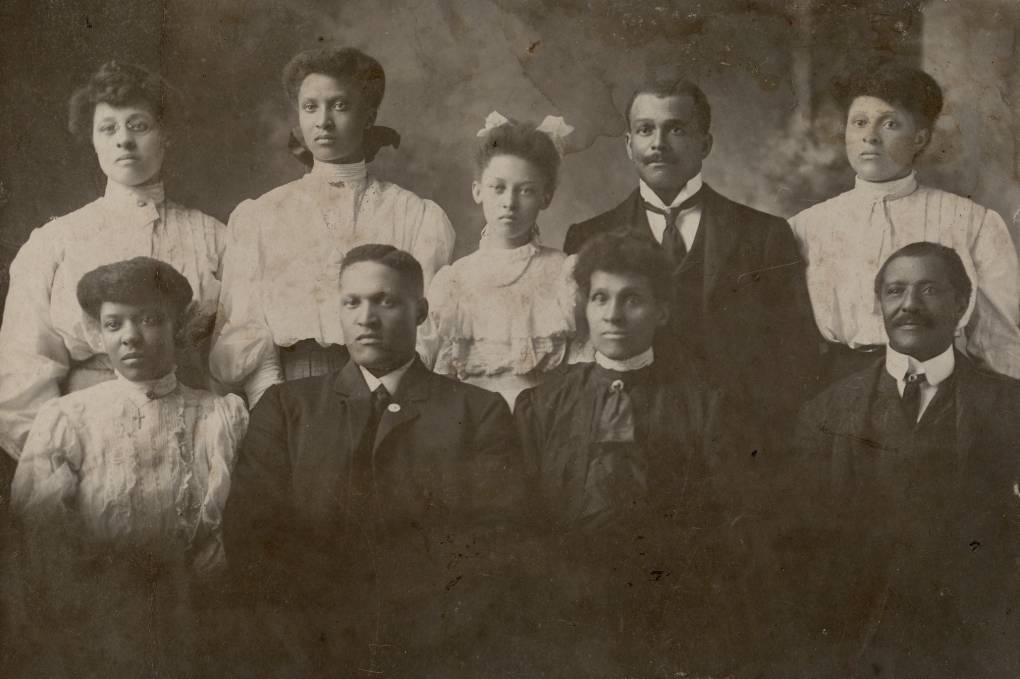
'Since Before the Beginning': The Black Pioneers of the South Bay
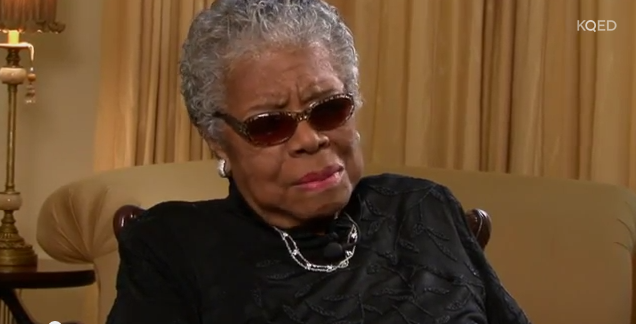
Maya Angelou: Remembering a Cultural Giant's Life in San Francisco
Pioneering Bay Area Journalist Belva Davis Retires Today; Video Tribute
Sen. Dianne Feinstein on Assault Rifles, Mitt Romney, and the Republican Agenda
Meet the Gay Republican From California On the New Hampshire Ballot Today; Video Interview
Video: Interview With State Treasurer Bill Lockyer on Fallout for California if US Defaults on Its Debt
Player sponsored by
window.__IS_SSR__=true
window.__INITIAL_STATE__={
"attachmentsReducer": {
"audio_0": {
"type": "attachments",
"id": "audio_0",
"imgSizes": {
"kqedFullSize": {
"file": "https://ww2.kqed.org/news/wp-content/themes/KQED-unified/img/audio_bgs/background0.jpg"
}
}
},
"audio_1": {
"type": "attachments",
"id": "audio_1",
"imgSizes": {
"kqedFullSize": {
"file": "https://ww2.kqed.org/news/wp-content/themes/KQED-unified/img/audio_bgs/background1.jpg"
}
}
},
"audio_2": {
"type": "attachments",
"id": "audio_2",
"imgSizes": {
"kqedFullSize": {
"file": "https://ww2.kqed.org/news/wp-content/themes/KQED-unified/img/audio_bgs/background2.jpg"
}
}
},
"audio_3": {
"type": "attachments",
"id": "audio_3",
"imgSizes": {
"kqedFullSize": {
"file": "https://ww2.kqed.org/news/wp-content/themes/KQED-unified/img/audio_bgs/background3.jpg"
}
}
},
"audio_4": {
"type": "attachments",
"id": "audio_4",
"imgSizes": {
"kqedFullSize": {
"file": "https://ww2.kqed.org/news/wp-content/themes/KQED-unified/img/audio_bgs/background4.jpg"
}
}
},
"placeholder": {
"type": "attachments",
"id": "placeholder",
"imgSizes": {
"thumbnail": {
"file": "https://cdn.kqed.org/wp-content/uploads/2024/12/KQED-Default-Image-816638274-2000x1333-1-160x107.jpg",
"width": 160,
"height": 107,
"mimeType": "image/jpeg"
},
"medium": {
"file": "https://cdn.kqed.org/wp-content/uploads/2024/12/KQED-Default-Image-816638274-2000x1333-1-800x533.jpg",
"width": 800,
"height": 533,
"mimeType": "image/jpeg"
},
"medium_large": {
"file": "https://cdn.kqed.org/wp-content/uploads/2024/12/KQED-Default-Image-816638274-2000x1333-1-768x512.jpg",
"width": 768,
"height": 512,
"mimeType": "image/jpeg"
},
"large": {
"file": "https://cdn.kqed.org/wp-content/uploads/2024/12/KQED-Default-Image-816638274-2000x1333-1-1020x680.jpg",
"width": 1020,
"height": 680,
"mimeType": "image/jpeg"
},
"1536x1536": {
"file": "https://cdn.kqed.org/wp-content/uploads/2024/12/KQED-Default-Image-816638274-2000x1333-1-1536x1024.jpg",
"width": 1536,
"height": 1024,
"mimeType": "image/jpeg"
},
"fd-lrg": {
"file": "https://cdn.kqed.org/wp-content/uploads/2024/12/KQED-Default-Image-816638274-2000x1333-1-1536x1024.jpg",
"width": 1536,
"height": 1024,
"mimeType": "image/jpeg"
},
"fd-med": {
"file": "https://cdn.kqed.org/wp-content/uploads/2024/12/KQED-Default-Image-816638274-2000x1333-1-1020x680.jpg",
"width": 1020,
"height": 680,
"mimeType": "image/jpeg"
},
"fd-sm": {
"file": "https://cdn.kqed.org/wp-content/uploads/2024/12/KQED-Default-Image-816638274-2000x1333-1-800x533.jpg",
"width": 800,
"height": 533,
"mimeType": "image/jpeg"
},
"post-thumbnail": {
"file": "https://cdn.kqed.org/wp-content/uploads/2024/12/KQED-Default-Image-816638274-2000x1333-1-672x372.jpg",
"width": 672,
"height": 372,
"mimeType": "image/jpeg"
},
"twentyfourteen-full-width": {
"file": "https://cdn.kqed.org/wp-content/uploads/2024/12/KQED-Default-Image-816638274-2000x1333-1-1038x576.jpg",
"width": 1038,
"height": 576,
"mimeType": "image/jpeg"
},
"xxsmall": {
"file": "https://cdn.kqed.org/wp-content/uploads/2024/12/KQED-Default-Image-816638274-2000x1333-1-160x107.jpg",
"width": 160,
"height": 107,
"mimeType": "image/jpeg"
},
"xsmall": {
"file": "https://cdn.kqed.org/wp-content/uploads/2024/12/KQED-Default-Image-816638274-2000x1333-1-672x372.jpg",
"width": 672,
"height": 372,
"mimeType": "image/jpeg"
},
"small": {
"file": "https://cdn.kqed.org/wp-content/uploads/2024/12/KQED-Default-Image-816638274-2000x1333-1-672x372.jpg",
"width": 672,
"height": 372,
"mimeType": "image/jpeg"
},
"xlarge": {
"file": "https://cdn.kqed.org/wp-content/uploads/2024/12/KQED-Default-Image-816638274-2000x1333-1-1020x680.jpg",
"width": 1020,
"height": 680,
"mimeType": "image/jpeg"
},
"full-width": {
"file": "https://cdn.kqed.org/wp-content/uploads/2024/12/KQED-Default-Image-816638274-2000x1333-1-1920x1280.jpg",
"width": 1920,
"height": 1280,
"mimeType": "image/jpeg"
},
"guest-author-32": {
"file": "https://cdn.kqed.org/wp-content/uploads/2025/01/KQED-Default-Image-816638274-1333x1333-1-160x160.jpg",
"width": 32,
"height": 32,
"mimeType": "image/jpeg"
},
"guest-author-50": {
"file": "https://cdn.kqed.org/wp-content/uploads/2025/01/KQED-Default-Image-816638274-1333x1333-1-160x160.jpg",
"width": 50,
"height": 50,
"mimeType": "image/jpeg"
},
"guest-author-64": {
"file": "https://cdn.kqed.org/wp-content/uploads/2025/01/KQED-Default-Image-816638274-1333x1333-1-160x160.jpg",
"width": 64,
"height": 64,
"mimeType": "image/jpeg"
},
"guest-author-96": {
"file": "https://cdn.kqed.org/wp-content/uploads/2025/01/KQED-Default-Image-816638274-1333x1333-1-160x160.jpg",
"width": 96,
"height": 96,
"mimeType": "image/jpeg"
},
"guest-author-128": {
"file": "https://cdn.kqed.org/wp-content/uploads/2025/01/KQED-Default-Image-816638274-1333x1333-1-160x160.jpg",
"width": 128,
"height": 128,
"mimeType": "image/jpeg"
},
"detail": {
"file": "https://cdn.kqed.org/wp-content/uploads/2025/01/KQED-Default-Image-816638274-1333x1333-1-160x160.jpg",
"width": 160,
"height": 160,
"mimeType": "image/jpeg"
},
"kqedFullSize": {
"file": "https://cdn.kqed.org/wp-content/uploads/2024/12/KQED-Default-Image-816638274-2000x1333-1.jpg",
"width": 2000,
"height": 1333
}
}
},
"news_11965489": {
"type": "attachments",
"id": "news_11965489",
"meta": {
"index": "attachments_1716263798",
"site": "news",
"id": "11965489",
"found": true
},
"parent": 0,
"imgSizes": {
"twentyfourteen-full-width": {
"file": "https://ww2.kqed.org/app/uploads/sites/10/2023/10/231024-Belva-Davis-Getty-CAG-KQED-1038x576.jpg",
"width": 1038,
"mimeType": "image/jpeg",
"height": 576
},
"thumbnail": {
"file": "https://ww2.kqed.org/app/uploads/sites/10/2023/10/231024-Belva-Davis-Getty-CAG-KQED-160x105.jpg",
"width": 160,
"mimeType": "image/jpeg",
"height": 105
},
"post-thumbnail": {
"file": "https://ww2.kqed.org/app/uploads/sites/10/2023/10/231024-Belva-Davis-Getty-CAG-KQED-672x372.jpg",
"width": 672,
"mimeType": "image/jpeg",
"height": 372
},
"kqedFullSize": {
"file": "https://ww2.kqed.org/app/uploads/sites/10/2023/10/231024-Belva-Davis-Getty-CAG-KQED.jpg",
"width": 2000,
"height": 1316
},
"large": {
"file": "https://ww2.kqed.org/app/uploads/sites/10/2023/10/231024-Belva-Davis-Getty-CAG-KQED-1020x671.jpg",
"width": 1020,
"mimeType": "image/jpeg",
"height": 671
},
"1536x1536": {
"file": "https://ww2.kqed.org/app/uploads/sites/10/2023/10/231024-Belva-Davis-Getty-CAG-KQED-1536x1011.jpg",
"width": 1536,
"mimeType": "image/jpeg",
"height": 1011
},
"full-width": {
"file": "https://ww2.kqed.org/app/uploads/sites/10/2023/10/231024-Belva-Davis-Getty-CAG-KQED-1920x1263.jpg",
"width": 1920,
"mimeType": "image/jpeg",
"height": 1263
},
"medium": {
"file": "https://ww2.kqed.org/app/uploads/sites/10/2023/10/231024-Belva-Davis-Getty-CAG-KQED-800x526.jpg",
"width": 800,
"mimeType": "image/jpeg",
"height": 526
}
},
"publishDate": 1698191387,
"modified": 1698264052,
"caption": "Belva Davis, a legend of Bay Area journalism and the first Black woman to be hired as a TV journalist on the West Coast, pictured speaking at an event in San Francisco in 2010.",
"description": null,
"title": "Mistress of Ceremonies, Belva Davis, addresses the audience during an event celebrating the life and work of Quentin Easter, founding executive director of the Lorraine Hansberry Theatre who passed away recently.The theater community came together at the",
"credit": "Carlos Avila Gonzalez/The San Francisco Chronicle via Getty Images",
"status": "inherit",
"altTag": "A person with long hair speaks into a set of microphones in a dark room.",
"isLoading": false,
"fetchFailed": false
},
"news_11860512": {
"type": "attachments",
"id": "news_11860512",
"meta": {
"index": "attachments_1716263798",
"site": "news",
"id": "11860512",
"found": true
},
"parent": 11860455,
"imgSizes": {
"apple_news_ca_landscape_5_5": {
"file": "https://ww2.kqed.org/app/uploads/sites/10/2021/02/032-Horton-Family-Photo-1044x783.jpeg",
"width": 1044,
"mimeType": "image/jpeg",
"height": 783
},
"apple_news_ca_square_4_0": {
"file": "https://ww2.kqed.org/app/uploads/sites/10/2021/02/032-Horton-Family-Photo-470x470.jpeg",
"width": 470,
"mimeType": "image/jpeg",
"height": 470
},
"twentyfourteen-full-width": {
"file": "https://ww2.kqed.org/app/uploads/sites/10/2021/02/032-Horton-Family-Photo-1038x576.jpeg",
"width": 1038,
"mimeType": "image/jpeg",
"height": 576
},
"thumbnail": {
"file": "https://ww2.kqed.org/app/uploads/sites/10/2021/02/032-Horton-Family-Photo-160x107.jpeg",
"width": 160,
"mimeType": "image/jpeg",
"height": 107
},
"post-thumbnail": {
"file": "https://ww2.kqed.org/app/uploads/sites/10/2021/02/032-Horton-Family-Photo-672x372.jpeg",
"width": 672,
"mimeType": "image/jpeg",
"height": 372
},
"kqedFullSize": {
"file": "https://ww2.kqed.org/app/uploads/sites/10/2021/02/032-Horton-Family-Photo.jpeg",
"width": 2021,
"height": 1346
},
"apple_news_ca_landscape_4_7": {
"file": "https://ww2.kqed.org/app/uploads/sites/10/2021/02/032-Horton-Family-Photo-632x474.jpeg",
"width": 632,
"mimeType": "image/jpeg",
"height": 474
},
"large": {
"file": "https://ww2.kqed.org/app/uploads/sites/10/2021/02/032-Horton-Family-Photo-1020x679.jpeg",
"width": 1020,
"mimeType": "image/jpeg",
"height": 679
},
"apple_news_ca_landscape_4_0": {
"file": "https://ww2.kqed.org/app/uploads/sites/10/2021/02/032-Horton-Family-Photo-536x402.jpeg",
"width": 536,
"mimeType": "image/jpeg",
"height": 402
},
"apple_news_ca_portrait_12_9": {
"file": "https://ww2.kqed.org/app/uploads/sites/10/2021/02/032-Horton-Family-Photo-1122x1346.jpeg",
"width": 1122,
"mimeType": "image/jpeg",
"height": 1346
},
"medium": {
"file": "https://ww2.kqed.org/app/uploads/sites/10/2021/02/032-Horton-Family-Photo-800x533.jpeg",
"width": 800,
"mimeType": "image/jpeg",
"height": 533
},
"apple_news_ca_portrait_4_0": {
"file": "https://ww2.kqed.org/app/uploads/sites/10/2021/02/032-Horton-Family-Photo-354x472.jpeg",
"width": 354,
"mimeType": "image/jpeg",
"height": 472
},
"apple_news_ca_portrait_9_7": {
"file": "https://ww2.kqed.org/app/uploads/sites/10/2021/02/032-Horton-Family-Photo-840x1120.jpeg",
"width": 840,
"mimeType": "image/jpeg",
"height": 1120
},
"apple_news_ca_landscape_12_9": {
"file": "https://ww2.kqed.org/app/uploads/sites/10/2021/02/032-Horton-Family-Photo-1832x1346.jpeg",
"width": 1832,
"mimeType": "image/jpeg",
"height": 1346
},
"apple_news_ca_square_9_7": {
"file": "https://ww2.kqed.org/app/uploads/sites/10/2021/02/032-Horton-Family-Photo-1104x1104.jpeg",
"width": 1104,
"mimeType": "image/jpeg",
"height": 1104
},
"1536x1536": {
"file": "https://ww2.kqed.org/app/uploads/sites/10/2021/02/032-Horton-Family-Photo-1536x1023.jpeg",
"width": 1536,
"mimeType": "image/jpeg",
"height": 1023
},
"apple_news_ca_portrait_4_7": {
"file": "https://ww2.kqed.org/app/uploads/sites/10/2021/02/032-Horton-Family-Photo-414x552.jpeg",
"width": 414,
"mimeType": "image/jpeg",
"height": 552
},
"apple_news_ca_square_12_9": {
"file": "https://ww2.kqed.org/app/uploads/sites/10/2021/02/032-Horton-Family-Photo-1472x1346.jpeg",
"width": 1472,
"mimeType": "image/jpeg",
"height": 1346
},
"apple_news_ca_portrait_5_5": {
"file": "https://ww2.kqed.org/app/uploads/sites/10/2021/02/032-Horton-Family-Photo-687x916.jpeg",
"width": 687,
"mimeType": "image/jpeg",
"height": 916
},
"full-width": {
"file": "https://ww2.kqed.org/app/uploads/sites/10/2021/02/032-Horton-Family-Photo-1920x1279.jpeg",
"width": 1920,
"mimeType": "image/jpeg",
"height": 1279
},
"apple_news_ca_square_4_7": {
"file": "https://ww2.kqed.org/app/uploads/sites/10/2021/02/032-Horton-Family-Photo-550x550.jpeg",
"width": 550,
"mimeType": "image/jpeg",
"height": 550
},
"apple_news_ca_landscape_9_7": {
"file": "https://ww2.kqed.org/app/uploads/sites/10/2021/02/032-Horton-Family-Photo-1376x1032.jpeg",
"width": 1376,
"mimeType": "image/jpeg",
"height": 1032
},
"apple_news_ca_square_5_5": {
"file": "https://ww2.kqed.org/app/uploads/sites/10/2021/02/032-Horton-Family-Photo-912x912.jpeg",
"width": 912,
"mimeType": "image/jpeg",
"height": 912
}
},
"publishDate": 1613504606,
"modified": 1613679483,
"caption": "The Horton family of San Jose. For her latest book about African Americans in Santa Clara County, Jan Batiste Adkins talked to families whose presence in the South Bay dates back several generations.",
"description": "The Horton family of San Jose. For her latest book about African Americans in Santa Clara County, Jan Batiste Adkins talked to families whose presence in the South Bay dates back several generations.",
"title": "#032-Horton Family Photo",
"credit": "Courtesy of Sourisseau Academy/San Jose State University",
"status": "inherit",
"altTag": "The Horton family of San Jose. For her latest book about African Americans in Santa Clara County, Jan Batiste Adkins talked to families whose presence in the South Bay dates back several generations.",
"isLoading": false,
"fetchFailed": false
},
"news_137332": {
"type": "attachments",
"id": "news_137332",
"meta": {
"index": "attachments_1716263798",
"site": "news",
"id": "137332",
"found": true
},
"parent": 137321,
"imgSizes": {
"kqedFullSize": {
"file": "https://ww2.kqed.org/app/uploads/sites/10/2014/05/angelou.png",
"width": 636,
"height": 324
}
},
"publishDate": 1401293524,
"modified": 1401293524,
"caption": "Maya Angelou in her November 2012 interview with Belva Davis on \"This Week in Northern California.\"",
"description": "Maya Angelou in her November 2012 interview with Belva Davis on \"This Week in Northern California.\"",
"title": "Maya Angelous-KQED",
"credit": null,
"status": "inherit",
"isLoading": false,
"fetchFailed": false
}
},
"audioPlayerReducer": {
"postId": "stream_live",
"isPaused": true,
"isPlaying": false,
"pfsActive": false,
"pledgeModalIsOpen": true,
"playerDrawerIsOpen": false
},
"authorsReducer": {
"jbrooks": {
"type": "authors",
"id": "80",
"meta": {
"index": "authors_1716337520",
"id": "80",
"found": true
},
"name": "Jon Brooks",
"firstName": "Jon",
"lastName": "Brooks",
"slug": "jbrooks",
"email": "jbrooks@kqed.org",
"display_author_email": true,
"staff_mastheads": [
"science"
],
"title": "Digital Editor",
"bio": "Jon Brooks is a former Digital Editor for KQED Science. He is the former editor of KQED’s daily news blog, News Fix. In 2014, he won a California Journalism Award for his coverage of ride services like Uber and Lyft and the taxi industry. A veteran blogger, he previously worked for Yahoo! in various news writing and editing roles. Jon is also a playwright whose work has been produced in San Francisco, New York, Italy, and around the U.S. He has written about film for his own blog and studied film at Boston University.",
"avatar": "https://secure.gravatar.com/avatar/98887f7ed1c876ed414d4c915e969584?s=600&d=blank&r=g",
"twitter": "jbrooksfoy",
"facebook": null,
"instagram": null,
"linkedin": null,
"sites": [
{
"site": "arts",
"roles": [
"Contributor",
"editor"
]
},
{
"site": "news",
"roles": [
"author"
]
},
{
"site": "futureofyou",
"roles": [
"administrator"
]
},
{
"site": "mindshift",
"roles": [
"editor"
]
},
{
"site": "stateofhealth",
"roles": [
"editor"
]
},
{
"site": "science",
"roles": [
"administrator"
]
},
{
"site": "quest",
"roles": [
"editor"
]
}
],
"headData": {
"title": "Jon Brooks | KQED",
"description": "Digital Editor",
"ogImgSrc": "https://secure.gravatar.com/avatar/98887f7ed1c876ed414d4c915e969584?s=600&d=blank&r=g",
"twImgSrc": "https://secure.gravatar.com/avatar/98887f7ed1c876ed414d4c915e969584?s=600&d=blank&r=g"
},
"isLoading": false,
"link": "/author/jbrooks"
},
"caitlinesch": {
"type": "authors",
"id": "216",
"meta": {
"index": "authors_1716337520",
"id": "216",
"found": true
},
"name": "Caitlin Esch",
"firstName": "Caitlin",
"lastName": "Esch",
"slug": "caitlinesch",
"email": "caitlinesch@gmail.com",
"display_author_email": false,
"staff_mastheads": [],
"title": null,
"bio": null,
"avatar": "https://secure.gravatar.com/avatar/7c783dcf46c76dd216d63da61bbbfc7c?s=600&d=blank&r=g",
"twitter": null,
"facebook": null,
"instagram": null,
"linkedin": null,
"sites": [
{
"site": "news",
"roles": [
"subscriber"
]
}
],
"headData": {
"title": "Caitlin Esch | KQED",
"description": null,
"ogImgSrc": "https://secure.gravatar.com/avatar/7c783dcf46c76dd216d63da61bbbfc7c?s=600&d=blank&r=g",
"twImgSrc": "https://secure.gravatar.com/avatar/7c783dcf46c76dd216d63da61bbbfc7c?s=600&d=blank&r=g"
},
"isLoading": false,
"link": "/author/caitlinesch"
},
"kqed": {
"type": "authors",
"id": "236",
"meta": {
"index": "authors_1716337520",
"id": "236",
"found": true
},
"name": "KQED News Staff",
"firstName": "KQED News Staff",
"lastName": null,
"slug": "kqed",
"email": "faq@kqed.org",
"display_author_email": false,
"staff_mastheads": [],
"title": null,
"bio": null,
"avatar": "https://secure.gravatar.com/avatar/ef0e801a68c4c54afa9180db14084167?s=600&d=blank&r=g",
"twitter": null,
"facebook": null,
"instagram": null,
"linkedin": null,
"sites": [
{
"site": "arts",
"roles": [
"contributor"
]
},
{
"site": "news",
"roles": [
"editor"
]
},
{
"site": "futureofyou",
"roles": [
"author"
]
}
],
"headData": {
"title": "KQED News Staff | KQED",
"description": null,
"ogImgSrc": "https://secure.gravatar.com/avatar/ef0e801a68c4c54afa9180db14084167?s=600&d=blank&r=g",
"twImgSrc": "https://secure.gravatar.com/avatar/ef0e801a68c4c54afa9180db14084167?s=600&d=blank&r=g"
},
"isLoading": false,
"link": "/author/kqed"
},
"rachael-myrow": {
"type": "authors",
"id": "251",
"meta": {
"index": "authors_1716337520",
"id": "251",
"found": true
},
"name": "Rachael Myrow",
"firstName": "Rachael",
"lastName": "Myrow",
"slug": "rachael-myrow",
"email": "rmyrow@kqed.org",
"display_author_email": true,
"staff_mastheads": [
"news"
],
"title": "Senior Editor of KQED's Silicon Valley News Desk",
"bio": "• I write and edit stories about how Silicon Valley power and policies shape everyday life in California. I’m also passionate about making Bay Area history and culture more accessible to a broad public. • I’ve been a journalist for most of my life, starting in high school with The Franklin Press in Los Angeles, where I grew up. While earning my first degree in English at UC Berkeley, I got my start in public radio at KALX-FM. After completing a second degree in journalism at Cal, I landed my first professional job at Marketplace, then moved on to KPCC (now LAist), and then KQED, where I hosted The California Report for more than seven years. • My reporting has appeared on NPR, The World, WBUR’s \u003ci>Here & Now\u003c/i>, and the BBC. I also guest host for KQED’s \u003ci>Forum\u003c/i>, as well as the Commonwealth Club in San Francisco. • I speak periodically on media, democracy and technology issues, and do voiceover work for documentaries and educational video projects. • Outside of the studio, you'll find me hiking Bay Area trails and whipping up Insta-ready meals in my kitchen. • I do not accept gifts, money, or favors from anyone connected to my reporting, I don't pay people for information, and I do not support or donate to political causes. • I strive to treat the people I report on with fairness, honesty, and respect. I also recognize there are often multiple sides to a story and work to verify information through multiple sources and documentation. If I get something wrong, I correct it.",
"avatar": "https://secure.gravatar.com/avatar/87bf8cb5874e045cdff430523a6d48b1?s=600&d=blank&r=g",
"twitter": "rachaelmyrow",
"facebook": null,
"instagram": null,
"linkedin": "https://www.linkedin.com/in/rachaelmyrow/",
"sites": [
{
"site": "arts",
"roles": [
"administrator"
]
},
{
"site": "news",
"roles": [
"edit_others_posts",
"editor"
]
},
{
"site": "futureofyou",
"roles": [
"editor"
]
},
{
"site": "bayareabites",
"roles": [
"editor"
]
},
{
"site": "stateofhealth",
"roles": [
"editor"
]
},
{
"site": "science",
"roles": [
"editor"
]
},
{
"site": "food",
"roles": [
"editor"
]
},
{
"site": "forum",
"roles": [
"editor"
]
},
{
"site": "liveblog",
"roles": [
"author"
]
}
],
"headData": {
"title": "Rachael Myrow | KQED",
"description": "Senior Editor of KQED's Silicon Valley News Desk",
"ogImgSrc": "https://secure.gravatar.com/avatar/87bf8cb5874e045cdff430523a6d48b1?s=600&d=blank&r=g",
"twImgSrc": "https://secure.gravatar.com/avatar/87bf8cb5874e045cdff430523a6d48b1?s=600&d=blank&r=g"
},
"isLoading": false,
"link": "/author/rachael-myrow"
},
"scottshafer": {
"type": "authors",
"id": "255",
"meta": {
"index": "authors_1716337520",
"id": "255",
"found": true
},
"name": "Scott Shafer",
"firstName": "Scott",
"lastName": "Shafer",
"slug": "scottshafer",
"email": "sshafer@kqed.org",
"display_author_email": false,
"staff_mastheads": [
"news"
],
"title": "KQED Contributor",
"bio": "Scott Shafer is a senior editor with the KQED Politics and Government desk. He is co-host of Political Breakdown, the award-winning radio show and podcast with a personal take on the world of politics. Scott came to KQED in 1998 to host the statewide\u003cem> California Report\u003c/em>. Prior to that he had extended stints in politics and government\u003cem>.\u003c/em> He uses that inside experience at KQED in his, reporting, hosting and analysis for the politics desk. Scott collaborated \u003cem>Political Breakdown a\u003c/em>nd on \u003cem>The Political Mind of Jerry Brown, \u003c/em>an eight-part series about the life and extraordinary political career of the former governor. For fun, he plays water polo with the San Francisco Tsunami.",
"avatar": "https://secure.gravatar.com/avatar/a62ebae45b79d7aed1a39a0e3bf68104?s=600&d=blank&r=g",
"twitter": "scottshafer",
"bluesky": null,
"facebook": null,
"instagram": null,
"linkedin": null,
"sites": [
{
"site": "news",
"roles": [
"editor"
]
},
{
"site": "stateofhealth",
"roles": [
"author"
]
},
{
"site": "science",
"roles": [
"author"
]
},
{
"site": "forum",
"roles": [
"subscriber"
]
},
{
"site": "liveblog",
"roles": [
"author"
]
}
],
"headData": {
"title": "Scott Shafer | KQED",
"description": "KQED Contributor",
"ogImgSrc": "https://secure.gravatar.com/avatar/a62ebae45b79d7aed1a39a0e3bf68104?s=600&d=blank&r=g",
"twImgSrc": "https://secure.gravatar.com/avatar/a62ebae45b79d7aed1a39a0e3bf68104?s=600&d=blank&r=g"
},
"isLoading": false,
"link": "/author/scottshafer"
},
"belvadavis": {
"type": "authors",
"id": "1074",
"meta": {
"index": "authors_1716337520",
"id": "1074",
"found": true
},
"name": "Belva Davis",
"firstName": "Belva",
"lastName": "Davis",
"slug": "belvadavis",
"email": "bdavis@kqed.org",
"display_author_email": false,
"staff_mastheads": [],
"title": null,
"bio": null,
"avatar": "https://secure.gravatar.com/avatar/cffd338540f9aaa15ecef43faf1d8e88?s=600&d=blank&r=g",
"twitter": null,
"facebook": null,
"instagram": null,
"linkedin": null,
"sites": [
{
"site": "news",
"roles": [
"subscriber"
]
}
],
"headData": {
"title": "Belva Davis | KQED",
"description": null,
"ogImgSrc": "https://secure.gravatar.com/avatar/cffd338540f9aaa15ecef43faf1d8e88?s=600&d=blank&r=g",
"twImgSrc": "https://secure.gravatar.com/avatar/cffd338540f9aaa15ecef43faf1d8e88?s=600&d=blank&r=g"
},
"isLoading": false,
"link": "/author/belvadavis"
}
},
"breakingNewsReducer": {},
"pagesReducer": {},
"postsReducer": {
"stream_live": {
"type": "live",
"id": "stream_live",
"audioUrl": "https://streams.kqed.org/kqedradio",
"title": "Live Stream",
"excerpt": "Live Stream information currently unavailable.",
"link": "/radio",
"featImg": "",
"label": {
"name": "KQED Live",
"link": "/"
}
},
"stream_kqedNewscast": {
"type": "posts",
"id": "stream_kqedNewscast",
"audioUrl": "https://www.kqed.org/.stream/anon/radio/RDnews/newscast.mp3?_=1",
"title": "KQED Newscast",
"featImg": "",
"label": {
"name": "88.5 FM",
"link": "/"
}
},
"news_11962918": {
"type": "posts",
"id": "news_11962918",
"meta": {
"index": "posts_1716263798",
"site": "news",
"id": "11962918",
"score": null,
"sort": [
1758763503000
]
},
"guestAuthors": [],
"slug": "groundbreaking-journalist-belva-davis-dies-at-92",
"title": "Groundbreaking Journalist Belva Davis Dies at 92",
"publishDate": 1758763503,
"format": "standard",
"headTitle": "Groundbreaking Journalist Belva Davis Dies at 92 | KQED",
"labelTerm": {
"site": "news"
},
"content": "\u003cp>Belva Davis, an Emmy Award-winning journalist who broke the color barrier in Bay Area radio and television in the 1960s, died Wednesday. She was 92.\u003c/p>\n\u003cp>Davis was the first Black woman to be hired as a television journalist on the West Coast when she took a position with KPIX-TV, the CBS affiliate in San Francisco, in 1966. She remained on the air for nearly five decades at KPIX, KRON and KQED. Davis rose to prominence during an era of pervasive sexism, racism and discrimination.\u003c/p>\n\u003cp>[pullquote size=\"medium\" align=\"right\" citation=\"Pam Moore, former KRON TV anchor\"]‘She is a legend and she was a mentor, a friend, a mom… You don’t work in California and journalism as a person of color and not know about Belva Davis.’[/pullquote]“Her legitimacy as an excellent reporter, her integrity, her professional accomplishments and her personal attributes made her the sort of person that everyone aspired to become,” said Mary Bitterman, who served as KQED’s CEO from 1993 to 2002.\u003c/p>\n\u003cp>“Her reputation as a journalist, reporter and anchor was always highly respected, noted for its fairness and for putting stories into context,” Bitterman noted.\u003c/p>\n\u003cp>Davis was hired by KQED TV in 1977 and continued working there until her retirement in 2012. Among the programs she hosted were KQED Newsroom and This Week in Northern California. She was known as much for her personal kindness and warmth as she was for her deep knowledge of journalism, Bay Area communities and politics.\u003c/p>\n\u003cp>“She is a legend and she was a mentor, a friend, a mom – you know, all of those things. And I just loved her,” said former KRON TV anchor Pam Moore, who met Davis early in her own career. “Certainly you don’t work in California and journalism as a person of color and not know about Belva Davis.”\u003c/p>\n\u003cfigure id=\"attachment_11963630\" class=\"wp-caption aligncenter\" style=\"max-width: 1615px\">\u003cimg loading=\"lazy\" decoding=\"async\" class=\"size-full wp-image-11963630\" src=\"https://ww2.kqed.org/app/uploads/sites/10/2023/10/27_Belva-Davis_TWINC-KQED.jpg\" alt='A person leans on a desk in a TV studio with the words \"This Week in Northern California\" written on the wall behind them.' width=\"1615\" height=\"2000\" srcset=\"https://cdn.kqed.org/wp-content/uploads/sites/10/2023/10/27_Belva-Davis_TWINC-KQED.jpg 1615w, https://cdn.kqed.org/wp-content/uploads/sites/10/2023/10/27_Belva-Davis_TWINC-KQED-800x991.jpg 800w, https://cdn.kqed.org/wp-content/uploads/sites/10/2023/10/27_Belva-Davis_TWINC-KQED-1020x1263.jpg 1020w, https://cdn.kqed.org/wp-content/uploads/sites/10/2023/10/27_Belva-Davis_TWINC-KQED-160x198.jpg 160w, https://cdn.kqed.org/wp-content/uploads/sites/10/2023/10/27_Belva-Davis_TWINC-KQED-1240x1536.jpg 1240w\" sizes=\"auto, (max-width: 1615px) 100vw, 1615px\">\u003cfigcaption class=\"wp-caption-text\">Belva Davis on the set of KQED’s ‘This Week in Northern California.’ \u003ccite>(KQED archives)\u003c/cite>\u003c/figcaption>\u003c/figure>\n\u003cp>Without any formal training, Davis broke into an industry with steep obstacles for Black women. Being hired for media jobs outside community-focused radio stations and newspapers, which aimed their programming and news coverage at predominantly Black audiences, was almost unheard of.\u003c/p>\n\u003cp>Working for radio station KDIA in 1964, Davis covered the Republican National Convention at San Francisco’s Cow Palace, where conservative Barry Goldwater was nominated for president. As one of the few journalists of color at the convention, Davis endured extraordinary abuse and discrimination.\u003c/p>\n\u003cp>[ad fullwidth]\u003c/p>\n\u003cp>During an interview at Google in 2011, Davis recalled the treatment she and others, including her radio news director, Louis Freeman, received that week, such as being denied press passes.\u003c/p>\n\u003cp>“We were in the rafters, sitting quietly, trying to make sure nobody found us,” she recalled. When Davis and Freeman were discovered, convention attendees yelled, “‘What are you [N-word] doing in here anyway?’,” Davis recalled. “We were driven out of that hall as people threw debris at my news director and I.”\u003c/p>\n\u003cp>The incident, \u003ca href=\"https://msmagazine.com/2020/08/24/republican-national-convention-conventional-ignorance-belva-daviss-confrontation-with-violent-racism-at-the-1964-rnc/\">which Davis also wrote about in her 2011 memoir, \u003cem>Never in My Wildest Dreams: A Black Woman’s Life in Journalism\u003c/em>\u003c/a>, shook but did not deter her. In fact, it deepened her resolve to stick with journalism to tell the stories of Black communities and others overlooked by mainstream media.\u003c/p>\n\u003cp>“Journalists were beginning to bring the stories of Black Americans out of the shadows … and into the light of day,” Davis wrote of her thoughts following the RNC incident. “They were reporting on the cross burnings and water hosings, the beatings and lynchings, in vivid details that the public could no longer ignore. I wanted to be one of them.”\u003c/p>\n\u003cp>“She confronted prejudice, confronted every possible barrier, and yet became the journalist who was most trusted and most believed,” former \u003cem>San Francisco Chronicle\u003c/em> and Politico journalist Carla Marinucci said.\u003c/p>\n\u003cp>“She had to put up with being thrown out of press conferences, being called names, being called ethnic slurs. She never let any of that deter her,” Marinucci said.\u003c/p>\n\u003cfigure id=\"attachment_11965647\" class=\"wp-caption aligncenter\" style=\"max-width: 1421px\">\u003cimg loading=\"lazy\" decoding=\"async\" class=\"size-full wp-image-11965647\" src=\"https://ww2.kqed.org/app/uploads/sites/10/2023/10/231025-BELVA-DAVIS-KAMALA-HARRIS-DM-KQED.jpg\" alt='Two people sit at a table talking to each other in front of a TV screen with the words \"This Week in Northern California\" written on it.' width=\"1421\" height=\"945\" srcset=\"https://cdn.kqed.org/wp-content/uploads/sites/10/2023/10/231025-BELVA-DAVIS-KAMALA-HARRIS-DM-KQED.jpg 1421w, https://cdn.kqed.org/wp-content/uploads/sites/10/2023/10/231025-BELVA-DAVIS-KAMALA-HARRIS-DM-KQED-800x532.jpg 800w, https://cdn.kqed.org/wp-content/uploads/sites/10/2023/10/231025-BELVA-DAVIS-KAMALA-HARRIS-DM-KQED-1020x678.jpg 1020w, https://cdn.kqed.org/wp-content/uploads/sites/10/2023/10/231025-BELVA-DAVIS-KAMALA-HARRIS-DM-KQED-160x106.jpg 160w\" sizes=\"auto, (max-width: 1421px) 100vw, 1421px\">\u003cfigcaption class=\"wp-caption-text\">Belva Davis (right) interviews Kamala Harris on This Week in Northern California in 2012. \u003ccite>(David Marks/KQED)\u003c/cite>\u003c/figcaption>\u003c/figure>\n\u003cp>Even as she was the focus of abuse at the RNC, Davis realized that television journalism was where she wanted to be.\u003c/p>\n\u003cp>“It was a bad, terrible incident, but it inspired me to do something that I might not have ever done had that been a pleasant, ordinary, normal convention,” Davis said years later.\u003c/p>\n\u003cp>Two years after that GOP convention, Davis was hired by KPIX TV, becoming the first Black woman to be hired as a full-time journalist on Bay Area television. It was just another step on a journey that began many miles from the Bay Area.\u003c/p>\n\u003cfigure id=\"attachment_11965469\" class=\"wp-caption aligncenter\" style=\"max-width: 1920px\">\u003cimg loading=\"lazy\" decoding=\"async\" class=\"size-full wp-image-11965469\" src=\"https://ww2.kqed.org/app/uploads/sites/10/2030/09/231003-BELVA-DAVIS-Romaine.jpg\" alt=\"A young Black woman smiles at the camera.\" width=\"1920\" height=\"2412\" srcset=\"https://cdn.kqed.org/wp-content/uploads/sites/10/2030/09/231003-BELVA-DAVIS-Romaine.jpg 1920w, https://cdn.kqed.org/wp-content/uploads/sites/10/2030/09/231003-BELVA-DAVIS-Romaine-800x1005.jpg 800w, https://cdn.kqed.org/wp-content/uploads/sites/10/2030/09/231003-BELVA-DAVIS-Romaine-1020x1281.jpg 1020w, https://cdn.kqed.org/wp-content/uploads/sites/10/2030/09/231003-BELVA-DAVIS-Romaine-160x201.jpg 160w, https://cdn.kqed.org/wp-content/uploads/sites/10/2030/09/231003-BELVA-DAVIS-Romaine-1223x1536.jpg 1223w, https://cdn.kqed.org/wp-content/uploads/sites/10/2030/09/231003-BELVA-DAVIS-Romaine-1630x2048.jpg 1630w\" sizes=\"auto, (max-width: 1920px) 100vw, 1920px\">\u003cfigcaption class=\"wp-caption-text\">A young Belva Davis’s first foray into journalism began as a freelancer for Jet Magazine in 1957. \u003ccite>(ROMAINE/KQED archives)\u003c/cite>\u003c/figcaption>\u003c/figure>\n\u003cp>Born Belvagene Melton in 1932 in Monroe, Louisiana, she was the oldest of four children. In the early 1940s, she and her family moved west to Oakland, where she attended public schools. She graduated from Berkeley High School in 1951, becoming the first in her family to get a high school diploma. Although she was accepted to San Francisco State University, she did not attend because her family could not afford the tuition.\u003c/p>\n\u003cp>Her first foray into the world of journalism came in 1957 when she wrote articles as a freelancer for Jet magazine. For the next few years, she wrote for other publications, such as the Sun-Reporter, which covered issues of particular interest to Black communities in the Bay Area.\u003c/p>\n\u003cp>“You know, neither one of us had gone to journalism school,” recalled retired news anchor Barbara Rodgers, who worked with Davis at KPIX. “And in fact, in her case, she always sort of felt she didn’t have everything she needed because she didn’t get to go to college … And I would tell her, you got your J-school education by doing it – the same way I got mine.”\u003c/p>\n\u003cp>Rodgers met Davis in 1979 when she moved to San Francisco from Rochester, New York, where she’d worked in local television. Friends told her to look Davis up when she came to town. Davis was known for hosting parties for the holidays, often inviting people new to the Bay Area who didn’t have a circle of friends.\u003c/p>\n\u003cp>“I went to her house for my first Thanksgiving dinner and almost every Thanksgiving after that, because Belva would put together every year this really eclectic group of people who were just so interesting,” Rodgers recalled.\u003c/p>\n\u003cp>“She was so gracious… She just took me under her wing anytime I had a question or needed some advice. So she became my San Francisco mom.”\u003c/p>\n\u003cp>In fact, Rodgers said, Davis helped pave the way for her and many women who followed her in Bay Area journalism.\u003c/p>\n\u003cp>“I say that Belva kicked open the door, but left her shoe in it,” Rodgers said. “She wanted to prop it open for all the rest of us and really encouraged us.”\u003c/p>\n\u003cp>But first she had to get in the door herself. Davis recalled being turned away by one Bay Area television news director who told her, “We’re not hiring any Negresses.”\u003c/p>\n\u003cp>“That may not sound like a harmful word, but even as a young woman starting out in the business world, that was something that was very hurtful,” she said years later on KQED’s Forum.\u003c/p>\n\u003cp>“It helped me in my resolve to demonstrate that I could do whatever they were doing in that station as well as anybody.”\u003c/p>\n\u003cp>Early in her career at KRON TV, Davis was assigned the title “urban affairs specialist,” but she soon burnished her credentials covering political stories more broadly.\u003c/p>\n\u003cfigure id=\"attachment_11963229\" class=\"wp-caption aligncenter\" style=\"max-width: 2000px\">\u003cimg loading=\"lazy\" decoding=\"async\" class=\"size-full wp-image-11963229\" src=\"https://ww2.kqed.org/app/uploads/sites/10/2023/10/231003-BELVA-DAVIS-04-KQED.jpg\" alt=\"A group of people sit around a large table in a TV studio.\" width=\"2000\" height=\"1296\" srcset=\"https://cdn.kqed.org/wp-content/uploads/sites/10/2023/10/231003-BELVA-DAVIS-04-KQED.jpg 2000w, https://cdn.kqed.org/wp-content/uploads/sites/10/2023/10/231003-BELVA-DAVIS-04-KQED-800x518.jpg 800w, https://cdn.kqed.org/wp-content/uploads/sites/10/2023/10/231003-BELVA-DAVIS-04-KQED-1020x661.jpg 1020w, https://cdn.kqed.org/wp-content/uploads/sites/10/2023/10/231003-BELVA-DAVIS-04-KQED-160x104.jpg 160w, https://cdn.kqed.org/wp-content/uploads/sites/10/2023/10/231003-BELVA-DAVIS-04-KQED-1536x995.jpg 1536w, https://cdn.kqed.org/wp-content/uploads/sites/10/2023/10/231003-BELVA-DAVIS-04-KQED-1920x1244.jpg 1920w\" sizes=\"auto, (max-width: 2000px) 100vw, 2000px\">\u003cfigcaption class=\"wp-caption-text\">Belva Davis leads a roundtable discussion during a 1993 broadcast of KQED’s ‘This Week in Northern California.’ Panelists include Anthony Moor of KRON-TV (far left) and Phil Matier of The San Francisco Chronicle (second from left). \u003ccite>(KQED archives)\u003c/cite>\u003c/figcaption>\u003c/figure>\n\u003cp>At KQED, Davis hosted several TV news-oriented programs that often focused on public affairs and politics. Over the years, she covered some of the most important stories and issues, including the deaths of hundreds of people at the Jonestown cult compound in Guyana, the assassinations of San Francisco Mayor George Moscone and openly gay Supervisor Harvey Milk, and the AIDS crisis, as well as many local, state and national elections. She interviewed some of the most iconic newsmakers, including Muhammad Ali, Coretta Scott King and Fidel Castro, among many others. She also reported early on about deadly use of force by local police.\u003c/p>\n\u003cp>Marinucci, a frequent guest on This Week in Northern California, called Davis “the gold standard for a generation of journalists.”\u003c/p>\n\u003cp>“Belva Davis was a trailblazer like no other. She was a pioneer as an African American woman, but also a mentor to so many of us all throughout the Bay Area and throughout the nation,” Marinucci said.\u003c/p>\n\u003cfigure id=\"attachment_11965466\" class=\"wp-caption aligncenter\" style=\"max-width: 1920px\">\u003cimg loading=\"lazy\" decoding=\"async\" class=\"size-full wp-image-11965466\" src=\"https://ww2.kqed.org/app/uploads/sites/10/2030/09/231003-BELVA-DAVIS-Roszak.jpg\" alt=\"Black and white photo showing a Black woman and white man having a discussion looking at prepared sheets of paper with an old-style CRT television in the background\" width=\"1920\" height=\"1247\" srcset=\"https://cdn.kqed.org/wp-content/uploads/sites/10/2030/09/231003-BELVA-DAVIS-Roszak.jpg 1920w, https://cdn.kqed.org/wp-content/uploads/sites/10/2030/09/231003-BELVA-DAVIS-Roszak-800x520.jpg 800w, https://cdn.kqed.org/wp-content/uploads/sites/10/2030/09/231003-BELVA-DAVIS-Roszak-1020x662.jpg 1020w, https://cdn.kqed.org/wp-content/uploads/sites/10/2030/09/231003-BELVA-DAVIS-Roszak-160x104.jpg 160w, https://cdn.kqed.org/wp-content/uploads/sites/10/2030/09/231003-BELVA-DAVIS-Roszak-1536x998.jpg 1536w\" sizes=\"auto, (max-width: 1920px) 100vw, 1920px\">\u003cfigcaption class=\"wp-caption-text\">Belva Davis and producer John Roszak behind the scenes of a 1993 broadcast of KQED’s ‘This Week in Northern California.’ \u003ccite>(KQED archives)\u003c/cite>\u003c/figcaption>\u003c/figure>\n\u003cp>Davis was also very active with her union, including a stint as vice president of the American Federation of Television and Radio Artists. In addition to the eight Emmy Awards she won from the San Francisco/Northern California chapter, Davis received lifetime achievement awards from the National Association of Black Journalists and American Women in Radio and Television.\u003c/p>\n\u003cp>She was often called upon to serve on boards and commissions in the Bay Area. Former San Francisco Mayor Willie Brown tapped Davis to help head fundraising efforts for the city’s Museum of the African Diaspora, which opened in 2005.\u003c/p>\n\u003cp>Davis’ oft-repeated motto was, “Don’t be afraid of the space between your dreams and reality. If you dream it, you can make it so.”\u003c/p>\n\u003cp>Reflecting on Davis’ professional and personal life, KQED’s Bitterman said, “Belva was always a gentle woman and a strong woman with high standards. And I think her influence will be felt for many years to come … we shall not soon see her like again.”\u003c/p>\n\u003cp>Davis is survived by her second husband, Bill Moore; two children from her first marriage, Darolyn Davis and Steven Davis; and a granddaughter, Sterling Davis.\u003c/p>\n\u003cp>[ad floatright]\u003c/p>\n",
"blocks": [],
"excerpt": "Davis, a legend of Bay Area journalism, was the first Black woman to be hired as a TV journalist on the West Coast.",
"status": "publish",
"parent": 0,
"modified": 1758823506,
"stats": {
"hasAudio": false,
"hasVideo": false,
"hasChartOrMap": false,
"iframeSrcs": [],
"hasGoogleForm": false,
"hasGallery": false,
"hasHearkenModule": false,
"hasPolis": false,
"paragraphCount": 39,
"wordCount": 1794
},
"headData": {
"title": "Groundbreaking Journalist Belva Davis Dies at 92 | KQED",
"description": "Davis, a legend of Bay Area journalism, was the first Black woman to be hired as a TV journalist on the West Coast.",
"ogTitle": "",
"ogDescription": "",
"ogImgId": "",
"twTitle": "",
"twDescription": "",
"twImgId": "",
"schema": {
"@context": "https://schema.org",
"@type": "NewsArticle",
"headline": "Groundbreaking Journalist Belva Davis Dies at 92",
"datePublished": "2025-09-24T18:25:03-07:00",
"dateModified": "2025-09-25T11:05:06-07:00",
"image": "https://cdn.kqed.org/wp-content/uploads/2020/02/KQED-OG-Image@1x.png",
"isAccessibleForFree": "True",
"publisher": {
"@type": "NewsMediaOrganization",
"@id": "https://www.kqed.org/#organization",
"name": "KQED",
"logo": "https://cdn.kqed.org/wp-content/uploads/2020/02/KQED-OG-Image@1x.png",
"url": "https://www.kqed.org",
"sameAs": [
"https://www.facebook.com/KQED",
"https://twitter.com/KQED",
"https://www.instagram.com/kqed/",
"https://www.tiktok.com/@kqedofficial",
"https://www.linkedin.com/company/kqed",
"https://www.youtube.com/channel/UCeC0IOo7i1P_61zVUWbJ4nw"
]
}
}
},
"primaryCategory": {
"termId": 8,
"slug": "news",
"name": "News"
},
"sticky": false,
"templateType": "standard",
"featuredImageType": "standard",
"excludeFromSiteSearch": "Include",
"articleAge": "0",
"path": "/news/11962918/groundbreaking-journalist-belva-davis-dies-at-92",
"audioTrackLength": null,
"parsedContent": [
{
"type": "contentString",
"content": "\u003cdiv class=\"post-body\">\u003cp>\u003cp>Belva Davis, an Emmy Award-winning journalist who broke the color barrier in Bay Area radio and television in the 1960s, died Wednesday. She was 92.\u003c/p>\n\u003cp>Davis was the first Black woman to be hired as a television journalist on the West Coast when she took a position with KPIX-TV, the CBS affiliate in San Francisco, in 1966. She remained on the air for nearly five decades at KPIX, KRON and KQED. Davis rose to prominence during an era of pervasive sexism, racism and discrimination.\u003c/p>\n\u003cp>\u003c/p>\u003c/div>",
"attributes": {
"named": {},
"numeric": []
}
},
{
"type": "component",
"content": "‘She is a legend and she was a mentor, a friend, a mom… You don’t work in California and journalism as a person of color and not know about Belva Davis.’",
"name": "pullquote",
"attributes": {
"named": {
"size": "medium",
"align": "right",
"citation": "Pam Moore, former KRON TV anchor",
"label": ""
},
"numeric": []
}
},
{
"type": "contentString",
"content": "\u003cdiv class=\"post-body\">\u003cp>“Her legitimacy as an excellent reporter, her integrity, her professional accomplishments and her personal attributes made her the sort of person that everyone aspired to become,” said Mary Bitterman, who served as KQED’s CEO from 1993 to 2002.\u003c/p>\n\u003cp>“Her reputation as a journalist, reporter and anchor was always highly respected, noted for its fairness and for putting stories into context,” Bitterman noted.\u003c/p>\n\u003cp>Davis was hired by KQED TV in 1977 and continued working there until her retirement in 2012. Among the programs she hosted were KQED Newsroom and This Week in Northern California. She was known as much for her personal kindness and warmth as she was for her deep knowledge of journalism, Bay Area communities and politics.\u003c/p>\n\u003cp>“She is a legend and she was a mentor, a friend, a mom – you know, all of those things. And I just loved her,” said former KRON TV anchor Pam Moore, who met Davis early in her own career. “Certainly you don’t work in California and journalism as a person of color and not know about Belva Davis.”\u003c/p>\n\u003cfigure id=\"attachment_11963630\" class=\"wp-caption aligncenter\" style=\"max-width: 1615px\">\u003cimg loading=\"lazy\" decoding=\"async\" class=\"size-full wp-image-11963630\" src=\"https://ww2.kqed.org/app/uploads/sites/10/2023/10/27_Belva-Davis_TWINC-KQED.jpg\" alt='A person leans on a desk in a TV studio with the words \"This Week in Northern California\" written on the wall behind them.' width=\"1615\" height=\"2000\" srcset=\"https://cdn.kqed.org/wp-content/uploads/sites/10/2023/10/27_Belva-Davis_TWINC-KQED.jpg 1615w, https://cdn.kqed.org/wp-content/uploads/sites/10/2023/10/27_Belva-Davis_TWINC-KQED-800x991.jpg 800w, https://cdn.kqed.org/wp-content/uploads/sites/10/2023/10/27_Belva-Davis_TWINC-KQED-1020x1263.jpg 1020w, https://cdn.kqed.org/wp-content/uploads/sites/10/2023/10/27_Belva-Davis_TWINC-KQED-160x198.jpg 160w, https://cdn.kqed.org/wp-content/uploads/sites/10/2023/10/27_Belva-Davis_TWINC-KQED-1240x1536.jpg 1240w\" sizes=\"auto, (max-width: 1615px) 100vw, 1615px\">\u003cfigcaption class=\"wp-caption-text\">Belva Davis on the set of KQED’s ‘This Week in Northern California.’ \u003ccite>(KQED archives)\u003c/cite>\u003c/figcaption>\u003c/figure>\n\u003cp>Without any formal training, Davis broke into an industry with steep obstacles for Black women. Being hired for media jobs outside community-focused radio stations and newspapers, which aimed their programming and news coverage at predominantly Black audiences, was almost unheard of.\u003c/p>\n\u003cp>Working for radio station KDIA in 1964, Davis covered the Republican National Convention at San Francisco’s Cow Palace, where conservative Barry Goldwater was nominated for president. As one of the few journalists of color at the convention, Davis endured extraordinary abuse and discrimination.\u003c/p>\n\u003cp>\u003c/p>\u003c/div>",
"attributes": {
"named": {},
"numeric": []
}
},
{
"type": "component",
"content": "",
"name": "ad",
"attributes": {
"named": {
"label": "fullwidth"
},
"numeric": [
"fullwidth"
]
}
},
{
"type": "contentString",
"content": "\u003cdiv class=\"post-body\">\u003cp>\u003c/p>\n\u003cp>During an interview at Google in 2011, Davis recalled the treatment she and others, including her radio news director, Louis Freeman, received that week, such as being denied press passes.\u003c/p>\n\u003cp>“We were in the rafters, sitting quietly, trying to make sure nobody found us,” she recalled. When Davis and Freeman were discovered, convention attendees yelled, “‘What are you [N-word] doing in here anyway?’,” Davis recalled. “We were driven out of that hall as people threw debris at my news director and I.”\u003c/p>\n\u003cp>The incident, \u003ca href=\"https://msmagazine.com/2020/08/24/republican-national-convention-conventional-ignorance-belva-daviss-confrontation-with-violent-racism-at-the-1964-rnc/\">which Davis also wrote about in her 2011 memoir, \u003cem>Never in My Wildest Dreams: A Black Woman’s Life in Journalism\u003c/em>\u003c/a>, shook but did not deter her. In fact, it deepened her resolve to stick with journalism to tell the stories of Black communities and others overlooked by mainstream media.\u003c/p>\n\u003cp>“Journalists were beginning to bring the stories of Black Americans out of the shadows … and into the light of day,” Davis wrote of her thoughts following the RNC incident. “They were reporting on the cross burnings and water hosings, the beatings and lynchings, in vivid details that the public could no longer ignore. I wanted to be one of them.”\u003c/p>\n\u003cp>“She confronted prejudice, confronted every possible barrier, and yet became the journalist who was most trusted and most believed,” former \u003cem>San Francisco Chronicle\u003c/em> and Politico journalist Carla Marinucci said.\u003c/p>\n\u003cp>“She had to put up with being thrown out of press conferences, being called names, being called ethnic slurs. She never let any of that deter her,” Marinucci said.\u003c/p>\n\u003cfigure id=\"attachment_11965647\" class=\"wp-caption aligncenter\" style=\"max-width: 1421px\">\u003cimg loading=\"lazy\" decoding=\"async\" class=\"size-full wp-image-11965647\" src=\"https://ww2.kqed.org/app/uploads/sites/10/2023/10/231025-BELVA-DAVIS-KAMALA-HARRIS-DM-KQED.jpg\" alt='Two people sit at a table talking to each other in front of a TV screen with the words \"This Week in Northern California\" written on it.' width=\"1421\" height=\"945\" srcset=\"https://cdn.kqed.org/wp-content/uploads/sites/10/2023/10/231025-BELVA-DAVIS-KAMALA-HARRIS-DM-KQED.jpg 1421w, https://cdn.kqed.org/wp-content/uploads/sites/10/2023/10/231025-BELVA-DAVIS-KAMALA-HARRIS-DM-KQED-800x532.jpg 800w, https://cdn.kqed.org/wp-content/uploads/sites/10/2023/10/231025-BELVA-DAVIS-KAMALA-HARRIS-DM-KQED-1020x678.jpg 1020w, https://cdn.kqed.org/wp-content/uploads/sites/10/2023/10/231025-BELVA-DAVIS-KAMALA-HARRIS-DM-KQED-160x106.jpg 160w\" sizes=\"auto, (max-width: 1421px) 100vw, 1421px\">\u003cfigcaption class=\"wp-caption-text\">Belva Davis (right) interviews Kamala Harris on This Week in Northern California in 2012. \u003ccite>(David Marks/KQED)\u003c/cite>\u003c/figcaption>\u003c/figure>\n\u003cp>Even as she was the focus of abuse at the RNC, Davis realized that television journalism was where she wanted to be.\u003c/p>\n\u003cp>“It was a bad, terrible incident, but it inspired me to do something that I might not have ever done had that been a pleasant, ordinary, normal convention,” Davis said years later.\u003c/p>\n\u003cp>Two years after that GOP convention, Davis was hired by KPIX TV, becoming the first Black woman to be hired as a full-time journalist on Bay Area television. It was just another step on a journey that began many miles from the Bay Area.\u003c/p>\n\u003cfigure id=\"attachment_11965469\" class=\"wp-caption aligncenter\" style=\"max-width: 1920px\">\u003cimg loading=\"lazy\" decoding=\"async\" class=\"size-full wp-image-11965469\" src=\"https://ww2.kqed.org/app/uploads/sites/10/2030/09/231003-BELVA-DAVIS-Romaine.jpg\" alt=\"A young Black woman smiles at the camera.\" width=\"1920\" height=\"2412\" srcset=\"https://cdn.kqed.org/wp-content/uploads/sites/10/2030/09/231003-BELVA-DAVIS-Romaine.jpg 1920w, https://cdn.kqed.org/wp-content/uploads/sites/10/2030/09/231003-BELVA-DAVIS-Romaine-800x1005.jpg 800w, https://cdn.kqed.org/wp-content/uploads/sites/10/2030/09/231003-BELVA-DAVIS-Romaine-1020x1281.jpg 1020w, https://cdn.kqed.org/wp-content/uploads/sites/10/2030/09/231003-BELVA-DAVIS-Romaine-160x201.jpg 160w, https://cdn.kqed.org/wp-content/uploads/sites/10/2030/09/231003-BELVA-DAVIS-Romaine-1223x1536.jpg 1223w, https://cdn.kqed.org/wp-content/uploads/sites/10/2030/09/231003-BELVA-DAVIS-Romaine-1630x2048.jpg 1630w\" sizes=\"auto, (max-width: 1920px) 100vw, 1920px\">\u003cfigcaption class=\"wp-caption-text\">A young Belva Davis’s first foray into journalism began as a freelancer for Jet Magazine in 1957. \u003ccite>(ROMAINE/KQED archives)\u003c/cite>\u003c/figcaption>\u003c/figure>\n\u003cp>Born Belvagene Melton in 1932 in Monroe, Louisiana, she was the oldest of four children. In the early 1940s, she and her family moved west to Oakland, where she attended public schools. She graduated from Berkeley High School in 1951, becoming the first in her family to get a high school diploma. Although she was accepted to San Francisco State University, she did not attend because her family could not afford the tuition.\u003c/p>\n\u003cp>Her first foray into the world of journalism came in 1957 when she wrote articles as a freelancer for Jet magazine. For the next few years, she wrote for other publications, such as the Sun-Reporter, which covered issues of particular interest to Black communities in the Bay Area.\u003c/p>\n\u003cp>“You know, neither one of us had gone to journalism school,” recalled retired news anchor Barbara Rodgers, who worked with Davis at KPIX. “And in fact, in her case, she always sort of felt she didn’t have everything she needed because she didn’t get to go to college … And I would tell her, you got your J-school education by doing it – the same way I got mine.”\u003c/p>\n\u003cp>Rodgers met Davis in 1979 when she moved to San Francisco from Rochester, New York, where she’d worked in local television. Friends told her to look Davis up when she came to town. Davis was known for hosting parties for the holidays, often inviting people new to the Bay Area who didn’t have a circle of friends.\u003c/p>\n\u003cp>“I went to her house for my first Thanksgiving dinner and almost every Thanksgiving after that, because Belva would put together every year this really eclectic group of people who were just so interesting,” Rodgers recalled.\u003c/p>\n\u003cp>“She was so gracious… She just took me under her wing anytime I had a question or needed some advice. So she became my San Francisco mom.”\u003c/p>\n\u003cp>In fact, Rodgers said, Davis helped pave the way for her and many women who followed her in Bay Area journalism.\u003c/p>\n\u003cp>“I say that Belva kicked open the door, but left her shoe in it,” Rodgers said. “She wanted to prop it open for all the rest of us and really encouraged us.”\u003c/p>\n\u003cp>But first she had to get in the door herself. Davis recalled being turned away by one Bay Area television news director who told her, “We’re not hiring any Negresses.”\u003c/p>\n\u003cp>“That may not sound like a harmful word, but even as a young woman starting out in the business world, that was something that was very hurtful,” she said years later on KQED’s Forum.\u003c/p>\n\u003cp>“It helped me in my resolve to demonstrate that I could do whatever they were doing in that station as well as anybody.”\u003c/p>\n\u003cp>Early in her career at KRON TV, Davis was assigned the title “urban affairs specialist,” but she soon burnished her credentials covering political stories more broadly.\u003c/p>\n\u003cfigure id=\"attachment_11963229\" class=\"wp-caption aligncenter\" style=\"max-width: 2000px\">\u003cimg loading=\"lazy\" decoding=\"async\" class=\"size-full wp-image-11963229\" src=\"https://ww2.kqed.org/app/uploads/sites/10/2023/10/231003-BELVA-DAVIS-04-KQED.jpg\" alt=\"A group of people sit around a large table in a TV studio.\" width=\"2000\" height=\"1296\" srcset=\"https://cdn.kqed.org/wp-content/uploads/sites/10/2023/10/231003-BELVA-DAVIS-04-KQED.jpg 2000w, https://cdn.kqed.org/wp-content/uploads/sites/10/2023/10/231003-BELVA-DAVIS-04-KQED-800x518.jpg 800w, https://cdn.kqed.org/wp-content/uploads/sites/10/2023/10/231003-BELVA-DAVIS-04-KQED-1020x661.jpg 1020w, https://cdn.kqed.org/wp-content/uploads/sites/10/2023/10/231003-BELVA-DAVIS-04-KQED-160x104.jpg 160w, https://cdn.kqed.org/wp-content/uploads/sites/10/2023/10/231003-BELVA-DAVIS-04-KQED-1536x995.jpg 1536w, https://cdn.kqed.org/wp-content/uploads/sites/10/2023/10/231003-BELVA-DAVIS-04-KQED-1920x1244.jpg 1920w\" sizes=\"auto, (max-width: 2000px) 100vw, 2000px\">\u003cfigcaption class=\"wp-caption-text\">Belva Davis leads a roundtable discussion during a 1993 broadcast of KQED’s ‘This Week in Northern California.’ Panelists include Anthony Moor of KRON-TV (far left) and Phil Matier of The San Francisco Chronicle (second from left). \u003ccite>(KQED archives)\u003c/cite>\u003c/figcaption>\u003c/figure>\n\u003cp>At KQED, Davis hosted several TV news-oriented programs that often focused on public affairs and politics. Over the years, she covered some of the most important stories and issues, including the deaths of hundreds of people at the Jonestown cult compound in Guyana, the assassinations of San Francisco Mayor George Moscone and openly gay Supervisor Harvey Milk, and the AIDS crisis, as well as many local, state and national elections. She interviewed some of the most iconic newsmakers, including Muhammad Ali, Coretta Scott King and Fidel Castro, among many others. She also reported early on about deadly use of force by local police.\u003c/p>\n\u003cp>Marinucci, a frequent guest on This Week in Northern California, called Davis “the gold standard for a generation of journalists.”\u003c/p>\n\u003cp>“Belva Davis was a trailblazer like no other. She was a pioneer as an African American woman, but also a mentor to so many of us all throughout the Bay Area and throughout the nation,” Marinucci said.\u003c/p>\n\u003cfigure id=\"attachment_11965466\" class=\"wp-caption aligncenter\" style=\"max-width: 1920px\">\u003cimg loading=\"lazy\" decoding=\"async\" class=\"size-full wp-image-11965466\" src=\"https://ww2.kqed.org/app/uploads/sites/10/2030/09/231003-BELVA-DAVIS-Roszak.jpg\" alt=\"Black and white photo showing a Black woman and white man having a discussion looking at prepared sheets of paper with an old-style CRT television in the background\" width=\"1920\" height=\"1247\" srcset=\"https://cdn.kqed.org/wp-content/uploads/sites/10/2030/09/231003-BELVA-DAVIS-Roszak.jpg 1920w, https://cdn.kqed.org/wp-content/uploads/sites/10/2030/09/231003-BELVA-DAVIS-Roszak-800x520.jpg 800w, https://cdn.kqed.org/wp-content/uploads/sites/10/2030/09/231003-BELVA-DAVIS-Roszak-1020x662.jpg 1020w, https://cdn.kqed.org/wp-content/uploads/sites/10/2030/09/231003-BELVA-DAVIS-Roszak-160x104.jpg 160w, https://cdn.kqed.org/wp-content/uploads/sites/10/2030/09/231003-BELVA-DAVIS-Roszak-1536x998.jpg 1536w\" sizes=\"auto, (max-width: 1920px) 100vw, 1920px\">\u003cfigcaption class=\"wp-caption-text\">Belva Davis and producer John Roszak behind the scenes of a 1993 broadcast of KQED’s ‘This Week in Northern California.’ \u003ccite>(KQED archives)\u003c/cite>\u003c/figcaption>\u003c/figure>\n\u003cp>Davis was also very active with her union, including a stint as vice president of the American Federation of Television and Radio Artists. In addition to the eight Emmy Awards she won from the San Francisco/Northern California chapter, Davis received lifetime achievement awards from the National Association of Black Journalists and American Women in Radio and Television.\u003c/p>\n\u003cp>She was often called upon to serve on boards and commissions in the Bay Area. Former San Francisco Mayor Willie Brown tapped Davis to help head fundraising efforts for the city’s Museum of the African Diaspora, which opened in 2005.\u003c/p>\n\u003cp>Davis’ oft-repeated motto was, “Don’t be afraid of the space between your dreams and reality. If you dream it, you can make it so.”\u003c/p>\n\u003cp>Reflecting on Davis’ professional and personal life, KQED’s Bitterman said, “Belva was always a gentle woman and a strong woman with high standards. And I think her influence will be felt for many years to come … we shall not soon see her like again.”\u003c/p>\n\u003cp>Davis is survived by her second husband, Bill Moore; two children from her first marriage, Darolyn Davis and Steven Davis; and a granddaughter, Sterling Davis.\u003c/p>\n\u003cp>\u003c/p>\u003c/div>",
"attributes": {
"named": {},
"numeric": []
}
},
{
"type": "component",
"content": "",
"name": "ad",
"attributes": {
"named": {
"label": "floatright"
},
"numeric": [
"floatright"
]
}
},
{
"type": "contentString",
"content": "\u003cdiv class=\"post-body\">\u003cp>\u003c/p>\n\u003c/div>\u003c/p>",
"attributes": {
"named": {},
"numeric": []
}
}
],
"link": "/news/11962918/groundbreaking-journalist-belva-davis-dies-at-92",
"authors": [
"255"
],
"categories": [
"news_31795",
"news_8",
"news_13"
],
"tags": [
"news_1698",
"news_18538",
"news_27626",
"news_22012",
"news_17968",
"news_38"
],
"featImg": "news_11965489",
"label": "news"
},
"news_11860455": {
"type": "posts",
"id": "news_11860455",
"meta": {
"index": "posts_1716263798",
"site": "news",
"id": "11860455",
"score": null,
"sort": [
1613676958000
]
},
"guestAuthors": [],
"slug": "since-before-the-beginning-the-black-pioneers-of-the-south-bay",
"title": "'Since Before the Beginning': The Black Pioneers of the South Bay",
"publishDate": 1613676958,
"format": "standard",
"headTitle": "‘Since Before the Beginning’: The Black Pioneers of the South Bay | KQED",
"labelTerm": {
"site": "news"
},
"content": "\u003cp>In 1777, five families of mixed Mexican and African heritage arrived in Alta California with the Spanish to help establish \u003ca href=\"https://artsandculture.google.com/exhibit/a-year-in-the-life-of-a-spanish-colonial-pueblo-san-jos%C3%A9%C2%A0de-guadalupe-in-1809-history-san-jose/qgJCEgJtbqBZLw?hl=en\" target=\"_blank\" rel=\"noopener noreferrer\">El Pueblo de San José de Guadalupe\u003c/a>.\u003c/p>\n\u003cp>“They grew the food for the presidios, the military installations in the Bay Area,” explains local historian Jan Batiste Adkins, who’s written \u003ca href=\"https://www.africanamericanhistories.com/\">three books\u003c/a> on the history of African Americans in the Bay Area. Adkins says those are the first Black families in the South Bay she’s found records for.\u003c/p>\n\u003cp>She notes there have historically been very few African Americans who have lived on the Peninsula and in the South Bay. This explains the relative lack of awareness of their cultural and economic contributions to those areas, particularly compared to those of the much larger Black communities in San Francisco and Oakland. But that’s not to say the South Bay’s Black communities have not been influential, from “since before the beginning,” she says.\u003c/p>\n\u003cp>Mexico abolished slavery in 1829, but it took the United States until 1865 to officially do so. And although California was admitted to the Union in 1850 as a “free state,” the experience of Black residents here was complicated. There was even a \u003ca href=\"https://www.kcet.org/shows/lost-la/los-angeles-1850s-slave-market-is-now-the-site-of-a-federal-courthouse\" target=\"_blank\" rel=\"noopener noreferrer\">slave market\u003c/a> in Los Angeles. Some Southerners who came to California after the Gold Rush brought slaves with them, and a number of them subsequently sued to secure their freedom.\u003c/p>\n\u003cfigure id=\"attachment_11860514\" class=\"wp-caption aligncenter\" style=\"max-width: 1280px\">\u003cimg loading=\"lazy\" decoding=\"async\" class=\"size-full wp-image-11860514\" src=\"https://ww2.kqed.org/app/uploads/sites/10/2021/02/040-Pop-Harris-new-adj.jpeg\" alt=\"James Williams was brought to California as a slave to mine in Sacramento Valley. Once he earned enough money, Williams was able to buy his freedom and moved to Murphy Ranch in Milpitas in 1852. Later he started his own business and operated freight teams between Hollister and San Francisco.\" width=\"1280\" height=\"865\" srcset=\"https://cdn.kqed.org/wp-content/uploads/sites/10/2021/02/040-Pop-Harris-new-adj.jpeg 1280w, https://cdn.kqed.org/wp-content/uploads/sites/10/2021/02/040-Pop-Harris-new-adj-800x541.jpeg 800w, https://cdn.kqed.org/wp-content/uploads/sites/10/2021/02/040-Pop-Harris-new-adj-1020x689.jpeg 1020w, https://cdn.kqed.org/wp-content/uploads/sites/10/2021/02/040-Pop-Harris-new-adj-160x108.jpeg 160w\" sizes=\"(max-width: 1280px) 100vw, 1280px\">\u003cfigcaption class=\"wp-caption-text\">James Williams was brought to California as a slave to mine for gold in the Sacramento Valley. Once he earned enough money, Williams was able to buy his freedom and moved in 1852 to Murphy Ranch in Milpitas. Later he started his own business and operated freight teams between Hollister and San Francisco. \u003ccite>(Courtesy of Santa Clara City Library)\u003c/cite>\u003c/figcaption>\u003c/figure>\n\u003cp>“Many of the families that came here came as freed men and women from the East Coast. Many of them [also] came as slaves, and found freedom here in California,” Adkins says.\u003c/p>\n\u003ch2>First Draft of Black History\u003c/h2>\n\u003cp>In the mid-19th century, a number of Black newspapers, like the \u003ca href=\"https://cdnc.ucr.edu/?a=cl&cl=CL1&sp=PA\" target=\"_blank\" rel=\"noopener noreferrer\">Pacific Appeal\u003c/a>, \u003ca href=\"https://www.loc.gov/item/sn83027100/\" target=\"_blank\" rel=\"noopener noreferrer\">Mirror of the Times \u003c/a>and the \u003ca href=\"https://cdnc.ucr.edu/?a=cl&cl=CL1&sp=EL&\" target=\"_blank\" rel=\"noopener noreferrer\">Elevator\u003c/a>, emerged in San Francisco. Today, they remain a treasure trove of tidbits of early Black history in the region.\u003c/p>\n\u003cp>Consider this plea for subscriptions in the very first issue of the Pacific Appeal, in April 1862:\u003c/p>\n\u003cblockquote>\u003cp>Reader! Our first number is before you. Will you sustain us in our infant enterprise? We have engaged in an undertaking which requires pecuniary outlay, energy, perseverance and ability. We have “Set our boat before the blast, Our breast before the gun,” and while there is a breeze to swell our canvas we will continue our voyage; — while we have a hand to wield a weapon (the pen,) we will battle against oppression and injustice. Will you support us?\u003c/p>\u003c/blockquote>\n\u003cp>“I just fell in love with reading about the history of African Americans,” Adkins said. “Those newspapers were published in San Francisco, and those newspapers carried the stories of local pioneers, not only in San Francisco, but in the entire Bay Area.”\u003c/p>\n\u003cp>African Americans in the South Bay built homes, \u003ca href=\"https://www.mercurynews.com/2018/07/28/san-joses-historic-antioch-baptist-church-marks-a-milestone/\" target=\"_blank\" rel=\"noopener noreferrer\">churches\u003c/a> and schools. They were \u003ca href=\"https://www.aclunc.org/sites/goldchains/explore/archy-lee.html\" target=\"_blank\" rel=\"noopener noreferrer\">abolitionists\u003c/a> before the Civil War, and sued for civil rights afterward. But the community was tiny, less than 100 people through much of the 19th century, according to Adkins.\u003c/p>\n\u003cp>[aside label=\"related coverage\" tag=\"tommie-smith\"]That changed with the Great Migration beginning in the early 20th century, as African Americans from southern and midwestern states seeking new economic opportunities were drawn to cities like San Jose, Palo Alto and Milpitas.\u003c/p>\n\u003cp>After World War II, some African Americans who had first arrived elsewhere in the Bay Area for military manufacturing jobs, later moved to the South Bay and the Peninsula for other industrial work, especially at \u003ca href=\"https://milpitashistoricalsociety.org/milpitas-history/milpitas-street-names/gross-street/\" target=\"_blank\" rel=\"noopener noreferrer\">Ford Motor Company\u003c/a> in Milpitas. A number of large technology companies, like IBM, were also hiring, as were local \u003ca href=\"https://www.paloaltoonline.com/news/2017/02/23/city-to-honor-distinguished-african-american-leaders\" target=\"_blank\" rel=\"noopener noreferrer\">governments\u003c/a> and universities.\u003c/p>\n\u003cp>But newly arrived African Americans quickly discovered they were shut out from living in most South Bay neighborhoods due to “\u003ca href=\"https://www.kqed.org/lowdown/18486/redlining\" target=\"_blank\" rel=\"noopener noreferrer\">redlining\u003c/a>” and other discriminatory local housing policies.\u003c/p>\n\u003cp>There were some exceptions, however, although few and far between. Adkins says some companies, like IBM, built worker housing where Black employees and their families could stay. And legendary Bay Area real estate developer \u003ca href=\"https://www.kqed.org/news/11635574/how-joseph-eichler-introduced-stylish-housing-for-the-masses\" target=\"_blank\" rel=\"noopener noreferrer\">Joseph Eichler\u003c/a> famously did not discriminate.\u003c/p>\n\u003cfigure id=\"attachment_11860517\" class=\"wp-caption aligncenter\" style=\"max-width: 1259px\">\u003cimg loading=\"lazy\" decoding=\"async\" class=\"wp-image-11860517 size-full\" src=\"https://ww2.kqed.org/app/uploads/sites/10/2021/02/037-jordanellington_0005.jpeg\" alt=\"The Jordan family poses for a photo in 1948. John Jordan settled in North San Jose in 1909, and was a leader in of the city's Antioch Baptist Church, itself established in 1893. \" width=\"1259\" height=\"960\" srcset=\"https://cdn.kqed.org/wp-content/uploads/sites/10/2021/02/037-jordanellington_0005.jpeg 1259w, https://cdn.kqed.org/wp-content/uploads/sites/10/2021/02/037-jordanellington_0005-800x610.jpeg 800w, https://cdn.kqed.org/wp-content/uploads/sites/10/2021/02/037-jordanellington_0005-1020x778.jpeg 1020w, https://cdn.kqed.org/wp-content/uploads/sites/10/2021/02/037-jordanellington_0005-160x122.jpeg 160w\" sizes=\"(max-width: 1259px) 100vw, 1259px\">\u003cfigcaption class=\"wp-caption-text\">The Jordan family poses for a photo in 1948. John Jordan settled in North San Jose in 1909 and was a leader in the city’s Antioch Baptist Church, which was established in 1893. \u003ccite>(Courtesy of Robert Ellington)\u003c/cite>\u003c/figcaption>\u003c/figure>\n\u003cp>In 1967, \u003ca href=\"https://www.kqed.org/news/tag/harry-edwards\" target=\"_blank\" rel=\"noopener noreferrer\">Harry Edwards\u003c/a>, a young San Jose State University faculty member and former student athlete, organized a demonstration on the first day of fall semester to protest the lack of student housing available to Black football players.\u003c/p>\n\u003cp>Former KQED host Belva Davis, then with KPIX, \u003ca href=\"https://diva.sfsu.edu/collections/sfbatv/bundles/230943\" target=\"_blank\" rel=\"noopener noreferrer\">reported\u003c/a>, “Protesting groups have given the administration until 11 a.m. Friday to do something about the situation, or else they say they’ll stop the coming weekend football game.”\u003c/p>\n\u003cp>[ad fullwidth]The president of the university ultimately canceled that game, and campus activism for racial equality continued to grow throughout the late 1960s. Most famously, San Jose State sprinters Tommie Smith and John Carlos \u003ca href=\"https://www.kqed.org/news/11711644/black-power-the-1968-olympics-and-the-san-jose-state-students-who-shook-the-world\" target=\"_blank\" rel=\"noopener noreferrer\">raised their clenched fists\u003c/a> in a Black Power salute while receiving their medals during the 1968 Summer Olympics in Mexico City — a protest against racial discrimination back home.\u003c/p>\n\u003cp>Today, though, the explosive growth of Silicon Valley and the concurrent explosion in real estate prices have driven many Black residents out of the South Bay. Roughly 55,000 African Americans now live in Santa Clara County, \u003ca href=\"https://www.census.gov/quickfacts/santaclaracountycalifornia\">less than 3%\u003c/a> of the total population, according to U.S. census figures.\u003c/p>\n\u003cp>Adkins says her research into the local history of African Americans has convinced her there are many more fascinating stories hidden in the state’s archives and family attics that must be discovered and told.\u003c/p>\n\u003cp>“My feeling,” she says, “is if we do not write our history, if we do not document our history, who will?”\u003c/p>\n\u003cp>\u003c/p>\n",
"blocks": [],
"excerpt": "Despite their relatively small population, the history of African Americans in the South Bay has been long and influential.",
"status": "publish",
"parent": 0,
"modified": 1729027944,
"stats": {
"hasAudio": false,
"hasVideo": false,
"hasChartOrMap": false,
"iframeSrcs": [],
"hasGoogleForm": false,
"hasGallery": false,
"hasHearkenModule": false,
"hasPolis": false,
"paragraphCount": 21,
"wordCount": 1026
},
"headData": {
"title": "'Since Before the Beginning': The Black Pioneers of the South Bay | KQED",
"description": "Despite their relatively small population, the history of African Americans in the South Bay has been long and influential.",
"ogTitle": "",
"ogDescription": "",
"ogImgId": "",
"twTitle": "",
"twDescription": "",
"twImgId": "",
"schema": {
"@context": "https://schema.org",
"@type": "NewsArticle",
"headline": "'Since Before the Beginning': The Black Pioneers of the South Bay",
"datePublished": "2021-02-18T11:35:58-08:00",
"dateModified": "2024-10-15T14:32:24-07:00",
"image": "https://cdn.kqed.org/wp-content/uploads/2020/02/KQED-OG-Image@1x.png",
"isAccessibleForFree": "True",
"publisher": {
"@type": "NewsMediaOrganization",
"@id": "https://www.kqed.org/#organization",
"name": "KQED",
"logo": "https://cdn.kqed.org/wp-content/uploads/2020/02/KQED-OG-Image@1x.png",
"url": "https://www.kqed.org",
"sameAs": [
"https://www.facebook.com/KQED",
"https://twitter.com/KQED",
"https://www.instagram.com/kqed/",
"https://www.tiktok.com/@kqedofficial",
"https://www.linkedin.com/company/kqed",
"https://www.youtube.com/channel/UCeC0IOo7i1P_61zVUWbJ4nw"
]
}
}
},
"audioUrl": "https://traffic.omny.fm/d/clips/0af137ef-751e-4b19-a055-aaef00d2d578/ffca7e9f-6831-4[…]f-aaef00f5a073/d8318e89-b1e3-49dc-b12e-acd20135d7c0/audio.mp3",
"sticky": false,
"path": "/news/11860455/since-before-the-beginning-the-black-pioneers-of-the-south-bay",
"audioTrackLength": null,
"parsedContent": [
{
"type": "contentString",
"content": "\u003cdiv class=\"post-body\">\u003cp>\u003cp>In 1777, five families of mixed Mexican and African heritage arrived in Alta California with the Spanish to help establish \u003ca href=\"https://artsandculture.google.com/exhibit/a-year-in-the-life-of-a-spanish-colonial-pueblo-san-jos%C3%A9%C2%A0de-guadalupe-in-1809-history-san-jose/qgJCEgJtbqBZLw?hl=en\" target=\"_blank\" rel=\"noopener noreferrer\">El Pueblo de San José de Guadalupe\u003c/a>.\u003c/p>\n\u003cp>“They grew the food for the presidios, the military installations in the Bay Area,” explains local historian Jan Batiste Adkins, who’s written \u003ca href=\"https://www.africanamericanhistories.com/\">three books\u003c/a> on the history of African Americans in the Bay Area. Adkins says those are the first Black families in the South Bay she’s found records for.\u003c/p>\n\u003cp>She notes there have historically been very few African Americans who have lived on the Peninsula and in the South Bay. This explains the relative lack of awareness of their cultural and economic contributions to those areas, particularly compared to those of the much larger Black communities in San Francisco and Oakland. But that’s not to say the South Bay’s Black communities have not been influential, from “since before the beginning,” she says.\u003c/p>\n\u003cp>Mexico abolished slavery in 1829, but it took the United States until 1865 to officially do so. And although California was admitted to the Union in 1850 as a “free state,” the experience of Black residents here was complicated. There was even a \u003ca href=\"https://www.kcet.org/shows/lost-la/los-angeles-1850s-slave-market-is-now-the-site-of-a-federal-courthouse\" target=\"_blank\" rel=\"noopener noreferrer\">slave market\u003c/a> in Los Angeles. Some Southerners who came to California after the Gold Rush brought slaves with them, and a number of them subsequently sued to secure their freedom.\u003c/p>\n\u003cfigure id=\"attachment_11860514\" class=\"wp-caption aligncenter\" style=\"max-width: 1280px\">\u003cimg loading=\"lazy\" decoding=\"async\" class=\"size-full wp-image-11860514\" src=\"https://ww2.kqed.org/app/uploads/sites/10/2021/02/040-Pop-Harris-new-adj.jpeg\" alt=\"James Williams was brought to California as a slave to mine in Sacramento Valley. Once he earned enough money, Williams was able to buy his freedom and moved to Murphy Ranch in Milpitas in 1852. Later he started his own business and operated freight teams between Hollister and San Francisco.\" width=\"1280\" height=\"865\" srcset=\"https://cdn.kqed.org/wp-content/uploads/sites/10/2021/02/040-Pop-Harris-new-adj.jpeg 1280w, https://cdn.kqed.org/wp-content/uploads/sites/10/2021/02/040-Pop-Harris-new-adj-800x541.jpeg 800w, https://cdn.kqed.org/wp-content/uploads/sites/10/2021/02/040-Pop-Harris-new-adj-1020x689.jpeg 1020w, https://cdn.kqed.org/wp-content/uploads/sites/10/2021/02/040-Pop-Harris-new-adj-160x108.jpeg 160w\" sizes=\"(max-width: 1280px) 100vw, 1280px\">\u003cfigcaption class=\"wp-caption-text\">James Williams was brought to California as a slave to mine for gold in the Sacramento Valley. Once he earned enough money, Williams was able to buy his freedom and moved in 1852 to Murphy Ranch in Milpitas. Later he started his own business and operated freight teams between Hollister and San Francisco. \u003ccite>(Courtesy of Santa Clara City Library)\u003c/cite>\u003c/figcaption>\u003c/figure>\n\u003cp>“Many of the families that came here came as freed men and women from the East Coast. Many of them [also] came as slaves, and found freedom here in California,” Adkins says.\u003c/p>\n\u003ch2>First Draft of Black History\u003c/h2>\n\u003cp>In the mid-19th century, a number of Black newspapers, like the \u003ca href=\"https://cdnc.ucr.edu/?a=cl&cl=CL1&sp=PA\" target=\"_blank\" rel=\"noopener noreferrer\">Pacific Appeal\u003c/a>, \u003ca href=\"https://www.loc.gov/item/sn83027100/\" target=\"_blank\" rel=\"noopener noreferrer\">Mirror of the Times \u003c/a>and the \u003ca href=\"https://cdnc.ucr.edu/?a=cl&cl=CL1&sp=EL&\" target=\"_blank\" rel=\"noopener noreferrer\">Elevator\u003c/a>, emerged in San Francisco. Today, they remain a treasure trove of tidbits of early Black history in the region.\u003c/p>\n\u003cp>Consider this plea for subscriptions in the very first issue of the Pacific Appeal, in April 1862:\u003c/p>\n\u003cblockquote>\u003cp>Reader! Our first number is before you. Will you sustain us in our infant enterprise? We have engaged in an undertaking which requires pecuniary outlay, energy, perseverance and ability. We have “Set our boat before the blast, Our breast before the gun,” and while there is a breeze to swell our canvas we will continue our voyage; — while we have a hand to wield a weapon (the pen,) we will battle against oppression and injustice. Will you support us?\u003c/p>\u003c/blockquote>\n\u003cp>“I just fell in love with reading about the history of African Americans,” Adkins said. “Those newspapers were published in San Francisco, and those newspapers carried the stories of local pioneers, not only in San Francisco, but in the entire Bay Area.”\u003c/p>\n\u003cp>African Americans in the South Bay built homes, \u003ca href=\"https://www.mercurynews.com/2018/07/28/san-joses-historic-antioch-baptist-church-marks-a-milestone/\" target=\"_blank\" rel=\"noopener noreferrer\">churches\u003c/a> and schools. They were \u003ca href=\"https://www.aclunc.org/sites/goldchains/explore/archy-lee.html\" target=\"_blank\" rel=\"noopener noreferrer\">abolitionists\u003c/a> before the Civil War, and sued for civil rights afterward. But the community was tiny, less than 100 people through much of the 19th century, according to Adkins.\u003c/p>\n\u003cp>\u003c/p>\u003c/div>",
"attributes": {
"named": {},
"numeric": []
}
},
{
"type": "component",
"content": "",
"name": "aside",
"attributes": {
"named": {
"label": "related coverage ",
"tag": "tommie-smith"
},
"numeric": []
}
},
{
"type": "contentString",
"content": "\u003cdiv class=\"post-body\">\u003cp>That changed with the Great Migration beginning in the early 20th century, as African Americans from southern and midwestern states seeking new economic opportunities were drawn to cities like San Jose, Palo Alto and Milpitas.\u003c/p>\n\u003cp>After World War II, some African Americans who had first arrived elsewhere in the Bay Area for military manufacturing jobs, later moved to the South Bay and the Peninsula for other industrial work, especially at \u003ca href=\"https://milpitashistoricalsociety.org/milpitas-history/milpitas-street-names/gross-street/\" target=\"_blank\" rel=\"noopener noreferrer\">Ford Motor Company\u003c/a> in Milpitas. A number of large technology companies, like IBM, were also hiring, as were local \u003ca href=\"https://www.paloaltoonline.com/news/2017/02/23/city-to-honor-distinguished-african-american-leaders\" target=\"_blank\" rel=\"noopener noreferrer\">governments\u003c/a> and universities.\u003c/p>\n\u003cp>But newly arrived African Americans quickly discovered they were shut out from living in most South Bay neighborhoods due to “\u003ca href=\"https://www.kqed.org/lowdown/18486/redlining\" target=\"_blank\" rel=\"noopener noreferrer\">redlining\u003c/a>” and other discriminatory local housing policies.\u003c/p>\n\u003cp>There were some exceptions, however, although few and far between. Adkins says some companies, like IBM, built worker housing where Black employees and their families could stay. And legendary Bay Area real estate developer \u003ca href=\"https://www.kqed.org/news/11635574/how-joseph-eichler-introduced-stylish-housing-for-the-masses\" target=\"_blank\" rel=\"noopener noreferrer\">Joseph Eichler\u003c/a> famously did not discriminate.\u003c/p>\n\u003cfigure id=\"attachment_11860517\" class=\"wp-caption aligncenter\" style=\"max-width: 1259px\">\u003cimg loading=\"lazy\" decoding=\"async\" class=\"wp-image-11860517 size-full\" src=\"https://ww2.kqed.org/app/uploads/sites/10/2021/02/037-jordanellington_0005.jpeg\" alt=\"The Jordan family poses for a photo in 1948. John Jordan settled in North San Jose in 1909, and was a leader in of the city's Antioch Baptist Church, itself established in 1893. \" width=\"1259\" height=\"960\" srcset=\"https://cdn.kqed.org/wp-content/uploads/sites/10/2021/02/037-jordanellington_0005.jpeg 1259w, https://cdn.kqed.org/wp-content/uploads/sites/10/2021/02/037-jordanellington_0005-800x610.jpeg 800w, https://cdn.kqed.org/wp-content/uploads/sites/10/2021/02/037-jordanellington_0005-1020x778.jpeg 1020w, https://cdn.kqed.org/wp-content/uploads/sites/10/2021/02/037-jordanellington_0005-160x122.jpeg 160w\" sizes=\"(max-width: 1259px) 100vw, 1259px\">\u003cfigcaption class=\"wp-caption-text\">The Jordan family poses for a photo in 1948. John Jordan settled in North San Jose in 1909 and was a leader in the city’s Antioch Baptist Church, which was established in 1893. \u003ccite>(Courtesy of Robert Ellington)\u003c/cite>\u003c/figcaption>\u003c/figure>\n\u003cp>In 1967, \u003ca href=\"https://www.kqed.org/news/tag/harry-edwards\" target=\"_blank\" rel=\"noopener noreferrer\">Harry Edwards\u003c/a>, a young San Jose State University faculty member and former student athlete, organized a demonstration on the first day of fall semester to protest the lack of student housing available to Black football players.\u003c/p>\n\u003cp>Former KQED host Belva Davis, then with KPIX, \u003ca href=\"https://diva.sfsu.edu/collections/sfbatv/bundles/230943\" target=\"_blank\" rel=\"noopener noreferrer\">reported\u003c/a>, “Protesting groups have given the administration until 11 a.m. Friday to do something about the situation, or else they say they’ll stop the coming weekend football game.”\u003c/p>\n\u003cp>\u003c/p>\u003c/div>",
"attributes": {
"named": {},
"numeric": []
}
},
{
"type": "component",
"content": "",
"name": "ad",
"attributes": {
"named": {
"label": "fullwidth"
},
"numeric": [
"fullwidth"
]
}
},
{
"type": "contentString",
"content": "\u003cdiv class=\"post-body\">\u003cp>The president of the university ultimately canceled that game, and campus activism for racial equality continued to grow throughout the late 1960s. Most famously, San Jose State sprinters Tommie Smith and John Carlos \u003ca href=\"https://www.kqed.org/news/11711644/black-power-the-1968-olympics-and-the-san-jose-state-students-who-shook-the-world\" target=\"_blank\" rel=\"noopener noreferrer\">raised their clenched fists\u003c/a> in a Black Power salute while receiving their medals during the 1968 Summer Olympics in Mexico City — a protest against racial discrimination back home.\u003c/p>\n\u003cp>Today, though, the explosive growth of Silicon Valley and the concurrent explosion in real estate prices have driven many Black residents out of the South Bay. Roughly 55,000 African Americans now live in Santa Clara County, \u003ca href=\"https://www.census.gov/quickfacts/santaclaracountycalifornia\">less than 3%\u003c/a> of the total population, according to U.S. census figures.\u003c/p>\n\u003cp>Adkins says her research into the local history of African Americans has convinced her there are many more fascinating stories hidden in the state’s archives and family attics that must be discovered and told.\u003c/p>\n\u003cp>“My feeling,” she says, “is if we do not write our history, if we do not document our history, who will?”\u003c/p>\n\u003cp>\u003c/p>\n\u003c/div>\u003c/p>",
"attributes": {
"named": {},
"numeric": []
}
}
],
"link": "/news/11860455/since-before-the-beginning-the-black-pioneers-of-the-south-bay",
"authors": [
"251"
],
"categories": [
"news_223",
"news_1758",
"news_18540",
"news_1169",
"news_8",
"news_248"
],
"tags": [
"news_1698",
"news_18541",
"news_1405",
"news_1394",
"news_1631"
],
"featImg": "news_11860512",
"label": "news"
},
"news_137321": {
"type": "posts",
"id": "news_137321",
"meta": {
"index": "posts_1716263798",
"site": "news",
"id": "137321",
"score": null,
"sort": [
1401294147000
]
},
"parent": 0,
"labelTerm": {
"site": "news",
"term": 6944
},
"blocks": [],
"publishDate": 1401294147,
"format": "video",
"disqusTitle": "Maya Angelou: Remembering a Cultural Giant's Life in San Francisco",
"title": "Maya Angelou: Remembering a Cultural Giant's Life in San Francisco",
"headTitle": "News Fix | KQED News",
"content": "\u003cp>\u003cstrong>By Olivia Allen-Price and Dan Brekke\u003c/strong>\u003c/p>\n\u003cp>When veteran KQED journalist Belva Davis bowed out of her longtime post as host of \"This Week in Northern California\" 18 months ago, she asked her longtime friend Maya Angelou to sum up the importance of enduring relationships and friendship.\u003c/p>\n\u003cp>Davis visited Angelou, then 84, at her home in North Carolina. She talked about the literature that mattered most to her, from Shakespeare to Amiri Baraka, and recapped her career as entertainer, novelist, poet and cultural inspiration. That arc brought her at one point to KQED, where in 1968 she wrote, produced and narrated a documentary series called \"Blacks, Blues, Black!\"\u003c/p>\n\u003cp>As the Associated Press recounts, San Francisco was an important part of Angelou's early life, too:\u003c/p>\n\u003cblockquote>\u003cp>Her very name as an adult was a reinvention. Angelou was born Marguerite Johnson in St. Louis and raised in Stamps, Arkansas, and San Francisco, moving back and forth between her parents and her grandmother. She was smart and fresh to the point of danger, packed off by her family to California after sassing a white store clerk in Arkansas. Other times, she didn't speak at all: At age 7, she was raped by her mother's boyfriend and didn't talk for years. She learned by reading, and listening.\u003c/p>\n\u003cp>...At age 9, she was writing poetry. By 17, she was a single mother. In her early 20s, she danced at a strip joint, ran a brothel, was married, and then divorced. But by her mid-20s, she was performing at the Purple Onion in San Francisco, where she shared billing with another future star, Phyllis Diller. She also spent a few days with Billie Holiday, who was kind enough to sing a lullaby to Angelou's son, Guy, surly enough to heckle her off the stage and astute enough to tell her: \"You're going to be famous. But it won't be for singing.\"\u003c/p>\u003c/blockquote>\n\u003cp>WNYC (yes, a New York public media outlet beating us to the punch) relates Angelou's story of being the city's first African-American streetcar conductor:\u003c/p>\n\u003cblockquote>\u003cp>Angelou ... also has a place in civil rights transportation history: At the age of 16, she said she became San Francisco's first black streetcar conductor.\u003c/p>\n\u003cp>In an interview with Oprah Winfrey, she said \"I loved the uniforms. So I said, 'That's the job I want!' \"\u003c/p>\n\u003cp>But when she applied for the job, at first the office wouldn't give her an application. On the advice of her mother, she essentially staged a sit-in.\u003c/p>\n\u003cp>\"I sat there (at the office) for two weeks, every day. And then after two weeks, a man came out of his office and said, 'Come here.' And he asked me 'why do you want the job?' I said, 'I like the uniforms.' And I said, 'And I like people.' And so I got the job.\"\u003c/p>\u003c/blockquote>\n\u003cp>That would have been around 1944. Angela also told Winfrey that her mother kept a watchful eye on the brand-new streetcar conductor when she began her first run every morning:\u003c/p>\n\u003cblockquote>\u003cp>She would drive me out to the beach, and she would have her pistol on the seat of the car, and she would follow the streetcar all the way from the beach to the Ferry Building, right through San Francisco, and back again out to the beach, until daybreak. I mean, stayed close so that nobody got on that she didn't see. ...\u003c/p>\u003c/blockquote>\n\u003cp>Muni said last year that \"anecdotal evidence we’ve gathered over the years indicate several African-Americans found employment on the streetcars a little earlier than Dr. Angelou,\" but added that that didn't diminish the 16-year-old's accomplishment in getting the job. Here is Muni's link to Angelou's story, complete with a video of the \"Oprah\" appearance: \"\u003ca href=\"http://www.streetcar.org/blog/2013/05/maya-angelou-and-market-street-railway.html\" target=\"_blank\">Maya Angelou and the Market Street Railway\u003c/a>.\"\u003c/p>\n\u003cp>[ad fullwidth]\u003c/p>\n\u003cp>\u003c/p>\n\u003cp>In her interview with Belva Davis, Angelou declared she had a firm notion of life's cardinal virtue:\u003c/p>\n\u003cblockquote>\u003cp>I owe it to another to say what I've learned. I think each one of us lives in direct relation to the heroes and sheroes we have, always and in all ways. And you have to have enough courage to be a hero/shero. Courage is the most important of all the virtues, because without courage you can't practice any of the other virtues consistently; you can be anything erratically — kind, fair, true, generous, blah, blah, blah. But to be that thing time after time, you have to have courage.\u003c/p>\u003c/blockquote>\n\n",
"disqusIdentifier": "137321 http://ww2.kqed.org/news/?p=137321",
"disqusUrl": "https://ww2.kqed.org/news/2014/05/28/maya-angelou-remembering-a-cultural-giants-life-in-san-francisco/",
"stats": {
"hasVideo": false,
"hasChartOrMap": false,
"hasAudio": false,
"hasPolis": false,
"wordCount": 758,
"hasGoogleForm": false,
"hasGallery": false,
"hasHearkenModule": false,
"iframeSrcs": [],
"paragraphCount": 18
},
"modified": 1471544469,
"excerpt": "For the poet and novelist, courage was a cardinal virtue, a lesson learned in part during her life here.",
"headData": {
"twImgId": "",
"twTitle": "",
"ogTitle": "",
"ogImgId": "",
"twDescription": "",
"description": "For the poet and novelist, courage was a cardinal virtue, a lesson learned in part during her life here.",
"title": "Maya Angelou: Remembering a Cultural Giant's Life in San Francisco | KQED",
"ogDescription": "",
"schema": {
"@context": "https://schema.org",
"@type": "NewsArticle",
"headline": "Maya Angelou: Remembering a Cultural Giant's Life in San Francisco",
"datePublished": "2014-05-28T09:22:27-07:00",
"dateModified": "2016-08-18T11:21:09-07:00",
"image": "https://cdn.kqed.org/wp-content/uploads/2020/02/KQED-OG-Image@1x.png",
"isAccessibleForFree": "True",
"publisher": {
"@type": "NewsMediaOrganization",
"@id": "https://www.kqed.org/#organization",
"name": "KQED",
"logo": "https://cdn.kqed.org/wp-content/uploads/2020/02/KQED-OG-Image@1x.png",
"url": "https://www.kqed.org",
"sameAs": [
"https://www.facebook.com/KQED",
"https://twitter.com/KQED",
"https://www.instagram.com/kqed/",
"https://www.tiktok.com/@kqedofficial",
"https://www.linkedin.com/company/kqed",
"https://www.youtube.com/channel/UCeC0IOo7i1P_61zVUWbJ4nw"
]
}
}
},
"guestAuthors": [],
"slug": "maya-angelou-remembering-a-cultural-giants-life-in-san-francisco",
"status": "publish",
"customPermalink": "2014/05/28/maya-angelou-in-san-francisco/",
"videoEmbed": "https://www.youtube.com/watch?v=rHWuSrCU_X0",
"path": "/news/137321/maya-angelou-remembering-a-cultural-giants-life-in-san-francisco",
"audioTrackLength": null,
"parsedContent": [
{
"type": "contentString",
"content": "\u003cdiv class=\"post-body\">\u003cp>\u003cp>\u003cstrong>By Olivia Allen-Price and Dan Brekke\u003c/strong>\u003c/p>\n\u003cp>When veteran KQED journalist Belva Davis bowed out of her longtime post as host of \"This Week in Northern California\" 18 months ago, she asked her longtime friend Maya Angelou to sum up the importance of enduring relationships and friendship.\u003c/p>\n\u003cp>Davis visited Angelou, then 84, at her home in North Carolina. She talked about the literature that mattered most to her, from Shakespeare to Amiri Baraka, and recapped her career as entertainer, novelist, poet and cultural inspiration. That arc brought her at one point to KQED, where in 1968 she wrote, produced and narrated a documentary series called \"Blacks, Blues, Black!\"\u003c/p>\n\u003cp>As the Associated Press recounts, San Francisco was an important part of Angelou's early life, too:\u003c/p>\n\u003cblockquote>\u003cp>Her very name as an adult was a reinvention. Angelou was born Marguerite Johnson in St. Louis and raised in Stamps, Arkansas, and San Francisco, moving back and forth between her parents and her grandmother. She was smart and fresh to the point of danger, packed off by her family to California after sassing a white store clerk in Arkansas. Other times, she didn't speak at all: At age 7, she was raped by her mother's boyfriend and didn't talk for years. She learned by reading, and listening.\u003c/p>\n\u003cp>...At age 9, she was writing poetry. By 17, she was a single mother. In her early 20s, she danced at a strip joint, ran a brothel, was married, and then divorced. But by her mid-20s, she was performing at the Purple Onion in San Francisco, where she shared billing with another future star, Phyllis Diller. She also spent a few days with Billie Holiday, who was kind enough to sing a lullaby to Angelou's son, Guy, surly enough to heckle her off the stage and astute enough to tell her: \"You're going to be famous. But it won't be for singing.\"\u003c/p>\u003c/blockquote>\n\u003cp>WNYC (yes, a New York public media outlet beating us to the punch) relates Angelou's story of being the city's first African-American streetcar conductor:\u003c/p>\n\u003cblockquote>\u003cp>Angelou ... also has a place in civil rights transportation history: At the age of 16, she said she became San Francisco's first black streetcar conductor.\u003c/p>\n\u003cp>In an interview with Oprah Winfrey, she said \"I loved the uniforms. So I said, 'That's the job I want!' \"\u003c/p>\n\u003cp>But when she applied for the job, at first the office wouldn't give her an application. On the advice of her mother, she essentially staged a sit-in.\u003c/p>\n\u003cp>\"I sat there (at the office) for two weeks, every day. And then after two weeks, a man came out of his office and said, 'Come here.' And he asked me 'why do you want the job?' I said, 'I like the uniforms.' And I said, 'And I like people.' And so I got the job.\"\u003c/p>\u003c/blockquote>\n\u003cp>That would have been around 1944. Angela also told Winfrey that her mother kept a watchful eye on the brand-new streetcar conductor when she began her first run every morning:\u003c/p>\n\u003cblockquote>\u003cp>She would drive me out to the beach, and she would have her pistol on the seat of the car, and she would follow the streetcar all the way from the beach to the Ferry Building, right through San Francisco, and back again out to the beach, until daybreak. I mean, stayed close so that nobody got on that she didn't see. ...\u003c/p>\u003c/blockquote>\n\u003cp>Muni said last year that \"anecdotal evidence we’ve gathered over the years indicate several African-Americans found employment on the streetcars a little earlier than Dr. Angelou,\" but added that that didn't diminish the 16-year-old's accomplishment in getting the job. Here is Muni's link to Angelou's story, complete with a video of the \"Oprah\" appearance: \"\u003ca href=\"http://www.streetcar.org/blog/2013/05/maya-angelou-and-market-street-railway.html\" target=\"_blank\">Maya Angelou and the Market Street Railway\u003c/a>.\"\u003c/p>\n\u003cp>\u003c/p>\u003c/div>",
"attributes": {
"named": {},
"numeric": []
}
},
{
"type": "component",
"content": "",
"name": "ad",
"attributes": {
"named": {
"label": "fullwidth"
},
"numeric": [
"fullwidth"
]
}
},
{
"type": "contentString",
"content": "\u003cdiv class=\"post-body\">\u003cp>\u003c/p>\n\u003cp>\u003c/p>\n\u003cp>In her interview with Belva Davis, Angelou declared she had a firm notion of life's cardinal virtue:\u003c/p>\n\u003cblockquote>\u003cp>I owe it to another to say what I've learned. I think each one of us lives in direct relation to the heroes and sheroes we have, always and in all ways. And you have to have enough courage to be a hero/shero. Courage is the most important of all the virtues, because without courage you can't practice any of the other virtues consistently; you can be anything erratically — kind, fair, true, generous, blah, blah, blah. But to be that thing time after time, you have to have courage.\u003c/p>\u003c/blockquote>\n\n\u003c/div>\u003c/p>",
"attributes": {
"named": {},
"numeric": []
}
}
],
"link": "/news/137321/maya-angelou-remembering-a-cultural-giants-life-in-san-francisco",
"authors": [
"236"
],
"programs": [
"news_6944"
],
"categories": [
"news_223"
],
"tags": [
"news_1698",
"news_6384",
"news_38"
],
"featImg": "news_137332",
"label": "news_6944"
},
"news_80058": {
"type": "posts",
"id": "news_80058",
"meta": {
"index": "posts_1716263798",
"site": "news",
"id": "80058",
"score": null,
"sort": [
1352525297000
]
},
"parent": 0,
"labelTerm": {
"site": "news",
"term": 6944
},
"blocks": [],
"publishDate": 1352525297,
"format": "aside",
"disqusTitle": "Pioneering Bay Area Journalist Belva Davis Retires Today; Video Tribute",
"title": "Pioneering Bay Area Journalist Belva Davis Retires Today; Video Tribute",
"headTitle": "News Fix | KQED News",
"content": "\u003cp>Belva Davis, longtime host of KQED's \u003ca href=\"http://www.kqed.org/tv/programs/thisweek/\" target=\"_blank\">This Week in Northern California\u003c/a>, retired today. (You can watch her \u003ca href=\"http://www.kqed.org/tv/programs/thisweek/watch/archive/266848\" target=\"_blank\">last show when it's posted here\u003c/a>.)\u003c/p>\n\u003cp>Just about the entire staff of KQED gathered this afternoon to say goodbye to Belva and watch this \u003ca href=\"http://www.youtube.com/watch?v=CNOhW6tD938&feature=youtu.be\">video tribute\u003c/a>. Narrated by KRON anchor Pam Moore, it's a great look back at Belva's storied career and what she has meant both for Bay Area journalism and for KQED as an organization. With cameos by Willie Brown, Kamala Harris, Nancy Pelosi, Maya Angelou and a host of Belva's colleagues and friends.\u003c/p>\n\u003cp>So long Belva. And more to the point: thanks.\u003c/p>\n\u003cp>\u003ciframe src=\"http://www.youtube.com/embed/CNOhW6tD938\" frameborder=\"0\" width=\"420\" height=\"315\">\u003c/iframe>\u003c/p>\n\u003cp>And here's \u003ca href=\"http://www.youtube.com/watch?v=CNOhW6tD938&feature=youtu.be\" target=\"_blank\">more on Belva\u003c/a> from PBS NewsHour anchor Judy Woodruff, earlier this year.\u003c/p>\n\u003cp>[ad fullwidth]\u003c/p>\n\u003cp>\u003c/p>\n\u003cp>\u003ciframe src=\"http://www.youtube.com/embed/p8DhRlO9YGc\" frameborder=\"0\" width=\"420\" height=\"236\">\u003c/iframe>\u003c/p>\n\n",
"disqusIdentifier": "80058 http://ww2.kqed.org/news/?p=80058",
"disqusUrl": "https://ww2.kqed.org/news/2012/11/09/pioneering-bay-area-journalist-belva-davis-retires-today-video-tribute/",
"stats": {
"hasVideo": true,
"hasChartOrMap": false,
"hasAudio": false,
"hasPolis": false,
"wordCount": 124,
"hasGoogleForm": false,
"hasGallery": false,
"hasHearkenModule": false,
"iframeSrcs": [],
"paragraphCount": 8
},
"modified": 1352526075,
"excerpt": null,
"headData": {
"twImgId": "",
"twTitle": "",
"ogTitle": "",
"ogImgId": "",
"twDescription": "",
"description": "Belva Davis, longtime host of KQED's This Week in Northern California, retired today. (You can watch her last show when it's posted here.) Just about the entire staff of KQED gathered this afternoon to say goodbye to Belva and watch this video tribute. Narrated by KRON anchor Pam Moore, it's a great look back at",
"title": "Pioneering Bay Area Journalist Belva Davis Retires Today; Video Tribute | KQED",
"ogDescription": "",
"schema": {
"@context": "https://schema.org",
"@type": "NewsArticle",
"headline": "Pioneering Bay Area Journalist Belva Davis Retires Today; Video Tribute",
"datePublished": "2012-11-09T21:28:17-08:00",
"dateModified": "2012-11-09T21:41:15-08:00",
"image": "https://cdn.kqed.org/wp-content/uploads/2020/02/KQED-OG-Image@1x.png",
"isAccessibleForFree": "True",
"publisher": {
"@type": "NewsMediaOrganization",
"@id": "https://www.kqed.org/#organization",
"name": "KQED",
"logo": "https://cdn.kqed.org/wp-content/uploads/2020/02/KQED-OG-Image@1x.png",
"url": "https://www.kqed.org",
"sameAs": [
"https://www.facebook.com/KQED",
"https://twitter.com/KQED",
"https://www.instagram.com/kqed/",
"https://www.tiktok.com/@kqedofficial",
"https://www.linkedin.com/company/kqed",
"https://www.youtube.com/channel/UCeC0IOo7i1P_61zVUWbJ4nw"
]
}
}
},
"guestAuthors": [],
"slug": "pioneering-bay-area-journalist-belva-davis-retires-today-video-tribute",
"status": "publish",
"path": "/news/80058/pioneering-bay-area-journalist-belva-davis-retires-today-video-tribute",
"audioTrackLength": null,
"parsedContent": [
{
"type": "contentString",
"content": "\u003cdiv class=\"post-body\">\u003cp>\u003cp>Belva Davis, longtime host of KQED's \u003ca href=\"http://www.kqed.org/tv/programs/thisweek/\" target=\"_blank\">This Week in Northern California\u003c/a>, retired today. (You can watch her \u003ca href=\"http://www.kqed.org/tv/programs/thisweek/watch/archive/266848\" target=\"_blank\">last show when it's posted here\u003c/a>.)\u003c/p>\n\u003cp>Just about the entire staff of KQED gathered this afternoon to say goodbye to Belva and watch this \u003ca href=\"http://www.youtube.com/watch?v=CNOhW6tD938&feature=youtu.be\">video tribute\u003c/a>. Narrated by KRON anchor Pam Moore, it's a great look back at Belva's storied career and what she has meant both for Bay Area journalism and for KQED as an organization. With cameos by Willie Brown, Kamala Harris, Nancy Pelosi, Maya Angelou and a host of Belva's colleagues and friends.\u003c/p>\n\u003cp>So long Belva. And more to the point: thanks.\u003c/p>\n\u003cp>\u003ciframe src=\"http://www.youtube.com/embed/CNOhW6tD938\" frameborder=\"0\" width=\"420\" height=\"315\">\u003c/iframe>\u003c/p>\n\u003cp>And here's \u003ca href=\"http://www.youtube.com/watch?v=CNOhW6tD938&feature=youtu.be\" target=\"_blank\">more on Belva\u003c/a> from PBS NewsHour anchor Judy Woodruff, earlier this year.\u003c/p>\n\u003cp>\u003c/p>\u003c/div>",
"attributes": {
"named": {},
"numeric": []
}
},
{
"type": "component",
"content": "",
"name": "ad",
"attributes": {
"named": {
"label": "fullwidth"
},
"numeric": [
"fullwidth"
]
}
},
{
"type": "contentString",
"content": "\u003cdiv class=\"post-body\">\u003cp>\u003c/p>\n\u003cp>\u003c/p>\n\u003cp>\u003ciframe src=\"http://www.youtube.com/embed/p8DhRlO9YGc\" frameborder=\"0\" width=\"420\" height=\"236\">\u003c/iframe>\u003c/p>\n\n\u003c/div>\u003c/p>",
"attributes": {
"named": {},
"numeric": []
}
}
],
"link": "/news/80058/pioneering-bay-area-journalist-belva-davis-retires-today-video-tribute",
"authors": [
"80"
],
"programs": [
"news_6944"
],
"tags": [
"news_1698",
"news_9",
"news_205"
],
"label": "news_6944"
},
"news_75561": {
"type": "posts",
"id": "news_75561",
"meta": {
"index": "posts_1716263798",
"site": "news",
"id": "75561",
"score": null,
"sort": [
1347302354000
]
},
"parent": 0,
"labelTerm": {
"site": "news",
"term": 6944
},
"blocks": [],
"publishDate": 1347302354,
"format": "aside",
"disqusTitle": "Sen. Dianne Feinstein on Assault Rifles, Mitt Romney, and the Republican Agenda",
"title": "Sen. Dianne Feinstein on Assault Rifles, Mitt Romney, and the Republican Agenda",
"headTitle": "News Fix | KQED News",
"content": "\u003cp>U.S. Senator Dianne Feinstein is up for reelection this year, facing \u003ca href=\"http://www.emken2012.com/\" target=\"_blank\">Republican challenger Elizabeth Emken\u003c/a>.\u003c/p>\n\u003cp>Belva Davis, host of KQED's \u003ca href=\"http://www.kqed.org/tv/programs/thisweek/\" target=\"_blank\">This Week in Northern California\u003c/a>, sat down with Feinstein during last week's Democratic National Convention in Charlotte, North Carolina. Feinstein sounded off about Republican presidential candidate Mitt Romney, the Republican agenda and banning assault rifles. Feinstein said she will reintroduce a ban on assault rifles to the legislature.\u003c/p>\n\u003cp>\"I do not believe that weapons of war belong on the streets... certainly not in the classrooms, not in the movie theaters,\" Feinstein said. \"They are too powerful and can kill too many people.\"\u003c/p>\n\u003cp>[youtube http://www.youtube.com/watch?v=Ef2rNCBxaWo]\u003c/p>\n\u003cp>\u003c!--more-->\u003c/p>\n\u003cp>[ad fullwidth]\u003c/p>\n\u003cp>Feinstein told Davis the Romney/Ryan ticket promotes a \"radical agenda.\"\u003c/p>\n\u003cp>\u003c/p>\n\u003cp>\"I heard Romney say himself, 'I will end Planned Parenthood.' The Republican platform: No abortion under any circumstances... It's a whole different philosophy.\"\u003c/p>\n\n",
"disqusIdentifier": "75561 http://ww2.kqed.org/news/?p=75561",
"disqusUrl": "https://ww2.kqed.org/news/2012/09/10/sen-dianne-feinstein-on-gun-control-mitt-romney-and-the-republican-agenda/",
"stats": {
"hasVideo": true,
"hasChartOrMap": false,
"hasAudio": false,
"hasPolis": false,
"wordCount": 150,
"hasGoogleForm": false,
"hasGallery": false,
"hasHearkenModule": false,
"iframeSrcs": [],
"paragraphCount": 9
},
"modified": 1398475407,
"excerpt": null,
"headData": {
"twImgId": "",
"twTitle": "",
"ogTitle": "",
"ogImgId": "",
"twDescription": "",
"description": "U.S. Senator Dianne Feinstein is up for reelection this year, facing Republican challenger Elizabeth Emken. Belva Davis, host of KQED's This Week in Northern California, sat down with Feinstein during last week's Democratic National Convention in Charlotte, North Carolina. Feinstein sounded off about Republican presidential candidate Mitt Romney, the Republican agenda and banning assault rifles.",
"title": "Sen. Dianne Feinstein on Assault Rifles, Mitt Romney, and the Republican Agenda | KQED",
"ogDescription": "",
"schema": {
"@context": "https://schema.org",
"@type": "NewsArticle",
"headline": "Sen. Dianne Feinstein on Assault Rifles, Mitt Romney, and the Republican Agenda",
"datePublished": "2012-09-10T11:39:14-07:00",
"dateModified": "2014-04-25T18:23:27-07:00",
"image": "https://cdn.kqed.org/wp-content/uploads/2020/02/KQED-OG-Image@1x.png",
"isAccessibleForFree": "True",
"publisher": {
"@type": "NewsMediaOrganization",
"@id": "https://www.kqed.org/#organization",
"name": "KQED",
"logo": "https://cdn.kqed.org/wp-content/uploads/2020/02/KQED-OG-Image@1x.png",
"url": "https://www.kqed.org",
"sameAs": [
"https://www.facebook.com/KQED",
"https://twitter.com/KQED",
"https://www.instagram.com/kqed/",
"https://www.tiktok.com/@kqedofficial",
"https://www.linkedin.com/company/kqed",
"https://www.youtube.com/channel/UCeC0IOo7i1P_61zVUWbJ4nw"
]
}
}
},
"guestAuthors": [],
"slug": "sen-dianne-feinstein-on-gun-control-mitt-romney-and-the-republican-agenda",
"status": "publish",
"path": "/news/75561/sen-dianne-feinstein-on-gun-control-mitt-romney-and-the-republican-agenda",
"audioTrackLength": null,
"parsedContent": [
{
"type": "contentString",
"content": "\u003cdiv class=\"post-body\">\u003cp>\u003cp>U.S. Senator Dianne Feinstein is up for reelection this year, facing \u003ca href=\"http://www.emken2012.com/\" target=\"_blank\">Republican challenger Elizabeth Emken\u003c/a>.\u003c/p>\n\u003cp>Belva Davis, host of KQED's \u003ca href=\"http://www.kqed.org/tv/programs/thisweek/\" target=\"_blank\">This Week in Northern California\u003c/a>, sat down with Feinstein during last week's Democratic National Convention in Charlotte, North Carolina. Feinstein sounded off about Republican presidential candidate Mitt Romney, the Republican agenda and banning assault rifles. Feinstein said she will reintroduce a ban on assault rifles to the legislature.\u003c/p>\n\u003cp>\"I do not believe that weapons of war belong on the streets... certainly not in the classrooms, not in the movie theaters,\" Feinstein said. \"They are too powerful and can kill too many people.\"\u003c/p>\n\u003cp>\u003c/p>\u003cp>\u003cspan class='utils-parseShortcode-shortcodes-__youtubeShortcode__embedYoutube'>\n \u003cspan class='utils-parseShortcode-shortcodes-__youtubeShortcode__embedYoutubeInside'>\n \u003ciframe\n loading='lazy'\n class='utils-parseShortcode-shortcodes-__youtubeShortcode__youtubePlayer'\n type='text/html'\n src='//www.youtube.com/embed/Ef2rNCBxaWo'\n title='//www.youtube.com/embed/Ef2rNCBxaWo'\n allowfullscreen='true'\n style='border:0;'>\u003c/iframe>\n \u003c/span>\n \u003c/span>\u003c/p>\u003cp>\u003c/p>\n\u003cp>\u003c!--more-->\u003c/p>\n\u003cp>\u003c/p>\u003c/div>",
"attributes": {
"named": {},
"numeric": []
}
},
{
"type": "component",
"content": "",
"name": "ad",
"attributes": {
"named": {
"label": "fullwidth"
},
"numeric": [
"fullwidth"
]
}
},
{
"type": "contentString",
"content": "\u003cdiv class=\"post-body\">\u003cp>\u003c/p>\n\u003cp>Feinstein told Davis the Romney/Ryan ticket promotes a \"radical agenda.\"\u003c/p>\n\u003cp>\u003c/p>\n\u003cp>\"I heard Romney say himself, 'I will end Planned Parenthood.' The Republican platform: No abortion under any circumstances... It's a whole different philosophy.\"\u003c/p>\n\n\u003c/div>\u003c/p>",
"attributes": {
"named": {},
"numeric": []
}
}
],
"link": "/news/75561/sen-dianne-feinstein-on-gun-control-mitt-romney-and-the-republican-agenda",
"authors": [
"216"
],
"programs": [
"news_6944"
],
"categories": [
"news_13"
],
"tags": [
"news_1698",
"news_3093",
"news_274",
"news_2453",
"news_152",
"news_2865",
"news_2489"
],
"label": "news_6944"
},
"news_52690": {
"type": "posts",
"id": "news_52690",
"meta": {
"index": "posts_1716263798",
"site": "news",
"id": "52690",
"score": null,
"sort": [
1326238294000
]
},
"parent": 0,
"labelTerm": {
"site": "news",
"term": 6944
},
"blocks": [],
"publishDate": 1326238294,
"format": "aside",
"disqusTitle": "Meet the Gay Republican From California On the New Hampshire Ballot Today; Video Interview",
"title": "Meet the Gay Republican From California On the New Hampshire Ballot Today; Video Interview",
"headTitle": "News Fix | KQED News",
"content": "\u003cp>\u003ca href=\"http://ww2.kqed.org/news/wp-content/uploads/sites/10/2012/01/fredkarger.jpg\">\u003cimg class=\"alignright size-medium wp-image-52701\" title=\"fredkarger\" src=\"http://ww2.kqed.org/news/wp-content/uploads/sites/10/2012/01/fredkarger-193x300.jpg\" alt=\"\" width=\"193\" height=\"300\">\u003c/a>Covering the New Hampshire primary for \u003ca href=\"http://www.kqed.org/tv/programs/thisweek/\">This Week in Northern California\u003c/a>, I had hardly checked into Concord's Residence Inn when I saw \u003ca href=\"http://www.newt.org/\">Newt Gingrich\u003c/a>’s wife \u003ca href=\"http://www.newt.org/sites/newt.org/files/callista-red-portrait.JPG\">Callista\u003c/a> pass by in the hallway. There was no mistaking her blonde hair-do...\u003c/p>\n\u003cp>The next morning Gingrich was sharing the Inn’s free breakfast and chatting up guests as he prepared to head out for the campaign trail. As has been oft-reported, New Hampshire provides close contact with all hopefuls who choose to run in this first-in-the nation presidential primary.\u003c/p>\n\u003cp>The state’s population is nearly 94% white. There are so few black people here, reporters looking for a little diversity often stopped me and asked for an interview. \"I’m one of you,\" I kept telling them.\u003c/p>\n\u003cp>Forty percent of the state’s voters are registered as “undeclared” or independents. Republicans campaigning here got the longest and loudest applause when they voiced conservative views on the right to bear arms, support for the repeal of President Obama’s health care overhaul, and opposition to abortion and same-sex marriage. \u003c!--more-->\u003c/p>\n\u003cp>So it’s not exactly the place you would expect to find a guy like \u003ca href=\"http://www.fredkarger.com/\">Fred Karger\u003c/a> out on the stump. Karger, a California Republican, has been proudly proclaiming he's the first gay man to run for president.\u003c/p>\n\u003cp>[ad fullwidth]\u003c/p>\n\u003cp>Karger is no stranger to politics, serving as a political strategist to three presidents: Ford, Reagan and George HW Bush. He hopes to chalk up enough votes to qualify for a spot on the party’s televised debate schedule. Like candidates Jon Huntsman and Mitt Romney, Karger has been practically living in the Granite State. He says he entered the race because he wants young gays to know they can do anything, including become president of the United States.\u003c/p>\n\u003cp>His campaign events are small. He hands out buttons and frisbees with the slogan “Fred Who?\"\u003c/p>\n\u003cp>In his home state of California, Karger was a leader in the effort to defeat Proposition 8, the voter-approved measure banning same-sex marriage. During the campaign, he \u003ca href=\"http://motherjones.com/politics/2010/02/fred-karger-save-gay-marriage\">discovered and publicized the large amount of funding\u003c/a> for the pro-Prop 8 side provided by the Mormon Church. \u003c/p>\n\u003cp>During the presidential campaign, \u003ca href=\"http://video.msnbc.msn.com/msnbc-tv/42553306\">Karger has pointed his finger\u003c/a> at \u003ca href=\"http://www.mittromney.com/s/mitt-romney-2012\">Mitt Romney,\u003c/a> the current GOP frontrunner and a prominent Mormon, for being part of a church crusade against same-sex marriage.\u003c/p>\n\u003cp>Last month, Karger joined a chorus of YouTube video producers to parody Texas Governor \u003ca href=\"http://www.rickperry.org/\">Rick Perry\u003c/a>’s campaign ad, titled \"\u003ca href=\"http://www.youtube.com/watch?v=0PAJNntoRgA\">Strong\u003c/a>,\" which takes issue with gays and lesbians being able to serve in the military. Karger’s parody, \"\u003ca href=\"http://www.youtube.com/watch?feature=player_embedded&v=EQso7JBg8cI\">Rick Perry Ashamed\u003c/a>,\" went viral.\u003c/p>\n\u003cp>In New Hampshire, Karger has been saying that \u003ca href=\"http://www.ricksantorum.com/\">Rick Santorum\u003c/a>’s anti-gay rhetoric is “turning back the clock...to a 19\u003csup>th\u003c/sup> century type of discussion...that is ripping the country apart.” That message seemed to resonate with a group of students at \u003ca href=\"http://www.nec.edu/\">New England College\u003c/a> in Concord, who over the weekend, \u003ca href=\"http://www.youtube.com/watch?v=CGzsHURVE7Q&feature=player_embedded\">heckled and debated\u003c/a> the former Pennsylvania senator for comparing same- sex marriage to polygamy.\u003c/p>\n\u003cp>I caught up with Karger last week at a dinner for campaign supporters at The Puritan Backroom restaurant in Manchester, New Hampshire. Karger has spent thousands of dollars of his own money on the campaign in order to, he says, allow New Hampshire voters the chance to hear the views of “a moderate Republican.\"\u003c/p>\n\u003cp>\u003ca href=\"http://www.youtube.com/watch?feature=player_embedded&v=5rSB7zWuBOw\">Watch my interview with Karger\u003c/a> below...\u003c/p>\n\u003cdiv style=\"text-align: center\">[youtube http://www.youtube.com/watch?v=5rSB7zWuBOw]\u003c/div>\n\u003cp>\u003c/p>\n\u003cp>\u003cstrong>Update 8:14 p.m. \u003c/strong> With 84 % of the \u003ca href=\"http://elections.nytimes.com/2012/primaries/states/new-hampshire\">vote counted\u003c/a>, Karger has received 276 votes. Right now he trails former candidate Michele Bachmann by nine.\u003c/p>\n\u003cp>\u003c/p>\n\u003cp>\u003cem>You can watch Belva Davis and the San Francisco Chronicle's Carla Marinucci discuss the New Hampshire primary with KQED's Scott Shafer on last Friday's This Week in Northern California \u003ca href=\"http://www.kqed.org/tv/programs/thisweek/watch/archive/256357/a\">here\u003c/a>. \u003c/em>\u003c/p>\n\n",
"disqusIdentifier": "52690 http://ww2.kqed.org/news/?p=52690",
"disqusUrl": "https://ww2.kqed.org/news/2012/01/10/meet-the-gay-republican-from-california-who-is-on-the-new-hampshire-ballot-today/",
"stats": {
"hasVideo": true,
"hasChartOrMap": false,
"hasAudio": false,
"hasPolis": false,
"wordCount": 658,
"hasGoogleForm": false,
"hasGallery": false,
"hasHearkenModule": false,
"iframeSrcs": [],
"paragraphCount": 18
},
"modified": 1398475441,
"excerpt": null,
"headData": {
"twImgId": "",
"twTitle": "",
"ogTitle": "",
"ogImgId": "",
"twDescription": "",
"description": "Covering the New Hampshire primary for This Week in Northern California, I had hardly checked into Concord's Residence Inn when I saw Newt Gingrich’s wife Callista pass by in the hallway. There was no mistaking her blonde hair-do... The next morning Gingrich was sharing the Inn’s free breakfast and chatting up guests as he prepared",
"title": "Meet the Gay Republican From California On the New Hampshire Ballot Today; Video Interview | KQED",
"ogDescription": "",
"schema": {
"@context": "https://schema.org",
"@type": "NewsArticle",
"headline": "Meet the Gay Republican From California On the New Hampshire Ballot Today; Video Interview",
"datePublished": "2012-01-10T15:31:34-08:00",
"dateModified": "2014-04-25T18:24:01-07:00",
"image": "https://cdn.kqed.org/wp-content/uploads/2020/02/KQED-OG-Image@1x.png",
"isAccessibleForFree": "True",
"publisher": {
"@type": "NewsMediaOrganization",
"@id": "https://www.kqed.org/#organization",
"name": "KQED",
"logo": "https://cdn.kqed.org/wp-content/uploads/2020/02/KQED-OG-Image@1x.png",
"url": "https://www.kqed.org",
"sameAs": [
"https://www.facebook.com/KQED",
"https://twitter.com/KQED",
"https://www.instagram.com/kqed/",
"https://www.tiktok.com/@kqedofficial",
"https://www.linkedin.com/company/kqed",
"https://www.youtube.com/channel/UCeC0IOo7i1P_61zVUWbJ4nw"
]
}
}
},
"guestAuthors": [],
"slug": "meet-the-gay-republican-from-california-who-is-on-the-new-hampshire-ballot-today",
"status": "publish",
"path": "/news/52690/meet-the-gay-republican-from-california-who-is-on-the-new-hampshire-ballot-today",
"audioTrackLength": null,
"parsedContent": [
{
"type": "contentString",
"content": "\u003cdiv class=\"post-body\">\u003cp>\u003cp>\u003ca href=\"http://ww2.kqed.org/news/wp-content/uploads/sites/10/2012/01/fredkarger.jpg\">\u003cimg class=\"alignright size-medium wp-image-52701\" title=\"fredkarger\" src=\"http://ww2.kqed.org/news/wp-content/uploads/sites/10/2012/01/fredkarger-193x300.jpg\" alt=\"\" width=\"193\" height=\"300\">\u003c/a>Covering the New Hampshire primary for \u003ca href=\"http://www.kqed.org/tv/programs/thisweek/\">This Week in Northern California\u003c/a>, I had hardly checked into Concord's Residence Inn when I saw \u003ca href=\"http://www.newt.org/\">Newt Gingrich\u003c/a>’s wife \u003ca href=\"http://www.newt.org/sites/newt.org/files/callista-red-portrait.JPG\">Callista\u003c/a> pass by in the hallway. There was no mistaking her blonde hair-do...\u003c/p>\n\u003cp>The next morning Gingrich was sharing the Inn’s free breakfast and chatting up guests as he prepared to head out for the campaign trail. As has been oft-reported, New Hampshire provides close contact with all hopefuls who choose to run in this first-in-the nation presidential primary.\u003c/p>\n\u003cp>The state’s population is nearly 94% white. There are so few black people here, reporters looking for a little diversity often stopped me and asked for an interview. \"I’m one of you,\" I kept telling them.\u003c/p>\n\u003cp>Forty percent of the state’s voters are registered as “undeclared” or independents. Republicans campaigning here got the longest and loudest applause when they voiced conservative views on the right to bear arms, support for the repeal of President Obama’s health care overhaul, and opposition to abortion and same-sex marriage. \u003c!--more-->\u003c/p>\n\u003cp>So it’s not exactly the place you would expect to find a guy like \u003ca href=\"http://www.fredkarger.com/\">Fred Karger\u003c/a> out on the stump. Karger, a California Republican, has been proudly proclaiming he's the first gay man to run for president.\u003c/p>\n\u003cp>\u003c/p>\u003c/div>",
"attributes": {
"named": {},
"numeric": []
}
},
{
"type": "component",
"content": "",
"name": "ad",
"attributes": {
"named": {
"label": "fullwidth"
},
"numeric": [
"fullwidth"
]
}
},
{
"type": "contentString",
"content": "\u003cdiv class=\"post-body\">\u003cp>\u003c/p>\n\u003cp>Karger is no stranger to politics, serving as a political strategist to three presidents: Ford, Reagan and George HW Bush. He hopes to chalk up enough votes to qualify for a spot on the party’s televised debate schedule. Like candidates Jon Huntsman and Mitt Romney, Karger has been practically living in the Granite State. He says he entered the race because he wants young gays to know they can do anything, including become president of the United States.\u003c/p>\n\u003cp>His campaign events are small. He hands out buttons and frisbees with the slogan “Fred Who?\"\u003c/p>\n\u003cp>In his home state of California, Karger was a leader in the effort to defeat Proposition 8, the voter-approved measure banning same-sex marriage. During the campaign, he \u003ca href=\"http://motherjones.com/politics/2010/02/fred-karger-save-gay-marriage\">discovered and publicized the large amount of funding\u003c/a> for the pro-Prop 8 side provided by the Mormon Church. \u003c/p>\n\u003cp>During the presidential campaign, \u003ca href=\"http://video.msnbc.msn.com/msnbc-tv/42553306\">Karger has pointed his finger\u003c/a> at \u003ca href=\"http://www.mittromney.com/s/mitt-romney-2012\">Mitt Romney,\u003c/a> the current GOP frontrunner and a prominent Mormon, for being part of a church crusade against same-sex marriage.\u003c/p>\n\u003cp>Last month, Karger joined a chorus of YouTube video producers to parody Texas Governor \u003ca href=\"http://www.rickperry.org/\">Rick Perry\u003c/a>’s campaign ad, titled \"\u003ca href=\"http://www.youtube.com/watch?v=0PAJNntoRgA\">Strong\u003c/a>,\" which takes issue with gays and lesbians being able to serve in the military. Karger’s parody, \"\u003ca href=\"http://www.youtube.com/watch?feature=player_embedded&v=EQso7JBg8cI\">Rick Perry Ashamed\u003c/a>,\" went viral.\u003c/p>\n\u003cp>In New Hampshire, Karger has been saying that \u003ca href=\"http://www.ricksantorum.com/\">Rick Santorum\u003c/a>’s anti-gay rhetoric is “turning back the clock...to a 19\u003csup>th\u003c/sup> century type of discussion...that is ripping the country apart.” That message seemed to resonate with a group of students at \u003ca href=\"http://www.nec.edu/\">New England College\u003c/a> in Concord, who over the weekend, \u003ca href=\"http://www.youtube.com/watch?v=CGzsHURVE7Q&feature=player_embedded\">heckled and debated\u003c/a> the former Pennsylvania senator for comparing same- sex marriage to polygamy.\u003c/p>\n\u003cp>I caught up with Karger last week at a dinner for campaign supporters at The Puritan Backroom restaurant in Manchester, New Hampshire. Karger has spent thousands of dollars of his own money on the campaign in order to, he says, allow New Hampshire voters the chance to hear the views of “a moderate Republican.\"\u003c/p>\n\u003cp>\u003ca href=\"http://www.youtube.com/watch?feature=player_embedded&v=5rSB7zWuBOw\">Watch my interview with Karger\u003c/a> below...\u003c/p>\n\u003cdiv style=\"text-align: center\">\u003c/p>\u003cp>\u003cspan class='utils-parseShortcode-shortcodes-__youtubeShortcode__embedYoutube'>\n \u003cspan class='utils-parseShortcode-shortcodes-__youtubeShortcode__embedYoutubeInside'>\n \u003ciframe\n loading='lazy'\n class='utils-parseShortcode-shortcodes-__youtubeShortcode__youtubePlayer'\n type='text/html'\n src='//www.youtube.com/embed/5rSB7zWuBOw'\n title='//www.youtube.com/embed/5rSB7zWuBOw'\n allowfullscreen='true'\n style='border:0;'>\u003c/iframe>\n \u003c/span>\n \u003c/span>\u003c/p>\u003cp>\u003c/div>\n\u003cp>\u003c/p>\n\u003cp>\u003cstrong>Update 8:14 p.m. \u003c/strong> With 84 % of the \u003ca href=\"http://elections.nytimes.com/2012/primaries/states/new-hampshire\">vote counted\u003c/a>, Karger has received 276 votes. Right now he trails former candidate Michele Bachmann by nine.\u003c/p>\n\u003cp>\u003c/p>\n\u003cp>\u003cem>You can watch Belva Davis and the San Francisco Chronicle's Carla Marinucci discuss the New Hampshire primary with KQED's Scott Shafer on last Friday's This Week in Northern California \u003ca href=\"http://www.kqed.org/tv/programs/thisweek/watch/archive/256357/a\">here\u003c/a>. \u003c/em>\u003c/p>\n\n\u003c/div>\u003c/p>",
"attributes": {
"named": {},
"numeric": []
}
}
],
"link": "/news/52690/meet-the-gay-republican-from-california-who-is-on-the-new-hampshire-ballot-today",
"authors": [
"1074"
],
"programs": [
"news_6944"
],
"categories": [
"news_13"
],
"tags": [
"news_1698",
"news_1871",
"news_2213",
"news_82",
"news_126",
"news_322",
"news_1697"
],
"label": "news_6944"
},
"news_34161": {
"type": "posts",
"id": "news_34161",
"meta": {
"index": "posts_1716263798",
"site": "news",
"id": "34161",
"score": null,
"sort": [
1310919774000
]
},
"parent": 0,
"labelTerm": {
"site": "news",
"term": 6944
},
"blocks": [],
"publishDate": 1310919774,
"format": "aside",
"disqusTitle": "Video: Interview With State Treasurer Bill Lockyer on Fallout for California if US Defaults on Its Debt",
"title": "Video: Interview With State Treasurer Bill Lockyer on Fallout for California if US Defaults on Its Debt",
"headTitle": "News Fix | KQED News",
"content": "\u003cp>As you no doubt have heard by now, there's a little \u003ca href=\"http://www.google.com/search?q=debt+ceiling\">to-do\u003c/a> in Washington over the issue of raising the \u003ca href=\"http://en.wikipedia.org/wiki/United_States_public_debt#Debt_ceiling\">debt ceiling\u003c/a>, the amount of money the U.S. can borrow through the selling of treasury bonds. The limit is set by Congress, and till now has been a rather routine affair, for the most part. But the current Republican caucus is balking at the automatic hike, and according to the Treasury Dept, come August the U.S. could actually start defaulting on its ample debt, an unprecedented occurrence that many analysts say would result in a global financial cataclysm. Here's just one take from the \u003ca href=\"http://blogs.reuters.com/reuters-wealth/2011/07/15/debt-ceiling-dumber-no-safe-haven-for-your-money/\">Reuters Money blog\u003c/a> on Friday:\u003c/p>\n\u003cblockquote>\u003cp>A default on U.S. debt will make the 2008 debacle look like a Simpson’s episode. Interest rates will soar through the roof. Everything from mortgage rates to adjustable credit card financing will skyrocket. Payrolls may be imperiled along with Social Security and Medicare payments. Think economic crash and burn — in a big way. If the credit rating of U.S. debt is downgraded from AAA, that will automatically signal to the global bond market that investors should demand higher yields for taking more risk. Standard & Poor’s has put the U.S. on its ominous “CreditWatch” status and will downgrade unless a debt deal is struck soon.\u003c/p>\n\u003cp>Money moves exponentially faster than politics these days. If bond managers get even a whiff of actual default, they will move their funds out of U.S. Treasuries at the speed of light. That tsunami may devalue anything measured in dollars, including U.S. stocks; corporations would then fire even more people and halt capital investment. Unemployment would hit Depression-era levels. Americans would wistfully recall the days of nine percent joblessness.\u003c/p>\u003c/blockquote>\n\u003cp>On Friday, State Treasurer Bill Lockyer talked to \"\u003ca href=\"http://www.kqed.org/tv/programs/thisweek/\">This Week in Northern California\u003c/a>\" host Belva Davis about the consequences for California should the ceiling not be raised, and the steps the state was taking to prepare. Lockyer said California is preparing to borrow as much as $5 billion in short-term loans, as education and health care programs that depend on federal funds could be severely jeopardized by a federal loan default. Watch the \u003ca href=\"http://www.kqed.org/tv/programs/thisweek/watch/archive/241111/a\">\u003cstrong>video\u003c/strong>\u003c/a> below: \u003c/p>\n\u003cp>\u003ciframe width=\"480\" height=\"303\" src=\"http://www.youtube.com/embed/XGP1PaIU6bQ\" frameborder=\"0\">\u003c/iframe>\u003c/p>\n\u003cp>[ad fullwidth]\u003c/p>\u003cp>\u003c/p>\n",
"disqusIdentifier": "34161 http://ww2.kqed.org/news/?p=34161",
"disqusUrl": "https://ww2.kqed.org/news/2011/07/17/video-interview-with-state-treasurer-bill-lockyer-on-fallout-for-california-if-us-defaults-on-its-debt/",
"stats": {
"hasVideo": true,
"hasChartOrMap": false,
"hasAudio": false,
"hasPolis": false,
"wordCount": 379,
"hasGoogleForm": false,
"hasGallery": false,
"hasHearkenModule": false,
"iframeSrcs": [],
"paragraphCount": 7
},
"modified": 1310920901,
"excerpt": null,
"headData": {
"twImgId": "",
"twTitle": "",
"ogTitle": "",
"ogImgId": "",
"twDescription": "",
"description": "As you no doubt have heard by now, there's a little to-do in Washington over the issue of raising the debt ceiling, the amount of money the U.S. can borrow through the selling of treasury bonds. The limit is set by Congress, and till now has been a rather routine affair, for the most part.",
"title": "Video: Interview With State Treasurer Bill Lockyer on Fallout for California if US Defaults on Its Debt | KQED",
"ogDescription": "",
"schema": {
"@context": "https://schema.org",
"@type": "NewsArticle",
"headline": "Video: Interview With State Treasurer Bill Lockyer on Fallout for California if US Defaults on Its Debt",
"datePublished": "2011-07-17T09:22:54-07:00",
"dateModified": "2011-07-17T09:41:41-07:00",
"image": "https://cdn.kqed.org/wp-content/uploads/2020/02/KQED-OG-Image@1x.png",
"isAccessibleForFree": "True",
"publisher": {
"@type": "NewsMediaOrganization",
"@id": "https://www.kqed.org/#organization",
"name": "KQED",
"logo": "https://cdn.kqed.org/wp-content/uploads/2020/02/KQED-OG-Image@1x.png",
"url": "https://www.kqed.org",
"sameAs": [
"https://www.facebook.com/KQED",
"https://twitter.com/KQED",
"https://www.instagram.com/kqed/",
"https://www.tiktok.com/@kqedofficial",
"https://www.linkedin.com/company/kqed",
"https://www.youtube.com/channel/UCeC0IOo7i1P_61zVUWbJ4nw"
]
}
}
},
"guestAuthors": [],
"slug": "video-interview-with-state-treasurer-bill-lockyer-on-fallout-for-california-if-us-defaults-on-its-debt",
"status": "publish",
"path": "/news/34161/video-interview-with-state-treasurer-bill-lockyer-on-fallout-for-california-if-us-defaults-on-its-debt",
"audioTrackLength": null,
"parsedContent": [
{
"type": "contentString",
"content": "\u003cdiv class=\"post-body\">\u003cp>\u003cp>As you no doubt have heard by now, there's a little \u003ca href=\"http://www.google.com/search?q=debt+ceiling\">to-do\u003c/a> in Washington over the issue of raising the \u003ca href=\"http://en.wikipedia.org/wiki/United_States_public_debt#Debt_ceiling\">debt ceiling\u003c/a>, the amount of money the U.S. can borrow through the selling of treasury bonds. The limit is set by Congress, and till now has been a rather routine affair, for the most part. But the current Republican caucus is balking at the automatic hike, and according to the Treasury Dept, come August the U.S. could actually start defaulting on its ample debt, an unprecedented occurrence that many analysts say would result in a global financial cataclysm. Here's just one take from the \u003ca href=\"http://blogs.reuters.com/reuters-wealth/2011/07/15/debt-ceiling-dumber-no-safe-haven-for-your-money/\">Reuters Money blog\u003c/a> on Friday:\u003c/p>\n\u003cblockquote>\u003cp>A default on U.S. debt will make the 2008 debacle look like a Simpson’s episode. Interest rates will soar through the roof. Everything from mortgage rates to adjustable credit card financing will skyrocket. Payrolls may be imperiled along with Social Security and Medicare payments. Think economic crash and burn — in a big way. If the credit rating of U.S. debt is downgraded from AAA, that will automatically signal to the global bond market that investors should demand higher yields for taking more risk. Standard & Poor’s has put the U.S. on its ominous “CreditWatch” status and will downgrade unless a debt deal is struck soon.\u003c/p>\n\u003cp>Money moves exponentially faster than politics these days. If bond managers get even a whiff of actual default, they will move their funds out of U.S. Treasuries at the speed of light. That tsunami may devalue anything measured in dollars, including U.S. stocks; corporations would then fire even more people and halt capital investment. Unemployment would hit Depression-era levels. Americans would wistfully recall the days of nine percent joblessness.\u003c/p>\u003c/blockquote>\n\u003cp>On Friday, State Treasurer Bill Lockyer talked to \"\u003ca href=\"http://www.kqed.org/tv/programs/thisweek/\">This Week in Northern California\u003c/a>\" host Belva Davis about the consequences for California should the ceiling not be raised, and the steps the state was taking to prepare. Lockyer said California is preparing to borrow as much as $5 billion in short-term loans, as education and health care programs that depend on federal funds could be severely jeopardized by a federal loan default. Watch the \u003ca href=\"http://www.kqed.org/tv/programs/thisweek/watch/archive/241111/a\">\u003cstrong>video\u003c/strong>\u003c/a> below: \u003c/p>\n\u003cp>\u003ciframe width=\"480\" height=\"303\" src=\"http://www.youtube.com/embed/XGP1PaIU6bQ\" frameborder=\"0\">\u003c/iframe>\u003c/p>\n\u003cp>\u003c/p>\u003c/div>",
"attributes": {
"named": {},
"numeric": []
}
},
{
"type": "component",
"content": "",
"name": "ad",
"attributes": {
"named": {
"label": "fullwidth"
},
"numeric": [
"fullwidth"
]
}
},
{
"type": "contentString",
"content": "\u003cdiv class=\"post-body\">\u003cp>\u003c/p>\u003cp>\u003c/p>\n\u003c/div>\u003c/p>",
"attributes": {
"named": {},
"numeric": []
}
}
],
"link": "/news/34161/video-interview-with-state-treasurer-bill-lockyer-on-fallout-for-california-if-us-defaults-on-its-debt",
"authors": [
"80"
],
"programs": [
"news_6944"
],
"categories": [
"news_1758",
"news_13"
],
"tags": [
"news_1698",
"news_1309",
"news_1691",
"news_1697"
],
"label": "news_6944"
}
},
"programsReducer": {
"all-things-considered": {
"id": "all-things-considered",
"title": "All Things Considered",
"info": "Every weekday, \u003cem>All Things Considered\u003c/em> hosts Robert Siegel, Audie Cornish, Ari Shapiro, and Kelly McEvers present the program's trademark mix of news, interviews, commentaries, reviews, and offbeat features. Michel Martin hosts on the weekends.",
"airtime": "MON-FRI 1pm-2pm, 4:30pm-6:30pm\u003cbr />SAT-SUN 5pm-6pm",
"imageSrc": "https://cdn.kqed.org/wp-content/uploads/2024/04/All-Things-Considered-Podcast-Tile-360x360-1.jpg",
"officialWebsiteLink": "https://www.npr.org/programs/all-things-considered/",
"meta": {
"site": "news",
"source": "npr"
},
"link": "/radio/program/all-things-considered"
},
"american-suburb-podcast": {
"id": "american-suburb-podcast",
"title": "American Suburb: The Podcast",
"tagline": "The flip side of gentrification, told through one town",
"info": "Gentrification is changing cities across America, forcing people from neighborhoods they have long called home. Call them the displaced. Now those priced out of the Bay Area are looking for a better life in an unlikely place. American Suburb follows this migration to one California town along the Delta, 45 miles from San Francisco. But is this once sleepy suburb ready for them?",
"imageSrc": "https://cdn.kqed.org/wp-content/uploads/2024/04/American-Suburb-Podcast-Tile-703x703-1.jpg",
"officialWebsiteLink": "/news/series/american-suburb-podcast",
"meta": {
"site": "news",
"source": "kqed",
"order": 19
},
"link": "/news/series/american-suburb-podcast/",
"subscribe": {
"npr": "https://rpb3r.app.goo.gl/RBrW",
"apple": "https://itunes.apple.com/WebObjects/MZStore.woa/wa/viewPodcast?mt=2&id=1287748328",
"tuneIn": "https://tunein.com/radio/American-Suburb-p1086805/",
"rss": "https://ww2.kqed.org/news/series/american-suburb-podcast/feed/podcast",
"google": "https://podcasts.google.com/feed/aHR0cHM6Ly9mZWVkcy5tZWdhcGhvbmUuZm0vS1FJTkMzMDExODgxNjA5"
}
},
"baycurious": {
"id": "baycurious",
"title": "Bay Curious",
"tagline": "Exploring the Bay Area, one question at a time",
"info": "KQED’s new podcast, Bay Curious, gets to the bottom of the mysteries — both profound and peculiar — that give the Bay Area its unique identity. And we’ll do it with your help! You ask the questions. You decide what Bay Curious investigates. And you join us on the journey to find the answers.",
"imageSrc": "https://cdn.kqed.org/wp-content/uploads/2024/04/Bay-Curious-Podcast-Tile-703x703-1.jpg",
"imageAlt": "KQED Bay Curious",
"officialWebsiteLink": "/news/series/baycurious",
"meta": {
"site": "news",
"source": "kqed",
"order": 3
},
"link": "/podcasts/baycurious",
"subscribe": {
"apple": "https://podcasts.apple.com/us/podcast/bay-curious/id1172473406",
"npr": "https://www.npr.org/podcasts/500557090/bay-curious",
"rss": "https://ww2.kqed.org/news/category/bay-curious-podcast/feed/podcast",
"amazon": "https://music.amazon.com/podcasts/9a90d476-aa04-455d-9a4c-0871ed6216d4/bay-curious",
"stitcher": "https://www.stitcher.com/podcast/kqed/bay-curious",
"spotify": "https://open.spotify.com/show/6O76IdmhixfijmhTZLIJ8k"
}
},
"bbc-world-service": {
"id": "bbc-world-service",
"title": "BBC World Service",
"info": "The day's top stories from BBC News compiled twice daily in the week, once at weekends.",
"airtime": "MON-FRI 9pm-10pm, TUE-FRI 1am-2am",
"imageSrc": "https://cdn.kqed.org/wp-content/uploads/2024/04/BBC-World-Service-Podcast-Tile-360x360-1.jpg",
"officialWebsiteLink": "https://www.bbc.co.uk/sounds/play/live:bbc_world_service",
"meta": {
"site": "news",
"source": "BBC World Service"
},
"link": "/radio/program/bbc-world-service",
"subscribe": {
"apple": "https://itunes.apple.com/us/podcast/global-news-podcast/id135067274?mt=2",
"tuneIn": "https://tunein.com/radio/BBC-World-Service-p455581/",
"rss": "https://podcasts.files.bbci.co.uk/p02nq0gn.rss"
}
},
"californiareport": {
"id": "californiareport",
"title": "The California Report",
"tagline": "California, day by day",
"info": "KQED’s statewide radio news program providing daily coverage of issues, trends and public policy decisions.",
"imageSrc": "https://cdn.kqed.org/wp-content/uploads/2024/04/The-California-Report-Podcast-Tile-703x703-1.jpg",
"imageAlt": "KQED The California Report",
"officialWebsiteLink": "/californiareport",
"meta": {
"site": "news",
"source": "kqed",
"order": 8
},
"link": "/californiareport",
"subscribe": {
"apple": "https://podcasts.apple.com/us/podcast/kqeds-the-california-report/id79681292",
"amazon": "https://music.amazon.com/podcasts/26099305-72af-4542-9dde-ac1807fe36d5/kqed-s-the-california-report",
"npr": "https://www.npr.org/podcasts/432285393/the-california-report",
"stitcher": "https://www.stitcher.com/podcast/kqedfm-kqeds-the-california-report-podcast-8838",
"rss": "https://ww2.kqed.org/news/tag/tcram/feed/podcast"
}
},
"californiareportmagazine": {
"id": "californiareportmagazine",
"title": "The California Report Magazine",
"tagline": "Your state, your stories",
"info": "Every week, The California Report Magazine takes you on a road trip for the ears: to visit the places and meet the people who make California unique. The in-depth storytelling podcast from the California Report.",
"airtime": "FRI 4:30pm-5pm, 6:30pm-7pm, 11pm-11:30pm",
"imageSrc": "https://cdn.kqed.org/wp-content/uploads/2024/04/The-California-Report-Magazine-Podcast-Tile-703x703-1.jpg",
"imageAlt": "KQED The California Report Magazine",
"officialWebsiteLink": "/californiareportmagazine",
"meta": {
"site": "news",
"source": "kqed",
"order": 10
},
"link": "/californiareportmagazine",
"subscribe": {
"apple": "https://podcasts.apple.com/us/podcast/the-california-report-magazine/id1314750545",
"google": "https://podcasts.google.com/feed/aHR0cHM6Ly9mZWVkcy5tZWdhcGhvbmUuZm0vS1FJTkM3NjkwNjk1OTAz",
"npr": "https://www.npr.org/podcasts/564733126/the-california-report-magazine",
"stitcher": "https://www.stitcher.com/podcast/kqed/the-california-report-magazine",
"rss": "https://ww2.kqed.org/news/tag/tcrmag/feed/podcast"
}
},
"city-arts": {
"id": "city-arts",
"title": "City Arts & Lectures",
"info": "A one-hour radio program to hear celebrated writers, artists and thinkers address contemporary ideas and values, often discussing the creative process. Please note: tapes or transcripts are not available",
"imageSrc": "https://ww2.kqed.org/radio/wp-content/uploads/sites/50/2018/05/cityartsandlecture-300x300.jpg",
"officialWebsiteLink": "https://www.cityarts.net/",
"airtime": "SUN 1pm-2pm, TUE 10pm, WED 1am",
"meta": {
"site": "news",
"source": "City Arts & Lectures"
},
"link": "https://www.cityarts.net",
"subscribe": {
"tuneIn": "https://tunein.com/radio/City-Arts-and-Lectures-p692/",
"rss": "https://www.cityarts.net/feed/"
}
},
"closealltabs": {
"id": "closealltabs",
"title": "Close All Tabs",
"tagline": "Your irreverent guide to the trends redefining our world",
"info": "Close All Tabs breaks down how digital culture shapes our world through thoughtful insights and irreverent humor.",
"imageSrc": "https://cdn.kqed.org/wp-content/uploads/2025/02/CAT_2_Tile-scaled.jpg",
"imageAlt": "KQED Close All Tabs",
"officialWebsiteLink": "/podcasts/closealltabs",
"meta": {
"site": "news",
"source": "kqed",
"order": 1
},
"link": "/podcasts/closealltabs",
"subscribe": {
"apple": "https://podcasts.apple.com/us/podcast/close-all-tabs/id214663465",
"rss": "https://feeds.megaphone.fm/KQINC6993880386",
"amazon": "https://music.amazon.com/podcasts/92d9d4ac-67a3-4eed-b10a-fb45d45b1ef2/close-all-tabs",
"spotify": "https://open.spotify.com/show/6LAJFHnGK1pYXYzv6SIol6?si=deb0cae19813417c"
}
},
"code-switch-life-kit": {
"id": "code-switch-life-kit",
"title": "Code Switch / Life Kit",
"info": "\u003cem>Code Switch\u003c/em>, which listeners will hear in the first part of the hour, has fearless and much-needed conversations about race. Hosted by journalists of color, the show tackles the subject of race head-on, exploring how it impacts every part of society — from politics and pop culture to history, sports and more.\u003cbr />\u003cbr />\u003cem>Life Kit\u003c/em>, which will be in the second part of the hour, guides you through spaces and feelings no one prepares you for — from finances to mental health, from workplace microaggressions to imposter syndrome, from relationships to parenting. The show features experts with real world experience and shares their knowledge. Because everyone needs a little help being human.\u003cbr />\u003cbr />\u003ca href=\"https://www.npr.org/podcasts/510312/codeswitch\">\u003cem>Code Switch\u003c/em> offical site and podcast\u003c/a>\u003cbr />\u003ca href=\"https://www.npr.org/lifekit\">\u003cem>Life Kit\u003c/em> offical site and podcast\u003c/a>\u003cbr />",
"airtime": "SUN 9pm-10pm",
"imageSrc": "https://cdn.kqed.org/wp-content/uploads/2024/04/Code-Switch-Life-Kit-Podcast-Tile-360x360-1.jpg",
"meta": {
"site": "radio",
"source": "npr"
},
"link": "/radio/program/code-switch-life-kit",
"subscribe": {
"apple": "https://podcasts.apple.com/podcast/1112190608?mt=2&at=11l79Y&ct=nprdirectory",
"google": "https://podcasts.google.com/feed/aHR0cHM6Ly93d3cubnByLm9yZy9yc3MvcG9kY2FzdC5waHA_aWQ9NTEwMzEy",
"spotify": "https://open.spotify.com/show/3bExJ9JQpkwNhoHvaIIuyV",
"rss": "https://feeds.npr.org/510312/podcast.xml"
}
},
"commonwealth-club": {
"id": "commonwealth-club",
"title": "Commonwealth Club of California Podcast",
"info": "The Commonwealth Club of California is the nation's oldest and largest public affairs forum. As a non-partisan forum, The Club brings to the public airwaves diverse viewpoints on important topics. The Club's weekly radio broadcast - the oldest in the U.S., dating back to 1924 - is carried across the nation on public radio stations and is now podcasting. Our website archive features audio of our recent programs, as well as selected speeches from our long and distinguished history. This podcast feed is usually updated twice a week and is always un-edited.",
"airtime": "THU 10pm, FRI 1am",
"imageSrc": "https://cdn.kqed.org/wp-content/uploads/2024/04/Commonwealth-Club-Podcast-Tile-360x360-1.jpg",
"officialWebsiteLink": "https://www.commonwealthclub.org/podcasts",
"meta": {
"site": "news",
"source": "Commonwealth Club of California"
},
"link": "/radio/program/commonwealth-club",
"subscribe": {
"apple": "https://itunes.apple.com/us/podcast/commonwealth-club-of-california-podcast/id976334034?mt=2",
"google": "https://podcasts.google.com/feed/aHR0cDovL3d3dy5jb21tb253ZWFsdGhjbHViLm9yZy9hdWRpby9wb2RjYXN0L3dlZWtseS54bWw",
"tuneIn": "https://tunein.com/radio/Commonwealth-Club-of-California-p1060/"
}
},
"forum": {
"id": "forum",
"title": "Forum",
"tagline": "The conversation starts here",
"info": "KQED’s live call-in program discussing local, state, national and international issues, as well as in-depth interviews.",
"airtime": "MON-FRI 9am-11am, 10pm-11pm",
"imageSrc": "https://cdn.kqed.org/wp-content/uploads/2024/04/Forum-Podcast-Tile-703x703-1.jpg",
"imageAlt": "KQED Forum with Mina Kim and Alexis Madrigal",
"officialWebsiteLink": "/forum",
"meta": {
"site": "news",
"source": "kqed",
"order": 9
},
"link": "/forum",
"subscribe": {
"apple": "https://podcasts.apple.com/us/podcast/kqeds-forum/id73329719",
"google": "https://podcasts.google.com/feed/aHR0cHM6Ly9mZWVkcy5tZWdhcGhvbmUuZm0vS1FJTkM5NTU3MzgxNjMz",
"npr": "https://www.npr.org/podcasts/432307980/forum",
"stitcher": "https://www.stitcher.com/podcast/kqedfm-kqeds-forum-podcast",
"rss": "https://feeds.megaphone.fm/KQINC9557381633"
}
},
"freakonomics-radio": {
"id": "freakonomics-radio",
"title": "Freakonomics Radio",
"info": "Freakonomics Radio is a one-hour award-winning podcast and public-radio project hosted by Stephen Dubner, with co-author Steve Levitt as a regular guest. It is produced in partnership with WNYC.",
"imageSrc": "https://ww2.kqed.org/news/wp-content/uploads/sites/10/2018/05/freakonomicsRadio.png",
"officialWebsiteLink": "http://freakonomics.com/",
"airtime": "SUN 1am-2am, SAT 3pm-4pm",
"meta": {
"site": "radio",
"source": "WNYC"
},
"link": "/radio/program/freakonomics-radio",
"subscribe": {
"npr": "https://rpb3r.app.goo.gl/4s8b",
"apple": "https://itunes.apple.com/us/podcast/freakonomics-radio/id354668519",
"tuneIn": "https://tunein.com/podcasts/WNYC-Podcasts/Freakonomics-Radio-p272293/",
"rss": "https://feeds.feedburner.com/freakonomicsradio"
}
},
"fresh-air": {
"id": "fresh-air",
"title": "Fresh Air",
"info": "Hosted by Terry Gross, \u003cem>Fresh Air from WHYY\u003c/em> is the Peabody Award-winning weekday magazine of contemporary arts and issues. One of public radio's most popular programs, Fresh Air features intimate conversations with today's biggest luminaries.",
"airtime": "MON-FRI 7pm-8pm",
"imageSrc": "https://cdn.kqed.org/wp-content/uploads/2024/04/Fresh-Air-Podcast-Tile-360x360-1.jpg",
"officialWebsiteLink": "https://www.npr.org/programs/fresh-air/",
"meta": {
"site": "radio",
"source": "npr"
},
"link": "/radio/program/fresh-air",
"subscribe": {
"npr": "https://rpb3r.app.goo.gl/4s8b",
"apple": "https://itunes.apple.com/WebObjects/MZStore.woa/wa/viewPodcast?s=143441&mt=2&id=214089682&at=11l79Y&ct=nprdirectory",
"tuneIn": "https://tunein.com/radio/Fresh-Air-p17/",
"rss": "https://feeds.npr.org/381444908/podcast.xml"
}
},
"here-and-now": {
"id": "here-and-now",
"title": "Here & Now",
"info": "A live production of NPR and WBUR Boston, in collaboration with stations across the country, Here & Now reflects the fluid world of news as it's happening in the middle of the day, with timely, in-depth news, interviews and conversation. Hosted by Robin Young, Jeremy Hobson and Tonya Mosley.",
"airtime": "MON-THU 11am-12pm",
"imageSrc": "https://cdn.kqed.org/wp-content/uploads/2024/04/Here-And-Now-Podcast-Tile-360x360-1.jpg",
"officialWebsiteLink": "http://www.wbur.org/hereandnow",
"meta": {
"site": "news",
"source": "npr"
},
"link": "/radio/program/here-and-now",
"subsdcribe": {
"apple": "https://itunes.apple.com/WebObjects/MZStore.woa/wa/viewPodcast?mt=2&id=426698661",
"tuneIn": "https://tunein.com/radio/Here--Now-p211/",
"rss": "https://feeds.npr.org/510051/podcast.xml"
}
},
"hidden-brain": {
"id": "hidden-brain",
"title": "Hidden Brain",
"info": "Shankar Vedantam uses science and storytelling to reveal the unconscious patterns that drive human behavior, shape our choices and direct our relationships.",
"imageSrc": "https://ww2.kqed.org/radio/wp-content/uploads/sites/50/2018/05/hiddenbrain.jpg",
"officialWebsiteLink": "https://www.npr.org/series/423302056/hidden-brain",
"airtime": "SUN 7pm-8pm",
"meta": {
"site": "news",
"source": "NPR"
},
"link": "/radio/program/hidden-brain",
"subscribe": {
"apple": "https://itunes.apple.com/us/podcast/hidden-brain/id1028908750?mt=2",
"tuneIn": "https://tunein.com/podcasts/Science-Podcasts/Hidden-Brain-p787503/",
"rss": "https://feeds.npr.org/510308/podcast.xml"
}
},
"how-i-built-this": {
"id": "how-i-built-this",
"title": "How I Built This with Guy Raz",
"info": "Guy Raz dives into the stories behind some of the world's best known companies. How I Built This weaves a narrative journey about innovators, entrepreneurs and idealists—and the movements they built.",
"imageSrc": "https://ww2.kqed.org/news/wp-content/uploads/sites/10/2018/05/howIBuiltThis.png",
"officialWebsiteLink": "https://www.npr.org/podcasts/510313/how-i-built-this",
"airtime": "SUN 7:30pm-8pm",
"meta": {
"site": "news",
"source": "npr"
},
"link": "/radio/program/how-i-built-this",
"subscribe": {
"npr": "https://rpb3r.app.goo.gl/3zxy",
"apple": "https://itunes.apple.com/us/podcast/how-i-built-this-with-guy-raz/id1150510297?mt=2",
"tuneIn": "https://tunein.com/podcasts/Arts--Culture-Podcasts/How-I-Built-This-p910896/",
"rss": "https://feeds.npr.org/510313/podcast.xml"
}
},
"hyphenacion": {
"id": "hyphenacion",
"title": "Hyphenación",
"tagline": "Where conversation and cultura meet",
"info": "What kind of no sabo word is Hyphenación? For us, it’s about living within a hyphenation. Like being a third-gen Mexican-American from the Texas border now living that Bay Area Chicano life. Like Xorje! Each week we bring together a couple of hyphenated Latinos to talk all about personal life choices: family, careers, relationships, belonging … everything is on the table. ",
"imageSrc": "https://cdn.kqed.org/wp-content/uploads/2025/03/Hyphenacion_FinalAssets_PodcastTile.png",
"imageAlt": "KQED Hyphenación",
"officialWebsiteLink": "/podcasts/hyphenacion",
"meta": {
"site": "news",
"source": "kqed",
"order": 15
},
"link": "/podcasts/hyphenacion",
"subscribe": {
"apple": "https://podcasts.apple.com/us/podcast/hyphenaci%C3%B3n/id1191591838",
"spotify": "https://open.spotify.com/show/2p3Fifq96nw9BPcmFdIq0o?si=39209f7b25774f38",
"youtube": "https://www.youtube.com/c/kqedarts",
"amazon": "https://music.amazon.com/podcasts/6c3dd23c-93fb-4aab-97ba-1725fa6315f1/hyphenaci%C3%B3n",
"rss": "https://feeds.megaphone.fm/KQINC2275451163"
}
},
"jerrybrown": {
"id": "jerrybrown",
"title": "The Political Mind of Jerry Brown",
"tagline": "Lessons from a lifetime in politics",
"info": "The Political Mind of Jerry Brown brings listeners the wisdom of the former Governor, Mayor, and presidential candidate. Scott Shafer interviewed Brown for more than 40 hours, covering the former governor's life and half-century in the political game – and Brown has some lessons he'd like to share. ",
"imageSrc": "https://cdn.kqed.org/wp-content/uploads/2024/04/The-Political-Mind-of-Jerry-Brown-Podcast-Tile-703x703-1.jpg",
"imageAlt": "KQED The Political Mind of Jerry Brown",
"officialWebsiteLink": "/podcasts/jerrybrown",
"meta": {
"site": "news",
"source": "kqed",
"order": 18
},
"link": "/podcasts/jerrybrown",
"subscribe": {
"npr": "https://www.npr.org/podcasts/790253322/the-political-mind-of-jerry-brown",
"apple": "https://itunes.apple.com/us/podcast/id1492194549",
"rss": "https://ww2.kqed.org/news/series/jerrybrown/feed/podcast/",
"tuneIn": "http://tun.in/pjGcK",
"stitcher": "https://www.stitcher.com/podcast/kqed/the-political-mind-of-jerry-brown",
"spotify": "https://open.spotify.com/show/54C1dmuyFyKMFttY6X2j6r?si=K8SgRCoISNK6ZbjpXrX5-w",
"amazon": "https://music.amazon.com/podcasts/44420f75-3b0e-4301-ab3b-16da6b09e543/the-political-mind-of-jerry-brown"
}
},
"latino-usa": {
"id": "latino-usa",
"title": "Latino USA",
"airtime": "MON 1am-2am, SUN 6pm-7pm",
"info": "Latino USA, the radio journal of news and culture, is the only national, English-language radio program produced from a Latino perspective.",
"imageSrc": "https://ww2.kqed.org/radio/wp-content/uploads/sites/50/2018/04/latinoUsa.jpg",
"officialWebsiteLink": "http://latinousa.org/",
"meta": {
"site": "news",
"source": "npr"
},
"link": "/radio/program/latino-usa",
"subscribe": {
"npr": "https://rpb3r.app.goo.gl/xtTd",
"apple": "https://itunes.apple.com/WebObjects/MZStore.woa/wa/viewPodcast?s=143441&mt=2&id=79681317&at=11l79Y&ct=nprdirectory",
"tuneIn": "https://tunein.com/radio/Latino-USA-p621/",
"rss": "https://feeds.npr.org/510016/podcast.xml"
}
},
"marketplace": {
"id": "marketplace",
"title": "Marketplace",
"info": "Our flagship program, helmed by Kai Ryssdal, examines what the day in money delivered, through stories, conversations, newsworthy numbers and more. Updated Monday through Friday at about 3:30 p.m. PT.",
"airtime": "MON-FRI 4pm-4:30pm, MON-WED 6:30pm-7pm",
"imageSrc": "https://cdn.kqed.org/wp-content/uploads/2024/04/Marketplace-Podcast-Tile-360x360-1.jpg",
"officialWebsiteLink": "https://www.marketplace.org/",
"meta": {
"site": "news",
"source": "American Public Media"
},
"link": "/radio/program/marketplace",
"subscribe": {
"apple": "https://itunes.apple.com/WebObjects/MZStore.woa/wa/viewPodcast?s=143441&mt=2&id=201853034&at=11l79Y&ct=nprdirectory",
"tuneIn": "https://tunein.com/radio/APM-Marketplace-p88/",
"rss": "https://feeds.publicradio.org/public_feeds/marketplace-pm/rss/rss"
}
},
"masters-of-scale": {
"id": "masters-of-scale",
"title": "Masters of Scale",
"info": "Masters of Scale is an original podcast in which LinkedIn co-founder and Greylock Partner Reid Hoffman sets out to describe and prove theories that explain how great entrepreneurs take their companies from zero to a gazillion in ingenious fashion.",
"airtime": "Every other Wednesday June 12 through October 16 at 8pm (repeats Thursdays at 2am)",
"imageSrc": "https://cdn.kqed.org/wp-content/uploads/2024/04/Masters-of-Scale-Podcast-Tile-360x360-1.jpg",
"officialWebsiteLink": "https://mastersofscale.com/",
"meta": {
"site": "radio",
"source": "WaitWhat"
},
"link": "/radio/program/masters-of-scale",
"subscribe": {
"apple": "http://mastersofscale.app.link/",
"rss": "https://rss.art19.com/masters-of-scale"
}
},
"mindshift": {
"id": "mindshift",
"title": "MindShift",
"tagline": "A podcast about the future of learning and how we raise our kids",
"info": "The MindShift podcast explores the innovations in education that are shaping how kids learn. Hosts Ki Sung and Katrina Schwartz introduce listeners to educators, researchers, parents and students who are developing effective ways to improve how kids learn. We cover topics like how fed-up administrators are developing surprising tactics to deal with classroom disruptions; how listening to podcasts are helping kids develop reading skills; the consequences of overparenting; and why interdisciplinary learning can engage students on all ends of the traditional achievement spectrum. This podcast is part of the MindShift education site, a division of KQED News. KQED is an NPR/PBS member station based in San Francisco. You can also visit the MindShift website for episodes and supplemental blog posts or tweet us \u003ca href=\"https://twitter.com/MindShiftKQED\">@MindShiftKQED\u003c/a> or visit us at \u003ca href=\"/mindshift\">MindShift.KQED.org\u003c/a>",
"imageSrc": "https://cdn.kqed.org/wp-content/uploads/2024/04/Mindshift-Podcast-Tile-703x703-1.jpg",
"imageAlt": "KQED MindShift: How We Will Learn",
"officialWebsiteLink": "/mindshift/",
"meta": {
"site": "news",
"source": "kqed",
"order": 12
},
"link": "/podcasts/mindshift",
"subscribe": {
"apple": "https://podcasts.apple.com/us/podcast/mindshift-podcast/id1078765985",
"google": "https://podcasts.google.com/feed/aHR0cHM6Ly9mZWVkcy5tZWdhcGhvbmUuZm0vS1FJTkM1NzY0NjAwNDI5",
"npr": "https://www.npr.org/podcasts/464615685/mind-shift-podcast",
"stitcher": "https://www.stitcher.com/podcast/kqed/stories-teachers-share",
"spotify": "https://open.spotify.com/show/0MxSpNYZKNprFLCl7eEtyx"
}
},
"morning-edition": {
"id": "morning-edition",
"title": "Morning Edition",
"info": "\u003cem>Morning Edition\u003c/em> takes listeners around the country and the world with multi-faceted stories and commentaries every weekday. Hosts Steve Inskeep, David Greene and Rachel Martin bring you the latest breaking news and features to prepare you for the day.",
"airtime": "MON-FRI 3am-9am",
"imageSrc": "https://cdn.kqed.org/wp-content/uploads/2024/04/Morning-Edition-Podcast-Tile-360x360-1.jpg",
"officialWebsiteLink": "https://www.npr.org/programs/morning-edition/",
"meta": {
"site": "news",
"source": "npr"
},
"link": "/radio/program/morning-edition"
},
"onourwatch": {
"id": "onourwatch",
"title": "On Our Watch",
"tagline": "Deeply-reported investigative journalism",
"info": "For decades, the process for how police police themselves has been inconsistent – if not opaque. In some states, like California, these proceedings were completely hidden. After a new police transparency law unsealed scores of internal affairs files, our reporters set out to examine these cases and the shadow world of police discipline. On Our Watch brings listeners into the rooms where officers are questioned and witnesses are interrogated to find out who this system is really protecting. Is it the officers, or the public they've sworn to serve?",
"imageSrc": "https://cdn.kqed.org/wp-content/uploads/2024/04/On-Our-Watch-Podcast-Tile-703x703-1.jpg",
"imageAlt": "On Our Watch from NPR and KQED",
"officialWebsiteLink": "/podcasts/onourwatch",
"meta": {
"site": "news",
"source": "kqed",
"order": 11
},
"link": "/podcasts/onourwatch",
"subscribe": {
"apple": "https://podcasts.apple.com/podcast/id1567098962",
"google": "https://podcasts.google.com/feed/aHR0cHM6Ly9mZWVkcy5ucHIub3JnLzUxMDM2MC9wb2RjYXN0LnhtbD9zYz1nb29nbGVwb2RjYXN0cw",
"npr": "https://rpb3r.app.goo.gl/onourwatch",
"spotify": "https://open.spotify.com/show/0OLWoyizopu6tY1XiuX70x",
"tuneIn": "https://tunein.com/radio/On-Our-Watch-p1436229/",
"stitcher": "https://www.stitcher.com/show/on-our-watch",
"rss": "https://feeds.npr.org/510360/podcast.xml"
}
},
"on-the-media": {
"id": "on-the-media",
"title": "On The Media",
"info": "Our weekly podcast explores how the media 'sausage' is made, casts an incisive eye on fluctuations in the marketplace of ideas, and examines threats to the freedom of information and expression in America and abroad. For one hour a week, the show tries to lift the veil from the process of \"making media,\" especially news media, because it's through that lens that we see the world and the world sees us",
"airtime": "SUN 2pm-3pm, MON 12am-1am",
"imageSrc": "https://ww2.kqed.org/radio/wp-content/uploads/sites/50/2018/04/onTheMedia.png",
"officialWebsiteLink": "https://www.wnycstudios.org/shows/otm",
"meta": {
"site": "news",
"source": "wnyc"
},
"link": "/radio/program/on-the-media",
"subscribe": {
"apple": "https://itunes.apple.com/us/podcast/on-the-media/id73330715?mt=2",
"tuneIn": "https://tunein.com/radio/On-the-Media-p69/",
"rss": "http://feeds.wnyc.org/onthemedia"
}
},
"pbs-newshour": {
"id": "pbs-newshour",
"title": "PBS NewsHour",
"info": "Analysis, background reports and updates from the PBS NewsHour putting today's news in context.",
"airtime": "MON-FRI 3pm-4pm",
"imageSrc": "https://cdn.kqed.org/wp-content/uploads/2024/04/PBS-News-Hour-Podcast-Tile-360x360-1.jpg",
"officialWebsiteLink": "https://www.pbs.org/newshour/",
"meta": {
"site": "news",
"source": "pbs"
},
"link": "/radio/program/pbs-newshour",
"subscribe": {
"apple": "https://itunes.apple.com/us/podcast/pbs-newshour-full-show/id394432287?mt=2",
"tuneIn": "https://tunein.com/radio/PBS-NewsHour---Full-Show-p425698/",
"rss": "https://www.pbs.org/newshour/feeds/rss/podcasts/show"
}
},
"perspectives": {
"id": "perspectives",
"title": "Perspectives",
"tagline": "KQED's series of daily listener commentaries since 1991",
"info": "KQED's series of daily listener commentaries since 1991.",
"imageSrc": "https://cdn.kqed.org/wp-content/uploads/2025/01/Perspectives_Tile_Final.jpg",
"imageAlt": "KQED Perspectives",
"officialWebsiteLink": "/perspectives/",
"meta": {
"site": "radio",
"source": "kqed",
"order": 14
},
"link": "/perspectives",
"subscribe": {
"apple": "https://podcasts.apple.com/us/podcast/id73801135",
"npr": "https://www.npr.org/podcasts/432309616/perspectives",
"rss": "https://ww2.kqed.org/perspectives/category/perspectives/feed/",
"google": "https://podcasts.google.com/feed/aHR0cHM6Ly93dzIua3FlZC5vcmcvcGVyc3BlY3RpdmVzL2NhdGVnb3J5L3BlcnNwZWN0aXZlcy9mZWVkLw"
}
},
"planet-money": {
"id": "planet-money",
"title": "Planet Money",
"info": "The economy explained. Imagine you could call up a friend and say, Meet me at the bar and tell me what's going on with the economy. Now imagine that's actually a fun evening.",
"airtime": "SUN 3pm-4pm",
"imageSrc": "https://ww2.kqed.org/radio/wp-content/uploads/sites/50/2018/04/planetmoney.jpg",
"officialWebsiteLink": "https://www.npr.org/sections/money/",
"meta": {
"site": "news",
"source": "npr"
},
"link": "/radio/program/planet-money",
"subscribe": {
"npr": "https://rpb3r.app.goo.gl/M4f5",
"apple": "https://itunes.apple.com/us/podcast/planet-money/id290783428?mt=2",
"tuneIn": "https://tunein.com/podcasts/Business--Economics-Podcasts/Planet-Money-p164680/",
"rss": "https://feeds.npr.org/510289/podcast.xml"
}
},
"politicalbreakdown": {
"id": "politicalbreakdown",
"title": "Political Breakdown",
"tagline": "Politics from a personal perspective",
"info": "Political Breakdown is a new series that explores the political intersection of California and the nation. Each week hosts Scott Shafer and Marisa Lagos are joined with a new special guest to unpack politics -- with personality — and offer an insider’s glimpse at how politics happens.",
"airtime": "THU 6:30pm-7pm",
"imageSrc": "https://cdn.kqed.org/wp-content/uploads/2024/04/Political-Breakdown-2024-Podcast-Tile-703x703-1.jpg",
"imageAlt": "KQED Political Breakdown",
"officialWebsiteLink": "/podcasts/politicalbreakdown",
"meta": {
"site": "radio",
"source": "kqed",
"order": 5
},
"link": "/podcasts/politicalbreakdown",
"subscribe": {
"apple": "https://podcasts.apple.com/us/podcast/political-breakdown/id1327641087",
"amazon": "https://music.amazon.com/podcasts/e0c2d153-ad36-4c8d-901d-f1da6a724824/political-breakdown",
"npr": "https://www.npr.org/podcasts/572155894/political-breakdown",
"stitcher": "https://www.stitcher.com/podcast/kqed/political-breakdown",
"spotify": "https://open.spotify.com/show/07RVyIjIdk2WDuVehvBMoN",
"rss": "https://ww2.kqed.org/news/tag/political-breakdown/feed/podcast"
}
},
"possible": {
"id": "possible",
"title": "Possible",
"info": "Possible is hosted by entrepreneur Reid Hoffman and writer Aria Finger. Together in Possible, Hoffman and Finger lead enlightening discussions about building a brighter collective future. The show features interviews with visionary guests like Trevor Noah, Sam Altman and Janette Sadik-Khan. Possible paints an optimistic portrait of the world we can create through science, policy, business, art and our shared humanity. It asks: What if everything goes right for once? How can we get there? Each episode also includes a short fiction story generated by advanced AI GPT-4, serving as a thought-provoking springboard to speculate how humanity could leverage technology for good.",
"airtime": "SUN 2pm",
"imageSrc": "https://cdn.kqed.org/wp-content/uploads/2024/04/Possible-Podcast-Tile-360x360-1.jpg",
"officialWebsiteLink": "https://www.possible.fm/",
"meta": {
"site": "news",
"source": "Possible"
},
"link": "/radio/program/possible",
"subscribe": {
"apple": "https://podcasts.apple.com/us/podcast/possible/id1677184070",
"spotify": "https://open.spotify.com/show/730YpdUSNlMyPQwNnyjp4k"
}
},
"pri-the-world": {
"id": "pri-the-world",
"title": "PRI's The World: Latest Edition",
"info": "Each weekday, host Marco Werman and his team of producers bring you the world's most interesting stories in an hour of radio that reminds us just how small our planet really is.",
"airtime": "MON-FRI 2pm-3pm",
"imageSrc": "https://cdn.kqed.org/wp-content/uploads/2024/04/The-World-Podcast-Tile-360x360-1.jpg",
"officialWebsiteLink": "https://www.pri.org/programs/the-world",
"meta": {
"site": "news",
"source": "PRI"
},
"link": "/radio/program/pri-the-world",
"subscribe": {
"apple": "https://itunes.apple.com/us/podcast/pris-the-world-latest-edition/id278196007?mt=2",
"tuneIn": "https://tunein.com/podcasts/News--Politics-Podcasts/PRIs-The-World-p24/",
"rss": "http://feeds.feedburner.com/pri/theworld"
}
},
"radiolab": {
"id": "radiolab",
"title": "Radiolab",
"info": "A two-time Peabody Award-winner, Radiolab is an investigation told through sounds and stories, and centered around one big idea. In the Radiolab world, information sounds like music and science and culture collide. Hosted by Jad Abumrad and Robert Krulwich, the show is designed for listeners who demand skepticism, but appreciate wonder. WNYC Studios is the producer of other leading podcasts including Freakonomics Radio, Death, Sex & Money, On the Media and many more.",
"airtime": "SUN 12am-1am, SAT 2pm-3pm",
"imageSrc": "https://ww2.kqed.org/radio/wp-content/uploads/sites/50/2018/04/radiolab1400.png",
"officialWebsiteLink": "https://www.wnycstudios.org/shows/radiolab/",
"meta": {
"site": "science",
"source": "WNYC"
},
"link": "/radio/program/radiolab",
"subscribe": {
"apple": "https://itunes.apple.com/us/podcast/radiolab/id152249110?mt=2",
"tuneIn": "https://tunein.com/radio/RadioLab-p68032/",
"rss": "https://feeds.wnyc.org/radiolab"
}
},
"reveal": {
"id": "reveal",
"title": "Reveal",
"info": "Created by The Center for Investigative Reporting and PRX, Reveal is public radios first one-hour weekly radio show and podcast dedicated to investigative reporting. Credible, fact based and without a partisan agenda, Reveal combines the power and artistry of driveway moment storytelling with data-rich reporting on critically important issues. The result is stories that inform and inspire, arming our listeners with information to right injustices, hold the powerful accountable and improve lives.Reveal is hosted by Al Letson and showcases the award-winning work of CIR and newsrooms large and small across the nation. In a radio and podcast market crowded with choices, Reveal focuses on important and often surprising stories that illuminate the world for our listeners.",
"airtime": "SAT 4pm-5pm",
"imageSrc": "https://ww2.kqed.org/radio/wp-content/uploads/sites/50/2018/04/reveal300px.png",
"officialWebsiteLink": "https://www.revealnews.org/episodes/",
"meta": {
"site": "news",
"source": "npr"
},
"link": "/radio/program/reveal",
"subscribe": {
"apple": "https://itunes.apple.com/us/podcast/reveal/id886009669",
"tuneIn": "https://tunein.com/radio/Reveal-p679597/",
"rss": "http://feeds.revealradio.org/revealpodcast"
}
},
"rightnowish": {
"id": "rightnowish",
"title": "Rightnowish",
"tagline": "Art is where you find it",
"info": "Rightnowish digs into life in the Bay Area right now… ish. Journalist Pendarvis Harshaw takes us to galleries painted on the sides of liquor stores in West Oakland. We'll dance in warehouses in the Bayview, make smoothies with kids in South Berkeley, and listen to classical music in a 1984 Cutlass Supreme in Richmond. Every week, Pen talks to movers and shakers about how the Bay Area shapes what they create, and how they shape the place we call home.",
"imageSrc": "https://cdn.kqed.org/wp-content/uploads/2024/04/Rightnowish-Podcast-Tile-500x500-1.jpg",
"imageAlt": "KQED Rightnowish with Pendarvis Harshaw",
"officialWebsiteLink": "/podcasts/rightnowish",
"meta": {
"site": "arts",
"source": "kqed",
"order": 16
},
"link": "/podcasts/rightnowish",
"subscribe": {
"npr": "https://www.npr.org/podcasts/721590300/rightnowish",
"rss": "https://ww2.kqed.org/arts/programs/rightnowish/feed/podcast",
"apple": "https://podcasts.apple.com/us/podcast/rightnowish/id1482187648",
"stitcher": "https://www.stitcher.com/podcast/kqed/rightnowish",
"google": "https://podcasts.google.com/feed/aHR0cHM6Ly9mZWVkcy5tZWdhcGhvbmUuZm0vS1FJTkMxMjU5MTY3NDc4",
"spotify": "https://open.spotify.com/show/7kEJuafTzTVan7B78ttz1I"
}
},
"science-friday": {
"id": "science-friday",
"title": "Science Friday",
"info": "Science Friday is a weekly science talk show, broadcast live over public radio stations nationwide. Each week, the show focuses on science topics that are in the news and tries to bring an educated, balanced discussion to bear on the scientific issues at hand. Panels of expert guests join host Ira Flatow, a veteran science journalist, to discuss science and to take questions from listeners during the call-in portion of the program.",
"airtime": "FRI 11am-1pm",
"imageSrc": "https://cdn.kqed.org/wp-content/uploads/2024/04/Science-Friday-Podcast-Tile-360x360-1.jpg",
"officialWebsiteLink": "https://www.wnycstudios.org/shows/science-friday",
"meta": {
"site": "news",
"source": "npr"
},
"link": "/radio/program/science-friday",
"subscribe": {
"apple": "https://itunes.apple.com/WebObjects/MZStore.woa/wa/viewPodcast?s=143441&mt=2&id=73329284&at=11l79Y&ct=nprdirectory",
"tuneIn": "https://tunein.com/radio/Science-Friday-p394/",
"rss": "http://feeds.wnyc.org/science-friday"
}
},
"snap-judgment": {
"id": "snap-judgment",
"title": "Snap Judgment",
"tagline": "Real stories with killer beats",
"info": "The Snap Judgment radio show and podcast mixes real stories with killer beats to produce cinematic, dramatic radio. Snap's musical brand of storytelling dares listeners to see the world through the eyes of another. This is storytelling... with a BEAT!! Snap first aired on public radio stations nationwide in July 2010. Today, Snap Judgment airs on over 450 public radio stations and is brought to the airwaves by KQED & PRX.",
"airtime": "SAT 1pm-2pm, 9pm-10pm",
"imageSrc": "https://cdn.kqed.org/wp-content/uploads/2024/05/Snap-Judgment-Podcast-Tile-703x703-1.jpg",
"imageAlt": "KQED Snap Judgment",
"officialWebsiteLink": "https://snapjudgment.org",
"meta": {
"site": "arts",
"source": "kqed",
"order": 4
},
"link": "https://snapjudgment.org",
"subscribe": {
"apple": "https://podcasts.apple.com/us/podcast/snap-judgment/id283657561",
"npr": "https://www.npr.org/podcasts/449018144/snap-judgment",
"stitcher": "https://www.pandora.com/podcast/snap-judgment/PC:241?source=stitcher-sunset",
"spotify": "https://open.spotify.com/show/3Cct7ZWmxHNAtLgBTqjC5v",
"rss": "https://snap.feed.snapjudgment.org/"
}
},
"soldout": {
"id": "soldout",
"title": "SOLD OUT: Rethinking Housing in America",
"tagline": "A new future for housing",
"info": "Sold Out: Rethinking Housing in America",
"imageSrc": "https://cdn.kqed.org/wp-content/uploads/2024/04/Sold-Out-Podcast-Tile-703x703-1.jpg",
"imageAlt": "KQED Sold Out: Rethinking Housing in America",
"officialWebsiteLink": "/podcasts/soldout",
"meta": {
"site": "news",
"source": "kqed",
"order": 13
},
"link": "/podcasts/soldout",
"subscribe": {
"npr": "https://www.npr.org/podcasts/911586047/s-o-l-d-o-u-t-a-new-future-for-housing",
"apple": "https://podcasts.apple.com/us/podcast/introducing-sold-out-rethinking-housing-in-america/id1531354937",
"rss": "https://feeds.megaphone.fm/soldout",
"spotify": "https://open.spotify.com/show/38dTBSk2ISFoPiyYNoKn1X",
"stitcher": "https://www.stitcher.com/podcast/kqed/sold-out-rethinking-housing-in-america",
"tunein": "https://tunein.com/radio/SOLD-OUT-Rethinking-Housing-in-America-p1365871/"
}
},
"spooked": {
"id": "spooked",
"title": "Spooked",
"tagline": "True-life supernatural stories",
"info": "",
"imageSrc": "https://cdn.kqed.org/wp-content/uploads/2024/10/Spooked-Podcast-Tile-703x703-1.jpg",
"imageAlt": "KQED Spooked",
"officialWebsiteLink": "https://spookedpodcast.org/",
"meta": {
"site": "news",
"source": "kqed",
"order": 7
},
"link": "https://spookedpodcast.org/",
"subscribe": {
"apple": "https://podcasts.apple.com/us/podcast/spooked/id1279361017",
"npr": "https://www.npr.org/podcasts/549547848/snap-judgment-presents-spooked",
"spotify": "https://open.spotify.com/show/76571Rfl3m7PLJQZKQIGCT",
"rss": "https://feeds.simplecast.com/TBotaapn"
}
},
"tech-nation": {
"id": "tech-nation",
"title": "Tech Nation Radio Podcast",
"info": "Tech Nation is a weekly public radio program, hosted by Dr. Moira Gunn. Founded in 1993, it has grown from a simple interview show to a multi-faceted production, featuring conversations with noted technology and science leaders, and a weekly science and technology-related commentary.",
"airtime": "FRI 10pm",
"imageSrc": "https://cdn.kqed.org/wp-content/uploads/2024/04/Tech-Nation-Radio-Podcast-Tile-360x360-1.jpg",
"officialWebsiteLink": "http://technation.podomatic.com/",
"meta": {
"site": "science",
"source": "Tech Nation Media"
},
"link": "/radio/program/tech-nation",
"subscribe": {
"rss": "https://technation.podomatic.com/rss2.xml"
}
},
"ted-radio-hour": {
"id": "ted-radio-hour",
"title": "TED Radio Hour",
"info": "The TED Radio Hour is a journey through fascinating ideas, astonishing inventions, fresh approaches to old problems, and new ways to think and create.",
"airtime": "SUN 3pm-4pm, SAT 10pm-11pm",
"imageSrc": "https://ww2.kqed.org/radio/wp-content/uploads/sites/50/2018/04/tedRadioHour.jpg",
"officialWebsiteLink": "https://www.npr.org/programs/ted-radio-hour/?showDate=2018-06-22",
"meta": {
"site": "news",
"source": "npr"
},
"link": "/radio/program/ted-radio-hour",
"subscribe": {
"npr": "https://rpb3r.app.goo.gl/8vsS",
"apple": "https://itunes.apple.com/WebObjects/MZStore.woa/wa/viewPodcast?s=143441&mt=2&id=523121474&at=11l79Y&ct=nprdirectory",
"tuneIn": "https://tunein.com/radio/TED-Radio-Hour-p418021/",
"rss": "https://feeds.npr.org/510298/podcast.xml"
}
},
"thebay": {
"id": "thebay",
"title": "The Bay",
"tagline": "Local news to keep you rooted",
"info": "Host Devin Katayama walks you through the biggest story of the day with reporters and newsmakers.",
"imageSrc": "https://cdn.kqed.org/wp-content/uploads/2024/04/The-Bay-Podcast-Tile-703x703-1.jpg",
"imageAlt": "KQED The Bay",
"officialWebsiteLink": "/podcasts/thebay",
"meta": {
"site": "radio",
"source": "kqed",
"order": 2
},
"link": "/podcasts/thebay",
"subscribe": {
"apple": "https://podcasts.apple.com/us/podcast/the-bay/id1350043452",
"amazon": "https://music.amazon.com/podcasts/d800ea4c-7a2c-42f2-b861-edaf78a5db0b/the-bay",
"npr": "https://www.npr.org/podcasts/586725995/the-bay",
"stitcher": "https://www.stitcher.com/podcast/kqed/the-bay",
"spotify": "https://open.spotify.com/show/4BIKBKIujizLHlIlBNaAqQ",
"rss": "https://feeds.megaphone.fm/KQINC8259786327"
}
},
"thelatest": {
"id": "thelatest",
"title": "The Latest",
"tagline": "Trusted local news in real time",
"info": "",
"imageSrc": "https://cdn.kqed.org/wp-content/uploads/2025/05/The-Latest-2025-Podcast-Tile-703x703-1.jpg",
"imageAlt": "KQED The Latest",
"officialWebsiteLink": "/thelatest",
"meta": {
"site": "news",
"source": "kqed",
"order": 6
},
"link": "/thelatest",
"subscribe": {
"apple": "https://podcasts.apple.com/us/podcast/the-latest-from-kqed/id1197721799",
"npr": "https://www.npr.org/podcasts/1257949365/the-latest-from-k-q-e-d",
"spotify": "https://open.spotify.com/show/5KIIXMgM9GTi5AepwOYvIZ?si=bd3053fec7244dba",
"rss": "https://feeds.megaphone.fm/KQINC9137121918"
}
},
"theleap": {
"id": "theleap",
"title": "The Leap",
"tagline": "What if you closed your eyes, and jumped?",
"info": "Stories about people making dramatic, risky changes, told by award-winning public radio reporter Judy Campbell.",
"imageSrc": "https://cdn.kqed.org/wp-content/uploads/2024/04/The-Leap-Podcast-Tile-703x703-1.jpg",
"imageAlt": "KQED The Leap",
"officialWebsiteLink": "/podcasts/theleap",
"meta": {
"site": "news",
"source": "kqed",
"order": 17
},
"link": "/podcasts/theleap",
"subscribe": {
"apple": "https://podcasts.apple.com/us/podcast/the-leap/id1046668171",
"npr": "https://www.npr.org/podcasts/447248267/the-leap",
"stitcher": "https://www.stitcher.com/podcast/kqed/the-leap",
"spotify": "https://open.spotify.com/show/3sSlVHHzU0ytLwuGs1SD1U",
"rss": "https://ww2.kqed.org/news/programs/the-leap/feed/podcast"
}
},
"the-moth-radio-hour": {
"id": "the-moth-radio-hour",
"title": "The Moth Radio Hour",
"info": "Since its launch in 1997, The Moth has presented thousands of true stories, told live and without notes, to standing-room-only crowds worldwide. Moth storytellers stand alone, under a spotlight, with only a microphone and a roomful of strangers. The storyteller and the audience embark on a high-wire act of shared experience which is both terrifying and exhilarating. Since 2008, The Moth podcast has featured many of our favorite stories told live on Moth stages around the country. For information on all of our programs and live events, visit themoth.org.",
"airtime": "SAT 8pm-9pm and SUN 11am-12pm",
"imageSrc": "https://ww2.kqed.org/radio/wp-content/uploads/sites/50/2018/04/theMoth.jpg",
"officialWebsiteLink": "https://themoth.org/",
"meta": {
"site": "arts",
"source": "prx"
},
"link": "/radio/program/the-moth-radio-hour",
"subscribe": {
"apple": "https://itunes.apple.com/us/podcast/the-moth-podcast/id275699983?mt=2",
"tuneIn": "https://tunein.com/radio/The-Moth-p273888/",
"rss": "http://feeds.themoth.org/themothpodcast"
}
},
"the-new-yorker-radio-hour": {
"id": "the-new-yorker-radio-hour",
"title": "The New Yorker Radio Hour",
"info": "The New Yorker Radio Hour is a weekly program presented by the magazine's editor, David Remnick, and produced by WNYC Studios and The New Yorker. Each episode features a diverse mix of interviews, profiles, storytelling, and an occasional burst of humor inspired by the magazine, and shaped by its writers, artists, and editors. This isn't a radio version of a magazine, but something all its own, reflecting the rich possibilities of audio storytelling and conversation. Theme music for the show was composed and performed by Merrill Garbus of tUnE-YArDs.",
"airtime": "SAT 10am-11am",
"imageSrc": "https://cdn.kqed.org/wp-content/uploads/2024/04/The-New-Yorker-Podcast-Tile-360x360-1.jpg",
"officialWebsiteLink": "https://www.wnycstudios.org/shows/tnyradiohour",
"meta": {
"site": "arts",
"source": "WNYC"
},
"link": "/radio/program/the-new-yorker-radio-hour",
"subscribe": {
"apple": "https://itunes.apple.com/us/podcast/id1050430296",
"tuneIn": "https://tunein.com/podcasts/WNYC-Podcasts/New-Yorker-Radio-Hour-p803804/",
"rss": "https://feeds.feedburner.com/newyorkerradiohour"
}
},
"the-sam-sanders-show": {
"id": "the-sam-sanders-show",
"title": "The Sam Sanders Show",
"info": "One of public radio's most dynamic voices, Sam Sanders helped launch The NPR Politics Podcast and hosted NPR's hit show It's Been A Minute. Now, the award-winning host returns with something brand new, The Sam Sanders Show. Every week, Sam Sanders and friends dig into the culture that shapes our lives: what's driving the biggest trends, how artists really think, and even the memes you can't stop scrolling past. Sam is beloved for his way of unpacking the world and bringing you up close to fresh currents and engaging conversations. The Sam Sanders Show is smart, funny and always a good time.",
"airtime": "FRI 12-1pm AND SAT 11am-12pm",
"imageSrc": "https://cdn.kqed.org/wp-content/uploads/2025/11/The-Sam-Sanders-Show-Podcast-Tile-400x400-1.jpg",
"officialWebsiteLink": "https://www.kcrw.com/shows/the-sam-sanders-show/latest",
"meta": {
"site": "arts",
"source": "KCRW"
},
"link": "https://www.kcrw.com/shows/the-sam-sanders-show/latest",
"subscribe": {
"rss": "https://feed.cdnstream1.com/zjb/feed/download/ac/28/59/ac28594c-e1d0-4231-8728-61865cdc80e8.xml"
}
},
"the-splendid-table": {
"id": "the-splendid-table",
"title": "The Splendid Table",
"info": "\u003cem>The Splendid Table\u003c/em> hosts our nation's conversations about cooking, sustainability and food culture.",
"imageSrc": "https://cdn.kqed.org/wp-content/uploads/2024/04/The-Splendid-Table-Podcast-Tile-360x360-1.jpg",
"officialWebsiteLink": "https://www.splendidtable.org/",
"airtime": "SUN 10-11 pm",
"meta": {
"site": "radio",
"source": "npr"
},
"link": "/radio/program/the-splendid-table"
},
"this-american-life": {
"id": "this-american-life",
"title": "This American Life",
"info": "This American Life is a weekly public radio show, heard by 2.2 million people on more than 500 stations. Another 2.5 million people download the weekly podcast. It is hosted by Ira Glass, produced in collaboration with Chicago Public Media, delivered to stations by PRX The Public Radio Exchange, and has won all of the major broadcasting awards.",
"airtime": "SAT 12pm-1pm, 7pm-8pm",
"imageSrc": "https://ww2.kqed.org/radio/wp-content/uploads/sites/50/2018/04/thisAmericanLife.png",
"officialWebsiteLink": "https://www.thisamericanlife.org/",
"meta": {
"site": "news",
"source": "wbez"
},
"link": "/radio/program/this-american-life",
"subscribe": {
"apple": "https://itunes.apple.com/WebObjects/MZStore.woa/wa/viewPodcast?s=143441&mt=2&id=201671138&at=11l79Y&ct=nprdirectory",
"rss": "https://www.thisamericanlife.org/podcast/rss.xml"
}
},
"tinydeskradio": {
"id": "tinydeskradio",
"title": "Tiny Desk Radio",
"info": "We're bringing the best of Tiny Desk to the airwaves, only on public radio.",
"airtime": "SUN 8pm and SAT 9pm",
"imageSrc": "https://cdn.kqed.org/wp-content/uploads/2025/04/300x300-For-Member-Station-Logo-Tiny-Desk-Radio-@2x.png",
"officialWebsiteLink": "https://www.npr.org/series/g-s1-52030/tiny-desk-radio",
"meta": {
"site": "news",
"source": "npr"
},
"link": "/radio/program/tinydeskradio",
"subscribe": {
"rss": "https://feeds.npr.org/g-s1-52030/rss.xml"
}
},
"wait-wait-dont-tell-me": {
"id": "wait-wait-dont-tell-me",
"title": "Wait Wait... Don't Tell Me!",
"info": "Peter Sagal and Bill Kurtis host the weekly NPR News quiz show alongside some of the best and brightest news and entertainment personalities.",
"airtime": "SUN 10am-11am, SAT 11am-12pm, SAT 6pm-7pm",
"imageSrc": "https://cdn.kqed.org/wp-content/uploads/2024/04/Wait-Wait-Podcast-Tile-300x300-1.jpg",
"officialWebsiteLink": "https://www.npr.org/programs/wait-wait-dont-tell-me/",
"meta": {
"site": "news",
"source": "npr"
},
"link": "/radio/program/wait-wait-dont-tell-me",
"subscribe": {
"npr": "https://rpb3r.app.goo.gl/Xogv",
"apple": "https://itunes.apple.com/WebObjects/MZStore.woa/wa/viewPodcast?s=143441&mt=2&id=121493804&at=11l79Y&ct=nprdirectory",
"tuneIn": "https://tunein.com/radio/Wait-Wait-Dont-Tell-Me-p46/",
"rss": "https://feeds.npr.org/344098539/podcast.xml"
}
},
"weekend-edition-saturday": {
"id": "weekend-edition-saturday",
"title": "Weekend Edition Saturday",
"info": "Weekend Edition Saturday wraps up the week's news and offers a mix of analysis and features on a wide range of topics, including arts, sports, entertainment, and human interest stories. The two-hour program is hosted by NPR's Peabody Award-winning Scott Simon.",
"airtime": "SAT 5am-10am",
"imageSrc": "https://cdn.kqed.org/wp-content/uploads/2024/04/Weekend-Edition-Podcast-Tile-360x360-1.jpg",
"officialWebsiteLink": "https://www.npr.org/programs/weekend-edition-saturday/",
"meta": {
"site": "news",
"source": "npr"
},
"link": "/radio/program/weekend-edition-saturday"
},
"weekend-edition-sunday": {
"id": "weekend-edition-sunday",
"title": "Weekend Edition Sunday",
"info": "Weekend Edition Sunday features interviews with newsmakers, artists, scientists, politicians, musicians, writers, theologians and historians. The program has covered news events from Nelson Mandela's 1990 release from a South African prison to the capture of Saddam Hussein.",
"airtime": "SUN 5am-10am",
"imageSrc": "https://cdn.kqed.org/wp-content/uploads/2024/04/Weekend-Edition-Podcast-Tile-360x360-1.jpg",
"officialWebsiteLink": "https://www.npr.org/programs/weekend-edition-sunday/",
"meta": {
"site": "news",
"source": "npr"
},
"link": "/radio/program/weekend-edition-sunday"
}
},
"racesReducer": {},
"racesGenElectionReducer": {},
"racesGenElection2026Reducer": {},
"radioSchedulesReducer": {},
"listsReducer": {
"posts/news?tag=belva-davis": {
"isFetching": false,
"latestQuery": {
"from": 0,
"postsToRender": 9
},
"tag": null,
"vitalsOnly": true,
"totalRequested": 7,
"isLoading": false,
"isLoadingMore": true,
"total": {
"value": 7,
"relation": "eq"
},
"items": [
"news_11962918",
"news_11860455",
"news_137321",
"news_80058",
"news_75561",
"news_52690",
"news_34161"
]
}
},
"recallGuideReducer": {
"intros": {},
"policy": {},
"candidates": {}
},
"savedArticleReducer": {
"articles": [],
"status": {}
},
"pfsSessionReducer": {},
"subscriptionsReducer": {},
"termsReducer": {
"about": {
"name": "About",
"type": "terms",
"id": "about",
"slug": "about",
"link": "/about",
"taxonomy": "site"
},
"arts": {
"name": "Arts & Culture",
"grouping": [
"arts",
"pop",
"trulyca"
],
"description": "KQED Arts provides daily in-depth coverage of the Bay Area's music, art, film, performing arts, literature and arts news, as well as cultural commentary and criticism.",
"type": "terms",
"id": "arts",
"slug": "arts",
"link": "/arts",
"taxonomy": "site"
},
"artschool": {
"name": "Art School",
"parent": "arts",
"type": "terms",
"id": "artschool",
"slug": "artschool",
"link": "/artschool",
"taxonomy": "site"
},
"bayareabites": {
"name": "KQED food",
"grouping": [
"food",
"bayareabites",
"checkplease"
],
"parent": "food",
"type": "terms",
"id": "bayareabites",
"slug": "bayareabites",
"link": "/food",
"taxonomy": "site"
},
"bayareahiphop": {
"name": "Bay Area Hiphop",
"type": "terms",
"id": "bayareahiphop",
"slug": "bayareahiphop",
"link": "/bayareahiphop",
"taxonomy": "site"
},
"campaign21": {
"name": "Campaign 21",
"type": "terms",
"id": "campaign21",
"slug": "campaign21",
"link": "/campaign21",
"taxonomy": "site"
},
"checkplease": {
"name": "KQED food",
"grouping": [
"food",
"bayareabites",
"checkplease"
],
"parent": "food",
"type": "terms",
"id": "checkplease",
"slug": "checkplease",
"link": "/food",
"taxonomy": "site"
},
"education": {
"name": "Education",
"grouping": [
"education"
],
"type": "terms",
"id": "education",
"slug": "education",
"link": "/education",
"taxonomy": "site"
},
"elections": {
"name": "Elections",
"type": "terms",
"id": "elections",
"slug": "elections",
"link": "/elections",
"taxonomy": "site"
},
"events": {
"name": "Events",
"type": "terms",
"id": "events",
"slug": "events",
"link": "/events",
"taxonomy": "site"
},
"event": {
"name": "Event",
"alias": "events",
"type": "terms",
"id": "event",
"slug": "event",
"link": "/event",
"taxonomy": "site"
},
"filmschoolshorts": {
"name": "Film School Shorts",
"type": "terms",
"id": "filmschoolshorts",
"slug": "filmschoolshorts",
"link": "/filmschoolshorts",
"taxonomy": "site"
},
"food": {
"name": "KQED food",
"grouping": [
"food",
"bayareabites",
"checkplease"
],
"type": "terms",
"id": "food",
"slug": "food",
"link": "/food",
"taxonomy": "site"
},
"forum": {
"name": "Forum",
"relatedContentQuery": "posts/forum?",
"parent": "news",
"type": "terms",
"id": "forum",
"slug": "forum",
"link": "/forum",
"taxonomy": "site"
},
"futureofyou": {
"name": "Future of You",
"grouping": [
"science",
"futureofyou"
],
"parent": "science",
"type": "terms",
"id": "futureofyou",
"slug": "futureofyou",
"link": "/futureofyou",
"taxonomy": "site"
},
"jpepinheart": {
"name": "KQED food",
"relatedContentQuery": "posts/food,bayareabites,checkplease",
"parent": "food",
"type": "terms",
"id": "jpepinheart",
"slug": "jpepinheart",
"link": "/food",
"taxonomy": "site"
},
"liveblog": {
"name": "Live Blog",
"type": "terms",
"id": "liveblog",
"slug": "liveblog",
"link": "/liveblog",
"taxonomy": "site"
},
"livetv": {
"name": "Live TV",
"parent": "tv",
"type": "terms",
"id": "livetv",
"slug": "livetv",
"link": "/livetv",
"taxonomy": "site"
},
"lowdown": {
"name": "The Lowdown",
"relatedContentQuery": "posts/lowdown?",
"parent": "news",
"type": "terms",
"id": "lowdown",
"slug": "lowdown",
"link": "/lowdown",
"taxonomy": "site"
},
"mindshift": {
"name": "Mindshift",
"parent": "news",
"description": "MindShift explores the future of education by highlighting the innovative – and sometimes counterintuitive – ways educators and parents are helping all children succeed.",
"type": "terms",
"id": "mindshift",
"slug": "mindshift",
"link": "/mindshift",
"taxonomy": "site"
},
"news": {
"name": "News",
"grouping": [
"news",
"forum"
],
"type": "terms",
"id": "news",
"slug": "news",
"link": "/news",
"taxonomy": "site"
},
"perspectives": {
"name": "Perspectives",
"parent": "radio",
"type": "terms",
"id": "perspectives",
"slug": "perspectives",
"link": "/perspectives",
"taxonomy": "site"
},
"podcasts": {
"name": "Podcasts",
"type": "terms",
"id": "podcasts",
"slug": "podcasts",
"link": "/podcasts",
"taxonomy": "site"
},
"pop": {
"name": "Pop",
"parent": "arts",
"type": "terms",
"id": "pop",
"slug": "pop",
"link": "/pop",
"taxonomy": "site"
},
"pressroom": {
"name": "Pressroom",
"type": "terms",
"id": "pressroom",
"slug": "pressroom",
"link": "/pressroom",
"taxonomy": "site"
},
"quest": {
"name": "Quest",
"parent": "science",
"type": "terms",
"id": "quest",
"slug": "quest",
"link": "/quest",
"taxonomy": "site"
},
"radio": {
"name": "Radio",
"grouping": [
"forum",
"perspectives"
],
"description": "Listen to KQED Public Radio – home of Forum and The California Report – on 88.5 FM in San Francisco, 89.3 FM in Sacramento, 88.3 FM in Santa Rosa and 88.1 FM in Martinez.",
"type": "terms",
"id": "radio",
"slug": "radio",
"link": "/radio",
"taxonomy": "site"
},
"root": {
"name": "KQED",
"image": "https://ww2.kqed.org/app/uploads/2020/02/KQED-OG-Image@1x.png",
"imageWidth": 1200,
"imageHeight": 630,
"headData": {
"title": "KQED | News, Radio, Podcasts, TV | Public Media for Northern California",
"description": "KQED provides public radio, television, and independent reporting on issues that matter to the Bay Area. We’re the NPR and PBS member station for Northern California."
},
"type": "terms",
"id": "root",
"slug": "root",
"link": "/root",
"taxonomy": "site"
},
"science": {
"name": "Science",
"grouping": [
"science",
"futureofyou"
],
"description": "KQED Science brings you award-winning science and environment coverage from the Bay Area and beyond.",
"type": "terms",
"id": "science",
"slug": "science",
"link": "/science",
"taxonomy": "site"
},
"stateofhealth": {
"name": "State of Health",
"parent": "science",
"type": "terms",
"id": "stateofhealth",
"slug": "stateofhealth",
"link": "/stateofhealth",
"taxonomy": "site"
},
"support": {
"name": "Support",
"type": "terms",
"id": "support",
"slug": "support",
"link": "/support",
"taxonomy": "site"
},
"thedolist": {
"name": "The Do List",
"parent": "arts",
"type": "terms",
"id": "thedolist",
"slug": "thedolist",
"link": "/thedolist",
"taxonomy": "site"
},
"trulyca": {
"name": "Truly CA",
"grouping": [
"arts",
"pop",
"trulyca"
],
"parent": "arts",
"type": "terms",
"id": "trulyca",
"slug": "trulyca",
"link": "/trulyca",
"taxonomy": "site"
},
"tv": {
"name": "TV",
"type": "terms",
"id": "tv",
"slug": "tv",
"link": "/tv",
"taxonomy": "site"
},
"voterguide": {
"name": "Voter Guide",
"parent": "elections",
"alias": "elections",
"type": "terms",
"id": "voterguide",
"slug": "voterguide",
"link": "/voterguide",
"taxonomy": "site"
},
"guiaelectoral": {
"name": "Guia Electoral",
"parent": "elections",
"alias": "elections",
"type": "terms",
"id": "guiaelectoral",
"slug": "guiaelectoral",
"link": "/guiaelectoral",
"taxonomy": "site"
},
"news_1698": {
"type": "terms",
"id": "news_1698",
"meta": {
"index": "terms_1716263798",
"site": "news",
"id": "1698",
"found": true
},
"relationships": {},
"featImg": null,
"name": "Belva Davis",
"description": null,
"taxonomy": "tag",
"headData": {
"twImgId": null,
"twTitle": null,
"ogTitle": null,
"ogImgId": null,
"twDescription": null,
"description": null,
"title": "Belva Davis Archives | KQED News",
"ogDescription": null,
"imageData": {
"ogImageSize": {
"file": "https://cdn.kqed.org/wp-content/uploads/2020/02/KQED-OG-Image@1x.png",
"width": 1200,
"height": 630
},
"twImageSize": {
"file": "https://cdn.kqed.org/wp-content/uploads/2020/02/KQED-OG-Image@1x.png"
},
"twitterCard": "summary_large_image"
}
},
"ttid": 1710,
"slug": "belva-davis",
"isLoading": false,
"link": "/news/tag/belva-davis"
},
"news_31795": {
"type": "terms",
"id": "news_31795",
"meta": {
"index": "terms_1716263798",
"site": "news",
"id": "31795",
"found": true
},
"relationships": {},
"featImg": null,
"name": "California",
"description": null,
"taxonomy": "category",
"headData": {
"twImgId": null,
"twTitle": null,
"ogTitle": null,
"ogImgId": null,
"twDescription": null,
"description": null,
"title": "California Archives | KQED News",
"ogDescription": null
},
"ttid": 31812,
"slug": "california",
"isLoading": false,
"link": "/news/category/california"
},
"news_8": {
"type": "terms",
"id": "news_8",
"meta": {
"index": "terms_1716263798",
"site": "news",
"id": "8",
"found": true
},
"relationships": {},
"featImg": null,
"name": "News",
"description": null,
"taxonomy": "category",
"headData": {
"twImgId": null,
"twTitle": null,
"ogTitle": null,
"ogImgId": null,
"twDescription": null,
"description": null,
"title": "News Archives | KQED News",
"ogDescription": null
},
"ttid": 8,
"slug": "news",
"isLoading": false,
"link": "/news/category/news"
},
"news_13": {
"type": "terms",
"id": "news_13",
"meta": {
"index": "terms_1716263798",
"site": "news",
"id": "13",
"found": true
},
"relationships": {},
"name": "Politics",
"slug": "politics",
"taxonomy": "category",
"description": null,
"featImg": null,
"headData": {
"title": "Politics | KQED News",
"description": null,
"ogTitle": null,
"ogDescription": null,
"ogImgId": null,
"twTitle": null,
"twDescription": null,
"twImgId": null
},
"ttid": 13,
"isLoading": false,
"link": "/news/category/politics"
},
"news_18538": {
"type": "terms",
"id": "news_18538",
"meta": {
"index": "terms_1716263798",
"site": "news",
"id": "18538",
"found": true
},
"relationships": {},
"featImg": null,
"name": "California",
"description": null,
"taxonomy": "tag",
"headData": {
"twImgId": null,
"twTitle": null,
"ogTitle": null,
"ogImgId": null,
"twDescription": null,
"description": null,
"title": "California Archives | KQED News",
"ogDescription": null
},
"ttid": 31,
"slug": "california",
"isLoading": false,
"link": "/news/tag/california"
},
"news_27626": {
"type": "terms",
"id": "news_27626",
"meta": {
"index": "terms_1716263798",
"site": "news",
"id": "27626",
"found": true
},
"relationships": {},
"featImg": null,
"name": "featured-news",
"description": null,
"taxonomy": "tag",
"headData": {
"twImgId": null,
"twTitle": null,
"ogTitle": null,
"ogImgId": null,
"twDescription": null,
"description": null,
"title": "featured-news Archives | KQED News",
"ogDescription": null
},
"ttid": 27643,
"slug": "featured-news",
"isLoading": false,
"link": "/news/tag/featured-news"
},
"news_22012": {
"type": "terms",
"id": "news_22012",
"meta": {
"index": "terms_1716263798",
"site": "news",
"id": "22012",
"found": true
},
"relationships": {},
"featImg": null,
"name": "obituaries",
"description": null,
"taxonomy": "tag",
"headData": {
"twImgId": null,
"twTitle": null,
"ogTitle": null,
"ogImgId": null,
"twDescription": null,
"description": null,
"title": "obituaries Archives | KQED News",
"ogDescription": null
},
"ttid": 22029,
"slug": "obituaries",
"isLoading": false,
"link": "/news/tag/obituaries"
},
"news_17968": {
"type": "terms",
"id": "news_17968",
"meta": {
"index": "terms_1716263798",
"site": "news",
"id": "17968",
"found": true
},
"relationships": {},
"name": "Politics",
"slug": "politics",
"taxonomy": "tag",
"description": null,
"featImg": null,
"headData": {
"title": "Politics | KQED News",
"description": null,
"ogTitle": null,
"ogDescription": null,
"ogImgId": null,
"twTitle": null,
"twDescription": null,
"twImgId": null
},
"ttid": 18002,
"isLoading": false,
"link": "/news/tag/politics"
},
"news_38": {
"type": "terms",
"id": "news_38",
"meta": {
"index": "terms_1716263798",
"site": "news",
"id": "38",
"found": true
},
"relationships": {},
"featImg": null,
"name": "San Francisco",
"description": null,
"taxonomy": "tag",
"headData": {
"twImgId": null,
"twTitle": null,
"ogTitle": null,
"ogImgId": null,
"twDescription": null,
"description": null,
"title": "San Francisco Archives | KQED News",
"ogDescription": null
},
"ttid": 58,
"slug": "san-francisco",
"isLoading": false,
"link": "/news/tag/san-francisco"
},
"news_223": {
"type": "terms",
"id": "news_223",
"meta": {
"index": "terms_1716263798",
"site": "news",
"id": "223",
"found": true
},
"relationships": {},
"featImg": null,
"name": "Arts and Culture",
"description": null,
"taxonomy": "category",
"headData": {
"twImgId": null,
"twTitle": null,
"ogTitle": null,
"ogImgId": null,
"twDescription": null,
"description": null,
"title": "Arts and Culture Archives | KQED News",
"ogDescription": null
},
"ttid": 231,
"slug": "arts-and-culture",
"isLoading": false,
"link": "/news/category/arts-and-culture"
},
"news_1758": {
"type": "terms",
"id": "news_1758",
"meta": {
"index": "terms_1716263798",
"site": "news",
"id": "1758",
"found": true
},
"relationships": {},
"featImg": null,
"name": "Economy",
"description": null,
"taxonomy": "category",
"headData": {
"twImgId": null,
"twTitle": null,
"ogTitle": null,
"ogImgId": null,
"twDescription": null,
"description": "Full coverage of the economy",
"title": "Economy Archives | KQED News",
"ogDescription": null
},
"ttid": 2648,
"slug": "economy",
"isLoading": false,
"link": "/news/category/economy"
},
"news_18540": {
"type": "terms",
"id": "news_18540",
"meta": {
"index": "terms_1716263798",
"site": "news",
"id": "18540",
"found": true
},
"relationships": {},
"featImg": null,
"name": "Education",
"description": null,
"taxonomy": "category",
"headData": {
"twImgId": null,
"twTitle": null,
"ogTitle": null,
"ogImgId": null,
"twDescription": null,
"description": null,
"title": "Education Archives | KQED News",
"ogDescription": null
},
"ttid": 2595,
"slug": "education",
"isLoading": false,
"link": "/news/category/education"
},
"news_1169": {
"type": "terms",
"id": "news_1169",
"meta": {
"index": "terms_1716263798",
"site": "news",
"id": "1169",
"found": true
},
"relationships": {},
"featImg": null,
"name": "Immigration",
"description": null,
"taxonomy": "category",
"headData": {
"twImgId": null,
"twTitle": null,
"ogTitle": null,
"ogImgId": null,
"twDescription": null,
"description": null,
"title": "Immigration Archives | KQED News",
"ogDescription": null
},
"ttid": 1180,
"slug": "immigration",
"isLoading": false,
"link": "/news/category/immigration"
},
"news_248": {
"type": "terms",
"id": "news_248",
"meta": {
"index": "terms_1716263798",
"site": "news",
"id": "248",
"found": true
},
"relationships": {},
"featImg": null,
"name": "Technology",
"description": null,
"taxonomy": "category",
"headData": {
"twImgId": null,
"twTitle": null,
"ogTitle": null,
"ogImgId": null,
"twDescription": null,
"description": null,
"title": "Technology Archives | KQED News",
"ogDescription": null
},
"ttid": 256,
"slug": "technology",
"isLoading": false,
"link": "/news/category/technology"
},
"news_18541": {
"type": "terms",
"id": "news_18541",
"meta": {
"index": "terms_1716263798",
"site": "news",
"id": "18541",
"found": true
},
"relationships": {},
"featImg": null,
"name": "San Jose",
"description": null,
"taxonomy": "tag",
"headData": {
"twImgId": null,
"twTitle": null,
"ogTitle": null,
"ogImgId": null,
"twDescription": null,
"description": null,
"title": "San Jose Archives | KQED News",
"ogDescription": null
},
"ttid": 91,
"slug": "san-jose",
"isLoading": false,
"link": "/news/tag/san-jose"
},
"news_1405": {
"type": "terms",
"id": "news_1405",
"meta": {
"index": "terms_1716263798",
"site": "news",
"id": "1405",
"found": true
},
"relationships": {},
"featImg": null,
"name": "San Jose State",
"description": null,
"taxonomy": "tag",
"headData": {
"twImgId": null,
"twTitle": null,
"ogTitle": null,
"ogImgId": null,
"twDescription": null,
"description": null,
"title": "San Jose State Archives | KQED News",
"ogDescription": null
},
"ttid": 1417,
"slug": "san-jose-state",
"isLoading": false,
"link": "/news/tag/san-jose-state"
},
"news_1394": {
"type": "terms",
"id": "news_1394",
"meta": {
"index": "terms_1716263798",
"site": "news",
"id": "1394",
"found": true
},
"relationships": {},
"featImg": null,
"name": "SJSU",
"description": null,
"taxonomy": "tag",
"headData": {
"twImgId": null,
"twTitle": null,
"ogTitle": null,
"ogImgId": null,
"twDescription": null,
"description": null,
"title": "SJSU Archives | KQED News",
"ogDescription": null
},
"ttid": 1406,
"slug": "sjsu",
"isLoading": false,
"link": "/news/tag/sjsu"
},
"news_1631": {
"type": "terms",
"id": "news_1631",
"meta": {
"index": "terms_1716263798",
"site": "news",
"id": "1631",
"found": true
},
"relationships": {},
"name": "Technology",
"slug": "technology",
"taxonomy": "tag",
"description": null,
"featImg": null,
"headData": {
"title": "Technology | KQED News",
"description": null,
"ogTitle": null,
"ogDescription": null,
"ogImgId": null,
"twTitle": null,
"twDescription": null,
"twImgId": null
},
"ttid": 1643,
"isLoading": false,
"link": "/news/tag/technology"
},
"news_6944": {
"type": "terms",
"id": "news_6944",
"meta": {
"index": "terms_1716263798",
"site": "news",
"id": "6944",
"found": true
},
"relationships": {},
"featImg": "https://ww2.kqed.org/app/uploads/sites/10/2014/10/News-Fix-Logo-Web-Banners-04.png",
"name": "News Fix",
"description": null,
"taxonomy": "program",
"headData": {
"twImgId": null,
"twTitle": null,
"ogTitle": null,
"ogImgId": null,
"twDescription": null,
"description": "The News Fix is a daily news podcast from KQED that breaks down the latest headlines and provides in-depth analysis of the stories that matter to the Bay Area.",
"title": "News Fix - Daily Dose of Bay Area News | KQED",
"ogDescription": null
},
"ttid": 6968,
"slug": "news-fix",
"isLoading": false,
"link": "/news/program/news-fix"
},
"news_6384": {
"type": "terms",
"id": "news_6384",
"meta": {
"index": "terms_1716263798",
"site": "news",
"id": "6384",
"found": true
},
"relationships": {},
"featImg": null,
"name": "Maya Angelou",
"description": null,
"taxonomy": "tag",
"headData": {
"twImgId": null,
"twTitle": null,
"ogTitle": null,
"ogImgId": null,
"twDescription": null,
"description": null,
"title": "Maya Angelou Archives | KQED News",
"ogDescription": null
},
"ttid": 6408,
"slug": "maya-angelou",
"isLoading": false,
"link": "/news/tag/maya-angelou"
},
"news_9": {
"type": "terms",
"id": "news_9",
"meta": {
"index": "terms_1716263798",
"site": "news",
"id": "9",
"found": true
},
"relationships": {},
"featImg": null,
"name": "KQED",
"description": null,
"taxonomy": "tag",
"headData": {
"twImgId": null,
"twTitle": null,
"ogTitle": null,
"ogImgId": null,
"twDescription": null,
"description": null,
"title": "KQED Archives | KQED News",
"ogDescription": null
},
"ttid": 150,
"slug": "kqed",
"isLoading": false,
"link": "/news/tag/kqed"
},
"news_205": {
"type": "terms",
"id": "news_205",
"meta": {
"index": "terms_1716263798",
"site": "news",
"id": "205",
"found": true
},
"relationships": {},
"featImg": null,
"name": "Media",
"description": null,
"taxonomy": "tag",
"headData": {
"twImgId": null,
"twTitle": null,
"ogTitle": null,
"ogImgId": null,
"twDescription": null,
"description": null,
"title": "Media Archives | KQED News",
"ogDescription": null
},
"ttid": 213,
"slug": "media",
"isLoading": false,
"link": "/news/tag/media"
},
"news_3093": {
"type": "terms",
"id": "news_3093",
"meta": {
"index": "terms_1716263798",
"site": "news",
"id": "3093",
"found": true
},
"relationships": {},
"featImg": null,
"name": "Democratic National Convention",
"description": null,
"taxonomy": "tag",
"headData": {
"twImgId": null,
"twTitle": null,
"ogTitle": null,
"ogImgId": null,
"twDescription": null,
"description": null,
"title": "Democratic National Convention Archives | KQED News",
"ogDescription": null
},
"ttid": 3111,
"slug": "democratic-national-convention",
"isLoading": false,
"link": "/news/tag/democratic-national-convention"
},
"news_274": {
"type": "terms",
"id": "news_274",
"meta": {
"index": "terms_1716263798",
"site": "news",
"id": "274",
"found": true
},
"relationships": {},
"featImg": null,
"name": "Dianne Feinstein",
"description": null,
"taxonomy": "tag",
"headData": {
"twImgId": null,
"twTitle": null,
"ogTitle": null,
"ogImgId": null,
"twDescription": null,
"description": null,
"title": "Dianne Feinstein Archives | KQED News",
"ogDescription": null
},
"ttid": 282,
"slug": "dianne-feinstein",
"isLoading": false,
"link": "/news/tag/dianne-feinstein"
},
"news_152": {
"type": "terms",
"id": "news_152",
"meta": {
"index": "terms_1716263798",
"site": "news",
"id": "152",
"found": true
},
"relationships": {},
"featImg": null,
"name": "Government",
"description": null,
"taxonomy": "tag",
"headData": {
"twImgId": null,
"twTitle": null,
"ogTitle": null,
"ogImgId": null,
"twDescription": null,
"description": null,
"title": "Government Archives | KQED News",
"ogDescription": null
},
"ttid": 159,
"slug": "government",
"isLoading": false,
"link": "/news/tag/government"
},
"news_2865": {
"type": "terms",
"id": "news_2865",
"meta": {
"index": "terms_1716263798",
"site": "news",
"id": "2865",
"found": true
},
"relationships": {},
"featImg": null,
"name": "Gun Issues",
"description": null,
"taxonomy": "tag",
"headData": {
"twImgId": null,
"twTitle": null,
"ogTitle": null,
"ogImgId": null,
"twDescription": null,
"description": null,
"title": "Gun Issues Archives | KQED News",
"ogDescription": null
},
"ttid": 2883,
"slug": "gun-issues",
"isLoading": false,
"link": "/news/tag/gun-issues"
},
"news_2489": {
"type": "terms",
"id": "news_2489",
"meta": {
"index": "terms_1716263798",
"site": "news",
"id": "2489",
"found": true
},
"relationships": {},
"featImg": null,
"name": "Mitt Romney",
"description": null,
"taxonomy": "tag",
"headData": {
"twImgId": null,
"twTitle": null,
"ogTitle": null,
"ogImgId": null,
"twDescription": null,
"description": null,
"title": "Mitt Romney Archives | KQED News",
"ogDescription": null
},
"ttid": 2504,
"slug": "mitt-romney",
"isLoading": false,
"link": "/news/tag/mitt-romney"
},
"news_1871": {
"type": "terms",
"id": "news_1871",
"meta": {
"index": "terms_1716263798",
"site": "news",
"id": "1871",
"found": true
},
"relationships": {},
"featImg": null,
"name": "California GOP",
"description": null,
"taxonomy": "tag",
"headData": {
"twImgId": null,
"twTitle": null,
"ogTitle": null,
"ogImgId": null,
"twDescription": null,
"description": null,
"title": "California GOP Archives | KQED News",
"ogDescription": null
},
"ttid": 1886,
"slug": "california-gop",
"isLoading": false,
"link": "/news/tag/california-gop"
},
"news_2213": {
"type": "terms",
"id": "news_2213",
"meta": {
"index": "terms_1716263798",
"site": "news",
"id": "2213",
"found": true
},
"relationships": {},
"featImg": null,
"name": "Fred Karger",
"description": null,
"taxonomy": "tag",
"headData": {
"twImgId": null,
"twTitle": null,
"ogTitle": null,
"ogImgId": null,
"twDescription": null,
"description": null,
"title": "Fred Karger Archives | KQED News",
"ogDescription": null
},
"ttid": 2228,
"slug": "fred-karger",
"isLoading": false,
"link": "/news/tag/fred-karger"
},
"news_82": {
"type": "terms",
"id": "news_82",
"meta": {
"index": "terms_1716263798",
"site": "news",
"id": "82",
"found": true
},
"relationships": {},
"featImg": null,
"name": "LGBT",
"description": null,
"taxonomy": "tag",
"headData": {
"twImgId": null,
"twTitle": null,
"ogTitle": null,
"ogImgId": null,
"twDescription": null,
"description": null,
"title": "LGBT Archives | KQED News",
"ogDescription": null
},
"ttid": 83,
"slug": "lgbt",
"isLoading": false,
"link": "/news/tag/lgbt"
},
"news_126": {
"type": "terms",
"id": "news_126",
"meta": {
"index": "terms_1716263798",
"site": "news",
"id": "126",
"found": true
},
"relationships": {},
"featImg": null,
"name": "Proposition 8",
"description": null,
"taxonomy": "tag",
"headData": {
"twImgId": null,
"twTitle": null,
"ogTitle": null,
"ogImgId": null,
"twDescription": null,
"description": null,
"title": "Proposition 8 Archives | KQED News",
"ogDescription": null
},
"ttid": 130,
"slug": "proposition-8",
"isLoading": false,
"link": "/news/tag/proposition-8"
},
"news_322": {
"type": "terms",
"id": "news_322",
"meta": {
"index": "terms_1716263798",
"site": "news",
"id": "322",
"found": true
},
"relationships": {},
"featImg": null,
"name": "same-sex marriage",
"description": null,
"taxonomy": "tag",
"headData": {
"twImgId": null,
"twTitle": null,
"ogTitle": null,
"ogImgId": null,
"twDescription": null,
"description": null,
"title": "same-sex marriage Archives | KQED News",
"ogDescription": null
},
"ttid": 330,
"slug": "same-sex-marriage",
"isLoading": false,
"link": "/news/tag/same-sex-marriage"
},
"news_1697": {
"type": "terms",
"id": "news_1697",
"meta": {
"index": "terms_1716263798",
"site": "news",
"id": "1697",
"found": true
},
"relationships": {},
"featImg": null,
"name": "This Week in Northern California",
"description": null,
"taxonomy": "tag",
"headData": {
"twImgId": null,
"twTitle": null,
"ogTitle": null,
"ogImgId": null,
"twDescription": null,
"description": null,
"title": "This Week in Northern California Archives | KQED News",
"ogDescription": null
},
"ttid": 1709,
"slug": "this-week-in-northern-california",
"isLoading": false,
"link": "/news/tag/this-week-in-northern-california"
},
"news_1309": {
"type": "terms",
"id": "news_1309",
"meta": {
"index": "terms_1716263798",
"site": "news",
"id": "1309",
"found": true
},
"relationships": {},
"name": "Bill Lockyer",
"slug": "bill-lockyer",
"taxonomy": "tag",
"description": null,
"featImg": null,
"headData": {
"title": "Bill Lockyer | KQED News",
"description": null,
"ogTitle": null,
"ogDescription": null,
"ogImgId": null,
"twTitle": null,
"twDescription": null,
"twImgId": null,
"metaRobotsNoIndex": "noindex"
},
"ttid": 1321,
"isLoading": false,
"link": "/news/tag/bill-lockyer"
},
"news_1691": {
"type": "terms",
"id": "news_1691",
"meta": {
"index": "terms_1716263798",
"site": "news",
"id": "1691",
"found": true
},
"relationships": {},
"featImg": null,
"name": "debt ceiling",
"description": null,
"taxonomy": "tag",
"headData": {
"twImgId": null,
"twTitle": null,
"ogTitle": null,
"ogImgId": null,
"twDescription": null,
"description": null,
"title": "debt ceiling Archives | KQED News",
"ogDescription": null
},
"ttid": 1703,
"slug": "debt-ceiling",
"isLoading": false,
"link": "/news/tag/debt-ceiling"
}
},
"userAgentReducer": {
"userAgent": "Mozilla/5.0 AppleWebKit/537.36 (KHTML, like Gecko; compatible; ClaudeBot/1.0; +claudebot@anthropic.com)",
"isBot": true
},
"userPermissionsReducer": {
"wpLoggedIn": false
},
"localStorageReducer": {},
"browserHistoryReducer": [],
"eventsReducer": {},
"fssReducer": {},
"tvDailyScheduleReducer": {},
"tvWeeklyScheduleReducer": {},
"tvPrimetimeScheduleReducer": {},
"tvMonthlyScheduleReducer": {},
"userAccountReducer": {
"user": {
"email": null,
"emailStatus": "EMAIL_UNVALIDATED",
"loggedStatus": "LOGGED_OUT",
"loggingChecked": false,
"articles": [],
"firstName": null,
"lastName": null,
"phoneNumber": null,
"fetchingMembership": false,
"membershipError": false,
"memberships": [
{
"id": null,
"startDate": null,
"firstName": null,
"lastName": null,
"familyNumber": null,
"memberNumber": null,
"memberSince": null,
"expirationDate": null,
"pfsEligible": false,
"isSustaining": false,
"membershipLevel": "Prospect",
"membershipStatus": "Non Member",
"lastGiftDate": null,
"renewalDate": null,
"lastDonationAmount": null
}
]
},
"authModal": {
"isOpen": false,
"view": "LANDING_VIEW"
},
"error": null
},
"youthMediaReducer": {},
"checkPleaseReducer": {
"filterData": {
"region": {
"key": "Restaurant Region",
"filters": [
"Any Region"
]
},
"cuisine": {
"key": "Restaurant Cuisine",
"filters": [
"Any Cuisine"
]
}
},
"restaurantDataById": {},
"restaurantIdsSorted": [],
"error": null
},
"location": {
"pathname": "/news/tag/belva-davis",
"previousPathname": "/"
}
}