window.__IS_SSR__=true
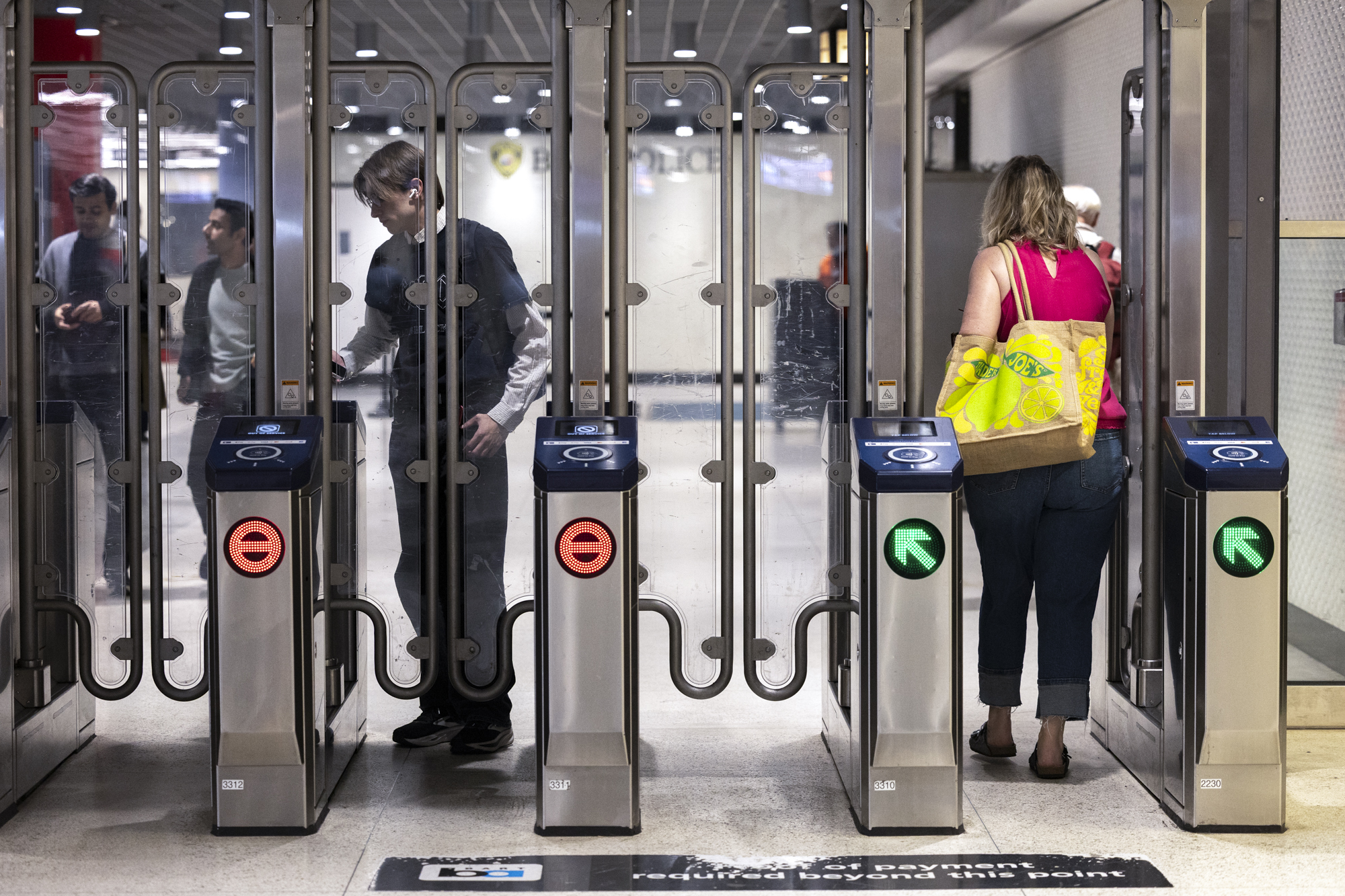
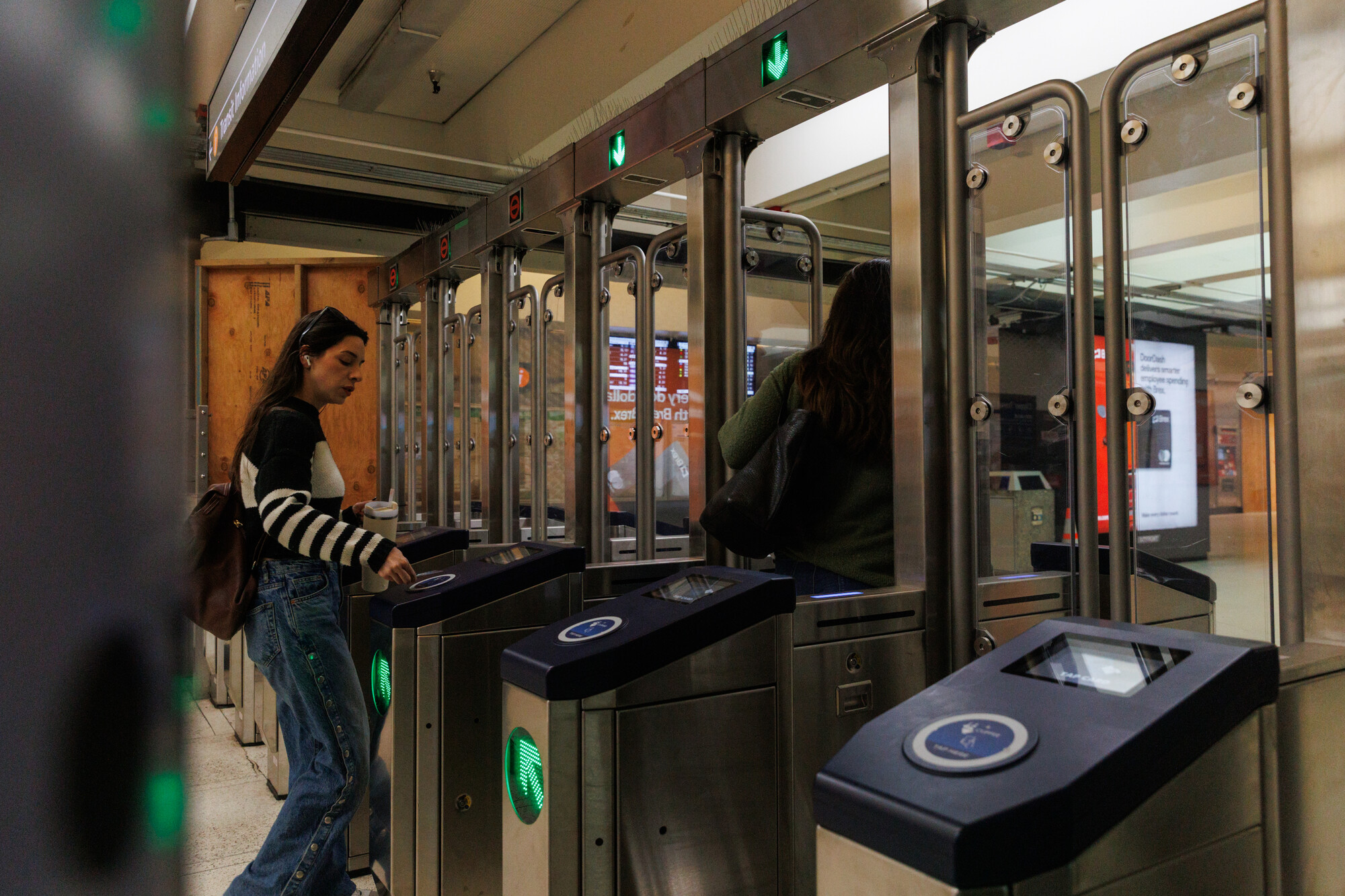
window.__INITIAL_STATE__={
"attachmentsReducer": {
"audio_0": {
"type": "attachments",
"id": "audio_0",
"imgSizes": {
"kqedFullSize": {
"file": "https://ww2.kqed.org/news/wp-content/themes/KQED-unified/img/audio_bgs/background0.jpg"
}
}
},
"audio_1": {
"type": "attachments",
"id": "audio_1",
"imgSizes": {
"kqedFullSize": {
"file": "https://ww2.kqed.org/news/wp-content/themes/KQED-unified/img/audio_bgs/background1.jpg"
}
}
},
"audio_2": {
"type": "attachments",
"id": "audio_2",
"imgSizes": {
"kqedFullSize": {
"file": "https://ww2.kqed.org/news/wp-content/themes/KQED-unified/img/audio_bgs/background2.jpg"
}
}
},
"audio_3": {
"type": "attachments",
"id": "audio_3",
"imgSizes": {
"kqedFullSize": {
"file": "https://ww2.kqed.org/news/wp-content/themes/KQED-unified/img/audio_bgs/background3.jpg"
}
}
},
"audio_4": {
"type": "attachments",
"id": "audio_4",
"imgSizes": {
"kqedFullSize": {
"file": "https://ww2.kqed.org/news/wp-content/themes/KQED-unified/img/audio_bgs/background4.jpg"
}
}
},
"placeholder": {
"type": "attachments",
"id": "placeholder",
"imgSizes": {
"thumbnail": {
"file": "https://cdn.kqed.org/wp-content/uploads/2024/12/KQED-Default-Image-816638274-2000x1333-1-160x107.jpg",
"width": 160,
"height": 107,
"mimeType": "image/jpeg"
},
"medium": {
"file": "https://cdn.kqed.org/wp-content/uploads/2024/12/KQED-Default-Image-816638274-2000x1333-1-800x533.jpg",
"width": 800,
"height": 533,
"mimeType": "image/jpeg"
},
"medium_large": {
"file": "https://cdn.kqed.org/wp-content/uploads/2024/12/KQED-Default-Image-816638274-2000x1333-1-768x512.jpg",
"width": 768,
"height": 512,
"mimeType": "image/jpeg"
},
"large": {
"file": "https://cdn.kqed.org/wp-content/uploads/2024/12/KQED-Default-Image-816638274-2000x1333-1-1020x680.jpg",
"width": 1020,
"height": 680,
"mimeType": "image/jpeg"
},
"1536x1536": {
"file": "https://cdn.kqed.org/wp-content/uploads/2024/12/KQED-Default-Image-816638274-2000x1333-1-1536x1024.jpg",
"width": 1536,
"height": 1024,
"mimeType": "image/jpeg"
},
"fd-lrg": {
"file": "https://cdn.kqed.org/wp-content/uploads/2024/12/KQED-Default-Image-816638274-2000x1333-1-1536x1024.jpg",
"width": 1536,
"height": 1024,
"mimeType": "image/jpeg"
},
"fd-med": {
"file": "https://cdn.kqed.org/wp-content/uploads/2024/12/KQED-Default-Image-816638274-2000x1333-1-1020x680.jpg",
"width": 1020,
"height": 680,
"mimeType": "image/jpeg"
},
"fd-sm": {
"file": "https://cdn.kqed.org/wp-content/uploads/2024/12/KQED-Default-Image-816638274-2000x1333-1-800x533.jpg",
"width": 800,
"height": 533,
"mimeType": "image/jpeg"
},
"post-thumbnail": {
"file": "https://cdn.kqed.org/wp-content/uploads/2024/12/KQED-Default-Image-816638274-2000x1333-1-672x372.jpg",
"width": 672,
"height": 372,
"mimeType": "image/jpeg"
},
"twentyfourteen-full-width": {
"file": "https://cdn.kqed.org/wp-content/uploads/2024/12/KQED-Default-Image-816638274-2000x1333-1-1038x576.jpg",
"width": 1038,
"height": 576,
"mimeType": "image/jpeg"
},
"xxsmall": {
"file": "https://cdn.kqed.org/wp-content/uploads/2024/12/KQED-Default-Image-816638274-2000x1333-1-160x107.jpg",
"width": 160,
"height": 107,
"mimeType": "image/jpeg"
},
"xsmall": {
"file": "https://cdn.kqed.org/wp-content/uploads/2024/12/KQED-Default-Image-816638274-2000x1333-1-672x372.jpg",
"width": 672,
"height": 372,
"mimeType": "image/jpeg"
},
"small": {
"file": "https://cdn.kqed.org/wp-content/uploads/2024/12/KQED-Default-Image-816638274-2000x1333-1-672x372.jpg",
"width": 672,
"height": 372,
"mimeType": "image/jpeg"
},
"xlarge": {
"file": "https://cdn.kqed.org/wp-content/uploads/2024/12/KQED-Default-Image-816638274-2000x1333-1-1020x680.jpg",
"width": 1020,
"height": 680,
"mimeType": "image/jpeg"
},
"full-width": {
"file": "https://cdn.kqed.org/wp-content/uploads/2024/12/KQED-Default-Image-816638274-2000x1333-1-1920x1280.jpg",
"width": 1920,
"height": 1280,
"mimeType": "image/jpeg"
},
"guest-author-32": {
"file": "https://cdn.kqed.org/wp-content/uploads/2025/01/KQED-Default-Image-816638274-1333x1333-1-160x160.jpg",
"width": 32,
"height": 32,
"mimeType": "image/jpeg"
},
"guest-author-50": {
"file": "https://cdn.kqed.org/wp-content/uploads/2025/01/KQED-Default-Image-816638274-1333x1333-1-160x160.jpg",
"width": 50,
"height": 50,
"mimeType": "image/jpeg"
},
"guest-author-64": {
"file": "https://cdn.kqed.org/wp-content/uploads/2025/01/KQED-Default-Image-816638274-1333x1333-1-160x160.jpg",
"width": 64,
"height": 64,
"mimeType": "image/jpeg"
},
"guest-author-96": {
"file": "https://cdn.kqed.org/wp-content/uploads/2025/01/KQED-Default-Image-816638274-1333x1333-1-160x160.jpg",
"width": 96,
"height": 96,
"mimeType": "image/jpeg"
},
"guest-author-128": {
"file": "https://cdn.kqed.org/wp-content/uploads/2025/01/KQED-Default-Image-816638274-1333x1333-1-160x160.jpg",
"width": 128,
"height": 128,
"mimeType": "image/jpeg"
},
"detail": {
"file": "https://cdn.kqed.org/wp-content/uploads/2025/01/KQED-Default-Image-816638274-1333x1333-1-160x160.jpg",
"width": 160,
"height": 160,
"mimeType": "image/jpeg"
},
"kqedFullSize": {
"file": "https://cdn.kqed.org/wp-content/uploads/2024/12/KQED-Default-Image-816638274-2000x1333-1.jpg",
"width": 2000,
"height": 1333
}
}
},
"news_12098714": {
"type": "attachments",
"id": "news_12098714",
"meta": {
"index": "attachments_1716263798",
"site": "news",
"id": "12098714",
"found": true
},
"title": "260908-BARTFAREEVASION-NG-39-KQED",
"publishDate": 1788904253,
"status": "inherit",
"parent": 0,
"modified": 1788904286,
"caption": "Riders walk through BART’s Next Generation Fare Gates at the Powell Street Station in San Francisco on Sept. 8, 2026.",
"credit": "Nina Glick/KQED",
"altTag": null,
"description": null,
"imgSizes": {
"thumbnail": {
"file": "https://cdn.kqed.org/wp-content/uploads/sites/10/2026/09/260908-BARTFAREEVASION-NG-39-KQED-160x107.jpg",
"width": 160,
"height": 107,
"mimeType": "image/jpeg"
},
"1536x1536": {
"file": "https://cdn.kqed.org/wp-content/uploads/sites/10/2026/09/260908-BARTFAREEVASION-NG-39-KQED-1536x1024.jpg",
"width": 1536,
"height": 1024,
"mimeType": "image/jpeg"
},
"post-thumbnail": {
"file": "https://cdn.kqed.org/wp-content/uploads/sites/10/2026/09/260908-BARTFAREEVASION-NG-39-KQED-672x372.jpg",
"width": 672,
"height": 372,
"mimeType": "image/jpeg"
},
"twentyfourteen-full-width": {
"file": "https://cdn.kqed.org/wp-content/uploads/sites/10/2026/09/260908-BARTFAREEVASION-NG-39-KQED-1038x576.jpg",
"width": 1038,
"height": 576,
"mimeType": "image/jpeg"
},
"npr-cds-wide": {
"file": "https://cdn.kqed.org/wp-content/uploads/sites/10/2026/09/260908-BARTFAREEVASION-NG-39-KQED-1200x675.jpg",
"width": 1200,
"height": 675,
"mimeType": "image/jpeg"
},
"npr-cds-square": {
"file": "https://cdn.kqed.org/wp-content/uploads/sites/10/2026/09/260908-BARTFAREEVASION-NG-39-KQED-600x600.jpg",
"width": 600,
"height": 600,
"mimeType": "image/jpeg"
},
"kqedFullSize": {
"file": "https://cdn.kqed.org/wp-content/uploads/sites/10/2026/09/260908-BARTFAREEVASION-NG-39-KQED.jpg",
"width": 2000,
"height": 1333
}
},
"isLoading": false,
"fetchFailed": false
},
"news_12085702": {
"type": "attachments",
"id": "news_12085702",
"meta": {
"index": "attachments_1716263798",
"site": "news",
"id": "12085702",
"found": true
},
"title": "BART Clipper Card Usage",
"publishDate": 1780334022,
"status": "inherit",
"parent": 12085683,
"modified": 1780334098,
"caption": "A passenger scans their digital Clipper transit card in San Francisco, California, on Aug. 19, 2025.",
"credit": "Smith Collection/Gado via Getty Images",
"altTag": null,
"description": null,
"imgSizes": {
"thumbnail": {
"file": "https://cdn.kqed.org/wp-content/uploads/sites/10/2026/06/ClipperGetty-160x107.jpg",
"width": 160,
"height": 107,
"mimeType": "image/jpeg"
},
"1536x1536": {
"file": "https://cdn.kqed.org/wp-content/uploads/sites/10/2026/06/ClipperGetty-1536x1023.jpg",
"width": 1536,
"height": 1023,
"mimeType": "image/jpeg"
},
"post-thumbnail": {
"file": "https://cdn.kqed.org/wp-content/uploads/sites/10/2026/06/ClipperGetty-672x372.jpg",
"width": 672,
"height": 372,
"mimeType": "image/jpeg"
},
"twentyfourteen-full-width": {
"file": "https://cdn.kqed.org/wp-content/uploads/sites/10/2026/06/ClipperGetty-1038x576.jpg",
"width": 1038,
"height": 576,
"mimeType": "image/jpeg"
},
"npr-cds-wide": {
"file": "https://cdn.kqed.org/wp-content/uploads/sites/10/2026/06/ClipperGetty-1200x675.jpg",
"width": 1200,
"height": 675,
"mimeType": "image/jpeg"
},
"npr-cds-square": {
"file": "https://cdn.kqed.org/wp-content/uploads/sites/10/2026/06/ClipperGetty-600x600.jpg",
"width": 600,
"height": 600,
"mimeType": "image/jpeg"
},
"kqedFullSize": {
"file": "https://cdn.kqed.org/wp-content/uploads/sites/10/2026/06/ClipperGetty.jpg",
"width": 2000,
"height": 1332
}
},
"isLoading": false,
"fetchFailed": false
},
"news_12078147": {
"type": "attachments",
"id": "news_12078147",
"meta": {
"index": "attachments_1716263798",
"site": "news",
"id": "12078147",
"found": true
},
"title": "Digital Clipper Card",
"publishDate": 1774978056,
"status": "inherit",
"parent": 12078144,
"modified": 1774978459,
"caption": "A passenger holds a digital Clipper Card up to a fare kiosk at a BART station in Lafayette, California, on March 18, 2026. ",
"credit": "Smith Collection/Gado via Getty Images",
"altTag": null,
"description": null,
"imgSizes": {
"thumbnail": {
"file": "https://cdn.kqed.org/wp-content/uploads/sites/10/2026/03/Clipper2.0Getty-160x107.jpg",
"width": 160,
"height": 107,
"mimeType": "image/jpeg"
},
"1536x1536": {
"file": "https://cdn.kqed.org/wp-content/uploads/sites/10/2026/03/Clipper2.0Getty-1536x1024.jpg",
"width": 1536,
"height": 1024,
"mimeType": "image/jpeg"
},
"post-thumbnail": {
"file": "https://cdn.kqed.org/wp-content/uploads/sites/10/2026/03/Clipper2.0Getty-672x372.jpg",
"width": 672,
"height": 372,
"mimeType": "image/jpeg"
},
"twentyfourteen-full-width": {
"file": "https://cdn.kqed.org/wp-content/uploads/sites/10/2026/03/Clipper2.0Getty-1038x576.jpg",
"width": 1038,
"height": 576,
"mimeType": "image/jpeg"
},
"npr-cds-wide": {
"file": "https://cdn.kqed.org/wp-content/uploads/sites/10/2026/03/Clipper2.0Getty-1200x675.jpg",
"width": 1200,
"height": 675,
"mimeType": "image/jpeg"
},
"npr-cds-square": {
"file": "https://cdn.kqed.org/wp-content/uploads/sites/10/2026/03/Clipper2.0Getty-600x600.jpg",
"width": 600,
"height": 600,
"mimeType": "image/jpeg"
},
"kqedFullSize": {
"file": "https://cdn.kqed.org/wp-content/uploads/sites/10/2026/03/Clipper2.0Getty.jpg",
"width": 2000,
"height": 1333
}
},
"isLoading": false,
"fetchFailed": false
},
"news_12051372": {
"type": "attachments",
"id": "news_12051372",
"meta": {
"index": "attachments_1716263798",
"site": "news",
"id": "12051372",
"found": true
},
"title": "20241204-BART-JY-027_qed",
"publishDate": 1754609631,
"status": "inherit",
"parent": 12051362,
"modified": 1754609652,
"caption": "A passenger tags their Clipper card at Montgomery BART Station in San Francisco on Dec. 4, 2024.",
"credit": "Juliana Yamada/KQED",
"altTag": null,
"description": null,
"imgSizes": {
"thumbnail": {
"file": "https://cdn.kqed.org/wp-content/uploads/sites/10/2025/08/20241204-BART-JY-027_qed-160x107.jpg",
"width": 160,
"height": 107,
"mimeType": "image/jpeg"
},
"1536x1536": {
"file": "https://cdn.kqed.org/wp-content/uploads/sites/10/2025/08/20241204-BART-JY-027_qed-1536x1024.jpg",
"width": 1536,
"height": 1024,
"mimeType": "image/jpeg"
},
"post-thumbnail": {
"file": "https://cdn.kqed.org/wp-content/uploads/sites/10/2025/08/20241204-BART-JY-027_qed-672x372.jpg",
"width": 672,
"height": 372,
"mimeType": "image/jpeg"
},
"twentyfourteen-full-width": {
"file": "https://cdn.kqed.org/wp-content/uploads/sites/10/2025/08/20241204-BART-JY-027_qed-1038x576.jpg",
"width": 1038,
"height": 576,
"mimeType": "image/jpeg"
},
"kqedFullSize": {
"file": "https://cdn.kqed.org/wp-content/uploads/sites/10/2025/08/20241204-BART-JY-027_qed.jpg",
"width": 1999,
"height": 1333
}
},
"isLoading": false,
"fetchFailed": false
},
"news_12071340": {
"type": "attachments",
"id": "news_12071340",
"meta": {
"index": "attachments_1716263798",
"site": "news",
"id": "12071340",
"found": true
},
"title": "A rendering of the proposed development at Irvington Station.",
"publishDate": 1769621587,
"status": "inherit",
"parent": 0,
"modified": 1769622698,
"caption": "A rendering of the proposed development at Irvington Station entitled \"View from Concourse Looking South.\"",
"credit": "Courtesy of BART",
"altTag": null,
"description": null,
"imgSizes": {
"thumbnail": {
"file": "https://cdn.kqed.org/wp-content/uploads/sites/10/2026/01/260128-BART-Broke-03-KQED-160x94.jpg",
"width": 160,
"height": 94,
"mimeType": "image/jpeg"
},
"1536x1536": {
"file": "https://cdn.kqed.org/wp-content/uploads/sites/10/2026/01/260128-BART-Broke-03-KQED-1536x898.jpg",
"width": 1536,
"height": 898,
"mimeType": "image/jpeg"
},
"post-thumbnail": {
"file": "https://cdn.kqed.org/wp-content/uploads/sites/10/2026/01/260128-BART-Broke-03-KQED-672x372.jpg",
"width": 672,
"height": 372,
"mimeType": "image/jpeg"
},
"twentyfourteen-full-width": {
"file": "https://cdn.kqed.org/wp-content/uploads/sites/10/2026/01/260128-BART-Broke-03-KQED-1038x576.jpg",
"width": 1038,
"height": 576,
"mimeType": "image/jpeg"
},
"npr-cds-wide": {
"file": "https://cdn.kqed.org/wp-content/uploads/sites/10/2026/01/260128-BART-Broke-03-KQED-1200x675.jpg",
"width": 1200,
"height": 675,
"mimeType": "image/jpeg"
},
"kqedFullSize": {
"file": "https://cdn.kqed.org/wp-content/uploads/sites/10/2026/01/260128-BART-Broke-03-KQED.jpg",
"width": 2000,
"height": 1169
}
},
"isLoading": false,
"fetchFailed": false
},
"news_12052429": {
"type": "attachments",
"id": "news_12052429",
"meta": {
"index": "attachments_1716263798",
"site": "news",
"id": "12052429",
"found": true
},
"title": "20241204-BART-JY-023_qed",
"publishDate": 1755288565,
"status": "inherit",
"parent": 12052424,
"modified": 1755288593,
"caption": "Passengers tag their Clipper cards at Montgomery BART Station in San Francisco on Dec. 4, 2024.",
"credit": "Juliana Yamada/KQED",
"altTag": null,
"description": null,
"imgSizes": {
"thumbnail": {
"file": "https://cdn.kqed.org/wp-content/uploads/sites/10/2025/08/20241204-BART-JY-023_qed-160x107.jpg",
"width": 160,
"height": 107,
"mimeType": "image/jpeg"
},
"1536x1536": {
"file": "https://cdn.kqed.org/wp-content/uploads/sites/10/2025/08/20241204-BART-JY-023_qed-1536x1024.jpg",
"width": 1536,
"height": 1024,
"mimeType": "image/jpeg"
},
"post-thumbnail": {
"file": "https://cdn.kqed.org/wp-content/uploads/sites/10/2025/08/20241204-BART-JY-023_qed-672x372.jpg",
"width": 672,
"height": 372,
"mimeType": "image/jpeg"
},
"twentyfourteen-full-width": {
"file": "https://cdn.kqed.org/wp-content/uploads/sites/10/2025/08/20241204-BART-JY-023_qed-1038x576.jpg",
"width": 1038,
"height": 576,
"mimeType": "image/jpeg"
},
"kqedFullSize": {
"file": "https://cdn.kqed.org/wp-content/uploads/sites/10/2025/08/20241204-BART-JY-023_qed.jpg",
"width": 2000,
"height": 1333
}
},
"isLoading": false,
"fetchFailed": false
},
"news_12067863": {
"type": "attachments",
"id": "news_12067863",
"meta": {
"index": "attachments_1716263798",
"site": "news",
"id": "12067863",
"found": true
},
"title": "251217-CLIPPER-EQUITY-MD-02-KQED-1",
"publishDate": 1766096293,
"status": "inherit",
"parent": 12067662,
"modified": 1766167611,
"caption": "Silvia Matias and her daughter Maria wait for their bus at the Eastmont Transit Center in Oakland on Dec. 17, 2025.",
"credit": "Martin do Nascimento/KQED",
"altTag": null,
"description": null,
"imgSizes": {
"thumbnail": {
"file": "https://cdn.kqed.org/wp-content/uploads/sites/10/2025/12/251217-CLIPPER-EQUITY-MD-02-KQED-1-1-160x107.jpg",
"width": 160,
"height": 107,
"mimeType": "image/jpeg"
},
"1536x1536": {
"file": "https://cdn.kqed.org/wp-content/uploads/sites/10/2025/12/251217-CLIPPER-EQUITY-MD-02-KQED-1-1-1536x1025.jpg",
"width": 1536,
"height": 1025,
"mimeType": "image/jpeg"
},
"post-thumbnail": {
"file": "https://cdn.kqed.org/wp-content/uploads/sites/10/2025/12/251217-CLIPPER-EQUITY-MD-02-KQED-1-1-672x372.jpg",
"width": 672,
"height": 372,
"mimeType": "image/jpeg"
},
"twentyfourteen-full-width": {
"file": "https://cdn.kqed.org/wp-content/uploads/sites/10/2025/12/251217-CLIPPER-EQUITY-MD-02-KQED-1-1-1038x576.jpg",
"width": 1038,
"height": 576,
"mimeType": "image/jpeg"
},
"npr-cds-wide": {
"file": "https://cdn.kqed.org/wp-content/uploads/sites/10/2025/12/251217-CLIPPER-EQUITY-MD-02-KQED-1-1-1200x675.jpg",
"width": 1200,
"height": 675,
"mimeType": "image/jpeg"
},
"kqedFullSize": {
"file": "https://cdn.kqed.org/wp-content/uploads/sites/10/2025/12/251217-CLIPPER-EQUITY-MD-02-KQED-1-1.jpg",
"width": 2000,
"height": 1334
}
},
"isLoading": false,
"fetchFailed": false
},
"news_12051374": {
"type": "attachments",
"id": "news_12051374",
"meta": {
"index": "attachments_1716263798",
"site": "news",
"id": "12051374",
"found": true
},
"title": "20241204-BART-JY-002_qed",
"publishDate": 1754609699,
"status": "inherit",
"parent": 12051362,
"modified": 1757189961,
"caption": "A BART car approaches the platform at Daly City Station in Daly City, on Dec. 4, 2024.",
"credit": "Juliana Yamada/KQED",
"altTag": null,
"description": null,
"imgSizes": {
"thumbnail": {
"file": "https://cdn.kqed.org/wp-content/uploads/sites/10/2025/08/20241204-BART-JY-002_qed-160x107.jpg",
"width": 160,
"height": 107,
"mimeType": "image/jpeg"
},
"1536x1536": {
"file": "https://cdn.kqed.org/wp-content/uploads/sites/10/2025/08/20241204-BART-JY-002_qed-1536x1024.jpg",
"width": 1536,
"height": 1024,
"mimeType": "image/jpeg"
},
"post-thumbnail": {
"file": "https://cdn.kqed.org/wp-content/uploads/sites/10/2025/08/20241204-BART-JY-002_qed-672x372.jpg",
"width": 672,
"height": 372,
"mimeType": "image/jpeg"
},
"twentyfourteen-full-width": {
"file": "https://cdn.kqed.org/wp-content/uploads/sites/10/2025/08/20241204-BART-JY-002_qed-1038x576.jpg",
"width": 1038,
"height": 576,
"mimeType": "image/jpeg"
},
"kqedFullSize": {
"file": "https://cdn.kqed.org/wp-content/uploads/sites/10/2025/08/20241204-BART-JY-002_qed.jpg",
"width": 2000,
"height": 1333
}
},
"isLoading": false,
"fetchFailed": false
},
"news_12046682": {
"type": "attachments",
"id": "news_12046682",
"meta": {
"index": "attachments_1716263798",
"site": "news",
"id": "12046682",
"found": true
},
"title": "20241204-BART-JY-024_qed",
"publishDate": 1751388604,
"status": "inherit",
"parent": 12046678,
"modified": 1751388636,
"caption": "Passengers tag their Clipper cards at Montgomery BART Station in San Francisco on Dec. 4, 2024.",
"credit": "Juliana Yamada/KQED",
"altTag": null,
"description": null,
"imgSizes": {
"thumbnail": {
"file": "https://cdn.kqed.org/wp-content/uploads/sites/10/2025/07/20241204-BART-JY-024_qed-160x107.jpg",
"width": 160,
"height": 107,
"mimeType": "image/jpeg"
},
"1536x1536": {
"file": "https://cdn.kqed.org/wp-content/uploads/sites/10/2025/07/20241204-BART-JY-024_qed-1536x1024.jpg",
"width": 1536,
"height": 1024,
"mimeType": "image/jpeg"
},
"post-thumbnail": {
"file": "https://cdn.kqed.org/wp-content/uploads/sites/10/2025/07/20241204-BART-JY-024_qed-672x372.jpg",
"width": 672,
"height": 372,
"mimeType": "image/jpeg"
},
"twentyfourteen-full-width": {
"file": "https://cdn.kqed.org/wp-content/uploads/sites/10/2025/07/20241204-BART-JY-024_qed-1038x576.jpg",
"width": 1038,
"height": 576,
"mimeType": "image/jpeg"
},
"kqedFullSize": {
"file": "https://cdn.kqed.org/wp-content/uploads/sites/10/2025/07/20241204-BART-JY-024_qed.jpg",
"width": 2000,
"height": 1333
}
},
"isLoading": false,
"fetchFailed": false
}
},
"audioPlayerReducer": {
"postId": "stream_live",
"isPaused": true,
"isPlaying": false,
"pfsActive": false,
"pledgeModalIsOpen": true,
"playerDrawerIsOpen": false,
"liveAudioPlayStartedAt": 0,
"liveAudioPlayContext": ""
},
"authorsReducer": {
"danbrekke": {
"type": "authors",
"id": "222",
"meta": {
"index": "authors_1716337520",
"id": "222",
"found": true
},
"name": "Dan Brekke",
"firstName": "Dan",
"lastName": "Brekke",
"slug": "danbrekke",
"email": "dbrekke@kqed.org",
"display_author_email": true,
"staff_mastheads": [
"news",
"science"
],
"title": "KQED Editor and Reporter",
"bio": "Dan Brekke is a reporter and editor for KQED News, responsible for coverage of topics ranging from California water issues to the Bay Area's transportation challenges. In a newsroom career that began in Chicago in 1972, Dan has worked for \u003cem>The San Francisco Examiner,\u003c/em> Wired and TechTV and has been published in The New York Times, The New York Times Magazine, Business 2.0, Salon and elsewhere.\r\n\r\nSince joining KQED in 2007, Dan has reported, edited and produced both radio and online features and breaking news pieces. He has shared as both editor and reporter in four Society of Professional Journalists Norcal Excellence in Journalism awards and one Edward R. Murrow regional award. He was chosen for a spring 2017 residency at the Mesa Refuge to advance his research on California salmon.\r\n\r\nEmail Dan at: \u003ca href=\"mailto:dbrekke@kqed.org\">dbrekke@kqed.org\u003c/a>\r\n\r\n\u003cstrong>Twitter:\u003c/strong> \u003ca href=\"https://twitter.com/danbrekke\" rel=\"noopener noreferrer\">twitter.com/danbrekke\u003c/a>\r\n\u003cstrong>Facebook:\u003c/strong> \u003ca href=\"https://www.facebook.com/danbrekke\" rel=\"noopener noreferrer\">www.facebook.com/danbrekke\u003c/a>\r\n\u003cstrong>LinkedIn:\u003c/strong> \u003ca href=\"https://www.linkedin.com/in/danbrekke\" rel=\"noopener noreferrer\">www.linkedin.com/in/danbrekke\u003c/a>",
"avatar": "https://secure.gravatar.com/avatar/8f1f0d2a978fb3b23426c922c7e2af558fa36905b49c4ce76a97dc3c72d27226?s=600&d=mm&r=g",
"twitter": "danbrekke",
"bluesky": null,
"facebook": null,
"instagram": "https://www.instagram.com/dan.brekke/",
"linkedin": "https://www.linkedin.com/in/danbrekke/",
"sites": [
{
"site": "news",
"roles": [
"administrator",
"create_posts"
]
},
{
"site": "stateofhealth",
"roles": [
"editor"
]
},
{
"site": "science",
"roles": [
"editor"
]
},
{
"site": "quest",
"roles": [
"contributor"
]
},
{
"site": "food",
"roles": [
"contributor"
]
},
{
"site": "forum",
"roles": [
"contributor"
]
},
{
"site": "elections",
"roles": [
"editor"
]
},
{
"site": "liveblog",
"roles": [
"editor"
]
}
],
"headData": {
"title": "Dan Brekke | KQED",
"description": "KQED Editor and Reporter",
"ogImgSrc": "https://secure.gravatar.com/avatar/8f1f0d2a978fb3b23426c922c7e2af558fa36905b49c4ce76a97dc3c72d27226?s=600&d=mm&r=g",
"twImgSrc": "https://secure.gravatar.com/avatar/8f1f0d2a978fb3b23426c922c7e2af558fa36905b49c4ce76a97dc3c72d27226?s=600&d=mm&r=g"
},
"isLoading": false,
"link": "/author/danbrekke"
},
"rachael-myrow": {
"type": "authors",
"id": "251",
"meta": {
"index": "authors_1716337520",
"id": "251",
"found": true
},
"name": "Rachael Myrow",
"firstName": "Rachael",
"lastName": "Myrow",
"slug": "rachael-myrow",
"email": "rmyrow@kqed.org",
"display_author_email": true,
"staff_mastheads": [
"news"
],
"title": "Senior Editor of KQED's Silicon Valley News Desk",
"bio": "• I write and edit stories about how Silicon Valley power and policies shape everyday life in California. I’m also passionate about making Bay Area history and culture more accessible to a broad public. • I’ve been a journalist for most of my life, starting in high school with The Franklin Press in Los Angeles, where I grew up. While earning my first degree in English at UC Berkeley, I got my start in public radio at KALX-FM. After completing a second degree in journalism at Cal, I landed my first professional job at Marketplace, then moved on to KPCC (now LAist), and then KQED, where I hosted The California Report for more than seven years. • My reporting has appeared on NPR, The World, WBUR’s \u003ci>Here & Now\u003c/i>, and the BBC. I also guest host for KQED’s \u003ci>Forum\u003c/i>, as well as the Commonwealth Club in San Francisco. • I speak periodically on media, democracy and technology issues, and do voiceover work for documentaries and educational video projects. • Outside of the studio, you'll find me hiking Bay Area trails and whipping up Insta-ready meals in my kitchen. • I do not accept gifts, money, or favors from anyone connected to my reporting, I don't pay people for information, and I do not support or donate to political causes. • I strive to treat the people I report on with fairness, honesty, and respect. I also recognize there are often multiple sides to a story and work to verify information through multiple sources and documentation. If I get something wrong, I correct it.",
"avatar": "https://secure.gravatar.com/avatar/3ed8a3c5f26025e4a805ba634cda8cd764906b97438a6d9ce216b044e340da4e?s=600&d=blank&r=g",
"twitter": "rachaelmyrow",
"bluesky": null,
"facebook": null,
"instagram": null,
"linkedin": "https://www.linkedin.com/in/rachaelmyrow/",
"sites": [
{
"site": "arts",
"roles": [
"administrator"
]
},
{
"site": "news",
"roles": [
"edit_others_posts",
"editor"
]
},
{
"site": "futureofyou",
"roles": [
"editor"
]
},
{
"site": "bayareabites",
"roles": [
"editor"
]
},
{
"site": "stateofhealth",
"roles": [
"editor"
]
},
{
"site": "science",
"roles": [
"editor"
]
},
{
"site": "food",
"roles": [
"editor"
]
},
{
"site": "forum",
"roles": [
"editor"
]
},
{
"site": "liveblog",
"roles": [
"author"
]
}
],
"headData": {
"title": "Rachael Myrow | KQED",
"description": "Senior Editor of KQED's Silicon Valley News Desk",
"ogImgSrc": "https://secure.gravatar.com/avatar/3ed8a3c5f26025e4a805ba634cda8cd764906b97438a6d9ce216b044e340da4e?s=600&d=blank&r=g",
"twImgSrc": "https://secure.gravatar.com/avatar/3ed8a3c5f26025e4a805ba634cda8cd764906b97438a6d9ce216b044e340da4e?s=600&d=blank&r=g"
},
"isLoading": false,
"link": "/author/rachael-myrow"
},
"ccabreralomeli": {
"type": "authors",
"id": "11708",
"meta": {
"index": "authors_1716337520",
"id": "11708",
"found": true
},
"name": "Carlos Cabrera-Lomelí",
"firstName": "Carlos",
"lastName": "Cabrera-Lomelí",
"slug": "ccabreralomeli",
"email": "ccabreralomeli@KQED.org",
"display_author_email": true,
"staff_mastheads": [
"news"
],
"title": "Community Reporter",
"bio": "Carlos Cabrera-Lomelí is a community reporter with KQED's digital engagement team. He also reports and co-produces for KQED's bilingual news hub KQED en Español. He grew up in San Francisco's Mission District and has previously worked with Univision, 48 Hills and REFORMA in Mexico City.",
"avatar": "https://secure.gravatar.com/avatar/c309be9665e484f887b818c89e273ecc673004f426f36b24d00a4d813a2e0518?s=600&d=blank&r=g",
"twitter": "@LomeliCabrera",
"bluesky": null,
"facebook": null,
"instagram": null,
"linkedin": null,
"sites": [
{
"site": "arts",
"roles": [
"editor"
]
},
{
"site": "news",
"roles": [
"editor"
]
},
{
"site": "about",
"roles": [
"editor"
]
},
{
"site": "science",
"roles": [
"editor"
]
},
{
"site": "perspectives",
"roles": [
"editor"
]
},
{
"site": "elections",
"roles": [
"editor"
]
},
{
"site": "liveblog",
"roles": [
"contributor"
]
}
],
"headData": {
"title": "Carlos Cabrera-Lomelí | KQED",
"description": "Community Reporter",
"ogImgSrc": "https://secure.gravatar.com/avatar/c309be9665e484f887b818c89e273ecc673004f426f36b24d00a4d813a2e0518?s=600&d=blank&r=g",
"twImgSrc": "https://secure.gravatar.com/avatar/c309be9665e484f887b818c89e273ecc673004f426f36b24d00a4d813a2e0518?s=600&d=blank&r=g"
},
"isLoading": false,
"link": "/author/ccabreralomeli"
},
"adahlstromeckman": {
"type": "authors",
"id": "11785",
"meta": {
"index": "authors_1716337520",
"id": "11785",
"found": true
},
"name": "Azul Dahlstrom-Eckman",
"firstName": "Azul",
"lastName": "Dahlstrom-Eckman",
"slug": "adahlstromeckman",
"email": "adahlstrom-eckman@kqed.org",
"display_author_email": true,
"staff_mastheads": [],
"title": "Reporter",
"bio": "Azul is a reporter for KQED focusing on transportation and features. He joined KQED in 2021 as an alumna of KALW's Audio Academy radio journalism training program.",
"avatar": "https://secure.gravatar.com/avatar/9cb750298435add7815a777f55bf1f46845c1386bb8452555c60a7b820b5aba3?s=600&d=blank&r=g",
"twitter": "@zuliemann",
"bluesky": "@azul415.bsky.social",
"facebook": null,
"instagram": null,
"linkedin": null,
"sites": [
{
"site": "arts",
"roles": [
"editor"
]
},
{
"site": "news",
"roles": [
"editor"
]
},
{
"site": "science",
"roles": [
"editor"
]
},
{
"site": "liveblog",
"roles": [
"author"
]
}
],
"headData": {
"title": "Azul Dahlstrom-Eckman | KQED",
"description": "Reporter",
"ogImgSrc": "https://secure.gravatar.com/avatar/9cb750298435add7815a777f55bf1f46845c1386bb8452555c60a7b820b5aba3?s=600&d=blank&r=g",
"twImgSrc": "https://secure.gravatar.com/avatar/9cb750298435add7815a777f55bf1f46845c1386bb8452555c60a7b820b5aba3?s=600&d=blank&r=g"
},
"isLoading": false,
"link": "/author/adahlstromeckman"
}
},
"pagesReducer": {
"news_tag_bart-fares": {
"type": "terms",
"id": "news_31530",
"meta": {
"index": "terms_1716263798",
"site": "news",
"id": "31530",
"score": 10.40499
},
"featImg": null,
"name": "BART fares",
"description": null,
"taxonomy": "tag",
"headData": {
"twImgId": null,
"twTitle": null,
"ogTitle": null,
"ogImgId": null,
"twDescription": null,
"description": null,
"title": "BART fares Archives | KQED News",
"ogDescription": null
},
"ttid": 31547,
"slug": "bart-fares",
"isLoading": false,
"title": "BART fares",
"pageMeta": {
"site": "news",
"WpPageTemplate": "page-topic-editorial",
"currentPage": 1
},
"blocks": [
{
"blockName": "kqed/post-list",
"attrs": {
"layout": "cardArticle2",
"query": "posts/news?tag=bart-fares",
"seeMore": false,
"paginated": true,
"page": 1
}
},
{
"blockName": "kqed/ad"
}
]
}
},
"pfsSessionReducer": {},
"postsReducer": {
"stream_live": {
"type": "live",
"id": "stream_live",
"audioUrl": "https://streams.kqed.org/kqedradio",
"title": "Live Stream",
"excerpt": "Live Stream information currently unavailable.",
"link": "/radio",
"featImg": "",
"label": {
"name": "KQED Live",
"link": "/"
}
},
"stream_kqedNewscast": {
"type": "posts",
"id": "stream_kqedNewscast",
"audioUrl": "https://www.kqed.org/.stream/anon/radio/RDnews/newscast.mp3?_=1",
"title": "KQED Newscast",
"featImg": "",
"label": {
"name": "88.5 FM",
"link": "/"
}
},
"news_12098687": {
"type": "posts",
"id": "news_12098687",
"meta": {
"index": "posts_1716263798",
"site": "news",
"id": "12098687",
"score": null,
"sort": [
1788906254000
]
},
"guestAuthors": [],
"slug": "bart-reports-major-crime-drop-1-year-after-new-fare-gates",
"title": "BART Reports Major Crime Drop 1 Year After New Fare Gates",
"publishDate": 1788906254,
"format": "standard",
"headTitle": "BART Reports Major Crime Drop 1 Year After New Fare Gates | KQED",
"labelTerm": {
"site": "news"
},
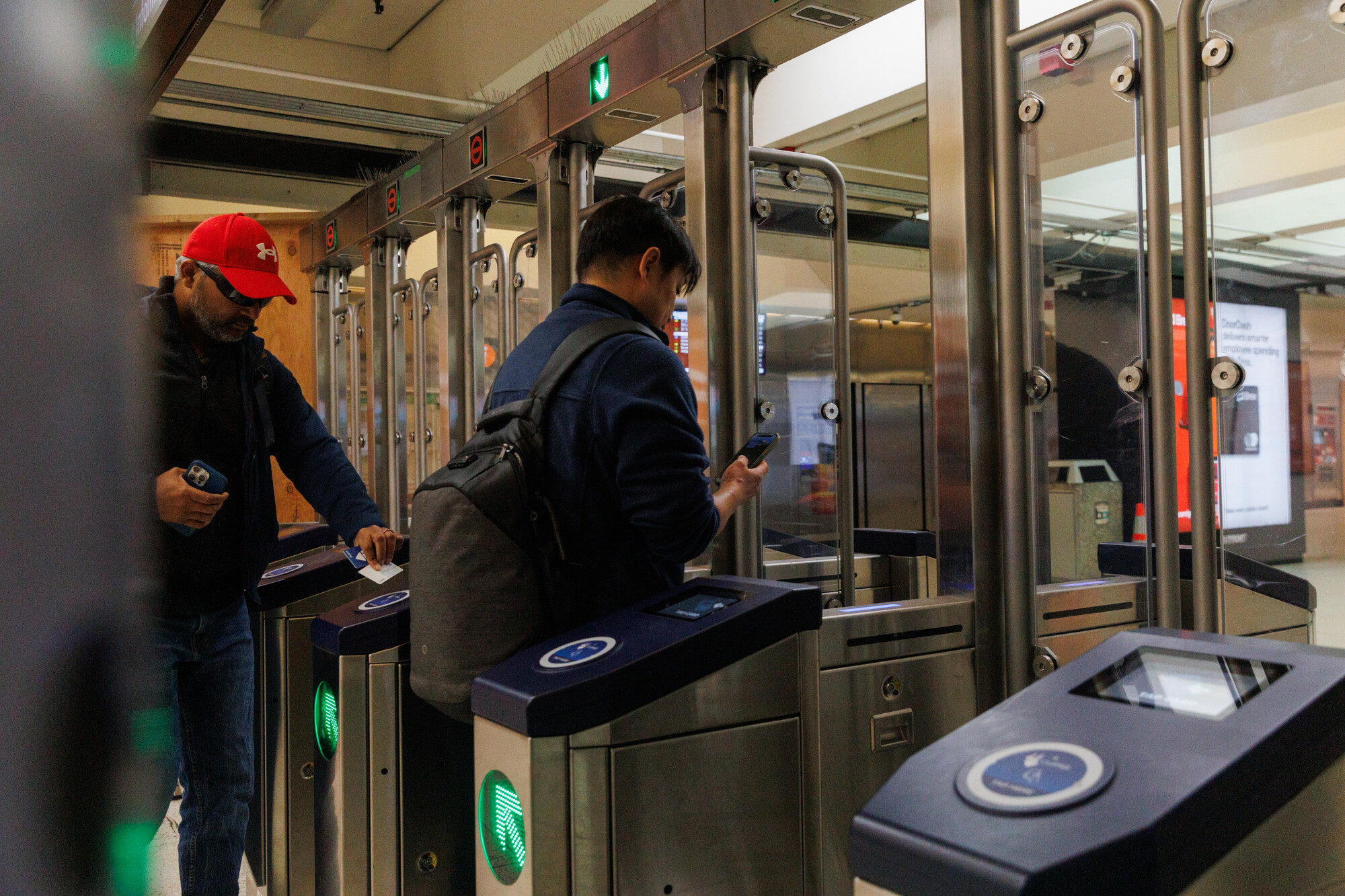
"content": "\n\u003cp>New data shows \u003ca href=\"https://www.kqed.org/news/tag/bart\">BART\u003c/a> has seen a massive drop in crime, something the agency credits to the one-year anniversary of its next-generation fare gates.\u003c/p>\n\n\n\n\u003cp>The agency reported Tuesday that, for every million trips, crimes against riders (such as robbery, aggravated assault, rape and homicide) fell \u003ca href=\"https://www.bart.gov/news/articles/2026/news20260908\">67%\u003c/a> between December 2024 and June 2026. The improved fare gates, which are intended to reduce fare evasion, began operating at all 50 stations last year. \u003c/p>\n\n\n\n\u003cp>“They’ve been a real game changer,” BART General Manager Robert Powers said Tuesday during a news conference at San Francisco’s Powell Street station.\u003c/p>\n\n\n\n\u003cp>The agency also reported a 47% reduction in BART Police and other safety-related delays over the same time period.\u003c/p>\n\n\n\u003cdiv class=\"wp-block-image\">\n\u003cfigure class=\"aligncenter size-full\">\u003cimg loading=\"lazy\" decoding=\"async\" width=\"2000\" height=\"1333\" src=\"https://cdn.kqed.org/wp-content/uploads/sites/10/2026/09/260908-BARTFAREEVASION-NG-13-KQED.jpg\" alt=\"\" class=\"wp-image-12098710\" srcset=\"https://cdn.kqed.org/wp-content/uploads/sites/10/2026/09/260908-BARTFAREEVASION-NG-13-KQED.jpg 2000w, https://cdn.kqed.org/wp-content/uploads/sites/10/2026/09/260908-BARTFAREEVASION-NG-13-KQED-160x107.jpg 160w, https://cdn.kqed.org/wp-content/uploads/sites/10/2026/09/260908-BARTFAREEVASION-NG-13-KQED-1536x1024.jpg 1536w\" sizes=\"auto, (max-width: 2000px) 100vw, 2000px\" />\u003cfigcaption class=\"wp-element-caption\">BART General Manager Robert Powers points to a part that helps swing a fare gate open faster, as compared with previous models, at a press conference on Sept. 8, 2026, at the Powell Street station in San Francisco. New data shows crimes against riders and fare evasion went down after the implementation of BART’s Next Generation Fare Gates. (Nina Glick/KQED)\u003c/figcaption>\u003c/figure>\n\u003c/div>\n\n\n\u003cfigure class=\"wp-block-gallery has-nested-images columns-default is-cropped wp-block-gallery-3 is-layout-flex wp-block-gallery-is-layout-flex\">\n\u003cfigure class=\"wp-block-image size-large\">\u003cimg loading=\"lazy\" decoding=\"async\" width=\"2000\" height=\"1333\" data-id=\"12098711\" src=\"https://cdn.kqed.org/wp-content/uploads/sites/10/2026/09/260908-BARTFAREEVASION-NG-14-KQED.jpg\" alt=\"\" class=\"wp-image-12098711\" srcset=\"https://cdn.kqed.org/wp-content/uploads/sites/10/2026/09/260908-BARTFAREEVASION-NG-14-KQED.jpg 2000w, https://cdn.kqed.org/wp-content/uploads/sites/10/2026/09/260908-BARTFAREEVASION-NG-14-KQED-160x107.jpg 160w, https://cdn.kqed.org/wp-content/uploads/sites/10/2026/09/260908-BARTFAREEVASION-NG-14-KQED-1536x1024.jpg 1536w\" sizes=\"auto, (max-width: 2000px) 100vw, 2000px\" />\u003cfigcaption class=\"wp-element-caption\">BART Police Chief Kevin Franklin speaks at a press conference on Sept. 8, 2026, at the Powell Street station in San Francisco. New data shows crimes against riders and fare evasion went down after the implementation of BART’s Next Generation Fare Gates. (Nina Glick/KQED)\u003c/figcaption>\u003c/figure>\n\n\n\n\u003cfigure class=\"wp-block-image size-large\">\u003cimg loading=\"lazy\" decoding=\"async\" width=\"2000\" height=\"1333\" data-id=\"12098713\" src=\"https://cdn.kqed.org/wp-content/uploads/sites/10/2026/09/260908-BARTFAREEVASION-NG-27-KQED.jpg\" alt=\"\" class=\"wp-image-12098713\" srcset=\"https://cdn.kqed.org/wp-content/uploads/sites/10/2026/09/260908-BARTFAREEVASION-NG-27-KQED.jpg 2000w, https://cdn.kqed.org/wp-content/uploads/sites/10/2026/09/260908-BARTFAREEVASION-NG-27-KQED-160x107.jpg 160w, https://cdn.kqed.org/wp-content/uploads/sites/10/2026/09/260908-BARTFAREEVASION-NG-27-KQED-1536x1024.jpg 1536w\" sizes=\"auto, (max-width: 2000px) 100vw, 2000px\" />\u003cfigcaption class=\"wp-element-caption\">A chart showing the increase in ridership since the implementation of BART’s Next Generation Fare Gates is displayed at the Powell Street station in San Francisco on Sept. 8, 2026. (Nina Glick/KQED)\u003c/figcaption>\u003c/figure>\n\u003c/figure>\n\n\n\n\u003cp>“ Not only is crime less frequent on BART, but because of that drop my officers are able to respond more quickly to the emergencies that we do need to address,” BART Police Chief Kevin Franklin said, calling the fare gates a “force multiplier.”\u003c/p>\n\n\n\n\u003cp>Franklin added that people who commit crimes on BART tend to also be fare evaders, although he did not provide a specific statistic. He acknowledged, however, that not all people who evade fares commit crimes. \u003c/p>\n\n\n\n\u003cp>The percentage of riders who said they witnessed fare evasion was down to 9% in June, Franklin said, compared with a high of 25% two years ago. \u003c/p>\n\n\n\n\u003cp>While BART touts the progress of its fare gates, the agency said fare evaders have adapted: Instead of jumping over the turnstiles of the previous gates, some daring fare evaders follow closely behind a rider, so they can sneak through the gate while it is still open, a practice BART calls “piggybacking.” BART leaders said the agency in response has increased the speed at which the gates close, and the agency also plans to install sensors as another deterrent. \u003c/p>\n\n\n\n\n\n\u003cp>A 2023 state \u003ca href=\"https://mtc.ca.gov/news/mtc-approves-emergency-transit-operations-funding-plan-senate-bill-125\">bill\u003c/a> required BART to implement the new fare gates to receive emergency funding for pandemic-era losses in revenue.\u003c/p>\n\n\n\n\u003cp>BART and several other Bay Area transit agencies have been working to reduce costs, improve efficiencies and make sure riders pay their fair share, in the face of major budget deficits and a \u003ca href=\"https://www.kqed.org/news/12084841/campaign-to-fund-bay-area-transit-smashes-signature-gathering-goal\">proposed tax measure\u003c/a> on the November ballot.\u003c/p>\n\n\n\n\u003cp>Pointing to pandemic-driven drops in revenue and ridership, BART has reported an ongoing structural deficit of up to $400 million due. The agency has warned of steep service cuts, including ending service at 9 p.m. and eliminating two entire lines. \u003c/p>\n\n\n\n\u003cp>According to the agency, its early estimates indicate the latest fare gates will generate an additional $10 million annually. \u003c/p>\n\n\n\n\u003cp>“Every single decision I make right now is to improve the quality of the rider experience,” Powers said.\u003c/p>\n\n\n\n\u003cp>BART’s most recent quarterly report delivered a customer satisfaction \u003ca href=\"https://bart.legistar.com/View.ashx?M=F&ID=15831824&GUID=B7CF999D-7FC8-4F98-8C39-12A6248779DB\">rate of 91%\u003c/a> — the highest ever recorded — officials said Tuesday. BART Chief Communications Officer Alicia Trost told KQED the survey is conducted by BART employees who randomly interview riders on board trains. \u003c/p>\n\n\n\u003cdiv class=\"wp-block-image\">\n\u003cfigure class=\"aligncenter size-full\">\u003cimg loading=\"lazy\" decoding=\"async\" width=\"2000\" height=\"1333\" src=\"https://cdn.kqed.org/wp-content/uploads/sites/10/2026/09/260908-BARTFAREEVASION-NG-43-KQED.jpg\" alt=\"\" class=\"wp-image-12098715\" srcset=\"https://cdn.kqed.org/wp-content/uploads/sites/10/2026/09/260908-BARTFAREEVASION-NG-43-KQED.jpg 2000w, https://cdn.kqed.org/wp-content/uploads/sites/10/2026/09/260908-BARTFAREEVASION-NG-43-KQED-160x107.jpg 160w, https://cdn.kqed.org/wp-content/uploads/sites/10/2026/09/260908-BARTFAREEVASION-NG-43-KQED-1536x1024.jpg 1536w\" sizes=\"auto, (max-width: 2000px) 100vw, 2000px\" />\u003cfigcaption class=\"wp-element-caption\">BART rider Deepti Prabakar, 22, poses for a portrait in front of BART’s Next Generation Fare Gates at the Powell Street station in San Francisco on Sept. 8, 2026. (Nina Glick/KQED)\u003c/figcaption>\u003c/figure>\n\u003c/div>\n\n\n\u003cp>Deepti Prabakar, 22, commutes to San Francisco from Fremont on BART. She said she’s noticed a drop in people riding for free.\u003c/p>\n\n\n\n\u003cp>“ I’ve definitely noticed that people are nicer now and also more respectful,” Prabakar said at Powell Street station. “I feel like before there’d be a lot of people yelling, or it’d be a little bit scarier, but people now are pretty chill.” \u003c/p>\n\n\n\n\u003cp>Arman Saghafi, 25, said the experience of riding BART now is less “sketchy.” He recalled riding the system while growing up in Albany.\u003c/p>\n\n\n\n\u003cp>“The trains are a lot cleaner,” Saghafi said. “As a whole, cleaning up the system has been nice. It makes the experience of taking BART less hairy.”\u003c/p>\n",
"blocks": [
{
"blockName": "core/paragraph",
"attrs": {
"dropCap": false
},
"innerHTML": "\n\u003cp>New data shows \u003ca href=\"https://www.kqed.org/news/tag/bart\">BART\u003c/a> has seen a massive drop in crime, something the agency credits to the one-year anniversary of its next-generation fare gates.\u003c/p>\n",
"innerContent": [
"\n\u003cp>New data shows \u003ca href=\"https://www.kqed.org/news/tag/bart\">BART\u003c/a> has seen a massive drop in crime, something the agency credits to the one-year anniversary of its next-generation fare gates.\u003c/p>\n"
],
"innerBlocks": []
},
{
"blockName": "core/paragraph",
"attrs": {
"dropCap": false
},
"innerHTML": "\n\u003cp>The agency reported Tuesday that, for every million trips, crimes against riders (such as robbery, aggravated assault, rape and homicide) fell \u003ca href=\"https://www.bart.gov/news/articles/2026/news20260908\">67%\u003c/a> between December 2024 and June 2026. The improved fare gates, which are intended to reduce fare evasion, began operating at all 50 stations last year. \u003c/p>\n",
"innerContent": [
"\n\u003cp>The agency reported Tuesday that, for every million trips, crimes against riders (such as robbery, aggravated assault, rape and homicide) fell \u003ca href=\"https://www.bart.gov/news/articles/2026/news20260908\">67%\u003c/a> between December 2024 and June 2026. The improved fare gates, which are intended to reduce fare evasion, began operating at all 50 stations last year. \u003c/p>\n"
],
"innerBlocks": []
},
{
"blockName": "core/paragraph",
"attrs": {
"dropCap": false
},
"innerHTML": "\n\u003cp>“They’ve been a real game changer,” BART General Manager Robert Powers said Tuesday during a news conference at San Francisco’s Powell Street station.\u003c/p>\n",
"innerContent": [
"\n\u003cp>“They’ve been a real game changer,” BART General Manager Robert Powers said Tuesday during a news conference at San Francisco’s Powell Street station.\u003c/p>\n"
],
"innerBlocks": []
},
{
"blockName": "core/paragraph",
"attrs": {
"dropCap": false
},
"innerHTML": "\n\u003cp>The agency also reported a 47% reduction in BART Police and other safety-related delays over the same time period.\u003c/p>\n",
"innerContent": [
"\n\u003cp>The agency also reported a 47% reduction in BART Police and other safety-related delays over the same time period.\u003c/p>\n"
],
"innerBlocks": []
},
{
"blockName": "core/image",
"attrs": {
"id": 12098710,
"sizeSlug": "full",
"linkDestination": "none",
"align": "center",
"alt": "",
"srcset": "https://cdn.kqed.org/wp-content/uploads/sites/10/2026/09/260908-BARTFAREEVASION-NG-13-KQED.jpg 2000w, https://cdn.kqed.org/wp-content/uploads/sites/10/2026/09/260908-BARTFAREEVASION-NG-13-KQED-160x107.jpg 160w, https://cdn.kqed.org/wp-content/uploads/sites/10/2026/09/260908-BARTFAREEVASION-NG-13-KQED-1536x1024.jpg 1536w",
"sizes": "(min-width: 992px) min(100vw, 1536px), (min-width: 768px) min(100vw, 1280px), min(100vw, 1020px)"
},
"innerHTML": "\n\u003cfigure class=\"wp-block-image aligncenter size-full\">\u003cimg src=\"https://cdn.kqed.org/wp-content/uploads/sites/10/2026/09/260908-BARTFAREEVASION-NG-13-KQED.jpg\" alt=\"\" class=\"wp-image-12098710\" srcset=\"https://cdn.kqed.org/wp-content/uploads/sites/10/2026/09/260908-BARTFAREEVASION-NG-13-KQED.jpg 2000w, https://cdn.kqed.org/wp-content/uploads/sites/10/2026/09/260908-BARTFAREEVASION-NG-13-KQED-160x107.jpg 160w, https://cdn.kqed.org/wp-content/uploads/sites/10/2026/09/260908-BARTFAREEVASION-NG-13-KQED-1536x1024.jpg 1536w\" sizes=\"(min-width: 992px) min(100vw, 1536px), (min-width: 768px) min(100vw, 1280px), min(100vw, 1020px)\" />\u003cfigcaption class=\"wp-element-caption\">BART General Manager Robert Powers points to a part that helps swing a fare gate open faster, as compared with previous models, at a press conference on Sept. 8, 2026, at the Powell Street station in San Francisco. New data shows crimes against riders and fare evasion went down after the implementation of BART’s Next Generation Fare Gates.\u003ccite class=\"wp-inline-image-credit\"> (Nina Glick/KQED)\u003c/cite>\u003c/figcaption>\u003c/figure>\n",
"innerContent": [
"\n\u003cfigure class=\"wp-block-image aligncenter size-full\">\u003cimg src=\"https://cdn.kqed.org/wp-content/uploads/sites/10/2026/09/260908-BARTFAREEVASION-NG-13-KQED.jpg\" alt=\"\" class=\"wp-image-12098710\" />\u003cfigcaption class=\"wp-element-caption\">BART General Manager Robert Powers points to a part that helps swing a fare gate open faster, as compared with previous models, at a press conference on Sept. 8, 2026, at the Powell Street station in San Francisco. New data shows crimes against riders and fare evasion went down after the implementation of BART’s Next Generation Fare Gates.\u003ccite class=\"wp-inline-image-credit\"> (Nina Glick/KQED)\u003c/cite>\u003c/figcaption>\u003c/figure>\n"
],
"innerBlocks": []
},
{
"blockName": "core/gallery",
"attrs": {
"linkTo": "none",
"images": [],
"ids": [],
"shortCodeTransforms": [],
"imageCrop": true,
"randomOrder": false,
"fixedHeight": true,
"sizeSlug": "large",
"allowResize": false,
"aspectRatio": "auto"
},
"innerHTML": "\n\u003cfigure class=\"wp-block-gallery has-nested-images columns-default is-cropped\">\n\n\u003c/figure>\n",
"innerContent": [
"\n\u003cfigure class=\"wp-block-gallery has-nested-images columns-default is-cropped\">",
null,
"\n\n",
null,
"\u003c/figure>\n"
],
"innerBlocks": [
{
"blockName": "core/image",
"attrs": {
"id": 12098711,
"sizeSlug": "large",
"linkDestination": "none",
"alt": ""
},
"innerBlocks": [],
"innerHTML": "\n\u003cfigure class=\"wp-block-image size-large\">\u003cimg src=\"https://cdn.kqed.org/wp-content/uploads/sites/10/2026/09/260908-BARTFAREEVASION-NG-14-KQED.jpg\" alt=\"\" class=\"wp-image-12098711\" />\u003cfigcaption class=\"wp-element-caption\">BART Police Chief Kevin Franklin speaks at a press conference on Sept. 8, 2026, at the Powell Street station in San Francisco. New data shows crimes against riders and fare evasion went down after the implementation of BART’s Next Generation Fare Gates.\u003c/figcaption>\u003c/figure>\n",
"innerContent": [
"\n\u003cfigure class=\"wp-block-image size-large\">\u003cimg src=\"https://cdn.kqed.org/wp-content/uploads/sites/10/2026/09/260908-BARTFAREEVASION-NG-14-KQED.jpg\" alt=\"\" class=\"wp-image-12098711\" />\u003cfigcaption class=\"wp-element-caption\">BART Police Chief Kevin Franklin speaks at a press conference on Sept. 8, 2026, at the Powell Street station in San Francisco. New data shows crimes against riders and fare evasion went down after the implementation of BART’s Next Generation Fare Gates.\u003c/figcaption>\u003c/figure>\n"
]
},
{
"blockName": "core/image",
"attrs": {
"id": 12098713,
"sizeSlug": "large",
"linkDestination": "none",
"alt": ""
},
"innerBlocks": [],
"innerHTML": "\n\u003cfigure class=\"wp-block-image size-large\">\u003cimg src=\"https://cdn.kqed.org/wp-content/uploads/sites/10/2026/09/260908-BARTFAREEVASION-NG-27-KQED.jpg\" alt=\"\" class=\"wp-image-12098713\" />\u003cfigcaption class=\"wp-element-caption\">A chart showing the increase in ridership since the implementation of BART’s Next Generation Fare Gates is displayed at the Powell Street station in San Francisco on Sept. 8, 2026.\u003c/figcaption>\u003c/figure>\n",
"innerContent": [
"\n\u003cfigure class=\"wp-block-image size-large\">\u003cimg src=\"https://cdn.kqed.org/wp-content/uploads/sites/10/2026/09/260908-BARTFAREEVASION-NG-27-KQED.jpg\" alt=\"\" class=\"wp-image-12098713\" />\u003cfigcaption class=\"wp-element-caption\">A chart showing the increase in ridership since the implementation of BART’s Next Generation Fare Gates is displayed at the Powell Street station in San Francisco on Sept. 8, 2026.\u003c/figcaption>\u003c/figure>\n"
]
}
]
},
{
"blockName": "core/paragraph",
"attrs": {
"dropCap": false
},
"innerHTML": "\n\u003cp>“ Not only is crime less frequent on BART, but because of that drop my officers are able to respond more quickly to the emergencies that we do need to address,” BART Police Chief Kevin Franklin said, calling the fare gates a “force multiplier.”\u003c/p>\n",
"innerContent": [
"\n\u003cp>“ Not only is crime less frequent on BART, but because of that drop my officers are able to respond more quickly to the emergencies that we do need to address,” BART Police Chief Kevin Franklin said, calling the fare gates a “force multiplier.”\u003c/p>\n"
],
"innerBlocks": []
},
{
"blockName": "core/paragraph",
"attrs": {
"dropCap": false
},
"innerHTML": "\n\u003cp>Franklin added that people who commit crimes on BART tend to also be fare evaders, although he did not provide a specific statistic. He acknowledged, however, that not all people who evade fares commit crimes. \u003c/p>\n",
"innerContent": [
"\n\u003cp>Franklin added that people who commit crimes on BART tend to also be fare evaders, although he did not provide a specific statistic. He acknowledged, however, that not all people who evade fares commit crimes. \u003c/p>\n"
],
"innerBlocks": []
},
{
"blockName": "core/paragraph",
"attrs": {
"dropCap": false
},
"innerHTML": "\n\u003cp>The percentage of riders who said they witnessed fare evasion was down to 9% in June, Franklin said, compared with a high of 25% two years ago. \u003c/p>\n",
"innerContent": [
"\n\u003cp>The percentage of riders who said they witnessed fare evasion was down to 9% in June, Franklin said, compared with a high of 25% two years ago. \u003c/p>\n"
],
"innerBlocks": []
},
{
"blockName": "core/paragraph",
"attrs": {
"dropCap": false
},
"innerHTML": "\n\u003cp>While BART touts the progress of its fare gates, the agency said fare evaders have adapted: Instead of jumping over the turnstiles of the previous gates, some daring fare evaders follow closely behind a rider, so they can sneak through the gate while it is still open, a practice BART calls “piggybacking.” BART leaders said the agency in response has increased the speed at which the gates close, and the agency also plans to install sensors as another deterrent. \u003c/p>\n",
"innerContent": [
"\n\u003cp>While BART touts the progress of its fare gates, the agency said fare evaders have adapted: Instead of jumping over the turnstiles of the previous gates, some daring fare evaders follow closely behind a rider, so they can sneak through the gate while it is still open, a practice BART calls “piggybacking.” BART leaders said the agency in response has increased the speed at which the gates close, and the agency also plans to install sensors as another deterrent. \u003c/p>\n"
],
"innerBlocks": []
},
{
"blockName": "kqed-v2/related-articles",
"attrs": {
"postIds": [
"news_11997857"
],
"label": "Related Articles",
"maxPosts": 1,
"showImages": false,
"heroImage": "https://cdn.kqed.org/wp-content/uploads/sites/10/2024/07/240729-next-generation-fare-gates-KQED-1920x1280.jpg",
"query": "",
"labelWasCleared": false,
"heroImageAlt": "",
"heroImageLink": "",
"labelLink": "",
"alignment": "right",
"target": "_self",
"manualLinks": [],
"posts": []
},
"innerHTML": "",
"innerContent": [],
"innerBlocks": []
},
{
"blockName": "core/paragraph",
"attrs": {
"dropCap": false
},
"innerHTML": "\n\u003cp>A 2023 state \u003ca href=\"https://mtc.ca.gov/news/mtc-approves-emergency-transit-operations-funding-plan-senate-bill-125\">bill\u003c/a> required BART to implement the new fare gates to receive emergency funding for pandemic-era losses in revenue.\u003c/p>\n",
"innerContent": [
"\n\u003cp>A 2023 state \u003ca href=\"https://mtc.ca.gov/news/mtc-approves-emergency-transit-operations-funding-plan-senate-bill-125\">bill\u003c/a> required BART to implement the new fare gates to receive emergency funding for pandemic-era losses in revenue.\u003c/p>\n"
],
"innerBlocks": []
},
{
"blockName": "core/paragraph",
"attrs": {
"dropCap": false
},
"innerHTML": "\n\u003cp>BART and several other Bay Area transit agencies have been working to reduce costs, improve efficiencies and make sure riders pay their fair share, in the face of major budget deficits and a \u003ca href=\"https://www.kqed.org/news/12084841/campaign-to-fund-bay-area-transit-smashes-signature-gathering-goal\">proposed tax measure\u003c/a> on the November ballot.\u003c/p>\n",
"innerContent": [
"\n\u003cp>BART and several other Bay Area transit agencies have been working to reduce costs, improve efficiencies and make sure riders pay their fair share, in the face of major budget deficits and a \u003ca href=\"https://www.kqed.org/news/12084841/campaign-to-fund-bay-area-transit-smashes-signature-gathering-goal\">proposed tax measure\u003c/a> on the November ballot.\u003c/p>\n"
],
"innerBlocks": []
},
{
"blockName": "core/paragraph",
"attrs": {
"dropCap": false
},
"innerHTML": "\n\u003cp>Pointing to pandemic-driven drops in revenue and ridership, BART has reported an ongoing structural deficit of up to $400 million due. The agency has warned of steep service cuts, including ending service at 9 p.m. and eliminating two entire lines. \u003c/p>\n",
"innerContent": [
"\n\u003cp>Pointing to pandemic-driven drops in revenue and ridership, BART has reported an ongoing structural deficit of up to $400 million due. The agency has warned of steep service cuts, including ending service at 9 p.m. and eliminating two entire lines. \u003c/p>\n"
],
"innerBlocks": []
},
{
"blockName": "core/paragraph",
"attrs": {
"dropCap": false
},
"innerHTML": "\n\u003cp>According to the agency, its early estimates indicate the latest fare gates will generate an additional $10 million annually. \u003c/p>\n",
"innerContent": [
"\n\u003cp>According to the agency, its early estimates indicate the latest fare gates will generate an additional $10 million annually. \u003c/p>\n"
],
"innerBlocks": []
},
{
"blockName": "core/paragraph",
"attrs": {
"dropCap": false
},
"innerHTML": "\n\u003cp>“Every single decision I make right now is to improve the quality of the rider experience,” Powers said.\u003c/p>\n",
"innerContent": [
"\n\u003cp>“Every single decision I make right now is to improve the quality of the rider experience,” Powers said.\u003c/p>\n"
],
"innerBlocks": []
},
{
"blockName": "core/paragraph",
"attrs": {
"dropCap": false
},
"innerHTML": "\n\u003cp>BART’s most recent quarterly report delivered a customer satisfaction \u003ca href=\"https://bart.legistar.com/View.ashx?M=F&ID=15831824&GUID=B7CF999D-7FC8-4F98-8C39-12A6248779DB\">rate of 91%\u003c/a> — the highest ever recorded — officials said Tuesday. BART Chief Communications Officer Alicia Trost told KQED the survey is conducted by BART employees who randomly interview riders on board trains. \u003c/p>\n",
"innerContent": [
"\n\u003cp>BART’s most recent quarterly report delivered a customer satisfaction \u003ca href=\"https://bart.legistar.com/View.ashx?M=F&ID=15831824&GUID=B7CF999D-7FC8-4F98-8C39-12A6248779DB\">rate of 91%\u003c/a> — the highest ever recorded — officials said Tuesday. BART Chief Communications Officer Alicia Trost told KQED the survey is conducted by BART employees who randomly interview riders on board trains. \u003c/p>\n"
],
"innerBlocks": []
},
{
"blockName": "core/image",
"attrs": {
"id": 12098715,
"sizeSlug": "full",
"linkDestination": "none",
"align": "center",
"alt": "",
"srcset": "https://cdn.kqed.org/wp-content/uploads/sites/10/2026/09/260908-BARTFAREEVASION-NG-43-KQED.jpg 2000w, https://cdn.kqed.org/wp-content/uploads/sites/10/2026/09/260908-BARTFAREEVASION-NG-43-KQED-160x107.jpg 160w, https://cdn.kqed.org/wp-content/uploads/sites/10/2026/09/260908-BARTFAREEVASION-NG-43-KQED-1536x1024.jpg 1536w",
"sizes": "(min-width: 992px) min(100vw, 1536px), (min-width: 768px) min(100vw, 1280px), min(100vw, 1020px)"
},
"innerHTML": "\n\u003cfigure class=\"wp-block-image aligncenter size-full\">\u003cimg src=\"https://cdn.kqed.org/wp-content/uploads/sites/10/2026/09/260908-BARTFAREEVASION-NG-43-KQED.jpg\" alt=\"\" class=\"wp-image-12098715\" srcset=\"https://cdn.kqed.org/wp-content/uploads/sites/10/2026/09/260908-BARTFAREEVASION-NG-43-KQED.jpg 2000w, https://cdn.kqed.org/wp-content/uploads/sites/10/2026/09/260908-BARTFAREEVASION-NG-43-KQED-160x107.jpg 160w, https://cdn.kqed.org/wp-content/uploads/sites/10/2026/09/260908-BARTFAREEVASION-NG-43-KQED-1536x1024.jpg 1536w\" sizes=\"(min-width: 992px) min(100vw, 1536px), (min-width: 768px) min(100vw, 1280px), min(100vw, 1020px)\" />\u003cfigcaption class=\"wp-element-caption\">BART rider Deepti Prabakar, 22, poses for a portrait in front of BART’s Next Generation Fare Gates at the Powell Street station in San Francisco on Sept. 8, 2026.\u003ccite class=\"wp-inline-image-credit\"> (Nina Glick/KQED)\u003c/cite>\u003c/figcaption>\u003c/figure>\n",
"innerContent": [
"\n\u003cfigure class=\"wp-block-image aligncenter size-full\">\u003cimg src=\"https://cdn.kqed.org/wp-content/uploads/sites/10/2026/09/260908-BARTFAREEVASION-NG-43-KQED.jpg\" alt=\"\" class=\"wp-image-12098715\" />\u003cfigcaption class=\"wp-element-caption\">BART rider Deepti Prabakar, 22, poses for a portrait in front of BART’s Next Generation Fare Gates at the Powell Street station in San Francisco on Sept. 8, 2026.\u003ccite class=\"wp-inline-image-credit\"> (Nina Glick/KQED)\u003c/cite>\u003c/figcaption>\u003c/figure>\n"
],
"innerBlocks": []
},
{
"blockName": "core/paragraph",
"attrs": {
"dropCap": false
},
"innerHTML": "\n\u003cp>Deepti Prabakar, 22, commutes to San Francisco from Fremont on BART. She said she’s noticed a drop in people riding for free.\u003c/p>\n",
"innerContent": [
"\n\u003cp>Deepti Prabakar, 22, commutes to San Francisco from Fremont on BART. She said she’s noticed a drop in people riding for free.\u003c/p>\n"
],
"innerBlocks": []
},
{
"blockName": "core/paragraph",
"attrs": {
"dropCap": false
},
"innerHTML": "\n\u003cp>“ I’ve definitely noticed that people are nicer now and also more respectful,” Prabakar said at Powell Street station. “I feel like before there’d be a lot of people yelling, or it’d be a little bit scarier, but people now are pretty chill.” \u003c/p>\n",
"innerContent": [
"\n\u003cp>“ I’ve definitely noticed that people are nicer now and also more respectful,” Prabakar said at Powell Street station. “I feel like before there’d be a lot of people yelling, or it’d be a little bit scarier, but people now are pretty chill.” \u003c/p>\n"
],
"innerBlocks": []
},
{
"blockName": "core/paragraph",
"attrs": {
"dropCap": false
},
"innerHTML": "\n\u003cp>Arman Saghafi, 25, said the experience of riding BART now is less “sketchy.” He recalled riding the system while growing up in Albany.\u003c/p>\n",
"innerContent": [
"\n\u003cp>Arman Saghafi, 25, said the experience of riding BART now is less “sketchy.” He recalled riding the system while growing up in Albany.\u003c/p>\n"
],
"innerBlocks": []
},
{
"blockName": "core/paragraph",
"attrs": {
"dropCap": false
},
"innerHTML": "\n\u003cp>“The trains are a lot cleaner,” Saghafi said. “As a whole, cleaning up the system has been nice. It makes the experience of taking BART less hairy.”\u003c/p>\n",
"innerContent": [
"\n\u003cp>“The trains are a lot cleaner,” Saghafi said. “As a whole, cleaning up the system has been nice. It makes the experience of taking BART less hairy.”\u003c/p>\n"
],
"innerBlocks": []
}
],
"excerpt": "The next-generation fare gates have also improved reliability and added revenue, but the agency still faces challenges with fare evasion. ",
"status": "publish",
"parent": 0,
"modified": 1788911395,
"stats": {
"hasAudio": false,
"hasVideo": false,
"hasChartOrMap": false,
"iframeSrcs": [],
"hasGoogleForm": false,
"hasGallery": false,
"hasHearkenModule": false,
"hasPolis": false,
"paragraphCount": 18,
"wordCount": 791
},
"headData": {
"title": "BART Reports Major Crime Drop 1 Year After New Fare Gates | KQED",
"description": "The next-generation fare gates have also improved reliability and added revenue, but the agency still faces challenges with fare evasion. ",
"ogTitle": "",
"ogDescription": "",
"ogImgId": "",
"twTitle": "",
"twDescription": "",
"twImgId": "",
"schema": {
"@context": "https://schema.org",
"@type": "NewsArticle",
"headline": "BART Reports Major Crime Drop 1 Year After New Fare Gates",
"datePublished": "2026-09-08T15:24:14-07:00",
"dateModified": "2026-09-08T16:49:55-07:00",
"image": "https://cdn.kqed.org/wp-content/uploads/2020/02/KQED-OG-Image@1x.png",
"isAccessibleForFree": "True",
"publisher": {
"@type": "NewsMediaOrganization",
"@id": "https://www.kqed.org/#organization",
"name": "KQED",
"logo": "https://cdn.kqed.org/wp-content/uploads/2020/02/KQED-OG-Image@1x.png",
"url": "https://www.kqed.org",
"sameAs": [
"https://www.facebook.com/KQED",
"https://twitter.com/KQED",
"https://www.instagram.com/kqed/",
"https://www.tiktok.com/@kqedofficial",
"https://www.linkedin.com/company/kqed",
"https://www.youtube.com/channel/UCeC0IOo7i1P_61zVUWbJ4nw"
]
}
}
},
"primaryCategory": {
"termId": 1397,
"slug": "transportation",
"name": "Transportation"
},
"sticky": false,
"nprStoryId": "kqed-12098687",
"templateType": "standard",
"featuredImageType": "standard",
"excludeFromSiteSearch": "Include",
"articleAge": "0",
"path": "/news/12098687/bart-reports-major-crime-drop-1-year-after-new-fare-gates",
"audioTrackLength": null,
"parsedContent": [
{
"type": "contentString",
"content": "\u003cdiv class=\"post-body\">\u003cp>\n\u003cp>New data shows \u003ca href=\"https://www.kqed.org/news/tag/bart\">BART\u003c/a> has seen a massive drop in crime, something the agency credits to the one-year anniversary of its next-generation fare gates.\u003c/p>\n\n\n\n\u003cp>The agency reported Tuesday that, for every million trips, crimes against riders (such as robbery, aggravated assault, rape and homicide) fell \u003ca href=\"https://www.bart.gov/news/articles/2026/news20260908\">67%\u003c/a> between December 2024 and June 2026. The improved fare gates, which are intended to reduce fare evasion, began operating at all 50 stations last year. \u003c/p>\n\n\n\n\u003cp>“They’ve been a real game changer,” BART General Manager Robert Powers said Tuesday during a news conference at San Francisco’s Powell Street station.\u003c/p>\n\n\n\n\u003cp>The agency also reported a 47% reduction in BART Police and other safety-related delays over the same time period.\u003c/p>\n\n\n\u003cdiv class=\"wp-block-image\">\n\u003cfigure class=\"aligncenter size-full\">\u003cimg loading=\"lazy\" decoding=\"async\" width=\"2000\" height=\"1333\" src=\"https://cdn.kqed.org/wp-content/uploads/sites/10/2026/09/260908-BARTFAREEVASION-NG-13-KQED.jpg\" alt=\"\" class=\"wp-image-12098710\" srcset=\"https://cdn.kqed.org/wp-content/uploads/sites/10/2026/09/260908-BARTFAREEVASION-NG-13-KQED.jpg 2000w, https://cdn.kqed.org/wp-content/uploads/sites/10/2026/09/260908-BARTFAREEVASION-NG-13-KQED-160x107.jpg 160w, https://cdn.kqed.org/wp-content/uploads/sites/10/2026/09/260908-BARTFAREEVASION-NG-13-KQED-1536x1024.jpg 1536w\" sizes=\"auto, (max-width: 2000px) 100vw, 2000px\" />\u003cfigcaption class=\"wp-element-caption\">BART General Manager Robert Powers points to a part that helps swing a fare gate open faster, as compared with previous models, at a press conference on Sept. 8, 2026, at the Powell Street station in San Francisco. New data shows crimes against riders and fare evasion went down after the implementation of BART’s Next Generation Fare Gates. (Nina Glick/KQED)\u003c/figcaption>\u003c/figure>\n\u003c/div>\n\n\n\u003cfigure class=\"wp-block-gallery has-nested-images columns-default is-cropped wp-block-gallery-3 is-layout-flex wp-block-gallery-is-layout-flex\">\n\u003cfigure class=\"wp-block-image size-large\">\u003cimg loading=\"lazy\" decoding=\"async\" width=\"2000\" height=\"1333\" data-id=\"12098711\" src=\"https://cdn.kqed.org/wp-content/uploads/sites/10/2026/09/260908-BARTFAREEVASION-NG-14-KQED.jpg\" alt=\"\" class=\"wp-image-12098711\" srcset=\"https://cdn.kqed.org/wp-content/uploads/sites/10/2026/09/260908-BARTFAREEVASION-NG-14-KQED.jpg 2000w, https://cdn.kqed.org/wp-content/uploads/sites/10/2026/09/260908-BARTFAREEVASION-NG-14-KQED-160x107.jpg 160w, https://cdn.kqed.org/wp-content/uploads/sites/10/2026/09/260908-BARTFAREEVASION-NG-14-KQED-1536x1024.jpg 1536w\" sizes=\"auto, (max-width: 2000px) 100vw, 2000px\" />\u003cfigcaption class=\"wp-element-caption\">BART Police Chief Kevin Franklin speaks at a press conference on Sept. 8, 2026, at the Powell Street station in San Francisco. New data shows crimes against riders and fare evasion went down after the implementation of BART’s Next Generation Fare Gates. (Nina Glick/KQED)\u003c/figcaption>\u003c/figure>\n\n\n\n\u003cfigure class=\"wp-block-image size-large\">\u003cimg loading=\"lazy\" decoding=\"async\" width=\"2000\" height=\"1333\" data-id=\"12098713\" src=\"https://cdn.kqed.org/wp-content/uploads/sites/10/2026/09/260908-BARTFAREEVASION-NG-27-KQED.jpg\" alt=\"\" class=\"wp-image-12098713\" srcset=\"https://cdn.kqed.org/wp-content/uploads/sites/10/2026/09/260908-BARTFAREEVASION-NG-27-KQED.jpg 2000w, https://cdn.kqed.org/wp-content/uploads/sites/10/2026/09/260908-BARTFAREEVASION-NG-27-KQED-160x107.jpg 160w, https://cdn.kqed.org/wp-content/uploads/sites/10/2026/09/260908-BARTFAREEVASION-NG-27-KQED-1536x1024.jpg 1536w\" sizes=\"auto, (max-width: 2000px) 100vw, 2000px\" />\u003cfigcaption class=\"wp-element-caption\">A chart showing the increase in ridership since the implementation of BART’s Next Generation Fare Gates is displayed at the Powell Street station in San Francisco on Sept. 8, 2026. (Nina Glick/KQED)\u003c/figcaption>\u003c/figure>\n\u003c/figure>\n\n\n\n\u003cp>“ Not only is crime less frequent on BART, but because of that drop my officers are able to respond more quickly to the emergencies that we do need to address,” BART Police Chief Kevin Franklin said, calling the fare gates a “force multiplier.”\u003c/p>\n\n\n\n\u003cp>Franklin added that people who commit crimes on BART tend to also be fare evaders, although he did not provide a specific statistic. He acknowledged, however, that not all people who evade fares commit crimes. \u003c/p>\n\n\n\n\u003cp>The percentage of riders who said they witnessed fare evasion was down to 9% in June, Franklin said, compared with a high of 25% two years ago. \u003c/p>\n\n\n\n\u003cp>While BART touts the progress of its fare gates, the agency said fare evaders have adapted: Instead of jumping over the turnstiles of the previous gates, some daring fare evaders follow closely behind a rider, so they can sneak through the gate while it is still open, a practice BART calls “piggybacking.” BART leaders said the agency in response has increased the speed at which the gates close, and the agency also plans to install sensors as another deterrent. \u003c/p>\n\n\n\n\n\n\u003cp>A 2023 state \u003ca href=\"https://mtc.ca.gov/news/mtc-approves-emergency-transit-operations-funding-plan-senate-bill-125\">bill\u003c/a> required BART to implement the new fare gates to receive emergency funding for pandemic-era losses in revenue.\u003c/p>\n\n\n\n\u003cp>BART and several other Bay Area transit agencies have been working to reduce costs, improve efficiencies and make sure riders pay their fair share, in the face of major budget deficits and a \u003ca href=\"https://www.kqed.org/news/12084841/campaign-to-fund-bay-area-transit-smashes-signature-gathering-goal\">proposed tax measure\u003c/a> on the November ballot.\u003c/p>\n\n\n\n\u003cp>Pointing to pandemic-driven drops in revenue and ridership, BART has reported an ongoing structural deficit of up to $400 million due. The agency has warned of steep service cuts, including ending service at 9 p.m. and eliminating two entire lines. \u003c/p>\n\n\n\n\u003cp>According to the agency, its early estimates indicate the latest fare gates will generate an additional $10 million annually. \u003c/p>\n\n\n\n\u003cp>“Every single decision I make right now is to improve the quality of the rider experience,” Powers said.\u003c/p>\n\n\n\n\u003cp>BART’s most recent quarterly report delivered a customer satisfaction \u003ca href=\"https://bart.legistar.com/View.ashx?M=F&ID=15831824&GUID=B7CF999D-7FC8-4F98-8C39-12A6248779DB\">rate of 91%\u003c/a> — the highest ever recorded — officials said Tuesday. BART Chief Communications Officer Alicia Trost told KQED the survey is conducted by BART employees who randomly interview riders on board trains. \u003c/p>\n\n\n\u003cdiv class=\"wp-block-image\">\n\u003cfigure class=\"aligncenter size-full\">\u003cimg loading=\"lazy\" decoding=\"async\" width=\"2000\" height=\"1333\" src=\"https://cdn.kqed.org/wp-content/uploads/sites/10/2026/09/260908-BARTFAREEVASION-NG-43-KQED.jpg\" alt=\"\" class=\"wp-image-12098715\" srcset=\"https://cdn.kqed.org/wp-content/uploads/sites/10/2026/09/260908-BARTFAREEVASION-NG-43-KQED.jpg 2000w, https://cdn.kqed.org/wp-content/uploads/sites/10/2026/09/260908-BARTFAREEVASION-NG-43-KQED-160x107.jpg 160w, https://cdn.kqed.org/wp-content/uploads/sites/10/2026/09/260908-BARTFAREEVASION-NG-43-KQED-1536x1024.jpg 1536w\" sizes=\"auto, (max-width: 2000px) 100vw, 2000px\" />\u003cfigcaption class=\"wp-element-caption\">BART rider Deepti Prabakar, 22, poses for a portrait in front of BART’s Next Generation Fare Gates at the Powell Street station in San Francisco on Sept. 8, 2026. (Nina Glick/KQED)\u003c/figcaption>\u003c/figure>\n\u003c/div>\n\n\n\u003cp>Deepti Prabakar, 22, commutes to San Francisco from Fremont on BART. She said she’s noticed a drop in people riding for free.\u003c/p>\n\n\n\n\u003cp>“ I’ve definitely noticed that people are nicer now and also more respectful,” Prabakar said at Powell Street station. “I feel like before there’d be a lot of people yelling, or it’d be a little bit scarier, but people now are pretty chill.” \u003c/p>\n\n\n\n\u003cp>Arman Saghafi, 25, said the experience of riding BART now is less “sketchy.” He recalled riding the system while growing up in Albany.\u003c/p>\n\n\n\n\u003cp>“The trains are a lot cleaner,” Saghafi said. “As a whole, cleaning up the system has been nice. It makes the experience of taking BART less hairy.”\u003c/p>\n\u003c/div>\u003c/p>",
"attributes": {
"named": {},
"numeric": []
}
}
],
"link": "/news/12098687/bart-reports-major-crime-drop-1-year-after-new-fare-gates",
"authors": [
"11785"
],
"categories": [
"news_28250",
"news_8",
"news_1397"
],
"tags": [
"news_269",
"news_31530",
"news_1386",
"news_17768",
"news_27626",
"news_1764",
"news_1533",
"news_38",
"news_20517",
"news_2318"
],
"featImg": "news_12098714",
"label": "news"
},
"news_12085683": {
"type": "posts",
"id": "news_12085683",
"meta": {
"index": "posts_1716263798",
"site": "news",
"id": "12085683",
"score": null,
"sort": [
1780422346000
]
},
"guestAuthors": [],
"slug": "zero-credibility-major-clipper-outage-caused-by-cubics-failure-to-pay-att-bill",
"title": "‘Zero Credibility’: Major Clipper Outage Caused by Cubic’s Failure to Pay AT&T Bill",
"publishDate": 1780422346,
"format": "standard",
"headTitle": "‘Zero Credibility’: Major Clipper Outage Caused by Cubic’s Failure to Pay AT&T Bill | KQED",
"labelTerm": {
"site": "news"
},
"content": "\u003cp>Frustration with Cubic Transportation Systems bubbled over at Monday’s meeting of the Clipper Executive Board, after the fare collection company revealed that a 27-hour outage that brought down \u003ca href=\"https://www.kqed.org/news/tag/bart\">BART\u003c/a>’s ticket vending machines and fare gates last month was caused by the company failing to pay its AT&T bill.\u003c/p>\n\u003cp>On May 18, Cubic and BART discovered a network outage affecting all of the transit agency’s Clipper readers, leaving customers unable to purchase or add value to their cards at BART vending machines and delaying transactions at BART’s fare gates, according to a staff memo.\u003c/p>\n\u003cp>The outage was caused by an AT&T network circuit that works between BART’s data center and Cubic’s ceasing to work, said Lalit Singh, chief operations officer at Cubic.\u003c/p>\n\u003cp>[ad fullwidth]\u003c/p>\n\u003cp>“That’s when we figured out that we have multiple accounts with AT&T. On one of the accounts, the payments were not made, and we couldn’t find where the circuits, which are in support of the BART system, were because they were not in our account system,” Singh said.\u003c/p>\n\u003cp>The admission brought a strong admonishment from BART General Manager Robert Powers.\u003c/p>\n\u003cp>”Cubic not paying their bill? Are you kidding me? That’s ridiculous. BART is so done with Cubic right now. You have zero credibility, Cubic. Zero,” Powers said.\u003c/p>\n\u003cfigure id=\"attachment_12046682\" class=\"wp-caption aligncenter\" style=\"max-width: 2000px\">\u003cimg loading=\"lazy\" decoding=\"async\" class=\"size-full wp-image-12046682\" src=\"https://cdn.kqed.org/wp-content/uploads/sites/10/2025/07/20241204-BART-JY-024_qed.jpg\" alt=\"\" width=\"2000\" height=\"1333\" srcset=\"https://cdn.kqed.org/wp-content/uploads/sites/10/2025/07/20241204-BART-JY-024_qed.jpg 2000w, https://cdn.kqed.org/wp-content/uploads/sites/10/2025/07/20241204-BART-JY-024_qed-160x107.jpg 160w, https://cdn.kqed.org/wp-content/uploads/sites/10/2025/07/20241204-BART-JY-024_qed-1536x1024.jpg 1536w\" sizes=\"auto, (max-width: 2000px) 100vw, 2000px\">\u003cfigcaption class=\"wp-caption-text\">Passengers tag their Clipper cards at Montgomery BART Station in San Francisco on Dec. 4, 2024. \u003ccite>(Juliana Yamada/KQED)\u003c/cite>\u003c/figcaption>\u003c/figure>\n\u003cp>The news came as Cubic missed a self-imposed target date of May 30 to resolve critical issues with a long-awaited upgrade to the fare payment system, known as next-generation Clipper or Clipper 2.0. Nearly six months after its launch date, the upgrade continues to cause problems for riders and transit agencies alike, with agencies reporting inconsistencies with financial reconciliation, fare inspection devices and customer service software, to name a few.\u003c/p>\n\u003cp>With frustration growing, Metropolitan Transportation Commission Executive Director Andrew Fremier announced Monday that the commission was preparing for a closed-session meeting later this month to “discuss contractual remedies.”\u003c/p>\n\u003cp>While the program has been riddled with setbacks, Fremier did note some of its accomplishments. Since Dec. 10, 1.7 million Clipper cards have been converted to Clipper 2.0, and 45% of Clipper fares are paid with Clipper 2.0 accounts, Fremier said.\u003c/p>\n\u003cp>But the depth of issues with Clipper has so far prevented Cubic from completing bulk upgrades of accounts to Clipper 2.0, instead resorting to addressing issues with the new system on a case-by-case basis. Cubic had previously identified May 30 as the target date for beginning bulk migrations, but was unable to realize that due to delays.[aside postID=news_12078144 hero='https://cdn.kqed.org/wp-content/uploads/sites/10/2026/03/Clipper2.0Getty.jpg']“Even just this morning, there was another back-office database issue that impacted Clipper sales channels for approximately one hour before Cubic restored operations,” said Angus Davol, assistant director of Clipper development and budget.\u003c/p>\n\u003cp>On Monday, the board also approved a 2-year, $124 million budget funding Clipper operations, which carries increased costs due to the Clipper 2.0 rollout requiring additional customer service center staff and the need to keep the prior version of Clipper running longer than expected.\u003c/p>\n\u003cp>Oakland resident Bryan Culbertson implored the board to sever ties with Cubic during public comment.\u003c/p>\n\u003cp>“ So that we have a future where we’re not having these meetings over and over and over again of Cubic failing transit riders,” Culbertson said.\u003c/p>\n\u003cp>Fremier said the Metropolitan Transportation Commission is also planning an after-action review to “learn more about the factors that have contributed to these challenges.”\u003c/p>\n\u003cp>Representatives from transit agencies also stressed the need to resolve issues with financial reconciliation promptly, as the end of the fiscal year for many agencies nears.\u003c/p>\n\u003cp>“ Cubic is impacting BART’s ability to provide high-quality public transportation, and that’s a problem. My board members are saying, ‘How much longer are you gonna take this?’” Powers said, adding that “BART engineering is looking at what my options are.”\u003c/p>\n\u003cp>Due to an unsuccessful attempt at fixing critical issues last weekend, Cubic’s target date for resolving major problems with Clipper 2.0 now stretches into the end of this month, at least.\u003c/p>\n\u003cp>\u003c/p>\n",
"blocks": [],
"excerpt": "A 27-hour Clipper outage last month brought down BART ticket vending machines and caused delays at fare gates. ",
"status": "publish",
"parent": 0,
"modified": 1780437721,
"stats": {
"hasAudio": false,
"hasVideo": false,
"hasChartOrMap": false,
"iframeSrcs": [],
"hasGoogleForm": false,
"hasGallery": false,
"hasHearkenModule": false,
"hasPolis": false,
"paragraphCount": 19,
"wordCount": 745
},
"headData": {
"title": "‘Zero Credibility’: Major Clipper Outage Caused by Cubic’s Failure to Pay AT&T Bill | KQED",
"description": "A 27-hour Clipper outage last month brought down BART ticket vending machines and caused delays at fare gates. ",
"ogTitle": "",
"ogDescription": "",
"ogImgId": "",
"twTitle": "",
"twDescription": "",
"twImgId": "",
"schema": {
"@context": "https://schema.org",
"@type": "NewsArticle",
"headline": "‘Zero Credibility’: Major Clipper Outage Caused by Cubic’s Failure to Pay AT&T Bill",
"datePublished": "2026-06-02T10:45:46-07:00",
"dateModified": "2026-06-02T15:02:01-07:00",
"image": "https://cdn.kqed.org/wp-content/uploads/2020/02/KQED-OG-Image@1x.png",
"isAccessibleForFree": "True",
"publisher": {
"@type": "NewsMediaOrganization",
"@id": "https://www.kqed.org/#organization",
"name": "KQED",
"logo": "https://cdn.kqed.org/wp-content/uploads/2020/02/KQED-OG-Image@1x.png",
"url": "https://www.kqed.org",
"sameAs": [
"https://www.facebook.com/KQED",
"https://twitter.com/KQED",
"https://www.instagram.com/kqed/",
"https://www.tiktok.com/@kqedofficial",
"https://www.linkedin.com/company/kqed",
"https://www.youtube.com/channel/UCeC0IOo7i1P_61zVUWbJ4nw"
]
}
}
},
"primaryCategory": {
"termId": 1397,
"slug": "transportation",
"name": "Transportation"
},
"sticky": false,
"nprStoryId": "kqed-12085683",
"templateType": "standard",
"featuredImageType": "standard",
"excludeFromSiteSearch": "Include",
"articleAge": "0",
"path": "/news/12085683/zero-credibility-major-clipper-outage-caused-by-cubics-failure-to-pay-att-bill",
"audioTrackLength": null,
"parsedContent": [
{
"type": "contentString",
"content": "\u003cdiv class=\"post-body\">\u003cp>\u003cp>Frustration with Cubic Transportation Systems bubbled over at Monday’s meeting of the Clipper Executive Board, after the fare collection company revealed that a 27-hour outage that brought down \u003ca href=\"https://www.kqed.org/news/tag/bart\">BART\u003c/a>’s ticket vending machines and fare gates last month was caused by the company failing to pay its AT&T bill.\u003c/p>\n\u003cp>On May 18, Cubic and BART discovered a network outage affecting all of the transit agency’s Clipper readers, leaving customers unable to purchase or add value to their cards at BART vending machines and delaying transactions at BART’s fare gates, according to a staff memo.\u003c/p>\n\u003cp>The outage was caused by an AT&T network circuit that works between BART’s data center and Cubic’s ceasing to work, said Lalit Singh, chief operations officer at Cubic.\u003c/p>\n\u003cp>\u003c/p>\u003c/div>",
"attributes": {
"named": {},
"numeric": []
}
},
{
"type": "component",
"content": "",
"name": "ad",
"attributes": {
"named": {
"label": "fullwidth"
},
"numeric": [
"fullwidth"
]
}
},
{
"type": "contentString",
"content": "\u003cdiv class=\"post-body\">\u003cp>\u003c/p>\n\u003cp>“That’s when we figured out that we have multiple accounts with AT&T. On one of the accounts, the payments were not made, and we couldn’t find where the circuits, which are in support of the BART system, were because they were not in our account system,” Singh said.\u003c/p>\n\u003cp>The admission brought a strong admonishment from BART General Manager Robert Powers.\u003c/p>\n\u003cp>”Cubic not paying their bill? Are you kidding me? That’s ridiculous. BART is so done with Cubic right now. You have zero credibility, Cubic. Zero,” Powers said.\u003c/p>\n\u003cfigure id=\"attachment_12046682\" class=\"wp-caption aligncenter\" style=\"max-width: 2000px\">\u003cimg loading=\"lazy\" decoding=\"async\" class=\"size-full wp-image-12046682\" src=\"https://cdn.kqed.org/wp-content/uploads/sites/10/2025/07/20241204-BART-JY-024_qed.jpg\" alt=\"\" width=\"2000\" height=\"1333\" srcset=\"https://cdn.kqed.org/wp-content/uploads/sites/10/2025/07/20241204-BART-JY-024_qed.jpg 2000w, https://cdn.kqed.org/wp-content/uploads/sites/10/2025/07/20241204-BART-JY-024_qed-160x107.jpg 160w, https://cdn.kqed.org/wp-content/uploads/sites/10/2025/07/20241204-BART-JY-024_qed-1536x1024.jpg 1536w\" sizes=\"auto, (max-width: 2000px) 100vw, 2000px\">\u003cfigcaption class=\"wp-caption-text\">Passengers tag their Clipper cards at Montgomery BART Station in San Francisco on Dec. 4, 2024. \u003ccite>(Juliana Yamada/KQED)\u003c/cite>\u003c/figcaption>\u003c/figure>\n\u003cp>The news came as Cubic missed a self-imposed target date of May 30 to resolve critical issues with a long-awaited upgrade to the fare payment system, known as next-generation Clipper or Clipper 2.0. Nearly six months after its launch date, the upgrade continues to cause problems for riders and transit agencies alike, with agencies reporting inconsistencies with financial reconciliation, fare inspection devices and customer service software, to name a few.\u003c/p>\n\u003cp>With frustration growing, Metropolitan Transportation Commission Executive Director Andrew Fremier announced Monday that the commission was preparing for a closed-session meeting later this month to “discuss contractual remedies.”\u003c/p>\n\u003cp>While the program has been riddled with setbacks, Fremier did note some of its accomplishments. Since Dec. 10, 1.7 million Clipper cards have been converted to Clipper 2.0, and 45% of Clipper fares are paid with Clipper 2.0 accounts, Fremier said.\u003c/p>\n\u003cp>But the depth of issues with Clipper has so far prevented Cubic from completing bulk upgrades of accounts to Clipper 2.0, instead resorting to addressing issues with the new system on a case-by-case basis. Cubic had previously identified May 30 as the target date for beginning bulk migrations, but was unable to realize that due to delays.\u003c/p>\u003c/div>",
"attributes": {
"named": {},
"numeric": []
}
},
{
"type": "component",
"content": "",
"name": "aside",
"attributes": {
"named": {
"postid": "news_12078144",
"hero": "https://cdn.kqed.org/wp-content/uploads/sites/10/2026/03/Clipper2.0Getty.jpg",
"label": ""
},
"numeric": []
}
},
{
"type": "contentString",
"content": "\u003cdiv class=\"post-body\">\u003cp>“Even just this morning, there was another back-office database issue that impacted Clipper sales channels for approximately one hour before Cubic restored operations,” said Angus Davol, assistant director of Clipper development and budget.\u003c/p>\n\u003cp>On Monday, the board also approved a 2-year, $124 million budget funding Clipper operations, which carries increased costs due to the Clipper 2.0 rollout requiring additional customer service center staff and the need to keep the prior version of Clipper running longer than expected.\u003c/p>\n\u003cp>Oakland resident Bryan Culbertson implored the board to sever ties with Cubic during public comment.\u003c/p>\n\u003cp>“ So that we have a future where we’re not having these meetings over and over and over again of Cubic failing transit riders,” Culbertson said.\u003c/p>\n\u003cp>Fremier said the Metropolitan Transportation Commission is also planning an after-action review to “learn more about the factors that have contributed to these challenges.”\u003c/p>\n\u003cp>Representatives from transit agencies also stressed the need to resolve issues with financial reconciliation promptly, as the end of the fiscal year for many agencies nears.\u003c/p>\n\u003cp>“ Cubic is impacting BART’s ability to provide high-quality public transportation, and that’s a problem. My board members are saying, ‘How much longer are you gonna take this?’” Powers said, adding that “BART engineering is looking at what my options are.”\u003c/p>\n\u003cp>Due to an unsuccessful attempt at fixing critical issues last weekend, Cubic’s target date for resolving major problems with Clipper 2.0 now stretches into the end of this month, at least.\u003c/p>\n\u003cp>\u003c/p>\n\u003c/div>\u003c/p>",
"attributes": {
"named": {},
"numeric": []
}
}
],
"link": "/news/12085683/zero-credibility-major-clipper-outage-caused-by-cubics-failure-to-pay-att-bill",
"authors": [
"11785"
],
"categories": [
"news_28250",
"news_8",
"news_1397"
],
"tags": [
"news_269",
"news_31530",
"news_1386",
"news_20517"
],
"featImg": "news_12085702",
"label": "news"
},
"news_12078144": {
"type": "posts",
"id": "news_12078144",
"meta": {
"index": "posts_1716263798",
"site": "news",
"id": "12078144",
"score": null,
"sort": [
1774989222000
]
},
"guestAuthors": [],
"slug": "clipper-2-0-is-still-seeing-hours-long-outages-and-a-full-fix-is-months-away",
"title": "Clipper 2.0 Is Still Seeing Hourslong Outages, and a Full Fix Is Months Away",
"publishDate": 1774989222,
"format": "standard",
"headTitle": "Clipper 2.0 Is Still Seeing Hourslong Outages, and a Full Fix Is Months Away | KQED",
"labelTerm": {
"site": "news"
},
"content": "\u003cp>While problems continue to plague the rollout of an \u003ca href=\"https://www.kqed.org/news/12074359/ongoing-clipper-2-0-issues-plague-bay-area-transit-agencies-seniors-and-low-income-riders\">upgraded Clipper\u003c/a> fare payment system, incurring significant costs and frustrating transit riders with outages and glitches, a full resolution of the issues is still months away, officials said this week.\u003c/p>\n\u003cp>Representatives from Cubic Transportation Systems, which holds the $461 million contract to develop and run next-generation Clipper, delivered a detailed report about the system’s multitude of problems to the Bay Area transit agency officials who make up the Clipper Executive Board at a meeting on Monday.\u003c/p>\n\u003cp>The system, also known as Clipper 2.0, promised \u003ca href=\"https://www.kqed.org/news/12065714/clipper-card-new-bart-caltrain-login-next-generation-discounts\">new features\u003c/a> such as discounted transfers and instant availability of added funds, and upgrading all of the approximately 15 million Clipper cards was originally scheduled to take eight to 12 weeks. But with critical issues still affecting nearly every aspect of the system since it launched Dec. 10, just 1.3 million accounts have been upgraded so far, according to Angus Davol, assistant director for Clipper development and budget at the Metropolitan Transportation Commission.\u003c/p>\n\u003cp>[ad fullwidth]\u003c/p>\n\u003cp>With an uncertain timeline for completion now stretching into the next fiscal year, Clipper managers say the project is causing significant increases in operating costs, as transit agencies and riders grow increasingly frustrated with Cubic’s delivery of the product.\u003c/p>\n\u003cp>Monday’s meeting revealed Cubic has recorded 10 major incidents accounting for over 33 hours of service outages since Clipper 2.0 launched. As recently as last Wednesday, the system experienced an outage of three hours and 48 minutes, during which all ticket vending machines showed a “Verify failure and limit” message, and Clipper users were unable to make a purchase with their card.\u003c/p>\n\u003cp>That particular outage coincided with the Giants’ first game of the season.\u003c/p>\n\u003cfigure id=\"attachment_12016156\" class=\"wp-caption aligncenter\" style=\"max-width: 2000px\">\u003cimg loading=\"lazy\" decoding=\"async\" class=\"size-full wp-image-12016156\" src=\"https://cdn.kqed.org/wp-content/uploads/sites/10/2024/11/240111-TransitFile-02-BL_qed.jpg\" alt=\"\" width=\"2000\" height=\"1333\" srcset=\"https://cdn.kqed.org/wp-content/uploads/sites/10/2024/11/240111-TransitFile-02-BL_qed.jpg 2000w, https://cdn.kqed.org/wp-content/uploads/sites/10/2024/11/240111-TransitFile-02-BL_qed-800x533.jpg 800w, https://cdn.kqed.org/wp-content/uploads/sites/10/2024/11/240111-TransitFile-02-BL_qed-1020x680.jpg 1020w, https://cdn.kqed.org/wp-content/uploads/sites/10/2024/11/240111-TransitFile-02-BL_qed-160x107.jpg 160w, https://cdn.kqed.org/wp-content/uploads/sites/10/2024/11/240111-TransitFile-02-BL_qed-1536x1024.jpg 1536w, https://cdn.kqed.org/wp-content/uploads/sites/10/2024/11/240111-TransitFile-02-BL_qed-1920x1280.jpg 1920w\" sizes=\"auto, (max-width: 2000px) 100vw, 2000px\">\u003cfigcaption class=\"wp-caption-text\">People enter and exit the BART fare gate at the Embarcadero Station in San Francisco on Jan. 11, 2024. \u003ccite>(Beth LaBerge/KQED)\u003c/cite>\u003c/figcaption>\u003c/figure>\n\u003cp>“ I was out on the Caltrain platform on Giants’ opening day and saw riders queued up and struggling with the ticket vending machine,” said Adina Levin, the executive director of the transportation advocacy nonprofit group Seamless Bay Area.\u003c/p>\n\u003cp>A separate outage earlier this month lasted over 12 hours. Transit agencies’ fare inspection devices went offline, and Clipper users couldn’t access their accounts.\u003c/p>\n\u003cp>Board members voiced their frustration with the company at Monday’s meeting.\u003c/p>\n\u003cp>“ When is the outage going to be in April? Certainly, there’s going to be a minimum of one,” said board member Robert Powers, BART’s general manager.\u003c/p>\n\u003cp>\u003ca href=\"https://www.kqed.org/news/12071026/a-hot-mess-transit-riders-officials-skewer-contractor-over-flawed-clipper-2-0-rollout\">Clipper 2.0 has seen issues\u003c/a> with mobile wallets, account migration, ticket vending machines, fare inspection devices used by transit agencies and customer service platforms.[aside postID=news_12075737 hero='https://cdn.kqed.org/wp-content/uploads/sites/10/2025/09/250905-BARTOutage-03-BL_qed.jpg']“ While the next generation Clipper system is live and progress continues, some riders, frontline staff and transit operators have had experiences they should not expect,” Cynthia Eng, senior vice president and general manager at Cubic, said at Monday’s meeting.\u003c/p>\n\u003cp>The depth of the issues plaguing the Clipper system has forced Cubic to refrain from upgrading accounts in batches, instead moving more slowly on a case-by-case basis.\u003c/p>\n\u003cp>This has left next-generation Clipper in a monthslong “soft launch” phase, in which the Metropolitan Transportation Commission is refraining from advertising the upgrade’s benefits until critical issues are resolved and the bulk migration of accounts is completed. Cubic now estimates that it will have addressed enough of the critical issues that it could test a bulk migration of accounts by May 30.\u003c/p>\n\u003cp>“ Frankly, as a board member, I feel helpless. I see problems getting resolved and new problems coming up,” said board member Christy Wegener, the executive director of the Livermore Amador Valley Transit Authority. “ I just can’t help but wonder what damage has been done to our ridership.”\u003c/p>\n\u003cp>A February MTC memo shared with KQED said that the contract between Cubic and MTC “provides certain methods of redress for underperformance by Cubic. Staff are currently engaged in evaluation of our options.”\u003c/p>\n\u003cp>With the ongoing issues, MTC is preparing for the possibility that the previous version of Clipper will have to remain in service into next year. Staff are proposing to allocate an additional $3.4 million in next fiscal year’s budget to continue funding the original version of Clipper into next March, meaning a complete transition to Clipper 2.0 could still be a year away.\u003c/p>\n\u003cfigure id=\"attachment_12046682\" class=\"wp-caption aligncenter\" style=\"max-width: 2000px\">\u003cimg loading=\"lazy\" decoding=\"async\" class=\"size-full wp-image-12046682\" src=\"https://cdn.kqed.org/wp-content/uploads/sites/10/2025/07/20241204-BART-JY-024_qed.jpg\" alt=\"\" width=\"2000\" height=\"1333\" srcset=\"https://cdn.kqed.org/wp-content/uploads/sites/10/2025/07/20241204-BART-JY-024_qed.jpg 2000w, https://cdn.kqed.org/wp-content/uploads/sites/10/2025/07/20241204-BART-JY-024_qed-160x107.jpg 160w, https://cdn.kqed.org/wp-content/uploads/sites/10/2025/07/20241204-BART-JY-024_qed-1536x1024.jpg 1536w\" sizes=\"auto, (max-width: 2000px) 100vw, 2000px\">\u003cfigcaption class=\"wp-caption-text\">Passengers tag their Clipper cards at Montgomery BART Station in San Francisco on Dec. 4, 2024. \u003ccite>(Juliana Yamada/KQED)\u003c/cite>\u003c/figcaption>\u003c/figure>\n\u003cp>The budget proposal also includes an additional $7.6 million to cover increased customer service center staffing. The call center currently receives 35,000 calls a month, nearly three times what it was originally contracted to handle.\u003c/p>\n\u003cp>One BART station agent who spoke to KQED on condition of anonymity because they are not authorized to speak with the press said they felt frustrated and stuck by the ongoing issues.\u003c/p>\n\u003cp>“ I want to support growing ridership, and I feel like I don’t have the tools to do my job,” the station agent told KQED. “I like it when I can help people. It’s unfortunate and embarrassing to have dedication to our work and not have the tools to do it, to be embarrassed of your product and not have a way to improve it.”\u003c/p>\n\u003cp>When asked about the financial impact of courtesy rides that station agents may give riders who have problems with Clipper, MTC spokesperson John Goodwin said the commission does not have an estimate of revenue loss for the overall system or for specific agencies “because we don’t have a count of how many transit riders have been waved through fare gates or onto a bus.”\u003c/p>\n\u003cp>“There’s no question that some fare revenue went uncollected during Clipper system outages, but neither we nor the participating agencies can precisely determine how much,” Goodwin told KQED in an email.\u003c/p>\n\u003cfigure id=\"attachment_12051374\" class=\"wp-caption aligncenter\" style=\"max-width: 2000px\">\u003cimg loading=\"lazy\" decoding=\"async\" class=\"size-full wp-image-12051374\" src=\"https://cdn.kqed.org/wp-content/uploads/sites/10/2025/08/20241204-BART-JY-002_qed.jpg\" alt=\"\" width=\"2000\" height=\"1333\" srcset=\"https://cdn.kqed.org/wp-content/uploads/sites/10/2025/08/20241204-BART-JY-002_qed.jpg 2000w, https://cdn.kqed.org/wp-content/uploads/sites/10/2025/08/20241204-BART-JY-002_qed-160x107.jpg 160w, https://cdn.kqed.org/wp-content/uploads/sites/10/2025/08/20241204-BART-JY-002_qed-1536x1024.jpg 1536w\" sizes=\"auto, (max-width: 2000px) 100vw, 2000px\">\u003cfigcaption class=\"wp-caption-text\">A BART car approaches the platform at Daly City Station in Daly City, on Dec. 4, 2024. \u003ccite>(Juliana Yamada/KQED)\u003c/cite>\u003c/figcaption>\u003c/figure>\n\u003cp>BART spokesperson Alicia Trost told KQED earlier this month that the agency had not submitted any reimbursement requests to MTC.\u003c/p>\n\u003cp>The MTC estimated that an hourslong systemwide Clipper outage on July 1, 2025, led to $386,005 in lost revenue for BART, which MTC reimbursed.\u003c/p>\n\u003cp>Other major Bay Area transit agencies are expressing frustration.\u003c/p>\n\u003cp>“If Caltrain can’t accurately and reliably check fares every time, with every accepted bank card and credit card, and do it very quickly, that has a significant impact on customer experience and on our ability to collect fares that help fund transit,” Caltrain Director of Government and Community Affairs Jason Baker told KQED in an email.\u003c/p>\n\u003cp>The San Francisco Municipal Transportation Agency told KQED that it did not appear issues with Clipper 2.0 were hurting its budget, adding that the majority of challenges so far have had to do with Cubic’s own software.\u003c/p>\n\u003cp>“We understood how tremendous an undertaking this would be, and the rollout did not meet our standards or expectations,” SFMTA Director of Communications Parisa Safarzadeh told KQED.\u003c/p>\n\u003cp>[ad floatright]\u003c/p>\n",
"blocks": [],
"excerpt": "The company running the Bay Area’s next-generation transit fare payment system revealed the depth of its ongoing issues, leaving transit officials preparing for increased costs.",
"status": "publish",
"parent": 0,
"modified": 1774992162,
"stats": {
"hasAudio": false,
"hasVideo": false,
"hasChartOrMap": false,
"iframeSrcs": [],
"hasGoogleForm": false,
"hasGallery": false,
"hasHearkenModule": false,
"hasPolis": false,
"paragraphCount": 29,
"wordCount": 1238
},
"headData": {
"title": "Clipper 2.0 Is Still Seeing Hourslong Outages, and a Full Fix Is Months Away | KQED",
"description": "The company running the Bay Area’s next-generation transit fare payment system revealed the depth of its ongoing issues, leaving transit officials preparing for increased costs.",
"ogTitle": "",
"ogDescription": "",
"ogImgId": "",
"twTitle": "",
"twDescription": "",
"twImgId": "",
"schema": {
"@context": "https://schema.org",
"@type": "NewsArticle",
"headline": "Clipper 2.0 Is Still Seeing Hourslong Outages, and a Full Fix Is Months Away",
"datePublished": "2026-03-31T13:33:42-07:00",
"dateModified": "2026-03-31T14:22:42-07:00",
"image": "https://cdn.kqed.org/wp-content/uploads/2020/02/KQED-OG-Image@1x.png",
"isAccessibleForFree": "True",
"publisher": {
"@type": "NewsMediaOrganization",
"@id": "https://www.kqed.org/#organization",
"name": "KQED",
"logo": "https://cdn.kqed.org/wp-content/uploads/2020/02/KQED-OG-Image@1x.png",
"url": "https://www.kqed.org",
"sameAs": [
"https://www.facebook.com/KQED",
"https://twitter.com/KQED",
"https://www.instagram.com/kqed/",
"https://www.tiktok.com/@kqedofficial",
"https://www.linkedin.com/company/kqed",
"https://www.youtube.com/channel/UCeC0IOo7i1P_61zVUWbJ4nw"
]
}
}
},
"primaryCategory": {
"termId": 1397,
"slug": "transportation",
"name": "Transportation"
},
"sticky": false,
"nprStoryId": "kqed-12078144",
"templateType": "standard",
"featuredImageType": "standard",
"excludeFromSiteSearch": "Include",
"articleAge": "0",
"path": "/news/12078144/clipper-2-0-is-still-seeing-hours-long-outages-and-a-full-fix-is-months-away",
"audioTrackLength": null,
"parsedContent": [
{
"type": "contentString",
"content": "\u003cdiv class=\"post-body\">\u003cp>\u003cp>While problems continue to plague the rollout of an \u003ca href=\"https://www.kqed.org/news/12074359/ongoing-clipper-2-0-issues-plague-bay-area-transit-agencies-seniors-and-low-income-riders\">upgraded Clipper\u003c/a> fare payment system, incurring significant costs and frustrating transit riders with outages and glitches, a full resolution of the issues is still months away, officials said this week.\u003c/p>\n\u003cp>Representatives from Cubic Transportation Systems, which holds the $461 million contract to develop and run next-generation Clipper, delivered a detailed report about the system’s multitude of problems to the Bay Area transit agency officials who make up the Clipper Executive Board at a meeting on Monday.\u003c/p>\n\u003cp>The system, also known as Clipper 2.0, promised \u003ca href=\"https://www.kqed.org/news/12065714/clipper-card-new-bart-caltrain-login-next-generation-discounts\">new features\u003c/a> such as discounted transfers and instant availability of added funds, and upgrading all of the approximately 15 million Clipper cards was originally scheduled to take eight to 12 weeks. But with critical issues still affecting nearly every aspect of the system since it launched Dec. 10, just 1.3 million accounts have been upgraded so far, according to Angus Davol, assistant director for Clipper development and budget at the Metropolitan Transportation Commission.\u003c/p>\n\u003cp>\u003c/p>\u003c/div>",
"attributes": {
"named": {},
"numeric": []
}
},
{
"type": "component",
"content": "",
"name": "ad",
"attributes": {
"named": {
"label": "fullwidth"
},
"numeric": [
"fullwidth"
]
}
},
{
"type": "contentString",
"content": "\u003cdiv class=\"post-body\">\u003cp>\u003c/p>\n\u003cp>With an uncertain timeline for completion now stretching into the next fiscal year, Clipper managers say the project is causing significant increases in operating costs, as transit agencies and riders grow increasingly frustrated with Cubic’s delivery of the product.\u003c/p>\n\u003cp>Monday’s meeting revealed Cubic has recorded 10 major incidents accounting for over 33 hours of service outages since Clipper 2.0 launched. As recently as last Wednesday, the system experienced an outage of three hours and 48 minutes, during which all ticket vending machines showed a “Verify failure and limit” message, and Clipper users were unable to make a purchase with their card.\u003c/p>\n\u003cp>That particular outage coincided with the Giants’ first game of the season.\u003c/p>\n\u003cfigure id=\"attachment_12016156\" class=\"wp-caption aligncenter\" style=\"max-width: 2000px\">\u003cimg loading=\"lazy\" decoding=\"async\" class=\"size-full wp-image-12016156\" src=\"https://cdn.kqed.org/wp-content/uploads/sites/10/2024/11/240111-TransitFile-02-BL_qed.jpg\" alt=\"\" width=\"2000\" height=\"1333\" srcset=\"https://cdn.kqed.org/wp-content/uploads/sites/10/2024/11/240111-TransitFile-02-BL_qed.jpg 2000w, https://cdn.kqed.org/wp-content/uploads/sites/10/2024/11/240111-TransitFile-02-BL_qed-800x533.jpg 800w, https://cdn.kqed.org/wp-content/uploads/sites/10/2024/11/240111-TransitFile-02-BL_qed-1020x680.jpg 1020w, https://cdn.kqed.org/wp-content/uploads/sites/10/2024/11/240111-TransitFile-02-BL_qed-160x107.jpg 160w, https://cdn.kqed.org/wp-content/uploads/sites/10/2024/11/240111-TransitFile-02-BL_qed-1536x1024.jpg 1536w, https://cdn.kqed.org/wp-content/uploads/sites/10/2024/11/240111-TransitFile-02-BL_qed-1920x1280.jpg 1920w\" sizes=\"auto, (max-width: 2000px) 100vw, 2000px\">\u003cfigcaption class=\"wp-caption-text\">People enter and exit the BART fare gate at the Embarcadero Station in San Francisco on Jan. 11, 2024. \u003ccite>(Beth LaBerge/KQED)\u003c/cite>\u003c/figcaption>\u003c/figure>\n\u003cp>“ I was out on the Caltrain platform on Giants’ opening day and saw riders queued up and struggling with the ticket vending machine,” said Adina Levin, the executive director of the transportation advocacy nonprofit group Seamless Bay Area.\u003c/p>\n\u003cp>A separate outage earlier this month lasted over 12 hours. Transit agencies’ fare inspection devices went offline, and Clipper users couldn’t access their accounts.\u003c/p>\n\u003cp>Board members voiced their frustration with the company at Monday’s meeting.\u003c/p>\n\u003cp>“ When is the outage going to be in April? Certainly, there’s going to be a minimum of one,” said board member Robert Powers, BART’s general manager.\u003c/p>\n\u003cp>\u003ca href=\"https://www.kqed.org/news/12071026/a-hot-mess-transit-riders-officials-skewer-contractor-over-flawed-clipper-2-0-rollout\">Clipper 2.0 has seen issues\u003c/a> with mobile wallets, account migration, ticket vending machines, fare inspection devices used by transit agencies and customer service platforms.\u003c/p>\u003c/div>",
"attributes": {
"named": {},
"numeric": []
}
},
{
"type": "component",
"content": "",
"name": "aside",
"attributes": {
"named": {
"postid": "news_12075737",
"hero": "https://cdn.kqed.org/wp-content/uploads/sites/10/2025/09/250905-BARTOutage-03-BL_qed.jpg",
"label": ""
},
"numeric": []
}
},
{
"type": "contentString",
"content": "\u003cdiv class=\"post-body\">\u003cp>“ While the next generation Clipper system is live and progress continues, some riders, frontline staff and transit operators have had experiences they should not expect,” Cynthia Eng, senior vice president and general manager at Cubic, said at Monday’s meeting.\u003c/p>\n\u003cp>The depth of the issues plaguing the Clipper system has forced Cubic to refrain from upgrading accounts in batches, instead moving more slowly on a case-by-case basis.\u003c/p>\n\u003cp>This has left next-generation Clipper in a monthslong “soft launch” phase, in which the Metropolitan Transportation Commission is refraining from advertising the upgrade’s benefits until critical issues are resolved and the bulk migration of accounts is completed. Cubic now estimates that it will have addressed enough of the critical issues that it could test a bulk migration of accounts by May 30.\u003c/p>\n\u003cp>“ Frankly, as a board member, I feel helpless. I see problems getting resolved and new problems coming up,” said board member Christy Wegener, the executive director of the Livermore Amador Valley Transit Authority. “ I just can’t help but wonder what damage has been done to our ridership.”\u003c/p>\n\u003cp>A February MTC memo shared with KQED said that the contract between Cubic and MTC “provides certain methods of redress for underperformance by Cubic. Staff are currently engaged in evaluation of our options.”\u003c/p>\n\u003cp>With the ongoing issues, MTC is preparing for the possibility that the previous version of Clipper will have to remain in service into next year. Staff are proposing to allocate an additional $3.4 million in next fiscal year’s budget to continue funding the original version of Clipper into next March, meaning a complete transition to Clipper 2.0 could still be a year away.\u003c/p>\n\u003cfigure id=\"attachment_12046682\" class=\"wp-caption aligncenter\" style=\"max-width: 2000px\">\u003cimg loading=\"lazy\" decoding=\"async\" class=\"size-full wp-image-12046682\" src=\"https://cdn.kqed.org/wp-content/uploads/sites/10/2025/07/20241204-BART-JY-024_qed.jpg\" alt=\"\" width=\"2000\" height=\"1333\" srcset=\"https://cdn.kqed.org/wp-content/uploads/sites/10/2025/07/20241204-BART-JY-024_qed.jpg 2000w, https://cdn.kqed.org/wp-content/uploads/sites/10/2025/07/20241204-BART-JY-024_qed-160x107.jpg 160w, https://cdn.kqed.org/wp-content/uploads/sites/10/2025/07/20241204-BART-JY-024_qed-1536x1024.jpg 1536w\" sizes=\"auto, (max-width: 2000px) 100vw, 2000px\">\u003cfigcaption class=\"wp-caption-text\">Passengers tag their Clipper cards at Montgomery BART Station in San Francisco on Dec. 4, 2024. \u003ccite>(Juliana Yamada/KQED)\u003c/cite>\u003c/figcaption>\u003c/figure>\n\u003cp>The budget proposal also includes an additional $7.6 million to cover increased customer service center staffing. The call center currently receives 35,000 calls a month, nearly three times what it was originally contracted to handle.\u003c/p>\n\u003cp>One BART station agent who spoke to KQED on condition of anonymity because they are not authorized to speak with the press said they felt frustrated and stuck by the ongoing issues.\u003c/p>\n\u003cp>“ I want to support growing ridership, and I feel like I don’t have the tools to do my job,” the station agent told KQED. “I like it when I can help people. It’s unfortunate and embarrassing to have dedication to our work and not have the tools to do it, to be embarrassed of your product and not have a way to improve it.”\u003c/p>\n\u003cp>When asked about the financial impact of courtesy rides that station agents may give riders who have problems with Clipper, MTC spokesperson John Goodwin said the commission does not have an estimate of revenue loss for the overall system or for specific agencies “because we don’t have a count of how many transit riders have been waved through fare gates or onto a bus.”\u003c/p>\n\u003cp>“There’s no question that some fare revenue went uncollected during Clipper system outages, but neither we nor the participating agencies can precisely determine how much,” Goodwin told KQED in an email.\u003c/p>\n\u003cfigure id=\"attachment_12051374\" class=\"wp-caption aligncenter\" style=\"max-width: 2000px\">\u003cimg loading=\"lazy\" decoding=\"async\" class=\"size-full wp-image-12051374\" src=\"https://cdn.kqed.org/wp-content/uploads/sites/10/2025/08/20241204-BART-JY-002_qed.jpg\" alt=\"\" width=\"2000\" height=\"1333\" srcset=\"https://cdn.kqed.org/wp-content/uploads/sites/10/2025/08/20241204-BART-JY-002_qed.jpg 2000w, https://cdn.kqed.org/wp-content/uploads/sites/10/2025/08/20241204-BART-JY-002_qed-160x107.jpg 160w, https://cdn.kqed.org/wp-content/uploads/sites/10/2025/08/20241204-BART-JY-002_qed-1536x1024.jpg 1536w\" sizes=\"auto, (max-width: 2000px) 100vw, 2000px\">\u003cfigcaption class=\"wp-caption-text\">A BART car approaches the platform at Daly City Station in Daly City, on Dec. 4, 2024. \u003ccite>(Juliana Yamada/KQED)\u003c/cite>\u003c/figcaption>\u003c/figure>\n\u003cp>BART spokesperson Alicia Trost told KQED earlier this month that the agency had not submitted any reimbursement requests to MTC.\u003c/p>\n\u003cp>The MTC estimated that an hourslong systemwide Clipper outage on July 1, 2025, led to $386,005 in lost revenue for BART, which MTC reimbursed.\u003c/p>\n\u003cp>Other major Bay Area transit agencies are expressing frustration.\u003c/p>\n\u003cp>“If Caltrain can’t accurately and reliably check fares every time, with every accepted bank card and credit card, and do it very quickly, that has a significant impact on customer experience and on our ability to collect fares that help fund transit,” Caltrain Director of Government and Community Affairs Jason Baker told KQED in an email.\u003c/p>\n\u003cp>The San Francisco Municipal Transportation Agency told KQED that it did not appear issues with Clipper 2.0 were hurting its budget, adding that the majority of challenges so far have had to do with Cubic’s own software.\u003c/p>\n\u003cp>“We understood how tremendous an undertaking this would be, and the rollout did not meet our standards or expectations,” SFMTA Director of Communications Parisa Safarzadeh told KQED.\u003c/p>\n\u003cp>\u003c/p>\u003c/div>",
"attributes": {
"named": {},
"numeric": []
}
},
{
"type": "component",
"content": "",
"name": "ad",
"attributes": {
"named": {
"label": "floatright"
},
"numeric": [
"floatright"
]
}
},
{
"type": "contentString",
"content": "\u003cdiv class=\"post-body\">\u003cp>\u003c/p>\n\u003c/div>\u003c/p>",
"attributes": {
"named": {},
"numeric": []
}
}
],
"link": "/news/12078144/clipper-2-0-is-still-seeing-hours-long-outages-and-a-full-fix-is-months-away",
"authors": [
"11785"
],
"categories": [
"news_28250",
"news_8",
"news_1397"
],
"tags": [
"news_269",
"news_31530",
"news_1386",
"news_27626",
"news_1764",
"news_1533",
"news_20517"
],
"featImg": "news_12078147",
"label": "news"
},
"news_12074359": {
"type": "posts",
"id": "news_12074359",
"meta": {
"index": "posts_1716263798",
"site": "news",
"id": "12074359",
"score": null,
"sort": [
1771959626000
]
},
"guestAuthors": [],
"slug": "ongoing-clipper-2-0-issues-plague-bay-area-transit-agencies-seniors-and-low-income-riders",
"title": "Ongoing Clipper 2.0 Issues Plague Bay Area Transit Agencies, Seniors and Low-Income Riders",
"publishDate": 1771959626,
"format": "standard",
"headTitle": "Ongoing Clipper 2.0 Issues Plague Bay Area Transit Agencies, Seniors and Low-Income Riders | KQED",
"labelTerm": {
"site": "news"
},
"content": "\u003cp>More than two months after the debut of \u003ca href=\"https://www.kqed.org/news/12065714/clipper-card-new-bart-caltrain-login-next-generation-discounts\">next generation Clipper\u003c/a>, glitches continue to plague the fare payment system, leaving transit agencies unsure of their revenue, riders guessing at how much money is on their cards and the entire project far behind schedule.\u003c/p>\n\u003cp>Representatives from Cubic Transportation Systems, which holds the over $400 million contract to develop and run the new payment system, also known as Clipper 2.0, appeared before the Clipper Executive Board on Monday to once again deliver a laundry list of problems with the long-awaited update, and a timeline for solutions.\u003c/p>\n\u003cp>“We have remaining issues that continue to affect riders, frontline staff and operators, and we take those issues seriously and continue to work to resolve specific issues with vending machines, inspection devices, and account transitions,” said Peter Montgomery-Torrellas, the president of Cubic Transportation Systems.\u003c/p>\n\u003cp>[ad fullwidth]\u003c/p>\n\u003cp>Next generation Clipper promised long-awaited improvements like transfer discounts, the option to pay with a credit or debit card and the ability to apply for discounted accounts online. It’s the first major update to the Clipper system since it debuted — then known as TransLink — in 2006. But the rollout of the system has been plagued with errors that have taken months to fix, frustrating transit agencies and riders alike.\u003c/p>\n\u003cp>Transit riders who have been upgraded to next-generation Clipper have experienced a variety of issues, including being overcharged, the inability to access their accounts, and customer service representatives who themselves are stymied by software issues.\u003c/p>\n\u003cp>At Monday’s meeting, transit officials from around the region emphasized the negative effects Clipper 2.0 has had on their customers.\u003c/p>\n\u003cfigure id=\"attachment_12074395\" class=\"wp-caption aligncenter\" style=\"max-width: 1999px\">\u003cimg loading=\"lazy\" decoding=\"async\" class=\"wp-image-12074395 size-full\" src=\"https://cdn.kqed.org/wp-content/uploads/sites/10/2026/02/250722-deadcomuni_00059_TV_qed.jpg\" alt=\"\" width=\"1999\" height=\"1333\" srcset=\"https://cdn.kqed.org/wp-content/uploads/sites/10/2026/02/250722-deadcomuni_00059_TV_qed.jpg 1999w, https://cdn.kqed.org/wp-content/uploads/sites/10/2026/02/250722-deadcomuni_00059_TV_qed-160x107.jpg 160w, https://cdn.kqed.org/wp-content/uploads/sites/10/2026/02/250722-deadcomuni_00059_TV_qed-1536x1024.jpg 1536w\" sizes=\"auto, (max-width: 1999px) 100vw, 1999px\">\u003cfigcaption class=\"wp-caption-text\">Mayor Daniel Lurie (left) and SFMTA Director Julie Kirschbaum (right) pose for a picture in one of the psychedelic-themed buses in the Haight Ashbury District in San Francisco on July 22, 2025. \u003ccite>(Tâm Vũ/KQED)\u003c/cite>\u003c/figcaption>\u003c/figure>\n\u003cp>“It feels to me like we have made the first next-generation Clipper users beta testers,” said Julie Kirschbaum, director of transportation at the San Francisco Municipal Transportation Agency.\u003c/p>\n\u003cp>The new system has also caused unreliability in the fare inspection devices used by transit agencies like Caltrain and Muni.\u003c/p>\n\u003cp>“If we can’t check proof of payment, that affects our ability to collect the funding that we need to run our agency,” said Jason Baker, director of government affairs for Caltrain.\u003c/p>\n\u003cp>Cubic acknowledged issues with fare inspection devices, including overly long transaction times, and said that it was in the process of updating the machines to fix them, with work on that front set to continue into April.[aside postID=news_12071026 hero='https://cdn.kqed.org/wp-content/uploads/sites/10/2025/08/20241204-BART-JY-023_qed.jpg']“We do fare inspections on 100-person crowded Muni buses, and that transaction time is just making fair compliance impossible,” Kirschbaum said.\u003c/p>\n\u003cp>Data from WSP USA Services Inc., the company contracted to staff the Clipper customer service center, indicates many customers are still experiencing issues with the system. About 2,000 Clipper customers call the customer service center each weekday, although average wait times have trended downward over the last few weeks — around 26 minutes, down from over 40.\u003c/p>\n\u003cp>In Clipper 2.0’s implementation, the Metropolitan Transportation Commission prioritized upgrading the accounts of users on Clipper START, a discounted fare program for low-income riders and those with discounted youth or senior accounts. People also had the opportunity to jumpstart the upgrade by calling Clipper customer service.\u003c/p>\n\u003cp>At Monday’s meeting, Denis Mulligan, the general manager of the Golden Gate Highway & Transportation District, lamented that those groups, in particular, have suffered the brunt of next generation Clipper’s faults.\u003c/p>\n\u003cp>‘For the last two and a half months, seniors trying to ride transit to see their grandkids or go to appointments have had challenges with Clipper. The same thing for poor people in our community,” Mulligan said. “They did not do anything wrong. Cubic rolled out Clipper 2.0, and they lost the ability to live their lives like they normally do.”\u003c/p>\n\u003cfigure id=\"attachment_12067633\" class=\"wp-caption aligncenter\" style=\"max-width: 2000px\">\u003cimg loading=\"lazy\" decoding=\"async\" class=\"size-full wp-image-12067633\" src=\"https://cdn.kqed.org/wp-content/uploads/sites/10/2025/12/251217-CLIPPER-EQUITY-MD-01-KQED.jpg\" alt=\"\" width=\"2000\" height=\"1334\" srcset=\"https://cdn.kqed.org/wp-content/uploads/sites/10/2025/12/251217-CLIPPER-EQUITY-MD-01-KQED.jpg 2000w, https://cdn.kqed.org/wp-content/uploads/sites/10/2025/12/251217-CLIPPER-EQUITY-MD-01-KQED-160x107.jpg 160w, https://cdn.kqed.org/wp-content/uploads/sites/10/2025/12/251217-CLIPPER-EQUITY-MD-01-KQED-1536x1025.jpg 1536w\" sizes=\"auto, (max-width: 2000px) 100vw, 2000px\">\u003cfigcaption class=\"wp-caption-text\">Passengers board a bus at the Eastmont Transit Center in Oakland on Dec. 17, 2025. \u003ccite>(Martin do Nascimento/KQED)\u003c/cite>\u003c/figcaption>\u003c/figure>\n\u003cp>The MTC originally estimated that it would take eight to 12 weeks to upgrade all Clipper users’ accounts to the new version, but as that date draws near, less than 10%of the estimated 15 million cards have been upgraded.\u003c/p>\n\u003cp>Initially, the MTC planned to migrate Clipper users’ accounts in large batches, but the intensity of the glitches has meant that Cubic has only been able to do the upgrades “on demand,” when customers contact customer service.\u003c/p>\n\u003cp>Mulligan implored Cubic to hold off on larger-batch transfers to Clipper 2.0 until all the glitches were ironed out.\u003c/p>\n\u003cp>“Until we address all the outstanding seniors and poor individuals who have a dysfunctioning Clipper account, we should not do bulk migration,” he said.[aside postID=news_12073891 hero='https://cdn.kqed.org/wp-content/uploads/sites/10/2026/02/GETTYIMAGES-2262016709-KQED.jpg']Christy Wegener, the executive director of the Livermore Amador Valley Transit Authority, said that at the current rate, with about seven to eight thousand accounts upgraded per day, it would take over three years to fully transition all accounts to next-generation Clipper.\u003c/p>\n\u003cp>Last month, BART General Manager Robert Powers said Cubic needed to make a “180-degree turn in the performance of this system and the rider experience, because if it isn’t and it’s much of the same, then it may be a bridge too far to recover from.”\u003c/p>\n\u003cp>At Monday’s meeting, it appeared that threshold had not been reached, although some board members suggested that after the dust settles, the MTC should review what went wrong with Clipper 2.0.\u003c/p>\n\u003cp>“What went wrong from when Clipper 2.0 was tested to whoever made the decision and said ‘Yes, let’s go live?’” said Danielle Schmitz, executive director of Napa Valley Transportation Authority, who indicated support for an “after-action review.”\u003c/p>\n\u003cp>Cubic has laid out a timeline for resolution of existing problems, with most expected to be solved by mid-March. The company said that less than 1% of the 920,000 cards that have been upgraded to next generation Clipper still have issues.\u003c/p>\n\u003cp>In the meantime, some transit agencies reported being skittish about recommending Clipper to riders during high-profile events, a choice made all the more consequential by the\u003ca href=\"https://www.kqed.org/news/12070685/campaign-to-avert-bay-area-public-transit-death-spiral-gets-underway\"> looming budget crisis\u003c/a> for many of them.\u003c/p>\n\u003cp>“During the Super Bowl or anything that whole week, we really just sort of focused on [tap to pay debit and credit cards,]” said Carolyn Gonot, the general manager of the Santa Clara Valley Transportation Authority. “Buying Clipper cards was a little nerve-racking because we didn’t know if they would work.”\u003c/p>\n\u003cp>[ad floatright]\u003c/p>\n",
"blocks": [],
"excerpt": "The company responsible for Clipper’s new fare payment system said that it was making progress on resolving issues, as transit agency leaders voiced their frustration with ongoing glitches.",
"status": "publish",
"parent": 0,
"modified": 1771961054,
"stats": {
"hasAudio": false,
"hasVideo": false,
"hasChartOrMap": false,
"iframeSrcs": [],
"hasGoogleForm": false,
"hasGallery": false,
"hasHearkenModule": false,
"hasPolis": false,
"paragraphCount": 26,
"wordCount": 1166
},
"headData": {
"title": "Ongoing Clipper 2.0 Issues Plague Bay Area Transit Agencies, Seniors and Low-Income Riders | KQED",
"description": "The company responsible for Clipper’s new fare payment system said that it was making progress on resolving issues, as transit agency leaders voiced their frustration with ongoing glitches.",
"ogTitle": "",
"ogDescription": "",
"ogImgId": "",
"twTitle": "",
"twDescription": "",
"twImgId": "",
"schema": {
"@context": "https://schema.org",
"@type": "NewsArticle",
"headline": "Ongoing Clipper 2.0 Issues Plague Bay Area Transit Agencies, Seniors and Low-Income Riders",
"datePublished": "2026-02-24T11:00:26-08:00",
"dateModified": "2026-02-24T11:24:14-08:00",
"image": "https://cdn.kqed.org/wp-content/uploads/2020/02/KQED-OG-Image@1x.png",
"isAccessibleForFree": "True",
"publisher": {
"@type": "NewsMediaOrganization",
"@id": "https://www.kqed.org/#organization",
"name": "KQED",
"logo": "https://cdn.kqed.org/wp-content/uploads/2020/02/KQED-OG-Image@1x.png",
"url": "https://www.kqed.org",
"sameAs": [
"https://www.facebook.com/KQED",
"https://twitter.com/KQED",
"https://www.instagram.com/kqed/",
"https://www.tiktok.com/@kqedofficial",
"https://www.linkedin.com/company/kqed",
"https://www.youtube.com/channel/UCeC0IOo7i1P_61zVUWbJ4nw"
]
}
}
},
"primaryCategory": {
"termId": 1397,
"slug": "transportation",
"name": "Transportation"
},
"sticky": false,
"nprStoryId": "kqed-12074359",
"templateType": "standard",
"featuredImageType": "standard",
"excludeFromSiteSearch": "Include",
"articleAge": "0",
"path": "/news/12074359/ongoing-clipper-2-0-issues-plague-bay-area-transit-agencies-seniors-and-low-income-riders",
"audioTrackLength": null,
"parsedContent": [
{
"type": "contentString",
"content": "\u003cdiv class=\"post-body\">\u003cp>\u003cp>More than two months after the debut of \u003ca href=\"https://www.kqed.org/news/12065714/clipper-card-new-bart-caltrain-login-next-generation-discounts\">next generation Clipper\u003c/a>, glitches continue to plague the fare payment system, leaving transit agencies unsure of their revenue, riders guessing at how much money is on their cards and the entire project far behind schedule.\u003c/p>\n\u003cp>Representatives from Cubic Transportation Systems, which holds the over $400 million contract to develop and run the new payment system, also known as Clipper 2.0, appeared before the Clipper Executive Board on Monday to once again deliver a laundry list of problems with the long-awaited update, and a timeline for solutions.\u003c/p>\n\u003cp>“We have remaining issues that continue to affect riders, frontline staff and operators, and we take those issues seriously and continue to work to resolve specific issues with vending machines, inspection devices, and account transitions,” said Peter Montgomery-Torrellas, the president of Cubic Transportation Systems.\u003c/p>\n\u003cp>\u003c/p>\u003c/div>",
"attributes": {
"named": {},
"numeric": []
}
},
{
"type": "component",
"content": "",
"name": "ad",
"attributes": {
"named": {
"label": "fullwidth"
},
"numeric": [
"fullwidth"
]
}
},
{
"type": "contentString",
"content": "\u003cdiv class=\"post-body\">\u003cp>\u003c/p>\n\u003cp>Next generation Clipper promised long-awaited improvements like transfer discounts, the option to pay with a credit or debit card and the ability to apply for discounted accounts online. It’s the first major update to the Clipper system since it debuted — then known as TransLink — in 2006. But the rollout of the system has been plagued with errors that have taken months to fix, frustrating transit agencies and riders alike.\u003c/p>\n\u003cp>Transit riders who have been upgraded to next-generation Clipper have experienced a variety of issues, including being overcharged, the inability to access their accounts, and customer service representatives who themselves are stymied by software issues.\u003c/p>\n\u003cp>At Monday’s meeting, transit officials from around the region emphasized the negative effects Clipper 2.0 has had on their customers.\u003c/p>\n\u003cfigure id=\"attachment_12074395\" class=\"wp-caption aligncenter\" style=\"max-width: 1999px\">\u003cimg loading=\"lazy\" decoding=\"async\" class=\"wp-image-12074395 size-full\" src=\"https://cdn.kqed.org/wp-content/uploads/sites/10/2026/02/250722-deadcomuni_00059_TV_qed.jpg\" alt=\"\" width=\"1999\" height=\"1333\" srcset=\"https://cdn.kqed.org/wp-content/uploads/sites/10/2026/02/250722-deadcomuni_00059_TV_qed.jpg 1999w, https://cdn.kqed.org/wp-content/uploads/sites/10/2026/02/250722-deadcomuni_00059_TV_qed-160x107.jpg 160w, https://cdn.kqed.org/wp-content/uploads/sites/10/2026/02/250722-deadcomuni_00059_TV_qed-1536x1024.jpg 1536w\" sizes=\"auto, (max-width: 1999px) 100vw, 1999px\">\u003cfigcaption class=\"wp-caption-text\">Mayor Daniel Lurie (left) and SFMTA Director Julie Kirschbaum (right) pose for a picture in one of the psychedelic-themed buses in the Haight Ashbury District in San Francisco on July 22, 2025. \u003ccite>(Tâm Vũ/KQED)\u003c/cite>\u003c/figcaption>\u003c/figure>\n\u003cp>“It feels to me like we have made the first next-generation Clipper users beta testers,” said Julie Kirschbaum, director of transportation at the San Francisco Municipal Transportation Agency.\u003c/p>\n\u003cp>The new system has also caused unreliability in the fare inspection devices used by transit agencies like Caltrain and Muni.\u003c/p>\n\u003cp>“If we can’t check proof of payment, that affects our ability to collect the funding that we need to run our agency,” said Jason Baker, director of government affairs for Caltrain.\u003c/p>\n\u003cp>Cubic acknowledged issues with fare inspection devices, including overly long transaction times, and said that it was in the process of updating the machines to fix them, with work on that front set to continue into April.\u003c/p>\u003c/div>",
"attributes": {
"named": {},
"numeric": []
}
},
{
"type": "component",
"content": "",
"name": "aside",
"attributes": {
"named": {
"postid": "news_12071026",
"hero": "https://cdn.kqed.org/wp-content/uploads/sites/10/2025/08/20241204-BART-JY-023_qed.jpg",
"label": ""
},
"numeric": []
}
},
{
"type": "contentString",
"content": "\u003cdiv class=\"post-body\">\u003cp>“We do fare inspections on 100-person crowded Muni buses, and that transaction time is just making fair compliance impossible,” Kirschbaum said.\u003c/p>\n\u003cp>Data from WSP USA Services Inc., the company contracted to staff the Clipper customer service center, indicates many customers are still experiencing issues with the system. About 2,000 Clipper customers call the customer service center each weekday, although average wait times have trended downward over the last few weeks — around 26 minutes, down from over 40.\u003c/p>\n\u003cp>In Clipper 2.0’s implementation, the Metropolitan Transportation Commission prioritized upgrading the accounts of users on Clipper START, a discounted fare program for low-income riders and those with discounted youth or senior accounts. People also had the opportunity to jumpstart the upgrade by calling Clipper customer service.\u003c/p>\n\u003cp>At Monday’s meeting, Denis Mulligan, the general manager of the Golden Gate Highway & Transportation District, lamented that those groups, in particular, have suffered the brunt of next generation Clipper’s faults.\u003c/p>\n\u003cp>‘For the last two and a half months, seniors trying to ride transit to see their grandkids or go to appointments have had challenges with Clipper. The same thing for poor people in our community,” Mulligan said. “They did not do anything wrong. Cubic rolled out Clipper 2.0, and they lost the ability to live their lives like they normally do.”\u003c/p>\n\u003cfigure id=\"attachment_12067633\" class=\"wp-caption aligncenter\" style=\"max-width: 2000px\">\u003cimg loading=\"lazy\" decoding=\"async\" class=\"size-full wp-image-12067633\" src=\"https://cdn.kqed.org/wp-content/uploads/sites/10/2025/12/251217-CLIPPER-EQUITY-MD-01-KQED.jpg\" alt=\"\" width=\"2000\" height=\"1334\" srcset=\"https://cdn.kqed.org/wp-content/uploads/sites/10/2025/12/251217-CLIPPER-EQUITY-MD-01-KQED.jpg 2000w, https://cdn.kqed.org/wp-content/uploads/sites/10/2025/12/251217-CLIPPER-EQUITY-MD-01-KQED-160x107.jpg 160w, https://cdn.kqed.org/wp-content/uploads/sites/10/2025/12/251217-CLIPPER-EQUITY-MD-01-KQED-1536x1025.jpg 1536w\" sizes=\"auto, (max-width: 2000px) 100vw, 2000px\">\u003cfigcaption class=\"wp-caption-text\">Passengers board a bus at the Eastmont Transit Center in Oakland on Dec. 17, 2025. \u003ccite>(Martin do Nascimento/KQED)\u003c/cite>\u003c/figcaption>\u003c/figure>\n\u003cp>The MTC originally estimated that it would take eight to 12 weeks to upgrade all Clipper users’ accounts to the new version, but as that date draws near, less than 10%of the estimated 15 million cards have been upgraded.\u003c/p>\n\u003cp>Initially, the MTC planned to migrate Clipper users’ accounts in large batches, but the intensity of the glitches has meant that Cubic has only been able to do the upgrades “on demand,” when customers contact customer service.\u003c/p>\n\u003cp>Mulligan implored Cubic to hold off on larger-batch transfers to Clipper 2.0 until all the glitches were ironed out.\u003c/p>\n\u003cp>“Until we address all the outstanding seniors and poor individuals who have a dysfunctioning Clipper account, we should not do bulk migration,” he said.\u003c/p>\u003c/div>",
"attributes": {
"named": {},
"numeric": []
}
},
{
"type": "component",
"content": "",
"name": "aside",
"attributes": {
"named": {
"postid": "news_12073891",
"hero": "https://cdn.kqed.org/wp-content/uploads/sites/10/2026/02/GETTYIMAGES-2262016709-KQED.jpg",
"label": ""
},
"numeric": []
}
},
{
"type": "contentString",
"content": "\u003cdiv class=\"post-body\">\u003cp>Christy Wegener, the executive director of the Livermore Amador Valley Transit Authority, said that at the current rate, with about seven to eight thousand accounts upgraded per day, it would take over three years to fully transition all accounts to next-generation Clipper.\u003c/p>\n\u003cp>Last month, BART General Manager Robert Powers said Cubic needed to make a “180-degree turn in the performance of this system and the rider experience, because if it isn’t and it’s much of the same, then it may be a bridge too far to recover from.”\u003c/p>\n\u003cp>At Monday’s meeting, it appeared that threshold had not been reached, although some board members suggested that after the dust settles, the MTC should review what went wrong with Clipper 2.0.\u003c/p>\n\u003cp>“What went wrong from when Clipper 2.0 was tested to whoever made the decision and said ‘Yes, let’s go live?’” said Danielle Schmitz, executive director of Napa Valley Transportation Authority, who indicated support for an “after-action review.”\u003c/p>\n\u003cp>Cubic has laid out a timeline for resolution of existing problems, with most expected to be solved by mid-March. The company said that less than 1% of the 920,000 cards that have been upgraded to next generation Clipper still have issues.\u003c/p>\n\u003cp>In the meantime, some transit agencies reported being skittish about recommending Clipper to riders during high-profile events, a choice made all the more consequential by the\u003ca href=\"https://www.kqed.org/news/12070685/campaign-to-avert-bay-area-public-transit-death-spiral-gets-underway\"> looming budget crisis\u003c/a> for many of them.\u003c/p>\n\u003cp>“During the Super Bowl or anything that whole week, we really just sort of focused on [tap to pay debit and credit cards,]” said Carolyn Gonot, the general manager of the Santa Clara Valley Transportation Authority. “Buying Clipper cards was a little nerve-racking because we didn’t know if they would work.”\u003c/p>\n\u003cp>\u003c/p>\u003c/div>",
"attributes": {
"named": {},
"numeric": []
}
},
{
"type": "component",
"content": "",
"name": "ad",
"attributes": {
"named": {
"label": "floatright"
},
"numeric": [
"floatright"
]
}
},
{
"type": "contentString",
"content": "\u003cdiv class=\"post-body\">\u003cp>\u003c/p>\n\u003c/div>\u003c/p>",
"attributes": {
"named": {},
"numeric": []
}
}
],
"link": "/news/12074359/ongoing-clipper-2-0-issues-plague-bay-area-transit-agencies-seniors-and-low-income-riders",
"authors": [
"11785"
],
"categories": [
"news_28250",
"news_8",
"news_1397"
],
"tags": [
"news_269",
"news_31530",
"news_1386",
"news_17768",
"news_20008",
"news_1764",
"news_1533",
"news_38",
"news_4096",
"news_1334",
"news_20517"
],
"featImg": "news_12051372",
"label": "news"
},
"news_12071302": {
"type": "posts",
"id": "news_12071302",
"meta": {
"index": "posts_1716263798",
"site": "news",
"id": "12071302",
"score": null,
"sort": [
1769624472000
]
},
"guestAuthors": [],
"slug": "aisha-wahab-lambasts-bart-for-failing-to-build-shovel-ready-irvington-station-in-fremont",
"title": "Aisha Wahab Lambasts BART for Failing to Build ‘Shovel-Ready’ Irvington Station in Fremont",
"publishDate": 1769624472,
"format": "standard",
"headTitle": "Aisha Wahab Lambasts BART for Failing to Build ‘Shovel-Ready’ Irvington Station in Fremont | KQED",
"labelTerm": {
"site": "news"
},
"content": "\u003cp>A \u003ca href=\"https://www.kqed.org/news/tag/bay-area\">Bay Area\u003c/a> lawmaker issued an open letter to the \u003ca href=\"https://www.kqed.org/news/tag/bart\">BART\u003c/a> board on Monday, urging the cash-strapped agency to apply now for state funding to pursue a “shovel-ready” station roughly halfway between the Fremont and Warm Springs stations.\u003c/p>\n\u003cp>“Leaving state dollars on the table while BART faces a fiscal crisis is unacceptable,” state Sen. Aisha Wahab, D-Fremont, wrote to the BART board. “Timing is critical. Irvington must be delivered before the Downtown San José extension to avoid significantly higher costs, service disruptions, and impacts to riders. Continued delays also jeopardize nearly 1,000 affordable housing units planned within the surrounding Transit Priority Development Area, undermining regional housing and mobility goals.”\u003c/p>\n\u003cp>Wahab directed BART to the Transit and Intercity Rail Capital Program, which provides grants to modernize California’s intercity, commuter, and urban rail systems, as well as bus and ferry transit systems, to significantly reduce emissions of greenhouse gases and congestion.\u003c/p>\n\u003cp>[ad fullwidth]\u003c/p>\n\u003cp>The Irvington BART Station has been planned since it was studied as part of the Warm Springs extension in 1979, and its construction was approved by the BART board in 1992.\u003c/p>\n\u003cp>Several agencies gave millions of dollars to fund the design phase of Irvington, including the Metropolitan Transportation Commission and the Alameda County Transportation Commission. In 2014, Alameda County voters approved Measure BB, which allocated $120 million toward the station’s construction.\u003c/p>\n\u003cp>Since then, BART officials have worked with the city of Fremont to update the station’s concept plan, surrounding area plan and environmental review. As of November 2023, the start of construction was pushed back to mid-2026, and the station opening to 2031.\u003c/p>\n\u003cfigure id=\"attachment_11963801\" class=\"wp-caption aligncenter\" style=\"max-width: 2000px\">\u003cimg loading=\"lazy\" decoding=\"async\" class=\"wp-image-11963801 size-full\" src=\"https://cdn.kqed.org/wp-content/uploads/sites/10/2023/10/GettyImages-1246541284-scaled-e1760983873339.jpg\" alt=\"A South Asian woman in a gray suit speaks into a mic.\" width=\"2000\" height=\"1334\">\u003cfigcaption class=\"wp-caption-text\">State Sen. Aisha Wahab, D-Fremont, speaks during the 50th Anniversary of Roe v. Wade at San Francisco City Hall on Jan. 25, 2023. \u003ccite>(Tayfun Coskun/Anadolu Agency via Getty Images)\u003c/cite>\u003c/figcaption>\u003c/figure>\n\u003cp>Wahab’s letter listed a variety of ways in which Irvington is an advantageous candidate for the funding, including that environmental clearance is complete, and 14 of 17 relevant properties have been acquired.\u003c/p>\n\u003cp>Both Wahab and BART Board President Melissa Hernandez are running to fill the Congressional seat vacated by East Bay U.S. Rep. Eric Swalwell in his run for governor, but Wahab told KQED she’d be happy to mediate between the city and BART, which have been in negotiations over the proposed station for years.\u003c/p>\n\u003cp>The public transit agency has been \u003ca href=\"https://www.kqed.org/news/12070685/campaign-to-avert-bay-area-public-transit-death-spiral-gets-underway\">staggering\u003c/a> through a financial crisis ever since the COVID-19 pandemic gutted \u003ca href=\"https://www.bart.gov/about/reports/ridership\">ridership\u003c/a>. BART officials have \u003ca href=\"https://www.kqed.org/news/12054992/newsom-will-not-provide-stopgap-loan-to-prevent-cuts-to-bay-area-transit-lawmakers-say\">warned of drastic cuts\u003c/a> without more state funding, saying they face a $350 million to $400 million annual deficit beginning in the 2027 fiscal year.[aside postID=news_12071026 hero='https://cdn.kqed.org/wp-content/uploads/sites/10/2025/08/20241204-BART-JY-023_qed.jpg']The agency balanced its FY26 budget with $35 million in cuts and cost controls, and BART board members have been lobbying in Sacramento for \u003ca href=\"https://www.kqed.org/news/12054992/newsom-will-not-provide-stopgap-loan-to-prevent-cuts-to-bay-area-transit-lawmakers-say\">bridge loans\u003c/a> while pursuing a November 2026 ballot measure. Should that measure fail with voters, contingency plans to be presented at the next board meeting on Feb. 12 are expected to include a recommendation that the agency close between 10 and 15 stations. Details, including which stations are potentially on the chopping block, will be released to the public at the end of next week.\u003c/p>\n\u003cp>“The letter caught us off guard,” said Alicia Trost, chief communications officer for BART.\u003c/p>\n\u003cp>The agency is applying for TIRCP money to rebuild aging infrastructure and power stations responsible for \u003ca href=\"https://www.kqed.org/news/12070756/frustrating-bart-board-directors-react-to-inconclusive-report-on-systemwide-delays\">recent service disruptions\u003c/a>, and Trost said BART doesn’t want to submit a competing application for Irvington that might endanger the application for funds to support core services.\u003c/p>\n\u003cp>“These are core things that our riders rely on, in order to keep BART survivable,” she said.\u003c/p>\n\u003cp>Even if Fremont managed to raise the remaining funds to build \u003ca href=\"https://www.fremont.gov/home/showpublisheddocument/19401/638997628481730000\">Irvington\u003c/a>, Trost said the station is not a priority for the agency for the foreseeable future.\u003c/p>\n\u003cp>“We don’t have the money to staff a 51st BART station,” she said.\u003c/p>\n\u003cp>She added that the agency is able to operate the Milpitas and Berryessa stations only because of \u003ca href=\"https://www.vta.org/about\">Valley Transportation Agency\u003c/a> funding.\u003c/p>\n\u003cfigure id=\"attachment_12071338\" class=\"wp-caption aligncenter\" style=\"max-width: 2000px\">\u003cimg loading=\"lazy\" decoding=\"async\" class=\"size-full wp-image-12071338\" src=\"https://cdn.kqed.org/wp-content/uploads/sites/10/2026/01/260128-BART-Broke-01-KQED.jpg\" alt=\"\" width=\"2000\" height=\"1198\" srcset=\"https://cdn.kqed.org/wp-content/uploads/sites/10/2026/01/260128-BART-Broke-01-KQED.jpg 2000w, https://cdn.kqed.org/wp-content/uploads/sites/10/2026/01/260128-BART-Broke-01-KQED-160x96.jpg 160w, https://cdn.kqed.org/wp-content/uploads/sites/10/2026/01/260128-BART-Broke-01-KQED-1536x920.jpg 1536w\" sizes=\"auto, (max-width: 2000px) 100vw, 2000px\">\u003cfigcaption class=\"wp-caption-text\">A map outlining the proposed development at Irvington Station. \u003ccite>(Courtesy of BART)\u003c/cite>\u003c/figcaption>\u003c/figure>\n\u003cp>The city and the senator agree that Fremont has previously agreed to raise all the money necessary to build Irvington on its own, but the city cannot apply for TIRCP funds as it’s not the relevant transit agency.\u003c/p>\n\u003cp>“We acknowledge the challenging times for funding Bay Area transit and emphasize the urgent need to invest in both operations and projects that will increase ridership and bring transit closer to jobs and housing,” Fremont Mayor Raj Salwan wrote to KQED in an email. “Building the Irvington BART station is a cost-effective way to add new riders and a commitment to the Alameda County voters. Since the tracks are already in place, this project is much less expensive than extending tracks to new areas.”\u003c/p>\n\u003cp>Wahab emphasized that the MTC is supportive of Fremont’s bid. The Irvington BART Station was listed as a “near-term priority” for the years 2025-2035 in the MTC’s \u003ca href=\"https://mtc.ca.gov/planning/long-range-planning/plan-bay-area-2050\">Plan Bay Area 2050+\u003c/a>, approved by that agency’s planning committee a year ago.\u003c/p>\n\u003cp>Wahab expressed exasperation with the Bay Area’s 27 transit agencies and their collective inability to deliver a public transit system that serves the nine counties as a viable alternative to driving for the bulk of the population, especially in the South Bay.\u003c/p>\n\u003cp>“We keep seeing the requests for more funding to these agencies, yet less and less accountability to the public, and this [Irvington] is a prime example.”\u003c/p>\n\u003cp>\u003c/p>\n",
"blocks": [],
"excerpt": "BART has declined to seek a particular kind of state funding that Fremont hopes will pay for a third BART station in the congested East Bay city, saying it is not a priority at this time. ",
"status": "publish",
"parent": 0,
"modified": 1769626296,
"stats": {
"hasAudio": false,
"hasVideo": false,
"hasChartOrMap": false,
"iframeSrcs": [],
"hasGoogleForm": false,
"hasGallery": false,
"hasHearkenModule": false,
"hasPolis": false,
"paragraphCount": 22,
"wordCount": 967
},
"headData": {
"title": "Aisha Wahab Lambasts BART for Failing to Build ‘Shovel-Ready’ Irvington Station in Fremont | KQED",
"description": "BART has declined to seek a particular kind of state funding that Fremont hopes will pay for a third BART station in the congested East Bay city, saying it is not a priority at this time. ",
"ogTitle": "",
"ogDescription": "",
"ogImgId": "",
"twTitle": "",
"twDescription": "",
"twImgId": "",
"schema": {
"@context": "https://schema.org",
"@type": "NewsArticle",
"headline": "Aisha Wahab Lambasts BART for Failing to Build ‘Shovel-Ready’ Irvington Station in Fremont",
"datePublished": "2026-01-28T10:21:12-08:00",
"dateModified": "2026-01-28T10:51:36-08:00",
"image": "https://cdn.kqed.org/wp-content/uploads/2020/02/KQED-OG-Image@1x.png",
"isAccessibleForFree": "True",
"publisher": {
"@type": "NewsMediaOrganization",
"@id": "https://www.kqed.org/#organization",
"name": "KQED",
"logo": "https://cdn.kqed.org/wp-content/uploads/2020/02/KQED-OG-Image@1x.png",
"url": "https://www.kqed.org",
"sameAs": [
"https://www.facebook.com/KQED",
"https://twitter.com/KQED",
"https://www.instagram.com/kqed/",
"https://www.tiktok.com/@kqedofficial",
"https://www.linkedin.com/company/kqed",
"https://www.youtube.com/channel/UCeC0IOo7i1P_61zVUWbJ4nw"
]
}
}
},
"primaryCategory": {
"termId": 1397,
"slug": "transportation",
"name": "Transportation"
},
"sticky": false,
"nprStoryId": "kqed-12071302",
"templateType": "standard",
"featuredImageType": "standard",
"excludeFromSiteSearch": "Include",
"articleAge": "0",
"path": "/news/12071302/aisha-wahab-lambasts-bart-for-failing-to-build-shovel-ready-irvington-station-in-fremont",
"audioTrackLength": null,
"parsedContent": [
{
"type": "contentString",
"content": "\u003cdiv class=\"post-body\">\u003cp>\u003cp>A \u003ca href=\"https://www.kqed.org/news/tag/bay-area\">Bay Area\u003c/a> lawmaker issued an open letter to the \u003ca href=\"https://www.kqed.org/news/tag/bart\">BART\u003c/a> board on Monday, urging the cash-strapped agency to apply now for state funding to pursue a “shovel-ready” station roughly halfway between the Fremont and Warm Springs stations.\u003c/p>\n\u003cp>“Leaving state dollars on the table while BART faces a fiscal crisis is unacceptable,” state Sen. Aisha Wahab, D-Fremont, wrote to the BART board. “Timing is critical. Irvington must be delivered before the Downtown San José extension to avoid significantly higher costs, service disruptions, and impacts to riders. Continued delays also jeopardize nearly 1,000 affordable housing units planned within the surrounding Transit Priority Development Area, undermining regional housing and mobility goals.”\u003c/p>\n\u003cp>Wahab directed BART to the Transit and Intercity Rail Capital Program, which provides grants to modernize California’s intercity, commuter, and urban rail systems, as well as bus and ferry transit systems, to significantly reduce emissions of greenhouse gases and congestion.\u003c/p>\n\u003cp>\u003c/p>\u003c/div>",
"attributes": {
"named": {},
"numeric": []
}
},
{
"type": "component",
"content": "",
"name": "ad",
"attributes": {
"named": {
"label": "fullwidth"
},
"numeric": [
"fullwidth"
]
}
},
{
"type": "contentString",
"content": "\u003cdiv class=\"post-body\">\u003cp>\u003c/p>\n\u003cp>The Irvington BART Station has been planned since it was studied as part of the Warm Springs extension in 1979, and its construction was approved by the BART board in 1992.\u003c/p>\n\u003cp>Several agencies gave millions of dollars to fund the design phase of Irvington, including the Metropolitan Transportation Commission and the Alameda County Transportation Commission. In 2014, Alameda County voters approved Measure BB, which allocated $120 million toward the station’s construction.\u003c/p>\n\u003cp>Since then, BART officials have worked with the city of Fremont to update the station’s concept plan, surrounding area plan and environmental review. As of November 2023, the start of construction was pushed back to mid-2026, and the station opening to 2031.\u003c/p>\n\u003cfigure id=\"attachment_11963801\" class=\"wp-caption aligncenter\" style=\"max-width: 2000px\">\u003cimg loading=\"lazy\" decoding=\"async\" class=\"wp-image-11963801 size-full\" src=\"https://cdn.kqed.org/wp-content/uploads/sites/10/2023/10/GettyImages-1246541284-scaled-e1760983873339.jpg\" alt=\"A South Asian woman in a gray suit speaks into a mic.\" width=\"2000\" height=\"1334\">\u003cfigcaption class=\"wp-caption-text\">State Sen. Aisha Wahab, D-Fremont, speaks during the 50th Anniversary of Roe v. Wade at San Francisco City Hall on Jan. 25, 2023. \u003ccite>(Tayfun Coskun/Anadolu Agency via Getty Images)\u003c/cite>\u003c/figcaption>\u003c/figure>\n\u003cp>Wahab’s letter listed a variety of ways in which Irvington is an advantageous candidate for the funding, including that environmental clearance is complete, and 14 of 17 relevant properties have been acquired.\u003c/p>\n\u003cp>Both Wahab and BART Board President Melissa Hernandez are running to fill the Congressional seat vacated by East Bay U.S. Rep. Eric Swalwell in his run for governor, but Wahab told KQED she’d be happy to mediate between the city and BART, which have been in negotiations over the proposed station for years.\u003c/p>\n\u003cp>The public transit agency has been \u003ca href=\"https://www.kqed.org/news/12070685/campaign-to-avert-bay-area-public-transit-death-spiral-gets-underway\">staggering\u003c/a> through a financial crisis ever since the COVID-19 pandemic gutted \u003ca href=\"https://www.bart.gov/about/reports/ridership\">ridership\u003c/a>. BART officials have \u003ca href=\"https://www.kqed.org/news/12054992/newsom-will-not-provide-stopgap-loan-to-prevent-cuts-to-bay-area-transit-lawmakers-say\">warned of drastic cuts\u003c/a> without more state funding, saying they face a $350 million to $400 million annual deficit beginning in the 2027 fiscal year.\u003c/p>\u003c/div>",
"attributes": {
"named": {},
"numeric": []
}
},
{
"type": "component",
"content": "",
"name": "aside",
"attributes": {
"named": {
"postid": "news_12071026",
"hero": "https://cdn.kqed.org/wp-content/uploads/sites/10/2025/08/20241204-BART-JY-023_qed.jpg",
"label": ""
},
"numeric": []
}
},
{
"type": "contentString",
"content": "\u003cdiv class=\"post-body\">\u003cp>The agency balanced its FY26 budget with $35 million in cuts and cost controls, and BART board members have been lobbying in Sacramento for \u003ca href=\"https://www.kqed.org/news/12054992/newsom-will-not-provide-stopgap-loan-to-prevent-cuts-to-bay-area-transit-lawmakers-say\">bridge loans\u003c/a> while pursuing a November 2026 ballot measure. Should that measure fail with voters, contingency plans to be presented at the next board meeting on Feb. 12 are expected to include a recommendation that the agency close between 10 and 15 stations. Details, including which stations are potentially on the chopping block, will be released to the public at the end of next week.\u003c/p>\n\u003cp>“The letter caught us off guard,” said Alicia Trost, chief communications officer for BART.\u003c/p>\n\u003cp>The agency is applying for TIRCP money to rebuild aging infrastructure and power stations responsible for \u003ca href=\"https://www.kqed.org/news/12070756/frustrating-bart-board-directors-react-to-inconclusive-report-on-systemwide-delays\">recent service disruptions\u003c/a>, and Trost said BART doesn’t want to submit a competing application for Irvington that might endanger the application for funds to support core services.\u003c/p>\n\u003cp>“These are core things that our riders rely on, in order to keep BART survivable,” she said.\u003c/p>\n\u003cp>Even if Fremont managed to raise the remaining funds to build \u003ca href=\"https://www.fremont.gov/home/showpublisheddocument/19401/638997628481730000\">Irvington\u003c/a>, Trost said the station is not a priority for the agency for the foreseeable future.\u003c/p>\n\u003cp>“We don’t have the money to staff a 51st BART station,” she said.\u003c/p>\n\u003cp>She added that the agency is able to operate the Milpitas and Berryessa stations only because of \u003ca href=\"https://www.vta.org/about\">Valley Transportation Agency\u003c/a> funding.\u003c/p>\n\u003cfigure id=\"attachment_12071338\" class=\"wp-caption aligncenter\" style=\"max-width: 2000px\">\u003cimg loading=\"lazy\" decoding=\"async\" class=\"size-full wp-image-12071338\" src=\"https://cdn.kqed.org/wp-content/uploads/sites/10/2026/01/260128-BART-Broke-01-KQED.jpg\" alt=\"\" width=\"2000\" height=\"1198\" srcset=\"https://cdn.kqed.org/wp-content/uploads/sites/10/2026/01/260128-BART-Broke-01-KQED.jpg 2000w, https://cdn.kqed.org/wp-content/uploads/sites/10/2026/01/260128-BART-Broke-01-KQED-160x96.jpg 160w, https://cdn.kqed.org/wp-content/uploads/sites/10/2026/01/260128-BART-Broke-01-KQED-1536x920.jpg 1536w\" sizes=\"auto, (max-width: 2000px) 100vw, 2000px\">\u003cfigcaption class=\"wp-caption-text\">A map outlining the proposed development at Irvington Station. \u003ccite>(Courtesy of BART)\u003c/cite>\u003c/figcaption>\u003c/figure>\n\u003cp>The city and the senator agree that Fremont has previously agreed to raise all the money necessary to build Irvington on its own, but the city cannot apply for TIRCP funds as it’s not the relevant transit agency.\u003c/p>\n\u003cp>“We acknowledge the challenging times for funding Bay Area transit and emphasize the urgent need to invest in both operations and projects that will increase ridership and bring transit closer to jobs and housing,” Fremont Mayor Raj Salwan wrote to KQED in an email. “Building the Irvington BART station is a cost-effective way to add new riders and a commitment to the Alameda County voters. Since the tracks are already in place, this project is much less expensive than extending tracks to new areas.”\u003c/p>\n\u003cp>Wahab emphasized that the MTC is supportive of Fremont’s bid. The Irvington BART Station was listed as a “near-term priority” for the years 2025-2035 in the MTC’s \u003ca href=\"https://mtc.ca.gov/planning/long-range-planning/plan-bay-area-2050\">Plan Bay Area 2050+\u003c/a>, approved by that agency’s planning committee a year ago.\u003c/p>\n\u003cp>Wahab expressed exasperation with the Bay Area’s 27 transit agencies and their collective inability to deliver a public transit system that serves the nine counties as a viable alternative to driving for the bulk of the population, especially in the South Bay.\u003c/p>\n\u003cp>“We keep seeing the requests for more funding to these agencies, yet less and less accountability to the public, and this [Irvington] is a prime example.”\u003c/p>\n\u003cp>\u003c/p>\n\u003c/div>\u003c/p>",
"attributes": {
"named": {},
"numeric": []
}
}
],
"link": "/news/12071302/aisha-wahab-lambasts-bart-for-failing-to-build-shovel-ready-irvington-station-in-fremont",
"authors": [
"251"
],
"categories": [
"news_28250",
"news_8",
"news_1397"
],
"tags": [
"news_24191",
"news_269",
"news_31530",
"news_1386",
"news_18352",
"news_66",
"news_34388",
"news_1764",
"news_1533",
"news_34586",
"news_20517"
],
"featImg": "news_12071340",
"label": "news"
},
"news_12071026": {
"type": "posts",
"id": "news_12071026",
"meta": {
"index": "posts_1716263798",
"site": "news",
"id": "12071026",
"score": null,
"sort": [
1769535740000
]
},
"guestAuthors": [],
"slug": "a-hot-mess-transit-riders-officials-skewer-contractor-over-flawed-clipper-2-0-rollout",
"title": "‘A Hot Mess’: Transit Riders, Officials Skewer Contractor Over Flawed Clipper 2.0 Rollout",
"publishDate": 1769535740,
"format": "standard",
"headTitle": "‘A Hot Mess’: Transit Riders, Officials Skewer Contractor Over Flawed Clipper 2.0 Rollout | KQED",
"labelTerm": {
"site": "news"
},
"content": "\u003cp>Elected officials and members of the public on Monday blasted the company operating the Bay Area’s Clipper card, after a multitude of errors have made a \u003ca href=\"https://www.kqed.org/news/12065714/clipper-card-new-bart-caltrain-login-next-generation-discounts\">new version of the payment system\u003c/a> basically unusable for many public transit riders since its rollout last month.\u003c/p>\n\u003cp>“The most charitable way I could describe the launch of Clipper 2.0 was, ‘It’s a hot mess,’ and that’s charitable,” said Denis Mulligan, general manager of the Golden Gate Bridge Highway & Transportation District.\u003c/p>\n\u003cp>At Monday’s meeting of the Clipper Executive Board, speakers placed the blame squarely at the feet of Cubic Transportation Systems, the company contracted by the Metropolitan Transportation Commission (MTC) to operate Clipper.\u003c/p>\n\u003cp>[ad fullwidth]\u003c/p>\n\u003cp>“I appear before you today to emphasize what a colossal screw-up this transition has been,” said Clipper user Phillip Weiss, who said he has been unable to access his Clipper account since Cubic rolled out its next generation Clipper card and app on Dec. 10. “I still have no idea when I will be able to use my account.”\u003c/p>\n\u003cp>Next generation Clipper is a long-awaited update, which promises improvements for cardholders, but the rollout has been \u003ca href=\"https://www.kqed.org/news/12066855/clipper-2-0-is-here-the-rollout-has-been-plagued-by-glitches\">plagued with glitches\u003c/a>. Rick Bruce, a senior program manager at Cubic, laid out a laundry list of errors with the new system, including some SFMTA ticket vending machines taking money from customers without adding that money to a Clipper card, Clipper software timing out during routine operation and lags in identifying problems with the system.\u003c/p>\n\u003cfigure id=\"attachment_12067740\" class=\"wp-caption aligncenter\" style=\"max-width: 2000px\">\u003ca href=\"https://cdn.kqed.org/wp-content/uploads/sites/10/2025/12/20231128-Muni-016-JY_qed.jpg\">\u003cimg loading=\"lazy\" decoding=\"async\" class=\"size-full wp-image-12067740\" src=\"https://cdn.kqed.org/wp-content/uploads/sites/10/2025/12/20231128-Muni-016-JY_qed.jpg\" alt=\"\" width=\"2000\" height=\"1333\" srcset=\"https://cdn.kqed.org/wp-content/uploads/sites/10/2025/12/20231128-Muni-016-JY_qed.jpg 2000w, https://cdn.kqed.org/wp-content/uploads/sites/10/2025/12/20231128-Muni-016-JY_qed-160x107.jpg 160w, https://cdn.kqed.org/wp-content/uploads/sites/10/2025/12/20231128-Muni-016-JY_qed-1536x1024.jpg 1536w\" sizes=\"auto, (max-width: 2000px) 100vw, 2000px\">\u003c/a>\u003cfigcaption class=\"wp-caption-text\">A Muni rider tags their Clipper Card at West Portal Station in San Francisco on Nov. 28, 2023. \u003ccite>(Juliana Yamada/KQED)\u003c/cite>\u003c/figcaption>\u003c/figure>\n\u003cp>Peter Montgomery-Torrellas, president of Cubic Transportation Systems, was apologetic and committed to having a “very different board meeting next February.” He said many issues would be “settling down” by this week, with some remaining issues “closing out” by the first two weeks of February.\u003c/p>\n\u003cp>\u003cstrong>“\u003c/strong>It’s completely unacceptable, and I’m deeply sorry for the experiences that you are having,” he said.\u003c/p>\n\u003cp>With a \u003ca href=\"https://www.kqed.org/news/12070685/campaign-to-avert-bay-area-public-transit-death-spiral-gets-underway\">public transit funding crisis looming\u003c/a>, and high-profile events including the Super Bowl and World Cup soon to arrive in the Bay Area, members of the board demanded that Cubic fix the issues by their next meeting on Feb. 23.\u003c/p>\n\u003cp>Board Chair Robert Powers said Cubic needed to make a “180-degree turn in the performance of this system and the rider experience, because if it isn’t and it’s much of the same, then it may be a bridge too far to recover from.”\u003c/p>\n\u003cp>Montgomery-Torrellas said Cubic instituted “hypercare” to ensure soon-to-arrive visitors for the Super Bowl have a good experience using the system.[aside postID=news_12070694 hero='https://cdn.kqed.org/wp-content/uploads/sites/10/2025/08/250724-MARIN-EBIKES-MD-07-KQED.jpg']“We are monitoring the system and making sure that any resource and any expertise required for anything that we see is checked every two hours, 24 hours a day,” he said.\u003c/p>\n\u003cp>Some of the people who called in to express their frustration identified themselves as software engineers and accused Cubic and the MTC of failing to properly test next generation Clipper before releasing it to the public.\u003c/p>\n\u003cp>“These were entirely preventable failures. I’m a software engineer and computer infrastructure engineer with a decade of experience. This launch to me speaks to a lack of technical oversight from the Metropolitan Transportation Commission,” said Evan Tschuy, a founder of the site Hiking by Transit.\u003c/p>\n\u003cp>The severity of the glitches is causing a significant number of calls to Clipper’s customer service center to go unanswered. Between Dec. 10 and Jan. 15, the customer service center received some 47,000 calls to agents, nearly four times the amount the call center was originally contracted to handle, according to MTC staff. With a daily average wait time of around 15 minutes — down from over an hour when the upgrade first launched — 23% of Clipper customers are hanging up before reaching a customer service agent.\u003c/p>\n\u003cp>Patrick McGowan with WSP USA Services, Inc, which handles customer service for next generation Clipper, said there are 46 full-time staff currently working at the Clipper call center, and that the company planned to hire 10 additional part-time staffers to handle the increased call volume they are experiencing.\u003c/p>\n\u003cp>Representatives from some transit agencies suggested that Cubic should be held financially liable for lost revenue due to the ongoing glitches. But Mulligan, with the Golden Gate Bridge Highway & Transportation District, lamented the damage the fiasco had caused to his riders.\u003c/p>\n\u003cp>“We have a relationship with them, and you broke that relationship, and my customer service staff can’t fix it,” Mulligan said.\u003c/p>\n\u003cp>\u003c/p>\n",
"blocks": [],
"excerpt": "As glitches continue to plague a new version of Clipper, transit officials and advocates across the Bay Area are running out of patience with the company contracted to operate it. ",
"status": "publish",
"parent": 0,
"modified": 1769555883,
"stats": {
"hasAudio": false,
"hasVideo": false,
"hasChartOrMap": false,
"iframeSrcs": [],
"hasGoogleForm": false,
"hasGallery": false,
"hasHearkenModule": false,
"hasPolis": false,
"paragraphCount": 18,
"wordCount": 820
},
"headData": {
"title": "‘A Hot Mess’: Transit Riders, Officials Skewer Contractor Over Flawed Clipper 2.0 Rollout | KQED",
"description": "As glitches continue to plague a new version of Clipper, transit officials and advocates across the Bay Area are running out of patience with the company contracted to operate it. ",
"ogTitle": "",
"ogDescription": "",
"ogImgId": "",
"twTitle": "",
"twDescription": "",
"twImgId": "",
"schema": {
"@context": "https://schema.org",
"@type": "NewsArticle",
"headline": "‘A Hot Mess’: Transit Riders, Officials Skewer Contractor Over Flawed Clipper 2.0 Rollout",
"datePublished": "2026-01-27T09:42:20-08:00",
"dateModified": "2026-01-27T15:18:03-08:00",
"image": "https://cdn.kqed.org/wp-content/uploads/2020/02/KQED-OG-Image@1x.png",
"isAccessibleForFree": "True",
"publisher": {
"@type": "NewsMediaOrganization",
"@id": "https://www.kqed.org/#organization",
"name": "KQED",
"logo": "https://cdn.kqed.org/wp-content/uploads/2020/02/KQED-OG-Image@1x.png",
"url": "https://www.kqed.org",
"sameAs": [
"https://www.facebook.com/KQED",
"https://twitter.com/KQED",
"https://www.instagram.com/kqed/",
"https://www.tiktok.com/@kqedofficial",
"https://www.linkedin.com/company/kqed",
"https://www.youtube.com/channel/UCeC0IOo7i1P_61zVUWbJ4nw"
]
}
}
},
"primaryCategory": {
"termId": 1397,
"slug": "transportation",
"name": "Transportation"
},
"audioUrl": "https://traffic.omny.fm/d/clips/0af137ef-751e-4b19-a055-aaef00d2d578/ffca7e9f-6831-4[…]f-aaef00f5a073/d3158444-c4ed-4c32-96db-b3a60121d77e/audio.mp3",
"sticky": false,
"nprStoryId": "kqed-12071026",
"templateType": "standard",
"featuredImageType": "standard",
"excludeFromSiteSearch": "Include",
"articleAge": "0",
"path": "/news/12071026/a-hot-mess-transit-riders-officials-skewer-contractor-over-flawed-clipper-2-0-rollout",
"audioTrackLength": null,
"parsedContent": [
{
"type": "contentString",
"content": "\u003cdiv class=\"post-body\">\u003cp>\u003cp>Elected officials and members of the public on Monday blasted the company operating the Bay Area’s Clipper card, after a multitude of errors have made a \u003ca href=\"https://www.kqed.org/news/12065714/clipper-card-new-bart-caltrain-login-next-generation-discounts\">new version of the payment system\u003c/a> basically unusable for many public transit riders since its rollout last month.\u003c/p>\n\u003cp>“The most charitable way I could describe the launch of Clipper 2.0 was, ‘It’s a hot mess,’ and that’s charitable,” said Denis Mulligan, general manager of the Golden Gate Bridge Highway & Transportation District.\u003c/p>\n\u003cp>At Monday’s meeting of the Clipper Executive Board, speakers placed the blame squarely at the feet of Cubic Transportation Systems, the company contracted by the Metropolitan Transportation Commission (MTC) to operate Clipper.\u003c/p>\n\u003cp>\u003c/p>\u003c/div>",
"attributes": {
"named": {},
"numeric": []
}
},
{
"type": "component",
"content": "",
"name": "ad",
"attributes": {
"named": {
"label": "fullwidth"
},
"numeric": [
"fullwidth"
]
}
},
{
"type": "contentString",
"content": "\u003cdiv class=\"post-body\">\u003cp>\u003c/p>\n\u003cp>“I appear before you today to emphasize what a colossal screw-up this transition has been,” said Clipper user Phillip Weiss, who said he has been unable to access his Clipper account since Cubic rolled out its next generation Clipper card and app on Dec. 10. “I still have no idea when I will be able to use my account.”\u003c/p>\n\u003cp>Next generation Clipper is a long-awaited update, which promises improvements for cardholders, but the rollout has been \u003ca href=\"https://www.kqed.org/news/12066855/clipper-2-0-is-here-the-rollout-has-been-plagued-by-glitches\">plagued with glitches\u003c/a>. Rick Bruce, a senior program manager at Cubic, laid out a laundry list of errors with the new system, including some SFMTA ticket vending machines taking money from customers without adding that money to a Clipper card, Clipper software timing out during routine operation and lags in identifying problems with the system.\u003c/p>\n\u003cfigure id=\"attachment_12067740\" class=\"wp-caption aligncenter\" style=\"max-width: 2000px\">\u003ca href=\"https://cdn.kqed.org/wp-content/uploads/sites/10/2025/12/20231128-Muni-016-JY_qed.jpg\">\u003cimg loading=\"lazy\" decoding=\"async\" class=\"size-full wp-image-12067740\" src=\"https://cdn.kqed.org/wp-content/uploads/sites/10/2025/12/20231128-Muni-016-JY_qed.jpg\" alt=\"\" width=\"2000\" height=\"1333\" srcset=\"https://cdn.kqed.org/wp-content/uploads/sites/10/2025/12/20231128-Muni-016-JY_qed.jpg 2000w, https://cdn.kqed.org/wp-content/uploads/sites/10/2025/12/20231128-Muni-016-JY_qed-160x107.jpg 160w, https://cdn.kqed.org/wp-content/uploads/sites/10/2025/12/20231128-Muni-016-JY_qed-1536x1024.jpg 1536w\" sizes=\"auto, (max-width: 2000px) 100vw, 2000px\">\u003c/a>\u003cfigcaption class=\"wp-caption-text\">A Muni rider tags their Clipper Card at West Portal Station in San Francisco on Nov. 28, 2023. \u003ccite>(Juliana Yamada/KQED)\u003c/cite>\u003c/figcaption>\u003c/figure>\n\u003cp>Peter Montgomery-Torrellas, president of Cubic Transportation Systems, was apologetic and committed to having a “very different board meeting next February.” He said many issues would be “settling down” by this week, with some remaining issues “closing out” by the first two weeks of February.\u003c/p>\n\u003cp>\u003cstrong>“\u003c/strong>It’s completely unacceptable, and I’m deeply sorry for the experiences that you are having,” he said.\u003c/p>\n\u003cp>With a \u003ca href=\"https://www.kqed.org/news/12070685/campaign-to-avert-bay-area-public-transit-death-spiral-gets-underway\">public transit funding crisis looming\u003c/a>, and high-profile events including the Super Bowl and World Cup soon to arrive in the Bay Area, members of the board demanded that Cubic fix the issues by their next meeting on Feb. 23.\u003c/p>\n\u003cp>Board Chair Robert Powers said Cubic needed to make a “180-degree turn in the performance of this system and the rider experience, because if it isn’t and it’s much of the same, then it may be a bridge too far to recover from.”\u003c/p>\n\u003cp>Montgomery-Torrellas said Cubic instituted “hypercare” to ensure soon-to-arrive visitors for the Super Bowl have a good experience using the system.\u003c/p>\u003c/div>",
"attributes": {
"named": {},
"numeric": []
}
},
{
"type": "component",
"content": "",
"name": "aside",
"attributes": {
"named": {
"postid": "news_12070694",
"hero": "https://cdn.kqed.org/wp-content/uploads/sites/10/2025/08/250724-MARIN-EBIKES-MD-07-KQED.jpg",
"label": ""
},
"numeric": []
}
},
{
"type": "contentString",
"content": "\u003cdiv class=\"post-body\">\u003cp>“We are monitoring the system and making sure that any resource and any expertise required for anything that we see is checked every two hours, 24 hours a day,” he said.\u003c/p>\n\u003cp>Some of the people who called in to express their frustration identified themselves as software engineers and accused Cubic and the MTC of failing to properly test next generation Clipper before releasing it to the public.\u003c/p>\n\u003cp>“These were entirely preventable failures. I’m a software engineer and computer infrastructure engineer with a decade of experience. This launch to me speaks to a lack of technical oversight from the Metropolitan Transportation Commission,” said Evan Tschuy, a founder of the site Hiking by Transit.\u003c/p>\n\u003cp>The severity of the glitches is causing a significant number of calls to Clipper’s customer service center to go unanswered. Between Dec. 10 and Jan. 15, the customer service center received some 47,000 calls to agents, nearly four times the amount the call center was originally contracted to handle, according to MTC staff. With a daily average wait time of around 15 minutes — down from over an hour when the upgrade first launched — 23% of Clipper customers are hanging up before reaching a customer service agent.\u003c/p>\n\u003cp>Patrick McGowan with WSP USA Services, Inc, which handles customer service for next generation Clipper, said there are 46 full-time staff currently working at the Clipper call center, and that the company planned to hire 10 additional part-time staffers to handle the increased call volume they are experiencing.\u003c/p>\n\u003cp>Representatives from some transit agencies suggested that Cubic should be held financially liable for lost revenue due to the ongoing glitches. But Mulligan, with the Golden Gate Bridge Highway & Transportation District, lamented the damage the fiasco had caused to his riders.\u003c/p>\n\u003cp>“We have a relationship with them, and you broke that relationship, and my customer service staff can’t fix it,” Mulligan said.\u003c/p>\n\u003cp>\u003c/p>\n\u003c/div>\u003c/p>",
"attributes": {
"named": {},
"numeric": []
}
}
],
"link": "/news/12071026/a-hot-mess-transit-riders-officials-skewer-contractor-over-flawed-clipper-2-0-rollout",
"authors": [
"11785"
],
"categories": [
"news_28250",
"news_8",
"news_1397"
],
"tags": [
"news_269",
"news_31530",
"news_17768",
"news_18545",
"news_320",
"news_1764",
"news_1533",
"news_20517"
],
"featImg": "news_12052429",
"label": "news"
},
"news_12067737": {
"type": "posts",
"id": "news_12067737",
"meta": {
"index": "posts_1716263798",
"site": "news",
"id": "12067737",
"score": null,
"sort": [
1766156402000
]
},
"guestAuthors": [],
"slug": "clipper-2-0-leaves-ac-transit-cash-riders-behind",
"title": "Clipper 2.0 Leaves AC Transit Cash Riders Behind",
"publishDate": 1766156402,
"format": "standard",
"headTitle": "Clipper 2.0 Leaves AC Transit Cash Riders Behind | KQED",
"labelTerm": {
"site": "news"
},
"content": "\u003cp>A red umbrella sheltered Silvia Matias and her 3-year old daughter Maria from a light December drizzle. With Maria wrapped around her back, Matias waited for the 73 AC Transit Bus at the \u003ca href=\"https://www.kqed.org/news/tag/public-transit\">Eastmont Transit Center\u003c/a> in East Oakland.\u003c/p>\n\u003cp>“Thanks to God and the bus, I can get anywhere,” said the 23-year-old, who uses AC Transit every day to run errands and get her 6-year-old son to and from school.\u003c/p>\n\u003cp>Matias doesn’t have a Clipper card, the fare-payment system accepted by all Bay Area transit agencies, so she pays with cash. A day pass for herself costs $6 and $3 for her son — amounting to a budget of $45 a week, which adds up for the single mom.\u003c/p>\n\u003cp>[ad fullwidth]\u003c/p>\n\u003cp>“I’d like to pay less for the bus, because I don’t work, and every day I have to buy a day pass for $6,” Matias said.\u003c/p>\n\u003cp>Since Matias uses cash, she pays 75 cents more for the two day passes than if she and her son used a Clipper card or contactless bank card. She also misses out on a weekly fare cap available only to Clipper users or people who use a contactless bank card — all of which could save her $7.50 a week.\u003c/p>\n\u003cfigure id=\"attachment_12067635\" class=\"wp-caption aligncenter\" style=\"max-width: 2000px\">\u003cimg loading=\"lazy\" decoding=\"async\" class=\"wp-image-12067635 size-full\" src=\"https://cdn.kqed.org/wp-content/uploads/sites/10/2025/12/251217-CLIPPER-EQUITY-MD-03-KQED.jpg\" alt=\"\" width=\"2000\" height=\"1334\" srcset=\"https://cdn.kqed.org/wp-content/uploads/sites/10/2025/12/251217-CLIPPER-EQUITY-MD-03-KQED.jpg 2000w, https://cdn.kqed.org/wp-content/uploads/sites/10/2025/12/251217-CLIPPER-EQUITY-MD-03-KQED-160x107.jpg 160w, https://cdn.kqed.org/wp-content/uploads/sites/10/2025/12/251217-CLIPPER-EQUITY-MD-03-KQED-1536x1025.jpg 1536w\" sizes=\"auto, (max-width: 2000px) 100vw, 2000px\">\u003cfigcaption class=\"wp-caption-text\">A passenger boards a bus at the Eastmont Transit Center in Oakland on Dec. 17, 2025. \u003ccite>(Martin do Nascimento/KQED)\u003c/cite>\u003c/figcaption>\u003c/figure>\n\u003cp>Transit advocates say long-awaited \u003ca href=\"https://www.kqed.org/news/12065714/clipper-card-new-bart-caltrain-login-next-generation-discounts\">upgrades to the Clipper system\u003c/a>, known as next generation Clipper or Clipper 2.0, which made a \u003ca href=\"https://www.kqed.org/news/12066855/clipper-2-0-is-here-the-rollout-has-been-plagued-by-glitches\">glitchy debut\u003c/a> on Dec. 10, are worsening disparities for AC Transit riders like Matias. The upgrades have brought discounted transfers and fare caps to cardholders, making it cheaper for Clipper users to ride AC Transit.\u003c/p>\n\u003cp>Advocates, like Sarah Syed, have welcomed these new features but have pointed out that cash riders are being left behind.\u003c/p>\n\u003cp>“No rider should have to pay more just because they are paying with cash,” said Syed, director of AC Transit’s Ward 3, which includes the Eastmont Transit Center. “ We need to fix this unfair, two-tiered system. It’s hurting those who are most vulnerable.”\u003c/p>\n\u003cp>According to \u003ca href=\"https://mtc.ca.gov/sites/default/files/meetings/attachments/6406/3a_25_1060_3_ClipperSTART_ClipperData.pdf?cb=c227351f\">data from the Metropolitan Transportation Commission\u003c/a>, which administers the Clipper system, 51% of all AC Transit trips were made with a payment method other than Clipper from June 2024 to May 2025. AC Transit cash riders are also more likely to be lower income or Black or Latino, Syed said.\u003c/p>\n\u003cp>According to Syed, when the MTC rolled out Clipper in 2010, AC Transit created discounts for Clipper users to incentivize riders to switch to the new program. More than a decade later, these discounts are no longer making switching more people to Clipper, she said.[aside postID=news_12066855 hero='https://cdn.kqed.org/wp-content/uploads/sites/10/2025/08/20241204-BART-JY-023_qed.jpg']“There is a willingness to access it, but there are too many accessibility issues and the discount does not overcome those,” Syed said.\u003c/p>\n\u003cp>On Dec. 10, Syed introduced an \u003ca href=\"https://actransit.legistar.com/View.ashx?M=F&ID=15011180&GUID=B98BD3B0-A34D-4210-B5C1-4C30B235AC85\">agenda planning request\u003c/a> to the AC Transit Board of Directors, asking the board to consider taking up the issue of fare policy reform at a future meeting. The required number of three board members endorsed the request. Syed expects the board to take up the issue again in February or March 2026.\u003c/p>\n\u003cp>Low-income riders and residents of historically marginalized communities, like deep East Oakland, face numerous barriers in using Clipper, according to Laurel Paget-Seekins, the senior transportation policy advocate at Public Advocates, a nonprofit civil rights and economic justice law firm.\u003c/p>\n\u003cp>“The system doesn’t work for people who are low income and unbanked and live in neighborhoods that don’t have access to reload their card,” she said.\u003c/p>\n\u003cdiv id=\"datawrapper-vis-DXSY1\" style=\"min-height: 419px\">\u003cimg decoding=\"async\" src=\"https://datawrapper.dwcdn.net/DXSY1/full.png\" alt=\"Regular Fares for AC Transit Riders (Adults ages 19-64) (Table)\">\u003c/div>\n\u003cp>Paget-Seekins said numerous areas in AC Transit’s service area, including the Eastmont Transit Center, lack access to Clipper reload stations. The system can also be cumbersome for people living paycheck to paycheck, as Clipper requires people to pre-load money onto their cards, and the system’s automatic reload feature requires a minimum of $20, Paget Seekins said.\u003c/p>\n\u003cp>Public Advocates is calling on AC Transit’s Board to equalize cash and Clipper fares, and to create a way for people who use cash to purchase a $25 weekly pass, mimicking the $25 weekly fare cap that exists for Clipper and contactless bank card riders.\u003c/p>\n\u003cp>Adding more Clipper reload stations would require action by the MTC.\u003c/p>\n\u003cp>“We at the MTC believe the discounts available for Clipper customers – very much including Clipper START – encourage Clipper use; and that the free and discounted transfers now available with the next generation Clipper system will further encourage use of Clipper on both traditional plastic cards and mobile Clipper cards,” said John Goodwin, MTC assistant director of communications, in an emailed statement to KQED.\u003c/p>\n\u003cp>Goodwin responded to transit advocates calling some parts of Alameda County “Clipper reload deserts” – saying “they may be somewhat less arid given the high penetration of smart phones among households throughout the Bay Area.”\u003c/p>\n\u003cfigure class=\"wp-caption alignnone\" style=\"max-width: 2000px\">\u003ca href=\"https://cdn.kqed.org/wp-content/uploads/sites/10/2025/12/251217-CLIPPER-EQUITY-MD-06-KQED.jpg\">\u003cimg loading=\"lazy\" decoding=\"async\" class=\"size-full wp-image-12067637\" src=\"https://cdn.kqed.org/wp-content/uploads/sites/10/2025/12/251217-CLIPPER-EQUITY-MD-06-KQED.jpg\" alt=\"\" width=\"2000\" height=\"1334\" srcset=\"https://cdn.kqed.org/wp-content/uploads/sites/10/2025/12/251217-CLIPPER-EQUITY-MD-06-KQED.jpg 2000w, https://cdn.kqed.org/wp-content/uploads/sites/10/2025/12/251217-CLIPPER-EQUITY-MD-06-KQED-160x107.jpg 160w, https://cdn.kqed.org/wp-content/uploads/sites/10/2025/12/251217-CLIPPER-EQUITY-MD-06-KQED-1536x1025.jpg 1536w\" sizes=\"auto, (max-width: 2000px) 100vw, 2000px\">\u003c/a>\u003cfigcaption class=\"wp-caption-text\">Rene Harrison and Jenine Garcia wait for their bus at the Eastmont Transit Center in Oakland on Dec. 17, 2025.\u003c/figcaption>\u003c/figure>\n\u003cp>Goodwin cited the \u003ca href=\"https://data.census.gov/table?q=smartphone+use&g=050XX00US06001\">2024 American Community Survey\u003c/a> from the U.S. Census Bureau, which estimates 95% of Alameda County residents have a smartphone.\u003c/p>\n\u003cp>Staying out of the rain under a bus shelter at Eastmont Transit Center, Jenine Garcia, sitting in her wheelchair, waited for the 40 bus with her boyfriend, Rene Harrison. Garcia said they have been living in homeless shelters for a couple years, and were on their way to the Bay Fair BART station to find a bank to cash a check.\u003c/p>\n\u003cp>Garcia said she has a Clipper card loaded on her phone, but it ran out of battery, so for this ride she planned to pay a full cash fare.\u003c/p>\n\u003cp>“I started using Clipper because I felt it was more convenient, but it isn’t when your phone dies,” she said.\u003c/p>\n\u003cp>Even if her phone was charged, she said she wouldn’t be able to use Clipper until she got to a bank, put money on her debit card and then loaded the card online.\u003c/p>\n\u003cp>“It’s not fair at all,” Garcia said.\u003c/p>\n\u003cp>\u003c/p>\n",
"blocks": [],
"excerpt": "Transit advocates are calling attention to recent updates to Clipper that fail to extend savings to people who pay with cash to ride AC Transit. \r\n",
"status": "publish",
"parent": 0,
"modified": 1768240867,
"stats": {
"hasAudio": false,
"hasVideo": false,
"hasChartOrMap": false,
"iframeSrcs": [],
"hasGoogleForm": false,
"hasGallery": false,
"hasHearkenModule": false,
"hasPolis": false,
"paragraphCount": 26,
"wordCount": 1075
},
"headData": {
"title": "Clipper 2.0 Leaves AC Transit Cash Riders Behind | KQED",
"description": "Transit advocates are calling attention to recent updates to Clipper that fail to extend savings to people who pay with cash to ride AC Transit. \r\n",
"ogTitle": "",
"ogDescription": "",
"ogImgId": "",
"twTitle": "",
"twDescription": "",
"twImgId": "",
"schema": {
"@context": "https://schema.org",
"@type": "NewsArticle",
"headline": "Clipper 2.0 Leaves AC Transit Cash Riders Behind",
"datePublished": "2025-12-19T07:00:02-08:00",
"dateModified": "2026-01-12T10:01:07-08:00",
"image": "https://cdn.kqed.org/wp-content/uploads/2020/02/KQED-OG-Image@1x.png",
"isAccessibleForFree": "True",
"publisher": {
"@type": "NewsMediaOrganization",
"@id": "https://www.kqed.org/#organization",
"name": "KQED",
"logo": "https://cdn.kqed.org/wp-content/uploads/2020/02/KQED-OG-Image@1x.png",
"url": "https://www.kqed.org",
"sameAs": [
"https://www.facebook.com/KQED",
"https://twitter.com/KQED",
"https://www.instagram.com/kqed/",
"https://www.tiktok.com/@kqedofficial",
"https://www.linkedin.com/company/kqed",
"https://www.youtube.com/channel/UCeC0IOo7i1P_61zVUWbJ4nw"
]
}
}
},
"primaryCategory": {
"termId": 1397,
"slug": "transportation",
"name": "Transportation"
},
"audioUrl": "https://traffic.omny.fm/d/clips/0af137ef-751e-4b19-a055-aaef00d2d578/ffca7e9f-6831-41c5-bcaf-aaef00f5a073/5ccb596b-f6ef-47d0-bba6-b3d00123bf76/audio.mp3",
"sticky": false,
"nprStoryId": "kqed-12067737",
"templateType": "standard",
"featuredImageType": "standard",
"excludeFromSiteSearch": "Include",
"articleAge": "0",
"path": "/news/12067737/clipper-2-0-leaves-ac-transit-cash-riders-behind",
"audioTrackLength": null,
"parsedContent": [
{
"type": "contentString",
"content": "\u003cdiv class=\"post-body\">\u003cp>\u003cp>A red umbrella sheltered Silvia Matias and her 3-year old daughter Maria from a light December drizzle. With Maria wrapped around her back, Matias waited for the 73 AC Transit Bus at the \u003ca href=\"https://www.kqed.org/news/tag/public-transit\">Eastmont Transit Center\u003c/a> in East Oakland.\u003c/p>\n\u003cp>“Thanks to God and the bus, I can get anywhere,” said the 23-year-old, who uses AC Transit every day to run errands and get her 6-year-old son to and from school.\u003c/p>\n\u003cp>Matias doesn’t have a Clipper card, the fare-payment system accepted by all Bay Area transit agencies, so she pays with cash. A day pass for herself costs $6 and $3 for her son — amounting to a budget of $45 a week, which adds up for the single mom.\u003c/p>\n\u003cp>\u003c/p>\u003c/div>",
"attributes": {
"named": {},
"numeric": []
}
},
{
"type": "component",
"content": "",
"name": "ad",
"attributes": {
"named": {
"label": "fullwidth"
},
"numeric": [
"fullwidth"
]
}
},
{
"type": "contentString",
"content": "\u003cdiv class=\"post-body\">\u003cp>\u003c/p>\n\u003cp>“I’d like to pay less for the bus, because I don’t work, and every day I have to buy a day pass for $6,” Matias said.\u003c/p>\n\u003cp>Since Matias uses cash, she pays 75 cents more for the two day passes than if she and her son used a Clipper card or contactless bank card. She also misses out on a weekly fare cap available only to Clipper users or people who use a contactless bank card — all of which could save her $7.50 a week.\u003c/p>\n\u003cfigure id=\"attachment_12067635\" class=\"wp-caption aligncenter\" style=\"max-width: 2000px\">\u003cimg loading=\"lazy\" decoding=\"async\" class=\"wp-image-12067635 size-full\" src=\"https://cdn.kqed.org/wp-content/uploads/sites/10/2025/12/251217-CLIPPER-EQUITY-MD-03-KQED.jpg\" alt=\"\" width=\"2000\" height=\"1334\" srcset=\"https://cdn.kqed.org/wp-content/uploads/sites/10/2025/12/251217-CLIPPER-EQUITY-MD-03-KQED.jpg 2000w, https://cdn.kqed.org/wp-content/uploads/sites/10/2025/12/251217-CLIPPER-EQUITY-MD-03-KQED-160x107.jpg 160w, https://cdn.kqed.org/wp-content/uploads/sites/10/2025/12/251217-CLIPPER-EQUITY-MD-03-KQED-1536x1025.jpg 1536w\" sizes=\"auto, (max-width: 2000px) 100vw, 2000px\">\u003cfigcaption class=\"wp-caption-text\">A passenger boards a bus at the Eastmont Transit Center in Oakland on Dec. 17, 2025. \u003ccite>(Martin do Nascimento/KQED)\u003c/cite>\u003c/figcaption>\u003c/figure>\n\u003cp>Transit advocates say long-awaited \u003ca href=\"https://www.kqed.org/news/12065714/clipper-card-new-bart-caltrain-login-next-generation-discounts\">upgrades to the Clipper system\u003c/a>, known as next generation Clipper or Clipper 2.0, which made a \u003ca href=\"https://www.kqed.org/news/12066855/clipper-2-0-is-here-the-rollout-has-been-plagued-by-glitches\">glitchy debut\u003c/a> on Dec. 10, are worsening disparities for AC Transit riders like Matias. The upgrades have brought discounted transfers and fare caps to cardholders, making it cheaper for Clipper users to ride AC Transit.\u003c/p>\n\u003cp>Advocates, like Sarah Syed, have welcomed these new features but have pointed out that cash riders are being left behind.\u003c/p>\n\u003cp>“No rider should have to pay more just because they are paying with cash,” said Syed, director of AC Transit’s Ward 3, which includes the Eastmont Transit Center. “ We need to fix this unfair, two-tiered system. It’s hurting those who are most vulnerable.”\u003c/p>\n\u003cp>According to \u003ca href=\"https://mtc.ca.gov/sites/default/files/meetings/attachments/6406/3a_25_1060_3_ClipperSTART_ClipperData.pdf?cb=c227351f\">data from the Metropolitan Transportation Commission\u003c/a>, which administers the Clipper system, 51% of all AC Transit trips were made with a payment method other than Clipper from June 2024 to May 2025. AC Transit cash riders are also more likely to be lower income or Black or Latino, Syed said.\u003c/p>\n\u003cp>According to Syed, when the MTC rolled out Clipper in 2010, AC Transit created discounts for Clipper users to incentivize riders to switch to the new program. More than a decade later, these discounts are no longer making switching more people to Clipper, she said.\u003c/p>\u003c/div>",
"attributes": {
"named": {},
"numeric": []
}
},
{
"type": "component",
"content": "",
"name": "aside",
"attributes": {
"named": {
"postid": "news_12066855",
"hero": "https://cdn.kqed.org/wp-content/uploads/sites/10/2025/08/20241204-BART-JY-023_qed.jpg",
"label": ""
},
"numeric": []
}
},
{
"type": "contentString",
"content": "\u003cdiv class=\"post-body\">\u003cp>“There is a willingness to access it, but there are too many accessibility issues and the discount does not overcome those,” Syed said.\u003c/p>\n\u003cp>On Dec. 10, Syed introduced an \u003ca href=\"https://actransit.legistar.com/View.ashx?M=F&ID=15011180&GUID=B98BD3B0-A34D-4210-B5C1-4C30B235AC85\">agenda planning request\u003c/a> to the AC Transit Board of Directors, asking the board to consider taking up the issue of fare policy reform at a future meeting. The required number of three board members endorsed the request. Syed expects the board to take up the issue again in February or March 2026.\u003c/p>\n\u003cp>Low-income riders and residents of historically marginalized communities, like deep East Oakland, face numerous barriers in using Clipper, according to Laurel Paget-Seekins, the senior transportation policy advocate at Public Advocates, a nonprofit civil rights and economic justice law firm.\u003c/p>\n\u003cp>“The system doesn’t work for people who are low income and unbanked and live in neighborhoods that don’t have access to reload their card,” she said.\u003c/p>\n\u003cdiv id=\"datawrapper-vis-DXSY1\" style=\"min-height: 419px\">\u003cimg decoding=\"async\" src=\"https://datawrapper.dwcdn.net/DXSY1/full.png\" alt=\"Regular Fares for AC Transit Riders (Adults ages 19-64) (Table)\">\u003c/div>\n\u003cp>Paget-Seekins said numerous areas in AC Transit’s service area, including the Eastmont Transit Center, lack access to Clipper reload stations. The system can also be cumbersome for people living paycheck to paycheck, as Clipper requires people to pre-load money onto their cards, and the system’s automatic reload feature requires a minimum of $20, Paget Seekins said.\u003c/p>\n\u003cp>Public Advocates is calling on AC Transit’s Board to equalize cash and Clipper fares, and to create a way for people who use cash to purchase a $25 weekly pass, mimicking the $25 weekly fare cap that exists for Clipper and contactless bank card riders.\u003c/p>\n\u003cp>Adding more Clipper reload stations would require action by the MTC.\u003c/p>\n\u003cp>“We at the MTC believe the discounts available for Clipper customers – very much including Clipper START – encourage Clipper use; and that the free and discounted transfers now available with the next generation Clipper system will further encourage use of Clipper on both traditional plastic cards and mobile Clipper cards,” said John Goodwin, MTC assistant director of communications, in an emailed statement to KQED.\u003c/p>\n\u003cp>Goodwin responded to transit advocates calling some parts of Alameda County “Clipper reload deserts” – saying “they may be somewhat less arid given the high penetration of smart phones among households throughout the Bay Area.”\u003c/p>\n\u003cfigure class=\"wp-caption alignnone\" style=\"max-width: 2000px\">\u003ca href=\"https://cdn.kqed.org/wp-content/uploads/sites/10/2025/12/251217-CLIPPER-EQUITY-MD-06-KQED.jpg\">\u003cimg loading=\"lazy\" decoding=\"async\" class=\"size-full wp-image-12067637\" src=\"https://cdn.kqed.org/wp-content/uploads/sites/10/2025/12/251217-CLIPPER-EQUITY-MD-06-KQED.jpg\" alt=\"\" width=\"2000\" height=\"1334\" srcset=\"https://cdn.kqed.org/wp-content/uploads/sites/10/2025/12/251217-CLIPPER-EQUITY-MD-06-KQED.jpg 2000w, https://cdn.kqed.org/wp-content/uploads/sites/10/2025/12/251217-CLIPPER-EQUITY-MD-06-KQED-160x107.jpg 160w, https://cdn.kqed.org/wp-content/uploads/sites/10/2025/12/251217-CLIPPER-EQUITY-MD-06-KQED-1536x1025.jpg 1536w\" sizes=\"auto, (max-width: 2000px) 100vw, 2000px\">\u003c/a>\u003cfigcaption class=\"wp-caption-text\">Rene Harrison and Jenine Garcia wait for their bus at the Eastmont Transit Center in Oakland on Dec. 17, 2025.\u003c/figcaption>\u003c/figure>\n\u003cp>Goodwin cited the \u003ca href=\"https://data.census.gov/table?q=smartphone+use&g=050XX00US06001\">2024 American Community Survey\u003c/a> from the U.S. Census Bureau, which estimates 95% of Alameda County residents have a smartphone.\u003c/p>\n\u003cp>Staying out of the rain under a bus shelter at Eastmont Transit Center, Jenine Garcia, sitting in her wheelchair, waited for the 40 bus with her boyfriend, Rene Harrison. Garcia said they have been living in homeless shelters for a couple years, and were on their way to the Bay Fair BART station to find a bank to cash a check.\u003c/p>\n\u003cp>Garcia said she has a Clipper card loaded on her phone, but it ran out of battery, so for this ride she planned to pay a full cash fare.\u003c/p>\n\u003cp>“I started using Clipper because I felt it was more convenient, but it isn’t when your phone dies,” she said.\u003c/p>\n\u003cp>Even if her phone was charged, she said she wouldn’t be able to use Clipper until she got to a bank, put money on her debit card and then loaded the card online.\u003c/p>\n\u003cp>“It’s not fair at all,” Garcia said.\u003c/p>\n\u003cp>\u003c/p>\n\u003c/div>\u003c/p>",
"attributes": {
"named": {},
"numeric": []
}
}
],
"link": "/news/12067737/clipper-2-0-leaves-ac-transit-cash-riders-behind",
"authors": [
"11785"
],
"categories": [
"news_28250",
"news_8",
"news_1397"
],
"tags": [
"news_269",
"news_31530",
"news_1386",
"news_17768",
"news_27626",
"news_1764",
"news_1533",
"news_20517"
],
"featImg": "news_12067863",
"label": "news"
},
"news_12066855": {
"type": "posts",
"id": "news_12066855",
"meta": {
"index": "posts_1716263798",
"site": "news",
"id": "12066855",
"score": null,
"sort": [
1765551651000
]
},
"guestAuthors": [],
"slug": "clipper-2-0-is-here-the-rollout-has-been-plagued-by-glitches",
"title": "Clipper 2.0 Is Here. Glitches Have Plagued the Rollout",
"publishDate": 1765551651,
"format": "standard",
"headTitle": "Clipper 2.0 Is Here. Glitches Have Plagued the Rollout | KQED",
"labelTerm": {
"site": "news"
},
"content": "\u003cp>It’s been a rocky start for the much-anticipated \u003ca href=\"https://www.kqed.org/news/12065714/clipper-card-new-bart-caltrain-login-next-generation-discounts\">“next generation” Clipper\u003c/a> transit fare system, as glitches with the website and app have flustered some users.\u003c/p>\n\u003cp>Since Wednesday, when the new Clipper went live, users have reported being unable to access their account information and launch a manual upgrade.\u003c/p>\n\u003cp>“ I tried probably dozens of times yesterday and several times today and have gotten into various points in the system, but have still not been successful at activating it,” said El Cerrito Councilmember Rebecca Saltzman, a former member of the \u003ca href=\"https://www.kqed.org/news/tag/bart\">BART\u003c/a> board of directors.\u003c/p>\n\u003cp>[ad fullwidth]\u003c/p>\n\u003cp>Next generation Clipper promises new features such as discounted transfers, family accounts and instant availability of added funds.\u003c/p>\n\u003cp>The Metropolitan Transportation Commission, the regional agency that manages Clipper, has said all accounts will eventually be automatically upgraded to the new version, but that process could take anywhere from eight to 12 weeks. The MTC previously encouraged users who wanted the new features as soon as possible to manually upgrade using the Clipper website or app.\u003c/p>\n\u003cp>By Wednesday morning, MTC spokesperson John Goodwin said the service was experiencing issues.\u003c/p>\n\u003cfigure id=\"attachment_12040954\" class=\"wp-caption aligncenter\" style=\"max-width: 1999px\">\u003cimg loading=\"lazy\" decoding=\"async\" class=\"size-full wp-image-12040954\" src=\"https://cdn.kqed.org/wp-content/uploads/sites/10/2025/05/20241204-BART-JY-028_qed.jpg\" alt=\"\" width=\"1999\" height=\"1333\" srcset=\"https://cdn.kqed.org/wp-content/uploads/sites/10/2025/05/20241204-BART-JY-028_qed.jpg 1999w, https://cdn.kqed.org/wp-content/uploads/sites/10/2025/05/20241204-BART-JY-028_qed-800x533.jpg 800w, https://cdn.kqed.org/wp-content/uploads/sites/10/2025/05/20241204-BART-JY-028_qed-1020x680.jpg 1020w, https://cdn.kqed.org/wp-content/uploads/sites/10/2025/05/20241204-BART-JY-028_qed-160x107.jpg 160w, https://cdn.kqed.org/wp-content/uploads/sites/10/2025/05/20241204-BART-JY-028_qed-1536x1024.jpg 1536w, https://cdn.kqed.org/wp-content/uploads/sites/10/2025/05/20241204-BART-JY-028_qed-1920x1280.jpg 1920w\" sizes=\"auto, (max-width: 1999px) 100vw, 1999px\">\u003cfigcaption class=\"wp-caption-text\">A passenger tags their Clipper card at Montgomery BART Station in San Francisco on Dec. 4, 2024. \u003ccite>(Juliana Yamada/KQED)\u003c/cite>\u003c/figcaption>\u003c/figure>\n\u003cp>“We acknowledge some customers are having a glitchy experience in the Clipper mobile app this morning, and some customers have been unable to complete the process of upgrading their cards to the next-generation system,” Goodwin said.\u003c/p>\n\u003cp>Thursday afternoon, a KQED call to Clipper customer service was met with an automated response that said, “We currently cannot look up customer information.” Login attempts got a message that read, “We are unable to migrate your account to the new Clipper account system.”\u003c/p>\n\u003cp>Goodwin said Wednesday that the transition was going well overall. Contactless payment \u003ca href=\"https://www.kqed.org/news/12052424/you-can-soon-tap-a-credit-card-to-pay-bart-fare-its-been-a-long-time-coming\">using a debit or credit card\u003c/a>, another long-awaited upgrade from the next generation system, was working as expected on all transit agencies that also accept Clipper, he said.[aside postID=news_12065714 hero='https://cdn.kqed.org/wp-content/uploads/sites/10/2025/08/20241204-BART-JY-027_qed.jpg']Both the MTC and Cubic, a transportation company that holds the contract to run Clipper, did not respond to requests for comment on Thursday, seeking updates to the ongoing issue.\u003c/p>\n\u003cp>Despite the challenges with the rollout, Saltzman said she’s excited about the updates.\u003c/p>\n\u003cp>“ Me and my wife and my daughter are probably going to do some transit trips we wouldn’t have done before because it could get quite expensive if you’re riding multiple transit agencies with multiple people,” Saltzman said. “ It’s an opportunity to explore the Bay Area in different ways.”\u003c/p>\n\u003cp>Some transit advocates, meanwhile, point out that riders who pay with cash or are unable to obtain a Clipper card are being left behind.\u003c/p>\n\u003cp>“ Unfortunately, the system doesn’t work for people who are low-income and unbanked and live in neighborhoods that don’t have access to reload their card,” said Laurel Paget-Seekins, senior transportation policy advocate at Public Advocates, a nonprofit civil rights and economic justice law firm.\u003c/p>\n\u003cp>Paget-Seekins and others are advocating for AC Transit, one of the Bay Area’s most popular transit agencies, to find ways to extend next-generation Clipper benefits to all riders, regardless of how they pay.\u003c/p>\n\u003cp>\u003c/p>\n",
"blocks": [],
"excerpt": "Some Bay Area transit riders excited to take advantage of new features have been unable to manually upgrade their accounts due to glitches with the Clipper website and app.",
"status": "publish",
"parent": 0,
"modified": 1765503962,
"stats": {
"hasAudio": false,
"hasVideo": false,
"hasChartOrMap": false,
"iframeSrcs": [],
"hasGoogleForm": false,
"hasGallery": false,
"hasHearkenModule": false,
"hasPolis": false,
"paragraphCount": 16,
"wordCount": 576
},
"headData": {
"title": "Clipper 2.0 Is Here. Glitches Have Plagued the Rollout | KQED",
"description": "Some Bay Area transit riders excited to take advantage of new features have been unable to manually upgrade their accounts due to glitches with the Clipper website and app.",
"ogTitle": "",
"ogDescription": "",
"ogImgId": "",
"twTitle": "",
"twDescription": "",
"twImgId": "",
"schema": {
"@context": "https://schema.org",
"@type": "NewsArticle",
"headline": "Clipper 2.0 Is Here. Glitches Have Plagued the Rollout",
"datePublished": "2025-12-12T07:00:51-08:00",
"dateModified": "2025-12-11T17:46:02-08:00",
"image": "https://cdn.kqed.org/wp-content/uploads/2020/02/KQED-OG-Image@1x.png",
"isAccessibleForFree": "True",
"publisher": {
"@type": "NewsMediaOrganization",
"@id": "https://www.kqed.org/#organization",
"name": "KQED",
"logo": "https://cdn.kqed.org/wp-content/uploads/2020/02/KQED-OG-Image@1x.png",
"url": "https://www.kqed.org",
"sameAs": [
"https://www.facebook.com/KQED",
"https://twitter.com/KQED",
"https://www.instagram.com/kqed/",
"https://www.tiktok.com/@kqedofficial",
"https://www.linkedin.com/company/kqed",
"https://www.youtube.com/channel/UCeC0IOo7i1P_61zVUWbJ4nw"
]
}
}
},
"primaryCategory": {
"termId": 1397,
"slug": "transportation",
"name": "Transportation"
},
"sticky": false,
"templateType": "standard",
"featuredImageType": "standard",
"excludeFromSiteSearch": "Include",
"articleAge": "0",
"path": "/news/12066855/clipper-2-0-is-here-the-rollout-has-been-plagued-by-glitches",
"audioTrackLength": null,
"parsedContent": [
{
"type": "contentString",
"content": "\u003cdiv class=\"post-body\">\u003cp>\u003cp>It’s been a rocky start for the much-anticipated \u003ca href=\"https://www.kqed.org/news/12065714/clipper-card-new-bart-caltrain-login-next-generation-discounts\">“next generation” Clipper\u003c/a> transit fare system, as glitches with the website and app have flustered some users.\u003c/p>\n\u003cp>Since Wednesday, when the new Clipper went live, users have reported being unable to access their account information and launch a manual upgrade.\u003c/p>\n\u003cp>“ I tried probably dozens of times yesterday and several times today and have gotten into various points in the system, but have still not been successful at activating it,” said El Cerrito Councilmember Rebecca Saltzman, a former member of the \u003ca href=\"https://www.kqed.org/news/tag/bart\">BART\u003c/a> board of directors.\u003c/p>\n\u003cp>\u003c/p>\u003c/div>",
"attributes": {
"named": {},
"numeric": []
}
},
{
"type": "component",
"content": "",
"name": "ad",
"attributes": {
"named": {
"label": "fullwidth"
},
"numeric": [
"fullwidth"
]
}
},
{
"type": "contentString",
"content": "\u003cdiv class=\"post-body\">\u003cp>\u003c/p>\n\u003cp>Next generation Clipper promises new features such as discounted transfers, family accounts and instant availability of added funds.\u003c/p>\n\u003cp>The Metropolitan Transportation Commission, the regional agency that manages Clipper, has said all accounts will eventually be automatically upgraded to the new version, but that process could take anywhere from eight to 12 weeks. The MTC previously encouraged users who wanted the new features as soon as possible to manually upgrade using the Clipper website or app.\u003c/p>\n\u003cp>By Wednesday morning, MTC spokesperson John Goodwin said the service was experiencing issues.\u003c/p>\n\u003cfigure id=\"attachment_12040954\" class=\"wp-caption aligncenter\" style=\"max-width: 1999px\">\u003cimg loading=\"lazy\" decoding=\"async\" class=\"size-full wp-image-12040954\" src=\"https://cdn.kqed.org/wp-content/uploads/sites/10/2025/05/20241204-BART-JY-028_qed.jpg\" alt=\"\" width=\"1999\" height=\"1333\" srcset=\"https://cdn.kqed.org/wp-content/uploads/sites/10/2025/05/20241204-BART-JY-028_qed.jpg 1999w, https://cdn.kqed.org/wp-content/uploads/sites/10/2025/05/20241204-BART-JY-028_qed-800x533.jpg 800w, https://cdn.kqed.org/wp-content/uploads/sites/10/2025/05/20241204-BART-JY-028_qed-1020x680.jpg 1020w, https://cdn.kqed.org/wp-content/uploads/sites/10/2025/05/20241204-BART-JY-028_qed-160x107.jpg 160w, https://cdn.kqed.org/wp-content/uploads/sites/10/2025/05/20241204-BART-JY-028_qed-1536x1024.jpg 1536w, https://cdn.kqed.org/wp-content/uploads/sites/10/2025/05/20241204-BART-JY-028_qed-1920x1280.jpg 1920w\" sizes=\"auto, (max-width: 1999px) 100vw, 1999px\">\u003cfigcaption class=\"wp-caption-text\">A passenger tags their Clipper card at Montgomery BART Station in San Francisco on Dec. 4, 2024. \u003ccite>(Juliana Yamada/KQED)\u003c/cite>\u003c/figcaption>\u003c/figure>\n\u003cp>“We acknowledge some customers are having a glitchy experience in the Clipper mobile app this morning, and some customers have been unable to complete the process of upgrading their cards to the next-generation system,” Goodwin said.\u003c/p>\n\u003cp>Thursday afternoon, a KQED call to Clipper customer service was met with an automated response that said, “We currently cannot look up customer information.” Login attempts got a message that read, “We are unable to migrate your account to the new Clipper account system.”\u003c/p>\n\u003cp>Goodwin said Wednesday that the transition was going well overall. Contactless payment \u003ca href=\"https://www.kqed.org/news/12052424/you-can-soon-tap-a-credit-card-to-pay-bart-fare-its-been-a-long-time-coming\">using a debit or credit card\u003c/a>, another long-awaited upgrade from the next generation system, was working as expected on all transit agencies that also accept Clipper, he said.\u003c/p>\u003c/div>",
"attributes": {
"named": {},
"numeric": []
}
},
{
"type": "component",
"content": "",
"name": "aside",
"attributes": {
"named": {
"postid": "news_12065714",
"hero": "https://cdn.kqed.org/wp-content/uploads/sites/10/2025/08/20241204-BART-JY-027_qed.jpg",
"label": ""
},
"numeric": []
}
},
{
"type": "contentString",
"content": "\u003cdiv class=\"post-body\">\u003cp>Both the MTC and Cubic, a transportation company that holds the contract to run Clipper, did not respond to requests for comment on Thursday, seeking updates to the ongoing issue.\u003c/p>\n\u003cp>Despite the challenges with the rollout, Saltzman said she’s excited about the updates.\u003c/p>\n\u003cp>“ Me and my wife and my daughter are probably going to do some transit trips we wouldn’t have done before because it could get quite expensive if you’re riding multiple transit agencies with multiple people,” Saltzman said. “ It’s an opportunity to explore the Bay Area in different ways.”\u003c/p>\n\u003cp>Some transit advocates, meanwhile, point out that riders who pay with cash or are unable to obtain a Clipper card are being left behind.\u003c/p>\n\u003cp>“ Unfortunately, the system doesn’t work for people who are low-income and unbanked and live in neighborhoods that don’t have access to reload their card,” said Laurel Paget-Seekins, senior transportation policy advocate at Public Advocates, a nonprofit civil rights and economic justice law firm.\u003c/p>\n\u003cp>Paget-Seekins and others are advocating for AC Transit, one of the Bay Area’s most popular transit agencies, to find ways to extend next-generation Clipper benefits to all riders, regardless of how they pay.\u003c/p>\n\u003cp>\u003c/p>\n\u003c/div>\u003c/p>",
"attributes": {
"named": {},
"numeric": []
}
}
],
"link": "/news/12066855/clipper-2-0-is-here-the-rollout-has-been-plagued-by-glitches",
"authors": [
"11785"
],
"categories": [
"news_28250",
"news_8",
"news_1397"
],
"tags": [
"news_269",
"news_31530",
"news_1386",
"news_27626",
"news_34054",
"news_1764",
"news_1533",
"news_38",
"news_20517"
],
"featImg": "news_12052429",
"label": "news"
},
"news_12065714": {
"type": "posts",
"id": "news_12065714",
"meta": {
"index": "posts_1716263798",
"site": "news",
"id": "12065714",
"score": null,
"sort": [
1765386342000
]
},
"guestAuthors": [],
"slug": "clipper-card-new-bart-caltrain-login-next-generation-discounts",
"title": "New Clipper Cards Are Here, With Big Perks for Riders. How to Manually Upgrade Yours",
"publishDate": 1765386342,
"format": "standard",
"headTitle": "New Clipper Cards Are Here, With Big Perks for Riders. How to Manually Upgrade Yours | KQED",
"labelTerm": {
"site": "news"
},
"content": "\u003cp>Clipper, the electronic fare-payment system accepted by all of the \u003ca href=\"https://www.kqed.org/news/tag/bay-area\">Bay Area\u003c/a>’s approximately two dozen transportation agencies, is rolling out new features Wednesday — designed to save riders money and modernize how they pay for transit.\u003c/p>\n\u003cp>The Dec. 10 launch of “Next-generation Clipper” brings perks like discounted transfers, the option to pay with a contactless credit or debit card and instant availability of funds added to accounts.\u003c/p>\n\u003cp>But if you’re already using a Clipper card to travel around the Bay, what do you need to know? Keep reading to learn how to take advantage of these new features as soon as possible.\u003c/p>\n\u003cp>And a heads-up: the Wednesday launch has already been met with a few technical issues for Clipper users. Following the Metropolitan Transportation Commission’s reports of what spokesperson John Goodwin called “a glitchy experience in the Clipper mobile app this morning” that meant “some customers have been unable to complete the \u003ca href=\"#IalreadyhaveaClippercardWhatdoIneedtodo\">process of upgrading their cards \u003c/a>to the next generation system,” as of Wednesday afternoon, “customers are still having difficulties using both the mobile app and the \u003ca href=\"https://www.clippercard.com/\">clippercard.com\u003c/a> website,” he said.\u003c/p>\n\u003cp>[ad fullwidth]\u003c/p>\n\u003cp>\u003cstrong>Jump straight to:\u003c/strong>\u003c/p>\n\u003cul>\n\u003cli>\u003cstrong>\u003ca href=\"#IalreadyhaveaClippercardWhatdoIneedtodo\">I already have a Clipper card. What do I need to do to upgrade?\u003c/a>\u003c/strong>\u003c/li>\n\u003c/ul>\n\u003ch2>What is ‘Next-Generation Clipper’?\u003c/h2>\n\u003cp>Features of these new Clipper cards include:\u003c/p>\n\u003cp>\u003cstrong>Free or discounted transfers\u003c/strong>\u003c/p>\n\u003cp>Riders transferring from one transit agency to another will receive a discount of up to $2.85 on their second ride, and any subsequent rides with any transit agency — as long as that ride happens within two hours of the first ride. For example, if you transfer from SolTrans to BART, the fare for your BART ride would be $2.85 less than you would pay with the current version of Clipper.\u003c/p>\n\u003cp>\u003cstrong>Instant availability of added funds\u003c/strong>\u003c/p>\n\u003cp>No matter how you add money to your Clipper card, those funds will be available immediately with next-generation Clipper. Previously, users who added funds to their physical plastic card online or via the Clipper app have often waited several days before the new funds showed up on their account.\u003c/p>\n\u003cfigure id=\"attachment_12043558\" class=\"wp-caption aligncenter\" style=\"max-width: 1999px\">\u003cimg loading=\"lazy\" decoding=\"async\" class=\"size-full wp-image-12043558\" src=\"https://cdn.kqed.org/wp-content/uploads/sites/10/2025/06/20241204-BART-JY-003_qed.jpg\" alt=\"\" width=\"1999\" height=\"1333\" srcset=\"https://cdn.kqed.org/wp-content/uploads/sites/10/2025/06/20241204-BART-JY-003_qed.jpg 1999w, https://cdn.kqed.org/wp-content/uploads/sites/10/2025/06/20241204-BART-JY-003_qed-160x107.jpg 160w, https://cdn.kqed.org/wp-content/uploads/sites/10/2025/06/20241204-BART-JY-003_qed-1536x1024.jpg 1536w\" sizes=\"auto, (max-width: 1999px) 100vw, 1999px\">\u003cfigcaption class=\"wp-caption-text\">Passengers wait to board BART at Daly City Station in Daly City, California, on Dec. 4, 2024. \u003ccite>(Juliana Yamada/KQED)\u003c/cite>\u003c/figcaption>\u003c/figure>\n\u003cp>\u003cstrong>Paying with contactless credit or debit card\u003c/strong>\u003c/p>\n\u003cp>Bay Area transit riders have been able to use a chip-enabled credit or debit card to pay for \u003ca href=\"https://www.kqed.org/news/12052690/bart-fares-2025-credit-card-clipper-tap-and-ride-contactless\">BART since August\u003c/a>, but beginning on Dec. 10, all Bay Area transit agencies that accept Clipper (Caltrain, Golden Gate Transit, VTA, \u003ca href=\"https://www.clippercard.com/ClipperWeb/where-to-use.html\">the list \u003c/a>goes on …) will now also accept chip-enabled credit or debit cards as a form of payment.\u003c/p>\n\u003cp>\u003cstrong>New family accounts\u003c/strong>\u003c/p>\n\u003cp>Users will be able to manage multiple registered Clipper cards through one account. This means, for example, a parent could add funds to their child’s Clipper card.\u003c/p>\n\u003cp>\u003cstrong>Apply for youth or senior cards online\u003c/strong>\u003c/p>\n\u003cp>Riders will now have the option to apply for these discounted programs online, instead of just in person or over the phone.\u003c/p>\n\u003ch2>\u003ca id=\"IalreadyhaveaClippercardWhatdoIneedtodo\">\u003c/a>If I already have a Clipper Card, what do I need to do differently?\u003c/h2>\n\u003cp>You can continue to use your current Clipper card as normal now that next-generation Clipper has launched — but if you want to access the new features as soon as possible, you should manually start the upgrade process for your existing card.\u003c/p>\n\u003cp>This is because it may take eight to twelve weeks for the Metropolitan Transportation Commission to update users’ cards, according to John Goodwin, a spokesperson for the MTC.\u003c/p>\n\u003cfigure id=\"attachment_12017275\" class=\"wp-caption aligncenter\" style=\"max-width: 2000px\">\u003cimg loading=\"lazy\" decoding=\"async\" class=\"size-full wp-image-12017275\" src=\"https://cdn.kqed.org/wp-content/uploads/sites/10/2024/12/CalTrainSFGetty.jpg\" alt=\"\" width=\"2000\" height=\"1333\" srcset=\"https://cdn.kqed.org/wp-content/uploads/sites/10/2024/12/CalTrainSFGetty.jpg 2000w, https://cdn.kqed.org/wp-content/uploads/sites/10/2024/12/CalTrainSFGetty-800x533.jpg 800w, https://cdn.kqed.org/wp-content/uploads/sites/10/2024/12/CalTrainSFGetty-1020x680.jpg 1020w, https://cdn.kqed.org/wp-content/uploads/sites/10/2024/12/CalTrainSFGetty-160x107.jpg 160w, https://cdn.kqed.org/wp-content/uploads/sites/10/2024/12/CalTrainSFGetty-1536x1024.jpg 1536w, https://cdn.kqed.org/wp-content/uploads/sites/10/2024/12/CalTrainSFGetty-1920x1280.jpg 1920w\" sizes=\"auto, (max-width: 2000px) 100vw, 2000px\">\u003cfigcaption class=\"wp-caption-text\">Caltrain Commuter Train at San Francisco 4th and King Street Station on Feb. 25, 2023. \u003ccite>(iStock/Getty Images Plus)\u003c/cite>\u003c/figcaption>\u003c/figure>\n\u003cp>Goodwin said there are approximately 5 million Clipper cards in circulation, and the commission will do the upgrade in batches. That means that without taking action to upgrade first, some existing Clipper users could wait months for the new features to take effect.\u003c/p>\n\u003cp>So how can you now upgrade your Clipper card on or after Dec. 10? Goodwin advises Clipper users to initiate the upgrade to next-generation Clipper by logging in to \u003ca href=\"http://clippercard.com\">clippercard.com\u003c/a> or by calling Clipper’s customer service center at 877-878-8883 to start the upgrade process.\u003c/p>\n\u003cp>“ If you want to be in ‘boarding group A’ on the next generation of Clipper, that’s the way to do it,” Goodwin advises.\u003c/p>\n\u003cp>You may need some initial patience, however. On Wednesday morning, Goodwin told KQED by email that users had encountered “a glitchy experience in the Clipper mobile app this morning,” noting that “some customers have been unable to complete the \u003ca href=\"#IalreadyhaveaClippercardWhatdoIneedtodo\">process of upgrading their cards \u003c/a>to the next generation system.” And as of Wednesday afternoon, “customers are still having difficulties using both the mobile app and the \u003ca href=\"https://www.clippercard.com/\">clippercard.com\u003c/a> website,” Goodwin said.\u003c/p>\n\u003ch2>If I already have a Clipper Card, do I need to use Clipper 2.0?\u003c/h2>\n\u003cp>It’s not mandatory to initiate your next-generation Clipper upgrade early, as above.\u003c/p>\n\u003cp>But whether you do or not, eventually, your Clipper will be automatically upgraded to the new version.\u003c/p>\n\u003ch2>How will I know if my card has been upgraded to Clipper 2.0?\u003c/h2>\n\u003cp>The easiest way to check on the status of your Clipper card is to call Clipper Customer Service at 877-878-8883 and ask whether your card has been upgraded.[aside postID=news_12065601 hero='https://cdn.kqed.org/wp-content/uploads/sites/10/2025/08/250805_SPEED-CAMERAS-FOLO_-0007_GH-KQED.jpg']And if you’re told that it hasn’t been, that’s when you can ask the customer service agent you’re speaking with to go ahead and initiate the process. But Goodwin also advised that there is another way to find out.\u003c/p>\n\u003cp>“When tapping a Clipper card that has been upgraded, the card reader on buses and light rail vehicles, at ferry terminals, and on train platforms will simply show ‘TRAVEL OK’ without the card balance,” Goodwin said.\u003c/p>\n\u003cp>A Clipper card that has not been upgraded will still show an account balance, something like “BALANCE 19.75,” according to Goodwin.\u003c/p>\n\u003cp>The only exception to this will be the \u003ca href=\"https://www.kqed.org/news/11997857/barts-new-evasion-resistant-gates-arrive-in-san-francisco-for-the-first-time\">new BART faregates\u003c/a>, which don’t display card balances at all, Goodwin said.\u003c/p>\n\u003ch2>If I only use my Clipper card in a mobile wallet, like Apple Wallet, do I still need to upgrade my “card”?\u003c/h2>\n\u003cp>Yes. Customers with mobile Clipper cards still need to upgrade to a next-generation Clipper account to take advantage of the new benefits, confirmed Goodwin.\u003c/p>\n\u003ch2>How much will I save with discounted transfers?\u003c/h2>\n\u003cp>You can estimate how much money you’ll save with discounted transfers from next-generation Clipper using \u003ca href=\"https://clipper2.hikingbytransit.com/\">this independent transit calculator\u003c/a> created by Evan Tschuy of the website \u003ca href=\"https://hikingbytransit.com/\">Hiking by Transit\u003c/a>.\u003c/p>\n\u003cp>For example, a next-generation Clipper trip that uses three transit agencies, beginning with AC Transit, then transferring to BART, and then Muni, saves riders $5.20 per trip compared to the standard Clipper. The calculator estimates that a person who made that trip as part of their regular commute would save $2,600 over a year with the next-generation Clipper.\u003c/p>\n\u003cp>“ When the system works that way, it feels like the system is thinking about the customer,” said Adina Levin, Executive Director of the Bay Area transit advocacy nonprofit Seamless Bay Area, which advocated for discounted transfers in next-generation Clipper. “We want the public transit system to not just be moving trains back and forth, or moving buses back and forth, but helping people get to where it is that they want to go.”\u003c/p>\n\u003ch2>Are there any drawbacks to paying with a credit or debit card instead of a next-generation Clipper card?\u003c/h2>\n\u003cp>Yes, if you receive a discount on fares as a student, a person with disabilities, or a senior, you’ll still need to use your Clipper card to receive that price reduction. Riders who pay with a credit or debit card will be charged a full adult fare.\u003c/p>\n\u003cp>“ We urge those customers to continue to use Clipper cards just as they have in the past. That way, those folks will get the discounts that they deserve,” Goodwin said.\u003c/p>\n\u003cfigure id=\"attachment_12040954\" class=\"wp-caption aligncenter\" style=\"max-width: 1999px\">\u003cimg loading=\"lazy\" decoding=\"async\" class=\"size-full wp-image-12040954\" src=\"https://cdn.kqed.org/wp-content/uploads/sites/10/2025/05/20241204-BART-JY-028_qed.jpg\" alt=\"\" width=\"1999\" height=\"1333\" srcset=\"https://cdn.kqed.org/wp-content/uploads/sites/10/2025/05/20241204-BART-JY-028_qed.jpg 1999w, https://cdn.kqed.org/wp-content/uploads/sites/10/2025/05/20241204-BART-JY-028_qed-800x533.jpg 800w, https://cdn.kqed.org/wp-content/uploads/sites/10/2025/05/20241204-BART-JY-028_qed-1020x680.jpg 1020w, https://cdn.kqed.org/wp-content/uploads/sites/10/2025/05/20241204-BART-JY-028_qed-160x107.jpg 160w, https://cdn.kqed.org/wp-content/uploads/sites/10/2025/05/20241204-BART-JY-028_qed-1536x1024.jpg 1536w, https://cdn.kqed.org/wp-content/uploads/sites/10/2025/05/20241204-BART-JY-028_qed-1920x1280.jpg 1920w\" sizes=\"auto, (max-width: 1999px) 100vw, 1999px\">\u003cfigcaption class=\"wp-caption-text\">A passenger tags their Clipper card at Montgomery BART Station in San Francisco on Dec. 4, 2024. \u003ccite>(Juliana Yamada/KQED)\u003c/cite>\u003c/figcaption>\u003c/figure>\n\u003cp>Adina Levin with Seamless Bay Area said her group plans to continue advocating for the MTC to make those discounts available to qualifying riders who also want to pay by credit or debit card.\u003c/p>\n\u003cp>“ We want this convenience to be available to anyone, and not having it available to people who get discounts is insufficiently fair,” Levin said.\u003c/p>\n\u003cp>People who pay with a credit or debit card will still get transfer discounts, the same as next-generation Clipper card users.\u003c/p>\n\u003ch2>Wait — I thought Bay Area transit agencies were facing a huge budget deficit. Why are they offering discounts on transfers?\u003c/h2>\n\u003cp>It’s true that Bay Area transit agencies like BART and Muni are facing \u003ca href=\"https://www.kqed.org/news/12055129/riders-rally-to-keep-bay-area-transit-loan-running-on-time\">budget deficits\u003c/a> set to balloon to over $300 million in the next fiscal year.\u003c/p>\n\u003cp>Transit officials say offering discounted transfers is expected to increase ridership and revenue for transit agencies.\u003c/p>\n\u003cp>”Our expectation is that transit agencies won’t [lose money], but we’ll just have to wait for the numbers to come in,” Goodwin said.\u003c/p>\n\u003cp>Goodwin added that the transit officials are treating discounted transfers as a pilot program, which will be reviewed after 18 to 24 months.\u003c/p>\n\u003ch2>What future upgrades might be coming to Clipper?\u003c/h2>\n\u003cp>The MTC said other features like paying for \u003ca href=\"https://www.futureofclipper.com/\">paratransit \u003c/a>with Clipper, mobile group tickets that enable groups of people to pay for their fares using just one phone, and transit agency promotions with discounted fares are all in the works.\u003c/p>\n\u003cp>There is, however, no set date for the launch of those features yet.\u003c/p>\n\u003cp>[ad floatright]\u003c/p>\n",
"blocks": [],
"excerpt": "Next generation Clipper, or Clipper 2.0, rolls out Dec. 10 with improved features like discounted transfers and instant fund availability. Here’s how to get set up. ",
"status": "publish",
"parent": 0,
"modified": 1765409182,
"stats": {
"hasAudio": false,
"hasVideo": false,
"hasChartOrMap": false,
"iframeSrcs": [],
"hasGoogleForm": false,
"hasGallery": false,
"hasHearkenModule": false,
"hasPolis": false,
"paragraphCount": 45,
"wordCount": 1677
},
"headData": {
"title": "New Clipper Cards Are Here, With Big Perks for Riders. How to Manually Upgrade Yours | KQED",
"description": "Next generation Clipper, or Clipper 2.0, rolls out Dec. 10 with improved features like discounted transfers and instant fund availability. Here’s how to get set up. ",
"ogTitle": "",
"ogDescription": "",
"ogImgId": "",
"twTitle": "",
"twDescription": "",
"twImgId": "",
"schema": {
"@context": "https://schema.org",
"@type": "NewsArticle",
"headline": "New Clipper Cards Are Here, With Big Perks for Riders. How to Manually Upgrade Yours",
"datePublished": "2025-12-10T09:05:42-08:00",
"dateModified": "2025-12-10T15:26:22-08:00",
"image": "https://cdn.kqed.org/wp-content/uploads/2020/02/KQED-OG-Image@1x.png",
"isAccessibleForFree": "True",
"publisher": {
"@type": "NewsMediaOrganization",
"@id": "https://www.kqed.org/#organization",
"name": "KQED",
"logo": "https://cdn.kqed.org/wp-content/uploads/2020/02/KQED-OG-Image@1x.png",
"url": "https://www.kqed.org",
"sameAs": [
"https://www.facebook.com/KQED",
"https://twitter.com/KQED",
"https://www.instagram.com/kqed/",
"https://www.tiktok.com/@kqedofficial",
"https://www.linkedin.com/company/kqed",
"https://www.youtube.com/channel/UCeC0IOo7i1P_61zVUWbJ4nw"
]
}
}
},
"primaryCategory": {
"termId": 34168,
"slug": "guides-and-explainers",
"name": "Guides and Explainers"
},
"audioUrl": "https://traffic.omny.fm/d/clips/0af137ef-751e-4b19-a055-aaef00d2d578/ffca7e9f-6831-4[…]f-aaef00f5a073/d3158444-c4ed-4c32-96db-b3a60121d77e/audio.mp3",
"sticky": false,
"nprStoryId": "kqed-12065714",
"templateType": "standard",
"featuredImageType": "standard",
"excludeFromSiteSearch": "Include",
"articleAge": "0",
"path": "/news/12065714/clipper-card-new-bart-caltrain-login-next-generation-discounts",
"audioTrackLength": null,
"parsedContent": [
{
"type": "contentString",
"content": "\u003cdiv class=\"post-body\">\u003cp>\u003cp>Clipper, the electronic fare-payment system accepted by all of the \u003ca href=\"https://www.kqed.org/news/tag/bay-area\">Bay Area\u003c/a>’s approximately two dozen transportation agencies, is rolling out new features Wednesday — designed to save riders money and modernize how they pay for transit.\u003c/p>\n\u003cp>The Dec. 10 launch of “Next-generation Clipper” brings perks like discounted transfers, the option to pay with a contactless credit or debit card and instant availability of funds added to accounts.\u003c/p>\n\u003cp>But if you’re already using a Clipper card to travel around the Bay, what do you need to know? Keep reading to learn how to take advantage of these new features as soon as possible.\u003c/p>\n\u003cp>And a heads-up: the Wednesday launch has already been met with a few technical issues for Clipper users. Following the Metropolitan Transportation Commission’s reports of what spokesperson John Goodwin called “a glitchy experience in the Clipper mobile app this morning” that meant “some customers have been unable to complete the \u003ca href=\"#IalreadyhaveaClippercardWhatdoIneedtodo\">process of upgrading their cards \u003c/a>to the next generation system,” as of Wednesday afternoon, “customers are still having difficulties using both the mobile app and the \u003ca href=\"https://www.clippercard.com/\">clippercard.com\u003c/a> website,” he said.\u003c/p>\n\u003cp>\u003c/p>\u003c/div>",
"attributes": {
"named": {},
"numeric": []
}
},
{
"type": "component",
"content": "",
"name": "ad",
"attributes": {
"named": {
"label": "fullwidth"
},
"numeric": [
"fullwidth"
]
}
},
{
"type": "contentString",
"content": "\u003cdiv class=\"post-body\">\u003cp>\u003c/p>\n\u003cp>\u003cstrong>Jump straight to:\u003c/strong>\u003c/p>\n\u003cul>\n\u003cli>\u003cstrong>\u003ca href=\"#IalreadyhaveaClippercardWhatdoIneedtodo\">I already have a Clipper card. What do I need to do to upgrade?\u003c/a>\u003c/strong>\u003c/li>\n\u003c/ul>\n\u003ch2>What is ‘Next-Generation Clipper’?\u003c/h2>\n\u003cp>Features of these new Clipper cards include:\u003c/p>\n\u003cp>\u003cstrong>Free or discounted transfers\u003c/strong>\u003c/p>\n\u003cp>Riders transferring from one transit agency to another will receive a discount of up to $2.85 on their second ride, and any subsequent rides with any transit agency — as long as that ride happens within two hours of the first ride. For example, if you transfer from SolTrans to BART, the fare for your BART ride would be $2.85 less than you would pay with the current version of Clipper.\u003c/p>\n\u003cp>\u003cstrong>Instant availability of added funds\u003c/strong>\u003c/p>\n\u003cp>No matter how you add money to your Clipper card, those funds will be available immediately with next-generation Clipper. Previously, users who added funds to their physical plastic card online or via the Clipper app have often waited several days before the new funds showed up on their account.\u003c/p>\n\u003cfigure id=\"attachment_12043558\" class=\"wp-caption aligncenter\" style=\"max-width: 1999px\">\u003cimg loading=\"lazy\" decoding=\"async\" class=\"size-full wp-image-12043558\" src=\"https://cdn.kqed.org/wp-content/uploads/sites/10/2025/06/20241204-BART-JY-003_qed.jpg\" alt=\"\" width=\"1999\" height=\"1333\" srcset=\"https://cdn.kqed.org/wp-content/uploads/sites/10/2025/06/20241204-BART-JY-003_qed.jpg 1999w, https://cdn.kqed.org/wp-content/uploads/sites/10/2025/06/20241204-BART-JY-003_qed-160x107.jpg 160w, https://cdn.kqed.org/wp-content/uploads/sites/10/2025/06/20241204-BART-JY-003_qed-1536x1024.jpg 1536w\" sizes=\"auto, (max-width: 1999px) 100vw, 1999px\">\u003cfigcaption class=\"wp-caption-text\">Passengers wait to board BART at Daly City Station in Daly City, California, on Dec. 4, 2024. \u003ccite>(Juliana Yamada/KQED)\u003c/cite>\u003c/figcaption>\u003c/figure>\n\u003cp>\u003cstrong>Paying with contactless credit or debit card\u003c/strong>\u003c/p>\n\u003cp>Bay Area transit riders have been able to use a chip-enabled credit or debit card to pay for \u003ca href=\"https://www.kqed.org/news/12052690/bart-fares-2025-credit-card-clipper-tap-and-ride-contactless\">BART since August\u003c/a>, but beginning on Dec. 10, all Bay Area transit agencies that accept Clipper (Caltrain, Golden Gate Transit, VTA, \u003ca href=\"https://www.clippercard.com/ClipperWeb/where-to-use.html\">the list \u003c/a>goes on …) will now also accept chip-enabled credit or debit cards as a form of payment.\u003c/p>\n\u003cp>\u003cstrong>New family accounts\u003c/strong>\u003c/p>\n\u003cp>Users will be able to manage multiple registered Clipper cards through one account. This means, for example, a parent could add funds to their child’s Clipper card.\u003c/p>\n\u003cp>\u003cstrong>Apply for youth or senior cards online\u003c/strong>\u003c/p>\n\u003cp>Riders will now have the option to apply for these discounted programs online, instead of just in person or over the phone.\u003c/p>\n\u003ch2>\u003ca id=\"IalreadyhaveaClippercardWhatdoIneedtodo\">\u003c/a>If I already have a Clipper Card, what do I need to do differently?\u003c/h2>\n\u003cp>You can continue to use your current Clipper card as normal now that next-generation Clipper has launched — but if you want to access the new features as soon as possible, you should manually start the upgrade process for your existing card.\u003c/p>\n\u003cp>This is because it may take eight to twelve weeks for the Metropolitan Transportation Commission to update users’ cards, according to John Goodwin, a spokesperson for the MTC.\u003c/p>\n\u003cfigure id=\"attachment_12017275\" class=\"wp-caption aligncenter\" style=\"max-width: 2000px\">\u003cimg loading=\"lazy\" decoding=\"async\" class=\"size-full wp-image-12017275\" src=\"https://cdn.kqed.org/wp-content/uploads/sites/10/2024/12/CalTrainSFGetty.jpg\" alt=\"\" width=\"2000\" height=\"1333\" srcset=\"https://cdn.kqed.org/wp-content/uploads/sites/10/2024/12/CalTrainSFGetty.jpg 2000w, https://cdn.kqed.org/wp-content/uploads/sites/10/2024/12/CalTrainSFGetty-800x533.jpg 800w, https://cdn.kqed.org/wp-content/uploads/sites/10/2024/12/CalTrainSFGetty-1020x680.jpg 1020w, https://cdn.kqed.org/wp-content/uploads/sites/10/2024/12/CalTrainSFGetty-160x107.jpg 160w, https://cdn.kqed.org/wp-content/uploads/sites/10/2024/12/CalTrainSFGetty-1536x1024.jpg 1536w, https://cdn.kqed.org/wp-content/uploads/sites/10/2024/12/CalTrainSFGetty-1920x1280.jpg 1920w\" sizes=\"auto, (max-width: 2000px) 100vw, 2000px\">\u003cfigcaption class=\"wp-caption-text\">Caltrain Commuter Train at San Francisco 4th and King Street Station on Feb. 25, 2023. \u003ccite>(iStock/Getty Images Plus)\u003c/cite>\u003c/figcaption>\u003c/figure>\n\u003cp>Goodwin said there are approximately 5 million Clipper cards in circulation, and the commission will do the upgrade in batches. That means that without taking action to upgrade first, some existing Clipper users could wait months for the new features to take effect.\u003c/p>\n\u003cp>So how can you now upgrade your Clipper card on or after Dec. 10? Goodwin advises Clipper users to initiate the upgrade to next-generation Clipper by logging in to \u003ca href=\"http://clippercard.com\">clippercard.com\u003c/a> or by calling Clipper’s customer service center at 877-878-8883 to start the upgrade process.\u003c/p>\n\u003cp>“ If you want to be in ‘boarding group A’ on the next generation of Clipper, that’s the way to do it,” Goodwin advises.\u003c/p>\n\u003cp>You may need some initial patience, however. On Wednesday morning, Goodwin told KQED by email that users had encountered “a glitchy experience in the Clipper mobile app this morning,” noting that “some customers have been unable to complete the \u003ca href=\"#IalreadyhaveaClippercardWhatdoIneedtodo\">process of upgrading their cards \u003c/a>to the next generation system.” And as of Wednesday afternoon, “customers are still having difficulties using both the mobile app and the \u003ca href=\"https://www.clippercard.com/\">clippercard.com\u003c/a> website,” Goodwin said.\u003c/p>\n\u003ch2>If I already have a Clipper Card, do I need to use Clipper 2.0?\u003c/h2>\n\u003cp>It’s not mandatory to initiate your next-generation Clipper upgrade early, as above.\u003c/p>\n\u003cp>But whether you do or not, eventually, your Clipper will be automatically upgraded to the new version.\u003c/p>\n\u003ch2>How will I know if my card has been upgraded to Clipper 2.0?\u003c/h2>\n\u003cp>The easiest way to check on the status of your Clipper card is to call Clipper Customer Service at 877-878-8883 and ask whether your card has been upgraded.\u003c/p>\u003c/div>",
"attributes": {
"named": {},
"numeric": []
}
},
{
"type": "component",
"content": "",
"name": "aside",
"attributes": {
"named": {
"postid": "news_12065601",
"hero": "https://cdn.kqed.org/wp-content/uploads/sites/10/2025/08/250805_SPEED-CAMERAS-FOLO_-0007_GH-KQED.jpg",
"label": ""
},
"numeric": []
}
},
{
"type": "contentString",
"content": "\u003cdiv class=\"post-body\">\u003cp>And if you’re told that it hasn’t been, that’s when you can ask the customer service agent you’re speaking with to go ahead and initiate the process. But Goodwin also advised that there is another way to find out.\u003c/p>\n\u003cp>“When tapping a Clipper card that has been upgraded, the card reader on buses and light rail vehicles, at ferry terminals, and on train platforms will simply show ‘TRAVEL OK’ without the card balance,” Goodwin said.\u003c/p>\n\u003cp>A Clipper card that has not been upgraded will still show an account balance, something like “BALANCE 19.75,” according to Goodwin.\u003c/p>\n\u003cp>The only exception to this will be the \u003ca href=\"https://www.kqed.org/news/11997857/barts-new-evasion-resistant-gates-arrive-in-san-francisco-for-the-first-time\">new BART faregates\u003c/a>, which don’t display card balances at all, Goodwin said.\u003c/p>\n\u003ch2>If I only use my Clipper card in a mobile wallet, like Apple Wallet, do I still need to upgrade my “card”?\u003c/h2>\n\u003cp>Yes. Customers with mobile Clipper cards still need to upgrade to a next-generation Clipper account to take advantage of the new benefits, confirmed Goodwin.\u003c/p>\n\u003ch2>How much will I save with discounted transfers?\u003c/h2>\n\u003cp>You can estimate how much money you’ll save with discounted transfers from next-generation Clipper using \u003ca href=\"https://clipper2.hikingbytransit.com/\">this independent transit calculator\u003c/a> created by Evan Tschuy of the website \u003ca href=\"https://hikingbytransit.com/\">Hiking by Transit\u003c/a>.\u003c/p>\n\u003cp>For example, a next-generation Clipper trip that uses three transit agencies, beginning with AC Transit, then transferring to BART, and then Muni, saves riders $5.20 per trip compared to the standard Clipper. The calculator estimates that a person who made that trip as part of their regular commute would save $2,600 over a year with the next-generation Clipper.\u003c/p>\n\u003cp>“ When the system works that way, it feels like the system is thinking about the customer,” said Adina Levin, Executive Director of the Bay Area transit advocacy nonprofit Seamless Bay Area, which advocated for discounted transfers in next-generation Clipper. “We want the public transit system to not just be moving trains back and forth, or moving buses back and forth, but helping people get to where it is that they want to go.”\u003c/p>\n\u003ch2>Are there any drawbacks to paying with a credit or debit card instead of a next-generation Clipper card?\u003c/h2>\n\u003cp>Yes, if you receive a discount on fares as a student, a person with disabilities, or a senior, you’ll still need to use your Clipper card to receive that price reduction. Riders who pay with a credit or debit card will be charged a full adult fare.\u003c/p>\n\u003cp>“ We urge those customers to continue to use Clipper cards just as they have in the past. That way, those folks will get the discounts that they deserve,” Goodwin said.\u003c/p>\n\u003cfigure id=\"attachment_12040954\" class=\"wp-caption aligncenter\" style=\"max-width: 1999px\">\u003cimg loading=\"lazy\" decoding=\"async\" class=\"size-full wp-image-12040954\" src=\"https://cdn.kqed.org/wp-content/uploads/sites/10/2025/05/20241204-BART-JY-028_qed.jpg\" alt=\"\" width=\"1999\" height=\"1333\" srcset=\"https://cdn.kqed.org/wp-content/uploads/sites/10/2025/05/20241204-BART-JY-028_qed.jpg 1999w, https://cdn.kqed.org/wp-content/uploads/sites/10/2025/05/20241204-BART-JY-028_qed-800x533.jpg 800w, https://cdn.kqed.org/wp-content/uploads/sites/10/2025/05/20241204-BART-JY-028_qed-1020x680.jpg 1020w, https://cdn.kqed.org/wp-content/uploads/sites/10/2025/05/20241204-BART-JY-028_qed-160x107.jpg 160w, https://cdn.kqed.org/wp-content/uploads/sites/10/2025/05/20241204-BART-JY-028_qed-1536x1024.jpg 1536w, https://cdn.kqed.org/wp-content/uploads/sites/10/2025/05/20241204-BART-JY-028_qed-1920x1280.jpg 1920w\" sizes=\"auto, (max-width: 1999px) 100vw, 1999px\">\u003cfigcaption class=\"wp-caption-text\">A passenger tags their Clipper card at Montgomery BART Station in San Francisco on Dec. 4, 2024. \u003ccite>(Juliana Yamada/KQED)\u003c/cite>\u003c/figcaption>\u003c/figure>\n\u003cp>Adina Levin with Seamless Bay Area said her group plans to continue advocating for the MTC to make those discounts available to qualifying riders who also want to pay by credit or debit card.\u003c/p>\n\u003cp>“ We want this convenience to be available to anyone, and not having it available to people who get discounts is insufficiently fair,” Levin said.\u003c/p>\n\u003cp>People who pay with a credit or debit card will still get transfer discounts, the same as next-generation Clipper card users.\u003c/p>\n\u003ch2>Wait — I thought Bay Area transit agencies were facing a huge budget deficit. Why are they offering discounts on transfers?\u003c/h2>\n\u003cp>It’s true that Bay Area transit agencies like BART and Muni are facing \u003ca href=\"https://www.kqed.org/news/12055129/riders-rally-to-keep-bay-area-transit-loan-running-on-time\">budget deficits\u003c/a> set to balloon to over $300 million in the next fiscal year.\u003c/p>\n\u003cp>Transit officials say offering discounted transfers is expected to increase ridership and revenue for transit agencies.\u003c/p>\n\u003cp>”Our expectation is that transit agencies won’t [lose money], but we’ll just have to wait for the numbers to come in,” Goodwin said.\u003c/p>\n\u003cp>Goodwin added that the transit officials are treating discounted transfers as a pilot program, which will be reviewed after 18 to 24 months.\u003c/p>\n\u003ch2>What future upgrades might be coming to Clipper?\u003c/h2>\n\u003cp>The MTC said other features like paying for \u003ca href=\"https://www.futureofclipper.com/\">paratransit \u003c/a>with Clipper, mobile group tickets that enable groups of people to pay for their fares using just one phone, and transit agency promotions with discounted fares are all in the works.\u003c/p>\n\u003cp>There is, however, no set date for the launch of those features yet.\u003c/p>\n\u003cp>\u003c/p>\u003c/div>",
"attributes": {
"named": {},
"numeric": []
}
},
{
"type": "component",
"content": "",
"name": "ad",
"attributes": {
"named": {
"label": "floatright"
},
"numeric": [
"floatright"
]
}
},
{
"type": "contentString",
"content": "\u003cdiv class=\"post-body\">\u003cp>\u003c/p>\n\u003c/div>\u003c/p>",
"attributes": {
"named": {},
"numeric": []
}
}
],
"link": "/news/12065714/clipper-card-new-bart-caltrain-login-next-generation-discounts",
"authors": [
"11785"
],
"categories": [
"news_34168",
"news_28250",
"news_8",
"news_1397"
],
"tags": [
"news_32707",
"news_269",
"news_31530",
"news_17768",
"news_18545",
"news_35888",
"news_320",
"news_1764",
"news_1533",
"news_20517"
],
"featImg": "news_12051372",
"label": "news"
},
"news_12052424": {
"type": "posts",
"id": "news_12052424",
"meta": {
"index": "posts_1716263798",
"site": "news",
"id": "12052424",
"score": null,
"sort": [
1755532813000
]
},
"guestAuthors": [],
"slug": "you-can-soon-tap-a-credit-card-to-pay-bart-fare-its-been-a-long-time-coming",
"title": "You Can Soon Tap a Credit Card to Pay BART Fare. It’s Been a Long Time Coming",
"publishDate": 1755532813,
"format": "standard",
"headTitle": "You Can Soon Tap a Credit Card to Pay BART Fare. It’s Been a Long Time Coming | KQED",
"labelTerm": {
"site": "news"
},
"content": "\u003cp>\u003ca href=\"https://www.kqed.org/news/tag/bart\">BART\u003c/a> riders are about to get their first chance to use at least part of the long-awaited Clipper 2.0 fare-payment system.\u003c/p>\n\u003cp>The system, which has been under development for more than a decade, will debut Wednesday with contactless card payments at the turnstile — only one of the many features Bay Area transportation officials have promised.\u003c/p>\n\u003cp>Clipper 2.0’s “open payments” capability means BART passengers will be able to use contactless credit and debit cards — essentially, cards with a chip — in addition to Clipper cards and mobile phone apps to tap through at fare gates.\u003c/p>\n\u003cp>[ad fullwidth]\u003c/p>\n\u003cp>In a memo circulated to BART staff, the agency said passengers need to be aware of several issues unique to the new system:\u003c/p>\n\u003cul>\n\u003cli>Each rider must use a separate contactless bank card.\u003c/li>\n\u003cli>Those using open payments will be charged the full adult fare. People entitled to take advantage of BART discounts, such as seniors, youth and people with disabilities, will still need to use a Clipper card or the Clipper mobile app to get their reduced fare.\u003c/li>\n\u003cli>Whatever payment method is used to tap in must be used to tap out.\u003c/li>\n\u003cli>Riders should be aware of possible “card clash.” To avoid getting overcharged, riders should take out only one fare payment method at the fare gate. Contactless cards must be removed from a wallet; if riders are using a mobile wallet, a default payment card must be selected.\u003c/li>\n\u003c/ul>\n\u003cp>The \u003ca href=\"https://www.kqed.org/news/12046678/bay-area-transit-agencies-open-fare-gates-after-total-clipper-system-outage\">Clipper payment system\u003c/a> has been criticized over the years for being slow to incorporate features like phone and smartwatch payments. It was launched in 2006 under the name TransLink.\u003c/p>\n\u003cp>The Metropolitan Transportation Commission has been preparing for a next-generation system, dubbed Clipper 2.0,\u003ca href=\"https://web.archive.org/web/20141224210546/https:/www.futureofclipper.com/\"> since 2013\u003c/a>. In 2018, the commission awarded a $461 million contract to Cubic to develop and operate the new system.\u003c/p>\n\u003cp>By 2020, MTC and Cubic were promising a full transition to Clipper 2.0 by the end of 2023. The date was moved back to the spring of 2024, then to spring of 2025.\u003c/p>\n\u003cfigure id=\"attachment_12051374\" class=\"wp-caption aligncenter\" style=\"max-width: 2000px\">\u003cimg loading=\"lazy\" decoding=\"async\" class=\"size-full wp-image-12051374\" src=\"https://cdn.kqed.org/wp-content/uploads/sites/10/2025/08/20241204-BART-JY-002_qed.jpg\" alt=\"\" width=\"2000\" height=\"1333\" srcset=\"https://cdn.kqed.org/wp-content/uploads/sites/10/2025/08/20241204-BART-JY-002_qed.jpg 2000w, https://cdn.kqed.org/wp-content/uploads/sites/10/2025/08/20241204-BART-JY-002_qed-160x107.jpg 160w, https://cdn.kqed.org/wp-content/uploads/sites/10/2025/08/20241204-BART-JY-002_qed-1536x1024.jpg 1536w\" sizes=\"auto, (max-width: 2000px) 100vw, 2000px\">\u003cfigcaption class=\"wp-caption-text\">A BART car approaches the platform at Daly City Station in Daly City, California, on Dec. 4, 2024. \u003ccite>(Juliana Yamada/KQED)\u003c/cite>\u003c/figcaption>\u003c/figure>\n\u003cp>The MTC and operators have promised that the new system will make it possible to offer a wide range of fare programs designed to make transit more attractive: credit and debit card payments; free transfers between bus and rail agencies; and “fare-capping,” a system that sets a maximum daily or weekly cost for users regardless of how many times they ride.\u003c/p>\n\u003cp>The repeated delays in introducing the new card have prompted sharp criticism from a committee of transit executives appointed to monitor the work.\u003c/p>\n\u003cp>“We get close to the milestone, we get close to the goalpost, the goalpost moves to the right,” BART General Manager Robert Powers said to project managers in January. “Then we get closer, closer, closer — the goalposts moved again.”\u003c/p>\n\u003cp>At the committee’s meeting in June, Powers blasted Cubic for failing to meet the latest delivery date.\u003c/p>\n\u003cp>“You have zero credibility,” Powers said. “I mean, you’re talking about building confidence. You’ve got zero, you, meaning Cubic.”\u003c/p>\n\u003cp>It’s still unknown when the Bay Area will see a general launch of the fully featured Clipper 2.0 system.\u003c/p>\n\u003cp>\u003c/p>\n",
"blocks": [],
"excerpt": "The rollout of \"open payments\" marks a soft launch for Clipper 2.0, a next-generation payment platform that's years overdue. ",
"status": "publish",
"parent": 0,
"modified": 1755302543,
"stats": {
"hasAudio": false,
"hasVideo": false,
"hasChartOrMap": false,
"iframeSrcs": [],
"hasGoogleForm": false,
"hasGallery": false,
"hasHearkenModule": false,
"hasPolis": false,
"paragraphCount": 15,
"wordCount": 561
},
"headData": {
"title": "You Can Soon Tap a Credit Card to Pay BART Fare. It’s Been a Long Time Coming | KQED",
"description": "The rollout of "open payments" marks a soft launch for Clipper 2.0, a next-generation payment platform that's years overdue. ",
"ogTitle": "",
"ogDescription": "",
"ogImgId": "",
"twTitle": "",
"twDescription": "",
"twImgId": "",
"schema": {
"@context": "https://schema.org",
"@type": "NewsArticle",
"headline": "You Can Soon Tap a Credit Card to Pay BART Fare. It’s Been a Long Time Coming",
"datePublished": "2025-08-18T09:00:13-07:00",
"dateModified": "2025-08-15T17:02:23-07:00",
"image": "https://cdn.kqed.org/wp-content/uploads/2020/02/KQED-OG-Image@1x.png",
"isAccessibleForFree": "True",
"publisher": {
"@type": "NewsMediaOrganization",
"@id": "https://www.kqed.org/#organization",
"name": "KQED",
"logo": "https://cdn.kqed.org/wp-content/uploads/2020/02/KQED-OG-Image@1x.png",
"url": "https://www.kqed.org",
"sameAs": [
"https://www.facebook.com/KQED",
"https://twitter.com/KQED",
"https://www.instagram.com/kqed/",
"https://www.tiktok.com/@kqedofficial",
"https://www.linkedin.com/company/kqed",
"https://www.youtube.com/channel/UCeC0IOo7i1P_61zVUWbJ4nw"
]
}
}
},
"primaryCategory": {
"termId": 8,
"slug": "news",
"name": "News"
},
"sticky": false,
"templateType": "standard",
"featuredImageType": "standard",
"excludeFromSiteSearch": "Include",
"articleAge": "0",
"path": "/news/12052424/you-can-soon-tap-a-credit-card-to-pay-bart-fare-its-been-a-long-time-coming",
"audioTrackLength": null,
"parsedContent": [
{
"type": "contentString",
"content": "\u003cdiv class=\"post-body\">\u003cp>\u003cp>\u003ca href=\"https://www.kqed.org/news/tag/bart\">BART\u003c/a> riders are about to get their first chance to use at least part of the long-awaited Clipper 2.0 fare-payment system.\u003c/p>\n\u003cp>The system, which has been under development for more than a decade, will debut Wednesday with contactless card payments at the turnstile — only one of the many features Bay Area transportation officials have promised.\u003c/p>\n\u003cp>Clipper 2.0’s “open payments” capability means BART passengers will be able to use contactless credit and debit cards — essentially, cards with a chip — in addition to Clipper cards and mobile phone apps to tap through at fare gates.\u003c/p>\n\u003cp>\u003c/p>\u003c/div>",
"attributes": {
"named": {},
"numeric": []
}
},
{
"type": "component",
"content": "",
"name": "ad",
"attributes": {
"named": {
"label": "fullwidth"
},
"numeric": [
"fullwidth"
]
}
},
{
"type": "contentString",
"content": "\u003cdiv class=\"post-body\">\u003cp>\u003c/p>\n\u003cp>In a memo circulated to BART staff, the agency said passengers need to be aware of several issues unique to the new system:\u003c/p>\n\u003cul>\n\u003cli>Each rider must use a separate contactless bank card.\u003c/li>\n\u003cli>Those using open payments will be charged the full adult fare. People entitled to take advantage of BART discounts, such as seniors, youth and people with disabilities, will still need to use a Clipper card or the Clipper mobile app to get their reduced fare.\u003c/li>\n\u003cli>Whatever payment method is used to tap in must be used to tap out.\u003c/li>\n\u003cli>Riders should be aware of possible “card clash.” To avoid getting overcharged, riders should take out only one fare payment method at the fare gate. Contactless cards must be removed from a wallet; if riders are using a mobile wallet, a default payment card must be selected.\u003c/li>\n\u003c/ul>\n\u003cp>The \u003ca href=\"https://www.kqed.org/news/12046678/bay-area-transit-agencies-open-fare-gates-after-total-clipper-system-outage\">Clipper payment system\u003c/a> has been criticized over the years for being slow to incorporate features like phone and smartwatch payments. It was launched in 2006 under the name TransLink.\u003c/p>\n\u003cp>The Metropolitan Transportation Commission has been preparing for a next-generation system, dubbed Clipper 2.0,\u003ca href=\"https://web.archive.org/web/20141224210546/https:/www.futureofclipper.com/\"> since 2013\u003c/a>. In 2018, the commission awarded a $461 million contract to Cubic to develop and operate the new system.\u003c/p>\n\u003cp>By 2020, MTC and Cubic were promising a full transition to Clipper 2.0 by the end of 2023. The date was moved back to the spring of 2024, then to spring of 2025.\u003c/p>\n\u003cfigure id=\"attachment_12051374\" class=\"wp-caption aligncenter\" style=\"max-width: 2000px\">\u003cimg loading=\"lazy\" decoding=\"async\" class=\"size-full wp-image-12051374\" src=\"https://cdn.kqed.org/wp-content/uploads/sites/10/2025/08/20241204-BART-JY-002_qed.jpg\" alt=\"\" width=\"2000\" height=\"1333\" srcset=\"https://cdn.kqed.org/wp-content/uploads/sites/10/2025/08/20241204-BART-JY-002_qed.jpg 2000w, https://cdn.kqed.org/wp-content/uploads/sites/10/2025/08/20241204-BART-JY-002_qed-160x107.jpg 160w, https://cdn.kqed.org/wp-content/uploads/sites/10/2025/08/20241204-BART-JY-002_qed-1536x1024.jpg 1536w\" sizes=\"auto, (max-width: 2000px) 100vw, 2000px\">\u003cfigcaption class=\"wp-caption-text\">A BART car approaches the platform at Daly City Station in Daly City, California, on Dec. 4, 2024. \u003ccite>(Juliana Yamada/KQED)\u003c/cite>\u003c/figcaption>\u003c/figure>\n\u003cp>The MTC and operators have promised that the new system will make it possible to offer a wide range of fare programs designed to make transit more attractive: credit and debit card payments; free transfers between bus and rail agencies; and “fare-capping,” a system that sets a maximum daily or weekly cost for users regardless of how many times they ride.\u003c/p>\n\u003cp>The repeated delays in introducing the new card have prompted sharp criticism from a committee of transit executives appointed to monitor the work.\u003c/p>\n\u003cp>“We get close to the milestone, we get close to the goalpost, the goalpost moves to the right,” BART General Manager Robert Powers said to project managers in January. “Then we get closer, closer, closer — the goalposts moved again.”\u003c/p>\n\u003cp>At the committee’s meeting in June, Powers blasted Cubic for failing to meet the latest delivery date.\u003c/p>\n\u003cp>“You have zero credibility,” Powers said. “I mean, you’re talking about building confidence. You’ve got zero, you, meaning Cubic.”\u003c/p>\n\u003cp>It’s still unknown when the Bay Area will see a general launch of the fully featured Clipper 2.0 system.\u003c/p>\n\u003cp>\u003c/p>\n\u003c/div>\u003c/p>",
"attributes": {
"named": {},
"numeric": []
}
}
],
"link": "/news/12052424/you-can-soon-tap-a-credit-card-to-pay-bart-fare-its-been-a-long-time-coming",
"authors": [
"222"
],
"categories": [
"news_28250",
"news_8",
"news_1397"
],
"tags": [
"news_269",
"news_31530",
"news_1386",
"news_17768",
"news_1764",
"news_20517"
],
"featImg": "news_12052429",
"label": "news"
},
"news_12051362": {
"type": "posts",
"id": "news_12051362",
"meta": {
"index": "posts_1716263798",
"site": "news",
"id": "12051362",
"score": null,
"sort": [
1754650809000
]
},
"guestAuthors": [],
"slug": "bart-and-ac-transits-new-schedules-and-changes-start-this-week-check-if-your-routes-affected",
"title": "BART and AC Transit’s New Schedules and Changes Start This Week. Check If Your Route’s Affected",
"publishDate": 1754650809,
"format": "standard",
"headTitle": "BART and AC Transit’s New Schedules and Changes Start This Week. Check If Your Route’s Affected | KQED",
"labelTerm": {
"site": "news"
},
"content": "\u003cp>\u003ca href=\"https://www.kqed.org/news/tag/bay-area\">Bay Area\u003c/a> commuters: big changes are coming your way.\u003c/p>\n\u003cp>On Aug. 10, \u003ca href=\"https://www.kqed.org/news/tag/ac-transit\">AC Transit\u003c/a> will begin the so-called “realign” you might have seen signs on buses about: adding 14 new bus lines and updating dozens of existing routes.\u003c/p>\n\u003cp>The very next day, \u003ca href=\"https://www.kqed.org/news/tag/bart\">BART\u003c/a> will also be making its own — if smaller — changes, with all five train lines getting slight updates to their timetables.\u003c/p>\n\u003cp>Both transit agencies say they’re making the changes to better serve riders and adapt to a post-pandemic reality. While AC Transit ridership \u003ca href=\"https://www.actransit.org/press-release/ac-transit-realign-updating-104-bus-lines-starting-august-10\">is now back at 85%\u003c/a> of what it was before the pandemic, the agency still faces a $41.5 million budget shortfall. While BART is also facing \u003ca href=\"https://www.kqed.org/news/12041824/bay-area-transit-faces-a-fiscal-crisis-newsoms-budget-plan-could-make-it-worse\">its own financial challenges\u003c/a>, the network’s scheduling changes are apparently intended to help improve the transfer process for commuters who hop between multiple transit agencies to make their journeys.\u003c/p>\n\u003cp>[ad fullwidth]\u003c/p>\n\u003cp>“With fewer people riding the bus, you’ve got fewer people paying at the fare box,” AC Transit spokesperson Robert Lyles told KQED. “As a result, we need to go back and look at how we can make the system better respond to where people are riding— and how they are riding.”\u003c/p>\n\u003cp>Keep reading for what to know about these upcoming changes in the Bay Area’s biggest public transit systems.\u003c/p>\n\u003cfigure id=\"attachment_12051372\" class=\"wp-caption aligncenter\" style=\"max-width: 1999px\">\u003cimg loading=\"lazy\" decoding=\"async\" class=\"size-full wp-image-12051372\" src=\"https://cdn.kqed.org/wp-content/uploads/sites/10/2025/08/20241204-BART-JY-027_qed.jpg\" alt=\"\" width=\"1999\" height=\"1333\" srcset=\"https://cdn.kqed.org/wp-content/uploads/sites/10/2025/08/20241204-BART-JY-027_qed.jpg 1999w, https://cdn.kqed.org/wp-content/uploads/sites/10/2025/08/20241204-BART-JY-027_qed-160x107.jpg 160w, https://cdn.kqed.org/wp-content/uploads/sites/10/2025/08/20241204-BART-JY-027_qed-1536x1024.jpg 1536w\" sizes=\"auto, (max-width: 1999px) 100vw, 1999px\">\u003cfigcaption class=\"wp-caption-text\">A passenger tags their Clipper card at Montgomery BART Station in San Francisco on Dec. 4, 2024. \u003ccite>(Juliana Yamada/KQED)\u003c/cite>\u003c/figcaption>\u003c/figure>\n\u003ch2>BART: The new schedule changes\u003c/h2>\n\u003cp>The headline: All five BART lines will see changes to both their weekday and weekend schedules. For example, if you are used to taking the orange line at Berryessa Station on weekdays at 7:16 a.m., that train will now be leaving at 8:21 a.m.\u003c/p>\n\u003cp>BART is still updating its \u003ca href=\"https://www.bart.gov/planner\">Trip Planner tool\u003c/a> to include these changes, so remember: if you visit that website \u003cem>before \u003c/em>Aug. 11, you’ll get travel information that will soon be outdated. But another option is to review the upcoming “Aug. 11 and beyond” timetable for the routes you usually take:\u003c/p>\n\u003cp>Yellow Line: \u003cstrong>Antioch to SFO\u003c/strong>\u003c/p>\n\u003cul>\n\u003cli>\u003ca href=\"https://www.bart.gov/sites/default/files/2025-07/August%2011%2C%202025%20WDAY%20Service%20for%20Antioch_SFO%20%28Yellow%29%20Line.pdf\">Weekday schedule\u003c/a>\u003c/li>\n\u003cli>\u003ca href=\"https://www.bart.gov/sites/default/files/2025-07/August%2011%2C%202025%20Sat_Sun%20Service%20for%20Antioch%20to%20SFO%20%28Yellow%29%20Line.pdf\">Weekend schedule\u003c/a>[aside postID=news_12044945 hero='https://cdn.kqed.org/wp-content/uploads/sites/10/2025/06/20241204-BART-JY-009_qed.jpg']Green Line: \u003cstrong>Berryessa/North San José to Daly City\u003c/strong>\u003c/li>\n\u003c/ul>\n\u003cul>\n\u003cli>\u003ca href=\"https://www.bart.gov/sites/default/files/2025-07/August%2011%2C%202025%20WDAY%20Service%20for%20Berryessa_N%20San%20Jose%E2%95%A0%C3%BC%20to%20Daly%20City%20%28Green%29%20Line.pdf\">Weekday schedule\u003c/a>\u003c/li>\n\u003cli>\u003ca href=\"https://www.bart.gov/sites/default/files/2025-07/August%2011%2C%202025%20Sat_Sun%20Service%20for%20Berryessa%20N%20San%20Jose%20to%20Daly%20City%20%28Green%29%20Line.pdf\">Weekend schedule\u003cbr>\n\u003c/a>\u003c/li>\n\u003c/ul>\n\u003cp>Orange Line: \u003cstrong>Berryessa/North San José to Richmond\u003c/strong>\u003c/p>\n\u003cul>\n\u003cli>\u003ca href=\"https://www.bart.gov/sites/default/files/2025-07/August%2011%2C%202025%20%20WDAY%20Service%20for%20Berryessa_N%20San%20Jose%E2%95%A0%C3%BC%20to%20Richmond%20%28Orange%29%20Line.pdf\">Weekday schedule\u003c/a>\u003c/li>\n\u003cli>\u003ca href=\"https://www.bart.gov/sites/default/files/2025-07/August%2011%2C%202025%20Sat_Sun%20Service%20for%20Berryessa%20N%20San%20Jose%20to%20Richmond%20%28Orange%29%20Line.pdf\">Weekend schedule\u003cbr>\n\u003c/a>\u003c/li>\n\u003c/ul>\n\u003cp>Blue Line: \u003cstrong>Dublin/Pleasanton to Daly City\u003c/strong>\u003c/p>\n\u003cul>\n\u003cli>\u003ca href=\"https://www.bart.gov/sites/default/files/2025-07/August%2011%2C%202025%20%20WDAY%20Service%20for%20Dublin_Pleasanton%20to%20Daly%20City%20%28Blue%29%20Line.pdf\">Weekday schedule\u003c/a>\u003c/li>\n\u003cli>\u003ca href=\"https://www.bart.gov/sites/default/files/2025-07/August%2011%2C%202025%20Sat_Sun%20Service%20for%20Dublin_Pleasanton%20to%20Daly%20City%20%28Blue%29%20Line.pdf\">Weekend schedule\u003cbr>\n\u003c/a>\u003c/li>\n\u003c/ul>\n\u003cp>Red Line: \u003cstrong>Richmond to Millbrae\u003c/strong>\u003c/p>\n\u003cul>\n\u003cli>\u003ca href=\"https://www.bart.gov/sites/default/files/2025-07/August%2011%2C%20%202025%20%20WDAY%20Service%20for%20Richmond%20to%20Millbrae%20%28Red%29%20Line.pdf\">Weekday schedule\u003c/a>\u003c/li>\n\u003cli>\u003ca href=\"https://www.bart.gov/sites/default/files/2025-07/August%2011%2C%202025%20Sat_Sun%20Service%20for%20Richmond%20to%20Millbrae%20%2BSFO%20%28Red%29%20Line.pdf\">Weekend schedule\u003c/a>\u003c/li>\n\u003c/ul>\n\u003ch2>AC Transit: The bus lines being added, rerouted and cut\u003c/h2>\n\u003cp>More than 100 existing AC Transit bus lines all over the East Bay will see changes to their schedules and routes starting Aug. 10.\u003c/p>\n\u003cp>There are some lines, however, that are not seeing any changes at all, including the \u003cstrong>1T\u003c/strong>.\u003c/p>\n\u003cfigure id=\"attachment_12051375\" class=\"wp-caption aligncenter\" style=\"max-width: 2000px\">\u003cimg loading=\"lazy\" decoding=\"async\" class=\"size-full wp-image-12051375\" src=\"https://cdn.kqed.org/wp-content/uploads/sites/10/2025/08/112.jpg\" alt=\"\" width=\"2000\" height=\"1333\" srcset=\"https://cdn.kqed.org/wp-content/uploads/sites/10/2025/08/112.jpg 2000w, https://cdn.kqed.org/wp-content/uploads/sites/10/2025/08/112-160x107.jpg 160w, https://cdn.kqed.org/wp-content/uploads/sites/10/2025/08/112-1536x1024.jpg 1536w\" sizes=\"auto, (max-width: 2000px) 100vw, 2000px\">\u003cfigcaption class=\"wp-caption-text\">An AC transit bus stops to pick up people at the MacArthur BART station on June 24, 2013. \u003ccite>(Deborah Svoboda/KQED)\u003c/cite>\u003c/figcaption>\u003c/figure>\n\u003cp>Check if your line will be affected \u003ca href=\"https://www.actransit.org/realign/service-changes\">on AC Transit’s dashboard\u003c/a>.\u003c/p>\n\u003cp>While some of these planned changes impact scheduling (the All Nighter \u003cstrong>801\u003c/strong> line, for example, will now run every 60 minutes), other lines are seeing their routes redrawn to reach more locations. There will also be 14 new lines, some of which are variations of formerly existing routes: \u003cstrong>9, 22, 27, 30, 31, 72L, 211, 231, 281, 627, 633, 639, 678 \u003c/strong>and \u003cstrong>689.\u003c/strong>\u003c/p>\n\u003cp>AC Transit has also decided to eliminate dozens of routes, pointing to low ridership and shifting ridership needs after the pandemic. These lines are: \u003cstrong>10, 20, 21, 29, 33, 39, 46, 47, 72R, 79, 80, 83, 94, 99, 212, 215, 217, 232, 314, 339, 356, 376, 626, 628, 671, 672, 676, as well as lines B, BF3, C, CB, H, LA, M, NX1, NX2, NX4, NXC, OX, S, SB \u003c/strong>and \u003cstrong>Z.\u003c/strong>\u003c/p>\n\u003cp>\u003cem>This story includes reporting from KQED’s Nibras Suliman.\u003c/em>\u003c/p>\n\u003cp>\u003c/p>\n",
"blocks": [],
"excerpt": "Is your regular journey changing on AC Transit or BART? See the new schedules, changes and cuts coming to Bay Area public transit in August.",
"status": "publish",
"parent": 0,
"modified": 1754665433,
"stats": {
"hasAudio": false,
"hasVideo": false,
"hasChartOrMap": false,
"iframeSrcs": [],
"hasGoogleForm": false,
"hasGallery": false,
"hasHearkenModule": false,
"hasPolis": false,
"paragraphCount": 20,
"wordCount": 663
},
"headData": {
"title": "BART and AC Transit’s New Schedules and Changes Start This Week. Check If Your Route’s Affected | KQED",
"description": "Is your regular journey changing on AC Transit or BART? See the new schedules, changes and cuts coming to Bay Area public transit in August.",
"ogTitle": "",
"ogDescription": "",
"ogImgId": "",
"twTitle": "",
"twDescription": "",
"twImgId": "",
"schema": {
"@context": "https://schema.org",
"@type": "NewsArticle",
"headline": "BART and AC Transit’s New Schedules and Changes Start This Week. Check If Your Route’s Affected",
"datePublished": "2025-08-08T04:00:09-07:00",
"dateModified": "2025-08-08T08:03:53-07:00",
"image": "https://cdn.kqed.org/wp-content/uploads/2020/02/KQED-OG-Image@1x.png",
"isAccessibleForFree": "True",
"publisher": {
"@type": "NewsMediaOrganization",
"@id": "https://www.kqed.org/#organization",
"name": "KQED",
"logo": "https://cdn.kqed.org/wp-content/uploads/2020/02/KQED-OG-Image@1x.png",
"url": "https://www.kqed.org",
"sameAs": [
"https://www.facebook.com/KQED",
"https://twitter.com/KQED",
"https://www.instagram.com/kqed/",
"https://www.tiktok.com/@kqedofficial",
"https://www.linkedin.com/company/kqed",
"https://www.youtube.com/channel/UCeC0IOo7i1P_61zVUWbJ4nw"
]
}
}
},
"primaryCategory": {
"termId": 8,
"slug": "news",
"name": "News"
},
"sticky": false,
"nprStoryId": "kqed-12051362",
"templateType": "standard",
"featuredImageType": "standard",
"excludeFromSiteSearch": "Include",
"articleAge": "0",
"path": "/news/12051362/bart-and-ac-transits-new-schedules-and-changes-start-this-week-check-if-your-routes-affected",
"audioTrackLength": null,
"parsedContent": [
{
"type": "contentString",
"content": "\u003cdiv class=\"post-body\">\u003cp>\u003cp>\u003ca href=\"https://www.kqed.org/news/tag/bay-area\">Bay Area\u003c/a> commuters: big changes are coming your way.\u003c/p>\n\u003cp>On Aug. 10, \u003ca href=\"https://www.kqed.org/news/tag/ac-transit\">AC Transit\u003c/a> will begin the so-called “realign” you might have seen signs on buses about: adding 14 new bus lines and updating dozens of existing routes.\u003c/p>\n\u003cp>The very next day, \u003ca href=\"https://www.kqed.org/news/tag/bart\">BART\u003c/a> will also be making its own — if smaller — changes, with all five train lines getting slight updates to their timetables.\u003c/p>\n\u003cp>Both transit agencies say they’re making the changes to better serve riders and adapt to a post-pandemic reality. While AC Transit ridership \u003ca href=\"https://www.actransit.org/press-release/ac-transit-realign-updating-104-bus-lines-starting-august-10\">is now back at 85%\u003c/a> of what it was before the pandemic, the agency still faces a $41.5 million budget shortfall. While BART is also facing \u003ca href=\"https://www.kqed.org/news/12041824/bay-area-transit-faces-a-fiscal-crisis-newsoms-budget-plan-could-make-it-worse\">its own financial challenges\u003c/a>, the network’s scheduling changes are apparently intended to help improve the transfer process for commuters who hop between multiple transit agencies to make their journeys.\u003c/p>\n\u003cp>\u003c/p>\u003c/div>",
"attributes": {
"named": {},
"numeric": []
}
},
{
"type": "component",
"content": "",
"name": "ad",
"attributes": {
"named": {
"label": "fullwidth"
},
"numeric": [
"fullwidth"
]
}
},
{
"type": "contentString",
"content": "\u003cdiv class=\"post-body\">\u003cp>\u003c/p>\n\u003cp>“With fewer people riding the bus, you’ve got fewer people paying at the fare box,” AC Transit spokesperson Robert Lyles told KQED. “As a result, we need to go back and look at how we can make the system better respond to where people are riding— and how they are riding.”\u003c/p>\n\u003cp>Keep reading for what to know about these upcoming changes in the Bay Area’s biggest public transit systems.\u003c/p>\n\u003cfigure id=\"attachment_12051372\" class=\"wp-caption aligncenter\" style=\"max-width: 1999px\">\u003cimg loading=\"lazy\" decoding=\"async\" class=\"size-full wp-image-12051372\" src=\"https://cdn.kqed.org/wp-content/uploads/sites/10/2025/08/20241204-BART-JY-027_qed.jpg\" alt=\"\" width=\"1999\" height=\"1333\" srcset=\"https://cdn.kqed.org/wp-content/uploads/sites/10/2025/08/20241204-BART-JY-027_qed.jpg 1999w, https://cdn.kqed.org/wp-content/uploads/sites/10/2025/08/20241204-BART-JY-027_qed-160x107.jpg 160w, https://cdn.kqed.org/wp-content/uploads/sites/10/2025/08/20241204-BART-JY-027_qed-1536x1024.jpg 1536w\" sizes=\"auto, (max-width: 1999px) 100vw, 1999px\">\u003cfigcaption class=\"wp-caption-text\">A passenger tags their Clipper card at Montgomery BART Station in San Francisco on Dec. 4, 2024. \u003ccite>(Juliana Yamada/KQED)\u003c/cite>\u003c/figcaption>\u003c/figure>\n\u003ch2>BART: The new schedule changes\u003c/h2>\n\u003cp>The headline: All five BART lines will see changes to both their weekday and weekend schedules. For example, if you are used to taking the orange line at Berryessa Station on weekdays at 7:16 a.m., that train will now be leaving at 8:21 a.m.\u003c/p>\n\u003cp>BART is still updating its \u003ca href=\"https://www.bart.gov/planner\">Trip Planner tool\u003c/a> to include these changes, so remember: if you visit that website \u003cem>before \u003c/em>Aug. 11, you’ll get travel information that will soon be outdated. But another option is to review the upcoming “Aug. 11 and beyond” timetable for the routes you usually take:\u003c/p>\n\u003cp>Yellow Line: \u003cstrong>Antioch to SFO\u003c/strong>\u003c/p>\n\u003cul>\n\u003cli>\u003ca href=\"https://www.bart.gov/sites/default/files/2025-07/August%2011%2C%202025%20WDAY%20Service%20for%20Antioch_SFO%20%28Yellow%29%20Line.pdf\">Weekday schedule\u003c/a>\u003c/li>\n\u003cli>\u003ca href=\"https://www.bart.gov/sites/default/files/2025-07/August%2011%2C%202025%20Sat_Sun%20Service%20for%20Antioch%20to%20SFO%20%28Yellow%29%20Line.pdf\">Weekend schedule\u003c/a>\u003c/p>\u003c/div>",
"attributes": {
"named": {},
"numeric": []
}
},
{
"type": "component",
"content": "",
"name": "aside",
"attributes": {
"named": {
"postid": "news_12044945",
"hero": "https://cdn.kqed.org/wp-content/uploads/sites/10/2025/06/20241204-BART-JY-009_qed.jpg",
"label": ""
},
"numeric": []
}
},
{
"type": "contentString",
"content": "\u003cdiv class=\"post-body\">\u003cp>Green Line: \u003cstrong>Berryessa/North San José to Daly City\u003c/strong>\u003c/li>\n\u003c/ul>\n\u003cul>\n\u003cli>\u003ca href=\"https://www.bart.gov/sites/default/files/2025-07/August%2011%2C%202025%20WDAY%20Service%20for%20Berryessa_N%20San%20Jose%E2%95%A0%C3%BC%20to%20Daly%20City%20%28Green%29%20Line.pdf\">Weekday schedule\u003c/a>\u003c/li>\n\u003cli>\u003ca href=\"https://www.bart.gov/sites/default/files/2025-07/August%2011%2C%202025%20Sat_Sun%20Service%20for%20Berryessa%20N%20San%20Jose%20to%20Daly%20City%20%28Green%29%20Line.pdf\">Weekend schedule\u003cbr>\n\u003c/a>\u003c/li>\n\u003c/ul>\n\u003cp>Orange Line: \u003cstrong>Berryessa/North San José to Richmond\u003c/strong>\u003c/p>\n\u003cul>\n\u003cli>\u003ca href=\"https://www.bart.gov/sites/default/files/2025-07/August%2011%2C%202025%20%20WDAY%20Service%20for%20Berryessa_N%20San%20Jose%E2%95%A0%C3%BC%20to%20Richmond%20%28Orange%29%20Line.pdf\">Weekday schedule\u003c/a>\u003c/li>\n\u003cli>\u003ca href=\"https://www.bart.gov/sites/default/files/2025-07/August%2011%2C%202025%20Sat_Sun%20Service%20for%20Berryessa%20N%20San%20Jose%20to%20Richmond%20%28Orange%29%20Line.pdf\">Weekend schedule\u003cbr>\n\u003c/a>\u003c/li>\n\u003c/ul>\n\u003cp>Blue Line: \u003cstrong>Dublin/Pleasanton to Daly City\u003c/strong>\u003c/p>\n\u003cul>\n\u003cli>\u003ca href=\"https://www.bart.gov/sites/default/files/2025-07/August%2011%2C%202025%20%20WDAY%20Service%20for%20Dublin_Pleasanton%20to%20Daly%20City%20%28Blue%29%20Line.pdf\">Weekday schedule\u003c/a>\u003c/li>\n\u003cli>\u003ca href=\"https://www.bart.gov/sites/default/files/2025-07/August%2011%2C%202025%20Sat_Sun%20Service%20for%20Dublin_Pleasanton%20to%20Daly%20City%20%28Blue%29%20Line.pdf\">Weekend schedule\u003cbr>\n\u003c/a>\u003c/li>\n\u003c/ul>\n\u003cp>Red Line: \u003cstrong>Richmond to Millbrae\u003c/strong>\u003c/p>\n\u003cul>\n\u003cli>\u003ca href=\"https://www.bart.gov/sites/default/files/2025-07/August%2011%2C%20%202025%20%20WDAY%20Service%20for%20Richmond%20to%20Millbrae%20%28Red%29%20Line.pdf\">Weekday schedule\u003c/a>\u003c/li>\n\u003cli>\u003ca href=\"https://www.bart.gov/sites/default/files/2025-07/August%2011%2C%202025%20Sat_Sun%20Service%20for%20Richmond%20to%20Millbrae%20%2BSFO%20%28Red%29%20Line.pdf\">Weekend schedule\u003c/a>\u003c/li>\n\u003c/ul>\n\u003ch2>AC Transit: The bus lines being added, rerouted and cut\u003c/h2>\n\u003cp>More than 100 existing AC Transit bus lines all over the East Bay will see changes to their schedules and routes starting Aug. 10.\u003c/p>\n\u003cp>There are some lines, however, that are not seeing any changes at all, including the \u003cstrong>1T\u003c/strong>.\u003c/p>\n\u003cfigure id=\"attachment_12051375\" class=\"wp-caption aligncenter\" style=\"max-width: 2000px\">\u003cimg loading=\"lazy\" decoding=\"async\" class=\"size-full wp-image-12051375\" src=\"https://cdn.kqed.org/wp-content/uploads/sites/10/2025/08/112.jpg\" alt=\"\" width=\"2000\" height=\"1333\" srcset=\"https://cdn.kqed.org/wp-content/uploads/sites/10/2025/08/112.jpg 2000w, https://cdn.kqed.org/wp-content/uploads/sites/10/2025/08/112-160x107.jpg 160w, https://cdn.kqed.org/wp-content/uploads/sites/10/2025/08/112-1536x1024.jpg 1536w\" sizes=\"auto, (max-width: 2000px) 100vw, 2000px\">\u003cfigcaption class=\"wp-caption-text\">An AC transit bus stops to pick up people at the MacArthur BART station on June 24, 2013. \u003ccite>(Deborah Svoboda/KQED)\u003c/cite>\u003c/figcaption>\u003c/figure>\n\u003cp>Check if your line will be affected \u003ca href=\"https://www.actransit.org/realign/service-changes\">on AC Transit’s dashboard\u003c/a>.\u003c/p>\n\u003cp>While some of these planned changes impact scheduling (the All Nighter \u003cstrong>801\u003c/strong> line, for example, will now run every 60 minutes), other lines are seeing their routes redrawn to reach more locations. There will also be 14 new lines, some of which are variations of formerly existing routes: \u003cstrong>9, 22, 27, 30, 31, 72L, 211, 231, 281, 627, 633, 639, 678 \u003c/strong>and \u003cstrong>689.\u003c/strong>\u003c/p>\n\u003cp>AC Transit has also decided to eliminate dozens of routes, pointing to low ridership and shifting ridership needs after the pandemic. These lines are: \u003cstrong>10, 20, 21, 29, 33, 39, 46, 47, 72R, 79, 80, 83, 94, 99, 212, 215, 217, 232, 314, 339, 356, 376, 626, 628, 671, 672, 676, as well as lines B, BF3, C, CB, H, LA, M, NX1, NX2, NX4, NXC, OX, S, SB \u003c/strong>and \u003cstrong>Z.\u003c/strong>\u003c/p>\n\u003cp>\u003cem>This story includes reporting from KQED’s Nibras Suliman.\u003c/em>\u003c/p>\n\u003cp>\u003c/p>\n\u003c/div>\u003c/p>",
"attributes": {
"named": {},
"numeric": []
}
}
],
"link": "/news/12051362/bart-and-ac-transits-new-schedules-and-changes-start-this-week-check-if-your-routes-affected",
"authors": [
"11708"
],
"categories": [
"news_34168",
"news_28250",
"news_8",
"news_1397"
],
"tags": [
"news_2505",
"news_32707",
"news_269",
"news_31530",
"news_1386",
"news_17768",
"news_27626",
"news_1764",
"news_1533",
"news_4511",
"news_20517"
],
"featImg": "news_12051374",
"label": "news"
},
"news_12046678": {
"type": "posts",
"id": "news_12046678",
"meta": {
"index": "posts_1716263798",
"site": "news",
"id": "12046678",
"score": null,
"sort": [
1751388678000
]
},
"guestAuthors": [],
"slug": "bay-area-transit-agencies-open-fare-gates-after-total-clipper-system-outage",
"title": "Clipper Outage Fixed After Forcing Bay Area Transit Agencies to Go Fare-Free for Hours",
"publishDate": 1751388678,
"format": "standard",
"headTitle": "Clipper Outage Fixed After Forcing Bay Area Transit Agencies to Go Fare-Free for Hours | KQED",
"labelTerm": {
"site": "news"
},
"content": "\u003cp>\u003cem>Updated 1:32 p.m. Tuesday\u003c/em>\u003c/p>\n\u003cp>The Clipper system that allows hundreds of thousands of \u003ca href=\"https://www.kqed.org/news/12043556/california-lawmakers-plan-would-help-bay-area-transit-avoid-fiscal-disaster-for-now\">Bay Area commuters\u003c/a> to pay transit fares suffered a total network failure on Tuesday morning, forcing bus, train and ferry agencies across the region to suspend fare collections for several hours.\u003c/p>\n\u003cp>Just before 5 a.m., \u003ca href=\"https://www.kqed.org/news/tag/bart\">BART\u003c/a> alerted station agents across its 50-station network that the Clipper system was down. The agency opened all fare gates, a move followed by Muni and other agencies to allow commuters to make their trips.\u003c/p>\n\u003cp>Metropolitan Transportation Commission spokesperson John Goodwin said the cause of the outage wasn’t immediately known. Although it came on the same day that fare increases took effect for agencies including Muni, AC Transit, Caltrain and San Francisco Bay Ferry, Goodwin said the outage was unrelated.\u003c/p>\n\u003cp>[ad fullwidth]\u003c/p>\n\u003cp>Cubic Transportation Systems, the contractor that runs Clipper, told the MTC at 10 a.m. that it was rolling out a fix to the system’s software, a painstaking, operator-by-operator process it completed by noon.\u003c/p>\n\u003cp>The MTC will make an effort to compensate transit operators for fares they’re missing during the outage, Goodwin said. The exact mechanism for doing that is unknown at this point.\u003c/p>\n\u003cfigure id=\"attachment_12037658\" class=\"wp-caption aligncenter\" style=\"max-width: 2000px\">\u003cimg loading=\"lazy\" decoding=\"async\" class=\"size-full wp-image-12037658\" src=\"https://cdn.kqed.org/wp-content/uploads/sites/10/2025/04/20231128-Muni-013-JY_qed-1.jpg\" alt=\"\" width=\"2000\" height=\"1333\" srcset=\"https://cdn.kqed.org/wp-content/uploads/sites/10/2025/04/20231128-Muni-013-JY_qed-1.jpg 2000w, https://cdn.kqed.org/wp-content/uploads/sites/10/2025/04/20231128-Muni-013-JY_qed-1-800x533.jpg 800w, https://cdn.kqed.org/wp-content/uploads/sites/10/2025/04/20231128-Muni-013-JY_qed-1-1020x680.jpg 1020w, https://cdn.kqed.org/wp-content/uploads/sites/10/2025/04/20231128-Muni-013-JY_qed-1-160x107.jpg 160w, https://cdn.kqed.org/wp-content/uploads/sites/10/2025/04/20231128-Muni-013-JY_qed-1-1536x1024.jpg 1536w, https://cdn.kqed.org/wp-content/uploads/sites/10/2025/04/20231128-Muni-013-JY_qed-1-1920x1280.jpg 1920w\" sizes=\"auto, (max-width: 2000px) 100vw, 2000px\">\u003cfigcaption class=\"wp-caption-text\">Passengers wait to board the L Bus outside of West Portal Station in San Francisco on Tuesday, Nov. 28, 2023. \u003ccite>(Juliana Yamada/KQED)\u003c/cite>\u003c/figcaption>\u003c/figure>\n\u003cp>The Clipper payment system, initially called TransLink, was launched in 2006. The system has been criticized over the years for being slow to incorporate features like phone and smartwatch payments.\u003c/p>\n\u003cp>The MTC has been preparing for a next-generation system, dubbed Clipper 2.0, \u003ca href=\"https://web.archive.org/web/20141224210546/https:/www.futureofclipper.com/\">since 2013\u003c/a>. In 2018, the commission awarded a $461 million contract to Cubic to develop and operate the new system[aside postID=news_12044945 hero='https://cdn.kqed.org/wp-content/uploads/sites/10/2025/06/20241204-BART-JY-009_qed.jpg']By 2020, MTC and Cubic were promising a full transition to Clipper 2.0 by the end of 2023. The date was moved back to the spring of 2024, then the spring of 2025.\u003c/p>\n\u003cp>The MTC and operators have promised that the new system will make it possible to offer a wide range of fare programs designed to make transit more attractive: credit and debit card payments; free transfers between bus and rail agencies; and “fare-capping,” a system that sets a maximum daily or weekly cost for users regardless of how many times they ride.\u003c/p>\n\u003cp>The repeated delays in introducing the new card have prompted sharp criticism from a committee of transit executives appointed to monitor the work.\u003c/p>\n\u003cp>“We get close to the milestone, we get close to the goalpost, the goalpost moves to the right,” BART General Manager Robert Powers complained to project managers in January. “Then we get closer, closer, closer — the goalposts moved again.”\u003c/p>\n\u003cp>At the committee’s meeting last month, Powers blasted Cubic for failing to meet the latest delivery date.\u003c/p>\n\u003cp>“You have zero credibility,” Powers said. “I mean, you’re talking about building confidence. You’ve got zero, you, meaning Cubic.”\u003c/p>\n\u003cp>\u003c/p>\n",
"blocks": [],
"excerpt": "The Clipper system that allows hundreds of thousands of Bay Area commuters to pay transit fares suffered a total network failure on Tuesday morning.",
"status": "publish",
"parent": 0,
"modified": 1751401970,
"stats": {
"hasAudio": false,
"hasVideo": false,
"hasChartOrMap": false,
"iframeSrcs": [],
"hasGoogleForm": false,
"hasGallery": false,
"hasHearkenModule": false,
"hasPolis": false,
"paragraphCount": 15,
"wordCount": 522
},
"headData": {
"title": "Clipper Outage Fixed After Forcing Bay Area Transit Agencies to Go Fare-Free for Hours | KQED",
"description": "The Clipper system that allows hundreds of thousands of Bay Area commuters to pay transit fares suffered a total network failure on Tuesday morning.",
"ogTitle": "",
"ogDescription": "",
"ogImgId": "",
"twTitle": "",
"twDescription": "",
"twImgId": "",
"schema": {
"@context": "https://schema.org",
"@type": "NewsArticle",
"headline": "Clipper Outage Fixed After Forcing Bay Area Transit Agencies to Go Fare-Free for Hours",
"datePublished": "2025-07-01T09:51:18-07:00",
"dateModified": "2025-07-01T13:32:50-07:00",
"image": "https://cdn.kqed.org/wp-content/uploads/2020/02/KQED-OG-Image@1x.png",
"isAccessibleForFree": "True",
"publisher": {
"@type": "NewsMediaOrganization",
"@id": "https://www.kqed.org/#organization",
"name": "KQED",
"logo": "https://cdn.kqed.org/wp-content/uploads/2020/02/KQED-OG-Image@1x.png",
"url": "https://www.kqed.org",
"sameAs": [
"https://www.facebook.com/KQED",
"https://twitter.com/KQED",
"https://www.instagram.com/kqed/",
"https://www.tiktok.com/@kqedofficial",
"https://www.linkedin.com/company/kqed",
"https://www.youtube.com/channel/UCeC0IOo7i1P_61zVUWbJ4nw"
]
}
}
},
"primaryCategory": {
"termId": 8,
"slug": "news",
"name": "News"
},
"sticky": false,
"nprStoryId": "kqed-12046678",
"templateType": "standard",
"featuredImageType": "standard",
"excludeFromSiteSearch": "Include",
"articleAge": "0",
"path": "/news/12046678/bay-area-transit-agencies-open-fare-gates-after-total-clipper-system-outage",
"audioTrackLength": null,
"parsedContent": [
{
"type": "contentString",
"content": "\u003cdiv class=\"post-body\">\u003cp>\u003cp>\u003cem>Updated 1:32 p.m. Tuesday\u003c/em>\u003c/p>\n\u003cp>The Clipper system that allows hundreds of thousands of \u003ca href=\"https://www.kqed.org/news/12043556/california-lawmakers-plan-would-help-bay-area-transit-avoid-fiscal-disaster-for-now\">Bay Area commuters\u003c/a> to pay transit fares suffered a total network failure on Tuesday morning, forcing bus, train and ferry agencies across the region to suspend fare collections for several hours.\u003c/p>\n\u003cp>Just before 5 a.m., \u003ca href=\"https://www.kqed.org/news/tag/bart\">BART\u003c/a> alerted station agents across its 50-station network that the Clipper system was down. The agency opened all fare gates, a move followed by Muni and other agencies to allow commuters to make their trips.\u003c/p>\n\u003cp>Metropolitan Transportation Commission spokesperson John Goodwin said the cause of the outage wasn’t immediately known. Although it came on the same day that fare increases took effect for agencies including Muni, AC Transit, Caltrain and San Francisco Bay Ferry, Goodwin said the outage was unrelated.\u003c/p>\n\u003cp>\u003c/p>\u003c/div>",
"attributes": {
"named": {},
"numeric": []
}
},
{
"type": "component",
"content": "",
"name": "ad",
"attributes": {
"named": {
"label": "fullwidth"
},
"numeric": [
"fullwidth"
]
}
},
{
"type": "contentString",
"content": "\u003cdiv class=\"post-body\">\u003cp>\u003c/p>\n\u003cp>Cubic Transportation Systems, the contractor that runs Clipper, told the MTC at 10 a.m. that it was rolling out a fix to the system’s software, a painstaking, operator-by-operator process it completed by noon.\u003c/p>\n\u003cp>The MTC will make an effort to compensate transit operators for fares they’re missing during the outage, Goodwin said. The exact mechanism for doing that is unknown at this point.\u003c/p>\n\u003cfigure id=\"attachment_12037658\" class=\"wp-caption aligncenter\" style=\"max-width: 2000px\">\u003cimg loading=\"lazy\" decoding=\"async\" class=\"size-full wp-image-12037658\" src=\"https://cdn.kqed.org/wp-content/uploads/sites/10/2025/04/20231128-Muni-013-JY_qed-1.jpg\" alt=\"\" width=\"2000\" height=\"1333\" srcset=\"https://cdn.kqed.org/wp-content/uploads/sites/10/2025/04/20231128-Muni-013-JY_qed-1.jpg 2000w, https://cdn.kqed.org/wp-content/uploads/sites/10/2025/04/20231128-Muni-013-JY_qed-1-800x533.jpg 800w, https://cdn.kqed.org/wp-content/uploads/sites/10/2025/04/20231128-Muni-013-JY_qed-1-1020x680.jpg 1020w, https://cdn.kqed.org/wp-content/uploads/sites/10/2025/04/20231128-Muni-013-JY_qed-1-160x107.jpg 160w, https://cdn.kqed.org/wp-content/uploads/sites/10/2025/04/20231128-Muni-013-JY_qed-1-1536x1024.jpg 1536w, https://cdn.kqed.org/wp-content/uploads/sites/10/2025/04/20231128-Muni-013-JY_qed-1-1920x1280.jpg 1920w\" sizes=\"auto, (max-width: 2000px) 100vw, 2000px\">\u003cfigcaption class=\"wp-caption-text\">Passengers wait to board the L Bus outside of West Portal Station in San Francisco on Tuesday, Nov. 28, 2023. \u003ccite>(Juliana Yamada/KQED)\u003c/cite>\u003c/figcaption>\u003c/figure>\n\u003cp>The Clipper payment system, initially called TransLink, was launched in 2006. The system has been criticized over the years for being slow to incorporate features like phone and smartwatch payments.\u003c/p>\n\u003cp>The MTC has been preparing for a next-generation system, dubbed Clipper 2.0, \u003ca href=\"https://web.archive.org/web/20141224210546/https:/www.futureofclipper.com/\">since 2013\u003c/a>. In 2018, the commission awarded a $461 million contract to Cubic to develop and operate the new system\u003c/p>\u003c/div>",
"attributes": {
"named": {},
"numeric": []
}
},
{
"type": "component",
"content": "",
"name": "aside",
"attributes": {
"named": {
"postid": "news_12044945",
"hero": "https://cdn.kqed.org/wp-content/uploads/sites/10/2025/06/20241204-BART-JY-009_qed.jpg",
"label": ""
},
"numeric": []
}
},
{
"type": "contentString",
"content": "\u003cdiv class=\"post-body\">\u003cp>By 2020, MTC and Cubic were promising a full transition to Clipper 2.0 by the end of 2023. The date was moved back to the spring of 2024, then the spring of 2025.\u003c/p>\n\u003cp>The MTC and operators have promised that the new system will make it possible to offer a wide range of fare programs designed to make transit more attractive: credit and debit card payments; free transfers between bus and rail agencies; and “fare-capping,” a system that sets a maximum daily or weekly cost for users regardless of how many times they ride.\u003c/p>\n\u003cp>The repeated delays in introducing the new card have prompted sharp criticism from a committee of transit executives appointed to monitor the work.\u003c/p>\n\u003cp>“We get close to the milestone, we get close to the goalpost, the goalpost moves to the right,” BART General Manager Robert Powers complained to project managers in January. “Then we get closer, closer, closer — the goalposts moved again.”\u003c/p>\n\u003cp>At the committee’s meeting last month, Powers blasted Cubic for failing to meet the latest delivery date.\u003c/p>\n\u003cp>“You have zero credibility,” Powers said. “I mean, you’re talking about building confidence. You’ve got zero, you, meaning Cubic.”\u003c/p>\n\u003cp>\u003c/p>\n\u003c/div>\u003c/p>",
"attributes": {
"named": {},
"numeric": []
}
}
],
"link": "/news/12046678/bay-area-transit-agencies-open-fare-gates-after-total-clipper-system-outage",
"authors": [
"222"
],
"categories": [
"news_31795",
"news_28250",
"news_8",
"news_248",
"news_1397"
],
"tags": [
"news_269",
"news_5226",
"news_31530",
"news_1386",
"news_510",
"news_17768",
"news_17795",
"news_20008",
"news_3532",
"news_320",
"news_1764",
"news_1533",
"news_20887",
"news_20517"
],
"featImg": "news_12046682",
"label": "news"
}
},
"podcastsReducer": {
"isFetching": false,
"fetchFailed": false,
"hasFetched": false,
"podcasts": {}
},
"radioProgramsReducer": {
"isFetching": false,
"fetchFailed": false,
"hasFetched": false,
"radioPrograms": {}
},
"radioSearchSegmentsReducer": {},
"programsReducer": {
"all-things-considered": {
"id": "all-things-considered",
"title": "All Things Considered",
"info": "Every weekday, \u003cem>All Things Considered\u003c/em> hosts Robert Siegel, Audie Cornish, Ari Shapiro, and Kelly McEvers present the program's trademark mix of news, interviews, commentaries, reviews, and offbeat features. Michel Martin hosts on the weekends.",
"airtime": "MON-FRI 1pm-2pm, 4:30pm-6:30pm\u003cbr />SAT-SUN 5pm-6pm",
"imageSrc": "https://cdn.kqed.org/wp-content/uploads/2024/04/All-Things-Considered-Podcast-Tile-360x360-1.jpg",
"officialWebsiteLink": "https://www.npr.org/programs/all-things-considered/",
"meta": {
"site": "news",
"source": "npr"
},
"link": "/radio/program/all-things-considered"
},
"american-suburb-podcast": {
"id": "american-suburb-podcast",
"title": "American Suburb: The Podcast",
"tagline": "The flip side of gentrification, told through one town",
"info": "Gentrification is changing cities across America, forcing people from neighborhoods they have long called home. Call them the displaced. Now those priced out of the Bay Area are looking for a better life in an unlikely place. American Suburb follows this migration to one California town along the Delta, 45 miles from San Francisco. But is this once sleepy suburb ready for them?",
"imageSrc": "https://cdn.kqed.org/wp-content/uploads/2024/04/American-Suburb-Podcast-Tile-703x703-1.jpg",
"officialWebsiteLink": "/news/series/american-suburb-podcast",
"meta": {
"site": "news",
"source": "kqed",
"order": 19
},
"link": "/news/series/american-suburb-podcast/",
"subscribe": {
"npr": "https://rpb3r.app.goo.gl/RBrW",
"apple": "https://itunes.apple.com/WebObjects/MZStore.woa/wa/viewPodcast?mt=2&id=1287748328",
"tuneIn": "https://tunein.com/radio/American-Suburb-p1086805/",
"rss": "https://ww2.kqed.org/news/series/american-suburb-podcast/feed/podcast",
"google": "https://podcasts.google.com/feed/aHR0cHM6Ly9mZWVkcy5tZWdhcGhvbmUuZm0vS1FJTkMzMDExODgxNjA5"
}
},
"baycurious": {
"id": "baycurious",
"title": "Bay Curious",
"tagline": "Exploring the Bay Area, one question at a time",
"info": "KQED’s new podcast, Bay Curious, gets to the bottom of the mysteries — both profound and peculiar — that give the Bay Area its unique identity. And we’ll do it with your help! You ask the questions. You decide what Bay Curious investigates. And you join us on the journey to find the answers.",
"imageSrc": "https://cdn.kqed.org/wp-content/uploads/2024/04/Bay-Curious-Podcast-Tile-703x703-1.jpg",
"imageAlt": "KQED Bay Curious",
"officialWebsiteLink": "/news/series/baycurious",
"meta": {
"site": "news",
"source": "kqed",
"order": 3
},
"link": "/podcasts/baycurious",
"subscribe": {
"apple": "https://podcasts.apple.com/us/podcast/bay-curious/id1172473406",
"npr": "https://www.npr.org/podcasts/500557090/bay-curious",
"rss": "https://ww2.kqed.org/news/category/bay-curious-podcast/feed/podcast",
"amazon": "https://music.amazon.com/podcasts/9a90d476-aa04-455d-9a4c-0871ed6216d4/bay-curious",
"stitcher": "https://www.stitcher.com/podcast/kqed/bay-curious",
"spotify": "https://open.spotify.com/show/6O76IdmhixfijmhTZLIJ8k"
}
},
"bbc-world-service": {
"id": "bbc-world-service",
"title": "BBC World Service",
"info": "The day's top stories from BBC News compiled twice daily in the week, once at weekends.",
"airtime": "MON-FRI 9pm-10pm, TUE-FRI 1am-2am",
"imageSrc": "https://cdn.kqed.org/wp-content/uploads/2024/04/BBC-World-Service-Podcast-Tile-360x360-1.jpg",
"officialWebsiteLink": "https://www.bbc.co.uk/sounds/play/live:bbc_world_service",
"meta": {
"site": "news",
"source": "BBC World Service"
},
"link": "/radio/program/bbc-world-service",
"subscribe": {
"apple": "https://itunes.apple.com/us/podcast/global-news-podcast/id135067274?mt=2",
"tuneIn": "https://tunein.com/radio/BBC-World-Service-p455581/",
"rss": "https://podcasts.files.bbci.co.uk/p02nq0gn.rss"
}
},
"californiareport": {
"id": "californiareport",
"title": "The California Report",
"tagline": "California, day by day",
"info": "KQED’s statewide radio news program providing daily coverage of issues, trends and public policy decisions.",
"imageSrc": "https://cdn.kqed.org/wp-content/uploads/2024/04/The-California-Report-Podcast-Tile-703x703-1.jpg",
"imageAlt": "KQED The California Report",
"officialWebsiteLink": "/californiareport",
"meta": {
"site": "news",
"source": "kqed",
"order": 8
},
"link": "/californiareport",
"subscribe": {
"apple": "https://podcasts.apple.com/us/podcast/kqeds-the-california-report/id79681292",
"amazon": "https://music.amazon.com/podcasts/26099305-72af-4542-9dde-ac1807fe36d5/kqed-s-the-california-report",
"npr": "https://www.npr.org/podcasts/432285393/the-california-report",
"stitcher": "https://www.stitcher.com/podcast/kqedfm-kqeds-the-california-report-podcast-8838",
"rss": "https://ww2.kqed.org/news/tag/tcram/feed/podcast"
}
},
"californiareportmagazine": {
"id": "californiareportmagazine",
"title": "The California Report Magazine",
"tagline": "Your state, your stories",
"info": "Every week, The California Report Magazine takes you on a road trip for the ears: to visit the places and meet the people who make California unique. The in-depth storytelling podcast from the California Report.",
"airtime": "FRI 4:30pm-5pm, 6:30pm-7pm, 11pm-11:30pm",
"imageSrc": "https://cdn.kqed.org/wp-content/uploads/2024/04/The-California-Report-Magazine-Podcast-Tile-703x703-1.jpg",
"imageAlt": "KQED The California Report Magazine",
"officialWebsiteLink": "/californiareportmagazine",
"meta": {
"site": "news",
"source": "kqed",
"order": 10
},
"link": "/californiareportmagazine",
"subscribe": {
"apple": "https://podcasts.apple.com/us/podcast/the-california-report-magazine/id1314750545",
"google": "https://podcasts.google.com/feed/aHR0cHM6Ly9mZWVkcy5tZWdhcGhvbmUuZm0vS1FJTkM3NjkwNjk1OTAz",
"npr": "https://www.npr.org/podcasts/564733126/the-california-report-magazine",
"stitcher": "https://www.stitcher.com/podcast/kqed/the-california-report-magazine",
"rss": "https://ww2.kqed.org/news/tag/tcrmag/feed/podcast"
}
},
"city-arts": {
"id": "city-arts",
"title": "City Arts & Lectures",
"info": "A one-hour radio program to hear celebrated writers, artists and thinkers address contemporary ideas and values, often discussing the creative process. Please note: tapes or transcripts are not available",
"imageSrc": "https://ww2.kqed.org/radio/wp-content/uploads/sites/50/2018/05/cityartsandlecture-300x300.jpg",
"officialWebsiteLink": "https://www.cityarts.net/",
"airtime": "SUN 1pm-2pm, TUE 10pm, WED 1am",
"meta": {
"site": "news",
"source": "City Arts & Lectures"
},
"link": "https://www.cityarts.net",
"subscribe": {
"tuneIn": "https://tunein.com/radio/City-Arts-and-Lectures-p692/",
"rss": "https://www.cityarts.net/feed/"
}
},
"closealltabs": {
"id": "closealltabs",
"title": "Close All Tabs",
"tagline": "Your irreverent guide to the trends redefining our world",
"info": "Close All Tabs breaks down how digital culture shapes our world through thoughtful insights and irreverent humor.",
"imageSrc": "https://cdn.kqed.org/wp-content/uploads/2025/02/CAT_2_Tile-scaled.jpg",
"imageAlt": "KQED Close All Tabs",
"officialWebsiteLink": "/podcasts/closealltabs",
"meta": {
"site": "news",
"source": "kqed",
"order": 1
},
"link": "/podcasts/closealltabs",
"subscribe": {
"apple": "https://podcasts.apple.com/us/podcast/close-all-tabs/id214663465",
"rss": "https://feeds.megaphone.fm/KQINC6993880386",
"amazon": "https://music.amazon.com/podcasts/92d9d4ac-67a3-4eed-b10a-fb45d45b1ef2/close-all-tabs",
"spotify": "https://open.spotify.com/show/6LAJFHnGK1pYXYzv6SIol6?si=deb0cae19813417c"
}
},
"code-switch-life-kit": {
"id": "code-switch-life-kit",
"title": "Code Switch / Life Kit",
"info": "\u003cem>Code Switch\u003c/em>, which listeners will hear in the first part of the hour, has fearless and much-needed conversations about race. Hosted by journalists of color, the show tackles the subject of race head-on, exploring how it impacts every part of society — from politics and pop culture to history, sports and more.\u003cbr />\u003cbr />\u003cem>Life Kit\u003c/em>, which will be in the second part of the hour, guides you through spaces and feelings no one prepares you for — from finances to mental health, from workplace microaggressions to imposter syndrome, from relationships to parenting. The show features experts with real world experience and shares their knowledge. Because everyone needs a little help being human.\u003cbr />\u003cbr />\u003ca href=\"https://www.npr.org/podcasts/510312/codeswitch\">\u003cem>Code Switch\u003c/em> offical site and podcast\u003c/a>\u003cbr />\u003ca href=\"https://www.npr.org/lifekit\">\u003cem>Life Kit\u003c/em> offical site and podcast\u003c/a>\u003cbr />",
"airtime": "SUN 9pm-10pm",
"imageSrc": "https://cdn.kqed.org/wp-content/uploads/2024/04/Code-Switch-Life-Kit-Podcast-Tile-360x360-1.jpg",
"meta": {
"site": "radio",
"source": "npr"
},
"link": "/radio/program/code-switch-life-kit",
"subscribe": {
"apple": "https://podcasts.apple.com/podcast/1112190608?mt=2&at=11l79Y&ct=nprdirectory",
"google": "https://podcasts.google.com/feed/aHR0cHM6Ly93d3cubnByLm9yZy9yc3MvcG9kY2FzdC5waHA_aWQ9NTEwMzEy",
"spotify": "https://open.spotify.com/show/3bExJ9JQpkwNhoHvaIIuyV",
"rss": "https://feeds.npr.org/510312/podcast.xml"
}
},
"commonwealth-club": {
"id": "commonwealth-club",
"title": "Commonwealth Club of California Podcast",
"info": "The Commonwealth Club of California is the nation's oldest and largest public affairs forum. As a non-partisan forum, The Club brings to the public airwaves diverse viewpoints on important topics. The Club's weekly radio broadcast - the oldest in the U.S., dating back to 1924 - is carried across the nation on public radio stations and is now podcasting. Our website archive features audio of our recent programs, as well as selected speeches from our long and distinguished history. This podcast feed is usually updated twice a week and is always un-edited.",
"airtime": "THU 10pm, FRI 1am",
"imageSrc": "https://cdn.kqed.org/wp-content/uploads/2024/04/Commonwealth-Club-Podcast-Tile-360x360-1.jpg",
"officialWebsiteLink": "https://www.commonwealthclub.org/podcasts",
"meta": {
"site": "news",
"source": "Commonwealth Club of California"
},
"link": "/radio/program/commonwealth-club",
"subscribe": {
"apple": "https://itunes.apple.com/us/podcast/commonwealth-club-of-california-podcast/id976334034?mt=2",
"google": "https://podcasts.google.com/feed/aHR0cDovL3d3dy5jb21tb253ZWFsdGhjbHViLm9yZy9hdWRpby9wb2RjYXN0L3dlZWtseS54bWw",
"tuneIn": "https://tunein.com/radio/Commonwealth-Club-of-California-p1060/"
}
},
"forum": {
"id": "forum",
"title": "Forum",
"tagline": "The conversation starts here",
"info": "KQED’s live call-in program discussing local, state, national and international issues, as well as in-depth interviews.",
"airtime": "MON-FRI 9am-11am, 10pm-11pm",
"imageSrc": "https://cdn.kqed.org/wp-content/uploads/2024/04/Forum-Podcast-Tile-703x703-1.jpg",
"imageAlt": "KQED Forum with Mina Kim and Alexis Madrigal",
"officialWebsiteLink": "/forum",
"meta": {
"site": "news",
"source": "kqed",
"order": 9
},
"link": "/forum",
"subscribe": {
"apple": "https://podcasts.apple.com/us/podcast/kqeds-forum/id73329719",
"google": "https://podcasts.google.com/feed/aHR0cHM6Ly9mZWVkcy5tZWdhcGhvbmUuZm0vS1FJTkM5NTU3MzgxNjMz",
"npr": "https://www.npr.org/podcasts/432307980/forum",
"stitcher": "https://www.stitcher.com/podcast/kqedfm-kqeds-forum-podcast",
"rss": "https://feeds.megaphone.fm/KQINC9557381633"
}
},
"freakonomics-radio": {
"id": "freakonomics-radio",
"title": "Freakonomics Radio",
"info": "Freakonomics Radio is a one-hour award-winning podcast and public-radio project hosted by Stephen Dubner, with co-author Steve Levitt as a regular guest. It is produced in partnership with WNYC.",
"imageSrc": "https://ww2.kqed.org/news/wp-content/uploads/sites/10/2018/05/freakonomicsRadio.png",
"officialWebsiteLink": "http://freakonomics.com/",
"airtime": "SUN 1am-2am, SAT 3pm-4pm",
"meta": {
"site": "radio",
"source": "WNYC"
},
"link": "/radio/program/freakonomics-radio",
"subscribe": {
"npr": "https://rpb3r.app.goo.gl/4s8b",
"apple": "https://itunes.apple.com/us/podcast/freakonomics-radio/id354668519",
"tuneIn": "https://tunein.com/podcasts/WNYC-Podcasts/Freakonomics-Radio-p272293/",
"rss": "https://feeds.feedburner.com/freakonomicsradio"
}
},
"fresh-air": {
"id": "fresh-air",
"title": "Fresh Air",
"info": "Hosted by Terry Gross, \u003cem>Fresh Air from WHYY\u003c/em> is the Peabody Award-winning weekday magazine of contemporary arts and issues. One of public radio's most popular programs, Fresh Air features intimate conversations with today's biggest luminaries.",
"airtime": "MON-FRI 7pm-8pm",
"imageSrc": "https://cdn.kqed.org/wp-content/uploads/2024/04/Fresh-Air-Podcast-Tile-360x360-1.jpg",
"officialWebsiteLink": "https://www.npr.org/programs/fresh-air/",
"meta": {
"site": "radio",
"source": "npr"
},
"link": "/radio/program/fresh-air",
"subscribe": {
"npr": "https://rpb3r.app.goo.gl/4s8b",
"apple": "https://itunes.apple.com/WebObjects/MZStore.woa/wa/viewPodcast?s=143441&mt=2&id=214089682&at=11l79Y&ct=nprdirectory",
"tuneIn": "https://tunein.com/radio/Fresh-Air-p17/",
"rss": "https://feeds.npr.org/381444908/podcast.xml"
}
},
"here-and-now": {
"id": "here-and-now",
"title": "Here & Now",
"info": "A live production of NPR and WBUR Boston, in collaboration with stations across the country, Here & Now reflects the fluid world of news as it's happening in the middle of the day, with timely, in-depth news, interviews and conversation. Hosted by Robin Young, Jeremy Hobson and Tonya Mosley.",
"airtime": "MON-THU 11am-12pm",
"imageSrc": "https://cdn.kqed.org/wp-content/uploads/2024/04/Here-And-Now-Podcast-Tile-360x360-1.jpg",
"officialWebsiteLink": "http://www.wbur.org/hereandnow",
"meta": {
"site": "news",
"source": "npr"
},
"link": "/radio/program/here-and-now",
"subsdcribe": {
"apple": "https://itunes.apple.com/WebObjects/MZStore.woa/wa/viewPodcast?mt=2&id=426698661",
"tuneIn": "https://tunein.com/radio/Here--Now-p211/",
"rss": "https://feeds.npr.org/510051/podcast.xml"
}
},
"hidden-brain": {
"id": "hidden-brain",
"title": "Hidden Brain",
"info": "Shankar Vedantam uses science and storytelling to reveal the unconscious patterns that drive human behavior, shape our choices and direct our relationships.",
"imageSrc": "https://ww2.kqed.org/radio/wp-content/uploads/sites/50/2018/05/hiddenbrain.jpg",
"officialWebsiteLink": "https://www.npr.org/series/423302056/hidden-brain",
"airtime": "SUN 7pm-8pm",
"meta": {
"site": "news",
"source": "NPR"
},
"link": "/radio/program/hidden-brain",
"subscribe": {
"apple": "https://itunes.apple.com/us/podcast/hidden-brain/id1028908750?mt=2",
"tuneIn": "https://tunein.com/podcasts/Science-Podcasts/Hidden-Brain-p787503/",
"rss": "https://feeds.npr.org/510308/podcast.xml"
}
},
"how-i-built-this": {
"id": "how-i-built-this",
"title": "How I Built This with Guy Raz",
"info": "Guy Raz dives into the stories behind some of the world's best known companies. How I Built This weaves a narrative journey about innovators, entrepreneurs and idealists—and the movements they built.",
"imageSrc": "https://ww2.kqed.org/news/wp-content/uploads/sites/10/2018/05/howIBuiltThis.png",
"officialWebsiteLink": "https://www.npr.org/podcasts/510313/how-i-built-this",
"airtime": "SUN 7:30pm-8pm",
"meta": {
"site": "news",
"source": "npr"
},
"link": "/radio/program/how-i-built-this",
"subscribe": {
"npr": "https://rpb3r.app.goo.gl/3zxy",
"apple": "https://itunes.apple.com/us/podcast/how-i-built-this-with-guy-raz/id1150510297?mt=2",
"tuneIn": "https://tunein.com/podcasts/Arts--Culture-Podcasts/How-I-Built-This-p910896/",
"rss": "https://feeds.npr.org/510313/podcast.xml"
}
},
"hyphenacion": {
"id": "hyphenacion",
"title": "Hyphenación",
"tagline": "Where conversation and cultura meet",
"info": "What kind of no sabo word is Hyphenación? For us, it’s about living within a hyphenation. Like being a third-gen Mexican-American from the Texas border now living that Bay Area Chicano life. Like Xorje! Each week we bring together a couple of hyphenated Latinos to talk all about personal life choices: family, careers, relationships, belonging … everything is on the table. ",
"imageSrc": "https://cdn.kqed.org/wp-content/uploads/2025/03/Hyphenacion_FinalAssets_PodcastTile.png",
"imageAlt": "KQED Hyphenación",
"officialWebsiteLink": "/podcasts/hyphenacion",
"meta": {
"site": "news",
"source": "kqed",
"order": 15
},
"link": "/podcasts/hyphenacion",
"subscribe": {
"apple": "https://podcasts.apple.com/us/podcast/hyphenaci%C3%B3n/id1191591838",
"spotify": "https://open.spotify.com/show/2p3Fifq96nw9BPcmFdIq0o?si=39209f7b25774f38",
"youtube": "https://www.youtube.com/c/kqedarts",
"amazon": "https://music.amazon.com/podcasts/6c3dd23c-93fb-4aab-97ba-1725fa6315f1/hyphenaci%C3%B3n",
"rss": "https://feeds.megaphone.fm/KQINC2275451163"
}
},
"jerrybrown": {
"id": "jerrybrown",
"title": "The Political Mind of Jerry Brown",
"tagline": "Lessons from a lifetime in politics",
"info": "The Political Mind of Jerry Brown brings listeners the wisdom of the former Governor, Mayor, and presidential candidate. Scott Shafer interviewed Brown for more than 40 hours, covering the former governor's life and half-century in the political game – and Brown has some lessons he'd like to share. ",
"imageSrc": "https://cdn.kqed.org/wp-content/uploads/2024/04/The-Political-Mind-of-Jerry-Brown-Podcast-Tile-703x703-1.jpg",
"imageAlt": "KQED The Political Mind of Jerry Brown",
"officialWebsiteLink": "/podcasts/jerrybrown",
"meta": {
"site": "news",
"source": "kqed",
"order": 18
},
"link": "/podcasts/jerrybrown",
"subscribe": {
"npr": "https://www.npr.org/podcasts/790253322/the-political-mind-of-jerry-brown",
"apple": "https://itunes.apple.com/us/podcast/id1492194549",
"rss": "https://ww2.kqed.org/news/series/jerrybrown/feed/podcast/",
"tuneIn": "http://tun.in/pjGcK",
"stitcher": "https://www.stitcher.com/podcast/kqed/the-political-mind-of-jerry-brown",
"spotify": "https://open.spotify.com/show/54C1dmuyFyKMFttY6X2j6r?si=K8SgRCoISNK6ZbjpXrX5-w",
"amazon": "https://music.amazon.com/podcasts/44420f75-3b0e-4301-ab3b-16da6b09e543/the-political-mind-of-jerry-brown"
}
},
"latino-usa": {
"id": "latino-usa",
"title": "Latino USA",
"airtime": "MON 1am-2am, SUN 6pm-7pm",
"info": "Latino USA, the radio journal of news and culture, is the only national, English-language radio program produced from a Latino perspective.",
"imageSrc": "https://ww2.kqed.org/radio/wp-content/uploads/sites/50/2018/04/latinoUsa.jpg",
"officialWebsiteLink": "http://latinousa.org/",
"meta": {
"site": "news",
"source": "npr"
},
"link": "/radio/program/latino-usa",
"subscribe": {
"npr": "https://rpb3r.app.goo.gl/xtTd",
"apple": "https://itunes.apple.com/WebObjects/MZStore.woa/wa/viewPodcast?s=143441&mt=2&id=79681317&at=11l79Y&ct=nprdirectory",
"tuneIn": "https://tunein.com/radio/Latino-USA-p621/",
"rss": "https://feeds.npr.org/510016/podcast.xml"
}
},
"marketplace": {
"id": "marketplace",
"title": "Marketplace",
"info": "Our flagship program, helmed by Kai Ryssdal, examines what the day in money delivered, through stories, conversations, newsworthy numbers and more. Updated Monday through Friday at about 3:30 p.m. PT.",
"airtime": "MON-FRI 4pm-4:30pm, MON-WED 6:30pm-7pm",
"imageSrc": "https://cdn.kqed.org/wp-content/uploads/2024/04/Marketplace-Podcast-Tile-360x360-1.jpg",
"officialWebsiteLink": "https://www.marketplace.org/",
"meta": {
"site": "news",
"source": "American Public Media"
},
"link": "/radio/program/marketplace",
"subscribe": {
"apple": "https://itunes.apple.com/WebObjects/MZStore.woa/wa/viewPodcast?s=143441&mt=2&id=201853034&at=11l79Y&ct=nprdirectory",
"tuneIn": "https://tunein.com/radio/APM-Marketplace-p88/",
"rss": "https://feeds.publicradio.org/public_feeds/marketplace-pm/rss/rss"
}
},
"masters-of-scale": {
"id": "masters-of-scale",
"title": "Masters of Scale",
"info": "Masters of Scale is an original podcast in which LinkedIn co-founder and Greylock Partner Reid Hoffman sets out to describe and prove theories that explain how great entrepreneurs take their companies from zero to a gazillion in ingenious fashion.",
"airtime": "Every other Wednesday June 12 through October 16 at 8pm (repeats Thursdays at 2am)",
"imageSrc": "https://cdn.kqed.org/wp-content/uploads/2024/04/Masters-of-Scale-Podcast-Tile-360x360-1.jpg",
"officialWebsiteLink": "https://mastersofscale.com/",
"meta": {
"site": "radio",
"source": "WaitWhat"
},
"link": "/radio/program/masters-of-scale",
"subscribe": {
"apple": "http://mastersofscale.app.link/",
"rss": "https://rss.art19.com/masters-of-scale"
}
},
"mindshift": {
"id": "mindshift",
"title": "MindShift",
"tagline": "A podcast about the future of learning and how we raise our kids",
"info": "The MindShift podcast explores the innovations in education that are shaping how kids learn. Hosts Ki Sung and Katrina Schwartz introduce listeners to educators, researchers, parents and students who are developing effective ways to improve how kids learn. We cover topics like how fed-up administrators are developing surprising tactics to deal with classroom disruptions; how listening to podcasts are helping kids develop reading skills; the consequences of overparenting; and why interdisciplinary learning can engage students on all ends of the traditional achievement spectrum. This podcast is part of the MindShift education site, a division of KQED News. KQED is an NPR/PBS member station based in San Francisco. You can also visit the MindShift website for episodes and supplemental blog posts or tweet us \u003ca href=\"https://twitter.com/MindShiftKQED\">@MindShiftKQED\u003c/a> or visit us at \u003ca href=\"/mindshift\">MindShift.KQED.org\u003c/a>",
"imageSrc": "https://cdn.kqed.org/wp-content/uploads/2024/04/Mindshift-Podcast-Tile-703x703-1.jpg",
"imageAlt": "KQED MindShift: How We Will Learn",
"officialWebsiteLink": "/mindshift/",
"meta": {
"site": "news",
"source": "kqed",
"order": 12
},
"link": "/podcasts/mindshift",
"subscribe": {
"apple": "https://podcasts.apple.com/us/podcast/mindshift-podcast/id1078765985",
"google": "https://podcasts.google.com/feed/aHR0cHM6Ly9mZWVkcy5tZWdhcGhvbmUuZm0vS1FJTkM1NzY0NjAwNDI5",
"npr": "https://www.npr.org/podcasts/464615685/mind-shift-podcast",
"stitcher": "https://www.stitcher.com/podcast/kqed/stories-teachers-share",
"spotify": "https://open.spotify.com/show/0MxSpNYZKNprFLCl7eEtyx"
}
},
"morning-edition": {
"id": "morning-edition",
"title": "Morning Edition",
"info": "\u003cem>Morning Edition\u003c/em> takes listeners around the country and the world with multi-faceted stories and commentaries every weekday. Hosts Steve Inskeep, David Greene and Rachel Martin bring you the latest breaking news and features to prepare you for the day.",
"airtime": "MON-FRI 3am-9am",
"imageSrc": "https://cdn.kqed.org/wp-content/uploads/2024/04/Morning-Edition-Podcast-Tile-360x360-1.jpg",
"officialWebsiteLink": "https://www.npr.org/programs/morning-edition/",
"meta": {
"site": "news",
"source": "npr"
},
"link": "/radio/program/morning-edition"
},
"onourwatch": {
"id": "onourwatch",
"title": "On Our Watch",
"tagline": "Deeply-reported investigative journalism",
"info": "For decades, the process for how police police themselves has been inconsistent – if not opaque. In some states, like California, these proceedings were completely hidden. After a new police transparency law unsealed scores of internal affairs files, our reporters set out to examine these cases and the shadow world of police discipline. On Our Watch brings listeners into the rooms where officers are questioned and witnesses are interrogated to find out who this system is really protecting. Is it the officers, or the public they've sworn to serve?",
"imageSrc": "https://cdn.kqed.org/wp-content/uploads/2024/04/On-Our-Watch-Podcast-Tile-703x703-1.jpg",
"imageAlt": "On Our Watch from NPR and KQED",
"officialWebsiteLink": "/podcasts/onourwatch",
"meta": {
"site": "news",
"source": "kqed",
"order": 11
},
"link": "/podcasts/onourwatch",
"subscribe": {
"apple": "https://podcasts.apple.com/podcast/id1567098962",
"google": "https://podcasts.google.com/feed/aHR0cHM6Ly9mZWVkcy5ucHIub3JnLzUxMDM2MC9wb2RjYXN0LnhtbD9zYz1nb29nbGVwb2RjYXN0cw",
"npr": "https://rpb3r.app.goo.gl/onourwatch",
"spotify": "https://open.spotify.com/show/0OLWoyizopu6tY1XiuX70x",
"tuneIn": "https://tunein.com/radio/On-Our-Watch-p1436229/",
"stitcher": "https://www.stitcher.com/show/on-our-watch",
"rss": "https://feeds.npr.org/510360/podcast.xml"
}
},
"on-the-media": {
"id": "on-the-media",
"title": "On The Media",
"info": "Our weekly podcast explores how the media 'sausage' is made, casts an incisive eye on fluctuations in the marketplace of ideas, and examines threats to the freedom of information and expression in America and abroad. For one hour a week, the show tries to lift the veil from the process of \"making media,\" especially news media, because it's through that lens that we see the world and the world sees us",
"airtime": "SUN 2pm-3pm, MON 12am-1am",
"imageSrc": "https://ww2.kqed.org/radio/wp-content/uploads/sites/50/2018/04/onTheMedia.png",
"officialWebsiteLink": "https://www.wnycstudios.org/shows/otm",
"meta": {
"site": "news",
"source": "wnyc"
},
"link": "/radio/program/on-the-media",
"subscribe": {
"apple": "https://itunes.apple.com/us/podcast/on-the-media/id73330715?mt=2",
"tuneIn": "https://tunein.com/radio/On-the-Media-p69/",
"rss": "http://feeds.wnyc.org/onthemedia"
}
},
"pbs-newshour": {
"id": "pbs-newshour",
"title": "PBS NewsHour",
"info": "Analysis, background reports and updates from the PBS NewsHour putting today's news in context.",
"airtime": "MON-FRI 3pm-4pm",
"imageSrc": "https://cdn.kqed.org/wp-content/uploads/2024/04/PBS-News-Hour-Podcast-Tile-360x360-1.jpg",
"officialWebsiteLink": "https://www.pbs.org/newshour/",
"meta": {
"site": "news",
"source": "pbs"
},
"link": "/radio/program/pbs-newshour",
"subscribe": {
"apple": "https://itunes.apple.com/us/podcast/pbs-newshour-full-show/id394432287?mt=2",
"tuneIn": "https://tunein.com/radio/PBS-NewsHour---Full-Show-p425698/",
"rss": "https://www.pbs.org/newshour/feeds/rss/podcasts/show"
}
},
"perspectives": {
"id": "perspectives",
"title": "Perspectives",
"tagline": "KQED's series of daily listener commentaries since 1991",
"info": "KQED's series of daily listener commentaries since 1991.",
"imageSrc": "https://cdn.kqed.org/wp-content/uploads/2025/01/Perspectives_Tile_Final.jpg",
"imageAlt": "KQED Perspectives",
"officialWebsiteLink": "/perspectives/",
"meta": {
"site": "radio",
"source": "kqed",
"order": 14
},
"link": "/perspectives",
"subscribe": {
"apple": "https://podcasts.apple.com/us/podcast/id73801135",
"npr": "https://www.npr.org/podcasts/432309616/perspectives",
"rss": "https://ww2.kqed.org/perspectives/category/perspectives/feed/",
"google": "https://podcasts.google.com/feed/aHR0cHM6Ly93dzIua3FlZC5vcmcvcGVyc3BlY3RpdmVzL2NhdGVnb3J5L3BlcnNwZWN0aXZlcy9mZWVkLw"
}
},
"planet-money": {
"id": "planet-money",
"title": "Planet Money",
"info": "The economy explained. Imagine you could call up a friend and say, Meet me at the bar and tell me what's going on with the economy. Now imagine that's actually a fun evening.",
"airtime": "SUN 3pm-4pm",
"imageSrc": "https://ww2.kqed.org/radio/wp-content/uploads/sites/50/2018/04/planetmoney.jpg",
"officialWebsiteLink": "https://www.npr.org/sections/money/",
"meta": {
"site": "news",
"source": "npr"
},
"link": "/radio/program/planet-money",
"subscribe": {
"npr": "https://rpb3r.app.goo.gl/M4f5",
"apple": "https://itunes.apple.com/us/podcast/planet-money/id290783428?mt=2",
"tuneIn": "https://tunein.com/podcasts/Business--Economics-Podcasts/Planet-Money-p164680/",
"rss": "https://feeds.npr.org/510289/podcast.xml"
}
},
"politicalbreakdown": {
"id": "politicalbreakdown",
"title": "Political Breakdown",
"tagline": "Politics from a personal perspective",
"info": "Political Breakdown is a new series that explores the political intersection of California and the nation. Each week hosts Scott Shafer and Marisa Lagos are joined with a new special guest to unpack politics -- with personality — and offer an insider’s glimpse at how politics happens.",
"airtime": "THU 6:30pm-7pm",
"imageSrc": "https://cdn.kqed.org/wp-content/uploads/2024/04/Political-Breakdown-2024-Podcast-Tile-703x703-1.jpg",
"imageAlt": "KQED Political Breakdown",
"officialWebsiteLink": "/podcasts/politicalbreakdown",
"meta": {
"site": "radio",
"source": "kqed",
"order": 5
},
"link": "/podcasts/politicalbreakdown",
"subscribe": {
"apple": "https://podcasts.apple.com/us/podcast/political-breakdown/id1327641087",
"amazon": "https://music.amazon.com/podcasts/e0c2d153-ad36-4c8d-901d-f1da6a724824/political-breakdown",
"npr": "https://www.npr.org/podcasts/572155894/political-breakdown",
"stitcher": "https://www.stitcher.com/podcast/kqed/political-breakdown",
"spotify": "https://open.spotify.com/show/07RVyIjIdk2WDuVehvBMoN",
"rss": "https://ww2.kqed.org/news/tag/political-breakdown/feed/podcast"
}
},
"possible": {
"id": "possible",
"title": "Possible",
"info": "Possible is hosted by entrepreneur Reid Hoffman and writer Aria Finger. Together in Possible, Hoffman and Finger lead enlightening discussions about building a brighter collective future. The show features interviews with visionary guests like Trevor Noah, Sam Altman and Janette Sadik-Khan. Possible paints an optimistic portrait of the world we can create through science, policy, business, art and our shared humanity. It asks: What if everything goes right for once? How can we get there? Each episode also includes a short fiction story generated by advanced AI GPT-4, serving as a thought-provoking springboard to speculate how humanity could leverage technology for good.",
"airtime": "SUN 2pm",
"imageSrc": "https://cdn.kqed.org/wp-content/uploads/2024/04/Possible-Podcast-Tile-360x360-1.jpg",
"officialWebsiteLink": "https://www.possible.fm/",
"meta": {
"site": "news",
"source": "Possible"
},
"link": "/radio/program/possible",
"subscribe": {
"apple": "https://podcasts.apple.com/us/podcast/possible/id1677184070",
"spotify": "https://open.spotify.com/show/730YpdUSNlMyPQwNnyjp4k"
}
},
"pri-the-world": {
"id": "pri-the-world",
"title": "PRI's The World: Latest Edition",
"info": "Each weekday, host Marco Werman and his team of producers bring you the world's most interesting stories in an hour of radio that reminds us just how small our planet really is.",
"airtime": "MON-FRI 2pm-3pm",
"imageSrc": "https://cdn.kqed.org/wp-content/uploads/2024/04/The-World-Podcast-Tile-360x360-1.jpg",
"officialWebsiteLink": "https://www.pri.org/programs/the-world",
"meta": {
"site": "news",
"source": "PRI"
},
"link": "/radio/program/pri-the-world",
"subscribe": {
"apple": "https://itunes.apple.com/us/podcast/pris-the-world-latest-edition/id278196007?mt=2",
"tuneIn": "https://tunein.com/podcasts/News--Politics-Podcasts/PRIs-The-World-p24/",
"rss": "http://feeds.feedburner.com/pri/theworld"
}
},
"radiolab": {
"id": "radiolab",
"title": "Radiolab",
"info": "A two-time Peabody Award-winner, Radiolab is an investigation told through sounds and stories, and centered around one big idea. In the Radiolab world, information sounds like music and science and culture collide. Hosted by Jad Abumrad and Robert Krulwich, the show is designed for listeners who demand skepticism, but appreciate wonder. WNYC Studios is the producer of other leading podcasts including Freakonomics Radio, Death, Sex & Money, On the Media and many more.",
"airtime": "SUN 12am-1am, SAT 2pm-3pm",
"imageSrc": "https://ww2.kqed.org/radio/wp-content/uploads/sites/50/2018/04/radiolab1400.png",
"officialWebsiteLink": "https://www.wnycstudios.org/shows/radiolab/",
"meta": {
"site": "science",
"source": "WNYC"
},
"link": "/radio/program/radiolab",
"subscribe": {
"apple": "https://itunes.apple.com/us/podcast/radiolab/id152249110?mt=2",
"tuneIn": "https://tunein.com/radio/RadioLab-p68032/",
"rss": "https://feeds.wnyc.org/radiolab"
}
},
"reveal": {
"id": "reveal",
"title": "Reveal",
"info": "Created by The Center for Investigative Reporting and PRX, Reveal is public radios first one-hour weekly radio show and podcast dedicated to investigative reporting. Credible, fact based and without a partisan agenda, Reveal combines the power and artistry of driveway moment storytelling with data-rich reporting on critically important issues. The result is stories that inform and inspire, arming our listeners with information to right injustices, hold the powerful accountable and improve lives.Reveal is hosted by Al Letson and showcases the award-winning work of CIR and newsrooms large and small across the nation. In a radio and podcast market crowded with choices, Reveal focuses on important and often surprising stories that illuminate the world for our listeners.",
"airtime": "SAT 4pm-5pm",
"imageSrc": "https://ww2.kqed.org/radio/wp-content/uploads/sites/50/2018/04/reveal300px.png",
"officialWebsiteLink": "https://www.revealnews.org/episodes/",
"meta": {
"site": "news",
"source": "npr"
},
"link": "/radio/program/reveal",
"subscribe": {
"apple": "https://itunes.apple.com/us/podcast/reveal/id886009669",
"tuneIn": "https://tunein.com/radio/Reveal-p679597/",
"rss": "http://feeds.revealradio.org/revealpodcast"
}
},
"rightnowish": {
"id": "rightnowish",
"title": "Rightnowish",
"tagline": "Art is where you find it",
"info": "Rightnowish digs into life in the Bay Area right now… ish. Journalist Pendarvis Harshaw takes us to galleries painted on the sides of liquor stores in West Oakland. We'll dance in warehouses in the Bayview, make smoothies with kids in South Berkeley, and listen to classical music in a 1984 Cutlass Supreme in Richmond. Every week, Pen talks to movers and shakers about how the Bay Area shapes what they create, and how they shape the place we call home.",
"imageSrc": "https://cdn.kqed.org/wp-content/uploads/2024/04/Rightnowish-Podcast-Tile-500x500-1.jpg",
"imageAlt": "KQED Rightnowish with Pendarvis Harshaw",
"officialWebsiteLink": "/podcasts/rightnowish",
"meta": {
"site": "arts",
"source": "kqed",
"order": 16
},
"link": "/podcasts/rightnowish",
"subscribe": {
"npr": "https://www.npr.org/podcasts/721590300/rightnowish",
"rss": "https://ww2.kqed.org/arts/programs/rightnowish/feed/podcast",
"apple": "https://podcasts.apple.com/us/podcast/rightnowish/id1482187648",
"stitcher": "https://www.stitcher.com/podcast/kqed/rightnowish",
"google": "https://podcasts.google.com/feed/aHR0cHM6Ly9mZWVkcy5tZWdhcGhvbmUuZm0vS1FJTkMxMjU5MTY3NDc4",
"spotify": "https://open.spotify.com/show/7kEJuafTzTVan7B78ttz1I"
}
},
"science-friday": {
"id": "science-friday",
"title": "Science Friday",
"info": "Science Friday is a weekly science talk show, broadcast live over public radio stations nationwide. Each week, the show focuses on science topics that are in the news and tries to bring an educated, balanced discussion to bear on the scientific issues at hand. Panels of expert guests join host Ira Flatow, a veteran science journalist, to discuss science and to take questions from listeners during the call-in portion of the program.",
"airtime": "FRI 11am-1pm",
"imageSrc": "https://cdn.kqed.org/wp-content/uploads/2024/04/Science-Friday-Podcast-Tile-360x360-1.jpg",
"officialWebsiteLink": "https://www.wnycstudios.org/shows/science-friday",
"meta": {
"site": "news",
"source": "npr"
},
"link": "/radio/program/science-friday",
"subscribe": {
"apple": "https://itunes.apple.com/WebObjects/MZStore.woa/wa/viewPodcast?s=143441&mt=2&id=73329284&at=11l79Y&ct=nprdirectory",
"tuneIn": "https://tunein.com/radio/Science-Friday-p394/",
"rss": "http://feeds.wnyc.org/science-friday"
}
},
"snap-judgment": {
"id": "snap-judgment",
"title": "Snap Judgment",
"tagline": "Real stories with killer beats",
"info": "The Snap Judgment radio show and podcast mixes real stories with killer beats to produce cinematic, dramatic radio. Snap's musical brand of storytelling dares listeners to see the world through the eyes of another. This is storytelling... with a BEAT!! Snap first aired on public radio stations nationwide in July 2010. Today, Snap Judgment airs on over 450 public radio stations and is brought to the airwaves by KQED & PRX.",
"airtime": "SAT 1pm-2pm, 9pm-10pm",
"imageSrc": "https://cdn.kqed.org/wp-content/uploads/2024/05/Snap-Judgment-Podcast-Tile-703x703-1.jpg",
"imageAlt": "KQED Snap Judgment",
"officialWebsiteLink": "https://snapjudgment.org",
"meta": {
"site": "arts",
"source": "kqed",
"order": 4
},
"link": "https://snapjudgment.org",
"subscribe": {
"apple": "https://podcasts.apple.com/us/podcast/snap-judgment/id283657561",
"npr": "https://www.npr.org/podcasts/449018144/snap-judgment",
"stitcher": "https://www.pandora.com/podcast/snap-judgment/PC:241?source=stitcher-sunset",
"spotify": "https://open.spotify.com/show/3Cct7ZWmxHNAtLgBTqjC5v",
"rss": "https://snap.feed.snapjudgment.org/"
}
},
"soldout": {
"id": "soldout",
"title": "SOLD OUT: Rethinking Housing in America",
"tagline": "A new future for housing",
"info": "Sold Out: Rethinking Housing in America",
"imageSrc": "https://cdn.kqed.org/wp-content/uploads/2024/04/Sold-Out-Podcast-Tile-703x703-1.jpg",
"imageAlt": "KQED Sold Out: Rethinking Housing in America",
"officialWebsiteLink": "/podcasts/soldout",
"meta": {
"site": "news",
"source": "kqed",
"order": 13
},
"link": "/podcasts/soldout",
"subscribe": {
"npr": "https://www.npr.org/podcasts/911586047/s-o-l-d-o-u-t-a-new-future-for-housing",
"apple": "https://podcasts.apple.com/us/podcast/introducing-sold-out-rethinking-housing-in-america/id1531354937",
"rss": "https://feeds.megaphone.fm/soldout",
"spotify": "https://open.spotify.com/show/38dTBSk2ISFoPiyYNoKn1X",
"stitcher": "https://www.stitcher.com/podcast/kqed/sold-out-rethinking-housing-in-america",
"tunein": "https://tunein.com/radio/SOLD-OUT-Rethinking-Housing-in-America-p1365871/"
}
},
"spooked": {
"id": "spooked",
"title": "Spooked",
"tagline": "True-life supernatural stories",
"info": "",
"imageSrc": "https://cdn.kqed.org/wp-content/uploads/2024/10/Spooked-Podcast-Tile-703x703-1.jpg",
"imageAlt": "KQED Spooked",
"officialWebsiteLink": "https://spookedpodcast.org/",
"meta": {
"site": "news",
"source": "kqed",
"order": 7
},
"link": "https://spookedpodcast.org/",
"subscribe": {
"apple": "https://podcasts.apple.com/us/podcast/spooked/id1279361017",
"npr": "https://www.npr.org/podcasts/549547848/snap-judgment-presents-spooked",
"spotify": "https://open.spotify.com/show/76571Rfl3m7PLJQZKQIGCT",
"rss": "https://feeds.simplecast.com/TBotaapn"
}
},
"tech-nation": {
"id": "tech-nation",
"title": "Tech Nation Radio Podcast",
"info": "Tech Nation is a weekly public radio program, hosted by Dr. Moira Gunn. Founded in 1993, it has grown from a simple interview show to a multi-faceted production, featuring conversations with noted technology and science leaders, and a weekly science and technology-related commentary.",
"airtime": "FRI 10pm",
"imageSrc": "https://cdn.kqed.org/wp-content/uploads/2024/04/Tech-Nation-Radio-Podcast-Tile-360x360-1.jpg",
"officialWebsiteLink": "http://technation.podomatic.com/",
"meta": {
"site": "science",
"source": "Tech Nation Media"
},
"link": "/radio/program/tech-nation",
"subscribe": {
"rss": "https://technation.podomatic.com/rss2.xml"
}
},
"ted-radio-hour": {
"id": "ted-radio-hour",
"title": "TED Radio Hour",
"info": "The TED Radio Hour is a journey through fascinating ideas, astonishing inventions, fresh approaches to old problems, and new ways to think and create.",
"airtime": "SUN 3pm-4pm, SAT 10pm-11pm",
"imageSrc": "https://ww2.kqed.org/radio/wp-content/uploads/sites/50/2018/04/tedRadioHour.jpg",
"officialWebsiteLink": "https://www.npr.org/programs/ted-radio-hour/?showDate=2018-06-22",
"meta": {
"site": "news",
"source": "npr"
},
"link": "/radio/program/ted-radio-hour",
"subscribe": {
"npr": "https://rpb3r.app.goo.gl/8vsS",
"apple": "https://itunes.apple.com/WebObjects/MZStore.woa/wa/viewPodcast?s=143441&mt=2&id=523121474&at=11l79Y&ct=nprdirectory",
"tuneIn": "https://tunein.com/radio/TED-Radio-Hour-p418021/",
"rss": "https://feeds.npr.org/510298/podcast.xml"
}
},
"thebay": {
"id": "thebay",
"title": "The Bay",
"tagline": "Local news to keep you rooted",
"info": "Host Devin Katayama walks you through the biggest story of the day with reporters and newsmakers.",
"imageSrc": "https://cdn.kqed.org/wp-content/uploads/2024/04/The-Bay-Podcast-Tile-703x703-1.jpg",
"imageAlt": "KQED The Bay",
"officialWebsiteLink": "/podcasts/thebay",
"meta": {
"site": "radio",
"source": "kqed",
"order": 2
},
"link": "/podcasts/thebay",
"subscribe": {
"apple": "https://podcasts.apple.com/us/podcast/the-bay/id1350043452",
"amazon": "https://music.amazon.com/podcasts/d800ea4c-7a2c-42f2-b861-edaf78a5db0b/the-bay",
"npr": "https://www.npr.org/podcasts/586725995/the-bay",
"stitcher": "https://www.stitcher.com/podcast/kqed/the-bay",
"spotify": "https://open.spotify.com/show/4BIKBKIujizLHlIlBNaAqQ",
"rss": "https://feeds.megaphone.fm/KQINC8259786327"
}
},
"thelatest": {
"id": "thelatest",
"title": "The Latest",
"tagline": "Trusted local news in real time",
"info": "",
"imageSrc": "https://cdn.kqed.org/wp-content/uploads/2025/05/The-Latest-2025-Podcast-Tile-703x703-1.jpg",
"imageAlt": "KQED The Latest",
"officialWebsiteLink": "/thelatest",
"meta": {
"site": "news",
"source": "kqed",
"order": 6
},
"link": "/thelatest",
"subscribe": {
"apple": "https://podcasts.apple.com/us/podcast/the-latest-from-kqed/id1197721799",
"npr": "https://www.npr.org/podcasts/1257949365/the-latest-from-k-q-e-d",
"spotify": "https://open.spotify.com/show/5KIIXMgM9GTi5AepwOYvIZ?si=bd3053fec7244dba",
"rss": "https://feeds.megaphone.fm/KQINC9137121918"
}
},
"theleap": {
"id": "theleap",
"title": "The Leap",
"tagline": "What if you closed your eyes, and jumped?",
"info": "Stories about people making dramatic, risky changes, told by award-winning public radio reporter Judy Campbell.",
"imageSrc": "https://cdn.kqed.org/wp-content/uploads/2024/04/The-Leap-Podcast-Tile-703x703-1.jpg",
"imageAlt": "KQED The Leap",
"officialWebsiteLink": "/podcasts/theleap",
"meta": {
"site": "news",
"source": "kqed",
"order": 17
},
"link": "/podcasts/theleap",
"subscribe": {
"apple": "https://podcasts.apple.com/us/podcast/the-leap/id1046668171",
"npr": "https://www.npr.org/podcasts/447248267/the-leap",
"stitcher": "https://www.stitcher.com/podcast/kqed/the-leap",
"spotify": "https://open.spotify.com/show/3sSlVHHzU0ytLwuGs1SD1U",
"rss": "https://ww2.kqed.org/news/programs/the-leap/feed/podcast"
}
},
"the-moth-radio-hour": {
"id": "the-moth-radio-hour",
"title": "The Moth Radio Hour",
"info": "Since its launch in 1997, The Moth has presented thousands of true stories, told live and without notes, to standing-room-only crowds worldwide. Moth storytellers stand alone, under a spotlight, with only a microphone and a roomful of strangers. The storyteller and the audience embark on a high-wire act of shared experience which is both terrifying and exhilarating. Since 2008, The Moth podcast has featured many of our favorite stories told live on Moth stages around the country. For information on all of our programs and live events, visit themoth.org.",
"airtime": "SAT 8pm-9pm and SUN 11am-12pm",
"imageSrc": "https://ww2.kqed.org/radio/wp-content/uploads/sites/50/2018/04/theMoth.jpg",
"officialWebsiteLink": "https://themoth.org/",
"meta": {
"site": "arts",
"source": "prx"
},
"link": "/radio/program/the-moth-radio-hour",
"subscribe": {
"apple": "https://itunes.apple.com/us/podcast/the-moth-podcast/id275699983?mt=2",
"tuneIn": "https://tunein.com/radio/The-Moth-p273888/",
"rss": "http://feeds.themoth.org/themothpodcast"
}
},
"the-new-yorker-radio-hour": {
"id": "the-new-yorker-radio-hour",
"title": "The New Yorker Radio Hour",
"info": "The New Yorker Radio Hour is a weekly program presented by the magazine's editor, David Remnick, and produced by WNYC Studios and The New Yorker. Each episode features a diverse mix of interviews, profiles, storytelling, and an occasional burst of humor inspired by the magazine, and shaped by its writers, artists, and editors. This isn't a radio version of a magazine, but something all its own, reflecting the rich possibilities of audio storytelling and conversation. Theme music for the show was composed and performed by Merrill Garbus of tUnE-YArDs.",
"airtime": "SAT 10am-11am",
"imageSrc": "https://cdn.kqed.org/wp-content/uploads/2024/04/The-New-Yorker-Podcast-Tile-360x360-1.jpg",
"officialWebsiteLink": "https://www.wnycstudios.org/shows/tnyradiohour",
"meta": {
"site": "arts",
"source": "WNYC"
},
"link": "/radio/program/the-new-yorker-radio-hour",
"subscribe": {
"apple": "https://itunes.apple.com/us/podcast/id1050430296",
"tuneIn": "https://tunein.com/podcasts/WNYC-Podcasts/New-Yorker-Radio-Hour-p803804/",
"rss": "https://feeds.feedburner.com/newyorkerradiohour"
}
},
"the-sam-sanders-show": {
"id": "the-sam-sanders-show",
"title": "The Sam Sanders Show",
"info": "One of public radio's most dynamic voices, Sam Sanders helped launch The NPR Politics Podcast and hosted NPR's hit show It's Been A Minute. Now, the award-winning host returns with something brand new, The Sam Sanders Show. Every week, Sam Sanders and friends dig into the culture that shapes our lives: what's driving the biggest trends, how artists really think, and even the memes you can't stop scrolling past. Sam is beloved for his way of unpacking the world and bringing you up close to fresh currents and engaging conversations. The Sam Sanders Show is smart, funny and always a good time.",
"airtime": "FRI 12-1pm AND SAT 11am-12pm",
"imageSrc": "https://cdn.kqed.org/wp-content/uploads/2025/11/The-Sam-Sanders-Show-Podcast-Tile-400x400-1.jpg",
"officialWebsiteLink": "https://www.kcrw.com/shows/the-sam-sanders-show/latest",
"meta": {
"site": "arts",
"source": "KCRW"
},
"link": "https://www.kcrw.com/shows/the-sam-sanders-show/latest",
"subscribe": {
"rss": "https://feed.cdnstream1.com/zjb/feed/download/ac/28/59/ac28594c-e1d0-4231-8728-61865cdc80e8.xml"
}
},
"the-splendid-table": {
"id": "the-splendid-table",
"title": "The Splendid Table",
"info": "\u003cem>The Splendid Table\u003c/em> hosts our nation's conversations about cooking, sustainability and food culture.",
"imageSrc": "https://cdn.kqed.org/wp-content/uploads/2024/04/The-Splendid-Table-Podcast-Tile-360x360-1.jpg",
"officialWebsiteLink": "https://www.splendidtable.org/",
"airtime": "SUN 10-11 pm",
"meta": {
"site": "radio",
"source": "npr"
},
"link": "/radio/program/the-splendid-table"
},
"this-american-life": {
"id": "this-american-life",
"title": "This American Life",
"info": "This American Life is a weekly public radio show, heard by 2.2 million people on more than 500 stations. Another 2.5 million people download the weekly podcast. It is hosted by Ira Glass, produced in collaboration with Chicago Public Media, delivered to stations by PRX The Public Radio Exchange, and has won all of the major broadcasting awards.",
"airtime": "SAT 12pm-1pm, 7pm-8pm",
"imageSrc": "https://ww2.kqed.org/radio/wp-content/uploads/sites/50/2018/04/thisAmericanLife.png",
"officialWebsiteLink": "https://www.thisamericanlife.org/",
"meta": {
"site": "news",
"source": "wbez"
},
"link": "/radio/program/this-american-life",
"subscribe": {
"apple": "https://itunes.apple.com/WebObjects/MZStore.woa/wa/viewPodcast?s=143441&mt=2&id=201671138&at=11l79Y&ct=nprdirectory",
"rss": "https://www.thisamericanlife.org/podcast/rss.xml"
}
},
"tinydeskradio": {
"id": "tinydeskradio",
"title": "Tiny Desk Radio",
"info": "We're bringing the best of Tiny Desk to the airwaves, only on public radio.",
"airtime": "SUN 8pm and SAT 9pm",
"imageSrc": "https://cdn.kqed.org/wp-content/uploads/2025/04/300x300-For-Member-Station-Logo-Tiny-Desk-Radio-@2x.png",
"officialWebsiteLink": "https://www.npr.org/series/g-s1-52030/tiny-desk-radio",
"meta": {
"site": "news",
"source": "npr"
},
"link": "/radio/program/tinydeskradio",
"subscribe": {
"rss": "https://feeds.npr.org/g-s1-52030/rss.xml"
}
},
"wait-wait-dont-tell-me": {
"id": "wait-wait-dont-tell-me",
"title": "Wait Wait... Don't Tell Me!",
"info": "Peter Sagal and Bill Kurtis host the weekly NPR News quiz show alongside some of the best and brightest news and entertainment personalities.",
"airtime": "SUN 10am-11am, SAT 11am-12pm, SAT 6pm-7pm",
"imageSrc": "https://cdn.kqed.org/wp-content/uploads/2024/04/Wait-Wait-Podcast-Tile-300x300-1.jpg",
"officialWebsiteLink": "https://www.npr.org/programs/wait-wait-dont-tell-me/",
"meta": {
"site": "news",
"source": "npr"
},
"link": "/radio/program/wait-wait-dont-tell-me",
"subscribe": {
"npr": "https://rpb3r.app.goo.gl/Xogv",
"apple": "https://itunes.apple.com/WebObjects/MZStore.woa/wa/viewPodcast?s=143441&mt=2&id=121493804&at=11l79Y&ct=nprdirectory",
"tuneIn": "https://tunein.com/radio/Wait-Wait-Dont-Tell-Me-p46/",
"rss": "https://feeds.npr.org/344098539/podcast.xml"
}
},
"weekend-edition-saturday": {
"id": "weekend-edition-saturday",
"title": "Weekend Edition Saturday",
"info": "Weekend Edition Saturday wraps up the week's news and offers a mix of analysis and features on a wide range of topics, including arts, sports, entertainment, and human interest stories. The two-hour program is hosted by NPR's Peabody Award-winning Scott Simon.",
"airtime": "SAT 5am-10am",
"imageSrc": "https://cdn.kqed.org/wp-content/uploads/2024/04/Weekend-Edition-Podcast-Tile-360x360-1.jpg",
"officialWebsiteLink": "https://www.npr.org/programs/weekend-edition-saturday/",
"meta": {
"site": "news",
"source": "npr"
},
"link": "/radio/program/weekend-edition-saturday"
},
"weekend-edition-sunday": {
"id": "weekend-edition-sunday",
"title": "Weekend Edition Sunday",
"info": "Weekend Edition Sunday features interviews with newsmakers, artists, scientists, politicians, musicians, writers, theologians and historians. The program has covered news events from Nelson Mandela's 1990 release from a South African prison to the capture of Saddam Hussein.",
"airtime": "SUN 5am-10am",
"imageSrc": "https://cdn.kqed.org/wp-content/uploads/2024/04/Weekend-Edition-Podcast-Tile-360x360-1.jpg",
"officialWebsiteLink": "https://www.npr.org/programs/weekend-edition-sunday/",
"meta": {
"site": "news",
"source": "npr"
},
"link": "/radio/program/weekend-edition-sunday"
}
},
"racesReducer": {},
"racesGenElectionReducer": {},
"racesGenElection2026Reducer": {},
"racesGenElection2026PresidentialReducer": {},
"radioSchedulesReducer": {},
"listsReducer": {
"posts/news?tag=bart-fares": {
"isFetching": false,
"latestQuery": {
"from": 0,
"size": 12
},
"vitalsOnly": false,
"totalRequested": 12,
"isLoading": false,
"isLoadingMore": true,
"total": {
"value": 17,
"relation": "eq"
},
"items": [
"news_12098687",
"news_12085683",
"news_12078144",
"news_12074359",
"news_12071302",
"news_12071026",
"news_12067737",
"news_12066855",
"news_12065714",
"news_12052424",
"news_12051362",
"news_12046678"
],
"complete": true
}
},
"recallGuideReducer": {
"intros": {},
"policy": {},
"candidates": {}
},
"savedArticleReducer": {
"articles": [],
"status": {}
},
"newslettersReducer": {
"isFetching": false,
"fetchFailed": false,
"hasFetched": false,
"newsletters": {},
"isSubscribing": false,
"isUnsubscribing": false,
"subscribedNewsletters": {}
},
"termsReducer": {
"about": {
"name": "About",
"type": "terms",
"id": "about",
"slug": "about",
"link": "/about",
"taxonomy": "site"
},
"arts": {
"name": "Arts & Culture",
"grouping": [
"arts",
"pop",
"trulyca"
],
"description": "KQED Arts provides daily in-depth coverage of the Bay Area's music, art, film, performing arts, literature and arts news, as well as cultural commentary and criticism.",
"type": "terms",
"id": "arts",
"slug": "arts",
"link": "/arts",
"taxonomy": "site"
},
"artschool": {
"name": "Art School",
"parent": "arts",
"type": "terms",
"id": "artschool",
"slug": "artschool",
"link": "/artschool",
"taxonomy": "site"
},
"bayareabites": {
"name": "KQED food",
"grouping": [
"food",
"bayareabites",
"checkplease"
],
"parent": "food",
"type": "terms",
"id": "bayareabites",
"slug": "bayareabites",
"link": "/food",
"taxonomy": "site"
},
"bayareahiphop": {
"name": "Bay Area Hiphop",
"type": "terms",
"id": "bayareahiphop",
"slug": "bayareahiphop",
"link": "/bayareahiphop",
"taxonomy": "site"
},
"campaign21": {
"name": "Campaign 21",
"type": "terms",
"id": "campaign21",
"slug": "campaign21",
"link": "/campaign21",
"taxonomy": "site"
},
"careers": {
"name": "Careers",
"type": "terms",
"id": "careers",
"slug": "careers",
"link": "/careers",
"taxonomy": "site"
},
"checkplease": {
"name": "KQED food",
"grouping": [
"food",
"bayareabites",
"checkplease"
],
"parent": "food",
"type": "terms",
"id": "checkplease",
"slug": "checkplease",
"link": "/food",
"taxonomy": "site"
},
"education": {
"name": "Education",
"grouping": [
"education"
],
"type": "terms",
"id": "education",
"slug": "education",
"link": "/education",
"taxonomy": "site"
},
"elections": {
"name": "Elections",
"type": "terms",
"id": "elections",
"slug": "elections",
"link": "/elections",
"taxonomy": "site"
},
"events": {
"name": "Events",
"type": "terms",
"id": "events",
"slug": "events",
"link": "/events",
"taxonomy": "site"
},
"event": {
"name": "Event",
"alias": "events",
"type": "terms",
"id": "event",
"slug": "event",
"link": "/event",
"taxonomy": "site"
},
"filmschoolshorts": {
"name": "Film School Shorts",
"type": "terms",
"id": "filmschoolshorts",
"slug": "filmschoolshorts",
"link": "/filmschoolshorts",
"taxonomy": "site"
},
"food": {
"name": "KQED food",
"grouping": [
"food",
"bayareabites",
"checkplease"
],
"type": "terms",
"id": "food",
"slug": "food",
"link": "/food",
"taxonomy": "site"
},
"forum": {
"name": "Forum",
"relatedContentQuery": "posts/forum?",
"parent": "news",
"type": "terms",
"id": "forum",
"slug": "forum",
"link": "/forum",
"taxonomy": "site"
},
"futureofyou": {
"name": "Future of You",
"grouping": [
"science",
"futureofyou"
],
"parent": "science",
"type": "terms",
"id": "futureofyou",
"slug": "futureofyou",
"link": "/futureofyou",
"taxonomy": "site"
},
"jpepinheart": {
"name": "KQED food",
"relatedContentQuery": "posts/food,bayareabites,checkplease",
"parent": "food",
"type": "terms",
"id": "jpepinheart",
"slug": "jpepinheart",
"link": "/food",
"taxonomy": "site"
},
"liveblog": {
"name": "Live Blog",
"type": "terms",
"id": "liveblog",
"slug": "liveblog",
"link": "/liveblog",
"taxonomy": "site"
},
"livetv": {
"name": "Live TV",
"parent": "tv",
"type": "terms",
"id": "livetv",
"slug": "livetv",
"link": "/livetv",
"taxonomy": "site"
},
"lowdown": {
"name": "The Lowdown",
"relatedContentQuery": "posts/lowdown?",
"parent": "news",
"type": "terms",
"id": "lowdown",
"slug": "lowdown",
"link": "/lowdown",
"taxonomy": "site"
},
"mindshift": {
"name": "Mindshift",
"parent": "news",
"description": "MindShift explores the future of education by highlighting the innovative – and sometimes counterintuitive – ways educators and parents are helping all children succeed.",
"type": "terms",
"id": "mindshift",
"slug": "mindshift",
"link": "/mindshift",
"taxonomy": "site"
},
"news": {
"name": "News",
"grouping": [
"news",
"forum"
],
"type": "terms",
"id": "news",
"slug": "news",
"link": "/news",
"taxonomy": "site"
},
"newsletters": {
"name": "newsletters",
"type": "terms",
"id": "newsletters",
"slug": "newsletters",
"link": "/newsletters",
"taxonomy": "site"
},
"perspectives": {
"name": "Perspectives",
"parent": "radio",
"type": "terms",
"id": "perspectives",
"slug": "perspectives",
"link": "/perspectives",
"taxonomy": "site"
},
"podcasts": {
"name": "Podcasts",
"type": "terms",
"id": "podcasts",
"slug": "podcasts",
"link": "/podcasts",
"taxonomy": "site"
},
"pop": {
"name": "Pop",
"parent": "arts",
"type": "terms",
"id": "pop",
"slug": "pop",
"link": "/pop",
"taxonomy": "site"
},
"pressroom": {
"name": "Pressroom",
"type": "terms",
"id": "pressroom",
"slug": "pressroom",
"link": "/pressroom",
"taxonomy": "site"
},
"quest": {
"name": "Quest",
"parent": "science",
"type": "terms",
"id": "quest",
"slug": "quest",
"link": "/quest",
"taxonomy": "site"
},
"radio": {
"name": "Radio",
"grouping": [
"forum",
"perspectives"
],
"description": "Listen to KQED Public Radio – home of Forum and The California Report – on 88.5 FM in San Francisco, 89.3 FM in Sacramento, 88.3 FM in Santa Rosa and 88.1 FM in Martinez.",
"type": "terms",
"id": "radio",
"slug": "radio",
"link": "/radio",
"taxonomy": "site"
},
"root": {
"name": "KQED",
"image": "https://ww2.kqed.org/app/uploads/2020/02/KQED-OG-Image@1x.png",
"imageWidth": 1200,
"imageHeight": 630,
"headData": {
"title": "KQED | News, Radio, Podcasts, TV | Public Media for Northern California",
"description": "KQED provides public radio, television, and independent reporting on issues that matter to the Bay Area. We’re the NPR and PBS member station for Northern California."
},
"type": "terms",
"id": "root",
"slug": "root",
"link": "/root",
"taxonomy": "site"
},
"science": {
"name": "Science",
"grouping": [
"science",
"futureofyou"
],
"description": "KQED Science brings you award-winning science and environment coverage from the Bay Area and beyond.",
"type": "terms",
"id": "science",
"slug": "science",
"link": "/science",
"taxonomy": "site"
},
"stateofhealth": {
"name": "State of Health",
"parent": "science",
"type": "terms",
"id": "stateofhealth",
"slug": "stateofhealth",
"link": "/stateofhealth",
"taxonomy": "site"
},
"support": {
"name": "Support",
"type": "terms",
"id": "support",
"slug": "support",
"link": "/support",
"taxonomy": "site"
},
"thedolist": {
"name": "The Do List",
"parent": "arts",
"type": "terms",
"id": "thedolist",
"slug": "thedolist",
"link": "/thedolist",
"taxonomy": "site"
},
"trulyca": {
"name": "Truly CA",
"grouping": [
"arts",
"pop",
"trulyca"
],
"parent": "arts",
"type": "terms",
"id": "trulyca",
"slug": "trulyca",
"link": "/trulyca",
"taxonomy": "site"
},
"tv": {
"name": "TV",
"type": "terms",
"id": "tv",
"slug": "tv",
"link": "/tv",
"taxonomy": "site"
},
"voterguide": {
"name": "Voter Guide",
"parent": "elections",
"alias": "elections",
"type": "terms",
"id": "voterguide",
"slug": "voterguide",
"link": "/voterguide",
"taxonomy": "site"
},
"guiaelectoral": {
"name": "Guia Electoral",
"parent": "elections",
"alias": "elections",
"type": "terms",
"id": "guiaelectoral",
"slug": "guiaelectoral",
"link": "/guiaelectoral",
"taxonomy": "site"
},
"news_tag_bart-fares": {
"isLoading": true
},
"news_31530": {
"type": "terms",
"id": "news_31530",
"meta": {
"index": "terms_1716263798",
"site": "news",
"id": "31530",
"found": true
},
"relationships": {},
"featImg": null,
"name": "BART fares",
"description": null,
"taxonomy": "tag",
"headData": {
"twImgId": null,
"twTitle": null,
"ogTitle": null,
"ogImgId": null,
"twDescription": null,
"description": null,
"title": "BART fares Archives | KQED News",
"ogDescription": null
},
"ttid": 31547,
"slug": "bart-fares",
"isLoading": false,
"link": "/news/tag/bart-fares"
},
"news_28250": {
"type": "terms",
"id": "news_28250",
"meta": {
"index": "terms_1716263798",
"site": "news",
"id": "28250",
"found": true
},
"relationships": {},
"featImg": null,
"name": "Local",
"description": null,
"taxonomy": "category",
"headData": {
"twImgId": null,
"twTitle": null,
"ogTitle": null,
"ogImgId": null,
"twDescription": null,
"description": null,
"title": "Local Archives | KQED News",
"ogDescription": null
},
"ttid": 28267,
"slug": "local",
"isLoading": false,
"link": "/news/category/local"
},
"news_8": {
"type": "terms",
"id": "news_8",
"meta": {
"index": "terms_1716263798",
"site": "news",
"id": "8",
"found": true
},
"relationships": {},
"featImg": null,
"name": "News",
"description": null,
"taxonomy": "category",
"headData": {
"twImgId": null,
"twTitle": null,
"ogTitle": null,
"ogImgId": null,
"twDescription": null,
"description": null,
"title": "News Archives | KQED News",
"ogDescription": null
},
"ttid": 8,
"slug": "news",
"isLoading": false,
"link": "/news/category/news"
},
"news_1397": {
"type": "terms",
"id": "news_1397",
"meta": {
"index": "terms_1716263798",
"site": "news",
"id": "1397",
"found": true
},
"relationships": {},
"featImg": null,
"name": "Transportation",
"description": null,
"taxonomy": "category",
"headData": {
"twImgId": null,
"twTitle": null,
"ogTitle": null,
"ogImgId": null,
"twDescription": null,
"description": null,
"title": "Transportation Archives | KQED News",
"ogDescription": null
},
"ttid": 1409,
"slug": "transportation",
"isLoading": false,
"link": "/news/category/transportation"
},
"news_269": {
"type": "terms",
"id": "news_269",
"meta": {
"index": "terms_1716263798",
"site": "news",
"id": "269",
"found": true
},
"relationships": {},
"featImg": null,
"name": "BART",
"description": null,
"taxonomy": "tag",
"headData": {
"twImgId": null,
"twTitle": null,
"ogTitle": null,
"ogImgId": null,
"twDescription": null,
"description": null,
"title": "BART Archives | KQED News",
"ogDescription": null
},
"ttid": 277,
"slug": "bart",
"isLoading": false,
"link": "/news/tag/bart"
},
"news_1386": {
"type": "terms",
"id": "news_1386",
"meta": {
"index": "terms_1716263798",
"site": "news",
"id": "1386",
"found": true
},
"relationships": {},
"featImg": null,
"name": "Bay Area",
"description": null,
"taxonomy": "tag",
"headData": {
"twImgId": null,
"twTitle": null,
"ogTitle": null,
"ogImgId": null,
"twDescription": null,
"description": null,
"title": "Bay Area Archives | KQED News",
"ogDescription": null
},
"ttid": 1398,
"slug": "bay-area",
"isLoading": false,
"link": "/news/tag/bay-area"
},
"news_17768": {
"type": "terms",
"id": "news_17768",
"meta": {
"index": "terms_1716263798",
"site": "news",
"id": "17768",
"found": true
},
"relationships": {},
"featImg": null,
"name": "commuting",
"description": null,
"taxonomy": "tag",
"headData": {
"twImgId": null,
"twTitle": null,
"ogTitle": null,
"ogImgId": null,
"twDescription": null,
"description": null,
"title": "commuting Archives | KQED News",
"ogDescription": null
},
"ttid": 17802,
"slug": "commuting",
"isLoading": false,
"link": "/news/tag/commuting"
},
"news_27626": {
"type": "terms",
"id": "news_27626",
"meta": {
"index": "terms_1716263798",
"site": "news",
"id": "27626",
"found": true
},
"relationships": {},
"featImg": null,
"name": "featured-news",
"description": null,
"taxonomy": "tag",
"headData": {
"twImgId": null,
"twTitle": null,
"ogTitle": null,
"ogImgId": null,
"twDescription": null,
"description": null,
"title": "featured-news Archives | KQED News",
"ogDescription": null
},
"ttid": 27643,
"slug": "featured-news",
"isLoading": false,
"link": "/news/tag/featured-news"
},
"news_1764": {
"type": "terms",
"id": "news_1764",
"meta": {
"index": "terms_1716263798",
"site": "news",
"id": "1764",
"found": true
},
"relationships": {},
"featImg": null,
"name": "public transit",
"description": null,
"taxonomy": "tag",
"headData": {
"twImgId": null,
"twTitle": null,
"ogTitle": null,
"ogImgId": null,
"twDescription": null,
"description": null,
"title": "public transit Archives | KQED News",
"ogDescription": null
},
"ttid": 1777,
"slug": "public-transit",
"isLoading": false,
"link": "/news/tag/public-transit"
},
"news_1533": {
"type": "terms",
"id": "news_1533",
"meta": {
"index": "terms_1716263798",
"site": "news",
"id": "1533",
"found": true
},
"relationships": {},
"featImg": null,
"name": "public transportation",
"description": null,
"taxonomy": "tag",
"headData": {
"twImgId": null,
"twTitle": null,
"ogTitle": null,
"ogImgId": null,
"twDescription": null,
"description": null,
"title": "public transportation Archives | KQED News",
"ogDescription": null
},
"ttid": 1545,
"slug": "public-transportation",
"isLoading": false,
"link": "/news/tag/public-transportation"
},
"news_38": {
"type": "terms",
"id": "news_38",
"meta": {
"index": "terms_1716263798",
"site": "news",
"id": "38",
"found": true
},
"relationships": {},
"featImg": null,
"name": "San Francisco",
"description": null,
"taxonomy": "tag",
"headData": {
"twImgId": null,
"twTitle": null,
"ogTitle": null,
"ogImgId": null,
"twDescription": null,
"description": null,
"title": "San Francisco Archives | KQED News",
"ogDescription": null
},
"ttid": 58,
"slug": "san-francisco",
"isLoading": false,
"link": "/news/tag/san-francisco"
},
"news_20517": {
"type": "terms",
"id": "news_20517",
"meta": {
"index": "terms_1716263798",
"site": "news",
"id": "20517",
"found": true
},
"relationships": {},
"featImg": null,
"name": "transportation",
"description": null,
"taxonomy": "tag",
"headData": {
"twImgId": null,
"twTitle": null,
"ogTitle": null,
"ogImgId": null,
"twDescription": null,
"description": null,
"title": "transportation Archives | KQED News",
"ogDescription": null
},
"ttid": 20534,
"slug": "transportation",
"isLoading": false,
"link": "/news/tag/transportation"
},
"news_2318": {
"type": "terms",
"id": "news_2318",
"meta": {
"index": "terms_1716263798",
"site": "news",
"id": "2318",
"found": true
},
"relationships": {},
"featImg": null,
"name": "West Oakland",
"description": null,
"taxonomy": "tag",
"headData": {
"twImgId": null,
"twTitle": null,
"ogTitle": null,
"ogImgId": null,
"twDescription": null,
"description": null,
"title": "West Oakland Archives | KQED News",
"ogDescription": null
},
"ttid": 2333,
"slug": "west-oakland",
"isLoading": false,
"link": "/news/tag/west-oakland"
},
"news_33741": {
"type": "terms",
"id": "news_33741",
"meta": {
"index": "terms_1716263798",
"site": "news",
"id": "33741",
"found": true
},
"relationships": {},
"featImg": null,
"name": "East Bay",
"description": null,
"taxonomy": "interest",
"headData": {
"twImgId": null,
"twTitle": null,
"ogTitle": null,
"ogImgId": null,
"twDescription": null,
"description": null,
"title": "East Bay Archives | KQED News",
"ogDescription": null
},
"ttid": 33758,
"slug": "east-bay",
"isLoading": false,
"link": "/news/interest/east-bay"
},
"news_33733": {
"type": "terms",
"id": "news_33733",
"meta": {
"index": "terms_1716263798",
"site": "news",
"id": "33733",
"found": true
},
"relationships": {},
"featImg": null,
"name": "News",
"description": null,
"taxonomy": "interest",
"headData": {
"twImgId": null,
"twTitle": null,
"ogTitle": null,
"ogImgId": null,
"twDescription": null,
"description": null,
"title": "News Archives | KQED News",
"ogDescription": null
},
"ttid": 33750,
"slug": "news",
"isLoading": false,
"link": "/news/interest/news"
},
"news_33729": {
"type": "terms",
"id": "news_33729",
"meta": {
"index": "terms_1716263798",
"site": "news",
"id": "33729",
"found": true
},
"relationships": {},
"featImg": null,
"name": "San Francisco",
"description": null,
"taxonomy": "interest",
"headData": {
"twImgId": null,
"twTitle": null,
"ogTitle": null,
"ogImgId": null,
"twDescription": null,
"description": null,
"title": "San Francisco Archives | KQED News",
"ogDescription": null
},
"ttid": 33746,
"slug": "san-francisco",
"isLoading": false,
"link": "/news/interest/san-francisco"
},
"news_20008": {
"type": "terms",
"id": "news_20008",
"meta": {
"index": "terms_1716263798",
"site": "news",
"id": "20008",
"found": true
},
"relationships": {},
"featImg": null,
"name": "Metropolitan Transportation Commission",
"description": null,
"taxonomy": "tag",
"headData": {
"twImgId": null,
"twTitle": null,
"ogTitle": null,
"ogImgId": null,
"twDescription": null,
"description": null,
"title": "Metropolitan Transportation Commission Archives | KQED News",
"ogDescription": null
},
"ttid": 20025,
"slug": "metropolitan-transportation-commission",
"isLoading": false,
"link": "/news/tag/metropolitan-transportation-commission"
},
"news_4096": {
"type": "terms",
"id": "news_4096",
"meta": {
"index": "terms_1716263798",
"site": "news",
"id": "4096",
"found": true
},
"relationships": {},
"featImg": null,
"name": "San Francisco Municipal Transportation Agency",
"description": null,
"taxonomy": "tag",
"headData": {
"twImgId": null,
"twTitle": null,
"ogTitle": null,
"ogImgId": null,
"twDescription": null,
"description": null,
"title": "San Francisco Municipal Transportation Agency Archives | KQED News",
"ogDescription": null
},
"ttid": 4115,
"slug": "san-francisco-municipal-transportation-agency",
"isLoading": false,
"link": "/news/tag/san-francisco-municipal-transportation-agency"
},
"news_1334": {
"type": "terms",
"id": "news_1334",
"meta": {
"index": "terms_1716263798",
"site": "news",
"id": "1334",
"found": true
},
"relationships": {},
"featImg": null,
"name": "SFMTA",
"description": null,
"taxonomy": "tag",
"headData": {
"twImgId": null,
"twTitle": null,
"ogTitle": null,
"ogImgId": null,
"twDescription": null,
"description": null,
"title": "SFMTA Archives | KQED News",
"ogDescription": null
},
"ttid": 1346,
"slug": "sfmta",
"isLoading": false,
"link": "/news/tag/sfmta"
},
"news_24191": {
"type": "terms",
"id": "news_24191",
"meta": {
"index": "terms_1716263798",
"site": "news",
"id": "24191",
"found": true
},
"relationships": {},
"name": "Aisha Wahab",
"slug": "aisha-wahab",
"taxonomy": "tag",
"description": null,
"featImg": null,
"headData": {
"title": "Aisha Wahab | KQED News",
"description": null,
"ogTitle": null,
"ogDescription": null,
"ogImgId": null,
"twTitle": null,
"twDescription": null,
"twImgId": null,
"metaRobotsNoIndex": "noindex"
},
"ttid": 24208,
"isLoading": false,
"link": "/news/tag/aisha-wahab"
},
"news_18352": {
"type": "terms",
"id": "news_18352",
"meta": {
"index": "terms_1716263798",
"site": "news",
"id": "18352",
"found": true
},
"relationships": {},
"featImg": null,
"name": "East Bay",
"description": null,
"taxonomy": "tag",
"headData": {
"twImgId": null,
"twTitle": null,
"ogTitle": null,
"ogImgId": null,
"twDescription": null,
"description": null,
"title": "East Bay Archives | KQED News",
"ogDescription": null
},
"ttid": 18386,
"slug": "east-bay",
"isLoading": false,
"link": "/news/tag/east-bay"
},
"news_66": {
"type": "terms",
"id": "news_66",
"meta": {
"index": "terms_1716263798",
"site": "news",
"id": "66",
"found": true
},
"relationships": {},
"featImg": null,
"name": "Fremont",
"description": null,
"taxonomy": "tag",
"headData": {
"twImgId": null,
"twTitle": null,
"ogTitle": null,
"ogImgId": null,
"twDescription": null,
"description": null,
"title": "Fremont Archives | KQED News",
"ogDescription": null
},
"ttid": 67,
"slug": "fremont",
"isLoading": false,
"link": "/news/tag/fremont"
},
"news_34388": {
"type": "terms",
"id": "news_34388",
"meta": {
"index": "terms_1716263798",
"site": "news",
"id": "34388",
"found": true
},
"relationships": {},
"name": "funding",
"slug": "funding",
"taxonomy": "tag",
"description": null,
"featImg": null,
"headData": {
"title": "funding Archives | KQED News",
"description": null,
"ogTitle": null,
"ogDescription": null,
"ogImgId": null,
"twTitle": null,
"twDescription": null,
"twImgId": null
},
"ttid": 34405,
"isLoading": false,
"link": "/news/tag/funding"
},
"news_34586": {
"type": "terms",
"id": "news_34586",
"meta": {
"index": "terms_1716263798",
"site": "news",
"id": "34586",
"found": true
},
"relationships": {},
"name": "Silicon Valley",
"slug": "silicon-valley",
"taxonomy": "tag",
"description": null,
"featImg": null,
"headData": {
"title": "Silicon Valley | KQED News",
"description": null,
"ogTitle": null,
"ogDescription": null,
"ogImgId": null,
"twTitle": null,
"twDescription": null,
"twImgId": null
},
"ttid": 34603,
"isLoading": false,
"link": "/news/tag/silicon-valley"
},
"news_33734": {
"type": "terms",
"id": "news_33734",
"meta": {
"index": "terms_1716263798",
"site": "news",
"id": "33734",
"found": true
},
"relationships": {},
"featImg": null,
"name": "Local Politics",
"description": null,
"taxonomy": "interest",
"headData": {
"twImgId": null,
"twTitle": null,
"ogTitle": null,
"ogImgId": null,
"twDescription": null,
"description": null,
"title": "Local Politics Archives | KQED News",
"ogDescription": null
},
"ttid": 33751,
"slug": "local-politics",
"isLoading": false,
"link": "/news/interest/local-politics"
},
"news_18545": {
"type": "terms",
"id": "news_18545",
"meta": {
"index": "terms_1716263798",
"site": "news",
"id": "18545",
"found": true
},
"relationships": {},
"featImg": null,
"name": "Economy",
"description": null,
"taxonomy": "tag",
"headData": {
"twImgId": null,
"twTitle": null,
"ogTitle": null,
"ogImgId": null,
"twDescription": null,
"description": null,
"title": "Economy Archives | KQED News",
"ogDescription": null
},
"ttid": 1771,
"slug": "economy",
"isLoading": false,
"link": "/news/tag/economy"
},
"news_320": {
"type": "terms",
"id": "news_320",
"meta": {
"index": "terms_1716263798",
"site": "news",
"id": "320",
"found": true
},
"relationships": {},
"featImg": null,
"name": "Muni",
"description": null,
"taxonomy": "tag",
"headData": {
"twImgId": null,
"twTitle": null,
"ogTitle": null,
"ogImgId": null,
"twDescription": null,
"description": null,
"title": "Muni Archives | KQED News",
"ogDescription": null
},
"ttid": 328,
"slug": "muni",
"isLoading": false,
"link": "/news/tag/muni"
},
"news_33730": {
"type": "terms",
"id": "news_33730",
"meta": {
"index": "terms_1716263798",
"site": "news",
"id": "33730",
"found": true
},
"relationships": {},
"featImg": null,
"name": "Oakland",
"description": null,
"taxonomy": "interest",
"headData": {
"twImgId": null,
"twTitle": null,
"ogTitle": null,
"ogImgId": null,
"twDescription": null,
"description": null,
"title": "Oakland Archives | KQED News",
"ogDescription": null
},
"ttid": 33747,
"slug": "oakland",
"isLoading": false,
"link": "/news/interest/oakland"
},
"news_34054": {
"type": "terms",
"id": "news_34054",
"meta": {
"index": "terms_1716263798",
"site": "news",
"id": "34054",
"found": true
},
"relationships": {},
"featImg": null,
"name": "oakland",
"description": null,
"taxonomy": "tag",
"headData": {
"twImgId": null,
"twTitle": null,
"ogTitle": null,
"ogImgId": null,
"twDescription": null,
"description": null,
"title": "oakland Archives | KQED News",
"ogDescription": null
},
"ttid": 34071,
"slug": "oakland",
"isLoading": false,
"link": "/news/tag/oakland"
},
"news_34168": {
"type": "terms",
"id": "news_34168",
"meta": {
"index": "terms_1716263798",
"site": "news",
"id": "34168",
"found": true
},
"relationships": {},
"name": "Guides and Explainers",
"slug": "guides-and-explainers",
"taxonomy": "category",
"description": null,
"featImg": null,
"headData": {
"title": "Guides and Explainers Archives | KQED News",
"description": null,
"ogTitle": null,
"ogDescription": null,
"ogImgId": null,
"twTitle": null,
"twDescription": null,
"twImgId": null
},
"ttid": 34185,
"isLoading": false,
"link": "/news/category/guides-and-explainers"
},
"news_32707": {
"type": "terms",
"id": "news_32707",
"meta": {
"index": "terms_1716263798",
"site": "news",
"id": "32707",
"found": true
},
"relationships": {},
"featImg": null,
"name": "audience-news",
"description": null,
"taxonomy": "tag",
"headData": {
"twImgId": null,
"twTitle": null,
"ogTitle": null,
"ogImgId": null,
"twDescription": null,
"description": null,
"title": "audience-news Archives | KQED News",
"ogDescription": null
},
"ttid": 32724,
"slug": "audience-news",
"isLoading": false,
"link": "/news/tag/audience-news"
},
"news_35888": {
"type": "terms",
"id": "news_35888",
"meta": {
"index": "terms_1716263798",
"site": "news",
"id": "35888",
"found": true
},
"relationships": {},
"name": "featured-audience-news",
"slug": "featured-audience-news",
"taxonomy": "tag",
"description": null,
"featImg": null,
"headData": {
"title": "featured-audience-news | KQED News",
"description": null,
"ogTitle": null,
"ogDescription": null,
"ogImgId": null,
"twTitle": null,
"twDescription": null,
"twImgId": null
},
"ttid": 35905,
"isLoading": false,
"link": "/news/tag/featured-audience-news"
},
"news_2505": {
"type": "terms",
"id": "news_2505",
"meta": {
"index": "terms_1716263798",
"site": "news",
"id": "2505",
"found": true
},
"relationships": {},
"featImg": null,
"name": "AC Transit",
"description": null,
"taxonomy": "tag",
"headData": {
"twImgId": null,
"twTitle": null,
"ogTitle": null,
"ogImgId": null,
"twDescription": null,
"description": null,
"title": "AC Transit Archives | KQED News",
"ogDescription": null
},
"ttid": 2520,
"slug": "ac-transit",
"isLoading": false,
"link": "/news/tag/ac-transit"
},
"news_4511": {
"type": "terms",
"id": "news_4511",
"meta": {
"index": "terms_1716263798",
"site": "news",
"id": "4511",
"found": true
},
"relationships": {},
"featImg": null,
"name": "rate increase",
"description": null,
"taxonomy": "tag",
"headData": {
"twImgId": null,
"twTitle": null,
"ogTitle": null,
"ogImgId": null,
"twDescription": null,
"description": null,
"title": "rate increase Archives | KQED News",
"ogDescription": null
},
"ttid": 4530,
"slug": "rate-increase",
"isLoading": false,
"link": "/news/tag/rate-increase"
},
"news_31795": {
"type": "terms",
"id": "news_31795",
"meta": {
"index": "terms_1716263798",
"site": "news",
"id": "31795",
"found": true
},
"relationships": {},
"featImg": null,
"name": "California",
"description": null,
"taxonomy": "category",
"headData": {
"twImgId": null,
"twTitle": null,
"ogTitle": null,
"ogImgId": null,
"twDescription": null,
"description": null,
"title": "California Archives | KQED News",
"ogDescription": null
},
"ttid": 31812,
"slug": "california",
"isLoading": false,
"link": "/news/category/california"
},
"news_248": {
"type": "terms",
"id": "news_248",
"meta": {
"index": "terms_1716263798",
"site": "news",
"id": "248",
"found": true
},
"relationships": {},
"featImg": null,
"name": "Technology",
"description": null,
"taxonomy": "category",
"headData": {
"twImgId": null,
"twTitle": null,
"ogTitle": null,
"ogImgId": null,
"twDescription": null,
"description": null,
"title": "Technology Archives | KQED News",
"ogDescription": null
},
"ttid": 256,
"slug": "technology",
"isLoading": false,
"link": "/news/category/technology"
},
"news_5226": {
"type": "terms",
"id": "news_5226",
"meta": {
"index": "terms_1716263798",
"site": "news",
"id": "5226",
"found": true
},
"relationships": {},
"featImg": null,
"name": "BART delays",
"description": null,
"taxonomy": "tag",
"headData": {
"twImgId": null,
"twTitle": null,
"ogTitle": null,
"ogImgId": null,
"twDescription": null,
"description": null,
"title": "BART delays Archives | KQED News",
"ogDescription": null
},
"ttid": 5247,
"slug": "bart-delays",
"isLoading": false,
"link": "/news/tag/bart-delays"
},
"news_510": {
"type": "terms",
"id": "news_510",
"meta": {
"index": "terms_1716263798",
"site": "news",
"id": "510",
"found": true
},
"relationships": {},
"featImg": null,
"name": "Caltrain",
"description": null,
"taxonomy": "tag",
"headData": {
"twImgId": null,
"twTitle": null,
"ogTitle": null,
"ogImgId": null,
"twDescription": null,
"description": null,
"title": "Caltrain Archives | KQED News",
"ogDescription": null
},
"ttid": 519,
"slug": "caltrain",
"isLoading": false,
"link": "/news/tag/caltrain"
},
"news_17795": {
"type": "terms",
"id": "news_17795",
"meta": {
"index": "terms_1716263798",
"site": "news",
"id": "17795",
"found": true
},
"relationships": {},
"featImg": null,
"name": "ferries",
"description": null,
"taxonomy": "tag",
"headData": {
"twImgId": null,
"twTitle": null,
"ogTitle": null,
"ogImgId": null,
"twDescription": null,
"description": null,
"title": "ferries Archives | KQED News",
"ogDescription": null
},
"ttid": 17829,
"slug": "ferries",
"isLoading": false,
"link": "/news/tag/ferries"
},
"news_3532": {
"type": "terms",
"id": "news_3532",
"meta": {
"index": "terms_1716263798",
"site": "news",
"id": "3532",
"found": true
},
"relationships": {},
"featImg": null,
"name": "MTC",
"description": null,
"taxonomy": "tag",
"headData": {
"twImgId": null,
"twTitle": null,
"ogTitle": null,
"ogImgId": null,
"twDescription": null,
"description": null,
"title": "MTC Archives | KQED News",
"ogDescription": null
},
"ttid": 3550,
"slug": "mtc",
"isLoading": false,
"link": "/news/tag/mtc"
},
"news_20887": {
"type": "terms",
"id": "news_20887",
"meta": {
"index": "terms_1716263798",
"site": "news",
"id": "20887",
"found": true
},
"relationships": {},
"featImg": null,
"name": "San Francisco Bay Ferry",
"description": null,
"taxonomy": "tag",
"headData": {
"twImgId": null,
"twTitle": null,
"ogTitle": null,
"ogImgId": null,
"twDescription": null,
"description": null,
"title": "San Francisco Bay Ferry Archives | KQED News",
"ogDescription": null
},
"ttid": 20904,
"slug": "san-francisco-bay-ferry",
"isLoading": false,
"link": "/news/tag/san-francisco-bay-ferry"
}
},
"userPermissionsReducer": {
"wpLoggedIn": false
},
"eventsReducer": {},
"fssReducer": {},
"tvDailyScheduleReducer": {},
"tvWeeklyScheduleReducer": {},
"tvPrimetimeScheduleReducer": {},
"tvMonthlyScheduleReducer": {},
"userAccountReducer": {
"user": {
"email": null,
"emailStatus": "EMAIL_UNVALIDATED",
"loggedStatus": "LOGGED_OUT",
"loggingChecked": false,
"articles": [],
"firstName": null,
"lastName": null,
"phoneNumber": null,
"fetchingMembership": false,
"membershipError": false,
"memberships": [
{
"id": null,
"startDate": null,
"firstName": null,
"lastName": null,
"familyNumber": null,
"memberNumber": null,
"memberSince": null,
"expirationDate": null,
"pfsEligible": false,
"isSustaining": false,
"membershipLevel": "Prospect",
"membershipStatus": "Non Member",
"lastGiftDate": null,
"renewalDate": null,
"lastDonationAmount": null
}
]
},
"authModal": {
"isOpen": false,
"view": "LANDING_VIEW"
},
"error": null
},
"youthMediaReducer": {},
"checkPleaseReducer": {
"filterData": {
"region": {
"key": "Restaurant Region",
"filters": [
"Any Region"
]
},
"cuisine": {
"key": "Restaurant Cuisine",
"filters": [
"Any Cuisine"
]
}
},
"restaurantDataById": {},
"restaurantIdsSorted": [],
"error": null
},
"userAgentReducer": {
"userAgent": "Mozilla/5.0 AppleWebKit/537.36 (KHTML, like Gecko; compatible; ClaudeBot/1.0; +claudebot@anthropic.com)",
"isBot": true
},
"requestOutcomesReducer": {
"notFound": []
}
}