window.__IS_SSR__=true
window.__INITIAL_STATE__={
"attachmentsReducer": {
"audio_0": {
"type": "attachments",
"id": "audio_0",
"imgSizes": {
"kqedFullSize": {
"file": "https://ww2.kqed.org/news/wp-content/themes/KQED-unified/img/audio_bgs/background0.jpg"
}
}
},
"audio_1": {
"type": "attachments",
"id": "audio_1",
"imgSizes": {
"kqedFullSize": {
"file": "https://ww2.kqed.org/news/wp-content/themes/KQED-unified/img/audio_bgs/background1.jpg"
}
}
},
"audio_2": {
"type": "attachments",
"id": "audio_2",
"imgSizes": {
"kqedFullSize": {
"file": "https://ww2.kqed.org/news/wp-content/themes/KQED-unified/img/audio_bgs/background2.jpg"
}
}
},
"audio_3": {
"type": "attachments",
"id": "audio_3",
"imgSizes": {
"kqedFullSize": {
"file": "https://ww2.kqed.org/news/wp-content/themes/KQED-unified/img/audio_bgs/background3.jpg"
}
}
},
"audio_4": {
"type": "attachments",
"id": "audio_4",
"imgSizes": {
"kqedFullSize": {
"file": "https://ww2.kqed.org/news/wp-content/themes/KQED-unified/img/audio_bgs/background4.jpg"
}
}
},
"placeholder": {
"type": "attachments",
"id": "placeholder",
"imgSizes": {
"thumbnail": {
"file": "https://cdn.kqed.org/wp-content/uploads/2024/12/KQED-Default-Image-816638274-2000x1333-1-160x107.jpg",
"width": 160,
"height": 107,
"mimeType": "image/jpeg"
},
"medium": {
"file": "https://cdn.kqed.org/wp-content/uploads/2024/12/KQED-Default-Image-816638274-2000x1333-1-800x533.jpg",
"width": 800,
"height": 533,
"mimeType": "image/jpeg"
},
"medium_large": {
"file": "https://cdn.kqed.org/wp-content/uploads/2024/12/KQED-Default-Image-816638274-2000x1333-1-768x512.jpg",
"width": 768,
"height": 512,
"mimeType": "image/jpeg"
},
"large": {
"file": "https://cdn.kqed.org/wp-content/uploads/2024/12/KQED-Default-Image-816638274-2000x1333-1-1020x680.jpg",
"width": 1020,
"height": 680,
"mimeType": "image/jpeg"
},
"1536x1536": {
"file": "https://cdn.kqed.org/wp-content/uploads/2024/12/KQED-Default-Image-816638274-2000x1333-1-1536x1024.jpg",
"width": 1536,
"height": 1024,
"mimeType": "image/jpeg"
},
"fd-lrg": {
"file": "https://cdn.kqed.org/wp-content/uploads/2024/12/KQED-Default-Image-816638274-2000x1333-1-1536x1024.jpg",
"width": 1536,
"height": 1024,
"mimeType": "image/jpeg"
},
"fd-med": {
"file": "https://cdn.kqed.org/wp-content/uploads/2024/12/KQED-Default-Image-816638274-2000x1333-1-1020x680.jpg",
"width": 1020,
"height": 680,
"mimeType": "image/jpeg"
},
"fd-sm": {
"file": "https://cdn.kqed.org/wp-content/uploads/2024/12/KQED-Default-Image-816638274-2000x1333-1-800x533.jpg",
"width": 800,
"height": 533,
"mimeType": "image/jpeg"
},
"post-thumbnail": {
"file": "https://cdn.kqed.org/wp-content/uploads/2024/12/KQED-Default-Image-816638274-2000x1333-1-672x372.jpg",
"width": 672,
"height": 372,
"mimeType": "image/jpeg"
},
"twentyfourteen-full-width": {
"file": "https://cdn.kqed.org/wp-content/uploads/2024/12/KQED-Default-Image-816638274-2000x1333-1-1038x576.jpg",
"width": 1038,
"height": 576,
"mimeType": "image/jpeg"
},
"xxsmall": {
"file": "https://cdn.kqed.org/wp-content/uploads/2024/12/KQED-Default-Image-816638274-2000x1333-1-160x107.jpg",
"width": 160,
"height": 107,
"mimeType": "image/jpeg"
},
"xsmall": {
"file": "https://cdn.kqed.org/wp-content/uploads/2024/12/KQED-Default-Image-816638274-2000x1333-1-672x372.jpg",
"width": 672,
"height": 372,
"mimeType": "image/jpeg"
},
"small": {
"file": "https://cdn.kqed.org/wp-content/uploads/2024/12/KQED-Default-Image-816638274-2000x1333-1-672x372.jpg",
"width": 672,
"height": 372,
"mimeType": "image/jpeg"
},
"xlarge": {
"file": "https://cdn.kqed.org/wp-content/uploads/2024/12/KQED-Default-Image-816638274-2000x1333-1-1020x680.jpg",
"width": 1020,
"height": 680,
"mimeType": "image/jpeg"
},
"full-width": {
"file": "https://cdn.kqed.org/wp-content/uploads/2024/12/KQED-Default-Image-816638274-2000x1333-1-1920x1280.jpg",
"width": 1920,
"height": 1280,
"mimeType": "image/jpeg"
},
"guest-author-32": {
"file": "https://cdn.kqed.org/wp-content/uploads/2025/01/KQED-Default-Image-816638274-1333x1333-1-160x160.jpg",
"width": 32,
"height": 32,
"mimeType": "image/jpeg"
},
"guest-author-50": {
"file": "https://cdn.kqed.org/wp-content/uploads/2025/01/KQED-Default-Image-816638274-1333x1333-1-160x160.jpg",
"width": 50,
"height": 50,
"mimeType": "image/jpeg"
},
"guest-author-64": {
"file": "https://cdn.kqed.org/wp-content/uploads/2025/01/KQED-Default-Image-816638274-1333x1333-1-160x160.jpg",
"width": 64,
"height": 64,
"mimeType": "image/jpeg"
},
"guest-author-96": {
"file": "https://cdn.kqed.org/wp-content/uploads/2025/01/KQED-Default-Image-816638274-1333x1333-1-160x160.jpg",
"width": 96,
"height": 96,
"mimeType": "image/jpeg"
},
"guest-author-128": {
"file": "https://cdn.kqed.org/wp-content/uploads/2025/01/KQED-Default-Image-816638274-1333x1333-1-160x160.jpg",
"width": 128,
"height": 128,
"mimeType": "image/jpeg"
},
"detail": {
"file": "https://cdn.kqed.org/wp-content/uploads/2025/01/KQED-Default-Image-816638274-1333x1333-1-160x160.jpg",
"width": 160,
"height": 160,
"mimeType": "image/jpeg"
},
"kqedFullSize": {
"file": "https://cdn.kqed.org/wp-content/uploads/2024/12/KQED-Default-Image-816638274-2000x1333-1.jpg",
"width": 2000,
"height": 1333
}
}
},
"news_11905858": {
"type": "attachments",
"id": "news_11905858",
"meta": {
"index": "attachments_1716263798",
"site": "news",
"id": "11905858",
"found": true
},
"parent": 11905761,
"imgSizes": {
"twentyfourteen-full-width": {
"file": "https://ww2.kqed.org/app/uploads/sites/10/2022/02/SantiagoCornejo-1-1038x576.jpg",
"width": 1038,
"mimeType": "image/jpeg",
"height": 576
},
"thumbnail": {
"file": "https://ww2.kqed.org/app/uploads/sites/10/2022/02/SantiagoCornejo-1-160x90.jpg",
"width": 160,
"mimeType": "image/jpeg",
"height": 90
},
"post-thumbnail": {
"file": "https://ww2.kqed.org/app/uploads/sites/10/2022/02/SantiagoCornejo-1-672x372.jpg",
"width": 672,
"mimeType": "image/jpeg",
"height": 372
},
"kqedFullSize": {
"file": "https://ww2.kqed.org/app/uploads/sites/10/2022/02/SantiagoCornejo-1.jpg",
"width": 2048,
"height": 1152
},
"large": {
"file": "https://ww2.kqed.org/app/uploads/sites/10/2022/02/SantiagoCornejo-1-1020x574.jpg",
"width": 1020,
"mimeType": "image/jpeg",
"height": 574
},
"1536x1536": {
"file": "https://ww2.kqed.org/app/uploads/sites/10/2022/02/SantiagoCornejo-1-1536x864.jpg",
"width": 1536,
"mimeType": "image/jpeg",
"height": 864
},
"full-width": {
"file": "https://ww2.kqed.org/app/uploads/sites/10/2022/02/SantiagoCornejo-1-1920x1080.jpg",
"width": 1920,
"mimeType": "image/jpeg",
"height": 1080
},
"medium": {
"file": "https://ww2.kqed.org/app/uploads/sites/10/2022/02/SantiagoCornejo-1-800x450.jpg",
"width": 800,
"mimeType": "image/jpeg",
"height": 450
}
},
"publishDate": 1645227858,
"modified": 1645227858,
"caption": null,
"description": null,
"title": "SantiagoCornejo (1)",
"credit": null,
"status": "inherit",
"altTag": null,
"isLoading": false,
"fetchFailed": false
},
"news_11905487": {
"type": "attachments",
"id": "news_11905487",
"meta": {
"index": "attachments_1716263798",
"site": "news",
"id": "11905487",
"found": true
},
"parent": 11905230,
"imgSizes": {
"twentyfourteen-full-width": {
"file": "https://ww2.kqed.org/app/uploads/sites/10/2022/02/GettyImages-1235410527-1038x576.jpg",
"width": 1038,
"mimeType": "image/jpeg",
"height": 576
},
"thumbnail": {
"file": "https://ww2.kqed.org/app/uploads/sites/10/2022/02/GettyImages-1235410527-160x107.jpg",
"width": 160,
"mimeType": "image/jpeg",
"height": 107
},
"post-thumbnail": {
"file": "https://ww2.kqed.org/app/uploads/sites/10/2022/02/GettyImages-1235410527-672x372.jpg",
"width": 672,
"mimeType": "image/jpeg",
"height": 372
},
"kqedFullSize": {
"file": "https://ww2.kqed.org/app/uploads/sites/10/2022/02/GettyImages-1235410527-scaled-e1645129664958.jpg",
"width": 1920,
"height": 1281
},
"2048x2048": {
"file": "https://ww2.kqed.org/app/uploads/sites/10/2022/02/GettyImages-1235410527-2048x1366.jpg",
"width": 2048,
"mimeType": "image/jpeg",
"height": 1366
},
"large": {
"file": "https://ww2.kqed.org/app/uploads/sites/10/2022/02/GettyImages-1235410527-1020x680.jpg",
"width": 1020,
"mimeType": "image/jpeg",
"height": 680
},
"1536x1536": {
"file": "https://ww2.kqed.org/app/uploads/sites/10/2022/02/GettyImages-1235410527-1536x1025.jpg",
"width": 1536,
"mimeType": "image/jpeg",
"height": 1025
},
"full-width": {
"file": "https://ww2.kqed.org/app/uploads/sites/10/2022/02/GettyImages-1235410527-1920x1281.jpg",
"width": 1920,
"mimeType": "image/jpeg",
"height": 1281
},
"medium": {
"file": "https://ww2.kqed.org/app/uploads/sites/10/2022/02/GettyImages-1235410527-800x534.jpg",
"width": 800,
"mimeType": "image/jpeg",
"height": 534
}
},
"publishDate": 1645112635,
"modified": 1645139970,
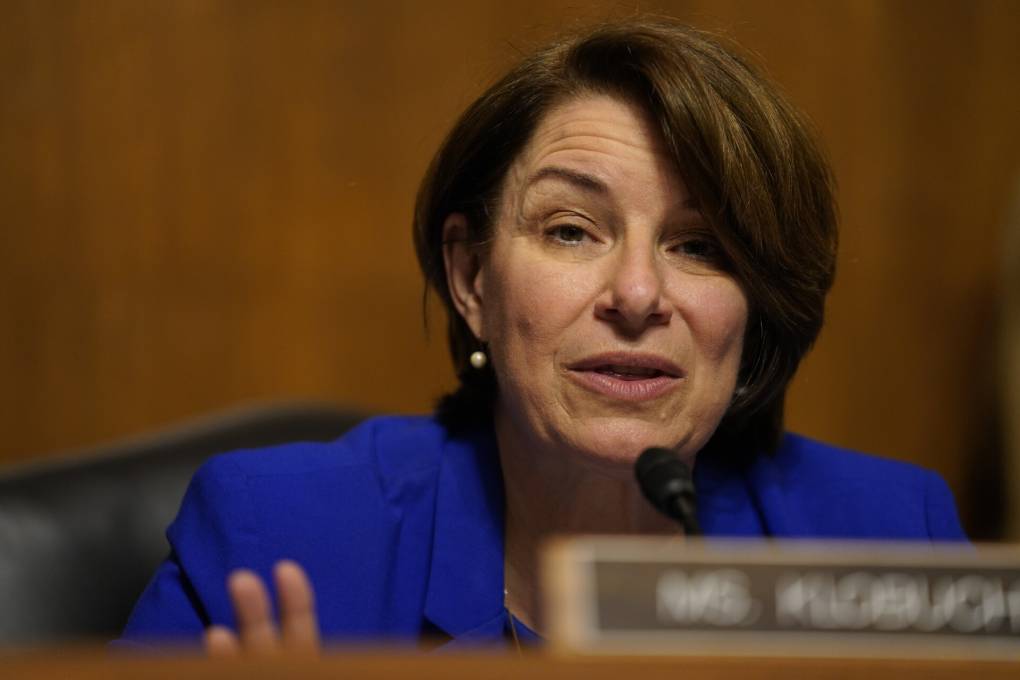
"caption": "Sen. Amy Klobuchar, D-Minnesota (right), chair of the Senate Judiciary Subcommittee on Competition Policy, Antitrust, and Consumer Rights, and ranking member Sen. Mike Lee, R-Utah, chat with Sheila Colclasure, global chief digital responsibility and public policy officer at IPG Kinesso, at the conclusion of a hearing on big data on Sept. 21, 2021, in Washington, D.C.",
"description": "Sen. Amy Klobuchar (D-MI) and chair of the Senate Judiciary Subcommittee on Competition Policy, Antitrust, and Consumer Rights, and ranking member Sen. Mike Lee (R-UT) chat with Sheila Colclasure, global chief digital responsibility and public policy officer at IPG Kinesso, after the conclusion of a hearing on September 21, 2021 in Washington, D.C. The hearing is titled Big Data, Big Questions: Implications for Competition and Consumers. ",
"title": "Senate Judiciary Hears Testimony From Tech Executives On Competition For Consumers",
"credit": "Ting Shen-Pool/Getty Images",
"status": "inherit",
"altTag": "Two U.S. senators chat with a technology company in a wood-paneled room at the U.S. Capitol.",
"isLoading": false,
"fetchFailed": false
},
"news_11896244": {
"type": "attachments",
"id": "news_11896244",
"meta": {
"index": "attachments_1716263798",
"site": "news",
"id": "11896244",
"found": true
},
"parent": 11896237,
"imgSizes": {
"twentyfourteen-full-width": {
"file": "https://ww2.kqed.org/app/uploads/sites/10/2021/11/GettyImages-1353464121-1024x576.jpg",
"width": 1024,
"mimeType": "image/jpeg",
"height": 576
},
"thumbnail": {
"file": "https://ww2.kqed.org/app/uploads/sites/10/2021/11/GettyImages-1353464121-160x107.jpg",
"width": 160,
"mimeType": "image/jpeg",
"height": 107
},
"post-thumbnail": {
"file": "https://ww2.kqed.org/app/uploads/sites/10/2021/11/GettyImages-1353464121-672x372.jpg",
"width": 672,
"mimeType": "image/jpeg",
"height": 372
},
"kqedFullSize": {
"file": "https://ww2.kqed.org/app/uploads/sites/10/2021/11/GettyImages-1353464121.jpg",
"width": 1024,
"height": 685
},
"large": {
"file": "https://ww2.kqed.org/app/uploads/sites/10/2021/11/GettyImages-1353464121-1020x682.jpg",
"width": 1020,
"mimeType": "image/jpeg",
"height": 682
},
"medium": {
"file": "https://ww2.kqed.org/app/uploads/sites/10/2021/11/GettyImages-1353464121-800x535.jpg",
"width": 800,
"mimeType": "image/jpeg",
"height": 535
}
},
"publishDate": 1637016439,
"modified": 1637025062,
"caption": "California Attorney General Rob Bonta, right, speaks during a news conference outside an Amazon distribution facility on Nov. 15, 2021, in San Francisco. Bonta announced that Amazon will have to pay a $500,000 fine after the company failed to adequately notify workers and officials about coronavirus cases at its facilities.",
"description": null,
"title": "California Attorney General Bob Bonta Announces Action Against Tech Firm",
"credit": "Justin Sullivan/Getty Images",
"status": "inherit",
"altTag": "California Attorney General Rob Bonta stands at a lectern in front of a large warehouse, flanked by two people on his right and a COVID safety sign on his left.",
"isLoading": false,
"fetchFailed": false
},
"news_11888896": {
"type": "attachments",
"id": "news_11888896",
"meta": {
"index": "attachments_1716263798",
"site": "news",
"id": "11888896",
"found": true
},
"parent": 11888891,
"imgSizes": {
"twentyfourteen-full-width": {
"file": "https://ww2.kqed.org/app/uploads/sites/10/2021/09/GettyImages-461843598-1038x576.jpg",
"width": 1038,
"mimeType": "image/jpeg",
"height": 576
},
"thumbnail": {
"file": "https://ww2.kqed.org/app/uploads/sites/10/2021/09/GettyImages-461843598-160x110.jpg",
"width": 160,
"mimeType": "image/jpeg",
"height": 110
},
"post-thumbnail": {
"file": "https://ww2.kqed.org/app/uploads/sites/10/2021/09/GettyImages-461843598-672x372.jpg",
"width": 672,
"mimeType": "image/jpeg",
"height": 372
},
"kqedFullSize": {
"file": "https://ww2.kqed.org/app/uploads/sites/10/2021/09/GettyImages-461843598-scaled.jpg",
"width": 2560,
"height": 1765
},
"2048x2048": {
"file": "https://ww2.kqed.org/app/uploads/sites/10/2021/09/GettyImages-461843598-2048x1412.jpg",
"width": 2048,
"mimeType": "image/jpeg",
"height": 1412
},
"large": {
"file": "https://ww2.kqed.org/app/uploads/sites/10/2021/09/GettyImages-461843598-1020x703.jpg",
"width": 1020,
"mimeType": "image/jpeg",
"height": 703
},
"1536x1536": {
"file": "https://ww2.kqed.org/app/uploads/sites/10/2021/09/GettyImages-461843598-1536x1059.jpg",
"width": 1536,
"mimeType": "image/jpeg",
"height": 1059
},
"full-width": {
"file": "https://ww2.kqed.org/app/uploads/sites/10/2021/09/GettyImages-461843598-1920x1324.jpg",
"width": 1920,
"mimeType": "image/jpeg",
"height": 1324
},
"medium": {
"file": "https://ww2.kqed.org/app/uploads/sites/10/2021/09/GettyImages-461843598-800x551.jpg",
"width": 800,
"mimeType": "image/jpeg",
"height": 551
}
},
"publishDate": 1631829938,
"modified": 1649857883,
"caption": null,
"description": "An Amazon.com worker packs orders at an Amazon fulfillment center in Tracy, California. Under AB 791, warehouses will be required to disclose to employees and government agencies the quotas and metrics used to track workers. It would also ban penalties for “time off-task”, which discourage workers from using the bathroom or taking other necessary breaks. ",
"title": "Grand Opening Of Amazon Fulfillment Center Features State Of The Art Technology",
"credit": "Justin Sullivan/Getty Images",
"status": "inherit",
"altTag": "A man in an orange shirt and a baseball hat packs boxes.",
"isLoading": false,
"fetchFailed": false
},
"news_11889355": {
"type": "attachments",
"id": "news_11889355",
"meta": {
"index": "attachments_1716263798",
"site": "news",
"id": "11889355",
"found": true
},
"parent": 11889347,
"imgSizes": {
"twentyfourteen-full-width": {
"file": "https://ww2.kqed.org/app/uploads/sites/10/2021/09/RS51554_GettyImages-1235407516-qut-1038x576.jpg",
"width": 1038,
"mimeType": "image/jpeg",
"height": 576
},
"thumbnail": {
"file": "https://ww2.kqed.org/app/uploads/sites/10/2021/09/RS51554_GettyImages-1235407516-qut-160x107.jpg",
"width": 160,
"mimeType": "image/jpeg",
"height": 107
},
"post-thumbnail": {
"file": "https://ww2.kqed.org/app/uploads/sites/10/2021/09/RS51554_GettyImages-1235407516-qut-672x372.jpg",
"width": 672,
"mimeType": "image/jpeg",
"height": 372
},
"kqedFullSize": {
"file": "https://ww2.kqed.org/app/uploads/sites/10/2021/09/RS51554_GettyImages-1235407516-qut.jpg",
"width": 1920,
"height": 1280
},
"large": {
"file": "https://ww2.kqed.org/app/uploads/sites/10/2021/09/RS51554_GettyImages-1235407516-qut-1020x680.jpg",
"width": 1020,
"mimeType": "image/jpeg",
"height": 680
},
"1536x1536": {
"file": "https://ww2.kqed.org/app/uploads/sites/10/2021/09/RS51554_GettyImages-1235407516-qut-1536x1024.jpg",
"width": 1536,
"mimeType": "image/jpeg",
"height": 1024
},
"medium": {
"file": "https://ww2.kqed.org/app/uploads/sites/10/2021/09/RS51554_GettyImages-1235407516-qut-800x533.jpg",
"width": 800,
"mimeType": "image/jpeg",
"height": 533
}
},
"publishDate": 1632273095,
"modified": 1632334456,
"caption": "Sen. Amy Klobuchar (D-Minn.), chair of the Senate Judiciary Subcommittee on Competition Policy, Antitrust, and Consumer Rights, led a hearing on Sept. 21, 2021 in Washington, D.C. The hearing was titled Big Data, Big Questions: Implications for Competition and Consumers.",
"description": "Sen. Amy Klobuchar (D-Minn.), chair of the Senate Judiciary Subcommittee on Competition Policy, Antitrust, and Consumer Rights, led a hearing on Sept. 21, 2021 in Washington, D.C. The hearing was titled Big Data, Big Questions: Implications for Competition and Consumers.",
"title": "Senate Judiciary Hears Testimony From Tech Executives On Competition For Consumers",
"credit": "Ting Shen-Pool/Getty Images",
"status": "inherit",
"altTag": "Sen. Amy Klobuchar (D-MI) and chair of the Senate Judiciary Subcommittee on Competition Policy, Antitrust, and Consumer Rights, chaired a hearing on September 21, 2021 in Washington, D.C. The hearing was titled Big Data, Big Questions: Implications for Competition and Consumers.",
"isLoading": false,
"fetchFailed": false
},
"news_11876305": {
"type": "attachments",
"id": "news_11876305",
"meta": {
"index": "attachments_1716263798",
"site": "news",
"id": "11876305",
"found": true
},
"parent": 11874325,
"imgSizes": {
"twentyfourteen-full-width": {
"file": "https://ww2.kqed.org/app/uploads/sites/10/2021/06/organizinghistory-1038x576.jpg",
"width": 1038,
"mimeType": "image/jpeg",
"height": 576
},
"thumbnail": {
"file": "https://ww2.kqed.org/app/uploads/sites/10/2021/06/organizinghistory-160x107.jpg",
"width": 160,
"mimeType": "image/jpeg",
"height": 107
},
"post-thumbnail": {
"file": "https://ww2.kqed.org/app/uploads/sites/10/2021/06/organizinghistory-672x372.jpg",
"width": 672,
"mimeType": "image/jpeg",
"height": 372
},
"kqedFullSize": {
"file": "https://ww2.kqed.org/app/uploads/sites/10/2021/06/organizinghistory.jpg",
"width": 1920,
"height": 1279
},
"large": {
"file": "https://ww2.kqed.org/app/uploads/sites/10/2021/06/organizinghistory-1020x679.jpg",
"width": 1020,
"mimeType": "image/jpeg",
"height": 679
},
"1536x1536": {
"file": "https://ww2.kqed.org/app/uploads/sites/10/2021/06/organizinghistory-1536x1023.jpg",
"width": 1536,
"mimeType": "image/jpeg",
"height": 1023
},
"medium": {
"file": "https://ww2.kqed.org/app/uploads/sites/10/2021/06/organizinghistory-800x533.jpg",
"width": 800,
"mimeType": "image/jpeg",
"height": 533
}
},
"publishDate": 1622652157,
"modified": 1622749371,
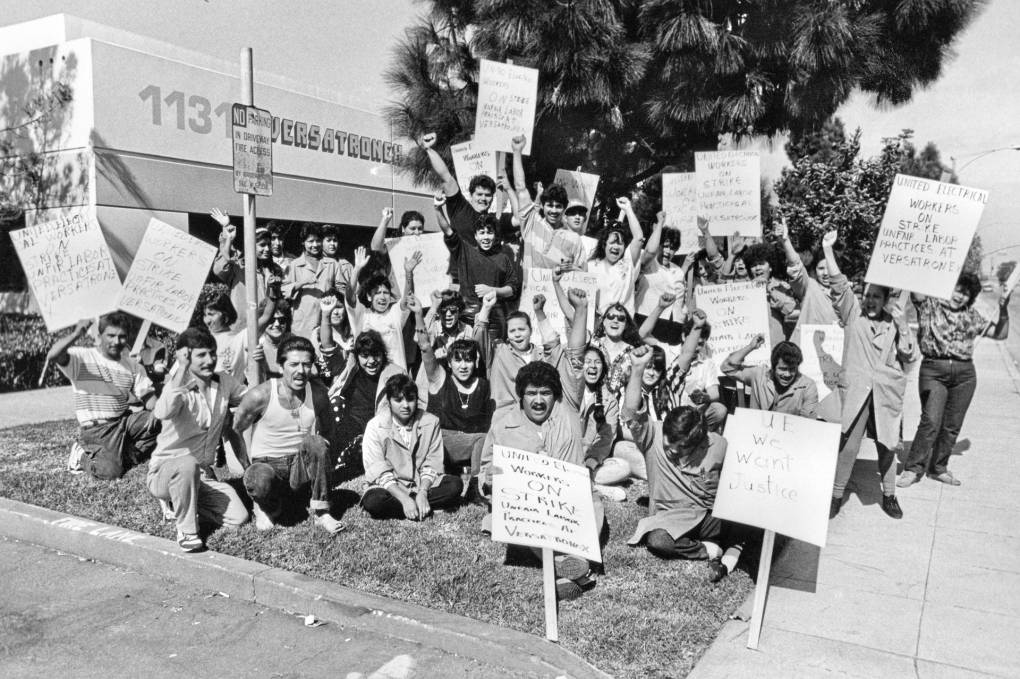
"caption": "In 1992, women and people of color led a strike at the Silicon Valley chip manufacturing plant, Versatronex.",
"description": null,
"title": "organizinghistory",
"credit": "Courtesy David Bacon",
"status": "inherit",
"altTag": null,
"isLoading": false,
"fetchFailed": false
},
"news_11874201": {
"type": "attachments",
"id": "news_11874201",
"meta": {
"index": "attachments_1716263798",
"site": "news",
"id": "11874201",
"found": true
},
"parent": 11873927,
"imgSizes": {
"twentyfourteen-full-width": {
"file": "https://ww2.kqed.org/app/uploads/sites/10/2021/05/Imperfect-foods-bro-1038x576.jpg",
"width": 1038,
"mimeType": "image/jpeg",
"height": 576
},
"thumbnail": {
"file": "https://ww2.kqed.org/app/uploads/sites/10/2021/05/Imperfect-foods-bro-160x112.jpg",
"width": 160,
"mimeType": "image/jpeg",
"height": 112
},
"post-thumbnail": {
"file": "https://ww2.kqed.org/app/uploads/sites/10/2021/05/Imperfect-foods-bro-672x372.jpg",
"width": 672,
"mimeType": "image/jpeg",
"height": 372
},
"kqedFullSize": {
"file": "https://ww2.kqed.org/app/uploads/sites/10/2021/05/Imperfect-foods-bro.jpg",
"width": 1920,
"height": 1342
},
"large": {
"file": "https://ww2.kqed.org/app/uploads/sites/10/2021/05/Imperfect-foods-bro-1020x713.jpg",
"width": 1020,
"mimeType": "image/jpeg",
"height": 713
},
"1536x1536": {
"file": "https://ww2.kqed.org/app/uploads/sites/10/2021/05/Imperfect-foods-bro-1536x1074.jpg",
"width": 1536,
"mimeType": "image/jpeg",
"height": 1074
},
"medium": {
"file": "https://ww2.kqed.org/app/uploads/sites/10/2021/05/Imperfect-foods-bro-800x559.jpg",
"width": 800,
"mimeType": "image/jpeg",
"height": 559
}
},
"publishDate": 1621378926,
"modified": 1621387433,
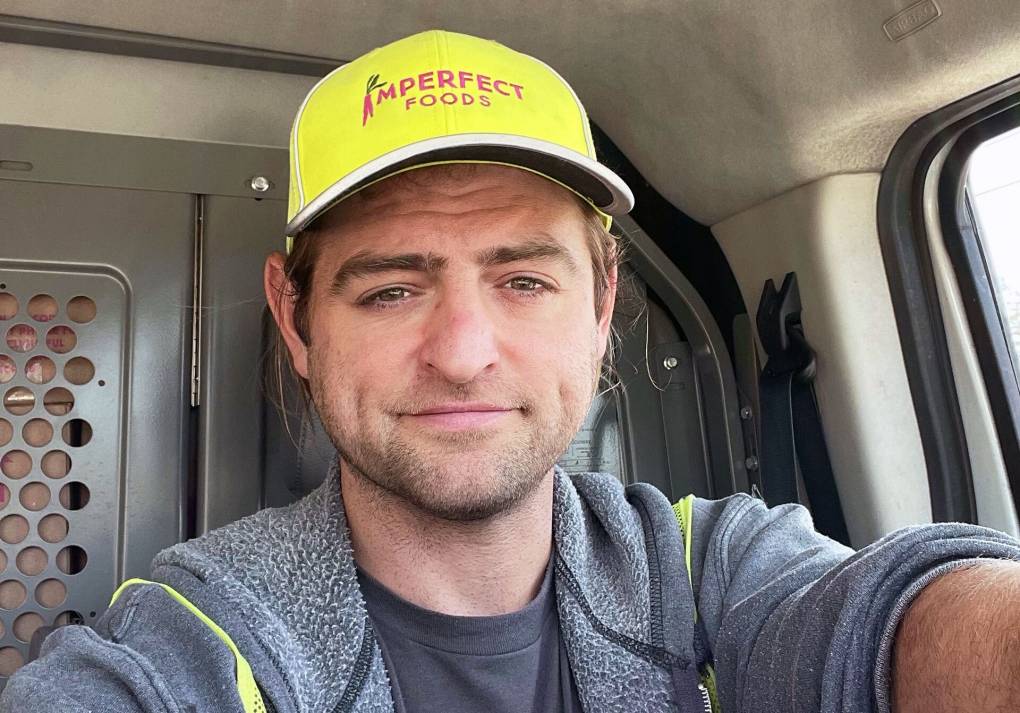
"caption": "Chris Jasinski is one of the workers who voted to form a union at Imperfect Foods, a food delivery app.",
"description": "Chris Jasinski is one of the workers who voted to form a union at Imperfect Foods, a food delivery app.",
"title": "Imperfect-foods-jasinski-2",
"credit": "Courtesy Chris Jasinski",
"status": "inherit",
"altTag": "Chris Jasinski, wearing an Imperfect Foods hat looks at the camera from inside a vehicle.",
"isLoading": false,
"fetchFailed": false
},
"news_11854651": {
"type": "attachments",
"id": "news_11854651",
"meta": {
"index": "attachments_1716263798",
"site": "news",
"id": "11854651",
"found": true
},
"parent": 11854650,
"imgSizes": {
"apple_news_ca_landscape_5_5": {
"file": "https://ww2.kqed.org/app/uploads/sites/10/2021/01/gettyimages-1230246965_custom-ad3e33d9d58c2838f2601a5eed35124c74bcee13-1044x783.jpg",
"width": 1044,
"mimeType": "image/jpeg",
"height": 783
},
"apple_news_ca_square_4_0": {
"file": "https://ww2.kqed.org/app/uploads/sites/10/2021/01/gettyimages-1230246965_custom-ad3e33d9d58c2838f2601a5eed35124c74bcee13-470x470.jpg",
"width": 470,
"mimeType": "image/jpeg",
"height": 470
},
"twentyfourteen-full-width": {
"file": "https://ww2.kqed.org/app/uploads/sites/10/2021/01/gettyimages-1230246965_custom-ad3e33d9d58c2838f2601a5eed35124c74bcee13-1038x576.jpg",
"width": 1038,
"mimeType": "image/jpeg",
"height": 576
},
"thumbnail": {
"file": "https://ww2.kqed.org/app/uploads/sites/10/2021/01/gettyimages-1230246965_custom-ad3e33d9d58c2838f2601a5eed35124c74bcee13-160x103.jpg",
"width": 160,
"mimeType": "image/jpeg",
"height": 103
},
"post-thumbnail": {
"file": "https://ww2.kqed.org/app/uploads/sites/10/2021/01/gettyimages-1230246965_custom-ad3e33d9d58c2838f2601a5eed35124c74bcee13-672x372.jpg",
"width": 672,
"mimeType": "image/jpeg",
"height": 372
},
"kqedFullSize": {
"file": "https://ww2.kqed.org/app/uploads/sites/10/2021/01/gettyimages-1230246965_custom-ad3e33d9d58c2838f2601a5eed35124c74bcee13-scaled-e1610297107161.jpg",
"width": 1920,
"height": 1235
},
"2048x2048": {
"file": "https://ww2.kqed.org/app/uploads/sites/10/2021/01/gettyimages-1230246965_custom-ad3e33d9d58c2838f2601a5eed35124c74bcee13-2048x1318.jpg",
"width": 2048,
"mimeType": "image/jpeg",
"height": 1318
},
"apple_news_ca_landscape_4_7": {
"file": "https://ww2.kqed.org/app/uploads/sites/10/2021/01/gettyimages-1230246965_custom-ad3e33d9d58c2838f2601a5eed35124c74bcee13-632x474.jpg",
"width": 632,
"mimeType": "image/jpeg",
"height": 474
},
"large": {
"file": "https://ww2.kqed.org/app/uploads/sites/10/2021/01/gettyimages-1230246965_custom-ad3e33d9d58c2838f2601a5eed35124c74bcee13-1020x656.jpg",
"width": 1020,
"mimeType": "image/jpeg",
"height": 656
},
"apple_news_ca_landscape_4_0": {
"file": "https://ww2.kqed.org/app/uploads/sites/10/2021/01/gettyimages-1230246965_custom-ad3e33d9d58c2838f2601a5eed35124c74bcee13-536x402.jpg",
"width": 536,
"mimeType": "image/jpeg",
"height": 402
},
"apple_news_ca_portrait_12_9": {
"file": "https://ww2.kqed.org/app/uploads/sites/10/2021/01/gettyimages-1230246965_custom-ad3e33d9d58c2838f2601a5eed35124c74bcee13-1122x1496.jpg",
"width": 1122,
"mimeType": "image/jpeg",
"height": 1496
},
"medium": {
"file": "https://ww2.kqed.org/app/uploads/sites/10/2021/01/gettyimages-1230246965_custom-ad3e33d9d58c2838f2601a5eed35124c74bcee13-800x515.jpg",
"width": 800,
"mimeType": "image/jpeg",
"height": 515
},
"apple_news_ca_portrait_4_0": {
"file": "https://ww2.kqed.org/app/uploads/sites/10/2021/01/gettyimages-1230246965_custom-ad3e33d9d58c2838f2601a5eed35124c74bcee13-354x472.jpg",
"width": 354,
"mimeType": "image/jpeg",
"height": 472
},
"apple_news_ca_portrait_9_7": {
"file": "https://ww2.kqed.org/app/uploads/sites/10/2021/01/gettyimages-1230246965_custom-ad3e33d9d58c2838f2601a5eed35124c74bcee13-840x1120.jpg",
"width": 840,
"mimeType": "image/jpeg",
"height": 1120
},
"apple_news_ca_landscape_12_9": {
"file": "https://ww2.kqed.org/app/uploads/sites/10/2021/01/gettyimages-1230246965_custom-ad3e33d9d58c2838f2601a5eed35124c74bcee13-1832x1374.jpg",
"width": 1832,
"mimeType": "image/jpeg",
"height": 1374
},
"apple_news_ca_square_9_7": {
"file": "https://ww2.kqed.org/app/uploads/sites/10/2021/01/gettyimages-1230246965_custom-ad3e33d9d58c2838f2601a5eed35124c74bcee13-1104x1104.jpg",
"width": 1104,
"mimeType": "image/jpeg",
"height": 1104
},
"1536x1536": {
"file": "https://ww2.kqed.org/app/uploads/sites/10/2021/01/gettyimages-1230246965_custom-ad3e33d9d58c2838f2601a5eed35124c74bcee13-1536x988.jpg",
"width": 1536,
"mimeType": "image/jpeg",
"height": 988
},
"apple_news_ca_portrait_4_7": {
"file": "https://ww2.kqed.org/app/uploads/sites/10/2021/01/gettyimages-1230246965_custom-ad3e33d9d58c2838f2601a5eed35124c74bcee13-414x552.jpg",
"width": 414,
"mimeType": "image/jpeg",
"height": 552
},
"apple_news_ca_square_12_9": {
"file": "https://ww2.kqed.org/app/uploads/sites/10/2021/01/gettyimages-1230246965_custom-ad3e33d9d58c2838f2601a5eed35124c74bcee13-1472x1472.jpg",
"width": 1472,
"mimeType": "image/jpeg",
"height": 1472
},
"apple_news_ca_portrait_5_5": {
"file": "https://ww2.kqed.org/app/uploads/sites/10/2021/01/gettyimages-1230246965_custom-ad3e33d9d58c2838f2601a5eed35124c74bcee13-687x916.jpg",
"width": 687,
"mimeType": "image/jpeg",
"height": 916
},
"full-width": {
"file": "https://ww2.kqed.org/app/uploads/sites/10/2021/01/gettyimages-1230246965_custom-ad3e33d9d58c2838f2601a5eed35124c74bcee13-1920x1236.jpg",
"width": 1920,
"mimeType": "image/jpeg",
"height": 1236
},
"apple_news_ca_square_4_7": {
"file": "https://ww2.kqed.org/app/uploads/sites/10/2021/01/gettyimages-1230246965_custom-ad3e33d9d58c2838f2601a5eed35124c74bcee13-550x550.jpg",
"width": 550,
"mimeType": "image/jpeg",
"height": 550
},
"apple_news_ca_landscape_9_7": {
"file": "https://ww2.kqed.org/app/uploads/sites/10/2021/01/gettyimages-1230246965_custom-ad3e33d9d58c2838f2601a5eed35124c74bcee13-1376x1032.jpg",
"width": 1376,
"mimeType": "image/jpeg",
"height": 1032
},
"apple_news_ca_square_5_5": {
"file": "https://ww2.kqed.org/app/uploads/sites/10/2021/01/gettyimages-1230246965_custom-ad3e33d9d58c2838f2601a5eed35124c74bcee13-912x912.jpg",
"width": 912,
"mimeType": "image/jpeg",
"height": 912
}
},
"publishDate": 1610296796,
"modified": 1610405481,
"caption": "The Parler website home screen on a smartphone arranged in the Brooklyn borough of New York on Dec. 18, 2020. Parler bills itself as a non-biased social network that protects free speech and user data. John Matze, chief executive officer, says the platform saw great growth during the 2020 election as many conservatives moved away from products like Facebook and Twitter. ",
"description": "The Parler website home screen on a smartphone arranged in the Brooklyn borough of New York, U.S., on Friday, Dec. 18, 2020. Parler bills itself as a non-biased social network that protects free speech and user data. John Matze, chief executive officer, says the platform saw great growth during the 2020 election as many conservatives moved away from products like Facebook and Twitter. Photographer: Gabby Jones/Bloomberg via Getty Images",
"title": "Amazon and Apple took steps to cut off Parler from their platforms on Saturday.",
"credit": "Gabby Jones/Getty Images",
"status": "inherit",
"altTag": null,
"isLoading": false,
"fetchFailed": false
},
"news_10927000": {
"type": "attachments",
"id": "news_10927000",
"meta": {
"index": "attachments_1716263798",
"site": "news",
"id": "10927000",
"found": true
},
"parent": 10926999,
"imgSizes": {
"twentyfourteen-full-width": {
"file": "https://ww2.kqed.org/app/uploads/sites/10/2016/04/gettyimages-511823939_custom-596d511e21c839cccf20c53e523d2de43b4373e3-1038x576.jpg",
"width": 1038,
"mimeType": "image/jpeg",
"height": 576
},
"thumbnail": {
"file": "https://ww2.kqed.org/app/uploads/sites/10/2016/04/gettyimages-511823939_custom-596d511e21c839cccf20c53e523d2de43b4373e3-400x278.jpg",
"width": 400,
"mimeType": "image/jpeg",
"height": 278
},
"fd-sm": {
"file": "https://ww2.kqed.org/app/uploads/sites/10/2016/04/gettyimages-511823939_custom-596d511e21c839cccf20c53e523d2de43b4373e3-960x668.jpg",
"width": 960,
"mimeType": "image/jpeg",
"height": 668
},
"post-thumbnail": {
"file": "https://ww2.kqed.org/app/uploads/sites/10/2016/04/gettyimages-511823939_custom-596d511e21c839cccf20c53e523d2de43b4373e3-672x372.jpg",
"width": 672,
"mimeType": "image/jpeg",
"height": 372
},
"kqedFullSize": {
"file": "https://ww2.kqed.org/app/uploads/sites/10/2016/04/gettyimages-511823939_custom-596d511e21c839cccf20c53e523d2de43b4373e3.jpg",
"width": 3000,
"height": 2086
},
"large": {
"file": "https://ww2.kqed.org/app/uploads/sites/10/2016/04/gettyimages-511823939_custom-596d511e21c839cccf20c53e523d2de43b4373e3-1920x1335.jpg",
"width": 1920,
"mimeType": "image/jpeg",
"height": 1335
},
"guest-author-96": {
"file": "https://ww2.kqed.org/app/uploads/sites/10/2016/04/gettyimages-511823939_custom-596d511e21c839cccf20c53e523d2de43b4373e3-96x96.jpg",
"width": 96,
"mimeType": "image/jpeg",
"height": 96
},
"medium": {
"file": "https://ww2.kqed.org/app/uploads/sites/10/2016/04/gettyimages-511823939_custom-596d511e21c839cccf20c53e523d2de43b4373e3-800x556.jpg",
"width": 800,
"mimeType": "image/jpeg",
"height": 556
},
"guest-author-64": {
"file": "https://ww2.kqed.org/app/uploads/sites/10/2016/04/gettyimages-511823939_custom-596d511e21c839cccf20c53e523d2de43b4373e3-64x64.jpg",
"width": 64,
"mimeType": "image/jpeg",
"height": 64
},
"guest-author-32": {
"file": "https://ww2.kqed.org/app/uploads/sites/10/2016/04/gettyimages-511823939_custom-596d511e21c839cccf20c53e523d2de43b4373e3-32x32.jpg",
"width": 32,
"mimeType": "image/jpeg",
"height": 32
},
"jmtc-small-thumb": {
"file": "https://ww2.kqed.org/app/uploads/sites/10/2016/04/gettyimages-511823939_custom-596d511e21c839cccf20c53e523d2de43b4373e3-280x150.jpg",
"width": 280,
"mimeType": "image/jpeg",
"height": 150
},
"fd-lrg": {
"file": "https://ww2.kqed.org/app/uploads/sites/10/2016/04/gettyimages-511823939_custom-596d511e21c839cccf20c53e523d2de43b4373e3-1920x1335.jpg",
"width": 1920,
"mimeType": "image/jpeg",
"height": 1335
},
"fd-med": {
"file": "https://ww2.kqed.org/app/uploads/sites/10/2016/04/gettyimages-511823939_custom-596d511e21c839cccf20c53e523d2de43b4373e3-1180x820.jpg",
"width": 1180,
"mimeType": "image/jpeg",
"height": 820
},
"detail": {
"file": "https://ww2.kqed.org/app/uploads/sites/10/2016/04/gettyimages-511823939_custom-596d511e21c839cccf20c53e523d2de43b4373e3-75x75.jpg",
"width": 75,
"mimeType": "image/jpeg",
"height": 75
},
"guest-author-128": {
"file": "https://ww2.kqed.org/app/uploads/sites/10/2016/04/gettyimages-511823939_custom-596d511e21c839cccf20c53e523d2de43b4373e3-128x128.jpg",
"width": 128,
"mimeType": "image/jpeg",
"height": 128
}
},
"publishDate": 1460439926,
"modified": 1610403130,
"caption": "Feel like you're being inundated with scammy requests for personal financial details in exchange for a package or even COVID-19 vaccine? That's because you are, and it's happening to just about everyone with a phone or computer.",
"description": "Feel like you're being inundated with scammy requests for personal financial details in exchange for a package or even covid-19 vaccine? That's because you are, and it's happening to just about everyone with a phone or computer.",
"title": "A real-life tax scam: This is what IRS phone fraud sounds like.",
"credit": "Getty Images",
"status": "inherit",
"altTag": "Feel like you're being inundated with scammy requests for personal financial details in exchange for a package or even covid-19 vaccine? That's because you are, and it's happening to just about everyone with a phone or computer.",
"isLoading": false,
"fetchFailed": false
},
"news_11853144": {
"type": "attachments",
"id": "news_11853144",
"meta": {
"index": "attachments_1716263798",
"site": "news",
"id": "11853144",
"found": true
},
"parent": 11853143,
"imgSizes": {
"apple_news_ca_landscape_5_5": {
"file": "https://ww2.kqed.org/app/uploads/sites/10/2020/12/gettyimages-12867885371-a5389185b67888bc0965981faf72c56bd35fb234-1044x783.jpg",
"width": 1044,
"mimeType": "image/jpeg",
"height": 783
},
"apple_news_ca_square_4_0": {
"file": "https://ww2.kqed.org/app/uploads/sites/10/2020/12/gettyimages-12867885371-a5389185b67888bc0965981faf72c56bd35fb234-470x470.jpg",
"width": 470,
"mimeType": "image/jpeg",
"height": 470
},
"twentyfourteen-full-width": {
"file": "https://ww2.kqed.org/app/uploads/sites/10/2020/12/gettyimages-12867885371-a5389185b67888bc0965981faf72c56bd35fb234-1038x576.jpg",
"width": 1038,
"mimeType": "image/jpeg",
"height": 576
},
"thumbnail": {
"file": "https://ww2.kqed.org/app/uploads/sites/10/2020/12/gettyimages-12867885371-a5389185b67888bc0965981faf72c56bd35fb234-160x120.jpg",
"width": 160,
"mimeType": "image/jpeg",
"height": 120
},
"post-thumbnail": {
"file": "https://ww2.kqed.org/app/uploads/sites/10/2020/12/gettyimages-12867885371-a5389185b67888bc0965981faf72c56bd35fb234-672x372.jpg",
"width": 672,
"mimeType": "image/jpeg",
"height": 372
},
"kqedFullSize": {
"file": "https://ww2.kqed.org/app/uploads/sites/10/2020/12/gettyimages-12867885371-a5389185b67888bc0965981faf72c56bd35fb234-scaled.jpg",
"width": 2560,
"height": 1919
},
"2048x2048": {
"file": "https://ww2.kqed.org/app/uploads/sites/10/2020/12/gettyimages-12867885371-a5389185b67888bc0965981faf72c56bd35fb234-2048x1536.jpg",
"width": 2048,
"mimeType": "image/jpeg",
"height": 1536
},
"apple_news_ca_landscape_4_7": {
"file": "https://ww2.kqed.org/app/uploads/sites/10/2020/12/gettyimages-12867885371-a5389185b67888bc0965981faf72c56bd35fb234-632x474.jpg",
"width": 632,
"mimeType": "image/jpeg",
"height": 474
},
"large": {
"file": "https://ww2.kqed.org/app/uploads/sites/10/2020/12/gettyimages-12867885371-a5389185b67888bc0965981faf72c56bd35fb234-1020x765.jpg",
"width": 1020,
"mimeType": "image/jpeg",
"height": 765
},
"apple_news_ca_landscape_4_0": {
"file": "https://ww2.kqed.org/app/uploads/sites/10/2020/12/gettyimages-12867885371-a5389185b67888bc0965981faf72c56bd35fb234-536x402.jpg",
"width": 536,
"mimeType": "image/jpeg",
"height": 402
},
"apple_news_ca_portrait_12_9": {
"file": "https://ww2.kqed.org/app/uploads/sites/10/2020/12/gettyimages-12867885371-a5389185b67888bc0965981faf72c56bd35fb234-1122x1496.jpg",
"width": 1122,
"mimeType": "image/jpeg",
"height": 1496
},
"medium": {
"file": "https://ww2.kqed.org/app/uploads/sites/10/2020/12/gettyimages-12867885371-a5389185b67888bc0965981faf72c56bd35fb234-800x600.jpg",
"width": 800,
"mimeType": "image/jpeg",
"height": 600
},
"apple_news_ca_portrait_4_0": {
"file": "https://ww2.kqed.org/app/uploads/sites/10/2020/12/gettyimages-12867885371-a5389185b67888bc0965981faf72c56bd35fb234-354x472.jpg",
"width": 354,
"mimeType": "image/jpeg",
"height": 472
},
"apple_news_ca_portrait_9_7": {
"file": "https://ww2.kqed.org/app/uploads/sites/10/2020/12/gettyimages-12867885371-a5389185b67888bc0965981faf72c56bd35fb234-840x1120.jpg",
"width": 840,
"mimeType": "image/jpeg",
"height": 1120
},
"apple_news_ca_landscape_12_9": {
"file": "https://ww2.kqed.org/app/uploads/sites/10/2020/12/gettyimages-12867885371-a5389185b67888bc0965981faf72c56bd35fb234-1832x1374.jpg",
"width": 1832,
"mimeType": "image/jpeg",
"height": 1374
},
"apple_news_ca_square_9_7": {
"file": "https://ww2.kqed.org/app/uploads/sites/10/2020/12/gettyimages-12867885371-a5389185b67888bc0965981faf72c56bd35fb234-1104x1104.jpg",
"width": 1104,
"mimeType": "image/jpeg",
"height": 1104
},
"1536x1536": {
"file": "https://ww2.kqed.org/app/uploads/sites/10/2020/12/gettyimages-12867885371-a5389185b67888bc0965981faf72c56bd35fb234-1536x1152.jpg",
"width": 1536,
"mimeType": "image/jpeg",
"height": 1152
},
"apple_news_ca_portrait_4_7": {
"file": "https://ww2.kqed.org/app/uploads/sites/10/2020/12/gettyimages-12867885371-a5389185b67888bc0965981faf72c56bd35fb234-414x552.jpg",
"width": 414,
"mimeType": "image/jpeg",
"height": 552
},
"apple_news_ca_square_12_9": {
"file": "https://ww2.kqed.org/app/uploads/sites/10/2020/12/gettyimages-12867885371-a5389185b67888bc0965981faf72c56bd35fb234-1472x1472.jpg",
"width": 1472,
"mimeType": "image/jpeg",
"height": 1472
},
"apple_news_ca_portrait_5_5": {
"file": "https://ww2.kqed.org/app/uploads/sites/10/2020/12/gettyimages-12867885371-a5389185b67888bc0965981faf72c56bd35fb234-687x916.jpg",
"width": 687,
"mimeType": "image/jpeg",
"height": 916
},
"full-width": {
"file": "https://ww2.kqed.org/app/uploads/sites/10/2020/12/gettyimages-12867885371-a5389185b67888bc0965981faf72c56bd35fb234-1920x1440.jpg",
"width": 1920,
"mimeType": "image/jpeg",
"height": 1440
},
"apple_news_ca_square_4_7": {
"file": "https://ww2.kqed.org/app/uploads/sites/10/2020/12/gettyimages-12867885371-a5389185b67888bc0965981faf72c56bd35fb234-550x550.jpg",
"width": 550,
"mimeType": "image/jpeg",
"height": 550
},
"apple_news_ca_landscape_9_7": {
"file": "https://ww2.kqed.org/app/uploads/sites/10/2020/12/gettyimages-12867885371-a5389185b67888bc0965981faf72c56bd35fb234-1376x1032.jpg",
"width": 1376,
"mimeType": "image/jpeg",
"height": 1032
},
"apple_news_ca_square_5_5": {
"file": "https://ww2.kqed.org/app/uploads/sites/10/2020/12/gettyimages-12867885371-a5389185b67888bc0965981faf72c56bd35fb234-912x912.jpg",
"width": 912,
"mimeType": "image/jpeg",
"height": 912
}
},
"publishDate": 1609280782,
"modified": 1609280855,
"caption": null,
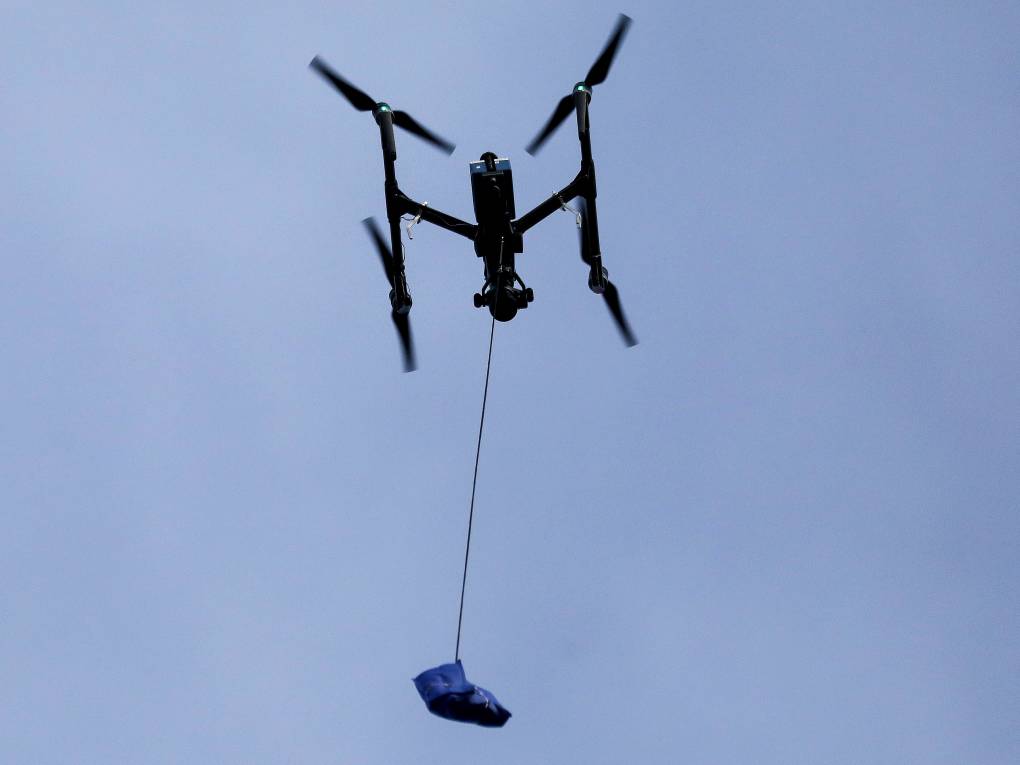
"description": "EL PASO, TEXAS - NOVEMBER 20: A drone descends to deliver a COVID-19 self collection test kit to a home, after being ordered from Walmart by a resident, amid a Covid-19 surge in El Paso on November 20, 2020 in El Paso, Texas. Residents who live within 1.5 miles of the Walmart Supercenter in East El Paso are eligible for the free kits as part of a drone delivery pilot program. Texas surpassed 20,000 confirmed coronavirus deaths November 16, the second highest in the U.S., with active cases in El Paso now over 35,000 and confirmed COVID-19 deaths at 845. ",
"title": "The Federal Aviation Administration announced new rules Monday that would ease restrictions on the use of drones and will likely expand commercial uses of the technology down the road.",
"credit": "Mario Tama/Getty Images",
"status": "inherit",
"altTag": null,
"isLoading": false,
"fetchFailed": false
},
"news_11851084": {
"type": "attachments",
"id": "news_11851084",
"meta": {
"index": "attachments_1716263798",
"site": "news",
"id": "11851084",
"found": true
},
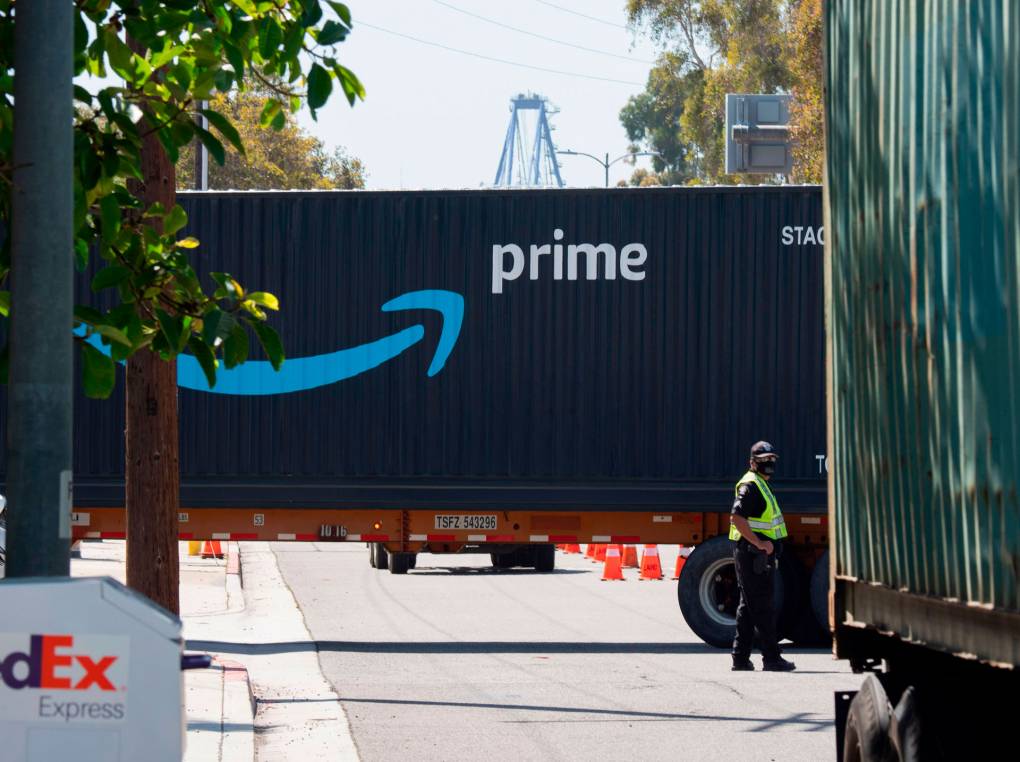
"title": "Amazon-Shipping-Container",
"publishDate": 1607989656,
"status": "inherit",
"parent": 11851063,
"modified": 1721163918,
"caption": "An Amazon shipping container rolls through the Port of Long Beach on April 22, 2020. Amazon's Prime Day sale will run from July 16 to 17, and the retailer has promised to offer its lowest prices so far this year.",
"credit": "Robyn Beck/AFP via Getty Images",
"altTag": "A shipping container with an arrow pointing to the word \"prime\" is seen on the street. One person in a safety vest stands to the right side of the container.",
"description": "An Amazon shipping container rolls through the Port of Long Beach on April 22, 2020.",
"imgSizes": {
"medium": {
"file": "https://cdn.kqed.org/wp-content/uploads/sites/10/2020/12/Amazon-Shipping-Container-800x598.jpg",
"width": 800,
"height": 598,
"mimeType": "image/jpeg"
},
"large": {
"file": "https://cdn.kqed.org/wp-content/uploads/sites/10/2020/12/Amazon-Shipping-Container-1020x762.jpg",
"width": 1020,
"height": 762,
"mimeType": "image/jpeg"
},
"thumbnail": {
"file": "https://cdn.kqed.org/wp-content/uploads/sites/10/2020/12/Amazon-Shipping-Container-160x120.jpg",
"width": 160,
"height": 120,
"mimeType": "image/jpeg"
},
"1536x1536": {
"file": "https://cdn.kqed.org/wp-content/uploads/sites/10/2020/12/Amazon-Shipping-Container-1536x1147.jpg",
"width": 1536,
"height": 1147,
"mimeType": "image/jpeg"
},
"post-thumbnail": {
"file": "https://cdn.kqed.org/wp-content/uploads/sites/10/2020/12/Amazon-Shipping-Container-672x372.jpg",
"width": 672,
"height": 372,
"mimeType": "image/jpeg"
},
"twentyfourteen-full-width": {
"file": "https://cdn.kqed.org/wp-content/uploads/sites/10/2020/12/Amazon-Shipping-Container-1038x576.jpg",
"width": 1038,
"height": 576,
"mimeType": "image/jpeg"
},
"apple_news_ca_landscape_12_9": {
"file": "https://cdn.kqed.org/wp-content/uploads/sites/10/2020/12/Amazon-Shipping-Container-1832x1374.jpg",
"width": 1832,
"height": 1374,
"mimeType": "image/jpeg"
},
"apple_news_ca_landscape_9_7": {
"file": "https://cdn.kqed.org/wp-content/uploads/sites/10/2020/12/Amazon-Shipping-Container-1376x1032.jpg",
"width": 1376,
"height": 1032,
"mimeType": "image/jpeg"
},
"apple_news_ca_landscape_5_5": {
"file": "https://cdn.kqed.org/wp-content/uploads/sites/10/2020/12/Amazon-Shipping-Container-1044x783.jpg",
"width": 1044,
"height": 783,
"mimeType": "image/jpeg"
},
"apple_news_ca_landscape_4_7": {
"file": "https://cdn.kqed.org/wp-content/uploads/sites/10/2020/12/Amazon-Shipping-Container-632x474.jpg",
"width": 632,
"height": 474,
"mimeType": "image/jpeg"
},
"apple_news_ca_landscape_4_0": {
"file": "https://cdn.kqed.org/wp-content/uploads/sites/10/2020/12/Amazon-Shipping-Container-536x402.jpg",
"width": 536,
"height": 402,
"mimeType": "image/jpeg"
},
"apple_news_ca_portrait_12_9": {
"file": "https://cdn.kqed.org/wp-content/uploads/sites/10/2020/12/Amazon-Shipping-Container-1122x1434.jpg",
"width": 1122,
"height": 1434,
"mimeType": "image/jpeg"
},
"apple_news_ca_portrait_9_7": {
"file": "https://cdn.kqed.org/wp-content/uploads/sites/10/2020/12/Amazon-Shipping-Container-840x1120.jpg",
"width": 840,
"height": 1120,
"mimeType": "image/jpeg"
},
"apple_news_ca_portrait_5_5": {
"file": "https://cdn.kqed.org/wp-content/uploads/sites/10/2020/12/Amazon-Shipping-Container-687x916.jpg",
"width": 687,
"height": 916,
"mimeType": "image/jpeg"
},
"apple_news_ca_portrait_4_7": {
"file": "https://cdn.kqed.org/wp-content/uploads/sites/10/2020/12/Amazon-Shipping-Container-414x552.jpg",
"width": 414,
"height": 552,
"mimeType": "image/jpeg"
},
"apple_news_ca_portrait_4_0": {
"file": "https://cdn.kqed.org/wp-content/uploads/sites/10/2020/12/Amazon-Shipping-Container-354x472.jpg",
"width": 354,
"height": 472,
"mimeType": "image/jpeg"
},
"apple_news_ca_square_12_9": {
"file": "https://cdn.kqed.org/wp-content/uploads/sites/10/2020/12/Amazon-Shipping-Container-1472x1434.jpg",
"width": 1472,
"height": 1434,
"mimeType": "image/jpeg"
},
"apple_news_ca_square_9_7": {
"file": "https://cdn.kqed.org/wp-content/uploads/sites/10/2020/12/Amazon-Shipping-Container-1104x1104.jpg",
"width": 1104,
"height": 1104,
"mimeType": "image/jpeg"
},
"apple_news_ca_square_5_5": {
"file": "https://cdn.kqed.org/wp-content/uploads/sites/10/2020/12/Amazon-Shipping-Container-912x912.jpg",
"width": 912,
"height": 912,
"mimeType": "image/jpeg"
},
"apple_news_ca_square_4_7": {
"file": "https://cdn.kqed.org/wp-content/uploads/sites/10/2020/12/Amazon-Shipping-Container-550x550.jpg",
"width": 550,
"height": 550,
"mimeType": "image/jpeg"
},
"apple_news_ca_square_4_0": {
"file": "https://cdn.kqed.org/wp-content/uploads/sites/10/2020/12/Amazon-Shipping-Container-470x470.jpg",
"width": 470,
"height": 470,
"mimeType": "image/jpeg"
},
"kqedFullSize": {
"file": "https://cdn.kqed.org/wp-content/uploads/sites/10/2020/12/Amazon-Shipping-Container.jpg",
"width": 1920,
"height": 1434
}
},
"isLoading": false,
"fetchFailed": false
},
"news_11831090": {
"type": "attachments",
"id": "news_11831090",
"meta": {
"index": "attachments_1716263798",
"site": "news",
"id": "11831090",
"found": true
},
"parent": 11831082,
"imgSizes": {
"apple_news_ca_landscape_5_5": {
"file": "https://ww2.kqed.org/app/uploads/sites/10/2020/07/powerful_072920_final-1044x783.png",
"width": 1044,
"mimeType": "image/png",
"height": 783
},
"apple_news_ca_square_4_0": {
"file": "https://ww2.kqed.org/app/uploads/sites/10/2020/07/powerful_072920_final-470x470.png",
"width": 470,
"mimeType": "image/png",
"height": 470
},
"twentyfourteen-full-width": {
"file": "https://ww2.kqed.org/app/uploads/sites/10/2020/07/powerful_072920_final-1038x576.png",
"width": 1038,
"mimeType": "image/png",
"height": 576
},
"thumbnail": {
"file": "https://ww2.kqed.org/app/uploads/sites/10/2020/07/powerful_072920_final-160x111.png",
"width": 160,
"mimeType": "image/png",
"height": 111
},
"post-thumbnail": {
"file": "https://ww2.kqed.org/app/uploads/sites/10/2020/07/powerful_072920_final-672x372.png",
"width": 672,
"mimeType": "image/png",
"height": 372
},
"kqedFullSize": {
"file": "https://ww2.kqed.org/app/uploads/sites/10/2020/07/powerful_072920_final.png",
"width": 1920,
"height": 1331
},
"apple_news_ca_landscape_4_7": {
"file": "https://ww2.kqed.org/app/uploads/sites/10/2020/07/powerful_072920_final-632x474.png",
"width": 632,
"mimeType": "image/png",
"height": 474
},
"large": {
"file": "https://ww2.kqed.org/app/uploads/sites/10/2020/07/powerful_072920_final-1020x707.png",
"width": 1020,
"mimeType": "image/png",
"height": 707
},
"apple_news_ca_landscape_4_0": {
"file": "https://ww2.kqed.org/app/uploads/sites/10/2020/07/powerful_072920_final-536x402.png",
"width": 536,
"mimeType": "image/png",
"height": 402
},
"apple_news_ca_portrait_12_9": {
"file": "https://ww2.kqed.org/app/uploads/sites/10/2020/07/powerful_072920_final-1122x1331.png",
"width": 1122,
"mimeType": "image/png",
"height": 1331
},
"medium": {
"file": "https://ww2.kqed.org/app/uploads/sites/10/2020/07/powerful_072920_final-800x555.png",
"width": 800,
"mimeType": "image/png",
"height": 555
},
"apple_news_ca_portrait_4_0": {
"file": "https://ww2.kqed.org/app/uploads/sites/10/2020/07/powerful_072920_final-354x472.png",
"width": 354,
"mimeType": "image/png",
"height": 472
},
"apple_news_ca_portrait_9_7": {
"file": "https://ww2.kqed.org/app/uploads/sites/10/2020/07/powerful_072920_final-840x1120.png",
"width": 840,
"mimeType": "image/png",
"height": 1120
},
"apple_news_ca_landscape_12_9": {
"file": "https://ww2.kqed.org/app/uploads/sites/10/2020/07/powerful_072920_final-1832x1331.png",
"width": 1832,
"mimeType": "image/png",
"height": 1331
},
"apple_news_ca_square_9_7": {
"file": "https://ww2.kqed.org/app/uploads/sites/10/2020/07/powerful_072920_final-1104x1104.png",
"width": 1104,
"mimeType": "image/png",
"height": 1104
},
"1536x1536": {
"file": "https://ww2.kqed.org/app/uploads/sites/10/2020/07/powerful_072920_final-1536x1065.png",
"width": 1536,
"mimeType": "image/png",
"height": 1065
},
"apple_news_ca_portrait_4_7": {
"file": "https://ww2.kqed.org/app/uploads/sites/10/2020/07/powerful_072920_final-414x552.png",
"width": 414,
"mimeType": "image/png",
"height": 552
},
"apple_news_ca_square_12_9": {
"file": "https://ww2.kqed.org/app/uploads/sites/10/2020/07/powerful_072920_final-1472x1331.png",
"width": 1472,
"mimeType": "image/png",
"height": 1331
},
"apple_news_ca_portrait_5_5": {
"file": "https://ww2.kqed.org/app/uploads/sites/10/2020/07/powerful_072920_final-687x916.png",
"width": 687,
"mimeType": "image/png",
"height": 916
},
"apple_news_ca_square_4_7": {
"file": "https://ww2.kqed.org/app/uploads/sites/10/2020/07/powerful_072920_final-550x550.png",
"width": 550,
"mimeType": "image/png",
"height": 550
},
"apple_news_ca_landscape_9_7": {
"file": "https://ww2.kqed.org/app/uploads/sites/10/2020/07/powerful_072920_final-1376x1032.png",
"width": 1376,
"mimeType": "image/png",
"height": 1032
},
"apple_news_ca_square_5_5": {
"file": "https://ww2.kqed.org/app/uploads/sites/10/2020/07/powerful_072920_final-912x912.png",
"width": 912,
"mimeType": "image/png",
"height": 912
}
},
"publishDate": 1596060562,
"modified": 1596060603,
"caption": null,
"description": null,
"title": "powerful_072920_final",
"credit": null,
"status": "inherit",
"isLoading": false,
"fetchFailed": false
}
},
"audioPlayerReducer": {
"postId": "stream_live",
"isPaused": true,
"isPlaying": false,
"pfsActive": false,
"pledgeModalIsOpen": true,
"playerDrawerIsOpen": false,
"liveAudioPlayStartedAt": 0,
"liveAudioPlayContext": ""
},
"authorsReducer": {
"byline_news_11896237": {
"type": "authors",
"id": "byline_news_11896237",
"meta": {
"override": true
},
"slug": "byline_news_11896237",
"name": "Don Thompson\u003cbr>The Associated Press",
"isLoading": false
},
"byline_news_11854650": {
"type": "authors",
"id": "byline_news_11854650",
"meta": {
"override": true
},
"slug": "byline_news_11854650",
"name": "Emma Bowman",
"isLoading": false
},
"byline_news_11853143": {
"type": "authors",
"id": "byline_news_11853143",
"meta": {
"override": true
},
"slug": "byline_news_11853143",
"name": "Jaclyn Diaz",
"isLoading": false
},
"byline_news_11851063": {
"type": "authors",
"id": "byline_news_11851063",
"meta": {
"override": true
},
"slug": "byline_news_11851063",
"name": "The Associated Press",
"isLoading": false
},
"kqed": {
"type": "authors",
"id": "236",
"meta": {
"index": "authors_1716337520",
"id": "236",
"found": true
},
"name": "KQED News Staff",
"firstName": "KQED News Staff",
"lastName": null,
"slug": "kqed",
"email": "faq@kqed.org",
"display_author_email": false,
"staff_mastheads": [],
"title": null,
"bio": null,
"avatar": "https://secure.gravatar.com/avatar/ef0e801a68c4c54afa9180db14084167?s=600&d=blank&r=g",
"twitter": null,
"facebook": null,
"instagram": null,
"linkedin": null,
"sites": [
{
"site": "arts",
"roles": [
"contributor"
]
},
{
"site": "news",
"roles": [
"editor"
]
},
{
"site": "futureofyou",
"roles": [
"author"
]
}
],
"headData": {
"title": "KQED News Staff | KQED",
"description": null,
"ogImgSrc": "https://secure.gravatar.com/avatar/ef0e801a68c4c54afa9180db14084167?s=600&d=blank&r=g",
"twImgSrc": "https://secure.gravatar.com/avatar/ef0e801a68c4c54afa9180db14084167?s=600&d=blank&r=g"
},
"isLoading": false,
"link": "/author/kqed"
},
"rachael-myrow": {
"type": "authors",
"id": "251",
"meta": {
"index": "authors_1716337520",
"id": "251",
"found": true
},
"name": "Rachael Myrow",
"firstName": "Rachael",
"lastName": "Myrow",
"slug": "rachael-myrow",
"email": "rmyrow@kqed.org",
"display_author_email": true,
"staff_mastheads": [
"news"
],
"title": "Senior Editor of KQED's Silicon Valley News Desk",
"bio": "• I write and edit stories about how Silicon Valley power and policies shape everyday life in California. I’m also passionate about making Bay Area history and culture more accessible to a broad public. • I’ve been a journalist for most of my life, starting in high school with The Franklin Press in Los Angeles, where I grew up. While earning my first degree in English at UC Berkeley, I got my start in public radio at KALX-FM. After completing a second degree in journalism at Cal, I landed my first professional job at Marketplace, then moved on to KPCC (now LAist), and then KQED, where I hosted The California Report for more than seven years. • My reporting has appeared on NPR, The World, WBUR’s \u003ci>Here & Now\u003c/i>, and the BBC. I also guest host for KQED’s \u003ci>Forum\u003c/i>, as well as the Commonwealth Club in San Francisco. • I speak periodically on media, democracy and technology issues, and do voiceover work for documentaries and educational video projects. • Outside of the studio, you'll find me hiking Bay Area trails and whipping up Insta-ready meals in my kitchen. • I do not accept gifts, money, or favors from anyone connected to my reporting, I don't pay people for information, and I do not support or donate to political causes. • I strive to treat the people I report on with fairness, honesty, and respect. I also recognize there are often multiple sides to a story and work to verify information through multiple sources and documentation. If I get something wrong, I correct it.",
"avatar": "https://secure.gravatar.com/avatar/87bf8cb5874e045cdff430523a6d48b1?s=600&d=blank&r=g",
"twitter": "rachaelmyrow",
"facebook": null,
"instagram": null,
"linkedin": "https://www.linkedin.com/in/rachaelmyrow/",
"sites": [
{
"site": "arts",
"roles": [
"administrator"
]
},
{
"site": "news",
"roles": [
"edit_others_posts",
"editor"
]
},
{
"site": "futureofyou",
"roles": [
"editor"
]
},
{
"site": "bayareabites",
"roles": [
"editor"
]
},
{
"site": "stateofhealth",
"roles": [
"editor"
]
},
{
"site": "science",
"roles": [
"editor"
]
},
{
"site": "food",
"roles": [
"editor"
]
},
{
"site": "forum",
"roles": [
"editor"
]
},
{
"site": "liveblog",
"roles": [
"author"
]
}
],
"headData": {
"title": "Rachael Myrow | KQED",
"description": "Senior Editor of KQED's Silicon Valley News Desk",
"ogImgSrc": "https://secure.gravatar.com/avatar/87bf8cb5874e045cdff430523a6d48b1?s=600&d=blank&r=g",
"twImgSrc": "https://secure.gravatar.com/avatar/87bf8cb5874e045cdff430523a6d48b1?s=600&d=blank&r=g"
},
"isLoading": false,
"link": "/author/rachael-myrow"
},
"samharnett": {
"type": "authors",
"id": "253",
"meta": {
"index": "authors_1716337520",
"id": "253",
"found": true
},
"name": "Sam Harnett",
"firstName": "Sam",
"lastName": "Harnett",
"slug": "samharnett",
"email": "samharnett@gmail.com",
"display_author_email": false,
"staff_mastheads": [],
"title": "KQED Contributor",
"bio": "Sam Harnett covered tech and work at KQED. He is the co-creator of \u003cem>\u003ca href=\"http://www.theworldaccordingtosound.org\">The World According to Sound\u003c/a>,\u003c/em> a 90-second podcast that features different sounds and the stories behind them.\r\n\r\nBefore coming to KQED, Sam worked as an independent reporter who contributed regularly to \u003cem>The California Report, Marketplace,\u003c/em> \u003cem>The World \u003c/em>and NPR.",
"avatar": "https://secure.gravatar.com/avatar/2538b972ac02f2b9546c7a6c59a0f3d0?s=600&d=blank&r=g",
"twitter": "Samwharnett",
"facebook": null,
"instagram": null,
"linkedin": null,
"sites": [
{
"site": "news",
"roles": [
"edit_others_posts",
"subscriber"
]
},
{
"site": "stateofhealth",
"roles": [
"author"
]
},
{
"site": "science",
"roles": [
"editor"
]
},
{
"site": "quest",
"roles": [
"subscriber"
]
}
],
"headData": {
"title": "Sam Harnett | KQED",
"description": "KQED Contributor",
"ogImgSrc": "https://secure.gravatar.com/avatar/2538b972ac02f2b9546c7a6c59a0f3d0?s=600&d=blank&r=g",
"twImgSrc": "https://secure.gravatar.com/avatar/2538b972ac02f2b9546c7a6c59a0f3d0?s=600&d=blank&r=g"
},
"isLoading": false,
"link": "/author/samharnett"
},
"markfiore": {
"type": "authors",
"id": "3236",
"meta": {
"index": "authors_1716337520",
"id": "3236",
"found": true
},
"name": "Mark Fiore",
"firstName": "Mark",
"lastName": "Fiore",
"slug": "markfiore",
"email": "mark@markfiore.com",
"display_author_email": false,
"staff_mastheads": [
"news"
],
"title": "KQED News Cartoonist",
"bio": "\u003ca href=\"http://www.MarkFiore.com\">MarkFiore.com\u003c/a> | \u003ca href=\"https://twitter.com/markfiore\">Follow on Twitter\u003c/a> | \u003ca href=\"https://www.facebook.com/pages/Mark-Fiore-Animated-Political-Cartoons/94451707396?ref=bookmarks\">Facebook\u003c/a> | \u003ca href=\"mailto:mark@markfiore.com\">email\u003c/a>\r\n\r\nPulitzer Prize-winner, Mark Fiore, who the Wall Street Journal has called “the undisputed guru of the form,” creates animated political cartoons in San Francisco, where his work has been featured regularly on the San Francisco Chronicle’s web site, SFGate.com. His work has appeared on Newsweek.com, Slate.com, CBSNews.com, MotherJones.com, DailyKos.com and NPR’s web site. Fiore’s political animation has appeared on CNN, Frontline, Bill Moyers Journal, Salon.com and cable and broadcast outlets across the globe.\r\n\r\nBeginning his professional life by drawing traditional political cartoons for newspapers, Fiore’s work appeared in publications ranging from the Washington Post to the Los Angeles Times. In the late 1990s, he began to experiment with animating political cartoons and, after a short stint at the San Jose Mercury News as their staff cartoonist, Fiore devoted all his energies to animation.\r\nGrowing up in California, Fiore also spent a good portion of his life in the backwoods of Idaho. It was this combination that shaped him politically. Mark majored in political science at Colorado College, where, in a perfect send-off for a cartoonist, he received his diploma in 1991 as commencement speaker Dick Cheney smiled approvingly.\r\nMark Fiore was awarded the Pulitzer Prize for political cartooning in 2010, a Robert F. Kennedy Journalism Award in 2004 and has twice received an Online Journalism Award for commentary from the Online News Association (2002, 2008). Fiore has received two awards for his work in new media from the National Cartoonists Society (2001, 2002), and in 2006 received The James Madison Freedom of Information Award from The Society of Professional Journalists.",
"avatar": "https://secure.gravatar.com/avatar/fc4e2a612b15b67bad0c6f0e1db4ca9b?s=600&d=blank&r=g",
"twitter": "MarkFiore",
"facebook": null,
"instagram": "https://www.instagram.com/markfiore/?hl=en",
"linkedin": null,
"sites": [
{
"site": "arts",
"roles": [
"contributor"
]
},
{
"site": "news",
"roles": [
"editor"
]
},
{
"site": "futureofyou",
"roles": [
"editor"
]
},
{
"site": "science",
"roles": [
"editor"
]
}
],
"headData": {
"title": "Mark Fiore | KQED",
"description": "KQED News Cartoonist",
"ogImgSrc": "https://secure.gravatar.com/avatar/fc4e2a612b15b67bad0c6f0e1db4ca9b?s=600&d=blank&r=g",
"twImgSrc": "https://secure.gravatar.com/avatar/fc4e2a612b15b67bad0c6f0e1db4ca9b?s=600&d=blank&r=g"
},
"isLoading": false,
"link": "/author/markfiore"
}
},
"pagesReducer": {
"news_tag_amazon": {
"type": "terms",
"id": "news_1611",
"meta": {
"index": "terms_1716263798",
"site": "news",
"id": "1611",
"score": 8.665831
},
"featImg": null,
"name": "Amazon",
"description": null,
"taxonomy": "tag",
"headData": {
"twImgId": null,
"twTitle": null,
"ogTitle": null,
"ogImgId": null,
"twDescription": null,
"description": null,
"title": "Amazon Archives | KQED News",
"ogDescription": null
},
"ttid": 1623,
"slug": "amazon",
"isLoading": false,
"title": "Amazon",
"pageMeta": {
"site": "news",
"WpPageTemplate": "page-topic-editorial",
"currentPage": 2
},
"blocks": [
{
"blockName": "kqed/post-list",
"attrs": {
"layout": "cardArticle2",
"query": "posts/news?tag=amazon",
"seeMore": false,
"paginated": true,
"page": 2
}
},
{
"blockName": "kqed/ad"
}
]
}
},
"pfsSessionReducer": {},
"postsReducer": {
"stream_live": {
"type": "live",
"id": "stream_live",
"audioUrl": "https://streams.kqed.org/kqedradio",
"title": "Live Stream",
"excerpt": "Live Stream information currently unavailable.",
"link": "/radio",
"featImg": "",
"label": {
"name": "KQED Live",
"link": "/"
}
},
"stream_kqedNewscast": {
"type": "posts",
"id": "stream_kqedNewscast",
"audioUrl": "https://www.kqed.org/.stream/anon/radio/RDnews/newscast.mp3?_=1",
"title": "KQED Newscast",
"featImg": "",
"label": {
"name": "88.5 FM",
"link": "/"
}
},
"news_11905761": {
"type": "posts",
"id": "news_11905761",
"meta": {
"index": "posts_1716263798",
"site": "news",
"id": "11905761",
"score": null,
"sort": [
1645229836000
]
},
"guestAuthors": [],
"slug": "amazon-oil-this-week-in-california-news",
"title": "Amazon Oil | This Week in California News",
"publishDate": 1645229836,
"format": "video",
"headTitle": "Amazon Oil | This Week in California News | KQED",
"labelTerm": {
"term": 7052,
"site": "news"
},
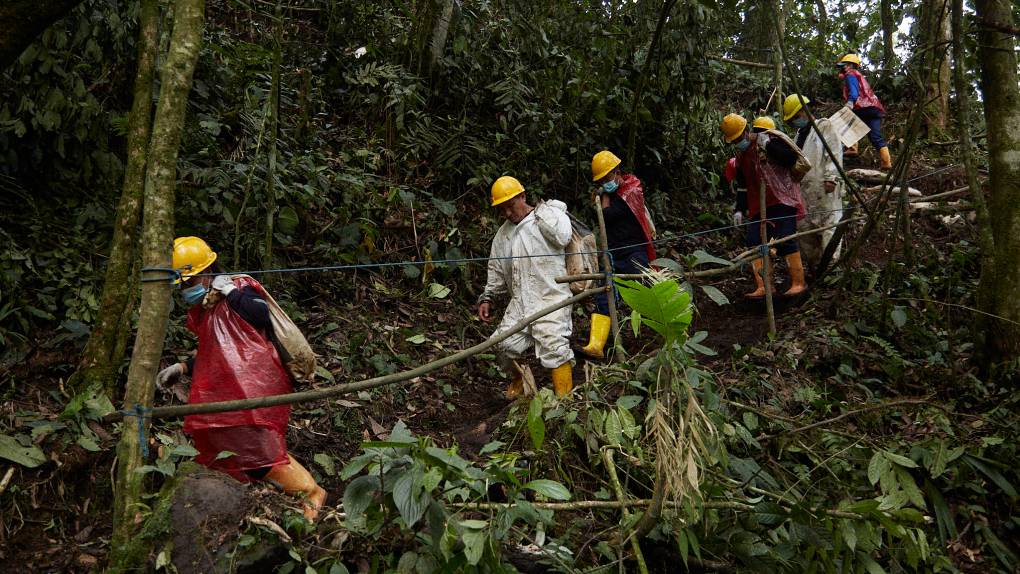
"content": "\u003cp>\u003cb>California and Oil From the Amazon\u003cbr>\n\u003c/b>\u003cspan style=\"font-weight: 400\">A quarter of the crude oil that California imports comes from the Amazon region. In fact, California imports more oil from Ecuador than from Saudi Arabia or Iraq, and the state is the world’s largest consumer of Ecuadorian oil, according to a \u003c/span>\u003ca href=\"https://www.stand.earth/LinkedFates\">\u003cspan style=\"font-weight: 400\">recent report\u003c/span>\u003c/a>\u003cspan style=\"font-weight: 400\">. The study, released by Amazon Watch and Stand.earth, also examines how fossil fuel extraction is affecting the communities and environment of the Ecuadorian rainforest.\u003c/span>\u003c/p>\n\u003cp>\u003cspan style=\"font-weight: 400\">Guests:\u003c/span>\u003c/p>\n\u003cul>\n\u003cli style=\"font-weight: 400\">\u003cspan style=\"font-weight: 400\">Kevin Koenig, Amazon Watch climate and energy director\u003c/span>\u003c/li>\n\u003cli style=\"font-weight: 400\">\u003cspan style=\"font-weight: 400\">Tyson Miller, Stand.earth Amazon program director\u003c/span>\u003c/li>\n\u003c/ul>\n\u003cp>\u003cb>This Week in California News and Politics\u003cbr>\n\u003c/b>\u003cspan style=\"font-weight: 400\">This week, Gov. Gavin Newsom released his long-term plan for living with COVID-19 as the virus eventually becomes endemic. Meanwhile, a new \u003c/span>\u003ca href=\"https://escholarship.org/uc/item/6ft4h17c\">\u003cspan style=\"font-weight: 400\">poll\u003c/span>\u003c/a>\u003cspan style=\"font-weight: 400\"> by the Institute of Governmental Studies finds that Californians are increasingly concerned about rising crime. We also chew on the latest political news, including legislation that aims to control the wild pig population, the run-off election for the state Assembly seat recently vacated by David Chiu, and what San Francisco District Attorney Chesa Boudin can do about the Asian American community’s concern about hate crimes.\u003c/span>\u003c/p>\n\u003cp>\u003cspan style=\"font-weight: 400\">Guests:\u003c/span>\u003c/p>\n\u003cul>\n\u003cli style=\"font-weight: 400\">\u003cspan style=\"font-weight: 400\">Joe Fitzgerald Rodriguez, KQED reporter and digital producer\u003c/span>\u003c/li>\n\u003cli style=\"font-weight: 400\">\u003cspan style=\"font-weight: 400\">Marisa Lagos, KQED politics and government correspondent\u003c/span>\u003c/li>\n\u003c/ul>\n\u003cp>\u003cb>Something Beautiful: Lands End Exhibit\u003cbr>\n\u003c/b>\u003cspan style=\"font-weight: 400\">This week’s Something Beautiful features a new art exhibit titled “Lands End,” which examines humanity’s relationship with the environment. The exhibit is organized by the FOR-SITE Foundation and runs through March 22. You can read our review of the show \u003c/span>\u003ca href=\"https://www.kqed.org/arts/13906957/lands-end-for-site-cliff-house-review\">\u003cspan style=\"font-weight: 400\">here\u003c/span>\u003c/a>\u003cspan style=\"font-weight: 400\">.\u003c/span>\u003c/p>\n\u003cp>[ad fullwidth]\u003c/p>\u003cp>\u003c/p>\n",
"blocks": [],
"excerpt": null,
"status": "publish",
"parent": 0,
"modified": 1722644373,
"stats": {
"hasAudio": false,
"hasVideo": false,
"hasChartOrMap": false,
"iframeSrcs": [],
"hasGoogleForm": false,
"hasGallery": false,
"hasHearkenModule": false,
"hasPolis": false,
"paragraphCount": 7,
"wordCount": 264
},
"headData": {
"title": "Amazon Oil | This Week in California News | KQED",
"description": "California and Oil From the Amazon A quarter of the crude oil that California imports comes from the Amazon region. In fact, California imports more oil from Ecuador than from Saudi Arabia or Iraq, and the state is the world's largest consumer of Ecuadorian oil, according to a recent report. The study, released by Amazon Watch and Stand.earth, also examines how fossil fuel extraction is affecting the communities and environment of the Ecuadorian rainforest. Guests: Kevin Koenig, Amazon Watch climate and energy director Tyson Miller, Stand.earth Amazon program director This Week in California News and Politics This week, Gov. Gavin",
"ogTitle": "",
"ogDescription": "",
"ogImgId": "",
"twTitle": "",
"twDescription": "",
"twImgId": "",
"schema": {
"@context": "https://schema.org",
"@type": "NewsArticle",
"headline": "Amazon Oil | This Week in California News",
"datePublished": "2022-02-18T16:17:16-08:00",
"dateModified": "2024-08-02T17:19:33-07:00",
"image": "https://cdn.kqed.org/wp-content/uploads/2020/02/KQED-OG-Image@1x.png",
"isAccessibleForFree": "True",
"publisher": {
"@type": "NewsMediaOrganization",
"@id": "https://www.kqed.org/#organization",
"name": "KQED",
"logo": "https://cdn.kqed.org/wp-content/uploads/2020/02/KQED-OG-Image@1x.png",
"url": "https://www.kqed.org",
"sameAs": [
"https://www.facebook.com/KQED",
"https://twitter.com/KQED",
"https://www.instagram.com/kqed/",
"https://www.tiktok.com/@kqedofficial",
"https://www.linkedin.com/company/kqed",
"https://www.youtube.com/channel/UCeC0IOo7i1P_61zVUWbJ4nw"
]
}
}
},
"videoEmbed": "https://youtu.be/0NwOsTsL2FE",
"sticky": false,
"excludeFromSiteSearch": "Include",
"path": "/news/11905761/amazon-oil-this-week-in-california-news",
"audioTrackLength": null,
"parsedContent": [
{
"type": "contentString",
"content": "\u003cdiv class=\"post-body\">\u003cp>\u003cp>\u003cb>California and Oil From the Amazon\u003cbr>\n\u003c/b>\u003cspan style=\"font-weight: 400\">A quarter of the crude oil that California imports comes from the Amazon region. In fact, California imports more oil from Ecuador than from Saudi Arabia or Iraq, and the state is the world’s largest consumer of Ecuadorian oil, according to a \u003c/span>\u003ca href=\"https://www.stand.earth/LinkedFates\">\u003cspan style=\"font-weight: 400\">recent report\u003c/span>\u003c/a>\u003cspan style=\"font-weight: 400\">. The study, released by Amazon Watch and Stand.earth, also examines how fossil fuel extraction is affecting the communities and environment of the Ecuadorian rainforest.\u003c/span>\u003c/p>\n\u003cp>\u003cspan style=\"font-weight: 400\">Guests:\u003c/span>\u003c/p>\n\u003cul>\n\u003cli style=\"font-weight: 400\">\u003cspan style=\"font-weight: 400\">Kevin Koenig, Amazon Watch climate and energy director\u003c/span>\u003c/li>\n\u003cli style=\"font-weight: 400\">\u003cspan style=\"font-weight: 400\">Tyson Miller, Stand.earth Amazon program director\u003c/span>\u003c/li>\n\u003c/ul>\n\u003cp>\u003cb>This Week in California News and Politics\u003cbr>\n\u003c/b>\u003cspan style=\"font-weight: 400\">This week, Gov. Gavin Newsom released his long-term plan for living with COVID-19 as the virus eventually becomes endemic. Meanwhile, a new \u003c/span>\u003ca href=\"https://escholarship.org/uc/item/6ft4h17c\">\u003cspan style=\"font-weight: 400\">poll\u003c/span>\u003c/a>\u003cspan style=\"font-weight: 400\"> by the Institute of Governmental Studies finds that Californians are increasingly concerned about rising crime. We also chew on the latest political news, including legislation that aims to control the wild pig population, the run-off election for the state Assembly seat recently vacated by David Chiu, and what San Francisco District Attorney Chesa Boudin can do about the Asian American community’s concern about hate crimes.\u003c/span>\u003c/p>\n\u003cp>\u003cspan style=\"font-weight: 400\">Guests:\u003c/span>\u003c/p>\n\u003cul>\n\u003cli style=\"font-weight: 400\">\u003cspan style=\"font-weight: 400\">Joe Fitzgerald Rodriguez, KQED reporter and digital producer\u003c/span>\u003c/li>\n\u003cli style=\"font-weight: 400\">\u003cspan style=\"font-weight: 400\">Marisa Lagos, KQED politics and government correspondent\u003c/span>\u003c/li>\n\u003c/ul>\n\u003cp>\u003cb>Something Beautiful: Lands End Exhibit\u003cbr>\n\u003c/b>\u003cspan style=\"font-weight: 400\">This week’s Something Beautiful features a new art exhibit titled “Lands End,” which examines humanity’s relationship with the environment. The exhibit is organized by the FOR-SITE Foundation and runs through March 22. You can read our review of the show \u003c/span>\u003ca href=\"https://www.kqed.org/arts/13906957/lands-end-for-site-cliff-house-review\">\u003cspan style=\"font-weight: 400\">here\u003c/span>\u003c/a>\u003cspan style=\"font-weight: 400\">.\u003c/span>\u003c/p>\n\u003cp>\u003c/p>\u003c/div>",
"attributes": {
"named": {},
"numeric": []
}
},
{
"type": "component",
"content": "",
"name": "ad",
"attributes": {
"named": {
"label": "fullwidth"
},
"numeric": [
"fullwidth"
]
}
},
{
"type": "contentString",
"content": "\u003cdiv class=\"post-body\">\u003cp>\u003c/p>\u003cp>\u003c/p>\n\u003c/div>\u003c/p>",
"attributes": {
"named": {},
"numeric": []
}
}
],
"link": "/news/11905761/amazon-oil-this-week-in-california-news",
"authors": [
"236"
],
"programs": [
"news_7052"
],
"categories": [
"news_223",
"news_19906",
"news_457",
"news_6188",
"news_13",
"news_356"
],
"tags": [
"news_1611",
"news_18538",
"news_27504",
"news_843",
"news_16",
"news_9",
"news_20297",
"news_19177",
"news_3833",
"news_20562",
"news_23749",
"news_30632"
],
"featImg": "news_11905858",
"label": "news_7052"
},
"news_11905230": {
"type": "posts",
"id": "news_11905230",
"meta": {
"index": "posts_1716263798",
"site": "news",
"id": "11905230",
"score": null,
"sort": [
1645141165000
]
},
"guestAuthors": [],
"slug": "do-federal-lawmakers-have-the-stomach-to-rein-in-big-tech",
"title": "Do Federal Lawmakers Have the Stomach to Rein in Big Tech?",
"publishDate": 1645141165,
"format": "audio",
"headTitle": "Do Federal Lawmakers Have the Stomach to Rein in Big Tech? | KQED",
"labelTerm": {
"term": 72,
"site": "news"
},
"content": "\u003cp>More than a dozen antitrust bills targeting Big Tech are currently in play in the nation’s capital, and Silicon Valley has mounted a full-court press to kill or soften the legislative onslaught.\u003c/p>\n\u003cp>The bills could make it more difficult for large tech companies to, among other things, acquire smaller companies, use their platforms to unduly boost their own products, and wield their huge cash stockpiles to \u003ca href=\"https://www.npr.org/2018/11/13/666274605/how-big-is-amazon\" target=\"_blank\" rel=\"noopener noreferrer\">dominate multiple, additional industries\u003c/a>.[aside postID=\"news_11889347\" hero=\"https://ww2.kqed.org/app/uploads/sites/10/2021/09/RS51554_GettyImages-1235407516-qut.jpg\"]The main companies in the sights of federal lawmakers include Amazon, Apple, Google and Meta, the latter three of which are headquartered in the Bay Area. All four have become multibillion-dollar giants of advertising through buying and selling consumer data, while also variously dominating other industries like retail, apps and entertainment.\u003c/p>\n\u003cp>Federal lawmakers on both sides of the aisle have historically taken a relatively light touch toward regulating the technology industry. But that \u003ca href=\"https://www.politico.com/news/2021/12/27/monopoly-antitrust-new-rules-tech-525161\">hands-off approach has recently shifted\u003c/a> among a growing number of Democrats, and even some Republicans, as the power and size of these companies has grown exponentially.\u003c/p>\n\u003cp>“You have companies like Google that have 90% control over search engines,” Sen. Amy Klobuchar, D-Minnesota, \u003ca href=\"https://www.facebook.com/amyklobuchar/videos/1985625218247197/\" target=\"_blank\" rel=\"noopener noreferrer\">told CNN\u003c/a> last year. “What I’m proposing is, make sure [federal agencies like the Federal Trade Commission] are able to take on trillion-dollar companies like Facebook and Google. They can’t do it with Band-Aids and duct tape.”\u003c/p>\n\u003cp>She added, “We must have laws that are as sophisticated as the companies we’re dealing with.”\u003c/p>\n\u003cp>[ad fullwidth]\u003c/p>\n\u003cp>In that vein, the slate of proposed legislation tackles a wide array of gray areas in the law to provide federal regulators with the resources — monetary and conceptual — to go after large companies. Here’s a small sampling of the bills:\u003c/p>\n\u003cp>— \u003ca href=\"https://www.congress.gov/bill/117th-congress/house-bill/3816\" target=\"_blank\" rel=\"noopener noreferrer\">HR 3816\u003c/a> and \u003ca href=\"https://www.congress.gov/bill/117th-congress/senate-bill/2992\" target=\"_blank\" rel=\"noopener noreferrer\">S 2992\u003c/a>: \u003cstrong>The American Choice and Innovation Online Act\u003c/strong> would bar platforms like Apple’s App Store or Amazon’s Marketplace from “self-preferencing,” or giving their own products an unfair advantage over those of their competitors.\u003c/p>\n\u003cp>— \u003ca href=\"https://www.congress.gov/bill/117th-congress/house-bill/3843?q=%7B%22search%22:%5B%223843%22,%223843%22%5D%7D&s=3&r=1\" target=\"_blank\" rel=\"noopener noreferrer\">HR 3843\u003c/a> and \u003ca href=\"https://www.congress.gov/bill/117th-congress/senate-bill/228?q=%7B%22search%22:%5B%22Merger+Filing+Fee+Modernization+Act%22,%22Merger%22,%22Filing%22,%22Fee%22,%22Modernization%22,%22Act%22%5D%7D&s=6&r=1\" target=\"_blank\" rel=\"noopener noreferrer\">S 228\u003c/a>: \u003cstrong>The Merger Filing Fee Modernization Act of 2021\u003c/strong> would increase the merger fees regulators collect from companies and use the additional amounts to fund aggressive enforcement of antitrust laws by the U.S. Department of Justice and the Federal Trade Commission.\u003c/p>\n\u003cp>— \u003ca href=\"https://www.congress.gov/bill/117th-congress/senate-bill/3608?q=%7B%22search%22%3A%5B%22Social+Media+NUDGE+Act%22%2C%22Social%22%2C%22Media%22%2C%22NUDGE%22%2C%22Act%22%5D%7D&s=1&r=1\" target=\"_blank\" rel=\"noopener noreferrer\">S 3608\u003c/a>: \u003cstrong>The Social Media NUDGE Act\u003c/strong> would direct the National Science Foundation and the National Academies of Sciences, Engineering and Medicine to study “content neutral” ways to address the algorithmic amplification of harmful content.[aside postID=\"forum_2010101882161\" hero=\"https://ww2.kqed.org/app/uploads/sites/43/2016/11/facebook-screen.jpg\"]But despite high-drama hearings from whistleblowers like former Facebook lead product manager \u003ca href=\"https://www.franceshaugen.com\" target=\"_blank\" rel=\"noopener noreferrer\">Frances Haugen\u003c/a>, most of these bills have yet to make it out of their respective committees. It’s entirely unclear how many will ever get a floor vote in the House or Senate.\u003c/p>\n\u003cp>Klobuchar, among the handful of lawmakers leading the antitrust charge, has acknowledged that the odds are daunting.\u003c/p>\n\u003cp>“We are up against a lot. … The tech companies have 2,500 lobbyists and probably 10,000 lawyers,” she said at a hearing of the Senate Judiciary \u003ca href=\"https://www.c-span.org/video/?516757-1/senate-hearing-impact-corporate-monopolies-innovation\" target=\"_blank\" rel=\"noopener noreferrer\">Subcommittee on Competition Policy, Antitrust, and Consumer Rights\u003c/a> last December.\u003c/p>\n\u003cp>And most analysts agree that if Republicans regain the majority in Congress after this year’s midterm elections, it’s game over for the biggest antitrust effort in generations.\u003c/p>\n\u003ch2>Strong pushback\u003c/h2>\n\u003cp>Tech industry proponents have presented a varied, and in some cases compelling, set of arguments against these legislative efforts.\u003c/p>\n\u003cp>Berin Szóka, president of TechFreedom, a \u003ca href=\"https://services.google.com/fh/files/misc/trade_association_and_third_party_groups.pdf\" target=\"_blank\" rel=\"noopener noreferrer\">tech-funded\u003c/a> think tank in Washington, D.C., argues that the bills are rushed and poorly written. He decries the lack of traditional legislative hearings and markups before floor debate, even while acknowledging this practice has fallen out of vogue in recent years.\u003c/p>\n\u003cp>“We are legislating the way that that cartoon shows the railroad bridge being built out over the canyon as the train is going — except we don’t know what the train looks like or where it’s going,” he said.[pullquote size=\"medium\" align=\"right\" citation=\"Jennifer King, privacy and data policy fellow, Stanford Institute for Human-Centered Artificial Intelligence\"]‘We now have a legislative structure that’s just as dependent on those data practices that the commercial structure is dependent on: behavioral targeting and marketing practices that are really at issue in all these cases.’[/pullquote]Efforts by Democrats, like Klobuchar, to win support from key Republicans, he says, have resulted in bills full of ticking time bombs that could explode on Democrats and their allies the next time Republicans regain control of the White House.\u003c/p>\n\u003cp>For instance, Szóka argues, the same bill that would prevent tech titans from discriminating against competitors might also prevent them from removing companies from their app stores that have violated content rules, like Parler, a social media platform that has become a safe harbor for right-wing conspiracy theorists.\u003c/p>\n\u003cp>“It’s going to be easy for these sites that cater to extremists to sue, to harass mainstream services, to rifle through emails, to depose executives,” said Szóka.\u003c/p>\n\u003cp>Similar concerns have been expressed by many in California’s congressional delegation, suggesting that Democrats could balk at supporting some of the bills.\u003c/p>\n\u003cp>Sens. Dianne Feinstein and Alex Padilla are among a large group of California Democrats who have criticized elements of the bills, mirroring some of the arguments made by tech-funded think tanks. Reps. Lou Correa, D-East LA; Ted Lieu, D-Torrance; Eric Swalwell, D-Castro Valley; Ro Khanna, D-Fremont; and Zoe Lofgren, D-San Jose also have raised concerns.\u003c/p>\n\u003cp>“I think they spent more time on the hearing than they did in writing the proposed legislation. Because it’s not well crafted and it was done in a hurry,” Lofgren recently lamented about the American Choice and Innovation Online Act.\u003c/p>\n\u003cp>In an interview last month with Julia Angwin of The Markup, \u003ca href=\"https://www.c-span.org/video/?517286-1/after-words-representative-ro-khanna\">Rep. Khanna said breakups are certainly justified\u003c/a> in some instances. “On Facebook, for example, where they’ve acquired Instagram and WhatsApp, you should have an unraveling of that company. I think you want to have a ban on mergers that are acquiring competitors.”[aside postID=\"news_11888891\" hero=\"https://ww2.kqed.org/app/uploads/sites/10/2021/09/GettyImages-461843598-scaled.jpg\"]But he cautioned about being “overly restrictive on all mergers,” noting that mergers and acquisitions are a basic element of the U.S. economy.\u003c/p>\n\u003cp>The Washington Post recently reported that \u003ca href=\"https://www.washingtonpost.com/technology/2022/01/21/tech-lobbying-in-washington/\" target=\"_blank\" rel=\"noopener noreferrer\">just seven large tech companies spent nearly $70 million\u003c/a> lobbying the U.S. government in 2021.\u003c/p>\n\u003cp>“We are genuinely concerned that they could break a wide range of popular services we offer to our users, all the work we do to make our products safe, private and secure, and in some cases can hurt American competitiveness by disadvantaging solely U.S. companies,” Google CEO Sundar Pichai said of the current bills during a recent earnings call.\u003c/p>\n\u003cp>And Lofgren and others who have voiced concerns with the current bills \u003ca href=\"https://www.washingtonpost.com/politics/2022/02/03/tech-giants-are-doling-out-political-donations-antitrust-skeptics-congress/\" target=\"_blank\" rel=\"noopener noreferrer\">continue to take money\u003c/a> from the likes of Amazon, Google, Meta and Microsoft, but say that doesn’t influence their position.\u003c/p>\n\u003cp>Lofgren told KQED, “That’s obviously baloney, and if that were the case, Anna [Eshoo] and I wouldn’t have introduced our privacy bill, which would require a huge change in the business model of any company that relies on the data of its users.”\u003c/p>\n\u003cp>The \u003ca href=\"https://www.congress.gov/bill/117th-congress/house-bill/6027/text?q=%7B%22search%22%3A%5B%22Online+Privacy+Act%22%2C%22Online%22%2C%22Privacy%22%2C%22Act%22%5D%7D&r=1&s=1\" target=\"_blank\" rel=\"noopener noreferrer\">Online Privacy Act\u003c/a> Lofgren reintroduced with fellow Silicon Valley Rep. Anna Eshoo is considered a serious threat to the personal data trading model that’s become the bread and butter for mega conglomerates. The legislation would require companies to protect users’ data, as well as establish a new federal agency to enforce privacy protections, and strengthen enforcement of privacy law violations.\u003c/p>\n\u003cp>Jennifer King, who follows data and privacy for the \u003ca href=\"http://cyberlaw.stanford.edu/about/people/jen-king\" target=\"_blank\" rel=\"noopener noreferrer\">Stanford Institute for Human-Centered Artificial Intelligence\u003c/a>, is not holding her breath for this Congress to act on any kind of revolutionary reform.\u003c/p>\n\u003cp>One big reason why: Both political parties, she notes, have grown quite fond of using targeted advertising themselves. “We now have a legislative structure that’s just as dependent on those data practices that the commercial structure is dependent on: behavioral targeting and marketing practices that are really at issue in all these cases,” King said.\u003c/p>\n\u003cp>[ad floatright]\u003c/p>\n\u003cp>The one thing most lawmakers do seem to agree on is the need for some kind of new legislation, if only to bolster funding for federal regulators like those at the Federal Trade Commission. But what exactly that should look like is where the consensus falls apart.\u003c/p>\n\n",
"blocks": [],
"excerpt": "More than a dozen antitrust bills targeting Big Tech are in play in the nation's capital right now, and Silicon Valley has mounted a full-court press to kill or soften the legislative attack.",
"status": "publish",
"parent": 0,
"modified": 1729027769,
"stats": {
"hasAudio": false,
"hasVideo": false,
"hasChartOrMap": false,
"iframeSrcs": [],
"hasGoogleForm": false,
"hasGallery": false,
"hasHearkenModule": false,
"hasPolis": false,
"paragraphCount": 31,
"wordCount": 1511
},
"headData": {
"title": "Do Federal Lawmakers Have the Stomach to Rein in Big Tech? | KQED",
"description": "More than a dozen antitrust bills targeting Big Tech are in play in the nation's capital right now, and Silicon Valley has mounted a full-court press to kill or soften the legislative attack.",
"ogTitle": "",
"ogDescription": "",
"ogImgId": "",
"twTitle": "",
"twDescription": "",
"twImgId": "",
"schema": {
"@context": "https://schema.org",
"@type": "NewsArticle",
"headline": "Do Federal Lawmakers Have the Stomach to Rein in Big Tech?",
"datePublished": "2022-02-17T15:39:25-08:00",
"dateModified": "2024-10-15T14:29:29-07:00",
"image": "https://cdn.kqed.org/wp-content/uploads/2020/02/KQED-OG-Image@1x.png",
"isAccessibleForFree": "True",
"publisher": {
"@type": "NewsMediaOrganization",
"@id": "https://www.kqed.org/#organization",
"name": "KQED",
"logo": "https://cdn.kqed.org/wp-content/uploads/2020/02/KQED-OG-Image@1x.png",
"url": "https://www.kqed.org",
"sameAs": [
"https://www.facebook.com/KQED",
"https://twitter.com/KQED",
"https://www.instagram.com/kqed/",
"https://www.tiktok.com/@kqedofficial",
"https://www.linkedin.com/company/kqed",
"https://www.youtube.com/channel/UCeC0IOo7i1P_61zVUWbJ4nw"
]
}
}
},
"audioUrl": "https://traffic.omny.fm/d/clips/0af137ef-751e-4b19-a055-aaef00d2d578/ffca7e9f-6831-41c5-bcaf-aaef00f5a073/86b2144c-161e-43c4-9c10-ae3d01176691/audio.mp3",
"sticky": false,
"excludeFromSiteSearch": "Include",
"path": "/news/11905230/do-federal-lawmakers-have-the-stomach-to-rein-in-big-tech",
"audioTrackLength": null,
"parsedContent": [
{
"type": "contentString",
"content": "\u003cdiv class=\"post-body\">\u003cp>\u003cp>More than a dozen antitrust bills targeting Big Tech are currently in play in the nation’s capital, and Silicon Valley has mounted a full-court press to kill or soften the legislative onslaught.\u003c/p>\n\u003cp>The bills could make it more difficult for large tech companies to, among other things, acquire smaller companies, use their platforms to unduly boost their own products, and wield their huge cash stockpiles to \u003ca href=\"https://www.npr.org/2018/11/13/666274605/how-big-is-amazon\" target=\"_blank\" rel=\"noopener noreferrer\">dominate multiple, additional industries\u003c/a>.\u003c/p>\u003c/div>",
"attributes": {
"named": {},
"numeric": []
}
},
{
"type": "component",
"content": "",
"name": "aside",
"attributes": {
"named": {
"postid": "news_11889347",
"hero": "https://ww2.kqed.org/app/uploads/sites/10/2021/09/RS51554_GettyImages-1235407516-qut.jpg",
"label": ""
},
"numeric": []
}
},
{
"type": "contentString",
"content": "\u003cdiv class=\"post-body\">\u003cp>The main companies in the sights of federal lawmakers include Amazon, Apple, Google and Meta, the latter three of which are headquartered in the Bay Area. All four have become multibillion-dollar giants of advertising through buying and selling consumer data, while also variously dominating other industries like retail, apps and entertainment.\u003c/p>\n\u003cp>Federal lawmakers on both sides of the aisle have historically taken a relatively light touch toward regulating the technology industry. But that \u003ca href=\"https://www.politico.com/news/2021/12/27/monopoly-antitrust-new-rules-tech-525161\">hands-off approach has recently shifted\u003c/a> among a growing number of Democrats, and even some Republicans, as the power and size of these companies has grown exponentially.\u003c/p>\n\u003cp>“You have companies like Google that have 90% control over search engines,” Sen. Amy Klobuchar, D-Minnesota, \u003ca href=\"https://www.facebook.com/amyklobuchar/videos/1985625218247197/\" target=\"_blank\" rel=\"noopener noreferrer\">told CNN\u003c/a> last year. “What I’m proposing is, make sure [federal agencies like the Federal Trade Commission] are able to take on trillion-dollar companies like Facebook and Google. They can’t do it with Band-Aids and duct tape.”\u003c/p>\n\u003cp>She added, “We must have laws that are as sophisticated as the companies we’re dealing with.”\u003c/p>\n\u003cp>\u003c/p>\u003c/div>",
"attributes": {
"named": {},
"numeric": []
}
},
{
"type": "component",
"content": "",
"name": "ad",
"attributes": {
"named": {
"label": "fullwidth"
},
"numeric": [
"fullwidth"
]
}
},
{
"type": "contentString",
"content": "\u003cdiv class=\"post-body\">\u003cp>\u003c/p>\n\u003cp>In that vein, the slate of proposed legislation tackles a wide array of gray areas in the law to provide federal regulators with the resources — monetary and conceptual — to go after large companies. Here’s a small sampling of the bills:\u003c/p>\n\u003cp>— \u003ca href=\"https://www.congress.gov/bill/117th-congress/house-bill/3816\" target=\"_blank\" rel=\"noopener noreferrer\">HR 3816\u003c/a> and \u003ca href=\"https://www.congress.gov/bill/117th-congress/senate-bill/2992\" target=\"_blank\" rel=\"noopener noreferrer\">S 2992\u003c/a>: \u003cstrong>The American Choice and Innovation Online Act\u003c/strong> would bar platforms like Apple’s App Store or Amazon’s Marketplace from “self-preferencing,” or giving their own products an unfair advantage over those of their competitors.\u003c/p>\n\u003cp>— \u003ca href=\"https://www.congress.gov/bill/117th-congress/house-bill/3843?q=%7B%22search%22:%5B%223843%22,%223843%22%5D%7D&s=3&r=1\" target=\"_blank\" rel=\"noopener noreferrer\">HR 3843\u003c/a> and \u003ca href=\"https://www.congress.gov/bill/117th-congress/senate-bill/228?q=%7B%22search%22:%5B%22Merger+Filing+Fee+Modernization+Act%22,%22Merger%22,%22Filing%22,%22Fee%22,%22Modernization%22,%22Act%22%5D%7D&s=6&r=1\" target=\"_blank\" rel=\"noopener noreferrer\">S 228\u003c/a>: \u003cstrong>The Merger Filing Fee Modernization Act of 2021\u003c/strong> would increase the merger fees regulators collect from companies and use the additional amounts to fund aggressive enforcement of antitrust laws by the U.S. Department of Justice and the Federal Trade Commission.\u003c/p>\n\u003cp>— \u003ca href=\"https://www.congress.gov/bill/117th-congress/senate-bill/3608?q=%7B%22search%22%3A%5B%22Social+Media+NUDGE+Act%22%2C%22Social%22%2C%22Media%22%2C%22NUDGE%22%2C%22Act%22%5D%7D&s=1&r=1\" target=\"_blank\" rel=\"noopener noreferrer\">S 3608\u003c/a>: \u003cstrong>The Social Media NUDGE Act\u003c/strong> would direct the National Science Foundation and the National Academies of Sciences, Engineering and Medicine to study “content neutral” ways to address the algorithmic amplification of harmful content.\u003c/p>\u003c/div>",
"attributes": {
"named": {},
"numeric": []
}
},
{
"type": "component",
"content": "",
"name": "aside",
"attributes": {
"named": {
"postid": "forum_2010101882161",
"hero": "https://ww2.kqed.org/app/uploads/sites/43/2016/11/facebook-screen.jpg",
"label": ""
},
"numeric": []
}
},
{
"type": "contentString",
"content": "\u003cdiv class=\"post-body\">\u003cp>But despite high-drama hearings from whistleblowers like former Facebook lead product manager \u003ca href=\"https://www.franceshaugen.com\" target=\"_blank\" rel=\"noopener noreferrer\">Frances Haugen\u003c/a>, most of these bills have yet to make it out of their respective committees. It’s entirely unclear how many will ever get a floor vote in the House or Senate.\u003c/p>\n\u003cp>Klobuchar, among the handful of lawmakers leading the antitrust charge, has acknowledged that the odds are daunting.\u003c/p>\n\u003cp>“We are up against a lot. … The tech companies have 2,500 lobbyists and probably 10,000 lawyers,” she said at a hearing of the Senate Judiciary \u003ca href=\"https://www.c-span.org/video/?516757-1/senate-hearing-impact-corporate-monopolies-innovation\" target=\"_blank\" rel=\"noopener noreferrer\">Subcommittee on Competition Policy, Antitrust, and Consumer Rights\u003c/a> last December.\u003c/p>\n\u003cp>And most analysts agree that if Republicans regain the majority in Congress after this year’s midterm elections, it’s game over for the biggest antitrust effort in generations.\u003c/p>\n\u003ch2>Strong pushback\u003c/h2>\n\u003cp>Tech industry proponents have presented a varied, and in some cases compelling, set of arguments against these legislative efforts.\u003c/p>\n\u003cp>Berin Szóka, president of TechFreedom, a \u003ca href=\"https://services.google.com/fh/files/misc/trade_association_and_third_party_groups.pdf\" target=\"_blank\" rel=\"noopener noreferrer\">tech-funded\u003c/a> think tank in Washington, D.C., argues that the bills are rushed and poorly written. He decries the lack of traditional legislative hearings and markups before floor debate, even while acknowledging this practice has fallen out of vogue in recent years.\u003c/p>\n\u003cp>“We are legislating the way that that cartoon shows the railroad bridge being built out over the canyon as the train is going — except we don’t know what the train looks like or where it’s going,” he said.\u003c/p>\u003c/div>",
"attributes": {
"named": {},
"numeric": []
}
},
{
"type": "component",
"content": "‘We now have a legislative structure that’s just as dependent on those data practices that the commercial structure is dependent on: behavioral targeting and marketing practices that are really at issue in all these cases.’",
"name": "pullquote",
"attributes": {
"named": {
"size": "medium",
"align": "right",
"citation": "Jennifer King, privacy and data policy fellow, Stanford Institute for Human-Centered Artificial Intelligence",
"label": ""
},
"numeric": []
}
},
{
"type": "contentString",
"content": "\u003cdiv class=\"post-body\">\u003cp>Efforts by Democrats, like Klobuchar, to win support from key Republicans, he says, have resulted in bills full of ticking time bombs that could explode on Democrats and their allies the next time Republicans regain control of the White House.\u003c/p>\n\u003cp>For instance, Szóka argues, the same bill that would prevent tech titans from discriminating against competitors might also prevent them from removing companies from their app stores that have violated content rules, like Parler, a social media platform that has become a safe harbor for right-wing conspiracy theorists.\u003c/p>\n\u003cp>“It’s going to be easy for these sites that cater to extremists to sue, to harass mainstream services, to rifle through emails, to depose executives,” said Szóka.\u003c/p>\n\u003cp>Similar concerns have been expressed by many in California’s congressional delegation, suggesting that Democrats could balk at supporting some of the bills.\u003c/p>\n\u003cp>Sens. Dianne Feinstein and Alex Padilla are among a large group of California Democrats who have criticized elements of the bills, mirroring some of the arguments made by tech-funded think tanks. Reps. Lou Correa, D-East LA; Ted Lieu, D-Torrance; Eric Swalwell, D-Castro Valley; Ro Khanna, D-Fremont; and Zoe Lofgren, D-San Jose also have raised concerns.\u003c/p>\n\u003cp>“I think they spent more time on the hearing than they did in writing the proposed legislation. Because it’s not well crafted and it was done in a hurry,” Lofgren recently lamented about the American Choice and Innovation Online Act.\u003c/p>\n\u003cp>In an interview last month with Julia Angwin of The Markup, \u003ca href=\"https://www.c-span.org/video/?517286-1/after-words-representative-ro-khanna\">Rep. Khanna said breakups are certainly justified\u003c/a> in some instances. “On Facebook, for example, where they’ve acquired Instagram and WhatsApp, you should have an unraveling of that company. I think you want to have a ban on mergers that are acquiring competitors.”\u003c/p>\u003c/div>",
"attributes": {
"named": {},
"numeric": []
}
},
{
"type": "component",
"content": "",
"name": "aside",
"attributes": {
"named": {
"postid": "news_11888891",
"hero": "https://ww2.kqed.org/app/uploads/sites/10/2021/09/GettyImages-461843598-scaled.jpg",
"label": ""
},
"numeric": []
}
},
{
"type": "contentString",
"content": "\u003cdiv class=\"post-body\">\u003cp>But he cautioned about being “overly restrictive on all mergers,” noting that mergers and acquisitions are a basic element of the U.S. economy.\u003c/p>\n\u003cp>The Washington Post recently reported that \u003ca href=\"https://www.washingtonpost.com/technology/2022/01/21/tech-lobbying-in-washington/\" target=\"_blank\" rel=\"noopener noreferrer\">just seven large tech companies spent nearly $70 million\u003c/a> lobbying the U.S. government in 2021.\u003c/p>\n\u003cp>“We are genuinely concerned that they could break a wide range of popular services we offer to our users, all the work we do to make our products safe, private and secure, and in some cases can hurt American competitiveness by disadvantaging solely U.S. companies,” Google CEO Sundar Pichai said of the current bills during a recent earnings call.\u003c/p>\n\u003cp>And Lofgren and others who have voiced concerns with the current bills \u003ca href=\"https://www.washingtonpost.com/politics/2022/02/03/tech-giants-are-doling-out-political-donations-antitrust-skeptics-congress/\" target=\"_blank\" rel=\"noopener noreferrer\">continue to take money\u003c/a> from the likes of Amazon, Google, Meta and Microsoft, but say that doesn’t influence their position.\u003c/p>\n\u003cp>Lofgren told KQED, “That’s obviously baloney, and if that were the case, Anna [Eshoo] and I wouldn’t have introduced our privacy bill, which would require a huge change in the business model of any company that relies on the data of its users.”\u003c/p>\n\u003cp>The \u003ca href=\"https://www.congress.gov/bill/117th-congress/house-bill/6027/text?q=%7B%22search%22%3A%5B%22Online+Privacy+Act%22%2C%22Online%22%2C%22Privacy%22%2C%22Act%22%5D%7D&r=1&s=1\" target=\"_blank\" rel=\"noopener noreferrer\">Online Privacy Act\u003c/a> Lofgren reintroduced with fellow Silicon Valley Rep. Anna Eshoo is considered a serious threat to the personal data trading model that’s become the bread and butter for mega conglomerates. The legislation would require companies to protect users’ data, as well as establish a new federal agency to enforce privacy protections, and strengthen enforcement of privacy law violations.\u003c/p>\n\u003cp>Jennifer King, who follows data and privacy for the \u003ca href=\"http://cyberlaw.stanford.edu/about/people/jen-king\" target=\"_blank\" rel=\"noopener noreferrer\">Stanford Institute for Human-Centered Artificial Intelligence\u003c/a>, is not holding her breath for this Congress to act on any kind of revolutionary reform.\u003c/p>\n\u003cp>One big reason why: Both political parties, she notes, have grown quite fond of using targeted advertising themselves. “We now have a legislative structure that’s just as dependent on those data practices that the commercial structure is dependent on: behavioral targeting and marketing practices that are really at issue in all these cases,” King said.\u003c/p>\n\u003cp>\u003c/p>\u003c/div>",
"attributes": {
"named": {},
"numeric": []
}
},
{
"type": "component",
"content": "",
"name": "ad",
"attributes": {
"named": {
"label": "floatright"
},
"numeric": [
"floatright"
]
}
},
{
"type": "contentString",
"content": "\u003cdiv class=\"post-body\">\u003cp>\u003c/p>\n\u003cp>The one thing most lawmakers do seem to agree on is the need for some kind of new legislation, if only to bolster funding for federal regulators like those at the Federal Trade Commission. But what exactly that should look like is where the consensus falls apart.\u003c/p>\n\n\u003c/div>\u003c/p>",
"attributes": {
"named": {},
"numeric": []
}
}
],
"link": "/news/11905230/do-federal-lawmakers-have-the-stomach-to-rein-in-big-tech",
"authors": [
"251"
],
"programs": [
"news_72"
],
"categories": [
"news_1758",
"news_8",
"news_33520",
"news_248"
],
"tags": [
"news_1611",
"news_25267",
"news_23736",
"news_19182",
"news_20910",
"news_93",
"news_30214",
"news_3952",
"news_17968",
"news_2011",
"news_6238",
"news_1631",
"news_2013"
],
"featImg": "news_11905487",
"label": "news_72"
},
"news_11896237": {
"type": "posts",
"id": "news_11896237",
"meta": {
"index": "posts_1716263798",
"site": "news",
"id": "11896237",
"score": null,
"sort": [
1637016818000
]
},
"guestAuthors": [],
"slug": "amazon-to-pay-california-500000-for-failing-to-properly-inform-employees-of-workplace-covid-cases",
"title": "Amazon to Pay California $500,000 for Failing to Properly Inform Employees of Workplace COVID Cases",
"publishDate": 1637016818,
"format": "standard",
"headTitle": "Amazon to Pay California $500,000 for Failing to Properly Inform Employees of Workplace COVID Cases | KQED",
"labelTerm": {
"term": 18481,
"site": "news"
},
"content": "\u003cp>Amazon has agreed to pay a half-million-dollar fine and be monitored by California officials to ensure it properly notifies its workers about new coronavirus cases, the state’s attorney general announced Monday.\u003c/p>\n\u003cp>Amazon employs about 150,000 people in California, most of whom work at the company’s 100 “fulfillment centers” — sprawling warehouses throughout the state where orders are packed and shipped. The agreement, which must be approved by a judge, requires the Seattle-based retailer to notify its workers within a day when new coronavirus cases are discovered in their workplaces.\u003c/p>\n\u003cp>Amazon also agreed to notify local health agencies of new virus cases within 48 hours, and to stop issuing notices that Attorney General Rob Bonta says do not adequately inform employees of their rights related to the pandemic, or of steps the company is taking to ensure worker safety.\u003c/p>\n\u003cp>“As the company enjoyed booming and historic sales with its stock price doubling, Amazon failed to adequately notify warehouse workers and local health agencies of COVID-19 case numbers, often leaving them unable to effectively track the spread of the virus,” Bonta told reporters in San Francisco at an event held across the street from an Amazon warehouse.\u003c/p>\n\u003cp>“This left many workers understandably terrified and powerless to make informed decisions to protect themselves and to protect their loved ones,” he added.\u003c/p>\n\u003cp>[ad fullwidth]\u003c/p>\n\u003cp>Amazon spokesperson Barbara Agrait said in a statement that the company was “glad to have this resolved and to see that the AG found no substantive issues with the safety measures in our buildings.”\u003c/p>\n\u003cp>[aside label=\"related coverage\" tag=\"amazon\"]The agreement stems from actions taken last year by then-state Attorney General Xavier Becerra, who now heads the U.S. Health and Human Services Department. Becerra in December asked a judge to order Amazon to comply with subpoenas that his office issued months earlier as part of its investigation into how the company was protecting workers from the virus.\u003c/p>\n\u003cp>The state attorney general’s office first disclosed the investigation in a July 2020 filing in a San Francisco Superior Court case in which an employee accused the company of not doing enough to safeguard staff.\u003c/p>\n\u003cp>It’s unclear how many Amazon employees have been exposed to the virus at work over the course of the pandemic. In October 2020, the company disclosed that nearly 20,000 of its front-line U.S. workers had tested positive or were presumed infected.\u003c/p>\n\u003cp>The judgment, which applies only in California, requires the company to allow the attorney general’s office to monitor its employee virus notifications for a year, and to pay the half-million-dollar settlement, which will go toward enforcement of the state’s consumer protection laws.\u003c/p>\n\u003cp>Bonta said the judgment is the first of its kind in the U.S., and complies with a state \u003ca href=\"https://leginfo.legislature.ca.gov/faces/billNavClient.xhtml?bill_id=201920200AB685\">“right-to-know” law\u003c/a> that took effect last year, requiring employers to notify workers of coronavirus cases at worksites, inform them of pandemic-related protections and safety plans, and report all cases to local health agencies.\u003c/p>\n\u003cp>Both the \u003ca href=\"https://oag.ca.gov/system/files/attachments/press-docs/amazon_complaint.pdf\">complaint\u003c/a> and \u003ca href=\"https://oag.ca.gov/system/files/attachments/press-docs/amazon_stipj.pdf\">stipulation\u003c/a> were filed with the Sacramento County Superior Court on Monday.\u003c/p>\n\u003cp>State Assembly Majority Leader Eloise Gómez Reyes, D-San Bernardino, who introduced the bill, said it was enacted after lawmakers heard stories of workers who were not told that they might have been exposed. Many California companies have since complied, she said, but some “found loopholes and they either failed or chose not to comply with the law.”\u003c/p>\n\u003cp>The agreement comes as Amazon hires a slew of additional temporary workers in preparation for the holiday crush of package deliveries. Bonta said compliance is particularly important as the state prepares for another possible winter surge in cases as more people travel and gather indoors for the holidays.\u003c/p>\n\u003cp>\u003ca href=\"https://leginfo.legislature.ca.gov/faces/billNavClient.xhtml?bill_id=202120220AB701\">California this year also became the first state to prohibit big retailers from firing warehouse workers for missing quotas that interfere with bathroom and rest breaks.\u003c/a>\u003c/p>\n\u003cp>\u003c/p>\n\u003cp>That law prohibits companies like Amazon from disciplining workers for following health and safety laws, and allows employees to sue their employers over unsafe quotas or undue retaliation.\u003c/p>\n\n",
"blocks": [],
"excerpt": "The judgment, which applies only in California, requires Amazon to allow the attorney general's office to monitor its virus notifications for a year, and to pay the half-million-dollar settlement that will go to enforce the state’s consumer protection laws.",
"status": "publish",
"parent": 0,
"modified": 1727137223,
"stats": {
"hasAudio": false,
"hasVideo": false,
"hasChartOrMap": false,
"iframeSrcs": [],
"hasGoogleForm": false,
"hasGallery": false,
"hasHearkenModule": false,
"hasPolis": false,
"paragraphCount": 18,
"wordCount": 707
},
"headData": {
"title": "Amazon to Pay California $500,000 for Failing to Properly Inform Employees of Workplace COVID Cases | KQED",
"description": "The judgment, which applies only in California, requires Amazon to allow the attorney general's office to monitor its virus notifications for a year, and to pay the half-million-dollar settlement that will go to enforce the state’s consumer protection laws.",
"ogTitle": "",
"ogDescription": "",
"ogImgId": "",
"twTitle": "",
"twDescription": "",
"twImgId": "",
"schema": {
"@context": "https://schema.org",
"@type": "NewsArticle",
"headline": "Amazon to Pay California $500,000 for Failing to Properly Inform Employees of Workplace COVID Cases",
"datePublished": "2021-11-15T14:53:38-08:00",
"dateModified": "2024-09-23T17:20:23-07:00",
"image": "https://cdn.kqed.org/wp-content/uploads/2020/02/KQED-OG-Image@1x.png",
"isAccessibleForFree": "True",
"publisher": {
"@type": "NewsMediaOrganization",
"@id": "https://www.kqed.org/#organization",
"name": "KQED",
"logo": "https://cdn.kqed.org/wp-content/uploads/2020/02/KQED-OG-Image@1x.png",
"url": "https://www.kqed.org",
"sameAs": [
"https://www.facebook.com/KQED",
"https://twitter.com/KQED",
"https://www.instagram.com/kqed/",
"https://www.tiktok.com/@kqedofficial",
"https://www.linkedin.com/company/kqed",
"https://www.youtube.com/channel/UCeC0IOo7i1P_61zVUWbJ4nw"
]
}
}
},
"sticky": false,
"nprByline": "Don Thompson\u003cbr>The Associated Press",
"excludeFromSiteSearch": "Include",
"path": "/news/11896237/amazon-to-pay-california-500000-for-failing-to-properly-inform-employees-of-workplace-covid-cases",
"audioTrackLength": null,
"parsedContent": [
{
"type": "contentString",
"content": "\u003cdiv class=\"post-body\">\u003cp>\u003cp>Amazon has agreed to pay a half-million-dollar fine and be monitored by California officials to ensure it properly notifies its workers about new coronavirus cases, the state’s attorney general announced Monday.\u003c/p>\n\u003cp>Amazon employs about 150,000 people in California, most of whom work at the company’s 100 “fulfillment centers” — sprawling warehouses throughout the state where orders are packed and shipped. The agreement, which must be approved by a judge, requires the Seattle-based retailer to notify its workers within a day when new coronavirus cases are discovered in their workplaces.\u003c/p>\n\u003cp>Amazon also agreed to notify local health agencies of new virus cases within 48 hours, and to stop issuing notices that Attorney General Rob Bonta says do not adequately inform employees of their rights related to the pandemic, or of steps the company is taking to ensure worker safety.\u003c/p>\n\u003cp>“As the company enjoyed booming and historic sales with its stock price doubling, Amazon failed to adequately notify warehouse workers and local health agencies of COVID-19 case numbers, often leaving them unable to effectively track the spread of the virus,” Bonta told reporters in San Francisco at an event held across the street from an Amazon warehouse.\u003c/p>\n\u003cp>“This left many workers understandably terrified and powerless to make informed decisions to protect themselves and to protect their loved ones,” he added.\u003c/p>\n\u003cp>\u003c/p>\u003c/div>",
"attributes": {
"named": {},
"numeric": []
}
},
{
"type": "component",
"content": "",
"name": "ad",
"attributes": {
"named": {
"label": "fullwidth"
},
"numeric": [
"fullwidth"
]
}
},
{
"type": "contentString",
"content": "\u003cdiv class=\"post-body\">\u003cp>\u003c/p>\n\u003cp>Amazon spokesperson Barbara Agrait said in a statement that the company was “glad to have this resolved and to see that the AG found no substantive issues with the safety measures in our buildings.”\u003c/p>\n\u003cp>\u003c/p>\u003c/div>",
"attributes": {
"named": {},
"numeric": []
}
},
{
"type": "component",
"content": "",
"name": "aside",
"attributes": {
"named": {
"label": "related coverage ",
"tag": "amazon"
},
"numeric": []
}
},
{
"type": "contentString",
"content": "\u003cdiv class=\"post-body\">\u003cp>The agreement stems from actions taken last year by then-state Attorney General Xavier Becerra, who now heads the U.S. Health and Human Services Department. Becerra in December asked a judge to order Amazon to comply with subpoenas that his office issued months earlier as part of its investigation into how the company was protecting workers from the virus.\u003c/p>\n\u003cp>The state attorney general’s office first disclosed the investigation in a July 2020 filing in a San Francisco Superior Court case in which an employee accused the company of not doing enough to safeguard staff.\u003c/p>\n\u003cp>It’s unclear how many Amazon employees have been exposed to the virus at work over the course of the pandemic. In October 2020, the company disclosed that nearly 20,000 of its front-line U.S. workers had tested positive or were presumed infected.\u003c/p>\n\u003cp>The judgment, which applies only in California, requires the company to allow the attorney general’s office to monitor its employee virus notifications for a year, and to pay the half-million-dollar settlement, which will go toward enforcement of the state’s consumer protection laws.\u003c/p>\n\u003cp>Bonta said the judgment is the first of its kind in the U.S., and complies with a state \u003ca href=\"https://leginfo.legislature.ca.gov/faces/billNavClient.xhtml?bill_id=201920200AB685\">“right-to-know” law\u003c/a> that took effect last year, requiring employers to notify workers of coronavirus cases at worksites, inform them of pandemic-related protections and safety plans, and report all cases to local health agencies.\u003c/p>\n\u003cp>Both the \u003ca href=\"https://oag.ca.gov/system/files/attachments/press-docs/amazon_complaint.pdf\">complaint\u003c/a> and \u003ca href=\"https://oag.ca.gov/system/files/attachments/press-docs/amazon_stipj.pdf\">stipulation\u003c/a> were filed with the Sacramento County Superior Court on Monday.\u003c/p>\n\u003cp>State Assembly Majority Leader Eloise Gómez Reyes, D-San Bernardino, who introduced the bill, said it was enacted after lawmakers heard stories of workers who were not told that they might have been exposed. Many California companies have since complied, she said, but some “found loopholes and they either failed or chose not to comply with the law.”\u003c/p>\n\u003cp>The agreement comes as Amazon hires a slew of additional temporary workers in preparation for the holiday crush of package deliveries. Bonta said compliance is particularly important as the state prepares for another possible winter surge in cases as more people travel and gather indoors for the holidays.\u003c/p>\n\u003cp>\u003ca href=\"https://leginfo.legislature.ca.gov/faces/billNavClient.xhtml?bill_id=202120220AB701\">California this year also became the first state to prohibit big retailers from firing warehouse workers for missing quotas that interfere with bathroom and rest breaks.\u003c/a>\u003c/p>\n\u003cp>\u003c/p>\n\u003cp>That law prohibits companies like Amazon from disciplining workers for following health and safety laws, and allows employees to sue their employers over unsafe quotas or undue retaliation.\u003c/p>\n\n\u003c/div>\u003c/p>",
"attributes": {
"named": {},
"numeric": []
}
}
],
"link": "/news/11896237/amazon-to-pay-california-500000-for-failing-to-properly-inform-employees-of-workplace-covid-cases",
"authors": [
"byline_news_11896237"
],
"categories": [
"news_8"
],
"tags": [
"news_1611",
"news_27504",
"news_17968",
"news_3674",
"news_23063"
],
"affiliates": [
"news_18481"
],
"featImg": "news_11896244",
"label": "news_18481"
},
"news_11888891": {
"type": "posts",
"id": "news_11888891",
"meta": {
"index": "posts_1716263798",
"site": "news",
"id": "11888891",
"score": null,
"sort": [
1632416402000
]
},
"guestAuthors": [],
"slug": "bill-regulating-computer-driven-productivity-quotas-at-california-warehouses-lands-on-gov-newsoms-desk",
"title": "Newsom Signs First-in-Nation Law Protecting California Workers in Retail Warehouses, Like Amazon's",
"publishDate": 1632416402,
"format": "audio",
"headTitle": "Newsom Signs First-in-Nation Law Protecting California Workers in Retail Warehouses, Like Amazon’s | KQED",
"labelTerm": {
"site": "news"
},
"content": "\u003cp>\u003cem>Updated Thursday, Sept. 23, 2021.\u003c/em>\u003c/p>\n\u003cp>California has become the first state to implement a law that addresses working conditions for warehouse workers, like those working for Amazon, Walmart and other major retailers.\u003c/p>\n\u003cp>\u003ca href=\"https://www.gov.ca.gov/2021/09/22/governor-newsom-signs-nation-leading-legislation-expanding-protections-for-warehouse-workers/\">Gov. Gavin Newsom signed AB 701\u003c/a>, which takes effect in the new year, into law on Wednesday. The law aims to address the impact of quotas on worker injuries and health.\u003c/p>\n\u003cp>It establishes new standards for companies to make clear to warehouse staff what their production quotas are. The legislation ensures workers cannot be fired or retaliated against for failing to meet an unsafe quota.\u003c/p>\n\u003cp>“We cannot allow corporations to put profit over people. The hardworking warehouse employees who have helped sustain us during these unprecedented times should not have to risk injury or face punishment as a result of exploitative quotas that violate basic health and safety,” Newsom said in a statement.\u003c/p>\n\u003cp>“I’m proud to sign this legislation giving them the dignity, respect and safety they deserve and advancing California’s leadership at the forefront of workplace safety.”\u003c/p>\n\u003cp>The law gives the state Labor Commissioner the authority to issue citations to companies in violation of the new rules. The department is also allowed to access workers’ compensation data to find facilities where there are high rates of injury and investigate whether they are due to unsafe quotas.\u003c/p>\n\u003cp>The law also bars the use of algorithms that track rests and bathroom breaks, and specifically prohibits the firing of workers for failing to meet unsafe quotas because they are taking breaks in compliance with health and safety laws.\u003c/p>\n\u003cp>The legislation would also bar companies from retaliating against workers who raise concerns about warehouse conditions.\u003c/p>\n\u003cp>Though not explicitly stated, the new rules are widely considered to be targeted toward Amazon. The Seattle-based behemoth runs more than 60 warehouses across the state, and is known for its demanding productivity requirements.[pullquote size=\"medium\" align=\"right\" citation=\"Sheheryar Kaoosji, head of the Warehouse Worker Resource Center\"]‘It’s not that those companies can’t afford to do the right thing. It’s what those companies can get away with. And if they’re not held accountable, that’s what they’ll continue to do.’[/pullquote]\u003c/p>\n\u003cp>Amazon relies on its thousands of workers to fill its massive warehouses, which it calls “fulfillment centers.” During the pandemic, Americans have relied heavily on online shopping for their goods. In turn, the company, the second-largest employer in the U.S. behind Walmart, hired thousands of workers \u003ca href=\"https://www.marketwatch.com/story/amazon-to-hire-125000-full--and-part-time-logistics-employees-2021-09-14?mod=article_inline\">and plans to hire an additional 100,000 workers \u003c/a>this year.\u003c/p>\n\u003cp>Workers and labor organizations argue that Amazon’s warehouse rules create an unsafe work environment. \u003ca href=\"https://revealnews.org/article/amazon-injury-rates/\">Investigations \u003c/a>by various \u003ca href=\"https://www.washingtonpost.com/technology/2021/06/01/amazon-osha-injury-rate/\">news organizations\u003c/a>, in addition to the labor-backed \u003ca href=\"https://thesoc.org/amazon-primed-for-pain/\">Strategic Organizing Center\u003c/a>, have found that \u003ca href=\"https://revealnews.org/article/how-amazon-hid-its-safety-crisis/\">the rate of serious injuries at Amazon warehouses has been nearly double the industry average\u003c/a>.\u003c/p>\n\u003cp>Tracked by algorithms, Amazon warehouse workers rush to pack and ship nonstop shopping orders that often must be delivered in a matter of hours.\u003c/p>\n\u003cp>While workers are on the job, \u003ca href=\"https://www.npr.org/2021/09/08/1034776936/amazon-warehouse-workers-speed-quotas-california-bill\">Amazon watches their “time off task,”\u003c/a> which the company says is to monitor for “issues with the tools that people use.” But it also serves to identify underperforming workers. And that, critics say, essentially pressures workers to forgo their state-mandated breaks, or to wait until the end of their shifts to use the bathroom — creating unsafe and unfair working conditions.\u003c/p>\n\u003cp>But the bill, authored by Assemblymember Lorena Gonzalez, D-San Diego, is intended more generally to help state regulators get a better handle on how a growing number of employers are using tech in the workplace to control the productivity of their workforce.\u003c/p>\n\u003cp>According to the U.S. Bureau of Labor Statistics, there were about 206,700 workers in the warehousing and storage industry in California as of June. That figure, however, doesn’t include temporary workers, like the many likely to take on warehouse work in the run-up to the holiday shopping season.\u003c/p>\n\u003cp>A significant portion of that workforce is employed by Amazon. Behind the big yellow “Place your order” button on the company’s site is a vast network of warehouses, filled with nearly 1 million non-union logistics employees across the country — 40,000 in the Inland Empire alone, according to Amazon.\u003c/p>\n\u003cp>And while \u003ca href=\"https://www.npr.org/sections/alltechconsidered/2014/12/01/367703789/amazon-unleashes-robot-army-to-send-your-holiday-packages-faster\">the tech-obsessed retailer is famous for using robots\u003c/a>, sensors and software to maximize productivity, it’s also infamous for burning out its workers, many of whom head to the exit doors suffering from repetitive stress injuries and, well, stress overall.\u003c/p>\n\u003cp>“How did you come up with this rate? Was it based on what your understanding of what a human body can do? Or was it based on what you think you need to get through in order to make a profit this quarter?” said Sheheryar Kaoosji, executive director of the Warehouse Worker Resource Center in Ontario, California.\u003c/p>\n\u003cp>Around the clock, an army of trucks and trains transport cargo from the ports of Los Angeles and Long Beach to vast warehouses in the Inland Empire counties of San Bernardino and Riverside. There, imported goods are sorted and redistributed onto long-haul trucks, which move them to distribution centers across the West.\u003c/p>\n\u003cp>Amazon’s rivals, like Walmart and Home Depot, are nipping at the tech titan’s heels, eager to adopt the algorithm-driven productivity tracking tools employed by the company, which logistics experts widely agree is the industry leader in this practice.\u003c/p>\n\u003cp>“It’s not that those companies can’t afford to do the right thing,” said Kaoosji, who has pushed for them to institute humane working conditions that follow labor laws in spirit, as well as practice. “It’s what those companies can get away with. And if they’re not held accountable, that’s what they’ll continue to do.”\u003c/p>\n\u003cp>[ad fullwidth]In \u003ca href=\"https://ca-times.brightspotcdn.com/5f/e6/725042574e2da4440c3844f7b40c/senate-judiciary-analysis-ab-7-1.pdf\">a letter this summer to the state Senate Judiciary Committee in support of her legislation\u003c/a>, Gonzalez wrote, “The demand for speed in these warehouses has led to the increasing use of workplace performance metrics and the imposition of work quotas that employees must meet or suffer adverse consequences, including potentially losing their jobs altogether. There is evidence strongly suggesting that the pressure to meet these quotas leads to significantly higher workplace injury rates.”\u003c/p>\n\u003cp>But Kaoosji, of the Warehouse Worker Resource Center, argues there “will never be enough enforcement agents to address the millions of workplaces in California.”\u003c/p>\n\u003cp>He and other industry watchers say labor regulation at the state level has historically been weak and largely complaint-driven, and that’s made many workers who are afraid of retaliation unlikely to seek redress from authorities.\u003c/p>\n\u003cp>“The key is giving workers the protections, voice and power to feel like they can speak up at work about injustices and legal violations and not face immediate retaliation, termination,” Kaoosji said.\u003c/p>\n\u003cp>He considers the new requirements laid out in AB 701 to be only modest improvements, a compromise between labor organizers and big business.\u003c/p>\n\u003cp>Amazon declined to comment specifically on the legislation, but a spokesperson said in an email that the company abides by state and federal laws, such as providing paid breaks and ready access to toilet facilities.\u003c/p>\n\u003cp>“If you read some of the news reports, you might think we have no care for employees,” Jeff Bezos, Amazon’s CEO at the time, said in his \u003ca href=\"https://www.aboutamazon.com/news/company-news/2020-letter-to-shareholders\" target=\"_blank\" rel=\"noopener noreferrer\">2020 letter to shareholders\u003c/a>. “In those reports, our employees are sometimes accused of being desperate souls and treated as robots. That’s not accurate. They’re sophisticated and thoughtful people who have options for where to work.”\u003c/p>\n\u003cp>Rachel Michelin, president of the California Retailers Association, which strongly opposed the legislation, said the new rules will disrupt the supply chain and hurt consumers, even arguing that the shipment of COVID-19 tests from warehouses and distribution centers to hospitals, pharmacies and doctor’s offices will be slowed because of it.\u003c/p>\n\u003cp>“We are disappointed Governor Newsom signed AB 701, which will exacerbate our current supply chain issues, increase the cost of living for all Californians and eliminate good-paying jobs,” she \u003ca href=\"https://calretailers.com/cra-responds-to-governor-gavin-newsom-signing-ab-701-into-law/\">said in a statement Wednesday\u003c/a>.\u003cbr>\n[aside postID=\"news_11881047,news_11870797,forum_2010101882947\" label=\"Related Coverage\"]\u003c/p>\n\u003cp>“With California’s ports facing record backlogs of ships waiting off the coast and inflation spiking to the fastest pace in 13 years, AB 701 will make matters worse for everyone — creating more back-ordered goods and higher prices for everything from clothes, diapers and food to auto parts, toys and pet supplies,” she said.\u003c/p>\n\u003cp>Given the absence of union representation on warehouse floors, a modest set of new workplace improvement measures may be all that can be accomplished right now, according to Catherine Fisk, a labor law professor at UC Berkeley.\u003c/p>\n\u003cp>Amazon, among other logistics companies, has so far successfully fought attempts to unionize any constellation of its vast employee base.\u003c/p>\n\u003cp>“Workers have been trying to unionize warehouses for years, with no success, because companies are so adept at thwarting it by using turnover, anti-union campaigns, restrictions on employee communication with each other, and prohibitions on union organizers from contacting workers,” Fisk said in an email.\u003c/p>\n\u003cp>\u003ca href=\"https://laborcenter.berkeley.edu/pdf/2019/Future-of-Warehouse-Work.pdf\">Beth Gutelius\u003c/a>, research director of the Center for Urban Economic Development at the University of Illinois Chicago, has studied the logistics industry for more than a decade. She said that current state and federal laws are notably outdated, to the detriment of workers.\u003c/p>\n\u003cp>“The problem with existing law is that, in general, in California and nationwide, it just hasn’t kept up with the state of technological change and productivity gains, coming at the cost of workers’ health and safety,” Gutelius said.\u003c/p>\n\u003cp>Gutelius noted, however, that she is encouraged by AB 701’s requirement that warehouse operators disclose quotas and work-speed metrics to their employees and to government agencies.\u003c/p>\n\u003cp>“Right now, it’s kind of a black box. And I think the case of Amazon offers us pretty ample evidence that we can’t just rely on companies to weigh these costs and benefits and act in the interests of workers,” she said. “Someone else has to do that and that is traditionally what government’s role has been.”\u003c/p>\n\u003cp>\u003cem>This post includes additional reporting from NPR’s Jaclyn Diaz.\u003c/em>\u003c/p>\n\n\u003cp>[ad floatright]\u003c/p>\n",
"blocks": [],
"excerpt": "The landmark bill, widely considered to be targeted toward Amazon, regulates the growing number of algorithm-driven benchmarks that increasingly dominate warehouse work.",
"status": "publish",
"parent": 0,
"modified": 1729027856,
"stats": {
"hasAudio": false,
"hasVideo": false,
"hasChartOrMap": false,
"iframeSrcs": [],
"hasGoogleForm": false,
"hasGallery": false,
"hasHearkenModule": false,
"hasPolis": false,
"paragraphCount": 41,
"wordCount": 1774
},
"headData": {
"title": "Newsom Signs First-in-Nation Law Protecting California Workers in Retail Warehouses, Like Amazon's | KQED",
"description": "The landmark bill, widely considered to be targeted toward Amazon, regulates the growing number of algorithm-driven benchmarks that increasingly dominate warehouse work.",
"ogTitle": "",
"ogDescription": "",
"ogImgId": "",
"twTitle": "",
"twDescription": "",
"twImgId": "",
"schema": {
"@context": "https://schema.org",
"@type": "NewsArticle",
"headline": "Newsom Signs First-in-Nation Law Protecting California Workers in Retail Warehouses, Like Amazon's",
"datePublished": "2021-09-23T10:00:02-07:00",
"dateModified": "2024-10-15T14:30:56-07:00",
"image": "https://cdn.kqed.org/wp-content/uploads/2020/02/KQED-OG-Image@1x.png",
"isAccessibleForFree": "True",
"publisher": {
"@type": "NewsMediaOrganization",
"@id": "https://www.kqed.org/#organization",
"name": "KQED",
"logo": "https://cdn.kqed.org/wp-content/uploads/2020/02/KQED-OG-Image@1x.png",
"url": "https://www.kqed.org",
"sameAs": [
"https://www.facebook.com/KQED",
"https://twitter.com/KQED",
"https://www.instagram.com/kqed/",
"https://www.tiktok.com/@kqedofficial",
"https://www.linkedin.com/company/kqed",
"https://www.youtube.com/channel/UCeC0IOo7i1P_61zVUWbJ4nw"
]
}
}
},
"audioUrl": "https://traffic.omny.fm/d/clips/0af137ef-751e-4b19-a055-aaef00d2d578/ffca7e9f-6831-4[…]f-aaef00f5a073/63e1f203-e29f-466c-a737-ada501097b05/audio.mp3",
"sticky": false,
"excludeFromSiteSearch": "Include",
"path": "/news/11888891/bill-regulating-computer-driven-productivity-quotas-at-california-warehouses-lands-on-gov-newsoms-desk",
"audioTrackLength": null,
"parsedContent": [
{
"type": "contentString",
"content": "\u003cdiv class=\"post-body\">\u003cp>\u003cp>\u003cem>Updated Thursday, Sept. 23, 2021.\u003c/em>\u003c/p>\n\u003cp>California has become the first state to implement a law that addresses working conditions for warehouse workers, like those working for Amazon, Walmart and other major retailers.\u003c/p>\n\u003cp>\u003ca href=\"https://www.gov.ca.gov/2021/09/22/governor-newsom-signs-nation-leading-legislation-expanding-protections-for-warehouse-workers/\">Gov. Gavin Newsom signed AB 701\u003c/a>, which takes effect in the new year, into law on Wednesday. The law aims to address the impact of quotas on worker injuries and health.\u003c/p>\n\u003cp>It establishes new standards for companies to make clear to warehouse staff what their production quotas are. The legislation ensures workers cannot be fired or retaliated against for failing to meet an unsafe quota.\u003c/p>\n\u003cp>“We cannot allow corporations to put profit over people. The hardworking warehouse employees who have helped sustain us during these unprecedented times should not have to risk injury or face punishment as a result of exploitative quotas that violate basic health and safety,” Newsom said in a statement.\u003c/p>\n\u003cp>“I’m proud to sign this legislation giving them the dignity, respect and safety they deserve and advancing California’s leadership at the forefront of workplace safety.”\u003c/p>\n\u003cp>The law gives the state Labor Commissioner the authority to issue citations to companies in violation of the new rules. The department is also allowed to access workers’ compensation data to find facilities where there are high rates of injury and investigate whether they are due to unsafe quotas.\u003c/p>\n\u003cp>The law also bars the use of algorithms that track rests and bathroom breaks, and specifically prohibits the firing of workers for failing to meet unsafe quotas because they are taking breaks in compliance with health and safety laws.\u003c/p>\n\u003cp>The legislation would also bar companies from retaliating against workers who raise concerns about warehouse conditions.\u003c/p>\n\u003cp>Though not explicitly stated, the new rules are widely considered to be targeted toward Amazon. The Seattle-based behemoth runs more than 60 warehouses across the state, and is known for its demanding productivity requirements.\u003c/p>\u003c/div>",
"attributes": {
"named": {},
"numeric": []
}
},
{
"type": "component",
"content": "‘It’s not that those companies can’t afford to do the right thing. It’s what those companies can get away with. And if they’re not held accountable, that’s what they’ll continue to do.’",
"name": "pullquote",
"attributes": {
"named": {
"size": "medium",
"align": "right",
"citation": "Sheheryar Kaoosji, head of the Warehouse Worker Resource Center",
"label": ""
},
"numeric": []
}
},
{
"type": "contentString",
"content": "\u003cdiv class=\"post-body\">\u003cp>\u003c/p>\n\u003cp>Amazon relies on its thousands of workers to fill its massive warehouses, which it calls “fulfillment centers.” During the pandemic, Americans have relied heavily on online shopping for their goods. In turn, the company, the second-largest employer in the U.S. behind Walmart, hired thousands of workers \u003ca href=\"https://www.marketwatch.com/story/amazon-to-hire-125000-full--and-part-time-logistics-employees-2021-09-14?mod=article_inline\">and plans to hire an additional 100,000 workers \u003c/a>this year.\u003c/p>\n\u003cp>Workers and labor organizations argue that Amazon’s warehouse rules create an unsafe work environment. \u003ca href=\"https://revealnews.org/article/amazon-injury-rates/\">Investigations \u003c/a>by various \u003ca href=\"https://www.washingtonpost.com/technology/2021/06/01/amazon-osha-injury-rate/\">news organizations\u003c/a>, in addition to the labor-backed \u003ca href=\"https://thesoc.org/amazon-primed-for-pain/\">Strategic Organizing Center\u003c/a>, have found that \u003ca href=\"https://revealnews.org/article/how-amazon-hid-its-safety-crisis/\">the rate of serious injuries at Amazon warehouses has been nearly double the industry average\u003c/a>.\u003c/p>\n\u003cp>Tracked by algorithms, Amazon warehouse workers rush to pack and ship nonstop shopping orders that often must be delivered in a matter of hours.\u003c/p>\n\u003cp>While workers are on the job, \u003ca href=\"https://www.npr.org/2021/09/08/1034776936/amazon-warehouse-workers-speed-quotas-california-bill\">Amazon watches their “time off task,”\u003c/a> which the company says is to monitor for “issues with the tools that people use.” But it also serves to identify underperforming workers. And that, critics say, essentially pressures workers to forgo their state-mandated breaks, or to wait until the end of their shifts to use the bathroom — creating unsafe and unfair working conditions.\u003c/p>\n\u003cp>But the bill, authored by Assemblymember Lorena Gonzalez, D-San Diego, is intended more generally to help state regulators get a better handle on how a growing number of employers are using tech in the workplace to control the productivity of their workforce.\u003c/p>\n\u003cp>According to the U.S. Bureau of Labor Statistics, there were about 206,700 workers in the warehousing and storage industry in California as of June. That figure, however, doesn’t include temporary workers, like the many likely to take on warehouse work in the run-up to the holiday shopping season.\u003c/p>\n\u003cp>A significant portion of that workforce is employed by Amazon. Behind the big yellow “Place your order” button on the company’s site is a vast network of warehouses, filled with nearly 1 million non-union logistics employees across the country — 40,000 in the Inland Empire alone, according to Amazon.\u003c/p>\n\u003cp>And while \u003ca href=\"https://www.npr.org/sections/alltechconsidered/2014/12/01/367703789/amazon-unleashes-robot-army-to-send-your-holiday-packages-faster\">the tech-obsessed retailer is famous for using robots\u003c/a>, sensors and software to maximize productivity, it’s also infamous for burning out its workers, many of whom head to the exit doors suffering from repetitive stress injuries and, well, stress overall.\u003c/p>\n\u003cp>“How did you come up with this rate? Was it based on what your understanding of what a human body can do? Or was it based on what you think you need to get through in order to make a profit this quarter?” said Sheheryar Kaoosji, executive director of the Warehouse Worker Resource Center in Ontario, California.\u003c/p>\n\u003cp>Around the clock, an army of trucks and trains transport cargo from the ports of Los Angeles and Long Beach to vast warehouses in the Inland Empire counties of San Bernardino and Riverside. There, imported goods are sorted and redistributed onto long-haul trucks, which move them to distribution centers across the West.\u003c/p>\n\u003cp>Amazon’s rivals, like Walmart and Home Depot, are nipping at the tech titan’s heels, eager to adopt the algorithm-driven productivity tracking tools employed by the company, which logistics experts widely agree is the industry leader in this practice.\u003c/p>\n\u003cp>“It’s not that those companies can’t afford to do the right thing,” said Kaoosji, who has pushed for them to institute humane working conditions that follow labor laws in spirit, as well as practice. “It’s what those companies can get away with. And if they’re not held accountable, that’s what they’ll continue to do.”\u003c/p>\n\u003cp>\u003c/p>\u003c/div>",
"attributes": {
"named": {},
"numeric": []
}
},
{
"type": "component",
"content": "",
"name": "ad",
"attributes": {
"named": {
"label": "fullwidth"
},
"numeric": [
"fullwidth"
]
}
},
{
"type": "contentString",
"content": "\u003cdiv class=\"post-body\">\u003cp>In \u003ca href=\"https://ca-times.brightspotcdn.com/5f/e6/725042574e2da4440c3844f7b40c/senate-judiciary-analysis-ab-7-1.pdf\">a letter this summer to the state Senate Judiciary Committee in support of her legislation\u003c/a>, Gonzalez wrote, “The demand for speed in these warehouses has led to the increasing use of workplace performance metrics and the imposition of work quotas that employees must meet or suffer adverse consequences, including potentially losing their jobs altogether. There is evidence strongly suggesting that the pressure to meet these quotas leads to significantly higher workplace injury rates.”\u003c/p>\n\u003cp>But Kaoosji, of the Warehouse Worker Resource Center, argues there “will never be enough enforcement agents to address the millions of workplaces in California.”\u003c/p>\n\u003cp>He and other industry watchers say labor regulation at the state level has historically been weak and largely complaint-driven, and that’s made many workers who are afraid of retaliation unlikely to seek redress from authorities.\u003c/p>\n\u003cp>“The key is giving workers the protections, voice and power to feel like they can speak up at work about injustices and legal violations and not face immediate retaliation, termination,” Kaoosji said.\u003c/p>\n\u003cp>He considers the new requirements laid out in AB 701 to be only modest improvements, a compromise between labor organizers and big business.\u003c/p>\n\u003cp>Amazon declined to comment specifically on the legislation, but a spokesperson said in an email that the company abides by state and federal laws, such as providing paid breaks and ready access to toilet facilities.\u003c/p>\n\u003cp>“If you read some of the news reports, you might think we have no care for employees,” Jeff Bezos, Amazon’s CEO at the time, said in his \u003ca href=\"https://www.aboutamazon.com/news/company-news/2020-letter-to-shareholders\" target=\"_blank\" rel=\"noopener noreferrer\">2020 letter to shareholders\u003c/a>. “In those reports, our employees are sometimes accused of being desperate souls and treated as robots. That’s not accurate. They’re sophisticated and thoughtful people who have options for where to work.”\u003c/p>\n\u003cp>Rachel Michelin, president of the California Retailers Association, which strongly opposed the legislation, said the new rules will disrupt the supply chain and hurt consumers, even arguing that the shipment of COVID-19 tests from warehouses and distribution centers to hospitals, pharmacies and doctor’s offices will be slowed because of it.\u003c/p>\n\u003cp>“We are disappointed Governor Newsom signed AB 701, which will exacerbate our current supply chain issues, increase the cost of living for all Californians and eliminate good-paying jobs,” she \u003ca href=\"https://calretailers.com/cra-responds-to-governor-gavin-newsom-signing-ab-701-into-law/\">said in a statement Wednesday\u003c/a>.\u003cbr>\n\u003c/p>\u003c/div>",
"attributes": {
"named": {},
"numeric": []
}
},
{
"type": "component",
"content": "",
"name": "aside",
"attributes": {
"named": {
"postid": "news_11881047,news_11870797,forum_2010101882947",
"label": "Related Coverage "
},
"numeric": []
}
},
{
"type": "contentString",
"content": "\u003cdiv class=\"post-body\">\u003cp>\u003c/p>\n\u003cp>“With California’s ports facing record backlogs of ships waiting off the coast and inflation spiking to the fastest pace in 13 years, AB 701 will make matters worse for everyone — creating more back-ordered goods and higher prices for everything from clothes, diapers and food to auto parts, toys and pet supplies,” she said.\u003c/p>\n\u003cp>Given the absence of union representation on warehouse floors, a modest set of new workplace improvement measures may be all that can be accomplished right now, according to Catherine Fisk, a labor law professor at UC Berkeley.\u003c/p>\n\u003cp>Amazon, among other logistics companies, has so far successfully fought attempts to unionize any constellation of its vast employee base.\u003c/p>\n\u003cp>“Workers have been trying to unionize warehouses for years, with no success, because companies are so adept at thwarting it by using turnover, anti-union campaigns, restrictions on employee communication with each other, and prohibitions on union organizers from contacting workers,” Fisk said in an email.\u003c/p>\n\u003cp>\u003ca href=\"https://laborcenter.berkeley.edu/pdf/2019/Future-of-Warehouse-Work.pdf\">Beth Gutelius\u003c/a>, research director of the Center for Urban Economic Development at the University of Illinois Chicago, has studied the logistics industry for more than a decade. She said that current state and federal laws are notably outdated, to the detriment of workers.\u003c/p>\n\u003cp>“The problem with existing law is that, in general, in California and nationwide, it just hasn’t kept up with the state of technological change and productivity gains, coming at the cost of workers’ health and safety,” Gutelius said.\u003c/p>\n\u003cp>Gutelius noted, however, that she is encouraged by AB 701’s requirement that warehouse operators disclose quotas and work-speed metrics to their employees and to government agencies.\u003c/p>\n\u003cp>“Right now, it’s kind of a black box. And I think the case of Amazon offers us pretty ample evidence that we can’t just rely on companies to weigh these costs and benefits and act in the interests of workers,” she said. “Someone else has to do that and that is traditionally what government’s role has been.”\u003c/p>\n\u003cp>\u003cem>This post includes additional reporting from NPR’s Jaclyn Diaz.\u003c/em>\u003c/p>\n\n\u003cp>\u003c/p>\u003c/div>",
"attributes": {
"named": {},
"numeric": []
}
},
{
"type": "component",
"content": "",
"name": "ad",
"attributes": {
"named": {
"label": "floatright"
},
"numeric": [
"floatright"
]
}
},
{
"type": "contentString",
"content": "\u003cdiv class=\"post-body\">\u003cp>\u003c/p>\n\u003c/div>\u003c/p>",
"attributes": {
"named": {},
"numeric": []
}
}
],
"link": "/news/11888891/bill-regulating-computer-driven-productivity-quotas-at-california-warehouses-lands-on-gov-newsoms-desk",
"authors": [
"251"
],
"categories": [
"news_1758",
"news_34551",
"news_8",
"news_248"
],
"tags": [
"news_1611",
"news_18180",
"news_19904",
"news_26062",
"news_2011",
"news_1631"
],
"featImg": "news_11888896",
"label": "news"
},
"news_11889347": {
"type": "posts",
"id": "news_11889347",
"meta": {
"index": "posts_1716263798",
"site": "news",
"id": "11889347",
"score": null,
"sort": [
1632338544000
]
},
"guestAuthors": [],
"slug": "senate-antitrust-panel-appears-ready-to-tussle-with-big-tech",
"title": "Senate Antitrust Panel Appears Ready to Tussle With Big Tech",
"publishDate": 1632338544,
"format": "standard",
"headTitle": "Senate Antitrust Panel Appears Ready to Tussle With Big Tech | KQED",
"labelTerm": {
"term": 72,
"site": "news"
},
"content": "\u003cp>U.S. Sen. Mike Lee, a Republican from Utah and ranking member of the Senate Judiciary Subcommittee on Competition Policy, Antitrust, and Consumer Rights, was engaged in a testy exchange with Facebook Privacy and Public Policy Vice President Steve Satterfield at Tuesday’s \u003ca href=\"https://www.judiciary.senate.gov/meetings/big-data-big-questions-implications-for-competition-and-consumers\" target=\"_blank\" rel=\"noopener noreferrer\">hearing\u003c/a>, the latest to put Big Tech executives on the spot.\u003c/p>\n\u003cp>Lee brought up a \u003ca href=\"https://www.wsj.com/articles/the-facebook-files-11631713039\" target=\"_blank\" rel=\"noopener noreferrer\">“series of bombshell reports” about Facebook\u003c/a> he read in the Wall Street Journal last week. The series argues Facebook knows “in acute detail that its platforms are riddled with flaws that cause harm, often in ways only the company fully understands.” \u003c/p>\n\u003cp>[aside postID=\"forum_2010101882161,forum_2010101885579,news_11888891\" label=\"Related Coverage\"]Satterfield countered that Facebook’s internal research, leaked to the WSJ, reflects the way “we think that’s an important way of encouraging free and frank discussion within the company.” The report, he said, had “missed the mark” in its depictions of the company’s internal workings.\u003c/p>\n\u003cp>This provoked Lee, who yelled, “How does it miss the mark? How does it miss the mark, any more than revelations years ago about tobacco companies concealing the dangers of tobacco? … And what tobacco companies knew about what they were doing to their own users?”\u003c/p>\n\u003cp>If there was any concern the antitrust crackdown on Silicon Valley stalled in Washington, D.C., over the summer, Tuesday’s hearing seemed to indicate lawmakers on both sides of the aisle smell blood in the water and feel there’s much to be gained politically by pursuing Big Tech — and not just in front of the cameras.\u003c/p>\n\u003cp>Lee’s remark about tobacco was one of several references of the day made about companies and industries that lawmakers on Capitol Hill have dismantled in the 20th century. And while numerous hearings on Big Tech in the last two decades have featured pearl-clutching grandstanding followed by little to no antitrust legislation, the mood appears to have shifted.\u003c/p>\n\u003cp>[ad fullwidth]\u003c/p>\n\u003cp>To start, the Biden administration has been installing \u003ca href=\"https://www.npr.org/2021/07/01/1011907383/new-ftc-chair-lina-khan-wants-to-redefine-monopoly-power-for-the-age-of-big-tech\" target=\"_blank\" rel=\"noopener noreferrer\">antitrust hawks in key regulatory agencies\u003c/a> like the Federal Trade Commission.\u003c/p>\n\u003cp>Numerous bills are also being proposed, like the \u003ca href=\"https://www.congress.gov/bill/117th-congress/senate-bill/225?q=%7B%22search%22%3A%5B%22%5C%22Klobuchar%5C%22%22%5D%7D&s=1&r=94\" target=\"_blank\" rel=\"noopener noreferrer\">Competition and Antitrust Law Enforcement Reform Act\u003c/a> put forward by U.S. Sen. Amy Klobuchar of Minnesota, the Democrat who \u003ca href=\"https://www.youtube.com/watch?v=9QRsM9G4yAQ\" target=\"_blank\" rel=\"noopener noreferrer\">chairs the U.S. Senate antitrust panel\u003c/a>.\u003c/p>\n\u003cp>“When big data inhibits competition by allowing those who have it to block access to markets for those who do not, we need to step in and fix it. This means enforcing our existing antitrust laws to their fullest extent to protect competition. It means updating our antitrust laws for the modern economy, just as we’ve done centuries past,” Klobuchar said in her opening remarks.\u003c/p>\n\u003cp>There’s also the \u003ca href=\"https://www.congress.gov/bill/117th-congress/senate-bill/2710/text?q=%7B%22search%22%3A%5B%22senate+app+stores%22%5D%7D&r=1&s=2\" target=\"_blank\" rel=\"noopener noreferrer\">Open App Markets Act\u003c/a>, from Connecticut Democratic Sen. Richard Blumenthal on the panel, which targets Apple and Google’s control of their app stores. Plus, companion Senate legislation is reported to be on the wing to match five bipartisan bills from the House Antitrust Subcommittee that openly target Amazon, Apple, Facebook and Google.\u003c/p>\n\u003cul>\n\u003cli>\u003ca href=\"https://cicilline.house.gov/sites/cicilline.house.gov/files/documents/American%20Innovation%20and%20Choice%20Online%20Act%20-%20Bill%20Text.pdf\">The American Innovation and Choice Online Act\u003c/a> would prohibit discriminatory conduct by dominant platforms, including a ban on self-preferencing a company’s own products and services.\u003c/li>\n\u003cli>\u003ca href=\"https://cicilline.house.gov/sites/cicilline.house.gov/files/documents/Platform%20Competition%20and%20Opportunity%20Act%20-%20Bill%20Text%20%281%29.pdf\">The Platform Competition and Opportunity Act\u003c/a> prohibits acquisitions of competitive threats by dominant platforms, as well as acquisitions that entrench the market power of online platforms.\u003c/li>\n\u003cli>\u003ca href=\"https://cicilline.house.gov/sites/cicilline.house.gov/files/documents/Ending%20Platform%20Monopolies%20-%20Bill%20Text.pdf\">The Ending Platform Monopolies Act\u003c/a> attacks the ability of dominant platforms to leverage their control across multiple business lines.\u003c/li>\n\u003cli>\u003ca href=\"https://cicilline.house.gov/sites/cicilline.house.gov/files/documents/ACCESS%20Act%20-%20Bill%20Text%20%281%29.pdf\">The Augmenting Compatibility and Competition by Enabling Service Switching (ACCESS) Act\u003c/a> promotes competition online by insisting on interoperability and data portability.\u003c/li>\n\u003cli>\u003ca href=\"https://cicilline.house.gov/sites/cicilline.house.gov/files/documents/Merger%20Filing%20Fee%20Modernization%20Act%20of%202021%20-%20Bill%20Text%20%281%29.pdf\">The Merger Filing Fee Modernization Act\u003c/a> updates filing fees for mergers for the first time in two decades to boost the budgets of the Department of Justice and Federal Trade Commission.\u003c/li>\n\u003c/ul>\n\u003cp>Last, but not least, the bills have the support of a bipartisan coalition of 32 attorneys general, who sent a \u003ca href=\"https://ag.ny.gov/sites/default/files/antitrust_package_support_letter_.pdf\" target=\"_blank\" rel=\"noopener noreferrer\">letter\u003c/a> Monday to Democratic and Republican leaders of the House and the Senate, as well as their respective judiciary committees. \u003c/p>\n\u003cp>“We stand ready and willing to share our experience with members of Congress, including how our antitrust enforcement efforts have met inappropriate skepticism in the courts,” the coalition wrote.\u003c/p>\n\u003cp>[pullquote size=\"medium\" align=\"right\" citation=\"Charlotte Slaiman, competition policy director at Public Knowledge\"]‘For decades, Washington has taken the perspective that we need to let digital businesses run wild to see what great innovations they might come up with. But today, unscrupulous data practices and consolidated power have led us to a place that isn’t anyone’s dream of what the internet was supposed to be.’[/pullquote]“Modernization of our antitrust laws is long overdue and broadly supported,” said \u003ca href=\"https://oag.ca.gov/news/press-releases/attorney-general-bonta-joins-bipartisan-coalition-support-congressional-efforts\" target=\"_blank\" rel=\"noopener noreferrer\">California Attorney General Rob Bonta in a press release announcing his support of the coalition\u003c/a>. “The last time Congress passed a comprehensive update to federal antitrust laws was many decades ago – before tech companies like Facebook or Google even existed.”\u003c/p>\n\u003cp>But are the bills on the table the right ones to tamp down monopolistic behavior without dealing death blows to the American companies that have come to dominate much of the nation’s economic landscape? Tech industry lobbyists have been hotly contesting much of the language behind the scenes. Still, the executives testifying Tuesday made pains to avoid any remarks that might be perceived as aggressive or aggrieved.\u003c/p>\n\u003cp>“Data by itself does not guarantee better or more successful products,” Google Vice President Markham Erickson told lawmakers in his prepared remarks. “Rather, it is the investment, innovation and method that matters, not just the amount of data a company may have.”\u003c/p>\n\u003cp>Charlotte Slaiman, competition policy director of the advocacy group Public Knowledge, offered a kind of blessing for the variety of laws under consideration during her remarks at the hearing. \u003c/p>\n\u003cp>“For decades, Washington has taken the perspective that we need to let digital businesses run wild to see what great innovations they might come up with. But today, unscrupulous data practices and consolidated power have led us to a place that isn’t anyone’s dream of what the internet was supposed to be,” Slaiman said.\u003c/p>\n\u003cp>She added, “Congress has already done the laudable work of introducing a series of bills to combat these harms. The best time to pass them was 10 years ago, but the second-best time is now.”\u003c/p>\n\u003cp>[ad floatright]\u003c/p>\n",
"blocks": [],
"excerpt": "Federal lawmakers are poised to pursue data privacy and antitrust legislation, as well as more funding for regulatory agencies.",
"status": "publish",
"parent": 0,
"modified": 1740178547,
"stats": {
"hasAudio": false,
"hasVideo": false,
"hasChartOrMap": false,
"iframeSrcs": [],
"hasGoogleForm": false,
"hasGallery": false,
"hasHearkenModule": false,
"hasPolis": false,
"paragraphCount": 20,
"wordCount": 1102
},
"headData": {
"title": "Senate Antitrust Panel Appears Ready to Tussle With Big Tech | KQED",
"description": "Federal lawmakers are poised to pursue data privacy and antitrust legislation, as well as more funding for regulatory agencies.",
"ogTitle": "",
"ogDescription": "",
"ogImgId": "",
"twTitle": "",
"twDescription": "",
"twImgId": "",
"schema": {
"@context": "https://schema.org",
"@type": "NewsArticle",
"headline": "Senate Antitrust Panel Appears Ready to Tussle With Big Tech",
"datePublished": "2021-09-22T12:22:24-07:00",
"dateModified": "2025-02-21T14:55:47-08:00",
"image": "https://cdn.kqed.org/wp-content/uploads/2020/02/KQED-OG-Image@1x.png",
"isAccessibleForFree": "True",
"publisher": {
"@type": "NewsMediaOrganization",
"@id": "https://www.kqed.org/#organization",
"name": "KQED",
"logo": "https://cdn.kqed.org/wp-content/uploads/2020/02/KQED-OG-Image@1x.png",
"url": "https://www.kqed.org",
"sameAs": [
"https://www.facebook.com/KQED",
"https://twitter.com/KQED",
"https://www.instagram.com/kqed/",
"https://www.tiktok.com/@kqedofficial",
"https://www.linkedin.com/company/kqed",
"https://www.youtube.com/channel/UCeC0IOo7i1P_61zVUWbJ4nw"
]
}
}
},
"sticky": false,
"path": "/news/11889347/senate-antitrust-panel-appears-ready-to-tussle-with-big-tech",
"audioTrackLength": null,
"parsedContent": [
{
"type": "contentString",
"content": "\u003cdiv class=\"post-body\">\u003cp>\u003cp>U.S. Sen. Mike Lee, a Republican from Utah and ranking member of the Senate Judiciary Subcommittee on Competition Policy, Antitrust, and Consumer Rights, was engaged in a testy exchange with Facebook Privacy and Public Policy Vice President Steve Satterfield at Tuesday’s \u003ca href=\"https://www.judiciary.senate.gov/meetings/big-data-big-questions-implications-for-competition-and-consumers\" target=\"_blank\" rel=\"noopener noreferrer\">hearing\u003c/a>, the latest to put Big Tech executives on the spot.\u003c/p>\n\u003cp>Lee brought up a \u003ca href=\"https://www.wsj.com/articles/the-facebook-files-11631713039\" target=\"_blank\" rel=\"noopener noreferrer\">“series of bombshell reports” about Facebook\u003c/a> he read in the Wall Street Journal last week. The series argues Facebook knows “in acute detail that its platforms are riddled with flaws that cause harm, often in ways only the company fully understands.” \u003c/p>\n\u003cp>\u003c/p>\u003c/div>",
"attributes": {
"named": {},
"numeric": []
}
},
{
"type": "component",
"content": "",
"name": "aside",
"attributes": {
"named": {
"postid": "forum_2010101882161,forum_2010101885579,news_11888891",
"label": "Related Coverage "
},
"numeric": []
}
},
{
"type": "contentString",
"content": "\u003cdiv class=\"post-body\">\u003cp>Satterfield countered that Facebook’s internal research, leaked to the WSJ, reflects the way “we think that’s an important way of encouraging free and frank discussion within the company.” The report, he said, had “missed the mark” in its depictions of the company’s internal workings.\u003c/p>\n\u003cp>This provoked Lee, who yelled, “How does it miss the mark? How does it miss the mark, any more than revelations years ago about tobacco companies concealing the dangers of tobacco? … And what tobacco companies knew about what they were doing to their own users?”\u003c/p>\n\u003cp>If there was any concern the antitrust crackdown on Silicon Valley stalled in Washington, D.C., over the summer, Tuesday’s hearing seemed to indicate lawmakers on both sides of the aisle smell blood in the water and feel there’s much to be gained politically by pursuing Big Tech — and not just in front of the cameras.\u003c/p>\n\u003cp>Lee’s remark about tobacco was one of several references of the day made about companies and industries that lawmakers on Capitol Hill have dismantled in the 20th century. And while numerous hearings on Big Tech in the last two decades have featured pearl-clutching grandstanding followed by little to no antitrust legislation, the mood appears to have shifted.\u003c/p>\n\u003cp>\u003c/p>\u003c/div>",
"attributes": {
"named": {},
"numeric": []
}
},
{
"type": "component",
"content": "",
"name": "ad",
"attributes": {
"named": {
"label": "fullwidth"
},
"numeric": [
"fullwidth"
]
}
},
{
"type": "contentString",
"content": "\u003cdiv class=\"post-body\">\u003cp>\u003c/p>\n\u003cp>To start, the Biden administration has been installing \u003ca href=\"https://www.npr.org/2021/07/01/1011907383/new-ftc-chair-lina-khan-wants-to-redefine-monopoly-power-for-the-age-of-big-tech\" target=\"_blank\" rel=\"noopener noreferrer\">antitrust hawks in key regulatory agencies\u003c/a> like the Federal Trade Commission.\u003c/p>\n\u003cp>Numerous bills are also being proposed, like the \u003ca href=\"https://www.congress.gov/bill/117th-congress/senate-bill/225?q=%7B%22search%22%3A%5B%22%5C%22Klobuchar%5C%22%22%5D%7D&s=1&r=94\" target=\"_blank\" rel=\"noopener noreferrer\">Competition and Antitrust Law Enforcement Reform Act\u003c/a> put forward by U.S. Sen. Amy Klobuchar of Minnesota, the Democrat who \u003ca href=\"https://www.youtube.com/watch?v=9QRsM9G4yAQ\" target=\"_blank\" rel=\"noopener noreferrer\">chairs the U.S. Senate antitrust panel\u003c/a>.\u003c/p>\n\u003cp>“When big data inhibits competition by allowing those who have it to block access to markets for those who do not, we need to step in and fix it. This means enforcing our existing antitrust laws to their fullest extent to protect competition. It means updating our antitrust laws for the modern economy, just as we’ve done centuries past,” Klobuchar said in her opening remarks.\u003c/p>\n\u003cp>There’s also the \u003ca href=\"https://www.congress.gov/bill/117th-congress/senate-bill/2710/text?q=%7B%22search%22%3A%5B%22senate+app+stores%22%5D%7D&r=1&s=2\" target=\"_blank\" rel=\"noopener noreferrer\">Open App Markets Act\u003c/a>, from Connecticut Democratic Sen. Richard Blumenthal on the panel, which targets Apple and Google’s control of their app stores. Plus, companion Senate legislation is reported to be on the wing to match five bipartisan bills from the House Antitrust Subcommittee that openly target Amazon, Apple, Facebook and Google.\u003c/p>\n\u003cul>\n\u003cli>\u003ca href=\"https://cicilline.house.gov/sites/cicilline.house.gov/files/documents/American%20Innovation%20and%20Choice%20Online%20Act%20-%20Bill%20Text.pdf\">The American Innovation and Choice Online Act\u003c/a> would prohibit discriminatory conduct by dominant platforms, including a ban on self-preferencing a company’s own products and services.\u003c/li>\n\u003cli>\u003ca href=\"https://cicilline.house.gov/sites/cicilline.house.gov/files/documents/Platform%20Competition%20and%20Opportunity%20Act%20-%20Bill%20Text%20%281%29.pdf\">The Platform Competition and Opportunity Act\u003c/a> prohibits acquisitions of competitive threats by dominant platforms, as well as acquisitions that entrench the market power of online platforms.\u003c/li>\n\u003cli>\u003ca href=\"https://cicilline.house.gov/sites/cicilline.house.gov/files/documents/Ending%20Platform%20Monopolies%20-%20Bill%20Text.pdf\">The Ending Platform Monopolies Act\u003c/a> attacks the ability of dominant platforms to leverage their control across multiple business lines.\u003c/li>\n\u003cli>\u003ca href=\"https://cicilline.house.gov/sites/cicilline.house.gov/files/documents/ACCESS%20Act%20-%20Bill%20Text%20%281%29.pdf\">The Augmenting Compatibility and Competition by Enabling Service Switching (ACCESS) Act\u003c/a> promotes competition online by insisting on interoperability and data portability.\u003c/li>\n\u003cli>\u003ca href=\"https://cicilline.house.gov/sites/cicilline.house.gov/files/documents/Merger%20Filing%20Fee%20Modernization%20Act%20of%202021%20-%20Bill%20Text%20%281%29.pdf\">The Merger Filing Fee Modernization Act\u003c/a> updates filing fees for mergers for the first time in two decades to boost the budgets of the Department of Justice and Federal Trade Commission.\u003c/li>\n\u003c/ul>\n\u003cp>Last, but not least, the bills have the support of a bipartisan coalition of 32 attorneys general, who sent a \u003ca href=\"https://ag.ny.gov/sites/default/files/antitrust_package_support_letter_.pdf\" target=\"_blank\" rel=\"noopener noreferrer\">letter\u003c/a> Monday to Democratic and Republican leaders of the House and the Senate, as well as their respective judiciary committees. \u003c/p>\n\u003cp>“We stand ready and willing to share our experience with members of Congress, including how our antitrust enforcement efforts have met inappropriate skepticism in the courts,” the coalition wrote.\u003c/p>\n\u003cp>\u003c/p>\u003c/div>",
"attributes": {
"named": {},
"numeric": []
}
},
{
"type": "component",
"content": "‘For decades, Washington has taken the perspective that we need to let digital businesses run wild to see what great innovations they might come up with. But today, unscrupulous data practices and consolidated power have led us to a place that isn’t anyone’s dream of what the internet was supposed to be.’",
"name": "pullquote",
"attributes": {
"named": {
"size": "medium",
"align": "right",
"citation": "Charlotte Slaiman, competition policy director at Public Knowledge",
"label": ""
},
"numeric": []
}
},
{
"type": "contentString",
"content": "\u003cdiv class=\"post-body\">\u003cp>“Modernization of our antitrust laws is long overdue and broadly supported,” said \u003ca href=\"https://oag.ca.gov/news/press-releases/attorney-general-bonta-joins-bipartisan-coalition-support-congressional-efforts\" target=\"_blank\" rel=\"noopener noreferrer\">California Attorney General Rob Bonta in a press release announcing his support of the coalition\u003c/a>. “The last time Congress passed a comprehensive update to federal antitrust laws was many decades ago – before tech companies like Facebook or Google even existed.”\u003c/p>\n\u003cp>But are the bills on the table the right ones to tamp down monopolistic behavior without dealing death blows to the American companies that have come to dominate much of the nation’s economic landscape? Tech industry lobbyists have been hotly contesting much of the language behind the scenes. Still, the executives testifying Tuesday made pains to avoid any remarks that might be perceived as aggressive or aggrieved.\u003c/p>\n\u003cp>“Data by itself does not guarantee better or more successful products,” Google Vice President Markham Erickson told lawmakers in his prepared remarks. “Rather, it is the investment, innovation and method that matters, not just the amount of data a company may have.”\u003c/p>\n\u003cp>Charlotte Slaiman, competition policy director of the advocacy group Public Knowledge, offered a kind of blessing for the variety of laws under consideration during her remarks at the hearing. \u003c/p>\n\u003cp>“For decades, Washington has taken the perspective that we need to let digital businesses run wild to see what great innovations they might come up with. But today, unscrupulous data practices and consolidated power have led us to a place that isn’t anyone’s dream of what the internet was supposed to be,” Slaiman said.\u003c/p>\n\u003cp>She added, “Congress has already done the laudable work of introducing a series of bills to combat these harms. The best time to pass them was 10 years ago, but the second-best time is now.”\u003c/p>\n\u003cp>\u003c/p>\u003c/div>",
"attributes": {
"named": {},
"numeric": []
}
},
{
"type": "component",
"content": "",
"name": "ad",
"attributes": {
"named": {
"label": "floatright"
},
"numeric": [
"floatright"
]
}
},
{
"type": "contentString",
"content": "\u003cdiv class=\"post-body\">\u003cp>\u003c/p>\n\u003c/div>\u003c/p>",
"attributes": {
"named": {},
"numeric": []
}
}
],
"link": "/news/11889347/senate-antitrust-panel-appears-ready-to-tussle-with-big-tech",
"authors": [
"251"
],
"programs": [
"news_72"
],
"categories": [
"news_1758",
"news_8",
"news_33520",
"news_13",
"news_248"
],
"tags": [
"news_1611",
"news_23736",
"news_19182",
"news_249",
"news_3655",
"news_93",
"news_2011",
"news_3674",
"news_1631",
"news_17628"
],
"featImg": "news_11889355",
"label": "news_72"
},
"news_11874325": {
"type": "posts",
"id": "news_11874325",
"meta": {
"index": "posts_1716263798",
"site": "news",
"id": "11874325",
"score": null,
"sort": [
1622668337000
]
},
"guestAuthors": [],
"slug": "tech-worker-organizing-is-nothing-new-but-actually-forming-unions-is",
"title": "Tech Workers Organizing Is Nothing New ... But Them Actually Forming Unions Is",
"publishDate": 1622668337,
"format": "audio",
"headTitle": "Tech Workers Organizing Is Nothing New … But Them Actually Forming Unions Is | KQED",
"labelTerm": {
"site": "news"
},
"content": "\u003cp>Some \u003ca href=\"https://www.census.gov/newsroom/press-releases/2016/cb16-139.html\">5 million Americans today work in information technology, \u003c/a>based on the latest U.S. Census Bureau count.\u003c/p>\n\u003cp>That marks a growth of more than 35% over the last two decades, and doesn’t even factor in the many millions of workers in other industries whose jobs have become increasingly tech-focused.\u003c/p>\n\u003cp>[pullquote align=\"right\" size=\"medium\" citation=\"Marcus Courtney, former Microsoft contractor\"]‘Your actual personal experience as a tech worker is very different than the perception that’s been shaped in the popular culture and media.’[/pullquote]Despite the rapid growth of its workforce, the tech sector is still among the least unionized major industries in the country. But that’s not for lack of trying.\u003c/p>\n\u003cp>\u003ca href=\"https://web.archive.org/web/20200318140849/https://digitalcommons.ilr.cornell.edu/cgi/viewcontent.cgi?referer=&httpsredir=1&article=1071&context=lrr\">For decades\u003c/a>, tech workers have faced consistent hurdles to organizing: lack of power on the job, workforces spread across the world, false narratives about working conditions, and staunch resistance from management.\u003c/p>\n\u003cp>Robert Noyce, co-founder of Intel, \u003ca href=\"https://books.google.com/books?id=GGQLLFDTudIC&pg=PA155&lpg=PA155&dq=remaining+non-union+is+an+essential+for+survival+for+most+of+our+companies.+If+we+had+the+work+rules+that+unionized+companies+have,+we%27d+all+go+out+of+business.+noyce&source=bl&ots=hCegxKzk0m&sig=efIv11ybFeTj6nqLgC3mlIeqgdA&hl=en&sa=X&ved=0ahUKEwiMntDJw-jSAhUG1mMKHZfgCysQ6AEIHDAA#v=onepage&q=remaining%20non-union%20is%20an%20essential%20for%20survival%20for%20most%20of%20our%20companies.%20If%20we%20had%20the%20work%20rules%20that%20unionized%20companies%20have%2C%20we'd%20all%20go%20out%20of%20business.%20noyce&f=false\">once reportedly argued\u003c/a> that “remaining non-union is essential for survival for most of our companies. If we had the work rules that unionized companies have, we’d all go out of business.”\u003c/p>\n\u003cp>Despite staunch opposition, tech workers decades ago tried to build solidarity, first in high-tech manufacturing and then IT work.\u003ca href=\"https://truthout.org/articles/up-against-the-open-shop-the-hidden-story-of-silicon-valley-s-high-tech-workers-2/\"> In the 1970s\u003c/a>, organizing in Silicon Valley was led by largely underpaid women and people of color at semiconductor plants in Silicon Valley, like Fairchild Semiconductor and National Semiconductor. \u003ca href=\"https://www.fastcompany.com/40787/permatemps-contretemps\">In the 1990s,\u003c/a> there was another surge of organizing among IT workers at software companies like Microsoft and then-nascent online retailers like Amazon.\u003c/p>\n\u003cp>[aside label=\"related coverage\" tag=\"tech-industry\"]More recently, labor organizers have succeeded at unionizing tech workers at a handful of companies, like \u003ca href=\"https://www.kqed.org/news/11839817/how-a-scrappy-group-of-tech-workers-formed-one-of-the-only-unions-in-the-industry\">Kickstarter \u003c/a>and \u003ca href=\"https://www.kqed.org/news/11873927/they-work-for-an-app-they-deliver-groceries-and-now-they-have-a-union\" target=\"_blank\" rel=\"noopener noreferrer\">Imperfect Foods\u003c/a>.\u003c/p>\n\u003cp>But organizing efforts are also running into many of the same historical roadblocks — along with some new ones.\u003c/p>\n\u003ch3>Organizing in the CD-ROM Era\u003c/h3>\n\u003cp>Marcus Courtney got an intimate look at the wave of tech worker organizing efforts in the 1990s. At the time, he was a test engineer at Microsoft, working on “mail products,” and a bunch of applications that now sound ancient.\u003c/p>\n\u003cp>Courtney said that, like today, many people then thought they’d be set for life if they got a job working on cutting edge technology at a place like Microsoft. But similar to many modern tech workers, Courtney was a Microsoft contractor, not an employee, so he didn’t enjoy the benefits, relatively high salaries or stock options of some of the people he worked alongside.\u003c/p>\n\u003cp>“Your actual personal experience as a tech worker is very different than the perception that’s been shaped in the popular culture and media,” Courtney said. “And I think that’s why we decided it was time to take action.”\u003c/p>\n\u003cp>Courtney and other contractors formed a group called Washington Alliance of Technology Workers, or\u003ca href=\"https://www.researchgate.net/publication/227538285_Collective_Representation_Among_High-Tech_Workers_at_Microsoft_and_Beyond_Lessons_from_WashTechCWA\"> WashTech\u003c/a>, with help from the Communications Workers of America union. Around the same time, several hundred IBM workers created a group called \u003ca href=\"https://www.postbulletin.com/news/business/alliance-ibm-dissolves-after-years/article_a1724fe8-a672-5442-986a-77a3259fd951.html\">Alliance@IBM\u003c/a>.\u003c/p>\n\u003cp>But these union organizing efforts fell far short of recruiting the large percentage of workers required for recognition by the National Labor Relations Board. And most of these group are now long since defunct.\u003cstrong> \u003c/strong>\u003c/p>\n\u003ch3>Myth of the Pampered Tech Worker\u003c/h3>\n\u003cp>Following the dot-com bust in 2000, a wave of new tech companies promised more power and autonomy for their workers. The general pitch: These startups wouldn’t have standard top-down corporate hierarchies. Instead they would be “flat organizations,” where anyone with a good idea could be heard and rewarded with perks and pay. Meritocracy would rule.\u003c/p>\n\u003cp>Media outlets ate up and amplified this narrative for years, running stories that marveled at the gilded conditions of a relatively small group of elite workers at Silicon Valley companies like Google and Facebook.\u003c/p>\n\u003cp>https://youtu.be/_QqT38QRA84\u003c/p>\n\u003cp>“The media portrays tech workers as being in a position of power and control — the world is their oyster. They can switch jobs if they want and they have huge bargaining power,” said Ronil Hira, a political science professor at Howard University who has followed the tech labor market for two decades. “In reality, most tech workers are on the receiving end. They don’t have much control over their employment situation.”\u003c/p>\n\u003cp>This stereotype of privilege and power has long obscured the realities of the tech workforce, he said.\u003c/p>\n\u003cp>Hira notes that a majority of tech workers are not even located in Silicon Valley; they can more often be found in the back offices of insurance agencies, banks, and media organizations around the country.\u003c/p>\n\u003cp>And unlike the common depiction of pampered engineers in Silicon Valley, he adds, many tech workers face the same labor issues as those in other industries: stagnant pay, temporary contracts, the threat of outsourcing, and little say over working conditions.\u003c/p>\n\u003ch3>Changing Attitudes on Unions\u003c/h3>\n\u003cp>After some initial scrutiny in the 1990s, federal labor regulators largely let up on the tech industry after the dot-com bust, taking a generally light-handed approach to ongoing concerns like its heavy reliance on long-term temporary workers and outsourcing.\u003c/p>\n\u003cp>But even as labor issues persisted, there still wasn’t much appetite among workers to unionize. While tech workers in the U.S. shied away from unions, those in other countries more commonly adopted them, a contrast that \u003ca href=\"https://engagedscholarship.csuohio.edu/cgi/viewcontent.cgi?article=1043&context=clsoc_crim_facpub\">prompted a string of studies\u003c/a>\u003ca href=\"https://engagedscholarship.csuohio.edu/cgi/viewcontent.cgi?article=1043&context=clsoc_crim_facpub\"> \u003c/a>detailing various tech worker organizing efforts.\u003c/p>\n\u003cp>[pullquote align=\"right\" size=\"medium\" citation=\"Jennifer Dorning, Department for Professional Employees\"]There was a general belief in the early 2000s that folks felt they could do better on their own and that they didn’t need a union.’[/pullquote]“There was a general belief in the early 2000s that folks felt they could do better on their own and that they didn’t need a union,” said Jennifer Dorning, president of the Department for Professional Employees, AFL-CIO\u003c/p>\n\u003cp>But in the late 2000s and early 2010s, as a new class of tech startups took off, Dorning said attitudes among rank-and-file workers began shifting. In the early 2000s the AFL-CIO Department for Professional Employees started conducting survey of tech workers across the country found. In 2004, the survey showed that just 33% supported unionizing their workplace. By 2016, that had grown to 59%.\u003c/p>\n\u003ch3>Top-Down Organizing\u003c/h3>\n\u003cp>Tech workers at places \u003ca href=\"https://current.org/2021/04/npr-plans-to-recognize-digital-staffers-union/\">like NPR\u003c/a> and the \u003ca href=\"https://techcrunch.com/2021/03/02/following-unionization-glitch-signs-collective-bargaining-agreement/\">software collaboration company Glitch\u003c/a> have since unionized. And at The New York Times, a group of over 650 IT workers are currently \u003ca href=\"https://www.kqed.org/news/11869185/the-biggest-tech-unionization-effort-is-happening-at-the-new-york-times\">trying to join the union\u003c/a> that represents their journalist peers.\u003c/p>\n\u003cp>Alexander Peterson is a software engineer trying to \u003ca href=\"https://www.kqed.org/news/11854528/new-google-union-triples-in-size-in-first-week-but-faces-formidable-challenges\">organize his co-workers at Alphabet-owned Google\u003c/a>. “We really want to save Alphabet from itself,” he said, to “stop it from becoming just another one of these huge, inhuman, faceless entities that just bulldozes humanity for the sake of profit.”\u003c/p>\n\u003cp>[ad fullwidth]That’s language former Microsoft contractor Marcus Courtney said he can’t imagine programmers using back when he was on the frontlines.\u003c/p>\n\u003cp>“Now, you have programmers and these coders that are at the top of the pyramid — they are actually leading the organizing,” he said. “That’s one of the reasons why it’s been more successful. They are empowering workers who don’t feel they have as much leverage to step up and join them.”\u003c/p>\n\u003cp>Despite this shift, tech workers still face enormous organizing challenges, often having to face off against some of the largest, most powerful companies in the country. All of which suggests that further unionizing the industry will remain an uphill battle for the foreseeable future.\u003c/p>\n\u003cp>[ad floatright]\u003c/p>\n",
"blocks": [],
"excerpt": "Despite the rapid growth of its workforce, the tech sector is still among the least unionized major industries in the country. But that's not for lack of trying.",
"status": "publish",
"parent": 0,
"modified": 1729027884,
"stats": {
"hasAudio": false,
"hasVideo": false,
"hasChartOrMap": false,
"iframeSrcs": [],
"hasGoogleForm": false,
"hasGallery": false,
"hasHearkenModule": false,
"hasPolis": false,
"paragraphCount": 29,
"wordCount": 1304
},
"headData": {
"title": "Tech Workers Organizing Is Nothing New ... But Them Actually Forming Unions Is | KQED",
"description": "Despite the rapid growth of its workforce, the tech sector is still among the least unionized major industries in the country. But that's not for lack of trying.",
"ogTitle": "",
"ogDescription": "",
"ogImgId": "",
"twTitle": "",
"twDescription": "",
"twImgId": "",
"schema": {
"@context": "https://schema.org",
"@type": "NewsArticle",
"headline": "Tech Workers Organizing Is Nothing New ... But Them Actually Forming Unions Is",
"datePublished": "2021-06-02T14:12:17-07:00",
"dateModified": "2024-10-15T14:31:24-07:00",
"image": "https://cdn.kqed.org/wp-content/uploads/2020/02/KQED-OG-Image@1x.png",
"isAccessibleForFree": "True",
"publisher": {
"@type": "NewsMediaOrganization",
"@id": "https://www.kqed.org/#organization",
"name": "KQED",
"logo": "https://cdn.kqed.org/wp-content/uploads/2020/02/KQED-OG-Image@1x.png",
"url": "https://www.kqed.org",
"sameAs": [
"https://www.facebook.com/KQED",
"https://twitter.com/KQED",
"https://www.instagram.com/kqed/",
"https://www.tiktok.com/@kqedofficial",
"https://www.linkedin.com/company/kqed",
"https://www.youtube.com/channel/UCeC0IOo7i1P_61zVUWbJ4nw"
]
}
}
},
"audioUrl": "https://traffic.omny.fm/d/clips/0af137ef-751e-4b19-a055-aaef00d2d578/ffca7e9f-6831-41c5-bcaf-aaef00f5a073/ab42f327-2700-4d9c-84f1-ad340121239f/audio.mp3",
"sticky": false,
"path": "/news/11874325/tech-worker-organizing-is-nothing-new-but-actually-forming-unions-is",
"audioTrackLength": null,
"parsedContent": [
{
"type": "contentString",
"content": "\u003cdiv class=\"post-body\">\u003cp>\u003cp>Some \u003ca href=\"https://www.census.gov/newsroom/press-releases/2016/cb16-139.html\">5 million Americans today work in information technology, \u003c/a>based on the latest U.S. Census Bureau count.\u003c/p>\n\u003cp>That marks a growth of more than 35% over the last two decades, and doesn’t even factor in the many millions of workers in other industries whose jobs have become increasingly tech-focused.\u003c/p>\n\u003cp>\u003c/p>\u003c/div>",
"attributes": {
"named": {},
"numeric": []
}
},
{
"type": "component",
"content": "‘Your actual personal experience as a tech worker is very different than the perception that’s been shaped in the popular culture and media.’",
"name": "pullquote",
"attributes": {
"named": {
"align": "right",
"size": "medium",
"citation": "Marcus Courtney, former Microsoft contractor",
"label": ""
},
"numeric": []
}
},
{
"type": "contentString",
"content": "\u003cdiv class=\"post-body\">\u003cp>Despite the rapid growth of its workforce, the tech sector is still among the least unionized major industries in the country. But that’s not for lack of trying.\u003c/p>\n\u003cp>\u003ca href=\"https://web.archive.org/web/20200318140849/https://digitalcommons.ilr.cornell.edu/cgi/viewcontent.cgi?referer=&httpsredir=1&article=1071&context=lrr\">For decades\u003c/a>, tech workers have faced consistent hurdles to organizing: lack of power on the job, workforces spread across the world, false narratives about working conditions, and staunch resistance from management.\u003c/p>\n\u003cp>Robert Noyce, co-founder of Intel, \u003ca href=\"https://books.google.com/books?id=GGQLLFDTudIC&pg=PA155&lpg=PA155&dq=remaining+non-union+is+an+essential+for+survival+for+most+of+our+companies.+If+we+had+the+work+rules+that+unionized+companies+have,+we%27d+all+go+out+of+business.+noyce&source=bl&ots=hCegxKzk0m&sig=efIv11ybFeTj6nqLgC3mlIeqgdA&hl=en&sa=X&ved=0ahUKEwiMntDJw-jSAhUG1mMKHZfgCysQ6AEIHDAA#v=onepage&q=remaining%20non-union%20is%20an%20essential%20for%20survival%20for%20most%20of%20our%20companies.%20If%20we%20had%20the%20work%20rules%20that%20unionized%20companies%20have%2C%20we'd%20all%20go%20out%20of%20business.%20noyce&f=false\">once reportedly argued\u003c/a> that “remaining non-union is essential for survival for most of our companies. If we had the work rules that unionized companies have, we’d all go out of business.”\u003c/p>\n\u003cp>Despite staunch opposition, tech workers decades ago tried to build solidarity, first in high-tech manufacturing and then IT work.\u003ca href=\"https://truthout.org/articles/up-against-the-open-shop-the-hidden-story-of-silicon-valley-s-high-tech-workers-2/\"> In the 1970s\u003c/a>, organizing in Silicon Valley was led by largely underpaid women and people of color at semiconductor plants in Silicon Valley, like Fairchild Semiconductor and National Semiconductor. \u003ca href=\"https://www.fastcompany.com/40787/permatemps-contretemps\">In the 1990s,\u003c/a> there was another surge of organizing among IT workers at software companies like Microsoft and then-nascent online retailers like Amazon.\u003c/p>\n\u003cp>\u003c/p>\u003c/div>",
"attributes": {
"named": {},
"numeric": []
}
},
{
"type": "component",
"content": "",
"name": "aside",
"attributes": {
"named": {
"label": "related coverage ",
"tag": "tech-industry"
},
"numeric": []
}
},
{
"type": "contentString",
"content": "\u003cdiv class=\"post-body\">\u003cp>More recently, labor organizers have succeeded at unionizing tech workers at a handful of companies, like \u003ca href=\"https://www.kqed.org/news/11839817/how-a-scrappy-group-of-tech-workers-formed-one-of-the-only-unions-in-the-industry\">Kickstarter \u003c/a>and \u003ca href=\"https://www.kqed.org/news/11873927/they-work-for-an-app-they-deliver-groceries-and-now-they-have-a-union\" target=\"_blank\" rel=\"noopener noreferrer\">Imperfect Foods\u003c/a>.\u003c/p>\n\u003cp>But organizing efforts are also running into many of the same historical roadblocks — along with some new ones.\u003c/p>\n\u003ch3>Organizing in the CD-ROM Era\u003c/h3>\n\u003cp>Marcus Courtney got an intimate look at the wave of tech worker organizing efforts in the 1990s. At the time, he was a test engineer at Microsoft, working on “mail products,” and a bunch of applications that now sound ancient.\u003c/p>\n\u003cp>Courtney said that, like today, many people then thought they’d be set for life if they got a job working on cutting edge technology at a place like Microsoft. But similar to many modern tech workers, Courtney was a Microsoft contractor, not an employee, so he didn’t enjoy the benefits, relatively high salaries or stock options of some of the people he worked alongside.\u003c/p>\n\u003cp>“Your actual personal experience as a tech worker is very different than the perception that’s been shaped in the popular culture and media,” Courtney said. “And I think that’s why we decided it was time to take action.”\u003c/p>\n\u003cp>Courtney and other contractors formed a group called Washington Alliance of Technology Workers, or\u003ca href=\"https://www.researchgate.net/publication/227538285_Collective_Representation_Among_High-Tech_Workers_at_Microsoft_and_Beyond_Lessons_from_WashTechCWA\"> WashTech\u003c/a>, with help from the Communications Workers of America union. Around the same time, several hundred IBM workers created a group called \u003ca href=\"https://www.postbulletin.com/news/business/alliance-ibm-dissolves-after-years/article_a1724fe8-a672-5442-986a-77a3259fd951.html\">Alliance@IBM\u003c/a>.\u003c/p>\n\u003cp>But these union organizing efforts fell far short of recruiting the large percentage of workers required for recognition by the National Labor Relations Board. And most of these group are now long since defunct.\u003cstrong> \u003c/strong>\u003c/p>\n\u003ch3>Myth of the Pampered Tech Worker\u003c/h3>\n\u003cp>Following the dot-com bust in 2000, a wave of new tech companies promised more power and autonomy for their workers. The general pitch: These startups wouldn’t have standard top-down corporate hierarchies. Instead they would be “flat organizations,” where anyone with a good idea could be heard and rewarded with perks and pay. Meritocracy would rule.\u003c/p>\n\u003cp>Media outlets ate up and amplified this narrative for years, running stories that marveled at the gilded conditions of a relatively small group of elite workers at Silicon Valley companies like Google and Facebook.\u003c/p>\u003c/p>\u003cp>\u003cspan class='utils-parseShortcode-shortcodes-__youtubeShortcode__embedYoutube'>\n \u003cspan class='utils-parseShortcode-shortcodes-__youtubeShortcode__embedYoutubeInside'>\n \u003ciframe\n loading='lazy'\n class='utils-parseShortcode-shortcodes-__youtubeShortcode__youtubePlayer'\n type='text/html'\n src='//www.youtube.com/embed/_QqT38QRA84'\n title='//www.youtube.com/embed/_QqT38QRA84'\n allowfullscreen='true'\n style='border:0;'>\u003c/iframe>\n \u003c/span>\n \u003c/span>\u003c/p>\u003cp>\u003cp>“The media portrays tech workers as being in a position of power and control — the world is their oyster. They can switch jobs if they want and they have huge bargaining power,” said Ronil Hira, a political science professor at Howard University who has followed the tech labor market for two decades. “In reality, most tech workers are on the receiving end. They don’t have much control over their employment situation.”\u003c/p>\n\u003cp>This stereotype of privilege and power has long obscured the realities of the tech workforce, he said.\u003c/p>\n\u003cp>Hira notes that a majority of tech workers are not even located in Silicon Valley; they can more often be found in the back offices of insurance agencies, banks, and media organizations around the country.\u003c/p>\n\u003cp>And unlike the common depiction of pampered engineers in Silicon Valley, he adds, many tech workers face the same labor issues as those in other industries: stagnant pay, temporary contracts, the threat of outsourcing, and little say over working conditions.\u003c/p>\n\u003ch3>Changing Attitudes on Unions\u003c/h3>\n\u003cp>After some initial scrutiny in the 1990s, federal labor regulators largely let up on the tech industry after the dot-com bust, taking a generally light-handed approach to ongoing concerns like its heavy reliance on long-term temporary workers and outsourcing.\u003c/p>\n\u003cp>But even as labor issues persisted, there still wasn’t much appetite among workers to unionize. While tech workers in the U.S. shied away from unions, those in other countries more commonly adopted them, a contrast that \u003ca href=\"https://engagedscholarship.csuohio.edu/cgi/viewcontent.cgi?article=1043&context=clsoc_crim_facpub\">prompted a string of studies\u003c/a>\u003ca href=\"https://engagedscholarship.csuohio.edu/cgi/viewcontent.cgi?article=1043&context=clsoc_crim_facpub\"> \u003c/a>detailing various tech worker organizing efforts.\u003c/p>\n\u003cp>\u003c/p>\u003c/div>",
"attributes": {
"named": {},
"numeric": []
}
},
{
"type": "component",
"content": "There was a general belief in the early 2000s that folks felt they could do better on their own and that they didn’t need a union.’",
"name": "pullquote",
"attributes": {
"named": {
"align": "right",
"size": "medium",
"citation": "Jennifer Dorning, Department for Professional Employees",
"label": ""
},
"numeric": []
}
},
{
"type": "contentString",
"content": "\u003cdiv class=\"post-body\">\u003cp>“There was a general belief in the early 2000s that folks felt they could do better on their own and that they didn’t need a union,” said Jennifer Dorning, president of the Department for Professional Employees, AFL-CIO\u003c/p>\n\u003cp>But in the late 2000s and early 2010s, as a new class of tech startups took off, Dorning said attitudes among rank-and-file workers began shifting. In the early 2000s the AFL-CIO Department for Professional Employees started conducting survey of tech workers across the country found. In 2004, the survey showed that just 33% supported unionizing their workplace. By 2016, that had grown to 59%.\u003c/p>\n\u003ch3>Top-Down Organizing\u003c/h3>\n\u003cp>Tech workers at places \u003ca href=\"https://current.org/2021/04/npr-plans-to-recognize-digital-staffers-union/\">like NPR\u003c/a> and the \u003ca href=\"https://techcrunch.com/2021/03/02/following-unionization-glitch-signs-collective-bargaining-agreement/\">software collaboration company Glitch\u003c/a> have since unionized. And at The New York Times, a group of over 650 IT workers are currently \u003ca href=\"https://www.kqed.org/news/11869185/the-biggest-tech-unionization-effort-is-happening-at-the-new-york-times\">trying to join the union\u003c/a> that represents their journalist peers.\u003c/p>\n\u003cp>Alexander Peterson is a software engineer trying to \u003ca href=\"https://www.kqed.org/news/11854528/new-google-union-triples-in-size-in-first-week-but-faces-formidable-challenges\">organize his co-workers at Alphabet-owned Google\u003c/a>. “We really want to save Alphabet from itself,” he said, to “stop it from becoming just another one of these huge, inhuman, faceless entities that just bulldozes humanity for the sake of profit.”\u003c/p>\n\u003cp>\u003c/p>\u003c/div>",
"attributes": {
"named": {},
"numeric": []
}
},
{
"type": "component",
"content": "",
"name": "ad",
"attributes": {
"named": {
"label": "fullwidth"
},
"numeric": [
"fullwidth"
]
}
},
{
"type": "contentString",
"content": "\u003cdiv class=\"post-body\">\u003cp>That’s language former Microsoft contractor Marcus Courtney said he can’t imagine programmers using back when he was on the frontlines.\u003c/p>\n\u003cp>“Now, you have programmers and these coders that are at the top of the pyramid — they are actually leading the organizing,” he said. “That’s one of the reasons why it’s been more successful. They are empowering workers who don’t feel they have as much leverage to step up and join them.”\u003c/p>\n\u003cp>Despite this shift, tech workers still face enormous organizing challenges, often having to face off against some of the largest, most powerful companies in the country. All of which suggests that further unionizing the industry will remain an uphill battle for the foreseeable future.\u003c/p>\n\u003cp>\u003c/p>\u003c/div>",
"attributes": {
"named": {},
"numeric": []
}
},
{
"type": "component",
"content": "",
"name": "ad",
"attributes": {
"named": {
"label": "floatright"
},
"numeric": [
"floatright"
]
}
},
{
"type": "contentString",
"content": "\u003cdiv class=\"post-body\">\u003cp>\u003c/p>\n\u003c/div>\u003c/p>",
"attributes": {
"named": {},
"numeric": []
}
}
],
"link": "/news/11874325/tech-worker-organizing-is-nothing-new-but-actually-forming-unions-is",
"authors": [
"253"
],
"categories": [
"news_1758",
"news_34551",
"news_8",
"news_248"
],
"tags": [
"news_1611",
"news_93",
"news_512",
"news_18341",
"news_19904",
"news_20482",
"news_3952",
"news_420",
"news_22800",
"news_1631",
"news_794"
],
"featImg": "news_11876305",
"label": "news"
},
"news_11873927": {
"type": "posts",
"id": "news_11873927",
"meta": {
"index": "posts_1716263798",
"site": "news",
"id": "11873927",
"score": null,
"sort": [
1621380607000
]
},
"guestAuthors": [],
"slug": "they-work-for-an-app-they-deliver-groceries-and-now-they-have-a-union",
"title": "They Work on an App. They Deliver Groceries. And Now They Have a Union",
"publishDate": 1621380607,
"format": "standard",
"headTitle": "They Work on an App. They Deliver Groceries. And Now They Have a Union | KQED",
"labelTerm": {
"site": "news"
},
"content": "\u003cp>When Oakland resident Chris Jasinski joined \u003ca href=\"https://www.imperfectfoods.com/\">Imperfect Foods\u003c/a>, he was happy to be at a place where he’d be an employee, not a contractor like grocery delivery workers for Instacart or Amazon-owned Whole Foods.\u003c/p>\n\u003cp>“That’s one of the good differentiators right out of the gate for Imperfect Foods versus other companies,” he says.\u003c/p>\n\u003cp>Jasinski has been at the company for just about a year. Several months in, he started talking to other workers about organizing. He was not the only grocery delivery worker who thought joining a union would be a good idea.\u003c/p>\n\u003cp>Since the coronavirus pandemic began, workers across the grocery delivery business at places \u003ca href=\"https://www.kqed.org/news/11809184/instacart-workers-set-to-strike-on-monday-demanding-hazard-pay-and-protections\">like Instacart\u003c/a>, Safeway, Whole Foods and Trader Joe’s have been trying to unionize to get more protections and benefits.\u003c/p>\n\u003cp>Last month, delivery workers at Imperfect Foods \u003ca href=\"https://www.bloomberg.com/news/articles/2021-04-16/drivers-at-grocery-startup-imperfect-foods-vote-to-unionize\">succeeded\u003c/a>. The vote was tight: 28 workers in favor, 23 against. The company is now \u003ca href=\"https://www.bloomberg.com/news/articles/2021-04-16/drivers-at-grocery-startup-imperfect-foods-vote-to-unionize\">set to join\u003c/a> the United Food and Commercial Workers International Union.\u003c/p>\n\u003cp>[pullquote align=\"right\" size=\"medium\" citation=\"Jesus Gomez, Imperfect Foods delivery worker\"]‘“We didn’t get not even a dollar more … We see them growing but we don’t grow with them.’[/pullquote]\u003c/p>\n\u003cp>Imperfect Foods has always pitched itself as a company trying to make the world a better place. It began by letting customers purchase produce that was not quite perfect and would otherwise end up donated to food banks or even in the trash.\u003c/p>\n\u003cp>This not only enticed customers, but also employees like Jasinski, the delivery worker from Oakland. “One of the big draws of coming to work for this company in the first place was its explicitly green mission,” he says.\u003c/p>\n\u003cp>During the pandemic, business has boomed for Imperfect Foods.\u003c/p>\n\u003cp>The company just raised \u003ca href=\"https://www.prnewswire.com/news-releases/imperfect-foods-secures-95mm-series-d-investment-commitment-301212899.html#:~:text=21%2C%202021%20%2FPRNewswire%2F%20%2D%2D,ago%2C%20and%20Norwest%20Venture%20Partners\">$95 million in venture capital\u003c/a>, bringing its total investment up to $229 million. But as the company has grown, so have tensions with its workers.\u003c/p>\n\u003cp>Jesus Gomez is a delivery driver in Sacramento, and he was bothered by how the company handled the surge in business. “They were unorganized, that’s what bugged me the most,” he says.\u003c/p>\n\u003cp>Like Jasinski, Gomez voted to unionize.\u003c/p>\n\u003cp>He says one of the issues was the way the company started pushing drivers to work on Saturdays. The company technically does not require drivers to come in on those days, but the drivers KQED spoke to said it was made clear to them they were expected to work.\u003c/p>\n\u003cp>Gomez also points out there was increasingly less predictability about their routes and longer distances to travel to work.\u003c/p>\n\u003cp>Based in Sacramento, he says, “You would sometimes have to go to East Bay and SF to work, or Merced, or Reno. They sent you over there and you’d get 100, 100-plus boxes. We were getting out late and we had to be ready to be the next day.”\u003c/p>\n\u003cp>There were other issues, too. According to Gomez, delivery workers haven’t received any raises or extra hazard pay.\u003c/p>\n\u003cp>“We didn’t get not even a dollar more,” he says, “so that was what was getting me mad or a lot of people. We see them growing but we don’t grow with them.”\u003cbr>\n[ad fullwidth]\u003c/p>\n\u003ch3>Unionizing where others cannot\u003c/h3>\n\u003cp>After the votes were counted on April 14, Imperfect Foods announced it would challenge the results with the National Labor Relations Board (NLRB), a common anti-union delay tactic. But the NLRB threw out the challenge and certified the union.\u003c/p>\n\u003cp>The company declined to comment for this story. But in\u003ca href=\"https://blog.imperfectfoods.com/blog-1/2021/4/21/our-commitment-to-standing-by-our-drivers\"> a blog post published in the week after challenging the election\u003c/a>, CEO Philip Behn wrote: “We can and will do better at collaborating directly with our employees and resolving our issues.”\u003c/p>\n\u003cp>Having unionized delivery workers makes Imperfect Foods an outlier among venture-capital-backed grocery delivery companies. But their effort can’t be a model for all on-demand grocery delivery workers, not since Proposition 22 became law in California just last year.\u003c/p>\n\u003cp>[pullquote align=\"right\" size=\"medium\" citation=\"Ruth Milkman, Labor sociologist at the City University of New York\"]‘Under current law, gig workers … don’t have legally the right to collective bargaining.’[/pullquote]Prop. 22 makes it legal for app-based gig companies to classify their workers as contractors, not employees. And that means no NLRB protections.\u003c/p>\n\u003cp>“Under current law, gig workers, if they are independent contractors or even if they’re misclassified as independent contractors, they’re not covered by the National Labor Relations Act at all, so they actually don’t have legally the right to collective bargaining,” says Ruth Milkman, a labor sociologist at the City University of New York.\u003c/p>\n\u003cp>The way \u003ca href=\"https://news.google.com/articles/CAIiEOlbqxSNAYnf8tVL33lDQAQqGAgEKg8IACoHCAowtbypAjDOrCsw-8SeBg?hl=en-US&gl=US&ceid=US%3Aen\" target=\"_blank\" rel=\"noopener noreferrer\">Prop. 22 was written\u003c/a>, political analysts say it’s nearly impossible to overturn. But change could come at the federal level, with the \u003ca href=\"https://www.teenvogue.com/story/what-is-the-pro-act\" target=\"_blank\" rel=\"noopener noreferrer\">PRO Act\u003c/a>.\u003c/p>\n\u003cp>The PRO Act is federal legislation that would curb some of the anti-union tactics that have become routine in the U.S. It would make it more difficult for companies to delay union elections, drag out the contract negotiating process and push anti-union messages on workers.\u003c/p>\n\u003cp>Most critically for app\u003cstrong>–\u003c/strong>based workers, it would allow contractors to unionize.\u003c/p>\n\u003cp>UC Santa Barbara labor history professor Nelson Lichtenstein says the PRO Act would “totally wipe out Prop. 22.”\u003c/p>\n\u003cp>[aside label ='Related Coverage' tag='gig-economy']But with their razor-thin margin in the U.S. Senate, Democrats would need every single senator to support the legislation to get it passed, but not every legislator is on board.\u003c/p>\n\u003cp>Even if the PRO Act doesn’t pass, Lichtenstein says, the union vote at Imperfect Foods could be helpful for app workers in California who want to organize because it provides a model of grocery delivery workers at a Bay Area startup who actually have a union.\u003c/p>\n\u003cp>“If a group of workers are doing the same work who are defined as employees, unionize, that will have a large impact on both the impulse for the other workers to unionize and also in a legal and political realm as well,” he says.\u003c/p>\n\u003cp>Lichtenstein expects some legal battle to start brewing in the future.\u003c/p>\n\u003cp>U.S. Labor Secretary Marty Walsh has already \u003ca href=\"https://www.vox.com/recode/2021/4/29/22409952/labor-secretary-gig-workers-uber-lyft-employees-contractors\" target=\"_blank\" rel=\"noopener noreferrer\">openly rebuked\u003c/a> Prop. 22. With Imperfect Foods, the U.S. Department of Labor may have a counterexample to the app work: a group of workers at a venture-backed grocery delivery company who are not only employees, but now who also have a union.\u003cbr>\n[ad fullwidth]\u003c/p>\n\u003cp>[ad floatright]\u003c/p>\n",
"blocks": [],
"excerpt": "Delivery workers at Imperfect Foods have unionized but Proposition 22 makes it harder for workers at other app-based companies to unionize.",
"status": "publish",
"parent": 0,
"modified": 1729027893,
"stats": {
"hasAudio": false,
"hasVideo": false,
"hasChartOrMap": false,
"iframeSrcs": [],
"hasGoogleForm": false,
"hasGallery": false,
"hasHearkenModule": false,
"hasPolis": false,
"paragraphCount": 32,
"wordCount": 1117
},
"headData": {
"title": "They Work on an App. They Deliver Groceries. And Now They Have a Union | KQED",
"description": "Delivery workers at Imperfect Foods have unionized but Proposition 22 makes it harder for workers at other app-based companies to unionize.",
"ogTitle": "",
"ogDescription": "",
"ogImgId": "",
"twTitle": "",
"twDescription": "",
"twImgId": "",
"schema": {
"@context": "https://schema.org",
"@type": "NewsArticle",
"headline": "They Work on an App. They Deliver Groceries. And Now They Have a Union",
"datePublished": "2021-05-18T16:30:07-07:00",
"dateModified": "2024-10-15T14:31:33-07:00",
"image": "https://cdn.kqed.org/wp-content/uploads/2020/02/KQED-OG-Image@1x.png",
"isAccessibleForFree": "True",
"publisher": {
"@type": "NewsMediaOrganization",
"@id": "https://www.kqed.org/#organization",
"name": "KQED",
"logo": "https://cdn.kqed.org/wp-content/uploads/2020/02/KQED-OG-Image@1x.png",
"url": "https://www.kqed.org",
"sameAs": [
"https://www.facebook.com/KQED",
"https://twitter.com/KQED",
"https://www.instagram.com/kqed/",
"https://www.tiktok.com/@kqedofficial",
"https://www.linkedin.com/company/kqed",
"https://www.youtube.com/channel/UCeC0IOo7i1P_61zVUWbJ4nw"
]
}
}
},
"audioUrl": "https://traffic.omny.fm/d/clips/0af137ef-751e-4b19-a055-aaef00d2d578/ffca7e9f-6831-4[…]f-aaef00f5a073/eb8f198d-b7fb-4499-8f05-ad2c010e9e47/audio.mp3",
"sticky": false,
"path": "/news/11873927/they-work-for-an-app-they-deliver-groceries-and-now-they-have-a-union",
"audioTrackLength": null,
"parsedContent": [
{
"type": "contentString",
"content": "\u003cdiv class=\"post-body\">\u003cp>\u003cp>When Oakland resident Chris Jasinski joined \u003ca href=\"https://www.imperfectfoods.com/\">Imperfect Foods\u003c/a>, he was happy to be at a place where he’d be an employee, not a contractor like grocery delivery workers for Instacart or Amazon-owned Whole Foods.\u003c/p>\n\u003cp>“That’s one of the good differentiators right out of the gate for Imperfect Foods versus other companies,” he says.\u003c/p>\n\u003cp>Jasinski has been at the company for just about a year. Several months in, he started talking to other workers about organizing. He was not the only grocery delivery worker who thought joining a union would be a good idea.\u003c/p>\n\u003cp>Since the coronavirus pandemic began, workers across the grocery delivery business at places \u003ca href=\"https://www.kqed.org/news/11809184/instacart-workers-set-to-strike-on-monday-demanding-hazard-pay-and-protections\">like Instacart\u003c/a>, Safeway, Whole Foods and Trader Joe’s have been trying to unionize to get more protections and benefits.\u003c/p>\n\u003cp>Last month, delivery workers at Imperfect Foods \u003ca href=\"https://www.bloomberg.com/news/articles/2021-04-16/drivers-at-grocery-startup-imperfect-foods-vote-to-unionize\">succeeded\u003c/a>. The vote was tight: 28 workers in favor, 23 against. The company is now \u003ca href=\"https://www.bloomberg.com/news/articles/2021-04-16/drivers-at-grocery-startup-imperfect-foods-vote-to-unionize\">set to join\u003c/a> the United Food and Commercial Workers International Union.\u003c/p>\n\u003cp>\u003c/p>\u003c/div>",
"attributes": {
"named": {},
"numeric": []
}
},
{
"type": "component",
"content": "‘“We didn’t get not even a dollar more … We see them growing but we don’t grow with them.’",
"name": "pullquote",
"attributes": {
"named": {
"align": "right",
"size": "medium",
"citation": "Jesus Gomez, Imperfect Foods delivery worker",
"label": ""
},
"numeric": []
}
},
{
"type": "contentString",
"content": "\u003cdiv class=\"post-body\">\u003cp>\u003c/p>\n\u003cp>Imperfect Foods has always pitched itself as a company trying to make the world a better place. It began by letting customers purchase produce that was not quite perfect and would otherwise end up donated to food banks or even in the trash.\u003c/p>\n\u003cp>This not only enticed customers, but also employees like Jasinski, the delivery worker from Oakland. “One of the big draws of coming to work for this company in the first place was its explicitly green mission,” he says.\u003c/p>\n\u003cp>During the pandemic, business has boomed for Imperfect Foods.\u003c/p>\n\u003cp>The company just raised \u003ca href=\"https://www.prnewswire.com/news-releases/imperfect-foods-secures-95mm-series-d-investment-commitment-301212899.html#:~:text=21%2C%202021%20%2FPRNewswire%2F%20%2D%2D,ago%2C%20and%20Norwest%20Venture%20Partners\">$95 million in venture capital\u003c/a>, bringing its total investment up to $229 million. But as the company has grown, so have tensions with its workers.\u003c/p>\n\u003cp>Jesus Gomez is a delivery driver in Sacramento, and he was bothered by how the company handled the surge in business. “They were unorganized, that’s what bugged me the most,” he says.\u003c/p>\n\u003cp>Like Jasinski, Gomez voted to unionize.\u003c/p>\n\u003cp>He says one of the issues was the way the company started pushing drivers to work on Saturdays. The company technically does not require drivers to come in on those days, but the drivers KQED spoke to said it was made clear to them they were expected to work.\u003c/p>\n\u003cp>Gomez also points out there was increasingly less predictability about their routes and longer distances to travel to work.\u003c/p>\n\u003cp>Based in Sacramento, he says, “You would sometimes have to go to East Bay and SF to work, or Merced, or Reno. They sent you over there and you’d get 100, 100-plus boxes. We were getting out late and we had to be ready to be the next day.”\u003c/p>\n\u003cp>There were other issues, too. According to Gomez, delivery workers haven’t received any raises or extra hazard pay.\u003c/p>\n\u003cp>“We didn’t get not even a dollar more,” he says, “so that was what was getting me mad or a lot of people. We see them growing but we don’t grow with them.”\u003cbr>\n\u003c/p>\u003c/div>",
"attributes": {
"named": {},
"numeric": []
}
},
{
"type": "component",
"content": "",
"name": "ad",
"attributes": {
"named": {
"label": "fullwidth"
},
"numeric": [
"fullwidth"
]
}
},
{
"type": "contentString",
"content": "\u003cdiv class=\"post-body\">\u003cp>\u003c/p>\n\u003ch3>Unionizing where others cannot\u003c/h3>\n\u003cp>After the votes were counted on April 14, Imperfect Foods announced it would challenge the results with the National Labor Relations Board (NLRB), a common anti-union delay tactic. But the NLRB threw out the challenge and certified the union.\u003c/p>\n\u003cp>The company declined to comment for this story. But in\u003ca href=\"https://blog.imperfectfoods.com/blog-1/2021/4/21/our-commitment-to-standing-by-our-drivers\"> a blog post published in the week after challenging the election\u003c/a>, CEO Philip Behn wrote: “We can and will do better at collaborating directly with our employees and resolving our issues.”\u003c/p>\n\u003cp>Having unionized delivery workers makes Imperfect Foods an outlier among venture-capital-backed grocery delivery companies. But their effort can’t be a model for all on-demand grocery delivery workers, not since Proposition 22 became law in California just last year.\u003c/p>\n\u003cp>\u003c/p>\u003c/div>",
"attributes": {
"named": {},
"numeric": []
}
},
{
"type": "component",
"content": "‘Under current law, gig workers … don’t have legally the right to collective bargaining.’",
"name": "pullquote",
"attributes": {
"named": {
"align": "right",
"size": "medium",
"citation": "Ruth Milkman, Labor sociologist at the City University of New York",
"label": ""
},
"numeric": []
}
},
{
"type": "contentString",
"content": "\u003cdiv class=\"post-body\">\u003cp>Prop. 22 makes it legal for app-based gig companies to classify their workers as contractors, not employees. And that means no NLRB protections.\u003c/p>\n\u003cp>“Under current law, gig workers, if they are independent contractors or even if they’re misclassified as independent contractors, they’re not covered by the National Labor Relations Act at all, so they actually don’t have legally the right to collective bargaining,” says Ruth Milkman, a labor sociologist at the City University of New York.\u003c/p>\n\u003cp>The way \u003ca href=\"https://news.google.com/articles/CAIiEOlbqxSNAYnf8tVL33lDQAQqGAgEKg8IACoHCAowtbypAjDOrCsw-8SeBg?hl=en-US&gl=US&ceid=US%3Aen\" target=\"_blank\" rel=\"noopener noreferrer\">Prop. 22 was written\u003c/a>, political analysts say it’s nearly impossible to overturn. But change could come at the federal level, with the \u003ca href=\"https://www.teenvogue.com/story/what-is-the-pro-act\" target=\"_blank\" rel=\"noopener noreferrer\">PRO Act\u003c/a>.\u003c/p>\n\u003cp>The PRO Act is federal legislation that would curb some of the anti-union tactics that have become routine in the U.S. It would make it more difficult for companies to delay union elections, drag out the contract negotiating process and push anti-union messages on workers.\u003c/p>\n\u003cp>Most critically for app\u003cstrong>–\u003c/strong>based workers, it would allow contractors to unionize.\u003c/p>\n\u003cp>UC Santa Barbara labor history professor Nelson Lichtenstein says the PRO Act would “totally wipe out Prop. 22.”\u003c/p>\n\u003cp>\u003c/p>\u003c/div>",
"attributes": {
"named": {},
"numeric": []
}
},
{
"type": "component",
"content": "",
"name": "aside",
"attributes": {
"named": {
"label": "Related Coverage ",
"tag": "gig-economy"
},
"numeric": []
}
},
{
"type": "contentString",
"content": "\u003cdiv class=\"post-body\">\u003cp>But with their razor-thin margin in the U.S. Senate, Democrats would need every single senator to support the legislation to get it passed, but not every legislator is on board.\u003c/p>\n\u003cp>Even if the PRO Act doesn’t pass, Lichtenstein says, the union vote at Imperfect Foods could be helpful for app workers in California who want to organize because it provides a model of grocery delivery workers at a Bay Area startup who actually have a union.\u003c/p>\n\u003cp>“If a group of workers are doing the same work who are defined as employees, unionize, that will have a large impact on both the impulse for the other workers to unionize and also in a legal and political realm as well,” he says.\u003c/p>\n\u003cp>Lichtenstein expects some legal battle to start brewing in the future.\u003c/p>\n\u003cp>U.S. Labor Secretary Marty Walsh has already \u003ca href=\"https://www.vox.com/recode/2021/4/29/22409952/labor-secretary-gig-workers-uber-lyft-employees-contractors\" target=\"_blank\" rel=\"noopener noreferrer\">openly rebuked\u003c/a> Prop. 22. With Imperfect Foods, the U.S. Department of Labor may have a counterexample to the app work: a group of workers at a venture-backed grocery delivery company who are not only employees, but now who also have a union.\u003cbr>\n\u003c/p>\u003c/div>",
"attributes": {
"named": {},
"numeric": []
}
},
{
"type": "component",
"content": "",
"name": "ad",
"attributes": {
"named": {
"label": "fullwidth"
},
"numeric": [
"fullwidth"
]
}
},
{
"type": "contentString",
"content": "\u003cdiv class=\"post-body\">\u003cp>\u003c/p>\n\u003cp>\u003c/p>\u003c/div>",
"attributes": {
"named": {},
"numeric": []
}
},
{
"type": "component",
"content": "",
"name": "ad",
"attributes": {
"named": {
"label": "floatright"
},
"numeric": [
"floatright"
]
}
},
{
"type": "contentString",
"content": "\u003cdiv class=\"post-body\">\u003cp>\u003c/p>\n\u003c/div>\u003c/p>",
"attributes": {
"named": {},
"numeric": []
}
}
],
"link": "/news/11873927/they-work-for-an-app-they-deliver-groceries-and-now-they-have-a-union",
"authors": [
"253"
],
"categories": [
"news_1758",
"news_8",
"news_13",
"news_248"
],
"tags": [
"news_1611",
"news_27698",
"news_17994",
"news_25039",
"news_28695",
"news_22800",
"news_1631",
"news_811"
],
"featImg": "news_11874201",
"label": "news"
},
"news_11854650": {
"type": "posts",
"id": "news_11854650",
"meta": {
"index": "posts_1716263798",
"site": "news",
"id": "11854650",
"score": null,
"sort": [
1610306078000
]
},
"parent": 0,
"labelTerm": {},
"blocks": [],
"publishDate": 1610306078,
"format": "standard",
"disqusTitle": "Amazon and Apple Drop Parler",
"title": "Amazon and Apple Drop Parler",
"headTitle": "KQED News",
"content": "\u003cp>Amazon and Apple on Saturday took steps to cut off access to the social media app Parler after calls for violence on the platform have continued following the pro-Trump attack on the U.S. Capitol.\u003c/p>\n\u003cp>The app is a favorite of conservatives and extremist supporters of President Trump.\u003c/p>\n\u003cp>Apple on Saturday said it was suspending Parler from its app store, stopping iPhone users from being able to download the app. At around the same time, reports emerged that Amazon was cutting off the site from its web hosting service, meaning Parler will go offline unless it finds a new host.\u003c/p>\n\u003cp>Apple said Parler has not taken enough steps to stop \"threats of violence and illegal activity\" from running rampant on the site. Similarly, Amazon wrote to Parler that it had \"seen a steady increase in this violent content on your website, all of which violates our terms.\"\u003c/p>\n\u003cp>BuzzFeed News \u003ca href=\"https://www.buzzfeednews.com/article/johnpaczkowski/amazon-parler-aws?bftwnews&utm_term=4ldqpgc#4ldqpgc\" target=\"_blank\" rel=\"noopener noreferrer\">reported\u003c/a> Amazon's letter to Parler, which an Amazon spokesperson confirmed as authentic.\u003c/p>\n\u003cp>[ad fullwidth]\u003c/p>\n\u003cp>\u003ca href=\"https://www.npr.org/2020/11/14/934833214/conservatives-flock-to-mercer-funded-parler-claim-censorship-on-facebook-and-twi\" target=\"_blank\" rel=\"noopener noreferrer\">Parler is used by millions\u003c/a> of users as a social media alternative to Facebook and Twitter, sites many right-wing voices accuse of unfair censorship. But the largely unmoderated nature of the app, which bills itself as \"the world's premier free speech platform,\" has bred hateful and conspiracy-laden speech and calls for violence.\u003c/p>\n\u003cp>Parler CEO John Matze responded with a post on the site, calling Amazon's action \"an attempt to completely remove free speech off the internet.\" He said Parler could be unavailable for a week \"as we rebuild from scratch.\"\u003c/p>\n\u003cp>Researchers who monitor online extremism say Parler, Gab, TheDonald and MeWe are among several of the more accessible online forums that \u003ca href=\"https://www.npr.org/sections/congress-electoral-college-tally-live-updates/2021/01/07/954671745/on-far-right-websites-plans-to-storm-capitol-were-made-in-plain-sight\" target=\"_blank\" rel=\"noopener noreferrer\">have hosted the spread \u003c/a>of increasingly dangerous ideologies. Since November, messages on such sites have echoed Trump's falsehoods about a \"stolen\" election.\u003c/p>\n\u003cp>Users have interpreted Trump's calls to action as the basis for violence, seen when the president's most fervent supporters \u003ca href=\"https://www.npr.org/2021/01/07/954384999/timeline-how-one-of-the-darkest-days-in-american-history-unfolded\" target=\"_blank\" rel=\"noopener noreferrer\">stormed the Capitol \u003c/a>in Washington, D.C., on Wednesday to interrupt the certification of the Electoral College's votes for president.\u003c/p>\n\u003cp>Amazon and Apple's moves are part of a wide crackdown by tech companies who are under pressure to enact stronger measures against threats of violence. A day earlier, \u003ca href=\"https://www.npr.org/2021/01/08/954760928/twitter-bans-president-trump-citing-risk-of-further-incitement-of-violence\" target=\"_blank\" rel=\"noopener noreferrer\">Twitter permanently suspended\u003c/a> President Trump, and soon after, \u003ca href=\"https://www.cnn.com/2021/01/08/tech/parler-google-play-removed/index.html\" target=\"_blank\" rel=\"noopener noreferrer\">Google removed the Parler app\u003c/a> from its Play Store.\u003c/p>\n\u003cp>As of publishing time, Parler's Apple app was still usable for those who had already downloaded it from the app store. Amazon said it would remove Parler effective 11:59 p.m. PT Sunday.\u003c/p>\n\u003cp>\u003c/p>\n\u003cp>Apple left open the possibility of allowing Parler back if \"they resolve these issues.\"\u003c/p>\n\u003cdiv class=\"fullattribution\">Copyright 2021 NPR. To see more, visit https://www.npr.org.\u003cimg src=\"https://www.google-analytics.com/__utm.gif?utmac=UA-5828686-4&utmdt=Amazon+And+Apple+Drop+Parler&utme=8(APIKey)9(MDAxOTAwOTE4MDEyMTkxMDAzNjczZDljZA004)\">\u003c/div>\n\n",
"disqusIdentifier": "11854650 https://ww2.kqed.org/news/?p=11854650",
"disqusUrl": "https://ww2.kqed.org/news/2021/01/10/amazon-and-apple-drop-parler/",
"stats": {
"hasVideo": false,
"hasChartOrMap": false,
"hasAudio": false,
"hasPolis": false,
"wordCount": 451,
"hasGoogleForm": false,
"hasGallery": false,
"hasHearkenModule": false,
"iframeSrcs": [],
"paragraphCount": 14
},
"modified": 1610405485,
"excerpt": "Amazon said it was removing Parler from its web hosting service, while Apple said it suspended the social media app from its store. Both companies said Parler allowed violent threats to go unchecked.",
"headData": {
"twImgId": "",
"twTitle": "",
"ogTitle": "",
"ogImgId": "",
"twDescription": "",
"description": "Amazon said it was removing Parler from its web hosting service, while Apple said it suspended the social media app from its store. Both companies said Parler allowed violent threats to go unchecked.",
"title": "Amazon and Apple Drop Parler | KQED",
"ogDescription": "",
"schema": {
"@context": "https://schema.org",
"@type": "NewsArticle",
"headline": "Amazon and Apple Drop Parler",
"datePublished": "2021-01-10T11:14:38-08:00",
"dateModified": "2021-01-11T14:51:25-08:00",
"image": "https://cdn.kqed.org/wp-content/uploads/2020/02/KQED-OG-Image@1x.png",
"isAccessibleForFree": "True",
"publisher": {
"@type": "NewsMediaOrganization",
"@id": "https://www.kqed.org/#organization",
"name": "KQED",
"logo": "https://cdn.kqed.org/wp-content/uploads/2020/02/KQED-OG-Image@1x.png",
"url": "https://www.kqed.org",
"sameAs": [
"https://www.facebook.com/KQED",
"https://twitter.com/KQED",
"https://www.instagram.com/kqed/",
"https://www.tiktok.com/@kqedofficial",
"https://www.linkedin.com/company/kqed",
"https://www.youtube.com/channel/UCeC0IOo7i1P_61zVUWbJ4nw"
]
}
}
},
"guestAuthors": [],
"slug": "amazon-and-apple-drop-parler",
"status": "publish",
"sourceUrl": "https://www.npr.org/",
"nprApiLink": "http://api.npr.org/query?id=955329265&apiKey=MDAxOTAwOTE4MDEyMTkxMDAzNjczZDljZA004",
"nprByline": "Emma Bowman",
"nprStoryDate": "Sat, 09 Jan 2021 23:36:14 -0500",
"nprLastModifiedDate": "Sun, 10 Jan 2021 00:36:10 -0500",
"nprHtmlLink": "https://www.npr.org/2021/01/09/955329265/amazon-and-apple-drop-parler?ft=nprml&f=955329265",
"nprImageAgency": "Bloomberg via Getty Images",
"nprImageCredit": "Gabby Jones",
"source": "NPR",
"nprStoryId": "955329265",
"nprRetrievedStory": "1",
"nprPubDate": "Sun, 10 Jan 2021 00:36:00 -0500",
"path": "/news/11854650/amazon-and-apple-drop-parler",
"audioTrackLength": null,
"parsedContent": [
{
"type": "contentString",
"content": "\u003cdiv class=\"post-body\">\u003cp>\u003cp>Amazon and Apple on Saturday took steps to cut off access to the social media app Parler after calls for violence on the platform have continued following the pro-Trump attack on the U.S. Capitol.\u003c/p>\n\u003cp>The app is a favorite of conservatives and extremist supporters of President Trump.\u003c/p>\n\u003cp>Apple on Saturday said it was suspending Parler from its app store, stopping iPhone users from being able to download the app. At around the same time, reports emerged that Amazon was cutting off the site from its web hosting service, meaning Parler will go offline unless it finds a new host.\u003c/p>\n\u003cp>Apple said Parler has not taken enough steps to stop \"threats of violence and illegal activity\" from running rampant on the site. Similarly, Amazon wrote to Parler that it had \"seen a steady increase in this violent content on your website, all of which violates our terms.\"\u003c/p>\n\u003cp>BuzzFeed News \u003ca href=\"https://www.buzzfeednews.com/article/johnpaczkowski/amazon-parler-aws?bftwnews&utm_term=4ldqpgc#4ldqpgc\" target=\"_blank\" rel=\"noopener noreferrer\">reported\u003c/a> Amazon's letter to Parler, which an Amazon spokesperson confirmed as authentic.\u003c/p>\n\u003cp>\u003c/p>\u003c/div>",
"attributes": {
"named": {},
"numeric": []
}
},
{
"type": "component",
"content": "",
"name": "ad",
"attributes": {
"named": {
"label": "fullwidth"
},
"numeric": [
"fullwidth"
]
}
},
{
"type": "contentString",
"content": "\u003cdiv class=\"post-body\">\u003cp>\u003c/p>\n\u003cp>\u003ca href=\"https://www.npr.org/2020/11/14/934833214/conservatives-flock-to-mercer-funded-parler-claim-censorship-on-facebook-and-twi\" target=\"_blank\" rel=\"noopener noreferrer\">Parler is used by millions\u003c/a> of users as a social media alternative to Facebook and Twitter, sites many right-wing voices accuse of unfair censorship. But the largely unmoderated nature of the app, which bills itself as \"the world's premier free speech platform,\" has bred hateful and conspiracy-laden speech and calls for violence.\u003c/p>\n\u003cp>Parler CEO John Matze responded with a post on the site, calling Amazon's action \"an attempt to completely remove free speech off the internet.\" He said Parler could be unavailable for a week \"as we rebuild from scratch.\"\u003c/p>\n\u003cp>Researchers who monitor online extremism say Parler, Gab, TheDonald and MeWe are among several of the more accessible online forums that \u003ca href=\"https://www.npr.org/sections/congress-electoral-college-tally-live-updates/2021/01/07/954671745/on-far-right-websites-plans-to-storm-capitol-were-made-in-plain-sight\" target=\"_blank\" rel=\"noopener noreferrer\">have hosted the spread \u003c/a>of increasingly dangerous ideologies. Since November, messages on such sites have echoed Trump's falsehoods about a \"stolen\" election.\u003c/p>\n\u003cp>Users have interpreted Trump's calls to action as the basis for violence, seen when the president's most fervent supporters \u003ca href=\"https://www.npr.org/2021/01/07/954384999/timeline-how-one-of-the-darkest-days-in-american-history-unfolded\" target=\"_blank\" rel=\"noopener noreferrer\">stormed the Capitol \u003c/a>in Washington, D.C., on Wednesday to interrupt the certification of the Electoral College's votes for president.\u003c/p>\n\u003cp>Amazon and Apple's moves are part of a wide crackdown by tech companies who are under pressure to enact stronger measures against threats of violence. A day earlier, \u003ca href=\"https://www.npr.org/2021/01/08/954760928/twitter-bans-president-trump-citing-risk-of-further-incitement-of-violence\" target=\"_blank\" rel=\"noopener noreferrer\">Twitter permanently suspended\u003c/a> President Trump, and soon after, \u003ca href=\"https://www.cnn.com/2021/01/08/tech/parler-google-play-removed/index.html\" target=\"_blank\" rel=\"noopener noreferrer\">Google removed the Parler app\u003c/a> from its Play Store.\u003c/p>\n\u003cp>As of publishing time, Parler's Apple app was still usable for those who had already downloaded it from the app store. Amazon said it would remove Parler effective 11:59 p.m. PT Sunday.\u003c/p>\n\u003cp>\u003c/p>\n\u003cp>Apple left open the possibility of allowing Parler back if \"they resolve these issues.\"\u003c/p>\n\u003cdiv class=\"fullattribution\">Copyright 2021 NPR. To see more, visit https://www.npr.org.\u003cimg src=\"https://www.google-analytics.com/__utm.gif?utmac=UA-5828686-4&utmdt=Amazon+And+Apple+Drop+Parler&utme=8(APIKey)9(MDAxOTAwOTE4MDEyMTkxMDAzNjczZDljZA004)\">\u003c/div>\n\n\u003c/div>\u003c/p>",
"attributes": {
"named": {},
"numeric": []
}
}
],
"link": "/news/11854650/amazon-and-apple-drop-parler",
"authors": [
"byline_news_11854650"
],
"categories": [
"news_8",
"news_248"
],
"tags": [
"news_1611",
"news_19182",
"news_28987",
"news_29013",
"news_1089"
],
"featImg": "news_11854651",
"label": "source_news_11854650"
},
"news_11854607": {
"type": "posts",
"id": "news_11854607",
"meta": {
"index": "posts_1716263798",
"site": "news",
"id": "11854607",
"score": null,
"sort": [
1610289923000
]
},
"guestAuthors": [],
"slug": "how-not-to-get-taken-by-a-phishing-scam",
"title": "How Not to Get Taken by a Phishing Scam",
"publishDate": 1610289923,
"format": "audio",
"headTitle": "How Not to Get Taken by a Phishing Scam | KQED",
"labelTerm": {
"site": "news"
},
"content": "\u003cp>I got a text the other day that read something like this:\u003c/p>\n\u003cblockquote>\u003cp>USPS – Adrian, your shipment was supposed to be delivered before Christmas. Track here and claim compensation.\u003c/p>\u003c/blockquote>\n\u003cp>This scam was easy for me to spot because my name is Rachael, not Adrian. It’s an example of a phishing scam; so-called because the hackers are like fishermen casting a wide net, in hopes of snagging as many of us as they can dupe for profit.\u003c/p>\n\u003cp>In a world where we’re more likely than not waiting for a late package or bank deposit, it’s quite easy for scam artists to prey on our anxiety and distraction — especially when most of us are sheltering at home during this pandemic as new COVID-19-related scams multiply.\u003c/p>\n\u003cp>The FBI and Federal Trade Commission have both warned of an increasing number of scams related to fake text messages and even videoconferencing calls from “public health officials,” according to the \u003ca href=\"https://oit.colorado.edu/news/24911\" target=\"_blank\" rel=\"noopener noreferrer\">University of Colorado Boulder\u003c/a>.\u003c/p>\n\u003cfigure id=\"attachment_11854609\" class=\"wp-caption aligncenter\" style=\"max-width: 1166px\">\u003cimg loading=\"lazy\" decoding=\"async\" class=\"size-full wp-image-11854609\" src=\"https://ww2.kqed.org/app/uploads/sites/10/2021/01/IMG_0393.jpeg\" alt=\"There are so many urgent things clamoring for our attention these days, it’s very easy to distractedly click on a link we think is coming from Amazon or UPS or any one of a number of familiar corporate or government agency names. \" width=\"1166\" height=\"548\" srcset=\"https://cdn.kqed.org/wp-content/uploads/sites/10/2021/01/IMG_0393.jpeg 1166w, https://cdn.kqed.org/wp-content/uploads/sites/10/2021/01/IMG_0393-800x376.jpeg 800w, https://cdn.kqed.org/wp-content/uploads/sites/10/2021/01/IMG_0393-1020x479.jpeg 1020w, https://cdn.kqed.org/wp-content/uploads/sites/10/2021/01/IMG_0393-160x75.jpeg 160w\" sizes=\"(max-width: 1166px) 100vw, 1166px\">\u003cfigcaption class=\"wp-caption-text\">There are so many urgent things clamoring for our attention these days, it’s very easy to distractedly click on a link we think is coming from Amazon or UPS or any one of a number of familiar corporate or government agency names. \u003ccite>(Rachael Myrow/KQED)\u003c/cite>\u003c/figcaption>\u003c/figure>\n\u003cp>“I’m by myself, I don’t have anybody nearby I can say, ‘Hey, what do you think of this?’” said 81 year-old Thomas Kennedy, a retired journalist in Pinole. He got scammed last November into buying $1,700 worth of CVS gift cards, by people claiming to help him get a refund on — get this — a fake update of Norton antivirus software.\u003c/p>\n\u003cp>[ad fullwidth]\u003c/p>\n\u003cp>“There was an email that said that I was being renewed, and if I wanted to stop it, I’d get a refund. Well, I called the number and then they said, ‘We’ll give you somebody to help you,’ ” Kennedy said. That somebody in “tech support” explained to him that before he got the refund, he’d need to buy gift cards at CVS and call back to give them the serial numbers. “It should have rang a bell with me. I’ve heard of it happening, he just sounded so reassuring that I just went along with it.”\u003c/p>\n\u003cp>The same man shamelessly asked Kennedy to head next to Best Buy and procure more gift cards, but this time, the driver of the car he hired to get back home overhead a conversation with the con man and said something. ” ‘You know, that sounds like a scam. Don’t give the serial numbers.’ ”\u003c/p>\n\u003cp>Even after the embarrassment of knowing he’d been had, Kennedy was almost scammed again a few weeks later. “I got an email that said that my drivers needed updating and it sounded pretty good.”\u003c/p>\n\u003cp>Older people less familiar with the digital landscape — and home alone during the pandemic — are commonly the victims of phishing scams, but even those who consider themselves tech savvy can be fooled by a text or email that looks like it comes from a legitimate company, a practice known as “spoofing.”\u003c/p>\n\u003ch2>How to spot a scam\u003c/h2>\n\u003cp>“Even if they send a million of these messages and only 38 people click on them, it’s still profitable for them,” said Brian Linder of the cybersecurity software company Check Point.\u003c/p>\n\u003cp>He added people of all ages are tricked by messages that generate a false sense of urgency. ” ‘You have two hours to click on this link, or it expires. Click now! Click here!’ People distracted in corona-time are more likely to follow an order that they are given, blindly,” Linder said.\u003c/p>\n\u003cp>[aside tag=\"phishing\" label=\"More Coverage\"]That false urgency is designed to make you forget to closely inspect the message for indications it’s not actually coming from who or what it purports to be coming from. “Put your mouse over the URL in that email and if it’s Amazon.co or Amazon with a misspelling or the o is a 0. Look for stuff like that,” said Linder.\u003c/p>\n\u003cp>There’s an even simpler rule of thumb that will protect you and your loved ones from grief: Bypass the link to what is probably a fake website. Instead, go directly to the company website or app. If your bank is really trying to reach you to update your contact info, you’ll see a message there.\u003c/p>\n\u003cp>Clicking on a link to a fraudulent web site invites the thieves in. Maybe the hackers download malware to glean passwords without you ever knowing. Maybe, as happened to Kennedy, you get stuck on the phone with a faker who asks for — or demands — payment in gift cards or bitcoin. As he realized belatedly, any request for gift cards or bitcoin is probably a red alert sign of a scam.\u003c/p>\n\u003cp>Scam artists are also especially adept at following what’s trending in the news. If that text or email refers to something currently top of mind, like holiday shopping or \u003ca href=\"https://www.fox19.com/2021/01/08/fbi-warns-about-covid-scams/\" target=\"_blank\" rel=\"noopener noreferrer\">COVID-19 vaccines\u003c/a>, there’s a temptation to click on the link without thinking.\u003c/p>\n\u003cp>[pullquote size='medium' align='right' citation='Brian Linder of Check Point.']‘Even if they send a million of these messages and only 38 people click on them, it’s still profitable for them.’[/pullquote]“We’ve seen phishing emails being sent out from, supposedly, the CDC, saying, ‘Click on this link for infection prevention measures.’ You know, ‘If you want your vaccine, you have to download this attachment and fill out this form,'” said Tim Bandos of the cybersecurity software firm Digital Guardian.\u003c/p>\n\u003cp>The FBI does run a \u003ca href=\"https://www.ic3.gov\" target=\"_blank\" rel=\"noopener noreferrer\">complaint center\u003c/a> for online scams, but after your money is gone, it’s unlikely law enforcement can help you get it back. “Ultimately, what it comes down to is attribution,” explained Bandos. “Identifying who the threat was behind the attack, and that is almost impossible with today’s technology. They can hop through a bunch of different virtual network points and hide behind firewalls and obscure who they are.”\u003c/p>\n\u003cp>Nonetheless, many companies whose online profiles are regularly abused by scam artists do want to know if you spot something dubious. Shipping companies, in particular, all state unequivocally they do not send unsolicited text messages or emails to customers requesting money or personal information for any package.\u003c/p>\n\u003cp>“If you believe you have fallen victim to or been exposed to a scam, contact us to connect with a member of our Customer Protection Review team,” Amazon wrote \u003ca href=\"https://www.amazon.com/gp/help/customer/display.html/ref=sxts_snpl_5_1_078245cb-1493-4d57-b600-150b13e28691?pf_rd_p=078245cb-1493-4d57-b600-150b13e28691&pf_rd_r=8YZFRQGA56HA0EK0XKZK&pd_rd_wg=zBvH5&pd_rd_w=fTjGR&nodeId=201909130&qid=1610409052&pd_rd_r=65642a14-178e-4404-8fd4-63b165b3a84f\">publicly here\u003c/a>.\u003c/p>\n\u003cp>[ad floatright]\u003c/p>\n\u003cp>Experts say your family, or your company, is only as secure as its weakest link — meaning the person who clicks without a second thought. Don’t be shy about reminding everyone you know:\u003cstrong> don’t click\u003c/strong>.\u003c/p>\n\n",
"blocks": [],
"excerpt": "In a world where we’re more likely than not waiting for a late package or bank deposit, scam artists try to prey on our anxiety and distraction.",
"status": "publish",
"parent": 0,
"modified": 1729027986,
"stats": {
"hasAudio": false,
"hasVideo": false,
"hasChartOrMap": false,
"iframeSrcs": [],
"hasGoogleForm": false,
"hasGallery": false,
"hasHearkenModule": false,
"hasPolis": false,
"paragraphCount": 23,
"wordCount": 1198
},
"headData": {
"title": "How Not to Get Taken by a Phishing Scam | KQED",
"description": "In a world where we’re more likely than not waiting for a late package or bank deposit, scam artists try to prey on our anxiety and distraction.",
"ogTitle": "",
"ogDescription": "",
"ogImgId": "",
"twTitle": "",
"twDescription": "",
"twImgId": "",
"schema": {
"@context": "https://schema.org",
"@type": "NewsArticle",
"headline": "How Not to Get Taken by a Phishing Scam",
"datePublished": "2021-01-10T06:45:23-08:00",
"dateModified": "2024-10-15T14:33:06-07:00",
"image": "https://cdn.kqed.org/wp-content/uploads/2020/02/KQED-OG-Image@1x.png",
"isAccessibleForFree": "True",
"publisher": {
"@type": "NewsMediaOrganization",
"@id": "https://www.kqed.org/#organization",
"name": "KQED",
"logo": "https://cdn.kqed.org/wp-content/uploads/2020/02/KQED-OG-Image@1x.png",
"url": "https://www.kqed.org",
"sameAs": [
"https://www.facebook.com/KQED",
"https://twitter.com/KQED",
"https://www.instagram.com/kqed/",
"https://www.tiktok.com/@kqedofficial",
"https://www.linkedin.com/company/kqed",
"https://www.youtube.com/channel/UCeC0IOo7i1P_61zVUWbJ4nw"
]
}
}
},
"audioUrl": "https://traffic.omny.fm/d/clips/0af137ef-751e-4b19-a055-aaef00d2d578/ffca7e9f-6831-4[…]f-aaef00f5a073/fa3658a4-d6b1-42fb-b5d1-acaa0134e651/audio.mp3 ",
"sticky": false,
"path": "/news/11854607/how-not-to-get-taken-by-a-phishing-scam",
"audioTrackLength": null,
"parsedContent": [
{
"type": "contentString",
"content": "\u003cdiv class=\"post-body\">\u003cp>\u003cp>I got a text the other day that read something like this:\u003c/p>\n\u003cblockquote>\u003cp>USPS – Adrian, your shipment was supposed to be delivered before Christmas. Track here and claim compensation.\u003c/p>\u003c/blockquote>\n\u003cp>This scam was easy for me to spot because my name is Rachael, not Adrian. It’s an example of a phishing scam; so-called because the hackers are like fishermen casting a wide net, in hopes of snagging as many of us as they can dupe for profit.\u003c/p>\n\u003cp>In a world where we’re more likely than not waiting for a late package or bank deposit, it’s quite easy for scam artists to prey on our anxiety and distraction — especially when most of us are sheltering at home during this pandemic as new COVID-19-related scams multiply.\u003c/p>\n\u003cp>The FBI and Federal Trade Commission have both warned of an increasing number of scams related to fake text messages and even videoconferencing calls from “public health officials,” according to the \u003ca href=\"https://oit.colorado.edu/news/24911\" target=\"_blank\" rel=\"noopener noreferrer\">University of Colorado Boulder\u003c/a>.\u003c/p>\n\u003cfigure id=\"attachment_11854609\" class=\"wp-caption aligncenter\" style=\"max-width: 1166px\">\u003cimg loading=\"lazy\" decoding=\"async\" class=\"size-full wp-image-11854609\" src=\"https://ww2.kqed.org/app/uploads/sites/10/2021/01/IMG_0393.jpeg\" alt=\"There are so many urgent things clamoring for our attention these days, it’s very easy to distractedly click on a link we think is coming from Amazon or UPS or any one of a number of familiar corporate or government agency names. \" width=\"1166\" height=\"548\" srcset=\"https://cdn.kqed.org/wp-content/uploads/sites/10/2021/01/IMG_0393.jpeg 1166w, https://cdn.kqed.org/wp-content/uploads/sites/10/2021/01/IMG_0393-800x376.jpeg 800w, https://cdn.kqed.org/wp-content/uploads/sites/10/2021/01/IMG_0393-1020x479.jpeg 1020w, https://cdn.kqed.org/wp-content/uploads/sites/10/2021/01/IMG_0393-160x75.jpeg 160w\" sizes=\"(max-width: 1166px) 100vw, 1166px\">\u003cfigcaption class=\"wp-caption-text\">There are so many urgent things clamoring for our attention these days, it’s very easy to distractedly click on a link we think is coming from Amazon or UPS or any one of a number of familiar corporate or government agency names. \u003ccite>(Rachael Myrow/KQED)\u003c/cite>\u003c/figcaption>\u003c/figure>\n\u003cp>“I’m by myself, I don’t have anybody nearby I can say, ‘Hey, what do you think of this?’” said 81 year-old Thomas Kennedy, a retired journalist in Pinole. He got scammed last November into buying $1,700 worth of CVS gift cards, by people claiming to help him get a refund on — get this — a fake update of Norton antivirus software.\u003c/p>\n\u003cp>\u003c/p>\u003c/div>",
"attributes": {
"named": {},
"numeric": []
}
},
{
"type": "component",
"content": "",
"name": "ad",
"attributes": {
"named": {
"label": "fullwidth"
},
"numeric": [
"fullwidth"
]
}
},
{
"type": "contentString",
"content": "\u003cdiv class=\"post-body\">\u003cp>\u003c/p>\n\u003cp>“There was an email that said that I was being renewed, and if I wanted to stop it, I’d get a refund. Well, I called the number and then they said, ‘We’ll give you somebody to help you,’ ” Kennedy said. That somebody in “tech support” explained to him that before he got the refund, he’d need to buy gift cards at CVS and call back to give them the serial numbers. “It should have rang a bell with me. I’ve heard of it happening, he just sounded so reassuring that I just went along with it.”\u003c/p>\n\u003cp>The same man shamelessly asked Kennedy to head next to Best Buy and procure more gift cards, but this time, the driver of the car he hired to get back home overhead a conversation with the con man and said something. ” ‘You know, that sounds like a scam. Don’t give the serial numbers.’ ”\u003c/p>\n\u003cp>Even after the embarrassment of knowing he’d been had, Kennedy was almost scammed again a few weeks later. “I got an email that said that my drivers needed updating and it sounded pretty good.”\u003c/p>\n\u003cp>Older people less familiar with the digital landscape — and home alone during the pandemic — are commonly the victims of phishing scams, but even those who consider themselves tech savvy can be fooled by a text or email that looks like it comes from a legitimate company, a practice known as “spoofing.”\u003c/p>\n\u003ch2>How to spot a scam\u003c/h2>\n\u003cp>“Even if they send a million of these messages and only 38 people click on them, it’s still profitable for them,” said Brian Linder of the cybersecurity software company Check Point.\u003c/p>\n\u003cp>He added people of all ages are tricked by messages that generate a false sense of urgency. ” ‘You have two hours to click on this link, or it expires. Click now! Click here!’ People distracted in corona-time are more likely to follow an order that they are given, blindly,” Linder said.\u003c/p>\n\u003cp>\u003c/p>\u003c/div>",
"attributes": {
"named": {},
"numeric": []
}
},
{
"type": "component",
"content": "",
"name": "aside",
"attributes": {
"named": {
"tag": "phishing",
"label": "More Coverage "
},
"numeric": []
}
},
{
"type": "contentString",
"content": "\u003cdiv class=\"post-body\">\u003cp>That false urgency is designed to make you forget to closely inspect the message for indications it’s not actually coming from who or what it purports to be coming from. “Put your mouse over the URL in that email and if it’s Amazon.co or Amazon with a misspelling or the o is a 0. Look for stuff like that,” said Linder.\u003c/p>\n\u003cp>There’s an even simpler rule of thumb that will protect you and your loved ones from grief: Bypass the link to what is probably a fake website. Instead, go directly to the company website or app. If your bank is really trying to reach you to update your contact info, you’ll see a message there.\u003c/p>\n\u003cp>Clicking on a link to a fraudulent web site invites the thieves in. Maybe the hackers download malware to glean passwords without you ever knowing. Maybe, as happened to Kennedy, you get stuck on the phone with a faker who asks for — or demands — payment in gift cards or bitcoin. As he realized belatedly, any request for gift cards or bitcoin is probably a red alert sign of a scam.\u003c/p>\n\u003cp>Scam artists are also especially adept at following what’s trending in the news. If that text or email refers to something currently top of mind, like holiday shopping or \u003ca href=\"https://www.fox19.com/2021/01/08/fbi-warns-about-covid-scams/\" target=\"_blank\" rel=\"noopener noreferrer\">COVID-19 vaccines\u003c/a>, there’s a temptation to click on the link without thinking.\u003c/p>\n\u003cp>\u003c/p>\u003c/div>",
"attributes": {
"named": {},
"numeric": []
}
},
{
"type": "component",
"content": "‘Even if they send a million of these messages and only 38 people click on them, it’s still profitable for them.’",
"name": "pullquote",
"attributes": {
"named": {
"size": "medium",
"align": "right",
"citation": "Brian Linder of Check Point.",
"label": ""
},
"numeric": []
}
},
{
"type": "contentString",
"content": "\u003cdiv class=\"post-body\">\u003cp>“We’ve seen phishing emails being sent out from, supposedly, the CDC, saying, ‘Click on this link for infection prevention measures.’ You know, ‘If you want your vaccine, you have to download this attachment and fill out this form,'” said Tim Bandos of the cybersecurity software firm Digital Guardian.\u003c/p>\n\u003cp>The FBI does run a \u003ca href=\"https://www.ic3.gov\" target=\"_blank\" rel=\"noopener noreferrer\">complaint center\u003c/a> for online scams, but after your money is gone, it’s unlikely law enforcement can help you get it back. “Ultimately, what it comes down to is attribution,” explained Bandos. “Identifying who the threat was behind the attack, and that is almost impossible with today’s technology. They can hop through a bunch of different virtual network points and hide behind firewalls and obscure who they are.”\u003c/p>\n\u003cp>Nonetheless, many companies whose online profiles are regularly abused by scam artists do want to know if you spot something dubious. Shipping companies, in particular, all state unequivocally they do not send unsolicited text messages or emails to customers requesting money or personal information for any package.\u003c/p>\n\u003cp>“If you believe you have fallen victim to or been exposed to a scam, contact us to connect with a member of our Customer Protection Review team,” Amazon wrote \u003ca href=\"https://www.amazon.com/gp/help/customer/display.html/ref=sxts_snpl_5_1_078245cb-1493-4d57-b600-150b13e28691?pf_rd_p=078245cb-1493-4d57-b600-150b13e28691&pf_rd_r=8YZFRQGA56HA0EK0XKZK&pd_rd_wg=zBvH5&pd_rd_w=fTjGR&nodeId=201909130&qid=1610409052&pd_rd_r=65642a14-178e-4404-8fd4-63b165b3a84f\">publicly here\u003c/a>.\u003c/p>\n\u003cp>\u003c/p>\u003c/div>",
"attributes": {
"named": {},
"numeric": []
}
},
{
"type": "component",
"content": "",
"name": "ad",
"attributes": {
"named": {
"label": "floatright"
},
"numeric": [
"floatright"
]
}
},
{
"type": "contentString",
"content": "\u003cdiv class=\"post-body\">\u003cp>\u003c/p>\n\u003cp>Experts say your family, or your company, is only as secure as its weakest link — meaning the person who clicks without a second thought. Don’t be shy about reminding everyone you know:\u003cstrong> don’t click\u003c/strong>.\u003c/p>\n\n\u003c/div>\u003c/p>",
"attributes": {
"named": {},
"numeric": []
}
}
],
"link": "/news/11854607/how-not-to-get-taken-by-a-phishing-scam",
"authors": [
"251"
],
"categories": [
"news_8",
"news_248"
],
"tags": [
"news_1611",
"news_17619",
"news_425",
"news_2011",
"news_1631",
"news_21146"
],
"featImg": "news_10927000",
"label": "news"
},
"news_11853143": {
"type": "posts",
"id": "news_11853143",
"meta": {
"index": "posts_1716263798",
"site": "news",
"id": "11853143",
"score": null,
"sort": [
1609280997000
]
},
"guestAuthors": [],
"slug": "u-s-announces-new-rules-for-drones-and-their-operators",
"title": "US Announces New Rules for Drones and Their Operators",
"publishDate": 1609280997,
"format": "standard",
"headTitle": "US Announces New Rules for Drones and Their Operators | KQED",
"labelTerm": {},
"content": "\u003cp>Federal regulators have issued new guidelines allowing drones to operate at night and over people — a change in the rules that could expand the use of the machines for commercial deliveries.\u003c/p>\n\u003cp>The new rules from the Federal Aviation Administration will also require remote identification technology so that the machines can be identifiable from the ground. The FAA said this standard will address security concerns and make drones easier to track.\u003c/p>\n\u003cp>“These final rules carefully address safety, security and privacy concerns while advancing opportunities for innovation and utilization of drone technology,” said U.S. Secretary of Transportation Elaine L. Chao in a \u003ca href=\"https://www.faa.gov/news/press_releases/news_story.cfm?newsId=25541\">statement\u003c/a>.\u003c/p>\n\u003cp>The final change, once in effect, will amend current policies that previously forbade drone operations over people and at night unless the FAA granted a waiver.\u003c/p>\n\u003cp>Drones represent the fastest-growing segment in the entire transportation sector – with currently over 1.7 million drone registrations and 203,000 FAA-certificated remote pilots, according to the agency.\u003c/p>\n\u003cp>[ad fullwidth]\u003c/p>\n\u003cp>Companies such as Amazon, Walmart and the United Parcel Service have slowly started testing how drones can be used to deliver goods to customers. Despite some companies receiving waivers in the last year to test the technology, there is still no widespread use of drones for commercial use.\u003c/p>\n\u003cp>UPS \u003ca href=\"https://apnews.com/article/6fc2218e436d4ee1a8b0cac0d0a5eab2\">received approval \u003c/a>last year to operate a nationwide fleet of drones and has made hundreds of deliveries on a hospital campus in North Carolina.\u003c/p>\n\u003cp>In August, Amazon also \u003ca href=\"https://apnews.com/article/e1480f2cdc2700c45f8b5c53ccd6d0f3\">received\u003c/a> FAA approval to deliver packages by drone, but the service is still being tested.\u003c/p>\n\u003cp>Walmart is undergoing a \u003ca href=\"https://kvia.com/news/business-technology/2020/11/16/walmart-to-start-using-drones-to-delivery-covid-19-test-kits-to-homes-in-el-paso/\">pilot program\u003c/a> in El Paso, Texas, where drones deliver COVID-19 test kits to homes within a mile and a half of a store in the city.\u003c/p>\n\u003cp>\u003cstrong>Hobbyists, industry respond\u003c/strong>\u003c/p>\n\u003cp>The Association for Unmanned Vehicle Systems International, or AUVSI, said the FAA’s new rules are welcome progress.\u003c/p>\n\u003cp>The organization’s President and CEO Brian Wynne said the use of remote identification will enable “more complex” drone operations “which will have additional untold benefits for American society.”\u003c/p>\n\u003cp>Similarly, allowing for drones to fly at night and over people are both “important steps towards enabling integration of drones into our national airspace,” he added.\u003c/p>\n\u003cp>But some drone hobbyists responded negatively to the new requirements for remote identification. Taking to Twitter, they argue the new requirements will be cost prohibitive for people who use the machine for recreational purposes.\u003c/p>\n\u003cp>Some users also complained that the new rules are still unclear for non-commercial operators.\u003c/p>\n\u003cp>\u003cstrong>Additional requirements\u003c/strong>\u003c/p>\n\u003cp>Operating drones at night will require remote pilots to take updated training and a test to run the machines. Small unmanned drones flying at night will also have to be equipped with anti-collision lights that can be seen for three miles, the FAA said.\u003c/p>\n\u003cp>The final rule requires small drone operators to have their remote pilot certificate and identification in their possession when flying so as to be ready to present to authorities if needed.\u003c/p>\n\u003cp>\u003c/p>\n\u003cp>The new rules will become effective 60 days after publication in the Federal Register next month. Drone manufacturers will have 18 months to begin producing drones with remote identification. Operators get an additional year to start using drones with remote identification.\u003c/p>\n\u003cdiv class=\"fullattribution\">\u003cem>Copyright 2020 NPR. To see more, visit https://www.npr.org.\u003cimg decoding=\"async\" src=\"https://www.google-analytics.com/__utm.gif?utmac=UA-5828686-4&utmdt=U.S.+Announces+New+Rules+For+Drones+And+Their+Operators+&utme=8(APIKey)9(MDAxOTAwOTE4MDEyMTkxMDAzNjczZDljZA004)\">\u003c/em>\u003c/div>\n\n",
"blocks": [],
"excerpt": "Drones represent the fastest-growing segment in the entire transportation sector. Companies such as Amazon, Walmart, and UPS have started testing drones to deliver goods to customers.",
"status": "publish",
"parent": 0,
"modified": 1721120886,
"stats": {
"hasAudio": false,
"hasVideo": false,
"hasChartOrMap": false,
"iframeSrcs": [],
"hasGoogleForm": false,
"hasGallery": false,
"hasHearkenModule": false,
"hasPolis": false,
"paragraphCount": 21,
"wordCount": 550
},
"headData": {
"title": "US Announces New Rules for Drones and Their Operators | KQED",
"description": "Drones represent the fastest-growing segment in the entire transportation sector. Companies such as Amazon, Walmart, and UPS have started testing drones to deliver goods to customers.",
"ogTitle": "",
"ogDescription": "",
"ogImgId": "",
"twTitle": "",
"twDescription": "",
"twImgId": "",
"schema": {
"@context": "https://schema.org",
"@type": "NewsArticle",
"headline": "US Announces New Rules for Drones and Their Operators",
"datePublished": "2020-12-29T14:29:57-08:00",
"dateModified": "2024-07-16T02:08:06-07:00",
"image": "https://cdn.kqed.org/wp-content/uploads/2020/02/KQED-OG-Image@1x.png",
"isAccessibleForFree": "True",
"publisher": {
"@type": "NewsMediaOrganization",
"@id": "https://www.kqed.org/#organization",
"name": "KQED",
"logo": "https://cdn.kqed.org/wp-content/uploads/2020/02/KQED-OG-Image@1x.png",
"url": "https://www.kqed.org",
"sameAs": [
"https://www.facebook.com/KQED",
"https://twitter.com/KQED",
"https://www.instagram.com/kqed/",
"https://www.tiktok.com/@kqedofficial",
"https://www.linkedin.com/company/kqed",
"https://www.youtube.com/channel/UCeC0IOo7i1P_61zVUWbJ4nw"
]
}
}
},
"source": "NPR",
"sticky": false,
"nprImageCredit": "Mario Tama",
"nprByline": "Jaclyn Diaz",
"nprImageAgency": "Getty Images",
"nprStoryId": "951010863",
"nprApiLink": "http://api.npr.org/query?id=951010863&apiKey=MDAxOTAwOTE4MDEyMTkxMDAzNjczZDljZA004",
"nprHtmlLink": "https://www.npr.org/2020/12/29/951010863/u-s-announces-new-rules-for-drones-and-their-operators?ft=nprml&f=951010863",
"nprRetrievedStory": "1",
"nprPubDate": "Tue, 29 Dec 2020 03:54:00 -0500",
"nprStoryDate": "Tue, 29 Dec 2020 03:54:54 -0500",
"nprLastModifiedDate": "Tue, 29 Dec 2020 03:56:00 -0500",
"path": "/news/11853143/u-s-announces-new-rules-for-drones-and-their-operators",
"audioTrackLength": null,
"parsedContent": [
{
"type": "contentString",
"content": "\u003cdiv class=\"post-body\">\u003cp>\u003cp>Federal regulators have issued new guidelines allowing drones to operate at night and over people — a change in the rules that could expand the use of the machines for commercial deliveries.\u003c/p>\n\u003cp>The new rules from the Federal Aviation Administration will also require remote identification technology so that the machines can be identifiable from the ground. The FAA said this standard will address security concerns and make drones easier to track.\u003c/p>\n\u003cp>“These final rules carefully address safety, security and privacy concerns while advancing opportunities for innovation and utilization of drone technology,” said U.S. Secretary of Transportation Elaine L. Chao in a \u003ca href=\"https://www.faa.gov/news/press_releases/news_story.cfm?newsId=25541\">statement\u003c/a>.\u003c/p>\n\u003cp>The final change, once in effect, will amend current policies that previously forbade drone operations over people and at night unless the FAA granted a waiver.\u003c/p>\n\u003cp>Drones represent the fastest-growing segment in the entire transportation sector – with currently over 1.7 million drone registrations and 203,000 FAA-certificated remote pilots, according to the agency.\u003c/p>\n\u003cp>\u003c/p>\u003c/div>",
"attributes": {
"named": {},
"numeric": []
}
},
{
"type": "component",
"content": "",
"name": "ad",
"attributes": {
"named": {
"label": "fullwidth"
},
"numeric": [
"fullwidth"
]
}
},
{
"type": "contentString",
"content": "\u003cdiv class=\"post-body\">\u003cp>\u003c/p>\n\u003cp>Companies such as Amazon, Walmart and the United Parcel Service have slowly started testing how drones can be used to deliver goods to customers. Despite some companies receiving waivers in the last year to test the technology, there is still no widespread use of drones for commercial use.\u003c/p>\n\u003cp>UPS \u003ca href=\"https://apnews.com/article/6fc2218e436d4ee1a8b0cac0d0a5eab2\">received approval \u003c/a>last year to operate a nationwide fleet of drones and has made hundreds of deliveries on a hospital campus in North Carolina.\u003c/p>\n\u003cp>In August, Amazon also \u003ca href=\"https://apnews.com/article/e1480f2cdc2700c45f8b5c53ccd6d0f3\">received\u003c/a> FAA approval to deliver packages by drone, but the service is still being tested.\u003c/p>\n\u003cp>Walmart is undergoing a \u003ca href=\"https://kvia.com/news/business-technology/2020/11/16/walmart-to-start-using-drones-to-delivery-covid-19-test-kits-to-homes-in-el-paso/\">pilot program\u003c/a> in El Paso, Texas, where drones deliver COVID-19 test kits to homes within a mile and a half of a store in the city.\u003c/p>\n\u003cp>\u003cstrong>Hobbyists, industry respond\u003c/strong>\u003c/p>\n\u003cp>The Association for Unmanned Vehicle Systems International, or AUVSI, said the FAA’s new rules are welcome progress.\u003c/p>\n\u003cp>The organization’s President and CEO Brian Wynne said the use of remote identification will enable “more complex” drone operations “which will have additional untold benefits for American society.”\u003c/p>\n\u003cp>Similarly, allowing for drones to fly at night and over people are both “important steps towards enabling integration of drones into our national airspace,” he added.\u003c/p>\n\u003cp>But some drone hobbyists responded negatively to the new requirements for remote identification. Taking to Twitter, they argue the new requirements will be cost prohibitive for people who use the machine for recreational purposes.\u003c/p>\n\u003cp>Some users also complained that the new rules are still unclear for non-commercial operators.\u003c/p>\n\u003cp>\u003cstrong>Additional requirements\u003c/strong>\u003c/p>\n\u003cp>Operating drones at night will require remote pilots to take updated training and a test to run the machines. Small unmanned drones flying at night will also have to be equipped with anti-collision lights that can be seen for three miles, the FAA said.\u003c/p>\n\u003cp>The final rule requires small drone operators to have their remote pilot certificate and identification in their possession when flying so as to be ready to present to authorities if needed.\u003c/p>\n\u003cp>\u003c/p>\n\u003cp>The new rules will become effective 60 days after publication in the Federal Register next month. Drone manufacturers will have 18 months to begin producing drones with remote identification. Operators get an additional year to start using drones with remote identification.\u003c/p>\n\u003cdiv class=\"fullattribution\">\u003cem>Copyright 2020 NPR. To see more, visit https://www.npr.org.\u003cimg decoding=\"async\" src=\"https://www.google-analytics.com/__utm.gif?utmac=UA-5828686-4&utmdt=U.S.+Announces+New+Rules+For+Drones+And+Their+Operators+&utme=8(APIKey)9(MDAxOTAwOTE4MDEyMTkxMDAzNjczZDljZA004)\">\u003c/em>\u003c/div>\n\n\u003c/div>\u003c/p>",
"attributes": {
"named": {},
"numeric": []
}
}
],
"link": "/news/11853143/u-s-announces-new-rules-for-drones-and-their-operators",
"authors": [
"byline_news_11853143"
],
"categories": [
"news_8"
],
"tags": [
"news_1611",
"news_17959",
"news_5647",
"news_21146",
"news_1563"
],
"featImg": "news_11853144",
"label": "source_news_11853143"
},
"news_11851063": {
"type": "posts",
"id": "news_11851063",
"meta": {
"index": "posts_1716263798",
"site": "news",
"id": "11851063",
"score": null,
"sort": [
1607990398000
]
},
"parent": 0,
"labelTerm": {
"site": "news"
},
"blocks": [],
"publishDate": 1607990398,
"format": "standard",
"disqusTitle": "California Demands Amazon Comply With Subpoenas Over COVID-19 Worker Safety",
"title": "California Demands Amazon Comply With Subpoenas Over COVID-19 Worker Safety",
"headTitle": "KQED News",
"content": "\u003cp>California Attorney General Xavier Becerra on Monday asked a judge to order Amazon to comply with subpoenas his office issued nearly four months ago as part of an investigation into how the company is protecting workers from the coronavirus at its facilities.\u003c/p>\n\u003cp>Becerra said the online sales giant hasn't provided enough information on its coronavirus safety steps and the status of infections and deaths at its shipping facilities across California. The attorney general \u003ca href=\"https://www.kqed.org/news/11850090/why-some-advocates-say-ag-becerra-makes-sense-as-bidens-health-secretary\">is President-elect Joe Biden's pick\u003c/a> to be the first Latino to lead the Health and Human Services Department.\u003c/p>\n\u003cp>[pullquote size=\"medium\" align=\"right\" citation=\"Attorney General Xavier Becerra\"]'While Amazon continues to operate profitably, it has been less than forthcoming about its operations and its practices to protect its workers.'[/pullquote]\"We're investigating because we got reports, information, complaints about conditions, incidents,\" Becerra said. While the investigation is ongoing, \"we believe that it merits looking into Amazon's protocols, practices, based on information that we have received.\" \u003c/p>\n\u003cp>The company did not immediately respond to a request for comment left through an email that the company provides for members of the media.\u003c/p>\n\u003cp>Becerra wants a Sacramento County Superior Court judge to find that the company hasn't given specific details on its coronavirus prevention efforts in response to subpoenas issued Aug. 19, including its sick leave policies and cleaning procedures. He also wants access to the company's raw data on the number of infections and deaths at its facilities in California.\u003c/p>\n\u003cp>\"We urgently need to know about complaints made by Amazon associates to the company about working conditions, potential retaliation taken against employees who raise these workplace safety concerns,\" he said. \"We don't have time to drag our feet ... our state finds itself in the thick of this pandemic.\" \u003c/p>\n\u003cp>His office wants to know which facilities have the highest infection rates, how the company defines which employees have been diagnosed with the virus, any contacts it has had with health officials, and documents related to any lawsuits or investigations by either individuals or other agencies. \u003c/p>\n\u003cp>[ad fullwidth]\u003c/p>\n\u003cp>Becerra routinely declines comment on ongoing investigations, but called a virtual news conference to criticize Amazon for making billions of dollars during the pandemic as consumers increasingly turn to online purchases over brick-and-mortar stores — profits that he said are built on the labor of employees who put themselves at risk.\u003c/p>\n\u003cp>The company projects sales will top $100 billion in the final quarter of 2020, and in the third quarter \"its revenues soared while its profits tripled compared to 2019,\" Becerra said. \u003c/p>\n\u003cp>\"While Amazon continues to operate profitably, it has been less than forthcoming about its operations and its practices to protect its workers.\"\u003c/p>\n\u003cp>He said the subpoenas followed months of informal communications with the company over its health and safety policies. \u003c/p>\n\u003cp>[aside label='Coronavirus Coverage' tag='coronavirus']The company has missed several chances to comply, he said, but he said the investigation is continuing and he has made no decision on whether its practices are adequate — in part because he has not received enough information from the company.\u003c/p>\n\u003cp>The probe began last spring, his office said in seeking the court order, and officials first sent Amazon a letter in May seeking information. \u003c/p>\n\u003cp>Becerra's court filing lists media reports about three Amazon workers' deaths, but said the company mentioned none of them in its responses.\u003c/p>\n\u003cp>Becerra's office first publicly disclosed the investigation in a court filing in July in a San Francisco Superior Court case in which an employee accused the company of not doing enough to safeguard staff, such as requiring social distancing and cleaning equipment.\u003c/p>\n\u003cp>Cal/OSHA, more formally the known as the state's Division of Occupational Safety and Health, and the San Francisco Department of Public Health have also launched investigations, according to that court filing. Officials in other states have also launched investigations into Amazon workers' complaints.\u003c/p>\n\u003cp>\u003c/p>\n",
"disqusIdentifier": "11851063 https://ww2.kqed.org/news/?p=11851063",
"disqusUrl": "https://ww2.kqed.org/news/2020/12/14/california-demands-amazon-comply-with-subpoenas-over-covid-19-worker-safety/",
"stats": {
"hasVideo": false,
"hasChartOrMap": false,
"hasAudio": false,
"hasPolis": false,
"wordCount": 652,
"hasGoogleForm": false,
"hasGallery": false,
"hasHearkenModule": false,
"iframeSrcs": [],
"paragraphCount": 18
},
"modified": 1607994128,
"excerpt": "Attorney General Xavier Becerra on Monday asked a judge to order Amazon to comply with subpoenas his office issued as part of an investigation into how Amazon is protecting workers.",
"headData": {
"twImgId": "",
"twTitle": "",
"ogTitle": "",
"ogImgId": "",
"twDescription": "",
"description": "Attorney General Xavier Becerra on Monday asked a judge to order Amazon to comply with subpoenas his office issued as part of an investigation into how Amazon is protecting workers.",
"title": "California Demands Amazon Comply With Subpoenas Over COVID-19 Worker Safety | KQED",
"ogDescription": "",
"schema": {
"@context": "https://schema.org",
"@type": "NewsArticle",
"headline": "California Demands Amazon Comply With Subpoenas Over COVID-19 Worker Safety",
"datePublished": "2020-12-14T15:59:58-08:00",
"dateModified": "2020-12-14T17:02:08-08:00",
"image": "https://cdn.kqed.org/wp-content/uploads/2020/02/KQED-OG-Image@1x.png",
"isAccessibleForFree": "True",
"publisher": {
"@type": "NewsMediaOrganization",
"@id": "https://www.kqed.org/#organization",
"name": "KQED",
"logo": "https://cdn.kqed.org/wp-content/uploads/2020/02/KQED-OG-Image@1x.png",
"url": "https://www.kqed.org",
"sameAs": [
"https://www.facebook.com/KQED",
"https://twitter.com/KQED",
"https://www.instagram.com/kqed/",
"https://www.tiktok.com/@kqedofficial",
"https://www.linkedin.com/company/kqed",
"https://www.youtube.com/channel/UCeC0IOo7i1P_61zVUWbJ4nw"
]
}
}
},
"guestAuthors": [],
"slug": "california-demands-amazon-comply-with-subpoenas-over-covid-19-worker-safety",
"status": "publish",
"nprByline": "The Associated Press",
"path": "/news/11851063/california-demands-amazon-comply-with-subpoenas-over-covid-19-worker-safety",
"audioTrackLength": null,
"parsedContent": [
{
"type": "contentString",
"content": "\u003cdiv class=\"post-body\">\u003cp>\u003cp>California Attorney General Xavier Becerra on Monday asked a judge to order Amazon to comply with subpoenas his office issued nearly four months ago as part of an investigation into how the company is protecting workers from the coronavirus at its facilities.\u003c/p>\n\u003cp>Becerra said the online sales giant hasn't provided enough information on its coronavirus safety steps and the status of infections and deaths at its shipping facilities across California. The attorney general \u003ca href=\"https://www.kqed.org/news/11850090/why-some-advocates-say-ag-becerra-makes-sense-as-bidens-health-secretary\">is President-elect Joe Biden's pick\u003c/a> to be the first Latino to lead the Health and Human Services Department.\u003c/p>\n\u003cp>\u003c/p>\u003c/div>",
"attributes": {
"named": {},
"numeric": []
}
},
{
"type": "component",
"content": "'While Amazon continues to operate profitably, it has been less than forthcoming about its operations and its practices to protect its workers.'",
"name": "pullquote",
"attributes": {
"named": {
"size": "medium",
"align": "right",
"citation": "Attorney General Xavier Becerra",
"label": ""
},
"numeric": []
}
},
{
"type": "contentString",
"content": "\u003cdiv class=\"post-body\">\u003cp>\"We're investigating because we got reports, information, complaints about conditions, incidents,\" Becerra said. While the investigation is ongoing, \"we believe that it merits looking into Amazon's protocols, practices, based on information that we have received.\" \u003c/p>\n\u003cp>The company did not immediately respond to a request for comment left through an email that the company provides for members of the media.\u003c/p>\n\u003cp>Becerra wants a Sacramento County Superior Court judge to find that the company hasn't given specific details on its coronavirus prevention efforts in response to subpoenas issued Aug. 19, including its sick leave policies and cleaning procedures. He also wants access to the company's raw data on the number of infections and deaths at its facilities in California.\u003c/p>\n\u003cp>\"We urgently need to know about complaints made by Amazon associates to the company about working conditions, potential retaliation taken against employees who raise these workplace safety concerns,\" he said. \"We don't have time to drag our feet ... our state finds itself in the thick of this pandemic.\" \u003c/p>\n\u003cp>His office wants to know which facilities have the highest infection rates, how the company defines which employees have been diagnosed with the virus, any contacts it has had with health officials, and documents related to any lawsuits or investigations by either individuals or other agencies. \u003c/p>\n\u003cp>\u003c/p>\u003c/div>",
"attributes": {
"named": {},
"numeric": []
}
},
{
"type": "component",
"content": "",
"name": "ad",
"attributes": {
"named": {
"label": "fullwidth"
},
"numeric": [
"fullwidth"
]
}
},
{
"type": "contentString",
"content": "\u003cdiv class=\"post-body\">\u003cp>\u003c/p>\n\u003cp>Becerra routinely declines comment on ongoing investigations, but called a virtual news conference to criticize Amazon for making billions of dollars during the pandemic as consumers increasingly turn to online purchases over brick-and-mortar stores — profits that he said are built on the labor of employees who put themselves at risk.\u003c/p>\n\u003cp>The company projects sales will top $100 billion in the final quarter of 2020, and in the third quarter \"its revenues soared while its profits tripled compared to 2019,\" Becerra said. \u003c/p>\n\u003cp>\"While Amazon continues to operate profitably, it has been less than forthcoming about its operations and its practices to protect its workers.\"\u003c/p>\n\u003cp>He said the subpoenas followed months of informal communications with the company over its health and safety policies. \u003c/p>\n\u003cp>\u003c/p>\u003c/div>",
"attributes": {
"named": {},
"numeric": []
}
},
{
"type": "component",
"content": "",
"name": "aside",
"attributes": {
"named": {
"label": "Coronavirus Coverage ",
"tag": "coronavirus"
},
"numeric": []
}
},
{
"type": "contentString",
"content": "\u003cdiv class=\"post-body\">\u003cp>The company has missed several chances to comply, he said, but he said the investigation is continuing and he has made no decision on whether its practices are adequate — in part because he has not received enough information from the company.\u003c/p>\n\u003cp>The probe began last spring, his office said in seeking the court order, and officials first sent Amazon a letter in May seeking information. \u003c/p>\n\u003cp>Becerra's court filing lists media reports about three Amazon workers' deaths, but said the company mentioned none of them in its responses.\u003c/p>\n\u003cp>Becerra's office first publicly disclosed the investigation in a court filing in July in a San Francisco Superior Court case in which an employee accused the company of not doing enough to safeguard staff, such as requiring social distancing and cleaning equipment.\u003c/p>\n\u003cp>Cal/OSHA, more formally the known as the state's Division of Occupational Safety and Health, and the San Francisco Department of Public Health have also launched investigations, according to that court filing. Officials in other states have also launched investigations into Amazon workers' complaints.\u003c/p>\n\u003cp>\u003c/p>\n\u003c/div>\u003c/p>",
"attributes": {
"named": {},
"numeric": []
}
}
],
"link": "/news/11851063/california-demands-amazon-comply-with-subpoenas-over-covid-19-worker-safety",
"authors": [
"byline_news_11851063"
],
"categories": [
"news_1758",
"news_457",
"news_6188",
"news_8"
],
"tags": [
"news_1611",
"news_18538",
"news_27350",
"news_27504",
"news_19904",
"news_23007",
"news_20378"
],
"featImg": "news_11851084",
"label": "news"
},
"news_11831082": {
"type": "posts",
"id": "news_11831082",
"meta": {
"index": "posts_1716263798",
"site": "news",
"id": "11831082",
"score": null,
"sort": [
1596061505000
]
},
"guestAuthors": [],
"slug": "tech-titans-testify-theyre-not-that-big",
"title": "Tech Titans Testify They're Not THAT Big",
"publishDate": 1596061505,
"format": "standard",
"headTitle": "Tech Titans Testify They’re Not THAT Big | KQED",
"labelTerm": {
"term": 18515,
"site": "news"
},
"content": "\u003cp>The heads of Apple, Amazon, Google and Facebook \u003ca href=\"https://bit.ly/fioretechhearing\">testified Wednesday\u003c/a> at a House Judiciary Committee hearing covering everything from anti-competitive behavior to political bias.\u003c/p>\n\u003cp>Even though the main focus of the hearing was on the amount of power and market share accumulated by just four companies, it was unavoidable that the hearing veered into many other ways the tech behemoths impact our lives.\u003c/p>\n\u003cp>From undermining democracy to putting children at risk, technology is so entwined in our world that these executives should be ordered to testify for two weeks.\u003c/p>\n\u003cp>Keep in mind that the combined net worth of the four companies is around $5 trillion (\u003ca href=\"https://www.usatoday.com/story/tech/talkingtech/2018/08/02/how-comprehend-trillion-dollars/890715002/\">yes, that’s a “t”\u003c/a>) and Amazon’s Jeff Bezos is the \u003ca href=\"https://qz.com/1884213/how-much-the-ceos-attending-the-antitrust-hearings-are-worth/\">world’s richest man\u003c/a>.\u003c/p>\n\u003cp>[ad fullwidth]\u003c/p>\n\u003cp>\u003c/p>\n",
"blocks": [],
"excerpt": "The heads of Apple, Amazon, Google and Facebook testified Wednesday at a House Judiciary Committee hearing covering everything from anticompetitive behavior to political bias.",
"status": "publish",
"parent": 0,
"modified": 1721122318,
"stats": {
"hasAudio": false,
"hasVideo": false,
"hasChartOrMap": false,
"iframeSrcs": [],
"hasGoogleForm": false,
"hasGallery": false,
"hasHearkenModule": false,
"hasPolis": false,
"paragraphCount": 6,
"wordCount": 129
},
"headData": {
"title": "Tech Titans Testify They're Not THAT Big | KQED",
"description": "The heads of Apple, Amazon, Google and Facebook testified Wednesday at a House Judiciary Committee hearing covering everything from anticompetitive behavior to political bias.",
"ogTitle": "",
"ogDescription": "",
"ogImgId": "",
"twTitle": "",
"twDescription": "",
"twImgId": "",
"schema": {
"@context": "https://schema.org",
"@type": "NewsArticle",
"headline": "Tech Titans Testify They're Not THAT Big",
"datePublished": "2020-07-29T15:25:05-07:00",
"dateModified": "2024-07-16T02:31:58-07:00",
"image": "https://cdn.kqed.org/wp-content/uploads/2020/02/KQED-OG-Image@1x.png",
"isAccessibleForFree": "True",
"publisher": {
"@type": "NewsMediaOrganization",
"@id": "https://www.kqed.org/#organization",
"name": "KQED",
"logo": "https://cdn.kqed.org/wp-content/uploads/2020/02/KQED-OG-Image@1x.png",
"url": "https://www.kqed.org",
"sameAs": [
"https://www.facebook.com/KQED",
"https://twitter.com/KQED",
"https://www.instagram.com/kqed/",
"https://www.tiktok.com/@kqedofficial",
"https://www.linkedin.com/company/kqed",
"https://www.youtube.com/channel/UCeC0IOo7i1P_61zVUWbJ4nw"
]
}
}
},
"sticky": false,
"path": "/news/11831082/tech-titans-testify-theyre-not-that-big",
"audioTrackLength": null,
"parsedContent": [
{
"type": "contentString",
"content": "\u003cdiv class=\"post-body\">\u003cp>\u003cp>The heads of Apple, Amazon, Google and Facebook \u003ca href=\"https://bit.ly/fioretechhearing\">testified Wednesday\u003c/a> at a House Judiciary Committee hearing covering everything from anti-competitive behavior to political bias.\u003c/p>\n\u003cp>Even though the main focus of the hearing was on the amount of power and market share accumulated by just four companies, it was unavoidable that the hearing veered into many other ways the tech behemoths impact our lives.\u003c/p>\n\u003cp>From undermining democracy to putting children at risk, technology is so entwined in our world that these executives should be ordered to testify for two weeks.\u003c/p>\n\u003cp>Keep in mind that the combined net worth of the four companies is around $5 trillion (\u003ca href=\"https://www.usatoday.com/story/tech/talkingtech/2018/08/02/how-comprehend-trillion-dollars/890715002/\">yes, that’s a “t”\u003c/a>) and Amazon’s Jeff Bezos is the \u003ca href=\"https://qz.com/1884213/how-much-the-ceos-attending-the-antitrust-hearings-are-worth/\">world’s richest man\u003c/a>.\u003c/p>\n\u003cp>\u003c/p>\u003c/div>",
"attributes": {
"named": {},
"numeric": []
}
},
{
"type": "component",
"content": "",
"name": "ad",
"attributes": {
"named": {
"label": "fullwidth"
},
"numeric": [
"fullwidth"
]
}
},
{
"type": "contentString",
"content": "\u003cdiv class=\"post-body\">\u003cp>\u003c/p>\n\u003cp>\u003c/p>\n\u003c/div>\u003c/p>",
"attributes": {
"named": {},
"numeric": []
}
}
],
"link": "/news/11831082/tech-titans-testify-theyre-not-that-big",
"authors": [
"3236"
],
"series": [
"news_18515"
],
"categories": [
"news_6188",
"news_13",
"news_248"
],
"tags": [
"news_24027",
"news_1611",
"news_23736",
"news_19182",
"news_249",
"news_93",
"news_20949",
"news_17968"
],
"featImg": "news_11831090",
"label": "news_18515"
}
},
"podcastsReducer": {
"isFetching": false,
"fetchFailed": false,
"hasFetched": false,
"podcasts": {}
},
"radioProgramsReducer": {
"isFetching": false,
"fetchFailed": false,
"hasFetched": false,
"radioPrograms": {}
},
"programsReducer": {
"all-things-considered": {
"id": "all-things-considered",
"title": "All Things Considered",
"info": "Every weekday, \u003cem>All Things Considered\u003c/em> hosts Robert Siegel, Audie Cornish, Ari Shapiro, and Kelly McEvers present the program's trademark mix of news, interviews, commentaries, reviews, and offbeat features. Michel Martin hosts on the weekends.",
"airtime": "MON-FRI 1pm-2pm, 4:30pm-6:30pm\u003cbr />SAT-SUN 5pm-6pm",
"imageSrc": "https://cdn.kqed.org/wp-content/uploads/2024/04/All-Things-Considered-Podcast-Tile-360x360-1.jpg",
"officialWebsiteLink": "https://www.npr.org/programs/all-things-considered/",
"meta": {
"site": "news",
"source": "npr"
},
"link": "/radio/program/all-things-considered"
},
"american-suburb-podcast": {
"id": "american-suburb-podcast",
"title": "American Suburb: The Podcast",
"tagline": "The flip side of gentrification, told through one town",
"info": "Gentrification is changing cities across America, forcing people from neighborhoods they have long called home. Call them the displaced. Now those priced out of the Bay Area are looking for a better life in an unlikely place. American Suburb follows this migration to one California town along the Delta, 45 miles from San Francisco. But is this once sleepy suburb ready for them?",
"imageSrc": "https://cdn.kqed.org/wp-content/uploads/2024/04/American-Suburb-Podcast-Tile-703x703-1.jpg",
"officialWebsiteLink": "/news/series/american-suburb-podcast",
"meta": {
"site": "news",
"source": "kqed",
"order": 19
},
"link": "/news/series/american-suburb-podcast/",
"subscribe": {
"npr": "https://rpb3r.app.goo.gl/RBrW",
"apple": "https://itunes.apple.com/WebObjects/MZStore.woa/wa/viewPodcast?mt=2&id=1287748328",
"tuneIn": "https://tunein.com/radio/American-Suburb-p1086805/",
"rss": "https://ww2.kqed.org/news/series/american-suburb-podcast/feed/podcast",
"google": "https://podcasts.google.com/feed/aHR0cHM6Ly9mZWVkcy5tZWdhcGhvbmUuZm0vS1FJTkMzMDExODgxNjA5"
}
},
"baycurious": {
"id": "baycurious",
"title": "Bay Curious",
"tagline": "Exploring the Bay Area, one question at a time",
"info": "KQED’s new podcast, Bay Curious, gets to the bottom of the mysteries — both profound and peculiar — that give the Bay Area its unique identity. And we’ll do it with your help! You ask the questions. You decide what Bay Curious investigates. And you join us on the journey to find the answers.",
"imageSrc": "https://cdn.kqed.org/wp-content/uploads/2024/04/Bay-Curious-Podcast-Tile-703x703-1.jpg",
"imageAlt": "KQED Bay Curious",
"officialWebsiteLink": "/news/series/baycurious",
"meta": {
"site": "news",
"source": "kqed",
"order": 3
},
"link": "/podcasts/baycurious",
"subscribe": {
"apple": "https://podcasts.apple.com/us/podcast/bay-curious/id1172473406",
"npr": "https://www.npr.org/podcasts/500557090/bay-curious",
"rss": "https://ww2.kqed.org/news/category/bay-curious-podcast/feed/podcast",
"amazon": "https://music.amazon.com/podcasts/9a90d476-aa04-455d-9a4c-0871ed6216d4/bay-curious",
"stitcher": "https://www.stitcher.com/podcast/kqed/bay-curious",
"spotify": "https://open.spotify.com/show/6O76IdmhixfijmhTZLIJ8k"
}
},
"bbc-world-service": {
"id": "bbc-world-service",
"title": "BBC World Service",
"info": "The day's top stories from BBC News compiled twice daily in the week, once at weekends.",
"airtime": "MON-FRI 9pm-10pm, TUE-FRI 1am-2am",
"imageSrc": "https://cdn.kqed.org/wp-content/uploads/2024/04/BBC-World-Service-Podcast-Tile-360x360-1.jpg",
"officialWebsiteLink": "https://www.bbc.co.uk/sounds/play/live:bbc_world_service",
"meta": {
"site": "news",
"source": "BBC World Service"
},
"link": "/radio/program/bbc-world-service",
"subscribe": {
"apple": "https://itunes.apple.com/us/podcast/global-news-podcast/id135067274?mt=2",
"tuneIn": "https://tunein.com/radio/BBC-World-Service-p455581/",
"rss": "https://podcasts.files.bbci.co.uk/p02nq0gn.rss"
}
},
"californiareport": {
"id": "californiareport",
"title": "The California Report",
"tagline": "California, day by day",
"info": "KQED’s statewide radio news program providing daily coverage of issues, trends and public policy decisions.",
"imageSrc": "https://cdn.kqed.org/wp-content/uploads/2024/04/The-California-Report-Podcast-Tile-703x703-1.jpg",
"imageAlt": "KQED The California Report",
"officialWebsiteLink": "/californiareport",
"meta": {
"site": "news",
"source": "kqed",
"order": 8
},
"link": "/californiareport",
"subscribe": {
"apple": "https://podcasts.apple.com/us/podcast/kqeds-the-california-report/id79681292",
"amazon": "https://music.amazon.com/podcasts/26099305-72af-4542-9dde-ac1807fe36d5/kqed-s-the-california-report",
"npr": "https://www.npr.org/podcasts/432285393/the-california-report",
"stitcher": "https://www.stitcher.com/podcast/kqedfm-kqeds-the-california-report-podcast-8838",
"rss": "https://ww2.kqed.org/news/tag/tcram/feed/podcast"
}
},
"californiareportmagazine": {
"id": "californiareportmagazine",
"title": "The California Report Magazine",
"tagline": "Your state, your stories",
"info": "Every week, The California Report Magazine takes you on a road trip for the ears: to visit the places and meet the people who make California unique. The in-depth storytelling podcast from the California Report.",
"airtime": "FRI 4:30pm-5pm, 6:30pm-7pm, 11pm-11:30pm",
"imageSrc": "https://cdn.kqed.org/wp-content/uploads/2024/04/The-California-Report-Magazine-Podcast-Tile-703x703-1.jpg",
"imageAlt": "KQED The California Report Magazine",
"officialWebsiteLink": "/californiareportmagazine",
"meta": {
"site": "news",
"source": "kqed",
"order": 10
},
"link": "/californiareportmagazine",
"subscribe": {
"apple": "https://podcasts.apple.com/us/podcast/the-california-report-magazine/id1314750545",
"google": "https://podcasts.google.com/feed/aHR0cHM6Ly9mZWVkcy5tZWdhcGhvbmUuZm0vS1FJTkM3NjkwNjk1OTAz",
"npr": "https://www.npr.org/podcasts/564733126/the-california-report-magazine",
"stitcher": "https://www.stitcher.com/podcast/kqed/the-california-report-magazine",
"rss": "https://ww2.kqed.org/news/tag/tcrmag/feed/podcast"
}
},
"city-arts": {
"id": "city-arts",
"title": "City Arts & Lectures",
"info": "A one-hour radio program to hear celebrated writers, artists and thinkers address contemporary ideas and values, often discussing the creative process. Please note: tapes or transcripts are not available",
"imageSrc": "https://ww2.kqed.org/radio/wp-content/uploads/sites/50/2018/05/cityartsandlecture-300x300.jpg",
"officialWebsiteLink": "https://www.cityarts.net/",
"airtime": "SUN 1pm-2pm, TUE 10pm, WED 1am",
"meta": {
"site": "news",
"source": "City Arts & Lectures"
},
"link": "https://www.cityarts.net",
"subscribe": {
"tuneIn": "https://tunein.com/radio/City-Arts-and-Lectures-p692/",
"rss": "https://www.cityarts.net/feed/"
}
},
"closealltabs": {
"id": "closealltabs",
"title": "Close All Tabs",
"tagline": "Your irreverent guide to the trends redefining our world",
"info": "Close All Tabs breaks down how digital culture shapes our world through thoughtful insights and irreverent humor.",
"imageSrc": "https://cdn.kqed.org/wp-content/uploads/2025/02/CAT_2_Tile-scaled.jpg",
"imageAlt": "KQED Close All Tabs",
"officialWebsiteLink": "/podcasts/closealltabs",
"meta": {
"site": "news",
"source": "kqed",
"order": 1
},
"link": "/podcasts/closealltabs",
"subscribe": {
"apple": "https://podcasts.apple.com/us/podcast/close-all-tabs/id214663465",
"rss": "https://feeds.megaphone.fm/KQINC6993880386",
"amazon": "https://music.amazon.com/podcasts/92d9d4ac-67a3-4eed-b10a-fb45d45b1ef2/close-all-tabs",
"spotify": "https://open.spotify.com/show/6LAJFHnGK1pYXYzv6SIol6?si=deb0cae19813417c"
}
},
"code-switch-life-kit": {
"id": "code-switch-life-kit",
"title": "Code Switch / Life Kit",
"info": "\u003cem>Code Switch\u003c/em>, which listeners will hear in the first part of the hour, has fearless and much-needed conversations about race. Hosted by journalists of color, the show tackles the subject of race head-on, exploring how it impacts every part of society — from politics and pop culture to history, sports and more.\u003cbr />\u003cbr />\u003cem>Life Kit\u003c/em>, which will be in the second part of the hour, guides you through spaces and feelings no one prepares you for — from finances to mental health, from workplace microaggressions to imposter syndrome, from relationships to parenting. The show features experts with real world experience and shares their knowledge. Because everyone needs a little help being human.\u003cbr />\u003cbr />\u003ca href=\"https://www.npr.org/podcasts/510312/codeswitch\">\u003cem>Code Switch\u003c/em> offical site and podcast\u003c/a>\u003cbr />\u003ca href=\"https://www.npr.org/lifekit\">\u003cem>Life Kit\u003c/em> offical site and podcast\u003c/a>\u003cbr />",
"airtime": "SUN 9pm-10pm",
"imageSrc": "https://cdn.kqed.org/wp-content/uploads/2024/04/Code-Switch-Life-Kit-Podcast-Tile-360x360-1.jpg",
"meta": {
"site": "radio",
"source": "npr"
},
"link": "/radio/program/code-switch-life-kit",
"subscribe": {
"apple": "https://podcasts.apple.com/podcast/1112190608?mt=2&at=11l79Y&ct=nprdirectory",
"google": "https://podcasts.google.com/feed/aHR0cHM6Ly93d3cubnByLm9yZy9yc3MvcG9kY2FzdC5waHA_aWQ9NTEwMzEy",
"spotify": "https://open.spotify.com/show/3bExJ9JQpkwNhoHvaIIuyV",
"rss": "https://feeds.npr.org/510312/podcast.xml"
}
},
"commonwealth-club": {
"id": "commonwealth-club",
"title": "Commonwealth Club of California Podcast",
"info": "The Commonwealth Club of California is the nation's oldest and largest public affairs forum. As a non-partisan forum, The Club brings to the public airwaves diverse viewpoints on important topics. The Club's weekly radio broadcast - the oldest in the U.S., dating back to 1924 - is carried across the nation on public radio stations and is now podcasting. Our website archive features audio of our recent programs, as well as selected speeches from our long and distinguished history. This podcast feed is usually updated twice a week and is always un-edited.",
"airtime": "THU 10pm, FRI 1am",
"imageSrc": "https://cdn.kqed.org/wp-content/uploads/2024/04/Commonwealth-Club-Podcast-Tile-360x360-1.jpg",
"officialWebsiteLink": "https://www.commonwealthclub.org/podcasts",
"meta": {
"site": "news",
"source": "Commonwealth Club of California"
},
"link": "/radio/program/commonwealth-club",
"subscribe": {
"apple": "https://itunes.apple.com/us/podcast/commonwealth-club-of-california-podcast/id976334034?mt=2",
"google": "https://podcasts.google.com/feed/aHR0cDovL3d3dy5jb21tb253ZWFsdGhjbHViLm9yZy9hdWRpby9wb2RjYXN0L3dlZWtseS54bWw",
"tuneIn": "https://tunein.com/radio/Commonwealth-Club-of-California-p1060/"
}
},
"forum": {
"id": "forum",
"title": "Forum",
"tagline": "The conversation starts here",
"info": "KQED’s live call-in program discussing local, state, national and international issues, as well as in-depth interviews.",
"airtime": "MON-FRI 9am-11am, 10pm-11pm",
"imageSrc": "https://cdn.kqed.org/wp-content/uploads/2024/04/Forum-Podcast-Tile-703x703-1.jpg",
"imageAlt": "KQED Forum with Mina Kim and Alexis Madrigal",
"officialWebsiteLink": "/forum",
"meta": {
"site": "news",
"source": "kqed",
"order": 9
},
"link": "/forum",
"subscribe": {
"apple": "https://podcasts.apple.com/us/podcast/kqeds-forum/id73329719",
"google": "https://podcasts.google.com/feed/aHR0cHM6Ly9mZWVkcy5tZWdhcGhvbmUuZm0vS1FJTkM5NTU3MzgxNjMz",
"npr": "https://www.npr.org/podcasts/432307980/forum",
"stitcher": "https://www.stitcher.com/podcast/kqedfm-kqeds-forum-podcast",
"rss": "https://feeds.megaphone.fm/KQINC9557381633"
}
},
"freakonomics-radio": {
"id": "freakonomics-radio",
"title": "Freakonomics Radio",
"info": "Freakonomics Radio is a one-hour award-winning podcast and public-radio project hosted by Stephen Dubner, with co-author Steve Levitt as a regular guest. It is produced in partnership with WNYC.",
"imageSrc": "https://ww2.kqed.org/news/wp-content/uploads/sites/10/2018/05/freakonomicsRadio.png",
"officialWebsiteLink": "http://freakonomics.com/",
"airtime": "SUN 1am-2am, SAT 3pm-4pm",
"meta": {
"site": "radio",
"source": "WNYC"
},
"link": "/radio/program/freakonomics-radio",
"subscribe": {
"npr": "https://rpb3r.app.goo.gl/4s8b",
"apple": "https://itunes.apple.com/us/podcast/freakonomics-radio/id354668519",
"tuneIn": "https://tunein.com/podcasts/WNYC-Podcasts/Freakonomics-Radio-p272293/",
"rss": "https://feeds.feedburner.com/freakonomicsradio"
}
},
"fresh-air": {
"id": "fresh-air",
"title": "Fresh Air",
"info": "Hosted by Terry Gross, \u003cem>Fresh Air from WHYY\u003c/em> is the Peabody Award-winning weekday magazine of contemporary arts and issues. One of public radio's most popular programs, Fresh Air features intimate conversations with today's biggest luminaries.",
"airtime": "MON-FRI 7pm-8pm",
"imageSrc": "https://cdn.kqed.org/wp-content/uploads/2024/04/Fresh-Air-Podcast-Tile-360x360-1.jpg",
"officialWebsiteLink": "https://www.npr.org/programs/fresh-air/",
"meta": {
"site": "radio",
"source": "npr"
},
"link": "/radio/program/fresh-air",
"subscribe": {
"npr": "https://rpb3r.app.goo.gl/4s8b",
"apple": "https://itunes.apple.com/WebObjects/MZStore.woa/wa/viewPodcast?s=143441&mt=2&id=214089682&at=11l79Y&ct=nprdirectory",
"tuneIn": "https://tunein.com/radio/Fresh-Air-p17/",
"rss": "https://feeds.npr.org/381444908/podcast.xml"
}
},
"here-and-now": {
"id": "here-and-now",
"title": "Here & Now",
"info": "A live production of NPR and WBUR Boston, in collaboration with stations across the country, Here & Now reflects the fluid world of news as it's happening in the middle of the day, with timely, in-depth news, interviews and conversation. Hosted by Robin Young, Jeremy Hobson and Tonya Mosley.",
"airtime": "MON-THU 11am-12pm",
"imageSrc": "https://cdn.kqed.org/wp-content/uploads/2024/04/Here-And-Now-Podcast-Tile-360x360-1.jpg",
"officialWebsiteLink": "http://www.wbur.org/hereandnow",
"meta": {
"site": "news",
"source": "npr"
},
"link": "/radio/program/here-and-now",
"subsdcribe": {
"apple": "https://itunes.apple.com/WebObjects/MZStore.woa/wa/viewPodcast?mt=2&id=426698661",
"tuneIn": "https://tunein.com/radio/Here--Now-p211/",
"rss": "https://feeds.npr.org/510051/podcast.xml"
}
},
"hidden-brain": {
"id": "hidden-brain",
"title": "Hidden Brain",
"info": "Shankar Vedantam uses science and storytelling to reveal the unconscious patterns that drive human behavior, shape our choices and direct our relationships.",
"imageSrc": "https://ww2.kqed.org/radio/wp-content/uploads/sites/50/2018/05/hiddenbrain.jpg",
"officialWebsiteLink": "https://www.npr.org/series/423302056/hidden-brain",
"airtime": "SUN 7pm-8pm",
"meta": {
"site": "news",
"source": "NPR"
},
"link": "/radio/program/hidden-brain",
"subscribe": {
"apple": "https://itunes.apple.com/us/podcast/hidden-brain/id1028908750?mt=2",
"tuneIn": "https://tunein.com/podcasts/Science-Podcasts/Hidden-Brain-p787503/",
"rss": "https://feeds.npr.org/510308/podcast.xml"
}
},
"how-i-built-this": {
"id": "how-i-built-this",
"title": "How I Built This with Guy Raz",
"info": "Guy Raz dives into the stories behind some of the world's best known companies. How I Built This weaves a narrative journey about innovators, entrepreneurs and idealists—and the movements they built.",
"imageSrc": "https://ww2.kqed.org/news/wp-content/uploads/sites/10/2018/05/howIBuiltThis.png",
"officialWebsiteLink": "https://www.npr.org/podcasts/510313/how-i-built-this",
"airtime": "SUN 7:30pm-8pm",
"meta": {
"site": "news",
"source": "npr"
},
"link": "/radio/program/how-i-built-this",
"subscribe": {
"npr": "https://rpb3r.app.goo.gl/3zxy",
"apple": "https://itunes.apple.com/us/podcast/how-i-built-this-with-guy-raz/id1150510297?mt=2",
"tuneIn": "https://tunein.com/podcasts/Arts--Culture-Podcasts/How-I-Built-This-p910896/",
"rss": "https://feeds.npr.org/510313/podcast.xml"
}
},
"hyphenacion": {
"id": "hyphenacion",
"title": "Hyphenación",
"tagline": "Where conversation and cultura meet",
"info": "What kind of no sabo word is Hyphenación? For us, it’s about living within a hyphenation. Like being a third-gen Mexican-American from the Texas border now living that Bay Area Chicano life. Like Xorje! Each week we bring together a couple of hyphenated Latinos to talk all about personal life choices: family, careers, relationships, belonging … everything is on the table. ",
"imageSrc": "https://cdn.kqed.org/wp-content/uploads/2025/03/Hyphenacion_FinalAssets_PodcastTile.png",
"imageAlt": "KQED Hyphenación",
"officialWebsiteLink": "/podcasts/hyphenacion",
"meta": {
"site": "news",
"source": "kqed",
"order": 15
},
"link": "/podcasts/hyphenacion",
"subscribe": {
"apple": "https://podcasts.apple.com/us/podcast/hyphenaci%C3%B3n/id1191591838",
"spotify": "https://open.spotify.com/show/2p3Fifq96nw9BPcmFdIq0o?si=39209f7b25774f38",
"youtube": "https://www.youtube.com/c/kqedarts",
"amazon": "https://music.amazon.com/podcasts/6c3dd23c-93fb-4aab-97ba-1725fa6315f1/hyphenaci%C3%B3n",
"rss": "https://feeds.megaphone.fm/KQINC2275451163"
}
},
"jerrybrown": {
"id": "jerrybrown",
"title": "The Political Mind of Jerry Brown",
"tagline": "Lessons from a lifetime in politics",
"info": "The Political Mind of Jerry Brown brings listeners the wisdom of the former Governor, Mayor, and presidential candidate. Scott Shafer interviewed Brown for more than 40 hours, covering the former governor's life and half-century in the political game – and Brown has some lessons he'd like to share. ",
"imageSrc": "https://cdn.kqed.org/wp-content/uploads/2024/04/The-Political-Mind-of-Jerry-Brown-Podcast-Tile-703x703-1.jpg",
"imageAlt": "KQED The Political Mind of Jerry Brown",
"officialWebsiteLink": "/podcasts/jerrybrown",
"meta": {
"site": "news",
"source": "kqed",
"order": 18
},
"link": "/podcasts/jerrybrown",
"subscribe": {
"npr": "https://www.npr.org/podcasts/790253322/the-political-mind-of-jerry-brown",
"apple": "https://itunes.apple.com/us/podcast/id1492194549",
"rss": "https://ww2.kqed.org/news/series/jerrybrown/feed/podcast/",
"tuneIn": "http://tun.in/pjGcK",
"stitcher": "https://www.stitcher.com/podcast/kqed/the-political-mind-of-jerry-brown",
"spotify": "https://open.spotify.com/show/54C1dmuyFyKMFttY6X2j6r?si=K8SgRCoISNK6ZbjpXrX5-w",
"amazon": "https://music.amazon.com/podcasts/44420f75-3b0e-4301-ab3b-16da6b09e543/the-political-mind-of-jerry-brown"
}
},
"latino-usa": {
"id": "latino-usa",
"title": "Latino USA",
"airtime": "MON 1am-2am, SUN 6pm-7pm",
"info": "Latino USA, the radio journal of news and culture, is the only national, English-language radio program produced from a Latino perspective.",
"imageSrc": "https://ww2.kqed.org/radio/wp-content/uploads/sites/50/2018/04/latinoUsa.jpg",
"officialWebsiteLink": "http://latinousa.org/",
"meta": {
"site": "news",
"source": "npr"
},
"link": "/radio/program/latino-usa",
"subscribe": {
"npr": "https://rpb3r.app.goo.gl/xtTd",
"apple": "https://itunes.apple.com/WebObjects/MZStore.woa/wa/viewPodcast?s=143441&mt=2&id=79681317&at=11l79Y&ct=nprdirectory",
"tuneIn": "https://tunein.com/radio/Latino-USA-p621/",
"rss": "https://feeds.npr.org/510016/podcast.xml"
}
},
"marketplace": {
"id": "marketplace",
"title": "Marketplace",
"info": "Our flagship program, helmed by Kai Ryssdal, examines what the day in money delivered, through stories, conversations, newsworthy numbers and more. Updated Monday through Friday at about 3:30 p.m. PT.",
"airtime": "MON-FRI 4pm-4:30pm, MON-WED 6:30pm-7pm",
"imageSrc": "https://cdn.kqed.org/wp-content/uploads/2024/04/Marketplace-Podcast-Tile-360x360-1.jpg",
"officialWebsiteLink": "https://www.marketplace.org/",
"meta": {
"site": "news",
"source": "American Public Media"
},
"link": "/radio/program/marketplace",
"subscribe": {
"apple": "https://itunes.apple.com/WebObjects/MZStore.woa/wa/viewPodcast?s=143441&mt=2&id=201853034&at=11l79Y&ct=nprdirectory",
"tuneIn": "https://tunein.com/radio/APM-Marketplace-p88/",
"rss": "https://feeds.publicradio.org/public_feeds/marketplace-pm/rss/rss"
}
},
"masters-of-scale": {
"id": "masters-of-scale",
"title": "Masters of Scale",
"info": "Masters of Scale is an original podcast in which LinkedIn co-founder and Greylock Partner Reid Hoffman sets out to describe and prove theories that explain how great entrepreneurs take their companies from zero to a gazillion in ingenious fashion.",
"airtime": "Every other Wednesday June 12 through October 16 at 8pm (repeats Thursdays at 2am)",
"imageSrc": "https://cdn.kqed.org/wp-content/uploads/2024/04/Masters-of-Scale-Podcast-Tile-360x360-1.jpg",
"officialWebsiteLink": "https://mastersofscale.com/",
"meta": {
"site": "radio",
"source": "WaitWhat"
},
"link": "/radio/program/masters-of-scale",
"subscribe": {
"apple": "http://mastersofscale.app.link/",
"rss": "https://rss.art19.com/masters-of-scale"
}
},
"mindshift": {
"id": "mindshift",
"title": "MindShift",
"tagline": "A podcast about the future of learning and how we raise our kids",
"info": "The MindShift podcast explores the innovations in education that are shaping how kids learn. Hosts Ki Sung and Katrina Schwartz introduce listeners to educators, researchers, parents and students who are developing effective ways to improve how kids learn. We cover topics like how fed-up administrators are developing surprising tactics to deal with classroom disruptions; how listening to podcasts are helping kids develop reading skills; the consequences of overparenting; and why interdisciplinary learning can engage students on all ends of the traditional achievement spectrum. This podcast is part of the MindShift education site, a division of KQED News. KQED is an NPR/PBS member station based in San Francisco. You can also visit the MindShift website for episodes and supplemental blog posts or tweet us \u003ca href=\"https://twitter.com/MindShiftKQED\">@MindShiftKQED\u003c/a> or visit us at \u003ca href=\"/mindshift\">MindShift.KQED.org\u003c/a>",
"imageSrc": "https://cdn.kqed.org/wp-content/uploads/2024/04/Mindshift-Podcast-Tile-703x703-1.jpg",
"imageAlt": "KQED MindShift: How We Will Learn",
"officialWebsiteLink": "/mindshift/",
"meta": {
"site": "news",
"source": "kqed",
"order": 12
},
"link": "/podcasts/mindshift",
"subscribe": {
"apple": "https://podcasts.apple.com/us/podcast/mindshift-podcast/id1078765985",
"google": "https://podcasts.google.com/feed/aHR0cHM6Ly9mZWVkcy5tZWdhcGhvbmUuZm0vS1FJTkM1NzY0NjAwNDI5",
"npr": "https://www.npr.org/podcasts/464615685/mind-shift-podcast",
"stitcher": "https://www.stitcher.com/podcast/kqed/stories-teachers-share",
"spotify": "https://open.spotify.com/show/0MxSpNYZKNprFLCl7eEtyx"
}
},
"morning-edition": {
"id": "morning-edition",
"title": "Morning Edition",
"info": "\u003cem>Morning Edition\u003c/em> takes listeners around the country and the world with multi-faceted stories and commentaries every weekday. Hosts Steve Inskeep, David Greene and Rachel Martin bring you the latest breaking news and features to prepare you for the day.",
"airtime": "MON-FRI 3am-9am",
"imageSrc": "https://cdn.kqed.org/wp-content/uploads/2024/04/Morning-Edition-Podcast-Tile-360x360-1.jpg",
"officialWebsiteLink": "https://www.npr.org/programs/morning-edition/",
"meta": {
"site": "news",
"source": "npr"
},
"link": "/radio/program/morning-edition"
},
"onourwatch": {
"id": "onourwatch",
"title": "On Our Watch",
"tagline": "Deeply-reported investigative journalism",
"info": "For decades, the process for how police police themselves has been inconsistent – if not opaque. In some states, like California, these proceedings were completely hidden. After a new police transparency law unsealed scores of internal affairs files, our reporters set out to examine these cases and the shadow world of police discipline. On Our Watch brings listeners into the rooms where officers are questioned and witnesses are interrogated to find out who this system is really protecting. Is it the officers, or the public they've sworn to serve?",
"imageSrc": "https://cdn.kqed.org/wp-content/uploads/2024/04/On-Our-Watch-Podcast-Tile-703x703-1.jpg",
"imageAlt": "On Our Watch from NPR and KQED",
"officialWebsiteLink": "/podcasts/onourwatch",
"meta": {
"site": "news",
"source": "kqed",
"order": 11
},
"link": "/podcasts/onourwatch",
"subscribe": {
"apple": "https://podcasts.apple.com/podcast/id1567098962",
"google": "https://podcasts.google.com/feed/aHR0cHM6Ly9mZWVkcy5ucHIub3JnLzUxMDM2MC9wb2RjYXN0LnhtbD9zYz1nb29nbGVwb2RjYXN0cw",
"npr": "https://rpb3r.app.goo.gl/onourwatch",
"spotify": "https://open.spotify.com/show/0OLWoyizopu6tY1XiuX70x",
"tuneIn": "https://tunein.com/radio/On-Our-Watch-p1436229/",
"stitcher": "https://www.stitcher.com/show/on-our-watch",
"rss": "https://feeds.npr.org/510360/podcast.xml"
}
},
"on-the-media": {
"id": "on-the-media",
"title": "On The Media",
"info": "Our weekly podcast explores how the media 'sausage' is made, casts an incisive eye on fluctuations in the marketplace of ideas, and examines threats to the freedom of information and expression in America and abroad. For one hour a week, the show tries to lift the veil from the process of \"making media,\" especially news media, because it's through that lens that we see the world and the world sees us",
"airtime": "SUN 2pm-3pm, MON 12am-1am",
"imageSrc": "https://ww2.kqed.org/radio/wp-content/uploads/sites/50/2018/04/onTheMedia.png",
"officialWebsiteLink": "https://www.wnycstudios.org/shows/otm",
"meta": {
"site": "news",
"source": "wnyc"
},
"link": "/radio/program/on-the-media",
"subscribe": {
"apple": "https://itunes.apple.com/us/podcast/on-the-media/id73330715?mt=2",
"tuneIn": "https://tunein.com/radio/On-the-Media-p69/",
"rss": "http://feeds.wnyc.org/onthemedia"
}
},
"pbs-newshour": {
"id": "pbs-newshour",
"title": "PBS NewsHour",
"info": "Analysis, background reports and updates from the PBS NewsHour putting today's news in context.",
"airtime": "MON-FRI 3pm-4pm",
"imageSrc": "https://cdn.kqed.org/wp-content/uploads/2024/04/PBS-News-Hour-Podcast-Tile-360x360-1.jpg",
"officialWebsiteLink": "https://www.pbs.org/newshour/",
"meta": {
"site": "news",
"source": "pbs"
},
"link": "/radio/program/pbs-newshour",
"subscribe": {
"apple": "https://itunes.apple.com/us/podcast/pbs-newshour-full-show/id394432287?mt=2",
"tuneIn": "https://tunein.com/radio/PBS-NewsHour---Full-Show-p425698/",
"rss": "https://www.pbs.org/newshour/feeds/rss/podcasts/show"
}
},
"perspectives": {
"id": "perspectives",
"title": "Perspectives",
"tagline": "KQED's series of daily listener commentaries since 1991",
"info": "KQED's series of daily listener commentaries since 1991.",
"imageSrc": "https://cdn.kqed.org/wp-content/uploads/2025/01/Perspectives_Tile_Final.jpg",
"imageAlt": "KQED Perspectives",
"officialWebsiteLink": "/perspectives/",
"meta": {
"site": "radio",
"source": "kqed",
"order": 14
},
"link": "/perspectives",
"subscribe": {
"apple": "https://podcasts.apple.com/us/podcast/id73801135",
"npr": "https://www.npr.org/podcasts/432309616/perspectives",
"rss": "https://ww2.kqed.org/perspectives/category/perspectives/feed/",
"google": "https://podcasts.google.com/feed/aHR0cHM6Ly93dzIua3FlZC5vcmcvcGVyc3BlY3RpdmVzL2NhdGVnb3J5L3BlcnNwZWN0aXZlcy9mZWVkLw"
}
},
"planet-money": {
"id": "planet-money",
"title": "Planet Money",
"info": "The economy explained. Imagine you could call up a friend and say, Meet me at the bar and tell me what's going on with the economy. Now imagine that's actually a fun evening.",
"airtime": "SUN 3pm-4pm",
"imageSrc": "https://ww2.kqed.org/radio/wp-content/uploads/sites/50/2018/04/planetmoney.jpg",
"officialWebsiteLink": "https://www.npr.org/sections/money/",
"meta": {
"site": "news",
"source": "npr"
},
"link": "/radio/program/planet-money",
"subscribe": {
"npr": "https://rpb3r.app.goo.gl/M4f5",
"apple": "https://itunes.apple.com/us/podcast/planet-money/id290783428?mt=2",
"tuneIn": "https://tunein.com/podcasts/Business--Economics-Podcasts/Planet-Money-p164680/",
"rss": "https://feeds.npr.org/510289/podcast.xml"
}
},
"politicalbreakdown": {
"id": "politicalbreakdown",
"title": "Political Breakdown",
"tagline": "Politics from a personal perspective",
"info": "Political Breakdown is a new series that explores the political intersection of California and the nation. Each week hosts Scott Shafer and Marisa Lagos are joined with a new special guest to unpack politics -- with personality — and offer an insider’s glimpse at how politics happens.",
"airtime": "THU 6:30pm-7pm",
"imageSrc": "https://cdn.kqed.org/wp-content/uploads/2024/04/Political-Breakdown-2024-Podcast-Tile-703x703-1.jpg",
"imageAlt": "KQED Political Breakdown",
"officialWebsiteLink": "/podcasts/politicalbreakdown",
"meta": {
"site": "radio",
"source": "kqed",
"order": 5
},
"link": "/podcasts/politicalbreakdown",
"subscribe": {
"apple": "https://podcasts.apple.com/us/podcast/political-breakdown/id1327641087",
"amazon": "https://music.amazon.com/podcasts/e0c2d153-ad36-4c8d-901d-f1da6a724824/political-breakdown",
"npr": "https://www.npr.org/podcasts/572155894/political-breakdown",
"stitcher": "https://www.stitcher.com/podcast/kqed/political-breakdown",
"spotify": "https://open.spotify.com/show/07RVyIjIdk2WDuVehvBMoN",
"rss": "https://ww2.kqed.org/news/tag/political-breakdown/feed/podcast"
}
},
"possible": {
"id": "possible",
"title": "Possible",
"info": "Possible is hosted by entrepreneur Reid Hoffman and writer Aria Finger. Together in Possible, Hoffman and Finger lead enlightening discussions about building a brighter collective future. The show features interviews with visionary guests like Trevor Noah, Sam Altman and Janette Sadik-Khan. Possible paints an optimistic portrait of the world we can create through science, policy, business, art and our shared humanity. It asks: What if everything goes right for once? How can we get there? Each episode also includes a short fiction story generated by advanced AI GPT-4, serving as a thought-provoking springboard to speculate how humanity could leverage technology for good.",
"airtime": "SUN 2pm",
"imageSrc": "https://cdn.kqed.org/wp-content/uploads/2024/04/Possible-Podcast-Tile-360x360-1.jpg",
"officialWebsiteLink": "https://www.possible.fm/",
"meta": {
"site": "news",
"source": "Possible"
},
"link": "/radio/program/possible",
"subscribe": {
"apple": "https://podcasts.apple.com/us/podcast/possible/id1677184070",
"spotify": "https://open.spotify.com/show/730YpdUSNlMyPQwNnyjp4k"
}
},
"pri-the-world": {
"id": "pri-the-world",
"title": "PRI's The World: Latest Edition",
"info": "Each weekday, host Marco Werman and his team of producers bring you the world's most interesting stories in an hour of radio that reminds us just how small our planet really is.",
"airtime": "MON-FRI 2pm-3pm",
"imageSrc": "https://cdn.kqed.org/wp-content/uploads/2024/04/The-World-Podcast-Tile-360x360-1.jpg",
"officialWebsiteLink": "https://www.pri.org/programs/the-world",
"meta": {
"site": "news",
"source": "PRI"
},
"link": "/radio/program/pri-the-world",
"subscribe": {
"apple": "https://itunes.apple.com/us/podcast/pris-the-world-latest-edition/id278196007?mt=2",
"tuneIn": "https://tunein.com/podcasts/News--Politics-Podcasts/PRIs-The-World-p24/",
"rss": "http://feeds.feedburner.com/pri/theworld"
}
},
"radiolab": {
"id": "radiolab",
"title": "Radiolab",
"info": "A two-time Peabody Award-winner, Radiolab is an investigation told through sounds and stories, and centered around one big idea. In the Radiolab world, information sounds like music and science and culture collide. Hosted by Jad Abumrad and Robert Krulwich, the show is designed for listeners who demand skepticism, but appreciate wonder. WNYC Studios is the producer of other leading podcasts including Freakonomics Radio, Death, Sex & Money, On the Media and many more.",
"airtime": "SUN 12am-1am, SAT 2pm-3pm",
"imageSrc": "https://ww2.kqed.org/radio/wp-content/uploads/sites/50/2018/04/radiolab1400.png",
"officialWebsiteLink": "https://www.wnycstudios.org/shows/radiolab/",
"meta": {
"site": "science",
"source": "WNYC"
},
"link": "/radio/program/radiolab",
"subscribe": {
"apple": "https://itunes.apple.com/us/podcast/radiolab/id152249110?mt=2",
"tuneIn": "https://tunein.com/radio/RadioLab-p68032/",
"rss": "https://feeds.wnyc.org/radiolab"
}
},
"reveal": {
"id": "reveal",
"title": "Reveal",
"info": "Created by The Center for Investigative Reporting and PRX, Reveal is public radios first one-hour weekly radio show and podcast dedicated to investigative reporting. Credible, fact based and without a partisan agenda, Reveal combines the power and artistry of driveway moment storytelling with data-rich reporting on critically important issues. The result is stories that inform and inspire, arming our listeners with information to right injustices, hold the powerful accountable and improve lives.Reveal is hosted by Al Letson and showcases the award-winning work of CIR and newsrooms large and small across the nation. In a radio and podcast market crowded with choices, Reveal focuses on important and often surprising stories that illuminate the world for our listeners.",
"airtime": "SAT 4pm-5pm",
"imageSrc": "https://ww2.kqed.org/radio/wp-content/uploads/sites/50/2018/04/reveal300px.png",
"officialWebsiteLink": "https://www.revealnews.org/episodes/",
"meta": {
"site": "news",
"source": "npr"
},
"link": "/radio/program/reveal",
"subscribe": {
"apple": "https://itunes.apple.com/us/podcast/reveal/id886009669",
"tuneIn": "https://tunein.com/radio/Reveal-p679597/",
"rss": "http://feeds.revealradio.org/revealpodcast"
}
},
"rightnowish": {
"id": "rightnowish",
"title": "Rightnowish",
"tagline": "Art is where you find it",
"info": "Rightnowish digs into life in the Bay Area right now… ish. Journalist Pendarvis Harshaw takes us to galleries painted on the sides of liquor stores in West Oakland. We'll dance in warehouses in the Bayview, make smoothies with kids in South Berkeley, and listen to classical music in a 1984 Cutlass Supreme in Richmond. Every week, Pen talks to movers and shakers about how the Bay Area shapes what they create, and how they shape the place we call home.",
"imageSrc": "https://cdn.kqed.org/wp-content/uploads/2024/04/Rightnowish-Podcast-Tile-500x500-1.jpg",
"imageAlt": "KQED Rightnowish with Pendarvis Harshaw",
"officialWebsiteLink": "/podcasts/rightnowish",
"meta": {
"site": "arts",
"source": "kqed",
"order": 16
},
"link": "/podcasts/rightnowish",
"subscribe": {
"npr": "https://www.npr.org/podcasts/721590300/rightnowish",
"rss": "https://ww2.kqed.org/arts/programs/rightnowish/feed/podcast",
"apple": "https://podcasts.apple.com/us/podcast/rightnowish/id1482187648",
"stitcher": "https://www.stitcher.com/podcast/kqed/rightnowish",
"google": "https://podcasts.google.com/feed/aHR0cHM6Ly9mZWVkcy5tZWdhcGhvbmUuZm0vS1FJTkMxMjU5MTY3NDc4",
"spotify": "https://open.spotify.com/show/7kEJuafTzTVan7B78ttz1I"
}
},
"science-friday": {
"id": "science-friday",
"title": "Science Friday",
"info": "Science Friday is a weekly science talk show, broadcast live over public radio stations nationwide. Each week, the show focuses on science topics that are in the news and tries to bring an educated, balanced discussion to bear on the scientific issues at hand. Panels of expert guests join host Ira Flatow, a veteran science journalist, to discuss science and to take questions from listeners during the call-in portion of the program.",
"airtime": "FRI 11am-1pm",
"imageSrc": "https://cdn.kqed.org/wp-content/uploads/2024/04/Science-Friday-Podcast-Tile-360x360-1.jpg",
"officialWebsiteLink": "https://www.wnycstudios.org/shows/science-friday",
"meta": {
"site": "news",
"source": "npr"
},
"link": "/radio/program/science-friday",
"subscribe": {
"apple": "https://itunes.apple.com/WebObjects/MZStore.woa/wa/viewPodcast?s=143441&mt=2&id=73329284&at=11l79Y&ct=nprdirectory",
"tuneIn": "https://tunein.com/radio/Science-Friday-p394/",
"rss": "http://feeds.wnyc.org/science-friday"
}
},
"snap-judgment": {
"id": "snap-judgment",
"title": "Snap Judgment",
"tagline": "Real stories with killer beats",
"info": "The Snap Judgment radio show and podcast mixes real stories with killer beats to produce cinematic, dramatic radio. Snap's musical brand of storytelling dares listeners to see the world through the eyes of another. This is storytelling... with a BEAT!! Snap first aired on public radio stations nationwide in July 2010. Today, Snap Judgment airs on over 450 public radio stations and is brought to the airwaves by KQED & PRX.",
"airtime": "SAT 1pm-2pm, 9pm-10pm",
"imageSrc": "https://cdn.kqed.org/wp-content/uploads/2024/05/Snap-Judgment-Podcast-Tile-703x703-1.jpg",
"imageAlt": "KQED Snap Judgment",
"officialWebsiteLink": "https://snapjudgment.org",
"meta": {
"site": "arts",
"source": "kqed",
"order": 4
},
"link": "https://snapjudgment.org",
"subscribe": {
"apple": "https://podcasts.apple.com/us/podcast/snap-judgment/id283657561",
"npr": "https://www.npr.org/podcasts/449018144/snap-judgment",
"stitcher": "https://www.pandora.com/podcast/snap-judgment/PC:241?source=stitcher-sunset",
"spotify": "https://open.spotify.com/show/3Cct7ZWmxHNAtLgBTqjC5v",
"rss": "https://snap.feed.snapjudgment.org/"
}
},
"soldout": {
"id": "soldout",
"title": "SOLD OUT: Rethinking Housing in America",
"tagline": "A new future for housing",
"info": "Sold Out: Rethinking Housing in America",
"imageSrc": "https://cdn.kqed.org/wp-content/uploads/2024/04/Sold-Out-Podcast-Tile-703x703-1.jpg",
"imageAlt": "KQED Sold Out: Rethinking Housing in America",
"officialWebsiteLink": "/podcasts/soldout",
"meta": {
"site": "news",
"source": "kqed",
"order": 13
},
"link": "/podcasts/soldout",
"subscribe": {
"npr": "https://www.npr.org/podcasts/911586047/s-o-l-d-o-u-t-a-new-future-for-housing",
"apple": "https://podcasts.apple.com/us/podcast/introducing-sold-out-rethinking-housing-in-america/id1531354937",
"rss": "https://feeds.megaphone.fm/soldout",
"spotify": "https://open.spotify.com/show/38dTBSk2ISFoPiyYNoKn1X",
"stitcher": "https://www.stitcher.com/podcast/kqed/sold-out-rethinking-housing-in-america",
"tunein": "https://tunein.com/radio/SOLD-OUT-Rethinking-Housing-in-America-p1365871/"
}
},
"spooked": {
"id": "spooked",
"title": "Spooked",
"tagline": "True-life supernatural stories",
"info": "",
"imageSrc": "https://cdn.kqed.org/wp-content/uploads/2024/10/Spooked-Podcast-Tile-703x703-1.jpg",
"imageAlt": "KQED Spooked",
"officialWebsiteLink": "https://spookedpodcast.org/",
"meta": {
"site": "news",
"source": "kqed",
"order": 7
},
"link": "https://spookedpodcast.org/",
"subscribe": {
"apple": "https://podcasts.apple.com/us/podcast/spooked/id1279361017",
"npr": "https://www.npr.org/podcasts/549547848/snap-judgment-presents-spooked",
"spotify": "https://open.spotify.com/show/76571Rfl3m7PLJQZKQIGCT",
"rss": "https://feeds.simplecast.com/TBotaapn"
}
},
"tech-nation": {
"id": "tech-nation",
"title": "Tech Nation Radio Podcast",
"info": "Tech Nation is a weekly public radio program, hosted by Dr. Moira Gunn. Founded in 1993, it has grown from a simple interview show to a multi-faceted production, featuring conversations with noted technology and science leaders, and a weekly science and technology-related commentary.",
"airtime": "FRI 10pm",
"imageSrc": "https://cdn.kqed.org/wp-content/uploads/2024/04/Tech-Nation-Radio-Podcast-Tile-360x360-1.jpg",
"officialWebsiteLink": "http://technation.podomatic.com/",
"meta": {
"site": "science",
"source": "Tech Nation Media"
},
"link": "/radio/program/tech-nation",
"subscribe": {
"rss": "https://technation.podomatic.com/rss2.xml"
}
},
"ted-radio-hour": {
"id": "ted-radio-hour",
"title": "TED Radio Hour",
"info": "The TED Radio Hour is a journey through fascinating ideas, astonishing inventions, fresh approaches to old problems, and new ways to think and create.",
"airtime": "SUN 3pm-4pm, SAT 10pm-11pm",
"imageSrc": "https://ww2.kqed.org/radio/wp-content/uploads/sites/50/2018/04/tedRadioHour.jpg",
"officialWebsiteLink": "https://www.npr.org/programs/ted-radio-hour/?showDate=2018-06-22",
"meta": {
"site": "news",
"source": "npr"
},
"link": "/radio/program/ted-radio-hour",
"subscribe": {
"npr": "https://rpb3r.app.goo.gl/8vsS",
"apple": "https://itunes.apple.com/WebObjects/MZStore.woa/wa/viewPodcast?s=143441&mt=2&id=523121474&at=11l79Y&ct=nprdirectory",
"tuneIn": "https://tunein.com/radio/TED-Radio-Hour-p418021/",
"rss": "https://feeds.npr.org/510298/podcast.xml"
}
},
"thebay": {
"id": "thebay",
"title": "The Bay",
"tagline": "Local news to keep you rooted",
"info": "Host Devin Katayama walks you through the biggest story of the day with reporters and newsmakers.",
"imageSrc": "https://cdn.kqed.org/wp-content/uploads/2024/04/The-Bay-Podcast-Tile-703x703-1.jpg",
"imageAlt": "KQED The Bay",
"officialWebsiteLink": "/podcasts/thebay",
"meta": {
"site": "radio",
"source": "kqed",
"order": 2
},
"link": "/podcasts/thebay",
"subscribe": {
"apple": "https://podcasts.apple.com/us/podcast/the-bay/id1350043452",
"amazon": "https://music.amazon.com/podcasts/d800ea4c-7a2c-42f2-b861-edaf78a5db0b/the-bay",
"npr": "https://www.npr.org/podcasts/586725995/the-bay",
"stitcher": "https://www.stitcher.com/podcast/kqed/the-bay",
"spotify": "https://open.spotify.com/show/4BIKBKIujizLHlIlBNaAqQ",
"rss": "https://feeds.megaphone.fm/KQINC8259786327"
}
},
"thelatest": {
"id": "thelatest",
"title": "The Latest",
"tagline": "Trusted local news in real time",
"info": "",
"imageSrc": "https://cdn.kqed.org/wp-content/uploads/2025/05/The-Latest-2025-Podcast-Tile-703x703-1.jpg",
"imageAlt": "KQED The Latest",
"officialWebsiteLink": "/thelatest",
"meta": {
"site": "news",
"source": "kqed",
"order": 6
},
"link": "/thelatest",
"subscribe": {
"apple": "https://podcasts.apple.com/us/podcast/the-latest-from-kqed/id1197721799",
"npr": "https://www.npr.org/podcasts/1257949365/the-latest-from-k-q-e-d",
"spotify": "https://open.spotify.com/show/5KIIXMgM9GTi5AepwOYvIZ?si=bd3053fec7244dba",
"rss": "https://feeds.megaphone.fm/KQINC9137121918"
}
},
"theleap": {
"id": "theleap",
"title": "The Leap",
"tagline": "What if you closed your eyes, and jumped?",
"info": "Stories about people making dramatic, risky changes, told by award-winning public radio reporter Judy Campbell.",
"imageSrc": "https://cdn.kqed.org/wp-content/uploads/2024/04/The-Leap-Podcast-Tile-703x703-1.jpg",
"imageAlt": "KQED The Leap",
"officialWebsiteLink": "/podcasts/theleap",
"meta": {
"site": "news",
"source": "kqed",
"order": 17
},
"link": "/podcasts/theleap",
"subscribe": {
"apple": "https://podcasts.apple.com/us/podcast/the-leap/id1046668171",
"npr": "https://www.npr.org/podcasts/447248267/the-leap",
"stitcher": "https://www.stitcher.com/podcast/kqed/the-leap",
"spotify": "https://open.spotify.com/show/3sSlVHHzU0ytLwuGs1SD1U",
"rss": "https://ww2.kqed.org/news/programs/the-leap/feed/podcast"
}
},
"the-moth-radio-hour": {
"id": "the-moth-radio-hour",
"title": "The Moth Radio Hour",
"info": "Since its launch in 1997, The Moth has presented thousands of true stories, told live and without notes, to standing-room-only crowds worldwide. Moth storytellers stand alone, under a spotlight, with only a microphone and a roomful of strangers. The storyteller and the audience embark on a high-wire act of shared experience which is both terrifying and exhilarating. Since 2008, The Moth podcast has featured many of our favorite stories told live on Moth stages around the country. For information on all of our programs and live events, visit themoth.org.",
"airtime": "SAT 8pm-9pm and SUN 11am-12pm",
"imageSrc": "https://ww2.kqed.org/radio/wp-content/uploads/sites/50/2018/04/theMoth.jpg",
"officialWebsiteLink": "https://themoth.org/",
"meta": {
"site": "arts",
"source": "prx"
},
"link": "/radio/program/the-moth-radio-hour",
"subscribe": {
"apple": "https://itunes.apple.com/us/podcast/the-moth-podcast/id275699983?mt=2",
"tuneIn": "https://tunein.com/radio/The-Moth-p273888/",
"rss": "http://feeds.themoth.org/themothpodcast"
}
},
"the-new-yorker-radio-hour": {
"id": "the-new-yorker-radio-hour",
"title": "The New Yorker Radio Hour",
"info": "The New Yorker Radio Hour is a weekly program presented by the magazine's editor, David Remnick, and produced by WNYC Studios and The New Yorker. Each episode features a diverse mix of interviews, profiles, storytelling, and an occasional burst of humor inspired by the magazine, and shaped by its writers, artists, and editors. This isn't a radio version of a magazine, but something all its own, reflecting the rich possibilities of audio storytelling and conversation. Theme music for the show was composed and performed by Merrill Garbus of tUnE-YArDs.",
"airtime": "SAT 10am-11am",
"imageSrc": "https://cdn.kqed.org/wp-content/uploads/2024/04/The-New-Yorker-Podcast-Tile-360x360-1.jpg",
"officialWebsiteLink": "https://www.wnycstudios.org/shows/tnyradiohour",
"meta": {
"site": "arts",
"source": "WNYC"
},
"link": "/radio/program/the-new-yorker-radio-hour",
"subscribe": {
"apple": "https://itunes.apple.com/us/podcast/id1050430296",
"tuneIn": "https://tunein.com/podcasts/WNYC-Podcasts/New-Yorker-Radio-Hour-p803804/",
"rss": "https://feeds.feedburner.com/newyorkerradiohour"
}
},
"the-sam-sanders-show": {
"id": "the-sam-sanders-show",
"title": "The Sam Sanders Show",
"info": "One of public radio's most dynamic voices, Sam Sanders helped launch The NPR Politics Podcast and hosted NPR's hit show It's Been A Minute. Now, the award-winning host returns with something brand new, The Sam Sanders Show. Every week, Sam Sanders and friends dig into the culture that shapes our lives: what's driving the biggest trends, how artists really think, and even the memes you can't stop scrolling past. Sam is beloved for his way of unpacking the world and bringing you up close to fresh currents and engaging conversations. The Sam Sanders Show is smart, funny and always a good time.",
"airtime": "FRI 12-1pm AND SAT 11am-12pm",
"imageSrc": "https://cdn.kqed.org/wp-content/uploads/2025/11/The-Sam-Sanders-Show-Podcast-Tile-400x400-1.jpg",
"officialWebsiteLink": "https://www.kcrw.com/shows/the-sam-sanders-show/latest",
"meta": {
"site": "arts",
"source": "KCRW"
},
"link": "https://www.kcrw.com/shows/the-sam-sanders-show/latest",
"subscribe": {
"rss": "https://feed.cdnstream1.com/zjb/feed/download/ac/28/59/ac28594c-e1d0-4231-8728-61865cdc80e8.xml"
}
},
"the-splendid-table": {
"id": "the-splendid-table",
"title": "The Splendid Table",
"info": "\u003cem>The Splendid Table\u003c/em> hosts our nation's conversations about cooking, sustainability and food culture.",
"imageSrc": "https://cdn.kqed.org/wp-content/uploads/2024/04/The-Splendid-Table-Podcast-Tile-360x360-1.jpg",
"officialWebsiteLink": "https://www.splendidtable.org/",
"airtime": "SUN 10-11 pm",
"meta": {
"site": "radio",
"source": "npr"
},
"link": "/radio/program/the-splendid-table"
},
"this-american-life": {
"id": "this-american-life",
"title": "This American Life",
"info": "This American Life is a weekly public radio show, heard by 2.2 million people on more than 500 stations. Another 2.5 million people download the weekly podcast. It is hosted by Ira Glass, produced in collaboration with Chicago Public Media, delivered to stations by PRX The Public Radio Exchange, and has won all of the major broadcasting awards.",
"airtime": "SAT 12pm-1pm, 7pm-8pm",
"imageSrc": "https://ww2.kqed.org/radio/wp-content/uploads/sites/50/2018/04/thisAmericanLife.png",
"officialWebsiteLink": "https://www.thisamericanlife.org/",
"meta": {
"site": "news",
"source": "wbez"
},
"link": "/radio/program/this-american-life",
"subscribe": {
"apple": "https://itunes.apple.com/WebObjects/MZStore.woa/wa/viewPodcast?s=143441&mt=2&id=201671138&at=11l79Y&ct=nprdirectory",
"rss": "https://www.thisamericanlife.org/podcast/rss.xml"
}
},
"tinydeskradio": {
"id": "tinydeskradio",
"title": "Tiny Desk Radio",
"info": "We're bringing the best of Tiny Desk to the airwaves, only on public radio.",
"airtime": "SUN 8pm and SAT 9pm",
"imageSrc": "https://cdn.kqed.org/wp-content/uploads/2025/04/300x300-For-Member-Station-Logo-Tiny-Desk-Radio-@2x.png",
"officialWebsiteLink": "https://www.npr.org/series/g-s1-52030/tiny-desk-radio",
"meta": {
"site": "news",
"source": "npr"
},
"link": "/radio/program/tinydeskradio",
"subscribe": {
"rss": "https://feeds.npr.org/g-s1-52030/rss.xml"
}
},
"wait-wait-dont-tell-me": {
"id": "wait-wait-dont-tell-me",
"title": "Wait Wait... Don't Tell Me!",
"info": "Peter Sagal and Bill Kurtis host the weekly NPR News quiz show alongside some of the best and brightest news and entertainment personalities.",
"airtime": "SUN 10am-11am, SAT 11am-12pm, SAT 6pm-7pm",
"imageSrc": "https://cdn.kqed.org/wp-content/uploads/2024/04/Wait-Wait-Podcast-Tile-300x300-1.jpg",
"officialWebsiteLink": "https://www.npr.org/programs/wait-wait-dont-tell-me/",
"meta": {
"site": "news",
"source": "npr"
},
"link": "/radio/program/wait-wait-dont-tell-me",
"subscribe": {
"npr": "https://rpb3r.app.goo.gl/Xogv",
"apple": "https://itunes.apple.com/WebObjects/MZStore.woa/wa/viewPodcast?s=143441&mt=2&id=121493804&at=11l79Y&ct=nprdirectory",
"tuneIn": "https://tunein.com/radio/Wait-Wait-Dont-Tell-Me-p46/",
"rss": "https://feeds.npr.org/344098539/podcast.xml"
}
},
"weekend-edition-saturday": {
"id": "weekend-edition-saturday",
"title": "Weekend Edition Saturday",
"info": "Weekend Edition Saturday wraps up the week's news and offers a mix of analysis and features on a wide range of topics, including arts, sports, entertainment, and human interest stories. The two-hour program is hosted by NPR's Peabody Award-winning Scott Simon.",
"airtime": "SAT 5am-10am",
"imageSrc": "https://cdn.kqed.org/wp-content/uploads/2024/04/Weekend-Edition-Podcast-Tile-360x360-1.jpg",
"officialWebsiteLink": "https://www.npr.org/programs/weekend-edition-saturday/",
"meta": {
"site": "news",
"source": "npr"
},
"link": "/radio/program/weekend-edition-saturday"
},
"weekend-edition-sunday": {
"id": "weekend-edition-sunday",
"title": "Weekend Edition Sunday",
"info": "Weekend Edition Sunday features interviews with newsmakers, artists, scientists, politicians, musicians, writers, theologians and historians. The program has covered news events from Nelson Mandela's 1990 release from a South African prison to the capture of Saddam Hussein.",
"airtime": "SUN 5am-10am",
"imageSrc": "https://cdn.kqed.org/wp-content/uploads/2024/04/Weekend-Edition-Podcast-Tile-360x360-1.jpg",
"officialWebsiteLink": "https://www.npr.org/programs/weekend-edition-sunday/",
"meta": {
"site": "news",
"source": "npr"
},
"link": "/radio/program/weekend-edition-sunday"
}
},
"racesReducer": {},
"racesGenElectionReducer": {},
"racesGenElection2026Reducer": {},
"radioSchedulesReducer": {},
"listsReducer": {
"posts/news?tag=amazon": {
"isFetching": false,
"latestQuery": {
"from": 12,
"size": 12
},
"vitalsOnly": false,
"totalRequested": 12,
"isLoading": false,
"isLoadingMore": true,
"total": {
"value": 74,
"relation": "eq"
},
"items": [
"news_11905761",
"news_11905230",
"news_11896237",
"news_11888891",
"news_11889347",
"news_11874325",
"news_11873927",
"news_11854650",
"news_11854607",
"news_11853143",
"news_11851063",
"news_11831082"
],
"complete": true
}
},
"recallGuideReducer": {
"intros": {},
"policy": {},
"candidates": {}
},
"savedArticleReducer": {
"articles": [],
"status": {}
},
"newslettersReducer": {
"isFetching": false,
"fetchFailed": false,
"hasFetched": false,
"newsletters": {},
"isSubscribing": false,
"isUnsubscribing": false,
"subscribedNewsletters": {}
},
"termsReducer": {
"about": {
"name": "About",
"type": "terms",
"id": "about",
"slug": "about",
"link": "/about",
"taxonomy": "site"
},
"arts": {
"name": "Arts & Culture",
"grouping": [
"arts",
"pop",
"trulyca"
],
"description": "KQED Arts provides daily in-depth coverage of the Bay Area's music, art, film, performing arts, literature and arts news, as well as cultural commentary and criticism.",
"type": "terms",
"id": "arts",
"slug": "arts",
"link": "/arts",
"taxonomy": "site"
},
"artschool": {
"name": "Art School",
"parent": "arts",
"type": "terms",
"id": "artschool",
"slug": "artschool",
"link": "/artschool",
"taxonomy": "site"
},
"bayareabites": {
"name": "KQED food",
"grouping": [
"food",
"bayareabites",
"checkplease"
],
"parent": "food",
"type": "terms",
"id": "bayareabites",
"slug": "bayareabites",
"link": "/food",
"taxonomy": "site"
},
"bayareahiphop": {
"name": "Bay Area Hiphop",
"type": "terms",
"id": "bayareahiphop",
"slug": "bayareahiphop",
"link": "/bayareahiphop",
"taxonomy": "site"
},
"campaign21": {
"name": "Campaign 21",
"type": "terms",
"id": "campaign21",
"slug": "campaign21",
"link": "/campaign21",
"taxonomy": "site"
},
"careers": {
"name": "Careers",
"type": "terms",
"id": "careers",
"slug": "careers",
"link": "/careers",
"taxonomy": "site"
},
"checkplease": {
"name": "KQED food",
"grouping": [
"food",
"bayareabites",
"checkplease"
],
"parent": "food",
"type": "terms",
"id": "checkplease",
"slug": "checkplease",
"link": "/food",
"taxonomy": "site"
},
"education": {
"name": "Education",
"grouping": [
"education"
],
"type": "terms",
"id": "education",
"slug": "education",
"link": "/education",
"taxonomy": "site"
},
"elections": {
"name": "Elections",
"type": "terms",
"id": "elections",
"slug": "elections",
"link": "/elections",
"taxonomy": "site"
},
"events": {
"name": "Events",
"type": "terms",
"id": "events",
"slug": "events",
"link": "/events",
"taxonomy": "site"
},
"event": {
"name": "Event",
"alias": "events",
"type": "terms",
"id": "event",
"slug": "event",
"link": "/event",
"taxonomy": "site"
},
"filmschoolshorts": {
"name": "Film School Shorts",
"type": "terms",
"id": "filmschoolshorts",
"slug": "filmschoolshorts",
"link": "/filmschoolshorts",
"taxonomy": "site"
},
"food": {
"name": "KQED food",
"grouping": [
"food",
"bayareabites",
"checkplease"
],
"type": "terms",
"id": "food",
"slug": "food",
"link": "/food",
"taxonomy": "site"
},
"forum": {
"name": "Forum",
"relatedContentQuery": "posts/forum?",
"parent": "news",
"type": "terms",
"id": "forum",
"slug": "forum",
"link": "/forum",
"taxonomy": "site"
},
"futureofyou": {
"name": "Future of You",
"grouping": [
"science",
"futureofyou"
],
"parent": "science",
"type": "terms",
"id": "futureofyou",
"slug": "futureofyou",
"link": "/futureofyou",
"taxonomy": "site"
},
"jpepinheart": {
"name": "KQED food",
"relatedContentQuery": "posts/food,bayareabites,checkplease",
"parent": "food",
"type": "terms",
"id": "jpepinheart",
"slug": "jpepinheart",
"link": "/food",
"taxonomy": "site"
},
"liveblog": {
"name": "Live Blog",
"type": "terms",
"id": "liveblog",
"slug": "liveblog",
"link": "/liveblog",
"taxonomy": "site"
},
"livetv": {
"name": "Live TV",
"parent": "tv",
"type": "terms",
"id": "livetv",
"slug": "livetv",
"link": "/livetv",
"taxonomy": "site"
},
"lowdown": {
"name": "The Lowdown",
"relatedContentQuery": "posts/lowdown?",
"parent": "news",
"type": "terms",
"id": "lowdown",
"slug": "lowdown",
"link": "/lowdown",
"taxonomy": "site"
},
"mindshift": {
"name": "Mindshift",
"parent": "news",
"description": "MindShift explores the future of education by highlighting the innovative – and sometimes counterintuitive – ways educators and parents are helping all children succeed.",
"type": "terms",
"id": "mindshift",
"slug": "mindshift",
"link": "/mindshift",
"taxonomy": "site"
},
"news": {
"name": "News",
"grouping": [
"news",
"forum"
],
"type": "terms",
"id": "news",
"slug": "news",
"link": "/news",
"taxonomy": "site"
},
"newsletters": {
"name": "newsletters",
"type": "terms",
"id": "newsletters",
"slug": "newsletters",
"link": "/newsletters",
"taxonomy": "site"
},
"perspectives": {
"name": "Perspectives",
"parent": "radio",
"type": "terms",
"id": "perspectives",
"slug": "perspectives",
"link": "/perspectives",
"taxonomy": "site"
},
"podcasts": {
"name": "Podcasts",
"type": "terms",
"id": "podcasts",
"slug": "podcasts",
"link": "/podcasts",
"taxonomy": "site"
},
"pop": {
"name": "Pop",
"parent": "arts",
"type": "terms",
"id": "pop",
"slug": "pop",
"link": "/pop",
"taxonomy": "site"
},
"pressroom": {
"name": "Pressroom",
"type": "terms",
"id": "pressroom",
"slug": "pressroom",
"link": "/pressroom",
"taxonomy": "site"
},
"quest": {
"name": "Quest",
"parent": "science",
"type": "terms",
"id": "quest",
"slug": "quest",
"link": "/quest",
"taxonomy": "site"
},
"radio": {
"name": "Radio",
"grouping": [
"forum",
"perspectives"
],
"description": "Listen to KQED Public Radio – home of Forum and The California Report – on 88.5 FM in San Francisco, 89.3 FM in Sacramento, 88.3 FM in Santa Rosa and 88.1 FM in Martinez.",
"type": "terms",
"id": "radio",
"slug": "radio",
"link": "/radio",
"taxonomy": "site"
},
"root": {
"name": "KQED",
"image": "https://ww2.kqed.org/app/uploads/2020/02/KQED-OG-Image@1x.png",
"imageWidth": 1200,
"imageHeight": 630,
"headData": {
"title": "KQED | News, Radio, Podcasts, TV | Public Media for Northern California",
"description": "KQED provides public radio, television, and independent reporting on issues that matter to the Bay Area. We’re the NPR and PBS member station for Northern California."
},
"type": "terms",
"id": "root",
"slug": "root",
"link": "/root",
"taxonomy": "site"
},
"science": {
"name": "Science",
"grouping": [
"science",
"futureofyou"
],
"description": "KQED Science brings you award-winning science and environment coverage from the Bay Area and beyond.",
"type": "terms",
"id": "science",
"slug": "science",
"link": "/science",
"taxonomy": "site"
},
"stateofhealth": {
"name": "State of Health",
"parent": "science",
"type": "terms",
"id": "stateofhealth",
"slug": "stateofhealth",
"link": "/stateofhealth",
"taxonomy": "site"
},
"support": {
"name": "Support",
"type": "terms",
"id": "support",
"slug": "support",
"link": "/support",
"taxonomy": "site"
},
"thedolist": {
"name": "The Do List",
"parent": "arts",
"type": "terms",
"id": "thedolist",
"slug": "thedolist",
"link": "/thedolist",
"taxonomy": "site"
},
"trulyca": {
"name": "Truly CA",
"grouping": [
"arts",
"pop",
"trulyca"
],
"parent": "arts",
"type": "terms",
"id": "trulyca",
"slug": "trulyca",
"link": "/trulyca",
"taxonomy": "site"
},
"tv": {
"name": "TV",
"type": "terms",
"id": "tv",
"slug": "tv",
"link": "/tv",
"taxonomy": "site"
},
"voterguide": {
"name": "Voter Guide",
"parent": "elections",
"alias": "elections",
"type": "terms",
"id": "voterguide",
"slug": "voterguide",
"link": "/voterguide",
"taxonomy": "site"
},
"guiaelectoral": {
"name": "Guia Electoral",
"parent": "elections",
"alias": "elections",
"type": "terms",
"id": "guiaelectoral",
"slug": "guiaelectoral",
"link": "/guiaelectoral",
"taxonomy": "site"
},
"news_tag_amazon": {
"isLoading": true
},
"news_1611": {
"type": "terms",
"id": "news_1611",
"meta": {
"index": "terms_1716263798",
"site": "news",
"id": "1611",
"found": true
},
"relationships": {},
"featImg": null,
"name": "Amazon",
"description": null,
"taxonomy": "tag",
"headData": {
"twImgId": null,
"twTitle": null,
"ogTitle": null,
"ogImgId": null,
"twDescription": null,
"description": null,
"title": "Amazon Archives | KQED News",
"ogDescription": null
},
"ttid": 1623,
"slug": "amazon",
"isLoading": false,
"link": "/news/tag/amazon"
},
"source_news_11854650": {
"type": "terms",
"id": "source_news_11854650",
"meta": {
"override": true
},
"name": "NPR",
"link": "https://www.npr.org/",
"isLoading": false
},
"source_news_11853143": {
"type": "terms",
"id": "source_news_11853143",
"meta": {
"override": true
},
"name": "NPR",
"isLoading": false
},
"news_7052": {
"type": "terms",
"id": "news_7052",
"meta": {
"index": "terms_1716263798",
"site": "news",
"id": "7052",
"found": true
},
"relationships": {
"ogImgId": {
"data": {
"type": "attachments",
"id": "news_117396"
}
}
},
"featImg": "https://ww2.kqed.org/app/uploads/sites/10/2014/10/KQED-Newsroom-Logo-Web-Banners-051.png",
"name": "KQED Newsroom",
"description": null,
"taxonomy": "program",
"headData": {
"twImgId": null,
"twTitle": null,
"ogTitle": "KQED Newsroom",
"ogImgId": "news_117396",
"twDescription": null,
"description": "KQED Newsroom airs every Friday on KQED-9",
"title": "KQED Newsroom | KQED Arts",
"ogDescription": "KQED Newsroom is our weekly show highlighting the issues that matter most to the people of Northern California."
},
"ttid": 7078,
"slug": "kqed-newsroom",
"isLoading": false,
"link": "/news/program/kqed-newsroom"
},
"news_223": {
"type": "terms",
"id": "news_223",
"meta": {
"index": "terms_1716263798",
"site": "news",
"id": "223",
"found": true
},
"relationships": {},
"featImg": null,
"name": "Arts and Culture",
"description": null,
"taxonomy": "category",
"headData": {
"twImgId": null,
"twTitle": null,
"ogTitle": null,
"ogImgId": null,
"twDescription": null,
"description": null,
"title": "Arts and Culture Archives | KQED News",
"ogDescription": null
},
"ttid": 231,
"slug": "arts-and-culture",
"isLoading": false,
"link": "/news/category/arts-and-culture"
},
"news_19906": {
"type": "terms",
"id": "news_19906",
"meta": {
"index": "terms_1716263798",
"site": "news",
"id": "19906",
"found": true
},
"relationships": {},
"featImg": null,
"name": "Environment",
"description": null,
"taxonomy": "category",
"headData": {
"twImgId": null,
"twTitle": null,
"ogTitle": null,
"ogImgId": null,
"twDescription": null,
"description": null,
"title": "Environment Archives | KQED News",
"ogDescription": null
},
"ttid": 19923,
"slug": "environment",
"isLoading": false,
"link": "/news/category/environment"
},
"news_457": {
"type": "terms",
"id": "news_457",
"meta": {
"index": "terms_1716263798",
"site": "news",
"id": "457",
"found": true
},
"relationships": {},
"featImg": null,
"name": "Health",
"description": null,
"taxonomy": "category",
"headData": {
"twImgId": null,
"twTitle": null,
"ogTitle": null,
"ogImgId": null,
"twDescription": null,
"description": null,
"title": "Health Archives | KQED News",
"ogDescription": null
},
"ttid": 16998,
"slug": "health",
"isLoading": false,
"link": "/news/category/health"
},
"news_6188": {
"type": "terms",
"id": "news_6188",
"meta": {
"index": "terms_1716263798",
"site": "news",
"id": "6188",
"found": true
},
"relationships": {},
"featImg": null,
"name": "Law and Justice",
"description": null,
"taxonomy": "category",
"headData": {
"twImgId": null,
"twTitle": null,
"ogTitle": null,
"ogImgId": null,
"twDescription": null,
"description": null,
"title": "Law and Justice Archives | KQED News",
"ogDescription": null
},
"ttid": 6212,
"slug": "law-and-justice",
"isLoading": false,
"link": "/news/category/law-and-justice"
},
"news_13": {
"type": "terms",
"id": "news_13",
"meta": {
"index": "terms_1716263798",
"site": "news",
"id": "13",
"found": true
},
"relationships": {},
"name": "Politics",
"slug": "politics",
"taxonomy": "category",
"description": null,
"featImg": null,
"headData": {
"title": "Politics | KQED News",
"description": null,
"ogTitle": null,
"ogDescription": null,
"ogImgId": null,
"twTitle": null,
"twDescription": null,
"twImgId": null
},
"ttid": 13,
"isLoading": false,
"link": "/news/category/politics"
},
"news_356": {
"type": "terms",
"id": "news_356",
"meta": {
"index": "terms_1716263798",
"site": "news",
"id": "356",
"found": true
},
"relationships": {},
"featImg": null,
"name": "Science",
"description": null,
"taxonomy": "category",
"headData": {
"twImgId": null,
"twTitle": null,
"ogTitle": null,
"ogImgId": null,
"twDescription": null,
"description": null,
"title": "Science Archives | KQED News",
"ogDescription": null
},
"ttid": 364,
"slug": "science",
"isLoading": false,
"link": "/news/category/science"
},
"news_18538": {
"type": "terms",
"id": "news_18538",
"meta": {
"index": "terms_1716263798",
"site": "news",
"id": "18538",
"found": true
},
"relationships": {},
"featImg": null,
"name": "California",
"description": null,
"taxonomy": "tag",
"headData": {
"twImgId": null,
"twTitle": null,
"ogTitle": null,
"ogImgId": null,
"twDescription": null,
"description": null,
"title": "California Archives | KQED News",
"ogDescription": null
},
"ttid": 31,
"slug": "california",
"isLoading": false,
"link": "/news/tag/california"
},
"news_27504": {
"type": "terms",
"id": "news_27504",
"meta": {
"index": "terms_1716263798",
"site": "news",
"id": "27504",
"found": true
},
"relationships": {},
"featImg": null,
"name": "covid-19",
"description": null,
"taxonomy": "tag",
"headData": {
"twImgId": null,
"twTitle": null,
"ogTitle": null,
"ogImgId": null,
"twDescription": null,
"description": null,
"title": "covid-19 Archives | KQED News",
"ogDescription": null
},
"ttid": 27521,
"slug": "covid-19",
"isLoading": false,
"link": "/news/tag/covid-19"
},
"news_843": {
"type": "terms",
"id": "news_843",
"meta": {
"index": "terms_1716263798",
"site": "news",
"id": "843",
"found": true
},
"relationships": {},
"featImg": null,
"name": "Ecuador",
"description": null,
"taxonomy": "tag",
"headData": {
"twImgId": null,
"twTitle": null,
"ogTitle": null,
"ogImgId": null,
"twDescription": null,
"description": null,
"title": "Ecuador Archives | KQED News",
"ogDescription": null
},
"ttid": 853,
"slug": "ecuador",
"isLoading": false,
"link": "/news/tag/ecuador"
},
"news_16": {
"type": "terms",
"id": "news_16",
"meta": {
"index": "terms_1716263798",
"site": "news",
"id": "16",
"found": true
},
"relationships": {},
"featImg": null,
"name": "Gavin Newsom",
"description": null,
"taxonomy": "tag",
"headData": {
"twImgId": null,
"twTitle": null,
"ogTitle": null,
"ogImgId": null,
"twDescription": null,
"description": null,
"title": "Gavin Newsom Archives | KQED News",
"ogDescription": null
},
"ttid": 16,
"slug": "gavin-newsom",
"isLoading": false,
"link": "/news/tag/gavin-newsom"
},
"news_9": {
"type": "terms",
"id": "news_9",
"meta": {
"index": "terms_1716263798",
"site": "news",
"id": "9",
"found": true
},
"relationships": {},
"featImg": null,
"name": "KQED",
"description": null,
"taxonomy": "tag",
"headData": {
"twImgId": null,
"twTitle": null,
"ogTitle": null,
"ogImgId": null,
"twDescription": null,
"description": null,
"title": "KQED Archives | KQED News",
"ogDescription": null
},
"ttid": 150,
"slug": "kqed",
"isLoading": false,
"link": "/news/tag/kqed"
},
"news_20297": {
"type": "terms",
"id": "news_20297",
"meta": {
"index": "terms_1716263798",
"site": "news",
"id": "20297",
"found": true
},
"relationships": {},
"featImg": "https://ww2.kqed.org/app/uploads/sites/10/2014/10/KQED-Newsroom-Logo-Web-Banners-051.png",
"name": "KQED Newsroom Full Episodes",
"description": null,
"taxonomy": "tag",
"headData": {
"twImgId": null,
"twTitle": null,
"ogTitle": null,
"ogImgId": null,
"twDescription": null,
"description": null,
"title": "KQED Newsroom Full Episodes Archives | KQED News",
"ogDescription": null
},
"ttid": 20314,
"slug": "kqed-newsroom-episode",
"isLoading": false,
"link": "/news/tag/kqed-newsroom-episode"
},
"news_19177": {
"type": "terms",
"id": "news_19177",
"meta": {
"index": "terms_1716263798",
"site": "news",
"id": "19177",
"found": true
},
"relationships": {},
"featImg": null,
"name": "kqed-newsroom-featured",
"description": null,
"taxonomy": "tag",
"headData": {
"twImgId": null,
"twTitle": null,
"ogTitle": null,
"ogImgId": null,
"twDescription": null,
"description": null,
"title": "kqed-newsroom-featured Archives | KQED News",
"ogDescription": null
},
"ttid": 19194,
"slug": "kqed-newsroom-featured",
"isLoading": false,
"link": "/news/tag/kqed-newsroom-featured"
},
"news_3833": {
"type": "terms",
"id": "news_3833",
"meta": {
"index": "terms_1716263798",
"site": "news",
"id": "3833",
"found": true
},
"relationships": {},
"name": "Lands End",
"slug": "lands-end",
"taxonomy": "tag",
"description": null,
"featImg": null,
"headData": {
"title": "Lands End | KQED News",
"description": null,
"ogTitle": null,
"ogDescription": null,
"ogImgId": null,
"twTitle": null,
"twDescription": null,
"twImgId": null,
"metaRobotsNoIndex": "noindex"
},
"ttid": 3852,
"isLoading": false,
"link": "/news/tag/lands-end"
},
"news_20562": {
"type": "terms",
"id": "news_20562",
"meta": {
"index": "terms_1716263798",
"site": "news",
"id": "20562",
"found": true
},
"relationships": {},
"featImg": null,
"name": "Marisa Lagos",
"description": null,
"taxonomy": "tag",
"headData": {
"twImgId": null,
"twTitle": null,
"ogTitle": null,
"ogImgId": null,
"twDescription": null,
"description": null,
"title": "Marisa Lagos Archives | KQED News",
"ogDescription": null
},
"ttid": 20579,
"slug": "marisa-lagos",
"isLoading": false,
"link": "/news/tag/marisa-lagos"
},
"news_23749": {
"type": "terms",
"id": "news_23749",
"meta": {
"index": "terms_1716263798",
"site": "news",
"id": "23749",
"found": true
},
"relationships": {},
"featImg": null,
"name": "Saudi Arabia",
"description": null,
"taxonomy": "tag",
"headData": {
"twImgId": null,
"twTitle": null,
"ogTitle": null,
"ogImgId": null,
"twDescription": null,
"description": null,
"title": "Saudi Arabia Archives | KQED News",
"ogDescription": null
},
"ttid": 23766,
"slug": "saudi-arabia",
"isLoading": false,
"link": "/news/tag/saudi-arabia"
},
"news_30632": {
"type": "terms",
"id": "news_30632",
"meta": {
"index": "terms_1716263798",
"site": "news",
"id": "30632",
"found": true
},
"relationships": {},
"featImg": null,
"name": "Something Beautiful",
"description": null,
"taxonomy": "tag",
"headData": {
"twImgId": null,
"twTitle": null,
"ogTitle": null,
"ogImgId": null,
"twDescription": null,
"description": null,
"title": "Something Beautiful Archives | KQED News",
"ogDescription": null
},
"ttid": 30649,
"slug": "something-beautiful",
"isLoading": false,
"link": "/news/tag/something-beautiful"
},
"news_72": {
"type": "terms",
"id": "news_72",
"meta": {
"index": "terms_1716263798",
"site": "news",
"id": "72",
"found": true
},
"relationships": {},
"featImg": "https://ww2.kqed.org/app/uploads/sites/10/2014/10/TCR-2-Logo-Web-Banners-03.png",
"name": "The California Report",
"description": null,
"taxonomy": "program",
"headData": {
"twImgId": null,
"twTitle": null,
"ogTitle": null,
"ogImgId": null,
"twDescription": null,
"description": null,
"title": "The California Report Archives | KQED News",
"ogDescription": null
},
"ttid": 6969,
"slug": "the-california-report",
"isLoading": false,
"link": "/news/program/the-california-report"
},
"news_1758": {
"type": "terms",
"id": "news_1758",
"meta": {
"index": "terms_1716263798",
"site": "news",
"id": "1758",
"found": true
},
"relationships": {},
"featImg": null,
"name": "Economy",
"description": null,
"taxonomy": "category",
"headData": {
"twImgId": null,
"twTitle": null,
"ogTitle": null,
"ogImgId": null,
"twDescription": null,
"description": "Full coverage of the economy",
"title": "Economy Archives | KQED News",
"ogDescription": null
},
"ttid": 2648,
"slug": "economy",
"isLoading": false,
"link": "/news/category/economy"
},
"news_8": {
"type": "terms",
"id": "news_8",
"meta": {
"index": "terms_1716263798",
"site": "news",
"id": "8",
"found": true
},
"relationships": {},
"featImg": null,
"name": "News",
"description": null,
"taxonomy": "category",
"headData": {
"twImgId": null,
"twTitle": null,
"ogTitle": null,
"ogImgId": null,
"twDescription": null,
"description": null,
"title": "News Archives | KQED News",
"ogDescription": null
},
"ttid": 8,
"slug": "news",
"isLoading": false,
"link": "/news/category/news"
},
"news_33520": {
"type": "terms",
"id": "news_33520",
"meta": {
"index": "terms_1716263798",
"site": "news",
"id": "33520",
"found": true
},
"relationships": {},
"featImg": null,
"name": "Podcast",
"description": null,
"taxonomy": "category",
"headData": {
"twImgId": null,
"twTitle": null,
"ogTitle": null,
"ogImgId": null,
"twDescription": null,
"description": null,
"title": "Podcast Archives | KQED News",
"ogDescription": null
},
"ttid": 33537,
"slug": "podcast",
"isLoading": false,
"link": "/news/category/podcast"
},
"news_248": {
"type": "terms",
"id": "news_248",
"meta": {
"index": "terms_1716263798",
"site": "news",
"id": "248",
"found": true
},
"relationships": {},
"featImg": null,
"name": "Technology",
"description": null,
"taxonomy": "category",
"headData": {
"twImgId": null,
"twTitle": null,
"ogTitle": null,
"ogImgId": null,
"twDescription": null,
"description": null,
"title": "Technology Archives | KQED News",
"ogDescription": null
},
"ttid": 256,
"slug": "technology",
"isLoading": false,
"link": "/news/category/technology"
},
"news_25267": {
"type": "terms",
"id": "news_25267",
"meta": {
"index": "terms_1716263798",
"site": "news",
"id": "25267",
"found": true
},
"relationships": {},
"featImg": null,
"name": "Amy Klobuchar",
"description": null,
"taxonomy": "tag",
"headData": {
"twImgId": null,
"twTitle": null,
"ogTitle": null,
"ogImgId": null,
"twDescription": null,
"description": null,
"title": "Amy Klobuchar Archives | KQED News",
"ogDescription": null
},
"ttid": 25284,
"slug": "amy-klobuchar",
"isLoading": false,
"link": "/news/tag/amy-klobuchar"
},
"news_23736": {
"type": "terms",
"id": "news_23736",
"meta": {
"index": "terms_1716263798",
"site": "news",
"id": "23736",
"found": true
},
"relationships": {},
"featImg": null,
"name": "antitrust",
"description": null,
"taxonomy": "tag",
"headData": {
"twImgId": null,
"twTitle": null,
"ogTitle": null,
"ogImgId": null,
"twDescription": null,
"description": null,
"title": "antitrust Archives | KQED News",
"ogDescription": null
},
"ttid": 23753,
"slug": "antitrust",
"isLoading": false,
"link": "/news/tag/antitrust"
},
"news_19182": {
"type": "terms",
"id": "news_19182",
"meta": {
"index": "terms_1716263798",
"site": "news",
"id": "19182",
"found": true
},
"relationships": {},
"featImg": null,
"name": "Apple",
"description": null,
"taxonomy": "tag",
"headData": {
"twImgId": null,
"twTitle": null,
"ogTitle": null,
"ogImgId": null,
"twDescription": null,
"description": null,
"title": "Apple Archives | KQED News",
"ogDescription": null
},
"ttid": 19199,
"slug": "apple",
"isLoading": false,
"link": "/news/tag/apple"
},
"news_20910": {
"type": "terms",
"id": "news_20910",
"meta": {
"index": "terms_1716263798",
"site": "news",
"id": "20910",
"found": true
},
"relationships": {},
"featImg": null,
"name": "Eric Swalwell",
"description": null,
"taxonomy": "tag",
"headData": {
"twImgId": null,
"twTitle": null,
"ogTitle": null,
"ogImgId": null,
"twDescription": null,
"description": null,
"title": "Eric Swalwell Archives | KQED News",
"ogDescription": null
},
"ttid": 20927,
"slug": "eric-swalwell",
"isLoading": false,
"link": "/news/tag/eric-swalwell"
},
"news_93": {
"type": "terms",
"id": "news_93",
"meta": {
"index": "terms_1716263798",
"site": "news",
"id": "93",
"found": true
},
"relationships": {},
"featImg": null,
"name": "Google",
"description": null,
"taxonomy": "tag",
"headData": {
"twImgId": null,
"twTitle": null,
"ogTitle": null,
"ogImgId": null,
"twDescription": null,
"description": null,
"title": "Google Archives | KQED News",
"ogDescription": null
},
"ttid": 96,
"slug": "google",
"isLoading": false,
"link": "/news/tag/google"
},
"news_30214": {
"type": "terms",
"id": "news_30214",
"meta": {
"index": "terms_1716263798",
"site": "news",
"id": "30214",
"found": true
},
"relationships": {},
"featImg": null,
"name": "Meta",
"description": null,
"taxonomy": "tag",
"headData": {
"twImgId": null,
"twTitle": null,
"ogTitle": null,
"ogImgId": null,
"twDescription": null,
"description": null,
"title": "Meta Archives | KQED News",
"ogDescription": null
},
"ttid": 30231,
"slug": "meta",
"isLoading": false,
"link": "/news/tag/meta"
},
"news_3952": {
"type": "terms",
"id": "news_3952",
"meta": {
"index": "terms_1716263798",
"site": "news",
"id": "3952",
"found": true
},
"relationships": {},
"featImg": null,
"name": "Microsoft",
"description": null,
"taxonomy": "tag",
"headData": {
"twImgId": null,
"twTitle": null,
"ogTitle": null,
"ogImgId": null,
"twDescription": null,
"description": null,
"title": "Microsoft Archives | KQED News",
"ogDescription": null
},
"ttid": 3971,
"slug": "microsoft",
"isLoading": false,
"link": "/news/tag/microsoft"
},
"news_17968": {
"type": "terms",
"id": "news_17968",
"meta": {
"index": "terms_1716263798",
"site": "news",
"id": "17968",
"found": true
},
"relationships": {},
"name": "Politics",
"slug": "politics",
"taxonomy": "tag",
"description": null,
"featImg": null,
"headData": {
"title": "Politics | KQED News",
"description": null,
"ogTitle": null,
"ogDescription": null,
"ogImgId": null,
"twTitle": null,
"twDescription": null,
"twImgId": null
},
"ttid": 18002,
"isLoading": false,
"link": "/news/tag/politics"
},
"news_2011": {
"type": "terms",
"id": "news_2011",
"meta": {
"index": "terms_1716263798",
"site": "news",
"id": "2011",
"found": true
},
"relationships": {},
"featImg": null,
"name": "Rachael Myrow",
"description": null,
"taxonomy": "tag",
"headData": {
"twImgId": null,
"twTitle": null,
"ogTitle": null,
"ogImgId": null,
"twDescription": null,
"description": null,
"title": "Rachael Myrow Archives | KQED News",
"ogDescription": null
},
"ttid": 2026,
"slug": "rachael-myrow-2",
"isLoading": false,
"link": "/news/tag/rachael-myrow-2"
},
"news_6238": {
"type": "terms",
"id": "news_6238",
"meta": {
"index": "terms_1716263798",
"site": "news",
"id": "6238",
"found": true
},
"relationships": {},
"featImg": null,
"name": "Ro Khanna",
"description": null,
"taxonomy": "tag",
"headData": {
"twImgId": null,
"twTitle": null,
"ogTitle": null,
"ogImgId": null,
"twDescription": null,
"description": null,
"title": "Ro Khanna Archives | KQED News",
"ogDescription": null
},
"ttid": 6262,
"slug": "ro-khanna",
"isLoading": false,
"link": "/news/tag/ro-khanna"
},
"news_1631": {
"type": "terms",
"id": "news_1631",
"meta": {
"index": "terms_1716263798",
"site": "news",
"id": "1631",
"found": true
},
"relationships": {},
"name": "Technology",
"slug": "technology",
"taxonomy": "tag",
"description": null,
"featImg": null,
"headData": {
"title": "Technology | KQED News",
"description": null,
"ogTitle": null,
"ogDescription": null,
"ogImgId": null,
"twTitle": null,
"twDescription": null,
"twImgId": null
},
"ttid": 1643,
"isLoading": false,
"link": "/news/tag/technology"
},
"news_2013": {
"type": "terms",
"id": "news_2013",
"meta": {
"index": "terms_1716263798",
"site": "news",
"id": "2013",
"found": true
},
"relationships": {},
"featImg": null,
"name": "Zoe Lofgren",
"description": null,
"taxonomy": "tag",
"headData": {
"twImgId": null,
"twTitle": null,
"ogTitle": null,
"ogImgId": null,
"twDescription": null,
"description": null,
"title": "Zoe Lofgren Archives | KQED News",
"ogDescription": null
},
"ttid": 2028,
"slug": "zoe-lofgren",
"isLoading": false,
"link": "/news/tag/zoe-lofgren"
},
"news_3674": {
"type": "terms",
"id": "news_3674",
"meta": {
"index": "terms_1716263798",
"site": "news",
"id": "3674",
"found": true
},
"relationships": {},
"featImg": null,
"name": "Rob Bonta",
"description": null,
"taxonomy": "tag",
"headData": {
"twImgId": null,
"twTitle": null,
"ogTitle": null,
"ogImgId": null,
"twDescription": null,
"description": null,
"title": "Rob Bonta Archives | KQED News",
"ogDescription": null
},
"ttid": 3692,
"slug": "rob-bonta",
"isLoading": false,
"link": "/news/tag/rob-bonta"
},
"news_23063": {
"type": "terms",
"id": "news_23063",
"meta": {
"index": "terms_1716263798",
"site": "news",
"id": "23063",
"found": true
},
"relationships": {},
"featImg": null,
"name": "workplace safety",
"description": null,
"taxonomy": "tag",
"headData": {
"twImgId": null,
"twTitle": null,
"ogTitle": null,
"ogImgId": null,
"twDescription": null,
"description": null,
"title": "workplace safety Archives | KQED News",
"ogDescription": null
},
"ttid": 23080,
"slug": "workplace-safety",
"isLoading": false,
"link": "/news/tag/workplace-safety"
},
"news_18481": {
"type": "terms",
"id": "news_18481",
"meta": {
"index": "terms_1716263798",
"site": "news",
"id": "18481",
"found": true
},
"relationships": {},
"featImg": null,
"name": "CALmatters",
"description": null,
"taxonomy": "affiliate",
"headData": {
"twImgId": null,
"twTitle": null,
"ogTitle": null,
"ogImgId": null,
"twDescription": null,
"description": null,
"title": "CALmatters Archives | KQED Arts",
"ogDescription": null
},
"ttid": 18515,
"slug": "calmatters",
"isLoading": false,
"link": "/news/affiliate/calmatters"
},
"news_34551": {
"type": "terms",
"id": "news_34551",
"meta": {
"index": "terms_1716263798",
"site": "news",
"id": "34551",
"found": true
},
"relationships": {},
"name": "Labor",
"slug": "labor",
"taxonomy": "category",
"description": "We examine worker safety, workplace regulation, employment trends and union organizing.",
"featImg": null,
"headData": {
"title": "Labor | KQED News",
"description": "We examine worker safety, workplace regulation, employment trends and union organizing.",
"ogTitle": null,
"ogDescription": null,
"ogImgId": null,
"twTitle": null,
"twDescription": null,
"twImgId": null
},
"ttid": 34568,
"isLoading": false,
"link": "/news/category/labor"
},
"news_18180": {
"type": "terms",
"id": "news_18180",
"meta": {
"index": "terms_1716263798",
"site": "news",
"id": "18180",
"found": true
},
"relationships": {},
"featImg": null,
"name": "Inland Empire",
"description": null,
"taxonomy": "tag",
"headData": {
"twImgId": null,
"twTitle": null,
"ogTitle": null,
"ogImgId": null,
"twDescription": null,
"description": null,
"title": "Inland Empire Archives | KQED News",
"ogDescription": null
},
"ttid": 18214,
"slug": "inland-empire",
"isLoading": false,
"link": "/news/tag/inland-empire"
},
"news_19904": {
"type": "terms",
"id": "news_19904",
"meta": {
"index": "terms_1716263798",
"site": "news",
"id": "19904",
"found": true
},
"relationships": {},
"name": "Labor",
"slug": "labor",
"taxonomy": "tag",
"description": null,
"featImg": null,
"headData": {
"title": "Labor | KQED News",
"description": null,
"ogTitle": null,
"ogDescription": null,
"ogImgId": null,
"twTitle": null,
"twDescription": null,
"twImgId": null
},
"ttid": 19921,
"isLoading": false,
"link": "/news/tag/labor"
},
"news_26062": {
"type": "terms",
"id": "news_26062",
"meta": {
"index": "terms_1716263798",
"site": "news",
"id": "26062",
"found": true
},
"relationships": {},
"featImg": null,
"name": "lorena gonzalez",
"description": null,
"taxonomy": "tag",
"headData": {
"twImgId": null,
"twTitle": null,
"ogTitle": null,
"ogImgId": null,
"twDescription": null,
"description": null,
"title": "lorena gonzalez Archives | KQED News",
"ogDescription": null
},
"ttid": 26079,
"slug": "lorena-gonzalez",
"isLoading": false,
"link": "/news/tag/lorena-gonzalez"
},
"news_249": {
"type": "terms",
"id": "news_249",
"meta": {
"index": "terms_1716263798",
"site": "news",
"id": "249",
"found": true
},
"relationships": {},
"featImg": null,
"name": "Facebook",
"description": null,
"taxonomy": "tag",
"headData": {
"twImgId": null,
"twTitle": null,
"ogTitle": null,
"ogImgId": null,
"twDescription": null,
"description": null,
"title": "Facebook Archives | KQED News",
"ogDescription": null
},
"ttid": 257,
"slug": "facebook",
"isLoading": false,
"link": "/news/tag/facebook"
},
"news_3655": {
"type": "terms",
"id": "news_3655",
"meta": {
"index": "terms_1716263798",
"site": "news",
"id": "3655",
"found": true
},
"relationships": {},
"featImg": null,
"name": "FTC",
"description": null,
"taxonomy": "tag",
"headData": {
"twImgId": null,
"twTitle": null,
"ogTitle": null,
"ogImgId": null,
"twDescription": null,
"description": null,
"title": "FTC Archives | KQED News",
"ogDescription": null
},
"ttid": 3673,
"slug": "ftc",
"isLoading": false,
"link": "/news/tag/ftc"
},
"news_17628": {
"type": "terms",
"id": "news_17628",
"meta": {
"index": "terms_1716263798",
"site": "news",
"id": "17628",
"found": true
},
"relationships": {},
"featImg": null,
"name": "U.S. Senate",
"description": null,
"taxonomy": "tag",
"headData": {
"twImgId": null,
"twTitle": null,
"ogTitle": null,
"ogImgId": null,
"twDescription": null,
"description": null,
"title": "U.S. Senate Archives | KQED News",
"ogDescription": null
},
"ttid": 17662,
"slug": "u-s-senate",
"isLoading": false,
"link": "/news/tag/u-s-senate"
},
"news_512": {
"type": "terms",
"id": "news_512",
"meta": {
"index": "terms_1716263798",
"site": "news",
"id": "512",
"found": true
},
"relationships": {},
"name": "IBM",
"slug": "ibm",
"taxonomy": "tag",
"description": null,
"featImg": null,
"headData": {
"title": "IBM | KQED News",
"description": null,
"ogTitle": null,
"ogDescription": null,
"ogImgId": null,
"twTitle": null,
"twDescription": null,
"twImgId": null,
"metaRobotsNoIndex": "noindex"
},
"ttid": 521,
"isLoading": false,
"link": "/news/tag/ibm"
},
"news_18341": {
"type": "terms",
"id": "news_18341",
"meta": {
"index": "terms_1716263798",
"site": "news",
"id": "18341",
"found": true
},
"relationships": {},
"featImg": null,
"name": "Intel",
"description": null,
"taxonomy": "tag",
"headData": {
"twImgId": null,
"twTitle": null,
"ogTitle": null,
"ogImgId": null,
"twDescription": null,
"description": null,
"title": "Intel Archives | KQED News",
"ogDescription": null
},
"ttid": 18375,
"slug": "intel",
"isLoading": false,
"link": "/news/tag/intel"
},
"news_20482": {
"type": "terms",
"id": "news_20482",
"meta": {
"index": "terms_1716263798",
"site": "news",
"id": "20482",
"found": true
},
"relationships": {},
"featImg": null,
"name": "labor unions",
"description": null,
"taxonomy": "tag",
"headData": {
"twImgId": null,
"twTitle": null,
"ogTitle": null,
"ogImgId": null,
"twDescription": null,
"description": null,
"title": "labor unions Archives | KQED News",
"ogDescription": null
},
"ttid": 20499,
"slug": "labor-unions",
"isLoading": false,
"link": "/news/tag/labor-unions"
},
"news_420": {
"type": "terms",
"id": "news_420",
"meta": {
"index": "terms_1716263798",
"site": "news",
"id": "420",
"found": true
},
"relationships": {},
"name": "NLRB",
"slug": "nlrb",
"taxonomy": "tag",
"description": null,
"featImg": null,
"headData": {
"title": "NLRB | KQED News",
"description": null,
"ogTitle": null,
"ogDescription": null,
"ogImgId": null,
"twTitle": null,
"twDescription": null,
"twImgId": null,
"metaRobotsNoIndex": "noindex"
},
"ttid": 429,
"isLoading": false,
"link": "/news/tag/nlrb"
},
"news_22800": {
"type": "terms",
"id": "news_22800",
"meta": {
"index": "terms_1716263798",
"site": "news",
"id": "22800",
"found": true
},
"relationships": {},
"featImg": null,
"name": "Sam Harnett",
"description": null,
"taxonomy": "tag",
"headData": {
"twImgId": null,
"twTitle": null,
"ogTitle": null,
"ogImgId": null,
"twDescription": null,
"description": null,
"title": "Sam Harnett Archives | KQED News",
"ogDescription": null
},
"ttid": 22817,
"slug": "sam-harnett",
"isLoading": false,
"link": "/news/tag/sam-harnett"
},
"news_794": {
"type": "terms",
"id": "news_794",
"meta": {
"index": "terms_1716263798",
"site": "news",
"id": "794",
"found": true
},
"relationships": {},
"name": "Unions",
"slug": "unions",
"taxonomy": "tag",
"description": null,
"featImg": null,
"headData": {
"title": "Unions | KQED News",
"description": null,
"ogTitle": null,
"ogDescription": null,
"ogImgId": null,
"twTitle": null,
"twDescription": null,
"twImgId": null
},
"ttid": 804,
"isLoading": false,
"link": "/news/tag/unions"
},
"news_27698": {
"type": "terms",
"id": "news_27698",
"meta": {
"index": "terms_1716263798",
"site": "news",
"id": "27698",
"found": true
},
"relationships": {},
"featImg": null,
"name": "essential workers",
"description": null,
"taxonomy": "tag",
"headData": {
"twImgId": null,
"twTitle": null,
"ogTitle": null,
"ogImgId": null,
"twDescription": null,
"description": null,
"title": "essential workers Archives | KQED News",
"ogDescription": null
},
"ttid": 27715,
"slug": "essential-workers",
"isLoading": false,
"link": "/news/tag/essential-workers"
},
"news_17994": {
"type": "terms",
"id": "news_17994",
"meta": {
"index": "terms_1716263798",
"site": "news",
"id": "17994",
"found": true
},
"relationships": {},
"featImg": null,
"name": "gig economy",
"description": null,
"taxonomy": "tag",
"headData": {
"twImgId": null,
"twTitle": null,
"ogTitle": null,
"ogImgId": null,
"twDescription": null,
"description": null,
"title": "gig economy Archives | KQED News",
"ogDescription": null
},
"ttid": 18028,
"slug": "gig-economy",
"isLoading": false,
"link": "/news/tag/gig-economy"
},
"news_25039": {
"type": "terms",
"id": "news_25039",
"meta": {
"index": "terms_1716263798",
"site": "news",
"id": "25039",
"found": true
},
"relationships": {},
"featImg": null,
"name": "Instacart",
"description": null,
"taxonomy": "tag",
"headData": {
"twImgId": null,
"twTitle": null,
"ogTitle": null,
"ogImgId": null,
"twDescription": null,
"description": null,
"title": "Instacart Archives | KQED News",
"ogDescription": null
},
"ttid": 25056,
"slug": "instacart",
"isLoading": false,
"link": "/news/tag/instacart"
},
"news_28695": {
"type": "terms",
"id": "news_28695",
"meta": {
"index": "terms_1716263798",
"site": "news",
"id": "28695",
"found": true
},
"relationships": {},
"featImg": null,
"name": "proposition 22",
"description": null,
"taxonomy": "tag",
"headData": {
"twImgId": null,
"twTitle": null,
"ogTitle": null,
"ogImgId": null,
"twDescription": null,
"description": null,
"title": "proposition 22 Archives | KQED News",
"ogDescription": null
},
"ttid": 28712,
"slug": "proposition-22",
"isLoading": false,
"link": "/news/tag/proposition-22"
},
"news_811": {
"type": "terms",
"id": "news_811",
"meta": {
"index": "terms_1716263798",
"site": "news",
"id": "811",
"found": true
},
"relationships": {},
"featImg": null,
"name": "Whole Foods",
"description": null,
"taxonomy": "tag",
"headData": {
"twImgId": null,
"twTitle": null,
"ogTitle": null,
"ogImgId": null,
"twDescription": null,
"description": null,
"title": "Whole Foods Archives | KQED News",
"ogDescription": null
},
"ttid": 821,
"slug": "whole-foods",
"isLoading": false,
"link": "/news/tag/whole-foods"
},
"news_28987": {
"type": "terms",
"id": "news_28987",
"meta": {
"index": "terms_1716263798",
"site": "news",
"id": "28987",
"found": true
},
"relationships": {},
"featImg": null,
"name": "insurrection",
"description": null,
"taxonomy": "tag",
"headData": {
"twImgId": null,
"twTitle": null,
"ogTitle": null,
"ogImgId": null,
"twDescription": null,
"description": null,
"title": "insurrection Archives | KQED News",
"ogDescription": null
},
"ttid": 29004,
"slug": "insurrection",
"isLoading": false,
"link": "/news/tag/insurrection"
},
"news_1089": {
"type": "terms",
"id": "news_1089",
"meta": {
"index": "terms_1716263798",
"site": "news",
"id": "1089",
"found": true
},
"relationships": {},
"featImg": null,
"name": "social media",
"description": null,
"taxonomy": "tag",
"headData": {
"twImgId": null,
"twTitle": null,
"ogTitle": null,
"ogImgId": null,
"twDescription": null,
"description": null,
"title": "social media Archives | KQED News",
"ogDescription": null
},
"ttid": 1100,
"slug": "social-media",
"isLoading": false,
"link": "/news/tag/social-media"
},
"news_17619": {
"type": "terms",
"id": "news_17619",
"meta": {
"index": "terms_1716263798",
"site": "news",
"id": "17619",
"found": true
},
"relationships": {},
"featImg": null,
"name": "cybersecurity",
"description": null,
"taxonomy": "tag",
"headData": {
"twImgId": null,
"twTitle": null,
"ogTitle": null,
"ogImgId": null,
"twDescription": null,
"description": null,
"title": "cybersecurity Archives | KQED News",
"ogDescription": null
},
"ttid": 17653,
"slug": "cybersecurity",
"isLoading": false,
"link": "/news/tag/cybersecurity"
},
"news_425": {
"type": "terms",
"id": "news_425",
"meta": {
"index": "terms_1716263798",
"site": "news",
"id": "425",
"found": true
},
"relationships": {},
"featImg": null,
"name": "FBI",
"description": null,
"taxonomy": "tag",
"headData": {
"twImgId": null,
"twTitle": null,
"ogTitle": null,
"ogImgId": null,
"twDescription": null,
"description": null,
"title": "FBI Archives | KQED News",
"ogDescription": null
},
"ttid": 434,
"slug": "fbi",
"isLoading": false,
"link": "/news/tag/fbi"
},
"news_21146": {
"type": "terms",
"id": "news_21146",
"meta": {
"index": "terms_1716263798",
"site": "news",
"id": "21146",
"found": true
},
"relationships": {},
"featImg": null,
"name": "UPS",
"description": null,
"taxonomy": "tag",
"headData": {
"twImgId": null,
"twTitle": null,
"ogTitle": null,
"ogImgId": null,
"twDescription": null,
"description": null,
"title": "UPS Archives | KQED News",
"ogDescription": null
},
"ttid": 21163,
"slug": "ups",
"isLoading": false,
"link": "/news/tag/ups"
},
"news_17959": {
"type": "terms",
"id": "news_17959",
"meta": {
"index": "terms_1716263798",
"site": "news",
"id": "17959",
"found": true
},
"relationships": {},
"featImg": null,
"name": "drones",
"description": null,
"taxonomy": "tag",
"headData": {
"twImgId": null,
"twTitle": null,
"ogTitle": null,
"ogImgId": null,
"twDescription": null,
"description": null,
"title": "drones Archives | KQED News",
"ogDescription": null
},
"ttid": 17993,
"slug": "drones",
"isLoading": false,
"link": "/news/tag/drones"
},
"news_5647": {
"type": "terms",
"id": "news_5647",
"meta": {
"index": "terms_1716263798",
"site": "news",
"id": "5647",
"found": true
},
"relationships": {},
"featImg": null,
"name": "FAA",
"description": null,
"taxonomy": "tag",
"headData": {
"twImgId": null,
"twTitle": null,
"ogTitle": null,
"ogImgId": null,
"twDescription": null,
"description": null,
"title": "FAA Archives | KQED News",
"ogDescription": null
},
"ttid": 5671,
"slug": "faa",
"isLoading": false,
"link": "/news/tag/faa"
},
"news_1563": {
"type": "terms",
"id": "news_1563",
"meta": {
"index": "terms_1716263798",
"site": "news",
"id": "1563",
"found": true
},
"relationships": {},
"featImg": null,
"name": "Walmart",
"description": null,
"taxonomy": "tag",
"headData": {
"twImgId": null,
"twTitle": null,
"ogTitle": null,
"ogImgId": null,
"twDescription": null,
"description": null,
"title": "Walmart Archives | KQED News",
"ogDescription": null
},
"ttid": 1575,
"slug": "walmart",
"isLoading": false,
"link": "/news/tag/walmart"
},
"news_27350": {
"type": "terms",
"id": "news_27350",
"meta": {
"index": "terms_1716263798",
"site": "news",
"id": "27350",
"found": true
},
"relationships": {},
"featImg": null,
"name": "coronavirus",
"description": null,
"taxonomy": "tag",
"headData": {
"twImgId": null,
"twTitle": null,
"ogTitle": null,
"ogImgId": null,
"twDescription": null,
"description": null,
"title": "coronavirus Archives | KQED News",
"ogDescription": null
},
"ttid": 27367,
"slug": "coronavirus",
"isLoading": false,
"link": "/news/tag/coronavirus"
},
"news_23007": {
"type": "terms",
"id": "news_23007",
"meta": {
"index": "terms_1716263798",
"site": "news",
"id": "23007",
"found": true
},
"relationships": {},
"featImg": null,
"name": "worker safety",
"description": null,
"taxonomy": "tag",
"headData": {
"twImgId": null,
"twTitle": null,
"ogTitle": null,
"ogImgId": null,
"twDescription": null,
"description": null,
"title": "worker safety Archives | KQED News",
"ogDescription": null
},
"ttid": 23024,
"slug": "worker-safety",
"isLoading": false,
"link": "/news/tag/worker-safety"
},
"news_20378": {
"type": "terms",
"id": "news_20378",
"meta": {
"index": "terms_1716263798",
"site": "news",
"id": "20378",
"found": true
},
"relationships": {},
"featImg": null,
"name": "Xavier Becerra",
"description": null,
"taxonomy": "tag",
"headData": {
"twImgId": null,
"twTitle": null,
"ogTitle": null,
"ogImgId": null,
"twDescription": null,
"description": null,
"title": "Xavier Becerra Archives | KQED News",
"ogDescription": null
},
"ttid": 20395,
"slug": "xavier-becerra",
"isLoading": false,
"link": "/news/tag/xavier-becerra"
},
"news_18515": {
"type": "terms",
"id": "news_18515",
"meta": {
"index": "terms_1716263798",
"site": "news",
"id": "18515",
"found": true
},
"relationships": {},
"featImg": "https://ww2.kqed.org/app/uploads/sites/10/2015/09/DrawnBayHeader.jpg",
"name": "Mark Fiore: Drawn to the Bay",
"description": "\"Mark Fiore: Drawn to the Bay\" is a look at the Bay Area through the eyes of a longtime local cartoonist. Sometimes current, sometimes quirky, always interesting and engaging, you can find Drawn to the Bay here and on KQED’s Facebook, Twitter and Instagram feeds Monday through Friday. Mark Fiore is a Pulitzer Prize-winning political animator and cartoonist who hatched in California before the Intertubes were even invented.\r\n",
"taxonomy": "series",
"headData": {
"twImgId": null,
"twTitle": null,
"ogTitle": null,
"ogImgId": null,
"twDescription": null,
"description": "\"Mark Fiore: Drawn to the Bay\" is a look at the Bay Area through the eyes of a longtime local cartoonist. Sometimes current, sometimes quirky, always interesting and engaging, you can find Drawn to the Bay here and on KQED’s Facebook, Twitter and Instagram feeds Monday through Friday. Mark Fiore is a Pulitzer Prize-winning political animator and cartoonist who hatched in California before the Intertubes were even invented.",
"title": "Mark Fiore: Drawn to the Bay Archives | KQED News",
"ogDescription": null
},
"ttid": 18549,
"slug": "mark-fiore-drawn-to-the-bay",
"isLoading": false,
"link": "/news/series/mark-fiore-drawn-to-the-bay"
},
"news_24027": {
"type": "terms",
"id": "news_24027",
"meta": {
"index": "terms_1716263798",
"site": "news",
"id": "24027",
"found": true
},
"relationships": {},
"featImg": null,
"name": "Alphabet",
"description": null,
"taxonomy": "tag",
"headData": {
"twImgId": null,
"twTitle": null,
"ogTitle": null,
"ogImgId": null,
"twDescription": null,
"description": null,
"title": "Alphabet Archives | KQED News",
"ogDescription": null
},
"ttid": 24044,
"slug": "alphabet",
"isLoading": false,
"link": "/news/tag/alphabet"
},
"news_20949": {
"type": "terms",
"id": "news_20949",
"meta": {
"index": "terms_1716263798",
"site": "news",
"id": "20949",
"found": true
},
"relationships": {},
"featImg": null,
"name": "mark-fiore-drawn-to-the-bay-featured",
"description": null,
"taxonomy": "tag",
"headData": {
"twImgId": null,
"twTitle": null,
"ogTitle": null,
"ogImgId": null,
"twDescription": null,
"description": null,
"title": "mark-fiore-drawn-to-the-bay-featured Archives | KQED News",
"ogDescription": null
},
"ttid": 20966,
"slug": "mark-fiore-drawn-to-the-bay-featured",
"isLoading": false,
"link": "/news/tag/mark-fiore-drawn-to-the-bay-featured"
}
},
"userPermissionsReducer": {
"wpLoggedIn": false
},
"eventsReducer": {},
"fssReducer": {},
"tvDailyScheduleReducer": {},
"tvWeeklyScheduleReducer": {},
"tvPrimetimeScheduleReducer": {},
"tvMonthlyScheduleReducer": {},
"userAccountReducer": {
"user": {
"email": null,
"emailStatus": "EMAIL_UNVALIDATED",
"loggedStatus": "LOGGED_OUT",
"loggingChecked": false,
"articles": [],
"firstName": null,
"lastName": null,
"phoneNumber": null,
"fetchingMembership": false,
"membershipError": false,
"memberships": [
{
"id": null,
"startDate": null,
"firstName": null,
"lastName": null,
"familyNumber": null,
"memberNumber": null,
"memberSince": null,
"expirationDate": null,
"pfsEligible": false,
"isSustaining": false,
"membershipLevel": "Prospect",
"membershipStatus": "Non Member",
"lastGiftDate": null,
"renewalDate": null,
"lastDonationAmount": null
}
]
},
"authModal": {
"isOpen": false,
"view": "LANDING_VIEW"
},
"error": null
},
"youthMediaReducer": {},
"checkPleaseReducer": {
"filterData": {
"region": {
"key": "Restaurant Region",
"filters": [
"Any Region"
]
},
"cuisine": {
"key": "Restaurant Cuisine",
"filters": [
"Any Cuisine"
]
}
},
"restaurantDataById": {},
"restaurantIdsSorted": [],
"error": null
},
"userAgentReducer": {
"userAgent": "Mozilla/5.0 AppleWebKit/537.36 (KHTML, like Gecko; compatible; ClaudeBot/1.0; +claudebot@anthropic.com)",
"isBot": true
}
}