window.__IS_SSR__=true
window.__INITIAL_STATE__={
"attachmentsReducer": {
"audio_0": {
"type": "attachments",
"id": "audio_0",
"imgSizes": {
"kqedFullSize": {
"file": "https://ww2.kqed.org/news/wp-content/themes/KQED-unified/img/audio_bgs/background0.jpg"
}
}
},
"audio_1": {
"type": "attachments",
"id": "audio_1",
"imgSizes": {
"kqedFullSize": {
"file": "https://ww2.kqed.org/news/wp-content/themes/KQED-unified/img/audio_bgs/background1.jpg"
}
}
},
"audio_2": {
"type": "attachments",
"id": "audio_2",
"imgSizes": {
"kqedFullSize": {
"file": "https://ww2.kqed.org/news/wp-content/themes/KQED-unified/img/audio_bgs/background2.jpg"
}
}
},
"audio_3": {
"type": "attachments",
"id": "audio_3",
"imgSizes": {
"kqedFullSize": {
"file": "https://ww2.kqed.org/news/wp-content/themes/KQED-unified/img/audio_bgs/background3.jpg"
}
}
},
"audio_4": {
"type": "attachments",
"id": "audio_4",
"imgSizes": {
"kqedFullSize": {
"file": "https://ww2.kqed.org/news/wp-content/themes/KQED-unified/img/audio_bgs/background4.jpg"
}
}
},
"placeholder": {
"type": "attachments",
"id": "placeholder",
"imgSizes": {
"thumbnail": {
"file": "https://cdn.kqed.org/wp-content/uploads/2024/12/KQED-Default-Image-816638274-2000x1333-1-160x107.jpg",
"width": 160,
"height": 107,
"mimeType": "image/jpeg"
},
"medium": {
"file": "https://cdn.kqed.org/wp-content/uploads/2024/12/KQED-Default-Image-816638274-2000x1333-1-800x533.jpg",
"width": 800,
"height": 533,
"mimeType": "image/jpeg"
},
"medium_large": {
"file": "https://cdn.kqed.org/wp-content/uploads/2024/12/KQED-Default-Image-816638274-2000x1333-1-768x512.jpg",
"width": 768,
"height": 512,
"mimeType": "image/jpeg"
},
"large": {
"file": "https://cdn.kqed.org/wp-content/uploads/2024/12/KQED-Default-Image-816638274-2000x1333-1-1020x680.jpg",
"width": 1020,
"height": 680,
"mimeType": "image/jpeg"
},
"1536x1536": {
"file": "https://cdn.kqed.org/wp-content/uploads/2024/12/KQED-Default-Image-816638274-2000x1333-1-1536x1024.jpg",
"width": 1536,
"height": 1024,
"mimeType": "image/jpeg"
},
"fd-lrg": {
"file": "https://cdn.kqed.org/wp-content/uploads/2024/12/KQED-Default-Image-816638274-2000x1333-1-1536x1024.jpg",
"width": 1536,
"height": 1024,
"mimeType": "image/jpeg"
},
"fd-med": {
"file": "https://cdn.kqed.org/wp-content/uploads/2024/12/KQED-Default-Image-816638274-2000x1333-1-1020x680.jpg",
"width": 1020,
"height": 680,
"mimeType": "image/jpeg"
},
"fd-sm": {
"file": "https://cdn.kqed.org/wp-content/uploads/2024/12/KQED-Default-Image-816638274-2000x1333-1-800x533.jpg",
"width": 800,
"height": 533,
"mimeType": "image/jpeg"
},
"post-thumbnail": {
"file": "https://cdn.kqed.org/wp-content/uploads/2024/12/KQED-Default-Image-816638274-2000x1333-1-672x372.jpg",
"width": 672,
"height": 372,
"mimeType": "image/jpeg"
},
"twentyfourteen-full-width": {
"file": "https://cdn.kqed.org/wp-content/uploads/2024/12/KQED-Default-Image-816638274-2000x1333-1-1038x576.jpg",
"width": 1038,
"height": 576,
"mimeType": "image/jpeg"
},
"xxsmall": {
"file": "https://cdn.kqed.org/wp-content/uploads/2024/12/KQED-Default-Image-816638274-2000x1333-1-160x107.jpg",
"width": 160,
"height": 107,
"mimeType": "image/jpeg"
},
"xsmall": {
"file": "https://cdn.kqed.org/wp-content/uploads/2024/12/KQED-Default-Image-816638274-2000x1333-1-672x372.jpg",
"width": 672,
"height": 372,
"mimeType": "image/jpeg"
},
"small": {
"file": "https://cdn.kqed.org/wp-content/uploads/2024/12/KQED-Default-Image-816638274-2000x1333-1-672x372.jpg",
"width": 672,
"height": 372,
"mimeType": "image/jpeg"
},
"xlarge": {
"file": "https://cdn.kqed.org/wp-content/uploads/2024/12/KQED-Default-Image-816638274-2000x1333-1-1020x680.jpg",
"width": 1020,
"height": 680,
"mimeType": "image/jpeg"
},
"full-width": {
"file": "https://cdn.kqed.org/wp-content/uploads/2024/12/KQED-Default-Image-816638274-2000x1333-1-1920x1280.jpg",
"width": 1920,
"height": 1280,
"mimeType": "image/jpeg"
},
"guest-author-32": {
"file": "https://cdn.kqed.org/wp-content/uploads/2025/01/KQED-Default-Image-816638274-1333x1333-1-160x160.jpg",
"width": 32,
"height": 32,
"mimeType": "image/jpeg"
},
"guest-author-50": {
"file": "https://cdn.kqed.org/wp-content/uploads/2025/01/KQED-Default-Image-816638274-1333x1333-1-160x160.jpg",
"width": 50,
"height": 50,
"mimeType": "image/jpeg"
},
"guest-author-64": {
"file": "https://cdn.kqed.org/wp-content/uploads/2025/01/KQED-Default-Image-816638274-1333x1333-1-160x160.jpg",
"width": 64,
"height": 64,
"mimeType": "image/jpeg"
},
"guest-author-96": {
"file": "https://cdn.kqed.org/wp-content/uploads/2025/01/KQED-Default-Image-816638274-1333x1333-1-160x160.jpg",
"width": 96,
"height": 96,
"mimeType": "image/jpeg"
},
"guest-author-128": {
"file": "https://cdn.kqed.org/wp-content/uploads/2025/01/KQED-Default-Image-816638274-1333x1333-1-160x160.jpg",
"width": 128,
"height": 128,
"mimeType": "image/jpeg"
},
"detail": {
"file": "https://cdn.kqed.org/wp-content/uploads/2025/01/KQED-Default-Image-816638274-1333x1333-1-160x160.jpg",
"width": 160,
"height": 160,
"mimeType": "image/jpeg"
},
"kqedFullSize": {
"file": "https://cdn.kqed.org/wp-content/uploads/2024/12/KQED-Default-Image-816638274-2000x1333-1.jpg",
"width": 2000,
"height": 1333
}
}
},
"news_11830975": {
"type": "attachments",
"id": "news_11830975",
"meta": {
"index": "attachments_1716263798",
"site": "news",
"id": "11830975",
"found": true
},
"parent": 11830974,
"imgSizes": {
"apple_news_ca_landscape_5_5": {
"file": "https://ww2.kqed.org/app/uploads/sites/10/2020/07/gettyimages-1227678555_enl-4521fe83b29587fac5abe2509c20d4bad3035364-1044x783.jpg",
"width": 1044,
"mimeType": "image/jpeg",
"height": 783
},
"apple_news_ca_square_4_0": {
"file": "https://ww2.kqed.org/app/uploads/sites/10/2020/07/gettyimages-1227678555_enl-4521fe83b29587fac5abe2509c20d4bad3035364-470x470.jpg",
"width": 470,
"mimeType": "image/jpeg",
"height": 470
},
"twentyfourteen-full-width": {
"file": "https://ww2.kqed.org/app/uploads/sites/10/2020/07/gettyimages-1227678555_enl-4521fe83b29587fac5abe2509c20d4bad3035364-1038x576.jpg",
"width": 1038,
"mimeType": "image/jpeg",
"height": 576
},
"thumbnail": {
"file": "https://ww2.kqed.org/app/uploads/sites/10/2020/07/gettyimages-1227678555_enl-4521fe83b29587fac5abe2509c20d4bad3035364-160x60.jpg",
"width": 160,
"mimeType": "image/jpeg",
"height": 60
},
"post-thumbnail": {
"file": "https://ww2.kqed.org/app/uploads/sites/10/2020/07/gettyimages-1227678555_enl-4521fe83b29587fac5abe2509c20d4bad3035364-672x372.jpg",
"width": 672,
"mimeType": "image/jpeg",
"height": 372
},
"kqedFullSize": {
"file": "https://ww2.kqed.org/app/uploads/sites/10/2020/07/gettyimages-1227678555_enl-4521fe83b29587fac5abe2509c20d4bad3035364-scaled.jpg",
"width": 2560,
"height": 960
},
"2048x2048": {
"file": "https://ww2.kqed.org/app/uploads/sites/10/2020/07/gettyimages-1227678555_enl-4521fe83b29587fac5abe2509c20d4bad3035364-2048x768.jpg",
"width": 2048,
"mimeType": "image/jpeg",
"height": 768
},
"apple_news_ca_landscape_4_7": {
"file": "https://ww2.kqed.org/app/uploads/sites/10/2020/07/gettyimages-1227678555_enl-4521fe83b29587fac5abe2509c20d4bad3035364-632x474.jpg",
"width": 632,
"mimeType": "image/jpeg",
"height": 474
},
"large": {
"file": "https://ww2.kqed.org/app/uploads/sites/10/2020/07/gettyimages-1227678555_enl-4521fe83b29587fac5abe2509c20d4bad3035364-1020x383.jpg",
"width": 1020,
"mimeType": "image/jpeg",
"height": 383
},
"apple_news_ca_landscape_4_0": {
"file": "https://ww2.kqed.org/app/uploads/sites/10/2020/07/gettyimages-1227678555_enl-4521fe83b29587fac5abe2509c20d4bad3035364-536x402.jpg",
"width": 536,
"mimeType": "image/jpeg",
"height": 402
},
"apple_news_ca_portrait_12_9": {
"file": "https://ww2.kqed.org/app/uploads/sites/10/2020/07/gettyimages-1227678555_enl-4521fe83b29587fac5abe2509c20d4bad3035364-1122x1496.jpg",
"width": 1122,
"mimeType": "image/jpeg",
"height": 1496
},
"medium": {
"file": "https://ww2.kqed.org/app/uploads/sites/10/2020/07/gettyimages-1227678555_enl-4521fe83b29587fac5abe2509c20d4bad3035364-800x300.jpg",
"width": 800,
"mimeType": "image/jpeg",
"height": 300
},
"apple_news_ca_portrait_4_0": {
"file": "https://ww2.kqed.org/app/uploads/sites/10/2020/07/gettyimages-1227678555_enl-4521fe83b29587fac5abe2509c20d4bad3035364-354x472.jpg",
"width": 354,
"mimeType": "image/jpeg",
"height": 472
},
"apple_news_ca_portrait_9_7": {
"file": "https://ww2.kqed.org/app/uploads/sites/10/2020/07/gettyimages-1227678555_enl-4521fe83b29587fac5abe2509c20d4bad3035364-840x1120.jpg",
"width": 840,
"mimeType": "image/jpeg",
"height": 1120
},
"apple_news_ca_landscape_12_9": {
"file": "https://ww2.kqed.org/app/uploads/sites/10/2020/07/gettyimages-1227678555_enl-4521fe83b29587fac5abe2509c20d4bad3035364-1832x1374.jpg",
"width": 1832,
"mimeType": "image/jpeg",
"height": 1374
},
"apple_news_ca_square_9_7": {
"file": "https://ww2.kqed.org/app/uploads/sites/10/2020/07/gettyimages-1227678555_enl-4521fe83b29587fac5abe2509c20d4bad3035364-1104x1104.jpg",
"width": 1104,
"mimeType": "image/jpeg",
"height": 1104
},
"1536x1536": {
"file": "https://ww2.kqed.org/app/uploads/sites/10/2020/07/gettyimages-1227678555_enl-4521fe83b29587fac5abe2509c20d4bad3035364-1536x576.jpg",
"width": 1536,
"mimeType": "image/jpeg",
"height": 576
},
"apple_news_ca_portrait_4_7": {
"file": "https://ww2.kqed.org/app/uploads/sites/10/2020/07/gettyimages-1227678555_enl-4521fe83b29587fac5abe2509c20d4bad3035364-414x552.jpg",
"width": 414,
"mimeType": "image/jpeg",
"height": 552
},
"apple_news_ca_square_12_9": {
"file": "https://ww2.kqed.org/app/uploads/sites/10/2020/07/gettyimages-1227678555_enl-4521fe83b29587fac5abe2509c20d4bad3035364-1472x1472.jpg",
"width": 1472,
"mimeType": "image/jpeg",
"height": 1472
},
"apple_news_ca_portrait_5_5": {
"file": "https://ww2.kqed.org/app/uploads/sites/10/2020/07/gettyimages-1227678555_enl-4521fe83b29587fac5abe2509c20d4bad3035364-687x916.jpg",
"width": 687,
"mimeType": "image/jpeg",
"height": 916
},
"full-width": {
"file": "https://ww2.kqed.org/app/uploads/sites/10/2020/07/gettyimages-1227678555_enl-4521fe83b29587fac5abe2509c20d4bad3035364-1920x720.jpg",
"width": 1920,
"mimeType": "image/jpeg",
"height": 720
},
"apple_news_ca_square_4_7": {
"file": "https://ww2.kqed.org/app/uploads/sites/10/2020/07/gettyimages-1227678555_enl-4521fe83b29587fac5abe2509c20d4bad3035364-550x550.jpg",
"width": 550,
"mimeType": "image/jpeg",
"height": 550
},
"apple_news_ca_landscape_9_7": {
"file": "https://ww2.kqed.org/app/uploads/sites/10/2020/07/gettyimages-1227678555_enl-4521fe83b29587fac5abe2509c20d4bad3035364-1376x1032.jpg",
"width": 1376,
"mimeType": "image/jpeg",
"height": 1032
},
"apple_news_ca_square_5_5": {
"file": "https://ww2.kqed.org/app/uploads/sites/10/2020/07/gettyimages-1227678555_enl-4521fe83b29587fac5abe2509c20d4bad3035364-912x912.jpg",
"width": 912,
"mimeType": "image/jpeg",
"height": 912
}
},
"publishDate": 1596043099,
"modified": 1596043099,
"caption": null,
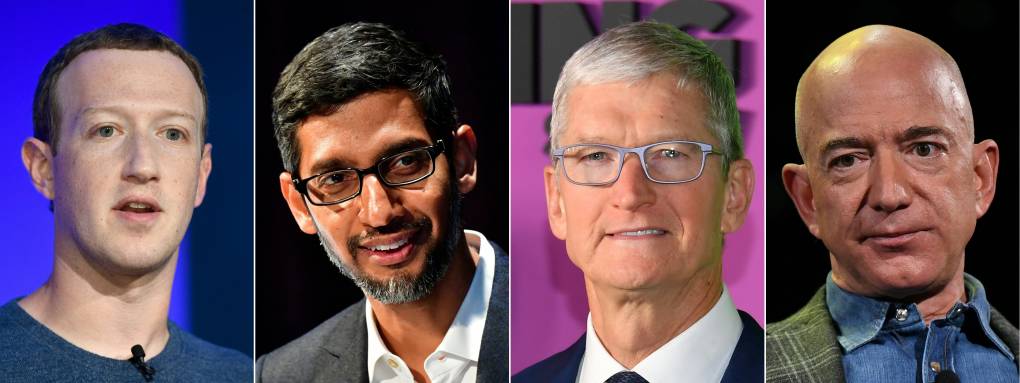
"description": "(COMBO) This combination of pictures created on July 07, 2020 shows (L-R) Facebook CEO Mark Zuckerberg in Paris on May 23, 2018, Google CEO Sundar Pichai Berlin on January 22, 2019, Apple CEO Tim Cook on October 28, 2019 in New York and Amazon Founder and CEO Jeff Bezos in Las Vegas, Nevada on June 6, 2019. (Photos by AFP) (Photo by BERTRAND GUAY,TOBIAS SCHWARZ,ANGELA WEISS,MARK RALSTON/AFP via Getty Images)",
"title": "Facebook CEO Mark Zuckerberg (from left), Google CEO Sundar Pichai, Apple CEO Tim Cook and Amazon CEO Jeff Bezos are scheduled to testify before a House Judiciary subcommittee.",
"credit": null,
"status": "inherit",
"isLoading": false,
"fetchFailed": false
},
"news_11829000": {
"type": "attachments",
"id": "news_11829000",
"meta": {
"index": "attachments_1716263798",
"site": "news",
"id": "11829000",
"found": true
},
"parent": 11828981,
"imgSizes": {
"apple_news_ca_landscape_5_5": {
"file": "https://ww2.kqed.org/app/uploads/sites/10/2020/07/IMG_7375-1044x783.jpg",
"width": 1044,
"mimeType": "image/jpeg",
"height": 783
},
"apple_news_ca_square_4_0": {
"file": "https://ww2.kqed.org/app/uploads/sites/10/2020/07/IMG_7375-470x470.jpg",
"width": 470,
"mimeType": "image/jpeg",
"height": 470
},
"twentyfourteen-full-width": {
"file": "https://ww2.kqed.org/app/uploads/sites/10/2020/07/IMG_7375-1038x576.jpg",
"width": 1038,
"mimeType": "image/jpeg",
"height": 576
},
"thumbnail": {
"file": "https://ww2.kqed.org/app/uploads/sites/10/2020/07/IMG_7375-160x120.jpg",
"width": 160,
"mimeType": "image/jpeg",
"height": 120
},
"post-thumbnail": {
"file": "https://ww2.kqed.org/app/uploads/sites/10/2020/07/IMG_7375-672x372.jpg",
"width": 672,
"mimeType": "image/jpeg",
"height": 372
},
"kqedFullSize": {
"file": "https://ww2.kqed.org/app/uploads/sites/10/2020/07/IMG_7375-e1594851442214.jpg",
"width": 1250,
"height": 938
},
"apple_news_ca_landscape_4_7": {
"file": "https://ww2.kqed.org/app/uploads/sites/10/2020/07/IMG_7375-632x474.jpg",
"width": 632,
"mimeType": "image/jpeg",
"height": 474
},
"large": {
"file": "https://ww2.kqed.org/app/uploads/sites/10/2020/07/IMG_7375-1020x765.jpg",
"width": 1020,
"mimeType": "image/jpeg",
"height": 765
},
"apple_news_ca_landscape_4_0": {
"file": "https://ww2.kqed.org/app/uploads/sites/10/2020/07/IMG_7375-536x402.jpg",
"width": 536,
"mimeType": "image/jpeg",
"height": 402
},
"apple_news_ca_portrait_12_9": {
"file": "https://ww2.kqed.org/app/uploads/sites/10/2020/07/IMG_7375-1122x960.jpg",
"width": 1122,
"mimeType": "image/jpeg",
"height": 960
},
"medium": {
"file": "https://ww2.kqed.org/app/uploads/sites/10/2020/07/IMG_7375-800x600.jpg",
"width": 800,
"mimeType": "image/jpeg",
"height": 600
},
"apple_news_ca_portrait_4_0": {
"file": "https://ww2.kqed.org/app/uploads/sites/10/2020/07/IMG_7375-354x472.jpg",
"width": 354,
"mimeType": "image/jpeg",
"height": 472
},
"apple_news_ca_portrait_9_7": {
"file": "https://ww2.kqed.org/app/uploads/sites/10/2020/07/IMG_7375-840x960.jpg",
"width": 840,
"mimeType": "image/jpeg",
"height": 960
},
"apple_news_ca_square_9_7": {
"file": "https://ww2.kqed.org/app/uploads/sites/10/2020/07/IMG_7375-1104x960.jpg",
"width": 1104,
"mimeType": "image/jpeg",
"height": 960
},
"apple_news_ca_portrait_4_7": {
"file": "https://ww2.kqed.org/app/uploads/sites/10/2020/07/IMG_7375-414x552.jpg",
"width": 414,
"mimeType": "image/jpeg",
"height": 552
},
"apple_news_ca_portrait_5_5": {
"file": "https://ww2.kqed.org/app/uploads/sites/10/2020/07/IMG_7375-687x916.jpg",
"width": 687,
"mimeType": "image/jpeg",
"height": 916
},
"apple_news_ca_square_4_7": {
"file": "https://ww2.kqed.org/app/uploads/sites/10/2020/07/IMG_7375-550x550.jpg",
"width": 550,
"mimeType": "image/jpeg",
"height": 550
},
"apple_news_ca_square_5_5": {
"file": "https://ww2.kqed.org/app/uploads/sites/10/2020/07/IMG_7375-912x912.jpg",
"width": 912,
"mimeType": "image/jpeg",
"height": 912
}
},
"publishDate": 1594765497,
"modified": 1594851553,
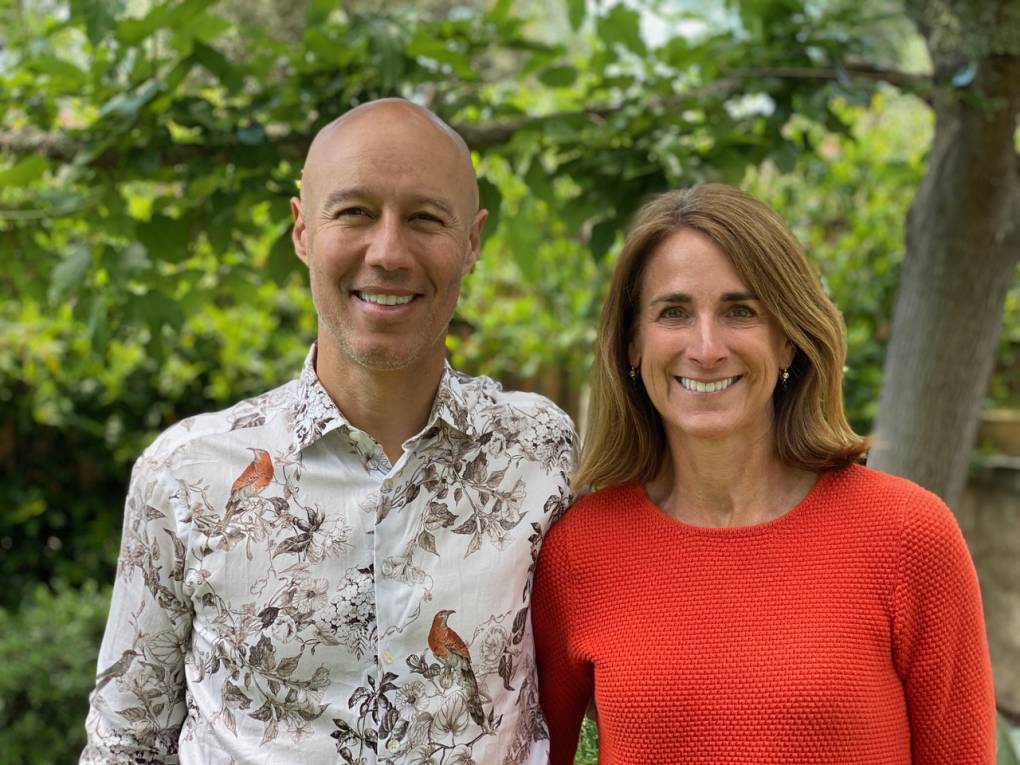
"caption": "David and Jennifer Risher of San Francisco launched #HalfMyDAF, promising to match donor-advised fund grants of up to $1 million as a challenge to other wealthy donors to make sure funds are getting to those who need them.",
"description": "David and Jennifer Risher of San Francisco launched #HalfMyDAF, promising to match donor-advised fund grants of up to $1 million as a challenge to other wealthy donors to make sure funds are getting to those who need them.",
"title": "IMG_7375",
"credit": "Courtesy of Jennifer and David Risher",
"status": "inherit",
"isLoading": false,
"fetchFailed": false
},
"news_11817019": {
"type": "attachments",
"id": "news_11817019",
"meta": {
"index": "attachments_1716263798",
"site": "news",
"id": "11817019",
"found": true
},
"parent": 11816098,
"imgSizes": {
"apple_news_ca_landscape_5_5": {
"file": "https://ww2.kqed.org/app/uploads/sites/10/2020/05/RS43114_iStock-1202687914-qut-1044x783.jpg",
"width": 1044,
"mimeType": "image/jpeg",
"height": 783
},
"apple_news_ca_square_4_0": {
"file": "https://ww2.kqed.org/app/uploads/sites/10/2020/05/RS43114_iStock-1202687914-qut-470x470.jpg",
"width": 470,
"mimeType": "image/jpeg",
"height": 470
},
"twentyfourteen-full-width": {
"file": "https://ww2.kqed.org/app/uploads/sites/10/2020/05/RS43114_iStock-1202687914-qut-1038x576.jpg",
"width": 1038,
"mimeType": "image/jpeg",
"height": 576
},
"thumbnail": {
"file": "https://ww2.kqed.org/app/uploads/sites/10/2020/05/RS43114_iStock-1202687914-qut-160x120.jpg",
"width": 160,
"mimeType": "image/jpeg",
"height": 120
},
"post-thumbnail": {
"file": "https://ww2.kqed.org/app/uploads/sites/10/2020/05/RS43114_iStock-1202687914-qut-672x372.jpg",
"width": 672,
"mimeType": "image/jpeg",
"height": 372
},
"kqedFullSize": {
"file": "https://ww2.kqed.org/app/uploads/sites/10/2020/05/RS43114_iStock-1202687914-qut.jpg",
"width": 1920,
"height": 1440
},
"apple_news_ca_landscape_4_7": {
"file": "https://ww2.kqed.org/app/uploads/sites/10/2020/05/RS43114_iStock-1202687914-qut-632x474.jpg",
"width": 632,
"mimeType": "image/jpeg",
"height": 474
},
"large": {
"file": "https://ww2.kqed.org/app/uploads/sites/10/2020/05/RS43114_iStock-1202687914-qut-1020x765.jpg",
"width": 1020,
"mimeType": "image/jpeg",
"height": 765
},
"apple_news_ca_landscape_4_0": {
"file": "https://ww2.kqed.org/app/uploads/sites/10/2020/05/RS43114_iStock-1202687914-qut-536x402.jpg",
"width": 536,
"mimeType": "image/jpeg",
"height": 402
},
"apple_news_ca_portrait_12_9": {
"file": "https://ww2.kqed.org/app/uploads/sites/10/2020/05/RS43114_iStock-1202687914-qut-1122x1440.jpg",
"width": 1122,
"mimeType": "image/jpeg",
"height": 1440
},
"medium": {
"file": "https://ww2.kqed.org/app/uploads/sites/10/2020/05/RS43114_iStock-1202687914-qut-800x600.jpg",
"width": 800,
"mimeType": "image/jpeg",
"height": 600
},
"apple_news_ca_portrait_4_0": {
"file": "https://ww2.kqed.org/app/uploads/sites/10/2020/05/RS43114_iStock-1202687914-qut-354x472.jpg",
"width": 354,
"mimeType": "image/jpeg",
"height": 472
},
"apple_news_ca_portrait_9_7": {
"file": "https://ww2.kqed.org/app/uploads/sites/10/2020/05/RS43114_iStock-1202687914-qut-840x1120.jpg",
"width": 840,
"mimeType": "image/jpeg",
"height": 1120
},
"apple_news_ca_landscape_12_9": {
"file": "https://ww2.kqed.org/app/uploads/sites/10/2020/05/RS43114_iStock-1202687914-qut-1832x1374.jpg",
"width": 1832,
"mimeType": "image/jpeg",
"height": 1374
},
"apple_news_ca_square_9_7": {
"file": "https://ww2.kqed.org/app/uploads/sites/10/2020/05/RS43114_iStock-1202687914-qut-1104x1104.jpg",
"width": 1104,
"mimeType": "image/jpeg",
"height": 1104
},
"apple_news_ca_portrait_4_7": {
"file": "https://ww2.kqed.org/app/uploads/sites/10/2020/05/RS43114_iStock-1202687914-qut-414x552.jpg",
"width": 414,
"mimeType": "image/jpeg",
"height": 552
},
"apple_news_ca_square_12_9": {
"file": "https://ww2.kqed.org/app/uploads/sites/10/2020/05/RS43114_iStock-1202687914-qut-1472x1440.jpg",
"width": 1472,
"mimeType": "image/jpeg",
"height": 1440
},
"apple_news_ca_portrait_5_5": {
"file": "https://ww2.kqed.org/app/uploads/sites/10/2020/05/RS43114_iStock-1202687914-qut-687x916.jpg",
"width": 687,
"mimeType": "image/jpeg",
"height": 916
},
"full-width": {
"file": "https://ww2.kqed.org/app/uploads/sites/10/2020/05/RS43114_iStock-1202687914-qut-1920x1440.jpg",
"width": 1920,
"mimeType": "image/jpeg",
"height": 1440
},
"apple_news_ca_square_4_7": {
"file": "https://ww2.kqed.org/app/uploads/sites/10/2020/05/RS43114_iStock-1202687914-qut-550x550.jpg",
"width": 550,
"mimeType": "image/jpeg",
"height": 550
},
"apple_news_ca_landscape_9_7": {
"file": "https://ww2.kqed.org/app/uploads/sites/10/2020/05/RS43114_iStock-1202687914-qut-1376x1032.jpg",
"width": 1376,
"mimeType": "image/jpeg",
"height": 1032
},
"apple_news_ca_square_5_5": {
"file": "https://ww2.kqed.org/app/uploads/sites/10/2020/05/RS43114_iStock-1202687914-qut-912x912.jpg",
"width": 912,
"mimeType": "image/jpeg",
"height": 912
}
},
"publishDate": 1588898370,
"modified": 1588898483,
"caption": "Amazon, Facebook, Microsoft, Apple and Alphabet are hiring tens of thousands of people — despite, or perhaps, because of the COVID-19 pandemic.",
"description": "Amazon, Facebook, Microsoft, Apple and Alphabet are hiring tens of thousands of people — despite, or perhaps, because of the COVID-19 pandemic.",
"title": "Man with laptop and a small terrier dog on his lap on a bed",
"credit": "Sonja Rachbauer/iStock",
"status": "inherit",
"isLoading": false,
"fetchFailed": false
},
"news_11797379": {
"type": "attachments",
"id": "news_11797379",
"meta": {
"index": "attachments_1716263798",
"site": "news",
"id": "11797379",
"found": true
},
"parent": 11797377,
"imgSizes": {
"apple_news_ca_landscape_5_5": {
"file": "https://ww2.kqed.org/app/uploads/sites/10/2020/01/grin_012220_final-1044x783.jpg",
"width": 1044,
"mimeType": "image/jpeg",
"height": 783
},
"apple_news_ca_square_4_0": {
"file": "https://ww2.kqed.org/app/uploads/sites/10/2020/01/grin_012220_final-470x470.jpg",
"width": 470,
"mimeType": "image/jpeg",
"height": 470
},
"twentyfourteen-full-width": {
"file": "https://ww2.kqed.org/app/uploads/sites/10/2020/01/grin_012220_final-1038x576.jpg",
"width": 1038,
"mimeType": "image/jpeg",
"height": 576
},
"thumbnail": {
"file": "https://ww2.kqed.org/app/uploads/sites/10/2020/01/grin_012220_final-160x118.jpg",
"width": 160,
"mimeType": "image/jpeg",
"height": 118
},
"post-thumbnail": {
"file": "https://ww2.kqed.org/app/uploads/sites/10/2020/01/grin_012220_final-672x372.jpg",
"width": 672,
"mimeType": "image/jpeg",
"height": 372
},
"kqedFullSize": {
"file": "https://ww2.kqed.org/app/uploads/sites/10/2020/01/grin_012220_final.jpg",
"width": 1920,
"height": 1412
},
"apple_news_ca_landscape_4_7": {
"file": "https://ww2.kqed.org/app/uploads/sites/10/2020/01/grin_012220_final-632x474.jpg",
"width": 632,
"mimeType": "image/jpeg",
"height": 474
},
"large": {
"file": "https://ww2.kqed.org/app/uploads/sites/10/2020/01/grin_012220_final-1020x750.jpg",
"width": 1020,
"mimeType": "image/jpeg",
"height": 750
},
"apple_news_ca_landscape_4_0": {
"file": "https://ww2.kqed.org/app/uploads/sites/10/2020/01/grin_012220_final-536x402.jpg",
"width": 536,
"mimeType": "image/jpeg",
"height": 402
},
"apple_news_ca_portrait_12_9": {
"file": "https://ww2.kqed.org/app/uploads/sites/10/2020/01/grin_012220_final-1122x1412.jpg",
"width": 1122,
"mimeType": "image/jpeg",
"height": 1412
},
"medium": {
"file": "https://ww2.kqed.org/app/uploads/sites/10/2020/01/grin_012220_final-800x588.jpg",
"width": 800,
"mimeType": "image/jpeg",
"height": 588
},
"apple_news_ca_portrait_4_0": {
"file": "https://ww2.kqed.org/app/uploads/sites/10/2020/01/grin_012220_final-354x472.jpg",
"width": 354,
"mimeType": "image/jpeg",
"height": 472
},
"apple_news_ca_portrait_9_7": {
"file": "https://ww2.kqed.org/app/uploads/sites/10/2020/01/grin_012220_final-840x1120.jpg",
"width": 840,
"mimeType": "image/jpeg",
"height": 1120
},
"apple_news_ca_landscape_12_9": {
"file": "https://ww2.kqed.org/app/uploads/sites/10/2020/01/grin_012220_final-1832x1374.jpg",
"width": 1832,
"mimeType": "image/jpeg",
"height": 1374
},
"apple_news_ca_square_9_7": {
"file": "https://ww2.kqed.org/app/uploads/sites/10/2020/01/grin_012220_final-1104x1104.jpg",
"width": 1104,
"mimeType": "image/jpeg",
"height": 1104
},
"apple_news_ca_portrait_4_7": {
"file": "https://ww2.kqed.org/app/uploads/sites/10/2020/01/grin_012220_final-414x552.jpg",
"width": 414,
"mimeType": "image/jpeg",
"height": 552
},
"apple_news_ca_square_12_9": {
"file": "https://ww2.kqed.org/app/uploads/sites/10/2020/01/grin_012220_final-1472x1412.jpg",
"width": 1472,
"mimeType": "image/jpeg",
"height": 1412
},
"apple_news_ca_portrait_5_5": {
"file": "https://ww2.kqed.org/app/uploads/sites/10/2020/01/grin_012220_final-687x916.jpg",
"width": 687,
"mimeType": "image/jpeg",
"height": 916
},
"full-width": {
"file": "https://ww2.kqed.org/app/uploads/sites/10/2020/01/grin_012220_final-1920x1412.jpg",
"width": 1920,
"mimeType": "image/jpeg",
"height": 1412
},
"apple_news_ca_square_4_7": {
"file": "https://ww2.kqed.org/app/uploads/sites/10/2020/01/grin_012220_final-550x550.jpg",
"width": 550,
"mimeType": "image/jpeg",
"height": 550
},
"apple_news_ca_landscape_9_7": {
"file": "https://ww2.kqed.org/app/uploads/sites/10/2020/01/grin_012220_final-1376x1032.jpg",
"width": 1376,
"mimeType": "image/jpeg",
"height": 1032
},
"apple_news_ca_square_5_5": {
"file": "https://ww2.kqed.org/app/uploads/sites/10/2020/01/grin_012220_final-912x912.jpg",
"width": 912,
"mimeType": "image/jpeg",
"height": 912
}
},
"publishDate": 1579737700,
"modified": 1579737739,
"caption": null,
"description": null,
"title": "grin_012220_final",
"credit": null,
"status": "inherit",
"isLoading": false,
"fetchFailed": false
},
"news_11797127": {
"type": "attachments",
"id": "news_11797127",
"meta": {
"index": "attachments_1716263798",
"site": "news",
"id": "11797127",
"found": true
},
"parent": 11797123,
"imgSizes": {
"apple_news_ca_landscape_5_5": {
"file": "https://ww2.kqed.org/app/uploads/sites/10/2020/01/AMAZON-photo-1-1044x783.jpg",
"width": 1044,
"mimeType": "image/jpeg",
"height": 783
},
"apple_news_ca_square_4_0": {
"file": "https://ww2.kqed.org/app/uploads/sites/10/2020/01/AMAZON-photo-1-470x470.jpg",
"width": 470,
"mimeType": "image/jpeg",
"height": 470
},
"twentyfourteen-full-width": {
"file": "https://ww2.kqed.org/app/uploads/sites/10/2020/01/AMAZON-photo-1-1038x576.jpg",
"width": 1038,
"mimeType": "image/jpeg",
"height": 576
},
"thumbnail": {
"file": "https://ww2.kqed.org/app/uploads/sites/10/2020/01/AMAZON-photo-1-160x109.jpg",
"width": 160,
"mimeType": "image/jpeg",
"height": 109
},
"post-thumbnail": {
"file": "https://ww2.kqed.org/app/uploads/sites/10/2020/01/AMAZON-photo-1-672x372.jpg",
"width": 672,
"mimeType": "image/jpeg",
"height": 372
},
"kqedFullSize": {
"file": "https://ww2.kqed.org/app/uploads/sites/10/2020/01/AMAZON-photo-1-e1579640399193.jpg",
"width": 1920,
"height": 1312
},
"apple_news_ca_landscape_4_7": {
"file": "https://ww2.kqed.org/app/uploads/sites/10/2020/01/AMAZON-photo-1-632x474.jpg",
"width": 632,
"mimeType": "image/jpeg",
"height": 474
},
"large": {
"file": "https://ww2.kqed.org/app/uploads/sites/10/2020/01/AMAZON-photo-1-1020x697.jpg",
"width": 1020,
"mimeType": "image/jpeg",
"height": 697
},
"apple_news_ca_landscape_4_0": {
"file": "https://ww2.kqed.org/app/uploads/sites/10/2020/01/AMAZON-photo-1-536x402.jpg",
"width": 536,
"mimeType": "image/jpeg",
"height": 402
},
"apple_news_ca_portrait_12_9": {
"file": "https://ww2.kqed.org/app/uploads/sites/10/2020/01/AMAZON-photo-1-1122x1367.jpg",
"width": 1122,
"mimeType": "image/jpeg",
"height": 1367
},
"medium": {
"file": "https://ww2.kqed.org/app/uploads/sites/10/2020/01/AMAZON-photo-1-800x547.jpg",
"width": 800,
"mimeType": "image/jpeg",
"height": 547
},
"apple_news_ca_portrait_4_0": {
"file": "https://ww2.kqed.org/app/uploads/sites/10/2020/01/AMAZON-photo-1-354x472.jpg",
"width": 354,
"mimeType": "image/jpeg",
"height": 472
},
"apple_news_ca_portrait_9_7": {
"file": "https://ww2.kqed.org/app/uploads/sites/10/2020/01/AMAZON-photo-1-840x1120.jpg",
"width": 840,
"mimeType": "image/jpeg",
"height": 1120
},
"apple_news_ca_landscape_12_9": {
"file": "https://ww2.kqed.org/app/uploads/sites/10/2020/01/AMAZON-photo-1-1832x1367.jpg",
"width": 1832,
"mimeType": "image/jpeg",
"height": 1367
},
"apple_news_ca_square_9_7": {
"file": "https://ww2.kqed.org/app/uploads/sites/10/2020/01/AMAZON-photo-1-1104x1104.jpg",
"width": 1104,
"mimeType": "image/jpeg",
"height": 1104
},
"apple_news_ca_portrait_4_7": {
"file": "https://ww2.kqed.org/app/uploads/sites/10/2020/01/AMAZON-photo-1-414x552.jpg",
"width": 414,
"mimeType": "image/jpeg",
"height": 552
},
"apple_news_ca_square_12_9": {
"file": "https://ww2.kqed.org/app/uploads/sites/10/2020/01/AMAZON-photo-1-1472x1367.jpg",
"width": 1472,
"mimeType": "image/jpeg",
"height": 1367
},
"apple_news_ca_portrait_5_5": {
"file": "https://ww2.kqed.org/app/uploads/sites/10/2020/01/AMAZON-photo-1-687x916.jpg",
"width": 687,
"mimeType": "image/jpeg",
"height": 916
},
"full-width": {
"file": "https://ww2.kqed.org/app/uploads/sites/10/2020/01/AMAZON-photo-1-1920x1312.jpg",
"width": 1920,
"mimeType": "image/jpeg",
"height": 1312
},
"apple_news_ca_square_4_7": {
"file": "https://ww2.kqed.org/app/uploads/sites/10/2020/01/AMAZON-photo-1-550x550.jpg",
"width": 550,
"mimeType": "image/jpeg",
"height": 550
},
"apple_news_ca_landscape_9_7": {
"file": "https://ww2.kqed.org/app/uploads/sites/10/2020/01/AMAZON-photo-1-1376x1032.jpg",
"width": 1376,
"mimeType": "image/jpeg",
"height": 1032
},
"apple_news_ca_square_5_5": {
"file": "https://ww2.kqed.org/app/uploads/sites/10/2020/01/AMAZON-photo-1-912x912.jpg",
"width": 912,
"mimeType": "image/jpeg",
"height": 912
}
},
"publishDate": 1579640264,
"modified": 1579652222,
"caption": "Amazon process assistant Christian Ramirez-Gallegos sorts packages at the Amazon Fulfillment Center south of Fresno.",
"description": null,
"title": "AMAZON photo 1",
"credit": "Eric Paul Zamora/The Fresno Bee",
"status": "inherit",
"isLoading": false,
"fetchFailed": false
},
"news_11387375": {
"type": "attachments",
"id": "news_11387375",
"meta": {
"index": "attachments_1716263798",
"site": "news",
"id": "11387375",
"found": true
},
"parent": 11377725,
"imgSizes": {
"small": {
"file": "https://ww2.kqed.org/app/uploads/sites/10/2017/03/Amazon-qut-1-520x284.jpg",
"width": 520,
"mimeType": "image/jpeg",
"height": 284
},
"twentyfourteen-full-width": {
"file": "https://ww2.kqed.org/app/uploads/sites/10/2017/03/Amazon-qut-1-1038x576.jpg",
"width": 1038,
"mimeType": "image/jpeg",
"height": 576
},
"thumbnail": {
"file": "https://ww2.kqed.org/app/uploads/sites/10/2017/03/Amazon-qut-1-160x87.jpg",
"width": 160,
"mimeType": "image/jpeg",
"height": 87
},
"fd-sm": {
"file": "https://ww2.kqed.org/app/uploads/sites/10/2017/03/Amazon-qut-1-960x524.jpg",
"width": 960,
"mimeType": "image/jpeg",
"height": 524
},
"post-thumbnail": {
"file": "https://ww2.kqed.org/app/uploads/sites/10/2017/03/Amazon-qut-1-672x372.jpg",
"width": 672,
"mimeType": "image/jpeg",
"height": 372
},
"xsmall": {
"file": "https://ww2.kqed.org/app/uploads/sites/10/2017/03/Amazon-qut-1-375x204.jpg",
"width": 375,
"mimeType": "image/jpeg",
"height": 204
},
"kqedFullSize": {
"file": "https://ww2.kqed.org/app/uploads/sites/10/2017/03/Amazon-qut-1.jpg",
"width": 1920,
"height": 1047
},
"large": {
"file": "https://ww2.kqed.org/app/uploads/sites/10/2017/03/Amazon-qut-1-1020x556.jpg",
"width": 1020,
"mimeType": "image/jpeg",
"height": 556
},
"xlarge": {
"file": "https://ww2.kqed.org/app/uploads/sites/10/2017/03/Amazon-qut-1-1180x643.jpg",
"width": 1180,
"mimeType": "image/jpeg",
"height": 643
},
"guest-author-50": {
"file": "https://ww2.kqed.org/app/uploads/sites/10/2017/03/Amazon-qut-1-50x50.jpg",
"width": 50,
"mimeType": "image/jpeg",
"height": 50
},
"guest-author-96": {
"file": "https://ww2.kqed.org/app/uploads/sites/10/2017/03/Amazon-qut-1-96x96.jpg",
"width": 96,
"mimeType": "image/jpeg",
"height": 96
},
"medium": {
"file": "https://ww2.kqed.org/app/uploads/sites/10/2017/03/Amazon-qut-1-800x436.jpg",
"width": 800,
"mimeType": "image/jpeg",
"height": 436
},
"guest-author-64": {
"file": "https://ww2.kqed.org/app/uploads/sites/10/2017/03/Amazon-qut-1-64x64.jpg",
"width": 64,
"mimeType": "image/jpeg",
"height": 64
},
"guest-author-32": {
"file": "https://ww2.kqed.org/app/uploads/sites/10/2017/03/Amazon-qut-1-32x32.jpg",
"width": 32,
"mimeType": "image/jpeg",
"height": 32
},
"fd-lrg": {
"file": "https://ww2.kqed.org/app/uploads/sites/10/2017/03/Amazon-qut-1-1920x1047.jpg",
"width": 1920,
"mimeType": "image/jpeg",
"height": 1047
},
"fd-med": {
"file": "https://ww2.kqed.org/app/uploads/sites/10/2017/03/Amazon-qut-1-1180x643.jpg",
"width": 1180,
"mimeType": "image/jpeg",
"height": 643
},
"full-width": {
"file": "https://ww2.kqed.org/app/uploads/sites/10/2017/03/Amazon-qut-1-1920x1047.jpg",
"width": 1920,
"mimeType": "image/jpeg",
"height": 1047
},
"detail": {
"file": "https://ww2.kqed.org/app/uploads/sites/10/2017/03/Amazon-qut-1-150x150.jpg",
"width": 150,
"mimeType": "image/jpeg",
"height": 150
},
"guest-author-128": {
"file": "https://ww2.kqed.org/app/uploads/sites/10/2017/03/Amazon-qut-1-128x128.jpg",
"width": 128,
"mimeType": "image/jpeg",
"height": 128
},
"xxsmall": {
"file": "https://ww2.kqed.org/app/uploads/sites/10/2017/03/Amazon-qut-1-240x131.jpg",
"width": 240,
"mimeType": "image/jpeg",
"height": 131
}
},
"publishDate": 1491103372,
"modified": 1491103421,
"caption": " The Amazon Fulfilment Centre prepares for Black Friday on Nov. 25, 2015 in Hemel Hempstead, England. ",
"description": null,
"title": "Amazon-qut",
"credit": "Photo by Jeff Spicer/Getty Images",
"status": "inherit",
"isLoading": false,
"fetchFailed": false
},
"news_11783384": {
"type": "attachments",
"id": "news_11783384",
"meta": {
"index": "attachments_1716263798",
"site": "news",
"id": "11783384",
"found": true
},
"parent": 11783369,
"imgSizes": {
"apple_news_ca_landscape_5_5": {
"file": "https://ww2.kqed.org/app/uploads/sites/10/2019/10/RS39869_GettyImages-1182969866-qut-1044x783.jpg",
"width": 1044,
"mimeType": "image/jpeg",
"height": 783
},
"apple_news_ca_square_4_0": {
"file": "https://ww2.kqed.org/app/uploads/sites/10/2019/10/RS39869_GettyImages-1182969866-qut-470x470.jpg",
"width": 470,
"mimeType": "image/jpeg",
"height": 470
},
"twentyfourteen-full-width": {
"file": "https://ww2.kqed.org/app/uploads/sites/10/2019/10/RS39869_GettyImages-1182969866-qut-1038x576.jpg",
"width": 1038,
"mimeType": "image/jpeg",
"height": 576
},
"thumbnail": {
"file": "https://ww2.kqed.org/app/uploads/sites/10/2019/10/RS39869_GettyImages-1182969866-qut-160x107.jpg",
"width": 160,
"mimeType": "image/jpeg",
"height": 107
},
"post-thumbnail": {
"file": "https://ww2.kqed.org/app/uploads/sites/10/2019/10/RS39869_GettyImages-1182969866-qut-672x372.jpg",
"width": 672,
"mimeType": "image/jpeg",
"height": 372
},
"kqedFullSize": {
"file": "https://ww2.kqed.org/app/uploads/sites/10/2019/10/RS39869_GettyImages-1182969866-qut.jpg",
"width": 1920,
"height": 1280
},
"apple_news_ca_landscape_4_7": {
"file": "https://ww2.kqed.org/app/uploads/sites/10/2019/10/RS39869_GettyImages-1182969866-qut-632x474.jpg",
"width": 632,
"mimeType": "image/jpeg",
"height": 474
},
"large": {
"file": "https://ww2.kqed.org/app/uploads/sites/10/2019/10/RS39869_GettyImages-1182969866-qut-1020x680.jpg",
"width": 1020,
"mimeType": "image/jpeg",
"height": 680
},
"complete_open_graph": {
"file": "https://ww2.kqed.org/app/uploads/sites/10/2019/10/RS39869_GettyImages-1182969866-qut-1200x800.jpg",
"width": 1200,
"mimeType": "image/jpeg",
"height": 800
},
"apple_news_ca_landscape_4_0": {
"file": "https://ww2.kqed.org/app/uploads/sites/10/2019/10/RS39869_GettyImages-1182969866-qut-536x402.jpg",
"width": 536,
"mimeType": "image/jpeg",
"height": 402
},
"apple_news_ca_portrait_12_9": {
"file": "https://ww2.kqed.org/app/uploads/sites/10/2019/10/RS39869_GettyImages-1182969866-qut-1122x1280.jpg",
"width": 1122,
"mimeType": "image/jpeg",
"height": 1280
},
"medium": {
"file": "https://ww2.kqed.org/app/uploads/sites/10/2019/10/RS39869_GettyImages-1182969866-qut-800x533.jpg",
"width": 800,
"mimeType": "image/jpeg",
"height": 533
},
"apple_news_ca_portrait_4_0": {
"file": "https://ww2.kqed.org/app/uploads/sites/10/2019/10/RS39869_GettyImages-1182969866-qut-354x472.jpg",
"width": 354,
"mimeType": "image/jpeg",
"height": 472
},
"apple_news_ca_portrait_9_7": {
"file": "https://ww2.kqed.org/app/uploads/sites/10/2019/10/RS39869_GettyImages-1182969866-qut-840x1120.jpg",
"width": 840,
"mimeType": "image/jpeg",
"height": 1120
},
"apple_news_ca_landscape_12_9": {
"file": "https://ww2.kqed.org/app/uploads/sites/10/2019/10/RS39869_GettyImages-1182969866-qut-1832x1280.jpg",
"width": 1832,
"mimeType": "image/jpeg",
"height": 1280
},
"apple_news_ca_square_9_7": {
"file": "https://ww2.kqed.org/app/uploads/sites/10/2019/10/RS39869_GettyImages-1182969866-qut-1104x1104.jpg",
"width": 1104,
"mimeType": "image/jpeg",
"height": 1104
},
"apple_news_ca_portrait_4_7": {
"file": "https://ww2.kqed.org/app/uploads/sites/10/2019/10/RS39869_GettyImages-1182969866-qut-414x552.jpg",
"width": 414,
"mimeType": "image/jpeg",
"height": 552
},
"apple_news_ca_square_12_9": {
"file": "https://ww2.kqed.org/app/uploads/sites/10/2019/10/RS39869_GettyImages-1182969866-qut-1472x1280.jpg",
"width": 1472,
"mimeType": "image/jpeg",
"height": 1280
},
"apple_news_ca_portrait_5_5": {
"file": "https://ww2.kqed.org/app/uploads/sites/10/2019/10/RS39869_GettyImages-1182969866-qut-687x916.jpg",
"width": 687,
"mimeType": "image/jpeg",
"height": 916
},
"full-width": {
"file": "https://ww2.kqed.org/app/uploads/sites/10/2019/10/RS39869_GettyImages-1182969866-qut-1920x1280.jpg",
"width": 1920,
"mimeType": "image/jpeg",
"height": 1280
},
"apple_news_ca_square_4_7": {
"file": "https://ww2.kqed.org/app/uploads/sites/10/2019/10/RS39869_GettyImages-1182969866-qut-550x550.jpg",
"width": 550,
"mimeType": "image/jpeg",
"height": 550
},
"apple_news_ca_landscape_9_7": {
"file": "https://ww2.kqed.org/app/uploads/sites/10/2019/10/RS39869_GettyImages-1182969866-qut-1376x1032.jpg",
"width": 1376,
"mimeType": "image/jpeg",
"height": 1032
},
"apple_news_ca_square_5_5": {
"file": "https://ww2.kqed.org/app/uploads/sites/10/2019/10/RS39869_GettyImages-1182969866-qut-912x912.jpg",
"width": 912,
"mimeType": "image/jpeg",
"height": 912
}
},
"publishDate": 1572296875,
"modified": 1607610302,
"caption": null,
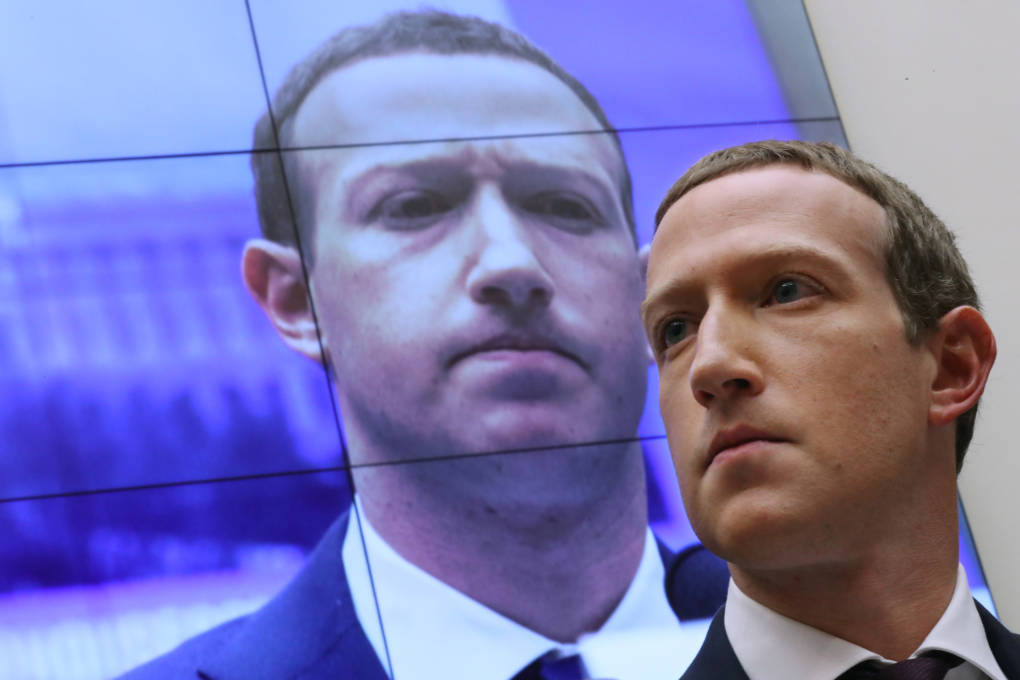
"description": "WASHINGTON, DC - OCTOBER 23: With an image of himself on a screen in the background, Facebook co-founder and CEO Mark Zuckerberg testifies before the House Financial Services Committee in the Rayburn House Office Building on Capitol Hill October 23, 2019 in Washington, DC. Zuckerberg testified about Facebook's proposed cryptocurrency Libra, how his company will handle false and misleading information by political leaders during the 2020 campaign and how it handles its users’ data and privacy. ",
"title": "Facebook CEO Mark Zuckerberg Testifies Before The House Financial Services Committee",
"credit": "Chip Somodevilla/Getty Images",
"status": "inherit",
"altTag": "WASHINGTON, DC - OCTOBER 23: With an image of himself on a screen in the background, Facebook co-founder and CEO Mark Zuckerberg testifies before the House Financial Services Committee in the Rayburn House Office Building on Capitol Hill October 23, 2019 in Washington, DC. Zuckerberg testified about Facebook's proposed cryptocurrency Libra, how his company will handle false and misleading information by political leaders during the 2020 campaign and how it handles its users’ data and privacy.",
"isLoading": false,
"fetchFailed": false
},
"news_11682965": {
"type": "attachments",
"id": "news_11682965",
"meta": {
"index": "attachments_1716263798",
"site": "news",
"id": "11682965",
"found": true
},
"parent": 11682863,
"imgSizes": {
"small": {
"file": "https://ww2.kqed.org/app/uploads/sites/10/2018/07/iStock-851960058-520x347.jpg",
"width": 520,
"mimeType": "image/jpeg",
"height": 347
},
"twentyfourteen-full-width": {
"file": "https://ww2.kqed.org/app/uploads/sites/10/2018/07/iStock-851960058-1038x576.jpg",
"width": 1038,
"mimeType": "image/jpeg",
"height": 576
},
"thumbnail": {
"file": "https://ww2.kqed.org/app/uploads/sites/10/2018/07/iStock-851960058-160x107.jpg",
"width": 160,
"mimeType": "image/jpeg",
"height": 107
},
"fd-sm": {
"file": "https://ww2.kqed.org/app/uploads/sites/10/2018/07/iStock-851960058-960x640.jpg",
"width": 960,
"mimeType": "image/jpeg",
"height": 640
},
"post-thumbnail": {
"file": "https://ww2.kqed.org/app/uploads/sites/10/2018/07/iStock-851960058-672x372.jpg",
"width": 672,
"mimeType": "image/jpeg",
"height": 372
},
"xsmall": {
"file": "https://ww2.kqed.org/app/uploads/sites/10/2018/07/iStock-851960058-375x250.jpg",
"width": 375,
"mimeType": "image/jpeg",
"height": 250
},
"kqedFullSize": {
"file": "https://ww2.kqed.org/app/uploads/sites/10/2018/07/iStock-851960058-e1532646093485.jpg",
"width": 1920,
"height": 1280
},
"large": {
"file": "https://ww2.kqed.org/app/uploads/sites/10/2018/07/iStock-851960058-1020x680.jpg",
"width": 1020,
"mimeType": "image/jpeg",
"height": 680
},
"xlarge": {
"file": "https://ww2.kqed.org/app/uploads/sites/10/2018/07/iStock-851960058-1180x787.jpg",
"width": 1180,
"mimeType": "image/jpeg",
"height": 787
},
"complete_open_graph": {
"file": "https://ww2.kqed.org/app/uploads/sites/10/2018/07/iStock-851960058-1200x800.jpg",
"width": 1200,
"mimeType": "image/jpeg",
"height": 800
},
"guest-author-50": {
"file": "https://ww2.kqed.org/app/uploads/sites/10/2018/07/iStock-851960058-50x50.jpg",
"width": 50,
"mimeType": "image/jpeg",
"height": 50
},
"guest-author-96": {
"file": "https://ww2.kqed.org/app/uploads/sites/10/2018/07/iStock-851960058-96x96.jpg",
"width": 96,
"mimeType": "image/jpeg",
"height": 96
},
"medium": {
"file": "https://ww2.kqed.org/app/uploads/sites/10/2018/07/iStock-851960058-800x533.jpg",
"width": 800,
"mimeType": "image/jpeg",
"height": 533
},
"guest-author-64": {
"file": "https://ww2.kqed.org/app/uploads/sites/10/2018/07/iStock-851960058-64x64.jpg",
"width": 64,
"mimeType": "image/jpeg",
"height": 64
},
"guest-author-32": {
"file": "https://ww2.kqed.org/app/uploads/sites/10/2018/07/iStock-851960058-32x32.jpg",
"width": 32,
"mimeType": "image/jpeg",
"height": 32
},
"fd-lrg": {
"file": "https://ww2.kqed.org/app/uploads/sites/10/2018/07/iStock-851960058-1920x1280.jpg",
"width": 1920,
"mimeType": "image/jpeg",
"height": 1280
},
"fd-med": {
"file": "https://ww2.kqed.org/app/uploads/sites/10/2018/07/iStock-851960058-1180x787.jpg",
"width": 1180,
"mimeType": "image/jpeg",
"height": 787
},
"full-width": {
"file": "https://ww2.kqed.org/app/uploads/sites/10/2018/07/iStock-851960058-1920x1280.jpg",
"width": 1920,
"mimeType": "image/jpeg",
"height": 1280
},
"detail": {
"file": "https://ww2.kqed.org/app/uploads/sites/10/2018/07/iStock-851960058-150x150.jpg",
"width": 150,
"mimeType": "image/jpeg",
"height": 150
},
"guest-author-128": {
"file": "https://ww2.kqed.org/app/uploads/sites/10/2018/07/iStock-851960058-128x128.jpg",
"width": 128,
"mimeType": "image/jpeg",
"height": 128
},
"xxsmall": {
"file": "https://ww2.kqed.org/app/uploads/sites/10/2018/07/iStock-851960058-240x160.jpg",
"width": 240,
"mimeType": "image/jpeg",
"height": 160
}
},
"publishDate": 1532646023,
"modified": 1563376882,
"caption": "File photo of a facial recognition system. The ACLU used Amazon's facial recognition software, Rekognition, to compare the photos of all federal lawmakers to a database of 25,000 mugshots.",
"description": "File photo of a facial recognition system. The ACLU used Amazon's facial recognition software, Rekognition, to compare the photos of all federal lawmakers to a database of 25,000 mug shots.",
"title": "Facial Recognition System concept.",
"credit": "Getty Images",
"status": "inherit",
"isLoading": false,
"fetchFailed": false
},
"news_11761639": {
"type": "attachments",
"id": "news_11761639",
"meta": {
"index": "attachments_1716263798",
"site": "news",
"id": "11761639",
"found": true
},
"parent": 11761638,
"imgSizes": {
"apple_news_ca_landscape_5_5": {
"file": "https://ww2.kqed.org/app/uploads/sites/10/2019/07/rtx6zsaa_enl-07917ff7b7ab8315e528e97d8c0d05c877151216-1044x783.jpg",
"width": 1044,
"mimeType": "image/jpeg",
"height": 783
},
"apple_news_ca_square_4_0": {
"file": "https://ww2.kqed.org/app/uploads/sites/10/2019/07/rtx6zsaa_enl-07917ff7b7ab8315e528e97d8c0d05c877151216-470x470.jpg",
"width": 470,
"mimeType": "image/jpeg",
"height": 470
},
"twentyfourteen-full-width": {
"file": "https://ww2.kqed.org/app/uploads/sites/10/2019/07/rtx6zsaa_enl-07917ff7b7ab8315e528e97d8c0d05c877151216-1038x576.jpg",
"width": 1038,
"mimeType": "image/jpeg",
"height": 576
},
"thumbnail": {
"file": "https://ww2.kqed.org/app/uploads/sites/10/2019/07/rtx6zsaa_enl-07917ff7b7ab8315e528e97d8c0d05c877151216-160x103.jpg",
"width": 160,
"mimeType": "image/jpeg",
"height": 103
},
"post-thumbnail": {
"file": "https://ww2.kqed.org/app/uploads/sites/10/2019/07/rtx6zsaa_enl-07917ff7b7ab8315e528e97d8c0d05c877151216-672x372.jpg",
"width": 672,
"mimeType": "image/jpeg",
"height": 372
},
"kqedFullSize": {
"file": "https://ww2.kqed.org/app/uploads/sites/10/2019/07/rtx6zsaa_enl-07917ff7b7ab8315e528e97d8c0d05c877151216-e1563292364236.jpg",
"width": 1920,
"height": 1231
},
"apple_news_ca_landscape_4_7": {
"file": "https://ww2.kqed.org/app/uploads/sites/10/2019/07/rtx6zsaa_enl-07917ff7b7ab8315e528e97d8c0d05c877151216-632x474.jpg",
"width": 632,
"mimeType": "image/jpeg",
"height": 474
},
"large": {
"file": "https://ww2.kqed.org/app/uploads/sites/10/2019/07/rtx6zsaa_enl-07917ff7b7ab8315e528e97d8c0d05c877151216-1020x654.jpg",
"width": 1020,
"mimeType": "image/jpeg",
"height": 654
},
"complete_open_graph": {
"file": "https://ww2.kqed.org/app/uploads/sites/10/2019/07/rtx6zsaa_enl-07917ff7b7ab8315e528e97d8c0d05c877151216-1200x769.jpg",
"width": 1200,
"mimeType": "image/jpeg",
"height": 769
},
"apple_news_ca_landscape_4_0": {
"file": "https://ww2.kqed.org/app/uploads/sites/10/2019/07/rtx6zsaa_enl-07917ff7b7ab8315e528e97d8c0d05c877151216-536x402.jpg",
"width": 536,
"mimeType": "image/jpeg",
"height": 402
},
"apple_news_ca_portrait_12_9": {
"file": "https://ww2.kqed.org/app/uploads/sites/10/2019/07/rtx6zsaa_enl-07917ff7b7ab8315e528e97d8c0d05c877151216-1122x1496.jpg",
"width": 1122,
"mimeType": "image/jpeg",
"height": 1496
},
"medium": {
"file": "https://ww2.kqed.org/app/uploads/sites/10/2019/07/rtx6zsaa_enl-07917ff7b7ab8315e528e97d8c0d05c877151216-800x513.jpg",
"width": 800,
"mimeType": "image/jpeg",
"height": 513
},
"apple_news_ca_portrait_4_0": {
"file": "https://ww2.kqed.org/app/uploads/sites/10/2019/07/rtx6zsaa_enl-07917ff7b7ab8315e528e97d8c0d05c877151216-354x472.jpg",
"width": 354,
"mimeType": "image/jpeg",
"height": 472
},
"apple_news_ca_portrait_9_7": {
"file": "https://ww2.kqed.org/app/uploads/sites/10/2019/07/rtx6zsaa_enl-07917ff7b7ab8315e528e97d8c0d05c877151216-840x1120.jpg",
"width": 840,
"mimeType": "image/jpeg",
"height": 1120
},
"apple_news_ca_landscape_12_9": {
"file": "https://ww2.kqed.org/app/uploads/sites/10/2019/07/rtx6zsaa_enl-07917ff7b7ab8315e528e97d8c0d05c877151216-1832x1374.jpg",
"width": 1832,
"mimeType": "image/jpeg",
"height": 1374
},
"apple_news_ca_square_9_7": {
"file": "https://ww2.kqed.org/app/uploads/sites/10/2019/07/rtx6zsaa_enl-07917ff7b7ab8315e528e97d8c0d05c877151216-1104x1104.jpg",
"width": 1104,
"mimeType": "image/jpeg",
"height": 1104
},
"apple_news_ca_portrait_4_7": {
"file": "https://ww2.kqed.org/app/uploads/sites/10/2019/07/rtx6zsaa_enl-07917ff7b7ab8315e528e97d8c0d05c877151216-414x552.jpg",
"width": 414,
"mimeType": "image/jpeg",
"height": 552
},
"apple_news_ca_square_12_9": {
"file": "https://ww2.kqed.org/app/uploads/sites/10/2019/07/rtx6zsaa_enl-07917ff7b7ab8315e528e97d8c0d05c877151216-1472x1472.jpg",
"width": 1472,
"mimeType": "image/jpeg",
"height": 1472
},
"apple_news_ca_portrait_5_5": {
"file": "https://ww2.kqed.org/app/uploads/sites/10/2019/07/rtx6zsaa_enl-07917ff7b7ab8315e528e97d8c0d05c877151216-687x916.jpg",
"width": 687,
"mimeType": "image/jpeg",
"height": 916
},
"full-width": {
"file": "https://ww2.kqed.org/app/uploads/sites/10/2019/07/rtx6zsaa_enl-07917ff7b7ab8315e528e97d8c0d05c877151216-1920x1231.jpg",
"width": 1920,
"mimeType": "image/jpeg",
"height": 1231
},
"apple_news_ca_square_4_7": {
"file": "https://ww2.kqed.org/app/uploads/sites/10/2019/07/rtx6zsaa_enl-07917ff7b7ab8315e528e97d8c0d05c877151216-550x550.jpg",
"width": 550,
"mimeType": "image/jpeg",
"height": 550
},
"apple_news_ca_landscape_9_7": {
"file": "https://ww2.kqed.org/app/uploads/sites/10/2019/07/rtx6zsaa_enl-07917ff7b7ab8315e528e97d8c0d05c877151216-1376x1032.jpg",
"width": 1376,
"mimeType": "image/jpeg",
"height": 1032
},
"apple_news_ca_square_5_5": {
"file": "https://ww2.kqed.org/app/uploads/sites/10/2019/07/rtx6zsaa_enl-07917ff7b7ab8315e528e97d8c0d05c877151216-912x912.jpg",
"width": 912,
"mimeType": "image/jpeg",
"height": 912
}
},
"publishDate": 1563292285,
"modified": 1563293259,
"caption": "U.S. lawmakers will question lobbyists and officials from Facebook, Google, Amazon and Apple on an array of issues.",
"description": "U.S. lawmakers will question lobbyists and officials from Facebook, Google, Amazon and Apple on an array of issues.",
"title": "U.S. lawmakers will question lobbyists and officials from Facebook, Google, Amazon and Apple on an array of issues.",
"credit": "Reuters",
"status": "inherit",
"isLoading": false,
"fetchFailed": false
},
"news_11761568": {
"type": "attachments",
"id": "news_11761568",
"meta": {
"index": "attachments_1716263798",
"site": "news",
"id": "11761568",
"found": true
},
"parent": 11761560,
"imgSizes": {
"apple_news_ca_landscape_5_5": {
"file": "https://ww2.kqed.org/app/uploads/sites/10/2019/07/Amazon-prime-day-protest-1044x783.jpg",
"width": 1044,
"mimeType": "image/jpeg",
"height": 783
},
"apple_news_ca_square_4_0": {
"file": "https://ww2.kqed.org/app/uploads/sites/10/2019/07/Amazon-prime-day-protest-470x470.jpg",
"width": 470,
"mimeType": "image/jpeg",
"height": 470
},
"twentyfourteen-full-width": {
"file": "https://ww2.kqed.org/app/uploads/sites/10/2019/07/Amazon-prime-day-protest-1038x576.jpg",
"width": 1038,
"mimeType": "image/jpeg",
"height": 576
},
"thumbnail": {
"file": "https://ww2.kqed.org/app/uploads/sites/10/2019/07/Amazon-prime-day-protest-160x109.jpg",
"width": 160,
"mimeType": "image/jpeg",
"height": 109
},
"post-thumbnail": {
"file": "https://ww2.kqed.org/app/uploads/sites/10/2019/07/Amazon-prime-day-protest-672x372.jpg",
"width": 672,
"mimeType": "image/jpeg",
"height": 372
},
"kqedFullSize": {
"file": "https://ww2.kqed.org/app/uploads/sites/10/2019/07/Amazon-prime-day-protest.jpg",
"width": 1920,
"height": 1307
},
"apple_news_ca_landscape_4_7": {
"file": "https://ww2.kqed.org/app/uploads/sites/10/2019/07/Amazon-prime-day-protest-632x474.jpg",
"width": 632,
"mimeType": "image/jpeg",
"height": 474
},
"large": {
"file": "https://ww2.kqed.org/app/uploads/sites/10/2019/07/Amazon-prime-day-protest-1020x694.jpg",
"width": 1020,
"mimeType": "image/jpeg",
"height": 694
},
"complete_open_graph": {
"file": "https://ww2.kqed.org/app/uploads/sites/10/2019/07/Amazon-prime-day-protest-1200x817.jpg",
"width": 1200,
"mimeType": "image/jpeg",
"height": 817
},
"apple_news_ca_landscape_4_0": {
"file": "https://ww2.kqed.org/app/uploads/sites/10/2019/07/Amazon-prime-day-protest-536x402.jpg",
"width": 536,
"mimeType": "image/jpeg",
"height": 402
},
"apple_news_ca_portrait_12_9": {
"file": "https://ww2.kqed.org/app/uploads/sites/10/2019/07/Amazon-prime-day-protest-1122x1307.jpg",
"width": 1122,
"mimeType": "image/jpeg",
"height": 1307
},
"medium": {
"file": "https://ww2.kqed.org/app/uploads/sites/10/2019/07/Amazon-prime-day-protest-800x545.jpg",
"width": 800,
"mimeType": "image/jpeg",
"height": 545
},
"apple_news_ca_portrait_4_0": {
"file": "https://ww2.kqed.org/app/uploads/sites/10/2019/07/Amazon-prime-day-protest-354x472.jpg",
"width": 354,
"mimeType": "image/jpeg",
"height": 472
},
"apple_news_ca_portrait_9_7": {
"file": "https://ww2.kqed.org/app/uploads/sites/10/2019/07/Amazon-prime-day-protest-840x1120.jpg",
"width": 840,
"mimeType": "image/jpeg",
"height": 1120
},
"apple_news_ca_landscape_12_9": {
"file": "https://ww2.kqed.org/app/uploads/sites/10/2019/07/Amazon-prime-day-protest-1832x1307.jpg",
"width": 1832,
"mimeType": "image/jpeg",
"height": 1307
},
"apple_news_ca_square_9_7": {
"file": "https://ww2.kqed.org/app/uploads/sites/10/2019/07/Amazon-prime-day-protest-1104x1104.jpg",
"width": 1104,
"mimeType": "image/jpeg",
"height": 1104
},
"apple_news_ca_portrait_4_7": {
"file": "https://ww2.kqed.org/app/uploads/sites/10/2019/07/Amazon-prime-day-protest-414x552.jpg",
"width": 414,
"mimeType": "image/jpeg",
"height": 552
},
"apple_news_ca_square_12_9": {
"file": "https://ww2.kqed.org/app/uploads/sites/10/2019/07/Amazon-prime-day-protest-1472x1307.jpg",
"width": 1472,
"mimeType": "image/jpeg",
"height": 1307
},
"apple_news_ca_portrait_5_5": {
"file": "https://ww2.kqed.org/app/uploads/sites/10/2019/07/Amazon-prime-day-protest-687x916.jpg",
"width": 687,
"mimeType": "image/jpeg",
"height": 916
},
"full-width": {
"file": "https://ww2.kqed.org/app/uploads/sites/10/2019/07/Amazon-prime-day-protest-1920x1307.jpg",
"width": 1920,
"mimeType": "image/jpeg",
"height": 1307
},
"apple_news_ca_square_4_7": {
"file": "https://ww2.kqed.org/app/uploads/sites/10/2019/07/Amazon-prime-day-protest-550x550.jpg",
"width": 550,
"mimeType": "image/jpeg",
"height": 550
},
"apple_news_ca_landscape_9_7": {
"file": "https://ww2.kqed.org/app/uploads/sites/10/2019/07/Amazon-prime-day-protest-1376x1032.jpg",
"width": 1376,
"mimeType": "image/jpeg",
"height": 1032
},
"apple_news_ca_square_5_5": {
"file": "https://ww2.kqed.org/app/uploads/sites/10/2019/07/Amazon-prime-day-protest-912x912.jpg",
"width": 912,
"mimeType": "image/jpeg",
"height": 912
}
},
"publishDate": 1563238616,
"modified": 1563238868,
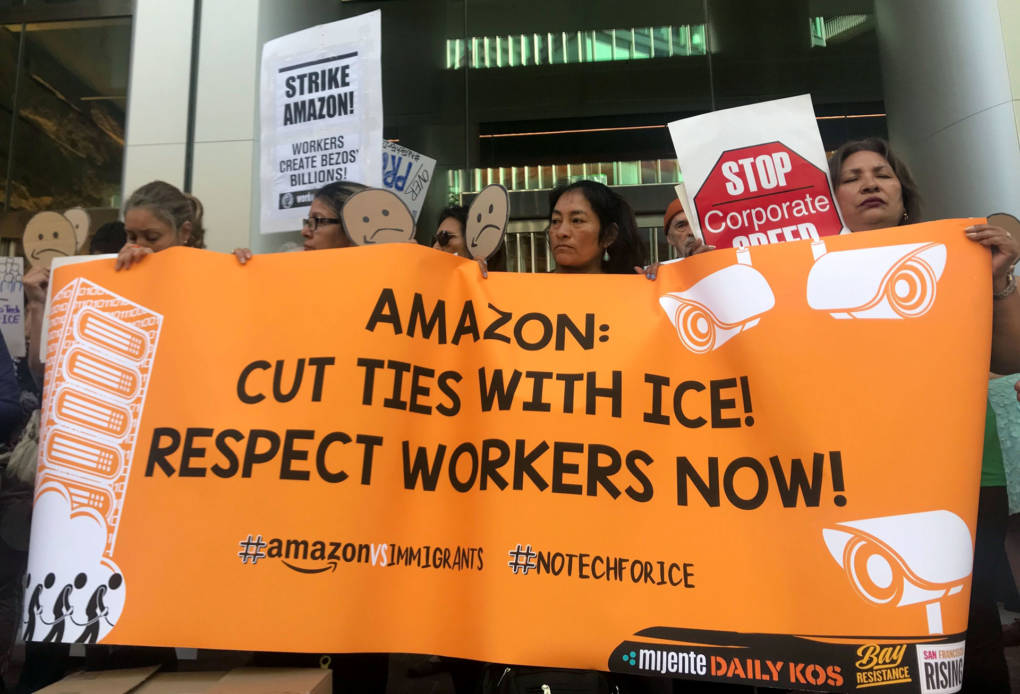
"caption": "Activists protest outside Amazon's offices in downtown San Francisco on July 15, 2019.",
"description": "Activists protest outside Amazon's offices in downtown San Francisco on July 15, 2019.",
"title": "Amazon-prime-day-protest",
"credit": "Kate Wolffe/KQED",
"status": "inherit",
"isLoading": false,
"fetchFailed": false
},
"news_11759482": {
"type": "attachments",
"id": "news_11759482",
"meta": {
"index": "attachments_1716263798",
"site": "news",
"id": "11759482",
"found": true
},
"parent": 11759453,
"imgSizes": {
"apple_news_ca_landscape_5_5": {
"file": "https://ww2.kqed.org/app/uploads/sites/10/2019/07/RS38014_ACD16-0170-016orig-qut-1044x783.jpg",
"width": 1044,
"mimeType": "image/jpeg",
"height": 783
},
"apple_news_ca_square_4_0": {
"file": "https://ww2.kqed.org/app/uploads/sites/10/2019/07/RS38014_ACD16-0170-016orig-qut-470x470.jpg",
"width": 470,
"mimeType": "image/jpeg",
"height": 470
},
"twentyfourteen-full-width": {
"file": "https://ww2.kqed.org/app/uploads/sites/10/2019/07/RS38014_ACD16-0170-016orig-qut-1038x576.jpg",
"width": 1038,
"mimeType": "image/jpeg",
"height": 576
},
"thumbnail": {
"file": "https://ww2.kqed.org/app/uploads/sites/10/2019/07/RS38014_ACD16-0170-016orig-qut-160x114.jpg",
"width": 160,
"mimeType": "image/jpeg",
"height": 114
},
"post-thumbnail": {
"file": "https://ww2.kqed.org/app/uploads/sites/10/2019/07/RS38014_ACD16-0170-016orig-qut-672x372.jpg",
"width": 672,
"mimeType": "image/jpeg",
"height": 372
},
"kqedFullSize": {
"file": "https://ww2.kqed.org/app/uploads/sites/10/2019/07/RS38014_ACD16-0170-016orig-qut.jpg",
"width": 1920,
"height": 1371
},
"apple_news_ca_landscape_4_7": {
"file": "https://ww2.kqed.org/app/uploads/sites/10/2019/07/RS38014_ACD16-0170-016orig-qut-632x474.jpg",
"width": 632,
"mimeType": "image/jpeg",
"height": 474
},
"large": {
"file": "https://ww2.kqed.org/app/uploads/sites/10/2019/07/RS38014_ACD16-0170-016orig-qut-1020x728.jpg",
"width": 1020,
"mimeType": "image/jpeg",
"height": 728
},
"complete_open_graph": {
"file": "https://ww2.kqed.org/app/uploads/sites/10/2019/07/RS38014_ACD16-0170-016orig-qut-1200x857.jpg",
"width": 1200,
"mimeType": "image/jpeg",
"height": 857
},
"apple_news_ca_landscape_4_0": {
"file": "https://ww2.kqed.org/app/uploads/sites/10/2019/07/RS38014_ACD16-0170-016orig-qut-536x402.jpg",
"width": 536,
"mimeType": "image/jpeg",
"height": 402
},
"apple_news_ca_portrait_12_9": {
"file": "https://ww2.kqed.org/app/uploads/sites/10/2019/07/RS38014_ACD16-0170-016orig-qut-1122x1371.jpg",
"width": 1122,
"mimeType": "image/jpeg",
"height": 1371
},
"medium": {
"file": "https://ww2.kqed.org/app/uploads/sites/10/2019/07/RS38014_ACD16-0170-016orig-qut-800x571.jpg",
"width": 800,
"mimeType": "image/jpeg",
"height": 571
},
"apple_news_ca_portrait_4_0": {
"file": "https://ww2.kqed.org/app/uploads/sites/10/2019/07/RS38014_ACD16-0170-016orig-qut-354x472.jpg",
"width": 354,
"mimeType": "image/jpeg",
"height": 472
},
"apple_news_ca_portrait_9_7": {
"file": "https://ww2.kqed.org/app/uploads/sites/10/2019/07/RS38014_ACD16-0170-016orig-qut-840x1120.jpg",
"width": 840,
"mimeType": "image/jpeg",
"height": 1120
},
"apple_news_ca_landscape_12_9": {
"file": "https://ww2.kqed.org/app/uploads/sites/10/2019/07/RS38014_ACD16-0170-016orig-qut-1832x1371.jpg",
"width": 1832,
"mimeType": "image/jpeg",
"height": 1371
},
"apple_news_ca_square_9_7": {
"file": "https://ww2.kqed.org/app/uploads/sites/10/2019/07/RS38014_ACD16-0170-016orig-qut-1104x1104.jpg",
"width": 1104,
"mimeType": "image/jpeg",
"height": 1104
},
"apple_news_ca_portrait_4_7": {
"file": "https://ww2.kqed.org/app/uploads/sites/10/2019/07/RS38014_ACD16-0170-016orig-qut-414x552.jpg",
"width": 414,
"mimeType": "image/jpeg",
"height": 552
},
"apple_news_ca_square_12_9": {
"file": "https://ww2.kqed.org/app/uploads/sites/10/2019/07/RS38014_ACD16-0170-016orig-qut-1472x1371.jpg",
"width": 1472,
"mimeType": "image/jpeg",
"height": 1371
},
"apple_news_ca_portrait_5_5": {
"file": "https://ww2.kqed.org/app/uploads/sites/10/2019/07/RS38014_ACD16-0170-016orig-qut-687x916.jpg",
"width": 687,
"mimeType": "image/jpeg",
"height": 916
},
"full-width": {
"file": "https://ww2.kqed.org/app/uploads/sites/10/2019/07/RS38014_ACD16-0170-016orig-qut-1920x1371.jpg",
"width": 1920,
"mimeType": "image/jpeg",
"height": 1371
},
"apple_news_ca_square_4_7": {
"file": "https://ww2.kqed.org/app/uploads/sites/10/2019/07/RS38014_ACD16-0170-016orig-qut-550x550.jpg",
"width": 550,
"mimeType": "image/jpeg",
"height": 550
},
"apple_news_ca_landscape_9_7": {
"file": "https://ww2.kqed.org/app/uploads/sites/10/2019/07/RS38014_ACD16-0170-016orig-qut-1376x1032.jpg",
"width": 1376,
"mimeType": "image/jpeg",
"height": 1032
},
"apple_news_ca_square_5_5": {
"file": "https://ww2.kqed.org/app/uploads/sites/10/2019/07/RS38014_ACD16-0170-016orig-qut-912x912.jpg",
"width": 912,
"mimeType": "image/jpeg",
"height": 912
}
},
"publishDate": 1562457228,
"modified": 1562457277,
"caption": "Test of Unmanned Aircraft Systems Traffic Management (UTM) technical capability Level 2 (TCL2) at Reno-Stead Airport, Nevada. During the test, five drones simultaneously crossed paths, separated by altitude. Two drones flew beyond visual line-of-sight and three flew within line-of-sight of their operators.",
"description": "Test of Unmanned Aircraft Systems Traffic Management (UTM) technical capability Level 2 (TCL2) at Reno-Stead Airport, Nevada. During the test, five drones simultaneously crossed paths, separated by altitude. Two drones flew beyond visual line-of-sight and three flew within line-of-sight of their operators.",
"title": "UTM Technical Capabilities Level 2 (TLC2) Test at Reno-Stead Airport.",
"credit": "Courtesy of Dominic Hart",
"status": "inherit",
"isLoading": false,
"fetchFailed": false
},
"news_11752631": {
"type": "attachments",
"id": "news_11752631",
"meta": {
"index": "attachments_1716263798",
"site": "news",
"id": "11752631",
"found": true
},
"parent": 11752549,
"imgSizes": {
"apple_news_ca_square_4_0": {
"file": "https://ww2.kqed.org/app/uploads/sites/10/2019/06/GettyImages-1152669072-470x470.jpg",
"width": 470,
"mimeType": "image/jpeg",
"height": 470
},
"twentyfourteen-full-width": {
"file": "https://ww2.kqed.org/app/uploads/sites/10/2019/06/GettyImages-1152669072-1024x576.jpg",
"width": 1024,
"mimeType": "image/jpeg",
"height": 576
},
"thumbnail": {
"file": "https://ww2.kqed.org/app/uploads/sites/10/2019/06/GettyImages-1152669072-160x107.jpg",
"width": 160,
"mimeType": "image/jpeg",
"height": 107
},
"post-thumbnail": {
"file": "https://ww2.kqed.org/app/uploads/sites/10/2019/06/GettyImages-1152669072-672x372.jpg",
"width": 672,
"mimeType": "image/jpeg",
"height": 372
},
"kqedFullSize": {
"file": "https://ww2.kqed.org/app/uploads/sites/10/2019/06/GettyImages-1152669072.jpg",
"width": 1024,
"height": 683
},
"apple_news_ca_landscape_4_7": {
"file": "https://ww2.kqed.org/app/uploads/sites/10/2019/06/GettyImages-1152669072-632x474.jpg",
"width": 632,
"mimeType": "image/jpeg",
"height": 474
},
"large": {
"file": "https://ww2.kqed.org/app/uploads/sites/10/2019/06/GettyImages-1152669072-1020x680.jpg",
"width": 1020,
"mimeType": "image/jpeg",
"height": 680
},
"apple_news_ca_landscape_4_0": {
"file": "https://ww2.kqed.org/app/uploads/sites/10/2019/06/GettyImages-1152669072-536x402.jpg",
"width": 536,
"mimeType": "image/jpeg",
"height": 402
},
"medium": {
"file": "https://ww2.kqed.org/app/uploads/sites/10/2019/06/GettyImages-1152669072-800x534.jpg",
"width": 800,
"mimeType": "image/jpeg",
"height": 534
},
"apple_news_ca_portrait_4_0": {
"file": "https://ww2.kqed.org/app/uploads/sites/10/2019/06/GettyImages-1152669072-354x472.jpg",
"width": 354,
"mimeType": "image/jpeg",
"height": 472
},
"apple_news_ca_portrait_9_7": {
"file": "https://ww2.kqed.org/app/uploads/sites/10/2019/06/GettyImages-1152669072-840x683.jpg",
"width": 840,
"mimeType": "image/jpeg",
"height": 683
},
"apple_news_ca_portrait_4_7": {
"file": "https://ww2.kqed.org/app/uploads/sites/10/2019/06/GettyImages-1152669072-414x552.jpg",
"width": 414,
"mimeType": "image/jpeg",
"height": 552
},
"apple_news_ca_portrait_5_5": {
"file": "https://ww2.kqed.org/app/uploads/sites/10/2019/06/GettyImages-1152669072-687x683.jpg",
"width": 687,
"mimeType": "image/jpeg",
"height": 683
},
"apple_news_ca_square_4_7": {
"file": "https://ww2.kqed.org/app/uploads/sites/10/2019/06/GettyImages-1152669072-550x550.jpg",
"width": 550,
"mimeType": "image/jpeg",
"height": 550
},
"apple_news_ca_square_5_5": {
"file": "https://ww2.kqed.org/app/uploads/sites/10/2019/06/GettyImages-1152669072-912x683.jpg",
"width": 912,
"mimeType": "image/jpeg",
"height": 683
}
},
"publishDate": 1559775818,
"modified": 1559775910,
"caption": "The presidential campaign for U.S. Sen. Elizabeth Warren posted a billboard in San Francisco that calls for breaking up big tech.",
"description": "The presidential campaign for U.S. Sen. Elizabeth Warren posted a billboard in San Francisco that calls for breaking up big tech.",
"title": "Elizabeth Warren Campaign Posts Billboard In San Francisco Calling For Break Up Of Big Tech",
"credit": "Justin Sullivan/Getty Images",
"status": "inherit",
"isLoading": false,
"fetchFailed": false
}
},
"audioPlayerReducer": {
"postId": "stream_live",
"isPaused": true,
"isPlaying": false,
"pfsActive": false,
"pledgeModalIsOpen": true,
"playerDrawerIsOpen": false,
"liveAudioPlayStartedAt": 0,
"liveAudioPlayContext": ""
},
"authorsReducer": {
"byline_news_11830974": {
"type": "authors",
"id": "byline_news_11830974",
"meta": {
"override": true
},
"slug": "byline_news_11830974",
"name": "Alina Selyukh",
"isLoading": false
},
"byline_news_11797123": {
"type": "authors",
"id": "byline_news_11797123",
"meta": {
"override": true
},
"slug": "byline_news_11797123",
"name": "Manuela Tobias\u003cbr>Fresno Bee",
"isLoading": false
},
"byline_news_11761638": {
"type": "authors",
"id": "byline_news_11761638",
"meta": {
"override": true
},
"slug": "byline_news_11761638",
"name": "\u003cstrong>Aarti Shahani and Avie Schneider\u003cbr/>NPR\u003c/strong>",
"isLoading": false
},
"byline_news_11752549": {
"type": "authors",
"id": "byline_news_11752549",
"meta": {
"override": true
},
"slug": "byline_news_11752549",
"name": "Barbara Ortutay and Rachel Lerman\u003cbr>Associated Press",
"isLoading": false
},
"rachael-myrow": {
"type": "authors",
"id": "251",
"meta": {
"index": "authors_1716337520",
"id": "251",
"found": true
},
"name": "Rachael Myrow",
"firstName": "Rachael",
"lastName": "Myrow",
"slug": "rachael-myrow",
"email": "rmyrow@kqed.org",
"display_author_email": true,
"staff_mastheads": [
"news"
],
"title": "Senior Editor of KQED's Silicon Valley News Desk",
"bio": "• I write and edit stories about how Silicon Valley power and policies shape everyday life in California. I’m also passionate about making Bay Area history and culture more accessible to a broad public. • I’ve been a journalist for most of my life, starting in high school with The Franklin Press in Los Angeles, where I grew up. While earning my first degree in English at UC Berkeley, I got my start in public radio at KALX-FM. After completing a second degree in journalism at Cal, I landed my first professional job at Marketplace, then moved on to KPCC (now LAist), and then KQED, where I hosted The California Report for more than seven years. • My reporting has appeared on NPR, The World, WBUR’s \u003ci>Here & Now\u003c/i>, and the BBC. I also guest host for KQED’s \u003ci>Forum\u003c/i>, as well as the Commonwealth Club in San Francisco. • I speak periodically on media, democracy and technology issues, and do voiceover work for documentaries and educational video projects. • Outside of the studio, you'll find me hiking Bay Area trails and whipping up Insta-ready meals in my kitchen. • I do not accept gifts, money, or favors from anyone connected to my reporting, I don't pay people for information, and I do not support or donate to political causes. • I strive to treat the people I report on with fairness, honesty, and respect. I also recognize there are often multiple sides to a story and work to verify information through multiple sources and documentation. If I get something wrong, I correct it.",
"avatar": "https://secure.gravatar.com/avatar/87bf8cb5874e045cdff430523a6d48b1?s=600&d=blank&r=g",
"twitter": "rachaelmyrow",
"facebook": null,
"instagram": null,
"linkedin": "https://www.linkedin.com/in/rachaelmyrow/",
"sites": [
{
"site": "arts",
"roles": [
"administrator"
]
},
{
"site": "news",
"roles": [
"edit_others_posts",
"editor"
]
},
{
"site": "futureofyou",
"roles": [
"editor"
]
},
{
"site": "bayareabites",
"roles": [
"editor"
]
},
{
"site": "stateofhealth",
"roles": [
"editor"
]
},
{
"site": "science",
"roles": [
"editor"
]
},
{
"site": "food",
"roles": [
"editor"
]
},
{
"site": "forum",
"roles": [
"editor"
]
},
{
"site": "liveblog",
"roles": [
"author"
]
}
],
"headData": {
"title": "Rachael Myrow | KQED",
"description": "Senior Editor of KQED's Silicon Valley News Desk",
"ogImgSrc": "https://secure.gravatar.com/avatar/87bf8cb5874e045cdff430523a6d48b1?s=600&d=blank&r=g",
"twImgSrc": "https://secure.gravatar.com/avatar/87bf8cb5874e045cdff430523a6d48b1?s=600&d=blank&r=g"
},
"isLoading": false,
"link": "/author/rachael-myrow"
},
"markfiore": {
"type": "authors",
"id": "3236",
"meta": {
"index": "authors_1716337520",
"id": "3236",
"found": true
},
"name": "Mark Fiore",
"firstName": "Mark",
"lastName": "Fiore",
"slug": "markfiore",
"email": "mark@markfiore.com",
"display_author_email": false,
"staff_mastheads": [
"news"
],
"title": "KQED News Cartoonist",
"bio": "\u003ca href=\"http://www.MarkFiore.com\">MarkFiore.com\u003c/a> | \u003ca href=\"https://twitter.com/markfiore\">Follow on Twitter\u003c/a> | \u003ca href=\"https://www.facebook.com/pages/Mark-Fiore-Animated-Political-Cartoons/94451707396?ref=bookmarks\">Facebook\u003c/a> | \u003ca href=\"mailto:mark@markfiore.com\">email\u003c/a>\r\n\r\nPulitzer Prize-winner, Mark Fiore, who the Wall Street Journal has called “the undisputed guru of the form,” creates animated political cartoons in San Francisco, where his work has been featured regularly on the San Francisco Chronicle’s web site, SFGate.com. His work has appeared on Newsweek.com, Slate.com, CBSNews.com, MotherJones.com, DailyKos.com and NPR’s web site. Fiore’s political animation has appeared on CNN, Frontline, Bill Moyers Journal, Salon.com and cable and broadcast outlets across the globe.\r\n\r\nBeginning his professional life by drawing traditional political cartoons for newspapers, Fiore’s work appeared in publications ranging from the Washington Post to the Los Angeles Times. In the late 1990s, he began to experiment with animating political cartoons and, after a short stint at the San Jose Mercury News as their staff cartoonist, Fiore devoted all his energies to animation.\r\nGrowing up in California, Fiore also spent a good portion of his life in the backwoods of Idaho. It was this combination that shaped him politically. Mark majored in political science at Colorado College, where, in a perfect send-off for a cartoonist, he received his diploma in 1991 as commencement speaker Dick Cheney smiled approvingly.\r\nMark Fiore was awarded the Pulitzer Prize for political cartooning in 2010, a Robert F. Kennedy Journalism Award in 2004 and has twice received an Online Journalism Award for commentary from the Online News Association (2002, 2008). Fiore has received two awards for his work in new media from the National Cartoonists Society (2001, 2002), and in 2006 received The James Madison Freedom of Information Award from The Society of Professional Journalists.",
"avatar": "https://secure.gravatar.com/avatar/fc4e2a612b15b67bad0c6f0e1db4ca9b?s=600&d=blank&r=g",
"twitter": "MarkFiore",
"facebook": null,
"instagram": "https://www.instagram.com/markfiore/?hl=en",
"linkedin": null,
"sites": [
{
"site": "arts",
"roles": [
"contributor"
]
},
{
"site": "news",
"roles": [
"editor"
]
},
{
"site": "futureofyou",
"roles": [
"editor"
]
},
{
"site": "science",
"roles": [
"editor"
]
}
],
"headData": {
"title": "Mark Fiore | KQED",
"description": "KQED News Cartoonist",
"ogImgSrc": "https://secure.gravatar.com/avatar/fc4e2a612b15b67bad0c6f0e1db4ca9b?s=600&d=blank&r=g",
"twImgSrc": "https://secure.gravatar.com/avatar/fc4e2a612b15b67bad0c6f0e1db4ca9b?s=600&d=blank&r=g"
},
"isLoading": false,
"link": "/author/markfiore"
},
"dkatayama": {
"type": "authors",
"id": "7240",
"meta": {
"index": "authors_1716337520",
"id": "7240",
"found": true
},
"name": "Devin Katayama",
"firstName": "Devin",
"lastName": "Katayama",
"slug": "dkatayama",
"email": "dkatayama@kqed.org",
"display_author_email": true,
"staff_mastheads": [
"news"
],
"title": "Editor of Talent and Development",
"bio": "Devin Katayama is former Editor of Talent and Development for KQED. He supported our internship program and on-call staff by looking for equitable opportunities to improve the newsroom.\r\n\r\nHe previously hosted The Bay and American Suburb podcasts from KQED News. Prior to returning to the Bay Area in 2015, Devin was the education reporter for WFPL in Louisville and worked as a producer with radio stations in Chicago and Portland, OR. His work has appeared on NPR’s \u003cem>Morning Edition, All Things Considered, The Takeaway\u003c/em> and \u003cem>Here and Now.\u003c/em>\r\n\r\nDevin earned his MA in Journalism from Columbia College Chicago, where he was a Follett Fellow and the recipient of the 2011 Studs Terkel Community Media Workshop Scholarship for his story on Chicago's homeless youth. He won WBUR's 2014 Daniel Schorr award and a regional RTNDA Edward R. Murrow Award for his documentary \"At Risk\" that looked at issues facing some of Louisville's students. Devin has also received numerous local awards from the Associated Press and the Society of Professional Journalists.",
"avatar": "https://secure.gravatar.com/avatar/d0d2978a31002fb2de107921a8e18405?s=600&d=blank&r=g",
"twitter": "RadioDevin",
"facebook": null,
"instagram": null,
"linkedin": null,
"sites": [
{
"site": "arts",
"roles": []
},
{
"site": "news",
"roles": [
"author"
]
},
{
"site": "stateofhealth",
"roles": [
"author"
]
},
{
"site": "forum",
"roles": [
"editor"
]
},
{
"site": "perspectives",
"roles": [
"editor"
]
}
],
"headData": {
"title": "Devin Katayama | KQED",
"description": "Editor of Talent and Development",
"ogImgSrc": "https://secure.gravatar.com/avatar/d0d2978a31002fb2de107921a8e18405?s=600&d=blank&r=g",
"twImgSrc": "https://secure.gravatar.com/avatar/d0d2978a31002fb2de107921a8e18405?s=600&d=blank&r=g"
},
"isLoading": false,
"link": "/author/dkatayama"
},
"katewolffe": {
"type": "authors",
"id": "11523",
"meta": {
"index": "authors_1716337520",
"id": "11523",
"found": true
},
"name": "Kate Wolffe",
"firstName": "Kate",
"lastName": "Wolffe",
"slug": "katewolffe",
"email": "kwolffe@kqed.org",
"display_author_email": true,
"staff_mastheads": [
"news"
],
"title": "KQED Reporter + Weekend Host",
"bio": "Kate Wolffe reports on local Bay Area happenings for KQED, and hosts the news on weekend afternoons. She joined KQED in 2018 as an intern on the Forum team, before moving to cover topics ranging from politics to criminal justice to homelessness. A Bay Area native and UC Berkeley graduate, Kate loves to discover new corners of the region.",
"avatar": "https://secure.gravatar.com/avatar/22455f14db824a03ee252f73052fe939?s=600&d=blank&r=g",
"twitter": "katewolffe",
"facebook": null,
"instagram": null,
"linkedin": null,
"sites": [
{
"site": "arts",
"roles": [
"editor"
]
},
{
"site": "news",
"roles": [
"author",
"edit_others_posts"
]
},
{
"site": "forum",
"roles": [
"editor"
]
}
],
"headData": {
"title": "Kate Wolffe | KQED",
"description": "KQED Reporter + Weekend Host",
"ogImgSrc": "https://secure.gravatar.com/avatar/22455f14db824a03ee252f73052fe939?s=600&d=blank&r=g",
"twImgSrc": "https://secure.gravatar.com/avatar/22455f14db824a03ee252f73052fe939?s=600&d=blank&r=g"
},
"isLoading": false,
"link": "/author/katewolffe"
}
},
"pagesReducer": {
"news_tag_amazon": {
"type": "terms",
"id": "news_1611",
"meta": {
"index": "terms_1716263798",
"site": "news",
"id": "1611",
"score": 8.665831
},
"featImg": null,
"name": "Amazon",
"description": null,
"taxonomy": "tag",
"headData": {
"twImgId": null,
"twTitle": null,
"ogTitle": null,
"ogImgId": null,
"twDescription": null,
"description": null,
"title": "Amazon Archives | KQED News",
"ogDescription": null
},
"ttid": 1623,
"slug": "amazon",
"isLoading": false,
"title": "Amazon",
"pageMeta": {
"site": "news",
"WpPageTemplate": "page-topic-editorial",
"currentPage": 3
},
"blocks": [
{
"blockName": "kqed/post-list",
"attrs": {
"layout": "cardArticle2",
"query": "posts/news?tag=amazon",
"seeMore": false,
"paginated": true,
"page": 3
}
},
{
"blockName": "kqed/ad"
}
]
}
},
"pfsSessionReducer": {},
"postsReducer": {
"stream_live": {
"type": "live",
"id": "stream_live",
"audioUrl": "https://streams.kqed.org/kqedradio",
"title": "Live Stream",
"excerpt": "Live Stream information currently unavailable.",
"link": "/radio",
"featImg": "",
"label": {
"name": "KQED Live",
"link": "/"
}
},
"stream_kqedNewscast": {
"type": "posts",
"id": "stream_kqedNewscast",
"audioUrl": "https://www.kqed.org/.stream/anon/radio/RDnews/newscast.mp3?_=1",
"title": "KQED Newscast",
"featImg": "",
"label": {
"name": "88.5 FM",
"link": "/"
}
},
"news_11830974": {
"type": "posts",
"id": "news_11830974",
"meta": {
"index": "posts_1716263798",
"site": "news",
"id": "11830974",
"score": null,
"sort": [
1596043940000
]
},
"guestAuthors": [],
"slug": "watch-heads-of-amazon-apple-facebook-and-google-testify-on-big-techs-power",
"title": "Heads Of Amazon, Apple, Facebook And Google Testify On Big Tech's Power",
"publishDate": 1596043940,
"format": "standard",
"headTitle": "Heads Of Amazon, Apple, Facebook And Google Testify On Big Tech’s Power | KQED",
"labelTerm": {},
"content": "\u003cp>\u003cstrong>Updated at 6:35 p.m. ET\u003c/strong>\u003c/p>\n\u003cp>Are Facebook, Google, Amazon and Apple “emperors of the online economy” that stifle competition and hurt consumers? Not surprisingly, the tech giants’ chief executives told Congress: absolutely not. The concern that too much power is concentrated in too few companies is unfounded, they said Wednesday.\u003c/p>\n\u003cp>\u003cstrong>Does Apple punish its rivals on the App Store to score more customers?\u003c/strong>\u003c/p>\n\u003cp>Democratic Rep. Lucy McBath of Georgia drew attention to Apple’s Screen Time app, a service allowing parents to limit their kids’ phone use.\u003c/p>\n\u003cp>When Apple introduced the app in 2018, competing parental control apps, such as OurPact, were booted from the App Store for not meeting Apple’s safety requirements.\u003c/p>\n\u003cp>[ad fullwidth]\u003c/p>\n\u003cp>Apple CEO Tim Cook told McBath those fears were justified.\u003c/p>\n\u003cp>https://youtu.be/RRB1-6nMcIU\u003c/p>\n\u003cp>“We were concerned, Congresswoman, about the privacy and security of kids,” Cook said, noting the app was vulnerable to third-party takeovers. “So we were worried about their safety.”\u003c/p>\n\u003cp>But McBath said House investigators discovered that rival parental control apps that were kicked out of the App Store were readmitted six months later without making significant privacy overhauls.\u003c/p>\n\u003cp>“Of course, six months is truly an eternity for small businesses to be shut down, even worse if all the while a larger competitor is actually taking away customers,” she said.\u003c/p>\n\u003cp>McBath pointed to \u003ca href=\"https://twitter.com/HouseJudiciary/status/1288585817670201353?s=20\">an email\u003c/a> in which an Apple employee responds to a mother complaining about the removal of parental control apps. The Apple representative suggested that the mother download Apple’s Screen Time.\u003c/p>\n\u003cp>Cook said “there are many reasons why” an app may not meet the App Store’s guidelines, dismissing the suggestion that Apple squashed its competition to favor its own service.\u003c/p>\n\u003cp>\u003c!-- iframe plugin v.4.3 wordpress.org/plugins/iframe/ -->\u003cbr>\n\u003ciframe loading=\"lazy\" src=\"https://omny.fm/shows/kqed-segmented-audio/tech-titans-to-dial-in-to-congressional-antitrust/embed\" width=\"100%\" height=\"180\" frameborder=\"0\" title=\"Tech Titans to Dial in to Congressional Antitrust Hearing\" scrolling=\"yes\" class=\"iframe-class\">\u003c/iframe>\u003c/p>\n\u003cp>McBath referenced a second example involving the publisher Random House, which says Apple held back the introduction of its app as Apple pushed its own similar product.\u003c/p>\n\u003cp>“Even some of the largest companies in the country fear your power. Our evidence suggests that your company has used its power to harm your rivals and boost your own business,” McBath said. “This is fundamentally unfair,” she said. “Ultimately, it reduces the competition and the choices made to consumers and that’s a great concern to all of us.”\u003c/p>\n\u003cp>\u003cem>— Bobby Allyn \u003c/em>\u003c/p>\n\u003cp>\u003cstrong>CEO vows Google won’t play favorites in 2020 election\u003c/strong>\u003c/p>\n\u003cp>Google CEO Sundar Pichai faced a barrage of questions from Rep. Jim Jordan. The Ohio Republican said he’s concerned that Google will tailor its search engine to give a leg up to presumed Democratic presidential nominee Joe Biden over President Trump in searches related to the November election.\u003c/p>\n\u003cp>When Jordan asked Pichai for a promise to Americans that Google will not favor Biden in the 2020 election, Pichai said “we don’t do any work to politically tilt anything one way or another.”\u003c/p>\n\u003cp>Jordan persisted with the same question.\u003c/p>\n\u003cp>Pichai, eventually, agreed to make a commitment that Google will not tilt its features to help Biden and that the search engine will not be used to silence conservatives.\u003c/p>\n\u003cp>[aside label=\"more big tech coverage\" tag=\"tech-companies\"]“Yeah, you have my commitment. It’s always been true and we’ll continue to conduct ourselves in a neutral way,” Pichai said.\u003c/p>\n\u003cp>It’s a line of inquiry that is far afield from the purpose of the hearing, noted Pennsylvania Democrat Mary Gay Scanlon, saying she’d like to turn the focus back to antitrust, rather than “fringe conspiracy theories.”\u003c/p>\n\u003cp>This incited Jordan, who interrupted Scanlon, launching a screaming match between Jordan and Democratic leadership about following the rules of the hearing.\u003c/p>\n\u003cp>“When someone comes after my motives for asking questions,” shouted Jordan, “I should get a chance to respond.”\u003c/p>\n\u003cp>\u003cem>— Bobby Allyn \u003c/em>\u003c/p>\n\u003cp>\u003cstrong>Does Amazon use sellers’ data to help itself?\u003c/strong>\u003c/p>\n\u003cp>The first inquiry for Amazon CEO Jeff Bezos finally arrived from Rep. Pramila Jayapal, D-Wash., some two hours into the hearing. Jayapal zeroed in on the subcommittee’s central concern about Amazon: Does the company use the data it collects from other sellers on the platform for its benefit?\u003c/p>\n\u003cp>“I can’t answer that questions yes or no,” Bezos said. “We have a policy against using seller-specific data to aid our private label business, but I can’t guarantee you that that policy has never been violated.”\u003c/p>\n\u003cp>Committee lawmakers have previously accused Amazon of “\u003ca href=\"https://judiciary.house.gov/news/documentsingle.aspx?DocumentID=2931\">lack of candor\u003c/a>” about how it \u003ca href=\"https://www.wsj.com/articles/amazon-scooped-up-data-from-its-own-sellers-to-launch-competing-products-11587650015\">might be using\u003c/a> other sellers’ data to give an edge its own business, something Amazon executives have, until now, denied was happening.\u003c/p>\n\u003cp>Critics have \u003ca href=\"https://www.wsj.com/articles/amazon-scooped-up-data-from-its-own-sellers-to-launch-competing-products-11587650015\">made the case\u003c/a> that Amazon employees may have used such data to create the retailer’s own private-label products, which Bezos told lawmakers the company was still investigating.\u003c/p>\n\u003cp>Jayapal noted that Amazon has access to information about consumer habits, sellers’ pricing and inventory data, a trove of details that could be ripe for abuse if used to make business decisions about Amazon’s own products.\u003c/p>\n\u003cp>“You can set the rules of the game for your competitors, but not actually follow those same rules for yourself,” Jayapal said.\u003c/p>\n\u003cp>“You have access to data that your competitors do not have,” she continued, adding that if Amazon was “continuously monitoring” such data to make sure that other sellers “are never going to get big enough that they can compete with you — that is actually the concern that the committee has,” she said.\u003c/p>\n\u003cp>\u003cem>–Alina Selyukh\u003c/em>\u003c/p>\n\u003cp>\u003cstrong>Google’s Pichai is pressed on being “the gateway to the Internet”\u003c/strong>\u003c/p>\n\u003cp>Subcommittee Chairman Cicilline spent all of his first 5-minute block of questions on Google — the company at most immediate risk of actual antitrust action. The Department of Justice is reportedly preparing to sue the company over its advertising business, and could be joined by state attorneys general who have also been investigating Google.\u003c/p>\n\u003cp>Cicilline pressed CEO Sundar Pichai on whether Google’s business model presents a conflict of interest, because it has an incentive to give search results that keep users on its own site rather than anywhere else on the Internet.\u003c/p>\n\u003cp>“As Google became the gateway to the Internet, it began to abuse its power,” Cicilline said.\u003c/p>\n\u003cp>Pichai responded that Google “always focuses on providing users the most relevant information.” Cicilline appeared annoyed at Pichai’s answers, cutting him off several times to move to another question.\u003c/p>\n\u003cp>\u003cem>–Shannon Bond\u003c/em>\u003c/p>\n\u003cp>\u003cstrong>Still waiting for questions for Jeff Bezos\u003c/strong>\u003c/p>\n\u003cp>Over an hour-and-a-half into the hearing, Jeff Bezos — appearing in Congress for the first time, whose company employs a million workers and has over 150 million paying subscribers — has yet to receive a single question.\u003c/p>\n\u003cp>His presence was slated to become a powerful accomplishment of the House Judiciary Committee, but the questioning so far has left him muted on the live video feed, reaching for some snacks.\u003c/p>\n\u003cp>The hearing, meanwhile, is taking a 10-minute break to fix a technical problem “with one of our witnesses.”\u003c/p>\n\u003cp>\u003cem>–Alina Selyukh\u003c/em>\u003c/p>\n\u003cp>\u003cstrong>Did Facebook buy Instagram to neutralize a competitor?\u003c/strong>\u003c/p>\n\u003cp>Judiciary Committee Chairman Jerry Nadler, D-N.Y., pressed Facebook’s Zuckerberg on exactly why his company bought Instagram for $1 billion back in 2012. That’s a key part of competition questions facing the social media giant. Critics accuse Facebook of buying or copying rivals — like Instagram and WhatsApp — to squash competition.\u003c/p>\n\u003cp>Nadler said in its investigation, the committee got documents from Facebook in which Zuckerberg discussed \u003ca href=\"https://twitter.com/HouseJudiciary/status/1288540745637474306?s=20\">“neutralizing a competitor”\u003c/a> as a reason to pursue Instagram.\u003c/p>\n\u003cp>“Facebook saw Instagram as a threat that could potentially siphon business away from Facebook. And so rather than compete with it, Facebook bought it,” Nadler said.\u003c/p>\n\u003cp>Zuckerberg points out that the Federal Trade Commission okayed the merger at the time. “With hindsight it probably looks obvious that Instagram would have reached the scale that it has today, but at the time it was far from obvious,” he said.\u003c/p>\n\u003cp>Cicilline interjected to say that the “failures” of the FTC in 2012 do not mean it was not a violation of antitrust law.\u003c/p>\n\u003cp>\u003cem>–Shannon Bond\u003c/em>\u003c/p>\n\u003cp>\u003cstrong>Panel chairman: Under coronavirus, big tech “likely to emerge stronger and more powerful” \u003c/strong>\u003c/p>\n\u003cp>Up first is Rhode Island Democrat David Cicilline, chairman of the antitrust subcommittee that’s holding this hearing. He is the driving force behind the year-long investigation of big tech.\u003c/p>\n\u003cp>In his \u003ca href=\"https://judiciary.house.gov/news/documentsingle.aspx?DocumentID=3200\">opening remarks\u003c/a>, he describes the dominance of each company: Amazon in online shopping, Apple in smartphones and apps, Facebook in social media and Google in search and ads. And he points out that thanks to the coronavirus pandemic, all four “are likely to emerge stronger and more powerful than ever before.”\u003c/p>\n\u003cp>“As American families shift more of their work, shopping, and communication online, these giants stand to profit. Locally owned businesses, meanwhile —mom and pop stores on Main Street — face an economic crisis unlike any in recent history,” Cicilline said.\u003c/p>\n\u003cp>The committee’s investigation has turned up a pattern among the tech giants, he said. They control access to information and marketplaces, use that control to “surveil” rivals and protect their power, and favor their own businesses.\u003c/p>\n\u003cp>“Simply put: They have too much power,” Cicilline said. For consumers, he said, this is reminiscent of previous American monopolies: railroads, oil and telephone companies, and even another tech giant — Microsoft.\u003c/p>\n\u003cp>“This investigation also goes to the heart of whether we, as a people, govern ourselves, or whether we let ourselves be governed by private monopolies,” he said. “Our founders would not bow before a king. Nor should we bow before the emperors of the online economy.”\u003c/p>\n\u003cp>\u003cem>–Shannon Bond\u003c/em>\u003c/p>\n\u003cp>\u003cstrong>Republican Jim Jordan: “Big Tech is out to get conservatives”\u003c/strong>\u003c/p>\n\u003cp>Wednesday’s hearing is supposed to be about Big Tech’s power and market dominance. But Republicans are already trying to make it about something else: accusations that online platforms are biased against conservatives.\u003c/p>\n\u003cp>“Big Tech is out to get conservatives,” said Rep. Jim Jordan, R-Ohio, in his fiery opening statement.\u003c/p>\n\u003cp>Jordan then rapidly read aloud headlines making claims that conservative-leaning publications and voices have been suppressed or censored on Facebook and Google.\u003c/p>\n\u003cp>He also mentioned Twitter, even though it is not part of the hearing. Jordan said conservative members of Congress were “shadow banned” on Twitter. He said Twitter’s CEO Jack Dorsey said it was a glitch.\u003c/p>\n\u003cp>“If I had a nickel for every time I heard it was just a glitch, I wouldn’t be as wealthy as our witnesses, but I’d be doing right,” Jordan said.\u003c/p>\n\u003cp>“We all think the free market is great. We think competition is great. We love the fact that these are American companies. But what’s not great is censoring people, censoring conservatives and trying to impact election,” Jordan said. “”If it doesn’t end, there has to be consequences.”\u003c/p>\n\u003cp>Before Jordan’s remarks, Wisconsin Republican Jim Sensenbrenner also mentioned the belief, strongly contested by large tech companies, that conservatives do not get a fair shake by the online platforms, calling reports of conservative censorship troubling.\u003c/p>\n\u003cp>“Conservatives are consumers, too, and they need the protection of antitrust laws,” Sensenbrenner said.\u003c/p>\n\u003cp>The hearing erupted in chaos after Jordan asked that Rep. Mike Johnson of the House Judiciary’s Constitution subcommittee be allowed to participate in the hearing. The request was denied.\u003c/p>\n\u003cp>Jordan then repeatedly interrupted antitrust subcommittee Chairman David Cicilline, who was attempting to introduce Amazon CEO Jeff Bezos.\u003c/p>\n\u003cp>“We’re talking about peoples’ liberties here,” Jordan said over Cicilline.\u003c/p>\n\u003cp>“Put your mask on,” Jordan was told.\u003c/p>\n\u003cp>\u003cem>–Bobby Allyn\u003c/em>\u003c/p>\n\u003cp>\u003cstrong>Trump tweets: ‘Bring fairness to Big Tech’\u003c/strong>\u003c/p>\n\u003cp>The hearing has gotten underway, after an hour-long delay. First up, we will get opening statements from the top members of the committee and the four CEOs. Then lawmakers will each get five minutes to question Jeff Bezos, Tim Cook, Sundar Pichai and Mark Zuckerberg. All four will be joining remotely, via video.\u003c/p>\n\u003cp>The focus of the hearing, and the committee’s investigation, is competition — but expect lawmakers to be unable to resist bringing up other complaints about tech companies, from election security and the spread of misinformation to alleged anti-conservative bias.\u003c/p>\n\u003cp>That’s also the message coming from the White House, where President Trump has repeatedly accused tech companies of treating him unfairly. Shortly after noon, he \u003ca href=\"https://twitter.com/realDonaldTrump/status/1288506554585505793\">tweeted\u003c/a>: “If Congress doesn’t bring fairness to Big Tech, which they should have done years ago, I will do it myself with Executive Orders. In Washington, it has been ALL TALK and NO ACTION for years, and the people of our Country are sick and tired of it!”\u003c/p>\n\u003cp>\u003cem>–Shannon Bond\u003c/em>\u003c/p>\n\u003cp>\u003cstrong>Our original story by Bobby Allyn continues:\u003c/strong>\u003c/p>\n\u003cp>Amid a time of rising tensions with China, some of the powerful CEOs will suggest that too much regulation could provide an opportunity for Chinese tech firms to gain a global toehold, according to opening remarks from the tech leaders \u003ca href=\"https://docs.house.gov/Committee/Calendar/ByEvent.aspx?EventID=110883\">released by\u003c/a> the House Judiciary antitrust subcommittee.\u003c/p>\n\u003cp>“We believe in values — democracy, competition, inclusion and free expression — that the American economy was built on,” Facebook’s Mark Zuckerberg will tell lawmakers, according to his prepared \u003ca href=\"https://assets.documentcloud.org/documents/7009144/Mark-Zuckerberg-Written-Testimony.pdf\">opening statement\u003c/a>. “China is building its own version of the internet focused on very different ideas, and they are exporting their vision to other countries.”\u003c/p>\n\u003cp>Amazon’s Jeff Bezos, the world’s richest person who will be making his first-ever appearance in front of Congress, will bring in \u003ca href=\"https://www.npr.org/2020/07/28/896500557/jeff-bezos-to-washington-my-dad-s-name-is-miguel-he-adopted-me-when-i-was-4\">his personal story \u003c/a>of being adopted by an immigrant father when he was 4 years old and spending his summers on his grandparents’ ranch in Texas, saying his upbringing instilled in him a work ethic that has helped Amazon prosper.\u003c/p>\n\u003cp>Amazon’s rise to becoming the largest online retailer, Bezos will say, is an achievement only made possible in America. But Walmart, he will point out, is still twice the size of Amazon.\u003c/p>\n\u003cp>“We did not start out as the largest marketplace — eBay was many times our size. It was only by focusing on supporting sellers and giving them the best tools we could invent that we were able to succeed and eventually surpass eBay,” Bezos says in his \u003ca href=\"https://assets.documentcloud.org/documents/7009139/Jeff-Bezos-Written-Testimony.pdf\">released testimony\u003c/a>.\u003c/p>\n\u003cp>Google’s Sundar Pichai will steer attention to the other ways people navigate the online world, even though 90% of Internet searches happen on Google.\u003c/p>\n\u003cp>“People have more ways to search for information than ever before — and increasingly this is happening outside the context of only a search engine,” Pichai \u003ca href=\"https://assets.documentcloud.org/documents/7009142/Sundar-Pichai-Written-Testimony.pdf\">plans to tell\u003c/a> the House panel. “You can ask Alexa a question from your kitchen; read your news on Twitter; ask friends for information via WhatsApp; and get recommendations on Snapchat or Pinterest.”\u003c/p>\n\u003cp>Apple’s Tim Cook will echo the appeals to patriotism raised among the other tech CEOs by touting how Apple’s strength, becoming the most valuable company in the world, represents success “only possible in this country.”\u003c/p>\n\u003cp>He will also join the other tech leaders by arguing that Apple has plenty of competition.\u003c/p>\n\u003cp>“The smartphone market is fiercely competitive, and companies like Samsung, LG, Huawei and Google have built very successful smartphone businesses offering different approaches,” Cook will say in \u003ca href=\"https://assets.documentcloud.org/documents/7009148/Tim-Cook-Written-Testimony.pdf\">his opening statement\u003c/a> to lawmakers.\u003c/p>\n\u003cp>Whether members of the House Judiciary Committee’s antitrust subcommittee buy these arguments over the course of what is set to be an hourslong spectacle is another matter.\u003c/p>\n\u003cp>And it remains to be seen if the public will gain new insight into the tech companies, and whether lawmakers can pin down answers from the typically cautious technology executives.\u003c/p>\n\u003cp>The CEOs will be testifying via video at the same time, rather than one by one, a format seen as taking the heat off any individual executive and something the companies requested.\u003c/p>\n\u003cp>While \u003ca href=\"https://www.npr.org/2020/07/28/894834512/big-tech-in-washingtons-hot-seat-what-you-need-to-know\">the hearing\u003c/a> centers on questions around market dominance, lawmakers are free to pepper the executives with questions about any topic.\u003c/p>\n\u003cp>The anything-goes format will likely divert the hearing away from antitrust and delve into issues like perceived anti-conservative bias on social media platforms, a common Republican refrain. And Democrats, often raising concern about foreign election meddling, may inquire about possible efforts to influence the vote online ahead of the November election.\u003c/p>\n\u003cp>More on-topic probing could involve issues like acquisitions that have grown the reach of Big Tech.\u003c/p>\n\u003cp>For instance, Facebook \u003ca href=\"https://www.crunchbase.com/search/acquisitions/field/organizations/num_acquisitions/facebook\">has acquired\u003c/a> nearly 90 companies, including Instagram, WhatsApp and more recently, Giphy, a tool for creating animated images.\u003c/p>\n\u003cp>How ever it goes, one thing is certain: It will be a day for the history books.\u003c/p>\n\u003cp>The hearing is the first time all four technology leaders have testified together, as scrutiny over the companies’ nearly $5 trillion market power draws intensifying scrutiny in Washington.\u003c/p>\n\u003cp>The CEOs will be on the defensive as House lawmakers grill them about whether the business empire each company has created has resulted in monopoly-like dominance that distorts the marketplace in their favor.\u003c/p>\n\u003cp>After enjoying more than a decade virtually free of federal regulation, House lawmakers are expected to make the case that it’s time for the technology behemoths to be held to account.\u003c/p>\n\u003cp>The hearing caps a more than year-long House investigation into the Big Tech companies, which has probed whether the industry leaders box out competition, discourage innovation and pose larger threats to society and American democracy.\u003c/p>\n\u003cp>If Washington can keep the bipartisan focus on Silicon Valley, the hearing could set the stage for historic regulations, but the tech CEOs will be making the case to lawmakers that laws aimed at reining in the scale and power of each company are not necessary, contending that competition among rivals has not been squashed and that consumers have benefited from the technology sector’s success.\u003c/p>\n\u003cp>“You earn trust slowly, over time, by doing hard things well — delivering on time; offering everyday low prices; making promises and keeping them; making principled decisions, even when they’re unpopular,” Bezos will tell the subcommittee.\u003c/p>\n\u003cp>[ad floatright]\u003c/p>\n\u003cp>Unpopular among the four tech giants: the argument that the power each company has amassed over the years is being abused and needs to be held accountable by Washington.\u003c/p>\n\u003cdiv class=\"fullattribution\">Copyright 2020 NPR. To see more, visit https://www.npr.org.\u003cimg decoding=\"async\" src=\"https://www.google-analytics.com/__utm.gif?utmac=UA-5828686-4&utmdt=Heads+Of+Amazon%2C+Apple%2C+Facebook+And+Google+Testify+On+Big+Tech%27s+Power&utme=8(APIKey)9(MDAxOTAwOTE4MDEyMTkxMDAzNjczZDljZA004)\">\u003c/div>\n\n",
"blocks": [],
"excerpt": "The CEOs tell Congress that the giant American tech companies do not stifle competition, saying the concern that too much power is concentrated in too few companies is unfounded.",
"status": "publish",
"parent": 0,
"modified": 1740180489,
"stats": {
"hasAudio": false,
"hasVideo": false,
"hasChartOrMap": false,
"iframeSrcs": [],
"hasGoogleForm": false,
"hasGallery": false,
"hasHearkenModule": false,
"hasPolis": false,
"paragraphCount": 107,
"wordCount": 3173
},
"headData": {
"title": "Heads Of Amazon, Apple, Facebook And Google Testify On Big Tech's Power | KQED",
"description": "The CEOs tell Congress that the giant American tech companies do not stifle competition, saying the concern that too much power is concentrated in too few companies is unfounded.",
"ogTitle": "",
"ogDescription": "",
"ogImgId": "",
"twTitle": "",
"twDescription": "",
"twImgId": "",
"canonicalUrl": "https://www.npr.org/2020/07/29/894802424/watch-heads-of-amazon-apple-facebook-and-google-testify-on-big-techs-power",
"schema": {
"@context": "https://schema.org",
"@type": "NewsArticle",
"headline": "Heads Of Amazon, Apple, Facebook And Google Testify On Big Tech's Power",
"datePublished": "2020-07-29T10:32:20-07:00",
"dateModified": "2025-02-21T15:28:09-08:00",
"image": "https://cdn.kqed.org/wp-content/uploads/2020/02/KQED-OG-Image@1x.png",
"isAccessibleForFree": "True",
"publisher": {
"@type": "NewsMediaOrganization",
"@id": "https://www.kqed.org/#organization",
"name": "KQED",
"logo": "https://cdn.kqed.org/wp-content/uploads/2020/02/KQED-OG-Image@1x.png",
"url": "https://www.kqed.org",
"sameAs": [
"https://www.facebook.com/KQED",
"https://twitter.com/KQED",
"https://www.instagram.com/kqed/",
"https://www.tiktok.com/@kqedofficial",
"https://www.linkedin.com/company/kqed",
"https://www.youtube.com/channel/UCeC0IOo7i1P_61zVUWbJ4nw"
]
}
}
},
"videoEmbed": "https://youtu.be/RRB1-6nMcIU",
"source": "NPR",
"sourceUrl": "https://www.npr.org/",
"sticky": false,
"nprImageCredit": "Bertrand Guay, Tobias Schwarz, Angela Weiss, Mark Ralston",
"nprByline": "Alina Selyukh",
"nprImageAgency": "AFP via Getty Images",
"nprStoryId": "894802424",
"nprApiLink": "http://api.npr.org/query?id=894802424&apiKey=MDAxOTAwOTE4MDEyMTkxMDAzNjczZDljZA004",
"nprHtmlLink": "https://www.npr.org/2020/07/29/894802424/watch-heads-of-amazon-apple-facebook-and-google-testify-on-big-techs-power?ft=nprml&f=894802424",
"nprRetrievedStory": "1",
"nprPubDate": "Wed, 29 Jul 2020 19:00:00 -0400",
"nprStoryDate": "Wed, 29 Jul 2020 10:32:20 -0400",
"nprLastModifiedDate": "Wed, 29 Jul 2020 19:00:10 -0400",
"path": "https://www.npr.org/2020/07/29/894802424/watch-heads-of-amazon-apple-facebook-and-google-testify-on-big-techs-power",
"redirect": {
"type": "external",
"url": "https://www.npr.org/2020/07/29/894802424/watch-heads-of-amazon-apple-facebook-and-google-testify-on-big-techs-power"
},
"audioTrackLength": null,
"parsedContent": [
{
"type": "contentString",
"content": "\u003cdiv class=\"post-body\">\u003cp>\u003cp>\u003cstrong>Updated at 6:35 p.m. ET\u003c/strong>\u003c/p>\n\u003cp>Are Facebook, Google, Amazon and Apple “emperors of the online economy” that stifle competition and hurt consumers? Not surprisingly, the tech giants’ chief executives told Congress: absolutely not. The concern that too much power is concentrated in too few companies is unfounded, they said Wednesday.\u003c/p>\n\u003cp>\u003cstrong>Does Apple punish its rivals on the App Store to score more customers?\u003c/strong>\u003c/p>\n\u003cp>Democratic Rep. Lucy McBath of Georgia drew attention to Apple’s Screen Time app, a service allowing parents to limit their kids’ phone use.\u003c/p>\n\u003cp>When Apple introduced the app in 2018, competing parental control apps, such as OurPact, were booted from the App Store for not meeting Apple’s safety requirements.\u003c/p>\n\u003cp>\u003c/p>\u003c/div>",
"attributes": {
"named": {},
"numeric": []
}
},
{
"type": "component",
"content": "",
"name": "ad",
"attributes": {
"named": {
"label": "fullwidth"
},
"numeric": [
"fullwidth"
]
}
},
{
"type": "contentString",
"content": "\u003cdiv class=\"post-body\">\u003cp>\u003c/p>\n\u003cp>Apple CEO Tim Cook told McBath those fears were justified.\u003c/p>\u003c/p>\u003cp>\u003cspan class='utils-parseShortcode-shortcodes-__youtubeShortcode__embedYoutube'>\n \u003cspan class='utils-parseShortcode-shortcodes-__youtubeShortcode__embedYoutubeInside'>\n \u003ciframe\n loading='lazy'\n class='utils-parseShortcode-shortcodes-__youtubeShortcode__youtubePlayer'\n type='text/html'\n src='//www.youtube.com/embed/RRB1-6nMcIU'\n title='//www.youtube.com/embed/RRB1-6nMcIU'\n allowfullscreen='true'\n style='border:0;'>\u003c/iframe>\n \u003c/span>\n \u003c/span>\u003c/p>\u003cp>\u003cp>“We were concerned, Congresswoman, about the privacy and security of kids,” Cook said, noting the app was vulnerable to third-party takeovers. “So we were worried about their safety.”\u003c/p>\n\u003cp>But McBath said House investigators discovered that rival parental control apps that were kicked out of the App Store were readmitted six months later without making significant privacy overhauls.\u003c/p>\n\u003cp>“Of course, six months is truly an eternity for small businesses to be shut down, even worse if all the while a larger competitor is actually taking away customers,” she said.\u003c/p>\n\u003cp>McBath pointed to \u003ca href=\"https://twitter.com/HouseJudiciary/status/1288585817670201353?s=20\">an email\u003c/a> in which an Apple employee responds to a mother complaining about the removal of parental control apps. The Apple representative suggested that the mother download Apple’s Screen Time.\u003c/p>\n\u003cp>Cook said “there are many reasons why” an app may not meet the App Store’s guidelines, dismissing the suggestion that Apple squashed its competition to favor its own service.\u003c/p>\n\u003cp>\u003c!-- iframe plugin v.4.3 wordpress.org/plugins/iframe/ -->\u003cbr>\n\u003ciframe loading=\"lazy\" src=\"https://omny.fm/shows/kqed-segmented-audio/tech-titans-to-dial-in-to-congressional-antitrust/embed\" width=\"100%\" height=\"180\" frameborder=\"0\" title=\"Tech Titans to Dial in to Congressional Antitrust Hearing\" scrolling=\"yes\" class=\"iframe-class\">\u003c/iframe>\u003c/p>\n\u003cp>McBath referenced a second example involving the publisher Random House, which says Apple held back the introduction of its app as Apple pushed its own similar product.\u003c/p>\n\u003cp>“Even some of the largest companies in the country fear your power. Our evidence suggests that your company has used its power to harm your rivals and boost your own business,” McBath said. “This is fundamentally unfair,” she said. “Ultimately, it reduces the competition and the choices made to consumers and that’s a great concern to all of us.”\u003c/p>\n\u003cp>\u003cem>— Bobby Allyn \u003c/em>\u003c/p>\n\u003cp>\u003cstrong>CEO vows Google won’t play favorites in 2020 election\u003c/strong>\u003c/p>\n\u003cp>Google CEO Sundar Pichai faced a barrage of questions from Rep. Jim Jordan. The Ohio Republican said he’s concerned that Google will tailor its search engine to give a leg up to presumed Democratic presidential nominee Joe Biden over President Trump in searches related to the November election.\u003c/p>\n\u003cp>When Jordan asked Pichai for a promise to Americans that Google will not favor Biden in the 2020 election, Pichai said “we don’t do any work to politically tilt anything one way or another.”\u003c/p>\n\u003cp>Jordan persisted with the same question.\u003c/p>\n\u003cp>Pichai, eventually, agreed to make a commitment that Google will not tilt its features to help Biden and that the search engine will not be used to silence conservatives.\u003c/p>\n\u003cp>\u003c/p>\u003c/div>",
"attributes": {
"named": {},
"numeric": []
}
},
{
"type": "component",
"content": "",
"name": "aside",
"attributes": {
"named": {
"label": "more big tech coverage ",
"tag": "tech-companies"
},
"numeric": []
}
},
{
"type": "contentString",
"content": "\u003cdiv class=\"post-body\">\u003cp>“Yeah, you have my commitment. It’s always been true and we’ll continue to conduct ourselves in a neutral way,” Pichai said.\u003c/p>\n\u003cp>It’s a line of inquiry that is far afield from the purpose of the hearing, noted Pennsylvania Democrat Mary Gay Scanlon, saying she’d like to turn the focus back to antitrust, rather than “fringe conspiracy theories.”\u003c/p>\n\u003cp>This incited Jordan, who interrupted Scanlon, launching a screaming match between Jordan and Democratic leadership about following the rules of the hearing.\u003c/p>\n\u003cp>“When someone comes after my motives for asking questions,” shouted Jordan, “I should get a chance to respond.”\u003c/p>\n\u003cp>\u003cem>— Bobby Allyn \u003c/em>\u003c/p>\n\u003cp>\u003cstrong>Does Amazon use sellers’ data to help itself?\u003c/strong>\u003c/p>\n\u003cp>The first inquiry for Amazon CEO Jeff Bezos finally arrived from Rep. Pramila Jayapal, D-Wash., some two hours into the hearing. Jayapal zeroed in on the subcommittee’s central concern about Amazon: Does the company use the data it collects from other sellers on the platform for its benefit?\u003c/p>\n\u003cp>“I can’t answer that questions yes or no,” Bezos said. “We have a policy against using seller-specific data to aid our private label business, but I can’t guarantee you that that policy has never been violated.”\u003c/p>\n\u003cp>Committee lawmakers have previously accused Amazon of “\u003ca href=\"https://judiciary.house.gov/news/documentsingle.aspx?DocumentID=2931\">lack of candor\u003c/a>” about how it \u003ca href=\"https://www.wsj.com/articles/amazon-scooped-up-data-from-its-own-sellers-to-launch-competing-products-11587650015\">might be using\u003c/a> other sellers’ data to give an edge its own business, something Amazon executives have, until now, denied was happening.\u003c/p>\n\u003cp>Critics have \u003ca href=\"https://www.wsj.com/articles/amazon-scooped-up-data-from-its-own-sellers-to-launch-competing-products-11587650015\">made the case\u003c/a> that Amazon employees may have used such data to create the retailer’s own private-label products, which Bezos told lawmakers the company was still investigating.\u003c/p>\n\u003cp>Jayapal noted that Amazon has access to information about consumer habits, sellers’ pricing and inventory data, a trove of details that could be ripe for abuse if used to make business decisions about Amazon’s own products.\u003c/p>\n\u003cp>“You can set the rules of the game for your competitors, but not actually follow those same rules for yourself,” Jayapal said.\u003c/p>\n\u003cp>“You have access to data that your competitors do not have,” she continued, adding that if Amazon was “continuously monitoring” such data to make sure that other sellers “are never going to get big enough that they can compete with you — that is actually the concern that the committee has,” she said.\u003c/p>\n\u003cp>\u003cem>–Alina Selyukh\u003c/em>\u003c/p>\n\u003cp>\u003cstrong>Google’s Pichai is pressed on being “the gateway to the Internet”\u003c/strong>\u003c/p>\n\u003cp>Subcommittee Chairman Cicilline spent all of his first 5-minute block of questions on Google — the company at most immediate risk of actual antitrust action. The Department of Justice is reportedly preparing to sue the company over its advertising business, and could be joined by state attorneys general who have also been investigating Google.\u003c/p>\n\u003cp>Cicilline pressed CEO Sundar Pichai on whether Google’s business model presents a conflict of interest, because it has an incentive to give search results that keep users on its own site rather than anywhere else on the Internet.\u003c/p>\n\u003cp>“As Google became the gateway to the Internet, it began to abuse its power,” Cicilline said.\u003c/p>\n\u003cp>Pichai responded that Google “always focuses on providing users the most relevant information.” Cicilline appeared annoyed at Pichai’s answers, cutting him off several times to move to another question.\u003c/p>\n\u003cp>\u003cem>–Shannon Bond\u003c/em>\u003c/p>\n\u003cp>\u003cstrong>Still waiting for questions for Jeff Bezos\u003c/strong>\u003c/p>\n\u003cp>Over an hour-and-a-half into the hearing, Jeff Bezos — appearing in Congress for the first time, whose company employs a million workers and has over 150 million paying subscribers — has yet to receive a single question.\u003c/p>\n\u003cp>His presence was slated to become a powerful accomplishment of the House Judiciary Committee, but the questioning so far has left him muted on the live video feed, reaching for some snacks.\u003c/p>\n\u003cp>The hearing, meanwhile, is taking a 10-minute break to fix a technical problem “with one of our witnesses.”\u003c/p>\n\u003cp>\u003cem>–Alina Selyukh\u003c/em>\u003c/p>\n\u003cp>\u003cstrong>Did Facebook buy Instagram to neutralize a competitor?\u003c/strong>\u003c/p>\n\u003cp>Judiciary Committee Chairman Jerry Nadler, D-N.Y., pressed Facebook’s Zuckerberg on exactly why his company bought Instagram for $1 billion back in 2012. That’s a key part of competition questions facing the social media giant. Critics accuse Facebook of buying or copying rivals — like Instagram and WhatsApp — to squash competition.\u003c/p>\n\u003cp>Nadler said in its investigation, the committee got documents from Facebook in which Zuckerberg discussed \u003ca href=\"https://twitter.com/HouseJudiciary/status/1288540745637474306?s=20\">“neutralizing a competitor”\u003c/a> as a reason to pursue Instagram.\u003c/p>\n\u003cp>“Facebook saw Instagram as a threat that could potentially siphon business away from Facebook. And so rather than compete with it, Facebook bought it,” Nadler said.\u003c/p>\n\u003cp>Zuckerberg points out that the Federal Trade Commission okayed the merger at the time. “With hindsight it probably looks obvious that Instagram would have reached the scale that it has today, but at the time it was far from obvious,” he said.\u003c/p>\n\u003cp>Cicilline interjected to say that the “failures” of the FTC in 2012 do not mean it was not a violation of antitrust law.\u003c/p>\n\u003cp>\u003cem>–Shannon Bond\u003c/em>\u003c/p>\n\u003cp>\u003cstrong>Panel chairman: Under coronavirus, big tech “likely to emerge stronger and more powerful” \u003c/strong>\u003c/p>\n\u003cp>Up first is Rhode Island Democrat David Cicilline, chairman of the antitrust subcommittee that’s holding this hearing. He is the driving force behind the year-long investigation of big tech.\u003c/p>\n\u003cp>In his \u003ca href=\"https://judiciary.house.gov/news/documentsingle.aspx?DocumentID=3200\">opening remarks\u003c/a>, he describes the dominance of each company: Amazon in online shopping, Apple in smartphones and apps, Facebook in social media and Google in search and ads. And he points out that thanks to the coronavirus pandemic, all four “are likely to emerge stronger and more powerful than ever before.”\u003c/p>\n\u003cp>“As American families shift more of their work, shopping, and communication online, these giants stand to profit. Locally owned businesses, meanwhile —mom and pop stores on Main Street — face an economic crisis unlike any in recent history,” Cicilline said.\u003c/p>\n\u003cp>The committee’s investigation has turned up a pattern among the tech giants, he said. They control access to information and marketplaces, use that control to “surveil” rivals and protect their power, and favor their own businesses.\u003c/p>\n\u003cp>“Simply put: They have too much power,” Cicilline said. For consumers, he said, this is reminiscent of previous American monopolies: railroads, oil and telephone companies, and even another tech giant — Microsoft.\u003c/p>\n\u003cp>“This investigation also goes to the heart of whether we, as a people, govern ourselves, or whether we let ourselves be governed by private monopolies,” he said. “Our founders would not bow before a king. Nor should we bow before the emperors of the online economy.”\u003c/p>\n\u003cp>\u003cem>–Shannon Bond\u003c/em>\u003c/p>\n\u003cp>\u003cstrong>Republican Jim Jordan: “Big Tech is out to get conservatives”\u003c/strong>\u003c/p>\n\u003cp>Wednesday’s hearing is supposed to be about Big Tech’s power and market dominance. But Republicans are already trying to make it about something else: accusations that online platforms are biased against conservatives.\u003c/p>\n\u003cp>“Big Tech is out to get conservatives,” said Rep. Jim Jordan, R-Ohio, in his fiery opening statement.\u003c/p>\n\u003cp>Jordan then rapidly read aloud headlines making claims that conservative-leaning publications and voices have been suppressed or censored on Facebook and Google.\u003c/p>\n\u003cp>He also mentioned Twitter, even though it is not part of the hearing. Jordan said conservative members of Congress were “shadow banned” on Twitter. He said Twitter’s CEO Jack Dorsey said it was a glitch.\u003c/p>\n\u003cp>“If I had a nickel for every time I heard it was just a glitch, I wouldn’t be as wealthy as our witnesses, but I’d be doing right,” Jordan said.\u003c/p>\n\u003cp>“We all think the free market is great. We think competition is great. We love the fact that these are American companies. But what’s not great is censoring people, censoring conservatives and trying to impact election,” Jordan said. “”If it doesn’t end, there has to be consequences.”\u003c/p>\n\u003cp>Before Jordan’s remarks, Wisconsin Republican Jim Sensenbrenner also mentioned the belief, strongly contested by large tech companies, that conservatives do not get a fair shake by the online platforms, calling reports of conservative censorship troubling.\u003c/p>\n\u003cp>“Conservatives are consumers, too, and they need the protection of antitrust laws,” Sensenbrenner said.\u003c/p>\n\u003cp>The hearing erupted in chaos after Jordan asked that Rep. Mike Johnson of the House Judiciary’s Constitution subcommittee be allowed to participate in the hearing. The request was denied.\u003c/p>\n\u003cp>Jordan then repeatedly interrupted antitrust subcommittee Chairman David Cicilline, who was attempting to introduce Amazon CEO Jeff Bezos.\u003c/p>\n\u003cp>“We’re talking about peoples’ liberties here,” Jordan said over Cicilline.\u003c/p>\n\u003cp>“Put your mask on,” Jordan was told.\u003c/p>\n\u003cp>\u003cem>–Bobby Allyn\u003c/em>\u003c/p>\n\u003cp>\u003cstrong>Trump tweets: ‘Bring fairness to Big Tech’\u003c/strong>\u003c/p>\n\u003cp>The hearing has gotten underway, after an hour-long delay. First up, we will get opening statements from the top members of the committee and the four CEOs. Then lawmakers will each get five minutes to question Jeff Bezos, Tim Cook, Sundar Pichai and Mark Zuckerberg. All four will be joining remotely, via video.\u003c/p>\n\u003cp>The focus of the hearing, and the committee’s investigation, is competition — but expect lawmakers to be unable to resist bringing up other complaints about tech companies, from election security and the spread of misinformation to alleged anti-conservative bias.\u003c/p>\n\u003cp>That’s also the message coming from the White House, where President Trump has repeatedly accused tech companies of treating him unfairly. Shortly after noon, he \u003ca href=\"https://twitter.com/realDonaldTrump/status/1288506554585505793\">tweeted\u003c/a>: “If Congress doesn’t bring fairness to Big Tech, which they should have done years ago, I will do it myself with Executive Orders. In Washington, it has been ALL TALK and NO ACTION for years, and the people of our Country are sick and tired of it!”\u003c/p>\n\u003cp>\u003cem>–Shannon Bond\u003c/em>\u003c/p>\n\u003cp>\u003cstrong>Our original story by Bobby Allyn continues:\u003c/strong>\u003c/p>\n\u003cp>Amid a time of rising tensions with China, some of the powerful CEOs will suggest that too much regulation could provide an opportunity for Chinese tech firms to gain a global toehold, according to opening remarks from the tech leaders \u003ca href=\"https://docs.house.gov/Committee/Calendar/ByEvent.aspx?EventID=110883\">released by\u003c/a> the House Judiciary antitrust subcommittee.\u003c/p>\n\u003cp>“We believe in values — democracy, competition, inclusion and free expression — that the American economy was built on,” Facebook’s Mark Zuckerberg will tell lawmakers, according to his prepared \u003ca href=\"https://assets.documentcloud.org/documents/7009144/Mark-Zuckerberg-Written-Testimony.pdf\">opening statement\u003c/a>. “China is building its own version of the internet focused on very different ideas, and they are exporting their vision to other countries.”\u003c/p>\n\u003cp>Amazon’s Jeff Bezos, the world’s richest person who will be making his first-ever appearance in front of Congress, will bring in \u003ca href=\"https://www.npr.org/2020/07/28/896500557/jeff-bezos-to-washington-my-dad-s-name-is-miguel-he-adopted-me-when-i-was-4\">his personal story \u003c/a>of being adopted by an immigrant father when he was 4 years old and spending his summers on his grandparents’ ranch in Texas, saying his upbringing instilled in him a work ethic that has helped Amazon prosper.\u003c/p>\n\u003cp>Amazon’s rise to becoming the largest online retailer, Bezos will say, is an achievement only made possible in America. But Walmart, he will point out, is still twice the size of Amazon.\u003c/p>\n\u003cp>“We did not start out as the largest marketplace — eBay was many times our size. It was only by focusing on supporting sellers and giving them the best tools we could invent that we were able to succeed and eventually surpass eBay,” Bezos says in his \u003ca href=\"https://assets.documentcloud.org/documents/7009139/Jeff-Bezos-Written-Testimony.pdf\">released testimony\u003c/a>.\u003c/p>\n\u003cp>Google’s Sundar Pichai will steer attention to the other ways people navigate the online world, even though 90% of Internet searches happen on Google.\u003c/p>\n\u003cp>“People have more ways to search for information than ever before — and increasingly this is happening outside the context of only a search engine,” Pichai \u003ca href=\"https://assets.documentcloud.org/documents/7009142/Sundar-Pichai-Written-Testimony.pdf\">plans to tell\u003c/a> the House panel. “You can ask Alexa a question from your kitchen; read your news on Twitter; ask friends for information via WhatsApp; and get recommendations on Snapchat or Pinterest.”\u003c/p>\n\u003cp>Apple’s Tim Cook will echo the appeals to patriotism raised among the other tech CEOs by touting how Apple’s strength, becoming the most valuable company in the world, represents success “only possible in this country.”\u003c/p>\n\u003cp>He will also join the other tech leaders by arguing that Apple has plenty of competition.\u003c/p>\n\u003cp>“The smartphone market is fiercely competitive, and companies like Samsung, LG, Huawei and Google have built very successful smartphone businesses offering different approaches,” Cook will say in \u003ca href=\"https://assets.documentcloud.org/documents/7009148/Tim-Cook-Written-Testimony.pdf\">his opening statement\u003c/a> to lawmakers.\u003c/p>\n\u003cp>Whether members of the House Judiciary Committee’s antitrust subcommittee buy these arguments over the course of what is set to be an hourslong spectacle is another matter.\u003c/p>\n\u003cp>And it remains to be seen if the public will gain new insight into the tech companies, and whether lawmakers can pin down answers from the typically cautious technology executives.\u003c/p>\n\u003cp>The CEOs will be testifying via video at the same time, rather than one by one, a format seen as taking the heat off any individual executive and something the companies requested.\u003c/p>\n\u003cp>While \u003ca href=\"https://www.npr.org/2020/07/28/894834512/big-tech-in-washingtons-hot-seat-what-you-need-to-know\">the hearing\u003c/a> centers on questions around market dominance, lawmakers are free to pepper the executives with questions about any topic.\u003c/p>\n\u003cp>The anything-goes format will likely divert the hearing away from antitrust and delve into issues like perceived anti-conservative bias on social media platforms, a common Republican refrain. And Democrats, often raising concern about foreign election meddling, may inquire about possible efforts to influence the vote online ahead of the November election.\u003c/p>\n\u003cp>More on-topic probing could involve issues like acquisitions that have grown the reach of Big Tech.\u003c/p>\n\u003cp>For instance, Facebook \u003ca href=\"https://www.crunchbase.com/search/acquisitions/field/organizations/num_acquisitions/facebook\">has acquired\u003c/a> nearly 90 companies, including Instagram, WhatsApp and more recently, Giphy, a tool for creating animated images.\u003c/p>\n\u003cp>How ever it goes, one thing is certain: It will be a day for the history books.\u003c/p>\n\u003cp>The hearing is the first time all four technology leaders have testified together, as scrutiny over the companies’ nearly $5 trillion market power draws intensifying scrutiny in Washington.\u003c/p>\n\u003cp>The CEOs will be on the defensive as House lawmakers grill them about whether the business empire each company has created has resulted in monopoly-like dominance that distorts the marketplace in their favor.\u003c/p>\n\u003cp>After enjoying more than a decade virtually free of federal regulation, House lawmakers are expected to make the case that it’s time for the technology behemoths to be held to account.\u003c/p>\n\u003cp>The hearing caps a more than year-long House investigation into the Big Tech companies, which has probed whether the industry leaders box out competition, discourage innovation and pose larger threats to society and American democracy.\u003c/p>\n\u003cp>If Washington can keep the bipartisan focus on Silicon Valley, the hearing could set the stage for historic regulations, but the tech CEOs will be making the case to lawmakers that laws aimed at reining in the scale and power of each company are not necessary, contending that competition among rivals has not been squashed and that consumers have benefited from the technology sector’s success.\u003c/p>\n\u003cp>“You earn trust slowly, over time, by doing hard things well — delivering on time; offering everyday low prices; making promises and keeping them; making principled decisions, even when they’re unpopular,” Bezos will tell the subcommittee.\u003c/p>\n\u003cp>\u003c/p>\u003c/div>",
"attributes": {
"named": {},
"numeric": []
}
},
{
"type": "component",
"content": "",
"name": "ad",
"attributes": {
"named": {
"label": "floatright"
},
"numeric": [
"floatright"
]
}
},
{
"type": "contentString",
"content": "\u003cdiv class=\"post-body\">\u003cp>\u003c/p>\n\u003cp>Unpopular among the four tech giants: the argument that the power each company has amassed over the years is being abused and needs to be held accountable by Washington.\u003c/p>\n\u003cdiv class=\"fullattribution\">Copyright 2020 NPR. To see more, visit https://www.npr.org.\u003cimg decoding=\"async\" src=\"https://www.google-analytics.com/__utm.gif?utmac=UA-5828686-4&utmdt=Heads+Of+Amazon%2C+Apple%2C+Facebook+And+Google+Testify+On+Big+Tech%27s+Power&utme=8(APIKey)9(MDAxOTAwOTE4MDEyMTkxMDAzNjczZDljZA004)\">\u003c/div>\n\n\u003c/div>\u003c/p>",
"attributes": {
"named": {},
"numeric": []
}
}
],
"link": "https://www.npr.org/2020/07/29/894802424/watch-heads-of-amazon-apple-facebook-and-google-testify-on-big-techs-power",
"authors": [
"byline_news_11830974"
],
"categories": [
"news_8",
"news_248"
],
"tags": [
"news_1611",
"news_19182",
"news_249",
"news_93",
"news_1631"
],
"featImg": "news_11830975",
"label": "source_news_11830974"
},
"news_11828981": {
"type": "posts",
"id": "news_11828981",
"meta": {
"index": "posts_1716263798",
"site": "news",
"id": "11828981",
"score": null,
"sort": [
1594854101000
]
},
"guestAuthors": [],
"slug": "the-rich-must-step-up-right-now-say-these-silicon-valley-philanthropists",
"title": "The Rich Must Step Up Right Now, Say These Silicon Valley Philanthropists",
"publishDate": 1594854101,
"format": "audio",
"headTitle": "The Rich Must Step Up Right Now, Say These Silicon Valley Philanthropists | KQED",
"labelTerm": {
"site": "news"
},
"content": "\u003cp>When I give money to a worthy cause — my alma mater, my local food bank, et cetera — I typically do so directly. Wealthy donors, especially these days, are typically steered into something else: a financial vehicle called a donor-advised fund (DAF).\u003c/p>\n\u003cp>According to the \u003ca href=\"https://www.nptrust.org/reports/daf-report/\" target=\"_blank\" rel=\"noopener noreferrer\">National Philanthropic Trust\u003c/a>, the national pool of assets parked in DAFs clocked in at a whopping $121.42 billion in 2018. Charitable grants issued from that stash last year? Just $23.42 billion.\u003c/p>\n\u003cp>The discrepancy between those two numbers has led to heated public debate.\u003c/p>\n\u003cp>If donors get the tax benefit of a charitable donation to a DAF in the tax year they donate, shouldn’t they be directing the organizations that manage their DAFs to give all that money away in the same year? Or much of it?\u003c/p>\n\u003cp>Opinions vary, but in the midst of the COVID-19 pandemic and resulting recession — and a nationwide reckoning over racism and social justice in the wake of the police killing of George Floyd — the DAF world has been under increased pressure to deliver more now.\u003c/p>\n\u003cp>[pullquote size=\"medium\" align=\"right\" citation=\"Buffy Wicks, East Bay assemblywoman\"]‘If you look at the challenges our communities are facing, if you look at the health impacts of COVID-19 to communities of color in particular, if you look at what is happening to our society, today is the day to spend the money.’[/pullquote]\u003c/p>\n\u003cp>\u003cstrong>‘I Was Overwhelmed’\u003c/strong>\u003c/p>\n\u003cp>David and Jennifer Risher of San Francisco made their money with Amazon and Microsoft, and they readily admit they got into to a donor advised fund years before they gave much thought to how they wanted to use it.\u003c/p>\n\u003cp>“I think we opened the first DAF in 2002,” said Jennifer Risher. “I was overwhelmed. Like, what do I do? How do I do it?”\u003c/p>\n\u003cp>When David Risher founded a nonprofit called \u003ca href=\"https://www.worldreader.org\" target=\"_blank\" rel=\"noopener noreferrer\">Worldreader\u003c/a>, aimed at getting 1 billion children reading digitally, they got to see the world of nonprofit funding from the other side.\u003c/p>\n\u003cp>“In an era when there is enormous potential for nonprofits to address the world’s biggest problems, DAFs are keeping funds from getting to the people who need them the most,” he wrote in an editorial on \u003ca href=\"https://www.linkedin.com/pulse/youve-given-donor-advised-fund-great-now-finish-job-david-risher/?articleId=6625843233681354752\" target=\"_blank\" rel=\"noopener noreferrer\">LinkedIn\u003c/a>, called “You’ve Given to a Donor Advised Fund. Great! Now, Finish the Job.”\u003c/p>\n\u003cp>On Giving Tuesday last May, the couple launched an initiative designed to challenge other DAF holders to finish the job. They called it \u003ca href=\"https://www.halfmydaf.com\" target=\"_blank\" rel=\"noopener noreferrer\">#HalfMyDAF\u003c/a>. The Rishers promised to match up to $1 million, through their personal DAF.\u003c/p>\n\u003cp>“You give money to your nonprofits, you let us know, and then, as many as we can, we’re going to give to match,” David Risher said. “So the first round is July 15. The second round is September 30.”\u003c/p>\n\u003cp>As of June 12, they got 72 people and couples to commit to giving, and a few others to commit to matching those grants. Total so far? Roughly $2.9 million.\u003c/p>\n\u003cp>Why are the Rishers doing this?\u003c/p>\n\u003cp>“The rainy day is here,” said Jennifer Risher.\u003c/p>\n\u003cp>[ad fullwidth]\u003c/p>\n\u003cp>They’ve also been reading the news articles and \u003ca href=\"https://www.washingtonpost.com/lifestyle/style/zombie-philanthropy-the-rich-have-stashed-billions-in-donor-advised-charities--but-its-not-reaching-those-in-need/2020/06/23/6a1b397a-af3a-11ea-856d-5054296735e5_story.html\" target=\"_blank\" rel=\"noopener noreferrer\">opinion pieces\u003c/a> in recent years that argue DAFs have become a form of “zombie philanthropy.”\u003c/p>\n\u003cp>DAFs are easy to set up with sponsoring organizations ranging from Wall Street giants like \u003ca href=\"https://www.fidelitycharitable.org\" target=\"_blank\" rel=\"noopener noreferrer\">Fidelity Charitable\u003c/a> to community foundations and universities. You can park unconventional assets like pre-IPO stock or cryptocurrencies in them, which explains why DAFs are popular among Silicon Valley’s elite. You get the tax break in the year you move your money into the DAF, but you don’t have to tell your DAF manager right away where you want the money to go: schools, food banks, whatever.\u003c/p>\n\u003cp>There’s no legal deadline, which troubles East Bay Assemblywoman Buffy Wicks.\u003c/p>\n\u003cp>“If you look at the people unemployed right now, if you look at the evictions that are going to be taking place, if you look at the challenges that our communities are facing, if you look at the health impacts of COVID-19 to communities of color in particular, if you look at what is happening to our society, today is the day to spend the money,” she said.\u003c/p>\n\u003cp>[aside label='Coronavirus Coverage' tag='coronavirus']She is pushing a bill co-sponsored by \u003ca href=\"https://calnonprofits.org\" target=\"_blank\" rel=\"noopener noreferrer\">CalNonprofits\u003c/a>, among others, that would codify the legal definition of a DAF and require the state attorney general’s office to establish a classification for sponsoring organizations. That’s it: just to lay the groundwork for future regulation, that might be the inspiration or impetus for change at the federal level.\u003c/p>\n\u003cp>But modest as \u003ca href=\"https://leginfo.legislature.ca.gov/faces/billTextClient.xhtml?bill_id=201920200AB2936\" target=\"_blank\" rel=\"noopener noreferrer\">AB 2936\u003c/a> is, the \u003ca href=\"https://lccf.org\" target=\"_blank\" rel=\"noopener noreferrer\">League of California Community Foundations\u003c/a> is opposed. The group’s 30 members have just over 7,200 donor-advised funds under management with about $10 billion in assets, though not evenly distributed.\u003c/p>\n\u003cp>One community foundation in particular dominates that scene. The \u003ca href=\"https://www.siliconvalleycf.org\" target=\"_blank\" rel=\"noopener noreferrer\">Silicon Valley Community Foundation\u003c/a> reports $8.74 billion in advised funds in 2019, in large part because of its donor base in Silicon Valley. Marquee donors include Mark Zuckerberg and Jack Dorsey.\u003c/p>\n\u003cp>SVCF has policies in place to nudge donors who are letting their DAFs lie dormant.\u003c/p>\n\u003cp>“If fund advisors do not recommend grants for two years, we contact them to request that they do so. If the fund remains dormant, SVCF can absorb the fund into our endowment and the money will be deployed to our community,” wrote Communications Director Chau Vuong.\u003c/p>\n\u003cp>Fidelity Charitable, arguably the big fish in the industry with 140,000 DAFs \u003ca href=\"https://www.fidelitycharitable.org/insights/2020-giving-report.html\" target=\"_blank\" rel=\"noopener noreferrer\">in 2019\u003c/a>, follows a similar \u003ca href=\"http://fidelitycharitable.org/content/dam/fc-public/docs/programs/fidelity-charitable-program-guidelines.pdf\" target=\"_blank\" rel=\"noopener noreferrer\">protocol\u003c/a>.\u003c/p>\n\u003cp>“After two years in which no grants are distributed from a Giving Account, Fidelity Charitable will make grants from the Giving Account to IRS-qualified public charities approved by the Trustees of Fidelity Charitable,” wrote the company’s Director of Media Relations Nabil Ashour.\u003c/p>\n\u003cp>\u003cstrong>How Long Is Too Long?\u003c/strong>\u003c/p>\n\u003cp>Vuong argues SVCF is delivering to the nonprofits that depend on it.\u003c/p>\n\u003cp>“In general we have a payout rate of 9‐15% each year, which is significantly higher than the 5% required of private foundations,” Vuong said. “This year, with the onset of COVID‐19, CEO Nicole Taylor initially put out an urgent call to action in which she encouraged fundholders to deploy an additional 1‐5% more from their accounts, on top of what they were already giving or planning to give this year, to support COVID‐19-related causes.”\u003c/p>\n\u003cp>But not everyone is convinced donors should feel compelled to empty their DAFs as fast as they fill them.\u003c/p>\n\u003cp>James Head, CEO of \u003ca href=\"https://www.ebcf.org\" target=\"_blank\" rel=\"noopener noreferrer\">East Bay Community Foundation\u003c/a> and chair of the League, argues the vast majority of DAFs are not set up by Silicon Valley bigwigs, but smaller operators keen to make a difference over the long term.\u003c/p>\n\u003cp>“You know, we have COVID-19 today. We may have a wildfire tomorrow,” Head said. “We could have an earthquake the following week. There are constantly needs.”\u003c/p>\n\u003cp>[ad floatright]\u003c/p>\n",
"blocks": [],
"excerpt": "'The rainy day is here,' said Jennifer and David Risher, who are challenging fellow wealthy donors to make sure their funds get to those who need them most.",
"status": "publish",
"parent": 0,
"modified": 1729028121,
"stats": {
"hasAudio": false,
"hasVideo": false,
"hasChartOrMap": false,
"iframeSrcs": [],
"hasGoogleForm": false,
"hasGallery": false,
"hasHearkenModule": false,
"hasPolis": false,
"paragraphCount": 35,
"wordCount": 1208
},
"headData": {
"title": "The Rich Must Step Up Right Now, Say These Silicon Valley Philanthropists | KQED",
"description": "'The rainy day is here,' said Jennifer and David Risher, who are challenging fellow wealthy donors to make sure their funds get to those who need them most.",
"ogTitle": "",
"ogDescription": "",
"ogImgId": "",
"twTitle": "",
"twDescription": "",
"twImgId": "",
"socialDescription": "'The rainy day is here,' said Jennifer and David Risher, who are challenging fellow wealthy donors to make sure their funds get to those who need them most.",
"schema": {
"@context": "https://schema.org",
"@type": "NewsArticle",
"headline": "The Rich Must Step Up Right Now, Say These Silicon Valley Philanthropists",
"datePublished": "2020-07-15T16:01:41-07:00",
"dateModified": "2024-10-15T14:35:21-07:00",
"image": "https://cdn.kqed.org/wp-content/uploads/2020/02/KQED-OG-Image@1x.png",
"isAccessibleForFree": "True",
"publisher": {
"@type": "NewsMediaOrganization",
"@id": "https://www.kqed.org/#organization",
"name": "KQED",
"logo": "https://cdn.kqed.org/wp-content/uploads/2020/02/KQED-OG-Image@1x.png",
"url": "https://www.kqed.org",
"sameAs": [
"https://www.facebook.com/KQED",
"https://twitter.com/KQED",
"https://www.instagram.com/kqed/",
"https://www.tiktok.com/@kqedofficial",
"https://www.linkedin.com/company/kqed",
"https://www.youtube.com/channel/UCeC0IOo7i1P_61zVUWbJ4nw"
]
}
}
},
"audioUrl": "https://traffic.omny.fm/d/clips/0af137ef-751e-4b19-a055-aaef00d2d578/ffca7e9f-6831-41c5-bcaf-aaef00f5a073/984c5e89-ccb0-48a8-95c4-abf90123002c/audio.mp3",
"sticky": false,
"path": "/news/11828981/the-rich-must-step-up-right-now-say-these-silicon-valley-philanthropists",
"audioTrackLength": null,
"parsedContent": [
{
"type": "contentString",
"content": "\u003cdiv class=\"post-body\">\u003cp>\u003cp>When I give money to a worthy cause — my alma mater, my local food bank, et cetera — I typically do so directly. Wealthy donors, especially these days, are typically steered into something else: a financial vehicle called a donor-advised fund (DAF).\u003c/p>\n\u003cp>According to the \u003ca href=\"https://www.nptrust.org/reports/daf-report/\" target=\"_blank\" rel=\"noopener noreferrer\">National Philanthropic Trust\u003c/a>, the national pool of assets parked in DAFs clocked in at a whopping $121.42 billion in 2018. Charitable grants issued from that stash last year? Just $23.42 billion.\u003c/p>\n\u003cp>The discrepancy between those two numbers has led to heated public debate.\u003c/p>\n\u003cp>If donors get the tax benefit of a charitable donation to a DAF in the tax year they donate, shouldn’t they be directing the organizations that manage their DAFs to give all that money away in the same year? Or much of it?\u003c/p>\n\u003cp>Opinions vary, but in the midst of the COVID-19 pandemic and resulting recession — and a nationwide reckoning over racism and social justice in the wake of the police killing of George Floyd — the DAF world has been under increased pressure to deliver more now.\u003c/p>\n\u003cp>\u003c/p>\u003c/div>",
"attributes": {
"named": {},
"numeric": []
}
},
{
"type": "component",
"content": "‘If you look at the challenges our communities are facing, if you look at the health impacts of COVID-19 to communities of color in particular, if you look at what is happening to our society, today is the day to spend the money.’",
"name": "pullquote",
"attributes": {
"named": {
"size": "medium",
"align": "right",
"citation": "Buffy Wicks, East Bay assemblywoman",
"label": ""
},
"numeric": []
}
},
{
"type": "contentString",
"content": "\u003cdiv class=\"post-body\">\u003cp>\u003c/p>\n\u003cp>\u003cstrong>‘I Was Overwhelmed’\u003c/strong>\u003c/p>\n\u003cp>David and Jennifer Risher of San Francisco made their money with Amazon and Microsoft, and they readily admit they got into to a donor advised fund years before they gave much thought to how they wanted to use it.\u003c/p>\n\u003cp>“I think we opened the first DAF in 2002,” said Jennifer Risher. “I was overwhelmed. Like, what do I do? How do I do it?”\u003c/p>\n\u003cp>When David Risher founded a nonprofit called \u003ca href=\"https://www.worldreader.org\" target=\"_blank\" rel=\"noopener noreferrer\">Worldreader\u003c/a>, aimed at getting 1 billion children reading digitally, they got to see the world of nonprofit funding from the other side.\u003c/p>\n\u003cp>“In an era when there is enormous potential for nonprofits to address the world’s biggest problems, DAFs are keeping funds from getting to the people who need them the most,” he wrote in an editorial on \u003ca href=\"https://www.linkedin.com/pulse/youve-given-donor-advised-fund-great-now-finish-job-david-risher/?articleId=6625843233681354752\" target=\"_blank\" rel=\"noopener noreferrer\">LinkedIn\u003c/a>, called “You’ve Given to a Donor Advised Fund. Great! Now, Finish the Job.”\u003c/p>\n\u003cp>On Giving Tuesday last May, the couple launched an initiative designed to challenge other DAF holders to finish the job. They called it \u003ca href=\"https://www.halfmydaf.com\" target=\"_blank\" rel=\"noopener noreferrer\">#HalfMyDAF\u003c/a>. The Rishers promised to match up to $1 million, through their personal DAF.\u003c/p>\n\u003cp>“You give money to your nonprofits, you let us know, and then, as many as we can, we’re going to give to match,” David Risher said. “So the first round is July 15. The second round is September 30.”\u003c/p>\n\u003cp>As of June 12, they got 72 people and couples to commit to giving, and a few others to commit to matching those grants. Total so far? Roughly $2.9 million.\u003c/p>\n\u003cp>Why are the Rishers doing this?\u003c/p>\n\u003cp>“The rainy day is here,” said Jennifer Risher.\u003c/p>\n\u003cp>\u003c/p>\u003c/div>",
"attributes": {
"named": {},
"numeric": []
}
},
{
"type": "component",
"content": "",
"name": "ad",
"attributes": {
"named": {
"label": "fullwidth"
},
"numeric": [
"fullwidth"
]
}
},
{
"type": "contentString",
"content": "\u003cdiv class=\"post-body\">\u003cp>\u003c/p>\n\u003cp>They’ve also been reading the news articles and \u003ca href=\"https://www.washingtonpost.com/lifestyle/style/zombie-philanthropy-the-rich-have-stashed-billions-in-donor-advised-charities--but-its-not-reaching-those-in-need/2020/06/23/6a1b397a-af3a-11ea-856d-5054296735e5_story.html\" target=\"_blank\" rel=\"noopener noreferrer\">opinion pieces\u003c/a> in recent years that argue DAFs have become a form of “zombie philanthropy.”\u003c/p>\n\u003cp>DAFs are easy to set up with sponsoring organizations ranging from Wall Street giants like \u003ca href=\"https://www.fidelitycharitable.org\" target=\"_blank\" rel=\"noopener noreferrer\">Fidelity Charitable\u003c/a> to community foundations and universities. You can park unconventional assets like pre-IPO stock or cryptocurrencies in them, which explains why DAFs are popular among Silicon Valley’s elite. You get the tax break in the year you move your money into the DAF, but you don’t have to tell your DAF manager right away where you want the money to go: schools, food banks, whatever.\u003c/p>\n\u003cp>There’s no legal deadline, which troubles East Bay Assemblywoman Buffy Wicks.\u003c/p>\n\u003cp>“If you look at the people unemployed right now, if you look at the evictions that are going to be taking place, if you look at the challenges that our communities are facing, if you look at the health impacts of COVID-19 to communities of color in particular, if you look at what is happening to our society, today is the day to spend the money,” she said.\u003c/p>\n\u003cp>\u003c/p>\u003c/div>",
"attributes": {
"named": {},
"numeric": []
}
},
{
"type": "component",
"content": "",
"name": "aside",
"attributes": {
"named": {
"label": "Coronavirus Coverage ",
"tag": "coronavirus"
},
"numeric": []
}
},
{
"type": "contentString",
"content": "\u003cdiv class=\"post-body\">\u003cp>She is pushing a bill co-sponsored by \u003ca href=\"https://calnonprofits.org\" target=\"_blank\" rel=\"noopener noreferrer\">CalNonprofits\u003c/a>, among others, that would codify the legal definition of a DAF and require the state attorney general’s office to establish a classification for sponsoring organizations. That’s it: just to lay the groundwork for future regulation, that might be the inspiration or impetus for change at the federal level.\u003c/p>\n\u003cp>But modest as \u003ca href=\"https://leginfo.legislature.ca.gov/faces/billTextClient.xhtml?bill_id=201920200AB2936\" target=\"_blank\" rel=\"noopener noreferrer\">AB 2936\u003c/a> is, the \u003ca href=\"https://lccf.org\" target=\"_blank\" rel=\"noopener noreferrer\">League of California Community Foundations\u003c/a> is opposed. The group’s 30 members have just over 7,200 donor-advised funds under management with about $10 billion in assets, though not evenly distributed.\u003c/p>\n\u003cp>One community foundation in particular dominates that scene. The \u003ca href=\"https://www.siliconvalleycf.org\" target=\"_blank\" rel=\"noopener noreferrer\">Silicon Valley Community Foundation\u003c/a> reports $8.74 billion in advised funds in 2019, in large part because of its donor base in Silicon Valley. Marquee donors include Mark Zuckerberg and Jack Dorsey.\u003c/p>\n\u003cp>SVCF has policies in place to nudge donors who are letting their DAFs lie dormant.\u003c/p>\n\u003cp>“If fund advisors do not recommend grants for two years, we contact them to request that they do so. If the fund remains dormant, SVCF can absorb the fund into our endowment and the money will be deployed to our community,” wrote Communications Director Chau Vuong.\u003c/p>\n\u003cp>Fidelity Charitable, arguably the big fish in the industry with 140,000 DAFs \u003ca href=\"https://www.fidelitycharitable.org/insights/2020-giving-report.html\" target=\"_blank\" rel=\"noopener noreferrer\">in 2019\u003c/a>, follows a similar \u003ca href=\"http://fidelitycharitable.org/content/dam/fc-public/docs/programs/fidelity-charitable-program-guidelines.pdf\" target=\"_blank\" rel=\"noopener noreferrer\">protocol\u003c/a>.\u003c/p>\n\u003cp>“After two years in which no grants are distributed from a Giving Account, Fidelity Charitable will make grants from the Giving Account to IRS-qualified public charities approved by the Trustees of Fidelity Charitable,” wrote the company’s Director of Media Relations Nabil Ashour.\u003c/p>\n\u003cp>\u003cstrong>How Long Is Too Long?\u003c/strong>\u003c/p>\n\u003cp>Vuong argues SVCF is delivering to the nonprofits that depend on it.\u003c/p>\n\u003cp>“In general we have a payout rate of 9‐15% each year, which is significantly higher than the 5% required of private foundations,” Vuong said. “This year, with the onset of COVID‐19, CEO Nicole Taylor initially put out an urgent call to action in which she encouraged fundholders to deploy an additional 1‐5% more from their accounts, on top of what they were already giving or planning to give this year, to support COVID‐19-related causes.”\u003c/p>\n\u003cp>But not everyone is convinced donors should feel compelled to empty their DAFs as fast as they fill them.\u003c/p>\n\u003cp>James Head, CEO of \u003ca href=\"https://www.ebcf.org\" target=\"_blank\" rel=\"noopener noreferrer\">East Bay Community Foundation\u003c/a> and chair of the League, argues the vast majority of DAFs are not set up by Silicon Valley bigwigs, but smaller operators keen to make a difference over the long term.\u003c/p>\n\u003cp>“You know, we have COVID-19 today. We may have a wildfire tomorrow,” Head said. “We could have an earthquake the following week. There are constantly needs.”\u003c/p>\n\u003cp>\u003c/p>\u003c/div>",
"attributes": {
"named": {},
"numeric": []
}
},
{
"type": "component",
"content": "",
"name": "ad",
"attributes": {
"named": {
"label": "floatright"
},
"numeric": [
"floatright"
]
}
},
{
"type": "contentString",
"content": "\u003cdiv class=\"post-body\">\u003cp>\u003c/p>\n\u003c/div>\u003c/p>",
"attributes": {
"named": {},
"numeric": []
}
}
],
"link": "/news/11828981/the-rich-must-step-up-right-now-say-these-silicon-valley-philanthropists",
"authors": [
"251"
],
"categories": [
"news_1758",
"news_8",
"news_248"
],
"tags": [
"news_1611",
"news_20179",
"news_27350",
"news_27504",
"news_3952",
"news_2173",
"news_2011",
"news_1631"
],
"featImg": "news_11829000",
"label": "news"
},
"news_11816098": {
"type": "posts",
"id": "news_11816098",
"meta": {
"index": "posts_1716263798",
"site": "news",
"id": "11816098",
"score": null,
"sort": [
1588898536000
]
},
"guestAuthors": [],
"slug": "silicon-valley-on-a-hiring-spree-during-coronavirus-pandemic-but-for-how-long",
"title": "Silicon Valley on a Hiring Spree During Coronavirus Pandemic, but for How Long?",
"publishDate": 1588898536,
"format": "audio",
"headTitle": "Silicon Valley on a Hiring Spree During Coronavirus Pandemic, but for How Long? | KQED",
"labelTerm": {},
"content": "\u003cp>The \u003ca href=\"https://www.cnbc.com/2020/05/07/us-weekly-jobless-claims.html\" target=\"_blank\" rel=\"noopener noreferrer\">latest unemployment data\u003c/a> show the national job market — and California’s, for that matter — in the toilet.\u003c/p>\n\u003cp>But in Silicon Valley, the job market isn’t quite so grim — not just despite the coronavirus pandemic, but perhaps because of it. Even as the rest of the economy tanks, these are reasonably good days to be hunting for a mid-level white collar job in web development or tech support. Think about it: We’re all online more than ever. We’re shopping on Amazon, watching live concerts on Facebook, storing ever more photos on Apple’s iCloud, and \u003ca href=\"https://trends.google.com/trends/story/US_cu_4Rjdh3ABAABMHM_en\" target=\"_blank\" rel=\"noopener noreferrer\">searching\u003c/a> for baking recipes on Google.\u003c/p>\n\u003cp>Collectively, \u003ca href=\"https://www.facebook.com/careers/jobs/?results_per_page=5&offices%5B0%5D=Fremont%2C%20CA&offices%5B1%5D=Los%20Angeles%2C%20CA&offices%5B2%5D=Menlo%20Park%2C%20CA&offices%5B3%5D=Mountain%20View%2C%20CA&offices%5B4%5D=Northridge%2C%20CA&offices%5B5%5D=San%20Francisco%2C%20CA&offices%5B6%5D=Santa%20Clara%2C%20CA&offices%5B7%5D=Sausalito%2C%20CA&offices%5B8%5D=Sunnyvale%2C%20CA\" target=\"_blank\" rel=\"noopener noreferrer\">Facebook\u003c/a>, \u003ca href=\"https://careers.microsoft.com/professionals/us/en/l-bayarea\" target=\"_blank\" rel=\"noopener noreferrer\">Microsoft\u003c/a>, \u003ca href=\"https://jobs.apple.com/en-us/search?location=united-states-USA+california-state953\" target=\"_blank\" rel=\"noopener noreferrer\">Apple\u003c/a>, \u003ca href=\"https://www.amazon.jobs/en/search?base_query=&loc_query=California&type=area&latitude=38.57944&longitude=-121.49085®ion=California&country=USA\" target=\"_blank\" rel=\"noopener noreferrer\">Amazon\u003c/a>, and \u003ca href=\"https://careers.google.com/jobs/results/?company=Google&company=Google%20Fiber&company=YouTube&employment_type=FULL_TIME&hl=en_US&jlo=en_US&location=California,%20USA&q=&sort_by=relevance&src=Online%2FHouse%20Ads%2FBKWS\" target=\"_blank\" rel=\"noopener noreferrer\">Alphabet\u003c/a> make up nearly \u003ca href=\"https://markets.businessinsider.com/news/stocks/nasdaq-composite-erases-2020-losses-strong-tech-earnings-stock-market-2020-4-1029178443\">40% of the market value\u003c/a> of the Nasdaq. Sure enough, all five tech titans are hiring by the hundreds, if not the thousands, in California alone. Facebook COO Sheryl Sandberg recently told CNBC that the Menlo Park-based social media giant plans to hire \u003ca href=\"https://www.cnbc.com/2020/04/02/sandberg-facebook-to-add-10000-new-workers-by-end-of-2020.html\" target=\"_blank\" rel=\"noopener noreferrer\">10,000 people\u003c/a> this year in product and engineering.\u003c/p>\n\u003ch3>Size Matters Now\u003c/h3>\n\u003cp>Experts say this particular economic downturn is favoring giants with the cash reserves to wait out a temporary revenue drop or who can pivot to expand in markets with more potential for profit.\u003c/p>\n\u003cfigure id=\"attachment_11816241\" class=\"wp-caption aligncenter\" style=\"max-width: 1056px\">\u003cimg loading=\"lazy\" decoding=\"async\" class=\"size-full wp-image-11816241\" src=\"https://ww2.kqed.org/app/uploads/sites/10/2020/05/Screen-Shot-2020-05-01-at-3.32.41-PM.png\" alt=\"Facebook CEO Mark Zuckerberg and his wife, Priscilla Chan, interviewed Stanford vaccine expert Dr. Bonnie Maldonado on Facebook Live on May 1, 2020. The event was not a riveting plug for the video streaming service but more than 35,000 people did try to watch.\" width=\"1056\" height=\"1030\" srcset=\"https://cdn.kqed.org/wp-content/uploads/sites/10/2020/05/Screen-Shot-2020-05-01-at-3.32.41-PM.png 1056w, https://cdn.kqed.org/wp-content/uploads/sites/10/2020/05/Screen-Shot-2020-05-01-at-3.32.41-PM-160x156.png 160w, https://cdn.kqed.org/wp-content/uploads/sites/10/2020/05/Screen-Shot-2020-05-01-at-3.32.41-PM-800x780.png 800w, https://cdn.kqed.org/wp-content/uploads/sites/10/2020/05/Screen-Shot-2020-05-01-at-3.32.41-PM-1020x995.png 1020w\" sizes=\"(max-width: 1056px) 100vw, 1056px\">\u003cfigcaption class=\"wp-caption-text\">Facebook CEO Mark Zuckerberg and his wife, Priscilla Chan, interviewed Stanford vaccine expert Dr. Bonnie Maldonado on Facebook Live on May 1, 2020. The event was not a riveting plug for the video streaming service, but more than 35,000 people did try to watch. \u003ccite>(Rachael Myrow/KQED)\u003c/cite>\u003c/figcaption>\u003c/figure>\n\u003cp>Take, for example, the online video market, which is exploding right now thanks to the pandemic. Facebook’s offerings in the market include Livestream, Messenger, and most recently, Messenger Rooms, which allows up to 50 people to chat at once.\u003c/p>\n\u003cp>[ad fullwidth]\u003c/p>\n\u003cp>Microsoft declined to comment for this story, but on LinkedIn, which the Seattle software giant owns, Microsoft listed nearly \u003ca href=\"https://www.linkedin.com/jobs/search/?keywords=Microsoft\" target=\"_blank\" rel=\"noopener noreferrer\">300,000 jobs\u003c/a> worldwide at the time of this article’s publication.\u003cbr>\n\u003ca href=\"https://www.amazon.jobs/en/\" target=\"_blank\" rel=\"noopener noreferrer\">Amazon\u003c/a> has hired 175,000 people in its fulfillment and delivery network just since March, but the media focus on its retail and warehouse operations often obscures the fact that the Seattle-based company also employs armies of software developers, technical project managers and the like. Amazon is looking for more than 3,000 people in California alone currently.\u003c/p>\n\u003cp>Beyond the biggest names in Silicon Valley, medium-sized tech employers are also looking to hire.\u003c/p>\n\u003cp>“While we have not increased our hiring in response to the COVID-19 pandemic, now more than ever, we remain committed to attracting top talent across key areas of our business,” wrote a spokeswoman for Genentech, the South San Francisco drugmaker owned by Roche. “So far this year, we have filled more than 1,600 positions and currently have over \u003ca href=\"https://www.gene.com/careers\" target=\"_blank\" rel=\"noopener noreferrer\">1,200 roles open\u003c/a> across many areas of our business, including research and development, manufacturing, sales and marketing and IT.”\u003c/p>\n\u003cp>According to a spokesman for \u003ca href=\"https://blogs.vmware.com/careers/2020/04/message-from-vmware-vp-of-talent-acquisition-on-hiring-and-supporting-our-community.html\" target=\"_blank\" rel=\"noopener noreferrer\">VMware\u003c/a>, the Palo Alto-based software company has more than 300 openings in California and more than 1,400 globally. VMware’s vice president of talent acquisition \u003ca href=\"https://blogs.vmware.com/careers/2020/04/message-from-vmware-vp-of-talent-acquisition-on-hiring-and-supporting-our-community.html\" target=\"_blank\" rel=\"noopener noreferrer\">wrote recently\u003c/a>, “Our hiring efforts are focused on supporting VMware’s five strategic priorities: App Modernization, Multi-Cloud, Virtual Cloud Network, Digital Workspace and Intrinsic Security.”\u003c/p>\n\u003cp>Santa Clara-based \u003ca href=\"https://jobs.intel.com/ListJobs/All\" target=\"_blank\" rel=\"noopener noreferrer\">Intel\u003c/a> has posted more than 700 jobs on its website, more than 70 of which are based here in California.\u003c/p>\n\u003ch2>It’s Not All Full-time or Stable Work\u003c/h2>\n\u003cp>For years, Silicon Valley’s biggest employers have hedged their hiring bets by splitting payroll between full-time employees and \u003ca href=\"https://www.kqed.org/news/11741371/two-tiered-caste-system-the-world-of-white-collar-contracting-in-silicon-valley\" target=\"_blank\" rel=\"noopener noreferrer\">contractors\u003c/a>.\u003c/p>\n\u003cfigure id=\"attachment_11816242\" class=\"wp-caption aligncenter\" style=\"max-width: 2029px\">\u003cimg loading=\"lazy\" decoding=\"async\" class=\"size-full wp-image-11816242\" src=\"https://ww2.kqed.org/app/uploads/sites/10/2020/05/Screen-Shot-2020-04-27-at-1.37.02-PM.jpeg\" alt=\"Shirley Deng of Hayward is in the market for a marketing job in Silicon Valley. She's getting call backs, but says she'd have an easier time of it if she was looking for a position on the techier side of tech.\" width=\"2029\" height=\"1108\" srcset=\"https://cdn.kqed.org/wp-content/uploads/sites/10/2020/05/Screen-Shot-2020-04-27-at-1.37.02-PM.jpeg 2029w, https://cdn.kqed.org/wp-content/uploads/sites/10/2020/05/Screen-Shot-2020-04-27-at-1.37.02-PM-160x87.jpeg 160w, https://cdn.kqed.org/wp-content/uploads/sites/10/2020/05/Screen-Shot-2020-04-27-at-1.37.02-PM-800x437.jpeg 800w, https://cdn.kqed.org/wp-content/uploads/sites/10/2020/05/Screen-Shot-2020-04-27-at-1.37.02-PM-1020x557.jpeg 1020w, https://cdn.kqed.org/wp-content/uploads/sites/10/2020/05/Screen-Shot-2020-04-27-at-1.37.02-PM-1920x1048.jpeg 1920w\" sizes=\"(max-width: 2029px) 100vw, 2029px\">\u003cfigcaption class=\"wp-caption-text\">Shirley Deng of Hayward is in the market for a marketing job in Silicon Valley. She’s getting call backs, but says she’d have an easier time of it if she was looking for a position on the techier side of tech. \u003ccite>(Rachael Myrow/KQED)\u003c/cite>\u003c/figcaption>\u003c/figure>\n\u003cp>Here are the top five hiring categories in the Bay Area over the past eight weeks on Santa Clara-based \u003ca href=\"https://www.upwork.com\" target=\"_blank\" rel=\"noopener noreferrer\">Upwork\u003c/a>, an employment platform for white collar gig work which posts more than 8,000 freelance jobs a day worldwide:\u003c/p>\n\u003cul>\n\u003cli>Web Development\u003c/li>\n\u003cli>Video Production\u003c/li>\n\u003cli>Graphics and Design\u003c/li>\n\u003cli>Web and Mobile Design\u003c/li>\n\u003cli>Technical Support\u003c/li>\n\u003c/ul>\n\u003cp>“We’re seeing a lot of activity around web development, around video production. Technical support is a big one. So there’s a lot of activity where, you know, people are young trying to deploy, install and maintain technical systems for their business,” said Hayden Brown, Upwork’s president and CEO.\u003c/p>\n\u003cp>Brown adds that, in 2020, it doesn’t make sense to draw an arbitrary line between Silicon Valley and the rest of the economy when it comes to tech.\u003c/p>\n\u003cp>“Increasingly, almost every company is becoming something of a digital business,” Brown said.\u003c/p>\n\u003cp>All of that said, your employment security depends in large part on the stability of the company you work for, as the pandemic appears to be most lethal to companies that were struggling before the onset of COVID-19.\u003c/p>\n\u003cp>Shirley Deng was laid off in April, when the Palo Alto-based, no-fee payday lender startup \u003ca href=\"https://www.earnin.com\" target=\"_blank\" rel=\"noopener noreferrer\">Earnin\u003c/a> gutted its marketing department.\u003c/p>\n\u003cp>“Stable is like a relative term,” Deng said ruefully.\u003c/p>\n\u003cp>Now, Deng would prefer to work for a bigger company. She owns a house in Hayward with her fiance, and he’s still working, but paying the mortgage could become a concern in about six months.\u003c/p>\n\u003cp>“A lot of good companies that I might want to work for or envision myself with are holding off on hiring now. Like tech companies have hiring freezes unless it’s a very technical role, where it’s like engineering or developer,” Deng said.\u003c/p>\n\u003cp>The numbers back up Deng’s assessment of the market. You can see who’s hiring and who’s letting people go at \u003ca href=\"http://layoffs.fyi/tracker\" target=\"_blank\" rel=\"noopener noreferrer\">Layoffs.fyi\u003c/a>, a tracker set up by \u003ca class=\"crunchbase-link\" href=\"https://crunchbase.com/person/roger-lee\" target=\"_blank\" rel=\"noopener noreferrer\" data-type=\"person\" data-entity=\"roger-lee\">Roger Lee, \u003c/a> the co-founder of \u003ca href=\"https://humaninterest.com/homepage/?utm_source=GOOGLEPS&utm_medium=SEM&utm_campaign=Brand%20-%20Human%20Interest%20Desktop&utm_content=417770811266&utm_term=human%20interest_p&utm_gclidid=EAIaIQobChMI7_T5ruSY6QIVB8NkCh1PHw7REAAYASAAEgL6NPD_BwE&gclid=EAIaIQobChMI7_T5ruSY6QIVB8NkCh1PHw7REAAYASAAEgL6NPD_BwE\">\u003cspan class=\"s1\">Human Interest\u003c/span>\u003c/a>, a company that helps other companies set up retirement accounts.\u003c/p>\n\u003cfigure id=\"attachment_11816236\" class=\"wp-caption aligncenter\" style=\"max-width: 2138px\">\u003cimg loading=\"lazy\" decoding=\"async\" class=\"size-full wp-image-11816236\" src=\"https://ww2.kqed.org/app/uploads/sites/10/2020/05/Screen-Shot-2020-05-05-at-8.23.08-AM.png\" alt=\"In the market for a job in Silicon Valley? You might have better luck at a large company, compared to a start up, as this May 5, 2020 screen shot from Layoffs.fyi indicates.\" width=\"2138\" height=\"1136\" srcset=\"https://cdn.kqed.org/wp-content/uploads/sites/10/2020/05/Screen-Shot-2020-05-05-at-8.23.08-AM.png 2138w, https://cdn.kqed.org/wp-content/uploads/sites/10/2020/05/Screen-Shot-2020-05-05-at-8.23.08-AM-160x85.png 160w, https://cdn.kqed.org/wp-content/uploads/sites/10/2020/05/Screen-Shot-2020-05-05-at-8.23.08-AM-800x425.png 800w, https://cdn.kqed.org/wp-content/uploads/sites/10/2020/05/Screen-Shot-2020-05-05-at-8.23.08-AM-1020x542.png 1020w, https://cdn.kqed.org/wp-content/uploads/sites/10/2020/05/Screen-Shot-2020-05-05-at-8.23.08-AM-1920x1020.png 1920w\" sizes=\"(max-width: 2138px) 100vw, 2138px\">\u003cfigcaption class=\"wp-caption-text\">In the market for a job in Silicon Valley? You might have better luck at a large company, compared to a startup, as this May 5, 2020 screen shot from Layoffs.fyi indicates. \u003ccite>(Rachael Myrow/KQED)\u003c/cite>\u003c/figcaption>\u003c/figure>\n\u003cp>Deng is confident about her prospects even as she’s sober about the need for the economy to take a hit to protect those most vulnerable to the coronavirus pandemic.\u003c/p>\n\u003cp>“I have a grandma who’s 97 this year and I would be heartbroken if she was exposed and had any complications due to [COVID-19]. My fiance also has a vulnerable immune system. So I understand why we’re staying home. But on the flip side, you know, as I’m job hunting, good companies that might have had positions that I wanted to apply to that are on hold,” Deng said.\u003c/p>\n\u003ch2>This Port in a Storm Might Not Last\u003c/h2>\n\u003cp>Skeptics worry that what we’re witnessing in Silicon Valley is a temporary uptick before bad times settle in.\u003c/p>\n\u003cp>“It certainly seems like an odd time to try purposely to hire new people. Why? Why not just wait?” asked Rachel Massaro, who directs research at the Silicon Valley Institute for Regional Studies at \u003ca href=\"https://jointventure.org/news-and-media/news-releases/1949-silicon-valley-unemployment-increased-to-3-1-in-earliest-response-to-covid-19\" target=\"_blank\" rel=\"noopener noreferrer\">Joint Venture Silicon Valley\u003c/a>.\u003c/p>\n\u003cp>According to the institute, Silicon Valley’s preliminary March unemployment rate of 3.1% represented a sharp increase over February’s rate, but it’s still significantly lower than in the summer of 2009, when unemployment peaked at 10.5%.\u003c/p>\n\u003cp>“It’s possible a lot of these data points, a lot of the indicators that we’re looking at, will have a lag time,” Massaro said. “In a few months, we’ll get a better understanding of the influence of the crisis.”\u003c/p>\n\u003cp>Right now, those Silicon Valley companies on the downswing — \u003ca href=\"https://www.kqed.org/coronavirusliveupdates/news/11816330/airbnb-laying-off-25-of-its-workforce-due-to-travel-decline\" target=\"_blank\" rel=\"noopener noreferrer\">Airbnb\u003c/a>, Eventbrite, Lyft and the like — are taking a hit because what they do is directly impacted by the pandemic. But as the economy as a whole sinks into recession, the current winners in Silicon Valley may not be able to sail above the fray for long.\u003c/p>\n\u003cp>[ad floatright]\u003c/p>\n\u003cp>“Tech is not a monolith,” said \u003ca href=\"https://www.ccsce.com/Steve_Levy.php\" target=\"_blank\" rel=\"noopener noreferrer\">Stephen Levy\u003c/a>, director and senior economist of the Center for Continuing Study of the California Economy in Palo Alto. “The group of people who are hiring is fairly narrow, and in some cases, short term.\u003c/p>\n\n",
"blocks": [],
"excerpt": "Amazon, Facebook, Microsoft, Apple and Alphabet are hiring tens of thousands of people — despite, or perhaps, because of the COVID-19 pandemic.",
"status": "publish",
"parent": 0,
"modified": 1729028541,
"stats": {
"hasAudio": false,
"hasVideo": false,
"hasChartOrMap": false,
"iframeSrcs": [],
"hasGoogleForm": false,
"hasGallery": false,
"hasHearkenModule": false,
"hasPolis": false,
"paragraphCount": 31,
"wordCount": 1436
},
"headData": {
"title": "Silicon Valley on a Hiring Spree During Coronavirus Pandemic, but for How Long? | KQED",
"description": "Amazon, Facebook, Microsoft, Apple and Alphabet are hiring tens of thousands of people — despite, or perhaps, because of the COVID-19 pandemic.",
"ogTitle": "",
"ogDescription": "",
"ogImgId": "",
"twTitle": "",
"twDescription": "",
"twImgId": "",
"schema": {
"@context": "https://schema.org",
"@type": "NewsArticle",
"headline": "Silicon Valley on a Hiring Spree During Coronavirus Pandemic, but for How Long?",
"datePublished": "2020-05-07T17:42:16-07:00",
"dateModified": "2024-10-15T14:42:21-07:00",
"image": "https://cdn.kqed.org/wp-content/uploads/2020/02/KQED-OG-Image@1x.png",
"isAccessibleForFree": "True",
"publisher": {
"@type": "NewsMediaOrganization",
"@id": "https://www.kqed.org/#organization",
"name": "KQED",
"logo": "https://cdn.kqed.org/wp-content/uploads/2020/02/KQED-OG-Image@1x.png",
"url": "https://www.kqed.org",
"sameAs": [
"https://www.facebook.com/KQED",
"https://twitter.com/KQED",
"https://www.instagram.com/kqed/",
"https://www.tiktok.com/@kqedofficial",
"https://www.linkedin.com/company/kqed",
"https://www.youtube.com/channel/UCeC0IOo7i1P_61zVUWbJ4nw"
]
}
}
},
"source": "coronavirus",
"sourceUrl": "https://www.kqed.org/coronavirus",
"audioUrl": "https://traffic.omny.fm/d/clips/0af137ef-751e-4b19-a055-aaef00d2d578/ffca7e9f-6831-41c5-bcaf-aaef00f5a073/be403111-19d9-4adc-a16e-abb401010034/audio.mp3",
"sticky": false,
"path": "/news/11816098/silicon-valley-on-a-hiring-spree-during-coronavirus-pandemic-but-for-how-long",
"audioTrackLength": null,
"parsedContent": [
{
"type": "contentString",
"content": "\u003cdiv class=\"post-body\">\u003cp>\u003cp>The \u003ca href=\"https://www.cnbc.com/2020/05/07/us-weekly-jobless-claims.html\" target=\"_blank\" rel=\"noopener noreferrer\">latest unemployment data\u003c/a> show the national job market — and California’s, for that matter — in the toilet.\u003c/p>\n\u003cp>But in Silicon Valley, the job market isn’t quite so grim — not just despite the coronavirus pandemic, but perhaps because of it. Even as the rest of the economy tanks, these are reasonably good days to be hunting for a mid-level white collar job in web development or tech support. Think about it: We’re all online more than ever. We’re shopping on Amazon, watching live concerts on Facebook, storing ever more photos on Apple’s iCloud, and \u003ca href=\"https://trends.google.com/trends/story/US_cu_4Rjdh3ABAABMHM_en\" target=\"_blank\" rel=\"noopener noreferrer\">searching\u003c/a> for baking recipes on Google.\u003c/p>\n\u003cp>Collectively, \u003ca href=\"https://www.facebook.com/careers/jobs/?results_per_page=5&offices%5B0%5D=Fremont%2C%20CA&offices%5B1%5D=Los%20Angeles%2C%20CA&offices%5B2%5D=Menlo%20Park%2C%20CA&offices%5B3%5D=Mountain%20View%2C%20CA&offices%5B4%5D=Northridge%2C%20CA&offices%5B5%5D=San%20Francisco%2C%20CA&offices%5B6%5D=Santa%20Clara%2C%20CA&offices%5B7%5D=Sausalito%2C%20CA&offices%5B8%5D=Sunnyvale%2C%20CA\" target=\"_blank\" rel=\"noopener noreferrer\">Facebook\u003c/a>, \u003ca href=\"https://careers.microsoft.com/professionals/us/en/l-bayarea\" target=\"_blank\" rel=\"noopener noreferrer\">Microsoft\u003c/a>, \u003ca href=\"https://jobs.apple.com/en-us/search?location=united-states-USA+california-state953\" target=\"_blank\" rel=\"noopener noreferrer\">Apple\u003c/a>, \u003ca href=\"https://www.amazon.jobs/en/search?base_query=&loc_query=California&type=area&latitude=38.57944&longitude=-121.49085®ion=California&country=USA\" target=\"_blank\" rel=\"noopener noreferrer\">Amazon\u003c/a>, and \u003ca href=\"https://careers.google.com/jobs/results/?company=Google&company=Google%20Fiber&company=YouTube&employment_type=FULL_TIME&hl=en_US&jlo=en_US&location=California,%20USA&q=&sort_by=relevance&src=Online%2FHouse%20Ads%2FBKWS\" target=\"_blank\" rel=\"noopener noreferrer\">Alphabet\u003c/a> make up nearly \u003ca href=\"https://markets.businessinsider.com/news/stocks/nasdaq-composite-erases-2020-losses-strong-tech-earnings-stock-market-2020-4-1029178443\">40% of the market value\u003c/a> of the Nasdaq. Sure enough, all five tech titans are hiring by the hundreds, if not the thousands, in California alone. Facebook COO Sheryl Sandberg recently told CNBC that the Menlo Park-based social media giant plans to hire \u003ca href=\"https://www.cnbc.com/2020/04/02/sandberg-facebook-to-add-10000-new-workers-by-end-of-2020.html\" target=\"_blank\" rel=\"noopener noreferrer\">10,000 people\u003c/a> this year in product and engineering.\u003c/p>\n\u003ch3>Size Matters Now\u003c/h3>\n\u003cp>Experts say this particular economic downturn is favoring giants with the cash reserves to wait out a temporary revenue drop or who can pivot to expand in markets with more potential for profit.\u003c/p>\n\u003cfigure id=\"attachment_11816241\" class=\"wp-caption aligncenter\" style=\"max-width: 1056px\">\u003cimg loading=\"lazy\" decoding=\"async\" class=\"size-full wp-image-11816241\" src=\"https://ww2.kqed.org/app/uploads/sites/10/2020/05/Screen-Shot-2020-05-01-at-3.32.41-PM.png\" alt=\"Facebook CEO Mark Zuckerberg and his wife, Priscilla Chan, interviewed Stanford vaccine expert Dr. Bonnie Maldonado on Facebook Live on May 1, 2020. The event was not a riveting plug for the video streaming service but more than 35,000 people did try to watch.\" width=\"1056\" height=\"1030\" srcset=\"https://cdn.kqed.org/wp-content/uploads/sites/10/2020/05/Screen-Shot-2020-05-01-at-3.32.41-PM.png 1056w, https://cdn.kqed.org/wp-content/uploads/sites/10/2020/05/Screen-Shot-2020-05-01-at-3.32.41-PM-160x156.png 160w, https://cdn.kqed.org/wp-content/uploads/sites/10/2020/05/Screen-Shot-2020-05-01-at-3.32.41-PM-800x780.png 800w, https://cdn.kqed.org/wp-content/uploads/sites/10/2020/05/Screen-Shot-2020-05-01-at-3.32.41-PM-1020x995.png 1020w\" sizes=\"(max-width: 1056px) 100vw, 1056px\">\u003cfigcaption class=\"wp-caption-text\">Facebook CEO Mark Zuckerberg and his wife, Priscilla Chan, interviewed Stanford vaccine expert Dr. Bonnie Maldonado on Facebook Live on May 1, 2020. The event was not a riveting plug for the video streaming service, but more than 35,000 people did try to watch. \u003ccite>(Rachael Myrow/KQED)\u003c/cite>\u003c/figcaption>\u003c/figure>\n\u003cp>Take, for example, the online video market, which is exploding right now thanks to the pandemic. Facebook’s offerings in the market include Livestream, Messenger, and most recently, Messenger Rooms, which allows up to 50 people to chat at once.\u003c/p>\n\u003cp>\u003c/p>\u003c/div>",
"attributes": {
"named": {},
"numeric": []
}
},
{
"type": "component",
"content": "",
"name": "ad",
"attributes": {
"named": {
"label": "fullwidth"
},
"numeric": [
"fullwidth"
]
}
},
{
"type": "contentString",
"content": "\u003cdiv class=\"post-body\">\u003cp>\u003c/p>\n\u003cp>Microsoft declined to comment for this story, but on LinkedIn, which the Seattle software giant owns, Microsoft listed nearly \u003ca href=\"https://www.linkedin.com/jobs/search/?keywords=Microsoft\" target=\"_blank\" rel=\"noopener noreferrer\">300,000 jobs\u003c/a> worldwide at the time of this article’s publication.\u003cbr>\n\u003ca href=\"https://www.amazon.jobs/en/\" target=\"_blank\" rel=\"noopener noreferrer\">Amazon\u003c/a> has hired 175,000 people in its fulfillment and delivery network just since March, but the media focus on its retail and warehouse operations often obscures the fact that the Seattle-based company also employs armies of software developers, technical project managers and the like. Amazon is looking for more than 3,000 people in California alone currently.\u003c/p>\n\u003cp>Beyond the biggest names in Silicon Valley, medium-sized tech employers are also looking to hire.\u003c/p>\n\u003cp>“While we have not increased our hiring in response to the COVID-19 pandemic, now more than ever, we remain committed to attracting top talent across key areas of our business,” wrote a spokeswoman for Genentech, the South San Francisco drugmaker owned by Roche. “So far this year, we have filled more than 1,600 positions and currently have over \u003ca href=\"https://www.gene.com/careers\" target=\"_blank\" rel=\"noopener noreferrer\">1,200 roles open\u003c/a> across many areas of our business, including research and development, manufacturing, sales and marketing and IT.”\u003c/p>\n\u003cp>According to a spokesman for \u003ca href=\"https://blogs.vmware.com/careers/2020/04/message-from-vmware-vp-of-talent-acquisition-on-hiring-and-supporting-our-community.html\" target=\"_blank\" rel=\"noopener noreferrer\">VMware\u003c/a>, the Palo Alto-based software company has more than 300 openings in California and more than 1,400 globally. VMware’s vice president of talent acquisition \u003ca href=\"https://blogs.vmware.com/careers/2020/04/message-from-vmware-vp-of-talent-acquisition-on-hiring-and-supporting-our-community.html\" target=\"_blank\" rel=\"noopener noreferrer\">wrote recently\u003c/a>, “Our hiring efforts are focused on supporting VMware’s five strategic priorities: App Modernization, Multi-Cloud, Virtual Cloud Network, Digital Workspace and Intrinsic Security.”\u003c/p>\n\u003cp>Santa Clara-based \u003ca href=\"https://jobs.intel.com/ListJobs/All\" target=\"_blank\" rel=\"noopener noreferrer\">Intel\u003c/a> has posted more than 700 jobs on its website, more than 70 of which are based here in California.\u003c/p>\n\u003ch2>It’s Not All Full-time or Stable Work\u003c/h2>\n\u003cp>For years, Silicon Valley’s biggest employers have hedged their hiring bets by splitting payroll between full-time employees and \u003ca href=\"https://www.kqed.org/news/11741371/two-tiered-caste-system-the-world-of-white-collar-contracting-in-silicon-valley\" target=\"_blank\" rel=\"noopener noreferrer\">contractors\u003c/a>.\u003c/p>\n\u003cfigure id=\"attachment_11816242\" class=\"wp-caption aligncenter\" style=\"max-width: 2029px\">\u003cimg loading=\"lazy\" decoding=\"async\" class=\"size-full wp-image-11816242\" src=\"https://ww2.kqed.org/app/uploads/sites/10/2020/05/Screen-Shot-2020-04-27-at-1.37.02-PM.jpeg\" alt=\"Shirley Deng of Hayward is in the market for a marketing job in Silicon Valley. She's getting call backs, but says she'd have an easier time of it if she was looking for a position on the techier side of tech.\" width=\"2029\" height=\"1108\" srcset=\"https://cdn.kqed.org/wp-content/uploads/sites/10/2020/05/Screen-Shot-2020-04-27-at-1.37.02-PM.jpeg 2029w, https://cdn.kqed.org/wp-content/uploads/sites/10/2020/05/Screen-Shot-2020-04-27-at-1.37.02-PM-160x87.jpeg 160w, https://cdn.kqed.org/wp-content/uploads/sites/10/2020/05/Screen-Shot-2020-04-27-at-1.37.02-PM-800x437.jpeg 800w, https://cdn.kqed.org/wp-content/uploads/sites/10/2020/05/Screen-Shot-2020-04-27-at-1.37.02-PM-1020x557.jpeg 1020w, https://cdn.kqed.org/wp-content/uploads/sites/10/2020/05/Screen-Shot-2020-04-27-at-1.37.02-PM-1920x1048.jpeg 1920w\" sizes=\"(max-width: 2029px) 100vw, 2029px\">\u003cfigcaption class=\"wp-caption-text\">Shirley Deng of Hayward is in the market for a marketing job in Silicon Valley. She’s getting call backs, but says she’d have an easier time of it if she was looking for a position on the techier side of tech. \u003ccite>(Rachael Myrow/KQED)\u003c/cite>\u003c/figcaption>\u003c/figure>\n\u003cp>Here are the top five hiring categories in the Bay Area over the past eight weeks on Santa Clara-based \u003ca href=\"https://www.upwork.com\" target=\"_blank\" rel=\"noopener noreferrer\">Upwork\u003c/a>, an employment platform for white collar gig work which posts more than 8,000 freelance jobs a day worldwide:\u003c/p>\n\u003cul>\n\u003cli>Web Development\u003c/li>\n\u003cli>Video Production\u003c/li>\n\u003cli>Graphics and Design\u003c/li>\n\u003cli>Web and Mobile Design\u003c/li>\n\u003cli>Technical Support\u003c/li>\n\u003c/ul>\n\u003cp>“We’re seeing a lot of activity around web development, around video production. Technical support is a big one. So there’s a lot of activity where, you know, people are young trying to deploy, install and maintain technical systems for their business,” said Hayden Brown, Upwork’s president and CEO.\u003c/p>\n\u003cp>Brown adds that, in 2020, it doesn’t make sense to draw an arbitrary line between Silicon Valley and the rest of the economy when it comes to tech.\u003c/p>\n\u003cp>“Increasingly, almost every company is becoming something of a digital business,” Brown said.\u003c/p>\n\u003cp>All of that said, your employment security depends in large part on the stability of the company you work for, as the pandemic appears to be most lethal to companies that were struggling before the onset of COVID-19.\u003c/p>\n\u003cp>Shirley Deng was laid off in April, when the Palo Alto-based, no-fee payday lender startup \u003ca href=\"https://www.earnin.com\" target=\"_blank\" rel=\"noopener noreferrer\">Earnin\u003c/a> gutted its marketing department.\u003c/p>\n\u003cp>“Stable is like a relative term,” Deng said ruefully.\u003c/p>\n\u003cp>Now, Deng would prefer to work for a bigger company. She owns a house in Hayward with her fiance, and he’s still working, but paying the mortgage could become a concern in about six months.\u003c/p>\n\u003cp>“A lot of good companies that I might want to work for or envision myself with are holding off on hiring now. Like tech companies have hiring freezes unless it’s a very technical role, where it’s like engineering or developer,” Deng said.\u003c/p>\n\u003cp>The numbers back up Deng’s assessment of the market. You can see who’s hiring and who’s letting people go at \u003ca href=\"http://layoffs.fyi/tracker\" target=\"_blank\" rel=\"noopener noreferrer\">Layoffs.fyi\u003c/a>, a tracker set up by \u003ca class=\"crunchbase-link\" href=\"https://crunchbase.com/person/roger-lee\" target=\"_blank\" rel=\"noopener noreferrer\" data-type=\"person\" data-entity=\"roger-lee\">Roger Lee, \u003c/a> the co-founder of \u003ca href=\"https://humaninterest.com/homepage/?utm_source=GOOGLEPS&utm_medium=SEM&utm_campaign=Brand%20-%20Human%20Interest%20Desktop&utm_content=417770811266&utm_term=human%20interest_p&utm_gclidid=EAIaIQobChMI7_T5ruSY6QIVB8NkCh1PHw7REAAYASAAEgL6NPD_BwE&gclid=EAIaIQobChMI7_T5ruSY6QIVB8NkCh1PHw7REAAYASAAEgL6NPD_BwE\">\u003cspan class=\"s1\">Human Interest\u003c/span>\u003c/a>, a company that helps other companies set up retirement accounts.\u003c/p>\n\u003cfigure id=\"attachment_11816236\" class=\"wp-caption aligncenter\" style=\"max-width: 2138px\">\u003cimg loading=\"lazy\" decoding=\"async\" class=\"size-full wp-image-11816236\" src=\"https://ww2.kqed.org/app/uploads/sites/10/2020/05/Screen-Shot-2020-05-05-at-8.23.08-AM.png\" alt=\"In the market for a job in Silicon Valley? You might have better luck at a large company, compared to a start up, as this May 5, 2020 screen shot from Layoffs.fyi indicates.\" width=\"2138\" height=\"1136\" srcset=\"https://cdn.kqed.org/wp-content/uploads/sites/10/2020/05/Screen-Shot-2020-05-05-at-8.23.08-AM.png 2138w, https://cdn.kqed.org/wp-content/uploads/sites/10/2020/05/Screen-Shot-2020-05-05-at-8.23.08-AM-160x85.png 160w, https://cdn.kqed.org/wp-content/uploads/sites/10/2020/05/Screen-Shot-2020-05-05-at-8.23.08-AM-800x425.png 800w, https://cdn.kqed.org/wp-content/uploads/sites/10/2020/05/Screen-Shot-2020-05-05-at-8.23.08-AM-1020x542.png 1020w, https://cdn.kqed.org/wp-content/uploads/sites/10/2020/05/Screen-Shot-2020-05-05-at-8.23.08-AM-1920x1020.png 1920w\" sizes=\"(max-width: 2138px) 100vw, 2138px\">\u003cfigcaption class=\"wp-caption-text\">In the market for a job in Silicon Valley? You might have better luck at a large company, compared to a startup, as this May 5, 2020 screen shot from Layoffs.fyi indicates. \u003ccite>(Rachael Myrow/KQED)\u003c/cite>\u003c/figcaption>\u003c/figure>\n\u003cp>Deng is confident about her prospects even as she’s sober about the need for the economy to take a hit to protect those most vulnerable to the coronavirus pandemic.\u003c/p>\n\u003cp>“I have a grandma who’s 97 this year and I would be heartbroken if she was exposed and had any complications due to [COVID-19]. My fiance also has a vulnerable immune system. So I understand why we’re staying home. But on the flip side, you know, as I’m job hunting, good companies that might have had positions that I wanted to apply to that are on hold,” Deng said.\u003c/p>\n\u003ch2>This Port in a Storm Might Not Last\u003c/h2>\n\u003cp>Skeptics worry that what we’re witnessing in Silicon Valley is a temporary uptick before bad times settle in.\u003c/p>\n\u003cp>“It certainly seems like an odd time to try purposely to hire new people. Why? Why not just wait?” asked Rachel Massaro, who directs research at the Silicon Valley Institute for Regional Studies at \u003ca href=\"https://jointventure.org/news-and-media/news-releases/1949-silicon-valley-unemployment-increased-to-3-1-in-earliest-response-to-covid-19\" target=\"_blank\" rel=\"noopener noreferrer\">Joint Venture Silicon Valley\u003c/a>.\u003c/p>\n\u003cp>According to the institute, Silicon Valley’s preliminary March unemployment rate of 3.1% represented a sharp increase over February’s rate, but it’s still significantly lower than in the summer of 2009, when unemployment peaked at 10.5%.\u003c/p>\n\u003cp>“It’s possible a lot of these data points, a lot of the indicators that we’re looking at, will have a lag time,” Massaro said. “In a few months, we’ll get a better understanding of the influence of the crisis.”\u003c/p>\n\u003cp>Right now, those Silicon Valley companies on the downswing — \u003ca href=\"https://www.kqed.org/coronavirusliveupdates/news/11816330/airbnb-laying-off-25-of-its-workforce-due-to-travel-decline\" target=\"_blank\" rel=\"noopener noreferrer\">Airbnb\u003c/a>, Eventbrite, Lyft and the like — are taking a hit because what they do is directly impacted by the pandemic. But as the economy as a whole sinks into recession, the current winners in Silicon Valley may not be able to sail above the fray for long.\u003c/p>\n\u003cp>\u003c/p>\u003c/div>",
"attributes": {
"named": {},
"numeric": []
}
},
{
"type": "component",
"content": "",
"name": "ad",
"attributes": {
"named": {
"label": "floatright"
},
"numeric": [
"floatright"
]
}
},
{
"type": "contentString",
"content": "\u003cdiv class=\"post-body\">\u003cp>\u003c/p>\n\u003cp>“Tech is not a monolith,” said \u003ca href=\"https://www.ccsce.com/Steve_Levy.php\" target=\"_blank\" rel=\"noopener noreferrer\">Stephen Levy\u003c/a>, director and senior economist of the Center for Continuing Study of the California Economy in Palo Alto. “The group of people who are hiring is fairly narrow, and in some cases, short term.\u003c/p>\n\n\u003c/div>\u003c/p>",
"attributes": {
"named": {},
"numeric": []
}
}
],
"link": "/news/11816098/silicon-valley-on-a-hiring-spree-during-coronavirus-pandemic-but-for-how-long",
"authors": [
"251"
],
"categories": [
"news_1758",
"news_8",
"news_248"
],
"tags": [
"news_1735",
"news_24027",
"news_1611",
"news_19182",
"news_27350",
"news_27504",
"news_21749",
"news_249",
"news_17994",
"news_93",
"news_4524",
"news_3952",
"news_2011",
"news_1631",
"news_631"
],
"featImg": "news_11817019",
"label": "source_news_11816098"
},
"news_11797377": {
"type": "posts",
"id": "news_11797377",
"meta": {
"index": "posts_1716263798",
"site": "news",
"id": "11797377",
"score": null,
"sort": [
1579739456000
]
},
"guestAuthors": [],
"slug": "big-amazon-warehouse-big-worker-injuries",
"title": "Big Amazon Warehouse, Big Worker Injuries",
"publishDate": 1579739456,
"format": "standard",
"headTitle": "Big Amazon Warehouse, Big Worker Injuries | KQED",
"labelTerm": {
"term": 18515,
"site": "news"
},
"content": "\u003cp>With 2,500 employees, 855,000 square feet and 10 miles of conveyor belts, Amazon’s huge Fresno warehouse also has an \u003ca href=\"http://bit.ly/fioreamazoninjuries\" target=\"_blank\" rel=\"noopener noreferrer\">injury rate\u003c/a> triple the industry average.\u003c/p>\n\u003cp>Even though the e-commerce behemoth is bringing jobs to places like Fresno, pressure to meet quotas and keep up with shipping demand is injuring workers \u003ca href=\"https://www.revealnews.org/article/find-out-what-injuries-are-like-at-the-amazon-warehouse-that-handled-your-packages/\" target=\"_blank\" rel=\"noopener noreferrer\">across the country\u003c/a>.\u003c/p>\n\u003cp>It’s enough to make you want to visit a mom-and-pop store in your neighborhood… if there’s still one in existence.\u003c/p>\n\u003cp>[ad fullwidth]\u003c/p>\n\u003cp>\u003c/p>\n",
"blocks": [],
"excerpt": "Amazon's huge Fresno warehouse has 2,500 employees, 855,000 square feet and 10 miles of conveyor belts – it also has an injury rate triple the industry average.",
"status": "publish",
"parent": 0,
"modified": 1721149402,
"stats": {
"hasAudio": false,
"hasVideo": false,
"hasChartOrMap": false,
"iframeSrcs": [],
"hasGoogleForm": false,
"hasGallery": false,
"hasHearkenModule": false,
"hasPolis": false,
"paragraphCount": 5,
"wordCount": 87
},
"headData": {
"title": "Big Amazon Warehouse, Big Worker Injuries | KQED",
"description": "Amazon's huge Fresno warehouse has 2,500 employees, 855,000 square feet and 10 miles of conveyor belts – it also has an injury rate triple the industry average.",
"ogTitle": "",
"ogDescription": "",
"ogImgId": "",
"twTitle": "",
"twDescription": "",
"twImgId": "",
"schema": {
"@context": "https://schema.org",
"@type": "NewsArticle",
"headline": "Big Amazon Warehouse, Big Worker Injuries",
"datePublished": "2020-01-22T16:30:56-08:00",
"dateModified": "2024-07-16T10:03:22-07:00",
"image": "https://cdn.kqed.org/wp-content/uploads/2020/02/KQED-OG-Image@1x.png",
"isAccessibleForFree": "True",
"publisher": {
"@type": "NewsMediaOrganization",
"@id": "https://www.kqed.org/#organization",
"name": "KQED",
"logo": "https://cdn.kqed.org/wp-content/uploads/2020/02/KQED-OG-Image@1x.png",
"url": "https://www.kqed.org",
"sameAs": [
"https://www.facebook.com/KQED",
"https://twitter.com/KQED",
"https://www.instagram.com/kqed/",
"https://www.tiktok.com/@kqedofficial",
"https://www.linkedin.com/company/kqed",
"https://www.youtube.com/channel/UCeC0IOo7i1P_61zVUWbJ4nw"
]
}
}
},
"sticky": false,
"path": "/news/11797377/big-amazon-warehouse-big-worker-injuries",
"audioTrackLength": null,
"parsedContent": [
{
"type": "contentString",
"content": "\u003cdiv class=\"post-body\">\u003cp>\u003cp>With 2,500 employees, 855,000 square feet and 10 miles of conveyor belts, Amazon’s huge Fresno warehouse also has an \u003ca href=\"http://bit.ly/fioreamazoninjuries\" target=\"_blank\" rel=\"noopener noreferrer\">injury rate\u003c/a> triple the industry average.\u003c/p>\n\u003cp>Even though the e-commerce behemoth is bringing jobs to places like Fresno, pressure to meet quotas and keep up with shipping demand is injuring workers \u003ca href=\"https://www.revealnews.org/article/find-out-what-injuries-are-like-at-the-amazon-warehouse-that-handled-your-packages/\" target=\"_blank\" rel=\"noopener noreferrer\">across the country\u003c/a>.\u003c/p>\n\u003cp>It’s enough to make you want to visit a mom-and-pop store in your neighborhood… if there’s still one in existence.\u003c/p>\n\u003cp>\u003c/p>\u003c/div>",
"attributes": {
"named": {},
"numeric": []
}
},
{
"type": "component",
"content": "",
"name": "ad",
"attributes": {
"named": {
"label": "fullwidth"
},
"numeric": [
"fullwidth"
]
}
},
{
"type": "contentString",
"content": "\u003cdiv class=\"post-body\">\u003cp>\u003c/p>\n\u003cp>\u003c/p>\n\u003c/div>\u003c/p>",
"attributes": {
"named": {},
"numeric": []
}
}
],
"link": "/news/11797377/big-amazon-warehouse-big-worker-injuries",
"authors": [
"3236"
],
"series": [
"news_18515"
],
"categories": [
"news_1758",
"news_457",
"news_8",
"news_248"
],
"tags": [
"news_1611",
"news_2619",
"news_37",
"news_19904",
"news_20949"
],
"featImg": "news_11797379",
"label": "news_18515"
},
"news_11797123": {
"type": "posts",
"id": "news_11797123",
"meta": {
"index": "posts_1716263798",
"site": "news",
"id": "11797123",
"score": null,
"sort": [
1579649263000
]
},
"guestAuthors": [],
"slug": "injuries-at-fresnos-amazon-warehouse-are-triple-industry-average",
"title": "Injury Rate at Fresno’s Amazon Warehouse Is Triple Industry Average",
"publishDate": 1579649263,
"format": "standard",
"headTitle": "Injury Rate at Fresno’s Amazon Warehouse Is Triple Industry Average | KQED",
"labelTerm": {},
"content": "\u003cp>Amanda Caballero wishes she could go back to work at Amazon.\u003c/p>\n\u003cp>She made $15 an hour at the Fresno fulfillment center — several dollars more than the state’s minimum wage — and received more than three months of paid maternity leave. Her generous health insurance package covered her husband and five children, and she liked her managers.\u003c/p>\n\u003cp>But a wrist injury left the 31-year-old Fresno resident unable to work.\u003c/p>\n\u003cp>[pullquote size='medium' align='right' citation=\"Amanda Caballero, Amazon warehouse worker said of her supervisors\"]‘They knew what was happening and they just let it happen.’[/pullquote] Standing on a two-step ladder during her Amazon shift last March, she was struggling to get a heavy box out of a cubby. She grabbed the box and tugged, but her glove was stuck underneath it, and as she pulled, her hand stayed in place, straining her wrist.\u003c/p>\n\u003cp>She recently stopped receiving workers’ compensation payments and doesn’t qualify for any available jobs, Amazon or otherwise, from nurse’s assistant to retail cashier, because she can’t lift even a gallon of milk. The family now depends on her husband’s income as a security guard, help from their family and food stamps. Despite weeks of physical therapy, it’s unclear when her wrist will heal.\u003c/p>\n\u003cp>[ad fullwidth]\u003c/p>\n\u003cp>Caballero’s injury was one of 307 injuries and illnesses recorded at the Fresno fulfillment center between June 2018, when it opened, and May 2019, according to federal Occupational Safety and Health Administration records.\u003c/p>\n\u003cp>In 2018, the Fresno warehouse’s rate of serious injuries — those that require job restrictions or days off work — was nearly 12 injuries per 100 workers, almost three times the national warehouse industry average last year, and more than double the statewide industry average, according to OSHA records.\u003c/p>\n\u003cp>The injury rate in Fresno\u003ca href=\"https://www.revealnews.org/article/find-out-what-injuries-are-like-at-the-amazon-warehouse-that-handled-your-packages/\"> ranked 10th among 28 Amazon warehouses\u003c/a> nationwide in 2018 for which Reveal, from The Center for Investigative Reporting, obtained records. It ranked third among California’s Amazon warehouses.\u003c/p>\n\u003cp>The center, among the top corporate employers in the county, employs more than 2,500 people.\u003c/p>\n\u003cp>[aside label=\"related coverage\" tag=\"amazon\"]The Fresno Bee spoke with more than a dozen Amazon workers, four of whom were injured and agreed to go on the record. They said the job was great, as were the pay and benefits. But they said injuries at Amazon were crippling in more ways than one.\u003c/p>\n\u003cp>The workers described a stressful environment, where they had to keep a breakneck pace or face write-ups from supervisors. They feared taking bathroom breaks or time off due to injuries or illnesses because they said they felt doing so would put their jobs at risk. They also said they feared or were discouraged from filing injury reports, which indicates that official rates may be undercounted.\u003c/p>\n\u003cp>The vast majority of injuries were described on OSHA reports as sprains and strains to the back, wrist, shoulder and ankles. The remaining workers sustained bruises, fractures or smash injuries, like crushed toes or skin irritations. The workers interviewed reported mostly sprains and strains due to repetitive motions.\u003c/p>\n\u003cp>While they were made to stretch before work and lunch, and “microstretch” throughout the day, employees said repeating the same motion over and over wore on their muscles and ligaments.\u003c/p>\n\u003cp>Some who were hurt on the job said they struggled to get and keep workers’ compensation, and still feel the physical effects of their injuries months after their benefits ended.\u003c/p>\n\u003ch3>\u003cstrong>Amazon Responds\u003c/strong>\u003c/h3>\n\u003cp>In an emailed statement to The Bee, an Amazon spokesperson said its injury rates appear high because the company is aggressive about recording injuries, regardless of whether they are work related. Amazon said they believe others in the industry dramatically underreport.\u003c/p>\n\u003cp>“You’re seeing this in the rates because we take an abundance of caution in not placing employees with work restrictions back at work before they are ready,” the spokesperson said in the email. “We know that by making a conservative choice to not place an injured associate back into a job before permitted by their work restrictions, we are increasing lost time as a company, but with the intent to benefit the associate.”\u003c/p>\n\u003cp>The company added that training and protocols to ensure safety are ubiquitous at Amazon. The company has spent over $55 million on capital investments specific to safety improvements, it wrote. For example, supervisors are supposed to track and audit progress on reducing physical risk, and every associate is asked to fill out a monthly safety survey.\u003c/p>\n\u003cfigure id=\"attachment_11797128\" class=\"wp-caption alignnone\" style=\"max-width: 800px\">\u003ca href=\"https://ww2.kqed.org/app/uploads/sites/10/2020/01/AMAZON-photo-2-e1579646896870.jpg\">\u003cimg loading=\"lazy\" decoding=\"async\" class=\"size-medium wp-image-11797128\" src=\"https://ww2.kqed.org/app/uploads/sites/10/2020/01/AMAZON-photo-2-800x536.jpg\" alt=\"\" width=\"800\" height=\"536\">\u003c/a>\u003cfigcaption class=\"wp-caption-text\">Amazon process assistant Ivan Agcaoili works at his station. The center, among the top corporate employers in Fresno County, employs more than 2,500 people. \u003ccite>(Eric Paul Zamora/The Fresno Bee)\u003c/cite>\u003c/figcaption>\u003c/figure>\n\u003cp>Caballero doesn’t blame Amazon.\u003c/p>\n\u003cp>The job was the best one she’s had, and a rigorous set of safety guidelines existed, including mandated daily stretching. But she believes supervisors were under such high pressure to meet quotas, they encouraged workers to do anything for the job, regardless of the physical toll.\u003c/p>\n\u003cp>“They knew what was happening and they just let it happen,” Caballero said.\u003c/p>\n\u003cp>Amazon said they have never heard of supervisors encouraging teams to bypass safety guidelines to meet quotas.\u003c/p>\n\u003cp>“Like most companies, we have performance expectations for every Amazonian — be it corporate employee or fulfillment center associate and we measure actual performance against those expectations,” the spokesperson wrote. “Associate performance is measured and evaluated over a long period of time as we know that a variety of things could impact the ability to meet expectations in any given day or hour.”\u003c/p>\n\u003ch3>\u003cstrong>A Big Win for Fresno\u003c/strong>\u003c/h3>\n\u003cp>At 855,000 square feet, Amazon’s fulfillment center in Fresno spans about 14 football fields. It runs 24 hours a day and utilizes hundreds of robots.\u003c/p>\n\u003cp>A machine illuminates for workers like Caballero what items to grab from cubbies or bins, and where to place them. Robots resembling automatic vacuum cleaners underneath shelves whisk items across the floor. More than 10 miles of conveyors whisk packages from one end of the warehouse to another.\u003c/p>\n\u003cp>The city spent nearly a year in negotiations with Amazon to secure the state-of-the-art warehouse. Mayor Lee Brand’s Economic Expansion Act, approved by the City Council in 2016, calls for Fresno to rebate 90% of the city’s share of property taxes as well as the city’s entire share of sales, and use taxes paid by the company on purchases it makes in Fresno.\u003c/p>\n\u003cp>The city spent more than $1 million in broadband installation, expanded roads leading to the warehouse and modified bus routes, according to Councilman Luis Chavez, a vocal supporter of the city’s Amazon deal.\u003c/p>\n\u003cp>To qualify for the incentives, hard-capped at $30 million over 30 years, Amazon agreed to provide 750 new full-time jobs at the center throughout that time period.\u003c/p>\n\u003cp>Amazon also committed to a $53 million investment in the city, county and Fresno Unified School District over 30 years. Since opening, the company has has donated $15,000 to the Fresno Unified School District to support STEM and robotics education for more than 600 local students and $25,000 to the nonprofit WestCare Homeless Alleviation, it said.\u003c/p>\n\u003cp>In addition to a $15 minimum wage, Amazon offers employees comprehensive medical, vision and dental benefits, as well as a 401(k) plan with a 50% company match. Employees can receive up to 20 weeks of paid family leave. Amazon also offers nearly full tuition for employees to go back to school in high-demand fields, it said.\u003c/p>\n\u003cp>Chavez said Amazon’s presence has forced other warehouses, like Kraft and OK Produce, to raise hourly wages by $2 or $3 in order to compete. It also put Fresno on the map for other companies, he said.\u003c/p>\n\u003cp>“Now that Amazon and Ulta [a cosmetics supplier] came, there’s been a lot of interest in other companies coming to Fresno, and I think that’s been a big plus for the city of Fresno to provide more jobs for the community,” Chavez said.\u003c/p>\n\u003cp>However, he added the city needs to dig deeper to learn why the injury rate is “abnormally high.”\u003c/p>\n\u003cp>“To have 12 out of 100 employees to be injured in that span is really high,” Chavez said. “Our goal should not be the state or the national average, it should be well below that.”\u003c/p>\n\u003cp>In an emailed statement to The Bee, Mayor Brand said he couldn’t speak about the company’s workplace injuries, but said worker safety in general was a basic expectation.\u003c/p>\n\u003cp>“Since their e-commerce center opened in 2018, Amazon has had a positive effect on our community as well as our economy, providing thousands of good paying jobs that helped Fresno achieve record low unemployment and bring opportunity and advancement for Fresno families,” Brand said.\u003c/p>\n\u003cp>He added that regulatory agencies like Cal/OSHA closely monitor and enforce worker safety.\u003c/p>\n\u003cp>“I expect every business in Fresno to not only comply with worker safety laws, but also to value their employees,” he said. “Given what Amazon has done for their employees with benefits and education incentives, I expect that they also take workplace safety very seriously.”\u003c/p>\n\u003ch3>\u003cstrong>Fear of Reporting Injuries\u003c/strong>\u003c/h3>\n\u003cp>Most of the workers The Bee interviewed said they were scared to report injuries to their supervisors. When they did, they said they felt discouraged from filing formal injury reports.\u003c/p>\n\u003cp>[pullquote size='medium' align='right' citation=\"Tambra Recek, Amazon warehouse worker\"]‘You still have to go fast and it’s hard when you’re in a lot of pain.’[/pullquote]\u003c/p>\n\u003cp>Caballero feared reporting her injury because she had heard from her coworkers that it could result in being passed up for a promotion. She told her manager anyway, when she could no longer work with her right hand.\u003c/p>\n\u003cp>“I didn’t really want to have a report written for my injury and get treated differently,” she said.\u003c/p>\n\u003cp>Tambra Recek, 33, said she injured her back lifting boxes at the warehouse and the pain drove her to tears. At AmCare, the in-house first aid facility, she said she was told she would have to clock out to see a doctor, something she still hasn’t done because she has doesn’t have health care.\u003c/p>\n\u003cp>“I can’t afford to not get paid. I have kids,” Recek said. “Finally I said, ‘You know what, I’m fine. I’m fine.’ They asked, ‘Do you want to drop the case?’ So I signed those papers saying that you don’t want to go further. But you still have to pack. You still have to go fast and it’s hard when you’re in a lot of pain.”\u003c/p>\n\u003cp>Kelly Hoffman, a 40-year-old mother of four, said she was injured three times before she reported it because she was scared of losing her livelihood.\u003c/p>\n\u003cp>First, she said, a box fell on her shoulder. Then she pulled a muscle reaching for a box in a cubby. In January, her wrists began aching, but she said she only let her supervisors know months later.\u003c/p>\n\u003cp>Her husband, Keith, who also works at the fulfillment center, said that in July, he was picking up a flat of energy drinks from a bin to scan and put into a tray when he felt his back pop. When a manager took him to the AmCare facility during a break, he urged her to come along because she kept rubbing her wrist.\u003c/p>\n\u003cp>In their emailed response, Amazon officials said the health and safety of associates is their top priority and they “support employees when they have personal obligations, health matters or other life events that require support.” The company declined to discuss individual complaints to respect the privacy of employees, but said they have zero tolerance for retaliation against employees who raise concerns.\u003c/p>\n\u003cfigure id=\"attachment_11797146\" class=\"wp-caption alignnone\" style=\"max-width: 800px\">\u003ca href=\"https://ww2.kqed.org/app/uploads/sites/10/2020/01/AMAZON-photo-3-e1579646991923.jpg\">\u003cimg loading=\"lazy\" decoding=\"async\" class=\"size-medium wp-image-11797146\" src=\"https://ww2.kqed.org/app/uploads/sites/10/2020/01/AMAZON-photo-3-800x537.jpg\" alt=\"\" width=\"800\" height=\"537\">\u003c/a>\u003cfigcaption class=\"wp-caption-text\">Amazon process assistant Ivan Agcaoili looks to his computer monitor as he sorts packages. \u003ccite>(Eric Paul Zamora/The Fresno Bee)\u003c/cite>\u003c/figcaption>\u003c/figure>\n\u003cp>\u003cstrong>Seeking Care\u003c/strong>\u003c/p>\n\u003cp>Kelly Hoffman had her wrist wrapped and returned to work. She went to the doctor the next day, and learned that the tightly wrapped bandage was constricting her nerves, worsening the injury. She was diagnosed with carpal tunnel syndrome in both wrists.\u003c/p>\n\u003cp>“Patient may have a baseline narrowed canal, which was aggravated by the repeated work she does at Amazon,” her medical records say.\u003c/p>\n\u003cp>Keith Hoffman, 43, was sent to the doctor, who later found a mild disc bulge and a narrowing between two of his vertebrae, his records show.\u003c/p>\n\u003cp>Both were taken out of work and put on workers’ compensation, receiving around $800 every two weeks.\u003c/p>\n\u003cp>They said there was no ibuprofen at the clinic or in the vending machine in the break room.\u003c/p>\n\u003cp>“It’s always gone because everyone goes to work sick there because you never have time,” Keith said. “I can’t tell you how many times I saw somebody throwing up in a garbage can there because they don’t want to get fired for missing work.”\u003c/p>\n\u003cp>While Amazon declined to comment on specific incidents, the company said onsite medical representatives “follow clear, established company guidelines for first aid treatment in accordance with local, state, and federal regulations.”\u003c/p>\n\u003cp>It added that no associate should ever be discouraged from seeking care. Employees receive up to five weeks of time off a year and full health benefits starting on day one, it said.\u003c/p>\n\u003ch3>A Stressful Work Environment\u003c/h3>\n\u003cp>Recek, the mother of two who threw out her back in March, remembers being under constant stress. The loud machinery and fans buzzed in her ears during her 10-hour shifts, with no respite. (Phones are not allowed on the floor.) She said she always felt watched by supervisors who stood on elevated platforms overlooking work stations.\u003c/p>\n\u003cp>If she went to the bathroom, which was about half a block and two flights of stairs from her station, she would be asked why she had taken so long off task.\u003c/p>\n\u003cp>Amazon countered that every employee has quick, easy access to bathrooms and is allowed to use them freely.\u003c/p>\n\u003cp>In April 2019, Recek broke down while packing boxes.\u003c/p>\n\u003cp>“I don’t know what triggered it,” she said. “I was standing there. Somebody was talking to me and I blacked out. I was bent over the counter and I just was stuck. They said they were talking to me and I wasn’t replying. My manager came over and said, ‘What happened?’ I said, ’Huh?’ I didn’t remember.”\u003c/p>\n\u003cp>After what she called an anxiety attack, Recek took a leave of absence. She didn’t qualify for workers’ compensation, so she received disability payments from the state until her fund ran out in December. But she said she hasn’t been able to afford medication to treat her anxiety and depression because her benefits ended in October. She has been doing food delivery through apps like Postmates to keep up with bills, but she said her back is in constant pain from the injury she never formally reported. She has no medical documents to support the reason for her leave of absence.\u003c/p>\n\u003cp>Hoffman and her husband also lost their health insurance, with no prior notice, when their short-term disability ended in December. They both suffer from high blood pressure, and had three kids on their insurance, so they worry about what they will do when they run out of medicine or their kids need to see their eye doctor.\u003c/p>\n\u003cp>“We busted our butts for these people and that’s the pay we get, is losing our benefits — while we’re injured — because of them,” Keith Hoffman said.\u003c/p>\n\u003ch3>\u003cstrong>‘I Would Do it Again’\u003c/strong>\u003c/h3>\n\u003cp>In spite of high injury rates, most of the workers interviewed said they enjoyed their jobs and would go back if they could.\u003c/p>\n\u003cp>“The opportunities are endless when it comes to working with Amazon,” said Ivan Agcaoili, a process assistant at Amazon who has not suffered any injuries. “As long as you keep your head down, you work hard, you learn the process to understand everything, you’re good to go. It’s kind of a contagious thing.”\u003c/p>\n\u003cp>The Hoffmans said they could barely make it outside for a cigarette on their breaks, so they still feel grateful the job helped them quit smoking.\u003c/p>\n\u003cp>“I would do it again. I really would,” Keith said. “But it’s really strenuous work so it does wear on you.”\u003c/p>\n\u003cp>\u003cem>This story by Fresno Bee journalist Manuela Tobias was completed with information from Reveal’s Reporting Networks.\u003c/em>\u003c/p>\n\u003cp>[ad floatright]\u003c/p>\n\u003cp>\u003cem>It is part of \u003c/em>\u003ca href=\"https://calmatters.org/divide/\">\u003cem>The California Divide\u003c/em>\u003c/a>\u003cem>, a collaboration among newsrooms examining income inequity and economic survival in California.\u003c/em>\u003c/p>\n\n",
"blocks": [],
"excerpt": "The warehouse has brought thousands of jobs to Fresno. But workers say the work can be crippling in more ways than one. ",
"status": "publish",
"parent": 0,
"modified": 1721124082,
"stats": {
"hasAudio": false,
"hasVideo": false,
"hasChartOrMap": false,
"iframeSrcs": [],
"hasGoogleForm": false,
"hasGallery": false,
"hasHearkenModule": false,
"hasPolis": false,
"paragraphCount": 72,
"wordCount": 2885
},
"headData": {
"title": "Injury Rate at Fresno’s Amazon Warehouse Is Triple Industry Average | KQED",
"description": "The warehouse has brought thousands of jobs to Fresno. But workers say the work can be crippling in more ways than one. ",
"ogTitle": "",
"ogDescription": "",
"ogImgId": "",
"twTitle": "",
"twDescription": "",
"twImgId": "",
"schema": {
"@context": "https://schema.org",
"@type": "NewsArticle",
"headline": "Injury Rate at Fresno’s Amazon Warehouse Is Triple Industry Average",
"datePublished": "2020-01-21T15:27:43-08:00",
"dateModified": "2024-07-16T03:01:22-07:00",
"image": "https://cdn.kqed.org/wp-content/uploads/2020/02/KQED-OG-Image@1x.png",
"isAccessibleForFree": "True",
"publisher": {
"@type": "NewsMediaOrganization",
"@id": "https://www.kqed.org/#organization",
"name": "KQED",
"logo": "https://cdn.kqed.org/wp-content/uploads/2020/02/KQED-OG-Image@1x.png",
"url": "https://www.kqed.org",
"sameAs": [
"https://www.facebook.com/KQED",
"https://twitter.com/KQED",
"https://www.instagram.com/kqed/",
"https://www.tiktok.com/@kqedofficial",
"https://www.linkedin.com/company/kqed",
"https://www.youtube.com/channel/UCeC0IOo7i1P_61zVUWbJ4nw"
]
}
}
},
"source": "CalMatters",
"sourceUrl": "https://calmatters.org/",
"sticky": false,
"nprByline": "Manuela Tobias\u003cbr>Fresno Bee",
"path": "/news/11797123/injuries-at-fresnos-amazon-warehouse-are-triple-industry-average",
"audioTrackLength": null,
"parsedContent": [
{
"type": "contentString",
"content": "\u003cdiv class=\"post-body\">\u003cp>\u003cp>Amanda Caballero wishes she could go back to work at Amazon.\u003c/p>\n\u003cp>She made $15 an hour at the Fresno fulfillment center — several dollars more than the state’s minimum wage — and received more than three months of paid maternity leave. Her generous health insurance package covered her husband and five children, and she liked her managers.\u003c/p>\n\u003cp>But a wrist injury left the 31-year-old Fresno resident unable to work.\u003c/p>\n\u003cp>\u003c/p>\u003c/div>",
"attributes": {
"named": {},
"numeric": []
}
},
{
"type": "component",
"content": "‘They knew what was happening and they just let it happen.’",
"name": "pullquote",
"attributes": {
"named": {
"size": "medium",
"align": "right",
"citation": "Amanda Caballero, Amazon warehouse worker said of her supervisors",
"label": ""
},
"numeric": []
}
},
{
"type": "contentString",
"content": "\u003cdiv class=\"post-body\">\u003cp> Standing on a two-step ladder during her Amazon shift last March, she was struggling to get a heavy box out of a cubby. She grabbed the box and tugged, but her glove was stuck underneath it, and as she pulled, her hand stayed in place, straining her wrist.\u003c/p>\n\u003cp>She recently stopped receiving workers’ compensation payments and doesn’t qualify for any available jobs, Amazon or otherwise, from nurse’s assistant to retail cashier, because she can’t lift even a gallon of milk. The family now depends on her husband’s income as a security guard, help from their family and food stamps. Despite weeks of physical therapy, it’s unclear when her wrist will heal.\u003c/p>\n\u003cp>\u003c/p>\u003c/div>",
"attributes": {
"named": {},
"numeric": []
}
},
{
"type": "component",
"content": "",
"name": "ad",
"attributes": {
"named": {
"label": "fullwidth"
},
"numeric": [
"fullwidth"
]
}
},
{
"type": "contentString",
"content": "\u003cdiv class=\"post-body\">\u003cp>\u003c/p>\n\u003cp>Caballero’s injury was one of 307 injuries and illnesses recorded at the Fresno fulfillment center between June 2018, when it opened, and May 2019, according to federal Occupational Safety and Health Administration records.\u003c/p>\n\u003cp>In 2018, the Fresno warehouse’s rate of serious injuries — those that require job restrictions or days off work — was nearly 12 injuries per 100 workers, almost three times the national warehouse industry average last year, and more than double the statewide industry average, according to OSHA records.\u003c/p>\n\u003cp>The injury rate in Fresno\u003ca href=\"https://www.revealnews.org/article/find-out-what-injuries-are-like-at-the-amazon-warehouse-that-handled-your-packages/\"> ranked 10th among 28 Amazon warehouses\u003c/a> nationwide in 2018 for which Reveal, from The Center for Investigative Reporting, obtained records. It ranked third among California’s Amazon warehouses.\u003c/p>\n\u003cp>The center, among the top corporate employers in the county, employs more than 2,500 people.\u003c/p>\n\u003cp>\u003c/p>\u003c/div>",
"attributes": {
"named": {},
"numeric": []
}
},
{
"type": "component",
"content": "",
"name": "aside",
"attributes": {
"named": {
"label": "related coverage ",
"tag": "amazon"
},
"numeric": []
}
},
{
"type": "contentString",
"content": "\u003cdiv class=\"post-body\">\u003cp>The Fresno Bee spoke with more than a dozen Amazon workers, four of whom were injured and agreed to go on the record. They said the job was great, as were the pay and benefits. But they said injuries at Amazon were crippling in more ways than one.\u003c/p>\n\u003cp>The workers described a stressful environment, where they had to keep a breakneck pace or face write-ups from supervisors. They feared taking bathroom breaks or time off due to injuries or illnesses because they said they felt doing so would put their jobs at risk. They also said they feared or were discouraged from filing injury reports, which indicates that official rates may be undercounted.\u003c/p>\n\u003cp>The vast majority of injuries were described on OSHA reports as sprains and strains to the back, wrist, shoulder and ankles. The remaining workers sustained bruises, fractures or smash injuries, like crushed toes or skin irritations. The workers interviewed reported mostly sprains and strains due to repetitive motions.\u003c/p>\n\u003cp>While they were made to stretch before work and lunch, and “microstretch” throughout the day, employees said repeating the same motion over and over wore on their muscles and ligaments.\u003c/p>\n\u003cp>Some who were hurt on the job said they struggled to get and keep workers’ compensation, and still feel the physical effects of their injuries months after their benefits ended.\u003c/p>\n\u003ch3>\u003cstrong>Amazon Responds\u003c/strong>\u003c/h3>\n\u003cp>In an emailed statement to The Bee, an Amazon spokesperson said its injury rates appear high because the company is aggressive about recording injuries, regardless of whether they are work related. Amazon said they believe others in the industry dramatically underreport.\u003c/p>\n\u003cp>“You’re seeing this in the rates because we take an abundance of caution in not placing employees with work restrictions back at work before they are ready,” the spokesperson said in the email. “We know that by making a conservative choice to not place an injured associate back into a job before permitted by their work restrictions, we are increasing lost time as a company, but with the intent to benefit the associate.”\u003c/p>\n\u003cp>The company added that training and protocols to ensure safety are ubiquitous at Amazon. The company has spent over $55 million on capital investments specific to safety improvements, it wrote. For example, supervisors are supposed to track and audit progress on reducing physical risk, and every associate is asked to fill out a monthly safety survey.\u003c/p>\n\u003cfigure id=\"attachment_11797128\" class=\"wp-caption alignnone\" style=\"max-width: 800px\">\u003ca href=\"https://ww2.kqed.org/app/uploads/sites/10/2020/01/AMAZON-photo-2-e1579646896870.jpg\">\u003cimg loading=\"lazy\" decoding=\"async\" class=\"size-medium wp-image-11797128\" src=\"https://ww2.kqed.org/app/uploads/sites/10/2020/01/AMAZON-photo-2-800x536.jpg\" alt=\"\" width=\"800\" height=\"536\">\u003c/a>\u003cfigcaption class=\"wp-caption-text\">Amazon process assistant Ivan Agcaoili works at his station. The center, among the top corporate employers in Fresno County, employs more than 2,500 people. \u003ccite>(Eric Paul Zamora/The Fresno Bee)\u003c/cite>\u003c/figcaption>\u003c/figure>\n\u003cp>Caballero doesn’t blame Amazon.\u003c/p>\n\u003cp>The job was the best one she’s had, and a rigorous set of safety guidelines existed, including mandated daily stretching. But she believes supervisors were under such high pressure to meet quotas, they encouraged workers to do anything for the job, regardless of the physical toll.\u003c/p>\n\u003cp>“They knew what was happening and they just let it happen,” Caballero said.\u003c/p>\n\u003cp>Amazon said they have never heard of supervisors encouraging teams to bypass safety guidelines to meet quotas.\u003c/p>\n\u003cp>“Like most companies, we have performance expectations for every Amazonian — be it corporate employee or fulfillment center associate and we measure actual performance against those expectations,” the spokesperson wrote. “Associate performance is measured and evaluated over a long period of time as we know that a variety of things could impact the ability to meet expectations in any given day or hour.”\u003c/p>\n\u003ch3>\u003cstrong>A Big Win for Fresno\u003c/strong>\u003c/h3>\n\u003cp>At 855,000 square feet, Amazon’s fulfillment center in Fresno spans about 14 football fields. It runs 24 hours a day and utilizes hundreds of robots.\u003c/p>\n\u003cp>A machine illuminates for workers like Caballero what items to grab from cubbies or bins, and where to place them. Robots resembling automatic vacuum cleaners underneath shelves whisk items across the floor. More than 10 miles of conveyors whisk packages from one end of the warehouse to another.\u003c/p>\n\u003cp>The city spent nearly a year in negotiations with Amazon to secure the state-of-the-art warehouse. Mayor Lee Brand’s Economic Expansion Act, approved by the City Council in 2016, calls for Fresno to rebate 90% of the city’s share of property taxes as well as the city’s entire share of sales, and use taxes paid by the company on purchases it makes in Fresno.\u003c/p>\n\u003cp>The city spent more than $1 million in broadband installation, expanded roads leading to the warehouse and modified bus routes, according to Councilman Luis Chavez, a vocal supporter of the city’s Amazon deal.\u003c/p>\n\u003cp>To qualify for the incentives, hard-capped at $30 million over 30 years, Amazon agreed to provide 750 new full-time jobs at the center throughout that time period.\u003c/p>\n\u003cp>Amazon also committed to a $53 million investment in the city, county and Fresno Unified School District over 30 years. Since opening, the company has has donated $15,000 to the Fresno Unified School District to support STEM and robotics education for more than 600 local students and $25,000 to the nonprofit WestCare Homeless Alleviation, it said.\u003c/p>\n\u003cp>In addition to a $15 minimum wage, Amazon offers employees comprehensive medical, vision and dental benefits, as well as a 401(k) plan with a 50% company match. Employees can receive up to 20 weeks of paid family leave. Amazon also offers nearly full tuition for employees to go back to school in high-demand fields, it said.\u003c/p>\n\u003cp>Chavez said Amazon’s presence has forced other warehouses, like Kraft and OK Produce, to raise hourly wages by $2 or $3 in order to compete. It also put Fresno on the map for other companies, he said.\u003c/p>\n\u003cp>“Now that Amazon and Ulta [a cosmetics supplier] came, there’s been a lot of interest in other companies coming to Fresno, and I think that’s been a big plus for the city of Fresno to provide more jobs for the community,” Chavez said.\u003c/p>\n\u003cp>However, he added the city needs to dig deeper to learn why the injury rate is “abnormally high.”\u003c/p>\n\u003cp>“To have 12 out of 100 employees to be injured in that span is really high,” Chavez said. “Our goal should not be the state or the national average, it should be well below that.”\u003c/p>\n\u003cp>In an emailed statement to The Bee, Mayor Brand said he couldn’t speak about the company’s workplace injuries, but said worker safety in general was a basic expectation.\u003c/p>\n\u003cp>“Since their e-commerce center opened in 2018, Amazon has had a positive effect on our community as well as our economy, providing thousands of good paying jobs that helped Fresno achieve record low unemployment and bring opportunity and advancement for Fresno families,” Brand said.\u003c/p>\n\u003cp>He added that regulatory agencies like Cal/OSHA closely monitor and enforce worker safety.\u003c/p>\n\u003cp>“I expect every business in Fresno to not only comply with worker safety laws, but also to value their employees,” he said. “Given what Amazon has done for their employees with benefits and education incentives, I expect that they also take workplace safety very seriously.”\u003c/p>\n\u003ch3>\u003cstrong>Fear of Reporting Injuries\u003c/strong>\u003c/h3>\n\u003cp>Most of the workers The Bee interviewed said they were scared to report injuries to their supervisors. When they did, they said they felt discouraged from filing formal injury reports.\u003c/p>\n\u003cp>\u003c/p>\u003c/div>",
"attributes": {
"named": {},
"numeric": []
}
},
{
"type": "component",
"content": "‘You still have to go fast and it’s hard when you’re in a lot of pain.’",
"name": "pullquote",
"attributes": {
"named": {
"size": "medium",
"align": "right",
"citation": "Tambra Recek, Amazon warehouse worker",
"label": ""
},
"numeric": []
}
},
{
"type": "contentString",
"content": "\u003cdiv class=\"post-body\">\u003cp>\u003c/p>\n\u003cp>Caballero feared reporting her injury because she had heard from her coworkers that it could result in being passed up for a promotion. She told her manager anyway, when she could no longer work with her right hand.\u003c/p>\n\u003cp>“I didn’t really want to have a report written for my injury and get treated differently,” she said.\u003c/p>\n\u003cp>Tambra Recek, 33, said she injured her back lifting boxes at the warehouse and the pain drove her to tears. At AmCare, the in-house first aid facility, she said she was told she would have to clock out to see a doctor, something she still hasn’t done because she has doesn’t have health care.\u003c/p>\n\u003cp>“I can’t afford to not get paid. I have kids,” Recek said. “Finally I said, ‘You know what, I’m fine. I’m fine.’ They asked, ‘Do you want to drop the case?’ So I signed those papers saying that you don’t want to go further. But you still have to pack. You still have to go fast and it’s hard when you’re in a lot of pain.”\u003c/p>\n\u003cp>Kelly Hoffman, a 40-year-old mother of four, said she was injured three times before she reported it because she was scared of losing her livelihood.\u003c/p>\n\u003cp>First, she said, a box fell on her shoulder. Then she pulled a muscle reaching for a box in a cubby. In January, her wrists began aching, but she said she only let her supervisors know months later.\u003c/p>\n\u003cp>Her husband, Keith, who also works at the fulfillment center, said that in July, he was picking up a flat of energy drinks from a bin to scan and put into a tray when he felt his back pop. When a manager took him to the AmCare facility during a break, he urged her to come along because she kept rubbing her wrist.\u003c/p>\n\u003cp>In their emailed response, Amazon officials said the health and safety of associates is their top priority and they “support employees when they have personal obligations, health matters or other life events that require support.” The company declined to discuss individual complaints to respect the privacy of employees, but said they have zero tolerance for retaliation against employees who raise concerns.\u003c/p>\n\u003cfigure id=\"attachment_11797146\" class=\"wp-caption alignnone\" style=\"max-width: 800px\">\u003ca href=\"https://ww2.kqed.org/app/uploads/sites/10/2020/01/AMAZON-photo-3-e1579646991923.jpg\">\u003cimg loading=\"lazy\" decoding=\"async\" class=\"size-medium wp-image-11797146\" src=\"https://ww2.kqed.org/app/uploads/sites/10/2020/01/AMAZON-photo-3-800x537.jpg\" alt=\"\" width=\"800\" height=\"537\">\u003c/a>\u003cfigcaption class=\"wp-caption-text\">Amazon process assistant Ivan Agcaoili looks to his computer monitor as he sorts packages. \u003ccite>(Eric Paul Zamora/The Fresno Bee)\u003c/cite>\u003c/figcaption>\u003c/figure>\n\u003cp>\u003cstrong>Seeking Care\u003c/strong>\u003c/p>\n\u003cp>Kelly Hoffman had her wrist wrapped and returned to work. She went to the doctor the next day, and learned that the tightly wrapped bandage was constricting her nerves, worsening the injury. She was diagnosed with carpal tunnel syndrome in both wrists.\u003c/p>\n\u003cp>“Patient may have a baseline narrowed canal, which was aggravated by the repeated work she does at Amazon,” her medical records say.\u003c/p>\n\u003cp>Keith Hoffman, 43, was sent to the doctor, who later found a mild disc bulge and a narrowing between two of his vertebrae, his records show.\u003c/p>\n\u003cp>Both were taken out of work and put on workers’ compensation, receiving around $800 every two weeks.\u003c/p>\n\u003cp>They said there was no ibuprofen at the clinic or in the vending machine in the break room.\u003c/p>\n\u003cp>“It’s always gone because everyone goes to work sick there because you never have time,” Keith said. “I can’t tell you how many times I saw somebody throwing up in a garbage can there because they don’t want to get fired for missing work.”\u003c/p>\n\u003cp>While Amazon declined to comment on specific incidents, the company said onsite medical representatives “follow clear, established company guidelines for first aid treatment in accordance with local, state, and federal regulations.”\u003c/p>\n\u003cp>It added that no associate should ever be discouraged from seeking care. Employees receive up to five weeks of time off a year and full health benefits starting on day one, it said.\u003c/p>\n\u003ch3>A Stressful Work Environment\u003c/h3>\n\u003cp>Recek, the mother of two who threw out her back in March, remembers being under constant stress. The loud machinery and fans buzzed in her ears during her 10-hour shifts, with no respite. (Phones are not allowed on the floor.) She said she always felt watched by supervisors who stood on elevated platforms overlooking work stations.\u003c/p>\n\u003cp>If she went to the bathroom, which was about half a block and two flights of stairs from her station, she would be asked why she had taken so long off task.\u003c/p>\n\u003cp>Amazon countered that every employee has quick, easy access to bathrooms and is allowed to use them freely.\u003c/p>\n\u003cp>In April 2019, Recek broke down while packing boxes.\u003c/p>\n\u003cp>“I don’t know what triggered it,” she said. “I was standing there. Somebody was talking to me and I blacked out. I was bent over the counter and I just was stuck. They said they were talking to me and I wasn’t replying. My manager came over and said, ‘What happened?’ I said, ’Huh?’ I didn’t remember.”\u003c/p>\n\u003cp>After what she called an anxiety attack, Recek took a leave of absence. She didn’t qualify for workers’ compensation, so she received disability payments from the state until her fund ran out in December. But she said she hasn’t been able to afford medication to treat her anxiety and depression because her benefits ended in October. She has been doing food delivery through apps like Postmates to keep up with bills, but she said her back is in constant pain from the injury she never formally reported. She has no medical documents to support the reason for her leave of absence.\u003c/p>\n\u003cp>Hoffman and her husband also lost their health insurance, with no prior notice, when their short-term disability ended in December. They both suffer from high blood pressure, and had three kids on their insurance, so they worry about what they will do when they run out of medicine or their kids need to see their eye doctor.\u003c/p>\n\u003cp>“We busted our butts for these people and that’s the pay we get, is losing our benefits — while we’re injured — because of them,” Keith Hoffman said.\u003c/p>\n\u003ch3>\u003cstrong>‘I Would Do it Again’\u003c/strong>\u003c/h3>\n\u003cp>In spite of high injury rates, most of the workers interviewed said they enjoyed their jobs and would go back if they could.\u003c/p>\n\u003cp>“The opportunities are endless when it comes to working with Amazon,” said Ivan Agcaoili, a process assistant at Amazon who has not suffered any injuries. “As long as you keep your head down, you work hard, you learn the process to understand everything, you’re good to go. It’s kind of a contagious thing.”\u003c/p>\n\u003cp>The Hoffmans said they could barely make it outside for a cigarette on their breaks, so they still feel grateful the job helped them quit smoking.\u003c/p>\n\u003cp>“I would do it again. I really would,” Keith said. “But it’s really strenuous work so it does wear on you.”\u003c/p>\n\u003cp>\u003cem>This story by Fresno Bee journalist Manuela Tobias was completed with information from Reveal’s Reporting Networks.\u003c/em>\u003c/p>\n\u003cp>\u003c/p>\u003c/div>",
"attributes": {
"named": {},
"numeric": []
}
},
{
"type": "component",
"content": "",
"name": "ad",
"attributes": {
"named": {
"label": "floatright"
},
"numeric": [
"floatright"
]
}
},
{
"type": "contentString",
"content": "\u003cdiv class=\"post-body\">\u003cp>\u003c/p>\n\u003cp>\u003cem>It is part of \u003c/em>\u003ca href=\"https://calmatters.org/divide/\">\u003cem>The California Divide\u003c/em>\u003c/a>\u003cem>, a collaboration among newsrooms examining income inequity and economic survival in California.\u003c/em>\u003c/p>\n\n\u003c/div>\u003c/p>",
"attributes": {
"named": {},
"numeric": []
}
}
],
"link": "/news/11797123/injuries-at-fresnos-amazon-warehouse-are-triple-industry-average",
"authors": [
"byline_news_11797123"
],
"categories": [
"news_8"
],
"tags": [
"news_1611",
"news_5043",
"news_37",
"news_19904"
],
"featImg": "news_11797127",
"label": "source_news_11797123"
},
"news_11789347": {
"type": "posts",
"id": "news_11789347",
"meta": {
"index": "posts_1716263798",
"site": "news",
"id": "11789347",
"score": null,
"sort": [
1575457204000
]
},
"parent": 0,
"labelTerm": {},
"blocks": [],
"publishDate": 1575457204,
"format": "audio",
"title": "The Cost of Amazon's Drive For Speed",
"headTitle": "The Cost of Amazon’s Drive For Speed | KQED",
"content": "\u003cp>When you order from Amazon in the Bay Area, your order is probably coming from a fulfillment center in Tracy. The serious injury rate for employees at that facility has nearly quadrupled since the company introduced worker robots there five years ago. That’s according to Reveal from the Center for Investigative Reporting. We’ll talk with the reporter of that investigation who says the speed at which the worker robots move to ship your package has proven to be dangerous for the humans working alongside them.\u003c/p>\n\u003cp>\u003ca href=\"https://www.revealnews.org/author/willevans/\">Will Evans,\u003c/a> reporter with The Center for Investigative Reporting\u003c/p>\n\u003cp>You can read Will’s full\u003cem> Behind the Smiles\u003c/em> investigation \u003ca href=\"https://www.revealnews.org/article/behind-the-smiles/\">here.\u003c/a> And \u003ca href=\"https://www.revealnews.org/article/help-us-share-your-amazon-warehouse-injury-records/%20(edited)\">Click here\u003c/a> to share your Amazon injury records with the team at Reveal.\u003c/p>\n\u003cp>\u003ci>Subscribe to \u003c/i>\u003ca href=\"https://www.kqed.org/news/tag/the-bay\">\u003ci>The Bay\u003c/i>\u003c/a>\u003ci> to hear more local Bay Area stories like this one. New episodes are released Monday, Wednesday and Friday at 3 a.m. Find The Bay on \u003c/i>\u003ca href=\"https://podcasts.apple.com/us/podcast/the-bay/id1350043452?mt=2\">\u003ci>Apple Podcasts\u003c/i>\u003c/a>\u003ci>, \u003c/i>\u003ca href=\"https://open.spotify.com/show/4BIKBKIujizLHlIlBNaAqQ\">\u003ci>Spotify\u003c/i>\u003c/a>\u003ci>, \u003c/i>\u003ca href=\"https://www.stitcher.com/podcast/kqed/the-bay\">\u003ci>Stitcher\u003c/i>\u003c/a>\u003ci>, NPR One or via \u003c/i>\u003ca href=\"https://www.amazon.com/KQED-The-Bay-Flash-Briefing/dp/B07H6YYV23\">\u003ci>Alexa\u003c/i>\u003c/a>\u003ci>.\u003c/i>\u003c/p>\n\u003cp>[ad fullwidth]\u003c/p>\u003cp>\u003c/p>\n",
"stats": {
"hasVideo": false,
"hasChartOrMap": false,
"hasAudio": false,
"hasPolis": false,
"wordCount": 171,
"hasGoogleForm": false,
"hasGallery": false,
"hasHearkenModule": false,
"iframeSrcs": [],
"paragraphCount": 6
},
"modified": 1700694644,
"excerpt": null,
"headData": {
"twImgId": "",
"twTitle": "",
"ogTitle": "",
"ogImgId": "",
"twDescription": "",
"description": "When you order from Amazon in the Bay Area, your order is probably coming from a fulfillment center in Tracy. The serious injury rate for employees at that facility has nearly quadrupled since the company introduced worker robots there five years ago. That's according to Reveal from the Center for Investigative Reporting. We'll talk with",
"title": "The Cost of Amazon's Drive For Speed | KQED",
"ogDescription": "",
"schema": {
"@context": "https://schema.org",
"@type": "NewsArticle",
"headline": "The Cost of Amazon's Drive For Speed",
"datePublished": "2019-12-04T03:00:04-08:00",
"dateModified": "2023-11-22T15:10:44-08:00",
"image": "https://cdn.kqed.org/wp-content/uploads/2020/02/KQED-OG-Image@1x.png",
"isAccessibleForFree": "True",
"publisher": {
"@type": "NewsMediaOrganization",
"@id": "https://www.kqed.org/#organization",
"name": "KQED",
"logo": "https://cdn.kqed.org/wp-content/uploads/2020/02/KQED-OG-Image@1x.png",
"url": "https://www.kqed.org",
"sameAs": [
"https://www.facebook.com/KQED",
"https://twitter.com/KQED",
"https://www.instagram.com/kqed/",
"https://www.tiktok.com/@kqedofficial",
"https://www.linkedin.com/company/kqed",
"https://www.youtube.com/channel/UCeC0IOo7i1P_61zVUWbJ4nw"
]
}
}
},
"guestAuthors": [],
"slug": "the-cost-of-amazons-drive-for-speed",
"status": "publish",
"sourceUrl": "https://www.kqed.org/news/tag/the-bay/",
"audioUrl": "https://www.kqed.org/.stream/anon/radio/thebay/2019/12/AmazonFinal.mp3",
"audioTrackLength": 698,
"source": "The Bay",
"path": "/news/11789347/the-cost-of-amazons-drive-for-speed",
"audioDuration": 712000,
"parsedContent": [
{
"type": "contentString",
"content": "\u003cdiv class=\"post-body\">\u003cp>\u003cp>When you order from Amazon in the Bay Area, your order is probably coming from a fulfillment center in Tracy. The serious injury rate for employees at that facility has nearly quadrupled since the company introduced worker robots there five years ago. That’s according to Reveal from the Center for Investigative Reporting. We’ll talk with the reporter of that investigation who says the speed at which the worker robots move to ship your package has proven to be dangerous for the humans working alongside them.\u003c/p>\n\u003cp>\u003ca href=\"https://www.revealnews.org/author/willevans/\">Will Evans,\u003c/a> reporter with The Center for Investigative Reporting\u003c/p>\n\u003cp>You can read Will’s full\u003cem> Behind the Smiles\u003c/em> investigation \u003ca href=\"https://www.revealnews.org/article/behind-the-smiles/\">here.\u003c/a> And \u003ca href=\"https://www.revealnews.org/article/help-us-share-your-amazon-warehouse-injury-records/%20(edited)\">Click here\u003c/a> to share your Amazon injury records with the team at Reveal.\u003c/p>\n\u003cp>\u003ci>Subscribe to \u003c/i>\u003ca href=\"https://www.kqed.org/news/tag/the-bay\">\u003ci>The Bay\u003c/i>\u003c/a>\u003ci> to hear more local Bay Area stories like this one. New episodes are released Monday, Wednesday and Friday at 3 a.m. Find The Bay on \u003c/i>\u003ca href=\"https://podcasts.apple.com/us/podcast/the-bay/id1350043452?mt=2\">\u003ci>Apple Podcasts\u003c/i>\u003c/a>\u003ci>, \u003c/i>\u003ca href=\"https://open.spotify.com/show/4BIKBKIujizLHlIlBNaAqQ\">\u003ci>Spotify\u003c/i>\u003c/a>\u003ci>, \u003c/i>\u003ca href=\"https://www.stitcher.com/podcast/kqed/the-bay\">\u003ci>Stitcher\u003c/i>\u003c/a>\u003ci>, NPR One or via \u003c/i>\u003ca href=\"https://www.amazon.com/KQED-The-Bay-Flash-Briefing/dp/B07H6YYV23\">\u003ci>Alexa\u003c/i>\u003c/a>\u003ci>.\u003c/i>\u003c/p>\n\u003cp>\u003c/p>\u003c/div>",
"attributes": {
"named": {},
"numeric": []
}
},
{
"type": "component",
"content": "",
"name": "ad",
"attributes": {
"named": {
"label": "fullwidth"
},
"numeric": [
"fullwidth"
]
}
},
{
"type": "contentString",
"content": "\u003cdiv class=\"post-body\">\u003cp>\u003c/p>\u003cp>\u003c/p>\n\u003c/div>\u003c/p>",
"attributes": {
"named": {},
"numeric": []
}
}
],
"link": "/news/11789347/the-cost-of-amazons-drive-for-speed",
"authors": [
"7240"
],
"programs": [
"news_28779"
],
"categories": [
"news_8",
"news_33520"
],
"tags": [
"news_1611",
"news_22598"
],
"featImg": "news_11387375",
"label": "source_news_11789347"
},
"news_11783369": {
"type": "posts",
"id": "news_11783369",
"meta": {
"index": "posts_1716263798",
"site": "news",
"id": "11783369",
"score": null,
"sort": [
1572392770000
]
},
"guestAuthors": [],
"slug": "poll-californians-have-increasingly-negative-views-about-facebook-but-still-use-it-plenty",
"title": "Poll: Californians Have Increasingly Negative Views About Facebook ... But Still Use It Plenty",
"publishDate": 1572392770,
"format": "standard",
"headTitle": "Poll: Californians Have Increasingly Negative Views About Facebook … But Still Use It Plenty | KQED",
"labelTerm": {
"site": "news"
},
"content": "\u003cp>A new \u003ca href=\"https://www.changeresearch.com/\" target=\"_blank\" rel=\"noopener noreferrer\">Change Research\u003c/a> poll commissioned by KQED found that nearly half of Californians surveyed earlier this month viewed Facebook more negatively than other tech giants like Google, Amazon, Uber and Lyft.\u003c/p>\n\u003cp>The \u003ca href=\"https://docs.google.com/spreadsheets/d/1ztKwQ5amx-7pZcUPj_MeUwwRzapv0SvMXOrm-gDrlFo/edit#gid=0\" target=\"_blank\" rel=\"noopener noreferrer\">online survey\u003c/a>, conducted Oct. 15-18, asked 2,605 Californian primary voters — about two-thirds Democratic and one-third Republican — a range of political and social questions, including how “favorable” they felt about each of the five companies. Nearly half of respondents said they felt either “somewhat unfavorable” or”very unfavorable” about Facebook, a higher percentage than in the previous survey done in September. Just under a quarter of respondents said they viewed the company favorably. The remaining respondents held a neutral position.\u003c/p>\n\u003cp>By contrast, 31% of respondents viewed Amazon and Google unfavorably.\u003c/p>\n\u003cp style=\"text-align: left\">\u003ca href=\"https://ww2.kqed.org/news/wp-content/uploads/sites/10/2019/10/jBUr9-how-californians-feel-about-five-of-the-big-tech-firms-2.jpg\">\u003cimg loading=\"lazy\" decoding=\"async\" class=\"alignnone wp-image-11783750 size-full\" src=\"https://ww2.kqed.org/news/wp-content/uploads/sites/10/2019/10/jBUr9-how-californians-feel-about-five-of-the-big-tech-firms-2.jpg\" alt=\"\" width=\"1762\" height=\"600\" srcset=\"https://cdn.kqed.org/wp-content/uploads/sites/10/2019/10/jBUr9-how-californians-feel-about-five-of-the-big-tech-firms-2.jpg 1762w, https://cdn.kqed.org/wp-content/uploads/sites/10/2019/10/jBUr9-how-californians-feel-about-five-of-the-big-tech-firms-2-160x54.jpg 160w, https://cdn.kqed.org/wp-content/uploads/sites/10/2019/10/jBUr9-how-californians-feel-about-five-of-the-big-tech-firms-2-800x272.jpg 800w, https://cdn.kqed.org/wp-content/uploads/sites/10/2019/10/jBUr9-how-californians-feel-about-five-of-the-big-tech-firms-2-1020x347.jpg 1020w, https://cdn.kqed.org/wp-content/uploads/sites/10/2019/10/jBUr9-how-californians-feel-about-five-of-the-big-tech-firms-2-1200x409.jpg 1200w\" sizes=\"(max-width: 1762px) 100vw, 1762px\">\u003c/a>\u003c/p>\n\u003cp>Since the 2016 election, the Menlo Park-based social media behemoth has been confronted by a host of issues dragging down its public profile, including the \u003ca href=\"https://www.kqed.org/forum/2010101864431/what-the-cambridge-analytica-scandal-means-for-facebook-users\" target=\"_blank\" rel=\"noopener noreferrer\">Cambridge Analytica\u003c/a> scandal that erupted last year and helped further erode the social media company’s trust among users.\u003c/p>\n\u003cp>In 2016, Facebook sold the British political consulting firm access to the personal data of 87 million of its users on behalf of the Trump for President campaign. That information was subsequently used to place targeted, and often questionably truthful, \u003ca href=\"https://www.kqed.org/forum/2010101873996/under-fire-for-misleading-political-ads-facebook-promises-some-changes\" target=\"_blank\" rel=\"noopener noreferrer\">political ads\u003c/a>.[aside label=\"related coverage\" tag=\"facebook\"]\u003c/p>\n\u003cp>The controversial transaction incited public outrage and spurred more than 250 of Facebook’s own employees to sign a\u003ca href=\"https://www.nytimes.com/2019/10/28/technology/facebook-mark-zuckerberg-political-ads.html\" target=\"_blank\" rel=\"noopener noreferrer\"> letter\u003c/a> opposing the company’s hands-off approach to political activity on the site.\u003c/p>\n\u003cp>Separately, attorneys general from eight states and the District of Columbia last month launched a \u003ca href=\"https://www.kqed.org/news/11772737/is-facebook-too-big-state-attorneys-general-want-to-know\" target=\"_blank\" rel=\"noopener noreferrer\">formal investigation\u003c/a> into the company over anti-competitive practices.\u003c/p>\n\u003cp>The October survey was conducted before Facebook’s recent moves to improve its image, including \u003ca href=\"https://newsroom.fb.com/news/2019/10/facebook-commits-1-billion-to-address-housing-affordability/\" target=\"_blank\" rel=\"noopener noreferrer\">pledging $1 billion\u003c/a> to address California’s housing crisis and unveiling its latest effort to support factual news consumption through the addition of a “\u003ca href=\"https://www.niemanlab.org/2019/10/facebook-launches-its-test-news-tab-in-the-u-s-but-you-may-not-see-it-yet/\" target=\"_blank\" rel=\"noopener noreferrer\">news tab\u003c/a>“.\u003c/p>\n\u003cp>But the poll also took place before Facebook CEO Mark Zuckerberg appeared before a \u003ca href=\"https://www.npr.org/2019/10/23/772075523/mark-zuckerberg-offers-a-choice-the-facebook-way-or-the-china-way\" target=\"_blank\" rel=\"noopener noreferrer\">congressional committee\u003c/a> to defend his flailing plans to roll out a new digital currency, called Libra, next year. Lawmakers, especially Democrats, took turns berating, criticizing and skewering Zuckerberg.\u003c/p>\n\u003cp>[youtube https://www.youtube.com/watch?v=xT9BRUoXhh8]\u003c/p>\n\u003cp>“What the poll clearly shows is that Californians’ opinion about Facebook is heading in the wrong direction,” said Pat Reilly of Change Research, who oversaw the survey.\u003c/p>\n\u003cp>Nevertheless, use of the platform in California does not appear to be flagging as a result of this negative attention. When respondents were asked how often they use Facebook, 45% said “many times throughout the day,” while another 37% said “a few times per day.”\u003c/p>\n\u003cp>The same October survey found that a majority of respondents felt relatively neutral about Uber and Lyft, despite the ride-hailing companies’ highly publicized and controversial battle with California lawmakers over \u003ca href=\"https://www.kqed.org/news/11774025/which-jobs-will-be-impacted-by-ab-5-californias-landmark-employment-measure\" target=\"_blank\" rel=\"noopener noreferrer\">gig contract labor\u003c/a>.\u003cbr>\n[ad fullwidth]\u003c/p>\n\u003cp>\u003c/p>\n",
"blocks": [],
"excerpt": "Respondents felt more negatively about the social media giant than they did about a handful of other big, controversy-prone tech firms like Google and Amazon. ",
"status": "publish",
"parent": 0,
"modified": 1729028772,
"stats": {
"hasAudio": false,
"hasVideo": true,
"hasChartOrMap": false,
"iframeSrcs": [],
"hasGoogleForm": false,
"hasGallery": false,
"hasHearkenModule": false,
"hasPolis": false,
"paragraphCount": 14,
"wordCount": 502
},
"headData": {
"title": "Poll: Californians Have Increasingly Negative Views About Facebook ... But Still Use It Plenty | KQED",
"description": "Respondents felt more negatively about the social media giant than they did about a handful of other big, controversy-prone tech firms like Google and Amazon. ",
"ogTitle": "",
"ogDescription": "",
"ogImgId": "",
"twTitle": "",
"twDescription": "",
"twImgId": "",
"schema": {
"@context": "https://schema.org",
"@type": "NewsArticle",
"headline": "Poll: Californians Have Increasingly Negative Views About Facebook ... But Still Use It Plenty",
"datePublished": "2019-10-29T16:46:10-07:00",
"dateModified": "2024-10-15T14:46:12-07:00",
"image": "https://cdn.kqed.org/wp-content/uploads/2020/02/KQED-OG-Image@1x.png",
"isAccessibleForFree": "True",
"publisher": {
"@type": "NewsMediaOrganization",
"@id": "https://www.kqed.org/#organization",
"name": "KQED",
"logo": "https://cdn.kqed.org/wp-content/uploads/2020/02/KQED-OG-Image@1x.png",
"url": "https://www.kqed.org",
"sameAs": [
"https://www.facebook.com/KQED",
"https://twitter.com/KQED",
"https://www.instagram.com/kqed/",
"https://www.tiktok.com/@kqedofficial",
"https://www.linkedin.com/company/kqed",
"https://www.youtube.com/channel/UCeC0IOo7i1P_61zVUWbJ4nw"
]
}
}
},
"sticky": false,
"path": "/news/11783369/poll-californians-have-increasingly-negative-views-about-facebook-but-still-use-it-plenty",
"audioTrackLength": null,
"parsedContent": [
{
"type": "contentString",
"content": "\u003cdiv class=\"post-body\">\u003cp>\u003cp>A new \u003ca href=\"https://www.changeresearch.com/\" target=\"_blank\" rel=\"noopener noreferrer\">Change Research\u003c/a> poll commissioned by KQED found that nearly half of Californians surveyed earlier this month viewed Facebook more negatively than other tech giants like Google, Amazon, Uber and Lyft.\u003c/p>\n\u003cp>The \u003ca href=\"https://docs.google.com/spreadsheets/d/1ztKwQ5amx-7pZcUPj_MeUwwRzapv0SvMXOrm-gDrlFo/edit#gid=0\" target=\"_blank\" rel=\"noopener noreferrer\">online survey\u003c/a>, conducted Oct. 15-18, asked 2,605 Californian primary voters — about two-thirds Democratic and one-third Republican — a range of political and social questions, including how “favorable” they felt about each of the five companies. Nearly half of respondents said they felt either “somewhat unfavorable” or”very unfavorable” about Facebook, a higher percentage than in the previous survey done in September. Just under a quarter of respondents said they viewed the company favorably. The remaining respondents held a neutral position.\u003c/p>\n\u003cp>By contrast, 31% of respondents viewed Amazon and Google unfavorably.\u003c/p>\n\u003cp style=\"text-align: left\">\u003ca href=\"https://ww2.kqed.org/news/wp-content/uploads/sites/10/2019/10/jBUr9-how-californians-feel-about-five-of-the-big-tech-firms-2.jpg\">\u003cimg loading=\"lazy\" decoding=\"async\" class=\"alignnone wp-image-11783750 size-full\" src=\"https://ww2.kqed.org/news/wp-content/uploads/sites/10/2019/10/jBUr9-how-californians-feel-about-five-of-the-big-tech-firms-2.jpg\" alt=\"\" width=\"1762\" height=\"600\" srcset=\"https://cdn.kqed.org/wp-content/uploads/sites/10/2019/10/jBUr9-how-californians-feel-about-five-of-the-big-tech-firms-2.jpg 1762w, https://cdn.kqed.org/wp-content/uploads/sites/10/2019/10/jBUr9-how-californians-feel-about-five-of-the-big-tech-firms-2-160x54.jpg 160w, https://cdn.kqed.org/wp-content/uploads/sites/10/2019/10/jBUr9-how-californians-feel-about-five-of-the-big-tech-firms-2-800x272.jpg 800w, https://cdn.kqed.org/wp-content/uploads/sites/10/2019/10/jBUr9-how-californians-feel-about-five-of-the-big-tech-firms-2-1020x347.jpg 1020w, https://cdn.kqed.org/wp-content/uploads/sites/10/2019/10/jBUr9-how-californians-feel-about-five-of-the-big-tech-firms-2-1200x409.jpg 1200w\" sizes=\"(max-width: 1762px) 100vw, 1762px\">\u003c/a>\u003c/p>\n\u003cp>Since the 2016 election, the Menlo Park-based social media behemoth has been confronted by a host of issues dragging down its public profile, including the \u003ca href=\"https://www.kqed.org/forum/2010101864431/what-the-cambridge-analytica-scandal-means-for-facebook-users\" target=\"_blank\" rel=\"noopener noreferrer\">Cambridge Analytica\u003c/a> scandal that erupted last year and helped further erode the social media company’s trust among users.\u003c/p>\n\u003cp>In 2016, Facebook sold the British political consulting firm access to the personal data of 87 million of its users on behalf of the Trump for President campaign. That information was subsequently used to place targeted, and often questionably truthful, \u003ca href=\"https://www.kqed.org/forum/2010101873996/under-fire-for-misleading-political-ads-facebook-promises-some-changes\" target=\"_blank\" rel=\"noopener noreferrer\">political ads\u003c/a>.\u003c/p>\u003c/div>",
"attributes": {
"named": {},
"numeric": []
}
},
{
"type": "component",
"content": "",
"name": "aside",
"attributes": {
"named": {
"label": "related coverage ",
"tag": "facebook"
},
"numeric": []
}
},
{
"type": "contentString",
"content": "\u003cdiv class=\"post-body\">\u003cp>\u003c/p>\n\u003cp>The controversial transaction incited public outrage and spurred more than 250 of Facebook’s own employees to sign a\u003ca href=\"https://www.nytimes.com/2019/10/28/technology/facebook-mark-zuckerberg-political-ads.html\" target=\"_blank\" rel=\"noopener noreferrer\"> letter\u003c/a> opposing the company’s hands-off approach to political activity on the site.\u003c/p>\n\u003cp>Separately, attorneys general from eight states and the District of Columbia last month launched a \u003ca href=\"https://www.kqed.org/news/11772737/is-facebook-too-big-state-attorneys-general-want-to-know\" target=\"_blank\" rel=\"noopener noreferrer\">formal investigation\u003c/a> into the company over anti-competitive practices.\u003c/p>\n\u003cp>The October survey was conducted before Facebook’s recent moves to improve its image, including \u003ca href=\"https://newsroom.fb.com/news/2019/10/facebook-commits-1-billion-to-address-housing-affordability/\" target=\"_blank\" rel=\"noopener noreferrer\">pledging $1 billion\u003c/a> to address California’s housing crisis and unveiling its latest effort to support factual news consumption through the addition of a “\u003ca href=\"https://www.niemanlab.org/2019/10/facebook-launches-its-test-news-tab-in-the-u-s-but-you-may-not-see-it-yet/\" target=\"_blank\" rel=\"noopener noreferrer\">news tab\u003c/a>“.\u003c/p>\n\u003cp>But the poll also took place before Facebook CEO Mark Zuckerberg appeared before a \u003ca href=\"https://www.npr.org/2019/10/23/772075523/mark-zuckerberg-offers-a-choice-the-facebook-way-or-the-china-way\" target=\"_blank\" rel=\"noopener noreferrer\">congressional committee\u003c/a> to defend his flailing plans to roll out a new digital currency, called Libra, next year. Lawmakers, especially Democrats, took turns berating, criticizing and skewering Zuckerberg.\u003c/p>\n\u003cp>\u003c/p>\u003cp>\u003cspan class='utils-parseShortcode-shortcodes-__youtubeShortcode__embedYoutube'>\n \u003cspan class='utils-parseShortcode-shortcodes-__youtubeShortcode__embedYoutubeInside'>\n \u003ciframe\n loading='lazy'\n class='utils-parseShortcode-shortcodes-__youtubeShortcode__youtubePlayer'\n type='text/html'\n src='//www.youtube.com/embed/xT9BRUoXhh8'\n title='//www.youtube.com/embed/xT9BRUoXhh8'\n allowfullscreen='true'\n style='border:0;'>\u003c/iframe>\n \u003c/span>\n \u003c/span>\u003c/p>\u003cp>\u003c/p>\n\u003cp>“What the poll clearly shows is that Californians’ opinion about Facebook is heading in the wrong direction,” said Pat Reilly of Change Research, who oversaw the survey.\u003c/p>\n\u003cp>Nevertheless, use of the platform in California does not appear to be flagging as a result of this negative attention. When respondents were asked how often they use Facebook, 45% said “many times throughout the day,” while another 37% said “a few times per day.”\u003c/p>\n\u003cp>The same October survey found that a majority of respondents felt relatively neutral about Uber and Lyft, despite the ride-hailing companies’ highly publicized and controversial battle with California lawmakers over \u003ca href=\"https://www.kqed.org/news/11774025/which-jobs-will-be-impacted-by-ab-5-californias-landmark-employment-measure\" target=\"_blank\" rel=\"noopener noreferrer\">gig contract labor\u003c/a>.\u003cbr>\n\u003c/p>\u003c/div>",
"attributes": {
"named": {},
"numeric": []
}
},
{
"type": "component",
"content": "",
"name": "ad",
"attributes": {
"named": {
"label": "fullwidth"
},
"numeric": [
"fullwidth"
]
}
},
{
"type": "contentString",
"content": "\u003cdiv class=\"post-body\">\u003cp>\u003c/p>\n\u003cp>\u003c/p>\n\u003c/div>\u003c/p>",
"attributes": {
"named": {},
"numeric": []
}
}
],
"link": "/news/11783369/poll-californians-have-increasingly-negative-views-about-facebook-but-still-use-it-plenty",
"authors": [
"251"
],
"categories": [
"news_1758",
"news_8",
"news_13",
"news_248"
],
"tags": [
"news_1611",
"news_22790",
"news_249",
"news_93",
"news_4524",
"news_746",
"news_17968",
"news_1631"
],
"featImg": "news_11783384",
"label": "news"
},
"news_11761849": {
"type": "posts",
"id": "news_11761849",
"meta": {
"index": "posts_1716263798",
"site": "news",
"id": "11761849",
"score": null,
"sort": [
1563375035000
]
},
"guestAuthors": [],
"slug": "oakland-city-council-votes-to-ban-facial-recognition-software",
"title": "Oakland City Council Votes to Ban Facial Recognition Software",
"publishDate": 1563375035,
"format": "audio",
"headTitle": "Oakland City Council Votes to Ban Facial Recognition Software | KQED",
"labelTerm": {
"site": "news"
},
"content": "\u003cp>Oakland’s City Council looks set to ban facial recognition software by city agencies after voting unanimously Tuesday night to approve the measure. A second vote in mid-September would finalize the ban, which would take effect immediately.\u003c/p>\n\u003cp>This makes Oakland the third city in the nation to do so after \u003ca href=\"https://www.kqed.org/news/11746658/san-francisco-may-ban-police-city-use-of-facial-recognition-technology\" target=\"_blank\" rel=\"noopener\">San Francisco\u003c/a> and Somerville, Massachusetts. Berkeley is considering a ban as well.\u003c/p>\n\u003cp>The Oakland ban is similar to San Francisco’s, in part because activists like \u003ca href=\"https://secure-justice.org/team/brian-hofer/\" target=\"_blank\" rel=\"noopener\">Brian Hofer\u003c/a>, executive director of the nonprofit Secure Justice, helped craft both measures. He was in attendance at the City Council meeting.\u003c/p>\n\u003cp>https://twitter.com/b_haddy/status/1151344536804679681\u003c/p>\n\u003cp>Activists in other cities have talked to Hofer about doing something similar and in California.\u003c/p>\n\u003cp>[ad fullwidth]\u003c/p>\n\u003cp>“I hope we can build a national movement against dangerous face surveillance. We don’t need it,” Hofer said.\u003c/p>\n\u003cp>Facial recognition software uses machine learning algorithms to track human faces in digital footage and match them to names. But if the databases those software systems pull from are inaccurate or distorted by historic policing patterns, people of color can become the victim of false positives. Researchers argue that commercially available products for law enforcement aren’t able to correct for these systemic human biases, \u003ca href=\"https://www.kqed.org/news/11742529/report-warns-a-i-algorithms-not-quite-ready-for-prime-time-in-criminal-justice\" target=\"_blank\" rel=\"noopener\">especially in criminal justice\u003c/a>.\u003c/p>\n\u003cp>Oakland City Council President \u003ca href=\"https://www.oaklandca.gov/officials/rebecca-kaplan\" target=\"_blank\" rel=\"noopener\">Rebecca Kaplan\u003c/a> cited such concerns in a report written for the council. “Face recognition technology runs the risk of making Oakland residents less safe as the misidentification of individuals could lead to the misuse of force, false incarceration, and minority-based persecution.”\u003c/p>\n\u003cp>[aside postID='news_11746658' label='Related Coverage']\u003c/p>\n\u003cp>Law enforcement agencies have argued against outright bans, arguing that artificial intelligence has the capacity to improve with time and oversight, but they appear to be losing the political battle with a growing number of cities. The San Francisco ban, for instance, singled out facial recognition in a broader ordinance that required city departments to establish use policies and obtain board approval for all other kinds of surveillance technology they want to purchase or are using at present.\u003c/p>\n\u003cp>Among those testifying before the Oakland vote was \u003ca href=\"https://www.aclu.org/bio/matt-cagle\" target=\"_blank\" rel=\"noopener\">Matt Cagle\u003c/a>, an attorney with the Northern California chapter of the American Civil Liberties Union.\u003c/p>\n\u003cp>“You cannot leave your face at home,” Cagle said. “We do not want a world in which police are making decisions based on inaccurate information, misidentifying people and potentially using force based on flawed and inaccurate technology.”\u003c/p>\n\u003cp>[pullquote size='medium' align='right' citation='Matt Cagle, attorney with the Northern California chapter of the American Civil Liberties Union.']‘You cannot leave your face at home. We do not want a world in which police are making decisions based on inaccurate information, misidentifying people and potentially using force based on flawed and inaccurate technology.’[/pullquote]\u003c/p>\n\u003cp>The big software companies marketing facial recognition software are split on its use. In April, Microsoft \u003ca href=\"https://www.reuters.com/article/us-microsoft-ai/microsoft-turned-down-facial-recognition-sales-on-human-rights-concerns-idUSKCN1RS2FV\" target=\"_blank\" rel=\"noopener\">refused to sell its technology\u003c/a> to a California law enforcement agency over human rights concerns, and Microsoft President Brad Smith called for regulation to prevent “a commercial race to the bottom.”\u003c/p>\n\u003cp>Amazon, however, continues to sell its Rekognition software to law enforcement agencies. In a \u003ca href=\"https://aws.amazon.com/rekognition/the-facts-on-facial-recognition-with-artificial-intelligence/\" target=\"_blank\" rel=\"noopener\">statement\u003c/a>, the company argued, “Technology like Amazon Rekognition should only be used to narrow the field of potential matches. The responses from Amazon Rekognition allow officials to quickly get a set of potential faces for further human analysis. Given the seriousness of public safety use cases, human judgment is necessary to augment facial recognition, and facial recognition software should not be used autonomously.”\u003c/p>\n\u003cp>Regardless of the municipal bans, and a statewide moratorium on facial recognition for police body cams under consideration now in Sacramento, federal agencies like the FBI can and do use the software nationwide.\u003c/p>\n\u003cp>Facial recognition has been the subject of two House Oversight and Reform Committee hearings, in which concern over the technology appeared to be bipartisan.\u003c/p>\n\u003cp>Those hearings have yet to lead to a change in federal law, but they did reveal the \u003ca href=\"https://www.washingtonpost.com/technology/2019/07/07/fbi-ice-find-state-drivers-license-photos-are-gold-mine-facial-recognition-searches/\" target=\"_blank\" rel=\"noopener\">FBI has amassed a database\u003c/a> of more than 640 million photographs for its facial recognition program, including driver’s license photos from 21 states, not including California.\u003c/p>\n\u003cp>\u003c/p>\n\u003cp>San Francisco Supervisor\u003ca href=\"https://sfbos.org/supervisor-peskin\" target=\"_blank\" rel=\"noopener\"> Aaron Peskin\u003c/a> took that revelation as confirmation he made the right choice in voting for a ban. In an opinion piece published in \u003ca href=\"https://www.newsweek.com/why-us-must-follow-our-lead-san-francisco-risk-becoming-surveillance-state-opinion-1449379\" target=\"_blank\" rel=\"noopener\">Newsweek\u003c/a>, he wrote, “Even if 100 percent accurate, mass surveillance by facial recognition — the likes of which authoritarian governments like \u003ca href=\"https://www.nytimes.com/2019/04/14/technology/china-surveillance-artificial-intelligence-racial-profiling.html\" rel=\"nofollow\">China are already using\u003c/a> — exposes Americans to an Orwellian dystopia.”\u003c/p>\n\n",
"blocks": [],
"excerpt": "Oakland has become the third U.S. city, and the second in California, to move in the direction of banning facial recognition software.",
"status": "publish",
"parent": 0,
"modified": 1729028817,
"stats": {
"hasAudio": false,
"hasVideo": false,
"hasChartOrMap": false,
"iframeSrcs": [],
"hasGoogleForm": false,
"hasGallery": false,
"hasHearkenModule": false,
"hasPolis": false,
"paragraphCount": 20,
"wordCount": 762
},
"headData": {
"title": "Oakland City Council Votes to Ban Facial Recognition Software | KQED",
"description": "Oakland has become the third U.S. city, and the second in California, to move in the direction of banning facial recognition software.",
"ogTitle": "",
"ogDescription": "",
"ogImgId": "",
"twTitle": "",
"twDescription": "",
"twImgId": "",
"schema": {
"@context": "https://schema.org",
"@type": "NewsArticle",
"headline": "Oakland City Council Votes to Ban Facial Recognition Software",
"datePublished": "2019-07-17T07:50:35-07:00",
"dateModified": "2024-10-15T14:46:57-07:00",
"image": "https://cdn.kqed.org/wp-content/uploads/2020/02/KQED-OG-Image@1x.png",
"isAccessibleForFree": "True",
"publisher": {
"@type": "NewsMediaOrganization",
"@id": "https://www.kqed.org/#organization",
"name": "KQED",
"logo": "https://cdn.kqed.org/wp-content/uploads/2020/02/KQED-OG-Image@1x.png",
"url": "https://www.kqed.org",
"sameAs": [
"https://www.facebook.com/KQED",
"https://twitter.com/KQED",
"https://www.instagram.com/kqed/",
"https://www.tiktok.com/@kqedofficial",
"https://www.linkedin.com/company/kqed",
"https://www.youtube.com/channel/UCeC0IOo7i1P_61zVUWbJ4nw"
]
}
}
},
"audioUrl": "https://www.kqed.org/.stream/anon/radio/tcr/2019/07/Myrowfacerecognitionv2.mp3",
"sticky": false,
"audioTrackLength": 117,
"path": "/news/11761849/oakland-city-council-votes-to-ban-facial-recognition-software",
"parsedContent": [
{
"type": "contentString",
"content": "\u003cdiv class=\"post-body\">\u003cp>\u003cp>Oakland’s City Council looks set to ban facial recognition software by city agencies after voting unanimously Tuesday night to approve the measure. A second vote in mid-September would finalize the ban, which would take effect immediately.\u003c/p>\n\u003cp>This makes Oakland the third city in the nation to do so after \u003ca href=\"https://www.kqed.org/news/11746658/san-francisco-may-ban-police-city-use-of-facial-recognition-technology\" target=\"_blank\" rel=\"noopener\">San Francisco\u003c/a> and Somerville, Massachusetts. Berkeley is considering a ban as well.\u003c/p>\n\u003cp>The Oakland ban is similar to San Francisco’s, in part because activists like \u003ca href=\"https://secure-justice.org/team/brian-hofer/\" target=\"_blank\" rel=\"noopener\">Brian Hofer\u003c/a>, executive director of the nonprofit Secure Justice, helped craft both measures. He was in attendance at the City Council meeting.\u003c/p>\u003c/p>\u003c/div>",
"attributes": {
"named": {},
"numeric": []
}
},
{
"type": "component",
"content": "",
"name": "singleTwitterStatus",
"attributes": {
"named": {
"id": "1151344536804679681"
},
"numeric": []
}
},
{
"type": "contentString",
"content": "\u003cdiv class=\"post-body\">\u003cp>\n\u003cp>Activists in other cities have talked to Hofer about doing something similar and in California.\u003c/p>\n\u003cp>\u003c/p>\u003c/div>",
"attributes": {
"named": {},
"numeric": []
}
},
{
"type": "component",
"content": "",
"name": "ad",
"attributes": {
"named": {
"label": "fullwidth"
},
"numeric": [
"fullwidth"
]
}
},
{
"type": "contentString",
"content": "\u003cdiv class=\"post-body\">\u003cp>\u003c/p>\n\u003cp>“I hope we can build a national movement against dangerous face surveillance. We don’t need it,” Hofer said.\u003c/p>\n\u003cp>Facial recognition software uses machine learning algorithms to track human faces in digital footage and match them to names. But if the databases those software systems pull from are inaccurate or distorted by historic policing patterns, people of color can become the victim of false positives. Researchers argue that commercially available products for law enforcement aren’t able to correct for these systemic human biases, \u003ca href=\"https://www.kqed.org/news/11742529/report-warns-a-i-algorithms-not-quite-ready-for-prime-time-in-criminal-justice\" target=\"_blank\" rel=\"noopener\">especially in criminal justice\u003c/a>.\u003c/p>\n\u003cp>Oakland City Council President \u003ca href=\"https://www.oaklandca.gov/officials/rebecca-kaplan\" target=\"_blank\" rel=\"noopener\">Rebecca Kaplan\u003c/a> cited such concerns in a report written for the council. “Face recognition technology runs the risk of making Oakland residents less safe as the misidentification of individuals could lead to the misuse of force, false incarceration, and minority-based persecution.”\u003c/p>\n\u003cp>\u003c/p>\u003c/div>",
"attributes": {
"named": {},
"numeric": []
}
},
{
"type": "component",
"content": "",
"name": "aside",
"attributes": {
"named": {
"postid": "news_11746658",
"label": "Related Coverage "
},
"numeric": []
}
},
{
"type": "contentString",
"content": "\u003cdiv class=\"post-body\">\u003cp>\u003c/p>\n\u003cp>Law enforcement agencies have argued against outright bans, arguing that artificial intelligence has the capacity to improve with time and oversight, but they appear to be losing the political battle with a growing number of cities. The San Francisco ban, for instance, singled out facial recognition in a broader ordinance that required city departments to establish use policies and obtain board approval for all other kinds of surveillance technology they want to purchase or are using at present.\u003c/p>\n\u003cp>Among those testifying before the Oakland vote was \u003ca href=\"https://www.aclu.org/bio/matt-cagle\" target=\"_blank\" rel=\"noopener\">Matt Cagle\u003c/a>, an attorney with the Northern California chapter of the American Civil Liberties Union.\u003c/p>\n\u003cp>“You cannot leave your face at home,” Cagle said. “We do not want a world in which police are making decisions based on inaccurate information, misidentifying people and potentially using force based on flawed and inaccurate technology.”\u003c/p>\n\u003cp>\u003c/p>\u003c/div>",
"attributes": {
"named": {},
"numeric": []
}
},
{
"type": "component",
"content": "‘You cannot leave your face at home. We do not want a world in which police are making decisions based on inaccurate information, misidentifying people and potentially using force based on flawed and inaccurate technology.’",
"name": "pullquote",
"attributes": {
"named": {
"size": "medium",
"align": "right",
"citation": "Matt Cagle, attorney with the Northern California chapter of the American Civil Liberties Union.",
"label": ""
},
"numeric": []
}
},
{
"type": "contentString",
"content": "\u003cdiv class=\"post-body\">\u003cp>\u003c/p>\n\u003cp>The big software companies marketing facial recognition software are split on its use. In April, Microsoft \u003ca href=\"https://www.reuters.com/article/us-microsoft-ai/microsoft-turned-down-facial-recognition-sales-on-human-rights-concerns-idUSKCN1RS2FV\" target=\"_blank\" rel=\"noopener\">refused to sell its technology\u003c/a> to a California law enforcement agency over human rights concerns, and Microsoft President Brad Smith called for regulation to prevent “a commercial race to the bottom.”\u003c/p>\n\u003cp>Amazon, however, continues to sell its Rekognition software to law enforcement agencies. In a \u003ca href=\"https://aws.amazon.com/rekognition/the-facts-on-facial-recognition-with-artificial-intelligence/\" target=\"_blank\" rel=\"noopener\">statement\u003c/a>, the company argued, “Technology like Amazon Rekognition should only be used to narrow the field of potential matches. The responses from Amazon Rekognition allow officials to quickly get a set of potential faces for further human analysis. Given the seriousness of public safety use cases, human judgment is necessary to augment facial recognition, and facial recognition software should not be used autonomously.”\u003c/p>\n\u003cp>Regardless of the municipal bans, and a statewide moratorium on facial recognition for police body cams under consideration now in Sacramento, federal agencies like the FBI can and do use the software nationwide.\u003c/p>\n\u003cp>Facial recognition has been the subject of two House Oversight and Reform Committee hearings, in which concern over the technology appeared to be bipartisan.\u003c/p>\n\u003cp>Those hearings have yet to lead to a change in federal law, but they did reveal the \u003ca href=\"https://www.washingtonpost.com/technology/2019/07/07/fbi-ice-find-state-drivers-license-photos-are-gold-mine-facial-recognition-searches/\" target=\"_blank\" rel=\"noopener\">FBI has amassed a database\u003c/a> of more than 640 million photographs for its facial recognition program, including driver’s license photos from 21 states, not including California.\u003c/p>\n\u003cp>\u003c/p>\n\u003cp>San Francisco Supervisor\u003ca href=\"https://sfbos.org/supervisor-peskin\" target=\"_blank\" rel=\"noopener\"> Aaron Peskin\u003c/a> took that revelation as confirmation he made the right choice in voting for a ban. In an opinion piece published in \u003ca href=\"https://www.newsweek.com/why-us-must-follow-our-lead-san-francisco-risk-becoming-surveillance-state-opinion-1449379\" target=\"_blank\" rel=\"noopener\">Newsweek\u003c/a>, he wrote, “Even if 100 percent accurate, mass surveillance by facial recognition — the likes of which authoritarian governments like \u003ca href=\"https://www.nytimes.com/2019/04/14/technology/china-surveillance-artificial-intelligence-racial-profiling.html\" rel=\"nofollow\">China are already using\u003c/a> — exposes Americans to an Orwellian dystopia.”\u003c/p>\n\n\u003c/div>\u003c/p>",
"attributes": {
"named": {},
"numeric": []
}
}
],
"link": "/news/11761849/oakland-city-council-votes-to-ban-facial-recognition-software",
"authors": [
"251"
],
"categories": [
"news_1758",
"news_18540",
"news_6188",
"news_8",
"news_13",
"news_248"
],
"tags": [
"news_195",
"news_350",
"news_1611",
"news_129",
"news_20013",
"news_23800",
"news_643",
"news_2011",
"news_38",
"news_1631"
],
"featImg": "news_11682965",
"label": "news"
},
"news_11761638": {
"type": "posts",
"id": "news_11761638",
"meta": {
"index": "posts_1716263798",
"site": "news",
"id": "11761638",
"score": null,
"sort": [
1563298945000
]
},
"parent": 0,
"labelTerm": {},
"blocks": [],
"publishDate": 1563298945,
"format": "standard",
"disqusTitle": "'Facebook Is Dangerous:' Firms in Hot Seat as Congress Probes Big Tech",
"title": "'Facebook Is Dangerous:' Firms in Hot Seat as Congress Probes Big Tech",
"headTitle": "The California Report | KQED News",
"content": "\u003cp>\u003cstrong>Updated at 1:25 p.m. ET\u003c/strong>\u003c/p>\n\u003cp>Given Facebook's track record of broken promises over privacy, U.S. senators said Tuesday that the social media giant can't be trusted when it comes to plans to launch a digital currency.\u003c/p>\n\u003cp>\"Facebook is dangerous,\" Sen. Sherrod Brown, D-Ohio, said at a Senate Banking Committee hearing. \"Like a toddler who's gotten his hands on a book of matches, Facebook has burned down the house over and over, and called every arson a learning experience.\" \u003c/p>\n\u003cp>Brown said Facebook has helped destroy local news outlets. \"This kind of creative disruption that doesn't actually create anything is just disruption,\" he said.\u003c/p>\n\u003cp>Facebook, Amazon, Google and Apple officials are testifying Tuesday at three separate congressional hearings on an array of issues, including whether they're so big they stifle competition.\u003c/p>\n\u003cp>[ad fullwidth]\u003c/p>\n\u003cp>The hearings reflect a new mood in Washington, where lawmakers, regulators and even President Trump are calling for more thorough reviews of the big tech companies, with a goal of tougher regulation to level the playing field.\u003c/p>\n\u003cp>The head of Facebook's effort to create \u003ca href=\"https://www.npr.org/2019/06/18/733701971/facebook-unveils-libra-cryptocurrency-sets-launch-for-2020\">a new digital currency\u003c/a> called Libra told the Senate Banking Committee that the company wants to work closely with policymakers and regulators.\u003c/p>\n\u003cp>Those setting up Libra expect it to be \"licensed, regulated, and subject to supervisory oversight,\" \u003ca href=\"https://www.banking.senate.gov/imo/media/doc/Marcus%20Testimony%207-16-19.pdf\">said David Marcus\u003c/a>, who heads Calibra, Facebook's digital currency project.\u003c/p>\n\u003cp>Sen. Martha McSally, R-Ariz., cited Facebook's repeated violations of its users' privacy. \"I don't trust you guys,\" she said. \"So instead of cleaning up your house, now you're launching into another business model with Calibra here.\"\u003c/p>\n\u003cp>Sen. Pat Toomey, R-Pa., said it was too soon to dismiss Facebook's Libra plan. \"I just think we should be exploring this. ... To announce in advance that we have to strangle this baby, I think, is wildly premature.\"\u003c/p>\n\u003cp>Marcus acknowledged Facebook's missteps. \"Trust is primordial, and we've made mistakes in the past,\" he said. \"And we have been working and are continuing to work really hard to get better.\" Because Facebook is launching Libra with 100 partners, \"you will not have to trust Facebook,\" Marcus said. \u003c/p>\n\u003cp>Treasury Secretary Steve Mnuchin made it clear at a briefing on Monday that he's not ready to support Facebook's currency plan — at least not yet.\u003c/p>\n\u003cp>\"I'm not going to publicly speculate how long I think it will take them to get to the point where we're comfortable with it,\" he said. \"But they are a long way away.\"\u003c/p>\n\u003cp>Later on Tuesday, lobbyists for Google, Apple, Amazon and Facebook are scheduled to go before a House Judiciary subcommittee. Lawmakers there are expected to question the companies about how they dominate markets, making it difficult for other companies to be competitive or have access to advertising, app creation and media.\u003c/p>\n\u003cp>Also Tuesday, a Senate Judiciary subcommittee will ask a Google lobbyist about whether the company's search engine \u003ca href=\"https://www.npr.org/2019/07/16/742308833/googles-search-bias-on-trial-in-washington\">ranks posts\u003c/a> by conservative media and bloggers lower than other kinds of search results. Trump and other conservatives have been alleging the big tech companies have anti-conservative bias. The tech giants have \u003ca href=\"https://www.npr.org/2018/12/11/675543073/google-ceo-says-he-leads-without-political-bias-in-congressional-testimony\">denied bias \u003c/a>and studies have no found evidence of it.\u003c/p>\n\u003cp>Facebook has faced increasing scrutiny over privacy violations. The Federal Trade Commission reportedly voted recently to fine the social media giant \u003ca href=\"https://www.npr.org/2019/07/14/741568256/placing-facebooks-5-billion-fine-in-context\">about $5 billion\u003c/a> to settle a case stemming from the Cambridge Analytica scandal. The firm, which worked on President Trump's 2016 campaign, acquired the personal data of millions of Facebook users.\u003c/p>\n\u003cp>\u003c/p>\n\u003cp>Copyright 2019 NPR. To see more, visit https://www.npr.org.\u003c/p>\n\n",
"disqusIdentifier": "11761638 https://ww2.kqed.org/news/?p=11761638",
"disqusUrl": "https://ww2.kqed.org/news/2019/07/16/tech-firms-to-face-lawmakers-over-antitrust-digital-currency/",
"stats": {
"hasVideo": false,
"hasChartOrMap": false,
"hasAudio": false,
"hasPolis": false,
"wordCount": 601,
"hasGoogleForm": false,
"hasGallery": false,
"hasHearkenModule": false,
"iframeSrcs": [],
"paragraphCount": 19
},
"modified": 1563310654,
"excerpt": "Lawmakers in the Senate and House are questioning lobbyists and officials from Facebook, Google, Amazon and Apple on an array of issues, including whether they're so big they stifle competition.",
"headData": {
"twImgId": "",
"twTitle": "",
"ogTitle": "",
"ogImgId": "",
"twDescription": "",
"description": "Lawmakers in the Senate and House are questioning lobbyists and officials from Facebook, Google, Amazon and Apple on an array of issues, including whether they're so big they stifle competition.",
"title": "'Facebook Is Dangerous:' Firms in Hot Seat as Congress Probes Big Tech | KQED",
"ogDescription": "",
"schema": {
"@context": "https://schema.org",
"@type": "NewsArticle",
"headline": "'Facebook Is Dangerous:' Firms in Hot Seat as Congress Probes Big Tech",
"datePublished": "2019-07-16T10:42:25-07:00",
"dateModified": "2019-07-16T13:57:34-07:00",
"image": "https://cdn.kqed.org/wp-content/uploads/2020/02/KQED-OG-Image@1x.png",
"isAccessibleForFree": "True",
"publisher": {
"@type": "NewsMediaOrganization",
"@id": "https://www.kqed.org/#organization",
"name": "KQED",
"logo": "https://cdn.kqed.org/wp-content/uploads/2020/02/KQED-OG-Image@1x.png",
"url": "https://www.kqed.org",
"sameAs": [
"https://www.facebook.com/KQED",
"https://twitter.com/KQED",
"https://www.instagram.com/kqed/",
"https://www.tiktok.com/@kqedofficial",
"https://www.linkedin.com/company/kqed",
"https://www.youtube.com/channel/UCeC0IOo7i1P_61zVUWbJ4nw"
]
}
}
},
"guestAuthors": [],
"slug": "tech-firms-to-face-lawmakers-over-antitrust-digital-currency",
"status": "publish",
"sourceUrl": "https://www.npr.org/",
"nprApiLink": "http://api.npr.org/query?id=742168185&apiKey=MDAxOTAwOTE4MDEyMTkxMDAzNjczZDljZA004",
"nprByline": "\u003cstrong>Aarti Shahani and Avie Schneider\u003cbr/>NPR\u003c/strong>",
"nprStoryDate": "Tue, 16 Jul 2019 10:42:25 -0400",
"nprLastModifiedDate": "Tue, 16 Jul 2019 16:21:15 -0400",
"nprHtmlLink": "https://www.npr.org/2019/07/16/742168185/tech-firms-to-face-lawmakers-over-antitrust-digital-currency?ft=nprml&f=742168185",
"audioTrackLength": 224,
"nprImageAgency": "Reuters",
"source": "NPR",
"nprStoryId": "742168185",
"nprRetrievedStory": "1",
"nprPubDate": "Tue, 16 Jul 2019 16:29:00 -0400",
"path": "/news/11761638/tech-firms-to-face-lawmakers-over-antitrust-digital-currency",
"parsedContent": [
{
"type": "contentString",
"content": "\u003cdiv class=\"post-body\">\u003cp>\u003cp>\u003cstrong>Updated at 1:25 p.m. ET\u003c/strong>\u003c/p>\n\u003cp>Given Facebook's track record of broken promises over privacy, U.S. senators said Tuesday that the social media giant can't be trusted when it comes to plans to launch a digital currency.\u003c/p>\n\u003cp>\"Facebook is dangerous,\" Sen. Sherrod Brown, D-Ohio, said at a Senate Banking Committee hearing. \"Like a toddler who's gotten his hands on a book of matches, Facebook has burned down the house over and over, and called every arson a learning experience.\" \u003c/p>\n\u003cp>Brown said Facebook has helped destroy local news outlets. \"This kind of creative disruption that doesn't actually create anything is just disruption,\" he said.\u003c/p>\n\u003cp>Facebook, Amazon, Google and Apple officials are testifying Tuesday at three separate congressional hearings on an array of issues, including whether they're so big they stifle competition.\u003c/p>\n\u003cp>\u003c/p>\u003c/div>",
"attributes": {
"named": {},
"numeric": []
}
},
{
"type": "component",
"content": "",
"name": "ad",
"attributes": {
"named": {
"label": "fullwidth"
},
"numeric": [
"fullwidth"
]
}
},
{
"type": "contentString",
"content": "\u003cdiv class=\"post-body\">\u003cp>\u003c/p>\n\u003cp>The hearings reflect a new mood in Washington, where lawmakers, regulators and even President Trump are calling for more thorough reviews of the big tech companies, with a goal of tougher regulation to level the playing field.\u003c/p>\n\u003cp>The head of Facebook's effort to create \u003ca href=\"https://www.npr.org/2019/06/18/733701971/facebook-unveils-libra-cryptocurrency-sets-launch-for-2020\">a new digital currency\u003c/a> called Libra told the Senate Banking Committee that the company wants to work closely with policymakers and regulators.\u003c/p>\n\u003cp>Those setting up Libra expect it to be \"licensed, regulated, and subject to supervisory oversight,\" \u003ca href=\"https://www.banking.senate.gov/imo/media/doc/Marcus%20Testimony%207-16-19.pdf\">said David Marcus\u003c/a>, who heads Calibra, Facebook's digital currency project.\u003c/p>\n\u003cp>Sen. Martha McSally, R-Ariz., cited Facebook's repeated violations of its users' privacy. \"I don't trust you guys,\" she said. \"So instead of cleaning up your house, now you're launching into another business model with Calibra here.\"\u003c/p>\n\u003cp>Sen. Pat Toomey, R-Pa., said it was too soon to dismiss Facebook's Libra plan. \"I just think we should be exploring this. ... To announce in advance that we have to strangle this baby, I think, is wildly premature.\"\u003c/p>\n\u003cp>Marcus acknowledged Facebook's missteps. \"Trust is primordial, and we've made mistakes in the past,\" he said. \"And we have been working and are continuing to work really hard to get better.\" Because Facebook is launching Libra with 100 partners, \"you will not have to trust Facebook,\" Marcus said. \u003c/p>\n\u003cp>Treasury Secretary Steve Mnuchin made it clear at a briefing on Monday that he's not ready to support Facebook's currency plan — at least not yet.\u003c/p>\n\u003cp>\"I'm not going to publicly speculate how long I think it will take them to get to the point where we're comfortable with it,\" he said. \"But they are a long way away.\"\u003c/p>\n\u003cp>Later on Tuesday, lobbyists for Google, Apple, Amazon and Facebook are scheduled to go before a House Judiciary subcommittee. Lawmakers there are expected to question the companies about how they dominate markets, making it difficult for other companies to be competitive or have access to advertising, app creation and media.\u003c/p>\n\u003cp>Also Tuesday, a Senate Judiciary subcommittee will ask a Google lobbyist about whether the company's search engine \u003ca href=\"https://www.npr.org/2019/07/16/742308833/googles-search-bias-on-trial-in-washington\">ranks posts\u003c/a> by conservative media and bloggers lower than other kinds of search results. Trump and other conservatives have been alleging the big tech companies have anti-conservative bias. The tech giants have \u003ca href=\"https://www.npr.org/2018/12/11/675543073/google-ceo-says-he-leads-without-political-bias-in-congressional-testimony\">denied bias \u003c/a>and studies have no found evidence of it.\u003c/p>\n\u003cp>Facebook has faced increasing scrutiny over privacy violations. The Federal Trade Commission reportedly voted recently to fine the social media giant \u003ca href=\"https://www.npr.org/2019/07/14/741568256/placing-facebooks-5-billion-fine-in-context\">about $5 billion\u003c/a> to settle a case stemming from the Cambridge Analytica scandal. The firm, which worked on President Trump's 2016 campaign, acquired the personal data of millions of Facebook users.\u003c/p>\n\u003cp>\u003c/p>\n\u003cp>Copyright 2019 NPR. To see more, visit https://www.npr.org.\u003c/p>\n\n\u003c/div>\u003c/p>",
"attributes": {
"named": {},
"numeric": []
}
}
],
"link": "/news/11761638/tech-firms-to-face-lawmakers-over-antitrust-digital-currency",
"authors": [
"byline_news_11761638"
],
"programs": [
"news_72"
],
"categories": [
"news_8"
],
"tags": [
"news_1611",
"news_19182",
"news_249",
"news_93"
],
"featImg": "news_11761639",
"label": "source_news_11761638"
},
"news_11761560": {
"type": "posts",
"id": "news_11761560",
"meta": {
"index": "posts_1716263798",
"site": "news",
"id": "11761560",
"score": null,
"sort": [
1563244738000
]
},
"parent": 0,
"labelTerm": {
"site": "news",
"term": 72
},
"blocks": [],
"publishDate": 1563244738,
"format": "standard",
"disqusTitle": "On Prime Day, Activists in San Francisco Demand Amazon Cut Ties With ICE",
"title": "On Prime Day, Activists in San Francisco Demand Amazon Cut Ties With ICE",
"headTitle": "The California Report | KQED News",
"content": "\u003cp>On Prime Day, one of Amazon’s busiest shopping days, immigrant community members and labor activists in San Francisco protested the company's controversial ties with law enforcement nationwide and its labor practices.\u003c/p>\n\u003cp>Protesters from activist groups including Bay Resistance, San Francisco Rising and Causa Justa Just Cause gathered outside of retail giant Amazon’s downtown office on Monday, demanding the company sever ties with U.S. Immigration and Customs Enforcement (ICE) and local law enforcement, and improve working conditions for employees.\u003c/p>\n\u003cp>The ACLU says Amazon \u003ca href=\"https://www.aclu.org/blog/privacy-technology/surveillance-technologies/amazon-teams-government-deploy-dangerous-new?redirect=blog/amazon-teams-law-enforcement-deploy-dangerous-new-facial-recognition-technology\" target=\"_blank\" rel=\"noopener\">partners with local law enforcement agencies\u003c/a> across the country who use its facial recognition software, Rekognition, to solve cases.\u003c/p>\n\u003cp>\u003ca href=\"https://www.thedailybeast.com/amazon-pushes-ice-to-buy-its-face-recognition-surveillance-tech\" rel=\"noopener\" target=\"_blank\">The Daily Beast\u003c/a> reported that in June 2018, Amazon was in talks with ICE about the agency possibly using Rekognition. The company \u003ca href=\"https://www.businessinsider.com/amazon-ice-government-provides-facial-recognition-tech-2018-12\" target=\"_blank\" rel=\"noopener\">has not previously denied that ICE uses the recognition technology\u003c/a>; it has said the software should be better regulated by governmental agencies. ICE told KQED it couldn't comment on investigative techniques.\u003c/p>\n\u003cp>“Amazon shouldn’t be profiting off of people’s real pain and real lives that are being torn apart,” said Kung Feng, executive director of Jobs With Justice, who spoke at the event.\u003c/p>\n\u003cp>[ad fullwidth]\u003c/p>\n\u003cp>MIT Technology Review also reported last year that Amazon Web Services hosts software created by data analysis company Palantir, which \u003ca href=\"https://www.technologyreview.com/s/612335/amazon-is-the-invisible-backbone-behind-ices-immigration-crackdown/\" target=\"_blank\" rel=\"noopener\">ICE uses in its operations\u003c/a>.\u003c/p>\n\u003cp>The San Francisco protesters tried to deliver a box of petitions to the Amazon office that urged the company to eliminate any association with ICE and to improve warehouse working conditions. Four activists attempting to deliver the petitions were barred from entering the building.\u003c/p>\n\u003cp>“We don’t support the use of this facial recognition technology. It’s an industry that is unregulated, and we don’t want Amazon to be making choices on our behalf in creating and using this technology,” said Beatriz Herrera, a lead organizer of San Francisco Rising.\u003c/p>\n\u003cp>In a statement to KQED News, Amazon spokesman said “companies and government organizations need to use existing and new technology responsibly and lawfully,” adding that “there is clearly a need for more clarity from governments on what is acceptable use of AI and ramifications for its misuse.\"\u003c/p>\n\u003cp>In May, the San Francisco City Council banned facial recognition software in the city; on Tuesday, the Oakland City Council will hear a similar resolution.\u003c/p>\n\u003cp>Amazon workers have previously \u003ca href=\"https://medium.com/s/powertrip/im-an-amazon-employee-my-company-shouldn-t-sell-facial-recognition-tech-to-police-36b5fde934ac\" target=\"_blank\" rel=\"noopener\">protested the company’s ties to law enforcement\u003c/a>, and Forbes has reported that the \u003ca href=\"https://www.forbes.com/sites/rachelsandler/2019/07/11/internal-email-amazon-faces-pressure-from-more-than-500-employees-to-cut-ties-with-palantir-for-working-with-ice/?utm_source=TWITTER&utm_medium=social&utm_content=2467751693&utm_campaign=sprinklrForbesMainTwitter#7524f2b27539\" target=\"_blank\" rel=\"noopener\">pressure is still on\u003c/a>.\u003c/p>\n\u003cp>\u003c/p>\n\u003cp>The San Francisco protesters were also acting in solidarity \u003ca href=\"https://www.vox.com/recode/2019/7/15/20695342/amazon-workers-strike-minnesota-prime-day-mn\" target=\"_blank\" rel=\"noopener\">with warehouse workers in Minnesota\u003c/a> who are calling for Amazon to ease up on what they said were intense working conditions.\u003c/p>\n\n",
"disqusIdentifier": "11761560 https://ww2.kqed.org/news/?p=11761560",
"disqusUrl": "https://ww2.kqed.org/news/2019/07/15/on-prime-day-activists-in-san-francisco-demand-amazon-cut-ties-with-ice/",
"stats": {
"hasVideo": false,
"hasChartOrMap": false,
"hasAudio": false,
"hasPolis": false,
"wordCount": 456,
"hasGoogleForm": false,
"hasGallery": false,
"hasHearkenModule": false,
"iframeSrcs": [],
"paragraphCount": 14
},
"modified": 1563244738,
"excerpt": "On one of Amazon’s busiest shopping days, immigrant and labor activists in San Francisco protested the company's labor practices and controversial ties to law enforcement — including ICE.",
"headData": {
"twImgId": "",
"twTitle": "",
"ogTitle": "",
"ogImgId": "",
"twDescription": "",
"description": "On one of Amazon’s busiest shopping days, immigrant and labor activists in San Francisco protested the company's labor practices and controversial ties to law enforcement — including ICE.",
"title": "On Prime Day, Activists in San Francisco Demand Amazon Cut Ties With ICE | KQED",
"ogDescription": "",
"schema": {
"@context": "https://schema.org",
"@type": "NewsArticle",
"headline": "On Prime Day, Activists in San Francisco Demand Amazon Cut Ties With ICE",
"datePublished": "2019-07-15T19:38:58-07:00",
"dateModified": "2019-07-15T19:38:58-07:00",
"image": "https://cdn.kqed.org/wp-content/uploads/2020/02/KQED-OG-Image@1x.png",
"isAccessibleForFree": "True",
"publisher": {
"@type": "NewsMediaOrganization",
"@id": "https://www.kqed.org/#organization",
"name": "KQED",
"logo": "https://cdn.kqed.org/wp-content/uploads/2020/02/KQED-OG-Image@1x.png",
"url": "https://www.kqed.org",
"sameAs": [
"https://www.facebook.com/KQED",
"https://twitter.com/KQED",
"https://www.instagram.com/kqed/",
"https://www.tiktok.com/@kqedofficial",
"https://www.linkedin.com/company/kqed",
"https://www.youtube.com/channel/UCeC0IOo7i1P_61zVUWbJ4nw"
]
}
}
},
"guestAuthors": [],
"slug": "on-prime-day-activists-in-san-francisco-demand-amazon-cut-ties-with-ice",
"status": "publish",
"path": "/news/11761560/on-prime-day-activists-in-san-francisco-demand-amazon-cut-ties-with-ice",
"audioTrackLength": null,
"parsedContent": [
{
"type": "contentString",
"content": "\u003cdiv class=\"post-body\">\u003cp>\u003cp>On Prime Day, one of Amazon’s busiest shopping days, immigrant community members and labor activists in San Francisco protested the company's controversial ties with law enforcement nationwide and its labor practices.\u003c/p>\n\u003cp>Protesters from activist groups including Bay Resistance, San Francisco Rising and Causa Justa Just Cause gathered outside of retail giant Amazon’s downtown office on Monday, demanding the company sever ties with U.S. Immigration and Customs Enforcement (ICE) and local law enforcement, and improve working conditions for employees.\u003c/p>\n\u003cp>The ACLU says Amazon \u003ca href=\"https://www.aclu.org/blog/privacy-technology/surveillance-technologies/amazon-teams-government-deploy-dangerous-new?redirect=blog/amazon-teams-law-enforcement-deploy-dangerous-new-facial-recognition-technology\" target=\"_blank\" rel=\"noopener\">partners with local law enforcement agencies\u003c/a> across the country who use its facial recognition software, Rekognition, to solve cases.\u003c/p>\n\u003cp>\u003ca href=\"https://www.thedailybeast.com/amazon-pushes-ice-to-buy-its-face-recognition-surveillance-tech\" rel=\"noopener\" target=\"_blank\">The Daily Beast\u003c/a> reported that in June 2018, Amazon was in talks with ICE about the agency possibly using Rekognition. The company \u003ca href=\"https://www.businessinsider.com/amazon-ice-government-provides-facial-recognition-tech-2018-12\" target=\"_blank\" rel=\"noopener\">has not previously denied that ICE uses the recognition technology\u003c/a>; it has said the software should be better regulated by governmental agencies. ICE told KQED it couldn't comment on investigative techniques.\u003c/p>\n\u003cp>“Amazon shouldn’t be profiting off of people’s real pain and real lives that are being torn apart,” said Kung Feng, executive director of Jobs With Justice, who spoke at the event.\u003c/p>\n\u003cp>\u003c/p>\u003c/div>",
"attributes": {
"named": {},
"numeric": []
}
},
{
"type": "component",
"content": "",
"name": "ad",
"attributes": {
"named": {
"label": "fullwidth"
},
"numeric": [
"fullwidth"
]
}
},
{
"type": "contentString",
"content": "\u003cdiv class=\"post-body\">\u003cp>\u003c/p>\n\u003cp>MIT Technology Review also reported last year that Amazon Web Services hosts software created by data analysis company Palantir, which \u003ca href=\"https://www.technologyreview.com/s/612335/amazon-is-the-invisible-backbone-behind-ices-immigration-crackdown/\" target=\"_blank\" rel=\"noopener\">ICE uses in its operations\u003c/a>.\u003c/p>\n\u003cp>The San Francisco protesters tried to deliver a box of petitions to the Amazon office that urged the company to eliminate any association with ICE and to improve warehouse working conditions. Four activists attempting to deliver the petitions were barred from entering the building.\u003c/p>\n\u003cp>“We don’t support the use of this facial recognition technology. It’s an industry that is unregulated, and we don’t want Amazon to be making choices on our behalf in creating and using this technology,” said Beatriz Herrera, a lead organizer of San Francisco Rising.\u003c/p>\n\u003cp>In a statement to KQED News, Amazon spokesman said “companies and government organizations need to use existing and new technology responsibly and lawfully,” adding that “there is clearly a need for more clarity from governments on what is acceptable use of AI and ramifications for its misuse.\"\u003c/p>\n\u003cp>In May, the San Francisco City Council banned facial recognition software in the city; on Tuesday, the Oakland City Council will hear a similar resolution.\u003c/p>\n\u003cp>Amazon workers have previously \u003ca href=\"https://medium.com/s/powertrip/im-an-amazon-employee-my-company-shouldn-t-sell-facial-recognition-tech-to-police-36b5fde934ac\" target=\"_blank\" rel=\"noopener\">protested the company’s ties to law enforcement\u003c/a>, and Forbes has reported that the \u003ca href=\"https://www.forbes.com/sites/rachelsandler/2019/07/11/internal-email-amazon-faces-pressure-from-more-than-500-employees-to-cut-ties-with-palantir-for-working-with-ice/?utm_source=TWITTER&utm_medium=social&utm_content=2467751693&utm_campaign=sprinklrForbesMainTwitter#7524f2b27539\" target=\"_blank\" rel=\"noopener\">pressure is still on\u003c/a>.\u003c/p>\n\u003cp>\u003c/p>\n\u003cp>The San Francisco protesters were also acting in solidarity \u003ca href=\"https://www.vox.com/recode/2019/7/15/20695342/amazon-workers-strike-minnesota-prime-day-mn\" target=\"_blank\" rel=\"noopener\">with warehouse workers in Minnesota\u003c/a> who are calling for Amazon to ease up on what they said were intense working conditions.\u003c/p>\n\n\u003c/div>\u003c/p>",
"attributes": {
"named": {},
"numeric": []
}
}
],
"link": "/news/11761560/on-prime-day-activists-in-san-francisco-demand-amazon-cut-ties-with-ice",
"authors": [
"11523"
],
"programs": [
"news_72"
],
"categories": [
"news_1169",
"news_8",
"news_13",
"news_248"
],
"tags": [
"news_1611",
"news_23800",
"news_21027",
"news_4681",
"news_20529"
],
"featImg": "news_11761568",
"label": "news_72"
},
"news_11759453": {
"type": "posts",
"id": "news_11759453",
"meta": {
"index": "posts_1716263798",
"site": "news",
"id": "11759453",
"score": null,
"sort": [
1562612403000
]
},
"guestAuthors": [],
"slug": "how-nasa-ames-is-helping-the-faa-brace-for-the-rise-of-delivery-drones",
"title": "How NASA Ames Is Helping the FAA Brace for the Rise of Delivery Drones",
"publishDate": 1562612403,
"format": "audio",
"headTitle": "How NASA Ames Is Helping the FAA Brace for the Rise of Delivery Drones | KQED",
"labelTerm": {},
"content": "\u003cp>You may have noticed a growing number of retailers threatening to make deliveries by drone in the near future. \u003ca href=\"https://apnews.com/e0fcf74b9a9d46d1a7c57463cf6f668c\" target=\"_blank\" rel=\"noopener\">Amazon\u003c/a>, \u003ca href=\"https://www.reuters.com/article/us-usa-drone-alphabet/faa-paves-way-for-alphabet-unit-to-make-first-u-s-drone-deliveries-idUSKCN1RZ25N\" target=\"_blank\" rel=\"noopener\">Google\u003c/a>, \u003ca href=\"https://www.bloomberg.com/news/articles/2019-06-12/uber-announces-plans-to-deliver-big-macs-by-drone-this-summer\" target=\"_blank\" rel=\"noopener\">Uber\u003c/a> and others have all been developing their own systems, and while the technology might not be there quite yet, experts say it will be soon.\u003c/p>\n\u003cp>[aside postID='news_11755751,news_11742154,news_11660802' label='The Future of Drone Delivery']\u003c/p>\n\u003cp>As those threats become reality, who’s going to manage all of that potential chaos in the skies above us? Well, the agency that already manages American airspace: the Federal Aviation Administration. Eventually.\u003c/p>\n\u003cp>First, researchers at \u003ca href=\"https://utm.arc.nasa.gov/index.shtml\" target=\"_blank\" rel=\"noopener\">NASA Ames\u003c/a> in Mountain View are developing the air traffic management system to make it possible for Amazon to deliver pizza to your neighbor without harming you in the process.\u003c/p>\n\u003cp>Unmanned aircraft systems are already in the skies for all sorts of uses, including law enforcement, search and rescue, firefighting, agriculture, medical supply delivery, moviemaking, journalism and even real estate. But these are limited-use cases compared to the hundreds of thousands of commercially owned vehicles expected to take to the skies when retailers and restaurants are given the go-ahead.\u003c/p>\n\u003cp>NASA Ames researchers in Mountain View are imagining something akin to what air traffic controllers do for passenger planes, but with cloud-based software. They’ve been working on this concept since 2015, and conducted multi-drone tests this year in Nevada and Texas.\u003c/p>\n\u003cfigure id=\"attachment_11759484\" class=\"wp-caption aligncenter\" style=\"max-width: 1920px\">\u003cimg loading=\"lazy\" decoding=\"async\" class=\"size-full wp-image-11759484\" src=\"https://ww2.kqed.org/news/wp-content/uploads/sites/10/2019/07/RS38011_ACD16-0170-023orig-qut.jpg\" alt=\"Drone operators everywhere will be able to log into a cloud-based software system NASA Ames researchers are prototyping now. \" width=\"1920\" height=\"1397\" srcset=\"https://cdn.kqed.org/wp-content/uploads/sites/10/2019/07/RS38011_ACD16-0170-023orig-qut.jpg 1920w, https://cdn.kqed.org/wp-content/uploads/sites/10/2019/07/RS38011_ACD16-0170-023orig-qut-160x116.jpg 160w, https://cdn.kqed.org/wp-content/uploads/sites/10/2019/07/RS38011_ACD16-0170-023orig-qut-800x582.jpg 800w, https://cdn.kqed.org/wp-content/uploads/sites/10/2019/07/RS38011_ACD16-0170-023orig-qut-1020x742.jpg 1020w, https://cdn.kqed.org/wp-content/uploads/sites/10/2019/07/RS38011_ACD16-0170-023orig-qut-1200x873.jpg 1200w\" sizes=\"(max-width: 1920px) 100vw, 1920px\">\u003cfigcaption class=\"wp-caption-text\">Drone operators everywhere will be able to log into a cloud-based software system NASA Ames researchers are prototyping now. \u003ccite>(Courtesy of Don Richey)\u003c/cite>\u003c/figcaption>\u003c/figure>\n\u003cp>To start with, NASA Ames researcher Abhay Borade explained, every drone operator will have to log in with a plan for every flight.\u003c/p>\n\u003cp>“That volume, that area, that time and space, altitude. Then the system will check it against various parameters. Are you flying in a restricted air space? Are you in a national park? You’ll get a message back either that you’re accepted or rejected,” Borade said.\u003c/p>\n\u003cp>Once the drone is airborne, its operator can track it on the software. The system communicates in real time what the drone is encountering after it leaves the operator’s line of sight: buildings, birds, bad weather and so on.\u003c/p>\n\u003cp>There’s a presumption the unexpected can and will happen, but it’s the drone operator’s responsibility to decide how to manage risk, at least, outside of a law enforcement emergency.\u003c/p>\n\u003cp>In such a case, package delivery drone operators would be ordered to vacate the affected area, according to Ron Johnson, project manager for the unmanned aircraft systems traffic management project.\u003c/p>\n\u003cfigure id=\"attachment_11759487\" class=\"wp-caption aligncenter\" style=\"max-width: 1500px\">\u003cimg loading=\"lazy\" decoding=\"async\" class=\"size-full wp-image-11759487\" src=\"https://ww2.kqed.org/news/wp-content/uploads/sites/10/2019/07/RS38012_UAM-Landscape-Finalorig-qut.jpg\" alt=\"The concept of urban air mobility involves multiple aircraft safely operating within a city. (Yellow circles are vehicles with passengers; pink circles are vehicles without passengers.)\" width=\"1500\" height=\"1126\" srcset=\"https://cdn.kqed.org/wp-content/uploads/sites/10/2019/07/RS38012_UAM-Landscape-Finalorig-qut.jpg 1500w, https://cdn.kqed.org/wp-content/uploads/sites/10/2019/07/RS38012_UAM-Landscape-Finalorig-qut-160x120.jpg 160w, https://cdn.kqed.org/wp-content/uploads/sites/10/2019/07/RS38012_UAM-Landscape-Finalorig-qut-800x601.jpg 800w, https://cdn.kqed.org/wp-content/uploads/sites/10/2019/07/RS38012_UAM-Landscape-Finalorig-qut-1020x766.jpg 1020w, https://cdn.kqed.org/wp-content/uploads/sites/10/2019/07/RS38012_UAM-Landscape-Finalorig-qut-1200x901.jpg 1200w, https://cdn.kqed.org/wp-content/uploads/sites/10/2019/07/RS38012_UAM-Landscape-Finalorig-qut-1376x1032.jpg 1376w, https://cdn.kqed.org/wp-content/uploads/sites/10/2019/07/RS38012_UAM-Landscape-Finalorig-qut-1044x783.jpg 1044w, https://cdn.kqed.org/wp-content/uploads/sites/10/2019/07/RS38012_UAM-Landscape-Finalorig-qut-632x474.jpg 632w, https://cdn.kqed.org/wp-content/uploads/sites/10/2019/07/RS38012_UAM-Landscape-Finalorig-qut-536x402.jpg 536w\" sizes=\"(max-width: 1500px) 100vw, 1500px\">\u003cfigcaption class=\"wp-caption-text\">The concept of urban air mobility involves multiple aircraft safely operating within a city. (Yellow circles are vehicles with passengers; pink circles are vehicles without passengers.) \u003ccite>(Courtesy of NASA)\u003c/cite>\u003c/figcaption>\u003c/figure>\n\u003cp>What happens if a drone operator refuses to comply? Or behaves badly in a myriad of other ways? The software can easily identify drones gone rogue, and it maintains records of the event.\u003c/p>\n\u003cp>[pullquote size='small' align='right' citation='Ron Johnson, project manager at NASA Ames']‘We’re doing everything now that we’re required to. The companies themselves, it’s in their interest to keep their drones from being hijacked or fouled with.’[/pullquote]\u003c/p>\n\u003cp>While NASA lays the technical groundwork for this brave new world, there will be plenty of opportunity for new rules and regulations to keep bad actors in line.\u003c/p>\n\u003cp>“It’s not going to happen all at once. When the FAA allows more and more operations, I think there’ll be constraints put on [drone traffic],” Johnson said.\u003c/p>\n\u003cp>He’s not just talking about the FAA establishing rules. Software can manage a nearly infinite variety of local and regional rules, too.\u003c/p>\n\u003cp>Let’s say the good citizens of Mountain View — who already live in an area full of loud noises — don’t want drones buzzing on top of all that. Or perhaps they decide to geo-fence certain areas, and require drone traffic to travel or land in prescribed zones.\u003c/p>\n\u003cfigure id=\"attachment_11759489\" class=\"wp-caption aligncenter\" style=\"max-width: 985px\">\u003cimg loading=\"lazy\" decoding=\"async\" class=\"size-full wp-image-11759489\" src=\"https://ww2.kqed.org/news/wp-content/uploads/sites/10/2019/07/RS38013_tcl4-v3-qut.jpg\" alt=\"An artist's rendering of Las Vegas, Nevada, with commercial delivery drones flying about.\" width=\"985\" height=\"638\" srcset=\"https://cdn.kqed.org/wp-content/uploads/sites/10/2019/07/RS38013_tcl4-v3-qut.jpg 985w, https://cdn.kqed.org/wp-content/uploads/sites/10/2019/07/RS38013_tcl4-v3-qut-160x104.jpg 160w, https://cdn.kqed.org/wp-content/uploads/sites/10/2019/07/RS38013_tcl4-v3-qut-800x518.jpg 800w\" sizes=\"(max-width: 985px) 100vw, 985px\">\u003cfigcaption class=\"wp-caption-text\">An artist’s rendering of Las Vegas, Nevada, with commercial delivery drones flying about. \u003ccite>(Courtesy of NASA)\u003c/cite>\u003c/figcaption>\u003c/figure>\n\u003cp>As of now, in the U.S., FAA rules state that delivery-style drones must weigh less than 55 pounds and fly up to a ceiling of 400 feet.\u003c/p>\n\u003cp>“From my experience, if a drone is flying 400 feet above, you hardly hear it,” Johnson said. “Mountain View may say, ‘OK, you can fly a drone, but it can’t be below 300 feet.’ That type of constraint would be embedded into the system here. So that when somebody proposes flying at 200 feet, that plan is going to get rejected.”\u003c/p>\n\u003cp>What happens if a hacker gets into the system, or into the drones? Johnson professes to have a high degree of confidence that won’t happen. “We’re doing everything now that we’re required to. The companies themselves, it’s in their interest to keep their drones from being hijacked or fouled with,” he said.\u003c/p>\n\u003cp>[pullquote size='medium' align='right' citation='Ron Johnson, project manager at NASA Ames']‘Right now, they already are soliciting public feedback for rules for flying over people. It’s perhaps less than a decade, but more than a couple of years [away].’[/pullquote]\u003c/p>\n\u003cp>So when will you get a pizza delivered by drone?\u003c/p>\n\u003cp>Short answer: Not soon, even though the FAA has recently allowed a handful of companies to test drone delivery programs in urban and rural areas, and has even gone so far as to certify Alphabet’s Wing Aviation to operate as an airline.\u003c/p>\n\u003cp>While more than 50 countries belong to Joint Authorities for Rulemaking of Unmanned Systems, a final set of standards has yet to be agreed upon. Johnson anticipates other countries are looking to the U.S. to take the lead.\u003c/p>\n\u003cp>He went on to say, “We finish our major testing this summer. It will take us several months to document what we found and then the FAA gets into their processes. Right now, they already are soliciting public feedback for rules for flying over people. It’s perhaps less than a decade, but more than a couple of years [away].”\u003c/p>\n\u003cp>That should give us all a little more time to get used to the idea.\u003c/p>\n\u003cp>Meanwhile, NASA researchers on another team are developing a similar construct for what they call urban air mobility, or what we proverbially call air taxis.\u003c/p>\n\u003cp>[ad fullwidth]\u003c/p>\n\u003cp>[ad floatright]\u003c/p>\n",
"blocks": [],
"excerpt": "The FAA isn't expected to approve commercial drone delivery until there's a rational, effective way to manage the airborne traffic.",
"status": "publish",
"parent": 0,
"modified": 1729028825,
"stats": {
"hasAudio": false,
"hasVideo": false,
"hasChartOrMap": false,
"iframeSrcs": [],
"hasGoogleForm": false,
"hasGallery": false,
"hasHearkenModule": false,
"hasPolis": false,
"paragraphCount": 29,
"wordCount": 1109
},
"headData": {
"title": "How NASA Ames Is Helping the FAA Brace for the Rise of Delivery Drones | KQED",
"description": "The FAA isn't expected to approve commercial drone delivery until there's a rational, effective way to manage the airborne traffic.",
"ogTitle": "",
"ogDescription": "",
"ogImgId": "",
"twTitle": "",
"twDescription": "",
"twImgId": "",
"schema": {
"@context": "https://schema.org",
"@type": "NewsArticle",
"headline": "How NASA Ames Is Helping the FAA Brace for the Rise of Delivery Drones",
"datePublished": "2019-07-08T12:00:03-07:00",
"dateModified": "2024-10-15T14:47:05-07:00",
"image": "https://cdn.kqed.org/wp-content/uploads/2020/02/KQED-OG-Image@1x.png",
"isAccessibleForFree": "True",
"publisher": {
"@type": "NewsMediaOrganization",
"@id": "https://www.kqed.org/#organization",
"name": "KQED",
"logo": "https://cdn.kqed.org/wp-content/uploads/2020/02/KQED-OG-Image@1x.png",
"url": "https://www.kqed.org",
"sameAs": [
"https://www.facebook.com/KQED",
"https://twitter.com/KQED",
"https://www.instagram.com/kqed/",
"https://www.tiktok.com/@kqedofficial",
"https://www.linkedin.com/company/kqed",
"https://www.youtube.com/channel/UCeC0IOo7i1P_61zVUWbJ4nw"
]
}
}
},
"source": "Food",
"sourceUrl": "https://www.kqed.org/food",
"audioUrl": "https://www.kqed.org/.stream/anon/radio/RDnews/2019/07/MyrowNASAAmesDrones.mp3",
"sticky": false,
"audioTrackLength": 169,
"path": "/news/11759453/how-nasa-ames-is-helping-the-faa-brace-for-the-rise-of-delivery-drones",
"parsedContent": [
{
"type": "contentString",
"content": "\u003cdiv class=\"post-body\">\u003cp>\u003cp>You may have noticed a growing number of retailers threatening to make deliveries by drone in the near future. \u003ca href=\"https://apnews.com/e0fcf74b9a9d46d1a7c57463cf6f668c\" target=\"_blank\" rel=\"noopener\">Amazon\u003c/a>, \u003ca href=\"https://www.reuters.com/article/us-usa-drone-alphabet/faa-paves-way-for-alphabet-unit-to-make-first-u-s-drone-deliveries-idUSKCN1RZ25N\" target=\"_blank\" rel=\"noopener\">Google\u003c/a>, \u003ca href=\"https://www.bloomberg.com/news/articles/2019-06-12/uber-announces-plans-to-deliver-big-macs-by-drone-this-summer\" target=\"_blank\" rel=\"noopener\">Uber\u003c/a> and others have all been developing their own systems, and while the technology might not be there quite yet, experts say it will be soon.\u003c/p>\n\u003cp>\u003c/p>\u003c/div>",
"attributes": {
"named": {},
"numeric": []
}
},
{
"type": "component",
"content": "",
"name": "aside",
"attributes": {
"named": {
"postid": "news_11755751,news_11742154,news_11660802",
"label": "The Future of Drone Delivery "
},
"numeric": []
}
},
{
"type": "contentString",
"content": "\u003cdiv class=\"post-body\">\u003cp>\u003c/p>\n\u003cp>As those threats become reality, who’s going to manage all of that potential chaos in the skies above us? Well, the agency that already manages American airspace: the Federal Aviation Administration. Eventually.\u003c/p>\n\u003cp>First, researchers at \u003ca href=\"https://utm.arc.nasa.gov/index.shtml\" target=\"_blank\" rel=\"noopener\">NASA Ames\u003c/a> in Mountain View are developing the air traffic management system to make it possible for Amazon to deliver pizza to your neighbor without harming you in the process.\u003c/p>\n\u003cp>Unmanned aircraft systems are already in the skies for all sorts of uses, including law enforcement, search and rescue, firefighting, agriculture, medical supply delivery, moviemaking, journalism and even real estate. But these are limited-use cases compared to the hundreds of thousands of commercially owned vehicles expected to take to the skies when retailers and restaurants are given the go-ahead.\u003c/p>\n\u003cp>NASA Ames researchers in Mountain View are imagining something akin to what air traffic controllers do for passenger planes, but with cloud-based software. They’ve been working on this concept since 2015, and conducted multi-drone tests this year in Nevada and Texas.\u003c/p>\n\u003cfigure id=\"attachment_11759484\" class=\"wp-caption aligncenter\" style=\"max-width: 1920px\">\u003cimg loading=\"lazy\" decoding=\"async\" class=\"size-full wp-image-11759484\" src=\"https://ww2.kqed.org/news/wp-content/uploads/sites/10/2019/07/RS38011_ACD16-0170-023orig-qut.jpg\" alt=\"Drone operators everywhere will be able to log into a cloud-based software system NASA Ames researchers are prototyping now. \" width=\"1920\" height=\"1397\" srcset=\"https://cdn.kqed.org/wp-content/uploads/sites/10/2019/07/RS38011_ACD16-0170-023orig-qut.jpg 1920w, https://cdn.kqed.org/wp-content/uploads/sites/10/2019/07/RS38011_ACD16-0170-023orig-qut-160x116.jpg 160w, https://cdn.kqed.org/wp-content/uploads/sites/10/2019/07/RS38011_ACD16-0170-023orig-qut-800x582.jpg 800w, https://cdn.kqed.org/wp-content/uploads/sites/10/2019/07/RS38011_ACD16-0170-023orig-qut-1020x742.jpg 1020w, https://cdn.kqed.org/wp-content/uploads/sites/10/2019/07/RS38011_ACD16-0170-023orig-qut-1200x873.jpg 1200w\" sizes=\"(max-width: 1920px) 100vw, 1920px\">\u003cfigcaption class=\"wp-caption-text\">Drone operators everywhere will be able to log into a cloud-based software system NASA Ames researchers are prototyping now. \u003ccite>(Courtesy of Don Richey)\u003c/cite>\u003c/figcaption>\u003c/figure>\n\u003cp>To start with, NASA Ames researcher Abhay Borade explained, every drone operator will have to log in with a plan for every flight.\u003c/p>\n\u003cp>“That volume, that area, that time and space, altitude. Then the system will check it against various parameters. Are you flying in a restricted air space? Are you in a national park? You’ll get a message back either that you’re accepted or rejected,” Borade said.\u003c/p>\n\u003cp>Once the drone is airborne, its operator can track it on the software. The system communicates in real time what the drone is encountering after it leaves the operator’s line of sight: buildings, birds, bad weather and so on.\u003c/p>\n\u003cp>There’s a presumption the unexpected can and will happen, but it’s the drone operator’s responsibility to decide how to manage risk, at least, outside of a law enforcement emergency.\u003c/p>\n\u003cp>In such a case, package delivery drone operators would be ordered to vacate the affected area, according to Ron Johnson, project manager for the unmanned aircraft systems traffic management project.\u003c/p>\n\u003cfigure id=\"attachment_11759487\" class=\"wp-caption aligncenter\" style=\"max-width: 1500px\">\u003cimg loading=\"lazy\" decoding=\"async\" class=\"size-full wp-image-11759487\" src=\"https://ww2.kqed.org/news/wp-content/uploads/sites/10/2019/07/RS38012_UAM-Landscape-Finalorig-qut.jpg\" alt=\"The concept of urban air mobility involves multiple aircraft safely operating within a city. (Yellow circles are vehicles with passengers; pink circles are vehicles without passengers.)\" width=\"1500\" height=\"1126\" srcset=\"https://cdn.kqed.org/wp-content/uploads/sites/10/2019/07/RS38012_UAM-Landscape-Finalorig-qut.jpg 1500w, https://cdn.kqed.org/wp-content/uploads/sites/10/2019/07/RS38012_UAM-Landscape-Finalorig-qut-160x120.jpg 160w, https://cdn.kqed.org/wp-content/uploads/sites/10/2019/07/RS38012_UAM-Landscape-Finalorig-qut-800x601.jpg 800w, https://cdn.kqed.org/wp-content/uploads/sites/10/2019/07/RS38012_UAM-Landscape-Finalorig-qut-1020x766.jpg 1020w, https://cdn.kqed.org/wp-content/uploads/sites/10/2019/07/RS38012_UAM-Landscape-Finalorig-qut-1200x901.jpg 1200w, https://cdn.kqed.org/wp-content/uploads/sites/10/2019/07/RS38012_UAM-Landscape-Finalorig-qut-1376x1032.jpg 1376w, https://cdn.kqed.org/wp-content/uploads/sites/10/2019/07/RS38012_UAM-Landscape-Finalorig-qut-1044x783.jpg 1044w, https://cdn.kqed.org/wp-content/uploads/sites/10/2019/07/RS38012_UAM-Landscape-Finalorig-qut-632x474.jpg 632w, https://cdn.kqed.org/wp-content/uploads/sites/10/2019/07/RS38012_UAM-Landscape-Finalorig-qut-536x402.jpg 536w\" sizes=\"(max-width: 1500px) 100vw, 1500px\">\u003cfigcaption class=\"wp-caption-text\">The concept of urban air mobility involves multiple aircraft safely operating within a city. (Yellow circles are vehicles with passengers; pink circles are vehicles without passengers.) \u003ccite>(Courtesy of NASA)\u003c/cite>\u003c/figcaption>\u003c/figure>\n\u003cp>What happens if a drone operator refuses to comply? Or behaves badly in a myriad of other ways? The software can easily identify drones gone rogue, and it maintains records of the event.\u003c/p>\n\u003cp>\u003c/p>\u003c/div>",
"attributes": {
"named": {},
"numeric": []
}
},
{
"type": "component",
"content": "‘We’re doing everything now that we’re required to. The companies themselves, it’s in their interest to keep their drones from being hijacked or fouled with.’",
"name": "pullquote",
"attributes": {
"named": {
"size": "small",
"align": "right",
"citation": "Ron Johnson, project manager at NASA Ames",
"label": ""
},
"numeric": []
}
},
{
"type": "contentString",
"content": "\u003cdiv class=\"post-body\">\u003cp>\u003c/p>\n\u003cp>While NASA lays the technical groundwork for this brave new world, there will be plenty of opportunity for new rules and regulations to keep bad actors in line.\u003c/p>\n\u003cp>“It’s not going to happen all at once. When the FAA allows more and more operations, I think there’ll be constraints put on [drone traffic],” Johnson said.\u003c/p>\n\u003cp>He’s not just talking about the FAA establishing rules. Software can manage a nearly infinite variety of local and regional rules, too.\u003c/p>\n\u003cp>Let’s say the good citizens of Mountain View — who already live in an area full of loud noises — don’t want drones buzzing on top of all that. Or perhaps they decide to geo-fence certain areas, and require drone traffic to travel or land in prescribed zones.\u003c/p>\n\u003cfigure id=\"attachment_11759489\" class=\"wp-caption aligncenter\" style=\"max-width: 985px\">\u003cimg loading=\"lazy\" decoding=\"async\" class=\"size-full wp-image-11759489\" src=\"https://ww2.kqed.org/news/wp-content/uploads/sites/10/2019/07/RS38013_tcl4-v3-qut.jpg\" alt=\"An artist's rendering of Las Vegas, Nevada, with commercial delivery drones flying about.\" width=\"985\" height=\"638\" srcset=\"https://cdn.kqed.org/wp-content/uploads/sites/10/2019/07/RS38013_tcl4-v3-qut.jpg 985w, https://cdn.kqed.org/wp-content/uploads/sites/10/2019/07/RS38013_tcl4-v3-qut-160x104.jpg 160w, https://cdn.kqed.org/wp-content/uploads/sites/10/2019/07/RS38013_tcl4-v3-qut-800x518.jpg 800w\" sizes=\"(max-width: 985px) 100vw, 985px\">\u003cfigcaption class=\"wp-caption-text\">An artist’s rendering of Las Vegas, Nevada, with commercial delivery drones flying about. \u003ccite>(Courtesy of NASA)\u003c/cite>\u003c/figcaption>\u003c/figure>\n\u003cp>As of now, in the U.S., FAA rules state that delivery-style drones must weigh less than 55 pounds and fly up to a ceiling of 400 feet.\u003c/p>\n\u003cp>“From my experience, if a drone is flying 400 feet above, you hardly hear it,” Johnson said. “Mountain View may say, ‘OK, you can fly a drone, but it can’t be below 300 feet.’ That type of constraint would be embedded into the system here. So that when somebody proposes flying at 200 feet, that plan is going to get rejected.”\u003c/p>\n\u003cp>What happens if a hacker gets into the system, or into the drones? Johnson professes to have a high degree of confidence that won’t happen. “We’re doing everything now that we’re required to. The companies themselves, it’s in their interest to keep their drones from being hijacked or fouled with,” he said.\u003c/p>\n\u003cp>\u003c/p>\u003c/div>",
"attributes": {
"named": {},
"numeric": []
}
},
{
"type": "component",
"content": "‘Right now, they already are soliciting public feedback for rules for flying over people. It’s perhaps less than a decade, but more than a couple of years [away].’",
"name": "pullquote",
"attributes": {
"named": {
"size": "medium",
"align": "right",
"citation": "Ron Johnson, project manager at NASA Ames",
"label": ""
},
"numeric": []
}
},
{
"type": "contentString",
"content": "\u003cdiv class=\"post-body\">\u003cp>\u003c/p>\n\u003cp>So when will you get a pizza delivered by drone?\u003c/p>\n\u003cp>Short answer: Not soon, even though the FAA has recently allowed a handful of companies to test drone delivery programs in urban and rural areas, and has even gone so far as to certify Alphabet’s Wing Aviation to operate as an airline.\u003c/p>\n\u003cp>While more than 50 countries belong to Joint Authorities for Rulemaking of Unmanned Systems, a final set of standards has yet to be agreed upon. Johnson anticipates other countries are looking to the U.S. to take the lead.\u003c/p>\n\u003cp>He went on to say, “We finish our major testing this summer. It will take us several months to document what we found and then the FAA gets into their processes. Right now, they already are soliciting public feedback for rules for flying over people. It’s perhaps less than a decade, but more than a couple of years [away].”\u003c/p>\n\u003cp>That should give us all a little more time to get used to the idea.\u003c/p>\n\u003cp>Meanwhile, NASA researchers on another team are developing a similar construct for what they call urban air mobility, or what we proverbially call air taxis.\u003c/p>\n\u003cp>\u003c/p>\u003c/div>",
"attributes": {
"named": {},
"numeric": []
}
},
{
"type": "component",
"content": "",
"name": "ad",
"attributes": {
"named": {
"label": "fullwidth"
},
"numeric": [
"fullwidth"
]
}
},
{
"type": "contentString",
"content": "\u003cdiv class=\"post-body\">\u003cp>\u003c/p>\n\u003cp>\u003c/p>\u003c/div>",
"attributes": {
"named": {},
"numeric": []
}
},
{
"type": "component",
"content": "",
"name": "ad",
"attributes": {
"named": {
"label": "floatright"
},
"numeric": [
"floatright"
]
}
},
{
"type": "contentString",
"content": "\u003cdiv class=\"post-body\">\u003cp>\u003c/p>\n\u003c/div>\u003c/p>",
"attributes": {
"named": {},
"numeric": []
}
}
],
"link": "/news/11759453/how-nasa-ames-is-helping-the-faa-brace-for-the-rise-of-delivery-drones",
"authors": [
"251"
],
"programs": [
"news_72"
],
"categories": [
"news_1758",
"news_24114",
"news_8",
"news_33520",
"news_356",
"news_248"
],
"tags": [
"news_1611",
"news_17959",
"news_5647",
"news_19542",
"news_93",
"news_565",
"news_2011",
"news_1631"
],
"featImg": "news_11759482",
"label": "source_news_11759453"
},
"news_11752549": {
"type": "posts",
"id": "news_11752549",
"meta": {
"index": "posts_1716263798",
"site": "news",
"id": "11752549",
"score": null,
"sort": [
1559776622000
]
},
"guestAuthors": [],
"slug": "is-big-tech-too-big-a-look-at-growing-antitrust-scrutiny",
"title": "Is 'Big Tech' Too Big? A Look at Growing Antitrust Scrutiny",
"publishDate": 1559776622,
"format": "standard",
"headTitle": "Is ‘Big Tech’ Too Big? A Look at Growing Antitrust Scrutiny | KQED",
"labelTerm": {},
"content": "\u003cp>Is Big Tech headed for a big breakup?\u003c/p>\n\u003cp>The U.S. Justice Department and the Federal Trade Commission are moving to investigate Google, Facebook, Amazon and Apple over their aggressive business practices, and the House Judiciary Committee has announced \u003ca href=\"https://www.kqed.org/news/11732620/targeting-online-privacy-congress-sets-a-new-tone-with-big-tech\">an unprecedented antitrust probe\u003c/a>, promising “a top-to-bottom review of the market power held by giant tech platforms.”\u003c/p>\n\u003cp>[aside postID=\"news_11732213,news_11732620\"]In addition, at least two 2020 presidential hopefuls have \u003ca href=\"https://www.kqed.org/news/11732213/democratic-candidates-target-tech-giants-who-are-major-party-donors\" target=\"_blank\" rel=\"noopener noreferrer\">expressed support for breaking up some of technology’s biggest players\u003c/a> amid concerns they have become too powerful. Before the California Democratic Party State Convention in San Francisco last weekend, Sen. Elizabeth Warren also unveiled a billboard near the main Caltrain station that called to “Break Up Big Tech.”\u003c/p>\n\u003cp>Experts say breakups are unlikely in the short term, and Rep. David Cicilline, the Rhode Island Democrat who leads the subcommittee pursuing the House investigation, called such measures a “last resort.” But even without that, Facebook, Google, Amazon and Apple could face new restrictions on their power.\u003c/p>\n\u003cp>Google, Facebook, Amazon and Apple all declined to comment on the investigations.\u003c/p>\n\u003cp>Here’s a look at the cases that could be brought against them and what their defenses could be.\u003c/p>\n\u003ch3>Facebook\u003c/h3>\n\u003cp>With 2.4 billion users, $56 billion in revenue last year and a name that’s synonymous with social media, Facebook is certainly big. But is it an illegal, competition-crushing monopoly?\u003c/p>\n\u003cp>Federal regulators are already \u003ca href=\"https://www.kqed.org/news/11742542/facebook-anticipates-an-ftc-privacy-fine-of-up-to-5-billion\" target=\"_blank\" rel=\"noopener noreferrer\">investigating the company’s privacy practices\u003c/a>. But the antitrust question has been rumbling in the background, with critics calling for spinning off WhatsApp and Instagram. Warren has called for breaking up Big Tech, \u003ca href=\"https://www.nytimes.com/2019/05/09/opinion/sunday/chris-hughes-facebook-zuckerberg.html\" target=\"_blank\" rel=\"noopener noreferrer\">as has Chris Hughes\u003c/a>, a co-founder of Facebook. Former Vice President Joe Biden has said that he is open to the idea.\u003c/p>\n\u003cp>[aside postID=\"news_11742542,news_11659038,science_1921753\"]Critics believe a breakup is needed because Facebook can squash competitors either by buying them or using its enormous resources to mimic services they offer — as it’s done with Snapchat, for example.\u003c/p>\n\u003cp>Facebook executives have been calling broadly for regulation, though nothing that comes close to breaking it up. In a recent statement, the company’s vice president of global affairs, Nick Clegg, said Facebook “accepts that with success comes accountability. But you don’t enforce accountability by calling for the breakup of a successful American company.” CEO Mark \u003ca href=\"https://www.apnews.com/e7afbd4c480347f8ac809a2e5cd4baca\">Zuckerberg has called for\u003c/a>“new rules” in four areas: harmful content, election integrity, privacy and data portability.\u003c/p>\n\u003cp>Facebook has also stressed that it has competitors in messaging and digital communication, including Apple and Google.\u003c/p>\n\u003cp>New York University law professor Eleanor Fox said that because antitrust law focuses on companies that raise prices too much, and Facebook is free, it will be a tough to break up the business. And Facebook commands less than a quarter of worldwide digital advertising, well behind Google.\u003c/p>\n\u003cp>Warren, however, has laid out plans for legislation that targets companies with more than $25 billion of annual revenue. It would limit their ability to expand and force parts of their business to operate as separate entities.\u003c/p>\n\u003cp>[ad fullwidth]\u003c/p>\n\u003ch3>Google\u003c/h3>\n\u003cp>As Google becomes a leading mail provider, search engine and advertising platform, federal regulators are starting to wonder if it needs to be knocked down a bit.\u003c/p>\n\u003cp>Critics say Google’s dominance in search has allowed it to squash rivals — notably because Google can show its own products above competitors’ or feature its own ads prominently.\u003c/p>\n\u003cp>Google might argue it doesn’t have an obligation to do business with its rivals at all — an argument that other companies have made when faced with similar challenges, said Sandeep Vaheesan, legal director for Open Markets Institute, which advocates breaking up monopolies.\u003c/p>\n\u003cp>It’s Google’s technology and Google can use it as it wishes, goes one line of reasoning.\u003c/p>\n\u003cp>[aside postID=\"news_11711884,news_11680985\"]Google has also faced scrutiny over the practices it uses to get its search and other products featured on smartphones. Some say Google imposes too many self-serving regulations on smartphone makers who use Google’s Android operating system.\u003c/p>\n\u003cp>But Google might simply argue that Android users like Google products and want them on their phones.\u003c/p>\n\u003cp>Under existing laws, it is difficult to make the case that Google has monopoly power, “even though I think a lot of people think it’s really obvious,” Fox said.\u003c/p>\n\u003ch3>Apple\u003c/h3>\n\u003cp>Since its opening in 2008, Apple’s pioneering app store has given customers instant access to services that entertain, enlighten and engage. But it’s also a place where Apple controls all the access and sets commission rates for subscriptions and other purchases made through the apps.\u003c/p>\n\u003cp>If it opens an investigation, the Justice Department is most likely to focus on whether Apple is abusing its veto and pricing power to throttle and gouge its competition. The commissions it collects are also the subject of a consumer lawsuit that \u003ca href=\"https://www.kqed.org/news/11746776/supreme-court-rules-against-apple-as-kavanaugh-sides-with-liberal-justices\" target=\"_blank\" rel=\"noopener noreferrer\">the Supreme Court recently cleared to proceed\u003c/a>.\u003c/p>\n\u003cp>[aside postID=\"news_11746776\"]App makers periodically allege that they are blocked because Apple wants people to use its own services. In a recent example, several makers of apps for managing the amount of time kids can use their iPhones say they were kicked out of the store not long after Apple introduced its own screen-management controls.\u003c/p>\n\u003cp>Apple says it typically blocks only apps with buggy software or features that invade users’ privacy. The company likens its rules to merchants deciding what products to carry. Apple also says its store includes apps that compete with its own products, including Google Maps and Google’s Chrome browser.\u003c/p>\n\u003cp>Also under criticism is the 30% cut that Apple pockets on new subscription sign-ups during the first year and a 15% slice for renewals. The app store is expected to generate about $16 billion in revenue this year.\u003c/p>\n\u003cp>Apple says the commissions cover costs for running the app store, including hiring people to review apps.\u003c/p>\n\u003cp>Antitrust regulators could try to impose requirements that lower Apple’s commissions or, in a worst-case scenario, force it to spin off the app store. The latter option, though, could hurt consumers by making iPhones and other Apple products more cumbersome to use.\u003c/p>\n\u003cp>Wedbush Securities analyst Daniel Ives likened a breakup to “a complex and almost impossible Siamese twin operation.”\u003c/p>\n\u003ch3>Amazon\u003c/h3>\n\u003cp>The only one of the major tech companies not based in the Bay Area, Amazon has grown from an online bookseller into a gigantic e-commerce player with its tentacles in everything from web hosting to streaming video to groceries.\u003c/p>\n\u003cp>The European Union’s antitrust chief has been conducting an early-stage probe into whether Amazon is using data to gain an edge on third-party merchants, who are both its customers and rivals. Italy has been looking into whether Amazon abused its dominance by offering preferential treatment to companies that used Amazon’s own delivery-management services.\u003c/p>\n\u003cp>Cicilline, the congressman, said Amazon has identified bestselling products elsewhere, rolled out replicas under its own brand and then steered customers to its own products over those of its rivals.\u003c/p>\n\u003cp>When Warren tweeted in April that big tech companies like Amazon should be broken up, Amazon tweeted back: “Walmart is much larger.”\u003c/p>\n\u003cp>https://twitter.com/amazonnews/status/1120780868614627328\u003c/p>\n\u003cp>Amazon CEO and founder Jeff Bezos made a similar case in a recent letter to shareholders: “Amazon today remains a small player in global retail. We represent a low single-digit percentage of the retail market, and there are much larger retailers in every country where we operate. And that’s largely because nearly 90% of retail remains offline, in brick and mortar stores.”\u003c/p>\n\u003cp>But Amazon does dominate online. Market research company eMarketer expects Amazon to account for 52% of all online sales in the U.S. this year, up from 48% last year.\u003c/p>\n\u003cp>_____\u003c/p>\n\u003cp>\u003cem>Associated Press writers Mae Anderson in New York; Michael Liedtke in Cupertino, California; Matt O’Brien in Providence, Rhode Island; and Joseph Pisani in Las Vegas contributed to this story.\u003c/em>\u003c/p>\n\u003cp>[ad floatright]\u003c/p>\n",
"blocks": [],
"excerpt": "As federal regulators and Congressional representatives have called for a closer investigation into the big tech companies, here are the cases that could be brought against Facebook, Google, Apple and Amazon.",
"status": "publish",
"parent": 0,
"modified": 1740180494,
"stats": {
"hasAudio": false,
"hasVideo": false,
"hasChartOrMap": false,
"iframeSrcs": [],
"hasGoogleForm": false,
"hasGallery": false,
"hasHearkenModule": false,
"hasPolis": false,
"paragraphCount": 38,
"wordCount": 1367
},
"headData": {
"title": "Is 'Big Tech' Too Big? A Look at Growing Antitrust Scrutiny | KQED",
"description": "As federal regulators and Congressional representatives have called for a closer investigation into the big tech companies, here are the cases that could be brought against Facebook, Google, Apple and Amazon.",
"ogTitle": "",
"ogDescription": "",
"ogImgId": "",
"twTitle": "",
"twDescription": "",
"twImgId": "",
"schema": {
"@context": "https://schema.org",
"@type": "NewsArticle",
"headline": "Is 'Big Tech' Too Big? A Look at Growing Antitrust Scrutiny",
"datePublished": "2019-06-05T16:17:02-07:00",
"dateModified": "2025-02-21T15:28:14-08:00",
"image": "https://cdn.kqed.org/wp-content/uploads/2020/02/KQED-OG-Image@1x.png",
"isAccessibleForFree": "True",
"publisher": {
"@type": "NewsMediaOrganization",
"@id": "https://www.kqed.org/#organization",
"name": "KQED",
"logo": "https://cdn.kqed.org/wp-content/uploads/2020/02/KQED-OG-Image@1x.png",
"url": "https://www.kqed.org",
"sameAs": [
"https://www.facebook.com/KQED",
"https://twitter.com/KQED",
"https://www.instagram.com/kqed/",
"https://www.tiktok.com/@kqedofficial",
"https://www.linkedin.com/company/kqed",
"https://www.youtube.com/channel/UCeC0IOo7i1P_61zVUWbJ4nw"
]
}
}
},
"source": "News",
"sourceUrl": "https://www.kqed.org/news/",
"sticky": false,
"nprByline": "Barbara Ortutay and Rachel Lerman\u003cbr>Associated Press",
"path": "/news/11752549/is-big-tech-too-big-a-look-at-growing-antitrust-scrutiny",
"audioTrackLength": null,
"parsedContent": [
{
"type": "contentString",
"content": "\u003cdiv class=\"post-body\">\u003cp>\u003cp>Is Big Tech headed for a big breakup?\u003c/p>\n\u003cp>The U.S. Justice Department and the Federal Trade Commission are moving to investigate Google, Facebook, Amazon and Apple over their aggressive business practices, and the House Judiciary Committee has announced \u003ca href=\"https://www.kqed.org/news/11732620/targeting-online-privacy-congress-sets-a-new-tone-with-big-tech\">an unprecedented antitrust probe\u003c/a>, promising “a top-to-bottom review of the market power held by giant tech platforms.”\u003c/p>\n\u003cp>\u003c/p>\u003c/div>",
"attributes": {
"named": {},
"numeric": []
}
},
{
"type": "component",
"content": "",
"name": "aside",
"attributes": {
"named": {
"postid": "news_11732213,news_11732620",
"label": ""
},
"numeric": []
}
},
{
"type": "contentString",
"content": "\u003cdiv class=\"post-body\">\u003cp>In addition, at least two 2020 presidential hopefuls have \u003ca href=\"https://www.kqed.org/news/11732213/democratic-candidates-target-tech-giants-who-are-major-party-donors\" target=\"_blank\" rel=\"noopener noreferrer\">expressed support for breaking up some of technology’s biggest players\u003c/a> amid concerns they have become too powerful. Before the California Democratic Party State Convention in San Francisco last weekend, Sen. Elizabeth Warren also unveiled a billboard near the main Caltrain station that called to “Break Up Big Tech.”\u003c/p>\n\u003cp>Experts say breakups are unlikely in the short term, and Rep. David Cicilline, the Rhode Island Democrat who leads the subcommittee pursuing the House investigation, called such measures a “last resort.” But even without that, Facebook, Google, Amazon and Apple could face new restrictions on their power.\u003c/p>\n\u003cp>Google, Facebook, Amazon and Apple all declined to comment on the investigations.\u003c/p>\n\u003cp>Here’s a look at the cases that could be brought against them and what their defenses could be.\u003c/p>\n\u003ch3>Facebook\u003c/h3>\n\u003cp>With 2.4 billion users, $56 billion in revenue last year and a name that’s synonymous with social media, Facebook is certainly big. But is it an illegal, competition-crushing monopoly?\u003c/p>\n\u003cp>Federal regulators are already \u003ca href=\"https://www.kqed.org/news/11742542/facebook-anticipates-an-ftc-privacy-fine-of-up-to-5-billion\" target=\"_blank\" rel=\"noopener noreferrer\">investigating the company’s privacy practices\u003c/a>. But the antitrust question has been rumbling in the background, with critics calling for spinning off WhatsApp and Instagram. Warren has called for breaking up Big Tech, \u003ca href=\"https://www.nytimes.com/2019/05/09/opinion/sunday/chris-hughes-facebook-zuckerberg.html\" target=\"_blank\" rel=\"noopener noreferrer\">as has Chris Hughes\u003c/a>, a co-founder of Facebook. Former Vice President Joe Biden has said that he is open to the idea.\u003c/p>\n\u003cp>\u003c/p>\u003c/div>",
"attributes": {
"named": {},
"numeric": []
}
},
{
"type": "component",
"content": "",
"name": "aside",
"attributes": {
"named": {
"postid": "news_11742542,news_11659038,science_1921753",
"label": ""
},
"numeric": []
}
},
{
"type": "contentString",
"content": "\u003cdiv class=\"post-body\">\u003cp>Critics believe a breakup is needed because Facebook can squash competitors either by buying them or using its enormous resources to mimic services they offer — as it’s done with Snapchat, for example.\u003c/p>\n\u003cp>Facebook executives have been calling broadly for regulation, though nothing that comes close to breaking it up. In a recent statement, the company’s vice president of global affairs, Nick Clegg, said Facebook “accepts that with success comes accountability. But you don’t enforce accountability by calling for the breakup of a successful American company.” CEO Mark \u003ca href=\"https://www.apnews.com/e7afbd4c480347f8ac809a2e5cd4baca\">Zuckerberg has called for\u003c/a>“new rules” in four areas: harmful content, election integrity, privacy and data portability.\u003c/p>\n\u003cp>Facebook has also stressed that it has competitors in messaging and digital communication, including Apple and Google.\u003c/p>\n\u003cp>New York University law professor Eleanor Fox said that because antitrust law focuses on companies that raise prices too much, and Facebook is free, it will be a tough to break up the business. And Facebook commands less than a quarter of worldwide digital advertising, well behind Google.\u003c/p>\n\u003cp>Warren, however, has laid out plans for legislation that targets companies with more than $25 billion of annual revenue. It would limit their ability to expand and force parts of their business to operate as separate entities.\u003c/p>\n\u003cp>\u003c/p>\u003c/div>",
"attributes": {
"named": {},
"numeric": []
}
},
{
"type": "component",
"content": "",
"name": "ad",
"attributes": {
"named": {
"label": "fullwidth"
},
"numeric": [
"fullwidth"
]
}
},
{
"type": "contentString",
"content": "\u003cdiv class=\"post-body\">\u003cp>\u003c/p>\n\u003ch3>Google\u003c/h3>\n\u003cp>As Google becomes a leading mail provider, search engine and advertising platform, federal regulators are starting to wonder if it needs to be knocked down a bit.\u003c/p>\n\u003cp>Critics say Google’s dominance in search has allowed it to squash rivals — notably because Google can show its own products above competitors’ or feature its own ads prominently.\u003c/p>\n\u003cp>Google might argue it doesn’t have an obligation to do business with its rivals at all — an argument that other companies have made when faced with similar challenges, said Sandeep Vaheesan, legal director for Open Markets Institute, which advocates breaking up monopolies.\u003c/p>\n\u003cp>It’s Google’s technology and Google can use it as it wishes, goes one line of reasoning.\u003c/p>\n\u003cp>\u003c/p>\u003c/div>",
"attributes": {
"named": {},
"numeric": []
}
},
{
"type": "component",
"content": "",
"name": "aside",
"attributes": {
"named": {
"postid": "news_11711884,news_11680985",
"label": ""
},
"numeric": []
}
},
{
"type": "contentString",
"content": "\u003cdiv class=\"post-body\">\u003cp>Google has also faced scrutiny over the practices it uses to get its search and other products featured on smartphones. Some say Google imposes too many self-serving regulations on smartphone makers who use Google’s Android operating system.\u003c/p>\n\u003cp>But Google might simply argue that Android users like Google products and want them on their phones.\u003c/p>\n\u003cp>Under existing laws, it is difficult to make the case that Google has monopoly power, “even though I think a lot of people think it’s really obvious,” Fox said.\u003c/p>\n\u003ch3>Apple\u003c/h3>\n\u003cp>Since its opening in 2008, Apple’s pioneering app store has given customers instant access to services that entertain, enlighten and engage. But it’s also a place where Apple controls all the access and sets commission rates for subscriptions and other purchases made through the apps.\u003c/p>\n\u003cp>If it opens an investigation, the Justice Department is most likely to focus on whether Apple is abusing its veto and pricing power to throttle and gouge its competition. The commissions it collects are also the subject of a consumer lawsuit that \u003ca href=\"https://www.kqed.org/news/11746776/supreme-court-rules-against-apple-as-kavanaugh-sides-with-liberal-justices\" target=\"_blank\" rel=\"noopener noreferrer\">the Supreme Court recently cleared to proceed\u003c/a>.\u003c/p>\n\u003cp>\u003c/p>\u003c/div>",
"attributes": {
"named": {},
"numeric": []
}
},
{
"type": "component",
"content": "",
"name": "aside",
"attributes": {
"named": {
"postid": "news_11746776",
"label": ""
},
"numeric": []
}
},
{
"type": "contentString",
"content": "\u003cdiv class=\"post-body\">\u003cp>App makers periodically allege that they are blocked because Apple wants people to use its own services. In a recent example, several makers of apps for managing the amount of time kids can use their iPhones say they were kicked out of the store not long after Apple introduced its own screen-management controls.\u003c/p>\n\u003cp>Apple says it typically blocks only apps with buggy software or features that invade users’ privacy. The company likens its rules to merchants deciding what products to carry. Apple also says its store includes apps that compete with its own products, including Google Maps and Google’s Chrome browser.\u003c/p>\n\u003cp>Also under criticism is the 30% cut that Apple pockets on new subscription sign-ups during the first year and a 15% slice for renewals. The app store is expected to generate about $16 billion in revenue this year.\u003c/p>\n\u003cp>Apple says the commissions cover costs for running the app store, including hiring people to review apps.\u003c/p>\n\u003cp>Antitrust regulators could try to impose requirements that lower Apple’s commissions or, in a worst-case scenario, force it to spin off the app store. The latter option, though, could hurt consumers by making iPhones and other Apple products more cumbersome to use.\u003c/p>\n\u003cp>Wedbush Securities analyst Daniel Ives likened a breakup to “a complex and almost impossible Siamese twin operation.”\u003c/p>\n\u003ch3>Amazon\u003c/h3>\n\u003cp>The only one of the major tech companies not based in the Bay Area, Amazon has grown from an online bookseller into a gigantic e-commerce player with its tentacles in everything from web hosting to streaming video to groceries.\u003c/p>\n\u003cp>The European Union’s antitrust chief has been conducting an early-stage probe into whether Amazon is using data to gain an edge on third-party merchants, who are both its customers and rivals. Italy has been looking into whether Amazon abused its dominance by offering preferential treatment to companies that used Amazon’s own delivery-management services.\u003c/p>\n\u003cp>Cicilline, the congressman, said Amazon has identified bestselling products elsewhere, rolled out replicas under its own brand and then steered customers to its own products over those of its rivals.\u003c/p>\n\u003cp>When Warren tweeted in April that big tech companies like Amazon should be broken up, Amazon tweeted back: “Walmart is much larger.”\u003c/p>\u003c/p>\u003c/div>",
"attributes": {
"named": {},
"numeric": []
}
},
{
"type": "component",
"content": "",
"name": "singleTwitterStatus",
"attributes": {
"named": {
"id": "1120780868614627328"
},
"numeric": []
}
},
{
"type": "contentString",
"content": "\u003cdiv class=\"post-body\">\u003cp>\n\u003cp>Amazon CEO and founder Jeff Bezos made a similar case in a recent letter to shareholders: “Amazon today remains a small player in global retail. We represent a low single-digit percentage of the retail market, and there are much larger retailers in every country where we operate. And that’s largely because nearly 90% of retail remains offline, in brick and mortar stores.”\u003c/p>\n\u003cp>But Amazon does dominate online. Market research company eMarketer expects Amazon to account for 52% of all online sales in the U.S. this year, up from 48% last year.\u003c/p>\n\u003cp>_____\u003c/p>\n\u003cp>\u003cem>Associated Press writers Mae Anderson in New York; Michael Liedtke in Cupertino, California; Matt O’Brien in Providence, Rhode Island; and Joseph Pisani in Las Vegas contributed to this story.\u003c/em>\u003c/p>\n\u003cp>\u003c/p>\u003c/div>",
"attributes": {
"named": {},
"numeric": []
}
},
{
"type": "component",
"content": "",
"name": "ad",
"attributes": {
"named": {
"label": "floatright"
},
"numeric": [
"floatright"
]
}
},
{
"type": "contentString",
"content": "\u003cdiv class=\"post-body\">\u003cp>\u003c/p>\n\u003c/div>\u003c/p>",
"attributes": {
"named": {},
"numeric": []
}
}
],
"link": "/news/11752549/is-big-tech-too-big-a-look-at-growing-antitrust-scrutiny",
"authors": [
"byline_news_11752549"
],
"programs": [
"news_72"
],
"categories": [
"news_8",
"news_33520",
"news_13",
"news_248"
],
"tags": [
"news_1611",
"news_19182",
"news_28756",
"news_27370",
"news_249",
"news_93",
"news_2125",
"news_1631"
],
"featImg": "news_11752631",
"label": "source_news_11752549"
}
},
"podcastsReducer": {
"isFetching": false,
"fetchFailed": false,
"hasFetched": false,
"podcasts": {}
},
"radioProgramsReducer": {
"isFetching": false,
"fetchFailed": false,
"hasFetched": false,
"radioPrograms": {}
},
"programsReducer": {
"all-things-considered": {
"id": "all-things-considered",
"title": "All Things Considered",
"info": "Every weekday, \u003cem>All Things Considered\u003c/em> hosts Robert Siegel, Audie Cornish, Ari Shapiro, and Kelly McEvers present the program's trademark mix of news, interviews, commentaries, reviews, and offbeat features. Michel Martin hosts on the weekends.",
"airtime": "MON-FRI 1pm-2pm, 4:30pm-6:30pm\u003cbr />SAT-SUN 5pm-6pm",
"imageSrc": "https://cdn.kqed.org/wp-content/uploads/2024/04/All-Things-Considered-Podcast-Tile-360x360-1.jpg",
"officialWebsiteLink": "https://www.npr.org/programs/all-things-considered/",
"meta": {
"site": "news",
"source": "npr"
},
"link": "/radio/program/all-things-considered"
},
"american-suburb-podcast": {
"id": "american-suburb-podcast",
"title": "American Suburb: The Podcast",
"tagline": "The flip side of gentrification, told through one town",
"info": "Gentrification is changing cities across America, forcing people from neighborhoods they have long called home. Call them the displaced. Now those priced out of the Bay Area are looking for a better life in an unlikely place. American Suburb follows this migration to one California town along the Delta, 45 miles from San Francisco. But is this once sleepy suburb ready for them?",
"imageSrc": "https://cdn.kqed.org/wp-content/uploads/2024/04/American-Suburb-Podcast-Tile-703x703-1.jpg",
"officialWebsiteLink": "/news/series/american-suburb-podcast",
"meta": {
"site": "news",
"source": "kqed",
"order": 19
},
"link": "/news/series/american-suburb-podcast/",
"subscribe": {
"npr": "https://rpb3r.app.goo.gl/RBrW",
"apple": "https://itunes.apple.com/WebObjects/MZStore.woa/wa/viewPodcast?mt=2&id=1287748328",
"tuneIn": "https://tunein.com/radio/American-Suburb-p1086805/",
"rss": "https://ww2.kqed.org/news/series/american-suburb-podcast/feed/podcast",
"google": "https://podcasts.google.com/feed/aHR0cHM6Ly9mZWVkcy5tZWdhcGhvbmUuZm0vS1FJTkMzMDExODgxNjA5"
}
},
"baycurious": {
"id": "baycurious",
"title": "Bay Curious",
"tagline": "Exploring the Bay Area, one question at a time",
"info": "KQED’s new podcast, Bay Curious, gets to the bottom of the mysteries — both profound and peculiar — that give the Bay Area its unique identity. And we’ll do it with your help! You ask the questions. You decide what Bay Curious investigates. And you join us on the journey to find the answers.",
"imageSrc": "https://cdn.kqed.org/wp-content/uploads/2024/04/Bay-Curious-Podcast-Tile-703x703-1.jpg",
"imageAlt": "KQED Bay Curious",
"officialWebsiteLink": "/news/series/baycurious",
"meta": {
"site": "news",
"source": "kqed",
"order": 3
},
"link": "/podcasts/baycurious",
"subscribe": {
"apple": "https://podcasts.apple.com/us/podcast/bay-curious/id1172473406",
"npr": "https://www.npr.org/podcasts/500557090/bay-curious",
"rss": "https://ww2.kqed.org/news/category/bay-curious-podcast/feed/podcast",
"amazon": "https://music.amazon.com/podcasts/9a90d476-aa04-455d-9a4c-0871ed6216d4/bay-curious",
"stitcher": "https://www.stitcher.com/podcast/kqed/bay-curious",
"spotify": "https://open.spotify.com/show/6O76IdmhixfijmhTZLIJ8k"
}
},
"bbc-world-service": {
"id": "bbc-world-service",
"title": "BBC World Service",
"info": "The day's top stories from BBC News compiled twice daily in the week, once at weekends.",
"airtime": "MON-FRI 9pm-10pm, TUE-FRI 1am-2am",
"imageSrc": "https://cdn.kqed.org/wp-content/uploads/2024/04/BBC-World-Service-Podcast-Tile-360x360-1.jpg",
"officialWebsiteLink": "https://www.bbc.co.uk/sounds/play/live:bbc_world_service",
"meta": {
"site": "news",
"source": "BBC World Service"
},
"link": "/radio/program/bbc-world-service",
"subscribe": {
"apple": "https://itunes.apple.com/us/podcast/global-news-podcast/id135067274?mt=2",
"tuneIn": "https://tunein.com/radio/BBC-World-Service-p455581/",
"rss": "https://podcasts.files.bbci.co.uk/p02nq0gn.rss"
}
},
"californiareport": {
"id": "californiareport",
"title": "The California Report",
"tagline": "California, day by day",
"info": "KQED’s statewide radio news program providing daily coverage of issues, trends and public policy decisions.",
"imageSrc": "https://cdn.kqed.org/wp-content/uploads/2024/04/The-California-Report-Podcast-Tile-703x703-1.jpg",
"imageAlt": "KQED The California Report",
"officialWebsiteLink": "/californiareport",
"meta": {
"site": "news",
"source": "kqed",
"order": 8
},
"link": "/californiareport",
"subscribe": {
"apple": "https://podcasts.apple.com/us/podcast/kqeds-the-california-report/id79681292",
"amazon": "https://music.amazon.com/podcasts/26099305-72af-4542-9dde-ac1807fe36d5/kqed-s-the-california-report",
"npr": "https://www.npr.org/podcasts/432285393/the-california-report",
"stitcher": "https://www.stitcher.com/podcast/kqedfm-kqeds-the-california-report-podcast-8838",
"rss": "https://ww2.kqed.org/news/tag/tcram/feed/podcast"
}
},
"californiareportmagazine": {
"id": "californiareportmagazine",
"title": "The California Report Magazine",
"tagline": "Your state, your stories",
"info": "Every week, The California Report Magazine takes you on a road trip for the ears: to visit the places and meet the people who make California unique. The in-depth storytelling podcast from the California Report.",
"airtime": "FRI 4:30pm-5pm, 6:30pm-7pm, 11pm-11:30pm",
"imageSrc": "https://cdn.kqed.org/wp-content/uploads/2024/04/The-California-Report-Magazine-Podcast-Tile-703x703-1.jpg",
"imageAlt": "KQED The California Report Magazine",
"officialWebsiteLink": "/californiareportmagazine",
"meta": {
"site": "news",
"source": "kqed",
"order": 10
},
"link": "/californiareportmagazine",
"subscribe": {
"apple": "https://podcasts.apple.com/us/podcast/the-california-report-magazine/id1314750545",
"google": "https://podcasts.google.com/feed/aHR0cHM6Ly9mZWVkcy5tZWdhcGhvbmUuZm0vS1FJTkM3NjkwNjk1OTAz",
"npr": "https://www.npr.org/podcasts/564733126/the-california-report-magazine",
"stitcher": "https://www.stitcher.com/podcast/kqed/the-california-report-magazine",
"rss": "https://ww2.kqed.org/news/tag/tcrmag/feed/podcast"
}
},
"city-arts": {
"id": "city-arts",
"title": "City Arts & Lectures",
"info": "A one-hour radio program to hear celebrated writers, artists and thinkers address contemporary ideas and values, often discussing the creative process. Please note: tapes or transcripts are not available",
"imageSrc": "https://ww2.kqed.org/radio/wp-content/uploads/sites/50/2018/05/cityartsandlecture-300x300.jpg",
"officialWebsiteLink": "https://www.cityarts.net/",
"airtime": "SUN 1pm-2pm, TUE 10pm, WED 1am",
"meta": {
"site": "news",
"source": "City Arts & Lectures"
},
"link": "https://www.cityarts.net",
"subscribe": {
"tuneIn": "https://tunein.com/radio/City-Arts-and-Lectures-p692/",
"rss": "https://www.cityarts.net/feed/"
}
},
"closealltabs": {
"id": "closealltabs",
"title": "Close All Tabs",
"tagline": "Your irreverent guide to the trends redefining our world",
"info": "Close All Tabs breaks down how digital culture shapes our world through thoughtful insights and irreverent humor.",
"imageSrc": "https://cdn.kqed.org/wp-content/uploads/2025/02/CAT_2_Tile-scaled.jpg",
"imageAlt": "KQED Close All Tabs",
"officialWebsiteLink": "/podcasts/closealltabs",
"meta": {
"site": "news",
"source": "kqed",
"order": 1
},
"link": "/podcasts/closealltabs",
"subscribe": {
"apple": "https://podcasts.apple.com/us/podcast/close-all-tabs/id214663465",
"rss": "https://feeds.megaphone.fm/KQINC6993880386",
"amazon": "https://music.amazon.com/podcasts/92d9d4ac-67a3-4eed-b10a-fb45d45b1ef2/close-all-tabs",
"spotify": "https://open.spotify.com/show/6LAJFHnGK1pYXYzv6SIol6?si=deb0cae19813417c"
}
},
"code-switch-life-kit": {
"id": "code-switch-life-kit",
"title": "Code Switch / Life Kit",
"info": "\u003cem>Code Switch\u003c/em>, which listeners will hear in the first part of the hour, has fearless and much-needed conversations about race. Hosted by journalists of color, the show tackles the subject of race head-on, exploring how it impacts every part of society — from politics and pop culture to history, sports and more.\u003cbr />\u003cbr />\u003cem>Life Kit\u003c/em>, which will be in the second part of the hour, guides you through spaces and feelings no one prepares you for — from finances to mental health, from workplace microaggressions to imposter syndrome, from relationships to parenting. The show features experts with real world experience and shares their knowledge. Because everyone needs a little help being human.\u003cbr />\u003cbr />\u003ca href=\"https://www.npr.org/podcasts/510312/codeswitch\">\u003cem>Code Switch\u003c/em> offical site and podcast\u003c/a>\u003cbr />\u003ca href=\"https://www.npr.org/lifekit\">\u003cem>Life Kit\u003c/em> offical site and podcast\u003c/a>\u003cbr />",
"airtime": "SUN 9pm-10pm",
"imageSrc": "https://cdn.kqed.org/wp-content/uploads/2024/04/Code-Switch-Life-Kit-Podcast-Tile-360x360-1.jpg",
"meta": {
"site": "radio",
"source": "npr"
},
"link": "/radio/program/code-switch-life-kit",
"subscribe": {
"apple": "https://podcasts.apple.com/podcast/1112190608?mt=2&at=11l79Y&ct=nprdirectory",
"google": "https://podcasts.google.com/feed/aHR0cHM6Ly93d3cubnByLm9yZy9yc3MvcG9kY2FzdC5waHA_aWQ9NTEwMzEy",
"spotify": "https://open.spotify.com/show/3bExJ9JQpkwNhoHvaIIuyV",
"rss": "https://feeds.npr.org/510312/podcast.xml"
}
},
"commonwealth-club": {
"id": "commonwealth-club",
"title": "Commonwealth Club of California Podcast",
"info": "The Commonwealth Club of California is the nation's oldest and largest public affairs forum. As a non-partisan forum, The Club brings to the public airwaves diverse viewpoints on important topics. The Club's weekly radio broadcast - the oldest in the U.S., dating back to 1924 - is carried across the nation on public radio stations and is now podcasting. Our website archive features audio of our recent programs, as well as selected speeches from our long and distinguished history. This podcast feed is usually updated twice a week and is always un-edited.",
"airtime": "THU 10pm, FRI 1am",
"imageSrc": "https://cdn.kqed.org/wp-content/uploads/2024/04/Commonwealth-Club-Podcast-Tile-360x360-1.jpg",
"officialWebsiteLink": "https://www.commonwealthclub.org/podcasts",
"meta": {
"site": "news",
"source": "Commonwealth Club of California"
},
"link": "/radio/program/commonwealth-club",
"subscribe": {
"apple": "https://itunes.apple.com/us/podcast/commonwealth-club-of-california-podcast/id976334034?mt=2",
"google": "https://podcasts.google.com/feed/aHR0cDovL3d3dy5jb21tb253ZWFsdGhjbHViLm9yZy9hdWRpby9wb2RjYXN0L3dlZWtseS54bWw",
"tuneIn": "https://tunein.com/radio/Commonwealth-Club-of-California-p1060/"
}
},
"forum": {
"id": "forum",
"title": "Forum",
"tagline": "The conversation starts here",
"info": "KQED’s live call-in program discussing local, state, national and international issues, as well as in-depth interviews.",
"airtime": "MON-FRI 9am-11am, 10pm-11pm",
"imageSrc": "https://cdn.kqed.org/wp-content/uploads/2024/04/Forum-Podcast-Tile-703x703-1.jpg",
"imageAlt": "KQED Forum with Mina Kim and Alexis Madrigal",
"officialWebsiteLink": "/forum",
"meta": {
"site": "news",
"source": "kqed",
"order": 9
},
"link": "/forum",
"subscribe": {
"apple": "https://podcasts.apple.com/us/podcast/kqeds-forum/id73329719",
"google": "https://podcasts.google.com/feed/aHR0cHM6Ly9mZWVkcy5tZWdhcGhvbmUuZm0vS1FJTkM5NTU3MzgxNjMz",
"npr": "https://www.npr.org/podcasts/432307980/forum",
"stitcher": "https://www.stitcher.com/podcast/kqedfm-kqeds-forum-podcast",
"rss": "https://feeds.megaphone.fm/KQINC9557381633"
}
},
"freakonomics-radio": {
"id": "freakonomics-radio",
"title": "Freakonomics Radio",
"info": "Freakonomics Radio is a one-hour award-winning podcast and public-radio project hosted by Stephen Dubner, with co-author Steve Levitt as a regular guest. It is produced in partnership with WNYC.",
"imageSrc": "https://ww2.kqed.org/news/wp-content/uploads/sites/10/2018/05/freakonomicsRadio.png",
"officialWebsiteLink": "http://freakonomics.com/",
"airtime": "SUN 1am-2am, SAT 3pm-4pm",
"meta": {
"site": "radio",
"source": "WNYC"
},
"link": "/radio/program/freakonomics-radio",
"subscribe": {
"npr": "https://rpb3r.app.goo.gl/4s8b",
"apple": "https://itunes.apple.com/us/podcast/freakonomics-radio/id354668519",
"tuneIn": "https://tunein.com/podcasts/WNYC-Podcasts/Freakonomics-Radio-p272293/",
"rss": "https://feeds.feedburner.com/freakonomicsradio"
}
},
"fresh-air": {
"id": "fresh-air",
"title": "Fresh Air",
"info": "Hosted by Terry Gross, \u003cem>Fresh Air from WHYY\u003c/em> is the Peabody Award-winning weekday magazine of contemporary arts and issues. One of public radio's most popular programs, Fresh Air features intimate conversations with today's biggest luminaries.",
"airtime": "MON-FRI 7pm-8pm",
"imageSrc": "https://cdn.kqed.org/wp-content/uploads/2024/04/Fresh-Air-Podcast-Tile-360x360-1.jpg",
"officialWebsiteLink": "https://www.npr.org/programs/fresh-air/",
"meta": {
"site": "radio",
"source": "npr"
},
"link": "/radio/program/fresh-air",
"subscribe": {
"npr": "https://rpb3r.app.goo.gl/4s8b",
"apple": "https://itunes.apple.com/WebObjects/MZStore.woa/wa/viewPodcast?s=143441&mt=2&id=214089682&at=11l79Y&ct=nprdirectory",
"tuneIn": "https://tunein.com/radio/Fresh-Air-p17/",
"rss": "https://feeds.npr.org/381444908/podcast.xml"
}
},
"here-and-now": {
"id": "here-and-now",
"title": "Here & Now",
"info": "A live production of NPR and WBUR Boston, in collaboration with stations across the country, Here & Now reflects the fluid world of news as it's happening in the middle of the day, with timely, in-depth news, interviews and conversation. Hosted by Robin Young, Jeremy Hobson and Tonya Mosley.",
"airtime": "MON-THU 11am-12pm",
"imageSrc": "https://cdn.kqed.org/wp-content/uploads/2024/04/Here-And-Now-Podcast-Tile-360x360-1.jpg",
"officialWebsiteLink": "http://www.wbur.org/hereandnow",
"meta": {
"site": "news",
"source": "npr"
},
"link": "/radio/program/here-and-now",
"subsdcribe": {
"apple": "https://itunes.apple.com/WebObjects/MZStore.woa/wa/viewPodcast?mt=2&id=426698661",
"tuneIn": "https://tunein.com/radio/Here--Now-p211/",
"rss": "https://feeds.npr.org/510051/podcast.xml"
}
},
"hidden-brain": {
"id": "hidden-brain",
"title": "Hidden Brain",
"info": "Shankar Vedantam uses science and storytelling to reveal the unconscious patterns that drive human behavior, shape our choices and direct our relationships.",
"imageSrc": "https://ww2.kqed.org/radio/wp-content/uploads/sites/50/2018/05/hiddenbrain.jpg",
"officialWebsiteLink": "https://www.npr.org/series/423302056/hidden-brain",
"airtime": "SUN 7pm-8pm",
"meta": {
"site": "news",
"source": "NPR"
},
"link": "/radio/program/hidden-brain",
"subscribe": {
"apple": "https://itunes.apple.com/us/podcast/hidden-brain/id1028908750?mt=2",
"tuneIn": "https://tunein.com/podcasts/Science-Podcasts/Hidden-Brain-p787503/",
"rss": "https://feeds.npr.org/510308/podcast.xml"
}
},
"how-i-built-this": {
"id": "how-i-built-this",
"title": "How I Built This with Guy Raz",
"info": "Guy Raz dives into the stories behind some of the world's best known companies. How I Built This weaves a narrative journey about innovators, entrepreneurs and idealists—and the movements they built.",
"imageSrc": "https://ww2.kqed.org/news/wp-content/uploads/sites/10/2018/05/howIBuiltThis.png",
"officialWebsiteLink": "https://www.npr.org/podcasts/510313/how-i-built-this",
"airtime": "SUN 7:30pm-8pm",
"meta": {
"site": "news",
"source": "npr"
},
"link": "/radio/program/how-i-built-this",
"subscribe": {
"npr": "https://rpb3r.app.goo.gl/3zxy",
"apple": "https://itunes.apple.com/us/podcast/how-i-built-this-with-guy-raz/id1150510297?mt=2",
"tuneIn": "https://tunein.com/podcasts/Arts--Culture-Podcasts/How-I-Built-This-p910896/",
"rss": "https://feeds.npr.org/510313/podcast.xml"
}
},
"hyphenacion": {
"id": "hyphenacion",
"title": "Hyphenación",
"tagline": "Where conversation and cultura meet",
"info": "What kind of no sabo word is Hyphenación? For us, it’s about living within a hyphenation. Like being a third-gen Mexican-American from the Texas border now living that Bay Area Chicano life. Like Xorje! Each week we bring together a couple of hyphenated Latinos to talk all about personal life choices: family, careers, relationships, belonging … everything is on the table. ",
"imageSrc": "https://cdn.kqed.org/wp-content/uploads/2025/03/Hyphenacion_FinalAssets_PodcastTile.png",
"imageAlt": "KQED Hyphenación",
"officialWebsiteLink": "/podcasts/hyphenacion",
"meta": {
"site": "news",
"source": "kqed",
"order": 15
},
"link": "/podcasts/hyphenacion",
"subscribe": {
"apple": "https://podcasts.apple.com/us/podcast/hyphenaci%C3%B3n/id1191591838",
"spotify": "https://open.spotify.com/show/2p3Fifq96nw9BPcmFdIq0o?si=39209f7b25774f38",
"youtube": "https://www.youtube.com/c/kqedarts",
"amazon": "https://music.amazon.com/podcasts/6c3dd23c-93fb-4aab-97ba-1725fa6315f1/hyphenaci%C3%B3n",
"rss": "https://feeds.megaphone.fm/KQINC2275451163"
}
},
"jerrybrown": {
"id": "jerrybrown",
"title": "The Political Mind of Jerry Brown",
"tagline": "Lessons from a lifetime in politics",
"info": "The Political Mind of Jerry Brown brings listeners the wisdom of the former Governor, Mayor, and presidential candidate. Scott Shafer interviewed Brown for more than 40 hours, covering the former governor's life and half-century in the political game – and Brown has some lessons he'd like to share. ",
"imageSrc": "https://cdn.kqed.org/wp-content/uploads/2024/04/The-Political-Mind-of-Jerry-Brown-Podcast-Tile-703x703-1.jpg",
"imageAlt": "KQED The Political Mind of Jerry Brown",
"officialWebsiteLink": "/podcasts/jerrybrown",
"meta": {
"site": "news",
"source": "kqed",
"order": 18
},
"link": "/podcasts/jerrybrown",
"subscribe": {
"npr": "https://www.npr.org/podcasts/790253322/the-political-mind-of-jerry-brown",
"apple": "https://itunes.apple.com/us/podcast/id1492194549",
"rss": "https://ww2.kqed.org/news/series/jerrybrown/feed/podcast/",
"tuneIn": "http://tun.in/pjGcK",
"stitcher": "https://www.stitcher.com/podcast/kqed/the-political-mind-of-jerry-brown",
"spotify": "https://open.spotify.com/show/54C1dmuyFyKMFttY6X2j6r?si=K8SgRCoISNK6ZbjpXrX5-w",
"amazon": "https://music.amazon.com/podcasts/44420f75-3b0e-4301-ab3b-16da6b09e543/the-political-mind-of-jerry-brown"
}
},
"latino-usa": {
"id": "latino-usa",
"title": "Latino USA",
"airtime": "MON 1am-2am, SUN 6pm-7pm",
"info": "Latino USA, the radio journal of news and culture, is the only national, English-language radio program produced from a Latino perspective.",
"imageSrc": "https://ww2.kqed.org/radio/wp-content/uploads/sites/50/2018/04/latinoUsa.jpg",
"officialWebsiteLink": "http://latinousa.org/",
"meta": {
"site": "news",
"source": "npr"
},
"link": "/radio/program/latino-usa",
"subscribe": {
"npr": "https://rpb3r.app.goo.gl/xtTd",
"apple": "https://itunes.apple.com/WebObjects/MZStore.woa/wa/viewPodcast?s=143441&mt=2&id=79681317&at=11l79Y&ct=nprdirectory",
"tuneIn": "https://tunein.com/radio/Latino-USA-p621/",
"rss": "https://feeds.npr.org/510016/podcast.xml"
}
},
"marketplace": {
"id": "marketplace",
"title": "Marketplace",
"info": "Our flagship program, helmed by Kai Ryssdal, examines what the day in money delivered, through stories, conversations, newsworthy numbers and more. Updated Monday through Friday at about 3:30 p.m. PT.",
"airtime": "MON-FRI 4pm-4:30pm, MON-WED 6:30pm-7pm",
"imageSrc": "https://cdn.kqed.org/wp-content/uploads/2024/04/Marketplace-Podcast-Tile-360x360-1.jpg",
"officialWebsiteLink": "https://www.marketplace.org/",
"meta": {
"site": "news",
"source": "American Public Media"
},
"link": "/radio/program/marketplace",
"subscribe": {
"apple": "https://itunes.apple.com/WebObjects/MZStore.woa/wa/viewPodcast?s=143441&mt=2&id=201853034&at=11l79Y&ct=nprdirectory",
"tuneIn": "https://tunein.com/radio/APM-Marketplace-p88/",
"rss": "https://feeds.publicradio.org/public_feeds/marketplace-pm/rss/rss"
}
},
"masters-of-scale": {
"id": "masters-of-scale",
"title": "Masters of Scale",
"info": "Masters of Scale is an original podcast in which LinkedIn co-founder and Greylock Partner Reid Hoffman sets out to describe and prove theories that explain how great entrepreneurs take their companies from zero to a gazillion in ingenious fashion.",
"airtime": "Every other Wednesday June 12 through October 16 at 8pm (repeats Thursdays at 2am)",
"imageSrc": "https://cdn.kqed.org/wp-content/uploads/2024/04/Masters-of-Scale-Podcast-Tile-360x360-1.jpg",
"officialWebsiteLink": "https://mastersofscale.com/",
"meta": {
"site": "radio",
"source": "WaitWhat"
},
"link": "/radio/program/masters-of-scale",
"subscribe": {
"apple": "http://mastersofscale.app.link/",
"rss": "https://rss.art19.com/masters-of-scale"
}
},
"mindshift": {
"id": "mindshift",
"title": "MindShift",
"tagline": "A podcast about the future of learning and how we raise our kids",
"info": "The MindShift podcast explores the innovations in education that are shaping how kids learn. Hosts Ki Sung and Katrina Schwartz introduce listeners to educators, researchers, parents and students who are developing effective ways to improve how kids learn. We cover topics like how fed-up administrators are developing surprising tactics to deal with classroom disruptions; how listening to podcasts are helping kids develop reading skills; the consequences of overparenting; and why interdisciplinary learning can engage students on all ends of the traditional achievement spectrum. This podcast is part of the MindShift education site, a division of KQED News. KQED is an NPR/PBS member station based in San Francisco. You can also visit the MindShift website for episodes and supplemental blog posts or tweet us \u003ca href=\"https://twitter.com/MindShiftKQED\">@MindShiftKQED\u003c/a> or visit us at \u003ca href=\"/mindshift\">MindShift.KQED.org\u003c/a>",
"imageSrc": "https://cdn.kqed.org/wp-content/uploads/2024/04/Mindshift-Podcast-Tile-703x703-1.jpg",
"imageAlt": "KQED MindShift: How We Will Learn",
"officialWebsiteLink": "/mindshift/",
"meta": {
"site": "news",
"source": "kqed",
"order": 12
},
"link": "/podcasts/mindshift",
"subscribe": {
"apple": "https://podcasts.apple.com/us/podcast/mindshift-podcast/id1078765985",
"google": "https://podcasts.google.com/feed/aHR0cHM6Ly9mZWVkcy5tZWdhcGhvbmUuZm0vS1FJTkM1NzY0NjAwNDI5",
"npr": "https://www.npr.org/podcasts/464615685/mind-shift-podcast",
"stitcher": "https://www.stitcher.com/podcast/kqed/stories-teachers-share",
"spotify": "https://open.spotify.com/show/0MxSpNYZKNprFLCl7eEtyx"
}
},
"morning-edition": {
"id": "morning-edition",
"title": "Morning Edition",
"info": "\u003cem>Morning Edition\u003c/em> takes listeners around the country and the world with multi-faceted stories and commentaries every weekday. Hosts Steve Inskeep, David Greene and Rachel Martin bring you the latest breaking news and features to prepare you for the day.",
"airtime": "MON-FRI 3am-9am",
"imageSrc": "https://cdn.kqed.org/wp-content/uploads/2024/04/Morning-Edition-Podcast-Tile-360x360-1.jpg",
"officialWebsiteLink": "https://www.npr.org/programs/morning-edition/",
"meta": {
"site": "news",
"source": "npr"
},
"link": "/radio/program/morning-edition"
},
"onourwatch": {
"id": "onourwatch",
"title": "On Our Watch",
"tagline": "Deeply-reported investigative journalism",
"info": "For decades, the process for how police police themselves has been inconsistent – if not opaque. In some states, like California, these proceedings were completely hidden. After a new police transparency law unsealed scores of internal affairs files, our reporters set out to examine these cases and the shadow world of police discipline. On Our Watch brings listeners into the rooms where officers are questioned and witnesses are interrogated to find out who this system is really protecting. Is it the officers, or the public they've sworn to serve?",
"imageSrc": "https://cdn.kqed.org/wp-content/uploads/2024/04/On-Our-Watch-Podcast-Tile-703x703-1.jpg",
"imageAlt": "On Our Watch from NPR and KQED",
"officialWebsiteLink": "/podcasts/onourwatch",
"meta": {
"site": "news",
"source": "kqed",
"order": 11
},
"link": "/podcasts/onourwatch",
"subscribe": {
"apple": "https://podcasts.apple.com/podcast/id1567098962",
"google": "https://podcasts.google.com/feed/aHR0cHM6Ly9mZWVkcy5ucHIub3JnLzUxMDM2MC9wb2RjYXN0LnhtbD9zYz1nb29nbGVwb2RjYXN0cw",
"npr": "https://rpb3r.app.goo.gl/onourwatch",
"spotify": "https://open.spotify.com/show/0OLWoyizopu6tY1XiuX70x",
"tuneIn": "https://tunein.com/radio/On-Our-Watch-p1436229/",
"stitcher": "https://www.stitcher.com/show/on-our-watch",
"rss": "https://feeds.npr.org/510360/podcast.xml"
}
},
"on-the-media": {
"id": "on-the-media",
"title": "On The Media",
"info": "Our weekly podcast explores how the media 'sausage' is made, casts an incisive eye on fluctuations in the marketplace of ideas, and examines threats to the freedom of information and expression in America and abroad. For one hour a week, the show tries to lift the veil from the process of \"making media,\" especially news media, because it's through that lens that we see the world and the world sees us",
"airtime": "SUN 2pm-3pm, MON 12am-1am",
"imageSrc": "https://ww2.kqed.org/radio/wp-content/uploads/sites/50/2018/04/onTheMedia.png",
"officialWebsiteLink": "https://www.wnycstudios.org/shows/otm",
"meta": {
"site": "news",
"source": "wnyc"
},
"link": "/radio/program/on-the-media",
"subscribe": {
"apple": "https://itunes.apple.com/us/podcast/on-the-media/id73330715?mt=2",
"tuneIn": "https://tunein.com/radio/On-the-Media-p69/",
"rss": "http://feeds.wnyc.org/onthemedia"
}
},
"pbs-newshour": {
"id": "pbs-newshour",
"title": "PBS NewsHour",
"info": "Analysis, background reports and updates from the PBS NewsHour putting today's news in context.",
"airtime": "MON-FRI 3pm-4pm",
"imageSrc": "https://cdn.kqed.org/wp-content/uploads/2024/04/PBS-News-Hour-Podcast-Tile-360x360-1.jpg",
"officialWebsiteLink": "https://www.pbs.org/newshour/",
"meta": {
"site": "news",
"source": "pbs"
},
"link": "/radio/program/pbs-newshour",
"subscribe": {
"apple": "https://itunes.apple.com/us/podcast/pbs-newshour-full-show/id394432287?mt=2",
"tuneIn": "https://tunein.com/radio/PBS-NewsHour---Full-Show-p425698/",
"rss": "https://www.pbs.org/newshour/feeds/rss/podcasts/show"
}
},
"perspectives": {
"id": "perspectives",
"title": "Perspectives",
"tagline": "KQED's series of daily listener commentaries since 1991",
"info": "KQED's series of daily listener commentaries since 1991.",
"imageSrc": "https://cdn.kqed.org/wp-content/uploads/2025/01/Perspectives_Tile_Final.jpg",
"imageAlt": "KQED Perspectives",
"officialWebsiteLink": "/perspectives/",
"meta": {
"site": "radio",
"source": "kqed",
"order": 14
},
"link": "/perspectives",
"subscribe": {
"apple": "https://podcasts.apple.com/us/podcast/id73801135",
"npr": "https://www.npr.org/podcasts/432309616/perspectives",
"rss": "https://ww2.kqed.org/perspectives/category/perspectives/feed/",
"google": "https://podcasts.google.com/feed/aHR0cHM6Ly93dzIua3FlZC5vcmcvcGVyc3BlY3RpdmVzL2NhdGVnb3J5L3BlcnNwZWN0aXZlcy9mZWVkLw"
}
},
"planet-money": {
"id": "planet-money",
"title": "Planet Money",
"info": "The economy explained. Imagine you could call up a friend and say, Meet me at the bar and tell me what's going on with the economy. Now imagine that's actually a fun evening.",
"airtime": "SUN 3pm-4pm",
"imageSrc": "https://ww2.kqed.org/radio/wp-content/uploads/sites/50/2018/04/planetmoney.jpg",
"officialWebsiteLink": "https://www.npr.org/sections/money/",
"meta": {
"site": "news",
"source": "npr"
},
"link": "/radio/program/planet-money",
"subscribe": {
"npr": "https://rpb3r.app.goo.gl/M4f5",
"apple": "https://itunes.apple.com/us/podcast/planet-money/id290783428?mt=2",
"tuneIn": "https://tunein.com/podcasts/Business--Economics-Podcasts/Planet-Money-p164680/",
"rss": "https://feeds.npr.org/510289/podcast.xml"
}
},
"politicalbreakdown": {
"id": "politicalbreakdown",
"title": "Political Breakdown",
"tagline": "Politics from a personal perspective",
"info": "Political Breakdown is a new series that explores the political intersection of California and the nation. Each week hosts Scott Shafer and Marisa Lagos are joined with a new special guest to unpack politics -- with personality — and offer an insider’s glimpse at how politics happens.",
"airtime": "THU 6:30pm-7pm",
"imageSrc": "https://cdn.kqed.org/wp-content/uploads/2024/04/Political-Breakdown-2024-Podcast-Tile-703x703-1.jpg",
"imageAlt": "KQED Political Breakdown",
"officialWebsiteLink": "/podcasts/politicalbreakdown",
"meta": {
"site": "radio",
"source": "kqed",
"order": 5
},
"link": "/podcasts/politicalbreakdown",
"subscribe": {
"apple": "https://podcasts.apple.com/us/podcast/political-breakdown/id1327641087",
"amazon": "https://music.amazon.com/podcasts/e0c2d153-ad36-4c8d-901d-f1da6a724824/political-breakdown",
"npr": "https://www.npr.org/podcasts/572155894/political-breakdown",
"stitcher": "https://www.stitcher.com/podcast/kqed/political-breakdown",
"spotify": "https://open.spotify.com/show/07RVyIjIdk2WDuVehvBMoN",
"rss": "https://ww2.kqed.org/news/tag/political-breakdown/feed/podcast"
}
},
"possible": {
"id": "possible",
"title": "Possible",
"info": "Possible is hosted by entrepreneur Reid Hoffman and writer Aria Finger. Together in Possible, Hoffman and Finger lead enlightening discussions about building a brighter collective future. The show features interviews with visionary guests like Trevor Noah, Sam Altman and Janette Sadik-Khan. Possible paints an optimistic portrait of the world we can create through science, policy, business, art and our shared humanity. It asks: What if everything goes right for once? How can we get there? Each episode also includes a short fiction story generated by advanced AI GPT-4, serving as a thought-provoking springboard to speculate how humanity could leverage technology for good.",
"airtime": "SUN 2pm",
"imageSrc": "https://cdn.kqed.org/wp-content/uploads/2024/04/Possible-Podcast-Tile-360x360-1.jpg",
"officialWebsiteLink": "https://www.possible.fm/",
"meta": {
"site": "news",
"source": "Possible"
},
"link": "/radio/program/possible",
"subscribe": {
"apple": "https://podcasts.apple.com/us/podcast/possible/id1677184070",
"spotify": "https://open.spotify.com/show/730YpdUSNlMyPQwNnyjp4k"
}
},
"pri-the-world": {
"id": "pri-the-world",
"title": "PRI's The World: Latest Edition",
"info": "Each weekday, host Marco Werman and his team of producers bring you the world's most interesting stories in an hour of radio that reminds us just how small our planet really is.",
"airtime": "MON-FRI 2pm-3pm",
"imageSrc": "https://cdn.kqed.org/wp-content/uploads/2024/04/The-World-Podcast-Tile-360x360-1.jpg",
"officialWebsiteLink": "https://www.pri.org/programs/the-world",
"meta": {
"site": "news",
"source": "PRI"
},
"link": "/radio/program/pri-the-world",
"subscribe": {
"apple": "https://itunes.apple.com/us/podcast/pris-the-world-latest-edition/id278196007?mt=2",
"tuneIn": "https://tunein.com/podcasts/News--Politics-Podcasts/PRIs-The-World-p24/",
"rss": "http://feeds.feedburner.com/pri/theworld"
}
},
"radiolab": {
"id": "radiolab",
"title": "Radiolab",
"info": "A two-time Peabody Award-winner, Radiolab is an investigation told through sounds and stories, and centered around one big idea. In the Radiolab world, information sounds like music and science and culture collide. Hosted by Jad Abumrad and Robert Krulwich, the show is designed for listeners who demand skepticism, but appreciate wonder. WNYC Studios is the producer of other leading podcasts including Freakonomics Radio, Death, Sex & Money, On the Media and many more.",
"airtime": "SUN 12am-1am, SAT 2pm-3pm",
"imageSrc": "https://ww2.kqed.org/radio/wp-content/uploads/sites/50/2018/04/radiolab1400.png",
"officialWebsiteLink": "https://www.wnycstudios.org/shows/radiolab/",
"meta": {
"site": "science",
"source": "WNYC"
},
"link": "/radio/program/radiolab",
"subscribe": {
"apple": "https://itunes.apple.com/us/podcast/radiolab/id152249110?mt=2",
"tuneIn": "https://tunein.com/radio/RadioLab-p68032/",
"rss": "https://feeds.wnyc.org/radiolab"
}
},
"reveal": {
"id": "reveal",
"title": "Reveal",
"info": "Created by The Center for Investigative Reporting and PRX, Reveal is public radios first one-hour weekly radio show and podcast dedicated to investigative reporting. Credible, fact based and without a partisan agenda, Reveal combines the power and artistry of driveway moment storytelling with data-rich reporting on critically important issues. The result is stories that inform and inspire, arming our listeners with information to right injustices, hold the powerful accountable and improve lives.Reveal is hosted by Al Letson and showcases the award-winning work of CIR and newsrooms large and small across the nation. In a radio and podcast market crowded with choices, Reveal focuses on important and often surprising stories that illuminate the world for our listeners.",
"airtime": "SAT 4pm-5pm",
"imageSrc": "https://ww2.kqed.org/radio/wp-content/uploads/sites/50/2018/04/reveal300px.png",
"officialWebsiteLink": "https://www.revealnews.org/episodes/",
"meta": {
"site": "news",
"source": "npr"
},
"link": "/radio/program/reveal",
"subscribe": {
"apple": "https://itunes.apple.com/us/podcast/reveal/id886009669",
"tuneIn": "https://tunein.com/radio/Reveal-p679597/",
"rss": "http://feeds.revealradio.org/revealpodcast"
}
},
"rightnowish": {
"id": "rightnowish",
"title": "Rightnowish",
"tagline": "Art is where you find it",
"info": "Rightnowish digs into life in the Bay Area right now… ish. Journalist Pendarvis Harshaw takes us to galleries painted on the sides of liquor stores in West Oakland. We'll dance in warehouses in the Bayview, make smoothies with kids in South Berkeley, and listen to classical music in a 1984 Cutlass Supreme in Richmond. Every week, Pen talks to movers and shakers about how the Bay Area shapes what they create, and how they shape the place we call home.",
"imageSrc": "https://cdn.kqed.org/wp-content/uploads/2024/04/Rightnowish-Podcast-Tile-500x500-1.jpg",
"imageAlt": "KQED Rightnowish with Pendarvis Harshaw",
"officialWebsiteLink": "/podcasts/rightnowish",
"meta": {
"site": "arts",
"source": "kqed",
"order": 16
},
"link": "/podcasts/rightnowish",
"subscribe": {
"npr": "https://www.npr.org/podcasts/721590300/rightnowish",
"rss": "https://ww2.kqed.org/arts/programs/rightnowish/feed/podcast",
"apple": "https://podcasts.apple.com/us/podcast/rightnowish/id1482187648",
"stitcher": "https://www.stitcher.com/podcast/kqed/rightnowish",
"google": "https://podcasts.google.com/feed/aHR0cHM6Ly9mZWVkcy5tZWdhcGhvbmUuZm0vS1FJTkMxMjU5MTY3NDc4",
"spotify": "https://open.spotify.com/show/7kEJuafTzTVan7B78ttz1I"
}
},
"science-friday": {
"id": "science-friday",
"title": "Science Friday",
"info": "Science Friday is a weekly science talk show, broadcast live over public radio stations nationwide. Each week, the show focuses on science topics that are in the news and tries to bring an educated, balanced discussion to bear on the scientific issues at hand. Panels of expert guests join host Ira Flatow, a veteran science journalist, to discuss science and to take questions from listeners during the call-in portion of the program.",
"airtime": "FRI 11am-1pm",
"imageSrc": "https://cdn.kqed.org/wp-content/uploads/2024/04/Science-Friday-Podcast-Tile-360x360-1.jpg",
"officialWebsiteLink": "https://www.wnycstudios.org/shows/science-friday",
"meta": {
"site": "news",
"source": "npr"
},
"link": "/radio/program/science-friday",
"subscribe": {
"apple": "https://itunes.apple.com/WebObjects/MZStore.woa/wa/viewPodcast?s=143441&mt=2&id=73329284&at=11l79Y&ct=nprdirectory",
"tuneIn": "https://tunein.com/radio/Science-Friday-p394/",
"rss": "http://feeds.wnyc.org/science-friday"
}
},
"snap-judgment": {
"id": "snap-judgment",
"title": "Snap Judgment",
"tagline": "Real stories with killer beats",
"info": "The Snap Judgment radio show and podcast mixes real stories with killer beats to produce cinematic, dramatic radio. Snap's musical brand of storytelling dares listeners to see the world through the eyes of another. This is storytelling... with a BEAT!! Snap first aired on public radio stations nationwide in July 2010. Today, Snap Judgment airs on over 450 public radio stations and is brought to the airwaves by KQED & PRX.",
"airtime": "SAT 1pm-2pm, 9pm-10pm",
"imageSrc": "https://cdn.kqed.org/wp-content/uploads/2024/05/Snap-Judgment-Podcast-Tile-703x703-1.jpg",
"imageAlt": "KQED Snap Judgment",
"officialWebsiteLink": "https://snapjudgment.org",
"meta": {
"site": "arts",
"source": "kqed",
"order": 4
},
"link": "https://snapjudgment.org",
"subscribe": {
"apple": "https://podcasts.apple.com/us/podcast/snap-judgment/id283657561",
"npr": "https://www.npr.org/podcasts/449018144/snap-judgment",
"stitcher": "https://www.pandora.com/podcast/snap-judgment/PC:241?source=stitcher-sunset",
"spotify": "https://open.spotify.com/show/3Cct7ZWmxHNAtLgBTqjC5v",
"rss": "https://snap.feed.snapjudgment.org/"
}
},
"soldout": {
"id": "soldout",
"title": "SOLD OUT: Rethinking Housing in America",
"tagline": "A new future for housing",
"info": "Sold Out: Rethinking Housing in America",
"imageSrc": "https://cdn.kqed.org/wp-content/uploads/2024/04/Sold-Out-Podcast-Tile-703x703-1.jpg",
"imageAlt": "KQED Sold Out: Rethinking Housing in America",
"officialWebsiteLink": "/podcasts/soldout",
"meta": {
"site": "news",
"source": "kqed",
"order": 13
},
"link": "/podcasts/soldout",
"subscribe": {
"npr": "https://www.npr.org/podcasts/911586047/s-o-l-d-o-u-t-a-new-future-for-housing",
"apple": "https://podcasts.apple.com/us/podcast/introducing-sold-out-rethinking-housing-in-america/id1531354937",
"rss": "https://feeds.megaphone.fm/soldout",
"spotify": "https://open.spotify.com/show/38dTBSk2ISFoPiyYNoKn1X",
"stitcher": "https://www.stitcher.com/podcast/kqed/sold-out-rethinking-housing-in-america",
"tunein": "https://tunein.com/radio/SOLD-OUT-Rethinking-Housing-in-America-p1365871/"
}
},
"spooked": {
"id": "spooked",
"title": "Spooked",
"tagline": "True-life supernatural stories",
"info": "",
"imageSrc": "https://cdn.kqed.org/wp-content/uploads/2024/10/Spooked-Podcast-Tile-703x703-1.jpg",
"imageAlt": "KQED Spooked",
"officialWebsiteLink": "https://spookedpodcast.org/",
"meta": {
"site": "news",
"source": "kqed",
"order": 7
},
"link": "https://spookedpodcast.org/",
"subscribe": {
"apple": "https://podcasts.apple.com/us/podcast/spooked/id1279361017",
"npr": "https://www.npr.org/podcasts/549547848/snap-judgment-presents-spooked",
"spotify": "https://open.spotify.com/show/76571Rfl3m7PLJQZKQIGCT",
"rss": "https://feeds.simplecast.com/TBotaapn"
}
},
"tech-nation": {
"id": "tech-nation",
"title": "Tech Nation Radio Podcast",
"info": "Tech Nation is a weekly public radio program, hosted by Dr. Moira Gunn. Founded in 1993, it has grown from a simple interview show to a multi-faceted production, featuring conversations with noted technology and science leaders, and a weekly science and technology-related commentary.",
"airtime": "FRI 10pm",
"imageSrc": "https://cdn.kqed.org/wp-content/uploads/2024/04/Tech-Nation-Radio-Podcast-Tile-360x360-1.jpg",
"officialWebsiteLink": "http://technation.podomatic.com/",
"meta": {
"site": "science",
"source": "Tech Nation Media"
},
"link": "/radio/program/tech-nation",
"subscribe": {
"rss": "https://technation.podomatic.com/rss2.xml"
}
},
"ted-radio-hour": {
"id": "ted-radio-hour",
"title": "TED Radio Hour",
"info": "The TED Radio Hour is a journey through fascinating ideas, astonishing inventions, fresh approaches to old problems, and new ways to think and create.",
"airtime": "SUN 3pm-4pm, SAT 10pm-11pm",
"imageSrc": "https://ww2.kqed.org/radio/wp-content/uploads/sites/50/2018/04/tedRadioHour.jpg",
"officialWebsiteLink": "https://www.npr.org/programs/ted-radio-hour/?showDate=2018-06-22",
"meta": {
"site": "news",
"source": "npr"
},
"link": "/radio/program/ted-radio-hour",
"subscribe": {
"npr": "https://rpb3r.app.goo.gl/8vsS",
"apple": "https://itunes.apple.com/WebObjects/MZStore.woa/wa/viewPodcast?s=143441&mt=2&id=523121474&at=11l79Y&ct=nprdirectory",
"tuneIn": "https://tunein.com/radio/TED-Radio-Hour-p418021/",
"rss": "https://feeds.npr.org/510298/podcast.xml"
}
},
"thebay": {
"id": "thebay",
"title": "The Bay",
"tagline": "Local news to keep you rooted",
"info": "Host Devin Katayama walks you through the biggest story of the day with reporters and newsmakers.",
"imageSrc": "https://cdn.kqed.org/wp-content/uploads/2024/04/The-Bay-Podcast-Tile-703x703-1.jpg",
"imageAlt": "KQED The Bay",
"officialWebsiteLink": "/podcasts/thebay",
"meta": {
"site": "radio",
"source": "kqed",
"order": 2
},
"link": "/podcasts/thebay",
"subscribe": {
"apple": "https://podcasts.apple.com/us/podcast/the-bay/id1350043452",
"amazon": "https://music.amazon.com/podcasts/d800ea4c-7a2c-42f2-b861-edaf78a5db0b/the-bay",
"npr": "https://www.npr.org/podcasts/586725995/the-bay",
"stitcher": "https://www.stitcher.com/podcast/kqed/the-bay",
"spotify": "https://open.spotify.com/show/4BIKBKIujizLHlIlBNaAqQ",
"rss": "https://feeds.megaphone.fm/KQINC8259786327"
}
},
"thelatest": {
"id": "thelatest",
"title": "The Latest",
"tagline": "Trusted local news in real time",
"info": "",
"imageSrc": "https://cdn.kqed.org/wp-content/uploads/2025/05/The-Latest-2025-Podcast-Tile-703x703-1.jpg",
"imageAlt": "KQED The Latest",
"officialWebsiteLink": "/thelatest",
"meta": {
"site": "news",
"source": "kqed",
"order": 6
},
"link": "/thelatest",
"subscribe": {
"apple": "https://podcasts.apple.com/us/podcast/the-latest-from-kqed/id1197721799",
"npr": "https://www.npr.org/podcasts/1257949365/the-latest-from-k-q-e-d",
"spotify": "https://open.spotify.com/show/5KIIXMgM9GTi5AepwOYvIZ?si=bd3053fec7244dba",
"rss": "https://feeds.megaphone.fm/KQINC9137121918"
}
},
"theleap": {
"id": "theleap",
"title": "The Leap",
"tagline": "What if you closed your eyes, and jumped?",
"info": "Stories about people making dramatic, risky changes, told by award-winning public radio reporter Judy Campbell.",
"imageSrc": "https://cdn.kqed.org/wp-content/uploads/2024/04/The-Leap-Podcast-Tile-703x703-1.jpg",
"imageAlt": "KQED The Leap",
"officialWebsiteLink": "/podcasts/theleap",
"meta": {
"site": "news",
"source": "kqed",
"order": 17
},
"link": "/podcasts/theleap",
"subscribe": {
"apple": "https://podcasts.apple.com/us/podcast/the-leap/id1046668171",
"npr": "https://www.npr.org/podcasts/447248267/the-leap",
"stitcher": "https://www.stitcher.com/podcast/kqed/the-leap",
"spotify": "https://open.spotify.com/show/3sSlVHHzU0ytLwuGs1SD1U",
"rss": "https://ww2.kqed.org/news/programs/the-leap/feed/podcast"
}
},
"the-moth-radio-hour": {
"id": "the-moth-radio-hour",
"title": "The Moth Radio Hour",
"info": "Since its launch in 1997, The Moth has presented thousands of true stories, told live and without notes, to standing-room-only crowds worldwide. Moth storytellers stand alone, under a spotlight, with only a microphone and a roomful of strangers. The storyteller and the audience embark on a high-wire act of shared experience which is both terrifying and exhilarating. Since 2008, The Moth podcast has featured many of our favorite stories told live on Moth stages around the country. For information on all of our programs and live events, visit themoth.org.",
"airtime": "SAT 8pm-9pm and SUN 11am-12pm",
"imageSrc": "https://ww2.kqed.org/radio/wp-content/uploads/sites/50/2018/04/theMoth.jpg",
"officialWebsiteLink": "https://themoth.org/",
"meta": {
"site": "arts",
"source": "prx"
},
"link": "/radio/program/the-moth-radio-hour",
"subscribe": {
"apple": "https://itunes.apple.com/us/podcast/the-moth-podcast/id275699983?mt=2",
"tuneIn": "https://tunein.com/radio/The-Moth-p273888/",
"rss": "http://feeds.themoth.org/themothpodcast"
}
},
"the-new-yorker-radio-hour": {
"id": "the-new-yorker-radio-hour",
"title": "The New Yorker Radio Hour",
"info": "The New Yorker Radio Hour is a weekly program presented by the magazine's editor, David Remnick, and produced by WNYC Studios and The New Yorker. Each episode features a diverse mix of interviews, profiles, storytelling, and an occasional burst of humor inspired by the magazine, and shaped by its writers, artists, and editors. This isn't a radio version of a magazine, but something all its own, reflecting the rich possibilities of audio storytelling and conversation. Theme music for the show was composed and performed by Merrill Garbus of tUnE-YArDs.",
"airtime": "SAT 10am-11am",
"imageSrc": "https://cdn.kqed.org/wp-content/uploads/2024/04/The-New-Yorker-Podcast-Tile-360x360-1.jpg",
"officialWebsiteLink": "https://www.wnycstudios.org/shows/tnyradiohour",
"meta": {
"site": "arts",
"source": "WNYC"
},
"link": "/radio/program/the-new-yorker-radio-hour",
"subscribe": {
"apple": "https://itunes.apple.com/us/podcast/id1050430296",
"tuneIn": "https://tunein.com/podcasts/WNYC-Podcasts/New-Yorker-Radio-Hour-p803804/",
"rss": "https://feeds.feedburner.com/newyorkerradiohour"
}
},
"the-sam-sanders-show": {
"id": "the-sam-sanders-show",
"title": "The Sam Sanders Show",
"info": "One of public radio's most dynamic voices, Sam Sanders helped launch The NPR Politics Podcast and hosted NPR's hit show It's Been A Minute. Now, the award-winning host returns with something brand new, The Sam Sanders Show. Every week, Sam Sanders and friends dig into the culture that shapes our lives: what's driving the biggest trends, how artists really think, and even the memes you can't stop scrolling past. Sam is beloved for his way of unpacking the world and bringing you up close to fresh currents and engaging conversations. The Sam Sanders Show is smart, funny and always a good time.",
"airtime": "FRI 12-1pm AND SAT 11am-12pm",
"imageSrc": "https://cdn.kqed.org/wp-content/uploads/2025/11/The-Sam-Sanders-Show-Podcast-Tile-400x400-1.jpg",
"officialWebsiteLink": "https://www.kcrw.com/shows/the-sam-sanders-show/latest",
"meta": {
"site": "arts",
"source": "KCRW"
},
"link": "https://www.kcrw.com/shows/the-sam-sanders-show/latest",
"subscribe": {
"rss": "https://feed.cdnstream1.com/zjb/feed/download/ac/28/59/ac28594c-e1d0-4231-8728-61865cdc80e8.xml"
}
},
"the-splendid-table": {
"id": "the-splendid-table",
"title": "The Splendid Table",
"info": "\u003cem>The Splendid Table\u003c/em> hosts our nation's conversations about cooking, sustainability and food culture.",
"imageSrc": "https://cdn.kqed.org/wp-content/uploads/2024/04/The-Splendid-Table-Podcast-Tile-360x360-1.jpg",
"officialWebsiteLink": "https://www.splendidtable.org/",
"airtime": "SUN 10-11 pm",
"meta": {
"site": "radio",
"source": "npr"
},
"link": "/radio/program/the-splendid-table"
},
"this-american-life": {
"id": "this-american-life",
"title": "This American Life",
"info": "This American Life is a weekly public radio show, heard by 2.2 million people on more than 500 stations. Another 2.5 million people download the weekly podcast. It is hosted by Ira Glass, produced in collaboration with Chicago Public Media, delivered to stations by PRX The Public Radio Exchange, and has won all of the major broadcasting awards.",
"airtime": "SAT 12pm-1pm, 7pm-8pm",
"imageSrc": "https://ww2.kqed.org/radio/wp-content/uploads/sites/50/2018/04/thisAmericanLife.png",
"officialWebsiteLink": "https://www.thisamericanlife.org/",
"meta": {
"site": "news",
"source": "wbez"
},
"link": "/radio/program/this-american-life",
"subscribe": {
"apple": "https://itunes.apple.com/WebObjects/MZStore.woa/wa/viewPodcast?s=143441&mt=2&id=201671138&at=11l79Y&ct=nprdirectory",
"rss": "https://www.thisamericanlife.org/podcast/rss.xml"
}
},
"tinydeskradio": {
"id": "tinydeskradio",
"title": "Tiny Desk Radio",
"info": "We're bringing the best of Tiny Desk to the airwaves, only on public radio.",
"airtime": "SUN 8pm and SAT 9pm",
"imageSrc": "https://cdn.kqed.org/wp-content/uploads/2025/04/300x300-For-Member-Station-Logo-Tiny-Desk-Radio-@2x.png",
"officialWebsiteLink": "https://www.npr.org/series/g-s1-52030/tiny-desk-radio",
"meta": {
"site": "news",
"source": "npr"
},
"link": "/radio/program/tinydeskradio",
"subscribe": {
"rss": "https://feeds.npr.org/g-s1-52030/rss.xml"
}
},
"wait-wait-dont-tell-me": {
"id": "wait-wait-dont-tell-me",
"title": "Wait Wait... Don't Tell Me!",
"info": "Peter Sagal and Bill Kurtis host the weekly NPR News quiz show alongside some of the best and brightest news and entertainment personalities.",
"airtime": "SUN 10am-11am, SAT 11am-12pm, SAT 6pm-7pm",
"imageSrc": "https://cdn.kqed.org/wp-content/uploads/2024/04/Wait-Wait-Podcast-Tile-300x300-1.jpg",
"officialWebsiteLink": "https://www.npr.org/programs/wait-wait-dont-tell-me/",
"meta": {
"site": "news",
"source": "npr"
},
"link": "/radio/program/wait-wait-dont-tell-me",
"subscribe": {
"npr": "https://rpb3r.app.goo.gl/Xogv",
"apple": "https://itunes.apple.com/WebObjects/MZStore.woa/wa/viewPodcast?s=143441&mt=2&id=121493804&at=11l79Y&ct=nprdirectory",
"tuneIn": "https://tunein.com/radio/Wait-Wait-Dont-Tell-Me-p46/",
"rss": "https://feeds.npr.org/344098539/podcast.xml"
}
},
"weekend-edition-saturday": {
"id": "weekend-edition-saturday",
"title": "Weekend Edition Saturday",
"info": "Weekend Edition Saturday wraps up the week's news and offers a mix of analysis and features on a wide range of topics, including arts, sports, entertainment, and human interest stories. The two-hour program is hosted by NPR's Peabody Award-winning Scott Simon.",
"airtime": "SAT 5am-10am",
"imageSrc": "https://cdn.kqed.org/wp-content/uploads/2024/04/Weekend-Edition-Podcast-Tile-360x360-1.jpg",
"officialWebsiteLink": "https://www.npr.org/programs/weekend-edition-saturday/",
"meta": {
"site": "news",
"source": "npr"
},
"link": "/radio/program/weekend-edition-saturday"
},
"weekend-edition-sunday": {
"id": "weekend-edition-sunday",
"title": "Weekend Edition Sunday",
"info": "Weekend Edition Sunday features interviews with newsmakers, artists, scientists, politicians, musicians, writers, theologians and historians. The program has covered news events from Nelson Mandela's 1990 release from a South African prison to the capture of Saddam Hussein.",
"airtime": "SUN 5am-10am",
"imageSrc": "https://cdn.kqed.org/wp-content/uploads/2024/04/Weekend-Edition-Podcast-Tile-360x360-1.jpg",
"officialWebsiteLink": "https://www.npr.org/programs/weekend-edition-sunday/",
"meta": {
"site": "news",
"source": "npr"
},
"link": "/radio/program/weekend-edition-sunday"
}
},
"racesReducer": {},
"racesGenElectionReducer": {},
"racesGenElection2026Reducer": {},
"radioSchedulesReducer": {},
"listsReducer": {
"posts/news?tag=amazon": {
"isFetching": false,
"latestQuery": {
"from": 24,
"size": 12
},
"vitalsOnly": false,
"totalRequested": 12,
"isLoading": false,
"isLoadingMore": true,
"total": {
"value": 74,
"relation": "eq"
},
"items": [
"news_11830974",
"news_11828981",
"news_11816098",
"news_11797377",
"news_11797123",
"news_11789347",
"news_11783369",
"news_11761849",
"news_11761638",
"news_11761560",
"news_11759453",
"news_11752549"
],
"complete": true
}
},
"recallGuideReducer": {
"intros": {},
"policy": {},
"candidates": {}
},
"savedArticleReducer": {
"articles": [],
"status": {}
},
"newslettersReducer": {
"isFetching": false,
"fetchFailed": false,
"hasFetched": false,
"newsletters": {},
"isSubscribing": false,
"isUnsubscribing": false,
"subscribedNewsletters": {}
},
"termsReducer": {
"about": {
"name": "About",
"type": "terms",
"id": "about",
"slug": "about",
"link": "/about",
"taxonomy": "site"
},
"arts": {
"name": "Arts & Culture",
"grouping": [
"arts",
"pop",
"trulyca"
],
"description": "KQED Arts provides daily in-depth coverage of the Bay Area's music, art, film, performing arts, literature and arts news, as well as cultural commentary and criticism.",
"type": "terms",
"id": "arts",
"slug": "arts",
"link": "/arts",
"taxonomy": "site"
},
"artschool": {
"name": "Art School",
"parent": "arts",
"type": "terms",
"id": "artschool",
"slug": "artschool",
"link": "/artschool",
"taxonomy": "site"
},
"bayareabites": {
"name": "KQED food",
"grouping": [
"food",
"bayareabites",
"checkplease"
],
"parent": "food",
"type": "terms",
"id": "bayareabites",
"slug": "bayareabites",
"link": "/food",
"taxonomy": "site"
},
"bayareahiphop": {
"name": "Bay Area Hiphop",
"type": "terms",
"id": "bayareahiphop",
"slug": "bayareahiphop",
"link": "/bayareahiphop",
"taxonomy": "site"
},
"campaign21": {
"name": "Campaign 21",
"type": "terms",
"id": "campaign21",
"slug": "campaign21",
"link": "/campaign21",
"taxonomy": "site"
},
"careers": {
"name": "Careers",
"type": "terms",
"id": "careers",
"slug": "careers",
"link": "/careers",
"taxonomy": "site"
},
"checkplease": {
"name": "KQED food",
"grouping": [
"food",
"bayareabites",
"checkplease"
],
"parent": "food",
"type": "terms",
"id": "checkplease",
"slug": "checkplease",
"link": "/food",
"taxonomy": "site"
},
"education": {
"name": "Education",
"grouping": [
"education"
],
"type": "terms",
"id": "education",
"slug": "education",
"link": "/education",
"taxonomy": "site"
},
"elections": {
"name": "Elections",
"type": "terms",
"id": "elections",
"slug": "elections",
"link": "/elections",
"taxonomy": "site"
},
"events": {
"name": "Events",
"type": "terms",
"id": "events",
"slug": "events",
"link": "/events",
"taxonomy": "site"
},
"event": {
"name": "Event",
"alias": "events",
"type": "terms",
"id": "event",
"slug": "event",
"link": "/event",
"taxonomy": "site"
},
"filmschoolshorts": {
"name": "Film School Shorts",
"type": "terms",
"id": "filmschoolshorts",
"slug": "filmschoolshorts",
"link": "/filmschoolshorts",
"taxonomy": "site"
},
"food": {
"name": "KQED food",
"grouping": [
"food",
"bayareabites",
"checkplease"
],
"type": "terms",
"id": "food",
"slug": "food",
"link": "/food",
"taxonomy": "site"
},
"forum": {
"name": "Forum",
"relatedContentQuery": "posts/forum?",
"parent": "news",
"type": "terms",
"id": "forum",
"slug": "forum",
"link": "/forum",
"taxonomy": "site"
},
"futureofyou": {
"name": "Future of You",
"grouping": [
"science",
"futureofyou"
],
"parent": "science",
"type": "terms",
"id": "futureofyou",
"slug": "futureofyou",
"link": "/futureofyou",
"taxonomy": "site"
},
"jpepinheart": {
"name": "KQED food",
"relatedContentQuery": "posts/food,bayareabites,checkplease",
"parent": "food",
"type": "terms",
"id": "jpepinheart",
"slug": "jpepinheart",
"link": "/food",
"taxonomy": "site"
},
"liveblog": {
"name": "Live Blog",
"type": "terms",
"id": "liveblog",
"slug": "liveblog",
"link": "/liveblog",
"taxonomy": "site"
},
"livetv": {
"name": "Live TV",
"parent": "tv",
"type": "terms",
"id": "livetv",
"slug": "livetv",
"link": "/livetv",
"taxonomy": "site"
},
"lowdown": {
"name": "The Lowdown",
"relatedContentQuery": "posts/lowdown?",
"parent": "news",
"type": "terms",
"id": "lowdown",
"slug": "lowdown",
"link": "/lowdown",
"taxonomy": "site"
},
"mindshift": {
"name": "Mindshift",
"parent": "news",
"description": "MindShift explores the future of education by highlighting the innovative – and sometimes counterintuitive – ways educators and parents are helping all children succeed.",
"type": "terms",
"id": "mindshift",
"slug": "mindshift",
"link": "/mindshift",
"taxonomy": "site"
},
"news": {
"name": "News",
"grouping": [
"news",
"forum"
],
"type": "terms",
"id": "news",
"slug": "news",
"link": "/news",
"taxonomy": "site"
},
"newsletters": {
"name": "newsletters",
"type": "terms",
"id": "newsletters",
"slug": "newsletters",
"link": "/newsletters",
"taxonomy": "site"
},
"perspectives": {
"name": "Perspectives",
"parent": "radio",
"type": "terms",
"id": "perspectives",
"slug": "perspectives",
"link": "/perspectives",
"taxonomy": "site"
},
"podcasts": {
"name": "Podcasts",
"type": "terms",
"id": "podcasts",
"slug": "podcasts",
"link": "/podcasts",
"taxonomy": "site"
},
"pop": {
"name": "Pop",
"parent": "arts",
"type": "terms",
"id": "pop",
"slug": "pop",
"link": "/pop",
"taxonomy": "site"
},
"pressroom": {
"name": "Pressroom",
"type": "terms",
"id": "pressroom",
"slug": "pressroom",
"link": "/pressroom",
"taxonomy": "site"
},
"quest": {
"name": "Quest",
"parent": "science",
"type": "terms",
"id": "quest",
"slug": "quest",
"link": "/quest",
"taxonomy": "site"
},
"radio": {
"name": "Radio",
"grouping": [
"forum",
"perspectives"
],
"description": "Listen to KQED Public Radio – home of Forum and The California Report – on 88.5 FM in San Francisco, 89.3 FM in Sacramento, 88.3 FM in Santa Rosa and 88.1 FM in Martinez.",
"type": "terms",
"id": "radio",
"slug": "radio",
"link": "/radio",
"taxonomy": "site"
},
"root": {
"name": "KQED",
"image": "https://ww2.kqed.org/app/uploads/2020/02/KQED-OG-Image@1x.png",
"imageWidth": 1200,
"imageHeight": 630,
"headData": {
"title": "KQED | News, Radio, Podcasts, TV | Public Media for Northern California",
"description": "KQED provides public radio, television, and independent reporting on issues that matter to the Bay Area. We’re the NPR and PBS member station for Northern California."
},
"type": "terms",
"id": "root",
"slug": "root",
"link": "/root",
"taxonomy": "site"
},
"science": {
"name": "Science",
"grouping": [
"science",
"futureofyou"
],
"description": "KQED Science brings you award-winning science and environment coverage from the Bay Area and beyond.",
"type": "terms",
"id": "science",
"slug": "science",
"link": "/science",
"taxonomy": "site"
},
"stateofhealth": {
"name": "State of Health",
"parent": "science",
"type": "terms",
"id": "stateofhealth",
"slug": "stateofhealth",
"link": "/stateofhealth",
"taxonomy": "site"
},
"support": {
"name": "Support",
"type": "terms",
"id": "support",
"slug": "support",
"link": "/support",
"taxonomy": "site"
},
"thedolist": {
"name": "The Do List",
"parent": "arts",
"type": "terms",
"id": "thedolist",
"slug": "thedolist",
"link": "/thedolist",
"taxonomy": "site"
},
"trulyca": {
"name": "Truly CA",
"grouping": [
"arts",
"pop",
"trulyca"
],
"parent": "arts",
"type": "terms",
"id": "trulyca",
"slug": "trulyca",
"link": "/trulyca",
"taxonomy": "site"
},
"tv": {
"name": "TV",
"type": "terms",
"id": "tv",
"slug": "tv",
"link": "/tv",
"taxonomy": "site"
},
"voterguide": {
"name": "Voter Guide",
"parent": "elections",
"alias": "elections",
"type": "terms",
"id": "voterguide",
"slug": "voterguide",
"link": "/voterguide",
"taxonomy": "site"
},
"guiaelectoral": {
"name": "Guia Electoral",
"parent": "elections",
"alias": "elections",
"type": "terms",
"id": "guiaelectoral",
"slug": "guiaelectoral",
"link": "/guiaelectoral",
"taxonomy": "site"
},
"news_tag_amazon": {
"isLoading": true
},
"news_1611": {
"type": "terms",
"id": "news_1611",
"meta": {
"index": "terms_1716263798",
"site": "news",
"id": "1611",
"found": true
},
"relationships": {},
"featImg": null,
"name": "Amazon",
"description": null,
"taxonomy": "tag",
"headData": {
"twImgId": null,
"twTitle": null,
"ogTitle": null,
"ogImgId": null,
"twDescription": null,
"description": null,
"title": "Amazon Archives | KQED News",
"ogDescription": null
},
"ttid": 1623,
"slug": "amazon",
"isLoading": false,
"link": "/news/tag/amazon"
},
"source_news_11830974": {
"type": "terms",
"id": "source_news_11830974",
"meta": {
"override": true
},
"name": "NPR",
"link": "https://www.npr.org/",
"isLoading": false
},
"source_news_11816098": {
"type": "terms",
"id": "source_news_11816098",
"meta": {
"override": true
},
"name": "coronavirus",
"link": "https://www.kqed.org/coronavirus",
"isLoading": false
},
"source_news_11797123": {
"type": "terms",
"id": "source_news_11797123",
"meta": {
"override": true
},
"name": "CalMatters",
"link": "https://calmatters.org/",
"isLoading": false
},
"source_news_11789347": {
"type": "terms",
"id": "source_news_11789347",
"meta": {
"override": true
},
"name": "The Bay",
"link": "https://www.kqed.org/news/tag/the-bay/",
"isLoading": false
},
"source_news_11761638": {
"type": "terms",
"id": "source_news_11761638",
"meta": {
"override": true
},
"name": "NPR",
"link": "https://www.npr.org/",
"isLoading": false
},
"source_news_11759453": {
"type": "terms",
"id": "source_news_11759453",
"meta": {
"override": true
},
"name": "Food",
"link": "https://www.kqed.org/food",
"isLoading": false
},
"source_news_11752549": {
"type": "terms",
"id": "source_news_11752549",
"meta": {
"override": true
},
"name": "News",
"link": "https://www.kqed.org/news/",
"isLoading": false
},
"news_8": {
"type": "terms",
"id": "news_8",
"meta": {
"index": "terms_1716263798",
"site": "news",
"id": "8",
"found": true
},
"relationships": {},
"featImg": null,
"name": "News",
"description": null,
"taxonomy": "category",
"headData": {
"twImgId": null,
"twTitle": null,
"ogTitle": null,
"ogImgId": null,
"twDescription": null,
"description": null,
"title": "News Archives | KQED News",
"ogDescription": null
},
"ttid": 8,
"slug": "news",
"isLoading": false,
"link": "/news/category/news"
},
"news_248": {
"type": "terms",
"id": "news_248",
"meta": {
"index": "terms_1716263798",
"site": "news",
"id": "248",
"found": true
},
"relationships": {},
"featImg": null,
"name": "Technology",
"description": null,
"taxonomy": "category",
"headData": {
"twImgId": null,
"twTitle": null,
"ogTitle": null,
"ogImgId": null,
"twDescription": null,
"description": null,
"title": "Technology Archives | KQED News",
"ogDescription": null
},
"ttid": 256,
"slug": "technology",
"isLoading": false,
"link": "/news/category/technology"
},
"news_19182": {
"type": "terms",
"id": "news_19182",
"meta": {
"index": "terms_1716263798",
"site": "news",
"id": "19182",
"found": true
},
"relationships": {},
"featImg": null,
"name": "Apple",
"description": null,
"taxonomy": "tag",
"headData": {
"twImgId": null,
"twTitle": null,
"ogTitle": null,
"ogImgId": null,
"twDescription": null,
"description": null,
"title": "Apple Archives | KQED News",
"ogDescription": null
},
"ttid": 19199,
"slug": "apple",
"isLoading": false,
"link": "/news/tag/apple"
},
"news_249": {
"type": "terms",
"id": "news_249",
"meta": {
"index": "terms_1716263798",
"site": "news",
"id": "249",
"found": true
},
"relationships": {},
"featImg": null,
"name": "Facebook",
"description": null,
"taxonomy": "tag",
"headData": {
"twImgId": null,
"twTitle": null,
"ogTitle": null,
"ogImgId": null,
"twDescription": null,
"description": null,
"title": "Facebook Archives | KQED News",
"ogDescription": null
},
"ttid": 257,
"slug": "facebook",
"isLoading": false,
"link": "/news/tag/facebook"
},
"news_93": {
"type": "terms",
"id": "news_93",
"meta": {
"index": "terms_1716263798",
"site": "news",
"id": "93",
"found": true
},
"relationships": {},
"featImg": null,
"name": "Google",
"description": null,
"taxonomy": "tag",
"headData": {
"twImgId": null,
"twTitle": null,
"ogTitle": null,
"ogImgId": null,
"twDescription": null,
"description": null,
"title": "Google Archives | KQED News",
"ogDescription": null
},
"ttid": 96,
"slug": "google",
"isLoading": false,
"link": "/news/tag/google"
},
"news_1631": {
"type": "terms",
"id": "news_1631",
"meta": {
"index": "terms_1716263798",
"site": "news",
"id": "1631",
"found": true
},
"relationships": {},
"name": "Technology",
"slug": "technology",
"taxonomy": "tag",
"description": null,
"featImg": null,
"headData": {
"title": "Technology | KQED News",
"description": null,
"ogTitle": null,
"ogDescription": null,
"ogImgId": null,
"twTitle": null,
"twDescription": null,
"twImgId": null
},
"ttid": 1643,
"isLoading": false,
"link": "/news/tag/technology"
},
"news_1758": {
"type": "terms",
"id": "news_1758",
"meta": {
"index": "terms_1716263798",
"site": "news",
"id": "1758",
"found": true
},
"relationships": {},
"featImg": null,
"name": "Economy",
"description": null,
"taxonomy": "category",
"headData": {
"twImgId": null,
"twTitle": null,
"ogTitle": null,
"ogImgId": null,
"twDescription": null,
"description": "Full coverage of the economy",
"title": "Economy Archives | KQED News",
"ogDescription": null
},
"ttid": 2648,
"slug": "economy",
"isLoading": false,
"link": "/news/category/economy"
},
"news_20179": {
"type": "terms",
"id": "news_20179",
"meta": {
"index": "terms_1716263798",
"site": "news",
"id": "20179",
"found": true
},
"relationships": {},
"featImg": null,
"name": "Buffy Wicks",
"description": null,
"taxonomy": "tag",
"headData": {
"twImgId": null,
"twTitle": null,
"ogTitle": null,
"ogImgId": null,
"twDescription": null,
"description": null,
"title": "Buffy Wicks Archives | KQED News",
"ogDescription": null
},
"ttid": 20196,
"slug": "buffy-wicks",
"isLoading": false,
"link": "/news/tag/buffy-wicks"
},
"news_27350": {
"type": "terms",
"id": "news_27350",
"meta": {
"index": "terms_1716263798",
"site": "news",
"id": "27350",
"found": true
},
"relationships": {},
"featImg": null,
"name": "coronavirus",
"description": null,
"taxonomy": "tag",
"headData": {
"twImgId": null,
"twTitle": null,
"ogTitle": null,
"ogImgId": null,
"twDescription": null,
"description": null,
"title": "coronavirus Archives | KQED News",
"ogDescription": null
},
"ttid": 27367,
"slug": "coronavirus",
"isLoading": false,
"link": "/news/tag/coronavirus"
},
"news_27504": {
"type": "terms",
"id": "news_27504",
"meta": {
"index": "terms_1716263798",
"site": "news",
"id": "27504",
"found": true
},
"relationships": {},
"featImg": null,
"name": "covid-19",
"description": null,
"taxonomy": "tag",
"headData": {
"twImgId": null,
"twTitle": null,
"ogTitle": null,
"ogImgId": null,
"twDescription": null,
"description": null,
"title": "covid-19 Archives | KQED News",
"ogDescription": null
},
"ttid": 27521,
"slug": "covid-19",
"isLoading": false,
"link": "/news/tag/covid-19"
},
"news_3952": {
"type": "terms",
"id": "news_3952",
"meta": {
"index": "terms_1716263798",
"site": "news",
"id": "3952",
"found": true
},
"relationships": {},
"featImg": null,
"name": "Microsoft",
"description": null,
"taxonomy": "tag",
"headData": {
"twImgId": null,
"twTitle": null,
"ogTitle": null,
"ogImgId": null,
"twDescription": null,
"description": null,
"title": "Microsoft Archives | KQED News",
"ogDescription": null
},
"ttid": 3971,
"slug": "microsoft",
"isLoading": false,
"link": "/news/tag/microsoft"
},
"news_2173": {
"type": "terms",
"id": "news_2173",
"meta": {
"index": "terms_1716263798",
"site": "news",
"id": "2173",
"found": true
},
"relationships": {},
"featImg": null,
"name": "Philanthropy",
"description": null,
"taxonomy": "tag",
"headData": {
"twImgId": null,
"twTitle": null,
"ogTitle": null,
"ogImgId": null,
"twDescription": null,
"description": null,
"title": "Philanthropy Archives | KQED News",
"ogDescription": null
},
"ttid": 2188,
"slug": "philanthropy",
"isLoading": false,
"link": "/news/tag/philanthropy"
},
"news_2011": {
"type": "terms",
"id": "news_2011",
"meta": {
"index": "terms_1716263798",
"site": "news",
"id": "2011",
"found": true
},
"relationships": {},
"featImg": null,
"name": "Rachael Myrow",
"description": null,
"taxonomy": "tag",
"headData": {
"twImgId": null,
"twTitle": null,
"ogTitle": null,
"ogImgId": null,
"twDescription": null,
"description": null,
"title": "Rachael Myrow Archives | KQED News",
"ogDescription": null
},
"ttid": 2026,
"slug": "rachael-myrow-2",
"isLoading": false,
"link": "/news/tag/rachael-myrow-2"
},
"news_1735": {
"type": "terms",
"id": "news_1735",
"meta": {
"index": "terms_1716263798",
"site": "news",
"id": "1735",
"found": true
},
"relationships": {},
"featImg": null,
"name": "Airbnb",
"description": null,
"taxonomy": "tag",
"headData": {
"twImgId": null,
"twTitle": null,
"ogTitle": null,
"ogImgId": null,
"twDescription": null,
"description": null,
"title": "Airbnb Archives | KQED News",
"ogDescription": null
},
"ttid": 1747,
"slug": "airbnb",
"isLoading": false,
"link": "/news/tag/airbnb"
},
"news_24027": {
"type": "terms",
"id": "news_24027",
"meta": {
"index": "terms_1716263798",
"site": "news",
"id": "24027",
"found": true
},
"relationships": {},
"featImg": null,
"name": "Alphabet",
"description": null,
"taxonomy": "tag",
"headData": {
"twImgId": null,
"twTitle": null,
"ogTitle": null,
"ogImgId": null,
"twDescription": null,
"description": null,
"title": "Alphabet Archives | KQED News",
"ogDescription": null
},
"ttid": 24044,
"slug": "alphabet",
"isLoading": false,
"link": "/news/tag/alphabet"
},
"news_21749": {
"type": "terms",
"id": "news_21749",
"meta": {
"index": "terms_1716263798",
"site": "news",
"id": "21749",
"found": true
},
"relationships": {},
"featImg": null,
"name": "employment",
"description": null,
"taxonomy": "tag",
"headData": {
"twImgId": null,
"twTitle": null,
"ogTitle": null,
"ogImgId": null,
"twDescription": null,
"description": null,
"title": "employment Archives | KQED News",
"ogDescription": null
},
"ttid": 21766,
"slug": "employment",
"isLoading": false,
"link": "/news/tag/employment"
},
"news_17994": {
"type": "terms",
"id": "news_17994",
"meta": {
"index": "terms_1716263798",
"site": "news",
"id": "17994",
"found": true
},
"relationships": {},
"featImg": null,
"name": "gig economy",
"description": null,
"taxonomy": "tag",
"headData": {
"twImgId": null,
"twTitle": null,
"ogTitle": null,
"ogImgId": null,
"twDescription": null,
"description": null,
"title": "gig economy Archives | KQED News",
"ogDescription": null
},
"ttid": 18028,
"slug": "gig-economy",
"isLoading": false,
"link": "/news/tag/gig-economy"
},
"news_4524": {
"type": "terms",
"id": "news_4524",
"meta": {
"index": "terms_1716263798",
"site": "news",
"id": "4524",
"found": true
},
"relationships": {},
"featImg": null,
"name": "Lyft",
"description": null,
"taxonomy": "tag",
"headData": {
"twImgId": null,
"twTitle": null,
"ogTitle": null,
"ogImgId": null,
"twDescription": null,
"description": null,
"title": "Lyft Archives | KQED News",
"ogDescription": null
},
"ttid": 4543,
"slug": "lyft",
"isLoading": false,
"link": "/news/tag/lyft"
},
"news_631": {
"type": "terms",
"id": "news_631",
"meta": {
"index": "terms_1716263798",
"site": "news",
"id": "631",
"found": true
},
"relationships": {},
"featImg": null,
"name": "unemployment",
"description": null,
"taxonomy": "tag",
"headData": {
"twImgId": null,
"twTitle": null,
"ogTitle": null,
"ogImgId": null,
"twDescription": null,
"description": null,
"title": "unemployment Archives | KQED News",
"ogDescription": null
},
"ttid": 640,
"slug": "unemployment",
"isLoading": false,
"link": "/news/tag/unemployment"
},
"news_18515": {
"type": "terms",
"id": "news_18515",
"meta": {
"index": "terms_1716263798",
"site": "news",
"id": "18515",
"found": true
},
"relationships": {},
"featImg": "https://ww2.kqed.org/app/uploads/sites/10/2015/09/DrawnBayHeader.jpg",
"name": "Mark Fiore: Drawn to the Bay",
"description": "\"Mark Fiore: Drawn to the Bay\" is a look at the Bay Area through the eyes of a longtime local cartoonist. Sometimes current, sometimes quirky, always interesting and engaging, you can find Drawn to the Bay here and on KQED’s Facebook, Twitter and Instagram feeds Monday through Friday. Mark Fiore is a Pulitzer Prize-winning political animator and cartoonist who hatched in California before the Intertubes were even invented.\r\n",
"taxonomy": "series",
"headData": {
"twImgId": null,
"twTitle": null,
"ogTitle": null,
"ogImgId": null,
"twDescription": null,
"description": "\"Mark Fiore: Drawn to the Bay\" is a look at the Bay Area through the eyes of a longtime local cartoonist. Sometimes current, sometimes quirky, always interesting and engaging, you can find Drawn to the Bay here and on KQED’s Facebook, Twitter and Instagram feeds Monday through Friday. Mark Fiore is a Pulitzer Prize-winning political animator and cartoonist who hatched in California before the Intertubes were even invented.",
"title": "Mark Fiore: Drawn to the Bay Archives | KQED News",
"ogDescription": null
},
"ttid": 18549,
"slug": "mark-fiore-drawn-to-the-bay",
"isLoading": false,
"link": "/news/series/mark-fiore-drawn-to-the-bay"
},
"news_457": {
"type": "terms",
"id": "news_457",
"meta": {
"index": "terms_1716263798",
"site": "news",
"id": "457",
"found": true
},
"relationships": {},
"featImg": null,
"name": "Health",
"description": null,
"taxonomy": "category",
"headData": {
"twImgId": null,
"twTitle": null,
"ogTitle": null,
"ogImgId": null,
"twDescription": null,
"description": null,
"title": "Health Archives | KQED News",
"ogDescription": null
},
"ttid": 16998,
"slug": "health",
"isLoading": false,
"link": "/news/category/health"
},
"news_2619": {
"type": "terms",
"id": "news_2619",
"meta": {
"index": "terms_1716263798",
"site": "news",
"id": "2619",
"found": true
},
"relationships": {},
"featImg": null,
"name": "finance",
"description": null,
"taxonomy": "tag",
"headData": {
"twImgId": null,
"twTitle": null,
"ogTitle": null,
"ogImgId": null,
"twDescription": null,
"description": null,
"title": "finance Archives | KQED News",
"ogDescription": null
},
"ttid": 2635,
"slug": "finance",
"isLoading": false,
"link": "/news/tag/finance"
},
"news_37": {
"type": "terms",
"id": "news_37",
"meta": {
"index": "terms_1716263798",
"site": "news",
"id": "37",
"found": true
},
"relationships": {},
"featImg": null,
"name": "Fresno",
"description": null,
"taxonomy": "tag",
"headData": {
"twImgId": null,
"twTitle": null,
"ogTitle": null,
"ogImgId": null,
"twDescription": null,
"description": null,
"title": "Fresno Archives | KQED News",
"ogDescription": null
},
"ttid": 37,
"slug": "fresno",
"isLoading": false,
"link": "/news/tag/fresno"
},
"news_19904": {
"type": "terms",
"id": "news_19904",
"meta": {
"index": "terms_1716263798",
"site": "news",
"id": "19904",
"found": true
},
"relationships": {},
"name": "Labor",
"slug": "labor",
"taxonomy": "tag",
"description": null,
"featImg": null,
"headData": {
"title": "Labor | KQED News",
"description": null,
"ogTitle": null,
"ogDescription": null,
"ogImgId": null,
"twTitle": null,
"twDescription": null,
"twImgId": null
},
"ttid": 19921,
"isLoading": false,
"link": "/news/tag/labor"
},
"news_20949": {
"type": "terms",
"id": "news_20949",
"meta": {
"index": "terms_1716263798",
"site": "news",
"id": "20949",
"found": true
},
"relationships": {},
"featImg": null,
"name": "mark-fiore-drawn-to-the-bay-featured",
"description": null,
"taxonomy": "tag",
"headData": {
"twImgId": null,
"twTitle": null,
"ogTitle": null,
"ogImgId": null,
"twDescription": null,
"description": null,
"title": "mark-fiore-drawn-to-the-bay-featured Archives | KQED News",
"ogDescription": null
},
"ttid": 20966,
"slug": "mark-fiore-drawn-to-the-bay-featured",
"isLoading": false,
"link": "/news/tag/mark-fiore-drawn-to-the-bay-featured"
},
"news_5043": {
"type": "terms",
"id": "news_5043",
"meta": {
"index": "terms_1716263798",
"site": "news",
"id": "5043",
"found": true
},
"relationships": {},
"featImg": null,
"name": "CalOSHA",
"description": null,
"taxonomy": "tag",
"headData": {
"twImgId": null,
"twTitle": null,
"ogTitle": null,
"ogImgId": null,
"twDescription": null,
"description": null,
"title": "CalOSHA Archives | KQED News",
"ogDescription": null
},
"ttid": 5063,
"slug": "calosha",
"isLoading": false,
"link": "/news/tag/calosha"
},
"news_28779": {
"type": "terms",
"id": "news_28779",
"meta": {
"index": "terms_1716263798",
"site": "news",
"id": "28779",
"found": true
},
"relationships": {},
"featImg": null,
"name": "The Bay",
"description": null,
"taxonomy": "program",
"headData": {
"twImgId": null,
"twTitle": null,
"ogTitle": null,
"ogImgId": null,
"twDescription": null,
"description": "The Bay is a daily news and culture program from KQED that covers the latest headlines, trends, and stories that matter to the Bay Area.",
"title": "The Bay Area Archives | KQED",
"ogDescription": null
},
"ttid": 28796,
"slug": "the-bay",
"isLoading": false,
"link": "/news/program/the-bay"
},
"news_33520": {
"type": "terms",
"id": "news_33520",
"meta": {
"index": "terms_1716263798",
"site": "news",
"id": "33520",
"found": true
},
"relationships": {},
"featImg": null,
"name": "Podcast",
"description": null,
"taxonomy": "category",
"headData": {
"twImgId": null,
"twTitle": null,
"ogTitle": null,
"ogImgId": null,
"twDescription": null,
"description": null,
"title": "Podcast Archives | KQED News",
"ogDescription": null
},
"ttid": 33537,
"slug": "podcast",
"isLoading": false,
"link": "/news/category/podcast"
},
"news_22598": {
"type": "terms",
"id": "news_22598",
"meta": {
"index": "terms_1716263798",
"site": "news",
"id": "22598",
"found": true
},
"relationships": {},
"featImg": null,
"name": "The Bay",
"description": "\u003cimg class=\"alignnone size-medium wp-image-11638190\" src=\"https://ww2.kqed.org/news/wp-content/uploads/sites/10/2018/02/TheBay_1200x6301.png\" alt=\"\" />\r\n\u003cbr/>\r\n\r\nEvery good story starts local. So that’s where we start. \u003ci>The Bay\u003c/i> is storytelling for daily news. KQED host Devin Katayama talks with reporters to help us make sense of what’s happening in the Bay Area. One story. One conversation. One idea.\r\n\r\n\u003cstrong>Subscribe to The Bay:\u003c/strong>\r\n\r\n\u003ca href=\"https://itunes.apple.com/us/podcast/the-bay/id1350043452?mt=2\">\u003cimg src=\"https://ww2.kqed.org/news/wp-content/uploads/sites/10/2018/01/Listen_on_Apple_Podcasts_sRGB_US-e1515635079510.png\" />\u003c/a>",
"taxonomy": "tag",
"headData": {
"twImgId": null,
"twTitle": null,
"ogTitle": null,
"ogImgId": null,
"twDescription": null,
"description": "Every good story starts local. So that’s where we start. The Bay is storytelling for daily news. KQED host Devin Katayama talks with reporters to help us make sense of what’s happening in the Bay Area. One story. One conversation. One idea. Subscribe to The Bay:",
"title": "The Bay Archives | KQED News",
"ogDescription": null
},
"ttid": 22615,
"slug": "the-bay",
"isLoading": false,
"link": "/news/tag/the-bay"
},
"news_13": {
"type": "terms",
"id": "news_13",
"meta": {
"index": "terms_1716263798",
"site": "news",
"id": "13",
"found": true
},
"relationships": {},
"name": "Politics",
"slug": "politics",
"taxonomy": "category",
"description": null,
"featImg": null,
"headData": {
"title": "Politics | KQED News",
"description": null,
"ogTitle": null,
"ogDescription": null,
"ogImgId": null,
"twTitle": null,
"twDescription": null,
"twImgId": null
},
"ttid": 13,
"isLoading": false,
"link": "/news/category/politics"
},
"news_22790": {
"type": "terms",
"id": "news_22790",
"meta": {
"index": "terms_1716263798",
"site": "news",
"id": "22790",
"found": true
},
"relationships": {},
"featImg": null,
"name": "cambridge analytica",
"description": null,
"taxonomy": "tag",
"headData": {
"twImgId": null,
"twTitle": null,
"ogTitle": null,
"ogImgId": null,
"twDescription": null,
"description": null,
"title": "cambridge analytica Archives | KQED News",
"ogDescription": null
},
"ttid": 22807,
"slug": "cambridge-analytica",
"isLoading": false,
"link": "/news/tag/cambridge-analytica"
},
"news_746": {
"type": "terms",
"id": "news_746",
"meta": {
"index": "terms_1716263798",
"site": "news",
"id": "746",
"found": true
},
"relationships": {},
"featImg": null,
"name": "Mark Zuckberberg",
"description": null,
"taxonomy": "tag",
"headData": {
"twImgId": null,
"twTitle": null,
"ogTitle": null,
"ogImgId": null,
"twDescription": null,
"description": null,
"title": "Mark Zuckberberg Archives | KQED News",
"ogDescription": null
},
"ttid": 755,
"slug": "mark-zuckberberg",
"isLoading": false,
"link": "/news/tag/mark-zuckberberg"
},
"news_17968": {
"type": "terms",
"id": "news_17968",
"meta": {
"index": "terms_1716263798",
"site": "news",
"id": "17968",
"found": true
},
"relationships": {},
"name": "Politics",
"slug": "politics",
"taxonomy": "tag",
"description": null,
"featImg": null,
"headData": {
"title": "Politics | KQED News",
"description": null,
"ogTitle": null,
"ogDescription": null,
"ogImgId": null,
"twTitle": null,
"twDescription": null,
"twImgId": null
},
"ttid": 18002,
"isLoading": false,
"link": "/news/tag/politics"
},
"news_18540": {
"type": "terms",
"id": "news_18540",
"meta": {
"index": "terms_1716263798",
"site": "news",
"id": "18540",
"found": true
},
"relationships": {},
"featImg": null,
"name": "Education",
"description": null,
"taxonomy": "category",
"headData": {
"twImgId": null,
"twTitle": null,
"ogTitle": null,
"ogImgId": null,
"twDescription": null,
"description": null,
"title": "Education Archives | KQED News",
"ogDescription": null
},
"ttid": 2595,
"slug": "education",
"isLoading": false,
"link": "/news/category/education"
},
"news_6188": {
"type": "terms",
"id": "news_6188",
"meta": {
"index": "terms_1716263798",
"site": "news",
"id": "6188",
"found": true
},
"relationships": {},
"featImg": null,
"name": "Law and Justice",
"description": null,
"taxonomy": "category",
"headData": {
"twImgId": null,
"twTitle": null,
"ogTitle": null,
"ogImgId": null,
"twDescription": null,
"description": null,
"title": "Law and Justice Archives | KQED News",
"ogDescription": null
},
"ttid": 6212,
"slug": "law-and-justice",
"isLoading": false,
"link": "/news/category/law-and-justice"
},
"news_195": {
"type": "terms",
"id": "news_195",
"meta": {
"index": "terms_1716263798",
"site": "news",
"id": "195",
"found": true
},
"relationships": {},
"featImg": null,
"name": "Aaron Peskin",
"description": null,
"taxonomy": "tag",
"headData": {
"twImgId": null,
"twTitle": null,
"ogTitle": null,
"ogImgId": null,
"twDescription": null,
"description": null,
"title": "Aaron Peskin Archives | KQED News",
"ogDescription": null
},
"ttid": 203,
"slug": "aaron-peskin",
"isLoading": false,
"link": "/news/tag/aaron-peskin"
},
"news_350": {
"type": "terms",
"id": "news_350",
"meta": {
"index": "terms_1716263798",
"site": "news",
"id": "350",
"found": true
},
"relationships": {},
"featImg": null,
"name": "ACLU",
"description": null,
"taxonomy": "tag",
"headData": {
"twImgId": null,
"twTitle": null,
"ogTitle": null,
"ogImgId": null,
"twDescription": null,
"description": null,
"title": "ACLU Archives | KQED News",
"ogDescription": null
},
"ttid": 358,
"slug": "aclu",
"isLoading": false,
"link": "/news/tag/aclu"
},
"news_129": {
"type": "terms",
"id": "news_129",
"meta": {
"index": "terms_1716263798",
"site": "news",
"id": "129",
"found": true
},
"relationships": {},
"featImg": null,
"name": "Berkeley",
"description": null,
"taxonomy": "tag",
"headData": {
"twImgId": null,
"twTitle": null,
"ogTitle": null,
"ogImgId": null,
"twDescription": null,
"description": null,
"title": "Berkeley Archives | KQED News",
"ogDescription": null
},
"ttid": 133,
"slug": "berkeley",
"isLoading": false,
"link": "/news/tag/berkeley"
},
"news_20013": {
"type": "terms",
"id": "news_20013",
"meta": {
"index": "terms_1716263798",
"site": "news",
"id": "20013",
"found": true
},
"relationships": {},
"featImg": null,
"name": "education",
"description": null,
"taxonomy": "tag",
"headData": {
"twImgId": null,
"twTitle": null,
"ogTitle": null,
"ogImgId": null,
"twDescription": null,
"description": null,
"title": "education Archives | KQED News",
"ogDescription": null
},
"ttid": 20030,
"slug": "education",
"isLoading": false,
"link": "/news/tag/education"
},
"news_23800": {
"type": "terms",
"id": "news_23800",
"meta": {
"index": "terms_1716263798",
"site": "news",
"id": "23800",
"found": true
},
"relationships": {},
"featImg": null,
"name": "facial recognition",
"description": null,
"taxonomy": "tag",
"headData": {
"twImgId": null,
"twTitle": null,
"ogTitle": null,
"ogImgId": null,
"twDescription": null,
"description": null,
"title": "facial recognition Archives | KQED News",
"ogDescription": null
},
"ttid": 23817,
"slug": "facial-recognition",
"isLoading": false,
"link": "/news/tag/facial-recognition"
},
"news_643": {
"type": "terms",
"id": "news_643",
"meta": {
"index": "terms_1716263798",
"site": "news",
"id": "643",
"found": true
},
"relationships": {},
"featImg": null,
"name": "Oakland City Council",
"description": null,
"taxonomy": "tag",
"headData": {
"twImgId": null,
"twTitle": null,
"ogTitle": null,
"ogImgId": null,
"twDescription": null,
"description": null,
"title": "Oakland City Council Archives | KQED News",
"ogDescription": null
},
"ttid": 652,
"slug": "oakland-city-council",
"isLoading": false,
"link": "/news/tag/oakland-city-council"
},
"news_38": {
"type": "terms",
"id": "news_38",
"meta": {
"index": "terms_1716263798",
"site": "news",
"id": "38",
"found": true
},
"relationships": {},
"featImg": null,
"name": "San Francisco",
"description": null,
"taxonomy": "tag",
"headData": {
"twImgId": null,
"twTitle": null,
"ogTitle": null,
"ogImgId": null,
"twDescription": null,
"description": null,
"title": "San Francisco Archives | KQED News",
"ogDescription": null
},
"ttid": 58,
"slug": "san-francisco",
"isLoading": false,
"link": "/news/tag/san-francisco"
},
"news_72": {
"type": "terms",
"id": "news_72",
"meta": {
"index": "terms_1716263798",
"site": "news",
"id": "72",
"found": true
},
"relationships": {},
"featImg": "https://ww2.kqed.org/app/uploads/sites/10/2014/10/TCR-2-Logo-Web-Banners-03.png",
"name": "The California Report",
"description": null,
"taxonomy": "program",
"headData": {
"twImgId": null,
"twTitle": null,
"ogTitle": null,
"ogImgId": null,
"twDescription": null,
"description": null,
"title": "The California Report Archives | KQED News",
"ogDescription": null
},
"ttid": 6969,
"slug": "the-california-report",
"isLoading": false,
"link": "/news/program/the-california-report"
},
"news_1169": {
"type": "terms",
"id": "news_1169",
"meta": {
"index": "terms_1716263798",
"site": "news",
"id": "1169",
"found": true
},
"relationships": {},
"featImg": null,
"name": "Immigration",
"description": null,
"taxonomy": "category",
"headData": {
"twImgId": null,
"twTitle": null,
"ogTitle": null,
"ogImgId": null,
"twDescription": null,
"description": null,
"title": "Immigration Archives | KQED News",
"ogDescription": null
},
"ttid": 1180,
"slug": "immigration",
"isLoading": false,
"link": "/news/category/immigration"
},
"news_21027": {
"type": "terms",
"id": "news_21027",
"meta": {
"index": "terms_1716263798",
"site": "news",
"id": "21027",
"found": true
},
"relationships": {},
"featImg": null,
"name": "ICE",
"description": null,
"taxonomy": "tag",
"headData": {
"twImgId": null,
"twTitle": null,
"ogTitle": null,
"ogImgId": null,
"twDescription": null,
"description": null,
"title": "ICE Archives | KQED News",
"ogDescription": null
},
"ttid": 21044,
"slug": "ice",
"isLoading": false,
"link": "/news/tag/ice"
},
"news_4681": {
"type": "terms",
"id": "news_4681",
"meta": {
"index": "terms_1716263798",
"site": "news",
"id": "4681",
"found": true
},
"relationships": {},
"name": "Jeff Bezos",
"slug": "jeff-bezos",
"taxonomy": "tag",
"description": null,
"featImg": null,
"headData": {
"title": "Jeff Bezos | KQED News",
"description": null,
"ogTitle": null,
"ogDescription": null,
"ogImgId": null,
"twTitle": null,
"twDescription": null,
"twImgId": null,
"metaRobotsNoIndex": "noindex"
},
"ttid": 4700,
"isLoading": false,
"link": "/news/tag/jeff-bezos"
},
"news_20529": {
"type": "terms",
"id": "news_20529",
"meta": {
"index": "terms_1716263798",
"site": "news",
"id": "20529",
"found": true
},
"relationships": {},
"featImg": null,
"name": "U.S. Immigration and Customs Enforcement",
"description": null,
"taxonomy": "tag",
"headData": {
"twImgId": null,
"twTitle": null,
"ogTitle": null,
"ogImgId": null,
"twDescription": null,
"description": null,
"title": "U.S. Immigration and Customs Enforcement Archives | KQED News",
"ogDescription": null
},
"ttid": 20546,
"slug": "u-s-immigration-and-customs-enforcement",
"isLoading": false,
"link": "/news/tag/u-s-immigration-and-customs-enforcement"
},
"news_24114": {
"type": "terms",
"id": "news_24114",
"meta": {
"index": "terms_1716263798",
"site": "news",
"id": "24114",
"found": true
},
"relationships": {},
"featImg": null,
"name": "Food",
"description": null,
"taxonomy": "category",
"headData": {
"twImgId": null,
"twTitle": null,
"ogTitle": null,
"ogImgId": null,
"twDescription": null,
"description": null,
"title": "Food Archives | KQED News",
"ogDescription": null
},
"ttid": 24131,
"slug": "food",
"isLoading": false,
"link": "/news/category/food"
},
"news_356": {
"type": "terms",
"id": "news_356",
"meta": {
"index": "terms_1716263798",
"site": "news",
"id": "356",
"found": true
},
"relationships": {},
"featImg": null,
"name": "Science",
"description": null,
"taxonomy": "category",
"headData": {
"twImgId": null,
"twTitle": null,
"ogTitle": null,
"ogImgId": null,
"twDescription": null,
"description": null,
"title": "Science Archives | KQED News",
"ogDescription": null
},
"ttid": 364,
"slug": "science",
"isLoading": false,
"link": "/news/category/science"
},
"news_17959": {
"type": "terms",
"id": "news_17959",
"meta": {
"index": "terms_1716263798",
"site": "news",
"id": "17959",
"found": true
},
"relationships": {},
"featImg": null,
"name": "drones",
"description": null,
"taxonomy": "tag",
"headData": {
"twImgId": null,
"twTitle": null,
"ogTitle": null,
"ogImgId": null,
"twDescription": null,
"description": null,
"title": "drones Archives | KQED News",
"ogDescription": null
},
"ttid": 17993,
"slug": "drones",
"isLoading": false,
"link": "/news/tag/drones"
},
"news_5647": {
"type": "terms",
"id": "news_5647",
"meta": {
"index": "terms_1716263798",
"site": "news",
"id": "5647",
"found": true
},
"relationships": {},
"featImg": null,
"name": "FAA",
"description": null,
"taxonomy": "tag",
"headData": {
"twImgId": null,
"twTitle": null,
"ogTitle": null,
"ogImgId": null,
"twDescription": null,
"description": null,
"title": "FAA Archives | KQED News",
"ogDescription": null
},
"ttid": 5671,
"slug": "faa",
"isLoading": false,
"link": "/news/tag/faa"
},
"news_19542": {
"type": "terms",
"id": "news_19542",
"meta": {
"index": "terms_1716263798",
"site": "news",
"id": "19542",
"found": true
},
"relationships": {},
"featImg": null,
"name": "featured",
"description": null,
"taxonomy": "tag",
"headData": {
"twImgId": null,
"twTitle": null,
"ogTitle": null,
"ogImgId": null,
"twDescription": null,
"description": null,
"title": "featured Archives | KQED News",
"ogDescription": null
},
"ttid": 19559,
"slug": "featured",
"isLoading": false,
"link": "/news/tag/featured"
},
"news_565": {
"type": "terms",
"id": "news_565",
"meta": {
"index": "terms_1716263798",
"site": "news",
"id": "565",
"found": true
},
"relationships": {},
"featImg": null,
"name": "NASA Ames",
"description": null,
"taxonomy": "tag",
"headData": {
"twImgId": null,
"twTitle": null,
"ogTitle": null,
"ogImgId": null,
"twDescription": null,
"description": null,
"title": "NASA Ames Archives | KQED News",
"ogDescription": null
},
"ttid": 574,
"slug": "nasa-ames",
"isLoading": false,
"link": "/news/tag/nasa-ames"
},
"news_28756": {
"type": "terms",
"id": "news_28756",
"meta": {
"index": "terms_1716263798",
"site": "news",
"id": "28756",
"found": true
},
"relationships": {},
"name": "Election 2020",
"slug": "election-2020",
"taxonomy": "tag",
"description": null,
"featImg": null,
"headData": {
"title": "Election 2020 | KQED News",
"description": null,
"ogTitle": null,
"ogDescription": null,
"ogImgId": null,
"twTitle": null,
"twDescription": null,
"twImgId": null
},
"ttid": 28773,
"isLoading": false,
"link": "/news/tag/election-2020"
},
"news_27370": {
"type": "terms",
"id": "news_27370",
"meta": {
"index": "terms_1716263798",
"site": "news",
"id": "27370",
"found": true
},
"relationships": {},
"name": "Election2020",
"slug": "election2020",
"taxonomy": "tag",
"description": null,
"featImg": null,
"headData": {
"title": "Election2020 | KQED News",
"description": null,
"ogTitle": null,
"ogDescription": null,
"ogImgId": null,
"twTitle": null,
"twDescription": null,
"twImgId": null
},
"ttid": 27387,
"isLoading": false,
"link": "/news/tag/election2020"
},
"news_2125": {
"type": "terms",
"id": "news_2125",
"meta": {
"index": "terms_1716263798",
"site": "news",
"id": "2125",
"found": true
},
"relationships": {},
"featImg": null,
"name": "online privacy",
"description": null,
"taxonomy": "tag",
"headData": {
"twImgId": null,
"twTitle": null,
"ogTitle": null,
"ogImgId": null,
"twDescription": null,
"description": null,
"title": "online privacy Archives | KQED News",
"ogDescription": null
},
"ttid": 2140,
"slug": "online-privacy",
"isLoading": false,
"link": "/news/tag/online-privacy"
}
},
"userPermissionsReducer": {
"wpLoggedIn": false
},
"eventsReducer": {},
"fssReducer": {},
"tvDailyScheduleReducer": {},
"tvWeeklyScheduleReducer": {},
"tvPrimetimeScheduleReducer": {},
"tvMonthlyScheduleReducer": {},
"userAccountReducer": {
"user": {
"email": null,
"emailStatus": "EMAIL_UNVALIDATED",
"loggedStatus": "LOGGED_OUT",
"loggingChecked": false,
"articles": [],
"firstName": null,
"lastName": null,
"phoneNumber": null,
"fetchingMembership": false,
"membershipError": false,
"memberships": [
{
"id": null,
"startDate": null,
"firstName": null,
"lastName": null,
"familyNumber": null,
"memberNumber": null,
"memberSince": null,
"expirationDate": null,
"pfsEligible": false,
"isSustaining": false,
"membershipLevel": "Prospect",
"membershipStatus": "Non Member",
"lastGiftDate": null,
"renewalDate": null,
"lastDonationAmount": null
}
]
},
"authModal": {
"isOpen": false,
"view": "LANDING_VIEW"
},
"error": null
},
"youthMediaReducer": {},
"checkPleaseReducer": {
"filterData": {
"region": {
"key": "Restaurant Region",
"filters": [
"Any Region"
]
},
"cuisine": {
"key": "Restaurant Cuisine",
"filters": [
"Any Cuisine"
]
}
},
"restaurantDataById": {},
"restaurantIdsSorted": [],
"error": null
},
"userAgentReducer": {
"userAgent": "Mozilla/5.0 AppleWebKit/537.36 (KHTML, like Gecko; compatible; ClaudeBot/1.0; +claudebot@anthropic.com)",
"isBot": true
}
}