window.__IS_SSR__=true
window.__INITIAL_STATE__={
"attachmentsReducer": {
"audio_0": {
"type": "attachments",
"id": "audio_0",
"imgSizes": {
"kqedFullSize": {
"file": "https://ww2.kqed.org/news/wp-content/themes/KQED-unified/img/audio_bgs/background0.jpg"
}
}
},
"audio_1": {
"type": "attachments",
"id": "audio_1",
"imgSizes": {
"kqedFullSize": {
"file": "https://ww2.kqed.org/news/wp-content/themes/KQED-unified/img/audio_bgs/background1.jpg"
}
}
},
"audio_2": {
"type": "attachments",
"id": "audio_2",
"imgSizes": {
"kqedFullSize": {
"file": "https://ww2.kqed.org/news/wp-content/themes/KQED-unified/img/audio_bgs/background2.jpg"
}
}
},
"audio_3": {
"type": "attachments",
"id": "audio_3",
"imgSizes": {
"kqedFullSize": {
"file": "https://ww2.kqed.org/news/wp-content/themes/KQED-unified/img/audio_bgs/background3.jpg"
}
}
},
"audio_4": {
"type": "attachments",
"id": "audio_4",
"imgSizes": {
"kqedFullSize": {
"file": "https://ww2.kqed.org/news/wp-content/themes/KQED-unified/img/audio_bgs/background4.jpg"
}
}
},
"placeholder": {
"type": "attachments",
"id": "placeholder",
"imgSizes": {
"thumbnail": {
"file": "https://cdn.kqed.org/wp-content/uploads/2024/12/KQED-Default-Image-816638274-2000x1333-1-160x107.jpg",
"width": 160,
"height": 107,
"mimeType": "image/jpeg"
},
"medium": {
"file": "https://cdn.kqed.org/wp-content/uploads/2024/12/KQED-Default-Image-816638274-2000x1333-1-800x533.jpg",
"width": 800,
"height": 533,
"mimeType": "image/jpeg"
},
"medium_large": {
"file": "https://cdn.kqed.org/wp-content/uploads/2024/12/KQED-Default-Image-816638274-2000x1333-1-768x512.jpg",
"width": 768,
"height": 512,
"mimeType": "image/jpeg"
},
"large": {
"file": "https://cdn.kqed.org/wp-content/uploads/2024/12/KQED-Default-Image-816638274-2000x1333-1-1020x680.jpg",
"width": 1020,
"height": 680,
"mimeType": "image/jpeg"
},
"1536x1536": {
"file": "https://cdn.kqed.org/wp-content/uploads/2024/12/KQED-Default-Image-816638274-2000x1333-1-1536x1024.jpg",
"width": 1536,
"height": 1024,
"mimeType": "image/jpeg"
},
"fd-lrg": {
"file": "https://cdn.kqed.org/wp-content/uploads/2024/12/KQED-Default-Image-816638274-2000x1333-1-1536x1024.jpg",
"width": 1536,
"height": 1024,
"mimeType": "image/jpeg"
},
"fd-med": {
"file": "https://cdn.kqed.org/wp-content/uploads/2024/12/KQED-Default-Image-816638274-2000x1333-1-1020x680.jpg",
"width": 1020,
"height": 680,
"mimeType": "image/jpeg"
},
"fd-sm": {
"file": "https://cdn.kqed.org/wp-content/uploads/2024/12/KQED-Default-Image-816638274-2000x1333-1-800x533.jpg",
"width": 800,
"height": 533,
"mimeType": "image/jpeg"
},
"post-thumbnail": {
"file": "https://cdn.kqed.org/wp-content/uploads/2024/12/KQED-Default-Image-816638274-2000x1333-1-672x372.jpg",
"width": 672,
"height": 372,
"mimeType": "image/jpeg"
},
"twentyfourteen-full-width": {
"file": "https://cdn.kqed.org/wp-content/uploads/2024/12/KQED-Default-Image-816638274-2000x1333-1-1038x576.jpg",
"width": 1038,
"height": 576,
"mimeType": "image/jpeg"
},
"xxsmall": {
"file": "https://cdn.kqed.org/wp-content/uploads/2024/12/KQED-Default-Image-816638274-2000x1333-1-160x107.jpg",
"width": 160,
"height": 107,
"mimeType": "image/jpeg"
},
"xsmall": {
"file": "https://cdn.kqed.org/wp-content/uploads/2024/12/KQED-Default-Image-816638274-2000x1333-1-672x372.jpg",
"width": 672,
"height": 372,
"mimeType": "image/jpeg"
},
"small": {
"file": "https://cdn.kqed.org/wp-content/uploads/2024/12/KQED-Default-Image-816638274-2000x1333-1-672x372.jpg",
"width": 672,
"height": 372,
"mimeType": "image/jpeg"
},
"xlarge": {
"file": "https://cdn.kqed.org/wp-content/uploads/2024/12/KQED-Default-Image-816638274-2000x1333-1-1020x680.jpg",
"width": 1020,
"height": 680,
"mimeType": "image/jpeg"
},
"full-width": {
"file": "https://cdn.kqed.org/wp-content/uploads/2024/12/KQED-Default-Image-816638274-2000x1333-1-1920x1280.jpg",
"width": 1920,
"height": 1280,
"mimeType": "image/jpeg"
},
"guest-author-32": {
"file": "https://cdn.kqed.org/wp-content/uploads/2025/01/KQED-Default-Image-816638274-1333x1333-1-160x160.jpg",
"width": 32,
"height": 32,
"mimeType": "image/jpeg"
},
"guest-author-50": {
"file": "https://cdn.kqed.org/wp-content/uploads/2025/01/KQED-Default-Image-816638274-1333x1333-1-160x160.jpg",
"width": 50,
"height": 50,
"mimeType": "image/jpeg"
},
"guest-author-64": {
"file": "https://cdn.kqed.org/wp-content/uploads/2025/01/KQED-Default-Image-816638274-1333x1333-1-160x160.jpg",
"width": 64,
"height": 64,
"mimeType": "image/jpeg"
},
"guest-author-96": {
"file": "https://cdn.kqed.org/wp-content/uploads/2025/01/KQED-Default-Image-816638274-1333x1333-1-160x160.jpg",
"width": 96,
"height": 96,
"mimeType": "image/jpeg"
},
"guest-author-128": {
"file": "https://cdn.kqed.org/wp-content/uploads/2025/01/KQED-Default-Image-816638274-1333x1333-1-160x160.jpg",
"width": 128,
"height": 128,
"mimeType": "image/jpeg"
},
"detail": {
"file": "https://cdn.kqed.org/wp-content/uploads/2025/01/KQED-Default-Image-816638274-1333x1333-1-160x160.jpg",
"width": 160,
"height": 160,
"mimeType": "image/jpeg"
},
"kqedFullSize": {
"file": "https://cdn.kqed.org/wp-content/uploads/2024/12/KQED-Default-Image-816638274-2000x1333-1.jpg",
"width": 2000,
"height": 1333
}
}
},
"news_11639917": {
"type": "attachments",
"id": "news_11639917",
"meta": {
"index": "attachments_1716263798",
"site": "news",
"id": "11639917",
"found": true
},
"parent": 11639915,
"imgSizes": {
"small": {
"file": "https://ww2.kqed.org/app/uploads/sites/10/2018/01/City-Hall-520x390.jpg",
"width": 520,
"mimeType": "image/jpeg",
"height": 390
},
"twentyfourteen-full-width": {
"file": "https://ww2.kqed.org/app/uploads/sites/10/2018/01/City-Hall-1038x576.jpg",
"width": 1038,
"mimeType": "image/jpeg",
"height": 576
},
"thumbnail": {
"file": "https://ww2.kqed.org/app/uploads/sites/10/2018/01/City-Hall-160x120.jpg",
"width": 160,
"mimeType": "image/jpeg",
"height": 120
},
"fd-sm": {
"file": "https://ww2.kqed.org/app/uploads/sites/10/2018/01/City-Hall-960x720.jpg",
"width": 960,
"mimeType": "image/jpeg",
"height": 720
},
"post-thumbnail": {
"file": "https://ww2.kqed.org/app/uploads/sites/10/2018/01/City-Hall-672x372.jpg",
"width": 672,
"mimeType": "image/jpeg",
"height": 372
},
"xsmall": {
"file": "https://ww2.kqed.org/app/uploads/sites/10/2018/01/City-Hall-375x281.jpg",
"width": 375,
"mimeType": "image/jpeg",
"height": 281
},
"kqedFullSize": {
"file": "https://ww2.kqed.org/app/uploads/sites/10/2018/01/City-Hall-e1515011016653.jpg",
"width": 1920,
"height": 1440
},
"large": {
"file": "https://ww2.kqed.org/app/uploads/sites/10/2018/01/City-Hall-1020x765.jpg",
"width": 1020,
"mimeType": "image/jpeg",
"height": 765
},
"xlarge": {
"file": "https://ww2.kqed.org/app/uploads/sites/10/2018/01/City-Hall-1180x885.jpg",
"width": 1180,
"mimeType": "image/jpeg",
"height": 885
},
"guest-author-50": {
"file": "https://ww2.kqed.org/app/uploads/sites/10/2018/01/City-Hall-50x50.jpg",
"width": 50,
"mimeType": "image/jpeg",
"height": 50
},
"guest-author-96": {
"file": "https://ww2.kqed.org/app/uploads/sites/10/2018/01/City-Hall-96x96.jpg",
"width": 96,
"mimeType": "image/jpeg",
"height": 96
},
"medium": {
"file": "https://ww2.kqed.org/app/uploads/sites/10/2018/01/City-Hall-800x600.jpg",
"width": 800,
"mimeType": "image/jpeg",
"height": 600
},
"guest-author-64": {
"file": "https://ww2.kqed.org/app/uploads/sites/10/2018/01/City-Hall-64x64.jpg",
"width": 64,
"mimeType": "image/jpeg",
"height": 64
},
"guest-author-32": {
"file": "https://ww2.kqed.org/app/uploads/sites/10/2018/01/City-Hall-32x32.jpg",
"width": 32,
"mimeType": "image/jpeg",
"height": 32
},
"fd-lrg": {
"file": "https://ww2.kqed.org/app/uploads/sites/10/2018/01/City-Hall-1920x1440.jpg",
"width": 1920,
"mimeType": "image/jpeg",
"height": 1440
},
"fd-med": {
"file": "https://ww2.kqed.org/app/uploads/sites/10/2018/01/City-Hall-1180x885.jpg",
"width": 1180,
"mimeType": "image/jpeg",
"height": 885
},
"full-width": {
"file": "https://ww2.kqed.org/app/uploads/sites/10/2018/01/City-Hall-1920x1440.jpg",
"width": 1920,
"mimeType": "image/jpeg",
"height": 1440
},
"detail": {
"file": "https://ww2.kqed.org/app/uploads/sites/10/2018/01/City-Hall-150x150.jpg",
"width": 150,
"mimeType": "image/jpeg",
"height": 150
},
"guest-author-128": {
"file": "https://ww2.kqed.org/app/uploads/sites/10/2018/01/City-Hall-128x128.jpg",
"width": 128,
"mimeType": "image/jpeg",
"height": 128
},
"xxsmall": {
"file": "https://ww2.kqed.org/app/uploads/sites/10/2018/01/City-Hall-240x180.jpg",
"width": 240,
"mimeType": "image/jpeg",
"height": 180
}
},
"publishDate": 1514955470,
"modified": 1515019536,
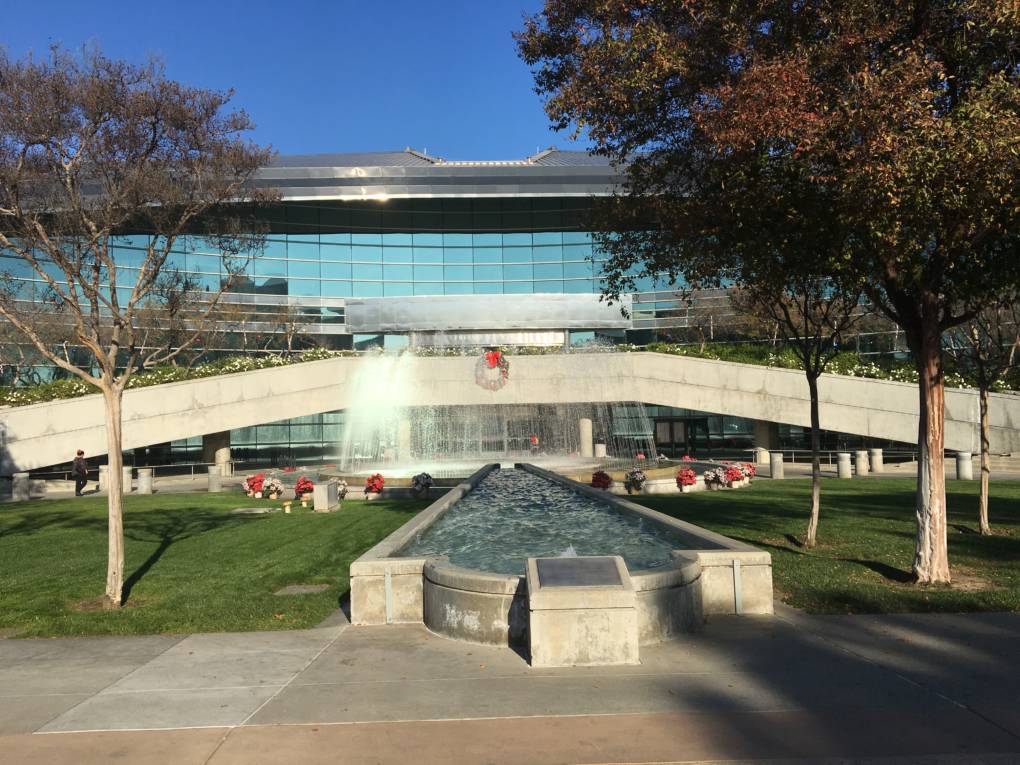
"caption": "Fresno hopes its unusual pitch attracts the attention of other corporations looking for a new home.",
"description": null,
"title": "City Hall",
"credit": "Sam Harnett/KQED",
"status": "inherit",
"isLoading": false,
"fetchFailed": false
},
"news_11626664": {
"type": "attachments",
"id": "news_11626664",
"meta": {
"index": "attachments_1716263798",
"site": "news",
"id": "11626664",
"found": true
},
"parent": 11626640,
"imgSizes": {
"small": {
"file": "https://ww2.kqed.org/app/uploads/sites/10/2017/10/RS27783_GettyImages-461843616-qut-520x345.jpg",
"width": 520,
"mimeType": "image/jpeg",
"height": 345
},
"twentyfourteen-full-width": {
"file": "https://ww2.kqed.org/app/uploads/sites/10/2017/10/RS27783_GettyImages-461843616-qut-1038x576.jpg",
"width": 1038,
"mimeType": "image/jpeg",
"height": 576
},
"thumbnail": {
"file": "https://ww2.kqed.org/app/uploads/sites/10/2017/10/RS27783_GettyImages-461843616-qut-160x106.jpg",
"width": 160,
"mimeType": "image/jpeg",
"height": 106
},
"fd-sm": {
"file": "https://ww2.kqed.org/app/uploads/sites/10/2017/10/RS27783_GettyImages-461843616-qut-960x636.jpg",
"width": 960,
"mimeType": "image/jpeg",
"height": 636
},
"post-thumbnail": {
"file": "https://ww2.kqed.org/app/uploads/sites/10/2017/10/RS27783_GettyImages-461843616-qut-672x372.jpg",
"width": 672,
"mimeType": "image/jpeg",
"height": 372
},
"xsmall": {
"file": "https://ww2.kqed.org/app/uploads/sites/10/2017/10/RS27783_GettyImages-461843616-qut-375x248.jpg",
"width": 375,
"mimeType": "image/jpeg",
"height": 248
},
"kqedFullSize": {
"file": "https://ww2.kqed.org/app/uploads/sites/10/2017/10/RS27783_GettyImages-461843616-qut.jpg",
"width": 1920,
"height": 1272
},
"large": {
"file": "https://ww2.kqed.org/app/uploads/sites/10/2017/10/RS27783_GettyImages-461843616-qut-1020x676.jpg",
"width": 1020,
"mimeType": "image/jpeg",
"height": 676
},
"xlarge": {
"file": "https://ww2.kqed.org/app/uploads/sites/10/2017/10/RS27783_GettyImages-461843616-qut-1180x782.jpg",
"width": 1180,
"mimeType": "image/jpeg",
"height": 782
},
"guest-author-50": {
"file": "https://ww2.kqed.org/app/uploads/sites/10/2017/10/RS27783_GettyImages-461843616-qut-50x50.jpg",
"width": 50,
"mimeType": "image/jpeg",
"height": 50
},
"guest-author-96": {
"file": "https://ww2.kqed.org/app/uploads/sites/10/2017/10/RS27783_GettyImages-461843616-qut-96x96.jpg",
"width": 96,
"mimeType": "image/jpeg",
"height": 96
},
"medium": {
"file": "https://ww2.kqed.org/app/uploads/sites/10/2017/10/RS27783_GettyImages-461843616-qut-800x530.jpg",
"width": 800,
"mimeType": "image/jpeg",
"height": 530
},
"guest-author-64": {
"file": "https://ww2.kqed.org/app/uploads/sites/10/2017/10/RS27783_GettyImages-461843616-qut-64x64.jpg",
"width": 64,
"mimeType": "image/jpeg",
"height": 64
},
"guest-author-32": {
"file": "https://ww2.kqed.org/app/uploads/sites/10/2017/10/RS27783_GettyImages-461843616-qut-32x32.jpg",
"width": 32,
"mimeType": "image/jpeg",
"height": 32
},
"fd-lrg": {
"file": "https://ww2.kqed.org/app/uploads/sites/10/2017/10/RS27783_GettyImages-461843616-qut-1920x1272.jpg",
"width": 1920,
"mimeType": "image/jpeg",
"height": 1272
},
"fd-med": {
"file": "https://ww2.kqed.org/app/uploads/sites/10/2017/10/RS27783_GettyImages-461843616-qut-1180x782.jpg",
"width": 1180,
"mimeType": "image/jpeg",
"height": 782
},
"full-width": {
"file": "https://ww2.kqed.org/app/uploads/sites/10/2017/10/RS27783_GettyImages-461843616-qut-1920x1272.jpg",
"width": 1920,
"mimeType": "image/jpeg",
"height": 1272
},
"detail": {
"file": "https://ww2.kqed.org/app/uploads/sites/10/2017/10/RS27783_GettyImages-461843616-qut-150x150.jpg",
"width": 150,
"mimeType": "image/jpeg",
"height": 150
},
"guest-author-128": {
"file": "https://ww2.kqed.org/app/uploads/sites/10/2017/10/RS27783_GettyImages-461843616-qut-128x128.jpg",
"width": 128,
"mimeType": "image/jpeg",
"height": 128
},
"xxsmall": {
"file": "https://ww2.kqed.org/app/uploads/sites/10/2017/10/RS27783_GettyImages-461843616-qut-240x159.jpg",
"width": 240,
"mimeType": "image/jpeg",
"height": 159
}
},
"publishDate": 1509237392,
"modified": 1509237638,
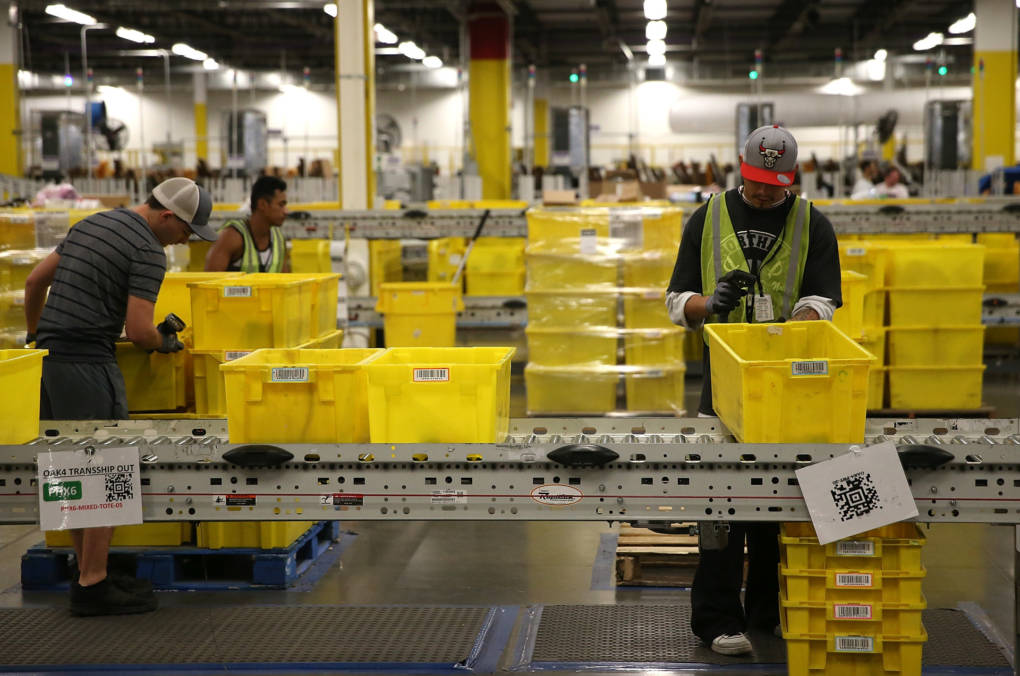
"caption": "Amazon.com workers pack orders at an Amazon fulfillment center on January 20, 2015 in Tracy, California. It uses robots but still employs more than 3,000 employees.",
"description": "Amazon.com workers pack orders at an Amazon fulfillment center on January 20, 2015 in Tracy, California. It uses robots but still employs more than 3,000 employees.",
"title": "Grand Opening Of Amazon Fulfillment Center Features State Of The Art Technology",
"credit": "Justin Sullivan/Getty Images",
"status": "inherit",
"isLoading": false,
"fetchFailed": false
},
"news_11625899": {
"type": "attachments",
"id": "news_11625899",
"meta": {
"index": "attachments_1716263798",
"site": "news",
"id": "11625899",
"found": true
},
"parent": 11625648,
"imgSizes": {
"small": {
"file": "https://ww2.kqed.org/app/uploads/sites/10/2017/10/RS27707_Fresno_cropped-qut-520x309.jpg",
"width": 520,
"mimeType": "image/jpeg",
"height": 309
},
"twentyfourteen-full-width": {
"file": "https://ww2.kqed.org/app/uploads/sites/10/2017/10/RS27707_Fresno_cropped-qut-1038x576.jpg",
"width": 1038,
"mimeType": "image/jpeg",
"height": 576
},
"thumbnail": {
"file": "https://ww2.kqed.org/app/uploads/sites/10/2017/10/RS27707_Fresno_cropped-qut-160x95.jpg",
"width": 160,
"mimeType": "image/jpeg",
"height": 95
},
"fd-sm": {
"file": "https://ww2.kqed.org/app/uploads/sites/10/2017/10/RS27707_Fresno_cropped-qut-960x570.jpg",
"width": 960,
"mimeType": "image/jpeg",
"height": 570
},
"post-thumbnail": {
"file": "https://ww2.kqed.org/app/uploads/sites/10/2017/10/RS27707_Fresno_cropped-qut-672x372.jpg",
"width": 672,
"mimeType": "image/jpeg",
"height": 372
},
"xsmall": {
"file": "https://ww2.kqed.org/app/uploads/sites/10/2017/10/RS27707_Fresno_cropped-qut-375x223.jpg",
"width": 375,
"mimeType": "image/jpeg",
"height": 223
},
"kqedFullSize": {
"file": "https://ww2.kqed.org/app/uploads/sites/10/2017/10/RS27707_Fresno_cropped-qut.jpg",
"width": 1920,
"height": 1140
},
"large": {
"file": "https://ww2.kqed.org/app/uploads/sites/10/2017/10/RS27707_Fresno_cropped-qut-1020x606.jpg",
"width": 1020,
"mimeType": "image/jpeg",
"height": 606
},
"xlarge": {
"file": "https://ww2.kqed.org/app/uploads/sites/10/2017/10/RS27707_Fresno_cropped-qut-1180x701.jpg",
"width": 1180,
"mimeType": "image/jpeg",
"height": 701
},
"guest-author-50": {
"file": "https://ww2.kqed.org/app/uploads/sites/10/2017/10/RS27707_Fresno_cropped-qut-50x50.jpg",
"width": 50,
"mimeType": "image/jpeg",
"height": 50
},
"guest-author-96": {
"file": "https://ww2.kqed.org/app/uploads/sites/10/2017/10/RS27707_Fresno_cropped-qut-96x96.jpg",
"width": 96,
"mimeType": "image/jpeg",
"height": 96
},
"medium": {
"file": "https://ww2.kqed.org/app/uploads/sites/10/2017/10/RS27707_Fresno_cropped-qut-800x475.jpg",
"width": 800,
"mimeType": "image/jpeg",
"height": 475
},
"guest-author-64": {
"file": "https://ww2.kqed.org/app/uploads/sites/10/2017/10/RS27707_Fresno_cropped-qut-64x64.jpg",
"width": 64,
"mimeType": "image/jpeg",
"height": 64
},
"guest-author-32": {
"file": "https://ww2.kqed.org/app/uploads/sites/10/2017/10/RS27707_Fresno_cropped-qut-32x32.jpg",
"width": 32,
"mimeType": "image/jpeg",
"height": 32
},
"fd-lrg": {
"file": "https://ww2.kqed.org/app/uploads/sites/10/2017/10/RS27707_Fresno_cropped-qut-1920x1140.jpg",
"width": 1920,
"mimeType": "image/jpeg",
"height": 1140
},
"fd-med": {
"file": "https://ww2.kqed.org/app/uploads/sites/10/2017/10/RS27707_Fresno_cropped-qut-1180x701.jpg",
"width": 1180,
"mimeType": "image/jpeg",
"height": 701
},
"full-width": {
"file": "https://ww2.kqed.org/app/uploads/sites/10/2017/10/RS27707_Fresno_cropped-qut-1920x1140.jpg",
"width": 1920,
"mimeType": "image/jpeg",
"height": 1140
},
"detail": {
"file": "https://ww2.kqed.org/app/uploads/sites/10/2017/10/RS27707_Fresno_cropped-qut-150x150.jpg",
"width": 150,
"mimeType": "image/jpeg",
"height": 150
},
"guest-author-128": {
"file": "https://ww2.kqed.org/app/uploads/sites/10/2017/10/RS27707_Fresno_cropped-qut-128x128.jpg",
"width": 128,
"mimeType": "image/jpeg",
"height": 128
},
"xxsmall": {
"file": "https://ww2.kqed.org/app/uploads/sites/10/2017/10/RS27707_Fresno_cropped-qut-240x143.jpg",
"width": 240,
"mimeType": "image/jpeg",
"height": 143
}
},
"publishDate": 1508954303,
"modified": 1508954344,
"caption": "Highway scene approaching Fresno, California.",
"description": null,
"title": "RS27707_Fresno_cropped-qut",
"credit": "CharlesNadeau/Flickr",
"status": "inherit",
"isLoading": false,
"fetchFailed": false
},
"bayareabites_118335": {
"type": "attachments",
"id": "bayareabites_118335",
"meta": {
"index": "attachments_1716263798",
"site": "bayareabites",
"id": "118335",
"found": true
},
"parent": 118334,
"imgSizes": {
"small": {
"file": "https://ww2.kqed.org/app/uploads/sites/24/2017/06/ap_16124505339589_custom-99393e0cf7fdc088be6b024a45ae1c2828b819e5-520x346.jpg",
"width": 520,
"mimeType": "image/jpeg",
"height": 346
},
"twentyfourteen-full-width": {
"file": "https://ww2.kqed.org/app/uploads/sites/24/2017/06/ap_16124505339589_custom-99393e0cf7fdc088be6b024a45ae1c2828b819e5-1038x576.jpg",
"width": 1038,
"mimeType": "image/jpeg",
"height": 576
},
"thumbnail": {
"file": "https://ww2.kqed.org/app/uploads/sites/24/2017/06/ap_16124505339589_custom-99393e0cf7fdc088be6b024a45ae1c2828b819e5-160x107.jpg",
"width": 160,
"mimeType": "image/jpeg",
"height": 107
},
"fd-sm": {
"file": "https://ww2.kqed.org/app/uploads/sites/24/2017/06/ap_16124505339589_custom-99393e0cf7fdc088be6b024a45ae1c2828b819e5-960x639.jpg",
"width": 960,
"mimeType": "image/jpeg",
"height": 639
},
"post-thumbnail": {
"file": "https://ww2.kqed.org/app/uploads/sites/24/2017/06/ap_16124505339589_custom-99393e0cf7fdc088be6b024a45ae1c2828b819e5-672x372.jpg",
"width": 672,
"mimeType": "image/jpeg",
"height": 372
},
"xsmall": {
"file": "https://ww2.kqed.org/app/uploads/sites/24/2017/06/ap_16124505339589_custom-99393e0cf7fdc088be6b024a45ae1c2828b819e5-375x250.jpg",
"width": 375,
"mimeType": "image/jpeg",
"height": 250
},
"kqedFullSize": {
"file": "https://ww2.kqed.org/app/uploads/sites/24/2017/06/ap_16124505339589_custom-99393e0cf7fdc088be6b024a45ae1c2828b819e5.jpg",
"width": 4500,
"height": 2997
},
"large": {
"file": "https://ww2.kqed.org/app/uploads/sites/24/2017/06/ap_16124505339589_custom-99393e0cf7fdc088be6b024a45ae1c2828b819e5-1020x679.jpg",
"width": 1020,
"mimeType": "image/jpeg",
"height": 679
},
"xlarge": {
"file": "https://ww2.kqed.org/app/uploads/sites/24/2017/06/ap_16124505339589_custom-99393e0cf7fdc088be6b024a45ae1c2828b819e5-1180x786.jpg",
"width": 1180,
"mimeType": "image/jpeg",
"height": 786
},
"guest-author-50": {
"file": "https://ww2.kqed.org/app/uploads/sites/24/2017/06/ap_16124505339589_custom-99393e0cf7fdc088be6b024a45ae1c2828b819e5-50x50.jpg",
"width": 50,
"mimeType": "image/jpeg",
"height": 50
},
"guest-author-96": {
"file": "https://ww2.kqed.org/app/uploads/sites/24/2017/06/ap_16124505339589_custom-99393e0cf7fdc088be6b024a45ae1c2828b819e5-96x96.jpg",
"width": 96,
"mimeType": "image/jpeg",
"height": 96
},
"medium": {
"file": "https://ww2.kqed.org/app/uploads/sites/24/2017/06/ap_16124505339589_custom-99393e0cf7fdc088be6b024a45ae1c2828b819e5-800x533.jpg",
"width": 800,
"mimeType": "image/jpeg",
"height": 533
},
"guest-author-64": {
"file": "https://ww2.kqed.org/app/uploads/sites/24/2017/06/ap_16124505339589_custom-99393e0cf7fdc088be6b024a45ae1c2828b819e5-64x64.jpg",
"width": 64,
"mimeType": "image/jpeg",
"height": 64
},
"guest-author-32": {
"file": "https://ww2.kqed.org/app/uploads/sites/24/2017/06/ap_16124505339589_custom-99393e0cf7fdc088be6b024a45ae1c2828b819e5-32x32.jpg",
"width": 32,
"mimeType": "image/jpeg",
"height": 32
},
"fd-lrg": {
"file": "https://ww2.kqed.org/app/uploads/sites/24/2017/06/ap_16124505339589_custom-99393e0cf7fdc088be6b024a45ae1c2828b819e5-1920x1279.jpg",
"width": 1920,
"mimeType": "image/jpeg",
"height": 1279
},
"fd-med": {
"file": "https://ww2.kqed.org/app/uploads/sites/24/2017/06/ap_16124505339589_custom-99393e0cf7fdc088be6b024a45ae1c2828b819e5-1180x786.jpg",
"width": 1180,
"mimeType": "image/jpeg",
"height": 786
},
"full-width": {
"file": "https://ww2.kqed.org/app/uploads/sites/24/2017/06/ap_16124505339589_custom-99393e0cf7fdc088be6b024a45ae1c2828b819e5-1920x1279.jpg",
"width": 1920,
"mimeType": "image/jpeg",
"height": 1279
},
"detail": {
"file": "https://ww2.kqed.org/app/uploads/sites/24/2017/06/ap_16124505339589_custom-99393e0cf7fdc088be6b024a45ae1c2828b819e5-150x150.jpg",
"width": 150,
"mimeType": "image/jpeg",
"height": 150
},
"medium_large": {
"file": "https://ww2.kqed.org/app/uploads/sites/24/2017/06/ap_16124505339589_custom-99393e0cf7fdc088be6b024a45ae1c2828b819e5-768x511.jpg",
"width": 768,
"mimeType": "image/jpeg",
"height": 511
},
"guest-author-128": {
"file": "https://ww2.kqed.org/app/uploads/sites/24/2017/06/ap_16124505339589_custom-99393e0cf7fdc088be6b024a45ae1c2828b819e5-128x128.jpg",
"width": 128,
"mimeType": "image/jpeg",
"height": 128
},
"xxsmall": {
"file": "https://ww2.kqed.org/app/uploads/sites/24/2017/06/ap_16124505339589_custom-99393e0cf7fdc088be6b024a45ae1c2828b819e5-240x160.jpg",
"width": 240,
"mimeType": "image/jpeg",
"height": 160
}
},
"publishDate": 1497622168,
"modified": 1497622271,
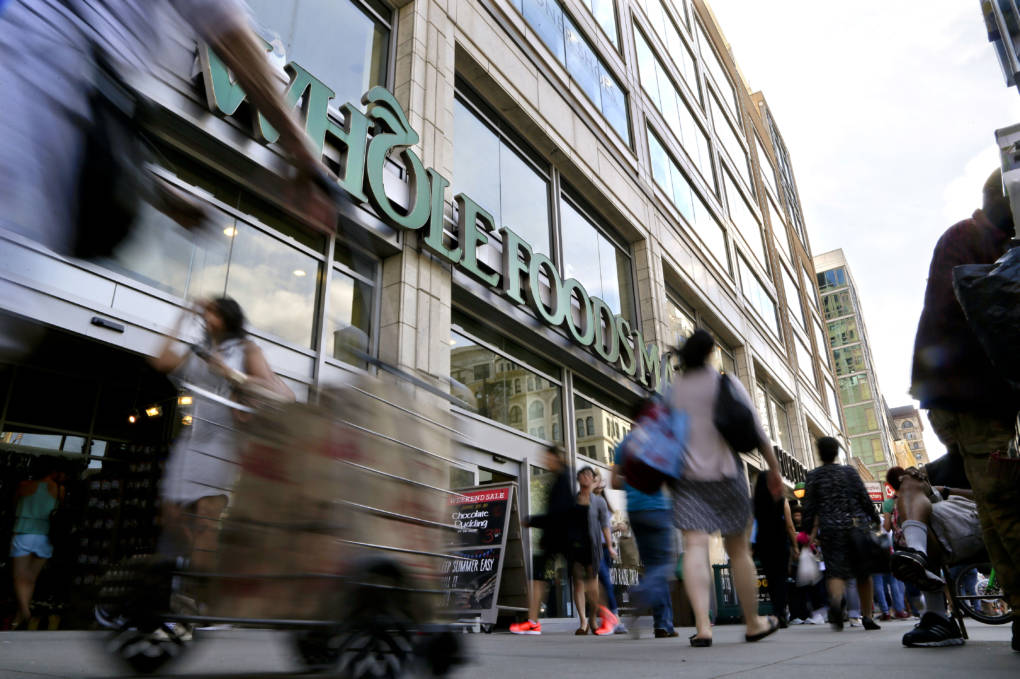
"caption": "Pedestrians pass in front of a Whole Foods Market store in Union Square, in New York, in 2015.",
"description": "Pedestrians pass in front of a Whole Foods Market store in Union Square, in New York, in 2015.",
"title": "Pedestrians pass in front of a Whole Foods Market store in Union Square, in New York, in 2015.",
"credit": "Julie Jacobson/AP",
"status": "inherit",
"isLoading": false,
"fetchFailed": false
},
"news_11506774": {
"type": "attachments",
"id": "news_11506774",
"meta": {
"index": "attachments_1716263798",
"site": "news",
"id": "11506774",
"found": true
},
"parent": 11506689,
"imgSizes": {
"small": {
"file": "https://ww2.kqed.org/app/uploads/sites/10/2017/06/DC_1-1-520x293.jpg",
"width": 520,
"mimeType": "image/jpeg",
"height": 293
},
"twentyfourteen-full-width": {
"file": "https://ww2.kqed.org/app/uploads/sites/10/2017/06/DC_1-1-1038x576.jpg",
"width": 1038,
"mimeType": "image/jpeg",
"height": 576
},
"thumbnail": {
"file": "https://ww2.kqed.org/app/uploads/sites/10/2017/06/DC_1-1-160x90.jpg",
"width": 160,
"mimeType": "image/jpeg",
"height": 90
},
"fd-sm": {
"file": "https://ww2.kqed.org/app/uploads/sites/10/2017/06/DC_1-1-960x540.jpg",
"width": 960,
"mimeType": "image/jpeg",
"height": 540
},
"post-thumbnail": {
"file": "https://ww2.kqed.org/app/uploads/sites/10/2017/06/DC_1-1-672x372.jpg",
"width": 672,
"mimeType": "image/jpeg",
"height": 372
},
"xsmall": {
"file": "https://ww2.kqed.org/app/uploads/sites/10/2017/06/DC_1-1-375x211.jpg",
"width": 375,
"mimeType": "image/jpeg",
"height": 211
},
"kqedFullSize": {
"file": "https://ww2.kqed.org/app/uploads/sites/10/2017/06/DC_1-1.jpg",
"width": 1920,
"height": 1080
},
"large": {
"file": "https://ww2.kqed.org/app/uploads/sites/10/2017/06/DC_1-1-1020x574.jpg",
"width": 1020,
"mimeType": "image/jpeg",
"height": 574
},
"xlarge": {
"file": "https://ww2.kqed.org/app/uploads/sites/10/2017/06/DC_1-1-1180x664.jpg",
"width": 1180,
"mimeType": "image/jpeg",
"height": 664
},
"guest-author-50": {
"file": "https://ww2.kqed.org/app/uploads/sites/10/2017/06/DC_1-1-50x50.jpg",
"width": 50,
"mimeType": "image/jpeg",
"height": 50
},
"guest-author-96": {
"file": "https://ww2.kqed.org/app/uploads/sites/10/2017/06/DC_1-1-96x96.jpg",
"width": 96,
"mimeType": "image/jpeg",
"height": 96
},
"medium": {
"file": "https://ww2.kqed.org/app/uploads/sites/10/2017/06/DC_1-1-800x450.jpg",
"width": 800,
"mimeType": "image/jpeg",
"height": 450
},
"guest-author-64": {
"file": "https://ww2.kqed.org/app/uploads/sites/10/2017/06/DC_1-1-64x64.jpg",
"width": 64,
"mimeType": "image/jpeg",
"height": 64
},
"guest-author-32": {
"file": "https://ww2.kqed.org/app/uploads/sites/10/2017/06/DC_1-1-32x32.jpg",
"width": 32,
"mimeType": "image/jpeg",
"height": 32
},
"fd-lrg": {
"file": "https://ww2.kqed.org/app/uploads/sites/10/2017/06/DC_1-1-1920x1080.jpg",
"width": 1920,
"mimeType": "image/jpeg",
"height": 1080
},
"fd-med": {
"file": "https://ww2.kqed.org/app/uploads/sites/10/2017/06/DC_1-1-1180x664.jpg",
"width": 1180,
"mimeType": "image/jpeg",
"height": 664
},
"full-width": {
"file": "https://ww2.kqed.org/app/uploads/sites/10/2017/06/DC_1-1-1920x1080.jpg",
"width": 1920,
"mimeType": "image/jpeg",
"height": 1080
},
"detail": {
"file": "https://ww2.kqed.org/app/uploads/sites/10/2017/06/DC_1-1-150x150.jpg",
"width": 150,
"mimeType": "image/jpeg",
"height": 150
},
"guest-author-128": {
"file": "https://ww2.kqed.org/app/uploads/sites/10/2017/06/DC_1-1-128x128.jpg",
"width": 128,
"mimeType": "image/jpeg",
"height": 128
},
"xxsmall": {
"file": "https://ww2.kqed.org/app/uploads/sites/10/2017/06/DC_1-1-240x135.jpg",
"width": 240,
"mimeType": "image/jpeg",
"height": 135
}
},
"publishDate": 1497310391,
"modified": 1497312166,
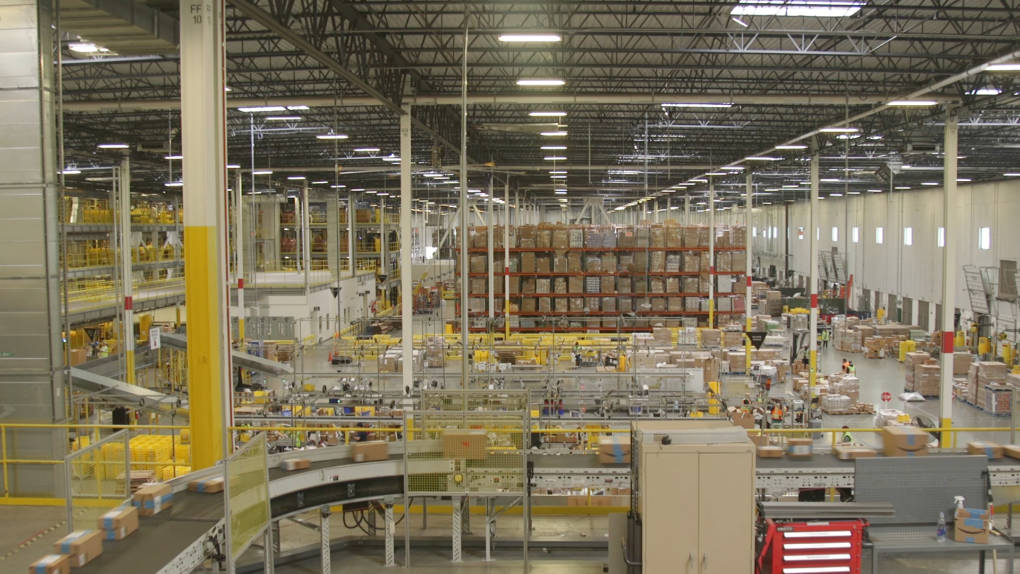
"caption": "A distribution warehouse.",
"description": null,
"title": "DC_1",
"credit": "Erasmo Martinez/KQED",
"status": "inherit",
"isLoading": false,
"fetchFailed": false
},
"news_11496913": {
"type": "attachments",
"id": "news_11496913",
"meta": {
"index": "attachments_1716263798",
"site": "news",
"id": "11496913",
"found": true
},
"parent": 11491029,
"imgSizes": {
"small": {
"file": "https://ww2.kqed.org/app/uploads/sites/10/2017/06/RS25568_DC_3-qut-520x293.jpg",
"width": 520,
"mimeType": "image/jpeg",
"height": 293
},
"twentyfourteen-full-width": {
"file": "https://ww2.kqed.org/app/uploads/sites/10/2017/06/RS25568_DC_3-qut-1038x576.jpg",
"width": 1038,
"mimeType": "image/jpeg",
"height": 576
},
"thumbnail": {
"file": "https://ww2.kqed.org/app/uploads/sites/10/2017/06/RS25568_DC_3-qut-160x90.jpg",
"width": 160,
"mimeType": "image/jpeg",
"height": 90
},
"fd-sm": {
"file": "https://ww2.kqed.org/app/uploads/sites/10/2017/06/RS25568_DC_3-qut-960x540.jpg",
"width": 960,
"mimeType": "image/jpeg",
"height": 540
},
"post-thumbnail": {
"file": "https://ww2.kqed.org/app/uploads/sites/10/2017/06/RS25568_DC_3-qut-672x372.jpg",
"width": 672,
"mimeType": "image/jpeg",
"height": 372
},
"xsmall": {
"file": "https://ww2.kqed.org/app/uploads/sites/10/2017/06/RS25568_DC_3-qut-375x211.jpg",
"width": 375,
"mimeType": "image/jpeg",
"height": 211
},
"kqedFullSize": {
"file": "https://ww2.kqed.org/app/uploads/sites/10/2017/06/RS25568_DC_3-qut.jpg",
"width": 1920,
"height": 1080
},
"large": {
"file": "https://ww2.kqed.org/app/uploads/sites/10/2017/06/RS25568_DC_3-qut-1020x574.jpg",
"width": 1020,
"mimeType": "image/jpeg",
"height": 574
},
"xlarge": {
"file": "https://ww2.kqed.org/app/uploads/sites/10/2017/06/RS25568_DC_3-qut-1180x664.jpg",
"width": 1180,
"mimeType": "image/jpeg",
"height": 664
},
"guest-author-50": {
"file": "https://ww2.kqed.org/app/uploads/sites/10/2017/06/RS25568_DC_3-qut-50x50.jpg",
"width": 50,
"mimeType": "image/jpeg",
"height": 50
},
"guest-author-96": {
"file": "https://ww2.kqed.org/app/uploads/sites/10/2017/06/RS25568_DC_3-qut-96x96.jpg",
"width": 96,
"mimeType": "image/jpeg",
"height": 96
},
"medium": {
"file": "https://ww2.kqed.org/app/uploads/sites/10/2017/06/RS25568_DC_3-qut-800x450.jpg",
"width": 800,
"mimeType": "image/jpeg",
"height": 450
},
"guest-author-64": {
"file": "https://ww2.kqed.org/app/uploads/sites/10/2017/06/RS25568_DC_3-qut-64x64.jpg",
"width": 64,
"mimeType": "image/jpeg",
"height": 64
},
"guest-author-32": {
"file": "https://ww2.kqed.org/app/uploads/sites/10/2017/06/RS25568_DC_3-qut-32x32.jpg",
"width": 32,
"mimeType": "image/jpeg",
"height": 32
},
"fd-lrg": {
"file": "https://ww2.kqed.org/app/uploads/sites/10/2017/06/RS25568_DC_3-qut-1920x1080.jpg",
"width": 1920,
"mimeType": "image/jpeg",
"height": 1080
},
"fd-med": {
"file": "https://ww2.kqed.org/app/uploads/sites/10/2017/06/RS25568_DC_3-qut-1180x664.jpg",
"width": 1180,
"mimeType": "image/jpeg",
"height": 664
},
"full-width": {
"file": "https://ww2.kqed.org/app/uploads/sites/10/2017/06/RS25568_DC_3-qut-1920x1080.jpg",
"width": 1920,
"mimeType": "image/jpeg",
"height": 1080
},
"detail": {
"file": "https://ww2.kqed.org/app/uploads/sites/10/2017/06/RS25568_DC_3-qut-150x150.jpg",
"width": 150,
"mimeType": "image/jpeg",
"height": 150
},
"guest-author-128": {
"file": "https://ww2.kqed.org/app/uploads/sites/10/2017/06/RS25568_DC_3-qut-128x128.jpg",
"width": 128,
"mimeType": "image/jpeg",
"height": 128
},
"xxsmall": {
"file": "https://ww2.kqed.org/app/uploads/sites/10/2017/06/RS25568_DC_3-qut-240x135.jpg",
"width": 240,
"mimeType": "image/jpeg",
"height": 135
}
},
"publishDate": 1496771991,
"modified": 1509238228,
"caption": "Amazon's orange robots move items all over the company's Tracy fulfillment center, increasing efficiency and helping speed stuff to consumers.",
"description": null,
"title": "RS25568_DC_3-qut",
"credit": "Erasmo Martinez/KQED",
"status": "inherit",
"isLoading": false,
"fetchFailed": false
},
"news_11498376": {
"type": "attachments",
"id": "news_11498376",
"meta": {
"index": "attachments_1716263798",
"site": "news",
"id": "11498376",
"found": true
},
"parent": 11489513,
"imgSizes": {
"small": {
"file": "https://ww2.kqed.org/app/uploads/sites/10/2017/06/Amazon_DC_9-qut-520x293.jpg",
"width": 520,
"mimeType": "image/jpeg",
"height": 293
},
"twentyfourteen-full-width": {
"file": "https://ww2.kqed.org/app/uploads/sites/10/2017/06/Amazon_DC_9-qut-1038x576.jpg",
"width": 1038,
"mimeType": "image/jpeg",
"height": 576
},
"thumbnail": {
"file": "https://ww2.kqed.org/app/uploads/sites/10/2017/06/Amazon_DC_9-qut-160x90.jpg",
"width": 160,
"mimeType": "image/jpeg",
"height": 90
},
"fd-sm": {
"file": "https://ww2.kqed.org/app/uploads/sites/10/2017/06/Amazon_DC_9-qut-960x540.jpg",
"width": 960,
"mimeType": "image/jpeg",
"height": 540
},
"post-thumbnail": {
"file": "https://ww2.kqed.org/app/uploads/sites/10/2017/06/Amazon_DC_9-qut-672x372.jpg",
"width": 672,
"mimeType": "image/jpeg",
"height": 372
},
"xsmall": {
"file": "https://ww2.kqed.org/app/uploads/sites/10/2017/06/Amazon_DC_9-qut-375x211.jpg",
"width": 375,
"mimeType": "image/jpeg",
"height": 211
},
"kqedFullSize": {
"file": "https://ww2.kqed.org/app/uploads/sites/10/2017/06/Amazon_DC_9-qut.jpg",
"width": 1920,
"height": 1080
},
"large": {
"file": "https://ww2.kqed.org/app/uploads/sites/10/2017/06/Amazon_DC_9-qut-1020x574.jpg",
"width": 1020,
"mimeType": "image/jpeg",
"height": 574
},
"xlarge": {
"file": "https://ww2.kqed.org/app/uploads/sites/10/2017/06/Amazon_DC_9-qut-1180x664.jpg",
"width": 1180,
"mimeType": "image/jpeg",
"height": 664
},
"guest-author-50": {
"file": "https://ww2.kqed.org/app/uploads/sites/10/2017/06/Amazon_DC_9-qut-50x50.jpg",
"width": 50,
"mimeType": "image/jpeg",
"height": 50
},
"guest-author-96": {
"file": "https://ww2.kqed.org/app/uploads/sites/10/2017/06/Amazon_DC_9-qut-96x96.jpg",
"width": 96,
"mimeType": "image/jpeg",
"height": 96
},
"medium": {
"file": "https://ww2.kqed.org/app/uploads/sites/10/2017/06/Amazon_DC_9-qut-800x450.jpg",
"width": 800,
"mimeType": "image/jpeg",
"height": 450
},
"guest-author-64": {
"file": "https://ww2.kqed.org/app/uploads/sites/10/2017/06/Amazon_DC_9-qut-64x64.jpg",
"width": 64,
"mimeType": "image/jpeg",
"height": 64
},
"guest-author-32": {
"file": "https://ww2.kqed.org/app/uploads/sites/10/2017/06/Amazon_DC_9-qut-32x32.jpg",
"width": 32,
"mimeType": "image/jpeg",
"height": 32
},
"fd-lrg": {
"file": "https://ww2.kqed.org/app/uploads/sites/10/2017/06/Amazon_DC_9-qut-1920x1080.jpg",
"width": 1920,
"mimeType": "image/jpeg",
"height": 1080
},
"fd-med": {
"file": "https://ww2.kqed.org/app/uploads/sites/10/2017/06/Amazon_DC_9-qut-1180x664.jpg",
"width": 1180,
"mimeType": "image/jpeg",
"height": 664
},
"full-width": {
"file": "https://ww2.kqed.org/app/uploads/sites/10/2017/06/Amazon_DC_9-qut-1920x1080.jpg",
"width": 1920,
"mimeType": "image/jpeg",
"height": 1080
},
"detail": {
"file": "https://ww2.kqed.org/app/uploads/sites/10/2017/06/Amazon_DC_9-qut-150x150.jpg",
"width": 150,
"mimeType": "image/jpeg",
"height": 150
},
"guest-author-128": {
"file": "https://ww2.kqed.org/app/uploads/sites/10/2017/06/Amazon_DC_9-qut-128x128.jpg",
"width": 128,
"mimeType": "image/jpeg",
"height": 128
},
"xxsmall": {
"file": "https://ww2.kqed.org/app/uploads/sites/10/2017/06/Amazon_DC_9-qut-240x135.jpg",
"width": 240,
"mimeType": "image/jpeg",
"height": 135
}
},
"publishDate": 1496855203,
"modified": 1496855257,
"caption": "Distribution jobs increased rapidly in the past three years. Cities in the Central Valley, like Tracy and Patterson, are home to these jobs and training programs for warehouse positions.",
"description": null,
"title": "Amazon_DC_9-qut",
"credit": "Erasmo Martinez/KQED",
"status": "inherit",
"isLoading": false,
"fetchFailed": false
},
"news_11387375": {
"type": "attachments",
"id": "news_11387375",
"meta": {
"index": "attachments_1716263798",
"site": "news",
"id": "11387375",
"found": true
},
"parent": 11377725,
"imgSizes": {
"small": {
"file": "https://ww2.kqed.org/app/uploads/sites/10/2017/03/Amazon-qut-1-520x284.jpg",
"width": 520,
"mimeType": "image/jpeg",
"height": 284
},
"twentyfourteen-full-width": {
"file": "https://ww2.kqed.org/app/uploads/sites/10/2017/03/Amazon-qut-1-1038x576.jpg",
"width": 1038,
"mimeType": "image/jpeg",
"height": 576
},
"thumbnail": {
"file": "https://ww2.kqed.org/app/uploads/sites/10/2017/03/Amazon-qut-1-160x87.jpg",
"width": 160,
"mimeType": "image/jpeg",
"height": 87
},
"fd-sm": {
"file": "https://ww2.kqed.org/app/uploads/sites/10/2017/03/Amazon-qut-1-960x524.jpg",
"width": 960,
"mimeType": "image/jpeg",
"height": 524
},
"post-thumbnail": {
"file": "https://ww2.kqed.org/app/uploads/sites/10/2017/03/Amazon-qut-1-672x372.jpg",
"width": 672,
"mimeType": "image/jpeg",
"height": 372
},
"xsmall": {
"file": "https://ww2.kqed.org/app/uploads/sites/10/2017/03/Amazon-qut-1-375x204.jpg",
"width": 375,
"mimeType": "image/jpeg",
"height": 204
},
"kqedFullSize": {
"file": "https://ww2.kqed.org/app/uploads/sites/10/2017/03/Amazon-qut-1.jpg",
"width": 1920,
"height": 1047
},
"large": {
"file": "https://ww2.kqed.org/app/uploads/sites/10/2017/03/Amazon-qut-1-1020x556.jpg",
"width": 1020,
"mimeType": "image/jpeg",
"height": 556
},
"xlarge": {
"file": "https://ww2.kqed.org/app/uploads/sites/10/2017/03/Amazon-qut-1-1180x643.jpg",
"width": 1180,
"mimeType": "image/jpeg",
"height": 643
},
"guest-author-50": {
"file": "https://ww2.kqed.org/app/uploads/sites/10/2017/03/Amazon-qut-1-50x50.jpg",
"width": 50,
"mimeType": "image/jpeg",
"height": 50
},
"guest-author-96": {
"file": "https://ww2.kqed.org/app/uploads/sites/10/2017/03/Amazon-qut-1-96x96.jpg",
"width": 96,
"mimeType": "image/jpeg",
"height": 96
},
"medium": {
"file": "https://ww2.kqed.org/app/uploads/sites/10/2017/03/Amazon-qut-1-800x436.jpg",
"width": 800,
"mimeType": "image/jpeg",
"height": 436
},
"guest-author-64": {
"file": "https://ww2.kqed.org/app/uploads/sites/10/2017/03/Amazon-qut-1-64x64.jpg",
"width": 64,
"mimeType": "image/jpeg",
"height": 64
},
"guest-author-32": {
"file": "https://ww2.kqed.org/app/uploads/sites/10/2017/03/Amazon-qut-1-32x32.jpg",
"width": 32,
"mimeType": "image/jpeg",
"height": 32
},
"fd-lrg": {
"file": "https://ww2.kqed.org/app/uploads/sites/10/2017/03/Amazon-qut-1-1920x1047.jpg",
"width": 1920,
"mimeType": "image/jpeg",
"height": 1047
},
"fd-med": {
"file": "https://ww2.kqed.org/app/uploads/sites/10/2017/03/Amazon-qut-1-1180x643.jpg",
"width": 1180,
"mimeType": "image/jpeg",
"height": 643
},
"full-width": {
"file": "https://ww2.kqed.org/app/uploads/sites/10/2017/03/Amazon-qut-1-1920x1047.jpg",
"width": 1920,
"mimeType": "image/jpeg",
"height": 1047
},
"detail": {
"file": "https://ww2.kqed.org/app/uploads/sites/10/2017/03/Amazon-qut-1-150x150.jpg",
"width": 150,
"mimeType": "image/jpeg",
"height": 150
},
"guest-author-128": {
"file": "https://ww2.kqed.org/app/uploads/sites/10/2017/03/Amazon-qut-1-128x128.jpg",
"width": 128,
"mimeType": "image/jpeg",
"height": 128
},
"xxsmall": {
"file": "https://ww2.kqed.org/app/uploads/sites/10/2017/03/Amazon-qut-1-240x131.jpg",
"width": 240,
"mimeType": "image/jpeg",
"height": 131
}
},
"publishDate": 1491103372,
"modified": 1491103421,
"caption": " The Amazon Fulfilment Centre prepares for Black Friday on Nov. 25, 2015 in Hemel Hempstead, England. ",
"description": null,
"title": "Amazon-qut",
"credit": "Photo by Jeff Spicer/Getty Images",
"status": "inherit",
"isLoading": false,
"fetchFailed": false
},
"news_11243383": {
"type": "attachments",
"id": "news_11243383",
"meta": {
"index": "attachments_1716263798",
"site": "news",
"id": "11243383",
"found": true
},
"parent": 11243382,
"imgSizes": {
"small": {
"file": "https://ww2.kqed.org/app/uploads/sites/10/2016/12/gettyimages-605578782-4ae7df09932e8fb34df294a6978dc09efd484c3f-520x389.jpg",
"width": 520,
"mimeType": "image/jpeg",
"height": 389
},
"twentyfourteen-full-width": {
"file": "https://ww2.kqed.org/app/uploads/sites/10/2016/12/gettyimages-605578782-4ae7df09932e8fb34df294a6978dc09efd484c3f-1038x576.jpg",
"width": 1038,
"mimeType": "image/jpeg",
"height": 576
},
"thumbnail": {
"file": "https://ww2.kqed.org/app/uploads/sites/10/2016/12/gettyimages-605578782-4ae7df09932e8fb34df294a6978dc09efd484c3f-160x120.jpg",
"width": 160,
"mimeType": "image/jpeg",
"height": 120
},
"fd-sm": {
"file": "https://ww2.kqed.org/app/uploads/sites/10/2016/12/gettyimages-605578782-4ae7df09932e8fb34df294a6978dc09efd484c3f-960x719.jpg",
"width": 960,
"mimeType": "image/jpeg",
"height": 719
},
"post-thumbnail": {
"file": "https://ww2.kqed.org/app/uploads/sites/10/2016/12/gettyimages-605578782-4ae7df09932e8fb34df294a6978dc09efd484c3f-672x372.jpg",
"width": 672,
"mimeType": "image/jpeg",
"height": 372
},
"xsmall": {
"file": "https://ww2.kqed.org/app/uploads/sites/10/2016/12/gettyimages-605578782-4ae7df09932e8fb34df294a6978dc09efd484c3f-375x281.jpg",
"width": 375,
"mimeType": "image/jpeg",
"height": 281
},
"kqedFullSize": {
"file": "https://ww2.kqed.org/app/uploads/sites/10/2016/12/gettyimages-605578782-4ae7df09932e8fb34df294a6978dc09efd484c3f.jpg",
"width": 3561,
"height": 2667
},
"large": {
"file": "https://ww2.kqed.org/app/uploads/sites/10/2016/12/gettyimages-605578782-4ae7df09932e8fb34df294a6978dc09efd484c3f-1020x764.jpg",
"width": 1020,
"mimeType": "image/jpeg",
"height": 764
},
"xlarge": {
"file": "https://ww2.kqed.org/app/uploads/sites/10/2016/12/gettyimages-605578782-4ae7df09932e8fb34df294a6978dc09efd484c3f-1180x884.jpg",
"width": 1180,
"mimeType": "image/jpeg",
"height": 884
},
"guest-author-50": {
"file": "https://ww2.kqed.org/app/uploads/sites/10/2016/12/gettyimages-605578782-4ae7df09932e8fb34df294a6978dc09efd484c3f-50x50.jpg",
"width": 50,
"mimeType": "image/jpeg",
"height": 50
},
"guest-author-96": {
"file": "https://ww2.kqed.org/app/uploads/sites/10/2016/12/gettyimages-605578782-4ae7df09932e8fb34df294a6978dc09efd484c3f-96x96.jpg",
"width": 96,
"mimeType": "image/jpeg",
"height": 96
},
"medium": {
"file": "https://ww2.kqed.org/app/uploads/sites/10/2016/12/gettyimages-605578782-4ae7df09932e8fb34df294a6978dc09efd484c3f-800x599.jpg",
"width": 800,
"mimeType": "image/jpeg",
"height": 599
},
"guest-author-64": {
"file": "https://ww2.kqed.org/app/uploads/sites/10/2016/12/gettyimages-605578782-4ae7df09932e8fb34df294a6978dc09efd484c3f-64x64.jpg",
"width": 64,
"mimeType": "image/jpeg",
"height": 64
},
"guest-author-32": {
"file": "https://ww2.kqed.org/app/uploads/sites/10/2016/12/gettyimages-605578782-4ae7df09932e8fb34df294a6978dc09efd484c3f-32x32.jpg",
"width": 32,
"mimeType": "image/jpeg",
"height": 32
},
"jmtc-small-thumb": {
"file": "https://ww2.kqed.org/app/uploads/sites/10/2016/12/gettyimages-605578782-4ae7df09932e8fb34df294a6978dc09efd484c3f-280x150.jpg",
"width": 280,
"mimeType": "image/jpeg",
"height": 150
},
"fd-lrg": {
"file": "https://ww2.kqed.org/app/uploads/sites/10/2016/12/gettyimages-605578782-4ae7df09932e8fb34df294a6978dc09efd484c3f-1920x1438.jpg",
"width": 1920,
"mimeType": "image/jpeg",
"height": 1438
},
"fd-med": {
"file": "https://ww2.kqed.org/app/uploads/sites/10/2016/12/gettyimages-605578782-4ae7df09932e8fb34df294a6978dc09efd484c3f-1180x884.jpg",
"width": 1180,
"mimeType": "image/jpeg",
"height": 884
},
"full-width": {
"file": "https://ww2.kqed.org/app/uploads/sites/10/2016/12/gettyimages-605578782-4ae7df09932e8fb34df294a6978dc09efd484c3f-1920x1438.jpg",
"width": 1920,
"mimeType": "image/jpeg",
"height": 1438
},
"detail": {
"file": "https://ww2.kqed.org/app/uploads/sites/10/2016/12/gettyimages-605578782-4ae7df09932e8fb34df294a6978dc09efd484c3f-150x150.jpg",
"width": 150,
"mimeType": "image/jpeg",
"height": 150
},
"guest-author-128": {
"file": "https://ww2.kqed.org/app/uploads/sites/10/2016/12/gettyimages-605578782-4ae7df09932e8fb34df294a6978dc09efd484c3f-128x128.jpg",
"width": 128,
"mimeType": "image/jpeg",
"height": 128
},
"xxsmall": {
"file": "https://ww2.kqed.org/app/uploads/sites/10/2016/12/gettyimages-605578782-4ae7df09932e8fb34df294a6978dc09efd484c3f-240x180.jpg",
"width": 240,
"mimeType": "image/jpeg",
"height": 180
}
},
"publishDate": 1483040049,
"modified": 1483050745,
"caption": "Amazon's personal assistant device, Echo, powered by the voice recognition program Alexa, is one of the most popular gifts this holiday season.",
"description": "Amazon's personal assistant device Echo, powered by the voice recognition program Alexa, is one of the most popular gifts this holiday season.",
"title": "Amazon's personal assistant device Echo, powered by the voice recognition program Alexa, is one of the most popular gifts this holiday season.",
"credit": "Luke MacGregor/Bloomberg/Getty Images",
"status": "inherit",
"isLoading": false,
"fetchFailed": false
},
"news_10776810": {
"type": "attachments",
"id": "news_10776810",
"meta": {
"index": "attachments_1716263798",
"site": "news",
"id": "10776810",
"found": true
},
"parent": 10776809,
"imgSizes": {
"twentyfourteen-full-width": {
"file": "https://ww2.kqed.org/app/uploads/sites/10/2015/11/amazon2_wide-b412655450c4281c06bf164c084a8ce768a02b76-1038x576.jpg",
"width": 1038,
"mimeType": "image/jpeg",
"height": 576
},
"thumbnail": {
"file": "https://ww2.kqed.org/app/uploads/sites/10/2015/11/amazon2_wide-b412655450c4281c06bf164c084a8ce768a02b76-400x225.jpg",
"width": 400,
"mimeType": "image/jpeg",
"height": 225
},
"fd-sm": {
"file": "https://ww2.kqed.org/app/uploads/sites/10/2015/11/amazon2_wide-b412655450c4281c06bf164c084a8ce768a02b76-960x540.jpg",
"width": 960,
"mimeType": "image/jpeg",
"height": 540
},
"post-thumbnail": {
"file": "https://ww2.kqed.org/app/uploads/sites/10/2015/11/amazon2_wide-b412655450c4281c06bf164c084a8ce768a02b76-672x372.jpg",
"width": 672,
"mimeType": "image/jpeg",
"height": 372
},
"kqedFullSize": {
"file": "https://ww2.kqed.org/app/uploads/sites/10/2015/11/amazon2_wide-b412655450c4281c06bf164c084a8ce768a02b76-e1452733250839.jpg",
"width": 1920,
"height": 1080
},
"large": {
"file": "https://ww2.kqed.org/app/uploads/sites/10/2015/11/amazon2_wide-b412655450c4281c06bf164c084a8ce768a02b76-1440x810.jpg",
"width": 1440,
"mimeType": "image/jpeg",
"height": 810
},
"guest-author-96": {
"file": "https://ww2.kqed.org/app/uploads/sites/10/2015/11/amazon2_wide-b412655450c4281c06bf164c084a8ce768a02b76-96x96.jpg",
"width": 96,
"mimeType": "image/jpeg",
"height": 96
},
"medium": {
"file": "https://ww2.kqed.org/app/uploads/sites/10/2015/11/amazon2_wide-b412655450c4281c06bf164c084a8ce768a02b76-800x450.jpg",
"width": 800,
"mimeType": "image/jpeg",
"height": 450
},
"guest-author-64": {
"file": "https://ww2.kqed.org/app/uploads/sites/10/2015/11/amazon2_wide-b412655450c4281c06bf164c084a8ce768a02b76-64x64.jpg",
"width": 64,
"mimeType": "image/jpeg",
"height": 64
},
"guest-author-32": {
"file": "https://ww2.kqed.org/app/uploads/sites/10/2015/11/amazon2_wide-b412655450c4281c06bf164c084a8ce768a02b76-32x32.jpg",
"width": 32,
"mimeType": "image/jpeg",
"height": 32
},
"jmtc-small-thumb": {
"file": "https://ww2.kqed.org/app/uploads/sites/10/2015/11/amazon2_wide-b412655450c4281c06bf164c084a8ce768a02b76-280x150.jpg",
"width": 280,
"mimeType": "image/jpeg",
"height": 150
},
"fd-lrg": {
"file": "https://ww2.kqed.org/app/uploads/sites/10/2015/11/amazon2_wide-b412655450c4281c06bf164c084a8ce768a02b76-1920x1080.jpg",
"width": 1920,
"mimeType": "image/jpeg",
"height": 1080
},
"fd-med": {
"file": "https://ww2.kqed.org/app/uploads/sites/10/2015/11/amazon2_wide-b412655450c4281c06bf164c084a8ce768a02b76-1180x664.jpg",
"width": 1180,
"mimeType": "image/jpeg",
"height": 664
},
"detail": {
"file": "https://ww2.kqed.org/app/uploads/sites/10/2015/11/amazon2_wide-b412655450c4281c06bf164c084a8ce768a02b76-75x75.jpg",
"width": 75,
"mimeType": "image/jpeg",
"height": 75
},
"guest-author-128": {
"file": "https://ww2.kqed.org/app/uploads/sites/10/2015/11/amazon2_wide-b412655450c4281c06bf164c084a8ce768a02b76-128x128.jpg",
"width": 128,
"mimeType": "image/jpeg",
"height": 128
}
},
"publishDate": 1448917011,
"modified": 1448917011,
"caption": null,
"description": "The company says its drones will fly no higher than 400 feet from the ground — low enough to avoid other aircraft but high enough to bypass traffic-clogged street",
"title": "The company says its drones will fly no higher than 400 feet from the ground — low enough to avoid other aircraft but high enough to bypass traffic-clogged streets.",
"credit": null,
"status": "inherit",
"isLoading": false,
"fetchFailed": false
},
"news_10363661": {
"type": "attachments",
"id": "news_10363661",
"meta": {
"index": "attachments_1716263798",
"site": "news",
"id": "10363661",
"found": true
},
"parent": 10363657,
"imgSizes": {
"twentyfourteen-full-width": {
"file": "https://ww2.kqed.org/app/uploads/sites/10/2014/12/amazonrobots-1038x576.jpg",
"width": 1038,
"mimeType": "image/jpeg",
"height": 576
},
"thumbnail": {
"file": "https://ww2.kqed.org/app/uploads/sites/10/2014/12/amazonrobots-400x300.jpg",
"width": 400,
"mimeType": "image/jpeg",
"height": 300
},
"post-thumbnail": {
"file": "https://ww2.kqed.org/app/uploads/sites/10/2014/12/amazonrobots-672x372.jpg",
"width": 672,
"mimeType": "image/jpeg",
"height": 372
},
"kqedFullSize": {
"file": "https://ww2.kqed.org/app/uploads/sites/10/2014/12/amazonrobots-e1417467015970.jpg",
"width": 1440,
"height": 1084
},
"large": {
"file": "https://ww2.kqed.org/app/uploads/sites/10/2014/12/amazonrobots-1440x1083.jpg",
"width": 1440,
"mimeType": "image/jpeg",
"height": 1083
},
"guest-author-96": {
"file": "https://ww2.kqed.org/app/uploads/sites/10/2014/12/amazonrobots-96x96.jpg",
"width": 96,
"mimeType": "image/jpeg",
"height": 96
},
"medium": {
"file": "https://ww2.kqed.org/app/uploads/sites/10/2014/12/amazonrobots-800x601.jpg",
"width": 800,
"mimeType": "image/jpeg",
"height": 601
},
"guest-author-64": {
"file": "https://ww2.kqed.org/app/uploads/sites/10/2014/12/amazonrobots-64x64.jpg",
"width": 64,
"mimeType": "image/jpeg",
"height": 64
},
"detail": {
"file": "https://ww2.kqed.org/app/uploads/sites/10/2014/12/amazonrobots-75x75.jpg",
"width": 75,
"mimeType": "image/jpeg",
"height": 75
},
"guest-author-32": {
"file": "https://ww2.kqed.org/app/uploads/sites/10/2014/12/amazonrobots-32x32.jpg",
"width": 32,
"mimeType": "image/jpeg",
"height": 32
},
"guest-author-128": {
"file": "https://ww2.kqed.org/app/uploads/sites/10/2014/12/amazonrobots-128x128.jpg",
"width": 128,
"mimeType": "image/jpeg",
"height": 128
}
},
"publishDate": 1417466958,
"modified": 1417467009,
"caption": "An Amazon employee picks items from a Kiva robot. (Business Wire)",
"description": "An Amazon employee picks items from a Kiva robot. (Business Wire)",
"title": "Amazon Robots",
"credit": null,
"status": "inherit",
"isLoading": false,
"fetchFailed": false
},
"news_10363483": {
"type": "attachments",
"id": "news_10363483",
"meta": {
"index": "attachments_1716263798",
"site": "news",
"id": "10363483",
"found": true
},
"parent": 10363379,
"imgSizes": {
"twentyfourteen-full-width": {
"file": "https://ww2.kqed.org/app/uploads/sites/10/2014/12/bay1411301-e1417455258282-1038x576.jpg",
"width": 1038,
"mimeType": "image/jpeg",
"height": 576
},
"thumbnail": {
"file": "https://ww2.kqed.org/app/uploads/sites/10/2014/12/bay1411301-e1417455258282-400x210.jpg",
"width": 400,
"mimeType": "image/jpeg",
"height": 210
},
"post-thumbnail": {
"file": "https://ww2.kqed.org/app/uploads/sites/10/2014/12/bay1411301-e1417455258282-672x372.jpg",
"width": 672,
"mimeType": "image/jpeg",
"height": 372
},
"kqedFullSize": {
"file": "https://ww2.kqed.org/app/uploads/sites/10/2014/12/bay1411301-e1417455291119.jpg",
"width": 1440,
"height": 758
},
"large": {
"file": "https://ww2.kqed.org/app/uploads/sites/10/2014/12/bay1411301-e1417455258282-1440x757.jpg",
"width": 1440,
"mimeType": "image/jpeg",
"height": 757
},
"guest-author-96": {
"file": "https://ww2.kqed.org/app/uploads/sites/10/2014/12/bay1411301-e1417455258282-96x96.jpg",
"width": 96,
"mimeType": "image/jpeg",
"height": 96
},
"medium": {
"file": "https://ww2.kqed.org/app/uploads/sites/10/2014/12/bay1411301-e1417455258282-800x421.jpg",
"width": 800,
"mimeType": "image/jpeg",
"height": 421
},
"guest-author-64": {
"file": "https://ww2.kqed.org/app/uploads/sites/10/2014/12/bay1411301-e1417455258282-64x64.jpg",
"width": 64,
"mimeType": "image/jpeg",
"height": 64
},
"detail": {
"file": "https://ww2.kqed.org/app/uploads/sites/10/2014/12/bay1411301-e1417455258282-75x75.jpg",
"width": 75,
"mimeType": "image/jpeg",
"height": 75
},
"guest-author-32": {
"file": "https://ww2.kqed.org/app/uploads/sites/10/2014/12/bay1411301-e1417455258282-32x32.jpg",
"width": 32,
"mimeType": "image/jpeg",
"height": 32
},
"guest-author-128": {
"file": "https://ww2.kqed.org/app/uploads/sites/10/2014/12/bay1411301-e1417455258282-128x128.jpg",
"width": 128,
"mimeType": "image/jpeg",
"height": 128
}
},
"publishDate": 1417455206,
"modified": 1417455283,
"caption": "San Francisco Bay during a rainy Sunday. (Dan Brekke/KQED)",
"description": "San Francisco Bay during a rainy Sunday. (Dan Brekke/KQED)",
"title": "Bay-Rain ",
"credit": null,
"status": "inherit",
"isLoading": false,
"fetchFailed": false
}
},
"audioPlayerReducer": {
"postId": "stream_live",
"isPaused": true,
"isPlaying": false,
"pfsActive": false,
"pledgeModalIsOpen": true,
"playerDrawerIsOpen": false,
"liveAudioPlayStartedAt": 0,
"liveAudioPlayContext": ""
},
"authorsReducer": {
"byline_news_11626640": {
"type": "authors",
"id": "byline_news_11626640",
"meta": {
"override": true
},
"slug": "byline_news_11626640",
"name": "\u003cstrong>Christopher Rugaber\u003cbr/ >Associated Press\u003c/strong>",
"isLoading": false
},
"byline_bayareabites_118334": {
"type": "authors",
"id": "byline_bayareabites_118334",
"meta": {
"override": true
},
"slug": "byline_bayareabites_118334",
"name": "Bill Chappell, the two-way, NPR Food",
"isLoading": false
},
"byline_news_11243382": {
"type": "authors",
"id": "byline_news_11243382",
"meta": {
"override": true
},
"slug": "byline_news_11243382",
"name": "\u003cstrong>\u003ca href=\"http://www.npr.org/sections/alltechconsidered/2016/12/28/507230487/as-we-leave-more-digital-tracks-amazon-echo-factors-in-murder-investigation\">Alina Selyukh \u003cbr> NPR \u003c/a> \u003c/strong>",
"isLoading": false
},
"byline_news_10776809": {
"type": "authors",
"id": "byline_news_10776809",
"meta": {
"override": true
},
"slug": "byline_news_10776809",
"name": "\u003cstrong>\u003ca href=\"http://www.npr.org/people/4581822/jim-zarroli\" target=\"_blank\">Jim Zarroli\u003c/a>\u003cbr />NPR\u003c/strong>",
"isLoading": false
},
"byline_news_10363657": {
"type": "authors",
"id": "byline_news_10363657",
"meta": {
"override": true
},
"slug": "byline_news_10363657",
"name": "Rachael Myrow",
"isLoading": false
},
"danbrekke": {
"type": "authors",
"id": "222",
"meta": {
"index": "authors_1716337520",
"id": "222",
"found": true
},
"name": "Dan Brekke",
"firstName": "Dan",
"lastName": "Brekke",
"slug": "danbrekke",
"email": "dbrekke@kqed.org",
"display_author_email": true,
"staff_mastheads": [
"news",
"science"
],
"title": "KQED Editor and Reporter",
"bio": "Dan Brekke is a reporter and editor for KQED News, responsible for coverage of topics ranging from California water issues to the Bay Area's transportation challenges. In a newsroom career that began in Chicago in 1972, Dan has worked for \u003cem>The San Francisco Examiner,\u003c/em> Wired and TechTV and has been published in The New York Times, The New York Times Magazine, Business 2.0, Salon and elsewhere.\r\n\r\nSince joining KQED in 2007, Dan has reported, edited and produced both radio and online features and breaking news pieces. He has shared as both editor and reporter in four Society of Professional Journalists Norcal Excellence in Journalism awards and one Edward R. Murrow regional award. He was chosen for a spring 2017 residency at the Mesa Refuge to advance his research on California salmon.\r\n\r\nEmail Dan at: \u003ca href=\"mailto:dbrekke@kqed.org\">dbrekke@kqed.org\u003c/a>\r\n\r\n\u003cstrong>Twitter:\u003c/strong> \u003ca href=\"https://twitter.com/danbrekke\" rel=\"noopener noreferrer\">twitter.com/danbrekke\u003c/a>\r\n\u003cstrong>Facebook:\u003c/strong> \u003ca href=\"https://www.facebook.com/danbrekke\" rel=\"noopener noreferrer\">www.facebook.com/danbrekke\u003c/a>\r\n\u003cstrong>LinkedIn:\u003c/strong> \u003ca href=\"https://www.linkedin.com/in/danbrekke\" rel=\"noopener noreferrer\">www.linkedin.com/in/danbrekke\u003c/a>",
"avatar": "https://secure.gravatar.com/avatar/c8126230345efca3f7aa89b1a402be45?s=600&d=mm&r=g",
"twitter": "danbrekke",
"facebook": null,
"instagram": "https://www.instagram.com/dan.brekke/",
"linkedin": "https://www.linkedin.com/in/danbrekke/",
"sites": [
{
"site": "news",
"roles": [
"administrator",
"create_posts"
]
},
{
"site": "stateofhealth",
"roles": [
"editor"
]
},
{
"site": "science",
"roles": [
"editor"
]
},
{
"site": "quest",
"roles": [
"contributor"
]
},
{
"site": "food",
"roles": [
"contributor"
]
},
{
"site": "forum",
"roles": [
"contributor"
]
},
{
"site": "liveblog",
"roles": [
"editor"
]
}
],
"headData": {
"title": "Dan Brekke | KQED",
"description": "KQED Editor and Reporter",
"ogImgSrc": "https://secure.gravatar.com/avatar/c8126230345efca3f7aa89b1a402be45?s=600&d=mm&r=g",
"twImgSrc": "https://secure.gravatar.com/avatar/c8126230345efca3f7aa89b1a402be45?s=600&d=mm&r=g"
},
"isLoading": false,
"link": "/author/danbrekke"
},
"samharnett": {
"type": "authors",
"id": "253",
"meta": {
"index": "authors_1716337520",
"id": "253",
"found": true
},
"name": "Sam Harnett",
"firstName": "Sam",
"lastName": "Harnett",
"slug": "samharnett",
"email": "samharnett@gmail.com",
"display_author_email": false,
"staff_mastheads": [],
"title": "KQED Contributor",
"bio": "Sam Harnett covered tech and work at KQED. He is the co-creator of \u003cem>\u003ca href=\"http://www.theworldaccordingtosound.org\">The World According to Sound\u003c/a>,\u003c/em> a 90-second podcast that features different sounds and the stories behind them.\r\n\r\nBefore coming to KQED, Sam worked as an independent reporter who contributed regularly to \u003cem>The California Report, Marketplace,\u003c/em> \u003cem>The World \u003c/em>and NPR.",
"avatar": "https://secure.gravatar.com/avatar/2538b972ac02f2b9546c7a6c59a0f3d0?s=600&d=blank&r=g",
"twitter": "Samwharnett",
"facebook": null,
"instagram": null,
"linkedin": null,
"sites": [
{
"site": "news",
"roles": [
"edit_others_posts",
"subscriber"
]
},
{
"site": "stateofhealth",
"roles": [
"author"
]
},
{
"site": "science",
"roles": [
"editor"
]
},
{
"site": "quest",
"roles": [
"subscriber"
]
}
],
"headData": {
"title": "Sam Harnett | KQED",
"description": "KQED Contributor",
"ogImgSrc": "https://secure.gravatar.com/avatar/2538b972ac02f2b9546c7a6c59a0f3d0?s=600&d=blank&r=g",
"twImgSrc": "https://secure.gravatar.com/avatar/2538b972ac02f2b9546c7a6c59a0f3d0?s=600&d=blank&r=g"
},
"isLoading": false,
"link": "/author/samharnett"
},
"qkim": {
"type": "authors",
"id": "11099",
"meta": {
"index": "authors_1716337520",
"id": "11099",
"found": true
},
"name": "Queena Sook Kim",
"firstName": "Queena",
"lastName": "Kim",
"slug": "qkim",
"email": "qkim@kqed.org",
"display_author_email": false,
"staff_mastheads": [
"news"
],
"title": "Senior Editor",
"bio": "\u003cspan style=\"font-weight: 400;\">Queena Sook Kim is a former senior editor of the weekend desk at KQED. Before taking on that post, she was the Senior Editor of the Silicon Valley Desk and was the \u003c/span>\u003cspan style=\"font-weight: 400;\">host of The California Report. The daily morning show airs on KQED in San Francisco, one of the nation’s largest NPR affiliates, and on 30 stations across the state. In that role, she produces and reports on news, politics and life in the Golden State. Queena likes to take sideways look at the larger trends changing the state. One of her favorite stories asked\u003c/span>\u003ca href=\"https://ww2.kqed.org/news/2015/02/15/why-the-heck-do-mexican-reporters-on-public-radio-say-their-names-that-way\"> \u003cspan style=\"font-weight: 400;\">why Latino journalists “over’pronounce” their Spanish surnames\u003c/span>\u003c/a>\u003cspan style=\"font-weight: 400;\"> as a way of looking at how immigration is creating a culture shift in California.\u003c/span>\r\n\r\n\u003cspan style=\"font-weight: 400;\">Before joining The California Report, Queena was a \u003ca href=\"http://www.marketplace.org/people/queena-kim\">Senior Reporter covering technology for Marketplace\u003c/a>, the daily business show that airs on public radio. Queena covered daily tech business stories and reported on larger technology trends. She did a series of stories looking at role of social engineering in hacking and on a start-up in Silicon Valley that’s trying to use technology, instead of animals, to make meat that bleeds.\u003c/span>\r\n\r\n\u003cspan style=\"font-weight: 400;\">Queena started her career as a business journalist at the Wall Street Journal, where she spent four years covering the paper, home building and toy industries. She wrote A1 stories about the unusually aggressive tactics KB Home took against its home buyers. and the resurgence of “Cracker” architecture in Florida. She also wrote section front stories on marketing trends and\u003c/span>\r\n\r\n\u003cspan style=\"font-weight: 400;\">As a journalist, Queena has spent much of her career helping start-up editorial products. She was on the founding editorial team of The Bay Citizen, an experimental, online news site in San Francisco that was funded by the late hillbilly billionaire Warren Hellman. In 2009, Queena received a grant from the Corporation of Public Broadcasting to start-up a podcast called \u003ca href=\"https://soundcloud.com/cyberfrequencies\">CyberFrequencies\u003c/a>, which reported on the culture of technology. She also helped start-up two radio shows - Off-Ramp and Pacific Drift - for KPCC, the NPR-affiliate in Los Angeles. Off-Ramp was awarded 1st Place for news and Public Affairs programming by the PRINDI and the L.A. Press club. \u003ca href=\"https://soundcloud.com/queena-sook-kim\">Queena’s stories have appeared \u003c/a>on NPR’s Day to Day, Hearing Voices, WNYC’s Studio 360, WBUR’s Here and Now, BBC’s Global Perspectives and New York Times’ multimedia page.\u003c/span>\r\n\r\n\u003cspan style=\"font-weight: 400;\">In 1994, Queena won a Fulbright Grant to teach and study in Seoul, South Korea. She was also selected to be a Teach For America Corps Member in 1991 and taught elementary school in the Inglewood Unified School District in Southern California.\u003c/span>\r\n\r\n\u003cspan style=\"font-weight: 400;\">Queena is a frequent public speaker and has given talks at UC Berkeley, Stanford University, San Francisco State University, PRINDI conference and the Craigslist Foundation Boot Camp. Queena went to UC Berkeley’s Graduate School of Journalism and graduated cum laude from New York University with a B.A. in Politics. She grew up in Southern California and lives in Berkeley, Ca in a big fixer on which she spends most weekends, well, fixing.\u003c/span>",
"avatar": "https://secure.gravatar.com/avatar/b72382fd0db351b99f8a31939f4853fc?s=600&d=blank&r=g",
"twitter": "queenasookkim",
"facebook": null,
"instagram": null,
"linkedin": null,
"sites": [
{
"site": "news",
"roles": [
"subscriber"
]
},
{
"site": "forum",
"roles": [
"author"
]
},
{
"site": "breakingnews",
"roles": [
"editor"
]
}
],
"headData": {
"title": "Queena Sook Kim | KQED",
"description": "Senior Editor",
"ogImgSrc": "https://secure.gravatar.com/avatar/b72382fd0db351b99f8a31939f4853fc?s=600&d=blank&r=g",
"twImgSrc": "https://secure.gravatar.com/avatar/b72382fd0db351b99f8a31939f4853fc?s=600&d=blank&r=g"
},
"isLoading": false,
"link": "/author/qkim"
},
"bwatt": {
"type": "authors",
"id": "11238",
"meta": {
"index": "authors_1716337520",
"id": "11238",
"found": true
},
"name": "Brian Watt",
"firstName": "Brian",
"lastName": "Watt",
"slug": "bwatt",
"email": "bwatt@KQED.org",
"display_author_email": false,
"staff_mastheads": [
"news"
],
"title": "Morning News Anchor",
"bio": "Brian Watt is KQED's morning radio news anchor. He joined the KQED News team in April of 2016. Prior to that, he worked as a Reporter for KPCC in Los Angeles and a producer at \u003cem>Marketplace.\u003c/em>\r\n\r\nDuring eight years at KPCC, Brian covered business and economics, and his work won several awards. In 2008, he won the Los Angeles Press Club’s first-place award for Business and Financial Reporting, Broadcast. He’s also received honorable mention and been first runner up for the Press Club’s Radio Journalist of the Year. He won two Golden Mike awards from the Radio and TV News Association of Southern California.\r\n\r\nBrian holds degrees in theater from Yale University and the Sorbonne, and has worked as an actor in France, Italy, Brazil, Hungary and . . . Hollywood. He appeared in a few television shows, including \u003cem>The West Wing, Judging Amy\u003c/em> and \u003cem>The District.\u003c/em>\r\n\r\nEmail: bwatt@KQED.org Twitter: @RadioBWatt",
"avatar": "https://secure.gravatar.com/avatar/55393ff57ed34e2be773ba4789dd6a19?s=600&d=blank&r=g",
"twitter": "@RadioBWatt",
"facebook": null,
"instagram": null,
"linkedin": null,
"sites": [
{
"site": "arts",
"roles": [
"contributor"
]
},
{
"site": "news",
"roles": [
"editor"
]
}
],
"headData": {
"title": "Brian Watt | KQED",
"description": "Morning News Anchor",
"ogImgSrc": "https://secure.gravatar.com/avatar/55393ff57ed34e2be773ba4789dd6a19?s=600&d=blank&r=g",
"twImgSrc": "https://secure.gravatar.com/avatar/55393ff57ed34e2be773ba4789dd6a19?s=600&d=blank&r=g"
},
"isLoading": false,
"link": "/author/bwatt"
},
"vrancano": {
"type": "authors",
"id": "11276",
"meta": {
"index": "authors_1716337520",
"id": "11276",
"found": true
},
"name": "Vanessa Rancaño",
"firstName": "Vanessa",
"lastName": "Rancaño",
"slug": "vrancano",
"email": "vrancano@kqed.org",
"display_author_email": false,
"staff_mastheads": [
"news"
],
"title": "Reporter, Housing",
"bio": "Vanessa Rancaño is a features reporter for KQED. She’s also covered homelessness and education for the station and reported from the Central Valley. Her work has aired across public radio, from flagship national news shows to longform narrative podcasts. Before taking up a mic, she worked as a freelance print journalist. She’s been recognized with a number of national and regional awards. Vanessa grew up in California's Central Valley. She's a former NPR Kroc Fellow, and a graduate of the UC Berkeley Graduate School of Journalism.",
"avatar": "https://secure.gravatar.com/avatar/b3a383dfb0e7ee1c17568f2cf067904ab654d6e3de9743fc661f3c788ade1bed?s=600&d=blank&r=g",
"twitter": "vanessarancano",
"bluesky": null,
"facebook": null,
"instagram": null,
"linkedin": null,
"sites": [
{
"site": "arts",
"roles": [
"editor"
]
},
{
"site": "news",
"roles": [
"editor"
]
},
{
"site": "liveblog",
"roles": [
"contributor"
]
}
],
"headData": {
"title": "Vanessa Rancaño | KQED",
"description": "Reporter, Housing",
"ogImgSrc": "https://secure.gravatar.com/avatar/b3a383dfb0e7ee1c17568f2cf067904ab654d6e3de9743fc661f3c788ade1bed?s=600&d=blank&r=g",
"twImgSrc": "https://secure.gravatar.com/avatar/b3a383dfb0e7ee1c17568f2cf067904ab654d6e3de9743fc661f3c788ade1bed?s=600&d=blank&r=g"
},
"isLoading": false,
"link": "/author/vrancano"
}
},
"pagesReducer": {
"news_tag_amazon": {
"type": "terms",
"id": "news_1611",
"meta": {
"index": "terms_1716263798",
"site": "news",
"id": "1611",
"score": 8.665831
},
"featImg": null,
"name": "Amazon",
"description": null,
"taxonomy": "tag",
"headData": {
"twImgId": null,
"twTitle": null,
"ogTitle": null,
"ogImgId": null,
"twDescription": null,
"description": null,
"title": "Amazon Archives | KQED News",
"ogDescription": null
},
"ttid": 1623,
"slug": "amazon",
"isLoading": false,
"title": "Amazon",
"pageMeta": {
"site": "news",
"WpPageTemplate": "page-topic-editorial",
"currentPage": 5
},
"blocks": [
{
"blockName": "kqed/post-list",
"attrs": {
"layout": "cardArticle2",
"query": "posts/news?tag=amazon",
"seeMore": false,
"paginated": true,
"page": 5
}
},
{
"blockName": "kqed/ad"
}
]
}
},
"pfsSessionReducer": {},
"postsReducer": {
"stream_live": {
"type": "live",
"id": "stream_live",
"audioUrl": "https://streams.kqed.org/kqedradio",
"title": "Live Stream",
"excerpt": "Live Stream information currently unavailable.",
"link": "/radio",
"featImg": "",
"label": {
"name": "KQED Live",
"link": "/"
}
},
"stream_kqedNewscast": {
"type": "posts",
"id": "stream_kqedNewscast",
"audioUrl": "https://www.kqed.org/.stream/anon/radio/RDnews/newscast.mp3?_=1",
"title": "KQED Newscast",
"featImg": "",
"label": {
"name": "88.5 FM",
"link": "/"
}
},
"news_11639915": {
"type": "posts",
"id": "news_11639915",
"meta": {
"index": "posts_1716263798",
"site": "news",
"id": "11639915",
"score": null,
"sort": [
1515081924000
]
},
"guestAuthors": [],
"slug": "fresno-offers-amazon-a-say-on-how-to-spend-taxes-on-potential-new-headquarters",
"title": "Fresno Offers Amazon a Say on How to Spend Taxes on Potential New Headquarters",
"publishDate": 1515081924,
"format": "audio",
"headTitle": "Fresno Offers Amazon a Say on How to Spend Taxes on Potential New Headquarters | KQED",
"labelTerm": {
"term": 72,
"site": "news"
},
"content": "\u003cp>Amazon is expected to announced the winner of the competition for its second headquarters this year. Cities across the country are trying to woo the internet giant with all sorts of enticements — billions in tax breaks, free land, even personal tax exemptions for Amazon employees.\u003c/p>\n\u003cp>The city of Fresno has a different pitch. It would still collect taxes from Amazon, but it would give the company a big say in how the taxes are spent. The \u003ca href=\"https://ww2.kqed.org/news/2017/10/24/fresno-offers-amazon-something-unique-for-its-headquarters-nothing/\" target=\"_blank\" rel=\"noopener\">proposal has garnered attention\u003c/a> for the Central Valley city in the past few months, which is a big part of the reason the local government threw its hat into the ring for the Amazon headquarters.\u003c/p>\n\u003cfigure id=\"attachment_11639918\" class=\"wp-caption alignleft\" style=\"max-width: 393px\">\u003cimg loading=\"lazy\" decoding=\"async\" class=\"wp-image-11639918 \" src=\"https://ww2.kqed.org/news/wp-content/uploads/sites/10/2018/01/Old-Photo-1-e1514955809213-800x1067.jpg\" alt=\"\" width=\"393\" height=\"524\" srcset=\"https://cdn.kqed.org/wp-content/uploads/sites/10/2018/01/Old-Photo-1-e1514955809213-800x1067.jpg 800w, https://cdn.kqed.org/wp-content/uploads/sites/10/2018/01/Old-Photo-1-e1514955809213-160x213.jpg 160w, https://cdn.kqed.org/wp-content/uploads/sites/10/2018/01/Old-Photo-1-e1514955809213-1020x1360.jpg 1020w, https://cdn.kqed.org/wp-content/uploads/sites/10/2018/01/Old-Photo-1-e1514955809213-1920x2560.jpg 1920w, https://cdn.kqed.org/wp-content/uploads/sites/10/2018/01/Old-Photo-1-e1514955809213-1180x1573.jpg 1180w, https://cdn.kqed.org/wp-content/uploads/sites/10/2018/01/Old-Photo-1-e1514955809213-960x1280.jpg 960w, https://cdn.kqed.org/wp-content/uploads/sites/10/2018/01/Old-Photo-1-e1514955809213-240x320.jpg 240w, https://cdn.kqed.org/wp-content/uploads/sites/10/2018/01/Old-Photo-1-e1514955809213-375x500.jpg 375w, https://cdn.kqed.org/wp-content/uploads/sites/10/2018/01/Old-Photo-1-e1514955809213-520x693.jpg 520w\" sizes=\"(max-width: 393px) 100vw, 393px\">\u003cfigcaption class=\"wp-caption-text\">There are old black-and-white photos in City Hall that show when Fresno was a bustling agricultural town. \u003ccite>(Sam Harnett/KQED)\u003c/cite>\u003c/figcaption>\u003c/figure>\n\u003cp>Mayor Lee Brand recently took me on a drive around Fresno, the self-proclaimed “best little city in the USA.” Fresno is only around 3½ hours southeast of the Bay Area and all its wealth, but in recent years the city has struggled economically. \u003ca href=\"https://www.usatoday.com/story/news/nation/2013/05/15/ten-california-cities-in-distress/2076217/\" target=\"_blank\" rel=\"noopener\">It teetered on the edge of bankruptcy in 2012\u003c/a>, and unemployment \u003ca href=\"http://www.labormarketinfo.edd.ca.gov/file/lfmonth/frsn%24pds.pdf\" target=\"_blank\" rel=\"noopener\">is still close to 8 percent\u003c/a>.\u003c/p>\n\u003cp>“We have always been an agriculturally based economy,” Brand said. “For years we have been trying to break that and to diversify that.”\u003c/p>\n\u003cp>To draw attention to Fresno, Brand made a pitch for \u003ca href=\"https://www.amazon.com/b?node=17044620011\" target=\"_blank\" rel=\"noopener\">Amazon’s new corporate headquarters\u003c/a>. Amazon predicts it would bring in over 40,000 employees. Cities across the country are chomping at the bit for the headquarters.\u003c/p>\n\u003cp>[ad fullwidth]\u003c/p>\n\u003cp>“The only way we could compete was to outthink them and offer something innovative and give Amazon the opportunity to be the ultimate corporate citizen, to be the one who is not just the evil empire,” Brand said.\u003c/p>\n\u003cp>Any city that “wins” Amazon’s second headquarters would have to invest heavily to accommodate all the development that would come along with the project. There would be a large influx of workers who would put a burden on the city’s transportation infrastructure, housing stock and public services. The city would end up paying for things like additional roads, parks, police and firefighters.\u003c/p>\n\u003cp>A big part of Fresno’s plan would be to set up what it is calling the Amazon Community Fund. Most of Amazon’s tax money would go into the fund, and then a committee of five would decide how to spend the money. Two members would be selected by elected officials, one would be a representative from the community, and the remaining two would be appointed by Amazon.\u003c/p>\n\u003cp>This kind of arrangement is unprecedented, said Greg LeRoy, executive director of Good Jobs First, a nonprofit focused on responsible economic development.\u003c/p>\n\u003cp>“I’ve never seen a proposal to give a company formal control,” LeRoy said. “That’s really off the charts.”\u003c/p>\n\u003caside class=\"pullquote alignright\">‘I’ve never seen a proposal to give a company formal control.’ \u003ccite>Greg LeRoy, executive director, Good Jobs First\u003c/cite>\u003c/aside>\n\u003cp>LeRoy is critical of the Fresno plan.\u003c/p>\n\u003cp>“The only thing good you can say about this proposal is that it does envision Amazon paying some taxes,” LeRoy said. Many proposals submitted by other cities are giving the giant online retailer large tax breaks.\u003c/p>\n\u003cp>LeRoy said the competition for Amazon’s second headquarters has become a race to the bottom. He said cities are willing to give away so much that it negates the economic positives from a big project, or what LeRoy calls “a buffalo.” He said this is a trend in economic development that has been getting worse and worse in recent years.\u003c/p>\n\u003cp>“The old school of economic development — the euphemism in the profession is “buffalo hunting” — really does deserve to go to the dustbin in history,” LeRoy said. “It is less effective than ever because the number of deals to chase like this is fewer and fewer than ever.”\u003c/p>\n\u003cp>But a city like Fresno might have something to gain by submitting a proposal, even if it fails to catch the elusive Amazonian buffalo.\u003c/p>\n\u003cp>Michelle Anderson is a law professor at Stanford who writes about economic development. “It’s not wrong for Fresno to compete for this,” she said. “Good for them for putting together this package and drawing some attention to their city.”\u003c/p>\n\u003cp>Anderson said cities that make a bid for a big project often do a lot of valuable work — things like community engagement and city branding. At the same time, Anderson is skeptical of Fresno’s proposal to give Amazon a large amount of control over where its tax dollars are spent.\u003c/p>\n\u003caside class=\"pullquote alignleft\">‘It might help Fresno as long as they lose.’ \u003ccite>Michelle Anderson, Stanford law professor\u003c/cite>\u003c/aside>\n\u003cp>“It might help Fresno as long as they lose,” Anderson said. “If they win, it might help as well, but it just becomes a more complicated question that I really think we wouldn’t be able to answer for 15 years.”\u003c/p>\n\u003cp>Larry Westerlund is the economic development director for Fresno. On a bunch of maps hanging in City Hall, he showed me the vacant buildings and parking lots that are potential sites for Amazon’s second headquarters.\u003c/p>\n\u003cp>“It would be a tidal change for Fresno,” Westerlund said.\u003c/p>\n\u003cp>Westerlund said he understands Amazon will probably go somewhere else, a place with a larger, more educated workforce, or a city offering huge tax breaks. But he said he hopes his proposal will at least bring some attention to Fresno.\u003c/p>\n\u003cp>“We are the flyover city of California,” Westerlund said. “We’d love to have more people understand the size of Fresno, the opportunity that is in Fresno, particularly when we see all the hyperactivity on the coast.”\u003c/p>\n\u003cp>\u003c/p>\n\u003cp>It’s Westerlund who came up with the idea to give Amazon a say in how it spends its tax dollars. If Fresno doesn’t win Amazon’s favor, he said the city will offer the proposal to other big corporations looking for a home.\u003c/p>\n\n",
"blocks": [],
"excerpt": "Fresno hopes the proposal draws the attention of other big companies that are looking for a new home.",
"status": "publish",
"parent": 0,
"modified": 1721113603,
"stats": {
"hasAudio": false,
"hasVideo": false,
"hasChartOrMap": false,
"iframeSrcs": [],
"hasGoogleForm": false,
"hasGallery": false,
"hasHearkenModule": false,
"hasPolis": false,
"paragraphCount": 25,
"wordCount": 1041
},
"headData": {
"title": "Fresno Offers Amazon a Say on How to Spend Taxes on Potential New Headquarters | KQED",
"description": "Fresno hopes the proposal draws the attention of other big companies that are looking for a new home.",
"ogTitle": "",
"ogDescription": "",
"ogImgId": "",
"twTitle": "",
"twDescription": "",
"twImgId": "",
"schema": {
"@context": "https://schema.org",
"@type": "NewsArticle",
"headline": "Fresno Offers Amazon a Say on How to Spend Taxes on Potential New Headquarters",
"datePublished": "2018-01-04T08:05:24-08:00",
"dateModified": "2024-07-16T00:06:43-07:00",
"image": "https://cdn.kqed.org/wp-content/uploads/2020/02/KQED-OG-Image@1x.png",
"isAccessibleForFree": "True",
"publisher": {
"@type": "NewsMediaOrganization",
"@id": "https://www.kqed.org/#organization",
"name": "KQED",
"logo": "https://cdn.kqed.org/wp-content/uploads/2020/02/KQED-OG-Image@1x.png",
"url": "https://www.kqed.org",
"sameAs": [
"https://www.facebook.com/KQED",
"https://twitter.com/KQED",
"https://www.instagram.com/kqed/",
"https://www.tiktok.com/@kqedofficial",
"https://www.linkedin.com/company/kqed",
"https://www.youtube.com/channel/UCeC0IOo7i1P_61zVUWbJ4nw"
]
}
}
},
"audioUrl": "https://www.kqed.org/.stream/anon/radio/RDnews/2018/01/HarnettFresnoAmazon.mp3",
"sticky": false,
"path": "/news/11639915/fresno-offers-amazon-a-say-on-how-to-spend-taxes-on-potential-new-headquarters",
"audioDuration": 235000,
"audioTrackLength": null,
"parsedContent": [
{
"type": "contentString",
"content": "\u003cdiv class=\"post-body\">\u003cp>\u003cp>Amazon is expected to announced the winner of the competition for its second headquarters this year. Cities across the country are trying to woo the internet giant with all sorts of enticements — billions in tax breaks, free land, even personal tax exemptions for Amazon employees.\u003c/p>\n\u003cp>The city of Fresno has a different pitch. It would still collect taxes from Amazon, but it would give the company a big say in how the taxes are spent. The \u003ca href=\"https://ww2.kqed.org/news/2017/10/24/fresno-offers-amazon-something-unique-for-its-headquarters-nothing/\" target=\"_blank\" rel=\"noopener\">proposal has garnered attention\u003c/a> for the Central Valley city in the past few months, which is a big part of the reason the local government threw its hat into the ring for the Amazon headquarters.\u003c/p>\n\u003cfigure id=\"attachment_11639918\" class=\"wp-caption alignleft\" style=\"max-width: 393px\">\u003cimg loading=\"lazy\" decoding=\"async\" class=\"wp-image-11639918 \" src=\"https://ww2.kqed.org/news/wp-content/uploads/sites/10/2018/01/Old-Photo-1-e1514955809213-800x1067.jpg\" alt=\"\" width=\"393\" height=\"524\" srcset=\"https://cdn.kqed.org/wp-content/uploads/sites/10/2018/01/Old-Photo-1-e1514955809213-800x1067.jpg 800w, https://cdn.kqed.org/wp-content/uploads/sites/10/2018/01/Old-Photo-1-e1514955809213-160x213.jpg 160w, https://cdn.kqed.org/wp-content/uploads/sites/10/2018/01/Old-Photo-1-e1514955809213-1020x1360.jpg 1020w, https://cdn.kqed.org/wp-content/uploads/sites/10/2018/01/Old-Photo-1-e1514955809213-1920x2560.jpg 1920w, https://cdn.kqed.org/wp-content/uploads/sites/10/2018/01/Old-Photo-1-e1514955809213-1180x1573.jpg 1180w, https://cdn.kqed.org/wp-content/uploads/sites/10/2018/01/Old-Photo-1-e1514955809213-960x1280.jpg 960w, https://cdn.kqed.org/wp-content/uploads/sites/10/2018/01/Old-Photo-1-e1514955809213-240x320.jpg 240w, https://cdn.kqed.org/wp-content/uploads/sites/10/2018/01/Old-Photo-1-e1514955809213-375x500.jpg 375w, https://cdn.kqed.org/wp-content/uploads/sites/10/2018/01/Old-Photo-1-e1514955809213-520x693.jpg 520w\" sizes=\"(max-width: 393px) 100vw, 393px\">\u003cfigcaption class=\"wp-caption-text\">There are old black-and-white photos in City Hall that show when Fresno was a bustling agricultural town. \u003ccite>(Sam Harnett/KQED)\u003c/cite>\u003c/figcaption>\u003c/figure>\n\u003cp>Mayor Lee Brand recently took me on a drive around Fresno, the self-proclaimed “best little city in the USA.” Fresno is only around 3½ hours southeast of the Bay Area and all its wealth, but in recent years the city has struggled economically. \u003ca href=\"https://www.usatoday.com/story/news/nation/2013/05/15/ten-california-cities-in-distress/2076217/\" target=\"_blank\" rel=\"noopener\">It teetered on the edge of bankruptcy in 2012\u003c/a>, and unemployment \u003ca href=\"http://www.labormarketinfo.edd.ca.gov/file/lfmonth/frsn%24pds.pdf\" target=\"_blank\" rel=\"noopener\">is still close to 8 percent\u003c/a>.\u003c/p>\n\u003cp>“We have always been an agriculturally based economy,” Brand said. “For years we have been trying to break that and to diversify that.”\u003c/p>\n\u003cp>To draw attention to Fresno, Brand made a pitch for \u003ca href=\"https://www.amazon.com/b?node=17044620011\" target=\"_blank\" rel=\"noopener\">Amazon’s new corporate headquarters\u003c/a>. Amazon predicts it would bring in over 40,000 employees. Cities across the country are chomping at the bit for the headquarters.\u003c/p>\n\u003cp>\u003c/p>\u003c/div>",
"attributes": {
"named": {},
"numeric": []
}
},
{
"type": "component",
"content": "",
"name": "ad",
"attributes": {
"named": {
"label": "fullwidth"
},
"numeric": [
"fullwidth"
]
}
},
{
"type": "contentString",
"content": "\u003cdiv class=\"post-body\">\u003cp>\u003c/p>\n\u003cp>“The only way we could compete was to outthink them and offer something innovative and give Amazon the opportunity to be the ultimate corporate citizen, to be the one who is not just the evil empire,” Brand said.\u003c/p>\n\u003cp>Any city that “wins” Amazon’s second headquarters would have to invest heavily to accommodate all the development that would come along with the project. There would be a large influx of workers who would put a burden on the city’s transportation infrastructure, housing stock and public services. The city would end up paying for things like additional roads, parks, police and firefighters.\u003c/p>\n\u003cp>A big part of Fresno’s plan would be to set up what it is calling the Amazon Community Fund. Most of Amazon’s tax money would go into the fund, and then a committee of five would decide how to spend the money. Two members would be selected by elected officials, one would be a representative from the community, and the remaining two would be appointed by Amazon.\u003c/p>\n\u003cp>This kind of arrangement is unprecedented, said Greg LeRoy, executive director of Good Jobs First, a nonprofit focused on responsible economic development.\u003c/p>\n\u003cp>“I’ve never seen a proposal to give a company formal control,” LeRoy said. “That’s really off the charts.”\u003c/p>\n\u003caside class=\"pullquote alignright\">‘I’ve never seen a proposal to give a company formal control.’ \u003ccite>Greg LeRoy, executive director, Good Jobs First\u003c/cite>\u003c/aside>\n\u003cp>LeRoy is critical of the Fresno plan.\u003c/p>\n\u003cp>“The only thing good you can say about this proposal is that it does envision Amazon paying some taxes,” LeRoy said. Many proposals submitted by other cities are giving the giant online retailer large tax breaks.\u003c/p>\n\u003cp>LeRoy said the competition for Amazon’s second headquarters has become a race to the bottom. He said cities are willing to give away so much that it negates the economic positives from a big project, or what LeRoy calls “a buffalo.” He said this is a trend in economic development that has been getting worse and worse in recent years.\u003c/p>\n\u003cp>“The old school of economic development — the euphemism in the profession is “buffalo hunting” — really does deserve to go to the dustbin in history,” LeRoy said. “It is less effective than ever because the number of deals to chase like this is fewer and fewer than ever.”\u003c/p>\n\u003cp>But a city like Fresno might have something to gain by submitting a proposal, even if it fails to catch the elusive Amazonian buffalo.\u003c/p>\n\u003cp>Michelle Anderson is a law professor at Stanford who writes about economic development. “It’s not wrong for Fresno to compete for this,” she said. “Good for them for putting together this package and drawing some attention to their city.”\u003c/p>\n\u003cp>Anderson said cities that make a bid for a big project often do a lot of valuable work — things like community engagement and city branding. At the same time, Anderson is skeptical of Fresno’s proposal to give Amazon a large amount of control over where its tax dollars are spent.\u003c/p>\n\u003caside class=\"pullquote alignleft\">‘It might help Fresno as long as they lose.’ \u003ccite>Michelle Anderson, Stanford law professor\u003c/cite>\u003c/aside>\n\u003cp>“It might help Fresno as long as they lose,” Anderson said. “If they win, it might help as well, but it just becomes a more complicated question that I really think we wouldn’t be able to answer for 15 years.”\u003c/p>\n\u003cp>Larry Westerlund is the economic development director for Fresno. On a bunch of maps hanging in City Hall, he showed me the vacant buildings and parking lots that are potential sites for Amazon’s second headquarters.\u003c/p>\n\u003cp>“It would be a tidal change for Fresno,” Westerlund said.\u003c/p>\n\u003cp>Westerlund said he understands Amazon will probably go somewhere else, a place with a larger, more educated workforce, or a city offering huge tax breaks. But he said he hopes his proposal will at least bring some attention to Fresno.\u003c/p>\n\u003cp>“We are the flyover city of California,” Westerlund said. “We’d love to have more people understand the size of Fresno, the opportunity that is in Fresno, particularly when we see all the hyperactivity on the coast.”\u003c/p>\n\u003cp>\u003c/p>\n\u003cp>It’s Westerlund who came up with the idea to give Amazon a say in how it spends its tax dollars. If Fresno doesn’t win Amazon’s favor, he said the city will offer the proposal to other big corporations looking for a home.\u003c/p>\n\n\u003c/div>\u003c/p>",
"attributes": {
"named": {},
"numeric": []
}
}
],
"link": "/news/11639915/fresno-offers-amazon-a-say-on-how-to-spend-taxes-on-potential-new-headquarters",
"authors": [
"253"
],
"programs": [
"news_6944",
"news_72"
],
"categories": [
"news_1758",
"news_8",
"news_248"
],
"tags": [
"news_1611",
"news_18545",
"news_37",
"news_17041"
],
"featImg": "news_11639917",
"label": "news_72"
},
"news_11626640": {
"type": "posts",
"id": "news_11626640",
"meta": {
"index": "posts_1716263798",
"site": "news",
"id": "11626640",
"score": null,
"sort": [
1509262212000
]
},
"guestAuthors": [],
"slug": "why-the-explosive-growth-of-e-commerce-could-mean-more-jobs",
"title": "Why the Explosive Growth of E-Commerce Could Mean More Jobs",
"publishDate": 1509262212,
"format": "standard",
"headTitle": "Why the Explosive Growth of E-Commerce Could Mean More Jobs | KQED",
"labelTerm": {},
"content": "\u003cp>When the robots came to online retailer Boxed, dread came, too: The familiar fear that the machines would take over, leaving a trail of unemployed humans in their wake.\u003c/p>\n\u003cp>“I had a lot of people asking me, ‘What is going to happen to us?'” said Veronica Mena, a trainer for the e-commerce startup, recalling the anxiety that rippled through her co-workers after company executives announced plans to open an automated warehouse in nearby Union, New Jersey.\u003c/p>\n\u003cp>Yet their fears didn’t come to pass.\u003c/p>\n\u003cp>When the new warehouse opened this spring, workers found that their jobs were less physically demanding than at the older, manual warehouse in Edison, New Jersey. Instead of walking thousands of steps a day loading items onto carts, employees could stand at stations as conveyor belts brought the goods to them.\u003c/p>\n\u003cp>And rather than cutting jobs, the company added a third shift to keep up with rapidly growing demand.\u003cbr>\n[contextly_sidebar id=”64lyqklsc4dSrrtcpHFBzWupYhmB6TaN”]\u003cbr>\nWhat happened at Boxed — and has occurred elsewhere — suggests that widespread fears about automation and job loss are often misplaced. Automation has actually helped create jobs in e-commerce, rather than eliminate them, and stands to create more in the years ahead. By accelerating delivery times, robotics and software have made online shopping an increasingly viable alternative to brick-and-mortar stores, and sales have ballooned at online retailers.\u003c/p>\n\u003cp>[ad fullwidth]\u003c/p>\n\u003cp>The surge in e-commerce has required the rapid build-out of a vast network of warehouses and delivery systems that include both robots and human workers. The robots didn’t take jobs from people, because many of the jobs didn’t exist before.\u003c/p>\n\u003cp>“We’re not looking to do the same work with half the people,” said Rick Zumpano, vice president for distribution at Boxed. “Since we’re growing, we need everyone.”\u003c/p>\n\u003cp>Newer robotic technologies do loom as a threat to some e-commerce jobs. Startup robotics companies are developing robot arm prototypes, for example, that can pick goods from shelves. Those devices may replace some workers over the next decade.\u003c/p>\n\u003cp>But the explosion of e-commerce and the ease of automation are leading e-commerce companies to build more warehouses. So even if each warehouse employs fewer workers, the proliferation of new warehouses is projected to generate hiring across the industry.\u003c/p>\n\u003cp>https://www.youtube.com/watch?time_continue=27&v=CQnt95QGtbY\u003c/p>\n\u003cp>In the meantime, jobs have been lost at storefront retailers, which have suffered under the e-commerce onslaught. Venerable chains such as Toys R Us, RadioShack, and Payless Shoesource have all filed for bankruptcy this year.\u003c/p>\n\u003cp>There are widespread fears that things will get only worse for the nation’s 16 million retail workers. Self-checkout kiosks and experimental stores like Amazon’s Go , which has no cashiers, could theoretically eliminate millions of retail jobs.\u003c/p>\n\u003cp>But worries about a “retail apocalypse” have missed a more important trend: E-commerce actually leads to more jobs by paying people to do things we used to do ourselves.\u003c/p>\n\u003cp>When people shop online, tasks that once filled their days — driving to a store, searching through aisles for a product, bringing it to a cashier and paying for it — are now done by warehouse employees and truck drivers. People spend less time shopping than in the past, research shows.\u003c/p>\n\u003cp>Joe Song, an economist at Bank of America Merrill Lynch who has studied government data, has found that working women are spending less time shopping — nearly 25 hours less per year compared with a decade earlier. Song attributes the time savings mainly to e-commerce. Families increasingly outsource shopping to e-commerce employees, just as many have long outsourced other household tasks to child care workers or house cleaners. In each case, jobs are created.\u003c/p>\n\u003cp>That means the bankruptcies and store closings in the retail sector aren’t the complete picture. While jobs have been lost in stores, many more have been gained from online shopping.\u003c/p>\n\u003cp>Michael Mandel, an economist at the Progressive Policy Institute, calculates that the number of e-commerce and warehousing jobs has jumped by 400,000 in the past decade, easily offsetting the loss of 140,000 brick-and-mortar retail jobs.\u003c/p>\n\u003cp>[WarehouseEmploymentGraph]\u003c/p>\n\u003cp>Amazon accounts for much of the additional employment. Yet it’s also at the vanguard of automation. Since 2014, Amazon has deployed 100,000 robots in 25 warehouses worldwide. At the same time, it’s nearly tripled its hourly workforce, from roughly 45,000 to nearly 125,000.\u003c/p>\n\u003cp>Its use of robotics has shaved the operating costs for a warehouse by about 20 percent, according to a report by Deutsche Bank. Such savings, in turn, have lowered the cost for Amazon to open new facilities — and hire more workers.\u003c/p>\n\u003cp>Mandel points out that it’s a lot like what happened more than a 100 years ago, when Henry Ford’s installation of assembly lines — an early form of automation — helped reduce the price of cars, which boosted demand so much that Ford needed more workers.\u003c/p>\n\u003cp>Robots have displaced many manufacturing workers in the past two to three decades, enabling factories to produce more with fewer employees.\u003c/p>\n\u003cp>Yet e-commerce and warehousing are growing far faster than manufacturing is — a crucial difference that lessens the impact of automation. E-commerce sales are surging roughly five times as fast as storefront retail sales, according to market research firm Forrester. By 2022, they’re expected to account for 17 percent of all retail sales, up from 13 percent this year.\u003c/p>\n\u003cp>[contextly_sidebar id=”JGMzvuK1EivhBdZgXRmVGQCASPgQHmxr”]\u003c/p>\n\u003cp>From a handful of distribution centers in 2000, Amazon now has more than 240 warehouses and smaller delivery facilities, according to MWPVL, a consulting firm. Those warehouses have created tens of thousands of jobs and boosted wages in some communities, which many local employers call “the Amazon effect.”\u003c/p>\n\u003cp>But Amazon is not the only company that has experienced growth due to e-commerce.\u003c/p>\n\u003cp>Walmart, the world’s largest retailer, recently opened its sixth e-commerce campus near Orlando, Florida. Like the others, it includes a million square foot warehouse.\u003c/p>\n\u003cp>Walmart is also expanding its online grocery pickup service to 2,000 stores, double the 1,000 where it is now available. It allows Walmart’s customers to order groceries online, but requires more workers, not fewer. Ravi Jariwala, a spokesman, says Walmart has created a new job classification — “personal shopper” — to do what customers once did themselves: Pick and package orders.\u003c/p>\n\u003cp>And XPO Logistics, which ships mostly appliances and other heavy goods, has hired 3,000 warehouse workers in the past year to keep up with growing e-commerce, bringing its total to 26,000. It’s adding a million square feet of warehouse about every four to six weeks, says Ashfaque Chowdhury, president of XPO’s supply chain in the Americas and Asia.\u003c/p>\n\u003cp>Chowdhury says items that many people wouldn’t have felt comfortable buying on the internet not long ago — from refrigerators to treadmills to furniture — are becoming routine online purchases. And the company is also planning to open a million square foot warehouse in the Midwest exclusively to handle returns.\u003c/p>\n\u003caside class=\"pullquote alignright\">‘There’s less lifting to do. There are a lot of little things that make the job better.’ \u003ccite>Veronica Mena, warehouse employee for e-commerce start-up Boxed\u003c/cite>\u003c/aside>\n\u003cp>All these trends have been helped by automation’s ability to hold down costs, such as Walmart’s use of drones to help track its warehouse inventory.\u003c/p>\n\u003cp>Still, a tour of Boxed’s gleaming new warehouse in Union makes it easy to see why people worry that automation costs jobs. Everywhere you look you see machines and rows of neatly organized pallets of goods.\u003c/p>\n\u003cp>But not so many workers. Through the 140,000-square-foot building, two miles of conveyor belts quietly whisk plastic bins containing customers’ orders. One machine stamps mailing labels on boxes. Spread thinly along the conveyor belts, roughly three dozen workers operate on the floor.\u003c/p>\n\u003cp>Among the first stops on the conveyor is a four-story-high robotic contraption known as “Perfect Pick.” It enables one employee filling orders to choose from 700 items. An automated container, the iBOT, zips up and down and back and forth among the Perfect Pick’s shelves, where products are stored.\u003c/p>\n\u003cp>The iBOT retrieves small items — health and beauty products and snack foods — and brings them to the employee, who places them in bins.\u003c/p>\n\u003cp>At Amazon’s much larger warehouse in Baltimore, there are more workers, but also a lot more robots. They lift shelves of goods and roll them to the company’s pickers, who select items that customers have ordered before the robots return the shelves to storage.\u003c/p>\n\u003cfigure id=\"attachment_11496913\" class=\"wp-caption aligncenter\" style=\"max-width: 800px\">\u003ca href=\"https://ww2.kqed.org/news/wp-content/uploads/sites/10/2017/06/RS25568_DC_3-qut.jpg\">\u003cimg loading=\"lazy\" decoding=\"async\" class=\"size-medium wp-image-11496913\" src=\"https://ww2.kqed.org/news/wp-content/uploads/sites/10/2017/06/RS25568_DC_3-qut-800x450.jpg\" alt=\"\" width=\"800\" height=\"450\" srcset=\"https://cdn.kqed.org/wp-content/uploads/sites/10/2017/06/RS25568_DC_3-qut-800x450.jpg 800w, https://cdn.kqed.org/wp-content/uploads/sites/10/2017/06/RS25568_DC_3-qut-160x90.jpg 160w, https://cdn.kqed.org/wp-content/uploads/sites/10/2017/06/RS25568_DC_3-qut-1020x574.jpg 1020w, https://cdn.kqed.org/wp-content/uploads/sites/10/2017/06/RS25568_DC_3-qut.jpg 1920w, https://cdn.kqed.org/wp-content/uploads/sites/10/2017/06/RS25568_DC_3-qut-1180x664.jpg 1180w, https://cdn.kqed.org/wp-content/uploads/sites/10/2017/06/RS25568_DC_3-qut-960x540.jpg 960w, https://cdn.kqed.org/wp-content/uploads/sites/10/2017/06/RS25568_DC_3-qut-240x135.jpg 240w, https://cdn.kqed.org/wp-content/uploads/sites/10/2017/06/RS25568_DC_3-qut-375x211.jpg 375w, https://cdn.kqed.org/wp-content/uploads/sites/10/2017/06/RS25568_DC_3-qut-520x293.jpg 520w\" sizes=\"(max-width: 800px) 100vw, 800px\">\u003c/a>\u003cfigcaption class=\"wp-caption-text\">Amazon’s orange robots move items all over the company’s Tracy fulfillment center, increasing efficiency and helping speed stuff to consumers. \u003ccite>(Erasmo Martinez/KQED)\u003c/cite>\u003c/figcaption>\u003c/figure>\n\u003cp>Even so, there are still jobs at both warehouses for people to do. At Boxed, the bins glide from the Perfect Pick to other employees, who select additional items to complete an order. A separate group, the packers, puts everything in pastel-hued boxes for shipment. Fitting multiple items of different shapes and textures into a box is something people still do much better than robots.\u003c/p>\n\u003cp>Barbara Ward, 56, is a packer at Boxed, and like all her colleagues, she writes a thank-you note for each order she packages. It’s part of Boxed’s effort to preserve some aspects of the conventional shopping experience. When a customer has ordered diapers, a packer might write a congratulatory note.\u003c/p>\n\u003cp>At Amazon’s Baltimore warehouse, employees called “stowers” are needed to stock the shelves that are carried by robots. And that requires human judgment: Software suggests to workers where each item should be placed. But it’s an employee’s responsibility to make sure the shelves, which are tall and narrow, remain balanced.\u003c/p>\n\u003cp>There are also “problem solvers” who position themselves near a scale on a conveyor belt that weighs each package as it whizzes by. If the weight isn’t consistent with what’s supposed to be in the box, the package is set aside for a problem solver, who opens the box to see whether the order was filled correctly.\u003c/p>\n\u003cp>The warehouse covers the equivalent of 17 football fields and was opened in 2015, one of the first to be designed with robots in mind. Still, it employs 5,000 people.\u003c/p>\n\u003cp>Amazon and Boxed say their automated warehouses actually employ more workers than their non-automated warehouses do, because they handle far more volume.\u003c/p>\n\u003cp>And many employees say all the technology and machinery has made their jobs better.\u003c/p>\n\u003cfigure id=\"attachment_11383243\" class=\"wp-caption aligncenter\" style=\"max-width: 800px\">\u003ca href=\"https://ww2.kqed.org/news/wp-content/uploads/sites/10/2017/03/Watt_Local-qut.jpg\">\u003cimg loading=\"lazy\" decoding=\"async\" class=\"size-medium wp-image-11383243\" src=\"https://ww2.kqed.org/news/wp-content/uploads/sites/10/2017/03/Watt_Local-qut-800x600.jpg\" alt=\"\" width=\"800\" height=\"600\" srcset=\"https://cdn.kqed.org/wp-content/uploads/sites/10/2017/03/Watt_Local-qut-800x600.jpg 800w, https://cdn.kqed.org/wp-content/uploads/sites/10/2017/03/Watt_Local-qut-160x120.jpg 160w, https://cdn.kqed.org/wp-content/uploads/sites/10/2017/03/Watt_Local-qut-1020x765.jpg 1020w, https://cdn.kqed.org/wp-content/uploads/sites/10/2017/03/Watt_Local-qut.jpg 1920w, https://cdn.kqed.org/wp-content/uploads/sites/10/2017/03/Watt_Local-qut-1180x885.jpg 1180w, https://cdn.kqed.org/wp-content/uploads/sites/10/2017/03/Watt_Local-qut-960x720.jpg 960w, https://cdn.kqed.org/wp-content/uploads/sites/10/2017/03/Watt_Local-qut-240x180.jpg 240w, https://cdn.kqed.org/wp-content/uploads/sites/10/2017/03/Watt_Local-qut-375x281.jpg 375w, https://cdn.kqed.org/wp-content/uploads/sites/10/2017/03/Watt_Local-qut-520x390.jpg 520w\" sizes=\"(max-width: 800px) 100vw, 800px\">\u003c/a>\u003cfigcaption class=\"wp-caption-text\">This baby shop in Oakland closed its doors in late 2016, due to competition from online retailer, Amazon. \u003ccite>(Brian Watt/KQED)\u003c/cite>\u003c/figcaption>\u003c/figure>\n\u003cp>Mena, 34, vastly prefers Boxed’s new facility to the manual warehouses where she previously worked. At one warehouse, owned by a medical equipment manufacturer, Mena says she would walk 15,000 steps a day to fill orders, according to her Fitbit. That’s about 7.5 miles.\u003c/p>\n\u003cp>“There’s less lifting to do,” she adds, now that goods are moved by conveyor belt rather than carts. “There are a lot of little things that make the job better.”\u003c/p>\n\u003cp>And with Boxed growing rapidly, she was promoted to trainer less than a year after starting as a temporary employee picking orders.\u003c/p>\n\u003cp>Ward, meanwhile, says she expects to be able to work longer at Boxed because her job is less physically demanding, thanks to automation.\u003c/p>\n\u003cp>Jobs are growing off the warehouse floor, as well. The explosion of online commerce is also building demand for higher-paying jobs in software and robotics. Nearly 14 percent of software job listings are now posted by retailers, according to data analyzed by Glassdoor, the job recruitment website. That share has doubled from 2012, says Andrew Chamberlain, Glassdoor’s chief economist.\u003c/p>\n\u003cp>And the software jobs are not as concentrated in places like Silicon Valley. Dallas, for example, has experienced a surge in software jobs, partly because of greater hiring by Home Depot.\u003c/p>\n\u003cp>“That’s a huge change,” Chamberlain said. “Software-related jobs are a bellwether of automation.”\u003c/p>\n\u003cp>Amazon’s career website lists nearly 5,000 open software jobs and 250 in machine learning, a type of artificial intelligence. Walmart is advertising 475 software and technology jobs, including data analysts, programmers, and software engineers.\u003c/p>\n\u003cp>These aren’t folks who just maintain websites.\u003c/p>\n\u003cp>When a customer shops on Boxed’s website, software calculates what size box will be needed and how much empty space it will contain, Zumpano said. Just before checkout, the website will recommend products that would fill the box’s empty space, yet not so many that the order would require another box.\u003c/p>\n\u003cp>Automation and robotics will only get more sophisticated in the future, which will threaten some jobs.\u003c/p>\n\u003cp>Amazon runs an annual “picking” contest in which mostly startup firms and universities compete to see which team’s robot can most efficiently pick items from a shelf and place them in a box.\u003c/p>\n\u003cp>“What’s going to happen next is robotic arms, combined with vision technology and suction technology,” says Marc Wulfraat, president of MWVPL, a consulting firm. “You can be darn sure that Amazon will take the first swing at it.”\u003c/p>\n\u003caside class=\"pullquote alignright\">‘You’re going to need distribution facilities in the backyard of every city.’ \u003ccite>Marc Wulfraat, president of MWVPL, a consulting firm\u003c/cite>\u003c/aside>\n\u003cp>But it could take several years for such robots to be put into widespread use. For now, they work mostly with items in boxes and other rigid shapes, Wulfraat says. They can’t yet handle bulkier items such as basketballs or softer items like clothes.\u003c/p>\n\u003cp>“Robotic hand technology is still pretty far off,” says Boxed CEO Chieh Huang. The company recently installed robots in its three other manual warehouses to transport goods to workers, as an alternative to conveyor belts. They didn’t lay off any employees.\u003c/p>\n\u003cp>And Mandel argues that if additional automation, such as robotic pickers, lowers costs further, it could create new markets for products and services, such as custom-made goods.\u003c/p>\n\u003cp>Wulfraat predicts that hundreds of smaller warehouses will be built in large cities to shorten delivery times to as low as an hour, particularly for groceries. Amazon already has 53 such facilities, and its competitors will be forced to follow suit.\u003c/p>\n\u003cp>“You’re going to need distribution facilities in the backyard of every city,” Wulfraat says. Those facilities will be smaller and cheaper and won’t be worth fully automating.\u003c/p>\n\u003cp>Automation is also more likely in the coming years to make up for labor shortages rather than replace workers, Wulfraat says. Companies such as Target and Walmart have had to announce widespread pay increases in the past two years to attract and keep employees, a sign of a tighter job market.\u003c/p>\n\u003cp>Many warehouse operators he works with anticipate the problem will only grow worse as baby boomers age and increasingly retire, Wulfraat says. Any warehouse workers displaced by automation will easily find jobs elsewhere.\u003c/p>\n\u003cp>[ad floatright]\u003c/p>\n\u003cp>“I don’t see hundreds of thousands of workers unemployed and on the street,” he said.\u003c/p>\n\n",
"blocks": [],
"excerpt": "For many e-commerce companies like Amazon, more automation means more demand which creates more jobs.",
"status": "publish",
"parent": 0,
"modified": 1721112751,
"stats": {
"hasAudio": false,
"hasVideo": true,
"hasChartOrMap": false,
"iframeSrcs": [],
"hasGoogleForm": false,
"hasGallery": false,
"hasHearkenModule": false,
"hasPolis": false,
"paragraphCount": 65,
"wordCount": 2618
},
"headData": {
"title": "Why the Explosive Growth of E-Commerce Could Mean More Jobs | KQED",
"description": "For many e-commerce companies like Amazon, more automation means more demand which creates more jobs.",
"ogTitle": "",
"ogDescription": "",
"ogImgId": "",
"twTitle": "",
"twDescription": "",
"twImgId": "",
"schema": {
"@context": "https://schema.org",
"@type": "NewsArticle",
"headline": "Why the Explosive Growth of E-Commerce Could Mean More Jobs",
"datePublished": "2017-10-29T00:30:12-07:00",
"dateModified": "2024-07-15T23:52:31-07:00",
"image": "https://cdn.kqed.org/wp-content/uploads/2020/02/KQED-OG-Image@1x.png",
"isAccessibleForFree": "True",
"publisher": {
"@type": "NewsMediaOrganization",
"@id": "https://www.kqed.org/#organization",
"name": "KQED",
"logo": "https://cdn.kqed.org/wp-content/uploads/2020/02/KQED-OG-Image@1x.png",
"url": "https://www.kqed.org",
"sameAs": [
"https://www.facebook.com/KQED",
"https://twitter.com/KQED",
"https://www.instagram.com/kqed/",
"https://www.tiktok.com/@kqedofficial",
"https://www.linkedin.com/company/kqed",
"https://www.youtube.com/channel/UCeC0IOo7i1P_61zVUWbJ4nw"
]
}
}
},
"source": "Associated Press",
"sticky": false,
"nprByline": "\u003cstrong>Christopher Rugaber\u003cbr/ >Associated Press\u003c/strong>",
"path": "/news/11626640/why-the-explosive-growth-of-e-commerce-could-mean-more-jobs",
"audioTrackLength": null,
"parsedContent": [
{
"type": "contentString",
"content": "\u003cdiv class=\"post-body\">\u003cp>\u003cp>When the robots came to online retailer Boxed, dread came, too: The familiar fear that the machines would take over, leaving a trail of unemployed humans in their wake.\u003c/p>\n\u003cp>“I had a lot of people asking me, ‘What is going to happen to us?'” said Veronica Mena, a trainer for the e-commerce startup, recalling the anxiety that rippled through her co-workers after company executives announced plans to open an automated warehouse in nearby Union, New Jersey.\u003c/p>\n\u003cp>Yet their fears didn’t come to pass.\u003c/p>\n\u003cp>When the new warehouse opened this spring, workers found that their jobs were less physically demanding than at the older, manual warehouse in Edison, New Jersey. Instead of walking thousands of steps a day loading items onto carts, employees could stand at stations as conveyor belts brought the goods to them.\u003c/p>\n\u003cp>And rather than cutting jobs, the company added a third shift to keep up with rapidly growing demand.\u003cbr>\n\u003c/p>\u003cp>\u003c/p>\u003cp>\u003cbr>\nWhat happened at Boxed — and has occurred elsewhere — suggests that widespread fears about automation and job loss are often misplaced. Automation has actually helped create jobs in e-commerce, rather than eliminate them, and stands to create more in the years ahead. By accelerating delivery times, robotics and software have made online shopping an increasingly viable alternative to brick-and-mortar stores, and sales have ballooned at online retailers.\u003c/p>\n\u003cp>\u003c/p>\u003c/div>",
"attributes": {
"named": {},
"numeric": []
}
},
{
"type": "component",
"content": "",
"name": "ad",
"attributes": {
"named": {
"label": "fullwidth"
},
"numeric": [
"fullwidth"
]
}
},
{
"type": "contentString",
"content": "\u003cdiv class=\"post-body\">\u003cp>\u003c/p>\n\u003cp>The surge in e-commerce has required the rapid build-out of a vast network of warehouses and delivery systems that include both robots and human workers. The robots didn’t take jobs from people, because many of the jobs didn’t exist before.\u003c/p>\n\u003cp>“We’re not looking to do the same work with half the people,” said Rick Zumpano, vice president for distribution at Boxed. “Since we’re growing, we need everyone.”\u003c/p>\n\u003cp>Newer robotic technologies do loom as a threat to some e-commerce jobs. Startup robotics companies are developing robot arm prototypes, for example, that can pick goods from shelves. Those devices may replace some workers over the next decade.\u003c/p>\n\u003cp>But the explosion of e-commerce and the ease of automation are leading e-commerce companies to build more warehouses. So even if each warehouse employs fewer workers, the proliferation of new warehouses is projected to generate hiring across the industry.\u003c/p>\u003c/p>\u003cp>\u003cspan class='utils-parseShortcode-shortcodes-__youtubeShortcode__embedYoutube'>\n \u003cspan class='utils-parseShortcode-shortcodes-__youtubeShortcode__embedYoutubeInside'>\n \u003ciframe\n loading='lazy'\n class='utils-parseShortcode-shortcodes-__youtubeShortcode__youtubePlayer'\n type='text/html'\n src='//www.youtube.com/embed/CQnt95QGtbY'\n title='//www.youtube.com/embed/CQnt95QGtbY'\n allowfullscreen='true'\n style='border:0;'>\u003c/iframe>\n \u003c/span>\n \u003c/span>\u003c/p>\u003cp>\u003cp>In the meantime, jobs have been lost at storefront retailers, which have suffered under the e-commerce onslaught. Venerable chains such as Toys R Us, RadioShack, and Payless Shoesource have all filed for bankruptcy this year.\u003c/p>\n\u003cp>There are widespread fears that things will get only worse for the nation’s 16 million retail workers. Self-checkout kiosks and experimental stores like Amazon’s Go , which has no cashiers, could theoretically eliminate millions of retail jobs.\u003c/p>\n\u003cp>But worries about a “retail apocalypse” have missed a more important trend: E-commerce actually leads to more jobs by paying people to do things we used to do ourselves.\u003c/p>\n\u003cp>When people shop online, tasks that once filled their days — driving to a store, searching through aisles for a product, bringing it to a cashier and paying for it — are now done by warehouse employees and truck drivers. People spend less time shopping than in the past, research shows.\u003c/p>\n\u003cp>Joe Song, an economist at Bank of America Merrill Lynch who has studied government data, has found that working women are spending less time shopping — nearly 25 hours less per year compared with a decade earlier. Song attributes the time savings mainly to e-commerce. Families increasingly outsource shopping to e-commerce employees, just as many have long outsourced other household tasks to child care workers or house cleaners. In each case, jobs are created.\u003c/p>\n\u003cp>That means the bankruptcies and store closings in the retail sector aren’t the complete picture. While jobs have been lost in stores, many more have been gained from online shopping.\u003c/p>\n\u003cp>Michael Mandel, an economist at the Progressive Policy Institute, calculates that the number of e-commerce and warehousing jobs has jumped by 400,000 in the past decade, easily offsetting the loss of 140,000 brick-and-mortar retail jobs.\u003c/p>\n\u003cp>[WarehouseEmploymentGraph]\u003c/p>\n\u003cp>Amazon accounts for much of the additional employment. Yet it’s also at the vanguard of automation. Since 2014, Amazon has deployed 100,000 robots in 25 warehouses worldwide. At the same time, it’s nearly tripled its hourly workforce, from roughly 45,000 to nearly 125,000.\u003c/p>\n\u003cp>Its use of robotics has shaved the operating costs for a warehouse by about 20 percent, according to a report by Deutsche Bank. Such savings, in turn, have lowered the cost for Amazon to open new facilities — and hire more workers.\u003c/p>\n\u003cp>Mandel points out that it’s a lot like what happened more than a 100 years ago, when Henry Ford’s installation of assembly lines — an early form of automation — helped reduce the price of cars, which boosted demand so much that Ford needed more workers.\u003c/p>\n\u003cp>Robots have displaced many manufacturing workers in the past two to three decades, enabling factories to produce more with fewer employees.\u003c/p>\n\u003cp>Yet e-commerce and warehousing are growing far faster than manufacturing is — a crucial difference that lessens the impact of automation. E-commerce sales are surging roughly five times as fast as storefront retail sales, according to market research firm Forrester. By 2022, they’re expected to account for 17 percent of all retail sales, up from 13 percent this year.\u003c/p>\n\u003cp>\u003c/p>\u003cp>\u003c/p>\u003cp>\u003c/p>\n\u003cp>From a handful of distribution centers in 2000, Amazon now has more than 240 warehouses and smaller delivery facilities, according to MWPVL, a consulting firm. Those warehouses have created tens of thousands of jobs and boosted wages in some communities, which many local employers call “the Amazon effect.”\u003c/p>\n\u003cp>But Amazon is not the only company that has experienced growth due to e-commerce.\u003c/p>\n\u003cp>Walmart, the world’s largest retailer, recently opened its sixth e-commerce campus near Orlando, Florida. Like the others, it includes a million square foot warehouse.\u003c/p>\n\u003cp>Walmart is also expanding its online grocery pickup service to 2,000 stores, double the 1,000 where it is now available. It allows Walmart’s customers to order groceries online, but requires more workers, not fewer. Ravi Jariwala, a spokesman, says Walmart has created a new job classification — “personal shopper” — to do what customers once did themselves: Pick and package orders.\u003c/p>\n\u003cp>And XPO Logistics, which ships mostly appliances and other heavy goods, has hired 3,000 warehouse workers in the past year to keep up with growing e-commerce, bringing its total to 26,000. It’s adding a million square feet of warehouse about every four to six weeks, says Ashfaque Chowdhury, president of XPO’s supply chain in the Americas and Asia.\u003c/p>\n\u003cp>Chowdhury says items that many people wouldn’t have felt comfortable buying on the internet not long ago — from refrigerators to treadmills to furniture — are becoming routine online purchases. And the company is also planning to open a million square foot warehouse in the Midwest exclusively to handle returns.\u003c/p>\n\u003caside class=\"pullquote alignright\">‘There’s less lifting to do. There are a lot of little things that make the job better.’ \u003ccite>Veronica Mena, warehouse employee for e-commerce start-up Boxed\u003c/cite>\u003c/aside>\n\u003cp>All these trends have been helped by automation’s ability to hold down costs, such as Walmart’s use of drones to help track its warehouse inventory.\u003c/p>\n\u003cp>Still, a tour of Boxed’s gleaming new warehouse in Union makes it easy to see why people worry that automation costs jobs. Everywhere you look you see machines and rows of neatly organized pallets of goods.\u003c/p>\n\u003cp>But not so many workers. Through the 140,000-square-foot building, two miles of conveyor belts quietly whisk plastic bins containing customers’ orders. One machine stamps mailing labels on boxes. Spread thinly along the conveyor belts, roughly three dozen workers operate on the floor.\u003c/p>\n\u003cp>Among the first stops on the conveyor is a four-story-high robotic contraption known as “Perfect Pick.” It enables one employee filling orders to choose from 700 items. An automated container, the iBOT, zips up and down and back and forth among the Perfect Pick’s shelves, where products are stored.\u003c/p>\n\u003cp>The iBOT retrieves small items — health and beauty products and snack foods — and brings them to the employee, who places them in bins.\u003c/p>\n\u003cp>At Amazon’s much larger warehouse in Baltimore, there are more workers, but also a lot more robots. They lift shelves of goods and roll them to the company’s pickers, who select items that customers have ordered before the robots return the shelves to storage.\u003c/p>\n\u003cfigure id=\"attachment_11496913\" class=\"wp-caption aligncenter\" style=\"max-width: 800px\">\u003ca href=\"https://ww2.kqed.org/news/wp-content/uploads/sites/10/2017/06/RS25568_DC_3-qut.jpg\">\u003cimg loading=\"lazy\" decoding=\"async\" class=\"size-medium wp-image-11496913\" src=\"https://ww2.kqed.org/news/wp-content/uploads/sites/10/2017/06/RS25568_DC_3-qut-800x450.jpg\" alt=\"\" width=\"800\" height=\"450\" srcset=\"https://cdn.kqed.org/wp-content/uploads/sites/10/2017/06/RS25568_DC_3-qut-800x450.jpg 800w, https://cdn.kqed.org/wp-content/uploads/sites/10/2017/06/RS25568_DC_3-qut-160x90.jpg 160w, https://cdn.kqed.org/wp-content/uploads/sites/10/2017/06/RS25568_DC_3-qut-1020x574.jpg 1020w, https://cdn.kqed.org/wp-content/uploads/sites/10/2017/06/RS25568_DC_3-qut.jpg 1920w, https://cdn.kqed.org/wp-content/uploads/sites/10/2017/06/RS25568_DC_3-qut-1180x664.jpg 1180w, https://cdn.kqed.org/wp-content/uploads/sites/10/2017/06/RS25568_DC_3-qut-960x540.jpg 960w, https://cdn.kqed.org/wp-content/uploads/sites/10/2017/06/RS25568_DC_3-qut-240x135.jpg 240w, https://cdn.kqed.org/wp-content/uploads/sites/10/2017/06/RS25568_DC_3-qut-375x211.jpg 375w, https://cdn.kqed.org/wp-content/uploads/sites/10/2017/06/RS25568_DC_3-qut-520x293.jpg 520w\" sizes=\"(max-width: 800px) 100vw, 800px\">\u003c/a>\u003cfigcaption class=\"wp-caption-text\">Amazon’s orange robots move items all over the company’s Tracy fulfillment center, increasing efficiency and helping speed stuff to consumers. \u003ccite>(Erasmo Martinez/KQED)\u003c/cite>\u003c/figcaption>\u003c/figure>\n\u003cp>Even so, there are still jobs at both warehouses for people to do. At Boxed, the bins glide from the Perfect Pick to other employees, who select additional items to complete an order. A separate group, the packers, puts everything in pastel-hued boxes for shipment. Fitting multiple items of different shapes and textures into a box is something people still do much better than robots.\u003c/p>\n\u003cp>Barbara Ward, 56, is a packer at Boxed, and like all her colleagues, she writes a thank-you note for each order she packages. It’s part of Boxed’s effort to preserve some aspects of the conventional shopping experience. When a customer has ordered diapers, a packer might write a congratulatory note.\u003c/p>\n\u003cp>At Amazon’s Baltimore warehouse, employees called “stowers” are needed to stock the shelves that are carried by robots. And that requires human judgment: Software suggests to workers where each item should be placed. But it’s an employee’s responsibility to make sure the shelves, which are tall and narrow, remain balanced.\u003c/p>\n\u003cp>There are also “problem solvers” who position themselves near a scale on a conveyor belt that weighs each package as it whizzes by. If the weight isn’t consistent with what’s supposed to be in the box, the package is set aside for a problem solver, who opens the box to see whether the order was filled correctly.\u003c/p>\n\u003cp>The warehouse covers the equivalent of 17 football fields and was opened in 2015, one of the first to be designed with robots in mind. Still, it employs 5,000 people.\u003c/p>\n\u003cp>Amazon and Boxed say their automated warehouses actually employ more workers than their non-automated warehouses do, because they handle far more volume.\u003c/p>\n\u003cp>And many employees say all the technology and machinery has made their jobs better.\u003c/p>\n\u003cfigure id=\"attachment_11383243\" class=\"wp-caption aligncenter\" style=\"max-width: 800px\">\u003ca href=\"https://ww2.kqed.org/news/wp-content/uploads/sites/10/2017/03/Watt_Local-qut.jpg\">\u003cimg loading=\"lazy\" decoding=\"async\" class=\"size-medium wp-image-11383243\" src=\"https://ww2.kqed.org/news/wp-content/uploads/sites/10/2017/03/Watt_Local-qut-800x600.jpg\" alt=\"\" width=\"800\" height=\"600\" srcset=\"https://cdn.kqed.org/wp-content/uploads/sites/10/2017/03/Watt_Local-qut-800x600.jpg 800w, https://cdn.kqed.org/wp-content/uploads/sites/10/2017/03/Watt_Local-qut-160x120.jpg 160w, https://cdn.kqed.org/wp-content/uploads/sites/10/2017/03/Watt_Local-qut-1020x765.jpg 1020w, https://cdn.kqed.org/wp-content/uploads/sites/10/2017/03/Watt_Local-qut.jpg 1920w, https://cdn.kqed.org/wp-content/uploads/sites/10/2017/03/Watt_Local-qut-1180x885.jpg 1180w, https://cdn.kqed.org/wp-content/uploads/sites/10/2017/03/Watt_Local-qut-960x720.jpg 960w, https://cdn.kqed.org/wp-content/uploads/sites/10/2017/03/Watt_Local-qut-240x180.jpg 240w, https://cdn.kqed.org/wp-content/uploads/sites/10/2017/03/Watt_Local-qut-375x281.jpg 375w, https://cdn.kqed.org/wp-content/uploads/sites/10/2017/03/Watt_Local-qut-520x390.jpg 520w\" sizes=\"(max-width: 800px) 100vw, 800px\">\u003c/a>\u003cfigcaption class=\"wp-caption-text\">This baby shop in Oakland closed its doors in late 2016, due to competition from online retailer, Amazon. \u003ccite>(Brian Watt/KQED)\u003c/cite>\u003c/figcaption>\u003c/figure>\n\u003cp>Mena, 34, vastly prefers Boxed’s new facility to the manual warehouses where she previously worked. At one warehouse, owned by a medical equipment manufacturer, Mena says she would walk 15,000 steps a day to fill orders, according to her Fitbit. That’s about 7.5 miles.\u003c/p>\n\u003cp>“There’s less lifting to do,” she adds, now that goods are moved by conveyor belt rather than carts. “There are a lot of little things that make the job better.”\u003c/p>\n\u003cp>And with Boxed growing rapidly, she was promoted to trainer less than a year after starting as a temporary employee picking orders.\u003c/p>\n\u003cp>Ward, meanwhile, says she expects to be able to work longer at Boxed because her job is less physically demanding, thanks to automation.\u003c/p>\n\u003cp>Jobs are growing off the warehouse floor, as well. The explosion of online commerce is also building demand for higher-paying jobs in software and robotics. Nearly 14 percent of software job listings are now posted by retailers, according to data analyzed by Glassdoor, the job recruitment website. That share has doubled from 2012, says Andrew Chamberlain, Glassdoor’s chief economist.\u003c/p>\n\u003cp>And the software jobs are not as concentrated in places like Silicon Valley. Dallas, for example, has experienced a surge in software jobs, partly because of greater hiring by Home Depot.\u003c/p>\n\u003cp>“That’s a huge change,” Chamberlain said. “Software-related jobs are a bellwether of automation.”\u003c/p>\n\u003cp>Amazon’s career website lists nearly 5,000 open software jobs and 250 in machine learning, a type of artificial intelligence. Walmart is advertising 475 software and technology jobs, including data analysts, programmers, and software engineers.\u003c/p>\n\u003cp>These aren’t folks who just maintain websites.\u003c/p>\n\u003cp>When a customer shops on Boxed’s website, software calculates what size box will be needed and how much empty space it will contain, Zumpano said. Just before checkout, the website will recommend products that would fill the box’s empty space, yet not so many that the order would require another box.\u003c/p>\n\u003cp>Automation and robotics will only get more sophisticated in the future, which will threaten some jobs.\u003c/p>\n\u003cp>Amazon runs an annual “picking” contest in which mostly startup firms and universities compete to see which team’s robot can most efficiently pick items from a shelf and place them in a box.\u003c/p>\n\u003cp>“What’s going to happen next is robotic arms, combined with vision technology and suction technology,” says Marc Wulfraat, president of MWVPL, a consulting firm. “You can be darn sure that Amazon will take the first swing at it.”\u003c/p>\n\u003caside class=\"pullquote alignright\">‘You’re going to need distribution facilities in the backyard of every city.’ \u003ccite>Marc Wulfraat, president of MWVPL, a consulting firm\u003c/cite>\u003c/aside>\n\u003cp>But it could take several years for such robots to be put into widespread use. For now, they work mostly with items in boxes and other rigid shapes, Wulfraat says. They can’t yet handle bulkier items such as basketballs or softer items like clothes.\u003c/p>\n\u003cp>“Robotic hand technology is still pretty far off,” says Boxed CEO Chieh Huang. The company recently installed robots in its three other manual warehouses to transport goods to workers, as an alternative to conveyor belts. They didn’t lay off any employees.\u003c/p>\n\u003cp>And Mandel argues that if additional automation, such as robotic pickers, lowers costs further, it could create new markets for products and services, such as custom-made goods.\u003c/p>\n\u003cp>Wulfraat predicts that hundreds of smaller warehouses will be built in large cities to shorten delivery times to as low as an hour, particularly for groceries. Amazon already has 53 such facilities, and its competitors will be forced to follow suit.\u003c/p>\n\u003cp>“You’re going to need distribution facilities in the backyard of every city,” Wulfraat says. Those facilities will be smaller and cheaper and won’t be worth fully automating.\u003c/p>\n\u003cp>Automation is also more likely in the coming years to make up for labor shortages rather than replace workers, Wulfraat says. Companies such as Target and Walmart have had to announce widespread pay increases in the past two years to attract and keep employees, a sign of a tighter job market.\u003c/p>\n\u003cp>Many warehouse operators he works with anticipate the problem will only grow worse as baby boomers age and increasingly retire, Wulfraat says. Any warehouse workers displaced by automation will easily find jobs elsewhere.\u003c/p>\n\u003cp>\u003c/p>\u003c/div>",
"attributes": {
"named": {},
"numeric": []
}
},
{
"type": "component",
"content": "",
"name": "ad",
"attributes": {
"named": {
"label": "floatright"
},
"numeric": [
"floatright"
]
}
},
{
"type": "contentString",
"content": "\u003cdiv class=\"post-body\">\u003cp>\u003c/p>\n\u003cp>“I don’t see hundreds of thousands of workers unemployed and on the street,” he said.\u003c/p>\n\n\u003c/div>\u003c/p>",
"attributes": {
"named": {},
"numeric": []
}
}
],
"link": "/news/11626640/why-the-explosive-growth-of-e-commerce-could-mean-more-jobs",
"authors": [
"byline_news_11626640"
],
"programs": [
"news_6944",
"news_72"
],
"categories": [
"news_1758",
"news_8",
"news_248"
],
"tags": [
"news_1611",
"news_21114",
"news_2619",
"news_1760",
"news_17286"
],
"featImg": "news_11626664",
"label": "source_news_11626640"
},
"news_11625648": {
"type": "posts",
"id": "news_11625648",
"meta": {
"index": "posts_1716263798",
"site": "news",
"id": "11625648",
"score": null,
"sort": [
1508886957000
]
},
"parent": 0,
"labelTerm": {
"site": "news",
"term": 72
},
"blocks": [],
"publishDate": 1508886957,
"format": "audio",
"disqusTitle": "Fresno Offers Amazon Something Unique for Its Headquarters: Nothing",
"title": "Fresno Offers Amazon Something Unique for Its Headquarters: Nothing",
"headTitle": "The California Report | KQED News",
"content": "\u003cp>Tech giant Amazon is \u003ca href=\"https://www.amazon.com/b?ie=UTF8&node=17044620011\" target=\"_blank\" rel=\"noopener\">looking for a home\u003c/a> for its second headquarters.\u003c/p>\n\u003cp>The company got 238 proposals from across North America, and some cities are going to great lengths to get its attention: New York temporarily turned the Empire State Building orange, to match the Amazon logo. Tucson shipped the company a 21-foot cactus. The city of Stonecrest, Georgia, offered to rename itself “Amazon.”\u003c/p>\n\u003cp>And, of course, lots of cities and states are hoping to win over the Seattle-based company with massive tax breaks. Chicago is reportedly offering \u003ca href=\"http://www.chicagotribune.com/news/local/politics/ct-met-illinois-amazon-tax-incentives-20171023-story.html\" target=\"_blank\" rel=\"noopener\">north of $2 billion\u003c/a> in incentives. New Jersey is offering \u003ca href=\"http://nj.gov/governor/news/news/552017/approved/20171016c.html\" target=\"_blank\" rel=\"noopener\">$7 billion\u003c/a> if Amazon picks Newark.\u003c/p>\n\u003caside class=\"pullquote alignright\">Fresno officials are pitching it as an opportunity for Amazon to become the 'ultimate corporate citizen.'\u003c/aside>\n\u003cp>In California \u003ca href=\"http://www.chulavistaca.gov/businesses/welcome-home-amazon\" target=\"_blank\" rel=\"noopener\">some cities\u003c/a> are offering major incentives, too -- but a couple are gambling on a different offer: nothing.\u003c/p>\n\u003cp>Proposals from Fresno and San Jose don't put up a dime in direct financial incentives. San Jose Mayor Sam Liccardo \u003ca href=\"https://www.wsj.com/articles/why-im-not-bidding-for-amazons-hq-1507158668\" target=\"_blank\" rel=\"noopener\">thinks subsidies just aren't good for taxpayers\u003c/a>.\u003c/p>\n\u003cp>[ad fullwidth]\u003c/p>\n\u003cp>Fresno’s director of economic development agrees.\u003c/p>\n\u003cp>\"What we see with incentives oftentimes is that it’s a race to the bottom,\" says Larry Westerlund, who wrote \u003ca href=\"https://docs.google.com/viewer?url=https%3A%2F%2Fassets.documentcloud.org%2Fdocuments%2F4113398%2FFresno-s-Amazon-HQ2-cover-letter-10-18-2017.pdf\" target=\"_blank\" rel=\"noopener\">the city's proposal for Amazon\u003c/a>.\u003c/p>\n\u003cp>He says that when incentives get too big, it can take a long time for a city to see benefits. And while the 50,000 jobs Amazon is promising to bring with its new headquarters would be good for Fresno, the change would be hard on some people, too.\u003c/p>\n\u003cp>\"We want to ensure that we don’t push out that middle class to where they have to commute to Visalia to be able to afford a home and then commute back and forth,\" Westerlund says.\u003c/p>\n\u003cp>So the city’s proposal offers a partnership with Amazon that would invest tax revenue the company generates into projects that are good for Fresno.\u003c/p>\n\u003cp>[contextly_sidebar id=\"PpKihWrFWl8VIY4dqWDuUYhpstLljY04\"]\u003c/p>\n\u003cp>The money would go to building affordable housing and transportation infrastructure. Some would go toward creating a new generation of tech-savvy employees. City officials are pitching it as an opportunity for Amazon to become the \"ultimate corporate citizen.\"\u003c/p>\n\u003cp>Westerlund admits it’s a long shot, but he points to Amazon CEO Jeff Bezos' penchant for making unconventional business moves. Maybe, Westerlund says, Fresno's proposal is so unorthodox the company might go for it.\u003c/p>\n\u003cp>\"We hope that that will catch their eye,\" Westerlund says, \"and they’ll go, 'Let’s do something different this time.' \"\u003c/p>\n\u003cp>\u003c/p>\n\u003cp>Amazon launched its search on Sept. 7. The deadline to submit a proposal was Oct. 19. The company says it will announce a decision next year.\u003c/p>\n\n",
"disqusIdentifier": "11625648 https://ww2.kqed.org/news/?p=11625648",
"disqusUrl": "https://ww2.kqed.org/news/2017/10/24/fresno-offers-amazon-something-unique-for-its-headquarters-nothing/",
"stats": {
"hasVideo": false,
"hasChartOrMap": false,
"hasAudio": false,
"hasPolis": false,
"wordCount": 452,
"hasGoogleForm": false,
"hasGallery": false,
"hasHearkenModule": false,
"iframeSrcs": [],
"paragraphCount": 17
},
"modified": 1508954350,
"excerpt": "Hundreds of cities are falling all over themselves to woo Amazon, hoping to secure the company’s new headquarters. Many are offering big tax breaks. Fresno isn't.",
"headData": {
"twImgId": "",
"twTitle": "",
"ogTitle": "",
"ogImgId": "",
"twDescription": "",
"description": "Hundreds of cities are falling all over themselves to woo Amazon, hoping to secure the company’s new headquarters. Many are offering big tax breaks. Fresno isn't.",
"title": "Fresno Offers Amazon Something Unique for Its Headquarters: Nothing | KQED",
"ogDescription": "",
"schema": {
"@context": "https://schema.org",
"@type": "NewsArticle",
"headline": "Fresno Offers Amazon Something Unique for Its Headquarters: Nothing",
"datePublished": "2017-10-24T16:15:57-07:00",
"dateModified": "2017-10-25T10:59:10-07:00",
"image": "https://cdn.kqed.org/wp-content/uploads/2020/02/KQED-OG-Image@1x.png",
"isAccessibleForFree": "True",
"publisher": {
"@type": "NewsMediaOrganization",
"@id": "https://www.kqed.org/#organization",
"name": "KQED",
"logo": "https://cdn.kqed.org/wp-content/uploads/2020/02/KQED-OG-Image@1x.png",
"url": "https://www.kqed.org",
"sameAs": [
"https://www.facebook.com/KQED",
"https://twitter.com/KQED",
"https://www.instagram.com/kqed/",
"https://www.tiktok.com/@kqedofficial",
"https://www.linkedin.com/company/kqed",
"https://www.youtube.com/channel/UCeC0IOo7i1P_61zVUWbJ4nw"
]
}
}
},
"guestAuthors": [],
"slug": "fresno-offers-amazon-something-unique-for-its-headquarters-nothing",
"status": "publish",
"audioUrl": "https://www.kqed.org/.stream/anon/radio/tcr/2017/10/FresnoAmazonRancano.mp3",
"path": "/news/11625648/fresno-offers-amazon-something-unique-for-its-headquarters-nothing",
"audioDuration": 120000,
"audioTrackLength": null,
"parsedContent": [
{
"type": "contentString",
"content": "\u003cdiv class=\"post-body\">\u003cp>\u003cp>Tech giant Amazon is \u003ca href=\"https://www.amazon.com/b?ie=UTF8&node=17044620011\" target=\"_blank\" rel=\"noopener\">looking for a home\u003c/a> for its second headquarters.\u003c/p>\n\u003cp>The company got 238 proposals from across North America, and some cities are going to great lengths to get its attention: New York temporarily turned the Empire State Building orange, to match the Amazon logo. Tucson shipped the company a 21-foot cactus. The city of Stonecrest, Georgia, offered to rename itself “Amazon.”\u003c/p>\n\u003cp>And, of course, lots of cities and states are hoping to win over the Seattle-based company with massive tax breaks. Chicago is reportedly offering \u003ca href=\"http://www.chicagotribune.com/news/local/politics/ct-met-illinois-amazon-tax-incentives-20171023-story.html\" target=\"_blank\" rel=\"noopener\">north of $2 billion\u003c/a> in incentives. New Jersey is offering \u003ca href=\"http://nj.gov/governor/news/news/552017/approved/20171016c.html\" target=\"_blank\" rel=\"noopener\">$7 billion\u003c/a> if Amazon picks Newark.\u003c/p>\n\u003caside class=\"pullquote alignright\">Fresno officials are pitching it as an opportunity for Amazon to become the 'ultimate corporate citizen.'\u003c/aside>\n\u003cp>In California \u003ca href=\"http://www.chulavistaca.gov/businesses/welcome-home-amazon\" target=\"_blank\" rel=\"noopener\">some cities\u003c/a> are offering major incentives, too -- but a couple are gambling on a different offer: nothing.\u003c/p>\n\u003cp>Proposals from Fresno and San Jose don't put up a dime in direct financial incentives. San Jose Mayor Sam Liccardo \u003ca href=\"https://www.wsj.com/articles/why-im-not-bidding-for-amazons-hq-1507158668\" target=\"_blank\" rel=\"noopener\">thinks subsidies just aren't good for taxpayers\u003c/a>.\u003c/p>\n\u003cp>\u003c/p>\u003c/div>",
"attributes": {
"named": {},
"numeric": []
}
},
{
"type": "component",
"content": "",
"name": "ad",
"attributes": {
"named": {
"label": "fullwidth"
},
"numeric": [
"fullwidth"
]
}
},
{
"type": "contentString",
"content": "\u003cdiv class=\"post-body\">\u003cp>\u003c/p>\n\u003cp>Fresno’s director of economic development agrees.\u003c/p>\n\u003cp>\"What we see with incentives oftentimes is that it’s a race to the bottom,\" says Larry Westerlund, who wrote \u003ca href=\"https://docs.google.com/viewer?url=https%3A%2F%2Fassets.documentcloud.org%2Fdocuments%2F4113398%2FFresno-s-Amazon-HQ2-cover-letter-10-18-2017.pdf\" target=\"_blank\" rel=\"noopener\">the city's proposal for Amazon\u003c/a>.\u003c/p>\n\u003cp>He says that when incentives get too big, it can take a long time for a city to see benefits. And while the 50,000 jobs Amazon is promising to bring with its new headquarters would be good for Fresno, the change would be hard on some people, too.\u003c/p>\n\u003cp>\"We want to ensure that we don’t push out that middle class to where they have to commute to Visalia to be able to afford a home and then commute back and forth,\" Westerlund says.\u003c/p>\n\u003cp>So the city’s proposal offers a partnership with Amazon that would invest tax revenue the company generates into projects that are good for Fresno.\u003c/p>\n\u003cp>\u003c/p>\u003cp>\u003c/p>\u003cp>\u003c/p>\n\u003cp>The money would go to building affordable housing and transportation infrastructure. Some would go toward creating a new generation of tech-savvy employees. City officials are pitching it as an opportunity for Amazon to become the \"ultimate corporate citizen.\"\u003c/p>\n\u003cp>Westerlund admits it’s a long shot, but he points to Amazon CEO Jeff Bezos' penchant for making unconventional business moves. Maybe, Westerlund says, Fresno's proposal is so unorthodox the company might go for it.\u003c/p>\n\u003cp>\"We hope that that will catch their eye,\" Westerlund says, \"and they’ll go, 'Let’s do something different this time.' \"\u003c/p>\n\u003cp>\u003c/p>\n\u003cp>Amazon launched its search on Sept. 7. The deadline to submit a proposal was Oct. 19. The company says it will announce a decision next year.\u003c/p>\n\n\u003c/div>\u003c/p>",
"attributes": {
"named": {},
"numeric": []
}
}
],
"link": "/news/11625648/fresno-offers-amazon-something-unique-for-its-headquarters-nothing",
"authors": [
"11276"
],
"programs": [
"news_72"
],
"categories": [
"news_1758",
"news_8",
"news_248"
],
"tags": [
"news_1611",
"news_37",
"news_18541",
"news_17286"
],
"featImg": "news_11625899",
"label": "news_72"
},
"bayareabites_118334": {
"type": "posts",
"id": "bayareabites_118334",
"meta": {
"index": "posts_1716263798",
"site": "bayareabites",
"id": "118334",
"score": null,
"sort": [
1497622332000
]
},
"parent": 0,
"labelTerm": {
"site": "bayareabites"
},
"blocks": [],
"publishDate": 1497622332,
"format": "standard",
"disqusTitle": "Amazon Says It Will Buy Whole Foods In $13.7 Billion Deal",
"title": "Amazon Says It Will Buy Whole Foods In $13.7 Billion Deal",
"headTitle": "Bay Area Bites | KQED Food",
"content": "\u003cp>Amazon is buying Whole Foods, in a merger that values Whole Foods stock at $42 a share — a premium over the price of around $33 at the close of trading on Thursday. The Internet retailer says it's buying the brick-and-mortar fixture in a deal that's valued at $13.7 billion.\u003c/p>\n\u003cp>Whole Foods, which opened its first store in Austin, Texas, back in 1980, now has 465 stores in North America and the U.K.\u003c/p>\n\u003cp>Amazon says that Whole Foods' CEO, co-founder John Mackey, will remain in that role, and that the grocer's headquarters will still be in Austin.\u003c/p>\n\u003cp>\"Whole Foods Market has been satisfying, delighting and nourishing customers for nearly four decades,\" said Jeff Bezos, Amazon founder and CEO, adding, \"they're doing an amazing job and we want that to continue.\"\u003c/p>\n\u003cp>The sale, which has not yet been approved by Whole Foods shareholders, is expected to be concluded in the second half of 2017.\u003c/p>\n\u003cp>[ad fullwidth]\u003c/p>\n\u003cp>In its news release, Amazon says that Whole Foods stores will continue to operate under their own brand and will continue to source products \"from trusted vendors and partners around the world.\"\u003c/p>\n\u003cp>The most recent earnings report for Whole Foods came out in May. At the time, Mackey said, \"Our business is strong with record revenue of $15.7 billion, and over $1 billion in operating cash flow in 2016.\"\u003c/p>\n\u003cp>But Mackey also said, \"the operating environment remains challenging,\" and he promised to enact changes at the company to keep it competitive and profitable.\u003c/p>\n\u003cp>In April, activist investor Jana Partners announced it had \u003ca href=\"http://www.cnbc.com/2017/04/10/jana-partners-takes-whole-foods-stake-to-mull-sale-speed-turnaround.html\">bought nearly 9 percent\u003c/a> of Whole Foods' stock and was reportedly hoping the grocer would make changes to boost its value.\u003c/p>\n\u003cp>Mackey called his new investors at Jana Partners \"greedy bastards,\" in an interview that the \u003ca href=\"http://features.texasmonthly.com/editorial/shelf-life-john-mackey/\">Texas Monthly\u003c/a> published earlier this week.\u003c/p>\n\u003cp>\"These people, they just want to sell Whole Foods Market and make hundreds of millions of dollars, and they have to know that I'm going to resist that,\" Mackey told \u003cem>Texas Monthly\u003c/em>. \"That's my baby. I'm going to protect my kid, and they've got to knock Daddy out if they want to take it over.\" \u003c/p>\n\u003cp>\u003c/p>\n\u003cp> \u003cem>Copyright 2017 \u003ca href=\"http://www.npr.org/\">NPR\u003c/a>.\u003c/em> \u003c/p>\n\n",
"disqusIdentifier": "118334 https://ww2.kqed.org/bayareabites/?p=118334",
"disqusUrl": "https://ww2.kqed.org/bayareabites/2017/06/16/amazon-says-it-will-buy-whole-foods-in-13-7-billion-deal/",
"stats": {
"hasVideo": false,
"hasChartOrMap": false,
"hasAudio": false,
"hasPolis": false,
"wordCount": 371,
"hasGoogleForm": false,
"hasGallery": false,
"hasHearkenModule": false,
"iframeSrcs": [],
"paragraphCount": 14
},
"modified": 1497623570,
"excerpt": "Whole Foods, which opened its first store in Austin, Texas, back in 1980, now has 465 markets in North America and the U.K.",
"headData": {
"twImgId": "",
"twTitle": "",
"ogTitle": "",
"ogImgId": "",
"twDescription": "",
"description": "Whole Foods, which opened its first store in Austin, Texas, back in 1980, now has 465 markets in North America and the U.K.",
"title": "Amazon Says It Will Buy Whole Foods In $13.7 Billion Deal | KQED",
"ogDescription": "",
"schema": {
"@context": "https://schema.org",
"@type": "Article",
"headline": "Amazon Says It Will Buy Whole Foods In $13.7 Billion Deal",
"datePublished": "2017-06-16T07:12:12-07:00",
"dateModified": "2017-06-16T07:32:50-07:00",
"image": "https://cdn.kqed.org/wp-content/uploads/2020/02/KQED-OG-Image@1x.png"
}
},
"guestAuthors": [],
"slug": "amazon-says-it-will-buy-whole-foods-in-13-7-billion-deal",
"status": "publish",
"nprApiLink": "http://api.npr.org/query?id=533199862&apiKey=MDAxOTAwOTE4MDEyMTkxMDAzNjczZDljZA004",
"nprByline": "Bill Chappell, the two-way, NPR Food",
"nprStoryDate": "Fri, 16 Jun 2017 09:26:00 -0400",
"nprLastModifiedDate": "Fri, 16 Jun 2017 10:00:48 -0400",
"nprHtmlLink": "http://www.npr.org/sections/thetwo-way/2017/06/16/533199862/amazon-says-it-will-buy-whole-foods-in-13-7-billion-deal?ft=nprml&f=533199862",
"nprImageAgency": "AP",
"nprImageCredit": "Julie Jacobson",
"nprStoryId": "533199862",
"nprRetrievedStory": "1",
"nprPubDate": "Fri, 16 Jun 2017 10:00:00 -0400",
"path": "/bayareabites/118334/amazon-says-it-will-buy-whole-foods-in-13-7-billion-deal",
"audioTrackLength": null,
"parsedContent": [
{
"type": "contentString",
"content": "\u003cdiv class=\"post-body\">\u003cp>\u003cp>Amazon is buying Whole Foods, in a merger that values Whole Foods stock at $42 a share — a premium over the price of around $33 at the close of trading on Thursday. The Internet retailer says it's buying the brick-and-mortar fixture in a deal that's valued at $13.7 billion.\u003c/p>\n\u003cp>Whole Foods, which opened its first store in Austin, Texas, back in 1980, now has 465 stores in North America and the U.K.\u003c/p>\n\u003cp>Amazon says that Whole Foods' CEO, co-founder John Mackey, will remain in that role, and that the grocer's headquarters will still be in Austin.\u003c/p>\n\u003cp>\"Whole Foods Market has been satisfying, delighting and nourishing customers for nearly four decades,\" said Jeff Bezos, Amazon founder and CEO, adding, \"they're doing an amazing job and we want that to continue.\"\u003c/p>\n\u003cp>The sale, which has not yet been approved by Whole Foods shareholders, is expected to be concluded in the second half of 2017.\u003c/p>\n\u003cp>\u003c/p>\u003c/div>",
"attributes": {
"named": {},
"numeric": []
}
},
{
"type": "component",
"content": "",
"name": "ad",
"attributes": {
"named": {
"label": "fullwidth"
},
"numeric": [
"fullwidth"
]
}
},
{
"type": "contentString",
"content": "\u003cdiv class=\"post-body\">\u003cp>\u003c/p>\n\u003cp>In its news release, Amazon says that Whole Foods stores will continue to operate under their own brand and will continue to source products \"from trusted vendors and partners around the world.\"\u003c/p>\n\u003cp>The most recent earnings report for Whole Foods came out in May. At the time, Mackey said, \"Our business is strong with record revenue of $15.7 billion, and over $1 billion in operating cash flow in 2016.\"\u003c/p>\n\u003cp>But Mackey also said, \"the operating environment remains challenging,\" and he promised to enact changes at the company to keep it competitive and profitable.\u003c/p>\n\u003cp>In April, activist investor Jana Partners announced it had \u003ca href=\"http://www.cnbc.com/2017/04/10/jana-partners-takes-whole-foods-stake-to-mull-sale-speed-turnaround.html\">bought nearly 9 percent\u003c/a> of Whole Foods' stock and was reportedly hoping the grocer would make changes to boost its value.\u003c/p>\n\u003cp>Mackey called his new investors at Jana Partners \"greedy bastards,\" in an interview that the \u003ca href=\"http://features.texasmonthly.com/editorial/shelf-life-john-mackey/\">Texas Monthly\u003c/a> published earlier this week.\u003c/p>\n\u003cp>\"These people, they just want to sell Whole Foods Market and make hundreds of millions of dollars, and they have to know that I'm going to resist that,\" Mackey told \u003cem>Texas Monthly\u003c/em>. \"That's my baby. I'm going to protect my kid, and they've got to knock Daddy out if they want to take it over.\" \u003c/p>\n\u003cp>\u003c/p>\n\u003cp> \u003cem>Copyright 2017 \u003ca href=\"http://www.npr.org/\">NPR\u003c/a>.\u003c/em> \u003c/p>\n\n\u003c/div>\u003c/p>",
"attributes": {
"named": {},
"numeric": []
}
}
],
"link": "/bayareabites/118334/amazon-says-it-will-buy-whole-foods-in-13-7-billion-deal",
"authors": [
"byline_bayareabites_118334"
],
"categories": [
"bayareabites_10028"
],
"tags": [
"bayareabites_3063"
],
"featImg": "bayareabites_118335",
"label": "bayareabites"
},
"news_11506689": {
"type": "posts",
"id": "news_11506689",
"meta": {
"index": "posts_1716263798",
"site": "news",
"id": "11506689",
"score": null,
"sort": [
1497312394000
]
},
"guestAuthors": [],
"slug": "amazon-is-being-sued-for-allegedly-mischaracterizing-its-workers",
"title": "Amazon Is Being Sued for Mischaracterizing Warehouse Worker, Denying Him Overtime",
"publishDate": 1497312394,
"format": "standard",
"headTitle": "Amazon Is Being Sued for Mischaracterizing Warehouse Worker, Denying Him Overtime | KQED",
"labelTerm": {
"term": 72,
"site": "news"
},
"content": "\u003cp>The question is whether a particular worker at Amazon is a salaried manager or an hourly laborer. The answer could make all the difference, because managers do not get overtime pay and hourly workers do. If Michael Ortiz was mischaracterized as a manager, when he in fact wasn’t, then he may be owed back pay — and potentially so could others in his position.\u003c/p>\n\u003cp>[contextly_sidebar id=”4AruRpVUZMYoJV35aPlSSAfjrtL6jz0P”]\u003c/p>\n\u003cp>\u003ca href=\"https://www.nytimes.com/2017/06/11/technology/amazon-lawsuit-overtime-pay.html?emc=edit_ca_20170612&nl=california-today&nlid=1759505&te=1&_r=0\" target=\"_blank\" rel=\"noopener noreferrer\">According to the New York Times\u003cem>,\u003c/em>\u003c/a> the suit was filed in Contra Costa County Superior Court by former Amazon employee Michael Ortiz, who accuses the company of failing to pay him overtime wages. The law firm that filed the case said over 1,000 Amazon employees in California could be in the same boat: misclassified workers who are collectively missing out on millions of dollars.\u003c/p>\n\u003cp>Ortiz’s job title was “Level-4 Manager.” But in reality, Ortiz said, he wasn’t actually a manager. He said he barely supervised, but instead spent much of his day moving boxes and unjamming conveyor belts. His lawyer, Scott Cole, said that’s not salaried manager work. It’s hourly manual labor.\u003c/p>\n\u003cp>“The company has misclassified these managers and is thereby paying them the same amount of money, whether they work 40 hours per week or 80 hours per week,” said Cole. That means no overtime pay, even though Ortiz said he consistently worked more than eight hours per day and 40 hours per week.\u003c/p>\n\u003caside class=\"pullquote alignright\">‘It’s an insidious violation of California’s wage and hour laws.’ \u003ccite>Lawyer Scott Cole\u003c/cite>\u003c/aside>\n\u003cp>“It’s an insidious violation of California’s wage and hour laws,” said Cole, who has also said he will seek class-action status for the suit. He hopes to expand the case to all those in California who are in a similar position: so-called managers who move boxes.\u003c/p>\n\u003cp>[ad fullwidth]\u003c/p>\n\u003cp>\u003c/p>\n\u003cp>An Amazon spokesperson said the company does not comment on pending lawsuits.\u003c/p>\n\n",
"blocks": [],
"excerpt": "Over 1,000 workers in California could be missing out on millions of dollars in overtime pay.",
"status": "publish",
"parent": 0,
"modified": 1721149407,
"stats": {
"hasAudio": false,
"hasVideo": false,
"hasChartOrMap": false,
"iframeSrcs": [],
"hasGoogleForm": false,
"hasGallery": false,
"hasHearkenModule": false,
"hasPolis": false,
"paragraphCount": 9,
"wordCount": 348
},
"headData": {
"title": "Amazon Is Being Sued for Mischaracterizing Warehouse Worker, Denying Him Overtime | KQED",
"description": "Over 1,000 workers in California could be missing out on millions of dollars in overtime pay.",
"ogTitle": "",
"ogDescription": "",
"ogImgId": "",
"twTitle": "",
"twDescription": "",
"twImgId": "",
"schema": {
"@context": "https://schema.org",
"@type": "NewsArticle",
"headline": "Amazon Is Being Sued for Mischaracterizing Warehouse Worker, Denying Him Overtime",
"datePublished": "2017-06-12T17:06:34-07:00",
"dateModified": "2024-07-16T10:03:27-07:00",
"image": "https://cdn.kqed.org/wp-content/uploads/2020/02/KQED-OG-Image@1x.png",
"isAccessibleForFree": "True",
"publisher": {
"@type": "NewsMediaOrganization",
"@id": "https://www.kqed.org/#organization",
"name": "KQED",
"logo": "https://cdn.kqed.org/wp-content/uploads/2020/02/KQED-OG-Image@1x.png",
"url": "https://www.kqed.org",
"sameAs": [
"https://www.facebook.com/KQED",
"https://twitter.com/KQED",
"https://www.instagram.com/kqed/",
"https://www.tiktok.com/@kqedofficial",
"https://www.linkedin.com/company/kqed",
"https://www.youtube.com/channel/UCeC0IOo7i1P_61zVUWbJ4nw"
]
}
}
},
"sticky": false,
"path": "/news/11506689/amazon-is-being-sued-for-allegedly-mischaracterizing-its-workers",
"audioTrackLength": null,
"parsedContent": [
{
"type": "contentString",
"content": "\u003cdiv class=\"post-body\">\u003cp>\u003cp>The question is whether a particular worker at Amazon is a salaried manager or an hourly laborer. The answer could make all the difference, because managers do not get overtime pay and hourly workers do. If Michael Ortiz was mischaracterized as a manager, when he in fact wasn’t, then he may be owed back pay — and potentially so could others in his position.\u003c/p>\n\u003cp>\u003c/p>\u003cp>\u003c/p>\u003cp>\u003c/p>\n\u003cp>\u003ca href=\"https://www.nytimes.com/2017/06/11/technology/amazon-lawsuit-overtime-pay.html?emc=edit_ca_20170612&nl=california-today&nlid=1759505&te=1&_r=0\" target=\"_blank\" rel=\"noopener noreferrer\">According to the New York Times\u003cem>,\u003c/em>\u003c/a> the suit was filed in Contra Costa County Superior Court by former Amazon employee Michael Ortiz, who accuses the company of failing to pay him overtime wages. The law firm that filed the case said over 1,000 Amazon employees in California could be in the same boat: misclassified workers who are collectively missing out on millions of dollars.\u003c/p>\n\u003cp>Ortiz’s job title was “Level-4 Manager.” But in reality, Ortiz said, he wasn’t actually a manager. He said he barely supervised, but instead spent much of his day moving boxes and unjamming conveyor belts. His lawyer, Scott Cole, said that’s not salaried manager work. It’s hourly manual labor.\u003c/p>\n\u003cp>“The company has misclassified these managers and is thereby paying them the same amount of money, whether they work 40 hours per week or 80 hours per week,” said Cole. That means no overtime pay, even though Ortiz said he consistently worked more than eight hours per day and 40 hours per week.\u003c/p>\n\u003caside class=\"pullquote alignright\">‘It’s an insidious violation of California’s wage and hour laws.’ \u003ccite>Lawyer Scott Cole\u003c/cite>\u003c/aside>\n\u003cp>“It’s an insidious violation of California’s wage and hour laws,” said Cole, who has also said he will seek class-action status for the suit. He hopes to expand the case to all those in California who are in a similar position: so-called managers who move boxes.\u003c/p>\n\u003cp>\u003c/p>\u003c/div>",
"attributes": {
"named": {},
"numeric": []
}
},
{
"type": "component",
"content": "",
"name": "ad",
"attributes": {
"named": {
"label": "fullwidth"
},
"numeric": [
"fullwidth"
]
}
},
{
"type": "contentString",
"content": "\u003cdiv class=\"post-body\">\u003cp>\u003c/p>\n\u003cp>\u003c/p>\n\u003cp>An Amazon spokesperson said the company does not comment on pending lawsuits.\u003c/p>\n\n\u003c/div>\u003c/p>",
"attributes": {
"named": {},
"numeric": []
}
}
],
"link": "/news/11506689/amazon-is-being-sued-for-allegedly-mischaracterizing-its-workers",
"authors": [
"253"
],
"programs": [
"news_6944",
"news_72"
],
"categories": [
"news_1758",
"news_8",
"news_248"
],
"tags": [
"news_1611",
"news_21114"
],
"featImg": "news_11506774",
"label": "news_72"
},
"news_11491029": {
"type": "posts",
"id": "news_11491029",
"meta": {
"index": "posts_1716263798",
"site": "news",
"id": "11491029",
"score": null,
"sort": [
1496842209000
]
},
"guestAuthors": [],
"slug": "warehouses-promise-jobs-but-what-happens-when-the-robots-come",
"title": "Warehouses Promise Jobs, But What Happens When the Robots Come?",
"publishDate": 1496842209,
"format": "audio",
"headTitle": "Warehouses Promise Jobs, But What Happens When the Robots Come? | KQED",
"labelTerm": {
"term": 72,
"site": "news"
},
"content": "\u003cp>The city of \u003ca href=\"http://www.ci.tracy.ca.us/\" target=\"_blank\" rel=\"noopener noreferrer\">Tracy\u003c/a> sits on the edge of the Central Valley, where Interstate 580 meets I-5.\u003c/p>\n\u003cp>And like a lot of towns in this region, it’s been welcoming the warehousing industry and the jobs that have come with it.\u003c/p>\n\u003cp>Safeway, Restoration Hardware and lots more big retailers have warehouses in Tracy. But in the age of rapid automation, how long will these jobs last?\u003c/p>\n\u003cp>[contextly_sidebar id=”jJBhsILOb4IGQP5g1e1yGVbQaEASqxx3″]\u003c/p>\n\u003cp>Amazon’s fulfillment center in Tracy offers a case study of the effects that robots will have on the future of jobs. While big retailers like Walmart and Target continue to rely mostly on human labor to fulfill customer orders, \u003ca href=\"https://www.bloomberg.com/news/articles/2016-06-29/how-amazon-triggered-a-robot-arms-race\" target=\"_blank\" rel=\"noopener noreferrer\">Amazon has deployed an army\u003c/a> of robots to help with the task in Tracy.\u003c/p>\n\u003cp>[ad fullwidth]\u003c/p>\n\u003cp>The Amazon facility in Tracy is huge at about 1 million square feet. And the best way to describe the experience inside? It’s like walking through a ginormous machine.\u003c/p>\n\u003cp>For one thing, it’s really loud.\u003c/p>\n\u003cp>“It’s the conveyance,” said Ashley Robinson, an Amazon spokeswoman. I could barely hear her above the noise. What she calls conveyance, most people know as conveyor belts.\u003c/p>\n\u003cp>“We’ve got miles of conveyance here in this facility,” Robinson said.\u003c/p>\n\u003cfigure id=\"attachment_11495468\" class=\"wp-caption aligncenter\" style=\"max-width: 640px\">\u003cimg loading=\"lazy\" decoding=\"async\" class=\"size-large wp-image-11495468\" src=\"https://ww2.kqed.org/news/wp-content/uploads/sites/10/2017/06/DC_1-1020x574.jpg\" alt=\"\" width=\"640\" height=\"360\" srcset=\"https://cdn.kqed.org/wp-content/uploads/sites/10/2017/06/DC_1-1020x574.jpg 1020w, https://cdn.kqed.org/wp-content/uploads/sites/10/2017/06/DC_1-160x90.jpg 160w, https://cdn.kqed.org/wp-content/uploads/sites/10/2017/06/DC_1-800x450.jpg 800w, https://cdn.kqed.org/wp-content/uploads/sites/10/2017/06/DC_1.jpg 1920w, https://cdn.kqed.org/wp-content/uploads/sites/10/2017/06/DC_1-1180x664.jpg 1180w, https://cdn.kqed.org/wp-content/uploads/sites/10/2017/06/DC_1-960x540.jpg 960w, https://cdn.kqed.org/wp-content/uploads/sites/10/2017/06/DC_1-240x135.jpg 240w, https://cdn.kqed.org/wp-content/uploads/sites/10/2017/06/DC_1-375x211.jpg 375w, https://cdn.kqed.org/wp-content/uploads/sites/10/2017/06/DC_1-520x293.jpg 520w\" sizes=\"(max-width: 640px) 100vw, 640px\">\u003cfigcaption class=\"wp-caption-text\">What is the future of jobs at warehouses like Amazon’s? \u003ccite>(Erasmo Martinez/KQED)\u003c/cite>\u003c/figcaption>\u003c/figure>\n\u003cp>Three stories of conveyor belts move an endless stream of yellow plastic boxes carrying customers’ stuff.\u003c/p>\n\u003cp>“They’re heading toward the pack stations, where they’ll be packed, a label supplied and sent out to the loading dock,” Robinson said.\u003c/p>\n\u003cp>At a lot of warehouses, moving things is mostly a human job, but here it’s mostly been automated. And while conveyor belts are an old technology, Robinson said, “It’s all part of the symphony of Amazon fulfillment.”\u003c/p>\n\u003cp>The conductor of that symphony? A computer. It keeps track of everything that comes in and out of the warehouse. Then it conducts the conveyor belts, humans and robots to get you, the consumer, that stuff as quickly as possible.\u003c/p>\n\u003cp>Amazon’s robots are hard at work on the fourth floor of the warehouse, caged behind a black chain-link fence. These robots don’t have arms or faces. Instead, they look like giant orange hockey pucks.\u003c/p>\n\u003cp>The robot’s job? To fetch the stuff customers order online.\u003c/p>\n\u003cp>To do this, they glide around the warehouse and through a labyrinth of thousands of portable storage units. The shelves on those units are crammed with a random assortment of items: books, paper towels, board games.\u003c/p>\n\u003cp>“I’m seeing some bottles of vitamins — it looks like there’s some ink cartridges for printers,” Robinson said. “I’m seeing a zombie bobblehead toy up there.”\u003c/p>\n\u003cp>When the robot finds its storage unit, it glides underneath and lifts it up. Then it delivers it to a human worker who is called a picker.\u003c/p>\n\u003cp>On the day I was there, a computer told the picker to grab what looked like a fantasy board game. It was on its side and jammed up against the shelf. The picker found it, scanned it and placed it on the conveyor belt.\u003c/p>\n\u003cp>The robot took the shelf away and up rolled another shelf with another customer’s order.\u003c/p>\n\u003cp>“So in a traditional fulfillment center where the associate would walk to the different items within a library of inventory, it can take hours to fulfill the customer order,” Robinson explained. “With the robotics it can take minutes.”\u003c/p>\n\u003cp>A job that takes hours now takes minutes and fewer humans. It’s happened with every industrial revolution, and some people say we’re entering another one right now.\u003c/p>\n\u003cp>\u003ca href=\"https://www.sri.com/about/people/karen-myers\" target=\"_blank\" rel=\"noopener noreferrer\">Karen Myers\u003c/a> is a scientist at \u003ca href=\"https://www.sri.com/\" target=\"_blank\" rel=\"noopener noreferrer\">SRI\u003c/a>, one of Silicon Valley’s oldest research centers. I asked her: What we can expect from this next big shift?\u003c/p>\n\u003cp>“It’s definitely going to take away a lot of jobs,” Myers said.\u003c/p>\n\u003cp>At the same time, she says, we’re running up against the limits of technology, too. Take the picker at the Amazon fulfillment center. Myers said those skills are proving to be uniquely human.\u003c/p>\n\u003cp>“So in computer science there’s a problem called the ‘bin packing problem,’ ” Myers said.\u003c/p>\n\u003cp>It’s like it sounds: How do you program a robot to recognize a bunch of random objects and then pick up and stow them in a container?\u003c/p>\n\u003cp>“Our fingers are incredibly dexterous and the current generation of robotic manipulators. They’re getting much, much better,” Myers said. “But they’re just not quite there yet.”\u003c/p>\n\u003cp>And Myers said artificial intelligence, or the robot’s brain, isn’t up to the task. While artificial intelligence has made amazing advances in recognizing objects, it will take a while before its vision equals humans in the workplace.\u003c/p>\n\u003cp>For example, remember that board game the Amazon picker was looking for? It was on its side and crammed into the shelf. The picker could barely see the box but she could still tell it was a board game. Myers says robots can’t do that.\u003c/p>\n\u003cp>And then there’s the human touch. Myers says robots are great at picking up similar items over and over again. But Amazon’s business is to sell every random thing a consumer might want and that poses challenges.\u003c/p>\n\u003cp>“If you’re going to pick up a box of Kleenex, it’s pretty light. But if you’re trying to pick up a car battery, that’s going to be really heavy,” Myers said. “And how does a robot know that china is fragile but board games aren’t?”\u003c/p>\n\u003cp>Myers says it will be a long time before a robot has the kind of common sense that humans rely on for these tasks.\u003c/p>\n\u003cp>“So one of the things we’ve learned is that automation is really good for some things, and humans are good for some things,” Myers said.\u003c/p>\n\u003cp>Instead of human or machine, technologists believe that we will work more side by side.\u003c/p>\n\u003cp>“And oftentimes by having a collaborative man-machine type setting, you can get more than just one in isolation,” Myers said.\u003c/p>\n\u003cp>A recent study by \u003ca href=\"https://qz.com/941163/pwc-study-automation-risk-is-higher-for-american-jobs-than-for-workers-in-germany-the-uk-and-japan/\" target=\"_blank\" rel=\"noopener noreferrer\">PricewaterhouseCoopers predicted\u003c/a> that by 2030, 38 percent of jobs in the U.S. might be taken by automation. In past industrial revolutions, jobs were destroyed but new ones replaced them. Or technology helped industries grow and create jobs.\u003c/p>\n\u003cp>It’s too early to tell how this industrial revolution is going to play out in the warehousing industry.\u003c/p>\n\u003cp>Critics say Amazon’s technology is destroying jobs, especially in retail, but the data on that are not clear. Robinson, of Amazon, said what is clear is that \u003ca href=\"http://www.fresnobee.com/news/local/article153979624.html\" target=\"_blank\" rel=\"noopener noreferrer\">Amazon continues to grow\u003c/a>.\u003c/p>\n\u003cp>“I can say that here in our own facility, when we opened it, we thought 1,000 people would be working in this facility,” Robinson said. “Today it’s over 3,000 employees.”\u003c/p>\n\u003cp>Robinson said robots working with humans enabled the Tracy center to fulfill more customer orders faster. That’s attracted more customers and the need for more human workers.\u003c/p>\n\u003cp>At least for now.\u003c/p>\n\u003cp>Despite the robots, \u003ca href=\"http://www.seattletimes.com/business/amazon/amazon-on-pace-to-boast-fortune-500s-second-largest-workforce/\" target=\"_blank\" rel=\"noopener noreferrer\">Amazon is becoming one of the largest employers in the U.S.\u003c/a>, driven largely by the growth in its fulfillment centers.\u003c/p>\n\u003cp>[ad floatright]\u003c/p>\n\u003cp>[AmazonFulfillmentCenterMap]\u003c/p>\n\n",
"blocks": [],
"excerpt": "Robots won't replace humans but we'll work more side by side. Amazon fulfillment center offers a case study",
"status": "publish",
"parent": 0,
"modified": 1721110451,
"stats": {
"hasAudio": false,
"hasVideo": false,
"hasChartOrMap": false,
"iframeSrcs": [],
"hasGoogleForm": false,
"hasGallery": false,
"hasHearkenModule": false,
"hasPolis": false,
"paragraphCount": 46,
"wordCount": 1282
},
"headData": {
"title": "Warehouses Promise Jobs, But What Happens When the Robots Come? | KQED",
"description": "Robots won't replace humans but we'll work more side by side. Amazon fulfillment center offers a case study",
"ogTitle": "",
"ogDescription": "",
"ogImgId": "",
"twTitle": "",
"twDescription": "",
"twImgId": "",
"schema": {
"@context": "https://schema.org",
"@type": "NewsArticle",
"headline": "Warehouses Promise Jobs, But What Happens When the Robots Come?",
"datePublished": "2017-06-07T06:30:09-07:00",
"dateModified": "2024-07-15T23:14:11-07:00",
"image": "https://cdn.kqed.org/wp-content/uploads/2020/02/KQED-OG-Image@1x.png",
"isAccessibleForFree": "True",
"publisher": {
"@type": "NewsMediaOrganization",
"@id": "https://www.kqed.org/#organization",
"name": "KQED",
"logo": "https://cdn.kqed.org/wp-content/uploads/2020/02/KQED-OG-Image@1x.png",
"url": "https://www.kqed.org",
"sameAs": [
"https://www.facebook.com/KQED",
"https://twitter.com/KQED",
"https://www.instagram.com/kqed/",
"https://www.tiktok.com/@kqedofficial",
"https://www.linkedin.com/company/kqed",
"https://www.youtube.com/channel/UCeC0IOo7i1P_61zVUWbJ4nw"
]
}
}
},
"audioUrl": "http://www.kqed.org/.stream/anon/radio/RDnews/2017/06/20170607kim.mp3",
"guestFields": "0",
"sticky": false,
"path": "/news/11491029/warehouses-promise-jobs-but-what-happens-when-the-robots-come",
"audioTrackLength": null,
"parsedContent": [
{
"type": "contentString",
"content": "\u003cdiv class=\"post-body\">\u003cp>\u003cp>The city of \u003ca href=\"http://www.ci.tracy.ca.us/\" target=\"_blank\" rel=\"noopener noreferrer\">Tracy\u003c/a> sits on the edge of the Central Valley, where Interstate 580 meets I-5.\u003c/p>\n\u003cp>And like a lot of towns in this region, it’s been welcoming the warehousing industry and the jobs that have come with it.\u003c/p>\n\u003cp>Safeway, Restoration Hardware and lots more big retailers have warehouses in Tracy. But in the age of rapid automation, how long will these jobs last?\u003c/p>\n\u003cp>\u003c/p>\u003cp>\u003c/p>\u003cp>\u003c/p>\n\u003cp>Amazon’s fulfillment center in Tracy offers a case study of the effects that robots will have on the future of jobs. While big retailers like Walmart and Target continue to rely mostly on human labor to fulfill customer orders, \u003ca href=\"https://www.bloomberg.com/news/articles/2016-06-29/how-amazon-triggered-a-robot-arms-race\" target=\"_blank\" rel=\"noopener noreferrer\">Amazon has deployed an army\u003c/a> of robots to help with the task in Tracy.\u003c/p>\n\u003cp>\u003c/p>\u003c/div>",
"attributes": {
"named": {},
"numeric": []
}
},
{
"type": "component",
"content": "",
"name": "ad",
"attributes": {
"named": {
"label": "fullwidth"
},
"numeric": [
"fullwidth"
]
}
},
{
"type": "contentString",
"content": "\u003cdiv class=\"post-body\">\u003cp>\u003c/p>\n\u003cp>The Amazon facility in Tracy is huge at about 1 million square feet. And the best way to describe the experience inside? It’s like walking through a ginormous machine.\u003c/p>\n\u003cp>For one thing, it’s really loud.\u003c/p>\n\u003cp>“It’s the conveyance,” said Ashley Robinson, an Amazon spokeswoman. I could barely hear her above the noise. What she calls conveyance, most people know as conveyor belts.\u003c/p>\n\u003cp>“We’ve got miles of conveyance here in this facility,” Robinson said.\u003c/p>\n\u003cfigure id=\"attachment_11495468\" class=\"wp-caption aligncenter\" style=\"max-width: 640px\">\u003cimg loading=\"lazy\" decoding=\"async\" class=\"size-large wp-image-11495468\" src=\"https://ww2.kqed.org/news/wp-content/uploads/sites/10/2017/06/DC_1-1020x574.jpg\" alt=\"\" width=\"640\" height=\"360\" srcset=\"https://cdn.kqed.org/wp-content/uploads/sites/10/2017/06/DC_1-1020x574.jpg 1020w, https://cdn.kqed.org/wp-content/uploads/sites/10/2017/06/DC_1-160x90.jpg 160w, https://cdn.kqed.org/wp-content/uploads/sites/10/2017/06/DC_1-800x450.jpg 800w, https://cdn.kqed.org/wp-content/uploads/sites/10/2017/06/DC_1.jpg 1920w, https://cdn.kqed.org/wp-content/uploads/sites/10/2017/06/DC_1-1180x664.jpg 1180w, https://cdn.kqed.org/wp-content/uploads/sites/10/2017/06/DC_1-960x540.jpg 960w, https://cdn.kqed.org/wp-content/uploads/sites/10/2017/06/DC_1-240x135.jpg 240w, https://cdn.kqed.org/wp-content/uploads/sites/10/2017/06/DC_1-375x211.jpg 375w, https://cdn.kqed.org/wp-content/uploads/sites/10/2017/06/DC_1-520x293.jpg 520w\" sizes=\"(max-width: 640px) 100vw, 640px\">\u003cfigcaption class=\"wp-caption-text\">What is the future of jobs at warehouses like Amazon’s? \u003ccite>(Erasmo Martinez/KQED)\u003c/cite>\u003c/figcaption>\u003c/figure>\n\u003cp>Three stories of conveyor belts move an endless stream of yellow plastic boxes carrying customers’ stuff.\u003c/p>\n\u003cp>“They’re heading toward the pack stations, where they’ll be packed, a label supplied and sent out to the loading dock,” Robinson said.\u003c/p>\n\u003cp>At a lot of warehouses, moving things is mostly a human job, but here it’s mostly been automated. And while conveyor belts are an old technology, Robinson said, “It’s all part of the symphony of Amazon fulfillment.”\u003c/p>\n\u003cp>The conductor of that symphony? A computer. It keeps track of everything that comes in and out of the warehouse. Then it conducts the conveyor belts, humans and robots to get you, the consumer, that stuff as quickly as possible.\u003c/p>\n\u003cp>Amazon’s robots are hard at work on the fourth floor of the warehouse, caged behind a black chain-link fence. These robots don’t have arms or faces. Instead, they look like giant orange hockey pucks.\u003c/p>\n\u003cp>The robot’s job? To fetch the stuff customers order online.\u003c/p>\n\u003cp>To do this, they glide around the warehouse and through a labyrinth of thousands of portable storage units. The shelves on those units are crammed with a random assortment of items: books, paper towels, board games.\u003c/p>\n\u003cp>“I’m seeing some bottles of vitamins — it looks like there’s some ink cartridges for printers,” Robinson said. “I’m seeing a zombie bobblehead toy up there.”\u003c/p>\n\u003cp>When the robot finds its storage unit, it glides underneath and lifts it up. Then it delivers it to a human worker who is called a picker.\u003c/p>\n\u003cp>On the day I was there, a computer told the picker to grab what looked like a fantasy board game. It was on its side and jammed up against the shelf. The picker found it, scanned it and placed it on the conveyor belt.\u003c/p>\n\u003cp>The robot took the shelf away and up rolled another shelf with another customer’s order.\u003c/p>\n\u003cp>“So in a traditional fulfillment center where the associate would walk to the different items within a library of inventory, it can take hours to fulfill the customer order,” Robinson explained. “With the robotics it can take minutes.”\u003c/p>\n\u003cp>A job that takes hours now takes minutes and fewer humans. It’s happened with every industrial revolution, and some people say we’re entering another one right now.\u003c/p>\n\u003cp>\u003ca href=\"https://www.sri.com/about/people/karen-myers\" target=\"_blank\" rel=\"noopener noreferrer\">Karen Myers\u003c/a> is a scientist at \u003ca href=\"https://www.sri.com/\" target=\"_blank\" rel=\"noopener noreferrer\">SRI\u003c/a>, one of Silicon Valley’s oldest research centers. I asked her: What we can expect from this next big shift?\u003c/p>\n\u003cp>“It’s definitely going to take away a lot of jobs,” Myers said.\u003c/p>\n\u003cp>At the same time, she says, we’re running up against the limits of technology, too. Take the picker at the Amazon fulfillment center. Myers said those skills are proving to be uniquely human.\u003c/p>\n\u003cp>“So in computer science there’s a problem called the ‘bin packing problem,’ ” Myers said.\u003c/p>\n\u003cp>It’s like it sounds: How do you program a robot to recognize a bunch of random objects and then pick up and stow them in a container?\u003c/p>\n\u003cp>“Our fingers are incredibly dexterous and the current generation of robotic manipulators. They’re getting much, much better,” Myers said. “But they’re just not quite there yet.”\u003c/p>\n\u003cp>And Myers said artificial intelligence, or the robot’s brain, isn’t up to the task. While artificial intelligence has made amazing advances in recognizing objects, it will take a while before its vision equals humans in the workplace.\u003c/p>\n\u003cp>For example, remember that board game the Amazon picker was looking for? It was on its side and crammed into the shelf. The picker could barely see the box but she could still tell it was a board game. Myers says robots can’t do that.\u003c/p>\n\u003cp>And then there’s the human touch. Myers says robots are great at picking up similar items over and over again. But Amazon’s business is to sell every random thing a consumer might want and that poses challenges.\u003c/p>\n\u003cp>“If you’re going to pick up a box of Kleenex, it’s pretty light. But if you’re trying to pick up a car battery, that’s going to be really heavy,” Myers said. “And how does a robot know that china is fragile but board games aren’t?”\u003c/p>\n\u003cp>Myers says it will be a long time before a robot has the kind of common sense that humans rely on for these tasks.\u003c/p>\n\u003cp>“So one of the things we’ve learned is that automation is really good for some things, and humans are good for some things,” Myers said.\u003c/p>\n\u003cp>Instead of human or machine, technologists believe that we will work more side by side.\u003c/p>\n\u003cp>“And oftentimes by having a collaborative man-machine type setting, you can get more than just one in isolation,” Myers said.\u003c/p>\n\u003cp>A recent study by \u003ca href=\"https://qz.com/941163/pwc-study-automation-risk-is-higher-for-american-jobs-than-for-workers-in-germany-the-uk-and-japan/\" target=\"_blank\" rel=\"noopener noreferrer\">PricewaterhouseCoopers predicted\u003c/a> that by 2030, 38 percent of jobs in the U.S. might be taken by automation. In past industrial revolutions, jobs were destroyed but new ones replaced them. Or technology helped industries grow and create jobs.\u003c/p>\n\u003cp>It’s too early to tell how this industrial revolution is going to play out in the warehousing industry.\u003c/p>\n\u003cp>Critics say Amazon’s technology is destroying jobs, especially in retail, but the data on that are not clear. Robinson, of Amazon, said what is clear is that \u003ca href=\"http://www.fresnobee.com/news/local/article153979624.html\" target=\"_blank\" rel=\"noopener noreferrer\">Amazon continues to grow\u003c/a>.\u003c/p>\n\u003cp>“I can say that here in our own facility, when we opened it, we thought 1,000 people would be working in this facility,” Robinson said. “Today it’s over 3,000 employees.”\u003c/p>\n\u003cp>Robinson said robots working with humans enabled the Tracy center to fulfill more customer orders faster. That’s attracted more customers and the need for more human workers.\u003c/p>\n\u003cp>At least for now.\u003c/p>\n\u003cp>Despite the robots, \u003ca href=\"http://www.seattletimes.com/business/amazon/amazon-on-pace-to-boast-fortune-500s-second-largest-workforce/\" target=\"_blank\" rel=\"noopener noreferrer\">Amazon is becoming one of the largest employers in the U.S.\u003c/a>, driven largely by the growth in its fulfillment centers.\u003c/p>\n\u003cp>\u003c/p>\u003c/div>",
"attributes": {
"named": {},
"numeric": []
}
},
{
"type": "component",
"content": "",
"name": "ad",
"attributes": {
"named": {
"label": "floatright"
},
"numeric": [
"floatright"
]
}
},
{
"type": "contentString",
"content": "\u003cdiv class=\"post-body\">\u003cp>\u003c/p>\n\u003cp>[AmazonFulfillmentCenterMap]\u003c/p>\n\n\u003c/div>\u003c/p>",
"attributes": {
"named": {},
"numeric": []
}
}
],
"link": "/news/11491029/warehouses-promise-jobs-but-what-happens-when-the-robots-come",
"authors": [
"11099"
],
"programs": [
"news_6944",
"news_72"
],
"categories": [
"news_1758",
"news_8",
"news_248"
],
"tags": [
"news_1611",
"news_21114",
"news_19542",
"news_19904",
"news_17041"
],
"featImg": "news_11496913",
"label": "news_72"
},
"news_11489513": {
"type": "posts",
"id": "news_11489513",
"meta": {
"index": "posts_1716263798",
"site": "news",
"id": "11489513",
"score": null,
"sort": [
1496755211000
]
},
"guestAuthors": [],
"slug": "valley-farm-towns-transformed-by-your-online-shopping",
"title": "Valley Farm Towns Are Being Transformed by Online Shopping",
"publishDate": 1496755211,
"format": "audio",
"headTitle": "Valley Farm Towns Are Being Transformed by Online Shopping | KQED",
"labelTerm": {
"term": 72,
"site": "news"
},
"content": "\u003cp>When Mariela Zepeda is on the clock, time is precious. Zepeda works quickly, her nimble fingers grabbing everything from bottles of pills to boxes of condoms. She’s employed as a “picker” at a CVS distribution center in Patterson.\u003c/p>\n\u003cp>Everything she picks, she packs into crates, which then get shipped to CVS stores around Northern California. The items end up on store shelves, ready for customers to purchase and start the whole cycle over again.\u003c/p>\n\u003cp>https://www.youtube.com/watch?v=CQnt95QGtbY#action=share\u003c/p>\n\u003cp>Zepeda is one of thousands of workers in the Central Valley who labor in the distribution industry. The business sector is booming, in part due to the growth of online retailer Amazon and its commitment to delivering consumer goods to your doorstep at ever faster speeds.\u003c/p>\n\u003cp>Local governments have welcomed the boost in employment, and they are even investing in training to prepare young people to take the new jobs. But there are questions about whether these jobs pay enough to be long-term solutions for local residents.\u003c/p>\n\u003caside class=\"pullquote alignright\">‘It’s heavy work but it definitely beats fast food chains.’ \u003ccite>Mariela Zepeda, CVS pick selector\u003c/cite>\u003c/aside>\n\u003cp>Zepeda, for one, has aspirations beyond the distribution and logistics industry. She’s studying to be a history professor. In the meantime, she said the job at the warehouse “is heavy work but it definitely beats fast food chains or anything like that.”\u003c/p>\n\u003cp>[ad fullwidth]\u003c/p>\n\u003cp>First off, Zepeda said, pay is better. She makes $14.79 an hour. For entry-level distribution jobs, companies advertise starting wages of $12 to $14, sometimes with benefits. They also tout the opportunities to advance within the distribution center, potentially into management positions.\u003c/p>\n\u003cp>Patterson has about a dozen distribution centers nestled alongside Interstate 5. There’s one for Grainger, Kohl’s, Restoration Hardware and Amazon. The town, like others nearby, is betting on the industry, hoping it will provide jobs for future generations. Philip Alfano is superintendent of the Patterson Joint Unified School District.\u003c/p>\n\u003cp>“Historically we’ve been an agricultural-based economy,” Alfano said. “With our proximity to the Port of Oakland and rail lines, we’re now emerging as a logistics and supply chain hub.”\u003c/p>\n\u003cp>The region has the jobs to prove it. Since 2000, warehouse and transport jobs like trucking in Stanislaus County more than doubled, from 4,000 to over 9,000.\u003c/p>\n\u003cp>“So the question was, who is going to take those jobs?” Alfano said.\u003c/p>\n\u003cp>Patterson residents, Alfano hopes. That’s why he helped start a vocational program at Patterson High to train kids for the jobs. The district used state grant funds, and chipped in its own money to build a model warehouse, complete with virtual reality forklift simulators.\u003c/p>\n\u003cfigure id=\"attachment_11495467\" class=\"wp-caption alignleft\" style=\"max-width: 527px\">\u003cimg loading=\"lazy\" decoding=\"async\" class=\" wp-image-11495467\" src=\"https://ww2.kqed.org/news/wp-content/uploads/sites/10/2017/06/DC_8-800x450.jpg\" alt=\"\" width=\"527\" height=\"297\" srcset=\"https://cdn.kqed.org/wp-content/uploads/sites/10/2017/06/DC_8-800x450.jpg 800w, https://cdn.kqed.org/wp-content/uploads/sites/10/2017/06/DC_8-160x90.jpg 160w, https://cdn.kqed.org/wp-content/uploads/sites/10/2017/06/DC_8-1020x574.jpg 1020w, https://cdn.kqed.org/wp-content/uploads/sites/10/2017/06/DC_8.jpg 1920w, https://cdn.kqed.org/wp-content/uploads/sites/10/2017/06/DC_8-1180x664.jpg 1180w, https://cdn.kqed.org/wp-content/uploads/sites/10/2017/06/DC_8-960x540.jpg 960w, https://cdn.kqed.org/wp-content/uploads/sites/10/2017/06/DC_8-240x135.jpg 240w, https://cdn.kqed.org/wp-content/uploads/sites/10/2017/06/DC_8-375x211.jpg 375w, https://cdn.kqed.org/wp-content/uploads/sites/10/2017/06/DC_8-520x293.jpg 520w\" sizes=\"(max-width: 527px) 100vw, 527px\">\u003cfigcaption class=\"wp-caption-text\">Teacher Hilario Garcia tries to prepare a student for forklift work at a distribution center. \u003ccite>(Erasmo Martinez/KQED)\u003c/cite>\u003c/figcaption>\u003c/figure>\n\u003cp>Teacher Hilario Garcia used to work in the distribution industry, and he gets choked up about his kids getting jobs.\u003c/p>\n\u003cp>“I used to be them,” Garcia said. “I was that guy in the back, wasn’t the greatest student in class. I didn’t know what I was doing.”\u003c/p>\n\u003cp>Distribution helped Garcia get his start, and it is bringing in more entry-level jobs to an area where employment rates have lagged. But is the industry enough to sustain a community in the long term? Can workers afford a house nearby and support a family?\u003c/p>\n\u003cp>The city of Tracy is grappling with these questions. It’s about 30 minutes north of Patterson and is another hub for distribution. The industry grew under Michael Maciel, Tracy’s mayor from the end of 2014 to 2016.\u003c/p>\n\u003caside class=\"pullquote alignright\">‘There were voices that said these aren’t the kind of jobs we want in Tracy.’ \u003ccite>Michael Maciel, former mayor of Tracy\u003c/cite>\u003c/aside>\n\u003cp>He represented a strategy of taking “advantage of this growing segment of the economy,” Maciel said.\u003c/p>\n\u003cp>Now though, he said, Tracy’s City Council has started taking a more critical approach to the industry. “In the council there were voices that said these aren’t the kind of jobs we want in Tracy,” he said.\u003c/p>\n\u003cp>Shelley Burcham is Tracy’s economic development manager. “We know that there are citizens that require these entry-level jobs, or that’s their skill set, but we want to up the game,” Burcham said.\u003c/p>\n\u003cp>The hope is to lure industries with better-paying jobs — sectors like tech or high-skilled manufacturing.\u003c/p>\n\u003cp>Burcham said a big problem right now in Tracy is that most of its community spends several hours commuting each day for work. Local jobs often do not compensate people enough to afford Tracy, which is on the outer edge of the Bay Area’s real estate crunch.\u003c/p>\n\u003cp>[WarehouseEmploymentGraph]\u003c/p>\n\u003cp>“About 70 percent of our resident workforce actually commutes out of Tracy every day,” Burcham said. Where do they go? To better-paying jobs in Fremont, San Jose and San Francisco.\u003c/p>\n\u003cp>Tracy’s City Council wanted to know how much a job would have to pay for someone to afford to live in the city. They called this a “head-of-household job.” After crunching the numbers on real estate prices and cost of living, they arrived at a figure of $72,000 a year. Most jobs at a distribution center don’t pay that much.\u003c/p>\n\u003cp>As Tracy tries to bring in higher-paying industries, the distribution business here continues to grow. Amazon just opened a second fulfillment center, and now it employs over 3,000 people between the two. In many ways the high-profile company has become the face of the distribution boom.\u003c/p>\n\u003cp>Local newspapers track the company’s growth and expansion plans. Local politicians debate the quality of jobs and the potential impact of automation. Residents speculate how the future of shopping will affect their own local retail.\u003c/p>\n\u003cp>\u003cstrong>Inside a Distribution Center\u003c/strong>\u003c/p>\n\u003cp>Amazon’s two squat complexes spread out over large grassy lots in what was once expansive, unbroken agricultural land. As soon as you pass into the building, you are enveloped in sound. Noises made by human workers and machines ricochet off concrete and metal into an indistinguishable industrial din, punctuated occasionally by the beep of a forklift backing up.[contextly_sidebar id=”5g2sjFaPgyFc8yyI1ugVam2CG8bedBTn”]\u003c/p>\n\u003cp>Conveyor belts compose the base of this droning. They snake around the entire building, taking abrupt turns, spiraling from ceiling to floor, alternating from metal rollers to long treadmills, speeding up, slowing down, crisscrossing and finally converging like lanes on a large and complex freeway.\u003c/p>\n\u003cp>An endless stream of brown boxes ride these pathways, traveling from human — the pickers who fill them with items — to the bays of trucks waiting outside. Many will take the same roads as commuters of Tracy, away from the Central Valley to the ranks of consumers in the urban centers of the Bay Area.\u003c/p>\n\u003cp>Ashley Robinson, an Amazon spokeswoman, said the jobs at the fulfillment centers may not be long-term solutions for everyone.\u003c/p>\n\u003cp>“Absolutely we acknowledge that for some folks a job here at Amazon may be a lifelong career path, and for others it might be the step that they need between step one and, you know, step three,” Robinson said.\u003c/p>\n\u003cp>The Tracy fulfillment center has a classroom and a career program to help workers find jobs at Amazon or even elsewhere. At the CVS distribution center in Patterson, Mariela Zepeda said the company offers flexible schedules to college students like her.\u003c/p>\n\u003cp>The CVS job is helping her pay her bills and go to college, but Zepeda says she doesn’t think you can raise a family in Patterson with most jobs at a distribution center.\u003c/p>\n\u003cp>“By myself, with no kids, nothing, maybe I can get by,” she said. “But if you are trying to feed a family, no I don’t think so. I think a lot of places are like that.”\u003c/p>\n\u003cp>[ad floatright]\u003c/p>\n\u003cp>A lot of places. Zepeda is not just talking about the distribution industry. This is Zepeda’s general feeling about employment: There are few jobs that pay enough for people to live where they work. She worries that with automation, the whole situation is just going to get worse.\u003c/p>\n\n",
"blocks": [],
"excerpt": "Communities grapple with questions about the industry: How good are the jobs? Are they long term? What is going to happen with automation?",
"status": "publish",
"parent": 0,
"modified": 1721110456,
"stats": {
"hasAudio": false,
"hasVideo": true,
"hasChartOrMap": false,
"iframeSrcs": [],
"hasGoogleForm": false,
"hasGallery": false,
"hasHearkenModule": false,
"hasPolis": false,
"paragraphCount": 37,
"wordCount": 1427
},
"headData": {
"title": "Valley Farm Towns Are Being Transformed by Online Shopping | KQED",
"description": "Communities grapple with questions about the industry: How good are the jobs? Are they long term? What is going to happen with automation?",
"ogTitle": "",
"ogDescription": "",
"ogImgId": "",
"twTitle": "",
"twDescription": "",
"twImgId": "",
"schema": {
"@context": "https://schema.org",
"@type": "NewsArticle",
"headline": "Valley Farm Towns Are Being Transformed by Online Shopping",
"datePublished": "2017-06-06T06:20:11-07:00",
"dateModified": "2024-07-15T23:14:16-07:00",
"image": "https://cdn.kqed.org/wp-content/uploads/2020/02/KQED-OG-Image@1x.png",
"isAccessibleForFree": "True",
"publisher": {
"@type": "NewsMediaOrganization",
"@id": "https://www.kqed.org/#organization",
"name": "KQED",
"logo": "https://cdn.kqed.org/wp-content/uploads/2020/02/KQED-OG-Image@1x.png",
"url": "https://www.kqed.org",
"sameAs": [
"https://www.facebook.com/KQED",
"https://twitter.com/KQED",
"https://www.instagram.com/kqed/",
"https://www.tiktok.com/@kqedofficial",
"https://www.linkedin.com/company/kqed",
"https://www.youtube.com/channel/UCeC0IOo7i1P_61zVUWbJ4nw"
]
}
}
},
"audioUrl": "http://www.kqed.org/.stream/anon/radio/RDnews/2017/06/20170606harnett.mp3",
"guestFields": "0",
"sticky": false,
"path": "/news/11489513/valley-farm-towns-transformed-by-your-online-shopping",
"audioTrackLength": null,
"parsedContent": [
{
"type": "contentString",
"content": "\u003cdiv class=\"post-body\">\u003cp>\u003cp>When Mariela Zepeda is on the clock, time is precious. Zepeda works quickly, her nimble fingers grabbing everything from bottles of pills to boxes of condoms. She’s employed as a “picker” at a CVS distribution center in Patterson.\u003c/p>\n\u003cp>Everything she picks, she packs into crates, which then get shipped to CVS stores around Northern California. The items end up on store shelves, ready for customers to purchase and start the whole cycle over again.\u003c/p>\n\u003cp>https://www.youtube.com/watch?v=CQnt95QGtbY#action=share\u003c/p>\n\u003cp>Zepeda is one of thousands of workers in the Central Valley who labor in the distribution industry. The business sector is booming, in part due to the growth of online retailer Amazon and its commitment to delivering consumer goods to your doorstep at ever faster speeds.\u003c/p>\n\u003cp>Local governments have welcomed the boost in employment, and they are even investing in training to prepare young people to take the new jobs. But there are questions about whether these jobs pay enough to be long-term solutions for local residents.\u003c/p>\n\u003caside class=\"pullquote alignright\">‘It’s heavy work but it definitely beats fast food chains.’ \u003ccite>Mariela Zepeda, CVS pick selector\u003c/cite>\u003c/aside>\n\u003cp>Zepeda, for one, has aspirations beyond the distribution and logistics industry. She’s studying to be a history professor. In the meantime, she said the job at the warehouse “is heavy work but it definitely beats fast food chains or anything like that.”\u003c/p>\n\u003cp>\u003c/p>\u003c/div>",
"attributes": {
"named": {},
"numeric": []
}
},
{
"type": "component",
"content": "",
"name": "ad",
"attributes": {
"named": {
"label": "fullwidth"
},
"numeric": [
"fullwidth"
]
}
},
{
"type": "contentString",
"content": "\u003cdiv class=\"post-body\">\u003cp>\u003c/p>\n\u003cp>First off, Zepeda said, pay is better. She makes $14.79 an hour. For entry-level distribution jobs, companies advertise starting wages of $12 to $14, sometimes with benefits. They also tout the opportunities to advance within the distribution center, potentially into management positions.\u003c/p>\n\u003cp>Patterson has about a dozen distribution centers nestled alongside Interstate 5. There’s one for Grainger, Kohl’s, Restoration Hardware and Amazon. The town, like others nearby, is betting on the industry, hoping it will provide jobs for future generations. Philip Alfano is superintendent of the Patterson Joint Unified School District.\u003c/p>\n\u003cp>“Historically we’ve been an agricultural-based economy,” Alfano said. “With our proximity to the Port of Oakland and rail lines, we’re now emerging as a logistics and supply chain hub.”\u003c/p>\n\u003cp>The region has the jobs to prove it. Since 2000, warehouse and transport jobs like trucking in Stanislaus County more than doubled, from 4,000 to over 9,000.\u003c/p>\n\u003cp>“So the question was, who is going to take those jobs?” Alfano said.\u003c/p>\n\u003cp>Patterson residents, Alfano hopes. That’s why he helped start a vocational program at Patterson High to train kids for the jobs. The district used state grant funds, and chipped in its own money to build a model warehouse, complete with virtual reality forklift simulators.\u003c/p>\n\u003cfigure id=\"attachment_11495467\" class=\"wp-caption alignleft\" style=\"max-width: 527px\">\u003cimg loading=\"lazy\" decoding=\"async\" class=\" wp-image-11495467\" src=\"https://ww2.kqed.org/news/wp-content/uploads/sites/10/2017/06/DC_8-800x450.jpg\" alt=\"\" width=\"527\" height=\"297\" srcset=\"https://cdn.kqed.org/wp-content/uploads/sites/10/2017/06/DC_8-800x450.jpg 800w, https://cdn.kqed.org/wp-content/uploads/sites/10/2017/06/DC_8-160x90.jpg 160w, https://cdn.kqed.org/wp-content/uploads/sites/10/2017/06/DC_8-1020x574.jpg 1020w, https://cdn.kqed.org/wp-content/uploads/sites/10/2017/06/DC_8.jpg 1920w, https://cdn.kqed.org/wp-content/uploads/sites/10/2017/06/DC_8-1180x664.jpg 1180w, https://cdn.kqed.org/wp-content/uploads/sites/10/2017/06/DC_8-960x540.jpg 960w, https://cdn.kqed.org/wp-content/uploads/sites/10/2017/06/DC_8-240x135.jpg 240w, https://cdn.kqed.org/wp-content/uploads/sites/10/2017/06/DC_8-375x211.jpg 375w, https://cdn.kqed.org/wp-content/uploads/sites/10/2017/06/DC_8-520x293.jpg 520w\" sizes=\"(max-width: 527px) 100vw, 527px\">\u003cfigcaption class=\"wp-caption-text\">Teacher Hilario Garcia tries to prepare a student for forklift work at a distribution center. \u003ccite>(Erasmo Martinez/KQED)\u003c/cite>\u003c/figcaption>\u003c/figure>\n\u003cp>Teacher Hilario Garcia used to work in the distribution industry, and he gets choked up about his kids getting jobs.\u003c/p>\n\u003cp>“I used to be them,” Garcia said. “I was that guy in the back, wasn’t the greatest student in class. I didn’t know what I was doing.”\u003c/p>\n\u003cp>Distribution helped Garcia get his start, and it is bringing in more entry-level jobs to an area where employment rates have lagged. But is the industry enough to sustain a community in the long term? Can workers afford a house nearby and support a family?\u003c/p>\n\u003cp>The city of Tracy is grappling with these questions. It’s about 30 minutes north of Patterson and is another hub for distribution. The industry grew under Michael Maciel, Tracy’s mayor from the end of 2014 to 2016.\u003c/p>\n\u003caside class=\"pullquote alignright\">‘There were voices that said these aren’t the kind of jobs we want in Tracy.’ \u003ccite>Michael Maciel, former mayor of Tracy\u003c/cite>\u003c/aside>\n\u003cp>He represented a strategy of taking “advantage of this growing segment of the economy,” Maciel said.\u003c/p>\n\u003cp>Now though, he said, Tracy’s City Council has started taking a more critical approach to the industry. “In the council there were voices that said these aren’t the kind of jobs we want in Tracy,” he said.\u003c/p>\n\u003cp>Shelley Burcham is Tracy’s economic development manager. “We know that there are citizens that require these entry-level jobs, or that’s their skill set, but we want to up the game,” Burcham said.\u003c/p>\n\u003cp>The hope is to lure industries with better-paying jobs — sectors like tech or high-skilled manufacturing.\u003c/p>\n\u003cp>Burcham said a big problem right now in Tracy is that most of its community spends several hours commuting each day for work. Local jobs often do not compensate people enough to afford Tracy, which is on the outer edge of the Bay Area’s real estate crunch.\u003c/p>\n\u003cp>[WarehouseEmploymentGraph]\u003c/p>\n\u003cp>“About 70 percent of our resident workforce actually commutes out of Tracy every day,” Burcham said. Where do they go? To better-paying jobs in Fremont, San Jose and San Francisco.\u003c/p>\n\u003cp>Tracy’s City Council wanted to know how much a job would have to pay for someone to afford to live in the city. They called this a “head-of-household job.” After crunching the numbers on real estate prices and cost of living, they arrived at a figure of $72,000 a year. Most jobs at a distribution center don’t pay that much.\u003c/p>\n\u003cp>As Tracy tries to bring in higher-paying industries, the distribution business here continues to grow. Amazon just opened a second fulfillment center, and now it employs over 3,000 people between the two. In many ways the high-profile company has become the face of the distribution boom.\u003c/p>\n\u003cp>Local newspapers track the company’s growth and expansion plans. Local politicians debate the quality of jobs and the potential impact of automation. Residents speculate how the future of shopping will affect their own local retail.\u003c/p>\n\u003cp>\u003cstrong>Inside a Distribution Center\u003c/strong>\u003c/p>\n\u003cp>Amazon’s two squat complexes spread out over large grassy lots in what was once expansive, unbroken agricultural land. As soon as you pass into the building, you are enveloped in sound. Noises made by human workers and machines ricochet off concrete and metal into an indistinguishable industrial din, punctuated occasionally by the beep of a forklift backing up.\u003c/p>\u003cp>\u003c/p>\u003cp>\u003c/p>\n\u003cp>Conveyor belts compose the base of this droning. They snake around the entire building, taking abrupt turns, spiraling from ceiling to floor, alternating from metal rollers to long treadmills, speeding up, slowing down, crisscrossing and finally converging like lanes on a large and complex freeway.\u003c/p>\n\u003cp>An endless stream of brown boxes ride these pathways, traveling from human — the pickers who fill them with items — to the bays of trucks waiting outside. Many will take the same roads as commuters of Tracy, away from the Central Valley to the ranks of consumers in the urban centers of the Bay Area.\u003c/p>\n\u003cp>Ashley Robinson, an Amazon spokeswoman, said the jobs at the fulfillment centers may not be long-term solutions for everyone.\u003c/p>\n\u003cp>“Absolutely we acknowledge that for some folks a job here at Amazon may be a lifelong career path, and for others it might be the step that they need between step one and, you know, step three,” Robinson said.\u003c/p>\n\u003cp>The Tracy fulfillment center has a classroom and a career program to help workers find jobs at Amazon or even elsewhere. At the CVS distribution center in Patterson, Mariela Zepeda said the company offers flexible schedules to college students like her.\u003c/p>\n\u003cp>The CVS job is helping her pay her bills and go to college, but Zepeda says she doesn’t think you can raise a family in Patterson with most jobs at a distribution center.\u003c/p>\n\u003cp>“By myself, with no kids, nothing, maybe I can get by,” she said. “But if you are trying to feed a family, no I don’t think so. I think a lot of places are like that.”\u003c/p>\n\u003cp>\u003c/p>\u003c/div>",
"attributes": {
"named": {},
"numeric": []
}
},
{
"type": "component",
"content": "",
"name": "ad",
"attributes": {
"named": {
"label": "floatright"
},
"numeric": [
"floatright"
]
}
},
{
"type": "contentString",
"content": "\u003cdiv class=\"post-body\">\u003cp>\u003c/p>\n\u003cp>A lot of places. Zepeda is not just talking about the distribution industry. This is Zepeda’s general feeling about employment: There are few jobs that pay enough for people to live where they work. She worries that with automation, the whole situation is just going to get worse.\u003c/p>\n\n\u003c/div>\u003c/p>",
"attributes": {
"named": {},
"numeric": []
}
}
],
"link": "/news/11489513/valley-farm-towns-transformed-by-your-online-shopping",
"authors": [
"253"
],
"programs": [
"news_6944",
"news_72"
],
"categories": [
"news_8"
],
"tags": [
"news_1611",
"news_21114",
"news_19542",
"news_19904",
"news_17041",
"news_21068"
],
"featImg": "news_11498376",
"label": "news_72"
},
"news_11377725": {
"type": "posts",
"id": "news_11377725",
"meta": {
"index": "posts_1716263798",
"site": "news",
"id": "11377725",
"score": null,
"sort": [
1490887760000
]
},
"guestAuthors": [],
"slug": "tell-us-how-has-online-shopping-changed-your-main-street",
"title": "Tell Us: How Has Online Shopping Changed Your Main Street?",
"publishDate": 1490887760,
"format": "standard",
"headTitle": "Tell Us: How Has Online Shopping Changed Your Main Street? | KQED",
"labelTerm": {
"term": 72,
"site": "news"
},
"content": "\u003cp>My family welcomed a baby girl in December. A few weeks before she was born, we noticed the baby store at the end of our block in Oakland was having a “going out of business” sale after 34 years in the neighborhood.\u003c/p>\n\u003cp>When we went in and asked why, the owner got straight to the point: Amazon. The store had competed with the online retailer for as long as it could and just couldn’t anymore.\u003c/p>\n\u003cp>KQED is taking a multi-faceted look at online retailers. In some places, their huge distribution centers are creating much-needed jobs. In others, they’re putting mom-and-pop shops in a really tough spot. How are YOU experiencing this? Is it having an impact on your neighborhood and where you shop?\u003c/p>\n\u003cp>Please take a few minutes to answer some questions, it would sure be helpful.\u003c/p>\n\u003cp>[MainStreet]\u003c/p>\n\u003cp>[ad fullwidth]\u003c/p>\u003cp>\u003c/p>\n",
"blocks": [],
"excerpt": "KQED is taking a multi-faceted look at online retailers, how on the one hand they offer jobs, and the other, contribute to the shuttering of small businesses.",
"status": "publish",
"parent": 0,
"modified": 1727903300,
"stats": {
"hasAudio": false,
"hasVideo": false,
"hasChartOrMap": false,
"iframeSrcs": [],
"hasGoogleForm": false,
"hasGallery": false,
"hasHearkenModule": false,
"hasPolis": false,
"paragraphCount": 7,
"wordCount": 150
},
"headData": {
"title": "Tell Us: How Has Online Shopping Changed Your Main Street? | KQED",
"description": "KQED is taking a multi-faceted look at online retailers, how on the one hand they offer jobs, and the other, contribute to the shuttering of small businesses.",
"ogTitle": "",
"ogDescription": "",
"ogImgId": "",
"twTitle": "",
"twDescription": "",
"twImgId": "",
"schema": {
"@context": "https://schema.org",
"@type": "NewsArticle",
"headline": "Tell Us: How Has Online Shopping Changed Your Main Street?",
"datePublished": "2017-03-30T08:29:20-07:00",
"dateModified": "2024-10-02T14:08:20-07:00",
"image": "https://cdn.kqed.org/wp-content/uploads/2020/02/KQED-OG-Image@1x.png",
"isAccessibleForFree": "True",
"publisher": {
"@type": "NewsMediaOrganization",
"@id": "https://www.kqed.org/#organization",
"name": "KQED",
"logo": "https://cdn.kqed.org/wp-content/uploads/2020/02/KQED-OG-Image@1x.png",
"url": "https://www.kqed.org",
"sameAs": [
"https://www.facebook.com/KQED",
"https://twitter.com/KQED",
"https://www.instagram.com/kqed/",
"https://www.tiktok.com/@kqedofficial",
"https://www.linkedin.com/company/kqed",
"https://www.youtube.com/channel/UCeC0IOo7i1P_61zVUWbJ4nw"
]
}
}
},
"sticky": false,
"path": "/news/11377725/tell-us-how-has-online-shopping-changed-your-main-street",
"audioTrackLength": null,
"parsedContent": [
{
"type": "contentString",
"content": "\u003cdiv class=\"post-body\">\u003cp>\u003cp>My family welcomed a baby girl in December. A few weeks before she was born, we noticed the baby store at the end of our block in Oakland was having a “going out of business” sale after 34 years in the neighborhood.\u003c/p>\n\u003cp>When we went in and asked why, the owner got straight to the point: Amazon. The store had competed with the online retailer for as long as it could and just couldn’t anymore.\u003c/p>\n\u003cp>KQED is taking a multi-faceted look at online retailers. In some places, their huge distribution centers are creating much-needed jobs. In others, they’re putting mom-and-pop shops in a really tough spot. How are YOU experiencing this? Is it having an impact on your neighborhood and where you shop?\u003c/p>\n\u003cp>Please take a few minutes to answer some questions, it would sure be helpful.\u003c/p>\n\u003cp>[MainStreet]\u003c/p>\n\u003cp>\u003c/p>\u003c/div>",
"attributes": {
"named": {},
"numeric": []
}
},
{
"type": "component",
"content": "",
"name": "ad",
"attributes": {
"named": {
"label": "fullwidth"
},
"numeric": [
"fullwidth"
]
}
},
{
"type": "contentString",
"content": "\u003cdiv class=\"post-body\">\u003cp>\u003c/p>\u003cp>\u003c/p>\n\u003c/div>\u003c/p>",
"attributes": {
"named": {},
"numeric": []
}
}
],
"link": "/news/11377725/tell-us-how-has-online-shopping-changed-your-main-street",
"authors": [
"11238"
],
"programs": [
"news_6944",
"news_72"
],
"categories": [
"news_8",
"news_33520",
"news_248"
],
"tags": [
"news_1611"
],
"featImg": "news_11387375",
"label": "news_72"
},
"news_11243382": {
"type": "posts",
"id": "news_11243382",
"meta": {
"index": "posts_1716263798",
"site": "news",
"id": "11243382",
"score": null,
"sort": [
1483042209000
]
},
"guestAuthors": [],
"slug": "as-we-leave-more-digital-tracks-amazon-echo-factors-in-murder-investigation",
"title": "As We Leave More Digital Tracks, Amazon Echo Factors In Murder Investigation",
"publishDate": 1483042209,
"format": "standard",
"headTitle": "As We Leave More Digital Tracks, Amazon Echo Factors In Murder Investigation | KQED",
"labelTerm": {},
"content": "\u003cp>Amazon’s personal assistant device called Echo was one of the most popular gifts this Christmas. But this week, the device grabbed headlines for another reason: Police in Arkansas are trying to use its data in a murder investigation.\u003c/p>\n\u003cp>What we know from \u003ca href=\"https://contexte.aoc.arkansas.gov/imaging/IMAGES/DMS/CK_Image.Present2?DMS_ID=e7db0da1-0abf-4f18-88d3-4ccb7e39e4cc\" target=\"_blank\" rel=\"noopener\">court documents\u003c/a> is that in November 2015, a man in Arkansas had some friends over at his house to watch a football game. In the morning, one of the friends was found dead in a hot tub in the backyard. Police later charged the man who lived in the house, James Bates, with murder. He has pleaded not guilty.\u003c/p>\n\u003cp>As the police were investigating the crime, they found a number of digital devices in the suspect’s house, including an Amazon Echo device that was in the kitchen. They have since seized the device and have apparently gotten some information from it, but what they want to check is what — if anything — the device may have recorded around the time of the murder.\u003c/p>\n\u003cp>Here’s how the device works: Echo is always listening for the wake, or trigger, word, which is usually “Alexa.” But experts say the storage capacity on the actual device is pretty minimal, so only a tiny amount is written and then overwritten as the device listens for the wake word.\u003c/p>\n\u003cp>When the wake word is said — and the blue light ring lights up — all the spoken queries get recorded and transmitted to Amazon servers. “To be clear, Echo is only streaming audio to the cloud when the blue light is on,” says Amazon spokeswoman Kinley Pearsall.\u003c/p>\n\u003cp>[ad fullwidth]\u003c/p>\n\u003cp>But a number of Echo users have reported \u003ca href=\"http://www.slate.com/articles/technology/cover_story/2016/04/alexa_cortana_and_siri_aren_t_novelties_anymore_they_re_our_terrifyingly.html\" target=\"_blank\" rel=\"noopener\">a creepy experience\u003c/a> of the device turning on and starting to talk without being prompted by the wake word “Alexa” — perhaps mishearing or misinterpreting conversations in the room.\u003c/p>\n\u003cp>So in the Arkansas murder case, which was \u003ca href=\"https://www.theinformation.com/amazon-echo-and-the-hot-tub-murder?shared=ec3cb4\" target=\"_blank\" rel=\"noopener\">first reported\u003c/a> by tech industry news site \u003cem>The Information\u003c/em>, the police may be counting on such an accidental recording or something more. They served a search warrant to Amazon for data covering two days around the time of the murder.\u003c/p>\n\u003cp>Amazon has satisfied a portion of the request. According to court documents, the company has provided “account holder information for James Bates and purchase history.”\u003c/p>\n\u003cp>However, Amazon declined to share information from its servers. The company has not commented on the specific case, but issued a statement:\u003c/p>\n\u003cblockquote>\u003cp>“Amazon will not release customer information without a valid and binding legal demand properly served on us. Amazon objects to overbroad or otherwise inappropriate demands as a matter of course.”\u003c/p>\u003c/blockquote>\n\u003cp>All this may remind you of \u003ca href=\"http://www.npr.org/series/469827708/the-apple-fbi-debate-over-encryption/archive\">the Apple-FBI standoff\u003c/a> over access to a locked iPhone in the San Bernardino shooting investigation. This isn’t exactly the same kind of case, but it’s another example of law enforcement turning to a tech company for access to personal data.\u003c/p>\n\u003cp>Privacy advocates have long predicted a wave of these kinds of cases — as we \u003ca href=\"http://www.npr.org/sections/alltechconsidered/2016/12/05/504467134/despite-its-promise-the-internet-of-things-remains-vulnerable\">connect more and more things to the internet\u003c/a> and swarm our homes with digital devices, they will become involved in more crime investigations.\u003c/p>\n\u003cp>Interestingly, even in the Arkansas case, investigators are also using information from a smart water meter, alleging that an increase in water use in the middle of the night suggests a possible cleanup around the crime scene.\u003c/p>\n\u003cp>And that’s going to be a more common occurrence — when the data, otherwise seemingly innocuous, could be used to draw inferences or guesses about habits and activities, says Nuala O’Connor, president and CEO of the Center for Democracy & Technology.\u003c/p>\n\u003cp>“It’s not just one device, it’s putting together a whole bunch of different devices to make a case that is, some would argue possibly circumstantial, some would argue is incredibly compelling. And so the question is going to be, how much data is going to be enough to make a foolproof case?” she says.\u003c/p>\n\u003cp>This has prompted calls for new policies and reviews of legal standards for how tech companies should comply with law enforcement and other government requests.\u003c/p>\n\u003cp>Particularly, privacy experts say new focus will fall on how much and how long private data are kept by the companies that create so-called internet-of-things devices as they become targets of not just investigators, \u003ca href=\"http://www.npr.org/sections/thetwo-way/2016/10/21/498861897/whats-up-with-the-internet-today-websites-lag-dont-load-for-many-in-u-s\" target=\"_blank\" rel=\"noopener\">but also hackers\u003c/a> and spy agencies.\u003c/p>\n\u003cp>“We live in the world where we really haven’t settled the law or the standard of care for companies that provide in-home devices like that,” O’Connor says. “The standards of care — as companies have more and more really specific information about what goes on inside the home — has got to be higher and higher.”\u003c/p>\n\u003cp>And the law, guidelines and standards are far from settled. Besides, there’s also a big difference between data ending up in the hands of the company you know you’re doing business with and ending up in the hands of the government, she says. Plus — at least this case is actually following proper court procedure.\u003c/p>\n\u003cp>“A much larger concern I think for the country is … how much is the government asking for this behind closed doors” — including for investigations into people who haven’t been charged with any crimes.\u003c/p>\n\u003cp>\u003c/p>\n\u003cp>\u003cem>Copyright 2016 NPR. To see more, visit \u003ca href=\"http://www.npr.org/\" target=\"_blank\" rel=\"noopener\">www.npr.org\u003c/a>.\u003c/em>\u003c/p>\n\n",
"blocks": [],
"excerpt": "Arkansas police have served a warrant to Amazon looking for possible recordings from a murder scene. Privacy advocates have predicted a wave of cases involving smart home devices and gadgets.",
"status": "publish",
"parent": 0,
"modified": 1721105451,
"stats": {
"hasAudio": false,
"hasVideo": false,
"hasChartOrMap": false,
"iframeSrcs": [],
"hasGoogleForm": false,
"hasGallery": false,
"hasHearkenModule": false,
"hasPolis": false,
"paragraphCount": 23,
"wordCount": 916
},
"headData": {
"title": "As We Leave More Digital Tracks, Amazon Echo Factors In Murder Investigation | KQED",
"description": "Arkansas police have served a warrant to Amazon looking for possible recordings from a murder scene. Privacy advocates have predicted a wave of cases involving smart home devices and gadgets.",
"ogTitle": "",
"ogDescription": "",
"ogImgId": "",
"twTitle": "",
"twDescription": "",
"twImgId": "",
"schema": {
"@context": "https://schema.org",
"@type": "NewsArticle",
"headline": "As We Leave More Digital Tracks, Amazon Echo Factors In Murder Investigation",
"datePublished": "2016-12-29T12:10:09-08:00",
"dateModified": "2024-07-15T21:50:51-07:00",
"image": "https://cdn.kqed.org/wp-content/uploads/2020/02/KQED-OG-Image@1x.png",
"isAccessibleForFree": "True",
"publisher": {
"@type": "NewsMediaOrganization",
"@id": "https://www.kqed.org/#organization",
"name": "KQED",
"logo": "https://cdn.kqed.org/wp-content/uploads/2020/02/KQED-OG-Image@1x.png",
"url": "https://www.kqed.org",
"sameAs": [
"https://www.facebook.com/KQED",
"https://twitter.com/KQED",
"https://www.instagram.com/kqed/",
"https://www.tiktok.com/@kqedofficial",
"https://www.linkedin.com/company/kqed",
"https://www.youtube.com/channel/UCeC0IOo7i1P_61zVUWbJ4nw"
]
}
}
},
"source": "NPR",
"sourceUrl": "http://www.npr.org/sections/alltechconsidered/2016/12/28/507230487/as-we-leave-more-digital-tracks-amazon-echo-factors-in-murder-investigation",
"sticky": false,
"nprByline": "\u003cstrong>\u003ca href=\"http://www.npr.org/sections/alltechconsidered/2016/12/28/507230487/as-we-leave-more-digital-tracks-amazon-echo-factors-in-murder-investigation\">Alina Selyukh \u003cbr> NPR \u003c/a> \u003c/strong>",
"nprImageAgency": "Luke MacGregor/Bloomberg/Getty Images",
"nprStoryId": "507230487",
"nprApiLink": "http://api.npr.org/query?id=507230487&apiKey=MDAxOTAwOTE4MDEyMTkxMDAzNjczZDljZA004",
"nprHtmlLink": "http://www.npr.org/sections/alltechconsidered/2016/12/28/507230487/as-we-leave-more-digital-tracks-amazon-echo-factors-in-murder-investigation?ft=nprml&f=507230487",
"nprRetrievedStory": "1",
"nprPubDate": "Thu, 29 Dec 2016 10:33:00 -0500",
"nprStoryDate": "Wed, 28 Dec 2016 15:20:00 -0500",
"nprLastModifiedDate": "Thu, 29 Dec 2016 10:06:36 -0500",
"nprAudio": "https://ondemand.npr.org/anon.npr-mp3/npr/me/2016/12/20161229_me_as_we_leave_more_digital_tracks_amazon_echo_factors_in_murder_investigation.mp3?orgId=1&topicId=1019&d=200&p=3&story=507230487&t=progseg&e=507353701&seg=7&ft=nprml&f=507230487",
"nprAudioM3u": "http://api.npr.org/m3u/1507359612-c182cb.m3u?orgId=1&topicId=1019&d=200&p=3&story=507230487&t=progseg&e=507353701&seg=7&ft=nprml&f=507230487",
"path": "/news/11243382/as-we-leave-more-digital-tracks-amazon-echo-factors-in-murder-investigation",
"audioUrl": "https://ondemand.npr.org/anon.npr-mp3/npr/me/2016/12/20161229_me_as_we_leave_more_digital_tracks_amazon_echo_factors_in_murder_investigation.mp3?orgId=1&topicId=1019&d=200&p=3&story=507230487&t=progseg&e=507353701&seg=7&ft=nprml&f=507230487",
"audioTrackLength": null,
"parsedContent": [
{
"type": "contentString",
"content": "\u003cdiv class=\"post-body\">\u003cp>\u003cp>Amazon’s personal assistant device called Echo was one of the most popular gifts this Christmas. But this week, the device grabbed headlines for another reason: Police in Arkansas are trying to use its data in a murder investigation.\u003c/p>\n\u003cp>What we know from \u003ca href=\"https://contexte.aoc.arkansas.gov/imaging/IMAGES/DMS/CK_Image.Present2?DMS_ID=e7db0da1-0abf-4f18-88d3-4ccb7e39e4cc\" target=\"_blank\" rel=\"noopener\">court documents\u003c/a> is that in November 2015, a man in Arkansas had some friends over at his house to watch a football game. In the morning, one of the friends was found dead in a hot tub in the backyard. Police later charged the man who lived in the house, James Bates, with murder. He has pleaded not guilty.\u003c/p>\n\u003cp>As the police were investigating the crime, they found a number of digital devices in the suspect’s house, including an Amazon Echo device that was in the kitchen. They have since seized the device and have apparently gotten some information from it, but what they want to check is what — if anything — the device may have recorded around the time of the murder.\u003c/p>\n\u003cp>Here’s how the device works: Echo is always listening for the wake, or trigger, word, which is usually “Alexa.” But experts say the storage capacity on the actual device is pretty minimal, so only a tiny amount is written and then overwritten as the device listens for the wake word.\u003c/p>\n\u003cp>When the wake word is said — and the blue light ring lights up — all the spoken queries get recorded and transmitted to Amazon servers. “To be clear, Echo is only streaming audio to the cloud when the blue light is on,” says Amazon spokeswoman Kinley Pearsall.\u003c/p>\n\u003cp>\u003c/p>\u003c/div>",
"attributes": {
"named": {},
"numeric": []
}
},
{
"type": "component",
"content": "",
"name": "ad",
"attributes": {
"named": {
"label": "fullwidth"
},
"numeric": [
"fullwidth"
]
}
},
{
"type": "contentString",
"content": "\u003cdiv class=\"post-body\">\u003cp>\u003c/p>\n\u003cp>But a number of Echo users have reported \u003ca href=\"http://www.slate.com/articles/technology/cover_story/2016/04/alexa_cortana_and_siri_aren_t_novelties_anymore_they_re_our_terrifyingly.html\" target=\"_blank\" rel=\"noopener\">a creepy experience\u003c/a> of the device turning on and starting to talk without being prompted by the wake word “Alexa” — perhaps mishearing or misinterpreting conversations in the room.\u003c/p>\n\u003cp>So in the Arkansas murder case, which was \u003ca href=\"https://www.theinformation.com/amazon-echo-and-the-hot-tub-murder?shared=ec3cb4\" target=\"_blank\" rel=\"noopener\">first reported\u003c/a> by tech industry news site \u003cem>The Information\u003c/em>, the police may be counting on such an accidental recording or something more. They served a search warrant to Amazon for data covering two days around the time of the murder.\u003c/p>\n\u003cp>Amazon has satisfied a portion of the request. According to court documents, the company has provided “account holder information for James Bates and purchase history.”\u003c/p>\n\u003cp>However, Amazon declined to share information from its servers. The company has not commented on the specific case, but issued a statement:\u003c/p>\n\u003cblockquote>\u003cp>“Amazon will not release customer information without a valid and binding legal demand properly served on us. Amazon objects to overbroad or otherwise inappropriate demands as a matter of course.”\u003c/p>\u003c/blockquote>\n\u003cp>All this may remind you of \u003ca href=\"http://www.npr.org/series/469827708/the-apple-fbi-debate-over-encryption/archive\">the Apple-FBI standoff\u003c/a> over access to a locked iPhone in the San Bernardino shooting investigation. This isn’t exactly the same kind of case, but it’s another example of law enforcement turning to a tech company for access to personal data.\u003c/p>\n\u003cp>Privacy advocates have long predicted a wave of these kinds of cases — as we \u003ca href=\"http://www.npr.org/sections/alltechconsidered/2016/12/05/504467134/despite-its-promise-the-internet-of-things-remains-vulnerable\">connect more and more things to the internet\u003c/a> and swarm our homes with digital devices, they will become involved in more crime investigations.\u003c/p>\n\u003cp>Interestingly, even in the Arkansas case, investigators are also using information from a smart water meter, alleging that an increase in water use in the middle of the night suggests a possible cleanup around the crime scene.\u003c/p>\n\u003cp>And that’s going to be a more common occurrence — when the data, otherwise seemingly innocuous, could be used to draw inferences or guesses about habits and activities, says Nuala O’Connor, president and CEO of the Center for Democracy & Technology.\u003c/p>\n\u003cp>“It’s not just one device, it’s putting together a whole bunch of different devices to make a case that is, some would argue possibly circumstantial, some would argue is incredibly compelling. And so the question is going to be, how much data is going to be enough to make a foolproof case?” she says.\u003c/p>\n\u003cp>This has prompted calls for new policies and reviews of legal standards for how tech companies should comply with law enforcement and other government requests.\u003c/p>\n\u003cp>Particularly, privacy experts say new focus will fall on how much and how long private data are kept by the companies that create so-called internet-of-things devices as they become targets of not just investigators, \u003ca href=\"http://www.npr.org/sections/thetwo-way/2016/10/21/498861897/whats-up-with-the-internet-today-websites-lag-dont-load-for-many-in-u-s\" target=\"_blank\" rel=\"noopener\">but also hackers\u003c/a> and spy agencies.\u003c/p>\n\u003cp>“We live in the world where we really haven’t settled the law or the standard of care for companies that provide in-home devices like that,” O’Connor says. “The standards of care — as companies have more and more really specific information about what goes on inside the home — has got to be higher and higher.”\u003c/p>\n\u003cp>And the law, guidelines and standards are far from settled. Besides, there’s also a big difference between data ending up in the hands of the company you know you’re doing business with and ending up in the hands of the government, she says. Plus — at least this case is actually following proper court procedure.\u003c/p>\n\u003cp>“A much larger concern I think for the country is … how much is the government asking for this behind closed doors” — including for investigations into people who haven’t been charged with any crimes.\u003c/p>\n\u003cp>\u003c/p>\n\u003cp>\u003cem>Copyright 2016 NPR. To see more, visit \u003ca href=\"http://www.npr.org/\" target=\"_blank\" rel=\"noopener\">www.npr.org\u003c/a>.\u003c/em>\u003c/p>\n\n\u003c/div>\u003c/p>",
"attributes": {
"named": {},
"numeric": []
}
}
],
"link": "/news/11243382/as-we-leave-more-digital-tracks-amazon-echo-factors-in-murder-investigation",
"authors": [
"byline_news_11243382"
],
"programs": [
"news_6944"
],
"categories": [
"news_6188",
"news_8",
"news_248"
],
"tags": [
"news_1611",
"news_2414",
"news_1955",
"news_1631"
],
"affiliates": [
"news_253"
],
"featImg": "news_11243383",
"label": "source_news_11243382"
},
"news_10776809": {
"type": "posts",
"id": "news_10776809",
"meta": {
"index": "posts_1716263798",
"site": "news",
"id": "10776809",
"score": null,
"sort": [
1448917373000
]
},
"parent": 0,
"labelTerm": {
"site": "news",
"term": 6944
},
"blocks": [],
"publishDate": 1448917373,
"format": "standard",
"disqusTitle": "Amazon Offers New Glimpse of What Its Drone Delivery Could Look Like",
"title": "Amazon Offers New Glimpse of What Its Drone Delivery Could Look Like",
"headTitle": "News Fix | KQED News",
"content": "\u003cp>Amazon has released a glimpse of what its much-anticipated drone deliveries could look like, although it warns the service is still very much in a testing phase.\u003c/p>\n\u003cp>A video released over the weekend shows a drone being loaded with a small package on a warehouse conveyor line. It then floats through a suburban neighborhood to a house, hovers over a yard, slowly lowers itself onto a small landing pad and deposits the package, all in about 30 minutes.\u003c/p>\n\u003cp>\"It looks like science fiction, but it's real. One day, seeing Prime Air vehicles will be as normal as seeing mail trucks on the road,\" the company says in \u003ca href=\"http://www.amazon.com/b?node=8037720011\">a news release\u003c/a>.\u003c/p>\n\u003cp>The drones will fly no higher than 400 feet from the ground -- low enough to avoid other aircraft but high enough to bypass traffic-clogged streets. They will be able to carry packages of no more than 5 pounds and travel distances of 10 miles or more, Amazon says.\u003c/p>\n\u003cp>You may recall that in 2013, Amazon released this video of what it envisioned \u003ca href=\"http://www.npr.org/sections/thetwo-way/2013/12/02/248212306/amazons-drone-has-many-asking-what-could-go-wrong\">the delivery drone\u003c/a> might look like:\u003c/p>\n\u003cp>[ad fullwidth]\u003c/p>\n\u003cp>\u003ca href=\"http://www.wired.com/2015/11/amazons-drones-may-be-a-marketing-stunt-but-we-kinda-need-them/\">Wired notes\u003c/a> that while the drone news might be a marketing ploy, the sooner the service launches, the better:\u003c/p>\n\u003cblockquote>\u003cp>\"In the next 30 years, the American population will increase by 70 million, to 390 million people. Thanks in part to all the crap those new people will order from Amazon, freight volume will grow 45 percent, to 29 billion tons a year, \u003ca href=\"https://www.transportation.gov/sites/dot.gov/files/docs/TheBluePaper.pdf\">according to a February report by the DOT\u003c/a>. We are not well equipped for that. Our \u003ca href=\"http://www.wired.com/2015/07/heres-much-citys-crappy-roads-costing-you%E2%80%A8/\">roads and bridges are crumbling\u003c/a>, and \u003ca href=\"http://www.wired.com/2015/07/oh-good-money-fix-roads/\">we're not setting aside the money to fix them\u003c/a>. Trucks, which move nearly 70 percent of American freight, already waste $27 billion a year in time and fuel while stuck in traffic. Those trucks, BTW, aren't going electric anytime soon.\u003c/p>\n\u003cp>\"We need new ways to transport people and the stuff they crave, and drones can help out.\"\u003c/p>\u003c/blockquote>\n\u003cp>Amazon is hardly the only big company looking into drone delivery. In October, \u003ca href=\"https://www.youtube.com/watch?v=YgBGp-VuKro\">a video surfaced\u003c/a> showing a drone developed by Google that can fly 5 miles in five minutes. The Australian drone manufacturer Flirtey recently partnered with NASA \u003ca href=\"http://www.forbes.com/sites/jlim/2015/07/23/flirtey-demos-worlds-first-drone-delivery-tech-in-u-s/\">to deliver medical supplies\u003c/a> to a Virginia airport from its base in Nevada.\u003c/p>\n\u003cp>Still, regular drone deliveries are a long way from becoming reality, Amazon says:\u003c/p>\n\u003cblockquote>\u003cp>\"We are testing many different vehicle designs and delivery mechanisms to discover how best to deliver packages in a variety of environments. We have more than a dozen prototypes that we've developed in our research and development labs. The look and characteristics of the vehicles will evolve over time.\"\u003c/p>\u003c/blockquote>\n\u003cp>One hurdle the company has to overcome involves regulation: It can't start drone deliveries until the Federal Aviation Administration finishes \u003ca href=\"http://www.npr.org/sections/thetwo-way/2015/10/19/449990158/us-wants-to-register-drones-as-their-numbers-proliferate\">drawing up regulations\u003c/a> to govern the commercial use of unmanned aircraft.\u003c/p>\n\u003cp>\u003c/p>\n\u003cp>\"We will deploy when and where we have the regulatory support needed to safely realize our vision,\" the company says.\u003c/p>\n\u003cdiv class=\"fullattribution\">Copyright 2015 NPR. To see more, visit http://www.npr.org/.\u003cimg src=\"http://www.google-analytics.com/__utm.gif?utmac=UA-5828686-4&utmdt=Amazon+Offers+New+Glimpse+Of+What+Its+Drone+Delivery+Could+Look+Like&utme=8(APIKey)9(MDAxOTAwOTE4MDEyMTkxMDAzNjczZDljZA004)\" alt=\"\">\u003c/div>\n\n",
"disqusIdentifier": "10776809 http://ww2.kqed.org/news/?p=10776809",
"disqusUrl": "https://ww2.kqed.org/news/2015/11/30/amazon-offers-new-glimpse-of-what-its-drone-delivery-could-look-like/",
"stats": {
"hasVideo": false,
"hasChartOrMap": false,
"hasAudio": false,
"hasPolis": false,
"wordCount": 504,
"hasGoogleForm": false,
"hasGallery": false,
"hasHearkenModule": false,
"iframeSrcs": [],
"paragraphCount": 15
},
"modified": 1448925353,
"excerpt": "The company says its Prime Air service will someday deliver packages up to 5 pounds in 30 minutes or less using small drones.",
"headData": {
"twImgId": "",
"twTitle": "",
"ogTitle": "",
"ogImgId": "",
"twDescription": "",
"description": "The company says its Prime Air service will someday deliver packages up to 5 pounds in 30 minutes or less using small drones.",
"title": "Amazon Offers New Glimpse of What Its Drone Delivery Could Look Like | KQED",
"ogDescription": "",
"schema": {
"@context": "https://schema.org",
"@type": "NewsArticle",
"headline": "Amazon Offers New Glimpse of What Its Drone Delivery Could Look Like",
"datePublished": "2015-11-30T13:02:53-08:00",
"dateModified": "2015-11-30T15:15:53-08:00",
"image": "https://cdn.kqed.org/wp-content/uploads/2020/02/KQED-OG-Image@1x.png",
"isAccessibleForFree": "True",
"publisher": {
"@type": "NewsMediaOrganization",
"@id": "https://www.kqed.org/#organization",
"name": "KQED",
"logo": "https://cdn.kqed.org/wp-content/uploads/2020/02/KQED-OG-Image@1x.png",
"url": "https://www.kqed.org",
"sameAs": [
"https://www.facebook.com/KQED",
"https://twitter.com/KQED",
"https://www.instagram.com/kqed/",
"https://www.tiktok.com/@kqedofficial",
"https://www.linkedin.com/company/kqed",
"https://www.youtube.com/channel/UCeC0IOo7i1P_61zVUWbJ4nw"
]
}
}
},
"guestAuthors": [],
"slug": "amazon-offers-new-glimpse-of-what-its-drone-delivery-could-look-like",
"status": "publish",
"nprApiLink": "http://api.npr.org/query?id=457884746&apiKey=MDAxOTAwOTE4MDEyMTkxMDAzNjczZDljZA004",
"nprByline": "\u003cstrong>\u003ca href=\"http://www.npr.org/people/4581822/jim-zarroli\" target=\"_blank\">Jim Zarroli\u003c/a>\u003cbr />NPR\u003c/strong>",
"nprStoryDate": "Mon, 30 Nov 2015 15:06:00 -0500",
"nprLastModifiedDate": "Mon, 30 Nov 2015 15:09:23 -0500",
"nprHtmlLink": "http://www.npr.org/sections/thetwo-way/2015/11/30/457884746/amazon-offers-new-glimpse-of-what-its-drone-delivery-could-look-like?ft=nprml&f=457884746",
"nprImageAgency": "Amazon.com",
"nprStoryId": "457884746",
"nprRetrievedStory": "1",
"nprPubDate": "Mon, 30 Nov 2015 15:09:00 -0500",
"path": "/news/10776809/amazon-offers-new-glimpse-of-what-its-drone-delivery-could-look-like",
"audioTrackLength": null,
"parsedContent": [
{
"type": "contentString",
"content": "\u003cdiv class=\"post-body\">\u003cp>\u003cp>Amazon has released a glimpse of what its much-anticipated drone deliveries could look like, although it warns the service is still very much in a testing phase.\u003c/p>\n\u003cp>A video released over the weekend shows a drone being loaded with a small package on a warehouse conveyor line. It then floats through a suburban neighborhood to a house, hovers over a yard, slowly lowers itself onto a small landing pad and deposits the package, all in about 30 minutes.\u003c/p>\n\u003cp>\"It looks like science fiction, but it's real. One day, seeing Prime Air vehicles will be as normal as seeing mail trucks on the road,\" the company says in \u003ca href=\"http://www.amazon.com/b?node=8037720011\">a news release\u003c/a>.\u003c/p>\n\u003cp>The drones will fly no higher than 400 feet from the ground -- low enough to avoid other aircraft but high enough to bypass traffic-clogged streets. They will be able to carry packages of no more than 5 pounds and travel distances of 10 miles or more, Amazon says.\u003c/p>\n\u003cp>You may recall that in 2013, Amazon released this video of what it envisioned \u003ca href=\"http://www.npr.org/sections/thetwo-way/2013/12/02/248212306/amazons-drone-has-many-asking-what-could-go-wrong\">the delivery drone\u003c/a> might look like:\u003c/p>\n\u003cp>\u003c/p>\u003c/div>",
"attributes": {
"named": {},
"numeric": []
}
},
{
"type": "component",
"content": "",
"name": "ad",
"attributes": {
"named": {
"label": "fullwidth"
},
"numeric": [
"fullwidth"
]
}
},
{
"type": "contentString",
"content": "\u003cdiv class=\"post-body\">\u003cp>\u003c/p>\n\u003cp>\u003ca href=\"http://www.wired.com/2015/11/amazons-drones-may-be-a-marketing-stunt-but-we-kinda-need-them/\">Wired notes\u003c/a> that while the drone news might be a marketing ploy, the sooner the service launches, the better:\u003c/p>\n\u003cblockquote>\u003cp>\"In the next 30 years, the American population will increase by 70 million, to 390 million people. Thanks in part to all the crap those new people will order from Amazon, freight volume will grow 45 percent, to 29 billion tons a year, \u003ca href=\"https://www.transportation.gov/sites/dot.gov/files/docs/TheBluePaper.pdf\">according to a February report by the DOT\u003c/a>. We are not well equipped for that. Our \u003ca href=\"http://www.wired.com/2015/07/heres-much-citys-crappy-roads-costing-you%E2%80%A8/\">roads and bridges are crumbling\u003c/a>, and \u003ca href=\"http://www.wired.com/2015/07/oh-good-money-fix-roads/\">we're not setting aside the money to fix them\u003c/a>. Trucks, which move nearly 70 percent of American freight, already waste $27 billion a year in time and fuel while stuck in traffic. Those trucks, BTW, aren't going electric anytime soon.\u003c/p>\n\u003cp>\"We need new ways to transport people and the stuff they crave, and drones can help out.\"\u003c/p>\u003c/blockquote>\n\u003cp>Amazon is hardly the only big company looking into drone delivery. In October, \u003ca href=\"https://www.youtube.com/watch?v=YgBGp-VuKro\">a video surfaced\u003c/a> showing a drone developed by Google that can fly 5 miles in five minutes. The Australian drone manufacturer Flirtey recently partnered with NASA \u003ca href=\"http://www.forbes.com/sites/jlim/2015/07/23/flirtey-demos-worlds-first-drone-delivery-tech-in-u-s/\">to deliver medical supplies\u003c/a> to a Virginia airport from its base in Nevada.\u003c/p>\n\u003cp>Still, regular drone deliveries are a long way from becoming reality, Amazon says:\u003c/p>\n\u003cblockquote>\u003cp>\"We are testing many different vehicle designs and delivery mechanisms to discover how best to deliver packages in a variety of environments. We have more than a dozen prototypes that we've developed in our research and development labs. The look and characteristics of the vehicles will evolve over time.\"\u003c/p>\u003c/blockquote>\n\u003cp>One hurdle the company has to overcome involves regulation: It can't start drone deliveries until the Federal Aviation Administration finishes \u003ca href=\"http://www.npr.org/sections/thetwo-way/2015/10/19/449990158/us-wants-to-register-drones-as-their-numbers-proliferate\">drawing up regulations\u003c/a> to govern the commercial use of unmanned aircraft.\u003c/p>\n\u003cp>\u003c/p>\n\u003cp>\"We will deploy when and where we have the regulatory support needed to safely realize our vision,\" the company says.\u003c/p>\n\u003cdiv class=\"fullattribution\">Copyright 2015 NPR. To see more, visit http://www.npr.org/.\u003cimg src=\"http://www.google-analytics.com/__utm.gif?utmac=UA-5828686-4&utmdt=Amazon+Offers+New+Glimpse+Of+What+Its+Drone+Delivery+Could+Look+Like&utme=8(APIKey)9(MDAxOTAwOTE4MDEyMTkxMDAzNjczZDljZA004)\" alt=\"\">\u003c/div>\n\n\u003c/div>\u003c/p>",
"attributes": {
"named": {},
"numeric": []
}
}
],
"link": "/news/10776809/amazon-offers-new-glimpse-of-what-its-drone-delivery-could-look-like",
"authors": [
"byline_news_10776809"
],
"programs": [
"news_6944"
],
"categories": [
"news_8"
],
"tags": [
"news_1611",
"news_17959"
],
"featImg": "news_10776810",
"label": "news_6944"
},
"news_10363657": {
"type": "posts",
"id": "news_10363657",
"meta": {
"index": "posts_1716263798",
"site": "news",
"id": "10363657",
"score": null,
"sort": [
1417467294000
]
},
"parent": 0,
"labelTerm": {
"site": "news",
"term": 6944
},
"blocks": [],
"publishDate": 1417467294,
"format": "standard",
"disqusTitle": "Amazon Unleashes Robot Army To Send Your Holiday Packages Faster",
"title": "Amazon Unleashes Robot Army To Send Your Holiday Packages Faster",
"headTitle": "News Fix | KQED News",
"content": "\u003cp>For many online retailers, Cyber Monday is likely to be the peak shopping day of the year. To handle the onslaught of orders, Amazon has begun rolling out a new robot army.\u003c/p>\n\u003cp>The Amazon order-fulfillment center in Tracy is more than 1 million square feet — or 28 football fields, if you prefer — filled with orange and yellow bins flying this way and that on conveyor belts. Chances are, if you ordered a bunch of items in the Bay Area recently, Amazon put that box together here.\u003c/p>\n\u003cp>\"Whether it's consumables or toys or electronics, with 3,500,000 items plus in this building, the odds are, pretty much anything you wanted was likely here,\" says Dave Clark, Amazon's senior vice president of worldwide operations and customer service.\u003c/p>\n\u003cp>At most warehouses, goods are held on shelves, and it's up to humans to go out into them to stock or retrieve stuff. But with technology \u003ca href=\"http://www.google.com/url?sa=t&rct=j&q=&esrc=s&source=web&cd=3&cad=rja&uact=8&ved=0CC8QFjAC&url=http%3A%2F%2Fwww.bloomberg.com%2Fnews%2F2012-03-19%2Famazon-acquires-kiva-systems-in-second-biggest-takeover.html&ei=JT18VK-jK7fasATNy4HABg&usg=AFQjCNGtx_GKg3TkSjnEMwCzu5vrQWMQkQ&sig2=ysEPhLq7_a_RaOePfkuWCA&bvm=bv.80642063,d.cWc\" target=\"_blank\">that Amazon acquired when it purchased Kiva Systems\u003c/a> in March 2012, the goods move to the humans. Orange robots the shape and size of ottomans zip under shelves, lift them up and whisk them to stations where people like Amazon's Reginaldo Rosales are waiting.\u003c/p>\n\u003cp>As each shelf arrives next to Rosales, packed to the gills with all sorts of items, a computer terminal displays the specific thing he's supposed to grab — in this case a thermometer — and where on the shelves it is.\u003c/p>\n\u003cp>[ad fullwidth]\u003c/p>\n\u003cp>\"Now it's telling us the Monopoly electronic banking game,\" Rosales says. \"We pick the item, we give a six-sided check — make sure it's not damaged — and it tells us what bin. And you confirm it.\"\u003c/p>\n\u003cp>Kiva's concept has been around for years now, but this rollout provides an opportunity to see it at great scale.\u003c/p>\n\u003cp>With this system, not only is there no need for workers to march for miles up and down the aisles — there's no need for aisles at all, which means Amazon can squeeze 50 percent more product into its warehouses.\u003c/p>\n\u003cp>You might assume that this means Amazon would hire fewer humans, but Senior VP David Clark says Amazon is hiring \u003cem>more\u003c/em> people — 14 percent more than during 2013's holiday season — to accommodate increased demand.\u003c/p>\n\u003cp>\"As these buildings get more selection, they do more volume,\" Clark says.\u003c/p>\n\u003cp>Besides, an entirely mechanical workforce simply wouldn't work yet, says Massachusetts Institute of Technology researcher Andrew McAfee, for the same reasons robots still would make lousy doubles tennis partners.\u003c/p>\n\u003cp>\"Robots aren't really, really good at manual dexterity. Their vision systems are often not as good as our vision systems,\" McAfee says.\u003c/p>\n\u003cp>But the co-author of \"The Second Machine Age\" says the robots are at least as good as people at covering ground in warehouses and hauling merchandise. So why not let them do it?\u003c/p>\n\u003cp>\u003c/p>\n\u003cp>There are 15,000 Kiva machines whisking around Amazon warehouses across the country; the company's engineers already are developing a next-generation robot.\u003c/p>\n\n",
"disqusIdentifier": "10363657 http://ww2.kqed.org/news/?p=10363657",
"disqusUrl": "https://ww2.kqed.org/news/2014/12/01/amazon-unleashes-robot-army-to-send-your-holiday-packages-faster/",
"stats": {
"hasVideo": false,
"hasChartOrMap": false,
"hasAudio": false,
"hasPolis": false,
"wordCount": 509,
"hasGoogleForm": false,
"hasGallery": false,
"hasHearkenModule": false,
"iframeSrcs": [],
"paragraphCount": 16
},
"modified": 1417474678,
"excerpt": "In warehouses where human 'pickers' walked miles a day, machines now zip goods back and forth.",
"headData": {
"twImgId": "",
"twTitle": "",
"ogTitle": "",
"ogImgId": "",
"twDescription": "",
"description": "In warehouses where human 'pickers' walked miles a day, machines now zip goods back and forth.",
"title": "Amazon Unleashes Robot Army To Send Your Holiday Packages Faster | KQED",
"ogDescription": "",
"schema": {
"@context": "https://schema.org",
"@type": "NewsArticle",
"headline": "Amazon Unleashes Robot Army To Send Your Holiday Packages Faster",
"datePublished": "2014-12-01T12:54:54-08:00",
"dateModified": "2014-12-01T14:57:58-08:00",
"image": "https://cdn.kqed.org/wp-content/uploads/2020/02/KQED-OG-Image@1x.png",
"isAccessibleForFree": "True",
"publisher": {
"@type": "NewsMediaOrganization",
"@id": "https://www.kqed.org/#organization",
"name": "KQED",
"logo": "https://cdn.kqed.org/wp-content/uploads/2020/02/KQED-OG-Image@1x.png",
"url": "https://www.kqed.org",
"sameAs": [
"https://www.facebook.com/KQED",
"https://twitter.com/KQED",
"https://www.instagram.com/kqed/",
"https://www.tiktok.com/@kqedofficial",
"https://www.linkedin.com/company/kqed",
"https://www.youtube.com/channel/UCeC0IOo7i1P_61zVUWbJ4nw"
]
}
}
},
"guestAuthors": [],
"slug": "amazon-unleashes-robot-army-to-send-your-holiday-packages-faster",
"status": "publish",
"nprApiLink": "http://api.npr.org/query?id=367703789&apiKey=MDAxOTAwOTE4MDEyMTkxMDAzNjczZDljZA004",
"nprByline": "Rachael Myrow",
"nprStoryDate": "Mon, 01 Dec 2014 05:21:00 -0500",
"nprLastModifiedDate": "Mon, 01 Dec 2014 14:24:00 -0500",
"nprHtmlLink": "http://www.npr.org/blogs/alltechconsidered/2014/12/01/367703789/amazon-unleashes-robot-army-to-send-your-holiday-packages-faster?ft=3&f=367703789",
"nprAudio": "http://pd.npr.org/anon.npr-mp3/npr/me/2014/12/20141201_me_amazon_unleashes_robot_army_to_get_you_your_holiday_packages_faster.mp3?orgId=150&topicId=1019&ft=3&f=367703789",
"nprAudioM3u": "http://api.npr.org/m3u/1367704592-6e088b.m3u?orgId=150&topicId=1019&ft=3&f=367703789",
"nprStoryId": "367703789",
"nprRetrievedStory": "1",
"nprPubDate": "Mon, 01 Dec 2014 14:24:00 -0500",
"path": "/news/10363657/amazon-unleashes-robot-army-to-send-your-holiday-packages-faster",
"audioUrl": "http://pd.npr.org/anon.npr-mp3/npr/me/2014/12/20141201_me_amazon_unleashes_robot_army_to_get_you_your_holiday_packages_faster.mp3?orgId=150&topicId=1019&ft=3&f=367703789",
"audioTrackLength": null,
"parsedContent": [
{
"type": "contentString",
"content": "\u003cdiv class=\"post-body\">\u003cp>\u003cp>For many online retailers, Cyber Monday is likely to be the peak shopping day of the year. To handle the onslaught of orders, Amazon has begun rolling out a new robot army.\u003c/p>\n\u003cp>The Amazon order-fulfillment center in Tracy is more than 1 million square feet — or 28 football fields, if you prefer — filled with orange and yellow bins flying this way and that on conveyor belts. Chances are, if you ordered a bunch of items in the Bay Area recently, Amazon put that box together here.\u003c/p>\n\u003cp>\"Whether it's consumables or toys or electronics, with 3,500,000 items plus in this building, the odds are, pretty much anything you wanted was likely here,\" says Dave Clark, Amazon's senior vice president of worldwide operations and customer service.\u003c/p>\n\u003cp>At most warehouses, goods are held on shelves, and it's up to humans to go out into them to stock or retrieve stuff. But with technology \u003ca href=\"http://www.google.com/url?sa=t&rct=j&q=&esrc=s&source=web&cd=3&cad=rja&uact=8&ved=0CC8QFjAC&url=http%3A%2F%2Fwww.bloomberg.com%2Fnews%2F2012-03-19%2Famazon-acquires-kiva-systems-in-second-biggest-takeover.html&ei=JT18VK-jK7fasATNy4HABg&usg=AFQjCNGtx_GKg3TkSjnEMwCzu5vrQWMQkQ&sig2=ysEPhLq7_a_RaOePfkuWCA&bvm=bv.80642063,d.cWc\" target=\"_blank\">that Amazon acquired when it purchased Kiva Systems\u003c/a> in March 2012, the goods move to the humans. Orange robots the shape and size of ottomans zip under shelves, lift them up and whisk them to stations where people like Amazon's Reginaldo Rosales are waiting.\u003c/p>\n\u003cp>As each shelf arrives next to Rosales, packed to the gills with all sorts of items, a computer terminal displays the specific thing he's supposed to grab — in this case a thermometer — and where on the shelves it is.\u003c/p>\n\u003cp>\u003c/p>\u003c/div>",
"attributes": {
"named": {},
"numeric": []
}
},
{
"type": "component",
"content": "",
"name": "ad",
"attributes": {
"named": {
"label": "fullwidth"
},
"numeric": [
"fullwidth"
]
}
},
{
"type": "contentString",
"content": "\u003cdiv class=\"post-body\">\u003cp>\u003c/p>\n\u003cp>\"Now it's telling us the Monopoly electronic banking game,\" Rosales says. \"We pick the item, we give a six-sided check — make sure it's not damaged — and it tells us what bin. And you confirm it.\"\u003c/p>\n\u003cp>Kiva's concept has been around for years now, but this rollout provides an opportunity to see it at great scale.\u003c/p>\n\u003cp>With this system, not only is there no need for workers to march for miles up and down the aisles — there's no need for aisles at all, which means Amazon can squeeze 50 percent more product into its warehouses.\u003c/p>\n\u003cp>You might assume that this means Amazon would hire fewer humans, but Senior VP David Clark says Amazon is hiring \u003cem>more\u003c/em> people — 14 percent more than during 2013's holiday season — to accommodate increased demand.\u003c/p>\n\u003cp>\"As these buildings get more selection, they do more volume,\" Clark says.\u003c/p>\n\u003cp>Besides, an entirely mechanical workforce simply wouldn't work yet, says Massachusetts Institute of Technology researcher Andrew McAfee, for the same reasons robots still would make lousy doubles tennis partners.\u003c/p>\n\u003cp>\"Robots aren't really, really good at manual dexterity. Their vision systems are often not as good as our vision systems,\" McAfee says.\u003c/p>\n\u003cp>But the co-author of \"The Second Machine Age\" says the robots are at least as good as people at covering ground in warehouses and hauling merchandise. So why not let them do it?\u003c/p>\n\u003cp>\u003c/p>\n\u003cp>There are 15,000 Kiva machines whisking around Amazon warehouses across the country; the company's engineers already are developing a next-generation robot.\u003c/p>\n\n\u003c/div>\u003c/p>",
"attributes": {
"named": {},
"numeric": []
}
}
],
"link": "/news/10363657/amazon-unleashes-robot-army-to-send-your-holiday-packages-faster",
"authors": [
"byline_news_10363657"
],
"programs": [
"news_6944"
],
"categories": [
"news_248"
],
"tags": [
"news_1611"
],
"affiliates": [
"news_253"
],
"featImg": "news_10363661",
"label": "news_6944"
},
"news_10363379": {
"type": "posts",
"id": "news_10363379",
"meta": {
"index": "posts_1716263798",
"site": "news",
"id": "10363379",
"score": null,
"sort": [
1417455035000
]
},
"parent": 0,
"labelTerm": {
"site": "news",
"term": 6944
},
"blocks": [],
"publishDate": 1417455035,
"format": "standard",
"disqusTitle": "Morning Digest: 9 Stories You Should Know About Today",
"title": "Morning Digest: 9 Stories You Should Know About Today",
"headTitle": "News Fix | KQED News",
"content": "\u003cul>\n\u003cli>\u003ca href=\"http://www.wrh.noaa.gov/FXC/wxstory.php?wfo=mtr\" target=\"_blank\">More beneficial rainfall this week\u003c/a> (National Weather Service):\u003cbr>\n\u003cblockquote>\u003cp>Aside from a few lingering showers today, a majority of the region will remain dry ahead of a developing upper level storm system offshore. This system will bring widespread rainfall, heavy at times, and a slight chance of thunderstorms to the San Francisco/Monterey Bay Area Tuesday and Wednesday as the low approaches the coast. Strong and locally gusty winds will be a possibility along the coast and in higher elevations Tuesday night into Wednesday morning. \u003ca href=\"http://www.wrh.noaa.gov/FXC/wxstory.php?wfo=mtr\" target=\"_blank\">Full story\u003c/a>\u003c/p>\u003c/blockquote>\n\u003c/li>\n\u003cli>\u003ca href=\"http://www.sfgate.com/news/article/Muir-Woods-coho-salmon-vanish-fanning-fears-of-5925337.php\" target=\"_blank\">Muir Woods coho salmon vanish, fanning fears of extinction\u003c/a> (San Francisco Chronicle):\u003cbr>\n\u003cblockquote>\u003cp>The cherished coho salmon that historically wriggled their way past beachgoers up Redwood Creek into Muir Woods vanished this year and are now on the verge of extinction, prompting a last-ditch attempt by fisheries biologists to save the genetically unique species. No salmon eggs were spotted in the shade of the world-famous redwood grove this past winter, and not a single baby coho could be found in the summer. The situation was so bad in August that 105 juvenile salmon had to be removed from the creek and brought to a hatchery. \u003ca href=\"http://www.sfgate.com/news/article/Muir-Woods-coho-salmon-vanish-fanning-fears-of-5925337.php\" target=\"_blank\">Full story\u003c/a>\u003c/p>\u003c/blockquote>\n\u003c/li>\n\u003cli>\u003ca href=\"http://www.nytimes.com/2014/11/30/us/where-grass-is-greener-a-push-to-share-droughts-burden.html?_r=0\" target=\"_blank\">Where grass is greener, a push to share hardships of drought\u003c/a> (New York Times):\u003cbr>\n\u003cblockquote>\u003cp>In Rancho Santa Fe, near San Diego, the only indication of the continuing drought — now among the worst in California’s recorded history — is the perpetually cloudless sky. Private lemon groves hark back to the area’s agricultural past, before it became home to some of Southern California’s wealthiest residents; horses roam through grassy pastures; palatial homes are surrounded by rolling grass lawns and, in at least one case, a three-hole putting green owned by the golfer Phil Mickelson. And all that greenery sucks down hundreds of gallons of water each day. \u003ca href=\"http://www.nytimes.com/2014/11/30/us/where-grass-is-greener-a-push-to-share-droughts-burden.html?_r=0\" target=\"_blank\">Full story\u003c/a>\u003c/p>\u003c/blockquote>\n\u003c/li>\n\u003cli>\u003ca href=\"http://www.contracostatimes.com/west-county-times/ci_27034796/low-turnout-helped-doom-chevron-candidates-richmond-but\" target=\"_blank\">Low turnout helped doom Chevron in Richmond, but questions linger for 2016\u003c/a> (Contra Costa Times):\u003cbr>\n\u003cblockquote>\u003cp>While Richmond commanded a national spotlight as a key battleground in the debate over unlimited campaign spending, voters in economically depressed neighborhoods collectively shrugged on Election Day, an apathy that likely helped tilt the city's balance of power. And while the election results were interpreted by many as a rejection of Chevron Corp.'s campaign tactics, the turnout data indicate that many of the voters who might have been swayed by the oil giant's spending simply stayed home in a nonpresidential election year -- raising the question of whether such spending will be more effective in two years.\u003ca href=\"http://www.contracostatimes.com/west-county-times/ci_27034796/low-turnout-helped-doom-chevron-candidates-richmond-but\" target=\"_blank\">Full story\u003c/a>\u003c/p>\u003c/blockquote>\n\u003c/li>\n\u003cli>\u003ca href=\"http://www.npr.org/blogs/alltechconsidered/2014/12/01/367703789/amazon-unleashes-robot-army-to-send-your-holiday-packages-faster\" target=\"_blank\">Amazon unleashes robot army to send your holiday packages faster\u003c/a> (NPR/KQED):\u003cbr>\n\u003cblockquote>\u003cp>For many online retailers, Cyber Monday is likely to be the peak shopping day of the year. To handle the onslaught of orders, Amazon has begun rolling out a new robot army. The Amazon order-fulfillment center in Tracy, Calif., is more than a million square feet — or 28 football fields, if you prefer — filled with orange and yellow bins flying this way and that on conveyor belts. Chances are, if you ordered a bunch of items in the San Francisco Bay Area recently, Amazon put that box together here. \u003ca href=\"http://www.npr.org/blogs/alltechconsidered/2014/12/01/367703789/amazon-unleashes-robot-army-to-send-your-holiday-packages-faster\" target=\"_blank\">Full story\u003c/a>\u003c/p>\u003c/blockquote>\n\u003c/li>\n\u003cli>\u003ca href=\"http://www.marinij.com/News/ci_27040372/Levine-poised-to-unveil-resolution-to-rename-Waldo-Tunnel-after-Robin-Williams\" target=\"_blank\">Legislator to introduce measure to rename Marin's Waldo Tunnel after Robin Williams\u003c/a> (Marin Independent Journal):\u003cbr>\n\u003cblockquote>\u003cp>A resolution to rename the rainbow-striped Waldo Tunnel in Southern Marin after Robin Williams is expected to be introduced Monday by Assemblyman Marc Levine. D-San Rafael. \"We have written the language of the resolution and are ready to introduce it,\" Levine said last week. ... Williams committed suicide Aug. 11 at his home in Tiburon. He was 63. \u003ca href=\"http://www.marinij.com/News/ci_27040372/Levine-poised-to-unveil-resolution-to-rename-Waldo-Tunnel-after-Robin-Williams\" target=\"_blank\">Full story\u003c/a>\u003c/p>\u003c/blockquote>\n\u003c/li>\n\u003cli>\u003ca href=\"http://www.mercurynews.com/bay-area-news/ci_27040183/san-jose-may-ban-sidewalk-bicycling-downtown-contentious\" target=\"_blank\">San Jose may ban sidewalk bicycling downtown\u003c/a> (San Jose Mercury News):\u003cbr>\n\u003cblockquote>\u003cp>Facing a delicate safety dilemma, San Jose leaders are set to decide whether to ban sidewalk bicycle riding downtown -- forcing anxious cyclists to share the road with cars so they don't pose a threat to pedestrians. The city is desperately trying to encourage its car-crazy citizenry to ride bicycles more often, but bike riders scared of getting seriously hurt or killed by drivers have been taking to the safety of downtown sidewalks at an astounding rate. That leaves the most unprotected of travelers -- walkers -- left to fend off occasionally aggressive bike riders who have also hit pedestrians. \u003ca href=\"http://www.mercurynews.com/bay-area-news/ci_27040183/san-jose-may-ban-sidewalk-bicycling-downtown-contentious\" target=\"_blank\">Full story\u003c/a>\u003c/p>\u003c/blockquote>\n\u003c/li>\n\u003cli>\u003ca href=\"http://www.sfchronicle.com/politics/article/Environmental-groups-try-again-for-microbead-ban-5926360.php\" target=\"_blank\">Environmental groups try again for a ban on microbeads \u003c/a>(San Francisco Chronicle):\u003cbr>\n\u003cblockquote>\u003cp>Rinse and repeat — that’s how environmental groups are responding to their narrow defeat this year in the California Legislature on a bill to ban microbeads, the tiny plastic particles in a wide variety of skin cleansing products. Next year, expect to see a second application in California at banning the bead, said Stiv Wilson, associate director of the 5 Gyres Institute in Santa Monica, which studies marine plastic debris and is backing bills that phase out microbeads. \u003ca href=\"http://www.sfchronicle.com/politics/article/Environmental-groups-try-again-for-microbead-ban-5926360.php\" target=\"_blank\">Full story\u003c/a>\u003c/p>\u003c/blockquote>\n\u003c/li>\n\u003cli>\u003ca href=\"http://www.pressdemocrat.com/news/3175527-181/drakes-bay-oyster-farm-fight?page=1\" target=\"_blank\">Drakes Bay Oyster Co. fight headed for final chapter \u003c/a>(Santa Rosa Press-Democrat):\u003cbr>\n\u003cblockquote>\u003cp>The two-year legal battle over the future of Drakes Bay Oyster Co. appears headed for closure with U.S. Department of Interior attorneys seeking dismissal of a related case that a federal judge is virtually certain to grant. \u003ca href=\"http://www.pressdemocrat.com/news/3175527-181/drakes-bay-oyster-farm-fight?page=1\" target=\"_blank\">Full story\u003c/a>\u003c/p>\u003c/blockquote>\n\u003c/li>\n\u003c/ul>\n\u003cp>[ad fullwidth]\u003c/p>\u003cp>\u003c/p>\n",
"disqusIdentifier": "10363379 http://ww2.kqed.org/news/?p=10363379",
"disqusUrl": "https://ww2.kqed.org/news/2014/12/01/morning-digest-9-stories-you-should-know-about-today-4/",
"stats": {
"hasVideo": false,
"hasChartOrMap": false,
"hasAudio": false,
"hasPolis": false,
"wordCount": 870,
"hasGoogleForm": false,
"hasGallery": false,
"hasHearkenModule": false,
"iframeSrcs": [],
"paragraphCount": 11
},
"modified": 1417473228,
"excerpt": "More rain headed for Bay Area. Salmon vanish from a Marin creek. Amazon deploys robot army. ",
"headData": {
"twImgId": "",
"twTitle": "",
"ogTitle": "",
"ogImgId": "",
"twDescription": "",
"description": "More rain headed for Bay Area. Salmon vanish from a Marin creek. Amazon deploys robot army. ",
"title": "Morning Digest: 9 Stories You Should Know About Today | KQED",
"ogDescription": "",
"schema": {
"@context": "https://schema.org",
"@type": "NewsArticle",
"headline": "Morning Digest: 9 Stories You Should Know About Today",
"datePublished": "2014-12-01T09:30:35-08:00",
"dateModified": "2014-12-01T14:33:48-08:00",
"image": "https://cdn.kqed.org/wp-content/uploads/2020/02/KQED-OG-Image@1x.png",
"isAccessibleForFree": "True",
"publisher": {
"@type": "NewsMediaOrganization",
"@id": "https://www.kqed.org/#organization",
"name": "KQED",
"logo": "https://cdn.kqed.org/wp-content/uploads/2020/02/KQED-OG-Image@1x.png",
"url": "https://www.kqed.org",
"sameAs": [
"https://www.facebook.com/KQED",
"https://twitter.com/KQED",
"https://www.instagram.com/kqed/",
"https://www.tiktok.com/@kqedofficial",
"https://www.linkedin.com/company/kqed",
"https://www.youtube.com/channel/UCeC0IOo7i1P_61zVUWbJ4nw"
]
}
}
},
"guestAuthors": [],
"slug": "morning-digest-9-stories-you-should-know-about-today-4",
"status": "publish",
"path": "/news/10363379/morning-digest-9-stories-you-should-know-about-today-4",
"audioTrackLength": null,
"parsedContent": [
{
"type": "contentString",
"content": "\u003cdiv class=\"post-body\">\u003cp>\u003cul>\n\u003cli>\u003ca href=\"http://www.wrh.noaa.gov/FXC/wxstory.php?wfo=mtr\" target=\"_blank\">More beneficial rainfall this week\u003c/a> (National Weather Service):\u003cbr>\n\u003cblockquote>\u003cp>Aside from a few lingering showers today, a majority of the region will remain dry ahead of a developing upper level storm system offshore. This system will bring widespread rainfall, heavy at times, and a slight chance of thunderstorms to the San Francisco/Monterey Bay Area Tuesday and Wednesday as the low approaches the coast. Strong and locally gusty winds will be a possibility along the coast and in higher elevations Tuesday night into Wednesday morning. \u003ca href=\"http://www.wrh.noaa.gov/FXC/wxstory.php?wfo=mtr\" target=\"_blank\">Full story\u003c/a>\u003c/p>\u003c/blockquote>\n\u003c/li>\n\u003cli>\u003ca href=\"http://www.sfgate.com/news/article/Muir-Woods-coho-salmon-vanish-fanning-fears-of-5925337.php\" target=\"_blank\">Muir Woods coho salmon vanish, fanning fears of extinction\u003c/a> (San Francisco Chronicle):\u003cbr>\n\u003cblockquote>\u003cp>The cherished coho salmon that historically wriggled their way past beachgoers up Redwood Creek into Muir Woods vanished this year and are now on the verge of extinction, prompting a last-ditch attempt by fisheries biologists to save the genetically unique species. No salmon eggs were spotted in the shade of the world-famous redwood grove this past winter, and not a single baby coho could be found in the summer. The situation was so bad in August that 105 juvenile salmon had to be removed from the creek and brought to a hatchery. \u003ca href=\"http://www.sfgate.com/news/article/Muir-Woods-coho-salmon-vanish-fanning-fears-of-5925337.php\" target=\"_blank\">Full story\u003c/a>\u003c/p>\u003c/blockquote>\n\u003c/li>\n\u003cli>\u003ca href=\"http://www.nytimes.com/2014/11/30/us/where-grass-is-greener-a-push-to-share-droughts-burden.html?_r=0\" target=\"_blank\">Where grass is greener, a push to share hardships of drought\u003c/a> (New York Times):\u003cbr>\n\u003cblockquote>\u003cp>In Rancho Santa Fe, near San Diego, the only indication of the continuing drought — now among the worst in California’s recorded history — is the perpetually cloudless sky. Private lemon groves hark back to the area’s agricultural past, before it became home to some of Southern California’s wealthiest residents; horses roam through grassy pastures; palatial homes are surrounded by rolling grass lawns and, in at least one case, a three-hole putting green owned by the golfer Phil Mickelson. And all that greenery sucks down hundreds of gallons of water each day. \u003ca href=\"http://www.nytimes.com/2014/11/30/us/where-grass-is-greener-a-push-to-share-droughts-burden.html?_r=0\" target=\"_blank\">Full story\u003c/a>\u003c/p>\u003c/blockquote>\n\u003c/li>\n\u003cli>\u003ca href=\"http://www.contracostatimes.com/west-county-times/ci_27034796/low-turnout-helped-doom-chevron-candidates-richmond-but\" target=\"_blank\">Low turnout helped doom Chevron in Richmond, but questions linger for 2016\u003c/a> (Contra Costa Times):\u003cbr>\n\u003cblockquote>\u003cp>While Richmond commanded a national spotlight as a key battleground in the debate over unlimited campaign spending, voters in economically depressed neighborhoods collectively shrugged on Election Day, an apathy that likely helped tilt the city's balance of power. And while the election results were interpreted by many as a rejection of Chevron Corp.'s campaign tactics, the turnout data indicate that many of the voters who might have been swayed by the oil giant's spending simply stayed home in a nonpresidential election year -- raising the question of whether such spending will be more effective in two years.\u003ca href=\"http://www.contracostatimes.com/west-county-times/ci_27034796/low-turnout-helped-doom-chevron-candidates-richmond-but\" target=\"_blank\">Full story\u003c/a>\u003c/p>\u003c/blockquote>\n\u003c/li>\n\u003cli>\u003ca href=\"http://www.npr.org/blogs/alltechconsidered/2014/12/01/367703789/amazon-unleashes-robot-army-to-send-your-holiday-packages-faster\" target=\"_blank\">Amazon unleashes robot army to send your holiday packages faster\u003c/a> (NPR/KQED):\u003cbr>\n\u003cblockquote>\u003cp>For many online retailers, Cyber Monday is likely to be the peak shopping day of the year. To handle the onslaught of orders, Amazon has begun rolling out a new robot army. The Amazon order-fulfillment center in Tracy, Calif., is more than a million square feet — or 28 football fields, if you prefer — filled with orange and yellow bins flying this way and that on conveyor belts. Chances are, if you ordered a bunch of items in the San Francisco Bay Area recently, Amazon put that box together here. \u003ca href=\"http://www.npr.org/blogs/alltechconsidered/2014/12/01/367703789/amazon-unleashes-robot-army-to-send-your-holiday-packages-faster\" target=\"_blank\">Full story\u003c/a>\u003c/p>\u003c/blockquote>\n\u003c/li>\n\u003cli>\u003ca href=\"http://www.marinij.com/News/ci_27040372/Levine-poised-to-unveil-resolution-to-rename-Waldo-Tunnel-after-Robin-Williams\" target=\"_blank\">Legislator to introduce measure to rename Marin's Waldo Tunnel after Robin Williams\u003c/a> (Marin Independent Journal):\u003cbr>\n\u003cblockquote>\u003cp>A resolution to rename the rainbow-striped Waldo Tunnel in Southern Marin after Robin Williams is expected to be introduced Monday by Assemblyman Marc Levine. D-San Rafael. \"We have written the language of the resolution and are ready to introduce it,\" Levine said last week. ... Williams committed suicide Aug. 11 at his home in Tiburon. He was 63. \u003ca href=\"http://www.marinij.com/News/ci_27040372/Levine-poised-to-unveil-resolution-to-rename-Waldo-Tunnel-after-Robin-Williams\" target=\"_blank\">Full story\u003c/a>\u003c/p>\u003c/blockquote>\n\u003c/li>\n\u003cli>\u003ca href=\"http://www.mercurynews.com/bay-area-news/ci_27040183/san-jose-may-ban-sidewalk-bicycling-downtown-contentious\" target=\"_blank\">San Jose may ban sidewalk bicycling downtown\u003c/a> (San Jose Mercury News):\u003cbr>\n\u003cblockquote>\u003cp>Facing a delicate safety dilemma, San Jose leaders are set to decide whether to ban sidewalk bicycle riding downtown -- forcing anxious cyclists to share the road with cars so they don't pose a threat to pedestrians. The city is desperately trying to encourage its car-crazy citizenry to ride bicycles more often, but bike riders scared of getting seriously hurt or killed by drivers have been taking to the safety of downtown sidewalks at an astounding rate. That leaves the most unprotected of travelers -- walkers -- left to fend off occasionally aggressive bike riders who have also hit pedestrians. \u003ca href=\"http://www.mercurynews.com/bay-area-news/ci_27040183/san-jose-may-ban-sidewalk-bicycling-downtown-contentious\" target=\"_blank\">Full story\u003c/a>\u003c/p>\u003c/blockquote>\n\u003c/li>\n\u003cli>\u003ca href=\"http://www.sfchronicle.com/politics/article/Environmental-groups-try-again-for-microbead-ban-5926360.php\" target=\"_blank\">Environmental groups try again for a ban on microbeads \u003c/a>(San Francisco Chronicle):\u003cbr>\n\u003cblockquote>\u003cp>Rinse and repeat — that’s how environmental groups are responding to their narrow defeat this year in the California Legislature on a bill to ban microbeads, the tiny plastic particles in a wide variety of skin cleansing products. Next year, expect to see a second application in California at banning the bead, said Stiv Wilson, associate director of the 5 Gyres Institute in Santa Monica, which studies marine plastic debris and is backing bills that phase out microbeads. \u003ca href=\"http://www.sfchronicle.com/politics/article/Environmental-groups-try-again-for-microbead-ban-5926360.php\" target=\"_blank\">Full story\u003c/a>\u003c/p>\u003c/blockquote>\n\u003c/li>\n\u003cli>\u003ca href=\"http://www.pressdemocrat.com/news/3175527-181/drakes-bay-oyster-farm-fight?page=1\" target=\"_blank\">Drakes Bay Oyster Co. fight headed for final chapter \u003c/a>(Santa Rosa Press-Democrat):\u003cbr>\n\u003cblockquote>\u003cp>The two-year legal battle over the future of Drakes Bay Oyster Co. appears headed for closure with U.S. Department of Interior attorneys seeking dismissal of a related case that a federal judge is virtually certain to grant. \u003ca href=\"http://www.pressdemocrat.com/news/3175527-181/drakes-bay-oyster-farm-fight?page=1\" target=\"_blank\">Full story\u003c/a>\u003c/p>\u003c/blockquote>\n\u003c/li>\n\u003c/ul>\n\u003cp>\u003c/p>\u003c/div>",
"attributes": {
"named": {},
"numeric": []
}
},
{
"type": "component",
"content": "",
"name": "ad",
"attributes": {
"named": {
"label": "fullwidth"
},
"numeric": [
"fullwidth"
]
}
},
{
"type": "contentString",
"content": "\u003cdiv class=\"post-body\">\u003cp>\u003c/p>\u003cp>\u003c/p>\n\u003c/div>\u003c/p>",
"attributes": {
"named": {},
"numeric": []
}
}
],
"link": "/news/10363379/morning-digest-9-stories-you-should-know-about-today-4",
"authors": [
"222"
],
"programs": [
"news_6944"
],
"categories": [
"news_8"
],
"tags": [
"news_1611",
"news_17601",
"news_579",
"news_483"
],
"featImg": "news_10363483",
"label": "news_6944"
}
},
"podcastsReducer": {
"isFetching": false,
"fetchFailed": false,
"hasFetched": false,
"podcasts": {}
},
"radioProgramsReducer": {
"isFetching": false,
"fetchFailed": false,
"hasFetched": false,
"radioPrograms": {}
},
"programsReducer": {
"all-things-considered": {
"id": "all-things-considered",
"title": "All Things Considered",
"info": "Every weekday, \u003cem>All Things Considered\u003c/em> hosts Robert Siegel, Audie Cornish, Ari Shapiro, and Kelly McEvers present the program's trademark mix of news, interviews, commentaries, reviews, and offbeat features. Michel Martin hosts on the weekends.",
"airtime": "MON-FRI 1pm-2pm, 4:30pm-6:30pm\u003cbr />SAT-SUN 5pm-6pm",
"imageSrc": "https://cdn.kqed.org/wp-content/uploads/2024/04/All-Things-Considered-Podcast-Tile-360x360-1.jpg",
"officialWebsiteLink": "https://www.npr.org/programs/all-things-considered/",
"meta": {
"site": "news",
"source": "npr"
},
"link": "/radio/program/all-things-considered"
},
"american-suburb-podcast": {
"id": "american-suburb-podcast",
"title": "American Suburb: The Podcast",
"tagline": "The flip side of gentrification, told through one town",
"info": "Gentrification is changing cities across America, forcing people from neighborhoods they have long called home. Call them the displaced. Now those priced out of the Bay Area are looking for a better life in an unlikely place. American Suburb follows this migration to one California town along the Delta, 45 miles from San Francisco. But is this once sleepy suburb ready for them?",
"imageSrc": "https://cdn.kqed.org/wp-content/uploads/2024/04/American-Suburb-Podcast-Tile-703x703-1.jpg",
"officialWebsiteLink": "/news/series/american-suburb-podcast",
"meta": {
"site": "news",
"source": "kqed",
"order": 19
},
"link": "/news/series/american-suburb-podcast/",
"subscribe": {
"npr": "https://rpb3r.app.goo.gl/RBrW",
"apple": "https://itunes.apple.com/WebObjects/MZStore.woa/wa/viewPodcast?mt=2&id=1287748328",
"tuneIn": "https://tunein.com/radio/American-Suburb-p1086805/",
"rss": "https://ww2.kqed.org/news/series/american-suburb-podcast/feed/podcast",
"google": "https://podcasts.google.com/feed/aHR0cHM6Ly9mZWVkcy5tZWdhcGhvbmUuZm0vS1FJTkMzMDExODgxNjA5"
}
},
"baycurious": {
"id": "baycurious",
"title": "Bay Curious",
"tagline": "Exploring the Bay Area, one question at a time",
"info": "KQED’s new podcast, Bay Curious, gets to the bottom of the mysteries — both profound and peculiar — that give the Bay Area its unique identity. And we’ll do it with your help! You ask the questions. You decide what Bay Curious investigates. And you join us on the journey to find the answers.",
"imageSrc": "https://cdn.kqed.org/wp-content/uploads/2024/04/Bay-Curious-Podcast-Tile-703x703-1.jpg",
"imageAlt": "KQED Bay Curious",
"officialWebsiteLink": "/news/series/baycurious",
"meta": {
"site": "news",
"source": "kqed",
"order": 3
},
"link": "/podcasts/baycurious",
"subscribe": {
"apple": "https://podcasts.apple.com/us/podcast/bay-curious/id1172473406",
"npr": "https://www.npr.org/podcasts/500557090/bay-curious",
"rss": "https://ww2.kqed.org/news/category/bay-curious-podcast/feed/podcast",
"amazon": "https://music.amazon.com/podcasts/9a90d476-aa04-455d-9a4c-0871ed6216d4/bay-curious",
"stitcher": "https://www.stitcher.com/podcast/kqed/bay-curious",
"spotify": "https://open.spotify.com/show/6O76IdmhixfijmhTZLIJ8k"
}
},
"bbc-world-service": {
"id": "bbc-world-service",
"title": "BBC World Service",
"info": "The day's top stories from BBC News compiled twice daily in the week, once at weekends.",
"airtime": "MON-FRI 9pm-10pm, TUE-FRI 1am-2am",
"imageSrc": "https://cdn.kqed.org/wp-content/uploads/2024/04/BBC-World-Service-Podcast-Tile-360x360-1.jpg",
"officialWebsiteLink": "https://www.bbc.co.uk/sounds/play/live:bbc_world_service",
"meta": {
"site": "news",
"source": "BBC World Service"
},
"link": "/radio/program/bbc-world-service",
"subscribe": {
"apple": "https://itunes.apple.com/us/podcast/global-news-podcast/id135067274?mt=2",
"tuneIn": "https://tunein.com/radio/BBC-World-Service-p455581/",
"rss": "https://podcasts.files.bbci.co.uk/p02nq0gn.rss"
}
},
"californiareport": {
"id": "californiareport",
"title": "The California Report",
"tagline": "California, day by day",
"info": "KQED’s statewide radio news program providing daily coverage of issues, trends and public policy decisions.",
"imageSrc": "https://cdn.kqed.org/wp-content/uploads/2024/04/The-California-Report-Podcast-Tile-703x703-1.jpg",
"imageAlt": "KQED The California Report",
"officialWebsiteLink": "/californiareport",
"meta": {
"site": "news",
"source": "kqed",
"order": 8
},
"link": "/californiareport",
"subscribe": {
"apple": "https://podcasts.apple.com/us/podcast/kqeds-the-california-report/id79681292",
"amazon": "https://music.amazon.com/podcasts/26099305-72af-4542-9dde-ac1807fe36d5/kqed-s-the-california-report",
"npr": "https://www.npr.org/podcasts/432285393/the-california-report",
"stitcher": "https://www.stitcher.com/podcast/kqedfm-kqeds-the-california-report-podcast-8838",
"rss": "https://ww2.kqed.org/news/tag/tcram/feed/podcast"
}
},
"californiareportmagazine": {
"id": "californiareportmagazine",
"title": "The California Report Magazine",
"tagline": "Your state, your stories",
"info": "Every week, The California Report Magazine takes you on a road trip for the ears: to visit the places and meet the people who make California unique. The in-depth storytelling podcast from the California Report.",
"airtime": "FRI 4:30pm-5pm, 6:30pm-7pm, 11pm-11:30pm",
"imageSrc": "https://cdn.kqed.org/wp-content/uploads/2024/04/The-California-Report-Magazine-Podcast-Tile-703x703-1.jpg",
"imageAlt": "KQED The California Report Magazine",
"officialWebsiteLink": "/californiareportmagazine",
"meta": {
"site": "news",
"source": "kqed",
"order": 10
},
"link": "/californiareportmagazine",
"subscribe": {
"apple": "https://podcasts.apple.com/us/podcast/the-california-report-magazine/id1314750545",
"google": "https://podcasts.google.com/feed/aHR0cHM6Ly9mZWVkcy5tZWdhcGhvbmUuZm0vS1FJTkM3NjkwNjk1OTAz",
"npr": "https://www.npr.org/podcasts/564733126/the-california-report-magazine",
"stitcher": "https://www.stitcher.com/podcast/kqed/the-california-report-magazine",
"rss": "https://ww2.kqed.org/news/tag/tcrmag/feed/podcast"
}
},
"city-arts": {
"id": "city-arts",
"title": "City Arts & Lectures",
"info": "A one-hour radio program to hear celebrated writers, artists and thinkers address contemporary ideas and values, often discussing the creative process. Please note: tapes or transcripts are not available",
"imageSrc": "https://ww2.kqed.org/radio/wp-content/uploads/sites/50/2018/05/cityartsandlecture-300x300.jpg",
"officialWebsiteLink": "https://www.cityarts.net/",
"airtime": "SUN 1pm-2pm, TUE 10pm, WED 1am",
"meta": {
"site": "news",
"source": "City Arts & Lectures"
},
"link": "https://www.cityarts.net",
"subscribe": {
"tuneIn": "https://tunein.com/radio/City-Arts-and-Lectures-p692/",
"rss": "https://www.cityarts.net/feed/"
}
},
"closealltabs": {
"id": "closealltabs",
"title": "Close All Tabs",
"tagline": "Your irreverent guide to the trends redefining our world",
"info": "Close All Tabs breaks down how digital culture shapes our world through thoughtful insights and irreverent humor.",
"imageSrc": "https://cdn.kqed.org/wp-content/uploads/2025/02/CAT_2_Tile-scaled.jpg",
"imageAlt": "KQED Close All Tabs",
"officialWebsiteLink": "/podcasts/closealltabs",
"meta": {
"site": "news",
"source": "kqed",
"order": 1
},
"link": "/podcasts/closealltabs",
"subscribe": {
"apple": "https://podcasts.apple.com/us/podcast/close-all-tabs/id214663465",
"rss": "https://feeds.megaphone.fm/KQINC6993880386",
"amazon": "https://music.amazon.com/podcasts/92d9d4ac-67a3-4eed-b10a-fb45d45b1ef2/close-all-tabs",
"spotify": "https://open.spotify.com/show/6LAJFHnGK1pYXYzv6SIol6?si=deb0cae19813417c"
}
},
"code-switch-life-kit": {
"id": "code-switch-life-kit",
"title": "Code Switch / Life Kit",
"info": "\u003cem>Code Switch\u003c/em>, which listeners will hear in the first part of the hour, has fearless and much-needed conversations about race. Hosted by journalists of color, the show tackles the subject of race head-on, exploring how it impacts every part of society — from politics and pop culture to history, sports and more.\u003cbr />\u003cbr />\u003cem>Life Kit\u003c/em>, which will be in the second part of the hour, guides you through spaces and feelings no one prepares you for — from finances to mental health, from workplace microaggressions to imposter syndrome, from relationships to parenting. The show features experts with real world experience and shares their knowledge. Because everyone needs a little help being human.\u003cbr />\u003cbr />\u003ca href=\"https://www.npr.org/podcasts/510312/codeswitch\">\u003cem>Code Switch\u003c/em> offical site and podcast\u003c/a>\u003cbr />\u003ca href=\"https://www.npr.org/lifekit\">\u003cem>Life Kit\u003c/em> offical site and podcast\u003c/a>\u003cbr />",
"airtime": "SUN 9pm-10pm",
"imageSrc": "https://cdn.kqed.org/wp-content/uploads/2024/04/Code-Switch-Life-Kit-Podcast-Tile-360x360-1.jpg",
"meta": {
"site": "radio",
"source": "npr"
},
"link": "/radio/program/code-switch-life-kit",
"subscribe": {
"apple": "https://podcasts.apple.com/podcast/1112190608?mt=2&at=11l79Y&ct=nprdirectory",
"google": "https://podcasts.google.com/feed/aHR0cHM6Ly93d3cubnByLm9yZy9yc3MvcG9kY2FzdC5waHA_aWQ9NTEwMzEy",
"spotify": "https://open.spotify.com/show/3bExJ9JQpkwNhoHvaIIuyV",
"rss": "https://feeds.npr.org/510312/podcast.xml"
}
},
"commonwealth-club": {
"id": "commonwealth-club",
"title": "Commonwealth Club of California Podcast",
"info": "The Commonwealth Club of California is the nation's oldest and largest public affairs forum. As a non-partisan forum, The Club brings to the public airwaves diverse viewpoints on important topics. The Club's weekly radio broadcast - the oldest in the U.S., dating back to 1924 - is carried across the nation on public radio stations and is now podcasting. Our website archive features audio of our recent programs, as well as selected speeches from our long and distinguished history. This podcast feed is usually updated twice a week and is always un-edited.",
"airtime": "THU 10pm, FRI 1am",
"imageSrc": "https://cdn.kqed.org/wp-content/uploads/2024/04/Commonwealth-Club-Podcast-Tile-360x360-1.jpg",
"officialWebsiteLink": "https://www.commonwealthclub.org/podcasts",
"meta": {
"site": "news",
"source": "Commonwealth Club of California"
},
"link": "/radio/program/commonwealth-club",
"subscribe": {
"apple": "https://itunes.apple.com/us/podcast/commonwealth-club-of-california-podcast/id976334034?mt=2",
"google": "https://podcasts.google.com/feed/aHR0cDovL3d3dy5jb21tb253ZWFsdGhjbHViLm9yZy9hdWRpby9wb2RjYXN0L3dlZWtseS54bWw",
"tuneIn": "https://tunein.com/radio/Commonwealth-Club-of-California-p1060/"
}
},
"forum": {
"id": "forum",
"title": "Forum",
"tagline": "The conversation starts here",
"info": "KQED’s live call-in program discussing local, state, national and international issues, as well as in-depth interviews.",
"airtime": "MON-FRI 9am-11am, 10pm-11pm",
"imageSrc": "https://cdn.kqed.org/wp-content/uploads/2024/04/Forum-Podcast-Tile-703x703-1.jpg",
"imageAlt": "KQED Forum with Mina Kim and Alexis Madrigal",
"officialWebsiteLink": "/forum",
"meta": {
"site": "news",
"source": "kqed",
"order": 9
},
"link": "/forum",
"subscribe": {
"apple": "https://podcasts.apple.com/us/podcast/kqeds-forum/id73329719",
"google": "https://podcasts.google.com/feed/aHR0cHM6Ly9mZWVkcy5tZWdhcGhvbmUuZm0vS1FJTkM5NTU3MzgxNjMz",
"npr": "https://www.npr.org/podcasts/432307980/forum",
"stitcher": "https://www.stitcher.com/podcast/kqedfm-kqeds-forum-podcast",
"rss": "https://feeds.megaphone.fm/KQINC9557381633"
}
},
"freakonomics-radio": {
"id": "freakonomics-radio",
"title": "Freakonomics Radio",
"info": "Freakonomics Radio is a one-hour award-winning podcast and public-radio project hosted by Stephen Dubner, with co-author Steve Levitt as a regular guest. It is produced in partnership with WNYC.",
"imageSrc": "https://ww2.kqed.org/news/wp-content/uploads/sites/10/2018/05/freakonomicsRadio.png",
"officialWebsiteLink": "http://freakonomics.com/",
"airtime": "SUN 1am-2am, SAT 3pm-4pm",
"meta": {
"site": "radio",
"source": "WNYC"
},
"link": "/radio/program/freakonomics-radio",
"subscribe": {
"npr": "https://rpb3r.app.goo.gl/4s8b",
"apple": "https://itunes.apple.com/us/podcast/freakonomics-radio/id354668519",
"tuneIn": "https://tunein.com/podcasts/WNYC-Podcasts/Freakonomics-Radio-p272293/",
"rss": "https://feeds.feedburner.com/freakonomicsradio"
}
},
"fresh-air": {
"id": "fresh-air",
"title": "Fresh Air",
"info": "Hosted by Terry Gross, \u003cem>Fresh Air from WHYY\u003c/em> is the Peabody Award-winning weekday magazine of contemporary arts and issues. One of public radio's most popular programs, Fresh Air features intimate conversations with today's biggest luminaries.",
"airtime": "MON-FRI 7pm-8pm",
"imageSrc": "https://cdn.kqed.org/wp-content/uploads/2024/04/Fresh-Air-Podcast-Tile-360x360-1.jpg",
"officialWebsiteLink": "https://www.npr.org/programs/fresh-air/",
"meta": {
"site": "radio",
"source": "npr"
},
"link": "/radio/program/fresh-air",
"subscribe": {
"npr": "https://rpb3r.app.goo.gl/4s8b",
"apple": "https://itunes.apple.com/WebObjects/MZStore.woa/wa/viewPodcast?s=143441&mt=2&id=214089682&at=11l79Y&ct=nprdirectory",
"tuneIn": "https://tunein.com/radio/Fresh-Air-p17/",
"rss": "https://feeds.npr.org/381444908/podcast.xml"
}
},
"here-and-now": {
"id": "here-and-now",
"title": "Here & Now",
"info": "A live production of NPR and WBUR Boston, in collaboration with stations across the country, Here & Now reflects the fluid world of news as it's happening in the middle of the day, with timely, in-depth news, interviews and conversation. Hosted by Robin Young, Jeremy Hobson and Tonya Mosley.",
"airtime": "MON-THU 11am-12pm",
"imageSrc": "https://cdn.kqed.org/wp-content/uploads/2024/04/Here-And-Now-Podcast-Tile-360x360-1.jpg",
"officialWebsiteLink": "http://www.wbur.org/hereandnow",
"meta": {
"site": "news",
"source": "npr"
},
"link": "/radio/program/here-and-now",
"subsdcribe": {
"apple": "https://itunes.apple.com/WebObjects/MZStore.woa/wa/viewPodcast?mt=2&id=426698661",
"tuneIn": "https://tunein.com/radio/Here--Now-p211/",
"rss": "https://feeds.npr.org/510051/podcast.xml"
}
},
"hidden-brain": {
"id": "hidden-brain",
"title": "Hidden Brain",
"info": "Shankar Vedantam uses science and storytelling to reveal the unconscious patterns that drive human behavior, shape our choices and direct our relationships.",
"imageSrc": "https://ww2.kqed.org/radio/wp-content/uploads/sites/50/2018/05/hiddenbrain.jpg",
"officialWebsiteLink": "https://www.npr.org/series/423302056/hidden-brain",
"airtime": "SUN 7pm-8pm",
"meta": {
"site": "news",
"source": "NPR"
},
"link": "/radio/program/hidden-brain",
"subscribe": {
"apple": "https://itunes.apple.com/us/podcast/hidden-brain/id1028908750?mt=2",
"tuneIn": "https://tunein.com/podcasts/Science-Podcasts/Hidden-Brain-p787503/",
"rss": "https://feeds.npr.org/510308/podcast.xml"
}
},
"how-i-built-this": {
"id": "how-i-built-this",
"title": "How I Built This with Guy Raz",
"info": "Guy Raz dives into the stories behind some of the world's best known companies. How I Built This weaves a narrative journey about innovators, entrepreneurs and idealists—and the movements they built.",
"imageSrc": "https://ww2.kqed.org/news/wp-content/uploads/sites/10/2018/05/howIBuiltThis.png",
"officialWebsiteLink": "https://www.npr.org/podcasts/510313/how-i-built-this",
"airtime": "SUN 7:30pm-8pm",
"meta": {
"site": "news",
"source": "npr"
},
"link": "/radio/program/how-i-built-this",
"subscribe": {
"npr": "https://rpb3r.app.goo.gl/3zxy",
"apple": "https://itunes.apple.com/us/podcast/how-i-built-this-with-guy-raz/id1150510297?mt=2",
"tuneIn": "https://tunein.com/podcasts/Arts--Culture-Podcasts/How-I-Built-This-p910896/",
"rss": "https://feeds.npr.org/510313/podcast.xml"
}
},
"hyphenacion": {
"id": "hyphenacion",
"title": "Hyphenación",
"tagline": "Where conversation and cultura meet",
"info": "What kind of no sabo word is Hyphenación? For us, it’s about living within a hyphenation. Like being a third-gen Mexican-American from the Texas border now living that Bay Area Chicano life. Like Xorje! Each week we bring together a couple of hyphenated Latinos to talk all about personal life choices: family, careers, relationships, belonging … everything is on the table. ",
"imageSrc": "https://cdn.kqed.org/wp-content/uploads/2025/03/Hyphenacion_FinalAssets_PodcastTile.png",
"imageAlt": "KQED Hyphenación",
"officialWebsiteLink": "/podcasts/hyphenacion",
"meta": {
"site": "news",
"source": "kqed",
"order": 15
},
"link": "/podcasts/hyphenacion",
"subscribe": {
"apple": "https://podcasts.apple.com/us/podcast/hyphenaci%C3%B3n/id1191591838",
"spotify": "https://open.spotify.com/show/2p3Fifq96nw9BPcmFdIq0o?si=39209f7b25774f38",
"youtube": "https://www.youtube.com/c/kqedarts",
"amazon": "https://music.amazon.com/podcasts/6c3dd23c-93fb-4aab-97ba-1725fa6315f1/hyphenaci%C3%B3n",
"rss": "https://feeds.megaphone.fm/KQINC2275451163"
}
},
"jerrybrown": {
"id": "jerrybrown",
"title": "The Political Mind of Jerry Brown",
"tagline": "Lessons from a lifetime in politics",
"info": "The Political Mind of Jerry Brown brings listeners the wisdom of the former Governor, Mayor, and presidential candidate. Scott Shafer interviewed Brown for more than 40 hours, covering the former governor's life and half-century in the political game – and Brown has some lessons he'd like to share. ",
"imageSrc": "https://cdn.kqed.org/wp-content/uploads/2024/04/The-Political-Mind-of-Jerry-Brown-Podcast-Tile-703x703-1.jpg",
"imageAlt": "KQED The Political Mind of Jerry Brown",
"officialWebsiteLink": "/podcasts/jerrybrown",
"meta": {
"site": "news",
"source": "kqed",
"order": 18
},
"link": "/podcasts/jerrybrown",
"subscribe": {
"npr": "https://www.npr.org/podcasts/790253322/the-political-mind-of-jerry-brown",
"apple": "https://itunes.apple.com/us/podcast/id1492194549",
"rss": "https://ww2.kqed.org/news/series/jerrybrown/feed/podcast/",
"tuneIn": "http://tun.in/pjGcK",
"stitcher": "https://www.stitcher.com/podcast/kqed/the-political-mind-of-jerry-brown",
"spotify": "https://open.spotify.com/show/54C1dmuyFyKMFttY6X2j6r?si=K8SgRCoISNK6ZbjpXrX5-w",
"amazon": "https://music.amazon.com/podcasts/44420f75-3b0e-4301-ab3b-16da6b09e543/the-political-mind-of-jerry-brown"
}
},
"latino-usa": {
"id": "latino-usa",
"title": "Latino USA",
"airtime": "MON 1am-2am, SUN 6pm-7pm",
"info": "Latino USA, the radio journal of news and culture, is the only national, English-language radio program produced from a Latino perspective.",
"imageSrc": "https://ww2.kqed.org/radio/wp-content/uploads/sites/50/2018/04/latinoUsa.jpg",
"officialWebsiteLink": "http://latinousa.org/",
"meta": {
"site": "news",
"source": "npr"
},
"link": "/radio/program/latino-usa",
"subscribe": {
"npr": "https://rpb3r.app.goo.gl/xtTd",
"apple": "https://itunes.apple.com/WebObjects/MZStore.woa/wa/viewPodcast?s=143441&mt=2&id=79681317&at=11l79Y&ct=nprdirectory",
"tuneIn": "https://tunein.com/radio/Latino-USA-p621/",
"rss": "https://feeds.npr.org/510016/podcast.xml"
}
},
"marketplace": {
"id": "marketplace",
"title": "Marketplace",
"info": "Our flagship program, helmed by Kai Ryssdal, examines what the day in money delivered, through stories, conversations, newsworthy numbers and more. Updated Monday through Friday at about 3:30 p.m. PT.",
"airtime": "MON-FRI 4pm-4:30pm, MON-WED 6:30pm-7pm",
"imageSrc": "https://cdn.kqed.org/wp-content/uploads/2024/04/Marketplace-Podcast-Tile-360x360-1.jpg",
"officialWebsiteLink": "https://www.marketplace.org/",
"meta": {
"site": "news",
"source": "American Public Media"
},
"link": "/radio/program/marketplace",
"subscribe": {
"apple": "https://itunes.apple.com/WebObjects/MZStore.woa/wa/viewPodcast?s=143441&mt=2&id=201853034&at=11l79Y&ct=nprdirectory",
"tuneIn": "https://tunein.com/radio/APM-Marketplace-p88/",
"rss": "https://feeds.publicradio.org/public_feeds/marketplace-pm/rss/rss"
}
},
"masters-of-scale": {
"id": "masters-of-scale",
"title": "Masters of Scale",
"info": "Masters of Scale is an original podcast in which LinkedIn co-founder and Greylock Partner Reid Hoffman sets out to describe and prove theories that explain how great entrepreneurs take their companies from zero to a gazillion in ingenious fashion.",
"airtime": "Every other Wednesday June 12 through October 16 at 8pm (repeats Thursdays at 2am)",
"imageSrc": "https://cdn.kqed.org/wp-content/uploads/2024/04/Masters-of-Scale-Podcast-Tile-360x360-1.jpg",
"officialWebsiteLink": "https://mastersofscale.com/",
"meta": {
"site": "radio",
"source": "WaitWhat"
},
"link": "/radio/program/masters-of-scale",
"subscribe": {
"apple": "http://mastersofscale.app.link/",
"rss": "https://rss.art19.com/masters-of-scale"
}
},
"mindshift": {
"id": "mindshift",
"title": "MindShift",
"tagline": "A podcast about the future of learning and how we raise our kids",
"info": "The MindShift podcast explores the innovations in education that are shaping how kids learn. Hosts Ki Sung and Katrina Schwartz introduce listeners to educators, researchers, parents and students who are developing effective ways to improve how kids learn. We cover topics like how fed-up administrators are developing surprising tactics to deal with classroom disruptions; how listening to podcasts are helping kids develop reading skills; the consequences of overparenting; and why interdisciplinary learning can engage students on all ends of the traditional achievement spectrum. This podcast is part of the MindShift education site, a division of KQED News. KQED is an NPR/PBS member station based in San Francisco. You can also visit the MindShift website for episodes and supplemental blog posts or tweet us \u003ca href=\"https://twitter.com/MindShiftKQED\">@MindShiftKQED\u003c/a> or visit us at \u003ca href=\"/mindshift\">MindShift.KQED.org\u003c/a>",
"imageSrc": "https://cdn.kqed.org/wp-content/uploads/2024/04/Mindshift-Podcast-Tile-703x703-1.jpg",
"imageAlt": "KQED MindShift: How We Will Learn",
"officialWebsiteLink": "/mindshift/",
"meta": {
"site": "news",
"source": "kqed",
"order": 12
},
"link": "/podcasts/mindshift",
"subscribe": {
"apple": "https://podcasts.apple.com/us/podcast/mindshift-podcast/id1078765985",
"google": "https://podcasts.google.com/feed/aHR0cHM6Ly9mZWVkcy5tZWdhcGhvbmUuZm0vS1FJTkM1NzY0NjAwNDI5",
"npr": "https://www.npr.org/podcasts/464615685/mind-shift-podcast",
"stitcher": "https://www.stitcher.com/podcast/kqed/stories-teachers-share",
"spotify": "https://open.spotify.com/show/0MxSpNYZKNprFLCl7eEtyx"
}
},
"morning-edition": {
"id": "morning-edition",
"title": "Morning Edition",
"info": "\u003cem>Morning Edition\u003c/em> takes listeners around the country and the world with multi-faceted stories and commentaries every weekday. Hosts Steve Inskeep, David Greene and Rachel Martin bring you the latest breaking news and features to prepare you for the day.",
"airtime": "MON-FRI 3am-9am",
"imageSrc": "https://cdn.kqed.org/wp-content/uploads/2024/04/Morning-Edition-Podcast-Tile-360x360-1.jpg",
"officialWebsiteLink": "https://www.npr.org/programs/morning-edition/",
"meta": {
"site": "news",
"source": "npr"
},
"link": "/radio/program/morning-edition"
},
"onourwatch": {
"id": "onourwatch",
"title": "On Our Watch",
"tagline": "Deeply-reported investigative journalism",
"info": "For decades, the process for how police police themselves has been inconsistent – if not opaque. In some states, like California, these proceedings were completely hidden. After a new police transparency law unsealed scores of internal affairs files, our reporters set out to examine these cases and the shadow world of police discipline. On Our Watch brings listeners into the rooms where officers are questioned and witnesses are interrogated to find out who this system is really protecting. Is it the officers, or the public they've sworn to serve?",
"imageSrc": "https://cdn.kqed.org/wp-content/uploads/2024/04/On-Our-Watch-Podcast-Tile-703x703-1.jpg",
"imageAlt": "On Our Watch from NPR and KQED",
"officialWebsiteLink": "/podcasts/onourwatch",
"meta": {
"site": "news",
"source": "kqed",
"order": 11
},
"link": "/podcasts/onourwatch",
"subscribe": {
"apple": "https://podcasts.apple.com/podcast/id1567098962",
"google": "https://podcasts.google.com/feed/aHR0cHM6Ly9mZWVkcy5ucHIub3JnLzUxMDM2MC9wb2RjYXN0LnhtbD9zYz1nb29nbGVwb2RjYXN0cw",
"npr": "https://rpb3r.app.goo.gl/onourwatch",
"spotify": "https://open.spotify.com/show/0OLWoyizopu6tY1XiuX70x",
"tuneIn": "https://tunein.com/radio/On-Our-Watch-p1436229/",
"stitcher": "https://www.stitcher.com/show/on-our-watch",
"rss": "https://feeds.npr.org/510360/podcast.xml"
}
},
"on-the-media": {
"id": "on-the-media",
"title": "On The Media",
"info": "Our weekly podcast explores how the media 'sausage' is made, casts an incisive eye on fluctuations in the marketplace of ideas, and examines threats to the freedom of information and expression in America and abroad. For one hour a week, the show tries to lift the veil from the process of \"making media,\" especially news media, because it's through that lens that we see the world and the world sees us",
"airtime": "SUN 2pm-3pm, MON 12am-1am",
"imageSrc": "https://ww2.kqed.org/radio/wp-content/uploads/sites/50/2018/04/onTheMedia.png",
"officialWebsiteLink": "https://www.wnycstudios.org/shows/otm",
"meta": {
"site": "news",
"source": "wnyc"
},
"link": "/radio/program/on-the-media",
"subscribe": {
"apple": "https://itunes.apple.com/us/podcast/on-the-media/id73330715?mt=2",
"tuneIn": "https://tunein.com/radio/On-the-Media-p69/",
"rss": "http://feeds.wnyc.org/onthemedia"
}
},
"pbs-newshour": {
"id": "pbs-newshour",
"title": "PBS NewsHour",
"info": "Analysis, background reports and updates from the PBS NewsHour putting today's news in context.",
"airtime": "MON-FRI 3pm-4pm",
"imageSrc": "https://cdn.kqed.org/wp-content/uploads/2024/04/PBS-News-Hour-Podcast-Tile-360x360-1.jpg",
"officialWebsiteLink": "https://www.pbs.org/newshour/",
"meta": {
"site": "news",
"source": "pbs"
},
"link": "/radio/program/pbs-newshour",
"subscribe": {
"apple": "https://itunes.apple.com/us/podcast/pbs-newshour-full-show/id394432287?mt=2",
"tuneIn": "https://tunein.com/radio/PBS-NewsHour---Full-Show-p425698/",
"rss": "https://www.pbs.org/newshour/feeds/rss/podcasts/show"
}
},
"perspectives": {
"id": "perspectives",
"title": "Perspectives",
"tagline": "KQED's series of daily listener commentaries since 1991",
"info": "KQED's series of daily listener commentaries since 1991.",
"imageSrc": "https://cdn.kqed.org/wp-content/uploads/2025/01/Perspectives_Tile_Final.jpg",
"imageAlt": "KQED Perspectives",
"officialWebsiteLink": "/perspectives/",
"meta": {
"site": "radio",
"source": "kqed",
"order": 14
},
"link": "/perspectives",
"subscribe": {
"apple": "https://podcasts.apple.com/us/podcast/id73801135",
"npr": "https://www.npr.org/podcasts/432309616/perspectives",
"rss": "https://ww2.kqed.org/perspectives/category/perspectives/feed/",
"google": "https://podcasts.google.com/feed/aHR0cHM6Ly93dzIua3FlZC5vcmcvcGVyc3BlY3RpdmVzL2NhdGVnb3J5L3BlcnNwZWN0aXZlcy9mZWVkLw"
}
},
"planet-money": {
"id": "planet-money",
"title": "Planet Money",
"info": "The economy explained. Imagine you could call up a friend and say, Meet me at the bar and tell me what's going on with the economy. Now imagine that's actually a fun evening.",
"airtime": "SUN 3pm-4pm",
"imageSrc": "https://ww2.kqed.org/radio/wp-content/uploads/sites/50/2018/04/planetmoney.jpg",
"officialWebsiteLink": "https://www.npr.org/sections/money/",
"meta": {
"site": "news",
"source": "npr"
},
"link": "/radio/program/planet-money",
"subscribe": {
"npr": "https://rpb3r.app.goo.gl/M4f5",
"apple": "https://itunes.apple.com/us/podcast/planet-money/id290783428?mt=2",
"tuneIn": "https://tunein.com/podcasts/Business--Economics-Podcasts/Planet-Money-p164680/",
"rss": "https://feeds.npr.org/510289/podcast.xml"
}
},
"politicalbreakdown": {
"id": "politicalbreakdown",
"title": "Political Breakdown",
"tagline": "Politics from a personal perspective",
"info": "Political Breakdown is a new series that explores the political intersection of California and the nation. Each week hosts Scott Shafer and Marisa Lagos are joined with a new special guest to unpack politics -- with personality — and offer an insider’s glimpse at how politics happens.",
"airtime": "THU 6:30pm-7pm",
"imageSrc": "https://cdn.kqed.org/wp-content/uploads/2024/04/Political-Breakdown-2024-Podcast-Tile-703x703-1.jpg",
"imageAlt": "KQED Political Breakdown",
"officialWebsiteLink": "/podcasts/politicalbreakdown",
"meta": {
"site": "radio",
"source": "kqed",
"order": 5
},
"link": "/podcasts/politicalbreakdown",
"subscribe": {
"apple": "https://podcasts.apple.com/us/podcast/political-breakdown/id1327641087",
"amazon": "https://music.amazon.com/podcasts/e0c2d153-ad36-4c8d-901d-f1da6a724824/political-breakdown",
"npr": "https://www.npr.org/podcasts/572155894/political-breakdown",
"stitcher": "https://www.stitcher.com/podcast/kqed/political-breakdown",
"spotify": "https://open.spotify.com/show/07RVyIjIdk2WDuVehvBMoN",
"rss": "https://ww2.kqed.org/news/tag/political-breakdown/feed/podcast"
}
},
"possible": {
"id": "possible",
"title": "Possible",
"info": "Possible is hosted by entrepreneur Reid Hoffman and writer Aria Finger. Together in Possible, Hoffman and Finger lead enlightening discussions about building a brighter collective future. The show features interviews with visionary guests like Trevor Noah, Sam Altman and Janette Sadik-Khan. Possible paints an optimistic portrait of the world we can create through science, policy, business, art and our shared humanity. It asks: What if everything goes right for once? How can we get there? Each episode also includes a short fiction story generated by advanced AI GPT-4, serving as a thought-provoking springboard to speculate how humanity could leverage technology for good.",
"airtime": "SUN 2pm",
"imageSrc": "https://cdn.kqed.org/wp-content/uploads/2024/04/Possible-Podcast-Tile-360x360-1.jpg",
"officialWebsiteLink": "https://www.possible.fm/",
"meta": {
"site": "news",
"source": "Possible"
},
"link": "/radio/program/possible",
"subscribe": {
"apple": "https://podcasts.apple.com/us/podcast/possible/id1677184070",
"spotify": "https://open.spotify.com/show/730YpdUSNlMyPQwNnyjp4k"
}
},
"pri-the-world": {
"id": "pri-the-world",
"title": "PRI's The World: Latest Edition",
"info": "Each weekday, host Marco Werman and his team of producers bring you the world's most interesting stories in an hour of radio that reminds us just how small our planet really is.",
"airtime": "MON-FRI 2pm-3pm",
"imageSrc": "https://cdn.kqed.org/wp-content/uploads/2024/04/The-World-Podcast-Tile-360x360-1.jpg",
"officialWebsiteLink": "https://www.pri.org/programs/the-world",
"meta": {
"site": "news",
"source": "PRI"
},
"link": "/radio/program/pri-the-world",
"subscribe": {
"apple": "https://itunes.apple.com/us/podcast/pris-the-world-latest-edition/id278196007?mt=2",
"tuneIn": "https://tunein.com/podcasts/News--Politics-Podcasts/PRIs-The-World-p24/",
"rss": "http://feeds.feedburner.com/pri/theworld"
}
},
"radiolab": {
"id": "radiolab",
"title": "Radiolab",
"info": "A two-time Peabody Award-winner, Radiolab is an investigation told through sounds and stories, and centered around one big idea. In the Radiolab world, information sounds like music and science and culture collide. Hosted by Jad Abumrad and Robert Krulwich, the show is designed for listeners who demand skepticism, but appreciate wonder. WNYC Studios is the producer of other leading podcasts including Freakonomics Radio, Death, Sex & Money, On the Media and many more.",
"airtime": "SUN 12am-1am, SAT 2pm-3pm",
"imageSrc": "https://ww2.kqed.org/radio/wp-content/uploads/sites/50/2018/04/radiolab1400.png",
"officialWebsiteLink": "https://www.wnycstudios.org/shows/radiolab/",
"meta": {
"site": "science",
"source": "WNYC"
},
"link": "/radio/program/radiolab",
"subscribe": {
"apple": "https://itunes.apple.com/us/podcast/radiolab/id152249110?mt=2",
"tuneIn": "https://tunein.com/radio/RadioLab-p68032/",
"rss": "https://feeds.wnyc.org/radiolab"
}
},
"reveal": {
"id": "reveal",
"title": "Reveal",
"info": "Created by The Center for Investigative Reporting and PRX, Reveal is public radios first one-hour weekly radio show and podcast dedicated to investigative reporting. Credible, fact based and without a partisan agenda, Reveal combines the power and artistry of driveway moment storytelling with data-rich reporting on critically important issues. The result is stories that inform and inspire, arming our listeners with information to right injustices, hold the powerful accountable and improve lives.Reveal is hosted by Al Letson and showcases the award-winning work of CIR and newsrooms large and small across the nation. In a radio and podcast market crowded with choices, Reveal focuses on important and often surprising stories that illuminate the world for our listeners.",
"airtime": "SAT 4pm-5pm",
"imageSrc": "https://ww2.kqed.org/radio/wp-content/uploads/sites/50/2018/04/reveal300px.png",
"officialWebsiteLink": "https://www.revealnews.org/episodes/",
"meta": {
"site": "news",
"source": "npr"
},
"link": "/radio/program/reveal",
"subscribe": {
"apple": "https://itunes.apple.com/us/podcast/reveal/id886009669",
"tuneIn": "https://tunein.com/radio/Reveal-p679597/",
"rss": "http://feeds.revealradio.org/revealpodcast"
}
},
"rightnowish": {
"id": "rightnowish",
"title": "Rightnowish",
"tagline": "Art is where you find it",
"info": "Rightnowish digs into life in the Bay Area right now… ish. Journalist Pendarvis Harshaw takes us to galleries painted on the sides of liquor stores in West Oakland. We'll dance in warehouses in the Bayview, make smoothies with kids in South Berkeley, and listen to classical music in a 1984 Cutlass Supreme in Richmond. Every week, Pen talks to movers and shakers about how the Bay Area shapes what they create, and how they shape the place we call home.",
"imageSrc": "https://cdn.kqed.org/wp-content/uploads/2024/04/Rightnowish-Podcast-Tile-500x500-1.jpg",
"imageAlt": "KQED Rightnowish with Pendarvis Harshaw",
"officialWebsiteLink": "/podcasts/rightnowish",
"meta": {
"site": "arts",
"source": "kqed",
"order": 16
},
"link": "/podcasts/rightnowish",
"subscribe": {
"npr": "https://www.npr.org/podcasts/721590300/rightnowish",
"rss": "https://ww2.kqed.org/arts/programs/rightnowish/feed/podcast",
"apple": "https://podcasts.apple.com/us/podcast/rightnowish/id1482187648",
"stitcher": "https://www.stitcher.com/podcast/kqed/rightnowish",
"google": "https://podcasts.google.com/feed/aHR0cHM6Ly9mZWVkcy5tZWdhcGhvbmUuZm0vS1FJTkMxMjU5MTY3NDc4",
"spotify": "https://open.spotify.com/show/7kEJuafTzTVan7B78ttz1I"
}
},
"science-friday": {
"id": "science-friday",
"title": "Science Friday",
"info": "Science Friday is a weekly science talk show, broadcast live over public radio stations nationwide. Each week, the show focuses on science topics that are in the news and tries to bring an educated, balanced discussion to bear on the scientific issues at hand. Panels of expert guests join host Ira Flatow, a veteran science journalist, to discuss science and to take questions from listeners during the call-in portion of the program.",
"airtime": "FRI 11am-1pm",
"imageSrc": "https://cdn.kqed.org/wp-content/uploads/2024/04/Science-Friday-Podcast-Tile-360x360-1.jpg",
"officialWebsiteLink": "https://www.wnycstudios.org/shows/science-friday",
"meta": {
"site": "news",
"source": "npr"
},
"link": "/radio/program/science-friday",
"subscribe": {
"apple": "https://itunes.apple.com/WebObjects/MZStore.woa/wa/viewPodcast?s=143441&mt=2&id=73329284&at=11l79Y&ct=nprdirectory",
"tuneIn": "https://tunein.com/radio/Science-Friday-p394/",
"rss": "http://feeds.wnyc.org/science-friday"
}
},
"snap-judgment": {
"id": "snap-judgment",
"title": "Snap Judgment",
"tagline": "Real stories with killer beats",
"info": "The Snap Judgment radio show and podcast mixes real stories with killer beats to produce cinematic, dramatic radio. Snap's musical brand of storytelling dares listeners to see the world through the eyes of another. This is storytelling... with a BEAT!! Snap first aired on public radio stations nationwide in July 2010. Today, Snap Judgment airs on over 450 public radio stations and is brought to the airwaves by KQED & PRX.",
"airtime": "SAT 1pm-2pm, 9pm-10pm",
"imageSrc": "https://cdn.kqed.org/wp-content/uploads/2024/05/Snap-Judgment-Podcast-Tile-703x703-1.jpg",
"imageAlt": "KQED Snap Judgment",
"officialWebsiteLink": "https://snapjudgment.org",
"meta": {
"site": "arts",
"source": "kqed",
"order": 4
},
"link": "https://snapjudgment.org",
"subscribe": {
"apple": "https://podcasts.apple.com/us/podcast/snap-judgment/id283657561",
"npr": "https://www.npr.org/podcasts/449018144/snap-judgment",
"stitcher": "https://www.pandora.com/podcast/snap-judgment/PC:241?source=stitcher-sunset",
"spotify": "https://open.spotify.com/show/3Cct7ZWmxHNAtLgBTqjC5v",
"rss": "https://snap.feed.snapjudgment.org/"
}
},
"soldout": {
"id": "soldout",
"title": "SOLD OUT: Rethinking Housing in America",
"tagline": "A new future for housing",
"info": "Sold Out: Rethinking Housing in America",
"imageSrc": "https://cdn.kqed.org/wp-content/uploads/2024/04/Sold-Out-Podcast-Tile-703x703-1.jpg",
"imageAlt": "KQED Sold Out: Rethinking Housing in America",
"officialWebsiteLink": "/podcasts/soldout",
"meta": {
"site": "news",
"source": "kqed",
"order": 13
},
"link": "/podcasts/soldout",
"subscribe": {
"npr": "https://www.npr.org/podcasts/911586047/s-o-l-d-o-u-t-a-new-future-for-housing",
"apple": "https://podcasts.apple.com/us/podcast/introducing-sold-out-rethinking-housing-in-america/id1531354937",
"rss": "https://feeds.megaphone.fm/soldout",
"spotify": "https://open.spotify.com/show/38dTBSk2ISFoPiyYNoKn1X",
"stitcher": "https://www.stitcher.com/podcast/kqed/sold-out-rethinking-housing-in-america",
"tunein": "https://tunein.com/radio/SOLD-OUT-Rethinking-Housing-in-America-p1365871/"
}
},
"spooked": {
"id": "spooked",
"title": "Spooked",
"tagline": "True-life supernatural stories",
"info": "",
"imageSrc": "https://cdn.kqed.org/wp-content/uploads/2024/10/Spooked-Podcast-Tile-703x703-1.jpg",
"imageAlt": "KQED Spooked",
"officialWebsiteLink": "https://spookedpodcast.org/",
"meta": {
"site": "news",
"source": "kqed",
"order": 7
},
"link": "https://spookedpodcast.org/",
"subscribe": {
"apple": "https://podcasts.apple.com/us/podcast/spooked/id1279361017",
"npr": "https://www.npr.org/podcasts/549547848/snap-judgment-presents-spooked",
"spotify": "https://open.spotify.com/show/76571Rfl3m7PLJQZKQIGCT",
"rss": "https://feeds.simplecast.com/TBotaapn"
}
},
"tech-nation": {
"id": "tech-nation",
"title": "Tech Nation Radio Podcast",
"info": "Tech Nation is a weekly public radio program, hosted by Dr. Moira Gunn. Founded in 1993, it has grown from a simple interview show to a multi-faceted production, featuring conversations with noted technology and science leaders, and a weekly science and technology-related commentary.",
"airtime": "FRI 10pm",
"imageSrc": "https://cdn.kqed.org/wp-content/uploads/2024/04/Tech-Nation-Radio-Podcast-Tile-360x360-1.jpg",
"officialWebsiteLink": "http://technation.podomatic.com/",
"meta": {
"site": "science",
"source": "Tech Nation Media"
},
"link": "/radio/program/tech-nation",
"subscribe": {
"rss": "https://technation.podomatic.com/rss2.xml"
}
},
"ted-radio-hour": {
"id": "ted-radio-hour",
"title": "TED Radio Hour",
"info": "The TED Radio Hour is a journey through fascinating ideas, astonishing inventions, fresh approaches to old problems, and new ways to think and create.",
"airtime": "SUN 3pm-4pm, SAT 10pm-11pm",
"imageSrc": "https://ww2.kqed.org/radio/wp-content/uploads/sites/50/2018/04/tedRadioHour.jpg",
"officialWebsiteLink": "https://www.npr.org/programs/ted-radio-hour/?showDate=2018-06-22",
"meta": {
"site": "news",
"source": "npr"
},
"link": "/radio/program/ted-radio-hour",
"subscribe": {
"npr": "https://rpb3r.app.goo.gl/8vsS",
"apple": "https://itunes.apple.com/WebObjects/MZStore.woa/wa/viewPodcast?s=143441&mt=2&id=523121474&at=11l79Y&ct=nprdirectory",
"tuneIn": "https://tunein.com/radio/TED-Radio-Hour-p418021/",
"rss": "https://feeds.npr.org/510298/podcast.xml"
}
},
"thebay": {
"id": "thebay",
"title": "The Bay",
"tagline": "Local news to keep you rooted",
"info": "Host Devin Katayama walks you through the biggest story of the day with reporters and newsmakers.",
"imageSrc": "https://cdn.kqed.org/wp-content/uploads/2024/04/The-Bay-Podcast-Tile-703x703-1.jpg",
"imageAlt": "KQED The Bay",
"officialWebsiteLink": "/podcasts/thebay",
"meta": {
"site": "radio",
"source": "kqed",
"order": 2
},
"link": "/podcasts/thebay",
"subscribe": {
"apple": "https://podcasts.apple.com/us/podcast/the-bay/id1350043452",
"amazon": "https://music.amazon.com/podcasts/d800ea4c-7a2c-42f2-b861-edaf78a5db0b/the-bay",
"npr": "https://www.npr.org/podcasts/586725995/the-bay",
"stitcher": "https://www.stitcher.com/podcast/kqed/the-bay",
"spotify": "https://open.spotify.com/show/4BIKBKIujizLHlIlBNaAqQ",
"rss": "https://feeds.megaphone.fm/KQINC8259786327"
}
},
"thelatest": {
"id": "thelatest",
"title": "The Latest",
"tagline": "Trusted local news in real time",
"info": "",
"imageSrc": "https://cdn.kqed.org/wp-content/uploads/2025/05/The-Latest-2025-Podcast-Tile-703x703-1.jpg",
"imageAlt": "KQED The Latest",
"officialWebsiteLink": "/thelatest",
"meta": {
"site": "news",
"source": "kqed",
"order": 6
},
"link": "/thelatest",
"subscribe": {
"apple": "https://podcasts.apple.com/us/podcast/the-latest-from-kqed/id1197721799",
"npr": "https://www.npr.org/podcasts/1257949365/the-latest-from-k-q-e-d",
"spotify": "https://open.spotify.com/show/5KIIXMgM9GTi5AepwOYvIZ?si=bd3053fec7244dba",
"rss": "https://feeds.megaphone.fm/KQINC9137121918"
}
},
"theleap": {
"id": "theleap",
"title": "The Leap",
"tagline": "What if you closed your eyes, and jumped?",
"info": "Stories about people making dramatic, risky changes, told by award-winning public radio reporter Judy Campbell.",
"imageSrc": "https://cdn.kqed.org/wp-content/uploads/2024/04/The-Leap-Podcast-Tile-703x703-1.jpg",
"imageAlt": "KQED The Leap",
"officialWebsiteLink": "/podcasts/theleap",
"meta": {
"site": "news",
"source": "kqed",
"order": 17
},
"link": "/podcasts/theleap",
"subscribe": {
"apple": "https://podcasts.apple.com/us/podcast/the-leap/id1046668171",
"npr": "https://www.npr.org/podcasts/447248267/the-leap",
"stitcher": "https://www.stitcher.com/podcast/kqed/the-leap",
"spotify": "https://open.spotify.com/show/3sSlVHHzU0ytLwuGs1SD1U",
"rss": "https://ww2.kqed.org/news/programs/the-leap/feed/podcast"
}
},
"the-moth-radio-hour": {
"id": "the-moth-radio-hour",
"title": "The Moth Radio Hour",
"info": "Since its launch in 1997, The Moth has presented thousands of true stories, told live and without notes, to standing-room-only crowds worldwide. Moth storytellers stand alone, under a spotlight, with only a microphone and a roomful of strangers. The storyteller and the audience embark on a high-wire act of shared experience which is both terrifying and exhilarating. Since 2008, The Moth podcast has featured many of our favorite stories told live on Moth stages around the country. For information on all of our programs and live events, visit themoth.org.",
"airtime": "SAT 8pm-9pm and SUN 11am-12pm",
"imageSrc": "https://ww2.kqed.org/radio/wp-content/uploads/sites/50/2018/04/theMoth.jpg",
"officialWebsiteLink": "https://themoth.org/",
"meta": {
"site": "arts",
"source": "prx"
},
"link": "/radio/program/the-moth-radio-hour",
"subscribe": {
"apple": "https://itunes.apple.com/us/podcast/the-moth-podcast/id275699983?mt=2",
"tuneIn": "https://tunein.com/radio/The-Moth-p273888/",
"rss": "http://feeds.themoth.org/themothpodcast"
}
},
"the-new-yorker-radio-hour": {
"id": "the-new-yorker-radio-hour",
"title": "The New Yorker Radio Hour",
"info": "The New Yorker Radio Hour is a weekly program presented by the magazine's editor, David Remnick, and produced by WNYC Studios and The New Yorker. Each episode features a diverse mix of interviews, profiles, storytelling, and an occasional burst of humor inspired by the magazine, and shaped by its writers, artists, and editors. This isn't a radio version of a magazine, but something all its own, reflecting the rich possibilities of audio storytelling and conversation. Theme music for the show was composed and performed by Merrill Garbus of tUnE-YArDs.",
"airtime": "SAT 10am-11am",
"imageSrc": "https://cdn.kqed.org/wp-content/uploads/2024/04/The-New-Yorker-Podcast-Tile-360x360-1.jpg",
"officialWebsiteLink": "https://www.wnycstudios.org/shows/tnyradiohour",
"meta": {
"site": "arts",
"source": "WNYC"
},
"link": "/radio/program/the-new-yorker-radio-hour",
"subscribe": {
"apple": "https://itunes.apple.com/us/podcast/id1050430296",
"tuneIn": "https://tunein.com/podcasts/WNYC-Podcasts/New-Yorker-Radio-Hour-p803804/",
"rss": "https://feeds.feedburner.com/newyorkerradiohour"
}
},
"the-sam-sanders-show": {
"id": "the-sam-sanders-show",
"title": "The Sam Sanders Show",
"info": "One of public radio's most dynamic voices, Sam Sanders helped launch The NPR Politics Podcast and hosted NPR's hit show It's Been A Minute. Now, the award-winning host returns with something brand new, The Sam Sanders Show. Every week, Sam Sanders and friends dig into the culture that shapes our lives: what's driving the biggest trends, how artists really think, and even the memes you can't stop scrolling past. Sam is beloved for his way of unpacking the world and bringing you up close to fresh currents and engaging conversations. The Sam Sanders Show is smart, funny and always a good time.",
"airtime": "FRI 12-1pm AND SAT 11am-12pm",
"imageSrc": "https://cdn.kqed.org/wp-content/uploads/2025/11/The-Sam-Sanders-Show-Podcast-Tile-400x400-1.jpg",
"officialWebsiteLink": "https://www.kcrw.com/shows/the-sam-sanders-show/latest",
"meta": {
"site": "arts",
"source": "KCRW"
},
"link": "https://www.kcrw.com/shows/the-sam-sanders-show/latest",
"subscribe": {
"rss": "https://feed.cdnstream1.com/zjb/feed/download/ac/28/59/ac28594c-e1d0-4231-8728-61865cdc80e8.xml"
}
},
"the-splendid-table": {
"id": "the-splendid-table",
"title": "The Splendid Table",
"info": "\u003cem>The Splendid Table\u003c/em> hosts our nation's conversations about cooking, sustainability and food culture.",
"imageSrc": "https://cdn.kqed.org/wp-content/uploads/2024/04/The-Splendid-Table-Podcast-Tile-360x360-1.jpg",
"officialWebsiteLink": "https://www.splendidtable.org/",
"airtime": "SUN 10-11 pm",
"meta": {
"site": "radio",
"source": "npr"
},
"link": "/radio/program/the-splendid-table"
},
"this-american-life": {
"id": "this-american-life",
"title": "This American Life",
"info": "This American Life is a weekly public radio show, heard by 2.2 million people on more than 500 stations. Another 2.5 million people download the weekly podcast. It is hosted by Ira Glass, produced in collaboration with Chicago Public Media, delivered to stations by PRX The Public Radio Exchange, and has won all of the major broadcasting awards.",
"airtime": "SAT 12pm-1pm, 7pm-8pm",
"imageSrc": "https://ww2.kqed.org/radio/wp-content/uploads/sites/50/2018/04/thisAmericanLife.png",
"officialWebsiteLink": "https://www.thisamericanlife.org/",
"meta": {
"site": "news",
"source": "wbez"
},
"link": "/radio/program/this-american-life",
"subscribe": {
"apple": "https://itunes.apple.com/WebObjects/MZStore.woa/wa/viewPodcast?s=143441&mt=2&id=201671138&at=11l79Y&ct=nprdirectory",
"rss": "https://www.thisamericanlife.org/podcast/rss.xml"
}
},
"tinydeskradio": {
"id": "tinydeskradio",
"title": "Tiny Desk Radio",
"info": "We're bringing the best of Tiny Desk to the airwaves, only on public radio.",
"airtime": "SUN 8pm and SAT 9pm",
"imageSrc": "https://cdn.kqed.org/wp-content/uploads/2025/04/300x300-For-Member-Station-Logo-Tiny-Desk-Radio-@2x.png",
"officialWebsiteLink": "https://www.npr.org/series/g-s1-52030/tiny-desk-radio",
"meta": {
"site": "news",
"source": "npr"
},
"link": "/radio/program/tinydeskradio",
"subscribe": {
"rss": "https://feeds.npr.org/g-s1-52030/rss.xml"
}
},
"wait-wait-dont-tell-me": {
"id": "wait-wait-dont-tell-me",
"title": "Wait Wait... Don't Tell Me!",
"info": "Peter Sagal and Bill Kurtis host the weekly NPR News quiz show alongside some of the best and brightest news and entertainment personalities.",
"airtime": "SUN 10am-11am, SAT 11am-12pm, SAT 6pm-7pm",
"imageSrc": "https://cdn.kqed.org/wp-content/uploads/2024/04/Wait-Wait-Podcast-Tile-300x300-1.jpg",
"officialWebsiteLink": "https://www.npr.org/programs/wait-wait-dont-tell-me/",
"meta": {
"site": "news",
"source": "npr"
},
"link": "/radio/program/wait-wait-dont-tell-me",
"subscribe": {
"npr": "https://rpb3r.app.goo.gl/Xogv",
"apple": "https://itunes.apple.com/WebObjects/MZStore.woa/wa/viewPodcast?s=143441&mt=2&id=121493804&at=11l79Y&ct=nprdirectory",
"tuneIn": "https://tunein.com/radio/Wait-Wait-Dont-Tell-Me-p46/",
"rss": "https://feeds.npr.org/344098539/podcast.xml"
}
},
"weekend-edition-saturday": {
"id": "weekend-edition-saturday",
"title": "Weekend Edition Saturday",
"info": "Weekend Edition Saturday wraps up the week's news and offers a mix of analysis and features on a wide range of topics, including arts, sports, entertainment, and human interest stories. The two-hour program is hosted by NPR's Peabody Award-winning Scott Simon.",
"airtime": "SAT 5am-10am",
"imageSrc": "https://cdn.kqed.org/wp-content/uploads/2024/04/Weekend-Edition-Podcast-Tile-360x360-1.jpg",
"officialWebsiteLink": "https://www.npr.org/programs/weekend-edition-saturday/",
"meta": {
"site": "news",
"source": "npr"
},
"link": "/radio/program/weekend-edition-saturday"
},
"weekend-edition-sunday": {
"id": "weekend-edition-sunday",
"title": "Weekend Edition Sunday",
"info": "Weekend Edition Sunday features interviews with newsmakers, artists, scientists, politicians, musicians, writers, theologians and historians. The program has covered news events from Nelson Mandela's 1990 release from a South African prison to the capture of Saddam Hussein.",
"airtime": "SUN 5am-10am",
"imageSrc": "https://cdn.kqed.org/wp-content/uploads/2024/04/Weekend-Edition-Podcast-Tile-360x360-1.jpg",
"officialWebsiteLink": "https://www.npr.org/programs/weekend-edition-sunday/",
"meta": {
"site": "news",
"source": "npr"
},
"link": "/radio/program/weekend-edition-sunday"
}
},
"racesReducer": {},
"racesGenElectionReducer": {},
"racesGenElection2026Reducer": {},
"radioSchedulesReducer": {},
"listsReducer": {
"posts/news?tag=amazon": {
"isFetching": false,
"latestQuery": {
"from": 48,
"size": 12
},
"vitalsOnly": false,
"totalRequested": 12,
"isLoading": false,
"isLoadingMore": true,
"total": {
"value": 74,
"relation": "eq"
},
"items": [
"news_11639915",
"news_11626640",
"news_11625648",
"bayareabites_118334",
"news_11506689",
"news_11491029",
"news_11489513",
"news_11377725",
"news_11243382",
"news_10776809",
"news_10363657",
"news_10363379"
],
"complete": true
}
},
"recallGuideReducer": {
"intros": {},
"policy": {},
"candidates": {}
},
"savedArticleReducer": {
"articles": [],
"status": {}
},
"newslettersReducer": {
"isFetching": false,
"fetchFailed": false,
"hasFetched": false,
"newsletters": {},
"isSubscribing": false,
"isUnsubscribing": false,
"subscribedNewsletters": {}
},
"termsReducer": {
"about": {
"name": "About",
"type": "terms",
"id": "about",
"slug": "about",
"link": "/about",
"taxonomy": "site"
},
"arts": {
"name": "Arts & Culture",
"grouping": [
"arts",
"pop",
"trulyca"
],
"description": "KQED Arts provides daily in-depth coverage of the Bay Area's music, art, film, performing arts, literature and arts news, as well as cultural commentary and criticism.",
"type": "terms",
"id": "arts",
"slug": "arts",
"link": "/arts",
"taxonomy": "site"
},
"artschool": {
"name": "Art School",
"parent": "arts",
"type": "terms",
"id": "artschool",
"slug": "artschool",
"link": "/artschool",
"taxonomy": "site"
},
"bayareabites": {
"name": "KQED food",
"grouping": [
"food",
"bayareabites",
"checkplease"
],
"parent": "food",
"type": "terms",
"id": "bayareabites",
"slug": "bayareabites",
"link": "/food",
"taxonomy": "site"
},
"bayareahiphop": {
"name": "Bay Area Hiphop",
"type": "terms",
"id": "bayareahiphop",
"slug": "bayareahiphop",
"link": "/bayareahiphop",
"taxonomy": "site"
},
"campaign21": {
"name": "Campaign 21",
"type": "terms",
"id": "campaign21",
"slug": "campaign21",
"link": "/campaign21",
"taxonomy": "site"
},
"careers": {
"name": "Careers",
"type": "terms",
"id": "careers",
"slug": "careers",
"link": "/careers",
"taxonomy": "site"
},
"checkplease": {
"name": "KQED food",
"grouping": [
"food",
"bayareabites",
"checkplease"
],
"parent": "food",
"type": "terms",
"id": "checkplease",
"slug": "checkplease",
"link": "/food",
"taxonomy": "site"
},
"education": {
"name": "Education",
"grouping": [
"education"
],
"type": "terms",
"id": "education",
"slug": "education",
"link": "/education",
"taxonomy": "site"
},
"elections": {
"name": "Elections",
"type": "terms",
"id": "elections",
"slug": "elections",
"link": "/elections",
"taxonomy": "site"
},
"events": {
"name": "Events",
"type": "terms",
"id": "events",
"slug": "events",
"link": "/events",
"taxonomy": "site"
},
"event": {
"name": "Event",
"alias": "events",
"type": "terms",
"id": "event",
"slug": "event",
"link": "/event",
"taxonomy": "site"
},
"filmschoolshorts": {
"name": "Film School Shorts",
"type": "terms",
"id": "filmschoolshorts",
"slug": "filmschoolshorts",
"link": "/filmschoolshorts",
"taxonomy": "site"
},
"food": {
"name": "KQED food",
"grouping": [
"food",
"bayareabites",
"checkplease"
],
"type": "terms",
"id": "food",
"slug": "food",
"link": "/food",
"taxonomy": "site"
},
"forum": {
"name": "Forum",
"relatedContentQuery": "posts/forum?",
"parent": "news",
"type": "terms",
"id": "forum",
"slug": "forum",
"link": "/forum",
"taxonomy": "site"
},
"futureofyou": {
"name": "Future of You",
"grouping": [
"science",
"futureofyou"
],
"parent": "science",
"type": "terms",
"id": "futureofyou",
"slug": "futureofyou",
"link": "/futureofyou",
"taxonomy": "site"
},
"jpepinheart": {
"name": "KQED food",
"relatedContentQuery": "posts/food,bayareabites,checkplease",
"parent": "food",
"type": "terms",
"id": "jpepinheart",
"slug": "jpepinheart",
"link": "/food",
"taxonomy": "site"
},
"liveblog": {
"name": "Live Blog",
"type": "terms",
"id": "liveblog",
"slug": "liveblog",
"link": "/liveblog",
"taxonomy": "site"
},
"livetv": {
"name": "Live TV",
"parent": "tv",
"type": "terms",
"id": "livetv",
"slug": "livetv",
"link": "/livetv",
"taxonomy": "site"
},
"lowdown": {
"name": "The Lowdown",
"relatedContentQuery": "posts/lowdown?",
"parent": "news",
"type": "terms",
"id": "lowdown",
"slug": "lowdown",
"link": "/lowdown",
"taxonomy": "site"
},
"mindshift": {
"name": "Mindshift",
"parent": "news",
"description": "MindShift explores the future of education by highlighting the innovative – and sometimes counterintuitive – ways educators and parents are helping all children succeed.",
"type": "terms",
"id": "mindshift",
"slug": "mindshift",
"link": "/mindshift",
"taxonomy": "site"
},
"news": {
"name": "News",
"grouping": [
"news",
"forum"
],
"type": "terms",
"id": "news",
"slug": "news",
"link": "/news",
"taxonomy": "site"
},
"newsletters": {
"name": "newsletters",
"type": "terms",
"id": "newsletters",
"slug": "newsletters",
"link": "/newsletters",
"taxonomy": "site"
},
"perspectives": {
"name": "Perspectives",
"parent": "radio",
"type": "terms",
"id": "perspectives",
"slug": "perspectives",
"link": "/perspectives",
"taxonomy": "site"
},
"podcasts": {
"name": "Podcasts",
"type": "terms",
"id": "podcasts",
"slug": "podcasts",
"link": "/podcasts",
"taxonomy": "site"
},
"pop": {
"name": "Pop",
"parent": "arts",
"type": "terms",
"id": "pop",
"slug": "pop",
"link": "/pop",
"taxonomy": "site"
},
"pressroom": {
"name": "Pressroom",
"type": "terms",
"id": "pressroom",
"slug": "pressroom",
"link": "/pressroom",
"taxonomy": "site"
},
"quest": {
"name": "Quest",
"parent": "science",
"type": "terms",
"id": "quest",
"slug": "quest",
"link": "/quest",
"taxonomy": "site"
},
"radio": {
"name": "Radio",
"grouping": [
"forum",
"perspectives"
],
"description": "Listen to KQED Public Radio – home of Forum and The California Report – on 88.5 FM in San Francisco, 89.3 FM in Sacramento, 88.3 FM in Santa Rosa and 88.1 FM in Martinez.",
"type": "terms",
"id": "radio",
"slug": "radio",
"link": "/radio",
"taxonomy": "site"
},
"root": {
"name": "KQED",
"image": "https://ww2.kqed.org/app/uploads/2020/02/KQED-OG-Image@1x.png",
"imageWidth": 1200,
"imageHeight": 630,
"headData": {
"title": "KQED | News, Radio, Podcasts, TV | Public Media for Northern California",
"description": "KQED provides public radio, television, and independent reporting on issues that matter to the Bay Area. We’re the NPR and PBS member station for Northern California."
},
"type": "terms",
"id": "root",
"slug": "root",
"link": "/root",
"taxonomy": "site"
},
"science": {
"name": "Science",
"grouping": [
"science",
"futureofyou"
],
"description": "KQED Science brings you award-winning science and environment coverage from the Bay Area and beyond.",
"type": "terms",
"id": "science",
"slug": "science",
"link": "/science",
"taxonomy": "site"
},
"stateofhealth": {
"name": "State of Health",
"parent": "science",
"type": "terms",
"id": "stateofhealth",
"slug": "stateofhealth",
"link": "/stateofhealth",
"taxonomy": "site"
},
"support": {
"name": "Support",
"type": "terms",
"id": "support",
"slug": "support",
"link": "/support",
"taxonomy": "site"
},
"thedolist": {
"name": "The Do List",
"parent": "arts",
"type": "terms",
"id": "thedolist",
"slug": "thedolist",
"link": "/thedolist",
"taxonomy": "site"
},
"trulyca": {
"name": "Truly CA",
"grouping": [
"arts",
"pop",
"trulyca"
],
"parent": "arts",
"type": "terms",
"id": "trulyca",
"slug": "trulyca",
"link": "/trulyca",
"taxonomy": "site"
},
"tv": {
"name": "TV",
"type": "terms",
"id": "tv",
"slug": "tv",
"link": "/tv",
"taxonomy": "site"
},
"voterguide": {
"name": "Voter Guide",
"parent": "elections",
"alias": "elections",
"type": "terms",
"id": "voterguide",
"slug": "voterguide",
"link": "/voterguide",
"taxonomy": "site"
},
"guiaelectoral": {
"name": "Guia Electoral",
"parent": "elections",
"alias": "elections",
"type": "terms",
"id": "guiaelectoral",
"slug": "guiaelectoral",
"link": "/guiaelectoral",
"taxonomy": "site"
},
"news_tag_amazon": {
"isLoading": true
},
"news_1611": {
"type": "terms",
"id": "news_1611",
"meta": {
"index": "terms_1716263798",
"site": "news",
"id": "1611",
"found": true
},
"relationships": {},
"featImg": null,
"name": "Amazon",
"description": null,
"taxonomy": "tag",
"headData": {
"twImgId": null,
"twTitle": null,
"ogTitle": null,
"ogImgId": null,
"twDescription": null,
"description": null,
"title": "Amazon Archives | KQED News",
"ogDescription": null
},
"ttid": 1623,
"slug": "amazon",
"isLoading": false,
"link": "/news/tag/amazon"
},
"source_news_11626640": {
"type": "terms",
"id": "source_news_11626640",
"meta": {
"override": true
},
"name": "Associated Press",
"isLoading": false
},
"source_news_11243382": {
"type": "terms",
"id": "source_news_11243382",
"meta": {
"override": true
},
"name": "NPR",
"link": "http://www.npr.org/sections/alltechconsidered/2016/12/28/507230487/as-we-leave-more-digital-tracks-amazon-echo-factors-in-murder-investigation",
"isLoading": false
},
"news_6944": {
"type": "terms",
"id": "news_6944",
"meta": {
"index": "terms_1716263798",
"site": "news",
"id": "6944",
"found": true
},
"relationships": {},
"featImg": "https://ww2.kqed.org/app/uploads/sites/10/2014/10/News-Fix-Logo-Web-Banners-04.png",
"name": "News Fix",
"description": null,
"taxonomy": "program",
"headData": {
"twImgId": null,
"twTitle": null,
"ogTitle": null,
"ogImgId": null,
"twDescription": null,
"description": "The News Fix is a daily news podcast from KQED that breaks down the latest headlines and provides in-depth analysis of the stories that matter to the Bay Area.",
"title": "News Fix - Daily Dose of Bay Area News | KQED",
"ogDescription": null
},
"ttid": 6968,
"slug": "news-fix",
"isLoading": false,
"link": "/news/program/news-fix"
},
"news_72": {
"type": "terms",
"id": "news_72",
"meta": {
"index": "terms_1716263798",
"site": "news",
"id": "72",
"found": true
},
"relationships": {},
"featImg": "https://ww2.kqed.org/app/uploads/sites/10/2014/10/TCR-2-Logo-Web-Banners-03.png",
"name": "The California Report",
"description": null,
"taxonomy": "program",
"headData": {
"twImgId": null,
"twTitle": null,
"ogTitle": null,
"ogImgId": null,
"twDescription": null,
"description": null,
"title": "The California Report Archives | KQED News",
"ogDescription": null
},
"ttid": 6969,
"slug": "the-california-report",
"isLoading": false,
"link": "/news/program/the-california-report"
},
"news_1758": {
"type": "terms",
"id": "news_1758",
"meta": {
"index": "terms_1716263798",
"site": "news",
"id": "1758",
"found": true
},
"relationships": {},
"featImg": null,
"name": "Economy",
"description": null,
"taxonomy": "category",
"headData": {
"twImgId": null,
"twTitle": null,
"ogTitle": null,
"ogImgId": null,
"twDescription": null,
"description": "Full coverage of the economy",
"title": "Economy Archives | KQED News",
"ogDescription": null
},
"ttid": 2648,
"slug": "economy",
"isLoading": false,
"link": "/news/category/economy"
},
"news_8": {
"type": "terms",
"id": "news_8",
"meta": {
"index": "terms_1716263798",
"site": "news",
"id": "8",
"found": true
},
"relationships": {},
"featImg": null,
"name": "News",
"description": null,
"taxonomy": "category",
"headData": {
"twImgId": null,
"twTitle": null,
"ogTitle": null,
"ogImgId": null,
"twDescription": null,
"description": null,
"title": "News Archives | KQED News",
"ogDescription": null
},
"ttid": 8,
"slug": "news",
"isLoading": false,
"link": "/news/category/news"
},
"news_248": {
"type": "terms",
"id": "news_248",
"meta": {
"index": "terms_1716263798",
"site": "news",
"id": "248",
"found": true
},
"relationships": {},
"featImg": null,
"name": "Technology",
"description": null,
"taxonomy": "category",
"headData": {
"twImgId": null,
"twTitle": null,
"ogTitle": null,
"ogImgId": null,
"twDescription": null,
"description": null,
"title": "Technology Archives | KQED News",
"ogDescription": null
},
"ttid": 256,
"slug": "technology",
"isLoading": false,
"link": "/news/category/technology"
},
"news_18545": {
"type": "terms",
"id": "news_18545",
"meta": {
"index": "terms_1716263798",
"site": "news",
"id": "18545",
"found": true
},
"relationships": {},
"featImg": null,
"name": "Economy",
"description": null,
"taxonomy": "tag",
"headData": {
"twImgId": null,
"twTitle": null,
"ogTitle": null,
"ogImgId": null,
"twDescription": null,
"description": null,
"title": "Economy Archives | KQED News",
"ogDescription": null
},
"ttid": 1771,
"slug": "economy",
"isLoading": false,
"link": "/news/tag/economy"
},
"news_37": {
"type": "terms",
"id": "news_37",
"meta": {
"index": "terms_1716263798",
"site": "news",
"id": "37",
"found": true
},
"relationships": {},
"featImg": null,
"name": "Fresno",
"description": null,
"taxonomy": "tag",
"headData": {
"twImgId": null,
"twTitle": null,
"ogTitle": null,
"ogImgId": null,
"twDescription": null,
"description": null,
"title": "Fresno Archives | KQED News",
"ogDescription": null
},
"ttid": 37,
"slug": "fresno",
"isLoading": false,
"link": "/news/tag/fresno"
},
"news_17041": {
"type": "terms",
"id": "news_17041",
"meta": {
"index": "terms_1716263798",
"site": "news",
"id": "17041",
"found": true
},
"relationships": {},
"featImg": null,
"name": "the-california-report-featured",
"description": null,
"taxonomy": "tag",
"headData": {
"twImgId": null,
"twTitle": null,
"ogTitle": null,
"ogImgId": null,
"twDescription": null,
"description": null,
"title": "the-california-report-featured Archives | KQED News",
"ogDescription": null
},
"ttid": 17067,
"slug": "the-california-report-featured",
"isLoading": false,
"link": "/news/tag/the-california-report-featured"
},
"news_21114": {
"type": "terms",
"id": "news_21114",
"meta": {
"index": "terms_1716263798",
"site": "news",
"id": "21114",
"found": true
},
"relationships": {},
"featImg": null,
"name": "Changing Workplace",
"description": null,
"taxonomy": "tag",
"headData": {
"twImgId": null,
"twTitle": null,
"ogTitle": null,
"ogImgId": null,
"twDescription": null,
"description": null,
"title": "Changing Workplace Archives | KQED News",
"ogDescription": null
},
"ttid": 21131,
"slug": "changing-workplace",
"isLoading": false,
"link": "/news/tag/changing-workplace"
},
"news_2619": {
"type": "terms",
"id": "news_2619",
"meta": {
"index": "terms_1716263798",
"site": "news",
"id": "2619",
"found": true
},
"relationships": {},
"featImg": null,
"name": "finance",
"description": null,
"taxonomy": "tag",
"headData": {
"twImgId": null,
"twTitle": null,
"ogTitle": null,
"ogImgId": null,
"twDescription": null,
"description": null,
"title": "finance Archives | KQED News",
"ogDescription": null
},
"ttid": 2635,
"slug": "finance",
"isLoading": false,
"link": "/news/tag/finance"
},
"news_1760": {
"type": "terms",
"id": "news_1760",
"meta": {
"index": "terms_1716263798",
"site": "news",
"id": "1760",
"found": true
},
"relationships": {},
"featImg": null,
"name": "Jobs",
"description": null,
"taxonomy": "tag",
"headData": {
"twImgId": null,
"twTitle": null,
"ogTitle": null,
"ogImgId": null,
"twDescription": null,
"description": null,
"title": "Jobs Archives | KQED News",
"ogDescription": null
},
"ttid": 1773,
"slug": "jobs",
"isLoading": false,
"link": "/news/tag/jobs"
},
"news_17286": {
"type": "terms",
"id": "news_17286",
"meta": {
"index": "terms_1716263798",
"site": "news",
"id": "17286",
"found": true
},
"relationships": {},
"featImg": null,
"name": "tcr",
"description": null,
"taxonomy": "tag",
"headData": {
"twImgId": null,
"twTitle": null,
"ogTitle": null,
"ogImgId": null,
"twDescription": null,
"description": null,
"title": "tcr Archives | KQED News",
"ogDescription": null
},
"ttid": 17318,
"slug": "tcr",
"isLoading": false,
"link": "/news/tag/tcr"
},
"news_18541": {
"type": "terms",
"id": "news_18541",
"meta": {
"index": "terms_1716263798",
"site": "news",
"id": "18541",
"found": true
},
"relationships": {},
"featImg": null,
"name": "San Jose",
"description": null,
"taxonomy": "tag",
"headData": {
"twImgId": null,
"twTitle": null,
"ogTitle": null,
"ogImgId": null,
"twDescription": null,
"description": null,
"title": "San Jose Archives | KQED News",
"ogDescription": null
},
"ttid": 91,
"slug": "san-jose",
"isLoading": false,
"link": "/news/tag/san-jose"
},
"bayareabites_10028": {
"type": "terms",
"id": "bayareabites_10028",
"meta": {
"index": "terms_1716263798",
"site": "bayareabites",
"id": "10028",
"found": true
},
"relationships": {},
"featImg": null,
"name": "food news",
"description": null,
"taxonomy": "category",
"headData": {
"twImgId": null,
"twTitle": null,
"ogTitle": null,
"ogImgId": null,
"twDescription": null,
"description": null,
"title": "food news Archives | KQED Bay Area Bites",
"ogDescription": null
},
"ttid": 8301,
"slug": "food-news",
"isLoading": false,
"link": "/bayareabites/category/food-news"
},
"bayareabites_3063": {
"type": "terms",
"id": "bayareabites_3063",
"meta": {
"index": "terms_1716263798",
"site": "bayareabites",
"id": "3063",
"found": true
},
"relationships": {},
"featImg": null,
"name": "Whole Foods",
"description": null,
"taxonomy": "tag",
"headData": {
"twImgId": null,
"twTitle": null,
"ogTitle": null,
"ogImgId": null,
"twDescription": null,
"description": null,
"title": "Whole Foods Archives | KQED Bay Area Bites",
"ogDescription": null
},
"ttid": 2130,
"slug": "whole-foods",
"isLoading": false,
"link": "/bayareabites/tag/whole-foods"
},
"news_19542": {
"type": "terms",
"id": "news_19542",
"meta": {
"index": "terms_1716263798",
"site": "news",
"id": "19542",
"found": true
},
"relationships": {},
"featImg": null,
"name": "featured",
"description": null,
"taxonomy": "tag",
"headData": {
"twImgId": null,
"twTitle": null,
"ogTitle": null,
"ogImgId": null,
"twDescription": null,
"description": null,
"title": "featured Archives | KQED News",
"ogDescription": null
},
"ttid": 19559,
"slug": "featured",
"isLoading": false,
"link": "/news/tag/featured"
},
"news_19904": {
"type": "terms",
"id": "news_19904",
"meta": {
"index": "terms_1716263798",
"site": "news",
"id": "19904",
"found": true
},
"relationships": {},
"name": "Labor",
"slug": "labor",
"taxonomy": "tag",
"description": null,
"featImg": null,
"headData": {
"title": "Labor | KQED News",
"description": null,
"ogTitle": null,
"ogDescription": null,
"ogImgId": null,
"twTitle": null,
"twDescription": null,
"twImgId": null
},
"ttid": 19921,
"isLoading": false,
"link": "/news/tag/labor"
},
"news_21068": {
"type": "terms",
"id": "news_21068",
"meta": {
"index": "terms_1716263798",
"site": "news",
"id": "21068",
"found": true
},
"relationships": {},
"featImg": null,
"name": "Tracy",
"description": null,
"taxonomy": "tag",
"headData": {
"twImgId": null,
"twTitle": null,
"ogTitle": null,
"ogImgId": null,
"twDescription": null,
"description": null,
"title": "Tracy Archives | KQED News",
"ogDescription": null
},
"ttid": 21085,
"slug": "tracy",
"isLoading": false,
"link": "/news/tag/tracy"
},
"news_33520": {
"type": "terms",
"id": "news_33520",
"meta": {
"index": "terms_1716263798",
"site": "news",
"id": "33520",
"found": true
},
"relationships": {},
"featImg": null,
"name": "Podcast",
"description": null,
"taxonomy": "category",
"headData": {
"twImgId": null,
"twTitle": null,
"ogTitle": null,
"ogImgId": null,
"twDescription": null,
"description": null,
"title": "Podcast Archives | KQED News",
"ogDescription": null
},
"ttid": 33537,
"slug": "podcast",
"isLoading": false,
"link": "/news/category/podcast"
},
"news_6188": {
"type": "terms",
"id": "news_6188",
"meta": {
"index": "terms_1716263798",
"site": "news",
"id": "6188",
"found": true
},
"relationships": {},
"featImg": null,
"name": "Law and Justice",
"description": null,
"taxonomy": "category",
"headData": {
"twImgId": null,
"twTitle": null,
"ogTitle": null,
"ogImgId": null,
"twDescription": null,
"description": null,
"title": "Law and Justice Archives | KQED News",
"ogDescription": null
},
"ttid": 6212,
"slug": "law-and-justice",
"isLoading": false,
"link": "/news/category/law-and-justice"
},
"news_2414": {
"type": "terms",
"id": "news_2414",
"meta": {
"index": "terms_1716263798",
"site": "news",
"id": "2414",
"found": true
},
"relationships": {},
"featImg": null,
"name": "Internet Privacy",
"description": null,
"taxonomy": "tag",
"headData": {
"twImgId": null,
"twTitle": null,
"ogTitle": null,
"ogImgId": null,
"twDescription": null,
"description": null,
"title": "Internet Privacy Archives | KQED News",
"ogDescription": null
},
"ttid": 2429,
"slug": "internet-privacy",
"isLoading": false,
"link": "/news/tag/internet-privacy"
},
"news_1955": {
"type": "terms",
"id": "news_1955",
"meta": {
"index": "terms_1716263798",
"site": "news",
"id": "1955",
"found": true
},
"relationships": {},
"name": "smart grid",
"slug": "smart-grid",
"taxonomy": "tag",
"description": null,
"featImg": null,
"headData": {
"title": "smart grid | KQED News",
"description": null,
"ogTitle": null,
"ogDescription": null,
"ogImgId": null,
"twTitle": null,
"twDescription": null,
"twImgId": null,
"metaRobotsNoIndex": "noindex"
},
"ttid": 1970,
"isLoading": false,
"link": "/news/tag/smart-grid"
},
"news_1631": {
"type": "terms",
"id": "news_1631",
"meta": {
"index": "terms_1716263798",
"site": "news",
"id": "1631",
"found": true
},
"relationships": {},
"name": "Technology",
"slug": "technology",
"taxonomy": "tag",
"description": null,
"featImg": null,
"headData": {
"title": "Technology | KQED News",
"description": null,
"ogTitle": null,
"ogDescription": null,
"ogImgId": null,
"twTitle": null,
"twDescription": null,
"twImgId": null
},
"ttid": 1643,
"isLoading": false,
"link": "/news/tag/technology"
},
"news_253": {
"type": "terms",
"id": "news_253",
"meta": {
"index": "terms_1716263798",
"site": "news",
"id": "253",
"found": true
},
"relationships": {},
"featImg": null,
"name": "NPR",
"description": null,
"taxonomy": "affiliate",
"headData": {
"twImgId": null,
"twTitle": null,
"ogTitle": null,
"ogImgId": null,
"twDescription": null,
"description": "KQED is the NPR station for the Bay Area, providing award-winning news, programming, and community engagement.",
"title": "NPR Archives - Get the Latest News and Reports from California | KQED",
"ogDescription": null
},
"ttid": 7083,
"slug": "npr",
"isLoading": false,
"link": "/news/affiliate/npr"
},
"news_17959": {
"type": "terms",
"id": "news_17959",
"meta": {
"index": "terms_1716263798",
"site": "news",
"id": "17959",
"found": true
},
"relationships": {},
"featImg": null,
"name": "drones",
"description": null,
"taxonomy": "tag",
"headData": {
"twImgId": null,
"twTitle": null,
"ogTitle": null,
"ogImgId": null,
"twDescription": null,
"description": null,
"title": "drones Archives | KQED News",
"ogDescription": null
},
"ttid": 17993,
"slug": "drones",
"isLoading": false,
"link": "/news/tag/drones"
},
"news_17601": {
"type": "terms",
"id": "news_17601",
"meta": {
"index": "terms_1716263798",
"site": "news",
"id": "17601",
"found": true
},
"relationships": {},
"featImg": null,
"name": "Drought",
"description": null,
"taxonomy": "tag",
"headData": {
"twImgId": null,
"twTitle": null,
"ogTitle": null,
"ogImgId": null,
"twDescription": null,
"description": null,
"title": "Drought Archives | KQED News",
"ogDescription": null
},
"ttid": 17635,
"slug": "drought",
"isLoading": false,
"link": "/news/tag/drought"
},
"news_579": {
"type": "terms",
"id": "news_579",
"meta": {
"index": "terms_1716263798",
"site": "news",
"id": "579",
"found": true
},
"relationships": {},
"featImg": null,
"name": "Richmond",
"description": null,
"taxonomy": "tag",
"headData": {
"twImgId": null,
"twTitle": null,
"ogTitle": null,
"ogImgId": null,
"twDescription": null,
"description": null,
"title": "Richmond Archives | KQED News",
"ogDescription": null
},
"ttid": 2717,
"slug": "richmond",
"isLoading": false,
"link": "/news/tag/richmond"
},
"news_483": {
"type": "terms",
"id": "news_483",
"meta": {
"index": "terms_1716263798",
"site": "news",
"id": "483",
"found": true
},
"relationships": {},
"featImg": null,
"name": "water",
"description": null,
"taxonomy": "tag",
"headData": {
"twImgId": null,
"twTitle": null,
"ogTitle": null,
"ogImgId": null,
"twDescription": null,
"description": null,
"title": "water Archives | KQED News",
"ogDescription": null
},
"ttid": 492,
"slug": "water-2",
"isLoading": false,
"link": "/news/tag/water-2"
}
},
"userPermissionsReducer": {
"wpLoggedIn": false
},
"eventsReducer": {},
"fssReducer": {},
"tvDailyScheduleReducer": {},
"tvWeeklyScheduleReducer": {},
"tvPrimetimeScheduleReducer": {},
"tvMonthlyScheduleReducer": {},
"userAccountReducer": {
"user": {
"email": null,
"emailStatus": "EMAIL_UNVALIDATED",
"loggedStatus": "LOGGED_OUT",
"loggingChecked": false,
"articles": [],
"firstName": null,
"lastName": null,
"phoneNumber": null,
"fetchingMembership": false,
"membershipError": false,
"memberships": [
{
"id": null,
"startDate": null,
"firstName": null,
"lastName": null,
"familyNumber": null,
"memberNumber": null,
"memberSince": null,
"expirationDate": null,
"pfsEligible": false,
"isSustaining": false,
"membershipLevel": "Prospect",
"membershipStatus": "Non Member",
"lastGiftDate": null,
"renewalDate": null,
"lastDonationAmount": null
}
]
},
"authModal": {
"isOpen": false,
"view": "LANDING_VIEW"
},
"error": null
},
"youthMediaReducer": {},
"checkPleaseReducer": {
"filterData": {
"region": {
"key": "Restaurant Region",
"filters": [
"Any Region"
]
},
"cuisine": {
"key": "Restaurant Cuisine",
"filters": [
"Any Cuisine"
]
}
},
"restaurantDataById": {},
"restaurantIdsSorted": [],
"error": null
},
"userAgentReducer": {
"userAgent": "Mozilla/5.0 AppleWebKit/537.36 (KHTML, like Gecko; compatible; ClaudeBot/1.0; +claudebot@anthropic.com)",
"isBot": true
}
}