window.__IS_SSR__=true
window.__INITIAL_STATE__={
"attachmentsReducer": {
"audio_0": {
"type": "attachments",
"id": "audio_0",
"imgSizes": {
"kqedFullSize": {
"file": "https://ww2.kqed.org/news/wp-content/themes/KQED-unified/img/audio_bgs/background0.jpg"
}
}
},
"audio_1": {
"type": "attachments",
"id": "audio_1",
"imgSizes": {
"kqedFullSize": {
"file": "https://ww2.kqed.org/news/wp-content/themes/KQED-unified/img/audio_bgs/background1.jpg"
}
}
},
"audio_2": {
"type": "attachments",
"id": "audio_2",
"imgSizes": {
"kqedFullSize": {
"file": "https://ww2.kqed.org/news/wp-content/themes/KQED-unified/img/audio_bgs/background2.jpg"
}
}
},
"audio_3": {
"type": "attachments",
"id": "audio_3",
"imgSizes": {
"kqedFullSize": {
"file": "https://ww2.kqed.org/news/wp-content/themes/KQED-unified/img/audio_bgs/background3.jpg"
}
}
},
"audio_4": {
"type": "attachments",
"id": "audio_4",
"imgSizes": {
"kqedFullSize": {
"file": "https://ww2.kqed.org/news/wp-content/themes/KQED-unified/img/audio_bgs/background4.jpg"
}
}
},
"placeholder": {
"type": "attachments",
"id": "placeholder",
"imgSizes": {
"thumbnail": {
"file": "https://cdn.kqed.org/wp-content/uploads/2024/12/KQED-Default-Image-816638274-2000x1333-1-160x107.jpg",
"width": 160,
"height": 107,
"mimeType": "image/jpeg"
},
"medium": {
"file": "https://cdn.kqed.org/wp-content/uploads/2024/12/KQED-Default-Image-816638274-2000x1333-1-800x533.jpg",
"width": 800,
"height": 533,
"mimeType": "image/jpeg"
},
"medium_large": {
"file": "https://cdn.kqed.org/wp-content/uploads/2024/12/KQED-Default-Image-816638274-2000x1333-1-768x512.jpg",
"width": 768,
"height": 512,
"mimeType": "image/jpeg"
},
"large": {
"file": "https://cdn.kqed.org/wp-content/uploads/2024/12/KQED-Default-Image-816638274-2000x1333-1-1020x680.jpg",
"width": 1020,
"height": 680,
"mimeType": "image/jpeg"
},
"1536x1536": {
"file": "https://cdn.kqed.org/wp-content/uploads/2024/12/KQED-Default-Image-816638274-2000x1333-1-1536x1024.jpg",
"width": 1536,
"height": 1024,
"mimeType": "image/jpeg"
},
"fd-lrg": {
"file": "https://cdn.kqed.org/wp-content/uploads/2024/12/KQED-Default-Image-816638274-2000x1333-1-1536x1024.jpg",
"width": 1536,
"height": 1024,
"mimeType": "image/jpeg"
},
"fd-med": {
"file": "https://cdn.kqed.org/wp-content/uploads/2024/12/KQED-Default-Image-816638274-2000x1333-1-1020x680.jpg",
"width": 1020,
"height": 680,
"mimeType": "image/jpeg"
},
"fd-sm": {
"file": "https://cdn.kqed.org/wp-content/uploads/2024/12/KQED-Default-Image-816638274-2000x1333-1-800x533.jpg",
"width": 800,
"height": 533,
"mimeType": "image/jpeg"
},
"post-thumbnail": {
"file": "https://cdn.kqed.org/wp-content/uploads/2024/12/KQED-Default-Image-816638274-2000x1333-1-672x372.jpg",
"width": 672,
"height": 372,
"mimeType": "image/jpeg"
},
"twentyfourteen-full-width": {
"file": "https://cdn.kqed.org/wp-content/uploads/2024/12/KQED-Default-Image-816638274-2000x1333-1-1038x576.jpg",
"width": 1038,
"height": 576,
"mimeType": "image/jpeg"
},
"xxsmall": {
"file": "https://cdn.kqed.org/wp-content/uploads/2024/12/KQED-Default-Image-816638274-2000x1333-1-160x107.jpg",
"width": 160,
"height": 107,
"mimeType": "image/jpeg"
},
"xsmall": {
"file": "https://cdn.kqed.org/wp-content/uploads/2024/12/KQED-Default-Image-816638274-2000x1333-1-672x372.jpg",
"width": 672,
"height": 372,
"mimeType": "image/jpeg"
},
"small": {
"file": "https://cdn.kqed.org/wp-content/uploads/2024/12/KQED-Default-Image-816638274-2000x1333-1-672x372.jpg",
"width": 672,
"height": 372,
"mimeType": "image/jpeg"
},
"xlarge": {
"file": "https://cdn.kqed.org/wp-content/uploads/2024/12/KQED-Default-Image-816638274-2000x1333-1-1020x680.jpg",
"width": 1020,
"height": 680,
"mimeType": "image/jpeg"
},
"full-width": {
"file": "https://cdn.kqed.org/wp-content/uploads/2024/12/KQED-Default-Image-816638274-2000x1333-1-1920x1280.jpg",
"width": 1920,
"height": 1280,
"mimeType": "image/jpeg"
},
"guest-author-32": {
"file": "https://cdn.kqed.org/wp-content/uploads/2025/01/KQED-Default-Image-816638274-1333x1333-1-160x160.jpg",
"width": 32,
"height": 32,
"mimeType": "image/jpeg"
},
"guest-author-50": {
"file": "https://cdn.kqed.org/wp-content/uploads/2025/01/KQED-Default-Image-816638274-1333x1333-1-160x160.jpg",
"width": 50,
"height": 50,
"mimeType": "image/jpeg"
},
"guest-author-64": {
"file": "https://cdn.kqed.org/wp-content/uploads/2025/01/KQED-Default-Image-816638274-1333x1333-1-160x160.jpg",
"width": 64,
"height": 64,
"mimeType": "image/jpeg"
},
"guest-author-96": {
"file": "https://cdn.kqed.org/wp-content/uploads/2025/01/KQED-Default-Image-816638274-1333x1333-1-160x160.jpg",
"width": 96,
"height": 96,
"mimeType": "image/jpeg"
},
"guest-author-128": {
"file": "https://cdn.kqed.org/wp-content/uploads/2025/01/KQED-Default-Image-816638274-1333x1333-1-160x160.jpg",
"width": 128,
"height": 128,
"mimeType": "image/jpeg"
},
"detail": {
"file": "https://cdn.kqed.org/wp-content/uploads/2025/01/KQED-Default-Image-816638274-1333x1333-1-160x160.jpg",
"width": 160,
"height": 160,
"mimeType": "image/jpeg"
},
"kqedFullSize": {
"file": "https://cdn.kqed.org/wp-content/uploads/2024/12/KQED-Default-Image-816638274-2000x1333-1.jpg",
"width": 2000,
"height": 1333
}
}
},
"news_11773820": {
"type": "attachments",
"id": "news_11773820",
"meta": {
"index": "attachments_1716263798",
"site": "news",
"id": "11773820",
"found": true
},
"parent": 11773808,
"imgSizes": {
"apple_news_ca_landscape_5_5": {
"file": "https://ww2.kqed.org/app/uploads/sites/10/2019/09/RS34163_chaparral-FINAL-01-qut-1044x783.jpg",
"width": 1044,
"mimeType": "image/jpeg",
"height": 783
},
"apple_news_ca_square_4_0": {
"file": "https://ww2.kqed.org/app/uploads/sites/10/2019/09/RS34163_chaparral-FINAL-01-qut-470x470.jpg",
"width": 470,
"mimeType": "image/jpeg",
"height": 470
},
"twentyfourteen-full-width": {
"file": "https://ww2.kqed.org/app/uploads/sites/10/2019/09/RS34163_chaparral-FINAL-01-qut-1038x576.jpg",
"width": 1038,
"mimeType": "image/jpeg",
"height": 576
},
"thumbnail": {
"file": "https://ww2.kqed.org/app/uploads/sites/10/2019/09/RS34163_chaparral-FINAL-01-qut-160x106.jpg",
"width": 160,
"mimeType": "image/jpeg",
"height": 106
},
"post-thumbnail": {
"file": "https://ww2.kqed.org/app/uploads/sites/10/2019/09/RS34163_chaparral-FINAL-01-qut-672x372.jpg",
"width": 672,
"mimeType": "image/jpeg",
"height": 372
},
"kqedFullSize": {
"file": "https://ww2.kqed.org/app/uploads/sites/10/2019/09/RS34163_chaparral-FINAL-01-qut.jpg",
"width": 1800,
"height": 1198
},
"apple_news_ca_landscape_4_7": {
"file": "https://ww2.kqed.org/app/uploads/sites/10/2019/09/RS34163_chaparral-FINAL-01-qut-632x474.jpg",
"width": 632,
"mimeType": "image/jpeg",
"height": 474
},
"large": {
"file": "https://ww2.kqed.org/app/uploads/sites/10/2019/09/RS34163_chaparral-FINAL-01-qut-1020x679.jpg",
"width": 1020,
"mimeType": "image/jpeg",
"height": 679
},
"complete_open_graph": {
"file": "https://ww2.kqed.org/app/uploads/sites/10/2019/09/RS34163_chaparral-FINAL-01-qut-1200x799.jpg",
"width": 1200,
"mimeType": "image/jpeg",
"height": 799
},
"apple_news_ca_landscape_4_0": {
"file": "https://ww2.kqed.org/app/uploads/sites/10/2019/09/RS34163_chaparral-FINAL-01-qut-536x402.jpg",
"width": 536,
"mimeType": "image/jpeg",
"height": 402
},
"apple_news_ca_portrait_12_9": {
"file": "https://ww2.kqed.org/app/uploads/sites/10/2019/09/RS34163_chaparral-FINAL-01-qut-1122x1198.jpg",
"width": 1122,
"mimeType": "image/jpeg",
"height": 1198
},
"medium": {
"file": "https://ww2.kqed.org/app/uploads/sites/10/2019/09/RS34163_chaparral-FINAL-01-qut-800x532.jpg",
"width": 800,
"mimeType": "image/jpeg",
"height": 532
},
"apple_news_ca_portrait_4_0": {
"file": "https://ww2.kqed.org/app/uploads/sites/10/2019/09/RS34163_chaparral-FINAL-01-qut-354x472.jpg",
"width": 354,
"mimeType": "image/jpeg",
"height": 472
},
"apple_news_ca_portrait_9_7": {
"file": "https://ww2.kqed.org/app/uploads/sites/10/2019/09/RS34163_chaparral-FINAL-01-qut-840x1120.jpg",
"width": 840,
"mimeType": "image/jpeg",
"height": 1120
},
"apple_news_ca_square_9_7": {
"file": "https://ww2.kqed.org/app/uploads/sites/10/2019/09/RS34163_chaparral-FINAL-01-qut-1104x1104.jpg",
"width": 1104,
"mimeType": "image/jpeg",
"height": 1104
},
"apple_news_ca_portrait_4_7": {
"file": "https://ww2.kqed.org/app/uploads/sites/10/2019/09/RS34163_chaparral-FINAL-01-qut-414x552.jpg",
"width": 414,
"mimeType": "image/jpeg",
"height": 552
},
"apple_news_ca_square_12_9": {
"file": "https://ww2.kqed.org/app/uploads/sites/10/2019/09/RS34163_chaparral-FINAL-01-qut-1472x1198.jpg",
"width": 1472,
"mimeType": "image/jpeg",
"height": 1198
},
"apple_news_ca_portrait_5_5": {
"file": "https://ww2.kqed.org/app/uploads/sites/10/2019/09/RS34163_chaparral-FINAL-01-qut-687x916.jpg",
"width": 687,
"mimeType": "image/jpeg",
"height": 916
},
"apple_news_ca_square_4_7": {
"file": "https://ww2.kqed.org/app/uploads/sites/10/2019/09/RS34163_chaparral-FINAL-01-qut-550x550.jpg",
"width": 550,
"mimeType": "image/jpeg",
"height": 550
},
"apple_news_ca_landscape_9_7": {
"file": "https://ww2.kqed.org/app/uploads/sites/10/2019/09/RS34163_chaparral-FINAL-01-qut-1376x1032.jpg",
"width": 1376,
"mimeType": "image/jpeg",
"height": 1032
},
"apple_news_ca_square_5_5": {
"file": "https://ww2.kqed.org/app/uploads/sites/10/2019/09/RS34163_chaparral-FINAL-01-qut-912x912.jpg",
"width": 912,
"mimeType": "image/jpeg",
"height": 912
}
},
"publishDate": 1568245734,
"modified": 1568245791,
"caption": "People listen as a man calls out the names on a waiting list whose turn it is to walk to the U.S. border crossing in Tijuana where they will then ask for asylum.",
"description": "People listen as a man calls out the names on a waiting list whose turn it is to walk to the U.S. border crossing in Tijuana where they will then ask for asylum.",
"title": "RS34163_chaparral FINAL 01-qut",
"credit": "David Maung/KQED",
"status": "inherit",
"isLoading": false,
"fetchFailed": false
},
"news_11754757": {
"type": "attachments",
"id": "news_11754757",
"meta": {
"index": "attachments_1716263798",
"site": "news",
"id": "11754757",
"found": true
},
"parent": 11754525,
"imgSizes": {
"apple_news_ca_landscape_5_5": {
"file": "https://ww2.kqed.org/app/uploads/sites/10/2019/06/cbp-el-paso-1044x783.jpg",
"width": 1044,
"mimeType": "image/jpeg",
"height": 783
},
"apple_news_ca_square_4_0": {
"file": "https://ww2.kqed.org/app/uploads/sites/10/2019/06/cbp-el-paso-470x470.jpg",
"width": 470,
"mimeType": "image/jpeg",
"height": 470
},
"twentyfourteen-full-width": {
"file": "https://ww2.kqed.org/app/uploads/sites/10/2019/06/cbp-el-paso-1038x576.jpg",
"width": 1038,
"mimeType": "image/jpeg",
"height": 576
},
"thumbnail": {
"file": "https://ww2.kqed.org/app/uploads/sites/10/2019/06/cbp-el-paso-160x124.jpg",
"width": 160,
"mimeType": "image/jpeg",
"height": 124
},
"post-thumbnail": {
"file": "https://ww2.kqed.org/app/uploads/sites/10/2019/06/cbp-el-paso-672x372.jpg",
"width": 672,
"mimeType": "image/jpeg",
"height": 372
},
"kqedFullSize": {
"file": "https://ww2.kqed.org/app/uploads/sites/10/2019/06/cbp-el-paso.jpg",
"width": 1920,
"height": 1488
},
"apple_news_ca_landscape_4_7": {
"file": "https://ww2.kqed.org/app/uploads/sites/10/2019/06/cbp-el-paso-632x474.jpg",
"width": 632,
"mimeType": "image/jpeg",
"height": 474
},
"large": {
"file": "https://ww2.kqed.org/app/uploads/sites/10/2019/06/cbp-el-paso-1020x791.jpg",
"width": 1020,
"mimeType": "image/jpeg",
"height": 791
},
"complete_open_graph": {
"file": "https://ww2.kqed.org/app/uploads/sites/10/2019/06/cbp-el-paso-1200x930.jpg",
"width": 1200,
"mimeType": "image/jpeg",
"height": 930
},
"apple_news_ca_landscape_4_0": {
"file": "https://ww2.kqed.org/app/uploads/sites/10/2019/06/cbp-el-paso-536x402.jpg",
"width": 536,
"mimeType": "image/jpeg",
"height": 402
},
"apple_news_ca_portrait_12_9": {
"file": "https://ww2.kqed.org/app/uploads/sites/10/2019/06/cbp-el-paso-1122x1488.jpg",
"width": 1122,
"mimeType": "image/jpeg",
"height": 1488
},
"medium": {
"file": "https://ww2.kqed.org/app/uploads/sites/10/2019/06/cbp-el-paso-800x620.jpg",
"width": 800,
"mimeType": "image/jpeg",
"height": 620
},
"apple_news_ca_portrait_4_0": {
"file": "https://ww2.kqed.org/app/uploads/sites/10/2019/06/cbp-el-paso-354x472.jpg",
"width": 354,
"mimeType": "image/jpeg",
"height": 472
},
"apple_news_ca_portrait_9_7": {
"file": "https://ww2.kqed.org/app/uploads/sites/10/2019/06/cbp-el-paso-840x1120.jpg",
"width": 840,
"mimeType": "image/jpeg",
"height": 1120
},
"apple_news_ca_landscape_12_9": {
"file": "https://ww2.kqed.org/app/uploads/sites/10/2019/06/cbp-el-paso-1832x1374.jpg",
"width": 1832,
"mimeType": "image/jpeg",
"height": 1374
},
"apple_news_ca_square_9_7": {
"file": "https://ww2.kqed.org/app/uploads/sites/10/2019/06/cbp-el-paso-1104x1104.jpg",
"width": 1104,
"mimeType": "image/jpeg",
"height": 1104
},
"apple_news_ca_portrait_4_7": {
"file": "https://ww2.kqed.org/app/uploads/sites/10/2019/06/cbp-el-paso-414x552.jpg",
"width": 414,
"mimeType": "image/jpeg",
"height": 552
},
"apple_news_ca_square_12_9": {
"file": "https://ww2.kqed.org/app/uploads/sites/10/2019/06/cbp-el-paso-1472x1472.jpg",
"width": 1472,
"mimeType": "image/jpeg",
"height": 1472
},
"apple_news_ca_portrait_5_5": {
"file": "https://ww2.kqed.org/app/uploads/sites/10/2019/06/cbp-el-paso-687x916.jpg",
"width": 687,
"mimeType": "image/jpeg",
"height": 916
},
"full-width": {
"file": "https://ww2.kqed.org/app/uploads/sites/10/2019/06/cbp-el-paso-1920x1488.jpg",
"width": 1920,
"mimeType": "image/jpeg",
"height": 1488
},
"apple_news_ca_square_4_7": {
"file": "https://ww2.kqed.org/app/uploads/sites/10/2019/06/cbp-el-paso-550x550.jpg",
"width": 550,
"mimeType": "image/jpeg",
"height": 550
},
"apple_news_ca_landscape_9_7": {
"file": "https://ww2.kqed.org/app/uploads/sites/10/2019/06/cbp-el-paso-1376x1032.jpg",
"width": 1376,
"mimeType": "image/jpeg",
"height": 1032
},
"apple_news_ca_square_5_5": {
"file": "https://ww2.kqed.org/app/uploads/sites/10/2019/06/cbp-el-paso-912x912.jpg",
"width": 912,
"mimeType": "image/jpeg",
"height": 912
}
},
"publishDate": 1560532307,
"modified": 1567809906,
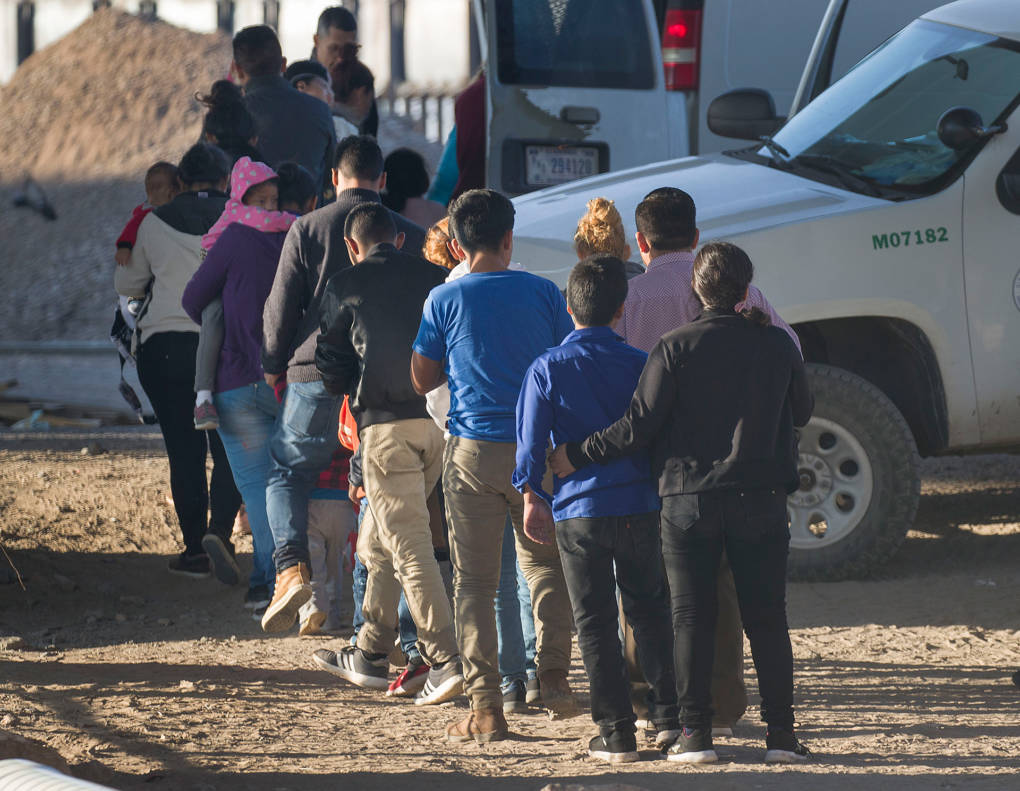
"caption": "Migrants wait to be processed and loaded onto a bus by U.S. Customs and Border Protection agents after being detained on June 2, 2019, in El Paso, Texas. The location is in an area where migrants frequently turn themselves in to Border Patrol and ask for asylum after crossing the border.",
"description": "Migrants wait to be processed and loaded onto a bus by United States Customs and Border Protection agents after being detained on June 02, 2019 in El Paso, Texas. The location is in an area where migrants frequently turn themselves in to Border Patrol and ask for asylum after crossing the border.",
"title": "cbp-el-paso",
"credit": "Joe Raedle/Getty Images",
"status": "inherit",
"isLoading": false,
"fetchFailed": false
},
"news_11772972": {
"type": "attachments",
"id": "news_11772972",
"meta": {
"index": "attachments_1716263798",
"site": "news",
"id": "11772972",
"found": true
},
"parent": 11772971,
"imgSizes": {
"apple_news_ca_landscape_5_5": {
"file": "https://ww2.kqed.org/app/uploads/sites/10/2019/09/burnett-mexico_slide-dd516390148bb62b9be49fb61130e55cd48626f5-1044x783.jpg",
"width": 1044,
"mimeType": "image/jpeg",
"height": 783
},
"apple_news_ca_square_4_0": {
"file": "https://ww2.kqed.org/app/uploads/sites/10/2019/09/burnett-mexico_slide-dd516390148bb62b9be49fb61130e55cd48626f5-470x470.jpg",
"width": 470,
"mimeType": "image/jpeg",
"height": 470
},
"twentyfourteen-full-width": {
"file": "https://ww2.kqed.org/app/uploads/sites/10/2019/09/burnett-mexico_slide-dd516390148bb62b9be49fb61130e55cd48626f5-1038x576.jpg",
"width": 1038,
"mimeType": "image/jpeg",
"height": 576
},
"thumbnail": {
"file": "https://ww2.kqed.org/app/uploads/sites/10/2019/09/burnett-mexico_slide-dd516390148bb62b9be49fb61130e55cd48626f5-160x107.jpg",
"width": 160,
"mimeType": "image/jpeg",
"height": 107
},
"post-thumbnail": {
"file": "https://ww2.kqed.org/app/uploads/sites/10/2019/09/burnett-mexico_slide-dd516390148bb62b9be49fb61130e55cd48626f5-672x372.jpg",
"width": 672,
"mimeType": "image/jpeg",
"height": 372
},
"kqedFullSize": {
"file": "https://ww2.kqed.org/app/uploads/sites/10/2019/09/burnett-mexico_slide-dd516390148bb62b9be49fb61130e55cd48626f5-e1567892134549.jpg",
"width": 1920,
"height": 1280
},
"apple_news_ca_landscape_4_7": {
"file": "https://ww2.kqed.org/app/uploads/sites/10/2019/09/burnett-mexico_slide-dd516390148bb62b9be49fb61130e55cd48626f5-632x474.jpg",
"width": 632,
"mimeType": "image/jpeg",
"height": 474
},
"large": {
"file": "https://ww2.kqed.org/app/uploads/sites/10/2019/09/burnett-mexico_slide-dd516390148bb62b9be49fb61130e55cd48626f5-1020x680.jpg",
"width": 1020,
"mimeType": "image/jpeg",
"height": 680
},
"complete_open_graph": {
"file": "https://ww2.kqed.org/app/uploads/sites/10/2019/09/burnett-mexico_slide-dd516390148bb62b9be49fb61130e55cd48626f5-1200x800.jpg",
"width": 1200,
"mimeType": "image/jpeg",
"height": 800
},
"apple_news_ca_landscape_4_0": {
"file": "https://ww2.kqed.org/app/uploads/sites/10/2019/09/burnett-mexico_slide-dd516390148bb62b9be49fb61130e55cd48626f5-536x402.jpg",
"width": 536,
"mimeType": "image/jpeg",
"height": 402
},
"apple_news_ca_portrait_12_9": {
"file": "https://ww2.kqed.org/app/uploads/sites/10/2019/09/burnett-mexico_slide-dd516390148bb62b9be49fb61130e55cd48626f5-1122x1332.jpg",
"width": 1122,
"mimeType": "image/jpeg",
"height": 1332
},
"medium": {
"file": "https://ww2.kqed.org/app/uploads/sites/10/2019/09/burnett-mexico_slide-dd516390148bb62b9be49fb61130e55cd48626f5-800x533.jpg",
"width": 800,
"mimeType": "image/jpeg",
"height": 533
},
"apple_news_ca_portrait_4_0": {
"file": "https://ww2.kqed.org/app/uploads/sites/10/2019/09/burnett-mexico_slide-dd516390148bb62b9be49fb61130e55cd48626f5-354x472.jpg",
"width": 354,
"mimeType": "image/jpeg",
"height": 472
},
"apple_news_ca_portrait_9_7": {
"file": "https://ww2.kqed.org/app/uploads/sites/10/2019/09/burnett-mexico_slide-dd516390148bb62b9be49fb61130e55cd48626f5-840x1120.jpg",
"width": 840,
"mimeType": "image/jpeg",
"height": 1120
},
"apple_news_ca_landscape_12_9": {
"file": "https://ww2.kqed.org/app/uploads/sites/10/2019/09/burnett-mexico_slide-dd516390148bb62b9be49fb61130e55cd48626f5-1832x1332.jpg",
"width": 1832,
"mimeType": "image/jpeg",
"height": 1332
},
"apple_news_ca_square_9_7": {
"file": "https://ww2.kqed.org/app/uploads/sites/10/2019/09/burnett-mexico_slide-dd516390148bb62b9be49fb61130e55cd48626f5-1104x1104.jpg",
"width": 1104,
"mimeType": "image/jpeg",
"height": 1104
},
"apple_news_ca_portrait_4_7": {
"file": "https://ww2.kqed.org/app/uploads/sites/10/2019/09/burnett-mexico_slide-dd516390148bb62b9be49fb61130e55cd48626f5-414x552.jpg",
"width": 414,
"mimeType": "image/jpeg",
"height": 552
},
"apple_news_ca_square_12_9": {
"file": "https://ww2.kqed.org/app/uploads/sites/10/2019/09/burnett-mexico_slide-dd516390148bb62b9be49fb61130e55cd48626f5-1472x1332.jpg",
"width": 1472,
"mimeType": "image/jpeg",
"height": 1332
},
"apple_news_ca_portrait_5_5": {
"file": "https://ww2.kqed.org/app/uploads/sites/10/2019/09/burnett-mexico_slide-dd516390148bb62b9be49fb61130e55cd48626f5-687x916.jpg",
"width": 687,
"mimeType": "image/jpeg",
"height": 916
},
"full-width": {
"file": "https://ww2.kqed.org/app/uploads/sites/10/2019/09/burnett-mexico_slide-dd516390148bb62b9be49fb61130e55cd48626f5-1920x1280.jpg",
"width": 1920,
"mimeType": "image/jpeg",
"height": 1280
},
"apple_news_ca_square_4_7": {
"file": "https://ww2.kqed.org/app/uploads/sites/10/2019/09/burnett-mexico_slide-dd516390148bb62b9be49fb61130e55cd48626f5-550x550.jpg",
"width": 550,
"mimeType": "image/jpeg",
"height": 550
},
"apple_news_ca_landscape_9_7": {
"file": "https://ww2.kqed.org/app/uploads/sites/10/2019/09/burnett-mexico_slide-dd516390148bb62b9be49fb61130e55cd48626f5-1376x1032.jpg",
"width": 1376,
"mimeType": "image/jpeg",
"height": 1032
},
"apple_news_ca_square_5_5": {
"file": "https://ww2.kqed.org/app/uploads/sites/10/2019/09/burnett-mexico_slide-dd516390148bb62b9be49fb61130e55cd48626f5-912x912.jpg",
"width": 912,
"mimeType": "image/jpeg",
"height": 912
}
},
"publishDate": 1567890936,
"modified": 1567892154,
"caption": null,
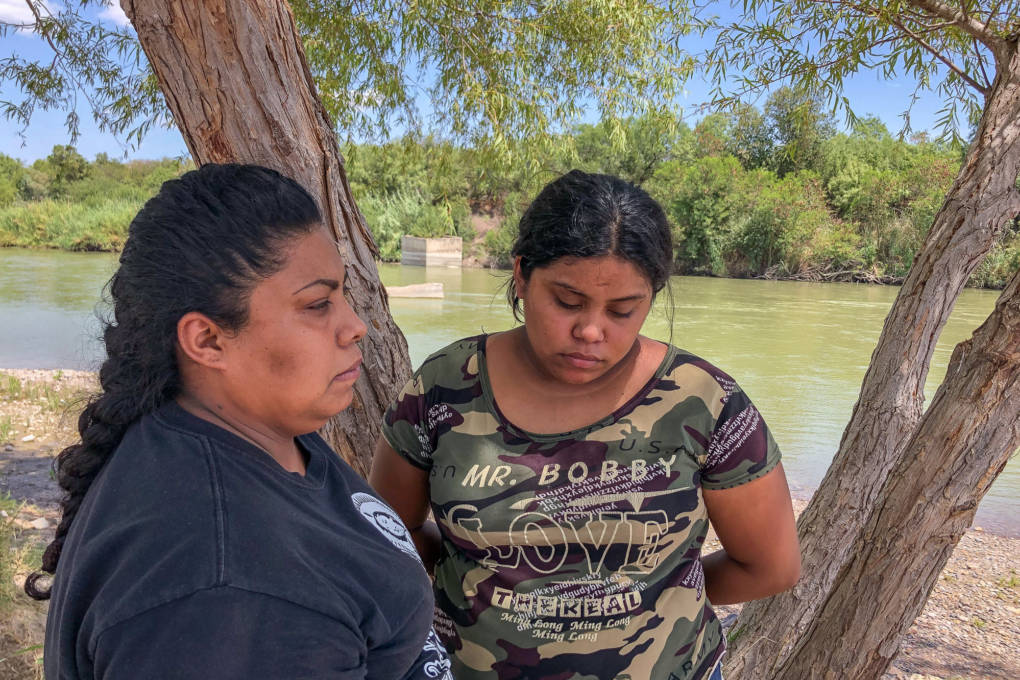
"description": "Nora Isabel Gallegos, left, stands with her daughter Priscila Arévalo in the riverside park in Nuevo Laredo, Mexico, where her husband Guillermo was killed by the Border Patrol seven years ago.",
"title": "Nora Isabel Gallegos, left, stands with her daughter Priscila Arévalo in the riverside park in Nuevo Laredo, Mexico, where her husband Guillermo was killed by the Border Patrol seven years ago.",
"credit": "John Burnett/NPR",
"status": "inherit",
"isLoading": false,
"fetchFailed": false
},
"news_11772896": {
"type": "attachments",
"id": "news_11772896",
"meta": {
"index": "attachments_1716263798",
"site": "news",
"id": "11772896",
"found": true
},
"parent": 11772813,
"imgSizes": {
"apple_news_ca_landscape_5_5": {
"file": "https://ww2.kqed.org/app/uploads/sites/10/2019/09/RS38916__DSC3796-qut-1044x783.jpg",
"width": 1044,
"mimeType": "image/jpeg",
"height": 783
},
"apple_news_ca_square_4_0": {
"file": "https://ww2.kqed.org/app/uploads/sites/10/2019/09/RS38916__DSC3796-qut-470x470.jpg",
"width": 470,
"mimeType": "image/jpeg",
"height": 470
},
"twentyfourteen-full-width": {
"file": "https://ww2.kqed.org/app/uploads/sites/10/2019/09/RS38916__DSC3796-qut-1038x576.jpg",
"width": 1038,
"mimeType": "image/jpeg",
"height": 576
},
"thumbnail": {
"file": "https://ww2.kqed.org/app/uploads/sites/10/2019/09/RS38916__DSC3796-qut-160x107.jpg",
"width": 160,
"mimeType": "image/jpeg",
"height": 107
},
"post-thumbnail": {
"file": "https://ww2.kqed.org/app/uploads/sites/10/2019/09/RS38916__DSC3796-qut-672x372.jpg",
"width": 672,
"mimeType": "image/jpeg",
"height": 372
},
"kqedFullSize": {
"file": "https://ww2.kqed.org/app/uploads/sites/10/2019/09/RS38916__DSC3796-qut.jpg",
"width": 1920,
"height": 1281
},
"apple_news_ca_landscape_4_7": {
"file": "https://ww2.kqed.org/app/uploads/sites/10/2019/09/RS38916__DSC3796-qut-632x474.jpg",
"width": 632,
"mimeType": "image/jpeg",
"height": 474
},
"large": {
"file": "https://ww2.kqed.org/app/uploads/sites/10/2019/09/RS38916__DSC3796-qut-1020x681.jpg",
"width": 1020,
"mimeType": "image/jpeg",
"height": 681
},
"complete_open_graph": {
"file": "https://ww2.kqed.org/app/uploads/sites/10/2019/09/RS38916__DSC3796-qut-1200x801.jpg",
"width": 1200,
"mimeType": "image/jpeg",
"height": 801
},
"apple_news_ca_landscape_4_0": {
"file": "https://ww2.kqed.org/app/uploads/sites/10/2019/09/RS38916__DSC3796-qut-536x402.jpg",
"width": 536,
"mimeType": "image/jpeg",
"height": 402
},
"apple_news_ca_portrait_12_9": {
"file": "https://ww2.kqed.org/app/uploads/sites/10/2019/09/RS38916__DSC3796-qut-1122x1281.jpg",
"width": 1122,
"mimeType": "image/jpeg",
"height": 1281
},
"medium": {
"file": "https://ww2.kqed.org/app/uploads/sites/10/2019/09/RS38916__DSC3796-qut-800x534.jpg",
"width": 800,
"mimeType": "image/jpeg",
"height": 534
},
"apple_news_ca_portrait_4_0": {
"file": "https://ww2.kqed.org/app/uploads/sites/10/2019/09/RS38916__DSC3796-qut-354x472.jpg",
"width": 354,
"mimeType": "image/jpeg",
"height": 472
},
"apple_news_ca_portrait_9_7": {
"file": "https://ww2.kqed.org/app/uploads/sites/10/2019/09/RS38916__DSC3796-qut-840x1120.jpg",
"width": 840,
"mimeType": "image/jpeg",
"height": 1120
},
"apple_news_ca_landscape_12_9": {
"file": "https://ww2.kqed.org/app/uploads/sites/10/2019/09/RS38916__DSC3796-qut-1832x1281.jpg",
"width": 1832,
"mimeType": "image/jpeg",
"height": 1281
},
"apple_news_ca_square_9_7": {
"file": "https://ww2.kqed.org/app/uploads/sites/10/2019/09/RS38916__DSC3796-qut-1104x1104.jpg",
"width": 1104,
"mimeType": "image/jpeg",
"height": 1104
},
"apple_news_ca_portrait_4_7": {
"file": "https://ww2.kqed.org/app/uploads/sites/10/2019/09/RS38916__DSC3796-qut-414x552.jpg",
"width": 414,
"mimeType": "image/jpeg",
"height": 552
},
"apple_news_ca_square_12_9": {
"file": "https://ww2.kqed.org/app/uploads/sites/10/2019/09/RS38916__DSC3796-qut-1472x1281.jpg",
"width": 1472,
"mimeType": "image/jpeg",
"height": 1281
},
"apple_news_ca_portrait_5_5": {
"file": "https://ww2.kqed.org/app/uploads/sites/10/2019/09/RS38916__DSC3796-qut-687x916.jpg",
"width": 687,
"mimeType": "image/jpeg",
"height": 916
},
"full-width": {
"file": "https://ww2.kqed.org/app/uploads/sites/10/2019/09/RS38916__DSC3796-qut-1920x1281.jpg",
"width": 1920,
"mimeType": "image/jpeg",
"height": 1281
},
"apple_news_ca_square_4_7": {
"file": "https://ww2.kqed.org/app/uploads/sites/10/2019/09/RS38916__DSC3796-qut-550x550.jpg",
"width": 550,
"mimeType": "image/jpeg",
"height": 550
},
"apple_news_ca_landscape_9_7": {
"file": "https://ww2.kqed.org/app/uploads/sites/10/2019/09/RS38916__DSC3796-qut-1376x1032.jpg",
"width": 1376,
"mimeType": "image/jpeg",
"height": 1032
},
"apple_news_ca_square_5_5": {
"file": "https://ww2.kqed.org/app/uploads/sites/10/2019/09/RS38916__DSC3796-qut-912x912.jpg",
"width": 912,
"mimeType": "image/jpeg",
"height": 912
}
},
"publishDate": 1567816205,
"modified": 1567818310,
"caption": "Maria Isabel Bueso (center) and nurse Wendy Bloom (right) share a warm moment just after Bueso spoke at a rally at UCSF Benioff Children's Hospital in Oakland on Sept. 6, 2019, where she receives weekly care.\n\n",
"description": null,
"title": "RS38916__DSC3796-qut",
"credit": "Stephanie Lister/KQED",
"status": "inherit",
"isLoading": false,
"fetchFailed": false
},
"news_11772870": {
"type": "attachments",
"id": "news_11772870",
"meta": {
"index": "attachments_1716263798",
"site": "news",
"id": "11772870",
"found": true
},
"parent": 11772816,
"imgSizes": {
"apple_news_ca_landscape_5_5": {
"file": "https://ww2.kqed.org/app/uploads/sites/10/2019/09/medical_090619_final_revised-1044x783.jpg",
"width": 1044,
"mimeType": "image/jpeg",
"height": 783
},
"apple_news_ca_square_4_0": {
"file": "https://ww2.kqed.org/app/uploads/sites/10/2019/09/medical_090619_final_revised-470x470.jpg",
"width": 470,
"mimeType": "image/jpeg",
"height": 470
},
"twentyfourteen-full-width": {
"file": "https://ww2.kqed.org/app/uploads/sites/10/2019/09/medical_090619_final_revised-1038x576.jpg",
"width": 1038,
"mimeType": "image/jpeg",
"height": 576
},
"thumbnail": {
"file": "https://ww2.kqed.org/app/uploads/sites/10/2019/09/medical_090619_final_revised-160x122.jpg",
"width": 160,
"mimeType": "image/jpeg",
"height": 122
},
"post-thumbnail": {
"file": "https://ww2.kqed.org/app/uploads/sites/10/2019/09/medical_090619_final_revised-672x372.jpg",
"width": 672,
"mimeType": "image/jpeg",
"height": 372
},
"kqedFullSize": {
"file": "https://ww2.kqed.org/app/uploads/sites/10/2019/09/medical_090619_final_revised.jpg",
"width": 1920,
"height": 1462
},
"apple_news_ca_landscape_4_7": {
"file": "https://ww2.kqed.org/app/uploads/sites/10/2019/09/medical_090619_final_revised-632x474.jpg",
"width": 632,
"mimeType": "image/jpeg",
"height": 474
},
"large": {
"file": "https://ww2.kqed.org/app/uploads/sites/10/2019/09/medical_090619_final_revised-1020x777.jpg",
"width": 1020,
"mimeType": "image/jpeg",
"height": 777
},
"complete_open_graph": {
"file": "https://ww2.kqed.org/app/uploads/sites/10/2019/09/medical_090619_final_revised-1200x914.jpg",
"width": 1200,
"mimeType": "image/jpeg",
"height": 914
},
"apple_news_ca_landscape_4_0": {
"file": "https://ww2.kqed.org/app/uploads/sites/10/2019/09/medical_090619_final_revised-536x402.jpg",
"width": 536,
"mimeType": "image/jpeg",
"height": 402
},
"apple_news_ca_portrait_12_9": {
"file": "https://ww2.kqed.org/app/uploads/sites/10/2019/09/medical_090619_final_revised-1122x1462.jpg",
"width": 1122,
"mimeType": "image/jpeg",
"height": 1462
},
"medium": {
"file": "https://ww2.kqed.org/app/uploads/sites/10/2019/09/medical_090619_final_revised-800x609.jpg",
"width": 800,
"mimeType": "image/jpeg",
"height": 609
},
"apple_news_ca_portrait_4_0": {
"file": "https://ww2.kqed.org/app/uploads/sites/10/2019/09/medical_090619_final_revised-354x472.jpg",
"width": 354,
"mimeType": "image/jpeg",
"height": 472
},
"apple_news_ca_portrait_9_7": {
"file": "https://ww2.kqed.org/app/uploads/sites/10/2019/09/medical_090619_final_revised-840x1120.jpg",
"width": 840,
"mimeType": "image/jpeg",
"height": 1120
},
"apple_news_ca_landscape_12_9": {
"file": "https://ww2.kqed.org/app/uploads/sites/10/2019/09/medical_090619_final_revised-1832x1374.jpg",
"width": 1832,
"mimeType": "image/jpeg",
"height": 1374
},
"apple_news_ca_square_9_7": {
"file": "https://ww2.kqed.org/app/uploads/sites/10/2019/09/medical_090619_final_revised-1104x1104.jpg",
"width": 1104,
"mimeType": "image/jpeg",
"height": 1104
},
"apple_news_ca_portrait_4_7": {
"file": "https://ww2.kqed.org/app/uploads/sites/10/2019/09/medical_090619_final_revised-414x552.jpg",
"width": 414,
"mimeType": "image/jpeg",
"height": 552
},
"apple_news_ca_square_12_9": {
"file": "https://ww2.kqed.org/app/uploads/sites/10/2019/09/medical_090619_final_revised-1472x1462.jpg",
"width": 1472,
"mimeType": "image/jpeg",
"height": 1462
},
"apple_news_ca_portrait_5_5": {
"file": "https://ww2.kqed.org/app/uploads/sites/10/2019/09/medical_090619_final_revised-687x916.jpg",
"width": 687,
"mimeType": "image/jpeg",
"height": 916
},
"full-width": {
"file": "https://ww2.kqed.org/app/uploads/sites/10/2019/09/medical_090619_final_revised-1920x1462.jpg",
"width": 1920,
"mimeType": "image/jpeg",
"height": 1462
},
"apple_news_ca_square_4_7": {
"file": "https://ww2.kqed.org/app/uploads/sites/10/2019/09/medical_090619_final_revised-550x550.jpg",
"width": 550,
"mimeType": "image/jpeg",
"height": 550
},
"apple_news_ca_landscape_9_7": {
"file": "https://ww2.kqed.org/app/uploads/sites/10/2019/09/medical_090619_final_revised-1376x1032.jpg",
"width": 1376,
"mimeType": "image/jpeg",
"height": 1032
},
"apple_news_ca_square_5_5": {
"file": "https://ww2.kqed.org/app/uploads/sites/10/2019/09/medical_090619_final_revised-912x912.jpg",
"width": 912,
"mimeType": "image/jpeg",
"height": 912
}
},
"publishDate": 1567813053,
"modified": 1567813077,
"caption": null,
"description": null,
"title": "medical_090619_final_revised",
"credit": null,
"status": "inherit",
"isLoading": false,
"fetchFailed": false
},
"news_11782098": {
"type": "attachments",
"id": "news_11782098",
"meta": {
"index": "attachments_1716263798",
"site": "news",
"id": "11782098",
"found": true
},
"parent": 11775521,
"imgSizes": {
"apple_news_ca_square_4_0": {
"file": "https://ww2.kqed.org/app/uploads/sites/10/2019/09/RS38884_IMG_9818-qut-470x470.jpg",
"width": 470,
"mimeType": "image/jpeg",
"height": 470
},
"twentyfourteen-full-width": {
"file": "https://ww2.kqed.org/app/uploads/sites/10/2019/09/RS38884_IMG_9818-qut-609x576.jpg",
"width": 609,
"mimeType": "image/jpeg",
"height": 576
},
"thumbnail": {
"file": "https://ww2.kqed.org/app/uploads/sites/10/2019/09/RS38884_IMG_9818-qut-160x168.jpg",
"width": 160,
"mimeType": "image/jpeg",
"height": 168
},
"post-thumbnail": {
"file": "https://ww2.kqed.org/app/uploads/sites/10/2019/09/RS38884_IMG_9818-qut-609x372.jpg",
"width": 609,
"mimeType": "image/jpeg",
"height": 372
},
"kqedFullSize": {
"file": "https://ww2.kqed.org/app/uploads/sites/10/2019/09/RS38884_IMG_9818-qut.jpg",
"width": 609,
"height": 640
},
"apple_news_ca_landscape_4_7": {
"file": "https://ww2.kqed.org/app/uploads/sites/10/2019/09/RS38884_IMG_9818-qut-609x474.jpg",
"width": 609,
"mimeType": "image/jpeg",
"height": 474
},
"apple_news_ca_portrait_4_7": {
"file": "https://ww2.kqed.org/app/uploads/sites/10/2019/09/RS38884_IMG_9818-qut-414x552.jpg",
"width": 414,
"mimeType": "image/jpeg",
"height": 552
},
"apple_news_ca_square_4_7": {
"file": "https://ww2.kqed.org/app/uploads/sites/10/2019/09/RS38884_IMG_9818-qut-550x550.jpg",
"width": 550,
"mimeType": "image/jpeg",
"height": 550
},
"apple_news_ca_landscape_4_0": {
"file": "https://ww2.kqed.org/app/uploads/sites/10/2019/09/RS38884_IMG_9818-qut-536x402.jpg",
"width": 536,
"mimeType": "image/jpeg",
"height": 402
},
"apple_news_ca_portrait_4_0": {
"file": "https://ww2.kqed.org/app/uploads/sites/10/2019/09/RS38884_IMG_9818-qut-354x472.jpg",
"width": 354,
"mimeType": "image/jpeg",
"height": 472
}
},
"publishDate": 1571864212,
"modified": 1571864546,
"caption": "Maria Isabel Bueso has lived in the Bay Area since 2003, when doctors invited her to participate in a clinical trial at the UCSF Benioff Children's Hospital in Oakland.",
"description": "Maria Isabel Bueso has lived in the Bay Area since 2003, when doctors invited her to participate in a clinical trial at the UCSF Benioff Children's Hospital in Oakland.",
"title": "RS38884_IMG_9818-qut",
"credit": "Photo provided by the Bueso family",
"status": "inherit",
"isLoading": false,
"fetchFailed": false
},
"news_11771618": {
"type": "attachments",
"id": "news_11771618",
"meta": {
"index": "attachments_1716263798",
"site": "news",
"id": "11771618",
"found": true
},
"parent": 11771611,
"imgSizes": {
"apple_news_ca_landscape_5_5": {
"file": "https://ww2.kqed.org/app/uploads/sites/10/2019/08/Jose-Inez-Garcia-Zarate--1044x783.jpg",
"width": 1044,
"mimeType": "image/jpeg",
"height": 783
},
"apple_news_ca_square_4_0": {
"file": "https://ww2.kqed.org/app/uploads/sites/10/2019/08/Jose-Inez-Garcia-Zarate--470x470.jpg",
"width": 470,
"mimeType": "image/jpeg",
"height": 470
},
"twentyfourteen-full-width": {
"file": "https://ww2.kqed.org/app/uploads/sites/10/2019/08/Jose-Inez-Garcia-Zarate--1038x576.jpg",
"width": 1038,
"mimeType": "image/jpeg",
"height": 576
},
"thumbnail": {
"file": "https://ww2.kqed.org/app/uploads/sites/10/2019/08/Jose-Inez-Garcia-Zarate--160x90.jpg",
"width": 160,
"mimeType": "image/jpeg",
"height": 90
},
"post-thumbnail": {
"file": "https://ww2.kqed.org/app/uploads/sites/10/2019/08/Jose-Inez-Garcia-Zarate--672x372.jpg",
"width": 672,
"mimeType": "image/jpeg",
"height": 372
},
"kqedFullSize": {
"file": "https://ww2.kqed.org/app/uploads/sites/10/2019/08/Jose-Inez-Garcia-Zarate-.jpg",
"width": 1920,
"height": 1080
},
"apple_news_ca_landscape_4_7": {
"file": "https://ww2.kqed.org/app/uploads/sites/10/2019/08/Jose-Inez-Garcia-Zarate--632x474.jpg",
"width": 632,
"mimeType": "image/jpeg",
"height": 474
},
"large": {
"file": "https://ww2.kqed.org/app/uploads/sites/10/2019/08/Jose-Inez-Garcia-Zarate--1020x574.jpg",
"width": 1020,
"mimeType": "image/jpeg",
"height": 574
},
"complete_open_graph": {
"file": "https://ww2.kqed.org/app/uploads/sites/10/2019/08/Jose-Inez-Garcia-Zarate--1200x675.jpg",
"width": 1200,
"mimeType": "image/jpeg",
"height": 675
},
"apple_news_ca_landscape_4_0": {
"file": "https://ww2.kqed.org/app/uploads/sites/10/2019/08/Jose-Inez-Garcia-Zarate--536x402.jpg",
"width": 536,
"mimeType": "image/jpeg",
"height": 402
},
"apple_news_ca_portrait_12_9": {
"file": "https://ww2.kqed.org/app/uploads/sites/10/2019/08/Jose-Inez-Garcia-Zarate--1122x1080.jpg",
"width": 1122,
"mimeType": "image/jpeg",
"height": 1080
},
"medium": {
"file": "https://ww2.kqed.org/app/uploads/sites/10/2019/08/Jose-Inez-Garcia-Zarate--800x450.jpg",
"width": 800,
"mimeType": "image/jpeg",
"height": 450
},
"apple_news_ca_portrait_4_0": {
"file": "https://ww2.kqed.org/app/uploads/sites/10/2019/08/Jose-Inez-Garcia-Zarate--354x472.jpg",
"width": 354,
"mimeType": "image/jpeg",
"height": 472
},
"apple_news_ca_portrait_9_7": {
"file": "https://ww2.kqed.org/app/uploads/sites/10/2019/08/Jose-Inez-Garcia-Zarate--840x1080.jpg",
"width": 840,
"mimeType": "image/jpeg",
"height": 1080
},
"apple_news_ca_landscape_12_9": {
"file": "https://ww2.kqed.org/app/uploads/sites/10/2019/08/Jose-Inez-Garcia-Zarate--1832x1080.jpg",
"width": 1832,
"mimeType": "image/jpeg",
"height": 1080
},
"apple_news_ca_square_9_7": {
"file": "https://ww2.kqed.org/app/uploads/sites/10/2019/08/Jose-Inez-Garcia-Zarate--1104x1080.jpg",
"width": 1104,
"mimeType": "image/jpeg",
"height": 1080
},
"apple_news_ca_portrait_4_7": {
"file": "https://ww2.kqed.org/app/uploads/sites/10/2019/08/Jose-Inez-Garcia-Zarate--414x552.jpg",
"width": 414,
"mimeType": "image/jpeg",
"height": 552
},
"apple_news_ca_square_12_9": {
"file": "https://ww2.kqed.org/app/uploads/sites/10/2019/08/Jose-Inez-Garcia-Zarate--1472x1080.jpg",
"width": 1472,
"mimeType": "image/jpeg",
"height": 1080
},
"apple_news_ca_portrait_5_5": {
"file": "https://ww2.kqed.org/app/uploads/sites/10/2019/08/Jose-Inez-Garcia-Zarate--687x916.jpg",
"width": 687,
"mimeType": "image/jpeg",
"height": 916
},
"full-width": {
"file": "https://ww2.kqed.org/app/uploads/sites/10/2019/08/Jose-Inez-Garcia-Zarate--1920x1080.jpg",
"width": 1920,
"mimeType": "image/jpeg",
"height": 1080
},
"apple_news_ca_square_4_7": {
"file": "https://ww2.kqed.org/app/uploads/sites/10/2019/08/Jose-Inez-Garcia-Zarate--550x550.jpg",
"width": 550,
"mimeType": "image/jpeg",
"height": 550
},
"apple_news_ca_landscape_9_7": {
"file": "https://ww2.kqed.org/app/uploads/sites/10/2019/08/Jose-Inez-Garcia-Zarate--1376x1032.jpg",
"width": 1376,
"mimeType": "image/jpeg",
"height": 1032
},
"apple_news_ca_square_5_5": {
"file": "https://ww2.kqed.org/app/uploads/sites/10/2019/08/Jose-Inez-Garcia-Zarate--912x912.jpg",
"width": 912,
"mimeType": "image/jpeg",
"height": 912
}
},
"publishDate": 1567271562,
"modified": 1567271768,
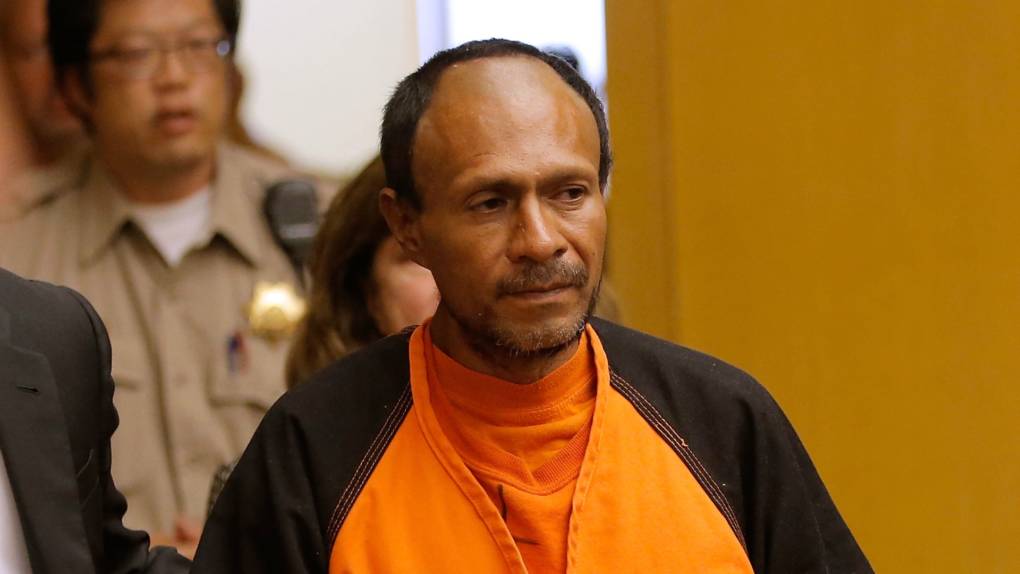
"caption": "Jose Inez Garcia-Zarate enters court for an arraignment on July 7, 2015 in San Francisco, California. ",
"description": null,
"title": "Jose Inez Garcia Zarate",
"credit": "Michael Macor-Pool/Getty Images",
"status": "inherit",
"isLoading": false,
"fetchFailed": false
},
"news_11772069": {
"type": "attachments",
"id": "news_11772069",
"meta": {
"index": "attachments_1716263798",
"site": "news",
"id": "11772069",
"found": true
},
"parent": 11772008,
"imgSizes": {
"apple_news_ca_landscape_5_5": {
"file": "https://ww2.kqed.org/app/uploads/sites/10/2019/09/bueso-1044x783.jpg",
"width": 1044,
"mimeType": "image/jpeg",
"height": 783
},
"apple_news_ca_square_4_0": {
"file": "https://ww2.kqed.org/app/uploads/sites/10/2019/09/bueso-470x470.jpg",
"width": 470,
"mimeType": "image/jpeg",
"height": 470
},
"twentyfourteen-full-width": {
"file": "https://ww2.kqed.org/app/uploads/sites/10/2019/09/bueso-1038x576.jpg",
"width": 1038,
"mimeType": "image/jpeg",
"height": 576
},
"thumbnail": {
"file": "https://ww2.kqed.org/app/uploads/sites/10/2019/09/bueso-160x120.jpg",
"width": 160,
"mimeType": "image/jpeg",
"height": 120
},
"post-thumbnail": {
"file": "https://ww2.kqed.org/app/uploads/sites/10/2019/09/bueso-672x372.jpg",
"width": 672,
"mimeType": "image/jpeg",
"height": 372
},
"kqedFullSize": {
"file": "https://ww2.kqed.org/app/uploads/sites/10/2019/09/bueso.jpg",
"width": 1920,
"height": 1440
},
"apple_news_ca_landscape_4_7": {
"file": "https://ww2.kqed.org/app/uploads/sites/10/2019/09/bueso-632x474.jpg",
"width": 632,
"mimeType": "image/jpeg",
"height": 474
},
"large": {
"file": "https://ww2.kqed.org/app/uploads/sites/10/2019/09/bueso-1020x765.jpg",
"width": 1020,
"mimeType": "image/jpeg",
"height": 765
},
"complete_open_graph": {
"file": "https://ww2.kqed.org/app/uploads/sites/10/2019/09/bueso-1200x900.jpg",
"width": 1200,
"mimeType": "image/jpeg",
"height": 900
},
"apple_news_ca_landscape_4_0": {
"file": "https://ww2.kqed.org/app/uploads/sites/10/2019/09/bueso-536x402.jpg",
"width": 536,
"mimeType": "image/jpeg",
"height": 402
},
"apple_news_ca_portrait_12_9": {
"file": "https://ww2.kqed.org/app/uploads/sites/10/2019/09/bueso-1122x1440.jpg",
"width": 1122,
"mimeType": "image/jpeg",
"height": 1440
},
"medium": {
"file": "https://ww2.kqed.org/app/uploads/sites/10/2019/09/bueso-800x600.jpg",
"width": 800,
"mimeType": "image/jpeg",
"height": 600
},
"apple_news_ca_portrait_4_0": {
"file": "https://ww2.kqed.org/app/uploads/sites/10/2019/09/bueso-354x472.jpg",
"width": 354,
"mimeType": "image/jpeg",
"height": 472
},
"apple_news_ca_portrait_9_7": {
"file": "https://ww2.kqed.org/app/uploads/sites/10/2019/09/bueso-840x1120.jpg",
"width": 840,
"mimeType": "image/jpeg",
"height": 1120
},
"apple_news_ca_landscape_12_9": {
"file": "https://ww2.kqed.org/app/uploads/sites/10/2019/09/bueso-1832x1374.jpg",
"width": 1832,
"mimeType": "image/jpeg",
"height": 1374
},
"apple_news_ca_square_9_7": {
"file": "https://ww2.kqed.org/app/uploads/sites/10/2019/09/bueso-1104x1104.jpg",
"width": 1104,
"mimeType": "image/jpeg",
"height": 1104
},
"apple_news_ca_portrait_4_7": {
"file": "https://ww2.kqed.org/app/uploads/sites/10/2019/09/bueso-414x552.jpg",
"width": 414,
"mimeType": "image/jpeg",
"height": 552
},
"apple_news_ca_square_12_9": {
"file": "https://ww2.kqed.org/app/uploads/sites/10/2019/09/bueso-1472x1440.jpg",
"width": 1472,
"mimeType": "image/jpeg",
"height": 1440
},
"apple_news_ca_portrait_5_5": {
"file": "https://ww2.kqed.org/app/uploads/sites/10/2019/09/bueso-687x916.jpg",
"width": 687,
"mimeType": "image/jpeg",
"height": 916
},
"full-width": {
"file": "https://ww2.kqed.org/app/uploads/sites/10/2019/09/bueso-1920x1440.jpg",
"width": 1920,
"mimeType": "image/jpeg",
"height": 1440
},
"apple_news_ca_square_4_7": {
"file": "https://ww2.kqed.org/app/uploads/sites/10/2019/09/bueso-550x550.jpg",
"width": 550,
"mimeType": "image/jpeg",
"height": 550
},
"apple_news_ca_landscape_9_7": {
"file": "https://ww2.kqed.org/app/uploads/sites/10/2019/09/bueso-1376x1032.jpg",
"width": 1376,
"mimeType": "image/jpeg",
"height": 1032
},
"apple_news_ca_square_5_5": {
"file": "https://ww2.kqed.org/app/uploads/sites/10/2019/09/bueso-912x912.jpg",
"width": 912,
"mimeType": "image/jpeg",
"height": 912
}
},
"publishDate": 1567607956,
"modified": 1567816634,
"caption": "Karla Bueso (left) and her daughter Maria Isabel, 24, at their attorney's offices in San Francisco on Aug. 29, 2019.",
"description": "Karla Bueso (left) and her daughter Maria Isabel, 24, at their attorney's offices in San Francisco on Aug. 29, 2019.",
"title": "bueso",
"credit": "Courtesy of the Bueso family",
"status": "inherit",
"isLoading": false,
"fetchFailed": false
},
"news_11771124": {
"type": "attachments",
"id": "news_11771124",
"meta": {
"index": "attachments_1716263798",
"site": "news",
"id": "11771124",
"found": true
},
"parent": 11770976,
"imgSizes": {
"apple_news_ca_landscape_5_5": {
"file": "https://ww2.kqed.org/app/uploads/sites/10/2019/08/Sikh-Vigil-Tracy-Main-1044x783.jpg",
"width": 1044,
"mimeType": "image/jpeg",
"height": 783
},
"apple_news_ca_square_4_0": {
"file": "https://ww2.kqed.org/app/uploads/sites/10/2019/08/Sikh-Vigil-Tracy-Main-470x470.jpg",
"width": 470,
"mimeType": "image/jpeg",
"height": 470
},
"twentyfourteen-full-width": {
"file": "https://ww2.kqed.org/app/uploads/sites/10/2019/08/Sikh-Vigil-Tracy-Main-1038x576.jpg",
"width": 1038,
"mimeType": "image/jpeg",
"height": 576
},
"thumbnail": {
"file": "https://ww2.kqed.org/app/uploads/sites/10/2019/08/Sikh-Vigil-Tracy-Main-160x93.jpg",
"width": 160,
"mimeType": "image/jpeg",
"height": 93
},
"post-thumbnail": {
"file": "https://ww2.kqed.org/app/uploads/sites/10/2019/08/Sikh-Vigil-Tracy-Main-672x372.jpg",
"width": 672,
"mimeType": "image/jpeg",
"height": 372
},
"kqedFullSize": {
"file": "https://ww2.kqed.org/app/uploads/sites/10/2019/08/Sikh-Vigil-Tracy-Main.jpg",
"width": 1920,
"height": 1118
},
"apple_news_ca_landscape_4_7": {
"file": "https://ww2.kqed.org/app/uploads/sites/10/2019/08/Sikh-Vigil-Tracy-Main-632x474.jpg",
"width": 632,
"mimeType": "image/jpeg",
"height": 474
},
"large": {
"file": "https://ww2.kqed.org/app/uploads/sites/10/2019/08/Sikh-Vigil-Tracy-Main-1020x594.jpg",
"width": 1020,
"mimeType": "image/jpeg",
"height": 594
},
"complete_open_graph": {
"file": "https://ww2.kqed.org/app/uploads/sites/10/2019/08/Sikh-Vigil-Tracy-Main-1200x699.jpg",
"width": 1200,
"mimeType": "image/jpeg",
"height": 699
},
"apple_news_ca_landscape_4_0": {
"file": "https://ww2.kqed.org/app/uploads/sites/10/2019/08/Sikh-Vigil-Tracy-Main-536x402.jpg",
"width": 536,
"mimeType": "image/jpeg",
"height": 402
},
"apple_news_ca_portrait_12_9": {
"file": "https://ww2.kqed.org/app/uploads/sites/10/2019/08/Sikh-Vigil-Tracy-Main-1122x1118.jpg",
"width": 1122,
"mimeType": "image/jpeg",
"height": 1118
},
"medium": {
"file": "https://ww2.kqed.org/app/uploads/sites/10/2019/08/Sikh-Vigil-Tracy-Main-800x466.jpg",
"width": 800,
"mimeType": "image/jpeg",
"height": 466
},
"apple_news_ca_portrait_4_0": {
"file": "https://ww2.kqed.org/app/uploads/sites/10/2019/08/Sikh-Vigil-Tracy-Main-354x472.jpg",
"width": 354,
"mimeType": "image/jpeg",
"height": 472
},
"apple_news_ca_portrait_9_7": {
"file": "https://ww2.kqed.org/app/uploads/sites/10/2019/08/Sikh-Vigil-Tracy-Main-840x1118.jpg",
"width": 840,
"mimeType": "image/jpeg",
"height": 1118
},
"apple_news_ca_landscape_12_9": {
"file": "https://ww2.kqed.org/app/uploads/sites/10/2019/08/Sikh-Vigil-Tracy-Main-1832x1118.jpg",
"width": 1832,
"mimeType": "image/jpeg",
"height": 1118
},
"apple_news_ca_square_9_7": {
"file": "https://ww2.kqed.org/app/uploads/sites/10/2019/08/Sikh-Vigil-Tracy-Main-1104x1104.jpg",
"width": 1104,
"mimeType": "image/jpeg",
"height": 1104
},
"apple_news_ca_portrait_4_7": {
"file": "https://ww2.kqed.org/app/uploads/sites/10/2019/08/Sikh-Vigil-Tracy-Main-414x552.jpg",
"width": 414,
"mimeType": "image/jpeg",
"height": 552
},
"apple_news_ca_square_12_9": {
"file": "https://ww2.kqed.org/app/uploads/sites/10/2019/08/Sikh-Vigil-Tracy-Main-1472x1118.jpg",
"width": 1472,
"mimeType": "image/jpeg",
"height": 1118
},
"apple_news_ca_portrait_5_5": {
"file": "https://ww2.kqed.org/app/uploads/sites/10/2019/08/Sikh-Vigil-Tracy-Main-687x916.jpg",
"width": 687,
"mimeType": "image/jpeg",
"height": 916
},
"full-width": {
"file": "https://ww2.kqed.org/app/uploads/sites/10/2019/08/Sikh-Vigil-Tracy-Main-1920x1118.jpg",
"width": 1920,
"mimeType": "image/jpeg",
"height": 1118
},
"apple_news_ca_square_4_7": {
"file": "https://ww2.kqed.org/app/uploads/sites/10/2019/08/Sikh-Vigil-Tracy-Main-550x550.jpg",
"width": 550,
"mimeType": "image/jpeg",
"height": 550
},
"apple_news_ca_landscape_9_7": {
"file": "https://ww2.kqed.org/app/uploads/sites/10/2019/08/Sikh-Vigil-Tracy-Main-1376x1032.jpg",
"width": 1376,
"mimeType": "image/jpeg",
"height": 1032
},
"apple_news_ca_square_5_5": {
"file": "https://ww2.kqed.org/app/uploads/sites/10/2019/08/Sikh-Vigil-Tracy-Main-912x912.jpg",
"width": 912,
"mimeType": "image/jpeg",
"height": 912
}
},
"publishDate": 1567117582,
"modified": 1567120671,
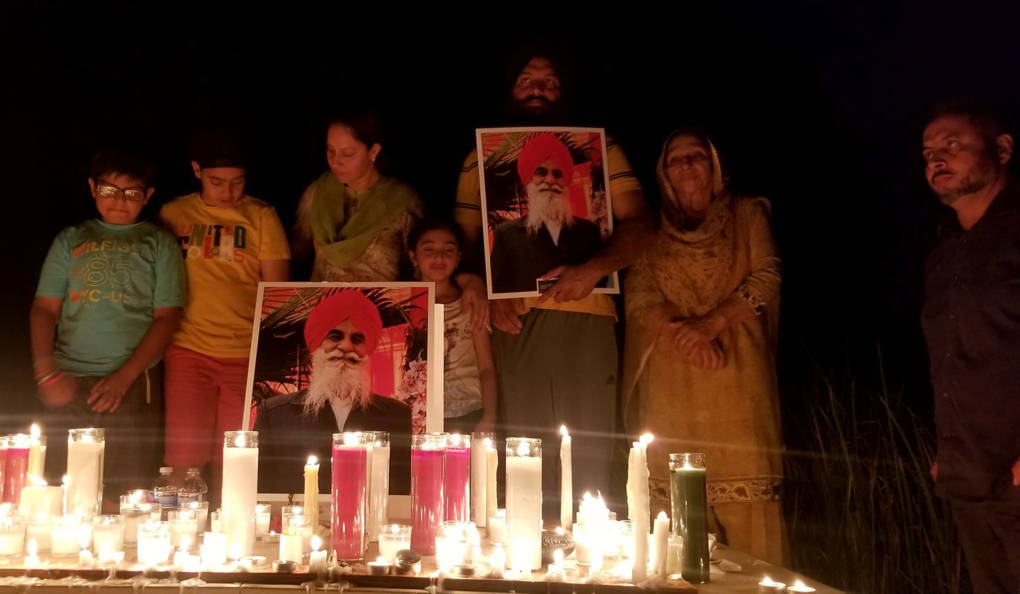
"caption": "Mourners attend a vigil for Parmjit Singh in Tracy on Aug. 28, 2019.",
"description": "Mourners attend a vigil for Parmjit Singh in Tracy on August 28, 2019.",
"title": "Sikh-Vigil-Tracy-Main",
"credit": "Courtesy of Sikhs of Tracy",
"status": "inherit",
"isLoading": false,
"fetchFailed": false
},
"news_11771248": {
"type": "attachments",
"id": "news_11771248",
"meta": {
"index": "attachments_1716263798",
"site": "news",
"id": "11771248",
"found": true
},
"parent": 11770924,
"imgSizes": {
"apple_news_ca_landscape_5_5": {
"file": "https://ww2.kqed.org/app/uploads/sites/10/2019/08/RS38880_GettyImages-1075194760-qut-1044x783.jpg",
"width": 1044,
"mimeType": "image/jpeg",
"height": 783
},
"apple_news_ca_square_4_0": {
"file": "https://ww2.kqed.org/app/uploads/sites/10/2019/08/RS38880_GettyImages-1075194760-qut-470x470.jpg",
"width": 470,
"mimeType": "image/jpeg",
"height": 470
},
"twentyfourteen-full-width": {
"file": "https://ww2.kqed.org/app/uploads/sites/10/2019/08/RS38880_GettyImages-1075194760-qut-1038x576.jpg",
"width": 1038,
"mimeType": "image/jpeg",
"height": 576
},
"thumbnail": {
"file": "https://ww2.kqed.org/app/uploads/sites/10/2019/08/RS38880_GettyImages-1075194760-qut-160x107.jpg",
"width": 160,
"mimeType": "image/jpeg",
"height": 107
},
"post-thumbnail": {
"file": "https://ww2.kqed.org/app/uploads/sites/10/2019/08/RS38880_GettyImages-1075194760-qut-672x372.jpg",
"width": 672,
"mimeType": "image/jpeg",
"height": 372
},
"kqedFullSize": {
"file": "https://ww2.kqed.org/app/uploads/sites/10/2019/08/RS38880_GettyImages-1075194760-qut.jpg",
"width": 1920,
"height": 1280
},
"apple_news_ca_landscape_4_7": {
"file": "https://ww2.kqed.org/app/uploads/sites/10/2019/08/RS38880_GettyImages-1075194760-qut-632x474.jpg",
"width": 632,
"mimeType": "image/jpeg",
"height": 474
},
"large": {
"file": "https://ww2.kqed.org/app/uploads/sites/10/2019/08/RS38880_GettyImages-1075194760-qut-1020x680.jpg",
"width": 1020,
"mimeType": "image/jpeg",
"height": 680
},
"complete_open_graph": {
"file": "https://ww2.kqed.org/app/uploads/sites/10/2019/08/RS38880_GettyImages-1075194760-qut-1200x800.jpg",
"width": 1200,
"mimeType": "image/jpeg",
"height": 800
},
"apple_news_ca_landscape_4_0": {
"file": "https://ww2.kqed.org/app/uploads/sites/10/2019/08/RS38880_GettyImages-1075194760-qut-536x402.jpg",
"width": 536,
"mimeType": "image/jpeg",
"height": 402
},
"apple_news_ca_portrait_12_9": {
"file": "https://ww2.kqed.org/app/uploads/sites/10/2019/08/RS38880_GettyImages-1075194760-qut-1122x1280.jpg",
"width": 1122,
"mimeType": "image/jpeg",
"height": 1280
},
"medium": {
"file": "https://ww2.kqed.org/app/uploads/sites/10/2019/08/RS38880_GettyImages-1075194760-qut-800x533.jpg",
"width": 800,
"mimeType": "image/jpeg",
"height": 533
},
"apple_news_ca_portrait_4_0": {
"file": "https://ww2.kqed.org/app/uploads/sites/10/2019/08/RS38880_GettyImages-1075194760-qut-354x472.jpg",
"width": 354,
"mimeType": "image/jpeg",
"height": 472
},
"apple_news_ca_portrait_9_7": {
"file": "https://ww2.kqed.org/app/uploads/sites/10/2019/08/RS38880_GettyImages-1075194760-qut-840x1120.jpg",
"width": 840,
"mimeType": "image/jpeg",
"height": 1120
},
"apple_news_ca_landscape_12_9": {
"file": "https://ww2.kqed.org/app/uploads/sites/10/2019/08/RS38880_GettyImages-1075194760-qut-1832x1280.jpg",
"width": 1832,
"mimeType": "image/jpeg",
"height": 1280
},
"apple_news_ca_square_9_7": {
"file": "https://ww2.kqed.org/app/uploads/sites/10/2019/08/RS38880_GettyImages-1075194760-qut-1104x1104.jpg",
"width": 1104,
"mimeType": "image/jpeg",
"height": 1104
},
"apple_news_ca_portrait_4_7": {
"file": "https://ww2.kqed.org/app/uploads/sites/10/2019/08/RS38880_GettyImages-1075194760-qut-414x552.jpg",
"width": 414,
"mimeType": "image/jpeg",
"height": 552
},
"apple_news_ca_square_12_9": {
"file": "https://ww2.kqed.org/app/uploads/sites/10/2019/08/RS38880_GettyImages-1075194760-qut-1472x1280.jpg",
"width": 1472,
"mimeType": "image/jpeg",
"height": 1280
},
"apple_news_ca_portrait_5_5": {
"file": "https://ww2.kqed.org/app/uploads/sites/10/2019/08/RS38880_GettyImages-1075194760-qut-687x916.jpg",
"width": 687,
"mimeType": "image/jpeg",
"height": 916
},
"full-width": {
"file": "https://ww2.kqed.org/app/uploads/sites/10/2019/08/RS38880_GettyImages-1075194760-qut-1920x1280.jpg",
"width": 1920,
"mimeType": "image/jpeg",
"height": 1280
},
"apple_news_ca_square_4_7": {
"file": "https://ww2.kqed.org/app/uploads/sites/10/2019/08/RS38880_GettyImages-1075194760-qut-550x550.jpg",
"width": 550,
"mimeType": "image/jpeg",
"height": 550
},
"apple_news_ca_landscape_9_7": {
"file": "https://ww2.kqed.org/app/uploads/sites/10/2019/08/RS38880_GettyImages-1075194760-qut-1376x1032.jpg",
"width": 1376,
"mimeType": "image/jpeg",
"height": 1032
},
"apple_news_ca_square_5_5": {
"file": "https://ww2.kqed.org/app/uploads/sites/10/2019/08/RS38880_GettyImages-1075194760-qut-912x912.jpg",
"width": 912,
"mimeType": "image/jpeg",
"height": 912
}
},
"publishDate": 1567127023,
"modified": 1567127158,
"caption": "US border patrol agents arrest a group of Central American migrants after crossing the US-Mexico border fence from Tijuana to San Diego County as seen from Tijuana, Baja California State, Mexico, on December 26, 2018. ",
"description": null,
"title": "MEXICO-US-HONDURAS-MIGRATION",
"credit": "GUILLERMO ARIAS/AFP/Getty Images",
"status": "inherit",
"isLoading": false,
"fetchFailed": false
},
"news_11770896": {
"type": "attachments",
"id": "news_11770896",
"meta": {
"index": "attachments_1716263798",
"site": "news",
"id": "11770896",
"found": true
},
"parent": 11770865,
"imgSizes": {
"apple_news_ca_landscape_5_5": {
"file": "https://ww2.kqed.org/app/uploads/sites/10/2019/08/GettyImages-1125269154-1044x783.jpg",
"width": 1044,
"mimeType": "image/jpeg",
"height": 783
},
"apple_news_ca_square_4_0": {
"file": "https://ww2.kqed.org/app/uploads/sites/10/2019/08/GettyImages-1125269154-470x470.jpg",
"width": 470,
"mimeType": "image/jpeg",
"height": 470
},
"twentyfourteen-full-width": {
"file": "https://ww2.kqed.org/app/uploads/sites/10/2019/08/GettyImages-1125269154-1038x576.jpg",
"width": 1038,
"mimeType": "image/jpeg",
"height": 576
},
"thumbnail": {
"file": "https://ww2.kqed.org/app/uploads/sites/10/2019/08/GettyImages-1125269154-160x107.jpg",
"width": 160,
"mimeType": "image/jpeg",
"height": 107
},
"post-thumbnail": {
"file": "https://ww2.kqed.org/app/uploads/sites/10/2019/08/GettyImages-1125269154-672x372.jpg",
"width": 672,
"mimeType": "image/jpeg",
"height": 372
},
"kqedFullSize": {
"file": "https://ww2.kqed.org/app/uploads/sites/10/2019/08/GettyImages-1125269154-e1567039599693.jpg",
"width": 1920,
"height": 1280
},
"apple_news_ca_landscape_4_7": {
"file": "https://ww2.kqed.org/app/uploads/sites/10/2019/08/GettyImages-1125269154-632x474.jpg",
"width": 632,
"mimeType": "image/jpeg",
"height": 474
},
"large": {
"file": "https://ww2.kqed.org/app/uploads/sites/10/2019/08/GettyImages-1125269154-1020x680.jpg",
"width": 1020,
"mimeType": "image/jpeg",
"height": 680
},
"complete_open_graph": {
"file": "https://ww2.kqed.org/app/uploads/sites/10/2019/08/GettyImages-1125269154-1200x800.jpg",
"width": 1200,
"mimeType": "image/jpeg",
"height": 800
},
"apple_news_ca_landscape_4_0": {
"file": "https://ww2.kqed.org/app/uploads/sites/10/2019/08/GettyImages-1125269154-536x402.jpg",
"width": 536,
"mimeType": "image/jpeg",
"height": 402
},
"apple_news_ca_portrait_12_9": {
"file": "https://ww2.kqed.org/app/uploads/sites/10/2019/08/GettyImages-1125269154-1122x1496.jpg",
"width": 1122,
"mimeType": "image/jpeg",
"height": 1496
},
"medium": {
"file": "https://ww2.kqed.org/app/uploads/sites/10/2019/08/GettyImages-1125269154-800x533.jpg",
"width": 800,
"mimeType": "image/jpeg",
"height": 533
},
"apple_news_ca_portrait_4_0": {
"file": "https://ww2.kqed.org/app/uploads/sites/10/2019/08/GettyImages-1125269154-354x472.jpg",
"width": 354,
"mimeType": "image/jpeg",
"height": 472
},
"apple_news_ca_portrait_9_7": {
"file": "https://ww2.kqed.org/app/uploads/sites/10/2019/08/GettyImages-1125269154-840x1120.jpg",
"width": 840,
"mimeType": "image/jpeg",
"height": 1120
},
"apple_news_ca_landscape_12_9": {
"file": "https://ww2.kqed.org/app/uploads/sites/10/2019/08/GettyImages-1125269154-1832x1374.jpg",
"width": 1832,
"mimeType": "image/jpeg",
"height": 1374
},
"apple_news_ca_square_9_7": {
"file": "https://ww2.kqed.org/app/uploads/sites/10/2019/08/GettyImages-1125269154-1104x1104.jpg",
"width": 1104,
"mimeType": "image/jpeg",
"height": 1104
},
"apple_news_ca_portrait_4_7": {
"file": "https://ww2.kqed.org/app/uploads/sites/10/2019/08/GettyImages-1125269154-414x552.jpg",
"width": 414,
"mimeType": "image/jpeg",
"height": 552
},
"apple_news_ca_square_12_9": {
"file": "https://ww2.kqed.org/app/uploads/sites/10/2019/08/GettyImages-1125269154-1472x1472.jpg",
"width": 1472,
"mimeType": "image/jpeg",
"height": 1472
},
"apple_news_ca_portrait_5_5": {
"file": "https://ww2.kqed.org/app/uploads/sites/10/2019/08/GettyImages-1125269154-687x916.jpg",
"width": 687,
"mimeType": "image/jpeg",
"height": 916
},
"full-width": {
"file": "https://ww2.kqed.org/app/uploads/sites/10/2019/08/GettyImages-1125269154-1920x1280.jpg",
"width": 1920,
"mimeType": "image/jpeg",
"height": 1280
},
"apple_news_ca_square_4_7": {
"file": "https://ww2.kqed.org/app/uploads/sites/10/2019/08/GettyImages-1125269154-550x550.jpg",
"width": 550,
"mimeType": "image/jpeg",
"height": 550
},
"apple_news_ca_landscape_9_7": {
"file": "https://ww2.kqed.org/app/uploads/sites/10/2019/08/GettyImages-1125269154-1376x1032.jpg",
"width": 1376,
"mimeType": "image/jpeg",
"height": 1032
},
"apple_news_ca_square_5_5": {
"file": "https://ww2.kqed.org/app/uploads/sites/10/2019/08/GettyImages-1125269154-912x912.jpg",
"width": 912,
"mimeType": "image/jpeg",
"height": 912
}
},
"publishDate": 1567039575,
"modified": 1567039656,
"caption": "Sixteen Central American migrants cross the International Bridge II to be interviewed by U.S. immigration authorities and have the possibility of receiving asylum, in Piedras Negras, Coahuila state, Mexico.",
"description": null,
"title": "MEXICO-US-MIGRATION-BORDER",
"credit": "Julio Cesar Aguilar/AFP/Getty Images",
"status": "inherit",
"isLoading": false,
"fetchFailed": false
},
"news_11770666": {
"type": "attachments",
"id": "news_11770666",
"meta": {
"index": "attachments_1716263798",
"site": "news",
"id": "11770666",
"found": true
},
"parent": 11770654,
"imgSizes": {
"apple_news_ca_landscape_5_5": {
"file": "https://ww2.kqed.org/app/uploads/sites/10/2019/08/RS38819_GettyImages-1126810193-qut-1044x783.jpg",
"width": 1044,
"mimeType": "image/jpeg",
"height": 783
},
"apple_news_ca_square_4_0": {
"file": "https://ww2.kqed.org/app/uploads/sites/10/2019/08/RS38819_GettyImages-1126810193-qut-470x470.jpg",
"width": 470,
"mimeType": "image/jpeg",
"height": 470
},
"twentyfourteen-full-width": {
"file": "https://ww2.kqed.org/app/uploads/sites/10/2019/08/RS38819_GettyImages-1126810193-qut-1038x576.jpg",
"width": 1038,
"mimeType": "image/jpeg",
"height": 576
},
"thumbnail": {
"file": "https://ww2.kqed.org/app/uploads/sites/10/2019/08/RS38819_GettyImages-1126810193-qut-160x105.jpg",
"width": 160,
"mimeType": "image/jpeg",
"height": 105
},
"post-thumbnail": {
"file": "https://ww2.kqed.org/app/uploads/sites/10/2019/08/RS38819_GettyImages-1126810193-qut-672x372.jpg",
"width": 672,
"mimeType": "image/jpeg",
"height": 372
},
"kqedFullSize": {
"file": "https://ww2.kqed.org/app/uploads/sites/10/2019/08/RS38819_GettyImages-1126810193-qut.jpg",
"width": 1920,
"height": 1265
},
"apple_news_ca_landscape_4_7": {
"file": "https://ww2.kqed.org/app/uploads/sites/10/2019/08/RS38819_GettyImages-1126810193-qut-632x474.jpg",
"width": 632,
"mimeType": "image/jpeg",
"height": 474
},
"large": {
"file": "https://ww2.kqed.org/app/uploads/sites/10/2019/08/RS38819_GettyImages-1126810193-qut-1020x672.jpg",
"width": 1020,
"mimeType": "image/jpeg",
"height": 672
},
"complete_open_graph": {
"file": "https://ww2.kqed.org/app/uploads/sites/10/2019/08/RS38819_GettyImages-1126810193-qut-1200x791.jpg",
"width": 1200,
"mimeType": "image/jpeg",
"height": 791
},
"apple_news_ca_landscape_4_0": {
"file": "https://ww2.kqed.org/app/uploads/sites/10/2019/08/RS38819_GettyImages-1126810193-qut-536x402.jpg",
"width": 536,
"mimeType": "image/jpeg",
"height": 402
},
"apple_news_ca_portrait_12_9": {
"file": "https://ww2.kqed.org/app/uploads/sites/10/2019/08/RS38819_GettyImages-1126810193-qut-1122x1265.jpg",
"width": 1122,
"mimeType": "image/jpeg",
"height": 1265
},
"medium": {
"file": "https://ww2.kqed.org/app/uploads/sites/10/2019/08/RS38819_GettyImages-1126810193-qut-800x527.jpg",
"width": 800,
"mimeType": "image/jpeg",
"height": 527
},
"apple_news_ca_portrait_4_0": {
"file": "https://ww2.kqed.org/app/uploads/sites/10/2019/08/RS38819_GettyImages-1126810193-qut-354x472.jpg",
"width": 354,
"mimeType": "image/jpeg",
"height": 472
},
"apple_news_ca_portrait_9_7": {
"file": "https://ww2.kqed.org/app/uploads/sites/10/2019/08/RS38819_GettyImages-1126810193-qut-840x1120.jpg",
"width": 840,
"mimeType": "image/jpeg",
"height": 1120
},
"apple_news_ca_landscape_12_9": {
"file": "https://ww2.kqed.org/app/uploads/sites/10/2019/08/RS38819_GettyImages-1126810193-qut-1832x1265.jpg",
"width": 1832,
"mimeType": "image/jpeg",
"height": 1265
},
"apple_news_ca_square_9_7": {
"file": "https://ww2.kqed.org/app/uploads/sites/10/2019/08/RS38819_GettyImages-1126810193-qut-1104x1104.jpg",
"width": 1104,
"mimeType": "image/jpeg",
"height": 1104
},
"apple_news_ca_portrait_4_7": {
"file": "https://ww2.kqed.org/app/uploads/sites/10/2019/08/RS38819_GettyImages-1126810193-qut-414x552.jpg",
"width": 414,
"mimeType": "image/jpeg",
"height": 552
},
"apple_news_ca_square_12_9": {
"file": "https://ww2.kqed.org/app/uploads/sites/10/2019/08/RS38819_GettyImages-1126810193-qut-1472x1265.jpg",
"width": 1472,
"mimeType": "image/jpeg",
"height": 1265
},
"apple_news_ca_portrait_5_5": {
"file": "https://ww2.kqed.org/app/uploads/sites/10/2019/08/RS38819_GettyImages-1126810193-qut-687x916.jpg",
"width": 687,
"mimeType": "image/jpeg",
"height": 916
},
"full-width": {
"file": "https://ww2.kqed.org/app/uploads/sites/10/2019/08/RS38819_GettyImages-1126810193-qut-1920x1265.jpg",
"width": 1920,
"mimeType": "image/jpeg",
"height": 1265
},
"apple_news_ca_square_4_7": {
"file": "https://ww2.kqed.org/app/uploads/sites/10/2019/08/RS38819_GettyImages-1126810193-qut-550x550.jpg",
"width": 550,
"mimeType": "image/jpeg",
"height": 550
},
"apple_news_ca_landscape_9_7": {
"file": "https://ww2.kqed.org/app/uploads/sites/10/2019/08/RS38819_GettyImages-1126810193-qut-1376x1032.jpg",
"width": 1376,
"mimeType": "image/jpeg",
"height": 1032
},
"apple_news_ca_square_5_5": {
"file": "https://ww2.kqed.org/app/uploads/sites/10/2019/08/RS38819_GettyImages-1126810193-qut-912x912.jpg",
"width": 912,
"mimeType": "image/jpeg",
"height": 912
}
},
"publishDate": 1567020155,
"modified": 1567020214,
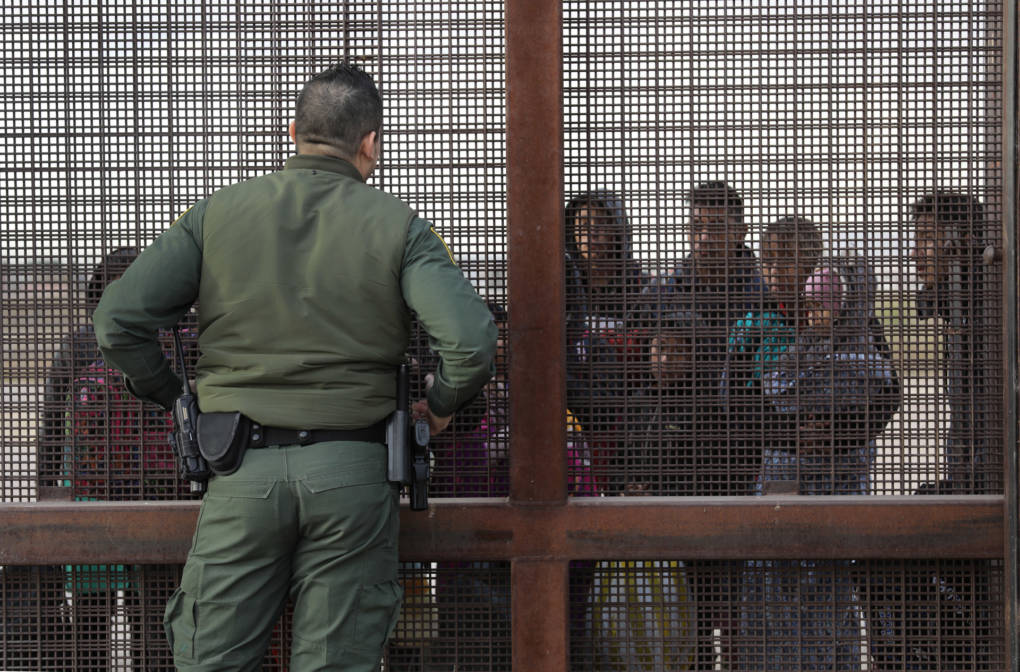
"caption": "A U.S. Border Patrol agent speaks with Central American immigrants at the border fence after they crossed the Rio Grande from Mexico in El Paso, Texas. ",
"description": null,
"title": "U.S. Customs And Border Patrol Agents Patrol Border In El Paso, TX",
"credit": "John Moore/Getty Images",
"status": "inherit",
"isLoading": false,
"fetchFailed": false
}
},
"audioPlayerReducer": {
"postId": "stream_live",
"isPaused": true,
"isPlaying": false,
"pfsActive": false,
"pledgeModalIsOpen": true,
"playerDrawerIsOpen": false,
"liveAudioPlayStartedAt": 0,
"liveAudioPlayContext": ""
},
"authorsReducer": {
"byline_news_11773808": {
"type": "authors",
"id": "byline_news_11773808",
"meta": {
"override": true
},
"slug": "byline_news_11773808",
"name": "Mark Sherman\u003cbr />Associated Press",
"isLoading": false
},
"byline_news_11772971": {
"type": "authors",
"id": "byline_news_11772971",
"meta": {
"override": true
},
"slug": "byline_news_11772971",
"name": "\u003ca href= \"https://www.npr.org/people/1936301/john-burnett\"> John Burnett \u003ca/>",
"isLoading": false
},
"byline_news_11771611": {
"type": "authors",
"id": "byline_news_11771611",
"meta": {
"override": true
},
"slug": "byline_news_11771611",
"name": "Juliet Williams \u003cbr> Associated Press",
"isLoading": false
},
"byline_news_11770654": {
"type": "authors",
"id": "byline_news_11770654",
"meta": {
"override": true
},
"slug": "byline_news_11770654",
"name": "Colleen Long \u003cbr> Associated Press",
"isLoading": false
},
"markfiore": {
"type": "authors",
"id": "3236",
"meta": {
"index": "authors_1716337520",
"id": "3236",
"found": true
},
"name": "Mark Fiore",
"firstName": "Mark",
"lastName": "Fiore",
"slug": "markfiore",
"email": "mark@markfiore.com",
"display_author_email": false,
"staff_mastheads": [
"news"
],
"title": "KQED News Cartoonist",
"bio": "\u003ca href=\"http://www.MarkFiore.com\">MarkFiore.com\u003c/a> | \u003ca href=\"https://twitter.com/markfiore\">Follow on Twitter\u003c/a> | \u003ca href=\"https://www.facebook.com/pages/Mark-Fiore-Animated-Political-Cartoons/94451707396?ref=bookmarks\">Facebook\u003c/a> | \u003ca href=\"mailto:mark@markfiore.com\">email\u003c/a>\r\n\r\nPulitzer Prize-winner, Mark Fiore, who the Wall Street Journal has called “the undisputed guru of the form,” creates animated political cartoons in San Francisco, where his work has been featured regularly on the San Francisco Chronicle’s web site, SFGate.com. His work has appeared on Newsweek.com, Slate.com, CBSNews.com, MotherJones.com, DailyKos.com and NPR’s web site. Fiore’s political animation has appeared on CNN, Frontline, Bill Moyers Journal, Salon.com and cable and broadcast outlets across the globe.\r\n\r\nBeginning his professional life by drawing traditional political cartoons for newspapers, Fiore’s work appeared in publications ranging from the Washington Post to the Los Angeles Times. In the late 1990s, he began to experiment with animating political cartoons and, after a short stint at the San Jose Mercury News as their staff cartoonist, Fiore devoted all his energies to animation.\r\nGrowing up in California, Fiore also spent a good portion of his life in the backwoods of Idaho. It was this combination that shaped him politically. Mark majored in political science at Colorado College, where, in a perfect send-off for a cartoonist, he received his diploma in 1991 as commencement speaker Dick Cheney smiled approvingly.\r\nMark Fiore was awarded the Pulitzer Prize for political cartooning in 2010, a Robert F. Kennedy Journalism Award in 2004 and has twice received an Online Journalism Award for commentary from the Online News Association (2002, 2008). Fiore has received two awards for his work in new media from the National Cartoonists Society (2001, 2002), and in 2006 received The James Madison Freedom of Information Award from The Society of Professional Journalists.",
"avatar": "https://secure.gravatar.com/avatar/fc4e2a612b15b67bad0c6f0e1db4ca9b?s=600&d=blank&r=g",
"twitter": "MarkFiore",
"facebook": null,
"instagram": "https://www.instagram.com/markfiore/?hl=en",
"linkedin": null,
"sites": [
{
"site": "arts",
"roles": [
"contributor"
]
},
{
"site": "news",
"roles": [
"editor"
]
},
{
"site": "futureofyou",
"roles": [
"editor"
]
},
{
"site": "science",
"roles": [
"editor"
]
}
],
"headData": {
"title": "Mark Fiore | KQED",
"description": "KQED News Cartoonist",
"ogImgSrc": "https://secure.gravatar.com/avatar/fc4e2a612b15b67bad0c6f0e1db4ca9b?s=600&d=blank&r=g",
"twImgSrc": "https://secure.gravatar.com/avatar/fc4e2a612b15b67bad0c6f0e1db4ca9b?s=600&d=blank&r=g"
},
"isLoading": false,
"link": "/author/markfiore"
},
"fjhabvala": {
"type": "authors",
"id": "8659",
"meta": {
"index": "authors_1716337520",
"id": "8659",
"found": true
},
"name": "Farida Jhabvala Romero",
"firstName": "Farida",
"lastName": "Jhabvala Romero",
"slug": "fjhabvala",
"email": "fjhabvala@kqed.org",
"display_author_email": true,
"staff_mastheads": [
"news"
],
"title": "KQED Contributor",
"bio": "Farida Jhabvala Romero is a Labor Correspondent for KQED. She previously covered immigration. Farida was \u003ca href=\"https://www.ccnma.org/2022-most-influential-latina-journalists\">named\u003c/a> one of the 10 Most Influential Latina Journalists in California in 2022 by the California Chicano News Media Association. Her work has won awards from the Society of Professional Journalists (Northern California), as well as a national and regional Edward M. Murrow Award for the collaborative reporting projects “Dangerous Air” and “Graying California.” Before joining KQED, Farida worked as a producer at Radio Bilingüe, a national public radio network. Farida earned her master’s degree in journalism from Stanford University.",
"avatar": "https://secure.gravatar.com/avatar/f9f022d4e2609741874222a1e9d41f48fea74011aa7c615eef91d9a50c944ebe?s=600&d=blank&r=g",
"twitter": "FaridaJhabvala",
"bluesky": null,
"facebook": null,
"instagram": null,
"linkedin": "https://www.linkedin.com/in/faridajhabvala/",
"sites": [
{
"site": "news",
"roles": [
"editor"
]
},
{
"site": "stateofhealth",
"roles": [
"author"
]
},
{
"site": "liveblog",
"roles": [
"author"
]
}
],
"headData": {
"title": "Farida Jhabvala Romero | KQED",
"description": "KQED Contributor",
"ogImgSrc": "https://secure.gravatar.com/avatar/f9f022d4e2609741874222a1e9d41f48fea74011aa7c615eef91d9a50c944ebe?s=600&d=blank&r=g",
"twImgSrc": "https://secure.gravatar.com/avatar/f9f022d4e2609741874222a1e9d41f48fea74011aa7c615eef91d9a50c944ebe?s=600&d=blank&r=g"
},
"isLoading": false,
"link": "/author/fjhabvala"
},
"jeremysiegel": {
"type": "authors",
"id": "11258",
"meta": {
"index": "authors_1716337520",
"id": "11258",
"found": true
},
"name": "Jeremy Siegel",
"firstName": "Jeremy",
"lastName": "Siegel",
"slug": "jeremysiegel",
"email": "jsiegel@kqed.org",
"display_author_email": false,
"staff_mastheads": [],
"title": "KQED Contributor",
"bio": "Jeremy Siegel is is the weekend afternoon news anchor for KQED. His reporting can be heard on KQED News, Morning Edition, All Things Considered and The California Report. Jeremy's coverage of the Camp Fire in Butte County won the 2019 Society of Professional Journalists, Northern California Chapter, Excellence in Journalism Award for Breaking News. Jeremy grew up in Cincinnati, Ohio, and graduated from UC Berkeley.",
"avatar": "https://secure.gravatar.com/avatar/3921a64ceb9ed5d0ba47d9ae9782f1ab?s=600&d=blank&r=g",
"twitter": "jersiegel",
"facebook": null,
"instagram": null,
"linkedin": null,
"sites": [
{
"site": "arts",
"roles": []
},
{
"site": "news",
"roles": [
"subscriber"
]
},
{
"site": "science",
"roles": []
}
],
"headData": {
"title": "Jeremy Siegel | KQED",
"description": "KQED Contributor",
"ogImgSrc": "https://secure.gravatar.com/avatar/3921a64ceb9ed5d0ba47d9ae9782f1ab?s=600&d=blank&r=g",
"twImgSrc": "https://secure.gravatar.com/avatar/3921a64ceb9ed5d0ba47d9ae9782f1ab?s=600&d=blank&r=g"
},
"isLoading": false,
"link": "/author/jeremysiegel"
},
"katewolffe": {
"type": "authors",
"id": "11523",
"meta": {
"index": "authors_1716337520",
"id": "11523",
"found": true
},
"name": "Kate Wolffe",
"firstName": "Kate",
"lastName": "Wolffe",
"slug": "katewolffe",
"email": "kwolffe@kqed.org",
"display_author_email": true,
"staff_mastheads": [
"news"
],
"title": "KQED Reporter + Weekend Host",
"bio": "Kate Wolffe reports on local Bay Area happenings for KQED, and hosts the news on weekend afternoons. She joined KQED in 2018 as an intern on the Forum team, before moving to cover topics ranging from politics to criminal justice to homelessness. A Bay Area native and UC Berkeley graduate, Kate loves to discover new corners of the region.",
"avatar": "https://secure.gravatar.com/avatar/22455f14db824a03ee252f73052fe939?s=600&d=blank&r=g",
"twitter": "katewolffe",
"facebook": null,
"instagram": null,
"linkedin": null,
"sites": [
{
"site": "arts",
"roles": [
"editor"
]
},
{
"site": "news",
"roles": [
"author",
"edit_others_posts"
]
},
{
"site": "forum",
"roles": [
"editor"
]
}
],
"headData": {
"title": "Kate Wolffe | KQED",
"description": "KQED Reporter + Weekend Host",
"ogImgSrc": "https://secure.gravatar.com/avatar/22455f14db824a03ee252f73052fe939?s=600&d=blank&r=g",
"twImgSrc": "https://secure.gravatar.com/avatar/22455f14db824a03ee252f73052fe939?s=600&d=blank&r=g"
},
"isLoading": false,
"link": "/author/katewolffe"
},
"mwiley": {
"type": "authors",
"id": "11526",
"meta": {
"index": "authors_1716337520",
"id": "11526",
"found": true
},
"name": "Michelle Wiley",
"firstName": "Michelle",
"lastName": "Wiley",
"slug": "mwiley",
"email": "mwiley@KQED.org",
"display_author_email": true,
"staff_mastheads": [],
"title": null,
"bio": "Michelle Wiley was the senior editor of weekends.",
"avatar": "https://secure.gravatar.com/avatar/3b897d82a09e8587e8e73fa69fbcc635?s=600&d=blank&r=g",
"twitter": "michelleewiley",
"facebook": null,
"instagram": null,
"linkedin": null,
"sites": [
{
"site": "",
"roles": [
"editor"
]
},
{
"site": "arts",
"roles": [
"editor"
]
},
{
"site": "news",
"roles": [
"subscriber"
]
},
{
"site": "lowdown",
"roles": [
"editor"
]
},
{
"site": "science",
"roles": [
"editor"
]
},
{
"site": "podcasts",
"roles": [
"editor"
]
}
],
"headData": {
"title": "Michelle Wiley | KQED",
"description": null,
"ogImgSrc": "https://secure.gravatar.com/avatar/3b897d82a09e8587e8e73fa69fbcc635?s=600&d=blank&r=g",
"twImgSrc": "https://secure.gravatar.com/avatar/3b897d82a09e8587e8e73fa69fbcc635?s=600&d=blank&r=g"
},
"isLoading": false,
"link": "/author/mwiley"
},
"lsarah": {
"type": "authors",
"id": "11626",
"meta": {
"index": "authors_1716337520",
"id": "11626",
"found": true
},
"name": "Lakshmi Sarah",
"firstName": "Lakshmi",
"lastName": "Sarah",
"slug": "lsarah",
"email": "lsarah@kqed.org",
"display_author_email": false,
"staff_mastheads": [],
"title": "Digital Producer",
"bio": "Lakshmi Sarah is an educator, author and journalist with a focus on innovative storytelling. She has worked with newspapers, radio and magazines from Ahmedabad, India to Los Angeles, California. She has written and produced for Die Zeit, Global Voices, AJ+, KQED, Fusion Media Group and the New York Times.",
"avatar": "https://secure.gravatar.com/avatar/652dcaecd8b28826fc17a8b2d6bb4e93?s=600&d=blank&r=g",
"twitter": "lakitalki",
"facebook": null,
"instagram": "https://www.instagram.com/laki.talki/",
"linkedin": "https://www.linkedin.com/in/lakisarah/",
"sites": [
{
"site": "arts",
"roles": []
},
{
"site": "news",
"roles": []
},
{
"site": "bayareabites",
"roles": []
},
{
"site": "science",
"roles": []
}
],
"headData": {
"title": "Lakshmi Sarah | KQED",
"description": "Digital Producer",
"ogImgSrc": "https://secure.gravatar.com/avatar/652dcaecd8b28826fc17a8b2d6bb4e93?s=600&d=blank&r=g",
"twImgSrc": "https://secure.gravatar.com/avatar/652dcaecd8b28826fc17a8b2d6bb4e93?s=600&d=blank&r=g"
},
"isLoading": false,
"link": "/author/lsarah"
}
},
"pagesReducer": {
"news_category_immigration": {
"type": "terms",
"id": "news_1169",
"meta": {
"index": "terms_1716263798",
"site": "news",
"id": "1169",
"score": 10.910448
},
"featImg": null,
"name": "Immigration",
"description": null,
"taxonomy": "category",
"headData": {
"twImgId": null,
"twTitle": null,
"ogTitle": null,
"ogImgId": null,
"twDescription": null,
"description": null,
"title": "Immigration Archives | KQED News",
"ogDescription": null
},
"ttid": 1180,
"slug": "immigration",
"isLoading": false,
"title": "Immigration",
"pageMeta": {
"site": "news",
"WpPageTemplate": "page-topic-editorial",
"currentPage": 78
},
"blocks": [
{
"blockName": "kqed/post-list",
"attrs": {
"layout": "cardArticle2",
"query": "posts/news?category=immigration",
"seeMore": false,
"paginated": true,
"page": 78
}
},
{
"blockName": "kqed/ad"
}
]
}
},
"pfsSessionReducer": {},
"postsReducer": {
"stream_live": {
"type": "live",
"id": "stream_live",
"audioUrl": "https://streams.kqed.org/kqedradio",
"title": "Live Stream",
"excerpt": "Live Stream information currently unavailable.",
"link": "/radio",
"featImg": "",
"label": {
"name": "KQED Live",
"link": "/"
}
},
"stream_kqedNewscast": {
"type": "posts",
"id": "stream_kqedNewscast",
"audioUrl": "https://www.kqed.org/.stream/anon/radio/RDnews/newscast.mp3?_=1",
"title": "KQED Newscast",
"featImg": "",
"label": {
"name": "88.5 FM",
"link": "/"
}
},
"news_11773808": {
"type": "posts",
"id": "news_11773808",
"meta": {
"index": "posts_1716263798",
"site": "news",
"id": "11773808",
"score": null,
"sort": [
1568245933000
]
},
"parent": 0,
"labelTerm": {},
"blocks": [],
"publishDate": 1568245933,
"format": "standard",
"disqusTitle": "Supreme Court Allows Trump to Ban Most Central American Asylum-Seekers",
"title": "Supreme Court Allows Trump to Ban Most Central American Asylum-Seekers",
"headTitle": "KQED News",
"content": "\u003cp>The Supreme Court is allowing nationwide enforcement of a new Trump administration rule that prevents most Central American immigrants from seeking asylum in the United States.\u003cbr>\n[aside postID=\"news_11771386,news_11770057,news_11763296\" label=\"Trump Administration's Immigration Policy\"]\u003cbr>\nThe justices' order late Wednesday temporarily undoes a lower court ruling that had blocked the new asylum policy in some states along the southern border. The policy is meant to deny asylum to anyone who passes through another country on the way to the U.S. without seeking protection there.\u003c/p>\n\u003cp>Most people crossing the southern border are Central Americans fleeing violence and poverty. They are largely ineligible under the new rule, as are asylum-seekers from Africa, Asia and South America who arrive regularly at the southern border.\u003c/p>\n\u003cp>The shift reverses decades of U.S. policy. The administration has said that it wants to close the gap between an initial asylum screening that most people pass and a final decision on asylum that most people do not win.\u003c/p>\n\u003cp>\"BIG United States Supreme Court WIN for the Border on Asylum!\" Trump tweeted.\u003c/p>\n\u003cp>https://twitter.com/realDonaldTrump/status/1171918282905018370?s=20\u003c/p>\n\u003cp>Justices Ruth Bader Ginsburg and Sonia Sotomayor dissented from the high court's order. \"Once again, the Executive Branch has issued a rule that seeks to upend longstanding practices regarding refugees who seek shelter from persecution,\" Sotomayor wrote.\u003c/p>\n\u003cp>The legal challenge to the new policy has a brief but somewhat convoluted history. U.S. District Judge Jon Tigar in San Francisco blocked the new policy from taking effect in late July. A three-judge panel of the 9th U.S. Circuit Court of Appeals narrowed Tigar's order so that it applied only in Arizona and California, states that are within the 9th Circuit.\u003c/p>\n\u003cp>That left the administration free to enforce the policy on asylum seekers arriving in New Mexico and Texas. Tigar issued a new order on Monday that reimposed a nationwide hold on asylum policy. The 9th Circuit again narrowed his order on Tuesday.\u003c/p>\n\u003cp>The high court action allows the administration to impose the new policy everywhere while the court case against it continues.\u003c/p>\n\u003cp>It's unclear how quickly the policy will be rolled out and how exactly it fits in with the other efforts by the administration to restrict border crossings and tighten asylum rules.\u003c/p>\n\u003cp>For example, thousands of people are waiting on lists at border crossings in Mexico to claim asylum in the U.S. And acting U.S. Customs and Border Protection Commissioner Mark Morgan said Thursday that 45,000 people have been \u003ca href=\"https://www.kqed.org/news/11758516/fear-confusion-and-separation-as-trump-administration-sends-migrants-back-to-mexico\" target=\"_blank\" rel=\"noopener\">turned back to Mexico\u003c/a> to wait out their asylum claims.\u003c/p>\n\u003cp>Asylum seekers must pass an initial screening called a \"credible fear\" interview, a hurdle that a vast majority clear. Under the new policy, they would fail the test unless they sought asylum in at least one country they traveled through and were denied. They would be placed in fast-track deportation proceedings and flown to their home countries at U.S. expense.\u003c/p>\n\u003cp>The American Civil Liberties Union lawyer who is representing immigrant advocacy groups in the case, Lee Gelernt, said: \"This is just a temporary step, and we're hopeful we'll prevail at the end of the day. The lives of thousands of families are at stake.\"\u003c/p>\n\u003cp>Morgan said Trump and his administration are \"doing everything that they can\" to address what he described as the crisis on the U.S. border with Mexico.\u003c/p>\n\u003cp>Migrants with valid claims \"should be seeking help and asylum from the first country they come in contact with,\" Morgan said Thursday on Fox News Channel's \"Fox and Friends.\" ''They shouldn't be paying the cartels thousands of dollars and risking their lives to take a 1,000-mile journey across several countries to get help. We want them to get help and seek asylum in the first country they get to.\"\u003c/p>\n\u003cp>Justice Department spokesperson Alexei Woltornist said the agency was \"pleased that the Supreme Court intervened in this case,\" adding, \"This action will assist the Administration in its objectives to bring order to the crisis at the southern border, close loopholes in our immigration system, and discourage frivolous claims.\"\u003c/p>\n\u003cp>[ad fullwidth]\u003c/p>\n\u003cp>\u003c/p>\n",
"disqusIdentifier": "11773808 https://ww2.kqed.org/news/?p=11773808",
"disqusUrl": "https://ww2.kqed.org/news/2019/09/11/supreme-court-allows-trump-to-ban-most-central-american-asylum-seekers/",
"stats": {
"hasVideo": false,
"hasChartOrMap": false,
"hasAudio": false,
"hasPolis": false,
"wordCount": 692,
"hasGoogleForm": false,
"hasGallery": false,
"hasHearkenModule": false,
"iframeSrcs": [],
"paragraphCount": 17
},
"modified": 1568307873,
"excerpt": "The policy is meant to deny asylum to anyone who passes through another country on the way to the U.S. without seeking protection there.",
"headData": {
"twImgId": "",
"twTitle": "",
"ogTitle": "",
"ogImgId": "",
"twDescription": "",
"description": "The policy is meant to deny asylum to anyone who passes through another country on the way to the U.S. without seeking protection there.",
"title": "Supreme Court Allows Trump to Ban Most Central American Asylum-Seekers | KQED",
"ogDescription": "",
"schema": {
"@context": "https://schema.org",
"@type": "NewsArticle",
"headline": "Supreme Court Allows Trump to Ban Most Central American Asylum-Seekers",
"datePublished": "2019-09-11T16:52:13-07:00",
"dateModified": "2019-09-12T10:04:33-07:00",
"image": "https://cdn.kqed.org/wp-content/uploads/2020/02/KQED-OG-Image@1x.png",
"isAccessibleForFree": "True",
"publisher": {
"@type": "NewsMediaOrganization",
"@id": "https://www.kqed.org/#organization",
"name": "KQED",
"logo": "https://cdn.kqed.org/wp-content/uploads/2020/02/KQED-OG-Image@1x.png",
"url": "https://www.kqed.org",
"sameAs": [
"https://www.facebook.com/KQED",
"https://twitter.com/KQED",
"https://www.instagram.com/kqed/",
"https://www.tiktok.com/@kqedofficial",
"https://www.linkedin.com/company/kqed",
"https://www.youtube.com/channel/UCeC0IOo7i1P_61zVUWbJ4nw"
]
}
}
},
"guestAuthors": [],
"slug": "supreme-court-allows-trump-to-ban-most-central-american-asylum-seekers",
"status": "publish",
"nprByline": "Mark Sherman\u003cbr />Associated Press",
"source": "Associated Press",
"path": "/news/11773808/supreme-court-allows-trump-to-ban-most-central-american-asylum-seekers",
"audioTrackLength": null,
"parsedContent": [
{
"type": "contentString",
"content": "\u003cdiv class=\"post-body\">\u003cp>\u003cp>The Supreme Court is allowing nationwide enforcement of a new Trump administration rule that prevents most Central American immigrants from seeking asylum in the United States.\u003cbr>\n\u003c/p>\u003c/div>",
"attributes": {
"named": {},
"numeric": []
}
},
{
"type": "component",
"content": "",
"name": "aside",
"attributes": {
"named": {
"postid": "news_11771386,news_11770057,news_11763296",
"label": "Trump Administration's Immigration Policy "
},
"numeric": []
}
},
{
"type": "contentString",
"content": "\u003cdiv class=\"post-body\">\u003cp>\u003cbr>\nThe justices' order late Wednesday temporarily undoes a lower court ruling that had blocked the new asylum policy in some states along the southern border. The policy is meant to deny asylum to anyone who passes through another country on the way to the U.S. without seeking protection there.\u003c/p>\n\u003cp>Most people crossing the southern border are Central Americans fleeing violence and poverty. They are largely ineligible under the new rule, as are asylum-seekers from Africa, Asia and South America who arrive regularly at the southern border.\u003c/p>\n\u003cp>The shift reverses decades of U.S. policy. The administration has said that it wants to close the gap between an initial asylum screening that most people pass and a final decision on asylum that most people do not win.\u003c/p>\n\u003cp>\"BIG United States Supreme Court WIN for the Border on Asylum!\" Trump tweeted.\u003c/p>\u003c/p>\u003c/div>",
"attributes": {
"named": {},
"numeric": []
}
},
{
"type": "component",
"content": "",
"name": "singleTwitterStatus",
"attributes": {
"named": {
"id": "1171918282905018370"
},
"numeric": []
}
},
{
"type": "contentString",
"content": "\u003cdiv class=\"post-body\">\u003cp>\n\u003cp>Justices Ruth Bader Ginsburg and Sonia Sotomayor dissented from the high court's order. \"Once again, the Executive Branch has issued a rule that seeks to upend longstanding practices regarding refugees who seek shelter from persecution,\" Sotomayor wrote.\u003c/p>\n\u003cp>The legal challenge to the new policy has a brief but somewhat convoluted history. U.S. District Judge Jon Tigar in San Francisco blocked the new policy from taking effect in late July. A three-judge panel of the 9th U.S. Circuit Court of Appeals narrowed Tigar's order so that it applied only in Arizona and California, states that are within the 9th Circuit.\u003c/p>\n\u003cp>That left the administration free to enforce the policy on asylum seekers arriving in New Mexico and Texas. Tigar issued a new order on Monday that reimposed a nationwide hold on asylum policy. The 9th Circuit again narrowed his order on Tuesday.\u003c/p>\n\u003cp>The high court action allows the administration to impose the new policy everywhere while the court case against it continues.\u003c/p>\n\u003cp>It's unclear how quickly the policy will be rolled out and how exactly it fits in with the other efforts by the administration to restrict border crossings and tighten asylum rules.\u003c/p>\n\u003cp>For example, thousands of people are waiting on lists at border crossings in Mexico to claim asylum in the U.S. And acting U.S. Customs and Border Protection Commissioner Mark Morgan said Thursday that 45,000 people have been \u003ca href=\"https://www.kqed.org/news/11758516/fear-confusion-and-separation-as-trump-administration-sends-migrants-back-to-mexico\" target=\"_blank\" rel=\"noopener\">turned back to Mexico\u003c/a> to wait out their asylum claims.\u003c/p>\n\u003cp>Asylum seekers must pass an initial screening called a \"credible fear\" interview, a hurdle that a vast majority clear. Under the new policy, they would fail the test unless they sought asylum in at least one country they traveled through and were denied. They would be placed in fast-track deportation proceedings and flown to their home countries at U.S. expense.\u003c/p>\n\u003cp>The American Civil Liberties Union lawyer who is representing immigrant advocacy groups in the case, Lee Gelernt, said: \"This is just a temporary step, and we're hopeful we'll prevail at the end of the day. The lives of thousands of families are at stake.\"\u003c/p>\n\u003cp>Morgan said Trump and his administration are \"doing everything that they can\" to address what he described as the crisis on the U.S. border with Mexico.\u003c/p>\n\u003cp>Migrants with valid claims \"should be seeking help and asylum from the first country they come in contact with,\" Morgan said Thursday on Fox News Channel's \"Fox and Friends.\" ''They shouldn't be paying the cartels thousands of dollars and risking their lives to take a 1,000-mile journey across several countries to get help. We want them to get help and seek asylum in the first country they get to.\"\u003c/p>\n\u003cp>Justice Department spokesperson Alexei Woltornist said the agency was \"pleased that the Supreme Court intervened in this case,\" adding, \"This action will assist the Administration in its objectives to bring order to the crisis at the southern border, close loopholes in our immigration system, and discourage frivolous claims.\"\u003c/p>\n\u003cp>\u003c/p>\u003c/div>",
"attributes": {
"named": {},
"numeric": []
}
},
{
"type": "component",
"content": "",
"name": "ad",
"attributes": {
"named": {
"label": "fullwidth"
},
"numeric": [
"fullwidth"
]
}
},
{
"type": "contentString",
"content": "\u003cdiv class=\"post-body\">\u003cp>\u003c/p>\n\u003cp>\u003c/p>\n\u003c/div>\u003c/p>",
"attributes": {
"named": {},
"numeric": []
}
}
],
"link": "/news/11773808/supreme-court-allows-trump-to-ban-most-central-american-asylum-seekers",
"authors": [
"byline_news_11773808"
],
"categories": [
"news_1169",
"news_6188",
"news_8",
"news_13"
],
"tags": [
"news_23087",
"news_19542",
"news_17827",
"news_21038",
"news_1172"
],
"featImg": "news_11773820",
"label": "source_news_11773808"
},
"news_11772775": {
"type": "posts",
"id": "news_11772775",
"meta": {
"index": "posts_1716263798",
"site": "news",
"id": "11772775",
"score": null,
"sort": [
1568053840000
]
},
"guestAuthors": [],
"slug": "judge-in-oakland-may-reinstate-nationwide-bar-on-asylum-restrictions",
"title": "Judge in Oakland Reinstates Nationwide Halt to Trump's Asylum Restrictions",
"publishDate": 1568053840,
"format": "standard",
"headTitle": "Judge in Oakland Reinstates Nationwide Halt to Trump’s Asylum Restrictions | KQED",
"labelTerm": {
"term": 72,
"site": "news"
},
"content": "\u003cp>A federal judge in Oakland has reinstated his nationwide halt to a Trump administration policy that effectively eliminates asylum protections for thousands of Central Americans who travel through Mexico each month and seek refuge in the U.S.\u003c/p>\n\u003cp>In a ruling issued Monday, U.S. District Judge Jon Tigar said blocking the asylum restrictions across the country was the only way to provide “complete relief” to the plaintiffs: four California-based organizations that offer legal aid and other services to asylum-seekers in various states.\u003c/p>\n\u003cp>Under \u003ca href=\"https://www.kqed.org/news/11761316/trump-administration-implementing-3rd-country-rule-on-migrants-seeking-asylum\">the administration’s rule\u003c/a>, which took effect July 16, immigrants are ineligible for asylum if they crossed another country en route to the U.S. without seeking protections there first.\u003c/p>\n\u003cp>[aside label=\"Related Stories\" tag=\"asylum\"]\u003c/p>\n\u003cp>Tigar said the plaintiff groups, which claimed significant costs under the new policy, had already established a “sufficient likelihood of irreparable harm.”\u003c/p>\n\u003cp>“The question now before the Court is whether those harms can be addressed by any relief short of nationwide injunction. The answer is that they cannot,” wrote Tigar in his ruling.\u003c/p>\n\u003cp>Tigar’s decision means migrants arriving anywhere along the southern border will now be eligible to apply for asylum as intended by Congress’ U.S. Refugee Act of 1980, said Michael Smith, who directs the refugee rights program at the East Bay Sanctuary Covenant in Berkeley, a plaintiff organization.\u003c/p>\n\u003cp>“The law says they are eligible to apply no matter how they got here,” said Smith. “So the law is clearly on our side. But this administration is going to fight against asylum on all fronts.”\u003c/p>\n\u003cp>The White House slammed Tigar’s ruling in a statement.\u003c/p>\n\u003cp>“Immigration and border security policy cannot be run by any single district court judge who decides to issue a nationwide injunction. This ruling is a gift to human smugglers and traffickers and undermines the rule of law,” read the \u003ca href=\"https://www.whitehouse.gov/briefings-statements/statement-press-secretary-75/\" target=\"_blank\" rel=\"noopener\">statement\u003c/a> from the Press Secretary.\u003c/p>\n\u003cp>The Trump administration is expected to request the 9th U.S. Circuit Court of Appeals to review Tigar’s decision. That court had limited a \u003ca href=\"https://www.kqed.org/news/11763296/federal-judge-in-s-f-halts-new-rule-targeting-central-american-asylum-seekers\" target=\"_blank\" rel=\"noopener\">previous nationwide injunction\u003c/a> Tigar ordered July 24 to temporarily block the so-called “third country rule” while it is challenged in court.\u003c/p>\n\u003cp>Last month, the appellate judges declined the federal government’s request to dissolve the ban completely, but they restricted it to the nine western states within the appeals court’s jurisdiction, reasoning the judge hadn’t shown enough evidence to support a nationwide halt. That meant the new asylum restrictions were applying to migrants who crossed the border into Texas and New Mexico, but not into California and Arizona.\u003c/p>\n\u003cp>The three judge panel at the appeals court also ruled that Tigar retained jurisdiction to “further develop the record” to support extending the suspension to the rest of the country. That opened the door for plaintiff organizations to ask Tiger to consider additional evidence and restore the nationwide injunction on the third country rule.\u003c/p>\n\u003cp>Tigar’s ruling Monday built a fuller case for the injunction. It comes as the Trump administration asked the U.S. Supreme Court last month to intervene and allow it to fully implement the third country rule.\u003c/p>\n\u003cp>[ad fullwidth]\u003c/p>\n\u003cp>At a hearing last week in Tigar’s courtroom in Oakland, East Bay Sanctuary Covenant, Al Otro Lado, Innovation Law Lab, and Central American Resource Center of Los Angeles said the partial injunction doesn’t make sense because they often represent asylum seekers outside the 9th Circuit’s jurisdiction, or represent people who came to California after entering the country through Texas and New Mexico. The organizations also claimed they’ll bear significant costs and workload from having to operate under a patchwork of asylum restrictions across the U.S.\u003c/p>\n\u003cp>U.S. Justice Department attorney Scott Stewart argued that additional evidence submitted by plaintiffs failed to show that the third country rule must be halted nationwide.\u003c/p>\n\u003cp>“They are essentially repackaging arguments they already made,” said Stewart. “We knew their operations were nationwide and the 9th Circuit still deemed the record insufficient.”\u003c/p>\n\u003cp>Stewart also argued that the appellate judges did not grant Tigar the authority to fully block the asylum restrictions once again. But Tigar seemed unconvinced.\u003c/p>\n\u003cp>“What would be the purpose of developing the record on a nationwide injunction if I didn’t have authority to issue one?” he asked Stewart.\u003c/p>\n\u003cp>[pullquote size=\"medium\" align=\"right\" citation=\"Lee Gelernt, ACLU attorney\"]‘The stakes in this case could not be higher. This rule we’re talking about effectively would end asylum at the southern border for everyone except Mexicans who don’t have to transit through a third country.’[/pullquote]\u003c/p>\n\u003cp>Government officials argue the third country policy is needed to reduce the influx of Central American migrants seeking asylum protections at the southern border, which the administration says has overwhelmed the country’s immigration system.\u003c/p>\n\u003cp>“This interim rule will help reduce a major ‘pull’ factor driving irregular migration to the United States,” said Department of Homeland Security Acting Secretary Kevin K. McAleenan, announcing the third country rule on July 15.\u003c/p>\n\u003cp>Under American law, people can request asylum when they arrive in the U.S. regardless of how they enter. The law makes an exception for those who have come through a country considered to be “safe,” pursuant to an agreement between the U.S. and that country.\u003c/p>\n\u003cp>Canada and the U.S. have a \u003ca href=\"https://www.kqed.org/news/11761305/this-obscure-treaty-is-the-blueprint-for-trumps-new-asylum-rule\" target=\"_blank\" rel=\"noopener\">“safe third country” agreement\u003c/a>. But the U.S. doesn’t have one with Mexico. The Trump administration announced an agreement this summer with Guatemala, but the country’s incoming president \u003ca href=\"https://time.com/5651664/guatemala-president-elect-us-migrant-deal/\" target=\"_blank\" rel=\"noopener\">said last month\u003c/a> that Guatemala would not be able to uphold the deal reached by his predecessor.\u003c/p>\n\u003cp>The administration maintains that “loopholes” in current laws allow migrants to ask for asylum, whether or not they have legitimate claims, and then be released into the U.S. while their cases are decided by an immigration judge, which can take years.\u003c/p>\n\u003cp>Between 2017 and 2018, asylum applications increased by nearly 70%, according to government figures.\u003c/p>\n\u003cp>The majority of migrants apprehended by U.S. authorities at the southern border are Central American families and children. Many say they are fleeing extreme violence and that their governments fail to protect them.\u003c/p>\n\u003cp>The Trump administration rule includes exceptions for people who were denied protection claims elsewhere or were victims of human trafficking. But immigrant advocates argue that the policy shatters asylum protections established by Congress four decades ago.\u003c/p>\n\u003cp>“The stakes in this case could not be higher,” said Lee Gelernt, an ACLU attorney representing the plaintiffs. “This rule we’re talking about effectively would end asylum at the southern border for everyone except Mexicans who don’t have to transit through a third country. So we believe that it’s clearly unlawful.”\u003c/p>\n\u003cp>[ad floatright]\u003c/p>\n",
"blocks": [],
"excerpt": "Federal judge blocks Trump administration rule that eliminates asylum for tens of thousands of Central Americans at the U.S.-Mexico border.",
"status": "publish",
"parent": 0,
"modified": 1721155019,
"stats": {
"hasAudio": false,
"hasVideo": false,
"hasChartOrMap": false,
"iframeSrcs": [],
"hasGoogleForm": false,
"hasGallery": false,
"hasHearkenModule": false,
"hasPolis": false,
"paragraphCount": 31,
"wordCount": 1175
},
"headData": {
"title": "Judge in Oakland Reinstates Nationwide Halt to Trump's Asylum Restrictions | KQED",
"description": "Federal judge blocks Trump administration rule that eliminates asylum for tens of thousands of Central Americans at the U.S.-Mexico border.",
"ogTitle": "",
"ogDescription": "",
"ogImgId": "",
"twTitle": "",
"twDescription": "",
"twImgId": "",
"schema": {
"@context": "https://schema.org",
"@type": "NewsArticle",
"headline": "Judge in Oakland Reinstates Nationwide Halt to Trump's Asylum Restrictions",
"datePublished": "2019-09-09T11:30:40-07:00",
"dateModified": "2024-07-16T11:36:59-07:00",
"image": "https://cdn.kqed.org/wp-content/uploads/2020/02/KQED-OG-Image@1x.png",
"isAccessibleForFree": "True",
"publisher": {
"@type": "NewsMediaOrganization",
"@id": "https://www.kqed.org/#organization",
"name": "KQED",
"logo": "https://cdn.kqed.org/wp-content/uploads/2020/02/KQED-OG-Image@1x.png",
"url": "https://www.kqed.org",
"sameAs": [
"https://www.facebook.com/KQED",
"https://twitter.com/KQED",
"https://www.instagram.com/kqed/",
"https://www.tiktok.com/@kqedofficial",
"https://www.linkedin.com/company/kqed",
"https://www.youtube.com/channel/UCeC0IOo7i1P_61zVUWbJ4nw"
]
}
}
},
"sticky": false,
"audioTrackLength": 88,
"path": "/news/11772775/judge-in-oakland-may-reinstate-nationwide-bar-on-asylum-restrictions",
"parsedContent": [
{
"type": "contentString",
"content": "\u003cdiv class=\"post-body\">\u003cp>\u003cp>A federal judge in Oakland has reinstated his nationwide halt to a Trump administration policy that effectively eliminates asylum protections for thousands of Central Americans who travel through Mexico each month and seek refuge in the U.S.\u003c/p>\n\u003cp>In a ruling issued Monday, U.S. District Judge Jon Tigar said blocking the asylum restrictions across the country was the only way to provide “complete relief” to the plaintiffs: four California-based organizations that offer legal aid and other services to asylum-seekers in various states.\u003c/p>\n\u003cp>Under \u003ca href=\"https://www.kqed.org/news/11761316/trump-administration-implementing-3rd-country-rule-on-migrants-seeking-asylum\">the administration’s rule\u003c/a>, which took effect July 16, immigrants are ineligible for asylum if they crossed another country en route to the U.S. without seeking protections there first.\u003c/p>\n\u003cp>\u003c/p>\u003c/div>",
"attributes": {
"named": {},
"numeric": []
}
},
{
"type": "component",
"content": "",
"name": "aside",
"attributes": {
"named": {
"label": "Related Stories ",
"tag": "asylum"
},
"numeric": []
}
},
{
"type": "contentString",
"content": "\u003cdiv class=\"post-body\">\u003cp>\u003c/p>\n\u003cp>Tigar said the plaintiff groups, which claimed significant costs under the new policy, had already established a “sufficient likelihood of irreparable harm.”\u003c/p>\n\u003cp>“The question now before the Court is whether those harms can be addressed by any relief short of nationwide injunction. The answer is that they cannot,” wrote Tigar in his ruling.\u003c/p>\n\u003cp>Tigar’s decision means migrants arriving anywhere along the southern border will now be eligible to apply for asylum as intended by Congress’ U.S. Refugee Act of 1980, said Michael Smith, who directs the refugee rights program at the East Bay Sanctuary Covenant in Berkeley, a plaintiff organization.\u003c/p>\n\u003cp>“The law says they are eligible to apply no matter how they got here,” said Smith. “So the law is clearly on our side. But this administration is going to fight against asylum on all fronts.”\u003c/p>\n\u003cp>The White House slammed Tigar’s ruling in a statement.\u003c/p>\n\u003cp>“Immigration and border security policy cannot be run by any single district court judge who decides to issue a nationwide injunction. This ruling is a gift to human smugglers and traffickers and undermines the rule of law,” read the \u003ca href=\"https://www.whitehouse.gov/briefings-statements/statement-press-secretary-75/\" target=\"_blank\" rel=\"noopener\">statement\u003c/a> from the Press Secretary.\u003c/p>\n\u003cp>The Trump administration is expected to request the 9th U.S. Circuit Court of Appeals to review Tigar’s decision. That court had limited a \u003ca href=\"https://www.kqed.org/news/11763296/federal-judge-in-s-f-halts-new-rule-targeting-central-american-asylum-seekers\" target=\"_blank\" rel=\"noopener\">previous nationwide injunction\u003c/a> Tigar ordered July 24 to temporarily block the so-called “third country rule” while it is challenged in court.\u003c/p>\n\u003cp>Last month, the appellate judges declined the federal government’s request to dissolve the ban completely, but they restricted it to the nine western states within the appeals court’s jurisdiction, reasoning the judge hadn’t shown enough evidence to support a nationwide halt. That meant the new asylum restrictions were applying to migrants who crossed the border into Texas and New Mexico, but not into California and Arizona.\u003c/p>\n\u003cp>The three judge panel at the appeals court also ruled that Tigar retained jurisdiction to “further develop the record” to support extending the suspension to the rest of the country. That opened the door for plaintiff organizations to ask Tiger to consider additional evidence and restore the nationwide injunction on the third country rule.\u003c/p>\n\u003cp>Tigar’s ruling Monday built a fuller case for the injunction. It comes as the Trump administration asked the U.S. Supreme Court last month to intervene and allow it to fully implement the third country rule.\u003c/p>\n\u003cp>\u003c/p>\u003c/div>",
"attributes": {
"named": {},
"numeric": []
}
},
{
"type": "component",
"content": "",
"name": "ad",
"attributes": {
"named": {
"label": "fullwidth"
},
"numeric": [
"fullwidth"
]
}
},
{
"type": "contentString",
"content": "\u003cdiv class=\"post-body\">\u003cp>\u003c/p>\n\u003cp>At a hearing last week in Tigar’s courtroom in Oakland, East Bay Sanctuary Covenant, Al Otro Lado, Innovation Law Lab, and Central American Resource Center of Los Angeles said the partial injunction doesn’t make sense because they often represent asylum seekers outside the 9th Circuit’s jurisdiction, or represent people who came to California after entering the country through Texas and New Mexico. The organizations also claimed they’ll bear significant costs and workload from having to operate under a patchwork of asylum restrictions across the U.S.\u003c/p>\n\u003cp>U.S. Justice Department attorney Scott Stewart argued that additional evidence submitted by plaintiffs failed to show that the third country rule must be halted nationwide.\u003c/p>\n\u003cp>“They are essentially repackaging arguments they already made,” said Stewart. “We knew their operations were nationwide and the 9th Circuit still deemed the record insufficient.”\u003c/p>\n\u003cp>Stewart also argued that the appellate judges did not grant Tigar the authority to fully block the asylum restrictions once again. But Tigar seemed unconvinced.\u003c/p>\n\u003cp>“What would be the purpose of developing the record on a nationwide injunction if I didn’t have authority to issue one?” he asked Stewart.\u003c/p>\n\u003cp>\u003c/p>\u003c/div>",
"attributes": {
"named": {},
"numeric": []
}
},
{
"type": "component",
"content": "‘The stakes in this case could not be higher. This rule we’re talking about effectively would end asylum at the southern border for everyone except Mexicans who don’t have to transit through a third country.’",
"name": "pullquote",
"attributes": {
"named": {
"size": "medium",
"align": "right",
"citation": "Lee Gelernt, ACLU attorney",
"label": ""
},
"numeric": []
}
},
{
"type": "contentString",
"content": "\u003cdiv class=\"post-body\">\u003cp>\u003c/p>\n\u003cp>Government officials argue the third country policy is needed to reduce the influx of Central American migrants seeking asylum protections at the southern border, which the administration says has overwhelmed the country’s immigration system.\u003c/p>\n\u003cp>“This interim rule will help reduce a major ‘pull’ factor driving irregular migration to the United States,” said Department of Homeland Security Acting Secretary Kevin K. McAleenan, announcing the third country rule on July 15.\u003c/p>\n\u003cp>Under American law, people can request asylum when they arrive in the U.S. regardless of how they enter. The law makes an exception for those who have come through a country considered to be “safe,” pursuant to an agreement between the U.S. and that country.\u003c/p>\n\u003cp>Canada and the U.S. have a \u003ca href=\"https://www.kqed.org/news/11761305/this-obscure-treaty-is-the-blueprint-for-trumps-new-asylum-rule\" target=\"_blank\" rel=\"noopener\">“safe third country” agreement\u003c/a>. But the U.S. doesn’t have one with Mexico. The Trump administration announced an agreement this summer with Guatemala, but the country’s incoming president \u003ca href=\"https://time.com/5651664/guatemala-president-elect-us-migrant-deal/\" target=\"_blank\" rel=\"noopener\">said last month\u003c/a> that Guatemala would not be able to uphold the deal reached by his predecessor.\u003c/p>\n\u003cp>The administration maintains that “loopholes” in current laws allow migrants to ask for asylum, whether or not they have legitimate claims, and then be released into the U.S. while their cases are decided by an immigration judge, which can take years.\u003c/p>\n\u003cp>Between 2017 and 2018, asylum applications increased by nearly 70%, according to government figures.\u003c/p>\n\u003cp>The majority of migrants apprehended by U.S. authorities at the southern border are Central American families and children. Many say they are fleeing extreme violence and that their governments fail to protect them.\u003c/p>\n\u003cp>The Trump administration rule includes exceptions for people who were denied protection claims elsewhere or were victims of human trafficking. But immigrant advocates argue that the policy shatters asylum protections established by Congress four decades ago.\u003c/p>\n\u003cp>“The stakes in this case could not be higher,” said Lee Gelernt, an ACLU attorney representing the plaintiffs. “This rule we’re talking about effectively would end asylum at the southern border for everyone except Mexicans who don’t have to transit through a third country. So we believe that it’s clearly unlawful.”\u003c/p>\n\u003cp>\u003c/p>\u003c/div>",
"attributes": {
"named": {},
"numeric": []
}
},
{
"type": "component",
"content": "",
"name": "ad",
"attributes": {
"named": {
"label": "floatright"
},
"numeric": [
"floatright"
]
}
},
{
"type": "contentString",
"content": "\u003cdiv class=\"post-body\">\u003cp>\u003c/p>\n\u003c/div>\u003c/p>",
"attributes": {
"named": {},
"numeric": []
}
}
],
"link": "/news/11772775/judge-in-oakland-may-reinstate-nationwide-bar-on-asylum-restrictions",
"authors": [
"8659"
],
"programs": [
"news_72"
],
"categories": [
"news_1169",
"news_6188",
"news_8"
],
"tags": [
"news_23087",
"news_26233",
"news_26287",
"news_1323",
"news_20202",
"news_17907"
],
"featImg": "news_11754757",
"label": "news_72"
},
"news_11772971": {
"type": "posts",
"id": "news_11772971",
"meta": {
"index": "posts_1716263798",
"site": "news",
"id": "11772971",
"score": null,
"sort": [
1567894300000
]
},
"parent": 0,
"labelTerm": {},
"blocks": [],
"publishDate": 1567894300,
"format": "standard",
"disqusTitle": "Investigations of Fatal Shootings on the Border Can Drag on For Years",
"title": "Investigations of Fatal Shootings on the Border Can Drag on For Years",
"headTitle": "NPR | KQED News",
"content": "\u003cp>Federal agents were patrolling the Rio Grande in an airboat between Laredo, Texas, and Nuevo Laredo, Mexico, in September 2012. They say a group of men in a park on the Mexican side of the river began throwing rocks at them.\u003c/p>\n\u003cp>\"I just remember the boat. They started to shoot and they hit him in the heart, and he fell to the ground,\" says Priscila Arévalo, the daughter of one of the Mexican men. \"We ran away. When we came back, my papa he was already dead.\"\u003c/p>\n\u003cp>Guillermo Arévalo lay on the gravel bank beside the sluggish river, bleeding profusely as the Border Patrol airboat roared away. The Arévalo family had been out for a picnic that day, and they insist no one was throwing rocks.\u003c/p>\n\u003cp>[pullquote size=\"medium\" align=\"right\" citation=\"Priscila Arévalo\"]\"The only thing we want is justice. They killed him and we haven't gotten a call. We don't even know the face of the killer. They just fled and that was that.\"[/pullquote]\u003c/p>\n\u003cp>The shooting death led to changes in the Border Patrol's use-of-force policy and to an investigation of the incident. But seven years later, that probe is still incomplete. And the delay is emblematic of a larger problem when the federal government investigates a death on the border.\u003c/p>\n\u003cp>There have been \u003ca href=\"https://www.southernborder.org/deaths_by_border_patrol\">35 fatal shootings by on-duty CBP officers since 2010\u003c/a>, according to the Southern Border Communities Coalition, an immigrant rights group. Most of them involve immigrants killed near the U.S.-Mexico border after they allegedly attacked or threatened agents.\u003c/p>\n\u003cp>The Southern Border Communities Coalition brings together 60 organizations from California to Texas.\u003c/p>\n\u003cp>And yet CBP has announced the \u003ca href=\"https://www.cbp.gov/newsroom/stats/cbp-use-force/case-summaries\">results of just eight internal investigations\u003c/a> into these use-of-force incidents. The agency, which had pledged transparency and to publicly release the results of its investigations, found no agent misconduct in each case. The latest completed case is three and a half years old.\u003c/p>\n\u003cp>\"The only thing we want is justice,\" says Priscila Arévalo, weeping. She's 16 now and only recently returned to the spot where her father died. \"They killed him and we haven't gotten a call. We don't even know the face of the killer. They just fled and that was that.\"\u003c/p>\n\u003cp>When an investigation drags on for years, justice is suspended. The community is left wondering if the agent was right or wrong to fire his weapon, and whether the agent is still on the force. And victims' families are denied closure.\u003c/p>\n\u003cp>The 2012 river shooting is an extreme example of this.\u003c/p>\n\u003cp>\"This is just beyond absurd at this point,\" says Steve Shadowen, the Austin attorney who's representing the Arévalo family in a lawsuit against the U.S. government.\u003c/p>\n\u003cp>\"Something has clearly gone off the rails,\" he continues. \"People used to get upset if there's not a result in six months or a year, two years at the outside. And here we are at seven years and not a peep.\"\u003c/p>\n\u003cp>The Arévalo shooting was one of several rock-throwing cases that led to sweeping reforms inside CBP in 2014. Under updated rules, agents are trained to move out of the way of flying rocks and speeding vehicles, rather than shoot to kill. CBP training now stresses alternatives to deadly force, such as Tasers and pepper-ball launchers.\u003c/p>\n\u003cp>As a result, all shootings — both fatal and non-fatal — fell from a high of 55 in 2012 to 15 in 2018, \u003ca href=\"https://www.cbp.gov/newsroom/stats/cbp-use-force\">according to the agency's figures\u003c/a>.\u003c/p>\n\u003cp>\u003cspan style=\"font-weight: 400\">[aside tag=\"border\" label=\"Related coverage\"]\u003c/span>\u003c/p>\n\u003cp>The reforms also included the creation of a National Use of Force Review Board, to thoroughly vet shooting incidents and then publish the findings on a timely basis.\u003c/p>\n\u003cp>\"They've made a lot of progress on the suite of reforms,\" says Gil Kerlikowske, commissioner of CBP at the end of the Obama presidency. \"But I think they've let some things go and I think there's certainly more that can be done.\"\u003c/p>\n\u003cp>Kerlikowske, who was brought in to improve CBP's transparency and accountability, believes the reforms are unfinished.\u003c/p>\n\u003cp>\"I'm very concerned about the timeliness of the process. What is the outcome of an investigation into the use of force? Was that use of force justified, and explain it,\" he says.\u003c/p>\n\u003cp>CBP counters that if justice is slow, it's because these things take time.\u003c/p>\n\u003cp>When there's an agent-involved shooting, first of all, state and federal prosecutors have to decide whether to file charges. Only then does CBP begin its own lengthy investigation. Those results then have to be approved by the agency's lawyer, the chief of the Border Patrol, and, finally, the commissioner. All of this has to happen before the results can be posted publicly.\u003c/p>\n\u003cp>\"We do have the charge of making sure that that the investigation is done in a purposeful manner, not being rushed,\" says Joseph Westmoreland, a director with CBP's Office of Professional Responsibility.\u003c/p>\n\u003cp>He points out there were three interim commissioners in the course of 12 weeks earlier this year, and that slowed things down.\u003c/p>\n\u003cp>\"Recently, the issue is there's been a change in executive leadership within CBP,\" he says. \"So in that transitional phase some of these cases got held up at the commissioner's level in the review process.\"\u003c/p>\n\u003cp>Westmoreland says the agency should be releasing the results of at least six more shooting investigations in the coming weeks.\u003c/p>\n\u003cp>But after seven years, the Guillermo Arévalo shooting hasn't even made it to CBP's internal affairs office. It's been sitting on a desk at the Civil Rights Division of the U.S. Department of Justice. Prosecutors there still haven't decided whether to bring charges or decline the case.\u003c/p>\n\u003cp>NPR asked a Justice Department spokeswoman, why the lengthy delay? Her response: \"DOJ declines to comment.\"\u003c/p>\n\u003cp>Ed Chung used to work at DOJ's Civil Rights Division as a prosecutor; he's now at the Center for American Progress. Chung understands these kinds of cases are complex.\u003c/p>\n\u003cp>\"But certainly seven years from the time a particular case comes to the attention of an investigating agency to the time where a decision is made is just way too long,\" he says.\u003c/p>\n\u003cp>[aside tag=\"border-patrol\" label=\"More on border patrol\"]\u003c/p>\n\u003cp>CBP's opaqueness in following up on agent-involved shootings is troubling, says Vicki Gaubeca, president of the Southern Border Communities Coalition, the group that tracks CBP shootings. Gaubeca believes the agency is dragging its feet. She says the urgency for reform under Obama has transitioned into the Trump era of cheerleading for border security.\u003c/p>\n\u003cp>\"And now that he's president of the United States,\" she says, \"then they feel emboldened to basically just do whatever they want to do.\"\u003c/p>\n\u003cp>There's a pattern to these highly controversial border shootings.\u003c/p>\n\u003cp>First comes the CBP statement, often followed by community outrage. Then the investigation gets under way. And finally, a deafening silence, as the years roll by and people move on and forget.\u003c/p>\n\u003cp>Critics say we shouldn't let that happen. Not with Guillermo Arévalo. And not with the more recent case of Claudia Patricia Gomez.\u003c/p>\n\u003cp>Just last year, the 20-year-old Guatemalan was shot in the head by a Border Patrol agent on the outskirts of Laredo, Texas, not far from the river she had just crossed illegally. The first CBP press release called the young Maya woman an assailant who was with a group of immigrants wielding \"blunt objects\" and threatening the agent. A second statement corrected that she, in fact, did not wield a weapon, but the group she was with \"rushed\" the officer and ignored orders to get on the ground.\u003c/p>\n\u003cp>Her parents are suing the government for wrongful death. Sixteen months after her death, there's not a word from CBP.\u003c/p>\n\u003cp>\"Look, I don't think every agent is bad. There's only one person who did this,\" says her father, Gilberto Gomez, from his house in the Guatemalan highlands. \"We don't want impunity. We want justice.\"\u003c/p>\n\u003cp>A CBP spokesman says their investigation is on hold because the fatal shooting of Claudia Patricia Gomez remains at the Civil Rights Division of the Justice Department. Just like the case of Guillermo Arévalo.\u003c/p>\n\u003cdiv class=\"fullattribution\">\u003cem>Copyright 2019 NPR. To see more, visit \u003ca href=\"https://www.npr.org\">https://www.npr.org\u003c/a>.\u003cimg src=\"https://www.google-analytics.com/__utm.gif?utmac=UA-5828686-4&utmdt=Investigations+Of+Fatal+Shootings+On+The+Border+Can+Drag+On+For+Years&utme=8(APIKey)9(MDAxOTAwOTE4MDEyMTkxMDAzNjczZDljZA004)\">\u003c/em>\u003c/div>\n\u003cdiv>[ad fullwidth]\u003c/div>\n\u003cp>[ad floatright]\u003c/p>\n",
"disqusIdentifier": "11772971 https://ww2.kqed.org/news/?p=11772971",
"disqusUrl": "https://ww2.kqed.org/news/2019/09/07/investigations-of-fatal-shootings-on-the-border-can-drag-on-for-years/",
"stats": {
"hasVideo": false,
"hasChartOrMap": false,
"hasAudio": false,
"hasPolis": false,
"wordCount": 1410,
"hasGoogleForm": false,
"hasGallery": false,
"hasHearkenModule": false,
"iframeSrcs": [],
"paragraphCount": 41
},
"modified": 1567894300,
"excerpt": "A seven-year delay in the investigation of a controversial shooting of a Mexican national by a Border Patrol agent is emblematic of a larger problem when federal officials investigate these cases.",
"headData": {
"twImgId": "",
"twTitle": "",
"ogTitle": "",
"ogImgId": "",
"twDescription": "",
"description": "A seven-year delay in the investigation of a controversial shooting of a Mexican national by a Border Patrol agent is emblematic of a larger problem when federal officials investigate these cases.",
"title": "Investigations of Fatal Shootings on the Border Can Drag on For Years | KQED",
"ogDescription": "",
"schema": {
"@context": "https://schema.org",
"@type": "NewsArticle",
"headline": "Investigations of Fatal Shootings on the Border Can Drag on For Years",
"datePublished": "2019-09-07T15:11:40-07:00",
"dateModified": "2019-09-07T15:11:40-07:00",
"image": "https://cdn.kqed.org/wp-content/uploads/2020/02/KQED-OG-Image@1x.png",
"isAccessibleForFree": "True",
"publisher": {
"@type": "NewsMediaOrganization",
"@id": "https://www.kqed.org/#organization",
"name": "KQED",
"logo": "https://cdn.kqed.org/wp-content/uploads/2020/02/KQED-OG-Image@1x.png",
"url": "https://www.kqed.org",
"sameAs": [
"https://www.facebook.com/KQED",
"https://twitter.com/KQED",
"https://www.instagram.com/kqed/",
"https://www.tiktok.com/@kqedofficial",
"https://www.linkedin.com/company/kqed",
"https://www.youtube.com/channel/UCeC0IOo7i1P_61zVUWbJ4nw"
]
}
}
},
"guestAuthors": [],
"slug": "investigations-of-fatal-shootings-on-the-border-can-drag-on-for-years",
"status": "publish",
"sourceUrl": "https://www.npr.org",
"nprByline": "\u003ca href= \"https://www.npr.org/people/1936301/john-burnett\"> John Burnett \u003ca/>",
"nprImageAgency": "NPR",
"nprImageCredit": "John Burnett",
"source": "NPR",
"path": "/news/11772971/investigations-of-fatal-shootings-on-the-border-can-drag-on-for-years",
"audioTrackLength": null,
"parsedContent": [
{
"type": "contentString",
"content": "\u003cdiv class=\"post-body\">\u003cp>\u003cp>Federal agents were patrolling the Rio Grande in an airboat between Laredo, Texas, and Nuevo Laredo, Mexico, in September 2012. They say a group of men in a park on the Mexican side of the river began throwing rocks at them.\u003c/p>\n\u003cp>\"I just remember the boat. They started to shoot and they hit him in the heart, and he fell to the ground,\" says Priscila Arévalo, the daughter of one of the Mexican men. \"We ran away. When we came back, my papa he was already dead.\"\u003c/p>\n\u003cp>Guillermo Arévalo lay on the gravel bank beside the sluggish river, bleeding profusely as the Border Patrol airboat roared away. The Arévalo family had been out for a picnic that day, and they insist no one was throwing rocks.\u003c/p>\n\u003cp>\u003c/p>\u003c/div>",
"attributes": {
"named": {},
"numeric": []
}
},
{
"type": "component",
"content": "\"The only thing we want is justice. They killed him and we haven't gotten a call. We don't even know the face of the killer. They just fled and that was that.\"",
"name": "pullquote",
"attributes": {
"named": {
"size": "medium",
"align": "right",
"citation": "Priscila Arévalo",
"label": ""
},
"numeric": []
}
},
{
"type": "contentString",
"content": "\u003cdiv class=\"post-body\">\u003cp>\u003c/p>\n\u003cp>The shooting death led to changes in the Border Patrol's use-of-force policy and to an investigation of the incident. But seven years later, that probe is still incomplete. And the delay is emblematic of a larger problem when the federal government investigates a death on the border.\u003c/p>\n\u003cp>There have been \u003ca href=\"https://www.southernborder.org/deaths_by_border_patrol\">35 fatal shootings by on-duty CBP officers since 2010\u003c/a>, according to the Southern Border Communities Coalition, an immigrant rights group. Most of them involve immigrants killed near the U.S.-Mexico border after they allegedly attacked or threatened agents.\u003c/p>\n\u003cp>The Southern Border Communities Coalition brings together 60 organizations from California to Texas.\u003c/p>\n\u003cp>And yet CBP has announced the \u003ca href=\"https://www.cbp.gov/newsroom/stats/cbp-use-force/case-summaries\">results of just eight internal investigations\u003c/a> into these use-of-force incidents. The agency, which had pledged transparency and to publicly release the results of its investigations, found no agent misconduct in each case. The latest completed case is three and a half years old.\u003c/p>\n\u003cp>\"The only thing we want is justice,\" says Priscila Arévalo, weeping. She's 16 now and only recently returned to the spot where her father died. \"They killed him and we haven't gotten a call. We don't even know the face of the killer. They just fled and that was that.\"\u003c/p>\n\u003cp>When an investigation drags on for years, justice is suspended. The community is left wondering if the agent was right or wrong to fire his weapon, and whether the agent is still on the force. And victims' families are denied closure.\u003c/p>\n\u003cp>The 2012 river shooting is an extreme example of this.\u003c/p>\n\u003cp>\"This is just beyond absurd at this point,\" says Steve Shadowen, the Austin attorney who's representing the Arévalo family in a lawsuit against the U.S. government.\u003c/p>\n\u003cp>\"Something has clearly gone off the rails,\" he continues. \"People used to get upset if there's not a result in six months or a year, two years at the outside. And here we are at seven years and not a peep.\"\u003c/p>\n\u003cp>The Arévalo shooting was one of several rock-throwing cases that led to sweeping reforms inside CBP in 2014. Under updated rules, agents are trained to move out of the way of flying rocks and speeding vehicles, rather than shoot to kill. CBP training now stresses alternatives to deadly force, such as Tasers and pepper-ball launchers.\u003c/p>\n\u003cp>As a result, all shootings — both fatal and non-fatal — fell from a high of 55 in 2012 to 15 in 2018, \u003ca href=\"https://www.cbp.gov/newsroom/stats/cbp-use-force\">according to the agency's figures\u003c/a>.\u003c/p>\n\u003cp>\u003cspan style=\"font-weight: 400\">\u003c/p>\u003c/div>",
"attributes": {
"named": {},
"numeric": []
}
},
{
"type": "component",
"content": "",
"name": "aside",
"attributes": {
"named": {
"tag": "border",
"label": "Related coverage "
},
"numeric": []
}
},
{
"type": "contentString",
"content": "\u003cdiv class=\"post-body\">\u003cp>\u003c/span>\u003c/p>\n\u003cp>The reforms also included the creation of a National Use of Force Review Board, to thoroughly vet shooting incidents and then publish the findings on a timely basis.\u003c/p>\n\u003cp>\"They've made a lot of progress on the suite of reforms,\" says Gil Kerlikowske, commissioner of CBP at the end of the Obama presidency. \"But I think they've let some things go and I think there's certainly more that can be done.\"\u003c/p>\n\u003cp>Kerlikowske, who was brought in to improve CBP's transparency and accountability, believes the reforms are unfinished.\u003c/p>\n\u003cp>\"I'm very concerned about the timeliness of the process. What is the outcome of an investigation into the use of force? Was that use of force justified, and explain it,\" he says.\u003c/p>\n\u003cp>CBP counters that if justice is slow, it's because these things take time.\u003c/p>\n\u003cp>When there's an agent-involved shooting, first of all, state and federal prosecutors have to decide whether to file charges. Only then does CBP begin its own lengthy investigation. Those results then have to be approved by the agency's lawyer, the chief of the Border Patrol, and, finally, the commissioner. All of this has to happen before the results can be posted publicly.\u003c/p>\n\u003cp>\"We do have the charge of making sure that that the investigation is done in a purposeful manner, not being rushed,\" says Joseph Westmoreland, a director with CBP's Office of Professional Responsibility.\u003c/p>\n\u003cp>He points out there were three interim commissioners in the course of 12 weeks earlier this year, and that slowed things down.\u003c/p>\n\u003cp>\"Recently, the issue is there's been a change in executive leadership within CBP,\" he says. \"So in that transitional phase some of these cases got held up at the commissioner's level in the review process.\"\u003c/p>\n\u003cp>Westmoreland says the agency should be releasing the results of at least six more shooting investigations in the coming weeks.\u003c/p>\n\u003cp>But after seven years, the Guillermo Arévalo shooting hasn't even made it to CBP's internal affairs office. It's been sitting on a desk at the Civil Rights Division of the U.S. Department of Justice. Prosecutors there still haven't decided whether to bring charges or decline the case.\u003c/p>\n\u003cp>NPR asked a Justice Department spokeswoman, why the lengthy delay? Her response: \"DOJ declines to comment.\"\u003c/p>\n\u003cp>Ed Chung used to work at DOJ's Civil Rights Division as a prosecutor; he's now at the Center for American Progress. Chung understands these kinds of cases are complex.\u003c/p>\n\u003cp>\"But certainly seven years from the time a particular case comes to the attention of an investigating agency to the time where a decision is made is just way too long,\" he says.\u003c/p>\n\u003cp>\u003c/p>\u003c/div>",
"attributes": {
"named": {},
"numeric": []
}
},
{
"type": "component",
"content": "",
"name": "aside",
"attributes": {
"named": {
"tag": "border-patrol",
"label": "More on border patrol "
},
"numeric": []
}
},
{
"type": "contentString",
"content": "\u003cdiv class=\"post-body\">\u003cp>\u003c/p>\n\u003cp>CBP's opaqueness in following up on agent-involved shootings is troubling, says Vicki Gaubeca, president of the Southern Border Communities Coalition, the group that tracks CBP shootings. Gaubeca believes the agency is dragging its feet. She says the urgency for reform under Obama has transitioned into the Trump era of cheerleading for border security.\u003c/p>\n\u003cp>\"And now that he's president of the United States,\" she says, \"then they feel emboldened to basically just do whatever they want to do.\"\u003c/p>\n\u003cp>There's a pattern to these highly controversial border shootings.\u003c/p>\n\u003cp>First comes the CBP statement, often followed by community outrage. Then the investigation gets under way. And finally, a deafening silence, as the years roll by and people move on and forget.\u003c/p>\n\u003cp>Critics say we shouldn't let that happen. Not with Guillermo Arévalo. And not with the more recent case of Claudia Patricia Gomez.\u003c/p>\n\u003cp>Just last year, the 20-year-old Guatemalan was shot in the head by a Border Patrol agent on the outskirts of Laredo, Texas, not far from the river she had just crossed illegally. The first CBP press release called the young Maya woman an assailant who was with a group of immigrants wielding \"blunt objects\" and threatening the agent. A second statement corrected that she, in fact, did not wield a weapon, but the group she was with \"rushed\" the officer and ignored orders to get on the ground.\u003c/p>\n\u003cp>Her parents are suing the government for wrongful death. Sixteen months after her death, there's not a word from CBP.\u003c/p>\n\u003cp>\"Look, I don't think every agent is bad. There's only one person who did this,\" says her father, Gilberto Gomez, from his house in the Guatemalan highlands. \"We don't want impunity. We want justice.\"\u003c/p>\n\u003cp>A CBP spokesman says their investigation is on hold because the fatal shooting of Claudia Patricia Gomez remains at the Civil Rights Division of the Justice Department. Just like the case of Guillermo Arévalo.\u003c/p>\n\u003cdiv class=\"fullattribution\">\u003cem>Copyright 2019 NPR. To see more, visit \u003ca href=\"https://www.npr.org\">https://www.npr.org\u003c/a>.\u003cimg src=\"https://www.google-analytics.com/__utm.gif?utmac=UA-5828686-4&utmdt=Investigations+Of+Fatal+Shootings+On+The+Border+Can+Drag+On+For+Years&utme=8(APIKey)9(MDAxOTAwOTE4MDEyMTkxMDAzNjczZDljZA004)\">\u003c/em>\u003c/div>\n\u003cdiv>\u003c/p>\u003c/div>",
"attributes": {
"named": {},
"numeric": []
}
},
{
"type": "component",
"content": "",
"name": "ad",
"attributes": {
"named": {
"label": "fullwidth"
},
"numeric": [
"fullwidth"
]
}
},
{
"type": "contentString",
"content": "\u003cdiv class=\"post-body\">\u003cp>\u003c/div>\n\u003cp>\u003c/p>\u003c/div>",
"attributes": {
"named": {},
"numeric": []
}
},
{
"type": "component",
"content": "",
"name": "ad",
"attributes": {
"named": {
"label": "floatright"
},
"numeric": [
"floatright"
]
}
},
{
"type": "contentString",
"content": "\u003cdiv class=\"post-body\">\u003cp>\u003c/p>\n\u003c/div>\u003c/p>",
"attributes": {
"named": {},
"numeric": []
}
}
],
"link": "/news/11772971/investigations-of-fatal-shootings-on-the-border-can-drag-on-for-years",
"authors": [
"byline_news_11772971"
],
"categories": [
"news_1169",
"news_6188",
"news_8"
],
"tags": [
"news_20458",
"news_20595",
"news_21200",
"news_21038",
"news_25418"
],
"affiliates": [
"news_253"
],
"featImg": "news_11772972",
"label": "source_news_11772971"
},
"news_11772813": {
"type": "posts",
"id": "news_11772813",
"meta": {
"index": "posts_1716263798",
"site": "news",
"id": "11772813",
"score": null,
"sort": [
1567816374000
]
},
"guestAuthors": [],
"slug": "bay-area-nurses-protest-potential-deportation-of-patient-receiving-lifesaving-treatment",
"title": "Bay Area Medical Community Protests Possible Deportation of Patient Receiving Lifesaving Treatment",
"publishDate": 1567816374,
"format": "standard",
"headTitle": "Bay Area Medical Community Protests Possible Deportation of Patient Receiving Lifesaving Treatment | KQED",
"labelTerm": {
"site": "news"
},
"content": "\u003cp>Dozens of nurses, doctors and immigrant advocates rallied Friday outside USCF Benioff Children’s Hospital in Oakland in support of a 24-year-old undocumented Bay Area resident with a debilitating genetic disease who is at risk of being deported back to her native Guatemala.\u003c/p>\n\u003cp>Maria Isabel Bueso, who goes by Isabel, has an extremely rare condition known as Maroteaux-Lamy Syndrome that confines her to a wheelchair and requires that she use a medical device to breathe. She currently relies on weekly treatments at the hospital.\u003c/p>\n\u003cp>[pullquote size='medium' align='right' citation=\"Maria Isabel Bueso\"]‘I’ll keep resharing this story with everyone to make sure this problem gets resolved.’[/pullquote]\u003c/p>\n\u003cp>Bueso, who lives in Concord with her family, arrived in the U.S. when she was just 7. Through “deferred action,” an Obama-era temporary humanitarian relief program, she has been able to remain here legally, renewing her status every few years.\u003c/p>\n\u003cp>But in August, after U.S. Citizenship and Immigration Services announced it was no longer considering deferred action for non-military requestors, authorities ordered Bueso and her family to leave the country by mid-September or face deportation.\u003c/p>\n\u003cp>On Monday, however, the agency shifted course again, \u003ca href=\"https://www.uscis.gov/news/alerts/uscis-re-opens-previously-pending-deferral-requests\" target=\"_blank\" rel=\"noopener\">saying \u003c/a>it would reopen certain pending cases of immigrants, particularly those with severe medical conditions.\u003c/p>\n\u003cp>Participants in Friday’s rally said that regardless of whether the federal government walks back its policy, it’s important to keep fighting for the rights of Bueso and other immigrants who depend on medical care in the U.S.\u003c/p>\n\u003cfigure id=\"attachment_11772910\" class=\"wp-caption alignnone\" style=\"max-width: 1920px\">\u003ca href=\"https://ww2.kqed.org/news/wp-content/uploads/sites/10/2019/09/RS38921__DSC3550-qut.jpg\">\u003cimg loading=\"lazy\" decoding=\"async\" class=\"size-full wp-image-11772910\" src=\"https://ww2.kqed.org/news/wp-content/uploads/sites/10/2019/09/RS38921__DSC3550-qut.jpg\" alt=\"\" width=\"1920\" height=\"1281\" srcset=\"https://cdn.kqed.org/wp-content/uploads/sites/10/2019/09/RS38921__DSC3550-qut.jpg 1920w, https://cdn.kqed.org/wp-content/uploads/sites/10/2019/09/RS38921__DSC3550-qut-160x107.jpg 160w, https://cdn.kqed.org/wp-content/uploads/sites/10/2019/09/RS38921__DSC3550-qut-800x534.jpg 800w, https://cdn.kqed.org/wp-content/uploads/sites/10/2019/09/RS38921__DSC3550-qut-1020x681.jpg 1020w, https://cdn.kqed.org/wp-content/uploads/sites/10/2019/09/RS38921__DSC3550-qut-1200x801.jpg 1200w\" sizes=\"(max-width: 1920px) 100vw, 1920px\">\u003c/a>\u003cfigcaption class=\"wp-caption-text\">Students from the UC Berkeley-UCSF Joint Medical Program hold signs in support of Maria Isabel Bueso during Friday’s rally at UCSF Benioff Children’s Hospital in Oakland. \u003ccite>(Stephanie Lister/KQED)\u003c/cite>\u003c/figcaption>\u003c/figure>\n\u003cp>“I have formed deep, deep bonds with our immigrant communities over the years,” said Diane Oviatt, a nurse at UCSF Benioff Children’s Hospital Oakland, who has cared for Bueso, and was joined by other members of the California Nurses Association.\u003c/p>\n\u003cp>[aside label=\"related stories\" tag=\"deferred-action\"]\u003c/p>\n\u003cp>“We are outraged by the way they are being treated by our government, and we will fight for their absolute right to a quality life and [for] our right to facilitate that by continuing to lovingly care for the whole family.\u003c/p>\n\u003cp>Bueso appeared alongside nurses at the rally and said it was an “honor” to receive so much support from her community.\u003c/p>\n\u003cp>“My hope is that a solution will come out of this,” she said. “And I’ll keep resharing this story with everyone to make sure this problem gets resolved.”\u003c/p>\n\u003cp>In a statement, Bueso’s family said that news of the recent reconsideration was encouraging:\u003c/p>\n\u003cfigure id=\"attachment_11772907\" class=\"wp-caption alignnone\" style=\"max-width: 1920px\">\u003ca href=\"https://ww2.kqed.org/news/wp-content/uploads/sites/10/2019/09/RS38923__DSC3658-qut.jpg\">\u003cimg loading=\"lazy\" decoding=\"async\" class=\"size-full wp-image-11772907\" src=\"https://ww2.kqed.org/news/wp-content/uploads/sites/10/2019/09/RS38923__DSC3658-qut.jpg\" alt=\"\" width=\"1920\" height=\"1281\" srcset=\"https://cdn.kqed.org/wp-content/uploads/sites/10/2019/09/RS38923__DSC3658-qut.jpg 1920w, https://cdn.kqed.org/wp-content/uploads/sites/10/2019/09/RS38923__DSC3658-qut-160x107.jpg 160w, https://cdn.kqed.org/wp-content/uploads/sites/10/2019/09/RS38923__DSC3658-qut-800x534.jpg 800w, https://cdn.kqed.org/wp-content/uploads/sites/10/2019/09/RS38923__DSC3658-qut-1020x681.jpg 1020w, https://cdn.kqed.org/wp-content/uploads/sites/10/2019/09/RS38923__DSC3658-qut-1200x801.jpg 1200w\" sizes=\"(max-width: 1920px) 100vw, 1920px\">\u003c/a>\u003cfigcaption class=\"wp-caption-text\">Bueso (left) and Assemblyman Rob Bonta on Sept. 6, 2019 in front of UCSF Benioff Children’s Hospital in Oakland, just before Bueso addresses a crowd of supporters. \u003ccite>(Stephanie Lister/KQED)\u003c/cite>\u003c/figcaption>\u003c/figure>\n\u003cp>“We see this as a first step in revisiting our status as U.S. residents and will be working with our local representatives to find a more permanent solution that guarantees Isabel’s life is never put at risk again.”\u003c/p>\n\u003cp>The House Committee on Oversight and Reform is expected to hold a hearing Wednesday on the Trump administration’s policy on humanitarian protections for immigrants in need of medical treatment in the U.S.\u003c/p>\n\u003cp>Bueso plans to travel to Washington, D.C., for the hearing and is expected to testify before lawmakers about the importance of the medical care she and other immigrants receive.\u003c/p>\n\u003cfigure id=\"attachment_11772903\" class=\"wp-caption alignnone\" style=\"max-width: 1920px\">\u003ca href=\"https://ww2.kqed.org/news/wp-content/uploads/sites/10/2019/09/RS38918__DSC3823-qut.jpg\">\u003cimg loading=\"lazy\" decoding=\"async\" class=\"size-full wp-image-11772903\" src=\"https://ww2.kqed.org/news/wp-content/uploads/sites/10/2019/09/RS38918__DSC3823-qut.jpg\" alt=\"\" width=\"1920\" height=\"1281\" srcset=\"https://cdn.kqed.org/wp-content/uploads/sites/10/2019/09/RS38918__DSC3823-qut.jpg 1920w, https://cdn.kqed.org/wp-content/uploads/sites/10/2019/09/RS38918__DSC3823-qut-160x107.jpg 160w, https://cdn.kqed.org/wp-content/uploads/sites/10/2019/09/RS38918__DSC3823-qut-800x534.jpg 800w, https://cdn.kqed.org/wp-content/uploads/sites/10/2019/09/RS38918__DSC3823-qut-1020x681.jpg 1020w, https://cdn.kqed.org/wp-content/uploads/sites/10/2019/09/RS38918__DSC3823-qut-1200x801.jpg 1200w\" sizes=\"(max-width: 1920px) 100vw, 1920px\">\u003c/a>\u003cfigcaption class=\"wp-caption-text\">Students from the UC Berkeley-UCSF Joint Medical Program hold banners in support of undocumented immigrant patients during Friday’s rally at UCSF Benioff Children’s Hospital in Oakland. \u003ccite>(Stephanie Lister/KQED)\u003c/cite>\u003c/figcaption>\u003c/figure>\n\u003cp>[ad fullwidth]\u003c/p>\n\u003cp>\u003c/p>\n",
"blocks": [],
"excerpt": "Immigration authorities recently ordered Maria Isabel Bueso and her family to leave the country by mid-September or face deportation after U.S. Citizenship and Immigration Services announced it was no longing considering deferred action for non-military requestors. But the agency this week said it was considering walking back this policy in certain cases. \r\n\r\n\r\n",
"status": "publish",
"parent": 0,
"modified": 1721122738,
"stats": {
"hasAudio": false,
"hasVideo": false,
"hasChartOrMap": false,
"iframeSrcs": [],
"hasGoogleForm": false,
"hasGallery": false,
"hasHearkenModule": false,
"hasPolis": false,
"paragraphCount": 18,
"wordCount": 642
},
"headData": {
"title": "Bay Area Medical Community Protests Possible Deportation of Patient Receiving Lifesaving Treatment | KQED",
"description": "Immigration authorities recently ordered Maria Isabel Bueso and her family to leave the country by mid-September or face deportation after U.S. Citizenship and Immigration Services announced it was no longing considering deferred action for non-military requestors. But the agency this week said it was considering walking back this policy in certain cases. \r\n\r\n\r\n",
"ogTitle": "",
"ogDescription": "",
"ogImgId": "",
"twTitle": "",
"twDescription": "",
"twImgId": "",
"schema": {
"@context": "https://schema.org",
"@type": "NewsArticle",
"headline": "Bay Area Medical Community Protests Possible Deportation of Patient Receiving Lifesaving Treatment",
"datePublished": "2019-09-06T17:32:54-07:00",
"dateModified": "2024-07-16T02:38:58-07:00",
"image": "https://cdn.kqed.org/wp-content/uploads/2020/02/KQED-OG-Image@1x.png",
"isAccessibleForFree": "True",
"publisher": {
"@type": "NewsMediaOrganization",
"@id": "https://www.kqed.org/#organization",
"name": "KQED",
"logo": "https://cdn.kqed.org/wp-content/uploads/2020/02/KQED-OG-Image@1x.png",
"url": "https://www.kqed.org",
"sameAs": [
"https://www.facebook.com/KQED",
"https://twitter.com/KQED",
"https://www.instagram.com/kqed/",
"https://www.tiktok.com/@kqedofficial",
"https://www.linkedin.com/company/kqed",
"https://www.youtube.com/channel/UCeC0IOo7i1P_61zVUWbJ4nw"
]
}
}
},
"sticky": false,
"path": "/news/11772813/bay-area-nurses-protest-potential-deportation-of-patient-receiving-lifesaving-treatment",
"audioTrackLength": null,
"parsedContent": [
{
"type": "contentString",
"content": "\u003cdiv class=\"post-body\">\u003cp>\u003cp>Dozens of nurses, doctors and immigrant advocates rallied Friday outside USCF Benioff Children’s Hospital in Oakland in support of a 24-year-old undocumented Bay Area resident with a debilitating genetic disease who is at risk of being deported back to her native Guatemala.\u003c/p>\n\u003cp>Maria Isabel Bueso, who goes by Isabel, has an extremely rare condition known as Maroteaux-Lamy Syndrome that confines her to a wheelchair and requires that she use a medical device to breathe. She currently relies on weekly treatments at the hospital.\u003c/p>\n\u003cp>\u003c/p>\u003c/div>",
"attributes": {
"named": {},
"numeric": []
}
},
{
"type": "component",
"content": "‘I’ll keep resharing this story with everyone to make sure this problem gets resolved.’",
"name": "pullquote",
"attributes": {
"named": {
"size": "medium",
"align": "right",
"citation": "Maria Isabel Bueso",
"label": ""
},
"numeric": []
}
},
{
"type": "contentString",
"content": "\u003cdiv class=\"post-body\">\u003cp>\u003c/p>\n\u003cp>Bueso, who lives in Concord with her family, arrived in the U.S. when she was just 7. Through “deferred action,” an Obama-era temporary humanitarian relief program, she has been able to remain here legally, renewing her status every few years.\u003c/p>\n\u003cp>But in August, after U.S. Citizenship and Immigration Services announced it was no longer considering deferred action for non-military requestors, authorities ordered Bueso and her family to leave the country by mid-September or face deportation.\u003c/p>\n\u003cp>On Monday, however, the agency shifted course again, \u003ca href=\"https://www.uscis.gov/news/alerts/uscis-re-opens-previously-pending-deferral-requests\" target=\"_blank\" rel=\"noopener\">saying \u003c/a>it would reopen certain pending cases of immigrants, particularly those with severe medical conditions.\u003c/p>\n\u003cp>Participants in Friday’s rally said that regardless of whether the federal government walks back its policy, it’s important to keep fighting for the rights of Bueso and other immigrants who depend on medical care in the U.S.\u003c/p>\n\u003cfigure id=\"attachment_11772910\" class=\"wp-caption alignnone\" style=\"max-width: 1920px\">\u003ca href=\"https://ww2.kqed.org/news/wp-content/uploads/sites/10/2019/09/RS38921__DSC3550-qut.jpg\">\u003cimg loading=\"lazy\" decoding=\"async\" class=\"size-full wp-image-11772910\" src=\"https://ww2.kqed.org/news/wp-content/uploads/sites/10/2019/09/RS38921__DSC3550-qut.jpg\" alt=\"\" width=\"1920\" height=\"1281\" srcset=\"https://cdn.kqed.org/wp-content/uploads/sites/10/2019/09/RS38921__DSC3550-qut.jpg 1920w, https://cdn.kqed.org/wp-content/uploads/sites/10/2019/09/RS38921__DSC3550-qut-160x107.jpg 160w, https://cdn.kqed.org/wp-content/uploads/sites/10/2019/09/RS38921__DSC3550-qut-800x534.jpg 800w, https://cdn.kqed.org/wp-content/uploads/sites/10/2019/09/RS38921__DSC3550-qut-1020x681.jpg 1020w, https://cdn.kqed.org/wp-content/uploads/sites/10/2019/09/RS38921__DSC3550-qut-1200x801.jpg 1200w\" sizes=\"(max-width: 1920px) 100vw, 1920px\">\u003c/a>\u003cfigcaption class=\"wp-caption-text\">Students from the UC Berkeley-UCSF Joint Medical Program hold signs in support of Maria Isabel Bueso during Friday’s rally at UCSF Benioff Children’s Hospital in Oakland. \u003ccite>(Stephanie Lister/KQED)\u003c/cite>\u003c/figcaption>\u003c/figure>\n\u003cp>“I have formed deep, deep bonds with our immigrant communities over the years,” said Diane Oviatt, a nurse at UCSF Benioff Children’s Hospital Oakland, who has cared for Bueso, and was joined by other members of the California Nurses Association.\u003c/p>\n\u003cp>\u003c/p>\u003c/div>",
"attributes": {
"named": {},
"numeric": []
}
},
{
"type": "component",
"content": "",
"name": "aside",
"attributes": {
"named": {
"label": "related stories ",
"tag": "deferred-action"
},
"numeric": []
}
},
{
"type": "contentString",
"content": "\u003cdiv class=\"post-body\">\u003cp>\u003c/p>\n\u003cp>“We are outraged by the way they are being treated by our government, and we will fight for their absolute right to a quality life and [for] our right to facilitate that by continuing to lovingly care for the whole family.\u003c/p>\n\u003cp>Bueso appeared alongside nurses at the rally and said it was an “honor” to receive so much support from her community.\u003c/p>\n\u003cp>“My hope is that a solution will come out of this,” she said. “And I’ll keep resharing this story with everyone to make sure this problem gets resolved.”\u003c/p>\n\u003cp>In a statement, Bueso’s family said that news of the recent reconsideration was encouraging:\u003c/p>\n\u003cfigure id=\"attachment_11772907\" class=\"wp-caption alignnone\" style=\"max-width: 1920px\">\u003ca href=\"https://ww2.kqed.org/news/wp-content/uploads/sites/10/2019/09/RS38923__DSC3658-qut.jpg\">\u003cimg loading=\"lazy\" decoding=\"async\" class=\"size-full wp-image-11772907\" src=\"https://ww2.kqed.org/news/wp-content/uploads/sites/10/2019/09/RS38923__DSC3658-qut.jpg\" alt=\"\" width=\"1920\" height=\"1281\" srcset=\"https://cdn.kqed.org/wp-content/uploads/sites/10/2019/09/RS38923__DSC3658-qut.jpg 1920w, https://cdn.kqed.org/wp-content/uploads/sites/10/2019/09/RS38923__DSC3658-qut-160x107.jpg 160w, https://cdn.kqed.org/wp-content/uploads/sites/10/2019/09/RS38923__DSC3658-qut-800x534.jpg 800w, https://cdn.kqed.org/wp-content/uploads/sites/10/2019/09/RS38923__DSC3658-qut-1020x681.jpg 1020w, https://cdn.kqed.org/wp-content/uploads/sites/10/2019/09/RS38923__DSC3658-qut-1200x801.jpg 1200w\" sizes=\"(max-width: 1920px) 100vw, 1920px\">\u003c/a>\u003cfigcaption class=\"wp-caption-text\">Bueso (left) and Assemblyman Rob Bonta on Sept. 6, 2019 in front of UCSF Benioff Children’s Hospital in Oakland, just before Bueso addresses a crowd of supporters. \u003ccite>(Stephanie Lister/KQED)\u003c/cite>\u003c/figcaption>\u003c/figure>\n\u003cp>“We see this as a first step in revisiting our status as U.S. residents and will be working with our local representatives to find a more permanent solution that guarantees Isabel’s life is never put at risk again.”\u003c/p>\n\u003cp>The House Committee on Oversight and Reform is expected to hold a hearing Wednesday on the Trump administration’s policy on humanitarian protections for immigrants in need of medical treatment in the U.S.\u003c/p>\n\u003cp>Bueso plans to travel to Washington, D.C., for the hearing and is expected to testify before lawmakers about the importance of the medical care she and other immigrants receive.\u003c/p>\n\u003cfigure id=\"attachment_11772903\" class=\"wp-caption alignnone\" style=\"max-width: 1920px\">\u003ca href=\"https://ww2.kqed.org/news/wp-content/uploads/sites/10/2019/09/RS38918__DSC3823-qut.jpg\">\u003cimg loading=\"lazy\" decoding=\"async\" class=\"size-full wp-image-11772903\" src=\"https://ww2.kqed.org/news/wp-content/uploads/sites/10/2019/09/RS38918__DSC3823-qut.jpg\" alt=\"\" width=\"1920\" height=\"1281\" srcset=\"https://cdn.kqed.org/wp-content/uploads/sites/10/2019/09/RS38918__DSC3823-qut.jpg 1920w, https://cdn.kqed.org/wp-content/uploads/sites/10/2019/09/RS38918__DSC3823-qut-160x107.jpg 160w, https://cdn.kqed.org/wp-content/uploads/sites/10/2019/09/RS38918__DSC3823-qut-800x534.jpg 800w, https://cdn.kqed.org/wp-content/uploads/sites/10/2019/09/RS38918__DSC3823-qut-1020x681.jpg 1020w, https://cdn.kqed.org/wp-content/uploads/sites/10/2019/09/RS38918__DSC3823-qut-1200x801.jpg 1200w\" sizes=\"(max-width: 1920px) 100vw, 1920px\">\u003c/a>\u003cfigcaption class=\"wp-caption-text\">Students from the UC Berkeley-UCSF Joint Medical Program hold banners in support of undocumented immigrant patients during Friday’s rally at UCSF Benioff Children’s Hospital in Oakland. \u003ccite>(Stephanie Lister/KQED)\u003c/cite>\u003c/figcaption>\u003c/figure>\n\u003cp>\u003c/p>\u003c/div>",
"attributes": {
"named": {},
"numeric": []
}
},
{
"type": "component",
"content": "",
"name": "ad",
"attributes": {
"named": {
"label": "fullwidth"
},
"numeric": [
"fullwidth"
]
}
},
{
"type": "contentString",
"content": "\u003cdiv class=\"post-body\">\u003cp>\u003c/p>\n\u003cp>\u003c/p>\n\u003c/div>\u003c/p>",
"attributes": {
"named": {},
"numeric": []
}
}
],
"link": "/news/11772813/bay-area-nurses-protest-potential-deportation-of-patient-receiving-lifesaving-treatment",
"authors": [
"11258"
],
"categories": [
"news_1169",
"news_8"
],
"tags": [
"news_5403",
"news_20226",
"news_18123",
"news_20202"
],
"featImg": "news_11772896",
"label": "news"
},
"news_11772816": {
"type": "posts",
"id": "news_11772816",
"meta": {
"index": "posts_1716263798",
"site": "news",
"id": "11772816",
"score": null,
"sort": [
1567815401000
]
},
"guestAuthors": [],
"slug": "a-life-or-death-deportation",
"title": "A Life or Death Deportation",
"publishDate": 1567815401,
"format": "standard",
"headTitle": "A Life or Death Deportation | KQED",
"labelTerm": {
"term": 18515,
"site": "news"
},
"content": "\u003cp>Bay Area nurses \u003ca href=\"https://www.kqed.org/news/11772813/bay-area-nurses-protest-potential-deportation-of-patient-receiving-lifesaving-treatment\" target=\"_blank\" rel=\"noopener\">held a rally on Friday\u003c/a> to protest the potential deportation of a patient \u003ca href=\"https://www.kqed.org/news/11772008/congressional-hearing-to-review-end-of-humanitarian-protections-for-sick-immigrants\" target=\"_blank\" rel=\"noopener\">who could die\u003c/a> if she is deported.\u003c/p>\n\u003cp>Maria Isabel Bueso, 24, came to the United States from Guatemala at the age of 7 after Bay Area doctors invited her to participate in a clinical trial to treat her rare medical condition.\u003c/p>\n\u003cp>She has been allowed to stay in the U.S. under “medical deferred action” as she receives ongoing treatment. But Bueso recently received notice from immigration authorities, giving her and her family 33 days to leave the country or face deportation.\u003c/p>\n\u003cp>The Trump administration recently announced an end to humanitarian exceptions for immigrants in need of medical treatment, but \u003ca href=\"https://www.kqed.org/news/11772008/congressional-hearing-to-review-end-of-humanitarian-protections-for-sick-immigrants\" target=\"_blank\" rel=\"noopener\">backpedaled\u003c/a> after public outcry.\u003c/p>\n\u003cp>Even though the administration made a \u003ca href=\"https://www.vanityfair.com/news/2019/09/trump-administration-medical-deferred-action-backtracks\" target=\"_blank\" rel=\"noopener\">muddled attempt\u003c/a> to hide the public face of their new policy, the future of the medical deferred action program is now very much in doubt.\u003c/p>\n\u003cp>[ad fullwidth]\u003c/p>\n\u003cp>\u003c/p>\n",
"blocks": [],
"excerpt": "Bay Area nurses held a rally on Friday to protest the potential deportation of a patient who could die if she is deported. ",
"status": "publish",
"parent": 0,
"modified": 1721122951,
"stats": {
"hasAudio": false,
"hasVideo": false,
"hasChartOrMap": false,
"iframeSrcs": [],
"hasGoogleForm": false,
"hasGallery": false,
"hasHearkenModule": false,
"hasPolis": false,
"paragraphCount": 7,
"wordCount": 155
},
"headData": {
"title": "A Life or Death Deportation | KQED",
"description": "Bay Area nurses held a rally on Friday to protest the potential deportation of a patient who could die if she is deported. ",
"ogTitle": "",
"ogDescription": "",
"ogImgId": "",
"twTitle": "",
"twDescription": "",
"twImgId": "",
"schema": {
"@context": "https://schema.org",
"@type": "NewsArticle",
"headline": "A Life or Death Deportation",
"datePublished": "2019-09-06T17:16:41-07:00",
"dateModified": "2024-07-16T02:42:31-07:00",
"image": "https://cdn.kqed.org/wp-content/uploads/2020/02/KQED-OG-Image@1x.png",
"isAccessibleForFree": "True",
"publisher": {
"@type": "NewsMediaOrganization",
"@id": "https://www.kqed.org/#organization",
"name": "KQED",
"logo": "https://cdn.kqed.org/wp-content/uploads/2020/02/KQED-OG-Image@1x.png",
"url": "https://www.kqed.org",
"sameAs": [
"https://www.facebook.com/KQED",
"https://twitter.com/KQED",
"https://www.instagram.com/kqed/",
"https://www.tiktok.com/@kqedofficial",
"https://www.linkedin.com/company/kqed",
"https://www.youtube.com/channel/UCeC0IOo7i1P_61zVUWbJ4nw"
]
}
}
},
"sticky": false,
"path": "/news/11772816/a-life-or-death-deportation",
"audioTrackLength": null,
"parsedContent": [
{
"type": "contentString",
"content": "\u003cdiv class=\"post-body\">\u003cp>\u003cp>Bay Area nurses \u003ca href=\"https://www.kqed.org/news/11772813/bay-area-nurses-protest-potential-deportation-of-patient-receiving-lifesaving-treatment\" target=\"_blank\" rel=\"noopener\">held a rally on Friday\u003c/a> to protest the potential deportation of a patient \u003ca href=\"https://www.kqed.org/news/11772008/congressional-hearing-to-review-end-of-humanitarian-protections-for-sick-immigrants\" target=\"_blank\" rel=\"noopener\">who could die\u003c/a> if she is deported.\u003c/p>\n\u003cp>Maria Isabel Bueso, 24, came to the United States from Guatemala at the age of 7 after Bay Area doctors invited her to participate in a clinical trial to treat her rare medical condition.\u003c/p>\n\u003cp>She has been allowed to stay in the U.S. under “medical deferred action” as she receives ongoing treatment. But Bueso recently received notice from immigration authorities, giving her and her family 33 days to leave the country or face deportation.\u003c/p>\n\u003cp>The Trump administration recently announced an end to humanitarian exceptions for immigrants in need of medical treatment, but \u003ca href=\"https://www.kqed.org/news/11772008/congressional-hearing-to-review-end-of-humanitarian-protections-for-sick-immigrants\" target=\"_blank\" rel=\"noopener\">backpedaled\u003c/a> after public outcry.\u003c/p>\n\u003cp>Even though the administration made a \u003ca href=\"https://www.vanityfair.com/news/2019/09/trump-administration-medical-deferred-action-backtracks\" target=\"_blank\" rel=\"noopener\">muddled attempt\u003c/a> to hide the public face of their new policy, the future of the medical deferred action program is now very much in doubt.\u003c/p>\n\u003cp>\u003c/p>\u003c/div>",
"attributes": {
"named": {},
"numeric": []
}
},
{
"type": "component",
"content": "",
"name": "ad",
"attributes": {
"named": {
"label": "fullwidth"
},
"numeric": [
"fullwidth"
]
}
},
{
"type": "contentString",
"content": "\u003cdiv class=\"post-body\">\u003cp>\u003c/p>\n\u003cp>\u003c/p>\n\u003c/div>\u003c/p>",
"attributes": {
"named": {},
"numeric": []
}
}
],
"link": "/news/11772816/a-life-or-death-deportation",
"authors": [
"3236"
],
"series": [
"news_18515"
],
"categories": [
"news_457",
"news_1169",
"news_6188",
"news_8",
"news_13"
],
"tags": [
"news_1323",
"news_21027",
"news_20202",
"news_26596",
"news_20949",
"news_17968",
"news_20529",
"news_22530",
"news_26537"
],
"featImg": "news_11772870",
"label": "news_18515"
},
"news_11772008": {
"type": "posts",
"id": "news_11772008",
"meta": {
"index": "posts_1716263798",
"site": "news",
"id": "11772008",
"score": null,
"sort": [
1567616300000
]
},
"guestAuthors": [],
"slug": "congressional-hearing-to-review-end-of-humanitarian-protections-for-sick-immigrants",
"title": "Congressional Hearing to Review Agency's End of Humanitarian Protections for Sick Immigrants",
"publishDate": 1567616300,
"format": "audio",
"headTitle": "Congressional Hearing to Review Agency’s End of Humanitarian Protections for Sick Immigrants | KQED",
"labelTerm": {
"term": 72,
"site": "news"
},
"content": "\u003cp>A Guatemalan woman in the Bay Area who depends on weekly treatment at an Oakland hospital and could die if she’s deported, is planning to speak at an upcoming congressional hearing on the Trump administration’s apparent termination of humanitarian protections for immigrants in need of medical treatment in the U.S.\u003c/p>\n\u003cp>[aside postID=\"news_11771386\" label=\"Related Coverage\"]\u003c/p>\n\u003cp>The House Committee on Oversight and Reform aims to uncover why U.S. Citizenship and Immigration Services told Concord resident \u003ca href=\"https://www.kqed.org/news/11771386/advocating-for-my-own-life-bay-area-woman-getting-lifesaving-care-faces-deportation\" target=\"_blank\" rel=\"noopener\">Maria Isabel Bueso\u003c/a>, 24, and other people requesting an extension of the relief, known as medical deferred action, to leave the U.S. or face deportation.\u003c/p>\n\u003cp>The agency has since backtracked somewhat after public outcry and intense criticism, including a\u003ca href=\"https://desaulnier.house.gov/sites/desaulnier.house.gov/files/2019-08-30%20Congressional%20Letter%20to%20USCIS%20Regarding%20Medical%20Deferred%20Action.pdf\" target=\"_blank\" rel=\"noopener\"> letter\u003c/a> by 100 members of Congress pressing the agency to reverse its policy change.\u003c/p>\n\u003cp>On Monday, USCIS announced it will reopen cases that were pending as of Aug. 7, when it abruptly stopped granting deferred action requests, except for military families.\u003c/p>\n\u003cp>[ad fullwidth]\u003c/p>\n\u003cp>Congressman Mark DeSaulnier, D-Concord, a member of the oversight committee who requested the hearing, said USCIS officials “should be held accountable” for terminating without public notice their review of roughly 1,000 deferred action requests per year.\u003c/p>\n\u003cp>“I mean, they [USCIS] should be punished for this,” DeSaulnier said.\u003c/p>\n\u003cp>He and Rep. Ayanna Pressley, D-Mass., are drafting a bill that would protect immigrants in a similar situation to Bueso, DeSaulnier said.\u003c/p>\n\u003cp>The congressman has also introduced a private bill that would grant permanent resident status, or a green card, to Bueso, her parents and sister.\u003c/p>\n\u003cp>[pullquote size=\"medium\" align=\"right\" citation=\"Congressman Mark DeSaulnier, D-Concord\"]“She played by all the rules, she’s been here legally, her treatment is actually paid for by private medical insurance.”[/pullquote]\u003c/p>\n\u003cp>“She played by all the rules, she’s been here legally, her treatment is actually paid for by private medical insurance,” DeSaulnier said. “As an American it just makes me so angry that any American would do this to another human being.”\u003c/p>\n\u003cp>Bueso was born with a rare genetic disease that has left her confined to a wheelchair and breathing through a throat device. Doctors in her native Guatemala told Bueso’s parents that she wouldn’t survive past age 10.\u003c/p>\n\u003cp>Bueso came to the U.S. at the age of 7 with her family after doctors in the Bay Area invited her to participate in a clinical trial that eventually led to federal approval of a drug to treat her condition — mucopolysaccharidosis type VI.\u003c/p>\n\u003cp>Bueso, who has since graduated from college at the top of her class and become an advocate for other people with her condition, receives a weekly intravenous infusion of medicine at UCSF Benioff Children’s Hospital. The drug is not available in Guatemala, and her doctor, Paul Harmatz, said Bueso would die if forced to leave the U.S.\u003c/p>\n\u003cp>“It would be literally pulling the plug on a respirator,” Harmatz said.\u003c/p>\n\u003cp>Last month, USCIS denied requests by Bueso and her family to extend deferred action, something that had been granted repeatedly during their 16 years in the U.S. The agency told them to leave the country in 33 days or face removal proceedings.\u003c/p>\n\u003cfigure id=\"attachment_11772069\" class=\"wp-caption aligncenter\" style=\"max-width: 800px\">\u003cimg loading=\"lazy\" decoding=\"async\" class=\"size-medium wp-image-11772069\" src=\"https://ww2.kqed.org/news/wp-content/uploads/sites/10/2019/09/bueso-800x600.jpg\" alt=\"Karla Bueso (left) and her daughter Maria Isabel, 24, at their attorney's offices in San Francisco on Aug. 29, 2019.\" width=\"800\" height=\"600\" srcset=\"https://cdn.kqed.org/wp-content/uploads/sites/10/2019/09/bueso-800x600.jpg 800w, https://cdn.kqed.org/wp-content/uploads/sites/10/2019/09/bueso-160x120.jpg 160w, https://cdn.kqed.org/wp-content/uploads/sites/10/2019/09/bueso-1020x765.jpg 1020w, https://cdn.kqed.org/wp-content/uploads/sites/10/2019/09/bueso-1200x900.jpg 1200w, https://cdn.kqed.org/wp-content/uploads/sites/10/2019/09/bueso.jpg 1920w, https://cdn.kqed.org/wp-content/uploads/sites/10/2019/09/bueso-1832x1374.jpg 1832w, https://cdn.kqed.org/wp-content/uploads/sites/10/2019/09/bueso-1376x1032.jpg 1376w, https://cdn.kqed.org/wp-content/uploads/sites/10/2019/09/bueso-1044x783.jpg 1044w, https://cdn.kqed.org/wp-content/uploads/sites/10/2019/09/bueso-632x474.jpg 632w, https://cdn.kqed.org/wp-content/uploads/sites/10/2019/09/bueso-536x402.jpg 536w\" sizes=\"(max-width: 800px) 100vw, 800px\">\u003cfigcaption class=\"wp-caption-text\">Karla Bueso (left) and her daughter Maria Isabel, 24, at their attorney’s offices in San Francisco on Aug. 29, 2019. \u003ccite>(Courtesy of the Bueso family)\u003c/cite>\u003c/figcaption>\u003c/figure>\n\u003cp>“You are not authorized to remain in the United States,” said USCIS Field Office Director Richard Valeika in an Aug. 13 letter to Bueso.\u003c/p>\n\u003cp>But the agency now says that it will reopen deferred action cases that were pending when it ended the program.\u003c/p>\n\u003cp>“While limiting USCIS’ role in deferred action is appropriate, USCIS will complete the caseload that was pending on Aug. 7,” said an agency \u003ca href=\"https://www.uscis.gov/news/alerts/uscis-re-opens-previously-pending-deferral-requests\" target=\"_blank\" rel=\"noopener\">statement\u003c/a>.\u003c/p>\n\u003cp>USCIS has not returned requests for comment on how many cases the agency expects to reopen, or whether it might consider any new requests.\u003c/p>\n\u003cp>[pullquote size=\"medium\" align=\"right\" citation=\"Paul Harmatz, doctor at UCSF Benioff Children’s Hospital, regarding the possible deportation of Maria Isabel Bueso\"]“It would be literally pulling the plug on a respirator.”[/pullquote]\u003c/p>\n\u003cp>Last week, a USCIS spokeswoman disputed the notion that the program was ending because she said U.S. Immigration and Customs Enforcement — the agency in charge of deportations — would be handling those requests instead.\u003c/p>\n\u003cp>But ICE did not return requests for comment on what procedure, if any, has been put in place for deferred action applications, and on Tuesday, an ICE spokesman referred all questions about the program to USCIS.\u003c/p>\n\u003cp>DeSaulnier said that when his staff initially reached out to ICE with similar questions, agency officials said they were “unaware” USCIS had changed its policy.\u003c/p>\n\u003cp>However, ICE can process deferred action requests, according to an immigration attorney and a former employee at the Department of Homeland Security.\u003c/p>\n\u003cp>In a statement, the Bueso family called the news of USCIS reopening cases “encouraging.”\u003c/p>\n\u003cp>\u003c/p>\n\u003cp>“We see this as a first step in revisiting our status as U.S. residents and will be working with our local representatives to find a more permanent solution that guarantees Isabel’s life is never put at risk again,” they said in the statement.\u003c/p>\n\n",
"blocks": [],
"excerpt": "A Bay Area woman who may die if she’s deported is planning to speak at the upcoming hearing by the House Committee on Oversight and Reform.",
"status": "publish",
"parent": 0,
"modified": 1721122742,
"stats": {
"hasAudio": false,
"hasVideo": false,
"hasChartOrMap": false,
"iframeSrcs": [],
"hasGoogleForm": false,
"hasGallery": false,
"hasHearkenModule": false,
"hasPolis": false,
"paragraphCount": 29,
"wordCount": 897
},
"headData": {
"title": "Congressional Hearing to Review Agency's End of Humanitarian Protections for Sick Immigrants | KQED",
"description": "A Bay Area woman who may die if she’s deported is planning to speak at the upcoming hearing by the House Committee on Oversight and Reform.",
"ogTitle": "",
"ogDescription": "",
"ogImgId": "",
"twTitle": "",
"twDescription": "",
"twImgId": "",
"schema": {
"@context": "https://schema.org",
"@type": "NewsArticle",
"headline": "Congressional Hearing to Review Agency's End of Humanitarian Protections for Sick Immigrants",
"datePublished": "2019-09-04T09:58:20-07:00",
"dateModified": "2024-07-16T02:39:02-07:00",
"image": "https://cdn.kqed.org/wp-content/uploads/2020/02/KQED-OG-Image@1x.png",
"isAccessibleForFree": "True",
"publisher": {
"@type": "NewsMediaOrganization",
"@id": "https://www.kqed.org/#organization",
"name": "KQED",
"logo": "https://cdn.kqed.org/wp-content/uploads/2020/02/KQED-OG-Image@1x.png",
"url": "https://www.kqed.org",
"sameAs": [
"https://www.facebook.com/KQED",
"https://twitter.com/KQED",
"https://www.instagram.com/kqed/",
"https://www.tiktok.com/@kqedofficial",
"https://www.linkedin.com/company/kqed",
"https://www.youtube.com/channel/UCeC0IOo7i1P_61zVUWbJ4nw"
]
}
}
},
"audioUrl": "https://www.kqed.org/.stream/anon/radio/tcr/2019/09/297860RomeroDeportation.mp3",
"sticky": false,
"audioTrackLength": 87,
"path": "/news/11772008/congressional-hearing-to-review-end-of-humanitarian-protections-for-sick-immigrants",
"audioDuration": 87000,
"parsedContent": [
{
"type": "contentString",
"content": "\u003cdiv class=\"post-body\">\u003cp>\u003cp>A Guatemalan woman in the Bay Area who depends on weekly treatment at an Oakland hospital and could die if she’s deported, is planning to speak at an upcoming congressional hearing on the Trump administration’s apparent termination of humanitarian protections for immigrants in need of medical treatment in the U.S.\u003c/p>\n\u003cp>\u003c/p>\u003c/div>",
"attributes": {
"named": {},
"numeric": []
}
},
{
"type": "component",
"content": "",
"name": "aside",
"attributes": {
"named": {
"postid": "news_11771386",
"label": "Related Coverage "
},
"numeric": []
}
},
{
"type": "contentString",
"content": "\u003cdiv class=\"post-body\">\u003cp>\u003c/p>\n\u003cp>The House Committee on Oversight and Reform aims to uncover why U.S. Citizenship and Immigration Services told Concord resident \u003ca href=\"https://www.kqed.org/news/11771386/advocating-for-my-own-life-bay-area-woman-getting-lifesaving-care-faces-deportation\" target=\"_blank\" rel=\"noopener\">Maria Isabel Bueso\u003c/a>, 24, and other people requesting an extension of the relief, known as medical deferred action, to leave the U.S. or face deportation.\u003c/p>\n\u003cp>The agency has since backtracked somewhat after public outcry and intense criticism, including a\u003ca href=\"https://desaulnier.house.gov/sites/desaulnier.house.gov/files/2019-08-30%20Congressional%20Letter%20to%20USCIS%20Regarding%20Medical%20Deferred%20Action.pdf\" target=\"_blank\" rel=\"noopener\"> letter\u003c/a> by 100 members of Congress pressing the agency to reverse its policy change.\u003c/p>\n\u003cp>On Monday, USCIS announced it will reopen cases that were pending as of Aug. 7, when it abruptly stopped granting deferred action requests, except for military families.\u003c/p>\n\u003cp>\u003c/p>\u003c/div>",
"attributes": {
"named": {},
"numeric": []
}
},
{
"type": "component",
"content": "",
"name": "ad",
"attributes": {
"named": {
"label": "fullwidth"
},
"numeric": [
"fullwidth"
]
}
},
{
"type": "contentString",
"content": "\u003cdiv class=\"post-body\">\u003cp>\u003c/p>\n\u003cp>Congressman Mark DeSaulnier, D-Concord, a member of the oversight committee who requested the hearing, said USCIS officials “should be held accountable” for terminating without public notice their review of roughly 1,000 deferred action requests per year.\u003c/p>\n\u003cp>“I mean, they [USCIS] should be punished for this,” DeSaulnier said.\u003c/p>\n\u003cp>He and Rep. Ayanna Pressley, D-Mass., are drafting a bill that would protect immigrants in a similar situation to Bueso, DeSaulnier said.\u003c/p>\n\u003cp>The congressman has also introduced a private bill that would grant permanent resident status, or a green card, to Bueso, her parents and sister.\u003c/p>\n\u003cp>\u003c/p>\u003c/div>",
"attributes": {
"named": {},
"numeric": []
}
},
{
"type": "component",
"content": "“She played by all the rules, she’s been here legally, her treatment is actually paid for by private medical insurance.”",
"name": "pullquote",
"attributes": {
"named": {
"size": "medium",
"align": "right",
"citation": "Congressman Mark DeSaulnier, D-Concord",
"label": ""
},
"numeric": []
}
},
{
"type": "contentString",
"content": "\u003cdiv class=\"post-body\">\u003cp>\u003c/p>\n\u003cp>“She played by all the rules, she’s been here legally, her treatment is actually paid for by private medical insurance,” DeSaulnier said. “As an American it just makes me so angry that any American would do this to another human being.”\u003c/p>\n\u003cp>Bueso was born with a rare genetic disease that has left her confined to a wheelchair and breathing through a throat device. Doctors in her native Guatemala told Bueso’s parents that she wouldn’t survive past age 10.\u003c/p>\n\u003cp>Bueso came to the U.S. at the age of 7 with her family after doctors in the Bay Area invited her to participate in a clinical trial that eventually led to federal approval of a drug to treat her condition — mucopolysaccharidosis type VI.\u003c/p>\n\u003cp>Bueso, who has since graduated from college at the top of her class and become an advocate for other people with her condition, receives a weekly intravenous infusion of medicine at UCSF Benioff Children’s Hospital. The drug is not available in Guatemala, and her doctor, Paul Harmatz, said Bueso would die if forced to leave the U.S.\u003c/p>\n\u003cp>“It would be literally pulling the plug on a respirator,” Harmatz said.\u003c/p>\n\u003cp>Last month, USCIS denied requests by Bueso and her family to extend deferred action, something that had been granted repeatedly during their 16 years in the U.S. The agency told them to leave the country in 33 days or face removal proceedings.\u003c/p>\n\u003cfigure id=\"attachment_11772069\" class=\"wp-caption aligncenter\" style=\"max-width: 800px\">\u003cimg loading=\"lazy\" decoding=\"async\" class=\"size-medium wp-image-11772069\" src=\"https://ww2.kqed.org/news/wp-content/uploads/sites/10/2019/09/bueso-800x600.jpg\" alt=\"Karla Bueso (left) and her daughter Maria Isabel, 24, at their attorney's offices in San Francisco on Aug. 29, 2019.\" width=\"800\" height=\"600\" srcset=\"https://cdn.kqed.org/wp-content/uploads/sites/10/2019/09/bueso-800x600.jpg 800w, https://cdn.kqed.org/wp-content/uploads/sites/10/2019/09/bueso-160x120.jpg 160w, https://cdn.kqed.org/wp-content/uploads/sites/10/2019/09/bueso-1020x765.jpg 1020w, https://cdn.kqed.org/wp-content/uploads/sites/10/2019/09/bueso-1200x900.jpg 1200w, https://cdn.kqed.org/wp-content/uploads/sites/10/2019/09/bueso.jpg 1920w, https://cdn.kqed.org/wp-content/uploads/sites/10/2019/09/bueso-1832x1374.jpg 1832w, https://cdn.kqed.org/wp-content/uploads/sites/10/2019/09/bueso-1376x1032.jpg 1376w, https://cdn.kqed.org/wp-content/uploads/sites/10/2019/09/bueso-1044x783.jpg 1044w, https://cdn.kqed.org/wp-content/uploads/sites/10/2019/09/bueso-632x474.jpg 632w, https://cdn.kqed.org/wp-content/uploads/sites/10/2019/09/bueso-536x402.jpg 536w\" sizes=\"(max-width: 800px) 100vw, 800px\">\u003cfigcaption class=\"wp-caption-text\">Karla Bueso (left) and her daughter Maria Isabel, 24, at their attorney’s offices in San Francisco on Aug. 29, 2019. \u003ccite>(Courtesy of the Bueso family)\u003c/cite>\u003c/figcaption>\u003c/figure>\n\u003cp>“You are not authorized to remain in the United States,” said USCIS Field Office Director Richard Valeika in an Aug. 13 letter to Bueso.\u003c/p>\n\u003cp>But the agency now says that it will reopen deferred action cases that were pending when it ended the program.\u003c/p>\n\u003cp>“While limiting USCIS’ role in deferred action is appropriate, USCIS will complete the caseload that was pending on Aug. 7,” said an agency \u003ca href=\"https://www.uscis.gov/news/alerts/uscis-re-opens-previously-pending-deferral-requests\" target=\"_blank\" rel=\"noopener\">statement\u003c/a>.\u003c/p>\n\u003cp>USCIS has not returned requests for comment on how many cases the agency expects to reopen, or whether it might consider any new requests.\u003c/p>\n\u003cp>\u003c/p>\u003c/div>",
"attributes": {
"named": {},
"numeric": []
}
},
{
"type": "component",
"content": "“It would be literally pulling the plug on a respirator.”",
"name": "pullquote",
"attributes": {
"named": {
"size": "medium",
"align": "right",
"citation": "Paul Harmatz, doctor at UCSF Benioff Children’s Hospital, regarding the possible deportation of Maria Isabel Bueso",
"label": ""
},
"numeric": []
}
},
{
"type": "contentString",
"content": "\u003cdiv class=\"post-body\">\u003cp>\u003c/p>\n\u003cp>Last week, a USCIS spokeswoman disputed the notion that the program was ending because she said U.S. Immigration and Customs Enforcement — the agency in charge of deportations — would be handling those requests instead.\u003c/p>\n\u003cp>But ICE did not return requests for comment on what procedure, if any, has been put in place for deferred action applications, and on Tuesday, an ICE spokesman referred all questions about the program to USCIS.\u003c/p>\n\u003cp>DeSaulnier said that when his staff initially reached out to ICE with similar questions, agency officials said they were “unaware” USCIS had changed its policy.\u003c/p>\n\u003cp>However, ICE can process deferred action requests, according to an immigration attorney and a former employee at the Department of Homeland Security.\u003c/p>\n\u003cp>In a statement, the Bueso family called the news of USCIS reopening cases “encouraging.”\u003c/p>\n\u003cp>\u003c/p>\n\u003cp>“We see this as a first step in revisiting our status as U.S. residents and will be working with our local representatives to find a more permanent solution that guarantees Isabel’s life is never put at risk again,” they said in the statement.\u003c/p>\n\n\u003c/div>\u003c/p>",
"attributes": {
"named": {},
"numeric": []
}
}
],
"link": "/news/11772008/congressional-hearing-to-review-end-of-humanitarian-protections-for-sick-immigrants",
"authors": [
"8659"
],
"programs": [
"news_72"
],
"categories": [
"news_1169",
"news_6188",
"news_8"
],
"tags": [
"news_21027",
"news_20202",
"news_17041",
"news_20529",
"news_22530",
"news_26537"
],
"featImg": "news_11782098",
"label": "news_72"
},
"news_11771611": {
"type": "posts",
"id": "news_11771611",
"meta": {
"index": "posts_1716263798",
"site": "news",
"id": "11771611",
"score": null,
"sort": [
1567277343000
]
},
"guestAuthors": [],
"slug": "steinle-trial-court-reverses-sole-conviction-of-gun-possession-charge",
"title": "Steinle Trial: Court Reverses Sole Conviction of Gun Possession Charge",
"publishDate": 1567277343,
"format": "standard",
"headTitle": "Steinle Trial: Court Reverses Sole Conviction of Gun Possession Charge | KQED",
"labelTerm": {},
"content": "\u003cp>A California state appeals court on Friday threw out the sole conviction against an immigrant who was acquitted of murder in the killing of Kate Steinle in a 2015 \u003ca href=\"https://www.kqed.org/news/11625572/steinle-trial-opens-intent-the-gun-and-grief-take-center-stage\" target=\"_blank\" rel=\"noopener\">case\u003c/a> that sparked a national immigration \u003ca href=\"https://www.kqed.org/news/11624387/how-a-san-francisco-killing-became-part-of-the-u-s-immigration-debate\" target=\"_blank\" rel=\"noopener\">debate\u003c/a>.\u003c/p>\n\u003cp>Kate Steinle was walking on a pier with her father when she was struck by a bullet in the back in July 2015. The appeals court overturned the single conviction against Jose Ines Garcia-Zarate on a charge of being a felon in possession of a gun.\u003c/p>\n\u003cp>The case against Garcia-Zarate, who was in the country illegally and had been deported five times, was a regular talking point in Donald Trump’s 2016 presidential stump speeches.\u003c/p>\n\u003cp>The 1st District Court of Appeal overturned the gun conviction because the judge failed to give the jury the option of acquitting Garcia-Zarate on the theory he only possessed the weapon for a moment.\u003c/p>\n\u003cp>The ruling means prosecutors have the choice of retrying him in San Francisco Superior Court on the single count, but it may have little real impact because Garcia-Zarate remains in custody facing related federal charges.\u003c/p>\n\u003cp>[ad fullwidth]\u003c/p>\n\u003cp>Garcia-Zarate said he unwittingly picked up the gun wrapped in a T-shirt, and it fired accidentally. The bullet ricocheted off a concrete walkway and struck Steinle, who was with her father and a family friend.\u003c/p>\n\u003cp>The weapon used in the shooting belonged to a U.S. Bureau of Land Management ranger who reported it stolen from his car parked in San Francisco.\u003c/p>\n\u003cp>Defense lawyers argued on appeal that because Garcia-Zarate held the gun for such a short moment, he couldn’t be convicted of illegal gun possession.\u003c/p>\n\u003cp>Prosecutors argued that the jury instruction lapse was harmless because Garcia-Zarate admitted firing the gun and experts said he couldn’t do so without pulling the trigger.\u003c/p>\n\u003cp>The court disagreed, saying the jury’s verdict showed they rejected the prosecution theory that the shooting was intentional or even negligent and they had asked the judge to define possession and whether there was a time requirement for possession.\u003c/p>\n\u003cp>“These questions go to the heart of the momentary possession defense,” Justice Sandra Margulies wrote in the 3-0 decision. “The fact the jury asked whether there was a time requirement for possession suggests jurors were wrestling with how long defendant had the gun.”\u003c/p>\n\u003cp>Public defender Matt Gonzalez, who argued the case before the jury, said the improper instruction meant that Garcia-Zarate did not get a fair trial.\u003c/p>\n\u003cp>“This really wasn’t a close call. We were entitled to the instruction, and we should’ve had it. We thought that Mr. Garcia-Zarate would have been acquitted had the jury been instructed this way, so this is very gratifying for us,” he said.\u003c/p>\n\u003cp>He picked up an object not knowing what it was, it fired, and he threw it to the ground when it did fire.”\u003c/p>\n\u003cp>Garcia-Zarate, who was facing deportation proceedings at the time of his arrest in the killing, had been released by county jail officials three months before the tragic event.\u003c/p>\n\u003cp>Immigration and Customs Enforcement officials had requested that the Sheriff’s Department inform them of his release date and hold him until they could pick him up. But San Francisco’s \u003ca href=\"https://www.kqed.org/news/11624387/how-a-san-francisco-killing-became-part-of-the-u-s-immigration-debate\" target=\"_blank\" rel=\"noopener\">sanctuary city\u003c/a> policy barred local law enforcement officials from cooperating with most federal immigration investigations.\u003c/p>\n\u003cp>Trump referred to the shooting on the campaign trail as he railed on sanctuary cities and argued for tougher immigration policies.\u003c/p>\n\u003cp>[aside postID='news_11624387,news_11625572,news_11553712' label='more on the Steinle Trial']\u003c/p>\n\u003cp>After the acquittal in 2017, Trump called the verdict “disgraceful” in a tweet, and former U.S. Attorney General Jeff Sessions blamed the sanctuary city policy for Steinle’s death.\u003c/p>\n\u003cp>Garcia-Zarate was sentenced to three years in prison on the gun charge, but he ended up serving no additional time because of time he spent behind bars awaiting trial.\u003c/p>\n\u003cp>He was taken into custody, however, on federal charges, where he awaits trial Jan. 13 for gun possession.\u003c/p>\n\u003cp>Tony Serra, the attorney who is representing Garcia-Zarate on federal charges, said the state reversal means the district attorney will have the option of re-trying Garcia-Zarate on the gun charge.\u003c/p>\n\u003cp>“That kind of error causes reversals all the time. Then the prosecution has the prerogative of going again,” Serra said. “It’s going to be a big potential decision on what they’re going to do.”\u003c/p>\n\u003cp>Gonzalez said in a typical case it would not be likely for prosecutors to retry a defendant on a charge for which he cannot serve any more jail time, but “given the political nature of the case, it’s anybody’s guess as to what they will do.”\u003c/p>\n\u003cp>The San Francisco district attorney’s office was weighing its options, spokesman Alex Bastian said. The state attorney general’s office, which argued the case on appeal, also said it was reviewing the case Friday.\u003c/p>\n\u003cp>\u003c/p>\n\u003cp>\u003cem>Associated Press Writer Brian Melley in Los Angeles contributed to this report.\u003c/em>\u003c/p>\n\n",
"blocks": [],
"excerpt": "The state's reversal comes over the assigned judge not giving the jury the option of acquitting Jose Inez Garcia-Zarate on the theory that he only held the gun momentarily. This means the district attorney can re-try him on the gun charge. ",
"status": "publish",
"parent": 0,
"modified": 1738715381,
"stats": {
"hasAudio": false,
"hasVideo": false,
"hasChartOrMap": false,
"iframeSrcs": [],
"hasGoogleForm": false,
"hasGallery": false,
"hasHearkenModule": false,
"hasPolis": false,
"paragraphCount": 28,
"wordCount": 861
},
"headData": {
"title": "Steinle Trial: Court Reverses Sole Conviction of Gun Possession Charge | KQED",
"description": "The state's reversal comes over the assigned judge not giving the jury the option of acquitting Jose Inez Garcia-Zarate on the theory that he only held the gun momentarily. This means the district attorney can re-try him on the gun charge. ",
"ogTitle": "",
"ogDescription": "",
"ogImgId": "",
"twTitle": "",
"twDescription": "",
"twImgId": "",
"schema": {
"@context": "https://schema.org",
"@type": "NewsArticle",
"headline": "Steinle Trial: Court Reverses Sole Conviction of Gun Possession Charge",
"datePublished": "2019-08-31T11:49:03-07:00",
"dateModified": "2025-02-04T16:29:41-08:00",
"image": "https://cdn.kqed.org/wp-content/uploads/2020/02/KQED-OG-Image@1x.png",
"isAccessibleForFree": "True",
"publisher": {
"@type": "NewsMediaOrganization",
"@id": "https://www.kqed.org/#organization",
"name": "KQED",
"logo": "https://cdn.kqed.org/wp-content/uploads/2020/02/KQED-OG-Image@1x.png",
"url": "https://www.kqed.org",
"sameAs": [
"https://www.facebook.com/KQED",
"https://twitter.com/KQED",
"https://www.instagram.com/kqed/",
"https://www.tiktok.com/@kqedofficial",
"https://www.linkedin.com/company/kqed",
"https://www.youtube.com/channel/UCeC0IOo7i1P_61zVUWbJ4nw"
]
}
}
},
"source": "Associated Press",
"sticky": false,
"nprByline": "Juliet Williams \u003cbr> Associated Press",
"path": "/news/11771611/steinle-trial-court-reverses-sole-conviction-of-gun-possession-charge",
"audioTrackLength": null,
"parsedContent": [
{
"type": "contentString",
"content": "\u003cdiv class=\"post-body\">\u003cp>\u003cp>A California state appeals court on Friday threw out the sole conviction against an immigrant who was acquitted of murder in the killing of Kate Steinle in a 2015 \u003ca href=\"https://www.kqed.org/news/11625572/steinle-trial-opens-intent-the-gun-and-grief-take-center-stage\" target=\"_blank\" rel=\"noopener\">case\u003c/a> that sparked a national immigration \u003ca href=\"https://www.kqed.org/news/11624387/how-a-san-francisco-killing-became-part-of-the-u-s-immigration-debate\" target=\"_blank\" rel=\"noopener\">debate\u003c/a>.\u003c/p>\n\u003cp>Kate Steinle was walking on a pier with her father when she was struck by a bullet in the back in July 2015. The appeals court overturned the single conviction against Jose Ines Garcia-Zarate on a charge of being a felon in possession of a gun.\u003c/p>\n\u003cp>The case against Garcia-Zarate, who was in the country illegally and had been deported five times, was a regular talking point in Donald Trump’s 2016 presidential stump speeches.\u003c/p>\n\u003cp>The 1st District Court of Appeal overturned the gun conviction because the judge failed to give the jury the option of acquitting Garcia-Zarate on the theory he only possessed the weapon for a moment.\u003c/p>\n\u003cp>The ruling means prosecutors have the choice of retrying him in San Francisco Superior Court on the single count, but it may have little real impact because Garcia-Zarate remains in custody facing related federal charges.\u003c/p>\n\u003cp>\u003c/p>\u003c/div>",
"attributes": {
"named": {},
"numeric": []
}
},
{
"type": "component",
"content": "",
"name": "ad",
"attributes": {
"named": {
"label": "fullwidth"
},
"numeric": [
"fullwidth"
]
}
},
{
"type": "contentString",
"content": "\u003cdiv class=\"post-body\">\u003cp>\u003c/p>\n\u003cp>Garcia-Zarate said he unwittingly picked up the gun wrapped in a T-shirt, and it fired accidentally. The bullet ricocheted off a concrete walkway and struck Steinle, who was with her father and a family friend.\u003c/p>\n\u003cp>The weapon used in the shooting belonged to a U.S. Bureau of Land Management ranger who reported it stolen from his car parked in San Francisco.\u003c/p>\n\u003cp>Defense lawyers argued on appeal that because Garcia-Zarate held the gun for such a short moment, he couldn’t be convicted of illegal gun possession.\u003c/p>\n\u003cp>Prosecutors argued that the jury instruction lapse was harmless because Garcia-Zarate admitted firing the gun and experts said he couldn’t do so without pulling the trigger.\u003c/p>\n\u003cp>The court disagreed, saying the jury’s verdict showed they rejected the prosecution theory that the shooting was intentional or even negligent and they had asked the judge to define possession and whether there was a time requirement for possession.\u003c/p>\n\u003cp>“These questions go to the heart of the momentary possession defense,” Justice Sandra Margulies wrote in the 3-0 decision. “The fact the jury asked whether there was a time requirement for possession suggests jurors were wrestling with how long defendant had the gun.”\u003c/p>\n\u003cp>Public defender Matt Gonzalez, who argued the case before the jury, said the improper instruction meant that Garcia-Zarate did not get a fair trial.\u003c/p>\n\u003cp>“This really wasn’t a close call. We were entitled to the instruction, and we should’ve had it. We thought that Mr. Garcia-Zarate would have been acquitted had the jury been instructed this way, so this is very gratifying for us,” he said.\u003c/p>\n\u003cp>He picked up an object not knowing what it was, it fired, and he threw it to the ground when it did fire.”\u003c/p>\n\u003cp>Garcia-Zarate, who was facing deportation proceedings at the time of his arrest in the killing, had been released by county jail officials three months before the tragic event.\u003c/p>\n\u003cp>Immigration and Customs Enforcement officials had requested that the Sheriff’s Department inform them of his release date and hold him until they could pick him up. But San Francisco’s \u003ca href=\"https://www.kqed.org/news/11624387/how-a-san-francisco-killing-became-part-of-the-u-s-immigration-debate\" target=\"_blank\" rel=\"noopener\">sanctuary city\u003c/a> policy barred local law enforcement officials from cooperating with most federal immigration investigations.\u003c/p>\n\u003cp>Trump referred to the shooting on the campaign trail as he railed on sanctuary cities and argued for tougher immigration policies.\u003c/p>\n\u003cp>\u003c/p>\u003c/div>",
"attributes": {
"named": {},
"numeric": []
}
},
{
"type": "component",
"content": "",
"name": "aside",
"attributes": {
"named": {
"postid": "news_11624387,news_11625572,news_11553712",
"label": "more on the Steinle Trial "
},
"numeric": []
}
},
{
"type": "contentString",
"content": "\u003cdiv class=\"post-body\">\u003cp>\u003c/p>\n\u003cp>After the acquittal in 2017, Trump called the verdict “disgraceful” in a tweet, and former U.S. Attorney General Jeff Sessions blamed the sanctuary city policy for Steinle’s death.\u003c/p>\n\u003cp>Garcia-Zarate was sentenced to three years in prison on the gun charge, but he ended up serving no additional time because of time he spent behind bars awaiting trial.\u003c/p>\n\u003cp>He was taken into custody, however, on federal charges, where he awaits trial Jan. 13 for gun possession.\u003c/p>\n\u003cp>Tony Serra, the attorney who is representing Garcia-Zarate on federal charges, said the state reversal means the district attorney will have the option of re-trying Garcia-Zarate on the gun charge.\u003c/p>\n\u003cp>“That kind of error causes reversals all the time. Then the prosecution has the prerogative of going again,” Serra said. “It’s going to be a big potential decision on what they’re going to do.”\u003c/p>\n\u003cp>Gonzalez said in a typical case it would not be likely for prosecutors to retry a defendant on a charge for which he cannot serve any more jail time, but “given the political nature of the case, it’s anybody’s guess as to what they will do.”\u003c/p>\n\u003cp>The San Francisco district attorney’s office was weighing its options, spokesman Alex Bastian said. The state attorney general’s office, which argued the case on appeal, also said it was reviewing the case Friday.\u003c/p>\n\u003cp>\u003c/p>\n\u003cp>\u003cem>Associated Press Writer Brian Melley in Los Angeles contributed to this report.\u003c/em>\u003c/p>\n\n\u003c/div>\u003c/p>",
"attributes": {
"named": {},
"numeric": []
}
}
],
"link": "/news/11771611/steinle-trial-court-reverses-sole-conviction-of-gun-possession-charge",
"authors": [
"byline_news_11771611"
],
"programs": [
"news_72"
],
"categories": [
"news_1169",
"news_8",
"news_33520"
],
"tags": [
"news_17626",
"news_20202",
"news_25306",
"news_18325"
],
"featImg": "news_11771618",
"label": "source_news_11771611"
},
"news_11771386": {
"type": "posts",
"id": "news_11771386",
"meta": {
"index": "posts_1716263798",
"site": "news",
"id": "11771386",
"score": null,
"sort": [
1567205186000
]
},
"guestAuthors": [],
"slug": "advocating-for-my-own-life-bay-area-woman-getting-lifesaving-care-faces-deportation",
"title": "Feds to Reconsider Case of Bay Area Woman Getting Lifesaving Treatment Who Faces Deportation",
"publishDate": 1567205186,
"format": "audio",
"headTitle": "Feds to Reconsider Case of Bay Area Woman Getting Lifesaving Treatment Who Faces Deportation | KQED",
"labelTerm": {
"term": 72,
"site": "news"
},
"content": "\u003cp>\u003cem>Updated Tuesday at 10:35 a.m.\u003c/em>\u003c/p>\n\u003cp>Maria Isabel Bueso has overcome many challenges as a result of the debilitating genetic disease she was born with that eventually left her confined to a wheelchair, breathing through a device and reliant upon weekly treatments to survive.\u003c/p>\n\u003cp>She trained to become a dance teacher and now is an instructor, and she graduated summa cum laude from California State University, East Bay — where she set up a scholarship fund for students with disabilities. She also advocates for people with her disease and other rare illnesses, traveling to Washington, D.C., to lobby for medical research.\u003c/p>\n\u003cp>Now, Bueso is fighting for her life once more.\u003c/p>\n\u003cp>Immigration authorities previously told her and her family to leave the U.S. by mid-September — or face deportation to her home country of Guatemala.\u003c/p>\n\u003cp>On Monday, USCIS \u003ca href=\"https://www.uscis.gov/news/alerts/uscis-re-opens-previously-pending-deferral-requests\" target=\"_blank\" rel=\"noopener\">announced\u003c/a> the agency will reopen the pending cases of immigrants, often with severe medical conditions who were denied humanitarian relief to stay in the country.\u003c/p>\n\u003cp>In a statement, the Bueso family called the news of USCIS reconsidering cases, “encouraging.”\u003c/p>\n\u003cp>“We see this as a first step in revisiting our status as U.S. residents and will be working with out local representatives to find a more permanent solution that guarantees Isabel’s life is never put at risk again,” according to the statement.\u003c/p>\n\u003cp>USCIS’ announcement comes as KQED and other media outlets reported her case. Members of Congress from the Bay Area also joined roughly 100 colleagues demanding answers about the agency’s decision.\u003c/p>\n\u003cp>But it is still unclear what will happen to the future of the medical deferred action program, which allowed Bueso and her family to stay in the U.S.\u003c/p>\n\u003cp>“I feel like I’m advocating for my own life,” Bueso, 24, of Concord, said last week.\u003c/p>\n\u003cp>\u003cstrong>‘Pulling the Plug on a Respirator’\u003c/strong>\u003c/p>\n\u003cp>Bueso and her family have lived in the U.S. under “deferred action,” a form of temporary humanitarian relief that they renewed every few years.\u003c/p>\n\u003cp>[pullquote size='small' align='right' citation='Maria Isabel Bueso, 24, of Concord']‘My mom and I, we started crying together. I started shaking. … It was just a shock for me because I depend on that treatment.’[/pullquote]When she was 7, doctors in the Bay Area invited Bueso to participate in a clinical trial for a new drug to treat her condition — mucopolysaccharidosis type VI. In 2003, her family moved to California from Guatemala. The clinical trial eventually led to federal approval for the treatment.\u003c/p>\n\u003cp>People with Bueso’s disease lack an enzyme that allows the body to break down certain sugars. The genetic mutation leads to very short stature, because the skeletal system cannot develop normally, as well as pulmonary, heart and other problems.\u003c/p>\n\u003cp>Every week, Bueso receives an intravenous infusion of medicine at a hospital in Oakland. Her doctor said the treatments have extended her life many years beyond what Guatemalan physicians had predicted when Bueso was a child.\u003c/p>\n\u003cp>Without the weekly treatment replenishing the missing enzyme, Bueso would die in six to 12 months, said Dr. Paul Harmatz, a pediatrician at UCSF Benioff Children’s Hospital and Bueso’s physician.\u003c/p>\n\u003cp>It seemed Bueso had finally reached a sense of stability until mid-August, when she got a letter from U.S. Citizenship and Immigration Services (USCIS) informing her she was no longer authorized to stay in the country and had 33 days to leave or face deportation. The medicine she needs to survive is not available in Guatemala.\u003c/p>\n\u003cp>“It’s devastating,” said Harmatz, who led the clinical trial Bueso entered 16 years ago. “I would never even contemplate stopping enzyme therapy on a patient with this type of disease. It would be literally pulling the plug on a respirator.”\u003c/p>\n\u003cp>Bueso was getting her weekly IV infusion at UCSF when she learned of the initial news.\u003c/p>\n\u003cp>“My mom and I, we started crying together. I started shaking. I was pale,” said Bueso. “It was just a shock for me because I depend on that treatment.”\u003c/p>\n\u003cp>\u003cstrong>‘A Hunt to Restrict Immigration’\u003c/strong>\u003c/p>\n\u003cp>In early August, USCIS stopped considering requests for medical deferred action. The only exceptions will be for military families, said an agency spokeswoman who declined to be identified.\u003c/p>\n\u003cp>[pullquote size='small' align='right' citation='Dr. Paul Harmatz, a UCSF pediatrician who led the trial in which Maria Isabel Bueso participated']‘I would never even contemplate stopping enzyme therapy on a patient with this type of disease. It would be literally pulling the plug on a respirator.’[/pullquote]\u003c/p>\n\u003cp>The spokeswoman previously disputed that the program was ending altogether, saying that U.S. Immigration and Customs Enforcement (ICE) — the agency in charge of deportations — would now be handling medical deferred action requests instead.\u003c/p>\n\u003cp>Bueso’s attorney, Martin Lawler, said ICE had not yet provided a way to apply for protection from deportation, and USCIS had not provided the family any more information as of last week.\u003c/p>\n\u003cp>“There’s no reason not to extend the status of people who are here who will basically die without the medicines that we provide them,” Lawler said about the initial notice Bueso and her family received from immigration. “They have private medical insurance, they are no burden to the taxpayer. Isabel’s father works and supports the family.”\u003c/p>\n\u003cp>The policy changes come as part of a series of new rules and interpretations of regulations by the Trump administration that are aimed at restricting new immigration and denying protections to immigrants already in the country, advocates say.\u003c/p>\n\u003cp>Such recent policies include penalizing green card applicants who use certain public benefits, and making it much harder for thousands of migrants at the U.S.-Mexico border to gain asylum protections. Many of these executive actions are being challenged in the courts.\u003c/p>\n\u003cp>[aside tag='migrants' label='Related Coverage']“This latest decision is yet another indication that the Trump administration is seeking to close off all avenues of relief for people here in the United States,” said Aaron Reichlin-Melnick, a policy analyst with the American Immigration Council. “There seems to be no guiding principle behind all of this except for a hunt to restrict immigration in as many ways as possible.”\u003c/p>\n\u003cp>Rep. Judy Chu (D-Monterey Park) denounced the Trump administration’s policy change.\u003c/p>\n\u003cp>“It’s clear that this administration will not stop looking for any opportunity to wage war on immigrants,” said Chu. “These families deserve the certainty of knowing that they can stay together and in one place while seeking treatment for diseases like cancer, HIV and cerebral palsy.”\u003c/p>\n\u003cp>ICE did not return requests for comment on how people can apply for medical deferred action, or why Bueso’s denial letter failed to mention she could seek a review of her case with the agency.\u003c/p>\n\u003cp>“ICE reviews each case on its own merits and exercises appropriate discretion after reviewing all the facts involved,” said Paul Prince, an agency spokesman.\u003c/p>\n\u003cp>Officials with USCIS say they receive about 1,000 non-military requests a year for deferred action on humanitarian grounds. Many are related to family support or medical issues, and most are denied, according to USCIS.\u003c/p>\n\u003cp>It is unclear how many immigrants have received denial notices like Bueso’s. But attorneys in multiple states reported getting similar rejection letters from USCIS for pending applications, some of which were submitted months before the initial policy change, according to the American Immigration Lawyers Association.\u003c/p>\n\u003cp>Sen. Kamala Harris and Rep. Mark DeSaulnier, whose district includes Concord, where the Bueso family has lived for six years, urged the Department of Homeland Security to grant an extension of the medical deferred action protections (Homeland Security is the parent agency that includes USCIS and ICE).\u003c/p>\n\u003cfigure id=\"attachment_11771439\" class=\"wp-caption aligncenter\" style=\"max-width: 1920px\">\u003cimg loading=\"lazy\" decoding=\"async\" class=\"size-full wp-image-11771439\" src=\"https://ww2.kqed.org/news/wp-content/uploads/sites/10/2019/08/RS38885_IMG_1325-qut.jpg\" alt=\"\" width=\"1920\" height=\"1440\">\u003cfigcaption class=\"wp-caption-text\">Karla Barrera and her daughter, Maria Isabel Bueso, at their attorney’s offices in San Francisco on Aug. 29, 2019. “I haven’t slept for days,” said Barrera, 50, who fears her daughter could lose vital medical treatment in the U.S.\u003c/figcaption>\u003c/figure>\n\u003cp>\u003cstrong>‘We Made a Life Here’\u003c/strong>\u003c/p>\n\u003cp>[aside tag='immigration' label='More Coverage']USCIS also told Bueso’s mother, father and older sister to leave the U.S. Bueso’s father, Alberto, works in sales at an import-export company, while her sister, Ana Lucia, is a preschool teacher.\u003c/p>\n\u003cp>“We made a life here. We left family, careers, friends behind in Guatemala for Maria Isabel,” said Bueso’s mother Karla Barrera, 50. “Getting a letter telling us that we have to leave the country in 33 days from the date of the letter is shocking. I’m still processing it.”\u003c/p>\n\u003cp>Bueso’s participation in the years-long clinical trial was important in getting the drug, called Naglazyme, approved by the U.S. Food and Drug Administration, said Harmatz, who led the trial.\u003c/p>\n\u003cp>“There will be a devastating loss to our community,” said Harmatz. “It will be a tragic outcome for Isabel, after all she’s gone through, taking care of her disease.”\u003c/p>\n\u003cp>Bueso remembers watching as babies with her condition, also known as MPS VI, were given Naglazyme to help stop the disease’s progression early on and avoid some of the health issues she struggles with daily.\u003c/p>\n\u003cp>“I felt really proud that I could help other people,” said Bueso.\u003c/p>\n\u003cp>Bueso and her family say if they are placed in deportation proceedings, they will fight their case as best they can. But they have not given up hope that the government will reconsider.\u003c/p>\n\u003cp>“I have just been praying a lot and telling people to pray for me,” she said.\u003c/p>\n\u003cp>[ad fullwidth]\u003c/p>\n\u003cp>[ad floatright]\u003c/p>\n",
"blocks": [],
"excerpt": "\"It would be literally pulling the plug on a respirator,” said Oakland physician Dr. Paul Harmatz, who has treated the Guatemalan woman since she was a child.",
"status": "publish",
"parent": 0,
"modified": 1726008530,
"stats": {
"hasAudio": false,
"hasVideo": false,
"hasChartOrMap": false,
"iframeSrcs": [],
"hasGoogleForm": false,
"hasGallery": false,
"hasHearkenModule": false,
"hasPolis": false,
"paragraphCount": 48,
"wordCount": 1674
},
"headData": {
"title": "Feds to Reconsider Case of Bay Area Woman Getting Lifesaving Treatment Who Faces Deportation | KQED",
"description": ""It would be literally pulling the plug on a respirator,” said Oakland physician Dr. Paul Harmatz, who has treated the Guatemalan woman since she was a child.",
"ogTitle": "",
"ogDescription": "",
"ogImgId": "",
"twTitle": "",
"twDescription": "",
"twImgId": "",
"schema": {
"@context": "https://schema.org",
"@type": "NewsArticle",
"headline": "Feds to Reconsider Case of Bay Area Woman Getting Lifesaving Treatment Who Faces Deportation",
"datePublished": "2019-08-30T15:46:26-07:00",
"dateModified": "2024-09-10T15:48:50-07:00",
"image": "https://cdn.kqed.org/wp-content/uploads/2020/02/KQED-OG-Image@1x.png",
"isAccessibleForFree": "True",
"publisher": {
"@type": "NewsMediaOrganization",
"@id": "https://www.kqed.org/#organization",
"name": "KQED",
"logo": "https://cdn.kqed.org/wp-content/uploads/2020/02/KQED-OG-Image@1x.png",
"url": "https://www.kqed.org",
"sameAs": [
"https://www.facebook.com/KQED",
"https://twitter.com/KQED",
"https://www.instagram.com/kqed/",
"https://www.tiktok.com/@kqedofficial",
"https://www.linkedin.com/company/kqed",
"https://www.youtube.com/channel/UCeC0IOo7i1P_61zVUWbJ4nw"
]
}
}
},
"audioUrl": "https://www.kqed.org/.stream/anon/radio/tcr/2019/08/RomeroSickImmigrantDeportation.mp3",
"sticky": false,
"audioTrackLength": 122,
"path": "/news/11771386/advocating-for-my-own-life-bay-area-woman-getting-lifesaving-care-faces-deportation",
"parsedContent": [
{
"type": "contentString",
"content": "\u003cdiv class=\"post-body\">\u003cp>\u003cp>\u003cem>Updated Tuesday at 10:35 a.m.\u003c/em>\u003c/p>\n\u003cp>Maria Isabel Bueso has overcome many challenges as a result of the debilitating genetic disease she was born with that eventually left her confined to a wheelchair, breathing through a device and reliant upon weekly treatments to survive.\u003c/p>\n\u003cp>She trained to become a dance teacher and now is an instructor, and she graduated summa cum laude from California State University, East Bay — where she set up a scholarship fund for students with disabilities. She also advocates for people with her disease and other rare illnesses, traveling to Washington, D.C., to lobby for medical research.\u003c/p>\n\u003cp>Now, Bueso is fighting for her life once more.\u003c/p>\n\u003cp>Immigration authorities previously told her and her family to leave the U.S. by mid-September — or face deportation to her home country of Guatemala.\u003c/p>\n\u003cp>On Monday, USCIS \u003ca href=\"https://www.uscis.gov/news/alerts/uscis-re-opens-previously-pending-deferral-requests\" target=\"_blank\" rel=\"noopener\">announced\u003c/a> the agency will reopen the pending cases of immigrants, often with severe medical conditions who were denied humanitarian relief to stay in the country.\u003c/p>\n\u003cp>In a statement, the Bueso family called the news of USCIS reconsidering cases, “encouraging.”\u003c/p>\n\u003cp>“We see this as a first step in revisiting our status as U.S. residents and will be working with out local representatives to find a more permanent solution that guarantees Isabel’s life is never put at risk again,” according to the statement.\u003c/p>\n\u003cp>USCIS’ announcement comes as KQED and other media outlets reported her case. Members of Congress from the Bay Area also joined roughly 100 colleagues demanding answers about the agency’s decision.\u003c/p>\n\u003cp>But it is still unclear what will happen to the future of the medical deferred action program, which allowed Bueso and her family to stay in the U.S.\u003c/p>\n\u003cp>“I feel like I’m advocating for my own life,” Bueso, 24, of Concord, said last week.\u003c/p>\n\u003cp>\u003cstrong>‘Pulling the Plug on a Respirator’\u003c/strong>\u003c/p>\n\u003cp>Bueso and her family have lived in the U.S. under “deferred action,” a form of temporary humanitarian relief that they renewed every few years.\u003c/p>\n\u003cp>\u003c/p>\u003c/div>",
"attributes": {
"named": {},
"numeric": []
}
},
{
"type": "component",
"content": "‘My mom and I, we started crying together. I started shaking. … It was just a shock for me because I depend on that treatment.’",
"name": "pullquote",
"attributes": {
"named": {
"size": "small",
"align": "right",
"citation": "Maria Isabel Bueso, 24, of Concord",
"label": ""
},
"numeric": []
}
},
{
"type": "contentString",
"content": "\u003cdiv class=\"post-body\">\u003cp>When she was 7, doctors in the Bay Area invited Bueso to participate in a clinical trial for a new drug to treat her condition — mucopolysaccharidosis type VI. In 2003, her family moved to California from Guatemala. The clinical trial eventually led to federal approval for the treatment.\u003c/p>\n\u003cp>People with Bueso’s disease lack an enzyme that allows the body to break down certain sugars. The genetic mutation leads to very short stature, because the skeletal system cannot develop normally, as well as pulmonary, heart and other problems.\u003c/p>\n\u003cp>Every week, Bueso receives an intravenous infusion of medicine at a hospital in Oakland. Her doctor said the treatments have extended her life many years beyond what Guatemalan physicians had predicted when Bueso was a child.\u003c/p>\n\u003cp>Without the weekly treatment replenishing the missing enzyme, Bueso would die in six to 12 months, said Dr. Paul Harmatz, a pediatrician at UCSF Benioff Children’s Hospital and Bueso’s physician.\u003c/p>\n\u003cp>It seemed Bueso had finally reached a sense of stability until mid-August, when she got a letter from U.S. Citizenship and Immigration Services (USCIS) informing her she was no longer authorized to stay in the country and had 33 days to leave or face deportation. The medicine she needs to survive is not available in Guatemala.\u003c/p>\n\u003cp>“It’s devastating,” said Harmatz, who led the clinical trial Bueso entered 16 years ago. “I would never even contemplate stopping enzyme therapy on a patient with this type of disease. It would be literally pulling the plug on a respirator.”\u003c/p>\n\u003cp>Bueso was getting her weekly IV infusion at UCSF when she learned of the initial news.\u003c/p>\n\u003cp>“My mom and I, we started crying together. I started shaking. I was pale,” said Bueso. “It was just a shock for me because I depend on that treatment.”\u003c/p>\n\u003cp>\u003cstrong>‘A Hunt to Restrict Immigration’\u003c/strong>\u003c/p>\n\u003cp>In early August, USCIS stopped considering requests for medical deferred action. The only exceptions will be for military families, said an agency spokeswoman who declined to be identified.\u003c/p>\n\u003cp>\u003c/p>\u003c/div>",
"attributes": {
"named": {},
"numeric": []
}
},
{
"type": "component",
"content": "‘I would never even contemplate stopping enzyme therapy on a patient with this type of disease. It would be literally pulling the plug on a respirator.’",
"name": "pullquote",
"attributes": {
"named": {
"size": "small",
"align": "right",
"citation": "Dr. Paul Harmatz, a UCSF pediatrician who led the trial in which Maria Isabel Bueso participated",
"label": ""
},
"numeric": []
}
},
{
"type": "contentString",
"content": "\u003cdiv class=\"post-body\">\u003cp>\u003c/p>\n\u003cp>The spokeswoman previously disputed that the program was ending altogether, saying that U.S. Immigration and Customs Enforcement (ICE) — the agency in charge of deportations — would now be handling medical deferred action requests instead.\u003c/p>\n\u003cp>Bueso’s attorney, Martin Lawler, said ICE had not yet provided a way to apply for protection from deportation, and USCIS had not provided the family any more information as of last week.\u003c/p>\n\u003cp>“There’s no reason not to extend the status of people who are here who will basically die without the medicines that we provide them,” Lawler said about the initial notice Bueso and her family received from immigration. “They have private medical insurance, they are no burden to the taxpayer. Isabel’s father works and supports the family.”\u003c/p>\n\u003cp>The policy changes come as part of a series of new rules and interpretations of regulations by the Trump administration that are aimed at restricting new immigration and denying protections to immigrants already in the country, advocates say.\u003c/p>\n\u003cp>Such recent policies include penalizing green card applicants who use certain public benefits, and making it much harder for thousands of migrants at the U.S.-Mexico border to gain asylum protections. Many of these executive actions are being challenged in the courts.\u003c/p>\n\u003cp>\u003c/p>\u003c/div>",
"attributes": {
"named": {},
"numeric": []
}
},
{
"type": "component",
"content": "",
"name": "aside",
"attributes": {
"named": {
"tag": "migrants",
"label": "Related Coverage "
},
"numeric": []
}
},
{
"type": "contentString",
"content": "\u003cdiv class=\"post-body\">\u003cp>“This latest decision is yet another indication that the Trump administration is seeking to close off all avenues of relief for people here in the United States,” said Aaron Reichlin-Melnick, a policy analyst with the American Immigration Council. “There seems to be no guiding principle behind all of this except for a hunt to restrict immigration in as many ways as possible.”\u003c/p>\n\u003cp>Rep. Judy Chu (D-Monterey Park) denounced the Trump administration’s policy change.\u003c/p>\n\u003cp>“It’s clear that this administration will not stop looking for any opportunity to wage war on immigrants,” said Chu. “These families deserve the certainty of knowing that they can stay together and in one place while seeking treatment for diseases like cancer, HIV and cerebral palsy.”\u003c/p>\n\u003cp>ICE did not return requests for comment on how people can apply for medical deferred action, or why Bueso’s denial letter failed to mention she could seek a review of her case with the agency.\u003c/p>\n\u003cp>“ICE reviews each case on its own merits and exercises appropriate discretion after reviewing all the facts involved,” said Paul Prince, an agency spokesman.\u003c/p>\n\u003cp>Officials with USCIS say they receive about 1,000 non-military requests a year for deferred action on humanitarian grounds. Many are related to family support or medical issues, and most are denied, according to USCIS.\u003c/p>\n\u003cp>It is unclear how many immigrants have received denial notices like Bueso’s. But attorneys in multiple states reported getting similar rejection letters from USCIS for pending applications, some of which were submitted months before the initial policy change, according to the American Immigration Lawyers Association.\u003c/p>\n\u003cp>Sen. Kamala Harris and Rep. Mark DeSaulnier, whose district includes Concord, where the Bueso family has lived for six years, urged the Department of Homeland Security to grant an extension of the medical deferred action protections (Homeland Security is the parent agency that includes USCIS and ICE).\u003c/p>\n\u003cfigure id=\"attachment_11771439\" class=\"wp-caption aligncenter\" style=\"max-width: 1920px\">\u003cimg loading=\"lazy\" decoding=\"async\" class=\"size-full wp-image-11771439\" src=\"https://ww2.kqed.org/news/wp-content/uploads/sites/10/2019/08/RS38885_IMG_1325-qut.jpg\" alt=\"\" width=\"1920\" height=\"1440\">\u003cfigcaption class=\"wp-caption-text\">Karla Barrera and her daughter, Maria Isabel Bueso, at their attorney’s offices in San Francisco on Aug. 29, 2019. “I haven’t slept for days,” said Barrera, 50, who fears her daughter could lose vital medical treatment in the U.S.\u003c/figcaption>\u003c/figure>\n\u003cp>\u003cstrong>‘We Made a Life Here’\u003c/strong>\u003c/p>\n\u003cp>\u003c/p>\u003c/div>",
"attributes": {
"named": {},
"numeric": []
}
},
{
"type": "component",
"content": "",
"name": "aside",
"attributes": {
"named": {
"tag": "immigration",
"label": "More Coverage "
},
"numeric": []
}
},
{
"type": "contentString",
"content": "\u003cdiv class=\"post-body\">\u003cp>USCIS also told Bueso’s mother, father and older sister to leave the U.S. Bueso’s father, Alberto, works in sales at an import-export company, while her sister, Ana Lucia, is a preschool teacher.\u003c/p>\n\u003cp>“We made a life here. We left family, careers, friends behind in Guatemala for Maria Isabel,” said Bueso’s mother Karla Barrera, 50. “Getting a letter telling us that we have to leave the country in 33 days from the date of the letter is shocking. I’m still processing it.”\u003c/p>\n\u003cp>Bueso’s participation in the years-long clinical trial was important in getting the drug, called Naglazyme, approved by the U.S. Food and Drug Administration, said Harmatz, who led the trial.\u003c/p>\n\u003cp>“There will be a devastating loss to our community,” said Harmatz. “It will be a tragic outcome for Isabel, after all she’s gone through, taking care of her disease.”\u003c/p>\n\u003cp>Bueso remembers watching as babies with her condition, also known as MPS VI, were given Naglazyme to help stop the disease’s progression early on and avoid some of the health issues she struggles with daily.\u003c/p>\n\u003cp>“I felt really proud that I could help other people,” said Bueso.\u003c/p>\n\u003cp>Bueso and her family say if they are placed in deportation proceedings, they will fight their case as best they can. But they have not given up hope that the government will reconsider.\u003c/p>\n\u003cp>“I have just been praying a lot and telling people to pray for me,” she said.\u003c/p>\n\u003cp>\u003c/p>\u003c/div>",
"attributes": {
"named": {},
"numeric": []
}
},
{
"type": "component",
"content": "",
"name": "ad",
"attributes": {
"named": {
"label": "fullwidth"
},
"numeric": [
"fullwidth"
]
}
},
{
"type": "contentString",
"content": "\u003cdiv class=\"post-body\">\u003cp>\u003c/p>\n\u003cp>\u003c/p>\u003c/div>",
"attributes": {
"named": {},
"numeric": []
}
},
{
"type": "component",
"content": "",
"name": "ad",
"attributes": {
"named": {
"label": "floatright"
},
"numeric": [
"floatright"
]
}
},
{
"type": "contentString",
"content": "\u003cdiv class=\"post-body\">\u003cp>\u003c/p>\n\u003c/div>\u003c/p>",
"attributes": {
"named": {},
"numeric": []
}
}
],
"link": "/news/11771386/advocating-for-my-own-life-bay-area-woman-getting-lifesaving-care-faces-deportation",
"authors": [
"8659"
],
"programs": [
"news_72"
],
"categories": [
"news_457",
"news_1169",
"news_8"
],
"tags": [
"news_19542",
"news_18543",
"news_21027",
"news_20202",
"news_26537"
],
"featImg": "news_11772069",
"label": "news_72"
},
"news_11770976": {
"type": "posts",
"id": "news_11770976",
"meta": {
"index": "posts_1716263798",
"site": "news",
"id": "11770976",
"score": null,
"sort": [
1567123886000
]
},
"guestAuthors": [],
"slug": "hate-crime-sikh-community-asks-fbi-to-investigate-stabbing-death-in-tracy",
"title": "Hate Crime? Sikh Community Asks FBI to Investigate Stabbing Death in Tracy",
"publishDate": 1567123886,
"format": "standard",
"headTitle": "Hate Crime? Sikh Community Asks FBI to Investigate Stabbing Death in Tracy | KQED",
"labelTerm": {
"site": "news"
},
"content": "\u003cp>Members of the Sikh community are asking the FBI to investigate the death of a 64-year-old man killed during a nighttime walk in Gretchen Talley Park in Tracy.\u003c/p>\n\u003cp>Parmjit Singh was wearing his turban when he was fatally stabbed on Sunday night.\u003c/p>\n\u003cp>“This is the seventh attack on an elderly, turban-wearing Sikh man since 2011 in the Central Valley and Northern California region,” said Amrith Kaur, legal director of the Sikh Coalition, a civil rights organization.\u003c/p>\n\u003cp>The killing came only a month after an \u003ca href=\"https://www.modbee.com/news/local/crime/article233171326.html\" target=\"_blank\" rel=\"noopener\">assault on a priest\u003c/a> at a Sikh Temple in Hughson (Stanislaus County), about a half-hour’s drive from Tracy. The priest said a masked person broke two windows of his home on temple property, punched him and told him to go back to his country.\u003c/p>\n\u003cp>Two other incidents of violence against Sikh men took place in the Central Valley last summer.\u003c/p>\n\u003cp>[ad fullwidth]\u003c/p>\n\u003cp>In August 2018, two teenagers in Manteca — \u003ca href=\"https://www.nytimes.com/2018/08/06/us/sikh-hate-crime-turban.html?module=inline\" target=\"_blank\" rel=\"noopener\">including the son of the police chief\u003c/a> — were charged with attacking, knocking to the ground, kicking and spitting on 71-year-old Sahib Singh Natt, whose turban was knocked off. Police say robbery was the motive.\u003c/p>\n\u003cp>In July 2018, 50-year-old Surjit Malhi \u003ca href=\"https://www.nytimes.com/2018/08/06/us/sikh-hate-crime-turban.html?module=inline\" target=\"_blank\" rel=\"noopener\">was attacked in Turlock\u003c/a> while putting up political campaign signs. He was ambushed by two men who beat him and spray-painted a neo-Nazi symbol on his truck. No arrests have been made.\u003c/p>\n\u003cp>“As we look to learn more, we expect that local law enforcement will continue to investigate this case thoroughly, including the possibility that bias was a motivating factor in his murder,” Kaur said, referring to Parmjit Singh’s death.\u003c/p>\n\u003cp>Basim Elkarra, executive director of \u003ca href=\"https://ca.cair.com/sacval/\" target=\"_blank\" rel=\"noopener\">CAIR-Sacramento,\u003c/a> released a statement standing in solidarity and urging witnesses to come forward. Elkarra urged community members to report any bias incidents to law enforcement and to CAIR-Sacramento Valley at 916-441-6269 or by \u003ca href=\"http://bit.ly/cairsvreport\" target=\"_blank\" rel=\"noopener\">filing a report. \u003c/a>\u003c/p>\n\u003cfigure id=\"attachment_11771049\" class=\"wp-caption aligncenter\" style=\"max-width: 800px\">\u003cimg loading=\"lazy\" decoding=\"async\" class=\"wp-image-11771049 size-medium\" src=\"https://ww2.kqed.org/news/wp-content/uploads/sites/10/2019/08/RS38873_Sikh_IMG-20190829-WA0007-qut-800x600.jpg\" alt=\"\" width=\"800\" height=\"600\" srcset=\"https://cdn.kqed.org/wp-content/uploads/sites/10/2019/08/RS38873_Sikh_IMG-20190829-WA0007-qut-800x600.jpg 800w, https://cdn.kqed.org/wp-content/uploads/sites/10/2019/08/RS38873_Sikh_IMG-20190829-WA0007-qut-160x120.jpg 160w, https://cdn.kqed.org/wp-content/uploads/sites/10/2019/08/RS38873_Sikh_IMG-20190829-WA0007-qut-1020x765.jpg 1020w, https://cdn.kqed.org/wp-content/uploads/sites/10/2019/08/RS38873_Sikh_IMG-20190829-WA0007-qut-1200x900.jpg 1200w, https://cdn.kqed.org/wp-content/uploads/sites/10/2019/08/RS38873_Sikh_IMG-20190829-WA0007-qut-1376x1032.jpg 1376w, https://cdn.kqed.org/wp-content/uploads/sites/10/2019/08/RS38873_Sikh_IMG-20190829-WA0007-qut-1044x783.jpg 1044w, https://cdn.kqed.org/wp-content/uploads/sites/10/2019/08/RS38873_Sikh_IMG-20190829-WA0007-qut-632x474.jpg 632w, https://cdn.kqed.org/wp-content/uploads/sites/10/2019/08/RS38873_Sikh_IMG-20190829-WA0007-qut-536x402.jpg 536w, https://cdn.kqed.org/wp-content/uploads/sites/10/2019/08/RS38873_Sikh_IMG-20190829-WA0007-qut.jpg 1600w\" sizes=\"(max-width: 800px) 100vw, 800px\">\u003cfigcaption class=\"wp-caption-text\">“People from all over came to show there support, from Modesto to Sacramento people showed up,” Raj Singh said of the vigil on Aug. 28, 2019 \u003ccite>(Courtesy of Sikhs of Tracy)\u003c/cite>\u003c/figcaption>\u003c/figure>\n\u003cp>“We are demanding that hate crime charges be brought” when the killer is caught, said Megan Daly, spokeswoman for a global human rights advocacy group, United Sikhs.\u003c/p>\n\u003cp>According to \u003ca href=\"https://oag.ca.gov/hatecrimes\" target=\"_blank\" rel=\"noopener\">a report by the California Attorney General’s Office\u003c/a>, records show hate crimes have jumped roughly 44% from 2014 to 2017.\u003c/p>\n\u003cp>At a community meeting in Tracy, some elderly people questioned if it was safe to go to the park. Local law enforcement stated that a hate crime has not been ruled out, but that it cannot be confirmed.\u003c/p>\n\u003cp>“We will not let this one incident affect how we feel about Tracy, and Tracy is a very safe, very family-friendly, and very diverse city,” said Jass Sangha, an organizer within the Sikh community at Monday’s meeting.\u003c/p>\n\u003cp>Police have not determined a motive for the Sunday attack but said they were looking into all possibilities. On Monday, they released video of a man who was seen running in the park area around the time of the stabbing, and asked for public help in identifying him.\u003c/p>\n\u003cp>However, investigators haven’t determined whether the man is connected to the killing, police said. The video was taken from a nearby elementary school. Surveillance cameras at the park haven’t worked for years because they were installed by a neighborhood watch group that has since disbanded, police told KXTV-TV.\u003c/p>\n\u003cfigure id=\"attachment_11771048\" class=\"wp-caption aligncenter\" style=\"max-width: 800px\">\u003cimg loading=\"lazy\" decoding=\"async\" class=\"size-medium wp-image-11771048\" src=\"https://ww2.kqed.org/news/wp-content/uploads/sites/10/2019/08/RS38872_Sikh_IMG-20190829-WA0006-qut-800x600.jpg\" alt=\"\" width=\"800\" height=\"600\" srcset=\"https://cdn.kqed.org/wp-content/uploads/sites/10/2019/08/RS38872_Sikh_IMG-20190829-WA0006-qut-800x600.jpg 800w, https://cdn.kqed.org/wp-content/uploads/sites/10/2019/08/RS38872_Sikh_IMG-20190829-WA0006-qut-160x120.jpg 160w, https://cdn.kqed.org/wp-content/uploads/sites/10/2019/08/RS38872_Sikh_IMG-20190829-WA0006-qut-1020x765.jpg 1020w, https://cdn.kqed.org/wp-content/uploads/sites/10/2019/08/RS38872_Sikh_IMG-20190829-WA0006-qut-1200x900.jpg 1200w, https://cdn.kqed.org/wp-content/uploads/sites/10/2019/08/RS38872_Sikh_IMG-20190829-WA0006-qut-1376x1032.jpg 1376w, https://cdn.kqed.org/wp-content/uploads/sites/10/2019/08/RS38872_Sikh_IMG-20190829-WA0006-qut-1044x783.jpg 1044w, https://cdn.kqed.org/wp-content/uploads/sites/10/2019/08/RS38872_Sikh_IMG-20190829-WA0006-qut-632x474.jpg 632w, https://cdn.kqed.org/wp-content/uploads/sites/10/2019/08/RS38872_Sikh_IMG-20190829-WA0006-qut-536x402.jpg 536w, https://cdn.kqed.org/wp-content/uploads/sites/10/2019/08/RS38872_Sikh_IMG-20190829-WA0006-qut.jpg 1600w\" sizes=\"(max-width: 800px) 100vw, 800px\">\u003cfigcaption class=\"wp-caption-text\">Community members come together to remember Parmjit Singh at a vigil on Aug. 28, 2019 in Tracy, California \u003ccite>(Courtesy of Sikhs of Tracy)\u003c/cite>\u003c/figcaption>\u003c/figure>\n\u003cp>Singh came to the United States three years ago from India to stay with family in Tracy. He had two children and three grandchildren.\u003c/p>\n\u003cp>[aside label=\"Related Coverage\" tag=\"sikh\"]\u003c/p>\n\u003cp>“It’s a terrible time for the family. It’s a big loss for us,” Singh’s son-in-law, Harnek Singh Kang, told The Associated Press Wednesday.\u003c/p>\n\u003cp>He described Singh as a good man who was involved with the Sikh community and was well-liked among neighbors of all religions.\u003c/p>\n\u003cp>Singh was “one of the happiest men,” he said.\u003c/p>\n\u003cp>Singh walked 2 miles a day and was killed during his routine nighttime stroll, his son-in-law said.\u003c/p>\n\u003cp>Other community members recalled Parmjit Singh fondly.\u003c/p>\n\u003cp>“I always see that gentleman. He’s very friendly. He always waves at everybody,” neighbor Marlo Soria told KXTV-TV. “It’s sad. We come to this park to bring our dogs. Just to even think that something like this could happen, right here where we live, is scary.”\u003c/p>\n\u003cp>On Thursday, Parmjit Singh’s family announced that they will give $20,000 to anyone who can provide information leading to the arrest of a suspect.\u003c/p>\n\u003cp>\u003cem>This story includes reporting from The Associated Press.\u003c/em>\u003c/p>\n\u003cp>\u003c/p>\n\u003cp>\u003cem>Tracy police ask that anyone with any information contact Detective Camillo Swiger at (209) 831-6648 or Detective Jarrod Jesser at (209) 831-6640; the Police Department at (209) 831-6550; or Tracy Crime Stoppers at (209) 831-4847 to remain anonymous. Tips can also be sent by text to 274637 (CRIMES), then write “TIPTPD” plus your message.\u003c/em>\u003c/p>\n\n",
"blocks": [],
"excerpt": "Parmjit Singh, 64, was killed while taking a walk Sunday night in Gretchen Talley Park. Tracy law enforcement officials said a hate crime has not been ruled out.",
"status": "publish",
"parent": 0,
"modified": 1730493394,
"stats": {
"hasAudio": false,
"hasVideo": false,
"hasChartOrMap": false,
"iframeSrcs": [],
"hasGoogleForm": false,
"hasGallery": false,
"hasHearkenModule": false,
"hasPolis": false,
"paragraphCount": 28,
"wordCount": 893
},
"headData": {
"title": "Hate Crime? Sikh Community Asks FBI to Investigate Stabbing Death in Tracy | KQED",
"description": "Parmjit Singh, 64, was killed while taking a walk Sunday night in Gretchen Talley Park. Tracy law enforcement officials said a hate crime has not been ruled out.",
"ogTitle": "",
"ogDescription": "",
"ogImgId": "",
"twTitle": "",
"twDescription": "",
"twImgId": "",
"schema": {
"@context": "https://schema.org",
"@type": "NewsArticle",
"headline": "Hate Crime? Sikh Community Asks FBI to Investigate Stabbing Death in Tracy",
"datePublished": "2019-08-29T17:11:26-07:00",
"dateModified": "2024-11-01T13:36:34-07:00",
"image": "https://cdn.kqed.org/wp-content/uploads/2020/02/KQED-OG-Image@1x.png",
"isAccessibleForFree": "True",
"publisher": {
"@type": "NewsMediaOrganization",
"@id": "https://www.kqed.org/#organization",
"name": "KQED",
"logo": "https://cdn.kqed.org/wp-content/uploads/2020/02/KQED-OG-Image@1x.png",
"url": "https://www.kqed.org",
"sameAs": [
"https://www.facebook.com/KQED",
"https://twitter.com/KQED",
"https://www.instagram.com/kqed/",
"https://www.tiktok.com/@kqedofficial",
"https://www.linkedin.com/company/kqed",
"https://www.youtube.com/channel/UCeC0IOo7i1P_61zVUWbJ4nw"
]
}
}
},
"sticky": false,
"path": "/news/11770976/hate-crime-sikh-community-asks-fbi-to-investigate-stabbing-death-in-tracy",
"audioTrackLength": null,
"parsedContent": [
{
"type": "contentString",
"content": "\u003cdiv class=\"post-body\">\u003cp>\u003cp>Members of the Sikh community are asking the FBI to investigate the death of a 64-year-old man killed during a nighttime walk in Gretchen Talley Park in Tracy.\u003c/p>\n\u003cp>Parmjit Singh was wearing his turban when he was fatally stabbed on Sunday night.\u003c/p>\n\u003cp>“This is the seventh attack on an elderly, turban-wearing Sikh man since 2011 in the Central Valley and Northern California region,” said Amrith Kaur, legal director of the Sikh Coalition, a civil rights organization.\u003c/p>\n\u003cp>The killing came only a month after an \u003ca href=\"https://www.modbee.com/news/local/crime/article233171326.html\" target=\"_blank\" rel=\"noopener\">assault on a priest\u003c/a> at a Sikh Temple in Hughson (Stanislaus County), about a half-hour’s drive from Tracy. The priest said a masked person broke two windows of his home on temple property, punched him and told him to go back to his country.\u003c/p>\n\u003cp>Two other incidents of violence against Sikh men took place in the Central Valley last summer.\u003c/p>\n\u003cp>\u003c/p>\u003c/div>",
"attributes": {
"named": {},
"numeric": []
}
},
{
"type": "component",
"content": "",
"name": "ad",
"attributes": {
"named": {
"label": "fullwidth"
},
"numeric": [
"fullwidth"
]
}
},
{
"type": "contentString",
"content": "\u003cdiv class=\"post-body\">\u003cp>\u003c/p>\n\u003cp>In August 2018, two teenagers in Manteca — \u003ca href=\"https://www.nytimes.com/2018/08/06/us/sikh-hate-crime-turban.html?module=inline\" target=\"_blank\" rel=\"noopener\">including the son of the police chief\u003c/a> — were charged with attacking, knocking to the ground, kicking and spitting on 71-year-old Sahib Singh Natt, whose turban was knocked off. Police say robbery was the motive.\u003c/p>\n\u003cp>In July 2018, 50-year-old Surjit Malhi \u003ca href=\"https://www.nytimes.com/2018/08/06/us/sikh-hate-crime-turban.html?module=inline\" target=\"_blank\" rel=\"noopener\">was attacked in Turlock\u003c/a> while putting up political campaign signs. He was ambushed by two men who beat him and spray-painted a neo-Nazi symbol on his truck. No arrests have been made.\u003c/p>\n\u003cp>“As we look to learn more, we expect that local law enforcement will continue to investigate this case thoroughly, including the possibility that bias was a motivating factor in his murder,” Kaur said, referring to Parmjit Singh’s death.\u003c/p>\n\u003cp>Basim Elkarra, executive director of \u003ca href=\"https://ca.cair.com/sacval/\" target=\"_blank\" rel=\"noopener\">CAIR-Sacramento,\u003c/a> released a statement standing in solidarity and urging witnesses to come forward. Elkarra urged community members to report any bias incidents to law enforcement and to CAIR-Sacramento Valley at 916-441-6269 or by \u003ca href=\"http://bit.ly/cairsvreport\" target=\"_blank\" rel=\"noopener\">filing a report. \u003c/a>\u003c/p>\n\u003cfigure id=\"attachment_11771049\" class=\"wp-caption aligncenter\" style=\"max-width: 800px\">\u003cimg loading=\"lazy\" decoding=\"async\" class=\"wp-image-11771049 size-medium\" src=\"https://ww2.kqed.org/news/wp-content/uploads/sites/10/2019/08/RS38873_Sikh_IMG-20190829-WA0007-qut-800x600.jpg\" alt=\"\" width=\"800\" height=\"600\" srcset=\"https://cdn.kqed.org/wp-content/uploads/sites/10/2019/08/RS38873_Sikh_IMG-20190829-WA0007-qut-800x600.jpg 800w, https://cdn.kqed.org/wp-content/uploads/sites/10/2019/08/RS38873_Sikh_IMG-20190829-WA0007-qut-160x120.jpg 160w, https://cdn.kqed.org/wp-content/uploads/sites/10/2019/08/RS38873_Sikh_IMG-20190829-WA0007-qut-1020x765.jpg 1020w, https://cdn.kqed.org/wp-content/uploads/sites/10/2019/08/RS38873_Sikh_IMG-20190829-WA0007-qut-1200x900.jpg 1200w, https://cdn.kqed.org/wp-content/uploads/sites/10/2019/08/RS38873_Sikh_IMG-20190829-WA0007-qut-1376x1032.jpg 1376w, https://cdn.kqed.org/wp-content/uploads/sites/10/2019/08/RS38873_Sikh_IMG-20190829-WA0007-qut-1044x783.jpg 1044w, https://cdn.kqed.org/wp-content/uploads/sites/10/2019/08/RS38873_Sikh_IMG-20190829-WA0007-qut-632x474.jpg 632w, https://cdn.kqed.org/wp-content/uploads/sites/10/2019/08/RS38873_Sikh_IMG-20190829-WA0007-qut-536x402.jpg 536w, https://cdn.kqed.org/wp-content/uploads/sites/10/2019/08/RS38873_Sikh_IMG-20190829-WA0007-qut.jpg 1600w\" sizes=\"(max-width: 800px) 100vw, 800px\">\u003cfigcaption class=\"wp-caption-text\">“People from all over came to show there support, from Modesto to Sacramento people showed up,” Raj Singh said of the vigil on Aug. 28, 2019 \u003ccite>(Courtesy of Sikhs of Tracy)\u003c/cite>\u003c/figcaption>\u003c/figure>\n\u003cp>“We are demanding that hate crime charges be brought” when the killer is caught, said Megan Daly, spokeswoman for a global human rights advocacy group, United Sikhs.\u003c/p>\n\u003cp>According to \u003ca href=\"https://oag.ca.gov/hatecrimes\" target=\"_blank\" rel=\"noopener\">a report by the California Attorney General’s Office\u003c/a>, records show hate crimes have jumped roughly 44% from 2014 to 2017.\u003c/p>\n\u003cp>At a community meeting in Tracy, some elderly people questioned if it was safe to go to the park. Local law enforcement stated that a hate crime has not been ruled out, but that it cannot be confirmed.\u003c/p>\n\u003cp>“We will not let this one incident affect how we feel about Tracy, and Tracy is a very safe, very family-friendly, and very diverse city,” said Jass Sangha, an organizer within the Sikh community at Monday’s meeting.\u003c/p>\n\u003cp>Police have not determined a motive for the Sunday attack but said they were looking into all possibilities. On Monday, they released video of a man who was seen running in the park area around the time of the stabbing, and asked for public help in identifying him.\u003c/p>\n\u003cp>However, investigators haven’t determined whether the man is connected to the killing, police said. The video was taken from a nearby elementary school. Surveillance cameras at the park haven’t worked for years because they were installed by a neighborhood watch group that has since disbanded, police told KXTV-TV.\u003c/p>\n\u003cfigure id=\"attachment_11771048\" class=\"wp-caption aligncenter\" style=\"max-width: 800px\">\u003cimg loading=\"lazy\" decoding=\"async\" class=\"size-medium wp-image-11771048\" src=\"https://ww2.kqed.org/news/wp-content/uploads/sites/10/2019/08/RS38872_Sikh_IMG-20190829-WA0006-qut-800x600.jpg\" alt=\"\" width=\"800\" height=\"600\" srcset=\"https://cdn.kqed.org/wp-content/uploads/sites/10/2019/08/RS38872_Sikh_IMG-20190829-WA0006-qut-800x600.jpg 800w, https://cdn.kqed.org/wp-content/uploads/sites/10/2019/08/RS38872_Sikh_IMG-20190829-WA0006-qut-160x120.jpg 160w, https://cdn.kqed.org/wp-content/uploads/sites/10/2019/08/RS38872_Sikh_IMG-20190829-WA0006-qut-1020x765.jpg 1020w, https://cdn.kqed.org/wp-content/uploads/sites/10/2019/08/RS38872_Sikh_IMG-20190829-WA0006-qut-1200x900.jpg 1200w, https://cdn.kqed.org/wp-content/uploads/sites/10/2019/08/RS38872_Sikh_IMG-20190829-WA0006-qut-1376x1032.jpg 1376w, https://cdn.kqed.org/wp-content/uploads/sites/10/2019/08/RS38872_Sikh_IMG-20190829-WA0006-qut-1044x783.jpg 1044w, https://cdn.kqed.org/wp-content/uploads/sites/10/2019/08/RS38872_Sikh_IMG-20190829-WA0006-qut-632x474.jpg 632w, https://cdn.kqed.org/wp-content/uploads/sites/10/2019/08/RS38872_Sikh_IMG-20190829-WA0006-qut-536x402.jpg 536w, https://cdn.kqed.org/wp-content/uploads/sites/10/2019/08/RS38872_Sikh_IMG-20190829-WA0006-qut.jpg 1600w\" sizes=\"(max-width: 800px) 100vw, 800px\">\u003cfigcaption class=\"wp-caption-text\">Community members come together to remember Parmjit Singh at a vigil on Aug. 28, 2019 in Tracy, California \u003ccite>(Courtesy of Sikhs of Tracy)\u003c/cite>\u003c/figcaption>\u003c/figure>\n\u003cp>Singh came to the United States three years ago from India to stay with family in Tracy. He had two children and three grandchildren.\u003c/p>\n\u003cp>\u003c/p>\u003c/div>",
"attributes": {
"named": {},
"numeric": []
}
},
{
"type": "component",
"content": "",
"name": "aside",
"attributes": {
"named": {
"label": "Related Coverage ",
"tag": "sikh"
},
"numeric": []
}
},
{
"type": "contentString",
"content": "\u003cdiv class=\"post-body\">\u003cp>\u003c/p>\n\u003cp>“It’s a terrible time for the family. It’s a big loss for us,” Singh’s son-in-law, Harnek Singh Kang, told The Associated Press Wednesday.\u003c/p>\n\u003cp>He described Singh as a good man who was involved with the Sikh community and was well-liked among neighbors of all religions.\u003c/p>\n\u003cp>Singh was “one of the happiest men,” he said.\u003c/p>\n\u003cp>Singh walked 2 miles a day and was killed during his routine nighttime stroll, his son-in-law said.\u003c/p>\n\u003cp>Other community members recalled Parmjit Singh fondly.\u003c/p>\n\u003cp>“I always see that gentleman. He’s very friendly. He always waves at everybody,” neighbor Marlo Soria told KXTV-TV. “It’s sad. We come to this park to bring our dogs. Just to even think that something like this could happen, right here where we live, is scary.”\u003c/p>\n\u003cp>On Thursday, Parmjit Singh’s family announced that they will give $20,000 to anyone who can provide information leading to the arrest of a suspect.\u003c/p>\n\u003cp>\u003cem>This story includes reporting from The Associated Press.\u003c/em>\u003c/p>\n\u003cp>\u003c/p>\n\u003cp>\u003cem>Tracy police ask that anyone with any information contact Detective Camillo Swiger at (209) 831-6648 or Detective Jarrod Jesser at (209) 831-6640; the Police Department at (209) 831-6550; or Tracy Crime Stoppers at (209) 831-4847 to remain anonymous. Tips can also be sent by text to 274637 (CRIMES), then write “TIPTPD” plus your message.\u003c/em>\u003c/p>\n\n\u003c/div>\u003c/p>",
"attributes": {
"named": {},
"numeric": []
}
}
],
"link": "/news/11770976/hate-crime-sikh-community-asks-fbi-to-investigate-stabbing-death-in-tracy",
"authors": [
"11626",
"11523"
],
"categories": [
"news_1169",
"news_6188",
"news_8"
],
"tags": [
"news_425",
"news_4273",
"news_856",
"news_20242",
"news_17041",
"news_21068"
],
"featImg": "news_11771124",
"label": "news"
},
"news_11770924": {
"type": "posts",
"id": "news_11770924",
"meta": {
"index": "posts_1716263798",
"site": "news",
"id": "11770924",
"score": null,
"sort": [
1567116114000
]
},
"parent": 0,
"labelTerm": {
"site": "news",
"term": 72
},
"blocks": [],
"publishDate": 1567116114,
"format": "audio",
"disqusTitle": "Dirty Water, Spoiled Food: Report Details Conditions for Asylum-Seekers in Detention",
"title": "Dirty Water, Spoiled Food: Report Details Conditions for Asylum-Seekers in Detention",
"headTitle": "The California Report | KQED News",
"content": "\u003cp>Frozen or spoiled food, not enough water, no toothbrush or toothpaste, verbal abuse.\u003c/p>\n\u003cp>These are some of the conditions that asylum-seekers reported experiencing while in immigration detention, including in Border Patrol stations and Customs and Border Protection facilities, according to a new study from the \u003ca href=\"https://usipc.ucsd.edu/index.html\" target=\"_blank\" rel=\"noopener\">U.S. Immigration Policy Center\u003c/a> at UC San Diego.\u003c/p>\n\u003cp>\u003cspan style=\"font-weight: 400\">[pullquote size='small' align='right' citation='Tom K. Wong, who co-authored the report']'Substandard conditions and mistreatment appear to be the rule not the exception when it comes to how we're treating asylum-seekers at our southern border.'[/pullquote]\u003c/span>The \u003ca href=\"https://usipc.ucsd.edu/publications/usipc-seeking-asylum-part-1-final.pdf\" target=\"_blank\" rel=\"noopener\">report\u003c/a> includes data from intake forms completed by 7,300 asylum-seeking heads of households who passed through the San Diego Rapid Response Network shelter between October 2018 and June 2019. Though some of the respondents were seeking asylum on their own, a large majority of them were with their families.\u003c/p>\n\u003cp>Reporters and members of Congress have previously detailed the \u003ca href=\"https://www.npr.org/2018/07/18/630008640/migrants-describe-unsanitary-and-overcrowded-detention-conditions\" target=\"_blank\" rel=\"noopener\">conditions in immigration detention\u003c/a>, but this is the first data-based study on the subject.\u003c/p>\n\u003cp>\"We've previously only had anecdotal accounts of substandard conditions or mistreatment of asylum-seekers in immigration detention centers,\" said Tom K. Wong, who heads the Immigration Policy Center and co-authored the report. \"Th\u003cb>\u003c/b>ese data provide a systematic account of the experiences that asylum-seekers are facing.\u003c/p>\n\u003cp>[ad fullwidth]\u003c/p>\n\u003cp>\"[It] paints a very bleak portrait that substandard conditions and mistreatment appear to be the rule not the exception when it comes to how we're treating asylum-seekers at our southern border,\" he added.\u003c/p>\n\u003cp>The Department of Homeland Security did not respond to KQED's requests for comment about the report. But officials with U.S. Customs and Border Protection told The Associated Press that the agency \"provides the migrants three meals daily, drinks, unlimited snacks and hygiene products,\" and \"contracts for translation services when officers cannot determine migrants' primary languages.\"\u003c/p>\n\u003cp>\u003cspan style=\"font-weight: 400\">[pullquote]'\u003c/span>Customs and Border Protection says it provides the migrants three meals daily, drinks and hygiene products, and contracts for translation services when needed.\u003cspan style=\"font-weight: 400\">'[/pullquote]\u003c/span>One out of every three people surveyed complained of conditions in detention facilities, treatment within the facilities or medical issues, the report found. The average stay in border detention for the people surveyed was three days.\u003c/p>\n\u003cp>While two-thirds of the people surveyed did not report problems, Wong says that doesn't mean they didn't experience them.\u003c/p>\n\u003cp>\"We are talking to people who have been admitted into the U.S. and still have immigration claims pending,\" said Wong. \"Some of these individuals may have experienced either substandard conditions or mistreatment, but may not have reported it out of fear that it may negatively affect their immigration proceedings.\"\u003c/p>\n\u003cp>Among those who reported issues in immigration detention:\u003c/p>\n\u003cul>\n\u003cli>61.8% reported issues related to food and water, which included \"being fed frozen or spoiled food, not having enough to eat, not being given formula for infants, not being given water and having to drink dirty water,\" among other problems.\u003c/li>\n\u003cli>34.5% reported issues related to hygiene, such as \"not being able to shower, dirty bathrooms and not having a toothbrush or toothpaste to brush their teeth.\"\u003c/li>\n\u003cli>45.6% reported being unable to sleep in detention, as well as \"overcrowded conditions, confinement and the temperature being too cold.\"\u003c/li>\n\u003c/ul>\n\u003cp>The survey also found:\u003c/p>\n\u003cul>\n\u003cli>232 respondents said they'd experienced verbal abuse while in detention.\u003c/li>\n\u003cli>40 other respondents said they'd experienced physical abuse, including being thrown against a wall.\u003c/li>\n\u003cli>18 people reported having their personal property taken from them, including travel documents and passports.\u003c/li>\n\u003c/ul>\n\u003cp>\"The data are screaming out at us that we are not treating asylum-seekers — again, those who are fleeing, in many cases, violence and seeking protection from persecution here in the United States — \u003cb>\u003c/b>humanely,\" said Wong.\u003c/p>\n\u003cfigure id=\"attachment_11771072\" class=\"wp-caption aligncenter\" style=\"max-width: 800px\">\u003cimg class=\"size-medium wp-image-11771072\" src=\"https://ww2.kqed.org/news/wp-content/uploads/sites/10/2019/08/language-access-800x559.png\" alt=\"According to the report, 1 out of every 5 respondents speak a language other than Spanish. But a majority were nevertheless given legal paperwork in Spanish.\" width=\"800\" height=\"559\" srcset=\"https://ww2.kqed.org/app/uploads/sites/10/2019/08/language-access-800x559.png 800w, https://ww2.kqed.org/app/uploads/sites/10/2019/08/language-access-160x112.png 160w, https://ww2.kqed.org/app/uploads/sites/10/2019/08/language-access-1020x713.png 1020w, https://ww2.kqed.org/app/uploads/sites/10/2019/08/language-access-1200x838.png 1200w, https://ww2.kqed.org/app/uploads/sites/10/2019/08/language-access.png 1904w\" sizes=\"(max-width: 800px) 100vw, 800px\">\u003cfigcaption class=\"wp-caption-text\">According to the report, 1 out of every 5 respondents speak a language other than Spanish. But a majority were nevertheless given legal paperwork in Spanish. \u003ccite>(Courtesy of the U.S. Immigration Policy Center)\u003c/cite>\u003c/figcaption>\u003c/figure>\n\u003cp>One of the most serious issues, according to Wong, is inadequate language access to critical legal documents.\u003c/p>\n\u003cp>The report found that for asylum-seekers whose primarily language is not Spanish, at least 20% of those who responded, a majority were nevertheless given documents in Spanish — rather than in their own language. Nearly half of the migrants assisted by the San Diego shelter were from Guatemala, and many spoke indigenous Mayan languages.\u003c/p>\n\u003cp>\u003cspan style=\"font-weight: 400\"> [aside tag='asylum-seekers' label='Related Coverage']\u003c/span>The legal documents included the family's \"notice to appear,\" which gives the location and date of their hearing in immigration court, as well as instructions about when and where they must check in with Immigration and Customs Enforcement officers.\u003c/p>\n\u003cp>\"If there are some who are concerned that asylum-seekers ... do not show up to their immigration court date, then hopefully there is a common-sense solution, which is to make sure that we're delivering these important instructions about immigration proceedings in the languages that people understand,\" said Wong.\u003c/p>\n\u003cp>\u003c/p>\n\u003cp>Wong said a copy of the report has been delivered to some members of Congress. Another report, detailing the conditions experienced by asylum-seekers who were returned to Mexico, is expected to come out in September.\u003c/p>\n\n",
"disqusIdentifier": "11770924 https://ww2.kqed.org/news/?p=11770924",
"disqusUrl": "https://ww2.kqed.org/news/2019/08/29/uc-san-diego-report-details-abhorrent-conditions-for-asylum-seekers-in-detention/",
"stats": {
"hasVideo": false,
"hasChartOrMap": false,
"hasAudio": false,
"hasPolis": false,
"wordCount": 872,
"hasGoogleForm": false,
"hasGallery": false,
"hasHearkenModule": false,
"iframeSrcs": [],
"paragraphCount": 19
},
"modified": 1567194302,
"excerpt": "Frozen or spoiled food, not enough water, no toothbrush or toothpaste, verbal abuse. These are some of the conditions in immigration detention highlighted in a new report.",
"headData": {
"twImgId": "",
"twTitle": "",
"ogTitle": "",
"ogImgId": "",
"twDescription": "",
"description": "Frozen or spoiled food, not enough water, no toothbrush or toothpaste, verbal abuse. These are some of the conditions in immigration detention highlighted in a new report.",
"title": "Dirty Water, Spoiled Food: Report Details Conditions for Asylum-Seekers in Detention | KQED",
"ogDescription": "",
"schema": {
"@context": "https://schema.org",
"@type": "NewsArticle",
"headline": "Dirty Water, Spoiled Food: Report Details Conditions for Asylum-Seekers in Detention",
"datePublished": "2019-08-29T15:01:54-07:00",
"dateModified": "2019-08-30T12:45:02-07:00",
"image": "https://cdn.kqed.org/wp-content/uploads/2020/02/KQED-OG-Image@1x.png",
"isAccessibleForFree": "True",
"publisher": {
"@type": "NewsMediaOrganization",
"@id": "https://www.kqed.org/#organization",
"name": "KQED",
"logo": "https://cdn.kqed.org/wp-content/uploads/2020/02/KQED-OG-Image@1x.png",
"url": "https://www.kqed.org",
"sameAs": [
"https://www.facebook.com/KQED",
"https://twitter.com/KQED",
"https://www.instagram.com/kqed/",
"https://www.tiktok.com/@kqedofficial",
"https://www.linkedin.com/company/kqed",
"https://www.youtube.com/channel/UCeC0IOo7i1P_61zVUWbJ4nw"
]
}
}
},
"guestAuthors": [],
"slug": "uc-san-diego-report-details-abhorrent-conditions-for-asylum-seekers-in-detention",
"status": "publish",
"audioUrl": "https://www.kqed.org/.stream/anon/radio/tcr/2019/08/294655Wileydetentioncetner.mp3",
"audioTrackLength": 94,
"path": "/news/11770924/uc-san-diego-report-details-abhorrent-conditions-for-asylum-seekers-in-detention",
"audioDuration": 94000,
"parsedContent": [
{
"type": "contentString",
"content": "\u003cdiv class=\"post-body\">\u003cp>\u003cp>Frozen or spoiled food, not enough water, no toothbrush or toothpaste, verbal abuse.\u003c/p>\n\u003cp>These are some of the conditions that asylum-seekers reported experiencing while in immigration detention, including in Border Patrol stations and Customs and Border Protection facilities, according to a new study from the \u003ca href=\"https://usipc.ucsd.edu/index.html\" target=\"_blank\" rel=\"noopener\">U.S. Immigration Policy Center\u003c/a> at UC San Diego.\u003c/p>\n\u003cp>\u003cspan style=\"font-weight: 400\">\u003c/p>\u003c/div>",
"attributes": {
"named": {},
"numeric": []
}
},
{
"type": "component",
"content": "'Substandard conditions and mistreatment appear to be the rule not the exception when it comes to how we're treating asylum-seekers at our southern border.'",
"name": "pullquote",
"attributes": {
"named": {
"size": "small",
"align": "right",
"citation": "Tom K. Wong, who co-authored the report",
"label": ""
},
"numeric": []
}
},
{
"type": "contentString",
"content": "\u003cdiv class=\"post-body\">\u003cp>\u003c/span>The \u003ca href=\"https://usipc.ucsd.edu/publications/usipc-seeking-asylum-part-1-final.pdf\" target=\"_blank\" rel=\"noopener\">report\u003c/a> includes data from intake forms completed by 7,300 asylum-seeking heads of households who passed through the San Diego Rapid Response Network shelter between October 2018 and June 2019. Though some of the respondents were seeking asylum on their own, a large majority of them were with their families.\u003c/p>\n\u003cp>Reporters and members of Congress have previously detailed the \u003ca href=\"https://www.npr.org/2018/07/18/630008640/migrants-describe-unsanitary-and-overcrowded-detention-conditions\" target=\"_blank\" rel=\"noopener\">conditions in immigration detention\u003c/a>, but this is the first data-based study on the subject.\u003c/p>\n\u003cp>\"We've previously only had anecdotal accounts of substandard conditions or mistreatment of asylum-seekers in immigration detention centers,\" said Tom K. Wong, who heads the Immigration Policy Center and co-authored the report. \"Th\u003cb>\u003c/b>ese data provide a systematic account of the experiences that asylum-seekers are facing.\u003c/p>\n\u003cp>\u003c/p>\u003c/div>",
"attributes": {
"named": {},
"numeric": []
}
},
{
"type": "component",
"content": "",
"name": "ad",
"attributes": {
"named": {
"label": "fullwidth"
},
"numeric": [
"fullwidth"
]
}
},
{
"type": "contentString",
"content": "\u003cdiv class=\"post-body\">\u003cp>\u003c/p>\n\u003cp>\"[It] paints a very bleak portrait that substandard conditions and mistreatment appear to be the rule not the exception when it comes to how we're treating asylum-seekers at our southern border,\" he added.\u003c/p>\n\u003cp>The Department of Homeland Security did not respond to KQED's requests for comment about the report. But officials with U.S. Customs and Border Protection told The Associated Press that the agency \"provides the migrants three meals daily, drinks, unlimited snacks and hygiene products,\" and \"contracts for translation services when officers cannot determine migrants' primary languages.\"\u003c/p>\n\u003cp>\u003cspan style=\"font-weight: 400\">\u003c/p>\u003c/div>",
"attributes": {
"named": {},
"numeric": []
}
},
{
"type": "component",
"content": "'\u003c/span>Customs and Border Protection says it provides the migrants three meals daily, drinks and hygiene products, and contracts for translation services when needed.\u003cspan style=\"font-weight: 400\">'",
"name": "pullquote",
"attributes": {
"named": {
"label": ""
},
"numeric": []
}
},
{
"type": "contentString",
"content": "\u003cdiv class=\"post-body\">\u003cp>\u003c/span>One out of every three people surveyed complained of conditions in detention facilities, treatment within the facilities or medical issues, the report found. The average stay in border detention for the people surveyed was three days.\u003c/p>\n\u003cp>While two-thirds of the people surveyed did not report problems, Wong says that doesn't mean they didn't experience them.\u003c/p>\n\u003cp>\"We are talking to people who have been admitted into the U.S. and still have immigration claims pending,\" said Wong. \"Some of these individuals may have experienced either substandard conditions or mistreatment, but may not have reported it out of fear that it may negatively affect their immigration proceedings.\"\u003c/p>\n\u003cp>Among those who reported issues in immigration detention:\u003c/p>\n\u003cul>\n\u003cli>61.8% reported issues related to food and water, which included \"being fed frozen or spoiled food, not having enough to eat, not being given formula for infants, not being given water and having to drink dirty water,\" among other problems.\u003c/li>\n\u003cli>34.5% reported issues related to hygiene, such as \"not being able to shower, dirty bathrooms and not having a toothbrush or toothpaste to brush their teeth.\"\u003c/li>\n\u003cli>45.6% reported being unable to sleep in detention, as well as \"overcrowded conditions, confinement and the temperature being too cold.\"\u003c/li>\n\u003c/ul>\n\u003cp>The survey also found:\u003c/p>\n\u003cul>\n\u003cli>232 respondents said they'd experienced verbal abuse while in detention.\u003c/li>\n\u003cli>40 other respondents said they'd experienced physical abuse, including being thrown against a wall.\u003c/li>\n\u003cli>18 people reported having their personal property taken from them, including travel documents and passports.\u003c/li>\n\u003c/ul>\n\u003cp>\"The data are screaming out at us that we are not treating asylum-seekers — again, those who are fleeing, in many cases, violence and seeking protection from persecution here in the United States — \u003cb>\u003c/b>humanely,\" said Wong.\u003c/p>\n\u003cfigure id=\"attachment_11771072\" class=\"wp-caption aligncenter\" style=\"max-width: 800px\">\u003cimg class=\"size-medium wp-image-11771072\" src=\"https://ww2.kqed.org/news/wp-content/uploads/sites/10/2019/08/language-access-800x559.png\" alt=\"According to the report, 1 out of every 5 respondents speak a language other than Spanish. But a majority were nevertheless given legal paperwork in Spanish.\" width=\"800\" height=\"559\" srcset=\"https://ww2.kqed.org/app/uploads/sites/10/2019/08/language-access-800x559.png 800w, https://ww2.kqed.org/app/uploads/sites/10/2019/08/language-access-160x112.png 160w, https://ww2.kqed.org/app/uploads/sites/10/2019/08/language-access-1020x713.png 1020w, https://ww2.kqed.org/app/uploads/sites/10/2019/08/language-access-1200x838.png 1200w, https://ww2.kqed.org/app/uploads/sites/10/2019/08/language-access.png 1904w\" sizes=\"(max-width: 800px) 100vw, 800px\">\u003cfigcaption class=\"wp-caption-text\">According to the report, 1 out of every 5 respondents speak a language other than Spanish. But a majority were nevertheless given legal paperwork in Spanish. \u003ccite>(Courtesy of the U.S. Immigration Policy Center)\u003c/cite>\u003c/figcaption>\u003c/figure>\n\u003cp>One of the most serious issues, according to Wong, is inadequate language access to critical legal documents.\u003c/p>\n\u003cp>The report found that for asylum-seekers whose primarily language is not Spanish, at least 20% of those who responded, a majority were nevertheless given documents in Spanish — rather than in their own language. Nearly half of the migrants assisted by the San Diego shelter were from Guatemala, and many spoke indigenous Mayan languages.\u003c/p>\n\u003cp>\u003cspan style=\"font-weight: 400\"> \u003c/p>\u003c/div>",
"attributes": {
"named": {},
"numeric": []
}
},
{
"type": "component",
"content": "",
"name": "aside",
"attributes": {
"named": {
"tag": "asylum-seekers",
"label": "Related Coverage "
},
"numeric": []
}
},
{
"type": "contentString",
"content": "\u003cdiv class=\"post-body\">\u003cp>\u003c/span>The legal documents included the family's \"notice to appear,\" which gives the location and date of their hearing in immigration court, as well as instructions about when and where they must check in with Immigration and Customs Enforcement officers.\u003c/p>\n\u003cp>\"If there are some who are concerned that asylum-seekers ... do not show up to their immigration court date, then hopefully there is a common-sense solution, which is to make sure that we're delivering these important instructions about immigration proceedings in the languages that people understand,\" said Wong.\u003c/p>\n\u003cp>\u003c/p>\n\u003cp>Wong said a copy of the report has been delivered to some members of Congress. Another report, detailing the conditions experienced by asylum-seekers who were returned to Mexico, is expected to come out in September.\u003c/p>\n\n\u003c/div>\u003c/p>",
"attributes": {
"named": {},
"numeric": []
}
}
],
"link": "/news/11770924/uc-san-diego-report-details-abhorrent-conditions-for-asylum-seekers-in-detention",
"authors": [
"11526"
],
"programs": [
"news_72"
],
"categories": [
"news_1169",
"news_8"
],
"tags": [
"news_23087",
"news_23653",
"news_24253",
"news_1323",
"news_20202",
"news_20584",
"news_23978"
],
"featImg": "news_11771248",
"label": "news_72"
},
"news_11770865": {
"type": "posts",
"id": "news_11770865",
"meta": {
"index": "posts_1716263798",
"site": "news",
"id": "11770865",
"score": null,
"sort": [
1567039934000
]
},
"parent": 0,
"labelTerm": {
"site": "news",
"term": 72
},
"blocks": [],
"publishDate": 1567039934,
"format": "standard",
"disqusTitle": "San Diego Judges Told to Speed Up Cases Under Controversial Immigration Policy",
"title": "San Diego Judges Told to Speed Up Cases Under Controversial Immigration Policy",
"headTitle": "The California Report | KQED News",
"content": "\u003cp>Immigration courts along the southern border are giving first priority to the cases of people forced to wait in Mexico, alarming advocates who fear the Trump administration is moving to swiftly deny asylum to thousands of migrants who lack legal representation.\u003c/p>\n\u003cp>[pullquote size=\"medium\" align=\"right\" citation=\"Ashley Tabaddor, President of the National Immigration Judges Association\"]'The judges are frankly experiencing very high levels of anxiety and stress and frustration. They are working at rates that are unsustainable.'[/pullquote]\u003c/p>\n\u003cp>At San Diego's immigration court, all eight judges starting next week will only hear the cases of individuals in the Migrant Protection Protocols program, also known as \"Remain in Mexico,\" for the “foreseeable future,” said Ashley Tabaddor, president of the National Immigration Judges Association.\u003c/p>\n\u003cp>Judges in San Diego and El Paso, Texas, are already conducting initial proceedings with sometimes 80 individuals in the MPP program at the same time, said Tabaddor, who called the move “unprecedented.”\u003c/p>\n\u003cp>“Dozens and dozens of cases are being scheduled for one singular session and the judge is being allotted maybe a couple of minutes per case,” said Tabaddor. “The judges are frankly experiencing very high levels of anxiety and stress and frustration. They are working at rates that are unsustainable.”\u003c/p>\n\u003cp>[ad fullwidth]\u003c/p>\n\u003cp>The reshuffling means potentially thousands of other people, some of whom have already waited years to see an immigration judge, are being rescheduled for a later date. Some non-priority cases in the San Diego court, which handles the most MPP cases nationwide, have been been pushed to June 2020, according to immigration attorneys in the area.\u003c/p>\n\u003cp>The Department of Justice’s Executive Office for Immigration Review, which oversees immigration courts, confirmed that judges will consider MPP cases a priority, akin to those of individuals in locked detention, and that other cases are being pushed back to free up space in court dockets.\u003c/p>\n\u003cp>“EOIR is shifting resources as necessary in order to address MPP cases as expeditiously as possible,” said Kathryn Mattingly, an agency spokeswoman. “We will continue to evaluate our dockets as we respond to the substantial volume of cases originating from the southern border.”\u003c/p>\n\u003cp>The agency would not clarify whether MPP cases will take precedence over all others in San Diego, or provide more information on why the government is moving to decide these cases faster.\u003c/p>\n\u003cp>[aside postID=\"news_11770654,news_11770290,news_11730590,news_11726721\" label=\"The 'Remain in Mexico' Policy\"]\u003c/p>\n\u003cp>As of July, nearly 10,700 MPP cases had been referred to the San Diego immigration court, the most of any court nationwide, according to researchers at the Transactional Records Access Clearinghouse at Syracuse University. The vast majority of migrants returned to Mexico to await U.S. court hearings do not have a lawyer, which data shows significantly reduces their chances of winning asylum.\u003c/p>\n\u003cp>The new guidelines for immigration judges come as the 9th U.S. Circuit Court of Appeals in San Francisco considers whether to allow the Remain in Mexico policy to continue after several California-based legal aid groups and Central American asylum seekers sued. A panel of appellate judges is scheduled to hear oral arguments on Oct. 1.\u003c/p>\n\u003cp>On Wednesday, 24 Democratic and Independent U.S. Senators, including Senators Kamala Harris and Dianne Feinstein, called on the Trump administration to end the policy. In a letter, the senators said they are concerned about the legality of the program, and the dangerous conditions for mostly Central American families and people forced to wait in Mexican cities for their cases to be heard. Those border areas have some of the highest murder rates and violence in Mexico.\u003c/p>\n\u003cp>Growing criticism over the Remain in Mexico policy and the impending federal court ruling likely prompted the Trump administration to order immigration judges to prioritize these cases, said Bill Hing, who directs the Immigration and Deportation Defense Clinic at the University of San Francisco, one of the plaintiffs in the 9th Circuit case.\u003c/p>\n\u003cp>“There's a lot of pressure on them to do something,” said Hing. “I really do think they're trying to speed this up to deflect criticism but also to enter deportation orders as much as possible.”\u003c/p>\n\u003cp>Elizabeth Lopez, an attorney with the Southern California Immigration Project, said the immigration court in San Diego told her that all the judges there will only be working on MPP cases for the next two months. The delay has affected one of her clients, who is awaiting a hearing so he can remove a bulky electronic ankle monitor he has worn for two years, she said.\u003c/p>\n\u003cp>\u003c/p>\n\u003cp>“His case was rescheduled to 2020,” she said. “And they refuse to take it off of him.\"\u003c/p>\n\n",
"disqusIdentifier": "11770865 https://ww2.kqed.org/news/?p=11770865",
"disqusUrl": "https://ww2.kqed.org/news/2019/08/28/san-diego-judges-told-to-speed-up-cases-under-controversial-immigration-policy/",
"stats": {
"hasVideo": false,
"hasChartOrMap": false,
"hasAudio": false,
"hasPolis": false,
"wordCount": 791,
"hasGoogleForm": false,
"hasGallery": false,
"hasHearkenModule": false,
"iframeSrcs": [],
"paragraphCount": 19
},
"modified": 1567105491,
"excerpt": "The move is alarming advocates who fear the Trump administration aims to swiftly deny asylum to thousands of migrants who lack legal representation.",
"headData": {
"twImgId": "",
"twTitle": "",
"ogTitle": "",
"ogImgId": "",
"twDescription": "",
"description": "The move is alarming advocates who fear the Trump administration aims to swiftly deny asylum to thousands of migrants who lack legal representation.",
"title": "San Diego Judges Told to Speed Up Cases Under Controversial Immigration Policy | KQED",
"ogDescription": "",
"schema": {
"@context": "https://schema.org",
"@type": "NewsArticle",
"headline": "San Diego Judges Told to Speed Up Cases Under Controversial Immigration Policy",
"datePublished": "2019-08-28T17:52:14-07:00",
"dateModified": "2019-08-29T12:04:51-07:00",
"image": "https://cdn.kqed.org/wp-content/uploads/2020/02/KQED-OG-Image@1x.png",
"isAccessibleForFree": "True",
"publisher": {
"@type": "NewsMediaOrganization",
"@id": "https://www.kqed.org/#organization",
"name": "KQED",
"logo": "https://cdn.kqed.org/wp-content/uploads/2020/02/KQED-OG-Image@1x.png",
"url": "https://www.kqed.org",
"sameAs": [
"https://www.facebook.com/KQED",
"https://twitter.com/KQED",
"https://www.instagram.com/kqed/",
"https://www.tiktok.com/@kqedofficial",
"https://www.linkedin.com/company/kqed",
"https://www.youtube.com/channel/UCeC0IOo7i1P_61zVUWbJ4nw"
]
}
}
},
"guestAuthors": [],
"slug": "san-diego-judges-told-to-speed-up-cases-under-controversial-immigration-policy",
"status": "publish",
"audioUrl": "https://www.kqed.org/.stream/anon/radio/tcr/2019/08/294650RomeroMexicoImmigration.mp3",
"audioTrackLength": 116,
"path": "/news/11770865/san-diego-judges-told-to-speed-up-cases-under-controversial-immigration-policy",
"parsedContent": [
{
"type": "contentString",
"content": "\u003cdiv class=\"post-body\">\u003cp>\u003cp>Immigration courts along the southern border are giving first priority to the cases of people forced to wait in Mexico, alarming advocates who fear the Trump administration is moving to swiftly deny asylum to thousands of migrants who lack legal representation.\u003c/p>\n\u003cp>\u003c/p>\u003c/div>",
"attributes": {
"named": {},
"numeric": []
}
},
{
"type": "component",
"content": "'The judges are frankly experiencing very high levels of anxiety and stress and frustration. They are working at rates that are unsustainable.'",
"name": "pullquote",
"attributes": {
"named": {
"size": "medium",
"align": "right",
"citation": "Ashley Tabaddor, President of the National Immigration Judges Association",
"label": ""
},
"numeric": []
}
},
{
"type": "contentString",
"content": "\u003cdiv class=\"post-body\">\u003cp>\u003c/p>\n\u003cp>At San Diego's immigration court, all eight judges starting next week will only hear the cases of individuals in the Migrant Protection Protocols program, also known as \"Remain in Mexico,\" for the “foreseeable future,” said Ashley Tabaddor, president of the National Immigration Judges Association.\u003c/p>\n\u003cp>Judges in San Diego and El Paso, Texas, are already conducting initial proceedings with sometimes 80 individuals in the MPP program at the same time, said Tabaddor, who called the move “unprecedented.”\u003c/p>\n\u003cp>“Dozens and dozens of cases are being scheduled for one singular session and the judge is being allotted maybe a couple of minutes per case,” said Tabaddor. “The judges are frankly experiencing very high levels of anxiety and stress and frustration. They are working at rates that are unsustainable.”\u003c/p>\n\u003cp>\u003c/p>\u003c/div>",
"attributes": {
"named": {},
"numeric": []
}
},
{
"type": "component",
"content": "",
"name": "ad",
"attributes": {
"named": {
"label": "fullwidth"
},
"numeric": [
"fullwidth"
]
}
},
{
"type": "contentString",
"content": "\u003cdiv class=\"post-body\">\u003cp>\u003c/p>\n\u003cp>The reshuffling means potentially thousands of other people, some of whom have already waited years to see an immigration judge, are being rescheduled for a later date. Some non-priority cases in the San Diego court, which handles the most MPP cases nationwide, have been been pushed to June 2020, according to immigration attorneys in the area.\u003c/p>\n\u003cp>The Department of Justice’s Executive Office for Immigration Review, which oversees immigration courts, confirmed that judges will consider MPP cases a priority, akin to those of individuals in locked detention, and that other cases are being pushed back to free up space in court dockets.\u003c/p>\n\u003cp>“EOIR is shifting resources as necessary in order to address MPP cases as expeditiously as possible,” said Kathryn Mattingly, an agency spokeswoman. “We will continue to evaluate our dockets as we respond to the substantial volume of cases originating from the southern border.”\u003c/p>\n\u003cp>The agency would not clarify whether MPP cases will take precedence over all others in San Diego, or provide more information on why the government is moving to decide these cases faster.\u003c/p>\n\u003cp>\u003c/p>\u003c/div>",
"attributes": {
"named": {},
"numeric": []
}
},
{
"type": "component",
"content": "",
"name": "aside",
"attributes": {
"named": {
"postid": "news_11770654,news_11770290,news_11730590,news_11726721",
"label": "The 'Remain in Mexico' Policy "
},
"numeric": []
}
},
{
"type": "contentString",
"content": "\u003cdiv class=\"post-body\">\u003cp>\u003c/p>\n\u003cp>As of July, nearly 10,700 MPP cases had been referred to the San Diego immigration court, the most of any court nationwide, according to researchers at the Transactional Records Access Clearinghouse at Syracuse University. The vast majority of migrants returned to Mexico to await U.S. court hearings do not have a lawyer, which data shows significantly reduces their chances of winning asylum.\u003c/p>\n\u003cp>The new guidelines for immigration judges come as the 9th U.S. Circuit Court of Appeals in San Francisco considers whether to allow the Remain in Mexico policy to continue after several California-based legal aid groups and Central American asylum seekers sued. A panel of appellate judges is scheduled to hear oral arguments on Oct. 1.\u003c/p>\n\u003cp>On Wednesday, 24 Democratic and Independent U.S. Senators, including Senators Kamala Harris and Dianne Feinstein, called on the Trump administration to end the policy. In a letter, the senators said they are concerned about the legality of the program, and the dangerous conditions for mostly Central American families and people forced to wait in Mexican cities for their cases to be heard. Those border areas have some of the highest murder rates and violence in Mexico.\u003c/p>\n\u003cp>Growing criticism over the Remain in Mexico policy and the impending federal court ruling likely prompted the Trump administration to order immigration judges to prioritize these cases, said Bill Hing, who directs the Immigration and Deportation Defense Clinic at the University of San Francisco, one of the plaintiffs in the 9th Circuit case.\u003c/p>\n\u003cp>“There's a lot of pressure on them to do something,” said Hing. “I really do think they're trying to speed this up to deflect criticism but also to enter deportation orders as much as possible.”\u003c/p>\n\u003cp>Elizabeth Lopez, an attorney with the Southern California Immigration Project, said the immigration court in San Diego told her that all the judges there will only be working on MPP cases for the next two months. The delay has affected one of her clients, who is awaiting a hearing so he can remove a bulky electronic ankle monitor he has worn for two years, she said.\u003c/p>\n\u003cp>\u003c/p>\n\u003cp>“His case was rescheduled to 2020,” she said. “And they refuse to take it off of him.\"\u003c/p>\n\n\u003c/div>\u003c/p>",
"attributes": {
"named": {},
"numeric": []
}
}
],
"link": "/news/11770865/san-diego-judges-told-to-speed-up-cases-under-controversial-immigration-policy",
"authors": [
"8659"
],
"programs": [
"news_72"
],
"categories": [
"news_1169",
"news_6188",
"news_8",
"news_13"
],
"tags": [
"news_23978",
"news_26112",
"news_4486",
"news_17041"
],
"featImg": "news_11770896",
"label": "news_72"
},
"news_11770654": {
"type": "posts",
"id": "news_11770654",
"meta": {
"index": "posts_1716263798",
"site": "news",
"id": "11770654",
"score": null,
"sort": [
1567024841000
]
},
"parent": 0,
"labelTerm": {},
"blocks": [],
"publishDate": 1567024841,
"format": "standard",
"disqusTitle": "U.S. Moves FEMA, Coast Guard Money to Fund Border Programs",
"title": "U.S. Moves FEMA, Coast Guard Money to Fund Border Programs",
"headTitle": "The California Report | KQED News",
"content": "\u003cp>The Department of Homeland Security is moving $271 million from other agencies such as FEMA and the U.S. Coast Guard to increase the number of beds for detained immigrants and support its policy forcing asylum seekers to wait in Mexico while their cases play out.\u003c/p>\n\u003cp>[pullquote size=\"medium\" align=\"right\" citation=\"House Speaker Nancy Pelosi\"]'Stealing from appropriated funds is always unacceptable, but to pick the pockets of disaster relief funding in order to fund an appalling, inhumane family incarceration plan is staggering — and to do so on the eve of hurricane season is stunningly reckless.'[/pullquote]\u003c/p>\n\u003cp>The news comes as hurricane season is ramping up and Tropical Storm Dorian became a Category 1 hurricane as it struck the U.S. Virgin Islands on Wednesday, with forecasters saying it could grow to Category 3 status as it nears the U.S. mainland as early as this weekend.\u003c/p>\n\u003cp>\"Stealing from appropriated funds is always unacceptable, but to pick the pockets of disaster relief funding in order to fund an appalling, inhumane family incarceration plan is staggering — and to do so on the eve of hurricane season is stunningly reckless,\" House Speaker Nancy Pelosi said about the move.\u003c/p>\n\u003cp>The sprawling 240,000-person Homeland Security Department includes the Federal Emergency Management Agency, the Coast Guard and the new Cybersecurity and Infrastructure Security Agency in addition to immigration agencies.\u003c/p>\n\u003cp>[ad fullwidth]\u003c/p>\n\u003cp>It is not uncommon for unassigned funds to be transferred between agencies under the same department as the fiscal year ends. Last year around the same time, about $200 million was transferred, including $10 million from \u003ca href=\"https://apnews.com/fde43d6be2a544fab637fdce8573e1db\">FEMA that prompted major criticism\u003c/a> from Democrats.\u003c/p>\n\u003cp>Homeland Security officials said in a statement Tuesday they would transfer $155 million to create temporary facilities along the U.S.-Mexico border for holding hearings with the aim of moving asylum cases through the system faster.\u003c/p>\n\u003cp>The government has sent more than 30,000 people back to Mexico to wait out their immigration cases in an effort to deter migrants from making a dangerous journey to the U.S. and ease the crush of families from Central America that has vastly strained the system.\u003c/p>\n\u003cp>Asylum seekers generally had been released into the U.S. and allowed to work, but many Trump administration officials claim migrants take advantage of the laws and stop showing up to court. Lawyers for migrants waiting in Mexico have reported major problems reaching clients and getting them to the U.S. for their hearings. And some of the locations in Mexico where migrants are sent are \u003ca href=\"https://www.kqed.org/news/11770290/criminals-target-migrants-in-mexico-seeking-u-s-asylum\" target=\"_blank\" rel=\"noopener\">violent and unsafe\u003c/a>.\u003c/p>\n\u003cp>[aside postID=\"news_11770290,news_11730590,news_11726721,news_11758516\" label=\"The 'Remain in Mexico' Policy\"]\u003c/p>\n\u003cp>This is where the U.S. is sending migrants who have asked for asylum after crossing the Rio Grande near Laredo, Texas.\u003c/p>\n\u003cp>The money will come out of unobligated money from the base disaster relief fund at FEMA, lawmakers said.\u003c/p>\n\u003cp>Democratic House members strongly disagreed and accused DHS of going around their specific appropriations.\u003c/p>\n\u003cp>The chairwoman of the House Appropriations homeland security subcommittee, Lucille Roybal-Allard of California, said the reprogramming would support \"inhumane\" programs and take away necessary funding for other agencies.\u003c/p>\n\u003cp>\"I am greatly concerned that during the course of this administration, there has been a growing disconnect between the will of Congress ... and the implementation of the Department's immigration enforcement operations,\" she said in a statement.\u003c/p>\n\u003cp>Homeland Security officials will also transfer $116 million to fund detention bed space for U.S. Immigration and Customs Enforcement. Congress allocated 45,000 beds for detention, but as of Aug. 24, ICE was detaining 54,344 people. Congress specifically did not authorize additional ICE funding for detention beds when it approved an emergency supplemental funding request of about $1.3 billion from Homeland Security to manage the huge increase in migrants.\u003c/p>\n\u003cp>\"Given the rise of single adults crossing the border, ICE has already had to increase the number of detention beds above what Congress funded,\" according to the DHS statement. Without the funding increase, ICE can't keep up with apprehensions by Border Patrol.\u003c/p>\n\u003cp>\"This realignment of resources allows DHS to address ongoing border emergency crisis ... while minimizing the risk to overall DHS mission performance,\" according to the statement.\u003c/p>\n\u003cp>More than 860,000 people have been encountered at the Southern border this budget year, a decade-long high. Of that, 432,838 were in families — last year for the whole fiscal year there were only 107,212 in families. The increase has caused \u003ca href=\"https://www.kqed.org/news/11760738/watch-lawmakers-hold-hearing-on-migrant-detention-conditions-pence-visits-border\" target=\"_blank\" rel=\"noopener\">vast overcrowding in border facilities\u003c/a> and reports of fetid, filthy conditions and children held for weeks in temporary facilities not meant to hold anyone for longer than a few days.\u003c/p>\n\u003cp>\u003c/p>\n\u003cp>As Tropical Storm Dorian approached the Caribbean and gathered strength, it threatened to turn into a small hurricane that forecasters said could affect the northern Windward Islands and Puerto Rico in upcoming days. Late Tuesday, President Donald Trump declared an emergency in Puerto Rico, ordering federal assistance to the island.\u003c/p>\n\n",
"disqusIdentifier": "11770654 https://ww2.kqed.org/news/?p=11770654",
"disqusUrl": "https://ww2.kqed.org/news/2019/08/28/u-s-moves-fema-coast-guard-money-to-fund-border-programs/",
"stats": {
"hasVideo": false,
"hasChartOrMap": false,
"hasAudio": false,
"hasPolis": false,
"wordCount": 827,
"hasGoogleForm": false,
"hasGallery": false,
"hasHearkenModule": false,
"iframeSrcs": [],
"paragraphCount": 22
},
"modified": 1567024841,
"excerpt": "As hurricane season ramps up, the Department of Homeland Security is moving $271 million from agencies such as FEMA and the U.S. Coast Guard to increase the number of beds for detained immigrants and support its 'Remain in Mexico' policy.",
"headData": {
"twImgId": "",
"twTitle": "",
"ogTitle": "",
"ogImgId": "",
"twDescription": "",
"description": "As hurricane season ramps up, the Department of Homeland Security is moving $271 million from agencies such as FEMA and the U.S. Coast Guard to increase the number of beds for detained immigrants and support its 'Remain in Mexico' policy.",
"title": "U.S. Moves FEMA, Coast Guard Money to Fund Border Programs | KQED",
"ogDescription": "",
"schema": {
"@context": "https://schema.org",
"@type": "NewsArticle",
"headline": "U.S. Moves FEMA, Coast Guard Money to Fund Border Programs",
"datePublished": "2019-08-28T13:40:41-07:00",
"dateModified": "2019-08-28T13:40:41-07:00",
"image": "https://cdn.kqed.org/wp-content/uploads/2020/02/KQED-OG-Image@1x.png",
"isAccessibleForFree": "True",
"publisher": {
"@type": "NewsMediaOrganization",
"@id": "https://www.kqed.org/#organization",
"name": "KQED",
"logo": "https://cdn.kqed.org/wp-content/uploads/2020/02/KQED-OG-Image@1x.png",
"url": "https://www.kqed.org",
"sameAs": [
"https://www.facebook.com/KQED",
"https://twitter.com/KQED",
"https://www.instagram.com/kqed/",
"https://www.tiktok.com/@kqedofficial",
"https://www.linkedin.com/company/kqed",
"https://www.youtube.com/channel/UCeC0IOo7i1P_61zVUWbJ4nw"
]
}
}
},
"guestAuthors": [],
"slug": "u-s-moves-fema-coast-guard-money-to-fund-border-programs",
"status": "publish",
"sourceUrl": "http://www.kqed.org/news/",
"nprByline": "Colleen Long \u003cbr> Associated Press",
"source": "News",
"path": "/news/11770654/u-s-moves-fema-coast-guard-money-to-fund-border-programs",
"audioTrackLength": null,
"parsedContent": [
{
"type": "contentString",
"content": "\u003cdiv class=\"post-body\">\u003cp>\u003cp>The Department of Homeland Security is moving $271 million from other agencies such as FEMA and the U.S. Coast Guard to increase the number of beds for detained immigrants and support its policy forcing asylum seekers to wait in Mexico while their cases play out.\u003c/p>\n\u003cp>\u003c/p>\u003c/div>",
"attributes": {
"named": {},
"numeric": []
}
},
{
"type": "component",
"content": "'Stealing from appropriated funds is always unacceptable, but to pick the pockets of disaster relief funding in order to fund an appalling, inhumane family incarceration plan is staggering — and to do so on the eve of hurricane season is stunningly reckless.'",
"name": "pullquote",
"attributes": {
"named": {
"size": "medium",
"align": "right",
"citation": "House Speaker Nancy Pelosi",
"label": ""
},
"numeric": []
}
},
{
"type": "contentString",
"content": "\u003cdiv class=\"post-body\">\u003cp>\u003c/p>\n\u003cp>The news comes as hurricane season is ramping up and Tropical Storm Dorian became a Category 1 hurricane as it struck the U.S. Virgin Islands on Wednesday, with forecasters saying it could grow to Category 3 status as it nears the U.S. mainland as early as this weekend.\u003c/p>\n\u003cp>\"Stealing from appropriated funds is always unacceptable, but to pick the pockets of disaster relief funding in order to fund an appalling, inhumane family incarceration plan is staggering — and to do so on the eve of hurricane season is stunningly reckless,\" House Speaker Nancy Pelosi said about the move.\u003c/p>\n\u003cp>The sprawling 240,000-person Homeland Security Department includes the Federal Emergency Management Agency, the Coast Guard and the new Cybersecurity and Infrastructure Security Agency in addition to immigration agencies.\u003c/p>\n\u003cp>\u003c/p>\u003c/div>",
"attributes": {
"named": {},
"numeric": []
}
},
{
"type": "component",
"content": "",
"name": "ad",
"attributes": {
"named": {
"label": "fullwidth"
},
"numeric": [
"fullwidth"
]
}
},
{
"type": "contentString",
"content": "\u003cdiv class=\"post-body\">\u003cp>\u003c/p>\n\u003cp>It is not uncommon for unassigned funds to be transferred between agencies under the same department as the fiscal year ends. Last year around the same time, about $200 million was transferred, including $10 million from \u003ca href=\"https://apnews.com/fde43d6be2a544fab637fdce8573e1db\">FEMA that prompted major criticism\u003c/a> from Democrats.\u003c/p>\n\u003cp>Homeland Security officials said in a statement Tuesday they would transfer $155 million to create temporary facilities along the U.S.-Mexico border for holding hearings with the aim of moving asylum cases through the system faster.\u003c/p>\n\u003cp>The government has sent more than 30,000 people back to Mexico to wait out their immigration cases in an effort to deter migrants from making a dangerous journey to the U.S. and ease the crush of families from Central America that has vastly strained the system.\u003c/p>\n\u003cp>Asylum seekers generally had been released into the U.S. and allowed to work, but many Trump administration officials claim migrants take advantage of the laws and stop showing up to court. Lawyers for migrants waiting in Mexico have reported major problems reaching clients and getting them to the U.S. for their hearings. And some of the locations in Mexico where migrants are sent are \u003ca href=\"https://www.kqed.org/news/11770290/criminals-target-migrants-in-mexico-seeking-u-s-asylum\" target=\"_blank\" rel=\"noopener\">violent and unsafe\u003c/a>.\u003c/p>\n\u003cp>\u003c/p>\u003c/div>",
"attributes": {
"named": {},
"numeric": []
}
},
{
"type": "component",
"content": "",
"name": "aside",
"attributes": {
"named": {
"postid": "news_11770290,news_11730590,news_11726721,news_11758516",
"label": "The 'Remain in Mexico' Policy "
},
"numeric": []
}
},
{
"type": "contentString",
"content": "\u003cdiv class=\"post-body\">\u003cp>\u003c/p>\n\u003cp>This is where the U.S. is sending migrants who have asked for asylum after crossing the Rio Grande near Laredo, Texas.\u003c/p>\n\u003cp>The money will come out of unobligated money from the base disaster relief fund at FEMA, lawmakers said.\u003c/p>\n\u003cp>Democratic House members strongly disagreed and accused DHS of going around their specific appropriations.\u003c/p>\n\u003cp>The chairwoman of the House Appropriations homeland security subcommittee, Lucille Roybal-Allard of California, said the reprogramming would support \"inhumane\" programs and take away necessary funding for other agencies.\u003c/p>\n\u003cp>\"I am greatly concerned that during the course of this administration, there has been a growing disconnect between the will of Congress ... and the implementation of the Department's immigration enforcement operations,\" she said in a statement.\u003c/p>\n\u003cp>Homeland Security officials will also transfer $116 million to fund detention bed space for U.S. Immigration and Customs Enforcement. Congress allocated 45,000 beds for detention, but as of Aug. 24, ICE was detaining 54,344 people. Congress specifically did not authorize additional ICE funding for detention beds when it approved an emergency supplemental funding request of about $1.3 billion from Homeland Security to manage the huge increase in migrants.\u003c/p>\n\u003cp>\"Given the rise of single adults crossing the border, ICE has already had to increase the number of detention beds above what Congress funded,\" according to the DHS statement. Without the funding increase, ICE can't keep up with apprehensions by Border Patrol.\u003c/p>\n\u003cp>\"This realignment of resources allows DHS to address ongoing border emergency crisis ... while minimizing the risk to overall DHS mission performance,\" according to the statement.\u003c/p>\n\u003cp>More than 860,000 people have been encountered at the Southern border this budget year, a decade-long high. Of that, 432,838 were in families — last year for the whole fiscal year there were only 107,212 in families. The increase has caused \u003ca href=\"https://www.kqed.org/news/11760738/watch-lawmakers-hold-hearing-on-migrant-detention-conditions-pence-visits-border\" target=\"_blank\" rel=\"noopener\">vast overcrowding in border facilities\u003c/a> and reports of fetid, filthy conditions and children held for weeks in temporary facilities not meant to hold anyone for longer than a few days.\u003c/p>\n\u003cp>\u003c/p>\n\u003cp>As Tropical Storm Dorian approached the Caribbean and gathered strength, it threatened to turn into a small hurricane that forecasters said could affect the northern Windward Islands and Puerto Rico in upcoming days. Late Tuesday, President Donald Trump declared an emergency in Puerto Rico, ordering federal assistance to the island.\u003c/p>\n\n\u003c/div>\u003c/p>",
"attributes": {
"named": {},
"numeric": []
}
}
],
"link": "/news/11770654/u-s-moves-fema-coast-guard-money-to-fund-border-programs",
"authors": [
"byline_news_11770654"
],
"programs": [
"news_72"
],
"categories": [
"news_19906",
"news_1169",
"news_6188",
"news_8",
"news_13"
],
"tags": [
"news_23653",
"news_25969",
"news_21917",
"news_23978",
"news_26112",
"news_22923",
"news_22226",
"news_21038"
],
"featImg": "news_11770666",
"label": "source_news_11770654"
}
},
"podcastsReducer": {
"isFetching": false,
"fetchFailed": false,
"hasFetched": false,
"podcasts": {}
},
"radioProgramsReducer": {
"isFetching": false,
"fetchFailed": false,
"hasFetched": false,
"radioPrograms": {}
},
"radioSearchSegmentsReducer": {},
"programsReducer": {
"all-things-considered": {
"id": "all-things-considered",
"title": "All Things Considered",
"info": "Every weekday, \u003cem>All Things Considered\u003c/em> hosts Robert Siegel, Audie Cornish, Ari Shapiro, and Kelly McEvers present the program's trademark mix of news, interviews, commentaries, reviews, and offbeat features. Michel Martin hosts on the weekends.",
"airtime": "MON-FRI 1pm-2pm, 4:30pm-6:30pm\u003cbr />SAT-SUN 5pm-6pm",
"imageSrc": "https://cdn.kqed.org/wp-content/uploads/2024/04/All-Things-Considered-Podcast-Tile-360x360-1.jpg",
"officialWebsiteLink": "https://www.npr.org/programs/all-things-considered/",
"meta": {
"site": "news",
"source": "npr"
},
"link": "/radio/program/all-things-considered"
},
"american-suburb-podcast": {
"id": "american-suburb-podcast",
"title": "American Suburb: The Podcast",
"tagline": "The flip side of gentrification, told through one town",
"info": "Gentrification is changing cities across America, forcing people from neighborhoods they have long called home. Call them the displaced. Now those priced out of the Bay Area are looking for a better life in an unlikely place. American Suburb follows this migration to one California town along the Delta, 45 miles from San Francisco. But is this once sleepy suburb ready for them?",
"imageSrc": "https://cdn.kqed.org/wp-content/uploads/2024/04/American-Suburb-Podcast-Tile-703x703-1.jpg",
"officialWebsiteLink": "/news/series/american-suburb-podcast",
"meta": {
"site": "news",
"source": "kqed",
"order": 19
},
"link": "/news/series/american-suburb-podcast/",
"subscribe": {
"npr": "https://rpb3r.app.goo.gl/RBrW",
"apple": "https://itunes.apple.com/WebObjects/MZStore.woa/wa/viewPodcast?mt=2&id=1287748328",
"tuneIn": "https://tunein.com/radio/American-Suburb-p1086805/",
"rss": "https://ww2.kqed.org/news/series/american-suburb-podcast/feed/podcast",
"google": "https://podcasts.google.com/feed/aHR0cHM6Ly9mZWVkcy5tZWdhcGhvbmUuZm0vS1FJTkMzMDExODgxNjA5"
}
},
"baycurious": {
"id": "baycurious",
"title": "Bay Curious",
"tagline": "Exploring the Bay Area, one question at a time",
"info": "KQED’s new podcast, Bay Curious, gets to the bottom of the mysteries — both profound and peculiar — that give the Bay Area its unique identity. And we’ll do it with your help! You ask the questions. You decide what Bay Curious investigates. And you join us on the journey to find the answers.",
"imageSrc": "https://cdn.kqed.org/wp-content/uploads/2024/04/Bay-Curious-Podcast-Tile-703x703-1.jpg",
"imageAlt": "KQED Bay Curious",
"officialWebsiteLink": "/news/series/baycurious",
"meta": {
"site": "news",
"source": "kqed",
"order": 3
},
"link": "/podcasts/baycurious",
"subscribe": {
"apple": "https://podcasts.apple.com/us/podcast/bay-curious/id1172473406",
"npr": "https://www.npr.org/podcasts/500557090/bay-curious",
"rss": "https://ww2.kqed.org/news/category/bay-curious-podcast/feed/podcast",
"amazon": "https://music.amazon.com/podcasts/9a90d476-aa04-455d-9a4c-0871ed6216d4/bay-curious",
"stitcher": "https://www.stitcher.com/podcast/kqed/bay-curious",
"spotify": "https://open.spotify.com/show/6O76IdmhixfijmhTZLIJ8k"
}
},
"bbc-world-service": {
"id": "bbc-world-service",
"title": "BBC World Service",
"info": "The day's top stories from BBC News compiled twice daily in the week, once at weekends.",
"airtime": "MON-FRI 9pm-10pm, TUE-FRI 1am-2am",
"imageSrc": "https://cdn.kqed.org/wp-content/uploads/2024/04/BBC-World-Service-Podcast-Tile-360x360-1.jpg",
"officialWebsiteLink": "https://www.bbc.co.uk/sounds/play/live:bbc_world_service",
"meta": {
"site": "news",
"source": "BBC World Service"
},
"link": "/radio/program/bbc-world-service",
"subscribe": {
"apple": "https://itunes.apple.com/us/podcast/global-news-podcast/id135067274?mt=2",
"tuneIn": "https://tunein.com/radio/BBC-World-Service-p455581/",
"rss": "https://podcasts.files.bbci.co.uk/p02nq0gn.rss"
}
},
"californiareport": {
"id": "californiareport",
"title": "The California Report",
"tagline": "California, day by day",
"info": "KQED’s statewide radio news program providing daily coverage of issues, trends and public policy decisions.",
"imageSrc": "https://cdn.kqed.org/wp-content/uploads/2024/04/The-California-Report-Podcast-Tile-703x703-1.jpg",
"imageAlt": "KQED The California Report",
"officialWebsiteLink": "/californiareport",
"meta": {
"site": "news",
"source": "kqed",
"order": 8
},
"link": "/californiareport",
"subscribe": {
"apple": "https://podcasts.apple.com/us/podcast/kqeds-the-california-report/id79681292",
"amazon": "https://music.amazon.com/podcasts/26099305-72af-4542-9dde-ac1807fe36d5/kqed-s-the-california-report",
"npr": "https://www.npr.org/podcasts/432285393/the-california-report",
"stitcher": "https://www.stitcher.com/podcast/kqedfm-kqeds-the-california-report-podcast-8838",
"rss": "https://ww2.kqed.org/news/tag/tcram/feed/podcast"
}
},
"californiareportmagazine": {
"id": "californiareportmagazine",
"title": "The California Report Magazine",
"tagline": "Your state, your stories",
"info": "Every week, The California Report Magazine takes you on a road trip for the ears: to visit the places and meet the people who make California unique. The in-depth storytelling podcast from the California Report.",
"airtime": "FRI 4:30pm-5pm, 6:30pm-7pm, 11pm-11:30pm",
"imageSrc": "https://cdn.kqed.org/wp-content/uploads/2024/04/The-California-Report-Magazine-Podcast-Tile-703x703-1.jpg",
"imageAlt": "KQED The California Report Magazine",
"officialWebsiteLink": "/californiareportmagazine",
"meta": {
"site": "news",
"source": "kqed",
"order": 10
},
"link": "/californiareportmagazine",
"subscribe": {
"apple": "https://podcasts.apple.com/us/podcast/the-california-report-magazine/id1314750545",
"google": "https://podcasts.google.com/feed/aHR0cHM6Ly9mZWVkcy5tZWdhcGhvbmUuZm0vS1FJTkM3NjkwNjk1OTAz",
"npr": "https://www.npr.org/podcasts/564733126/the-california-report-magazine",
"stitcher": "https://www.stitcher.com/podcast/kqed/the-california-report-magazine",
"rss": "https://ww2.kqed.org/news/tag/tcrmag/feed/podcast"
}
},
"city-arts": {
"id": "city-arts",
"title": "City Arts & Lectures",
"info": "A one-hour radio program to hear celebrated writers, artists and thinkers address contemporary ideas and values, often discussing the creative process. Please note: tapes or transcripts are not available",
"imageSrc": "https://ww2.kqed.org/radio/wp-content/uploads/sites/50/2018/05/cityartsandlecture-300x300.jpg",
"officialWebsiteLink": "https://www.cityarts.net/",
"airtime": "SUN 1pm-2pm, TUE 10pm, WED 1am",
"meta": {
"site": "news",
"source": "City Arts & Lectures"
},
"link": "https://www.cityarts.net",
"subscribe": {
"tuneIn": "https://tunein.com/radio/City-Arts-and-Lectures-p692/",
"rss": "https://www.cityarts.net/feed/"
}
},
"closealltabs": {
"id": "closealltabs",
"title": "Close All Tabs",
"tagline": "Your irreverent guide to the trends redefining our world",
"info": "Close All Tabs breaks down how digital culture shapes our world through thoughtful insights and irreverent humor.",
"imageSrc": "https://cdn.kqed.org/wp-content/uploads/2025/02/CAT_2_Tile-scaled.jpg",
"imageAlt": "KQED Close All Tabs",
"officialWebsiteLink": "/podcasts/closealltabs",
"meta": {
"site": "news",
"source": "kqed",
"order": 1
},
"link": "/podcasts/closealltabs",
"subscribe": {
"apple": "https://podcasts.apple.com/us/podcast/close-all-tabs/id214663465",
"rss": "https://feeds.megaphone.fm/KQINC6993880386",
"amazon": "https://music.amazon.com/podcasts/92d9d4ac-67a3-4eed-b10a-fb45d45b1ef2/close-all-tabs",
"spotify": "https://open.spotify.com/show/6LAJFHnGK1pYXYzv6SIol6?si=deb0cae19813417c"
}
},
"code-switch-life-kit": {
"id": "code-switch-life-kit",
"title": "Code Switch / Life Kit",
"info": "\u003cem>Code Switch\u003c/em>, which listeners will hear in the first part of the hour, has fearless and much-needed conversations about race. Hosted by journalists of color, the show tackles the subject of race head-on, exploring how it impacts every part of society — from politics and pop culture to history, sports and more.\u003cbr />\u003cbr />\u003cem>Life Kit\u003c/em>, which will be in the second part of the hour, guides you through spaces and feelings no one prepares you for — from finances to mental health, from workplace microaggressions to imposter syndrome, from relationships to parenting. The show features experts with real world experience and shares their knowledge. Because everyone needs a little help being human.\u003cbr />\u003cbr />\u003ca href=\"https://www.npr.org/podcasts/510312/codeswitch\">\u003cem>Code Switch\u003c/em> offical site and podcast\u003c/a>\u003cbr />\u003ca href=\"https://www.npr.org/lifekit\">\u003cem>Life Kit\u003c/em> offical site and podcast\u003c/a>\u003cbr />",
"airtime": "SUN 9pm-10pm",
"imageSrc": "https://cdn.kqed.org/wp-content/uploads/2024/04/Code-Switch-Life-Kit-Podcast-Tile-360x360-1.jpg",
"meta": {
"site": "radio",
"source": "npr"
},
"link": "/radio/program/code-switch-life-kit",
"subscribe": {
"apple": "https://podcasts.apple.com/podcast/1112190608?mt=2&at=11l79Y&ct=nprdirectory",
"google": "https://podcasts.google.com/feed/aHR0cHM6Ly93d3cubnByLm9yZy9yc3MvcG9kY2FzdC5waHA_aWQ9NTEwMzEy",
"spotify": "https://open.spotify.com/show/3bExJ9JQpkwNhoHvaIIuyV",
"rss": "https://feeds.npr.org/510312/podcast.xml"
}
},
"commonwealth-club": {
"id": "commonwealth-club",
"title": "Commonwealth Club of California Podcast",
"info": "The Commonwealth Club of California is the nation's oldest and largest public affairs forum. As a non-partisan forum, The Club brings to the public airwaves diverse viewpoints on important topics. The Club's weekly radio broadcast - the oldest in the U.S., dating back to 1924 - is carried across the nation on public radio stations and is now podcasting. Our website archive features audio of our recent programs, as well as selected speeches from our long and distinguished history. This podcast feed is usually updated twice a week and is always un-edited.",
"airtime": "THU 10pm, FRI 1am",
"imageSrc": "https://cdn.kqed.org/wp-content/uploads/2024/04/Commonwealth-Club-Podcast-Tile-360x360-1.jpg",
"officialWebsiteLink": "https://www.commonwealthclub.org/podcasts",
"meta": {
"site": "news",
"source": "Commonwealth Club of California"
},
"link": "/radio/program/commonwealth-club",
"subscribe": {
"apple": "https://itunes.apple.com/us/podcast/commonwealth-club-of-california-podcast/id976334034?mt=2",
"google": "https://podcasts.google.com/feed/aHR0cDovL3d3dy5jb21tb253ZWFsdGhjbHViLm9yZy9hdWRpby9wb2RjYXN0L3dlZWtseS54bWw",
"tuneIn": "https://tunein.com/radio/Commonwealth-Club-of-California-p1060/"
}
},
"forum": {
"id": "forum",
"title": "Forum",
"tagline": "The conversation starts here",
"info": "KQED’s live call-in program discussing local, state, national and international issues, as well as in-depth interviews.",
"airtime": "MON-FRI 9am-11am, 10pm-11pm",
"imageSrc": "https://cdn.kqed.org/wp-content/uploads/2024/04/Forum-Podcast-Tile-703x703-1.jpg",
"imageAlt": "KQED Forum with Mina Kim and Alexis Madrigal",
"officialWebsiteLink": "/forum",
"meta": {
"site": "news",
"source": "kqed",
"order": 9
},
"link": "/forum",
"subscribe": {
"apple": "https://podcasts.apple.com/us/podcast/kqeds-forum/id73329719",
"google": "https://podcasts.google.com/feed/aHR0cHM6Ly9mZWVkcy5tZWdhcGhvbmUuZm0vS1FJTkM5NTU3MzgxNjMz",
"npr": "https://www.npr.org/podcasts/432307980/forum",
"stitcher": "https://www.stitcher.com/podcast/kqedfm-kqeds-forum-podcast",
"rss": "https://feeds.megaphone.fm/KQINC9557381633"
}
},
"freakonomics-radio": {
"id": "freakonomics-radio",
"title": "Freakonomics Radio",
"info": "Freakonomics Radio is a one-hour award-winning podcast and public-radio project hosted by Stephen Dubner, with co-author Steve Levitt as a regular guest. It is produced in partnership with WNYC.",
"imageSrc": "https://ww2.kqed.org/news/wp-content/uploads/sites/10/2018/05/freakonomicsRadio.png",
"officialWebsiteLink": "http://freakonomics.com/",
"airtime": "SUN 1am-2am, SAT 3pm-4pm",
"meta": {
"site": "radio",
"source": "WNYC"
},
"link": "/radio/program/freakonomics-radio",
"subscribe": {
"npr": "https://rpb3r.app.goo.gl/4s8b",
"apple": "https://itunes.apple.com/us/podcast/freakonomics-radio/id354668519",
"tuneIn": "https://tunein.com/podcasts/WNYC-Podcasts/Freakonomics-Radio-p272293/",
"rss": "https://feeds.feedburner.com/freakonomicsradio"
}
},
"fresh-air": {
"id": "fresh-air",
"title": "Fresh Air",
"info": "Hosted by Terry Gross, \u003cem>Fresh Air from WHYY\u003c/em> is the Peabody Award-winning weekday magazine of contemporary arts and issues. One of public radio's most popular programs, Fresh Air features intimate conversations with today's biggest luminaries.",
"airtime": "MON-FRI 7pm-8pm",
"imageSrc": "https://cdn.kqed.org/wp-content/uploads/2024/04/Fresh-Air-Podcast-Tile-360x360-1.jpg",
"officialWebsiteLink": "https://www.npr.org/programs/fresh-air/",
"meta": {
"site": "radio",
"source": "npr"
},
"link": "/radio/program/fresh-air",
"subscribe": {
"npr": "https://rpb3r.app.goo.gl/4s8b",
"apple": "https://itunes.apple.com/WebObjects/MZStore.woa/wa/viewPodcast?s=143441&mt=2&id=214089682&at=11l79Y&ct=nprdirectory",
"tuneIn": "https://tunein.com/radio/Fresh-Air-p17/",
"rss": "https://feeds.npr.org/381444908/podcast.xml"
}
},
"here-and-now": {
"id": "here-and-now",
"title": "Here & Now",
"info": "A live production of NPR and WBUR Boston, in collaboration with stations across the country, Here & Now reflects the fluid world of news as it's happening in the middle of the day, with timely, in-depth news, interviews and conversation. Hosted by Robin Young, Jeremy Hobson and Tonya Mosley.",
"airtime": "MON-THU 11am-12pm",
"imageSrc": "https://cdn.kqed.org/wp-content/uploads/2024/04/Here-And-Now-Podcast-Tile-360x360-1.jpg",
"officialWebsiteLink": "http://www.wbur.org/hereandnow",
"meta": {
"site": "news",
"source": "npr"
},
"link": "/radio/program/here-and-now",
"subsdcribe": {
"apple": "https://itunes.apple.com/WebObjects/MZStore.woa/wa/viewPodcast?mt=2&id=426698661",
"tuneIn": "https://tunein.com/radio/Here--Now-p211/",
"rss": "https://feeds.npr.org/510051/podcast.xml"
}
},
"hidden-brain": {
"id": "hidden-brain",
"title": "Hidden Brain",
"info": "Shankar Vedantam uses science and storytelling to reveal the unconscious patterns that drive human behavior, shape our choices and direct our relationships.",
"imageSrc": "https://ww2.kqed.org/radio/wp-content/uploads/sites/50/2018/05/hiddenbrain.jpg",
"officialWebsiteLink": "https://www.npr.org/series/423302056/hidden-brain",
"airtime": "SUN 7pm-8pm",
"meta": {
"site": "news",
"source": "NPR"
},
"link": "/radio/program/hidden-brain",
"subscribe": {
"apple": "https://itunes.apple.com/us/podcast/hidden-brain/id1028908750?mt=2",
"tuneIn": "https://tunein.com/podcasts/Science-Podcasts/Hidden-Brain-p787503/",
"rss": "https://feeds.npr.org/510308/podcast.xml"
}
},
"how-i-built-this": {
"id": "how-i-built-this",
"title": "How I Built This with Guy Raz",
"info": "Guy Raz dives into the stories behind some of the world's best known companies. How I Built This weaves a narrative journey about innovators, entrepreneurs and idealists—and the movements they built.",
"imageSrc": "https://ww2.kqed.org/news/wp-content/uploads/sites/10/2018/05/howIBuiltThis.png",
"officialWebsiteLink": "https://www.npr.org/podcasts/510313/how-i-built-this",
"airtime": "SUN 7:30pm-8pm",
"meta": {
"site": "news",
"source": "npr"
},
"link": "/radio/program/how-i-built-this",
"subscribe": {
"npr": "https://rpb3r.app.goo.gl/3zxy",
"apple": "https://itunes.apple.com/us/podcast/how-i-built-this-with-guy-raz/id1150510297?mt=2",
"tuneIn": "https://tunein.com/podcasts/Arts--Culture-Podcasts/How-I-Built-This-p910896/",
"rss": "https://feeds.npr.org/510313/podcast.xml"
}
},
"hyphenacion": {
"id": "hyphenacion",
"title": "Hyphenación",
"tagline": "Where conversation and cultura meet",
"info": "What kind of no sabo word is Hyphenación? For us, it’s about living within a hyphenation. Like being a third-gen Mexican-American from the Texas border now living that Bay Area Chicano life. Like Xorje! Each week we bring together a couple of hyphenated Latinos to talk all about personal life choices: family, careers, relationships, belonging … everything is on the table. ",
"imageSrc": "https://cdn.kqed.org/wp-content/uploads/2025/03/Hyphenacion_FinalAssets_PodcastTile.png",
"imageAlt": "KQED Hyphenación",
"officialWebsiteLink": "/podcasts/hyphenacion",
"meta": {
"site": "news",
"source": "kqed",
"order": 15
},
"link": "/podcasts/hyphenacion",
"subscribe": {
"apple": "https://podcasts.apple.com/us/podcast/hyphenaci%C3%B3n/id1191591838",
"spotify": "https://open.spotify.com/show/2p3Fifq96nw9BPcmFdIq0o?si=39209f7b25774f38",
"youtube": "https://www.youtube.com/c/kqedarts",
"amazon": "https://music.amazon.com/podcasts/6c3dd23c-93fb-4aab-97ba-1725fa6315f1/hyphenaci%C3%B3n",
"rss": "https://feeds.megaphone.fm/KQINC2275451163"
}
},
"jerrybrown": {
"id": "jerrybrown",
"title": "The Political Mind of Jerry Brown",
"tagline": "Lessons from a lifetime in politics",
"info": "The Political Mind of Jerry Brown brings listeners the wisdom of the former Governor, Mayor, and presidential candidate. Scott Shafer interviewed Brown for more than 40 hours, covering the former governor's life and half-century in the political game – and Brown has some lessons he'd like to share. ",
"imageSrc": "https://cdn.kqed.org/wp-content/uploads/2024/04/The-Political-Mind-of-Jerry-Brown-Podcast-Tile-703x703-1.jpg",
"imageAlt": "KQED The Political Mind of Jerry Brown",
"officialWebsiteLink": "/podcasts/jerrybrown",
"meta": {
"site": "news",
"source": "kqed",
"order": 18
},
"link": "/podcasts/jerrybrown",
"subscribe": {
"npr": "https://www.npr.org/podcasts/790253322/the-political-mind-of-jerry-brown",
"apple": "https://itunes.apple.com/us/podcast/id1492194549",
"rss": "https://ww2.kqed.org/news/series/jerrybrown/feed/podcast/",
"tuneIn": "http://tun.in/pjGcK",
"stitcher": "https://www.stitcher.com/podcast/kqed/the-political-mind-of-jerry-brown",
"spotify": "https://open.spotify.com/show/54C1dmuyFyKMFttY6X2j6r?si=K8SgRCoISNK6ZbjpXrX5-w",
"amazon": "https://music.amazon.com/podcasts/44420f75-3b0e-4301-ab3b-16da6b09e543/the-political-mind-of-jerry-brown"
}
},
"latino-usa": {
"id": "latino-usa",
"title": "Latino USA",
"airtime": "MON 1am-2am, SUN 6pm-7pm",
"info": "Latino USA, the radio journal of news and culture, is the only national, English-language radio program produced from a Latino perspective.",
"imageSrc": "https://ww2.kqed.org/radio/wp-content/uploads/sites/50/2018/04/latinoUsa.jpg",
"officialWebsiteLink": "http://latinousa.org/",
"meta": {
"site": "news",
"source": "npr"
},
"link": "/radio/program/latino-usa",
"subscribe": {
"npr": "https://rpb3r.app.goo.gl/xtTd",
"apple": "https://itunes.apple.com/WebObjects/MZStore.woa/wa/viewPodcast?s=143441&mt=2&id=79681317&at=11l79Y&ct=nprdirectory",
"tuneIn": "https://tunein.com/radio/Latino-USA-p621/",
"rss": "https://feeds.npr.org/510016/podcast.xml"
}
},
"marketplace": {
"id": "marketplace",
"title": "Marketplace",
"info": "Our flagship program, helmed by Kai Ryssdal, examines what the day in money delivered, through stories, conversations, newsworthy numbers and more. Updated Monday through Friday at about 3:30 p.m. PT.",
"airtime": "MON-FRI 4pm-4:30pm, MON-WED 6:30pm-7pm",
"imageSrc": "https://cdn.kqed.org/wp-content/uploads/2024/04/Marketplace-Podcast-Tile-360x360-1.jpg",
"officialWebsiteLink": "https://www.marketplace.org/",
"meta": {
"site": "news",
"source": "American Public Media"
},
"link": "/radio/program/marketplace",
"subscribe": {
"apple": "https://itunes.apple.com/WebObjects/MZStore.woa/wa/viewPodcast?s=143441&mt=2&id=201853034&at=11l79Y&ct=nprdirectory",
"tuneIn": "https://tunein.com/radio/APM-Marketplace-p88/",
"rss": "https://feeds.publicradio.org/public_feeds/marketplace-pm/rss/rss"
}
},
"masters-of-scale": {
"id": "masters-of-scale",
"title": "Masters of Scale",
"info": "Masters of Scale is an original podcast in which LinkedIn co-founder and Greylock Partner Reid Hoffman sets out to describe and prove theories that explain how great entrepreneurs take their companies from zero to a gazillion in ingenious fashion.",
"airtime": "Every other Wednesday June 12 through October 16 at 8pm (repeats Thursdays at 2am)",
"imageSrc": "https://cdn.kqed.org/wp-content/uploads/2024/04/Masters-of-Scale-Podcast-Tile-360x360-1.jpg",
"officialWebsiteLink": "https://mastersofscale.com/",
"meta": {
"site": "radio",
"source": "WaitWhat"
},
"link": "/radio/program/masters-of-scale",
"subscribe": {
"apple": "http://mastersofscale.app.link/",
"rss": "https://rss.art19.com/masters-of-scale"
}
},
"mindshift": {
"id": "mindshift",
"title": "MindShift",
"tagline": "A podcast about the future of learning and how we raise our kids",
"info": "The MindShift podcast explores the innovations in education that are shaping how kids learn. Hosts Ki Sung and Katrina Schwartz introduce listeners to educators, researchers, parents and students who are developing effective ways to improve how kids learn. We cover topics like how fed-up administrators are developing surprising tactics to deal with classroom disruptions; how listening to podcasts are helping kids develop reading skills; the consequences of overparenting; and why interdisciplinary learning can engage students on all ends of the traditional achievement spectrum. This podcast is part of the MindShift education site, a division of KQED News. KQED is an NPR/PBS member station based in San Francisco. You can also visit the MindShift website for episodes and supplemental blog posts or tweet us \u003ca href=\"https://twitter.com/MindShiftKQED\">@MindShiftKQED\u003c/a> or visit us at \u003ca href=\"/mindshift\">MindShift.KQED.org\u003c/a>",
"imageSrc": "https://cdn.kqed.org/wp-content/uploads/2024/04/Mindshift-Podcast-Tile-703x703-1.jpg",
"imageAlt": "KQED MindShift: How We Will Learn",
"officialWebsiteLink": "/mindshift/",
"meta": {
"site": "news",
"source": "kqed",
"order": 12
},
"link": "/podcasts/mindshift",
"subscribe": {
"apple": "https://podcasts.apple.com/us/podcast/mindshift-podcast/id1078765985",
"google": "https://podcasts.google.com/feed/aHR0cHM6Ly9mZWVkcy5tZWdhcGhvbmUuZm0vS1FJTkM1NzY0NjAwNDI5",
"npr": "https://www.npr.org/podcasts/464615685/mind-shift-podcast",
"stitcher": "https://www.stitcher.com/podcast/kqed/stories-teachers-share",
"spotify": "https://open.spotify.com/show/0MxSpNYZKNprFLCl7eEtyx"
}
},
"morning-edition": {
"id": "morning-edition",
"title": "Morning Edition",
"info": "\u003cem>Morning Edition\u003c/em> takes listeners around the country and the world with multi-faceted stories and commentaries every weekday. Hosts Steve Inskeep, David Greene and Rachel Martin bring you the latest breaking news and features to prepare you for the day.",
"airtime": "MON-FRI 3am-9am",
"imageSrc": "https://cdn.kqed.org/wp-content/uploads/2024/04/Morning-Edition-Podcast-Tile-360x360-1.jpg",
"officialWebsiteLink": "https://www.npr.org/programs/morning-edition/",
"meta": {
"site": "news",
"source": "npr"
},
"link": "/radio/program/morning-edition"
},
"onourwatch": {
"id": "onourwatch",
"title": "On Our Watch",
"tagline": "Deeply-reported investigative journalism",
"info": "For decades, the process for how police police themselves has been inconsistent – if not opaque. In some states, like California, these proceedings were completely hidden. After a new police transparency law unsealed scores of internal affairs files, our reporters set out to examine these cases and the shadow world of police discipline. On Our Watch brings listeners into the rooms where officers are questioned and witnesses are interrogated to find out who this system is really protecting. Is it the officers, or the public they've sworn to serve?",
"imageSrc": "https://cdn.kqed.org/wp-content/uploads/2024/04/On-Our-Watch-Podcast-Tile-703x703-1.jpg",
"imageAlt": "On Our Watch from NPR and KQED",
"officialWebsiteLink": "/podcasts/onourwatch",
"meta": {
"site": "news",
"source": "kqed",
"order": 11
},
"link": "/podcasts/onourwatch",
"subscribe": {
"apple": "https://podcasts.apple.com/podcast/id1567098962",
"google": "https://podcasts.google.com/feed/aHR0cHM6Ly9mZWVkcy5ucHIub3JnLzUxMDM2MC9wb2RjYXN0LnhtbD9zYz1nb29nbGVwb2RjYXN0cw",
"npr": "https://rpb3r.app.goo.gl/onourwatch",
"spotify": "https://open.spotify.com/show/0OLWoyizopu6tY1XiuX70x",
"tuneIn": "https://tunein.com/radio/On-Our-Watch-p1436229/",
"stitcher": "https://www.stitcher.com/show/on-our-watch",
"rss": "https://feeds.npr.org/510360/podcast.xml"
}
},
"on-the-media": {
"id": "on-the-media",
"title": "On The Media",
"info": "Our weekly podcast explores how the media 'sausage' is made, casts an incisive eye on fluctuations in the marketplace of ideas, and examines threats to the freedom of information and expression in America and abroad. For one hour a week, the show tries to lift the veil from the process of \"making media,\" especially news media, because it's through that lens that we see the world and the world sees us",
"airtime": "SUN 2pm-3pm, MON 12am-1am",
"imageSrc": "https://ww2.kqed.org/radio/wp-content/uploads/sites/50/2018/04/onTheMedia.png",
"officialWebsiteLink": "https://www.wnycstudios.org/shows/otm",
"meta": {
"site": "news",
"source": "wnyc"
},
"link": "/radio/program/on-the-media",
"subscribe": {
"apple": "https://itunes.apple.com/us/podcast/on-the-media/id73330715?mt=2",
"tuneIn": "https://tunein.com/radio/On-the-Media-p69/",
"rss": "http://feeds.wnyc.org/onthemedia"
}
},
"pbs-newshour": {
"id": "pbs-newshour",
"title": "PBS NewsHour",
"info": "Analysis, background reports and updates from the PBS NewsHour putting today's news in context.",
"airtime": "MON-FRI 3pm-4pm",
"imageSrc": "https://cdn.kqed.org/wp-content/uploads/2024/04/PBS-News-Hour-Podcast-Tile-360x360-1.jpg",
"officialWebsiteLink": "https://www.pbs.org/newshour/",
"meta": {
"site": "news",
"source": "pbs"
},
"link": "/radio/program/pbs-newshour",
"subscribe": {
"apple": "https://itunes.apple.com/us/podcast/pbs-newshour-full-show/id394432287?mt=2",
"tuneIn": "https://tunein.com/radio/PBS-NewsHour---Full-Show-p425698/",
"rss": "https://www.pbs.org/newshour/feeds/rss/podcasts/show"
}
},
"perspectives": {
"id": "perspectives",
"title": "Perspectives",
"tagline": "KQED's series of daily listener commentaries since 1991",
"info": "KQED's series of daily listener commentaries since 1991.",
"imageSrc": "https://cdn.kqed.org/wp-content/uploads/2025/01/Perspectives_Tile_Final.jpg",
"imageAlt": "KQED Perspectives",
"officialWebsiteLink": "/perspectives/",
"meta": {
"site": "radio",
"source": "kqed",
"order": 14
},
"link": "/perspectives",
"subscribe": {
"apple": "https://podcasts.apple.com/us/podcast/id73801135",
"npr": "https://www.npr.org/podcasts/432309616/perspectives",
"rss": "https://ww2.kqed.org/perspectives/category/perspectives/feed/",
"google": "https://podcasts.google.com/feed/aHR0cHM6Ly93dzIua3FlZC5vcmcvcGVyc3BlY3RpdmVzL2NhdGVnb3J5L3BlcnNwZWN0aXZlcy9mZWVkLw"
}
},
"planet-money": {
"id": "planet-money",
"title": "Planet Money",
"info": "The economy explained. Imagine you could call up a friend and say, Meet me at the bar and tell me what's going on with the economy. Now imagine that's actually a fun evening.",
"airtime": "SUN 3pm-4pm",
"imageSrc": "https://ww2.kqed.org/radio/wp-content/uploads/sites/50/2018/04/planetmoney.jpg",
"officialWebsiteLink": "https://www.npr.org/sections/money/",
"meta": {
"site": "news",
"source": "npr"
},
"link": "/radio/program/planet-money",
"subscribe": {
"npr": "https://rpb3r.app.goo.gl/M4f5",
"apple": "https://itunes.apple.com/us/podcast/planet-money/id290783428?mt=2",
"tuneIn": "https://tunein.com/podcasts/Business--Economics-Podcasts/Planet-Money-p164680/",
"rss": "https://feeds.npr.org/510289/podcast.xml"
}
},
"politicalbreakdown": {
"id": "politicalbreakdown",
"title": "Political Breakdown",
"tagline": "Politics from a personal perspective",
"info": "Political Breakdown is a new series that explores the political intersection of California and the nation. Each week hosts Scott Shafer and Marisa Lagos are joined with a new special guest to unpack politics -- with personality — and offer an insider’s glimpse at how politics happens.",
"airtime": "THU 6:30pm-7pm",
"imageSrc": "https://cdn.kqed.org/wp-content/uploads/2024/04/Political-Breakdown-2024-Podcast-Tile-703x703-1.jpg",
"imageAlt": "KQED Political Breakdown",
"officialWebsiteLink": "/podcasts/politicalbreakdown",
"meta": {
"site": "radio",
"source": "kqed",
"order": 5
},
"link": "/podcasts/politicalbreakdown",
"subscribe": {
"apple": "https://podcasts.apple.com/us/podcast/political-breakdown/id1327641087",
"amazon": "https://music.amazon.com/podcasts/e0c2d153-ad36-4c8d-901d-f1da6a724824/political-breakdown",
"npr": "https://www.npr.org/podcasts/572155894/political-breakdown",
"stitcher": "https://www.stitcher.com/podcast/kqed/political-breakdown",
"spotify": "https://open.spotify.com/show/07RVyIjIdk2WDuVehvBMoN",
"rss": "https://ww2.kqed.org/news/tag/political-breakdown/feed/podcast"
}
},
"possible": {
"id": "possible",
"title": "Possible",
"info": "Possible is hosted by entrepreneur Reid Hoffman and writer Aria Finger. Together in Possible, Hoffman and Finger lead enlightening discussions about building a brighter collective future. The show features interviews with visionary guests like Trevor Noah, Sam Altman and Janette Sadik-Khan. Possible paints an optimistic portrait of the world we can create through science, policy, business, art and our shared humanity. It asks: What if everything goes right for once? How can we get there? Each episode also includes a short fiction story generated by advanced AI GPT-4, serving as a thought-provoking springboard to speculate how humanity could leverage technology for good.",
"airtime": "SUN 2pm",
"imageSrc": "https://cdn.kqed.org/wp-content/uploads/2024/04/Possible-Podcast-Tile-360x360-1.jpg",
"officialWebsiteLink": "https://www.possible.fm/",
"meta": {
"site": "news",
"source": "Possible"
},
"link": "/radio/program/possible",
"subscribe": {
"apple": "https://podcasts.apple.com/us/podcast/possible/id1677184070",
"spotify": "https://open.spotify.com/show/730YpdUSNlMyPQwNnyjp4k"
}
},
"pri-the-world": {
"id": "pri-the-world",
"title": "PRI's The World: Latest Edition",
"info": "Each weekday, host Marco Werman and his team of producers bring you the world's most interesting stories in an hour of radio that reminds us just how small our planet really is.",
"airtime": "MON-FRI 2pm-3pm",
"imageSrc": "https://cdn.kqed.org/wp-content/uploads/2024/04/The-World-Podcast-Tile-360x360-1.jpg",
"officialWebsiteLink": "https://www.pri.org/programs/the-world",
"meta": {
"site": "news",
"source": "PRI"
},
"link": "/radio/program/pri-the-world",
"subscribe": {
"apple": "https://itunes.apple.com/us/podcast/pris-the-world-latest-edition/id278196007?mt=2",
"tuneIn": "https://tunein.com/podcasts/News--Politics-Podcasts/PRIs-The-World-p24/",
"rss": "http://feeds.feedburner.com/pri/theworld"
}
},
"radiolab": {
"id": "radiolab",
"title": "Radiolab",
"info": "A two-time Peabody Award-winner, Radiolab is an investigation told through sounds and stories, and centered around one big idea. In the Radiolab world, information sounds like music and science and culture collide. Hosted by Jad Abumrad and Robert Krulwich, the show is designed for listeners who demand skepticism, but appreciate wonder. WNYC Studios is the producer of other leading podcasts including Freakonomics Radio, Death, Sex & Money, On the Media and many more.",
"airtime": "SUN 12am-1am, SAT 2pm-3pm",
"imageSrc": "https://ww2.kqed.org/radio/wp-content/uploads/sites/50/2018/04/radiolab1400.png",
"officialWebsiteLink": "https://www.wnycstudios.org/shows/radiolab/",
"meta": {
"site": "science",
"source": "WNYC"
},
"link": "/radio/program/radiolab",
"subscribe": {
"apple": "https://itunes.apple.com/us/podcast/radiolab/id152249110?mt=2",
"tuneIn": "https://tunein.com/radio/RadioLab-p68032/",
"rss": "https://feeds.wnyc.org/radiolab"
}
},
"reveal": {
"id": "reveal",
"title": "Reveal",
"info": "Created by The Center for Investigative Reporting and PRX, Reveal is public radios first one-hour weekly radio show and podcast dedicated to investigative reporting. Credible, fact based and without a partisan agenda, Reveal combines the power and artistry of driveway moment storytelling with data-rich reporting on critically important issues. The result is stories that inform and inspire, arming our listeners with information to right injustices, hold the powerful accountable and improve lives.Reveal is hosted by Al Letson and showcases the award-winning work of CIR and newsrooms large and small across the nation. In a radio and podcast market crowded with choices, Reveal focuses on important and often surprising stories that illuminate the world for our listeners.",
"airtime": "SAT 4pm-5pm",
"imageSrc": "https://ww2.kqed.org/radio/wp-content/uploads/sites/50/2018/04/reveal300px.png",
"officialWebsiteLink": "https://www.revealnews.org/episodes/",
"meta": {
"site": "news",
"source": "npr"
},
"link": "/radio/program/reveal",
"subscribe": {
"apple": "https://itunes.apple.com/us/podcast/reveal/id886009669",
"tuneIn": "https://tunein.com/radio/Reveal-p679597/",
"rss": "http://feeds.revealradio.org/revealpodcast"
}
},
"rightnowish": {
"id": "rightnowish",
"title": "Rightnowish",
"tagline": "Art is where you find it",
"info": "Rightnowish digs into life in the Bay Area right now… ish. Journalist Pendarvis Harshaw takes us to galleries painted on the sides of liquor stores in West Oakland. We'll dance in warehouses in the Bayview, make smoothies with kids in South Berkeley, and listen to classical music in a 1984 Cutlass Supreme in Richmond. Every week, Pen talks to movers and shakers about how the Bay Area shapes what they create, and how they shape the place we call home.",
"imageSrc": "https://cdn.kqed.org/wp-content/uploads/2024/04/Rightnowish-Podcast-Tile-500x500-1.jpg",
"imageAlt": "KQED Rightnowish with Pendarvis Harshaw",
"officialWebsiteLink": "/podcasts/rightnowish",
"meta": {
"site": "arts",
"source": "kqed",
"order": 16
},
"link": "/podcasts/rightnowish",
"subscribe": {
"npr": "https://www.npr.org/podcasts/721590300/rightnowish",
"rss": "https://ww2.kqed.org/arts/programs/rightnowish/feed/podcast",
"apple": "https://podcasts.apple.com/us/podcast/rightnowish/id1482187648",
"stitcher": "https://www.stitcher.com/podcast/kqed/rightnowish",
"google": "https://podcasts.google.com/feed/aHR0cHM6Ly9mZWVkcy5tZWdhcGhvbmUuZm0vS1FJTkMxMjU5MTY3NDc4",
"spotify": "https://open.spotify.com/show/7kEJuafTzTVan7B78ttz1I"
}
},
"science-friday": {
"id": "science-friday",
"title": "Science Friday",
"info": "Science Friday is a weekly science talk show, broadcast live over public radio stations nationwide. Each week, the show focuses on science topics that are in the news and tries to bring an educated, balanced discussion to bear on the scientific issues at hand. Panels of expert guests join host Ira Flatow, a veteran science journalist, to discuss science and to take questions from listeners during the call-in portion of the program.",
"airtime": "FRI 11am-1pm",
"imageSrc": "https://cdn.kqed.org/wp-content/uploads/2024/04/Science-Friday-Podcast-Tile-360x360-1.jpg",
"officialWebsiteLink": "https://www.wnycstudios.org/shows/science-friday",
"meta": {
"site": "news",
"source": "npr"
},
"link": "/radio/program/science-friday",
"subscribe": {
"apple": "https://itunes.apple.com/WebObjects/MZStore.woa/wa/viewPodcast?s=143441&mt=2&id=73329284&at=11l79Y&ct=nprdirectory",
"tuneIn": "https://tunein.com/radio/Science-Friday-p394/",
"rss": "http://feeds.wnyc.org/science-friday"
}
},
"snap-judgment": {
"id": "snap-judgment",
"title": "Snap Judgment",
"tagline": "Real stories with killer beats",
"info": "The Snap Judgment radio show and podcast mixes real stories with killer beats to produce cinematic, dramatic radio. Snap's musical brand of storytelling dares listeners to see the world through the eyes of another. This is storytelling... with a BEAT!! Snap first aired on public radio stations nationwide in July 2010. Today, Snap Judgment airs on over 450 public radio stations and is brought to the airwaves by KQED & PRX.",
"airtime": "SAT 1pm-2pm, 9pm-10pm",
"imageSrc": "https://cdn.kqed.org/wp-content/uploads/2024/05/Snap-Judgment-Podcast-Tile-703x703-1.jpg",
"imageAlt": "KQED Snap Judgment",
"officialWebsiteLink": "https://snapjudgment.org",
"meta": {
"site": "arts",
"source": "kqed",
"order": 4
},
"link": "https://snapjudgment.org",
"subscribe": {
"apple": "https://podcasts.apple.com/us/podcast/snap-judgment/id283657561",
"npr": "https://www.npr.org/podcasts/449018144/snap-judgment",
"stitcher": "https://www.pandora.com/podcast/snap-judgment/PC:241?source=stitcher-sunset",
"spotify": "https://open.spotify.com/show/3Cct7ZWmxHNAtLgBTqjC5v",
"rss": "https://snap.feed.snapjudgment.org/"
}
},
"soldout": {
"id": "soldout",
"title": "SOLD OUT: Rethinking Housing in America",
"tagline": "A new future for housing",
"info": "Sold Out: Rethinking Housing in America",
"imageSrc": "https://cdn.kqed.org/wp-content/uploads/2024/04/Sold-Out-Podcast-Tile-703x703-1.jpg",
"imageAlt": "KQED Sold Out: Rethinking Housing in America",
"officialWebsiteLink": "/podcasts/soldout",
"meta": {
"site": "news",
"source": "kqed",
"order": 13
},
"link": "/podcasts/soldout",
"subscribe": {
"npr": "https://www.npr.org/podcasts/911586047/s-o-l-d-o-u-t-a-new-future-for-housing",
"apple": "https://podcasts.apple.com/us/podcast/introducing-sold-out-rethinking-housing-in-america/id1531354937",
"rss": "https://feeds.megaphone.fm/soldout",
"spotify": "https://open.spotify.com/show/38dTBSk2ISFoPiyYNoKn1X",
"stitcher": "https://www.stitcher.com/podcast/kqed/sold-out-rethinking-housing-in-america",
"tunein": "https://tunein.com/radio/SOLD-OUT-Rethinking-Housing-in-America-p1365871/"
}
},
"spooked": {
"id": "spooked",
"title": "Spooked",
"tagline": "True-life supernatural stories",
"info": "",
"imageSrc": "https://cdn.kqed.org/wp-content/uploads/2024/10/Spooked-Podcast-Tile-703x703-1.jpg",
"imageAlt": "KQED Spooked",
"officialWebsiteLink": "https://spookedpodcast.org/",
"meta": {
"site": "news",
"source": "kqed",
"order": 7
},
"link": "https://spookedpodcast.org/",
"subscribe": {
"apple": "https://podcasts.apple.com/us/podcast/spooked/id1279361017",
"npr": "https://www.npr.org/podcasts/549547848/snap-judgment-presents-spooked",
"spotify": "https://open.spotify.com/show/76571Rfl3m7PLJQZKQIGCT",
"rss": "https://feeds.simplecast.com/TBotaapn"
}
},
"tech-nation": {
"id": "tech-nation",
"title": "Tech Nation Radio Podcast",
"info": "Tech Nation is a weekly public radio program, hosted by Dr. Moira Gunn. Founded in 1993, it has grown from a simple interview show to a multi-faceted production, featuring conversations with noted technology and science leaders, and a weekly science and technology-related commentary.",
"airtime": "FRI 10pm",
"imageSrc": "https://cdn.kqed.org/wp-content/uploads/2024/04/Tech-Nation-Radio-Podcast-Tile-360x360-1.jpg",
"officialWebsiteLink": "http://technation.podomatic.com/",
"meta": {
"site": "science",
"source": "Tech Nation Media"
},
"link": "/radio/program/tech-nation",
"subscribe": {
"rss": "https://technation.podomatic.com/rss2.xml"
}
},
"ted-radio-hour": {
"id": "ted-radio-hour",
"title": "TED Radio Hour",
"info": "The TED Radio Hour is a journey through fascinating ideas, astonishing inventions, fresh approaches to old problems, and new ways to think and create.",
"airtime": "SUN 3pm-4pm, SAT 10pm-11pm",
"imageSrc": "https://ww2.kqed.org/radio/wp-content/uploads/sites/50/2018/04/tedRadioHour.jpg",
"officialWebsiteLink": "https://www.npr.org/programs/ted-radio-hour/?showDate=2018-06-22",
"meta": {
"site": "news",
"source": "npr"
},
"link": "/radio/program/ted-radio-hour",
"subscribe": {
"npr": "https://rpb3r.app.goo.gl/8vsS",
"apple": "https://itunes.apple.com/WebObjects/MZStore.woa/wa/viewPodcast?s=143441&mt=2&id=523121474&at=11l79Y&ct=nprdirectory",
"tuneIn": "https://tunein.com/radio/TED-Radio-Hour-p418021/",
"rss": "https://feeds.npr.org/510298/podcast.xml"
}
},
"thebay": {
"id": "thebay",
"title": "The Bay",
"tagline": "Local news to keep you rooted",
"info": "Host Devin Katayama walks you through the biggest story of the day with reporters and newsmakers.",
"imageSrc": "https://cdn.kqed.org/wp-content/uploads/2024/04/The-Bay-Podcast-Tile-703x703-1.jpg",
"imageAlt": "KQED The Bay",
"officialWebsiteLink": "/podcasts/thebay",
"meta": {
"site": "radio",
"source": "kqed",
"order": 2
},
"link": "/podcasts/thebay",
"subscribe": {
"apple": "https://podcasts.apple.com/us/podcast/the-bay/id1350043452",
"amazon": "https://music.amazon.com/podcasts/d800ea4c-7a2c-42f2-b861-edaf78a5db0b/the-bay",
"npr": "https://www.npr.org/podcasts/586725995/the-bay",
"stitcher": "https://www.stitcher.com/podcast/kqed/the-bay",
"spotify": "https://open.spotify.com/show/4BIKBKIujizLHlIlBNaAqQ",
"rss": "https://feeds.megaphone.fm/KQINC8259786327"
}
},
"thelatest": {
"id": "thelatest",
"title": "The Latest",
"tagline": "Trusted local news in real time",
"info": "",
"imageSrc": "https://cdn.kqed.org/wp-content/uploads/2025/05/The-Latest-2025-Podcast-Tile-703x703-1.jpg",
"imageAlt": "KQED The Latest",
"officialWebsiteLink": "/thelatest",
"meta": {
"site": "news",
"source": "kqed",
"order": 6
},
"link": "/thelatest",
"subscribe": {
"apple": "https://podcasts.apple.com/us/podcast/the-latest-from-kqed/id1197721799",
"npr": "https://www.npr.org/podcasts/1257949365/the-latest-from-k-q-e-d",
"spotify": "https://open.spotify.com/show/5KIIXMgM9GTi5AepwOYvIZ?si=bd3053fec7244dba",
"rss": "https://feeds.megaphone.fm/KQINC9137121918"
}
},
"theleap": {
"id": "theleap",
"title": "The Leap",
"tagline": "What if you closed your eyes, and jumped?",
"info": "Stories about people making dramatic, risky changes, told by award-winning public radio reporter Judy Campbell.",
"imageSrc": "https://cdn.kqed.org/wp-content/uploads/2024/04/The-Leap-Podcast-Tile-703x703-1.jpg",
"imageAlt": "KQED The Leap",
"officialWebsiteLink": "/podcasts/theleap",
"meta": {
"site": "news",
"source": "kqed",
"order": 17
},
"link": "/podcasts/theleap",
"subscribe": {
"apple": "https://podcasts.apple.com/us/podcast/the-leap/id1046668171",
"npr": "https://www.npr.org/podcasts/447248267/the-leap",
"stitcher": "https://www.stitcher.com/podcast/kqed/the-leap",
"spotify": "https://open.spotify.com/show/3sSlVHHzU0ytLwuGs1SD1U",
"rss": "https://ww2.kqed.org/news/programs/the-leap/feed/podcast"
}
},
"the-moth-radio-hour": {
"id": "the-moth-radio-hour",
"title": "The Moth Radio Hour",
"info": "Since its launch in 1997, The Moth has presented thousands of true stories, told live and without notes, to standing-room-only crowds worldwide. Moth storytellers stand alone, under a spotlight, with only a microphone and a roomful of strangers. The storyteller and the audience embark on a high-wire act of shared experience which is both terrifying and exhilarating. Since 2008, The Moth podcast has featured many of our favorite stories told live on Moth stages around the country. For information on all of our programs and live events, visit themoth.org.",
"airtime": "SAT 8pm-9pm and SUN 11am-12pm",
"imageSrc": "https://ww2.kqed.org/radio/wp-content/uploads/sites/50/2018/04/theMoth.jpg",
"officialWebsiteLink": "https://themoth.org/",
"meta": {
"site": "arts",
"source": "prx"
},
"link": "/radio/program/the-moth-radio-hour",
"subscribe": {
"apple": "https://itunes.apple.com/us/podcast/the-moth-podcast/id275699983?mt=2",
"tuneIn": "https://tunein.com/radio/The-Moth-p273888/",
"rss": "http://feeds.themoth.org/themothpodcast"
}
},
"the-new-yorker-radio-hour": {
"id": "the-new-yorker-radio-hour",
"title": "The New Yorker Radio Hour",
"info": "The New Yorker Radio Hour is a weekly program presented by the magazine's editor, David Remnick, and produced by WNYC Studios and The New Yorker. Each episode features a diverse mix of interviews, profiles, storytelling, and an occasional burst of humor inspired by the magazine, and shaped by its writers, artists, and editors. This isn't a radio version of a magazine, but something all its own, reflecting the rich possibilities of audio storytelling and conversation. Theme music for the show was composed and performed by Merrill Garbus of tUnE-YArDs.",
"airtime": "SAT 10am-11am",
"imageSrc": "https://cdn.kqed.org/wp-content/uploads/2024/04/The-New-Yorker-Podcast-Tile-360x360-1.jpg",
"officialWebsiteLink": "https://www.wnycstudios.org/shows/tnyradiohour",
"meta": {
"site": "arts",
"source": "WNYC"
},
"link": "/radio/program/the-new-yorker-radio-hour",
"subscribe": {
"apple": "https://itunes.apple.com/us/podcast/id1050430296",
"tuneIn": "https://tunein.com/podcasts/WNYC-Podcasts/New-Yorker-Radio-Hour-p803804/",
"rss": "https://feeds.feedburner.com/newyorkerradiohour"
}
},
"the-sam-sanders-show": {
"id": "the-sam-sanders-show",
"title": "The Sam Sanders Show",
"info": "One of public radio's most dynamic voices, Sam Sanders helped launch The NPR Politics Podcast and hosted NPR's hit show It's Been A Minute. Now, the award-winning host returns with something brand new, The Sam Sanders Show. Every week, Sam Sanders and friends dig into the culture that shapes our lives: what's driving the biggest trends, how artists really think, and even the memes you can't stop scrolling past. Sam is beloved for his way of unpacking the world and bringing you up close to fresh currents and engaging conversations. The Sam Sanders Show is smart, funny and always a good time.",
"airtime": "FRI 12-1pm AND SAT 11am-12pm",
"imageSrc": "https://cdn.kqed.org/wp-content/uploads/2025/11/The-Sam-Sanders-Show-Podcast-Tile-400x400-1.jpg",
"officialWebsiteLink": "https://www.kcrw.com/shows/the-sam-sanders-show/latest",
"meta": {
"site": "arts",
"source": "KCRW"
},
"link": "https://www.kcrw.com/shows/the-sam-sanders-show/latest",
"subscribe": {
"rss": "https://feed.cdnstream1.com/zjb/feed/download/ac/28/59/ac28594c-e1d0-4231-8728-61865cdc80e8.xml"
}
},
"the-splendid-table": {
"id": "the-splendid-table",
"title": "The Splendid Table",
"info": "\u003cem>The Splendid Table\u003c/em> hosts our nation's conversations about cooking, sustainability and food culture.",
"imageSrc": "https://cdn.kqed.org/wp-content/uploads/2024/04/The-Splendid-Table-Podcast-Tile-360x360-1.jpg",
"officialWebsiteLink": "https://www.splendidtable.org/",
"airtime": "SUN 10-11 pm",
"meta": {
"site": "radio",
"source": "npr"
},
"link": "/radio/program/the-splendid-table"
},
"this-american-life": {
"id": "this-american-life",
"title": "This American Life",
"info": "This American Life is a weekly public radio show, heard by 2.2 million people on more than 500 stations. Another 2.5 million people download the weekly podcast. It is hosted by Ira Glass, produced in collaboration with Chicago Public Media, delivered to stations by PRX The Public Radio Exchange, and has won all of the major broadcasting awards.",
"airtime": "SAT 12pm-1pm, 7pm-8pm",
"imageSrc": "https://ww2.kqed.org/radio/wp-content/uploads/sites/50/2018/04/thisAmericanLife.png",
"officialWebsiteLink": "https://www.thisamericanlife.org/",
"meta": {
"site": "news",
"source": "wbez"
},
"link": "/radio/program/this-american-life",
"subscribe": {
"apple": "https://itunes.apple.com/WebObjects/MZStore.woa/wa/viewPodcast?s=143441&mt=2&id=201671138&at=11l79Y&ct=nprdirectory",
"rss": "https://www.thisamericanlife.org/podcast/rss.xml"
}
},
"tinydeskradio": {
"id": "tinydeskradio",
"title": "Tiny Desk Radio",
"info": "We're bringing the best of Tiny Desk to the airwaves, only on public radio.",
"airtime": "SUN 8pm and SAT 9pm",
"imageSrc": "https://cdn.kqed.org/wp-content/uploads/2025/04/300x300-For-Member-Station-Logo-Tiny-Desk-Radio-@2x.png",
"officialWebsiteLink": "https://www.npr.org/series/g-s1-52030/tiny-desk-radio",
"meta": {
"site": "news",
"source": "npr"
},
"link": "/radio/program/tinydeskradio",
"subscribe": {
"rss": "https://feeds.npr.org/g-s1-52030/rss.xml"
}
},
"wait-wait-dont-tell-me": {
"id": "wait-wait-dont-tell-me",
"title": "Wait Wait... Don't Tell Me!",
"info": "Peter Sagal and Bill Kurtis host the weekly NPR News quiz show alongside some of the best and brightest news and entertainment personalities.",
"airtime": "SUN 10am-11am, SAT 11am-12pm, SAT 6pm-7pm",
"imageSrc": "https://cdn.kqed.org/wp-content/uploads/2024/04/Wait-Wait-Podcast-Tile-300x300-1.jpg",
"officialWebsiteLink": "https://www.npr.org/programs/wait-wait-dont-tell-me/",
"meta": {
"site": "news",
"source": "npr"
},
"link": "/radio/program/wait-wait-dont-tell-me",
"subscribe": {
"npr": "https://rpb3r.app.goo.gl/Xogv",
"apple": "https://itunes.apple.com/WebObjects/MZStore.woa/wa/viewPodcast?s=143441&mt=2&id=121493804&at=11l79Y&ct=nprdirectory",
"tuneIn": "https://tunein.com/radio/Wait-Wait-Dont-Tell-Me-p46/",
"rss": "https://feeds.npr.org/344098539/podcast.xml"
}
},
"weekend-edition-saturday": {
"id": "weekend-edition-saturday",
"title": "Weekend Edition Saturday",
"info": "Weekend Edition Saturday wraps up the week's news and offers a mix of analysis and features on a wide range of topics, including arts, sports, entertainment, and human interest stories. The two-hour program is hosted by NPR's Peabody Award-winning Scott Simon.",
"airtime": "SAT 5am-10am",
"imageSrc": "https://cdn.kqed.org/wp-content/uploads/2024/04/Weekend-Edition-Podcast-Tile-360x360-1.jpg",
"officialWebsiteLink": "https://www.npr.org/programs/weekend-edition-saturday/",
"meta": {
"site": "news",
"source": "npr"
},
"link": "/radio/program/weekend-edition-saturday"
},
"weekend-edition-sunday": {
"id": "weekend-edition-sunday",
"title": "Weekend Edition Sunday",
"info": "Weekend Edition Sunday features interviews with newsmakers, artists, scientists, politicians, musicians, writers, theologians and historians. The program has covered news events from Nelson Mandela's 1990 release from a South African prison to the capture of Saddam Hussein.",
"airtime": "SUN 5am-10am",
"imageSrc": "https://cdn.kqed.org/wp-content/uploads/2024/04/Weekend-Edition-Podcast-Tile-360x360-1.jpg",
"officialWebsiteLink": "https://www.npr.org/programs/weekend-edition-sunday/",
"meta": {
"site": "news",
"source": "npr"
},
"link": "/radio/program/weekend-edition-sunday"
}
},
"racesReducer": {},
"racesGenElectionReducer": {},
"racesGenElection2026Reducer": {},
"racesGenElection2026PresidentialReducer": {},
"radioSchedulesReducer": {},
"listsReducer": {
"posts/news?category=immigration": {
"isFetching": false,
"latestQuery": {
"from": 924,
"size": 12
},
"vitalsOnly": false,
"totalRequested": 12,
"isLoading": false,
"isLoadingMore": true,
"total": {
"value": 2388,
"relation": "eq"
},
"items": [
"news_11773808",
"news_11772775",
"news_11772971",
"news_11772813",
"news_11772816",
"news_11772008",
"news_11771611",
"news_11771386",
"news_11770976",
"news_11770924",
"news_11770865",
"news_11770654"
],
"complete": true
}
},
"recallGuideReducer": {
"intros": {},
"policy": {},
"candidates": {}
},
"savedArticleReducer": {
"articles": [],
"status": {}
},
"newslettersReducer": {
"isFetching": false,
"fetchFailed": false,
"hasFetched": false,
"newsletters": {},
"isSubscribing": false,
"isUnsubscribing": false,
"subscribedNewsletters": {}
},
"termsReducer": {
"about": {
"name": "About",
"type": "terms",
"id": "about",
"slug": "about",
"link": "/about",
"taxonomy": "site"
},
"arts": {
"name": "Arts & Culture",
"grouping": [
"arts",
"pop",
"trulyca"
],
"description": "KQED Arts provides daily in-depth coverage of the Bay Area's music, art, film, performing arts, literature and arts news, as well as cultural commentary and criticism.",
"type": "terms",
"id": "arts",
"slug": "arts",
"link": "/arts",
"taxonomy": "site"
},
"artschool": {
"name": "Art School",
"parent": "arts",
"type": "terms",
"id": "artschool",
"slug": "artschool",
"link": "/artschool",
"taxonomy": "site"
},
"bayareabites": {
"name": "KQED food",
"grouping": [
"food",
"bayareabites",
"checkplease"
],
"parent": "food",
"type": "terms",
"id": "bayareabites",
"slug": "bayareabites",
"link": "/food",
"taxonomy": "site"
},
"bayareahiphop": {
"name": "Bay Area Hiphop",
"type": "terms",
"id": "bayareahiphop",
"slug": "bayareahiphop",
"link": "/bayareahiphop",
"taxonomy": "site"
},
"campaign21": {
"name": "Campaign 21",
"type": "terms",
"id": "campaign21",
"slug": "campaign21",
"link": "/campaign21",
"taxonomy": "site"
},
"careers": {
"name": "Careers",
"type": "terms",
"id": "careers",
"slug": "careers",
"link": "/careers",
"taxonomy": "site"
},
"checkplease": {
"name": "KQED food",
"grouping": [
"food",
"bayareabites",
"checkplease"
],
"parent": "food",
"type": "terms",
"id": "checkplease",
"slug": "checkplease",
"link": "/food",
"taxonomy": "site"
},
"education": {
"name": "Education",
"grouping": [
"education"
],
"type": "terms",
"id": "education",
"slug": "education",
"link": "/education",
"taxonomy": "site"
},
"elections": {
"name": "Elections",
"type": "terms",
"id": "elections",
"slug": "elections",
"link": "/elections",
"taxonomy": "site"
},
"events": {
"name": "Events",
"type": "terms",
"id": "events",
"slug": "events",
"link": "/events",
"taxonomy": "site"
},
"event": {
"name": "Event",
"alias": "events",
"type": "terms",
"id": "event",
"slug": "event",
"link": "/event",
"taxonomy": "site"
},
"filmschoolshorts": {
"name": "Film School Shorts",
"type": "terms",
"id": "filmschoolshorts",
"slug": "filmschoolshorts",
"link": "/filmschoolshorts",
"taxonomy": "site"
},
"food": {
"name": "KQED food",
"grouping": [
"food",
"bayareabites",
"checkplease"
],
"type": "terms",
"id": "food",
"slug": "food",
"link": "/food",
"taxonomy": "site"
},
"forum": {
"name": "Forum",
"relatedContentQuery": "posts/forum?",
"parent": "news",
"type": "terms",
"id": "forum",
"slug": "forum",
"link": "/forum",
"taxonomy": "site"
},
"futureofyou": {
"name": "Future of You",
"grouping": [
"science",
"futureofyou"
],
"parent": "science",
"type": "terms",
"id": "futureofyou",
"slug": "futureofyou",
"link": "/futureofyou",
"taxonomy": "site"
},
"jpepinheart": {
"name": "KQED food",
"relatedContentQuery": "posts/food,bayareabites,checkplease",
"parent": "food",
"type": "terms",
"id": "jpepinheart",
"slug": "jpepinheart",
"link": "/food",
"taxonomy": "site"
},
"liveblog": {
"name": "Live Blog",
"type": "terms",
"id": "liveblog",
"slug": "liveblog",
"link": "/liveblog",
"taxonomy": "site"
},
"livetv": {
"name": "Live TV",
"parent": "tv",
"type": "terms",
"id": "livetv",
"slug": "livetv",
"link": "/livetv",
"taxonomy": "site"
},
"lowdown": {
"name": "The Lowdown",
"relatedContentQuery": "posts/lowdown?",
"parent": "news",
"type": "terms",
"id": "lowdown",
"slug": "lowdown",
"link": "/lowdown",
"taxonomy": "site"
},
"mindshift": {
"name": "Mindshift",
"parent": "news",
"description": "MindShift explores the future of education by highlighting the innovative – and sometimes counterintuitive – ways educators and parents are helping all children succeed.",
"type": "terms",
"id": "mindshift",
"slug": "mindshift",
"link": "/mindshift",
"taxonomy": "site"
},
"news": {
"name": "News",
"grouping": [
"news",
"forum"
],
"type": "terms",
"id": "news",
"slug": "news",
"link": "/news",
"taxonomy": "site"
},
"newsletters": {
"name": "newsletters",
"type": "terms",
"id": "newsletters",
"slug": "newsletters",
"link": "/newsletters",
"taxonomy": "site"
},
"perspectives": {
"name": "Perspectives",
"parent": "radio",
"type": "terms",
"id": "perspectives",
"slug": "perspectives",
"link": "/perspectives",
"taxonomy": "site"
},
"podcasts": {
"name": "Podcasts",
"type": "terms",
"id": "podcasts",
"slug": "podcasts",
"link": "/podcasts",
"taxonomy": "site"
},
"pop": {
"name": "Pop",
"parent": "arts",
"type": "terms",
"id": "pop",
"slug": "pop",
"link": "/pop",
"taxonomy": "site"
},
"pressroom": {
"name": "Pressroom",
"type": "terms",
"id": "pressroom",
"slug": "pressroom",
"link": "/pressroom",
"taxonomy": "site"
},
"quest": {
"name": "Quest",
"parent": "science",
"type": "terms",
"id": "quest",
"slug": "quest",
"link": "/quest",
"taxonomy": "site"
},
"radio": {
"name": "Radio",
"grouping": [
"forum",
"perspectives"
],
"description": "Listen to KQED Public Radio – home of Forum and The California Report – on 88.5 FM in San Francisco, 89.3 FM in Sacramento, 88.3 FM in Santa Rosa and 88.1 FM in Martinez.",
"type": "terms",
"id": "radio",
"slug": "radio",
"link": "/radio",
"taxonomy": "site"
},
"root": {
"name": "KQED",
"image": "https://ww2.kqed.org/app/uploads/2020/02/KQED-OG-Image@1x.png",
"imageWidth": 1200,
"imageHeight": 630,
"headData": {
"title": "KQED | News, Radio, Podcasts, TV | Public Media for Northern California",
"description": "KQED provides public radio, television, and independent reporting on issues that matter to the Bay Area. We’re the NPR and PBS member station for Northern California."
},
"type": "terms",
"id": "root",
"slug": "root",
"link": "/root",
"taxonomy": "site"
},
"science": {
"name": "Science",
"grouping": [
"science",
"futureofyou"
],
"description": "KQED Science brings you award-winning science and environment coverage from the Bay Area and beyond.",
"type": "terms",
"id": "science",
"slug": "science",
"link": "/science",
"taxonomy": "site"
},
"stateofhealth": {
"name": "State of Health",
"parent": "science",
"type": "terms",
"id": "stateofhealth",
"slug": "stateofhealth",
"link": "/stateofhealth",
"taxonomy": "site"
},
"support": {
"name": "Support",
"type": "terms",
"id": "support",
"slug": "support",
"link": "/support",
"taxonomy": "site"
},
"thedolist": {
"name": "The Do List",
"parent": "arts",
"type": "terms",
"id": "thedolist",
"slug": "thedolist",
"link": "/thedolist",
"taxonomy": "site"
},
"trulyca": {
"name": "Truly CA",
"grouping": [
"arts",
"pop",
"trulyca"
],
"parent": "arts",
"type": "terms",
"id": "trulyca",
"slug": "trulyca",
"link": "/trulyca",
"taxonomy": "site"
},
"tv": {
"name": "TV",
"type": "terms",
"id": "tv",
"slug": "tv",
"link": "/tv",
"taxonomy": "site"
},
"voterguide": {
"name": "Voter Guide",
"parent": "elections",
"alias": "elections",
"type": "terms",
"id": "voterguide",
"slug": "voterguide",
"link": "/voterguide",
"taxonomy": "site"
},
"guiaelectoral": {
"name": "Guia Electoral",
"parent": "elections",
"alias": "elections",
"type": "terms",
"id": "guiaelectoral",
"slug": "guiaelectoral",
"link": "/guiaelectoral",
"taxonomy": "site"
},
"news_category_immigration": {
"isLoading": true
},
"news_1169": {
"type": "terms",
"id": "news_1169",
"meta": {
"index": "terms_1716263798",
"site": "news",
"id": "1169",
"found": true
},
"relationships": {},
"featImg": null,
"name": "Immigration",
"description": null,
"taxonomy": "category",
"headData": {
"twImgId": null,
"twTitle": null,
"ogTitle": null,
"ogImgId": null,
"twDescription": null,
"description": null,
"title": "Immigration Archives | KQED News",
"ogDescription": null
},
"ttid": 1180,
"slug": "immigration",
"isLoading": false,
"link": "/news/category/immigration"
},
"source_news_11773808": {
"type": "terms",
"id": "source_news_11773808",
"meta": {
"override": true
},
"name": "Associated Press",
"isLoading": false
},
"source_news_11772971": {
"type": "terms",
"id": "source_news_11772971",
"meta": {
"override": true
},
"name": "NPR",
"link": "https://www.npr.org",
"isLoading": false
},
"source_news_11771611": {
"type": "terms",
"id": "source_news_11771611",
"meta": {
"override": true
},
"name": "Associated Press",
"isLoading": false
},
"source_news_11770654": {
"type": "terms",
"id": "source_news_11770654",
"meta": {
"override": true
},
"name": "News",
"link": "http://www.kqed.org/news/",
"isLoading": false
},
"news_6188": {
"type": "terms",
"id": "news_6188",
"meta": {
"index": "terms_1716263798",
"site": "news",
"id": "6188",
"found": true
},
"relationships": {},
"featImg": null,
"name": "Law and Justice",
"description": null,
"taxonomy": "category",
"headData": {
"twImgId": null,
"twTitle": null,
"ogTitle": null,
"ogImgId": null,
"twDescription": null,
"description": null,
"title": "Law and Justice Archives | KQED News",
"ogDescription": null
},
"ttid": 6212,
"slug": "law-and-justice",
"isLoading": false,
"link": "/news/category/law-and-justice"
},
"news_8": {
"type": "terms",
"id": "news_8",
"meta": {
"index": "terms_1716263798",
"site": "news",
"id": "8",
"found": true
},
"relationships": {},
"featImg": null,
"name": "News",
"description": null,
"taxonomy": "category",
"headData": {
"twImgId": null,
"twTitle": null,
"ogTitle": null,
"ogImgId": null,
"twDescription": null,
"description": null,
"title": "News Archives | KQED News",
"ogDescription": null
},
"ttid": 8,
"slug": "news",
"isLoading": false,
"link": "/news/category/news"
},
"news_13": {
"type": "terms",
"id": "news_13",
"meta": {
"index": "terms_1716263798",
"site": "news",
"id": "13",
"found": true
},
"relationships": {},
"name": "Politics",
"slug": "politics",
"taxonomy": "category",
"description": null,
"featImg": null,
"headData": {
"title": "Politics | KQED News",
"description": null,
"ogTitle": null,
"ogDescription": null,
"ogImgId": null,
"twTitle": null,
"twDescription": null,
"twImgId": null
},
"ttid": 13,
"isLoading": false,
"link": "/news/category/politics"
},
"news_23087": {
"type": "terms",
"id": "news_23087",
"meta": {
"index": "terms_1716263798",
"site": "news",
"id": "23087",
"found": true
},
"relationships": {},
"featImg": null,
"name": "Asylum",
"description": null,
"taxonomy": "tag",
"headData": {
"twImgId": null,
"twTitle": null,
"ogTitle": null,
"ogImgId": null,
"twDescription": null,
"description": null,
"title": "Asylum Archives | KQED News",
"ogDescription": null
},
"ttid": 23104,
"slug": "asylum",
"isLoading": false,
"link": "/news/tag/asylum"
},
"news_19542": {
"type": "terms",
"id": "news_19542",
"meta": {
"index": "terms_1716263798",
"site": "news",
"id": "19542",
"found": true
},
"relationships": {},
"featImg": null,
"name": "featured",
"description": null,
"taxonomy": "tag",
"headData": {
"twImgId": null,
"twTitle": null,
"ogTitle": null,
"ogImgId": null,
"twDescription": null,
"description": null,
"title": "featured Archives | KQED News",
"ogDescription": null
},
"ttid": 19559,
"slug": "featured",
"isLoading": false,
"link": "/news/tag/featured"
},
"news_21038": {
"type": "terms",
"id": "news_21038",
"meta": {
"index": "terms_1716263798",
"site": "news",
"id": "21038",
"found": true
},
"relationships": {},
"featImg": null,
"name": "U.S. Mexico border",
"description": null,
"taxonomy": "tag",
"headData": {
"twImgId": null,
"twTitle": null,
"ogTitle": null,
"ogImgId": null,
"twDescription": null,
"description": null,
"title": "U.S. Mexico border Archives | KQED News",
"ogDescription": null
},
"ttid": 21055,
"slug": "u-s-mexico-border",
"isLoading": false,
"link": "/news/tag/u-s-mexico-border"
},
"news_1172": {
"type": "terms",
"id": "news_1172",
"meta": {
"index": "terms_1716263798",
"site": "news",
"id": "1172",
"found": true
},
"relationships": {},
"featImg": null,
"name": "U.S. Supreme Court",
"description": null,
"taxonomy": "tag",
"headData": {
"twImgId": null,
"twTitle": null,
"ogTitle": null,
"ogImgId": null,
"twDescription": null,
"description": null,
"title": "U.S. Supreme Court Archives | KQED News",
"ogDescription": null
},
"ttid": 1183,
"slug": "u-s-supreme-court",
"isLoading": false,
"link": "/news/tag/u-s-supreme-court"
},
"news_72": {
"type": "terms",
"id": "news_72",
"meta": {
"index": "terms_1716263798",
"site": "news",
"id": "72",
"found": true
},
"relationships": {},
"featImg": "https://ww2.kqed.org/app/uploads/sites/10/2014/10/TCR-2-Logo-Web-Banners-03.png",
"name": "The California Report",
"description": null,
"taxonomy": "program",
"headData": {
"twImgId": null,
"twTitle": null,
"ogTitle": null,
"ogImgId": null,
"twDescription": null,
"description": null,
"title": "The California Report Archives | KQED News",
"ogDescription": null
},
"ttid": 6969,
"slug": "the-california-report",
"isLoading": false,
"link": "/news/program/the-california-report"
},
"news_26233": {
"type": "terms",
"id": "news_26233",
"meta": {
"index": "terms_1716263798",
"site": "news",
"id": "26233",
"found": true
},
"relationships": {},
"featImg": null,
"name": "asylum seeker",
"description": null,
"taxonomy": "tag",
"headData": {
"twImgId": null,
"twTitle": null,
"ogTitle": null,
"ogImgId": null,
"twDescription": null,
"description": null,
"title": "asylum seeker Archives | KQED News",
"ogDescription": null
},
"ttid": 26250,
"slug": "asylum-seeker",
"isLoading": false,
"link": "/news/tag/asylum-seeker"
},
"news_26287": {
"type": "terms",
"id": "news_26287",
"meta": {
"index": "terms_1716263798",
"site": "news",
"id": "26287",
"found": true
},
"relationships": {},
"featImg": null,
"name": "Central American migrants",
"description": null,
"taxonomy": "tag",
"headData": {
"twImgId": null,
"twTitle": null,
"ogTitle": null,
"ogImgId": null,
"twDescription": null,
"description": null,
"title": "Central American migrants Archives | KQED News",
"ogDescription": null
},
"ttid": 26304,
"slug": "central-american-migrants",
"isLoading": false,
"link": "/news/tag/central-american-migrants"
},
"news_1323": {
"type": "terms",
"id": "news_1323",
"meta": {
"index": "terms_1716263798",
"site": "news",
"id": "1323",
"found": true
},
"relationships": {},
"featImg": null,
"name": "Donald Trump",
"description": null,
"taxonomy": "tag",
"headData": {
"twImgId": null,
"twTitle": null,
"ogTitle": null,
"ogImgId": null,
"twDescription": null,
"description": null,
"title": "Donald Trump Archives | KQED News",
"ogDescription": null
},
"ttid": 1335,
"slug": "donald-trump",
"isLoading": false,
"link": "/news/tag/donald-trump"
},
"news_20202": {
"type": "terms",
"id": "news_20202",
"meta": {
"index": "terms_1716263798",
"site": "news",
"id": "20202",
"found": true
},
"relationships": {},
"featImg": null,
"name": "immigration",
"description": null,
"taxonomy": "tag",
"headData": {
"twImgId": null,
"twTitle": null,
"ogTitle": null,
"ogImgId": null,
"twDescription": null,
"description": null,
"title": "immigration Archives | KQED News",
"ogDescription": null
},
"ttid": 20219,
"slug": "immigration",
"isLoading": false,
"link": "/news/tag/immigration"
},
"news_17907": {
"type": "terms",
"id": "news_17907",
"meta": {
"index": "terms_1716263798",
"site": "news",
"id": "17907",
"found": true
},
"relationships": {},
"featImg": null,
"name": "U.S. 9th Circuit Court of Appeals",
"description": null,
"taxonomy": "tag",
"headData": {
"twImgId": null,
"twTitle": null,
"ogTitle": null,
"ogImgId": null,
"twDescription": null,
"description": null,
"title": "U.S. 9th Circuit Court of Appeals Archives | KQED News",
"ogDescription": null
},
"ttid": 17941,
"slug": "u-s-9th-circuit-court-of-appeals",
"isLoading": false,
"link": "/news/tag/u-s-9th-circuit-court-of-appeals"
},
"news_20458": {
"type": "terms",
"id": "news_20458",
"meta": {
"index": "terms_1716263798",
"site": "news",
"id": "20458",
"found": true
},
"relationships": {},
"featImg": null,
"name": "border",
"description": null,
"taxonomy": "tag",
"headData": {
"twImgId": null,
"twTitle": null,
"ogTitle": null,
"ogImgId": null,
"twDescription": null,
"description": null,
"title": "border Archives | KQED News",
"ogDescription": null
},
"ttid": 20475,
"slug": "border",
"isLoading": false,
"link": "/news/tag/border"
},
"news_20595": {
"type": "terms",
"id": "news_20595",
"meta": {
"index": "terms_1716263798",
"site": "news",
"id": "20595",
"found": true
},
"relationships": {},
"featImg": null,
"name": "border patrol",
"description": null,
"taxonomy": "tag",
"headData": {
"twImgId": null,
"twTitle": null,
"ogTitle": null,
"ogImgId": null,
"twDescription": null,
"description": null,
"title": "border patrol Archives | KQED News",
"ogDescription": null
},
"ttid": 20612,
"slug": "border-patrol",
"isLoading": false,
"link": "/news/tag/border-patrol"
},
"news_21200": {
"type": "terms",
"id": "news_21200",
"meta": {
"index": "terms_1716263798",
"site": "news",
"id": "21200",
"found": true
},
"relationships": {},
"featImg": null,
"name": "Customs and Border Protection",
"description": null,
"taxonomy": "tag",
"headData": {
"twImgId": null,
"twTitle": null,
"ogTitle": null,
"ogImgId": null,
"twDescription": null,
"description": null,
"title": "Customs and Border Protection Archives | KQED News",
"ogDescription": null
},
"ttid": 21217,
"slug": "customs-and-border-protection",
"isLoading": false,
"link": "/news/tag/customs-and-border-protection"
},
"news_25418": {
"type": "terms",
"id": "news_25418",
"meta": {
"index": "terms_1716263798",
"site": "news",
"id": "25418",
"found": true
},
"relationships": {},
"featImg": null,
"name": "Use of Force",
"description": null,
"taxonomy": "tag",
"headData": {
"twImgId": null,
"twTitle": null,
"ogTitle": null,
"ogImgId": null,
"twDescription": null,
"description": null,
"title": "Use of Force Archives | KQED News",
"ogDescription": null
},
"ttid": 25435,
"slug": "use-of-force",
"isLoading": false,
"link": "/news/tag/use-of-force"
},
"news_253": {
"type": "terms",
"id": "news_253",
"meta": {
"index": "terms_1716263798",
"site": "news",
"id": "253",
"found": true
},
"relationships": {},
"featImg": null,
"name": "NPR",
"description": null,
"taxonomy": "affiliate",
"headData": {
"twImgId": null,
"twTitle": null,
"ogTitle": null,
"ogImgId": null,
"twDescription": null,
"description": "KQED is the NPR station for the Bay Area, providing award-winning news, programming, and community engagement.",
"title": "NPR Archives - Get the Latest News and Reports from California | KQED",
"ogDescription": null
},
"ttid": 7083,
"slug": "npr",
"isLoading": false,
"link": "/news/affiliate/npr"
},
"news_5403": {
"type": "terms",
"id": "news_5403",
"meta": {
"index": "terms_1716263798",
"site": "news",
"id": "5403",
"found": true
},
"relationships": {},
"featImg": null,
"name": "Children's Hospital Oakland",
"description": null,
"taxonomy": "tag",
"headData": {
"twImgId": null,
"twTitle": null,
"ogTitle": null,
"ogImgId": null,
"twDescription": null,
"description": null,
"title": "Children's Hospital Oakland Archives | KQED News",
"ogDescription": null
},
"ttid": 5426,
"slug": "childrens-hospital-oakland",
"isLoading": false,
"link": "/news/tag/childrens-hospital-oakland"
},
"news_20226": {
"type": "terms",
"id": "news_20226",
"meta": {
"index": "terms_1716263798",
"site": "news",
"id": "20226",
"found": true
},
"relationships": {},
"featImg": null,
"name": "DACA",
"description": null,
"taxonomy": "tag",
"headData": {
"twImgId": null,
"twTitle": null,
"ogTitle": null,
"ogImgId": null,
"twDescription": null,
"description": null,
"title": "DACA Archives | KQED News",
"ogDescription": null
},
"ttid": 20243,
"slug": "daca",
"isLoading": false,
"link": "/news/tag/daca"
},
"news_18123": {
"type": "terms",
"id": "news_18123",
"meta": {
"index": "terms_1716263798",
"site": "news",
"id": "18123",
"found": true
},
"relationships": {},
"featImg": null,
"name": "deportation",
"description": null,
"taxonomy": "tag",
"headData": {
"twImgId": null,
"twTitle": null,
"ogTitle": null,
"ogImgId": null,
"twDescription": null,
"description": null,
"title": "deportation Archives | KQED News",
"ogDescription": null
},
"ttid": 18157,
"slug": "deportation",
"isLoading": false,
"link": "/news/tag/deportation"
},
"news_18515": {
"type": "terms",
"id": "news_18515",
"meta": {
"index": "terms_1716263798",
"site": "news",
"id": "18515",
"found": true
},
"relationships": {},
"featImg": "https://ww2.kqed.org/app/uploads/sites/10/2015/09/DrawnBayHeader.jpg",
"name": "Mark Fiore: Drawn to the Bay",
"description": "\"Mark Fiore: Drawn to the Bay\" is a look at the Bay Area through the eyes of a longtime local cartoonist. Sometimes current, sometimes quirky, always interesting and engaging, you can find Drawn to the Bay here and on KQED’s Facebook, Twitter and Instagram feeds Monday through Friday. Mark Fiore is a Pulitzer Prize-winning political animator and cartoonist who hatched in California before the Intertubes were even invented.\r\n",
"taxonomy": "series",
"headData": {
"twImgId": null,
"twTitle": null,
"ogTitle": null,
"ogImgId": null,
"twDescription": null,
"description": "\"Mark Fiore: Drawn to the Bay\" is a look at the Bay Area through the eyes of a longtime local cartoonist. Sometimes current, sometimes quirky, always interesting and engaging, you can find Drawn to the Bay here and on KQED’s Facebook, Twitter and Instagram feeds Monday through Friday. Mark Fiore is a Pulitzer Prize-winning political animator and cartoonist who hatched in California before the Intertubes were even invented.",
"title": "Mark Fiore: Drawn to the Bay Archives | KQED News",
"ogDescription": null
},
"ttid": 18549,
"slug": "mark-fiore-drawn-to-the-bay",
"isLoading": false,
"link": "/news/series/mark-fiore-drawn-to-the-bay"
},
"news_457": {
"type": "terms",
"id": "news_457",
"meta": {
"index": "terms_1716263798",
"site": "news",
"id": "457",
"found": true
},
"relationships": {},
"featImg": null,
"name": "Health",
"description": null,
"taxonomy": "category",
"headData": {
"twImgId": null,
"twTitle": null,
"ogTitle": null,
"ogImgId": null,
"twDescription": null,
"description": null,
"title": "Health Archives | KQED News",
"ogDescription": null
},
"ttid": 16998,
"slug": "health",
"isLoading": false,
"link": "/news/category/health"
},
"news_21027": {
"type": "terms",
"id": "news_21027",
"meta": {
"index": "terms_1716263798",
"site": "news",
"id": "21027",
"found": true
},
"relationships": {},
"featImg": null,
"name": "ICE",
"description": null,
"taxonomy": "tag",
"headData": {
"twImgId": null,
"twTitle": null,
"ogTitle": null,
"ogImgId": null,
"twDescription": null,
"description": null,
"title": "ICE Archives | KQED News",
"ogDescription": null
},
"ttid": 21044,
"slug": "ice",
"isLoading": false,
"link": "/news/tag/ice"
},
"news_26596": {
"type": "terms",
"id": "news_26596",
"meta": {
"index": "terms_1716263798",
"site": "news",
"id": "26596",
"found": true
},
"relationships": {},
"name": "Maria Isabel Bueso",
"slug": "maria-isabel-bueso",
"taxonomy": "tag",
"description": null,
"featImg": null,
"headData": {
"title": "Maria Isabel Bueso | KQED News",
"description": null,
"ogTitle": null,
"ogDescription": null,
"ogImgId": null,
"twTitle": null,
"twDescription": null,
"twImgId": null,
"metaRobotsNoIndex": "noindex"
},
"ttid": 26613,
"isLoading": false,
"link": "/news/tag/maria-isabel-bueso"
},
"news_20949": {
"type": "terms",
"id": "news_20949",
"meta": {
"index": "terms_1716263798",
"site": "news",
"id": "20949",
"found": true
},
"relationships": {},
"featImg": null,
"name": "mark-fiore-drawn-to-the-bay-featured",
"description": null,
"taxonomy": "tag",
"headData": {
"twImgId": null,
"twTitle": null,
"ogTitle": null,
"ogImgId": null,
"twDescription": null,
"description": null,
"title": "mark-fiore-drawn-to-the-bay-featured Archives | KQED News",
"ogDescription": null
},
"ttid": 20966,
"slug": "mark-fiore-drawn-to-the-bay-featured",
"isLoading": false,
"link": "/news/tag/mark-fiore-drawn-to-the-bay-featured"
},
"news_17968": {
"type": "terms",
"id": "news_17968",
"meta": {
"index": "terms_1716263798",
"site": "news",
"id": "17968",
"found": true
},
"relationships": {},
"name": "Politics",
"slug": "politics",
"taxonomy": "tag",
"description": null,
"featImg": null,
"headData": {
"title": "Politics | KQED News",
"description": null,
"ogTitle": null,
"ogDescription": null,
"ogImgId": null,
"twTitle": null,
"twDescription": null,
"twImgId": null
},
"ttid": 18002,
"isLoading": false,
"link": "/news/tag/politics"
},
"news_20529": {
"type": "terms",
"id": "news_20529",
"meta": {
"index": "terms_1716263798",
"site": "news",
"id": "20529",
"found": true
},
"relationships": {},
"featImg": null,
"name": "U.S. Immigration and Customs Enforcement",
"description": null,
"taxonomy": "tag",
"headData": {
"twImgId": null,
"twTitle": null,
"ogTitle": null,
"ogImgId": null,
"twDescription": null,
"description": null,
"title": "U.S. Immigration and Customs Enforcement Archives | KQED News",
"ogDescription": null
},
"ttid": 20546,
"slug": "u-s-immigration-and-customs-enforcement",
"isLoading": false,
"link": "/news/tag/u-s-immigration-and-customs-enforcement"
},
"news_22530": {
"type": "terms",
"id": "news_22530",
"meta": {
"index": "terms_1716263798",
"site": "news",
"id": "22530",
"found": true
},
"relationships": {},
"featImg": null,
"name": "U.S.Citizenship and Immigration Services",
"description": null,
"taxonomy": "tag",
"headData": {
"twImgId": null,
"twTitle": null,
"ogTitle": null,
"ogImgId": null,
"twDescription": null,
"description": null,
"title": "U.S.Citizenship and Immigration Services Archives | KQED News",
"ogDescription": null
},
"ttid": 22547,
"slug": "u-s-citizenship-and-immigration-services",
"isLoading": false,
"link": "/news/tag/u-s-citizenship-and-immigration-services"
},
"news_26537": {
"type": "terms",
"id": "news_26537",
"meta": {
"index": "terms_1716263798",
"site": "news",
"id": "26537",
"found": true
},
"relationships": {},
"featImg": null,
"name": "USCIS",
"description": null,
"taxonomy": "tag",
"headData": {
"twImgId": null,
"twTitle": null,
"ogTitle": null,
"ogImgId": null,
"twDescription": null,
"description": null,
"title": "USCIS Archives | KQED News",
"ogDescription": null
},
"ttid": 26554,
"slug": "uscis",
"isLoading": false,
"link": "/news/tag/uscis"
},
"news_17041": {
"type": "terms",
"id": "news_17041",
"meta": {
"index": "terms_1716263798",
"site": "news",
"id": "17041",
"found": true
},
"relationships": {},
"featImg": null,
"name": "the-california-report-featured",
"description": null,
"taxonomy": "tag",
"headData": {
"twImgId": null,
"twTitle": null,
"ogTitle": null,
"ogImgId": null,
"twDescription": null,
"description": null,
"title": "the-california-report-featured Archives | KQED News",
"ogDescription": null
},
"ttid": 17067,
"slug": "the-california-report-featured",
"isLoading": false,
"link": "/news/tag/the-california-report-featured"
},
"news_33520": {
"type": "terms",
"id": "news_33520",
"meta": {
"index": "terms_1716263798",
"site": "news",
"id": "33520",
"found": true
},
"relationships": {},
"featImg": null,
"name": "Podcast",
"description": null,
"taxonomy": "category",
"headData": {
"twImgId": null,
"twTitle": null,
"ogTitle": null,
"ogImgId": null,
"twDescription": null,
"description": null,
"title": "Podcast Archives | KQED News",
"ogDescription": null
},
"ttid": 33537,
"slug": "podcast",
"isLoading": false,
"link": "/news/category/podcast"
},
"news_17626": {
"type": "terms",
"id": "news_17626",
"meta": {
"index": "terms_1716263798",
"site": "news",
"id": "17626",
"found": true
},
"relationships": {},
"featImg": null,
"name": "crime",
"description": null,
"taxonomy": "tag",
"headData": {
"twImgId": null,
"twTitle": null,
"ogTitle": null,
"ogImgId": null,
"twDescription": null,
"description": null,
"title": "crime Archives | KQED News",
"ogDescription": null
},
"ttid": 17660,
"slug": "crime",
"isLoading": false,
"link": "/news/tag/crime"
},
"news_25306": {
"type": "terms",
"id": "news_25306",
"meta": {
"index": "terms_1716263798",
"site": "news",
"id": "25306",
"found": true
},
"relationships": {},
"name": "José Inez Garcia Zarate",
"slug": "jose-inez-garcia-zarate",
"taxonomy": "tag",
"description": null,
"featImg": null,
"headData": {
"title": "José Inez Garcia Zarate | KQED News",
"description": null,
"ogTitle": null,
"ogDescription": null,
"ogImgId": null,
"twTitle": null,
"twDescription": null,
"twImgId": null,
"metaRobotsNoIndex": "noindex"
},
"ttid": 25323,
"isLoading": false,
"link": "/news/tag/jose-inez-garcia-zarate"
},
"news_18325": {
"type": "terms",
"id": "news_18325",
"meta": {
"index": "terms_1716263798",
"site": "news",
"id": "18325",
"found": true
},
"relationships": {},
"featImg": null,
"name": "Kate Steinle",
"description": null,
"taxonomy": "tag",
"headData": {
"twImgId": null,
"twTitle": null,
"ogTitle": null,
"ogImgId": null,
"twDescription": null,
"description": null,
"title": "Kate Steinle Archives | KQED News",
"ogDescription": null
},
"ttid": 18359,
"slug": "kate-steinle",
"isLoading": false,
"link": "/news/tag/kate-steinle"
},
"news_18543": {
"type": "terms",
"id": "news_18543",
"meta": {
"index": "terms_1716263798",
"site": "news",
"id": "18543",
"found": true
},
"relationships": {},
"featImg": null,
"name": "Health",
"description": null,
"taxonomy": "tag",
"headData": {
"twImgId": null,
"twTitle": null,
"ogTitle": null,
"ogImgId": null,
"twDescription": null,
"description": null,
"title": "Health Archives | KQED News",
"ogDescription": null
},
"ttid": 466,
"slug": "health",
"isLoading": false,
"link": "/news/tag/health"
},
"news_425": {
"type": "terms",
"id": "news_425",
"meta": {
"index": "terms_1716263798",
"site": "news",
"id": "425",
"found": true
},
"relationships": {},
"featImg": null,
"name": "FBI",
"description": null,
"taxonomy": "tag",
"headData": {
"twImgId": null,
"twTitle": null,
"ogTitle": null,
"ogImgId": null,
"twDescription": null,
"description": null,
"title": "FBI Archives | KQED News",
"ogDescription": null
},
"ttid": 434,
"slug": "fbi",
"isLoading": false,
"link": "/news/tag/fbi"
},
"news_4273": {
"type": "terms",
"id": "news_4273",
"meta": {
"index": "terms_1716263798",
"site": "news",
"id": "4273",
"found": true
},
"relationships": {},
"featImg": null,
"name": "hate crimes",
"description": null,
"taxonomy": "tag",
"headData": {
"twImgId": null,
"twTitle": null,
"ogTitle": null,
"ogImgId": null,
"twDescription": null,
"description": null,
"title": "hate crimes Archives | KQED News",
"ogDescription": null
},
"ttid": 4292,
"slug": "hate-crimes",
"isLoading": false,
"link": "/news/tag/hate-crimes"
},
"news_856": {
"type": "terms",
"id": "news_856",
"meta": {
"index": "terms_1716263798",
"site": "news",
"id": "856",
"found": true
},
"relationships": {},
"featImg": null,
"name": "Religion",
"description": null,
"taxonomy": "tag",
"headData": {
"twImgId": null,
"twTitle": null,
"ogTitle": null,
"ogImgId": null,
"twDescription": null,
"description": null,
"title": "Religion Archives | KQED News",
"ogDescription": null
},
"ttid": 866,
"slug": "religion",
"isLoading": false,
"link": "/news/tag/religion"
},
"news_20242": {
"type": "terms",
"id": "news_20242",
"meta": {
"index": "terms_1716263798",
"site": "news",
"id": "20242",
"found": true
},
"relationships": {},
"featImg": null,
"name": "Sikh",
"description": null,
"taxonomy": "tag",
"headData": {
"twImgId": null,
"twTitle": null,
"ogTitle": null,
"ogImgId": null,
"twDescription": null,
"description": null,
"title": "Sikh Archives | KQED News",
"ogDescription": null
},
"ttid": 20259,
"slug": "sikh",
"isLoading": false,
"link": "/news/tag/sikh"
},
"news_21068": {
"type": "terms",
"id": "news_21068",
"meta": {
"index": "terms_1716263798",
"site": "news",
"id": "21068",
"found": true
},
"relationships": {},
"featImg": null,
"name": "Tracy",
"description": null,
"taxonomy": "tag",
"headData": {
"twImgId": null,
"twTitle": null,
"ogTitle": null,
"ogImgId": null,
"twDescription": null,
"description": null,
"title": "Tracy Archives | KQED News",
"ogDescription": null
},
"ttid": 21085,
"slug": "tracy",
"isLoading": false,
"link": "/news/tag/tracy"
},
"news_23653": {
"type": "terms",
"id": "news_23653",
"meta": {
"index": "terms_1716263798",
"site": "news",
"id": "23653",
"found": true
},
"relationships": {},
"featImg": null,
"name": "Asylum-seekers",
"description": null,
"taxonomy": "tag",
"headData": {
"twImgId": null,
"twTitle": null,
"ogTitle": null,
"ogImgId": null,
"twDescription": null,
"description": null,
"title": "Asylum-seekers Archives | KQED News",
"ogDescription": null
},
"ttid": 23670,
"slug": "asylum-seekers",
"isLoading": false,
"link": "/news/tag/asylum-seekers"
},
"news_24253": {
"type": "terms",
"id": "news_24253",
"meta": {
"index": "terms_1716263798",
"site": "news",
"id": "24253",
"found": true
},
"relationships": {},
"featImg": null,
"name": "detention",
"description": null,
"taxonomy": "tag",
"headData": {
"twImgId": null,
"twTitle": null,
"ogTitle": null,
"ogImgId": null,
"twDescription": null,
"description": null,
"title": "detention Archives | KQED News",
"ogDescription": null
},
"ttid": 24270,
"slug": "detention",
"isLoading": false,
"link": "/news/tag/detention"
},
"news_20584": {
"type": "terms",
"id": "news_20584",
"meta": {
"index": "terms_1716263798",
"site": "news",
"id": "20584",
"found": true
},
"relationships": {},
"featImg": null,
"name": "immigration detention",
"description": null,
"taxonomy": "tag",
"headData": {
"twImgId": null,
"twTitle": null,
"ogTitle": null,
"ogImgId": null,
"twDescription": null,
"description": null,
"title": "immigration detention Archives | KQED News",
"ogDescription": null
},
"ttid": 20601,
"slug": "immigration-detention",
"isLoading": false,
"link": "/news/tag/immigration-detention"
},
"news_23978": {
"type": "terms",
"id": "news_23978",
"meta": {
"index": "terms_1716263798",
"site": "news",
"id": "23978",
"found": true
},
"relationships": {},
"featImg": null,
"name": "migrants",
"description": null,
"taxonomy": "tag",
"headData": {
"twImgId": null,
"twTitle": null,
"ogTitle": null,
"ogImgId": null,
"twDescription": null,
"description": null,
"title": "migrants Archives | KQED News",
"ogDescription": null
},
"ttid": 23995,
"slug": "migrants",
"isLoading": false,
"link": "/news/tag/migrants"
},
"news_26112": {
"type": "terms",
"id": "news_26112",
"meta": {
"index": "terms_1716263798",
"site": "news",
"id": "26112",
"found": true
},
"relationships": {},
"featImg": null,
"name": "Remain in Mexico",
"description": null,
"taxonomy": "tag",
"headData": {
"twImgId": null,
"twTitle": null,
"ogTitle": null,
"ogImgId": null,
"twDescription": null,
"description": null,
"title": "Remain in Mexico Archives | KQED News",
"ogDescription": null
},
"ttid": 26129,
"slug": "remain-in-mexico",
"isLoading": false,
"link": "/news/tag/remain-in-mexico"
},
"news_4486": {
"type": "terms",
"id": "news_4486",
"meta": {
"index": "terms_1716263798",
"site": "news",
"id": "4486",
"found": true
},
"relationships": {},
"featImg": null,
"name": "San Diego",
"description": null,
"taxonomy": "tag",
"headData": {
"twImgId": null,
"twTitle": null,
"ogTitle": null,
"ogImgId": null,
"twDescription": null,
"description": null,
"title": "San Diego Archives | KQED News",
"ogDescription": null
},
"ttid": 4505,
"slug": "san-diego",
"isLoading": false,
"link": "/news/tag/san-diego"
},
"news_19906": {
"type": "terms",
"id": "news_19906",
"meta": {
"index": "terms_1716263798",
"site": "news",
"id": "19906",
"found": true
},
"relationships": {},
"featImg": null,
"name": "Environment",
"description": null,
"taxonomy": "category",
"headData": {
"twImgId": null,
"twTitle": null,
"ogTitle": null,
"ogImgId": null,
"twDescription": null,
"description": null,
"title": "Environment Archives | KQED News",
"ogDescription": null
},
"ttid": 19923,
"slug": "environment",
"isLoading": false,
"link": "/news/category/environment"
},
"news_25969": {
"type": "terms",
"id": "news_25969",
"meta": {
"index": "terms_1716263798",
"site": "news",
"id": "25969",
"found": true
},
"relationships": {},
"featImg": null,
"name": "border crisis",
"description": null,
"taxonomy": "tag",
"headData": {
"twImgId": null,
"twTitle": null,
"ogTitle": null,
"ogImgId": null,
"twDescription": null,
"description": null,
"title": "border crisis Archives | KQED News",
"ogDescription": null
},
"ttid": 25986,
"slug": "border-crisis",
"isLoading": false,
"link": "/news/tag/border-crisis"
},
"news_21917": {
"type": "terms",
"id": "news_21917",
"meta": {
"index": "terms_1716263798",
"site": "news",
"id": "21917",
"found": true
},
"relationships": {},
"featImg": null,
"name": "FEMA",
"description": null,
"taxonomy": "tag",
"headData": {
"twImgId": null,
"twTitle": null,
"ogTitle": null,
"ogImgId": null,
"twDescription": null,
"description": null,
"title": "FEMA Archives | KQED News",
"ogDescription": null
},
"ttid": 21934,
"slug": "fema",
"isLoading": false,
"link": "/news/tag/fema"
},
"news_22923": {
"type": "terms",
"id": "news_22923",
"meta": {
"index": "terms_1716263798",
"site": "news",
"id": "22923",
"found": true
},
"relationships": {},
"name": "U.S. Coast Guard",
"slug": "u-s-coast-guard",
"taxonomy": "tag",
"description": null,
"featImg": null,
"headData": {
"title": "U.S. Coast Guard | KQED News",
"description": null,
"ogTitle": null,
"ogDescription": null,
"ogImgId": null,
"twTitle": null,
"twDescription": null,
"twImgId": null,
"metaRobotsNoIndex": "noindex"
},
"ttid": 22940,
"isLoading": false,
"link": "/news/tag/u-s-coast-guard"
},
"news_22226": {
"type": "terms",
"id": "news_22226",
"meta": {
"index": "terms_1716263798",
"site": "news",
"id": "22226",
"found": true
},
"relationships": {},
"featImg": null,
"name": "U.S. Department of Homeland Security",
"description": null,
"taxonomy": "tag",
"headData": {
"twImgId": null,
"twTitle": null,
"ogTitle": null,
"ogImgId": null,
"twDescription": null,
"description": null,
"title": "U.S. Department of Homeland Security Archives | KQED News",
"ogDescription": null
},
"ttid": 22243,
"slug": "u-s-department-of-homeland-security",
"isLoading": false,
"link": "/news/tag/u-s-department-of-homeland-security"
}
},
"userPermissionsReducer": {
"wpLoggedIn": false
},
"eventsReducer": {},
"fssReducer": {},
"tvDailyScheduleReducer": {},
"tvWeeklyScheduleReducer": {},
"tvPrimetimeScheduleReducer": {},
"tvMonthlyScheduleReducer": {},
"userAccountReducer": {
"user": {
"email": null,
"emailStatus": "EMAIL_UNVALIDATED",
"loggedStatus": "LOGGED_OUT",
"loggingChecked": false,
"articles": [],
"firstName": null,
"lastName": null,
"phoneNumber": null,
"fetchingMembership": false,
"membershipError": false,
"memberships": [
{
"id": null,
"startDate": null,
"firstName": null,
"lastName": null,
"familyNumber": null,
"memberNumber": null,
"memberSince": null,
"expirationDate": null,
"pfsEligible": false,
"isSustaining": false,
"membershipLevel": "Prospect",
"membershipStatus": "Non Member",
"lastGiftDate": null,
"renewalDate": null,
"lastDonationAmount": null
}
]
},
"authModal": {
"isOpen": false,
"view": "LANDING_VIEW"
},
"error": null
},
"youthMediaReducer": {},
"checkPleaseReducer": {
"filterData": {
"region": {
"key": "Restaurant Region",
"filters": [
"Any Region"
]
},
"cuisine": {
"key": "Restaurant Cuisine",
"filters": [
"Any Cuisine"
]
}
},
"restaurantDataById": {},
"restaurantIdsSorted": [],
"error": null
},
"userAgentReducer": {
"userAgent": "Mozilla/5.0 AppleWebKit/537.36 (KHTML, like Gecko; compatible; ClaudeBot/1.0; +claudebot@anthropic.com)",
"isBot": true
},
"requestOutcomesReducer": {
"notFound": []
}
}