window.__IS_SSR__=true
window.__INITIAL_STATE__={
"attachmentsReducer": {
"audio_0": {
"type": "attachments",
"id": "audio_0",
"imgSizes": {
"kqedFullSize": {
"file": "https://ww2.kqed.org/news/wp-content/themes/KQED-unified/img/audio_bgs/background0.jpg"
}
}
},
"audio_1": {
"type": "attachments",
"id": "audio_1",
"imgSizes": {
"kqedFullSize": {
"file": "https://ww2.kqed.org/news/wp-content/themes/KQED-unified/img/audio_bgs/background1.jpg"
}
}
},
"audio_2": {
"type": "attachments",
"id": "audio_2",
"imgSizes": {
"kqedFullSize": {
"file": "https://ww2.kqed.org/news/wp-content/themes/KQED-unified/img/audio_bgs/background2.jpg"
}
}
},
"audio_3": {
"type": "attachments",
"id": "audio_3",
"imgSizes": {
"kqedFullSize": {
"file": "https://ww2.kqed.org/news/wp-content/themes/KQED-unified/img/audio_bgs/background3.jpg"
}
}
},
"audio_4": {
"type": "attachments",
"id": "audio_4",
"imgSizes": {
"kqedFullSize": {
"file": "https://ww2.kqed.org/news/wp-content/themes/KQED-unified/img/audio_bgs/background4.jpg"
}
}
},
"placeholder": {
"type": "attachments",
"id": "placeholder",
"imgSizes": {
"thumbnail": {
"file": "https://cdn.kqed.org/wp-content/uploads/2024/12/KQED-Default-Image-816638274-2000x1333-1-160x107.jpg",
"width": 160,
"height": 107,
"mimeType": "image/jpeg"
},
"medium": {
"file": "https://cdn.kqed.org/wp-content/uploads/2024/12/KQED-Default-Image-816638274-2000x1333-1-800x533.jpg",
"width": 800,
"height": 533,
"mimeType": "image/jpeg"
},
"medium_large": {
"file": "https://cdn.kqed.org/wp-content/uploads/2024/12/KQED-Default-Image-816638274-2000x1333-1-768x512.jpg",
"width": 768,
"height": 512,
"mimeType": "image/jpeg"
},
"large": {
"file": "https://cdn.kqed.org/wp-content/uploads/2024/12/KQED-Default-Image-816638274-2000x1333-1-1020x680.jpg",
"width": 1020,
"height": 680,
"mimeType": "image/jpeg"
},
"1536x1536": {
"file": "https://cdn.kqed.org/wp-content/uploads/2024/12/KQED-Default-Image-816638274-2000x1333-1-1536x1024.jpg",
"width": 1536,
"height": 1024,
"mimeType": "image/jpeg"
},
"fd-lrg": {
"file": "https://cdn.kqed.org/wp-content/uploads/2024/12/KQED-Default-Image-816638274-2000x1333-1-1536x1024.jpg",
"width": 1536,
"height": 1024,
"mimeType": "image/jpeg"
},
"fd-med": {
"file": "https://cdn.kqed.org/wp-content/uploads/2024/12/KQED-Default-Image-816638274-2000x1333-1-1020x680.jpg",
"width": 1020,
"height": 680,
"mimeType": "image/jpeg"
},
"fd-sm": {
"file": "https://cdn.kqed.org/wp-content/uploads/2024/12/KQED-Default-Image-816638274-2000x1333-1-800x533.jpg",
"width": 800,
"height": 533,
"mimeType": "image/jpeg"
},
"post-thumbnail": {
"file": "https://cdn.kqed.org/wp-content/uploads/2024/12/KQED-Default-Image-816638274-2000x1333-1-672x372.jpg",
"width": 672,
"height": 372,
"mimeType": "image/jpeg"
},
"twentyfourteen-full-width": {
"file": "https://cdn.kqed.org/wp-content/uploads/2024/12/KQED-Default-Image-816638274-2000x1333-1-1038x576.jpg",
"width": 1038,
"height": 576,
"mimeType": "image/jpeg"
},
"xxsmall": {
"file": "https://cdn.kqed.org/wp-content/uploads/2024/12/KQED-Default-Image-816638274-2000x1333-1-160x107.jpg",
"width": 160,
"height": 107,
"mimeType": "image/jpeg"
},
"xsmall": {
"file": "https://cdn.kqed.org/wp-content/uploads/2024/12/KQED-Default-Image-816638274-2000x1333-1-672x372.jpg",
"width": 672,
"height": 372,
"mimeType": "image/jpeg"
},
"small": {
"file": "https://cdn.kqed.org/wp-content/uploads/2024/12/KQED-Default-Image-816638274-2000x1333-1-672x372.jpg",
"width": 672,
"height": 372,
"mimeType": "image/jpeg"
},
"xlarge": {
"file": "https://cdn.kqed.org/wp-content/uploads/2024/12/KQED-Default-Image-816638274-2000x1333-1-1020x680.jpg",
"width": 1020,
"height": 680,
"mimeType": "image/jpeg"
},
"full-width": {
"file": "https://cdn.kqed.org/wp-content/uploads/2024/12/KQED-Default-Image-816638274-2000x1333-1-1920x1280.jpg",
"width": 1920,
"height": 1280,
"mimeType": "image/jpeg"
},
"guest-author-32": {
"file": "https://cdn.kqed.org/wp-content/uploads/2025/01/KQED-Default-Image-816638274-1333x1333-1-160x160.jpg",
"width": 32,
"height": 32,
"mimeType": "image/jpeg"
},
"guest-author-50": {
"file": "https://cdn.kqed.org/wp-content/uploads/2025/01/KQED-Default-Image-816638274-1333x1333-1-160x160.jpg",
"width": 50,
"height": 50,
"mimeType": "image/jpeg"
},
"guest-author-64": {
"file": "https://cdn.kqed.org/wp-content/uploads/2025/01/KQED-Default-Image-816638274-1333x1333-1-160x160.jpg",
"width": 64,
"height": 64,
"mimeType": "image/jpeg"
},
"guest-author-96": {
"file": "https://cdn.kqed.org/wp-content/uploads/2025/01/KQED-Default-Image-816638274-1333x1333-1-160x160.jpg",
"width": 96,
"height": 96,
"mimeType": "image/jpeg"
},
"guest-author-128": {
"file": "https://cdn.kqed.org/wp-content/uploads/2025/01/KQED-Default-Image-816638274-1333x1333-1-160x160.jpg",
"width": 128,
"height": 128,
"mimeType": "image/jpeg"
},
"detail": {
"file": "https://cdn.kqed.org/wp-content/uploads/2025/01/KQED-Default-Image-816638274-1333x1333-1-160x160.jpg",
"width": 160,
"height": 160,
"mimeType": "image/jpeg"
},
"kqedFullSize": {
"file": "https://cdn.kqed.org/wp-content/uploads/2024/12/KQED-Default-Image-816638274-2000x1333-1.jpg",
"width": 2000,
"height": 1333
}
}
},
"news_11781801": {
"type": "attachments",
"id": "news_11781801",
"meta": {
"index": "attachments_1716263798",
"site": "news",
"id": "11781801",
"found": true
},
"parent": 11778033,
"imgSizes": {
"apple_news_ca_landscape_5_5": {
"file": "https://ww2.kqed.org/app/uploads/sites/10/2019/10/IMG_7077-1-1044x783.jpg",
"width": 1044,
"mimeType": "image/jpeg",
"height": 783
},
"apple_news_ca_square_4_0": {
"file": "https://ww2.kqed.org/app/uploads/sites/10/2019/10/IMG_7077-1-470x470.jpg",
"width": 470,
"mimeType": "image/jpeg",
"height": 470
},
"twentyfourteen-full-width": {
"file": "https://ww2.kqed.org/app/uploads/sites/10/2019/10/IMG_7077-1-1038x576.jpg",
"width": 1038,
"mimeType": "image/jpeg",
"height": 576
},
"thumbnail": {
"file": "https://ww2.kqed.org/app/uploads/sites/10/2019/10/IMG_7077-1-160x120.jpg",
"width": 160,
"mimeType": "image/jpeg",
"height": 120
},
"post-thumbnail": {
"file": "https://ww2.kqed.org/app/uploads/sites/10/2019/10/IMG_7077-1-672x372.jpg",
"width": 672,
"mimeType": "image/jpeg",
"height": 372
},
"kqedFullSize": {
"file": "https://ww2.kqed.org/app/uploads/sites/10/2019/10/IMG_7077-1-e1571854504431.jpg",
"width": 1920,
"height": 1440
},
"apple_news_ca_landscape_4_7": {
"file": "https://ww2.kqed.org/app/uploads/sites/10/2019/10/IMG_7077-1-632x474.jpg",
"width": 632,
"mimeType": "image/jpeg",
"height": 474
},
"large": {
"file": "https://ww2.kqed.org/app/uploads/sites/10/2019/10/IMG_7077-1-1020x765.jpg",
"width": 1020,
"mimeType": "image/jpeg",
"height": 765
},
"complete_open_graph": {
"file": "https://ww2.kqed.org/app/uploads/sites/10/2019/10/IMG_7077-1-1200x900.jpg",
"width": 1200,
"mimeType": "image/jpeg",
"height": 900
},
"apple_news_ca_landscape_4_0": {
"file": "https://ww2.kqed.org/app/uploads/sites/10/2019/10/IMG_7077-1-536x402.jpg",
"width": 536,
"mimeType": "image/jpeg",
"height": 402
},
"apple_news_ca_portrait_12_9": {
"file": "https://ww2.kqed.org/app/uploads/sites/10/2019/10/IMG_7077-1-1122x1496.jpg",
"width": 1122,
"mimeType": "image/jpeg",
"height": 1496
},
"medium": {
"file": "https://ww2.kqed.org/app/uploads/sites/10/2019/10/IMG_7077-1-800x600.jpg",
"width": 800,
"mimeType": "image/jpeg",
"height": 600
},
"apple_news_ca_portrait_4_0": {
"file": "https://ww2.kqed.org/app/uploads/sites/10/2019/10/IMG_7077-1-354x472.jpg",
"width": 354,
"mimeType": "image/jpeg",
"height": 472
},
"apple_news_ca_portrait_9_7": {
"file": "https://ww2.kqed.org/app/uploads/sites/10/2019/10/IMG_7077-1-840x1120.jpg",
"width": 840,
"mimeType": "image/jpeg",
"height": 1120
},
"apple_news_ca_landscape_12_9": {
"file": "https://ww2.kqed.org/app/uploads/sites/10/2019/10/IMG_7077-1-1832x1374.jpg",
"width": 1832,
"mimeType": "image/jpeg",
"height": 1374
},
"apple_news_ca_square_9_7": {
"file": "https://ww2.kqed.org/app/uploads/sites/10/2019/10/IMG_7077-1-1104x1104.jpg",
"width": 1104,
"mimeType": "image/jpeg",
"height": 1104
},
"apple_news_ca_portrait_4_7": {
"file": "https://ww2.kqed.org/app/uploads/sites/10/2019/10/IMG_7077-1-414x552.jpg",
"width": 414,
"mimeType": "image/jpeg",
"height": 552
},
"apple_news_ca_square_12_9": {
"file": "https://ww2.kqed.org/app/uploads/sites/10/2019/10/IMG_7077-1-1472x1472.jpg",
"width": 1472,
"mimeType": "image/jpeg",
"height": 1472
},
"apple_news_ca_portrait_5_5": {
"file": "https://ww2.kqed.org/app/uploads/sites/10/2019/10/IMG_7077-1-687x916.jpg",
"width": 687,
"mimeType": "image/jpeg",
"height": 916
},
"full-width": {
"file": "https://ww2.kqed.org/app/uploads/sites/10/2019/10/IMG_7077-1-1920x1440.jpg",
"width": 1920,
"mimeType": "image/jpeg",
"height": 1440
},
"apple_news_ca_square_4_7": {
"file": "https://ww2.kqed.org/app/uploads/sites/10/2019/10/IMG_7077-1-550x550.jpg",
"width": 550,
"mimeType": "image/jpeg",
"height": 550
},
"apple_news_ca_landscape_9_7": {
"file": "https://ww2.kqed.org/app/uploads/sites/10/2019/10/IMG_7077-1-1376x1032.jpg",
"width": 1376,
"mimeType": "image/jpeg",
"height": 1032
},
"apple_news_ca_square_5_5": {
"file": "https://ww2.kqed.org/app/uploads/sites/10/2019/10/IMG_7077-1-912x912.jpg",
"width": 912,
"mimeType": "image/jpeg",
"height": 912
}
},
"publishDate": 1571780843,
"modified": 1571854494,
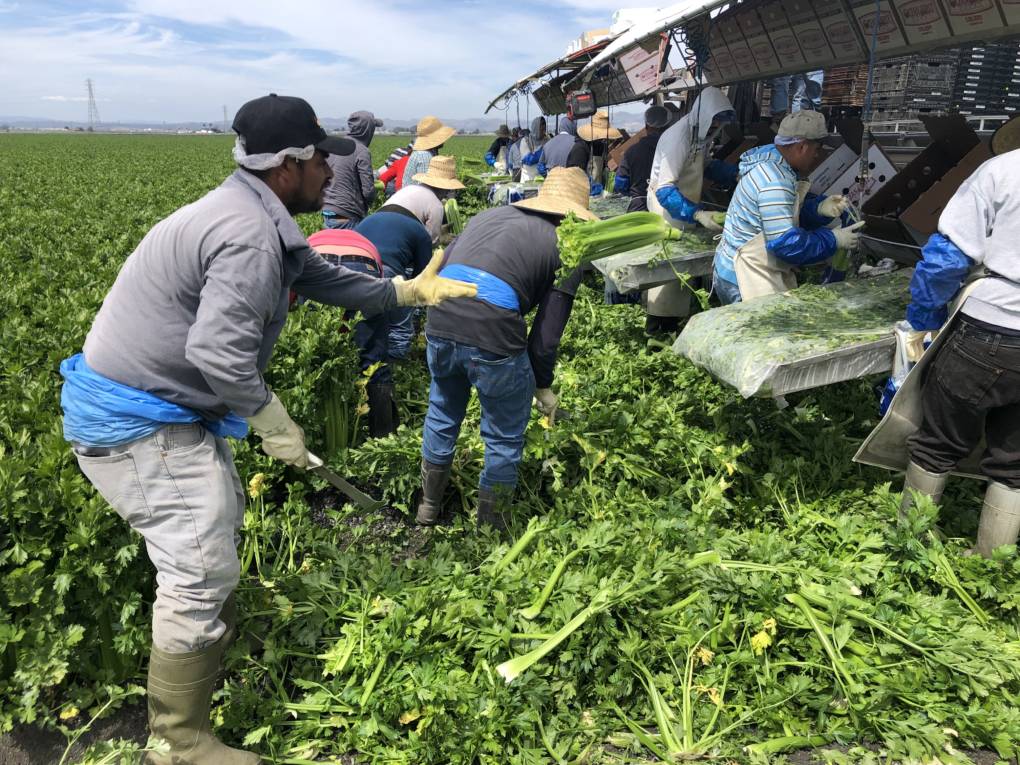
"caption": "A crew of migrant farmworkers harvest celery just outside Salinas. ",
"description": "A crew of migrant farmworkers harvest celery just outside Salinas. ",
"title": "IMG_7077",
"credit": "Alex Hall/KQED",
"status": "inherit",
"isLoading": false,
"fetchFailed": false
},
"news_11781912": {
"type": "attachments",
"id": "news_11781912",
"meta": {
"index": "attachments_1716263798",
"site": "news",
"id": "11781912",
"found": true
},
"parent": 11781894,
"imgSizes": {
"apple_news_ca_landscape_5_5": {
"file": "https://ww2.kqed.org/app/uploads/sites/10/2019/10/Asylum-Seekers-1044x783.jpg",
"width": 1044,
"mimeType": "image/jpeg",
"height": 783
},
"apple_news_ca_square_4_0": {
"file": "https://ww2.kqed.org/app/uploads/sites/10/2019/10/Asylum-Seekers-470x470.jpg",
"width": 470,
"mimeType": "image/jpeg",
"height": 470
},
"twentyfourteen-full-width": {
"file": "https://ww2.kqed.org/app/uploads/sites/10/2019/10/Asylum-Seekers-1038x576.jpg",
"width": 1038,
"mimeType": "image/jpeg",
"height": 576
},
"thumbnail": {
"file": "https://ww2.kqed.org/app/uploads/sites/10/2019/10/Asylum-Seekers-160x106.jpg",
"width": 160,
"mimeType": "image/jpeg",
"height": 106
},
"post-thumbnail": {
"file": "https://ww2.kqed.org/app/uploads/sites/10/2019/10/Asylum-Seekers-672x372.jpg",
"width": 672,
"mimeType": "image/jpeg",
"height": 372
},
"kqedFullSize": {
"file": "https://ww2.kqed.org/app/uploads/sites/10/2019/10/Asylum-Seekers.jpg",
"width": 1800,
"height": 1198
},
"apple_news_ca_landscape_4_7": {
"file": "https://ww2.kqed.org/app/uploads/sites/10/2019/10/Asylum-Seekers-632x474.jpg",
"width": 632,
"mimeType": "image/jpeg",
"height": 474
},
"large": {
"file": "https://ww2.kqed.org/app/uploads/sites/10/2019/10/Asylum-Seekers-1020x679.jpg",
"width": 1020,
"mimeType": "image/jpeg",
"height": 679
},
"complete_open_graph": {
"file": "https://ww2.kqed.org/app/uploads/sites/10/2019/10/Asylum-Seekers-1200x799.jpg",
"width": 1200,
"mimeType": "image/jpeg",
"height": 799
},
"apple_news_ca_landscape_4_0": {
"file": "https://ww2.kqed.org/app/uploads/sites/10/2019/10/Asylum-Seekers-536x402.jpg",
"width": 536,
"mimeType": "image/jpeg",
"height": 402
},
"apple_news_ca_portrait_12_9": {
"file": "https://ww2.kqed.org/app/uploads/sites/10/2019/10/Asylum-Seekers-1122x1198.jpg",
"width": 1122,
"mimeType": "image/jpeg",
"height": 1198
},
"medium": {
"file": "https://ww2.kqed.org/app/uploads/sites/10/2019/10/Asylum-Seekers-800x532.jpg",
"width": 800,
"mimeType": "image/jpeg",
"height": 532
},
"apple_news_ca_portrait_4_0": {
"file": "https://ww2.kqed.org/app/uploads/sites/10/2019/10/Asylum-Seekers-354x472.jpg",
"width": 354,
"mimeType": "image/jpeg",
"height": 472
},
"apple_news_ca_portrait_9_7": {
"file": "https://ww2.kqed.org/app/uploads/sites/10/2019/10/Asylum-Seekers-840x1120.jpg",
"width": 840,
"mimeType": "image/jpeg",
"height": 1120
},
"apple_news_ca_square_9_7": {
"file": "https://ww2.kqed.org/app/uploads/sites/10/2019/10/Asylum-Seekers-1104x1104.jpg",
"width": 1104,
"mimeType": "image/jpeg",
"height": 1104
},
"apple_news_ca_portrait_4_7": {
"file": "https://ww2.kqed.org/app/uploads/sites/10/2019/10/Asylum-Seekers-414x552.jpg",
"width": 414,
"mimeType": "image/jpeg",
"height": 552
},
"apple_news_ca_square_12_9": {
"file": "https://ww2.kqed.org/app/uploads/sites/10/2019/10/Asylum-Seekers-1472x1198.jpg",
"width": 1472,
"mimeType": "image/jpeg",
"height": 1198
},
"apple_news_ca_portrait_5_5": {
"file": "https://ww2.kqed.org/app/uploads/sites/10/2019/10/Asylum-Seekers-687x916.jpg",
"width": 687,
"mimeType": "image/jpeg",
"height": 916
},
"apple_news_ca_square_4_7": {
"file": "https://ww2.kqed.org/app/uploads/sites/10/2019/10/Asylum-Seekers-550x550.jpg",
"width": 550,
"mimeType": "image/jpeg",
"height": 550
},
"apple_news_ca_landscape_9_7": {
"file": "https://ww2.kqed.org/app/uploads/sites/10/2019/10/Asylum-Seekers-1376x1032.jpg",
"width": 1376,
"mimeType": "image/jpeg",
"height": 1032
},
"apple_news_ca_square_5_5": {
"file": "https://ww2.kqed.org/app/uploads/sites/10/2019/10/Asylum-Seekers-912x912.jpg",
"width": 912,
"mimeType": "image/jpeg",
"height": 912
}
},
"publishDate": 1571789661,
"modified": 1579025908,
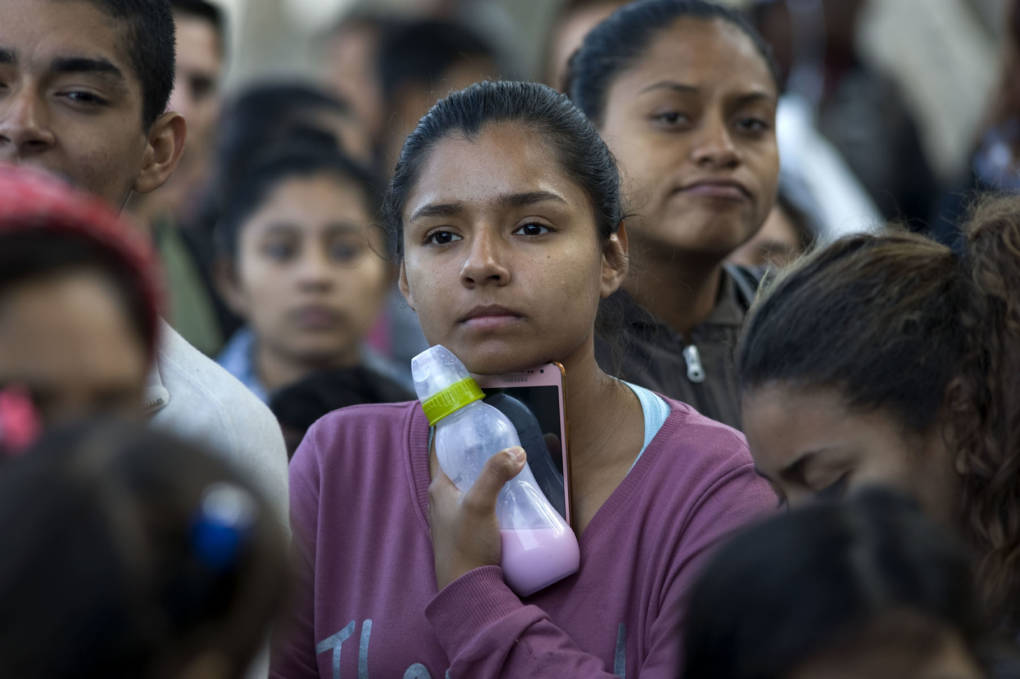
"caption": "A woman and child wait to hear their position in a list of people waiting at the U.S.-Mexico border to seek asylum in the U.S. in November 2018.",
"description": "A woman and child wait to hear their position on a list of people waiting at the U.S.-Mexico border to seek asylum in the U.S. in Nov. 2018.",
"title": "Asylum-Seekers",
"credit": "David Maung/Getty Images",
"status": "inherit",
"isLoading": false,
"fetchFailed": false
},
"news_11781584": {
"type": "attachments",
"id": "news_11781584",
"meta": {
"index": "attachments_1716263798",
"site": "news",
"id": "11781584",
"found": true
},
"parent": 11781583,
"imgSizes": {
"apple_news_ca_landscape_5_5": {
"file": "https://ww2.kqed.org/app/uploads/sites/10/2019/10/ap_19276667049783-9b0ce70d40360ff5d8606741475eb1152d707643-1044x783.jpg",
"width": 1044,
"mimeType": "image/jpeg",
"height": 783
},
"apple_news_ca_square_4_0": {
"file": "https://ww2.kqed.org/app/uploads/sites/10/2019/10/ap_19276667049783-9b0ce70d40360ff5d8606741475eb1152d707643-470x470.jpg",
"width": 470,
"mimeType": "image/jpeg",
"height": 470
},
"twentyfourteen-full-width": {
"file": "https://ww2.kqed.org/app/uploads/sites/10/2019/10/ap_19276667049783-9b0ce70d40360ff5d8606741475eb1152d707643-1038x576.jpg",
"width": 1038,
"mimeType": "image/jpeg",
"height": 576
},
"thumbnail": {
"file": "https://ww2.kqed.org/app/uploads/sites/10/2019/10/ap_19276667049783-9b0ce70d40360ff5d8606741475eb1152d707643-160x120.jpg",
"width": 160,
"mimeType": "image/jpeg",
"height": 120
},
"post-thumbnail": {
"file": "https://ww2.kqed.org/app/uploads/sites/10/2019/10/ap_19276667049783-9b0ce70d40360ff5d8606741475eb1152d707643-672x372.jpg",
"width": 672,
"mimeType": "image/jpeg",
"height": 372
},
"kqedFullSize": {
"file": "https://ww2.kqed.org/app/uploads/sites/10/2019/10/ap_19276667049783-9b0ce70d40360ff5d8606741475eb1152d707643-e1571696733590.jpg",
"width": 1920,
"height": 1439
},
"apple_news_ca_landscape_4_7": {
"file": "https://ww2.kqed.org/app/uploads/sites/10/2019/10/ap_19276667049783-9b0ce70d40360ff5d8606741475eb1152d707643-632x474.jpg",
"width": 632,
"mimeType": "image/jpeg",
"height": 474
},
"large": {
"file": "https://ww2.kqed.org/app/uploads/sites/10/2019/10/ap_19276667049783-9b0ce70d40360ff5d8606741475eb1152d707643-1020x765.jpg",
"width": 1020,
"mimeType": "image/jpeg",
"height": 765
},
"complete_open_graph": {
"file": "https://ww2.kqed.org/app/uploads/sites/10/2019/10/ap_19276667049783-9b0ce70d40360ff5d8606741475eb1152d707643-1200x900.jpg",
"width": 1200,
"mimeType": "image/jpeg",
"height": 900
},
"apple_news_ca_landscape_4_0": {
"file": "https://ww2.kqed.org/app/uploads/sites/10/2019/10/ap_19276667049783-9b0ce70d40360ff5d8606741475eb1152d707643-536x402.jpg",
"width": 536,
"mimeType": "image/jpeg",
"height": 402
},
"apple_news_ca_portrait_12_9": {
"file": "https://ww2.kqed.org/app/uploads/sites/10/2019/10/ap_19276667049783-9b0ce70d40360ff5d8606741475eb1152d707643-1122x1496.jpg",
"width": 1122,
"mimeType": "image/jpeg",
"height": 1496
},
"medium": {
"file": "https://ww2.kqed.org/app/uploads/sites/10/2019/10/ap_19276667049783-9b0ce70d40360ff5d8606741475eb1152d707643-800x600.jpg",
"width": 800,
"mimeType": "image/jpeg",
"height": 600
},
"apple_news_ca_portrait_4_0": {
"file": "https://ww2.kqed.org/app/uploads/sites/10/2019/10/ap_19276667049783-9b0ce70d40360ff5d8606741475eb1152d707643-354x472.jpg",
"width": 354,
"mimeType": "image/jpeg",
"height": 472
},
"apple_news_ca_portrait_9_7": {
"file": "https://ww2.kqed.org/app/uploads/sites/10/2019/10/ap_19276667049783-9b0ce70d40360ff5d8606741475eb1152d707643-840x1120.jpg",
"width": 840,
"mimeType": "image/jpeg",
"height": 1120
},
"apple_news_ca_landscape_12_9": {
"file": "https://ww2.kqed.org/app/uploads/sites/10/2019/10/ap_19276667049783-9b0ce70d40360ff5d8606741475eb1152d707643-1832x1374.jpg",
"width": 1832,
"mimeType": "image/jpeg",
"height": 1374
},
"apple_news_ca_square_9_7": {
"file": "https://ww2.kqed.org/app/uploads/sites/10/2019/10/ap_19276667049783-9b0ce70d40360ff5d8606741475eb1152d707643-1104x1104.jpg",
"width": 1104,
"mimeType": "image/jpeg",
"height": 1104
},
"apple_news_ca_portrait_4_7": {
"file": "https://ww2.kqed.org/app/uploads/sites/10/2019/10/ap_19276667049783-9b0ce70d40360ff5d8606741475eb1152d707643-414x552.jpg",
"width": 414,
"mimeType": "image/jpeg",
"height": 552
},
"apple_news_ca_square_12_9": {
"file": "https://ww2.kqed.org/app/uploads/sites/10/2019/10/ap_19276667049783-9b0ce70d40360ff5d8606741475eb1152d707643-1472x1472.jpg",
"width": 1472,
"mimeType": "image/jpeg",
"height": 1472
},
"apple_news_ca_portrait_5_5": {
"file": "https://ww2.kqed.org/app/uploads/sites/10/2019/10/ap_19276667049783-9b0ce70d40360ff5d8606741475eb1152d707643-687x916.jpg",
"width": 687,
"mimeType": "image/jpeg",
"height": 916
},
"full-width": {
"file": "https://ww2.kqed.org/app/uploads/sites/10/2019/10/ap_19276667049783-9b0ce70d40360ff5d8606741475eb1152d707643-1920x1439.jpg",
"width": 1920,
"mimeType": "image/jpeg",
"height": 1439
},
"apple_news_ca_square_4_7": {
"file": "https://ww2.kqed.org/app/uploads/sites/10/2019/10/ap_19276667049783-9b0ce70d40360ff5d8606741475eb1152d707643-550x550.jpg",
"width": 550,
"mimeType": "image/jpeg",
"height": 550
},
"apple_news_ca_landscape_9_7": {
"file": "https://ww2.kqed.org/app/uploads/sites/10/2019/10/ap_19276667049783-9b0ce70d40360ff5d8606741475eb1152d707643-1376x1032.jpg",
"width": 1376,
"mimeType": "image/jpeg",
"height": 1032
},
"apple_news_ca_square_5_5": {
"file": "https://ww2.kqed.org/app/uploads/sites/10/2019/10/ap_19276667049783-9b0ce70d40360ff5d8606741475eb1152d707643-912x912.jpg",
"width": 912,
"mimeType": "image/jpeg",
"height": 912
}
},
"publishDate": 1571696614,
"modified": 1571703876,
"caption": "Attorney General William Barr speaks at an event in Washington earlier this month. On Monday, he issued a proposed rule seeking to allow the federal government to collect DNA samples from more than 740,000 immigrants every year.",
"description": "Attorney General William Barr speaks at an event in Washington earlier this month. On Monday, he issued a proposed rule seeking to allow the federal government collect DNA samples from more than 740,000 immigrants every year.",
"title": "Attorney General William Barr speaks at an event in Washington earlier this month. On Monday, he issued a proposed rule seeking to allow the federal government collect DNA samples from more than 740,000 immigrants every year.",
"credit": "Jacquelyn Martin/AP",
"status": "inherit",
"isLoading": false,
"fetchFailed": false
},
"news_11780792": {
"type": "attachments",
"id": "news_11780792",
"meta": {
"index": "attachments_1716263798",
"site": "news",
"id": "11780792",
"found": true
},
"parent": 11780752,
"imgSizes": {
"apple_news_ca_landscape_5_5": {
"file": "https://ww2.kqed.org/app/uploads/sites/10/2019/10/RS18893_GettyImages-453973236-1044x783.jpg",
"width": 1044,
"mimeType": "image/jpeg",
"height": 783
},
"apple_news_ca_square_4_0": {
"file": "https://ww2.kqed.org/app/uploads/sites/10/2019/10/RS18893_GettyImages-453973236-470x470.jpg",
"width": 470,
"mimeType": "image/jpeg",
"height": 470
},
"twentyfourteen-full-width": {
"file": "https://ww2.kqed.org/app/uploads/sites/10/2019/10/RS18893_GettyImages-453973236-1038x576.jpg",
"width": 1038,
"mimeType": "image/jpeg",
"height": 576
},
"thumbnail": {
"file": "https://ww2.kqed.org/app/uploads/sites/10/2019/10/RS18893_GettyImages-453973236-160x106.jpg",
"width": 160,
"mimeType": "image/jpeg",
"height": 106
},
"post-thumbnail": {
"file": "https://ww2.kqed.org/app/uploads/sites/10/2019/10/RS18893_GettyImages-453973236-672x372.jpg",
"width": 672,
"mimeType": "image/jpeg",
"height": 372
},
"kqedFullSize": {
"file": "https://ww2.kqed.org/app/uploads/sites/10/2019/10/RS18893_GettyImages-453973236-e1571349162302.jpg",
"width": 1920,
"height": 1274
},
"apple_news_ca_landscape_4_7": {
"file": "https://ww2.kqed.org/app/uploads/sites/10/2019/10/RS18893_GettyImages-453973236-632x474.jpg",
"width": 632,
"mimeType": "image/jpeg",
"height": 474
},
"large": {
"file": "https://ww2.kqed.org/app/uploads/sites/10/2019/10/RS18893_GettyImages-453973236-1020x677.jpg",
"width": 1020,
"mimeType": "image/jpeg",
"height": 677
},
"complete_open_graph": {
"file": "https://ww2.kqed.org/app/uploads/sites/10/2019/10/RS18893_GettyImages-453973236-1200x796.jpg",
"width": 1200,
"mimeType": "image/jpeg",
"height": 796
},
"apple_news_ca_landscape_4_0": {
"file": "https://ww2.kqed.org/app/uploads/sites/10/2019/10/RS18893_GettyImages-453973236-536x402.jpg",
"width": 536,
"mimeType": "image/jpeg",
"height": 402
},
"apple_news_ca_portrait_12_9": {
"file": "https://ww2.kqed.org/app/uploads/sites/10/2019/10/RS18893_GettyImages-453973236-1122x1496.jpg",
"width": 1122,
"mimeType": "image/jpeg",
"height": 1496
},
"medium": {
"file": "https://ww2.kqed.org/app/uploads/sites/10/2019/10/RS18893_GettyImages-453973236-800x531.jpg",
"width": 800,
"mimeType": "image/jpeg",
"height": 531
},
"apple_news_ca_portrait_4_0": {
"file": "https://ww2.kqed.org/app/uploads/sites/10/2019/10/RS18893_GettyImages-453973236-354x472.jpg",
"width": 354,
"mimeType": "image/jpeg",
"height": 472
},
"apple_news_ca_portrait_9_7": {
"file": "https://ww2.kqed.org/app/uploads/sites/10/2019/10/RS18893_GettyImages-453973236-840x1120.jpg",
"width": 840,
"mimeType": "image/jpeg",
"height": 1120
},
"apple_news_ca_landscape_12_9": {
"file": "https://ww2.kqed.org/app/uploads/sites/10/2019/10/RS18893_GettyImages-453973236-1832x1374.jpg",
"width": 1832,
"mimeType": "image/jpeg",
"height": 1374
},
"apple_news_ca_square_9_7": {
"file": "https://ww2.kqed.org/app/uploads/sites/10/2019/10/RS18893_GettyImages-453973236-1104x1104.jpg",
"width": 1104,
"mimeType": "image/jpeg",
"height": 1104
},
"apple_news_ca_portrait_4_7": {
"file": "https://ww2.kqed.org/app/uploads/sites/10/2019/10/RS18893_GettyImages-453973236-414x552.jpg",
"width": 414,
"mimeType": "image/jpeg",
"height": 552
},
"apple_news_ca_square_12_9": {
"file": "https://ww2.kqed.org/app/uploads/sites/10/2019/10/RS18893_GettyImages-453973236-1472x1472.jpg",
"width": 1472,
"mimeType": "image/jpeg",
"height": 1472
},
"apple_news_ca_portrait_5_5": {
"file": "https://ww2.kqed.org/app/uploads/sites/10/2019/10/RS18893_GettyImages-453973236-687x916.jpg",
"width": 687,
"mimeType": "image/jpeg",
"height": 916
},
"full-width": {
"file": "https://ww2.kqed.org/app/uploads/sites/10/2019/10/RS18893_GettyImages-453973236-1920x1274.jpg",
"width": 1920,
"mimeType": "image/jpeg",
"height": 1274
},
"apple_news_ca_square_4_7": {
"file": "https://ww2.kqed.org/app/uploads/sites/10/2019/10/RS18893_GettyImages-453973236-550x550.jpg",
"width": 550,
"mimeType": "image/jpeg",
"height": 550
},
"apple_news_ca_landscape_9_7": {
"file": "https://ww2.kqed.org/app/uploads/sites/10/2019/10/RS18893_GettyImages-453973236-1376x1032.jpg",
"width": 1376,
"mimeType": "image/jpeg",
"height": 1032
},
"apple_news_ca_square_5_5": {
"file": "https://ww2.kqed.org/app/uploads/sites/10/2019/10/RS18893_GettyImages-453973236-912x912.jpg",
"width": 912,
"mimeType": "image/jpeg",
"height": 912
}
},
"publishDate": 1571341488,
"modified": 1585093562,
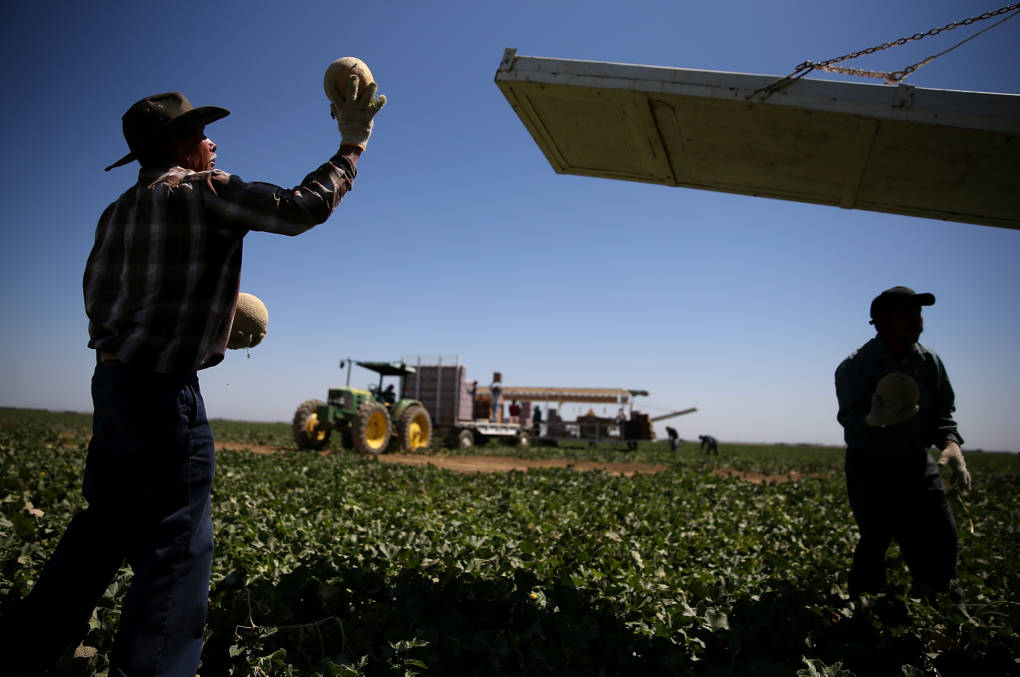
"caption": "A worker harvests cantaloupes on a farm near Firebaugh, California, on August 22, 2014.",
"description": "A worker harvests cantaloupes on a farm near Firebaugh, California, on August 22, 2014.",
"title": "California Central Valley Farming Communities Struggle With Drought",
"credit": "Justin Sullivan/Getty Images",
"status": "inherit",
"isLoading": false,
"fetchFailed": false
},
"news_11779941": {
"type": "attachments",
"id": "news_11779941",
"meta": {
"index": "attachments_1716263798",
"site": "news",
"id": "11779941",
"found": true
},
"parent": 11779878,
"imgSizes": {
"apple_news_ca_square_4_0": {
"file": "https://ww2.kqed.org/app/uploads/sites/10/2019/10/GettyImages-1168450590-470x470.jpg",
"width": 470,
"mimeType": "image/jpeg",
"height": 470
},
"twentyfourteen-full-width": {
"file": "https://ww2.kqed.org/app/uploads/sites/10/2019/10/GettyImages-1168450590-1024x576.jpg",
"width": 1024,
"mimeType": "image/jpeg",
"height": 576
},
"thumbnail": {
"file": "https://ww2.kqed.org/app/uploads/sites/10/2019/10/GettyImages-1168450590-160x107.jpg",
"width": 160,
"mimeType": "image/jpeg",
"height": 107
},
"post-thumbnail": {
"file": "https://ww2.kqed.org/app/uploads/sites/10/2019/10/GettyImages-1168450590-672x372.jpg",
"width": 672,
"mimeType": "image/jpeg",
"height": 372
},
"kqedFullSize": {
"file": "https://ww2.kqed.org/app/uploads/sites/10/2019/10/GettyImages-1168450590.jpg",
"width": 1024,
"height": 683
},
"apple_news_ca_landscape_4_7": {
"file": "https://ww2.kqed.org/app/uploads/sites/10/2019/10/GettyImages-1168450590-632x474.jpg",
"width": 632,
"mimeType": "image/jpeg",
"height": 474
},
"large": {
"file": "https://ww2.kqed.org/app/uploads/sites/10/2019/10/GettyImages-1168450590-1020x680.jpg",
"width": 1020,
"mimeType": "image/jpeg",
"height": 680
},
"apple_news_ca_landscape_4_0": {
"file": "https://ww2.kqed.org/app/uploads/sites/10/2019/10/GettyImages-1168450590-536x402.jpg",
"width": 536,
"mimeType": "image/jpeg",
"height": 402
},
"medium": {
"file": "https://ww2.kqed.org/app/uploads/sites/10/2019/10/GettyImages-1168450590-800x534.jpg",
"width": 800,
"mimeType": "image/jpeg",
"height": 534
},
"apple_news_ca_portrait_4_0": {
"file": "https://ww2.kqed.org/app/uploads/sites/10/2019/10/GettyImages-1168450590-354x472.jpg",
"width": 354,
"mimeType": "image/jpeg",
"height": 472
},
"apple_news_ca_portrait_9_7": {
"file": "https://ww2.kqed.org/app/uploads/sites/10/2019/10/GettyImages-1168450590-840x683.jpg",
"width": 840,
"mimeType": "image/jpeg",
"height": 683
},
"apple_news_ca_portrait_4_7": {
"file": "https://ww2.kqed.org/app/uploads/sites/10/2019/10/GettyImages-1168450590-414x552.jpg",
"width": 414,
"mimeType": "image/jpeg",
"height": 552
},
"apple_news_ca_portrait_5_5": {
"file": "https://ww2.kqed.org/app/uploads/sites/10/2019/10/GettyImages-1168450590-687x683.jpg",
"width": 687,
"mimeType": "image/jpeg",
"height": 683
},
"apple_news_ca_square_4_7": {
"file": "https://ww2.kqed.org/app/uploads/sites/10/2019/10/GettyImages-1168450590-550x550.jpg",
"width": 550,
"mimeType": "image/jpeg",
"height": 550
},
"apple_news_ca_square_5_5": {
"file": "https://ww2.kqed.org/app/uploads/sites/10/2019/10/GettyImages-1168450590-912x683.jpg",
"width": 912,
"mimeType": "image/jpeg",
"height": 683
}
},
"publishDate": 1571069492,
"modified": 1571069542,
"caption": "Gov. Gavin Newsom at a press conference earlier this year.",
"description": "Gov. Gavin Newsom at a press conference earlier this year.",
"title": "California Governor Gavin Newsom And Attorney General Becerra Announce Legal Action On Immigration",
"credit": "Justin Sullivan/Getty Images",
"status": "inherit",
"isLoading": false,
"fetchFailed": false
},
"news_11779670": {
"type": "attachments",
"id": "news_11779670",
"meta": {
"index": "attachments_1716263798",
"site": "news",
"id": "11779670",
"found": true
},
"parent": 11779586,
"imgSizes": {
"apple_news_ca_landscape_5_5": {
"file": "https://ww2.kqed.org/app/uploads/sites/10/2019/10/RS38601_GettyImages-1168450763-qut-1044x783.jpg",
"width": 1044,
"mimeType": "image/jpeg",
"height": 783
},
"apple_news_ca_square_4_0": {
"file": "https://ww2.kqed.org/app/uploads/sites/10/2019/10/RS38601_GettyImages-1168450763-qut-470x470.jpg",
"width": 470,
"mimeType": "image/jpeg",
"height": 470
},
"twentyfourteen-full-width": {
"file": "https://ww2.kqed.org/app/uploads/sites/10/2019/10/RS38601_GettyImages-1168450763-qut-1038x576.jpg",
"width": 1038,
"mimeType": "image/jpeg",
"height": 576
},
"thumbnail": {
"file": "https://ww2.kqed.org/app/uploads/sites/10/2019/10/RS38601_GettyImages-1168450763-qut-160x107.jpg",
"width": 160,
"mimeType": "image/jpeg",
"height": 107
},
"post-thumbnail": {
"file": "https://ww2.kqed.org/app/uploads/sites/10/2019/10/RS38601_GettyImages-1168450763-qut-672x372.jpg",
"width": 672,
"mimeType": "image/jpeg",
"height": 372
},
"kqedFullSize": {
"file": "https://ww2.kqed.org/app/uploads/sites/10/2019/10/RS38601_GettyImages-1168450763-qut.jpg",
"width": 1920,
"height": 1280
},
"apple_news_ca_landscape_4_7": {
"file": "https://ww2.kqed.org/app/uploads/sites/10/2019/10/RS38601_GettyImages-1168450763-qut-632x474.jpg",
"width": 632,
"mimeType": "image/jpeg",
"height": 474
},
"large": {
"file": "https://ww2.kqed.org/app/uploads/sites/10/2019/10/RS38601_GettyImages-1168450763-qut-1020x680.jpg",
"width": 1020,
"mimeType": "image/jpeg",
"height": 680
},
"complete_open_graph": {
"file": "https://ww2.kqed.org/app/uploads/sites/10/2019/10/RS38601_GettyImages-1168450763-qut-1200x800.jpg",
"width": 1200,
"mimeType": "image/jpeg",
"height": 800
},
"apple_news_ca_landscape_4_0": {
"file": "https://ww2.kqed.org/app/uploads/sites/10/2019/10/RS38601_GettyImages-1168450763-qut-536x402.jpg",
"width": 536,
"mimeType": "image/jpeg",
"height": 402
},
"apple_news_ca_portrait_12_9": {
"file": "https://ww2.kqed.org/app/uploads/sites/10/2019/10/RS38601_GettyImages-1168450763-qut-1122x1280.jpg",
"width": 1122,
"mimeType": "image/jpeg",
"height": 1280
},
"medium": {
"file": "https://ww2.kqed.org/app/uploads/sites/10/2019/10/RS38601_GettyImages-1168450763-qut-800x533.jpg",
"width": 800,
"mimeType": "image/jpeg",
"height": 533
},
"apple_news_ca_portrait_4_0": {
"file": "https://ww2.kqed.org/app/uploads/sites/10/2019/10/RS38601_GettyImages-1168450763-qut-354x472.jpg",
"width": 354,
"mimeType": "image/jpeg",
"height": 472
},
"apple_news_ca_portrait_9_7": {
"file": "https://ww2.kqed.org/app/uploads/sites/10/2019/10/RS38601_GettyImages-1168450763-qut-840x1120.jpg",
"width": 840,
"mimeType": "image/jpeg",
"height": 1120
},
"apple_news_ca_landscape_12_9": {
"file": "https://ww2.kqed.org/app/uploads/sites/10/2019/10/RS38601_GettyImages-1168450763-qut-1832x1280.jpg",
"width": 1832,
"mimeType": "image/jpeg",
"height": 1280
},
"apple_news_ca_square_9_7": {
"file": "https://ww2.kqed.org/app/uploads/sites/10/2019/10/RS38601_GettyImages-1168450763-qut-1104x1104.jpg",
"width": 1104,
"mimeType": "image/jpeg",
"height": 1104
},
"apple_news_ca_portrait_4_7": {
"file": "https://ww2.kqed.org/app/uploads/sites/10/2019/10/RS38601_GettyImages-1168450763-qut-414x552.jpg",
"width": 414,
"mimeType": "image/jpeg",
"height": 552
},
"apple_news_ca_square_12_9": {
"file": "https://ww2.kqed.org/app/uploads/sites/10/2019/10/RS38601_GettyImages-1168450763-qut-1472x1280.jpg",
"width": 1472,
"mimeType": "image/jpeg",
"height": 1280
},
"apple_news_ca_portrait_5_5": {
"file": "https://ww2.kqed.org/app/uploads/sites/10/2019/10/RS38601_GettyImages-1168450763-qut-687x916.jpg",
"width": 687,
"mimeType": "image/jpeg",
"height": 916
},
"full-width": {
"file": "https://ww2.kqed.org/app/uploads/sites/10/2019/10/RS38601_GettyImages-1168450763-qut-1920x1280.jpg",
"width": 1920,
"mimeType": "image/jpeg",
"height": 1280
},
"apple_news_ca_square_4_7": {
"file": "https://ww2.kqed.org/app/uploads/sites/10/2019/10/RS38601_GettyImages-1168450763-qut-550x550.jpg",
"width": 550,
"mimeType": "image/jpeg",
"height": 550
},
"apple_news_ca_landscape_9_7": {
"file": "https://ww2.kqed.org/app/uploads/sites/10/2019/10/RS38601_GettyImages-1168450763-qut-1376x1032.jpg",
"width": 1376,
"mimeType": "image/jpeg",
"height": 1032
},
"apple_news_ca_square_5_5": {
"file": "https://ww2.kqed.org/app/uploads/sites/10/2019/10/RS38601_GettyImages-1168450763-qut-912x912.jpg",
"width": 912,
"mimeType": "image/jpeg",
"height": 912
}
},
"publishDate": 1570829691,
"modified": 1570829866,
"caption": "Gov. Gavin Newsom and Attorney General Xavier Becerra in August announcing a lawsuit against the Trump Administration’s so-called “public charge” rule. A federal judge in California sided with them on Friday. ",
"description": "Gov. Gavin Newsom and Attorney General Xavier Becerra in August announcing a lawsuit against the Trump Administration’s so-called “public charge” rule. A federal judge in California sided with them on Friday. ",
"title": "California Governor Gavin Newsom And Attorney General Becerra Announce Legal Action On Immigration",
"credit": "Justin Sullivan/Getty Images",
"status": "inherit",
"isLoading": false,
"fetchFailed": false
},
"news_11779147": {
"type": "attachments",
"id": "news_11779147",
"meta": {
"index": "attachments_1716263798",
"site": "news",
"id": "11779147",
"found": true
},
"parent": 11778695,
"imgSizes": {
"apple_news_ca_landscape_5_5": {
"file": "https://ww2.kqed.org/app/uploads/sites/10/2019/10/RS39462_RS39453_STEM-Camp-v2-qut-1044x783.jpg",
"width": 1044,
"mimeType": "image/jpeg",
"height": 783
},
"apple_news_ca_square_4_0": {
"file": "https://ww2.kqed.org/app/uploads/sites/10/2019/10/RS39462_RS39453_STEM-Camp-v2-qut-470x470.jpg",
"width": 470,
"mimeType": "image/jpeg",
"height": 470
},
"twentyfourteen-full-width": {
"file": "https://ww2.kqed.org/app/uploads/sites/10/2019/10/RS39462_RS39453_STEM-Camp-v2-qut-1038x576.jpg",
"width": 1038,
"mimeType": "image/jpeg",
"height": 576
},
"thumbnail": {
"file": "https://ww2.kqed.org/app/uploads/sites/10/2019/10/RS39462_RS39453_STEM-Camp-v2-qut-160x120.jpg",
"width": 160,
"mimeType": "image/jpeg",
"height": 120
},
"post-thumbnail": {
"file": "https://ww2.kqed.org/app/uploads/sites/10/2019/10/RS39462_RS39453_STEM-Camp-v2-qut-672x372.jpg",
"width": 672,
"mimeType": "image/jpeg",
"height": 372
},
"kqedFullSize": {
"file": "https://ww2.kqed.org/app/uploads/sites/10/2019/10/RS39462_RS39453_STEM-Camp-v2-qut.jpg",
"width": 1920,
"height": 1440
},
"apple_news_ca_landscape_4_7": {
"file": "https://ww2.kqed.org/app/uploads/sites/10/2019/10/RS39462_RS39453_STEM-Camp-v2-qut-632x474.jpg",
"width": 632,
"mimeType": "image/jpeg",
"height": 474
},
"large": {
"file": "https://ww2.kqed.org/app/uploads/sites/10/2019/10/RS39462_RS39453_STEM-Camp-v2-qut-1020x765.jpg",
"width": 1020,
"mimeType": "image/jpeg",
"height": 765
},
"complete_open_graph": {
"file": "https://ww2.kqed.org/app/uploads/sites/10/2019/10/RS39462_RS39453_STEM-Camp-v2-qut-1200x900.jpg",
"width": 1200,
"mimeType": "image/jpeg",
"height": 900
},
"apple_news_ca_landscape_4_0": {
"file": "https://ww2.kqed.org/app/uploads/sites/10/2019/10/RS39462_RS39453_STEM-Camp-v2-qut-536x402.jpg",
"width": 536,
"mimeType": "image/jpeg",
"height": 402
},
"apple_news_ca_portrait_12_9": {
"file": "https://ww2.kqed.org/app/uploads/sites/10/2019/10/RS39462_RS39453_STEM-Camp-v2-qut-1122x1440.jpg",
"width": 1122,
"mimeType": "image/jpeg",
"height": 1440
},
"medium": {
"file": "https://ww2.kqed.org/app/uploads/sites/10/2019/10/RS39462_RS39453_STEM-Camp-v2-qut-800x600.jpg",
"width": 800,
"mimeType": "image/jpeg",
"height": 600
},
"apple_news_ca_portrait_4_0": {
"file": "https://ww2.kqed.org/app/uploads/sites/10/2019/10/RS39462_RS39453_STEM-Camp-v2-qut-354x472.jpg",
"width": 354,
"mimeType": "image/jpeg",
"height": 472
},
"apple_news_ca_portrait_9_7": {
"file": "https://ww2.kqed.org/app/uploads/sites/10/2019/10/RS39462_RS39453_STEM-Camp-v2-qut-840x1120.jpg",
"width": 840,
"mimeType": "image/jpeg",
"height": 1120
},
"apple_news_ca_landscape_12_9": {
"file": "https://ww2.kqed.org/app/uploads/sites/10/2019/10/RS39462_RS39453_STEM-Camp-v2-qut-1832x1374.jpg",
"width": 1832,
"mimeType": "image/jpeg",
"height": 1374
},
"apple_news_ca_square_9_7": {
"file": "https://ww2.kqed.org/app/uploads/sites/10/2019/10/RS39462_RS39453_STEM-Camp-v2-qut-1104x1104.jpg",
"width": 1104,
"mimeType": "image/jpeg",
"height": 1104
},
"apple_news_ca_portrait_4_7": {
"file": "https://ww2.kqed.org/app/uploads/sites/10/2019/10/RS39462_RS39453_STEM-Camp-v2-qut-414x552.jpg",
"width": 414,
"mimeType": "image/jpeg",
"height": 552
},
"apple_news_ca_square_12_9": {
"file": "https://ww2.kqed.org/app/uploads/sites/10/2019/10/RS39462_RS39453_STEM-Camp-v2-qut-1472x1440.jpg",
"width": 1472,
"mimeType": "image/jpeg",
"height": 1440
},
"apple_news_ca_portrait_5_5": {
"file": "https://ww2.kqed.org/app/uploads/sites/10/2019/10/RS39462_RS39453_STEM-Camp-v2-qut-687x916.jpg",
"width": 687,
"mimeType": "image/jpeg",
"height": 916
},
"full-width": {
"file": "https://ww2.kqed.org/app/uploads/sites/10/2019/10/RS39462_RS39453_STEM-Camp-v2-qut-1920x1440.jpg",
"width": 1920,
"mimeType": "image/jpeg",
"height": 1440
},
"apple_news_ca_square_4_7": {
"file": "https://ww2.kqed.org/app/uploads/sites/10/2019/10/RS39462_RS39453_STEM-Camp-v2-qut-550x550.jpg",
"width": 550,
"mimeType": "image/jpeg",
"height": 550
},
"apple_news_ca_landscape_9_7": {
"file": "https://ww2.kqed.org/app/uploads/sites/10/2019/10/RS39462_RS39453_STEM-Camp-v2-qut-1376x1032.jpg",
"width": 1376,
"mimeType": "image/jpeg",
"height": 1032
},
"apple_news_ca_square_5_5": {
"file": "https://ww2.kqed.org/app/uploads/sites/10/2019/10/RS39462_RS39453_STEM-Camp-v2-qut-912x912.jpg",
"width": 912,
"mimeType": "image/jpeg",
"height": 912
}
},
"publishDate": 1570669358,
"modified": 1570669452,
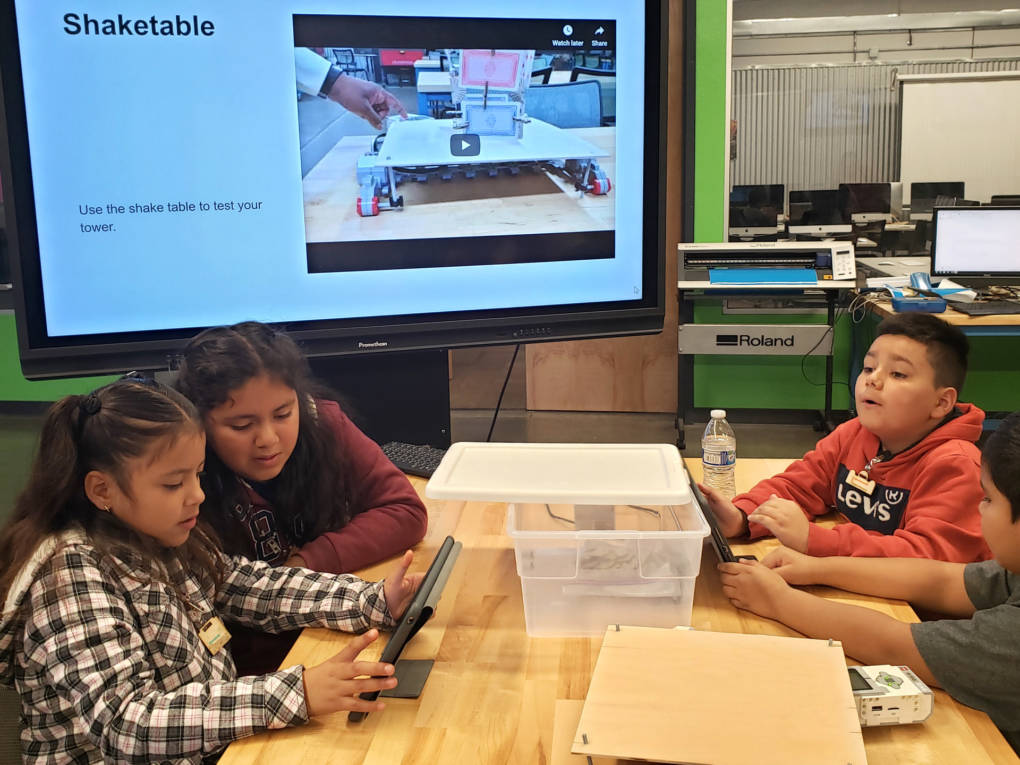
"caption": "Students prepare to build card towers on table-top earthquake simulators as part of a STEM class in the Migrant Education Program for farm worker students.",
"description": "Students prepare to build card towers on table-top earthquake simulators as part of a STEM class in the Migrant Education Program for farm worker students.",
"title": "Migrant Education Program-students",
"credit": "Katie Orr/KQED",
"status": "inherit",
"isLoading": false,
"fetchFailed": false
},
"news_11778604": {
"type": "attachments",
"id": "news_11778604",
"meta": {
"index": "attachments_1716263798",
"site": "news",
"id": "11778604",
"found": true
},
"parent": 11778596,
"imgSizes": {
"apple_news_ca_landscape_5_5": {
"file": "https://ww2.kqed.org/app/uploads/sites/10/2019/10/healthcare_100719_final-1044x783.jpg",
"width": 1044,
"mimeType": "image/jpeg",
"height": 783
},
"apple_news_ca_square_4_0": {
"file": "https://ww2.kqed.org/app/uploads/sites/10/2019/10/healthcare_100719_final-470x470.jpg",
"width": 470,
"mimeType": "image/jpeg",
"height": 470
},
"twentyfourteen-full-width": {
"file": "https://ww2.kqed.org/app/uploads/sites/10/2019/10/healthcare_100719_final-1038x576.jpg",
"width": 1038,
"mimeType": "image/jpeg",
"height": 576
},
"thumbnail": {
"file": "https://ww2.kqed.org/app/uploads/sites/10/2019/10/healthcare_100719_final-160x113.jpg",
"width": 160,
"mimeType": "image/jpeg",
"height": 113
},
"post-thumbnail": {
"file": "https://ww2.kqed.org/app/uploads/sites/10/2019/10/healthcare_100719_final-672x372.jpg",
"width": 672,
"mimeType": "image/jpeg",
"height": 372
},
"kqedFullSize": {
"file": "https://ww2.kqed.org/app/uploads/sites/10/2019/10/healthcare_100719_final.jpg",
"width": 1920,
"height": 1351
},
"apple_news_ca_landscape_4_7": {
"file": "https://ww2.kqed.org/app/uploads/sites/10/2019/10/healthcare_100719_final-632x474.jpg",
"width": 632,
"mimeType": "image/jpeg",
"height": 474
},
"large": {
"file": "https://ww2.kqed.org/app/uploads/sites/10/2019/10/healthcare_100719_final-1020x718.jpg",
"width": 1020,
"mimeType": "image/jpeg",
"height": 718
},
"complete_open_graph": {
"file": "https://ww2.kqed.org/app/uploads/sites/10/2019/10/healthcare_100719_final-1200x844.jpg",
"width": 1200,
"mimeType": "image/jpeg",
"height": 844
},
"apple_news_ca_landscape_4_0": {
"file": "https://ww2.kqed.org/app/uploads/sites/10/2019/10/healthcare_100719_final-536x402.jpg",
"width": 536,
"mimeType": "image/jpeg",
"height": 402
},
"apple_news_ca_portrait_12_9": {
"file": "https://ww2.kqed.org/app/uploads/sites/10/2019/10/healthcare_100719_final-1122x1351.jpg",
"width": 1122,
"mimeType": "image/jpeg",
"height": 1351
},
"medium": {
"file": "https://ww2.kqed.org/app/uploads/sites/10/2019/10/healthcare_100719_final-800x563.jpg",
"width": 800,
"mimeType": "image/jpeg",
"height": 563
},
"apple_news_ca_portrait_4_0": {
"file": "https://ww2.kqed.org/app/uploads/sites/10/2019/10/healthcare_100719_final-354x472.jpg",
"width": 354,
"mimeType": "image/jpeg",
"height": 472
},
"apple_news_ca_portrait_9_7": {
"file": "https://ww2.kqed.org/app/uploads/sites/10/2019/10/healthcare_100719_final-840x1120.jpg",
"width": 840,
"mimeType": "image/jpeg",
"height": 1120
},
"apple_news_ca_landscape_12_9": {
"file": "https://ww2.kqed.org/app/uploads/sites/10/2019/10/healthcare_100719_final-1832x1351.jpg",
"width": 1832,
"mimeType": "image/jpeg",
"height": 1351
},
"apple_news_ca_square_9_7": {
"file": "https://ww2.kqed.org/app/uploads/sites/10/2019/10/healthcare_100719_final-1104x1104.jpg",
"width": 1104,
"mimeType": "image/jpeg",
"height": 1104
},
"apple_news_ca_portrait_4_7": {
"file": "https://ww2.kqed.org/app/uploads/sites/10/2019/10/healthcare_100719_final-414x552.jpg",
"width": 414,
"mimeType": "image/jpeg",
"height": 552
},
"apple_news_ca_square_12_9": {
"file": "https://ww2.kqed.org/app/uploads/sites/10/2019/10/healthcare_100719_final-1472x1351.jpg",
"width": 1472,
"mimeType": "image/jpeg",
"height": 1351
},
"apple_news_ca_portrait_5_5": {
"file": "https://ww2.kqed.org/app/uploads/sites/10/2019/10/healthcare_100719_final-687x916.jpg",
"width": 687,
"mimeType": "image/jpeg",
"height": 916
},
"full-width": {
"file": "https://ww2.kqed.org/app/uploads/sites/10/2019/10/healthcare_100719_final-1920x1351.jpg",
"width": 1920,
"mimeType": "image/jpeg",
"height": 1351
},
"apple_news_ca_square_4_7": {
"file": "https://ww2.kqed.org/app/uploads/sites/10/2019/10/healthcare_100719_final-550x550.jpg",
"width": 550,
"mimeType": "image/jpeg",
"height": 550
},
"apple_news_ca_landscape_9_7": {
"file": "https://ww2.kqed.org/app/uploads/sites/10/2019/10/healthcare_100719_final-1376x1032.jpg",
"width": 1376,
"mimeType": "image/jpeg",
"height": 1032
},
"apple_news_ca_square_5_5": {
"file": "https://ww2.kqed.org/app/uploads/sites/10/2019/10/healthcare_100719_final-912x912.jpg",
"width": 912,
"mimeType": "image/jpeg",
"height": 912
}
},
"publishDate": 1570489434,
"modified": 1570489471,
"caption": null,
"description": null,
"title": "healthcare_100719_final",
"credit": null,
"status": "inherit",
"isLoading": false,
"fetchFailed": false
},
"news_11778529": {
"type": "attachments",
"id": "news_11778529",
"meta": {
"index": "attachments_1716263798",
"site": "news",
"id": "11778529",
"found": true
},
"parent": 11778501,
"imgSizes": {
"apple_news_ca_landscape_5_5": {
"file": "https://ww2.kqed.org/app/uploads/sites/10/2019/10/Muslim_Teenagers_ING-Youth-Speakers-Program_ING-training_Islamic-Network-Group_American-Teen-Muslims_Islamophobia_anti-bullying_aridin-qut-1044x783.jpg",
"width": 1044,
"mimeType": "image/jpeg",
"height": 783
},
"apple_news_ca_square_4_0": {
"file": "https://ww2.kqed.org/app/uploads/sites/10/2019/10/Muslim_Teenagers_ING-Youth-Speakers-Program_ING-training_Islamic-Network-Group_American-Teen-Muslims_Islamophobia_anti-bullying_aridin-qut-470x470.jpg",
"width": 470,
"mimeType": "image/jpeg",
"height": 470
},
"twentyfourteen-full-width": {
"file": "https://ww2.kqed.org/app/uploads/sites/10/2019/10/Muslim_Teenagers_ING-Youth-Speakers-Program_ING-training_Islamic-Network-Group_American-Teen-Muslims_Islamophobia_anti-bullying_aridin-qut-1038x576.jpg",
"width": 1038,
"mimeType": "image/jpeg",
"height": 576
},
"thumbnail": {
"file": "https://ww2.kqed.org/app/uploads/sites/10/2019/10/Muslim_Teenagers_ING-Youth-Speakers-Program_ING-training_Islamic-Network-Group_American-Teen-Muslims_Islamophobia_anti-bullying_aridin-qut-160x106.jpg",
"width": 160,
"mimeType": "image/jpeg",
"height": 106
},
"post-thumbnail": {
"file": "https://ww2.kqed.org/app/uploads/sites/10/2019/10/Muslim_Teenagers_ING-Youth-Speakers-Program_ING-training_Islamic-Network-Group_American-Teen-Muslims_Islamophobia_anti-bullying_aridin-qut-672x372.jpg",
"width": 672,
"mimeType": "image/jpeg",
"height": 372
},
"kqedFullSize": {
"file": "https://ww2.kqed.org/app/uploads/sites/10/2019/10/Muslim_Teenagers_ING-Youth-Speakers-Program_ING-training_Islamic-Network-Group_American-Teen-Muslims_Islamophobia_anti-bullying_aridin-qut.jpg",
"width": 1920,
"height": 1274
},
"apple_news_ca_landscape_4_7": {
"file": "https://ww2.kqed.org/app/uploads/sites/10/2019/10/Muslim_Teenagers_ING-Youth-Speakers-Program_ING-training_Islamic-Network-Group_American-Teen-Muslims_Islamophobia_anti-bullying_aridin-qut-632x474.jpg",
"width": 632,
"mimeType": "image/jpeg",
"height": 474
},
"large": {
"file": "https://ww2.kqed.org/app/uploads/sites/10/2019/10/Muslim_Teenagers_ING-Youth-Speakers-Program_ING-training_Islamic-Network-Group_American-Teen-Muslims_Islamophobia_anti-bullying_aridin-qut-1020x677.jpg",
"width": 1020,
"mimeType": "image/jpeg",
"height": 677
},
"complete_open_graph": {
"file": "https://ww2.kqed.org/app/uploads/sites/10/2019/10/Muslim_Teenagers_ING-Youth-Speakers-Program_ING-training_Islamic-Network-Group_American-Teen-Muslims_Islamophobia_anti-bullying_aridin-qut-1200x796.jpg",
"width": 1200,
"mimeType": "image/jpeg",
"height": 796
},
"apple_news_ca_landscape_4_0": {
"file": "https://ww2.kqed.org/app/uploads/sites/10/2019/10/Muslim_Teenagers_ING-Youth-Speakers-Program_ING-training_Islamic-Network-Group_American-Teen-Muslims_Islamophobia_anti-bullying_aridin-qut-536x402.jpg",
"width": 536,
"mimeType": "image/jpeg",
"height": 402
},
"apple_news_ca_portrait_12_9": {
"file": "https://ww2.kqed.org/app/uploads/sites/10/2019/10/Muslim_Teenagers_ING-Youth-Speakers-Program_ING-training_Islamic-Network-Group_American-Teen-Muslims_Islamophobia_anti-bullying_aridin-qut-1122x1274.jpg",
"width": 1122,
"mimeType": "image/jpeg",
"height": 1274
},
"medium": {
"file": "https://ww2.kqed.org/app/uploads/sites/10/2019/10/Muslim_Teenagers_ING-Youth-Speakers-Program_ING-training_Islamic-Network-Group_American-Teen-Muslims_Islamophobia_anti-bullying_aridin-qut-800x531.jpg",
"width": 800,
"mimeType": "image/jpeg",
"height": 531
},
"apple_news_ca_portrait_4_0": {
"file": "https://ww2.kqed.org/app/uploads/sites/10/2019/10/Muslim_Teenagers_ING-Youth-Speakers-Program_ING-training_Islamic-Network-Group_American-Teen-Muslims_Islamophobia_anti-bullying_aridin-qut-354x472.jpg",
"width": 354,
"mimeType": "image/jpeg",
"height": 472
},
"apple_news_ca_portrait_9_7": {
"file": "https://ww2.kqed.org/app/uploads/sites/10/2019/10/Muslim_Teenagers_ING-Youth-Speakers-Program_ING-training_Islamic-Network-Group_American-Teen-Muslims_Islamophobia_anti-bullying_aridin-qut-840x1120.jpg",
"width": 840,
"mimeType": "image/jpeg",
"height": 1120
},
"apple_news_ca_landscape_12_9": {
"file": "https://ww2.kqed.org/app/uploads/sites/10/2019/10/Muslim_Teenagers_ING-Youth-Speakers-Program_ING-training_Islamic-Network-Group_American-Teen-Muslims_Islamophobia_anti-bullying_aridin-qut-1832x1274.jpg",
"width": 1832,
"mimeType": "image/jpeg",
"height": 1274
},
"apple_news_ca_square_9_7": {
"file": "https://ww2.kqed.org/app/uploads/sites/10/2019/10/Muslim_Teenagers_ING-Youth-Speakers-Program_ING-training_Islamic-Network-Group_American-Teen-Muslims_Islamophobia_anti-bullying_aridin-qut-1104x1104.jpg",
"width": 1104,
"mimeType": "image/jpeg",
"height": 1104
},
"apple_news_ca_portrait_4_7": {
"file": "https://ww2.kqed.org/app/uploads/sites/10/2019/10/Muslim_Teenagers_ING-Youth-Speakers-Program_ING-training_Islamic-Network-Group_American-Teen-Muslims_Islamophobia_anti-bullying_aridin-qut-414x552.jpg",
"width": 414,
"mimeType": "image/jpeg",
"height": 552
},
"apple_news_ca_square_12_9": {
"file": "https://ww2.kqed.org/app/uploads/sites/10/2019/10/Muslim_Teenagers_ING-Youth-Speakers-Program_ING-training_Islamic-Network-Group_American-Teen-Muslims_Islamophobia_anti-bullying_aridin-qut-1472x1274.jpg",
"width": 1472,
"mimeType": "image/jpeg",
"height": 1274
},
"apple_news_ca_portrait_5_5": {
"file": "https://ww2.kqed.org/app/uploads/sites/10/2019/10/Muslim_Teenagers_ING-Youth-Speakers-Program_ING-training_Islamic-Network-Group_American-Teen-Muslims_Islamophobia_anti-bullying_aridin-qut-687x916.jpg",
"width": 687,
"mimeType": "image/jpeg",
"height": 916
},
"full-width": {
"file": "https://ww2.kqed.org/app/uploads/sites/10/2019/10/Muslim_Teenagers_ING-Youth-Speakers-Program_ING-training_Islamic-Network-Group_American-Teen-Muslims_Islamophobia_anti-bullying_aridin-qut-1920x1274.jpg",
"width": 1920,
"mimeType": "image/jpeg",
"height": 1274
},
"apple_news_ca_square_4_7": {
"file": "https://ww2.kqed.org/app/uploads/sites/10/2019/10/Muslim_Teenagers_ING-Youth-Speakers-Program_ING-training_Islamic-Network-Group_American-Teen-Muslims_Islamophobia_anti-bullying_aridin-qut-550x550.jpg",
"width": 550,
"mimeType": "image/jpeg",
"height": 550
},
"apple_news_ca_landscape_9_7": {
"file": "https://ww2.kqed.org/app/uploads/sites/10/2019/10/Muslim_Teenagers_ING-Youth-Speakers-Program_ING-training_Islamic-Network-Group_American-Teen-Muslims_Islamophobia_anti-bullying_aridin-qut-1376x1032.jpg",
"width": 1376,
"mimeType": "image/jpeg",
"height": 1032
},
"apple_news_ca_square_5_5": {
"file": "https://ww2.kqed.org/app/uploads/sites/10/2019/10/Muslim_Teenagers_ING-Youth-Speakers-Program_ING-training_Islamic-Network-Group_American-Teen-Muslims_Islamophobia_anti-bullying_aridin-qut-912x912.jpg",
"width": 912,
"mimeType": "image/jpeg",
"height": 912
}
},
"publishDate": 1570479948,
"modified": 1570481299,
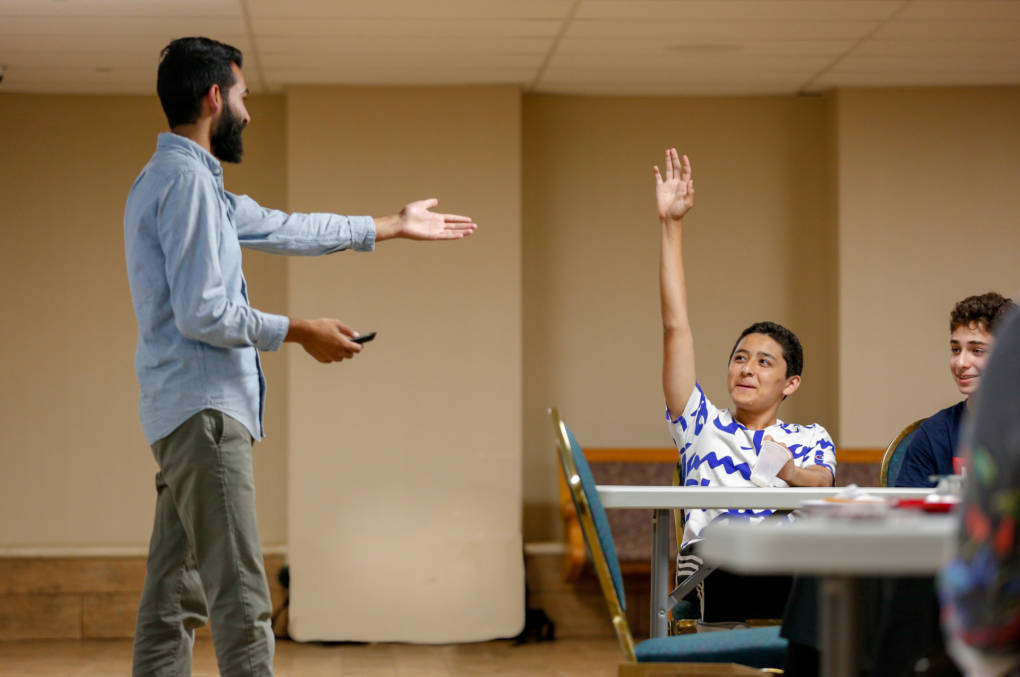
"caption": "Ryan Aridin, 14, learns about Muslim culture and how to counter Islamophobia in school during the Islamic Networks Group Youth Speakers training in San Jose on Sept. 13, 2019. ",
"description": null,
"title": "Muslim_Teenagers_ING Youth Speakers Program_ING training_Islamic Network Group_American Teen Muslims_Islamophobia_anti-bullying_aridin-qut",
"credit": "Sruti Mamidanna/KQED",
"status": "inherit",
"isLoading": false,
"fetchFailed": false
},
"news_11778360": {
"type": "attachments",
"id": "news_11778360",
"meta": {
"index": "attachments_1716263798",
"site": "news",
"id": "11778360",
"found": true
},
"parent": 11778359,
"imgSizes": {
"apple_news_ca_landscape_5_5": {
"file": "https://ww2.kqed.org/app/uploads/sites/10/2019/10/ap_19277560269066-c66ddd6fd0422f661806d990538cf792ad8b5fe6-1044x783.jpg",
"width": 1044,
"mimeType": "image/jpeg",
"height": 783
},
"apple_news_ca_square_4_0": {
"file": "https://ww2.kqed.org/app/uploads/sites/10/2019/10/ap_19277560269066-c66ddd6fd0422f661806d990538cf792ad8b5fe6-470x470.jpg",
"width": 470,
"mimeType": "image/jpeg",
"height": 470
},
"twentyfourteen-full-width": {
"file": "https://ww2.kqed.org/app/uploads/sites/10/2019/10/ap_19277560269066-c66ddd6fd0422f661806d990538cf792ad8b5fe6-1038x576.jpg",
"width": 1038,
"mimeType": "image/jpeg",
"height": 576
},
"thumbnail": {
"file": "https://ww2.kqed.org/app/uploads/sites/10/2019/10/ap_19277560269066-c66ddd6fd0422f661806d990538cf792ad8b5fe6-160x120.jpg",
"width": 160,
"mimeType": "image/jpeg",
"height": 120
},
"post-thumbnail": {
"file": "https://ww2.kqed.org/app/uploads/sites/10/2019/10/ap_19277560269066-c66ddd6fd0422f661806d990538cf792ad8b5fe6-672x372.jpg",
"width": 672,
"mimeType": "image/jpeg",
"height": 372
},
"kqedFullSize": {
"file": "https://ww2.kqed.org/app/uploads/sites/10/2019/10/ap_19277560269066-c66ddd6fd0422f661806d990538cf792ad8b5fe6-e1570297710218.jpg",
"width": 1920,
"height": 1440
},
"apple_news_ca_landscape_4_7": {
"file": "https://ww2.kqed.org/app/uploads/sites/10/2019/10/ap_19277560269066-c66ddd6fd0422f661806d990538cf792ad8b5fe6-632x474.jpg",
"width": 632,
"mimeType": "image/jpeg",
"height": 474
},
"large": {
"file": "https://ww2.kqed.org/app/uploads/sites/10/2019/10/ap_19277560269066-c66ddd6fd0422f661806d990538cf792ad8b5fe6-1020x765.jpg",
"width": 1020,
"mimeType": "image/jpeg",
"height": 765
},
"complete_open_graph": {
"file": "https://ww2.kqed.org/app/uploads/sites/10/2019/10/ap_19277560269066-c66ddd6fd0422f661806d990538cf792ad8b5fe6-1200x900.jpg",
"width": 1200,
"mimeType": "image/jpeg",
"height": 900
},
"apple_news_ca_landscape_4_0": {
"file": "https://ww2.kqed.org/app/uploads/sites/10/2019/10/ap_19277560269066-c66ddd6fd0422f661806d990538cf792ad8b5fe6-536x402.jpg",
"width": 536,
"mimeType": "image/jpeg",
"height": 402
},
"apple_news_ca_portrait_12_9": {
"file": "https://ww2.kqed.org/app/uploads/sites/10/2019/10/ap_19277560269066-c66ddd6fd0422f661806d990538cf792ad8b5fe6-1122x1496.jpg",
"width": 1122,
"mimeType": "image/jpeg",
"height": 1496
},
"medium": {
"file": "https://ww2.kqed.org/app/uploads/sites/10/2019/10/ap_19277560269066-c66ddd6fd0422f661806d990538cf792ad8b5fe6-800x600.jpg",
"width": 800,
"mimeType": "image/jpeg",
"height": 600
},
"apple_news_ca_portrait_4_0": {
"file": "https://ww2.kqed.org/app/uploads/sites/10/2019/10/ap_19277560269066-c66ddd6fd0422f661806d990538cf792ad8b5fe6-354x472.jpg",
"width": 354,
"mimeType": "image/jpeg",
"height": 472
},
"apple_news_ca_portrait_9_7": {
"file": "https://ww2.kqed.org/app/uploads/sites/10/2019/10/ap_19277560269066-c66ddd6fd0422f661806d990538cf792ad8b5fe6-840x1120.jpg",
"width": 840,
"mimeType": "image/jpeg",
"height": 1120
},
"apple_news_ca_landscape_12_9": {
"file": "https://ww2.kqed.org/app/uploads/sites/10/2019/10/ap_19277560269066-c66ddd6fd0422f661806d990538cf792ad8b5fe6-1832x1374.jpg",
"width": 1832,
"mimeType": "image/jpeg",
"height": 1374
},
"apple_news_ca_square_9_7": {
"file": "https://ww2.kqed.org/app/uploads/sites/10/2019/10/ap_19277560269066-c66ddd6fd0422f661806d990538cf792ad8b5fe6-1104x1104.jpg",
"width": 1104,
"mimeType": "image/jpeg",
"height": 1104
},
"apple_news_ca_portrait_4_7": {
"file": "https://ww2.kqed.org/app/uploads/sites/10/2019/10/ap_19277560269066-c66ddd6fd0422f661806d990538cf792ad8b5fe6-414x552.jpg",
"width": 414,
"mimeType": "image/jpeg",
"height": 552
},
"apple_news_ca_square_12_9": {
"file": "https://ww2.kqed.org/app/uploads/sites/10/2019/10/ap_19277560269066-c66ddd6fd0422f661806d990538cf792ad8b5fe6-1472x1472.jpg",
"width": 1472,
"mimeType": "image/jpeg",
"height": 1472
},
"apple_news_ca_portrait_5_5": {
"file": "https://ww2.kqed.org/app/uploads/sites/10/2019/10/ap_19277560269066-c66ddd6fd0422f661806d990538cf792ad8b5fe6-687x916.jpg",
"width": 687,
"mimeType": "image/jpeg",
"height": 916
},
"full-width": {
"file": "https://ww2.kqed.org/app/uploads/sites/10/2019/10/ap_19277560269066-c66ddd6fd0422f661806d990538cf792ad8b5fe6-1920x1440.jpg",
"width": 1920,
"mimeType": "image/jpeg",
"height": 1440
},
"apple_news_ca_square_4_7": {
"file": "https://ww2.kqed.org/app/uploads/sites/10/2019/10/ap_19277560269066-c66ddd6fd0422f661806d990538cf792ad8b5fe6-550x550.jpg",
"width": 550,
"mimeType": "image/jpeg",
"height": 550
},
"apple_news_ca_landscape_9_7": {
"file": "https://ww2.kqed.org/app/uploads/sites/10/2019/10/ap_19277560269066-c66ddd6fd0422f661806d990538cf792ad8b5fe6-1376x1032.jpg",
"width": 1376,
"mimeType": "image/jpeg",
"height": 1032
},
"apple_news_ca_square_5_5": {
"file": "https://ww2.kqed.org/app/uploads/sites/10/2019/10/ap_19277560269066-c66ddd6fd0422f661806d990538cf792ad8b5fe6-912x912.jpg",
"width": 912,
"mimeType": "image/jpeg",
"height": 912
}
},
"publishDate": 1570296784,
"modified": 1570297759,
"caption": "President Trump speaking to reporters on the South Lawn of the White House on Friday.",
"description": "President Trump speaking to reporters on the South Lawn of the White House on Friday.",
"title": "President Trump speaking to reporters on the South Lawn of the White House on Friday.",
"credit": "Pablo Martinez Monsivais/AP",
"status": "inherit",
"isLoading": false,
"fetchFailed": false
},
"news_11777951": {
"type": "attachments",
"id": "news_11777951",
"meta": {
"index": "attachments_1716263798",
"site": "news",
"id": "11777951",
"found": true
},
"parent": 11777909,
"imgSizes": {
"apple_news_ca_landscape_5_5": {
"file": "https://ww2.kqed.org/app/uploads/sites/10/2019/10/Cuccinelli-1920-1044x783.jpg",
"width": 1044,
"mimeType": "image/jpeg",
"height": 783
},
"apple_news_ca_square_4_0": {
"file": "https://ww2.kqed.org/app/uploads/sites/10/2019/10/Cuccinelli-1920-470x470.jpg",
"width": 470,
"mimeType": "image/jpeg",
"height": 470
},
"twentyfourteen-full-width": {
"file": "https://ww2.kqed.org/app/uploads/sites/10/2019/10/Cuccinelli-1920-1038x576.jpg",
"width": 1038,
"mimeType": "image/jpeg",
"height": 576
},
"thumbnail": {
"file": "https://ww2.kqed.org/app/uploads/sites/10/2019/10/Cuccinelli-1920-160x107.jpg",
"width": 160,
"mimeType": "image/jpeg",
"height": 107
},
"post-thumbnail": {
"file": "https://ww2.kqed.org/app/uploads/sites/10/2019/10/Cuccinelli-1920-672x372.jpg",
"width": 672,
"mimeType": "image/jpeg",
"height": 372
},
"kqedFullSize": {
"file": "https://ww2.kqed.org/app/uploads/sites/10/2019/10/Cuccinelli-1920.jpg",
"width": 1920,
"height": 1280
},
"apple_news_ca_landscape_4_7": {
"file": "https://ww2.kqed.org/app/uploads/sites/10/2019/10/Cuccinelli-1920-632x474.jpg",
"width": 632,
"mimeType": "image/jpeg",
"height": 474
},
"large": {
"file": "https://ww2.kqed.org/app/uploads/sites/10/2019/10/Cuccinelli-1920-1020x680.jpg",
"width": 1020,
"mimeType": "image/jpeg",
"height": 680
},
"complete_open_graph": {
"file": "https://ww2.kqed.org/app/uploads/sites/10/2019/10/Cuccinelli-1920-1200x800.jpg",
"width": 1200,
"mimeType": "image/jpeg",
"height": 800
},
"apple_news_ca_landscape_4_0": {
"file": "https://ww2.kqed.org/app/uploads/sites/10/2019/10/Cuccinelli-1920-536x402.jpg",
"width": 536,
"mimeType": "image/jpeg",
"height": 402
},
"apple_news_ca_portrait_12_9": {
"file": "https://ww2.kqed.org/app/uploads/sites/10/2019/10/Cuccinelli-1920-1122x1280.jpg",
"width": 1122,
"mimeType": "image/jpeg",
"height": 1280
},
"medium": {
"file": "https://ww2.kqed.org/app/uploads/sites/10/2019/10/Cuccinelli-1920-800x533.jpg",
"width": 800,
"mimeType": "image/jpeg",
"height": 533
},
"apple_news_ca_portrait_4_0": {
"file": "https://ww2.kqed.org/app/uploads/sites/10/2019/10/Cuccinelli-1920-354x472.jpg",
"width": 354,
"mimeType": "image/jpeg",
"height": 472
},
"apple_news_ca_portrait_9_7": {
"file": "https://ww2.kqed.org/app/uploads/sites/10/2019/10/Cuccinelli-1920-840x1120.jpg",
"width": 840,
"mimeType": "image/jpeg",
"height": 1120
},
"apple_news_ca_landscape_12_9": {
"file": "https://ww2.kqed.org/app/uploads/sites/10/2019/10/Cuccinelli-1920-1832x1280.jpg",
"width": 1832,
"mimeType": "image/jpeg",
"height": 1280
},
"apple_news_ca_square_9_7": {
"file": "https://ww2.kqed.org/app/uploads/sites/10/2019/10/Cuccinelli-1920-1104x1104.jpg",
"width": 1104,
"mimeType": "image/jpeg",
"height": 1104
},
"apple_news_ca_portrait_4_7": {
"file": "https://ww2.kqed.org/app/uploads/sites/10/2019/10/Cuccinelli-1920-414x552.jpg",
"width": 414,
"mimeType": "image/jpeg",
"height": 552
},
"apple_news_ca_square_12_9": {
"file": "https://ww2.kqed.org/app/uploads/sites/10/2019/10/Cuccinelli-1920-1472x1280.jpg",
"width": 1472,
"mimeType": "image/jpeg",
"height": 1280
},
"apple_news_ca_portrait_5_5": {
"file": "https://ww2.kqed.org/app/uploads/sites/10/2019/10/Cuccinelli-1920-687x916.jpg",
"width": 687,
"mimeType": "image/jpeg",
"height": 916
},
"full-width": {
"file": "https://ww2.kqed.org/app/uploads/sites/10/2019/10/Cuccinelli-1920-1920x1280.jpg",
"width": 1920,
"mimeType": "image/jpeg",
"height": 1280
},
"apple_news_ca_square_4_7": {
"file": "https://ww2.kqed.org/app/uploads/sites/10/2019/10/Cuccinelli-1920-550x550.jpg",
"width": 550,
"mimeType": "image/jpeg",
"height": 550
},
"apple_news_ca_landscape_9_7": {
"file": "https://ww2.kqed.org/app/uploads/sites/10/2019/10/Cuccinelli-1920-1376x1032.jpg",
"width": 1376,
"mimeType": "image/jpeg",
"height": 1032
},
"apple_news_ca_square_5_5": {
"file": "https://ww2.kqed.org/app/uploads/sites/10/2019/10/Cuccinelli-1920-912x912.jpg",
"width": 912,
"mimeType": "image/jpeg",
"height": 912
}
},
"publishDate": 1570116145,
"modified": 1570116254,
"caption": "Acting Director of the U.S. Citizenship and Immigration Services Ken Cuccinelli speaks during a briefing at the White House Aug. 12, 2019, in Washington, D.C. - The Trump administration announced on Aug. 12, 2019 new rules that aim to deny permanent residency and citizenship benefits to migrants who receive food stamps, Medicaid and other public welfare.",
"description": "Acting Director of the U.S. Citizenship and Immigration Services Ken Cuccinelli speaks during a briefing at the White House Aug. 12, 2019, in Washington, D.C. - The Trump administration announced on Aug. 12, 2019 new rules that aim to deny permanent residency and citizenship benefits to migrants who receive food stamps, Medicaid and other public welfare.",
"title": "Cuccinelli-1920",
"credit": "Brendan Smialowski/AFP/Getty Images",
"status": "inherit",
"isLoading": false,
"fetchFailed": false
},
"news_11777623": {
"type": "attachments",
"id": "news_11777623",
"meta": {
"index": "attachments_1716263798",
"site": "news",
"id": "11777623",
"found": true
},
"parent": 11777573,
"imgSizes": {
"apple_news_ca_landscape_5_5": {
"file": "https://ww2.kqed.org/app/uploads/sites/10/2019/10/10012019_asylum-seekers_port-of-entry_remain-in-mexico-qut-1044x783.jpg",
"width": 1044,
"mimeType": "image/jpeg",
"height": 783
},
"apple_news_ca_square_4_0": {
"file": "https://ww2.kqed.org/app/uploads/sites/10/2019/10/10012019_asylum-seekers_port-of-entry_remain-in-mexico-qut-470x470.jpg",
"width": 470,
"mimeType": "image/jpeg",
"height": 470
},
"twentyfourteen-full-width": {
"file": "https://ww2.kqed.org/app/uploads/sites/10/2019/10/10012019_asylum-seekers_port-of-entry_remain-in-mexico-qut-1038x576.jpg",
"width": 1038,
"mimeType": "image/jpeg",
"height": 576
},
"thumbnail": {
"file": "https://ww2.kqed.org/app/uploads/sites/10/2019/10/10012019_asylum-seekers_port-of-entry_remain-in-mexico-qut-160x106.jpg",
"width": 160,
"mimeType": "image/jpeg",
"height": 106
},
"post-thumbnail": {
"file": "https://ww2.kqed.org/app/uploads/sites/10/2019/10/10012019_asylum-seekers_port-of-entry_remain-in-mexico-qut-672x372.jpg",
"width": 672,
"mimeType": "image/jpeg",
"height": 372
},
"kqedFullSize": {
"file": "https://ww2.kqed.org/app/uploads/sites/10/2019/10/10012019_asylum-seekers_port-of-entry_remain-in-mexico-qut.jpg",
"width": 1800,
"height": 1198
},
"apple_news_ca_landscape_4_7": {
"file": "https://ww2.kqed.org/app/uploads/sites/10/2019/10/10012019_asylum-seekers_port-of-entry_remain-in-mexico-qut-632x474.jpg",
"width": 632,
"mimeType": "image/jpeg",
"height": 474
},
"large": {
"file": "https://ww2.kqed.org/app/uploads/sites/10/2019/10/10012019_asylum-seekers_port-of-entry_remain-in-mexico-qut-1020x679.jpg",
"width": 1020,
"mimeType": "image/jpeg",
"height": 679
},
"complete_open_graph": {
"file": "https://ww2.kqed.org/app/uploads/sites/10/2019/10/10012019_asylum-seekers_port-of-entry_remain-in-mexico-qut-1200x799.jpg",
"width": 1200,
"mimeType": "image/jpeg",
"height": 799
},
"apple_news_ca_landscape_4_0": {
"file": "https://ww2.kqed.org/app/uploads/sites/10/2019/10/10012019_asylum-seekers_port-of-entry_remain-in-mexico-qut-536x402.jpg",
"width": 536,
"mimeType": "image/jpeg",
"height": 402
},
"apple_news_ca_portrait_12_9": {
"file": "https://ww2.kqed.org/app/uploads/sites/10/2019/10/10012019_asylum-seekers_port-of-entry_remain-in-mexico-qut-1122x1198.jpg",
"width": 1122,
"mimeType": "image/jpeg",
"height": 1198
},
"medium": {
"file": "https://ww2.kqed.org/app/uploads/sites/10/2019/10/10012019_asylum-seekers_port-of-entry_remain-in-mexico-qut-800x532.jpg",
"width": 800,
"mimeType": "image/jpeg",
"height": 532
},
"apple_news_ca_portrait_4_0": {
"file": "https://ww2.kqed.org/app/uploads/sites/10/2019/10/10012019_asylum-seekers_port-of-entry_remain-in-mexico-qut-354x472.jpg",
"width": 354,
"mimeType": "image/jpeg",
"height": 472
},
"apple_news_ca_portrait_9_7": {
"file": "https://ww2.kqed.org/app/uploads/sites/10/2019/10/10012019_asylum-seekers_port-of-entry_remain-in-mexico-qut-840x1120.jpg",
"width": 840,
"mimeType": "image/jpeg",
"height": 1120
},
"apple_news_ca_square_9_7": {
"file": "https://ww2.kqed.org/app/uploads/sites/10/2019/10/10012019_asylum-seekers_port-of-entry_remain-in-mexico-qut-1104x1104.jpg",
"width": 1104,
"mimeType": "image/jpeg",
"height": 1104
},
"apple_news_ca_portrait_4_7": {
"file": "https://ww2.kqed.org/app/uploads/sites/10/2019/10/10012019_asylum-seekers_port-of-entry_remain-in-mexico-qut-414x552.jpg",
"width": 414,
"mimeType": "image/jpeg",
"height": 552
},
"apple_news_ca_square_12_9": {
"file": "https://ww2.kqed.org/app/uploads/sites/10/2019/10/10012019_asylum-seekers_port-of-entry_remain-in-mexico-qut-1472x1198.jpg",
"width": 1472,
"mimeType": "image/jpeg",
"height": 1198
},
"apple_news_ca_portrait_5_5": {
"file": "https://ww2.kqed.org/app/uploads/sites/10/2019/10/10012019_asylum-seekers_port-of-entry_remain-in-mexico-qut-687x916.jpg",
"width": 687,
"mimeType": "image/jpeg",
"height": 916
},
"apple_news_ca_square_4_7": {
"file": "https://ww2.kqed.org/app/uploads/sites/10/2019/10/10012019_asylum-seekers_port-of-entry_remain-in-mexico-qut-550x550.jpg",
"width": 550,
"mimeType": "image/jpeg",
"height": 550
},
"apple_news_ca_landscape_9_7": {
"file": "https://ww2.kqed.org/app/uploads/sites/10/2019/10/10012019_asylum-seekers_port-of-entry_remain-in-mexico-qut-1376x1032.jpg",
"width": 1376,
"mimeType": "image/jpeg",
"height": 1032
},
"apple_news_ca_square_5_5": {
"file": "https://ww2.kqed.org/app/uploads/sites/10/2019/10/10012019_asylum-seekers_port-of-entry_remain-in-mexico-qut-912x912.jpg",
"width": 912,
"mimeType": "image/jpeg",
"height": 912
}
},
"publishDate": 1569970699,
"modified": 1569974628,
"caption": "A woman waits to hear her position on a list of people waiting at the U.S.-Mexico border to seek asylum on Nov. 21, 2018, in Tijuana, Mexico.",
"description": "A woman waits to hear her position on a list of people waiting at the U.S.-Mexico border to seek asylum on Nov. 21, 2018, in Tijuana, Mexico.",
"title": "10012019_asylum seekers_port of entry_remain in mexico-qut",
"credit": "David Maung/KQED",
"status": "inherit",
"isLoading": false,
"fetchFailed": false
}
},
"audioPlayerReducer": {
"postId": "stream_live",
"isPaused": true,
"isPlaying": false,
"pfsActive": false,
"pledgeModalIsOpen": true,
"playerDrawerIsOpen": false,
"liveAudioPlayStartedAt": 0,
"liveAudioPlayContext": ""
},
"authorsReducer": {
"byline_news_11781583": {
"type": "authors",
"id": "byline_news_11781583",
"meta": {
"override": true
},
"slug": "byline_news_11781583",
"name": "Joel Rose",
"isLoading": false
},
"byline_news_11780752": {
"type": "authors",
"id": "byline_news_11780752",
"meta": {
"override": true
},
"slug": "byline_news_11780752",
"name": "\u003cstrong>\u003ca href=\"https://calmatters.org/author/kate-cimini/\">Kate Cimini\u003c/a>\u003cbr />CalMatters\u003c/strong>",
"isLoading": false
},
"byline_news_11778359": {
"type": "authors",
"id": "byline_news_11778359",
"meta": {
"override": true
},
"slug": "byline_news_11778359",
"name": "\u003ca href=\"https://www.npr.org/people/2100569/richard-gonzales\"> Richard Gonzales \u003c/a> \u003cbr>\u003cstrong>NPR\u003c/strong>",
"isLoading": false
},
"tychehendricks": {
"type": "authors",
"id": "259",
"meta": {
"index": "authors_1716337520",
"id": "259",
"found": true
},
"name": "Tyche Hendricks",
"firstName": "Tyche",
"lastName": "Hendricks",
"slug": "tychehendricks",
"email": "thendricks@kqed.org",
"display_author_email": true,
"staff_mastheads": [
"news"
],
"title": "KQED Senior Editor, Immigration",
"bio": "\u003cspan style=\"font-weight: 400;\">Tyche Hendricks is KQED’s senior editor for immigration, leading coverage of the policy and politics that affect California’s immigrant communities. Her work for KQED’s radio and online audiences is also carried on NPR and other national outlets. She has been recognized with awards from the Radio and Television News Directors Association, the Society for Professional Journalists; the Education Writers Association; the Best of the West and the National Federation of Community Broadcasters. Before joining KQED in 2010, Tyche spent more than a dozen years as a newspaper reporter, notably at the \u003c/span>\u003ci>\u003cspan style=\"font-weight: 400;\">San Francisco Chronicle\u003c/span>\u003c/i>\u003cspan style=\"font-weight: 400;\">. At different times she has covered criminal justice, government and politics and urban planning. Tyche has taught in the MFA Creative Writing program at the University of San Francisco and at UC Berkeley’s Graduate School of Journalism, where she was co-director of a national immigration symposium for professional journalists. She is the author of \u003c/span>\u003ci>\u003cspan style=\"font-weight: 400;\">The Wind Doesn't Need a Passport: Stories from the U.S.-Mexico Borderlands\u003c/span>\u003c/i>\u003cspan style=\"font-weight: 400;\"> (University of California Press). \u003c/span>",
"avatar": "https://secure.gravatar.com/avatar/b8ee458e2731c2d43df86882ce17267e?s=600&d=blank&r=g",
"twitter": "tychehendricks",
"facebook": null,
"instagram": null,
"linkedin": null,
"sites": [
{
"site": "news",
"roles": [
"editor"
]
},
{
"site": "stateofhealth",
"roles": [
"editor"
]
}
],
"headData": {
"title": "Tyche Hendricks | KQED",
"description": "KQED Senior Editor, Immigration",
"ogImgSrc": "https://secure.gravatar.com/avatar/b8ee458e2731c2d43df86882ce17267e?s=600&d=blank&r=g",
"twImgSrc": "https://secure.gravatar.com/avatar/b8ee458e2731c2d43df86882ce17267e?s=600&d=blank&r=g"
},
"isLoading": false,
"link": "/author/tychehendricks"
},
"markfiore": {
"type": "authors",
"id": "3236",
"meta": {
"index": "authors_1716337520",
"id": "3236",
"found": true
},
"name": "Mark Fiore",
"firstName": "Mark",
"lastName": "Fiore",
"slug": "markfiore",
"email": "mark@markfiore.com",
"display_author_email": false,
"staff_mastheads": [
"news"
],
"title": "KQED News Cartoonist",
"bio": "\u003ca href=\"http://www.MarkFiore.com\">MarkFiore.com\u003c/a> | \u003ca href=\"https://twitter.com/markfiore\">Follow on Twitter\u003c/a> | \u003ca href=\"https://www.facebook.com/pages/Mark-Fiore-Animated-Political-Cartoons/94451707396?ref=bookmarks\">Facebook\u003c/a> | \u003ca href=\"mailto:mark@markfiore.com\">email\u003c/a>\r\n\r\nPulitzer Prize-winner, Mark Fiore, who the Wall Street Journal has called “the undisputed guru of the form,” creates animated political cartoons in San Francisco, where his work has been featured regularly on the San Francisco Chronicle’s web site, SFGate.com. His work has appeared on Newsweek.com, Slate.com, CBSNews.com, MotherJones.com, DailyKos.com and NPR’s web site. Fiore’s political animation has appeared on CNN, Frontline, Bill Moyers Journal, Salon.com and cable and broadcast outlets across the globe.\r\n\r\nBeginning his professional life by drawing traditional political cartoons for newspapers, Fiore’s work appeared in publications ranging from the Washington Post to the Los Angeles Times. In the late 1990s, he began to experiment with animating political cartoons and, after a short stint at the San Jose Mercury News as their staff cartoonist, Fiore devoted all his energies to animation.\r\nGrowing up in California, Fiore also spent a good portion of his life in the backwoods of Idaho. It was this combination that shaped him politically. Mark majored in political science at Colorado College, where, in a perfect send-off for a cartoonist, he received his diploma in 1991 as commencement speaker Dick Cheney smiled approvingly.\r\nMark Fiore was awarded the Pulitzer Prize for political cartooning in 2010, a Robert F. Kennedy Journalism Award in 2004 and has twice received an Online Journalism Award for commentary from the Online News Association (2002, 2008). Fiore has received two awards for his work in new media from the National Cartoonists Society (2001, 2002), and in 2006 received The James Madison Freedom of Information Award from The Society of Professional Journalists.",
"avatar": "https://secure.gravatar.com/avatar/fc4e2a612b15b67bad0c6f0e1db4ca9b?s=600&d=blank&r=g",
"twitter": "MarkFiore",
"facebook": null,
"instagram": "https://www.instagram.com/markfiore/?hl=en",
"linkedin": null,
"sites": [
{
"site": "arts",
"roles": [
"contributor"
]
},
{
"site": "news",
"roles": [
"editor"
]
},
{
"site": "futureofyou",
"roles": [
"editor"
]
},
{
"site": "science",
"roles": [
"editor"
]
}
],
"headData": {
"title": "Mark Fiore | KQED",
"description": "KQED News Cartoonist",
"ogImgSrc": "https://secure.gravatar.com/avatar/fc4e2a612b15b67bad0c6f0e1db4ca9b?s=600&d=blank&r=g",
"twImgSrc": "https://secure.gravatar.com/avatar/fc4e2a612b15b67bad0c6f0e1db4ca9b?s=600&d=blank&r=g"
},
"isLoading": false,
"link": "/author/markfiore"
},
"fjhabvala": {
"type": "authors",
"id": "8659",
"meta": {
"index": "authors_1716337520",
"id": "8659",
"found": true
},
"name": "Farida Jhabvala Romero",
"firstName": "Farida",
"lastName": "Jhabvala Romero",
"slug": "fjhabvala",
"email": "fjhabvala@kqed.org",
"display_author_email": true,
"staff_mastheads": [
"news"
],
"title": "KQED Contributor",
"bio": "Farida Jhabvala Romero is a Labor Correspondent for KQED. She previously covered immigration. Farida was \u003ca href=\"https://www.ccnma.org/2022-most-influential-latina-journalists\">named\u003c/a> one of the 10 Most Influential Latina Journalists in California in 2022 by the California Chicano News Media Association. Her work has won awards from the Society of Professional Journalists (Northern California), as well as a national and regional Edward M. Murrow Award for the collaborative reporting projects “Dangerous Air” and “Graying California.” Before joining KQED, Farida worked as a producer at Radio Bilingüe, a national public radio network. Farida earned her master’s degree in journalism from Stanford University.",
"avatar": "https://secure.gravatar.com/avatar/f9f022d4e2609741874222a1e9d41f48fea74011aa7c615eef91d9a50c944ebe?s=600&d=blank&r=g",
"twitter": "FaridaJhabvala",
"bluesky": null,
"facebook": null,
"instagram": null,
"linkedin": "https://www.linkedin.com/in/faridajhabvala/",
"sites": [
{
"site": "news",
"roles": [
"editor"
]
},
{
"site": "stateofhealth",
"roles": [
"author"
]
},
{
"site": "liveblog",
"roles": [
"author"
]
}
],
"headData": {
"title": "Farida Jhabvala Romero | KQED",
"description": "KQED Contributor",
"ogImgSrc": "https://secure.gravatar.com/avatar/f9f022d4e2609741874222a1e9d41f48fea74011aa7c615eef91d9a50c944ebe?s=600&d=blank&r=g",
"twImgSrc": "https://secure.gravatar.com/avatar/f9f022d4e2609741874222a1e9d41f48fea74011aa7c615eef91d9a50c944ebe?s=600&d=blank&r=g"
},
"isLoading": false,
"link": "/author/fjhabvala"
},
"korr": {
"type": "authors",
"id": "11200",
"meta": {
"index": "authors_1716337520",
"id": "11200",
"found": true
},
"name": "Katie Orr",
"firstName": "Katie",
"lastName": "Orr",
"slug": "korr",
"email": "korr@kqed.org",
"display_author_email": false,
"staff_mastheads": [],
"title": "KQED Contributor",
"bio": "Katie Orr was a Sacramento-based reporter for KQED's Politics and Government Desk, covering the state Capitol and a variety of issues including women in politics, voting and elections and legislation. Prior to joining KQED in 2016, Katie was state government reporter for Capital Public Radio in Sacramento. She's also worked for KPBS in San Diego, where she covered City Hall.\r\n\r\nKatie received her masters degree in political science from San Diego State University and holds a Bachelors degree in broadcast journalism from Arizona State University.\r\n\r\nIn 2015 Katie won a national Clarion Award for a series of stories she did on women in California politics. She's been honored by the Society for Professional Journalists and, in 2013, was named by \u003cem>The Washington Post\u003c/em> as one of the country's top state Capitol reporters. She's also reported for the award-winning documentary series \u003cem>The View from Here \u003c/em>and was part of the team that won national PRNDI and Gabriel Awards in 2015. She lives in Sacramento with her husband. Twitter: @1KatieOrr",
"avatar": "https://secure.gravatar.com/avatar/41a40b25845adc78f50808670860449e?s=600&d=blank&r=g",
"twitter": "1katieorr",
"facebook": null,
"instagram": null,
"linkedin": null,
"sites": [
{
"site": "news",
"roles": [
"subscriber"
]
},
{
"site": "stateofhealth",
"roles": [
"author"
]
},
{
"site": "forum",
"roles": [
"author"
]
}
],
"headData": {
"title": "Katie Orr | KQED",
"description": "KQED Contributor",
"ogImgSrc": "https://secure.gravatar.com/avatar/41a40b25845adc78f50808670860449e?s=600&d=blank&r=g",
"twImgSrc": "https://secure.gravatar.com/avatar/41a40b25845adc78f50808670860449e?s=600&d=blank&r=g"
},
"isLoading": false,
"link": "/author/korr"
},
"ahall": {
"type": "authors",
"id": "11490",
"meta": {
"index": "authors_1716337520",
"id": "11490",
"found": true
},
"name": "Alex Hall",
"firstName": "Alex",
"lastName": "Hall",
"slug": "ahall",
"email": "ahall@kqed.org",
"display_author_email": false,
"staff_mastheads": [
"news"
],
"title": "KQED Enterprise & Accountability Reporter",
"bio": "Alex Hall is KQED's Enterprise and Accountability Reporter. She previously covered the Central Valley for five years from KQED's bureau in Fresno. Before joining KQED, Alex was an investigative reporting fellow at Wisconsin Public Radio and the Wisconsin Center for Investigative Journalism. She has also worked as a bilingual producer for NPR's investigative unit and freelance video producer for Reuters TV on the Latin America desk. She got her start in journalism in South America, where she worked as a radio producer and Spanish-English translator for CNN Chile. Her documentary and investigation into the series of deadly COVID-19 outbreaks at Foster Farms won a national Edward R. Murrow award and was named an Investigative Reporters & Editors award finalist. Alex's reporting for Reveal on the Wisconsin dairy industry's reliance on undocumented immigrant labor was made into a film, Los Lecheros, which won a regional Edward R. Murrow award for best news documentary.",
"avatar": "https://secure.gravatar.com/avatar/04c28ad4a7caa7ac2ef39c655c4030c993a3f331481d1da4799bb76ea85b9afa?s=600&d=blank&r=g",
"twitter": "@chalexhall",
"bluesky": null,
"facebook": null,
"instagram": null,
"linkedin": null,
"sites": [
{
"site": "news",
"roles": [
"editor"
]
},
{
"site": "liveblog",
"roles": [
"author"
]
}
],
"headData": {
"title": "Alex Hall | KQED",
"description": "KQED Enterprise & Accountability Reporter",
"ogImgSrc": "https://secure.gravatar.com/avatar/04c28ad4a7caa7ac2ef39c655c4030c993a3f331481d1da4799bb76ea85b9afa?s=600&d=blank&r=g",
"twImgSrc": "https://secure.gravatar.com/avatar/04c28ad4a7caa7ac2ef39c655c4030c993a3f331481d1da4799bb76ea85b9afa?s=600&d=blank&r=g"
},
"isLoading": false,
"link": "/author/ahall"
},
"mwiley": {
"type": "authors",
"id": "11526",
"meta": {
"index": "authors_1716337520",
"id": "11526",
"found": true
},
"name": "Michelle Wiley",
"firstName": "Michelle",
"lastName": "Wiley",
"slug": "mwiley",
"email": "mwiley@KQED.org",
"display_author_email": true,
"staff_mastheads": [],
"title": null,
"bio": "Michelle Wiley was the senior editor of weekends.",
"avatar": "https://secure.gravatar.com/avatar/3b897d82a09e8587e8e73fa69fbcc635?s=600&d=blank&r=g",
"twitter": "michelleewiley",
"facebook": null,
"instagram": null,
"linkedin": null,
"sites": [
{
"site": "",
"roles": [
"editor"
]
},
{
"site": "arts",
"roles": [
"editor"
]
},
{
"site": "news",
"roles": [
"subscriber"
]
},
{
"site": "lowdown",
"roles": [
"editor"
]
},
{
"site": "science",
"roles": [
"editor"
]
},
{
"site": "podcasts",
"roles": [
"editor"
]
}
],
"headData": {
"title": "Michelle Wiley | KQED",
"description": null,
"ogImgSrc": "https://secure.gravatar.com/avatar/3b897d82a09e8587e8e73fa69fbcc635?s=600&d=blank&r=g",
"twImgSrc": "https://secure.gravatar.com/avatar/3b897d82a09e8587e8e73fa69fbcc635?s=600&d=blank&r=g"
},
"isLoading": false,
"link": "/author/mwiley"
},
"mfharvin": {
"type": "authors",
"id": "11583",
"meta": {
"index": "authors_1716337520",
"id": "11583",
"found": true
},
"name": "Mary Franklin Harvin",
"firstName": "Mary Franklin",
"lastName": "Harvin",
"slug": "mfharvin",
"email": "mfharvin@KQED.org",
"display_author_email": false,
"staff_mastheads": [
"news"
],
"title": "KQED Contributor",
"bio": null,
"avatar": "https://secure.gravatar.com/avatar/0e53510a7d48cfbdebfc9b11357d845f?s=600&d=blank&r=g",
"twitter": "EmEffHarvin",
"facebook": null,
"instagram": null,
"linkedin": null,
"sites": [
{
"site": "news",
"roles": [
"author",
"edit_others_posts"
]
},
{
"site": "science",
"roles": [
"editor"
]
}
],
"headData": {
"title": "Mary Franklin Harvin | KQED",
"description": "KQED Contributor",
"ogImgSrc": "https://secure.gravatar.com/avatar/0e53510a7d48cfbdebfc9b11357d845f?s=600&d=blank&r=g",
"twImgSrc": "https://secure.gravatar.com/avatar/0e53510a7d48cfbdebfc9b11357d845f?s=600&d=blank&r=g"
},
"isLoading": false,
"link": "/author/mfharvin"
}
},
"pagesReducer": {
"news_category_immigration": {
"type": "terms",
"id": "news_1169",
"meta": {
"index": "terms_1716263798",
"site": "news",
"id": "1169",
"score": 10.910406
},
"featImg": null,
"name": "Immigration",
"description": null,
"taxonomy": "category",
"headData": {
"twImgId": null,
"twTitle": null,
"ogTitle": null,
"ogImgId": null,
"twDescription": null,
"description": null,
"title": "Immigration Archives | KQED News",
"ogDescription": null
},
"ttid": 1180,
"slug": "immigration",
"isLoading": false,
"title": "Immigration",
"pageMeta": {
"site": "news",
"WpPageTemplate": "page-topic-editorial",
"currentPage": 76
},
"blocks": [
{
"blockName": "kqed/post-list",
"attrs": {
"layout": "cardArticle2",
"query": "posts/news?category=immigration",
"seeMore": false,
"paginated": true,
"page": 76
}
},
{
"blockName": "kqed/ad"
}
]
}
},
"pfsSessionReducer": {},
"postsReducer": {
"stream_live": {
"type": "live",
"id": "stream_live",
"audioUrl": "https://streams.kqed.org/kqedradio",
"title": "Live Stream",
"excerpt": "Live Stream information currently unavailable.",
"link": "/radio",
"featImg": "",
"label": {
"name": "KQED Live",
"link": "/"
}
},
"stream_kqedNewscast": {
"type": "posts",
"id": "stream_kqedNewscast",
"audioUrl": "https://www.kqed.org/.stream/anon/radio/RDnews/newscast.mp3?_=1",
"title": "KQED Newscast",
"featImg": "",
"label": {
"name": "88.5 FM",
"link": "/"
}
},
"news_11778033": {
"type": "posts",
"id": "news_11778033",
"meta": {
"index": "posts_1716263798",
"site": "news",
"id": "11778033",
"score": null,
"sort": [
1571835640000
]
},
"guestAuthors": [],
"slug": "can-a-costly-guest-worker-program-meet-californias-need-for-farm-labor",
"title": "Can a Costly Guest Worker Program Meet California’s Need for Farm Labor?",
"publishDate": 1571835640,
"format": "audio",
"headTitle": "Can a Costly Guest Worker Program Meet California’s Need for Farm Labor? | KQED",
"labelTerm": {
"term": 72,
"site": "news"
},
"content": "\u003cp>Driving up and down the roads just outside downtown Salinas, you’re likely to spot crews of farmworkers in the fields, moving swiftly in an ocean of green.\u003c/p>\n\u003cp>On a recent afternoon, Jesús Alba, a work crew supervisor, was watching over one group of men and women as they harvested celery.\u003c/p>\n\u003cp>[pullquote size='medium' align='right' citation=\"Jesús Alba, farmworker supervisor\"]‘Before, people crossed the border a lot. And now, people can’t cross. For the people who go home to their country, it’s difficult to return. They go, but then they don’t come back.’[/pullquote]\u003c/p>\n\u003cp>“There are a lot of farmers, a lot of crops, that don’t have enough people,” Alba said, as the workers around him bent down to chop celery stalks and toss them onto washing stations. “Before, a lot of people went back and forth across the border. Now, people can’t cross. For the people who go home to their country, it’s difficult to return. They go, but then they don’t come back.”\u003c/p>\n\u003cp>\u003ca href=\"https://www.cdfa.ca.gov/statistics/\" target=\"_blank\" rel=\"noopener\">California grows\u003c/a> over a third of the country’s vegetables and two-thirds of its fruits and nuts, and \u003ca href=\"https://arefiles.ucdavis.edu/uploads/filer_public/0b/1a/0b1a6c3a-b166-4131-b8e9-78ba62754df7/carroll.pdf\" target=\"_blank\" rel=\"noopener\">a majority\u003c/a> of the workers who tend to those crops are undocumented immigrants. But increased enforcement, coupled with an aging population of U.S.-based farmworkers, has diminished the supply of California agricultural labor in recent years.\u003c/p>\n\u003cp>That availability of farm labor was the number one concern growers shared with U.S. Agriculture Secretary Sonny Perdue during his June tour of Northern California farming communities. Purdue’s visit came about a week after President Trump \u003ca href=\"https://www.kqed.org/news/11756670/trump-delays-nationwide-ice-raids-including-san-francisco\">delayed plans\u003c/a> for nationwide deportations of undocumented families. But when asked whether the planned crackdown would exacerbate farm labor issues, Perdue told reporters he didn’t think so.\u003c/p>\n\u003cp>“We’re not talking about immigration when we talk about a legal, reliable workforce,” he said. “We’re talking about people who want to come and provide for their families on a temporary basis, on a seasonal basis, in the H-2A program.”\u003c/p>\n\u003cp>Perdue was referring to a decades-old\u003ca href=\"https://www.uscis.gov/working-united-states/temporary-workers/h-2a-temporary-agricultural-workers\" target=\"_blank\" rel=\"noopener\"> temporary agricultural visa program\u003c/a> that enables farmers to hire laborers from other countries. Soon after Perdue’s visit, the Department of Labor announced \u003ca href=\"https://www.federalregister.gov/documents/2019/07/26/2019-15307/temporary-agricultural-employment-of-h-2a-nonimmigrants-in-the-united-states\">proposed reforms\u003c/a> that the agency said would “modernize” and “improve” the H-2A process. If approved, the changes would allow employers to stagger workers’ start dates on a single application, modify how workers’ wages are determined, require online applications and allow for e-signatures, among other reforms.\u003c/p>\n\u003ch3>\u003cstrong>Slow Growth in California \u003c/strong>\u003c/h3>\n\u003cp>Use of the H-2A visa program has risen steadily in recent years. But the growth in California has been gradual\u003cb>. \u003c/b>This year, over \u003ca href=\"https://www.foreignlaborcert.doleta.gov/pdf/PerformanceData/2019/H-2A_Selected_Statistics_FY2019_Q3.pdf\">19,000\u003c/a> H-2A positions requested by California ranchers, farm labor contractors and other employers have been certified — the highest to date — but that’s a tiny small slice of the \u003ca href=\"https://s.giannini.ucop.edu/uploads/giannini_public/b0/21/b0219b84-4333-4fec-9111-eff182da42a8/v21n5_1.pdf\" target=\"_blank\" rel=\"noopener\">massive migrant worker population\u003c/a> California farmers rely on each year.\u003c/p>\n\u003cp>Because the H-2A program can be costly, time-consuming and cumbersome — the program is managed by three separate federal government agencies — many California growers instead prefer to enlist the help of farm labor contractors to find and hire local farmworkers, most of whom are immigrants without legal status.\u003c/p>\n\u003cp>\u003c!-- iframe plugin v.4.3 wordpress.org/plugins/iframe/ -->\u003cbr>\n\u003ciframe loading=\"lazy\" src=\"https://e.infogram.com/17a74978-c3b6-413b-8d05-84c015c4d7f7?src=embed\" title=\"H2A Visas CA\" width=\"800\" height=\"630\" scrolling=\"no\" frameborder=\"0\" style=\"border:none;\" allowfullscreen=\"allowfullscreen\" class=\"iframe-class\">\u003c/iframe>\u003c/p>\n\u003cp>But traditional hiring methods have also proved challenging of late.\u003c/p>\n\u003cp>A recent\u003ca href=\"https://www.cfbf.com/storage/app/media/documents/LaborScarcity.pdf\" target=\"_blank\" rel=\"noopener\"> California Farm Bureau Federation/UC Davis survey\u003c/a> of more than 1,000 California farmers found that over 70% said they had trouble hiring workers in 2017 and 2018. And 86% of respondents said they had raised wages in an effort to attract and keep workers.\u003c/p>\n\u003cp>“That workforce is getting older, and there are fewer of them than there used to be,” said Bryan Little, CFBF’s employment policy director. “Their kids, by and large, aren’t going into agriculture in much the same way that a lot of farmers’ kids aren’t staying in agriculture.”\u003c/p>\n\u003ch3>\u003cstrong>‘Lengthy’ but ‘Worth it’\u003c/strong>\u003c/h3>\n\u003cp>Central Valley farm labor contractor Ileana Arvizu, who over the last three years has brought workers from southern Mexico to California through the H-2A program, said the process was “lengthy” but “worth it.”\u003c/p>\n\u003cfigure id=\"attachment_11781814\" class=\"wp-caption alignnone\" style=\"max-width: 1920px\">\u003ca href=\"https://ww2.kqed.org/news/2019/10/23/can-a-costly-guest-worker-program-meet-californias-need-for-farm-labor/img_5729-3/\" rel=\"attachment wp-att-11781814\">\u003cimg loading=\"lazy\" decoding=\"async\" class=\"wp-image-11781814 size-full\" src=\"https://ww2.kqed.org/news/wp-content/uploads/sites/10/2019/10/IMG_5729-2.jpg\" alt=\"\" width=\"1920\" height=\"1280\" srcset=\"https://cdn.kqed.org/wp-content/uploads/sites/10/2019/10/IMG_5729-2.jpg 1920w, https://cdn.kqed.org/wp-content/uploads/sites/10/2019/10/IMG_5729-2-160x107.jpg 160w, https://cdn.kqed.org/wp-content/uploads/sites/10/2019/10/IMG_5729-2-800x533.jpg 800w, https://cdn.kqed.org/wp-content/uploads/sites/10/2019/10/IMG_5729-2-1020x680.jpg 1020w, https://cdn.kqed.org/wp-content/uploads/sites/10/2019/10/IMG_5729-2-1200x800.jpg 1200w\" sizes=\"(max-width: 1920px) 100vw, 1920px\">\u003c/a>\u003cfigcaption class=\"wp-caption-text\">Ileana Arvizu, a Central Valley farm labor contractor who uses the H-2A program. \u003ccite>(Alex Hall/KQED)\u003c/cite>\u003c/figcaption>\u003c/figure>\n\u003cp>One requirement of the program is to provide housing for guest workers, a deterrent for many growers in California, where housing is particularly expensive. In order to make the program work for her, Arvizu made an upfront investment that not all employers can, or are willing to, afford: She bought and renovated a hotel in Merced where workers stay while they pick tomatoes on various farms for several months during the year.\u003c/p>\n\u003cp>On a recent warm evening, Arvizu stood in the parking lot of her hotel, where rows of picnic tables were arranged beneath a large tent. The newest group of workers, having just returned from the day’s harvest in the tomato fields, were preparing to sit down for a dinner of chicken mole and red rice.\u003c/p>\n\u003cp>“Once upon a time, being a farm labor contractor was like a no-brainer. Like, labor was no issue,” Arvizu said.\u003c/p>\n\u003cp>This year, she said, a group of workers from Mexico she had hired through the H-2A program ended up arriving in California a month late because the paperwork was still being processed.\u003c/p>\n\u003cp>“I had to tell the growers that I’m still in the process,” she said. “So we just kinda scrambled to grab whoever was willing to come and help us.”\u003c/p>\n\u003cfigure id=\"attachment_11781819\" class=\"wp-caption alignnone\" style=\"max-width: 1920px\">\u003ca href=\"https://ww2.kqed.org/news/2019/10/23/can-a-costly-guest-worker-program-meet-californias-need-for-farm-labor/img_5630-1/\" rel=\"attachment wp-att-11781819\">\u003cimg loading=\"lazy\" decoding=\"async\" class=\"wp-image-11781819 size-full\" src=\"https://ww2.kqed.org/news/wp-content/uploads/sites/10/2019/10/IMG_5630-1.jpg\" alt=\"\" width=\"1920\" height=\"1280\" srcset=\"https://cdn.kqed.org/wp-content/uploads/sites/10/2019/10/IMG_5630-1.jpg 1920w, https://cdn.kqed.org/wp-content/uploads/sites/10/2019/10/IMG_5630-1-160x107.jpg 160w, https://cdn.kqed.org/wp-content/uploads/sites/10/2019/10/IMG_5630-1-800x533.jpg 800w, https://cdn.kqed.org/wp-content/uploads/sites/10/2019/10/IMG_5630-1-1020x680.jpg 1020w, https://cdn.kqed.org/wp-content/uploads/sites/10/2019/10/IMG_5630-1-1200x800.jpg 1200w\" sizes=\"(max-width: 1920px) 100vw, 1920px\">\u003c/a>\u003cfigcaption class=\"wp-caption-text\">A new group of workers, hired by Ileana Arvizu, sit down for a dinner of chicken mole and red rice after a day of harvesting tomatoes. \u003ccite>(Alex Hall/KQED)\u003c/cite>\u003c/figcaption>\u003c/figure>\n\u003ch3>\u003cstrong>Farmworkers With Deep Roots\u003c/strong>\u003c/h3>\n\u003cp>California’s large population of undocumented farmworkers with deep roots in the state is another reason the H-2A program has been slow to catch on here.[aside label=\"related stories\" tag=\"farmworkers\"]\u003c/p>\n\u003cp>“The mayors of communities that I’ve talked to on an annual basis in this valley want to take care of the people of their communities,” said Manuel Cunha Jr., president of the Nisei Farmers League in Fresno.\u003c/p>\n\u003cp>“Why bring in new people and bust the people that are in your community? Go in and raid them? I think it’s immoral,” Cunha said.\u003c/p>\n\u003cp>Most farmers, he added, cannot afford to pay the expenses associated with bringing H-2A workers into the country.\u003c/p>\n\u003cp>The United Farm Workers Foundation and the UFW union submitted over 80,000 individual public comments to the Department of Labor opposing the changes to the visa program.\u003c/p>\n\u003cp>Among the UFW’s concerns: that the proposed changes would result in domestic workers losing jobs to H-2A workers because growers wouldn’t be required to give hiring preference to domestic workers.\u003c/p>\n\u003cp>“The proposed changes to the H-2A program will not only have harmful impacts on the domestic farmworkers who are currently working in America’s fields but also the foreign guest workers who participate in the program,” said National Field Coordinator Marichel Mejia.\u003c/p>\n\u003cp>“We must protect the farmworkers who have been integral members of our communities and who have years of experience as skilled laborers,” Mejia said. “The Trump administration needs to recognize the hard work farmworkers do to feed the country and not implement these changes.”\u003c/p>\n\u003cp>Ryan Jacobsen, CEO of the Fresno County Farm Bureau, said that many farmers and contractors would much rather obtain legal status for their existing workers, as opposed to bringing in new seasonal crews. And because the H-2A visa allows only for seasonal work, the program does not fulfill the need that many producers, like dairy farmers, have for a year-round workforce.\u003c/p>\n\u003cp>“This is a temporary patch that may work better for other states,” Jacobsen said.\u003c/p>\n\u003cp>[ad fullwidth]\u003c/p>\n\u003cp>[ad floatright]\u003c/p>\n",
"blocks": [],
"excerpt": "The Trump administration is cracking down on border enforcement, but says enough farmworkers will still be available through proposed changes to the H-2A temporary agricultural worker visa program. Many California farmers, though, are dubious.",
"status": "publish",
"parent": 0,
"modified": 1721152524,
"stats": {
"hasAudio": false,
"hasVideo": false,
"hasChartOrMap": true,
"iframeSrcs": [
"https://e.infogram.com/17a74978-c3b6-413b-8d05-84c015c4d7f7"
],
"hasGoogleForm": false,
"hasGallery": false,
"hasHearkenModule": false,
"hasPolis": false,
"paragraphCount": 32,
"wordCount": 1376
},
"headData": {
"title": "Can a Costly Guest Worker Program Meet California’s Need for Farm Labor? | KQED",
"description": "The Trump administration is cracking down on border enforcement, but says enough farmworkers will still be available through proposed changes to the H-2A temporary agricultural worker visa program. Many California farmers, though, are dubious.",
"ogTitle": "",
"ogDescription": "",
"ogImgId": "",
"twTitle": "",
"twDescription": "",
"twImgId": "",
"schema": {
"@context": "https://schema.org",
"@type": "NewsArticle",
"headline": "Can a Costly Guest Worker Program Meet California’s Need for Farm Labor?",
"datePublished": "2019-10-23T06:00:40-07:00",
"dateModified": "2024-07-16T10:55:24-07:00",
"image": "https://cdn.kqed.org/wp-content/uploads/2020/02/KQED-OG-Image@1x.png",
"isAccessibleForFree": "True",
"publisher": {
"@type": "NewsMediaOrganization",
"@id": "https://www.kqed.org/#organization",
"name": "KQED",
"logo": "https://cdn.kqed.org/wp-content/uploads/2020/02/KQED-OG-Image@1x.png",
"url": "https://www.kqed.org",
"sameAs": [
"https://www.facebook.com/KQED",
"https://twitter.com/KQED",
"https://www.instagram.com/kqed/",
"https://www.tiktok.com/@kqedofficial",
"https://www.linkedin.com/company/kqed",
"https://www.youtube.com/channel/UCeC0IOo7i1P_61zVUWbJ4nw"
]
}
}
},
"audioUrl": "https://www.kqed.org/.stream/anon/radio/RDnews/2019/10/HallH2AVisas.mp3",
"sticky": false,
"audioTrackLength": 319,
"path": "/news/11778033/can-a-costly-guest-worker-program-meet-californias-need-for-farm-labor",
"audioDuration": 319000,
"parsedContent": [
{
"type": "contentString",
"content": "\u003cdiv class=\"post-body\">\u003cp>\u003cp>Driving up and down the roads just outside downtown Salinas, you’re likely to spot crews of farmworkers in the fields, moving swiftly in an ocean of green.\u003c/p>\n\u003cp>On a recent afternoon, Jesús Alba, a work crew supervisor, was watching over one group of men and women as they harvested celery.\u003c/p>\n\u003cp>\u003c/p>\u003c/div>",
"attributes": {
"named": {},
"numeric": []
}
},
{
"type": "component",
"content": "‘Before, people crossed the border a lot. And now, people can’t cross. For the people who go home to their country, it’s difficult to return. They go, but then they don’t come back.’",
"name": "pullquote",
"attributes": {
"named": {
"size": "medium",
"align": "right",
"citation": "Jesús Alba, farmworker supervisor",
"label": ""
},
"numeric": []
}
},
{
"type": "contentString",
"content": "\u003cdiv class=\"post-body\">\u003cp>\u003c/p>\n\u003cp>“There are a lot of farmers, a lot of crops, that don’t have enough people,” Alba said, as the workers around him bent down to chop celery stalks and toss them onto washing stations. “Before, a lot of people went back and forth across the border. Now, people can’t cross. For the people who go home to their country, it’s difficult to return. They go, but then they don’t come back.”\u003c/p>\n\u003cp>\u003ca href=\"https://www.cdfa.ca.gov/statistics/\" target=\"_blank\" rel=\"noopener\">California grows\u003c/a> over a third of the country’s vegetables and two-thirds of its fruits and nuts, and \u003ca href=\"https://arefiles.ucdavis.edu/uploads/filer_public/0b/1a/0b1a6c3a-b166-4131-b8e9-78ba62754df7/carroll.pdf\" target=\"_blank\" rel=\"noopener\">a majority\u003c/a> of the workers who tend to those crops are undocumented immigrants. But increased enforcement, coupled with an aging population of U.S.-based farmworkers, has diminished the supply of California agricultural labor in recent years.\u003c/p>\n\u003cp>That availability of farm labor was the number one concern growers shared with U.S. Agriculture Secretary Sonny Perdue during his June tour of Northern California farming communities. Purdue’s visit came about a week after President Trump \u003ca href=\"https://www.kqed.org/news/11756670/trump-delays-nationwide-ice-raids-including-san-francisco\">delayed plans\u003c/a> for nationwide deportations of undocumented families. But when asked whether the planned crackdown would exacerbate farm labor issues, Perdue told reporters he didn’t think so.\u003c/p>\n\u003cp>“We’re not talking about immigration when we talk about a legal, reliable workforce,” he said. “We’re talking about people who want to come and provide for their families on a temporary basis, on a seasonal basis, in the H-2A program.”\u003c/p>\n\u003cp>Perdue was referring to a decades-old\u003ca href=\"https://www.uscis.gov/working-united-states/temporary-workers/h-2a-temporary-agricultural-workers\" target=\"_blank\" rel=\"noopener\"> temporary agricultural visa program\u003c/a> that enables farmers to hire laborers from other countries. Soon after Perdue’s visit, the Department of Labor announced \u003ca href=\"https://www.federalregister.gov/documents/2019/07/26/2019-15307/temporary-agricultural-employment-of-h-2a-nonimmigrants-in-the-united-states\">proposed reforms\u003c/a> that the agency said would “modernize” and “improve” the H-2A process. If approved, the changes would allow employers to stagger workers’ start dates on a single application, modify how workers’ wages are determined, require online applications and allow for e-signatures, among other reforms.\u003c/p>\n\u003ch3>\u003cstrong>Slow Growth in California \u003c/strong>\u003c/h3>\n\u003cp>Use of the H-2A visa program has risen steadily in recent years. But the growth in California has been gradual\u003cb>. \u003c/b>This year, over \u003ca href=\"https://www.foreignlaborcert.doleta.gov/pdf/PerformanceData/2019/H-2A_Selected_Statistics_FY2019_Q3.pdf\">19,000\u003c/a> H-2A positions requested by California ranchers, farm labor contractors and other employers have been certified — the highest to date — but that’s a tiny small slice of the \u003ca href=\"https://s.giannini.ucop.edu/uploads/giannini_public/b0/21/b0219b84-4333-4fec-9111-eff182da42a8/v21n5_1.pdf\" target=\"_blank\" rel=\"noopener\">massive migrant worker population\u003c/a> California farmers rely on each year.\u003c/p>\n\u003cp>Because the H-2A program can be costly, time-consuming and cumbersome — the program is managed by three separate federal government agencies — many California growers instead prefer to enlist the help of farm labor contractors to find and hire local farmworkers, most of whom are immigrants without legal status.\u003c/p>\n\u003cp>\u003c!-- iframe plugin v.4.3 wordpress.org/plugins/iframe/ -->\u003cbr>\n\u003ciframe loading=\"lazy\" src=\"https://e.infogram.com/17a74978-c3b6-413b-8d05-84c015c4d7f7?src=embed\" title=\"H2A Visas CA\" width=\"800\" height=\"630\" scrolling=\"no\" frameborder=\"0\" style=\"border:none;\" allowfullscreen=\"allowfullscreen\" class=\"iframe-class\">\u003c/iframe>\u003c/p>\n\u003cp>But traditional hiring methods have also proved challenging of late.\u003c/p>\n\u003cp>A recent\u003ca href=\"https://www.cfbf.com/storage/app/media/documents/LaborScarcity.pdf\" target=\"_blank\" rel=\"noopener\"> California Farm Bureau Federation/UC Davis survey\u003c/a> of more than 1,000 California farmers found that over 70% said they had trouble hiring workers in 2017 and 2018. And 86% of respondents said they had raised wages in an effort to attract and keep workers.\u003c/p>\n\u003cp>“That workforce is getting older, and there are fewer of them than there used to be,” said Bryan Little, CFBF’s employment policy director. “Their kids, by and large, aren’t going into agriculture in much the same way that a lot of farmers’ kids aren’t staying in agriculture.”\u003c/p>\n\u003ch3>\u003cstrong>‘Lengthy’ but ‘Worth it’\u003c/strong>\u003c/h3>\n\u003cp>Central Valley farm labor contractor Ileana Arvizu, who over the last three years has brought workers from southern Mexico to California through the H-2A program, said the process was “lengthy” but “worth it.”\u003c/p>\n\u003cfigure id=\"attachment_11781814\" class=\"wp-caption alignnone\" style=\"max-width: 1920px\">\u003ca href=\"https://ww2.kqed.org/news/2019/10/23/can-a-costly-guest-worker-program-meet-californias-need-for-farm-labor/img_5729-3/\" rel=\"attachment wp-att-11781814\">\u003cimg loading=\"lazy\" decoding=\"async\" class=\"wp-image-11781814 size-full\" src=\"https://ww2.kqed.org/news/wp-content/uploads/sites/10/2019/10/IMG_5729-2.jpg\" alt=\"\" width=\"1920\" height=\"1280\" srcset=\"https://cdn.kqed.org/wp-content/uploads/sites/10/2019/10/IMG_5729-2.jpg 1920w, https://cdn.kqed.org/wp-content/uploads/sites/10/2019/10/IMG_5729-2-160x107.jpg 160w, https://cdn.kqed.org/wp-content/uploads/sites/10/2019/10/IMG_5729-2-800x533.jpg 800w, https://cdn.kqed.org/wp-content/uploads/sites/10/2019/10/IMG_5729-2-1020x680.jpg 1020w, https://cdn.kqed.org/wp-content/uploads/sites/10/2019/10/IMG_5729-2-1200x800.jpg 1200w\" sizes=\"(max-width: 1920px) 100vw, 1920px\">\u003c/a>\u003cfigcaption class=\"wp-caption-text\">Ileana Arvizu, a Central Valley farm labor contractor who uses the H-2A program. \u003ccite>(Alex Hall/KQED)\u003c/cite>\u003c/figcaption>\u003c/figure>\n\u003cp>One requirement of the program is to provide housing for guest workers, a deterrent for many growers in California, where housing is particularly expensive. In order to make the program work for her, Arvizu made an upfront investment that not all employers can, or are willing to, afford: She bought and renovated a hotel in Merced where workers stay while they pick tomatoes on various farms for several months during the year.\u003c/p>\n\u003cp>On a recent warm evening, Arvizu stood in the parking lot of her hotel, where rows of picnic tables were arranged beneath a large tent. The newest group of workers, having just returned from the day’s harvest in the tomato fields, were preparing to sit down for a dinner of chicken mole and red rice.\u003c/p>\n\u003cp>“Once upon a time, being a farm labor contractor was like a no-brainer. Like, labor was no issue,” Arvizu said.\u003c/p>\n\u003cp>This year, she said, a group of workers from Mexico she had hired through the H-2A program ended up arriving in California a month late because the paperwork was still being processed.\u003c/p>\n\u003cp>“I had to tell the growers that I’m still in the process,” she said. “So we just kinda scrambled to grab whoever was willing to come and help us.”\u003c/p>\n\u003cfigure id=\"attachment_11781819\" class=\"wp-caption alignnone\" style=\"max-width: 1920px\">\u003ca href=\"https://ww2.kqed.org/news/2019/10/23/can-a-costly-guest-worker-program-meet-californias-need-for-farm-labor/img_5630-1/\" rel=\"attachment wp-att-11781819\">\u003cimg loading=\"lazy\" decoding=\"async\" class=\"wp-image-11781819 size-full\" src=\"https://ww2.kqed.org/news/wp-content/uploads/sites/10/2019/10/IMG_5630-1.jpg\" alt=\"\" width=\"1920\" height=\"1280\" srcset=\"https://cdn.kqed.org/wp-content/uploads/sites/10/2019/10/IMG_5630-1.jpg 1920w, https://cdn.kqed.org/wp-content/uploads/sites/10/2019/10/IMG_5630-1-160x107.jpg 160w, https://cdn.kqed.org/wp-content/uploads/sites/10/2019/10/IMG_5630-1-800x533.jpg 800w, https://cdn.kqed.org/wp-content/uploads/sites/10/2019/10/IMG_5630-1-1020x680.jpg 1020w, https://cdn.kqed.org/wp-content/uploads/sites/10/2019/10/IMG_5630-1-1200x800.jpg 1200w\" sizes=\"(max-width: 1920px) 100vw, 1920px\">\u003c/a>\u003cfigcaption class=\"wp-caption-text\">A new group of workers, hired by Ileana Arvizu, sit down for a dinner of chicken mole and red rice after a day of harvesting tomatoes. \u003ccite>(Alex Hall/KQED)\u003c/cite>\u003c/figcaption>\u003c/figure>\n\u003ch3>\u003cstrong>Farmworkers With Deep Roots\u003c/strong>\u003c/h3>\n\u003cp>California’s large population of undocumented farmworkers with deep roots in the state is another reason the H-2A program has been slow to catch on here.\u003c/p>\u003c/div>",
"attributes": {
"named": {},
"numeric": []
}
},
{
"type": "component",
"content": "",
"name": "aside",
"attributes": {
"named": {
"label": "related stories ",
"tag": "farmworkers"
},
"numeric": []
}
},
{
"type": "contentString",
"content": "\u003cdiv class=\"post-body\">\u003cp>\u003c/p>\n\u003cp>“The mayors of communities that I’ve talked to on an annual basis in this valley want to take care of the people of their communities,” said Manuel Cunha Jr., president of the Nisei Farmers League in Fresno.\u003c/p>\n\u003cp>“Why bring in new people and bust the people that are in your community? Go in and raid them? I think it’s immoral,” Cunha said.\u003c/p>\n\u003cp>Most farmers, he added, cannot afford to pay the expenses associated with bringing H-2A workers into the country.\u003c/p>\n\u003cp>The United Farm Workers Foundation and the UFW union submitted over 80,000 individual public comments to the Department of Labor opposing the changes to the visa program.\u003c/p>\n\u003cp>Among the UFW’s concerns: that the proposed changes would result in domestic workers losing jobs to H-2A workers because growers wouldn’t be required to give hiring preference to domestic workers.\u003c/p>\n\u003cp>“The proposed changes to the H-2A program will not only have harmful impacts on the domestic farmworkers who are currently working in America’s fields but also the foreign guest workers who participate in the program,” said National Field Coordinator Marichel Mejia.\u003c/p>\n\u003cp>“We must protect the farmworkers who have been integral members of our communities and who have years of experience as skilled laborers,” Mejia said. “The Trump administration needs to recognize the hard work farmworkers do to feed the country and not implement these changes.”\u003c/p>\n\u003cp>Ryan Jacobsen, CEO of the Fresno County Farm Bureau, said that many farmers and contractors would much rather obtain legal status for their existing workers, as opposed to bringing in new seasonal crews. And because the H-2A visa allows only for seasonal work, the program does not fulfill the need that many producers, like dairy farmers, have for a year-round workforce.\u003c/p>\n\u003cp>“This is a temporary patch that may work better for other states,” Jacobsen said.\u003c/p>\n\u003cp>\u003c/p>\u003c/div>",
"attributes": {
"named": {},
"numeric": []
}
},
{
"type": "component",
"content": "",
"name": "ad",
"attributes": {
"named": {
"label": "fullwidth"
},
"numeric": [
"fullwidth"
]
}
},
{
"type": "contentString",
"content": "\u003cdiv class=\"post-body\">\u003cp>\u003c/p>\n\u003cp>\u003c/p>\u003c/div>",
"attributes": {
"named": {},
"numeric": []
}
},
{
"type": "component",
"content": "",
"name": "ad",
"attributes": {
"named": {
"label": "floatright"
},
"numeric": [
"floatright"
]
}
},
{
"type": "contentString",
"content": "\u003cdiv class=\"post-body\">\u003cp>\u003c/p>\n\u003c/div>\u003c/p>",
"attributes": {
"named": {},
"numeric": []
}
}
],
"link": "/news/11778033/can-a-costly-guest-worker-program-meet-californias-need-for-farm-labor",
"authors": [
"11490"
],
"programs": [
"news_72"
],
"categories": [
"news_1758",
"news_1169",
"news_8"
],
"tags": [
"news_4092",
"news_18269",
"news_19904",
"news_26775",
"news_17041"
],
"featImg": "news_11781801",
"label": "news_72"
},
"news_11781894": {
"type": "posts",
"id": "news_11781894",
"meta": {
"index": "posts_1716263798",
"site": "news",
"id": "11781894",
"score": null,
"sort": [
1571790068000
]
},
"guestAuthors": [],
"slug": "judges-in-san-francisco-to-weigh-in-on-asylum-seekers-right-to-bond-hearings",
"title": "Judges in San Francisco to Weigh in on Asylum-Seekers' Right to Bond Hearings",
"publishDate": 1571790068,
"format": "standard",
"headTitle": "Judges in San Francisco to Weigh in on Asylum-Seekers’ Right to Bond Hearings | KQED",
"labelTerm": {
"term": 72,
"site": "news"
},
"content": "\u003cp>A federal appeals court in San Francisco is considering whether thousands of asylum-seekers can be locked up for months or years, or whether they have a constitutional right to ask a judge for their release on bond.\u003c/p>\n\u003cp>A three-judge panel of the 9th U.S. Circuit Court of Appeals heard arguments Tuesday in a lawsuit challenging a Trump administration order that aims to detain asylum-seekers who enter the country without proper inspection until their cases are decided, a process that can take up to several years.\u003c/p>\n\u003cp>Just moments after Justice Department attorney Lauren Bingham began addressing the court, Judge Michael Hawkins cut her off with what would become a recurring question throughout the hearing.\u003c/p>\n\u003cp>“Are the people in the plaintiffs class subject to indefinite detention with no promise of a bond hearing? Yes or no?” asked Hawkins, a Clinton appointee.\u003c/p>\n\u003cp>Detention would not be indefinite, Bingham responded, because it would last only until an immigration judge decides if the government can deport that individual.\u003c/p>\n\u003cp>Bingham said immigrants who entered the country illegally — and passed initial interviews establishing a “credible fear” of persecution or torture — are entitled only to rights expressly given to them by Congress.\u003c/p>\n\u003cp>“There is a sliding scale of due process,” she said. “And the Supreme Court has said on multiple occasions that due process is a flexible concept that takes into account all of the different varying circumstances.”\u003c/p>\n\u003cp>[aside label=\"Related Coverage\" tag=\"asylum\"]\u003c/p>\n\u003cp>Last year, the U.S. Supreme Court ruled that immigration laws do not give detained immigrants the right to periodic bond hearings. But the justices also instructed lower courts to examine whether the U.S. Constitution requires such hearings.\u003c/p>\n\u003cp>In April, U.S. Attorney General William Barr, whose purview includes immigration courts, \u003ca href=\"https://www.justice.gov/eoir/file/1154747/download\" target=\"_blank\" rel=\"noopener\">issued the order\u003c/a> saying asylum-seekers who entered unlawfully are no longer eligible for release on bond, despite the fact that the practice has been around for decades.\u003c/p>\n\u003cp>The change is one of several efforts by the Trump administration to dramatically restrict humanitarian protections, arguing that migrants are abusing the U.S. asylum system.\u003c/p>\n\u003cp>Under Barr’s order, U.S. Immigration and Customs Enforcement can still decide to release asylum applicants. But plaintiff attorneys argue that if the policy takes effect, detainees would not have a fair shot at freedom because ICE is biased toward detaining people.\u003c/p>\n\u003cp>In criminal cases, defendants generally have the right to ask a judge to set them free while their cases are decided.\u003c/p>\n\u003cp>In July, a federal judge in Seattle issued a nationwide halt to Barr’s order. U.S. District Judge Marsha J. Pechman also said the government must provide bond hearings within seven days.\u003c/p>\n\u003cp>Pechman’s ruling provides critical protections that allow migrants seeking refuge in the U.S. to have a “genuine opportunity” to make their case for asylum, plaintiffs’ attorney Matt Adams told the 9th circuit panel.\u003c/p>\n\u003cp>“We have thousands of our class members who will not only have been deprived of their liberty for months and perhaps years,” said Adams, legal director at the Northwest Immigrant Rights Project. “But many will then have been deprived of the opportunity to obtain legal representation, to gather the evidence necessary to marshal their case, to present their case before the court.”\u003c/p>\n\u003cp>[ad fullwidth]\u003c/p>\n\u003cp>Only one out of 10 asylum-seekers win their case without legal representation, \u003ca href=\"https://trac.syr.edu/immigration/reports/491/\" target=\"_blank\" rel=\"noopener\">according to\u003c/a> researchers at Syracuse University.\u003c/p>\n\u003cp>Government attorney Bingham cautioned the judges against requiring hearings within seven days.\u003c/p>\n\u003cp>“By requiring the bond hearings to happen so quickly with the government bearing the burden of proof, it incentivizes aliens to enter the United States illegally because they would then be entitled to greater process than if they properly reported to a port of entry,” said Bingham, referring to official border crossings.\u003c/p>\n\u003cp>Trump and other top administration officials argue that many asylum-seekers skip court hearings and disappear into the country after they are released from detention. But that’s not supported by several studies, including a \u003ca href=\"https://www.kqed.org/news/11756583/report-vast-majority-of-asylum-seeking-families-in-s-f-immigration-court-attend-all-hearings\" target=\"_blank\" rel=\"noopener\">recent analysis\u003c/a> that found that close to 98% of families applying for asylum in San Francisco’s immigration court showed up to every hearing.\u003c/p>\n\u003cp>About half of asylum-seekers who go before a judge and request release are granted bond while their case is decided, Adams told the panel of judges.\u003c/p>\n\u003cp>In the face of \u003ca href=\"https://www.cbp.gov/newsroom/national-media-release/claims-credible-fear-increase-fiscal-year-2018\" target=\"_blank\" rel=\"noopener\">growing numbers\u003c/a> of people claiming asylum, the Trump administration has moved aggressively to eliminate what officials call “loopholes” they say attract migrants from Central America.\u003c/p>\n\u003cp>Immigration advocates have challenged many of those policies — including one that denies asylum to people who fail to seek protection in a country they cross en route to the U.S., and another that forces asylum-seekers to remain in Mexico while an immigration judge decides their case.\u003c/p>\n\u003cp>“We’ve seen from this administration an assault on asylum,” said Michael Tan, a senior staff attorney with the ACLU Immigrants’ Rights Project. “The sad reality — that this administration is all too aware of — is that a lot of people just give up, they’d rather risk their life and safety than stay locked up.”\u003c/p>\n\u003cp>The three-judge panel is expected to issue its ruling soon.\u003c/p>\n\u003cp>\u003c/p>\n",
"blocks": [],
"excerpt": "A federal appeals court is considering whether thousands of asylum-seekers can be locked up for months or years, without the right to ask a judge to release them on bond.",
"status": "publish",
"parent": 0,
"modified": 1721111155,
"stats": {
"hasAudio": false,
"hasVideo": false,
"hasChartOrMap": false,
"iframeSrcs": [],
"hasGoogleForm": false,
"hasGallery": false,
"hasHearkenModule": false,
"hasPolis": false,
"paragraphCount": 27,
"wordCount": 890
},
"headData": {
"title": "Judges in San Francisco to Weigh in on Asylum-Seekers' Right to Bond Hearings | KQED",
"description": "A federal appeals court is considering whether thousands of asylum-seekers can be locked up for months or years, without the right to ask a judge to release them on bond.",
"ogTitle": "",
"ogDescription": "",
"ogImgId": "",
"twTitle": "",
"twDescription": "",
"twImgId": "",
"schema": {
"@context": "https://schema.org",
"@type": "NewsArticle",
"headline": "Judges in San Francisco to Weigh in on Asylum-Seekers' Right to Bond Hearings",
"datePublished": "2019-10-22T17:21:08-07:00",
"dateModified": "2024-07-15T23:25:55-07:00",
"image": "https://cdn.kqed.org/wp-content/uploads/2020/02/KQED-OG-Image@1x.png",
"isAccessibleForFree": "True",
"publisher": {
"@type": "NewsMediaOrganization",
"@id": "https://www.kqed.org/#organization",
"name": "KQED",
"logo": "https://cdn.kqed.org/wp-content/uploads/2020/02/KQED-OG-Image@1x.png",
"url": "https://www.kqed.org",
"sameAs": [
"https://www.facebook.com/KQED",
"https://twitter.com/KQED",
"https://www.instagram.com/kqed/",
"https://www.tiktok.com/@kqedofficial",
"https://www.linkedin.com/company/kqed",
"https://www.youtube.com/channel/UCeC0IOo7i1P_61zVUWbJ4nw"
]
}
}
},
"sticky": false,
"path": "/news/11781894/judges-in-san-francisco-to-weigh-in-on-asylum-seekers-right-to-bond-hearings",
"audioTrackLength": null,
"parsedContent": [
{
"type": "contentString",
"content": "\u003cdiv class=\"post-body\">\u003cp>\u003cp>A federal appeals court in San Francisco is considering whether thousands of asylum-seekers can be locked up for months or years, or whether they have a constitutional right to ask a judge for their release on bond.\u003c/p>\n\u003cp>A three-judge panel of the 9th U.S. Circuit Court of Appeals heard arguments Tuesday in a lawsuit challenging a Trump administration order that aims to detain asylum-seekers who enter the country without proper inspection until their cases are decided, a process that can take up to several years.\u003c/p>\n\u003cp>Just moments after Justice Department attorney Lauren Bingham began addressing the court, Judge Michael Hawkins cut her off with what would become a recurring question throughout the hearing.\u003c/p>\n\u003cp>“Are the people in the plaintiffs class subject to indefinite detention with no promise of a bond hearing? Yes or no?” asked Hawkins, a Clinton appointee.\u003c/p>\n\u003cp>Detention would not be indefinite, Bingham responded, because it would last only until an immigration judge decides if the government can deport that individual.\u003c/p>\n\u003cp>Bingham said immigrants who entered the country illegally — and passed initial interviews establishing a “credible fear” of persecution or torture — are entitled only to rights expressly given to them by Congress.\u003c/p>\n\u003cp>“There is a sliding scale of due process,” she said. “And the Supreme Court has said on multiple occasions that due process is a flexible concept that takes into account all of the different varying circumstances.”\u003c/p>\n\u003cp>\u003c/p>\u003c/div>",
"attributes": {
"named": {},
"numeric": []
}
},
{
"type": "component",
"content": "",
"name": "aside",
"attributes": {
"named": {
"label": "Related Coverage ",
"tag": "asylum"
},
"numeric": []
}
},
{
"type": "contentString",
"content": "\u003cdiv class=\"post-body\">\u003cp>\u003c/p>\n\u003cp>Last year, the U.S. Supreme Court ruled that immigration laws do not give detained immigrants the right to periodic bond hearings. But the justices also instructed lower courts to examine whether the U.S. Constitution requires such hearings.\u003c/p>\n\u003cp>In April, U.S. Attorney General William Barr, whose purview includes immigration courts, \u003ca href=\"https://www.justice.gov/eoir/file/1154747/download\" target=\"_blank\" rel=\"noopener\">issued the order\u003c/a> saying asylum-seekers who entered unlawfully are no longer eligible for release on bond, despite the fact that the practice has been around for decades.\u003c/p>\n\u003cp>The change is one of several efforts by the Trump administration to dramatically restrict humanitarian protections, arguing that migrants are abusing the U.S. asylum system.\u003c/p>\n\u003cp>Under Barr’s order, U.S. Immigration and Customs Enforcement can still decide to release asylum applicants. But plaintiff attorneys argue that if the policy takes effect, detainees would not have a fair shot at freedom because ICE is biased toward detaining people.\u003c/p>\n\u003cp>In criminal cases, defendants generally have the right to ask a judge to set them free while their cases are decided.\u003c/p>\n\u003cp>In July, a federal judge in Seattle issued a nationwide halt to Barr’s order. U.S. District Judge Marsha J. Pechman also said the government must provide bond hearings within seven days.\u003c/p>\n\u003cp>Pechman’s ruling provides critical protections that allow migrants seeking refuge in the U.S. to have a “genuine opportunity” to make their case for asylum, plaintiffs’ attorney Matt Adams told the 9th circuit panel.\u003c/p>\n\u003cp>“We have thousands of our class members who will not only have been deprived of their liberty for months and perhaps years,” said Adams, legal director at the Northwest Immigrant Rights Project. “But many will then have been deprived of the opportunity to obtain legal representation, to gather the evidence necessary to marshal their case, to present their case before the court.”\u003c/p>\n\u003cp>\u003c/p>\u003c/div>",
"attributes": {
"named": {},
"numeric": []
}
},
{
"type": "component",
"content": "",
"name": "ad",
"attributes": {
"named": {
"label": "fullwidth"
},
"numeric": [
"fullwidth"
]
}
},
{
"type": "contentString",
"content": "\u003cdiv class=\"post-body\">\u003cp>\u003c/p>\n\u003cp>Only one out of 10 asylum-seekers win their case without legal representation, \u003ca href=\"https://trac.syr.edu/immigration/reports/491/\" target=\"_blank\" rel=\"noopener\">according to\u003c/a> researchers at Syracuse University.\u003c/p>\n\u003cp>Government attorney Bingham cautioned the judges against requiring hearings within seven days.\u003c/p>\n\u003cp>“By requiring the bond hearings to happen so quickly with the government bearing the burden of proof, it incentivizes aliens to enter the United States illegally because they would then be entitled to greater process than if they properly reported to a port of entry,” said Bingham, referring to official border crossings.\u003c/p>\n\u003cp>Trump and other top administration officials argue that many asylum-seekers skip court hearings and disappear into the country after they are released from detention. But that’s not supported by several studies, including a \u003ca href=\"https://www.kqed.org/news/11756583/report-vast-majority-of-asylum-seeking-families-in-s-f-immigration-court-attend-all-hearings\" target=\"_blank\" rel=\"noopener\">recent analysis\u003c/a> that found that close to 98% of families applying for asylum in San Francisco’s immigration court showed up to every hearing.\u003c/p>\n\u003cp>About half of asylum-seekers who go before a judge and request release are granted bond while their case is decided, Adams told the panel of judges.\u003c/p>\n\u003cp>In the face of \u003ca href=\"https://www.cbp.gov/newsroom/national-media-release/claims-credible-fear-increase-fiscal-year-2018\" target=\"_blank\" rel=\"noopener\">growing numbers\u003c/a> of people claiming asylum, the Trump administration has moved aggressively to eliminate what officials call “loopholes” they say attract migrants from Central America.\u003c/p>\n\u003cp>Immigration advocates have challenged many of those policies — including one that denies asylum to people who fail to seek protection in a country they cross en route to the U.S., and another that forces asylum-seekers to remain in Mexico while an immigration judge decides their case.\u003c/p>\n\u003cp>“We’ve seen from this administration an assault on asylum,” said Michael Tan, a senior staff attorney with the ACLU Immigrants’ Rights Project. “The sad reality — that this administration is all too aware of — is that a lot of people just give up, they’d rather risk their life and safety than stay locked up.”\u003c/p>\n\u003cp>The three-judge panel is expected to issue its ruling soon.\u003c/p>\n\u003cp>\u003c/p>\n\u003c/div>\u003c/p>",
"attributes": {
"named": {},
"numeric": []
}
}
],
"link": "/news/11781894/judges-in-san-francisco-to-weigh-in-on-asylum-seekers-right-to-bond-hearings",
"authors": [
"8659"
],
"programs": [
"news_72"
],
"categories": [
"news_1169",
"news_6188",
"news_8",
"news_13"
],
"tags": [
"news_4863",
"news_23087",
"news_26233",
"news_23653",
"news_17725",
"news_24253",
"news_1323",
"news_23687",
"news_20202",
"news_38"
],
"featImg": "news_11781912",
"label": "news_72"
},
"news_11781583": {
"type": "posts",
"id": "news_11781583",
"meta": {
"index": "posts_1716263798",
"site": "news",
"id": "11781583",
"score": null,
"sort": [
1571697984000
]
},
"parent": 0,
"labelTerm": {},
"blocks": [],
"publishDate": 1571697984,
"format": "standard",
"disqusTitle": "Justice Department Announces Plan to Collect DNA From Migrants Crossing the Border",
"title": "Justice Department Announces Plan to Collect DNA From Migrants Crossing the Border",
"headTitle": "The California Report | KQED News",
"content": "\u003cp>The Justice Department is proposing to begin collecting DNA samples from hundreds of thousands of immigrants crossing the border, creating an enormous database of asylum-seekers and other migrants that federal officials say will be used to help authorities fight crime.\u003c/p>\n\u003cp>Attorney General William Barr issued \u003ca href=\"https://s3.amazonaws.com/public-inspection.federalregister.gov/2019-22877.pdf\">the rule\u003c/a>, which is set to be published in the Federal Register on Tuesday, with the expectation that federal authorities will gather DNA information on about 748,000 immigrants annually, including asylum-seekers presenting themselves at legal ports of entries.\u003c/p>\n\u003cp>[pullquote size='medium' align='right' citation=\"Naureen Shah, ACLU\"]'It's the most intimate information that you can take from someone ... And we're going to be taking it from people against their will.’[/pullquote]\u003c/p>\n\u003cp>In the proposed regulation, Barr describes the DNA sample as a \"genetic fingerprint\" that can uniquely identify a person, \"but they do not disclose the individual's traits, disorders, or dispositions.\"\u003c/p>\n\u003cp>Legal permanent residents and those seeking to enter the country legally won't be affected by the new regulation. The rule will now be subject to a 20-day comment period.\u003c/p>\n\u003cp>But already, immigrant advocates have denounced the proposal, arguing that collecting genetic information from those crossing the border could have implications for family members residing in the U.S.\u003c/p>\n\u003cp>\"It's the most intimate information that you can take from someone. It is information you can use to find their family members, to know their histories,\" Naureen Shah, senior advocacy and policy counsel at the American Civil Liberties Union, told NPR. \"And we're going to be taking it from people against their will.\"\u003c/p>\n\u003cp>Other lawyers who work with immigrants also slammed the proposal, saying it raises alarming privacy concerns and will not deter migrants from entering the U.S.\u003c/p>\n\u003cp>\"It's hard for me to believe that a woman who is on a journey of 1,000 miles in broken flip-flops with a 2-year-old on her hip, doing everything she can and sacrificing everything ... is going to be deterred by DNA collection,\" said Henry Sias, a Philadelphia-based civil rights lawyer who represents asylum-seekers.\u003c/p>\n\u003cp>Federal authorities \u003ca href=\"https://www.cbp.gov/newsroom/stats/sw-border-migration\">say nearly 1 million migrants\u003c/a> were taken into custody after crossing the southern border in the last fiscal year, but the number of migrants taken into custody in recent months has been \u003ca href=\"https://www.npr.org/2019/10/08/768436273/apprehensions-at-the-u-s-mexico-border-decline-for-the-fourth-consecutive-month\">steadily declining\u003c/a>, which the Trump administration attributes to the crackdown on the border.\u003c/p>\n\u003cp>[ad fullwidth]\u003c/p>\n\u003cp>Collecting DNA information on criminal suspects is permitted under federal law and \u003ca href=\"http://www.ncsl.org/Documents/cj/ArresteeDNALaws.pdf\">nearly 30 states\u003c/a> allow taking a forensic profile from someone before conviction. The plan to implement mandatory DNA testing for hundreds of thousands of border-crossers was \u003ca href=\"https://www.buzzfeednews.com/article/hamedaleaziz/trump-administration-dna-samples-immigrants\">first reported\u003c/a> by BuzzFeed in October.\u003c/p>\n\u003cp>[aside label=\"Related Coverage\" tag=\"immigration\"]Justice Department officials hope to send the DNA information from migrants to an FBI database known as the Combined DNA Index System, which \u003ca href=\"https://www.fbi.gov/services/laboratory/biometric-analysis/codis/ndis-statistics\">already contains\u003c/a> nearly 14 million people who have been convicted of a crime and an additional 3.7 million people who have been arrested. Migrants' names and other personal data would not be stored with their DNA information to protect privacy, and the FBI would get the identification only if the sample matched a crime.\u003c/p>\n\u003cp>Officials estimate the price of implementing the policy to be around $13 million for three years. That figure includes additional work hours for Customs and Border Protection and the cost of providing DNA sample collection kits to border agents.\u003c/p>\n\u003cp>The Trump administration says a massive database of biometric information on migrants will lead to more crimes being solved. But immigrant advocates counter that the initiative demonizes migrants, and they point to \u003ca href=\"https://www.npr.org/2018/05/02/607652253/studies-say-illegal-immigration-does-not-increase-violent-crime\">multiple studies\u003c/a> showing that increasing the flow of undocumented immigrants does not create a spike in violent crime.\u003c/p>\n\u003cp>Last year, more than 25,000 migrants were charged with felony illegal re-entry and more than 80,000 were charged with misdemeanor improper entry, the highest number of immigration-related offenses on record since federal authorities began keeping track, \u003ca href=\"https://www.justice.gov/opa/pr/department-justice-prosecuted-record-breaking-number-immigration-related-cases-fiscal-year\">Justice Department officials say\u003c/a>.\u003c/p>\n\u003cp>But Sias, the Philadelphia immigration lawyer, argues that taking a person's DNA information before they are convicted of crossing the border illegally is a privacy violation that turns the criminal justice system on its head.\u003c/p>\n\u003cp>\"It's a conflation of immigration status with criminal activity, which is contributing to a guilty until proven innocent atmosphere,\" Sias said.\u003c/p>\n\u003cdiv class=\"fullattribution\">Copyright 2019 NPR. To see more, visit \u003ca href=\"https://www.npr.org\" target=\"_blank\" rel=\"noopener\">NPR.org\u003c/a>.\u003cimg src=\"https://www.google-analytics.com/__utm.gif?utmac=UA-5828686-4&utmdt=Justice+Department+Announces+Plan+To+Collect+DNA+From+Migrants+Crossing+The+Border&utme=8(APIKey)9(MDAxOTAwOTE4MDEyMTkxMDAzNjczZDljZA004)\">\u003c/div>\n\u003cp>\u003c/p>\n",
"disqusIdentifier": "11781583 https://ww2.kqed.org/news/?p=11781583",
"disqusUrl": "https://ww2.kqed.org/news/2019/10/21/justice-department-announces-plan-to-collect-dna-from-migrants-crossing-the-border/",
"stats": {
"hasVideo": false,
"hasChartOrMap": false,
"hasAudio": false,
"hasPolis": false,
"wordCount": 731,
"hasGoogleForm": false,
"hasGallery": false,
"hasHearkenModule": false,
"iframeSrcs": [],
"paragraphCount": 19
},
"modified": 1571790125,
"excerpt": "Immigrant advocates are denouncing the proposal, arguing that collecting genetic information of border-crossers could have implications for family members residing in the U.S. ",
"headData": {
"twImgId": "",
"twTitle": "",
"ogTitle": "",
"ogImgId": "",
"twDescription": "",
"description": "Immigrant advocates are denouncing the proposal, arguing that collecting genetic information of border-crossers could have implications for family members residing in the U.S. ",
"title": "Justice Department Announces Plan to Collect DNA From Migrants Crossing the Border | KQED",
"ogDescription": "",
"schema": {
"@context": "https://schema.org",
"@type": "NewsArticle",
"headline": "Justice Department Announces Plan to Collect DNA From Migrants Crossing the Border",
"datePublished": "2019-10-21T15:46:24-07:00",
"dateModified": "2019-10-22T17:22:05-07:00",
"image": "https://cdn.kqed.org/wp-content/uploads/2020/02/KQED-OG-Image@1x.png",
"isAccessibleForFree": "True",
"publisher": {
"@type": "NewsMediaOrganization",
"@id": "https://www.kqed.org/#organization",
"name": "KQED",
"logo": "https://cdn.kqed.org/wp-content/uploads/2020/02/KQED-OG-Image@1x.png",
"url": "https://www.kqed.org",
"sameAs": [
"https://www.facebook.com/KQED",
"https://twitter.com/KQED",
"https://www.instagram.com/kqed/",
"https://www.tiktok.com/@kqedofficial",
"https://www.linkedin.com/company/kqed",
"https://www.youtube.com/channel/UCeC0IOo7i1P_61zVUWbJ4nw"
]
}
}
},
"guestAuthors": [],
"slug": "justice-department-announces-plan-to-collect-dna-from-migrants-crossing-the-border",
"status": "publish",
"nprApiLink": "http://api.npr.org/query?id=772035602&apiKey=MDAxOTAwOTE4MDEyMTkxMDAzNjczZDljZA004",
"nprStoryDate": "Mon, 21 Oct 2019 17:20:24 -0400",
"nprLastModifiedDate": "Mon, 21 Oct 2019 17:20:36 -0400",
"nprHtmlLink": "https://www.npr.org/2019/10/21/772035602/justice-department-announces-plan-to-collect-dna-from-migrants-crossing-the-bord?ft=nprml&f=772035602",
"nprImageAgency": "AP",
"source": "NPR",
"nprStoryId": "772035602",
"sourceUrl": "https://www.npr.org/",
"audioUrl": "https://www.kqed.org/.stream/anon/radio/tcr/2019/10/HendricksImmigrationDNA.mp3",
"nprByline": "Joel Rose",
"audioTrackLength": 94,
"nprImageCredit": "Jacquelyn Martin",
"nprRetrievedStory": "1",
"nprPubDate": "Mon, 21 Oct 2019 17:20:00 -0400",
"path": "/news/11781583/justice-department-announces-plan-to-collect-dna-from-migrants-crossing-the-border",
"audioDuration": 94000,
"parsedContent": [
{
"type": "contentString",
"content": "\u003cdiv class=\"post-body\">\u003cp>\u003cp>The Justice Department is proposing to begin collecting DNA samples from hundreds of thousands of immigrants crossing the border, creating an enormous database of asylum-seekers and other migrants that federal officials say will be used to help authorities fight crime.\u003c/p>\n\u003cp>Attorney General William Barr issued \u003ca href=\"https://s3.amazonaws.com/public-inspection.federalregister.gov/2019-22877.pdf\">the rule\u003c/a>, which is set to be published in the Federal Register on Tuesday, with the expectation that federal authorities will gather DNA information on about 748,000 immigrants annually, including asylum-seekers presenting themselves at legal ports of entries.\u003c/p>\n\u003cp>\u003c/p>\u003c/div>",
"attributes": {
"named": {},
"numeric": []
}
},
{
"type": "component",
"content": "'It's the most intimate information that you can take from someone ... And we're going to be taking it from people against their will.’",
"name": "pullquote",
"attributes": {
"named": {
"size": "medium",
"align": "right",
"citation": "Naureen Shah, ACLU",
"label": ""
},
"numeric": []
}
},
{
"type": "contentString",
"content": "\u003cdiv class=\"post-body\">\u003cp>\u003c/p>\n\u003cp>In the proposed regulation, Barr describes the DNA sample as a \"genetic fingerprint\" that can uniquely identify a person, \"but they do not disclose the individual's traits, disorders, or dispositions.\"\u003c/p>\n\u003cp>Legal permanent residents and those seeking to enter the country legally won't be affected by the new regulation. The rule will now be subject to a 20-day comment period.\u003c/p>\n\u003cp>But already, immigrant advocates have denounced the proposal, arguing that collecting genetic information from those crossing the border could have implications for family members residing in the U.S.\u003c/p>\n\u003cp>\"It's the most intimate information that you can take from someone. It is information you can use to find their family members, to know their histories,\" Naureen Shah, senior advocacy and policy counsel at the American Civil Liberties Union, told NPR. \"And we're going to be taking it from people against their will.\"\u003c/p>\n\u003cp>Other lawyers who work with immigrants also slammed the proposal, saying it raises alarming privacy concerns and will not deter migrants from entering the U.S.\u003c/p>\n\u003cp>\"It's hard for me to believe that a woman who is on a journey of 1,000 miles in broken flip-flops with a 2-year-old on her hip, doing everything she can and sacrificing everything ... is going to be deterred by DNA collection,\" said Henry Sias, a Philadelphia-based civil rights lawyer who represents asylum-seekers.\u003c/p>\n\u003cp>Federal authorities \u003ca href=\"https://www.cbp.gov/newsroom/stats/sw-border-migration\">say nearly 1 million migrants\u003c/a> were taken into custody after crossing the southern border in the last fiscal year, but the number of migrants taken into custody in recent months has been \u003ca href=\"https://www.npr.org/2019/10/08/768436273/apprehensions-at-the-u-s-mexico-border-decline-for-the-fourth-consecutive-month\">steadily declining\u003c/a>, which the Trump administration attributes to the crackdown on the border.\u003c/p>\n\u003cp>\u003c/p>\u003c/div>",
"attributes": {
"named": {},
"numeric": []
}
},
{
"type": "component",
"content": "",
"name": "ad",
"attributes": {
"named": {
"label": "fullwidth"
},
"numeric": [
"fullwidth"
]
}
},
{
"type": "contentString",
"content": "\u003cdiv class=\"post-body\">\u003cp>\u003c/p>\n\u003cp>Collecting DNA information on criminal suspects is permitted under federal law and \u003ca href=\"http://www.ncsl.org/Documents/cj/ArresteeDNALaws.pdf\">nearly 30 states\u003c/a> allow taking a forensic profile from someone before conviction. The plan to implement mandatory DNA testing for hundreds of thousands of border-crossers was \u003ca href=\"https://www.buzzfeednews.com/article/hamedaleaziz/trump-administration-dna-samples-immigrants\">first reported\u003c/a> by BuzzFeed in October.\u003c/p>\n\u003cp>\u003c/p>\u003c/div>",
"attributes": {
"named": {},
"numeric": []
}
},
{
"type": "component",
"content": "",
"name": "aside",
"attributes": {
"named": {
"label": "Related Coverage ",
"tag": "immigration"
},
"numeric": []
}
},
{
"type": "contentString",
"content": "\u003cdiv class=\"post-body\">\u003cp>Justice Department officials hope to send the DNA information from migrants to an FBI database known as the Combined DNA Index System, which \u003ca href=\"https://www.fbi.gov/services/laboratory/biometric-analysis/codis/ndis-statistics\">already contains\u003c/a> nearly 14 million people who have been convicted of a crime and an additional 3.7 million people who have been arrested. Migrants' names and other personal data would not be stored with their DNA information to protect privacy, and the FBI would get the identification only if the sample matched a crime.\u003c/p>\n\u003cp>Officials estimate the price of implementing the policy to be around $13 million for three years. That figure includes additional work hours for Customs and Border Protection and the cost of providing DNA sample collection kits to border agents.\u003c/p>\n\u003cp>The Trump administration says a massive database of biometric information on migrants will lead to more crimes being solved. But immigrant advocates counter that the initiative demonizes migrants, and they point to \u003ca href=\"https://www.npr.org/2018/05/02/607652253/studies-say-illegal-immigration-does-not-increase-violent-crime\">multiple studies\u003c/a> showing that increasing the flow of undocumented immigrants does not create a spike in violent crime.\u003c/p>\n\u003cp>Last year, more than 25,000 migrants were charged with felony illegal re-entry and more than 80,000 were charged with misdemeanor improper entry, the highest number of immigration-related offenses on record since federal authorities began keeping track, \u003ca href=\"https://www.justice.gov/opa/pr/department-justice-prosecuted-record-breaking-number-immigration-related-cases-fiscal-year\">Justice Department officials say\u003c/a>.\u003c/p>\n\u003cp>But Sias, the Philadelphia immigration lawyer, argues that taking a person's DNA information before they are convicted of crossing the border illegally is a privacy violation that turns the criminal justice system on its head.\u003c/p>\n\u003cp>\"It's a conflation of immigration status with criminal activity, which is contributing to a guilty until proven innocent atmosphere,\" Sias said.\u003c/p>\n\u003cdiv class=\"fullattribution\">Copyright 2019 NPR. To see more, visit \u003ca href=\"https://www.npr.org\" target=\"_blank\" rel=\"noopener\">NPR.org\u003c/a>.\u003cimg src=\"https://www.google-analytics.com/__utm.gif?utmac=UA-5828686-4&utmdt=Justice+Department+Announces+Plan+To+Collect+DNA+From+Migrants+Crossing+The+Border&utme=8(APIKey)9(MDAxOTAwOTE4MDEyMTkxMDAzNjczZDljZA004)\">\u003c/div>\n\u003cp>\u003c/p>\n\u003c/div>\u003c/p>",
"attributes": {
"named": {},
"numeric": []
}
}
],
"link": "/news/11781583/justice-department-announces-plan-to-collect-dna-from-migrants-crossing-the-border",
"authors": [
"byline_news_11781583"
],
"programs": [
"news_72"
],
"categories": [
"news_1169",
"news_6188",
"news_8",
"news_13"
],
"tags": [
"news_20458",
"news_25969",
"news_1323",
"news_20202",
"news_21038",
"news_25401"
],
"affiliates": [
"news_253"
],
"featImg": "news_11781584",
"label": "source_news_11781583"
},
"news_11780752": {
"type": "posts",
"id": "news_11780752",
"meta": {
"index": "posts_1716263798",
"site": "news",
"id": "11780752",
"score": null,
"sort": [
1571352659000
]
},
"parent": 0,
"labelTerm": {},
"blocks": [],
"publishDate": 1571352659,
"format": "standard",
"disqusTitle": "This Trump Rule Change Will Mean Lower Wages for Farmworkers",
"title": "This Trump Rule Change Will Mean Lower Wages for Farmworkers",
"headTitle": "The California Report | KQED News",
"content": "\u003cp>Temporary seasonal farmworkers will see wages decrease if a visa rule change proposed by the Trump administration goes through, and labor advocates worry that it also could lead to pay cuts for other domestic farmworkers.\u003c/p>\n\u003cp>Agriculture industry experts say the decreased costs will provide some much-needed relief for growers. The H-2A program allows agricultural employers to temporarily employ guest workers from other countries if there is a shortage of workers willing to take the jobs they offer. Some H-2A workers said they would still participate in the program even if they saw their wages go down, as they would make far more in six months as H-2A workers than they would doing the same work at home in Mexico.\u003c/p>\n\u003cp>[pullquote size=\"medium\", citation=\"Michael Marsh, president and CEO of the National Council of Agricultural Employers\"]'This will continue to erode domestic farmers' profitability while continuing to press upward domestic workers' wages unsustainably.'[/pullquote]Orlando, who declined to give his last name for fear of losing his job, came to the Salinas Valley on an H-2A visa to pick strawberries. Picking strawberries is particularly difficult as it requires the picker to spend the day bent at the waist, gently twisting ripe strawberries off each bush.\u003c/p>\n\u003cp>Speaking in Spanish, Orlando said he sent the majority of his money home to his family in Michoacán, so his children could afford clothes and books for school. He supported his entire family, he said, and even if the wages in the U.S. dropped, he would still reapply for a job as an H-2A worker. The money was too good to pass up.\u003c/p>\n\u003cp>His roommate, César, who would only his first name for the same reason, agreed with Orlando. “It’s the reason why we come,” he added in Spanish.\u003c/p>\n\u003cp>Announced in July, the Trump administration’s proposed changes to the H-2A visa came shortly after the Adverse Effect Wage Rate (AEWR) increased across the U.S. The changes would alter how the AEWR, which is the minimum hourly wage needed to attract noncitizen, seasonal workers, is calculated, lowering the hourly wage to benefit growers.\u003c/p>\n\u003cp>The Department of Labor calculates the AEWR annually, and each state has a different one that employers must meet. Growers who employ H-2A workers have the option to pay workers whichever is higher: the AEWR, the agreed-upon amount set in a collective bargaining agreement, or the state or federal minimum wage. In some states, that list also includes the prevailing wage, based upon surveys of employees in similar positions within the same field.\u003c/p>\n\u003cfigure id=\"attachment_11780833\" class=\"wp-caption aligncenter\" style=\"max-width: 800px\">\u003cimg src=\"https://ww2.kqed.org/news/wp-content/uploads/sites/10/2019/10/GettyImages-164224998-800x551.jpg\" alt=\"Migrant workers harvest strawberries at a farm March 13, 2013 near Oxnard, California. \" width=\"800\" height=\"551\" class=\"size-medium wp-image-11780833\">\u003cfigcaption class=\"wp-caption-text\">Migrant workers harvest strawberries at a farm March 13, 2013 near Oxnard, California. \u003ccite>(Joe Klamar/Getty Images)\u003c/cite>\u003c/figcaption>\u003c/figure>\n\u003cp>From 2018 to 2019, California saw an increase of 6% in its AEWR, according to the Farm Bureau, driving the hourly wage from $13.18 to $13.92. Other states, such as Colorado, saw their AEWR increase by as much as 23%. Farmer advocates say growers and employers cannot sustain the pace of pay growth, which rarely drops. Between 2009 and 2014, the AEWR increased from $10.16 to just over $11, data from the Department of Labor shows. Today, it stands at just under $14 in California. Other states, including Washington, pay just over $15 an hour.\u003c/p>\n\u003cp>“This will continue to erode domestic farmers’ profitability while continuing to press upward domestic workers’ wages unsustainably,” said President and CEO of the National Council of Agricultural Employers, Michael Marsh. “You’ll see farmers expanding fruit and vegetable production in Canada and Mexico, where the wage rates are significantly lower than they have to pay in the U.S. About half the fresh fruit in the U.S. is produced in a foreign country, and about a third of the vegetables.”\u003c/p>\n\u003cp>[ad fullwidth]\u003c/p>\n\u003cp>And others say the wage rate is not just unsustainable, but unfairly calculated in the first place, and badly in need of a fix.\u003c/p>\n\u003cp>“We believe the AEWR is skewed, because that is based on regions of the United States,” said Sara Neagu-Reed, associate director of Federal Policy for the California Farm Bureau. “So you’re comparing a combine driver in Idaho to a blueberry picker in Salinas Valley. That’s why we think it’s flawed, and it’s better to go with the proposed rule, so you’re looking at calculations by job categories, and individuals who are all in the table grape or berry-picking category.”\u003c/p>\n\u003cp>[aside tag=\"farmworkers\" label=\"Related Content\"]\u003c/p>\n\u003cp>In the “Salad Bowl of the World,” Monterey County Farm Bureau Executive Director Norm Groot argued that revamping the AEWR calculation model, resulting in a lower hourly wage for H-2A workers, would help farmers significantly.\u003c/p>\n\u003cp>“You have temporary workers who are being paid more and domestic workers who technically could be paid less, but they have to be paid the same anyway, and so it has this wage inflation proponent in it,” Groot said. “What we’re trying to do is get that to tied not only to the inflation index, but also to the economy. If the economy goes down, then the adverse wage rate also goes down. Currently, it doesn’t get adjusted down, so you have an economy that’s slumping and you’re still paying those high wages.”\u003c/p>\n\u003cp>However, the proposed H-2A guidelines also fail to take into account year-round agriculture, as takes place in the Salinas Valley, Groot added. He said that problem could be solved by simply increasing the number of green cards with an agriculture or horticultural preference, or adding an at-will provision so H-2A workers are tied to an area, and not one specific grower. That would help growers and farmworkers, Groot said, as growers don’t always have fields that need picking and H-2A workers only get paid for the days they work.\u003c/p>\n\u003cp>If wages lower, it could put added pressure on an already struggling population.\u003c/p>\n\u003cp>Salinas tops the list of places in the U.S. with the highest concentration of farmworkers. According to the Department of Labor, 31,700 people worked as farmworkers in Salinas in 2018. In the Salinas and Pajaro valleys combined, just over 4,000 farmworkers were H-2A workers in 2017. The mean wage drawn by a farmworker in Salinas in 2018 was $28,940, statistics from the Department of Labor showed.\u003c/p>\n\u003cfigure id=\"attachment_11780790\" class=\"wp-caption aligncenter\" style=\"max-width: 800px\">\u003cimg src=\"https://ww2.kqed.org/news/wp-content/uploads/sites/10/2019/10/RS8926_Drought_JoshC-4394-800x450.jpg\" alt=\"Farm fields outside of Los Banos, California.\" width=\"800\" height=\"450\" class=\"size-medium wp-image-11780790\">\u003cfigcaption class=\"wp-caption-text\">Farm fields outside of Los Banos, California. \u003ccite>(Josh Cassidy/KQED)\u003c/cite>\u003c/figcaption>\u003c/figure>\n\u003cp>Salinas is also one of the most expensive places in the U.S. to live, with rent prices sitting at about double the national average.\u003c/p>\n\u003cp>The vast majority of farmworkers are Latino, and a new report from Oakland’s Insight Center for Community Development found 52% of Latino households have trouble paying for basic expenses, such as housing, food or electricity. The number of Latino households struggling increased from 49% in 2014, the report showed.\u003c/p>\n\u003cp>This is due, in part, to Latinos often making a lower wage. The median income for Latino households in 2016 was $56,200, far lower than the statewide average of $78,000.\u003c/p>\n\u003cp>Farmworker advocates worry the Trump administration’s proposal to drop the wages paid to H-2A workers will adversely affect domestic farmworkers.\u003c/p>\n\u003cp>“What the proposed regulation seeks to do is change the formula for how it’s calculated,” said Marichel Mejia, national field coordinator for the United Farm Workers Foundation. “One of the ways that they are adjusting this formula is basing wages based on a survey on farm labor contractors and the wages they pay. Farm labor contractors notoriously pay way less versus farmworkers who are direct hires from the company.”\u003c/p>\n\u003cp>Pay for domestic farmworkers is tied legally to H-2A pay; the hourly wage H-2A workers receive must be higher than the wages domestic workers receive. Some growers compensate domestic workers at the same rate as H-2A workers, or pay domestic workers a piece rate on top of a lower hourly wage that can help them earn higher wages overall.\u003c/p>\n\u003cp>[pullquote size=\"medium\", citation=\"Marichel Mejia, national field coordinator for the United Farm Workers Foundation\"]'Farmworkers are hardworking people who do some of the most difficult jobs in this country and they bring food to all of our tables. It’s hard, difficult work that’s dignified, so they should not have their wages going down.'[/pullquote]Advocates such as the United Farm Workers Foundation worry that when noncitizen workers are paid less under the Trump administration proposal, all farmworkers will likely see their earnings decrease. Growers may hire farm labor contractors, as opposed to hiring workers, directly in order to reduce their paperwork, cut down on worker recruitment efforts, reduce legal liability, avoid unionization or labor management disputes and cut their own costs, a 2010 report out of the California Institute for Rural Studies shows.\u003c/p>\n\u003cp>However, the same report shows abuses have been reported against farm labor contractors since the earliest days of the system in 1928. Those abuses continue to this day as wage and labor violations as well as retaliatory actions, like firing workers for complaining about being sprayed with pesticides. The administration’s proposal also would require employers to pay less for transportation of the H-2A farmworkers from their native country to their place of work as well as decrease annual housing inspections of H-2A housing, carried out by federal inspectors, to once every two years. Employers would also have the option to self-certify that housing meets H-2A standards instead of undergoing a government inspection.\u003c/p>\n\u003cp>This in particular rang alarm bells at the UFW, Mejia said. \u003c/p>\n\u003cp>“Farmworkers are hardworking people who do some of the most difficult jobs in this country and they bring food to all of our tables,” said Mejia. “It’s hard, difficult work that’s dignified, so they should not have their wages going down. There are farmworkers that have been working in this country for decades and their job security should not be threatened by being potentially displaced by H-2A guest workers.\u003c/p>\n\u003cp>“The H-2A worker program is notorious to have a lot of abuse of these guest workers coming in because they don’t have a lot of labor rights. The idea of removing some of their housing safeguards, we are against that.”\u003c/p>\n\u003cp>A decision on the proposal is expected within the next year.\u003c/p>\n\u003cp>\u003cem>Kate Cimini is a multimedia journalist for The Californian. This article is part of the California Divide project, a collaboration among newsrooms examining income inequality and economic survival in California.\u003c/em>\u003c/p>\n\u003cp>[ad floatright]\u003c/p>\n",
"disqusIdentifier": "11780752 https://ww2.kqed.org/news/?p=11780752",
"disqusUrl": "https://ww2.kqed.org/news/2019/10/17/this-trump-rule-change-will-mean-lower-wages-for-farmworkers/",
"stats": {
"hasVideo": false,
"hasChartOrMap": false,
"hasAudio": false,
"hasPolis": false,
"wordCount": 1803,
"hasGoogleForm": false,
"hasGallery": false,
"hasHearkenModule": false,
"iframeSrcs": [],
"paragraphCount": 32
},
"modified": 1571417849,
"excerpt": "The Trump administration's proposal to change the H-2A visa will lower temporary farmworker's wages, decrease their housing security rights and could potentially affect domestic farmworkers as well. ",
"headData": {
"twImgId": "",
"twTitle": "",
"ogTitle": "",
"ogImgId": "",
"twDescription": "",
"description": "The Trump administration's proposal to change the H-2A visa will lower temporary farmworker's wages, decrease their housing security rights and could potentially affect domestic farmworkers as well. ",
"title": "This Trump Rule Change Will Mean Lower Wages for Farmworkers | KQED",
"ogDescription": "",
"schema": {
"@context": "https://schema.org",
"@type": "NewsArticle",
"headline": "This Trump Rule Change Will Mean Lower Wages for Farmworkers",
"datePublished": "2019-10-17T15:50:59-07:00",
"dateModified": "2019-10-18T09:57:29-07:00",
"image": "https://cdn.kqed.org/wp-content/uploads/2020/02/KQED-OG-Image@1x.png",
"isAccessibleForFree": "True",
"publisher": {
"@type": "NewsMediaOrganization",
"@id": "https://www.kqed.org/#organization",
"name": "KQED",
"logo": "https://cdn.kqed.org/wp-content/uploads/2020/02/KQED-OG-Image@1x.png",
"url": "https://www.kqed.org",
"sameAs": [
"https://www.facebook.com/KQED",
"https://twitter.com/KQED",
"https://www.instagram.com/kqed/",
"https://www.tiktok.com/@kqedofficial",
"https://www.linkedin.com/company/kqed",
"https://www.youtube.com/channel/UCeC0IOo7i1P_61zVUWbJ4nw"
]
}
}
},
"guestAuthors": [],
"slug": "this-trump-rule-change-will-mean-lower-wages-for-farmworkers",
"status": "publish",
"sourceUrl": "https://calmatters.org/",
"nprByline": "\u003cstrong>\u003ca href=\"https://calmatters.org/author/kate-cimini/\">Kate Cimini\u003c/a>\u003cbr />CalMatters\u003c/strong>",
"source": "CaLMatters",
"path": "/news/11780752/this-trump-rule-change-will-mean-lower-wages-for-farmworkers",
"audioTrackLength": null,
"parsedContent": [
{
"type": "contentString",
"content": "\u003cdiv class=\"post-body\">\u003cp>\u003cp>Temporary seasonal farmworkers will see wages decrease if a visa rule change proposed by the Trump administration goes through, and labor advocates worry that it also could lead to pay cuts for other domestic farmworkers.\u003c/p>\n\u003cp>Agriculture industry experts say the decreased costs will provide some much-needed relief for growers. The H-2A program allows agricultural employers to temporarily employ guest workers from other countries if there is a shortage of workers willing to take the jobs they offer. Some H-2A workers said they would still participate in the program even if they saw their wages go down, as they would make far more in six months as H-2A workers than they would doing the same work at home in Mexico.\u003c/p>\n\u003cp>\u003c/p>\u003c/div>",
"attributes": {
"named": {},
"numeric": []
}
},
{
"type": "component",
"content": "'This will continue to erode domestic farmers' profitability while continuing to press upward domestic workers' wages unsustainably.'",
"name": "pullquote",
"attributes": {
"named": {
"citation": "Michael Marsh, president and CEO of the National Council of Agricultural Employers",
"label": "size=\"medium\","
},
"numeric": [
"size=\"medium\","
]
}
},
{
"type": "contentString",
"content": "\u003cdiv class=\"post-body\">\u003cp>Orlando, who declined to give his last name for fear of losing his job, came to the Salinas Valley on an H-2A visa to pick strawberries. Picking strawberries is particularly difficult as it requires the picker to spend the day bent at the waist, gently twisting ripe strawberries off each bush.\u003c/p>\n\u003cp>Speaking in Spanish, Orlando said he sent the majority of his money home to his family in Michoacán, so his children could afford clothes and books for school. He supported his entire family, he said, and even if the wages in the U.S. dropped, he would still reapply for a job as an H-2A worker. The money was too good to pass up.\u003c/p>\n\u003cp>His roommate, César, who would only his first name for the same reason, agreed with Orlando. “It’s the reason why we come,” he added in Spanish.\u003c/p>\n\u003cp>Announced in July, the Trump administration’s proposed changes to the H-2A visa came shortly after the Adverse Effect Wage Rate (AEWR) increased across the U.S. The changes would alter how the AEWR, which is the minimum hourly wage needed to attract noncitizen, seasonal workers, is calculated, lowering the hourly wage to benefit growers.\u003c/p>\n\u003cp>The Department of Labor calculates the AEWR annually, and each state has a different one that employers must meet. Growers who employ H-2A workers have the option to pay workers whichever is higher: the AEWR, the agreed-upon amount set in a collective bargaining agreement, or the state or federal minimum wage. In some states, that list also includes the prevailing wage, based upon surveys of employees in similar positions within the same field.\u003c/p>\n\u003cfigure id=\"attachment_11780833\" class=\"wp-caption aligncenter\" style=\"max-width: 800px\">\u003cimg src=\"https://ww2.kqed.org/news/wp-content/uploads/sites/10/2019/10/GettyImages-164224998-800x551.jpg\" alt=\"Migrant workers harvest strawberries at a farm March 13, 2013 near Oxnard, California. \" width=\"800\" height=\"551\" class=\"size-medium wp-image-11780833\">\u003cfigcaption class=\"wp-caption-text\">Migrant workers harvest strawberries at a farm March 13, 2013 near Oxnard, California. \u003ccite>(Joe Klamar/Getty Images)\u003c/cite>\u003c/figcaption>\u003c/figure>\n\u003cp>From 2018 to 2019, California saw an increase of 6% in its AEWR, according to the Farm Bureau, driving the hourly wage from $13.18 to $13.92. Other states, such as Colorado, saw their AEWR increase by as much as 23%. Farmer advocates say growers and employers cannot sustain the pace of pay growth, which rarely drops. Between 2009 and 2014, the AEWR increased from $10.16 to just over $11, data from the Department of Labor shows. Today, it stands at just under $14 in California. Other states, including Washington, pay just over $15 an hour.\u003c/p>\n\u003cp>“This will continue to erode domestic farmers’ profitability while continuing to press upward domestic workers’ wages unsustainably,” said President and CEO of the National Council of Agricultural Employers, Michael Marsh. “You’ll see farmers expanding fruit and vegetable production in Canada and Mexico, where the wage rates are significantly lower than they have to pay in the U.S. About half the fresh fruit in the U.S. is produced in a foreign country, and about a third of the vegetables.”\u003c/p>\n\u003cp>\u003c/p>\u003c/div>",
"attributes": {
"named": {},
"numeric": []
}
},
{
"type": "component",
"content": "",
"name": "ad",
"attributes": {
"named": {
"label": "fullwidth"
},
"numeric": [
"fullwidth"
]
}
},
{
"type": "contentString",
"content": "\u003cdiv class=\"post-body\">\u003cp>\u003c/p>\n\u003cp>And others say the wage rate is not just unsustainable, but unfairly calculated in the first place, and badly in need of a fix.\u003c/p>\n\u003cp>“We believe the AEWR is skewed, because that is based on regions of the United States,” said Sara Neagu-Reed, associate director of Federal Policy for the California Farm Bureau. “So you’re comparing a combine driver in Idaho to a blueberry picker in Salinas Valley. That’s why we think it’s flawed, and it’s better to go with the proposed rule, so you’re looking at calculations by job categories, and individuals who are all in the table grape or berry-picking category.”\u003c/p>\n\u003cp>\u003c/p>\u003c/div>",
"attributes": {
"named": {},
"numeric": []
}
},
{
"type": "component",
"content": "",
"name": "aside",
"attributes": {
"named": {
"tag": "farmworkers",
"label": "Related Content "
},
"numeric": []
}
},
{
"type": "contentString",
"content": "\u003cdiv class=\"post-body\">\u003cp>\u003c/p>\n\u003cp>In the “Salad Bowl of the World,” Monterey County Farm Bureau Executive Director Norm Groot argued that revamping the AEWR calculation model, resulting in a lower hourly wage for H-2A workers, would help farmers significantly.\u003c/p>\n\u003cp>“You have temporary workers who are being paid more and domestic workers who technically could be paid less, but they have to be paid the same anyway, and so it has this wage inflation proponent in it,” Groot said. “What we’re trying to do is get that to tied not only to the inflation index, but also to the economy. If the economy goes down, then the adverse wage rate also goes down. Currently, it doesn’t get adjusted down, so you have an economy that’s slumping and you’re still paying those high wages.”\u003c/p>\n\u003cp>However, the proposed H-2A guidelines also fail to take into account year-round agriculture, as takes place in the Salinas Valley, Groot added. He said that problem could be solved by simply increasing the number of green cards with an agriculture or horticultural preference, or adding an at-will provision so H-2A workers are tied to an area, and not one specific grower. That would help growers and farmworkers, Groot said, as growers don’t always have fields that need picking and H-2A workers only get paid for the days they work.\u003c/p>\n\u003cp>If wages lower, it could put added pressure on an already struggling population.\u003c/p>\n\u003cp>Salinas tops the list of places in the U.S. with the highest concentration of farmworkers. According to the Department of Labor, 31,700 people worked as farmworkers in Salinas in 2018. In the Salinas and Pajaro valleys combined, just over 4,000 farmworkers were H-2A workers in 2017. The mean wage drawn by a farmworker in Salinas in 2018 was $28,940, statistics from the Department of Labor showed.\u003c/p>\n\u003cfigure id=\"attachment_11780790\" class=\"wp-caption aligncenter\" style=\"max-width: 800px\">\u003cimg src=\"https://ww2.kqed.org/news/wp-content/uploads/sites/10/2019/10/RS8926_Drought_JoshC-4394-800x450.jpg\" alt=\"Farm fields outside of Los Banos, California.\" width=\"800\" height=\"450\" class=\"size-medium wp-image-11780790\">\u003cfigcaption class=\"wp-caption-text\">Farm fields outside of Los Banos, California. \u003ccite>(Josh Cassidy/KQED)\u003c/cite>\u003c/figcaption>\u003c/figure>\n\u003cp>Salinas is also one of the most expensive places in the U.S. to live, with rent prices sitting at about double the national average.\u003c/p>\n\u003cp>The vast majority of farmworkers are Latino, and a new report from Oakland’s Insight Center for Community Development found 52% of Latino households have trouble paying for basic expenses, such as housing, food or electricity. The number of Latino households struggling increased from 49% in 2014, the report showed.\u003c/p>\n\u003cp>This is due, in part, to Latinos often making a lower wage. The median income for Latino households in 2016 was $56,200, far lower than the statewide average of $78,000.\u003c/p>\n\u003cp>Farmworker advocates worry the Trump administration’s proposal to drop the wages paid to H-2A workers will adversely affect domestic farmworkers.\u003c/p>\n\u003cp>“What the proposed regulation seeks to do is change the formula for how it’s calculated,” said Marichel Mejia, national field coordinator for the United Farm Workers Foundation. “One of the ways that they are adjusting this formula is basing wages based on a survey on farm labor contractors and the wages they pay. Farm labor contractors notoriously pay way less versus farmworkers who are direct hires from the company.”\u003c/p>\n\u003cp>Pay for domestic farmworkers is tied legally to H-2A pay; the hourly wage H-2A workers receive must be higher than the wages domestic workers receive. Some growers compensate domestic workers at the same rate as H-2A workers, or pay domestic workers a piece rate on top of a lower hourly wage that can help them earn higher wages overall.\u003c/p>\n\u003cp>\u003c/p>\u003c/div>",
"attributes": {
"named": {},
"numeric": []
}
},
{
"type": "component",
"content": "'Farmworkers are hardworking people who do some of the most difficult jobs in this country and they bring food to all of our tables. It’s hard, difficult work that’s dignified, so they should not have their wages going down.'",
"name": "pullquote",
"attributes": {
"named": {
"citation": "Marichel Mejia, national field coordinator for the United Farm Workers Foundation",
"label": "size=\"medium\","
},
"numeric": [
"size=\"medium\","
]
}
},
{
"type": "contentString",
"content": "\u003cdiv class=\"post-body\">\u003cp>Advocates such as the United Farm Workers Foundation worry that when noncitizen workers are paid less under the Trump administration proposal, all farmworkers will likely see their earnings decrease. Growers may hire farm labor contractors, as opposed to hiring workers, directly in order to reduce their paperwork, cut down on worker recruitment efforts, reduce legal liability, avoid unionization or labor management disputes and cut their own costs, a 2010 report out of the California Institute for Rural Studies shows.\u003c/p>\n\u003cp>However, the same report shows abuses have been reported against farm labor contractors since the earliest days of the system in 1928. Those abuses continue to this day as wage and labor violations as well as retaliatory actions, like firing workers for complaining about being sprayed with pesticides. The administration’s proposal also would require employers to pay less for transportation of the H-2A farmworkers from their native country to their place of work as well as decrease annual housing inspections of H-2A housing, carried out by federal inspectors, to once every two years. Employers would also have the option to self-certify that housing meets H-2A standards instead of undergoing a government inspection.\u003c/p>\n\u003cp>This in particular rang alarm bells at the UFW, Mejia said. \u003c/p>\n\u003cp>“Farmworkers are hardworking people who do some of the most difficult jobs in this country and they bring food to all of our tables,” said Mejia. “It’s hard, difficult work that’s dignified, so they should not have their wages going down. There are farmworkers that have been working in this country for decades and their job security should not be threatened by being potentially displaced by H-2A guest workers.\u003c/p>\n\u003cp>“The H-2A worker program is notorious to have a lot of abuse of these guest workers coming in because they don’t have a lot of labor rights. The idea of removing some of their housing safeguards, we are against that.”\u003c/p>\n\u003cp>A decision on the proposal is expected within the next year.\u003c/p>\n\u003cp>\u003cem>Kate Cimini is a multimedia journalist for The Californian. This article is part of the California Divide project, a collaboration among newsrooms examining income inequality and economic survival in California.\u003c/em>\u003c/p>\n\u003cp>\u003c/p>\u003c/div>",
"attributes": {
"named": {},
"numeric": []
}
},
{
"type": "component",
"content": "",
"name": "ad",
"attributes": {
"named": {
"label": "floatright"
},
"numeric": [
"floatright"
]
}
},
{
"type": "contentString",
"content": "\u003cdiv class=\"post-body\">\u003cp>\u003c/p>\n\u003c/div>\u003c/p>",
"attributes": {
"named": {},
"numeric": []
}
}
],
"link": "/news/11780752/this-trump-rule-change-will-mean-lower-wages-for-farmworkers",
"authors": [
"byline_news_11780752"
],
"programs": [
"news_72"
],
"categories": [
"news_24114",
"news_1169",
"news_6188",
"news_8",
"news_13"
],
"tags": [
"news_4092",
"news_18269",
"news_19904",
"news_4889",
"news_17041"
],
"affiliates": [
"news_18481"
],
"featImg": "news_11780792",
"label": "source_news_11780752"
},
"news_11779878": {
"type": "posts",
"id": "news_11779878",
"meta": {
"index": "posts_1716263798",
"site": "news",
"id": "11779878",
"score": null,
"sort": [
1571069741000
]
},
"guestAuthors": [],
"slug": "governor-newsom-signs-and-vetos-reams-of-legislation-on-last-day-of-deadline",
"title": "Gov. Newsom Signs (and Vetoes) Reams of Legislation on Last Day of Deadline",
"publishDate": 1571069741,
"format": "standard",
"headTitle": "Gov. Newsom Signs (and Vetoes) Reams of Legislation on Last Day of Deadline | KQED",
"labelTerm": {
"term": 72,
"site": "news"
},
"content": "\u003cp>Sunday night was the final deadline for Gov. Gavin Newsom’s to sign or veto bills from the current legislative session — and he kept some legislators waiting until the last moments to find out if their bills were going to live or die.\u003c/p>\n\u003cp>On the last day before the deadline, Newsom announced he had signed 870 bills into law. But Sunday’s flurry of action included more vetoes than signings, mostly for things Newsom said the state could not afford to implement.\u003c/p>\n\u003cp>That included blocking a bill that would have required all schools to provide at least six weeks of pregnancy leave at full pay for staff. He also vetoed a bill requiring all elementary schools to have at least one full-day kindergarten program by 2022. Newsom did, though, sign into law a bill banning public high schools from starting class before 8:30 a.m. and middle schools from starting before 8 a.m. The governor’s office has \u003ca href=\"https://www.gov.ca.gov/2019/10/13/governor-newsom-takes-final-action-of-2019-legislative-season/\" target=\"_blank\" rel=\"noopener\">a full list of all the bills signed and vetoed on the last day\u003c/a>.\u003c/p>\n\u003cp>Over the last week, Newsom signed landmark legislation that ran the gamut from a ban on selling fur to a mandate that state university health centers stock abortion medication.\u003c/p>\n\u003cp>Below is a roundup of some of the standout bills signed in the lead up to the legislative deadline.\u003c/p>\n\u003ch3>Health and Aging\u003c/h3>\n\u003cp>\u003cstrong>SB 24:\u003c/strong> This bill, which is the first of it kind in the U.S., requires student health centers at all 34 UC and CSU campuses to provide medication abortions. The California Commission on the Status of Women and Girls will administer a Reproductive Health Fund to pay for the upfront costs of providing this option across campuses. But eventually universities may need to dip into tax dollars or student fees for ongoing costs — a funding avenue abortion opponents are against.\u003c/p>\n\u003cp>\u003cstrong>AB 824:\u003c/strong> By Assemblyman Jim Wood, D-Santa Rosa, and sponsored by Attorney General Xavier Becerra, this is another first-in-the-nation bill. It addresses pay-for-delay agreements, which saddle prescription drug users with debt. The new law tamps down on the practice of pharmaceutical drug companies paying their generic counterparts to delay the release of cheaper versions of drugs.\u003c/p>\n\u003cp>\u003cstrong>SB 464:\u003c/strong> The California Dignity in Pregnancy and Childbirth Act requires implicit bias training for all perinatal health care providers and better tracking of maternal deaths by the coroner’s office. \u003ca href=\"https://www.kqed.org/news/11760903/a-black-mother-told-not-to-scream-in-labor-asks-can-california-fix-racism-in-maternity-care\" target=\"_blank\" rel=\"noopener\">Mortality rates among black infants\u003c/a> in California are triple those of white infants, and black women are substantially more likely to suffer life-threatening complications during pregnancy.\u003c/p>\n\u003cp>\u003cstrong>SB 159:\u003c/strong> This bill by Sen. Scott Wiener, D-San Francisco, provides the HIV-prevention drugs, pre- and post-exposure prophylaxis (PrEP and PEP), \u003ca href=\"https://www.npr.org/2019/10/08/768313666/california-to-make-hiv-prevention-drugs-available-without-a-prescription\" target=\"_blank\" rel=\"noopener\">without a prescription\u003c/a>.\u003c/p>\n\u003cp>[ad fullwidth]\u003c/p>\n\u003ch3>Education\u003c/h3>\n\u003cp>\u003cstrong>SB 265:\u003c/strong> This amends a previous bill, the Child Hunger Prevention and Fair Treatment Act of 2017, to ensure students who receive free or reduced school lunches are offered the same meal as their peers. Previously, low-income students received an alternative lunch, which student advocates said singled them out.\u003c/p>\n\u003cp>“No more lunch shaming in CA,” \u003ca href=\"https://twitter.com/GavinNewsom/status/1183468717939683328\" target=\"_blank\" rel=\"noopener\"> Newsom\u003c/a> tweeted on Sunday. In August, Newsom met with Ryan Kyote, a 9-year-old from Napa, who used his lunch card to cover meals for other students.\u003c/p>\n\u003cp>https://twitter.com/CAgovernor/status/1159841764833988611\u003c/p>\n\u003cp>\u003cstrong>AB 493:\u003c/strong> This directs the California Department of Education to train teachers on how to best support LGBTQ students in middle and high school.\u003c/p>\n\u003cp>\u003cstrong>AB 982:\u003c/strong> The goal of this bill is to help students during periods of suspension stay on track with their schoolwork. The law mandates that schools provide homework assignments upon request to students suspended for two or more school days.\u003c/p>\n\u003cp>\u003cstrong>SB 328:\u003c/strong> California becomes the first state in the country to mandate later start times for public schools, with the hope of improving educational success with more sleep. The law will take effect over a phased-in period, ultimately requiring middle schools to start at or after 8 a.m. and high schools to start no earlier than 8:30 a.m. The law does not apply to optional early classes or to schools in some rural areas.\u003c/p>\n\u003cp>Here’s \u003ca href=\"https://www.gov.ca.gov/2019/10/12/governor-newsom-signs-legislation-to-create-more-inclusive-schools-and-expand-k-12-student-protections/\" target=\"_blank\" rel=\"noopener\">a list of most of the education bills\u003c/a> signed by the governor.\u003c/p>\n\u003ch3>Housing\u003c/h3>\n\u003cp>\u003cstrong>AB 1482: \u003c/strong>Considered the biggest victory for California renter protections in decades, this bill creates a statewide limit on rent increases of 5% plus inflation. It also requires that landlords provide a “just cause” when evicting tenants who have been renting for a year or more. The limits on rent hikes don’t go nearly as far as local rent control laws in places like San Francisco and Oakland, but it would cover millions of Californians whose units didn’t already have such protections. The bill will sunset after 10 years.\u003c/p>\n\u003cp>\u003cstrong>SB 330\u003c/strong>: From Sen. Nancy Skinner, D-Berkeley, this law aims to cut down on red tape and to speed up construction projects by making it harder for local governments to kill affordable housing developments and homeless shelters. The provision sunsets after five years.\u003c/p>\n\u003cp>\u003cstrong>AB 1738:\u003c/strong> On Sunday, Newsom also signed a streamlined process for creating more agricultural farmworker housing.\u003c/p>\n\u003ch3>The Environment\u003c/h3>\n\u003cp>\u003cstrong>AB 54:\u003c/strong> By Assemblyman Phil Ting, D-San Francisco, AB 54 brings temporary relief in the wake of the mass closures of recycling centers that came with the folding of RePlanet, the state’s largest recycling business. The bill provides $10 million for recycling centers and gives grocers a reprieve from paying some recycling fees.\u003c/p>\n\u003cp>\u003cstrong>AB 342:\u003c/strong> AB 342 rejects the Trump administration’s plans to use protected public lands for oil and gas production. It bars any state entity from entering into an agreement to authorize pipelines or other oil- or gas-related infrastructure built on state-owned land.\u003c/p>\n\u003cp>\u003cstrong>AB 1057:\u003c/strong> This renames the Division of Oil, Gas, and Geothermal Resources with the intent to also change the mission of the newly christened Geologic Energy Management Division. New leadership at the Department of Conservation, which oversees this division, and a new division supervisor underscore efforts to reroute the agency. The bill establishes protecting public health, safety and environmental quality as the agency’s new top priorities.\u003c/p>\n\u003cp>Here’s \u003ca href=\"https://www.gov.ca.gov/2019/10/12/governor-gavin-newsom-signs-six-bills-to-move-california-away-from-fossil-fuels/\" target=\"_blank\" rel=\"noopener\">the full list of bills\u003c/a> aimed at limiting and regulating fossil fuels, including requiring a process for cleaning up non-floating oil and conducting testing on abandoned wells.\u003c/p>\n\u003ch3>Animal Welfare\u003c/h3>\n\u003cp>\u003cstrong>AB 44:\u003c/strong> Anti-fur advocates have long sought to end the use of animals for their fur, and California is the first state in the nation to ban the creation of new fur products. Republican critics said the law was disrespectful to Native Americans, but there are exceptions in the bill for fur used by Native American tribes for traditional purposes.\u003c/p>\n\u003cp>\u003cstrong>SB 313:\u003c/strong> This bill would ban the use of wild animals in circus acts, including bears, elephants, tigers and monkeys. California is only the third state, after New Jersey and Hawaii to enact a ban like this.\u003c/p>\n\u003cp>\u003cstrong>AB 128\u003c/strong> protects California’s wild and domestic horses from slaughter and \u003cstrong>AB 1254\u003c/strong> bans bobcat hunting, trapping or killing until 2025. Notably, \u003cstrong>SB 395\u003c/strong>, signed Sunday night, would allow drivers to eat animals that they accidentally hit and kill with their car.\u003c/p>\n\u003ch3>Other Bills Worth Noting\u003c/h3>\n\u003cp>In criminal justice reform, \u003cstrong>AB 1076\u003c/strong> will make it easier for people to clear their records of old criminal offenses, \u003cstrong>AB 484\u003c/strong> give judges more leeway when sentencing offenders for certain drug crimes and \u003cstrong>SB 22\u003c/strong> requires new rape kits be submitted for testing within 20 days and actually be tested within 120 days.\u003c/p>\n\u003cp>\u003cstrong>AB 32\u003c/strong> bans any new contracts or contract renewals with private prisons. By 2028, the bill will also require California to stop holding inmates in for-profit prison facilities.\u003c/p>\n\u003cp>With an election year just a few months away, \u003cstrong>SB 72\u003c/strong> mandates same-day voter registration starting in 2020, though voters who wait until Election Day to register won’t be counted until their registration is cleared by county officials\u003c/p>\n\u003cp>Finally, Newsom signed a number of \u003ca href=\"https://www.gov.ca.gov/2019/10/10/governor-newsom-signs-worker-protection-bills-addressing-sexual-harassment-wages-and-health-protections/\" target=\"_blank\" rel=\"noopener\">sexual harassment protection-oriented bills\u003c/a> spurred by the #MeToo movement.\u003c/p>\n\u003cp>\u003cem>reporting from the Associated Press was used in this post.\u003c/em>\u003c/p>\n\u003cp>[ad floatright]\u003c/p>\n",
"blocks": [],
"excerpt": "Sunday was the last day for Gov. Gavin Newsom’s to sign or veto bills for the year. Here are some of the major new laws.",
"status": "publish",
"parent": 0,
"modified": 1722644667,
"stats": {
"hasAudio": false,
"hasVideo": false,
"hasChartOrMap": false,
"iframeSrcs": [],
"hasGoogleForm": false,
"hasGallery": false,
"hasHearkenModule": false,
"hasPolis": false,
"paragraphCount": 32,
"wordCount": 1379
},
"headData": {
"title": "Gov. Newsom Signs (and Vetoes) Reams of Legislation on Last Day of Deadline | KQED",
"description": "Sunday was the last day for Gov. Gavin Newsom’s to sign or veto bills for the year. Here are some of the major new laws.",
"ogTitle": "",
"ogDescription": "",
"ogImgId": "",
"twTitle": "",
"twDescription": "",
"twImgId": "",
"schema": {
"@context": "https://schema.org",
"@type": "NewsArticle",
"headline": "Gov. Newsom Signs (and Vetoes) Reams of Legislation on Last Day of Deadline",
"datePublished": "2019-10-14T09:15:41-07:00",
"dateModified": "2024-08-02T17:24:27-07:00",
"image": "https://cdn.kqed.org/wp-content/uploads/2020/02/KQED-OG-Image@1x.png",
"isAccessibleForFree": "True",
"publisher": {
"@type": "NewsMediaOrganization",
"@id": "https://www.kqed.org/#organization",
"name": "KQED",
"logo": "https://cdn.kqed.org/wp-content/uploads/2020/02/KQED-OG-Image@1x.png",
"url": "https://www.kqed.org",
"sameAs": [
"https://www.facebook.com/KQED",
"https://twitter.com/KQED",
"https://www.instagram.com/kqed/",
"https://www.tiktok.com/@kqedofficial",
"https://www.linkedin.com/company/kqed",
"https://www.youtube.com/channel/UCeC0IOo7i1P_61zVUWbJ4nw"
]
}
}
},
"sticky": false,
"path": "/news/11779878/governor-newsom-signs-and-vetos-reams-of-legislation-on-last-day-of-deadline",
"audioTrackLength": null,
"parsedContent": [
{
"type": "contentString",
"content": "\u003cdiv class=\"post-body\">\u003cp>\u003cp>Sunday night was the final deadline for Gov. Gavin Newsom’s to sign or veto bills from the current legislative session — and he kept some legislators waiting until the last moments to find out if their bills were going to live or die.\u003c/p>\n\u003cp>On the last day before the deadline, Newsom announced he had signed 870 bills into law. But Sunday’s flurry of action included more vetoes than signings, mostly for things Newsom said the state could not afford to implement.\u003c/p>\n\u003cp>That included blocking a bill that would have required all schools to provide at least six weeks of pregnancy leave at full pay for staff. He also vetoed a bill requiring all elementary schools to have at least one full-day kindergarten program by 2022. Newsom did, though, sign into law a bill banning public high schools from starting class before 8:30 a.m. and middle schools from starting before 8 a.m. The governor’s office has \u003ca href=\"https://www.gov.ca.gov/2019/10/13/governor-newsom-takes-final-action-of-2019-legislative-season/\" target=\"_blank\" rel=\"noopener\">a full list of all the bills signed and vetoed on the last day\u003c/a>.\u003c/p>\n\u003cp>Over the last week, Newsom signed landmark legislation that ran the gamut from a ban on selling fur to a mandate that state university health centers stock abortion medication.\u003c/p>\n\u003cp>Below is a roundup of some of the standout bills signed in the lead up to the legislative deadline.\u003c/p>\n\u003ch3>Health and Aging\u003c/h3>\n\u003cp>\u003cstrong>SB 24:\u003c/strong> This bill, which is the first of it kind in the U.S., requires student health centers at all 34 UC and CSU campuses to provide medication abortions. The California Commission on the Status of Women and Girls will administer a Reproductive Health Fund to pay for the upfront costs of providing this option across campuses. But eventually universities may need to dip into tax dollars or student fees for ongoing costs — a funding avenue abortion opponents are against.\u003c/p>\n\u003cp>\u003cstrong>AB 824:\u003c/strong> By Assemblyman Jim Wood, D-Santa Rosa, and sponsored by Attorney General Xavier Becerra, this is another first-in-the-nation bill. It addresses pay-for-delay agreements, which saddle prescription drug users with debt. The new law tamps down on the practice of pharmaceutical drug companies paying their generic counterparts to delay the release of cheaper versions of drugs.\u003c/p>\n\u003cp>\u003cstrong>SB 464:\u003c/strong> The California Dignity in Pregnancy and Childbirth Act requires implicit bias training for all perinatal health care providers and better tracking of maternal deaths by the coroner’s office. \u003ca href=\"https://www.kqed.org/news/11760903/a-black-mother-told-not-to-scream-in-labor-asks-can-california-fix-racism-in-maternity-care\" target=\"_blank\" rel=\"noopener\">Mortality rates among black infants\u003c/a> in California are triple those of white infants, and black women are substantially more likely to suffer life-threatening complications during pregnancy.\u003c/p>\n\u003cp>\u003cstrong>SB 159:\u003c/strong> This bill by Sen. Scott Wiener, D-San Francisco, provides the HIV-prevention drugs, pre- and post-exposure prophylaxis (PrEP and PEP), \u003ca href=\"https://www.npr.org/2019/10/08/768313666/california-to-make-hiv-prevention-drugs-available-without-a-prescription\" target=\"_blank\" rel=\"noopener\">without a prescription\u003c/a>.\u003c/p>\n\u003cp>\u003c/p>\u003c/div>",
"attributes": {
"named": {},
"numeric": []
}
},
{
"type": "component",
"content": "",
"name": "ad",
"attributes": {
"named": {
"label": "fullwidth"
},
"numeric": [
"fullwidth"
]
}
},
{
"type": "contentString",
"content": "\u003cdiv class=\"post-body\">\u003cp>\u003c/p>\n\u003ch3>Education\u003c/h3>\n\u003cp>\u003cstrong>SB 265:\u003c/strong> This amends a previous bill, the Child Hunger Prevention and Fair Treatment Act of 2017, to ensure students who receive free or reduced school lunches are offered the same meal as their peers. Previously, low-income students received an alternative lunch, which student advocates said singled them out.\u003c/p>\n\u003cp>“No more lunch shaming in CA,” \u003ca href=\"https://twitter.com/GavinNewsom/status/1183468717939683328\" target=\"_blank\" rel=\"noopener\"> Newsom\u003c/a> tweeted on Sunday. In August, Newsom met with Ryan Kyote, a 9-year-old from Napa, who used his lunch card to cover meals for other students.\u003c/p>\u003c/p>\u003c/div>",
"attributes": {
"named": {},
"numeric": []
}
},
{
"type": "component",
"content": "",
"name": "singleTwitterStatus",
"attributes": {
"named": {
"id": "1159841764833988611"
},
"numeric": []
}
},
{
"type": "contentString",
"content": "\u003cdiv class=\"post-body\">\u003cp>\n\u003cp>\u003cstrong>AB 493:\u003c/strong> This directs the California Department of Education to train teachers on how to best support LGBTQ students in middle and high school.\u003c/p>\n\u003cp>\u003cstrong>AB 982:\u003c/strong> The goal of this bill is to help students during periods of suspension stay on track with their schoolwork. The law mandates that schools provide homework assignments upon request to students suspended for two or more school days.\u003c/p>\n\u003cp>\u003cstrong>SB 328:\u003c/strong> California becomes the first state in the country to mandate later start times for public schools, with the hope of improving educational success with more sleep. The law will take effect over a phased-in period, ultimately requiring middle schools to start at or after 8 a.m. and high schools to start no earlier than 8:30 a.m. The law does not apply to optional early classes or to schools in some rural areas.\u003c/p>\n\u003cp>Here’s \u003ca href=\"https://www.gov.ca.gov/2019/10/12/governor-newsom-signs-legislation-to-create-more-inclusive-schools-and-expand-k-12-student-protections/\" target=\"_blank\" rel=\"noopener\">a list of most of the education bills\u003c/a> signed by the governor.\u003c/p>\n\u003ch3>Housing\u003c/h3>\n\u003cp>\u003cstrong>AB 1482: \u003c/strong>Considered the biggest victory for California renter protections in decades, this bill creates a statewide limit on rent increases of 5% plus inflation. It also requires that landlords provide a “just cause” when evicting tenants who have been renting for a year or more. The limits on rent hikes don’t go nearly as far as local rent control laws in places like San Francisco and Oakland, but it would cover millions of Californians whose units didn’t already have such protections. The bill will sunset after 10 years.\u003c/p>\n\u003cp>\u003cstrong>SB 330\u003c/strong>: From Sen. Nancy Skinner, D-Berkeley, this law aims to cut down on red tape and to speed up construction projects by making it harder for local governments to kill affordable housing developments and homeless shelters. The provision sunsets after five years.\u003c/p>\n\u003cp>\u003cstrong>AB 1738:\u003c/strong> On Sunday, Newsom also signed a streamlined process for creating more agricultural farmworker housing.\u003c/p>\n\u003ch3>The Environment\u003c/h3>\n\u003cp>\u003cstrong>AB 54:\u003c/strong> By Assemblyman Phil Ting, D-San Francisco, AB 54 brings temporary relief in the wake of the mass closures of recycling centers that came with the folding of RePlanet, the state’s largest recycling business. The bill provides $10 million for recycling centers and gives grocers a reprieve from paying some recycling fees.\u003c/p>\n\u003cp>\u003cstrong>AB 342:\u003c/strong> AB 342 rejects the Trump administration’s plans to use protected public lands for oil and gas production. It bars any state entity from entering into an agreement to authorize pipelines or other oil- or gas-related infrastructure built on state-owned land.\u003c/p>\n\u003cp>\u003cstrong>AB 1057:\u003c/strong> This renames the Division of Oil, Gas, and Geothermal Resources with the intent to also change the mission of the newly christened Geologic Energy Management Division. New leadership at the Department of Conservation, which oversees this division, and a new division supervisor underscore efforts to reroute the agency. The bill establishes protecting public health, safety and environmental quality as the agency’s new top priorities.\u003c/p>\n\u003cp>Here’s \u003ca href=\"https://www.gov.ca.gov/2019/10/12/governor-gavin-newsom-signs-six-bills-to-move-california-away-from-fossil-fuels/\" target=\"_blank\" rel=\"noopener\">the full list of bills\u003c/a> aimed at limiting and regulating fossil fuels, including requiring a process for cleaning up non-floating oil and conducting testing on abandoned wells.\u003c/p>\n\u003ch3>Animal Welfare\u003c/h3>\n\u003cp>\u003cstrong>AB 44:\u003c/strong> Anti-fur advocates have long sought to end the use of animals for their fur, and California is the first state in the nation to ban the creation of new fur products. Republican critics said the law was disrespectful to Native Americans, but there are exceptions in the bill for fur used by Native American tribes for traditional purposes.\u003c/p>\n\u003cp>\u003cstrong>SB 313:\u003c/strong> This bill would ban the use of wild animals in circus acts, including bears, elephants, tigers and monkeys. California is only the third state, after New Jersey and Hawaii to enact a ban like this.\u003c/p>\n\u003cp>\u003cstrong>AB 128\u003c/strong> protects California’s wild and domestic horses from slaughter and \u003cstrong>AB 1254\u003c/strong> bans bobcat hunting, trapping or killing until 2025. Notably, \u003cstrong>SB 395\u003c/strong>, signed Sunday night, would allow drivers to eat animals that they accidentally hit and kill with their car.\u003c/p>\n\u003ch3>Other Bills Worth Noting\u003c/h3>\n\u003cp>In criminal justice reform, \u003cstrong>AB 1076\u003c/strong> will make it easier for people to clear their records of old criminal offenses, \u003cstrong>AB 484\u003c/strong> give judges more leeway when sentencing offenders for certain drug crimes and \u003cstrong>SB 22\u003c/strong> requires new rape kits be submitted for testing within 20 days and actually be tested within 120 days.\u003c/p>\n\u003cp>\u003cstrong>AB 32\u003c/strong> bans any new contracts or contract renewals with private prisons. By 2028, the bill will also require California to stop holding inmates in for-profit prison facilities.\u003c/p>\n\u003cp>With an election year just a few months away, \u003cstrong>SB 72\u003c/strong> mandates same-day voter registration starting in 2020, though voters who wait until Election Day to register won’t be counted until their registration is cleared by county officials\u003c/p>\n\u003cp>Finally, Newsom signed a number of \u003ca href=\"https://www.gov.ca.gov/2019/10/10/governor-newsom-signs-worker-protection-bills-addressing-sexual-harassment-wages-and-health-protections/\" target=\"_blank\" rel=\"noopener\">sexual harassment protection-oriented bills\u003c/a> spurred by the #MeToo movement.\u003c/p>\n\u003cp>\u003cem>reporting from the Associated Press was used in this post.\u003c/em>\u003c/p>\n\u003cp>\u003c/p>\u003c/div>",
"attributes": {
"named": {},
"numeric": []
}
},
{
"type": "component",
"content": "",
"name": "ad",
"attributes": {
"named": {
"label": "floatright"
},
"numeric": [
"floatright"
]
}
},
{
"type": "contentString",
"content": "\u003cdiv class=\"post-body\">\u003cp>\u003c/p>\n\u003c/div>\u003c/p>",
"attributes": {
"named": {},
"numeric": []
}
}
],
"link": "/news/11779878/governor-newsom-signs-and-vetos-reams-of-legislation-on-last-day-of-deadline",
"authors": [
"11583"
],
"programs": [
"news_72"
],
"categories": [
"news_18540",
"news_19906",
"news_6266",
"news_1169",
"news_6188",
"news_8",
"news_13",
"news_356"
],
"tags": [
"news_866",
"news_23790",
"news_3921",
"news_2549",
"news_2704",
"news_20023",
"news_16",
"news_1775",
"news_2960",
"news_20004",
"news_21804",
"news_382",
"news_3365",
"news_17041"
],
"featImg": "news_11779941",
"label": "news_72"
},
"news_11779586": {
"type": "posts",
"id": "news_11779586",
"meta": {
"index": "posts_1716263798",
"site": "news",
"id": "11779586",
"score": null,
"sort": [
1570830477000
]
},
"guestAuthors": [],
"slug": "rulings-block-public-charge-rule-in-california-and-nationwide",
"title": "Rulings Block 'Public Charge' Rule in California and Nationwide",
"publishDate": 1570830477,
"format": "standard",
"headTitle": "Rulings Block ‘Public Charge’ Rule in California and Nationwide | KQED",
"labelTerm": {
"term": 72,
"site": "news"
},
"content": "\u003cp>A federal judge in California has issued a temporary injunction to block a Trump administration rule that would deny green cards to immigrants using public benefits like housing vouchers, food stamps and government-subsidized medical care.\u003c/p>\n\u003cp>[aside label=\"Related Stories\" tag=\"public-charge\"]\u003c/p>\n\u003cp>U.S. District Judge Phyllis Hamilton agreed with a group of plaintiffs comprised of five states, including California, two counties and immigrant service providers, who argued that states and counties could lose millions of dollars in federal funds if immigrants drop out of Medicaid (known in California as Medi-Cal) for fear of jeopardizing their chance at a green card.\u003c/p>\n\u003cp>The plaintiffs said they were concerned about the rule’s chilling effect on public health — immigrants would be too fearful to get necessary immunizations, which would increase the likelihood of communicable disease outbreaks.\u003c/p>\n\u003cp>“The public interest cuts sharply in favor of an injunction,” Hamilton said. “The public certainly has an interest in decreasing the risk of preventable contagion.”\u003c/p>\n\u003cp>Since the Trump administration announced the so-called public charge rule in August, there’s been reports that fear led some immigrants \u003ca href=\"https://www.kqed.org/news/11776046/immigrants-afraid-of-trumps-public-charge-rule-are-dropping-food-stamps-medical\" target=\"_blank\" rel=\"noopener\">to drop out of federal assistance programs\u003c/a> like food stamps.\u003c/p>\n\u003cp>[documentcloud url=\"http://www.documentcloud.org/documents/6467873-Public-charge-ruling-in-California.html\" responsive=true]\u003c/p>\n\u003cp>While Hamilton did not agree that the injunction should be issued nationwide, a federal judge in New York had issued a nationwide preliminary injunction just one hour before Hamilton’s ruling — effectively blocking the rule across the U.S.\u003c/p>\n\u003cp>Judge George B. Daniels of the U.S. District Court in Manhattan said in his decision that not doing so would create unnecessary burdens for citizens across the U.S.\u003c/p>\n\u003cp>“It would be illogical, for example, if a New York resident was eligible for adjustment of status but a resident of a sister state with the same exact background was not eligible, only because the second resident had the misfortune of living somewhere not covered by a limited injunction,” Daniels said.\u003c/p>\n\u003cp>[documentcloud url=\"http://www.documentcloud.org/documents/6467875-Public-Charge-Ruling-in-New-York.html\" responsive=true]\u003c/p>\n\u003cp>Daniels also said that nearly two dozen jurisdictions have brought suit against this rule, and would “wreak havoc on the immigration system if limited injunctions were issued.”\u003c/p>\n\u003cp>Ultimately, legal experts and immigrant advocates say the rulings mean good news for immigrants who worried about the rule.\u003c/p>\n\u003cp>“What it means here, locally, is that there’s protection coming out of the court order from New York and from our case. Our case protects everyone in California, so there’s kind of a double-layer of protection at this time,” said James Williams, counsel for Santa Clara County, which filed one of the lawsuits against the rule.\u003c/p>\n\u003cp>The Trump administration has argued that the public charge rule aligned with federal policy, which requires immigrants to be self-sufficient in order to obtain citizenship. The rule was scheduled to go into effect on Oct. 15.\u003c/p>\n\u003cp>[pullquote size='medium' align='right' citation=\"James Williams, counsel for Santa Clara County\"]‘What it means here, locally, is that there’s protection coming out of the court order from New York and from our case.’[/pullquote]\u003c/p>\n\u003cp>Earlier this year, Acting Director of U.S. Citizenship and Immigration Services Ken Cuccinelli drew ire after saying that the poem on the Statue of Liberty, actually says “give me your tired and your poor who can stand on their own two feet and who will not become a public charge.”\u003c/p>\n\u003cp>USCIS would not comment on whether or not it will appeal these rulings. But for now, officials in California say immigrants can safely use public services.\u003c/p>\n\u003cp>“This decision is a victory for the rule of law and the American dream,” said San Francisco City Attorney Dennis Herrera. “The fact of the matter is that the administration has been waging a campaign to deprive hard-working families of food, housing and health care. And the message today is clear: don’t succumb to fear.”\u003c/p>\n\u003cp>[ad fullwidth]\u003c/p>\n\u003cp>\u003c/p>\n",
"blocks": [],
"excerpt": "While a federal judge blocked the public charge rule from taking effect in California and several other states, another judge has blocked it from going into effect nationwide. ",
"status": "publish",
"parent": 0,
"modified": 1721122496,
"stats": {
"hasAudio": false,
"hasVideo": false,
"hasChartOrMap": false,
"iframeSrcs": [],
"hasGoogleForm": false,
"hasGallery": false,
"hasHearkenModule": false,
"hasPolis": false,
"paragraphCount": 21,
"wordCount": 691
},
"headData": {
"title": "Rulings Block 'Public Charge' Rule in California and Nationwide | KQED",
"description": "While a federal judge blocked the public charge rule from taking effect in California and several other states, another judge has blocked it from going into effect nationwide. ",
"ogTitle": "",
"ogDescription": "",
"ogImgId": "",
"twTitle": "",
"twDescription": "",
"twImgId": "",
"schema": {
"@context": "https://schema.org",
"@type": "NewsArticle",
"headline": "Rulings Block 'Public Charge' Rule in California and Nationwide",
"datePublished": "2019-10-11T14:47:57-07:00",
"dateModified": "2024-07-16T02:34:56-07:00",
"image": "https://cdn.kqed.org/wp-content/uploads/2020/02/KQED-OG-Image@1x.png",
"isAccessibleForFree": "True",
"publisher": {
"@type": "NewsMediaOrganization",
"@id": "https://www.kqed.org/#organization",
"name": "KQED",
"logo": "https://cdn.kqed.org/wp-content/uploads/2020/02/KQED-OG-Image@1x.png",
"url": "https://www.kqed.org",
"sameAs": [
"https://www.facebook.com/KQED",
"https://twitter.com/KQED",
"https://www.instagram.com/kqed/",
"https://www.tiktok.com/@kqedofficial",
"https://www.linkedin.com/company/kqed",
"https://www.youtube.com/channel/UCeC0IOo7i1P_61zVUWbJ4nw"
]
}
}
},
"sticky": false,
"path": "/news/11779586/rulings-block-public-charge-rule-in-california-and-nationwide",
"audioTrackLength": null,
"parsedContent": [
{
"type": "contentString",
"content": "\u003cdiv class=\"post-body\">\u003cp>\u003cp>A federal judge in California has issued a temporary injunction to block a Trump administration rule that would deny green cards to immigrants using public benefits like housing vouchers, food stamps and government-subsidized medical care.\u003c/p>\n\u003cp>\u003c/p>\u003c/div>",
"attributes": {
"named": {},
"numeric": []
}
},
{
"type": "component",
"content": "",
"name": "aside",
"attributes": {
"named": {
"label": "Related Stories ",
"tag": "public-charge"
},
"numeric": []
}
},
{
"type": "contentString",
"content": "\u003cdiv class=\"post-body\">\u003cp>\u003c/p>\n\u003cp>U.S. District Judge Phyllis Hamilton agreed with a group of plaintiffs comprised of five states, including California, two counties and immigrant service providers, who argued that states and counties could lose millions of dollars in federal funds if immigrants drop out of Medicaid (known in California as Medi-Cal) for fear of jeopardizing their chance at a green card.\u003c/p>\n\u003cp>The plaintiffs said they were concerned about the rule’s chilling effect on public health — immigrants would be too fearful to get necessary immunizations, which would increase the likelihood of communicable disease outbreaks.\u003c/p>\n\u003cp>“The public interest cuts sharply in favor of an injunction,” Hamilton said. “The public certainly has an interest in decreasing the risk of preventable contagion.”\u003c/p>\n\u003cp>Since the Trump administration announced the so-called public charge rule in August, there’s been reports that fear led some immigrants \u003ca href=\"https://www.kqed.org/news/11776046/immigrants-afraid-of-trumps-public-charge-rule-are-dropping-food-stamps-medical\" target=\"_blank\" rel=\"noopener\">to drop out of federal assistance programs\u003c/a> like food stamps.\u003c/p>\n\u003cp>\u003c/p>\u003c/div>",
"attributes": {
"named": {},
"numeric": []
}
},
{
"type": "component",
"content": "",
"name": "documentcloud",
"attributes": {
"named": {
"url": "http://www.documentcloud.org/documents/6467873-Public-charge-ruling-in-California.html",
"responsive": "true",
"label": ""
},
"numeric": []
}
},
{
"type": "contentString",
"content": "\u003cdiv class=\"post-body\">\u003cp>\u003c/p>\n\u003cp>While Hamilton did not agree that the injunction should be issued nationwide, a federal judge in New York had issued a nationwide preliminary injunction just one hour before Hamilton’s ruling — effectively blocking the rule across the U.S.\u003c/p>\n\u003cp>Judge George B. Daniels of the U.S. District Court in Manhattan said in his decision that not doing so would create unnecessary burdens for citizens across the U.S.\u003c/p>\n\u003cp>“It would be illogical, for example, if a New York resident was eligible for adjustment of status but a resident of a sister state with the same exact background was not eligible, only because the second resident had the misfortune of living somewhere not covered by a limited injunction,” Daniels said.\u003c/p>\n\u003cp>\u003c/p>\u003c/div>",
"attributes": {
"named": {},
"numeric": []
}
},
{
"type": "component",
"content": "",
"name": "documentcloud",
"attributes": {
"named": {
"url": "http://www.documentcloud.org/documents/6467875-Public-Charge-Ruling-in-New-York.html",
"responsive": "true",
"label": ""
},
"numeric": []
}
},
{
"type": "contentString",
"content": "\u003cdiv class=\"post-body\">\u003cp>\u003c/p>\n\u003cp>Daniels also said that nearly two dozen jurisdictions have brought suit against this rule, and would “wreak havoc on the immigration system if limited injunctions were issued.”\u003c/p>\n\u003cp>Ultimately, legal experts and immigrant advocates say the rulings mean good news for immigrants who worried about the rule.\u003c/p>\n\u003cp>“What it means here, locally, is that there’s protection coming out of the court order from New York and from our case. Our case protects everyone in California, so there’s kind of a double-layer of protection at this time,” said James Williams, counsel for Santa Clara County, which filed one of the lawsuits against the rule.\u003c/p>\n\u003cp>The Trump administration has argued that the public charge rule aligned with federal policy, which requires immigrants to be self-sufficient in order to obtain citizenship. The rule was scheduled to go into effect on Oct. 15.\u003c/p>\n\u003cp>\u003c/p>\u003c/div>",
"attributes": {
"named": {},
"numeric": []
}
},
{
"type": "component",
"content": "‘What it means here, locally, is that there’s protection coming out of the court order from New York and from our case.’",
"name": "pullquote",
"attributes": {
"named": {
"size": "medium",
"align": "right",
"citation": "James Williams, counsel for Santa Clara County",
"label": ""
},
"numeric": []
}
},
{
"type": "contentString",
"content": "\u003cdiv class=\"post-body\">\u003cp>\u003c/p>\n\u003cp>Earlier this year, Acting Director of U.S. Citizenship and Immigration Services Ken Cuccinelli drew ire after saying that the poem on the Statue of Liberty, actually says “give me your tired and your poor who can stand on their own two feet and who will not become a public charge.”\u003c/p>\n\u003cp>USCIS would not comment on whether or not it will appeal these rulings. But for now, officials in California say immigrants can safely use public services.\u003c/p>\n\u003cp>“This decision is a victory for the rule of law and the American dream,” said San Francisco City Attorney Dennis Herrera. “The fact of the matter is that the administration has been waging a campaign to deprive hard-working families of food, housing and health care. And the message today is clear: don’t succumb to fear.”\u003c/p>\n\u003cp>\u003c/p>\u003c/div>",
"attributes": {
"named": {},
"numeric": []
}
},
{
"type": "component",
"content": "",
"name": "ad",
"attributes": {
"named": {
"label": "fullwidth"
},
"numeric": [
"fullwidth"
]
}
},
{
"type": "contentString",
"content": "\u003cdiv class=\"post-body\">\u003cp>\u003c/p>\n\u003cp>\u003c/p>\n\u003c/div>\u003c/p>",
"attributes": {
"named": {},
"numeric": []
}
}
],
"link": "/news/11779586/rulings-block-public-charge-rule-in-california-and-nationwide",
"authors": [
"11526"
],
"programs": [
"news_72"
],
"categories": [
"news_1169",
"news_8"
],
"tags": [
"news_20202",
"news_17968",
"news_24494",
"news_26537"
],
"featImg": "news_11779670",
"label": "news_72"
},
"news_11778695": {
"type": "posts",
"id": "news_11778695",
"meta": {
"index": "posts_1716263798",
"site": "news",
"id": "11778695",
"score": null,
"sort": [
1570694456000
]
},
"parent": 0,
"labelTerm": {
"site": "news"
},
"blocks": [],
"publishDate": 1570694456,
"format": "standard",
"title": "Why Aren’t Migrant Students Enrolling in an Education Program Designed Just for Them?",
"headTitle": "Why Aren’t Migrant Students Enrolling in an Education Program Designed Just for Them? | KQED",
"content": "\u003cp>On a recent fall day at the \u003ca href=\"https://www.sjcoe.org/\">San Joaquin County Office of Education\u003c/a>, groups of children built delicate towers out of playing cards balanced on small tabletop earthquake simulators. Their teacher came around and one by one turned on the simulators as the students waited breathlessly to see which tower would stand the tallest after the shaking stopped.\u003c/p>\n\u003cp>The class is part of the federally funded \u003ca href=\"https://oese.ed.gov/offices/office-of-migrant-education/migrant-education-program/\">Migrant Education Program\u003c/a>, and the roughly 30 students in attendance were all children of farmworkers. The program offers extra instruction — after school, on weekends and during breaks — to kids who might otherwise fall behind academically as their families move around with the harvest.\u003c/p>\n\u003cp>“We learn a lot about science and it helps us get ready for [the] school year,” said fifth grader Alexys Chaves, who added that his favorite part was building robots.\u003c/p>\n\u003cp>But over the past decade, the program has seen a significant drop in enrollment across the state and nationally. Those numbers are reflected in the area centered around Stockton, where the program is run by Manuel Nuñez, a regional director of migrant education.\u003c/p>\n\u003cp>“When I first started with this region back in ‘01, we had about 21,000,” Nuñez said. “Currently we’re at about 2,200. So that’s a huge drop off.”\u003c/p>\n\u003cp>[aside label=\"MORE EDUCATION COVERAGE\" tag=\"education\"]\u003c/p>\n\u003cp>California, which is home to one in three of the country’s migrant students, \u003ca href=\"https://www.cde.ca.gov/sp/me/mt/programs.asp\">runs the largest program in the nation\u003c/a>, where 90% of the students are Latino.\u003c/p>\n\u003cp>The reasons for the decline in enrollment are complex, said Nuñez. It’s getting tougher to qualify for the program and there are fewer migrant workers as people take jobs in different fields. Then there’s the political atmosphere: Nuñez said that under the Trump administration, many migrant families are reluctant to sign up, even if their children could benefit.\u003c/p>\n\u003cp>Nuñez said they don’t ask about immigration status, but he and others say that fear persists in the community.\u003c/p>\n\u003cp>“Many times when we have staff go out and they’re talking to families and interviewing them to qualify for the program, they’re hesitant to give us information,” Nuñez said. “Especially because they know we’re a federal program.”\u003c/p>\n\u003cp>[ad fullwidth]\u003c/p>\n\u003cp>“Part of what we’re trying to do is empower those parents to support their students in their education,” Nuñez added. “So when we don’t have those parents coming in, they’re losing out on that part. So it’s impacting their students, too.”\u003c/p>\n\u003cp>Veronica Aguilar, director of the English Learner Support Division at the California Department of Education, said migrant education programs across the state are seeing a similar decline in enrollment. She is concerned the program’s budget could take a hit next year, which could hurt the 82,000 students enrolled statewide.\u003c/p>\n\u003cp>“We do anticipate next year seeing some fluctuation only because there are rules that are changing in terms of how the allocation to the states are given,” Aguilar said.\u003c/p>\n\u003cp>Nuñez said he knows first hand how hard migrant labor can be.\u003c/p>\n\u003cp>“I did it from when I was 7 years old until 18,” he said. “When the other kids were happy about summer, my brothers and I were like, ‘Oh, summer.’ ”\u003c/p>\n\u003cp>While Nuñez and his brothers spent the hot summer months working in the fields to help their family, they all participated in the migrant education program during the school year. He credits the program with helping him see college as an option and to imagine a different future.\u003c/p>\n\u003cp>It’s the same message Nuñez is trying to spread today.\u003c/p>\n\u003cp>“We’re trying to show the kids, too, that there’s something out there for them besides what life they know,” he said.\u003c/p>\n\u003cp>For now, the message is getting through to seventh grader Jennifer Sandoval.\u003c/p>\n\u003cp>“We get to do a lot of fun things,” she said. “I think we’re going to start building robots. And last year I came and it was a lot of fun because you get to do competitions.”\u003c/p>\n\u003cp>Sandoval wants to be a doctor when she grows up. It’s kids like her that keep Nuñez motivated, although he acknowledges the program might look different in the future.\u003c/p>\n\u003cp>\u003c/p>\n",
"stats": {
"hasVideo": false,
"hasChartOrMap": false,
"hasAudio": false,
"hasPolis": false,
"wordCount": 774,
"hasGoogleForm": false,
"hasGallery": false,
"hasHearkenModule": false,
"iframeSrcs": [],
"paragraphCount": 23
},
"modified": 1701974597,
"excerpt": "One out of every three migrant farmworker students lives in California, yet a federal program offering extra academic help has seen a marked decline in enrollment.",
"headData": {
"twImgId": "",
"twTitle": "",
"ogTitle": "",
"ogImgId": "",
"twDescription": "",
"description": "One out of every three migrant farmworker students lives in California, yet a federal program offering extra academic help has seen a marked decline in enrollment.",
"title": "Why Aren’t Migrant Students Enrolling in an Education Program Designed Just for Them? | KQED",
"ogDescription": "",
"schema": {
"@context": "https://schema.org",
"@type": "NewsArticle",
"headline": "Why Aren’t Migrant Students Enrolling in an Education Program Designed Just for Them?",
"datePublished": "2019-10-10T01:00:56-07:00",
"dateModified": "2023-12-07T10:43:17-08:00",
"image": "https://cdn.kqed.org/wp-content/uploads/2020/02/KQED-OG-Image@1x.png",
"isAccessibleForFree": "True",
"publisher": {
"@type": "NewsMediaOrganization",
"@id": "https://www.kqed.org/#organization",
"name": "KQED",
"logo": "https://cdn.kqed.org/wp-content/uploads/2020/02/KQED-OG-Image@1x.png",
"url": "https://www.kqed.org",
"sameAs": [
"https://www.facebook.com/KQED",
"https://twitter.com/KQED",
"https://www.instagram.com/kqed/",
"https://www.tiktok.com/@kqedofficial",
"https://www.linkedin.com/company/kqed",
"https://www.youtube.com/channel/UCeC0IOo7i1P_61zVUWbJ4nw"
]
}
}
},
"guestAuthors": [],
"slug": "fewer-students-enrolling-in-countrys-largest-academic-assistance-program-for-migrant-families",
"status": "publish",
"sticky": false,
"path": "/news/11778695/fewer-students-enrolling-in-countrys-largest-academic-assistance-program-for-migrant-families",
"audioTrackLength": null,
"parsedContent": [
{
"type": "contentString",
"content": "\u003cdiv class=\"post-body\">\u003cp>\u003cp>On a recent fall day at the \u003ca href=\"https://www.sjcoe.org/\">San Joaquin County Office of Education\u003c/a>, groups of children built delicate towers out of playing cards balanced on small tabletop earthquake simulators. Their teacher came around and one by one turned on the simulators as the students waited breathlessly to see which tower would stand the tallest after the shaking stopped.\u003c/p>\n\u003cp>The class is part of the federally funded \u003ca href=\"https://oese.ed.gov/offices/office-of-migrant-education/migrant-education-program/\">Migrant Education Program\u003c/a>, and the roughly 30 students in attendance were all children of farmworkers. The program offers extra instruction — after school, on weekends and during breaks — to kids who might otherwise fall behind academically as their families move around with the harvest.\u003c/p>\n\u003cp>“We learn a lot about science and it helps us get ready for [the] school year,” said fifth grader Alexys Chaves, who added that his favorite part was building robots.\u003c/p>\n\u003cp>But over the past decade, the program has seen a significant drop in enrollment across the state and nationally. Those numbers are reflected in the area centered around Stockton, where the program is run by Manuel Nuñez, a regional director of migrant education.\u003c/p>\n\u003cp>“When I first started with this region back in ‘01, we had about 21,000,” Nuñez said. “Currently we’re at about 2,200. So that’s a huge drop off.”\u003c/p>\n\u003cp>\u003c/p>\u003c/div>",
"attributes": {
"named": {},
"numeric": []
}
},
{
"type": "component",
"content": "",
"name": "aside",
"attributes": {
"named": {
"label": "MORE EDUCATION COVERAGE ",
"tag": "education"
},
"numeric": []
}
},
{
"type": "contentString",
"content": "\u003cdiv class=\"post-body\">\u003cp>\u003c/p>\n\u003cp>California, which is home to one in three of the country’s migrant students, \u003ca href=\"https://www.cde.ca.gov/sp/me/mt/programs.asp\">runs the largest program in the nation\u003c/a>, where 90% of the students are Latino.\u003c/p>\n\u003cp>The reasons for the decline in enrollment are complex, said Nuñez. It’s getting tougher to qualify for the program and there are fewer migrant workers as people take jobs in different fields. Then there’s the political atmosphere: Nuñez said that under the Trump administration, many migrant families are reluctant to sign up, even if their children could benefit.\u003c/p>\n\u003cp>Nuñez said they don’t ask about immigration status, but he and others say that fear persists in the community.\u003c/p>\n\u003cp>“Many times when we have staff go out and they’re talking to families and interviewing them to qualify for the program, they’re hesitant to give us information,” Nuñez said. “Especially because they know we’re a federal program.”\u003c/p>\n\u003cp>\u003c/p>\u003c/div>",
"attributes": {
"named": {},
"numeric": []
}
},
{
"type": "component",
"content": "",
"name": "ad",
"attributes": {
"named": {
"label": "fullwidth"
},
"numeric": [
"fullwidth"
]
}
},
{
"type": "contentString",
"content": "\u003cdiv class=\"post-body\">\u003cp>\u003c/p>\n\u003cp>“Part of what we’re trying to do is empower those parents to support their students in their education,” Nuñez added. “So when we don’t have those parents coming in, they’re losing out on that part. So it’s impacting their students, too.”\u003c/p>\n\u003cp>Veronica Aguilar, director of the English Learner Support Division at the California Department of Education, said migrant education programs across the state are seeing a similar decline in enrollment. She is concerned the program’s budget could take a hit next year, which could hurt the 82,000 students enrolled statewide.\u003c/p>\n\u003cp>“We do anticipate next year seeing some fluctuation only because there are rules that are changing in terms of how the allocation to the states are given,” Aguilar said.\u003c/p>\n\u003cp>Nuñez said he knows first hand how hard migrant labor can be.\u003c/p>\n\u003cp>“I did it from when I was 7 years old until 18,” he said. “When the other kids were happy about summer, my brothers and I were like, ‘Oh, summer.’ ”\u003c/p>\n\u003cp>While Nuñez and his brothers spent the hot summer months working in the fields to help their family, they all participated in the migrant education program during the school year. He credits the program with helping him see college as an option and to imagine a different future.\u003c/p>\n\u003cp>It’s the same message Nuñez is trying to spread today.\u003c/p>\n\u003cp>“We’re trying to show the kids, too, that there’s something out there for them besides what life they know,” he said.\u003c/p>\n\u003cp>For now, the message is getting through to seventh grader Jennifer Sandoval.\u003c/p>\n\u003cp>“We get to do a lot of fun things,” she said. “I think we’re going to start building robots. And last year I came and it was a lot of fun because you get to do competitions.”\u003c/p>\n\u003cp>Sandoval wants to be a doctor when she grows up. It’s kids like her that keep Nuñez motivated, although he acknowledges the program might look different in the future.\u003c/p>\n\u003cp>\u003c/p>\n\u003c/div>\u003c/p>",
"attributes": {
"named": {},
"numeric": []
}
}
],
"link": "/news/11778695/fewer-students-enrolling-in-countrys-largest-academic-assistance-program-for-migrant-families",
"authors": [
"11200"
],
"categories": [
"news_1169",
"news_8",
"news_13"
],
"tags": [
"news_2043",
"news_1323",
"news_20013",
"news_6793"
],
"featImg": "news_11779147",
"label": "news"
},
"news_11778596": {
"type": "posts",
"id": "news_11778596",
"meta": {
"index": "posts_1716263798",
"site": "news",
"id": "11778596",
"score": null,
"sort": [
1570492661000
]
},
"guestAuthors": [],
"slug": "unaffordable-health-care-for-citizens-only",
"title": "Unaffordable Health Care for Citizens Only",
"publishDate": 1570492661,
"format": "standard",
"headTitle": "Unaffordable Health Care for Citizens Only | KQED",
"labelTerm": {
"term": 18515,
"site": "news"
},
"content": "\u003cp>President Trump \u003ca href=\"http://bit.ly/fioreimmigranthealthcare\" target=\"_blank\" rel=\"noopener\">issued a proclamation\u003c/a> late Friday that blocks immigrants from entering the United States if they can’t afford health care.\u003c/p>\n\u003cp>While the order doesn’t apply to asylum-seekers, it would prevent other immigrants from entering the U.S. unless they can prove they have health coverage or will have it secured within 30 days.\u003c/p>\n\u003cp>I guess not being able to afford our unique style of incredibly convoluted and exorbitantly priced health care is a privilege only citizens can enjoy.\u003c/p>\n\u003cp>[ad fullwidth]\u003c/p>\u003cp>\u003c/p>\n",
"blocks": [],
"excerpt": "President Trump issued a proclamation late Friday that blocks immigrants from entering the United States if they can't afford health care.",
"status": "publish",
"parent": 0,
"modified": 1738186844,
"stats": {
"hasAudio": false,
"hasVideo": false,
"hasChartOrMap": false,
"iframeSrcs": [],
"hasGoogleForm": false,
"hasGallery": false,
"hasHearkenModule": false,
"hasPolis": false,
"paragraphCount": 5,
"wordCount": 86
},
"headData": {
"title": "Unaffordable Health Care for Citizens Only | KQED",
"description": "President Trump issued a proclamation late Friday that blocks immigrants from entering the United States if they can't afford health care.",
"ogTitle": "",
"ogDescription": "",
"ogImgId": "",
"twTitle": "",
"twDescription": "",
"twImgId": "",
"schema": {
"@context": "https://schema.org",
"@type": "NewsArticle",
"headline": "Unaffordable Health Care for Citizens Only",
"datePublished": "2019-10-07T16:57:41-07:00",
"dateModified": "2025-01-29T13:40:44-08:00",
"image": "https://cdn.kqed.org/wp-content/uploads/2020/02/KQED-OG-Image@1x.png",
"isAccessibleForFree": "True",
"publisher": {
"@type": "NewsMediaOrganization",
"@id": "https://www.kqed.org/#organization",
"name": "KQED",
"logo": "https://cdn.kqed.org/wp-content/uploads/2020/02/KQED-OG-Image@1x.png",
"url": "https://www.kqed.org",
"sameAs": [
"https://www.facebook.com/KQED",
"https://twitter.com/KQED",
"https://www.instagram.com/kqed/",
"https://www.tiktok.com/@kqedofficial",
"https://www.linkedin.com/company/kqed",
"https://www.youtube.com/channel/UCeC0IOo7i1P_61zVUWbJ4nw"
]
}
}
},
"sticky": false,
"path": "/news/11778596/unaffordable-health-care-for-citizens-only",
"audioTrackLength": null,
"parsedContent": [
{
"type": "contentString",
"content": "\u003cdiv class=\"post-body\">\u003cp>\u003cp>President Trump \u003ca href=\"http://bit.ly/fioreimmigranthealthcare\" target=\"_blank\" rel=\"noopener\">issued a proclamation\u003c/a> late Friday that blocks immigrants from entering the United States if they can’t afford health care.\u003c/p>\n\u003cp>While the order doesn’t apply to asylum-seekers, it would prevent other immigrants from entering the U.S. unless they can prove they have health coverage or will have it secured within 30 days.\u003c/p>\n\u003cp>I guess not being able to afford our unique style of incredibly convoluted and exorbitantly priced health care is a privilege only citizens can enjoy.\u003c/p>\n\u003cp>\u003c/p>\u003c/div>",
"attributes": {
"named": {},
"numeric": []
}
},
{
"type": "component",
"content": "",
"name": "ad",
"attributes": {
"named": {
"label": "fullwidth"
},
"numeric": [
"fullwidth"
]
}
},
{
"type": "contentString",
"content": "\u003cdiv class=\"post-body\">\u003cp>\u003c/p>\u003cp>\u003c/p>\n\u003c/div>\u003c/p>",
"attributes": {
"named": {},
"numeric": []
}
}
],
"link": "/news/11778596/unaffordable-health-care-for-citizens-only",
"authors": [
"3236"
],
"series": [
"news_18515"
],
"categories": [
"news_1758",
"news_457",
"news_1169",
"news_6188",
"news_8",
"news_13"
],
"tags": [
"news_1323",
"news_18543",
"news_20949"
],
"featImg": "news_11778604",
"label": "news_18515"
},
"news_11778501": {
"type": "posts",
"id": "news_11778501",
"meta": {
"index": "posts_1716263798",
"site": "news",
"id": "11778501",
"score": null,
"sort": [
1570481416000
]
},
"guestAuthors": [],
"slug": "supporting-muslim-teens-in-face-of-islamophobia-in-their-own-schools",
"title": "Supporting Muslim Teens in Face of Islamophobia — in Their Own Schools",
"publishDate": 1570481416,
"format": "standard",
"headTitle": "Supporting Muslim Teens in Face of Islamophobia — in Their Own Schools | KQED",
"labelTerm": {
"term": 72,
"site": "news"
},
"content": "\u003cp>“This girl told me I was going to hell because I’m Muslim,” said high school senior Sara Shohoud about her first incident of Islamophobia. She was in first grade.\u003c/p>\n\u003cp>“I didn’t know how to counter it. I was so young,” the 18-year old said. “And now, I just keep quiet.”\u003c/p>\n\u003cp>[pullquote size='medium' align='right' citation='Sara Shohoud, high school senior']‘This girl told me I was going to hell because I’m Muslim.’[/pullquote]The Sunnyvale resident said she regrets staying silent and burying her frustration more recently, as classmates made offensive jokes about Muslims or equated them with being “terrorists.”\u003c/p>\n\u003cp>“I’ve been in those situations, and I kind of wish I could relive them because I didn’t handle it the best,” she said.\u003c/p>\n\u003cp>Shohoud decided to enroll in a program to help Muslim youths handle harassment, inform peers about their faith and, in the process, create a more positive school environment. Since the Youth Speakers Training program launched three years ago, the nonprofit Islamic Networks Group now offers it in California and seven other states.\u003c/p>\n\u003cfigure id=\"attachment_11778530\" class=\"wp-caption alignnone\" style=\"max-width: 800px\">\u003cimg loading=\"lazy\" decoding=\"async\" class=\"size-medium wp-image-11778530\" src=\"https://ww2.kqed.org/news/wp-content/uploads/sites/10/2019/10/Muslim_Teenagers_ING-Youth-Speakers-Program_ING-training_Islamic-Network-Group_American-Teen-Muslims_Islamophobia_anti-bullying_sara-qut-800x533.jpg\" alt=\"Sara Shohoud, 17, presents a sketch about Muslim identity and culture during the ING Youth Speakers program in San Jose.\" width=\"800\" height=\"533\" srcset=\"https://cdn.kqed.org/wp-content/uploads/sites/10/2019/10/Muslim_Teenagers_ING-Youth-Speakers-Program_ING-training_Islamic-Network-Group_American-Teen-Muslims_Islamophobia_anti-bullying_sara-qut-800x533.jpg 800w, https://cdn.kqed.org/wp-content/uploads/sites/10/2019/10/Muslim_Teenagers_ING-Youth-Speakers-Program_ING-training_Islamic-Network-Group_American-Teen-Muslims_Islamophobia_anti-bullying_sara-qut-160x107.jpg 160w, https://cdn.kqed.org/wp-content/uploads/sites/10/2019/10/Muslim_Teenagers_ING-Youth-Speakers-Program_ING-training_Islamic-Network-Group_American-Teen-Muslims_Islamophobia_anti-bullying_sara-qut-1020x680.jpg 1020w, https://cdn.kqed.org/wp-content/uploads/sites/10/2019/10/Muslim_Teenagers_ING-Youth-Speakers-Program_ING-training_Islamic-Network-Group_American-Teen-Muslims_Islamophobia_anti-bullying_sara-qut-1200x800.jpg 1200w, https://cdn.kqed.org/wp-content/uploads/sites/10/2019/10/Muslim_Teenagers_ING-Youth-Speakers-Program_ING-training_Islamic-Network-Group_American-Teen-Muslims_Islamophobia_anti-bullying_sara-qut.jpg 1920w\" sizes=\"(max-width: 800px) 100vw, 800px\">\u003cfigcaption class=\"wp-caption-text\">Sara Shohoud, 18, presents a sketch about Muslim identity and culture during the Islamic Networks Group Youth Speakers training in San Jose on Sept. 13, 2019. \u003ccite>(Sruti Mamidanna/KQED)\u003c/cite>\u003c/figcaption>\u003c/figure>\n\u003cp>As anti-Muslim sentiment has grown in the U.S., data show Muslim kids experience bullying and harassment at a higher rate than other students.\u003c/p>\n\u003cp>The Council on American-Islamic Relations (CAIR) \u003ca href=\"https://ca.cair.com/sfba/publications/2017-bullying-report/\" target=\"_blank\" rel=\"noopener\">reports\u003c/a> 53% of Muslim school-aged children in California said they have been “made fun of, verbally insulted or abused.” Nationally, 42% of Muslim children reported being bullied, \u003ca href=\"http://www.ispu.org/wp-content/uploads/2017/03/American-Muslim-Poll-2017-Report.pdf\" target=\"_blank\" rel=\"noopener\">according to\u003c/a> the Institute for Social Policy and Understanding. By comparison, the Centers for Disease Control and Prevention\u003ca href=\"https://www.cdc.gov/healthyyouth/data/yrbs/pdf/2017/ss6708.pdf\" target=\"_blank\" rel=\"noopener\"> found\u003c/a> 19% of all high school students say they have been bullied at school.\u003c/p>\n\u003cp>At a recent training session at the Evergreen Islamic Center in San Jose, Shohoud and about two dozen teens sat in folding chairs, sometimes fidgeting with plastic water bottles, as they opened up about bearing the brunt of “9/11 jokes” or being insulted for their religion.\u003c/p>\n\u003cp>“Some of the kids who were becoming freshmen (this year) at this school were throwing the terms Muslim and terrorist,” Zayn Zaafran, 12, told the group, adding that he didn’t want to disclose he was Muslim. “I just backed off.”\u003c/p>\n\u003cp>[pullquote size='medium' align='right' citation='Saman Ali, a senior at Monte Vista High School']‘I wanted to show kids that Muslims are just like anybody else.’[/pullquote]Schools are reflecting a larger dynamic in America, where incidents of bias and violence against Muslims have increased in recent years, said Dr. Nadia Ansary, an associate professor at Rider University in New Jersey who studies discrimination and bullying of Muslim youth. She points to President Donald Trump’s rhetoric and policies such as the travel ban as contributing to the problem.\u003c/p>\n\u003cp>Incidents of bias and violence against Muslims in the U.S. spiked in 2017, with 2,599 reports of violence, harassment and discrimination, according to\u003ca href=\"http://www.islamophobia.org/images/2019/Bias_Brief/BB_2_-_FINAL.pdf\" target=\"_blank\" rel=\"noopener\"> a study\u003c/a> by CAIR, which has been tracking the trend since 2014. About one-third of the incidents reported, including employment discrimination and denial of service, were in California.\u003c/p>\n\u003cp>“What happens in schools is a mirror image of what’s happening in society because schools are a part of our community,” said Ansary, adding that bullying puts children at greater risk for anxiety and depression.\u003c/p>\n\u003cp>[ad fullwidth]\u003c/p>\n\u003cp>During the Islamic Networks Group training in San Jose, students reviewed their rights at school and brainstormed how to respond to potentially thorny scenarios, such as what a Muslim student should do when jokingly asked, “Hey are you planning to bomb the school?”\u003c/p>\n\u003cp>Some students suggested doing nothing or telling an adult at the school. But Shohoud offered a different strategy.\u003c/p>\n\u003cp>“A really interesting response would be to ask, ‘What makes you say that?’ So they kind of have to admit that they are being Islamophobic, and nobody really wants to do that,” she said.\u003c/p>\n\u003cp>Ishaq Pathan, the group’s Bay Area director who leads the training, and the other students nodded in agreement.\u003c/p>\n\u003cp>“Yes, turn it back,” said Pathan, 24. “That’s a great response, because it puts the ball in their court and they have to come to terms with whatever they are saying.”\u003c/p>\n\u003cfigure id=\"attachment_11778606\" class=\"wp-caption aligncenter\" style=\"max-width: 1920px\">\u003cimg loading=\"lazy\" decoding=\"async\" class=\"wp-image-11778606 size-full\" src=\"https://ww2.kqed.org/news/wp-content/uploads/sites/10/2019/10/RS39173__M6A0802-qut-1.jpg\" alt=\"\" width=\"1920\" height=\"1299\" srcset=\"https://cdn.kqed.org/wp-content/uploads/sites/10/2019/10/RS39173__M6A0802-qut-1.jpg 1920w, https://cdn.kqed.org/wp-content/uploads/sites/10/2019/10/RS39173__M6A0802-qut-1-160x108.jpg 160w, https://cdn.kqed.org/wp-content/uploads/sites/10/2019/10/RS39173__M6A0802-qut-1-800x541.jpg 800w, https://cdn.kqed.org/wp-content/uploads/sites/10/2019/10/RS39173__M6A0802-qut-1-1020x690.jpg 1020w, https://cdn.kqed.org/wp-content/uploads/sites/10/2019/10/RS39173__M6A0802-qut-1-1200x812.jpg 1200w\" sizes=\"(max-width: 1920px) 100vw, 1920px\">\u003cfigcaption class=\"wp-caption-text\">Ryan Aridin and Wajdi Barghouti participate at an ING training in San Jose on Sept. 13, 2019. \u003ccite>(Sruti Mamidanna/KQED)\u003c/cite>\u003c/figcaption>\u003c/figure>\n\u003cp>In general, school districts have a \u003ca href=\"https://www.educationdive.com/news/how-are-school-districts-legally-responsible-for-bullying/538619/\" target=\"_blank\" rel=\"noopener\">legal obligation\u003c/a> to address bullying and protect students. California and other states have taken measures to curb the intensive and often repetitive form of harassment.\u003c/p>\n\u003cp>This year, the California Department of Education developed anti-bullying \u003ca href=\"https://www.cde.ca.gov/ls/ss/se/documents/bullymodule1.docx\" target=\"_blank\" rel=\"noopener\">guidelines\u003c/a> that schools must make available to teachers and other staff members.\u003c/p>\n\u003cp>But those steps are not enough to fully tackle the magnitude of the problem, said Ansary.\u003c/p>\n\u003cp>“Everybody has a right to be educated in an environment where they’re not abused. Everybody has a right to practice their faith traditions,” she said. “The data suggest that that’s not where we are.”\u003c/p>\n\u003cp>[pullquote size='medium' align='right' citation='Dr. Nadia Ansary, an associate professor at Rider University in New Jersey']‘What happens in schools is a mirror image of what’s happening in society because schools are a part of our community.’[/pullquote]If students intervene to confront bullies, start a conversation to counter negative stereotypes, or nip hurtful language or jokes in the bud, that helps create a better environment for everyone at school, Pathan told the students.\u003c/p>\n\u003cp>“None of this works if we just turn around and make fun of other people,” said Pathan. “It’s only going to work if we all reduce this thing together.”\u003c/p>\n\u003cp>As part of the training, students also practice presenting fact-checked \u003ca href=\"https://ing.org/youth-presentations/\" target=\"_blank\" rel=\"noopener\">materials\u003c/a> to their community about the history of Muslims in America and their faith. Those include a list of more than 110 frequently asked questions and answers.\u003c/p>\n\u003cp>Using all those those components to stem discrimination and empower students is what makes the program unique, said Ansary and Muslim leaders.\u003c/p>\n\u003cp>After Saman Ali, 17, finished the ING training two years ago, she gave presentations to hundreds of students at her high school about the basics of her religion.\u003c/p>\n\u003cp>“I wanted to show kids that Muslims are just like anybody else,” said Ali, a senior at Monte Vista High School in Danville.\u003c/p>\n\u003cp>She said she realized most of her peers didn’t know much about Islam. Classmates asked her if she fasted during Ramadan, why she doesn’t wear a hijab and if she prays five times a day.\u003c/p>\n\u003cp>“They definitely wanted to know what do you do as a Muslim kid,” she said. “I can understand why they were confused. So I was there to clarify.”\u003c/p>\n\u003cp>Monte Vista High teacher Jill Seidenverg has repeatedly invited Ali to share her presentation in her AP world history class. Students are often more receptive to learning from a peer, said Seidenverg, and she’s seen a positive impact.\u003c/p>\n\u003cp>[aside tag='bullying' label='Related Coverage']“The more you know, the less afraid you are. And the less afraid you are, the less hateful or hurtful you can be as a human,” said Seidenverg, who has taught for 29 years.\u003c/p>\n\u003cp>The experience also helps the youth speakers gain confidence, as they trade their feelings of being powerless or victimized to ones of realizing they can be agents of change.\u003c/p>\n\u003cp>Ali said she used to want to transfer to another, more diverse high school. But she felt differently after taking the training and giving her presentations.\u003c/p>\n\u003cp>“I felt more comfortable at my school, and I also think that the kids felt more comfortable with Muslims at school because we kind of understood each other a little bit better,” she said.\u003c/p>\n\u003cp>Through another ING initiative, Ali is now collaborating with Jewish and Sikh students who also face high rates of bullying to raise awareness and tolerance at schools.\u003c/p>\n\u003cp>[ad floatright]\u003c/p>\n",
"blocks": [],
"excerpt": "As anti-Muslim sentiment has grown in the U.S., data show Muslim kids experience bullying and harassment at a higher rate than other students.",
"status": "publish",
"parent": 0,
"modified": 1721115824,
"stats": {
"hasAudio": false,
"hasVideo": false,
"hasChartOrMap": false,
"iframeSrcs": [],
"hasGoogleForm": false,
"hasGallery": false,
"hasHearkenModule": false,
"hasPolis": false,
"paragraphCount": 37,
"wordCount": 1396
},
"headData": {
"title": "Supporting Muslim Teens in Face of Islamophobia — in Their Own Schools | KQED",
"description": "As anti-Muslim sentiment has grown in the U.S., data show Muslim kids experience bullying and harassment at a higher rate than other students.",
"ogTitle": "",
"ogDescription": "",
"ogImgId": "",
"twTitle": "",
"twDescription": "",
"twImgId": "",
"schema": {
"@context": "https://schema.org",
"@type": "NewsArticle",
"headline": "Supporting Muslim Teens in Face of Islamophobia — in Their Own Schools",
"datePublished": "2019-10-07T13:50:16-07:00",
"dateModified": "2024-07-16T00:43:44-07:00",
"image": "https://cdn.kqed.org/wp-content/uploads/2020/02/KQED-OG-Image@1x.png",
"isAccessibleForFree": "True",
"publisher": {
"@type": "NewsMediaOrganization",
"@id": "https://www.kqed.org/#organization",
"name": "KQED",
"logo": "https://cdn.kqed.org/wp-content/uploads/2020/02/KQED-OG-Image@1x.png",
"url": "https://www.kqed.org",
"sameAs": [
"https://www.facebook.com/KQED",
"https://twitter.com/KQED",
"https://www.instagram.com/kqed/",
"https://www.tiktok.com/@kqedofficial",
"https://www.linkedin.com/company/kqed",
"https://www.youtube.com/channel/UCeC0IOo7i1P_61zVUWbJ4nw"
]
}
}
},
"sticky": false,
"audioTrackLength": 275,
"path": "/news/11778501/supporting-muslim-teens-in-face-of-islamophobia-in-their-own-schools",
"parsedContent": [
{
"type": "contentString",
"content": "\u003cdiv class=\"post-body\">\u003cp>\u003cp>“This girl told me I was going to hell because I’m Muslim,” said high school senior Sara Shohoud about her first incident of Islamophobia. She was in first grade.\u003c/p>\n\u003cp>“I didn’t know how to counter it. I was so young,” the 18-year old said. “And now, I just keep quiet.”\u003c/p>\n\u003cp>\u003c/p>\u003c/div>",
"attributes": {
"named": {},
"numeric": []
}
},
{
"type": "component",
"content": "‘This girl told me I was going to hell because I’m Muslim.’",
"name": "pullquote",
"attributes": {
"named": {
"size": "medium",
"align": "right",
"citation": "Sara Shohoud, high school senior",
"label": ""
},
"numeric": []
}
},
{
"type": "contentString",
"content": "\u003cdiv class=\"post-body\">\u003cp>The Sunnyvale resident said she regrets staying silent and burying her frustration more recently, as classmates made offensive jokes about Muslims or equated them with being “terrorists.”\u003c/p>\n\u003cp>“I’ve been in those situations, and I kind of wish I could relive them because I didn’t handle it the best,” she said.\u003c/p>\n\u003cp>Shohoud decided to enroll in a program to help Muslim youths handle harassment, inform peers about their faith and, in the process, create a more positive school environment. Since the Youth Speakers Training program launched three years ago, the nonprofit Islamic Networks Group now offers it in California and seven other states.\u003c/p>\n\u003cfigure id=\"attachment_11778530\" class=\"wp-caption alignnone\" style=\"max-width: 800px\">\u003cimg loading=\"lazy\" decoding=\"async\" class=\"size-medium wp-image-11778530\" src=\"https://ww2.kqed.org/news/wp-content/uploads/sites/10/2019/10/Muslim_Teenagers_ING-Youth-Speakers-Program_ING-training_Islamic-Network-Group_American-Teen-Muslims_Islamophobia_anti-bullying_sara-qut-800x533.jpg\" alt=\"Sara Shohoud, 17, presents a sketch about Muslim identity and culture during the ING Youth Speakers program in San Jose.\" width=\"800\" height=\"533\" srcset=\"https://cdn.kqed.org/wp-content/uploads/sites/10/2019/10/Muslim_Teenagers_ING-Youth-Speakers-Program_ING-training_Islamic-Network-Group_American-Teen-Muslims_Islamophobia_anti-bullying_sara-qut-800x533.jpg 800w, https://cdn.kqed.org/wp-content/uploads/sites/10/2019/10/Muslim_Teenagers_ING-Youth-Speakers-Program_ING-training_Islamic-Network-Group_American-Teen-Muslims_Islamophobia_anti-bullying_sara-qut-160x107.jpg 160w, https://cdn.kqed.org/wp-content/uploads/sites/10/2019/10/Muslim_Teenagers_ING-Youth-Speakers-Program_ING-training_Islamic-Network-Group_American-Teen-Muslims_Islamophobia_anti-bullying_sara-qut-1020x680.jpg 1020w, https://cdn.kqed.org/wp-content/uploads/sites/10/2019/10/Muslim_Teenagers_ING-Youth-Speakers-Program_ING-training_Islamic-Network-Group_American-Teen-Muslims_Islamophobia_anti-bullying_sara-qut-1200x800.jpg 1200w, https://cdn.kqed.org/wp-content/uploads/sites/10/2019/10/Muslim_Teenagers_ING-Youth-Speakers-Program_ING-training_Islamic-Network-Group_American-Teen-Muslims_Islamophobia_anti-bullying_sara-qut.jpg 1920w\" sizes=\"(max-width: 800px) 100vw, 800px\">\u003cfigcaption class=\"wp-caption-text\">Sara Shohoud, 18, presents a sketch about Muslim identity and culture during the Islamic Networks Group Youth Speakers training in San Jose on Sept. 13, 2019. \u003ccite>(Sruti Mamidanna/KQED)\u003c/cite>\u003c/figcaption>\u003c/figure>\n\u003cp>As anti-Muslim sentiment has grown in the U.S., data show Muslim kids experience bullying and harassment at a higher rate than other students.\u003c/p>\n\u003cp>The Council on American-Islamic Relations (CAIR) \u003ca href=\"https://ca.cair.com/sfba/publications/2017-bullying-report/\" target=\"_blank\" rel=\"noopener\">reports\u003c/a> 53% of Muslim school-aged children in California said they have been “made fun of, verbally insulted or abused.” Nationally, 42% of Muslim children reported being bullied, \u003ca href=\"http://www.ispu.org/wp-content/uploads/2017/03/American-Muslim-Poll-2017-Report.pdf\" target=\"_blank\" rel=\"noopener\">according to\u003c/a> the Institute for Social Policy and Understanding. By comparison, the Centers for Disease Control and Prevention\u003ca href=\"https://www.cdc.gov/healthyyouth/data/yrbs/pdf/2017/ss6708.pdf\" target=\"_blank\" rel=\"noopener\"> found\u003c/a> 19% of all high school students say they have been bullied at school.\u003c/p>\n\u003cp>At a recent training session at the Evergreen Islamic Center in San Jose, Shohoud and about two dozen teens sat in folding chairs, sometimes fidgeting with plastic water bottles, as they opened up about bearing the brunt of “9/11 jokes” or being insulted for their religion.\u003c/p>\n\u003cp>“Some of the kids who were becoming freshmen (this year) at this school were throwing the terms Muslim and terrorist,” Zayn Zaafran, 12, told the group, adding that he didn’t want to disclose he was Muslim. “I just backed off.”\u003c/p>\n\u003cp>\u003c/p>\u003c/div>",
"attributes": {
"named": {},
"numeric": []
}
},
{
"type": "component",
"content": "‘I wanted to show kids that Muslims are just like anybody else.’",
"name": "pullquote",
"attributes": {
"named": {
"size": "medium",
"align": "right",
"citation": "Saman Ali, a senior at Monte Vista High School",
"label": ""
},
"numeric": []
}
},
{
"type": "contentString",
"content": "\u003cdiv class=\"post-body\">\u003cp>Schools are reflecting a larger dynamic in America, where incidents of bias and violence against Muslims have increased in recent years, said Dr. Nadia Ansary, an associate professor at Rider University in New Jersey who studies discrimination and bullying of Muslim youth. She points to President Donald Trump’s rhetoric and policies such as the travel ban as contributing to the problem.\u003c/p>\n\u003cp>Incidents of bias and violence against Muslims in the U.S. spiked in 2017, with 2,599 reports of violence, harassment and discrimination, according to\u003ca href=\"http://www.islamophobia.org/images/2019/Bias_Brief/BB_2_-_FINAL.pdf\" target=\"_blank\" rel=\"noopener\"> a study\u003c/a> by CAIR, which has been tracking the trend since 2014. About one-third of the incidents reported, including employment discrimination and denial of service, were in California.\u003c/p>\n\u003cp>“What happens in schools is a mirror image of what’s happening in society because schools are a part of our community,” said Ansary, adding that bullying puts children at greater risk for anxiety and depression.\u003c/p>\n\u003cp>\u003c/p>\u003c/div>",
"attributes": {
"named": {},
"numeric": []
}
},
{
"type": "component",
"content": "",
"name": "ad",
"attributes": {
"named": {
"label": "fullwidth"
},
"numeric": [
"fullwidth"
]
}
},
{
"type": "contentString",
"content": "\u003cdiv class=\"post-body\">\u003cp>\u003c/p>\n\u003cp>During the Islamic Networks Group training in San Jose, students reviewed their rights at school and brainstormed how to respond to potentially thorny scenarios, such as what a Muslim student should do when jokingly asked, “Hey are you planning to bomb the school?”\u003c/p>\n\u003cp>Some students suggested doing nothing or telling an adult at the school. But Shohoud offered a different strategy.\u003c/p>\n\u003cp>“A really interesting response would be to ask, ‘What makes you say that?’ So they kind of have to admit that they are being Islamophobic, and nobody really wants to do that,” she said.\u003c/p>\n\u003cp>Ishaq Pathan, the group’s Bay Area director who leads the training, and the other students nodded in agreement.\u003c/p>\n\u003cp>“Yes, turn it back,” said Pathan, 24. “That’s a great response, because it puts the ball in their court and they have to come to terms with whatever they are saying.”\u003c/p>\n\u003cfigure id=\"attachment_11778606\" class=\"wp-caption aligncenter\" style=\"max-width: 1920px\">\u003cimg loading=\"lazy\" decoding=\"async\" class=\"wp-image-11778606 size-full\" src=\"https://ww2.kqed.org/news/wp-content/uploads/sites/10/2019/10/RS39173__M6A0802-qut-1.jpg\" alt=\"\" width=\"1920\" height=\"1299\" srcset=\"https://cdn.kqed.org/wp-content/uploads/sites/10/2019/10/RS39173__M6A0802-qut-1.jpg 1920w, https://cdn.kqed.org/wp-content/uploads/sites/10/2019/10/RS39173__M6A0802-qut-1-160x108.jpg 160w, https://cdn.kqed.org/wp-content/uploads/sites/10/2019/10/RS39173__M6A0802-qut-1-800x541.jpg 800w, https://cdn.kqed.org/wp-content/uploads/sites/10/2019/10/RS39173__M6A0802-qut-1-1020x690.jpg 1020w, https://cdn.kqed.org/wp-content/uploads/sites/10/2019/10/RS39173__M6A0802-qut-1-1200x812.jpg 1200w\" sizes=\"(max-width: 1920px) 100vw, 1920px\">\u003cfigcaption class=\"wp-caption-text\">Ryan Aridin and Wajdi Barghouti participate at an ING training in San Jose on Sept. 13, 2019. \u003ccite>(Sruti Mamidanna/KQED)\u003c/cite>\u003c/figcaption>\u003c/figure>\n\u003cp>In general, school districts have a \u003ca href=\"https://www.educationdive.com/news/how-are-school-districts-legally-responsible-for-bullying/538619/\" target=\"_blank\" rel=\"noopener\">legal obligation\u003c/a> to address bullying and protect students. California and other states have taken measures to curb the intensive and often repetitive form of harassment.\u003c/p>\n\u003cp>This year, the California Department of Education developed anti-bullying \u003ca href=\"https://www.cde.ca.gov/ls/ss/se/documents/bullymodule1.docx\" target=\"_blank\" rel=\"noopener\">guidelines\u003c/a> that schools must make available to teachers and other staff members.\u003c/p>\n\u003cp>But those steps are not enough to fully tackle the magnitude of the problem, said Ansary.\u003c/p>\n\u003cp>“Everybody has a right to be educated in an environment where they’re not abused. Everybody has a right to practice their faith traditions,” she said. “The data suggest that that’s not where we are.”\u003c/p>\n\u003cp>\u003c/p>\u003c/div>",
"attributes": {
"named": {},
"numeric": []
}
},
{
"type": "component",
"content": "‘What happens in schools is a mirror image of what’s happening in society because schools are a part of our community.’",
"name": "pullquote",
"attributes": {
"named": {
"size": "medium",
"align": "right",
"citation": "Dr. Nadia Ansary, an associate professor at Rider University in New Jersey",
"label": ""
},
"numeric": []
}
},
{
"type": "contentString",
"content": "\u003cdiv class=\"post-body\">\u003cp>If students intervene to confront bullies, start a conversation to counter negative stereotypes, or nip hurtful language or jokes in the bud, that helps create a better environment for everyone at school, Pathan told the students.\u003c/p>\n\u003cp>“None of this works if we just turn around and make fun of other people,” said Pathan. “It’s only going to work if we all reduce this thing together.”\u003c/p>\n\u003cp>As part of the training, students also practice presenting fact-checked \u003ca href=\"https://ing.org/youth-presentations/\" target=\"_blank\" rel=\"noopener\">materials\u003c/a> to their community about the history of Muslims in America and their faith. Those include a list of more than 110 frequently asked questions and answers.\u003c/p>\n\u003cp>Using all those those components to stem discrimination and empower students is what makes the program unique, said Ansary and Muslim leaders.\u003c/p>\n\u003cp>After Saman Ali, 17, finished the ING training two years ago, she gave presentations to hundreds of students at her high school about the basics of her religion.\u003c/p>\n\u003cp>“I wanted to show kids that Muslims are just like anybody else,” said Ali, a senior at Monte Vista High School in Danville.\u003c/p>\n\u003cp>She said she realized most of her peers didn’t know much about Islam. Classmates asked her if she fasted during Ramadan, why she doesn’t wear a hijab and if she prays five times a day.\u003c/p>\n\u003cp>“They definitely wanted to know what do you do as a Muslim kid,” she said. “I can understand why they were confused. So I was there to clarify.”\u003c/p>\n\u003cp>Monte Vista High teacher Jill Seidenverg has repeatedly invited Ali to share her presentation in her AP world history class. Students are often more receptive to learning from a peer, said Seidenverg, and she’s seen a positive impact.\u003c/p>\n\u003cp>\u003c/p>\u003c/div>",
"attributes": {
"named": {},
"numeric": []
}
},
{
"type": "component",
"content": "",
"name": "aside",
"attributes": {
"named": {
"tag": "bullying",
"label": "Related Coverage "
},
"numeric": []
}
},
{
"type": "contentString",
"content": "\u003cdiv class=\"post-body\">\u003cp>“The more you know, the less afraid you are. And the less afraid you are, the less hateful or hurtful you can be as a human,” said Seidenverg, who has taught for 29 years.\u003c/p>\n\u003cp>The experience also helps the youth speakers gain confidence, as they trade their feelings of being powerless or victimized to ones of realizing they can be agents of change.\u003c/p>\n\u003cp>Ali said she used to want to transfer to another, more diverse high school. But she felt differently after taking the training and giving her presentations.\u003c/p>\n\u003cp>“I felt more comfortable at my school, and I also think that the kids felt more comfortable with Muslims at school because we kind of understood each other a little bit better,” she said.\u003c/p>\n\u003cp>Through another ING initiative, Ali is now collaborating with Jewish and Sikh students who also face high rates of bullying to raise awareness and tolerance at schools.\u003c/p>\n\u003cp>\u003c/p>\u003c/div>",
"attributes": {
"named": {},
"numeric": []
}
},
{
"type": "component",
"content": "",
"name": "ad",
"attributes": {
"named": {
"label": "floatright"
},
"numeric": [
"floatright"
]
}
},
{
"type": "contentString",
"content": "\u003cdiv class=\"post-body\">\u003cp>\u003c/p>\n\u003c/div>\u003c/p>",
"attributes": {
"named": {},
"numeric": []
}
}
],
"link": "/news/11778501/supporting-muslim-teens-in-face-of-islamophobia-in-their-own-schools",
"authors": [
"8659"
],
"programs": [
"news_72"
],
"series": [
"news_21879"
],
"categories": [
"news_18540",
"news_1169",
"news_8"
],
"tags": [
"news_25612",
"news_26790",
"news_17725",
"news_20013",
"news_19542",
"news_21892",
"news_20601"
],
"featImg": "news_11778529",
"label": "news_72"
},
"news_11778359": {
"type": "posts",
"id": "news_11778359",
"meta": {
"index": "posts_1716263798",
"site": "news",
"id": "11778359",
"score": null,
"sort": [
1570297989000
]
},
"guestAuthors": [],
"slug": "trump-signs-proclamation-denying-entrance-to-immigrants-who-cannot-afford-health-care",
"title": "Trump Signs Proclamation Denying Entrance to Immigrants Who Cannot Afford Health Care",
"publishDate": 1570297989,
"format": "standard",
"headTitle": "Trump Signs Proclamation Denying Entrance to Immigrants Who Cannot Afford Health Care | KQED",
"labelTerm": {},
"content": "\u003cp>President Trump signed a \u003ca href=\"https://www.whitehouse.gov/presidential-actions/presidential-proclamation-suspension-entry-immigrants-will-financially-burden-united-states-healthcare-system/\" target=\"_blank\" rel=\"noopener\">proclamation\u003c/a> late Friday barring legal immigrants who cannot prove they will have health care coverage or the means to pay for it within 30 days of their arrival to the United States.\u003c/p>\n\u003cp>Trump said uninsured individuals are a burden on the health care industry and U.S. taxpayers.\u003c/p>\n\u003cp>“Immigrants who enter this country should not further saddle our health care system, and subsequently American taxpayers, with higher costs,” Trump declared.\u003c/p>\n\u003cp>Beginning Nov. 3, only immigrants covered by approved health insurance or those who can show they can pay for “reasonably foreseeable medical costs” will be allowed entry into the U.S.\u003c/p>\n\u003cp>The announcement affects immigrants applying for visas from overseas. It doesn’t apply to non-citizen children of U.S. citizens. Refugees and asylum-seekers are also exempt.\u003c/p>\n\u003cp>[aside tag='immigration' label='More Coverage']\u003c/p>\n\u003cp>However, it would apply to the spouses and parents of U.S. citizens and the immediate family members of lawful permanent residents.\u003c/p>\n\u003cp>The proclamation is the latest effort by the Trump administration to limit the number of low-income immigrants coming to the United States. The administration also plans to make it harder for immigrants to get green cards if they use a wide range of public benefits. That new rule is set to take effect this month, although it is facing legal challenges.\u003c/p>\n\u003cp>The new proclamation is also expected to be challenged.\u003c/p>\n\u003cp>“If this policy survives the inevitable court challenges and is implemented, it will create a new and arbitrary hurdle for some half a million green card applicants each year,” Doug Rand, who worked on immigration policy in the Barack Obama administration, told NPR.\u003c/p>\n\u003cp>“Consular officers will deny the parents of U.S. citizens based on a snap judgment about their apparent health. U.S. citizens will be separated from their husbands and wives abroad based on a failure to demonstrate health insurance coverage or a subjective level of wealth.”\u003c/p>\n\u003cp>\u003cem>Copyright 2019 \u003ca href=\"http://www.npr.org\" rel=\"noopener\" target=\"_blank\">NPR\u003c/a>.\u003c/em> \u003c/p>\n\u003cp>[ad fullwidth]\u003c/p>\n\u003cp>\u003c/p>\n",
"blocks": [],
"excerpt": "The proclamation issued Friday evening is the latest move by the administration to limit the number of low-income immigrants granted entry to the U.S.",
"status": "publish",
"parent": 0,
"modified": 1738186850,
"stats": {
"hasAudio": false,
"hasVideo": false,
"hasChartOrMap": false,
"iframeSrcs": [],
"hasGoogleForm": false,
"hasGallery": false,
"hasHearkenModule": false,
"hasPolis": false,
"paragraphCount": 14,
"wordCount": 335
},
"headData": {
"title": "Trump Signs Proclamation Denying Entrance to Immigrants Who Cannot Afford Health Care | KQED",
"description": "The proclamation issued Friday evening is the latest move by the administration to limit the number of low-income immigrants granted entry to the U.S.",
"ogTitle": "",
"ogDescription": "",
"ogImgId": "",
"twTitle": "",
"twDescription": "",
"twImgId": "",
"schema": {
"@context": "https://schema.org",
"@type": "NewsArticle",
"headline": "Trump Signs Proclamation Denying Entrance to Immigrants Who Cannot Afford Health Care",
"datePublished": "2019-10-05T10:53:09-07:00",
"dateModified": "2025-01-29T13:40:50-08:00",
"image": "https://cdn.kqed.org/wp-content/uploads/2020/02/KQED-OG-Image@1x.png",
"isAccessibleForFree": "True",
"publisher": {
"@type": "NewsMediaOrganization",
"@id": "https://www.kqed.org/#organization",
"name": "KQED",
"logo": "https://cdn.kqed.org/wp-content/uploads/2020/02/KQED-OG-Image@1x.png",
"url": "https://www.kqed.org",
"sameAs": [
"https://www.facebook.com/KQED",
"https://twitter.com/KQED",
"https://www.instagram.com/kqed/",
"https://www.tiktok.com/@kqedofficial",
"https://www.linkedin.com/company/kqed",
"https://www.youtube.com/channel/UCeC0IOo7i1P_61zVUWbJ4nw"
]
}
}
},
"source": "NPR",
"sourceUrl": "www.npr.org",
"sticky": false,
"nprImageCredit": "Pablo Martinez Monsivais",
"nprByline": "\u003ca href=\"https://www.npr.org/people/2100569/richard-gonzales\"> Richard Gonzales \u003c/a> \u003cbr>\u003cstrong>NPR\u003c/strong>",
"nprImageAgency": "AP",
"nprStoryId": "767453276",
"nprApiLink": "http://api.npr.org/query?id=767453276&apiKey=MDAxOTAwOTE4MDEyMTkxMDAzNjczZDljZA004",
"nprHtmlLink": "https://www.npr.org/2019/10/04/767453276/trump-bars-immigrants-who-cannot-pay-for-health-care?ft=nprml&f=767453276",
"nprRetrievedStory": "1",
"nprPubDate": "Fri, 04 Oct 2019 23:16:00 -0400",
"nprStoryDate": "Fri, 04 Oct 2019 23:09:43 -0400",
"nprLastModifiedDate": "Fri, 04 Oct 2019 23:16:03 -0400",
"path": "/news/11778359/trump-signs-proclamation-denying-entrance-to-immigrants-who-cannot-afford-health-care",
"audioTrackLength": null,
"parsedContent": [
{
"type": "contentString",
"content": "\u003cdiv class=\"post-body\">\u003cp>\u003cp>President Trump signed a \u003ca href=\"https://www.whitehouse.gov/presidential-actions/presidential-proclamation-suspension-entry-immigrants-will-financially-burden-united-states-healthcare-system/\" target=\"_blank\" rel=\"noopener\">proclamation\u003c/a> late Friday barring legal immigrants who cannot prove they will have health care coverage or the means to pay for it within 30 days of their arrival to the United States.\u003c/p>\n\u003cp>Trump said uninsured individuals are a burden on the health care industry and U.S. taxpayers.\u003c/p>\n\u003cp>“Immigrants who enter this country should not further saddle our health care system, and subsequently American taxpayers, with higher costs,” Trump declared.\u003c/p>\n\u003cp>Beginning Nov. 3, only immigrants covered by approved health insurance or those who can show they can pay for “reasonably foreseeable medical costs” will be allowed entry into the U.S.\u003c/p>\n\u003cp>The announcement affects immigrants applying for visas from overseas. It doesn’t apply to non-citizen children of U.S. citizens. Refugees and asylum-seekers are also exempt.\u003c/p>\n\u003cp>\u003c/p>\u003c/div>",
"attributes": {
"named": {},
"numeric": []
}
},
{
"type": "component",
"content": "",
"name": "aside",
"attributes": {
"named": {
"tag": "immigration",
"label": "More Coverage "
},
"numeric": []
}
},
{
"type": "contentString",
"content": "\u003cdiv class=\"post-body\">\u003cp>\u003c/p>\n\u003cp>However, it would apply to the spouses and parents of U.S. citizens and the immediate family members of lawful permanent residents.\u003c/p>\n\u003cp>The proclamation is the latest effort by the Trump administration to limit the number of low-income immigrants coming to the United States. The administration also plans to make it harder for immigrants to get green cards if they use a wide range of public benefits. That new rule is set to take effect this month, although it is facing legal challenges.\u003c/p>\n\u003cp>The new proclamation is also expected to be challenged.\u003c/p>\n\u003cp>“If this policy survives the inevitable court challenges and is implemented, it will create a new and arbitrary hurdle for some half a million green card applicants each year,” Doug Rand, who worked on immigration policy in the Barack Obama administration, told NPR.\u003c/p>\n\u003cp>“Consular officers will deny the parents of U.S. citizens based on a snap judgment about their apparent health. U.S. citizens will be separated from their husbands and wives abroad based on a failure to demonstrate health insurance coverage or a subjective level of wealth.”\u003c/p>\n\u003cp>\u003cem>Copyright 2019 \u003ca href=\"http://www.npr.org\" rel=\"noopener\" target=\"_blank\">NPR\u003c/a>.\u003c/em> \u003c/p>\n\u003cp>\u003c/p>\u003c/div>",
"attributes": {
"named": {},
"numeric": []
}
},
{
"type": "component",
"content": "",
"name": "ad",
"attributes": {
"named": {
"label": "fullwidth"
},
"numeric": [
"fullwidth"
]
}
},
{
"type": "contentString",
"content": "\u003cdiv class=\"post-body\">\u003cp>\u003c/p>\n\u003cp>\u003c/p>\n\u003c/div>\u003c/p>",
"attributes": {
"named": {},
"numeric": []
}
}
],
"link": "/news/11778359/trump-signs-proclamation-denying-entrance-to-immigrants-who-cannot-afford-health-care",
"authors": [
"byline_news_11778359"
],
"categories": [
"news_1169",
"news_8"
],
"tags": [
"news_1323",
"news_18543",
"news_20202"
],
"featImg": "news_11778360",
"label": "source_news_11778359"
},
"news_11777909": {
"type": "posts",
"id": "news_11777909",
"meta": {
"index": "posts_1716263798",
"site": "news",
"id": "11777909",
"score": null,
"sort": [
1570116399000
]
},
"parent": 0,
"labelTerm": {
"site": "news",
"term": 72
},
"blocks": [],
"publishDate": 1570116399,
"format": "audio",
"disqusTitle": "Federal Judge in Oakland Could Partially Block Trump Rule Targeting Low-Income Immigrants",
"title": "Federal Judge in Oakland Could Partially Block Trump Rule Targeting Low-Income Immigrants",
"headTitle": "The California Report | KQED News",
"content": "\u003cp>Lawyers for San Francisco and Santa Clara counties, the state of California and other plaintiffs tried to persuade a federal judge in Oakland Wednesday to block a Trump administration rule that would deny green cards to immigrants who use public benefits such as Medi-Cal, food stamps and housing vouchers.\u003c/p>\n\u003cp>The plaintiffs — who also include immigrant service providers, the states of Oregon, Maine and Pennsylvania, and the District of Columbia — say the \"public charge\" rule would cause them irreparable harm, forcing local governments to spend more to protect public health and increasing the likelihood of communicable disease outbreaks because fearful immigrants stop seeking medical care.\u003c/p>\n\u003cp>U.S. District Judge Phyllis Hamilton signaled that she would decide on whether to block the rule before Oct. 15, when it is set to go into effect.\u003c/p>\n\u003cp>But she chided the plaintiffs for failing to make a strong case — in legal briefs or in court — that a nationwide injunction is needed. And she stressed that the 9th U.S. Circuit Court of Appeals last month struck down another judge’s nationwide injunction on a federal asylum restriction.\u003c/p>\n\u003cp>\"You are requesting [this] without giving me the kind of road map that I think the 9th Circuit requires to enter a nationwide injunction,” Hamilton said. “It leads me to believe that you’re not really serious about me granting this if you haven’t addressed the issue.”\u003c/p>\n\u003cp>[ad fullwidth]\u003c/p>\n\u003cp>Plaintiffs’ attorneys responded that if the policy is blocked in only some states, it would create a confusing patchwork of regulation.\u003c/p>\n\u003cp>“Anything short of a nationwide injunction will leave our residents confused, scared and ultimately chilled from [using] these benefits,” said San Francisco Deputy City Attorney Matthew Goldberg.\u003c/p>\n\u003cp>Attorneys for the Trump administration, meanwhile, told the judge that the public charge rule is also being challenged in Chicago, New York, Spokane and elsewhere, and a nationwide ruling would interfere with those courts reaching their own decisions.\u003c/p>\n\u003cp>Wednesday’s hearing centered in part on what the term “public charge” actually means.\u003c/p>\n\u003cp>[aside tag='public-charge' label='Related Coverage']\u003c/p>\n\u003cp>U.S. Department of Justice lawyers argued that the new rule is in keeping with long-standing federal policy that requires immigrants to be self-sufficient in order to be granted legal permanent residence (known as a green card) — a path to eventual citizenship.\u003c/p>\n\u003cp>DOJ Deputy Assistant Attorney General Ethan Davis said the definition of public charge can include “any maintenance or public assistance from public funds.”\u003c/p>\n\u003cp>But plaintiffs argued that for more than 100 years, the government only considered someone a public charge if they had “primary dependence” on the government for survival, including people considered “paupers” and “lunatics.” They said the new rule improperly sweeps in immigrants who accept as little as $180 worth of non-cash assistance — including services such as health care that could actually help them work and become self-sufficient.\u003c/p>\n\u003cp>The states and counties also said they could lose millions of dollars in federal funds if immigrants drop out of Medicaid (known in California as Medi-Cal) for fear of jeopardizing their chance at a green card. San Francisco stands to lose $7.5 million a year and Santa Clara County $4.6 million, said Goldberg, but that doesn’t mean local governments will stop providing health services or nutrition assistance to local residents.\u003c/p>\n\u003cp>“We have a proprietary interest in the public health in our communities,” Goldberg said. “We have legal obligations to provide medical care to people who are uninsured.”\u003c/p>\n\u003cp>Arguing for the Trump administration, Davis countered that if local governments take a hit, it’s because they choose to spend their own funds on social services.\u003c/p>\n\u003cp>“They may spend more money on food pantries and the like, but that’s not a required consequence of the rule,” Davis said.\u003c/p>\n\u003cp>He added that losses by the plaintiffs are “highly speculative.”\u003c/p>\n\u003cp>But Goldberg said immigrants are already giving up public benefits.\u003c/p>\n\u003cp>“It’s the preferred outcome of the rule, the purpose of the rule,” he said.\u003c/p>\n\u003cp>Hamilton suggested she might block the public charge rule, but more narrowly than the plaintiffs requested. She called on both parties to submit additional briefs by Oct. 7 proposing a more limited ruling.\u003c/p>\n\u003cp>“Assuming I don’t issue a nationwide injunction and assuming I do think it should be enjoined,” she said, “I’d like to hear from both sides on what an injunction should look like.”\u003c/p>\n\u003cp>\u003c/p>\n\u003cp>\u003cem>KQED's Farida Jhabvala Romero contributed to this report.\u003c/em>\u003c/p>\n\n",
"disqusIdentifier": "11777909 https://ww2.kqed.org/news/?p=11777909",
"disqusUrl": "https://ww2.kqed.org/news/2019/10/03/federal-judge-in-oakland-could-partially-block-trump-rule-targeting-low-income-immigrants/",
"stats": {
"hasVideo": false,
"hasChartOrMap": false,
"hasAudio": false,
"hasPolis": false,
"wordCount": 784,
"hasGoogleForm": false,
"hasGallery": false,
"hasHearkenModule": false,
"iframeSrcs": [],
"paragraphCount": 25
},
"modified": 1570126375,
"excerpt": "In a legal challenge by California and local counties to the new 'public charge' rule, Judge Phyllis Hamilton suggested a narrow ruling rather than a nationwide injunction.",
"headData": {
"twImgId": "",
"twTitle": "",
"ogTitle": "",
"ogImgId": "",
"twDescription": "",
"description": "In a legal challenge by California and local counties to the new 'public charge' rule, Judge Phyllis Hamilton suggested a narrow ruling rather than a nationwide injunction.",
"title": "Federal Judge in Oakland Could Partially Block Trump Rule Targeting Low-Income Immigrants | KQED",
"ogDescription": "",
"schema": {
"@context": "https://schema.org",
"@type": "NewsArticle",
"headline": "Federal Judge in Oakland Could Partially Block Trump Rule Targeting Low-Income Immigrants",
"datePublished": "2019-10-03T08:26:39-07:00",
"dateModified": "2019-10-03T11:12:55-07:00",
"image": "https://cdn.kqed.org/wp-content/uploads/2020/02/KQED-OG-Image@1x.png",
"isAccessibleForFree": "True",
"publisher": {
"@type": "NewsMediaOrganization",
"@id": "https://www.kqed.org/#organization",
"name": "KQED",
"logo": "https://cdn.kqed.org/wp-content/uploads/2020/02/KQED-OG-Image@1x.png",
"url": "https://www.kqed.org",
"sameAs": [
"https://www.facebook.com/KQED",
"https://twitter.com/KQED",
"https://www.instagram.com/kqed/",
"https://www.tiktok.com/@kqedofficial",
"https://www.linkedin.com/company/kqed",
"https://www.youtube.com/channel/UCeC0IOo7i1P_61zVUWbJ4nw"
]
}
}
},
"guestAuthors": [],
"slug": "federal-judge-in-oakland-could-partially-block-trump-rule-targeting-low-income-immigrants",
"status": "publish",
"audioUrl": "https://www.kqed.org/.stream/anon/radio/RDnews/2019/10/RomeroPublicCharge.mp3",
"audioTrackLength": 81,
"path": "/news/11777909/federal-judge-in-oakland-could-partially-block-trump-rule-targeting-low-income-immigrants",
"audioDuration": 81000,
"parsedContent": [
{
"type": "contentString",
"content": "\u003cdiv class=\"post-body\">\u003cp>\u003cp>Lawyers for San Francisco and Santa Clara counties, the state of California and other plaintiffs tried to persuade a federal judge in Oakland Wednesday to block a Trump administration rule that would deny green cards to immigrants who use public benefits such as Medi-Cal, food stamps and housing vouchers.\u003c/p>\n\u003cp>The plaintiffs — who also include immigrant service providers, the states of Oregon, Maine and Pennsylvania, and the District of Columbia — say the \"public charge\" rule would cause them irreparable harm, forcing local governments to spend more to protect public health and increasing the likelihood of communicable disease outbreaks because fearful immigrants stop seeking medical care.\u003c/p>\n\u003cp>U.S. District Judge Phyllis Hamilton signaled that she would decide on whether to block the rule before Oct. 15, when it is set to go into effect.\u003c/p>\n\u003cp>But she chided the plaintiffs for failing to make a strong case — in legal briefs or in court — that a nationwide injunction is needed. And she stressed that the 9th U.S. Circuit Court of Appeals last month struck down another judge’s nationwide injunction on a federal asylum restriction.\u003c/p>\n\u003cp>\"You are requesting [this] without giving me the kind of road map that I think the 9th Circuit requires to enter a nationwide injunction,” Hamilton said. “It leads me to believe that you’re not really serious about me granting this if you haven’t addressed the issue.”\u003c/p>\n\u003cp>\u003c/p>\u003c/div>",
"attributes": {
"named": {},
"numeric": []
}
},
{
"type": "component",
"content": "",
"name": "ad",
"attributes": {
"named": {
"label": "fullwidth"
},
"numeric": [
"fullwidth"
]
}
},
{
"type": "contentString",
"content": "\u003cdiv class=\"post-body\">\u003cp>\u003c/p>\n\u003cp>Plaintiffs’ attorneys responded that if the policy is blocked in only some states, it would create a confusing patchwork of regulation.\u003c/p>\n\u003cp>“Anything short of a nationwide injunction will leave our residents confused, scared and ultimately chilled from [using] these benefits,” said San Francisco Deputy City Attorney Matthew Goldberg.\u003c/p>\n\u003cp>Attorneys for the Trump administration, meanwhile, told the judge that the public charge rule is also being challenged in Chicago, New York, Spokane and elsewhere, and a nationwide ruling would interfere with those courts reaching their own decisions.\u003c/p>\n\u003cp>Wednesday’s hearing centered in part on what the term “public charge” actually means.\u003c/p>\n\u003cp>\u003c/p>\u003c/div>",
"attributes": {
"named": {},
"numeric": []
}
},
{
"type": "component",
"content": "",
"name": "aside",
"attributes": {
"named": {
"tag": "public-charge",
"label": "Related Coverage "
},
"numeric": []
}
},
{
"type": "contentString",
"content": "\u003cdiv class=\"post-body\">\u003cp>\u003c/p>\n\u003cp>U.S. Department of Justice lawyers argued that the new rule is in keeping with long-standing federal policy that requires immigrants to be self-sufficient in order to be granted legal permanent residence (known as a green card) — a path to eventual citizenship.\u003c/p>\n\u003cp>DOJ Deputy Assistant Attorney General Ethan Davis said the definition of public charge can include “any maintenance or public assistance from public funds.”\u003c/p>\n\u003cp>But plaintiffs argued that for more than 100 years, the government only considered someone a public charge if they had “primary dependence” on the government for survival, including people considered “paupers” and “lunatics.” They said the new rule improperly sweeps in immigrants who accept as little as $180 worth of non-cash assistance — including services such as health care that could actually help them work and become self-sufficient.\u003c/p>\n\u003cp>The states and counties also said they could lose millions of dollars in federal funds if immigrants drop out of Medicaid (known in California as Medi-Cal) for fear of jeopardizing their chance at a green card. San Francisco stands to lose $7.5 million a year and Santa Clara County $4.6 million, said Goldberg, but that doesn’t mean local governments will stop providing health services or nutrition assistance to local residents.\u003c/p>\n\u003cp>“We have a proprietary interest in the public health in our communities,” Goldberg said. “We have legal obligations to provide medical care to people who are uninsured.”\u003c/p>\n\u003cp>Arguing for the Trump administration, Davis countered that if local governments take a hit, it’s because they choose to spend their own funds on social services.\u003c/p>\n\u003cp>“They may spend more money on food pantries and the like, but that’s not a required consequence of the rule,” Davis said.\u003c/p>\n\u003cp>He added that losses by the plaintiffs are “highly speculative.”\u003c/p>\n\u003cp>But Goldberg said immigrants are already giving up public benefits.\u003c/p>\n\u003cp>“It’s the preferred outcome of the rule, the purpose of the rule,” he said.\u003c/p>\n\u003cp>Hamilton suggested she might block the public charge rule, but more narrowly than the plaintiffs requested. She called on both parties to submit additional briefs by Oct. 7 proposing a more limited ruling.\u003c/p>\n\u003cp>“Assuming I don’t issue a nationwide injunction and assuming I do think it should be enjoined,” she said, “I’d like to hear from both sides on what an injunction should look like.”\u003c/p>\n\u003cp>\u003c/p>\n\u003cp>\u003cem>KQED's Farida Jhabvala Romero contributed to this report.\u003c/em>\u003c/p>\n\n\u003c/div>\u003c/p>",
"attributes": {
"named": {},
"numeric": []
}
}
],
"link": "/news/11777909/federal-judge-in-oakland-could-partially-block-trump-rule-targeting-low-income-immigrants",
"authors": [
"259"
],
"programs": [
"news_72"
],
"categories": [
"news_1169",
"news_6188",
"news_8"
],
"tags": [
"news_20829",
"news_20202",
"news_2605",
"news_20530",
"news_24494"
],
"featImg": "news_11777951",
"label": "news_72"
},
"news_11777573": {
"type": "posts",
"id": "news_11777573",
"meta": {
"index": "posts_1716263798",
"site": "news",
"id": "11777573",
"score": null,
"sort": [
1569980153000
]
},
"parent": 0,
"labelTerm": {
"site": "news",
"term": 72
},
"blocks": [],
"publishDate": 1569980153,
"format": "audio",
"disqusTitle": "Can Trump Administration Impose Tighter Restrictions on Asylum? Judges to Weigh In",
"title": "Can Trump Administration Impose Tighter Restrictions on Asylum? Judges to Weigh In",
"headTitle": "The California Report | KQED News",
"content": "\u003cp>Federal judges on Tuesday challenged government lawyers over the legality of a Trump administration rule that denies asylum to people who don't come through a designated port of entry, even though the law specifically allows them to apply — regardless of where they enter the U.S.\u003c/p>\n\u003cp>[aside tag='immigration' label='Related Coverage']The exchange was part of a hearing before the 9th U.S. Circuit Court of Appeals on two cases challenging Trump administration policies restricting access to asylum protections for tens of thousands of migrants at the U.S.-Mexico border. The hearing in San Francisco addressed both the “port of entry” rule and another policy that forces most non-Mexicans who seek asylum at the border to wait in Mexico while their cases are heard in U.S. immigration court.\u003c/p>\n\u003cp>The administration has sought to deter the growing number of families and others seeking safe haven in the United States, many of whom say they are fleeing violence in Central America from which their government fails to protect them. The policies are part of a larger effort by the administration to restrict immigration overall.\u003c/p>\n\u003cp>In the first case, Justice Department attorney Scott Stewart asked the three-judge panel to overturn a lower court ruling last December that blocked the “port of entry” rule. The government has said the restriction is “an important rule designed to address a crisis at our southern border that is overwhelming our asylum system.”\u003c/p>\n\u003cp>In court, Stewart said the rule is valid because it still allows people who don’t come through a port of entry to apply for asylum — even if none of them will be granted it.\u003c/p>\n\u003cp>[ad fullwidth]\u003c/p>\n\u003cp>“This ability to apply for asylum, your honor, doesn’t guarantee any substantive outcome,” Stewart told the judges. “This authority to grant asylum is imbued with discretion.”\u003c/p>\n\u003cp>Judge Richard Paez cut him off.\u003c/p>\n\u003cp>“It seems kind of odd that Congress has pretty specifically set out when an alien can apply — whether or not at a designated port of entry — and then the agency comes along and promulgates a regulation that basically just wipes that out. How is that consistent with the text of the statute?” asked Paez, who was appointed to the bench by President Bill Clinton.\u003c/p>\n\u003cp>Representing a group of immigrant legal service organizations challenging the “port of entry” rule, ACLU attorney Lee Gelernt argued that the asylum restriction was in blatant violation with the language of the law.\u003c/p>\n\u003cp>“We do not think it would have made sense for Congress to say — and twice now, 1980 and 1996 — you may apply regardless,” said Gelernt. “Congress looked at this issue, understood how dangerous it was to eliminate asylum for people who couldn't make it to a port of entry, and put that language in.”\u003c/p>\n\u003cp>The second case before the 9th Circuit Tuesday dealt with the Trump administration’s Migration Protection Protocols, known as the “Remain in Mexico” policy. It requires many non-Mexicans who seek asylum at the border to wait in Mexico for their cases to be heard in U.S. immigration court.\u003c/p>\n\u003cp>In April, U.S. District Judge Richard Seeborg in San Francisco blocked the policy. But the following month, the 9th Circuit allowed it to take effect while the government appeals Seeborg’s preliminary injunction. As of late August, 38,000 people had been ordered to remain in Mexico while their asylum cases proceed.\u003c/p>\n\u003cp>[aside tag='asylum-seekers' label='More Coverage']ACLU attorney Judy Rabinovitz argued that the forced return to Mexico was illegal and asked the court to allow the lower court’s injunction to block it. In particular, she said it was urgent to stop the U.S. from returning asylum-seekers to a country where they could face danger — a requirement of international law known by the French term “non-refoulement.”\u003c/p>\n\u003cp>“The greatest suffering is with respect to those individuals who are being returned to persecution or torture despite the non-refoulement obligation,” said Rabinovitz. “Our concern is just to ensure that we get relief for those people.”\u003c/p>\n\u003cp>Judge William Fletcher, another Clinton appointee, challenged Department of Justice attorney Stewart, suggesting that the interview used to place migrants into the Remain in Mexico program is flawed.\u003c/p>\n\u003cp>“You don’t even ask if they have any kind of fear,” said Fletcher. “You're not even asking them the key question with respect to refoulement, that is to say, ‘Are you afraid?’ ”\u003c/p>\n\u003cp>Stewart replied that the government doesn’t need to ask because asylum-seekers can volunteer that they fear being sent back to Mexico.\u003c/p>\n\u003cp>Douglas Oviedo, an evangelical pastor from Honduras, is one of the plaintiffs in the Remain in Mexico case. He is one of a few people who have won asylum through that program.\u003c/p>\n\u003cp>Speaking after the hearing, Oviedo said he spent 11 months in a Tijuana migrant shelter, unable to work. Central American migrants face discrimination in Mexico but, even worse, they are preyed upon by local gangs and drug cartels and also by the Mexican police. Women are raped and young people are extorted, he said.\u003c/p>\n\u003cp>“Women and children are hiding in the shelters,” he said. “Migrants don’t leave because they’re afraid to go out in the streets.”\u003c/p>\n\u003cp>\u003c/p>\n\u003cp>\u003cem>KQED's Farida Jhabvala Romero contributed to this report.\u003c/em>\u003c/p>\n\n",
"disqusIdentifier": "11777573 https://ww2.kqed.org/news/?p=11777573",
"disqusUrl": "https://ww2.kqed.org/news/2019/10/01/can-trump-administration-impose-tighter-restrictions-on-asylum-judges-to-weigh-in/",
"stats": {
"hasVideo": false,
"hasChartOrMap": false,
"hasAudio": false,
"hasPolis": false,
"wordCount": 929,
"hasGoogleForm": false,
"hasGallery": false,
"hasHearkenModule": false,
"iframeSrcs": [],
"paragraphCount": 23
},
"modified": 1570121508,
"excerpt": "The Trump administration has sought to deter the growing number of families and others seeking safe haven in the U.S., many of whom say they are fleeing violence in Central America.",
"headData": {
"twImgId": "",
"twTitle": "",
"ogTitle": "",
"ogImgId": "",
"twDescription": "",
"description": "The Trump administration has sought to deter the growing number of families and others seeking safe haven in the U.S., many of whom say they are fleeing violence in Central America.",
"title": "Can Trump Administration Impose Tighter Restrictions on Asylum? Judges to Weigh In | KQED",
"ogDescription": "",
"schema": {
"@context": "https://schema.org",
"@type": "NewsArticle",
"headline": "Can Trump Administration Impose Tighter Restrictions on Asylum? Judges to Weigh In",
"datePublished": "2019-10-01T18:35:53-07:00",
"dateModified": "2019-10-03T09:51:48-07:00",
"image": "https://cdn.kqed.org/wp-content/uploads/2020/02/KQED-OG-Image@1x.png",
"isAccessibleForFree": "True",
"publisher": {
"@type": "NewsMediaOrganization",
"@id": "https://www.kqed.org/#organization",
"name": "KQED",
"logo": "https://cdn.kqed.org/wp-content/uploads/2020/02/KQED-OG-Image@1x.png",
"url": "https://www.kqed.org",
"sameAs": [
"https://www.facebook.com/KQED",
"https://twitter.com/KQED",
"https://www.instagram.com/kqed/",
"https://www.tiktok.com/@kqedofficial",
"https://www.linkedin.com/company/kqed",
"https://www.youtube.com/channel/UCeC0IOo7i1P_61zVUWbJ4nw"
]
}
}
},
"guestAuthors": [],
"slug": "can-trump-administration-impose-tighter-restrictions-on-asylum-judges-to-weigh-in",
"status": "publish",
"audioUrl": "https://www.kqed.org/.stream/anon/radio/tcr/2019/10/315541Romero9thcircuit.mp3",
"audioTrackLength": 119,
"path": "/news/11777573/can-trump-administration-impose-tighter-restrictions-on-asylum-judges-to-weigh-in",
"audioDuration": 120000,
"parsedContent": [
{
"type": "contentString",
"content": "\u003cdiv class=\"post-body\">\u003cp>\u003cp>Federal judges on Tuesday challenged government lawyers over the legality of a Trump administration rule that denies asylum to people who don't come through a designated port of entry, even though the law specifically allows them to apply — regardless of where they enter the U.S.\u003c/p>\n\u003cp>\u003c/p>\u003c/div>",
"attributes": {
"named": {},
"numeric": []
}
},
{
"type": "component",
"content": "",
"name": "aside",
"attributes": {
"named": {
"tag": "immigration",
"label": "Related Coverage "
},
"numeric": []
}
},
{
"type": "contentString",
"content": "\u003cdiv class=\"post-body\">\u003cp>The exchange was part of a hearing before the 9th U.S. Circuit Court of Appeals on two cases challenging Trump administration policies restricting access to asylum protections for tens of thousands of migrants at the U.S.-Mexico border. The hearing in San Francisco addressed both the “port of entry” rule and another policy that forces most non-Mexicans who seek asylum at the border to wait in Mexico while their cases are heard in U.S. immigration court.\u003c/p>\n\u003cp>The administration has sought to deter the growing number of families and others seeking safe haven in the United States, many of whom say they are fleeing violence in Central America from which their government fails to protect them. The policies are part of a larger effort by the administration to restrict immigration overall.\u003c/p>\n\u003cp>In the first case, Justice Department attorney Scott Stewart asked the three-judge panel to overturn a lower court ruling last December that blocked the “port of entry” rule. The government has said the restriction is “an important rule designed to address a crisis at our southern border that is overwhelming our asylum system.”\u003c/p>\n\u003cp>In court, Stewart said the rule is valid because it still allows people who don’t come through a port of entry to apply for asylum — even if none of them will be granted it.\u003c/p>\n\u003cp>\u003c/p>\u003c/div>",
"attributes": {
"named": {},
"numeric": []
}
},
{
"type": "component",
"content": "",
"name": "ad",
"attributes": {
"named": {
"label": "fullwidth"
},
"numeric": [
"fullwidth"
]
}
},
{
"type": "contentString",
"content": "\u003cdiv class=\"post-body\">\u003cp>\u003c/p>\n\u003cp>“This ability to apply for asylum, your honor, doesn’t guarantee any substantive outcome,” Stewart told the judges. “This authority to grant asylum is imbued with discretion.”\u003c/p>\n\u003cp>Judge Richard Paez cut him off.\u003c/p>\n\u003cp>“It seems kind of odd that Congress has pretty specifically set out when an alien can apply — whether or not at a designated port of entry — and then the agency comes along and promulgates a regulation that basically just wipes that out. How is that consistent with the text of the statute?” asked Paez, who was appointed to the bench by President Bill Clinton.\u003c/p>\n\u003cp>Representing a group of immigrant legal service organizations challenging the “port of entry” rule, ACLU attorney Lee Gelernt argued that the asylum restriction was in blatant violation with the language of the law.\u003c/p>\n\u003cp>“We do not think it would have made sense for Congress to say — and twice now, 1980 and 1996 — you may apply regardless,” said Gelernt. “Congress looked at this issue, understood how dangerous it was to eliminate asylum for people who couldn't make it to a port of entry, and put that language in.”\u003c/p>\n\u003cp>The second case before the 9th Circuit Tuesday dealt with the Trump administration’s Migration Protection Protocols, known as the “Remain in Mexico” policy. It requires many non-Mexicans who seek asylum at the border to wait in Mexico for their cases to be heard in U.S. immigration court.\u003c/p>\n\u003cp>In April, U.S. District Judge Richard Seeborg in San Francisco blocked the policy. But the following month, the 9th Circuit allowed it to take effect while the government appeals Seeborg’s preliminary injunction. As of late August, 38,000 people had been ordered to remain in Mexico while their asylum cases proceed.\u003c/p>\n\u003cp>\u003c/p>\u003c/div>",
"attributes": {
"named": {},
"numeric": []
}
},
{
"type": "component",
"content": "",
"name": "aside",
"attributes": {
"named": {
"tag": "asylum-seekers",
"label": "More Coverage "
},
"numeric": []
}
},
{
"type": "contentString",
"content": "\u003cdiv class=\"post-body\">\u003cp>ACLU attorney Judy Rabinovitz argued that the forced return to Mexico was illegal and asked the court to allow the lower court’s injunction to block it. In particular, she said it was urgent to stop the U.S. from returning asylum-seekers to a country where they could face danger — a requirement of international law known by the French term “non-refoulement.”\u003c/p>\n\u003cp>“The greatest suffering is with respect to those individuals who are being returned to persecution or torture despite the non-refoulement obligation,” said Rabinovitz. “Our concern is just to ensure that we get relief for those people.”\u003c/p>\n\u003cp>Judge William Fletcher, another Clinton appointee, challenged Department of Justice attorney Stewart, suggesting that the interview used to place migrants into the Remain in Mexico program is flawed.\u003c/p>\n\u003cp>“You don’t even ask if they have any kind of fear,” said Fletcher. “You're not even asking them the key question with respect to refoulement, that is to say, ‘Are you afraid?’ ”\u003c/p>\n\u003cp>Stewart replied that the government doesn’t need to ask because asylum-seekers can volunteer that they fear being sent back to Mexico.\u003c/p>\n\u003cp>Douglas Oviedo, an evangelical pastor from Honduras, is one of the plaintiffs in the Remain in Mexico case. He is one of a few people who have won asylum through that program.\u003c/p>\n\u003cp>Speaking after the hearing, Oviedo said he spent 11 months in a Tijuana migrant shelter, unable to work. Central American migrants face discrimination in Mexico but, even worse, they are preyed upon by local gangs and drug cartels and also by the Mexican police. Women are raped and young people are extorted, he said.\u003c/p>\n\u003cp>“Women and children are hiding in the shelters,” he said. “Migrants don’t leave because they’re afraid to go out in the streets.”\u003c/p>\n\u003cp>\u003c/p>\n\u003cp>\u003cem>KQED's Farida Jhabvala Romero contributed to this report.\u003c/em>\u003c/p>\n\n\u003c/div>\u003c/p>",
"attributes": {
"named": {},
"numeric": []
}
}
],
"link": "/news/11777573/can-trump-administration-impose-tighter-restrictions-on-asylum-judges-to-weigh-in",
"authors": [
"259"
],
"programs": [
"news_72"
],
"categories": [
"news_1169",
"news_6188",
"news_8",
"news_13"
],
"tags": [
"news_350",
"news_23087",
"news_26233",
"news_23653",
"news_23629",
"news_20202",
"news_26112",
"news_17041",
"news_17907"
],
"featImg": "news_11777623",
"label": "news_72"
}
},
"podcastsReducer": {
"isFetching": false,
"fetchFailed": false,
"hasFetched": false,
"podcasts": {}
},
"radioProgramsReducer": {
"isFetching": false,
"fetchFailed": false,
"hasFetched": false,
"radioPrograms": {}
},
"radioSearchSegmentsReducer": {},
"programsReducer": {
"all-things-considered": {
"id": "all-things-considered",
"title": "All Things Considered",
"info": "Every weekday, \u003cem>All Things Considered\u003c/em> hosts Robert Siegel, Audie Cornish, Ari Shapiro, and Kelly McEvers present the program's trademark mix of news, interviews, commentaries, reviews, and offbeat features. Michel Martin hosts on the weekends.",
"airtime": "MON-FRI 1pm-2pm, 4:30pm-6:30pm\u003cbr />SAT-SUN 5pm-6pm",
"imageSrc": "https://cdn.kqed.org/wp-content/uploads/2024/04/All-Things-Considered-Podcast-Tile-360x360-1.jpg",
"officialWebsiteLink": "https://www.npr.org/programs/all-things-considered/",
"meta": {
"site": "news",
"source": "npr"
},
"link": "/radio/program/all-things-considered"
},
"american-suburb-podcast": {
"id": "american-suburb-podcast",
"title": "American Suburb: The Podcast",
"tagline": "The flip side of gentrification, told through one town",
"info": "Gentrification is changing cities across America, forcing people from neighborhoods they have long called home. Call them the displaced. Now those priced out of the Bay Area are looking for a better life in an unlikely place. American Suburb follows this migration to one California town along the Delta, 45 miles from San Francisco. But is this once sleepy suburb ready for them?",
"imageSrc": "https://cdn.kqed.org/wp-content/uploads/2024/04/American-Suburb-Podcast-Tile-703x703-1.jpg",
"officialWebsiteLink": "/news/series/american-suburb-podcast",
"meta": {
"site": "news",
"source": "kqed",
"order": 19
},
"link": "/news/series/american-suburb-podcast/",
"subscribe": {
"npr": "https://rpb3r.app.goo.gl/RBrW",
"apple": "https://itunes.apple.com/WebObjects/MZStore.woa/wa/viewPodcast?mt=2&id=1287748328",
"tuneIn": "https://tunein.com/radio/American-Suburb-p1086805/",
"rss": "https://ww2.kqed.org/news/series/american-suburb-podcast/feed/podcast",
"google": "https://podcasts.google.com/feed/aHR0cHM6Ly9mZWVkcy5tZWdhcGhvbmUuZm0vS1FJTkMzMDExODgxNjA5"
}
},
"baycurious": {
"id": "baycurious",
"title": "Bay Curious",
"tagline": "Exploring the Bay Area, one question at a time",
"info": "KQED’s new podcast, Bay Curious, gets to the bottom of the mysteries — both profound and peculiar — that give the Bay Area its unique identity. And we’ll do it with your help! You ask the questions. You decide what Bay Curious investigates. And you join us on the journey to find the answers.",
"imageSrc": "https://cdn.kqed.org/wp-content/uploads/2024/04/Bay-Curious-Podcast-Tile-703x703-1.jpg",
"imageAlt": "KQED Bay Curious",
"officialWebsiteLink": "/news/series/baycurious",
"meta": {
"site": "news",
"source": "kqed",
"order": 3
},
"link": "/podcasts/baycurious",
"subscribe": {
"apple": "https://podcasts.apple.com/us/podcast/bay-curious/id1172473406",
"npr": "https://www.npr.org/podcasts/500557090/bay-curious",
"rss": "https://ww2.kqed.org/news/category/bay-curious-podcast/feed/podcast",
"amazon": "https://music.amazon.com/podcasts/9a90d476-aa04-455d-9a4c-0871ed6216d4/bay-curious",
"stitcher": "https://www.stitcher.com/podcast/kqed/bay-curious",
"spotify": "https://open.spotify.com/show/6O76IdmhixfijmhTZLIJ8k"
}
},
"bbc-world-service": {
"id": "bbc-world-service",
"title": "BBC World Service",
"info": "The day's top stories from BBC News compiled twice daily in the week, once at weekends.",
"airtime": "MON-FRI 9pm-10pm, TUE-FRI 1am-2am",
"imageSrc": "https://cdn.kqed.org/wp-content/uploads/2024/04/BBC-World-Service-Podcast-Tile-360x360-1.jpg",
"officialWebsiteLink": "https://www.bbc.co.uk/sounds/play/live:bbc_world_service",
"meta": {
"site": "news",
"source": "BBC World Service"
},
"link": "/radio/program/bbc-world-service",
"subscribe": {
"apple": "https://itunes.apple.com/us/podcast/global-news-podcast/id135067274?mt=2",
"tuneIn": "https://tunein.com/radio/BBC-World-Service-p455581/",
"rss": "https://podcasts.files.bbci.co.uk/p02nq0gn.rss"
}
},
"californiareport": {
"id": "californiareport",
"title": "The California Report",
"tagline": "California, day by day",
"info": "KQED’s statewide radio news program providing daily coverage of issues, trends and public policy decisions.",
"imageSrc": "https://cdn.kqed.org/wp-content/uploads/2024/04/The-California-Report-Podcast-Tile-703x703-1.jpg",
"imageAlt": "KQED The California Report",
"officialWebsiteLink": "/californiareport",
"meta": {
"site": "news",
"source": "kqed",
"order": 8
},
"link": "/californiareport",
"subscribe": {
"apple": "https://podcasts.apple.com/us/podcast/kqeds-the-california-report/id79681292",
"amazon": "https://music.amazon.com/podcasts/26099305-72af-4542-9dde-ac1807fe36d5/kqed-s-the-california-report",
"npr": "https://www.npr.org/podcasts/432285393/the-california-report",
"stitcher": "https://www.stitcher.com/podcast/kqedfm-kqeds-the-california-report-podcast-8838",
"rss": "https://ww2.kqed.org/news/tag/tcram/feed/podcast"
}
},
"californiareportmagazine": {
"id": "californiareportmagazine",
"title": "The California Report Magazine",
"tagline": "Your state, your stories",
"info": "Every week, The California Report Magazine takes you on a road trip for the ears: to visit the places and meet the people who make California unique. The in-depth storytelling podcast from the California Report.",
"airtime": "FRI 4:30pm-5pm, 6:30pm-7pm, 11pm-11:30pm",
"imageSrc": "https://cdn.kqed.org/wp-content/uploads/2024/04/The-California-Report-Magazine-Podcast-Tile-703x703-1.jpg",
"imageAlt": "KQED The California Report Magazine",
"officialWebsiteLink": "/californiareportmagazine",
"meta": {
"site": "news",
"source": "kqed",
"order": 10
},
"link": "/californiareportmagazine",
"subscribe": {
"apple": "https://podcasts.apple.com/us/podcast/the-california-report-magazine/id1314750545",
"google": "https://podcasts.google.com/feed/aHR0cHM6Ly9mZWVkcy5tZWdhcGhvbmUuZm0vS1FJTkM3NjkwNjk1OTAz",
"npr": "https://www.npr.org/podcasts/564733126/the-california-report-magazine",
"stitcher": "https://www.stitcher.com/podcast/kqed/the-california-report-magazine",
"rss": "https://ww2.kqed.org/news/tag/tcrmag/feed/podcast"
}
},
"city-arts": {
"id": "city-arts",
"title": "City Arts & Lectures",
"info": "A one-hour radio program to hear celebrated writers, artists and thinkers address contemporary ideas and values, often discussing the creative process. Please note: tapes or transcripts are not available",
"imageSrc": "https://ww2.kqed.org/radio/wp-content/uploads/sites/50/2018/05/cityartsandlecture-300x300.jpg",
"officialWebsiteLink": "https://www.cityarts.net/",
"airtime": "SUN 1pm-2pm, TUE 10pm, WED 1am",
"meta": {
"site": "news",
"source": "City Arts & Lectures"
},
"link": "https://www.cityarts.net",
"subscribe": {
"tuneIn": "https://tunein.com/radio/City-Arts-and-Lectures-p692/",
"rss": "https://www.cityarts.net/feed/"
}
},
"closealltabs": {
"id": "closealltabs",
"title": "Close All Tabs",
"tagline": "Your irreverent guide to the trends redefining our world",
"info": "Close All Tabs breaks down how digital culture shapes our world through thoughtful insights and irreverent humor.",
"imageSrc": "https://cdn.kqed.org/wp-content/uploads/2025/02/CAT_2_Tile-scaled.jpg",
"imageAlt": "KQED Close All Tabs",
"officialWebsiteLink": "/podcasts/closealltabs",
"meta": {
"site": "news",
"source": "kqed",
"order": 1
},
"link": "/podcasts/closealltabs",
"subscribe": {
"apple": "https://podcasts.apple.com/us/podcast/close-all-tabs/id214663465",
"rss": "https://feeds.megaphone.fm/KQINC6993880386",
"amazon": "https://music.amazon.com/podcasts/92d9d4ac-67a3-4eed-b10a-fb45d45b1ef2/close-all-tabs",
"spotify": "https://open.spotify.com/show/6LAJFHnGK1pYXYzv6SIol6?si=deb0cae19813417c"
}
},
"code-switch-life-kit": {
"id": "code-switch-life-kit",
"title": "Code Switch / Life Kit",
"info": "\u003cem>Code Switch\u003c/em>, which listeners will hear in the first part of the hour, has fearless and much-needed conversations about race. Hosted by journalists of color, the show tackles the subject of race head-on, exploring how it impacts every part of society — from politics and pop culture to history, sports and more.\u003cbr />\u003cbr />\u003cem>Life Kit\u003c/em>, which will be in the second part of the hour, guides you through spaces and feelings no one prepares you for — from finances to mental health, from workplace microaggressions to imposter syndrome, from relationships to parenting. The show features experts with real world experience and shares their knowledge. Because everyone needs a little help being human.\u003cbr />\u003cbr />\u003ca href=\"https://www.npr.org/podcasts/510312/codeswitch\">\u003cem>Code Switch\u003c/em> offical site and podcast\u003c/a>\u003cbr />\u003ca href=\"https://www.npr.org/lifekit\">\u003cem>Life Kit\u003c/em> offical site and podcast\u003c/a>\u003cbr />",
"airtime": "SUN 9pm-10pm",
"imageSrc": "https://cdn.kqed.org/wp-content/uploads/2024/04/Code-Switch-Life-Kit-Podcast-Tile-360x360-1.jpg",
"meta": {
"site": "radio",
"source": "npr"
},
"link": "/radio/program/code-switch-life-kit",
"subscribe": {
"apple": "https://podcasts.apple.com/podcast/1112190608?mt=2&at=11l79Y&ct=nprdirectory",
"google": "https://podcasts.google.com/feed/aHR0cHM6Ly93d3cubnByLm9yZy9yc3MvcG9kY2FzdC5waHA_aWQ9NTEwMzEy",
"spotify": "https://open.spotify.com/show/3bExJ9JQpkwNhoHvaIIuyV",
"rss": "https://feeds.npr.org/510312/podcast.xml"
}
},
"commonwealth-club": {
"id": "commonwealth-club",
"title": "Commonwealth Club of California Podcast",
"info": "The Commonwealth Club of California is the nation's oldest and largest public affairs forum. As a non-partisan forum, The Club brings to the public airwaves diverse viewpoints on important topics. The Club's weekly radio broadcast - the oldest in the U.S., dating back to 1924 - is carried across the nation on public radio stations and is now podcasting. Our website archive features audio of our recent programs, as well as selected speeches from our long and distinguished history. This podcast feed is usually updated twice a week and is always un-edited.",
"airtime": "THU 10pm, FRI 1am",
"imageSrc": "https://cdn.kqed.org/wp-content/uploads/2024/04/Commonwealth-Club-Podcast-Tile-360x360-1.jpg",
"officialWebsiteLink": "https://www.commonwealthclub.org/podcasts",
"meta": {
"site": "news",
"source": "Commonwealth Club of California"
},
"link": "/radio/program/commonwealth-club",
"subscribe": {
"apple": "https://itunes.apple.com/us/podcast/commonwealth-club-of-california-podcast/id976334034?mt=2",
"google": "https://podcasts.google.com/feed/aHR0cDovL3d3dy5jb21tb253ZWFsdGhjbHViLm9yZy9hdWRpby9wb2RjYXN0L3dlZWtseS54bWw",
"tuneIn": "https://tunein.com/radio/Commonwealth-Club-of-California-p1060/"
}
},
"forum": {
"id": "forum",
"title": "Forum",
"tagline": "The conversation starts here",
"info": "KQED’s live call-in program discussing local, state, national and international issues, as well as in-depth interviews.",
"airtime": "MON-FRI 9am-11am, 10pm-11pm",
"imageSrc": "https://cdn.kqed.org/wp-content/uploads/2024/04/Forum-Podcast-Tile-703x703-1.jpg",
"imageAlt": "KQED Forum with Mina Kim and Alexis Madrigal",
"officialWebsiteLink": "/forum",
"meta": {
"site": "news",
"source": "kqed",
"order": 9
},
"link": "/forum",
"subscribe": {
"apple": "https://podcasts.apple.com/us/podcast/kqeds-forum/id73329719",
"google": "https://podcasts.google.com/feed/aHR0cHM6Ly9mZWVkcy5tZWdhcGhvbmUuZm0vS1FJTkM5NTU3MzgxNjMz",
"npr": "https://www.npr.org/podcasts/432307980/forum",
"stitcher": "https://www.stitcher.com/podcast/kqedfm-kqeds-forum-podcast",
"rss": "https://feeds.megaphone.fm/KQINC9557381633"
}
},
"freakonomics-radio": {
"id": "freakonomics-radio",
"title": "Freakonomics Radio",
"info": "Freakonomics Radio is a one-hour award-winning podcast and public-radio project hosted by Stephen Dubner, with co-author Steve Levitt as a regular guest. It is produced in partnership with WNYC.",
"imageSrc": "https://ww2.kqed.org/news/wp-content/uploads/sites/10/2018/05/freakonomicsRadio.png",
"officialWebsiteLink": "http://freakonomics.com/",
"airtime": "SUN 1am-2am, SAT 3pm-4pm",
"meta": {
"site": "radio",
"source": "WNYC"
},
"link": "/radio/program/freakonomics-radio",
"subscribe": {
"npr": "https://rpb3r.app.goo.gl/4s8b",
"apple": "https://itunes.apple.com/us/podcast/freakonomics-radio/id354668519",
"tuneIn": "https://tunein.com/podcasts/WNYC-Podcasts/Freakonomics-Radio-p272293/",
"rss": "https://feeds.feedburner.com/freakonomicsradio"
}
},
"fresh-air": {
"id": "fresh-air",
"title": "Fresh Air",
"info": "Hosted by Terry Gross, \u003cem>Fresh Air from WHYY\u003c/em> is the Peabody Award-winning weekday magazine of contemporary arts and issues. One of public radio's most popular programs, Fresh Air features intimate conversations with today's biggest luminaries.",
"airtime": "MON-FRI 7pm-8pm",
"imageSrc": "https://cdn.kqed.org/wp-content/uploads/2024/04/Fresh-Air-Podcast-Tile-360x360-1.jpg",
"officialWebsiteLink": "https://www.npr.org/programs/fresh-air/",
"meta": {
"site": "radio",
"source": "npr"
},
"link": "/radio/program/fresh-air",
"subscribe": {
"npr": "https://rpb3r.app.goo.gl/4s8b",
"apple": "https://itunes.apple.com/WebObjects/MZStore.woa/wa/viewPodcast?s=143441&mt=2&id=214089682&at=11l79Y&ct=nprdirectory",
"tuneIn": "https://tunein.com/radio/Fresh-Air-p17/",
"rss": "https://feeds.npr.org/381444908/podcast.xml"
}
},
"here-and-now": {
"id": "here-and-now",
"title": "Here & Now",
"info": "A live production of NPR and WBUR Boston, in collaboration with stations across the country, Here & Now reflects the fluid world of news as it's happening in the middle of the day, with timely, in-depth news, interviews and conversation. Hosted by Robin Young, Jeremy Hobson and Tonya Mosley.",
"airtime": "MON-THU 11am-12pm",
"imageSrc": "https://cdn.kqed.org/wp-content/uploads/2024/04/Here-And-Now-Podcast-Tile-360x360-1.jpg",
"officialWebsiteLink": "http://www.wbur.org/hereandnow",
"meta": {
"site": "news",
"source": "npr"
},
"link": "/radio/program/here-and-now",
"subsdcribe": {
"apple": "https://itunes.apple.com/WebObjects/MZStore.woa/wa/viewPodcast?mt=2&id=426698661",
"tuneIn": "https://tunein.com/radio/Here--Now-p211/",
"rss": "https://feeds.npr.org/510051/podcast.xml"
}
},
"hidden-brain": {
"id": "hidden-brain",
"title": "Hidden Brain",
"info": "Shankar Vedantam uses science and storytelling to reveal the unconscious patterns that drive human behavior, shape our choices and direct our relationships.",
"imageSrc": "https://ww2.kqed.org/radio/wp-content/uploads/sites/50/2018/05/hiddenbrain.jpg",
"officialWebsiteLink": "https://www.npr.org/series/423302056/hidden-brain",
"airtime": "SUN 7pm-8pm",
"meta": {
"site": "news",
"source": "NPR"
},
"link": "/radio/program/hidden-brain",
"subscribe": {
"apple": "https://itunes.apple.com/us/podcast/hidden-brain/id1028908750?mt=2",
"tuneIn": "https://tunein.com/podcasts/Science-Podcasts/Hidden-Brain-p787503/",
"rss": "https://feeds.npr.org/510308/podcast.xml"
}
},
"how-i-built-this": {
"id": "how-i-built-this",
"title": "How I Built This with Guy Raz",
"info": "Guy Raz dives into the stories behind some of the world's best known companies. How I Built This weaves a narrative journey about innovators, entrepreneurs and idealists—and the movements they built.",
"imageSrc": "https://ww2.kqed.org/news/wp-content/uploads/sites/10/2018/05/howIBuiltThis.png",
"officialWebsiteLink": "https://www.npr.org/podcasts/510313/how-i-built-this",
"airtime": "SUN 7:30pm-8pm",
"meta": {
"site": "news",
"source": "npr"
},
"link": "/radio/program/how-i-built-this",
"subscribe": {
"npr": "https://rpb3r.app.goo.gl/3zxy",
"apple": "https://itunes.apple.com/us/podcast/how-i-built-this-with-guy-raz/id1150510297?mt=2",
"tuneIn": "https://tunein.com/podcasts/Arts--Culture-Podcasts/How-I-Built-This-p910896/",
"rss": "https://feeds.npr.org/510313/podcast.xml"
}
},
"hyphenacion": {
"id": "hyphenacion",
"title": "Hyphenación",
"tagline": "Where conversation and cultura meet",
"info": "What kind of no sabo word is Hyphenación? For us, it’s about living within a hyphenation. Like being a third-gen Mexican-American from the Texas border now living that Bay Area Chicano life. Like Xorje! Each week we bring together a couple of hyphenated Latinos to talk all about personal life choices: family, careers, relationships, belonging … everything is on the table. ",
"imageSrc": "https://cdn.kqed.org/wp-content/uploads/2025/03/Hyphenacion_FinalAssets_PodcastTile.png",
"imageAlt": "KQED Hyphenación",
"officialWebsiteLink": "/podcasts/hyphenacion",
"meta": {
"site": "news",
"source": "kqed",
"order": 15
},
"link": "/podcasts/hyphenacion",
"subscribe": {
"apple": "https://podcasts.apple.com/us/podcast/hyphenaci%C3%B3n/id1191591838",
"spotify": "https://open.spotify.com/show/2p3Fifq96nw9BPcmFdIq0o?si=39209f7b25774f38",
"youtube": "https://www.youtube.com/c/kqedarts",
"amazon": "https://music.amazon.com/podcasts/6c3dd23c-93fb-4aab-97ba-1725fa6315f1/hyphenaci%C3%B3n",
"rss": "https://feeds.megaphone.fm/KQINC2275451163"
}
},
"jerrybrown": {
"id": "jerrybrown",
"title": "The Political Mind of Jerry Brown",
"tagline": "Lessons from a lifetime in politics",
"info": "The Political Mind of Jerry Brown brings listeners the wisdom of the former Governor, Mayor, and presidential candidate. Scott Shafer interviewed Brown for more than 40 hours, covering the former governor's life and half-century in the political game – and Brown has some lessons he'd like to share. ",
"imageSrc": "https://cdn.kqed.org/wp-content/uploads/2024/04/The-Political-Mind-of-Jerry-Brown-Podcast-Tile-703x703-1.jpg",
"imageAlt": "KQED The Political Mind of Jerry Brown",
"officialWebsiteLink": "/podcasts/jerrybrown",
"meta": {
"site": "news",
"source": "kqed",
"order": 18
},
"link": "/podcasts/jerrybrown",
"subscribe": {
"npr": "https://www.npr.org/podcasts/790253322/the-political-mind-of-jerry-brown",
"apple": "https://itunes.apple.com/us/podcast/id1492194549",
"rss": "https://ww2.kqed.org/news/series/jerrybrown/feed/podcast/",
"tuneIn": "http://tun.in/pjGcK",
"stitcher": "https://www.stitcher.com/podcast/kqed/the-political-mind-of-jerry-brown",
"spotify": "https://open.spotify.com/show/54C1dmuyFyKMFttY6X2j6r?si=K8SgRCoISNK6ZbjpXrX5-w",
"amazon": "https://music.amazon.com/podcasts/44420f75-3b0e-4301-ab3b-16da6b09e543/the-political-mind-of-jerry-brown"
}
},
"latino-usa": {
"id": "latino-usa",
"title": "Latino USA",
"airtime": "MON 1am-2am, SUN 6pm-7pm",
"info": "Latino USA, the radio journal of news and culture, is the only national, English-language radio program produced from a Latino perspective.",
"imageSrc": "https://ww2.kqed.org/radio/wp-content/uploads/sites/50/2018/04/latinoUsa.jpg",
"officialWebsiteLink": "http://latinousa.org/",
"meta": {
"site": "news",
"source": "npr"
},
"link": "/radio/program/latino-usa",
"subscribe": {
"npr": "https://rpb3r.app.goo.gl/xtTd",
"apple": "https://itunes.apple.com/WebObjects/MZStore.woa/wa/viewPodcast?s=143441&mt=2&id=79681317&at=11l79Y&ct=nprdirectory",
"tuneIn": "https://tunein.com/radio/Latino-USA-p621/",
"rss": "https://feeds.npr.org/510016/podcast.xml"
}
},
"marketplace": {
"id": "marketplace",
"title": "Marketplace",
"info": "Our flagship program, helmed by Kai Ryssdal, examines what the day in money delivered, through stories, conversations, newsworthy numbers and more. Updated Monday through Friday at about 3:30 p.m. PT.",
"airtime": "MON-FRI 4pm-4:30pm, MON-WED 6:30pm-7pm",
"imageSrc": "https://cdn.kqed.org/wp-content/uploads/2024/04/Marketplace-Podcast-Tile-360x360-1.jpg",
"officialWebsiteLink": "https://www.marketplace.org/",
"meta": {
"site": "news",
"source": "American Public Media"
},
"link": "/radio/program/marketplace",
"subscribe": {
"apple": "https://itunes.apple.com/WebObjects/MZStore.woa/wa/viewPodcast?s=143441&mt=2&id=201853034&at=11l79Y&ct=nprdirectory",
"tuneIn": "https://tunein.com/radio/APM-Marketplace-p88/",
"rss": "https://feeds.publicradio.org/public_feeds/marketplace-pm/rss/rss"
}
},
"masters-of-scale": {
"id": "masters-of-scale",
"title": "Masters of Scale",
"info": "Masters of Scale is an original podcast in which LinkedIn co-founder and Greylock Partner Reid Hoffman sets out to describe and prove theories that explain how great entrepreneurs take their companies from zero to a gazillion in ingenious fashion.",
"airtime": "Every other Wednesday June 12 through October 16 at 8pm (repeats Thursdays at 2am)",
"imageSrc": "https://cdn.kqed.org/wp-content/uploads/2024/04/Masters-of-Scale-Podcast-Tile-360x360-1.jpg",
"officialWebsiteLink": "https://mastersofscale.com/",
"meta": {
"site": "radio",
"source": "WaitWhat"
},
"link": "/radio/program/masters-of-scale",
"subscribe": {
"apple": "http://mastersofscale.app.link/",
"rss": "https://rss.art19.com/masters-of-scale"
}
},
"mindshift": {
"id": "mindshift",
"title": "MindShift",
"tagline": "A podcast about the future of learning and how we raise our kids",
"info": "The MindShift podcast explores the innovations in education that are shaping how kids learn. Hosts Ki Sung and Katrina Schwartz introduce listeners to educators, researchers, parents and students who are developing effective ways to improve how kids learn. We cover topics like how fed-up administrators are developing surprising tactics to deal with classroom disruptions; how listening to podcasts are helping kids develop reading skills; the consequences of overparenting; and why interdisciplinary learning can engage students on all ends of the traditional achievement spectrum. This podcast is part of the MindShift education site, a division of KQED News. KQED is an NPR/PBS member station based in San Francisco. You can also visit the MindShift website for episodes and supplemental blog posts or tweet us \u003ca href=\"https://twitter.com/MindShiftKQED\">@MindShiftKQED\u003c/a> or visit us at \u003ca href=\"/mindshift\">MindShift.KQED.org\u003c/a>",
"imageSrc": "https://cdn.kqed.org/wp-content/uploads/2024/04/Mindshift-Podcast-Tile-703x703-1.jpg",
"imageAlt": "KQED MindShift: How We Will Learn",
"officialWebsiteLink": "/mindshift/",
"meta": {
"site": "news",
"source": "kqed",
"order": 12
},
"link": "/podcasts/mindshift",
"subscribe": {
"apple": "https://podcasts.apple.com/us/podcast/mindshift-podcast/id1078765985",
"google": "https://podcasts.google.com/feed/aHR0cHM6Ly9mZWVkcy5tZWdhcGhvbmUuZm0vS1FJTkM1NzY0NjAwNDI5",
"npr": "https://www.npr.org/podcasts/464615685/mind-shift-podcast",
"stitcher": "https://www.stitcher.com/podcast/kqed/stories-teachers-share",
"spotify": "https://open.spotify.com/show/0MxSpNYZKNprFLCl7eEtyx"
}
},
"morning-edition": {
"id": "morning-edition",
"title": "Morning Edition",
"info": "\u003cem>Morning Edition\u003c/em> takes listeners around the country and the world with multi-faceted stories and commentaries every weekday. Hosts Steve Inskeep, David Greene and Rachel Martin bring you the latest breaking news and features to prepare you for the day.",
"airtime": "MON-FRI 3am-9am",
"imageSrc": "https://cdn.kqed.org/wp-content/uploads/2024/04/Morning-Edition-Podcast-Tile-360x360-1.jpg",
"officialWebsiteLink": "https://www.npr.org/programs/morning-edition/",
"meta": {
"site": "news",
"source": "npr"
},
"link": "/radio/program/morning-edition"
},
"onourwatch": {
"id": "onourwatch",
"title": "On Our Watch",
"tagline": "Deeply-reported investigative journalism",
"info": "For decades, the process for how police police themselves has been inconsistent – if not opaque. In some states, like California, these proceedings were completely hidden. After a new police transparency law unsealed scores of internal affairs files, our reporters set out to examine these cases and the shadow world of police discipline. On Our Watch brings listeners into the rooms where officers are questioned and witnesses are interrogated to find out who this system is really protecting. Is it the officers, or the public they've sworn to serve?",
"imageSrc": "https://cdn.kqed.org/wp-content/uploads/2024/04/On-Our-Watch-Podcast-Tile-703x703-1.jpg",
"imageAlt": "On Our Watch from NPR and KQED",
"officialWebsiteLink": "/podcasts/onourwatch",
"meta": {
"site": "news",
"source": "kqed",
"order": 11
},
"link": "/podcasts/onourwatch",
"subscribe": {
"apple": "https://podcasts.apple.com/podcast/id1567098962",
"google": "https://podcasts.google.com/feed/aHR0cHM6Ly9mZWVkcy5ucHIub3JnLzUxMDM2MC9wb2RjYXN0LnhtbD9zYz1nb29nbGVwb2RjYXN0cw",
"npr": "https://rpb3r.app.goo.gl/onourwatch",
"spotify": "https://open.spotify.com/show/0OLWoyizopu6tY1XiuX70x",
"tuneIn": "https://tunein.com/radio/On-Our-Watch-p1436229/",
"stitcher": "https://www.stitcher.com/show/on-our-watch",
"rss": "https://feeds.npr.org/510360/podcast.xml"
}
},
"on-the-media": {
"id": "on-the-media",
"title": "On The Media",
"info": "Our weekly podcast explores how the media 'sausage' is made, casts an incisive eye on fluctuations in the marketplace of ideas, and examines threats to the freedom of information and expression in America and abroad. For one hour a week, the show tries to lift the veil from the process of \"making media,\" especially news media, because it's through that lens that we see the world and the world sees us",
"airtime": "SUN 2pm-3pm, MON 12am-1am",
"imageSrc": "https://ww2.kqed.org/radio/wp-content/uploads/sites/50/2018/04/onTheMedia.png",
"officialWebsiteLink": "https://www.wnycstudios.org/shows/otm",
"meta": {
"site": "news",
"source": "wnyc"
},
"link": "/radio/program/on-the-media",
"subscribe": {
"apple": "https://itunes.apple.com/us/podcast/on-the-media/id73330715?mt=2",
"tuneIn": "https://tunein.com/radio/On-the-Media-p69/",
"rss": "http://feeds.wnyc.org/onthemedia"
}
},
"pbs-newshour": {
"id": "pbs-newshour",
"title": "PBS NewsHour",
"info": "Analysis, background reports and updates from the PBS NewsHour putting today's news in context.",
"airtime": "MON-FRI 3pm-4pm",
"imageSrc": "https://cdn.kqed.org/wp-content/uploads/2024/04/PBS-News-Hour-Podcast-Tile-360x360-1.jpg",
"officialWebsiteLink": "https://www.pbs.org/newshour/",
"meta": {
"site": "news",
"source": "pbs"
},
"link": "/radio/program/pbs-newshour",
"subscribe": {
"apple": "https://itunes.apple.com/us/podcast/pbs-newshour-full-show/id394432287?mt=2",
"tuneIn": "https://tunein.com/radio/PBS-NewsHour---Full-Show-p425698/",
"rss": "https://www.pbs.org/newshour/feeds/rss/podcasts/show"
}
},
"perspectives": {
"id": "perspectives",
"title": "Perspectives",
"tagline": "KQED's series of daily listener commentaries since 1991",
"info": "KQED's series of daily listener commentaries since 1991.",
"imageSrc": "https://cdn.kqed.org/wp-content/uploads/2025/01/Perspectives_Tile_Final.jpg",
"imageAlt": "KQED Perspectives",
"officialWebsiteLink": "/perspectives/",
"meta": {
"site": "radio",
"source": "kqed",
"order": 14
},
"link": "/perspectives",
"subscribe": {
"apple": "https://podcasts.apple.com/us/podcast/id73801135",
"npr": "https://www.npr.org/podcasts/432309616/perspectives",
"rss": "https://ww2.kqed.org/perspectives/category/perspectives/feed/",
"google": "https://podcasts.google.com/feed/aHR0cHM6Ly93dzIua3FlZC5vcmcvcGVyc3BlY3RpdmVzL2NhdGVnb3J5L3BlcnNwZWN0aXZlcy9mZWVkLw"
}
},
"planet-money": {
"id": "planet-money",
"title": "Planet Money",
"info": "The economy explained. Imagine you could call up a friend and say, Meet me at the bar and tell me what's going on with the economy. Now imagine that's actually a fun evening.",
"airtime": "SUN 3pm-4pm",
"imageSrc": "https://ww2.kqed.org/radio/wp-content/uploads/sites/50/2018/04/planetmoney.jpg",
"officialWebsiteLink": "https://www.npr.org/sections/money/",
"meta": {
"site": "news",
"source": "npr"
},
"link": "/radio/program/planet-money",
"subscribe": {
"npr": "https://rpb3r.app.goo.gl/M4f5",
"apple": "https://itunes.apple.com/us/podcast/planet-money/id290783428?mt=2",
"tuneIn": "https://tunein.com/podcasts/Business--Economics-Podcasts/Planet-Money-p164680/",
"rss": "https://feeds.npr.org/510289/podcast.xml"
}
},
"politicalbreakdown": {
"id": "politicalbreakdown",
"title": "Political Breakdown",
"tagline": "Politics from a personal perspective",
"info": "Political Breakdown is a new series that explores the political intersection of California and the nation. Each week hosts Scott Shafer and Marisa Lagos are joined with a new special guest to unpack politics -- with personality — and offer an insider’s glimpse at how politics happens.",
"airtime": "THU 6:30pm-7pm",
"imageSrc": "https://cdn.kqed.org/wp-content/uploads/2024/04/Political-Breakdown-2024-Podcast-Tile-703x703-1.jpg",
"imageAlt": "KQED Political Breakdown",
"officialWebsiteLink": "/podcasts/politicalbreakdown",
"meta": {
"site": "radio",
"source": "kqed",
"order": 5
},
"link": "/podcasts/politicalbreakdown",
"subscribe": {
"apple": "https://podcasts.apple.com/us/podcast/political-breakdown/id1327641087",
"amazon": "https://music.amazon.com/podcasts/e0c2d153-ad36-4c8d-901d-f1da6a724824/political-breakdown",
"npr": "https://www.npr.org/podcasts/572155894/political-breakdown",
"stitcher": "https://www.stitcher.com/podcast/kqed/political-breakdown",
"spotify": "https://open.spotify.com/show/07RVyIjIdk2WDuVehvBMoN",
"rss": "https://ww2.kqed.org/news/tag/political-breakdown/feed/podcast"
}
},
"possible": {
"id": "possible",
"title": "Possible",
"info": "Possible is hosted by entrepreneur Reid Hoffman and writer Aria Finger. Together in Possible, Hoffman and Finger lead enlightening discussions about building a brighter collective future. The show features interviews with visionary guests like Trevor Noah, Sam Altman and Janette Sadik-Khan. Possible paints an optimistic portrait of the world we can create through science, policy, business, art and our shared humanity. It asks: What if everything goes right for once? How can we get there? Each episode also includes a short fiction story generated by advanced AI GPT-4, serving as a thought-provoking springboard to speculate how humanity could leverage technology for good.",
"airtime": "SUN 2pm",
"imageSrc": "https://cdn.kqed.org/wp-content/uploads/2024/04/Possible-Podcast-Tile-360x360-1.jpg",
"officialWebsiteLink": "https://www.possible.fm/",
"meta": {
"site": "news",
"source": "Possible"
},
"link": "/radio/program/possible",
"subscribe": {
"apple": "https://podcasts.apple.com/us/podcast/possible/id1677184070",
"spotify": "https://open.spotify.com/show/730YpdUSNlMyPQwNnyjp4k"
}
},
"pri-the-world": {
"id": "pri-the-world",
"title": "PRI's The World: Latest Edition",
"info": "Each weekday, host Marco Werman and his team of producers bring you the world's most interesting stories in an hour of radio that reminds us just how small our planet really is.",
"airtime": "MON-FRI 2pm-3pm",
"imageSrc": "https://cdn.kqed.org/wp-content/uploads/2024/04/The-World-Podcast-Tile-360x360-1.jpg",
"officialWebsiteLink": "https://www.pri.org/programs/the-world",
"meta": {
"site": "news",
"source": "PRI"
},
"link": "/radio/program/pri-the-world",
"subscribe": {
"apple": "https://itunes.apple.com/us/podcast/pris-the-world-latest-edition/id278196007?mt=2",
"tuneIn": "https://tunein.com/podcasts/News--Politics-Podcasts/PRIs-The-World-p24/",
"rss": "http://feeds.feedburner.com/pri/theworld"
}
},
"radiolab": {
"id": "radiolab",
"title": "Radiolab",
"info": "A two-time Peabody Award-winner, Radiolab is an investigation told through sounds and stories, and centered around one big idea. In the Radiolab world, information sounds like music and science and culture collide. Hosted by Jad Abumrad and Robert Krulwich, the show is designed for listeners who demand skepticism, but appreciate wonder. WNYC Studios is the producer of other leading podcasts including Freakonomics Radio, Death, Sex & Money, On the Media and many more.",
"airtime": "SUN 12am-1am, SAT 2pm-3pm",
"imageSrc": "https://ww2.kqed.org/radio/wp-content/uploads/sites/50/2018/04/radiolab1400.png",
"officialWebsiteLink": "https://www.wnycstudios.org/shows/radiolab/",
"meta": {
"site": "science",
"source": "WNYC"
},
"link": "/radio/program/radiolab",
"subscribe": {
"apple": "https://itunes.apple.com/us/podcast/radiolab/id152249110?mt=2",
"tuneIn": "https://tunein.com/radio/RadioLab-p68032/",
"rss": "https://feeds.wnyc.org/radiolab"
}
},
"reveal": {
"id": "reveal",
"title": "Reveal",
"info": "Created by The Center for Investigative Reporting and PRX, Reveal is public radios first one-hour weekly radio show and podcast dedicated to investigative reporting. Credible, fact based and without a partisan agenda, Reveal combines the power and artistry of driveway moment storytelling with data-rich reporting on critically important issues. The result is stories that inform and inspire, arming our listeners with information to right injustices, hold the powerful accountable and improve lives.Reveal is hosted by Al Letson and showcases the award-winning work of CIR and newsrooms large and small across the nation. In a radio and podcast market crowded with choices, Reveal focuses on important and often surprising stories that illuminate the world for our listeners.",
"airtime": "SAT 4pm-5pm",
"imageSrc": "https://ww2.kqed.org/radio/wp-content/uploads/sites/50/2018/04/reveal300px.png",
"officialWebsiteLink": "https://www.revealnews.org/episodes/",
"meta": {
"site": "news",
"source": "npr"
},
"link": "/radio/program/reveal",
"subscribe": {
"apple": "https://itunes.apple.com/us/podcast/reveal/id886009669",
"tuneIn": "https://tunein.com/radio/Reveal-p679597/",
"rss": "http://feeds.revealradio.org/revealpodcast"
}
},
"rightnowish": {
"id": "rightnowish",
"title": "Rightnowish",
"tagline": "Art is where you find it",
"info": "Rightnowish digs into life in the Bay Area right now… ish. Journalist Pendarvis Harshaw takes us to galleries painted on the sides of liquor stores in West Oakland. We'll dance in warehouses in the Bayview, make smoothies with kids in South Berkeley, and listen to classical music in a 1984 Cutlass Supreme in Richmond. Every week, Pen talks to movers and shakers about how the Bay Area shapes what they create, and how they shape the place we call home.",
"imageSrc": "https://cdn.kqed.org/wp-content/uploads/2024/04/Rightnowish-Podcast-Tile-500x500-1.jpg",
"imageAlt": "KQED Rightnowish with Pendarvis Harshaw",
"officialWebsiteLink": "/podcasts/rightnowish",
"meta": {
"site": "arts",
"source": "kqed",
"order": 16
},
"link": "/podcasts/rightnowish",
"subscribe": {
"npr": "https://www.npr.org/podcasts/721590300/rightnowish",
"rss": "https://ww2.kqed.org/arts/programs/rightnowish/feed/podcast",
"apple": "https://podcasts.apple.com/us/podcast/rightnowish/id1482187648",
"stitcher": "https://www.stitcher.com/podcast/kqed/rightnowish",
"google": "https://podcasts.google.com/feed/aHR0cHM6Ly9mZWVkcy5tZWdhcGhvbmUuZm0vS1FJTkMxMjU5MTY3NDc4",
"spotify": "https://open.spotify.com/show/7kEJuafTzTVan7B78ttz1I"
}
},
"science-friday": {
"id": "science-friday",
"title": "Science Friday",
"info": "Science Friday is a weekly science talk show, broadcast live over public radio stations nationwide. Each week, the show focuses on science topics that are in the news and tries to bring an educated, balanced discussion to bear on the scientific issues at hand. Panels of expert guests join host Ira Flatow, a veteran science journalist, to discuss science and to take questions from listeners during the call-in portion of the program.",
"airtime": "FRI 11am-1pm",
"imageSrc": "https://cdn.kqed.org/wp-content/uploads/2024/04/Science-Friday-Podcast-Tile-360x360-1.jpg",
"officialWebsiteLink": "https://www.wnycstudios.org/shows/science-friday",
"meta": {
"site": "news",
"source": "npr"
},
"link": "/radio/program/science-friday",
"subscribe": {
"apple": "https://itunes.apple.com/WebObjects/MZStore.woa/wa/viewPodcast?s=143441&mt=2&id=73329284&at=11l79Y&ct=nprdirectory",
"tuneIn": "https://tunein.com/radio/Science-Friday-p394/",
"rss": "http://feeds.wnyc.org/science-friday"
}
},
"snap-judgment": {
"id": "snap-judgment",
"title": "Snap Judgment",
"tagline": "Real stories with killer beats",
"info": "The Snap Judgment radio show and podcast mixes real stories with killer beats to produce cinematic, dramatic radio. Snap's musical brand of storytelling dares listeners to see the world through the eyes of another. This is storytelling... with a BEAT!! Snap first aired on public radio stations nationwide in July 2010. Today, Snap Judgment airs on over 450 public radio stations and is brought to the airwaves by KQED & PRX.",
"airtime": "SAT 1pm-2pm, 9pm-10pm",
"imageSrc": "https://cdn.kqed.org/wp-content/uploads/2024/05/Snap-Judgment-Podcast-Tile-703x703-1.jpg",
"imageAlt": "KQED Snap Judgment",
"officialWebsiteLink": "https://snapjudgment.org",
"meta": {
"site": "arts",
"source": "kqed",
"order": 4
},
"link": "https://snapjudgment.org",
"subscribe": {
"apple": "https://podcasts.apple.com/us/podcast/snap-judgment/id283657561",
"npr": "https://www.npr.org/podcasts/449018144/snap-judgment",
"stitcher": "https://www.pandora.com/podcast/snap-judgment/PC:241?source=stitcher-sunset",
"spotify": "https://open.spotify.com/show/3Cct7ZWmxHNAtLgBTqjC5v",
"rss": "https://snap.feed.snapjudgment.org/"
}
},
"soldout": {
"id": "soldout",
"title": "SOLD OUT: Rethinking Housing in America",
"tagline": "A new future for housing",
"info": "Sold Out: Rethinking Housing in America",
"imageSrc": "https://cdn.kqed.org/wp-content/uploads/2024/04/Sold-Out-Podcast-Tile-703x703-1.jpg",
"imageAlt": "KQED Sold Out: Rethinking Housing in America",
"officialWebsiteLink": "/podcasts/soldout",
"meta": {
"site": "news",
"source": "kqed",
"order": 13
},
"link": "/podcasts/soldout",
"subscribe": {
"npr": "https://www.npr.org/podcasts/911586047/s-o-l-d-o-u-t-a-new-future-for-housing",
"apple": "https://podcasts.apple.com/us/podcast/introducing-sold-out-rethinking-housing-in-america/id1531354937",
"rss": "https://feeds.megaphone.fm/soldout",
"spotify": "https://open.spotify.com/show/38dTBSk2ISFoPiyYNoKn1X",
"stitcher": "https://www.stitcher.com/podcast/kqed/sold-out-rethinking-housing-in-america",
"tunein": "https://tunein.com/radio/SOLD-OUT-Rethinking-Housing-in-America-p1365871/"
}
},
"spooked": {
"id": "spooked",
"title": "Spooked",
"tagline": "True-life supernatural stories",
"info": "",
"imageSrc": "https://cdn.kqed.org/wp-content/uploads/2024/10/Spooked-Podcast-Tile-703x703-1.jpg",
"imageAlt": "KQED Spooked",
"officialWebsiteLink": "https://spookedpodcast.org/",
"meta": {
"site": "news",
"source": "kqed",
"order": 7
},
"link": "https://spookedpodcast.org/",
"subscribe": {
"apple": "https://podcasts.apple.com/us/podcast/spooked/id1279361017",
"npr": "https://www.npr.org/podcasts/549547848/snap-judgment-presents-spooked",
"spotify": "https://open.spotify.com/show/76571Rfl3m7PLJQZKQIGCT",
"rss": "https://feeds.simplecast.com/TBotaapn"
}
},
"tech-nation": {
"id": "tech-nation",
"title": "Tech Nation Radio Podcast",
"info": "Tech Nation is a weekly public radio program, hosted by Dr. Moira Gunn. Founded in 1993, it has grown from a simple interview show to a multi-faceted production, featuring conversations with noted technology and science leaders, and a weekly science and technology-related commentary.",
"airtime": "FRI 10pm",
"imageSrc": "https://cdn.kqed.org/wp-content/uploads/2024/04/Tech-Nation-Radio-Podcast-Tile-360x360-1.jpg",
"officialWebsiteLink": "http://technation.podomatic.com/",
"meta": {
"site": "science",
"source": "Tech Nation Media"
},
"link": "/radio/program/tech-nation",
"subscribe": {
"rss": "https://technation.podomatic.com/rss2.xml"
}
},
"ted-radio-hour": {
"id": "ted-radio-hour",
"title": "TED Radio Hour",
"info": "The TED Radio Hour is a journey through fascinating ideas, astonishing inventions, fresh approaches to old problems, and new ways to think and create.",
"airtime": "SUN 3pm-4pm, SAT 10pm-11pm",
"imageSrc": "https://ww2.kqed.org/radio/wp-content/uploads/sites/50/2018/04/tedRadioHour.jpg",
"officialWebsiteLink": "https://www.npr.org/programs/ted-radio-hour/?showDate=2018-06-22",
"meta": {
"site": "news",
"source": "npr"
},
"link": "/radio/program/ted-radio-hour",
"subscribe": {
"npr": "https://rpb3r.app.goo.gl/8vsS",
"apple": "https://itunes.apple.com/WebObjects/MZStore.woa/wa/viewPodcast?s=143441&mt=2&id=523121474&at=11l79Y&ct=nprdirectory",
"tuneIn": "https://tunein.com/radio/TED-Radio-Hour-p418021/",
"rss": "https://feeds.npr.org/510298/podcast.xml"
}
},
"thebay": {
"id": "thebay",
"title": "The Bay",
"tagline": "Local news to keep you rooted",
"info": "Host Devin Katayama walks you through the biggest story of the day with reporters and newsmakers.",
"imageSrc": "https://cdn.kqed.org/wp-content/uploads/2024/04/The-Bay-Podcast-Tile-703x703-1.jpg",
"imageAlt": "KQED The Bay",
"officialWebsiteLink": "/podcasts/thebay",
"meta": {
"site": "radio",
"source": "kqed",
"order": 2
},
"link": "/podcasts/thebay",
"subscribe": {
"apple": "https://podcasts.apple.com/us/podcast/the-bay/id1350043452",
"amazon": "https://music.amazon.com/podcasts/d800ea4c-7a2c-42f2-b861-edaf78a5db0b/the-bay",
"npr": "https://www.npr.org/podcasts/586725995/the-bay",
"stitcher": "https://www.stitcher.com/podcast/kqed/the-bay",
"spotify": "https://open.spotify.com/show/4BIKBKIujizLHlIlBNaAqQ",
"rss": "https://feeds.megaphone.fm/KQINC8259786327"
}
},
"thelatest": {
"id": "thelatest",
"title": "The Latest",
"tagline": "Trusted local news in real time",
"info": "",
"imageSrc": "https://cdn.kqed.org/wp-content/uploads/2025/05/The-Latest-2025-Podcast-Tile-703x703-1.jpg",
"imageAlt": "KQED The Latest",
"officialWebsiteLink": "/thelatest",
"meta": {
"site": "news",
"source": "kqed",
"order": 6
},
"link": "/thelatest",
"subscribe": {
"apple": "https://podcasts.apple.com/us/podcast/the-latest-from-kqed/id1197721799",
"npr": "https://www.npr.org/podcasts/1257949365/the-latest-from-k-q-e-d",
"spotify": "https://open.spotify.com/show/5KIIXMgM9GTi5AepwOYvIZ?si=bd3053fec7244dba",
"rss": "https://feeds.megaphone.fm/KQINC9137121918"
}
},
"theleap": {
"id": "theleap",
"title": "The Leap",
"tagline": "What if you closed your eyes, and jumped?",
"info": "Stories about people making dramatic, risky changes, told by award-winning public radio reporter Judy Campbell.",
"imageSrc": "https://cdn.kqed.org/wp-content/uploads/2024/04/The-Leap-Podcast-Tile-703x703-1.jpg",
"imageAlt": "KQED The Leap",
"officialWebsiteLink": "/podcasts/theleap",
"meta": {
"site": "news",
"source": "kqed",
"order": 17
},
"link": "/podcasts/theleap",
"subscribe": {
"apple": "https://podcasts.apple.com/us/podcast/the-leap/id1046668171",
"npr": "https://www.npr.org/podcasts/447248267/the-leap",
"stitcher": "https://www.stitcher.com/podcast/kqed/the-leap",
"spotify": "https://open.spotify.com/show/3sSlVHHzU0ytLwuGs1SD1U",
"rss": "https://ww2.kqed.org/news/programs/the-leap/feed/podcast"
}
},
"the-moth-radio-hour": {
"id": "the-moth-radio-hour",
"title": "The Moth Radio Hour",
"info": "Since its launch in 1997, The Moth has presented thousands of true stories, told live and without notes, to standing-room-only crowds worldwide. Moth storytellers stand alone, under a spotlight, with only a microphone and a roomful of strangers. The storyteller and the audience embark on a high-wire act of shared experience which is both terrifying and exhilarating. Since 2008, The Moth podcast has featured many of our favorite stories told live on Moth stages around the country. For information on all of our programs and live events, visit themoth.org.",
"airtime": "SAT 8pm-9pm and SUN 11am-12pm",
"imageSrc": "https://ww2.kqed.org/radio/wp-content/uploads/sites/50/2018/04/theMoth.jpg",
"officialWebsiteLink": "https://themoth.org/",
"meta": {
"site": "arts",
"source": "prx"
},
"link": "/radio/program/the-moth-radio-hour",
"subscribe": {
"apple": "https://itunes.apple.com/us/podcast/the-moth-podcast/id275699983?mt=2",
"tuneIn": "https://tunein.com/radio/The-Moth-p273888/",
"rss": "http://feeds.themoth.org/themothpodcast"
}
},
"the-new-yorker-radio-hour": {
"id": "the-new-yorker-radio-hour",
"title": "The New Yorker Radio Hour",
"info": "The New Yorker Radio Hour is a weekly program presented by the magazine's editor, David Remnick, and produced by WNYC Studios and The New Yorker. Each episode features a diverse mix of interviews, profiles, storytelling, and an occasional burst of humor inspired by the magazine, and shaped by its writers, artists, and editors. This isn't a radio version of a magazine, but something all its own, reflecting the rich possibilities of audio storytelling and conversation. Theme music for the show was composed and performed by Merrill Garbus of tUnE-YArDs.",
"airtime": "SAT 10am-11am",
"imageSrc": "https://cdn.kqed.org/wp-content/uploads/2024/04/The-New-Yorker-Podcast-Tile-360x360-1.jpg",
"officialWebsiteLink": "https://www.wnycstudios.org/shows/tnyradiohour",
"meta": {
"site": "arts",
"source": "WNYC"
},
"link": "/radio/program/the-new-yorker-radio-hour",
"subscribe": {
"apple": "https://itunes.apple.com/us/podcast/id1050430296",
"tuneIn": "https://tunein.com/podcasts/WNYC-Podcasts/New-Yorker-Radio-Hour-p803804/",
"rss": "https://feeds.feedburner.com/newyorkerradiohour"
}
},
"the-sam-sanders-show": {
"id": "the-sam-sanders-show",
"title": "The Sam Sanders Show",
"info": "One of public radio's most dynamic voices, Sam Sanders helped launch The NPR Politics Podcast and hosted NPR's hit show It's Been A Minute. Now, the award-winning host returns with something brand new, The Sam Sanders Show. Every week, Sam Sanders and friends dig into the culture that shapes our lives: what's driving the biggest trends, how artists really think, and even the memes you can't stop scrolling past. Sam is beloved for his way of unpacking the world and bringing you up close to fresh currents and engaging conversations. The Sam Sanders Show is smart, funny and always a good time.",
"airtime": "FRI 12-1pm AND SAT 11am-12pm",
"imageSrc": "https://cdn.kqed.org/wp-content/uploads/2025/11/The-Sam-Sanders-Show-Podcast-Tile-400x400-1.jpg",
"officialWebsiteLink": "https://www.kcrw.com/shows/the-sam-sanders-show/latest",
"meta": {
"site": "arts",
"source": "KCRW"
},
"link": "https://www.kcrw.com/shows/the-sam-sanders-show/latest",
"subscribe": {
"rss": "https://feed.cdnstream1.com/zjb/feed/download/ac/28/59/ac28594c-e1d0-4231-8728-61865cdc80e8.xml"
}
},
"the-splendid-table": {
"id": "the-splendid-table",
"title": "The Splendid Table",
"info": "\u003cem>The Splendid Table\u003c/em> hosts our nation's conversations about cooking, sustainability and food culture.",
"imageSrc": "https://cdn.kqed.org/wp-content/uploads/2024/04/The-Splendid-Table-Podcast-Tile-360x360-1.jpg",
"officialWebsiteLink": "https://www.splendidtable.org/",
"airtime": "SUN 10-11 pm",
"meta": {
"site": "radio",
"source": "npr"
},
"link": "/radio/program/the-splendid-table"
},
"this-american-life": {
"id": "this-american-life",
"title": "This American Life",
"info": "This American Life is a weekly public radio show, heard by 2.2 million people on more than 500 stations. Another 2.5 million people download the weekly podcast. It is hosted by Ira Glass, produced in collaboration with Chicago Public Media, delivered to stations by PRX The Public Radio Exchange, and has won all of the major broadcasting awards.",
"airtime": "SAT 12pm-1pm, 7pm-8pm",
"imageSrc": "https://ww2.kqed.org/radio/wp-content/uploads/sites/50/2018/04/thisAmericanLife.png",
"officialWebsiteLink": "https://www.thisamericanlife.org/",
"meta": {
"site": "news",
"source": "wbez"
},
"link": "/radio/program/this-american-life",
"subscribe": {
"apple": "https://itunes.apple.com/WebObjects/MZStore.woa/wa/viewPodcast?s=143441&mt=2&id=201671138&at=11l79Y&ct=nprdirectory",
"rss": "https://www.thisamericanlife.org/podcast/rss.xml"
}
},
"tinydeskradio": {
"id": "tinydeskradio",
"title": "Tiny Desk Radio",
"info": "We're bringing the best of Tiny Desk to the airwaves, only on public radio.",
"airtime": "SUN 8pm and SAT 9pm",
"imageSrc": "https://cdn.kqed.org/wp-content/uploads/2025/04/300x300-For-Member-Station-Logo-Tiny-Desk-Radio-@2x.png",
"officialWebsiteLink": "https://www.npr.org/series/g-s1-52030/tiny-desk-radio",
"meta": {
"site": "news",
"source": "npr"
},
"link": "/radio/program/tinydeskradio",
"subscribe": {
"rss": "https://feeds.npr.org/g-s1-52030/rss.xml"
}
},
"wait-wait-dont-tell-me": {
"id": "wait-wait-dont-tell-me",
"title": "Wait Wait... Don't Tell Me!",
"info": "Peter Sagal and Bill Kurtis host the weekly NPR News quiz show alongside some of the best and brightest news and entertainment personalities.",
"airtime": "SUN 10am-11am, SAT 11am-12pm, SAT 6pm-7pm",
"imageSrc": "https://cdn.kqed.org/wp-content/uploads/2024/04/Wait-Wait-Podcast-Tile-300x300-1.jpg",
"officialWebsiteLink": "https://www.npr.org/programs/wait-wait-dont-tell-me/",
"meta": {
"site": "news",
"source": "npr"
},
"link": "/radio/program/wait-wait-dont-tell-me",
"subscribe": {
"npr": "https://rpb3r.app.goo.gl/Xogv",
"apple": "https://itunes.apple.com/WebObjects/MZStore.woa/wa/viewPodcast?s=143441&mt=2&id=121493804&at=11l79Y&ct=nprdirectory",
"tuneIn": "https://tunein.com/radio/Wait-Wait-Dont-Tell-Me-p46/",
"rss": "https://feeds.npr.org/344098539/podcast.xml"
}
},
"weekend-edition-saturday": {
"id": "weekend-edition-saturday",
"title": "Weekend Edition Saturday",
"info": "Weekend Edition Saturday wraps up the week's news and offers a mix of analysis and features on a wide range of topics, including arts, sports, entertainment, and human interest stories. The two-hour program is hosted by NPR's Peabody Award-winning Scott Simon.",
"airtime": "SAT 5am-10am",
"imageSrc": "https://cdn.kqed.org/wp-content/uploads/2024/04/Weekend-Edition-Podcast-Tile-360x360-1.jpg",
"officialWebsiteLink": "https://www.npr.org/programs/weekend-edition-saturday/",
"meta": {
"site": "news",
"source": "npr"
},
"link": "/radio/program/weekend-edition-saturday"
},
"weekend-edition-sunday": {
"id": "weekend-edition-sunday",
"title": "Weekend Edition Sunday",
"info": "Weekend Edition Sunday features interviews with newsmakers, artists, scientists, politicians, musicians, writers, theologians and historians. The program has covered news events from Nelson Mandela's 1990 release from a South African prison to the capture of Saddam Hussein.",
"airtime": "SUN 5am-10am",
"imageSrc": "https://cdn.kqed.org/wp-content/uploads/2024/04/Weekend-Edition-Podcast-Tile-360x360-1.jpg",
"officialWebsiteLink": "https://www.npr.org/programs/weekend-edition-sunday/",
"meta": {
"site": "news",
"source": "npr"
},
"link": "/radio/program/weekend-edition-sunday"
}
},
"racesReducer": {},
"racesGenElectionReducer": {},
"racesGenElection2026Reducer": {},
"racesGenElection2026PresidentialReducer": {},
"radioSchedulesReducer": {},
"listsReducer": {
"posts/news?category=immigration": {
"isFetching": false,
"latestQuery": {
"from": 900,
"size": 12
},
"vitalsOnly": false,
"totalRequested": 12,
"isLoading": false,
"isLoadingMore": true,
"total": {
"value": 2388,
"relation": "eq"
},
"items": [
"news_11778033",
"news_11781894",
"news_11781583",
"news_11780752",
"news_11779878",
"news_11779586",
"news_11778695",
"news_11778596",
"news_11778501",
"news_11778359",
"news_11777909",
"news_11777573"
],
"complete": true
}
},
"recallGuideReducer": {
"intros": {},
"policy": {},
"candidates": {}
},
"savedArticleReducer": {
"articles": [],
"status": {}
},
"newslettersReducer": {
"isFetching": false,
"fetchFailed": false,
"hasFetched": false,
"newsletters": {},
"isSubscribing": false,
"isUnsubscribing": false,
"subscribedNewsletters": {}
},
"termsReducer": {
"about": {
"name": "About",
"type": "terms",
"id": "about",
"slug": "about",
"link": "/about",
"taxonomy": "site"
},
"arts": {
"name": "Arts & Culture",
"grouping": [
"arts",
"pop",
"trulyca"
],
"description": "KQED Arts provides daily in-depth coverage of the Bay Area's music, art, film, performing arts, literature and arts news, as well as cultural commentary and criticism.",
"type": "terms",
"id": "arts",
"slug": "arts",
"link": "/arts",
"taxonomy": "site"
},
"artschool": {
"name": "Art School",
"parent": "arts",
"type": "terms",
"id": "artschool",
"slug": "artschool",
"link": "/artschool",
"taxonomy": "site"
},
"bayareabites": {
"name": "KQED food",
"grouping": [
"food",
"bayareabites",
"checkplease"
],
"parent": "food",
"type": "terms",
"id": "bayareabites",
"slug": "bayareabites",
"link": "/food",
"taxonomy": "site"
},
"bayareahiphop": {
"name": "Bay Area Hiphop",
"type": "terms",
"id": "bayareahiphop",
"slug": "bayareahiphop",
"link": "/bayareahiphop",
"taxonomy": "site"
},
"campaign21": {
"name": "Campaign 21",
"type": "terms",
"id": "campaign21",
"slug": "campaign21",
"link": "/campaign21",
"taxonomy": "site"
},
"careers": {
"name": "Careers",
"type": "terms",
"id": "careers",
"slug": "careers",
"link": "/careers",
"taxonomy": "site"
},
"checkplease": {
"name": "KQED food",
"grouping": [
"food",
"bayareabites",
"checkplease"
],
"parent": "food",
"type": "terms",
"id": "checkplease",
"slug": "checkplease",
"link": "/food",
"taxonomy": "site"
},
"education": {
"name": "Education",
"grouping": [
"education"
],
"type": "terms",
"id": "education",
"slug": "education",
"link": "/education",
"taxonomy": "site"
},
"elections": {
"name": "Elections",
"type": "terms",
"id": "elections",
"slug": "elections",
"link": "/elections",
"taxonomy": "site"
},
"events": {
"name": "Events",
"type": "terms",
"id": "events",
"slug": "events",
"link": "/events",
"taxonomy": "site"
},
"event": {
"name": "Event",
"alias": "events",
"type": "terms",
"id": "event",
"slug": "event",
"link": "/event",
"taxonomy": "site"
},
"filmschoolshorts": {
"name": "Film School Shorts",
"type": "terms",
"id": "filmschoolshorts",
"slug": "filmschoolshorts",
"link": "/filmschoolshorts",
"taxonomy": "site"
},
"food": {
"name": "KQED food",
"grouping": [
"food",
"bayareabites",
"checkplease"
],
"type": "terms",
"id": "food",
"slug": "food",
"link": "/food",
"taxonomy": "site"
},
"forum": {
"name": "Forum",
"relatedContentQuery": "posts/forum?",
"parent": "news",
"type": "terms",
"id": "forum",
"slug": "forum",
"link": "/forum",
"taxonomy": "site"
},
"futureofyou": {
"name": "Future of You",
"grouping": [
"science",
"futureofyou"
],
"parent": "science",
"type": "terms",
"id": "futureofyou",
"slug": "futureofyou",
"link": "/futureofyou",
"taxonomy": "site"
},
"jpepinheart": {
"name": "KQED food",
"relatedContentQuery": "posts/food,bayareabites,checkplease",
"parent": "food",
"type": "terms",
"id": "jpepinheart",
"slug": "jpepinheart",
"link": "/food",
"taxonomy": "site"
},
"liveblog": {
"name": "Live Blog",
"type": "terms",
"id": "liveblog",
"slug": "liveblog",
"link": "/liveblog",
"taxonomy": "site"
},
"livetv": {
"name": "Live TV",
"parent": "tv",
"type": "terms",
"id": "livetv",
"slug": "livetv",
"link": "/livetv",
"taxonomy": "site"
},
"lowdown": {
"name": "The Lowdown",
"relatedContentQuery": "posts/lowdown?",
"parent": "news",
"type": "terms",
"id": "lowdown",
"slug": "lowdown",
"link": "/lowdown",
"taxonomy": "site"
},
"mindshift": {
"name": "Mindshift",
"parent": "news",
"description": "MindShift explores the future of education by highlighting the innovative – and sometimes counterintuitive – ways educators and parents are helping all children succeed.",
"type": "terms",
"id": "mindshift",
"slug": "mindshift",
"link": "/mindshift",
"taxonomy": "site"
},
"news": {
"name": "News",
"grouping": [
"news",
"forum"
],
"type": "terms",
"id": "news",
"slug": "news",
"link": "/news",
"taxonomy": "site"
},
"newsletters": {
"name": "newsletters",
"type": "terms",
"id": "newsletters",
"slug": "newsletters",
"link": "/newsletters",
"taxonomy": "site"
},
"perspectives": {
"name": "Perspectives",
"parent": "radio",
"type": "terms",
"id": "perspectives",
"slug": "perspectives",
"link": "/perspectives",
"taxonomy": "site"
},
"podcasts": {
"name": "Podcasts",
"type": "terms",
"id": "podcasts",
"slug": "podcasts",
"link": "/podcasts",
"taxonomy": "site"
},
"pop": {
"name": "Pop",
"parent": "arts",
"type": "terms",
"id": "pop",
"slug": "pop",
"link": "/pop",
"taxonomy": "site"
},
"pressroom": {
"name": "Pressroom",
"type": "terms",
"id": "pressroom",
"slug": "pressroom",
"link": "/pressroom",
"taxonomy": "site"
},
"quest": {
"name": "Quest",
"parent": "science",
"type": "terms",
"id": "quest",
"slug": "quest",
"link": "/quest",
"taxonomy": "site"
},
"radio": {
"name": "Radio",
"grouping": [
"forum",
"perspectives"
],
"description": "Listen to KQED Public Radio – home of Forum and The California Report – on 88.5 FM in San Francisco, 89.3 FM in Sacramento, 88.3 FM in Santa Rosa and 88.1 FM in Martinez.",
"type": "terms",
"id": "radio",
"slug": "radio",
"link": "/radio",
"taxonomy": "site"
},
"root": {
"name": "KQED",
"image": "https://ww2.kqed.org/app/uploads/2020/02/KQED-OG-Image@1x.png",
"imageWidth": 1200,
"imageHeight": 630,
"headData": {
"title": "KQED | News, Radio, Podcasts, TV | Public Media for Northern California",
"description": "KQED provides public radio, television, and independent reporting on issues that matter to the Bay Area. We’re the NPR and PBS member station for Northern California."
},
"type": "terms",
"id": "root",
"slug": "root",
"link": "/root",
"taxonomy": "site"
},
"science": {
"name": "Science",
"grouping": [
"science",
"futureofyou"
],
"description": "KQED Science brings you award-winning science and environment coverage from the Bay Area and beyond.",
"type": "terms",
"id": "science",
"slug": "science",
"link": "/science",
"taxonomy": "site"
},
"stateofhealth": {
"name": "State of Health",
"parent": "science",
"type": "terms",
"id": "stateofhealth",
"slug": "stateofhealth",
"link": "/stateofhealth",
"taxonomy": "site"
},
"support": {
"name": "Support",
"type": "terms",
"id": "support",
"slug": "support",
"link": "/support",
"taxonomy": "site"
},
"thedolist": {
"name": "The Do List",
"parent": "arts",
"type": "terms",
"id": "thedolist",
"slug": "thedolist",
"link": "/thedolist",
"taxonomy": "site"
},
"trulyca": {
"name": "Truly CA",
"grouping": [
"arts",
"pop",
"trulyca"
],
"parent": "arts",
"type": "terms",
"id": "trulyca",
"slug": "trulyca",
"link": "/trulyca",
"taxonomy": "site"
},
"tv": {
"name": "TV",
"type": "terms",
"id": "tv",
"slug": "tv",
"link": "/tv",
"taxonomy": "site"
},
"voterguide": {
"name": "Voter Guide",
"parent": "elections",
"alias": "elections",
"type": "terms",
"id": "voterguide",
"slug": "voterguide",
"link": "/voterguide",
"taxonomy": "site"
},
"guiaelectoral": {
"name": "Guia Electoral",
"parent": "elections",
"alias": "elections",
"type": "terms",
"id": "guiaelectoral",
"slug": "guiaelectoral",
"link": "/guiaelectoral",
"taxonomy": "site"
},
"news_category_immigration": {
"isLoading": true
},
"news_1169": {
"type": "terms",
"id": "news_1169",
"meta": {
"index": "terms_1716263798",
"site": "news",
"id": "1169",
"found": true
},
"relationships": {},
"featImg": null,
"name": "Immigration",
"description": null,
"taxonomy": "category",
"headData": {
"twImgId": null,
"twTitle": null,
"ogTitle": null,
"ogImgId": null,
"twDescription": null,
"description": null,
"title": "Immigration Archives | KQED News",
"ogDescription": null
},
"ttid": 1180,
"slug": "immigration",
"isLoading": false,
"link": "/news/category/immigration"
},
"source_news_11781583": {
"type": "terms",
"id": "source_news_11781583",
"meta": {
"override": true
},
"name": "NPR",
"link": "https://www.npr.org/",
"isLoading": false
},
"source_news_11780752": {
"type": "terms",
"id": "source_news_11780752",
"meta": {
"override": true
},
"name": "CaLMatters",
"link": "https://calmatters.org/",
"isLoading": false
},
"source_news_11778359": {
"type": "terms",
"id": "source_news_11778359",
"meta": {
"override": true
},
"name": "NPR",
"link": "www.npr.org",
"isLoading": false
},
"news_72": {
"type": "terms",
"id": "news_72",
"meta": {
"index": "terms_1716263798",
"site": "news",
"id": "72",
"found": true
},
"relationships": {},
"featImg": "https://ww2.kqed.org/app/uploads/sites/10/2014/10/TCR-2-Logo-Web-Banners-03.png",
"name": "The California Report",
"description": null,
"taxonomy": "program",
"headData": {
"twImgId": null,
"twTitle": null,
"ogTitle": null,
"ogImgId": null,
"twDescription": null,
"description": null,
"title": "The California Report Archives | KQED News",
"ogDescription": null
},
"ttid": 6969,
"slug": "the-california-report",
"isLoading": false,
"link": "/news/program/the-california-report"
},
"news_1758": {
"type": "terms",
"id": "news_1758",
"meta": {
"index": "terms_1716263798",
"site": "news",
"id": "1758",
"found": true
},
"relationships": {},
"featImg": null,
"name": "Economy",
"description": null,
"taxonomy": "category",
"headData": {
"twImgId": null,
"twTitle": null,
"ogTitle": null,
"ogImgId": null,
"twDescription": null,
"description": "Full coverage of the economy",
"title": "Economy Archives | KQED News",
"ogDescription": null
},
"ttid": 2648,
"slug": "economy",
"isLoading": false,
"link": "/news/category/economy"
},
"news_8": {
"type": "terms",
"id": "news_8",
"meta": {
"index": "terms_1716263798",
"site": "news",
"id": "8",
"found": true
},
"relationships": {},
"featImg": null,
"name": "News",
"description": null,
"taxonomy": "category",
"headData": {
"twImgId": null,
"twTitle": null,
"ogTitle": null,
"ogImgId": null,
"twDescription": null,
"description": null,
"title": "News Archives | KQED News",
"ogDescription": null
},
"ttid": 8,
"slug": "news",
"isLoading": false,
"link": "/news/category/news"
},
"news_4092": {
"type": "terms",
"id": "news_4092",
"meta": {
"index": "terms_1716263798",
"site": "news",
"id": "4092",
"found": true
},
"relationships": {},
"featImg": null,
"name": "agriculture",
"description": null,
"taxonomy": "tag",
"headData": {
"twImgId": null,
"twTitle": null,
"ogTitle": null,
"ogImgId": null,
"twDescription": null,
"description": null,
"title": "agriculture Archives | KQED News",
"ogDescription": null
},
"ttid": 4111,
"slug": "agriculture-2",
"isLoading": false,
"link": "/news/tag/agriculture-2"
},
"news_18269": {
"type": "terms",
"id": "news_18269",
"meta": {
"index": "terms_1716263798",
"site": "news",
"id": "18269",
"found": true
},
"relationships": {},
"featImg": null,
"name": "farmworkers",
"description": null,
"taxonomy": "tag",
"headData": {
"twImgId": null,
"twTitle": null,
"ogTitle": null,
"ogImgId": null,
"twDescription": null,
"description": null,
"title": "farmworkers Archives | KQED News",
"ogDescription": null
},
"ttid": 18303,
"slug": "farmworkers",
"isLoading": false,
"link": "/news/tag/farmworkers"
},
"news_19904": {
"type": "terms",
"id": "news_19904",
"meta": {
"index": "terms_1716263798",
"site": "news",
"id": "19904",
"found": true
},
"relationships": {},
"name": "Labor",
"slug": "labor",
"taxonomy": "tag",
"description": null,
"featImg": null,
"headData": {
"title": "Labor | KQED News",
"description": null,
"ogTitle": null,
"ogDescription": null,
"ogImgId": null,
"twTitle": null,
"twDescription": null,
"twImgId": null
},
"ttid": 19921,
"isLoading": false,
"link": "/news/tag/labor"
},
"news_26775": {
"type": "terms",
"id": "news_26775",
"meta": {
"index": "terms_1716263798",
"site": "news",
"id": "26775",
"found": true
},
"relationships": {},
"featImg": null,
"name": "SEG_TS",
"description": null,
"taxonomy": "tag",
"headData": {
"twImgId": null,
"twTitle": null,
"ogTitle": null,
"ogImgId": null,
"twDescription": null,
"description": null,
"title": "SEG_TS Archives | KQED News",
"ogDescription": null
},
"ttid": 26792,
"slug": "seg_ts",
"isLoading": false,
"link": "/news/tag/seg_ts"
},
"news_17041": {
"type": "terms",
"id": "news_17041",
"meta": {
"index": "terms_1716263798",
"site": "news",
"id": "17041",
"found": true
},
"relationships": {},
"featImg": null,
"name": "the-california-report-featured",
"description": null,
"taxonomy": "tag",
"headData": {
"twImgId": null,
"twTitle": null,
"ogTitle": null,
"ogImgId": null,
"twDescription": null,
"description": null,
"title": "the-california-report-featured Archives | KQED News",
"ogDescription": null
},
"ttid": 17067,
"slug": "the-california-report-featured",
"isLoading": false,
"link": "/news/tag/the-california-report-featured"
},
"news_6188": {
"type": "terms",
"id": "news_6188",
"meta": {
"index": "terms_1716263798",
"site": "news",
"id": "6188",
"found": true
},
"relationships": {},
"featImg": null,
"name": "Law and Justice",
"description": null,
"taxonomy": "category",
"headData": {
"twImgId": null,
"twTitle": null,
"ogTitle": null,
"ogImgId": null,
"twDescription": null,
"description": null,
"title": "Law and Justice Archives | KQED News",
"ogDescription": null
},
"ttid": 6212,
"slug": "law-and-justice",
"isLoading": false,
"link": "/news/category/law-and-justice"
},
"news_13": {
"type": "terms",
"id": "news_13",
"meta": {
"index": "terms_1716263798",
"site": "news",
"id": "13",
"found": true
},
"relationships": {},
"name": "Politics",
"slug": "politics",
"taxonomy": "category",
"description": null,
"featImg": null,
"headData": {
"title": "Politics | KQED News",
"description": null,
"ogTitle": null,
"ogDescription": null,
"ogImgId": null,
"twTitle": null,
"twDescription": null,
"twImgId": null
},
"ttid": 13,
"isLoading": false,
"link": "/news/category/politics"
},
"news_4863": {
"type": "terms",
"id": "news_4863",
"meta": {
"index": "terms_1716263798",
"site": "news",
"id": "4863",
"found": true
},
"relationships": {},
"name": "9th U.S. Circuit Court of Appeals",
"slug": "9th-u-s-circuit-court-of-appeals",
"taxonomy": "tag",
"description": null,
"featImg": null,
"headData": {
"title": "9th U.S. Circuit Court of Appeals | KQED News",
"description": null,
"ogTitle": null,
"ogDescription": null,
"ogImgId": null,
"twTitle": null,
"twDescription": null,
"twImgId": null,
"metaRobotsNoIndex": "noindex"
},
"ttid": 4882,
"isLoading": false,
"link": "/news/tag/9th-u-s-circuit-court-of-appeals"
},
"news_23087": {
"type": "terms",
"id": "news_23087",
"meta": {
"index": "terms_1716263798",
"site": "news",
"id": "23087",
"found": true
},
"relationships": {},
"featImg": null,
"name": "Asylum",
"description": null,
"taxonomy": "tag",
"headData": {
"twImgId": null,
"twTitle": null,
"ogTitle": null,
"ogImgId": null,
"twDescription": null,
"description": null,
"title": "Asylum Archives | KQED News",
"ogDescription": null
},
"ttid": 23104,
"slug": "asylum",
"isLoading": false,
"link": "/news/tag/asylum"
},
"news_26233": {
"type": "terms",
"id": "news_26233",
"meta": {
"index": "terms_1716263798",
"site": "news",
"id": "26233",
"found": true
},
"relationships": {},
"featImg": null,
"name": "asylum seeker",
"description": null,
"taxonomy": "tag",
"headData": {
"twImgId": null,
"twTitle": null,
"ogTitle": null,
"ogImgId": null,
"twDescription": null,
"description": null,
"title": "asylum seeker Archives | KQED News",
"ogDescription": null
},
"ttid": 26250,
"slug": "asylum-seeker",
"isLoading": false,
"link": "/news/tag/asylum-seeker"
},
"news_23653": {
"type": "terms",
"id": "news_23653",
"meta": {
"index": "terms_1716263798",
"site": "news",
"id": "23653",
"found": true
},
"relationships": {},
"featImg": null,
"name": "Asylum-seekers",
"description": null,
"taxonomy": "tag",
"headData": {
"twImgId": null,
"twTitle": null,
"ogTitle": null,
"ogImgId": null,
"twDescription": null,
"description": null,
"title": "Asylum-seekers Archives | KQED News",
"ogDescription": null
},
"ttid": 23670,
"slug": "asylum-seekers",
"isLoading": false,
"link": "/news/tag/asylum-seekers"
},
"news_17725": {
"type": "terms",
"id": "news_17725",
"meta": {
"index": "terms_1716263798",
"site": "news",
"id": "17725",
"found": true
},
"relationships": {},
"featImg": null,
"name": "criminal justice",
"description": null,
"taxonomy": "tag",
"headData": {
"twImgId": null,
"twTitle": null,
"ogTitle": null,
"ogImgId": null,
"twDescription": null,
"description": null,
"title": "criminal justice Archives | KQED News",
"ogDescription": null
},
"ttid": 17759,
"slug": "criminal-justice",
"isLoading": false,
"link": "/news/tag/criminal-justice"
},
"news_24253": {
"type": "terms",
"id": "news_24253",
"meta": {
"index": "terms_1716263798",
"site": "news",
"id": "24253",
"found": true
},
"relationships": {},
"featImg": null,
"name": "detention",
"description": null,
"taxonomy": "tag",
"headData": {
"twImgId": null,
"twTitle": null,
"ogTitle": null,
"ogImgId": null,
"twDescription": null,
"description": null,
"title": "detention Archives | KQED News",
"ogDescription": null
},
"ttid": 24270,
"slug": "detention",
"isLoading": false,
"link": "/news/tag/detention"
},
"news_1323": {
"type": "terms",
"id": "news_1323",
"meta": {
"index": "terms_1716263798",
"site": "news",
"id": "1323",
"found": true
},
"relationships": {},
"featImg": null,
"name": "Donald Trump",
"description": null,
"taxonomy": "tag",
"headData": {
"twImgId": null,
"twTitle": null,
"ogTitle": null,
"ogImgId": null,
"twDescription": null,
"description": null,
"title": "Donald Trump Archives | KQED News",
"ogDescription": null
},
"ttid": 1335,
"slug": "donald-trump",
"isLoading": false,
"link": "/news/tag/donald-trump"
},
"news_23687": {
"type": "terms",
"id": "news_23687",
"meta": {
"index": "terms_1716263798",
"site": "news",
"id": "23687",
"found": true
},
"relationships": {},
"featImg": null,
"name": "immigrant detention",
"description": null,
"taxonomy": "tag",
"headData": {
"twImgId": null,
"twTitle": null,
"ogTitle": null,
"ogImgId": null,
"twDescription": null,
"description": null,
"title": "immigrant detention Archives | KQED News",
"ogDescription": null
},
"ttid": 23704,
"slug": "immigrant-detention",
"isLoading": false,
"link": "/news/tag/immigrant-detention"
},
"news_20202": {
"type": "terms",
"id": "news_20202",
"meta": {
"index": "terms_1716263798",
"site": "news",
"id": "20202",
"found": true
},
"relationships": {},
"featImg": null,
"name": "immigration",
"description": null,
"taxonomy": "tag",
"headData": {
"twImgId": null,
"twTitle": null,
"ogTitle": null,
"ogImgId": null,
"twDescription": null,
"description": null,
"title": "immigration Archives | KQED News",
"ogDescription": null
},
"ttid": 20219,
"slug": "immigration",
"isLoading": false,
"link": "/news/tag/immigration"
},
"news_38": {
"type": "terms",
"id": "news_38",
"meta": {
"index": "terms_1716263798",
"site": "news",
"id": "38",
"found": true
},
"relationships": {},
"featImg": null,
"name": "San Francisco",
"description": null,
"taxonomy": "tag",
"headData": {
"twImgId": null,
"twTitle": null,
"ogTitle": null,
"ogImgId": null,
"twDescription": null,
"description": null,
"title": "San Francisco Archives | KQED News",
"ogDescription": null
},
"ttid": 58,
"slug": "san-francisco",
"isLoading": false,
"link": "/news/tag/san-francisco"
},
"news_20458": {
"type": "terms",
"id": "news_20458",
"meta": {
"index": "terms_1716263798",
"site": "news",
"id": "20458",
"found": true
},
"relationships": {},
"featImg": null,
"name": "border",
"description": null,
"taxonomy": "tag",
"headData": {
"twImgId": null,
"twTitle": null,
"ogTitle": null,
"ogImgId": null,
"twDescription": null,
"description": null,
"title": "border Archives | KQED News",
"ogDescription": null
},
"ttid": 20475,
"slug": "border",
"isLoading": false,
"link": "/news/tag/border"
},
"news_25969": {
"type": "terms",
"id": "news_25969",
"meta": {
"index": "terms_1716263798",
"site": "news",
"id": "25969",
"found": true
},
"relationships": {},
"featImg": null,
"name": "border crisis",
"description": null,
"taxonomy": "tag",
"headData": {
"twImgId": null,
"twTitle": null,
"ogTitle": null,
"ogImgId": null,
"twDescription": null,
"description": null,
"title": "border crisis Archives | KQED News",
"ogDescription": null
},
"ttid": 25986,
"slug": "border-crisis",
"isLoading": false,
"link": "/news/tag/border-crisis"
},
"news_21038": {
"type": "terms",
"id": "news_21038",
"meta": {
"index": "terms_1716263798",
"site": "news",
"id": "21038",
"found": true
},
"relationships": {},
"featImg": null,
"name": "U.S. Mexico border",
"description": null,
"taxonomy": "tag",
"headData": {
"twImgId": null,
"twTitle": null,
"ogTitle": null,
"ogImgId": null,
"twDescription": null,
"description": null,
"title": "U.S. Mexico border Archives | KQED News",
"ogDescription": null
},
"ttid": 21055,
"slug": "u-s-mexico-border",
"isLoading": false,
"link": "/news/tag/u-s-mexico-border"
},
"news_25401": {
"type": "terms",
"id": "news_25401",
"meta": {
"index": "terms_1716263798",
"site": "news",
"id": "25401",
"found": true
},
"relationships": {},
"featImg": null,
"name": "william barr",
"description": null,
"taxonomy": "tag",
"headData": {
"twImgId": null,
"twTitle": null,
"ogTitle": null,
"ogImgId": null,
"twDescription": null,
"description": null,
"title": "william barr Archives | KQED News",
"ogDescription": null
},
"ttid": 25418,
"slug": "william-barr",
"isLoading": false,
"link": "/news/tag/william-barr"
},
"news_253": {
"type": "terms",
"id": "news_253",
"meta": {
"index": "terms_1716263798",
"site": "news",
"id": "253",
"found": true
},
"relationships": {},
"featImg": null,
"name": "NPR",
"description": null,
"taxonomy": "affiliate",
"headData": {
"twImgId": null,
"twTitle": null,
"ogTitle": null,
"ogImgId": null,
"twDescription": null,
"description": "KQED is the NPR station for the Bay Area, providing award-winning news, programming, and community engagement.",
"title": "NPR Archives - Get the Latest News and Reports from California | KQED",
"ogDescription": null
},
"ttid": 7083,
"slug": "npr",
"isLoading": false,
"link": "/news/affiliate/npr"
},
"news_24114": {
"type": "terms",
"id": "news_24114",
"meta": {
"index": "terms_1716263798",
"site": "news",
"id": "24114",
"found": true
},
"relationships": {},
"featImg": null,
"name": "Food",
"description": null,
"taxonomy": "category",
"headData": {
"twImgId": null,
"twTitle": null,
"ogTitle": null,
"ogImgId": null,
"twDescription": null,
"description": null,
"title": "Food Archives | KQED News",
"ogDescription": null
},
"ttid": 24131,
"slug": "food",
"isLoading": false,
"link": "/news/category/food"
},
"news_4889": {
"type": "terms",
"id": "news_4889",
"meta": {
"index": "terms_1716263798",
"site": "news",
"id": "4889",
"found": true
},
"relationships": {},
"featImg": null,
"name": "Salinas",
"description": null,
"taxonomy": "tag",
"headData": {
"twImgId": null,
"twTitle": null,
"ogTitle": null,
"ogImgId": null,
"twDescription": null,
"description": null,
"title": "Salinas Archives | KQED News",
"ogDescription": null
},
"ttid": 4908,
"slug": "salinas",
"isLoading": false,
"link": "/news/tag/salinas"
},
"news_18481": {
"type": "terms",
"id": "news_18481",
"meta": {
"index": "terms_1716263798",
"site": "news",
"id": "18481",
"found": true
},
"relationships": {},
"featImg": null,
"name": "CALmatters",
"description": null,
"taxonomy": "affiliate",
"headData": {
"twImgId": null,
"twTitle": null,
"ogTitle": null,
"ogImgId": null,
"twDescription": null,
"description": null,
"title": "CALmatters Archives | KQED Arts",
"ogDescription": null
},
"ttid": 18515,
"slug": "calmatters",
"isLoading": false,
"link": "/news/affiliate/calmatters"
},
"news_18540": {
"type": "terms",
"id": "news_18540",
"meta": {
"index": "terms_1716263798",
"site": "news",
"id": "18540",
"found": true
},
"relationships": {},
"featImg": null,
"name": "Education",
"description": null,
"taxonomy": "category",
"headData": {
"twImgId": null,
"twTitle": null,
"ogTitle": null,
"ogImgId": null,
"twDescription": null,
"description": null,
"title": "Education Archives | KQED News",
"ogDescription": null
},
"ttid": 2595,
"slug": "education",
"isLoading": false,
"link": "/news/category/education"
},
"news_19906": {
"type": "terms",
"id": "news_19906",
"meta": {
"index": "terms_1716263798",
"site": "news",
"id": "19906",
"found": true
},
"relationships": {},
"featImg": null,
"name": "Environment",
"description": null,
"taxonomy": "category",
"headData": {
"twImgId": null,
"twTitle": null,
"ogTitle": null,
"ogImgId": null,
"twDescription": null,
"description": null,
"title": "Environment Archives | KQED News",
"ogDescription": null
},
"ttid": 19923,
"slug": "environment",
"isLoading": false,
"link": "/news/category/environment"
},
"news_6266": {
"type": "terms",
"id": "news_6266",
"meta": {
"index": "terms_1716263798",
"site": "news",
"id": "6266",
"found": true
},
"relationships": {},
"featImg": null,
"name": "Housing",
"description": null,
"taxonomy": "category",
"headData": {
"twImgId": null,
"twTitle": null,
"ogTitle": null,
"ogImgId": null,
"twDescription": null,
"description": null,
"title": "Housing Archives | KQED News",
"ogDescription": null
},
"ttid": 6290,
"slug": "housing",
"isLoading": false,
"link": "/news/category/housing"
},
"news_356": {
"type": "terms",
"id": "news_356",
"meta": {
"index": "terms_1716263798",
"site": "news",
"id": "356",
"found": true
},
"relationships": {},
"featImg": null,
"name": "Science",
"description": null,
"taxonomy": "category",
"headData": {
"twImgId": null,
"twTitle": null,
"ogTitle": null,
"ogImgId": null,
"twDescription": null,
"description": null,
"title": "Science Archives | KQED News",
"ogDescription": null
},
"ttid": 364,
"slug": "science",
"isLoading": false,
"link": "/news/category/science"
},
"news_866": {
"type": "terms",
"id": "news_866",
"meta": {
"index": "terms_1716263798",
"site": "news",
"id": "866",
"found": true
},
"relationships": {},
"featImg": null,
"name": "abortion",
"description": null,
"taxonomy": "tag",
"headData": {
"twImgId": null,
"twTitle": null,
"ogTitle": null,
"ogImgId": null,
"twDescription": null,
"description": null,
"title": "abortion Archives | KQED News",
"ogDescription": null
},
"ttid": 876,
"slug": "abortion",
"isLoading": false,
"link": "/news/tag/abortion"
},
"news_23790": {
"type": "terms",
"id": "news_23790",
"meta": {
"index": "terms_1716263798",
"site": "news",
"id": "23790",
"found": true
},
"relationships": {},
"name": "abortion pill",
"slug": "abortion-pill",
"taxonomy": "tag",
"description": null,
"featImg": null,
"headData": {
"title": "abortion pill | KQED News",
"description": null,
"ogTitle": null,
"ogDescription": null,
"ogImgId": null,
"twTitle": null,
"twDescription": null,
"twImgId": null,
"metaRobotsNoIndex": "noindex"
},
"ttid": 23807,
"isLoading": false,
"link": "/news/tag/abortion-pill"
},
"news_3921": {
"type": "terms",
"id": "news_3921",
"meta": {
"index": "terms_1716263798",
"site": "news",
"id": "3921",
"found": true
},
"relationships": {},
"featImg": null,
"name": "affordable housing",
"description": null,
"taxonomy": "tag",
"headData": {
"twImgId": null,
"twTitle": null,
"ogTitle": null,
"ogImgId": null,
"twDescription": null,
"description": null,
"title": "affordable housing Archives | KQED News",
"ogDescription": null
},
"ttid": 3940,
"slug": "affordable-housing",
"isLoading": false,
"link": "/news/tag/affordable-housing"
},
"news_2549": {
"type": "terms",
"id": "news_2549",
"meta": {
"index": "terms_1716263798",
"site": "news",
"id": "2549",
"found": true
},
"relationships": {},
"featImg": null,
"name": "animal rights",
"description": null,
"taxonomy": "tag",
"headData": {
"twImgId": null,
"twTitle": null,
"ogTitle": null,
"ogImgId": null,
"twDescription": null,
"description": null,
"title": "animal rights Archives | KQED News",
"ogDescription": null
},
"ttid": 2564,
"slug": "animal-rights",
"isLoading": false,
"link": "/news/tag/animal-rights"
},
"news_2704": {
"type": "terms",
"id": "news_2704",
"meta": {
"index": "terms_1716263798",
"site": "news",
"id": "2704",
"found": true
},
"relationships": {},
"featImg": null,
"name": "California Legislature",
"description": null,
"taxonomy": "tag",
"headData": {
"twImgId": null,
"twTitle": null,
"ogTitle": null,
"ogImgId": null,
"twDescription": null,
"description": null,
"title": "California Legislature Archives | KQED News",
"ogDescription": null
},
"ttid": 2722,
"slug": "california-legislature",
"isLoading": false,
"link": "/news/tag/california-legislature"
},
"news_20023": {
"type": "terms",
"id": "news_20023",
"meta": {
"index": "terms_1716263798",
"site": "news",
"id": "20023",
"found": true
},
"relationships": {},
"featImg": null,
"name": "environment",
"description": null,
"taxonomy": "tag",
"headData": {
"twImgId": null,
"twTitle": null,
"ogTitle": null,
"ogImgId": null,
"twDescription": null,
"description": null,
"title": "environment Archives | KQED News",
"ogDescription": null
},
"ttid": 20040,
"slug": "environment",
"isLoading": false,
"link": "/news/tag/environment"
},
"news_16": {
"type": "terms",
"id": "news_16",
"meta": {
"index": "terms_1716263798",
"site": "news",
"id": "16",
"found": true
},
"relationships": {},
"featImg": null,
"name": "Gavin Newsom",
"description": null,
"taxonomy": "tag",
"headData": {
"twImgId": null,
"twTitle": null,
"ogTitle": null,
"ogImgId": null,
"twDescription": null,
"description": null,
"title": "Gavin Newsom Archives | KQED News",
"ogDescription": null
},
"ttid": 16,
"slug": "gavin-newsom",
"isLoading": false,
"link": "/news/tag/gavin-newsom"
},
"news_1775": {
"type": "terms",
"id": "news_1775",
"meta": {
"index": "terms_1716263798",
"site": "news",
"id": "1775",
"found": true
},
"relationships": {},
"featImg": null,
"name": "housing",
"description": null,
"taxonomy": "tag",
"headData": {
"twImgId": null,
"twTitle": null,
"ogTitle": null,
"ogImgId": null,
"twDescription": null,
"description": null,
"title": "housing Archives | KQED News",
"ogDescription": null
},
"ttid": 1790,
"slug": "housing",
"isLoading": false,
"link": "/news/tag/housing"
},
"news_2960": {
"type": "terms",
"id": "news_2960",
"meta": {
"index": "terms_1716263798",
"site": "news",
"id": "2960",
"found": true
},
"relationships": {},
"featImg": null,
"name": "legislation",
"description": null,
"taxonomy": "tag",
"headData": {
"twImgId": null,
"twTitle": null,
"ogTitle": null,
"ogImgId": null,
"twDescription": null,
"description": null,
"title": "legislation Archives | KQED News",
"ogDescription": null
},
"ttid": 2978,
"slug": "legislation",
"isLoading": false,
"link": "/news/tag/legislation"
},
"news_20004": {
"type": "terms",
"id": "news_20004",
"meta": {
"index": "terms_1716263798",
"site": "news",
"id": "20004",
"found": true
},
"relationships": {},
"featImg": null,
"name": "LGBTQ",
"description": null,
"taxonomy": "tag",
"headData": {
"twImgId": null,
"twTitle": null,
"ogTitle": null,
"ogImgId": null,
"twDescription": null,
"description": null,
"title": "LGBTQ Archives | KQED News",
"ogDescription": null
},
"ttid": 20021,
"slug": "lgbtq",
"isLoading": false,
"link": "/news/tag/lgbtq"
},
"news_21804": {
"type": "terms",
"id": "news_21804",
"meta": {
"index": "terms_1716263798",
"site": "news",
"id": "21804",
"found": true
},
"relationships": {},
"featImg": null,
"name": "MeToo",
"description": null,
"taxonomy": "tag",
"headData": {
"twImgId": null,
"twTitle": null,
"ogTitle": null,
"ogImgId": null,
"twDescription": null,
"description": null,
"title": "MeToo Archives | KQED News",
"ogDescription": null
},
"ttid": 21821,
"slug": "metoo",
"isLoading": false,
"link": "/news/tag/metoo"
},
"news_382": {
"type": "terms",
"id": "news_382",
"meta": {
"index": "terms_1716263798",
"site": "news",
"id": "382",
"found": true
},
"relationships": {},
"featImg": null,
"name": "recycling",
"description": null,
"taxonomy": "tag",
"headData": {
"twImgId": null,
"twTitle": null,
"ogTitle": null,
"ogImgId": null,
"twDescription": null,
"description": null,
"title": "recycling Archives | KQED News",
"ogDescription": null
},
"ttid": 390,
"slug": "recycling",
"isLoading": false,
"link": "/news/tag/recycling"
},
"news_3365": {
"type": "terms",
"id": "news_3365",
"meta": {
"index": "terms_1716263798",
"site": "news",
"id": "3365",
"found": true
},
"relationships": {},
"featImg": null,
"name": "school lunch",
"description": null,
"taxonomy": "tag",
"headData": {
"twImgId": null,
"twTitle": null,
"ogTitle": null,
"ogImgId": null,
"twDescription": null,
"description": null,
"title": "school lunch Archives | KQED News",
"ogDescription": null
},
"ttid": 3383,
"slug": "school-lunch",
"isLoading": false,
"link": "/news/tag/school-lunch"
},
"news_17968": {
"type": "terms",
"id": "news_17968",
"meta": {
"index": "terms_1716263798",
"site": "news",
"id": "17968",
"found": true
},
"relationships": {},
"name": "Politics",
"slug": "politics",
"taxonomy": "tag",
"description": null,
"featImg": null,
"headData": {
"title": "Politics | KQED News",
"description": null,
"ogTitle": null,
"ogDescription": null,
"ogImgId": null,
"twTitle": null,
"twDescription": null,
"twImgId": null
},
"ttid": 18002,
"isLoading": false,
"link": "/news/tag/politics"
},
"news_24494": {
"type": "terms",
"id": "news_24494",
"meta": {
"index": "terms_1716263798",
"site": "news",
"id": "24494",
"found": true
},
"relationships": {},
"featImg": null,
"name": "public charge",
"description": null,
"taxonomy": "tag",
"headData": {
"twImgId": null,
"twTitle": null,
"ogTitle": null,
"ogImgId": null,
"twDescription": null,
"description": null,
"title": "public charge Archives | KQED News",
"ogDescription": null
},
"ttid": 24511,
"slug": "public-charge",
"isLoading": false,
"link": "/news/tag/public-charge"
},
"news_26537": {
"type": "terms",
"id": "news_26537",
"meta": {
"index": "terms_1716263798",
"site": "news",
"id": "26537",
"found": true
},
"relationships": {},
"featImg": null,
"name": "USCIS",
"description": null,
"taxonomy": "tag",
"headData": {
"twImgId": null,
"twTitle": null,
"ogTitle": null,
"ogImgId": null,
"twDescription": null,
"description": null,
"title": "USCIS Archives | KQED News",
"ogDescription": null
},
"ttid": 26554,
"slug": "uscis",
"isLoading": false,
"link": "/news/tag/uscis"
},
"news_2043": {
"type": "terms",
"id": "news_2043",
"meta": {
"index": "terms_1716263798",
"site": "news",
"id": "2043",
"found": true
},
"relationships": {},
"featImg": null,
"name": "children",
"description": null,
"taxonomy": "tag",
"headData": {
"twImgId": null,
"twTitle": null,
"ogTitle": null,
"ogImgId": null,
"twDescription": null,
"description": null,
"title": "children Archives | KQED News",
"ogDescription": null
},
"ttid": 2058,
"slug": "children",
"isLoading": false,
"link": "/news/tag/children"
},
"news_20013": {
"type": "terms",
"id": "news_20013",
"meta": {
"index": "terms_1716263798",
"site": "news",
"id": "20013",
"found": true
},
"relationships": {},
"featImg": null,
"name": "education",
"description": null,
"taxonomy": "tag",
"headData": {
"twImgId": null,
"twTitle": null,
"ogTitle": null,
"ogImgId": null,
"twDescription": null,
"description": null,
"title": "education Archives | KQED News",
"ogDescription": null
},
"ttid": 20030,
"slug": "education",
"isLoading": false,
"link": "/news/tag/education"
},
"news_6793": {
"type": "terms",
"id": "news_6793",
"meta": {
"index": "terms_1716263798",
"site": "news",
"id": "6793",
"found": true
},
"relationships": {},
"featImg": null,
"name": "STEM",
"description": null,
"taxonomy": "tag",
"headData": {
"twImgId": null,
"twTitle": null,
"ogTitle": null,
"ogImgId": null,
"twDescription": null,
"description": null,
"title": "STEM Archives | KQED News",
"ogDescription": null
},
"ttid": 6817,
"slug": "stem",
"isLoading": false,
"link": "/news/tag/stem"
},
"news_18515": {
"type": "terms",
"id": "news_18515",
"meta": {
"index": "terms_1716263798",
"site": "news",
"id": "18515",
"found": true
},
"relationships": {},
"featImg": "https://ww2.kqed.org/app/uploads/sites/10/2015/09/DrawnBayHeader.jpg",
"name": "Mark Fiore: Drawn to the Bay",
"description": "\"Mark Fiore: Drawn to the Bay\" is a look at the Bay Area through the eyes of a longtime local cartoonist. Sometimes current, sometimes quirky, always interesting and engaging, you can find Drawn to the Bay here and on KQED’s Facebook, Twitter and Instagram feeds Monday through Friday. Mark Fiore is a Pulitzer Prize-winning political animator and cartoonist who hatched in California before the Intertubes were even invented.\r\n",
"taxonomy": "series",
"headData": {
"twImgId": null,
"twTitle": null,
"ogTitle": null,
"ogImgId": null,
"twDescription": null,
"description": "\"Mark Fiore: Drawn to the Bay\" is a look at the Bay Area through the eyes of a longtime local cartoonist. Sometimes current, sometimes quirky, always interesting and engaging, you can find Drawn to the Bay here and on KQED’s Facebook, Twitter and Instagram feeds Monday through Friday. Mark Fiore is a Pulitzer Prize-winning political animator and cartoonist who hatched in California before the Intertubes were even invented.",
"title": "Mark Fiore: Drawn to the Bay Archives | KQED News",
"ogDescription": null
},
"ttid": 18549,
"slug": "mark-fiore-drawn-to-the-bay",
"isLoading": false,
"link": "/news/series/mark-fiore-drawn-to-the-bay"
},
"news_457": {
"type": "terms",
"id": "news_457",
"meta": {
"index": "terms_1716263798",
"site": "news",
"id": "457",
"found": true
},
"relationships": {},
"featImg": null,
"name": "Health",
"description": null,
"taxonomy": "category",
"headData": {
"twImgId": null,
"twTitle": null,
"ogTitle": null,
"ogImgId": null,
"twDescription": null,
"description": null,
"title": "Health Archives | KQED News",
"ogDescription": null
},
"ttid": 16998,
"slug": "health",
"isLoading": false,
"link": "/news/category/health"
},
"news_18543": {
"type": "terms",
"id": "news_18543",
"meta": {
"index": "terms_1716263798",
"site": "news",
"id": "18543",
"found": true
},
"relationships": {},
"featImg": null,
"name": "Health",
"description": null,
"taxonomy": "tag",
"headData": {
"twImgId": null,
"twTitle": null,
"ogTitle": null,
"ogImgId": null,
"twDescription": null,
"description": null,
"title": "Health Archives | KQED News",
"ogDescription": null
},
"ttid": 466,
"slug": "health",
"isLoading": false,
"link": "/news/tag/health"
},
"news_20949": {
"type": "terms",
"id": "news_20949",
"meta": {
"index": "terms_1716263798",
"site": "news",
"id": "20949",
"found": true
},
"relationships": {},
"featImg": null,
"name": "mark-fiore-drawn-to-the-bay-featured",
"description": null,
"taxonomy": "tag",
"headData": {
"twImgId": null,
"twTitle": null,
"ogTitle": null,
"ogImgId": null,
"twDescription": null,
"description": null,
"title": "mark-fiore-drawn-to-the-bay-featured Archives | KQED News",
"ogDescription": null
},
"ttid": 20966,
"slug": "mark-fiore-drawn-to-the-bay-featured",
"isLoading": false,
"link": "/news/tag/mark-fiore-drawn-to-the-bay-featured"
},
"news_21879": {
"type": "terms",
"id": "news_21879",
"meta": {
"index": "terms_1716263798",
"site": "news",
"id": "21879",
"found": true
},
"relationships": {},
"featImg": "https://ww2.kqed.org/app/uploads/sites/10/2017/10/interstate-1920x1080-tight-crop.jpg",
"name": "The California Dream",
"description": "\u003ch1>The California Dream\u003c/h1>\r\nYou became a Californian because someone in your family believed in a dream. A strong public education. The promise of a job. The weather. (Ahhh, the weather.) In its long history, the California Dream has meant different things to different people. Today, the state’s identity is in marked contrast to the rest of the country. The dream may still be alive, but it’s challenged at every corner.\r\n\r\nWhat does it mean today?\r\n\r\nKQED and mission-driven media organizations around the state will explore the California Dream starting this year. Reporters and producers will tell the personal stories and discuss the ideas that make up the history, future and current state of the California Dream.\r\n\r\nIs the dream still attainable for most people who live here? \u003ca href=\"https://www.kqed.org/news/11671006/what-was-your-familys-california-dream\">\u003cstrong>Tell us your California Dream story\u003c/strong>\u003c/a>.\r\n\r\n\u003ca href=\"https://www.kqed.org/news/11671006/what-was-your-familys-california-dream\">\u003cimg class=\"aligncenter size-medium wp-image-11660152\" src=\"https://ww2.kqed.org/news/wp-content/uploads/sites/10/2018/04/CADreamBanner-1-800x219.jpg\" alt=\"\" width=\"800\" height=\"219\" />\u003c/a>",
"taxonomy": "series",
"headData": {
"twImgId": null,
"twTitle": null,
"ogTitle": null,
"ogImgId": null,
"twDescription": null,
"description": "The California Dream You became a Californian because someone in your family believed in a dream. A strong public education. The promise of a job. The weather. (Ahhh, the weather.) In its long history, the California Dream has meant different things to different people. Today, the state’s identity is in marked contrast to the rest of the country. The dream may still be alive, but it’s challenged at every corner. What does it mean today? KQED and mission-driven media organizations around the state will explore the California Dream starting this year. Reporters and producers will tell the personal stories and discuss the ideas that make up the history, future and current state of the California Dream. Is the dream still attainable for most people who live here? Tell us your California Dream story.",
"title": "The California Dream Archives | KQED News",
"ogDescription": null
},
"ttid": 21896,
"slug": "californiadream",
"isLoading": false,
"link": "/news/series/californiadream"
},
"news_25612": {
"type": "terms",
"id": "news_25612",
"meta": {
"index": "terms_1716263798",
"site": "news",
"id": "25612",
"found": true
},
"relationships": {},
"featImg": null,
"name": "California Department of Education",
"description": null,
"taxonomy": "tag",
"headData": {
"twImgId": null,
"twTitle": null,
"ogTitle": null,
"ogImgId": null,
"twDescription": null,
"description": null,
"title": "California Department of Education Archives | KQED News",
"ogDescription": null
},
"ttid": 25629,
"slug": "california-department-of-education",
"isLoading": false,
"link": "/news/tag/california-department-of-education"
},
"news_26790": {
"type": "terms",
"id": "news_26790",
"meta": {
"index": "terms_1716263798",
"site": "news",
"id": "26790",
"found": true
},
"relationships": {},
"name": "Council on American-Islamic Relations",
"slug": "council-on-american-islamic-relations",
"taxonomy": "tag",
"description": null,
"featImg": null,
"headData": {
"title": "Council on American-Islamic Relations | KQED News",
"description": null,
"ogTitle": null,
"ogDescription": null,
"ogImgId": null,
"twTitle": null,
"twDescription": null,
"twImgId": null,
"metaRobotsNoIndex": "noindex"
},
"ttid": 26807,
"isLoading": false,
"link": "/news/tag/council-on-american-islamic-relations"
},
"news_19542": {
"type": "terms",
"id": "news_19542",
"meta": {
"index": "terms_1716263798",
"site": "news",
"id": "19542",
"found": true
},
"relationships": {},
"featImg": null,
"name": "featured",
"description": null,
"taxonomy": "tag",
"headData": {
"twImgId": null,
"twTitle": null,
"ogTitle": null,
"ogImgId": null,
"twDescription": null,
"description": null,
"title": "featured Archives | KQED News",
"ogDescription": null
},
"ttid": 19559,
"slug": "featured",
"isLoading": false,
"link": "/news/tag/featured"
},
"news_21892": {
"type": "terms",
"id": "news_21892",
"meta": {
"index": "terms_1716263798",
"site": "news",
"id": "21892",
"found": true
},
"relationships": {},
"featImg": null,
"name": "Harassment",
"description": null,
"taxonomy": "tag",
"headData": {
"twImgId": null,
"twTitle": null,
"ogTitle": null,
"ogImgId": null,
"twDescription": null,
"description": null,
"title": "Harassment Archives | KQED News",
"ogDescription": null
},
"ttid": 21909,
"slug": "harassment",
"isLoading": false,
"link": "/news/tag/harassment"
},
"news_20601": {
"type": "terms",
"id": "news_20601",
"meta": {
"index": "terms_1716263798",
"site": "news",
"id": "20601",
"found": true
},
"relationships": {},
"featImg": null,
"name": "Muslim",
"description": null,
"taxonomy": "tag",
"headData": {
"twImgId": null,
"twTitle": null,
"ogTitle": null,
"ogImgId": null,
"twDescription": null,
"description": null,
"title": "Muslim Archives | KQED News",
"ogDescription": null
},
"ttid": 20618,
"slug": "muslim",
"isLoading": false,
"link": "/news/tag/muslim"
},
"news_20829": {
"type": "terms",
"id": "news_20829",
"meta": {
"index": "terms_1716263798",
"site": "news",
"id": "20829",
"found": true
},
"relationships": {},
"featImg": null,
"name": "green card",
"description": null,
"taxonomy": "tag",
"headData": {
"twImgId": null,
"twTitle": null,
"ogTitle": null,
"ogImgId": null,
"twDescription": null,
"description": null,
"title": "green card Archives | KQED News",
"ogDescription": null
},
"ttid": 20846,
"slug": "green-card",
"isLoading": false,
"link": "/news/tag/green-card"
},
"news_2605": {
"type": "terms",
"id": "news_2605",
"meta": {
"index": "terms_1716263798",
"site": "news",
"id": "2605",
"found": true
},
"relationships": {},
"featImg": null,
"name": "Medi-Cal",
"description": null,
"taxonomy": "tag",
"headData": {
"twImgId": null,
"twTitle": null,
"ogTitle": null,
"ogImgId": null,
"twDescription": null,
"description": null,
"title": "Medi-Cal Archives | KQED News",
"ogDescription": null
},
"ttid": 2621,
"slug": "medi-cal",
"isLoading": false,
"link": "/news/tag/medi-cal"
},
"news_20530": {
"type": "terms",
"id": "news_20530",
"meta": {
"index": "terms_1716263798",
"site": "news",
"id": "20530",
"found": true
},
"relationships": {},
"featImg": null,
"name": "ninth circuit",
"description": null,
"taxonomy": "tag",
"headData": {
"twImgId": null,
"twTitle": null,
"ogTitle": null,
"ogImgId": null,
"twDescription": null,
"description": null,
"title": "ninth circuit Archives | KQED News",
"ogDescription": null
},
"ttid": 20547,
"slug": "ninth-circuit",
"isLoading": false,
"link": "/news/tag/ninth-circuit"
},
"news_350": {
"type": "terms",
"id": "news_350",
"meta": {
"index": "terms_1716263798",
"site": "news",
"id": "350",
"found": true
},
"relationships": {},
"featImg": null,
"name": "ACLU",
"description": null,
"taxonomy": "tag",
"headData": {
"twImgId": null,
"twTitle": null,
"ogTitle": null,
"ogImgId": null,
"twDescription": null,
"description": null,
"title": "ACLU Archives | KQED News",
"ogDescription": null
},
"ttid": 358,
"slug": "aclu",
"isLoading": false,
"link": "/news/tag/aclu"
},
"news_23629": {
"type": "terms",
"id": "news_23629",
"meta": {
"index": "terms_1716263798",
"site": "news",
"id": "23629",
"found": true
},
"relationships": {},
"featImg": null,
"name": "border crossings",
"description": null,
"taxonomy": "tag",
"headData": {
"twImgId": null,
"twTitle": null,
"ogTitle": null,
"ogImgId": null,
"twDescription": null,
"description": null,
"title": "border crossings Archives | KQED News",
"ogDescription": null
},
"ttid": 23646,
"slug": "border-crossings",
"isLoading": false,
"link": "/news/tag/border-crossings"
},
"news_26112": {
"type": "terms",
"id": "news_26112",
"meta": {
"index": "terms_1716263798",
"site": "news",
"id": "26112",
"found": true
},
"relationships": {},
"featImg": null,
"name": "Remain in Mexico",
"description": null,
"taxonomy": "tag",
"headData": {
"twImgId": null,
"twTitle": null,
"ogTitle": null,
"ogImgId": null,
"twDescription": null,
"description": null,
"title": "Remain in Mexico Archives | KQED News",
"ogDescription": null
},
"ttid": 26129,
"slug": "remain-in-mexico",
"isLoading": false,
"link": "/news/tag/remain-in-mexico"
},
"news_17907": {
"type": "terms",
"id": "news_17907",
"meta": {
"index": "terms_1716263798",
"site": "news",
"id": "17907",
"found": true
},
"relationships": {},
"featImg": null,
"name": "U.S. 9th Circuit Court of Appeals",
"description": null,
"taxonomy": "tag",
"headData": {
"twImgId": null,
"twTitle": null,
"ogTitle": null,
"ogImgId": null,
"twDescription": null,
"description": null,
"title": "U.S. 9th Circuit Court of Appeals Archives | KQED News",
"ogDescription": null
},
"ttid": 17941,
"slug": "u-s-9th-circuit-court-of-appeals",
"isLoading": false,
"link": "/news/tag/u-s-9th-circuit-court-of-appeals"
}
},
"userPermissionsReducer": {
"wpLoggedIn": false
},
"eventsReducer": {},
"fssReducer": {},
"tvDailyScheduleReducer": {},
"tvWeeklyScheduleReducer": {},
"tvPrimetimeScheduleReducer": {},
"tvMonthlyScheduleReducer": {},
"userAccountReducer": {
"user": {
"email": null,
"emailStatus": "EMAIL_UNVALIDATED",
"loggedStatus": "LOGGED_OUT",
"loggingChecked": false,
"articles": [],
"firstName": null,
"lastName": null,
"phoneNumber": null,
"fetchingMembership": false,
"membershipError": false,
"memberships": [
{
"id": null,
"startDate": null,
"firstName": null,
"lastName": null,
"familyNumber": null,
"memberNumber": null,
"memberSince": null,
"expirationDate": null,
"pfsEligible": false,
"isSustaining": false,
"membershipLevel": "Prospect",
"membershipStatus": "Non Member",
"lastGiftDate": null,
"renewalDate": null,
"lastDonationAmount": null
}
]
},
"authModal": {
"isOpen": false,
"view": "LANDING_VIEW"
},
"error": null
},
"youthMediaReducer": {},
"checkPleaseReducer": {
"filterData": {
"region": {
"key": "Restaurant Region",
"filters": [
"Any Region"
]
},
"cuisine": {
"key": "Restaurant Cuisine",
"filters": [
"Any Cuisine"
]
}
},
"restaurantDataById": {},
"restaurantIdsSorted": [],
"error": null
},
"userAgentReducer": {
"userAgent": "Mozilla/5.0 AppleWebKit/537.36 (KHTML, like Gecko; compatible; ClaudeBot/1.0; +claudebot@anthropic.com)",
"isBot": true
},
"requestOutcomesReducer": {
"notFound": []
}
}