Here are the morning’s top stories on Friday, January 16, 2026
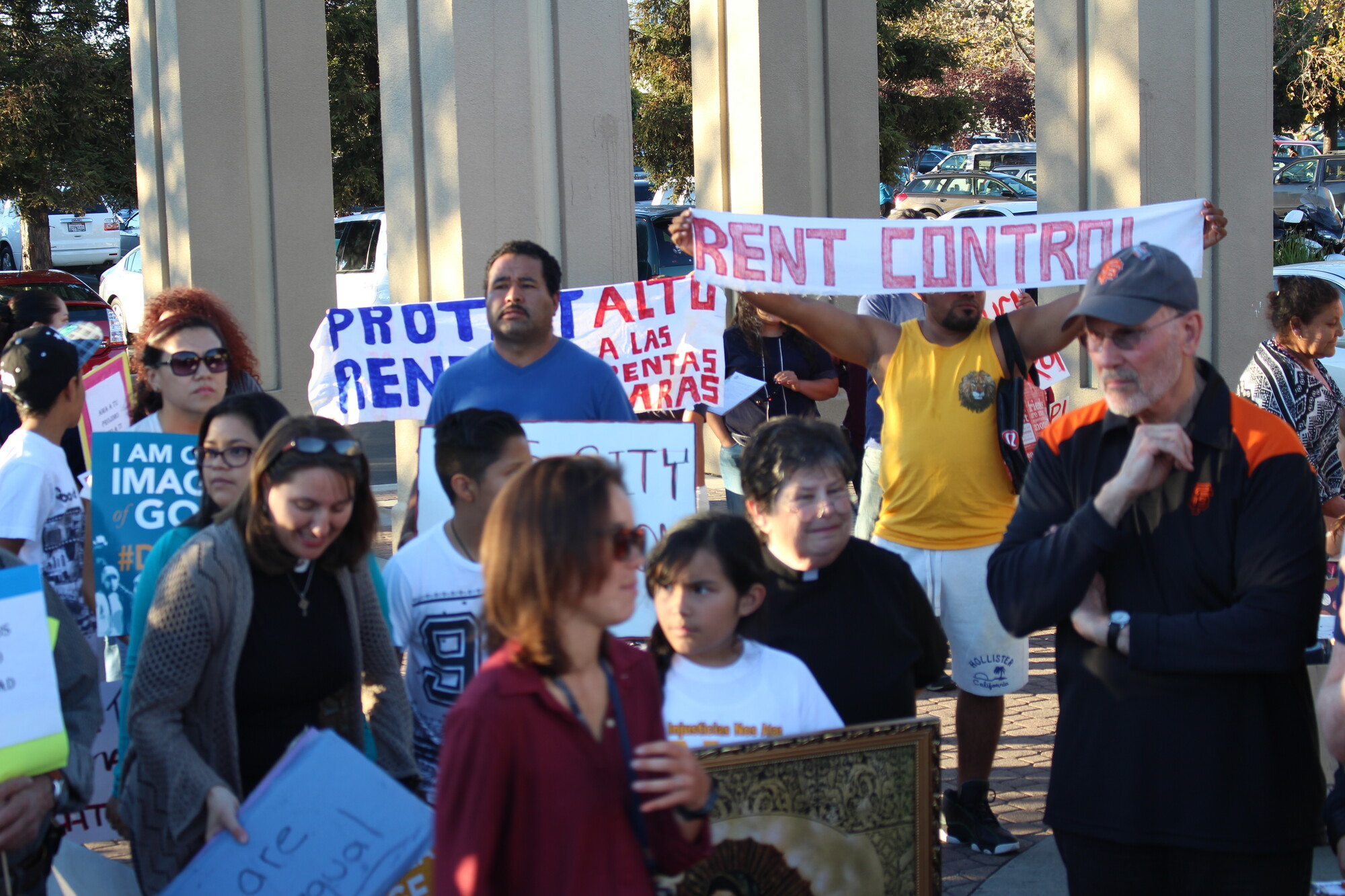
- Renters are worried after a major tenants’ rights bill died this week in Sacramento. It would have capped annual rent increases and expanded protections to more households. With affordability top of mind, some tenants are concerned about their own housing security now that relief is nowhere in sight.
- The Trump administration is not entitled to sensitive information on California’s 23 million voters. That’s according to a federal court ruling out of Southern California on Thursday.
- In a 4-3 vote, the Santa Barbara City Council approved two tenant protection ordinances this week — a temporary rent freeze and changes to its eviction protections.
Tenants ‘Crushed’ After California Renter Protections Bill Stalls In The Legislature
After taking blows from landlord groups and the building trades, a statewide bill that aimed to expand renter protections and make them permanent is likely dead this legislative season.
AB 1157, dubbed the “Affordable Rent Act,” would have expanded the 2019 Tenant Protection Act to more renters and lowered the amount rent can increase each year. It would have also made those changes permanent, removing a 2030 sunset date.
Tuesday marked the bill’s first hearing of the year in the Assembly Judiciary Committee, where tenants and advocates pleaded with committee members to advance the bill. But, it faced stiff opposition from rental property and building trade groups, who said it would make housing construction more expensive and could push smaller landlords out of the market. The bill failed to get enough votes, and without any additional hearings scheduled, AB 1157 will likely die there. “I’m just really, really crushed because they talk about how they don’t want to hurt the property owners, they don’t want to have them take their properties off the market,” said Chula Vista renter Tammy Alvarado, who took a 13-hour bus ride to testify in support of the bill.
Now, as the 2019 Tenant Protection Act moves closer towards its expiration date, Alvarado and other tenants are worried about what it means for their own housing security. She splits the monthly payment with her husband and two children for a two-bedroom, single-family home. In November, she said her rent jumped from $2,780 to $3,030 a month — a nearly 9% increase. She also had to pay more toward her security deposit. To make up the cost, she said she would have to miss payments for her gas and electricity bills. “Devastated,” she said. “Next time I come up here [to Sacramento], I will probably be homeless.”
Federal Government Has No Right To California Voters’ Sensitive Data, Judge Rules
A federal judge ruled Thursday that the Trump administration is not entitled to personal information belonging to California’s 23 million voters. Judge David O. Carter made the ruling.