Here are the morning’s top stories on Monday, January 5, 2026…
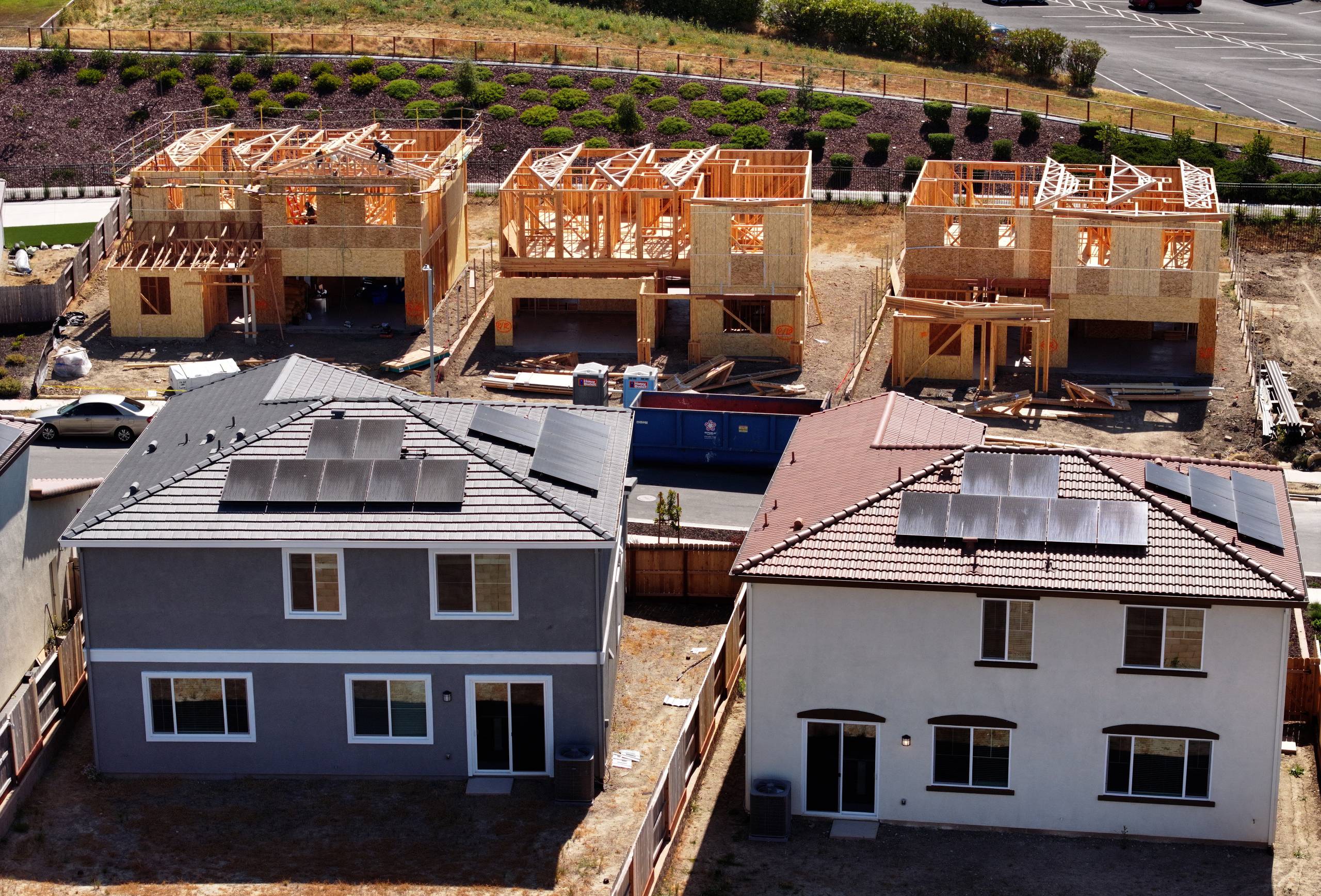
- 2025 was a blockbuster year for housing in California. State lawmakers took aim at the state’s landmark environmental law, which they argued was one of the main culprits blocking development for years. In 2025, they approved major reforms. They also passed another law which promises to dramatically change how housing is built near train stations and along busy bus routes.
- More vacant home lots are going up for sale in L.A. County burn zones. And many are being scooped up by investors.
New Housing Laws Go Into Effect
The California state legislature passed a bevy of blockbuster housing bills last year. Some took aim at the state’s landmark environmental law, which critics argued blocked development for years. Others aim to reshape how housing is built near major transit stops or promise to hasten recovery after a disaster.
As those laws go into effect this year, some housing experts say they mark a seismic shift in attitudes towards the state’s housing affordability crisis and lawmakers’ appetite for solving it. “2025 was a landmark year on the substance, but I think in many ways, more importantly, the symbolism of achieving some of these major policy changes is really significant,” said Matt Lewis, a spokesperson for California YIMBY.
While many of the new laws focus on creating new housing, tenant rights advocates argue the state needs to do more to keep existing housing stock affordable. Zach Murray, the state campaign coordinator for tenants rights organization Alliance of Californians for Community Empowerment, said they hope to gain ground for renters this year by advancing bills that stalled in committee in 2025. “With new construction, any promise of affordability that comes from getting more units is five to ten years down the line,” he said. “We know that folks are struggling right now.”
Investors Are Buying Close To Half The Empty Lots In LA Burn Zones
Shortly after the Eaton Fire destroyed thousands of homes in and around Altadena, signs sprung up across the community announcing “Altadena is not for sale.” Now, nearly one year later, hundreds of Altadena families have concluded that rebuilding isn’t in their budget. In nearly half of recent deals for empty lots, homeowners are selling to investors.