Sponsor MessageBecome a KQED sponsor
upper waypoint

Lawyers Using Habeas Corpus In Last-Ditch Efforts To Free Detained Immigrants

Save ArticleSave Article
Failed to save article

Please try again

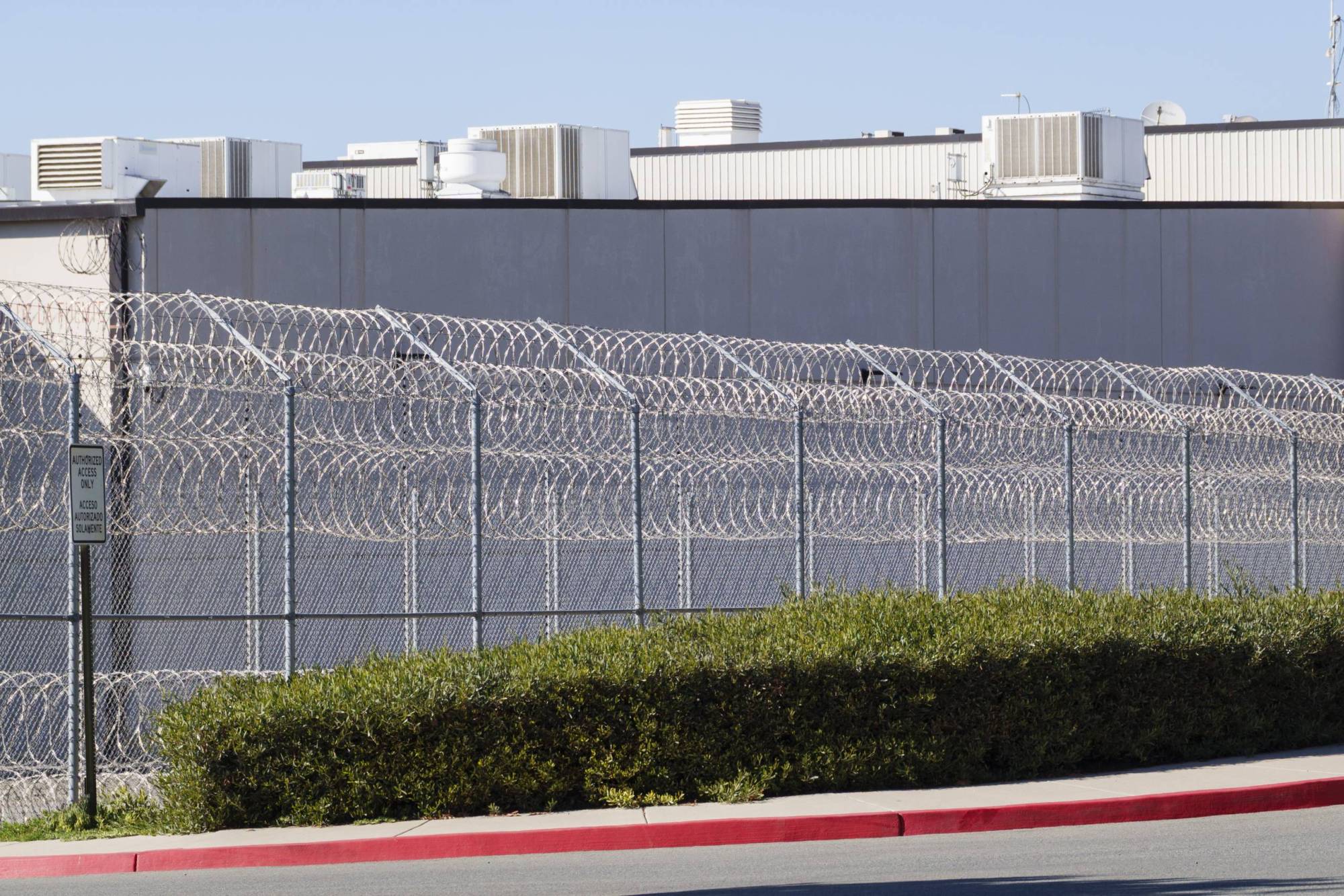
SAN DIEGO, CALIFORNIA - OCTOBER 4: Fences and barbed wire surround the CoreCivic Otay Mesa Detention Center on October 4, 2025 in San Diego, California.  (Photo by Kevin Carter/Getty Images)

Here are the morning’s top stories on Monday, November 24, 2025…

  • As the Trump administration continues its aggressive mass deportation campaign, immigration lawyers are increasingly turning to a law the founding fathers established to protect against a king. The use of habeas corpus petitions has skyrocketed in recent months.
  • Governor Gavin Newsom has shut down four prisons, with a fifth closure on its way. He’s said those changes, along with some other reductions, are saving the state around $900 million a year.  But according to a new report, the state’s corrections department is still running a huge deficit.

Habeas Corpus Petitions Spike As Trump Administration Ramps Up Immigrant Detention

Imagine being arrested in a raid and thrown in jail. You’re granted a hearing and the judge agrees to release you on bond. But even though you pay the bond, you stay in jail.

This nightmare scenario happened to a 49-year-old Mexican in late June. He’s been in this country for 26 years, owns a construction business and is the father of a United States citizen son, according to court documents filed by his lawyer Mitchell Shen. Immigration and Customs Enforcement (ICE) agents placed the man, who Shen asked KPBS to identify only as Mr. C, in the Otay Mesa Detention Center. After nearly a month in custody, an immigration judge granted his release on a $3,000 bond that his family paid on July 14.

Under previous administrations, people fitting Mr. C’s profile — deep family ties, no flight risk, and no violent criminal record — would have been quickly released and allowed to fight their deportation case from home. But the Trump administration kept him locked up two weeks after his family paid bond, according to Shen. So Shen played the only card he had left: A federal lawsuit known as a writ of habeas corpus petition seeking Mr. C’s release.

Habeas Corpus has been part of U.S. law since the founding of the country. Simply put, it’s a person’s last line of legal defense against illegal detention.  Historically habeas petitions have rarely been used in immigration cases. But they’ve skyrocketed during the early months of President Donald Trump’s second term. Mr. C’s petition is just one of more than 3,300 filed in district courts across the country this year. Each case accuses the federal government of subjecting immigrants to illegal and prolonged detention.

Sponsored

Previously, immigration lawyers have been able to work within the immigration court system to release their clients from custody — either by asking an immigration judge for a bond hearing or asking ICE for parole. But Trump administration officials have eliminated those options for most people in detention. “In a normal year, I’ll file one or two,” said Stacy Tolchin, a Pasadena-based immigration lawyer. “I’ve been filing three a week since September.”

Governor Newsom Closed 4 Prisons, But Corrections Spending Is Still Over Budget

Some of the red ink in California’s budget deficit is coming from unplanned spending in state prisons, according to a new report from the Legislative Analyst’s Office.

The California Department of Corrections and Rehabilitation is on track to exceed its budget by roughly $850 million over three years despite recent cuts that include four prison closures and some labor concessions that trimmed payroll expenses. The state budget included $17.5 billion for prisons this year.

The office attributed the corrections department’s shortfall to both preexisting and ongoing imbalances in its budget. The analyst’s annual fiscal outlook projected a nearly $18 billion deficit for the coming year, which follows spending cuts in the current budget.

The corrections department last year ran out of money to pay its bills. In May, it received a one-time allocation of $357 million from the general fund to cover needs including workers’ compensation, food for incarcerated people and overtime.

Democratic Sen. Scott Wiener of San Francisco in a June 17 letter to the Department of Finance said he was “shocked and disappointed that (the corrections department) overspent its budget by such a significant amount” while the state faced a $12 billion general fund shortfall that resulted in cuts to key health care and social service programs.  “These were dollars that could have been used to provide basic services to some of our most underserved communities,” wrote Wiener. “While this year’s budget included measures requiring departments to ‘tighten their belts’ and reduce state operating expenses by up to 7.95%, (the corrections department) did the opposite, and overspent by nearly three percent.” Without having any new dedicated funding to align its actual costs with its budget, Wiener warned, deficits “will likely persist” and put additional pressure on the general fund in years to come.

lower waypoint
next waypoint
Player sponsored by