Here are the morning’s top stories on Tuesday, November 11, 2025…
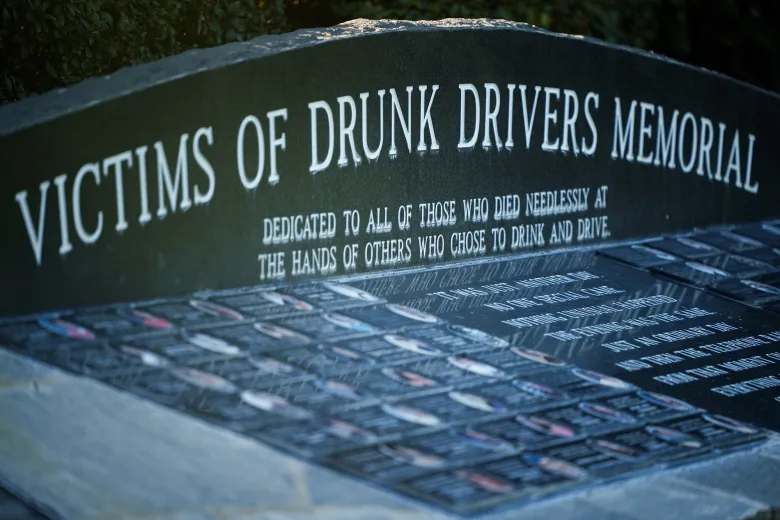
- 45 years ago, a Sacramento woman founded Mothers Against Drunk Driving after her 13-year-old daughter was struck and killed in Fair Oaks. MADD would go on to advocate for some of the nation’s toughest DUI laws in the 1980s. But a new investigation from our California newsroom partner CalMatters found our home state now has some of the weakest DUI laws in the country, and that’s led to a spike in alcohol-related roadway deaths.
- California has filed a request for a temporary restraining order against the Trump administration, over its attempts to stop states from giving out SNAP benefits.
Behind California’s Failure To Take Repeat Drunk Drivers Off The Road
Alcohol-related roadway deaths in California have shot up by more than 50% in the past decade — an increase more than twice as steep as the rest of the country, federal estimates show. More than 1,300 people die each year statewide in drunken collisions. Thousands more are injured. Again and again, repeat DUI offenders cause the crashes.
To understand why so many people are dying under the wheels of drunk and drugged drivers, CalMatters reviewed thousands of vehicular manslaughter and homicide cases prosecutors filed across the state since 2019. The news organization also examined other states’ laws on intoxicated driving and sifted through decades of state and federal traffic safety data. It found that California has some of the weakest DUI laws in the country, allowing repeat drunk and drugged drivers to stay on the road with little punishment. Here, drivers generally can’t be charged with a felony until their fourth DUI within 10 years, unless they injure someone. In some states, a second DUI can be a felony.
California also gives repeat drunk drivers their licenses back faster than other states. Here, you typically lose your license for three years after your third DUI, compared to eight years in New Jersey, 15 years in Nebraska and a permanent revocation in Connecticut. CalMatters found drivers with as many as six DUIs who were able to get a license in California. Many drivers stay on the road for years even when the state does take their license — racking up tickets and even additional DUIs — with few consequences until they eventually kill.
When the worst does happen, there’s often little punishment. Drunk vehicular manslaughter isn’t considered a “violent felony.” But in a twist of state law, a DUI that causes “great bodily injury” is — meaning that a drunk driver who breaks someone’s leg can face more time behind bars than if they’d killed them, prosecutors said.