Sponsor MessageBecome a KQED sponsor
upper waypoint

Some Worry Prop. 50 Would Mark the Last Ride for California's Horse-Haven

Save ArticleSave Article
Failed to save article

Please try again

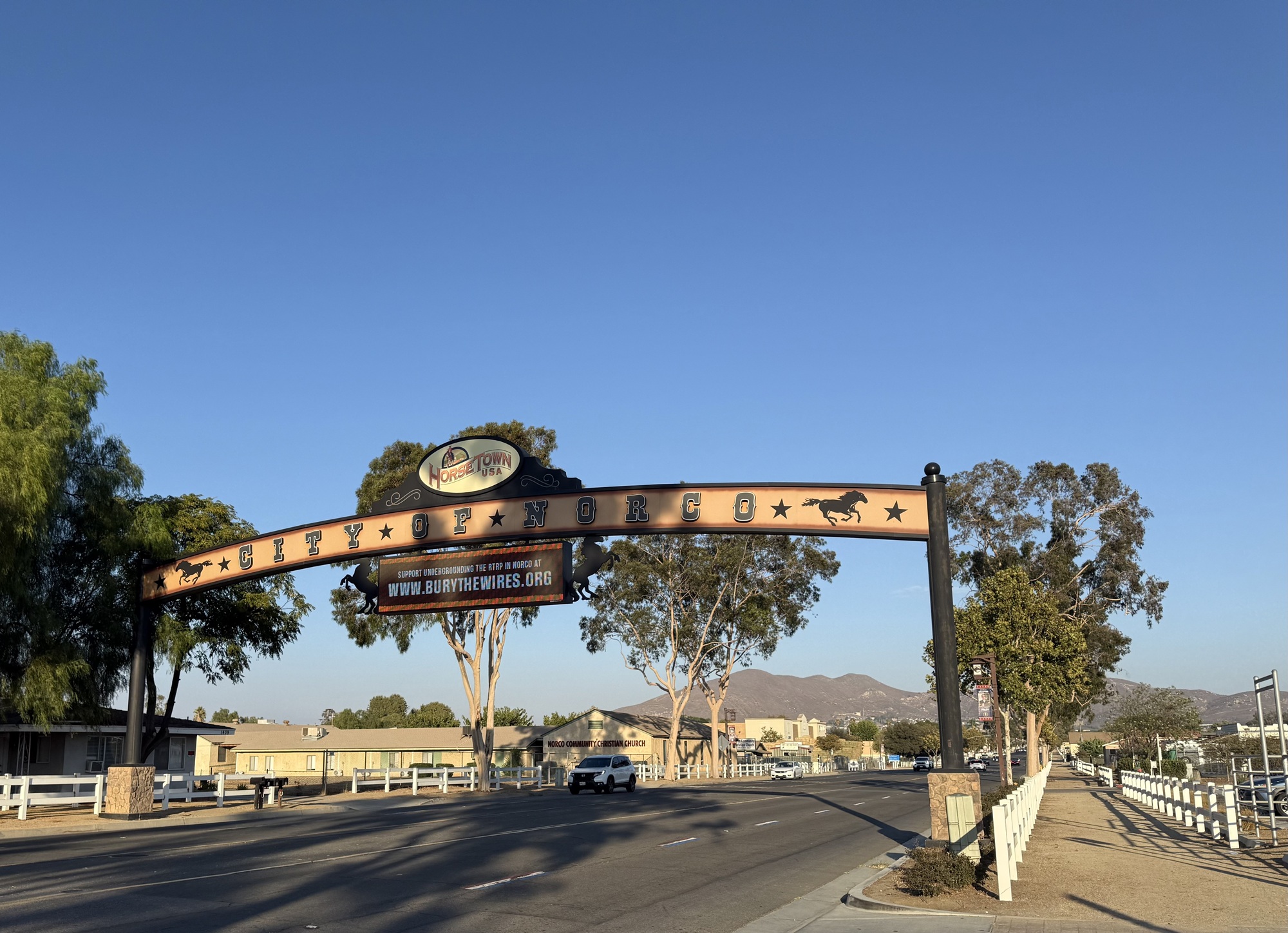
The city of Norco’s Main Street — which boasts a “Horsetown, USA” sign in addition to horse trails instead of sidewalks — is seen on Oct. 8, 2025. (Madison Aument/KVCR)

Here are this morning’s headline stories for October 31st, 2025:

  • In our latest report for the segment, California Divided, we head down to Norco, California. This Republican enclave in Riverside County is known as the horsiest town in the Golden State; and that’s how residents like it. What they are not so hot on, is the idea that Prop. 50 could redraw district lines that would ultimately change their way of life.
  • Tax credits that help subsidize the Affordable Care Act are set to expire at the end of the year. With Covered California opening its enrollment tomorrow for coverage in the coming year, many could be in for a shock at how their healthcare premiums are reaching new, unaffordable heights.

Residents in California’s “Horsiest” Town Worry Prop. 50 Could Change Their Way of Life 

Life in Norco, a rural city of about 25,000 in Riverside County, is built around horses. Locals call it “Horsetown USA.” Just ask resident Don Pettinger, who rides his reddish-brown horse, “Rusty,” through his neighborhood — the sidewalks in Norco are horse trails.

“What does Norco stand for? It stands for the equestrian lifestyle … being able to get our horse and go ride,” he said.

Pettinger and many others in Norco worry they’ll lose their equestrian way of life if Proposition 50 passes. That’s because Norco would be shifted from a staunchly conservative district into one that’s solidly Democratic, urban and possibly unsympathetic to what Pettinger and others here hold dear.

Sponsored

“If we get a representative here who is representing Los Angeles or parts of Pomona or something like that, she’s not going to be used to our lifestyles, or whoever that Congress person is,” he said. “We need someone who knows who we are.”

Norco’s current representative, Republican Ken Calvert, was born and raised in Corona, which is just one town over. He’s represented District 41 for more than 30 years. Pettinger abhors the idea of Proposition 50 taking Calvert away.

“It’s more an issue of a power grab by the governor and the state trying to put their will in place so that they can help control Congress for whoever might control the White House next,” Pettinger said. “And it’s not right.”

Calvert has served on the House Appropriations Committee for more than a decade. Norco City Councilmember Kevin Bash said over the years, the congressman has delivered funding to the region for several big infrastructure projects.

“He built two bridges for us,” Bash said. “He’s put together a recycled water treatment plant to help the Navy, to help our lake.”

Bash worries that without Calvert, Norco might not get what it needs.

Healthcare Costs Through Covered California Are About to Skyrocket

Open enrollment for the state healthcare marketplace, Covered California, begins Saturday. For more than 2 million state residents, that means they can renew their healthcare plans or shop around for a new coverage plan–but premiums under the program are expected to skyrocket without help from the federal government.

Prices are expected to more than double for Covered California because federal tax credits that help fund the program will expire at the end of the year, unless congress can come together and keep them going.

However, while Democrats are in support of extending the tax credits, Republicans say there is no rush to decide whether to extend them or not.

It’s one of the issues that has led to the government shut-down.

Meanwhile, Californians who don’t get their healthcare coverage from an employer–like small business owners, farmers, truckers, hairdressers and gig-economy workers–should expect their healthcare premiums to more than double for the average person on Covered California.

The worry is that the spike in costs could mean more people will forgo seeking healthcare in order to make ends meet.

lower waypoint
next waypoint