Here are the morning’s top stories on Thursday, October 2, 2025…
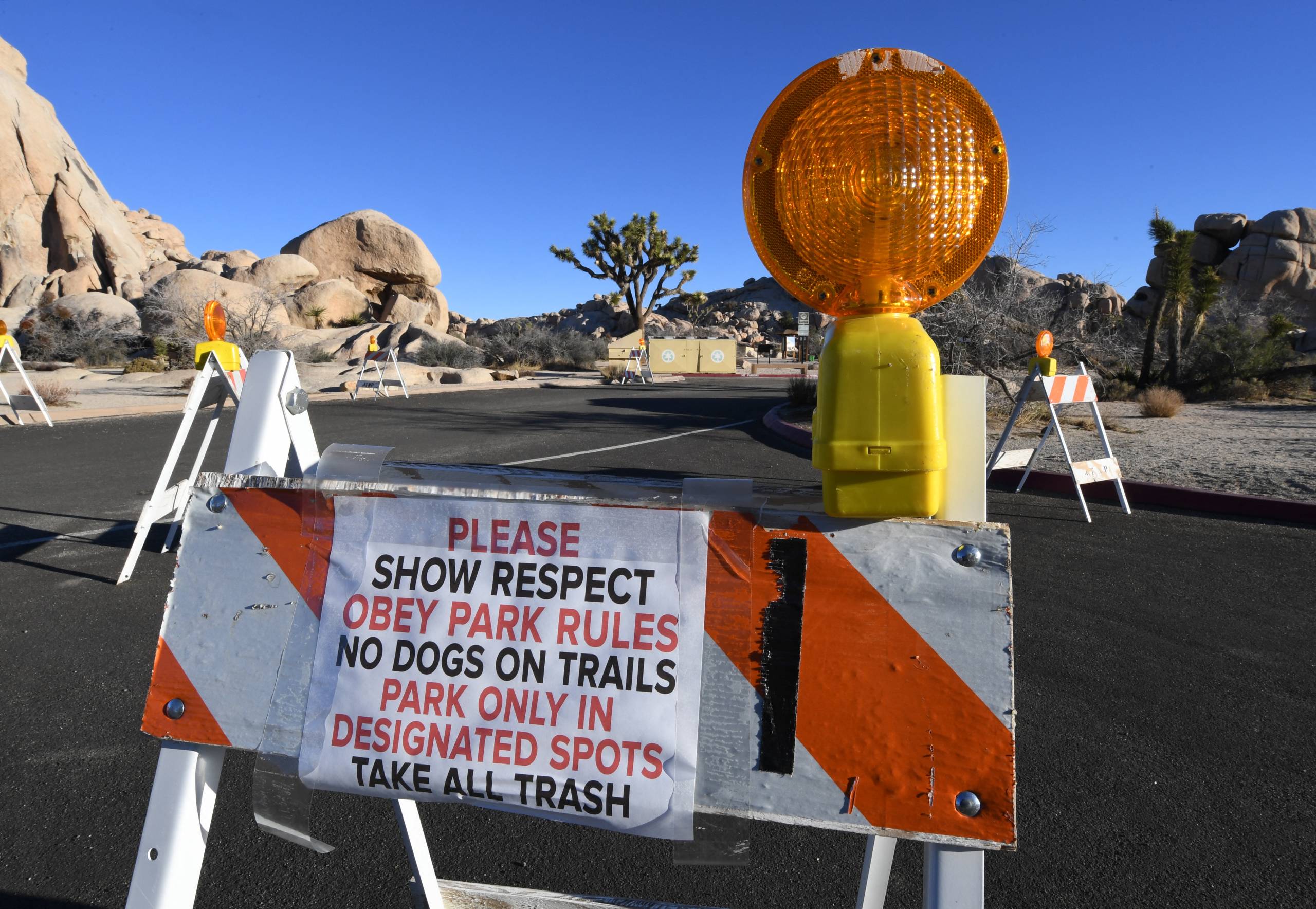
- During the last federal government shutdown in late 2018 and early 2019, national parks here in California were greatly impacted. Some shut down completely, meaning a significant loss in potential revenue. Others remained open, but were not fully staffed. That includes Joshua Tree National Park in Southern California. Vehicles drove off-road, causing major damage to sensitive areas, and trash piled up, scattered around the park. Volunteer groups helped maintain and clean up the park during and after the shutdown.
- Santa Clara County prosecutors have secured a grand jury indictment against 11 pro-Palestinian Stanford University protestors who barricaded themselves in the campus president’s office in 2024.
Joshua Tree National Park Remains Open, But Shutdown Raises Concerns
Once the federal government shutdown took effect, the National Park Service shared a last-minute contingency plan that would keep many park sites open, but without full staffing. According to an internal NPS memo obtained by KQED, national park sites that can be made physically inaccessible to the public will be closed off. But all other NPS sites, including those with roads and trails that are accessible to the public, will now remain open according to the memo.
Joshua Tree National Park will remain open, with law enforcement and maintenance staff on hand. But as the shutdown goes on, it’s unclear how long the park will be staffed. During the last shutdown in late 2018 and early 2019, the park struggled with vandalism, trash and overall, a lot of destruction. “The visitors centers are closed,” said John Lauretig, executive director of the nonprofit Friends of Joshua Tree National Park said at the time. “All the bathrooms are still open, but they’re not being maintained right now by the Park Service. So the local community has rallied together and started cleaning the bathrooms and restocking the toilet paper.”
Friends of Joshua Tree is once again watching the shutdown closely. Kenji Haroutunian is executive director of the nonprofit. “I think that will require some of the community to step up, including Friends of Joshua Tree, to support the skeleton crew that’s likely to be in place for the foreseeable future until there’s a funding bill that’s passed,” he said.
Stanford Pro-Palestine Protestors Indicted For Barricading President’s Office
A Santa Clara County grand jury has indicted a group of pro-Palestinian Stanford University students on felony vandalism and trespassing charges, stemming from a June 2024 incident in which they broke into the campus president’s office and barricaded themselves.