Here are the morning’s top stories on Tuesday, September 30, 2025…
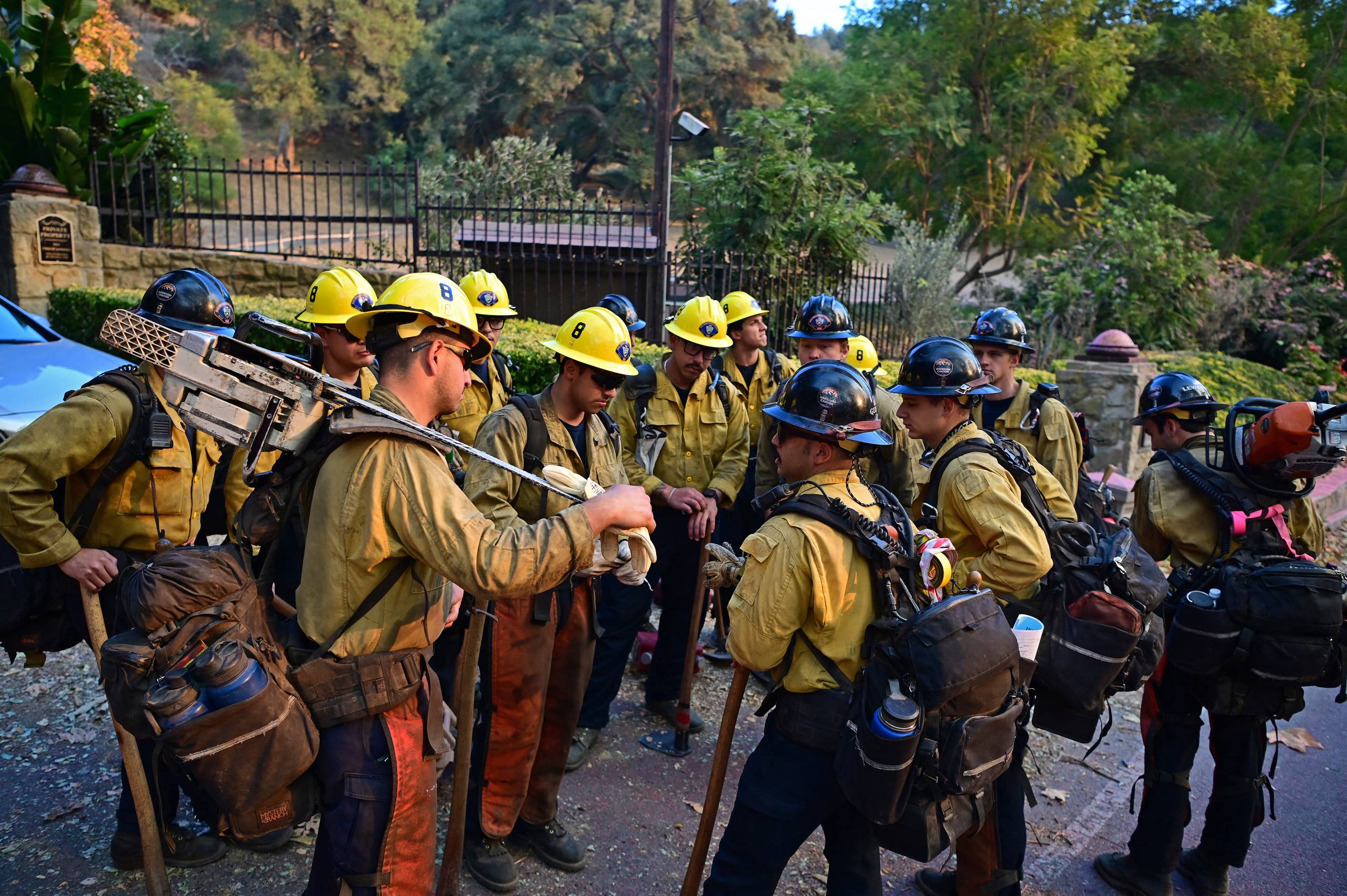
- What once was a fire season in California is now a fire year. As a result, the state is looking to combat increasing wildfires with funding for more year-round firefighters.
- California voters approved a $10 billion climate bond measure last November. We’re now seeing where the first round of Prop 4 money is going.
State Budget Carves Out Millions To Hire Year-Round Firefighters
With the increasing effects of climate change, California is facing year-round risks of devastating wildfires. So the state is looking to hire more firefighters who can work year-round.
At a training facility in Fresno County, Matt Scoralle goes through testing. Normally a seasonal firefighter, he was laid off in June. Layoffs are normal for seasonal firefighters, but usually happen in the winter months. “That idea of becoming a permanent firefighter is always on my mind. I mean, I never wanted to be a seasonal firefighter,” he said.
But he could land a permanent job soon. That’s because a big chunk of money approved in the state budget earlier this year aims to transition thousands of seasonal firefighters into year-round positions. It’s almost $40 million for this year and $78 million each year after that. It was set in motion by several state lawmakers including AssemblymemberJasmeet Bains. “Year after year, we saw the fires getting worse and worse and worse. The discussion was every day is fire season now,” Bains said.
The ultimate goal is to transition 3,000 seasonal firefighters. Tim Edwards said a larger year-round workforce is crucial. He’s the union president for firefighters in CalFire. “These fires as people saw, not just in the Palisades or the Eaton Fire, but in Paradise and the old Tubbs Fire – those all happened at times when these firefighters are laid off,” he said.
Money Already Being Allocated From Climate Bond Measure
The climate bond measure Proposition 4, which was approved by voters in November, aims to fund projects with focuses like wildfire prevention and boosting access to clean drinking water. 40% of the funds are required to benefit disadvantaged or vulnerable communities.