Here are the morning’s top stories on Friday, August 15, 2025…
- When Congress passed a budget bill that clawed back more than a billion dollars in federal funding for public media, radio stations across the country were put on notice. With the lack of funding, many have already laid off staff, and many smaller stations in rural areas are at risk of closing for good. That includes stations in the western United States that serve indigenous communities.
- School is back in session for thousands of students across the state. In Los Angeles County, the start of the school year looks a bit different after a summer colored by aggressive, federal immigration enforcement. Teachers and staff are on high alert, patrolling neighborhoods around their campuses looking for ICE agents and preparing for what to do if there’s a raid.
Native American Radio Stations At Risk Following Loss Of Funding
Dozens of Native American radio stations across the country vital to tribal communities are at risk of going off the air after Congress cut more than $1 billion from the Corporation for Public Broadcasting.
Native Public Media, which supports the network of 59 radio stations and three television stations serving tribal nations across the country, said about three dozen of those radio stations that rely heavily on CPB funding will be the first to go dark for the coming fiscal year that starts Oct. 1.
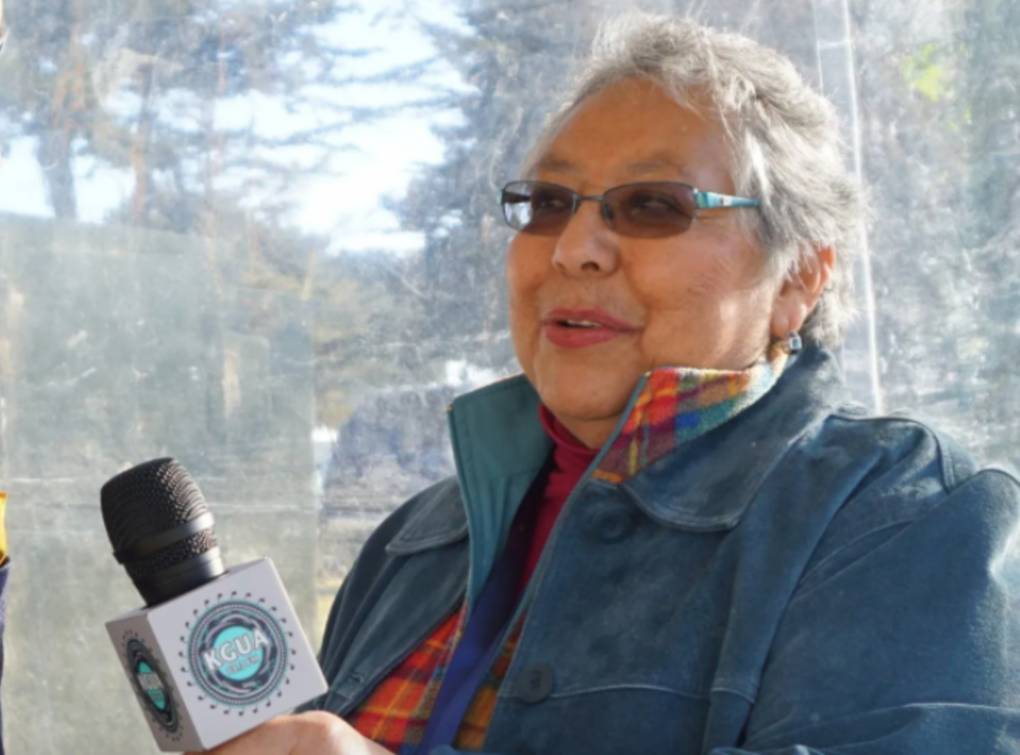
Peggy Berryhill is General Manager of KGUA in Gualala in Mendocino County. “It’s a big blow. Our stations, our television, our radio stations, our community stations, rural stations, we’re here to support our communities,” she said. “We not only carry great programming produced from other resources, but we are your lifeline during emergencies” Local radio plays an outsized role in the lives of many who live in Indigenous communities, where cable television and broadband internet access are spotty, at best, and nonexistent for many. That leaves over-the-air TV stations — usually a PBS station — and more often local radio to provide local news, community event details and music by Indigenous artists. Sometimes the news is delivered in Indigenous languages.
“When you look at Native American stations, they’re gonna often hear programming in their own languages and programming that is specific to their community,” Berryhill said. “If your local news source is only carrying stories about what’s happening in the big urban areas near you and not even in your rural community, it’s not going to be very helpful. But you also get to hear the voices, the voices and the accents of the people that you know every day. Your local voices, your local culture, what it means to you to be able to turn on your radio and hear news and information about you and your community or your adjoining community.”