Sponsor MessageBecome a KQED sponsor
upper waypoint

Local Health Providers Prepare For Medi-Cal Cuts

Save ArticleSave Article
Failed to save article

Please try again

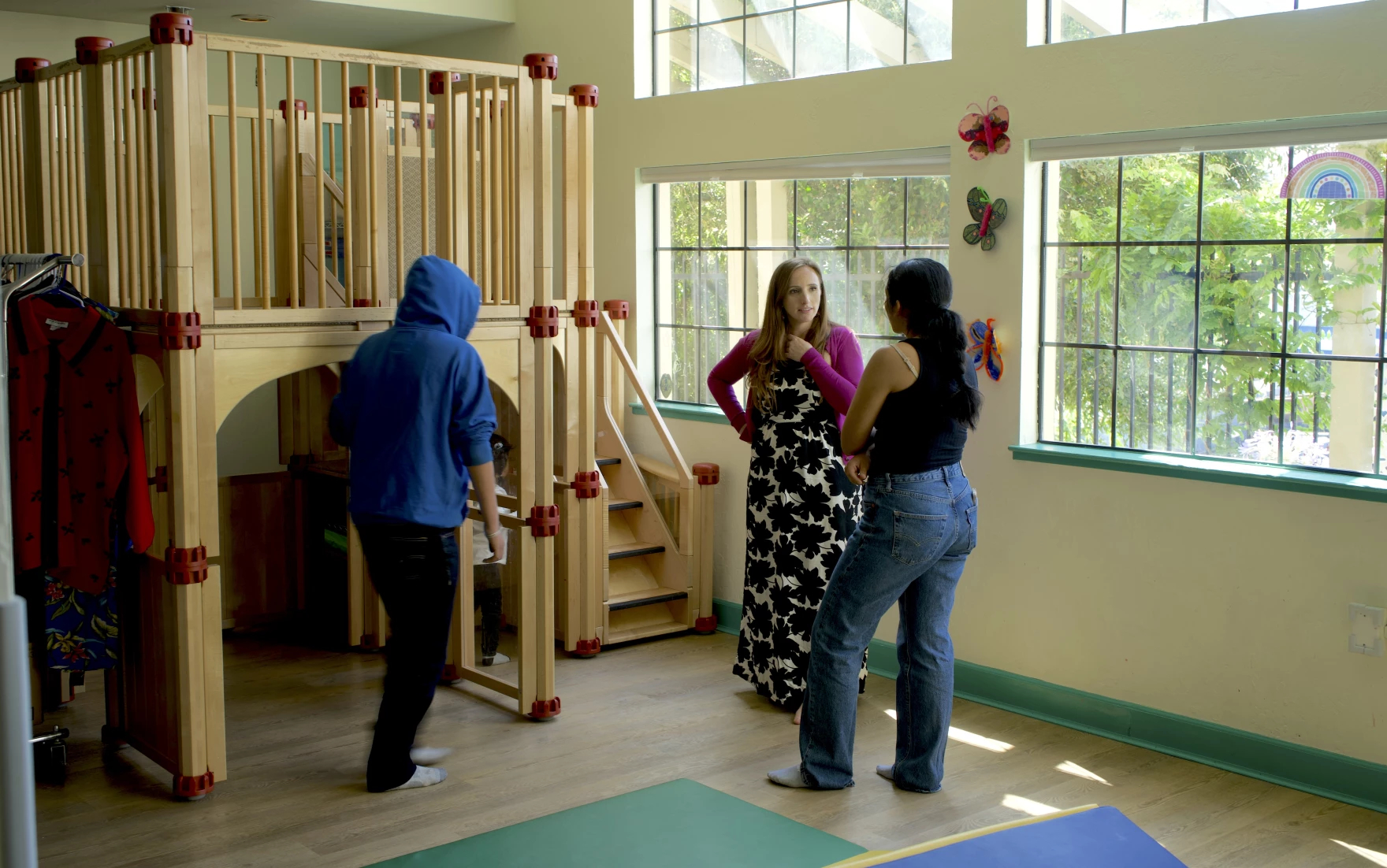
Raíces y Cariño, a community center in Watsonville, offers supportive services for families, including recreational activities and support for new parents. Founder Nora Yerena (center) worries that cuts to Medi-Cal could affect their services. (Ngozi Cole/KAZU)

Here are the morning’s top stories on Monday, August 11, 2025…

  • Local healthcare providers are bracing for Medicaid cuts under a new federal spending law. They say the cuts will impact their ability to care for low-income patients.
  • The Trump administration is holding children in facilities along the border with Mexico– for longer periods than ever before.  That’s according to a federal judge in LA, who suggested that could threaten the government’s push to end a decades-long agreement protecting children in immigration custody.
  • Lawyers for California and the Trump administration are set to meet in federal court Monday. In question is whether the federal government violated the law when it deployed the National Guard and U.S. Marines to Los Angeles in June.

“There’s Parts Of This We Just Can’t Prepare For.” Health Providers Brace For Medicaid Cuts

Local health providers are bracing for Medicaid cuts under the new federal spending law. They say the cuts will impact their ability to care for low-income patients, potentially leading to financial strain.

At Raíces y Cariño, a community center in Watsonville, 39-year-old Cordelia (last name withheld to protect her privacy) watches her sons bounce on trampolines in the play room. She often brings the kids in after finishing her shift picking blackberries at a nearby farm. “By bringing them here, I’m also saving money and food at home, and that helps a lot,” she said in her native Mixteco. “And, the kids can come and distract themselves and have fun for a while.”

Raíces y Cariño provides support for low-income families, especially farmworkers like Cordelia, by offering family recreational activities and community health services including doula support. Families donate what they can – up to $5 monthly, and the rest is covered by Medicaid, called Medi-Cal in California, which provides health insurance to millions of low-income people. Raíces y Cariño founder Nora Yerena is worried the cuts to Medi-Cal could mean they struggle to provide services for families like Cordelia’s. “It is a very serious risk that I’m aware of and fear that if we can’t have sustained funding for what we’re doing, it won’t exist,” Yerena said.

The changes in H.R.1, signed by President Donald Trump in July, slash federal Medicaid funding by about $1 trillion over the next 10 years. The new law includes work requirements for adults and those who fail to meet them will not qualify for insurance. According to an analysis by health non-profit KFF, an estimated 1.7 million people in California will become uninsured by 2034, once the changes take effect. And when this happens, thousands in Central California could lose their individual healthcare coverage. That creates a lot of uncertainty.

Judge Weighs Trump Administration’s Request To End Protections For Immigrant Children

A judge on Friday was considering a Trump administration request to end a decades-old policy on protections for immigrant children in federal custody that the government says is inhibiting its immigration crackdown.

Sponsored

The administration asked U.S. District Judge Dolly Gee in Los Angeles during a hearing to dissolve the policy, which limits how long Customs and Border Protection can hold immigrant children and requires them to be kept in safe and sanitary conditions. Gee, who oversees what is known as the Flores agreement, expressed skepticism at the government’s request but did not immediately issue a ruling. It was not clear how soon she will rule.

The judge pressed government attorney Joshua McCroskey on why President Donald Trump’s administration was holding children at the border for longer than the 72 hours laid out in the agreement when border arrests have reached record lows. She said it seems like conditions should be improving but they “are deteriorating.” McCroskey said some children are being held for longer because Trump as part of his crackdown ended the Biden administration’s policy that allowed expedited releases of immigrants. McCroskey also pointed to logistical challenges that resulted from the closure of temporary facilities that were set up under President Joe Biden to handle an influx of immigrants.

In May, CBP held 46 children over a week, including six children held for over two weeks and four children held 19 days, according to data revealed in a court filing. In March and April, CPB reported that it had 213 children in custody for more than 72 hours. That included 14 children, including toddlers, who were held for over 20 days in April. Advocates for immigrant children asked the judge to keep protections and oversight in place and submitted accounts from immigrants in Texas family detention centers who described adults fighting children for clean water, despondent toddlers and a child with swollen feet who was denied a medical exam. The advocates also want the judge to expand independent monitoring.

Trial To Start On Whether Deployment Of National Guard To LA Violated Federal Law

Starting Monday, a federal judge in San Francisco will consider evidence and hear arguments on whether the Trump administration violated federal law when it deployed National Guard soldiers and U.S. Marines to Los Angeles following protests over immigration raids this summer.

The Trump administration federalized California National Guard members and sent them to LA over the objections of Gov. Gavin Newsom and city leaders, after protests erupted June 7 when Immigration and Customs Enforcement officers arrested people at multiple locations. California is asking Judge Charles Breyer to order the Trump administration to return control of the remaining troops to the state and to stop the federal government from using military troops in California “to execute or assist in the execution of federal law or any civilian law enforcement functions by any federal agent or officer.”

The 1878 Posse Comitatus Act prevents the president from using the military as a domestic police force. The case could set precedent for how Trump can deploy the guard in the future in California or other states.

The Department of Defense ordered the deployment of roughly 4,000 California National Guard troops and 700 Marines. Most of the troops have since left but 250 National Guard members remain, according to the latest figures provided by the Pentagon. The remaining troops are at the Joint Forces Training Base, in Los Alamitos, according to Newsom

lower waypoint
next waypoint