Here are the morning’s top stories on Thursday, July 17, 2025…
- Some homeless services providers in L.A. County are offering an innovative treatment option to help unhoused Angelenos quit using stimulants, like methamphetamine. It involves rewarding people with small gift cards when they pass a drug test. The simple approach has been around awhile, but is now making headway in LA’s homeless services sector.
- In what it’s calling a final decision, the Trump administration has killed $4 billion in federal funding for California’s troubled high-speed rail project.
- New details are emerging from the recent immigration raid at a cannabis farm on the Central Coast. A US Army veteran says he was wrongfully detained and violently arrested by federal immigration agents, even though he’s an American citizen.
Can Gift Cards Help Unhoused Angelenos Quit Meth?
For four years, Shane Hutchison lived in a tent in the middle of the desert outside Lancaster, miles from the nearest grocery store. The 53-year old started each day the same way — with methamphetamine. “It’s almost like you feel you have to have it just to be able to make the seven-mile hike one-way for water,” Hutchison said. “Out there in the desert, it becomes a tool of survival.”
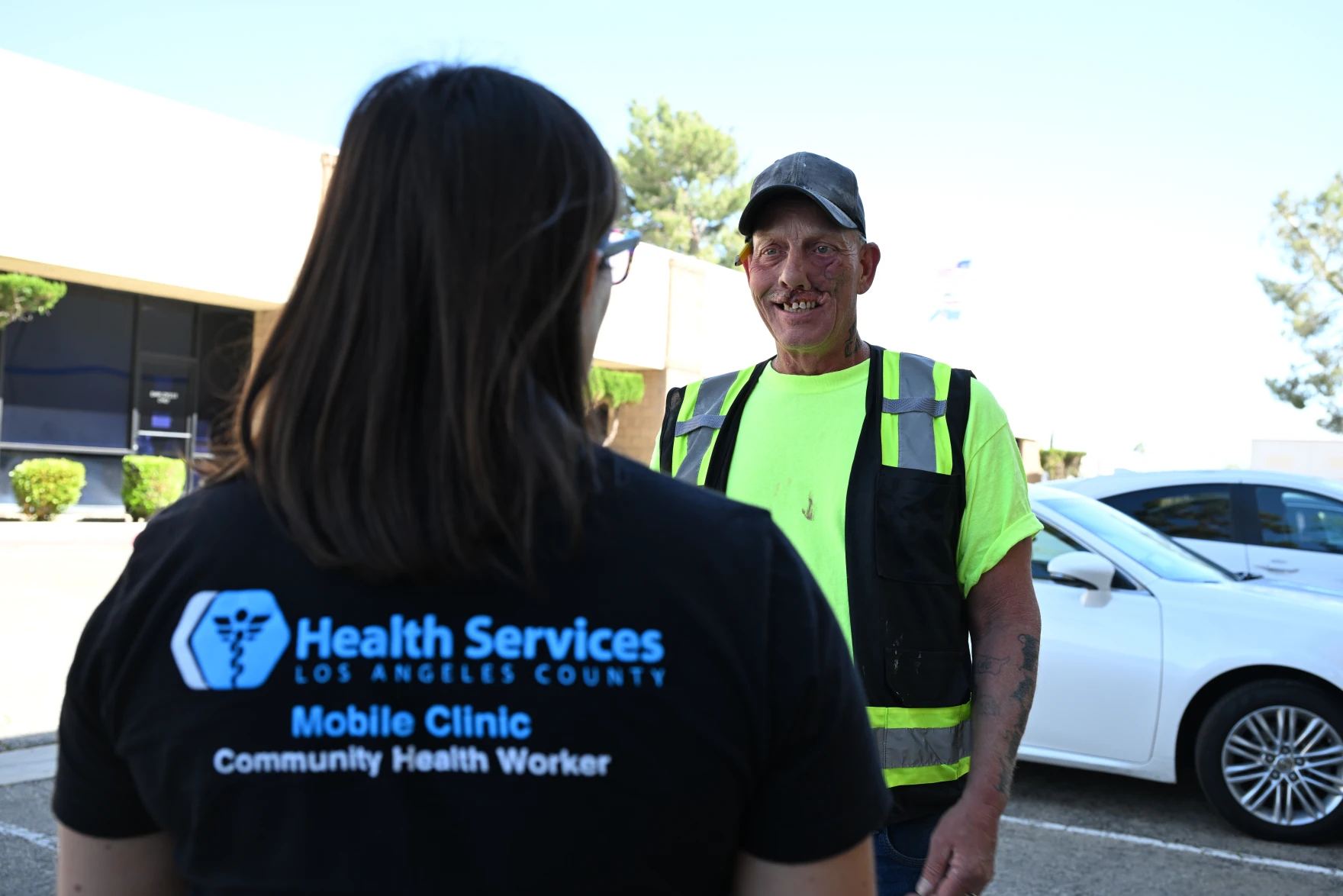
Last summer, an outreach worker asked Hutchison if he wanted to be a part of a new Los Angeles County program in which he could earn gift cards each week he could pass a drug test. The program, which started last year, is one of the only treatment options available for unhoused Angelenos addicted to stimulants, including methamphetamine. While the approach has been used in drug treatment for decades, it’s now gaining traction in L.A. County. And there’s evidence to show it’s been successful.
People can be prescribed methadone to manage their addiction to heroin, fentanyl and other opioids. But experts say there are no approved medications to help people addicted to meth and other stimulants. That makes an incentives approach even more crucial, practitioners said. “ There aren’t a whole lot of treatment options that are not just abstinence-based,” said Kim Roberts, chief program officer at shelter provider L.A. Family Housing. “Folks can be looking to change their relationship with stimulants, but maybe not ready to discontinue alcohol use or marijuana use.
Hutchison completed the 13-week program in March and earned about $600 in Visa gift cards, according to county health officials. Today, he says he’s sober, living in a two-bedroom apartment in Palmdale and working full-time as a carpenter. “If it wasn’t for the program, I’d probably still be out there on meth,” he said.
Trump Administration Pulls $4 Billion In Federal Funding For High Speed Rail
The Trump administration revoked federal funding for California’s high-speed rail project on Wednesday, intensifying uncertainty about how the state will make good on its long-delayed promise of building a bullet train to shuttle riders between San Francisco and Los Angeles.