Here are the morning’s top stories on Thursday, July 10, 2025…
- California’s small farmers are used to tough seasons. But this year, they’re not just battling drought or the rising costs of maintaining their farms. Small farmers say President Trump’s reconciliation bill could make it even harder to stay in business.
- More dads in California are taking paid leave to care for a new child.
- Transgender rights advocates are pushing back against a federal lawsuit filed Wednesday, contesting a California law that protects trans athletes.
California’s Small Farmers Concerned About New Budget Bill
Last week, President Trump signed a massive spending and tax bill that will implement much of his domestic policy agenda. The legislative package will have a widespread impact in California. That includes small farmers across the state.
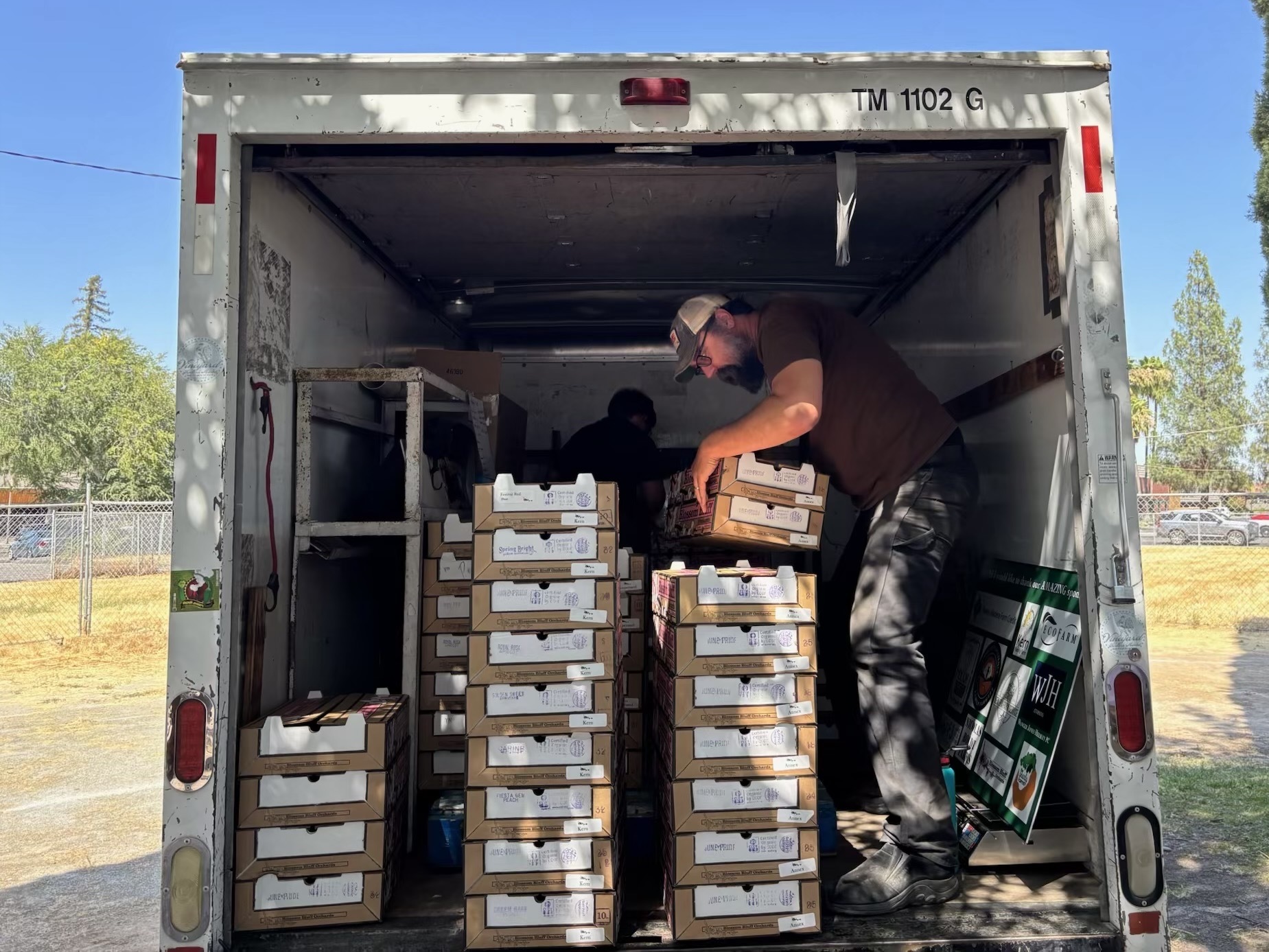
Blossom Bluff Orchards sits just outside of Fresno. It’s a family-run farm that’s been around since the 1930s. Bryce Loewen’s great-grandparents started the farm. Now he and his sister have taken over day-to-day operations. They sell organic fruit directly to farmers markets, restaurants and small grocers. Loewen said that direct connection with customers is what keeps them going, especially during the hard times. “When people come up and tell you that, ‘I had your peaches last week and it changed my life,’ it’s extremely gratifying. Having that feedback really helps when you’re struggling to decide – is all of this worth the effort,” he said.
Running a small farm in California means juggling a lot: drought, labor shortages and unpredictable weather. Now, Loewen and small farmers like him are worried President Trump’s reconciliation bill could weaken the support systems they rely on to reach local customers. The bill will cut funding for the Supplemental Nutrition Assistance Program, or SNAP. It also lifts income caps on who qualifies for federal farm aid. Advocates say those changes will divert resources away from small-scale farmers, who make up 75% of the state’s farms.
Ruth Dahlquist-Willard is with the UC Sustainable Agriculture Research and Education Program. She said cutting programs like SNAP won’t just affect low-income families. “If those are removed, or pushed back on the states, that’s going to affect the markets that farmers can sell to locally, and also the affordability of food for a lot of people,” she said.