
Cases of valley fever — a lung infection that can cause severe sickness in some people — are once again rising across California in 2025. And this year, the state looks on track to hit record levels of the disease.
Valley Fever in California: Symptoms, Treatment and Where You're Most at Risk in 2025
The California Department of Public Health is reporting more than 5,500 provisional valley fever cases as of July 31. Last year’s infection count —12,500 cases — was the highest year on record for the state. By contrast, only 7,000–9,000 cases were reported annually from 2017 through 2023.
Related Article
Like last year, state health officials are reporting more valley fever cases outside the Central Valley and Central Coast areas, where the disease is traditionally most common — including cases among Bay Area residents. As of July 31, Alameda County has provisionally reported 72 cases of valley fever and Contra Costa County has flagged 105 cases. Read more about this year’s valley fever rates.
Jump straight to:
- What are the symptoms of valley fever?
- How dangerous is valley fever?
- What can I do to protect myself against valley fever in areas where it’s common?
While valley fever, which is not contagious, has been present in the Western U.S. for years, the frequency of cases has gone up in recent years. According to new research funded by the National Institutes of Health, the number of valley fever cases tripled between 2014 and 2018 — and then tripled again between 2018 and 2022. Overall, the infection rate has increased by 800% over the past 20 years.
Climate and health experts believe that changing climate conditions are contributing to the increase, with whiplashed cycles of wet weather followed by drought creating an ideal environment for the fungus that causes valley fever to thrive. Read more about the link between valley fever and climate change.
This all means that Bay Area folks who were previously unfamiliar with valley fever — or have assumed the disease is unlikely to affect them personally — might benefit from knowing more about the condition and its symptoms. As CDPH epidemiologist Gail Cooksey said in 2024, “something you may not have previously thought was in your [backyard] may start to emerge in those areas.”
Keep reading for how to spot valley fever, who is most at risk of getting seriously sick and how to seek testing and treatment.
What is valley fever and how do people catch it?
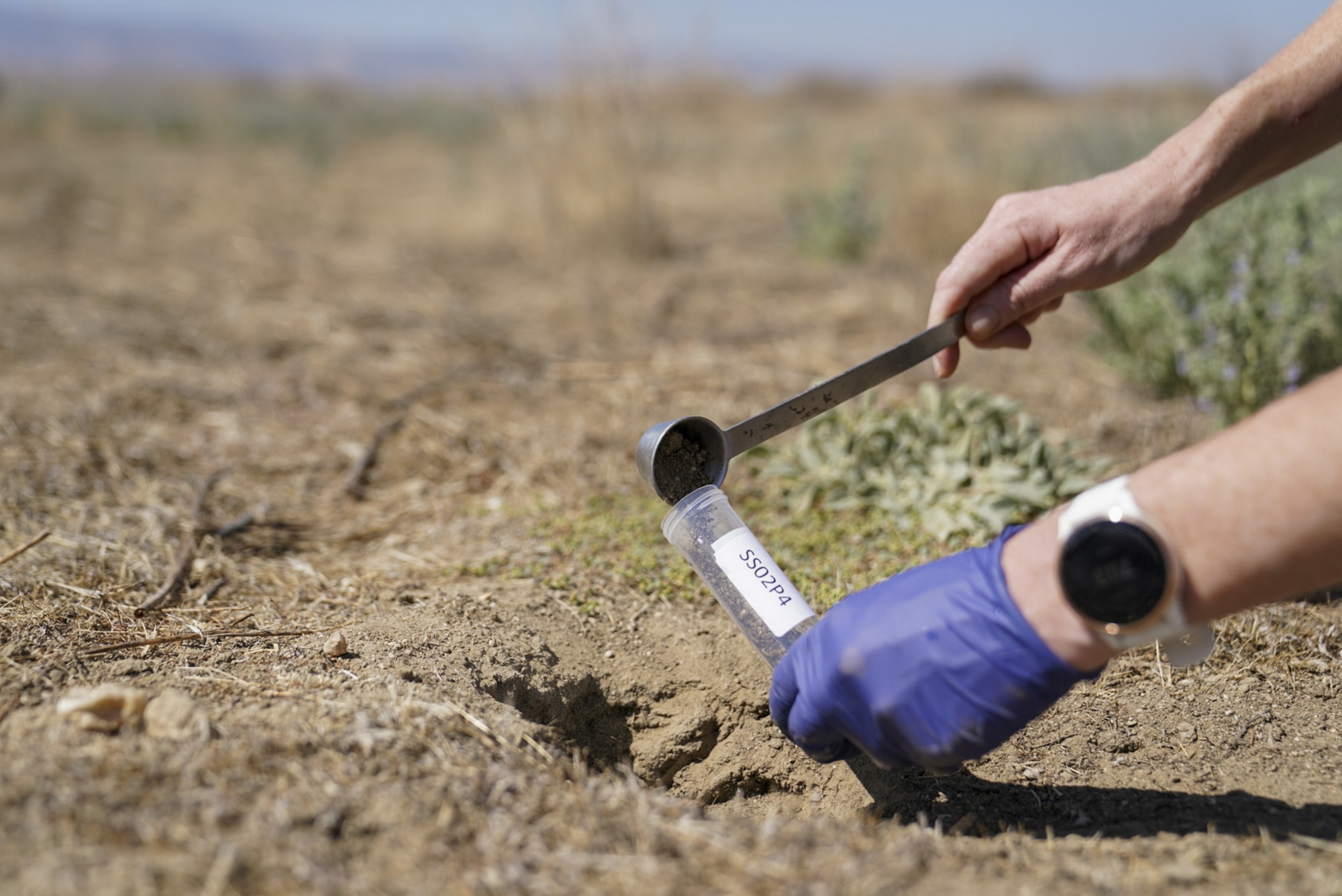
Valley fever is a lung infection that’s caused by a fungus called coccidioides, or “cocci”, which lives in soil in certain areas of California and the Southwestern U.S.
When soil that’s contaminated with cocci is kicked up or otherwise disturbed, infectious spores — that is, tiny particles — are released into the air and can be inhaled by people and animals. From there, cocci can enter the lungs and cause the disease known as valley fever (or coccidioidomycosis), resulting in symptoms that resemble pneumonia.
“You can get valley fever from just one breath of dust from outdoor air that contains spores of the valley fever fungus,” CDPH said. That said, the disease is “something that we think is much more common to get if you’re exposed to large amounts of dust,” Alexandra Heaney, an assistant professor of public health at UC San Diego, told KQED in 2024.
Anyone can get valley fever, but CDPH said that people who live, work, or travel in areas with high rates of valley fever are particularly at risk — especially people who are near areas where dirt and soil are stirred up, like construction, landscaping or archeological sites.
Pets can also be infected with valley fever and present different symptoms than humans.
Where am I most at risk from valley fever?
“Valley fever” is named for the San Joaquin Valley, where the majority of cases have historically been concentrated in California.
But the disease is no longer limited to the Central Valley and Central Coast areas, where many people associate it with most. In an Aug. 14 statement, CDPH said cases have also been increasing in the northern Central Valley and the Central Coast.
For people in the Bay Area, traveling to areas where valley fever is most prevalent poses a risk of contracting the condition. As of July 31, 333 cases of the disease were reported in residents of the nine-county Bay Area this year, up from 307 cases in the same timeframe in 2024.
See the California Department of Public Health’s map of areas where valley fever has been detected:
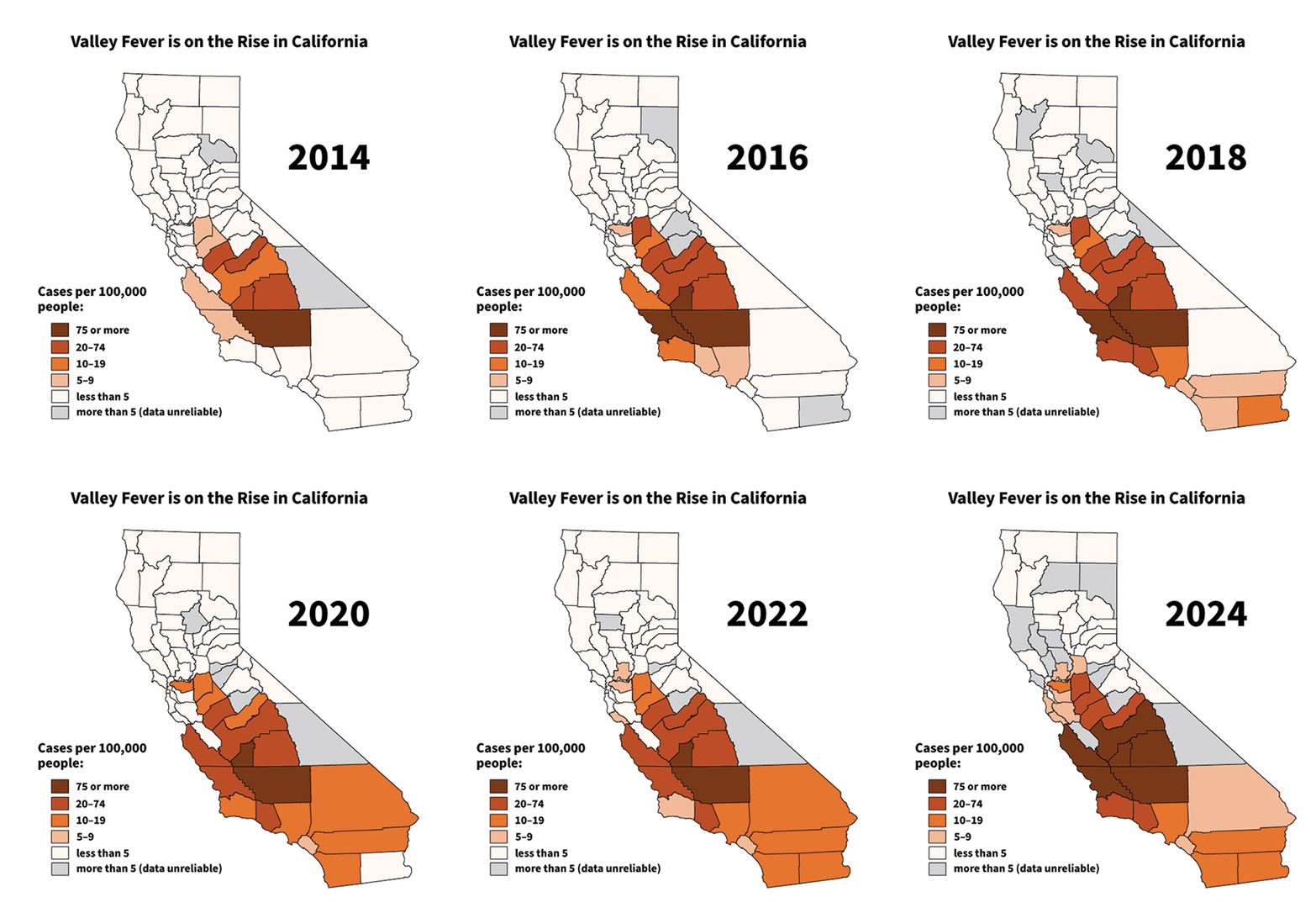
To complicate matters when it comes to the geography of the disease, the fungus that causes valley fever can travel some distance in the air. “So even if you don’t live in the region, you still might be exposed,” Katrina Hoyer, an immunologist at UC Merced, told CalMatters in 2024.
Wildfire smoke, which can already travel huge distances and cause health complications, could also contribute to the spread of the cocci fungus. According to a 2020 paper published in the journal Science, the spores that cause valley fever can essentially hitch a ride with the smoke and travel hundreds — even thousands — of miles into areas where the disease isn’t usually common.
Is there a particular time of year I’m most at risk from valley fever?
People can get valley fever any time of the year, according to CDPH.
However, most people who contract the disease “breathe in the fungus in the late summer and fall and then get sick one to three weeks later,” said the agency.
What are the symptoms of valley fever?
Not everyone who is exposed to the cocci fungus will get valley fever. But those who do can get the following symptoms:
- Fatigue
- Cough
- Fever and headache
- Shortness of breath
- Night sweats
- Muscle aches or joint pain
- A rash on upper body or legs
The symptoms of valley fever can last for anywhere from a week to a few months, but health officials advise that if symptoms last for more than a week, you should contact your healthcare provider.
Is valley fever contagious if I get it?
No: Valley fever is a respiratory disease, but it isn’t contagious in the way that COVID-19 or the flu is. Other people with valley fever can’t infect you, and if you get it, you can’t infect others either.
How will I know if my symptoms are really valley fever? Is there a test?
Valley fever has a fairly long incubation period, which can cause confusion when pinpointing the source of a sickness. Symptoms don’t show up straight away — rather, they take between one and three weeks to start. Several of the symptoms of valley fever can be easily confused with COVID-19, including fever, cough, fatigue, and body aches.
All this means that “the only way to find out if you have Valley fever is to see a doctor,” CDPH said. A blood test or a skin test can be used to diagnose valley fever and is available from health care providers.
CDPH recommends that when you see a doctor, “think about any recent outdoor exposures to dirt and dust you may have had, especially if you work outdoors or have recently traveled to or through areas where valley fever is common.” You’ll also be asked if you’ve had any symptoms for more than a week.
How dangerous is valley fever, and what treatment is available?
The CDC said that many people who get sick with valley fever have “mild symptoms,” and they’ll “often get better without medication within a few months.”
That said, Dr. Stuart Cohen, an infectious disease specialist at UC Davis, told KQED said he’s seeing more severe cases in 2025, even in otherwise healthy patients.
“We are seeing higher numbers, and it seems like we’re seeing sicker patients too,” Cohen said.
Some people who are at higher risk for severe disease from valley fever (see below) should seek treatment to make sure their infection doesn’t get worse. Currently, this treatment is a three- to six-month course of oral antifungal medication like fluconazole.
“Rarely,” valley fever can result in severe lung infections or infections throughout the body, according to the CDC. The agency said that around 5%–10% of people who get valley fever will develop “serious or long-term problems in their lungs,” and in around 1% of cases, the valley fever infection can spread from the lungs to elsewhere in the body, including the brain and nervous system, skin or bones.
In “extremely rare cases,” the agency said, the spores from the cocci fungus can enter your skin through a cut or even a splinter and cause an infection that way.
Who’s most at risk of developing severe disease from valley fever?
CDPH said these groups include:
- Older adults (60+ years old)
- People who are Black or Filipino
- Pregnant people, especially in the later stages of pregnancy
- People with diabetes
- People with health conditions that weaken the immune system, such as cancer, HIV, autoimmune illnesses, treatment with medications that affect the immune system like chemotherapy and steroids, and organ transplant recipients.
What can I do to lower my risk of getting valley fever?
There currently is no vaccine against valley fever, according to the CDC, but “scientists are continuing to work on a vaccine to prevent valley fever with minimal side effects.”
Moreover, the CDC acknowledges that it’s “very difficult” to avoid breathing in this type of fungus “in areas where it lives in the environment.”
When you’re driving through an area where valley fever is common:
CDPH advised that you keep all car windows closed and use the “recirculating air” button in your car if you have one (it’s the button with the symbol of a car with a looping arrow inside it.)
When your recirculating air is on, your car will stop taking in any air from the outside — and instead, your AC will recirculate the air that’s already inside your car. This will help prevent dust carrying this fungus from entering your car while still keeping the inside of your car cool.
If you’re visiting where valley fever is common and there’s a lot of dust around:
Locations like construction and excavation sites can pose more risk, as the cocci fungal spores can travel into the air when dust is kicked up. The CDC said that if you can’t avoid these areas outright, you should wear a fitted N95 mask and stay inside during dust storms.
The agency also recommended using air filtration or air conditioning indoors and avoiding activities like gardening that involve “contact with soil.” UC San Diego’s Heaney told KQED in 2024 that when activities like gardening or construction are unavoidable, “wetting down soil before doing any of that disruption can help prevent the emission of dust” and help reduce your valley fever risks.
KQED’s Holly McDede, Madi Bolaños, Katie DeBenedetti and Riley Cooke contributed to this story. A version of this story was originally published on Aug. 27, 2024.