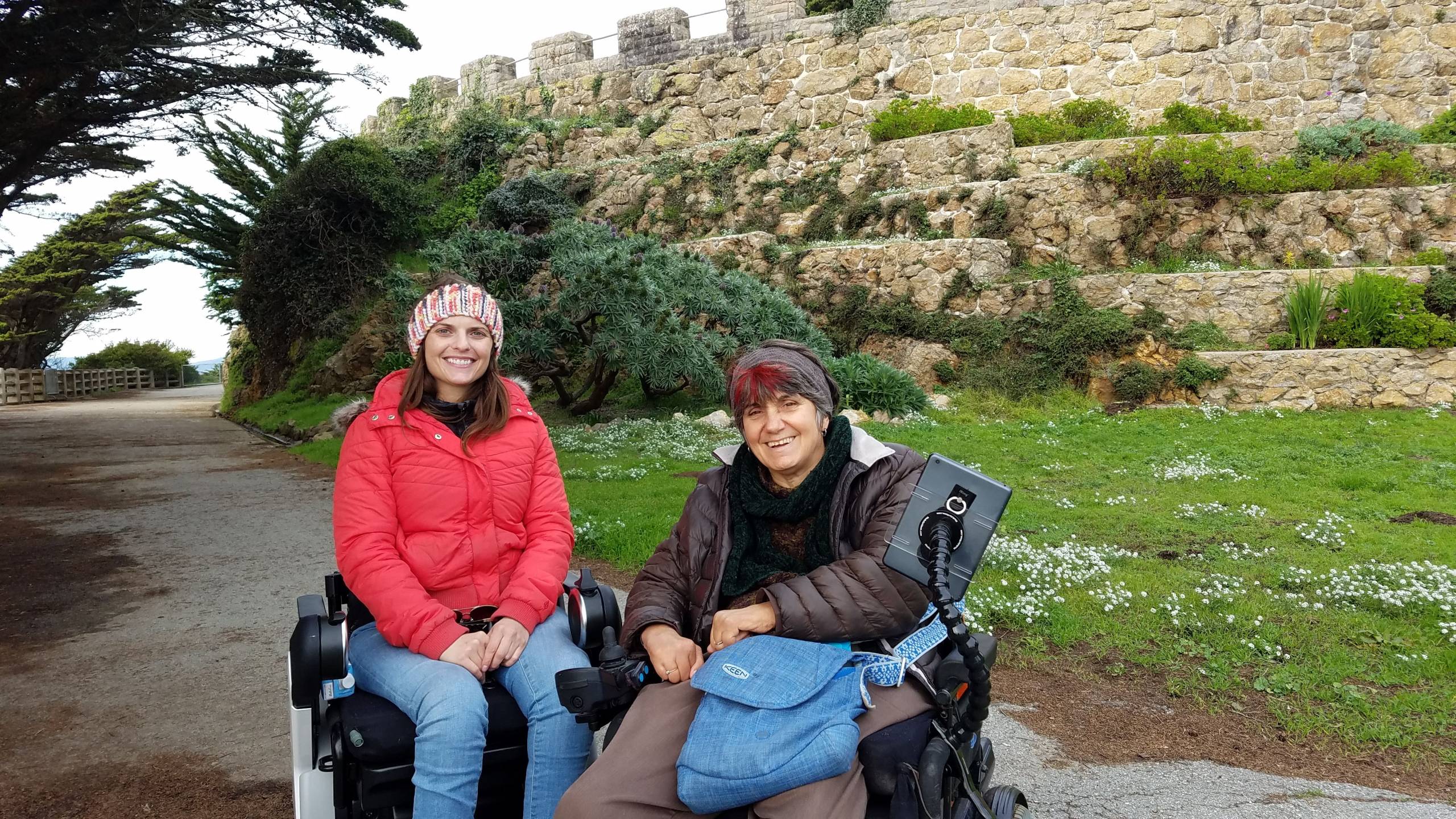
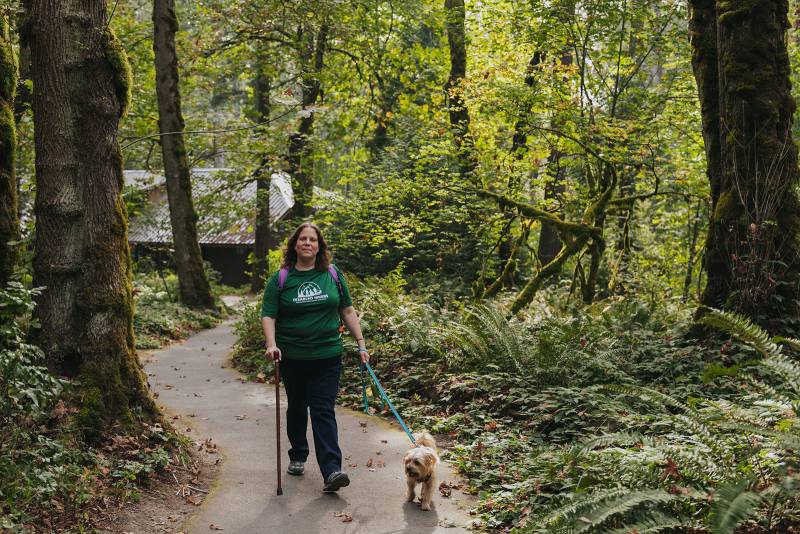
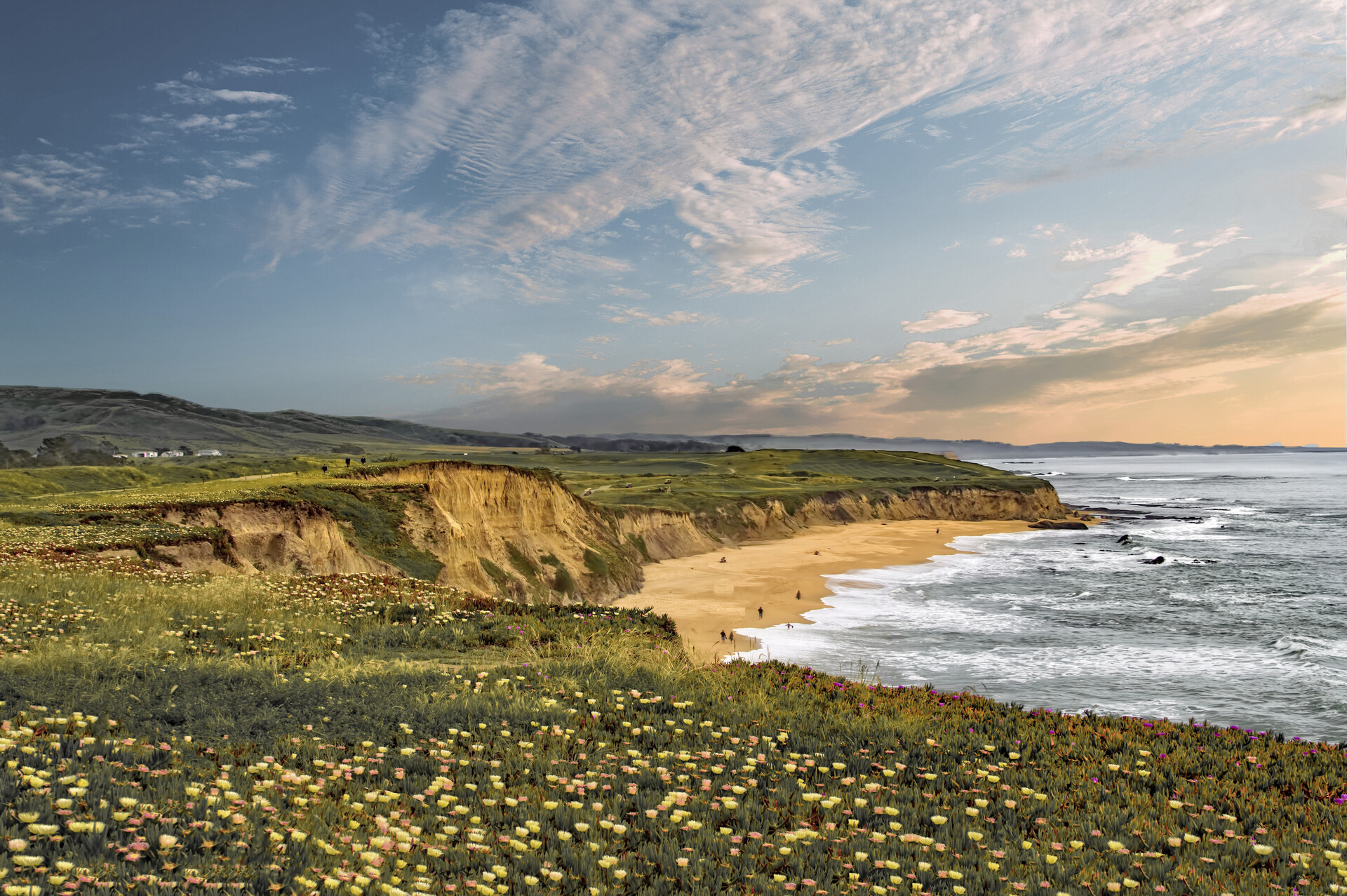
Summer is here, which means it’s the perfect time to explore the many breathtaking trails in the Bay Area. Whether you’re looking to experience views of enchanting mountains, the vastness of our oceans or the tranquility of our redwood forests, this region offers a diverse range of trails.
Fortunately for us living in the Bay Area, this includes many accessible trails to choose from. But finding reliable information about these trails isn’t always easy, say advocates.
Read on to hear firsthand from a number of disabled outdoor enthusiasts working to make nature hikes more accessible, and why access to these trails is so crucial — and get their recommendations on some of the best accessible trails in the Bay Area. This guide is especially for people who use wheelchairs and other folks with mobility considerations, but also may provide ideas for families looking for kid-friendly or stroller-friendly trails this summer.
- Jump straight to: A list of accessible trails in the Bay Area
Advocating for accessible trails for over 40 years
Bonnie Lewkowicz, program manager at Bay Area Outreach and Recreation Program, has enjoyed being outdoors since she was young. An accident at the age of 15 caused Lewkowicz, then a dance student, to be paralyzed from the neck down. But her love for the outdoors remained a big part of who she was. “Being out in nature and being a dancer was still who I was and needed. I was frustrated at not having access to nature,” said Lewkowicz of that period after her accident.
Now, Lewkowicz has worked for more than 40 years advocating for accessibility in sports and outdoor recreation for people with disabilities. She created Access Northern California, a website all about accessible trails in the region, over 20 years ago, and started with BORP seven years ago. She also runs and regularly updates a guide to wheelchair-accessible trails along the California Coast, and is the author of A Wheelchair Rider’s Guide: San Francisco Bay and the Nearby Coast, a resource for wheelchair travelers.
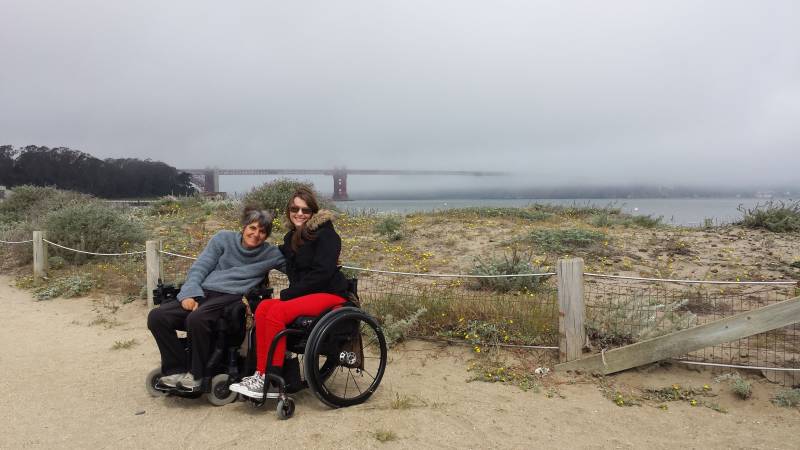
Lewkowicz says that one of the biggest challenges in the search for the best accessible hikes is getting accurate information. “We live in the Information Age, but that’s not true for people that need to find accessibility,” she said. Information like parking, accessible bathrooms, distance of trail, elevation gains, available activities like birdwatching or picnicking — and whether there are barriers like steps on the trail — are often the things Lewkowicz feels get left out.
She says that the ADA-accessible trail information needs to be more clearly defined, with more details of all the accessible features. “Which is why I do the work that I do and try and help relieve that burden for people,” she said. Lewkowicz also works with popular hiking app AllTrails in providing information about accessible trails in the Bay Area and beyond, which she says has resulted in the availability of reliable wheelchair-accessible trails on the AllTrails app.
People with disabilities want the same kind of experiences as everyone else, said Lewkowicz, adding, “And we need to have access to more of them.”
With mobility technologies changing so rapidly, city planners need to think about how to broaden their ideas about what’s possible, says Lewkowicz — because new equipment for disabled people means that previously inaccessible spaces can now become more accessible. For example, here in California many state beaches now have beach wheelchairs available for loan. “There are chairs that climb mountains,” said Lewkowicz. Parks in Oregon and Florida also are loaning this type of adaptive equipment.
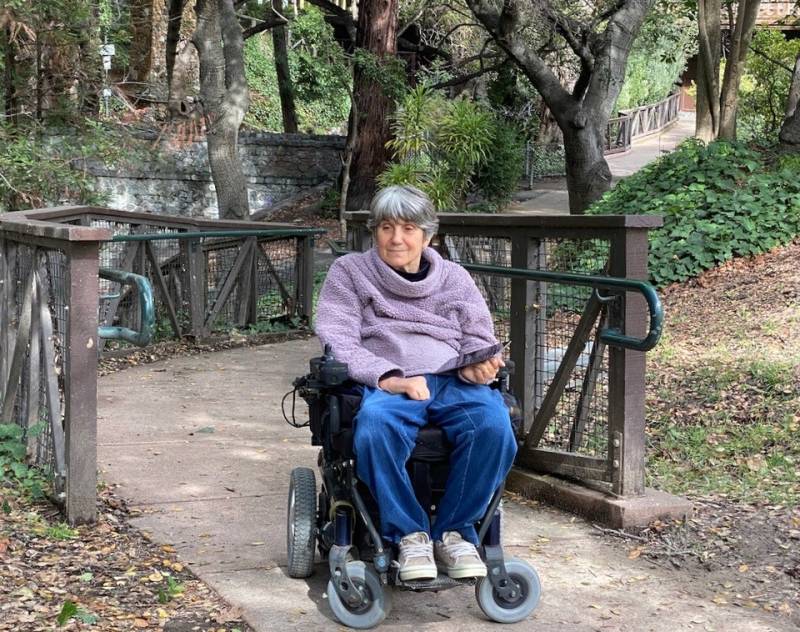
Accessibility means different things for different people, Lewkowicz says. For her, she enjoys accessible trails that are more remote and more in the wilderness — longer ones that are more “destination trails” and less urban. For those just starting to explore accessible trails and needing some encouragement, Lewkowicz recommends reaching out to the community and going on a group hike. “BORP does offer some adventures and outings and we have transportation. So that would be one possible way to [start] to get out there. Go with your peers,” she advised.
Adventures from a wheelchair: ‘Being out on a nature trail is close to being home’
In 1996, Bay Area resident Mark Hehir started using a wheelchair and breathing on a ventilator due to a rare form of muscular dystrophy called rigid spine syndrome.
Wanting to share his experiences wheelchair hiking at various parks and trails, Hehir started his Adventures From a Wheelchair blog in 2010. On his site, visitors can read reviews and watch videos of all the wheelchair-accessible places Hehir has visited. He’s also an ADA volunteer for Santa Clara County Parks and has worked with them since 2015 to improve access to their parks and hiking trails. See Hehir’s video of his favorite trails and parks in partnership with Santa Clara Open Space Preserve.