Show up at a border crossing with Mexico and ask a U.S. official for asylum? Sign up online? Go to a U.S. embassy or consulate?
The Biden administration has been conspicuously silent about how migrants should enter the United States when Trump-era asylum limits end, fueling rumors, confusion and doubts about the government’s readiness despite more than two years to prepare.
“I absolutely wish that we had more information to share with folks,” said Kate Clark, senior director for immigration services at Jewish Family Service of San Diego, which has facilitated travel within the United States for more than 110,000 migrants released from custody since October 2018.
Migrants have been denied rights to seek asylum under U.S. and international law 2.5 million times since March 2020 on grounds of preventing COVID-19 under a public-health rule that was scheduled to expire Wednesday until U.S. Supreme Court Chief Justice John Roberts ordered a temporary hold. Title 42 has been applied disproportionately to those from countries that Mexico agrees to take back: Guatemala, Honduras, El Salvador and more recently Venezuela, in addition to Mexico. People from those countries are expected to drive an anticipated increase in asylum claims once the rule is lifted.
Many expect the government to use CBP One, an online platform for appointment registration that was introduced in 2020. The U.S. Customs and Border Protection mobile app has had limited use for people applying for travel permits and for those tracking U.S. immigration court hearings under the now-defunct “Remain in Mexico” policy.
It’s expected that migrants using the app would make appointments to seek asylum in the United States, but would have to remain outside the country until their slotted time and date.
CBP One, which some advocacy groups oppose over data privacy concerns, may be impractical for migrants without internet access or language skills. The agency also must get the word out.
Nicolas Palazzo, an attorney with Las Americas Immigrant Advocacy Center in El Paso, Texas, said he worries scammers will charge migrants to sign them up and that CBP’s limited processing capacity will result in intolerable waits.
“Unless they plan to ramp that up significantly, someone applying for admission on CBP One is going to be given a date that is like a year out,” Palazzo said. “Realistically, can they tell me with a straight face that they expect people to wait that long?”
Mohamad Reza Taran, 56, left Iran on Nov. 26 after converting to Christianity and flew to Tijuana, Mexico, where U.S. border inspectors at a San Diego crossing turned him away when he asked for asylum.
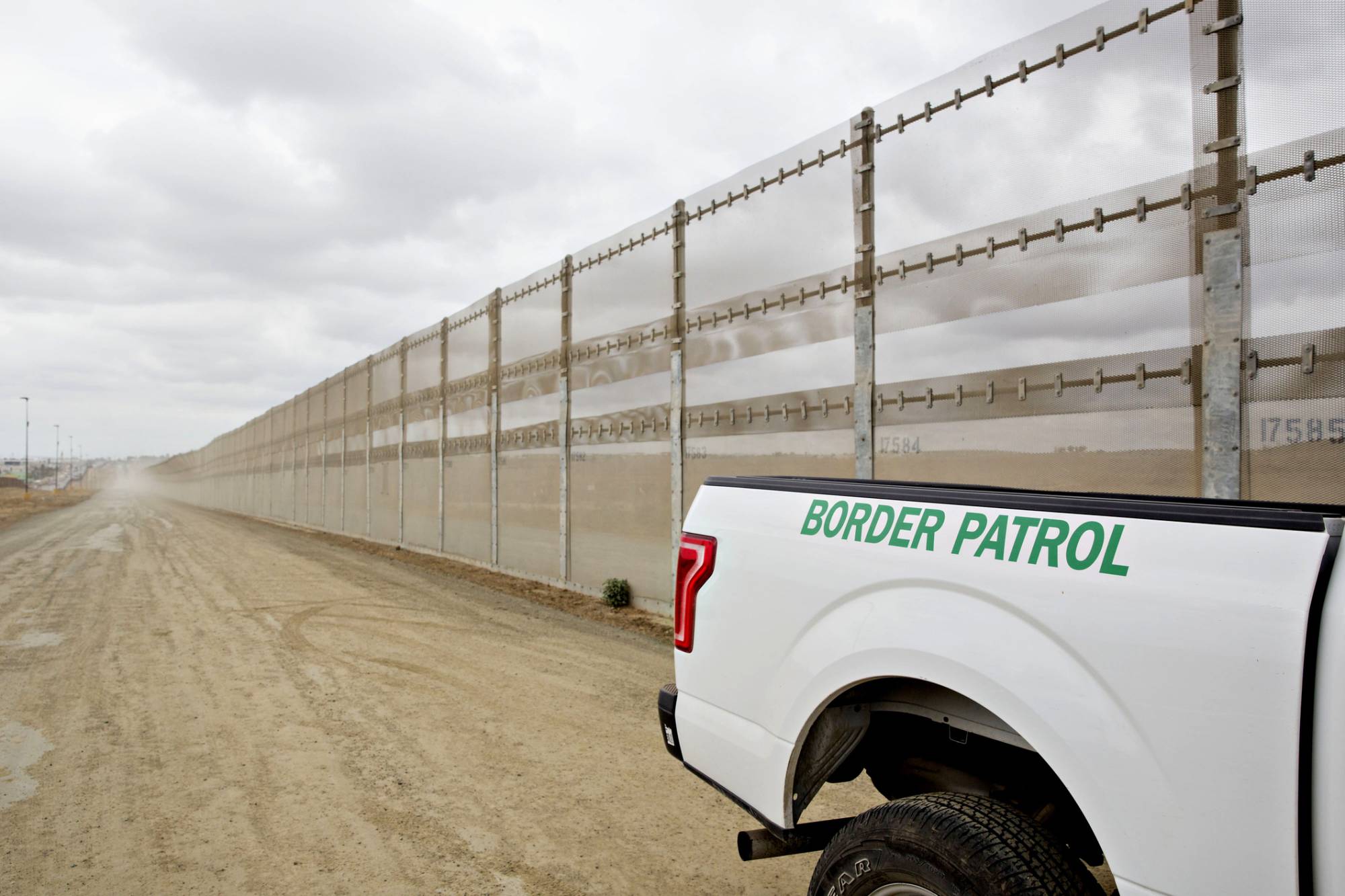
The computer technician planned to wait to see whether he would get in immediately after Title 42 is lifted and, if not, said he would cross the border illegally, perhaps by climbing the border wall in San Diego or walking across flat desert in Yuma, Arizona. He has family in Los Angeles and sees the United States as his only option.
“I have nothing here,” Taran said in an interview outside a church in Tijuana, where he was searching for people who could instruct him on U.S. policies.
U.S. Rep. Henry Cuellar, a Texas Democrat, said CBP officials told him last week that they hoped, to the greatest possible extent, to funnel asylum-seekers through official crossings and turn back to Mexico anyone who crosses the border illegally. Doing so would likely be challenged in court because asylum law says people who enter illegally are entitled to seek protection.