When Mariana Pimentel thinks about her childhood in a small town in Mexico, she remembers being surrounded by anger and desperation.
Her parents worked long hours to support Pimentel and her brothers and sisters, so they were often absent. When they were home, her parents communicated by yelling.
“I want my kids to grow up in a different environment from how I grew up and not repeat the same mistakes,” said Pimentel, a 41-year-old mother of three.
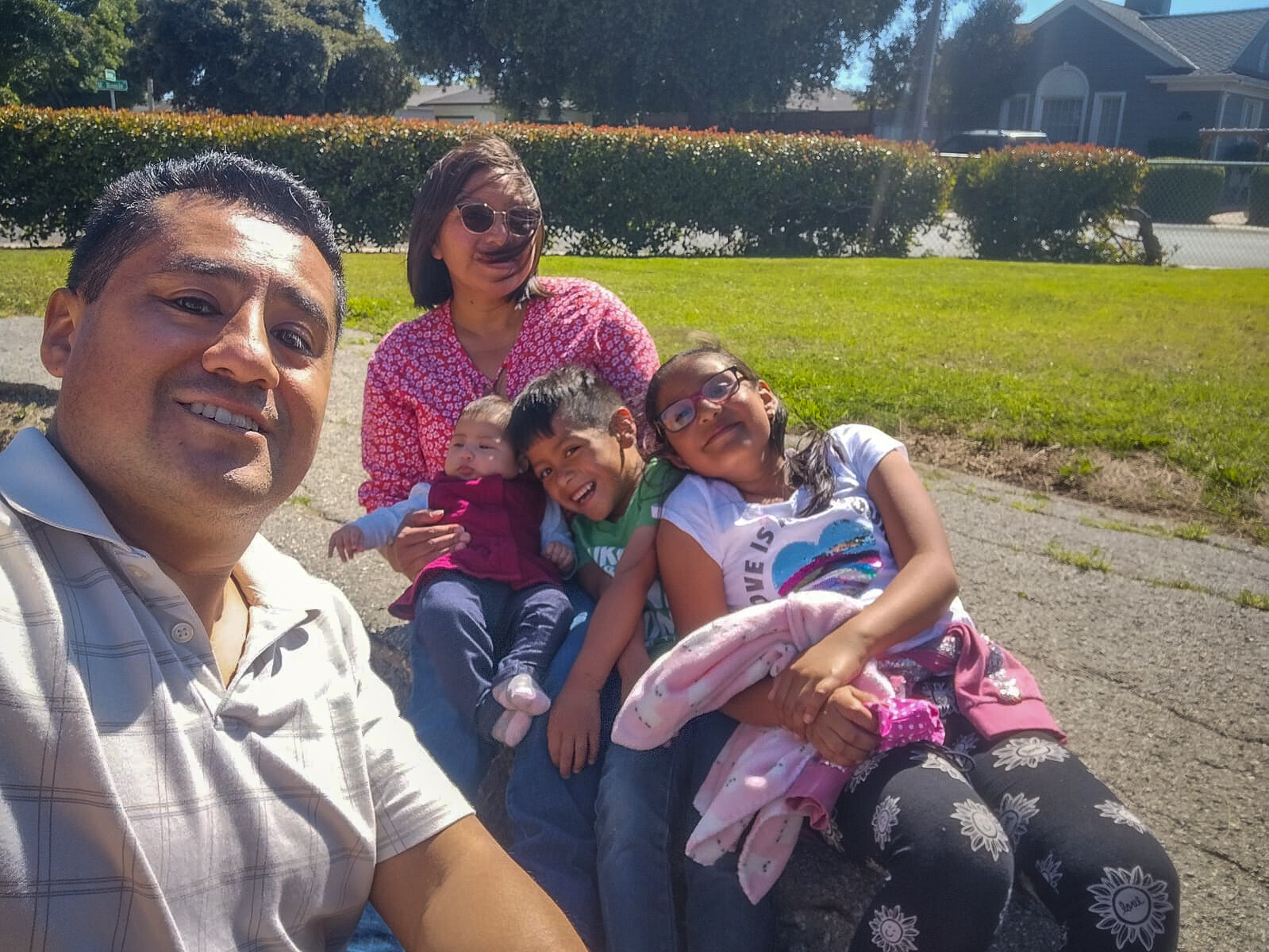
Shifting away from the parenting style she grew up with took time and lots of work. Nine years ago, Pimentel, who lives in Salinas, began attending free classes on topics such as positive parenting and discipline at GoKids Inc., a nonprofit that provides early childhood education to lower-income families.
“I’ve noticed that if I am stressed or anxious, I will end up transmitting that to my kids. There is a connection,” Pimentel said. “The more I attend classes, the more I learn, the better I can help my children and the better off they will be.”
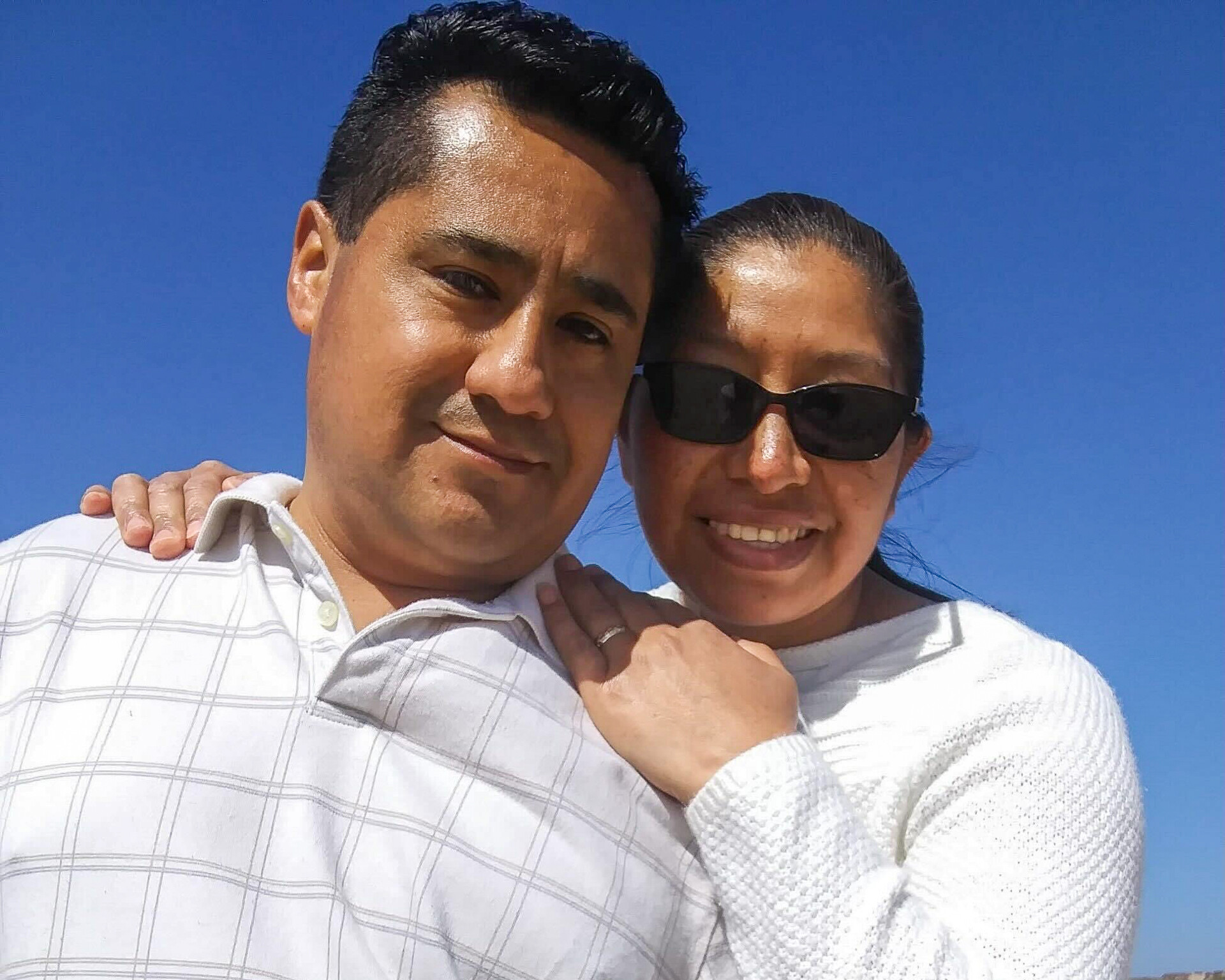
In addition to taking classes, Pimentel, her husband and two of her children received individual therapy through GoKids to deal with depression and anxiety. The family’s experience demonstrates the importance of addressing mental health not just for one person, but the family as a whole.
Pandemic ‘forced us to look at the shadows’
During the first year of the pandemic, nearly two-thirds of caregivers, including parents, reported adverse mental or behavioral health symptoms, according to a Centers for Disease Control and Prevention survey. The survey also found that 27% of parents of children under 18 reported that their mental health worsened during the pandemic.
The need to come to terms with how parental mental health influences the mental health of children has come into sharper focus as the United States grapples with a crisis of children experiencing higher rates of anxiety, depression and thoughts of suicide.
In 2020, California saw a 70% increase in kids being diagnosed with anxiety or depression. That’s 1 in 8, up from 1 in 14 in 2016, according to The Annie E. Casey Foundation (PDF).
Children of color suffer the most, say experts, because services remain inaccessible to them for a variety of reasons.
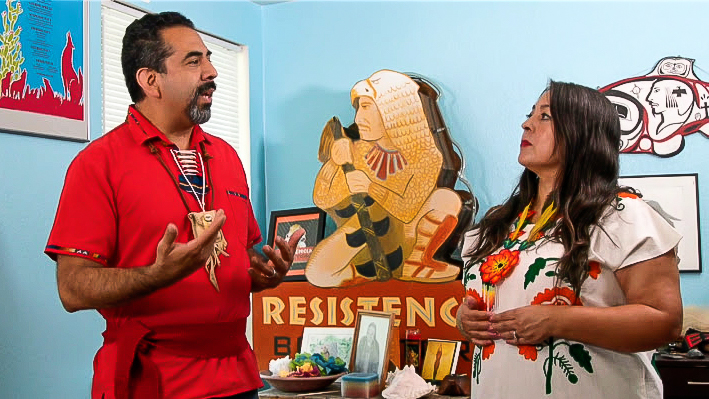
“One thing the pandemic did is that it forced us to look at the shadows, the darker things, both within ourselves and within our communities that need attention,” said Tlazoltiani Jessica Zamarripa, who co-founded the Institute of Chicana/o/x Psychology with her husband, Manuel X. Zamarripa.
Based in Austin, Texas, the organization provides training for mental health providers and individuals with an emphasis on ancestral knowledge and practices from Indigenous cultures of Mexico. The Zamarripas founded the Institute of Chicana/o/x Psychology as a way to combat what they call the “mental health industrial complex” that has largely left kids from nonwhite communities underserved.
“Our children have never been immune to the stresses, the anxieties, the intergenerational ancestral, familial, interpersonal and racial traumas, and the harms and violence we have experienced and experience now,” Zamarripa said.