When Anna Mahina was growing up in the Bay Area in the ‘80s, there were few, if any, supports in schools for kids like her.
The child of Tongan immigrants, she says teachers assumed she was Latina and placed her in classes for English-language learners, where she struggled to follow lessons delivered half in Spanish.
She says her family didn’t know how to demand better.
Now Mahina is raising a son in San Francisco. She’s an advocate for the Tongan community, starting the organization San Francisco Tongans Rise Up and joining the San Francisco Unified School District’s Parent Advisory Council.
“We're not going to have our kids go through the same issues that we had to go through,” she says.
Since fellow Pacific Islander Faauuga Moliga took a seat on SFUSD's board, she says she’s seen new investments in her community, like the creation of the district’s first Samoan dual-language immersion program. But if Moliga, the school board’s vice president, is recalled in February, Mahina worries that progress will slow for students who’ve consistently had some of the worst academic outcomes in the district.
“Having someone who looks like you sitting on the board of ed not only is empowering for our students and our families, but also he knows the struggles straight from the heart,” she says.
The campaign to recall Moliga, board President Gabriela López and board member Alison Collins has earned national attention, and continues to gain momentum, with Mayor London Breed and state Sen. Scott Wiener recently throwing their weight behind it. But the voices of parents like Mahina, who feel represented for the first time, are often drowned out.
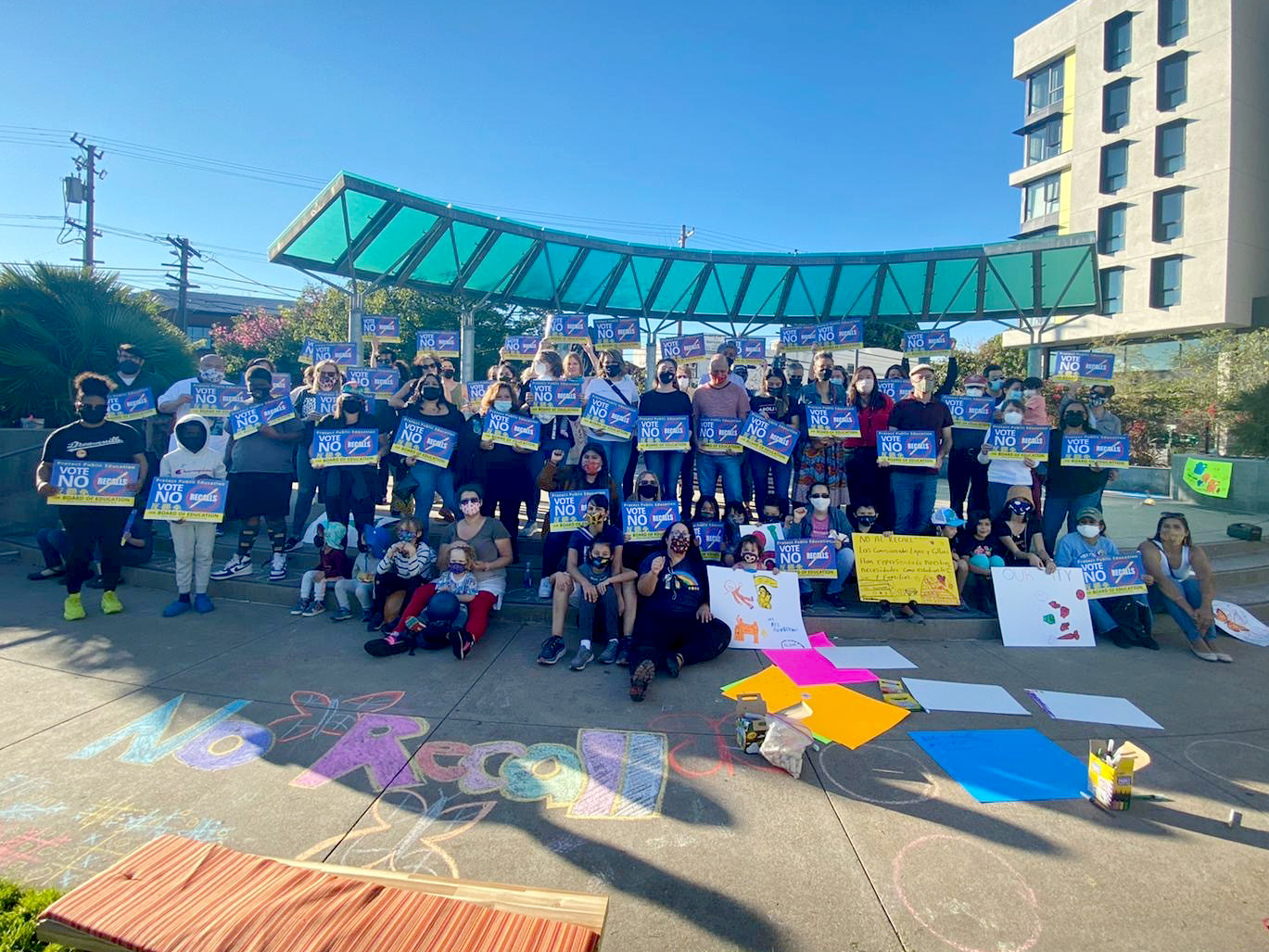
Recall leaders argue the board unnecessarily delayed reopening classrooms while prioritizing — and mismanaging — the renaming of schools and changing the admissions policy at Lowell High School, San Francisco’s elite public school. Central, too, is anger directed at Collins, who was stripped of her leadership position on the board when past Twitter comments were resurfaced by recall proponent and Lowell grad Diane Yap. In response, Collins sued the district for $87 million. A judge dismissed the suit, and Collins dropped her effort.
“We have a school board that talks nonstop about social justice but doesn't do the single most important thing that our school district needed the whole year to help the very kids who are the most disadvantaged and hurt by [keeping classrooms closed],” says Siva Raj, the recall campaign co-lead.
Parents like Mahina find that sentiment disingenuous. She says the recall comes at the expense of the district’s most vulnerable and marginalized students.
“You see the logic driving these efforts being centered on opportunity structures and pathways for communities of color and for communities experiencing poverty,” Janelle Scott, a UC Berkeley education professor, says of the recall push. “Those voices are often not centered in these efforts that are coming from folks who say they are in fact putting people of color at the center.”
Scott notes that communities of color in the city tended to be more skeptical of reopening schools. Throughout the pandemic, surveys around the country consistently showed that white families were more likely to want to return in person than families of color. In San Francisco, district surveys found that white families overwhelmingly wanted to return to classrooms, while Black and Latino families wanted to return by much more narrow majorities. Asian families, especially Chinese families, were hesitant.
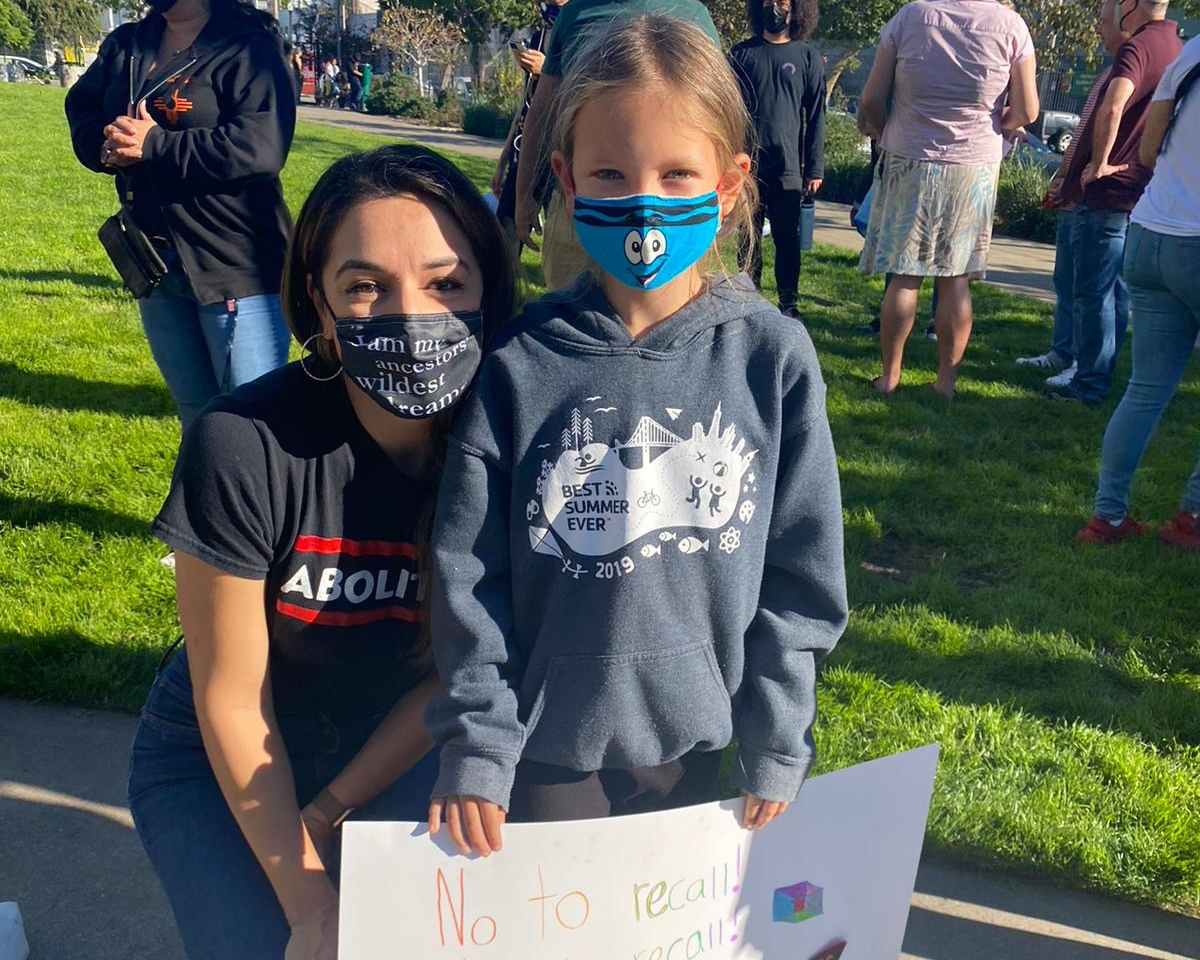
Some Black parents, like Leilani Ishaan, a product of SFUSD schools whose two sons graduated from district schools last year, are also skeptical of the intentions of the recall proponents.
“I don't believe you when you say ‘all kids,’” she says. “All this is in the benefit of you because you're impacted right now.”
What gets lost in all the adults fighting, Ishaan argues, is that students of color, like her son who went to Lowell High School, are the ones who stood to benefit from policies board members pursued that became so controversial.
“Adults inserted themselves in a place they shouldn't have,” she says. “The board was good at being guided by the students.”
Shavonne Hines Foster, now in college, was one of the students guiding those changes as a student delegate on the school board last year. She also served as president of the Lowell High School Black Student Union. She says the policies students fought for are central to improving the quality of schools.
In the case of Lowell admissions, the effort to enroll more Black and Latinx students is decades old, and the last time Black students demanded the school board take steps to address racism on campus in 2016, little changed.
“My four years at Lowell, I faced egregious incidents of racism dating from my first week to graduation senior year,” says Hines Foster. “That's the key reason why we're championing for Lowell to be open to all students.”
López, Collins and Moliga say their policymaking on the board has always been driven by community needs.