It’s not every day a worker in the tech sector will speak on the record, let alone two dozen of them.
Companies like Google, Facebook and Apple make workers sign nondisclosure agreements, and typically demand employees run all media requests through their human resources departments. On top of that, workers who do make public remarks have no union to protect them from being fired if the company is unhappy with what they say.
I once had an eyewitness at a fire in San Francisco decline to give a comment because he worked at Apple. As the apartment building burned in front of us, he told me he’d be uncomfortable commenting unless his managers signed off on the statement.
But the story is different at Kickstarter, where over 24 current and former employees have given lengthy interviews about their experiences working for the crowdfunding platform.
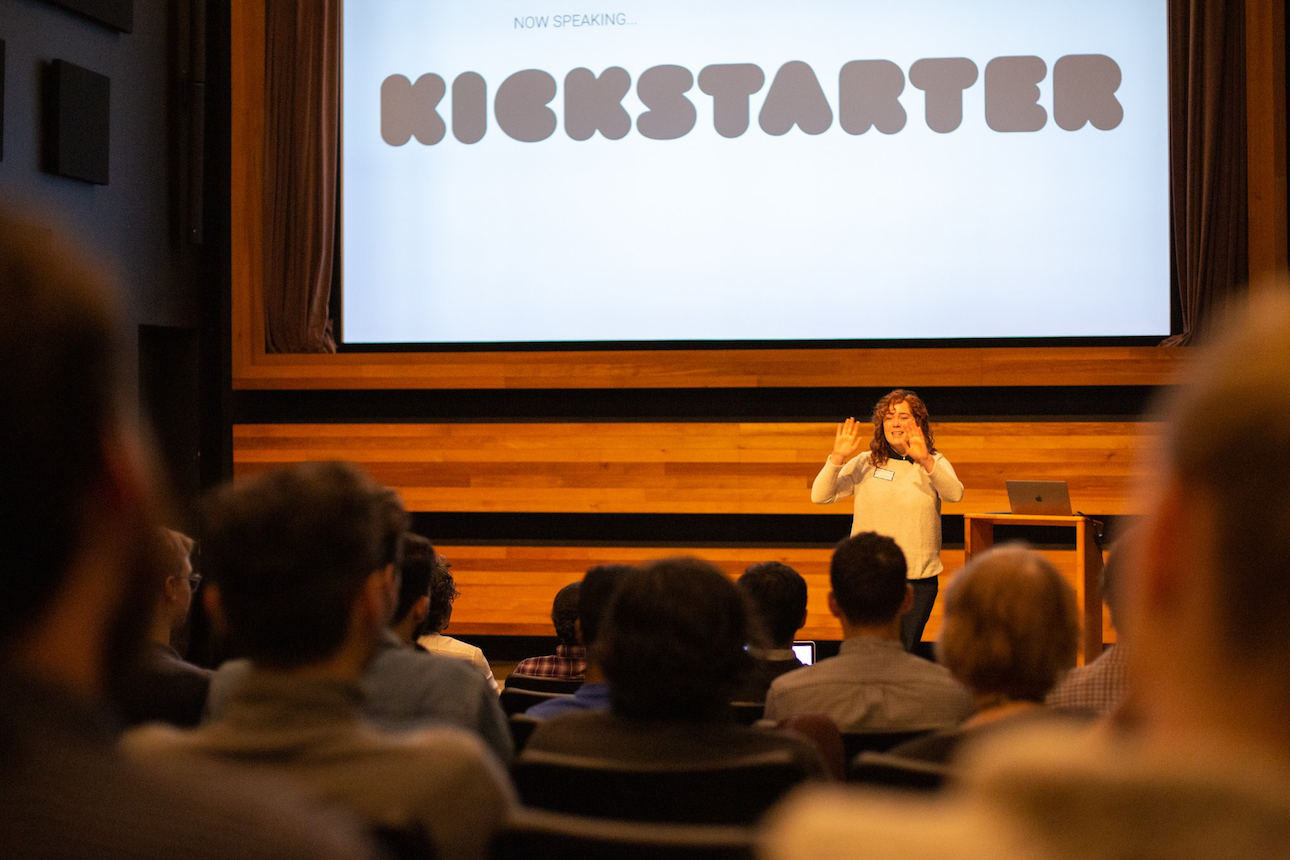
The interviews are featured in “Kickstarter Union: Oral History,” a recently released podcast by former employee Clarissa Redwine that documents how workers at the company succeeded earlier this year in forming the first white-collar union at a tech startup.
Redwine says the effort led to her and others being forced out of the company. But now that the union is there, she says, workers have more power and protection to speak out in public.
Organizing Challenges
The story of what happened at Kickstarter shows how difficult it is to organize workers at a company that primarily relies on programming and the internet to do business, and the unique challenges involved.
Redwine says she hopes her oral history project encourages other tech workers to unionize and provides a roadmap for them to avoid the pitfalls that stymied her team. The interviews and recordings she has gathered provide a unique inside look at a modern tech company from the perspective of those who are usually unable or unwilling to tell their stories publicly.
Clarissa’s Path
In 2015, Redwine got her dream job at Kickstarter, managing fundraising projects in the tech and design category. “I was ecstatic,” she said. “When I got the email that I would be joining Kickstarter, I flipped out. I was so excited.”
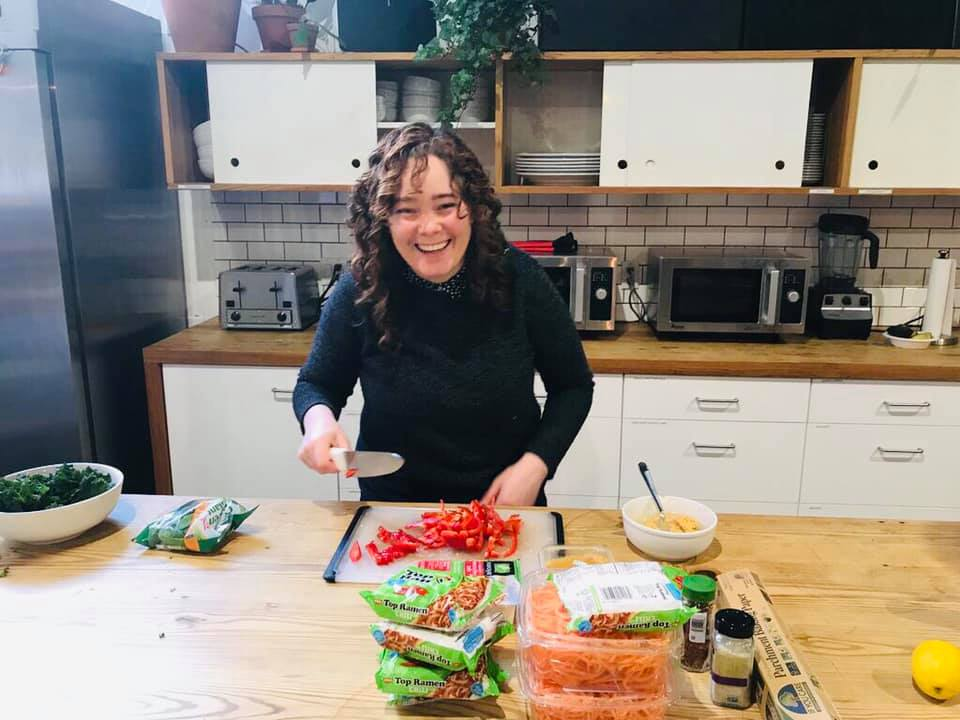
Now, five years later, Redwine is not even working in tech anymore — she’s a fellow at New York University, where she’s producing the podcast project.
When Redwine got into the tech industry, she never expected things would play out like this.
“I didn’t necessarily have a strong understanding that the way that tech is traditionally infused with capital is harmful,” she said.
At Kickstarter, Redwine felt empowered, she recalls, like she was doing important work. And she was content with the job for her first three years there — up until the “Always Punch Nazis” incident.
Power Struggle
“Always Punch Nazis” is a comic book. In 2018, its writers were trying to raise money on Kickstarter, and they posted a video with dramatic music and images of cartoon characters punching Nazis.
For the last year or so, there had been growing unrest at the company. The former CEO, Perry Chen, had returned after a four-year hiatus, and not all employees were happy about it. In interviews with Buzzfeed, some employees accused Chen of being domineering and making unilateral decisions, and about 50 of them either left or were fired shortly after his return.
But it was the “Always Punch Nazis” situation that brought tensions at the company to a boiling point and that would eventually catalyze the union organizing effort.
When the fundraising page for the comic appeared on Kickstarter in August 2018, bloggers for the right-wing website Breitbart began complaining that the comic promoted violence and violated the company’s guidelines. In response, Kickstarter management said they’d take the project down. But many employees advocated for it to remain up.
Redwine has a recording of an emergency meeting at the height of the controversy. One employee stood up and said, “I just want to put on the record that not all of us are happy about this. This is super not chill and there is no other way to describe the feeling of being told in a room why we should be okay with this decision.”