About a year ago, KQED reported that an on-demand food delivery service called Munchery had abruptly shut down and filed for Chapter 11 bankruptcy. When it went bust, at least a dozen bakers and chefs in San Francisco that had prepared food for the company were left in the lurch.
It was a classic venture capital story: A startup gets a bunch of money, grows fast and then crashes, burning those it owes money to, particularly vendors and suppliers whose credit is not secured. When Munchery shut down, it owed at least $50,000 to small business owners in San Francisco alone.
But this time the story has a surprise ending. After a year, the bakers and chefs finally succeeded in getting their money back.
On Christmas Eve, a UPS delivery driver dropped off an envelope at Three Babes Bakeshop in the city’s Portola neighborhood. Inside was a check for $18,000. “I was so surprised I shrieked,” said owner Lenore Estrada.
That check — almost all of the money Munchery owed Estrada when it closed last year — came with an unsigned note indicating it was from some “unspecified” investors and executives of the company.
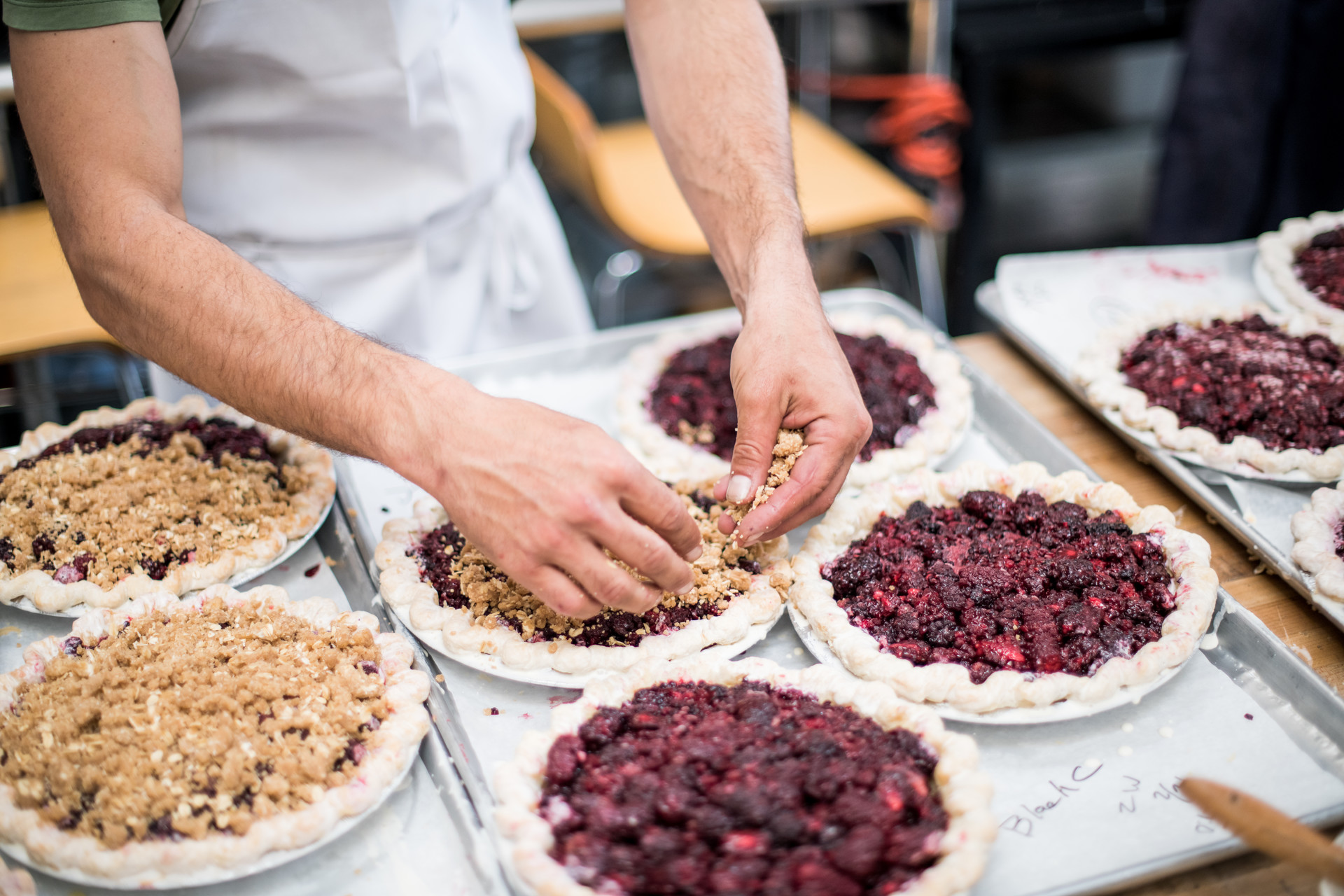
Until then, Estrada had assumed there was no way she would ever get that money back. Under Chapter 11 bankruptcy law, the company was not legally required to pay back vendors like Estrada, even though they had taken her pies and sold them. Estrada was incensed. She refused to just sit by and allow the company and its investors to ignore her.
First, Estrada took to social media to call out Munchery and its investors. Then she decided to hold a bake sale protest outside the offices of one of the venture capitalists who had invested in Munchery. After KQED reported it, the story got picked up by national news outlets. Estrada thinks that attention did the trick.
“I think if we hadn’t stood up for ourselves and I hadn’t organized that protest and if we hadn’t made it really really public and sort of embarrassing for the Munchery investors and executives, I definitely don’t think we would have gotten paid,” she said.
Estrada calls the unexpected reimbursement a “Christmas miracle.” It allowed her to give her employees holiday bonuses. But while grateful for the check, she said it doesn’t excuse what happened.
While she was scrambling to cover her $18,000 loss last year, many Munchery investors were making ample amounts of money on their other bets. Take Menlo Ventures: The firm lost money with Munchery but hit the jackpot with Uber, raking in millions in returns that it’s now investing in a new round of companies.

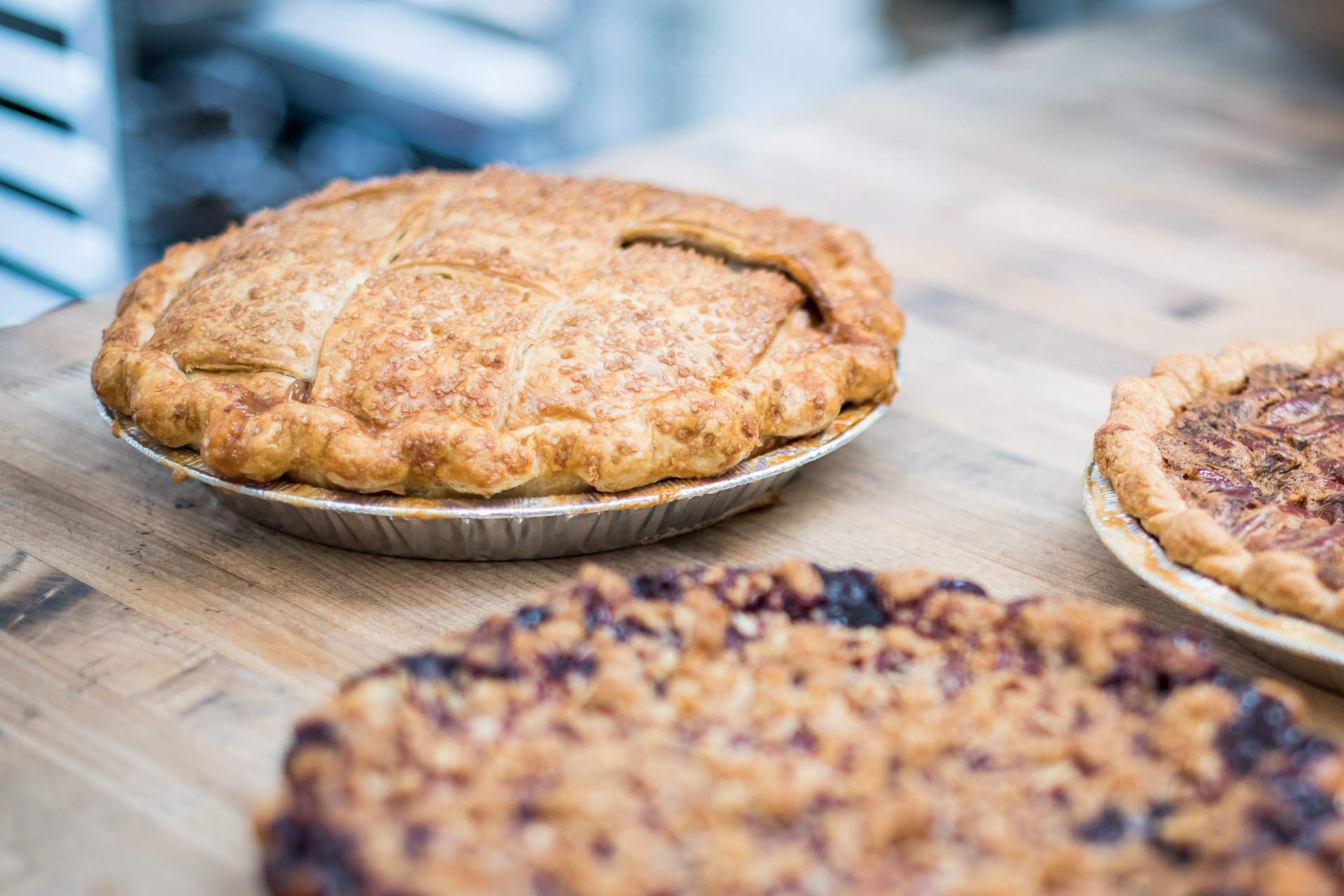
This, of course, is not how business works for a baker or for any other small business. Think about it in terms of pies.
“If I make tons of money on apple pies but lose tons of money on cherry pies,” Estrada said, “I still have to pay for the cherries and the labor to make the cherry pies.”
Of venture capital, Estrada said, “There is something inherently wrong about the way the system is set up.”
Menlo Ventures, one of the Munchery’s investors, declined to comment.
Other venture capitalists, like Eric Paley, a managing partner at Founder Collective in Cambridge, Massachusetts, said he agrees with Estrada that there are some things inherently wrong in the system.
“Most of the venture industries are really driven off the home runs,” Paley said. “Many VCs would rather push a business harder and see it fail than risk that it turns out to be an OK business.”