San Francisco Board of Supervisors President Norman Yee unveiled this week a proposal to create an Office of Emerging Technology to help the city get ahead of the next wave of new devices and services taking off in the high-tech sphere.
The office would be one of the first of its kind in the country, said Yee, and it would help startups navigate city bureaucracy to obtain permits to operate on the city’s streets, sidewalks and other infrastructure.
“One of the major complaints of the tech companies is that when they wanted to do business in San Francisco, they didn’t actually know which department to go to to get a permit,” said Yee, who secured $250,000 to fund the new office within the city’s current fiscal year budget.
But the office will do more than just help eager tech firms obtain approvals and permits. It will also have the power to weigh the potential impact of a proposed technology on city infrastructure and public safety — as well as privacy and security — before giving a green light to a pilot project or product launch.
“It’s almost like we’re co-creating with some of these new technologies, saying, ‘This is more beneficial if you went a certain way with your technology than another way,’ ” Yee said.
A startup could save valuable time and avoid bureaucratic dead ends if, say, it learned up front that its fleet of delivery robots would need not only a permit from the San Francisco Municipal Transportation Agency, but also from the departments of Public Works and Public Health when bringing food or medicine to customers.
The idea for the office grew out of an April 2018 working group that Yee convened with more than 200 representatives from the tech sector, the Teamsters union, advocacy groups like Walk San Francisco and other nonprofits to explore ways to foster innovation without undermining public safety, equity and labor protections.
“I appreciate the supervisor’s willingness to engage with the industry,” said Jennifer Stojkovic, executive director of sf.citi, a trade group that advocates on behalf of tech companies and who participated in the brainstorm meeting. “Oftentimes, there is legislation that comes out without industry being at the table, and I appreciate [Yee] involving us in the beginning.”
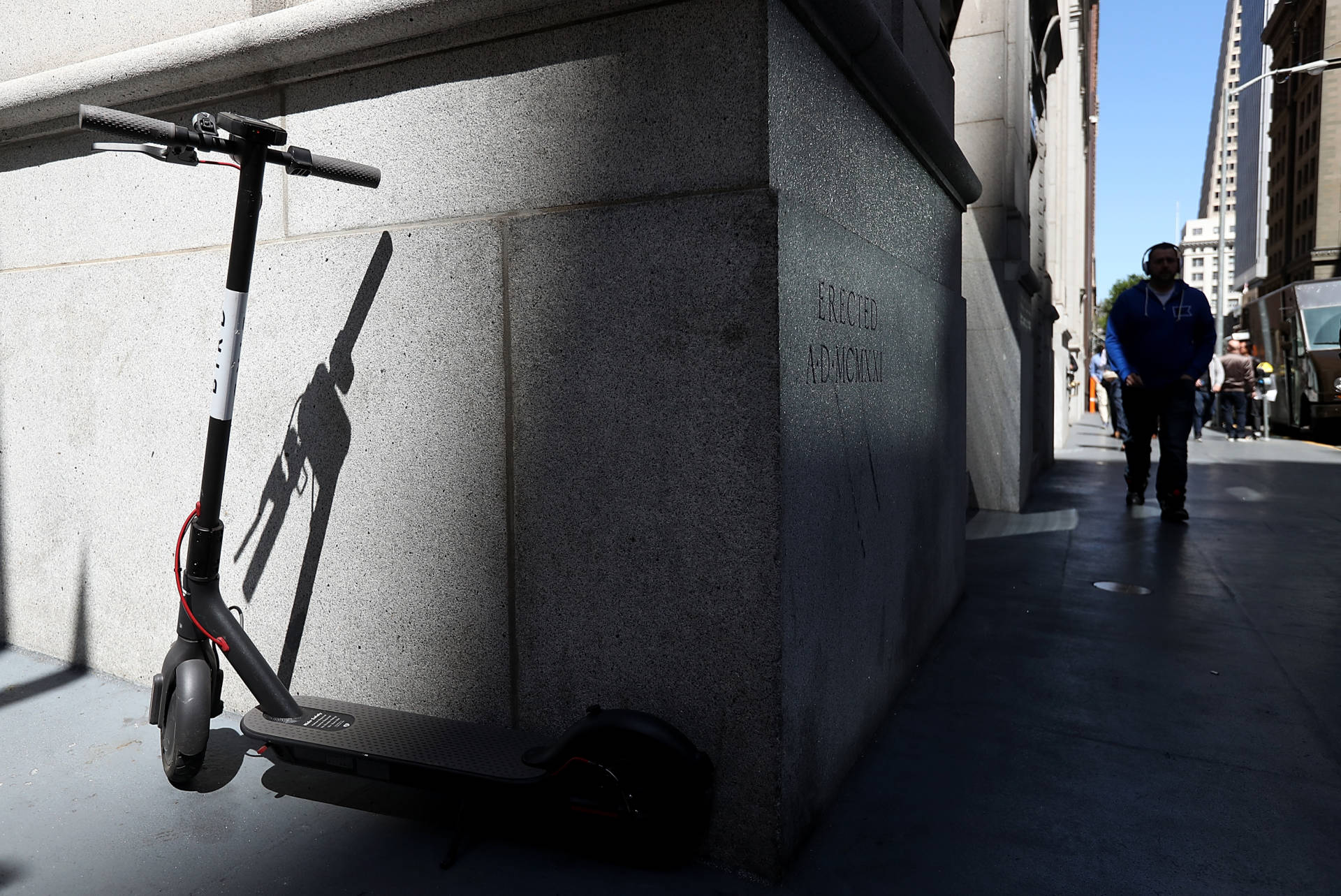
Last April, San Francisco officials were forced to play regulatory catch-up and send cease-and-desist letters to startups Lime, Bird and Spin after the companies suddenly flooded the streets with thousands of electric scooters, blocking sidewalks and sparking angry complaints from residents. Yee thinks the new office could curb future bumpy rollouts and anti-tech backlashes.

