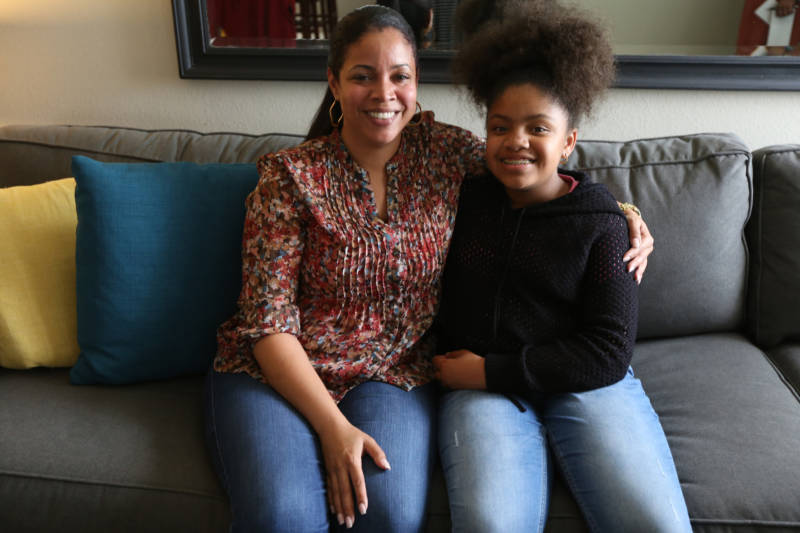
Bettye Jean Ford was in her second trimester when the pressure she had been feeling in her abdomen for weeks turned to excruciating pain. She rushed to a Los Angeles emergency room, where she was diagnosed with a urinary tract infection and sent home with antibiotics. Still cramping severely, the first-time expectant mother spent the next 24 hours trying to sleep.
The next morning, her obstetrician found her dilated and sent her to the hospital next door where an ultrasound confirmed she was in labor. Rather than being admitted, she was sent back to the clinic with paperwork to finish.
Finally, at 23 weeks and six days, Ford gave birth to a premature baby girl while a nurse told her to close her mouth so as not to scream while pushing. After delivery, the new mother was sedated; her child, whom she had named Kally, had died by the time she awoke.
That was 2006. Since then, California has worked hard to improve health care for pregnant women—so hard, in fact, that the state is now often held up as a national success story in improving maternal outcomes.
But for African American mothers, that improvement has remained elusive. Statewide as well as nationally, black women are substantially more likely than white women to suffer life-threatening complications during pregnancy, give birth prematurely, die in childbirth and lose their babies.
Mortality rates among black infants in California are triple those of white infants, according to state birth records. California Department of Public Health statistics show the rate of preterm births among black mothers to be nearly twice that of white mothers, and the rate of maternal mortality to be quadruple, in part because of complications from underestimated or undiagnosed cardiovascular conditions.
A host of factors underlie this health gap, but studies consistently point to an ugly one: the persistence of racial bias in perinatal care for women of color.
Even when studies control for socioeconomic differences, the health care experience for black mothers is particularly—and often lethally—inadequate compared to that of other ethnic groups, not to mention traumatizing.
“Giving birth was horrible,” said Ford. “It was just an awful experience emotionally, physically.”
Democratic state Sen. Holly Mitchell—who represents Los Angeles, where Ford still lives—is carrying legislation that would make California the first state to mandate implicit bias training for obstetricians, delivery nurses and other perinatal health care providers at hospitals and birthing centers. Senate Bill 464 would require that providers be taught to spot bias, to communicate across identities and be educated on how racial bias impacts maternal and infant health.
Mitchell’s bill, called the Dignity in Pregnancy and Childbirth Act, would also require maternal deaths to be registered more consistently on death certificates by requiring coroners to list whether a woman was pregnant at the time of her death or in the year preceding.
Advocacy groups including Black Women for Wellness and The Western Center on Law and Poverty, an anti-poverty organization, sponsored the bill after noticing how racial discrimination persists in medicine regardless of a patient’s ability to pay. The issue has also drawn national attention.

Tennis star Serena Williams underscored the dangers facing pregnant black women in sharing her labor and delivery experience. Singer Beyoncé echoed her concerns. And in Congress, California Sen. Kamala Harris, a presidential contender, has proposed the Maternal Care Access and Reducing Emergencies (CARE) Act, which would provide $125 million to train for the detection of high-risk pregnancies.
Nourbese Flint, policy director at Black Women for Wellness, said supporters of SB 464 drew inspiration in part from Harris’ legislation. Just as civil rights advocates have initiated tough conversations about race in the classroom or in the criminal justice system, she said, moms and nurses believe it’s time to have “the talk” about the doctor’s office.
“Delivering a baby is probably a moment in time when you feel the most vulnerable,” Mitchell said. “And to have to layer on top concerns about whether or not your health care provider sees you, hears you, listens to you—is an unfair burden black women are bearing.”
Though the bill has influential supporters, including nurses and MomsRising, a multicultural organization with more than 1 million members, physicians say the bill is too abstract and unwieldy to implement.
“It’s not a question of whether this training is needed, just how best to do it,” said Anthony York, spokesman for the influential California Medical Association.
Doctors don’t dispute there’s discrimination. A 2016 University of Virginia study found biological myths about black patients still persist among white medical students, such as the notions that African Americans have less sensitive nerve endings, can tolerate more pain and have thicker skin. In other surveys, one in seven ob/gyns said that a patient’s race impacted treatment.
But while the California Hospital Association supported the bill after requesting technical changes, doctors have called Mitchell’s bill unenforceable since physicians are not employees.
Researchers agree that a physicans’ employment status is an obstacle.