Episode Transcript
Olivia Allen-Price: The nights are getting longer. Pumpkins are popping up on doorsteps all over town. And soon ghoulish trick or treaters may be knocking at your door. Today on Bay Curious, we’ve got a treat for you to kick off spooky season, all inspired by this question from a listener.
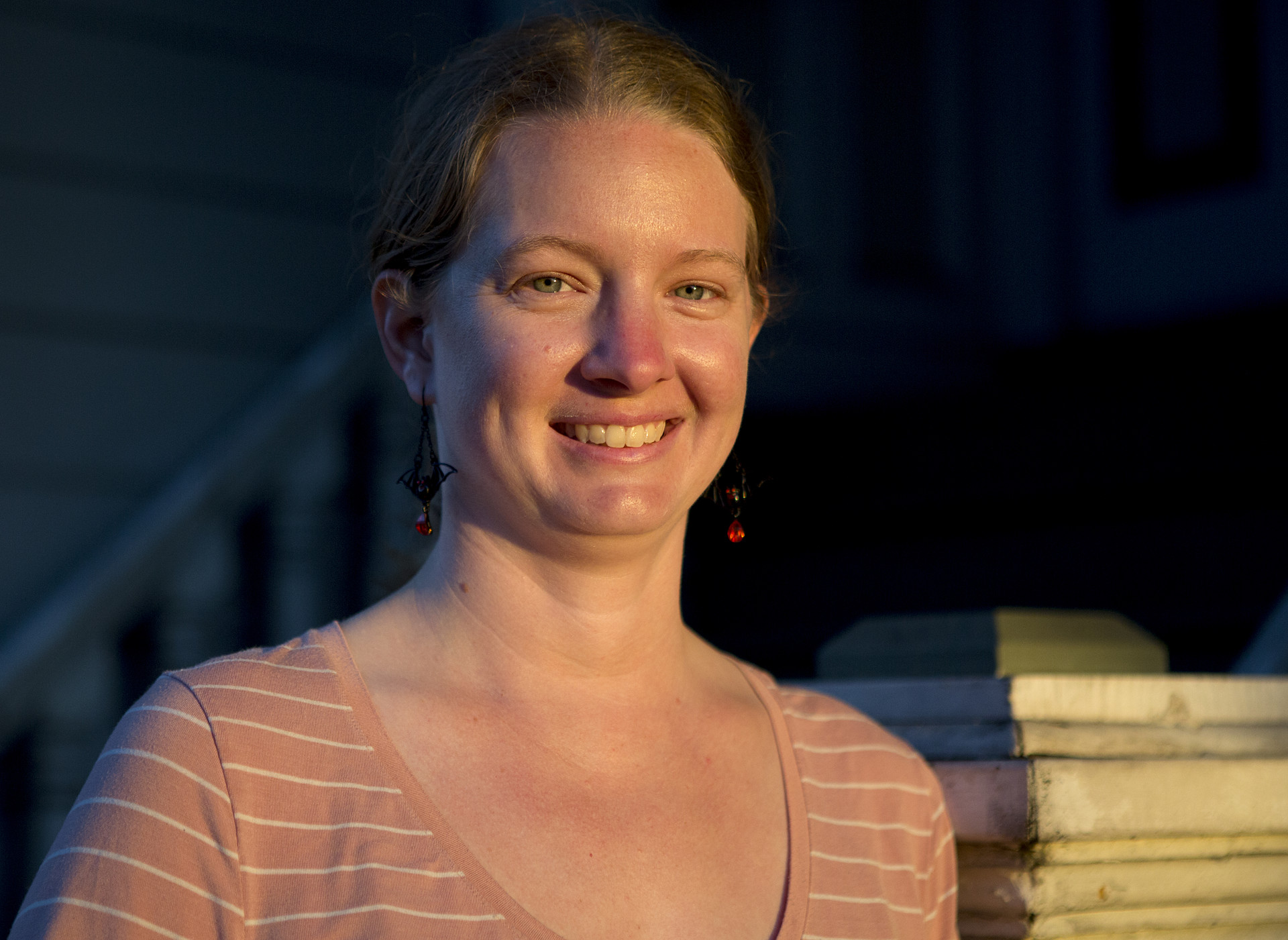
Kelsey Poole: Hi, I’m Kelsey Poole and my question is, what are the most haunted places in San Francisco?
Olivia Allen-Price: We sent Kelsey on a San Francisco Ghost Hunt tour to learn the haunted side of the city’s history.
Kelsey Poole: It’s a cool way to see the city and you get some spooky stories that keep you up at night.
Olivia Allen-Price: But what we didn’t expect to find on the tour was the real life story that would shake us the most. Something not found in many San Francisco history books. Something more significant than any Halloween legend.
Olivia Allen-Price: I’m Olivia Allen-Price, this is Bay Curious. Today we’re bringing back a story we first aired in 2018 about a crusading heroine who somehow became a demon in her own lifetime. That’s all just ahead.
Sponsor message
Olivia Allen-Price: Bay Curious reporter Carly Seven went along with Kelsey on the ghost tour and brings us the tale.
Christian Cagigal: Alright ghost hunters. Gather ‘round, gather ‘round.
Carly Severn: The San Francisco Ghost Hunt starts at dusk in the city’s Pacific Heights neighborhood in the shadow of those looming Victorians.
Christian Cagigal: Hello and welcome to the San Francisco Ghost Hunt walking tour. Thank you.
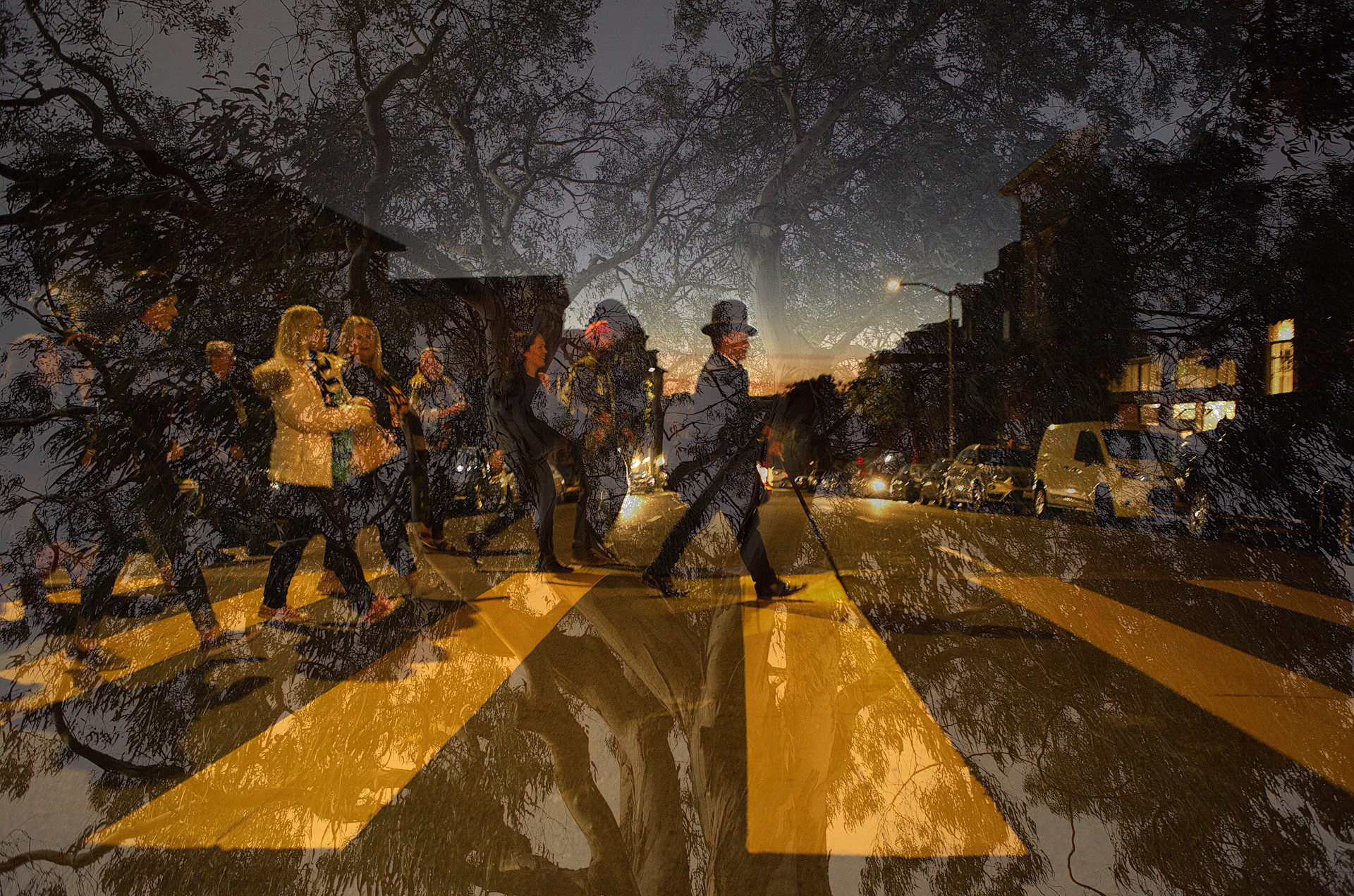
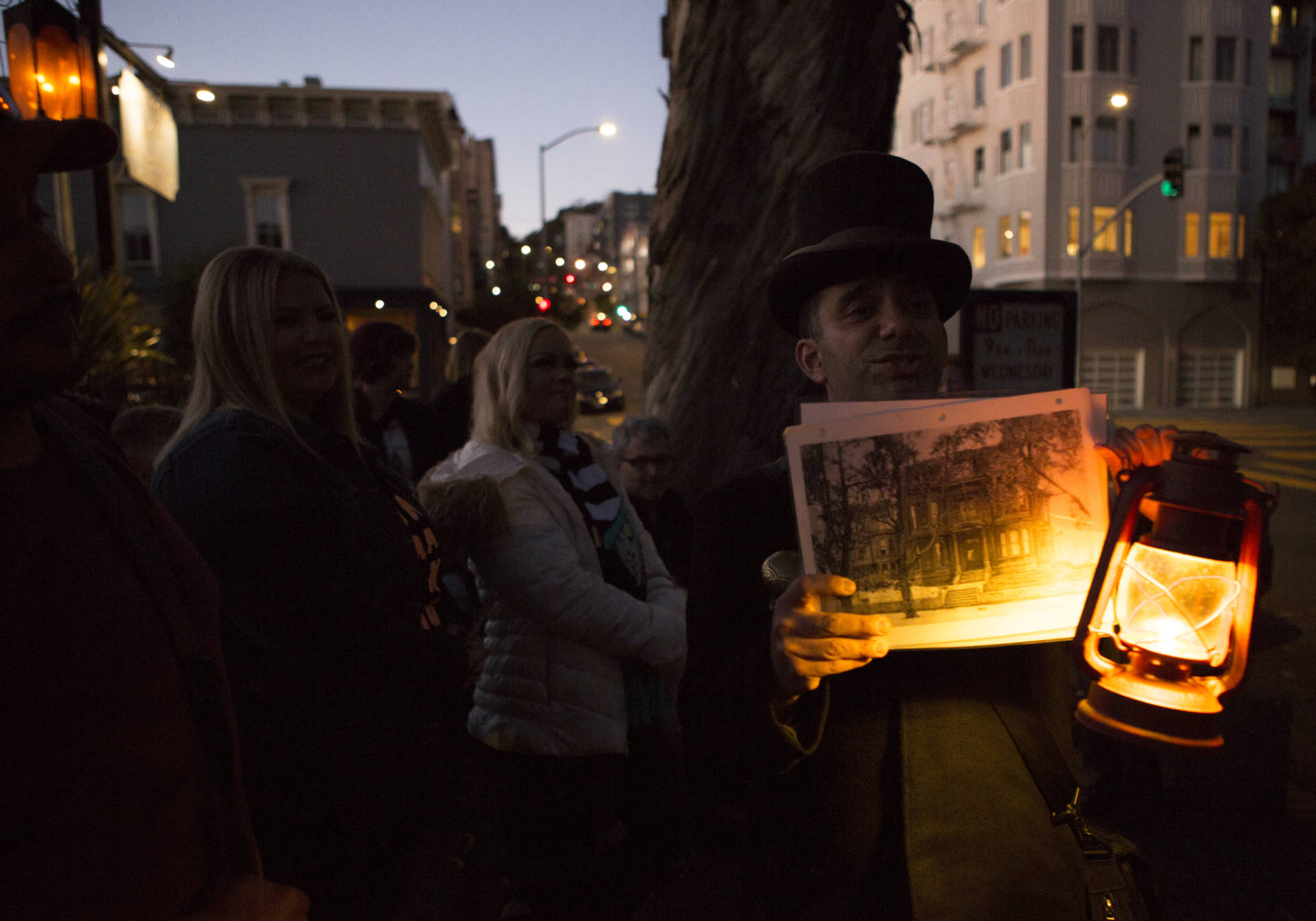
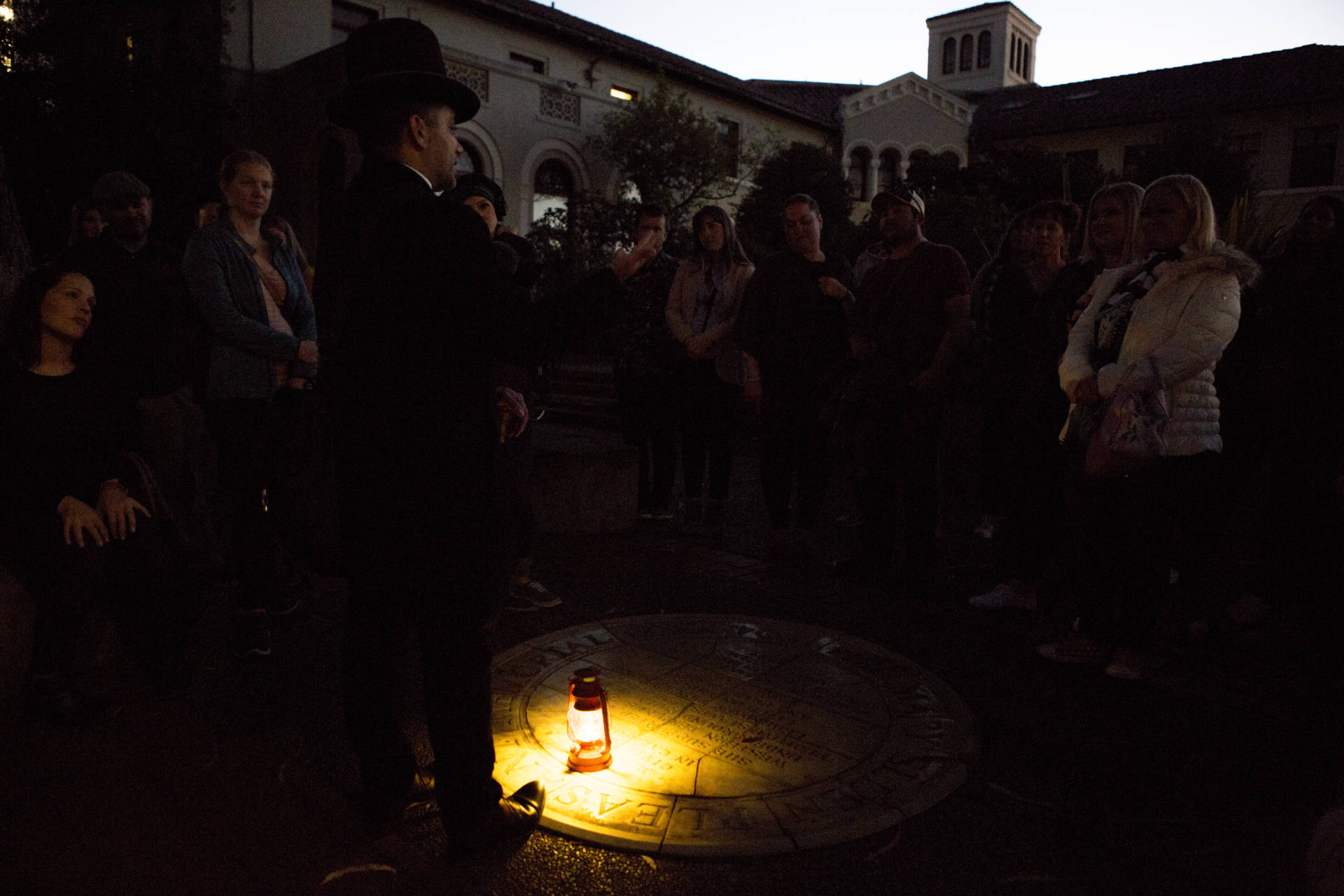
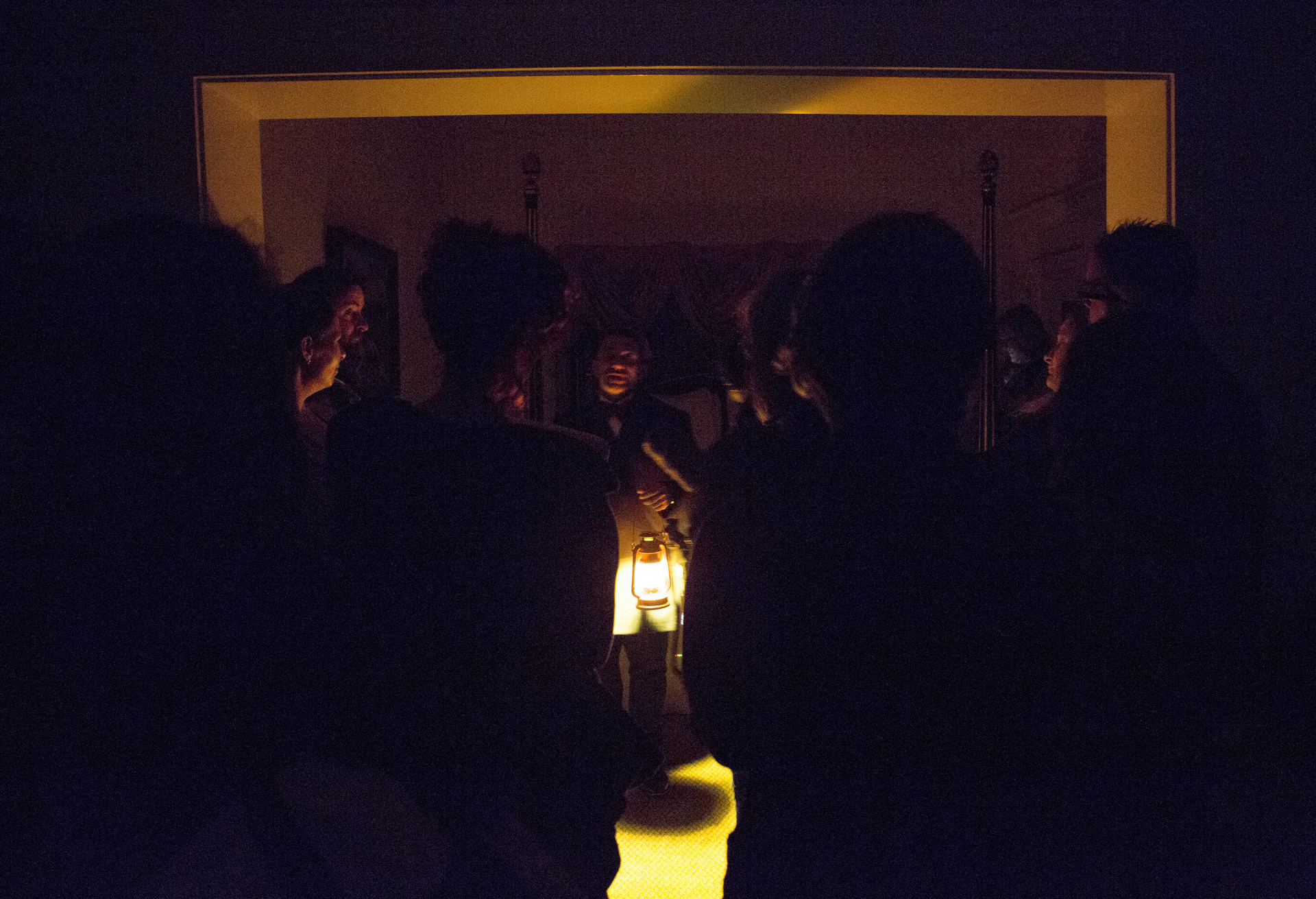
Carly Severn: Actor Christian Cagigal leads us around the steep streets in full 19th century dress – top hat and clacking cane. Every corner brings another ghoulish story from San Francisco history, from ghostly apparitions to an aristocrat who disappeared under grisly circumstances.
Christian Cagigal: Windows and doors were said to slam shut throughout the entire house, as inside, they discovered the pickled body of George Atherton.
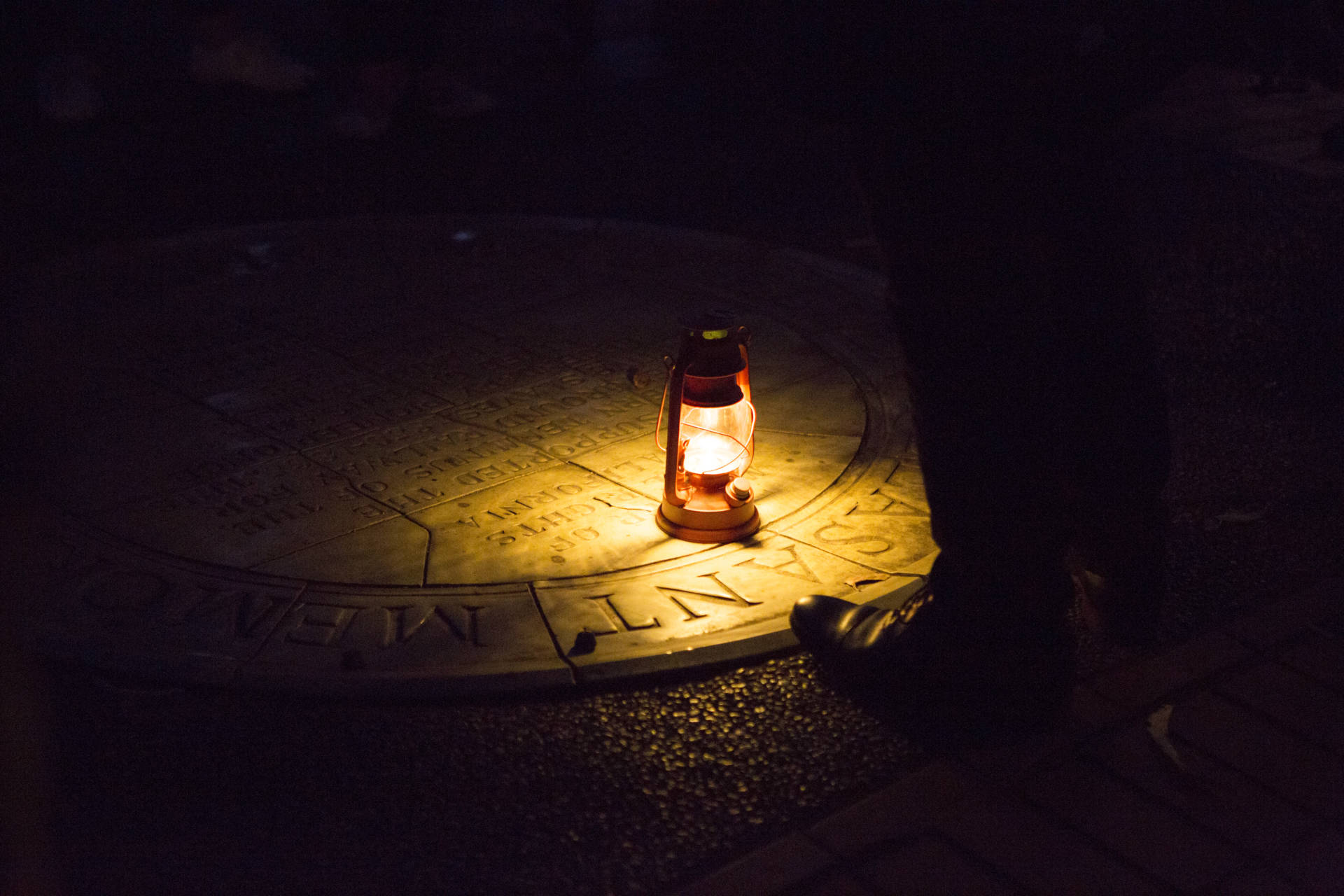
Carly Severn: But on one particularly dark street corner, our guide Christian places his flickering lantern down on the sidewalk to illuminate a large circular plaque under our feet, dedicated to a woman who lived and died here over a century ago.
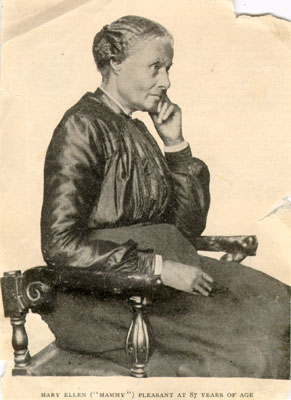
Christian Cagigal: She was said to be worth $30 million. For anybody, anytime, that is an accomplishment. For a woman in the Victorian time, quite an accomplishment. For an African-American woman, for that time, almost unheard of. Almost. This, my friends, is Miss Mary Ellen Pleasant.
Carly Severn: The excitable crowd on this tour has come to be scared. But sometimes Christian says they get more than they bargained for. Mary’s ghost is said to summon chills, frighten dogs, even throw nuts from the nearby eucalyptus trees at people like us.
Christian Cagigal: Not on your head. From behind … on your back.
Carly Severn: After the crowds disperse into the night, I wondered: why would the soul still be so restless? I wanted to learn more about the flesh and blood Mary. And there’s one person who knows her better than most, Sacramento writer Susheel Bibbs.
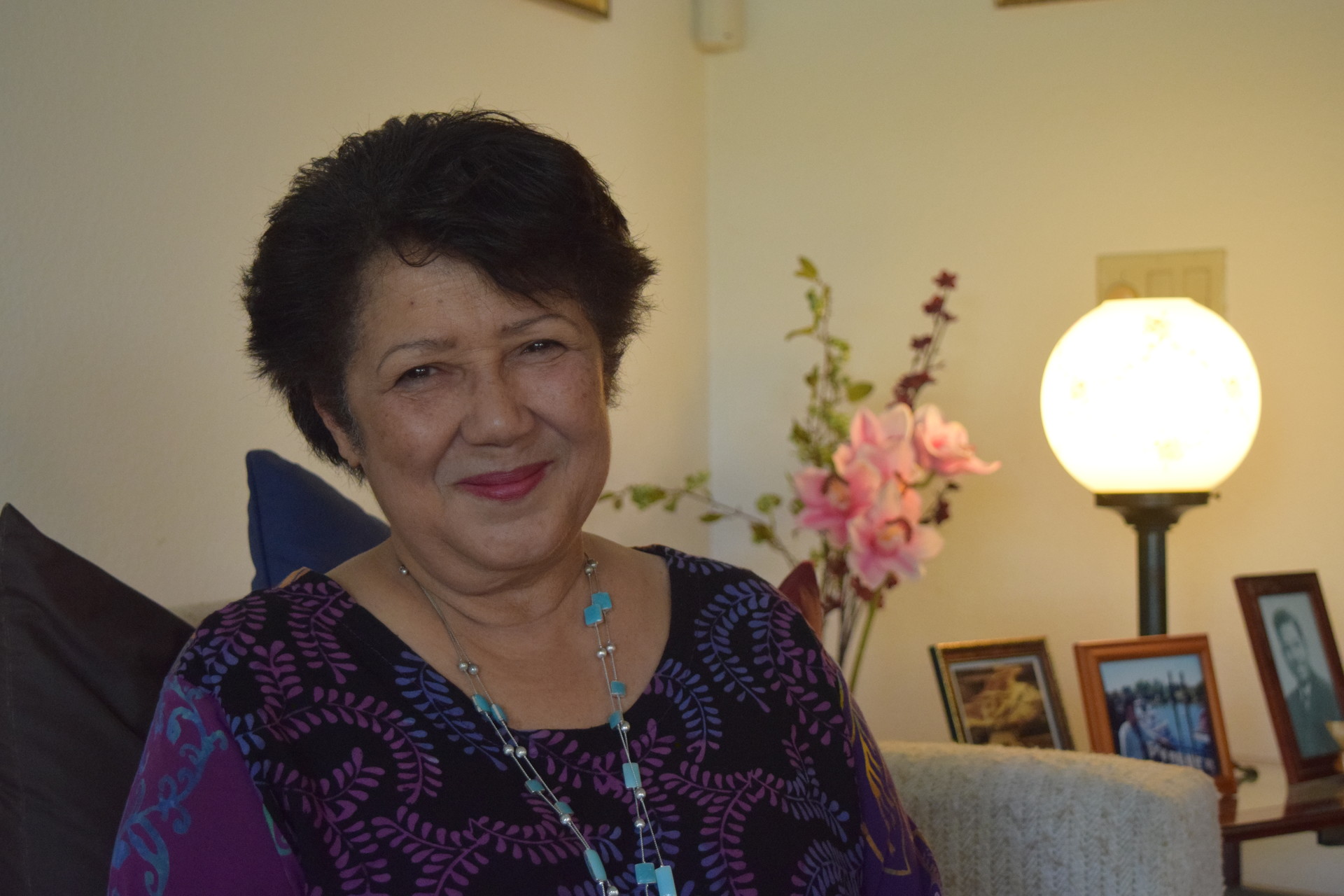
Susheel Bibbs: Her life is so enshrouded in mystery because she was her own spin doctor.
Carly Severn: Mary wrote three autobiographies, but each one contradicts the other. Here’s what we do know about her.
Susheel Bibbs: She was born a slave in Georgia. She was raised in Nantucket in indenture.
Carly Severn: There on the East Coast, years before she came to San Francisco, Mary was a crucial figure in the civil rights fight, secretly teaming up with abolitionists and rescuing escaped slaves on the Underground Railroad. In this world, nothing could ever be as it seemed.
Susheel Bibbs: She was very used to being covert, and she often said that words were made to conceal feelings and that she was good at it.
Carly Severn: And that double life included presenting as a white woman when she could. Early on, she married well, and rich. And when she was widowed, she inherited all that money.
Susheel Bibbs: $45,000 in gold from her husband’s estate.
Carly Severn: And she made the journey by steamer to San Francisco in 1852, still passing as white. She found a town filled with men come to make their gold rush fortunes. They were far from home and needed somewhere to live. So Mary buys up boarding houses and laundries.
Susheel Bibbs: All kinds of things that she thinks will be a niche in San Francisco to make more money.
Carly Severn: Thing is, Mary also did the cooking and the cleaning for these men. Why? Because you can hear secrets that way. She had the dirty laundry of influential men, literally, and she was using it as leverage to further her real cause, bringing the Underground Railroad out west. You see, only San Francisco’s growing Black community knew her as a Black woman. They called her the Black City Hall, the place where you go to get what you need.
Susheel Bibbs: She helped African Americans get jobs on steamers and in homes and in her own businesses.
Carly Severn: Not only that, almost a century before Rosa Parks, Mary Ellen Pleasant challenged the city’s segregated transit system.
Susheel Bibbs: She won in and out of court, and in 1868, African Americans could ride the trolleys in San Francisco.
Carly Severn: After the Civil War. Over a decade after she arrived in the city, Mary finally checked the box that said Black on the census of 1865. Susheel, who also performs as Mary on stage, reads from her memoirs.
Susheel Bibbs: My cause was the cause of freedom and equality for myself and for my people, and I’d rather be a corpse than a coward.
Carly Severn: But by the 1880s, the wild mud-caked San Francisco that Mary Ellen Pleasant, the capitalist, had carved her way into, had itself transformed.
Susheel Bibbs: Very much more overtly racist.
Carly Severn: Across the nation, emancipated slaves became a convenient scapegoat for the economy’s woes. And as a wealthy, older Black woman, Mary now inspired suspicion, even fear. And that is how a heroine becomes a villain. Now, the press coined a racist nickname, Mammy Pleasant. And in 1883, she became entangled in the scandalous trial of a Nevada senator accused of seducing, then abandoning a young woman. That woman was Mary’s friend.
Susheel Bibbs: It was a trial like the O.J. Simpson trial of the 20th century and went all the way to New York and it was reported everywhere, every day.
Carly Severn: Though she wasn’t on trial, Mary was painted as a sinister crone with an otherworldly hold over the white people she was close to. But rather than rejecting the rumors, she defied them, encouraged them even, during the senator’s trial.
Susheel Bibbs: At one point, she planted a voodoo doll and said that, you know, he would die. He did die during, over the course of the trials.
Carly Severn: To Mary Ellen Pleasant, voodoo wasn’t just some scare tactic. It was, vodoun, or vodun, a belief system from her ancestral homeland of Haiti.
Susheel Bibbs: It was Pleasant’s religion from the time she was a child. She was born the daughter of a voodoo priestess and the granddaughter of a voodoo priest from Haiti.
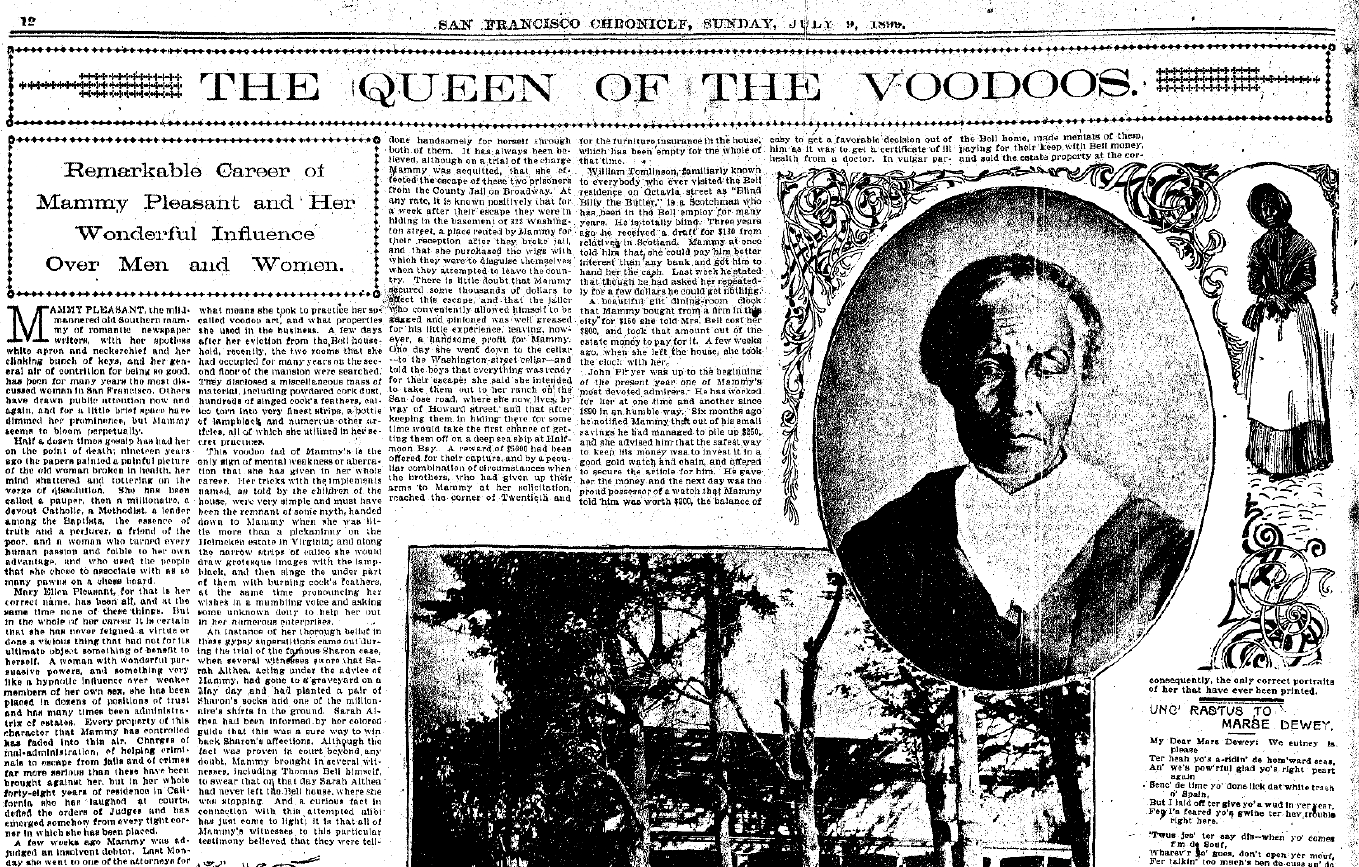
Carly Severn: Scandal followed scandal. When her wealthy white business partner was found dead in her mansion, his widow collaborated on a full page smear piece in the San Francisco Chronicle. The headline…
Paul Lancour (reading from newspaper): The Queen of the Voodoos
Carly Severn: The press had used the language of the supernatural to describe her for years, and now they made her into a flat out monster. And the public turned on her.
Susheel Bibbs: They exploited those rumors and called her a blackmailer. They called her a baby stealer. So I would say that it was hate, revenge and racism.
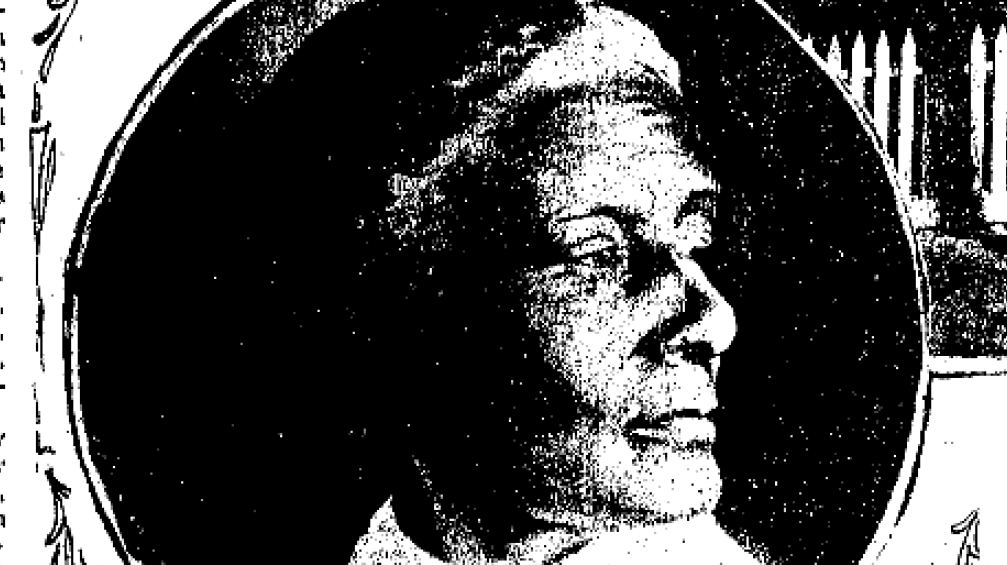
Carly Severn: Pleasant died in 1904, in her 90s. After such a life, so many achievements, this was the obituary she received in the San Francisco Examiner.
Paul Lancour (reading from a newspaper): Mammy Pleasant will work weird spells no more.
Carly Severn: It’s telling who gets a legend and who gets a ghost story. How we are remembered depends on who’s telling your story. Or as our tour guide, Christian put it ,under those haunted eucalyptus trees in San Francisco …
Christian Cagigal: But when there’s three versions of your life story, we don’t know what to do with your life story. We stop telling your life story and we forget your story.
Carly Severn: He keeps Mary Ellen Pleasant on his ghost hunt, he says so that she’s not forgotten. But given Mary’s own penchant for mystery and a good story, then maybe you could choose a worse time to get to know Mary Ellen Pleasant than Halloween.
Olivia Allen-Price: Before we go, let’s check back in with Kelsey, our question asker.
Carly Severn: What do you think about the story of Mary Ellen Pleasant?
Kelsey Poole: It was really cool history I didn’t know before. But I hope she doesn’t throw a gumball at me.
Olivia Allen-Price: Reporter Carly Seven. Thanks for bringing us this story.
Olivia Allen-Price: Mark your calendars for a super fun event we have coming up. It’s a free and festive block party and open house at KQED headquarters in San Francisco’s Mission District. It’s called KQED Fest, and it’s a daylong celebration of local food, music, culture and your favorite KQED, PBS and NPR programs. Bay Curious will be live on stage talking about the statewide propositions that we recently covered in our Prop Fest series. So be sure to swing by and say hello. I’ll be there. It all goes down on October 19th. Find details and register for free at kqed.org/live.
Olivia Allen-Price: Bay Curious is made in San Francisco at member-supported KQED. Our show is produced by Amanda Font, Christopher Beale, Ana De Almeida Amaral and me, Olivia Allen-Price. Additional support from Victoria Mauleon, Jen Chien, Katie Sprenger, Maha Sanad, Holly Kernan and the whole KQED family.
Olivia Allen-Price: I’m Olivia Ellen Price, and I hope to see you at KQED Fest. Thanks for listening!