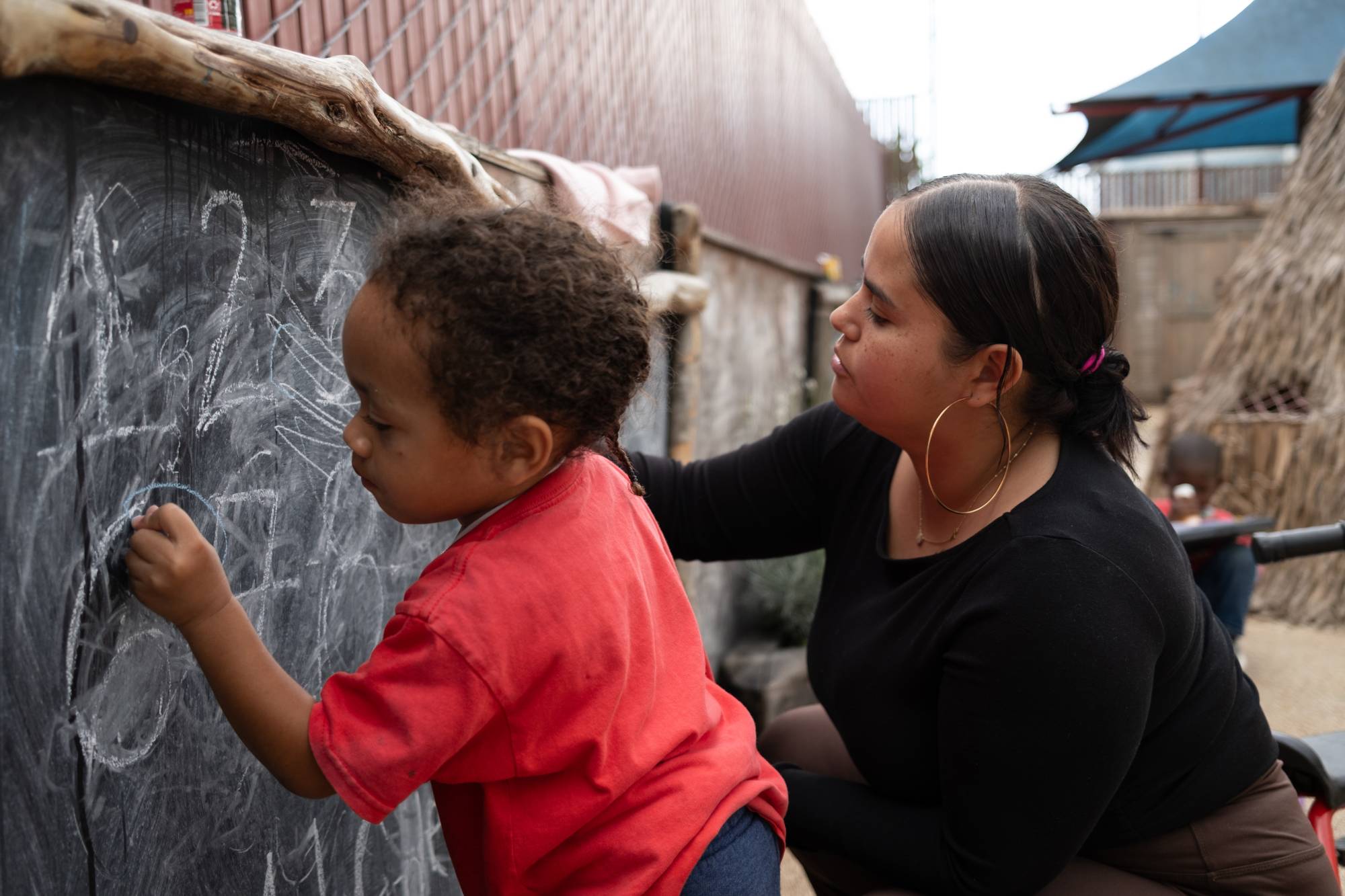
How One City is Finding Badly Needed Early Educators — And Getting Them to Stay
Apprenticeships are a Trending Alternative to College — But There's a Hitch
Sponsored
Player sponsored by
window.__IS_SSR__=true
window.__INITIAL_STATE__={
"attachmentsReducer": {
"audio_0": {
"type": "attachments",
"id": "audio_0",
"imgSizes": {
"kqedFullSize": {
"file": "https://ww2.kqed.org/news/wp-content/themes/KQED-unified/img/audio_bgs/background0.jpg"
}
}
},
"audio_1": {
"type": "attachments",
"id": "audio_1",
"imgSizes": {
"kqedFullSize": {
"file": "https://ww2.kqed.org/news/wp-content/themes/KQED-unified/img/audio_bgs/background1.jpg"
}
}
},
"audio_2": {
"type": "attachments",
"id": "audio_2",
"imgSizes": {
"kqedFullSize": {
"file": "https://ww2.kqed.org/news/wp-content/themes/KQED-unified/img/audio_bgs/background2.jpg"
}
}
},
"audio_3": {
"type": "attachments",
"id": "audio_3",
"imgSizes": {
"kqedFullSize": {
"file": "https://ww2.kqed.org/news/wp-content/themes/KQED-unified/img/audio_bgs/background3.jpg"
}
}
},
"audio_4": {
"type": "attachments",
"id": "audio_4",
"imgSizes": {
"kqedFullSize": {
"file": "https://ww2.kqed.org/news/wp-content/themes/KQED-unified/img/audio_bgs/background4.jpg"
}
}
},
"placeholder": {
"type": "attachments",
"id": "placeholder",
"imgSizes": {
"thumbnail": {
"file": "https://cdn.kqed.org/wp-content/uploads/2024/12/KQED-Default-Image-816638274-2000x1333-1-160x107.jpg",
"width": 160,
"height": 107,
"mimeType": "image/jpeg"
},
"medium": {
"file": "https://cdn.kqed.org/wp-content/uploads/2024/12/KQED-Default-Image-816638274-2000x1333-1-800x533.jpg",
"width": 800,
"height": 533,
"mimeType": "image/jpeg"
},
"medium_large": {
"file": "https://cdn.kqed.org/wp-content/uploads/2024/12/KQED-Default-Image-816638274-2000x1333-1-768x512.jpg",
"width": 768,
"height": 512,
"mimeType": "image/jpeg"
},
"large": {
"file": "https://cdn.kqed.org/wp-content/uploads/2024/12/KQED-Default-Image-816638274-2000x1333-1-1020x680.jpg",
"width": 1020,
"height": 680,
"mimeType": "image/jpeg"
},
"1536x1536": {
"file": "https://cdn.kqed.org/wp-content/uploads/2024/12/KQED-Default-Image-816638274-2000x1333-1-1536x1024.jpg",
"width": 1536,
"height": 1024,
"mimeType": "image/jpeg"
},
"fd-lrg": {
"file": "https://cdn.kqed.org/wp-content/uploads/2024/12/KQED-Default-Image-816638274-2000x1333-1-1536x1024.jpg",
"width": 1536,
"height": 1024,
"mimeType": "image/jpeg"
},
"fd-med": {
"file": "https://cdn.kqed.org/wp-content/uploads/2024/12/KQED-Default-Image-816638274-2000x1333-1-1020x680.jpg",
"width": 1020,
"height": 680,
"mimeType": "image/jpeg"
},
"fd-sm": {
"file": "https://cdn.kqed.org/wp-content/uploads/2024/12/KQED-Default-Image-816638274-2000x1333-1-800x533.jpg",
"width": 800,
"height": 533,
"mimeType": "image/jpeg"
},
"post-thumbnail": {
"file": "https://cdn.kqed.org/wp-content/uploads/2024/12/KQED-Default-Image-816638274-2000x1333-1-672x372.jpg",
"width": 672,
"height": 372,
"mimeType": "image/jpeg"
},
"twentyfourteen-full-width": {
"file": "https://cdn.kqed.org/wp-content/uploads/2024/12/KQED-Default-Image-816638274-2000x1333-1-1038x576.jpg",
"width": 1038,
"height": 576,
"mimeType": "image/jpeg"
},
"xxsmall": {
"file": "https://cdn.kqed.org/wp-content/uploads/2024/12/KQED-Default-Image-816638274-2000x1333-1-160x107.jpg",
"width": 160,
"height": 107,
"mimeType": "image/jpeg"
},
"xsmall": {
"file": "https://cdn.kqed.org/wp-content/uploads/2024/12/KQED-Default-Image-816638274-2000x1333-1-672x372.jpg",
"width": 672,
"height": 372,
"mimeType": "image/jpeg"
},
"small": {
"file": "https://cdn.kqed.org/wp-content/uploads/2024/12/KQED-Default-Image-816638274-2000x1333-1-672x372.jpg",
"width": 672,
"height": 372,
"mimeType": "image/jpeg"
},
"xlarge": {
"file": "https://cdn.kqed.org/wp-content/uploads/2024/12/KQED-Default-Image-816638274-2000x1333-1-1020x680.jpg",
"width": 1020,
"height": 680,
"mimeType": "image/jpeg"
},
"full-width": {
"file": "https://cdn.kqed.org/wp-content/uploads/2024/12/KQED-Default-Image-816638274-2000x1333-1-1920x1280.jpg",
"width": 1920,
"height": 1280,
"mimeType": "image/jpeg"
},
"guest-author-32": {
"file": "https://cdn.kqed.org/wp-content/uploads/2025/01/KQED-Default-Image-816638274-1333x1333-1-160x160.jpg",
"width": 32,
"height": 32,
"mimeType": "image/jpeg"
},
"guest-author-50": {
"file": "https://cdn.kqed.org/wp-content/uploads/2025/01/KQED-Default-Image-816638274-1333x1333-1-160x160.jpg",
"width": 50,
"height": 50,
"mimeType": "image/jpeg"
},
"guest-author-64": {
"file": "https://cdn.kqed.org/wp-content/uploads/2025/01/KQED-Default-Image-816638274-1333x1333-1-160x160.jpg",
"width": 64,
"height": 64,
"mimeType": "image/jpeg"
},
"guest-author-96": {
"file": "https://cdn.kqed.org/wp-content/uploads/2025/01/KQED-Default-Image-816638274-1333x1333-1-160x160.jpg",
"width": 96,
"height": 96,
"mimeType": "image/jpeg"
},
"guest-author-128": {
"file": "https://cdn.kqed.org/wp-content/uploads/2025/01/KQED-Default-Image-816638274-1333x1333-1-160x160.jpg",
"width": 128,
"height": 128,
"mimeType": "image/jpeg"
},
"detail": {
"file": "https://cdn.kqed.org/wp-content/uploads/2025/01/KQED-Default-Image-816638274-1333x1333-1-160x160.jpg",
"width": 160,
"height": 160,
"mimeType": "image/jpeg"
},
"kqedFullSize": {
"file": "https://cdn.kqed.org/wp-content/uploads/2024/12/KQED-Default-Image-816638274-2000x1333-1.jpg",
"width": 2000,
"height": 1333
}
}
},
"mindshift_66000": {
"type": "attachments",
"id": "mindshift_66000",
"meta": {
"index": "attachments_1716263798",
"site": "mindshift",
"id": "66000",
"found": true
},
"title": "EC-Child-Care-Apprentices-1",
"publishDate": 1764937998,
"status": "inherit",
"parent": 65999,
"modified": 1764938645,
"caption": "Early childhood educator apprentice Mayra Aguilar, right, writes on a chalkboard with preschooler Manuel during outdoor playtime at the Wu Yee Children’s Services’ Bayview Early Learning Center in San Francisco. ",
"credit": "Emmanuel Guillén Lozano for The Hechinger Report ",
"altTag": "Child working alongside adult",
"description": null,
"imgSizes": {
"medium": {
"file": "https://cdn.kqed.org/wp-content/uploads/sites/23/2025/12/EC-Child-Care-Apprentices-1-2000x1333.jpg",
"width": 2000,
"height": 1333,
"mimeType": "image/jpeg"
},
"large": {
"file": "https://cdn.kqed.org/wp-content/uploads/sites/23/2025/12/EC-Child-Care-Apprentices-1-2000x1333.jpg",
"width": 2000,
"height": 1333,
"mimeType": "image/jpeg"
},
"thumbnail": {
"file": "https://cdn.kqed.org/wp-content/uploads/sites/23/2025/12/EC-Child-Care-Apprentices-1-160x107.jpg",
"width": 160,
"height": 107,
"mimeType": "image/jpeg"
},
"medium_large": {
"file": "https://cdn.kqed.org/wp-content/uploads/sites/23/2025/12/EC-Child-Care-Apprentices-1-768x512.jpg",
"width": 768,
"height": 512,
"mimeType": "image/jpeg"
},
"1536x1536": {
"file": "https://cdn.kqed.org/wp-content/uploads/sites/23/2025/12/EC-Child-Care-Apprentices-1-1536x1024.jpg",
"width": 1536,
"height": 1024,
"mimeType": "image/jpeg"
},
"2048x2048": {
"file": "https://cdn.kqed.org/wp-content/uploads/sites/23/2025/12/EC-Child-Care-Apprentices-1-2048x1365.jpg",
"width": 2048,
"height": 1365,
"mimeType": "image/jpeg"
},
"post-thumbnail": {
"file": "https://cdn.kqed.org/wp-content/uploads/sites/23/2025/12/EC-Child-Care-Apprentices-1-672x372.jpg",
"width": 672,
"height": 372,
"mimeType": "image/jpeg"
},
"twentyfourteen-full-width": {
"file": "https://cdn.kqed.org/wp-content/uploads/sites/23/2025/12/EC-Child-Care-Apprentices-1-1038x576.jpg",
"width": 1038,
"height": 576,
"mimeType": "image/jpeg"
},
"full-width": {
"file": "https://cdn.kqed.org/wp-content/uploads/sites/23/2025/12/EC-Child-Care-Apprentices-1-2000x1333.jpg",
"width": 2000,
"height": 1333,
"mimeType": "image/jpeg"
},
"npr-cds-wide": {
"file": "https://cdn.kqed.org/wp-content/uploads/sites/23/2025/12/EC-Child-Care-Apprentices-1-1200x675.jpg",
"width": 1200,
"height": 675,
"mimeType": "image/jpeg"
},
"kqedFullSize": {
"file": "https://cdn.kqed.org/wp-content/uploads/sites/23/2025/12/EC-Child-Care-Apprentices-1-scaled.jpg",
"width": 2560,
"height": 1707
}
},
"fetchFailed": false,
"isLoading": false
},
"mindshift_65074": {
"type": "attachments",
"id": "mindshift_65074",
"meta": {
"index": "attachments_1716263798",
"site": "mindshift",
"id": "65074",
"found": true
},
"title": "US-VOTE-POLITICS-ELECTION-INDUSTRY-SOCIAL-UNIONS",
"publishDate": 1734543955,
"status": "inherit",
"parent": 65073,
"modified": 1734544171,
"caption": "Matthew Atha does steel work at Ironworkers Local 29 during an apprenticeship in Dayton, Ohio.",
"credit": "Megan Jelinger/AFP via Getty Images",
"altTag": "Sparks fly as a person in a welding mask is at work.",
"description": null,
"imgSizes": {
"medium": {
"file": "https://cdn.kqed.org/wp-content/uploads/sites/23/2024/12/gettyimages-1244387707-800x533.jpeg",
"width": 800,
"height": 533,
"mimeType": "image/jpeg"
},
"large": {
"file": "https://cdn.kqed.org/wp-content/uploads/sites/23/2024/12/gettyimages-1244387707-1020x680.jpeg",
"width": 1020,
"height": 680,
"mimeType": "image/jpeg"
},
"thumbnail": {
"file": "https://cdn.kqed.org/wp-content/uploads/sites/23/2024/12/gettyimages-1244387707-160x107.jpeg",
"width": 160,
"height": 107,
"mimeType": "image/jpeg"
},
"medium_large": {
"file": "https://cdn.kqed.org/wp-content/uploads/sites/23/2024/12/gettyimages-1244387707-768x512.jpeg",
"width": 768,
"height": 512,
"mimeType": "image/jpeg"
},
"1536x1536": {
"file": "https://cdn.kqed.org/wp-content/uploads/sites/23/2024/12/gettyimages-1244387707-1536x1024.jpeg",
"width": 1536,
"height": 1024,
"mimeType": "image/jpeg"
},
"2048x2048": {
"file": "https://cdn.kqed.org/wp-content/uploads/sites/23/2024/12/gettyimages-1244387707-2048x1365.jpeg",
"width": 2048,
"height": 1365,
"mimeType": "image/jpeg"
},
"post-thumbnail": {
"file": "https://cdn.kqed.org/wp-content/uploads/sites/23/2024/12/gettyimages-1244387707-672x372.jpeg",
"width": 672,
"height": 372,
"mimeType": "image/jpeg"
},
"twentyfourteen-full-width": {
"file": "https://cdn.kqed.org/wp-content/uploads/sites/23/2024/12/gettyimages-1244387707-1038x576.jpeg",
"width": 1038,
"height": 576,
"mimeType": "image/jpeg"
},
"full-width": {
"file": "https://cdn.kqed.org/wp-content/uploads/sites/23/2024/12/gettyimages-1244387707-1920x1280.jpeg",
"width": 1920,
"height": 1280,
"mimeType": "image/jpeg"
},
"kqedFullSize": {
"file": "https://cdn.kqed.org/wp-content/uploads/sites/23/2024/12/gettyimages-1244387707-scaled.jpeg",
"width": 2560,
"height": 1707
}
},
"fetchFailed": false,
"isLoading": false
}
},
"audioPlayerReducer": {
"postId": "stream_live",
"isPaused": true,
"isPlaying": false,
"pfsActive": false,
"pledgeModalIsOpen": true,
"playerDrawerIsOpen": false
},
"authorsReducer": {
"byline_mindshift_65999": {
"type": "authors",
"id": "byline_mindshift_65999",
"meta": {
"override": true
},
"slug": "byline_mindshift_65999",
"name": "Nirvi Shah, \u003ca href=\"https://hechingerreport.org/\">The Hechinger Report\u003c/a>",
"isLoading": false
},
"byline_mindshift_65073": {
"type": "authors",
"id": "byline_mindshift_65073",
"meta": {
"override": true
},
"slug": "byline_mindshift_65073",
"name": "Jon Marcus",
"isLoading": false
}
},
"breakingNewsReducer": {},
"pagesReducer": {},
"postsReducer": {
"stream_live": {
"type": "live",
"id": "stream_live",
"audioUrl": "https://streams.kqed.org/kqedradio",
"title": "Live Stream",
"excerpt": "Live Stream information currently unavailable.",
"link": "/radio",
"featImg": "",
"label": {
"name": "KQED Live",
"link": "/"
}
},
"stream_kqedNewscast": {
"type": "posts",
"id": "stream_kqedNewscast",
"audioUrl": "https://www.kqed.org/.stream/anon/radio/RDnews/newscast.mp3?_=1",
"title": "KQED Newscast",
"featImg": "",
"label": {
"name": "88.5 FM",
"link": "/"
}
},
"mindshift_65999": {
"type": "posts",
"id": "mindshift_65999",
"meta": {
"index": "posts_1716263798",
"site": "mindshift",
"id": "65999",
"score": null,
"sort": [
1764939943000
]
},
"guestAuthors": [],
"slug": "how-one-city-is-finding-badly-needed-early-educators-and-getting-them-to-stay",
"title": "How One City is Finding Badly Needed Early Educators — And Getting Them to Stay",
"publishDate": 1764939943,
"format": "standard",
"headTitle": "How One City is Finding Badly Needed Early Educators — And Getting Them to Stay | KQED",
"labelTerm": {
"term": 21847,
"site": "mindshift"
},
"content": "\u003cp>SAN FRANCISCO — In a playground outside a YMCA, Mayra Aguilar rolled purple modeling dough into balls that fit easily into the palms of the toddlers sitting across from her. She helped a little girl named Wynter unclasp a bicycle helmet that she’d put on to zoom around the space on a tricycle.\u003c/p>\n\u003cp>Aguilar smiled, the sun glinting off her saucer-sized gold hoop earrings. “Say, ‘Thank you, teacher,’” Aguilar prompted Wynter, who was just shy of 3. Other toddlers crowded around Wynter and Aguilar and a big plastic bin of Crayola Dough, and Aguilar took the moment to teach another brief lesson. “Wynter, we share,” Aguilar pressed, scooting the tub between kids. “Say, ‘Can you pass it to me?’”\u003c/p>\n\u003cp>Aguilar and Wynter are both new at this. Wynter has been in the structured setting of a child care center only since mid-August. Aguilar started teaching preschoolers and toddlers, part-time, in February.\u003c/p>\n\u003cp>It has been life-changing, in different ways, for them both. Wynter, an only child, is learning to share, count and recognize her letters. Aguilar is being paid to work and earning her first college credits — building the foundation for a new career, all while learning new ways to interact with her own three kids.\u003c/p>\n\u003cp>Early educators are generally in short supply, and many who attempt this work quickly quit. The pay is on par with wages at fast food restaurants and big box stores, or even less. Yet unlike some other jobs with better pay, working with small children and infants usually requires some kind of education beyond a high school diploma. Moving up the ladder and pay scale often requires a degree.\u003c/p>\n\u003cp>[ad fullwidth]\u003c/p>\n\u003cp>What’s different for Aguilar compared to so many other people trying out this profession is that she is an apprentice — a training arrangement more commonly associated with welders, machinists and pipefitters. Apprentice programs for early childhood education have been in place in different parts of the country for at least a decade, but San Francisco’s program stands out. It is unusually well, and sustainably, funded by a real estate tax voters approved in 2018. The money raised is meant to cover the cost of programs that train early childhood educators and to boost pay enough so teachers can see themselves doing it for the long term.\u003c/p>\n\u003cfigure id=\"attachment_66001\" class=\"wp-caption alignnone\" style=\"max-width: 2560px\">\u003cimg loading=\"lazy\" decoding=\"async\" class=\"size-full wp-image-66001\" src=\"https://cdn.kqed.org/wp-content/uploads/sites/23/2025/12/EC-Child-Care-Apprentices-2-scaled.jpg\" alt=\"Kids reading in a nook\" width=\"2560\" height=\"1707\" srcset=\"https://cdn.kqed.org/wp-content/uploads/sites/23/2025/12/EC-Child-Care-Apprentices-2-scaled.jpg 2560w, https://cdn.kqed.org/wp-content/uploads/sites/23/2025/12/EC-Child-Care-Apprentices-2-2000x1333.jpg 2000w, https://cdn.kqed.org/wp-content/uploads/sites/23/2025/12/EC-Child-Care-Apprentices-2-160x107.jpg 160w, https://cdn.kqed.org/wp-content/uploads/sites/23/2025/12/EC-Child-Care-Apprentices-2-768x512.jpg 768w, https://cdn.kqed.org/wp-content/uploads/sites/23/2025/12/EC-Child-Care-Apprentices-2-1536x1024.jpg 1536w, https://cdn.kqed.org/wp-content/uploads/sites/23/2025/12/EC-Child-Care-Apprentices-2-2048x1365.jpg 2048w\" sizes=\"auto, (max-width: 2560px) 100vw, 2560px\">\u003cfigcaption class=\"wp-caption-text\">Children play in the playground of the Wu Yee Children’s Services’ Bayview Early Learning Center in San Francisco. \u003ccite>(Emmanuel Guillén Lozano for The Hechinger Report )\u003c/cite>\u003c/figcaption>\u003c/figure>\n\u003cp>Some policy experts see apprenticeships as a potential game changer for the early educator workforce. The layers of support they provide can keep frazzled newcomers from giving up, and required coursework may cost them nothing. “We want it to be a position people want to go into as opposed to one that puts you in poverty,” said Cheryl Horney, who oversees the Early Learning Program that employs apprentices at Wu Yee Children’s Services in San Francisco, including the site where Aguilar works.\u003c/p>\n\u003cp>Aguilar, 32, is paid to work 20 hours a week at the Wu Yee Children’s Services’ Bayview Early Learning Center, tucked inside a Y in a residential neighborhood a little under a mile from San Francisco Bay. She works alongside a mentor teacher who supports and coaches her. The apprenticeship covers the online classes, designed just for her and other apprentices and taught live from City College of San Francisco, that Aguilar takes a few nights a week. She was given all the tools needed for her courses, including a laptop, which she also uses for homework and discussions with other apprentices outside of class.\u003c/p>\n\u003cfigure id=\"attachment_66006\" class=\"wp-caption alignnone\" style=\"max-width: 2560px\">\u003cimg loading=\"lazy\" decoding=\"async\" class=\"size-full wp-image-66006\" src=\"https://cdn.kqed.org/wp-content/uploads/sites/23/2025/12/EC-Child-Care-Apprentices-7-scaled.jpg\" alt=\"Kids work with teachers at tables\" width=\"2560\" height=\"1707\" srcset=\"https://cdn.kqed.org/wp-content/uploads/sites/23/2025/12/EC-Child-Care-Apprentices-7-scaled.jpg 2560w, https://cdn.kqed.org/wp-content/uploads/sites/23/2025/12/EC-Child-Care-Apprentices-7-2000x1333.jpg 2000w, https://cdn.kqed.org/wp-content/uploads/sites/23/2025/12/EC-Child-Care-Apprentices-7-160x107.jpg 160w, https://cdn.kqed.org/wp-content/uploads/sites/23/2025/12/EC-Child-Care-Apprentices-7-768x512.jpg 768w, https://cdn.kqed.org/wp-content/uploads/sites/23/2025/12/EC-Child-Care-Apprentices-7-1536x1024.jpg 1536w, https://cdn.kqed.org/wp-content/uploads/sites/23/2025/12/EC-Child-Care-Apprentices-7-2048x1365.jpg 2048w\" sizes=\"auto, (max-width: 2560px) 100vw, 2560px\">\u003cfigcaption class=\"wp-caption-text\">Early educator apprentice Mayra Aguilar, right, and her mentor teacher Jetoria Washington supervise children during outdoor play at the Wu Yee Children’s Services’ Bayview Early Learning Center in San Francisco. \u003ccite>(Emmanuel Guillén Lozano for The Hechinger Report)\u003c/cite>\u003c/figcaption>\u003c/figure>\n\u003cp>After high school, Aguilar had tried college, a medical assistant program that she quit after a few months. That was more than 10 years ago. She hadn’t touched a computer in all that time. When she was enrolling her youngest daughter at another Wu Yee location, Aguilar saw a flyer about the apprenticeship program and applied. She said is finding this work to be a far better fit: “This — I think I can do it. This, I like it.”\u003c/p>\n\u003cp>The need for more early educators is longstanding, and in recent years there’s been a push for early educators to get postsecondary training, both \u003ca href=\"https://onlinelibrary.wiley.com/doi/full/10.4073/csr.2017.1\">to support young children’s development\u003c/a> and so the roles command higher salaries. For example, a 2007 change in federal law required at least half of teachers working in Head Start to have bachelor’s degrees in early childhood education by 2013, \u003ca href=\"https://www.newamerica.org/early-elementary-education/early-ed-watch/head-start-exceeds-requirement-that-half-of-teachers-earn-ba-in-early-childhood/\">a goal the program met\u003c/a>.\u003c/p>\n\u003cp>Despite efforts to professionalize the workforce, salaries for those who work with young children remain low: \u003ca href=\"https://cscce.berkeley.edu/workforce-index-2020/the-early-educator-workforce/early-educator-pay-economic-insecurity-across-the-states/\">87 percent of U.S. jobs pay more\u003c/a> than a preschool teacher earns on average; 98 percent pay more than what early child care workers earn. In 2022, Head Start lead teachers \u003ca href=\"https://nieer.org/sites/default/files/2023-10/hs_fullreport.pdf#page=27\">earned $37,685 a year\u003c/a> on average.\u003c/p>\n\u003cp>Apprenticeships are seen as one way to disrupt that stubborn reality. Would-be teachers are paid while being trained for a range of positions – from entry-level roles that require a small number of college credits or training, to jobs such as running a child care center that require degrees and come with more responsibility and even higher pay. According to a June 2023 report from the Bipartisan Policy Center, a think tank, \u003ca href=\"https://bipartisanpolicy.org/wp-content/uploads/2023/08/BPC_WOIA_Apprenticeship_Report_RV2.pdf#page=9\">35 states\u003c/a> have some kind of early childhood educator apprenticeship program at the city, regional or state level, and more states are developing their own programs. U.S. Department of Labor data shows that more than 1,000 early educator apprentices have completed their programs since the 2021 fiscal year. Early Care & Educator Pathways to Success, which has received Labor Department grants to help set up apprenticeship programs, estimates the numbers are far larger given its work has cultivated hundreds of apprentices in 21 states, including Alaska, California, Connecticut and Nebraska.\u003c/p>\n\u003cp>These programs can be complicated to launch, however. They sometimes require painstaking work to find colleges that will provide coursework specific to local regulations and at hours that work for apprentices who may be in classrooms much of the workday as well as tending to their own children. They require money to pay the apprentices — on top of whatever it already costs to run child care centers and pay existing staff. The apprentices also typically need other layers of support: coaching, computers, sometimes child care and even meals for apprentices’ own kids as they study and take exams.\u003c/p>\n\u003cfigure id=\"attachment_66004\" class=\"wp-caption alignnone\" style=\"max-width: 2560px\">\u003cimg loading=\"lazy\" decoding=\"async\" class=\"size-full wp-image-66004\" src=\"https://cdn.kqed.org/wp-content/uploads/sites/23/2025/12/EC-Child-Care-Apprentices-5-scaled.jpg\" alt=\"Kids working with art supplies at a table\" width=\"2560\" height=\"1707\" srcset=\"https://cdn.kqed.org/wp-content/uploads/sites/23/2025/12/EC-Child-Care-Apprentices-5-scaled.jpg 2560w, https://cdn.kqed.org/wp-content/uploads/sites/23/2025/12/EC-Child-Care-Apprentices-5-2000x1333.jpg 2000w, https://cdn.kqed.org/wp-content/uploads/sites/23/2025/12/EC-Child-Care-Apprentices-5-160x107.jpg 160w, https://cdn.kqed.org/wp-content/uploads/sites/23/2025/12/EC-Child-Care-Apprentices-5-768x512.jpg 768w, https://cdn.kqed.org/wp-content/uploads/sites/23/2025/12/EC-Child-Care-Apprentices-5-1536x1024.jpg 1536w, https://cdn.kqed.org/wp-content/uploads/sites/23/2025/12/EC-Child-Care-Apprentices-5-2048x1365.jpg 2048w\" sizes=\"auto, (max-width: 2560px) 100vw, 2560px\">\u003cfigcaption class=\"wp-caption-text\">Children color and glue paper clothes on paper people during a classroom activity at the YMCA of the East Bay Richmond Parkway Early Learning Center in Richmond, Calif., a Head Start center that provides free child care. They had just read “Jesse Bear, What Will You Wear?” \u003ccite>(Emmanuel Guillén Lozano for The Hechinger Report )\u003c/cite>\u003c/figcaption>\u003c/figure>\n\u003cp>In San Francisco, Horney advocated for her employer to set up an apprenticeship program for staffers at its 12 Head Start centers even before the tax money became available. She recalled losing teachers to chain retailers like Costco and Walgreens where they found less stressful jobs with more generous benefits. When she arrived in San Francisco to work in the classroom, with five years of experience and a bachelor’s degree, she was paid $15 an hour. “Now the lowest salary we pay is $28.67 for any sort of educator,” she said, and the wages and apprenticeships are even drawing people from other counties and stabilizing the San Francisco early educator workforce. “It has helped immensely.”\u003c/p>\n\u003cp>Other parts of the country have seen success with similar initiatives.\u003c/p>\n\u003cp>The YWCA Metro St. Louis in Missouri, which hasn’t had a single teacher vacancy at the child care centers it oversees for the last two years, credits its apprenticeship program. In Guilford County, North Carolina, vacancies and staff turnover were a plague until recently, but an apprenticeship program for entry-level early educators has kept new teachers on the job.\u003c/p>\n\u003cp>Elsewhere, there is hope for those kinds of results. In the Oklahoma City area, an apprenticeship program started in 2023 just yielded its first graduate, who worked in a child care center for two years and completed a 288-hour training program. Curtiss Mays, who created the program for teachers at the group of Head Start centers he oversees, was in the midst of trying to hire 11 educators just as the first apprentice earned a credential that allows her to back up other teachers.\u003c/p>\n\u003cp>“It’s a pretty major project,” Mays said. “We hope it’s the start of something really good.” Mays worked with the Oklahoma Department of Labor to set up the apprenticeship program, which he said has already pulled one person out of homelessness and is helping to lure more aspiring teachers. It will pay for education all the way through a bachelor’s degree if apprentices stick with it.\u003c/p>\n\u003cp>Apprenticeship programs can be costly to run, but \u003ca href=\"https://www.young.senate.gov/newsroom/press-releases/senators-young-casey-capito-reintroduce-bill-to-support-child-care-workforce/\">bipartisan federal legislation\u003c/a> to support them has never gained traction. (Advocates note that \u003ca href=\"https://www.first5alameda.org/wp-content/uploads/Measure-C-5-Year-Plan-June-2025.pdf\">apprenticeships can cost far less\u003c/a> than a traditional four-year college degree.) Labor Department money for organizations that help set up and grow early childhood educator apprenticeships helped increase the number of apprentices in so-called \u003ca href=\"https://www.apprenticeship.gov/employers/registered-apprenticeship-program\">registered apprenticeship programs\u003c/a> — ones that are proven and validated by the federal agency. But some of those grants \u003ca href=\"https://www.k12dive.com/news/staffed-up-federal-support-waning-for-registered-teacher-apprenticeships/748913/\">were axed\u003c/a> by the Trump administration in May.\u003c/p>\n\u003cp>In San Francisco, while setting up apprenticeships was as labor intensive as in many other places, the 2018 real estate tax provides a new, and deep, well of money to propel the early educator apprentice effort. The money pays for all of the things that are letting Aguilar and dozens of others in the county earn at least 12 college credits this year. In two semesters, Aguilar will have the credentials to be an associate teacher in any early education program in California. Other apprentices across San Francisco, in Head Start centers, family-owned child care programs, even some religious providers, can work toward associate or bachelor’s degrees using the new tax revenue to pay for it.\u003c/p>\n\u003cfigure id=\"attachment_66005\" class=\"wp-caption alignnone\" style=\"max-width: 2560px\">\u003cimg loading=\"lazy\" decoding=\"async\" class=\"size-full wp-image-66005\" src=\"https://cdn.kqed.org/wp-content/uploads/sites/23/2025/12/EC-Child-Care-Apprentices-6-scaled.jpg\" alt=\"Kids play at a playground\" width=\"2560\" height=\"1707\" srcset=\"https://cdn.kqed.org/wp-content/uploads/sites/23/2025/12/EC-Child-Care-Apprentices-6-scaled.jpg 2560w, https://cdn.kqed.org/wp-content/uploads/sites/23/2025/12/EC-Child-Care-Apprentices-6-2000x1333.jpg 2000w, https://cdn.kqed.org/wp-content/uploads/sites/23/2025/12/EC-Child-Care-Apprentices-6-160x107.jpg 160w, https://cdn.kqed.org/wp-content/uploads/sites/23/2025/12/EC-Child-Care-Apprentices-6-768x512.jpg 768w, https://cdn.kqed.org/wp-content/uploads/sites/23/2025/12/EC-Child-Care-Apprentices-6-1536x1024.jpg 1536w, https://cdn.kqed.org/wp-content/uploads/sites/23/2025/12/EC-Child-Care-Apprentices-6-2048x1365.jpg 2048w\" sizes=\"auto, (max-width: 2560px) 100vw, 2560px\">\u003cfigcaption class=\"wp-caption-text\">Children play at the playground of the YMCA of the East Bay Richmond Parkway Early Learning Center in Richmond, Calif. \u003ccite>(Emmanuel Guillén Lozano for The Hechinger Report )\u003c/cite>\u003c/figcaption>\u003c/figure>\n\u003cp>Long before the ballot measure across the bay in San Francisco, Pamm Shaw dreamed up the forerunner of an early educator apprenticeship program in a moment of desperation.\u003c/p>\n\u003cp>It was over a decade ago, and Shaw, who was then working at the YMCA East Bay overseeing a collection of Head Start centers, said her agency was awarded a grant to add spaces for about 100 additional infants. Except her existing staff didn’t want to work with children younger than 3. So Shaw sent notices to the roughly 1,000 families with children enrolled in YMCA East Bay Head Start programs at the time and convinced about 20 people, largely parents of children enrolled in Head Start, to consider the role. She pulled together the training that would qualify the parents to become early educators — 12 college credits in six months.\u003c/p>\n\u003cp>The education piece, Shaw realized, was a huge draw. Some of the parents had spent 10 years working toward associate degrees on their own without getting them. Giving them the chance to earn those degrees in manageable chunks — while getting paid and receiving raises relatively quickly as their education advanced — proved a powerful recruitment tool. “It changed their lives,” Shaw said. And these new teachers had their eyes opened to how what they would be doing wasn’t just babysitting. They took away lessons they used with their own children — who in turn took notice of their parents studying. “It’s actually child care,” said Shaw. “So much happens in the first year of life that you never get to see again. Never, ever, ever.”\u003c/p>\n\u003cp>It changed Shaw’s life, too, and inspired many other apprenticeship programs all over. Her role morphed into fundraising to build out the apprenticeship pipeline. The program, now baked into the YMCA of the East Bay system, reflected the overall early educator workforce: It was made up entirely of women, mostly women of color, some of them immigrants and many first-generation college students. By the time Shaw retired a few years ago, more than 500 people in the Berkeley area had completed the educator apprenticeship program.\u003c/p>\n\u003cfigure id=\"attachment_66003\" class=\"wp-caption alignnone\" style=\"max-width: 2560px\">\u003cimg loading=\"lazy\" decoding=\"async\" class=\"size-full wp-image-66003\" src=\"https://cdn.kqed.org/wp-content/uploads/sites/23/2025/12/EC-Child-Care-Apprentices-4-scaled.jpg\" alt=\"Teacher reads to kids\" width=\"2560\" height=\"1707\" srcset=\"https://cdn.kqed.org/wp-content/uploads/sites/23/2025/12/EC-Child-Care-Apprentices-4-scaled.jpg 2560w, https://cdn.kqed.org/wp-content/uploads/sites/23/2025/12/EC-Child-Care-Apprentices-4-2000x1333.jpg 2000w, https://cdn.kqed.org/wp-content/uploads/sites/23/2025/12/EC-Child-Care-Apprentices-4-160x107.jpg 160w, https://cdn.kqed.org/wp-content/uploads/sites/23/2025/12/EC-Child-Care-Apprentices-4-768x512.jpg 768w, https://cdn.kqed.org/wp-content/uploads/sites/23/2025/12/EC-Child-Care-Apprentices-4-1536x1024.jpg 1536w, https://cdn.kqed.org/wp-content/uploads/sites/23/2025/12/EC-Child-Care-Apprentices-4-2048x1365.jpg 2048w\" sizes=\"auto, (max-width: 2560px) 100vw, 2560px\">\u003cfigcaption class=\"wp-caption-text\">Erica Davis, an early educator apprentice who works at the YMCA of the East Bay Richmond Parkway Early Learning Center in Richmond, Calif., reads a book to 2- and 3-year-olds during circle time. She will earn her bachelor’s degree from Cal State East Bay this spring. \u003ccite>(Emmanuel Guillén Lozano for The Hechinger Report )\u003c/cite>\u003c/figcaption>\u003c/figure>\n\u003cp>Erica Davis, a single mom, is a success story of the program. When she met Shaw, Davis said, she was relying on public assistance and jobs caring for other people’s children, while taking care of a daughter with significant medical needs, as well as her toddler-age son. Davis was at a Head Start dropping off paperwork for the family of a child in her care when an employee told Davis her young son might be eligible for Head Start too. He was, and as Davis enrolled him, she learned about Shaw’s apprenticeship program. Davis missed the first window to apply, but as she put it, “I was blowing their phone up. I needed to get in.”\u003c/p>\n\u003cp>That was 2020. By this spring, Davis will have earned her bachelor’s degree from Cal State East Bay. She works full-time at a Richmond, California, Head Start center while taking classes and supporting her kids, now in high school and elementary school. She can afford to rent a two-bedroom apartment, owns a car and no longer relies on state or federal assistance to pay bills. She’s on the dean’s list, and, she said proudly, she can squat 205.\u003c/p>\n\u003cp>“I didn’t take my education seriously,” Davis, 41, said of her younger self. “I feel like I’m playing catch-up now.” She is in her element at YMCA of the East Bay Richmond Parkway Early Learning Center, reading to children, working on potty training and leading the kids through coloring-and-pasting exercises. She has even become an informal coach for newer apprentices. The network and family feel of these apprenticeships is some of what helps many succeed, she said. “I have a sad story, but it turned into something beautiful.”\u003c/p>\n\u003cp>While Davis said she prefers the flexibility of taking classes at her own pace, other apprentices thrive in the kind of classes Aguilar attends, with a live instructor who starts off leading students in a mindfulness exercise. That is the same approach to teaching apprentices at EDvance College in San Francisco, which works exclusively with early childhood apprentices, according to its president and CEO, Lygia Stebbing.\u003c/p>\n\u003cp>The college provides general education classes in reading, math and science for apprentices pursuing degrees, taught through an early childhood lens so it feels approachable and relevant. And every lesson can be applied nearly in real time, unlike other paths to degrees, in which in-person teaching experience comes only after many classes, Stebbing said. Before beginning classes, apprentices get a crash course in using technology, from distinguishing between a tablet and a laptop to using Google docs and Zoom, “so they can jump right into things,” she said. A writing coach and other student support staff are available in the evenings, when apprentices are taking courses or doing homework. Because many of the apprentices are older than typical college students and may even have used up their federal Pell Grants and other financial aid taking courses without earning a degree, the college works with foundations and local government agencies to offset the cost of courses so graduates don’t end up in debt.\u003c/p>\n\u003cp>“We’ve really put the student at the center,” Stebbing said.\u003cstrong> \u003c/strong>\u003c/p>\n\u003cfigure id=\"attachment_66002\" class=\"wp-caption alignnone\" style=\"max-width: 2560px\">\u003cimg loading=\"lazy\" decoding=\"async\" class=\"size-full wp-image-66002\" src=\"https://cdn.kqed.org/wp-content/uploads/sites/23/2025/12/EC-Child-Care-Apprentices-3-scaled.jpg\" alt=\"Two teachers\" width=\"2560\" height=\"1707\" srcset=\"https://cdn.kqed.org/wp-content/uploads/sites/23/2025/12/EC-Child-Care-Apprentices-3-scaled.jpg 2560w, https://cdn.kqed.org/wp-content/uploads/sites/23/2025/12/EC-Child-Care-Apprentices-3-2000x1333.jpg 2000w, https://cdn.kqed.org/wp-content/uploads/sites/23/2025/12/EC-Child-Care-Apprentices-3-160x107.jpg 160w, https://cdn.kqed.org/wp-content/uploads/sites/23/2025/12/EC-Child-Care-Apprentices-3-768x512.jpg 768w, https://cdn.kqed.org/wp-content/uploads/sites/23/2025/12/EC-Child-Care-Apprentices-3-1536x1024.jpg 1536w, https://cdn.kqed.org/wp-content/uploads/sites/23/2025/12/EC-Child-Care-Apprentices-3-2048x1365.jpg 2048w\" sizes=\"auto, (max-width: 2560px) 100vw, 2560px\">\u003cfigcaption class=\"wp-caption-text\">Early educator apprentice Mayra Aguilar, left, and her mentor teacher Jetoria Washington at Wu Yee Children’s Services’ Bayview Early Learning Center. Aguilar works 20 hours a week while earning the credentials she needs to get a full-time teaching role. \u003ccite>(Emmanuel Guillén Lozano for The Hechinger Report )\u003c/cite>\u003c/figcaption>\u003c/figure>\n\u003cp>For Mayra Aguilar, her mentor teacher Jetoria Washington is a lifeline who can help her unstick an issue with any aspect of the apprenticeship — in the classes she takes or the classroom where she works. Taking courses online means she can be home with her own kids in the evenings. Earning money for the hours she spends in the classroom means she is not going into debt to earn the credential she needs to find a full-time job. The constellation of support has helped her shift from feeling in over her head to feeling ready to keep working toward a college degree.\u003c/p>\n\u003cp>And she is having fun. On the playground, one of the kids had the idea to trace another with sidewalk chalk, working on their pencil grip as much as they were playing. Except it wasn’t just the other kids: They traced Aguilar, too. When it was time to go back inside, powdery green and pink lines crisscrossed the back of her brown pants and black blouse. She wasn’t bothered.\u003c/p>\n\u003cp>“I love the kids,” she said. “They always make me laugh.”\u003c/p>\n\u003cp>Aguilar has even picked up skills that she uses with her own children, something many apprentices describe.\u003c/p>\n\u003cp>Now, she sometimes says to her youngest daughter, “Catch a bubble.” That’s preschool speak for “Be quiet.” When a teacher needs the toddlers’ attention, kids hear this phrase, then fill their cheeks with air.\u003c/p>\n\u003cp>Most of the time, at home and at work, a brief silence follows. Then the kids look up, ready to hear what comes next.\u003c/p>\n\u003cp>\u003cem>Contact staff writer \u003c/em>\u003ca href=\"https://hechingerreport.org/author/nirvi-shah/\">\u003cem>Nirvi Shah\u003c/em>\u003c/a>\u003cem> at \u003c/em>\u003cem>212-678-3445, on Signal at NirviShah.14\u003c/em>\u003cem> or \u003c/em>\u003ca href=\"mailto:shah@hechingerreport.org\">\u003cem>shah@hechingerreport.org\u003c/em>\u003c/a>.\u003c/p>\n\u003cp>\u003cem>Reporting on this story was supported by the \u003c/em>\u003ca href=\"https://citizensandscholars.org/fellowships/higher-ed-media-fellowship/\">\u003cem>Higher Ed Media Fellowship\u003c/em>\u003c/a>\u003cem>.\u003c/em>\u003c/p>\n\u003cp>[ad floatright]\u003c/p>\n\u003cp>\u003cem>This story about \u003c/em>\u003ca href=\"https://hechingerreport.org/one-city-finding-early-educators/\">\u003cem>preschool teachers\u003c/em>\u003c/a>\u003cem> was produced by \u003c/em>The Hechinger Report\u003cem>, a nonprofit, independent news organization focused on inequality and innovation in education. Sign up for \u003c/em>\u003ca href=\"https://hechingerreport.org/earlychildhood/\">\u003cem>the Hechinger newsletter\u003c/em>\u003c/a>\u003cem>. \u003c/em>\u003c/p>\n\n",
"blocks": [],
"excerpt": "San Francisco, like many other places, turned to apprenticeships to lure and keep teachers in preschools and boost access to child care.",
"status": "publish",
"parent": 0,
"modified": 1764939943,
"stats": {
"hasAudio": false,
"hasVideo": false,
"hasChartOrMap": false,
"iframeSrcs": [],
"hasGoogleForm": false,
"hasGallery": false,
"hasHearkenModule": false,
"hasPolis": false,
"paragraphCount": 41,
"wordCount": 3169
},
"headData": {
"title": "How One City is Finding Badly Needed Early Educators — And Getting Them to Stay | KQED",
"description": "San Francisco, like many other places, turned to apprenticeships to lure and keep teachers in preschools and boost access to child care.",
"ogTitle": "",
"ogDescription": "",
"ogImgId": "",
"twTitle": "",
"twDescription": "",
"twImgId": "",
"schema": {
"@context": "https://schema.org",
"@type": "Article",
"headline": "How One City is Finding Badly Needed Early Educators — And Getting Them to Stay",
"datePublished": "2025-12-05T05:05:43-08:00",
"dateModified": "2025-12-05T05:05:43-08:00",
"image": "https://cdn.kqed.org/wp-content/uploads/2020/02/KQED-OG-Image@1x.png"
}
},
"primaryCategory": {
"termId": 192,
"slug": "big-ideas",
"name": "Big Ideas"
},
"sticky": false,
"nprByline": "Nirvi Shah, \u003ca href=\"https://hechingerreport.org/\">The Hechinger Report\u003c/a>",
"nprStoryId": "kqed-65999",
"templateType": "standard",
"featuredImageType": "standard",
"excludeFromSiteSearch": "Include",
"showOnAuthorArchivePages": "No",
"articleAge": "0",
"path": "/mindshift/65999/how-one-city-is-finding-badly-needed-early-educators-and-getting-them-to-stay",
"audioTrackLength": null,
"parsedContent": [
{
"type": "contentString",
"content": "\u003cdiv class=\"post-body\">\u003cp>\u003cp>SAN FRANCISCO — In a playground outside a YMCA, Mayra Aguilar rolled purple modeling dough into balls that fit easily into the palms of the toddlers sitting across from her. She helped a little girl named Wynter unclasp a bicycle helmet that she’d put on to zoom around the space on a tricycle.\u003c/p>\n\u003cp>Aguilar smiled, the sun glinting off her saucer-sized gold hoop earrings. “Say, ‘Thank you, teacher,’” Aguilar prompted Wynter, who was just shy of 3. Other toddlers crowded around Wynter and Aguilar and a big plastic bin of Crayola Dough, and Aguilar took the moment to teach another brief lesson. “Wynter, we share,” Aguilar pressed, scooting the tub between kids. “Say, ‘Can you pass it to me?’”\u003c/p>\n\u003cp>Aguilar and Wynter are both new at this. Wynter has been in the structured setting of a child care center only since mid-August. Aguilar started teaching preschoolers and toddlers, part-time, in February.\u003c/p>\n\u003cp>It has been life-changing, in different ways, for them both. Wynter, an only child, is learning to share, count and recognize her letters. Aguilar is being paid to work and earning her first college credits — building the foundation for a new career, all while learning new ways to interact with her own three kids.\u003c/p>\n\u003cp>Early educators are generally in short supply, and many who attempt this work quickly quit. The pay is on par with wages at fast food restaurants and big box stores, or even less. Yet unlike some other jobs with better pay, working with small children and infants usually requires some kind of education beyond a high school diploma. Moving up the ladder and pay scale often requires a degree.\u003c/p>\n\u003cp>\u003c/p>\u003c/div>",
"attributes": {
"named": {},
"numeric": []
}
},
{
"type": "component",
"content": "",
"name": "ad",
"attributes": {
"named": {
"label": "fullwidth"
},
"numeric": [
"fullwidth"
]
}
},
{
"type": "contentString",
"content": "\u003cdiv class=\"post-body\">\u003cp>\u003c/p>\n\u003cp>What’s different for Aguilar compared to so many other people trying out this profession is that she is an apprentice — a training arrangement more commonly associated with welders, machinists and pipefitters. Apprentice programs for early childhood education have been in place in different parts of the country for at least a decade, but San Francisco’s program stands out. It is unusually well, and sustainably, funded by a real estate tax voters approved in 2018. The money raised is meant to cover the cost of programs that train early childhood educators and to boost pay enough so teachers can see themselves doing it for the long term.\u003c/p>\n\u003cfigure id=\"attachment_66001\" class=\"wp-caption alignnone\" style=\"max-width: 2560px\">\u003cimg loading=\"lazy\" decoding=\"async\" class=\"size-full wp-image-66001\" src=\"https://cdn.kqed.org/wp-content/uploads/sites/23/2025/12/EC-Child-Care-Apprentices-2-scaled.jpg\" alt=\"Kids reading in a nook\" width=\"2560\" height=\"1707\" srcset=\"https://cdn.kqed.org/wp-content/uploads/sites/23/2025/12/EC-Child-Care-Apprentices-2-scaled.jpg 2560w, https://cdn.kqed.org/wp-content/uploads/sites/23/2025/12/EC-Child-Care-Apprentices-2-2000x1333.jpg 2000w, https://cdn.kqed.org/wp-content/uploads/sites/23/2025/12/EC-Child-Care-Apprentices-2-160x107.jpg 160w, https://cdn.kqed.org/wp-content/uploads/sites/23/2025/12/EC-Child-Care-Apprentices-2-768x512.jpg 768w, https://cdn.kqed.org/wp-content/uploads/sites/23/2025/12/EC-Child-Care-Apprentices-2-1536x1024.jpg 1536w, https://cdn.kqed.org/wp-content/uploads/sites/23/2025/12/EC-Child-Care-Apprentices-2-2048x1365.jpg 2048w\" sizes=\"auto, (max-width: 2560px) 100vw, 2560px\">\u003cfigcaption class=\"wp-caption-text\">Children play in the playground of the Wu Yee Children’s Services’ Bayview Early Learning Center in San Francisco. \u003ccite>(Emmanuel Guillén Lozano for The Hechinger Report )\u003c/cite>\u003c/figcaption>\u003c/figure>\n\u003cp>Some policy experts see apprenticeships as a potential game changer for the early educator workforce. The layers of support they provide can keep frazzled newcomers from giving up, and required coursework may cost them nothing. “We want it to be a position people want to go into as opposed to one that puts you in poverty,” said Cheryl Horney, who oversees the Early Learning Program that employs apprentices at Wu Yee Children’s Services in San Francisco, including the site where Aguilar works.\u003c/p>\n\u003cp>Aguilar, 32, is paid to work 20 hours a week at the Wu Yee Children’s Services’ Bayview Early Learning Center, tucked inside a Y in a residential neighborhood a little under a mile from San Francisco Bay. She works alongside a mentor teacher who supports and coaches her. The apprenticeship covers the online classes, designed just for her and other apprentices and taught live from City College of San Francisco, that Aguilar takes a few nights a week. She was given all the tools needed for her courses, including a laptop, which she also uses for homework and discussions with other apprentices outside of class.\u003c/p>\n\u003cfigure id=\"attachment_66006\" class=\"wp-caption alignnone\" style=\"max-width: 2560px\">\u003cimg loading=\"lazy\" decoding=\"async\" class=\"size-full wp-image-66006\" src=\"https://cdn.kqed.org/wp-content/uploads/sites/23/2025/12/EC-Child-Care-Apprentices-7-scaled.jpg\" alt=\"Kids work with teachers at tables\" width=\"2560\" height=\"1707\" srcset=\"https://cdn.kqed.org/wp-content/uploads/sites/23/2025/12/EC-Child-Care-Apprentices-7-scaled.jpg 2560w, https://cdn.kqed.org/wp-content/uploads/sites/23/2025/12/EC-Child-Care-Apprentices-7-2000x1333.jpg 2000w, https://cdn.kqed.org/wp-content/uploads/sites/23/2025/12/EC-Child-Care-Apprentices-7-160x107.jpg 160w, https://cdn.kqed.org/wp-content/uploads/sites/23/2025/12/EC-Child-Care-Apprentices-7-768x512.jpg 768w, https://cdn.kqed.org/wp-content/uploads/sites/23/2025/12/EC-Child-Care-Apprentices-7-1536x1024.jpg 1536w, https://cdn.kqed.org/wp-content/uploads/sites/23/2025/12/EC-Child-Care-Apprentices-7-2048x1365.jpg 2048w\" sizes=\"auto, (max-width: 2560px) 100vw, 2560px\">\u003cfigcaption class=\"wp-caption-text\">Early educator apprentice Mayra Aguilar, right, and her mentor teacher Jetoria Washington supervise children during outdoor play at the Wu Yee Children’s Services’ Bayview Early Learning Center in San Francisco. \u003ccite>(Emmanuel Guillén Lozano for The Hechinger Report)\u003c/cite>\u003c/figcaption>\u003c/figure>\n\u003cp>After high school, Aguilar had tried college, a medical assistant program that she quit after a few months. That was more than 10 years ago. She hadn’t touched a computer in all that time. When she was enrolling her youngest daughter at another Wu Yee location, Aguilar saw a flyer about the apprenticeship program and applied. She said is finding this work to be a far better fit: “This — I think I can do it. This, I like it.”\u003c/p>\n\u003cp>The need for more early educators is longstanding, and in recent years there’s been a push for early educators to get postsecondary training, both \u003ca href=\"https://onlinelibrary.wiley.com/doi/full/10.4073/csr.2017.1\">to support young children’s development\u003c/a> and so the roles command higher salaries. For example, a 2007 change in federal law required at least half of teachers working in Head Start to have bachelor’s degrees in early childhood education by 2013, \u003ca href=\"https://www.newamerica.org/early-elementary-education/early-ed-watch/head-start-exceeds-requirement-that-half-of-teachers-earn-ba-in-early-childhood/\">a goal the program met\u003c/a>.\u003c/p>\n\u003cp>Despite efforts to professionalize the workforce, salaries for those who work with young children remain low: \u003ca href=\"https://cscce.berkeley.edu/workforce-index-2020/the-early-educator-workforce/early-educator-pay-economic-insecurity-across-the-states/\">87 percent of U.S. jobs pay more\u003c/a> than a preschool teacher earns on average; 98 percent pay more than what early child care workers earn. In 2022, Head Start lead teachers \u003ca href=\"https://nieer.org/sites/default/files/2023-10/hs_fullreport.pdf#page=27\">earned $37,685 a year\u003c/a> on average.\u003c/p>\n\u003cp>Apprenticeships are seen as one way to disrupt that stubborn reality. Would-be teachers are paid while being trained for a range of positions – from entry-level roles that require a small number of college credits or training, to jobs such as running a child care center that require degrees and come with more responsibility and even higher pay. According to a June 2023 report from the Bipartisan Policy Center, a think tank, \u003ca href=\"https://bipartisanpolicy.org/wp-content/uploads/2023/08/BPC_WOIA_Apprenticeship_Report_RV2.pdf#page=9\">35 states\u003c/a> have some kind of early childhood educator apprenticeship program at the city, regional or state level, and more states are developing their own programs. U.S. Department of Labor data shows that more than 1,000 early educator apprentices have completed their programs since the 2021 fiscal year. Early Care & Educator Pathways to Success, which has received Labor Department grants to help set up apprenticeship programs, estimates the numbers are far larger given its work has cultivated hundreds of apprentices in 21 states, including Alaska, California, Connecticut and Nebraska.\u003c/p>\n\u003cp>These programs can be complicated to launch, however. They sometimes require painstaking work to find colleges that will provide coursework specific to local regulations and at hours that work for apprentices who may be in classrooms much of the workday as well as tending to their own children. They require money to pay the apprentices — on top of whatever it already costs to run child care centers and pay existing staff. The apprentices also typically need other layers of support: coaching, computers, sometimes child care and even meals for apprentices’ own kids as they study and take exams.\u003c/p>\n\u003cfigure id=\"attachment_66004\" class=\"wp-caption alignnone\" style=\"max-width: 2560px\">\u003cimg loading=\"lazy\" decoding=\"async\" class=\"size-full wp-image-66004\" src=\"https://cdn.kqed.org/wp-content/uploads/sites/23/2025/12/EC-Child-Care-Apprentices-5-scaled.jpg\" alt=\"Kids working with art supplies at a table\" width=\"2560\" height=\"1707\" srcset=\"https://cdn.kqed.org/wp-content/uploads/sites/23/2025/12/EC-Child-Care-Apprentices-5-scaled.jpg 2560w, https://cdn.kqed.org/wp-content/uploads/sites/23/2025/12/EC-Child-Care-Apprentices-5-2000x1333.jpg 2000w, https://cdn.kqed.org/wp-content/uploads/sites/23/2025/12/EC-Child-Care-Apprentices-5-160x107.jpg 160w, https://cdn.kqed.org/wp-content/uploads/sites/23/2025/12/EC-Child-Care-Apprentices-5-768x512.jpg 768w, https://cdn.kqed.org/wp-content/uploads/sites/23/2025/12/EC-Child-Care-Apprentices-5-1536x1024.jpg 1536w, https://cdn.kqed.org/wp-content/uploads/sites/23/2025/12/EC-Child-Care-Apprentices-5-2048x1365.jpg 2048w\" sizes=\"auto, (max-width: 2560px) 100vw, 2560px\">\u003cfigcaption class=\"wp-caption-text\">Children color and glue paper clothes on paper people during a classroom activity at the YMCA of the East Bay Richmond Parkway Early Learning Center in Richmond, Calif., a Head Start center that provides free child care. They had just read “Jesse Bear, What Will You Wear?” \u003ccite>(Emmanuel Guillén Lozano for The Hechinger Report )\u003c/cite>\u003c/figcaption>\u003c/figure>\n\u003cp>In San Francisco, Horney advocated for her employer to set up an apprenticeship program for staffers at its 12 Head Start centers even before the tax money became available. She recalled losing teachers to chain retailers like Costco and Walgreens where they found less stressful jobs with more generous benefits. When she arrived in San Francisco to work in the classroom, with five years of experience and a bachelor’s degree, she was paid $15 an hour. “Now the lowest salary we pay is $28.67 for any sort of educator,” she said, and the wages and apprenticeships are even drawing people from other counties and stabilizing the San Francisco early educator workforce. “It has helped immensely.”\u003c/p>\n\u003cp>Other parts of the country have seen success with similar initiatives.\u003c/p>\n\u003cp>The YWCA Metro St. Louis in Missouri, which hasn’t had a single teacher vacancy at the child care centers it oversees for the last two years, credits its apprenticeship program. In Guilford County, North Carolina, vacancies and staff turnover were a plague until recently, but an apprenticeship program for entry-level early educators has kept new teachers on the job.\u003c/p>\n\u003cp>Elsewhere, there is hope for those kinds of results. In the Oklahoma City area, an apprenticeship program started in 2023 just yielded its first graduate, who worked in a child care center for two years and completed a 288-hour training program. Curtiss Mays, who created the program for teachers at the group of Head Start centers he oversees, was in the midst of trying to hire 11 educators just as the first apprentice earned a credential that allows her to back up other teachers.\u003c/p>\n\u003cp>“It’s a pretty major project,” Mays said. “We hope it’s the start of something really good.” Mays worked with the Oklahoma Department of Labor to set up the apprenticeship program, which he said has already pulled one person out of homelessness and is helping to lure more aspiring teachers. It will pay for education all the way through a bachelor’s degree if apprentices stick with it.\u003c/p>\n\u003cp>Apprenticeship programs can be costly to run, but \u003ca href=\"https://www.young.senate.gov/newsroom/press-releases/senators-young-casey-capito-reintroduce-bill-to-support-child-care-workforce/\">bipartisan federal legislation\u003c/a> to support them has never gained traction. (Advocates note that \u003ca href=\"https://www.first5alameda.org/wp-content/uploads/Measure-C-5-Year-Plan-June-2025.pdf\">apprenticeships can cost far less\u003c/a> than a traditional four-year college degree.) Labor Department money for organizations that help set up and grow early childhood educator apprenticeships helped increase the number of apprentices in so-called \u003ca href=\"https://www.apprenticeship.gov/employers/registered-apprenticeship-program\">registered apprenticeship programs\u003c/a> — ones that are proven and validated by the federal agency. But some of those grants \u003ca href=\"https://www.k12dive.com/news/staffed-up-federal-support-waning-for-registered-teacher-apprenticeships/748913/\">were axed\u003c/a> by the Trump administration in May.\u003c/p>\n\u003cp>In San Francisco, while setting up apprenticeships was as labor intensive as in many other places, the 2018 real estate tax provides a new, and deep, well of money to propel the early educator apprentice effort. The money pays for all of the things that are letting Aguilar and dozens of others in the county earn at least 12 college credits this year. In two semesters, Aguilar will have the credentials to be an associate teacher in any early education program in California. Other apprentices across San Francisco, in Head Start centers, family-owned child care programs, even some religious providers, can work toward associate or bachelor’s degrees using the new tax revenue to pay for it.\u003c/p>\n\u003cfigure id=\"attachment_66005\" class=\"wp-caption alignnone\" style=\"max-width: 2560px\">\u003cimg loading=\"lazy\" decoding=\"async\" class=\"size-full wp-image-66005\" src=\"https://cdn.kqed.org/wp-content/uploads/sites/23/2025/12/EC-Child-Care-Apprentices-6-scaled.jpg\" alt=\"Kids play at a playground\" width=\"2560\" height=\"1707\" srcset=\"https://cdn.kqed.org/wp-content/uploads/sites/23/2025/12/EC-Child-Care-Apprentices-6-scaled.jpg 2560w, https://cdn.kqed.org/wp-content/uploads/sites/23/2025/12/EC-Child-Care-Apprentices-6-2000x1333.jpg 2000w, https://cdn.kqed.org/wp-content/uploads/sites/23/2025/12/EC-Child-Care-Apprentices-6-160x107.jpg 160w, https://cdn.kqed.org/wp-content/uploads/sites/23/2025/12/EC-Child-Care-Apprentices-6-768x512.jpg 768w, https://cdn.kqed.org/wp-content/uploads/sites/23/2025/12/EC-Child-Care-Apprentices-6-1536x1024.jpg 1536w, https://cdn.kqed.org/wp-content/uploads/sites/23/2025/12/EC-Child-Care-Apprentices-6-2048x1365.jpg 2048w\" sizes=\"auto, (max-width: 2560px) 100vw, 2560px\">\u003cfigcaption class=\"wp-caption-text\">Children play at the playground of the YMCA of the East Bay Richmond Parkway Early Learning Center in Richmond, Calif. \u003ccite>(Emmanuel Guillén Lozano for The Hechinger Report )\u003c/cite>\u003c/figcaption>\u003c/figure>\n\u003cp>Long before the ballot measure across the bay in San Francisco, Pamm Shaw dreamed up the forerunner of an early educator apprenticeship program in a moment of desperation.\u003c/p>\n\u003cp>It was over a decade ago, and Shaw, who was then working at the YMCA East Bay overseeing a collection of Head Start centers, said her agency was awarded a grant to add spaces for about 100 additional infants. Except her existing staff didn’t want to work with children younger than 3. So Shaw sent notices to the roughly 1,000 families with children enrolled in YMCA East Bay Head Start programs at the time and convinced about 20 people, largely parents of children enrolled in Head Start, to consider the role. She pulled together the training that would qualify the parents to become early educators — 12 college credits in six months.\u003c/p>\n\u003cp>The education piece, Shaw realized, was a huge draw. Some of the parents had spent 10 years working toward associate degrees on their own without getting them. Giving them the chance to earn those degrees in manageable chunks — while getting paid and receiving raises relatively quickly as their education advanced — proved a powerful recruitment tool. “It changed their lives,” Shaw said. And these new teachers had their eyes opened to how what they would be doing wasn’t just babysitting. They took away lessons they used with their own children — who in turn took notice of their parents studying. “It’s actually child care,” said Shaw. “So much happens in the first year of life that you never get to see again. Never, ever, ever.”\u003c/p>\n\u003cp>It changed Shaw’s life, too, and inspired many other apprenticeship programs all over. Her role morphed into fundraising to build out the apprenticeship pipeline. The program, now baked into the YMCA of the East Bay system, reflected the overall early educator workforce: It was made up entirely of women, mostly women of color, some of them immigrants and many first-generation college students. By the time Shaw retired a few years ago, more than 500 people in the Berkeley area had completed the educator apprenticeship program.\u003c/p>\n\u003cfigure id=\"attachment_66003\" class=\"wp-caption alignnone\" style=\"max-width: 2560px\">\u003cimg loading=\"lazy\" decoding=\"async\" class=\"size-full wp-image-66003\" src=\"https://cdn.kqed.org/wp-content/uploads/sites/23/2025/12/EC-Child-Care-Apprentices-4-scaled.jpg\" alt=\"Teacher reads to kids\" width=\"2560\" height=\"1707\" srcset=\"https://cdn.kqed.org/wp-content/uploads/sites/23/2025/12/EC-Child-Care-Apprentices-4-scaled.jpg 2560w, https://cdn.kqed.org/wp-content/uploads/sites/23/2025/12/EC-Child-Care-Apprentices-4-2000x1333.jpg 2000w, https://cdn.kqed.org/wp-content/uploads/sites/23/2025/12/EC-Child-Care-Apprentices-4-160x107.jpg 160w, https://cdn.kqed.org/wp-content/uploads/sites/23/2025/12/EC-Child-Care-Apprentices-4-768x512.jpg 768w, https://cdn.kqed.org/wp-content/uploads/sites/23/2025/12/EC-Child-Care-Apprentices-4-1536x1024.jpg 1536w, https://cdn.kqed.org/wp-content/uploads/sites/23/2025/12/EC-Child-Care-Apprentices-4-2048x1365.jpg 2048w\" sizes=\"auto, (max-width: 2560px) 100vw, 2560px\">\u003cfigcaption class=\"wp-caption-text\">Erica Davis, an early educator apprentice who works at the YMCA of the East Bay Richmond Parkway Early Learning Center in Richmond, Calif., reads a book to 2- and 3-year-olds during circle time. She will earn her bachelor’s degree from Cal State East Bay this spring. \u003ccite>(Emmanuel Guillén Lozano for The Hechinger Report )\u003c/cite>\u003c/figcaption>\u003c/figure>\n\u003cp>Erica Davis, a single mom, is a success story of the program. When she met Shaw, Davis said, she was relying on public assistance and jobs caring for other people’s children, while taking care of a daughter with significant medical needs, as well as her toddler-age son. Davis was at a Head Start dropping off paperwork for the family of a child in her care when an employee told Davis her young son might be eligible for Head Start too. He was, and as Davis enrolled him, she learned about Shaw’s apprenticeship program. Davis missed the first window to apply, but as she put it, “I was blowing their phone up. I needed to get in.”\u003c/p>\n\u003cp>That was 2020. By this spring, Davis will have earned her bachelor’s degree from Cal State East Bay. She works full-time at a Richmond, California, Head Start center while taking classes and supporting her kids, now in high school and elementary school. She can afford to rent a two-bedroom apartment, owns a car and no longer relies on state or federal assistance to pay bills. She’s on the dean’s list, and, she said proudly, she can squat 205.\u003c/p>\n\u003cp>“I didn’t take my education seriously,” Davis, 41, said of her younger self. “I feel like I’m playing catch-up now.” She is in her element at YMCA of the East Bay Richmond Parkway Early Learning Center, reading to children, working on potty training and leading the kids through coloring-and-pasting exercises. She has even become an informal coach for newer apprentices. The network and family feel of these apprenticeships is some of what helps many succeed, she said. “I have a sad story, but it turned into something beautiful.”\u003c/p>\n\u003cp>While Davis said she prefers the flexibility of taking classes at her own pace, other apprentices thrive in the kind of classes Aguilar attends, with a live instructor who starts off leading students in a mindfulness exercise. That is the same approach to teaching apprentices at EDvance College in San Francisco, which works exclusively with early childhood apprentices, according to its president and CEO, Lygia Stebbing.\u003c/p>\n\u003cp>The college provides general education classes in reading, math and science for apprentices pursuing degrees, taught through an early childhood lens so it feels approachable and relevant. And every lesson can be applied nearly in real time, unlike other paths to degrees, in which in-person teaching experience comes only after many classes, Stebbing said. Before beginning classes, apprentices get a crash course in using technology, from distinguishing between a tablet and a laptop to using Google docs and Zoom, “so they can jump right into things,” she said. A writing coach and other student support staff are available in the evenings, when apprentices are taking courses or doing homework. Because many of the apprentices are older than typical college students and may even have used up their federal Pell Grants and other financial aid taking courses without earning a degree, the college works with foundations and local government agencies to offset the cost of courses so graduates don’t end up in debt.\u003c/p>\n\u003cp>“We’ve really put the student at the center,” Stebbing said.\u003cstrong> \u003c/strong>\u003c/p>\n\u003cfigure id=\"attachment_66002\" class=\"wp-caption alignnone\" style=\"max-width: 2560px\">\u003cimg loading=\"lazy\" decoding=\"async\" class=\"size-full wp-image-66002\" src=\"https://cdn.kqed.org/wp-content/uploads/sites/23/2025/12/EC-Child-Care-Apprentices-3-scaled.jpg\" alt=\"Two teachers\" width=\"2560\" height=\"1707\" srcset=\"https://cdn.kqed.org/wp-content/uploads/sites/23/2025/12/EC-Child-Care-Apprentices-3-scaled.jpg 2560w, https://cdn.kqed.org/wp-content/uploads/sites/23/2025/12/EC-Child-Care-Apprentices-3-2000x1333.jpg 2000w, https://cdn.kqed.org/wp-content/uploads/sites/23/2025/12/EC-Child-Care-Apprentices-3-160x107.jpg 160w, https://cdn.kqed.org/wp-content/uploads/sites/23/2025/12/EC-Child-Care-Apprentices-3-768x512.jpg 768w, https://cdn.kqed.org/wp-content/uploads/sites/23/2025/12/EC-Child-Care-Apprentices-3-1536x1024.jpg 1536w, https://cdn.kqed.org/wp-content/uploads/sites/23/2025/12/EC-Child-Care-Apprentices-3-2048x1365.jpg 2048w\" sizes=\"auto, (max-width: 2560px) 100vw, 2560px\">\u003cfigcaption class=\"wp-caption-text\">Early educator apprentice Mayra Aguilar, left, and her mentor teacher Jetoria Washington at Wu Yee Children’s Services’ Bayview Early Learning Center. Aguilar works 20 hours a week while earning the credentials she needs to get a full-time teaching role. \u003ccite>(Emmanuel Guillén Lozano for The Hechinger Report )\u003c/cite>\u003c/figcaption>\u003c/figure>\n\u003cp>For Mayra Aguilar, her mentor teacher Jetoria Washington is a lifeline who can help her unstick an issue with any aspect of the apprenticeship — in the classes she takes or the classroom where she works. Taking courses online means she can be home with her own kids in the evenings. Earning money for the hours she spends in the classroom means she is not going into debt to earn the credential she needs to find a full-time job. The constellation of support has helped her shift from feeling in over her head to feeling ready to keep working toward a college degree.\u003c/p>\n\u003cp>And she is having fun. On the playground, one of the kids had the idea to trace another with sidewalk chalk, working on their pencil grip as much as they were playing. Except it wasn’t just the other kids: They traced Aguilar, too. When it was time to go back inside, powdery green and pink lines crisscrossed the back of her brown pants and black blouse. She wasn’t bothered.\u003c/p>\n\u003cp>“I love the kids,” she said. “They always make me laugh.”\u003c/p>\n\u003cp>Aguilar has even picked up skills that she uses with her own children, something many apprentices describe.\u003c/p>\n\u003cp>Now, she sometimes says to her youngest daughter, “Catch a bubble.” That’s preschool speak for “Be quiet.” When a teacher needs the toddlers’ attention, kids hear this phrase, then fill their cheeks with air.\u003c/p>\n\u003cp>Most of the time, at home and at work, a brief silence follows. Then the kids look up, ready to hear what comes next.\u003c/p>\n\u003cp>\u003cem>Contact staff writer \u003c/em>\u003ca href=\"https://hechingerreport.org/author/nirvi-shah/\">\u003cem>Nirvi Shah\u003c/em>\u003c/a>\u003cem> at \u003c/em>\u003cem>212-678-3445, on Signal at NirviShah.14\u003c/em>\u003cem> or \u003c/em>\u003ca href=\"mailto:shah@hechingerreport.org\">\u003cem>shah@hechingerreport.org\u003c/em>\u003c/a>.\u003c/p>\n\u003cp>\u003cem>Reporting on this story was supported by the \u003c/em>\u003ca href=\"https://citizensandscholars.org/fellowships/higher-ed-media-fellowship/\">\u003cem>Higher Ed Media Fellowship\u003c/em>\u003c/a>\u003cem>.\u003c/em>\u003c/p>\n\u003cp>\u003c/p>\u003c/div>",
"attributes": {
"named": {},
"numeric": []
}
},
{
"type": "component",
"content": "",
"name": "ad",
"attributes": {
"named": {
"label": "floatright"
},
"numeric": [
"floatright"
]
}
},
{
"type": "contentString",
"content": "\u003cdiv class=\"post-body\">\u003cp>\u003c/p>\n\u003cp>\u003cem>This story about \u003c/em>\u003ca href=\"https://hechingerreport.org/one-city-finding-early-educators/\">\u003cem>preschool teachers\u003c/em>\u003c/a>\u003cem> was produced by \u003c/em>The Hechinger Report\u003cem>, a nonprofit, independent news organization focused on inequality and innovation in education. Sign up for \u003c/em>\u003ca href=\"https://hechingerreport.org/earlychildhood/\">\u003cem>the Hechinger newsletter\u003c/em>\u003c/a>\u003cem>. \u003c/em>\u003c/p>\n\n\u003c/div>\u003c/p>",
"attributes": {
"named": {},
"numeric": []
}
}
],
"link": "/mindshift/65999/how-one-city-is-finding-badly-needed-early-educators-and-getting-them-to-stay",
"authors": [
"byline_mindshift_65999"
],
"programs": [
"mindshift_21847"
],
"categories": [
"mindshift_192"
],
"tags": [
"mindshift_20968",
"mindshift_20720",
"mindshift_21952"
],
"featImg": "mindshift_66000",
"label": "mindshift_21847"
},
"mindshift_65073": {
"type": "posts",
"id": "mindshift_65073",
"meta": {
"index": "posts_1716263798",
"site": "mindshift",
"id": "65073",
"score": null,
"sort": [
1734544540000
]
},
"guestAuthors": [],
"slug": "apprenticeships-are-a-trending-alternative-to-college-but-theres-a-hitch",
"title": "Apprenticeships are a Trending Alternative to College — But There's a Hitch",
"publishDate": 1734544540,
"format": "standard",
"headTitle": "Apprenticeships are a Trending Alternative to College — But There’s a Hitch | KQED",
"labelTerm": {
"site": "mindshift"
},
"content": "\u003cp>Joey Cook was 17 and a junior in high school when he heard about a way to learn a profession while getting paid: by landing an apprenticeship, a path into the workforce that everyone was suddenly talking about as an alternative to college.\u003c/p>\n\u003cp>“I didn’t want to go get an associate degree,” he says. “I didn’t want to get a bachelor’s degree.” Cook wanted a certification in heating, ventilation and air-conditioning, an in-demand field in his rural Texas hometown of Hamlin.\u003c/p>\n\u003cp>An apprenticeship would lead to that. But when he began making inquiries, he was told that if he wanted an apprenticeship, he’d have to find it himself.\u003c/p>\n\u003cp>His disappointment was brief; a local HVAC company happened to be looking for apprentices, and hired him. “It was perfect timing,” Cook recalls. He sailed through the training and now, at 20, is working at the company full time.\u003c/p>\n\u003cp>But Cook’s experience also spotlights a big hitch in the movement for apprenticeships, even as they’re being pushed by policymakers and politicians of all stripes and expanded beyond the trades to jobs in tech and other industries: Demand for apprenticeships is outpacing their availability.\u003c/p>\n\u003cp>[ad fullwidth]\u003c/p>\n\u003cp>“Those employers are really dang hard to find,” says Brittany Williams, chief partnerships officer at Edu-REACH — it stands for Rural Education Achievement for Community Hope — the nonprofit organization that now works to find apprenticeships for students in and around Hamlin, including at the high school Cook attended.\u003c/p>\n\u003ch2>\u003cstrong>A case of demand outrunning supply\u003c/strong>\u003c/h2>\n\u003cp>Apprenticeships combine paid on-the-job training with classroom time. Increasing their use has bipartisan support and was a rare subject of agreement between the presidential candidates in the recent election.\u003c/p>\n\u003cp>They’ve also benefited from growing public skepticism about the need for college: Only 1 in 4 adults now says a four-year degree is extremely or very important to get a good job, the Pew Research Center finds. And nearly two-thirds of 14- to 18-year-olds say their ideal education would involve learning skills on the job, as in apprenticeships, according to a survey by the ECMC Group.\u003c/p>\n\u003cp>But while more Americans may see apprenticeships as a path into the workforce, employers have generally been slow to offer them.\u003cbr>\nPut simply, Williams says: “We have more learners than we have employers.”\u003c/p>\n\u003cp>There are\u003ca href=\"https://www.apprenticeship.gov/data-and-statistics/apprentices-by-state-dashboard\" target=\"_blank\" rel=\"noopener\"> currently \u003cu>680,288 Americans in apprenticeships\u003c/u>\u003c/a>, according to the U.S. Department of Labor — up 89 percent since 2014, the earliest year for which the figure is available.\u003c/p>\n\u003cp>But that’s not even half of 1 percent of the U.S. workforce. By comparison, there are more than 18 million Americans in college.\u003c/p>\n\u003cp>An emerging body of research nationwide blames this imbalance partly on reluctance among employers to provide apprenticeships. Training people for work, after all, was a job that most of them previously relied on colleges and universities to do.\u003c/p>\n\u003cp>Apprenticeships are likely to continue to be encouraged under President Donald Trump, who pushed them in his first administration and whose nominee for education secretary, Linda McMahon, is a vocal booster. His opponent, Vice President Kamala Harris, promised to double the number of apprenticeships.\u003c/p>\n\u003cfigure class=\"wp-block-image size-large\">\u003c/figure>\n\u003cp>But employers find them expensive to set up, since apprentices have to be paid and mentored.\u003c/p>\n\u003cp>“What’s holding it back is the cost, both in terms of the financial cost and the people who are going to engage the trainees,” says Nicole Smith, chief economist at the Georgetown University Center on Education and the Workforce. “The way employers see it, they’re going to invest this money and train these people, but they have no guarantee of keeping them. There’s no contract that says you have to stay. And who wants to train their competitors? Nobody.”\u003c/p>\n\u003cp>In fact, 94 percent of apprentices\u003ca href=\"https://nationalapprenticeship.org/business-benefits\" target=\"_blank\" rel=\"noopener\"> \u003cu>stay with their employers\u003c/u>\u003c/a> when they’re finished with their programs, according to the Labor Department. And for every dollar invested in an apprenticeship, an employer\u003ca href=\"https://www.abtglobal.com/files/insights/reports/2022/aai-roi-final-report-508c_9-16-22.pdf\" target=\"_blank\" rel=\"noopener\"> \u003cu>realizes an average return of $1.44\u003c/u>\u003c/a>, the Urban Institute found.\u003c/p>\n\u003cp>“The apprentices, on the one hand, are costing money because they don’t know everything yet, and they’re having to be mentored,” says Robert Lerman, a former professor of economics at American University, and chair of Apprenticeships for America. “But on the other hand, they’re doing things you’d have to pay somebody else to do anyway. So if employers do it right, they can recoup a lot of their investment pretty fast.”\u003c/p>\n\u003cp>Still, getting employers on board “is the stage we’re at now,” says Lerman. “You have to get out there and help an employer change what they’ve been doing in recruiting and training workers, and that is not easy.”\u003c/p>\n\u003cp>Even big companies, he adds, need help launching a program. “And if that’s the case with them, you can imagine the case with smaller companies. They don’t even know what you’re talking about.”\u003c/p>\n\u003cp>Orrian Willis works with many of those big companies as a senior workforce development specialist for the city of San Francisco. Even at big tech firms that have started apprenticeship programs, he says, those efforts are small.\u003c/p>\n\u003cp>“We’ve seen some of our partner companies post their apprenticeships on Indeed or LinkedIn and within a few days they have to take them down, because they’ve gotten so many applications.”\u003c/p>\n\u003cp>All the recent publicity around apprenticeships means people “think they can roll right in and go ahead and get” one, says Kathy Neary, chief strategy and business engagement officer at the Center of Workforce Innovations in northwest Indiana.\u003c/p>\n\u003cp>That isn’t proving true.\u003c/p>\n\u003cp>“We don’t have nearly enough seats to meet demand,” says Jennie Niles, president and CEO of CityWorks DC, a nonprofit that offers apprenticeships for high school students in Washington, D.C. “The reason we don’t have the demand from the employers is because it’s so complicated. Employers first and foremost need it to be easy for them.”\u003c/p>\n\u003ch2>Calls for streamlining the process\u003c/h2>\n\u003cp>Among other things, employers are discouraged by red tape. The federal government recognizes so-called registered apprenticeships, which require employers to meet quality standards and provide worker protections and must be approved by the Department of Labor or a state apprenticeship agency.\u003c/p>\n\u003cp>“It’s a ton of paperwork,” says Williams of Edu-REACH.\u003c/p>\n\u003cp>The Labor Department proposed\u003ca href=\"https://www.dol.gov/newsroom/releases/eta/eta20231214-0\" target=\"_blank\" rel=\"noopener\"> \u003cu>updates to the regulations\u003c/u>\u003c/a> aimed at strengthening worker protections, among other changes. Critics complained this would only make things worse, and the proposal was \u003ca href=\"https://www.reginfo.gov/public/do/eoDetails?rrid=571761\" target=\"_blank\" rel=\"noopener\">\u003cu>quietly withdrawn \u003c/u>\u003c/a>last month.\u003c/p>\n\u003cp>The suggested rules filled hundreds of pages, threatening “\u003ca href=\"https://www.jff.org/a-system-for-the-future-jffs-perspectives-on-proposed-apprenticeship-system-updates-2/\" target=\"_blank\" rel=\"noopener\">\u003cu>to overwhelm the system\u003c/u>\u003c/a> and introduce confusion and unintended consequences,” according to the nonprofit Jobs for the Future. “Employers find the existing apprenticeship system to be confusing and cumbersome already.”\u003c/p>\n\u003cp>The organization argued that the additions would make apprenticeships an even harder sell to employers and reduce instead of increase the number of apprenticeships available.\u003c/p>\n\u003cp>The first Trump administration created a new category of apprenticeships, called “industry-recognized,” run by trade associations of employers instead of requiring the existing level of government oversight. They were ended by the Biden administration, but some observers expect they may now be reintroduced.\u003c/p>\n\u003cp>There are also calls for more support for government subsidies for apprenticeships. Many states already \u003ca href=\"https://www.apprenticeship.gov/investments-tax-credits-and-tuition-support/state-tax-credits-and-tuition-support\" target=\"_blank\" rel=\"noopener\">offer employers tax credits\u003c/a> for apprenticeships, from $1,000 per year per apprentice in South Carolina up to $7,500 in Connecticut.\u003c/p>\n\u003cfigure class=\"wp-block-image size-large\">\n\u003cfigure class=\"wp-caption alignnone\" style=\"max-width: 1200px\">\u003cimg loading=\"lazy\" decoding=\"async\" src=\"https://npr.brightspotcdn.com/dims3/default/strip/false/crop/2700x1800+0+0/resize/1200/quality/75/format/jpeg/?url=http%3A%2F%2Fnpr-brightspot.s3.amazonaws.com%2Fbb%2Fe9%2Fbb68b05e47949e130560a455a070%2Fgettyimages-1244388025.jpg\" alt=\"Students in a classroom at Ironworkers Local 29 during a steel work apprenticeship in Dayton.\" width=\"1200\" height=\"800\">\u003cfigcaption class=\"wp-caption-text\">Students in a classroom at Ironworkers Local 29 during a steel work apprenticeship in Dayton. (Megan Jelinger | AFP via Getty Images)\u003c/figcaption>\u003c/figure>\n\u003c/figure>\n\u003cp>Advocates for apprenticeships want more funding for intermediaries such as Edu-REACH and CityWorks DC that connect prospective apprentices with employers.\u003c/p>\n\u003cp>“We have to help steward the business through building these types of experiences,” says Betsy Revell, senior vice president at EmployIndy, the workforce board in Indianapolis, which does this. “They need a lot of help figuring it out. They’ve never had to supervise a 16- or 17-year-old before, or help them identify coursework” that is typically a part of apprenticeship programs.\u003c/p>\n\u003cp>Back in Hamlin, Texas, Joey Cook has seen this himself, as a young apprentice.\u003c/p>\n\u003cp>“I can see both sides,” he says. While an apprenticeship was a great path for him, “for businesses, they’re taking a leap of faith on kids who have never had a legitimate job.”\u003c/p>\n\u003cp>Until more employers bridge that gap, says Krysti Specht, who co-directs Jobs for the Future’s center for apprenticeships, “it doesn’t personally make sense to me to create a groundswell for opportunities that don’t exist.”\u003c/p>\n\u003cp>[ad floatright]\u003c/p>\n\u003cp>\u003cem>This story was produced by \u003c/em>\u003ca href=\"https://hechingerreport.org/special-reports/higher-education/\" target=\"_blank\" rel=\"noopener\">\u003cu>The Hechinger Report\u003c/u>\u003c/a>\u003cem>, a nonprofit, independent news organization focused on inequality and innovation in education.\u003c/em>\u003c/p>\n\n",
"blocks": [],
"excerpt": "Apprenticeships are becoming a popular alternative to college as a career path. But demand is outpacing the supply of employers who offer them. ",
"status": "publish",
"parent": 0,
"modified": 1734544540,
"stats": {
"hasAudio": false,
"hasVideo": false,
"hasChartOrMap": false,
"iframeSrcs": [],
"hasGoogleForm": false,
"hasGallery": false,
"hasHearkenModule": false,
"hasPolis": false,
"paragraphCount": 39,
"wordCount": 1526
},
"headData": {
"title": "Apprenticeships are a Trending Alternative to College — But There's a Hitch | KQED",
"description": "Apprenticeships are becoming a popular alternative to college as a career path. But demand is outpacing the supply of employers who offer them. ",
"ogTitle": "",
"ogDescription": "",
"ogImgId": "",
"twTitle": "",
"twDescription": "",
"twImgId": "",
"schema": {
"@context": "https://schema.org",
"@type": "Article",
"headline": "Apprenticeships are a Trending Alternative to College — But There's a Hitch",
"datePublished": "2024-12-18T09:55:40-08:00",
"dateModified": "2024-12-18T09:55:40-08:00",
"image": "https://cdn.kqed.org/wp-content/uploads/2020/02/KQED-OG-Image@1x.png"
}
},
"sticky": false,
"nprByline": "Jon Marcus",
"nprStoryId": "nx-s1-5223668",
"nprHtmlLink": "https://www.npr.org/2024/12/17/nx-s1-5223668/apprenticeships-are-a-trending-alternative-to-college-but-theres-a-hitch",
"nprRetrievedStory": "1",
"nprPubDate": "2024-12-17T05:03:00-05:00",
"nprStoryDate": "2024-12-17T05:03:00-05:00",
"nprLastModifiedDate": "2024-12-17T15:48:28.609-05:00",
"excludeFromSiteSearch": "Include",
"showOnAuthorArchivePages": "No",
"articleAge": "0",
"path": "/mindshift/65073/apprenticeships-are-a-trending-alternative-to-college-but-theres-a-hitch",
"audioTrackLength": null,
"parsedContent": [
{
"type": "contentString",
"content": "\u003cdiv class=\"post-body\">\u003cp>\u003cp>Joey Cook was 17 and a junior in high school when he heard about a way to learn a profession while getting paid: by landing an apprenticeship, a path into the workforce that everyone was suddenly talking about as an alternative to college.\u003c/p>\n\u003cp>“I didn’t want to go get an associate degree,” he says. “I didn’t want to get a bachelor’s degree.” Cook wanted a certification in heating, ventilation and air-conditioning, an in-demand field in his rural Texas hometown of Hamlin.\u003c/p>\n\u003cp>An apprenticeship would lead to that. But when he began making inquiries, he was told that if he wanted an apprenticeship, he’d have to find it himself.\u003c/p>\n\u003cp>His disappointment was brief; a local HVAC company happened to be looking for apprentices, and hired him. “It was perfect timing,” Cook recalls. He sailed through the training and now, at 20, is working at the company full time.\u003c/p>\n\u003cp>But Cook’s experience also spotlights a big hitch in the movement for apprenticeships, even as they’re being pushed by policymakers and politicians of all stripes and expanded beyond the trades to jobs in tech and other industries: Demand for apprenticeships is outpacing their availability.\u003c/p>\n\u003cp>\u003c/p>\u003c/div>",
"attributes": {
"named": {},
"numeric": []
}
},
{
"type": "component",
"content": "",
"name": "ad",
"attributes": {
"named": {
"label": "fullwidth"
},
"numeric": [
"fullwidth"
]
}
},
{
"type": "contentString",
"content": "\u003cdiv class=\"post-body\">\u003cp>\u003c/p>\n\u003cp>“Those employers are really dang hard to find,” says Brittany Williams, chief partnerships officer at Edu-REACH — it stands for Rural Education Achievement for Community Hope — the nonprofit organization that now works to find apprenticeships for students in and around Hamlin, including at the high school Cook attended.\u003c/p>\n\u003ch2>\u003cstrong>A case of demand outrunning supply\u003c/strong>\u003c/h2>\n\u003cp>Apprenticeships combine paid on-the-job training with classroom time. Increasing their use has bipartisan support and was a rare subject of agreement between the presidential candidates in the recent election.\u003c/p>\n\u003cp>They’ve also benefited from growing public skepticism about the need for college: Only 1 in 4 adults now says a four-year degree is extremely or very important to get a good job, the Pew Research Center finds. And nearly two-thirds of 14- to 18-year-olds say their ideal education would involve learning skills on the job, as in apprenticeships, according to a survey by the ECMC Group.\u003c/p>\n\u003cp>But while more Americans may see apprenticeships as a path into the workforce, employers have generally been slow to offer them.\u003cbr>\nPut simply, Williams says: “We have more learners than we have employers.”\u003c/p>\n\u003cp>There are\u003ca href=\"https://www.apprenticeship.gov/data-and-statistics/apprentices-by-state-dashboard\" target=\"_blank\" rel=\"noopener\"> currently \u003cu>680,288 Americans in apprenticeships\u003c/u>\u003c/a>, according to the U.S. Department of Labor — up 89 percent since 2014, the earliest year for which the figure is available.\u003c/p>\n\u003cp>But that’s not even half of 1 percent of the U.S. workforce. By comparison, there are more than 18 million Americans in college.\u003c/p>\n\u003cp>An emerging body of research nationwide blames this imbalance partly on reluctance among employers to provide apprenticeships. Training people for work, after all, was a job that most of them previously relied on colleges and universities to do.\u003c/p>\n\u003cp>Apprenticeships are likely to continue to be encouraged under President Donald Trump, who pushed them in his first administration and whose nominee for education secretary, Linda McMahon, is a vocal booster. His opponent, Vice President Kamala Harris, promised to double the number of apprenticeships.\u003c/p>\n\u003cfigure class=\"wp-block-image size-large\">\u003c/figure>\n\u003cp>But employers find them expensive to set up, since apprentices have to be paid and mentored.\u003c/p>\n\u003cp>“What’s holding it back is the cost, both in terms of the financial cost and the people who are going to engage the trainees,” says Nicole Smith, chief economist at the Georgetown University Center on Education and the Workforce. “The way employers see it, they’re going to invest this money and train these people, but they have no guarantee of keeping them. There’s no contract that says you have to stay. And who wants to train their competitors? Nobody.”\u003c/p>\n\u003cp>In fact, 94 percent of apprentices\u003ca href=\"https://nationalapprenticeship.org/business-benefits\" target=\"_blank\" rel=\"noopener\"> \u003cu>stay with their employers\u003c/u>\u003c/a> when they’re finished with their programs, according to the Labor Department. And for every dollar invested in an apprenticeship, an employer\u003ca href=\"https://www.abtglobal.com/files/insights/reports/2022/aai-roi-final-report-508c_9-16-22.pdf\" target=\"_blank\" rel=\"noopener\"> \u003cu>realizes an average return of $1.44\u003c/u>\u003c/a>, the Urban Institute found.\u003c/p>\n\u003cp>“The apprentices, on the one hand, are costing money because they don’t know everything yet, and they’re having to be mentored,” says Robert Lerman, a former professor of economics at American University, and chair of Apprenticeships for America. “But on the other hand, they’re doing things you’d have to pay somebody else to do anyway. So if employers do it right, they can recoup a lot of their investment pretty fast.”\u003c/p>\n\u003cp>Still, getting employers on board “is the stage we’re at now,” says Lerman. “You have to get out there and help an employer change what they’ve been doing in recruiting and training workers, and that is not easy.”\u003c/p>\n\u003cp>Even big companies, he adds, need help launching a program. “And if that’s the case with them, you can imagine the case with smaller companies. They don’t even know what you’re talking about.”\u003c/p>\n\u003cp>Orrian Willis works with many of those big companies as a senior workforce development specialist for the city of San Francisco. Even at big tech firms that have started apprenticeship programs, he says, those efforts are small.\u003c/p>\n\u003cp>“We’ve seen some of our partner companies post their apprenticeships on Indeed or LinkedIn and within a few days they have to take them down, because they’ve gotten so many applications.”\u003c/p>\n\u003cp>All the recent publicity around apprenticeships means people “think they can roll right in and go ahead and get” one, says Kathy Neary, chief strategy and business engagement officer at the Center of Workforce Innovations in northwest Indiana.\u003c/p>\n\u003cp>That isn’t proving true.\u003c/p>\n\u003cp>“We don’t have nearly enough seats to meet demand,” says Jennie Niles, president and CEO of CityWorks DC, a nonprofit that offers apprenticeships for high school students in Washington, D.C. “The reason we don’t have the demand from the employers is because it’s so complicated. Employers first and foremost need it to be easy for them.”\u003c/p>\n\u003ch2>Calls for streamlining the process\u003c/h2>\n\u003cp>Among other things, employers are discouraged by red tape. The federal government recognizes so-called registered apprenticeships, which require employers to meet quality standards and provide worker protections and must be approved by the Department of Labor or a state apprenticeship agency.\u003c/p>\n\u003cp>“It’s a ton of paperwork,” says Williams of Edu-REACH.\u003c/p>\n\u003cp>The Labor Department proposed\u003ca href=\"https://www.dol.gov/newsroom/releases/eta/eta20231214-0\" target=\"_blank\" rel=\"noopener\"> \u003cu>updates to the regulations\u003c/u>\u003c/a> aimed at strengthening worker protections, among other changes. Critics complained this would only make things worse, and the proposal was \u003ca href=\"https://www.reginfo.gov/public/do/eoDetails?rrid=571761\" target=\"_blank\" rel=\"noopener\">\u003cu>quietly withdrawn \u003c/u>\u003c/a>last month.\u003c/p>\n\u003cp>The suggested rules filled hundreds of pages, threatening “\u003ca href=\"https://www.jff.org/a-system-for-the-future-jffs-perspectives-on-proposed-apprenticeship-system-updates-2/\" target=\"_blank\" rel=\"noopener\">\u003cu>to overwhelm the system\u003c/u>\u003c/a> and introduce confusion and unintended consequences,” according to the nonprofit Jobs for the Future. “Employers find the existing apprenticeship system to be confusing and cumbersome already.”\u003c/p>\n\u003cp>The organization argued that the additions would make apprenticeships an even harder sell to employers and reduce instead of increase the number of apprenticeships available.\u003c/p>\n\u003cp>The first Trump administration created a new category of apprenticeships, called “industry-recognized,” run by trade associations of employers instead of requiring the existing level of government oversight. They were ended by the Biden administration, but some observers expect they may now be reintroduced.\u003c/p>\n\u003cp>There are also calls for more support for government subsidies for apprenticeships. Many states already \u003ca href=\"https://www.apprenticeship.gov/investments-tax-credits-and-tuition-support/state-tax-credits-and-tuition-support\" target=\"_blank\" rel=\"noopener\">offer employers tax credits\u003c/a> for apprenticeships, from $1,000 per year per apprentice in South Carolina up to $7,500 in Connecticut.\u003c/p>\n\u003cfigure class=\"wp-block-image size-large\">\n\u003cfigure class=\"wp-caption alignnone\" style=\"max-width: 1200px\">\u003cimg loading=\"lazy\" decoding=\"async\" src=\"https://npr.brightspotcdn.com/dims3/default/strip/false/crop/2700x1800+0+0/resize/1200/quality/75/format/jpeg/?url=http%3A%2F%2Fnpr-brightspot.s3.amazonaws.com%2Fbb%2Fe9%2Fbb68b05e47949e130560a455a070%2Fgettyimages-1244388025.jpg\" alt=\"Students in a classroom at Ironworkers Local 29 during a steel work apprenticeship in Dayton.\" width=\"1200\" height=\"800\">\u003cfigcaption class=\"wp-caption-text\">Students in a classroom at Ironworkers Local 29 during a steel work apprenticeship in Dayton. (Megan Jelinger | AFP via Getty Images)\u003c/figcaption>\u003c/figure>\n\u003c/figure>\n\u003cp>Advocates for apprenticeships want more funding for intermediaries such as Edu-REACH and CityWorks DC that connect prospective apprentices with employers.\u003c/p>\n\u003cp>“We have to help steward the business through building these types of experiences,” says Betsy Revell, senior vice president at EmployIndy, the workforce board in Indianapolis, which does this. “They need a lot of help figuring it out. They’ve never had to supervise a 16- or 17-year-old before, or help them identify coursework” that is typically a part of apprenticeship programs.\u003c/p>\n\u003cp>Back in Hamlin, Texas, Joey Cook has seen this himself, as a young apprentice.\u003c/p>\n\u003cp>“I can see both sides,” he says. While an apprenticeship was a great path for him, “for businesses, they’re taking a leap of faith on kids who have never had a legitimate job.”\u003c/p>\n\u003cp>Until more employers bridge that gap, says Krysti Specht, who co-directs Jobs for the Future’s center for apprenticeships, “it doesn’t personally make sense to me to create a groundswell for opportunities that don’t exist.”\u003c/p>\n\u003cp>\u003c/p>\u003c/div>",
"attributes": {
"named": {},
"numeric": []
}
},
{
"type": "component",
"content": "",
"name": "ad",
"attributes": {
"named": {
"label": "floatright"
},
"numeric": [
"floatright"
]
}
},
{
"type": "contentString",
"content": "\u003cdiv class=\"post-body\">\u003cp>\u003c/p>\n\u003cp>\u003cem>This story was produced by \u003c/em>\u003ca href=\"https://hechingerreport.org/special-reports/higher-education/\" target=\"_blank\" rel=\"noopener\">\u003cu>The Hechinger Report\u003c/u>\u003c/a>\u003cem>, a nonprofit, independent news organization focused on inequality and innovation in education.\u003c/em>\u003c/p>\n\n\u003c/div>\u003c/p>",
"attributes": {
"named": {},
"numeric": []
}
}
],
"link": "/mindshift/65073/apprenticeships-are-a-trending-alternative-to-college-but-theres-a-hitch",
"authors": [
"byline_mindshift_65073"
],
"categories": [
"mindshift_21478"
],
"tags": [
"mindshift_20968",
"mindshift_21933",
"mindshift_21951",
"mindshift_21952"
],
"featImg": "mindshift_65074",
"label": "mindshift"
}
},
"programsReducer": {
"all-things-considered": {
"id": "all-things-considered",
"title": "All Things Considered",
"info": "Every weekday, \u003cem>All Things Considered\u003c/em> hosts Robert Siegel, Audie Cornish, Ari Shapiro, and Kelly McEvers present the program's trademark mix of news, interviews, commentaries, reviews, and offbeat features. Michel Martin hosts on the weekends.",
"airtime": "MON-FRI 1pm-2pm, 4:30pm-6:30pm\u003cbr />SAT-SUN 5pm-6pm",
"imageSrc": "https://cdn.kqed.org/wp-content/uploads/2024/04/All-Things-Considered-Podcast-Tile-360x360-1.jpg",
"officialWebsiteLink": "https://www.npr.org/programs/all-things-considered/",
"meta": {
"site": "news",
"source": "npr"
},
"link": "/radio/program/all-things-considered"
},
"american-suburb-podcast": {
"id": "american-suburb-podcast",
"title": "American Suburb: The Podcast",
"tagline": "The flip side of gentrification, told through one town",
"info": "Gentrification is changing cities across America, forcing people from neighborhoods they have long called home. Call them the displaced. Now those priced out of the Bay Area are looking for a better life in an unlikely place. American Suburb follows this migration to one California town along the Delta, 45 miles from San Francisco. But is this once sleepy suburb ready for them?",
"imageSrc": "https://cdn.kqed.org/wp-content/uploads/2024/04/American-Suburb-Podcast-Tile-703x703-1.jpg",
"officialWebsiteLink": "/news/series/american-suburb-podcast",
"meta": {
"site": "news",
"source": "kqed",
"order": 19
},
"link": "/news/series/american-suburb-podcast/",
"subscribe": {
"npr": "https://rpb3r.app.goo.gl/RBrW",
"apple": "https://itunes.apple.com/WebObjects/MZStore.woa/wa/viewPodcast?mt=2&id=1287748328",
"tuneIn": "https://tunein.com/radio/American-Suburb-p1086805/",
"rss": "https://ww2.kqed.org/news/series/american-suburb-podcast/feed/podcast",
"google": "https://podcasts.google.com/feed/aHR0cHM6Ly9mZWVkcy5tZWdhcGhvbmUuZm0vS1FJTkMzMDExODgxNjA5"
}
},
"baycurious": {
"id": "baycurious",
"title": "Bay Curious",
"tagline": "Exploring the Bay Area, one question at a time",
"info": "KQED’s new podcast, Bay Curious, gets to the bottom of the mysteries — both profound and peculiar — that give the Bay Area its unique identity. And we’ll do it with your help! You ask the questions. You decide what Bay Curious investigates. And you join us on the journey to find the answers.",
"imageSrc": "https://cdn.kqed.org/wp-content/uploads/2024/04/Bay-Curious-Podcast-Tile-703x703-1.jpg",
"imageAlt": "\"KQED Bay Curious",
"officialWebsiteLink": "/news/series/baycurious",
"meta": {
"site": "news",
"source": "kqed",
"order": 3
},
"link": "/podcasts/baycurious",
"subscribe": {
"apple": "https://podcasts.apple.com/us/podcast/bay-curious/id1172473406",
"npr": "https://www.npr.org/podcasts/500557090/bay-curious",
"rss": "https://ww2.kqed.org/news/category/bay-curious-podcast/feed/podcast",
"google": "https://podcasts.google.com/feed/aHR0cHM6Ly93dzIua3FlZC5vcmcvbmV3cy9jYXRlZ29yeS9iYXktY3VyaW91cy1wb2RjYXN0L2ZlZWQvcG9kY2FzdA",
"stitcher": "https://www.stitcher.com/podcast/kqed/bay-curious",
"spotify": "https://open.spotify.com/show/6O76IdmhixfijmhTZLIJ8k"
}
},
"bbc-world-service": {
"id": "bbc-world-service",
"title": "BBC World Service",
"info": "The day's top stories from BBC News compiled twice daily in the week, once at weekends.",
"airtime": "MON-FRI 9pm-10pm, TUE-FRI 1am-2am",
"imageSrc": "https://cdn.kqed.org/wp-content/uploads/2024/04/BBC-World-Service-Podcast-Tile-360x360-1.jpg",
"officialWebsiteLink": "https://www.bbc.co.uk/sounds/play/live:bbc_world_service",
"meta": {
"site": "news",
"source": "BBC World Service"
},
"link": "/radio/program/bbc-world-service",
"subscribe": {
"apple": "https://itunes.apple.com/us/podcast/global-news-podcast/id135067274?mt=2",
"tuneIn": "https://tunein.com/radio/BBC-World-Service-p455581/",
"rss": "https://podcasts.files.bbci.co.uk/p02nq0gn.rss"
}
},
"californiareport": {
"id": "californiareport",
"title": "The California Report",
"tagline": "California, day by day",
"info": "KQED’s statewide radio news program providing daily coverage of issues, trends and public policy decisions.",
"imageSrc": "https://cdn.kqed.org/wp-content/uploads/2024/04/The-California-Report-Podcast-Tile-703x703-1.jpg",
"imageAlt": "KQED The California Report",
"officialWebsiteLink": "/californiareport",
"meta": {
"site": "news",
"source": "kqed",
"order": 8
},
"link": "/californiareport",
"subscribe": {
"apple": "https://podcasts.apple.com/us/podcast/kqeds-the-california-report/id79681292",
"google": "https://podcasts.google.com/feed/aHR0cHM6Ly9mZWVkcy5tZWdhcGhvbmUuZm0vS1FJTkM1MDAyODE4NTgz",
"npr": "https://www.npr.org/podcasts/432285393/the-california-report",
"stitcher": "https://www.stitcher.com/podcast/kqedfm-kqeds-the-california-report-podcast-8838",
"rss": "https://ww2.kqed.org/news/tag/tcram/feed/podcast"
}
},
"californiareportmagazine": {
"id": "californiareportmagazine",
"title": "The California Report Magazine",
"tagline": "Your state, your stories",
"info": "Every week, The California Report Magazine takes you on a road trip for the ears: to visit the places and meet the people who make California unique. The in-depth storytelling podcast from the California Report.",
"airtime": "FRI 4:30pm-5pm, 6:30pm-7pm, 11pm-11:30pm",
"imageSrc": "https://cdn.kqed.org/wp-content/uploads/2024/04/The-California-Report-Magazine-Podcast-Tile-703x703-1.jpg",
"imageAlt": "KQED The California Report Magazine",
"officialWebsiteLink": "/californiareportmagazine",
"meta": {
"site": "news",
"source": "kqed",
"order": 10
},
"link": "/californiareportmagazine",
"subscribe": {
"apple": "https://podcasts.apple.com/us/podcast/the-california-report-magazine/id1314750545",
"google": "https://podcasts.google.com/feed/aHR0cHM6Ly9mZWVkcy5tZWdhcGhvbmUuZm0vS1FJTkM3NjkwNjk1OTAz",
"npr": "https://www.npr.org/podcasts/564733126/the-california-report-magazine",
"stitcher": "https://www.stitcher.com/podcast/kqed/the-california-report-magazine",
"rss": "https://ww2.kqed.org/news/tag/tcrmag/feed/podcast"
}
},
"city-arts": {
"id": "city-arts",
"title": "City Arts & Lectures",
"info": "A one-hour radio program to hear celebrated writers, artists and thinkers address contemporary ideas and values, often discussing the creative process. Please note: tapes or transcripts are not available",
"imageSrc": "https://ww2.kqed.org/radio/wp-content/uploads/sites/50/2018/05/cityartsandlecture-300x300.jpg",
"officialWebsiteLink": "https://www.cityarts.net/",
"airtime": "SUN 1pm-2pm, TUE 10pm, WED 1am",
"meta": {
"site": "news",
"source": "City Arts & Lectures"
},
"link": "https://www.cityarts.net",
"subscribe": {
"tuneIn": "https://tunein.com/radio/City-Arts-and-Lectures-p692/",
"rss": "https://www.cityarts.net/feed/"
}
},
"closealltabs": {
"id": "closealltabs",
"title": "Close All Tabs",
"tagline": "Your irreverent guide to the trends redefining our world",
"info": "Close All Tabs breaks down how digital culture shapes our world through thoughtful insights and irreverent humor.",
"imageSrc": "https://cdn.kqed.org/wp-content/uploads/2025/02/CAT_2_Tile-scaled.jpg",
"imageAlt": "\"KQED Close All Tabs",
"officialWebsiteLink": "/podcasts/closealltabs",
"meta": {
"site": "news",
"source": "kqed",
"order": 1
},
"link": "/podcasts/closealltabs",
"subscribe": {
"apple": "https://podcasts.apple.com/us/podcast/close-all-tabs/id214663465",
"rss": "https://feeds.megaphone.fm/KQINC6993880386",
"amazon": "https://music.amazon.com/podcasts/92d9d4ac-67a3-4eed-b10a-fb45d45b1ef2/close-all-tabs",
"spotify": "https://open.spotify.com/show/6LAJFHnGK1pYXYzv6SIol6?si=deb0cae19813417c"
}
},
"code-switch-life-kit": {
"id": "code-switch-life-kit",
"title": "Code Switch / Life Kit",
"info": "\u003cem>Code Switch\u003c/em>, which listeners will hear in the first part of the hour, has fearless and much-needed conversations about race. Hosted by journalists of color, the show tackles the subject of race head-on, exploring how it impacts every part of society — from politics and pop culture to history, sports and more.\u003cbr />\u003cbr />\u003cem>Life Kit\u003c/em>, which will be in the second part of the hour, guides you through spaces and feelings no one prepares you for — from finances to mental health, from workplace microaggressions to imposter syndrome, from relationships to parenting. The show features experts with real world experience and shares their knowledge. Because everyone needs a little help being human.\u003cbr />\u003cbr />\u003ca href=\"https://www.npr.org/podcasts/510312/codeswitch\">\u003cem>Code Switch\u003c/em> offical site and podcast\u003c/a>\u003cbr />\u003ca href=\"https://www.npr.org/lifekit\">\u003cem>Life Kit\u003c/em> offical site and podcast\u003c/a>\u003cbr />",
"airtime": "SUN 9pm-10pm",
"imageSrc": "https://cdn.kqed.org/wp-content/uploads/2024/04/Code-Switch-Life-Kit-Podcast-Tile-360x360-1.jpg",
"meta": {
"site": "radio",
"source": "npr"
},
"link": "/radio/program/code-switch-life-kit",
"subscribe": {
"apple": "https://podcasts.apple.com/podcast/1112190608?mt=2&at=11l79Y&ct=nprdirectory",
"google": "https://podcasts.google.com/feed/aHR0cHM6Ly93d3cubnByLm9yZy9yc3MvcG9kY2FzdC5waHA_aWQ9NTEwMzEy",
"spotify": "https://open.spotify.com/show/3bExJ9JQpkwNhoHvaIIuyV",
"rss": "https://feeds.npr.org/510312/podcast.xml"
}
},
"commonwealth-club": {
"id": "commonwealth-club",
"title": "Commonwealth Club of California Podcast",
"info": "The Commonwealth Club of California is the nation's oldest and largest public affairs forum. As a non-partisan forum, The Club brings to the public airwaves diverse viewpoints on important topics. The Club's weekly radio broadcast - the oldest in the U.S., dating back to 1924 - is carried across the nation on public radio stations and is now podcasting. Our website archive features audio of our recent programs, as well as selected speeches from our long and distinguished history. This podcast feed is usually updated twice a week and is always un-edited.",
"airtime": "THU 10pm, FRI 1am",
"imageSrc": "https://cdn.kqed.org/wp-content/uploads/2024/04/Commonwealth-Club-Podcast-Tile-360x360-1.jpg",
"officialWebsiteLink": "https://www.commonwealthclub.org/podcasts",
"meta": {
"site": "news",
"source": "Commonwealth Club of California"
},
"link": "/radio/program/commonwealth-club",
"subscribe": {
"apple": "https://itunes.apple.com/us/podcast/commonwealth-club-of-california-podcast/id976334034?mt=2",
"google": "https://podcasts.google.com/feed/aHR0cDovL3d3dy5jb21tb253ZWFsdGhjbHViLm9yZy9hdWRpby9wb2RjYXN0L3dlZWtseS54bWw",
"tuneIn": "https://tunein.com/radio/Commonwealth-Club-of-California-p1060/"
}
},
"forum": {
"id": "forum",
"title": "Forum",
"tagline": "The conversation starts here",
"info": "KQED’s live call-in program discussing local, state, national and international issues, as well as in-depth interviews.",
"airtime": "MON-FRI 9am-11am, 10pm-11pm",
"imageSrc": "https://cdn.kqed.org/wp-content/uploads/2024/04/Forum-Podcast-Tile-703x703-1.jpg",
"imageAlt": "KQED Forum with Mina Kim and Alexis Madrigal",
"officialWebsiteLink": "/forum",
"meta": {
"site": "news",
"source": "kqed",
"order": 9
},
"link": "/forum",
"subscribe": {
"apple": "https://podcasts.apple.com/us/podcast/kqeds-forum/id73329719",
"google": "https://podcasts.google.com/feed/aHR0cHM6Ly9mZWVkcy5tZWdhcGhvbmUuZm0vS1FJTkM5NTU3MzgxNjMz",
"npr": "https://www.npr.org/podcasts/432307980/forum",
"stitcher": "https://www.stitcher.com/podcast/kqedfm-kqeds-forum-podcast",
"rss": "https://feeds.megaphone.fm/KQINC9557381633"
}
},
"freakonomics-radio": {
"id": "freakonomics-radio",
"title": "Freakonomics Radio",
"info": "Freakonomics Radio is a one-hour award-winning podcast and public-radio project hosted by Stephen Dubner, with co-author Steve Levitt as a regular guest. It is produced in partnership with WNYC.",
"imageSrc": "https://ww2.kqed.org/news/wp-content/uploads/sites/10/2018/05/freakonomicsRadio.png",
"officialWebsiteLink": "http://freakonomics.com/",
"airtime": "SUN 1am-2am, SAT 3pm-4pm",
"meta": {
"site": "radio",
"source": "WNYC"
},
"link": "/radio/program/freakonomics-radio",
"subscribe": {
"npr": "https://rpb3r.app.goo.gl/4s8b",
"apple": "https://itunes.apple.com/us/podcast/freakonomics-radio/id354668519",
"tuneIn": "https://tunein.com/podcasts/WNYC-Podcasts/Freakonomics-Radio-p272293/",
"rss": "https://feeds.feedburner.com/freakonomicsradio"
}
},
"fresh-air": {
"id": "fresh-air",
"title": "Fresh Air",
"info": "Hosted by Terry Gross, \u003cem>Fresh Air from WHYY\u003c/em> is the Peabody Award-winning weekday magazine of contemporary arts and issues. One of public radio's most popular programs, Fresh Air features intimate conversations with today's biggest luminaries.",
"airtime": "MON-FRI 7pm-8pm",
"imageSrc": "https://cdn.kqed.org/wp-content/uploads/2024/04/Fresh-Air-Podcast-Tile-360x360-1.jpg",
"officialWebsiteLink": "https://www.npr.org/programs/fresh-air/",
"meta": {
"site": "radio",
"source": "npr"
},
"link": "/radio/program/fresh-air",
"subscribe": {
"npr": "https://rpb3r.app.goo.gl/4s8b",
"apple": "https://itunes.apple.com/WebObjects/MZStore.woa/wa/viewPodcast?s=143441&mt=2&id=214089682&at=11l79Y&ct=nprdirectory",
"tuneIn": "https://tunein.com/radio/Fresh-Air-p17/",
"rss": "https://feeds.npr.org/381444908/podcast.xml"
}
},
"here-and-now": {
"id": "here-and-now",
"title": "Here & Now",
"info": "A live production of NPR and WBUR Boston, in collaboration with stations across the country, Here & Now reflects the fluid world of news as it's happening in the middle of the day, with timely, in-depth news, interviews and conversation. Hosted by Robin Young, Jeremy Hobson and Tonya Mosley.",
"airtime": "MON-THU 11am-12pm",
"imageSrc": "https://cdn.kqed.org/wp-content/uploads/2024/04/Here-And-Now-Podcast-Tile-360x360-1.jpg",
"officialWebsiteLink": "http://www.wbur.org/hereandnow",
"meta": {
"site": "news",
"source": "npr"
},
"link": "/radio/program/here-and-now",
"subsdcribe": {
"apple": "https://itunes.apple.com/WebObjects/MZStore.woa/wa/viewPodcast?mt=2&id=426698661",
"tuneIn": "https://tunein.com/radio/Here--Now-p211/",
"rss": "https://feeds.npr.org/510051/podcast.xml"
}
},
"hidden-brain": {
"id": "hidden-brain",
"title": "Hidden Brain",
"info": "Shankar Vedantam uses science and storytelling to reveal the unconscious patterns that drive human behavior, shape our choices and direct our relationships.",
"imageSrc": "https://ww2.kqed.org/radio/wp-content/uploads/sites/50/2018/05/hiddenbrain.jpg",
"officialWebsiteLink": "https://www.npr.org/series/423302056/hidden-brain",
"airtime": "SUN 7pm-8pm",
"meta": {
"site": "news",
"source": "NPR"
},
"link": "/radio/program/hidden-brain",
"subscribe": {
"apple": "https://itunes.apple.com/us/podcast/hidden-brain/id1028908750?mt=2",
"tuneIn": "https://tunein.com/podcasts/Science-Podcasts/Hidden-Brain-p787503/",
"rss": "https://feeds.npr.org/510308/podcast.xml"
}
},
"how-i-built-this": {
"id": "how-i-built-this",
"title": "How I Built This with Guy Raz",
"info": "Guy Raz dives into the stories behind some of the world's best known companies. How I Built This weaves a narrative journey about innovators, entrepreneurs and idealists—and the movements they built.",
"imageSrc": "https://ww2.kqed.org/news/wp-content/uploads/sites/10/2018/05/howIBuiltThis.png",
"officialWebsiteLink": "https://www.npr.org/podcasts/510313/how-i-built-this",
"airtime": "SUN 7:30pm-8pm",
"meta": {
"site": "news",
"source": "npr"
},
"link": "/radio/program/how-i-built-this",
"subscribe": {
"npr": "https://rpb3r.app.goo.gl/3zxy",
"apple": "https://itunes.apple.com/us/podcast/how-i-built-this-with-guy-raz/id1150510297?mt=2",
"tuneIn": "https://tunein.com/podcasts/Arts--Culture-Podcasts/How-I-Built-This-p910896/",
"rss": "https://feeds.npr.org/510313/podcast.xml"
}
},
"hyphenacion": {
"id": "hyphenacion",
"title": "Hyphenación",
"tagline": "Where conversation and cultura meet",
"info": "What kind of no sabo word is Hyphenación? For us, it’s about living within a hyphenation. Like being a third-gen Mexican-American from the Texas border now living that Bay Area Chicano life. Like Xorje! Each week we bring together a couple of hyphenated Latinos to talk all about personal life choices: family, careers, relationships, belonging … everything is on the table. ",
"imageSrc": "https://cdn.kqed.org/wp-content/uploads/2025/03/Hyphenacion_FinalAssets_PodcastTile.png",
"imageAlt": "KQED Hyphenación",
"officialWebsiteLink": "/podcasts/hyphenacion",
"meta": {
"site": "news",
"source": "kqed",
"order": 15
},
"link": "/podcasts/hyphenacion",
"subscribe": {
"apple": "https://podcasts.apple.com/us/podcast/hyphenaci%C3%B3n/id1191591838",
"spotify": "https://open.spotify.com/show/2p3Fifq96nw9BPcmFdIq0o?si=39209f7b25774f38",
"youtube": "https://www.youtube.com/c/kqedarts",
"amazon": "https://music.amazon.com/podcasts/6c3dd23c-93fb-4aab-97ba-1725fa6315f1/hyphenaci%C3%B3n",
"rss": "https://feeds.megaphone.fm/KQINC2275451163"
}
},
"jerrybrown": {
"id": "jerrybrown",
"title": "The Political Mind of Jerry Brown",
"tagline": "Lessons from a lifetime in politics",
"info": "The Political Mind of Jerry Brown brings listeners the wisdom of the former Governor, Mayor, and presidential candidate. Scott Shafer interviewed Brown for more than 40 hours, covering the former governor's life and half-century in the political game – and Brown has some lessons he'd like to share. ",
"imageSrc": "https://cdn.kqed.org/wp-content/uploads/2024/04/The-Political-Mind-of-Jerry-Brown-Podcast-Tile-703x703-1.jpg",
"imageAlt": "KQED The Political Mind of Jerry Brown",
"officialWebsiteLink": "/podcasts/jerrybrown",
"meta": {
"site": "news",
"source": "kqed",
"order": 18
},
"link": "/podcasts/jerrybrown",
"subscribe": {
"npr": "https://www.npr.org/podcasts/790253322/the-political-mind-of-jerry-brown",
"apple": "https://itunes.apple.com/us/podcast/id1492194549",
"rss": "https://ww2.kqed.org/news/series/jerrybrown/feed/podcast/",
"tuneIn": "http://tun.in/pjGcK",
"stitcher": "https://www.stitcher.com/podcast/kqed/the-political-mind-of-jerry-brown",
"spotify": "https://open.spotify.com/show/54C1dmuyFyKMFttY6X2j6r?si=K8SgRCoISNK6ZbjpXrX5-w",
"google": "https://podcasts.google.com/feed/aHR0cHM6Ly93dzIua3FlZC5vcmcvbmV3cy9zZXJpZXMvamVycnlicm93bi9mZWVkL3BvZGNhc3Qv"
}
},
"latino-usa": {
"id": "latino-usa",
"title": "Latino USA",
"airtime": "MON 1am-2am, SUN 6pm-7pm",
"info": "Latino USA, the radio journal of news and culture, is the only national, English-language radio program produced from a Latino perspective.",
"imageSrc": "https://ww2.kqed.org/radio/wp-content/uploads/sites/50/2018/04/latinoUsa.jpg",
"officialWebsiteLink": "http://latinousa.org/",
"meta": {
"site": "news",
"source": "npr"
},
"link": "/radio/program/latino-usa",
"subscribe": {
"npr": "https://rpb3r.app.goo.gl/xtTd",
"apple": "https://itunes.apple.com/WebObjects/MZStore.woa/wa/viewPodcast?s=143441&mt=2&id=79681317&at=11l79Y&ct=nprdirectory",
"tuneIn": "https://tunein.com/radio/Latino-USA-p621/",
"rss": "https://feeds.npr.org/510016/podcast.xml"
}
},
"marketplace": {
"id": "marketplace",
"title": "Marketplace",
"info": "Our flagship program, helmed by Kai Ryssdal, examines what the day in money delivered, through stories, conversations, newsworthy numbers and more. Updated Monday through Friday at about 3:30 p.m. PT.",
"airtime": "MON-FRI 4pm-4:30pm, MON-WED 6:30pm-7pm",
"imageSrc": "https://cdn.kqed.org/wp-content/uploads/2024/04/Marketplace-Podcast-Tile-360x360-1.jpg",
"officialWebsiteLink": "https://www.marketplace.org/",
"meta": {
"site": "news",
"source": "American Public Media"
},
"link": "/radio/program/marketplace",
"subscribe": {
"apple": "https://itunes.apple.com/WebObjects/MZStore.woa/wa/viewPodcast?s=143441&mt=2&id=201853034&at=11l79Y&ct=nprdirectory",
"tuneIn": "https://tunein.com/radio/APM-Marketplace-p88/",
"rss": "https://feeds.publicradio.org/public_feeds/marketplace-pm/rss/rss"
}
},
"masters-of-scale": {
"id": "masters-of-scale",
"title": "Masters of Scale",
"info": "Masters of Scale is an original podcast in which LinkedIn co-founder and Greylock Partner Reid Hoffman sets out to describe and prove theories that explain how great entrepreneurs take their companies from zero to a gazillion in ingenious fashion.",
"airtime": "Every other Wednesday June 12 through October 16 at 8pm (repeats Thursdays at 2am)",
"imageSrc": "https://cdn.kqed.org/wp-content/uploads/2024/04/Masters-of-Scale-Podcast-Tile-360x360-1.jpg",
"officialWebsiteLink": "https://mastersofscale.com/",
"meta": {
"site": "radio",
"source": "WaitWhat"
},
"link": "/radio/program/masters-of-scale",
"subscribe": {
"apple": "http://mastersofscale.app.link/",
"rss": "https://rss.art19.com/masters-of-scale"
}
},
"mindshift": {
"id": "mindshift",
"title": "MindShift",
"tagline": "A podcast about the future of learning and how we raise our kids",
"info": "The MindShift podcast explores the innovations in education that are shaping how kids learn. Hosts Ki Sung and Katrina Schwartz introduce listeners to educators, researchers, parents and students who are developing effective ways to improve how kids learn. We cover topics like how fed-up administrators are developing surprising tactics to deal with classroom disruptions; how listening to podcasts are helping kids develop reading skills; the consequences of overparenting; and why interdisciplinary learning can engage students on all ends of the traditional achievement spectrum. This podcast is part of the MindShift education site, a division of KQED News. KQED is an NPR/PBS member station based in San Francisco. You can also visit the MindShift website for episodes and supplemental blog posts or tweet us \u003ca href=\"https://twitter.com/MindShiftKQED\">@MindShiftKQED\u003c/a> or visit us at \u003ca href=\"/mindshift\">MindShift.KQED.org\u003c/a>",
"imageSrc": "https://cdn.kqed.org/wp-content/uploads/2024/04/Mindshift-Podcast-Tile-703x703-1.jpg",
"imageAlt": "KQED MindShift: How We Will Learn",
"officialWebsiteLink": "/mindshift/",
"meta": {
"site": "news",
"source": "kqed",
"order": 12
},
"link": "/podcasts/mindshift",
"subscribe": {
"apple": "https://podcasts.apple.com/us/podcast/mindshift-podcast/id1078765985",
"google": "https://podcasts.google.com/feed/aHR0cHM6Ly9mZWVkcy5tZWdhcGhvbmUuZm0vS1FJTkM1NzY0NjAwNDI5",
"npr": "https://www.npr.org/podcasts/464615685/mind-shift-podcast",
"stitcher": "https://www.stitcher.com/podcast/kqed/stories-teachers-share",
"spotify": "https://open.spotify.com/show/0MxSpNYZKNprFLCl7eEtyx"
}
},
"morning-edition": {
"id": "morning-edition",
"title": "Morning Edition",
"info": "\u003cem>Morning Edition\u003c/em> takes listeners around the country and the world with multi-faceted stories and commentaries every weekday. Hosts Steve Inskeep, David Greene and Rachel Martin bring you the latest breaking news and features to prepare you for the day.",
"airtime": "MON-FRI 3am-9am",
"imageSrc": "https://cdn.kqed.org/wp-content/uploads/2024/04/Morning-Edition-Podcast-Tile-360x360-1.jpg",
"officialWebsiteLink": "https://www.npr.org/programs/morning-edition/",
"meta": {
"site": "news",
"source": "npr"
},
"link": "/radio/program/morning-edition"
},
"onourwatch": {
"id": "onourwatch",
"title": "On Our Watch",
"tagline": "Deeply-reported investigative journalism",
"info": "For decades, the process for how police police themselves has been inconsistent – if not opaque. In some states, like California, these proceedings were completely hidden. After a new police transparency law unsealed scores of internal affairs files, our reporters set out to examine these cases and the shadow world of police discipline. On Our Watch brings listeners into the rooms where officers are questioned and witnesses are interrogated to find out who this system is really protecting. Is it the officers, or the public they've sworn to serve?",
"imageSrc": "https://cdn.kqed.org/wp-content/uploads/2024/04/On-Our-Watch-Podcast-Tile-703x703-1.jpg",
"imageAlt": "On Our Watch from NPR and KQED",
"officialWebsiteLink": "/podcasts/onourwatch",
"meta": {
"site": "news",
"source": "kqed",
"order": 11
},
"link": "/podcasts/onourwatch",
"subscribe": {
"apple": "https://podcasts.apple.com/podcast/id1567098962",
"google": "https://podcasts.google.com/feed/aHR0cHM6Ly9mZWVkcy5ucHIub3JnLzUxMDM2MC9wb2RjYXN0LnhtbD9zYz1nb29nbGVwb2RjYXN0cw",
"npr": "https://rpb3r.app.goo.gl/onourwatch",
"spotify": "https://open.spotify.com/show/0OLWoyizopu6tY1XiuX70x",
"tuneIn": "https://tunein.com/radio/On-Our-Watch-p1436229/",
"stitcher": "https://www.stitcher.com/show/on-our-watch",
"rss": "https://feeds.npr.org/510360/podcast.xml"
}
},
"on-the-media": {
"id": "on-the-media",
"title": "On The Media",
"info": "Our weekly podcast explores how the media 'sausage' is made, casts an incisive eye on fluctuations in the marketplace of ideas, and examines threats to the freedom of information and expression in America and abroad. For one hour a week, the show tries to lift the veil from the process of \"making media,\" especially news media, because it's through that lens that we see the world and the world sees us",
"airtime": "SUN 2pm-3pm, MON 12am-1am",
"imageSrc": "https://ww2.kqed.org/radio/wp-content/uploads/sites/50/2018/04/onTheMedia.png",
"officialWebsiteLink": "https://www.wnycstudios.org/shows/otm",
"meta": {
"site": "news",
"source": "wnyc"
},
"link": "/radio/program/on-the-media",
"subscribe": {
"apple": "https://itunes.apple.com/us/podcast/on-the-media/id73330715?mt=2",
"tuneIn": "https://tunein.com/radio/On-the-Media-p69/",
"rss": "http://feeds.wnyc.org/onthemedia"
}
},
"pbs-newshour": {
"id": "pbs-newshour",
"title": "PBS NewsHour",
"info": "Analysis, background reports and updates from the PBS NewsHour putting today's news in context.",
"airtime": "MON-FRI 3pm-4pm",
"imageSrc": "https://cdn.kqed.org/wp-content/uploads/2024/04/PBS-News-Hour-Podcast-Tile-360x360-1.jpg",
"officialWebsiteLink": "https://www.pbs.org/newshour/",
"meta": {
"site": "news",
"source": "pbs"
},
"link": "/radio/program/pbs-newshour",
"subscribe": {
"apple": "https://itunes.apple.com/us/podcast/pbs-newshour-full-show/id394432287?mt=2",
"tuneIn": "https://tunein.com/radio/PBS-NewsHour---Full-Show-p425698/",
"rss": "https://www.pbs.org/newshour/feeds/rss/podcasts/show"
}
},
"perspectives": {
"id": "perspectives",
"title": "Perspectives",
"tagline": "KQED's series of daily listener commentaries since 1991",
"info": "KQED's series of daily listener commentaries since 1991.",
"imageSrc": "https://cdn.kqed.org/wp-content/uploads/2025/01/Perspectives_Tile_Final.jpg",
"officialWebsiteLink": "/perspectives/",
"meta": {
"site": "radio",
"source": "kqed",
"order": 14
},
"link": "/perspectives",
"subscribe": {
"apple": "https://podcasts.apple.com/us/podcast/id73801135",
"npr": "https://www.npr.org/podcasts/432309616/perspectives",
"rss": "https://ww2.kqed.org/perspectives/category/perspectives/feed/",
"google": "https://podcasts.google.com/feed/aHR0cHM6Ly93dzIua3FlZC5vcmcvcGVyc3BlY3RpdmVzL2NhdGVnb3J5L3BlcnNwZWN0aXZlcy9mZWVkLw"
}
},
"planet-money": {
"id": "planet-money",
"title": "Planet Money",
"info": "The economy explained. Imagine you could call up a friend and say, Meet me at the bar and tell me what's going on with the economy. Now imagine that's actually a fun evening.",
"airtime": "SUN 3pm-4pm",
"imageSrc": "https://ww2.kqed.org/radio/wp-content/uploads/sites/50/2018/04/planetmoney.jpg",
"officialWebsiteLink": "https://www.npr.org/sections/money/",
"meta": {
"site": "news",
"source": "npr"
},
"link": "/radio/program/planet-money",
"subscribe": {
"npr": "https://rpb3r.app.goo.gl/M4f5",
"apple": "https://itunes.apple.com/us/podcast/planet-money/id290783428?mt=2",
"tuneIn": "https://tunein.com/podcasts/Business--Economics-Podcasts/Planet-Money-p164680/",
"rss": "https://feeds.npr.org/510289/podcast.xml"
}
},
"politicalbreakdown": {
"id": "politicalbreakdown",
"title": "Political Breakdown",
"tagline": "Politics from a personal perspective",
"info": "Political Breakdown is a new series that explores the political intersection of California and the nation. Each week hosts Scott Shafer and Marisa Lagos are joined with a new special guest to unpack politics -- with personality — and offer an insider’s glimpse at how politics happens.",
"airtime": "THU 6:30pm-7pm",
"imageSrc": "https://cdn.kqed.org/wp-content/uploads/2024/04/Political-Breakdown-2024-Podcast-Tile-703x703-1.jpg",
"imageAlt": "KQED Political Breakdown",
"officialWebsiteLink": "/podcasts/politicalbreakdown",
"meta": {
"site": "radio",
"source": "kqed",
"order": 5
},
"link": "/podcasts/politicalbreakdown",
"subscribe": {
"apple": "https://podcasts.apple.com/us/podcast/political-breakdown/id1327641087",
"google": "https://podcasts.google.com/feed/aHR0cHM6Ly9mZWVkcy5tZWdhcGhvbmUuZm0vS1FJTkM5Nzk2MzI2MTEx",
"npr": "https://www.npr.org/podcasts/572155894/political-breakdown",
"stitcher": "https://www.stitcher.com/podcast/kqed/political-breakdown",
"spotify": "https://open.spotify.com/show/07RVyIjIdk2WDuVehvBMoN",
"rss": "https://ww2.kqed.org/news/tag/political-breakdown/feed/podcast"
}
},
"possible": {
"id": "possible",
"title": "Possible",
"info": "Possible is hosted by entrepreneur Reid Hoffman and writer Aria Finger. Together in Possible, Hoffman and Finger lead enlightening discussions about building a brighter collective future. The show features interviews with visionary guests like Trevor Noah, Sam Altman and Janette Sadik-Khan. Possible paints an optimistic portrait of the world we can create through science, policy, business, art and our shared humanity. It asks: What if everything goes right for once? How can we get there? Each episode also includes a short fiction story generated by advanced AI GPT-4, serving as a thought-provoking springboard to speculate how humanity could leverage technology for good.",
"airtime": "SUN 2pm",
"imageSrc": "https://cdn.kqed.org/wp-content/uploads/2024/04/Possible-Podcast-Tile-360x360-1.jpg",
"officialWebsiteLink": "https://www.possible.fm/",
"meta": {
"site": "news",
"source": "Possible"
},
"link": "/radio/program/possible",
"subscribe": {
"apple": "https://podcasts.apple.com/us/podcast/possible/id1677184070",
"spotify": "https://open.spotify.com/show/730YpdUSNlMyPQwNnyjp4k"
}
},
"pri-the-world": {
"id": "pri-the-world",
"title": "PRI's The World: Latest Edition",
"info": "Each weekday, host Marco Werman and his team of producers bring you the world's most interesting stories in an hour of radio that reminds us just how small our planet really is.",
"airtime": "MON-FRI 2pm-3pm",
"imageSrc": "https://cdn.kqed.org/wp-content/uploads/2024/04/The-World-Podcast-Tile-360x360-1.jpg",
"officialWebsiteLink": "https://www.pri.org/programs/the-world",
"meta": {
"site": "news",
"source": "PRI"
},
"link": "/radio/program/pri-the-world",
"subscribe": {
"apple": "https://itunes.apple.com/us/podcast/pris-the-world-latest-edition/id278196007?mt=2",
"tuneIn": "https://tunein.com/podcasts/News--Politics-Podcasts/PRIs-The-World-p24/",
"rss": "http://feeds.feedburner.com/pri/theworld"
}
},
"radiolab": {
"id": "radiolab",
"title": "Radiolab",
"info": "A two-time Peabody Award-winner, Radiolab is an investigation told through sounds and stories, and centered around one big idea. In the Radiolab world, information sounds like music and science and culture collide. Hosted by Jad Abumrad and Robert Krulwich, the show is designed for listeners who demand skepticism, but appreciate wonder. WNYC Studios is the producer of other leading podcasts including Freakonomics Radio, Death, Sex & Money, On the Media and many more.",
"airtime": "SUN 12am-1am, SAT 2pm-3pm",
"imageSrc": "https://ww2.kqed.org/radio/wp-content/uploads/sites/50/2018/04/radiolab1400.png",
"officialWebsiteLink": "https://www.wnycstudios.org/shows/radiolab/",
"meta": {
"site": "science",
"source": "WNYC"
},
"link": "/radio/program/radiolab",
"subscribe": {
"apple": "https://itunes.apple.com/us/podcast/radiolab/id152249110?mt=2",
"tuneIn": "https://tunein.com/radio/RadioLab-p68032/",
"rss": "https://feeds.wnyc.org/radiolab"
}
},
"reveal": {
"id": "reveal",
"title": "Reveal",
"info": "Created by The Center for Investigative Reporting and PRX, Reveal is public radios first one-hour weekly radio show and podcast dedicated to investigative reporting. Credible, fact based and without a partisan agenda, Reveal combines the power and artistry of driveway moment storytelling with data-rich reporting on critically important issues. The result is stories that inform and inspire, arming our listeners with information to right injustices, hold the powerful accountable and improve lives.Reveal is hosted by Al Letson and showcases the award-winning work of CIR and newsrooms large and small across the nation. In a radio and podcast market crowded with choices, Reveal focuses on important and often surprising stories that illuminate the world for our listeners.",
"airtime": "SAT 4pm-5pm",
"imageSrc": "https://ww2.kqed.org/radio/wp-content/uploads/sites/50/2018/04/reveal300px.png",
"officialWebsiteLink": "https://www.revealnews.org/episodes/",
"meta": {
"site": "news",
"source": "npr"
},
"link": "/radio/program/reveal",
"subscribe": {
"apple": "https://itunes.apple.com/us/podcast/reveal/id886009669",
"tuneIn": "https://tunein.com/radio/Reveal-p679597/",
"rss": "http://feeds.revealradio.org/revealpodcast"
}
},
"rightnowish": {
"id": "rightnowish",
"title": "Rightnowish",
"tagline": "Art is where you find it",
"info": "Rightnowish digs into life in the Bay Area right now… ish. Journalist Pendarvis Harshaw takes us to galleries painted on the sides of liquor stores in West Oakland. We'll dance in warehouses in the Bayview, make smoothies with kids in South Berkeley, and listen to classical music in a 1984 Cutlass Supreme in Richmond. Every week, Pen talks to movers and shakers about how the Bay Area shapes what they create, and how they shape the place we call home.",
"imageSrc": "https://cdn.kqed.org/wp-content/uploads/2024/04/Rightnowish-Podcast-Tile-500x500-1.jpg",
"imageAlt": "KQED Rightnowish with Pendarvis Harshaw",
"officialWebsiteLink": "/podcasts/rightnowish",
"meta": {
"site": "arts",
"source": "kqed",
"order": 16
},
"link": "/podcasts/rightnowish",
"subscribe": {
"npr": "https://www.npr.org/podcasts/721590300/rightnowish",
"rss": "https://ww2.kqed.org/arts/programs/rightnowish/feed/podcast",
"apple": "https://podcasts.apple.com/us/podcast/rightnowish/id1482187648",
"stitcher": "https://www.stitcher.com/podcast/kqed/rightnowish",
"google": "https://podcasts.google.com/feed/aHR0cHM6Ly9mZWVkcy5tZWdhcGhvbmUuZm0vS1FJTkMxMjU5MTY3NDc4",
"spotify": "https://open.spotify.com/show/7kEJuafTzTVan7B78ttz1I"
}
},
"science-friday": {
"id": "science-friday",
"title": "Science Friday",
"info": "Science Friday is a weekly science talk show, broadcast live over public radio stations nationwide. Each week, the show focuses on science topics that are in the news and tries to bring an educated, balanced discussion to bear on the scientific issues at hand. Panels of expert guests join host Ira Flatow, a veteran science journalist, to discuss science and to take questions from listeners during the call-in portion of the program.",
"airtime": "FRI 11am-1pm",
"imageSrc": "https://cdn.kqed.org/wp-content/uploads/2024/04/Science-Friday-Podcast-Tile-360x360-1.jpg",
"officialWebsiteLink": "https://www.wnycstudios.org/shows/science-friday",
"meta": {
"site": "news",
"source": "npr"
},
"link": "/radio/program/science-friday",
"subscribe": {
"apple": "https://itunes.apple.com/WebObjects/MZStore.woa/wa/viewPodcast?s=143441&mt=2&id=73329284&at=11l79Y&ct=nprdirectory",
"tuneIn": "https://tunein.com/radio/Science-Friday-p394/",
"rss": "http://feeds.wnyc.org/science-friday"
}
},
"snap-judgment": {
"id": "snap-judgment",
"title": "Snap Judgment",
"tagline": "Real stories with killer beats",
"info": "The Snap Judgment radio show and podcast mixes real stories with killer beats to produce cinematic, dramatic radio. Snap's musical brand of storytelling dares listeners to see the world through the eyes of another. This is storytelling... with a BEAT!! Snap first aired on public radio stations nationwide in July 2010. Today, Snap Judgment airs on over 450 public radio stations and is brought to the airwaves by KQED & PRX.",
"airtime": "SAT 1pm-2pm, 9pm-10pm",
"imageSrc": "https://cdn.kqed.org/wp-content/uploads/2024/05/Snap-Judgment-Podcast-Tile-703x703-1.jpg",
"officialWebsiteLink": "https://snapjudgment.org",
"meta": {
"site": "arts",
"source": "kqed",
"order": 4
},
"link": "https://snapjudgment.org",
"subscribe": {
"apple": "https://podcasts.apple.com/us/podcast/snap-judgment/id283657561",
"npr": "https://www.npr.org/podcasts/449018144/snap-judgment",
"stitcher": "https://www.pandora.com/podcast/snap-judgment/PC:241?source=stitcher-sunset",
"spotify": "https://open.spotify.com/show/3Cct7ZWmxHNAtLgBTqjC5v",
"rss": "https://snap.feed.snapjudgment.org/"
}
},
"soldout": {
"id": "soldout",
"title": "SOLD OUT: Rethinking Housing in America",
"tagline": "A new future for housing",
"info": "Sold Out: Rethinking Housing in America",
"imageSrc": "https://cdn.kqed.org/wp-content/uploads/2024/04/Sold-Out-Podcast-Tile-703x703-1.jpg",
"imageAlt": "KQED Sold Out: Rethinking Housing in America",
"officialWebsiteLink": "/podcasts/soldout",
"meta": {
"site": "news",
"source": "kqed",
"order": 13
},
"link": "/podcasts/soldout",
"subscribe": {
"npr": "https://www.npr.org/podcasts/911586047/s-o-l-d-o-u-t-a-new-future-for-housing",
"apple": "https://podcasts.apple.com/us/podcast/introducing-sold-out-rethinking-housing-in-america/id1531354937",
"rss": "https://feeds.megaphone.fm/soldout",
"spotify": "https://open.spotify.com/show/38dTBSk2ISFoPiyYNoKn1X",
"stitcher": "https://www.stitcher.com/podcast/kqed/sold-out-rethinking-housing-in-america",
"tunein": "https://tunein.com/radio/SOLD-OUT-Rethinking-Housing-in-America-p1365871/",
"google": "https://podcasts.google.com/feed/aHR0cHM6Ly9mZWVkcy5tZWdhcGhvbmUuZm0vc29sZG91dA"
}
},
"spooked": {
"id": "spooked",
"title": "Spooked",
"tagline": "True-life supernatural stories",
"info": "",
"imageSrc": "https://cdn.kqed.org/wp-content/uploads/2024/10/Spooked-Podcast-Tile-703x703-1.jpg",
"imageAlt": "",
"officialWebsiteLink": "https://spookedpodcast.org/",
"meta": {
"site": "news",
"source": "kqed",
"order": 7
},
"link": "https://spookedpodcast.org/",
"subscribe": {
"apple": "https://podcasts.apple.com/us/podcast/spooked/id1279361017",
"npr": "https://www.npr.org/podcasts/549547848/snap-judgment-presents-spooked",
"spotify": "https://open.spotify.com/show/76571Rfl3m7PLJQZKQIGCT",
"rss": "https://feeds.simplecast.com/TBotaapn"
}
},
"tech-nation": {
"id": "tech-nation",
"title": "Tech Nation Radio Podcast",
"info": "Tech Nation is a weekly public radio program, hosted by Dr. Moira Gunn. Founded in 1993, it has grown from a simple interview show to a multi-faceted production, featuring conversations with noted technology and science leaders, and a weekly science and technology-related commentary.",
"airtime": "FRI 10pm",
"imageSrc": "https://cdn.kqed.org/wp-content/uploads/2024/04/Tech-Nation-Radio-Podcast-Tile-360x360-1.jpg",
"officialWebsiteLink": "http://technation.podomatic.com/",
"meta": {
"site": "science",
"source": "Tech Nation Media"
},
"link": "/radio/program/tech-nation",
"subscribe": {
"rss": "https://technation.podomatic.com/rss2.xml"
}
},
"ted-radio-hour": {
"id": "ted-radio-hour",
"title": "TED Radio Hour",
"info": "The TED Radio Hour is a journey through fascinating ideas, astonishing inventions, fresh approaches to old problems, and new ways to think and create.",
"airtime": "SUN 3pm-4pm, SAT 10pm-11pm",
"imageSrc": "https://ww2.kqed.org/radio/wp-content/uploads/sites/50/2018/04/tedRadioHour.jpg",
"officialWebsiteLink": "https://www.npr.org/programs/ted-radio-hour/?showDate=2018-06-22",
"meta": {
"site": "news",
"source": "npr"
},
"link": "/radio/program/ted-radio-hour",
"subscribe": {
"npr": "https://rpb3r.app.goo.gl/8vsS",
"apple": "https://itunes.apple.com/WebObjects/MZStore.woa/wa/viewPodcast?s=143441&mt=2&id=523121474&at=11l79Y&ct=nprdirectory",
"tuneIn": "https://tunein.com/radio/TED-Radio-Hour-p418021/",
"rss": "https://feeds.npr.org/510298/podcast.xml"
}
},
"thebay": {
"id": "thebay",
"title": "The Bay",
"tagline": "Local news to keep you rooted",
"info": "Host Devin Katayama walks you through the biggest story of the day with reporters and newsmakers.",
"imageSrc": "https://cdn.kqed.org/wp-content/uploads/2024/04/The-Bay-Podcast-Tile-703x703-1.jpg",
"imageAlt": "KQED The Bay",
"officialWebsiteLink": "/podcasts/thebay",
"meta": {
"site": "radio",
"source": "kqed",
"order": 2
},
"link": "/podcasts/thebay",
"subscribe": {
"apple": "https://podcasts.apple.com/us/podcast/the-bay/id1350043452",
"google": "https://podcasts.google.com/feed/aHR0cHM6Ly9mZWVkcy5tZWdhcGhvbmUuZm0vS1FJTkM4MjU5Nzg2MzI3",
"npr": "https://www.npr.org/podcasts/586725995/the-bay",
"stitcher": "https://www.stitcher.com/podcast/kqed/the-bay",
"spotify": "https://open.spotify.com/show/4BIKBKIujizLHlIlBNaAqQ",
"rss": "https://feeds.megaphone.fm/KQINC8259786327"
}
},
"thelatest": {
"id": "thelatest",
"title": "The Latest",
"tagline": "Trusted local news in real time",
"info": "",
"imageSrc": "https://cdn.kqed.org/wp-content/uploads/2025/05/The-Latest-2025-Podcast-Tile-703x703-1.jpg",
"imageAlt": "KQED The Latest",
"officialWebsiteLink": "/thelatest",
"meta": {
"site": "news",
"source": "kqed",
"order": 6
},
"link": "/thelatest",
"subscribe": {
"apple": "https://podcasts.apple.com/us/podcast/the-latest-from-kqed/id1197721799",
"npr": "https://www.npr.org/podcasts/1257949365/the-latest-from-k-q-e-d",
"spotify": "https://open.spotify.com/show/5KIIXMgM9GTi5AepwOYvIZ?si=bd3053fec7244dba",
"rss": "https://feeds.megaphone.fm/KQINC9137121918"
}
},
"theleap": {
"id": "theleap",
"title": "The Leap",
"tagline": "What if you closed your eyes, and jumped?",
"info": "Stories about people making dramatic, risky changes, told by award-winning public radio reporter Judy Campbell.",
"imageSrc": "https://cdn.kqed.org/wp-content/uploads/2024/04/The-Leap-Podcast-Tile-703x703-1.jpg",
"imageAlt": "KQED The Leap",
"officialWebsiteLink": "/podcasts/theleap",
"meta": {
"site": "news",
"source": "kqed",
"order": 17
},
"link": "/podcasts/theleap",
"subscribe": {
"apple": "https://podcasts.apple.com/us/podcast/the-leap/id1046668171",
"google": "https://podcasts.google.com/feed/aHR0cHM6Ly9mZWVkcy5tZWdhcGhvbmUuZm0vS1FJTkM0NTcwODQ2MjY2",
"npr": "https://www.npr.org/podcasts/447248267/the-leap",
"stitcher": "https://www.stitcher.com/podcast/kqed/the-leap",
"spotify": "https://open.spotify.com/show/3sSlVHHzU0ytLwuGs1SD1U",
"rss": "https://ww2.kqed.org/news/programs/the-leap/feed/podcast"
}
},
"the-moth-radio-hour": {
"id": "the-moth-radio-hour",
"title": "The Moth Radio Hour",
"info": "Since its launch in 1997, The Moth has presented thousands of true stories, told live and without notes, to standing-room-only crowds worldwide. Moth storytellers stand alone, under a spotlight, with only a microphone and a roomful of strangers. The storyteller and the audience embark on a high-wire act of shared experience which is both terrifying and exhilarating. Since 2008, The Moth podcast has featured many of our favorite stories told live on Moth stages around the country. For information on all of our programs and live events, visit themoth.org.",
"airtime": "SAT 8pm-9pm and SUN 11am-12pm",
"imageSrc": "https://ww2.kqed.org/radio/wp-content/uploads/sites/50/2018/04/theMoth.jpg",
"officialWebsiteLink": "https://themoth.org/",
"meta": {
"site": "arts",
"source": "prx"
},
"link": "/radio/program/the-moth-radio-hour",
"subscribe": {
"apple": "https://itunes.apple.com/us/podcast/the-moth-podcast/id275699983?mt=2",
"tuneIn": "https://tunein.com/radio/The-Moth-p273888/",
"rss": "http://feeds.themoth.org/themothpodcast"
}
},
"the-new-yorker-radio-hour": {
"id": "the-new-yorker-radio-hour",
"title": "The New Yorker Radio Hour",
"info": "The New Yorker Radio Hour is a weekly program presented by the magazine's editor, David Remnick, and produced by WNYC Studios and The New Yorker. Each episode features a diverse mix of interviews, profiles, storytelling, and an occasional burst of humor inspired by the magazine, and shaped by its writers, artists, and editors. This isn't a radio version of a magazine, but something all its own, reflecting the rich possibilities of audio storytelling and conversation. Theme music for the show was composed and performed by Merrill Garbus of tUnE-YArDs.",
"airtime": "SAT 10am-11am",
"imageSrc": "https://cdn.kqed.org/wp-content/uploads/2024/04/The-New-Yorker-Podcast-Tile-360x360-1.jpg",
"officialWebsiteLink": "https://www.wnycstudios.org/shows/tnyradiohour",
"meta": {
"site": "arts",
"source": "WNYC"
},
"link": "/radio/program/the-new-yorker-radio-hour",
"subscribe": {
"apple": "https://itunes.apple.com/us/podcast/id1050430296",
"tuneIn": "https://tunein.com/podcasts/WNYC-Podcasts/New-Yorker-Radio-Hour-p803804/",
"rss": "https://feeds.feedburner.com/newyorkerradiohour"
}
},
"the-sam-sanders-show": {
"id": "the-sam-sanders-show",
"title": "The Sam Sanders Show",
"info": "One of public radio's most dynamic voices, Sam Sanders helped launch The NPR Politics Podcast and hosted NPR's hit show It's Been A Minute. Now, the award-winning host returns with something brand new, The Sam Sanders Show. Every week, Sam Sanders and friends dig into the culture that shapes our lives: what's driving the biggest trends, how artists really think, and even the memes you can't stop scrolling past. Sam is beloved for his way of unpacking the world and bringing you up close to fresh currents and engaging conversations. The Sam Sanders Show is smart, funny and always a good time.",
"airtime": "FRI 12-1pm AND SAT 11am-12pm",
"imageSrc": "https://cdn.kqed.org/wp-content/uploads/2025/11/The-Sam-Sanders-Show-Podcast-Tile-400x400-1.jpg",
"officialWebsiteLink": "https://www.kcrw.com/shows/the-sam-sanders-show/latest",
"meta": {
"site": "arts",
"source": "KCRW"
},
"link": "https://www.kcrw.com/shows/the-sam-sanders-show/latest",
"subscribe": {
"rss": "https://feed.cdnstream1.com/zjb/feed/download/ac/28/59/ac28594c-e1d0-4231-8728-61865cdc80e8.xml"
}
},
"the-splendid-table": {
"id": "the-splendid-table",
"title": "The Splendid Table",
"info": "\u003cem>The Splendid Table\u003c/em> hosts our nation's conversations about cooking, sustainability and food culture.",
"imageSrc": "https://cdn.kqed.org/wp-content/uploads/2024/04/The-Splendid-Table-Podcast-Tile-360x360-1.jpg",
"officialWebsiteLink": "https://www.splendidtable.org/",
"airtime": "SUN 10-11 pm",
"meta": {
"site": "radio",
"source": "npr"
},
"link": "/radio/program/the-splendid-table"
},
"this-american-life": {
"id": "this-american-life",
"title": "This American Life",
"info": "This American Life is a weekly public radio show, heard by 2.2 million people on more than 500 stations. Another 2.5 million people download the weekly podcast. It is hosted by Ira Glass, produced in collaboration with Chicago Public Media, delivered to stations by PRX The Public Radio Exchange, and has won all of the major broadcasting awards.",
"airtime": "SAT 12pm-1pm, 7pm-8pm",
"imageSrc": "https://ww2.kqed.org/radio/wp-content/uploads/sites/50/2018/04/thisAmericanLife.png",
"officialWebsiteLink": "https://www.thisamericanlife.org/",
"meta": {
"site": "news",
"source": "wbez"
},
"link": "/radio/program/this-american-life",
"subscribe": {
"apple": "https://itunes.apple.com/WebObjects/MZStore.woa/wa/viewPodcast?s=143441&mt=2&id=201671138&at=11l79Y&ct=nprdirectory",
"rss": "https://www.thisamericanlife.org/podcast/rss.xml"
}
},
"tinydeskradio": {
"id": "tinydeskradio",
"title": "Tiny Desk Radio",
"info": "We're bringing the best of Tiny Desk to the airwaves, only on public radio.",
"airtime": "SUN 8pm and SAT 9pm",
"imageSrc": "https://cdn.kqed.org/wp-content/uploads/2025/04/300x300-For-Member-Station-Logo-Tiny-Desk-Radio-@2x.png",
"officialWebsiteLink": "https://www.npr.org/series/g-s1-52030/tiny-desk-radio",
"meta": {
"site": "news",
"source": "npr"
},
"link": "/radio/program/tinydeskradio",
"subscribe": {
"rss": "https://feeds.npr.org/g-s1-52030/rss.xml"
}
},
"wait-wait-dont-tell-me": {
"id": "wait-wait-dont-tell-me",
"title": "Wait Wait... Don't Tell Me!",
"info": "Peter Sagal and Bill Kurtis host the weekly NPR News quiz show alongside some of the best and brightest news and entertainment personalities.",
"airtime": "SUN 10am-11am, SAT 11am-12pm, SAT 6pm-7pm",
"imageSrc": "https://cdn.kqed.org/wp-content/uploads/2024/04/Wait-Wait-Podcast-Tile-300x300-1.jpg",
"officialWebsiteLink": "https://www.npr.org/programs/wait-wait-dont-tell-me/",
"meta": {
"site": "news",
"source": "npr"
},
"link": "/radio/program/wait-wait-dont-tell-me",
"subscribe": {
"npr": "https://rpb3r.app.goo.gl/Xogv",
"apple": "https://itunes.apple.com/WebObjects/MZStore.woa/wa/viewPodcast?s=143441&mt=2&id=121493804&at=11l79Y&ct=nprdirectory",
"tuneIn": "https://tunein.com/radio/Wait-Wait-Dont-Tell-Me-p46/",
"rss": "https://feeds.npr.org/344098539/podcast.xml"
}
},
"weekend-edition-saturday": {
"id": "weekend-edition-saturday",
"title": "Weekend Edition Saturday",
"info": "Weekend Edition Saturday wraps up the week's news and offers a mix of analysis and features on a wide range of topics, including arts, sports, entertainment, and human interest stories. The two-hour program is hosted by NPR's Peabody Award-winning Scott Simon.",
"airtime": "SAT 5am-10am",
"imageSrc": "https://cdn.kqed.org/wp-content/uploads/2024/04/Weekend-Edition-Podcast-Tile-360x360-1.jpg",
"officialWebsiteLink": "https://www.npr.org/programs/weekend-edition-saturday/",
"meta": {
"site": "news",
"source": "npr"
},
"link": "/radio/program/weekend-edition-saturday"
},
"weekend-edition-sunday": {
"id": "weekend-edition-sunday",
"title": "Weekend Edition Sunday",
"info": "Weekend Edition Sunday features interviews with newsmakers, artists, scientists, politicians, musicians, writers, theologians and historians. The program has covered news events from Nelson Mandela's 1990 release from a South African prison to the capture of Saddam Hussein.",
"airtime": "SUN 5am-10am",
"imageSrc": "https://cdn.kqed.org/wp-content/uploads/2024/04/Weekend-Edition-Podcast-Tile-360x360-1.jpg",
"officialWebsiteLink": "https://www.npr.org/programs/weekend-edition-sunday/",
"meta": {
"site": "news",
"source": "npr"
},
"link": "/radio/program/weekend-edition-sunday"
}
},
"racesReducer": {},
"racesGenElectionReducer": {},
"radioSchedulesReducer": {},
"listsReducer": {
"posts/mindshift?tag=job-training": {
"isFetching": false,
"latestQuery": {
"from": 0,
"postsToRender": 9
},
"tag": null,
"vitalsOnly": true,
"totalRequested": 2,
"isLoading": false,
"isLoadingMore": true,
"total": {
"value": 2,
"relation": "eq"
},
"items": [
"mindshift_65999",
"mindshift_65073"
]
}
},
"recallGuideReducer": {
"intros": {},
"policy": {},
"candidates": {}
},
"savedArticleReducer": {
"articles": [],
"status": {}
},
"pfsSessionReducer": {},
"subscriptionsReducer": {},
"termsReducer": {
"about": {
"name": "About",
"type": "terms",
"id": "about",
"slug": "about",
"link": "/about",
"taxonomy": "site"
},
"arts": {
"name": "Arts & Culture",
"grouping": [
"arts",
"pop",
"trulyca"
],
"description": "KQED Arts provides daily in-depth coverage of the Bay Area's music, art, film, performing arts, literature and arts news, as well as cultural commentary and criticism.",
"type": "terms",
"id": "arts",
"slug": "arts",
"link": "/arts",
"taxonomy": "site"
},
"artschool": {
"name": "Art School",
"parent": "arts",
"type": "terms",
"id": "artschool",
"slug": "artschool",
"link": "/artschool",
"taxonomy": "site"
},
"bayareabites": {
"name": "KQED food",
"grouping": [
"food",
"bayareabites",
"checkplease"
],
"parent": "food",
"type": "terms",
"id": "bayareabites",
"slug": "bayareabites",
"link": "/food",
"taxonomy": "site"
},
"bayareahiphop": {
"name": "Bay Area Hiphop",
"type": "terms",
"id": "bayareahiphop",
"slug": "bayareahiphop",
"link": "/bayareahiphop",
"taxonomy": "site"
},
"campaign21": {
"name": "Campaign 21",
"type": "terms",
"id": "campaign21",
"slug": "campaign21",
"link": "/campaign21",
"taxonomy": "site"
},
"checkplease": {
"name": "KQED food",
"grouping": [
"food",
"bayareabites",
"checkplease"
],
"parent": "food",
"type": "terms",
"id": "checkplease",
"slug": "checkplease",
"link": "/food",
"taxonomy": "site"
},
"education": {
"name": "Education",
"grouping": [
"education"
],
"type": "terms",
"id": "education",
"slug": "education",
"link": "/education",
"taxonomy": "site"
},
"elections": {
"name": "Elections",
"type": "terms",
"id": "elections",
"slug": "elections",
"link": "/elections",
"taxonomy": "site"
},
"events": {
"name": "Events",
"type": "terms",
"id": "events",
"slug": "events",
"link": "/events",
"taxonomy": "site"
},
"event": {
"name": "Event",
"alias": "events",
"type": "terms",
"id": "event",
"slug": "event",
"link": "/event",
"taxonomy": "site"
},
"filmschoolshorts": {
"name": "Film School Shorts",
"type": "terms",
"id": "filmschoolshorts",
"slug": "filmschoolshorts",
"link": "/filmschoolshorts",
"taxonomy": "site"
},
"food": {
"name": "KQED food",
"grouping": [
"food",
"bayareabites",
"checkplease"
],
"type": "terms",
"id": "food",
"slug": "food",
"link": "/food",
"taxonomy": "site"
},
"forum": {
"name": "Forum",
"relatedContentQuery": "posts/forum?",
"parent": "news",
"type": "terms",
"id": "forum",
"slug": "forum",
"link": "/forum",
"taxonomy": "site"
},
"futureofyou": {
"name": "Future of You",
"grouping": [
"science",
"futureofyou"
],
"parent": "science",
"type": "terms",
"id": "futureofyou",
"slug": "futureofyou",
"link": "/futureofyou",
"taxonomy": "site"
},
"jpepinheart": {
"name": "KQED food",
"relatedContentQuery": "posts/food,bayareabites,checkplease",
"parent": "food",
"type": "terms",
"id": "jpepinheart",
"slug": "jpepinheart",
"link": "/food",
"taxonomy": "site"
},
"liveblog": {
"name": "Live Blog",
"type": "terms",
"id": "liveblog",
"slug": "liveblog",
"link": "/liveblog",
"taxonomy": "site"
},
"livetv": {
"name": "Live TV",
"parent": "tv",
"type": "terms",
"id": "livetv",
"slug": "livetv",
"link": "/livetv",
"taxonomy": "site"
},
"lowdown": {
"name": "The Lowdown",
"relatedContentQuery": "posts/lowdown?",
"parent": "news",
"type": "terms",
"id": "lowdown",
"slug": "lowdown",
"link": "/lowdown",
"taxonomy": "site"
},
"mindshift": {
"name": "Mindshift",
"parent": "news",
"description": "MindShift explores the future of education by highlighting the innovative – and sometimes counterintuitive – ways educators and parents are helping all children succeed.",
"type": "terms",
"id": "mindshift",
"slug": "mindshift",
"link": "/mindshift",
"taxonomy": "site"
},
"news": {
"name": "News",
"grouping": [
"news",
"forum"
],
"type": "terms",
"id": "news",
"slug": "news",
"link": "/news",
"taxonomy": "site"
},
"perspectives": {
"name": "Perspectives",
"parent": "radio",
"type": "terms",
"id": "perspectives",
"slug": "perspectives",
"link": "/perspectives",
"taxonomy": "site"
},
"podcasts": {
"name": "Podcasts",
"type": "terms",
"id": "podcasts",
"slug": "podcasts",
"link": "/podcasts",
"taxonomy": "site"
},
"pop": {
"name": "Pop",
"parent": "arts",
"type": "terms",
"id": "pop",
"slug": "pop",
"link": "/pop",
"taxonomy": "site"
},
"pressroom": {
"name": "Pressroom",
"type": "terms",
"id": "pressroom",
"slug": "pressroom",
"link": "/pressroom",
"taxonomy": "site"
},
"quest": {
"name": "Quest",
"parent": "science",
"type": "terms",
"id": "quest",
"slug": "quest",
"link": "/quest",
"taxonomy": "site"
},
"radio": {
"name": "Radio",
"grouping": [
"forum",
"perspectives"
],
"description": "Listen to KQED Public Radio – home of Forum and The California Report – on 88.5 FM in San Francisco, 89.3 FM in Sacramento, 88.3 FM in Santa Rosa and 88.1 FM in Martinez.",
"type": "terms",
"id": "radio",
"slug": "radio",
"link": "/radio",
"taxonomy": "site"
},
"root": {
"name": "KQED",
"image": "https://ww2.kqed.org/app/uploads/2020/02/KQED-OG-Image@1x.png",
"imageWidth": 1200,
"imageHeight": 630,
"headData": {
"title": "KQED | News, Radio, Podcasts, TV | Public Media for Northern California",
"description": "KQED provides public radio, television, and independent reporting on issues that matter to the Bay Area. We’re the NPR and PBS member station for Northern California."
},
"type": "terms",
"id": "root",
"slug": "root",
"link": "/root",
"taxonomy": "site"
},
"science": {
"name": "Science",
"grouping": [
"science",
"futureofyou"
],
"description": "KQED Science brings you award-winning science and environment coverage from the Bay Area and beyond.",
"type": "terms",
"id": "science",
"slug": "science",
"link": "/science",
"taxonomy": "site"
},
"stateofhealth": {
"name": "State of Health",
"parent": "science",
"type": "terms",
"id": "stateofhealth",
"slug": "stateofhealth",
"link": "/stateofhealth",
"taxonomy": "site"
},
"support": {
"name": "Support",
"type": "terms",
"id": "support",
"slug": "support",
"link": "/support",
"taxonomy": "site"
},
"thedolist": {
"name": "The Do List",
"parent": "arts",
"type": "terms",
"id": "thedolist",
"slug": "thedolist",
"link": "/thedolist",
"taxonomy": "site"
},
"trulyca": {
"name": "Truly CA",
"grouping": [
"arts",
"pop",
"trulyca"
],
"parent": "arts",
"type": "terms",
"id": "trulyca",
"slug": "trulyca",
"link": "/trulyca",
"taxonomy": "site"
},
"tv": {
"name": "TV",
"type": "terms",
"id": "tv",
"slug": "tv",
"link": "/tv",
"taxonomy": "site"
},
"voterguide": {
"name": "Voter Guide",
"parent": "elections",
"alias": "elections",
"type": "terms",
"id": "voterguide",
"slug": "voterguide",
"link": "/voterguide",
"taxonomy": "site"
},
"guiaelectoral": {
"name": "Guia Electoral",
"parent": "elections",
"alias": "elections",
"type": "terms",
"id": "guiaelectoral",
"slug": "guiaelectoral",
"link": "/guiaelectoral",
"taxonomy": "site"
},
"mindshift_21952": {
"type": "terms",
"id": "mindshift_21952",
"meta": {
"index": "terms_1716263798",
"site": "mindshift",
"id": "21952",
"found": true
},
"relationships": {},
"name": "job training",
"slug": "job-training",
"taxonomy": "tag",
"description": null,
"featImg": null,
"headData": {
"title": "job training - KQED Mindshift",
"description": null,
"ogTitle": null,
"ogDescription": null,
"ogImgId": null,
"twTitle": null,
"twDescription": null,
"twImgId": null,
"imageData": {
"ogImageSize": {
"file": "https://cdn.kqed.org/wp-content/uploads/2020/02/KQED-OG-Image@1x.png",
"width": 1200,
"height": 630
},
"twImageSize": {
"file": "https://cdn.kqed.org/wp-content/uploads/2020/02/KQED-OG-Image@1x.png"
},
"twitterCard": "summary_large_image"
}
},
"ttid": 21224,
"isLoading": false,
"link": "/mindshift/tag/job-training"
},
"mindshift_21847": {
"type": "terms",
"id": "mindshift_21847",
"meta": {
"index": "terms_1716263798",
"site": "mindshift",
"id": "21847",
"found": true
},
"relationships": {},
"featImg": null,
"name": "MindShift",
"description": null,
"taxonomy": "program",
"headData": {
"twImgId": null,
"twTitle": null,
"ogTitle": null,
"ogImgId": null,
"twDescription": null,
"description": null,
"title": "MindShift Archives - KQED Mindshift",
"ogDescription": null
},
"ttid": 21119,
"slug": "mindshift",
"isLoading": false,
"link": "/mindshift/program/mindshift"
},
"mindshift_192": {
"type": "terms",
"id": "mindshift_192",
"meta": {
"index": "terms_1716263798",
"site": "mindshift",
"id": "192",
"found": true
},
"relationships": {},
"featImg": null,
"name": "Big Ideas",
"description": "The latest findings from experts in the field related to the future of learning.",
"taxonomy": "category",
"headData": {
"twImgId": null,
"twTitle": null,
"ogTitle": null,
"ogImgId": null,
"twDescription": null,
"description": "The latest findings from experts in the field related to the future of learning.",
"title": "Big Ideas Archives | KQED Mindshift",
"ogDescription": null
},
"ttid": 192,
"slug": "big-ideas",
"isLoading": false,
"link": "/mindshift/category/big-ideas"
},
"mindshift_20968": {
"type": "terms",
"id": "mindshift_20968",
"meta": {
"index": "terms_1716263798",
"site": "mindshift",
"id": "20968",
"found": true
},
"relationships": {},
"featImg": null,
"name": "apprenticeships",
"description": null,
"taxonomy": "tag",
"headData": {
"twImgId": null,
"twTitle": null,
"ogTitle": null,
"ogImgId": null,
"twDescription": null,
"description": null,
"title": "apprenticeships Archives | KQED Mindshift",
"ogDescription": null
},
"ttid": 20240,
"slug": "apprenticeships",
"isLoading": false,
"link": "/mindshift/tag/apprenticeships"
},
"mindshift_20720": {
"type": "terms",
"id": "mindshift_20720",
"meta": {
"index": "terms_1716263798",
"site": "mindshift",
"id": "20720",
"found": true
},
"relationships": {},
"featImg": null,
"name": "early childhood education",
"description": null,
"taxonomy": "tag",
"headData": {
"twImgId": null,
"twTitle": null,
"ogTitle": null,
"ogImgId": null,
"twDescription": null,
"description": null,
"title": "early childhood education Archives | KQED Mindshift",
"ogDescription": null
},
"ttid": 19997,
"slug": "early-childhood-education",
"isLoading": false,
"link": "/mindshift/tag/early-childhood-education"
},
"mindshift_21892": {
"type": "terms",
"id": "mindshift_21892",
"meta": {
"index": "terms_1716263798",
"site": "mindshift",
"id": "21892",
"found": true
},
"relationships": {},
"featImg": null,
"name": "Education",
"description": null,
"taxonomy": "interest",
"headData": {
"twImgId": null,
"twTitle": null,
"ogTitle": null,
"ogImgId": null,
"twDescription": null,
"description": null,
"title": "Education Archives - MindShift",
"ogDescription": null
},
"ttid": 21164,
"slug": "education",
"isLoading": false,
"link": "/mindshift/interest/education"
},
"mindshift_21478": {
"type": "terms",
"id": "mindshift_21478",
"meta": {
"index": "terms_1716263798",
"site": "mindshift",
"id": "21478",
"found": true
},
"relationships": {},
"featImg": null,
"name": "Career and Technical Education",
"description": null,
"taxonomy": "category",
"headData": {
"twImgId": null,
"twTitle": null,
"ogTitle": null,
"ogImgId": null,
"twDescription": null,
"description": null,
"title": "Career and Technical Education Archives | KQED Mindshift",
"ogDescription": null
},
"ttid": 20750,
"slug": "career-and-technical-education",
"isLoading": false,
"link": "/mindshift/category/career-and-technical-education"
},
"mindshift_21933": {
"type": "terms",
"id": "mindshift_21933",
"meta": {
"index": "terms_1716263798",
"site": "mindshift",
"id": "21933",
"found": true
},
"relationships": {},
"name": "college education",
"slug": "college-education",
"taxonomy": "tag",
"description": null,
"featImg": null,
"headData": {
"title": "college education Archives - KQED Mindshift",
"description": null,
"ogTitle": null,
"ogDescription": null,
"ogImgId": null,
"twTitle": null,
"twDescription": null,
"twImgId": null
},
"ttid": 21205,
"isLoading": false,
"link": "/mindshift/tag/college-education"
},
"mindshift_21951": {
"type": "terms",
"id": "mindshift_21951",
"meta": {
"index": "terms_1716263798",
"site": "mindshift",
"id": "21951",
"found": true
},
"relationships": {},
"name": "college students",
"slug": "college-students",
"taxonomy": "tag",
"description": null,
"featImg": null,
"headData": {
"title": "college students - KQED Mindshift",
"description": null,
"ogTitle": null,
"ogDescription": null,
"ogImgId": null,
"twTitle": null,
"twDescription": null,
"twImgId": null
},
"ttid": 21223,
"isLoading": false,
"link": "/mindshift/tag/college-students"
}
},
"userAgentReducer": {
"userAgent": "Mozilla/5.0 AppleWebKit/537.36 (KHTML, like Gecko; compatible; ClaudeBot/1.0; +claudebot@anthropic.com)",
"isBot": true
},
"userPermissionsReducer": {
"wpLoggedIn": false
},
"localStorageReducer": {},
"browserHistoryReducer": [],
"eventsReducer": {},
"fssReducer": {},
"tvDailyScheduleReducer": {},
"tvWeeklyScheduleReducer": {},
"tvPrimetimeScheduleReducer": {},
"tvMonthlyScheduleReducer": {},
"userAccountReducer": {
"user": {
"email": null,
"emailStatus": "EMAIL_UNVALIDATED",
"loggedStatus": "LOGGED_OUT",
"loggingChecked": false,
"articles": [],
"firstName": null,
"lastName": null,
"phoneNumber": null,
"fetchingMembership": false,
"membershipError": false,
"memberships": [
{
"id": null,
"startDate": null,
"firstName": null,
"lastName": null,
"familyNumber": null,
"memberNumber": null,
"memberSince": null,
"expirationDate": null,
"pfsEligible": false,
"isSustaining": false,
"membershipLevel": "Prospect",
"membershipStatus": "Non Member",
"lastGiftDate": null,
"renewalDate": null,
"lastDonationAmount": null
}
]
},
"authModal": {
"isOpen": false,
"view": "LANDING_VIEW"
},
"error": null
},
"youthMediaReducer": {},
"checkPleaseReducer": {
"filterData": {},
"restaurantData": []
},
"location": {
"pathname": "/mindshift/tag/job-training",
"previousPathname": "/"
}
}