Should AI Chatbots Help Students With Their Mental Health?
How to Help Kids Understand Coronavirus During Distance Learning
Teens and Tech: Distinguishing Addiction from Habit
5 Things To Know About Kids and Their Screen Time
Deciding At What Age To Give A Kid A Smartphone
Making Media Literacy Central to Digital Citizenship
4 Tools to Help Kids Develop Empathy and Cultural Humility
Young Children Are Spending Much More Time In Front Of Small Screens
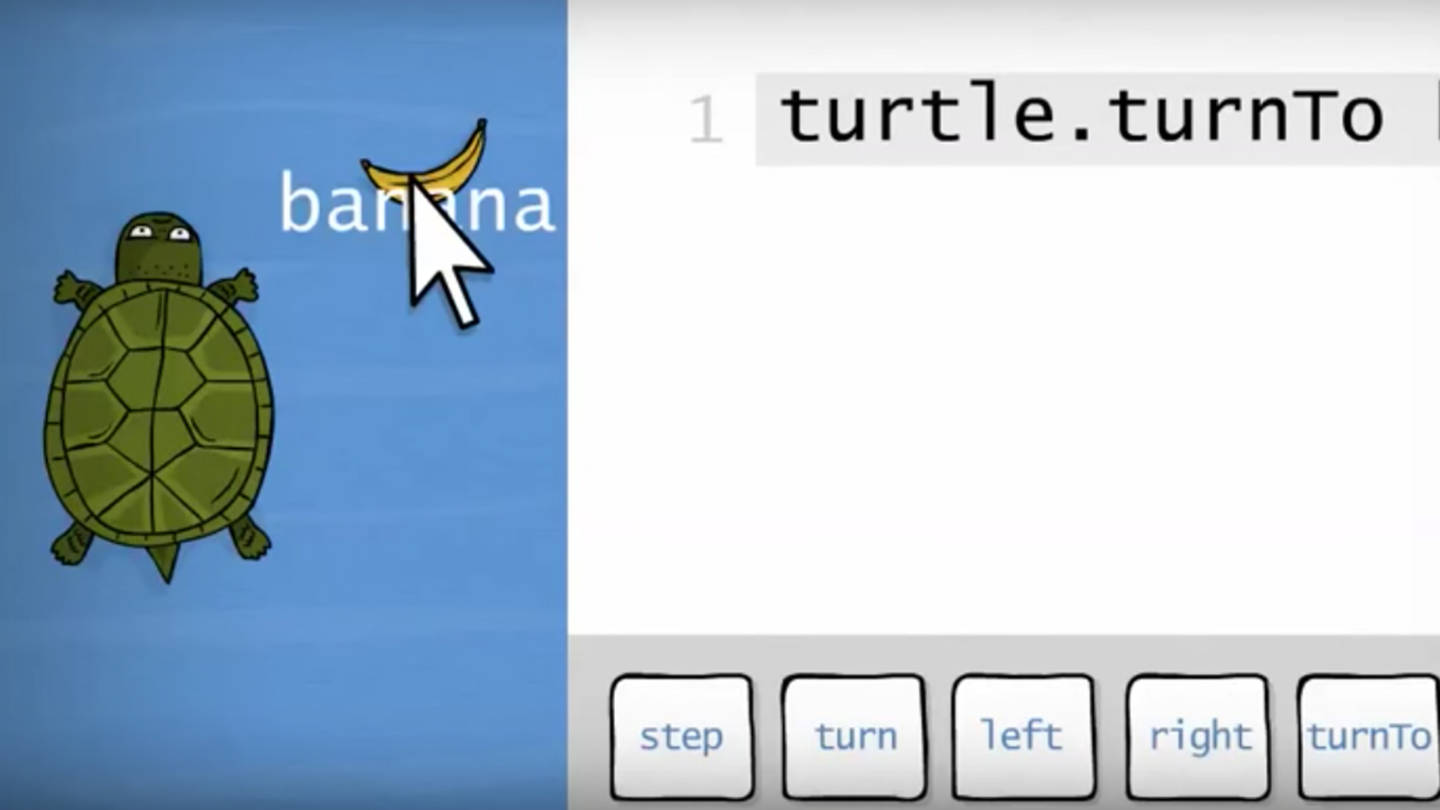
From Dabbling to Doing: 6 Tools That Excite Kids About Coding
Sponsored
Player sponsored by
window.__IS_SSR__=true
window.__INITIAL_STATE__={
"attachmentsReducer": {
"audio_0": {
"type": "attachments",
"id": "audio_0",
"imgSizes": {
"kqedFullSize": {
"file": "https://ww2.kqed.org/news/wp-content/themes/KQED-unified/img/audio_bgs/background0.jpg"
}
}
},
"audio_1": {
"type": "attachments",
"id": "audio_1",
"imgSizes": {
"kqedFullSize": {
"file": "https://ww2.kqed.org/news/wp-content/themes/KQED-unified/img/audio_bgs/background1.jpg"
}
}
},
"audio_2": {
"type": "attachments",
"id": "audio_2",
"imgSizes": {
"kqedFullSize": {
"file": "https://ww2.kqed.org/news/wp-content/themes/KQED-unified/img/audio_bgs/background2.jpg"
}
}
},
"audio_3": {
"type": "attachments",
"id": "audio_3",
"imgSizes": {
"kqedFullSize": {
"file": "https://ww2.kqed.org/news/wp-content/themes/KQED-unified/img/audio_bgs/background3.jpg"
}
}
},
"audio_4": {
"type": "attachments",
"id": "audio_4",
"imgSizes": {
"kqedFullSize": {
"file": "https://ww2.kqed.org/news/wp-content/themes/KQED-unified/img/audio_bgs/background4.jpg"
}
}
},
"placeholder": {
"type": "attachments",
"id": "placeholder",
"imgSizes": {
"thumbnail": {
"file": "https://cdn.kqed.org/wp-content/uploads/2024/12/KQED-Default-Image-816638274-2000x1333-1-160x107.jpg",
"width": 160,
"height": 107,
"mimeType": "image/jpeg"
},
"medium": {
"file": "https://cdn.kqed.org/wp-content/uploads/2024/12/KQED-Default-Image-816638274-2000x1333-1-800x533.jpg",
"width": 800,
"height": 533,
"mimeType": "image/jpeg"
},
"medium_large": {
"file": "https://cdn.kqed.org/wp-content/uploads/2024/12/KQED-Default-Image-816638274-2000x1333-1-768x512.jpg",
"width": 768,
"height": 512,
"mimeType": "image/jpeg"
},
"large": {
"file": "https://cdn.kqed.org/wp-content/uploads/2024/12/KQED-Default-Image-816638274-2000x1333-1-1020x680.jpg",
"width": 1020,
"height": 680,
"mimeType": "image/jpeg"
},
"1536x1536": {
"file": "https://cdn.kqed.org/wp-content/uploads/2024/12/KQED-Default-Image-816638274-2000x1333-1-1536x1024.jpg",
"width": 1536,
"height": 1024,
"mimeType": "image/jpeg"
},
"fd-lrg": {
"file": "https://cdn.kqed.org/wp-content/uploads/2024/12/KQED-Default-Image-816638274-2000x1333-1-1536x1024.jpg",
"width": 1536,
"height": 1024,
"mimeType": "image/jpeg"
},
"fd-med": {
"file": "https://cdn.kqed.org/wp-content/uploads/2024/12/KQED-Default-Image-816638274-2000x1333-1-1020x680.jpg",
"width": 1020,
"height": 680,
"mimeType": "image/jpeg"
},
"fd-sm": {
"file": "https://cdn.kqed.org/wp-content/uploads/2024/12/KQED-Default-Image-816638274-2000x1333-1-800x533.jpg",
"width": 800,
"height": 533,
"mimeType": "image/jpeg"
},
"post-thumbnail": {
"file": "https://cdn.kqed.org/wp-content/uploads/2024/12/KQED-Default-Image-816638274-2000x1333-1-672x372.jpg",
"width": 672,
"height": 372,
"mimeType": "image/jpeg"
},
"twentyfourteen-full-width": {
"file": "https://cdn.kqed.org/wp-content/uploads/2024/12/KQED-Default-Image-816638274-2000x1333-1-1038x576.jpg",
"width": 1038,
"height": 576,
"mimeType": "image/jpeg"
},
"xxsmall": {
"file": "https://cdn.kqed.org/wp-content/uploads/2024/12/KQED-Default-Image-816638274-2000x1333-1-160x107.jpg",
"width": 160,
"height": 107,
"mimeType": "image/jpeg"
},
"xsmall": {
"file": "https://cdn.kqed.org/wp-content/uploads/2024/12/KQED-Default-Image-816638274-2000x1333-1-672x372.jpg",
"width": 672,
"height": 372,
"mimeType": "image/jpeg"
},
"small": {
"file": "https://cdn.kqed.org/wp-content/uploads/2024/12/KQED-Default-Image-816638274-2000x1333-1-672x372.jpg",
"width": 672,
"height": 372,
"mimeType": "image/jpeg"
},
"xlarge": {
"file": "https://cdn.kqed.org/wp-content/uploads/2024/12/KQED-Default-Image-816638274-2000x1333-1-1020x680.jpg",
"width": 1020,
"height": 680,
"mimeType": "image/jpeg"
},
"full-width": {
"file": "https://cdn.kqed.org/wp-content/uploads/2024/12/KQED-Default-Image-816638274-2000x1333-1-1920x1280.jpg",
"width": 1920,
"height": 1280,
"mimeType": "image/jpeg"
},
"guest-author-32": {
"file": "https://cdn.kqed.org/wp-content/uploads/2025/01/KQED-Default-Image-816638274-1333x1333-1-160x160.jpg",
"width": 32,
"height": 32,
"mimeType": "image/jpeg"
},
"guest-author-50": {
"file": "https://cdn.kqed.org/wp-content/uploads/2025/01/KQED-Default-Image-816638274-1333x1333-1-160x160.jpg",
"width": 50,
"height": 50,
"mimeType": "image/jpeg"
},
"guest-author-64": {
"file": "https://cdn.kqed.org/wp-content/uploads/2025/01/KQED-Default-Image-816638274-1333x1333-1-160x160.jpg",
"width": 64,
"height": 64,
"mimeType": "image/jpeg"
},
"guest-author-96": {
"file": "https://cdn.kqed.org/wp-content/uploads/2025/01/KQED-Default-Image-816638274-1333x1333-1-160x160.jpg",
"width": 96,
"height": 96,
"mimeType": "image/jpeg"
},
"guest-author-128": {
"file": "https://cdn.kqed.org/wp-content/uploads/2025/01/KQED-Default-Image-816638274-1333x1333-1-160x160.jpg",
"width": 128,
"height": 128,
"mimeType": "image/jpeg"
},
"detail": {
"file": "https://cdn.kqed.org/wp-content/uploads/2025/01/KQED-Default-Image-816638274-1333x1333-1-160x160.jpg",
"width": 160,
"height": 160,
"mimeType": "image/jpeg"
},
"kqedFullSize": {
"file": "https://cdn.kqed.org/wp-content/uploads/2024/12/KQED-Default-Image-816638274-2000x1333-1.jpg",
"width": 2000,
"height": 1333
}
}
},
"mindshift_65901": {
"type": "attachments",
"id": "mindshift_65901",
"meta": {
"index": "attachments_1716263798",
"site": "mindshift",
"id": "65901",
"found": true
},
"title": null,
"publishDate": 1761012106,
"status": "inherit",
"parent": 65897,
"modified": 1761012144,
"caption": null,
"credit": "Halfpoint/iStock ",
"altTag": "Young girl sitting at bus stop, scrolling through phone.",
"description": null,
"imgSizes": {
"medium": {
"file": "https://cdn.kqed.org/wp-content/uploads/sites/23/2025/10/iStock-2230551244-2000x1333.jpg",
"width": 2000,
"height": 1333,
"mimeType": "image/jpeg"
},
"large": {
"file": "https://cdn.kqed.org/wp-content/uploads/sites/23/2025/10/iStock-2230551244-2000x1333.jpg",
"width": 2000,
"height": 1333,
"mimeType": "image/jpeg"
},
"thumbnail": {
"file": "https://cdn.kqed.org/wp-content/uploads/sites/23/2025/10/iStock-2230551244-160x107.jpg",
"width": 160,
"height": 107,
"mimeType": "image/jpeg"
},
"medium_large": {
"file": "https://cdn.kqed.org/wp-content/uploads/sites/23/2025/10/iStock-2230551244-768x512.jpg",
"width": 768,
"height": 512,
"mimeType": "image/jpeg"
},
"1536x1536": {
"file": "https://cdn.kqed.org/wp-content/uploads/sites/23/2025/10/iStock-2230551244-1536x1024.jpg",
"width": 1536,
"height": 1024,
"mimeType": "image/jpeg"
},
"2048x2048": {
"file": "https://cdn.kqed.org/wp-content/uploads/sites/23/2025/10/iStock-2230551244-2048x1365.jpg",
"width": 2048,
"height": 1365,
"mimeType": "image/jpeg"
},
"post-thumbnail": {
"file": "https://cdn.kqed.org/wp-content/uploads/sites/23/2025/10/iStock-2230551244-672x372.jpg",
"width": 672,
"height": 372,
"mimeType": "image/jpeg"
},
"twentyfourteen-full-width": {
"file": "https://cdn.kqed.org/wp-content/uploads/sites/23/2025/10/iStock-2230551244-1038x576.jpg",
"width": 1038,
"height": 576,
"mimeType": "image/jpeg"
},
"full-width": {
"file": "https://cdn.kqed.org/wp-content/uploads/sites/23/2025/10/iStock-2230551244-2000x1333.jpg",
"width": 2000,
"height": 1333,
"mimeType": "image/jpeg"
},
"kqedFullSize": {
"file": "https://cdn.kqed.org/wp-content/uploads/sites/23/2025/10/iStock-2230551244.jpg",
"width": 2121,
"height": 1414
}
},
"fetchFailed": false,
"isLoading": false
},
"mindshift_55641": {
"type": "attachments",
"id": "mindshift_55641",
"meta": {
"index": "attachments_1716263798",
"site": "mindshift",
"id": "55641",
"found": true
},
"parent": 55625,
"imgSizes": {
"twentyfourteen-full-width": {
"file": "https://ww2.kqed.org/app/uploads/sites/23/2020/03/iStock-1090162870-1038x576.jpg",
"width": 1038,
"mimeType": "image/jpeg",
"height": 576
},
"thumbnail": {
"file": "https://ww2.kqed.org/app/uploads/sites/23/2020/03/iStock-1090162870-160x107.jpg",
"width": 160,
"mimeType": "image/jpeg",
"height": 107
},
"post-thumbnail": {
"file": "https://ww2.kqed.org/app/uploads/sites/23/2020/03/iStock-1090162870-672x372.jpg",
"width": 672,
"mimeType": "image/jpeg",
"height": 372
},
"kqedFullSize": {
"file": "https://ww2.kqed.org/app/uploads/sites/23/2020/03/iStock-1090162870-e1585204652458.jpg",
"width": 1920,
"height": 1280
},
"large": {
"file": "https://ww2.kqed.org/app/uploads/sites/23/2020/03/iStock-1090162870-1020x680.jpg",
"width": 1020,
"mimeType": "image/jpeg",
"height": 680
},
"full-width": {
"file": "https://ww2.kqed.org/app/uploads/sites/23/2020/03/iStock-1090162870-1920x1280.jpg",
"width": 1920,
"mimeType": "image/jpeg",
"height": 1280
},
"medium": {
"file": "https://ww2.kqed.org/app/uploads/sites/23/2020/03/iStock-1090162870-800x533.jpg",
"width": 800,
"mimeType": "image/jpeg",
"height": 533
},
"medium_large": {
"file": "https://ww2.kqed.org/app/uploads/sites/23/2020/03/iStock-1090162870-768x512.jpg",
"width": 768,
"mimeType": "image/jpeg",
"height": 512
}
},
"publishDate": 1585204639,
"modified": 1585204670,
"caption": null,
"description": null,
"title": null,
"credit": "sakkmesterke/iStock",
"status": "inherit",
"fetchFailed": false,
"isLoading": false
},
"mindshift_50511": {
"type": "attachments",
"id": "mindshift_50511",
"meta": {
"index": "attachments_1716263798",
"site": "mindshift",
"id": "50511",
"found": true
},
"parent": 50510,
"imgSizes": {
"small": {
"file": "https://ww2.kqed.org/app/uploads/sites/23/2018/02/npr_screens_new2_custom-4e22cedc1e58d03955066863206b94c28ae47c77-520x325.jpg",
"width": 520,
"mimeType": "image/jpeg",
"height": 325
},
"twentyfourteen-full-width": {
"file": "https://ww2.kqed.org/app/uploads/sites/23/2018/02/npr_screens_new2_custom-4e22cedc1e58d03955066863206b94c28ae47c77-1038x576.jpg",
"width": 1038,
"mimeType": "image/jpeg",
"height": 576
},
"thumbnail": {
"file": "https://ww2.kqed.org/app/uploads/sites/23/2018/02/npr_screens_new2_custom-4e22cedc1e58d03955066863206b94c28ae47c77-160x100.jpg",
"width": 160,
"mimeType": "image/jpeg",
"height": 100
},
"fd-sm": {
"file": "https://ww2.kqed.org/app/uploads/sites/23/2018/02/npr_screens_new2_custom-4e22cedc1e58d03955066863206b94c28ae47c77-960x599.jpg",
"width": 960,
"mimeType": "image/jpeg",
"height": 599
},
"post-thumbnail": {
"file": "https://ww2.kqed.org/app/uploads/sites/23/2018/02/npr_screens_new2_custom-4e22cedc1e58d03955066863206b94c28ae47c77-672x372.jpg",
"width": 672,
"mimeType": "image/jpeg",
"height": 372
},
"xsmall": {
"file": "https://ww2.kqed.org/app/uploads/sites/23/2018/02/npr_screens_new2_custom-4e22cedc1e58d03955066863206b94c28ae47c77-375x234.jpg",
"width": 375,
"mimeType": "image/jpeg",
"height": 234
},
"kqedFullSize": {
"file": "https://ww2.kqed.org/app/uploads/sites/23/2018/02/npr_screens_new2_custom-4e22cedc1e58d03955066863206b94c28ae47c77-e1517856427891.jpg",
"width": 1920,
"height": 1198
},
"large": {
"file": "https://ww2.kqed.org/app/uploads/sites/23/2018/02/npr_screens_new2_custom-4e22cedc1e58d03955066863206b94c28ae47c77-1020x637.jpg",
"width": 1020,
"mimeType": "image/jpeg",
"height": 637
},
"xlarge": {
"file": "https://ww2.kqed.org/app/uploads/sites/23/2018/02/npr_screens_new2_custom-4e22cedc1e58d03955066863206b94c28ae47c77-1180x736.jpg",
"width": 1180,
"mimeType": "image/jpeg",
"height": 736
},
"guest-author-50": {
"file": "https://ww2.kqed.org/app/uploads/sites/23/2018/02/npr_screens_new2_custom-4e22cedc1e58d03955066863206b94c28ae47c77-50x50.jpg",
"width": 50,
"mimeType": "image/jpeg",
"height": 50
},
"guest-author-96": {
"file": "https://ww2.kqed.org/app/uploads/sites/23/2018/02/npr_screens_new2_custom-4e22cedc1e58d03955066863206b94c28ae47c77-96x96.jpg",
"width": 96,
"mimeType": "image/jpeg",
"height": 96
},
"medium": {
"file": "https://ww2.kqed.org/app/uploads/sites/23/2018/02/npr_screens_new2_custom-4e22cedc1e58d03955066863206b94c28ae47c77-800x499.jpg",
"width": 800,
"mimeType": "image/jpeg",
"height": 499
},
"guest-author-64": {
"file": "https://ww2.kqed.org/app/uploads/sites/23/2018/02/npr_screens_new2_custom-4e22cedc1e58d03955066863206b94c28ae47c77-64x64.jpg",
"width": 64,
"mimeType": "image/jpeg",
"height": 64
},
"guest-author-32": {
"file": "https://ww2.kqed.org/app/uploads/sites/23/2018/02/npr_screens_new2_custom-4e22cedc1e58d03955066863206b94c28ae47c77-32x32.jpg",
"width": 32,
"mimeType": "image/jpeg",
"height": 32
},
"fd-lrg": {
"file": "https://ww2.kqed.org/app/uploads/sites/23/2018/02/npr_screens_new2_custom-4e22cedc1e58d03955066863206b94c28ae47c77-1920x1198.jpg",
"width": 1920,
"mimeType": "image/jpeg",
"height": 1198
},
"fd-med": {
"file": "https://ww2.kqed.org/app/uploads/sites/23/2018/02/npr_screens_new2_custom-4e22cedc1e58d03955066863206b94c28ae47c77-1180x736.jpg",
"width": 1180,
"mimeType": "image/jpeg",
"height": 736
},
"full-width": {
"file": "https://ww2.kqed.org/app/uploads/sites/23/2018/02/npr_screens_new2_custom-4e22cedc1e58d03955066863206b94c28ae47c77-1920x1198.jpg",
"width": 1920,
"mimeType": "image/jpeg",
"height": 1198
},
"detail": {
"file": "https://ww2.kqed.org/app/uploads/sites/23/2018/02/npr_screens_new2_custom-4e22cedc1e58d03955066863206b94c28ae47c77-150x150.jpg",
"width": 150,
"mimeType": "image/jpeg",
"height": 150
},
"medium_large": {
"file": "https://ww2.kqed.org/app/uploads/sites/23/2018/02/npr_screens_new2_custom-4e22cedc1e58d03955066863206b94c28ae47c77-768x479.jpg",
"width": 768,
"mimeType": "image/jpeg",
"height": 479
},
"guest-author-128": {
"file": "https://ww2.kqed.org/app/uploads/sites/23/2018/02/npr_screens_new2_custom-4e22cedc1e58d03955066863206b94c28ae47c77-128x128.jpg",
"width": 128,
"mimeType": "image/jpeg",
"height": 128
},
"xxsmall": {
"file": "https://ww2.kqed.org/app/uploads/sites/23/2018/02/npr_screens_new2_custom-4e22cedc1e58d03955066863206b94c28ae47c77-240x150.jpg",
"width": 240,
"mimeType": "image/jpeg",
"height": 150
}
},
"publishDate": 1517856155,
"modified": 1517856442,
"caption": null,
"description": "Teen tech addiction",
"title": "Teen tech addiction",
"credit": "Lilli Carré for NPR",
"status": "inherit",
"fetchFailed": false,
"isLoading": false
},
"mindshift_49960": {
"type": "attachments",
"id": "mindshift_49960",
"meta": {
"index": "attachments_1716263798",
"site": "mindshift",
"id": "49960",
"found": true
},
"parent": 49952,
"imgSizes": {
"small": {
"file": "https://ww2.kqed.org/app/uploads/sites/23/2018/01/kids-and-screens-final-adjusted_wide-aefd543a9ce04a6d1b1510f4b0631ec2afc5c17e-s800-c85-520x292.jpeg",
"width": 520,
"mimeType": "image/jpeg",
"height": 292
},
"thumbnail": {
"file": "https://ww2.kqed.org/app/uploads/sites/23/2018/01/kids-and-screens-final-adjusted_wide-aefd543a9ce04a6d1b1510f4b0631ec2afc5c17e-s800-c85-160x90.jpeg",
"width": 160,
"mimeType": "image/jpeg",
"height": 90
},
"post-thumbnail": {
"file": "https://ww2.kqed.org/app/uploads/sites/23/2018/01/kids-and-screens-final-adjusted_wide-aefd543a9ce04a6d1b1510f4b0631ec2afc5c17e-s800-c85-672x372.jpeg",
"width": 672,
"mimeType": "image/jpeg",
"height": 372
},
"xsmall": {
"file": "https://ww2.kqed.org/app/uploads/sites/23/2018/01/kids-and-screens-final-adjusted_wide-aefd543a9ce04a6d1b1510f4b0631ec2afc5c17e-s800-c85-375x210.jpeg",
"width": 375,
"mimeType": "image/jpeg",
"height": 210
},
"kqedFullSize": {
"file": "https://ww2.kqed.org/app/uploads/sites/23/2018/01/kids-and-screens-final-adjusted_wide-aefd543a9ce04a6d1b1510f4b0631ec2afc5c17e-s800-c85.jpeg",
"width": 800,
"height": 449
},
"guest-author-50": {
"file": "https://ww2.kqed.org/app/uploads/sites/23/2018/01/kids-and-screens-final-adjusted_wide-aefd543a9ce04a6d1b1510f4b0631ec2afc5c17e-s800-c85-50x50.jpeg",
"width": 50,
"mimeType": "image/jpeg",
"height": 50
},
"guest-author-96": {
"file": "https://ww2.kqed.org/app/uploads/sites/23/2018/01/kids-and-screens-final-adjusted_wide-aefd543a9ce04a6d1b1510f4b0631ec2afc5c17e-s800-c85-96x96.jpeg",
"width": 96,
"mimeType": "image/jpeg",
"height": 96
},
"medium": {
"file": "https://ww2.kqed.org/app/uploads/sites/23/2018/01/kids-and-screens-final-adjusted_wide-aefd543a9ce04a6d1b1510f4b0631ec2afc5c17e-s800-c85-800x449.jpeg",
"width": 800,
"mimeType": "image/jpeg",
"height": 449
},
"guest-author-64": {
"file": "https://ww2.kqed.org/app/uploads/sites/23/2018/01/kids-and-screens-final-adjusted_wide-aefd543a9ce04a6d1b1510f4b0631ec2afc5c17e-s800-c85-64x64.jpeg",
"width": 64,
"mimeType": "image/jpeg",
"height": 64
},
"guest-author-32": {
"file": "https://ww2.kqed.org/app/uploads/sites/23/2018/01/kids-and-screens-final-adjusted_wide-aefd543a9ce04a6d1b1510f4b0631ec2afc5c17e-s800-c85-32x32.jpeg",
"width": 32,
"mimeType": "image/jpeg",
"height": 32
},
"detail": {
"file": "https://ww2.kqed.org/app/uploads/sites/23/2018/01/kids-and-screens-final-adjusted_wide-aefd543a9ce04a6d1b1510f4b0631ec2afc5c17e-s800-c85-150x150.jpeg",
"width": 150,
"mimeType": "image/jpeg",
"height": 150
},
"medium_large": {
"file": "https://ww2.kqed.org/app/uploads/sites/23/2018/01/kids-and-screens-final-adjusted_wide-aefd543a9ce04a6d1b1510f4b0631ec2afc5c17e-s800-c85-768x431.jpeg",
"width": 768,
"mimeType": "image/jpeg",
"height": 431
},
"guest-author-128": {
"file": "https://ww2.kqed.org/app/uploads/sites/23/2018/01/kids-and-screens-final-adjusted_wide-aefd543a9ce04a6d1b1510f4b0631ec2afc5c17e-s800-c85-128x128.jpeg",
"width": 128,
"mimeType": "image/jpeg",
"height": 128
},
"xxsmall": {
"file": "https://ww2.kqed.org/app/uploads/sites/23/2018/01/kids-and-screens-final-adjusted_wide-aefd543a9ce04a6d1b1510f4b0631ec2afc5c17e-s800-c85-240x135.jpeg",
"width": 240,
"mimeType": "image/jpeg",
"height": 135
}
},
"publishDate": 1515076606,
"modified": 1515076645,
"caption": null,
"description": null,
"title": "kids and screen time",
"credit": "Ryan Johnson for NPR",
"status": "inherit",
"fetchFailed": false,
"isLoading": false
},
"mindshift_49743": {
"type": "attachments",
"id": "mindshift_49743",
"meta": {
"index": "attachments_1716263798",
"site": "mindshift",
"id": "49743",
"found": true
},
"parent": 49742,
"imgSizes": {
"small": {
"file": "https://ww2.kqed.org/app/uploads/sites/23/2017/11/mobiles-and-kids_wide-673cbc44dcccc5a237f0eada972cf5f76b333e5f-520x292.jpg",
"width": 520,
"mimeType": "image/jpeg",
"height": 292
},
"twentyfourteen-full-width": {
"file": "https://ww2.kqed.org/app/uploads/sites/23/2017/11/mobiles-and-kids_wide-673cbc44dcccc5a237f0eada972cf5f76b333e5f-1038x576.jpg",
"width": 1038,
"mimeType": "image/jpeg",
"height": 576
},
"thumbnail": {
"file": "https://ww2.kqed.org/app/uploads/sites/23/2017/11/mobiles-and-kids_wide-673cbc44dcccc5a237f0eada972cf5f76b333e5f-160x90.jpg",
"width": 160,
"mimeType": "image/jpeg",
"height": 90
},
"fd-sm": {
"file": "https://ww2.kqed.org/app/uploads/sites/23/2017/11/mobiles-and-kids_wide-673cbc44dcccc5a237f0eada972cf5f76b333e5f-960x540.jpg",
"width": 960,
"mimeType": "image/jpeg",
"height": 540
},
"post-thumbnail": {
"file": "https://ww2.kqed.org/app/uploads/sites/23/2017/11/mobiles-and-kids_wide-673cbc44dcccc5a237f0eada972cf5f76b333e5f-672x372.jpg",
"width": 672,
"mimeType": "image/jpeg",
"height": 372
},
"xsmall": {
"file": "https://ww2.kqed.org/app/uploads/sites/23/2017/11/mobiles-and-kids_wide-673cbc44dcccc5a237f0eada972cf5f76b333e5f-375x211.jpg",
"width": 375,
"mimeType": "image/jpeg",
"height": 211
},
"kqedFullSize": {
"file": "https://ww2.kqed.org/app/uploads/sites/23/2017/11/mobiles-and-kids_wide-673cbc44dcccc5a237f0eada972cf5f76b333e5f-e1511284976607.jpg",
"width": 1920,
"height": 1080
},
"large": {
"file": "https://ww2.kqed.org/app/uploads/sites/23/2017/11/mobiles-and-kids_wide-673cbc44dcccc5a237f0eada972cf5f76b333e5f-1020x574.jpg",
"width": 1020,
"mimeType": "image/jpeg",
"height": 574
},
"xlarge": {
"file": "https://ww2.kqed.org/app/uploads/sites/23/2017/11/mobiles-and-kids_wide-673cbc44dcccc5a237f0eada972cf5f76b333e5f-1180x664.jpg",
"width": 1180,
"mimeType": "image/jpeg",
"height": 664
},
"guest-author-50": {
"file": "https://ww2.kqed.org/app/uploads/sites/23/2017/11/mobiles-and-kids_wide-673cbc44dcccc5a237f0eada972cf5f76b333e5f-50x50.jpg",
"width": 50,
"mimeType": "image/jpeg",
"height": 50
},
"guest-author-96": {
"file": "https://ww2.kqed.org/app/uploads/sites/23/2017/11/mobiles-and-kids_wide-673cbc44dcccc5a237f0eada972cf5f76b333e5f-96x96.jpg",
"width": 96,
"mimeType": "image/jpeg",
"height": 96
},
"medium": {
"file": "https://ww2.kqed.org/app/uploads/sites/23/2017/11/mobiles-and-kids_wide-673cbc44dcccc5a237f0eada972cf5f76b333e5f-800x450.jpg",
"width": 800,
"mimeType": "image/jpeg",
"height": 450
},
"guest-author-64": {
"file": "https://ww2.kqed.org/app/uploads/sites/23/2017/11/mobiles-and-kids_wide-673cbc44dcccc5a237f0eada972cf5f76b333e5f-64x64.jpg",
"width": 64,
"mimeType": "image/jpeg",
"height": 64
},
"guest-author-32": {
"file": "https://ww2.kqed.org/app/uploads/sites/23/2017/11/mobiles-and-kids_wide-673cbc44dcccc5a237f0eada972cf5f76b333e5f-32x32.jpg",
"width": 32,
"mimeType": "image/jpeg",
"height": 32
},
"fd-lrg": {
"file": "https://ww2.kqed.org/app/uploads/sites/23/2017/11/mobiles-and-kids_wide-673cbc44dcccc5a237f0eada972cf5f76b333e5f-1920x1080.jpg",
"width": 1920,
"mimeType": "image/jpeg",
"height": 1080
},
"fd-med": {
"file": "https://ww2.kqed.org/app/uploads/sites/23/2017/11/mobiles-and-kids_wide-673cbc44dcccc5a237f0eada972cf5f76b333e5f-1180x664.jpg",
"width": 1180,
"mimeType": "image/jpeg",
"height": 664
},
"full-width": {
"file": "https://ww2.kqed.org/app/uploads/sites/23/2017/11/mobiles-and-kids_wide-673cbc44dcccc5a237f0eada972cf5f76b333e5f-1920x1080.jpg",
"width": 1920,
"mimeType": "image/jpeg",
"height": 1080
},
"detail": {
"file": "https://ww2.kqed.org/app/uploads/sites/23/2017/11/mobiles-and-kids_wide-673cbc44dcccc5a237f0eada972cf5f76b333e5f-150x150.jpg",
"width": 150,
"mimeType": "image/jpeg",
"height": 150
},
"medium_large": {
"file": "https://ww2.kqed.org/app/uploads/sites/23/2017/11/mobiles-and-kids_wide-673cbc44dcccc5a237f0eada972cf5f76b333e5f-768x432.jpg",
"width": 768,
"mimeType": "image/jpeg",
"height": 432
},
"guest-author-128": {
"file": "https://ww2.kqed.org/app/uploads/sites/23/2017/11/mobiles-and-kids_wide-673cbc44dcccc5a237f0eada972cf5f76b333e5f-128x128.jpg",
"width": 128,
"mimeType": "image/jpeg",
"height": 128
},
"xxsmall": {
"file": "https://ww2.kqed.org/app/uploads/sites/23/2017/11/mobiles-and-kids_wide-673cbc44dcccc5a237f0eada972cf5f76b333e5f-240x135.jpg",
"width": 240,
"mimeType": "image/jpeg",
"height": 135
}
},
"publishDate": 1511284942,
"modified": 1511285002,
"caption": "Child consumed by cellphone use",
"description": null,
"title": "Child consumed by cellphone use",
"credit": "NPR/LA Johnson",
"status": "inherit",
"fetchFailed": false,
"isLoading": false
},
"mindshift_49663": {
"type": "attachments",
"id": "mindshift_49663",
"meta": {
"index": "attachments_1716263798",
"site": "mindshift",
"id": "49663",
"found": true
},
"parent": 49607,
"imgSizes": {
"small": {
"file": "https://ww2.kqed.org/app/uploads/sites/23/2017/11/iStock-831613766-520x293.jpg",
"width": 520,
"mimeType": "image/jpeg",
"height": 293
},
"twentyfourteen-full-width": {
"file": "https://ww2.kqed.org/app/uploads/sites/23/2017/11/iStock-831613766-1038x576.jpg",
"width": 1038,
"mimeType": "image/jpeg",
"height": 576
},
"thumbnail": {
"file": "https://ww2.kqed.org/app/uploads/sites/23/2017/11/iStock-831613766-160x90.jpg",
"width": 160,
"mimeType": "image/jpeg",
"height": 90
},
"fd-sm": {
"file": "https://ww2.kqed.org/app/uploads/sites/23/2017/11/iStock-831613766-960x540.jpg",
"width": 960,
"mimeType": "image/jpeg",
"height": 540
},
"post-thumbnail": {
"file": "https://ww2.kqed.org/app/uploads/sites/23/2017/11/iStock-831613766-672x372.jpg",
"width": 672,
"mimeType": "image/jpeg",
"height": 372
},
"xsmall": {
"file": "https://ww2.kqed.org/app/uploads/sites/23/2017/11/iStock-831613766-375x211.jpg",
"width": 375,
"mimeType": "image/jpeg",
"height": 211
},
"kqedFullSize": {
"file": "https://ww2.kqed.org/app/uploads/sites/23/2017/11/iStock-831613766-e1510165002887.jpg",
"width": 1920,
"height": 1080
},
"large": {
"file": "https://ww2.kqed.org/app/uploads/sites/23/2017/11/iStock-831613766-1020x574.jpg",
"width": 1020,
"mimeType": "image/jpeg",
"height": 574
},
"xlarge": {
"file": "https://ww2.kqed.org/app/uploads/sites/23/2017/11/iStock-831613766-1180x664.jpg",
"width": 1180,
"mimeType": "image/jpeg",
"height": 664
},
"guest-author-50": {
"file": "https://ww2.kqed.org/app/uploads/sites/23/2017/11/iStock-831613766-50x50.jpg",
"width": 50,
"mimeType": "image/jpeg",
"height": 50
},
"guest-author-96": {
"file": "https://ww2.kqed.org/app/uploads/sites/23/2017/11/iStock-831613766-96x96.jpg",
"width": 96,
"mimeType": "image/jpeg",
"height": 96
},
"medium": {
"file": "https://ww2.kqed.org/app/uploads/sites/23/2017/11/iStock-831613766-800x450.jpg",
"width": 800,
"mimeType": "image/jpeg",
"height": 450
},
"guest-author-64": {
"file": "https://ww2.kqed.org/app/uploads/sites/23/2017/11/iStock-831613766-64x64.jpg",
"width": 64,
"mimeType": "image/jpeg",
"height": 64
},
"guest-author-32": {
"file": "https://ww2.kqed.org/app/uploads/sites/23/2017/11/iStock-831613766-32x32.jpg",
"width": 32,
"mimeType": "image/jpeg",
"height": 32
},
"fd-lrg": {
"file": "https://ww2.kqed.org/app/uploads/sites/23/2017/11/iStock-831613766-1920x1080.jpg",
"width": 1920,
"mimeType": "image/jpeg",
"height": 1080
},
"fd-med": {
"file": "https://ww2.kqed.org/app/uploads/sites/23/2017/11/iStock-831613766-1180x664.jpg",
"width": 1180,
"mimeType": "image/jpeg",
"height": 664
},
"full-width": {
"file": "https://ww2.kqed.org/app/uploads/sites/23/2017/11/iStock-831613766-1920x1080.jpg",
"width": 1920,
"mimeType": "image/jpeg",
"height": 1080
},
"detail": {
"file": "https://ww2.kqed.org/app/uploads/sites/23/2017/11/iStock-831613766-150x150.jpg",
"width": 150,
"mimeType": "image/jpeg",
"height": 150
},
"medium_large": {
"file": "https://ww2.kqed.org/app/uploads/sites/23/2017/11/iStock-831613766-768x432.jpg",
"width": 768,
"mimeType": "image/jpeg",
"height": 432
},
"guest-author-128": {
"file": "https://ww2.kqed.org/app/uploads/sites/23/2017/11/iStock-831613766-128x128.jpg",
"width": 128,
"mimeType": "image/jpeg",
"height": 128
},
"xxsmall": {
"file": "https://ww2.kqed.org/app/uploads/sites/23/2017/11/iStock-831613766-240x135.jpg",
"width": 240,
"mimeType": "image/jpeg",
"height": 135
}
},
"publishDate": 1510164967,
"modified": 1510164993,
"caption": null,
"description": null,
"title": null,
"credit": "iStock/gorodenkoff",
"status": "inherit",
"fetchFailed": false,
"isLoading": false
},
"mindshift_49620": {
"type": "attachments",
"id": "mindshift_49620",
"meta": {
"index": "attachments_1716263798",
"site": "mindshift",
"id": "49620",
"found": true
},
"parent": 49609,
"imgSizes": {
"small": {
"file": "https://ww2.kqed.org/app/uploads/sites/23/2017/11/Hand-Tree-520x391.png",
"width": 520,
"mimeType": "image/png",
"height": 391
},
"twentyfourteen-full-width": {
"file": "https://ww2.kqed.org/app/uploads/sites/23/2017/11/Hand-Tree-1038x576.png",
"width": 1038,
"mimeType": "image/png",
"height": 576
},
"thumbnail": {
"file": "https://ww2.kqed.org/app/uploads/sites/23/2017/11/Hand-Tree-160x120.png",
"width": 160,
"mimeType": "image/png",
"height": 120
},
"fd-sm": {
"file": "https://ww2.kqed.org/app/uploads/sites/23/2017/11/Hand-Tree-960x722.png",
"width": 960,
"mimeType": "image/png",
"height": 722
},
"post-thumbnail": {
"file": "https://ww2.kqed.org/app/uploads/sites/23/2017/11/Hand-Tree-672x372.png",
"width": 672,
"mimeType": "image/png",
"height": 372
},
"xsmall": {
"file": "https://ww2.kqed.org/app/uploads/sites/23/2017/11/Hand-Tree-375x282.png",
"width": 375,
"mimeType": "image/png",
"height": 282
},
"kqedFullSize": {
"file": "https://ww2.kqed.org/app/uploads/sites/23/2017/11/Hand-Tree.png",
"width": 1805,
"height": 1358
},
"large": {
"file": "https://ww2.kqed.org/app/uploads/sites/23/2017/11/Hand-Tree-1020x767.png",
"width": 1020,
"mimeType": "image/png",
"height": 767
},
"xlarge": {
"file": "https://ww2.kqed.org/app/uploads/sites/23/2017/11/Hand-Tree-1180x888.png",
"width": 1180,
"mimeType": "image/png",
"height": 888
},
"guest-author-50": {
"file": "https://ww2.kqed.org/app/uploads/sites/23/2017/11/Hand-Tree-50x50.png",
"width": 50,
"mimeType": "image/png",
"height": 50
},
"guest-author-96": {
"file": "https://ww2.kqed.org/app/uploads/sites/23/2017/11/Hand-Tree-96x96.png",
"width": 96,
"mimeType": "image/png",
"height": 96
},
"medium": {
"file": "https://ww2.kqed.org/app/uploads/sites/23/2017/11/Hand-Tree-800x602.png",
"width": 800,
"mimeType": "image/png",
"height": 602
},
"guest-author-64": {
"file": "https://ww2.kqed.org/app/uploads/sites/23/2017/11/Hand-Tree-64x64.png",
"width": 64,
"mimeType": "image/png",
"height": 64
},
"guest-author-32": {
"file": "https://ww2.kqed.org/app/uploads/sites/23/2017/11/Hand-Tree-32x32.png",
"width": 32,
"mimeType": "image/png",
"height": 32
},
"fd-med": {
"file": "https://ww2.kqed.org/app/uploads/sites/23/2017/11/Hand-Tree-1180x888.png",
"width": 1180,
"mimeType": "image/png",
"height": 888
},
"detail": {
"file": "https://ww2.kqed.org/app/uploads/sites/23/2017/11/Hand-Tree-150x150.png",
"width": 150,
"mimeType": "image/png",
"height": 150
},
"medium_large": {
"file": "https://ww2.kqed.org/app/uploads/sites/23/2017/11/Hand-Tree-768x578.png",
"width": 768,
"mimeType": "image/png",
"height": 578
},
"guest-author-128": {
"file": "https://ww2.kqed.org/app/uploads/sites/23/2017/11/Hand-Tree-128x128.png",
"width": 128,
"mimeType": "image/png",
"height": 128
},
"xxsmall": {
"file": "https://ww2.kqed.org/app/uploads/sites/23/2017/11/Hand-Tree-240x181.png",
"width": 240,
"mimeType": "image/png",
"height": 181
}
},
"publishDate": 1509737766,
"modified": 1509737848,
"caption": null,
"description": null,
"title": "Hand-Tree",
"credit": "iStock/cienpies",
"status": "inherit",
"fetchFailed": false,
"isLoading": false
},
"mindshift_49511": {
"type": "attachments",
"id": "mindshift_49511",
"meta": {
"index": "attachments_1716263798",
"site": "mindshift",
"id": "49511",
"found": true
},
"parent": 49510,
"imgSizes": {
"small": {
"file": "https://ww2.kqed.org/app/uploads/sites/23/2017/10/kids-and-screens-final-adjusted_wide-aefd543a9ce04a6d1b1510f4b0631ec2afc5c17e-520x292.jpe",
"width": 520,
"mimeType": "image/jpeg",
"height": 292
},
"twentyfourteen-full-width": {
"file": "https://ww2.kqed.org/app/uploads/sites/23/2017/10/kids-and-screens-final-adjusted_wide-aefd543a9ce04a6d1b1510f4b0631ec2afc5c17e-1038x576.jpe",
"width": 1038,
"mimeType": "image/jpeg",
"height": 576
},
"thumbnail": {
"file": "https://ww2.kqed.org/app/uploads/sites/23/2017/10/kids-and-screens-final-adjusted_wide-aefd543a9ce04a6d1b1510f4b0631ec2afc5c17e-160x90.jpe",
"width": 160,
"mimeType": "image/jpeg",
"height": 90
},
"fd-sm": {
"file": "https://ww2.kqed.org/app/uploads/sites/23/2017/10/kids-and-screens-final-adjusted_wide-aefd543a9ce04a6d1b1510f4b0631ec2afc5c17e-960x540.jpe",
"width": 960,
"mimeType": "image/jpeg",
"height": 540
},
"post-thumbnail": {
"file": "https://ww2.kqed.org/app/uploads/sites/23/2017/10/kids-and-screens-final-adjusted_wide-aefd543a9ce04a6d1b1510f4b0631ec2afc5c17e-672x372.jpe",
"width": 672,
"mimeType": "image/jpeg",
"height": 372
},
"xsmall": {
"file": "https://ww2.kqed.org/app/uploads/sites/23/2017/10/kids-and-screens-final-adjusted_wide-aefd543a9ce04a6d1b1510f4b0631ec2afc5c17e-375x211.jpe",
"width": 375,
"mimeType": "image/jpeg",
"height": 211
},
"kqedFullSize": {
"file": "https://ww2.kqed.org/app/uploads/sites/23/2017/10/kids-and-screens-final-adjusted_wide-aefd543a9ce04a6d1b1510f4b0631ec2afc5c17e-e1508416429116.jpe",
"width": 1920,
"height": 1080
},
"large": {
"file": "https://ww2.kqed.org/app/uploads/sites/23/2017/10/kids-and-screens-final-adjusted_wide-aefd543a9ce04a6d1b1510f4b0631ec2afc5c17e-1020x574.jpe",
"width": 1020,
"mimeType": "image/jpeg",
"height": 574
},
"xlarge": {
"file": "https://ww2.kqed.org/app/uploads/sites/23/2017/10/kids-and-screens-final-adjusted_wide-aefd543a9ce04a6d1b1510f4b0631ec2afc5c17e-1180x664.jpe",
"width": 1180,
"mimeType": "image/jpeg",
"height": 664
},
"guest-author-50": {
"file": "https://ww2.kqed.org/app/uploads/sites/23/2017/10/kids-and-screens-final-adjusted_wide-aefd543a9ce04a6d1b1510f4b0631ec2afc5c17e-50x50.jpe",
"width": 50,
"mimeType": "image/jpeg",
"height": 50
},
"guest-author-96": {
"file": "https://ww2.kqed.org/app/uploads/sites/23/2017/10/kids-and-screens-final-adjusted_wide-aefd543a9ce04a6d1b1510f4b0631ec2afc5c17e-96x96.jpe",
"width": 96,
"mimeType": "image/jpeg",
"height": 96
},
"medium": {
"file": "https://ww2.kqed.org/app/uploads/sites/23/2017/10/kids-and-screens-final-adjusted_wide-aefd543a9ce04a6d1b1510f4b0631ec2afc5c17e-800x450.jpe",
"width": 800,
"mimeType": "image/jpeg",
"height": 450
},
"guest-author-64": {
"file": "https://ww2.kqed.org/app/uploads/sites/23/2017/10/kids-and-screens-final-adjusted_wide-aefd543a9ce04a6d1b1510f4b0631ec2afc5c17e-64x64.jpe",
"width": 64,
"mimeType": "image/jpeg",
"height": 64
},
"guest-author-32": {
"file": "https://ww2.kqed.org/app/uploads/sites/23/2017/10/kids-and-screens-final-adjusted_wide-aefd543a9ce04a6d1b1510f4b0631ec2afc5c17e-32x32.jpe",
"width": 32,
"mimeType": "image/jpeg",
"height": 32
},
"fd-lrg": {
"file": "https://ww2.kqed.org/app/uploads/sites/23/2017/10/kids-and-screens-final-adjusted_wide-aefd543a9ce04a6d1b1510f4b0631ec2afc5c17e-1920x1080.jpe",
"width": 1920,
"mimeType": "image/jpeg",
"height": 1080
},
"fd-med": {
"file": "https://ww2.kqed.org/app/uploads/sites/23/2017/10/kids-and-screens-final-adjusted_wide-aefd543a9ce04a6d1b1510f4b0631ec2afc5c17e-1180x664.jpe",
"width": 1180,
"mimeType": "image/jpeg",
"height": 664
},
"full-width": {
"file": "https://ww2.kqed.org/app/uploads/sites/23/2017/10/kids-and-screens-final-adjusted_wide-aefd543a9ce04a6d1b1510f4b0631ec2afc5c17e-1920x1080.jpe",
"width": 1920,
"mimeType": "image/jpeg",
"height": 1080
},
"detail": {
"file": "https://ww2.kqed.org/app/uploads/sites/23/2017/10/kids-and-screens-final-adjusted_wide-aefd543a9ce04a6d1b1510f4b0631ec2afc5c17e-150x150.jpe",
"width": 150,
"mimeType": "image/jpeg",
"height": 150
},
"medium_large": {
"file": "https://ww2.kqed.org/app/uploads/sites/23/2017/10/kids-and-screens-final-adjusted_wide-aefd543a9ce04a6d1b1510f4b0631ec2afc5c17e-768x432.jpe",
"width": 768,
"mimeType": "image/jpeg",
"height": 432
},
"guest-author-128": {
"file": "https://ww2.kqed.org/app/uploads/sites/23/2017/10/kids-and-screens-final-adjusted_wide-aefd543a9ce04a6d1b1510f4b0631ec2afc5c17e-128x128.jpe",
"width": 128,
"mimeType": "image/jpeg",
"height": 128
},
"xxsmall": {
"file": "https://ww2.kqed.org/app/uploads/sites/23/2017/10/kids-and-screens-final-adjusted_wide-aefd543a9ce04a6d1b1510f4b0631ec2afc5c17e-240x135.jpe",
"width": 240,
"mimeType": "image/jpeg",
"height": 135
}
},
"publishDate": 1508416132,
"modified": 1508416441,
"caption": null,
"description": "kids and screens",
"title": "kids and screens",
"credit": "Ryan Johnson for NPR",
"status": "inherit",
"fetchFailed": false,
"isLoading": false
},
"mindshift_46634": {
"type": "attachments",
"id": "mindshift_46634",
"meta": {
"index": "attachments_1716263798",
"site": "mindshift",
"id": "46634",
"found": true
},
"parent": 46598,
"imgSizes": {
"twentyfourteen-full-width": {
"file": "https://ww2.kqed.org/app/uploads/sites/23/2016/10/CodeMonkey-1038x576.jpg",
"width": 1038,
"mimeType": "image/jpeg",
"height": 576
},
"thumbnail": {
"file": "https://ww2.kqed.org/app/uploads/sites/23/2016/10/CodeMonkey-400x225.jpg",
"width": 400,
"mimeType": "image/jpeg",
"height": 225
},
"fd-sm": {
"file": "https://ww2.kqed.org/app/uploads/sites/23/2016/10/CodeMonkey-960x540.jpg",
"width": 960,
"mimeType": "image/jpeg",
"height": 540
},
"post-thumbnail": {
"file": "https://ww2.kqed.org/app/uploads/sites/23/2016/10/CodeMonkey-672x372.jpg",
"width": 672,
"mimeType": "image/jpeg",
"height": 372
},
"kqedFullSize": {
"file": "https://ww2.kqed.org/app/uploads/sites/23/2016/10/CodeMonkey.jpg",
"width": 1920,
"height": 1080
},
"large": {
"file": "https://ww2.kqed.org/app/uploads/sites/23/2016/10/CodeMonkey-1440x810.jpg",
"width": 1440,
"mimeType": "image/jpeg",
"height": 810
},
"guest-author-50": {
"file": "https://ww2.kqed.org/app/uploads/sites/23/2016/10/CodeMonkey-50x50.jpg",
"width": 50,
"mimeType": "image/jpeg",
"height": 50
},
"guest-author-96": {
"file": "https://ww2.kqed.org/app/uploads/sites/23/2016/10/CodeMonkey-96x96.jpg",
"width": 96,
"mimeType": "image/jpeg",
"height": 96
},
"medium": {
"file": "https://ww2.kqed.org/app/uploads/sites/23/2016/10/CodeMonkey-800x450.jpg",
"width": 800,
"mimeType": "image/jpeg",
"height": 450
},
"guest-author-64": {
"file": "https://ww2.kqed.org/app/uploads/sites/23/2016/10/CodeMonkey-64x64.jpg",
"width": 64,
"mimeType": "image/jpeg",
"height": 64
},
"guest-author-32": {
"file": "https://ww2.kqed.org/app/uploads/sites/23/2016/10/CodeMonkey-32x32.jpg",
"width": 32,
"mimeType": "image/jpeg",
"height": 32
},
"cat_post_thumb_sizecategory-posts-2": {
"file": "https://ww2.kqed.org/app/uploads/sites/23/2016/10/CodeMonkey-50x50.jpg",
"width": 50,
"mimeType": "image/jpeg",
"height": 50
},
"fd-lrg": {
"file": "https://ww2.kqed.org/app/uploads/sites/23/2016/10/CodeMonkey-1920x1080.jpg",
"width": 1920,
"mimeType": "image/jpeg",
"height": 1080
},
"fd-med": {
"file": "https://ww2.kqed.org/app/uploads/sites/23/2016/10/CodeMonkey-1180x664.jpg",
"width": 1180,
"mimeType": "image/jpeg",
"height": 664
},
"detail": {
"file": "https://ww2.kqed.org/app/uploads/sites/23/2016/10/CodeMonkey-150x150.jpg",
"width": 150,
"mimeType": "image/jpeg",
"height": 150
},
"medium_large": {
"file": "https://ww2.kqed.org/app/uploads/sites/23/2016/10/CodeMonkey-768x432.jpg",
"width": 768,
"mimeType": "image/jpeg",
"height": 432
},
"guest-author-128": {
"file": "https://ww2.kqed.org/app/uploads/sites/23/2016/10/CodeMonkey-128x128.jpg",
"width": 128,
"mimeType": "image/jpeg",
"height": 128
}
},
"publishDate": 1475738161,
"modified": 1475738183,
"caption": null,
"description": null,
"title": "CodeMonkey",
"credit": "Screengrab of CodeMonkey",
"status": "inherit",
"fetchFailed": false,
"isLoading": false
}
},
"audioPlayerReducer": {
"postId": "stream_live",
"isPaused": true,
"isPlaying": false,
"pfsActive": false,
"pledgeModalIsOpen": true,
"playerDrawerIsOpen": false
},
"authorsReducer": {
"byline_mindshift_50510": {
"type": "authors",
"id": "byline_mindshift_50510",
"meta": {
"override": true
},
"slug": "byline_mindshift_50510",
"name": "Anya Kamenetz",
"isLoading": false
},
"byline_mindshift_49952": {
"type": "authors",
"id": "byline_mindshift_49952",
"meta": {
"override": true
},
"slug": "byline_mindshift_49952",
"name": "Anya Kamenetz",
"isLoading": false
},
"byline_mindshift_49742": {
"type": "authors",
"id": "byline_mindshift_49742",
"meta": {
"override": true
},
"slug": "byline_mindshift_49742",
"name": "Claire McInerny",
"isLoading": false
},
"byline_mindshift_49607": {
"type": "authors",
"id": "byline_mindshift_49607",
"meta": {
"override": true
},
"slug": "byline_mindshift_49607",
"name": "\u003ca href “https://www.commonsensemedia.org/meet-our-team>Tanner Higgin, Common Sense Education\u003c/a>",
"isLoading": false
},
"byline_mindshift_49609": {
"type": "authors",
"id": "byline_mindshift_49609",
"meta": {
"override": true
},
"slug": "byline_mindshift_49609",
"name": "\u003ca href “https://www.commonsense.org/education/users/danny-wagner>Danny Wagner, Common Sense Education\u003c/a>",
"isLoading": false
},
"byline_mindshift_49510": {
"type": "authors",
"id": "byline_mindshift_49510",
"meta": {
"override": true
},
"slug": "byline_mindshift_49510",
"name": "Anya Kamenetz",
"isLoading": false
},
"mindshift": {
"type": "authors",
"id": "4354",
"meta": {
"index": "authors_1716337520",
"id": "4354",
"found": true
},
"name": "MindShift",
"firstName": "MindShift",
"lastName": null,
"slug": "mindshift",
"email": "tina@barseghian.com",
"display_author_email": false,
"staff_mastheads": [],
"title": null,
"bio": null,
"avatar": "https://secure.gravatar.com/avatar/ae7f1f73a229130205aa5f57b55eaf16?s=600&d=blank&r=g",
"twitter": null,
"facebook": null,
"instagram": null,
"linkedin": null,
"sites": [
{
"site": "arts",
"roles": [
"author"
]
},
{
"site": "mindshift",
"roles": [
"editor"
]
}
],
"headData": {
"title": "MindShift | KQED",
"description": null,
"ogImgSrc": "https://secure.gravatar.com/avatar/ae7f1f73a229130205aa5f57b55eaf16?s=600&d=blank&r=g",
"twImgSrc": "https://secure.gravatar.com/avatar/ae7f1f73a229130205aa5f57b55eaf16?s=600&d=blank&r=g"
},
"isLoading": false,
"link": "/author/mindshift"
},
"kdnewhouse": {
"type": "authors",
"id": "11487",
"meta": {
"index": "authors_1716337520",
"id": "11487",
"found": true
},
"name": "Kara Newhouse",
"firstName": "Kara",
"lastName": "Newhouse",
"slug": "kdnewhouse",
"email": "knewhouse@kqed.org",
"display_author_email": false,
"staff_mastheads": [],
"title": "MindShift Editor",
"bio": null,
"avatar": "https://secure.gravatar.com/avatar/3dceed6fb271527113abfa9a8e9df34e?s=600&d=blank&r=g",
"twitter": null,
"facebook": null,
"instagram": null,
"linkedin": null,
"sites": [
{
"site": "",
"roles": [
"editor"
]
},
{
"site": "mindshift",
"roles": []
}
],
"headData": {
"title": "Kara Newhouse | KQED",
"description": "MindShift Editor",
"ogImgSrc": "https://secure.gravatar.com/avatar/3dceed6fb271527113abfa9a8e9df34e?s=600&d=blank&r=g",
"twImgSrc": "https://secure.gravatar.com/avatar/3dceed6fb271527113abfa9a8e9df34e?s=600&d=blank&r=g"
},
"isLoading": false,
"link": "/author/kdnewhouse"
},
"mjacksonretondo": {
"type": "authors",
"id": "11759",
"meta": {
"index": "authors_1716337520",
"id": "11759",
"found": true
},
"name": "Marlena Jackson-Retondo",
"firstName": "Marlena",
"lastName": "Jackson-Retondo",
"slug": "mjacksonretondo",
"email": "mjacksonretondo@kqed.org",
"display_author_email": false,
"staff_mastheads": [],
"title": "Engagement Producer",
"bio": "Marlena Jackson-Retondo is the engagement producer for KQED's \u003cem>Forum \u003c/em>and \u003cem>Mindshift\u003c/em>. Prior to joining the team in 2022, Marlena was an intern with the KQED Digital News Engagement team. She grew up in the Bay Area.\u003cem> \u003c/em>",
"avatar": "https://secure.gravatar.com/avatar/94ab429312e9a676559e31d1894130df?s=600&d=blank&r=g",
"twitter": null,
"facebook": null,
"instagram": null,
"linkedin": null,
"sites": [
{
"site": "arts",
"roles": [
"editor"
]
},
{
"site": "news",
"roles": [
"contributor"
]
},
{
"site": "mindshift",
"roles": [
"editor"
]
},
{
"site": "forum",
"roles": [
"editor"
]
}
],
"headData": {
"title": "Marlena Jackson-Retondo | KQED",
"description": "Engagement Producer",
"ogImgSrc": "https://secure.gravatar.com/avatar/94ab429312e9a676559e31d1894130df?s=600&d=blank&r=g",
"twImgSrc": "https://secure.gravatar.com/avatar/94ab429312e9a676559e31d1894130df?s=600&d=blank&r=g"
},
"isLoading": false,
"link": "/author/mjacksonretondo"
}
},
"breakingNewsReducer": {},
"pagesReducer": {},
"postsReducer": {
"stream_live": {
"type": "live",
"id": "stream_live",
"audioUrl": "https://streams.kqed.org/kqedradio",
"title": "Live Stream",
"excerpt": "Live Stream information currently unavailable.",
"link": "/radio",
"featImg": "",
"label": {
"name": "KQED Live",
"link": "/"
}
},
"stream_kqedNewscast": {
"type": "posts",
"id": "stream_kqedNewscast",
"audioUrl": "https://www.kqed.org/.stream/anon/radio/RDnews/newscast.mp3?_=1",
"title": "KQED Newscast",
"featImg": "",
"label": {
"name": "88.5 FM",
"link": "/"
}
},
"mindshift_65897": {
"type": "posts",
"id": "mindshift_65897",
"meta": {
"index": "posts_1716263798",
"site": "mindshift",
"id": "65897",
"score": null,
"sort": [
1761040839000
]
},
"guestAuthors": [],
"slug": "should-ai-chatbots-help-students-with-their-mental-health",
"title": "Should AI Chatbots Help Students With Their Mental Health?",
"publishDate": 1761040839,
"format": "standard",
"headTitle": "Should AI Chatbots Help Students With Their Mental Health? | KQED",
"labelTerm": {
"term": 21847,
"site": "mindshift"
},
"content": "\u003cp>Anish Mehta, a computer science engineer, grew up in a culture that he said did not address mental health concerns even when he knew he could have benefitted from therapy. So when he was searching for a new edtech business venture, the connection to mental health resources was personal.\u003c/p>\n\u003cp>By 2022, he and his team saw an opportunity to fill the ever-growing \u003ca href=\"https://www.kqed.org/mindshift/55382/investing-in-counselors-isnt-only-about-mental-health-its-good-for-academics-too\">gap between school counselors and students\u003c/a>. According to the American School Counselor Association, school counselors in the U.S., on average, each serve \u003ca href=\"https://www.schoolcounselor.org/getmedia/a988972b-1faa-4b5f-8b9e-a73b5ac44476/ratios-22-23-alpha.pdf#:~:text=The%20American%20School%20Counselor%20Association%20recommends%20a%20ratio%20of%20250%2Dto%2D1.\">385 students at a time\u003c/a>; their \u003ca href=\"https://www.schoolcounselor.org/getmedia/bd376246-0b4f-413f-b3e0-1b9938f36e68/ANM-executive-summary-4th-ed.pdf#:~:text=Research%20shows%20that%20appropriate%20student%2Dto%2Dschool%2Dcounselor%20ratios%20have,of%20school%20counseling%20programs%2C%20go%20to%20www.schoolcounselor.org/effectiveness.\">recommended ratio\u003c/a> is 250:1. And counselors are balancing a number of issues, like college readiness, while managing a s\u003ca href=\"https://www.kqed.org/mindshift/64715/youth-mental-health-is-declining-school-based-supports-can-help\">urge of mental health concerns among students\u003c/a>. An AI chatbot would’ve been the sounding board that he and many of his friends would have benefitted from when they were growing up, said Mehta.\u003c/p>\n\u003cp>At first, they wanted to develop a scripted rules-based chatbot, “and then ChatGPT came out, and like everything changed overnight,” said Mehta.\u003c/p>\n\u003cp>So Alongside was developed by Mehta and others for students in grades four through twelve, with an ambitious goal of solving students’ every day mental health, social and behavioral challenges.\u003c/p>\n\u003cp>When students chat with Kiwi, Alongside’s original chatbot, they are prompted to complete a skill-building exercise when the conversation has concluded.\u003c/p>\n\u003cp>[ad fullwidth]\u003c/p>\n\u003cp>Alongside has big plans to break negative cycles before they turn clinical, said Dr. Elsa Friis, a licensed psychologist for the company, whose background includes identifying autism, ADHD and suicide risk using Large Language Models (LLMs).\u003c/p>\n\u003cp>The Alongside app currently partners with more than 200 schools across 19 states, and collects student chat data for their \u003ca href=\"https://www.alongside.care/pages/pdf-2025-youth-mental-health-report?utm_campaign=Youth%20Mental%20Health%20Report%20%2725&utm_source=thirdparty_youthmhreport25&utm_medium=third%20party&utm_content=pdf_youthmhreport&utm_term=pr&eid=\">annual youth mental health report\u003c/a> — not a peer reviewed publication. Their findings this year, said Friis, were surprising. With almost no mention of social media or cyberbullying, the student users reported that their most pressing issues had to do with feeling overwhelmed, poor sleep habits and relationship problems.\u003c/p>\n\u003cp>Alongside boasts positive and insightful data points in their report and pilot study conducted earlier in 2025, but experts like \u003ca href=\"https://www.rand.org/about/people/m/mcbain_ryan.html\">Ryan McBain\u003c/a>, a health researcher at the RAND Corporation, said that the data isn’t robust enough to understand the real implications of these types of AI mental health tools.\u003c/p>\n\u003cp>“If you’re going to market a product to millions of children in adolescence throughout the United States through school systems, they need to meet some minimum standard in the context of actual rigorous trials,” said McBain.\u003c/p>\n\u003cp>But underneath all of the report’s data, what does it really mean for students to have 24/7 access to a chatbot that is designed to address their mental health, social, and behavioral concerns?\u003c/p>\n\u003ch2>\u003cstrong>What’s the difference between AI chatbots and AI companions?\u003c/strong>\u003c/h2>\n\u003cp>AI companions fall under the larger umbrella of AI chatbots. And while chatbots are becoming more and more sophisticated, AI companions are distinct in the ways that they interact with users. AI companions tend to have less built-in guardrails, meaning they are coded to endlessly adapt to user input; AI chatbots on the other hand might have more guardrails in place to keep a conversation on track or on topic. For example, a troubleshooting chatbot for a food delivery company has specific instructions to carry on conversations that only pertain to food delivery and app issues and isn’t designed to stray from the topic because it doesn’t know how to.\u003c/p>\n\u003cp>But the line between AI chatbot and AI companion becomes blurred as more and more people are \u003ca href=\"https://arxiv.org/pdf/2507.19218\">using chatbots like ChatGPT as an emotional or therapeutic sounding board\u003c/a>. The people-pleasing features of AI companions can and have become a growing issue of concern, especially when it comes to teens and other vulnerable people who use these companions to, at times, \u003ca href=\"https://www.npr.org/sections/shots-health-news/2025/09/19/nx-s1-5545749/ai-chatbots-safety-openai-meta-characterai-teens-suicide\">validate their suicidality\u003c/a>, delusions and unhealthy dependency on these AI companions.\u003c/p>\n\u003cp>A recent \u003ca href=\"https://www.commonsensemedia.org/sites/default/files/research/report/talk-trust-and-trade-offs_2025_web.pdf\">report from Common Sense Media\u003c/a> expanded on the harmful effects that AI companion use has on adolescents and teens. According to the report, AI platforms like Character.AI are “designed to simulate humanlike interaction” in the form of “virtual friends, confidants, and even therapists.”\u003c/p>\n\u003cp>Although Common Sense Media found that AI companions “pose ‘unacceptable risks’ for users under 18,” young people are still using these platforms at high rates.\u003c/p>\n\u003cfigure id=\"attachment_65898\" class=\"wp-caption alignnone\" style=\"max-width: 2110px\">\u003cimg loading=\"lazy\" decoding=\"async\" class=\"size-full wp-image-65898\" src=\"https://cdn.kqed.org/wp-content/uploads/sites/23/2025/10/Common-Sense-Media-AI-Report.png\" alt=\"\" width=\"2110\" height=\"816\" srcset=\"https://cdn.kqed.org/wp-content/uploads/sites/23/2025/10/Common-Sense-Media-AI-Report.png 2110w, https://cdn.kqed.org/wp-content/uploads/sites/23/2025/10/Common-Sense-Media-AI-Report-2000x773.png 2000w, https://cdn.kqed.org/wp-content/uploads/sites/23/2025/10/Common-Sense-Media-AI-Report-160x62.png 160w, https://cdn.kqed.org/wp-content/uploads/sites/23/2025/10/Common-Sense-Media-AI-Report-768x297.png 768w, https://cdn.kqed.org/wp-content/uploads/sites/23/2025/10/Common-Sense-Media-AI-Report-1536x594.png 1536w, https://cdn.kqed.org/wp-content/uploads/sites/23/2025/10/Common-Sense-Media-AI-Report-2048x792.png 2048w\" sizes=\"auto, (max-width: 2110px) 100vw, 2110px\">\u003cfigcaption class=\"wp-caption-text\">From Common Sense Media 2025 report, “\u003ca href=\"https://www.commonsensemedia.org/sites/default/files/research/report/talk-trust-and-trade-offs_2025_web.pdf\">Talk, Trust, and Trade-Offs: How and Why Teens Use AI Companions\u003c/a>.”\u003c/figcaption>\u003c/figure>\n\u003cp>Seventy two percent of the 1,060 teens surveyed by Common Sense said that they had used an AI companion before, and 52% of teens surveyed are “regular users” of AI companions. However, for the most part, the report found that the majority of teens value human friendships more than AI companions, don’t share personal information with AI companions and hold some level of skepticism toward AI companions. Thirty nine percent of teens surveyed also said that they apply skills they practiced with AI companions, like expressing emotions, apologizing and standing up for themselves, in real life.\u003c/p>\n\u003cp>When comparing Common Sense Media’s recommendations for safer AI use to Alongside’s chatbot features, they do meet some of these recommendations — like crisis intervention, usage limits and skill-building elements. According to Mehta, there is a big difference between an AI companion and Alongside’s chatbot. Alongside’s chatbot has built-in safety features that require a human to review certain conversations based on trigger words or concerning phrases. And unlike tools like AI companions, Mehta continued, Alongside discourages student users from chatting too much.\u003c/p>\n\u003cp>One of the biggest challenges that chatbot developers like Alongside face is mitigating people-pleasing tendencies, said Friis, a defining characteristic of AI companions. Guardrails have been put into place by Alongside’s team to avoid people-pleasing, which can turn sinister. “We aren’t going to adapt to foul language, we aren’t going to adapt to bad habits,” said Friis. But it’s up to Alongside’s team to anticipate and determine which language falls into harmful categories including when students try to use the chatbot for cheating.\u003c/p>\n\u003cp>According to Friis, Alongside errs on the side of caution when it comes to determining what kind of language constitutes a concerning statement. If a chat is flagged, teachers at the partner school are pinged on their phones. In the meantime the student is prompted by Kiwi to complete a crisis assessment and directed to emergency service numbers if needed.\u003c/p>\n\u003ch2>\u003cstrong>Addressing staffing shortages and resource gaps\u003c/strong>\u003c/h2>\n\u003cp>In school settings where the ratio of students to school counselors is often impossibly high, Alongside acts as a triaging tool or liaison between students and their trusted adults, said Friis. For example, a conversation between Kiwi and a student might consist of back-and-forth troubleshooting about creating healthier sleeping habits. The student might be prompted to talk to their parents about making their room darker or adding in a nightlight for a better sleep environment. The student might then come back to their chat after a conversation with their parents and tell Kiwi whether or not that solution worked. If it did, then the conversation concludes, but if it didn’t then Kiwi can suggest other potential solutions.\u003c/p>\n\u003cp>According to Dr. Friis, a couple of 5-minute back-and-forth conversations with Kiwi, would translate to days if not weeks of conversations with a school counselor who has to prioritize students with the most severe issues and needs like repeated suspensions, suicidality and dropping out.\u003c/p>\n\u003cp>Using digital technologies to triage health issues is not a new idea, said RAND researcher McBain, and pointed to doctor wait rooms that greet patients with a health screener on an iPad.\u003c/p>\n\u003cp>“If a chatbot is a slightly more dynamic user interface for gathering that sort of information, then I think, in theory, that is not an issue,” McBain continued. The unanswered question is whether or not chatbots like Kiwi perform better, as well, or worse than a human would, but the only way to compare the human to the chatbot would be through randomized control trials, said McBain.\u003c/p>\n\u003cp>“One of my biggest fears is that companies are rushing in to try to be the first of their kind,” said McBain, and in the process are lowering safety and quality standards under which these companies and their academic partners circulate optimistic and eye-catching results from their product, he continued.\u003c/p>\n\u003cp>But there’s mounting pressure on school counselors to meet student needs with limited resources. “It’s really hard to create the space that [school counselors] want to create. Counselors want to have those interactions. It’s the system that’s making it really hard to have them,” said Friis.\u003c/p>\n\u003cp>Alongside offers their school partners professional development and consultation services, as well as quarterly summary reports. A lot of the time these services revolve around packaging data for grant proposals or for presenting compelling information to superintendents, said Friis.\u003c/p>\n\u003ch2>\u003cstrong>A research-backed approach\u003c/strong>\u003c/h2>\n\u003cp>On their website, Alongside touts research-backed methods used to develop their chatbot, and the company has partnered with Dr. Jessica Schleider at Northwestern University, who studies and develops \u003ca href=\"https://www.apa.org/topics/population-health/single-session-interventions\">single-session mental health interventions\u003c/a> (SSI) — mental health interventions designed to address and provide resolution to mental health concerns without the expectation of any follow-up sessions. A typical counseling intervention is at minimum, 12 weeks long, so single-session interventions were appealing to the Alongside team, but “what we know is that no product has ever been able to really effectively do that,” said Friis.\u003c/p>\n\u003cp>However, Schleider’s Lab for Scalable Mental Health has published multiple \u003ca href=\"https://www.schleiderlab.org/yes.html\">peer-reviewed trials and clinical research\u003c/a> demonstrating positive results for implementation of SSIs. The Lab for Scalable Mental Health also offers \u003ca href=\"https://www.schleiderlab.org/resources.html\">open source materials\u003c/a> for parents and professionals interested in implementing SSIs for teens and young people, and their initiative Project YES offers free and anonymous online SSIs for youth experiencing mental health concerns.\u003c/p>\n\u003cp>“One of my biggest fears is that companies are rushing in to try to be the first of their kind,” said McBain, and in the process are lowering safety and quality standards under which these companies and their academic partners circulate optimistic and eye-catching results from their product, he continued.\u003c/p>\n\u003ch2>\u003cstrong>What happens to a kid’s data when using AI for mental health interventions?\u003c/strong>\u003c/h2>\n\u003cp>Alongside gathers student data from their conversations with the chatbot like mood, hours of sleep, exercise habits, social habits, online interactions, among other things. While this data can offer schools insight into their students’ lives, it does bring up questions about student surveillance and data privacy.\u003c/p>\n\u003cfigure id=\"attachment_65899\" class=\"wp-caption alignnone\" style=\"max-width: 1126px\">\u003cimg loading=\"lazy\" decoding=\"async\" class=\"size-full wp-image-65899\" src=\"https://cdn.kqed.org/wp-content/uploads/sites/23/2025/10/Common-Sense-Media-Personal-Information.png\" alt=\"\" width=\"1126\" height=\"1428\" srcset=\"https://cdn.kqed.org/wp-content/uploads/sites/23/2025/10/Common-Sense-Media-Personal-Information.png 1126w, https://cdn.kqed.org/wp-content/uploads/sites/23/2025/10/Common-Sense-Media-Personal-Information-160x203.png 160w, https://cdn.kqed.org/wp-content/uploads/sites/23/2025/10/Common-Sense-Media-Personal-Information-768x974.png 768w\" sizes=\"auto, (max-width: 1126px) 100vw, 1126px\">\u003cfigcaption class=\"wp-caption-text\">From Common Sense Media 2025 report, “\u003ca href=\"https://www.commonsensemedia.org/sites/default/files/research/report/talk-trust-and-trade-offs_2025_web.pdf\">Talk, Trust, and Trade-Offs: How and Why Teens Use AI Companions\u003c/a>.”\u003c/figcaption>\u003c/figure>\n\u003cp>Alongside like many other generative AI tools uses other LLM’s APIs — or application programming interface — meaning they include another company’s LLM code, like that used for OpenAI’s ChatGPT, in their chatbot programming which processes chat input and produces chat output. They also have their own in-house LLMs which the Alongside’s AI team has developed over a couple of years.\u003c/p>\n\u003cp>Growing concerns about how user data and personal information is stored is especially pertinent when it comes to sensitive student data. The Alongside team have opted-in to OpenAI’s zero data retention policy, which means that none of the student data is stored by OpenAI or other LLMs that Alongside uses, and none of the data from chats is used for training purposes.\u003c/p>\n\u003cp>Because Alongside operates in schools across the U.S., they are FERPA and COPPA compliant, but the data has to be stored somewhere. So, student’s personal identifying information (PII) is uncoupled from their chat data as that information is stored by Amazon Web Services (AWS), a cloud-based industry standard for private data storage by tech companies around the world.\u003c/p>\n\u003cp>Alongside uses an encryption process that disaggregates the student PII from their chats. Only when a conversation gets flagged, and needs to be seen by humans for safety reasons, does the student PII connect back to the chat in question. In addition, Alongside is required by law to store student chats and information when it has alerted a crisis, and parents and guardians are free to request that information, said Friis.\u003c/p>\n\u003cp>Typically, parental consent and student data policies are done through the school partners, and as with any school services offered like counseling, there is a parental opt-out option which must adhere to state and district guidelines on parental consent, said Friis.\u003c/p>\n\u003cp>Alongside and their school partners put guardrails in place to make sure that student data is kept safe and anonymous. However, \u003ca href=\"https://www.kqed.org/mindshift/65868/friendship-romantic-relationship-high-school-students-are-depending-on-ai-in-new-ways\">data breaches\u003c/a> can still happen.\u003c/p>\n\u003ch2>\u003cstrong>How the Alongside LLMs are trained\u003c/strong>\u003c/h2>\n\u003cp>One of Alongside’s in-house LLMs is used to identify potential crises in student chats and alert the necessary adults to that crisis, said Mehta. This LLM is trained on student and synthetic outputs and keywords that the Alongside team enters manually. And because language changes often and isn’t always straight forward or easily recognizable, the team keeps an ongoing log of different words and phrases, like the popular abbreviation “KMS” (shorthand for “kill myself”) that they retrain this particular LLM to understand as crisis driven.\u003c/p>\n\u003cp>Although according to Mehta, the process of manually inputting data to train the crisis assessing LLM is one of the biggest efforts that he and his team has to tackle, he doesn’t see a future in which this process could be automated by another AI tool. “I wouldn’t be comfortable automating something that could trigger a crisis [response],” he said — the preference being that the clinical team led by Friis contribute to this process through a clinical lens.\u003c/p>\n\u003cp>But with the potential for rapid growth in Alongside’s number of school partners, these processes will be very difficult to keep up with manually, said Robbie Torney, senior director of AI programs at Common Sense Media. Although Alongside emphasized their process of including human input in both their crisis response and LLM development, “you can’t necessarily scale a system like [this] easily because you’re going to run into the need for more and more human review,” continued Torney.\u003c/p>\n\u003cp>Alongside’s 2024-25 report tracks conflicts in students’ lives, but doesn’t distinguish whether those conflicts are happening online or in person. But according to Friis, it doesn’t really matter where peer-to-peer conflict was taking place. Ultimately, it’s most important to be person-centered, said Dr. Friis, and remain focused on what really matters to each individual student. Alongside does offer proactive skill building lessons on social media safety and digital stewardship.\u003c/p>\n\u003cp>When it comes to sleep, Kiwi is programmed to ask students about their phone habits “because we know that having your phone at night is one of the main things that’s gonna keep you up,” said Dr. Friis.\u003c/p>\n\u003ch2>\u003cstrong>Universal mental health screeners available\u003c/strong>\u003c/h2>\n\u003cp>Alongside also offers an in-app universal \u003ca href=\"https://www.forensiccounselor.org/images/file/MHSF%20III.pdf\">mental health screener\u003c/a> to school partners. One district in Corsicana, Texas — an old oil town situated outside of Dallas — found the data from the universal mental health screener invaluable. According to Margie Boulware, executive director of special programs for Corsicana Independent School District, the community has had issues with \u003ca href=\"https://www.cbsnews.com/texas/news/pregnant-teen-in-icu-after-corsicana-double-shooting-police-seek-leads/\">gun violence\u003c/a>, but the district didn’t have a way of surveying their 6,000 students on the mental health effects of traumatic events like these until Alongside was introduced.\u003c/p>\n\u003cp>According to Boulware, 24% of students surveyed in Corsicana, had a \u003ca href=\"https://www.nami.org/kids-teens-and-young-adults/be-a-trusted-adult-for-young-people-in-your-life/\">trusted adult\u003c/a> in their life, six percentage points fewer than the average in Alongside’s 2024-25 report. “It’s a little shocking how few kids are saying ‘we actually feel connected to an adult,’” said Friis. \u003ca href=\"https://www.jahonline.org/article/S1054-139X(12)00717-3/fulltext\">According to research\u003c/a>, having a trusted adult helps with young people’s social and emotional health and wellbeing, and can also counter the effects of adverse childhood experiences.\u003c/p>\n\u003cp>In a county where the school district is the biggest employer and where 80% of students are economically disadvantaged, mental health resources are bare. Boulware drew a correlation between the uptick in gun violence and the high percentage of students who said that they did not have a trusted adult in their home. And although the data given to the district from Alongside did not directly correlate with the violence that the community had been experiencing, it was the first time that the district was able to take a more comprehensive look at student mental health.\u003c/p>\n\u003cp>So the district formed a task force to tackle these issues of increased gun violence, and decreased mental health and belonging. And for the first time, rather than having to guess how many students were struggling with behavioral issues, Boulware and the task force had representative data to build off of. And without the universal screening survey that Alongside delivered, the district would have stuck to their end of year feedback survey — asking questions like “How was your year?” and “Did you like your teacher?”\u003c/p>\n\u003cp>Boulware believed that the universal screening survey encouraged students to self-reflect and answer questions more truthfully when compared with previous feedback surveys the district had conducted.\u003c/p>\n\u003cp>According to Boulware, student resources and mental health resources in particular are scarce in Corsicana. But the district does have a team of counselors including 16 academic counselors and six social emotional counselors.\u003c/p>\n\u003cp>With not enough social emotional counselors to go around, Boulware said that a lot of tier one students, or students that don’t require regular one-on-one or group academic or behavioral interventions, fly under their radar. She saw Alongside as an easily accessible tool for students that offers discrete coaching on mental health, social and behavioral issues. And it also offers educators and administrators like herself a glimpse behind the curtain into student mental health.\u003c/p>\n\u003cp>Boulware praised Alongside’s proactive features like gamified skill building for students who struggle with time management or task organization and can earn points and badges for completing certain skills lessons.\u003c/p>\n\u003cp>And Alongside fills an important gap for staff in Corsicana ISD. “The amount of hours that our kiddos are on Alongside…are hours that they’re not waiting outside of a student support counselor office,” which, because of the low ratio of counselors to students, allows for the social emotional counselors to focus on students experiencing a crisis, said Boulware. There is “no way I could have allotted the resources,” that Alongside brings to Corsicana, Boulware added.\u003c/p>\n\u003cp>The Alongside app requires 24/7 human monitoring by their school partners. This means that designated educators and admin in each district and school are assigned to receive alerts all hours of the day, any day of the week including during holidays. This feature was a concern for Boulware at first. “If a kiddo’s struggling at three o’clock in the morning and I’m asleep, what does that look like?” she said. Boulware and her team had to hope that an adult sees a crisis alert very quickly, she continued.\u003c/p>\n\u003cp>This 24/7 human monitoring system was tested in Corsicana last Christmas break. An alert came in and it took Boulware ten minutes to see it on her phone. By that time, the student had already begun working on an assessment survey prompted by Alongside, the principal who had seen the alert before Boulware had called her, and she had received a text message from the student support council. Boulware was able to contact their local chief of police and address the crisis unfolding. The student was able to connect with a counselor that same afternoon.\u003c/p>\n\u003cp> \u003c/p>\n\u003cp>[ad floatright]\u003c/p>\n\u003cp> \u003c/p>\n\n",
"blocks": [],
"excerpt": "With school counselors outnumbered and mental health workers overloaded, can AI chatbots help students with immediate needs without taking the darker turn of AI companions?",
"status": "publish",
"parent": 0,
"modified": 1761014481,
"stats": {
"hasAudio": false,
"hasVideo": false,
"hasChartOrMap": false,
"iframeSrcs": [],
"hasGoogleForm": false,
"hasGallery": false,
"hasHearkenModule": false,
"hasPolis": false,
"paragraphCount": 53,
"wordCount": 3378
},
"headData": {
"title": "Should AI Chatbots Help Students With Their Mental Health? | KQED",
"description": "With school counselors outnumbered and mental health workers overloaded, can AI chatbots help students with immediate needs without taking the darker turn of AI companions?",
"ogTitle": "",
"ogDescription": "",
"ogImgId": "",
"twTitle": "",
"twDescription": "",
"twImgId": "",
"schema": {
"@context": "https://schema.org",
"@type": "Article",
"headline": "Should AI Chatbots Help Students With Their Mental Health?",
"datePublished": "2025-10-21T03:00:39-07:00",
"dateModified": "2025-10-20T19:41:21-07:00",
"image": "https://cdn.kqed.org/wp-content/uploads/2020/02/KQED-OG-Image@1x.png"
}
},
"primaryCategory": {
"termId": 21280,
"slug": "mental-health",
"name": "Mental Health"
},
"sticky": false,
"templateType": "standard",
"featuredImageType": "standard",
"excludeFromSiteSearch": "Include",
"articleAge": "0",
"path": "/mindshift/65897/should-ai-chatbots-help-students-with-their-mental-health",
"audioTrackLength": null,
"parsedContent": [
{
"type": "contentString",
"content": "\u003cdiv class=\"post-body\">\u003cp>\u003cp>Anish Mehta, a computer science engineer, grew up in a culture that he said did not address mental health concerns even when he knew he could have benefitted from therapy. So when he was searching for a new edtech business venture, the connection to mental health resources was personal.\u003c/p>\n\u003cp>By 2022, he and his team saw an opportunity to fill the ever-growing \u003ca href=\"https://www.kqed.org/mindshift/55382/investing-in-counselors-isnt-only-about-mental-health-its-good-for-academics-too\">gap between school counselors and students\u003c/a>. According to the American School Counselor Association, school counselors in the U.S., on average, each serve \u003ca href=\"https://www.schoolcounselor.org/getmedia/a988972b-1faa-4b5f-8b9e-a73b5ac44476/ratios-22-23-alpha.pdf#:~:text=The%20American%20School%20Counselor%20Association%20recommends%20a%20ratio%20of%20250%2Dto%2D1.\">385 students at a time\u003c/a>; their \u003ca href=\"https://www.schoolcounselor.org/getmedia/bd376246-0b4f-413f-b3e0-1b9938f36e68/ANM-executive-summary-4th-ed.pdf#:~:text=Research%20shows%20that%20appropriate%20student%2Dto%2Dschool%2Dcounselor%20ratios%20have,of%20school%20counseling%20programs%2C%20go%20to%20www.schoolcounselor.org/effectiveness.\">recommended ratio\u003c/a> is 250:1. And counselors are balancing a number of issues, like college readiness, while managing a s\u003ca href=\"https://www.kqed.org/mindshift/64715/youth-mental-health-is-declining-school-based-supports-can-help\">urge of mental health concerns among students\u003c/a>. An AI chatbot would’ve been the sounding board that he and many of his friends would have benefitted from when they were growing up, said Mehta.\u003c/p>\n\u003cp>At first, they wanted to develop a scripted rules-based chatbot, “and then ChatGPT came out, and like everything changed overnight,” said Mehta.\u003c/p>\n\u003cp>So Alongside was developed by Mehta and others for students in grades four through twelve, with an ambitious goal of solving students’ every day mental health, social and behavioral challenges.\u003c/p>\n\u003cp>When students chat with Kiwi, Alongside’s original chatbot, they are prompted to complete a skill-building exercise when the conversation has concluded.\u003c/p>\n\u003cp>\u003c/p>\u003c/div>",
"attributes": {
"named": {},
"numeric": []
}
},
{
"type": "component",
"content": "",
"name": "ad",
"attributes": {
"named": {
"label": "fullwidth"
},
"numeric": [
"fullwidth"
]
}
},
{
"type": "contentString",
"content": "\u003cdiv class=\"post-body\">\u003cp>\u003c/p>\n\u003cp>Alongside has big plans to break negative cycles before they turn clinical, said Dr. Elsa Friis, a licensed psychologist for the company, whose background includes identifying autism, ADHD and suicide risk using Large Language Models (LLMs).\u003c/p>\n\u003cp>The Alongside app currently partners with more than 200 schools across 19 states, and collects student chat data for their \u003ca href=\"https://www.alongside.care/pages/pdf-2025-youth-mental-health-report?utm_campaign=Youth%20Mental%20Health%20Report%20%2725&utm_source=thirdparty_youthmhreport25&utm_medium=third%20party&utm_content=pdf_youthmhreport&utm_term=pr&eid=\">annual youth mental health report\u003c/a> — not a peer reviewed publication. Their findings this year, said Friis, were surprising. With almost no mention of social media or cyberbullying, the student users reported that their most pressing issues had to do with feeling overwhelmed, poor sleep habits and relationship problems.\u003c/p>\n\u003cp>Alongside boasts positive and insightful data points in their report and pilot study conducted earlier in 2025, but experts like \u003ca href=\"https://www.rand.org/about/people/m/mcbain_ryan.html\">Ryan McBain\u003c/a>, a health researcher at the RAND Corporation, said that the data isn’t robust enough to understand the real implications of these types of AI mental health tools.\u003c/p>\n\u003cp>“If you’re going to market a product to millions of children in adolescence throughout the United States through school systems, they need to meet some minimum standard in the context of actual rigorous trials,” said McBain.\u003c/p>\n\u003cp>But underneath all of the report’s data, what does it really mean for students to have 24/7 access to a chatbot that is designed to address their mental health, social, and behavioral concerns?\u003c/p>\n\u003ch2>\u003cstrong>What’s the difference between AI chatbots and AI companions?\u003c/strong>\u003c/h2>\n\u003cp>AI companions fall under the larger umbrella of AI chatbots. And while chatbots are becoming more and more sophisticated, AI companions are distinct in the ways that they interact with users. AI companions tend to have less built-in guardrails, meaning they are coded to endlessly adapt to user input; AI chatbots on the other hand might have more guardrails in place to keep a conversation on track or on topic. For example, a troubleshooting chatbot for a food delivery company has specific instructions to carry on conversations that only pertain to food delivery and app issues and isn’t designed to stray from the topic because it doesn’t know how to.\u003c/p>\n\u003cp>But the line between AI chatbot and AI companion becomes blurred as more and more people are \u003ca href=\"https://arxiv.org/pdf/2507.19218\">using chatbots like ChatGPT as an emotional or therapeutic sounding board\u003c/a>. The people-pleasing features of AI companions can and have become a growing issue of concern, especially when it comes to teens and other vulnerable people who use these companions to, at times, \u003ca href=\"https://www.npr.org/sections/shots-health-news/2025/09/19/nx-s1-5545749/ai-chatbots-safety-openai-meta-characterai-teens-suicide\">validate their suicidality\u003c/a>, delusions and unhealthy dependency on these AI companions.\u003c/p>\n\u003cp>A recent \u003ca href=\"https://www.commonsensemedia.org/sites/default/files/research/report/talk-trust-and-trade-offs_2025_web.pdf\">report from Common Sense Media\u003c/a> expanded on the harmful effects that AI companion use has on adolescents and teens. According to the report, AI platforms like Character.AI are “designed to simulate humanlike interaction” in the form of “virtual friends, confidants, and even therapists.”\u003c/p>\n\u003cp>Although Common Sense Media found that AI companions “pose ‘unacceptable risks’ for users under 18,” young people are still using these platforms at high rates.\u003c/p>\n\u003cfigure id=\"attachment_65898\" class=\"wp-caption alignnone\" style=\"max-width: 2110px\">\u003cimg loading=\"lazy\" decoding=\"async\" class=\"size-full wp-image-65898\" src=\"https://cdn.kqed.org/wp-content/uploads/sites/23/2025/10/Common-Sense-Media-AI-Report.png\" alt=\"\" width=\"2110\" height=\"816\" srcset=\"https://cdn.kqed.org/wp-content/uploads/sites/23/2025/10/Common-Sense-Media-AI-Report.png 2110w, https://cdn.kqed.org/wp-content/uploads/sites/23/2025/10/Common-Sense-Media-AI-Report-2000x773.png 2000w, https://cdn.kqed.org/wp-content/uploads/sites/23/2025/10/Common-Sense-Media-AI-Report-160x62.png 160w, https://cdn.kqed.org/wp-content/uploads/sites/23/2025/10/Common-Sense-Media-AI-Report-768x297.png 768w, https://cdn.kqed.org/wp-content/uploads/sites/23/2025/10/Common-Sense-Media-AI-Report-1536x594.png 1536w, https://cdn.kqed.org/wp-content/uploads/sites/23/2025/10/Common-Sense-Media-AI-Report-2048x792.png 2048w\" sizes=\"auto, (max-width: 2110px) 100vw, 2110px\">\u003cfigcaption class=\"wp-caption-text\">From Common Sense Media 2025 report, “\u003ca href=\"https://www.commonsensemedia.org/sites/default/files/research/report/talk-trust-and-trade-offs_2025_web.pdf\">Talk, Trust, and Trade-Offs: How and Why Teens Use AI Companions\u003c/a>.”\u003c/figcaption>\u003c/figure>\n\u003cp>Seventy two percent of the 1,060 teens surveyed by Common Sense said that they had used an AI companion before, and 52% of teens surveyed are “regular users” of AI companions. However, for the most part, the report found that the majority of teens value human friendships more than AI companions, don’t share personal information with AI companions and hold some level of skepticism toward AI companions. Thirty nine percent of teens surveyed also said that they apply skills they practiced with AI companions, like expressing emotions, apologizing and standing up for themselves, in real life.\u003c/p>\n\u003cp>When comparing Common Sense Media’s recommendations for safer AI use to Alongside’s chatbot features, they do meet some of these recommendations — like crisis intervention, usage limits and skill-building elements. According to Mehta, there is a big difference between an AI companion and Alongside’s chatbot. Alongside’s chatbot has built-in safety features that require a human to review certain conversations based on trigger words or concerning phrases. And unlike tools like AI companions, Mehta continued, Alongside discourages student users from chatting too much.\u003c/p>\n\u003cp>One of the biggest challenges that chatbot developers like Alongside face is mitigating people-pleasing tendencies, said Friis, a defining characteristic of AI companions. Guardrails have been put into place by Alongside’s team to avoid people-pleasing, which can turn sinister. “We aren’t going to adapt to foul language, we aren’t going to adapt to bad habits,” said Friis. But it’s up to Alongside’s team to anticipate and determine which language falls into harmful categories including when students try to use the chatbot for cheating.\u003c/p>\n\u003cp>According to Friis, Alongside errs on the side of caution when it comes to determining what kind of language constitutes a concerning statement. If a chat is flagged, teachers at the partner school are pinged on their phones. In the meantime the student is prompted by Kiwi to complete a crisis assessment and directed to emergency service numbers if needed.\u003c/p>\n\u003ch2>\u003cstrong>Addressing staffing shortages and resource gaps\u003c/strong>\u003c/h2>\n\u003cp>In school settings where the ratio of students to school counselors is often impossibly high, Alongside acts as a triaging tool or liaison between students and their trusted adults, said Friis. For example, a conversation between Kiwi and a student might consist of back-and-forth troubleshooting about creating healthier sleeping habits. The student might be prompted to talk to their parents about making their room darker or adding in a nightlight for a better sleep environment. The student might then come back to their chat after a conversation with their parents and tell Kiwi whether or not that solution worked. If it did, then the conversation concludes, but if it didn’t then Kiwi can suggest other potential solutions.\u003c/p>\n\u003cp>According to Dr. Friis, a couple of 5-minute back-and-forth conversations with Kiwi, would translate to days if not weeks of conversations with a school counselor who has to prioritize students with the most severe issues and needs like repeated suspensions, suicidality and dropping out.\u003c/p>\n\u003cp>Using digital technologies to triage health issues is not a new idea, said RAND researcher McBain, and pointed to doctor wait rooms that greet patients with a health screener on an iPad.\u003c/p>\n\u003cp>“If a chatbot is a slightly more dynamic user interface for gathering that sort of information, then I think, in theory, that is not an issue,” McBain continued. The unanswered question is whether or not chatbots like Kiwi perform better, as well, or worse than a human would, but the only way to compare the human to the chatbot would be through randomized control trials, said McBain.\u003c/p>\n\u003cp>“One of my biggest fears is that companies are rushing in to try to be the first of their kind,” said McBain, and in the process are lowering safety and quality standards under which these companies and their academic partners circulate optimistic and eye-catching results from their product, he continued.\u003c/p>\n\u003cp>But there’s mounting pressure on school counselors to meet student needs with limited resources. “It’s really hard to create the space that [school counselors] want to create. Counselors want to have those interactions. It’s the system that’s making it really hard to have them,” said Friis.\u003c/p>\n\u003cp>Alongside offers their school partners professional development and consultation services, as well as quarterly summary reports. A lot of the time these services revolve around packaging data for grant proposals or for presenting compelling information to superintendents, said Friis.\u003c/p>\n\u003ch2>\u003cstrong>A research-backed approach\u003c/strong>\u003c/h2>\n\u003cp>On their website, Alongside touts research-backed methods used to develop their chatbot, and the company has partnered with Dr. Jessica Schleider at Northwestern University, who studies and develops \u003ca href=\"https://www.apa.org/topics/population-health/single-session-interventions\">single-session mental health interventions\u003c/a> (SSI) — mental health interventions designed to address and provide resolution to mental health concerns without the expectation of any follow-up sessions. A typical counseling intervention is at minimum, 12 weeks long, so single-session interventions were appealing to the Alongside team, but “what we know is that no product has ever been able to really effectively do that,” said Friis.\u003c/p>\n\u003cp>However, Schleider’s Lab for Scalable Mental Health has published multiple \u003ca href=\"https://www.schleiderlab.org/yes.html\">peer-reviewed trials and clinical research\u003c/a> demonstrating positive results for implementation of SSIs. The Lab for Scalable Mental Health also offers \u003ca href=\"https://www.schleiderlab.org/resources.html\">open source materials\u003c/a> for parents and professionals interested in implementing SSIs for teens and young people, and their initiative Project YES offers free and anonymous online SSIs for youth experiencing mental health concerns.\u003c/p>\n\u003cp>“One of my biggest fears is that companies are rushing in to try to be the first of their kind,” said McBain, and in the process are lowering safety and quality standards under which these companies and their academic partners circulate optimistic and eye-catching results from their product, he continued.\u003c/p>\n\u003ch2>\u003cstrong>What happens to a kid’s data when using AI for mental health interventions?\u003c/strong>\u003c/h2>\n\u003cp>Alongside gathers student data from their conversations with the chatbot like mood, hours of sleep, exercise habits, social habits, online interactions, among other things. While this data can offer schools insight into their students’ lives, it does bring up questions about student surveillance and data privacy.\u003c/p>\n\u003cfigure id=\"attachment_65899\" class=\"wp-caption alignnone\" style=\"max-width: 1126px\">\u003cimg loading=\"lazy\" decoding=\"async\" class=\"size-full wp-image-65899\" src=\"https://cdn.kqed.org/wp-content/uploads/sites/23/2025/10/Common-Sense-Media-Personal-Information.png\" alt=\"\" width=\"1126\" height=\"1428\" srcset=\"https://cdn.kqed.org/wp-content/uploads/sites/23/2025/10/Common-Sense-Media-Personal-Information.png 1126w, https://cdn.kqed.org/wp-content/uploads/sites/23/2025/10/Common-Sense-Media-Personal-Information-160x203.png 160w, https://cdn.kqed.org/wp-content/uploads/sites/23/2025/10/Common-Sense-Media-Personal-Information-768x974.png 768w\" sizes=\"auto, (max-width: 1126px) 100vw, 1126px\">\u003cfigcaption class=\"wp-caption-text\">From Common Sense Media 2025 report, “\u003ca href=\"https://www.commonsensemedia.org/sites/default/files/research/report/talk-trust-and-trade-offs_2025_web.pdf\">Talk, Trust, and Trade-Offs: How and Why Teens Use AI Companions\u003c/a>.”\u003c/figcaption>\u003c/figure>\n\u003cp>Alongside like many other generative AI tools uses other LLM’s APIs — or application programming interface — meaning they include another company’s LLM code, like that used for OpenAI’s ChatGPT, in their chatbot programming which processes chat input and produces chat output. They also have their own in-house LLMs which the Alongside’s AI team has developed over a couple of years.\u003c/p>\n\u003cp>Growing concerns about how user data and personal information is stored is especially pertinent when it comes to sensitive student data. The Alongside team have opted-in to OpenAI’s zero data retention policy, which means that none of the student data is stored by OpenAI or other LLMs that Alongside uses, and none of the data from chats is used for training purposes.\u003c/p>\n\u003cp>Because Alongside operates in schools across the U.S., they are FERPA and COPPA compliant, but the data has to be stored somewhere. So, student’s personal identifying information (PII) is uncoupled from their chat data as that information is stored by Amazon Web Services (AWS), a cloud-based industry standard for private data storage by tech companies around the world.\u003c/p>\n\u003cp>Alongside uses an encryption process that disaggregates the student PII from their chats. Only when a conversation gets flagged, and needs to be seen by humans for safety reasons, does the student PII connect back to the chat in question. In addition, Alongside is required by law to store student chats and information when it has alerted a crisis, and parents and guardians are free to request that information, said Friis.\u003c/p>\n\u003cp>Typically, parental consent and student data policies are done through the school partners, and as with any school services offered like counseling, there is a parental opt-out option which must adhere to state and district guidelines on parental consent, said Friis.\u003c/p>\n\u003cp>Alongside and their school partners put guardrails in place to make sure that student data is kept safe and anonymous. However, \u003ca href=\"https://www.kqed.org/mindshift/65868/friendship-romantic-relationship-high-school-students-are-depending-on-ai-in-new-ways\">data breaches\u003c/a> can still happen.\u003c/p>\n\u003ch2>\u003cstrong>How the Alongside LLMs are trained\u003c/strong>\u003c/h2>\n\u003cp>One of Alongside’s in-house LLMs is used to identify potential crises in student chats and alert the necessary adults to that crisis, said Mehta. This LLM is trained on student and synthetic outputs and keywords that the Alongside team enters manually. And because language changes often and isn’t always straight forward or easily recognizable, the team keeps an ongoing log of different words and phrases, like the popular abbreviation “KMS” (shorthand for “kill myself”) that they retrain this particular LLM to understand as crisis driven.\u003c/p>\n\u003cp>Although according to Mehta, the process of manually inputting data to train the crisis assessing LLM is one of the biggest efforts that he and his team has to tackle, he doesn’t see a future in which this process could be automated by another AI tool. “I wouldn’t be comfortable automating something that could trigger a crisis [response],” he said — the preference being that the clinical team led by Friis contribute to this process through a clinical lens.\u003c/p>\n\u003cp>But with the potential for rapid growth in Alongside’s number of school partners, these processes will be very difficult to keep up with manually, said Robbie Torney, senior director of AI programs at Common Sense Media. Although Alongside emphasized their process of including human input in both their crisis response and LLM development, “you can’t necessarily scale a system like [this] easily because you’re going to run into the need for more and more human review,” continued Torney.\u003c/p>\n\u003cp>Alongside’s 2024-25 report tracks conflicts in students’ lives, but doesn’t distinguish whether those conflicts are happening online or in person. But according to Friis, it doesn’t really matter where peer-to-peer conflict was taking place. Ultimately, it’s most important to be person-centered, said Dr. Friis, and remain focused on what really matters to each individual student. Alongside does offer proactive skill building lessons on social media safety and digital stewardship.\u003c/p>\n\u003cp>When it comes to sleep, Kiwi is programmed to ask students about their phone habits “because we know that having your phone at night is one of the main things that’s gonna keep you up,” said Dr. Friis.\u003c/p>\n\u003ch2>\u003cstrong>Universal mental health screeners available\u003c/strong>\u003c/h2>\n\u003cp>Alongside also offers an in-app universal \u003ca href=\"https://www.forensiccounselor.org/images/file/MHSF%20III.pdf\">mental health screener\u003c/a> to school partners. One district in Corsicana, Texas — an old oil town situated outside of Dallas — found the data from the universal mental health screener invaluable. According to Margie Boulware, executive director of special programs for Corsicana Independent School District, the community has had issues with \u003ca href=\"https://www.cbsnews.com/texas/news/pregnant-teen-in-icu-after-corsicana-double-shooting-police-seek-leads/\">gun violence\u003c/a>, but the district didn’t have a way of surveying their 6,000 students on the mental health effects of traumatic events like these until Alongside was introduced.\u003c/p>\n\u003cp>According to Boulware, 24% of students surveyed in Corsicana, had a \u003ca href=\"https://www.nami.org/kids-teens-and-young-adults/be-a-trusted-adult-for-young-people-in-your-life/\">trusted adult\u003c/a> in their life, six percentage points fewer than the average in Alongside’s 2024-25 report. “It’s a little shocking how few kids are saying ‘we actually feel connected to an adult,’” said Friis. \u003ca href=\"https://www.jahonline.org/article/S1054-139X(12)00717-3/fulltext\">According to research\u003c/a>, having a trusted adult helps with young people’s social and emotional health and wellbeing, and can also counter the effects of adverse childhood experiences.\u003c/p>\n\u003cp>In a county where the school district is the biggest employer and where 80% of students are economically disadvantaged, mental health resources are bare. Boulware drew a correlation between the uptick in gun violence and the high percentage of students who said that they did not have a trusted adult in their home. And although the data given to the district from Alongside did not directly correlate with the violence that the community had been experiencing, it was the first time that the district was able to take a more comprehensive look at student mental health.\u003c/p>\n\u003cp>So the district formed a task force to tackle these issues of increased gun violence, and decreased mental health and belonging. And for the first time, rather than having to guess how many students were struggling with behavioral issues, Boulware and the task force had representative data to build off of. And without the universal screening survey that Alongside delivered, the district would have stuck to their end of year feedback survey — asking questions like “How was your year?” and “Did you like your teacher?”\u003c/p>\n\u003cp>Boulware believed that the universal screening survey encouraged students to self-reflect and answer questions more truthfully when compared with previous feedback surveys the district had conducted.\u003c/p>\n\u003cp>According to Boulware, student resources and mental health resources in particular are scarce in Corsicana. But the district does have a team of counselors including 16 academic counselors and six social emotional counselors.\u003c/p>\n\u003cp>With not enough social emotional counselors to go around, Boulware said that a lot of tier one students, or students that don’t require regular one-on-one or group academic or behavioral interventions, fly under their radar. She saw Alongside as an easily accessible tool for students that offers discrete coaching on mental health, social and behavioral issues. And it also offers educators and administrators like herself a glimpse behind the curtain into student mental health.\u003c/p>\n\u003cp>Boulware praised Alongside’s proactive features like gamified skill building for students who struggle with time management or task organization and can earn points and badges for completing certain skills lessons.\u003c/p>\n\u003cp>And Alongside fills an important gap for staff in Corsicana ISD. “The amount of hours that our kiddos are on Alongside…are hours that they’re not waiting outside of a student support counselor office,” which, because of the low ratio of counselors to students, allows for the social emotional counselors to focus on students experiencing a crisis, said Boulware. There is “no way I could have allotted the resources,” that Alongside brings to Corsicana, Boulware added.\u003c/p>\n\u003cp>The Alongside app requires 24/7 human monitoring by their school partners. This means that designated educators and admin in each district and school are assigned to receive alerts all hours of the day, any day of the week including during holidays. This feature was a concern for Boulware at first. “If a kiddo’s struggling at three o’clock in the morning and I’m asleep, what does that look like?” she said. Boulware and her team had to hope that an adult sees a crisis alert very quickly, she continued.\u003c/p>\n\u003cp>This 24/7 human monitoring system was tested in Corsicana last Christmas break. An alert came in and it took Boulware ten minutes to see it on her phone. By that time, the student had already begun working on an assessment survey prompted by Alongside, the principal who had seen the alert before Boulware had called her, and she had received a text message from the student support council. Boulware was able to contact their local chief of police and address the crisis unfolding. The student was able to connect with a counselor that same afternoon.\u003c/p>\n\u003cp> \u003c/p>\n\u003cp>\u003c/p>\u003c/div>",
"attributes": {
"named": {},
"numeric": []
}
},
{
"type": "component",
"content": "",
"name": "ad",
"attributes": {
"named": {
"label": "floatright"
},
"numeric": [
"floatright"
]
}
},
{
"type": "contentString",
"content": "\u003cdiv class=\"post-body\">\u003cp>\u003c/p>\n\u003cp> \u003c/p>\n\n\u003c/div>\u003c/p>",
"attributes": {
"named": {},
"numeric": []
}
}
],
"link": "/mindshift/65897/should-ai-chatbots-help-students-with-their-mental-health",
"authors": [
"11759"
],
"programs": [
"mindshift_21847"
],
"categories": [
"mindshift_21280"
],
"tags": [
"mindshift_21143",
"mindshift_22000",
"mindshift_1023",
"mindshift_21511",
"mindshift_20525",
"mindshift_20865",
"mindshift_21988"
],
"featImg": "mindshift_65901",
"label": "mindshift_21847"
},
"mindshift_55625": {
"type": "posts",
"id": "mindshift_55625",
"meta": {
"index": "posts_1716263798",
"site": "mindshift",
"id": "55625",
"score": null,
"sort": [
1585204687000
]
},
"parent": 0,
"labelTerm": {
"site": "mindshift"
},
"blocks": [],
"publishDate": 1585204687,
"format": "standard",
"disqusTitle": "How to Help Kids Understand Coronavirus During Distance Learning",
"title": "How to Help Kids Understand Coronavirus During Distance Learning",
"headTitle": "MindShift | KQED News",
"content": "\u003cp>\u003cspan style=\"font-weight: 400\">Before schools actually shut their doors in response to coronavirus, \u003c/span>\u003ca href=\"https://www.instagram.com/readlikearockstar/\">\u003cspan style=\"font-weight: 400\">Naomi O’Brien\u003c/span>\u003c/a>\u003cspan style=\"font-weight: 400\"> was anticipating how to help teachers discuss the growing global health crisis with students. A teacher with a decade of experience in kindergarten through second grade, O’Brien took this year off to have her second child but has continued to create educational materials that she sells through \u003c/span>\u003ca href=\"https://www.teacherspayteachers.com/\">\u003cspan style=\"font-weight: 400\">Teachers Pay Teachers\u003c/span>\u003c/a>\u003cspan style=\"font-weight: 400\">. When the school where her friend and frequent collaborator \u003c/span>\u003ca href=\"https://educationwithanapron.com/about/\">\u003cspan style=\"font-weight: 400\">LaNesha Tabb\u003c/span>\u003c/a>\u003cspan style=\"font-weight: 400\"> closed, the pair “dropped everything” to produce a free, child-friendly \u003c/span>\u003ca href=\"https://www.teacherspayteachers.com/Product/What-is-a-Pandemic-Freebie-5331387\">\u003cspan style=\"font-weight: 400\">e-book on pandemics and COVID-19\u003c/span>\u003c/a>\u003cspan style=\"font-weight: 400\">. “We wanted to put something out there to give kids information, so they didn’t feel left in the dark,” O’Brien said.\u003c/span>\u003c/p>\n\u003cp>\u003cspan style=\"font-weight: 400\">As teachers \u003c/span>\u003ca href=\"https://www.kqed.org/mindshift/55521/resources-for-teaching-and-learning-during-this-period-of-social-distancing\">\u003cspan style=\"font-weight: 400\">adapt to distance learning\u003c/span>\u003c/a>\u003cspan style=\"font-weight: 400\">, they also take on responsibility for helping students understand why schools are closed in the first place. While explaining current events is familiar terrain, the rapid change and potential for misinformation involved with COVID-19 add to the challenge. O’Brien, along with other educators and experts, offered guidance for teachers on how to discuss pandemic with students.\u003c/span>\u003c/p>\n\u003ch2>\u003cb>Address the facts in a calm, rational tone\u003c/b>\u003c/h2>\n\u003cp>\u003cspan style=\"font-weight: 400\">Though some parents may want to shelter their kids from the news, it’s important that young people \u003ca href=\"https://www.kqed.org/mindshift/55627/six-age-appropriate-books-and-resources-for-teaching-kids-about-covid-19\">learn what’s happening in the world\u003c/a> from trusted adults, according to Jamie Howard, a senior clinical psychologist in the Anxiety Disorders Center at the \u003c/span>\u003ca href=\"https://childmind.org/\">\u003cspan style=\"font-weight: 400\">Child Mind Institute\u003c/span>\u003c/a>\u003cspan style=\"font-weight: 400\">. When \u003c/span>\u003ca href=\"https://www.kqed.org/mindshift/55595/staying-in-touch-why-kids-need-teachers-during-coronavirus-school-closings\">\u003cspan style=\"font-weight: 400\">communicating with students\u003c/span>\u003c/a>\u003cspan style=\"font-weight: 400\">, Howard said educators should name the elephant in the room, but be thoughtful about how they frame the situation: “A lot of times kids will think things are worse than they are. You have a responsibility to correct any misinformation and allay any fears.”\u003c/span>\u003c/p>\n\u003cp>\u003cspan style=\"font-weight: 400\">Children might think they’re staying home because of immediate danger, but prevention and social responsibility are more accurate explanations, Howard said. For the youngest learners, “You want to explain that it’s more about being helpers.” Such framing can provide a healthy counterweight to the fearful tones children may encounter online or on TV.\u003c/span>\u003c/p>\n\u003cp>\u003cspan style=\"font-weight: 400\">O’Brien said that she and Tabb chose not to talk about death or compromised immune systems in their “\u003ca href=\"https://www.teacherspayteachers.com/Product/What-is-a-Pandemic-Freebie-5331387\">What Is a Pandemic?\u003c/a>” e-book but focused on basic explanations and what students can do to stay safe. For example, they knew that with schools closed, children might want to visit friends, so they defined “quarantine” and why it’s important. They also included historical context on pandemics “to let kids know that this has happened before, and people have gotten through it, to give them a little bit of hope.”\u003c/span>\u003c/p>\n\u003ch2>\u003cb>Let kids’ questions lead\u003c/b>\u003c/h2>\n\u003cp>\u003cspan style=\"font-weight: 400\">While working on the e-book, O’Brien asked a friend what her children wanted to know about COVID-19. The second- and third-grader were concerned about how to protect themselves from infection, so the e-book concludes with two pages answering the question, “So, what can you do?”\u003c/span>\u003c/p>\n\u003cp>[ad fullwidth]\u003c/p>\n\u003cp>\u003cspan style=\"font-weight: 400\">Similarly, educators doing distance learning can let children’s questions and concerns drive conversations about coronavirus. “They’re going to have questions and you can't just pretend like nothing’s happening,” O’Brien said. “We always say, ‘Facts over fear.’ And make it age-appropriate, of course.”\u003c/span>\u003c/p>\n\u003cp>\u003cspan style=\"font-weight: 400\">Teachers also may have to address \u003c/span>\u003ca href=\"https://www.npr.org/2020/03/02/811363404/when-xenophobia-spreads-like-a-virus\">\u003cspan style=\"font-weight: 400\">xenophobia and anti-Asian discrimination\u003c/span>\u003c/a>\u003cspan style=\"font-weight: 400\"> when answering student questions. A \u003c/span>\u003ca href=\"https://www.facinghistory.org/educator-resources/current-events/coronavirus-protect-yourself-stand-against-racism#\">\u003cspan style=\"font-weight: 400\">coronavirus teaching guide\u003c/span>\u003c/a>\u003cspan style=\"font-weight: 400\"> published by the anti-hate organization \u003ca href=\"https://www.facinghistory.org/\">Facing History and Ourselves\u003c/a> recommends providing students first with facts about the virus, then opportunities to explore examples of coronavirus-linked racism and to reflect on the consequences of discrimination.\u003c/span>\u003c/p>\n\u003ch2>\u003cb>Check in on students’ emotions\u003c/b>\u003c/h2>\n\u003cp>\u003cspan style=\"font-weight: 400\">O’Brien said teachers should assess how much their class can handle when discussing coronavirus and check in on their feelings consistently. From disrupted routines to health worries to \u003c/span>\u003ca href=\"https://www.kqed.org/mindshift/55550/tips-for-managing-the-stress-of-social-distancing-as-a-family\">\u003cspan style=\"font-weight: 400\">family stress\u003c/span>\u003c/a>\u003cspan style=\"font-weight: 400\"> to missing friends, coronavirus has created many reasons for \u003c/span>\u003ca href=\"https://www.nytimes.com/2020/03/11/well/family/coronavirus-teenagers-anxiety.html\">\u003cspan style=\"font-weight: 400\">anxiety and stress among young people\u003c/span>\u003c/a>\u003cspan style=\"font-weight: 400\">. Teachers can provide a safe space for students to express those feelings, and they should be sure to validate those emotions, according to Howard.\u003c/span>\u003c/p>\n\u003cp>\u003cspan style=\"font-weight: 400\">Such check-ins can occur during video meetings, phone calls and emails, or through “Today I’m feeling …” writing prompts. Narrower questions can also be useful as students digest specific information about coronavirus. Several pages in O’Brien and Tabb’s e-book, for instance, include “Turn and Talk” prompts that can be adapted to assess not only student understanding but emotional reactions to the facts.\u003c/span>\u003c/p>\n\u003ch2>\u003cb>Promote news literacy\u003c/b>\u003c/h2>\n\u003cp>\u003cspan style=\"font-weight: 400\">As educators discuss coronavirus with students, it’s also an opportunity to teach news literacy, according to \u003c/span>\u003ca href=\"https://www.commonsensemedia.org/meet-our-team#/bio/kelly-mendoza-phd\">\u003cspan style=\"font-weight: 400\">Kelly Mendoza\u003c/span>\u003c/a>\u003cspan style=\"font-weight: 400\">, Senior Director of Education Programs at Common Sense Education. \u003c/span>\u003ca href=\"https://www.buzzfeednews.com/article/janelytvynenko/coronavirus-fake-news-disinformation-rumors-hoaxes\">\u003cspan style=\"font-weight: 400\">Rumors and hoaxes about coronavirus\u003c/span>\u003c/a>\u003cspan style=\"font-weight: 400\"> have spread rapidly, and young people need the skills to filter fact from fiction.\u003c/span>\u003c/p>\n\u003cp>\u003ca href=\"https://twitter.com/holden\">\u003cspan style=\"font-weight: 400\">Mike Caulfield\u003c/span>\u003c/a>\u003cspan style=\"font-weight: 400\">, a digital literacy expert at Washington State University, has developed a site \u003c/span>\u003ca href=\"https://infodemic.blog/\">\u003cspan style=\"font-weight: 400\">applying his SIFT model for “information hygiene” to the coronavirus\u003c/span>\u003c/a>\u003cspan style=\"font-weight: 400\">. SIFT stands for “Stop, Investigate the source, Find better coverage, and Trace claims, quotes and media to the original context.” According to the site, these skills can be learned in less than an hour. Common Sense Education also has a curated list with dozens of \u003c/span>\u003ca href=\"https://www.commonsense.org/education/articles/news-literacy-resources-for-classrooms\">\u003cspan style=\"font-weight: 400\">resources for teaching and learning about news literacy\u003c/span>\u003c/a>\u003cspan style=\"font-weight: 400\">.\u003c/span>\u003c/p>\n\u003ch2>\u003cb>Stay informed but be mindful \u003c/b>\u003c/h2>\n\u003cp>\u003cspan style=\"font-weight: 400\">While it’s important for educators to keep up with the latest information from reliable sources, such as the Centers for Disease Control, the World Health Organization and public health departments, the barrage of breaking news can be overwhelming. Teachers should set limits for themselves and help students do the same, Mendoza said. “It’s not saying don’t be informed, but when there’s breaking news we tend to just be glued to our screens and that’s not a healthy thing.”\u003c/span>\u003c/p>\n\u003cp>\u003cspan style=\"font-weight: 400\">One way to help students think critically about screen time, Mendoza said, is through a four-question framework for media balance, which asks:\u003c/span>\u003c/p>\n\u003col>\n\u003cli style=\"font-weight: 400\">\u003cspan style=\"font-weight: 400\">What media am I consuming?\u003c/span>\u003c/li>\n\u003cli style=\"font-weight: 400\">\u003cspan style=\"font-weight: 400\">When am I consuming it?\u003c/span>\u003c/li>\n\u003cli style=\"font-weight: 400\">\u003cspan style=\"font-weight: 400\">How much am I consuming?\u003c/span>\u003c/li>\n\u003cli style=\"font-weight: 400\">\u003cspan style=\"font-weight: 400\">How does it make me feel?\u003c/span>\u003c/li>\n\u003c/ol>\n\u003cp>[ad floatright]\u003c/p>\n\u003cp>\u003cspan style=\"font-weight: 400\">Students can track those questions over a few days. Teachers can then facilitate discussions on students’ observations. To go deeper, Common Sense Education offers \u003c/span>\u003ca href=\"https://www.commonsense.org/education/digital-citizenship/curriculum?topic=media-balance--well-being\">\u003cspan style=\"font-weight: 400\">lesson plans on media balance\u003c/span>\u003c/a>\u003cspan style=\"font-weight: 400\"> for grades K-12.\u003c/span>\u003c/p>\n\n",
"disqusIdentifier": "55625 https://ww2.kqed.org/mindshift/?p=55625",
"disqusUrl": "https://ww2.kqed.org/mindshift/2020/03/25/how-to-help-kids-understand-coronavirus-during-distance-learning/",
"stats": {
"hasVideo": false,
"hasChartOrMap": false,
"hasAudio": false,
"hasPolis": false,
"wordCount": 1085,
"hasGoogleForm": false,
"hasGallery": false,
"hasHearkenModule": false,
"iframeSrcs": [],
"paragraphCount": 17
},
"modified": 1585204934,
"excerpt": "There's a lot of misinformation about COVID-19 and news that's genuinely scary. By helping kids develop their media literacy skills in an age-appropriate way, caregivers and teachers can help them make sense of their world. ",
"headData": {
"twImgId": "",
"twTitle": "",
"ogTitle": "",
"ogImgId": "",
"twDescription": "",
"description": "There's a lot of misinformation about COVID-19 and news that's genuinely scary. By helping kids develop their media literacy skills in an age-appropriate way, caregivers and teachers can help them make sense of their world. ",
"title": "How to Help Kids Understand Coronavirus During Distance Learning | KQED",
"ogDescription": "",
"schema": {
"@context": "https://schema.org",
"@type": "Article",
"headline": "How to Help Kids Understand Coronavirus During Distance Learning",
"datePublished": "2020-03-25T23:38:07-07:00",
"dateModified": "2020-03-25T23:42:14-07:00",
"image": "https://cdn.kqed.org/wp-content/uploads/2020/02/KQED-OG-Image@1x.png"
}
},
"guestAuthors": [],
"slug": "how-to-help-kids-understand-coronavirus-during-distance-learning",
"status": "publish",
"path": "/mindshift/55625/how-to-help-kids-understand-coronavirus-during-distance-learning",
"audioTrackLength": null,
"parsedContent": [
{
"type": "contentString",
"content": "\u003cdiv class=\"post-body\">\u003cp>\u003cp>\u003cspan style=\"font-weight: 400\">Before schools actually shut their doors in response to coronavirus, \u003c/span>\u003ca href=\"https://www.instagram.com/readlikearockstar/\">\u003cspan style=\"font-weight: 400\">Naomi O’Brien\u003c/span>\u003c/a>\u003cspan style=\"font-weight: 400\"> was anticipating how to help teachers discuss the growing global health crisis with students. A teacher with a decade of experience in kindergarten through second grade, O’Brien took this year off to have her second child but has continued to create educational materials that she sells through \u003c/span>\u003ca href=\"https://www.teacherspayteachers.com/\">\u003cspan style=\"font-weight: 400\">Teachers Pay Teachers\u003c/span>\u003c/a>\u003cspan style=\"font-weight: 400\">. When the school where her friend and frequent collaborator \u003c/span>\u003ca href=\"https://educationwithanapron.com/about/\">\u003cspan style=\"font-weight: 400\">LaNesha Tabb\u003c/span>\u003c/a>\u003cspan style=\"font-weight: 400\"> closed, the pair “dropped everything” to produce a free, child-friendly \u003c/span>\u003ca href=\"https://www.teacherspayteachers.com/Product/What-is-a-Pandemic-Freebie-5331387\">\u003cspan style=\"font-weight: 400\">e-book on pandemics and COVID-19\u003c/span>\u003c/a>\u003cspan style=\"font-weight: 400\">. “We wanted to put something out there to give kids information, so they didn’t feel left in the dark,” O’Brien said.\u003c/span>\u003c/p>\n\u003cp>\u003cspan style=\"font-weight: 400\">As teachers \u003c/span>\u003ca href=\"https://www.kqed.org/mindshift/55521/resources-for-teaching-and-learning-during-this-period-of-social-distancing\">\u003cspan style=\"font-weight: 400\">adapt to distance learning\u003c/span>\u003c/a>\u003cspan style=\"font-weight: 400\">, they also take on responsibility for helping students understand why schools are closed in the first place. While explaining current events is familiar terrain, the rapid change and potential for misinformation involved with COVID-19 add to the challenge. O’Brien, along with other educators and experts, offered guidance for teachers on how to discuss pandemic with students.\u003c/span>\u003c/p>\n\u003ch2>\u003cb>Address the facts in a calm, rational tone\u003c/b>\u003c/h2>\n\u003cp>\u003cspan style=\"font-weight: 400\">Though some parents may want to shelter their kids from the news, it’s important that young people \u003ca href=\"https://www.kqed.org/mindshift/55627/six-age-appropriate-books-and-resources-for-teaching-kids-about-covid-19\">learn what’s happening in the world\u003c/a> from trusted adults, according to Jamie Howard, a senior clinical psychologist in the Anxiety Disorders Center at the \u003c/span>\u003ca href=\"https://childmind.org/\">\u003cspan style=\"font-weight: 400\">Child Mind Institute\u003c/span>\u003c/a>\u003cspan style=\"font-weight: 400\">. When \u003c/span>\u003ca href=\"https://www.kqed.org/mindshift/55595/staying-in-touch-why-kids-need-teachers-during-coronavirus-school-closings\">\u003cspan style=\"font-weight: 400\">communicating with students\u003c/span>\u003c/a>\u003cspan style=\"font-weight: 400\">, Howard said educators should name the elephant in the room, but be thoughtful about how they frame the situation: “A lot of times kids will think things are worse than they are. You have a responsibility to correct any misinformation and allay any fears.”\u003c/span>\u003c/p>\n\u003cp>\u003cspan style=\"font-weight: 400\">Children might think they’re staying home because of immediate danger, but prevention and social responsibility are more accurate explanations, Howard said. For the youngest learners, “You want to explain that it’s more about being helpers.” Such framing can provide a healthy counterweight to the fearful tones children may encounter online or on TV.\u003c/span>\u003c/p>\n\u003cp>\u003cspan style=\"font-weight: 400\">O’Brien said that she and Tabb chose not to talk about death or compromised immune systems in their “\u003ca href=\"https://www.teacherspayteachers.com/Product/What-is-a-Pandemic-Freebie-5331387\">What Is a Pandemic?\u003c/a>” e-book but focused on basic explanations and what students can do to stay safe. For example, they knew that with schools closed, children might want to visit friends, so they defined “quarantine” and why it’s important. They also included historical context on pandemics “to let kids know that this has happened before, and people have gotten through it, to give them a little bit of hope.”\u003c/span>\u003c/p>\n\u003ch2>\u003cb>Let kids’ questions lead\u003c/b>\u003c/h2>\n\u003cp>\u003cspan style=\"font-weight: 400\">While working on the e-book, O’Brien asked a friend what her children wanted to know about COVID-19. The second- and third-grader were concerned about how to protect themselves from infection, so the e-book concludes with two pages answering the question, “So, what can you do?”\u003c/span>\u003c/p>\n\u003cp>\u003c/p>\u003c/div>",
"attributes": {
"named": {},
"numeric": []
}
},
{
"type": "component",
"content": "",
"name": "ad",
"attributes": {
"named": {
"label": "fullwidth"
},
"numeric": [
"fullwidth"
]
}
},
{
"type": "contentString",
"content": "\u003cdiv class=\"post-body\">\u003cp>\u003c/p>\n\u003cp>\u003cspan style=\"font-weight: 400\">Similarly, educators doing distance learning can let children’s questions and concerns drive conversations about coronavirus. “They’re going to have questions and you can't just pretend like nothing’s happening,” O’Brien said. “We always say, ‘Facts over fear.’ And make it age-appropriate, of course.”\u003c/span>\u003c/p>\n\u003cp>\u003cspan style=\"font-weight: 400\">Teachers also may have to address \u003c/span>\u003ca href=\"https://www.npr.org/2020/03/02/811363404/when-xenophobia-spreads-like-a-virus\">\u003cspan style=\"font-weight: 400\">xenophobia and anti-Asian discrimination\u003c/span>\u003c/a>\u003cspan style=\"font-weight: 400\"> when answering student questions. A \u003c/span>\u003ca href=\"https://www.facinghistory.org/educator-resources/current-events/coronavirus-protect-yourself-stand-against-racism#\">\u003cspan style=\"font-weight: 400\">coronavirus teaching guide\u003c/span>\u003c/a>\u003cspan style=\"font-weight: 400\"> published by the anti-hate organization \u003ca href=\"https://www.facinghistory.org/\">Facing History and Ourselves\u003c/a> recommends providing students first with facts about the virus, then opportunities to explore examples of coronavirus-linked racism and to reflect on the consequences of discrimination.\u003c/span>\u003c/p>\n\u003ch2>\u003cb>Check in on students’ emotions\u003c/b>\u003c/h2>\n\u003cp>\u003cspan style=\"font-weight: 400\">O’Brien said teachers should assess how much their class can handle when discussing coronavirus and check in on their feelings consistently. From disrupted routines to health worries to \u003c/span>\u003ca href=\"https://www.kqed.org/mindshift/55550/tips-for-managing-the-stress-of-social-distancing-as-a-family\">\u003cspan style=\"font-weight: 400\">family stress\u003c/span>\u003c/a>\u003cspan style=\"font-weight: 400\"> to missing friends, coronavirus has created many reasons for \u003c/span>\u003ca href=\"https://www.nytimes.com/2020/03/11/well/family/coronavirus-teenagers-anxiety.html\">\u003cspan style=\"font-weight: 400\">anxiety and stress among young people\u003c/span>\u003c/a>\u003cspan style=\"font-weight: 400\">. Teachers can provide a safe space for students to express those feelings, and they should be sure to validate those emotions, according to Howard.\u003c/span>\u003c/p>\n\u003cp>\u003cspan style=\"font-weight: 400\">Such check-ins can occur during video meetings, phone calls and emails, or through “Today I’m feeling …” writing prompts. Narrower questions can also be useful as students digest specific information about coronavirus. Several pages in O’Brien and Tabb’s e-book, for instance, include “Turn and Talk” prompts that can be adapted to assess not only student understanding but emotional reactions to the facts.\u003c/span>\u003c/p>\n\u003ch2>\u003cb>Promote news literacy\u003c/b>\u003c/h2>\n\u003cp>\u003cspan style=\"font-weight: 400\">As educators discuss coronavirus with students, it’s also an opportunity to teach news literacy, according to \u003c/span>\u003ca href=\"https://www.commonsensemedia.org/meet-our-team#/bio/kelly-mendoza-phd\">\u003cspan style=\"font-weight: 400\">Kelly Mendoza\u003c/span>\u003c/a>\u003cspan style=\"font-weight: 400\">, Senior Director of Education Programs at Common Sense Education. \u003c/span>\u003ca href=\"https://www.buzzfeednews.com/article/janelytvynenko/coronavirus-fake-news-disinformation-rumors-hoaxes\">\u003cspan style=\"font-weight: 400\">Rumors and hoaxes about coronavirus\u003c/span>\u003c/a>\u003cspan style=\"font-weight: 400\"> have spread rapidly, and young people need the skills to filter fact from fiction.\u003c/span>\u003c/p>\n\u003cp>\u003ca href=\"https://twitter.com/holden\">\u003cspan style=\"font-weight: 400\">Mike Caulfield\u003c/span>\u003c/a>\u003cspan style=\"font-weight: 400\">, a digital literacy expert at Washington State University, has developed a site \u003c/span>\u003ca href=\"https://infodemic.blog/\">\u003cspan style=\"font-weight: 400\">applying his SIFT model for “information hygiene” to the coronavirus\u003c/span>\u003c/a>\u003cspan style=\"font-weight: 400\">. SIFT stands for “Stop, Investigate the source, Find better coverage, and Trace claims, quotes and media to the original context.” According to the site, these skills can be learned in less than an hour. Common Sense Education also has a curated list with dozens of \u003c/span>\u003ca href=\"https://www.commonsense.org/education/articles/news-literacy-resources-for-classrooms\">\u003cspan style=\"font-weight: 400\">resources for teaching and learning about news literacy\u003c/span>\u003c/a>\u003cspan style=\"font-weight: 400\">.\u003c/span>\u003c/p>\n\u003ch2>\u003cb>Stay informed but be mindful \u003c/b>\u003c/h2>\n\u003cp>\u003cspan style=\"font-weight: 400\">While it’s important for educators to keep up with the latest information from reliable sources, such as the Centers for Disease Control, the World Health Organization and public health departments, the barrage of breaking news can be overwhelming. Teachers should set limits for themselves and help students do the same, Mendoza said. “It’s not saying don’t be informed, but when there’s breaking news we tend to just be glued to our screens and that’s not a healthy thing.”\u003c/span>\u003c/p>\n\u003cp>\u003cspan style=\"font-weight: 400\">One way to help students think critically about screen time, Mendoza said, is through a four-question framework for media balance, which asks:\u003c/span>\u003c/p>\n\u003col>\n\u003cli style=\"font-weight: 400\">\u003cspan style=\"font-weight: 400\">What media am I consuming?\u003c/span>\u003c/li>\n\u003cli style=\"font-weight: 400\">\u003cspan style=\"font-weight: 400\">When am I consuming it?\u003c/span>\u003c/li>\n\u003cli style=\"font-weight: 400\">\u003cspan style=\"font-weight: 400\">How much am I consuming?\u003c/span>\u003c/li>\n\u003cli style=\"font-weight: 400\">\u003cspan style=\"font-weight: 400\">How does it make me feel?\u003c/span>\u003c/li>\n\u003c/ol>\n\u003cp>\u003c/p>\u003c/div>",
"attributes": {
"named": {},
"numeric": []
}
},
{
"type": "component",
"content": "",
"name": "ad",
"attributes": {
"named": {
"label": "floatright"
},
"numeric": [
"floatright"
]
}
},
{
"type": "contentString",
"content": "\u003cdiv class=\"post-body\">\u003cp>\u003c/p>\n\u003cp>\u003cspan style=\"font-weight: 400\">Students can track those questions over a few days. Teachers can then facilitate discussions on students’ observations. To go deeper, Common Sense Education offers \u003c/span>\u003ca href=\"https://www.commonsense.org/education/digital-citizenship/curriculum?topic=media-balance--well-being\">\u003cspan style=\"font-weight: 400\">lesson plans on media balance\u003c/span>\u003c/a>\u003cspan style=\"font-weight: 400\"> for grades K-12.\u003c/span>\u003c/p>\n\n\u003c/div>\u003c/p>",
"attributes": {
"named": {},
"numeric": []
}
}
],
"link": "/mindshift/55625/how-to-help-kids-understand-coronavirus-during-distance-learning",
"authors": [
"11487"
],
"categories": [
"mindshift_21345",
"mindshift_193"
],
"tags": [
"mindshift_20525",
"mindshift_21344",
"mindshift_21343",
"mindshift_968",
"mindshift_20784",
"mindshift_1040",
"mindshift_21067"
],
"featImg": "mindshift_55641",
"label": "mindshift"
},
"mindshift_50510": {
"type": "posts",
"id": "mindshift_50510",
"meta": {
"index": "posts_1716263798",
"site": "mindshift",
"id": "50510",
"score": null,
"sort": [
1517856559000
]
},
"parent": 0,
"labelTerm": {
"site": "mindshift"
},
"blocks": [],
"publishDate": 1517856559,
"format": "standard",
"disqusTitle": "Teens and Tech: Distinguishing Addiction from Habit",
"title": "Teens and Tech: Distinguishing Addiction from Habit",
"headTitle": "MindShift | KQED News",
"content": "\u003cp>Look up from this screen right now. Take a look around. On a bus. In a cafe. Even at a stoplight. Chances are, most of the other people in your line of sight are staring at their phones or other devices. And if they don't happen to have one out, it is certainly tucked away in a pocket or bag.\u003c/p>\n\u003cp>But are we truly addicted to technology? And what about our kids? It's a scary question, and a big one for scientists right now. Still, while the debate rages on, some doctors and technologists are focusing on solutions.\u003c/p>\n\u003cp>\"There is a fairly even split in the scientific community about whether 'tech addiction' is a real thing,\" says Dr. Michael Bishop. He runs Summerland, which he calls \"a summer camp for screen overuse,\" for teens.\u003c/p>\n\u003cp>\u003cstrong>Dueling diagnoses\u003c/strong>\u003c/p>\n\u003cp>\"Technology addiction\" doesn't appear in the latest Diagnostic and Statistical Manual, the DSM-V, published in 2013. That's the Bible of the psychiatric profession in the United States. The closest it comes is something called \"Internet Gaming Disorder,\" and that is listed as a condition for further study, not an official diagnosis.\u003c/p>\n\u003cp>[ad fullwidth]\u003c/p>\n\u003cp>This omission is important not only because it shapes therapists' and doctors' understanding of their patients, but because without an official DSM code, it is harder to bill insurers for treatment of a specific issue.\u003c/p>\n\u003cp>The World Health Organization has, by contrast, listed \"gaming disorder\" as a \u003ca href=\"https://icd.who.int/dev11/l-m/en#/http%3a%2f%2fid.who.int%2ficd%2fentity%2f1448597234\">disorder due to an addictive behavior\u003c/a> in the next edition of the International Classification of Diseases, an internationally used diagnostic manual.\u003c/p>\n\u003cp>Dr. Nicholas Kardaras is the author of the 2016 book \u003cem>Glow Kids: How Screen Addiction Is Hijacking Our Kids. \u003c/em>When I ask him about the term \"addiction\" he doesn't miss a beat.\u003c/p>\n\u003cp>There are brain-imaging studies of the effects of screen time, he says. And he also has treated many teens who are so wrapped up in video games that they don't even get up to use the bathroom.\u003c/p>\n\u003cp>He says the evidence is clear, but we're not ready to face it.\u003c/p>\n\u003cp>\"We have, as a society, gone all-in on tech,\" he says. \"So we don't want some buzz-killing truth-sayers telling us that the emperor has no clothes and that the devices that we've all so fallen in love with can be a problem\" — especially for kids and their developing brains, he adds.\u003c/p>\n\u003cp>Addiction may not be an official term in the U.S., at least not yet. But researchers and clinicians like Bishop, who avoid using it, are still concerned about some of the patterns of behavior they see.\u003c/p>\n\u003cp>\"I came to this issue out of a place of deep skepticism: addicted to video games? That can't be right,\" said Dr. Douglas Gentile at Iowa State University, who has been researching the effects of media on children for decades.\u003c/p>\n\u003cp>But, \"I've been forced by data to accept that it's a problem,\" he told me when I interviewed him\u003ca href=\"https://www.npr.org/sections/ed/2018/01/29/579555277/what-kind-of-screen-time-parent-are-you-take-this-quiz-and-find-out\"> for my book\u003c/a> \u003cem>The Art of Screen Time\u003c/em>. \"Addiction to video games and Internet use, defined as 'serious dysfunction in multiple aspects of your life that achieves clinical significance,' does seem to exist.\"\u003c/p>\n\u003cp>\u003cstrong>Measuring problematic use\u003c/strong>\u003c/p>\n\u003cp>Gentile's definition doesn't address the question of whether media can cause changes in your brain, or create a true physical dependency.\u003c/p>\n\u003cp>It also doesn't address the question, raised by some of the clinicians I've spoken with, of whether media overuse is best thought of as a symptom of something else, such as depression, anxiety or ADHD. Gentile's definition simply asks whether someone's relationship to media is causing problems to the extent that they would benefit from getting some help.\u003c/p>\n\u003cp>Gentile was one of the co-authors of a study published in November that tried to shed more light on that question. The study \u003ca href=\"http://psycnet.apa.org/record/2017-51599-001\">has the subtitle\u003c/a> \"A Parent Report Measure of Screen Media 'Addiction' in Children.\" Note that the term addiction is in quotes here. In the study, researchers asked parents of school-aged children to complete a questionnaire based on the criteria for \"Internet Gaming Disorder.\"\u003c/p>\n\u003cp>For example, it asked, is their preferred media activity the only thing that puts them in a good mood? Are they angry or otherwise unhappy when forced to unplug? Is their use increasing over time? Do they sneak around to use screens? Does it interfere with family activities, friendships or school?\u003c/p>\n\u003cp>The experts I've talked to say the question of whether an adult, or a child, has a problem with technology can't be answered simply by measuring screen time. What matters most, this study suggests, is your relationship to it, and that requires looking at the full context of life.\u003c/p>\n\u003cp>\u003cstrong>Seeking treatment\u003c/strong>\u003c/p>\n\u003cp>Though tech addiction isn't officially recognized yet in the United States, there are in-patient treatment facilities for teens that try to address the problem.\u003c/p>\n\u003cp>For my book, I interviewed a teenage boy who attended a wilderness therapy program in Utah called Outback.\u003c/p>\n\u003cp>\"I started playing when I was around 9 years old,\" said Griffin, whose last name I didn't use to protect his privacy. He chose email over a phone interview. \"I played because I found it fun, but after a while I played mostly because I preferred it over socializing and confronting my problems.\"\u003c/p>\n\u003cp>After he spent weeks hiking through the wilderness, his mother saw a lot of improvement in his demeanor and focus. However, Griffin came home to a reality where he still needed a laptop for high school and still used a smartphone to connect with friends.\u003c/p>\n\u003cp>Bishop, who runs two therapeutic Summerland camps in California and North Carolina, says the teens who come to him fall into two broad categories. There are the ones, overwhelmingly boys, who spend so much time playing video games that, in his words, they \"fall behind in their social skills.\" Often they are battling depression or anxiety, or may be on the autism spectrum.\u003c/p>\n\u003cp>Then, there is a group of mostly girls who misuse and overuse social media. They may be obsessed with taking selfies — Bishop calls them \"selfists\" — or they may have sent inappropriate pictures of themselves or bullied others online.\u003c/p>\n\u003cp>Regardless of the problem, \"We feel the issue is best conceptualized as a 'habit' over an 'addiction,' \" Bishop says. \"When teens think about their behavior as a habit, they are more empowered to change.\"\u003c/p>\n\u003cp>Labeling someone an addict, essentially saying they have a chronic disease, is a powerful move. And it may be especially dangerous for teens, who are in the process of forming their identities, says Maia Szalavitz.\u003c/p>\n\u003cp>Szalavitz is an addiction expert and the author of \u003cem>Unbroken Brain: A Revolutionary New Way Of Understanding Addiction. \u003c/em>Based on her experience with drug and alcohol addiction, she thinks grouping kids together who have problems with screens can be counterproductive. Young people with milder problems may learn from their more \"deviant peers,\" she says. For that reason, she would encourage families to start with individual or family counseling.\u003c/p>\n\u003cp>Different habits demand different approaches to treatment. People who have problematic relationships with alcohol, drugs or gambling can choose abstinence, though it's far from easy. Those who are binge eaters, however, cannot. They must rebuild their relationships with food while continuing to eat every day.\u003c/p>\n\u003cp>In today's world, technology may be more like food than it is like alcohol. Video games or social media may be avoidable, but most students need to use computers for school assignments, build tech skills for the workplace, and learn to combat distraction and procrastination as part of growing up.\u003c/p>\n\u003cp>How can people, especially young people, forge healthier relationships with technology while continuing to use it every day? Some technologists believe that what has to happen is a change in the tech itself.\u003c/p>\n\u003cp>\u003cstrong>A public health approach\u003c/strong>\u003c/p>\n\u003cp>Tristan Harris is the cofounder of the Center for Humane Technology, an organization dedicated to pushing for more \"humane\" technology. A former \"design ethicist\" at Google, he tells NPR's Steve Inskeep that he saw the tech industry turning toward something \"less and less about actually trying to benefit people and more and more about how do we keep people hooked. \"\u003c/p>\n\u003cp>In other words, as long as these companies make their money from advertising, they will have incentive to try to design products that maximize the time you spend using them, whether or not it makes your life better. Harris' solution is to pressure the industry to turn to new business models, such as subscription services. \"We're trying to completely change the incentives away from addiction, and the way to do that is to change the business model.\"\u003c/p>\n\u003cp>Along with Common Sense Media, a nonprofit that offers parents research and resources on kids' media use, they are currently launching a \"Truth About Tech\" campaign that Harris compares to \u003ca href=\"https://www.npr.org/sections/health-shots/2017/11/27/566014966/in-ads-tobacco-companies-admit-they-made-cigarettes-more-addictive\">anti-smoking campaigns\u003c/a> exposing the workings of Big Tobacco.\u003c/p>\n\u003cp>\u003cstrong>Fighting tech with tech\u003c/strong>\u003c/p>\n\u003cp>For over a decade Gabe Zichermann was a self-described \"cheerleader\" for what's called \"gamification.\" He consulted with the world's largest corporations and governments on how to make their products and policies as compelling as a video game.\u003c/p>\n\u003cp>But, he says, \"There was a moment I realized that things had gone too far.\" He was in a restaurant and looked around and saw \"literally everyone was looking at their phones.\" Zichermann started thinking about his family history and about his own relationship to technology.\u003c/p>\n\u003cp>He realized that his work up to that point had been contributing to some serious social problems. Like Harris, he is concerned that in a world of ubiquitous and free content, platform and device makers make more money the more time you spend on screens.\u003c/p>\n\u003cp>This, he says, results in \"a ton of compulsive behavior\" — around everything from pornography to World of Warcraft to Facebook. Feeling \"partially responsible,\" Zichermann set out to create an anti-addiction app.\u003c/p>\n\u003cp>It's called Onward, and it has a number of different features and approaches in both free and paid modes.\u003c/p>\n\u003cp>It can simply monitor in the background and give you a report of your use, which for some people, says Zichermann, is enough to motivate change. Or it can share that report with someone else — say, a parent — for accountability (the app is rated for use by 13-year-olds and above).\u003c/p>\n\u003cp>Or, say you want to stop browsing Facebook during business hours. The paid mode of the app allows you to block Facebook, but it can also monitor in the background to try to predict when you \u003cem>might \u003c/em>be about to surf there. \"The idea is that when the drink is in your hand, it's too late,\" says Zichermann.\u003c/p>\n\u003cp>In that moment, the app serves up an intervention like a breathing exercise, or an invitation to get in touch with a friend. Zichermann calls this, \"a robot sitting on your shoulder — the angel of your good intention.\"\u003c/p>\n\u003cp>The company has partnered with both UCLA Health and Columbia University Medical Center to research the efficacy of the app, and Zichermann says they plan to seek FDA approval as a so-called \"digiceutical.\"\u003c/p>\n\u003cp>In essence, Zichermann is trying to gamify balance — to keep score and offer people rewards for turning away from behavior that's become a problem.\u003c/p>\n\u003cp>[ad floatright]\u003c/p>\n\u003cp>The word \"addiction\" may currently be attracting controversy, but you don't need a doctor's official pronouncement to work on putting the devices down more often — or to encourage your kids to do so as well.\u003c/p>\n\u003cdiv class=\"fullattribution\">Copyright 2018 NPR. To see more, visit http://www.npr.org/.\u003cimg src=\"https://www.google-analytics.com/__utm.gif?utmac=UA-5828686-4&utmdt=Screen+Addiction+Among+Teens%3A+Is+There+Such+A+Thing%3F+&utme=8(APIKey)9(MDAxOTAwOTE4MDEyMTkxMDAzNjczZDljZA004)\">\u003c/div>\n\n",
"disqusIdentifier": "50510 https://ww2.kqed.org/mindshift/?p=50510",
"disqusUrl": "https://ww2.kqed.org/mindshift/2018/02/05/teens-and-tech-distinguishing-addiction-from-habit/",
"stats": {
"hasVideo": false,
"hasChartOrMap": false,
"hasAudio": false,
"hasPolis": false,
"wordCount": 1943,
"hasGoogleForm": false,
"hasGallery": false,
"hasHearkenModule": false,
"iframeSrcs": [],
"paragraphCount": 51
},
"modified": 1517856559,
"excerpt": "The psychiatric profession is still divided, but there are treatment programs, apps and a new public campaign to address media overuse.",
"headData": {
"twImgId": "",
"twTitle": "",
"ogTitle": "",
"ogImgId": "",
"twDescription": "",
"description": "The psychiatric profession is still divided, but there are treatment programs, apps and a new public campaign to address media overuse.",
"title": "Teens and Tech: Distinguishing Addiction from Habit | KQED",
"ogDescription": "",
"schema": {
"@context": "https://schema.org",
"@type": "Article",
"headline": "Teens and Tech: Distinguishing Addiction from Habit",
"datePublished": "2018-02-05T10:49:19-08:00",
"dateModified": "2018-02-05T10:49:19-08:00",
"image": "https://cdn.kqed.org/wp-content/uploads/2020/02/KQED-OG-Image@1x.png"
}
},
"guestAuthors": [],
"slug": "teens-and-tech-distinguishing-addiction-from-habit",
"status": "publish",
"nprApiLink": "http://api.npr.org/query?id=579554273&apiKey=MDAxOTAwOTE4MDEyMTkxMDAzNjczZDljZA004",
"nprByline": "Anya Kamenetz",
"nprStoryDate": "Mon, 05 Feb 2018 05:00:00 -0500",
"nprLastModifiedDate": "Mon, 05 Feb 2018 11:26:29 -0500",
"nprHtmlLink": "https://www.npr.org/sections/ed/2018/02/05/579554273/screen-addiction-among-teens-is-there-such-a-thing?ft=nprml&f=579554273",
"nprAudio": "https://ondemand.npr.org/anon.npr-mp3/npr/me/2018/02/20180205_me_screen_addiction_among_teens_is_there_such_a_thing_.mp3?orgId=1&topicId=1013&aggIds=130593764&d=264&p=3&story=579554273&ft=nprml&f=579554273",
"nprImageAgency": "Lilli Carré for NPR",
"nprAudioM3u": "http://api.npr.org/m3u/1583279208-c4d810.m3u?orgId=1&topicId=1013&aggIds=130593764&d=264&p=3&story=579554273&ft=nprml&f=579554273",
"nprStoryId": "579554273",
"nprRetrievedStory": "1",
"nprPubDate": "Mon, 05 Feb 2018 11:33:00 -0500",
"path": "/mindshift/50510/teens-and-tech-distinguishing-addiction-from-habit",
"audioUrl": "https://ondemand.npr.org/anon.npr-mp3/npr/me/2018/02/20180205_me_screen_addiction_among_teens_is_there_such_a_thing_.mp3?orgId=1&topicId=1013&aggIds=130593764&d=264&p=3&story=579554273&ft=nprml&f=579554273",
"audioTrackLength": null,
"parsedContent": [
{
"type": "contentString",
"content": "\u003cdiv class=\"post-body\">\u003cp>\u003cp>Look up from this screen right now. Take a look around. On a bus. In a cafe. Even at a stoplight. Chances are, most of the other people in your line of sight are staring at their phones or other devices. And if they don't happen to have one out, it is certainly tucked away in a pocket or bag.\u003c/p>\n\u003cp>But are we truly addicted to technology? And what about our kids? It's a scary question, and a big one for scientists right now. Still, while the debate rages on, some doctors and technologists are focusing on solutions.\u003c/p>\n\u003cp>\"There is a fairly even split in the scientific community about whether 'tech addiction' is a real thing,\" says Dr. Michael Bishop. He runs Summerland, which he calls \"a summer camp for screen overuse,\" for teens.\u003c/p>\n\u003cp>\u003cstrong>Dueling diagnoses\u003c/strong>\u003c/p>\n\u003cp>\"Technology addiction\" doesn't appear in the latest Diagnostic and Statistical Manual, the DSM-V, published in 2013. That's the Bible of the psychiatric profession in the United States. The closest it comes is something called \"Internet Gaming Disorder,\" and that is listed as a condition for further study, not an official diagnosis.\u003c/p>\n\u003cp>\u003c/p>\u003c/div>",
"attributes": {
"named": {},
"numeric": []
}
},
{
"type": "component",
"content": "",
"name": "ad",
"attributes": {
"named": {
"label": "fullwidth"
},
"numeric": [
"fullwidth"
]
}
},
{
"type": "contentString",
"content": "\u003cdiv class=\"post-body\">\u003cp>\u003c/p>\n\u003cp>This omission is important not only because it shapes therapists' and doctors' understanding of their patients, but because without an official DSM code, it is harder to bill insurers for treatment of a specific issue.\u003c/p>\n\u003cp>The World Health Organization has, by contrast, listed \"gaming disorder\" as a \u003ca href=\"https://icd.who.int/dev11/l-m/en#/http%3a%2f%2fid.who.int%2ficd%2fentity%2f1448597234\">disorder due to an addictive behavior\u003c/a> in the next edition of the International Classification of Diseases, an internationally used diagnostic manual.\u003c/p>\n\u003cp>Dr. Nicholas Kardaras is the author of the 2016 book \u003cem>Glow Kids: How Screen Addiction Is Hijacking Our Kids. \u003c/em>When I ask him about the term \"addiction\" he doesn't miss a beat.\u003c/p>\n\u003cp>There are brain-imaging studies of the effects of screen time, he says. And he also has treated many teens who are so wrapped up in video games that they don't even get up to use the bathroom.\u003c/p>\n\u003cp>He says the evidence is clear, but we're not ready to face it.\u003c/p>\n\u003cp>\"We have, as a society, gone all-in on tech,\" he says. \"So we don't want some buzz-killing truth-sayers telling us that the emperor has no clothes and that the devices that we've all so fallen in love with can be a problem\" — especially for kids and their developing brains, he adds.\u003c/p>\n\u003cp>Addiction may not be an official term in the U.S., at least not yet. But researchers and clinicians like Bishop, who avoid using it, are still concerned about some of the patterns of behavior they see.\u003c/p>\n\u003cp>\"I came to this issue out of a place of deep skepticism: addicted to video games? That can't be right,\" said Dr. Douglas Gentile at Iowa State University, who has been researching the effects of media on children for decades.\u003c/p>\n\u003cp>But, \"I've been forced by data to accept that it's a problem,\" he told me when I interviewed him\u003ca href=\"https://www.npr.org/sections/ed/2018/01/29/579555277/what-kind-of-screen-time-parent-are-you-take-this-quiz-and-find-out\"> for my book\u003c/a> \u003cem>The Art of Screen Time\u003c/em>. \"Addiction to video games and Internet use, defined as 'serious dysfunction in multiple aspects of your life that achieves clinical significance,' does seem to exist.\"\u003c/p>\n\u003cp>\u003cstrong>Measuring problematic use\u003c/strong>\u003c/p>\n\u003cp>Gentile's definition doesn't address the question of whether media can cause changes in your brain, or create a true physical dependency.\u003c/p>\n\u003cp>It also doesn't address the question, raised by some of the clinicians I've spoken with, of whether media overuse is best thought of as a symptom of something else, such as depression, anxiety or ADHD. Gentile's definition simply asks whether someone's relationship to media is causing problems to the extent that they would benefit from getting some help.\u003c/p>\n\u003cp>Gentile was one of the co-authors of a study published in November that tried to shed more light on that question. The study \u003ca href=\"http://psycnet.apa.org/record/2017-51599-001\">has the subtitle\u003c/a> \"A Parent Report Measure of Screen Media 'Addiction' in Children.\" Note that the term addiction is in quotes here. In the study, researchers asked parents of school-aged children to complete a questionnaire based on the criteria for \"Internet Gaming Disorder.\"\u003c/p>\n\u003cp>For example, it asked, is their preferred media activity the only thing that puts them in a good mood? Are they angry or otherwise unhappy when forced to unplug? Is their use increasing over time? Do they sneak around to use screens? Does it interfere with family activities, friendships or school?\u003c/p>\n\u003cp>The experts I've talked to say the question of whether an adult, or a child, has a problem with technology can't be answered simply by measuring screen time. What matters most, this study suggests, is your relationship to it, and that requires looking at the full context of life.\u003c/p>\n\u003cp>\u003cstrong>Seeking treatment\u003c/strong>\u003c/p>\n\u003cp>Though tech addiction isn't officially recognized yet in the United States, there are in-patient treatment facilities for teens that try to address the problem.\u003c/p>\n\u003cp>For my book, I interviewed a teenage boy who attended a wilderness therapy program in Utah called Outback.\u003c/p>\n\u003cp>\"I started playing when I was around 9 years old,\" said Griffin, whose last name I didn't use to protect his privacy. He chose email over a phone interview. \"I played because I found it fun, but after a while I played mostly because I preferred it over socializing and confronting my problems.\"\u003c/p>\n\u003cp>After he spent weeks hiking through the wilderness, his mother saw a lot of improvement in his demeanor and focus. However, Griffin came home to a reality where he still needed a laptop for high school and still used a smartphone to connect with friends.\u003c/p>\n\u003cp>Bishop, who runs two therapeutic Summerland camps in California and North Carolina, says the teens who come to him fall into two broad categories. There are the ones, overwhelmingly boys, who spend so much time playing video games that, in his words, they \"fall behind in their social skills.\" Often they are battling depression or anxiety, or may be on the autism spectrum.\u003c/p>\n\u003cp>Then, there is a group of mostly girls who misuse and overuse social media. They may be obsessed with taking selfies — Bishop calls them \"selfists\" — or they may have sent inappropriate pictures of themselves or bullied others online.\u003c/p>\n\u003cp>Regardless of the problem, \"We feel the issue is best conceptualized as a 'habit' over an 'addiction,' \" Bishop says. \"When teens think about their behavior as a habit, they are more empowered to change.\"\u003c/p>\n\u003cp>Labeling someone an addict, essentially saying they have a chronic disease, is a powerful move. And it may be especially dangerous for teens, who are in the process of forming their identities, says Maia Szalavitz.\u003c/p>\n\u003cp>Szalavitz is an addiction expert and the author of \u003cem>Unbroken Brain: A Revolutionary New Way Of Understanding Addiction. \u003c/em>Based on her experience with drug and alcohol addiction, she thinks grouping kids together who have problems with screens can be counterproductive. Young people with milder problems may learn from their more \"deviant peers,\" she says. For that reason, she would encourage families to start with individual or family counseling.\u003c/p>\n\u003cp>Different habits demand different approaches to treatment. People who have problematic relationships with alcohol, drugs or gambling can choose abstinence, though it's far from easy. Those who are binge eaters, however, cannot. They must rebuild their relationships with food while continuing to eat every day.\u003c/p>\n\u003cp>In today's world, technology may be more like food than it is like alcohol. Video games or social media may be avoidable, but most students need to use computers for school assignments, build tech skills for the workplace, and learn to combat distraction and procrastination as part of growing up.\u003c/p>\n\u003cp>How can people, especially young people, forge healthier relationships with technology while continuing to use it every day? Some technologists believe that what has to happen is a change in the tech itself.\u003c/p>\n\u003cp>\u003cstrong>A public health approach\u003c/strong>\u003c/p>\n\u003cp>Tristan Harris is the cofounder of the Center for Humane Technology, an organization dedicated to pushing for more \"humane\" technology. A former \"design ethicist\" at Google, he tells NPR's Steve Inskeep that he saw the tech industry turning toward something \"less and less about actually trying to benefit people and more and more about how do we keep people hooked. \"\u003c/p>\n\u003cp>In other words, as long as these companies make their money from advertising, they will have incentive to try to design products that maximize the time you spend using them, whether or not it makes your life better. Harris' solution is to pressure the industry to turn to new business models, such as subscription services. \"We're trying to completely change the incentives away from addiction, and the way to do that is to change the business model.\"\u003c/p>\n\u003cp>Along with Common Sense Media, a nonprofit that offers parents research and resources on kids' media use, they are currently launching a \"Truth About Tech\" campaign that Harris compares to \u003ca href=\"https://www.npr.org/sections/health-shots/2017/11/27/566014966/in-ads-tobacco-companies-admit-they-made-cigarettes-more-addictive\">anti-smoking campaigns\u003c/a> exposing the workings of Big Tobacco.\u003c/p>\n\u003cp>\u003cstrong>Fighting tech with tech\u003c/strong>\u003c/p>\n\u003cp>For over a decade Gabe Zichermann was a self-described \"cheerleader\" for what's called \"gamification.\" He consulted with the world's largest corporations and governments on how to make their products and policies as compelling as a video game.\u003c/p>\n\u003cp>But, he says, \"There was a moment I realized that things had gone too far.\" He was in a restaurant and looked around and saw \"literally everyone was looking at their phones.\" Zichermann started thinking about his family history and about his own relationship to technology.\u003c/p>\n\u003cp>He realized that his work up to that point had been contributing to some serious social problems. Like Harris, he is concerned that in a world of ubiquitous and free content, platform and device makers make more money the more time you spend on screens.\u003c/p>\n\u003cp>This, he says, results in \"a ton of compulsive behavior\" — around everything from pornography to World of Warcraft to Facebook. Feeling \"partially responsible,\" Zichermann set out to create an anti-addiction app.\u003c/p>\n\u003cp>It's called Onward, and it has a number of different features and approaches in both free and paid modes.\u003c/p>\n\u003cp>It can simply monitor in the background and give you a report of your use, which for some people, says Zichermann, is enough to motivate change. Or it can share that report with someone else — say, a parent — for accountability (the app is rated for use by 13-year-olds and above).\u003c/p>\n\u003cp>Or, say you want to stop browsing Facebook during business hours. The paid mode of the app allows you to block Facebook, but it can also monitor in the background to try to predict when you \u003cem>might \u003c/em>be about to surf there. \"The idea is that when the drink is in your hand, it's too late,\" says Zichermann.\u003c/p>\n\u003cp>In that moment, the app serves up an intervention like a breathing exercise, or an invitation to get in touch with a friend. Zichermann calls this, \"a robot sitting on your shoulder — the angel of your good intention.\"\u003c/p>\n\u003cp>The company has partnered with both UCLA Health and Columbia University Medical Center to research the efficacy of the app, and Zichermann says they plan to seek FDA approval as a so-called \"digiceutical.\"\u003c/p>\n\u003cp>In essence, Zichermann is trying to gamify balance — to keep score and offer people rewards for turning away from behavior that's become a problem.\u003c/p>\n\u003cp>\u003c/p>\u003c/div>",
"attributes": {
"named": {},
"numeric": []
}
},
{
"type": "component",
"content": "",
"name": "ad",
"attributes": {
"named": {
"label": "floatright"
},
"numeric": [
"floatright"
]
}
},
{
"type": "contentString",
"content": "\u003cdiv class=\"post-body\">\u003cp>\u003c/p>\n\u003cp>The word \"addiction\" may currently be attracting controversy, but you don't need a doctor's official pronouncement to work on putting the devices down more often — or to encourage your kids to do so as well.\u003c/p>\n\u003cdiv class=\"fullattribution\">Copyright 2018 NPR. To see more, visit http://www.npr.org/.\u003cimg src=\"https://www.google-analytics.com/__utm.gif?utmac=UA-5828686-4&utmdt=Screen+Addiction+Among+Teens%3A+Is+There+Such+A+Thing%3F+&utme=8(APIKey)9(MDAxOTAwOTE4MDEyMTkxMDAzNjczZDljZA004)\">\u003c/div>\n\n\u003c/div>\u003c/p>",
"attributes": {
"named": {},
"numeric": []
}
}
],
"link": "/mindshift/50510/teens-and-tech-distinguishing-addiction-from-habit",
"authors": [
"byline_mindshift_50510"
],
"categories": [
"mindshift_192",
"mindshift_195"
],
"tags": [
"mindshift_20589",
"mindshift_20525",
"mindshift_20784",
"mindshift_1040",
"mindshift_478",
"mindshift_20865",
"mindshift_21116",
"mindshift_20816"
],
"featImg": "mindshift_50511",
"label": "mindshift"
},
"mindshift_49952": {
"type": "posts",
"id": "mindshift_49952",
"meta": {
"index": "posts_1716263798",
"site": "mindshift",
"id": "49952",
"score": null,
"sort": [
1515050916000
]
},
"parent": 0,
"labelTerm": {
"site": "mindshift"
},
"blocks": [],
"publishDate": 1515050916,
"format": "standard",
"disqusTitle": "5 Things To Know About Kids and Their Screen Time",
"title": "5 Things To Know About Kids and Their Screen Time",
"headTitle": "MindShift | KQED News",
"content": "\u003cp>After another round of holidays, it's safe to assume, a lot of children have been diving into media more than usual. They may have received new electronic toys and gadgets or downloaded new apps and games. Managing all that bleeping and buzzing activity causes anxiety in many parents. Here's a roundup of some of the latest research, combined with some of our previous reporting, to help guide your decision-making around family screen use.\u003c/p>\n\u003cp>\u003cstrong>1. Globally, tech brings young people opportunity as well as risk\u003c/strong>\u003c/p>\n\u003cp>A new report from the \u003ca href=\"https://www.unicef.org/publications/files/SOWC_2017_ENG_WEB.pdf\">United Nations Children's Fund\u003c/a>, or UNICEF, surveys the online experiences of children and youth around the world. They found that adolescents and young people are the most connected generation and that children under 18 represent 1 in 3 Internet users worldwide.\u003c/p>\n\u003cp>Digital resources are expanding access to education and work, and in some places, young people are using them to become more civically engaged.\u003c/p>\n\u003cp>But there are serious harms — such as sexual abuse, child pornography and sex trafficking — that are exacerbated by the Internet, especially in the developing world. And in the developed world, there are emerging concerns about the ties between Internet use and mental health problems like anxiety and depression. The key, say the authors of the UNICEF report, is \"taking a Goldilocks approach\" — not too much, not too little — and \"focusing more on what children are doing online and less on how long they are online.\"\u003c/p>\n\u003cp>[ad fullwidth]\u003c/p>\n\u003cp>\u003cstrong>2. Young children are spending much more time with small screens\u003c/strong>\u003c/p>\n\u003cp>Ninety-eight percent of households with children 8 and under, rich and poor, now have access to a mobile device, such as a tablet or smartphone. That is up from 52 percent just six years ago, \u003ca href=\"https://www.npr.org/sections/ed/2017/10/19/558178851/young-children-are-spending-much-more-time-in-front-of-small-screens\">according to a nationally representative parent survey\u003c/a> from Common Sense Media, a nonprofit organization.\u003c/p>\n\u003cp>While children's overall screen time has held steady for years (at 2 1/4 hours), more and more of it is taking place on handheld devices: 48 minutes a day in 2017.\u003c/p>\n\u003cp>\u003cstrong>3. Families are organizing to put off giving kids phones\u003c/strong>\u003c/p>\n\u003cp>Brooke Shannon, a parent in Austin, Texas, with three daughters, started an \u003ca href=\"https://www.npr.org/sections/ed/2017/11/21/564057632/deciding-at-what-age-to-give-a-kid-a-smartphone\">online pledge last year \u003c/a>called Wait Until 8th that calls on parents to put off giving kids a smartphone until the end of middle school.\u003c/p>\n\u003cp>\"Children just don't have the brain development at this age to be able to navigate the tricky social situations that come with social media,\" she says.\u003c/p>\n\u003cp>So far, a few thousand families across the country have taken the pledge.\u003c/p>\n\u003cp>\u003cstrong>4. A new study offers a way to measure problematic media use in children\u003c/strong>\u003c/p>\n\u003cp>The question of whether screen media use can be a true \"addiction\" is not yet settled among mental health professionals. But a study released in November in the \u003ca href=\"http://psycnet.apa.org/doiLanding?doi=10.1037%2Fppm0000163I\">Psychology of Popular Media Culture\u003c/a> tries to get a better measure of problems with screens. The researchers interviewed parents of children aged 4 to 11 about their children's relationship to media and their general well-being. The parents were asked to respond to statements based on an existing measure of problematic Internet gaming in adults.\u003c/p>\n\u003cp>Here are some of the statements that, if true, can indicate a bigger problem:\u003c/p>\n\u003cul>\n\u003cli>It is hard for my child to stop using screen media\u003c/li>\n\u003cli>When my child has had a bad day, screen media seems to be the only thing that helps him/her feel better\u003c/li>\n\u003cli>My child's screen media use causes problems for the family\u003c/li>\n\u003cli>The amount of time my child wants to use screen media keeps increasing\u003c/li>\n\u003cli>My child sneaks using screen media\u003c/li>\n\u003c/ul>\n\u003cp>\u003cstrong>5. Screen time limits may have nothing to do with a young child's ability to thrive\u003c/strong>\u003c/p>\n\u003cp>Finally, a finding that may cause some relief to parents stuck inside, combating that frigid outdoor weather.\u003c/p>\n\u003cp>\u003c/p>\n\u003cp>For a \u003ca href=\"http://www.ox.ac.uk/news/2017-12-14-children%E2%80%99s-screen-time-guidelines-too-restrictive-according-new-research\">study released last month\u003c/a> in \u003cem>Child Development\u003c/em>, researchers at University of Oxford and Cardiff University in the U.K. interviewed nearly 20,000 parents of young children aged 2 to 5. After controlling for factors like race, income and parent education level, they found limits on screen time over the course of a month were not necessarily associated with positive outcomes in children. On the contrary, the researchers found small links between moderately higher screen use and the children's good moods. The researchers concluded that caregivers, and their doctors, should do a cost-benefit analysis before \"setting firm limits.\"\u003c/p>\n\u003cdiv class=\"fullattribution\">Copyright 2018 NPR. To see more, visit http://www.npr.org/.\u003cimg src=\"https://www.google-analytics.com/__utm.gif?utmac=UA-5828686-4&utmdt=5+Things+To+Know+About+Screen+Time+Right+Now&utme=8(APIKey)9(MDAxOTAwOTE4MDEyMTkxMDAzNjczZDljZA004)\">\u003c/div>\n\n",
"disqusIdentifier": "49952 https://ww2.kqed.org/mindshift/?p=49952",
"disqusUrl": "https://ww2.kqed.org/mindshift/2018/01/03/5-things-to-know-about-kids-and-their-screen-time/",
"stats": {
"hasVideo": false,
"hasChartOrMap": false,
"hasAudio": false,
"hasPolis": false,
"wordCount": 751,
"hasGoogleForm": false,
"hasGallery": false,
"hasHearkenModule": false,
"iframeSrcs": [],
"paragraphCount": 20
},
"modified": 1547068434,
"excerpt": "The latest research on kids and screens has bright spots and dark spots.",
"headData": {
"twImgId": "",
"twTitle": "",
"ogTitle": "",
"ogImgId": "",
"twDescription": "",
"description": "The latest research on kids and screens has bright spots and dark spots.",
"title": "5 Things To Know About Kids and Their Screen Time | KQED",
"ogDescription": "",
"schema": {
"@context": "https://schema.org",
"@type": "Article",
"headline": "5 Things To Know About Kids and Their Screen Time",
"datePublished": "2018-01-03T23:28:36-08:00",
"dateModified": "2019-01-09T13:13:54-08:00",
"image": "https://cdn.kqed.org/wp-content/uploads/2020/02/KQED-OG-Image@1x.png"
}
},
"guestAuthors": [],
"slug": "5-things-to-know-about-kids-and-their-screen-time",
"status": "publish",
"nprApiLink": "http://api.npr.org/query?id=572875689&apiKey=MDAxOTAwOTE4MDEyMTkxMDAzNjczZDljZA004",
"nprByline": "Anya Kamenetz",
"nprStoryDate": "Wed, 03 Jan 2018 06:03:00 -0500",
"nprLastModifiedDate": "Wed, 03 Jan 2018 16:42:49 -0500",
"nprHtmlLink": "https://www.npr.org/sections/ed/2018/01/03/572875689/five-things-to-know-about-screen-time-right-now?ft=nprml&f=572875689",
"nprImageAgency": "Ryan Johnson for NPR",
"nprStoryId": "572875689",
"nprRetrievedStory": "1",
"nprPubDate": "Wed, 03 Jan 2018 16:42:00 -0500",
"path": "/mindshift/49952/5-things-to-know-about-kids-and-their-screen-time",
"audioTrackLength": null,
"parsedContent": [
{
"type": "contentString",
"content": "\u003cdiv class=\"post-body\">\u003cp>\u003cp>After another round of holidays, it's safe to assume, a lot of children have been diving into media more than usual. They may have received new electronic toys and gadgets or downloaded new apps and games. Managing all that bleeping and buzzing activity causes anxiety in many parents. Here's a roundup of some of the latest research, combined with some of our previous reporting, to help guide your decision-making around family screen use.\u003c/p>\n\u003cp>\u003cstrong>1. Globally, tech brings young people opportunity as well as risk\u003c/strong>\u003c/p>\n\u003cp>A new report from the \u003ca href=\"https://www.unicef.org/publications/files/SOWC_2017_ENG_WEB.pdf\">United Nations Children's Fund\u003c/a>, or UNICEF, surveys the online experiences of children and youth around the world. They found that adolescents and young people are the most connected generation and that children under 18 represent 1 in 3 Internet users worldwide.\u003c/p>\n\u003cp>Digital resources are expanding access to education and work, and in some places, young people are using them to become more civically engaged.\u003c/p>\n\u003cp>But there are serious harms — such as sexual abuse, child pornography and sex trafficking — that are exacerbated by the Internet, especially in the developing world. And in the developed world, there are emerging concerns about the ties between Internet use and mental health problems like anxiety and depression. The key, say the authors of the UNICEF report, is \"taking a Goldilocks approach\" — not too much, not too little — and \"focusing more on what children are doing online and less on how long they are online.\"\u003c/p>\n\u003cp>\u003c/p>\u003c/div>",
"attributes": {
"named": {},
"numeric": []
}
},
{
"type": "component",
"content": "",
"name": "ad",
"attributes": {
"named": {
"label": "fullwidth"
},
"numeric": [
"fullwidth"
]
}
},
{
"type": "contentString",
"content": "\u003cdiv class=\"post-body\">\u003cp>\u003c/p>\n\u003cp>\u003cstrong>2. Young children are spending much more time with small screens\u003c/strong>\u003c/p>\n\u003cp>Ninety-eight percent of households with children 8 and under, rich and poor, now have access to a mobile device, such as a tablet or smartphone. That is up from 52 percent just six years ago, \u003ca href=\"https://www.npr.org/sections/ed/2017/10/19/558178851/young-children-are-spending-much-more-time-in-front-of-small-screens\">according to a nationally representative parent survey\u003c/a> from Common Sense Media, a nonprofit organization.\u003c/p>\n\u003cp>While children's overall screen time has held steady for years (at 2 1/4 hours), more and more of it is taking place on handheld devices: 48 minutes a day in 2017.\u003c/p>\n\u003cp>\u003cstrong>3. Families are organizing to put off giving kids phones\u003c/strong>\u003c/p>\n\u003cp>Brooke Shannon, a parent in Austin, Texas, with three daughters, started an \u003ca href=\"https://www.npr.org/sections/ed/2017/11/21/564057632/deciding-at-what-age-to-give-a-kid-a-smartphone\">online pledge last year \u003c/a>called Wait Until 8th that calls on parents to put off giving kids a smartphone until the end of middle school.\u003c/p>\n\u003cp>\"Children just don't have the brain development at this age to be able to navigate the tricky social situations that come with social media,\" she says.\u003c/p>\n\u003cp>So far, a few thousand families across the country have taken the pledge.\u003c/p>\n\u003cp>\u003cstrong>4. A new study offers a way to measure problematic media use in children\u003c/strong>\u003c/p>\n\u003cp>The question of whether screen media use can be a true \"addiction\" is not yet settled among mental health professionals. But a study released in November in the \u003ca href=\"http://psycnet.apa.org/doiLanding?doi=10.1037%2Fppm0000163I\">Psychology of Popular Media Culture\u003c/a> tries to get a better measure of problems with screens. The researchers interviewed parents of children aged 4 to 11 about their children's relationship to media and their general well-being. The parents were asked to respond to statements based on an existing measure of problematic Internet gaming in adults.\u003c/p>\n\u003cp>Here are some of the statements that, if true, can indicate a bigger problem:\u003c/p>\n\u003cul>\n\u003cli>It is hard for my child to stop using screen media\u003c/li>\n\u003cli>When my child has had a bad day, screen media seems to be the only thing that helps him/her feel better\u003c/li>\n\u003cli>My child's screen media use causes problems for the family\u003c/li>\n\u003cli>The amount of time my child wants to use screen media keeps increasing\u003c/li>\n\u003cli>My child sneaks using screen media\u003c/li>\n\u003c/ul>\n\u003cp>\u003cstrong>5. Screen time limits may have nothing to do with a young child's ability to thrive\u003c/strong>\u003c/p>\n\u003cp>Finally, a finding that may cause some relief to parents stuck inside, combating that frigid outdoor weather.\u003c/p>\n\u003cp>\u003c/p>\n\u003cp>For a \u003ca href=\"http://www.ox.ac.uk/news/2017-12-14-children%E2%80%99s-screen-time-guidelines-too-restrictive-according-new-research\">study released last month\u003c/a> in \u003cem>Child Development\u003c/em>, researchers at University of Oxford and Cardiff University in the U.K. interviewed nearly 20,000 parents of young children aged 2 to 5. After controlling for factors like race, income and parent education level, they found limits on screen time over the course of a month were not necessarily associated with positive outcomes in children. On the contrary, the researchers found small links between moderately higher screen use and the children's good moods. The researchers concluded that caregivers, and their doctors, should do a cost-benefit analysis before \"setting firm limits.\"\u003c/p>\n\u003cdiv class=\"fullattribution\">Copyright 2018 NPR. To see more, visit http://www.npr.org/.\u003cimg src=\"https://www.google-analytics.com/__utm.gif?utmac=UA-5828686-4&utmdt=5+Things+To+Know+About+Screen+Time+Right+Now&utme=8(APIKey)9(MDAxOTAwOTE4MDEyMTkxMDAzNjczZDljZA004)\">\u003c/div>\n\n\u003c/div>\u003c/p>",
"attributes": {
"named": {},
"numeric": []
}
}
],
"link": "/mindshift/49952/5-things-to-know-about-kids-and-their-screen-time",
"authors": [
"byline_mindshift_49952"
],
"categories": [
"mindshift_192"
],
"tags": [
"mindshift_20525",
"mindshift_968",
"mindshift_273",
"mindshift_20784",
"mindshift_1040",
"mindshift_21243",
"mindshift_20816"
],
"featImg": "mindshift_49960",
"label": "mindshift"
},
"mindshift_49742": {
"type": "posts",
"id": "mindshift_49742",
"meta": {
"index": "posts_1716263798",
"site": "mindshift",
"id": "49742",
"score": null,
"sort": [
1511285112000
]
},
"parent": 0,
"labelTerm": {
"site": "mindshift"
},
"blocks": [],
"publishDate": 1511285112,
"format": "standard",
"disqusTitle": "Deciding At What Age To Give A Kid A Smartphone",
"title": "Deciding At What Age To Give A Kid A Smartphone",
"headTitle": "MindShift | KQED News",
"content": "\u003cp>It's the time of year when kids are thinking about their holiday wish lists. So what's a parent to do when a child, possibly a very young child, asks for a smartphone?\u003c/p>\n\u003cp>We hear that smartphones can be addictive, that screen time can \u003ca href=\"https://www.npr.org/sections/ed/2016/12/26/505905246/screen-time-reality-check-for-kids-and-parents\">hurt learning\u003c/a>, but can't these minicomputers also teach kids about responsibility and put educational apps at their tiny fingertips?\u003c/p>\n\u003cp>To learn more, let's look at two families: one where smartphones are allowed for elementary to middle school-aged kids, and one where they are not.\u003c/p>\n\u003cp>Sydney Crowe is in sixth grade and has a smartphone. While she admits she mostly uses it for \"playing games and watching television,\" her mom, Patty, says that's not why Sydney got the phone.\u003c/p>\n\u003cp>Patty's main concern was safety. When Syndey was in fourth grade, the bus missed her stop enough times to really worry her parents. Without means to call an adult, she would walk to school near a busy highway.\u003c/p>\n\u003cp>[ad fullwidth]\u003c/p>\n\u003cp>That's when Patty gave her daughter a flip phone. But Sydney never charged it — she forgot about it. To her, a flip phone wasn't fun. \"She wasn't using the junky phone,\" says Patty. So when her husband wanted to upgrade his iPhone, they decided to give the old one to Sydney as a hand-me-down.\u003c/p>\n\u003cp>Patty says she rolled her eyes at the idea of her child having a smartphone, but ultimately decided to allow it for one main reason: peace of mind.\u003c/p>\n\u003cp>On the other side of the debate, there's Mercy Shannon. She's 9 years old and doesn't have a cellphone. She likes playing house, playing outside and singing on her karaoke machine.\u003c/p>\n\u003cp>Mercy's mom, Brooke Shannon, like many other parents of elementary school kids, faced the cellphone decision early on. \"They started asking for a phone in first grade,\" she says about her kids.\u003c/p>\n\u003cp>Brooke felt pressure from her children, yes, but also from other parents. So she started an online pledge that she calls \"Wait Until 8th\" to create a community of parents within each school waiting to give their kids smartphones until at least eighth grade — when most children are out of elementary and nearing high school. So far, more than 4,000 families across the country have signed the online pledge.\u003c/p>\n\u003cp>In addition to wanting her kids to have a break from screens, Brooke worries about the effects, specifically, of social media.\u003c/p>\n\u003cp>\"Children just don't have the brain development at this age to be able to navigate the tricky social situations that come with social media,\" she says.\u003c/p>\n\u003cp>That isn't just a parent concern. Richard Freed, a California-based child psychologist and author of a book on the subject, wanted to research the topic after seeing an increase in the number of children coming to him with anxiety and depression.\u003c/p>\n\u003cp>His suggestion? Put some ground rules in place. \"I want parents to understand how remarkably powerful and seductive these technologies are,\" he says.\u003c/p>\n\u003cp>\u003c/p>\n\u003cp>Many agree that there's no magic age to give a kid a smartphone. \u003ca href=\"https://www.commonsensemedia.org/cell-phone-parenting/whats-the-right-age-for-parents-to-get-their-kids-a-cell-phone\">Common Sense Media\u003c/a>, a nonprofit focused on kids and technology, says rather than considering the age of a child, focus on maturity. Some questions to consider are:\u003c/p>\n\u003cul>\n\u003cli>Are they responsible with their belongings?\u003c/li>\n\u003cli>Will they follow rules around phone use?\u003c/li>\n\u003cli>Would having easy access to friends benefit them for social reasons?\u003c/li>\n\u003cli>And do kids need to be in touch for safety reasons? If so, will an old-fashioned flip phone (like the one Sydney never charged) do the trick?\u003c/li>\n\u003c/ul>\n\u003cdiv class=\"fullattribution\">Copyright 2017 KUT 90.5. To see more, visit \u003ca href=\"http://kut.org\">KUT 90.5\u003c/a>.\u003cimg src=\"https://www.google-analytics.com/__utm.gif?utmac=UA-5828686-4&utmdt=Deciding+At+What+Age+To+Give+A+Kid+A+Smartphone&utme=8(APIKey)9(MDAxOTAwOTE4MDEyMTkxMDAzNjczZDljZA004)\">\u003c/div>\n\n",
"disqusIdentifier": "49742 https://ww2.kqed.org/mindshift/?p=49742",
"disqusUrl": "https://ww2.kqed.org/mindshift/2017/11/21/deciding-at-what-age-to-give-a-kid-a-smartphone/",
"stats": {
"hasVideo": false,
"hasChartOrMap": false,
"hasAudio": false,
"hasPolis": false,
"wordCount": 613,
"hasGoogleForm": false,
"hasGallery": false,
"hasHearkenModule": false,
"iframeSrcs": [],
"paragraphCount": 17
},
"modified": 1511285112,
"excerpt": "It's a question most parents will wrestle with at some point — when is the right time to give my child a smartphone? Let's tick through a few other questions first.",
"headData": {
"twImgId": "",
"twTitle": "",
"ogTitle": "",
"ogImgId": "",
"twDescription": "",
"description": "It's a question most parents will wrestle with at some point — when is the right time to give my child a smartphone? Let's tick through a few other questions first.",
"title": "Deciding At What Age To Give A Kid A Smartphone | KQED",
"ogDescription": "",
"schema": {
"@context": "https://schema.org",
"@type": "Article",
"headline": "Deciding At What Age To Give A Kid A Smartphone",
"datePublished": "2017-11-21T09:25:12-08:00",
"dateModified": "2017-11-21T09:25:12-08:00",
"image": "https://cdn.kqed.org/wp-content/uploads/2020/02/KQED-OG-Image@1x.png"
}
},
"guestAuthors": [],
"slug": "deciding-at-what-age-to-give-a-kid-a-smartphone",
"status": "publish",
"nprApiLink": "http://api.npr.org/query?id=564057632&apiKey=MDAxOTAwOTE4MDEyMTkxMDAzNjczZDljZA004",
"nprByline": "Claire McInerny",
"nprStoryDate": "Tue, 21 Nov 2017 06:00:04 -0500",
"nprLastModifiedDate": "Tue, 21 Nov 2017 11:04:05 -0500",
"nprHtmlLink": "https://www.npr.org/sections/ed/2017/11/21/564057632/deciding-at-what-age-to-give-a-kid-a-smartphone?ft=nprml&f=564057632",
"nprImageAgency": "NPR",
"nprImageCredit": "LA Johnson",
"nprStoryId": "564057632",
"nprRetrievedStory": "1",
"nprPubDate": "Tue, 21 Nov 2017 11:04:00 -0500",
"path": "/mindshift/49742/deciding-at-what-age-to-give-a-kid-a-smartphone",
"audioTrackLength": null,
"parsedContent": [
{
"type": "contentString",
"content": "\u003cdiv class=\"post-body\">\u003cp>\u003cp>It's the time of year when kids are thinking about their holiday wish lists. So what's a parent to do when a child, possibly a very young child, asks for a smartphone?\u003c/p>\n\u003cp>We hear that smartphones can be addictive, that screen time can \u003ca href=\"https://www.npr.org/sections/ed/2016/12/26/505905246/screen-time-reality-check-for-kids-and-parents\">hurt learning\u003c/a>, but can't these minicomputers also teach kids about responsibility and put educational apps at their tiny fingertips?\u003c/p>\n\u003cp>To learn more, let's look at two families: one where smartphones are allowed for elementary to middle school-aged kids, and one where they are not.\u003c/p>\n\u003cp>Sydney Crowe is in sixth grade and has a smartphone. While she admits she mostly uses it for \"playing games and watching television,\" her mom, Patty, says that's not why Sydney got the phone.\u003c/p>\n\u003cp>Patty's main concern was safety. When Syndey was in fourth grade, the bus missed her stop enough times to really worry her parents. Without means to call an adult, she would walk to school near a busy highway.\u003c/p>\n\u003cp>\u003c/p>\u003c/div>",
"attributes": {
"named": {},
"numeric": []
}
},
{
"type": "component",
"content": "",
"name": "ad",
"attributes": {
"named": {
"label": "fullwidth"
},
"numeric": [
"fullwidth"
]
}
},
{
"type": "contentString",
"content": "\u003cdiv class=\"post-body\">\u003cp>\u003c/p>\n\u003cp>That's when Patty gave her daughter a flip phone. But Sydney never charged it — she forgot about it. To her, a flip phone wasn't fun. \"She wasn't using the junky phone,\" says Patty. So when her husband wanted to upgrade his iPhone, they decided to give the old one to Sydney as a hand-me-down.\u003c/p>\n\u003cp>Patty says she rolled her eyes at the idea of her child having a smartphone, but ultimately decided to allow it for one main reason: peace of mind.\u003c/p>\n\u003cp>On the other side of the debate, there's Mercy Shannon. She's 9 years old and doesn't have a cellphone. She likes playing house, playing outside and singing on her karaoke machine.\u003c/p>\n\u003cp>Mercy's mom, Brooke Shannon, like many other parents of elementary school kids, faced the cellphone decision early on. \"They started asking for a phone in first grade,\" she says about her kids.\u003c/p>\n\u003cp>Brooke felt pressure from her children, yes, but also from other parents. So she started an online pledge that she calls \"Wait Until 8th\" to create a community of parents within each school waiting to give their kids smartphones until at least eighth grade — when most children are out of elementary and nearing high school. So far, more than 4,000 families across the country have signed the online pledge.\u003c/p>\n\u003cp>In addition to wanting her kids to have a break from screens, Brooke worries about the effects, specifically, of social media.\u003c/p>\n\u003cp>\"Children just don't have the brain development at this age to be able to navigate the tricky social situations that come with social media,\" she says.\u003c/p>\n\u003cp>That isn't just a parent concern. Richard Freed, a California-based child psychologist and author of a book on the subject, wanted to research the topic after seeing an increase in the number of children coming to him with anxiety and depression.\u003c/p>\n\u003cp>His suggestion? Put some ground rules in place. \"I want parents to understand how remarkably powerful and seductive these technologies are,\" he says.\u003c/p>\n\u003cp>\u003c/p>\n\u003cp>Many agree that there's no magic age to give a kid a smartphone. \u003ca href=\"https://www.commonsensemedia.org/cell-phone-parenting/whats-the-right-age-for-parents-to-get-their-kids-a-cell-phone\">Common Sense Media\u003c/a>, a nonprofit focused on kids and technology, says rather than considering the age of a child, focus on maturity. Some questions to consider are:\u003c/p>\n\u003cul>\n\u003cli>Are they responsible with their belongings?\u003c/li>\n\u003cli>Will they follow rules around phone use?\u003c/li>\n\u003cli>Would having easy access to friends benefit them for social reasons?\u003c/li>\n\u003cli>And do kids need to be in touch for safety reasons? If so, will an old-fashioned flip phone (like the one Sydney never charged) do the trick?\u003c/li>\n\u003c/ul>\n\u003cdiv class=\"fullattribution\">Copyright 2017 KUT 90.5. To see more, visit \u003ca href=\"http://kut.org\">KUT 90.5\u003c/a>.\u003cimg src=\"https://www.google-analytics.com/__utm.gif?utmac=UA-5828686-4&utmdt=Deciding+At+What+Age+To+Give+A+Kid+A+Smartphone&utme=8(APIKey)9(MDAxOTAwOTE4MDEyMTkxMDAzNjczZDljZA004)\">\u003c/div>\n\n\u003c/div>\u003c/p>",
"attributes": {
"named": {},
"numeric": []
}
}
],
"link": "/mindshift/49742/deciding-at-what-age-to-give-a-kid-a-smartphone",
"authors": [
"byline_mindshift_49742"
],
"categories": [
"mindshift_192"
],
"tags": [
"mindshift_685",
"mindshift_20525",
"mindshift_20784",
"mindshift_1040",
"mindshift_21116"
],
"featImg": "mindshift_49743",
"label": "mindshift"
},
"mindshift_49607": {
"type": "posts",
"id": "mindshift_49607",
"meta": {
"index": "posts_1716263798",
"site": "mindshift",
"id": "49607",
"score": null,
"sort": [
1510239249000
]
},
"parent": 0,
"labelTerm": {
"site": "mindshift"
},
"blocks": [],
"publishDate": 1510239249,
"format": "standard",
"disqusTitle": "Making Media Literacy Central to Digital Citizenship",
"title": "Making Media Literacy Central to Digital Citizenship",
"headTitle": "MindShift | KQED News",
"content": "\u003cp>\u003cspan style=\"font-weight: 400\">It’s easy to get caught up in the hype around the latest and greatest classroom tech, from video games to 3-D printers to Raspberry Pi kits to VR to AR and beyond. The reality is that kind of tech -- expensive, bleeding-edge tools -- makes headlines but doesn't make it into many classrooms, especially the most needy ones. What does, however, is video. \u003c/span>\u003c/p>\n\u003cp>\u003cspan style=\"font-weight: 400\">While we often get distracted by the latest device or platform release, video has quietly been riding the wave of all of these advancements, benefiting from broader access to phones, displays, cameras and, most importantly, \u003c/span>\u003ca href=\"https://s3-us-west-1.amazonaws.com/esh-sots-pdfs/educationsuperhighway_2017_state_of_the_states.pdf\">\u003cspan style=\"font-weight: 400\">bandwidth\u003c/span>\u003c/a>\u003cspan style=\"font-weight: 400\">. In fact, \u003c/span>\u003cspan style=\"font-weight: 400\">68 percent of teachers are \u003ca href=\"http://www.tomorrow.org/speakup/from-print-to-pixel.html\">using video\u003c/a> in their classrooms, and 74 percent of \u003ca href=\"http://www.tomorrow.org/speakup/from-print-to-pixel.html\">middle schoolers\u003c/a>\u003c/span>\u003cspan style=\"font-weight: 400\"> are watching videos for learning. From social media streams chock-full of video and GIFs to FaceTime with friends to two-hour Twitch broadcasts, video mediates students’ relationships with each other and the world. Video is a key aspect of our always-online attention economy that’s impacting \u003c/span>\u003ca href=\"https://www.nature.com/news/facebook-experiment-boosts-us-voter-turnout-1.11401\">\u003cspan style=\"font-weight: 400\">voting\u003c/span>\u003c/a>\u003cspan style=\"font-weight: 400\"> behavior, and fueling \u003c/span>\u003ca href=\"https://medium.com/@DaleBeran/4chan-the-skeleton-key-to-the-rise-of-trump-624e7cb798cb\">\u003cspan style=\"font-weight: 400\">hate speech and trolling\u003c/span>\u003c/a>\u003cspan style=\"font-weight: 400\">. Put simply: Video is a contested civic space. \u003c/span>\u003c/p>\n\u003cp>\u003cb>Safety to Savvy\u003c/b>\u003c/p>\n\u003cp>\u003cspan style=\"font-weight: 400\">This emergence of video as a high-stakes media form requires a rethinking of what we mean by digital citizenship. We need to move from a conflation of digital citizenship with internet safety and protectionism to a view of digital citizenship that’s pro-active and prioritizes \u003c/span>\u003ca href=\"https://medialiteracynow.org/linking-media-literacy-and-digital-citizenship-in-the-public-policy-realm/\">\u003cspan style=\"font-weight: 400\">media literacy and savvy\u003c/span>\u003c/a>\u003cspan style=\"font-weight: 400\">. A good digital citizen doesn’t just dodge safety and privacy pitfalls, but works to remake the world, aided by digital technology like video, so it’s more thoughtful, inclusive and just. \u003c/span>\u003c/p>\n\u003cp>\u003cspan style=\"font-weight: 400\">Below, I offer five key steps and related resources to merging video literacies and digital citizenship, but I fully realize I’m not inventing something new here. There are decades of precedent, and I’d love to hear from you what you’ve done in your classroom or your favorite resources.\u003c/span>\u003c/p>\n\u003cp>[ad fullwidth]\u003c/p>\n\u003cp>\u003cb>1. Help Students Identify the Intent of What They Watch\u003c/b>\u003c/p>\n\u003cp>\u003cspan style=\"font-weight: 400\">One of the core principles of media literacy is that all media are trying to accomplish something, even those that seem to be “just entertainment.” Helping students interpret what that something is when they watch a video will help them approach the video more critically. To do this, \u003c/span>\u003cspan style=\"font-weight: 400\">equip students with some\u003c/span>\u003cspan style=\"font-weight: 400\"> essential q\u003c/span>\u003cspan style=\"font-weight: 400\">uestions\u003c/span> \u003cspan style=\"font-weight: 400\">they can use to \u003ca href=\"https://www.commonsense.org/education/blog/5-questions-students-should-ask-about-media\">unpack the intentions\u003c/a> of anything they encounter\u003c/span>\u003cspan style=\"font-weight: 400\">. One way to facilitate this thinking is by \u003c/span>\u003ca href=\"https://www.youtube.com/watch?v=wHxpb3PFlP4\">\u003cspan style=\"font-weight: 400\">using a tool like EdPuzzle\u003c/span>\u003c/a>\u003cspan style=\"font-weight: 400\"> to edit the videos you want students to watch by inserting these questions at particularly relevant points in the video.\u003c/span>\u003c/p>\n\u003cp>\u003cb>2. Be Aware That the Web Is a Unique Beast\u003c/b>\u003c/p>\n\u003cp>\u003cspan style=\"font-weight: 400\">Compared to traditional media (like broadcast TV or movies), the web is the Wild West. There are massive amounts of content falling along a vast continuum of fact and fiction. This content feeds niche communities and echo chambers, some of which lead to dangerous conspiratorial or bigoted thinking. To analyze all this stuff, we can’t just rely on the tried-and-true techniques of traditional media. We need new ways of thinking that are web-specific. \u003c/span>\u003ca href=\"https://webliteracy.pressbooks.com/\">\u003cspan style=\"font-weight: 400\">Mike Caulfield’s e-book is a great deep dive\u003c/span>\u003c/a>\u003cspan style=\"font-weight: 400\"> into this topic, but as an introduction to web literacy you might first dig into the notion of \u003c/span>\u003ca href=\"https://www.youtube.com/watch?v=dXnrh1EvtBs\">\u003cspan style=\"font-weight: 400\">reading “around” as well as “down” media\u003c/span>\u003c/a>\u003cspan style=\"font-weight: 400\"> -- that is, encouraging students to not just analyze the specific video or site they’re looking at but related content (e.g., where else an image appears using a \u003c/span>\u003ca href=\"https://www.youtube.com/watch?v=p5e9wTdAulA\">\u003cspan style=\"font-weight: 400\">reverse Google image search\u003c/span>\u003c/a>\u003cspan style=\"font-weight: 400\">).\u003c/span>\u003c/p>\n\u003cp>https://www.youtube.com/watch?v=p5e9wTdAulA\u003c/p>\n\u003cp>\u003cb>3. Turn Active Viewing into Reactive Viewing\u003c/b>\u003c/p>\n\u003cp>\u003ca href=\"https://www.facultyfocus.com/articles/teaching-with-technology-articles/from-passive-viewing-to-active-learning-simple-techniques-for-applying-active-learning-strategies-to-online-course-videos/\">\u003cspan style=\"font-weight: 400\">Active viewing -- \u003c/span>\u003c/a>\u003cspan style=\"font-weight: 400\">engaging more thoughtfully and deeply with what you watch -- is a tried-and-true teaching strategy for making sure you don’t just watch media but retain information. It’s a great technique, but particularly for teacher-vetted materials that students are meant to learn from. But what about video that’s not necessarily explicitly educational, like more commercial, popular or social media? \u003c/span>\u003ca href=\"https://www.youtube.com/watch?v=xSK4noPp1t8\">\u003cspan style=\"font-weight: 400\">For this content, students shouldn’t just be working toward comprehension but critique\u003c/span>\u003c/a>\u003cspan style=\"font-weight: 400\">; they need to not just understand what they watch, but also have something to say about it. One of my favorite techniques for facilitating this more dialogic and critical mode of video viewing is by \u003c/span>\u003cspan style=\"font-weight: 400\">using a\u003c/span>\u003ca href=\"https://www.youtube.com/watch?v=De3_DJ50G_Q\">\u003cspan style=\"font-weight: 400\"> classroom backchannel, like TodaysMeet, during video\u003c/span>\u003c/a>\u003cspan style=\"font-weight: 400\"> viewings, so teachers and students can actively question and discuss\u003c/span>\u003cspan style=\"font-weight: 400\">.\u003c/span>\u003c/p>\n\u003cp>\u003cb>4. Transform Students’ Video Critiques into Creations\u003c/b>\u003c/p>\n\u003cp>\u003cspan style=\"font-weight: 400\">Digital citizenship should be participatory, meaning students need to be actively contributing to culture. Unfortunately, only \u003c/span>\u003ca href=\"https://www.commonsensemedia.org/research/the-common-sense-census-media-use-by-tweens-and-teens\">\u003cspan style=\"font-weight: 400\">3 percent of the time tweens and teens spend using social media is focused on creation\u003c/span>\u003c/a>\u003cspan style=\"font-weight: 400\">. It’s important for students to create media, so that they can work through their perspectives and make the world more representative of their views. This is important for students from underrepresented backgrounds who have historically been shut out of or just ignored in dominant media. By encouraging all students to create media, we push toward a more equitable and just world, and by encouraging students to produce critical media -- that is, media that directly engage with other media -- we empower students to remake dominant culture. \u003c/span>\u003ca href=\"https://www.commonsense.org/education/top-picks/best-interactive-video-apps-and-websites\">\u003cspan style=\"font-weight: 400\">There are a ton of options out there for facilitating video creation and remix\u003c/span>\u003c/a>\u003cspan style=\"font-weight: 400\">, but two of my favorites are \u003c/span>\u003ca href=\"https://mbstudios.thelamp.org/auth/login\">\u003cspan style=\"font-weight: 400\">MediaBreaker\u003c/span>\u003c/a>\u003cspan style=\"font-weight: 400\"> and \u003c/span>\u003ca href=\"https://www.vidcode.com/\">\u003cspan style=\"font-weight: 400\">Vidcode\u003c/span>\u003c/a>\u003cspan style=\"font-weight: 400\">. For \u003c/span>\u003ca href=\"https://www.commonsense.org/education/lesson/rework-reuse-remix-6-8\">\u003cspan style=\"font-weight: 400\">middle school\u003c/span>\u003c/a>\u003cspan style=\"font-weight: 400\"> and \u003c/span>\u003ca href=\"https://www.commonsense.org/education/lesson/rights-remixes-and-respect-9-12\">\u003cspan style=\"font-weight: 400\">high schoo\u003c/span>\u003c/a>\u003cspan style=\"font-weight: 400\">l students, remix activities also present a great opportunity to talk about copyright and fair use.\u003c/span>\u003c/p>\n\u003cp>\u003cb>5. Empower Students to Become Advocates\u003c/b>\u003c/p>\n\u003cp>\u003cspan style=\"font-weight: 400\">Citizenship is ultimately about being democratically engaged in a place, and working to make that place better. As the digital extension of one’s citizenship to a place, digital citizenship must include advocacy. There’s no question young people face a challenging and uncertain world, currently run by people \u003c/span>\u003ca href=\"http://www.npr.org/2011/11/03/141984787/generation-gap-how-age-shapes-political-outlook\">\u003cspan style=\"font-weight: 400\">who often do not share their views\u003c/span>\u003c/a>\u003cspan style=\"font-weight: 400\"> on key issues and thus do not advocate in their interests. As incubators of participatory civics, classrooms can build students’ confidence and motivation. The \u003c/span>\u003ca href=\"https://www.adl.org/education-and-resources/resources-for-educators-parents-families/lesson-plans\">\u003cspan style=\"font-weight: 400\">Anti-Defamation League \u003c/span>\u003c/a>\u003cspan style=\"font-weight: 400\">and \u003c/span>\u003ca href=\"https://www.tolerance.org/classroom-resources/lessons\">\u003cspan style=\"font-weight: 400\">Teaching Tolerance\u003c/span>\u003c/a>\u003cspan style=\"font-weight: 400\"> have lesson plans that connect to both past and present struggles, and one can also look to the co-created syllabi that have sprung up around \u003c/span>\u003ca href=\"http://www.blacklivesmattersyllabus.com/\">\u003cspan style=\"font-weight: 400\">Black Lives Matter\u003c/span>\u003c/a>\u003cspan style=\"font-weight: 400\">, \u003c/span>\u003ca href=\"https://sharemylesson.com/CharlottesvilleCurriculum\">\u003cspan style=\"font-weight: 400\">Charlottesville\u003c/span>\u003c/a>\u003cspan style=\"font-weight: 400\">, and beyond. Pair these resources with \u003c/span>\u003ca href=\"https://www.commonsense.org/education/top-picks/websites-and-apps-for-making-videos-and-animation\">\u003cspan style=\"font-weight: 400\">video creation tools\u003c/span>\u003c/a>\u003cspan style=\"font-weight: 400\">, and encourage students to create videos that advocate for causes important to them.\u003c/span>\u003c/p>\n\u003cp>[ad floatright]\u003c/p>\n\u003cp>\u003cem>\u003cspan class=\"il\">Tanner\u003c/span> Higgin is Director of Education Editorial Strategy at \u003ca href=\"https://www.commonsensemedia.org/educators\" target=\"_blank\" rel=\"noopener\">Common Sense\u003c/a>\u003ca href=\"https://www.commonsensemedia.org/educators\" target=\"_blank\" rel=\"noopener\"> \u003c/a>\u003ca href=\"https://www.commonsensemedia.org/educators\" target=\"_blank\" rel=\"noopener\">Education\u003c/a>, which helps educators find the best ed-tech tools, learn best practices for teaching with tech, and equip students with the skills they need to use technology safely and responsibly. Go to \u003ca href=\"https://www.commonsensemedia.org/educators\" target=\"_blank\" rel=\"noopener\">Common Sense Education\u003c/a> for free resources, including full reviews of digital tools.\u003c/em>\u003c/p>\n\n",
"disqusIdentifier": "49607 https://ww2.kqed.org/mindshift/?p=49607",
"disqusUrl": "https://ww2.kqed.org/mindshift/2017/11/09/making-media-literacy-central-to-digital-citizenship/",
"stats": {
"hasVideo": true,
"hasChartOrMap": false,
"hasAudio": false,
"hasPolis": false,
"wordCount": 1136,
"hasGoogleForm": false,
"hasGallery": false,
"hasHearkenModule": false,
"iframeSrcs": [],
"paragraphCount": 18
},
"modified": 1510239249,
"excerpt": "This emergence of video as a high-stakes media form requires a rethinking of what we mean by digital citizenship. ",
"headData": {
"twImgId": "",
"twTitle": "",
"ogTitle": "",
"ogImgId": "",
"twDescription": "",
"description": "This emergence of video as a high-stakes media form requires a rethinking of what we mean by digital citizenship. ",
"title": "Making Media Literacy Central to Digital Citizenship | KQED",
"ogDescription": "",
"schema": {
"@context": "https://schema.org",
"@type": "Article",
"headline": "Making Media Literacy Central to Digital Citizenship",
"datePublished": "2017-11-09T06:54:09-08:00",
"dateModified": "2017-11-09T06:54:09-08:00",
"image": "https://cdn.kqed.org/wp-content/uploads/2020/02/KQED-OG-Image@1x.png"
}
},
"guestAuthors": [],
"slug": "making-media-literacy-central-to-digital-citizenship",
"status": "publish",
"nprByline": "\u003ca href “https://www.commonsensemedia.org/meet-our-team>Tanner Higgin, Common Sense Education\u003c/a>",
"path": "/mindshift/49607/making-media-literacy-central-to-digital-citizenship",
"audioTrackLength": null,
"parsedContent": [
{
"type": "contentString",
"content": "\u003cdiv class=\"post-body\">\u003cp>\u003cp>\u003cspan style=\"font-weight: 400\">It’s easy to get caught up in the hype around the latest and greatest classroom tech, from video games to 3-D printers to Raspberry Pi kits to VR to AR and beyond. The reality is that kind of tech -- expensive, bleeding-edge tools -- makes headlines but doesn't make it into many classrooms, especially the most needy ones. What does, however, is video. \u003c/span>\u003c/p>\n\u003cp>\u003cspan style=\"font-weight: 400\">While we often get distracted by the latest device or platform release, video has quietly been riding the wave of all of these advancements, benefiting from broader access to phones, displays, cameras and, most importantly, \u003c/span>\u003ca href=\"https://s3-us-west-1.amazonaws.com/esh-sots-pdfs/educationsuperhighway_2017_state_of_the_states.pdf\">\u003cspan style=\"font-weight: 400\">bandwidth\u003c/span>\u003c/a>\u003cspan style=\"font-weight: 400\">. In fact, \u003c/span>\u003cspan style=\"font-weight: 400\">68 percent of teachers are \u003ca href=\"http://www.tomorrow.org/speakup/from-print-to-pixel.html\">using video\u003c/a> in their classrooms, and 74 percent of \u003ca href=\"http://www.tomorrow.org/speakup/from-print-to-pixel.html\">middle schoolers\u003c/a>\u003c/span>\u003cspan style=\"font-weight: 400\"> are watching videos for learning. From social media streams chock-full of video and GIFs to FaceTime with friends to two-hour Twitch broadcasts, video mediates students’ relationships with each other and the world. Video is a key aspect of our always-online attention economy that’s impacting \u003c/span>\u003ca href=\"https://www.nature.com/news/facebook-experiment-boosts-us-voter-turnout-1.11401\">\u003cspan style=\"font-weight: 400\">voting\u003c/span>\u003c/a>\u003cspan style=\"font-weight: 400\"> behavior, and fueling \u003c/span>\u003ca href=\"https://medium.com/@DaleBeran/4chan-the-skeleton-key-to-the-rise-of-trump-624e7cb798cb\">\u003cspan style=\"font-weight: 400\">hate speech and trolling\u003c/span>\u003c/a>\u003cspan style=\"font-weight: 400\">. Put simply: Video is a contested civic space. \u003c/span>\u003c/p>\n\u003cp>\u003cb>Safety to Savvy\u003c/b>\u003c/p>\n\u003cp>\u003cspan style=\"font-weight: 400\">This emergence of video as a high-stakes media form requires a rethinking of what we mean by digital citizenship. We need to move from a conflation of digital citizenship with internet safety and protectionism to a view of digital citizenship that’s pro-active and prioritizes \u003c/span>\u003ca href=\"https://medialiteracynow.org/linking-media-literacy-and-digital-citizenship-in-the-public-policy-realm/\">\u003cspan style=\"font-weight: 400\">media literacy and savvy\u003c/span>\u003c/a>\u003cspan style=\"font-weight: 400\">. A good digital citizen doesn’t just dodge safety and privacy pitfalls, but works to remake the world, aided by digital technology like video, so it’s more thoughtful, inclusive and just. \u003c/span>\u003c/p>\n\u003cp>\u003cspan style=\"font-weight: 400\">Below, I offer five key steps and related resources to merging video literacies and digital citizenship, but I fully realize I’m not inventing something new here. There are decades of precedent, and I’d love to hear from you what you’ve done in your classroom or your favorite resources.\u003c/span>\u003c/p>\n\u003cp>\u003c/p>\u003c/div>",
"attributes": {
"named": {},
"numeric": []
}
},
{
"type": "component",
"content": "",
"name": "ad",
"attributes": {
"named": {
"label": "fullwidth"
},
"numeric": [
"fullwidth"
]
}
},
{
"type": "contentString",
"content": "\u003cdiv class=\"post-body\">\u003cp>\u003c/p>\n\u003cp>\u003cb>1. Help Students Identify the Intent of What They Watch\u003c/b>\u003c/p>\n\u003cp>\u003cspan style=\"font-weight: 400\">One of the core principles of media literacy is that all media are trying to accomplish something, even those that seem to be “just entertainment.” Helping students interpret what that something is when they watch a video will help them approach the video more critically. To do this, \u003c/span>\u003cspan style=\"font-weight: 400\">equip students with some\u003c/span>\u003cspan style=\"font-weight: 400\"> essential q\u003c/span>\u003cspan style=\"font-weight: 400\">uestions\u003c/span> \u003cspan style=\"font-weight: 400\">they can use to \u003ca href=\"https://www.commonsense.org/education/blog/5-questions-students-should-ask-about-media\">unpack the intentions\u003c/a> of anything they encounter\u003c/span>\u003cspan style=\"font-weight: 400\">. One way to facilitate this thinking is by \u003c/span>\u003ca href=\"https://www.youtube.com/watch?v=wHxpb3PFlP4\">\u003cspan style=\"font-weight: 400\">using a tool like EdPuzzle\u003c/span>\u003c/a>\u003cspan style=\"font-weight: 400\"> to edit the videos you want students to watch by inserting these questions at particularly relevant points in the video.\u003c/span>\u003c/p>\n\u003cp>\u003cb>2. Be Aware That the Web Is a Unique Beast\u003c/b>\u003c/p>\n\u003cp>\u003cspan style=\"font-weight: 400\">Compared to traditional media (like broadcast TV or movies), the web is the Wild West. There are massive amounts of content falling along a vast continuum of fact and fiction. This content feeds niche communities and echo chambers, some of which lead to dangerous conspiratorial or bigoted thinking. To analyze all this stuff, we can’t just rely on the tried-and-true techniques of traditional media. We need new ways of thinking that are web-specific. \u003c/span>\u003ca href=\"https://webliteracy.pressbooks.com/\">\u003cspan style=\"font-weight: 400\">Mike Caulfield’s e-book is a great deep dive\u003c/span>\u003c/a>\u003cspan style=\"font-weight: 400\"> into this topic, but as an introduction to web literacy you might first dig into the notion of \u003c/span>\u003ca href=\"https://www.youtube.com/watch?v=dXnrh1EvtBs\">\u003cspan style=\"font-weight: 400\">reading “around” as well as “down” media\u003c/span>\u003c/a>\u003cspan style=\"font-weight: 400\"> -- that is, encouraging students to not just analyze the specific video or site they’re looking at but related content (e.g., where else an image appears using a \u003c/span>\u003ca href=\"https://www.youtube.com/watch?v=p5e9wTdAulA\">\u003cspan style=\"font-weight: 400\">reverse Google image search\u003c/span>\u003c/a>\u003cspan style=\"font-weight: 400\">).\u003c/span>\u003c/p>\u003c/p>\u003cp>\u003cspan class='utils-parseShortcode-shortcodes-__youtubeShortcode__embedYoutube'>\n \u003cspan class='utils-parseShortcode-shortcodes-__youtubeShortcode__embedYoutubeInside'>\n \u003ciframe\n loading='lazy'\n class='utils-parseShortcode-shortcodes-__youtubeShortcode__youtubePlayer'\n type='text/html'\n src='//www.youtube.com/embed/p5e9wTdAulA'\n title='//www.youtube.com/embed/p5e9wTdAulA'\n allowfullscreen='true'\n style='border:0;'>\u003c/iframe>\n \u003c/span>\n \u003c/span>\u003c/p>\u003cp>\u003cp>\u003cb>3. Turn Active Viewing into Reactive Viewing\u003c/b>\u003c/p>\n\u003cp>\u003ca href=\"https://www.facultyfocus.com/articles/teaching-with-technology-articles/from-passive-viewing-to-active-learning-simple-techniques-for-applying-active-learning-strategies-to-online-course-videos/\">\u003cspan style=\"font-weight: 400\">Active viewing -- \u003c/span>\u003c/a>\u003cspan style=\"font-weight: 400\">engaging more thoughtfully and deeply with what you watch -- is a tried-and-true teaching strategy for making sure you don’t just watch media but retain information. It’s a great technique, but particularly for teacher-vetted materials that students are meant to learn from. But what about video that’s not necessarily explicitly educational, like more commercial, popular or social media? \u003c/span>\u003ca href=\"https://www.youtube.com/watch?v=xSK4noPp1t8\">\u003cspan style=\"font-weight: 400\">For this content, students shouldn’t just be working toward comprehension but critique\u003c/span>\u003c/a>\u003cspan style=\"font-weight: 400\">; they need to not just understand what they watch, but also have something to say about it. One of my favorite techniques for facilitating this more dialogic and critical mode of video viewing is by \u003c/span>\u003cspan style=\"font-weight: 400\">using a\u003c/span>\u003ca href=\"https://www.youtube.com/watch?v=De3_DJ50G_Q\">\u003cspan style=\"font-weight: 400\"> classroom backchannel, like TodaysMeet, during video\u003c/span>\u003c/a>\u003cspan style=\"font-weight: 400\"> viewings, so teachers and students can actively question and discuss\u003c/span>\u003cspan style=\"font-weight: 400\">.\u003c/span>\u003c/p>\n\u003cp>\u003cb>4. Transform Students’ Video Critiques into Creations\u003c/b>\u003c/p>\n\u003cp>\u003cspan style=\"font-weight: 400\">Digital citizenship should be participatory, meaning students need to be actively contributing to culture. Unfortunately, only \u003c/span>\u003ca href=\"https://www.commonsensemedia.org/research/the-common-sense-census-media-use-by-tweens-and-teens\">\u003cspan style=\"font-weight: 400\">3 percent of the time tweens and teens spend using social media is focused on creation\u003c/span>\u003c/a>\u003cspan style=\"font-weight: 400\">. It’s important for students to create media, so that they can work through their perspectives and make the world more representative of their views. This is important for students from underrepresented backgrounds who have historically been shut out of or just ignored in dominant media. By encouraging all students to create media, we push toward a more equitable and just world, and by encouraging students to produce critical media -- that is, media that directly engage with other media -- we empower students to remake dominant culture. \u003c/span>\u003ca href=\"https://www.commonsense.org/education/top-picks/best-interactive-video-apps-and-websites\">\u003cspan style=\"font-weight: 400\">There are a ton of options out there for facilitating video creation and remix\u003c/span>\u003c/a>\u003cspan style=\"font-weight: 400\">, but two of my favorites are \u003c/span>\u003ca href=\"https://mbstudios.thelamp.org/auth/login\">\u003cspan style=\"font-weight: 400\">MediaBreaker\u003c/span>\u003c/a>\u003cspan style=\"font-weight: 400\"> and \u003c/span>\u003ca href=\"https://www.vidcode.com/\">\u003cspan style=\"font-weight: 400\">Vidcode\u003c/span>\u003c/a>\u003cspan style=\"font-weight: 400\">. For \u003c/span>\u003ca href=\"https://www.commonsense.org/education/lesson/rework-reuse-remix-6-8\">\u003cspan style=\"font-weight: 400\">middle school\u003c/span>\u003c/a>\u003cspan style=\"font-weight: 400\"> and \u003c/span>\u003ca href=\"https://www.commonsense.org/education/lesson/rights-remixes-and-respect-9-12\">\u003cspan style=\"font-weight: 400\">high schoo\u003c/span>\u003c/a>\u003cspan style=\"font-weight: 400\">l students, remix activities also present a great opportunity to talk about copyright and fair use.\u003c/span>\u003c/p>\n\u003cp>\u003cb>5. Empower Students to Become Advocates\u003c/b>\u003c/p>\n\u003cp>\u003cspan style=\"font-weight: 400\">Citizenship is ultimately about being democratically engaged in a place, and working to make that place better. As the digital extension of one’s citizenship to a place, digital citizenship must include advocacy. There’s no question young people face a challenging and uncertain world, currently run by people \u003c/span>\u003ca href=\"http://www.npr.org/2011/11/03/141984787/generation-gap-how-age-shapes-political-outlook\">\u003cspan style=\"font-weight: 400\">who often do not share their views\u003c/span>\u003c/a>\u003cspan style=\"font-weight: 400\"> on key issues and thus do not advocate in their interests. As incubators of participatory civics, classrooms can build students’ confidence and motivation. The \u003c/span>\u003ca href=\"https://www.adl.org/education-and-resources/resources-for-educators-parents-families/lesson-plans\">\u003cspan style=\"font-weight: 400\">Anti-Defamation League \u003c/span>\u003c/a>\u003cspan style=\"font-weight: 400\">and \u003c/span>\u003ca href=\"https://www.tolerance.org/classroom-resources/lessons\">\u003cspan style=\"font-weight: 400\">Teaching Tolerance\u003c/span>\u003c/a>\u003cspan style=\"font-weight: 400\"> have lesson plans that connect to both past and present struggles, and one can also look to the co-created syllabi that have sprung up around \u003c/span>\u003ca href=\"http://www.blacklivesmattersyllabus.com/\">\u003cspan style=\"font-weight: 400\">Black Lives Matter\u003c/span>\u003c/a>\u003cspan style=\"font-weight: 400\">, \u003c/span>\u003ca href=\"https://sharemylesson.com/CharlottesvilleCurriculum\">\u003cspan style=\"font-weight: 400\">Charlottesville\u003c/span>\u003c/a>\u003cspan style=\"font-weight: 400\">, and beyond. Pair these resources with \u003c/span>\u003ca href=\"https://www.commonsense.org/education/top-picks/websites-and-apps-for-making-videos-and-animation\">\u003cspan style=\"font-weight: 400\">video creation tools\u003c/span>\u003c/a>\u003cspan style=\"font-weight: 400\">, and encourage students to create videos that advocate for causes important to them.\u003c/span>\u003c/p>\n\u003cp>\u003c/p>\u003c/div>",
"attributes": {
"named": {},
"numeric": []
}
},
{
"type": "component",
"content": "",
"name": "ad",
"attributes": {
"named": {
"label": "floatright"
},
"numeric": [
"floatright"
]
}
},
{
"type": "contentString",
"content": "\u003cdiv class=\"post-body\">\u003cp>\u003c/p>\n\u003cp>\u003cem>\u003cspan class=\"il\">Tanner\u003c/span> Higgin is Director of Education Editorial Strategy at \u003ca href=\"https://www.commonsensemedia.org/educators\" target=\"_blank\" rel=\"noopener\">Common Sense\u003c/a>\u003ca href=\"https://www.commonsensemedia.org/educators\" target=\"_blank\" rel=\"noopener\"> \u003c/a>\u003ca href=\"https://www.commonsensemedia.org/educators\" target=\"_blank\" rel=\"noopener\">Education\u003c/a>, which helps educators find the best ed-tech tools, learn best practices for teaching with tech, and equip students with the skills they need to use technology safely and responsibly. Go to \u003ca href=\"https://www.commonsensemedia.org/educators\" target=\"_blank\" rel=\"noopener\">Common Sense Education\u003c/a> for free resources, including full reviews of digital tools.\u003c/em>\u003c/p>\n\n\u003c/div>\u003c/p>",
"attributes": {
"named": {},
"numeric": []
}
}
],
"link": "/mindshift/49607/making-media-literacy-central-to-digital-citizenship",
"authors": [
"byline_mindshift_49607"
],
"categories": [
"mindshift_195"
],
"tags": [
"mindshift_20525",
"mindshift_822",
"mindshift_20784",
"mindshift_1040",
"mindshift_21067",
"mindshift_1019",
"mindshift_20571"
],
"featImg": "mindshift_49663",
"label": "mindshift"
},
"mindshift_49609": {
"type": "posts",
"id": "mindshift_49609",
"meta": {
"index": "posts_1716263798",
"site": "mindshift",
"id": "49609",
"score": null,
"sort": [
1509738014000
]
},
"parent": 0,
"labelTerm": {
"site": "mindshift"
},
"blocks": [],
"publishDate": 1509738014,
"format": "standard",
"disqusTitle": "4 Tools to Help Kids Develop Empathy and Cultural Humility",
"title": "4 Tools to Help Kids Develop Empathy and Cultural Humility",
"headTitle": "MindShift | KQED News",
"content": "\u003cp>\u003cspan style=\"font-weight: 400\">Humility is not necessarily about modesty or pretending to be less than you are. In fact, people who are humble often have a high sense of self-worth; it's just that they can recognize their own strengths and limitations. Research about humility also suggests a \u003c/span>\u003ca href=\"http://www.tandfonline.com/doi/abs/10.1080/17439760.2012.671348\">\u003cspan style=\"font-weight: 400\">strong connection between being humble and being generous\u003c/span>\u003c/a>\u003cspan style=\"font-weight: 400\">. For kids growing up in a media-driven world that often rewards narcissism, humility has become a way to stand up and stand out, like this valedictorian student who used a \u003c/span>\u003ca href=\"http://www.huffingtonpost.com/2015/06/15/valedictorian-anonymous-instagram_n_7571462.html\">\u003cspan style=\"font-weight: 400\">secret Instagram profile\u003c/span>\u003c/a>\u003cspan style=\"font-weight: 400\"> to sing the praises of his peers. \u003c/span>\u003c/p>\n\u003cp>\u003cspan style=\"font-weight: 400\">But there’s a specific aspect of humility that’s especially relevant today: cultural humility. This is when we recognize that we have biases and limitations to our knowledge regarding another’s culture. Whether they are seeking to relate to someone of a different race, age, or gender, kids who can better keep themselves in perspective and practice cultural humility are more likely to value the contributions of others to their lives -- a necessity when fostering truly collaborative, forward-thinking societies. \u003c/span>\u003c/p>\n\u003cp>\u003cspan style=\"font-weight: 400\">Check out these picks to help kids reflect on their own views and work toward the welfare of others. \u003c/span>\u003c/p>\n\u003cp>\u003cb>\u003c/b>\u003cb>\u003ca href=\"https://www.commonsense.org/education/website/global-oneness-project\">\u003cimg class=\"alignleft size-thumbnail wp-image-49611\" src=\"https://ww2.kqed.org/mindshift/wp-content/uploads/sites/23/2017/11/globaloneness-160x160.jpeg\" alt=\"\" width=\"160\" height=\"160\" srcset=\"https://ww2.kqed.org/app/uploads/sites/23/2017/11/globaloneness-160x160.jpeg 160w, https://ww2.kqed.org/app/uploads/sites/23/2017/11/globaloneness-240x240.jpeg 240w, https://ww2.kqed.org/app/uploads/sites/23/2017/11/globaloneness-375x375.jpeg 375w, https://ww2.kqed.org/app/uploads/sites/23/2017/11/globaloneness-32x32.jpeg 32w, https://ww2.kqed.org/app/uploads/sites/23/2017/11/globaloneness-50x50.jpeg 50w, https://ww2.kqed.org/app/uploads/sites/23/2017/11/globaloneness-64x64.jpeg 64w, https://ww2.kqed.org/app/uploads/sites/23/2017/11/globaloneness-96x96.jpeg 96w, https://ww2.kqed.org/app/uploads/sites/23/2017/11/globaloneness-128x128.jpeg 128w, https://ww2.kqed.org/app/uploads/sites/23/2017/11/globaloneness-150x150.jpeg 150w, https://ww2.kqed.org/app/uploads/sites/23/2017/11/globaloneness.jpeg 400w\" sizes=\"(max-width: 160px) 100vw, 160px\">\u003c/a>\u003ca href=\"https://www.commonsense.org/education/website/global-oneness-project\">Global Oneness Project\u003c/a>\u003c/b>\u003c/p>\n\u003cp>\u003cspan style=\"font-weight: 400\">This site showcases multicultural life stories through short videos and photo essays. Kids can view a film about the effects of climate change on a local community or explore an article uncovering a culture on the edge of extinction. Once kids have had a chance to observe experiences outside their everyday reality, challenge them to go out into their own neighborhood, find an unexpected or inspiring story, and create a video that captures their own community in a new light.\u003c/span>\u003c/p>\n\u003cp>[ad fullwidth]\u003c/p>\n\u003cp> \u003c/p>\n\u003cp>\u003cb>\u003c/b>\u003cb>\u003ca href=\"https://www.commonsense.org/education/website/gapminder\">\u003cimg class=\"alignleft size-thumbnail wp-image-49610\" src=\"https://ww2.kqed.org/mindshift/wp-content/uploads/sites/23/2017/11/gapminder-160x160.png\" alt=\"\" width=\"160\" height=\"160\" srcset=\"https://ww2.kqed.org/app/uploads/sites/23/2017/11/gapminder-160x160.png 160w, https://ww2.kqed.org/app/uploads/sites/23/2017/11/gapminder-240x240.png 240w, https://ww2.kqed.org/app/uploads/sites/23/2017/11/gapminder-375x375.png 375w, https://ww2.kqed.org/app/uploads/sites/23/2017/11/gapminder-32x32.png 32w, https://ww2.kqed.org/app/uploads/sites/23/2017/11/gapminder-50x50.png 50w, https://ww2.kqed.org/app/uploads/sites/23/2017/11/gapminder-64x64.png 64w, https://ww2.kqed.org/app/uploads/sites/23/2017/11/gapminder-96x96.png 96w, https://ww2.kqed.org/app/uploads/sites/23/2017/11/gapminder-128x128.png 128w, https://ww2.kqed.org/app/uploads/sites/23/2017/11/gapminder-150x150.png 150w, https://ww2.kqed.org/app/uploads/sites/23/2017/11/gapminder.png 400w\" sizes=\"(max-width: 160px) 100vw, 160px\">\u003c/a>\u003ca href=\"https://www.commonsense.org/education/website/gapminder\">Gapminder\u003c/a>\u003c/b>\u003c/p>\n\u003cp>\u003cspan style=\"font-weight: 400\">With Gapminder, kids can analyze data from interactive, animated charts to compare regions of our planet based on topics like health, fertility, literacy, debt, and more. Have kids try out Dollar Street, a feature that contains photos and information for 264 families across 50 countries -- all sorted by income. Kids can compare their own families to ones across the world who live at the same income level. They’ll get to reflect on everyday life and how it looks similar and different, as well as acknowledge any stereotypes they may have.\u003c/span>\u003c/p>\n\u003cp> \u003c/p>\n\u003cp>\u003cb>\u003c/b>\u003cb>\u003ca href=\"https://www.commonsense.org/education/website/big-history-project\">\u003cimg class=\"alignleft size-thumbnail wp-image-49612\" src=\"https://ww2.kqed.org/mindshift/wp-content/uploads/sites/23/2017/11/bighistory-160x160.png\" alt=\"\" width=\"160\" height=\"160\" srcset=\"https://ww2.kqed.org/app/uploads/sites/23/2017/11/bighistory-160x160.png 160w, https://ww2.kqed.org/app/uploads/sites/23/2017/11/bighistory-240x240.png 240w, https://ww2.kqed.org/app/uploads/sites/23/2017/11/bighistory-375x375.png 375w, https://ww2.kqed.org/app/uploads/sites/23/2017/11/bighistory-32x32.png 32w, https://ww2.kqed.org/app/uploads/sites/23/2017/11/bighistory-50x50.png 50w, https://ww2.kqed.org/app/uploads/sites/23/2017/11/bighistory-64x64.png 64w, https://ww2.kqed.org/app/uploads/sites/23/2017/11/bighistory-96x96.png 96w, https://ww2.kqed.org/app/uploads/sites/23/2017/11/bighistory-128x128.png 128w, https://ww2.kqed.org/app/uploads/sites/23/2017/11/bighistory-150x150.png 150w, https://ww2.kqed.org/app/uploads/sites/23/2017/11/bighistory.png 400w\" sizes=\"(max-width: 160px) 100vw, 160px\">\u003c/a>\u003ca href=\"https://www.commonsense.org/education/website/big-history-project\">Big History Project\u003c/a>\u003c/b>\u003c/p>\n\u003cp>\u003cspan style=\"font-weight: 400\">This fascinating site looks at science, history, and the meaning of life from a broad lens and ultimately asks questions such as, \"Why are we here?\" The goal is to step back and look at Earth’s pivotal moments and people from a wider perspective so that the smallest details begin to make more sense. Kids and adults alike will appreciate the opportunity to look beyond themselves, and through discussion with each other, can begin to make predictions about the next transformative event in Earth’s future.\u003c/span>\u003c/p>\n\u003cp> \u003c/p>\n\u003cp>\u003cb>\u003c/b>\u003cb>\u003ca href=\"https://www.commonsense.org/education/website/parable-of-the-polygons\">\u003cimg class=\"alignleft size-thumbnail wp-image-49613\" src=\"https://ww2.kqed.org/mindshift/wp-content/uploads/sites/23/2017/11/parableicon-160x157.jpg\" alt=\"\" width=\"160\" height=\"157\" srcset=\"https://ww2.kqed.org/app/uploads/sites/23/2017/11/parableicon-160x157.jpg 160w, https://ww2.kqed.org/app/uploads/sites/23/2017/11/parableicon-240x235.jpg 240w, https://ww2.kqed.org/app/uploads/sites/23/2017/11/parableicon-32x32.jpg 32w, https://ww2.kqed.org/app/uploads/sites/23/2017/11/parableicon-50x50.jpg 50w, https://ww2.kqed.org/app/uploads/sites/23/2017/11/parableicon-64x64.jpg 64w, https://ww2.kqed.org/app/uploads/sites/23/2017/11/parableicon.jpg 293w\" sizes=\"(max-width: 160px) 100vw, 160px\">\u003c/a>\u003ca href=\"https://www.commonsense.org/education/website/parable-of-the-polygons\">Parable of the Polygons\u003c/a>\u003c/b>\u003c/p>\n\u003cp>\u003cspan style=\"font-weight: 400\">Through an interactive simulation, Parable of the Polygons stimulates thought around the connection between people’s biases and segregation. Kids drag and drop shapes that represent different racial groups to show how individual choices about where to live can drive others away from diverse neighborhoods. After analyzing the scenarios, the site asks us to challenge our own biases through our actions moving forward. Kids can also reach out and donate to diversity causes like Black Girls Code.\u003c/span>\u003c/p>\n\u003cp>\u003c/p>\n\u003cp>\u003cem>\u003cspan style=\"font-weight: 400\">This article’s content is an extension of the \u003c/span>\u003ca href=\"https://www.commonsense.org/education/blog/we-all-teach-sel-inspiring-activities-for-every-classroom\">\u003cspan style=\"font-weight: 400\">We All Teach SEL\u003c/span>\u003c/a>\u003cspan style=\"font-weight: 400\"> blog series from Common Sense Education. Check it out for a complete look at social and emotional learning in the classroom.\u003c/span>\u003c/em>\u003c/p>\n\n",
"disqusIdentifier": "49609 https://ww2.kqed.org/mindshift/?p=49609",
"disqusUrl": "https://ww2.kqed.org/mindshift/2017/11/03/4-tools-to-help-kids-develop-empathy-and-cultural-humility/",
"stats": {
"hasVideo": false,
"hasChartOrMap": false,
"hasAudio": false,
"hasPolis": false,
"wordCount": 588,
"hasGoogleForm": false,
"hasGallery": false,
"hasHearkenModule": false,
"iframeSrcs": [],
"paragraphCount": 14
},
"modified": 1509738014,
"excerpt": "Common Sense Education has reviews on four tools that can help students gain perspective on people and cultures different from themselves to help cultivate a sense of humility. ",
"headData": {
"twImgId": "",
"twTitle": "",
"ogTitle": "",
"ogImgId": "",
"twDescription": "",
"description": "Common Sense Education has reviews on four tools that can help students gain perspective on people and cultures different from themselves to help cultivate a sense of humility. ",
"title": "4 Tools to Help Kids Develop Empathy and Cultural Humility | KQED",
"ogDescription": "",
"schema": {
"@context": "https://schema.org",
"@type": "Article",
"headline": "4 Tools to Help Kids Develop Empathy and Cultural Humility",
"datePublished": "2017-11-03T12:40:14-07:00",
"dateModified": "2017-11-03T12:40:14-07:00",
"image": "https://cdn.kqed.org/wp-content/uploads/2020/02/KQED-OG-Image@1x.png"
}
},
"guestAuthors": [],
"slug": "4-tools-to-help-kids-develop-empathy-and-cultural-humility",
"status": "publish",
"nprByline": "\u003ca href “https://www.commonsense.org/education/users/danny-wagner>Danny Wagner, Common Sense Education\u003c/a>",
"path": "/mindshift/49609/4-tools-to-help-kids-develop-empathy-and-cultural-humility",
"audioTrackLength": null,
"parsedContent": [
{
"type": "contentString",
"content": "\u003cdiv class=\"post-body\">\u003cp>\u003cp>\u003cspan style=\"font-weight: 400\">Humility is not necessarily about modesty or pretending to be less than you are. In fact, people who are humble often have a high sense of self-worth; it's just that they can recognize their own strengths and limitations. Research about humility also suggests a \u003c/span>\u003ca href=\"http://www.tandfonline.com/doi/abs/10.1080/17439760.2012.671348\">\u003cspan style=\"font-weight: 400\">strong connection between being humble and being generous\u003c/span>\u003c/a>\u003cspan style=\"font-weight: 400\">. For kids growing up in a media-driven world that often rewards narcissism, humility has become a way to stand up and stand out, like this valedictorian student who used a \u003c/span>\u003ca href=\"http://www.huffingtonpost.com/2015/06/15/valedictorian-anonymous-instagram_n_7571462.html\">\u003cspan style=\"font-weight: 400\">secret Instagram profile\u003c/span>\u003c/a>\u003cspan style=\"font-weight: 400\"> to sing the praises of his peers. \u003c/span>\u003c/p>\n\u003cp>\u003cspan style=\"font-weight: 400\">But there’s a specific aspect of humility that’s especially relevant today: cultural humility. This is when we recognize that we have biases and limitations to our knowledge regarding another’s culture. Whether they are seeking to relate to someone of a different race, age, or gender, kids who can better keep themselves in perspective and practice cultural humility are more likely to value the contributions of others to their lives -- a necessity when fostering truly collaborative, forward-thinking societies. \u003c/span>\u003c/p>\n\u003cp>\u003cspan style=\"font-weight: 400\">Check out these picks to help kids reflect on their own views and work toward the welfare of others. \u003c/span>\u003c/p>\n\u003cp>\u003cb>\u003c/b>\u003cb>\u003ca href=\"https://www.commonsense.org/education/website/global-oneness-project\">\u003cimg class=\"alignleft size-thumbnail wp-image-49611\" src=\"https://ww2.kqed.org/mindshift/wp-content/uploads/sites/23/2017/11/globaloneness-160x160.jpeg\" alt=\"\" width=\"160\" height=\"160\" srcset=\"https://ww2.kqed.org/app/uploads/sites/23/2017/11/globaloneness-160x160.jpeg 160w, https://ww2.kqed.org/app/uploads/sites/23/2017/11/globaloneness-240x240.jpeg 240w, https://ww2.kqed.org/app/uploads/sites/23/2017/11/globaloneness-375x375.jpeg 375w, https://ww2.kqed.org/app/uploads/sites/23/2017/11/globaloneness-32x32.jpeg 32w, https://ww2.kqed.org/app/uploads/sites/23/2017/11/globaloneness-50x50.jpeg 50w, https://ww2.kqed.org/app/uploads/sites/23/2017/11/globaloneness-64x64.jpeg 64w, https://ww2.kqed.org/app/uploads/sites/23/2017/11/globaloneness-96x96.jpeg 96w, https://ww2.kqed.org/app/uploads/sites/23/2017/11/globaloneness-128x128.jpeg 128w, https://ww2.kqed.org/app/uploads/sites/23/2017/11/globaloneness-150x150.jpeg 150w, https://ww2.kqed.org/app/uploads/sites/23/2017/11/globaloneness.jpeg 400w\" sizes=\"(max-width: 160px) 100vw, 160px\">\u003c/a>\u003ca href=\"https://www.commonsense.org/education/website/global-oneness-project\">Global Oneness Project\u003c/a>\u003c/b>\u003c/p>\n\u003cp>\u003cspan style=\"font-weight: 400\">This site showcases multicultural life stories through short videos and photo essays. Kids can view a film about the effects of climate change on a local community or explore an article uncovering a culture on the edge of extinction. Once kids have had a chance to observe experiences outside their everyday reality, challenge them to go out into their own neighborhood, find an unexpected or inspiring story, and create a video that captures their own community in a new light.\u003c/span>\u003c/p>\n\u003cp>\u003c/p>\u003c/div>",
"attributes": {
"named": {},
"numeric": []
}
},
{
"type": "component",
"content": "",
"name": "ad",
"attributes": {
"named": {
"label": "fullwidth"
},
"numeric": [
"fullwidth"
]
}
},
{
"type": "contentString",
"content": "\u003cdiv class=\"post-body\">\u003cp>\u003c/p>\n\u003cp> \u003c/p>\n\u003cp>\u003cb>\u003c/b>\u003cb>\u003ca href=\"https://www.commonsense.org/education/website/gapminder\">\u003cimg class=\"alignleft size-thumbnail wp-image-49610\" src=\"https://ww2.kqed.org/mindshift/wp-content/uploads/sites/23/2017/11/gapminder-160x160.png\" alt=\"\" width=\"160\" height=\"160\" srcset=\"https://ww2.kqed.org/app/uploads/sites/23/2017/11/gapminder-160x160.png 160w, https://ww2.kqed.org/app/uploads/sites/23/2017/11/gapminder-240x240.png 240w, https://ww2.kqed.org/app/uploads/sites/23/2017/11/gapminder-375x375.png 375w, https://ww2.kqed.org/app/uploads/sites/23/2017/11/gapminder-32x32.png 32w, https://ww2.kqed.org/app/uploads/sites/23/2017/11/gapminder-50x50.png 50w, https://ww2.kqed.org/app/uploads/sites/23/2017/11/gapminder-64x64.png 64w, https://ww2.kqed.org/app/uploads/sites/23/2017/11/gapminder-96x96.png 96w, https://ww2.kqed.org/app/uploads/sites/23/2017/11/gapminder-128x128.png 128w, https://ww2.kqed.org/app/uploads/sites/23/2017/11/gapminder-150x150.png 150w, https://ww2.kqed.org/app/uploads/sites/23/2017/11/gapminder.png 400w\" sizes=\"(max-width: 160px) 100vw, 160px\">\u003c/a>\u003ca href=\"https://www.commonsense.org/education/website/gapminder\">Gapminder\u003c/a>\u003c/b>\u003c/p>\n\u003cp>\u003cspan style=\"font-weight: 400\">With Gapminder, kids can analyze data from interactive, animated charts to compare regions of our planet based on topics like health, fertility, literacy, debt, and more. Have kids try out Dollar Street, a feature that contains photos and information for 264 families across 50 countries -- all sorted by income. Kids can compare their own families to ones across the world who live at the same income level. They’ll get to reflect on everyday life and how it looks similar and different, as well as acknowledge any stereotypes they may have.\u003c/span>\u003c/p>\n\u003cp> \u003c/p>\n\u003cp>\u003cb>\u003c/b>\u003cb>\u003ca href=\"https://www.commonsense.org/education/website/big-history-project\">\u003cimg class=\"alignleft size-thumbnail wp-image-49612\" src=\"https://ww2.kqed.org/mindshift/wp-content/uploads/sites/23/2017/11/bighistory-160x160.png\" alt=\"\" width=\"160\" height=\"160\" srcset=\"https://ww2.kqed.org/app/uploads/sites/23/2017/11/bighistory-160x160.png 160w, https://ww2.kqed.org/app/uploads/sites/23/2017/11/bighistory-240x240.png 240w, https://ww2.kqed.org/app/uploads/sites/23/2017/11/bighistory-375x375.png 375w, https://ww2.kqed.org/app/uploads/sites/23/2017/11/bighistory-32x32.png 32w, https://ww2.kqed.org/app/uploads/sites/23/2017/11/bighistory-50x50.png 50w, https://ww2.kqed.org/app/uploads/sites/23/2017/11/bighistory-64x64.png 64w, https://ww2.kqed.org/app/uploads/sites/23/2017/11/bighistory-96x96.png 96w, https://ww2.kqed.org/app/uploads/sites/23/2017/11/bighistory-128x128.png 128w, https://ww2.kqed.org/app/uploads/sites/23/2017/11/bighistory-150x150.png 150w, https://ww2.kqed.org/app/uploads/sites/23/2017/11/bighistory.png 400w\" sizes=\"(max-width: 160px) 100vw, 160px\">\u003c/a>\u003ca href=\"https://www.commonsense.org/education/website/big-history-project\">Big History Project\u003c/a>\u003c/b>\u003c/p>\n\u003cp>\u003cspan style=\"font-weight: 400\">This fascinating site looks at science, history, and the meaning of life from a broad lens and ultimately asks questions such as, \"Why are we here?\" The goal is to step back and look at Earth’s pivotal moments and people from a wider perspective so that the smallest details begin to make more sense. Kids and adults alike will appreciate the opportunity to look beyond themselves, and through discussion with each other, can begin to make predictions about the next transformative event in Earth’s future.\u003c/span>\u003c/p>\n\u003cp> \u003c/p>\n\u003cp>\u003cb>\u003c/b>\u003cb>\u003ca href=\"https://www.commonsense.org/education/website/parable-of-the-polygons\">\u003cimg class=\"alignleft size-thumbnail wp-image-49613\" src=\"https://ww2.kqed.org/mindshift/wp-content/uploads/sites/23/2017/11/parableicon-160x157.jpg\" alt=\"\" width=\"160\" height=\"157\" srcset=\"https://ww2.kqed.org/app/uploads/sites/23/2017/11/parableicon-160x157.jpg 160w, https://ww2.kqed.org/app/uploads/sites/23/2017/11/parableicon-240x235.jpg 240w, https://ww2.kqed.org/app/uploads/sites/23/2017/11/parableicon-32x32.jpg 32w, https://ww2.kqed.org/app/uploads/sites/23/2017/11/parableicon-50x50.jpg 50w, https://ww2.kqed.org/app/uploads/sites/23/2017/11/parableicon-64x64.jpg 64w, https://ww2.kqed.org/app/uploads/sites/23/2017/11/parableicon.jpg 293w\" sizes=\"(max-width: 160px) 100vw, 160px\">\u003c/a>\u003ca href=\"https://www.commonsense.org/education/website/parable-of-the-polygons\">Parable of the Polygons\u003c/a>\u003c/b>\u003c/p>\n\u003cp>\u003cspan style=\"font-weight: 400\">Through an interactive simulation, Parable of the Polygons stimulates thought around the connection between people’s biases and segregation. Kids drag and drop shapes that represent different racial groups to show how individual choices about where to live can drive others away from diverse neighborhoods. After analyzing the scenarios, the site asks us to challenge our own biases through our actions moving forward. Kids can also reach out and donate to diversity causes like Black Girls Code.\u003c/span>\u003c/p>\n\u003cp>\u003c/p>\n\u003cp>\u003cem>\u003cspan style=\"font-weight: 400\">This article’s content is an extension of the \u003c/span>\u003ca href=\"https://www.commonsense.org/education/blog/we-all-teach-sel-inspiring-activities-for-every-classroom\">\u003cspan style=\"font-weight: 400\">We All Teach SEL\u003c/span>\u003c/a>\u003cspan style=\"font-weight: 400\"> blog series from Common Sense Education. Check it out for a complete look at social and emotional learning in the classroom.\u003c/span>\u003c/em>\u003c/p>\n\n\u003c/div>\u003c/p>",
"attributes": {
"named": {},
"numeric": []
}
}
],
"link": "/mindshift/49609/4-tools-to-help-kids-develop-empathy-and-cultural-humility",
"authors": [
"byline_mindshift_49609"
],
"categories": [
"mindshift_195"
],
"tags": [
"mindshift_20912",
"mindshift_20525",
"mindshift_962",
"mindshift_20583",
"mindshift_20784",
"mindshift_1040",
"mindshift_943"
],
"featImg": "mindshift_49620",
"label": "mindshift"
},
"mindshift_49510": {
"type": "posts",
"id": "mindshift_49510",
"meta": {
"index": "posts_1716263798",
"site": "mindshift",
"id": "49510",
"score": null,
"sort": [
1508416579000
]
},
"parent": 0,
"labelTerm": {
"site": "mindshift"
},
"blocks": [],
"publishDate": 1508416579,
"format": "standard",
"disqusTitle": "Young Children Are Spending Much More Time In Front Of Small Screens",
"title": "Young Children Are Spending Much More Time In Front Of Small Screens",
"headTitle": "MindShift | KQED News",
"content": "\u003cp>It's not your imagination: Tiny tots are spending dramatically more time with tiny screens.\u003c/p>\n\u003cp>Common Sense Media, a nonprofit organization, \u003ca href=\"https://www.commonsensemedia.org/user/register?destination=homepage&gclid=CjwKCAjwyIHPBRAIEiwAHPS-GPjmpnrnD3a1M7wCAgEqRCPIZji7gS3ifNdHZ4UxiG1gJifFSWz0txoC_zsQAvD_BwE\" target=\"_blank\" rel=\"noopener\">just released new numbers\u003c/a> on media use by children 8 and under. The nationally representative parent survey found that 98 percent of homes with children now have a mobile device — such as a tablet or smartphone.\u003c/p>\n\u003cp>That's a huge leap from 52 percent just six years ago. Mobile devices are now just as common as televisions in family homes.\u003c/p>\n\u003cp>And, the average amount of time our smallest children spend with those handheld devices each day is skyrocketing too: from 5 minutes a day in 2011, to 15 minutes a day in 2013, to 48 minutes a day in 2017.\u003c/p>\n\u003cp>James Steyer, CEO and founder of Common Sense Media, calls this \"a seismic shift\" that is \"fundamentally redefining childhood experiences\" with \"enormous implications we have just begun to understand.\"\u003c/p>\n\u003cp>[ad fullwidth]\u003c/p>\n\u003cp>Other eye-grabbing highlights from the survey:\u003c/p>\n\u003cul>\n\u003cli>42 percent of young children now have their very own tablet device — up from 7 percent four years ago and less than 1 percent in 2011.\u003c/li>\n\u003cli>Screen media use among infants under 2 appears to be trending downward, from 58 minutes a day in 2013 to 42 minutes in 2017. This decline correlates with a drop in sales of DVDs, and particularly those marketed at babies, such as Baby Einstein. Updated pediatricians' \u003ca href=\"http://www.npr.org/sections/ed/2016/10/21/498550475/american-academy-of-pediatrics-lifts-no-screens-under-2-rule\" target=\"_blank\" rel=\"noopener\">recommendations released last year\u003c/a> call for limited, but not banned, screen use among the youngest set.\u003c/li>\n\u003cli>Nearly half, 49 percent, of children 8 or under \"often or sometimes\" use screens in the hour before bedtime, which experts say is bad for sleep habits.\u003c/li>\n\u003cli>42 percent of parents say the TV is on \"always\" or \"most of the time\" in their home, whether anyone is watching or not. Research has shown this so-called \"background TV\" reduces parent-child interaction, which in turn can hurt language development.\u003c/li>\n\u003c/ul>\n\u003cp>The growth of mobile is a dramatic change. But other aspects of kids' media use have been more stable over time, this periodic census reveals.\u003c/p>\n\u003cp>When you take every source of screen media together, children 8 and under spend an average of about two-and-a-quarter hours (2:19) a day, a figure that's flat from 2011 (2:16). That implies mobile is apparently cannibalizing, not adding on to, the boob tube and other types of media.\u003c/p>\n\u003cp>And, whether young kids are looking at small screens or big ones, most often they are passively watching videos, not using interactive apps. Video watching has dominated children's media use for decades.\u003c/p>\n\u003cp>Finally, young children are still being read to by their parents about 30 minutes a day.\u003c/p>\n\u003cp>\u003cstrong>More questions than answers\u003c/strong>\u003c/p>\n\u003cp>What does all this mean?\u003c/p>\n\u003cp>Researchers don't really know, and that concerns observers like Pamela Hurst-Della Pietra, the founder of \u003ca href=\"http://www.childrenandscreens.com/institute/\">Children and Screens: The Institute of Digital Media and Child Development.\u003c/a>\u003c/p>\n\u003cp>\"How different is the brain of a child who's never known anything but sustained digital media exposure to the brain of her parents, or even older siblings? she asks. \"And what are the implications for parents, educators or policymakers?\"\u003c/p>\n\u003cp>Hurst-Della Pietra says these are questions \"we're only beginning to ask, let alone answer.\" Children and Screens is getting ready to release its own series of reports that sets an agenda for future research.\u003c/p>\n\u003cp>Steyer, of Common Sense Media, agrees. \"I would argue there are big implications for brain and social-emotional development, many of which we don't know the answer to,\" he says.\u003c/p>\n\u003cp>The public conversation about kids and screens is somewhat schizophrenic. American schools, \u003ca href=\"http://www.npr.org/sections/ed/2015/09/18/441122285/learning-to-code-in-preschool\" target=\"_blank\" rel=\"noopener\">even preschools,\u003c/a> are buying millions of electronic devices, and there are tens of thousands of apps meant to enhance learning for even the smallest babies.\u003c/p>\n\u003cp>On the other hand, doctors warn, and parents worry, about negative effects from too much screen time, ranging from obesity to anxiety.\u003c/p>\n\u003cp>One part of the Common Sense report that really plays up this contradiction is the section on the so-called digital divide. The phrase reflects the idea that learning how to use computers and the Internet at home helps kids get ahead in school and in life.\u003c/p>\n\u003cp>Unlike in previous years, this census shows both rich and poor families now appear to have nearly equal access to smartphones. At the same time, kids from lower-income families are spending twice as much time with screens daily as those from the most advantaged families. Is this a boon or a danger?\u003c/p>\n\u003cp>Lynn Schofield Clark at the University of Denver studies media use with a focus on disadvantaged youth and youth of color. She says the missing ingredient in understanding the real impact of the digital divide is time.\u003c/p>\n\u003cp>That is, parenting time: showing a kid how to use a laptop, how to do Internet research, \u003ca href=\"http://www.npr.org/sections/ed/2017/06/26/533788062/how-to-pick-kids-apps-for-the-backseat-this-summer\" target=\"_blank\" rel=\"noopener\">picking out highly rated educational apps\u003c/a> or steering a child toward programs with positive messages.\u003c/p>\n\u003cp>\u003c/p>\n\u003cp>\"People who have more advantages have more time and education to help their kids use the technology,\" she explains. \"We have set up a society where it's structurally very difficult for families to spend time together.\"\u003c/p>\n\u003cdiv class=\"fullattribution\">Copyright 2017 NPR. To see more, visit http://www.npr.org/.\u003cimg src=\"https://www.google-analytics.com/__utm.gif?utmac=UA-5828686-4&utmdt=Young+Children+Are+Spending+Much+More+Time+In+Front+Of+Small+Screens&utme=8(APIKey)9(MDAxOTAwOTE4MDEyMTkxMDAzNjczZDljZA004)\">\u003c/div>\n\n",
"disqusIdentifier": "49510 https://ww2.kqed.org/mindshift/?p=49510",
"disqusUrl": "https://ww2.kqed.org/mindshift/2017/10/19/young-children-are-spending-much-more-time-in-front-of-small-screens/",
"stats": {
"hasVideo": false,
"hasChartOrMap": false,
"hasAudio": false,
"hasPolis": false,
"wordCount": 867,
"hasGoogleForm": false,
"hasGallery": false,
"hasHearkenModule": false,
"iframeSrcs": [],
"paragraphCount": 25
},
"modified": 1508416579,
"excerpt": "A new national survey of parents suggests mobile device use by children under 8 has increased tenfold in the last 6 years.",
"headData": {
"twImgId": "",
"twTitle": "",
"ogTitle": "",
"ogImgId": "",
"twDescription": "",
"description": "A new national survey of parents suggests mobile device use by children under 8 has increased tenfold in the last 6 years.",
"title": "Young Children Are Spending Much More Time In Front Of Small Screens | KQED",
"ogDescription": "",
"schema": {
"@context": "https://schema.org",
"@type": "Article",
"headline": "Young Children Are Spending Much More Time In Front Of Small Screens",
"datePublished": "2017-10-19T05:36:19-07:00",
"dateModified": "2017-10-19T05:36:19-07:00",
"image": "https://cdn.kqed.org/wp-content/uploads/2020/02/KQED-OG-Image@1x.png"
}
},
"guestAuthors": [],
"slug": "young-children-are-spending-much-more-time-in-front-of-small-screens",
"status": "publish",
"nprApiLink": "http://api.npr.org/query?id=558178851&apiKey=MDAxOTAwOTE4MDEyMTkxMDAzNjczZDljZA004",
"nprByline": "Anya Kamenetz",
"nprStoryDate": "Thu, 19 Oct 2017 05:01:00 -0400",
"nprLastModifiedDate": "Thu, 19 Oct 2017 06:29:49 -0400",
"nprHtmlLink": "http://www.npr.org/sections/ed/2017/10/19/558178851/young-children-are-spending-much-more-time-in-front-of-small-screens?ft=nprml&f=558178851",
"nprAudio": "https://ondemand.npr.org/anon.npr-mp3/npr/me/2017/10/20171019_me_young_children_are_spending_much_more_time_in_front_of_small_screens.mp3?orgId=1&topicId=1013&d=232&p=3&story=558178851&t=progseg&e=558688164&seg=6&ft=nprml&f=558178851",
"nprImageAgency": "Ryan Johnson for NPR",
"nprAudioM3u": "http://api.npr.org/m3u/1558706875-cf2987.m3u?orgId=1&topicId=1013&d=232&p=3&story=558178851&t=progseg&e=558688164&seg=6&ft=nprml&f=558178851",
"nprStoryId": "558178851",
"nprRetrievedStory": "1",
"nprPubDate": "Thu, 19 Oct 2017 07:50:00 -0400",
"path": "/mindshift/49510/young-children-are-spending-much-more-time-in-front-of-small-screens",
"audioUrl": "https://ondemand.npr.org/anon.npr-mp3/npr/me/2017/10/20171019_me_young_children_are_spending_much_more_time_in_front_of_small_screens.mp3?orgId=1&topicId=1013&d=232&p=3&story=558178851&t=progseg&e=558688164&seg=6&ft=nprml&f=558178851",
"audioTrackLength": null,
"parsedContent": [
{
"type": "contentString",
"content": "\u003cdiv class=\"post-body\">\u003cp>\u003cp>It's not your imagination: Tiny tots are spending dramatically more time with tiny screens.\u003c/p>\n\u003cp>Common Sense Media, a nonprofit organization, \u003ca href=\"https://www.commonsensemedia.org/user/register?destination=homepage&gclid=CjwKCAjwyIHPBRAIEiwAHPS-GPjmpnrnD3a1M7wCAgEqRCPIZji7gS3ifNdHZ4UxiG1gJifFSWz0txoC_zsQAvD_BwE\" target=\"_blank\" rel=\"noopener\">just released new numbers\u003c/a> on media use by children 8 and under. The nationally representative parent survey found that 98 percent of homes with children now have a mobile device — such as a tablet or smartphone.\u003c/p>\n\u003cp>That's a huge leap from 52 percent just six years ago. Mobile devices are now just as common as televisions in family homes.\u003c/p>\n\u003cp>And, the average amount of time our smallest children spend with those handheld devices each day is skyrocketing too: from 5 minutes a day in 2011, to 15 minutes a day in 2013, to 48 minutes a day in 2017.\u003c/p>\n\u003cp>James Steyer, CEO and founder of Common Sense Media, calls this \"a seismic shift\" that is \"fundamentally redefining childhood experiences\" with \"enormous implications we have just begun to understand.\"\u003c/p>\n\u003cp>\u003c/p>\u003c/div>",
"attributes": {
"named": {},
"numeric": []
}
},
{
"type": "component",
"content": "",
"name": "ad",
"attributes": {
"named": {
"label": "fullwidth"
},
"numeric": [
"fullwidth"
]
}
},
{
"type": "contentString",
"content": "\u003cdiv class=\"post-body\">\u003cp>\u003c/p>\n\u003cp>Other eye-grabbing highlights from the survey:\u003c/p>\n\u003cul>\n\u003cli>42 percent of young children now have their very own tablet device — up from 7 percent four years ago and less than 1 percent in 2011.\u003c/li>\n\u003cli>Screen media use among infants under 2 appears to be trending downward, from 58 minutes a day in 2013 to 42 minutes in 2017. This decline correlates with a drop in sales of DVDs, and particularly those marketed at babies, such as Baby Einstein. Updated pediatricians' \u003ca href=\"http://www.npr.org/sections/ed/2016/10/21/498550475/american-academy-of-pediatrics-lifts-no-screens-under-2-rule\" target=\"_blank\" rel=\"noopener\">recommendations released last year\u003c/a> call for limited, but not banned, screen use among the youngest set.\u003c/li>\n\u003cli>Nearly half, 49 percent, of children 8 or under \"often or sometimes\" use screens in the hour before bedtime, which experts say is bad for sleep habits.\u003c/li>\n\u003cli>42 percent of parents say the TV is on \"always\" or \"most of the time\" in their home, whether anyone is watching or not. Research has shown this so-called \"background TV\" reduces parent-child interaction, which in turn can hurt language development.\u003c/li>\n\u003c/ul>\n\u003cp>The growth of mobile is a dramatic change. But other aspects of kids' media use have been more stable over time, this periodic census reveals.\u003c/p>\n\u003cp>When you take every source of screen media together, children 8 and under spend an average of about two-and-a-quarter hours (2:19) a day, a figure that's flat from 2011 (2:16). That implies mobile is apparently cannibalizing, not adding on to, the boob tube and other types of media.\u003c/p>\n\u003cp>And, whether young kids are looking at small screens or big ones, most often they are passively watching videos, not using interactive apps. Video watching has dominated children's media use for decades.\u003c/p>\n\u003cp>Finally, young children are still being read to by their parents about 30 minutes a day.\u003c/p>\n\u003cp>\u003cstrong>More questions than answers\u003c/strong>\u003c/p>\n\u003cp>What does all this mean?\u003c/p>\n\u003cp>Researchers don't really know, and that concerns observers like Pamela Hurst-Della Pietra, the founder of \u003ca href=\"http://www.childrenandscreens.com/institute/\">Children and Screens: The Institute of Digital Media and Child Development.\u003c/a>\u003c/p>\n\u003cp>\"How different is the brain of a child who's never known anything but sustained digital media exposure to the brain of her parents, or even older siblings? she asks. \"And what are the implications for parents, educators or policymakers?\"\u003c/p>\n\u003cp>Hurst-Della Pietra says these are questions \"we're only beginning to ask, let alone answer.\" Children and Screens is getting ready to release its own series of reports that sets an agenda for future research.\u003c/p>\n\u003cp>Steyer, of Common Sense Media, agrees. \"I would argue there are big implications for brain and social-emotional development, many of which we don't know the answer to,\" he says.\u003c/p>\n\u003cp>The public conversation about kids and screens is somewhat schizophrenic. American schools, \u003ca href=\"http://www.npr.org/sections/ed/2015/09/18/441122285/learning-to-code-in-preschool\" target=\"_blank\" rel=\"noopener\">even preschools,\u003c/a> are buying millions of electronic devices, and there are tens of thousands of apps meant to enhance learning for even the smallest babies.\u003c/p>\n\u003cp>On the other hand, doctors warn, and parents worry, about negative effects from too much screen time, ranging from obesity to anxiety.\u003c/p>\n\u003cp>One part of the Common Sense report that really plays up this contradiction is the section on the so-called digital divide. The phrase reflects the idea that learning how to use computers and the Internet at home helps kids get ahead in school and in life.\u003c/p>\n\u003cp>Unlike in previous years, this census shows both rich and poor families now appear to have nearly equal access to smartphones. At the same time, kids from lower-income families are spending twice as much time with screens daily as those from the most advantaged families. Is this a boon or a danger?\u003c/p>\n\u003cp>Lynn Schofield Clark at the University of Denver studies media use with a focus on disadvantaged youth and youth of color. She says the missing ingredient in understanding the real impact of the digital divide is time.\u003c/p>\n\u003cp>That is, parenting time: showing a kid how to use a laptop, how to do Internet research, \u003ca href=\"http://www.npr.org/sections/ed/2017/06/26/533788062/how-to-pick-kids-apps-for-the-backseat-this-summer\" target=\"_blank\" rel=\"noopener\">picking out highly rated educational apps\u003c/a> or steering a child toward programs with positive messages.\u003c/p>\n\u003cp>\u003c/p>\n\u003cp>\"People who have more advantages have more time and education to help their kids use the technology,\" she explains. \"We have set up a society where it's structurally very difficult for families to spend time together.\"\u003c/p>\n\u003cdiv class=\"fullattribution\">Copyright 2017 NPR. To see more, visit http://www.npr.org/.\u003cimg src=\"https://www.google-analytics.com/__utm.gif?utmac=UA-5828686-4&utmdt=Young+Children+Are+Spending+Much+More+Time+In+Front+Of+Small+Screens&utme=8(APIKey)9(MDAxOTAwOTE4MDEyMTkxMDAzNjczZDljZA004)\">\u003c/div>\n\n\u003c/div>\u003c/p>",
"attributes": {
"named": {},
"numeric": []
}
}
],
"link": "/mindshift/49510/young-children-are-spending-much-more-time-in-front-of-small-screens",
"authors": [
"byline_mindshift_49510"
],
"categories": [
"mindshift_194",
"mindshift_195"
],
"tags": [
"mindshift_20912",
"mindshift_20525",
"mindshift_20720",
"mindshift_20784",
"mindshift_1040",
"mindshift_20816"
],
"featImg": "mindshift_49511",
"label": "mindshift"
},
"mindshift_46598": {
"type": "posts",
"id": "mindshift_46598",
"meta": {
"index": "posts_1716263798",
"site": "mindshift",
"id": "46598",
"score": null,
"sort": [
1475753889000
]
},
"parent": 0,
"labelTerm": {
"site": "mindshift"
},
"blocks": [],
"publishDate": 1475753889,
"format": "standard",
"disqusTitle": "From Dabbling to Doing: 6 Tools That Excite Kids About Coding",
"title": "From Dabbling to Doing: 6 Tools That Excite Kids About Coding",
"headTitle": "MindShift | KQED News",
"content": "\u003cp>\u003cstrong>By Tanner Higgin, \u003ca href=\"https://www.commonsensemedia.org/educators\">Common Sense Education\u003c/a>\u003c/strong>\u003c/p>\n\u003cp>It’s clear coding and computer science have become key priorities in K-12 education. From \u003ca href=\"http://www.geekwire.com/2016/code-org-lands-23m-as-u-s-business-leaders-call-on-congress-to-fund-computer-science-education/\">Code.org’s massive round of funding\u003c/a> and \u003ca href=\"http://www.csecoalition.org/wp-content/uploads/2016/04/OpenLetter-PressRelease-FINAL.pdf\">the formulation of the Computer Science Coalition\u003c/a> to \u003ca href=\"https://www.whitehouse.gov/blog/2016/01/30/computer-science-all\">President Obama’s Computer Science For All initiative\u003c/a> to big school districts, like the San Francisco Unified School District, building \u003ca href=\"http://www.sfusd.edu/en/news/current-news/2015-news-archive/06/board-approves-plans-to-expand-computer-science-curriculum-to-all-grades.html\">K-12 computer science curriculum\u003c/a> – there’s indications that this is more than a passing fad.\u003c/p>\n\u003cp>Many educators are excited about the opportunities coding and computer science offer students, but with these new curricular priorities come the major practical, pedagogical challenges of building a scope and sequence and then transforming it into units and lessons (not to mention, you know, teaching). Given the problems computer science has had \u003ca href=\"http://www.pbs.org/newshour/updates/teaching-coding-kids-key-closing-fields-diversity-gap/\">meeting the needs of all students\u003c/a> -- especially early on -- there’s some tough challenges ahead for school leaders and educators to make sure computer science for all doesn’t fall flat.\u003c/p>\n\u003cp>If we just focus on the coding part of the equation (computer science is its own set of challenges), there’s some good news. Learning designers have been hard at work cracking three of the biggest make or break challenges facing learn to code initiatives: hooking kids (especially girls) early, crossing the chasm between drag-and-drop and written code, and providing interest-driven projects that fuel learning outside school.\u003c/p>\n\u003cp>Below I’ve highlighted some great coding apps and websites already out there that tackle these three big challenges in inventive ways, providing opportunities for learners of all ages and backgrounds opportunities to dabble then dive-in to coding.\u003c/p>\n\u003cp>[ad fullwidth]\u003c/p>\n\u003cp>\u003cstrong>Hooking kids early\u003c/strong>\u003c/p>\n\u003cp>Tools that spark interest in coding through creativity and puzzle solving while teaching the basic premises of logic and sequencing.\u003c/p>\n\u003cp>\u003ca href=\"https://www.commonsense.org/education/website/scratch\">Scratch\u003cbr>\n\u003c/a>Scratch, as far as learning tools go, is a classic, and for good reason. It distills down the basic core competencies of programming into an easy to use and manipulate visual block system that’s been adopted by numerous other tools. What distinguishes Scratch though is its boundless creative possibilities and healthy community which encourage learners to express themselves and share their work. It’s the perfect option for creative kids.\u003c/p>\n\u003cp>https://vimeo.com/65583694\u003c/p>\n\u003cp>\u003ca href=\"https://www.commonsense.org/education/app/cork-the-volcano-puzzlets-0\">Cork The Volcano -- Puzzlets\u003cbr>\n\u003c/a>For many early learners, it can be useful to supplement digital coding and interaction with physical, hands-on activity. Cork the Volcano, an app for the Puzzlets platform, uses a similar, but stripped-down, visual block system like Scratch, and focuses on puzzle solving rather than creation. Kids sequence physical blocks on a game board in front of them that causes things to move and behave in the puzzle game. It can be an effective way to jumpstart interest in programmatic thinking for those kids that love problem solving.\u003c/p>\n\u003cp>https://www.youtube.com/watch?v=Z_tp1MPRmT0\u003c/p>\n\u003cp>\u003cstrong>Crossing the chasm \u003c/strong>\u003c/p>\n\u003cp>Tools that move kids elegantly toward writing actual code and learning languages and syntax while still providing engaging contexts.\u003c/p>\n\u003cp>\u003ca href=\"https://www.commonsense.org/education/game/gamemaker-studio\">GameMaker: Studio\u003cbr>\n\u003c/a>For Scratch users, GameMaker provides a nice next step. It still has the drag-and-drop elements of Scratch as well as the all-in-one experience of design, art asset creation, and coding, but introduces much more fine-tuned control and incredible depth. GameMaker will level-up along with kids’ sensibilities, allowing them to more fully realize the types of games they envision.\u003c/p>\n\u003cp>https://www.youtube.com/watch?v=7XDcSXVUGsE\u003c/p>\n\u003cp>\u003ca href=\"https://www.commonsense.org/education/website/codemonkey\">CodeMonkey\u003cbr>\n\u003c/a>If GameMaker is a bit too much, CodeMonkey is a nice option for easing into more complex platforms. Like Puzzlets, CodeMonkey uses problem solving to motivate curious kids. Unlike Puzzlets, however, CodeMonkey is entirely digital. CodeMonkey also leaps across the chasm, introducing kids to written scripting using CoffeScript, a great introductory language that’ll help kids learn syntax.\u003c/p>\n\u003cp>https://www.youtube.com/watch?v=o3geZ_0r_3Q\u003c/p>\n\u003cp>\u003cstrong>Harnessing interests\u003c/strong>\u003c/p>\n\u003cp>Tools that expand the horizons to what code can do, showing kids how code can be useful no matter their interests and background.\u003c/p>\n\u003cp>\u003ca href=\"https://www.commonsense.org/education/website/google-cs-first\">Google CS First\u003cbr>\n\u003c/a>More curriculum than tool, Google CS First provides instructional support for kids in grades 4-8 to learn actual coding. The key with CS First, though, is that it allows kids to choose from a set of varied interests (everything from fashion to sports to music), and then uses those topics to drive coding projects. There are also grab-and-go resources for educators to start up clubs in their schools or communities.\u003c/p>\n\u003cp>https://www.youtube.com/watch?v=3U5OYQ6ehm0\u003c/p>\n\u003cp>\u003ca href=\"https://www.commonsense.org/education/website/vidcode\">Vidcode\u003cbr>\n\u003c/a>From Instagram to Snapchat to Facebook, just about every teen uses some kind of social media. Vidcode uses the established grammar of social media -- filters, memes, and animation -- as an irresistible context for creative JavaScript coding projects that are genuinely fun and relevant to teens. Paid upgrades also add advanced tutorials as well as curriculum and lesson plans educators can use to get whole classes up and running.\u003c/p>\n\u003cp>https://www.youtube.com/watch?v=QuxMsQJIyPQ\u003c/p>\n\u003cp>Of course, there’s much more out there. We’ve got Top Picks lists featuring many more tools over on Common Sense Education for \u003ca href=\"https://www.commonsense.org/education/top-picks/best-coding-tools-for-elementary\">elementary\u003c/a>, \u003ca href=\"https://www.commonsense.org/education/top-picks/best-coding-tools-for-middle-school\">middle school\u003c/a>, and \u003ca href=\"https://www.commonsense.org/education/top-picks/best-coding-tools-for-high-school\">high school\u003c/a> you can check out. And don’t get me wrong; I’m not arguing that these tools solve the problem of computer science for all (after all, I’ve only focused on coding), or that these are the only three challenges facing such an ambitious shift in K-12 education. However, if the promise of computer science for all has hope of being achieved, we need to beyond traditional curricular approaches. We need to supplement or reinvent curriculum with informal resources – the kinds of passion-driven, authentic experiences much better equipped to ignite meaningful interest.\u003c/p>\n\u003cp>\u003c/p>\n\u003cp>\u003cem>\u003cspan class=\"il\">Tanner\u003c/span> Higgin is senior manager, education content at \u003ca href=\"https://www.commonsensemedia.org/educators\" target=\"_blank\">Common Sense\u003c/a>\u003ca href=\"https://www.commonsensemedia.org/educators\" target=\"_blank\"> \u003c/a>\u003ca href=\"https://www.commonsensemedia.org/educators\" target=\"_blank\">Education\u003c/a>, \u003cem>which helps educators find the best ed-tech tools, learn best practices for teaching with tech, and equip students with the skills they need to use technology safely and responsibly. Go to \u003ca href=\"https://www.commonsensemedia.org/educators\" target=\"_blank\">Common Sense Education\u003c/a> for free resources, including full reviews of digital tools.\u003c/em>\u003c/em>\u003c/p>\n\n",
"disqusIdentifier": "46598 http://ww2.kqed.org/mindshift/?p=46598",
"disqusUrl": "https://ww2.kqed.org/mindshift/2016/10/06/from-dabbling-to-doing-6-tools-that-excite-kids-about-coding/",
"stats": {
"hasVideo": true,
"hasChartOrMap": false,
"hasAudio": false,
"hasPolis": false,
"wordCount": 1014,
"hasGoogleForm": false,
"hasGallery": false,
"hasHearkenModule": false,
"iframeSrcs": [],
"paragraphCount": 21
},
"modified": 1475753889,
"excerpt": "Finding the right app or website can help kids of all skill levels discover the fun of coding, whether it's drag-and-drop commands or writing lines of code.",
"headData": {
"twImgId": "",
"twTitle": "",
"ogTitle": "",
"ogImgId": "",
"twDescription": "",
"description": "Finding the right app or website can help kids of all skill levels discover the fun of coding, whether it's drag-and-drop commands or writing lines of code.",
"title": "From Dabbling to Doing: 6 Tools That Excite Kids About Coding | KQED",
"ogDescription": "",
"schema": {
"@context": "https://schema.org",
"@type": "Article",
"headline": "From Dabbling to Doing: 6 Tools That Excite Kids About Coding",
"datePublished": "2016-10-06T04:38:09-07:00",
"dateModified": "2016-10-06T04:38:09-07:00",
"image": "https://cdn.kqed.org/wp-content/uploads/2020/02/KQED-OG-Image@1x.png"
}
},
"guestAuthors": [],
"slug": "from-dabbling-to-doing-6-tools-that-excite-kids-about-coding",
"status": "publish",
"path": "/mindshift/46598/from-dabbling-to-doing-6-tools-that-excite-kids-about-coding",
"audioTrackLength": null,
"parsedContent": [
{
"type": "contentString",
"content": "\u003cdiv class=\"post-body\">\u003cp>\u003cp>\u003cstrong>By Tanner Higgin, \u003ca href=\"https://www.commonsensemedia.org/educators\">Common Sense Education\u003c/a>\u003c/strong>\u003c/p>\n\u003cp>It’s clear coding and computer science have become key priorities in K-12 education. From \u003ca href=\"http://www.geekwire.com/2016/code-org-lands-23m-as-u-s-business-leaders-call-on-congress-to-fund-computer-science-education/\">Code.org’s massive round of funding\u003c/a> and \u003ca href=\"http://www.csecoalition.org/wp-content/uploads/2016/04/OpenLetter-PressRelease-FINAL.pdf\">the formulation of the Computer Science Coalition\u003c/a> to \u003ca href=\"https://www.whitehouse.gov/blog/2016/01/30/computer-science-all\">President Obama’s Computer Science For All initiative\u003c/a> to big school districts, like the San Francisco Unified School District, building \u003ca href=\"http://www.sfusd.edu/en/news/current-news/2015-news-archive/06/board-approves-plans-to-expand-computer-science-curriculum-to-all-grades.html\">K-12 computer science curriculum\u003c/a> – there’s indications that this is more than a passing fad.\u003c/p>\n\u003cp>Many educators are excited about the opportunities coding and computer science offer students, but with these new curricular priorities come the major practical, pedagogical challenges of building a scope and sequence and then transforming it into units and lessons (not to mention, you know, teaching). Given the problems computer science has had \u003ca href=\"http://www.pbs.org/newshour/updates/teaching-coding-kids-key-closing-fields-diversity-gap/\">meeting the needs of all students\u003c/a> -- especially early on -- there’s some tough challenges ahead for school leaders and educators to make sure computer science for all doesn’t fall flat.\u003c/p>\n\u003cp>If we just focus on the coding part of the equation (computer science is its own set of challenges), there’s some good news. Learning designers have been hard at work cracking three of the biggest make or break challenges facing learn to code initiatives: hooking kids (especially girls) early, crossing the chasm between drag-and-drop and written code, and providing interest-driven projects that fuel learning outside school.\u003c/p>\n\u003cp>Below I’ve highlighted some great coding apps and websites already out there that tackle these three big challenges in inventive ways, providing opportunities for learners of all ages and backgrounds opportunities to dabble then dive-in to coding.\u003c/p>\n\u003cp>\u003c/p>\u003c/div>",
"attributes": {
"named": {},
"numeric": []
}
},
{
"type": "component",
"content": "",
"name": "ad",
"attributes": {
"named": {
"label": "fullwidth"
},
"numeric": [
"fullwidth"
]
}
},
{
"type": "contentString",
"content": "\u003cdiv class=\"post-body\">\u003cp>\u003c/p>\n\u003cp>\u003cstrong>Hooking kids early\u003c/strong>\u003c/p>\n\u003cp>Tools that spark interest in coding through creativity and puzzle solving while teaching the basic premises of logic and sequencing.\u003c/p>\n\u003cp>\u003ca href=\"https://www.commonsense.org/education/website/scratch\">Scratch\u003cbr>\n\u003c/a>Scratch, as far as learning tools go, is a classic, and for good reason. It distills down the basic core competencies of programming into an easy to use and manipulate visual block system that’s been adopted by numerous other tools. What distinguishes Scratch though is its boundless creative possibilities and healthy community which encourage learners to express themselves and share their work. It’s the perfect option for creative kids.\u003c/p>\u003c/p>\u003c/div>",
"attributes": {
"named": {},
"numeric": []
}
},
{
"type": "component",
"content": "",
"name": "vimeoLink",
"attributes": {
"named": {
"vimeoId": "65583694"
},
"numeric": []
}
},
{
"type": "contentString",
"content": "\u003cdiv class=\"post-body\">\u003cp>\u003cp>\u003ca href=\"https://www.commonsense.org/education/app/cork-the-volcano-puzzlets-0\">Cork The Volcano -- Puzzlets\u003cbr>\n\u003c/a>For many early learners, it can be useful to supplement digital coding and interaction with physical, hands-on activity. Cork the Volcano, an app for the Puzzlets platform, uses a similar, but stripped-down, visual block system like Scratch, and focuses on puzzle solving rather than creation. Kids sequence physical blocks on a game board in front of them that causes things to move and behave in the puzzle game. It can be an effective way to jumpstart interest in programmatic thinking for those kids that love problem solving.\u003c/p>\u003c/p>\u003cp>\u003cspan class='utils-parseShortcode-shortcodes-__youtubeShortcode__embedYoutube'>\n \u003cspan class='utils-parseShortcode-shortcodes-__youtubeShortcode__embedYoutubeInside'>\n \u003ciframe\n loading='lazy'\n class='utils-parseShortcode-shortcodes-__youtubeShortcode__youtubePlayer'\n type='text/html'\n src='//www.youtube.com/embed/Z_tp1MPRmT0'\n title='//www.youtube.com/embed/Z_tp1MPRmT0'\n allowfullscreen='true'\n style='border:0;'>\u003c/iframe>\n \u003c/span>\n \u003c/span>\u003c/p>\u003cp>\u003cp>\u003cstrong>Crossing the chasm \u003c/strong>\u003c/p>\n\u003cp>Tools that move kids elegantly toward writing actual code and learning languages and syntax while still providing engaging contexts.\u003c/p>\n\u003cp>\u003ca href=\"https://www.commonsense.org/education/game/gamemaker-studio\">GameMaker: Studio\u003cbr>\n\u003c/a>For Scratch users, GameMaker provides a nice next step. It still has the drag-and-drop elements of Scratch as well as the all-in-one experience of design, art asset creation, and coding, but introduces much more fine-tuned control and incredible depth. GameMaker will level-up along with kids’ sensibilities, allowing them to more fully realize the types of games they envision.\u003c/p>\u003c/p>\u003cp>\u003cspan class='utils-parseShortcode-shortcodes-__youtubeShortcode__embedYoutube'>\n \u003cspan class='utils-parseShortcode-shortcodes-__youtubeShortcode__embedYoutubeInside'>\n \u003ciframe\n loading='lazy'\n class='utils-parseShortcode-shortcodes-__youtubeShortcode__youtubePlayer'\n type='text/html'\n src='//www.youtube.com/embed/7XDcSXVUGsE'\n title='//www.youtube.com/embed/7XDcSXVUGsE'\n allowfullscreen='true'\n style='border:0;'>\u003c/iframe>\n \u003c/span>\n \u003c/span>\u003c/p>\u003cp>\u003cp>\u003ca href=\"https://www.commonsense.org/education/website/codemonkey\">CodeMonkey\u003cbr>\n\u003c/a>If GameMaker is a bit too much, CodeMonkey is a nice option for easing into more complex platforms. Like Puzzlets, CodeMonkey uses problem solving to motivate curious kids. Unlike Puzzlets, however, CodeMonkey is entirely digital. CodeMonkey also leaps across the chasm, introducing kids to written scripting using CoffeScript, a great introductory language that’ll help kids learn syntax.\u003c/p>\u003c/p>\u003cp>\u003cspan class='utils-parseShortcode-shortcodes-__youtubeShortcode__embedYoutube'>\n \u003cspan class='utils-parseShortcode-shortcodes-__youtubeShortcode__embedYoutubeInside'>\n \u003ciframe\n loading='lazy'\n class='utils-parseShortcode-shortcodes-__youtubeShortcode__youtubePlayer'\n type='text/html'\n src='//www.youtube.com/embed/o3geZ_0r_3Q'\n title='//www.youtube.com/embed/o3geZ_0r_3Q'\n allowfullscreen='true'\n style='border:0;'>\u003c/iframe>\n \u003c/span>\n \u003c/span>\u003c/p>\u003cp>\u003cp>\u003cstrong>Harnessing interests\u003c/strong>\u003c/p>\n\u003cp>Tools that expand the horizons to what code can do, showing kids how code can be useful no matter their interests and background.\u003c/p>\n\u003cp>\u003ca href=\"https://www.commonsense.org/education/website/google-cs-first\">Google CS First\u003cbr>\n\u003c/a>More curriculum than tool, Google CS First provides instructional support for kids in grades 4-8 to learn actual coding. The key with CS First, though, is that it allows kids to choose from a set of varied interests (everything from fashion to sports to music), and then uses those topics to drive coding projects. There are also grab-and-go resources for educators to start up clubs in their schools or communities.\u003c/p>\u003c/p>\u003cp>\u003cspan class='utils-parseShortcode-shortcodes-__youtubeShortcode__embedYoutube'>\n \u003cspan class='utils-parseShortcode-shortcodes-__youtubeShortcode__embedYoutubeInside'>\n \u003ciframe\n loading='lazy'\n class='utils-parseShortcode-shortcodes-__youtubeShortcode__youtubePlayer'\n type='text/html'\n src='//www.youtube.com/embed/3U5OYQ6ehm0'\n title='//www.youtube.com/embed/3U5OYQ6ehm0'\n allowfullscreen='true'\n style='border:0;'>\u003c/iframe>\n \u003c/span>\n \u003c/span>\u003c/p>\u003cp>\u003cp>\u003ca href=\"https://www.commonsense.org/education/website/vidcode\">Vidcode\u003cbr>\n\u003c/a>From Instagram to Snapchat to Facebook, just about every teen uses some kind of social media. Vidcode uses the established grammar of social media -- filters, memes, and animation -- as an irresistible context for creative JavaScript coding projects that are genuinely fun and relevant to teens. Paid upgrades also add advanced tutorials as well as curriculum and lesson plans educators can use to get whole classes up and running.\u003c/p>\u003c/p>\u003cp>\u003cspan class='utils-parseShortcode-shortcodes-__youtubeShortcode__embedYoutube'>\n \u003cspan class='utils-parseShortcode-shortcodes-__youtubeShortcode__embedYoutubeInside'>\n \u003ciframe\n loading='lazy'\n class='utils-parseShortcode-shortcodes-__youtubeShortcode__youtubePlayer'\n type='text/html'\n src='//www.youtube.com/embed/QuxMsQJIyPQ'\n title='//www.youtube.com/embed/QuxMsQJIyPQ'\n allowfullscreen='true'\n style='border:0;'>\u003c/iframe>\n \u003c/span>\n \u003c/span>\u003c/p>\u003cp>\u003cp>Of course, there’s much more out there. We’ve got Top Picks lists featuring many more tools over on Common Sense Education for \u003ca href=\"https://www.commonsense.org/education/top-picks/best-coding-tools-for-elementary\">elementary\u003c/a>, \u003ca href=\"https://www.commonsense.org/education/top-picks/best-coding-tools-for-middle-school\">middle school\u003c/a>, and \u003ca href=\"https://www.commonsense.org/education/top-picks/best-coding-tools-for-high-school\">high school\u003c/a> you can check out. And don’t get me wrong; I’m not arguing that these tools solve the problem of computer science for all (after all, I’ve only focused on coding), or that these are the only three challenges facing such an ambitious shift in K-12 education. However, if the promise of computer science for all has hope of being achieved, we need to beyond traditional curricular approaches. We need to supplement or reinvent curriculum with informal resources – the kinds of passion-driven, authentic experiences much better equipped to ignite meaningful interest.\u003c/p>\n\u003cp>\u003c/p>\n\u003cp>\u003cem>\u003cspan class=\"il\">Tanner\u003c/span> Higgin is senior manager, education content at \u003ca href=\"https://www.commonsensemedia.org/educators\" target=\"_blank\">Common Sense\u003c/a>\u003ca href=\"https://www.commonsensemedia.org/educators\" target=\"_blank\"> \u003c/a>\u003ca href=\"https://www.commonsensemedia.org/educators\" target=\"_blank\">Education\u003c/a>, \u003cem>which helps educators find the best ed-tech tools, learn best practices for teaching with tech, and equip students with the skills they need to use technology safely and responsibly. Go to \u003ca href=\"https://www.commonsensemedia.org/educators\" target=\"_blank\">Common Sense Education\u003c/a> for free resources, including full reviews of digital tools.\u003c/em>\u003c/em>\u003c/p>\n\n\u003c/div>\u003c/p>",
"attributes": {
"named": {},
"numeric": []
}
}
],
"link": "/mindshift/46598/from-dabbling-to-doing-6-tools-that-excite-kids-about-coding",
"authors": [
"4354"
],
"categories": [
"mindshift_195"
],
"tags": [
"mindshift_981",
"mindshift_20525",
"mindshift_281",
"mindshift_557",
"mindshift_20784",
"mindshift_1040",
"mindshift_282",
"mindshift_20655"
],
"featImg": "mindshift_46634",
"label": "mindshift"
}
},
"programsReducer": {
"all-things-considered": {
"id": "all-things-considered",
"title": "All Things Considered",
"info": "Every weekday, \u003cem>All Things Considered\u003c/em> hosts Robert Siegel, Audie Cornish, Ari Shapiro, and Kelly McEvers present the program's trademark mix of news, interviews, commentaries, reviews, and offbeat features. Michel Martin hosts on the weekends.",
"airtime": "MON-FRI 1pm-2pm, 4:30pm-6:30pm\u003cbr />SAT-SUN 5pm-6pm",
"imageSrc": "https://cdn.kqed.org/wp-content/uploads/2024/04/All-Things-Considered-Podcast-Tile-360x360-1.jpg",
"officialWebsiteLink": "https://www.npr.org/programs/all-things-considered/",
"meta": {
"site": "news",
"source": "npr"
},
"link": "/radio/program/all-things-considered"
},
"american-suburb-podcast": {
"id": "american-suburb-podcast",
"title": "American Suburb: The Podcast",
"tagline": "The flip side of gentrification, told through one town",
"info": "Gentrification is changing cities across America, forcing people from neighborhoods they have long called home. Call them the displaced. Now those priced out of the Bay Area are looking for a better life in an unlikely place. American Suburb follows this migration to one California town along the Delta, 45 miles from San Francisco. But is this once sleepy suburb ready for them?",
"imageSrc": "https://cdn.kqed.org/wp-content/uploads/2024/04/American-Suburb-Podcast-Tile-703x703-1.jpg",
"officialWebsiteLink": "/news/series/american-suburb-podcast",
"meta": {
"site": "news",
"source": "kqed",
"order": 19
},
"link": "/news/series/american-suburb-podcast/",
"subscribe": {
"npr": "https://rpb3r.app.goo.gl/RBrW",
"apple": "https://itunes.apple.com/WebObjects/MZStore.woa/wa/viewPodcast?mt=2&id=1287748328",
"tuneIn": "https://tunein.com/radio/American-Suburb-p1086805/",
"rss": "https://ww2.kqed.org/news/series/american-suburb-podcast/feed/podcast",
"google": "https://podcasts.google.com/feed/aHR0cHM6Ly9mZWVkcy5tZWdhcGhvbmUuZm0vS1FJTkMzMDExODgxNjA5"
}
},
"baycurious": {
"id": "baycurious",
"title": "Bay Curious",
"tagline": "Exploring the Bay Area, one question at a time",
"info": "KQED’s new podcast, Bay Curious, gets to the bottom of the mysteries — both profound and peculiar — that give the Bay Area its unique identity. And we’ll do it with your help! You ask the questions. You decide what Bay Curious investigates. And you join us on the journey to find the answers.",
"imageSrc": "https://cdn.kqed.org/wp-content/uploads/2024/04/Bay-Curious-Podcast-Tile-703x703-1.jpg",
"imageAlt": "\"KQED Bay Curious",
"officialWebsiteLink": "/news/series/baycurious",
"meta": {
"site": "news",
"source": "kqed",
"order": 3
},
"link": "/podcasts/baycurious",
"subscribe": {
"apple": "https://podcasts.apple.com/us/podcast/bay-curious/id1172473406",
"npr": "https://www.npr.org/podcasts/500557090/bay-curious",
"rss": "https://ww2.kqed.org/news/category/bay-curious-podcast/feed/podcast",
"google": "https://podcasts.google.com/feed/aHR0cHM6Ly93dzIua3FlZC5vcmcvbmV3cy9jYXRlZ29yeS9iYXktY3VyaW91cy1wb2RjYXN0L2ZlZWQvcG9kY2FzdA",
"stitcher": "https://www.stitcher.com/podcast/kqed/bay-curious",
"spotify": "https://open.spotify.com/show/6O76IdmhixfijmhTZLIJ8k"
}
},
"bbc-world-service": {
"id": "bbc-world-service",
"title": "BBC World Service",
"info": "The day's top stories from BBC News compiled twice daily in the week, once at weekends.",
"airtime": "MON-FRI 9pm-10pm, TUE-FRI 1am-2am",
"imageSrc": "https://cdn.kqed.org/wp-content/uploads/2024/04/BBC-World-Service-Podcast-Tile-360x360-1.jpg",
"officialWebsiteLink": "https://www.bbc.co.uk/sounds/play/live:bbc_world_service",
"meta": {
"site": "news",
"source": "BBC World Service"
},
"link": "/radio/program/bbc-world-service",
"subscribe": {
"apple": "https://itunes.apple.com/us/podcast/global-news-podcast/id135067274?mt=2",
"tuneIn": "https://tunein.com/radio/BBC-World-Service-p455581/",
"rss": "https://podcasts.files.bbci.co.uk/p02nq0gn.rss"
}
},
"californiareport": {
"id": "californiareport",
"title": "The California Report",
"tagline": "California, day by day",
"info": "KQED’s statewide radio news program providing daily coverage of issues, trends and public policy decisions.",
"imageSrc": "https://cdn.kqed.org/wp-content/uploads/2024/04/The-California-Report-Podcast-Tile-703x703-1.jpg",
"imageAlt": "KQED The California Report",
"officialWebsiteLink": "/californiareport",
"meta": {
"site": "news",
"source": "kqed",
"order": 8
},
"link": "/californiareport",
"subscribe": {
"apple": "https://podcasts.apple.com/us/podcast/kqeds-the-california-report/id79681292",
"google": "https://podcasts.google.com/feed/aHR0cHM6Ly9mZWVkcy5tZWdhcGhvbmUuZm0vS1FJTkM1MDAyODE4NTgz",
"npr": "https://www.npr.org/podcasts/432285393/the-california-report",
"stitcher": "https://www.stitcher.com/podcast/kqedfm-kqeds-the-california-report-podcast-8838",
"rss": "https://ww2.kqed.org/news/tag/tcram/feed/podcast"
}
},
"californiareportmagazine": {
"id": "californiareportmagazine",
"title": "The California Report Magazine",
"tagline": "Your state, your stories",
"info": "Every week, The California Report Magazine takes you on a road trip for the ears: to visit the places and meet the people who make California unique. The in-depth storytelling podcast from the California Report.",
"airtime": "FRI 4:30pm-5pm, 6:30pm-7pm, 11pm-11:30pm",
"imageSrc": "https://cdn.kqed.org/wp-content/uploads/2024/04/The-California-Report-Magazine-Podcast-Tile-703x703-1.jpg",
"imageAlt": "KQED The California Report Magazine",
"officialWebsiteLink": "/californiareportmagazine",
"meta": {
"site": "news",
"source": "kqed",
"order": 10
},
"link": "/californiareportmagazine",
"subscribe": {
"apple": "https://podcasts.apple.com/us/podcast/the-california-report-magazine/id1314750545",
"google": "https://podcasts.google.com/feed/aHR0cHM6Ly9mZWVkcy5tZWdhcGhvbmUuZm0vS1FJTkM3NjkwNjk1OTAz",
"npr": "https://www.npr.org/podcasts/564733126/the-california-report-magazine",
"stitcher": "https://www.stitcher.com/podcast/kqed/the-california-report-magazine",
"rss": "https://ww2.kqed.org/news/tag/tcrmag/feed/podcast"
}
},
"city-arts": {
"id": "city-arts",
"title": "City Arts & Lectures",
"info": "A one-hour radio program to hear celebrated writers, artists and thinkers address contemporary ideas and values, often discussing the creative process. Please note: tapes or transcripts are not available",
"imageSrc": "https://ww2.kqed.org/radio/wp-content/uploads/sites/50/2018/05/cityartsandlecture-300x300.jpg",
"officialWebsiteLink": "https://www.cityarts.net/",
"airtime": "SUN 1pm-2pm, TUE 10pm, WED 1am",
"meta": {
"site": "news",
"source": "City Arts & Lectures"
},
"link": "https://www.cityarts.net",
"subscribe": {
"tuneIn": "https://tunein.com/radio/City-Arts-and-Lectures-p692/",
"rss": "https://www.cityarts.net/feed/"
}
},
"closealltabs": {
"id": "closealltabs",
"title": "Close All Tabs",
"tagline": "Your irreverent guide to the trends redefining our world",
"info": "Close All Tabs breaks down how digital culture shapes our world through thoughtful insights and irreverent humor.",
"imageSrc": "https://cdn.kqed.org/wp-content/uploads/2025/02/CAT_2_Tile-scaled.jpg",
"imageAlt": "\"KQED Close All Tabs",
"officialWebsiteLink": "/podcasts/closealltabs",
"meta": {
"site": "news",
"source": "kqed",
"order": 1
},
"link": "/podcasts/closealltabs",
"subscribe": {
"apple": "https://podcasts.apple.com/us/podcast/close-all-tabs/id214663465",
"rss": "https://feeds.megaphone.fm/KQINC6993880386",
"amazon": "https://music.amazon.com/podcasts/92d9d4ac-67a3-4eed-b10a-fb45d45b1ef2/close-all-tabs",
"spotify": "https://open.spotify.com/show/6LAJFHnGK1pYXYzv6SIol6?si=deb0cae19813417c"
}
},
"code-switch-life-kit": {
"id": "code-switch-life-kit",
"title": "Code Switch / Life Kit",
"info": "\u003cem>Code Switch\u003c/em>, which listeners will hear in the first part of the hour, has fearless and much-needed conversations about race. Hosted by journalists of color, the show tackles the subject of race head-on, exploring how it impacts every part of society — from politics and pop culture to history, sports and more.\u003cbr />\u003cbr />\u003cem>Life Kit\u003c/em>, which will be in the second part of the hour, guides you through spaces and feelings no one prepares you for — from finances to mental health, from workplace microaggressions to imposter syndrome, from relationships to parenting. The show features experts with real world experience and shares their knowledge. Because everyone needs a little help being human.\u003cbr />\u003cbr />\u003ca href=\"https://www.npr.org/podcasts/510312/codeswitch\">\u003cem>Code Switch\u003c/em> offical site and podcast\u003c/a>\u003cbr />\u003ca href=\"https://www.npr.org/lifekit\">\u003cem>Life Kit\u003c/em> offical site and podcast\u003c/a>\u003cbr />",
"airtime": "SUN 9pm-10pm",
"imageSrc": "https://cdn.kqed.org/wp-content/uploads/2024/04/Code-Switch-Life-Kit-Podcast-Tile-360x360-1.jpg",
"meta": {
"site": "radio",
"source": "npr"
},
"link": "/radio/program/code-switch-life-kit",
"subscribe": {
"apple": "https://podcasts.apple.com/podcast/1112190608?mt=2&at=11l79Y&ct=nprdirectory",
"google": "https://podcasts.google.com/feed/aHR0cHM6Ly93d3cubnByLm9yZy9yc3MvcG9kY2FzdC5waHA_aWQ9NTEwMzEy",
"spotify": "https://open.spotify.com/show/3bExJ9JQpkwNhoHvaIIuyV",
"rss": "https://feeds.npr.org/510312/podcast.xml"
}
},
"commonwealth-club": {
"id": "commonwealth-club",
"title": "Commonwealth Club of California Podcast",
"info": "The Commonwealth Club of California is the nation's oldest and largest public affairs forum. As a non-partisan forum, The Club brings to the public airwaves diverse viewpoints on important topics. The Club's weekly radio broadcast - the oldest in the U.S., dating back to 1924 - is carried across the nation on public radio stations and is now podcasting. Our website archive features audio of our recent programs, as well as selected speeches from our long and distinguished history. This podcast feed is usually updated twice a week and is always un-edited.",
"airtime": "THU 10pm, FRI 1am",
"imageSrc": "https://cdn.kqed.org/wp-content/uploads/2024/04/Commonwealth-Club-Podcast-Tile-360x360-1.jpg",
"officialWebsiteLink": "https://www.commonwealthclub.org/podcasts",
"meta": {
"site": "news",
"source": "Commonwealth Club of California"
},
"link": "/radio/program/commonwealth-club",
"subscribe": {
"apple": "https://itunes.apple.com/us/podcast/commonwealth-club-of-california-podcast/id976334034?mt=2",
"google": "https://podcasts.google.com/feed/aHR0cDovL3d3dy5jb21tb253ZWFsdGhjbHViLm9yZy9hdWRpby9wb2RjYXN0L3dlZWtseS54bWw",
"tuneIn": "https://tunein.com/radio/Commonwealth-Club-of-California-p1060/"
}
},
"forum": {
"id": "forum",
"title": "Forum",
"tagline": "The conversation starts here",
"info": "KQED’s live call-in program discussing local, state, national and international issues, as well as in-depth interviews.",
"airtime": "MON-FRI 9am-11am, 10pm-11pm",
"imageSrc": "https://cdn.kqed.org/wp-content/uploads/2024/04/Forum-Podcast-Tile-703x703-1.jpg",
"imageAlt": "KQED Forum with Mina Kim and Alexis Madrigal",
"officialWebsiteLink": "/forum",
"meta": {
"site": "news",
"source": "kqed",
"order": 9
},
"link": "/forum",
"subscribe": {
"apple": "https://podcasts.apple.com/us/podcast/kqeds-forum/id73329719",
"google": "https://podcasts.google.com/feed/aHR0cHM6Ly9mZWVkcy5tZWdhcGhvbmUuZm0vS1FJTkM5NTU3MzgxNjMz",
"npr": "https://www.npr.org/podcasts/432307980/forum",
"stitcher": "https://www.stitcher.com/podcast/kqedfm-kqeds-forum-podcast",
"rss": "https://feeds.megaphone.fm/KQINC9557381633"
}
},
"freakonomics-radio": {
"id": "freakonomics-radio",
"title": "Freakonomics Radio",
"info": "Freakonomics Radio is a one-hour award-winning podcast and public-radio project hosted by Stephen Dubner, with co-author Steve Levitt as a regular guest. It is produced in partnership with WNYC.",
"imageSrc": "https://ww2.kqed.org/news/wp-content/uploads/sites/10/2018/05/freakonomicsRadio.png",
"officialWebsiteLink": "http://freakonomics.com/",
"airtime": "SUN 1am-2am, SAT 3pm-4pm",
"meta": {
"site": "radio",
"source": "WNYC"
},
"link": "/radio/program/freakonomics-radio",
"subscribe": {
"npr": "https://rpb3r.app.goo.gl/4s8b",
"apple": "https://itunes.apple.com/us/podcast/freakonomics-radio/id354668519",
"tuneIn": "https://tunein.com/podcasts/WNYC-Podcasts/Freakonomics-Radio-p272293/",
"rss": "https://feeds.feedburner.com/freakonomicsradio"
}
},
"fresh-air": {
"id": "fresh-air",
"title": "Fresh Air",
"info": "Hosted by Terry Gross, \u003cem>Fresh Air from WHYY\u003c/em> is the Peabody Award-winning weekday magazine of contemporary arts and issues. One of public radio's most popular programs, Fresh Air features intimate conversations with today's biggest luminaries.",
"airtime": "MON-FRI 7pm-8pm",
"imageSrc": "https://cdn.kqed.org/wp-content/uploads/2024/04/Fresh-Air-Podcast-Tile-360x360-1.jpg",
"officialWebsiteLink": "https://www.npr.org/programs/fresh-air/",
"meta": {
"site": "radio",
"source": "npr"
},
"link": "/radio/program/fresh-air",
"subscribe": {
"npr": "https://rpb3r.app.goo.gl/4s8b",
"apple": "https://itunes.apple.com/WebObjects/MZStore.woa/wa/viewPodcast?s=143441&mt=2&id=214089682&at=11l79Y&ct=nprdirectory",
"tuneIn": "https://tunein.com/radio/Fresh-Air-p17/",
"rss": "https://feeds.npr.org/381444908/podcast.xml"
}
},
"here-and-now": {
"id": "here-and-now",
"title": "Here & Now",
"info": "A live production of NPR and WBUR Boston, in collaboration with stations across the country, Here & Now reflects the fluid world of news as it's happening in the middle of the day, with timely, in-depth news, interviews and conversation. Hosted by Robin Young, Jeremy Hobson and Tonya Mosley.",
"airtime": "MON-THU 11am-12pm",
"imageSrc": "https://cdn.kqed.org/wp-content/uploads/2024/04/Here-And-Now-Podcast-Tile-360x360-1.jpg",
"officialWebsiteLink": "http://www.wbur.org/hereandnow",
"meta": {
"site": "news",
"source": "npr"
},
"link": "/radio/program/here-and-now",
"subsdcribe": {
"apple": "https://itunes.apple.com/WebObjects/MZStore.woa/wa/viewPodcast?mt=2&id=426698661",
"tuneIn": "https://tunein.com/radio/Here--Now-p211/",
"rss": "https://feeds.npr.org/510051/podcast.xml"
}
},
"hidden-brain": {
"id": "hidden-brain",
"title": "Hidden Brain",
"info": "Shankar Vedantam uses science and storytelling to reveal the unconscious patterns that drive human behavior, shape our choices and direct our relationships.",
"imageSrc": "https://ww2.kqed.org/radio/wp-content/uploads/sites/50/2018/05/hiddenbrain.jpg",
"officialWebsiteLink": "https://www.npr.org/series/423302056/hidden-brain",
"airtime": "SUN 7pm-8pm",
"meta": {
"site": "news",
"source": "NPR"
},
"link": "/radio/program/hidden-brain",
"subscribe": {
"apple": "https://itunes.apple.com/us/podcast/hidden-brain/id1028908750?mt=2",
"tuneIn": "https://tunein.com/podcasts/Science-Podcasts/Hidden-Brain-p787503/",
"rss": "https://feeds.npr.org/510308/podcast.xml"
}
},
"how-i-built-this": {
"id": "how-i-built-this",
"title": "How I Built This with Guy Raz",
"info": "Guy Raz dives into the stories behind some of the world's best known companies. How I Built This weaves a narrative journey about innovators, entrepreneurs and idealists—and the movements they built.",
"imageSrc": "https://ww2.kqed.org/news/wp-content/uploads/sites/10/2018/05/howIBuiltThis.png",
"officialWebsiteLink": "https://www.npr.org/podcasts/510313/how-i-built-this",
"airtime": "SUN 7:30pm-8pm",
"meta": {
"site": "news",
"source": "npr"
},
"link": "/radio/program/how-i-built-this",
"subscribe": {
"npr": "https://rpb3r.app.goo.gl/3zxy",
"apple": "https://itunes.apple.com/us/podcast/how-i-built-this-with-guy-raz/id1150510297?mt=2",
"tuneIn": "https://tunein.com/podcasts/Arts--Culture-Podcasts/How-I-Built-This-p910896/",
"rss": "https://feeds.npr.org/510313/podcast.xml"
}
},
"hyphenacion": {
"id": "hyphenacion",
"title": "Hyphenación",
"tagline": "Where conversation and cultura meet",
"info": "What kind of no sabo word is Hyphenación? For us, it’s about living within a hyphenation. Like being a third-gen Mexican-American from the Texas border now living that Bay Area Chicano life. Like Xorje! Each week we bring together a couple of hyphenated Latinos to talk all about personal life choices: family, careers, relationships, belonging … everything is on the table. ",
"imageSrc": "https://cdn.kqed.org/wp-content/uploads/2025/03/Hyphenacion_FinalAssets_PodcastTile.png",
"imageAlt": "KQED Hyphenación",
"officialWebsiteLink": "/podcasts/hyphenacion",
"meta": {
"site": "news",
"source": "kqed",
"order": 15
},
"link": "/podcasts/hyphenacion",
"subscribe": {
"apple": "https://podcasts.apple.com/us/podcast/hyphenaci%C3%B3n/id1191591838",
"spotify": "https://open.spotify.com/show/2p3Fifq96nw9BPcmFdIq0o?si=39209f7b25774f38",
"youtube": "https://www.youtube.com/c/kqedarts",
"amazon": "https://music.amazon.com/podcasts/6c3dd23c-93fb-4aab-97ba-1725fa6315f1/hyphenaci%C3%B3n",
"rss": "https://feeds.megaphone.fm/KQINC2275451163"
}
},
"jerrybrown": {
"id": "jerrybrown",
"title": "The Political Mind of Jerry Brown",
"tagline": "Lessons from a lifetime in politics",
"info": "The Political Mind of Jerry Brown brings listeners the wisdom of the former Governor, Mayor, and presidential candidate. Scott Shafer interviewed Brown for more than 40 hours, covering the former governor's life and half-century in the political game – and Brown has some lessons he'd like to share. ",
"imageSrc": "https://cdn.kqed.org/wp-content/uploads/2024/04/The-Political-Mind-of-Jerry-Brown-Podcast-Tile-703x703-1.jpg",
"imageAlt": "KQED The Political Mind of Jerry Brown",
"officialWebsiteLink": "/podcasts/jerrybrown",
"meta": {
"site": "news",
"source": "kqed",
"order": 18
},
"link": "/podcasts/jerrybrown",
"subscribe": {
"npr": "https://www.npr.org/podcasts/790253322/the-political-mind-of-jerry-brown",
"apple": "https://itunes.apple.com/us/podcast/id1492194549",
"rss": "https://ww2.kqed.org/news/series/jerrybrown/feed/podcast/",
"tuneIn": "http://tun.in/pjGcK",
"stitcher": "https://www.stitcher.com/podcast/kqed/the-political-mind-of-jerry-brown",
"spotify": "https://open.spotify.com/show/54C1dmuyFyKMFttY6X2j6r?si=K8SgRCoISNK6ZbjpXrX5-w",
"google": "https://podcasts.google.com/feed/aHR0cHM6Ly93dzIua3FlZC5vcmcvbmV3cy9zZXJpZXMvamVycnlicm93bi9mZWVkL3BvZGNhc3Qv"
}
},
"latino-usa": {
"id": "latino-usa",
"title": "Latino USA",
"airtime": "MON 1am-2am, SUN 6pm-7pm",
"info": "Latino USA, the radio journal of news and culture, is the only national, English-language radio program produced from a Latino perspective.",
"imageSrc": "https://ww2.kqed.org/radio/wp-content/uploads/sites/50/2018/04/latinoUsa.jpg",
"officialWebsiteLink": "http://latinousa.org/",
"meta": {
"site": "news",
"source": "npr"
},
"link": "/radio/program/latino-usa",
"subscribe": {
"npr": "https://rpb3r.app.goo.gl/xtTd",
"apple": "https://itunes.apple.com/WebObjects/MZStore.woa/wa/viewPodcast?s=143441&mt=2&id=79681317&at=11l79Y&ct=nprdirectory",
"tuneIn": "https://tunein.com/radio/Latino-USA-p621/",
"rss": "https://feeds.npr.org/510016/podcast.xml"
}
},
"marketplace": {
"id": "marketplace",
"title": "Marketplace",
"info": "Our flagship program, helmed by Kai Ryssdal, examines what the day in money delivered, through stories, conversations, newsworthy numbers and more. Updated Monday through Friday at about 3:30 p.m. PT.",
"airtime": "MON-FRI 4pm-4:30pm, MON-WED 6:30pm-7pm",
"imageSrc": "https://cdn.kqed.org/wp-content/uploads/2024/04/Marketplace-Podcast-Tile-360x360-1.jpg",
"officialWebsiteLink": "https://www.marketplace.org/",
"meta": {
"site": "news",
"source": "American Public Media"
},
"link": "/radio/program/marketplace",
"subscribe": {
"apple": "https://itunes.apple.com/WebObjects/MZStore.woa/wa/viewPodcast?s=143441&mt=2&id=201853034&at=11l79Y&ct=nprdirectory",
"tuneIn": "https://tunein.com/radio/APM-Marketplace-p88/",
"rss": "https://feeds.publicradio.org/public_feeds/marketplace-pm/rss/rss"
}
},
"masters-of-scale": {
"id": "masters-of-scale",
"title": "Masters of Scale",
"info": "Masters of Scale is an original podcast in which LinkedIn co-founder and Greylock Partner Reid Hoffman sets out to describe and prove theories that explain how great entrepreneurs take their companies from zero to a gazillion in ingenious fashion.",
"airtime": "Every other Wednesday June 12 through October 16 at 8pm (repeats Thursdays at 2am)",
"imageSrc": "https://cdn.kqed.org/wp-content/uploads/2024/04/Masters-of-Scale-Podcast-Tile-360x360-1.jpg",
"officialWebsiteLink": "https://mastersofscale.com/",
"meta": {
"site": "radio",
"source": "WaitWhat"
},
"link": "/radio/program/masters-of-scale",
"subscribe": {
"apple": "http://mastersofscale.app.link/",
"rss": "https://rss.art19.com/masters-of-scale"
}
},
"mindshift": {
"id": "mindshift",
"title": "MindShift",
"tagline": "A podcast about the future of learning and how we raise our kids",
"info": "The MindShift podcast explores the innovations in education that are shaping how kids learn. Hosts Ki Sung and Katrina Schwartz introduce listeners to educators, researchers, parents and students who are developing effective ways to improve how kids learn. We cover topics like how fed-up administrators are developing surprising tactics to deal with classroom disruptions; how listening to podcasts are helping kids develop reading skills; the consequences of overparenting; and why interdisciplinary learning can engage students on all ends of the traditional achievement spectrum. This podcast is part of the MindShift education site, a division of KQED News. KQED is an NPR/PBS member station based in San Francisco. You can also visit the MindShift website for episodes and supplemental blog posts or tweet us \u003ca href=\"https://twitter.com/MindShiftKQED\">@MindShiftKQED\u003c/a> or visit us at \u003ca href=\"/mindshift\">MindShift.KQED.org\u003c/a>",
"imageSrc": "https://cdn.kqed.org/wp-content/uploads/2024/04/Mindshift-Podcast-Tile-703x703-1.jpg",
"imageAlt": "KQED MindShift: How We Will Learn",
"officialWebsiteLink": "/mindshift/",
"meta": {
"site": "news",
"source": "kqed",
"order": 12
},
"link": "/podcasts/mindshift",
"subscribe": {
"apple": "https://podcasts.apple.com/us/podcast/mindshift-podcast/id1078765985",
"google": "https://podcasts.google.com/feed/aHR0cHM6Ly9mZWVkcy5tZWdhcGhvbmUuZm0vS1FJTkM1NzY0NjAwNDI5",
"npr": "https://www.npr.org/podcasts/464615685/mind-shift-podcast",
"stitcher": "https://www.stitcher.com/podcast/kqed/stories-teachers-share",
"spotify": "https://open.spotify.com/show/0MxSpNYZKNprFLCl7eEtyx"
}
},
"morning-edition": {
"id": "morning-edition",
"title": "Morning Edition",
"info": "\u003cem>Morning Edition\u003c/em> takes listeners around the country and the world with multi-faceted stories and commentaries every weekday. Hosts Steve Inskeep, David Greene and Rachel Martin bring you the latest breaking news and features to prepare you for the day.",
"airtime": "MON-FRI 3am-9am",
"imageSrc": "https://cdn.kqed.org/wp-content/uploads/2024/04/Morning-Edition-Podcast-Tile-360x360-1.jpg",
"officialWebsiteLink": "https://www.npr.org/programs/morning-edition/",
"meta": {
"site": "news",
"source": "npr"
},
"link": "/radio/program/morning-edition"
},
"onourwatch": {
"id": "onourwatch",
"title": "On Our Watch",
"tagline": "Deeply-reported investigative journalism",
"info": "For decades, the process for how police police themselves has been inconsistent – if not opaque. In some states, like California, these proceedings were completely hidden. After a new police transparency law unsealed scores of internal affairs files, our reporters set out to examine these cases and the shadow world of police discipline. On Our Watch brings listeners into the rooms where officers are questioned and witnesses are interrogated to find out who this system is really protecting. Is it the officers, or the public they've sworn to serve?",
"imageSrc": "https://cdn.kqed.org/wp-content/uploads/2024/04/On-Our-Watch-Podcast-Tile-703x703-1.jpg",
"imageAlt": "On Our Watch from NPR and KQED",
"officialWebsiteLink": "/podcasts/onourwatch",
"meta": {
"site": "news",
"source": "kqed",
"order": 11
},
"link": "/podcasts/onourwatch",
"subscribe": {
"apple": "https://podcasts.apple.com/podcast/id1567098962",
"google": "https://podcasts.google.com/feed/aHR0cHM6Ly9mZWVkcy5ucHIub3JnLzUxMDM2MC9wb2RjYXN0LnhtbD9zYz1nb29nbGVwb2RjYXN0cw",
"npr": "https://rpb3r.app.goo.gl/onourwatch",
"spotify": "https://open.spotify.com/show/0OLWoyizopu6tY1XiuX70x",
"tuneIn": "https://tunein.com/radio/On-Our-Watch-p1436229/",
"stitcher": "https://www.stitcher.com/show/on-our-watch",
"rss": "https://feeds.npr.org/510360/podcast.xml"
}
},
"on-the-media": {
"id": "on-the-media",
"title": "On The Media",
"info": "Our weekly podcast explores how the media 'sausage' is made, casts an incisive eye on fluctuations in the marketplace of ideas, and examines threats to the freedom of information and expression in America and abroad. For one hour a week, the show tries to lift the veil from the process of \"making media,\" especially news media, because it's through that lens that we see the world and the world sees us",
"airtime": "SUN 2pm-3pm, MON 12am-1am",
"imageSrc": "https://ww2.kqed.org/radio/wp-content/uploads/sites/50/2018/04/onTheMedia.png",
"officialWebsiteLink": "https://www.wnycstudios.org/shows/otm",
"meta": {
"site": "news",
"source": "wnyc"
},
"link": "/radio/program/on-the-media",
"subscribe": {
"apple": "https://itunes.apple.com/us/podcast/on-the-media/id73330715?mt=2",
"tuneIn": "https://tunein.com/radio/On-the-Media-p69/",
"rss": "http://feeds.wnyc.org/onthemedia"
}
},
"pbs-newshour": {
"id": "pbs-newshour",
"title": "PBS NewsHour",
"info": "Analysis, background reports and updates from the PBS NewsHour putting today's news in context.",
"airtime": "MON-FRI 3pm-4pm",
"imageSrc": "https://cdn.kqed.org/wp-content/uploads/2024/04/PBS-News-Hour-Podcast-Tile-360x360-1.jpg",
"officialWebsiteLink": "https://www.pbs.org/newshour/",
"meta": {
"site": "news",
"source": "pbs"
},
"link": "/radio/program/pbs-newshour",
"subscribe": {
"apple": "https://itunes.apple.com/us/podcast/pbs-newshour-full-show/id394432287?mt=2",
"tuneIn": "https://tunein.com/radio/PBS-NewsHour---Full-Show-p425698/",
"rss": "https://www.pbs.org/newshour/feeds/rss/podcasts/show"
}
},
"perspectives": {
"id": "perspectives",
"title": "Perspectives",
"tagline": "KQED's series of daily listener commentaries since 1991",
"info": "KQED's series of daily listener commentaries since 1991.",
"imageSrc": "https://cdn.kqed.org/wp-content/uploads/2025/01/Perspectives_Tile_Final.jpg",
"officialWebsiteLink": "/perspectives/",
"meta": {
"site": "radio",
"source": "kqed",
"order": 14
},
"link": "/perspectives",
"subscribe": {
"apple": "https://podcasts.apple.com/us/podcast/id73801135",
"npr": "https://www.npr.org/podcasts/432309616/perspectives",
"rss": "https://ww2.kqed.org/perspectives/category/perspectives/feed/",
"google": "https://podcasts.google.com/feed/aHR0cHM6Ly93dzIua3FlZC5vcmcvcGVyc3BlY3RpdmVzL2NhdGVnb3J5L3BlcnNwZWN0aXZlcy9mZWVkLw"
}
},
"planet-money": {
"id": "planet-money",
"title": "Planet Money",
"info": "The economy explained. Imagine you could call up a friend and say, Meet me at the bar and tell me what's going on with the economy. Now imagine that's actually a fun evening.",
"airtime": "SUN 3pm-4pm",
"imageSrc": "https://ww2.kqed.org/radio/wp-content/uploads/sites/50/2018/04/planetmoney.jpg",
"officialWebsiteLink": "https://www.npr.org/sections/money/",
"meta": {
"site": "news",
"source": "npr"
},
"link": "/radio/program/planet-money",
"subscribe": {
"npr": "https://rpb3r.app.goo.gl/M4f5",
"apple": "https://itunes.apple.com/us/podcast/planet-money/id290783428?mt=2",
"tuneIn": "https://tunein.com/podcasts/Business--Economics-Podcasts/Planet-Money-p164680/",
"rss": "https://feeds.npr.org/510289/podcast.xml"
}
},
"politicalbreakdown": {
"id": "politicalbreakdown",
"title": "Political Breakdown",
"tagline": "Politics from a personal perspective",
"info": "Political Breakdown is a new series that explores the political intersection of California and the nation. Each week hosts Scott Shafer and Marisa Lagos are joined with a new special guest to unpack politics -- with personality — and offer an insider’s glimpse at how politics happens.",
"airtime": "THU 6:30pm-7pm",
"imageSrc": "https://cdn.kqed.org/wp-content/uploads/2024/04/Political-Breakdown-2024-Podcast-Tile-703x703-1.jpg",
"imageAlt": "KQED Political Breakdown",
"officialWebsiteLink": "/podcasts/politicalbreakdown",
"meta": {
"site": "radio",
"source": "kqed",
"order": 5
},
"link": "/podcasts/politicalbreakdown",
"subscribe": {
"apple": "https://podcasts.apple.com/us/podcast/political-breakdown/id1327641087",
"google": "https://podcasts.google.com/feed/aHR0cHM6Ly9mZWVkcy5tZWdhcGhvbmUuZm0vS1FJTkM5Nzk2MzI2MTEx",
"npr": "https://www.npr.org/podcasts/572155894/political-breakdown",
"stitcher": "https://www.stitcher.com/podcast/kqed/political-breakdown",
"spotify": "https://open.spotify.com/show/07RVyIjIdk2WDuVehvBMoN",
"rss": "https://ww2.kqed.org/news/tag/political-breakdown/feed/podcast"
}
},
"possible": {
"id": "possible",
"title": "Possible",
"info": "Possible is hosted by entrepreneur Reid Hoffman and writer Aria Finger. Together in Possible, Hoffman and Finger lead enlightening discussions about building a brighter collective future. The show features interviews with visionary guests like Trevor Noah, Sam Altman and Janette Sadik-Khan. Possible paints an optimistic portrait of the world we can create through science, policy, business, art and our shared humanity. It asks: What if everything goes right for once? How can we get there? Each episode also includes a short fiction story generated by advanced AI GPT-4, serving as a thought-provoking springboard to speculate how humanity could leverage technology for good.",
"airtime": "SUN 2pm",
"imageSrc": "https://cdn.kqed.org/wp-content/uploads/2024/04/Possible-Podcast-Tile-360x360-1.jpg",
"officialWebsiteLink": "https://www.possible.fm/",
"meta": {
"site": "news",
"source": "Possible"
},
"link": "/radio/program/possible",
"subscribe": {
"apple": "https://podcasts.apple.com/us/podcast/possible/id1677184070",
"spotify": "https://open.spotify.com/show/730YpdUSNlMyPQwNnyjp4k"
}
},
"pri-the-world": {
"id": "pri-the-world",
"title": "PRI's The World: Latest Edition",
"info": "Each weekday, host Marco Werman and his team of producers bring you the world's most interesting stories in an hour of radio that reminds us just how small our planet really is.",
"airtime": "MON-FRI 2pm-3pm",
"imageSrc": "https://cdn.kqed.org/wp-content/uploads/2024/04/The-World-Podcast-Tile-360x360-1.jpg",
"officialWebsiteLink": "https://www.pri.org/programs/the-world",
"meta": {
"site": "news",
"source": "PRI"
},
"link": "/radio/program/pri-the-world",
"subscribe": {
"apple": "https://itunes.apple.com/us/podcast/pris-the-world-latest-edition/id278196007?mt=2",
"tuneIn": "https://tunein.com/podcasts/News--Politics-Podcasts/PRIs-The-World-p24/",
"rss": "http://feeds.feedburner.com/pri/theworld"
}
},
"radiolab": {
"id": "radiolab",
"title": "Radiolab",
"info": "A two-time Peabody Award-winner, Radiolab is an investigation told through sounds and stories, and centered around one big idea. In the Radiolab world, information sounds like music and science and culture collide. Hosted by Jad Abumrad and Robert Krulwich, the show is designed for listeners who demand skepticism, but appreciate wonder. WNYC Studios is the producer of other leading podcasts including Freakonomics Radio, Death, Sex & Money, On the Media and many more.",
"airtime": "SUN 12am-1am, SAT 2pm-3pm",
"imageSrc": "https://ww2.kqed.org/radio/wp-content/uploads/sites/50/2018/04/radiolab1400.png",
"officialWebsiteLink": "https://www.wnycstudios.org/shows/radiolab/",
"meta": {
"site": "science",
"source": "WNYC"
},
"link": "/radio/program/radiolab",
"subscribe": {
"apple": "https://itunes.apple.com/us/podcast/radiolab/id152249110?mt=2",
"tuneIn": "https://tunein.com/radio/RadioLab-p68032/",
"rss": "https://feeds.wnyc.org/radiolab"
}
},
"reveal": {
"id": "reveal",
"title": "Reveal",
"info": "Created by The Center for Investigative Reporting and PRX, Reveal is public radios first one-hour weekly radio show and podcast dedicated to investigative reporting. Credible, fact based and without a partisan agenda, Reveal combines the power and artistry of driveway moment storytelling with data-rich reporting on critically important issues. The result is stories that inform and inspire, arming our listeners with information to right injustices, hold the powerful accountable and improve lives.Reveal is hosted by Al Letson and showcases the award-winning work of CIR and newsrooms large and small across the nation. In a radio and podcast market crowded with choices, Reveal focuses on important and often surprising stories that illuminate the world for our listeners.",
"airtime": "SAT 4pm-5pm",
"imageSrc": "https://ww2.kqed.org/radio/wp-content/uploads/sites/50/2018/04/reveal300px.png",
"officialWebsiteLink": "https://www.revealnews.org/episodes/",
"meta": {
"site": "news",
"source": "npr"
},
"link": "/radio/program/reveal",
"subscribe": {
"apple": "https://itunes.apple.com/us/podcast/reveal/id886009669",
"tuneIn": "https://tunein.com/radio/Reveal-p679597/",
"rss": "http://feeds.revealradio.org/revealpodcast"
}
},
"rightnowish": {
"id": "rightnowish",
"title": "Rightnowish",
"tagline": "Art is where you find it",
"info": "Rightnowish digs into life in the Bay Area right now… ish. Journalist Pendarvis Harshaw takes us to galleries painted on the sides of liquor stores in West Oakland. We'll dance in warehouses in the Bayview, make smoothies with kids in South Berkeley, and listen to classical music in a 1984 Cutlass Supreme in Richmond. Every week, Pen talks to movers and shakers about how the Bay Area shapes what they create, and how they shape the place we call home.",
"imageSrc": "https://cdn.kqed.org/wp-content/uploads/2024/04/Rightnowish-Podcast-Tile-500x500-1.jpg",
"imageAlt": "KQED Rightnowish with Pendarvis Harshaw",
"officialWebsiteLink": "/podcasts/rightnowish",
"meta": {
"site": "arts",
"source": "kqed",
"order": 16
},
"link": "/podcasts/rightnowish",
"subscribe": {
"npr": "https://www.npr.org/podcasts/721590300/rightnowish",
"rss": "https://ww2.kqed.org/arts/programs/rightnowish/feed/podcast",
"apple": "https://podcasts.apple.com/us/podcast/rightnowish/id1482187648",
"stitcher": "https://www.stitcher.com/podcast/kqed/rightnowish",
"google": "https://podcasts.google.com/feed/aHR0cHM6Ly9mZWVkcy5tZWdhcGhvbmUuZm0vS1FJTkMxMjU5MTY3NDc4",
"spotify": "https://open.spotify.com/show/7kEJuafTzTVan7B78ttz1I"
}
},
"science-friday": {
"id": "science-friday",
"title": "Science Friday",
"info": "Science Friday is a weekly science talk show, broadcast live over public radio stations nationwide. Each week, the show focuses on science topics that are in the news and tries to bring an educated, balanced discussion to bear on the scientific issues at hand. Panels of expert guests join host Ira Flatow, a veteran science journalist, to discuss science and to take questions from listeners during the call-in portion of the program.",
"airtime": "FRI 11am-1pm",
"imageSrc": "https://cdn.kqed.org/wp-content/uploads/2024/04/Science-Friday-Podcast-Tile-360x360-1.jpg",
"officialWebsiteLink": "https://www.wnycstudios.org/shows/science-friday",
"meta": {
"site": "news",
"source": "npr"
},
"link": "/radio/program/science-friday",
"subscribe": {
"apple": "https://itunes.apple.com/WebObjects/MZStore.woa/wa/viewPodcast?s=143441&mt=2&id=73329284&at=11l79Y&ct=nprdirectory",
"tuneIn": "https://tunein.com/radio/Science-Friday-p394/",
"rss": "http://feeds.wnyc.org/science-friday"
}
},
"snap-judgment": {
"id": "snap-judgment",
"title": "Snap Judgment",
"tagline": "Real stories with killer beats",
"info": "The Snap Judgment radio show and podcast mixes real stories with killer beats to produce cinematic, dramatic radio. Snap's musical brand of storytelling dares listeners to see the world through the eyes of another. This is storytelling... with a BEAT!! Snap first aired on public radio stations nationwide in July 2010. Today, Snap Judgment airs on over 450 public radio stations and is brought to the airwaves by KQED & PRX.",
"airtime": "SAT 1pm-2pm, 9pm-10pm",
"imageSrc": "https://cdn.kqed.org/wp-content/uploads/2024/05/Snap-Judgment-Podcast-Tile-703x703-1.jpg",
"officialWebsiteLink": "https://snapjudgment.org",
"meta": {
"site": "arts",
"source": "kqed",
"order": 4
},
"link": "https://snapjudgment.org",
"subscribe": {
"apple": "https://podcasts.apple.com/us/podcast/snap-judgment/id283657561",
"npr": "https://www.npr.org/podcasts/449018144/snap-judgment",
"stitcher": "https://www.pandora.com/podcast/snap-judgment/PC:241?source=stitcher-sunset",
"spotify": "https://open.spotify.com/show/3Cct7ZWmxHNAtLgBTqjC5v",
"rss": "https://snap.feed.snapjudgment.org/"
}
},
"soldout": {
"id": "soldout",
"title": "SOLD OUT: Rethinking Housing in America",
"tagline": "A new future for housing",
"info": "Sold Out: Rethinking Housing in America",
"imageSrc": "https://cdn.kqed.org/wp-content/uploads/2024/04/Sold-Out-Podcast-Tile-703x703-1.jpg",
"imageAlt": "KQED Sold Out: Rethinking Housing in America",
"officialWebsiteLink": "/podcasts/soldout",
"meta": {
"site": "news",
"source": "kqed",
"order": 13
},
"link": "/podcasts/soldout",
"subscribe": {
"npr": "https://www.npr.org/podcasts/911586047/s-o-l-d-o-u-t-a-new-future-for-housing",
"apple": "https://podcasts.apple.com/us/podcast/introducing-sold-out-rethinking-housing-in-america/id1531354937",
"rss": "https://feeds.megaphone.fm/soldout",
"spotify": "https://open.spotify.com/show/38dTBSk2ISFoPiyYNoKn1X",
"stitcher": "https://www.stitcher.com/podcast/kqed/sold-out-rethinking-housing-in-america",
"tunein": "https://tunein.com/radio/SOLD-OUT-Rethinking-Housing-in-America-p1365871/",
"google": "https://podcasts.google.com/feed/aHR0cHM6Ly9mZWVkcy5tZWdhcGhvbmUuZm0vc29sZG91dA"
}
},
"spooked": {
"id": "spooked",
"title": "Spooked",
"tagline": "True-life supernatural stories",
"info": "",
"imageSrc": "https://cdn.kqed.org/wp-content/uploads/2024/10/Spooked-Podcast-Tile-703x703-1.jpg",
"imageAlt": "",
"officialWebsiteLink": "https://spookedpodcast.org/",
"meta": {
"site": "news",
"source": "kqed",
"order": 7
},
"link": "https://spookedpodcast.org/",
"subscribe": {
"apple": "https://podcasts.apple.com/us/podcast/spooked/id1279361017",
"npr": "https://www.npr.org/podcasts/549547848/snap-judgment-presents-spooked",
"spotify": "https://open.spotify.com/show/76571Rfl3m7PLJQZKQIGCT",
"rss": "https://feeds.simplecast.com/TBotaapn"
}
},
"tech-nation": {
"id": "tech-nation",
"title": "Tech Nation Radio Podcast",
"info": "Tech Nation is a weekly public radio program, hosted by Dr. Moira Gunn. Founded in 1993, it has grown from a simple interview show to a multi-faceted production, featuring conversations with noted technology and science leaders, and a weekly science and technology-related commentary.",
"airtime": "FRI 10pm",
"imageSrc": "https://cdn.kqed.org/wp-content/uploads/2024/04/Tech-Nation-Radio-Podcast-Tile-360x360-1.jpg",
"officialWebsiteLink": "http://technation.podomatic.com/",
"meta": {
"site": "science",
"source": "Tech Nation Media"
},
"link": "/radio/program/tech-nation",
"subscribe": {
"rss": "https://technation.podomatic.com/rss2.xml"
}
},
"ted-radio-hour": {
"id": "ted-radio-hour",
"title": "TED Radio Hour",
"info": "The TED Radio Hour is a journey through fascinating ideas, astonishing inventions, fresh approaches to old problems, and new ways to think and create.",
"airtime": "SUN 3pm-4pm, SAT 10pm-11pm",
"imageSrc": "https://ww2.kqed.org/radio/wp-content/uploads/sites/50/2018/04/tedRadioHour.jpg",
"officialWebsiteLink": "https://www.npr.org/programs/ted-radio-hour/?showDate=2018-06-22",
"meta": {
"site": "news",
"source": "npr"
},
"link": "/radio/program/ted-radio-hour",
"subscribe": {
"npr": "https://rpb3r.app.goo.gl/8vsS",
"apple": "https://itunes.apple.com/WebObjects/MZStore.woa/wa/viewPodcast?s=143441&mt=2&id=523121474&at=11l79Y&ct=nprdirectory",
"tuneIn": "https://tunein.com/radio/TED-Radio-Hour-p418021/",
"rss": "https://feeds.npr.org/510298/podcast.xml"
}
},
"thebay": {
"id": "thebay",
"title": "The Bay",
"tagline": "Local news to keep you rooted",
"info": "Host Devin Katayama walks you through the biggest story of the day with reporters and newsmakers.",
"imageSrc": "https://cdn.kqed.org/wp-content/uploads/2024/04/The-Bay-Podcast-Tile-703x703-1.jpg",
"imageAlt": "KQED The Bay",
"officialWebsiteLink": "/podcasts/thebay",
"meta": {
"site": "radio",
"source": "kqed",
"order": 2
},
"link": "/podcasts/thebay",
"subscribe": {
"apple": "https://podcasts.apple.com/us/podcast/the-bay/id1350043452",
"google": "https://podcasts.google.com/feed/aHR0cHM6Ly9mZWVkcy5tZWdhcGhvbmUuZm0vS1FJTkM4MjU5Nzg2MzI3",
"npr": "https://www.npr.org/podcasts/586725995/the-bay",
"stitcher": "https://www.stitcher.com/podcast/kqed/the-bay",
"spotify": "https://open.spotify.com/show/4BIKBKIujizLHlIlBNaAqQ",
"rss": "https://feeds.megaphone.fm/KQINC8259786327"
}
},
"thelatest": {
"id": "thelatest",
"title": "The Latest",
"tagline": "Trusted local news in real time",
"info": "",
"imageSrc": "https://cdn.kqed.org/wp-content/uploads/2025/05/The-Latest-2025-Podcast-Tile-703x703-1.jpg",
"imageAlt": "KQED The Latest",
"officialWebsiteLink": "/thelatest",
"meta": {
"site": "news",
"source": "kqed",
"order": 6
},
"link": "/thelatest",
"subscribe": {
"apple": "https://podcasts.apple.com/us/podcast/the-latest-from-kqed/id1197721799",
"npr": "https://www.npr.org/podcasts/1257949365/the-latest-from-k-q-e-d",
"spotify": "https://open.spotify.com/show/5KIIXMgM9GTi5AepwOYvIZ?si=bd3053fec7244dba",
"rss": "https://feeds.megaphone.fm/KQINC9137121918"
}
},
"theleap": {
"id": "theleap",
"title": "The Leap",
"tagline": "What if you closed your eyes, and jumped?",
"info": "Stories about people making dramatic, risky changes, told by award-winning public radio reporter Judy Campbell.",
"imageSrc": "https://cdn.kqed.org/wp-content/uploads/2024/04/The-Leap-Podcast-Tile-703x703-1.jpg",
"imageAlt": "KQED The Leap",
"officialWebsiteLink": "/podcasts/theleap",
"meta": {
"site": "news",
"source": "kqed",
"order": 17
},
"link": "/podcasts/theleap",
"subscribe": {
"apple": "https://podcasts.apple.com/us/podcast/the-leap/id1046668171",
"google": "https://podcasts.google.com/feed/aHR0cHM6Ly9mZWVkcy5tZWdhcGhvbmUuZm0vS1FJTkM0NTcwODQ2MjY2",
"npr": "https://www.npr.org/podcasts/447248267/the-leap",
"stitcher": "https://www.stitcher.com/podcast/kqed/the-leap",
"spotify": "https://open.spotify.com/show/3sSlVHHzU0ytLwuGs1SD1U",
"rss": "https://ww2.kqed.org/news/programs/the-leap/feed/podcast"
}
},
"the-moth-radio-hour": {
"id": "the-moth-radio-hour",
"title": "The Moth Radio Hour",
"info": "Since its launch in 1997, The Moth has presented thousands of true stories, told live and without notes, to standing-room-only crowds worldwide. Moth storytellers stand alone, under a spotlight, with only a microphone and a roomful of strangers. The storyteller and the audience embark on a high-wire act of shared experience which is both terrifying and exhilarating. Since 2008, The Moth podcast has featured many of our favorite stories told live on Moth stages around the country. For information on all of our programs and live events, visit themoth.org.",
"airtime": "SAT 8pm-9pm and SUN 11am-12pm",
"imageSrc": "https://ww2.kqed.org/radio/wp-content/uploads/sites/50/2018/04/theMoth.jpg",
"officialWebsiteLink": "https://themoth.org/",
"meta": {
"site": "arts",
"source": "prx"
},
"link": "/radio/program/the-moth-radio-hour",
"subscribe": {
"apple": "https://itunes.apple.com/us/podcast/the-moth-podcast/id275699983?mt=2",
"tuneIn": "https://tunein.com/radio/The-Moth-p273888/",
"rss": "http://feeds.themoth.org/themothpodcast"
}
},
"the-new-yorker-radio-hour": {
"id": "the-new-yorker-radio-hour",
"title": "The New Yorker Radio Hour",
"info": "The New Yorker Radio Hour is a weekly program presented by the magazine's editor, David Remnick, and produced by WNYC Studios and The New Yorker. Each episode features a diverse mix of interviews, profiles, storytelling, and an occasional burst of humor inspired by the magazine, and shaped by its writers, artists, and editors. This isn't a radio version of a magazine, but something all its own, reflecting the rich possibilities of audio storytelling and conversation. Theme music for the show was composed and performed by Merrill Garbus of tUnE-YArDs.",
"airtime": "SAT 10am-11am",
"imageSrc": "https://cdn.kqed.org/wp-content/uploads/2024/04/The-New-Yorker-Podcast-Tile-360x360-1.jpg",
"officialWebsiteLink": "https://www.wnycstudios.org/shows/tnyradiohour",
"meta": {
"site": "arts",
"source": "WNYC"
},
"link": "/radio/program/the-new-yorker-radio-hour",
"subscribe": {
"apple": "https://itunes.apple.com/us/podcast/id1050430296",
"tuneIn": "https://tunein.com/podcasts/WNYC-Podcasts/New-Yorker-Radio-Hour-p803804/",
"rss": "https://feeds.feedburner.com/newyorkerradiohour"
}
},
"the-sam-sanders-show": {
"id": "the-sam-sanders-show",
"title": "The Sam Sanders Show",
"info": "One of public radio's most dynamic voices, Sam Sanders helped launch The NPR Politics Podcast and hosted NPR's hit show It's Been A Minute. Now, the award-winning host returns with something brand new, The Sam Sanders Show. Every week, Sam Sanders and friends dig into the culture that shapes our lives: what's driving the biggest trends, how artists really think, and even the memes you can't stop scrolling past. Sam is beloved for his way of unpacking the world and bringing you up close to fresh currents and engaging conversations. The Sam Sanders Show is smart, funny and always a good time.",
"airtime": "FRI 12-1pm AND SAT 11am-12pm",
"imageSrc": "https://cdn.kqed.org/wp-content/uploads/2025/11/The-Sam-Sanders-Show-Podcast-Tile-400x400-1.jpg",
"officialWebsiteLink": "https://www.kcrw.com/shows/the-sam-sanders-show/latest",
"meta": {
"site": "arts",
"source": "KCRW"
},
"link": "https://www.kcrw.com/shows/the-sam-sanders-show/latest",
"subscribe": {
"rss": "https://feed.cdnstream1.com/zjb/feed/download/ac/28/59/ac28594c-e1d0-4231-8728-61865cdc80e8.xml"
}
},
"the-splendid-table": {
"id": "the-splendid-table",
"title": "The Splendid Table",
"info": "\u003cem>The Splendid Table\u003c/em> hosts our nation's conversations about cooking, sustainability and food culture.",
"imageSrc": "https://cdn.kqed.org/wp-content/uploads/2024/04/The-Splendid-Table-Podcast-Tile-360x360-1.jpg",
"officialWebsiteLink": "https://www.splendidtable.org/",
"airtime": "SUN 10-11 pm",
"meta": {
"site": "radio",
"source": "npr"
},
"link": "/radio/program/the-splendid-table"
},
"this-american-life": {
"id": "this-american-life",
"title": "This American Life",
"info": "This American Life is a weekly public radio show, heard by 2.2 million people on more than 500 stations. Another 2.5 million people download the weekly podcast. It is hosted by Ira Glass, produced in collaboration with Chicago Public Media, delivered to stations by PRX The Public Radio Exchange, and has won all of the major broadcasting awards.",
"airtime": "SAT 12pm-1pm, 7pm-8pm",
"imageSrc": "https://ww2.kqed.org/radio/wp-content/uploads/sites/50/2018/04/thisAmericanLife.png",
"officialWebsiteLink": "https://www.thisamericanlife.org/",
"meta": {
"site": "news",
"source": "wbez"
},
"link": "/radio/program/this-american-life",
"subscribe": {
"apple": "https://itunes.apple.com/WebObjects/MZStore.woa/wa/viewPodcast?s=143441&mt=2&id=201671138&at=11l79Y&ct=nprdirectory",
"rss": "https://www.thisamericanlife.org/podcast/rss.xml"
}
},
"tinydeskradio": {
"id": "tinydeskradio",
"title": "Tiny Desk Radio",
"info": "We're bringing the best of Tiny Desk to the airwaves, only on public radio.",
"airtime": "SUN 8pm and SAT 9pm",
"imageSrc": "https://cdn.kqed.org/wp-content/uploads/2025/04/300x300-For-Member-Station-Logo-Tiny-Desk-Radio-@2x.png",
"officialWebsiteLink": "https://www.npr.org/series/g-s1-52030/tiny-desk-radio",
"meta": {
"site": "news",
"source": "npr"
},
"link": "/radio/program/tinydeskradio",
"subscribe": {
"rss": "https://feeds.npr.org/g-s1-52030/rss.xml"
}
},
"wait-wait-dont-tell-me": {
"id": "wait-wait-dont-tell-me",
"title": "Wait Wait... Don't Tell Me!",
"info": "Peter Sagal and Bill Kurtis host the weekly NPR News quiz show alongside some of the best and brightest news and entertainment personalities.",
"airtime": "SUN 10am-11am, SAT 11am-12pm, SAT 6pm-7pm",
"imageSrc": "https://cdn.kqed.org/wp-content/uploads/2024/04/Wait-Wait-Podcast-Tile-300x300-1.jpg",
"officialWebsiteLink": "https://www.npr.org/programs/wait-wait-dont-tell-me/",
"meta": {
"site": "news",
"source": "npr"
},
"link": "/radio/program/wait-wait-dont-tell-me",
"subscribe": {
"npr": "https://rpb3r.app.goo.gl/Xogv",
"apple": "https://itunes.apple.com/WebObjects/MZStore.woa/wa/viewPodcast?s=143441&mt=2&id=121493804&at=11l79Y&ct=nprdirectory",
"tuneIn": "https://tunein.com/radio/Wait-Wait-Dont-Tell-Me-p46/",
"rss": "https://feeds.npr.org/344098539/podcast.xml"
}
},
"weekend-edition-saturday": {
"id": "weekend-edition-saturday",
"title": "Weekend Edition Saturday",
"info": "Weekend Edition Saturday wraps up the week's news and offers a mix of analysis and features on a wide range of topics, including arts, sports, entertainment, and human interest stories. The two-hour program is hosted by NPR's Peabody Award-winning Scott Simon.",
"airtime": "SAT 5am-10am",
"imageSrc": "https://cdn.kqed.org/wp-content/uploads/2024/04/Weekend-Edition-Podcast-Tile-360x360-1.jpg",
"officialWebsiteLink": "https://www.npr.org/programs/weekend-edition-saturday/",
"meta": {
"site": "news",
"source": "npr"
},
"link": "/radio/program/weekend-edition-saturday"
},
"weekend-edition-sunday": {
"id": "weekend-edition-sunday",
"title": "Weekend Edition Sunday",
"info": "Weekend Edition Sunday features interviews with newsmakers, artists, scientists, politicians, musicians, writers, theologians and historians. The program has covered news events from Nelson Mandela's 1990 release from a South African prison to the capture of Saddam Hussein.",
"airtime": "SUN 5am-10am",
"imageSrc": "https://cdn.kqed.org/wp-content/uploads/2024/04/Weekend-Edition-Podcast-Tile-360x360-1.jpg",
"officialWebsiteLink": "https://www.npr.org/programs/weekend-edition-sunday/",
"meta": {
"site": "news",
"source": "npr"
},
"link": "/radio/program/weekend-edition-sunday"
}
},
"racesReducer": {},
"racesGenElectionReducer": {},
"radioSchedulesReducer": {},
"listsReducer": {
"posts/mindshift?tag=common-sense-media": {
"isFetching": false,
"latestQuery": {
"from": 0,
"postsToRender": 9
},
"tag": null,
"vitalsOnly": true,
"totalRequested": 9,
"isLoading": false,
"isLoadingMore": true,
"total": {
"value": 13,
"relation": "eq"
},
"items": [
"mindshift_65897",
"mindshift_55625",
"mindshift_50510",
"mindshift_49952",
"mindshift_49742",
"mindshift_49607",
"mindshift_49609",
"mindshift_49510",
"mindshift_46598"
]
}
},
"recallGuideReducer": {
"intros": {},
"policy": {},
"candidates": {}
},
"savedArticleReducer": {
"articles": [],
"status": {}
},
"pfsSessionReducer": {},
"subscriptionsReducer": {},
"termsReducer": {
"about": {
"name": "About",
"type": "terms",
"id": "about",
"slug": "about",
"link": "/about",
"taxonomy": "site"
},
"arts": {
"name": "Arts & Culture",
"grouping": [
"arts",
"pop",
"trulyca"
],
"description": "KQED Arts provides daily in-depth coverage of the Bay Area's music, art, film, performing arts, literature and arts news, as well as cultural commentary and criticism.",
"type": "terms",
"id": "arts",
"slug": "arts",
"link": "/arts",
"taxonomy": "site"
},
"artschool": {
"name": "Art School",
"parent": "arts",
"type": "terms",
"id": "artschool",
"slug": "artschool",
"link": "/artschool",
"taxonomy": "site"
},
"bayareabites": {
"name": "KQED food",
"grouping": [
"food",
"bayareabites",
"checkplease"
],
"parent": "food",
"type": "terms",
"id": "bayareabites",
"slug": "bayareabites",
"link": "/food",
"taxonomy": "site"
},
"bayareahiphop": {
"name": "Bay Area Hiphop",
"type": "terms",
"id": "bayareahiphop",
"slug": "bayareahiphop",
"link": "/bayareahiphop",
"taxonomy": "site"
},
"campaign21": {
"name": "Campaign 21",
"type": "terms",
"id": "campaign21",
"slug": "campaign21",
"link": "/campaign21",
"taxonomy": "site"
},
"checkplease": {
"name": "KQED food",
"grouping": [
"food",
"bayareabites",
"checkplease"
],
"parent": "food",
"type": "terms",
"id": "checkplease",
"slug": "checkplease",
"link": "/food",
"taxonomy": "site"
},
"education": {
"name": "Education",
"grouping": [
"education"
],
"type": "terms",
"id": "education",
"slug": "education",
"link": "/education",
"taxonomy": "site"
},
"elections": {
"name": "Elections",
"type": "terms",
"id": "elections",
"slug": "elections",
"link": "/elections",
"taxonomy": "site"
},
"events": {
"name": "Events",
"type": "terms",
"id": "events",
"slug": "events",
"link": "/events",
"taxonomy": "site"
},
"event": {
"name": "Event",
"alias": "events",
"type": "terms",
"id": "event",
"slug": "event",
"link": "/event",
"taxonomy": "site"
},
"filmschoolshorts": {
"name": "Film School Shorts",
"type": "terms",
"id": "filmschoolshorts",
"slug": "filmschoolshorts",
"link": "/filmschoolshorts",
"taxonomy": "site"
},
"food": {
"name": "KQED food",
"grouping": [
"food",
"bayareabites",
"checkplease"
],
"type": "terms",
"id": "food",
"slug": "food",
"link": "/food",
"taxonomy": "site"
},
"forum": {
"name": "Forum",
"relatedContentQuery": "posts/forum?",
"parent": "news",
"type": "terms",
"id": "forum",
"slug": "forum",
"link": "/forum",
"taxonomy": "site"
},
"futureofyou": {
"name": "Future of You",
"grouping": [
"science",
"futureofyou"
],
"parent": "science",
"type": "terms",
"id": "futureofyou",
"slug": "futureofyou",
"link": "/futureofyou",
"taxonomy": "site"
},
"jpepinheart": {
"name": "KQED food",
"relatedContentQuery": "posts/food,bayareabites,checkplease",
"parent": "food",
"type": "terms",
"id": "jpepinheart",
"slug": "jpepinheart",
"link": "/food",
"taxonomy": "site"
},
"liveblog": {
"name": "Live Blog",
"type": "terms",
"id": "liveblog",
"slug": "liveblog",
"link": "/liveblog",
"taxonomy": "site"
},
"livetv": {
"name": "Live TV",
"parent": "tv",
"type": "terms",
"id": "livetv",
"slug": "livetv",
"link": "/livetv",
"taxonomy": "site"
},
"lowdown": {
"name": "The Lowdown",
"relatedContentQuery": "posts/lowdown?",
"parent": "news",
"type": "terms",
"id": "lowdown",
"slug": "lowdown",
"link": "/lowdown",
"taxonomy": "site"
},
"mindshift": {
"name": "Mindshift",
"parent": "news",
"description": "MindShift explores the future of education by highlighting the innovative – and sometimes counterintuitive – ways educators and parents are helping all children succeed.",
"type": "terms",
"id": "mindshift",
"slug": "mindshift",
"link": "/mindshift",
"taxonomy": "site"
},
"news": {
"name": "News",
"grouping": [
"news",
"forum"
],
"type": "terms",
"id": "news",
"slug": "news",
"link": "/news",
"taxonomy": "site"
},
"perspectives": {
"name": "Perspectives",
"parent": "radio",
"type": "terms",
"id": "perspectives",
"slug": "perspectives",
"link": "/perspectives",
"taxonomy": "site"
},
"podcasts": {
"name": "Podcasts",
"type": "terms",
"id": "podcasts",
"slug": "podcasts",
"link": "/podcasts",
"taxonomy": "site"
},
"pop": {
"name": "Pop",
"parent": "arts",
"type": "terms",
"id": "pop",
"slug": "pop",
"link": "/pop",
"taxonomy": "site"
},
"pressroom": {
"name": "Pressroom",
"type": "terms",
"id": "pressroom",
"slug": "pressroom",
"link": "/pressroom",
"taxonomy": "site"
},
"quest": {
"name": "Quest",
"parent": "science",
"type": "terms",
"id": "quest",
"slug": "quest",
"link": "/quest",
"taxonomy": "site"
},
"radio": {
"name": "Radio",
"grouping": [
"forum",
"perspectives"
],
"description": "Listen to KQED Public Radio – home of Forum and The California Report – on 88.5 FM in San Francisco, 89.3 FM in Sacramento, 88.3 FM in Santa Rosa and 88.1 FM in Martinez.",
"type": "terms",
"id": "radio",
"slug": "radio",
"link": "/radio",
"taxonomy": "site"
},
"root": {
"name": "KQED",
"image": "https://ww2.kqed.org/app/uploads/2020/02/KQED-OG-Image@1x.png",
"imageWidth": 1200,
"imageHeight": 630,
"headData": {
"title": "KQED | News, Radio, Podcasts, TV | Public Media for Northern California",
"description": "KQED provides public radio, television, and independent reporting on issues that matter to the Bay Area. We’re the NPR and PBS member station for Northern California."
},
"type": "terms",
"id": "root",
"slug": "root",
"link": "/root",
"taxonomy": "site"
},
"science": {
"name": "Science",
"grouping": [
"science",
"futureofyou"
],
"description": "KQED Science brings you award-winning science and environment coverage from the Bay Area and beyond.",
"type": "terms",
"id": "science",
"slug": "science",
"link": "/science",
"taxonomy": "site"
},
"stateofhealth": {
"name": "State of Health",
"parent": "science",
"type": "terms",
"id": "stateofhealth",
"slug": "stateofhealth",
"link": "/stateofhealth",
"taxonomy": "site"
},
"support": {
"name": "Support",
"type": "terms",
"id": "support",
"slug": "support",
"link": "/support",
"taxonomy": "site"
},
"thedolist": {
"name": "The Do List",
"parent": "arts",
"type": "terms",
"id": "thedolist",
"slug": "thedolist",
"link": "/thedolist",
"taxonomy": "site"
},
"trulyca": {
"name": "Truly CA",
"grouping": [
"arts",
"pop",
"trulyca"
],
"parent": "arts",
"type": "terms",
"id": "trulyca",
"slug": "trulyca",
"link": "/trulyca",
"taxonomy": "site"
},
"tv": {
"name": "TV",
"type": "terms",
"id": "tv",
"slug": "tv",
"link": "/tv",
"taxonomy": "site"
},
"voterguide": {
"name": "Voter Guide",
"parent": "elections",
"alias": "elections",
"type": "terms",
"id": "voterguide",
"slug": "voterguide",
"link": "/voterguide",
"taxonomy": "site"
},
"guiaelectoral": {
"name": "Guia Electoral",
"parent": "elections",
"alias": "elections",
"type": "terms",
"id": "guiaelectoral",
"slug": "guiaelectoral",
"link": "/guiaelectoral",
"taxonomy": "site"
},
"mindshift_20525": {
"type": "terms",
"id": "mindshift_20525",
"meta": {
"index": "terms_1716263798",
"site": "mindshift",
"id": "20525",
"found": true
},
"relationships": {},
"featImg": null,
"name": "Common Sense Media",
"description": null,
"taxonomy": "tag",
"headData": {
"twImgId": null,
"twTitle": null,
"ogTitle": null,
"ogImgId": null,
"twDescription": null,
"description": null,
"title": "Common Sense Media Archives | KQED Mindshift",
"ogDescription": null,
"imageData": {
"ogImageSize": {
"file": "https://cdn.kqed.org/wp-content/uploads/2020/02/KQED-OG-Image@1x.png",
"width": 1200,
"height": 630
},
"twImageSize": {
"file": "https://cdn.kqed.org/wp-content/uploads/2020/02/KQED-OG-Image@1x.png"
},
"twitterCard": "summary_large_image"
}
},
"ttid": 19802,
"slug": "common-sense-media",
"isLoading": false,
"link": "/mindshift/tag/common-sense-media"
},
"mindshift_21847": {
"type": "terms",
"id": "mindshift_21847",
"meta": {
"index": "terms_1716263798",
"site": "mindshift",
"id": "21847",
"found": true
},
"relationships": {},
"featImg": null,
"name": "MindShift",
"description": null,
"taxonomy": "program",
"headData": {
"twImgId": null,
"twTitle": null,
"ogTitle": null,
"ogImgId": null,
"twDescription": null,
"description": null,
"title": "MindShift Archives - KQED Mindshift",
"ogDescription": null
},
"ttid": 21119,
"slug": "mindshift",
"isLoading": false,
"link": "/mindshift/program/mindshift"
},
"mindshift_21280": {
"type": "terms",
"id": "mindshift_21280",
"meta": {
"index": "terms_1716263798",
"site": "mindshift",
"id": "21280",
"found": true
},
"relationships": {},
"featImg": null,
"name": "Mental Health",
"description": null,
"taxonomy": "category",
"headData": {
"twImgId": null,
"twTitle": null,
"ogTitle": null,
"ogImgId": null,
"twDescription": null,
"description": null,
"title": "Mental Health Archives | KQED Mindshift",
"ogDescription": null
},
"ttid": 20552,
"slug": "mental-health",
"isLoading": false,
"link": "/mindshift/category/mental-health"
},
"mindshift_21143": {
"type": "terms",
"id": "mindshift_21143",
"meta": {
"index": "terms_1716263798",
"site": "mindshift",
"id": "21143",
"found": true
},
"relationships": {},
"featImg": null,
"name": "adverse childhood experiences",
"description": null,
"taxonomy": "tag",
"headData": {
"twImgId": null,
"twTitle": null,
"ogTitle": null,
"ogImgId": null,
"twDescription": null,
"description": null,
"title": "adverse childhood experiences Archives | KQED Mindshift",
"ogDescription": null
},
"ttid": 20415,
"slug": "adverse-childhood-experiences",
"isLoading": false,
"link": "/mindshift/tag/adverse-childhood-experiences"
},
"mindshift_22000": {
"type": "terms",
"id": "mindshift_22000",
"meta": {
"index": "terms_1716263798",
"site": "mindshift",
"id": "22000",
"found": true
},
"relationships": {},
"name": "AI companions",
"slug": "ai-companions",
"taxonomy": "tag",
"description": null,
"featImg": null,
"headData": {
"title": "AI companions - KQED Mindshift",
"description": null,
"ogTitle": null,
"ogDescription": null,
"ogImgId": null,
"twTitle": null,
"twDescription": null,
"twImgId": null
},
"ttid": 21272,
"isLoading": false,
"link": "/mindshift/tag/ai-companions"
},
"mindshift_1023": {
"type": "terms",
"id": "mindshift_1023",
"meta": {
"index": "terms_1716263798",
"site": "mindshift",
"id": "1023",
"found": true
},
"relationships": {},
"featImg": null,
"name": "artificial intelligence",
"description": null,
"taxonomy": "tag",
"headData": {
"twImgId": null,
"twTitle": null,
"ogTitle": null,
"ogImgId": null,
"twDescription": null,
"description": null,
"title": "artificial intelligence Archives | KQED Mindshift",
"ogDescription": null
},
"ttid": 1028,
"slug": "artificial-intelligence",
"isLoading": false,
"link": "/mindshift/tag/artificial-intelligence"
},
"mindshift_21511": {
"type": "terms",
"id": "mindshift_21511",
"meta": {
"index": "terms_1716263798",
"site": "mindshift",
"id": "21511",
"found": true
},
"relationships": {},
"featImg": null,
"name": "ChatGPT",
"description": null,
"taxonomy": "tag",
"headData": {
"twImgId": null,
"twTitle": null,
"ogTitle": null,
"ogImgId": null,
"twDescription": null,
"description": null,
"title": "ChatGPT Archives | KQED Mindshift",
"ogDescription": null
},
"ttid": 20783,
"slug": "chatgpt",
"isLoading": false,
"link": "/mindshift/tag/chatgpt"
},
"mindshift_20865": {
"type": "terms",
"id": "mindshift_20865",
"meta": {
"index": "terms_1716263798",
"site": "mindshift",
"id": "20865",
"found": true
},
"relationships": {},
"featImg": null,
"name": "mental health",
"description": null,
"taxonomy": "tag",
"headData": {
"twImgId": null,
"twTitle": null,
"ogTitle": null,
"ogImgId": null,
"twDescription": null,
"description": null,
"title": "mental health Archives - KQED Mindshift",
"ogDescription": null
},
"ttid": 20143,
"slug": "mental-health",
"isLoading": false,
"link": "/mindshift/tag/mental-health"
},
"mindshift_21988": {
"type": "terms",
"id": "mindshift_21988",
"meta": {
"index": "terms_1716263798",
"site": "mindshift",
"id": "21988",
"found": true
},
"relationships": {},
"name": "youth mental health",
"slug": "youth-mental-health",
"taxonomy": "tag",
"description": null,
"featImg": null,
"headData": {
"title": "youth mental health - KQED Mindshift",
"description": null,
"ogTitle": null,
"ogDescription": null,
"ogImgId": null,
"twTitle": null,
"twDescription": null,
"twImgId": null
},
"ttid": 21260,
"isLoading": false,
"link": "/mindshift/tag/youth-mental-health"
},
"mindshift_21892": {
"type": "terms",
"id": "mindshift_21892",
"meta": {
"index": "terms_1716263798",
"site": "mindshift",
"id": "21892",
"found": true
},
"relationships": {},
"featImg": null,
"name": "Education",
"description": null,
"taxonomy": "interest",
"headData": {
"twImgId": null,
"twTitle": null,
"ogTitle": null,
"ogImgId": null,
"twDescription": null,
"description": null,
"title": "Education Archives - MindShift",
"ogDescription": null
},
"ttid": 21164,
"slug": "education",
"isLoading": false,
"link": "/mindshift/interest/education"
},
"mindshift_21345": {
"type": "terms",
"id": "mindshift_21345",
"meta": {
"index": "terms_1716263798",
"site": "mindshift",
"id": "21345",
"found": true
},
"relationships": {},
"featImg": null,
"name": "COVID-19",
"description": null,
"taxonomy": "category",
"headData": {
"twImgId": null,
"twTitle": null,
"ogTitle": null,
"ogImgId": null,
"twDescription": null,
"description": null,
"title": "COVID-19 Archives | KQED Mindshift",
"ogDescription": null
},
"ttid": 20617,
"slug": "covid-19",
"isLoading": false,
"link": "/mindshift/category/covid-19"
},
"mindshift_193": {
"type": "terms",
"id": "mindshift_193",
"meta": {
"index": "terms_1716263798",
"site": "mindshift",
"id": "193",
"found": true
},
"relationships": {},
"featImg": null,
"name": "Teaching Strategies",
"description": "Innovative ideas - projects, processes, curricula, and more - that are transforming how we teach and learn.",
"taxonomy": "category",
"headData": {
"twImgId": null,
"twTitle": null,
"ogTitle": null,
"ogImgId": null,
"twDescription": null,
"description": "Innovative ideas - projects, processes, curricula, and more - that are transforming how we teach and learn.",
"title": "Teaching Strategies Archives | KQED Mindshift",
"ogDescription": null
},
"ttid": 193,
"slug": "teaching-strategies",
"isLoading": false,
"link": "/mindshift/category/teaching-strategies"
},
"mindshift_21344": {
"type": "terms",
"id": "mindshift_21344",
"meta": {
"index": "terms_1716263798",
"site": "mindshift",
"id": "21344",
"found": true
},
"relationships": {},
"featImg": null,
"name": "coronavirus",
"description": null,
"taxonomy": "tag",
"headData": {
"twImgId": null,
"twTitle": null,
"ogTitle": null,
"ogImgId": null,
"twDescription": null,
"description": null,
"title": "coronavirus Archives | KQED Mindshift",
"ogDescription": null
},
"ttid": 20616,
"slug": "coronavirus",
"isLoading": false,
"link": "/mindshift/tag/coronavirus"
},
"mindshift_21343": {
"type": "terms",
"id": "mindshift_21343",
"meta": {
"index": "terms_1716263798",
"site": "mindshift",
"id": "21343",
"found": true
},
"relationships": {},
"featImg": null,
"name": "COVID-19",
"description": null,
"taxonomy": "tag",
"headData": {
"twImgId": null,
"twTitle": null,
"ogTitle": null,
"ogImgId": null,
"twDescription": null,
"description": null,
"title": "COVID-19 Archives - KQED Mindshift",
"ogDescription": null
},
"ttid": 20615,
"slug": "covid-19",
"isLoading": false,
"link": "/mindshift/tag/covid-19"
},
"mindshift_968": {
"type": "terms",
"id": "mindshift_968",
"meta": {
"index": "terms_1716263798",
"site": "mindshift",
"id": "968",
"found": true
},
"relationships": {},
"featImg": null,
"name": "digital literacy",
"description": null,
"taxonomy": "tag",
"headData": {
"twImgId": null,
"twTitle": null,
"ogTitle": null,
"ogImgId": null,
"twDescription": null,
"description": null,
"title": "digital literacy Archives | KQED Mindshift",
"ogDescription": null
},
"ttid": 973,
"slug": "digital-literacy",
"isLoading": false,
"link": "/mindshift/tag/digital-literacy"
},
"mindshift_20784": {
"type": "terms",
"id": "mindshift_20784",
"meta": {
"index": "terms_1716263798",
"site": "mindshift",
"id": "20784",
"found": true
},
"relationships": {},
"featImg": null,
"name": "featured",
"description": null,
"taxonomy": "tag",
"headData": {
"twImgId": null,
"twTitle": null,
"ogTitle": null,
"ogImgId": null,
"twDescription": null,
"description": null,
"title": "featured Archives | KQED Mindshift",
"ogDescription": null
},
"ttid": 20061,
"slug": "featured",
"isLoading": false,
"link": "/mindshift/tag/featured"
},
"mindshift_1040": {
"type": "terms",
"id": "mindshift_1040",
"meta": {
"index": "terms_1716263798",
"site": "mindshift",
"id": "1040",
"found": true
},
"relationships": {},
"featImg": null,
"name": "full-image",
"description": null,
"taxonomy": "tag",
"headData": {
"twImgId": null,
"twTitle": null,
"ogTitle": null,
"ogImgId": null,
"twDescription": null,
"description": null,
"title": "full-image Archives | KQED Mindshift",
"ogDescription": null
},
"ttid": 1045,
"slug": "full-image",
"isLoading": false,
"link": "/mindshift/tag/full-image"
},
"mindshift_21067": {
"type": "terms",
"id": "mindshift_21067",
"meta": {
"index": "terms_1716263798",
"site": "mindshift",
"id": "21067",
"found": true
},
"relationships": {},
"featImg": null,
"name": "media literacy",
"description": null,
"taxonomy": "tag",
"headData": {
"twImgId": null,
"twTitle": null,
"ogTitle": null,
"ogImgId": null,
"twDescription": null,
"description": null,
"title": "media literacy Archives | KQED Mindshift",
"ogDescription": null
},
"ttid": 20339,
"slug": "media-literacy",
"isLoading": false,
"link": "/mindshift/tag/media-literacy"
},
"mindshift_192": {
"type": "terms",
"id": "mindshift_192",
"meta": {
"index": "terms_1716263798",
"site": "mindshift",
"id": "192",
"found": true
},
"relationships": {},
"featImg": null,
"name": "Big Ideas",
"description": "The latest findings from experts in the field related to the future of learning.",
"taxonomy": "category",
"headData": {
"twImgId": null,
"twTitle": null,
"ogTitle": null,
"ogImgId": null,
"twDescription": null,
"description": "The latest findings from experts in the field related to the future of learning.",
"title": "Big Ideas Archives | KQED Mindshift",
"ogDescription": null
},
"ttid": 192,
"slug": "big-ideas",
"isLoading": false,
"link": "/mindshift/category/big-ideas"
},
"mindshift_195": {
"type": "terms",
"id": "mindshift_195",
"meta": {
"index": "terms_1716263798",
"site": "mindshift",
"id": "195",
"found": true
},
"relationships": {},
"featImg": null,
"name": "Digital Tools",
"description": "How devices, software, and the Internet are changing the classroom dynamic.",
"taxonomy": "category",
"headData": {
"twImgId": null,
"twTitle": null,
"ogTitle": null,
"ogImgId": null,
"twDescription": null,
"description": "How devices, software, and the Internet are changing the classroom dynamic.",
"title": "Digital Tools Archives | KQED Mindshift",
"ogDescription": null
},
"ttid": 195,
"slug": "digital-tools",
"isLoading": false,
"link": "/mindshift/category/digital-tools"
},
"mindshift_20589": {
"type": "terms",
"id": "mindshift_20589",
"meta": {
"index": "terms_1716263798",
"site": "mindshift",
"id": "20589",
"found": true
},
"relationships": {},
"featImg": null,
"name": "anxiety",
"description": null,
"taxonomy": "tag",
"headData": {
"twImgId": null,
"twTitle": null,
"ogTitle": null,
"ogImgId": null,
"twDescription": null,
"description": null,
"title": "anxiety Archives | KQED Mindshift",
"ogDescription": null
},
"ttid": 19866,
"slug": "anxiety",
"isLoading": false,
"link": "/mindshift/tag/anxiety"
},
"mindshift_478": {
"type": "terms",
"id": "mindshift_478",
"meta": {
"index": "terms_1716263798",
"site": "mindshift",
"id": "478",
"found": true
},
"relationships": {},
"featImg": null,
"name": "gamification",
"description": null,
"taxonomy": "tag",
"headData": {
"twImgId": null,
"twTitle": null,
"ogTitle": null,
"ogImgId": null,
"twDescription": null,
"description": null,
"title": "gamification Archives | KQED Mindshift",
"ogDescription": null
},
"ttid": 480,
"slug": "gamification",
"isLoading": false,
"link": "/mindshift/tag/gamification"
},
"mindshift_21116": {
"type": "terms",
"id": "mindshift_21116",
"meta": {
"index": "terms_1716263798",
"site": "mindshift",
"id": "21116",
"found": true
},
"relationships": {},
"featImg": null,
"name": "phone addiction",
"description": null,
"taxonomy": "tag",
"headData": {
"twImgId": null,
"twTitle": null,
"ogTitle": null,
"ogImgId": null,
"twDescription": null,
"description": null,
"title": "phone addiction Archives | KQED Mindshift",
"ogDescription": null
},
"ttid": 20388,
"slug": "phone-addiction",
"isLoading": false,
"link": "/mindshift/tag/phone-addiction"
},
"mindshift_20816": {
"type": "terms",
"id": "mindshift_20816",
"meta": {
"index": "terms_1716263798",
"site": "mindshift",
"id": "20816",
"found": true
},
"relationships": {},
"featImg": null,
"name": "screen time",
"description": null,
"taxonomy": "tag",
"headData": {
"twImgId": null,
"twTitle": null,
"ogTitle": null,
"ogImgId": null,
"twDescription": null,
"description": null,
"title": "screen time Archives | KQED Mindshift",
"ogDescription": null
},
"ttid": 20093,
"slug": "screen-time",
"isLoading": false,
"link": "/mindshift/tag/screen-time"
},
"mindshift_273": {
"type": "terms",
"id": "mindshift_273",
"meta": {
"index": "terms_1716263798",
"site": "mindshift",
"id": "273",
"found": true
},
"relationships": {},
"featImg": null,
"name": "digital media",
"description": null,
"taxonomy": "tag",
"headData": {
"twImgId": null,
"twTitle": null,
"ogTitle": null,
"ogImgId": null,
"twDescription": null,
"description": null,
"title": "digital media Archives | KQED Mindshift",
"ogDescription": null
},
"ttid": 274,
"slug": "digital-media",
"isLoading": false,
"link": "/mindshift/tag/digital-media"
},
"mindshift_21243": {
"type": "terms",
"id": "mindshift_21243",
"meta": {
"index": "terms_1716263798",
"site": "mindshift",
"id": "21243",
"found": true
},
"relationships": {},
"featImg": null,
"name": "newyearsresolve",
"description": null,
"taxonomy": "tag",
"headData": {
"twImgId": null,
"twTitle": null,
"ogTitle": null,
"ogImgId": null,
"twDescription": null,
"description": null,
"title": "newyearsresolve Archives | KQED Mindshift",
"ogDescription": null
},
"ttid": 20515,
"slug": "newyearsresolve",
"isLoading": false,
"link": "/mindshift/tag/newyearsresolve"
},
"mindshift_685": {
"type": "terms",
"id": "mindshift_685",
"meta": {
"index": "terms_1716263798",
"site": "mindshift",
"id": "685",
"found": true
},
"relationships": {},
"featImg": null,
"name": "cell phone policy",
"description": null,
"taxonomy": "tag",
"headData": {
"twImgId": null,
"twTitle": null,
"ogTitle": null,
"ogImgId": null,
"twDescription": null,
"description": null,
"title": "cell phone policy Archives | KQED Mindshift",
"ogDescription": null
},
"ttid": 688,
"slug": "cell-phone-policy",
"isLoading": false,
"link": "/mindshift/tag/cell-phone-policy"
},
"mindshift_822": {
"type": "terms",
"id": "mindshift_822",
"meta": {
"index": "terms_1716263798",
"site": "mindshift",
"id": "822",
"found": true
},
"relationships": {},
"featImg": null,
"name": "digital citizenship",
"description": null,
"taxonomy": "tag",
"headData": {
"twImgId": null,
"twTitle": null,
"ogTitle": null,
"ogImgId": null,
"twDescription": null,
"description": null,
"title": "digital citizenship Archives | KQED Mindshift",
"ogDescription": null
},
"ttid": 825,
"slug": "digital-citizenship",
"isLoading": false,
"link": "/mindshift/tag/digital-citizenship"
},
"mindshift_1019": {
"type": "terms",
"id": "mindshift_1019",
"meta": {
"index": "terms_1716263798",
"site": "mindshift",
"id": "1019",
"found": true
},
"relationships": {},
"featImg": null,
"name": "Teachers' Guide to Using Videos",
"description": null,
"taxonomy": "tag",
"headData": {
"twImgId": null,
"twTitle": null,
"ogTitle": null,
"ogImgId": null,
"twDescription": null,
"description": null,
"title": "Teachers' Guide to Using Videos Archives | KQED Mindshift",
"ogDescription": null
},
"ttid": 1024,
"slug": "teachers-guide-to-using-videos",
"isLoading": false,
"link": "/mindshift/tag/teachers-guide-to-using-videos"
},
"mindshift_20571": {
"type": "terms",
"id": "mindshift_20571",
"meta": {
"index": "terms_1716263798",
"site": "mindshift",
"id": "20571",
"found": true
},
"relationships": {},
"featImg": null,
"name": "video",
"description": null,
"taxonomy": "tag",
"headData": {
"twImgId": null,
"twTitle": null,
"ogTitle": null,
"ogImgId": null,
"twDescription": null,
"description": null,
"title": "video Archives | KQED Mindshift",
"ogDescription": null
},
"ttid": 19848,
"slug": "video-2",
"isLoading": false,
"link": "/mindshift/tag/video-2"
},
"mindshift_20912": {
"type": "terms",
"id": "mindshift_20912",
"meta": {
"index": "terms_1716263798",
"site": "mindshift",
"id": "20912",
"found": true
},
"relationships": {},
"featImg": null,
"name": "Common Sense",
"description": null,
"taxonomy": "tag",
"headData": {
"twImgId": null,
"twTitle": null,
"ogTitle": null,
"ogImgId": null,
"twDescription": null,
"description": null,
"title": "Common Sense Archives | KQED Mindshift",
"ogDescription": null
},
"ttid": 20184,
"slug": "common-sense",
"isLoading": false,
"link": "/mindshift/tag/common-sense"
},
"mindshift_962": {
"type": "terms",
"id": "mindshift_962",
"meta": {
"index": "terms_1716263798",
"site": "mindshift",
"id": "962",
"found": true
},
"relationships": {},
"featImg": null,
"name": "ed tech",
"description": null,
"taxonomy": "tag",
"headData": {
"twImgId": null,
"twTitle": null,
"ogTitle": null,
"ogImgId": null,
"twDescription": null,
"description": null,
"title": "ed tech Archives | KQED Mindshift",
"ogDescription": null
},
"ttid": 967,
"slug": "ed-tech",
"isLoading": false,
"link": "/mindshift/tag/ed-tech"
},
"mindshift_20583": {
"type": "terms",
"id": "mindshift_20583",
"meta": {
"index": "terms_1716263798",
"site": "mindshift",
"id": "20583",
"found": true
},
"relationships": {},
"featImg": null,
"name": "educational apps",
"description": null,
"taxonomy": "tag",
"headData": {
"twImgId": null,
"twTitle": null,
"ogTitle": null,
"ogImgId": null,
"twDescription": null,
"description": null,
"title": "educational apps Archives | KQED Mindshift",
"ogDescription": null
},
"ttid": 19860,
"slug": "educational-apps-2",
"isLoading": false,
"link": "/mindshift/tag/educational-apps-2"
},
"mindshift_943": {
"type": "terms",
"id": "mindshift_943",
"meta": {
"index": "terms_1716263798",
"site": "mindshift",
"id": "943",
"found": true
},
"relationships": {},
"featImg": null,
"name": "social emotional learning",
"description": null,
"taxonomy": "tag",
"headData": {
"twImgId": null,
"twTitle": null,
"ogTitle": null,
"ogImgId": null,
"twDescription": null,
"description": null,
"title": "social emotional learning Archives - KQED Mindshift",
"ogDescription": null
},
"ttid": 948,
"slug": "social-emotional-learning",
"isLoading": false,
"link": "/mindshift/tag/social-emotional-learning"
},
"mindshift_194": {
"type": "terms",
"id": "mindshift_194",
"meta": {
"index": "terms_1716263798",
"site": "mindshift",
"id": "194",
"found": true
},
"relationships": {},
"featImg": null,
"name": "Culture",
"description": "How trends in technology – social networks, Internet privacy, cyberbullying – influence education.",
"taxonomy": "category",
"headData": {
"twImgId": null,
"twTitle": null,
"ogTitle": null,
"ogImgId": null,
"twDescription": null,
"description": "How trends in technology – social networks, Internet privacy, cyberbullying – influence education.",
"title": "Culture Archives | KQED Mindshift",
"ogDescription": null
},
"ttid": 194,
"slug": "culture",
"isLoading": false,
"link": "/mindshift/category/culture"
},
"mindshift_20720": {
"type": "terms",
"id": "mindshift_20720",
"meta": {
"index": "terms_1716263798",
"site": "mindshift",
"id": "20720",
"found": true
},
"relationships": {},
"featImg": null,
"name": "early childhood education",
"description": null,
"taxonomy": "tag",
"headData": {
"twImgId": null,
"twTitle": null,
"ogTitle": null,
"ogImgId": null,
"twDescription": null,
"description": null,
"title": "early childhood education Archives | KQED Mindshift",
"ogDescription": null
},
"ttid": 19997,
"slug": "early-childhood-education",
"isLoading": false,
"link": "/mindshift/tag/early-childhood-education"
},
"mindshift_981": {
"type": "terms",
"id": "mindshift_981",
"meta": {
"index": "terms_1716263798",
"site": "mindshift",
"id": "981",
"found": true
},
"relationships": {},
"featImg": null,
"name": "coding",
"description": null,
"taxonomy": "tag",
"headData": {
"twImgId": null,
"twTitle": null,
"ogTitle": null,
"ogImgId": null,
"twDescription": null,
"description": null,
"title": "coding Archives | KQED Mindshift",
"ogDescription": null
},
"ttid": 986,
"slug": "coding",
"isLoading": false,
"link": "/mindshift/tag/coding"
},
"mindshift_281": {
"type": "terms",
"id": "mindshift_281",
"meta": {
"index": "terms_1716263798",
"site": "mindshift",
"id": "281",
"found": true
},
"relationships": {},
"featImg": null,
"name": "computer games",
"description": null,
"taxonomy": "tag",
"headData": {
"twImgId": null,
"twTitle": null,
"ogTitle": null,
"ogImgId": null,
"twDescription": null,
"description": null,
"title": "computer games Archives | KQED Mindshift",
"ogDescription": null
},
"ttid": 282,
"slug": "computer-games",
"isLoading": false,
"link": "/mindshift/tag/computer-games"
},
"mindshift_557": {
"type": "terms",
"id": "mindshift_557",
"meta": {
"index": "terms_1716263798",
"site": "mindshift",
"id": "557",
"found": true
},
"relationships": {},
"featImg": null,
"name": "computer science",
"description": null,
"taxonomy": "tag",
"headData": {
"twImgId": null,
"twTitle": null,
"ogTitle": null,
"ogImgId": null,
"twDescription": null,
"description": null,
"title": "computer science Archives | KQED Mindshift",
"ogDescription": null
},
"ttid": 560,
"slug": "computer-science",
"isLoading": false,
"link": "/mindshift/tag/computer-science"
},
"mindshift_282": {
"type": "terms",
"id": "mindshift_282",
"meta": {
"index": "terms_1716263798",
"site": "mindshift",
"id": "282",
"found": true
},
"relationships": {},
"featImg": null,
"name": "game design",
"description": null,
"taxonomy": "tag",
"headData": {
"twImgId": null,
"twTitle": null,
"ogTitle": null,
"ogImgId": null,
"twDescription": null,
"description": null,
"title": "game design Archives | KQED Mindshift",
"ogDescription": null
},
"ttid": 283,
"slug": "game-design",
"isLoading": false,
"link": "/mindshift/tag/game-design"
},
"mindshift_20655": {
"type": "terms",
"id": "mindshift_20655",
"meta": {
"index": "terms_1716263798",
"site": "mindshift",
"id": "20655",
"found": true
},
"relationships": {},
"featImg": null,
"name": "Games and learning",
"description": null,
"taxonomy": "tag",
"headData": {
"twImgId": null,
"twTitle": null,
"ogTitle": null,
"ogImgId": null,
"twDescription": null,
"description": null,
"title": "Games and learning Archives | KQED Mindshift",
"ogDescription": null
},
"ttid": 19932,
"slug": "games-and-learning",
"isLoading": false,
"link": "/mindshift/tag/games-and-learning"
}
},
"userAgentReducer": {
"userAgent": "Mozilla/5.0 AppleWebKit/537.36 (KHTML, like Gecko; compatible; ClaudeBot/1.0; +claudebot@anthropic.com)",
"isBot": true
},
"userPermissionsReducer": {
"wpLoggedIn": false
},
"localStorageReducer": {},
"browserHistoryReducer": [],
"eventsReducer": {},
"fssReducer": {},
"tvDailyScheduleReducer": {},
"tvWeeklyScheduleReducer": {},
"tvPrimetimeScheduleReducer": {},
"tvMonthlyScheduleReducer": {},
"userAccountReducer": {
"user": {
"email": null,
"emailStatus": "EMAIL_UNVALIDATED",
"loggedStatus": "LOGGED_OUT",
"loggingChecked": false,
"articles": [],
"firstName": null,
"lastName": null,
"phoneNumber": null,
"fetchingMembership": false,
"membershipError": false,
"memberships": [
{
"id": null,
"startDate": null,
"firstName": null,
"lastName": null,
"familyNumber": null,
"memberNumber": null,
"memberSince": null,
"expirationDate": null,
"pfsEligible": false,
"isSustaining": false,
"membershipLevel": "Prospect",
"membershipStatus": "Non Member",
"lastGiftDate": null,
"renewalDate": null,
"lastDonationAmount": null
}
]
},
"authModal": {
"isOpen": false,
"view": "LANDING_VIEW"
},
"error": null
},
"youthMediaReducer": {},
"checkPleaseReducer": {
"filterData": {},
"restaurantData": []
},
"location": {
"pathname": "/mindshift/tag/common-sense-media",
"previousPathname": "/"
}
}