This partial transcript was computer-generated. While our team has reviewed it, there may be errors.
Alexis Madrigal: Welcome to Forum. I’m Alexis Madrigal. After years playing music from their home base in Brooklyn, the band Geese became a sensation in 2025. They play indie music, and I first came across them in a little video about a tattooed dad trying to explain Geese to his befuddled wife. Turns out that may have been part of the marketing campaign for Geese—not just something a fan made. A new article alleges that the popularity of Geese was a, quote, “psyop,” as a digital marketing company, among other things, created TikToks that looked like they were from fans to promote the band.
Well, consider me psyoped, I guess. Their music is interesting—and yet, even if the music is real, how much of the internet is fake? And is it any different from the payola of yore?
Joining us to help sort through these issues, we have Glenn McDonald, former data alchemist at Spotify, founder of the music microgenre catalog Every Noise at Once, and author of You Have Not Yet Heard Your Favorite Song: How Streaming Changes Music. Welcome, Glenn.
Glenn McDonald: Hi.
Alexis Madrigal: We also have Bobby Davin, senior VP of A&R and label partnerships at Stem Distribution.
Bobby Davin: Thanks so much for having me. Good morning.
Alexis Madrigal: Bobby, the way I understand it, you at least sometimes work on buzz and marketing campaigns for artists. What did you think of this controversy with Geese, and what were the components of it as you saw them?
Bobby Davin: Sure. Yeah. Ultimately, I mean, I am a fan of Geese myself, so I’m speaking from a bit of a biased position. I will say that some of the music being released in this same genre hasn’t quite reached the level of popularity that the band has. So I think what happened here is there was a marketing campaign behind the release—which is very common for any label or independent release—and a publication came out piggybacking on the exposure of some of those tactics being used across the music industry right now.
I think Geese is getting picked on a little bit just because they’re a band that has a lot of attention, and the music is especially attractive to some more—he’s hilarious—
Alexis Madrigal: Yeah.
Bobby Davin: —groups of, yeah, exactly—Bushwick guys with tiny hats, performative males, if you will.
Alexis Madrigal: I feel attacked, but go ahead.
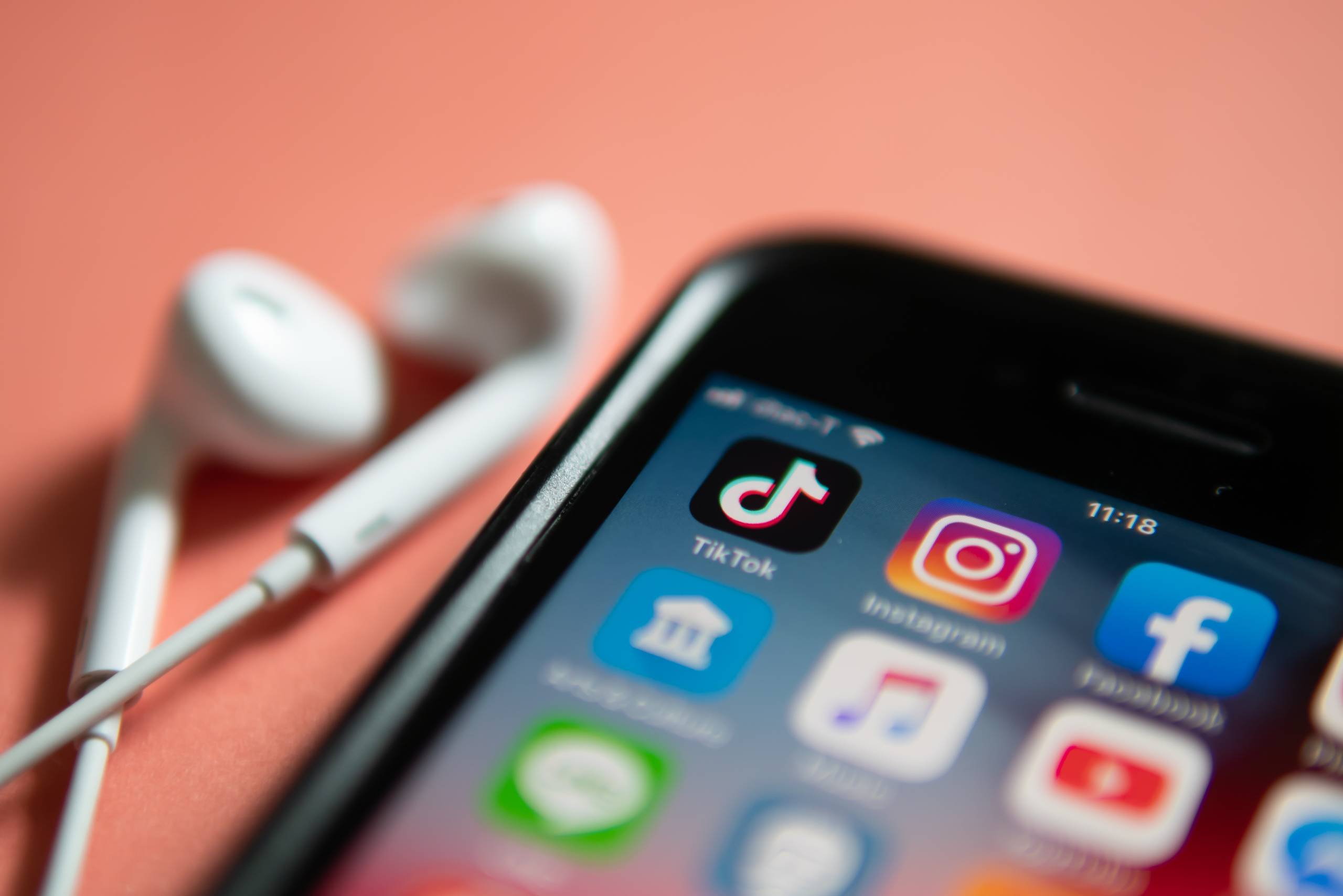
Bobby Davin: As do I, trust me. But yeah, the article was exposing the organic and inorganic ways that music is being marketed these days—much of which is likely a surprise to casual listeners, but has been going on in various forms throughout the history of music marketing. Currently, it’s just happening through content seeding, fan pages, and versions of that on TikTok.
Alexis Madrigal: Let’s talk about some of the actual techniques. One of the things that caught my eye was the marketing firm—called Chaotic Good, which is hilarious—describing what they do as “trend simulation,” which sounds like a highfalutin term for creating a bunch of fan pages to make it look like there’s a groundswell of support. How common is that? Or how common is it to pay people to make videos? What are the actual strategies here?
Bobby Davin: Yeah, it’s incredibly common—especially at the scale of a company like Chaotic Good, which does this as its core business. Creating a network of fan pages where people discover music is a really involved effort. It’s not as simple as uploading a video of Geese and having it go viral. They spend months building up these pages—posting non-client content, gaining traction through trending audio—before using them for campaigns.
This is something we do at Stem on a much smaller scale. We create pages, sometimes fan-style pages, for artists within certain demographics. For your average band with a marketing budget, this is a really buzzy strategy right now: either building these pages, using agency networks that already have them, or seeding content to existing pages. And by seeding, I mean paying creators to use the music in their content.
Alexis Madrigal: To make that concrete: there might be a popular TikToker or Instagram creator whose content fits your song. Say you’ve got a song called “Cut the Tomato,” and they’re a food influencer—you might suggest they use it, and then it spreads from there.
Bobby Davin: Exactly. And the strategy has evolved since early COVID-era TikTok marketing, where it was just “pay someone to dance to your song.” Now it’s much more niche and targeted. Sometimes it’s not even about having someone talk about the song—it’s about using it in the background of content, like WWE clips, anime pages, or other subgenre communities.
So it really varies depending on the campaign. Sometimes it’s very direct—“here’s a song for your audience”—and other times it’s more subtle, testing different pockets to see where it sticks.
Alexis Madrigal: Glenn, you’ve been around the internet a long time, as have I. As long as there have been recommender systems—“the algorithm”—people have tried to game them. As someone who worked at Spotify, do you think these tactics actually work?
Glenn McDonald: They work if they get traction among humans. Music is an attention economy, and on some level, this is no different from any other kind of advertising. You see someone on your screen happily taking a pill and recommending it—are they real?
Alexis Madrigal: Yeah, they’re taking Geese and they’re sad—and I think, that’s what I want.
Glenn McDonald: Exactly. So that part is reassuringly not new. At Spotify, I spent a lot of time trying to distinguish between real listener enthusiasm and fake versions of it. It’s actually often pretty easy—if you’re looking. But if you’re not, you leave the door open and don’t know what will come through.
Alexis Madrigal: Does anyone in the music ecosystem—aside from the musicians themselves—really care whether the enthusiasm is real or manufactured? At the end of the day, people still have to listen to the music, right? If it’s not good, they won’t.
Glenn McDonald: That’s generally true, but the cases that worry me are where that breaks down. TikTok introduces a unique dynamic: a piece of music can become popular statistically without anyone caring about it as music. If it’s attached to a meme that’s popular, the song rides along.
That’s harder to do on Spotify, where you still need people to actively listen. There’s less distraction—so the music itself matters more.
Alexis Madrigal: How would I know if the music I’m hearing is part of a viral campaign? Is it even possible to tell?
Glenn McDonald: It’s very hard to determine intent at the individual level. You can see that a song was played, but not why—whether someone chose it, stumbled onto it, or something else. So you have to look at patterns.
At Spotify, I’d look at who’s listening, what else they’re listening to, and how that fits culturally. If a Turkish hip-hop track appears hugely popular, but its listeners are mostly in Sri Lanka and also listening to Franz Liszt, that’s a signal something unusual is going on.
Alexis Madrigal: That’s fascinating. Bobby, in your work, you’re trying to figure out who has a genuine fan base versus who’s being boosted artificially. How do you do that?
Bobby Davin: Yeah, my role also involves signing artists, so I spend a lot of time analyzing data. We get a lot of viral signals, but it’s often hard for that virality to translate into streaming success. Even the folks at Chaotic Good have acknowledged that.
TikTok is a visual medium, and for a song to stick, it still has to be good. I look at a mix of data points—streaming, ticket sales, social media followers, merch sales. If something goes viral but doesn’t align with those other indicators, it can signal that the growth isn’t entirely organic.
Alexis Madrigal: Right—the merch matters. We’re talking about why certain songs and bands go viral. We’re joined by Bobby Davin, senior VP of A&R and label partnerships at Stem Distribution, and Glenn McDonald, former data alchemist at Spotify.
We want to hear from you, too. How do you discover new music? Call us at 866-733-6786, or email [email protected]. I’m Alexis Madrigal. Stay tuned.