This partial transcript was computer-generated. While our team has reviewed it, there may be errors.
Alexis Madrigal: Welcome to Forum. I’m Alexis Madrigal. We’ve had some relatively calm years on the wildfire front here in Northern California. While Los Angeles had terrible fires last year, the total acres burned were still quite small compared to 2020 and 2021. Given the unusual weather conditions so far this year, we’re going to dig into the wildfire forecast with some experts. But first, we’ll talk about the U.S. Forest Service, which the Trump administration is subjecting to a major overhaul, including closing some research centers in California and cutting deeply into staffing.
We’re joined first by Marianne Lavelle, Washington, D.C. bureau chief with Inside Climate News. Welcome.
Marianne Lavelle: Glad to be here.
Alexis Madrigal: We’re also joined by Adrienne Freeman, assistant director for communications for fire and aviation management at the U.S. Forest Service. Welcome.
Adrienne Freeman: Hello there.
Alexis Madrigal: Marianne, let’s start at the national level. What’s changing with the U.S. Forest Service? What is the Trump administration planning to do with the organization?
Marianne Lavelle: This is the largest reorganization in the 120-year history of the Forest Service. What’s happening is that the headquarters is moving from Washington, D.C. to Utah, and many research offices around the country are being closed. The agency has already lost about 16% of its personnel over the past year, which reflects broader trends across the federal government—early retirements and attrition. When you have major relocations like this, many employees choose to leave rather than move, so we can expect further staffing losses.
Alexis Madrigal: There was a somewhat similar situation with the Bureau of Land Management during the first Trump administration, when its headquarters moved to Colorado before eventually returning to Washington, D.C., right?
Marianne Lavelle: Right. It was an upheaval followed by another upheaval to reverse it. It raises the question of whether it’s efficient to keep reorganizing at a time when there are so many urgent issues to address.
Alexis Madrigal: Adrienne, you focus mostly on California. At the regional level, what might be changing here, if anything?
Adrienne Freeman: My specific area is fire in California. It’s important to note that California has long been its own region within the Forest Service. For fire and aviation management, there won’t be many changes. The relocation does not affect our staff. From the beginning, fire and aviation management were excluded from the reorganization.
In California, we already operate within an interagency structure. There are two geographic area coordination centers—one in Riverside and one in Redding—and fire leadership staff are also based in central California, currently in Vallejo. There are no changes to the Riverside or Redding centers, where much of our leadership is located alongside the Department of the Interior and CAL FIRE staff. The Vallejo facility may eventually move to somewhere like Sacramento, but that represents a small portion of leadership compared to Redding and Riverside.
Alexis Madrigal: From a fire management perspective, who do those teams report to, and is that changing?
Adrienne Freeman: They report up through the Washington office, and that leadership is based in Boise.
Alexis Madrigal: Got it. So given that things are relatively stable for your division, how are you preparing for the 2026 wildfire season?
Adrienne Freeman: First, to clarify, the Forest Service is part of the Department of Agriculture, not the Department of the Interior. There’s been a lot of confusion because of changes happening across different agencies.
For us, preparedness means focusing on what has been a very unusual year. We saw record warmth in March, along with heavy rains earlier in the winter, which produced significant grass and brush growth. That’s not just a California issue—it’s happening across the West. As a national resource, we have to think broadly.
Right now, we’re staying focused on readiness. I’m actually standing at a hotshot base in Valencia, watching firefighters prepare alongside county and state partners. We’re in a good place operationally, but mental readiness is also critical—cutting through the noise and staying focused on the work ahead.
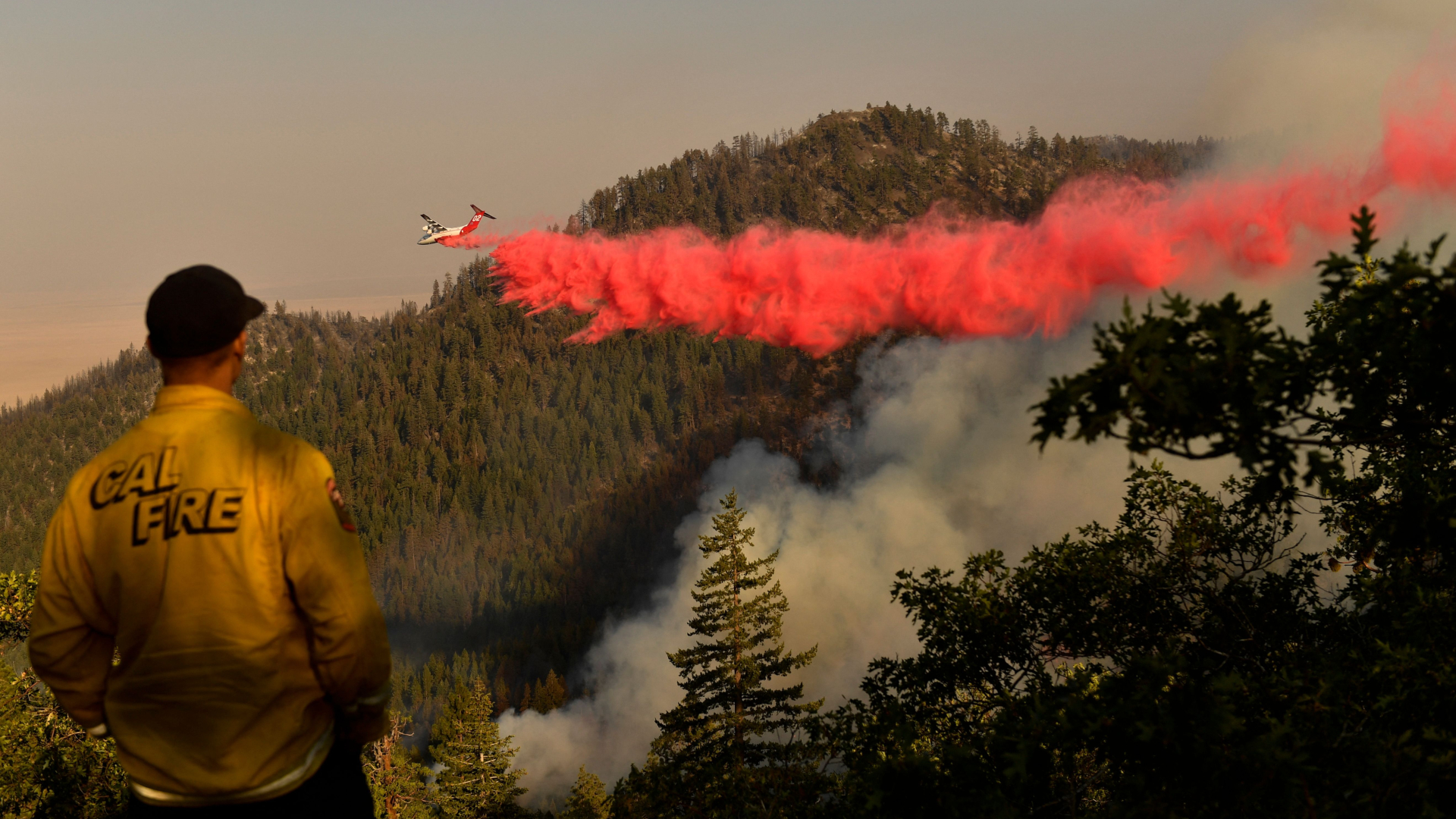
Alexis Madrigal: Can you talk about the relationship between the Forest Service and CAL FIRE?
Adrienne Freeman: It’s evolved a lot. Historically, we operated somewhat separately—CAL FIRE focused more on the wildland-urban interface, while the Forest Service worked deeper in forested areas. But as more people have moved into fire-prone areas, those distinctions have blurred.
In recent years, our missions have aligned more closely, especially around fuels management and prescribed fire. CAL FIRE has expanded its work in those areas, and we’ve become much more integrated. We train together, share incident management teams, and collaborate across jurisdictions. It may sound cliché, but we’re in a better place than ever in terms of coordination.
Alexis Madrigal: You mentioned that the Forest Service is a national resource, and that recent heat and drying conditions have affected much of the country. Does that raise concerns about resource availability if multiple regions face fire risk at once?
Adrienne Freeman: Resource scarcity is always a concern, especially during widespread drought. There are only so many crews and aircraft available. Some years we expect severe fire seasons that don’t materialize, and other times conditions worsen unexpectedly.
We have to plan for a difficult year. We constantly reposition resources across the state and country, working within a system that includes local, state, and federal partners. We’re good at that. But the most important message to the public is simple: be careful. We know we’ll have naturally caused fires, but preventing human-caused ignitions makes a huge difference.
Alexis Madrigal: Right.
Adrienne Freeman: We have finite resources, so anything people can do to reduce risk—like avoiding sparks from dragging chains—really matters.
Alexis Madrigal: I believe it was your agency that gave us “Only you can prevent forest fires.”
Adrienne Freeman: Yes—Smokey Bear and all that.
Alexis Madrigal: That’s right. We’ve been talking about wildfire conditions and the reorganization of the U.S. Forest Service, and how these could impact California’s fire season. Adrienne Freeman, thank you so much for joining us.
Adrienne Freeman: You’re welcome.
Alexis Madrigal: We’re still joined by Marianne Lavelle, Washington bureau chief with Inside Climate News. After the break, we’ll take your questions and bring in more guests. What do you want to know about wildfire management in California? How prepared are you this year? Call us at 866-733-6786, email [email protected], or find us on social media at KQED Forum. I’m Alexis Madrigal—stay tuned.