For seasoned and beginner bakers alike, there are always new techniques to learn when it comes to baking that perfect chocolate chip cookie or pie crust. Cookbook author and recipe developer
Jessica Battilana shares what common mistakes bakers make, her key tips and tricks for successful baking, and why baking is bringing much-needed joy for so many people right now.
The Joys — and Rules — of Baking
Cookbook author and recipe developer Jessica Battilana shares what common mistakes bakers make, her key tips and tricks for successful baking, and why baking is bringing much-needed joy for so many people right now.
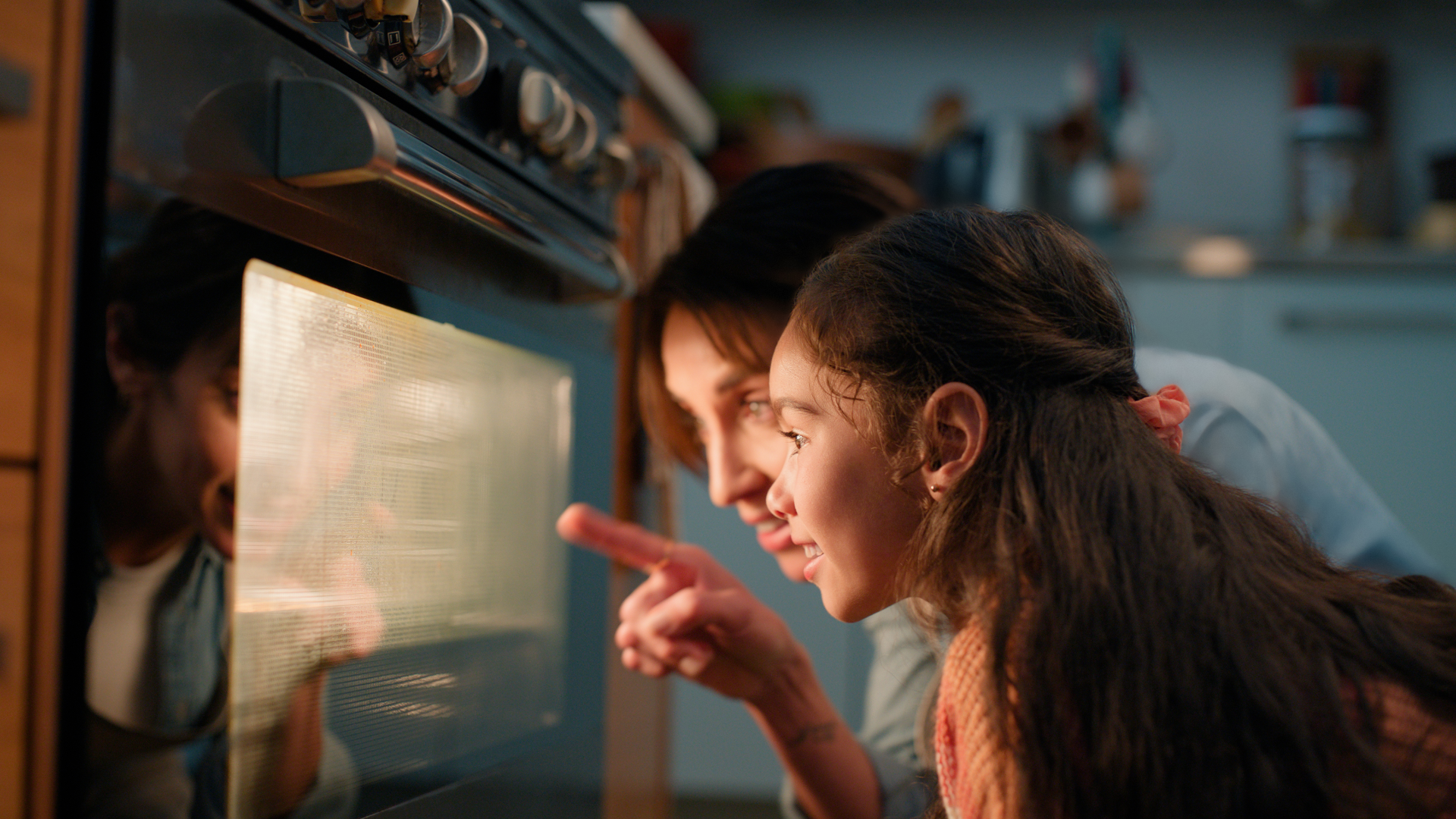
A mother and daughter check the cake they're baking in the oven. (Bevan Goldswain via Getty Images)
Show Highlights
Chocolate Chip Cookies: Tips and Techniques
Jessica Battilana breaks down chocolate chip cookies into three camps — those big, cakey coffee-shop cookies; the thin, buttery “snap” cookies; and her favorite: cookies with just-crispy edges and a gooey, melt-in-your-mouth center.
She explains that melted butter, bread flour, and an overnight chill are key to crisp edges and a chewy center. She swears by the “smash cookie” trick from NYC’s LaVanne Bakery, flattening cookies mid-bake for extra gooeyness.
Common Baking Mistakes and How to Avoid Them
Battiliana reminds us that sugar does more than sweeten; it enhances flavor and drives browning and caramelization. She also warns that overmixing develops excess gluten, resulting in tough cookies.
Battilana also shares practical tips. She makes sure to scrape down the sides of the mixing bowl so every bit of flour and butter gets folded in evenly. And when it comes to rolling out pie dough, she adds ice water. Instead of dumping it all in at once, she pours in just a splash at a time. With her fingers curved like a claw hovering over the ingredients, she lets the cold water drip across the back of her hand, using that gentle claw motion to coax the dough into a cohesive mass—never kneading or pressing too hard, so the mixture stays tender and flaky.
Gluten-Free Baking Challenges and Solutions
Battilana notes that gluten-free baking is a whole different ball game. Gluten-free flours lack the stretchy, binding power of wheat, so they never behave like traditional flours. To compensate, you often need to tweak your blend with gums, extra moisture, or eggs to recreate that structure and avoid crumbly, dense results.
She recommends sticking to recipes crafted for gluten-free flours. She points to flax “eggs,” aquafaba (chickpea liquid), and applesauce as affordable, allergen-friendly binders to replicate structure and moisture.
Pie Baking Secrets: Achieving the Perfect Filling
Battilana says that the secret to a perfectly set pie filling is twofold: bake it long enough for the fruit juices to bubble at high heat—so the starches can fully gelatinize—and then let the pie cool completely. Only once it’s genuinely at room temperature will the thickener have time to work its “setting magic,” turning hot, runny filling into a sliceable, perfectly set dessert.
She recommends following King Arthur Baking’s pie thickener chart to determine the appropriate amount of thickener based on the type and quantity of fruit used. She also mentions the benefits of using specialized ingredients like instant clear gel, a modified corn starch that provides superior gelling properties.
Baking Bread at Home: Sourdough and Brioche
For those seeking to master the art of bread baking, she notes that sourdough hinges on patience and a stable, warm environment that lets wild yeast slowly build depth and structure. Brioche, on the other hand, with its rich butter-and-egg dough, is “fussy” and demands extra TLC. It requires gentle handling, precise temperature control, and careful proofing to yield that tender, pillowy crumb.
She suggests relying on a sturdy stand mixer to knead brioche dough for a full 10–15 minutes—long enough that the mixer will actually heat up under the strain. Once it’s smooth and elastic, she says, transfer the dough to a slightly warm spot so it can rise gently and develop that signature buttery feel.
The Joy of Baking and Its Resurgence
Battilana believes a scratch-made birthday cake is the ultimate act of love—its uneven layers and messy frosting carry far more warmth than anything you’d buy at a bakery. She even devoted an entire podcast episode to celebrating those charmingly imperfect cakes, arguing that their heartfelt flaws make them taste sweeter.
Her genuine enthusiasm—and deep well of tips—reminds us that baking isn’t just about perfect results but about the joy and comfort of creating something delicious from scratch.
This content was edited by the Forum production team but was generated with the help of AI.