window.__IS_SSR__=true
window.__INITIAL_STATE__={
"attachmentsReducer": {
"audio_0": {
"type": "attachments",
"id": "audio_0",
"imgSizes": {
"kqedFullSize": {
"file": "https://ww2.kqed.org/news/wp-content/themes/KQED-unified/img/audio_bgs/background0.jpg"
}
}
},
"audio_1": {
"type": "attachments",
"id": "audio_1",
"imgSizes": {
"kqedFullSize": {
"file": "https://ww2.kqed.org/news/wp-content/themes/KQED-unified/img/audio_bgs/background1.jpg"
}
}
},
"audio_2": {
"type": "attachments",
"id": "audio_2",
"imgSizes": {
"kqedFullSize": {
"file": "https://ww2.kqed.org/news/wp-content/themes/KQED-unified/img/audio_bgs/background2.jpg"
}
}
},
"audio_3": {
"type": "attachments",
"id": "audio_3",
"imgSizes": {
"kqedFullSize": {
"file": "https://ww2.kqed.org/news/wp-content/themes/KQED-unified/img/audio_bgs/background3.jpg"
}
}
},
"audio_4": {
"type": "attachments",
"id": "audio_4",
"imgSizes": {
"kqedFullSize": {
"file": "https://ww2.kqed.org/news/wp-content/themes/KQED-unified/img/audio_bgs/background4.jpg"
}
}
},
"placeholder": {
"type": "attachments",
"id": "placeholder",
"imgSizes": {
"thumbnail": {
"file": "https://cdn.kqed.org/wp-content/uploads/2024/12/KQED-Default-Image-816638274-2000x1333-1-160x107.jpg",
"width": 160,
"height": 107,
"mimeType": "image/jpeg"
},
"medium": {
"file": "https://cdn.kqed.org/wp-content/uploads/2024/12/KQED-Default-Image-816638274-2000x1333-1-800x533.jpg",
"width": 800,
"height": 533,
"mimeType": "image/jpeg"
},
"medium_large": {
"file": "https://cdn.kqed.org/wp-content/uploads/2024/12/KQED-Default-Image-816638274-2000x1333-1-768x512.jpg",
"width": 768,
"height": 512,
"mimeType": "image/jpeg"
},
"large": {
"file": "https://cdn.kqed.org/wp-content/uploads/2024/12/KQED-Default-Image-816638274-2000x1333-1-1020x680.jpg",
"width": 1020,
"height": 680,
"mimeType": "image/jpeg"
},
"1536x1536": {
"file": "https://cdn.kqed.org/wp-content/uploads/2024/12/KQED-Default-Image-816638274-2000x1333-1-1536x1024.jpg",
"width": 1536,
"height": 1024,
"mimeType": "image/jpeg"
},
"fd-lrg": {
"file": "https://cdn.kqed.org/wp-content/uploads/2024/12/KQED-Default-Image-816638274-2000x1333-1-1536x1024.jpg",
"width": 1536,
"height": 1024,
"mimeType": "image/jpeg"
},
"fd-med": {
"file": "https://cdn.kqed.org/wp-content/uploads/2024/12/KQED-Default-Image-816638274-2000x1333-1-1020x680.jpg",
"width": 1020,
"height": 680,
"mimeType": "image/jpeg"
},
"fd-sm": {
"file": "https://cdn.kqed.org/wp-content/uploads/2024/12/KQED-Default-Image-816638274-2000x1333-1-800x533.jpg",
"width": 800,
"height": 533,
"mimeType": "image/jpeg"
},
"post-thumbnail": {
"file": "https://cdn.kqed.org/wp-content/uploads/2024/12/KQED-Default-Image-816638274-2000x1333-1-672x372.jpg",
"width": 672,
"height": 372,
"mimeType": "image/jpeg"
},
"twentyfourteen-full-width": {
"file": "https://cdn.kqed.org/wp-content/uploads/2024/12/KQED-Default-Image-816638274-2000x1333-1-1038x576.jpg",
"width": 1038,
"height": 576,
"mimeType": "image/jpeg"
},
"xxsmall": {
"file": "https://cdn.kqed.org/wp-content/uploads/2024/12/KQED-Default-Image-816638274-2000x1333-1-160x107.jpg",
"width": 160,
"height": 107,
"mimeType": "image/jpeg"
},
"xsmall": {
"file": "https://cdn.kqed.org/wp-content/uploads/2024/12/KQED-Default-Image-816638274-2000x1333-1-672x372.jpg",
"width": 672,
"height": 372,
"mimeType": "image/jpeg"
},
"small": {
"file": "https://cdn.kqed.org/wp-content/uploads/2024/12/KQED-Default-Image-816638274-2000x1333-1-672x372.jpg",
"width": 672,
"height": 372,
"mimeType": "image/jpeg"
},
"xlarge": {
"file": "https://cdn.kqed.org/wp-content/uploads/2024/12/KQED-Default-Image-816638274-2000x1333-1-1020x680.jpg",
"width": 1020,
"height": 680,
"mimeType": "image/jpeg"
},
"full-width": {
"file": "https://cdn.kqed.org/wp-content/uploads/2024/12/KQED-Default-Image-816638274-2000x1333-1-1920x1280.jpg",
"width": 1920,
"height": 1280,
"mimeType": "image/jpeg"
},
"guest-author-32": {
"file": "https://cdn.kqed.org/wp-content/uploads/2025/01/KQED-Default-Image-816638274-1333x1333-1-160x160.jpg",
"width": 32,
"height": 32,
"mimeType": "image/jpeg"
},
"guest-author-50": {
"file": "https://cdn.kqed.org/wp-content/uploads/2025/01/KQED-Default-Image-816638274-1333x1333-1-160x160.jpg",
"width": 50,
"height": 50,
"mimeType": "image/jpeg"
},
"guest-author-64": {
"file": "https://cdn.kqed.org/wp-content/uploads/2025/01/KQED-Default-Image-816638274-1333x1333-1-160x160.jpg",
"width": 64,
"height": 64,
"mimeType": "image/jpeg"
},
"guest-author-96": {
"file": "https://cdn.kqed.org/wp-content/uploads/2025/01/KQED-Default-Image-816638274-1333x1333-1-160x160.jpg",
"width": 96,
"height": 96,
"mimeType": "image/jpeg"
},
"guest-author-128": {
"file": "https://cdn.kqed.org/wp-content/uploads/2025/01/KQED-Default-Image-816638274-1333x1333-1-160x160.jpg",
"width": 128,
"height": 128,
"mimeType": "image/jpeg"
},
"detail": {
"file": "https://cdn.kqed.org/wp-content/uploads/2025/01/KQED-Default-Image-816638274-1333x1333-1-160x160.jpg",
"width": 160,
"height": 160,
"mimeType": "image/jpeg"
},
"kqedFullSize": {
"file": "https://cdn.kqed.org/wp-content/uploads/2024/12/KQED-Default-Image-816638274-2000x1333-1.jpg",
"width": 2000,
"height": 1333
}
}
},
"bayareabites_119444": {
"type": "attachments",
"id": "bayareabites_119444",
"meta": {
"index": "attachments_1716263798",
"site": "bayareabites",
"id": "119444",
"found": true
},
"parent": 119400,
"imgSizes": {
"small": {
"file": "https://ww2.kqed.org/app/uploads/sites/24/2017/07/ippudo-zuzutto-ramen-1-520x347.jpg",
"width": 520,
"mimeType": "image/jpeg",
"height": 347
},
"twentyfourteen-full-width": {
"file": "https://ww2.kqed.org/app/uploads/sites/24/2017/07/ippudo-zuzutto-ramen-1-1038x576.jpg",
"width": 1038,
"mimeType": "image/jpeg",
"height": 576
},
"thumbnail": {
"file": "https://ww2.kqed.org/app/uploads/sites/24/2017/07/ippudo-zuzutto-ramen-1-160x107.jpg",
"width": 160,
"mimeType": "image/jpeg",
"height": 107
},
"fd-sm": {
"file": "https://ww2.kqed.org/app/uploads/sites/24/2017/07/ippudo-zuzutto-ramen-1-960x640.jpg",
"width": 960,
"mimeType": "image/jpeg",
"height": 640
},
"post-thumbnail": {
"file": "https://ww2.kqed.org/app/uploads/sites/24/2017/07/ippudo-zuzutto-ramen-1-672x372.jpg",
"width": 672,
"mimeType": "image/jpeg",
"height": 372
},
"xsmall": {
"file": "https://ww2.kqed.org/app/uploads/sites/24/2017/07/ippudo-zuzutto-ramen-1-375x250.jpg",
"width": 375,
"mimeType": "image/jpeg",
"height": 250
},
"kqedFullSize": {
"file": "https://ww2.kqed.org/app/uploads/sites/24/2017/07/ippudo-zuzutto-ramen-1.jpg",
"width": 1920,
"height": 1280
},
"large": {
"file": "https://ww2.kqed.org/app/uploads/sites/24/2017/07/ippudo-zuzutto-ramen-1-1020x680.jpg",
"width": 1020,
"mimeType": "image/jpeg",
"height": 680
},
"xlarge": {
"file": "https://ww2.kqed.org/app/uploads/sites/24/2017/07/ippudo-zuzutto-ramen-1-1180x787.jpg",
"width": 1180,
"mimeType": "image/jpeg",
"height": 787
},
"guest-author-50": {
"file": "https://ww2.kqed.org/app/uploads/sites/24/2017/07/ippudo-zuzutto-ramen-1-50x50.jpg",
"width": 50,
"mimeType": "image/jpeg",
"height": 50
},
"guest-author-96": {
"file": "https://ww2.kqed.org/app/uploads/sites/24/2017/07/ippudo-zuzutto-ramen-1-96x96.jpg",
"width": 96,
"mimeType": "image/jpeg",
"height": 96
},
"medium": {
"file": "https://ww2.kqed.org/app/uploads/sites/24/2017/07/ippudo-zuzutto-ramen-1-800x533.jpg",
"width": 800,
"mimeType": "image/jpeg",
"height": 533
},
"guest-author-64": {
"file": "https://ww2.kqed.org/app/uploads/sites/24/2017/07/ippudo-zuzutto-ramen-1-64x64.jpg",
"width": 64,
"mimeType": "image/jpeg",
"height": 64
},
"guest-author-32": {
"file": "https://ww2.kqed.org/app/uploads/sites/24/2017/07/ippudo-zuzutto-ramen-1-32x32.jpg",
"width": 32,
"mimeType": "image/jpeg",
"height": 32
},
"fd-lrg": {
"file": "https://ww2.kqed.org/app/uploads/sites/24/2017/07/ippudo-zuzutto-ramen-1-1920x1280.jpg",
"width": 1920,
"mimeType": "image/jpeg",
"height": 1280
},
"fd-med": {
"file": "https://ww2.kqed.org/app/uploads/sites/24/2017/07/ippudo-zuzutto-ramen-1-1180x787.jpg",
"width": 1180,
"mimeType": "image/jpeg",
"height": 787
},
"full-width": {
"file": "https://ww2.kqed.org/app/uploads/sites/24/2017/07/ippudo-zuzutto-ramen-1-1920x1280.jpg",
"width": 1920,
"mimeType": "image/jpeg",
"height": 1280
},
"detail": {
"file": "https://ww2.kqed.org/app/uploads/sites/24/2017/07/ippudo-zuzutto-ramen-1-150x150.jpg",
"width": 150,
"mimeType": "image/jpeg",
"height": 150
},
"medium_large": {
"file": "https://ww2.kqed.org/app/uploads/sites/24/2017/07/ippudo-zuzutto-ramen-1-768x512.jpg",
"width": 768,
"mimeType": "image/jpeg",
"height": 512
},
"guest-author-128": {
"file": "https://ww2.kqed.org/app/uploads/sites/24/2017/07/ippudo-zuzutto-ramen-1-128x128.jpg",
"width": 128,
"mimeType": "image/jpeg",
"height": 128
},
"xxsmall": {
"file": "https://ww2.kqed.org/app/uploads/sites/24/2017/07/ippudo-zuzutto-ramen-1-240x160.jpg",
"width": 240,
"mimeType": "image/jpeg",
"height": 160
}
},
"publishDate": 1501197511,
"modified": 1501197655,
"caption": "Serving ramen from the Ippudo open kitchen.",
"description": null,
"title": "ippudo-zuzutto-ramen",
"credit": "Wendy Goodfriend",
"status": "inherit",
"isLoading": false,
"fetchFailed": false
},
"bayareabites_117768": {
"type": "attachments",
"id": "bayareabites_117768",
"meta": {
"index": "attachments_1716263798",
"site": "bayareabites",
"id": "117768",
"found": true
},
"parent": 117767,
"imgSizes": {
"small": {
"file": "https://ww2.kqed.org/app/uploads/sites/24/2017/05/2017-04-30-shonen-knife-0079_edit_custom-1f7a5a096ecf6bfd53b8e72c72b582c35981831d-520x351.jpg",
"width": 520,
"mimeType": "image/jpeg",
"height": 351
},
"twentyfourteen-full-width": {
"file": "https://ww2.kqed.org/app/uploads/sites/24/2017/05/2017-04-30-shonen-knife-0079_edit_custom-1f7a5a096ecf6bfd53b8e72c72b582c35981831d-1038x576.jpg",
"width": 1038,
"mimeType": "image/jpeg",
"height": 576
},
"thumbnail": {
"file": "https://ww2.kqed.org/app/uploads/sites/24/2017/05/2017-04-30-shonen-knife-0079_edit_custom-1f7a5a096ecf6bfd53b8e72c72b582c35981831d-160x108.jpg",
"width": 160,
"mimeType": "image/jpeg",
"height": 108
},
"fd-sm": {
"file": "https://ww2.kqed.org/app/uploads/sites/24/2017/05/2017-04-30-shonen-knife-0079_edit_custom-1f7a5a096ecf6bfd53b8e72c72b582c35981831d-960x648.jpg",
"width": 960,
"mimeType": "image/jpeg",
"height": 648
},
"post-thumbnail": {
"file": "https://ww2.kqed.org/app/uploads/sites/24/2017/05/2017-04-30-shonen-knife-0079_edit_custom-1f7a5a096ecf6bfd53b8e72c72b582c35981831d-672x372.jpg",
"width": 672,
"mimeType": "image/jpeg",
"height": 372
},
"xsmall": {
"file": "https://ww2.kqed.org/app/uploads/sites/24/2017/05/2017-04-30-shonen-knife-0079_edit_custom-1f7a5a096ecf6bfd53b8e72c72b582c35981831d-375x253.jpg",
"width": 375,
"mimeType": "image/jpeg",
"height": 253
},
"kqedFullSize": {
"file": "https://ww2.kqed.org/app/uploads/sites/24/2017/05/2017-04-30-shonen-knife-0079_edit_custom-1f7a5a096ecf6bfd53b8e72c72b582c35981831d.jpg",
"width": 3457,
"height": 2333
},
"large": {
"file": "https://ww2.kqed.org/app/uploads/sites/24/2017/05/2017-04-30-shonen-knife-0079_edit_custom-1f7a5a096ecf6bfd53b8e72c72b582c35981831d-1020x688.jpg",
"width": 1020,
"mimeType": "image/jpeg",
"height": 688
},
"xlarge": {
"file": "https://ww2.kqed.org/app/uploads/sites/24/2017/05/2017-04-30-shonen-knife-0079_edit_custom-1f7a5a096ecf6bfd53b8e72c72b582c35981831d-1180x796.jpg",
"width": 1180,
"mimeType": "image/jpeg",
"height": 796
},
"guest-author-50": {
"file": "https://ww2.kqed.org/app/uploads/sites/24/2017/05/2017-04-30-shonen-knife-0079_edit_custom-1f7a5a096ecf6bfd53b8e72c72b582c35981831d-50x50.jpg",
"width": 50,
"mimeType": "image/jpeg",
"height": 50
},
"guest-author-96": {
"file": "https://ww2.kqed.org/app/uploads/sites/24/2017/05/2017-04-30-shonen-knife-0079_edit_custom-1f7a5a096ecf6bfd53b8e72c72b582c35981831d-96x96.jpg",
"width": 96,
"mimeType": "image/jpeg",
"height": 96
},
"medium": {
"file": "https://ww2.kqed.org/app/uploads/sites/24/2017/05/2017-04-30-shonen-knife-0079_edit_custom-1f7a5a096ecf6bfd53b8e72c72b582c35981831d-800x540.jpg",
"width": 800,
"mimeType": "image/jpeg",
"height": 540
},
"guest-author-64": {
"file": "https://ww2.kqed.org/app/uploads/sites/24/2017/05/2017-04-30-shonen-knife-0079_edit_custom-1f7a5a096ecf6bfd53b8e72c72b582c35981831d-64x64.jpg",
"width": 64,
"mimeType": "image/jpeg",
"height": 64
},
"guest-author-32": {
"file": "https://ww2.kqed.org/app/uploads/sites/24/2017/05/2017-04-30-shonen-knife-0079_edit_custom-1f7a5a096ecf6bfd53b8e72c72b582c35981831d-32x32.jpg",
"width": 32,
"mimeType": "image/jpeg",
"height": 32
},
"fd-lrg": {
"file": "https://ww2.kqed.org/app/uploads/sites/24/2017/05/2017-04-30-shonen-knife-0079_edit_custom-1f7a5a096ecf6bfd53b8e72c72b582c35981831d-1920x1296.jpg",
"width": 1920,
"mimeType": "image/jpeg",
"height": 1296
},
"fd-med": {
"file": "https://ww2.kqed.org/app/uploads/sites/24/2017/05/2017-04-30-shonen-knife-0079_edit_custom-1f7a5a096ecf6bfd53b8e72c72b582c35981831d-1180x796.jpg",
"width": 1180,
"mimeType": "image/jpeg",
"height": 796
},
"full-width": {
"file": "https://ww2.kqed.org/app/uploads/sites/24/2017/05/2017-04-30-shonen-knife-0079_edit_custom-1f7a5a096ecf6bfd53b8e72c72b582c35981831d-1920x1296.jpg",
"width": 1920,
"mimeType": "image/jpeg",
"height": 1296
},
"detail": {
"file": "https://ww2.kqed.org/app/uploads/sites/24/2017/05/2017-04-30-shonen-knife-0079_edit_custom-1f7a5a096ecf6bfd53b8e72c72b582c35981831d-150x150.jpg",
"width": 150,
"mimeType": "image/jpeg",
"height": 150
},
"medium_large": {
"file": "https://ww2.kqed.org/app/uploads/sites/24/2017/05/2017-04-30-shonen-knife-0079_edit_custom-1f7a5a096ecf6bfd53b8e72c72b582c35981831d-768x518.jpg",
"width": 768,
"mimeType": "image/jpeg",
"height": 518
},
"guest-author-128": {
"file": "https://ww2.kqed.org/app/uploads/sites/24/2017/05/2017-04-30-shonen-knife-0079_edit_custom-1f7a5a096ecf6bfd53b8e72c72b582c35981831d-128x128.jpg",
"width": 128,
"mimeType": "image/jpeg",
"height": 128
},
"xxsmall": {
"file": "https://ww2.kqed.org/app/uploads/sites/24/2017/05/2017-04-30-shonen-knife-0079_edit_custom-1f7a5a096ecf6bfd53b8e72c72b582c35981831d-240x162.jpg",
"width": 240,
"mimeType": "image/jpeg",
"height": 162
}
},
"publishDate": 1495897852,
"modified": 1495898081,
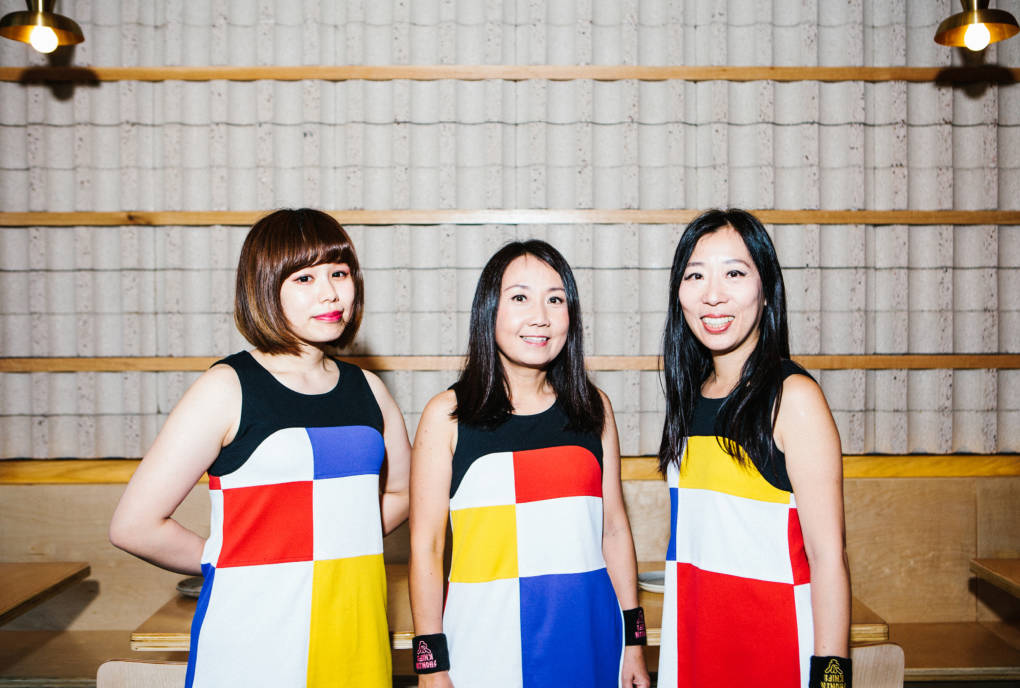
"caption": "For our interview, Risa, Naoko and Atsuko changed into their signature outfits: geometric-patterned dresses, designed by Atsuko, reminiscent of a Mondrian painting.",
"description": "For our interview, Risa, Naoko and Atsuko changed into their signature outfits: geometric-patterned dresses, designed by Atsuko, reminiscent of a Mondrian painting.",
"title": "For our interview, Risa, Naoko and Atsuko changed into their signature outfits: geometric-patterned dresses, designed by Atsuko, reminiscent of a Mondrian painting.",
"credit": "Ariel Zambelich/NPR",
"status": "inherit",
"isLoading": false,
"fetchFailed": false
},
"bayareabites_117190": {
"type": "attachments",
"id": "bayareabites_117190",
"meta": {
"index": "attachments_1716263798",
"site": "bayareabites",
"id": "117190",
"found": true
},
"parent": 117181,
"imgSizes": {
"small": {
"file": "https://ww2.kqed.org/app/uploads/sites/24/2017/05/kagawa-main-520x390.jpg",
"width": 520,
"mimeType": "image/jpeg",
"height": 390
},
"twentyfourteen-full-width": {
"file": "https://ww2.kqed.org/app/uploads/sites/24/2017/05/kagawa-main-1038x576.jpg",
"width": 1038,
"mimeType": "image/jpeg",
"height": 576
},
"thumbnail": {
"file": "https://ww2.kqed.org/app/uploads/sites/24/2017/05/kagawa-main-160x120.jpg",
"width": 160,
"mimeType": "image/jpeg",
"height": 120
},
"fd-sm": {
"file": "https://ww2.kqed.org/app/uploads/sites/24/2017/05/kagawa-main-960x720.jpg",
"width": 960,
"mimeType": "image/jpeg",
"height": 720
},
"post-thumbnail": {
"file": "https://ww2.kqed.org/app/uploads/sites/24/2017/05/kagawa-main-672x372.jpg",
"width": 672,
"mimeType": "image/jpeg",
"height": 372
},
"xsmall": {
"file": "https://ww2.kqed.org/app/uploads/sites/24/2017/05/kagawa-main-375x281.jpg",
"width": 375,
"mimeType": "image/jpeg",
"height": 281
},
"kqedFullSize": {
"file": "https://ww2.kqed.org/app/uploads/sites/24/2017/05/kagawa-main.jpg",
"width": 1632,
"height": 1224
},
"large": {
"file": "https://ww2.kqed.org/app/uploads/sites/24/2017/05/kagawa-main-1020x765.jpg",
"width": 1020,
"mimeType": "image/jpeg",
"height": 765
},
"xlarge": {
"file": "https://ww2.kqed.org/app/uploads/sites/24/2017/05/kagawa-main-1180x885.jpg",
"width": 1180,
"mimeType": "image/jpeg",
"height": 885
},
"guest-author-50": {
"file": "https://ww2.kqed.org/app/uploads/sites/24/2017/05/kagawa-main-50x50.jpg",
"width": 50,
"mimeType": "image/jpeg",
"height": 50
},
"guest-author-96": {
"file": "https://ww2.kqed.org/app/uploads/sites/24/2017/05/kagawa-main-96x96.jpg",
"width": 96,
"mimeType": "image/jpeg",
"height": 96
},
"medium": {
"file": "https://ww2.kqed.org/app/uploads/sites/24/2017/05/kagawa-main-800x600.jpg",
"width": 800,
"mimeType": "image/jpeg",
"height": 600
},
"guest-author-64": {
"file": "https://ww2.kqed.org/app/uploads/sites/24/2017/05/kagawa-main-64x64.jpg",
"width": 64,
"mimeType": "image/jpeg",
"height": 64
},
"guest-author-32": {
"file": "https://ww2.kqed.org/app/uploads/sites/24/2017/05/kagawa-main-32x32.jpg",
"width": 32,
"mimeType": "image/jpeg",
"height": 32
},
"fd-med": {
"file": "https://ww2.kqed.org/app/uploads/sites/24/2017/05/kagawa-main-1180x885.jpg",
"width": 1180,
"mimeType": "image/jpeg",
"height": 885
},
"detail": {
"file": "https://ww2.kqed.org/app/uploads/sites/24/2017/05/kagawa-main-150x150.jpg",
"width": 150,
"mimeType": "image/jpeg",
"height": 150
},
"medium_large": {
"file": "https://ww2.kqed.org/app/uploads/sites/24/2017/05/kagawa-main-768x576.jpg",
"width": 768,
"mimeType": "image/jpeg",
"height": 576
},
"guest-author-128": {
"file": "https://ww2.kqed.org/app/uploads/sites/24/2017/05/kagawa-main-128x128.jpg",
"width": 128,
"mimeType": "image/jpeg",
"height": 128
},
"xxsmall": {
"file": "https://ww2.kqed.org/app/uploads/sites/24/2017/05/kagawa-main-240x180.jpg",
"width": 240,
"mimeType": "image/jpeg",
"height": 180
}
},
"publishDate": 1494023541,
"modified": 1494281212,
"caption": "Kagawa-Ya Udon Noodle Company dishes.",
"description": null,
"title": "kagawa-main",
"credit": "Trevor Felch",
"status": "inherit",
"isLoading": false,
"fetchFailed": false
},
"bayareabites_116363": {
"type": "attachments",
"id": "bayareabites_116363",
"meta": {
"index": "attachments_1716263798",
"site": "bayareabites",
"id": "116363",
"found": true
},
"parent": 116319,
"imgSizes": {
"small": {
"file": "https://ww2.kqed.org/app/uploads/sites/24/2017/03/ding-hamachi-520x347.jpg",
"width": 520,
"mimeType": "image/jpeg",
"height": 347
},
"twentyfourteen-full-width": {
"file": "https://ww2.kqed.org/app/uploads/sites/24/2017/03/ding-hamachi-1038x576.jpg",
"width": 1038,
"mimeType": "image/jpeg",
"height": 576
},
"thumbnail": {
"file": "https://ww2.kqed.org/app/uploads/sites/24/2017/03/ding-hamachi-160x107.jpg",
"width": 160,
"mimeType": "image/jpeg",
"height": 107
},
"fd-sm": {
"file": "https://ww2.kqed.org/app/uploads/sites/24/2017/03/ding-hamachi-960x640.jpg",
"width": 960,
"mimeType": "image/jpeg",
"height": 640
},
"post-thumbnail": {
"file": "https://ww2.kqed.org/app/uploads/sites/24/2017/03/ding-hamachi-672x372.jpg",
"width": 672,
"mimeType": "image/jpeg",
"height": 372
},
"xsmall": {
"file": "https://ww2.kqed.org/app/uploads/sites/24/2017/03/ding-hamachi-375x250.jpg",
"width": 375,
"mimeType": "image/jpeg",
"height": 250
},
"kqedFullSize": {
"file": "https://ww2.kqed.org/app/uploads/sites/24/2017/03/ding-hamachi.jpg",
"width": 1920,
"height": 1280
},
"large": {
"file": "https://ww2.kqed.org/app/uploads/sites/24/2017/03/ding-hamachi-1020x680.jpg",
"width": 1020,
"mimeType": "image/jpeg",
"height": 680
},
"xlarge": {
"file": "https://ww2.kqed.org/app/uploads/sites/24/2017/03/ding-hamachi-1180x787.jpg",
"width": 1180,
"mimeType": "image/jpeg",
"height": 787
},
"guest-author-50": {
"file": "https://ww2.kqed.org/app/uploads/sites/24/2017/03/ding-hamachi-50x50.jpg",
"width": 50,
"mimeType": "image/jpeg",
"height": 50
},
"guest-author-96": {
"file": "https://ww2.kqed.org/app/uploads/sites/24/2017/03/ding-hamachi-96x96.jpg",
"width": 96,
"mimeType": "image/jpeg",
"height": 96
},
"medium": {
"file": "https://ww2.kqed.org/app/uploads/sites/24/2017/03/ding-hamachi-800x533.jpg",
"width": 800,
"mimeType": "image/jpeg",
"height": 533
},
"guest-author-64": {
"file": "https://ww2.kqed.org/app/uploads/sites/24/2017/03/ding-hamachi-64x64.jpg",
"width": 64,
"mimeType": "image/jpeg",
"height": 64
},
"guest-author-32": {
"file": "https://ww2.kqed.org/app/uploads/sites/24/2017/03/ding-hamachi-32x32.jpg",
"width": 32,
"mimeType": "image/jpeg",
"height": 32
},
"fd-lrg": {
"file": "https://ww2.kqed.org/app/uploads/sites/24/2017/03/ding-hamachi-1920x1280.jpg",
"width": 1920,
"mimeType": "image/jpeg",
"height": 1280
},
"fd-med": {
"file": "https://ww2.kqed.org/app/uploads/sites/24/2017/03/ding-hamachi-1180x787.jpg",
"width": 1180,
"mimeType": "image/jpeg",
"height": 787
},
"full-width": {
"file": "https://ww2.kqed.org/app/uploads/sites/24/2017/03/ding-hamachi-1920x1280.jpg",
"width": 1920,
"mimeType": "image/jpeg",
"height": 1280
},
"detail": {
"file": "https://ww2.kqed.org/app/uploads/sites/24/2017/03/ding-hamachi-150x150.jpg",
"width": 150,
"mimeType": "image/jpeg",
"height": 150
},
"medium_large": {
"file": "https://ww2.kqed.org/app/uploads/sites/24/2017/03/ding-hamachi-768x512.jpg",
"width": 768,
"mimeType": "image/jpeg",
"height": 512
},
"guest-author-128": {
"file": "https://ww2.kqed.org/app/uploads/sites/24/2017/03/ding-hamachi-128x128.jpg",
"width": 128,
"mimeType": "image/jpeg",
"height": 128
},
"xxsmall": {
"file": "https://ww2.kqed.org/app/uploads/sites/24/2017/03/ding-hamachi-240x160.jpg",
"width": 240,
"mimeType": "image/jpeg",
"height": 160
}
},
"publishDate": 1490661935,
"modified": 1490662222,
"caption": "Hamachi (Yellowtail) sashimi at Ding",
"description": null,
"title": "ding-hamachi",
"credit": "Wendy Goodfriend",
"status": "inherit",
"isLoading": false,
"fetchFailed": false
},
"bayareabites_112421": {
"type": "attachments",
"id": "bayareabites_112421",
"meta": {
"index": "attachments_1716263798",
"site": "bayareabites",
"id": "112421",
"found": true
},
"parent": 112409,
"imgSizes": {
"twentyfourteen-full-width": {
"file": "https://ww2.kqed.org/app/uploads/sites/24/2016/09/dsc07719edit2_custom-aa8b74a9e0243f6b38ee28918fd001b9e0dd571b-s1600-c85-1038x576.jpg",
"width": 1038,
"mimeType": "image/jpeg",
"height": 576
},
"thumbnail": {
"file": "https://ww2.kqed.org/app/uploads/sites/24/2016/09/dsc07719edit2_custom-aa8b74a9e0243f6b38ee28918fd001b9e0dd571b-s1600-c85-400x415.jpg",
"width": 400,
"mimeType": "image/jpeg",
"height": 415
},
"fd-sm": {
"file": "https://ww2.kqed.org/app/uploads/sites/24/2016/09/dsc07719edit2_custom-aa8b74a9e0243f6b38ee28918fd001b9e0dd571b-s1600-c85-960x996.jpg",
"width": 960,
"mimeType": "image/jpeg",
"height": 996
},
"post-thumbnail": {
"file": "https://ww2.kqed.org/app/uploads/sites/24/2016/09/dsc07719edit2_custom-aa8b74a9e0243f6b38ee28918fd001b9e0dd571b-s1600-c85-672x372.jpg",
"width": 672,
"mimeType": "image/jpeg",
"height": 372
},
"kqedFullSize": {
"file": "https://ww2.kqed.org/app/uploads/sites/24/2016/09/dsc07719edit2_custom-aa8b74a9e0243f6b38ee28918fd001b9e0dd571b-s1600-c85.jpg",
"width": 1600,
"height": 1660
},
"large": {
"file": "https://ww2.kqed.org/app/uploads/sites/24/2016/09/dsc07719edit2_custom-aa8b74a9e0243f6b38ee28918fd001b9e0dd571b-s1600-c85-1440x1494.jpg",
"width": 1440,
"mimeType": "image/jpeg",
"height": 1494
},
"guest-author-50": {
"file": "https://ww2.kqed.org/app/uploads/sites/24/2016/09/dsc07719edit2_custom-aa8b74a9e0243f6b38ee28918fd001b9e0dd571b-s1600-c85-50x50.jpg",
"width": 50,
"mimeType": "image/jpeg",
"height": 50
},
"guest-author-96": {
"file": "https://ww2.kqed.org/app/uploads/sites/24/2016/09/dsc07719edit2_custom-aa8b74a9e0243f6b38ee28918fd001b9e0dd571b-s1600-c85-96x96.jpg",
"width": 96,
"mimeType": "image/jpeg",
"height": 96
},
"medium": {
"file": "https://ww2.kqed.org/app/uploads/sites/24/2016/09/dsc07719edit2_custom-aa8b74a9e0243f6b38ee28918fd001b9e0dd571b-s1600-c85-800x830.jpg",
"width": 800,
"mimeType": "image/jpeg",
"height": 830
},
"guest-author-64": {
"file": "https://ww2.kqed.org/app/uploads/sites/24/2016/09/dsc07719edit2_custom-aa8b74a9e0243f6b38ee28918fd001b9e0dd571b-s1600-c85-64x64.jpg",
"width": 64,
"mimeType": "image/jpeg",
"height": 64
},
"guest-author-32": {
"file": "https://ww2.kqed.org/app/uploads/sites/24/2016/09/dsc07719edit2_custom-aa8b74a9e0243f6b38ee28918fd001b9e0dd571b-s1600-c85-32x32.jpg",
"width": 32,
"mimeType": "image/jpeg",
"height": 32
},
"cat_post_thumb_sizecategory-posts-2": {
"file": "https://ww2.kqed.org/app/uploads/sites/24/2016/09/dsc07719edit2_custom-aa8b74a9e0243f6b38ee28918fd001b9e0dd571b-s1600-c85-150x150.jpg",
"width": 150,
"mimeType": "image/jpeg",
"height": 150
},
"fd-med": {
"file": "https://ww2.kqed.org/app/uploads/sites/24/2016/09/dsc07719edit2_custom-aa8b74a9e0243f6b38ee28918fd001b9e0dd571b-s1600-c85-1180x1224.jpg",
"width": 1180,
"mimeType": "image/jpeg",
"height": 1224
},
"detail": {
"file": "https://ww2.kqed.org/app/uploads/sites/24/2016/09/dsc07719edit2_custom-aa8b74a9e0243f6b38ee28918fd001b9e0dd571b-s1600-c85-150x150.jpg",
"width": 150,
"mimeType": "image/jpeg",
"height": 150
},
"medium_large": {
"file": "https://ww2.kqed.org/app/uploads/sites/24/2016/09/dsc07719edit2_custom-aa8b74a9e0243f6b38ee28918fd001b9e0dd571b-s1600-c85-768x797.jpg",
"width": 768,
"mimeType": "image/jpeg",
"height": 797
},
"guest-author-128": {
"file": "https://ww2.kqed.org/app/uploads/sites/24/2016/09/dsc07719edit2_custom-aa8b74a9e0243f6b38ee28918fd001b9e0dd571b-s1600-c85-128x128.jpg",
"width": 128,
"mimeType": "image/jpeg",
"height": 128
}
},
"publishDate": 1475166729,
"modified": 1475166814,
"caption": "Ramen devotees create their own Cup Noodles concoctions.",
"description": null,
"title": "dsc07719edit2_custom-aa8b74a9e0243f6b38ee28918fd001b9e0dd571b-s1600-c85",
"credit": "Elise Hu/NPR",
"status": "inherit",
"isLoading": false,
"fetchFailed": false
},
"bayareabites_112094": {
"type": "attachments",
"id": "bayareabites_112094",
"meta": {
"index": "attachments_1716263798",
"site": "bayareabites",
"id": "112094",
"found": true
},
"parent": 112084,
"imgSizes": {
"twentyfourteen-full-width": {
"file": "https://ww2.kqed.org/app/uploads/sites/24/2016/09/meat-ramen-noodles-1038x576.jpg",
"width": 1038,
"mimeType": "image/jpeg",
"height": 576
},
"thumbnail": {
"file": "https://ww2.kqed.org/app/uploads/sites/24/2016/09/meat-ramen-noodles-400x267.jpg",
"width": 400,
"mimeType": "image/jpeg",
"height": 267
},
"fd-sm": {
"file": "https://ww2.kqed.org/app/uploads/sites/24/2016/09/meat-ramen-noodles-960x640.jpg",
"width": 960,
"mimeType": "image/jpeg",
"height": 640
},
"post-thumbnail": {
"file": "https://ww2.kqed.org/app/uploads/sites/24/2016/09/meat-ramen-noodles-672x372.jpg",
"width": 672,
"mimeType": "image/jpeg",
"height": 372
},
"kqedFullSize": {
"file": "https://ww2.kqed.org/app/uploads/sites/24/2016/09/meat-ramen-noodles.jpg",
"width": 1920,
"height": 1280
},
"large": {
"file": "https://ww2.kqed.org/app/uploads/sites/24/2016/09/meat-ramen-noodles-1440x960.jpg",
"width": 1440,
"mimeType": "image/jpeg",
"height": 960
},
"guest-author-50": {
"file": "https://ww2.kqed.org/app/uploads/sites/24/2016/09/meat-ramen-noodles-50x50.jpg",
"width": 50,
"mimeType": "image/jpeg",
"height": 50
},
"guest-author-96": {
"file": "https://ww2.kqed.org/app/uploads/sites/24/2016/09/meat-ramen-noodles-96x96.jpg",
"width": 96,
"mimeType": "image/jpeg",
"height": 96
},
"medium": {
"file": "https://ww2.kqed.org/app/uploads/sites/24/2016/09/meat-ramen-noodles-800x533.jpg",
"width": 800,
"mimeType": "image/jpeg",
"height": 533
},
"guest-author-64": {
"file": "https://ww2.kqed.org/app/uploads/sites/24/2016/09/meat-ramen-noodles-64x64.jpg",
"width": 64,
"mimeType": "image/jpeg",
"height": 64
},
"guest-author-32": {
"file": "https://ww2.kqed.org/app/uploads/sites/24/2016/09/meat-ramen-noodles-32x32.jpg",
"width": 32,
"mimeType": "image/jpeg",
"height": 32
},
"cat_post_thumb_sizecategory-posts-2": {
"file": "https://ww2.kqed.org/app/uploads/sites/24/2016/09/meat-ramen-noodles-150x150.jpg",
"width": 150,
"mimeType": "image/jpeg",
"height": 150
},
"fd-lrg": {
"file": "https://ww2.kqed.org/app/uploads/sites/24/2016/09/meat-ramen-noodles-1920x1280.jpg",
"width": 1920,
"mimeType": "image/jpeg",
"height": 1280
},
"fd-med": {
"file": "https://ww2.kqed.org/app/uploads/sites/24/2016/09/meat-ramen-noodles-1180x787.jpg",
"width": 1180,
"mimeType": "image/jpeg",
"height": 787
},
"detail": {
"file": "https://ww2.kqed.org/app/uploads/sites/24/2016/09/meat-ramen-noodles-150x150.jpg",
"width": 150,
"mimeType": "image/jpeg",
"height": 150
},
"medium_large": {
"file": "https://ww2.kqed.org/app/uploads/sites/24/2016/09/meat-ramen-noodles-768x512.jpg",
"width": 768,
"mimeType": "image/jpeg",
"height": 512
},
"guest-author-128": {
"file": "https://ww2.kqed.org/app/uploads/sites/24/2016/09/meat-ramen-noodles-128x128.jpg",
"width": 128,
"mimeType": "image/jpeg",
"height": 128
}
},
"publishDate": 1473988293,
"modified": 1473988980,
"caption": "charshu miso ramen",
"description": null,
"title": "meat-ramen-noodles",
"credit": "Wendy Goodfriend",
"status": "inherit",
"isLoading": false,
"fetchFailed": false
},
"bayareabites_112047": {
"type": "attachments",
"id": "bayareabites_112047",
"meta": {
"index": "attachments_1716263798",
"site": "bayareabites",
"id": "112047",
"found": true
},
"parent": 112046,
"imgSizes": {
"twentyfourteen-full-width": {
"file": "https://ww2.kqed.org/app/uploads/sites/24/2016/09/pho_custom-42207673f8dd89f18f96e7b036979be917035120-1038x576.jpg",
"width": 1038,
"mimeType": "image/jpeg",
"height": 576
},
"thumbnail": {
"file": "https://ww2.kqed.org/app/uploads/sites/24/2016/09/pho_custom-42207673f8dd89f18f96e7b036979be917035120-400x267.jpg",
"width": 400,
"mimeType": "image/jpeg",
"height": 267
},
"fd-sm": {
"file": "https://ww2.kqed.org/app/uploads/sites/24/2016/09/pho_custom-42207673f8dd89f18f96e7b036979be917035120-960x641.jpg",
"width": 960,
"mimeType": "image/jpeg",
"height": 641
},
"post-thumbnail": {
"file": "https://ww2.kqed.org/app/uploads/sites/24/2016/09/pho_custom-42207673f8dd89f18f96e7b036979be917035120-672x372.jpg",
"width": 672,
"mimeType": "image/jpeg",
"height": 372
},
"kqedFullSize": {
"file": "https://ww2.kqed.org/app/uploads/sites/24/2016/09/pho_custom-42207673f8dd89f18f96e7b036979be917035120.jpg",
"width": 2000,
"height": 1335
},
"large": {
"file": "https://ww2.kqed.org/app/uploads/sites/24/2016/09/pho_custom-42207673f8dd89f18f96e7b036979be917035120-1440x961.jpg",
"width": 1440,
"mimeType": "image/jpeg",
"height": 961
},
"guest-author-50": {
"file": "https://ww2.kqed.org/app/uploads/sites/24/2016/09/pho_custom-42207673f8dd89f18f96e7b036979be917035120-50x50.jpg",
"width": 50,
"mimeType": "image/jpeg",
"height": 50
},
"guest-author-96": {
"file": "https://ww2.kqed.org/app/uploads/sites/24/2016/09/pho_custom-42207673f8dd89f18f96e7b036979be917035120-96x96.jpg",
"width": 96,
"mimeType": "image/jpeg",
"height": 96
},
"medium": {
"file": "https://ww2.kqed.org/app/uploads/sites/24/2016/09/pho_custom-42207673f8dd89f18f96e7b036979be917035120-800x534.jpg",
"width": 800,
"mimeType": "image/jpeg",
"height": 534
},
"guest-author-64": {
"file": "https://ww2.kqed.org/app/uploads/sites/24/2016/09/pho_custom-42207673f8dd89f18f96e7b036979be917035120-64x64.jpg",
"width": 64,
"mimeType": "image/jpeg",
"height": 64
},
"guest-author-32": {
"file": "https://ww2.kqed.org/app/uploads/sites/24/2016/09/pho_custom-42207673f8dd89f18f96e7b036979be917035120-32x32.jpg",
"width": 32,
"mimeType": "image/jpeg",
"height": 32
},
"cat_post_thumb_sizecategory-posts-2": {
"file": "https://ww2.kqed.org/app/uploads/sites/24/2016/09/pho_custom-42207673f8dd89f18f96e7b036979be917035120-150x150.jpg",
"width": 150,
"mimeType": "image/jpeg",
"height": 150
},
"fd-lrg": {
"file": "https://ww2.kqed.org/app/uploads/sites/24/2016/09/pho_custom-42207673f8dd89f18f96e7b036979be917035120-1920x1282.jpg",
"width": 1920,
"mimeType": "image/jpeg",
"height": 1282
},
"fd-med": {
"file": "https://ww2.kqed.org/app/uploads/sites/24/2016/09/pho_custom-42207673f8dd89f18f96e7b036979be917035120-1180x788.jpg",
"width": 1180,
"mimeType": "image/jpeg",
"height": 788
},
"detail": {
"file": "https://ww2.kqed.org/app/uploads/sites/24/2016/09/pho_custom-42207673f8dd89f18f96e7b036979be917035120-150x150.jpg",
"width": 150,
"mimeType": "image/jpeg",
"height": 150
},
"medium_large": {
"file": "https://ww2.kqed.org/app/uploads/sites/24/2016/09/pho_custom-42207673f8dd89f18f96e7b036979be917035120-768x513.jpg",
"width": 768,
"mimeType": "image/jpeg",
"height": 513
},
"guest-author-128": {
"file": "https://ww2.kqed.org/app/uploads/sites/24/2016/09/pho_custom-42207673f8dd89f18f96e7b036979be917035120-128x128.jpg",
"width": 128,
"mimeType": "image/jpeg",
"height": 128
}
},
"publishDate": 1473797804,
"modified": 1473798140,
"caption": "A bowl of pho, a beef and noodle soup, served in Ho Chi Minh City, formerly Saigon. Pho has a rich role in Vietnamese, Vietnamese-American, and now, American culture.",
"description": "A bowl of pho, a beef and noodle soup, served in Ho Chi Minh City, formerly Saigon. Pho has a rich role in Vietnamese, Vietnamese-American, and now, American culture",
"title": "A bowl of pho, a beef and noodle soup, served in Ho Chi Minh City, formerly Saigon. Pho has a rich role in Vietnamese, Vietnamese-American, and now, American culture.",
"credit": "Andrea Nguyen for NPR",
"status": "inherit",
"isLoading": false,
"fetchFailed": false
},
"bayareabites_111707": {
"type": "attachments",
"id": "bayareabites_111707",
"meta": {
"index": "attachments_1716263798",
"site": "bayareabites",
"id": "111707",
"found": true
},
"parent": 111706,
"imgSizes": {
"twentyfourteen-full-width": {
"file": "https://ww2.kqed.org/app/uploads/sites/24/2016/08/ramen_enl-eae86c27bcc10a07b69a60cf0100a60322c9318a-1038x576.jpg",
"width": 1038,
"mimeType": "image/jpeg",
"height": 576
},
"thumbnail": {
"file": "https://ww2.kqed.org/app/uploads/sites/24/2016/08/ramen_enl-eae86c27bcc10a07b69a60cf0100a60322c9318a-400x266.jpg",
"width": 400,
"mimeType": "image/jpeg",
"height": 266
},
"fd-sm": {
"file": "https://ww2.kqed.org/app/uploads/sites/24/2016/08/ramen_enl-eae86c27bcc10a07b69a60cf0100a60322c9318a-960x639.jpg",
"width": 960,
"mimeType": "image/jpeg",
"height": 639
},
"post-thumbnail": {
"file": "https://ww2.kqed.org/app/uploads/sites/24/2016/08/ramen_enl-eae86c27bcc10a07b69a60cf0100a60322c9318a-672x372.jpg",
"width": 672,
"mimeType": "image/jpeg",
"height": 372
},
"kqedFullSize": {
"file": "https://ww2.kqed.org/app/uploads/sites/24/2016/08/ramen_enl-eae86c27bcc10a07b69a60cf0100a60322c9318a.jpg",
"width": 2000,
"height": 1332
},
"large": {
"file": "https://ww2.kqed.org/app/uploads/sites/24/2016/08/ramen_enl-eae86c27bcc10a07b69a60cf0100a60322c9318a-1440x959.jpg",
"width": 1440,
"mimeType": "image/jpeg",
"height": 959
},
"guest-author-50": {
"file": "https://ww2.kqed.org/app/uploads/sites/24/2016/08/ramen_enl-eae86c27bcc10a07b69a60cf0100a60322c9318a-50x50.jpg",
"width": 50,
"mimeType": "image/jpeg",
"height": 50
},
"guest-author-96": {
"file": "https://ww2.kqed.org/app/uploads/sites/24/2016/08/ramen_enl-eae86c27bcc10a07b69a60cf0100a60322c9318a-96x96.jpg",
"width": 96,
"mimeType": "image/jpeg",
"height": 96
},
"medium": {
"file": "https://ww2.kqed.org/app/uploads/sites/24/2016/08/ramen_enl-eae86c27bcc10a07b69a60cf0100a60322c9318a-800x533.jpg",
"width": 800,
"mimeType": "image/jpeg",
"height": 533
},
"guest-author-64": {
"file": "https://ww2.kqed.org/app/uploads/sites/24/2016/08/ramen_enl-eae86c27bcc10a07b69a60cf0100a60322c9318a-64x64.jpg",
"width": 64,
"mimeType": "image/jpeg",
"height": 64
},
"guest-author-32": {
"file": "https://ww2.kqed.org/app/uploads/sites/24/2016/08/ramen_enl-eae86c27bcc10a07b69a60cf0100a60322c9318a-32x32.jpg",
"width": 32,
"mimeType": "image/jpeg",
"height": 32
},
"cat_post_thumb_sizecategory-posts-2": {
"file": "https://ww2.kqed.org/app/uploads/sites/24/2016/08/ramen_enl-eae86c27bcc10a07b69a60cf0100a60322c9318a-150x150.jpg",
"width": 150,
"mimeType": "image/jpeg",
"height": 150
},
"fd-lrg": {
"file": "https://ww2.kqed.org/app/uploads/sites/24/2016/08/ramen_enl-eae86c27bcc10a07b69a60cf0100a60322c9318a-1920x1279.jpg",
"width": 1920,
"mimeType": "image/jpeg",
"height": 1279
},
"fd-med": {
"file": "https://ww2.kqed.org/app/uploads/sites/24/2016/08/ramen_enl-eae86c27bcc10a07b69a60cf0100a60322c9318a-1180x786.jpg",
"width": 1180,
"mimeType": "image/jpeg",
"height": 786
},
"detail": {
"file": "https://ww2.kqed.org/app/uploads/sites/24/2016/08/ramen_enl-eae86c27bcc10a07b69a60cf0100a60322c9318a-150x150.jpg",
"width": 150,
"mimeType": "image/jpeg",
"height": 150
},
"medium_large": {
"file": "https://ww2.kqed.org/app/uploads/sites/24/2016/08/ramen_enl-eae86c27bcc10a07b69a60cf0100a60322c9318a-768x511.jpg",
"width": 768,
"mimeType": "image/jpeg",
"height": 511
},
"guest-author-128": {
"file": "https://ww2.kqed.org/app/uploads/sites/24/2016/08/ramen_enl-eae86c27bcc10a07b69a60cf0100a60322c9318a-128x128.jpg",
"width": 128,
"mimeType": "image/jpeg",
"height": 128
}
},
"publishDate": 1472234666,
"modified": 1472234891,
"caption": "Ramen will buy anything from smuggled fruit to laundry services from fellow inmates, a study at one prison finds. It's not just that ramen is tasty: Prisoners say they're not getting enough food.",
"description": "Ramen will buy anything from smuggled fruit to laundry services from fellow inmates, a study at one prison finds. It's not just that ramen is tasty: Prisoners say they're not getting enough food.",
"title": "Ramen will buy anything from smuggled fruit to laundry services from fellow inmates, a study at one prison finds. It's not just that ramen is tasty: Prisoners say they're not getting enough food.",
"credit": "DigiPub/Getty Images",
"status": "inherit",
"isLoading": false,
"fetchFailed": false
},
"bayareabites_107859": {
"type": "attachments",
"id": "bayareabites_107859",
"meta": {
"index": "attachments_1716263798",
"site": "bayareabites",
"id": "107859",
"found": true
},
"parent": 0,
"imgSizes": {
"twentyfourteen-full-width": {
"file": "https://ww2.kqed.org/app/uploads/sites/24/2016/03/Itani_miso-1920-1038x576.jpg",
"width": 1038,
"mimeType": "image/jpeg",
"height": 576
},
"thumbnail": {
"file": "https://ww2.kqed.org/app/uploads/sites/24/2016/03/Itani_miso-1920-400x267.jpg",
"width": 400,
"mimeType": "image/jpeg",
"height": 267
},
"fd-sm": {
"file": "https://ww2.kqed.org/app/uploads/sites/24/2016/03/Itani_miso-1920-960x640.jpg",
"width": 960,
"mimeType": "image/jpeg",
"height": 640
},
"post-thumbnail": {
"file": "https://ww2.kqed.org/app/uploads/sites/24/2016/03/Itani_miso-1920-672x372.jpg",
"width": 672,
"mimeType": "image/jpeg",
"height": 372
},
"kqedFullSize": {
"file": "https://ww2.kqed.org/app/uploads/sites/24/2016/03/Itani_miso-1920.jpg",
"width": 1920,
"height": 1280
},
"large": {
"file": "https://ww2.kqed.org/app/uploads/sites/24/2016/03/Itani_miso-1920-1440x960.jpg",
"width": 1440,
"mimeType": "image/jpeg",
"height": 960
},
"guest-author-96": {
"file": "https://ww2.kqed.org/app/uploads/sites/24/2016/03/Itani_miso-1920-96x96.jpg",
"width": 96,
"mimeType": "image/jpeg",
"height": 96
},
"medium": {
"file": "https://ww2.kqed.org/app/uploads/sites/24/2016/03/Itani_miso-1920-800x533.jpg",
"width": 800,
"mimeType": "image/jpeg",
"height": 533
},
"guest-author-64": {
"file": "https://ww2.kqed.org/app/uploads/sites/24/2016/03/Itani_miso-1920-64x64.jpg",
"width": 64,
"mimeType": "image/jpeg",
"height": 64
},
"guest-author-32": {
"file": "https://ww2.kqed.org/app/uploads/sites/24/2016/03/Itani_miso-1920-32x32.jpg",
"width": 32,
"mimeType": "image/jpeg",
"height": 32
},
"cat_post_thumb_sizecategory-posts-2": {
"file": "https://ww2.kqed.org/app/uploads/sites/24/2016/03/Itani_miso-1920-150x150.jpg",
"width": 150,
"mimeType": "image/jpeg",
"height": 150
},
"fd-lrg": {
"file": "https://ww2.kqed.org/app/uploads/sites/24/2016/03/Itani_miso-1920-1920x1280.jpg",
"width": 1920,
"mimeType": "image/jpeg",
"height": 1280
},
"fd-med": {
"file": "https://ww2.kqed.org/app/uploads/sites/24/2016/03/Itani_miso-1920-1180x787.jpg",
"width": 1180,
"mimeType": "image/jpeg",
"height": 787
},
"detail": {
"file": "https://ww2.kqed.org/app/uploads/sites/24/2016/03/Itani_miso-1920-75x75.jpg",
"width": 75,
"mimeType": "image/jpeg",
"height": 75
},
"medium_large": {
"file": "https://ww2.kqed.org/app/uploads/sites/24/2016/03/Itani_miso-1920-768x512.jpg",
"width": 768,
"mimeType": "image/jpeg",
"height": 512
},
"guest-author-128": {
"file": "https://ww2.kqed.org/app/uploads/sites/24/2016/03/Itani_miso-1920-128x128.jpg",
"width": 128,
"mimeType": "image/jpeg",
"height": 128
}
},
"publishDate": 1458603747,
"modified": 1458603893,
"caption": "Miso ramen with watercress, bamboo shoots, bean sprouts and black garlic oil.",
"description": null,
"title": "Itani_miso-1920",
"credit": "Kim Westerman",
"status": "inherit",
"isLoading": false,
"fetchFailed": false
},
"bayareabites_107680": {
"type": "attachments",
"id": "bayareabites_107680",
"meta": {
"index": "attachments_1716263798",
"site": "bayareabites",
"id": "107680",
"found": true
},
"parent": 107619,
"imgSizes": {
"twentyfourteen-full-width": {
"file": "https://ww2.kqed.org/app/uploads/sites/24/2016/03/sawaii-chix-noodles-1038x576.jpg",
"width": 1038,
"mimeType": "image/jpeg",
"height": 576
},
"thumbnail": {
"file": "https://ww2.kqed.org/app/uploads/sites/24/2016/03/sawaii-chix-noodles-400x267.jpg",
"width": 400,
"mimeType": "image/jpeg",
"height": 267
},
"fd-sm": {
"file": "https://ww2.kqed.org/app/uploads/sites/24/2016/03/sawaii-chix-noodles-960x640.jpg",
"width": 960,
"mimeType": "image/jpeg",
"height": 640
},
"post-thumbnail": {
"file": "https://ww2.kqed.org/app/uploads/sites/24/2016/03/sawaii-chix-noodles-672x372.jpg",
"width": 672,
"mimeType": "image/jpeg",
"height": 372
},
"kqedFullSize": {
"file": "https://ww2.kqed.org/app/uploads/sites/24/2016/03/sawaii-chix-noodles.jpg",
"width": 1920,
"height": 1280
},
"large": {
"file": "https://ww2.kqed.org/app/uploads/sites/24/2016/03/sawaii-chix-noodles-1440x960.jpg",
"width": 1440,
"mimeType": "image/jpeg",
"height": 960
},
"guest-author-96": {
"file": "https://ww2.kqed.org/app/uploads/sites/24/2016/03/sawaii-chix-noodles-96x96.jpg",
"width": 96,
"mimeType": "image/jpeg",
"height": 96
},
"medium": {
"file": "https://ww2.kqed.org/app/uploads/sites/24/2016/03/sawaii-chix-noodles-800x533.jpg",
"width": 800,
"mimeType": "image/jpeg",
"height": 533
},
"guest-author-64": {
"file": "https://ww2.kqed.org/app/uploads/sites/24/2016/03/sawaii-chix-noodles-64x64.jpg",
"width": 64,
"mimeType": "image/jpeg",
"height": 64
},
"guest-author-32": {
"file": "https://ww2.kqed.org/app/uploads/sites/24/2016/03/sawaii-chix-noodles-32x32.jpg",
"width": 32,
"mimeType": "image/jpeg",
"height": 32
},
"cat_post_thumb_sizecategory-posts-2": {
"file": "https://ww2.kqed.org/app/uploads/sites/24/2016/03/sawaii-chix-noodles-150x150.jpg",
"width": 150,
"mimeType": "image/jpeg",
"height": 150
},
"fd-lrg": {
"file": "https://ww2.kqed.org/app/uploads/sites/24/2016/03/sawaii-chix-noodles-1920x1280.jpg",
"width": 1920,
"mimeType": "image/jpeg",
"height": 1280
},
"fd-med": {
"file": "https://ww2.kqed.org/app/uploads/sites/24/2016/03/sawaii-chix-noodles-1180x787.jpg",
"width": 1180,
"mimeType": "image/jpeg",
"height": 787
},
"detail": {
"file": "https://ww2.kqed.org/app/uploads/sites/24/2016/03/sawaii-chix-noodles-75x75.jpg",
"width": 75,
"mimeType": "image/jpeg",
"height": 75
},
"medium_large": {
"file": "https://ww2.kqed.org/app/uploads/sites/24/2016/03/sawaii-chix-noodles-768x512.jpg",
"width": 768,
"mimeType": "image/jpeg",
"height": 512
},
"guest-author-128": {
"file": "https://ww2.kqed.org/app/uploads/sites/24/2016/03/sawaii-chix-noodles-128x128.jpg",
"width": 128,
"mimeType": "image/jpeg",
"height": 128
}
},
"publishDate": 1457997196,
"modified": 1457997834,
"caption": "Sawaii Ramen's spicy mala.",
"description": null,
"title": "sawaii-chix-noodles",
"credit": "Wendy Goodfriend",
"status": "inherit",
"isLoading": false,
"fetchFailed": false
},
"bayareabites_107565": {
"type": "attachments",
"id": "bayareabites_107565",
"meta": {
"index": "attachments_1716263798",
"site": "bayareabites",
"id": "107565",
"found": true
},
"parent": 107551,
"imgSizes": {
"twentyfourteen-full-width": {
"file": "https://ww2.kqed.org/app/uploads/sites/24/2016/03/IMG_4737-1920-1038x576.jpg",
"width": 1038,
"mimeType": "image/jpeg",
"height": 576
},
"thumbnail": {
"file": "https://ww2.kqed.org/app/uploads/sites/24/2016/03/IMG_4737-1920-400x267.jpg",
"width": 400,
"mimeType": "image/jpeg",
"height": 267
},
"fd-sm": {
"file": "https://ww2.kqed.org/app/uploads/sites/24/2016/03/IMG_4737-1920-960x640.jpg",
"width": 960,
"mimeType": "image/jpeg",
"height": 640
},
"post-thumbnail": {
"file": "https://ww2.kqed.org/app/uploads/sites/24/2016/03/IMG_4737-1920-672x372.jpg",
"width": 672,
"mimeType": "image/jpeg",
"height": 372
},
"kqedFullSize": {
"file": "https://ww2.kqed.org/app/uploads/sites/24/2016/03/IMG_4737-1920.jpg",
"width": 1920,
"height": 1280
},
"large": {
"file": "https://ww2.kqed.org/app/uploads/sites/24/2016/03/IMG_4737-1920-1440x960.jpg",
"width": 1440,
"mimeType": "image/jpeg",
"height": 960
},
"guest-author-96": {
"file": "https://ww2.kqed.org/app/uploads/sites/24/2016/03/IMG_4737-1920-96x96.jpg",
"width": 96,
"mimeType": "image/jpeg",
"height": 96
},
"medium": {
"file": "https://ww2.kqed.org/app/uploads/sites/24/2016/03/IMG_4737-1920-800x533.jpg",
"width": 800,
"mimeType": "image/jpeg",
"height": 533
},
"guest-author-64": {
"file": "https://ww2.kqed.org/app/uploads/sites/24/2016/03/IMG_4737-1920-64x64.jpg",
"width": 64,
"mimeType": "image/jpeg",
"height": 64
},
"guest-author-32": {
"file": "https://ww2.kqed.org/app/uploads/sites/24/2016/03/IMG_4737-1920-32x32.jpg",
"width": 32,
"mimeType": "image/jpeg",
"height": 32
},
"cat_post_thumb_sizecategory-posts-2": {
"file": "https://ww2.kqed.org/app/uploads/sites/24/2016/03/IMG_4737-1920-150x150.jpg",
"width": 150,
"mimeType": "image/jpeg",
"height": 150
},
"fd-lrg": {
"file": "https://ww2.kqed.org/app/uploads/sites/24/2016/03/IMG_4737-1920-1920x1280.jpg",
"width": 1920,
"mimeType": "image/jpeg",
"height": 1280
},
"fd-med": {
"file": "https://ww2.kqed.org/app/uploads/sites/24/2016/03/IMG_4737-1920-1180x787.jpg",
"width": 1180,
"mimeType": "image/jpeg",
"height": 787
},
"detail": {
"file": "https://ww2.kqed.org/app/uploads/sites/24/2016/03/IMG_4737-1920-75x75.jpg",
"width": 75,
"mimeType": "image/jpeg",
"height": 75
},
"medium_large": {
"file": "https://ww2.kqed.org/app/uploads/sites/24/2016/03/IMG_4737-1920-768x512.jpg",
"width": 768,
"mimeType": "image/jpeg",
"height": 512
},
"guest-author-128": {
"file": "https://ww2.kqed.org/app/uploads/sites/24/2016/03/IMG_4737-1920-128x128.jpg",
"width": 128,
"mimeType": "image/jpeg",
"height": 128
}
},
"publishDate": 1457555764,
"modified": 1457555866,
"caption": "Noodle Theory’s signature ground pork with spicy bean paste.",
"description": null,
"title": "IMG_4737-1920",
"credit": "Kim Westerman",
"status": "inherit",
"isLoading": false,
"fetchFailed": false
},
"bayareabites_106532": {
"type": "attachments",
"id": "bayareabites_106532",
"meta": {
"index": "attachments_1716263798",
"site": "bayareabites",
"id": "106532",
"found": true
},
"parent": 106440,
"imgSizes": {
"twentyfourteen-full-width": {
"file": "https://ww2.kqed.org/app/uploads/sites/24/2016/02/plated-ramen-2_-1038x576.jpg",
"width": 1038,
"mimeType": "image/jpeg",
"height": 576
},
"thumbnail": {
"file": "https://ww2.kqed.org/app/uploads/sites/24/2016/02/plated-ramen-2_-400x276.jpg",
"width": 400,
"mimeType": "image/jpeg",
"height": 276
},
"fd-sm": {
"file": "https://ww2.kqed.org/app/uploads/sites/24/2016/02/plated-ramen-2_-960x664.jpg",
"width": 960,
"mimeType": "image/jpeg",
"height": 664
},
"post-thumbnail": {
"file": "https://ww2.kqed.org/app/uploads/sites/24/2016/02/plated-ramen-2_-672x372.jpg",
"width": 672,
"mimeType": "image/jpeg",
"height": 372
},
"kqedFullSize": {
"file": "https://ww2.kqed.org/app/uploads/sites/24/2016/02/plated-ramen-2_.jpg",
"width": 1920,
"height": 1327
},
"large": {
"file": "https://ww2.kqed.org/app/uploads/sites/24/2016/02/plated-ramen-2_-1440x995.jpg",
"width": 1440,
"mimeType": "image/jpeg",
"height": 995
},
"guest-author-96": {
"file": "https://ww2.kqed.org/app/uploads/sites/24/2016/02/plated-ramen-2_-96x96.jpg",
"width": 96,
"mimeType": "image/jpeg",
"height": 96
},
"medium": {
"file": "https://ww2.kqed.org/app/uploads/sites/24/2016/02/plated-ramen-2_-800x553.jpg",
"width": 800,
"mimeType": "image/jpeg",
"height": 553
},
"guest-author-64": {
"file": "https://ww2.kqed.org/app/uploads/sites/24/2016/02/plated-ramen-2_-64x64.jpg",
"width": 64,
"mimeType": "image/jpeg",
"height": 64
},
"guest-author-32": {
"file": "https://ww2.kqed.org/app/uploads/sites/24/2016/02/plated-ramen-2_-32x32.jpg",
"width": 32,
"mimeType": "image/jpeg",
"height": 32
},
"cat_post_thumb_sizecategory-posts-2": {
"file": "https://ww2.kqed.org/app/uploads/sites/24/2016/02/plated-ramen-2_-150x150.jpg",
"width": 150,
"mimeType": "image/jpeg",
"height": 150
},
"fd-lrg": {
"file": "https://ww2.kqed.org/app/uploads/sites/24/2016/02/plated-ramen-2_-1920x1327.jpg",
"width": 1920,
"mimeType": "image/jpeg",
"height": 1327
},
"fd-med": {
"file": "https://ww2.kqed.org/app/uploads/sites/24/2016/02/plated-ramen-2_-1180x816.jpg",
"width": 1180,
"mimeType": "image/jpeg",
"height": 816
},
"detail": {
"file": "https://ww2.kqed.org/app/uploads/sites/24/2016/02/plated-ramen-2_-75x75.jpg",
"width": 75,
"mimeType": "image/jpeg",
"height": 75
},
"medium_large": {
"file": "https://ww2.kqed.org/app/uploads/sites/24/2016/02/plated-ramen-2_-768x531.jpg",
"width": 768,
"mimeType": "image/jpeg",
"height": 531
},
"guest-author-128": {
"file": "https://ww2.kqed.org/app/uploads/sites/24/2016/02/plated-ramen-2_-128x128.jpg",
"width": 128,
"mimeType": "image/jpeg",
"height": 128
}
},
"publishDate": 1454457291,
"modified": 1454457388,
"caption": "Homemade shoyu ramen with chashu, soy eggs, menma, cabbage, scallions, and nori.",
"description": "Homemade shoyu ramen with chashu, soy eggs, menma, cabbage, scallions, and nori.",
"title": "Homemade shoyu ramen with chashu, soy eggs, menma, cabbage, scallions, and nori.",
"credit": "Kate Williams",
"status": "inherit",
"isLoading": false,
"fetchFailed": false
}
},
"audioPlayerReducer": {
"postId": "stream_live",
"isPaused": true,
"isPlaying": false,
"pfsActive": false,
"pledgeModalIsOpen": true,
"playerDrawerIsOpen": false,
"liveAudioPlayStartedAt": 0,
"liveAudioPlayContext": ""
},
"authorsReducer": {
"byline_bayareabites_117767": {
"type": "authors",
"id": "byline_bayareabites_117767",
"meta": {
"override": true
},
"slug": "byline_bayareabites_117767",
"name": "Maria Godoy, NPR Food",
"isLoading": false
},
"byline_bayareabites_112409": {
"type": "authors",
"id": "byline_bayareabites_112409",
"meta": {
"override": true
},
"slug": "byline_bayareabites_112409",
"name": "Elise Hu, NPR Food",
"isLoading": false
},
"byline_bayareabites_112046": {
"type": "authors",
"id": "byline_bayareabites_112046",
"meta": {
"override": true
},
"slug": "byline_bayareabites_112046",
"name": "Andrea Nguyen, NPR Food",
"isLoading": false
},
"byline_bayareabites_111706": {
"type": "authors",
"id": "byline_bayareabites_111706",
"meta": {
"override": true
},
"slug": "byline_bayareabites_111706",
"name": "Maria Godoy, NPR Food",
"isLoading": false
},
"kdomara": {
"type": "authors",
"id": "1459",
"meta": {
"index": "authors_1716337520",
"id": "1459",
"found": true
},
"name": "Kelly O'Mara",
"firstName": "Kelly",
"lastName": "O'Mara",
"slug": "kdomara",
"email": "komara@kqed.org",
"display_author_email": false,
"staff_mastheads": [
"news"
],
"title": "KQED Contributor",
"bio": "Kelly O'Mara is a writer and reporter in the San Francisco Bay Area. She writes about food, health, sports, travel, business and California news. Her work has appeared on KQED, online for Outside Magazine, epsnW, VICE and in Competitor Magazine, among others. Follow Kelly on Twitter \u003ca href=\"https://twitter.com/kellydomara\">@kellydomara\u003c/a>.",
"avatar": "https://secure.gravatar.com/avatar/768fec7412028b72f13bdd0f5f9d8186?s=600&d=blank&r=g",
"twitter": null,
"facebook": null,
"instagram": null,
"linkedin": null,
"sites": [
{
"site": "arts",
"roles": []
},
{
"site": "news",
"roles": []
},
{
"site": "bayareabites",
"roles": []
},
{
"site": "stateofhealth",
"roles": []
},
{
"site": "science",
"roles": []
},
{
"site": "checkplease",
"roles": [
"editor"
]
},
{
"site": "food",
"roles": []
},
{
"site": "forum",
"roles": [
"editor"
]
},
{
"site": "liveblog",
"roles": [
"editor"
]
}
],
"headData": {
"title": "Kelly O'Mara | KQED",
"description": "KQED Contributor",
"ogImgSrc": "https://secure.gravatar.com/avatar/768fec7412028b72f13bdd0f5f9d8186?s=600&d=blank&r=g",
"twImgSrc": "https://secure.gravatar.com/avatar/768fec7412028b72f13bdd0f5f9d8186?s=600&d=blank&r=g"
},
"isLoading": false,
"link": "/author/kdomara"
},
"wendy-goodfriend": {
"type": "authors",
"id": "5014",
"meta": {
"index": "authors_1716337520",
"id": "5014",
"found": true
},
"name": "Wendy Goodfriend",
"firstName": "Wendy",
"lastName": "Goodfriend",
"slug": "wendy-goodfriend",
"email": "wendy@wendygoodfriend.com",
"display_author_email": false,
"staff_mastheads": [],
"title": "KQED Contributor",
"bio": "I was the Senior Digital Producer for KQED Food up until July, 2018. Since 2001, I designed, produced, managed and contributed to mostly food-related websites and blogs for KQED including: KQED.org; KQED Food; Bay Area Bites; Check, Please! Bay Area; Taste This; Celebrity Chefs; seven of Jacques Pepin's TV series websites; and Joanne Weir's Cooking in the City. I initiated the majority of KQED Food's social media feeds and maintained them up until 2017. As far as content creation, photography is my passion and I also shoot video and write stories. My photos have been used in articles for KQED Food, News, Arts, and Science as well as for promotional purposes in print and online. Professional education and training includes: clinical psychology, photography, commercial cooking, web design, information architecture and UX.",
"avatar": "https://secure.gravatar.com/avatar/dfba64372339cc34cf17e446e6f18fa8?s=600&d=blank&r=g",
"twitter": null,
"facebook": "bayareabites",
"instagram": null,
"linkedin": "wendygoodfriend",
"sites": [
{
"site": "jpepinheart",
"roles": []
},
{
"site": "about",
"roles": [
"editor"
]
},
{
"site": "bayareabites",
"roles": [
"subscriber"
]
},
{
"site": "science",
"roles": [
"administrator"
]
},
{
"site": "checkplease",
"roles": [
"subscriber"
]
},
{
"site": "food",
"roles": [
"author"
]
},
{
"site": "essentialpepin",
"roles": [
"administrator"
]
}
],
"headData": {
"title": "Wendy Goodfriend | KQED",
"description": "KQED Contributor",
"ogImgSrc": "https://secure.gravatar.com/avatar/dfba64372339cc34cf17e446e6f18fa8?s=600&d=blank&r=g",
"twImgSrc": "https://secure.gravatar.com/avatar/dfba64372339cc34cf17e446e6f18fa8?s=600&d=blank&r=g"
},
"isLoading": false,
"link": "/author/wendy-goodfriend"
},
"katewilliams": {
"type": "authors",
"id": "5485",
"meta": {
"index": "authors_1716337520",
"id": "5485",
"found": true
},
"name": "Kate Williams",
"firstName": "Kate",
"lastName": "Williams",
"slug": "katewilliams",
"email": "williaka@gmail.com",
"display_author_email": false,
"staff_mastheads": [],
"title": null,
"bio": "Kate Williams grew up outside of Atlanta, where twenty-pound baskets of peaches were an end-of-summer tradition. After spending time in Boston developing recipes for America's Test Kitchen and pretending to be a New Englander, she moved to sunny Berkeley. Here she works as a personal chef and food writer, covering topics ranging from taco trucks to modernist cookbooks. In addition to KQED's Bay Area Bites, Kate's work appears on Serious Eats, Berkeleyside NOSH, The Oxford American, America's Test Kitchen cookbooks, and Food52.",
"avatar": "https://secure.gravatar.com/avatar/25623fe56e181fe8b6ee92fd0ea077de?s=600&d=blank&r=g",
"twitter": "KateHWilliams",
"facebook": null,
"instagram": null,
"linkedin": null,
"sites": [
{
"site": "bayareabites",
"roles": [
"contributor"
]
},
{
"site": "food",
"roles": [
"contributor"
]
}
],
"headData": {
"title": "Kate Williams | KQED",
"description": null,
"ogImgSrc": "https://secure.gravatar.com/avatar/25623fe56e181fe8b6ee92fd0ea077de?s=600&d=blank&r=g",
"twImgSrc": "https://secure.gravatar.com/avatar/25623fe56e181fe8b6ee92fd0ea077de?s=600&d=blank&r=g"
},
"isLoading": false,
"link": "/author/katewilliams"
},
"kimwesterman": {
"type": "authors",
"id": "5575",
"meta": {
"index": "authors_1716337520",
"id": "5575",
"found": true
},
"name": "Kim Westerman",
"firstName": "Kim",
"lastName": "Westerman",
"slug": "kimwesterman",
"email": "kim.westerman@gmail.com",
"display_author_email": false,
"staff_mastheads": [],
"title": null,
"bio": "Kim Westerman has been writing about food and wine for most of her adult life. Originally from North Carolina, she moved to Berkeley in 2006 to pursue the California dream, which, it turns out, is all it’s cracked up to be. She’s a farmers' market junkie, a lover of all things tomato, and Champagne-obsessed. She loves to cook with her kids, eight and three, and she makes frequent pilgrimages to International Boulevard in search of her next favorite Mexican dish. She spends an inordinate amount of time thinking about food and wine pairing, often starting with the wine and working backwards when planning menus. She is a Level I Sommelier and a Licensed Q-Grader. Her work has appeared in KQED's Bay Area Bites, Forbes.com, the New York Times, the San Francisco Chronicle, Tasting Table, Fodor’s Travel Guides, and lots of other publications. You can follow Kim on Twitter and Instagram @throughtraveler.",
"avatar": "https://secure.gravatar.com/avatar/2eb7f890ab19ead33f77fd8554ac4c39?s=600&d=blank&r=g",
"twitter": null,
"facebook": null,
"instagram": null,
"linkedin": null,
"sites": [
{
"site": "bayareabites",
"roles": [
"contributor"
]
},
{
"site": "food",
"roles": [
"contributor"
]
}
],
"headData": {
"title": "Kim Westerman | KQED",
"description": null,
"ogImgSrc": "https://secure.gravatar.com/avatar/2eb7f890ab19ead33f77fd8554ac4c39?s=600&d=blank&r=g",
"twImgSrc": "https://secure.gravatar.com/avatar/2eb7f890ab19ead33f77fd8554ac4c39?s=600&d=blank&r=g"
},
"isLoading": false,
"link": "/author/kimwesterman"
},
"trevorfelch": {
"type": "authors",
"id": "11338",
"meta": {
"index": "authors_1716337520",
"id": "11338",
"found": true
},
"name": "Trevor Felch",
"firstName": "Trevor",
"lastName": "Felch",
"slug": "trevorfelch",
"email": "trevor.felch@gmail.com",
"display_author_email": false,
"staff_mastheads": [],
"title": "KQED Contributor",
"bio": "I'm the SF Bay Area editor for Zagat. Before this post, I was a restaurants writer for Thrillist and SF Weekly, along with covering the wine industry for Vino 24/7. I've also dabbled in tech start-ups (of course) and TV journalism (most recently with NBC on their Rio Olympics research team). You'll find me at taquerias, bakeries, bars, pizzerias, corner bistros and tasting menu destinations throughout the Bay Area. Cheers!",
"avatar": "https://secure.gravatar.com/avatar/3695d95e5914cd55dee1b761e1927b920f5abb4657960d74c6219032a3a83f95?s=600&d=blank&r=g",
"twitter": null,
"bluesky": null,
"facebook": null,
"instagram": null,
"linkedin": null,
"sites": [
{
"site": "bayareabites",
"roles": [
"subscriber"
]
},
{
"site": "food",
"roles": [
"subscriber"
]
}
],
"headData": {
"title": "Trevor Felch | KQED",
"description": "KQED Contributor",
"ogImgSrc": "https://secure.gravatar.com/avatar/3695d95e5914cd55dee1b761e1927b920f5abb4657960d74c6219032a3a83f95?s=600&d=blank&r=g",
"twImgSrc": "https://secure.gravatar.com/avatar/3695d95e5914cd55dee1b761e1927b920f5abb4657960d74c6219032a3a83f95?s=600&d=blank&r=g"
},
"isLoading": false,
"link": "/author/trevorfelch"
}
},
"pagesReducer": {
"bayareabites_tag_ramen": {
"type": "terms",
"id": "bayareabites_4042",
"meta": {
"index": "terms_1716263798",
"site": "bayareabites",
"id": "4042",
"score": 9.560483
},
"featImg": null,
"name": "ramen",
"description": null,
"taxonomy": "tag",
"headData": {
"twImgId": null,
"twTitle": null,
"ogTitle": null,
"ogImgId": null,
"twDescription": null,
"description": null,
"title": "ramen Archives | KQED Bay Area Bites",
"ogDescription": null
},
"ttid": 2547,
"slug": "ramen",
"isLoading": false,
"title": "ramen",
"pageMeta": {
"site": "bayareabites",
"WpPageTemplate": "page-topic-editorial",
"currentPage": 1
},
"blocks": [
{
"blockName": "kqed/post-list",
"attrs": {
"layout": "cardArticle2",
"query": "posts/bayareabites?tag=ramen",
"seeMore": false,
"paginated": true,
"page": 1
}
},
{
"blockName": "kqed/ad"
}
]
}
},
"pfsSessionReducer": {},
"postsReducer": {
"stream_live": {
"type": "live",
"id": "stream_live",
"audioUrl": "https://hls.kqed.org/hls/kqed_app/playlist.m3u8",
"title": "Live Stream",
"excerpt": "Live Stream information currently unavailable.",
"link": "/radio",
"featImg": "",
"label": {
"name": "KQED Live",
"link": "/"
}
},
"stream_kqedNewscast": {
"type": "posts",
"id": "stream_kqedNewscast",
"audioUrl": "https://www.kqed.org/.stream/anon/radio/RDnews/newscast.mp3?_=1",
"title": "KQED Newscast",
"featImg": "",
"label": {
"name": "88.5 FM",
"link": "/"
}
},
"bayareabites_119400": {
"type": "posts",
"id": "bayareabites_119400",
"meta": {
"index": "posts_1716263798",
"site": "bayareabites",
"id": "119400",
"score": null,
"sort": [
1501212286000
]
},
"parent": 0,
"labelTerm": {},
"blocks": [],
"publishDate": 1501212286,
"format": "video",
"disqusTitle": "An Invitation to Slurp: Famous Japanese Ramen Empire Ippudo to Open in Berkeley on July 28",
"title": "An Invitation to Slurp: Famous Japanese Ramen Empire Ippudo to Open in Berkeley on July 28",
"headTitle": "Bay Area Bites | KQED Food",
"content": "\u003cp>\u003cem>Noodles made on site and bone broth simmered for 20 hours are two of the keys to Ippudo’s superior quality.\u003c/em>\u003c/p>\n\u003cp>Signs all over the handsome new space, with a golden-hued, wood-centric dining room and a gleaming stainless-steel kitchen with steam rising in various sections, have “zuzutto” written on them: slurp noisily. Say the word out loud: zuzutto! It’s onomatopoeic, and while Americans have a hard time with the concept, slurping one’s ramen actually helps increase one’s enjoyment of it, dispersing the aromatics into the nether reaches of the palate and up into the retronasal canal.\u003c/p>\n\u003cfigure id=\"attachment_119426\" class=\"wp-caption aligncenter\" style=\"max-width: 1920px\">\u003cimg class=\"size-full wp-image-119426\" src=\"https://ww2.kqed.org/bayareabites/wp-content/uploads/sites/24/2017/07/ippudo-zuzutto-space.jpg\" alt=\"The Ippudo dining area\" width=\"1920\" height=\"1280\" srcset=\"https://ww2.kqed.org/app/uploads/sites/24/2017/07/ippudo-zuzutto-space.jpg 1920w, https://ww2.kqed.org/app/uploads/sites/24/2017/07/ippudo-zuzutto-space-160x107.jpg 160w, https://ww2.kqed.org/app/uploads/sites/24/2017/07/ippudo-zuzutto-space-800x533.jpg 800w, https://ww2.kqed.org/app/uploads/sites/24/2017/07/ippudo-zuzutto-space-768x512.jpg 768w, https://ww2.kqed.org/app/uploads/sites/24/2017/07/ippudo-zuzutto-space-1020x680.jpg 1020w, https://ww2.kqed.org/app/uploads/sites/24/2017/07/ippudo-zuzutto-space-1180x787.jpg 1180w, https://ww2.kqed.org/app/uploads/sites/24/2017/07/ippudo-zuzutto-space-960x640.jpg 960w, https://ww2.kqed.org/app/uploads/sites/24/2017/07/ippudo-zuzutto-space-240x160.jpg 240w, https://ww2.kqed.org/app/uploads/sites/24/2017/07/ippudo-zuzutto-space-375x250.jpg 375w, https://ww2.kqed.org/app/uploads/sites/24/2017/07/ippudo-zuzutto-space-520x347.jpg 520w\" sizes=\"(max-width: 1920px) 100vw, 1920px\">\u003cfigcaption class=\"wp-caption-text\">The Ippudo dining area \u003ccite>(Wendy Goodfriend)\u003c/cite>\u003c/figcaption>\u003c/figure>\n\u003cp>\u003cstrong>Let’s cut to the chase: It’s worth it.\u003c/strong> Vow to yourself in advance not to complain about the long lines you’ll inevitably encounter, because waiting for ramen this good is a small price to pay for such game-changing deliciousness. Call it a gift, even, an opportunity to anticipate pleasure. Ippudo, the Japanese ramen chain founded by ramen master Shigemi Kawahara in Fukuoka in 1985, has not been diluted by its expansion throughout Asia, then into New York, London, Australia, and now Berkeley (soon to be followed by San Francisco). That’s partly because the restaurant’s vision has remained consistent: Keep changing to remain unchanged. And because the noodles and the pork broth that form the heart of these steaming bowls are made every day on site.\u003c/p>\n\u003cfigure id=\"attachment_119409\" class=\"wp-caption aligncenter\" style=\"max-width: 1920px\">\u003cimg class=\"size-full wp-image-119409\" src=\"https://ww2.kqed.org/bayareabites/wp-content/uploads/sites/24/2017/07/akamaru-modern-ramen.jpg\" alt=\"Ippudo's akamaru modern ramen\" width=\"1920\" height=\"1280\" srcset=\"https://ww2.kqed.org/app/uploads/sites/24/2017/07/akamaru-modern-ramen.jpg 1920w, https://ww2.kqed.org/app/uploads/sites/24/2017/07/akamaru-modern-ramen-160x107.jpg 160w, https://ww2.kqed.org/app/uploads/sites/24/2017/07/akamaru-modern-ramen-800x533.jpg 800w, https://ww2.kqed.org/app/uploads/sites/24/2017/07/akamaru-modern-ramen-768x512.jpg 768w, https://ww2.kqed.org/app/uploads/sites/24/2017/07/akamaru-modern-ramen-1020x680.jpg 1020w, https://ww2.kqed.org/app/uploads/sites/24/2017/07/akamaru-modern-ramen-1180x787.jpg 1180w, https://ww2.kqed.org/app/uploads/sites/24/2017/07/akamaru-modern-ramen-960x640.jpg 960w, https://ww2.kqed.org/app/uploads/sites/24/2017/07/akamaru-modern-ramen-240x160.jpg 240w, https://ww2.kqed.org/app/uploads/sites/24/2017/07/akamaru-modern-ramen-375x250.jpg 375w, https://ww2.kqed.org/app/uploads/sites/24/2017/07/akamaru-modern-ramen-520x347.jpg 520w\" sizes=\"(max-width: 1920px) 100vw, 1920px\">\u003cfigcaption class=\"wp-caption-text\">Ippudo's akamaru modern ramen \u003ccite>(Wendy Goodfriend)\u003c/cite>\u003c/figcaption>\u003c/figure>\n\u003cp>The most stereotypical American view of homemade pasta might be the image of an Italian grandmother bearing all her weight on a wooden roller, working the dough that will become any number of possible pasta shapes. But homemade pasta in Ippudo’s ramen state of mind is higher-tech. A giant machine in the back room holds a roll of dough in one long, flat sheet, tidy as new roll of paper towels, just mixed by an adjacent large machine. With the flip of a switch, the dough rolls out and is cut, then calibrated by hand-measuring. Once the machine is properly set, the ramen maker scoops up each batch (enough for a big bowl), then gently folds it and lays it out to dry in a little nest-like bunch, serving by serving. Where Italian pasta-making is a flexible art, ramen making of this variety is a precision skill.\u003c/p>\n\u003cp>https://youtu.be/8ojuHdFFI80\u003c/p>\n\u003cfigure id=\"attachment_119422\" class=\"wp-caption aligncenter\" style=\"max-width: 1920px\">\u003cimg class=\"size-full wp-image-119422\" src=\"https://ww2.kqed.org/bayareabites/wp-content/uploads/sites/24/2017/07/ippudo-noodles.jpg\" alt=\"Ippudo's fresh-made noodles\" width=\"1920\" height=\"2880\" srcset=\"https://ww2.kqed.org/app/uploads/sites/24/2017/07/ippudo-noodles.jpg 1920w, https://ww2.kqed.org/app/uploads/sites/24/2017/07/ippudo-noodles-160x240.jpg 160w, https://ww2.kqed.org/app/uploads/sites/24/2017/07/ippudo-noodles-800x1200.jpg 800w, https://ww2.kqed.org/app/uploads/sites/24/2017/07/ippudo-noodles-768x1152.jpg 768w, https://ww2.kqed.org/app/uploads/sites/24/2017/07/ippudo-noodles-1020x1530.jpg 1020w, https://ww2.kqed.org/app/uploads/sites/24/2017/07/ippudo-noodles-1180x1770.jpg 1180w, https://ww2.kqed.org/app/uploads/sites/24/2017/07/ippudo-noodles-960x1440.jpg 960w, https://ww2.kqed.org/app/uploads/sites/24/2017/07/ippudo-noodles-240x360.jpg 240w, https://ww2.kqed.org/app/uploads/sites/24/2017/07/ippudo-noodles-375x563.jpg 375w, https://ww2.kqed.org/app/uploads/sites/24/2017/07/ippudo-noodles-520x780.jpg 520w\" sizes=\"(max-width: 1920px) 100vw, 1920px\">\u003cfigcaption class=\"wp-caption-text\">Ippudo's fresh-made noodles \u003ccite>(Wendy Goodfriend)\u003c/cite>\u003c/figcaption>\u003c/figure>\n\u003cp>As important as the noodles are to the ramen equation, even more important is the broth, and I would argue that Ippudo’s approach to broth is what gives it a leg up on any competition I’ve tried, including the wonderful Ramen Shop, which has a more local-seasonal approach and is admittedly more creative. Ippudo is going more for a carrying out of longstanding tradition than a reinvention of the wheel. Big buckets of pork bones are dropped into pots of boiling water nearly three feet tall and kept on simmer for more than 20 hours. The style of ramen you order depends on how much lard is added back in to the finished dish.\u003c/p>\n\u003cp>[ad fullwidth]\u003c/p>\n\u003cp>[gallery columns=\"2\" link=\"none\" size=\"full\" ids=\"119411,119410\"]\u003c/p>\n\u003cp>https://youtu.be/wRKIGOMaFO4\u003c/p>\n\u003cp>\u003cstrong>Ippudo’s three basic styles of broth are:\u003c/strong>\u003c/p>\n\u003cul>\n\u003cli>shiromaru: long-simmered tonkatsu (pork) broth with their signature dashi\u003c/li>\n\u003cli>akamaru modern: the above tonkatsu broth with secret “umami dama” miso paste to richen it\u003c/li>\n\u003cli>karaka spicy: tonkatsu broth with a blend of chiles and other secret spices\u003c/li>\n\u003c/ul>\n\u003cfigure id=\"attachment_119491\" class=\"wp-caption aligncenter\" style=\"max-width: 1920px\">\u003cimg src=\"https://ww2.kqed.org/bayareabites/wp-content/uploads/sites/24/2017/07/karaka-spicy-ramen-new.jpg\" alt=\"Karaka Spicy Ramen at Ippudo\" width=\"1920\" height=\"1280\" class=\"size-full wp-image-119491\" srcset=\"https://ww2.kqed.org/app/uploads/sites/24/2017/07/karaka-spicy-ramen-new.jpg 1920w, https://ww2.kqed.org/app/uploads/sites/24/2017/07/karaka-spicy-ramen-new-160x107.jpg 160w, https://ww2.kqed.org/app/uploads/sites/24/2017/07/karaka-spicy-ramen-new-800x533.jpg 800w, https://ww2.kqed.org/app/uploads/sites/24/2017/07/karaka-spicy-ramen-new-768x512.jpg 768w, https://ww2.kqed.org/app/uploads/sites/24/2017/07/karaka-spicy-ramen-new-1020x680.jpg 1020w, https://ww2.kqed.org/app/uploads/sites/24/2017/07/karaka-spicy-ramen-new-1180x787.jpg 1180w, https://ww2.kqed.org/app/uploads/sites/24/2017/07/karaka-spicy-ramen-new-960x640.jpg 960w, https://ww2.kqed.org/app/uploads/sites/24/2017/07/karaka-spicy-ramen-new-240x160.jpg 240w, https://ww2.kqed.org/app/uploads/sites/24/2017/07/karaka-spicy-ramen-new-375x250.jpg 375w, https://ww2.kqed.org/app/uploads/sites/24/2017/07/karaka-spicy-ramen-new-520x347.jpg 520w\" sizes=\"(max-width: 1920px) 100vw, 1920px\">\u003cfigcaption class=\"wp-caption-text\">Karaka Spicy Ramen at Ippudo \u003ccite>(Wendy Goodfriend)\u003c/cite>\u003c/figcaption>\u003c/figure>\n\u003cp>Once you choose your soup style, you then decide how firm you’d like your noodles. “Yawa” is soft and “kata” is al dente (to borrow an Italian term), and “badi” means very, so “bari yawa” is very soft and “bari gata” is very firm. All of these fine gradations, which are discernable on the palate, are the result of just a few-second shift in cooking time, the entire range of styles cooked for between 20 and 40 seconds.\u003c/p>\n\u003cfigure id=\"attachment_119435\" class=\"wp-caption aligncenter\" style=\"max-width: 1920px\">\u003cimg class=\"size-full wp-image-119435\" src=\"https://ww2.kqed.org/bayareabites/wp-content/uploads/sites/24/2017/07/ippudo-noodles-kitchen.jpg\" alt=\"The noodles are cooked in individual strainers to control portion size and firmness.\" width=\"1920\" height=\"1280\" srcset=\"https://ww2.kqed.org/app/uploads/sites/24/2017/07/ippudo-noodles-kitchen.jpg 1920w, https://ww2.kqed.org/app/uploads/sites/24/2017/07/ippudo-noodles-kitchen-160x107.jpg 160w, https://ww2.kqed.org/app/uploads/sites/24/2017/07/ippudo-noodles-kitchen-800x533.jpg 800w, https://ww2.kqed.org/app/uploads/sites/24/2017/07/ippudo-noodles-kitchen-768x512.jpg 768w, https://ww2.kqed.org/app/uploads/sites/24/2017/07/ippudo-noodles-kitchen-1020x680.jpg 1020w, https://ww2.kqed.org/app/uploads/sites/24/2017/07/ippudo-noodles-kitchen-1180x787.jpg 1180w, https://ww2.kqed.org/app/uploads/sites/24/2017/07/ippudo-noodles-kitchen-960x640.jpg 960w, https://ww2.kqed.org/app/uploads/sites/24/2017/07/ippudo-noodles-kitchen-240x160.jpg 240w, https://ww2.kqed.org/app/uploads/sites/24/2017/07/ippudo-noodles-kitchen-375x250.jpg 375w, https://ww2.kqed.org/app/uploads/sites/24/2017/07/ippudo-noodles-kitchen-520x347.jpg 520w\" sizes=\"(max-width: 1920px) 100vw, 1920px\">\u003cfigcaption class=\"wp-caption-text\">The noodles are cooked in individual strainers to control portion size and firmness. \u003ccite>(Wendy Goodfriend)\u003c/cite>\u003c/figcaption>\u003c/figure>\n\u003cp>Ippudo’s staff has come to know their ramen ways as “intentional” (intentionality being a value) ameliorating any concerns I had about the large chain-ness of this business. If American businesses had more intentionality in their basic endeavors, then our chains would likely be of much higher quality, too. The approach is quite poetic, in my estimation.\u003c/p>\n\u003cfigure id=\"attachment_119472\" class=\"wp-caption aligncenter\" style=\"max-width: 1920px\">\u003cimg class=\"size-full wp-image-119472\" src=\"https://ww2.kqed.org/bayareabites/wp-content/uploads/sites/24/2017/07/ippudo-change.jpg\" alt=\"Ippudo's Principle: Keep changing to remain unchanged.\" width=\"1920\" height=\"1280\" srcset=\"https://ww2.kqed.org/app/uploads/sites/24/2017/07/ippudo-change.jpg 1920w, https://ww2.kqed.org/app/uploads/sites/24/2017/07/ippudo-change-160x107.jpg 160w, https://ww2.kqed.org/app/uploads/sites/24/2017/07/ippudo-change-800x533.jpg 800w, https://ww2.kqed.org/app/uploads/sites/24/2017/07/ippudo-change-768x512.jpg 768w, https://ww2.kqed.org/app/uploads/sites/24/2017/07/ippudo-change-1020x680.jpg 1020w, https://ww2.kqed.org/app/uploads/sites/24/2017/07/ippudo-change-1180x787.jpg 1180w, https://ww2.kqed.org/app/uploads/sites/24/2017/07/ippudo-change-960x640.jpg 960w, https://ww2.kqed.org/app/uploads/sites/24/2017/07/ippudo-change-240x160.jpg 240w, https://ww2.kqed.org/app/uploads/sites/24/2017/07/ippudo-change-375x250.jpg 375w, https://ww2.kqed.org/app/uploads/sites/24/2017/07/ippudo-change-520x347.jpg 520w\" sizes=\"(max-width: 1920px) 100vw, 1920px\">\u003cfigcaption class=\"wp-caption-text\">Ippudo's Principle: Keep changing to remain unchanged. \u003ccite>(Wendy Goodfriend)\u003c/cite>\u003c/figcaption>\u003c/figure>\n\u003cfigure id=\"attachment_119424\" class=\"wp-caption aligncenter\" style=\"max-width: 1920px\">\u003cimg class=\"size-full wp-image-119424\" src=\"https://ww2.kqed.org/bayareabites/wp-content/uploads/sites/24/2017/07/ippudo-staff-team.jpg\" alt=\"Ippudo's server team\" width=\"1920\" height=\"1280\" srcset=\"https://ww2.kqed.org/app/uploads/sites/24/2017/07/ippudo-staff-team.jpg 1920w, https://ww2.kqed.org/app/uploads/sites/24/2017/07/ippudo-staff-team-160x107.jpg 160w, https://ww2.kqed.org/app/uploads/sites/24/2017/07/ippudo-staff-team-800x533.jpg 800w, https://ww2.kqed.org/app/uploads/sites/24/2017/07/ippudo-staff-team-768x512.jpg 768w, https://ww2.kqed.org/app/uploads/sites/24/2017/07/ippudo-staff-team-1020x680.jpg 1020w, https://ww2.kqed.org/app/uploads/sites/24/2017/07/ippudo-staff-team-1180x787.jpg 1180w, https://ww2.kqed.org/app/uploads/sites/24/2017/07/ippudo-staff-team-960x640.jpg 960w, https://ww2.kqed.org/app/uploads/sites/24/2017/07/ippudo-staff-team-240x160.jpg 240w, https://ww2.kqed.org/app/uploads/sites/24/2017/07/ippudo-staff-team-375x250.jpg 375w, https://ww2.kqed.org/app/uploads/sites/24/2017/07/ippudo-staff-team-520x347.jpg 520w\" sizes=\"(max-width: 1920px) 100vw, 1920px\">\u003cfigcaption class=\"wp-caption-text\">Ippudo's server team \u003ccite>(Wendy Goodfriend)\u003c/cite>\u003c/figcaption>\u003c/figure>\n\u003cp>Each bowl is then topped with a whole soft-boiled, seasoned egg, scallions and marinated wood ear mushrooms. Simple perfection.\u003c/p>\n\u003cfigure id=\"attachment_119476\" class=\"wp-caption aligncenter\" style=\"max-width: 1920px\">\u003cimg class=\"size-full wp-image-119476\" src=\"https://ww2.kqed.org/bayareabites/wp-content/uploads/sites/24/2017/07/serve-egg-toppings.jpg\" alt=\"Ramen ready to be served\" width=\"1920\" height=\"1280\" srcset=\"https://ww2.kqed.org/app/uploads/sites/24/2017/07/serve-egg-toppings.jpg 1920w, https://ww2.kqed.org/app/uploads/sites/24/2017/07/serve-egg-toppings-160x107.jpg 160w, https://ww2.kqed.org/app/uploads/sites/24/2017/07/serve-egg-toppings-800x533.jpg 800w, https://ww2.kqed.org/app/uploads/sites/24/2017/07/serve-egg-toppings-768x512.jpg 768w, https://ww2.kqed.org/app/uploads/sites/24/2017/07/serve-egg-toppings-1020x680.jpg 1020w, https://ww2.kqed.org/app/uploads/sites/24/2017/07/serve-egg-toppings-1180x787.jpg 1180w, https://ww2.kqed.org/app/uploads/sites/24/2017/07/serve-egg-toppings-960x640.jpg 960w, https://ww2.kqed.org/app/uploads/sites/24/2017/07/serve-egg-toppings-240x160.jpg 240w, https://ww2.kqed.org/app/uploads/sites/24/2017/07/serve-egg-toppings-375x250.jpg 375w, https://ww2.kqed.org/app/uploads/sites/24/2017/07/serve-egg-toppings-520x347.jpg 520w\" sizes=\"(max-width: 1920px) 100vw, 1920px\">\u003cfigcaption class=\"wp-caption-text\">Ramen ready to be served \u003ccite>(Wendy Goodfriend)\u003c/cite>\u003c/figcaption>\u003c/figure>\n\u003cp>And let’s not forget about the appetizers. We sampled the legendary pork buns, which were also profound in their simplicity: just pork belly, mayonnaise and a leaf of iceberg lettuce. The fried eggplant buns were just as good, and the fried chicken will, mark my word, become a Berkeley legend in no time. Crisp cucumber slices in sesame sauce punctuate the rich pork fat throughout the meal.\u003c/p>\n\u003cul>[gallery type=\"slideshow\" link=\"none\" size=\"full\" ids=\"119438,119445,119441,119442,119437\"]\u003c/ul>\n\u003cp>Ippudo has a sake philosophy, too: rice + wheat = harmony, the opposite of our paleo-leaning trends in the U.S. Taste for yourself. Choose one of four sake styles: mild and gentle, fragrant and luxurious, clean and crisp, or classic and aged, and pair with the various ramen choices. As a standalone drink, I tend to prefer the aged sakes that are more toasty and wood-framed than sweet (like the Daishichi Kimoto Honjozo), but with the spicy broth I think the fruit- and floral-toned Nanbu Bijin Tokubetsu Junmai works best, as it offers the ballast of elegant sweetness, much in the way a Riesling pairs well with spicy Thai food.\u003c/p>\n\u003cfigure id=\"attachment_119407\" class=\"wp-caption aligncenter\" style=\"max-width: 1920px\">\u003cimg class=\"size-full wp-image-119407\" src=\"https://ww2.kqed.org/bayareabites/wp-content/uploads/sites/24/2017/07/sake.jpg\" alt=\"Sake at Ippudo\" width=\"1920\" height=\"1280\" srcset=\"https://ww2.kqed.org/app/uploads/sites/24/2017/07/sake.jpg 1920w, https://ww2.kqed.org/app/uploads/sites/24/2017/07/sake-160x107.jpg 160w, https://ww2.kqed.org/app/uploads/sites/24/2017/07/sake-800x533.jpg 800w, https://ww2.kqed.org/app/uploads/sites/24/2017/07/sake-768x512.jpg 768w, https://ww2.kqed.org/app/uploads/sites/24/2017/07/sake-1020x680.jpg 1020w, https://ww2.kqed.org/app/uploads/sites/24/2017/07/sake-1180x787.jpg 1180w, https://ww2.kqed.org/app/uploads/sites/24/2017/07/sake-960x640.jpg 960w, https://ww2.kqed.org/app/uploads/sites/24/2017/07/sake-240x160.jpg 240w, https://ww2.kqed.org/app/uploads/sites/24/2017/07/sake-375x250.jpg 375w, https://ww2.kqed.org/app/uploads/sites/24/2017/07/sake-520x347.jpg 520w\" sizes=\"(max-width: 1920px) 100vw, 1920px\">\u003cfigcaption class=\"wp-caption-text\">Sake at Ippudo \u003ccite>(Wendy Goodfriend)\u003c/cite>\u003c/figcaption>\u003c/figure>\n\u003cp>Two parting pieces of information: Yes, the kitchen uses MSG. Go with it. And don’t over-order, as there are no to-go boxes.\u003c/p>\n\u003cp>\u003cstrong>See you in line at Ippudo!\u003c/strong>\u003c/p>\n\u003cfigure id=\"attachment_119414\" class=\"wp-caption aligncenter\" style=\"max-width: 1920px\">\u003cimg class=\"size-full wp-image-119414\" src=\"https://ww2.kqed.org/bayareabites/wp-content/uploads/sites/24/2017/07/ippudo-exterior.jpg\" alt=\"Ippudo exterior\" width=\"1920\" height=\"1280\" srcset=\"https://ww2.kqed.org/app/uploads/sites/24/2017/07/ippudo-exterior.jpg 1920w, https://ww2.kqed.org/app/uploads/sites/24/2017/07/ippudo-exterior-160x107.jpg 160w, https://ww2.kqed.org/app/uploads/sites/24/2017/07/ippudo-exterior-800x533.jpg 800w, https://ww2.kqed.org/app/uploads/sites/24/2017/07/ippudo-exterior-768x512.jpg 768w, https://ww2.kqed.org/app/uploads/sites/24/2017/07/ippudo-exterior-1020x680.jpg 1020w, https://ww2.kqed.org/app/uploads/sites/24/2017/07/ippudo-exterior-1180x787.jpg 1180w, https://ww2.kqed.org/app/uploads/sites/24/2017/07/ippudo-exterior-960x640.jpg 960w, https://ww2.kqed.org/app/uploads/sites/24/2017/07/ippudo-exterior-240x160.jpg 240w, https://ww2.kqed.org/app/uploads/sites/24/2017/07/ippudo-exterior-375x250.jpg 375w, https://ww2.kqed.org/app/uploads/sites/24/2017/07/ippudo-exterior-520x347.jpg 520w\" sizes=\"(max-width: 1920px) 100vw, 1920px\">\u003cfigcaption class=\"wp-caption-text\">Ippudo exterior \u003ccite>(Wendy Goodfriend)\u003c/cite>\u003c/figcaption>\u003c/figure>\n\u003cp>[ad floatright]\u003c/p>\n\u003cp>\u003ca href=\"http://ippudo-us.com/\">\u003cstrong>Ippudo\u003c/strong>\u003c/a>\u003cbr>\n2015 Shattuck Ave. [\u003ca href=\"https://goo.gl/DhsMrU\">Map\u003c/a>]\u003cbr>\nBerkeley, CA 94704\u003cbr>\nPh: (510) 666-8807\u003cbr>\nHours: Mon-Thu, 11am-11pm; Fri-Sat, 11am-midnight; Sun, 11am-10pm\u003cbr>\nPrice Range: $-$$ ($14-$20 ramen)\u003cbr>\nFacebook: \u003ca href=\"https://www.facebook.com/IppudoUS\">@IppudoUS\u003c/a>\u003cbr>\nTwitter: \u003ca href=\"https://twitter.com/ippudo_us\">@ippudo_us\u003c/a>\u003cbr>\nInstagram: \u003ca href=\"https://www.instagram.com/ippudous/\">@ippudous\u003c/a>\u003c/p>\n\n",
"disqusIdentifier": "119400 https://ww2.kqed.org/bayareabites/?p=119400",
"disqusUrl": "https://ww2.kqed.org/bayareabites/2017/07/27/an-invitation-to-slurp-famous-japanese-ramen-empire-ippudo-to-open-in-berkeley-on-july-28/",
"stats": {
"hasVideo": false,
"hasChartOrMap": false,
"hasAudio": false,
"hasPolis": false,
"wordCount": 1094,
"hasGoogleForm": false,
"hasGallery": true,
"hasHearkenModule": false,
"iframeSrcs": [],
"paragraphCount": 17
},
"modified": 1501604704,
"excerpt": "Noodles made on site and bone broth simmered for 20 hours are two of the keys to Ippudo’s superior quality.\r\n",
"headData": {
"twImgId": "",
"twTitle": "",
"ogTitle": "",
"ogImgId": "",
"twDescription": "",
"description": "Noodles made on site and bone broth simmered for 20 hours are two of the keys to Ippudo’s superior quality.\r\n",
"title": "An Invitation to Slurp: Famous Japanese Ramen Empire Ippudo to Open in Berkeley on July 28 | KQED",
"ogDescription": "",
"schema": {
"@context": "https://schema.org",
"@type": "Article",
"headline": "An Invitation to Slurp: Famous Japanese Ramen Empire Ippudo to Open in Berkeley on July 28",
"datePublished": "2017-07-27T20:24:46-07:00",
"dateModified": "2017-08-01T09:25:04-07:00",
"image": "https://cdn.kqed.org/wp-content/uploads/2020/02/KQED-OG-Image@1x.png"
}
},
"guestAuthors": [],
"slug": "an-invitation-to-slurp-famous-japanese-ramen-empire-ippudo-to-open-in-berkeley-on-july-28",
"status": "publish",
"sourceUrl": "https://ww2.kqed.org/bayareabites/category/restaurants-and-bars/",
"videoEmbed": "https://youtu.be/SgrmOLKPlcw",
"source": "Restaurants, Bars, Cafes, Pop-Ups",
"path": "/bayareabites/119400/an-invitation-to-slurp-famous-japanese-ramen-empire-ippudo-to-open-in-berkeley-on-july-28",
"audioTrackLength": null,
"parsedContent": [
{
"type": "contentString",
"content": "\u003cdiv class=\"post-body\">\u003cp>\u003cp>\u003cem>Noodles made on site and bone broth simmered for 20 hours are two of the keys to Ippudo’s superior quality.\u003c/em>\u003c/p>\n\u003cp>Signs all over the handsome new space, with a golden-hued, wood-centric dining room and a gleaming stainless-steel kitchen with steam rising in various sections, have “zuzutto” written on them: slurp noisily. Say the word out loud: zuzutto! It’s onomatopoeic, and while Americans have a hard time with the concept, slurping one’s ramen actually helps increase one’s enjoyment of it, dispersing the aromatics into the nether reaches of the palate and up into the retronasal canal.\u003c/p>\n\u003cfigure id=\"attachment_119426\" class=\"wp-caption aligncenter\" style=\"max-width: 1920px\">\u003cimg class=\"size-full wp-image-119426\" src=\"https://ww2.kqed.org/bayareabites/wp-content/uploads/sites/24/2017/07/ippudo-zuzutto-space.jpg\" alt=\"The Ippudo dining area\" width=\"1920\" height=\"1280\" srcset=\"https://ww2.kqed.org/app/uploads/sites/24/2017/07/ippudo-zuzutto-space.jpg 1920w, https://ww2.kqed.org/app/uploads/sites/24/2017/07/ippudo-zuzutto-space-160x107.jpg 160w, https://ww2.kqed.org/app/uploads/sites/24/2017/07/ippudo-zuzutto-space-800x533.jpg 800w, https://ww2.kqed.org/app/uploads/sites/24/2017/07/ippudo-zuzutto-space-768x512.jpg 768w, https://ww2.kqed.org/app/uploads/sites/24/2017/07/ippudo-zuzutto-space-1020x680.jpg 1020w, https://ww2.kqed.org/app/uploads/sites/24/2017/07/ippudo-zuzutto-space-1180x787.jpg 1180w, https://ww2.kqed.org/app/uploads/sites/24/2017/07/ippudo-zuzutto-space-960x640.jpg 960w, https://ww2.kqed.org/app/uploads/sites/24/2017/07/ippudo-zuzutto-space-240x160.jpg 240w, https://ww2.kqed.org/app/uploads/sites/24/2017/07/ippudo-zuzutto-space-375x250.jpg 375w, https://ww2.kqed.org/app/uploads/sites/24/2017/07/ippudo-zuzutto-space-520x347.jpg 520w\" sizes=\"(max-width: 1920px) 100vw, 1920px\">\u003cfigcaption class=\"wp-caption-text\">The Ippudo dining area \u003ccite>(Wendy Goodfriend)\u003c/cite>\u003c/figcaption>\u003c/figure>\n\u003cp>\u003cstrong>Let’s cut to the chase: It’s worth it.\u003c/strong> Vow to yourself in advance not to complain about the long lines you’ll inevitably encounter, because waiting for ramen this good is a small price to pay for such game-changing deliciousness. Call it a gift, even, an opportunity to anticipate pleasure. Ippudo, the Japanese ramen chain founded by ramen master Shigemi Kawahara in Fukuoka in 1985, has not been diluted by its expansion throughout Asia, then into New York, London, Australia, and now Berkeley (soon to be followed by San Francisco). That’s partly because the restaurant’s vision has remained consistent: Keep changing to remain unchanged. And because the noodles and the pork broth that form the heart of these steaming bowls are made every day on site.\u003c/p>\n\u003cfigure id=\"attachment_119409\" class=\"wp-caption aligncenter\" style=\"max-width: 1920px\">\u003cimg class=\"size-full wp-image-119409\" src=\"https://ww2.kqed.org/bayareabites/wp-content/uploads/sites/24/2017/07/akamaru-modern-ramen.jpg\" alt=\"Ippudo's akamaru modern ramen\" width=\"1920\" height=\"1280\" srcset=\"https://ww2.kqed.org/app/uploads/sites/24/2017/07/akamaru-modern-ramen.jpg 1920w, https://ww2.kqed.org/app/uploads/sites/24/2017/07/akamaru-modern-ramen-160x107.jpg 160w, https://ww2.kqed.org/app/uploads/sites/24/2017/07/akamaru-modern-ramen-800x533.jpg 800w, https://ww2.kqed.org/app/uploads/sites/24/2017/07/akamaru-modern-ramen-768x512.jpg 768w, https://ww2.kqed.org/app/uploads/sites/24/2017/07/akamaru-modern-ramen-1020x680.jpg 1020w, https://ww2.kqed.org/app/uploads/sites/24/2017/07/akamaru-modern-ramen-1180x787.jpg 1180w, https://ww2.kqed.org/app/uploads/sites/24/2017/07/akamaru-modern-ramen-960x640.jpg 960w, https://ww2.kqed.org/app/uploads/sites/24/2017/07/akamaru-modern-ramen-240x160.jpg 240w, https://ww2.kqed.org/app/uploads/sites/24/2017/07/akamaru-modern-ramen-375x250.jpg 375w, https://ww2.kqed.org/app/uploads/sites/24/2017/07/akamaru-modern-ramen-520x347.jpg 520w\" sizes=\"(max-width: 1920px) 100vw, 1920px\">\u003cfigcaption class=\"wp-caption-text\">Ippudo's akamaru modern ramen \u003ccite>(Wendy Goodfriend)\u003c/cite>\u003c/figcaption>\u003c/figure>\n\u003cp>The most stereotypical American view of homemade pasta might be the image of an Italian grandmother bearing all her weight on a wooden roller, working the dough that will become any number of possible pasta shapes. But homemade pasta in Ippudo’s ramen state of mind is higher-tech. A giant machine in the back room holds a roll of dough in one long, flat sheet, tidy as new roll of paper towels, just mixed by an adjacent large machine. With the flip of a switch, the dough rolls out and is cut, then calibrated by hand-measuring. Once the machine is properly set, the ramen maker scoops up each batch (enough for a big bowl), then gently folds it and lays it out to dry in a little nest-like bunch, serving by serving. Where Italian pasta-making is a flexible art, ramen making of this variety is a precision skill.\u003c/p>\u003c/p>\u003cp>\u003cspan class='utils-parseShortcode-shortcodes-__youtubeShortcode__embedYoutube'>\n \u003cspan class='utils-parseShortcode-shortcodes-__youtubeShortcode__embedYoutubeInside'>\n \u003ciframe\n loading='lazy'\n class='utils-parseShortcode-shortcodes-__youtubeShortcode__youtubePlayer'\n type='text/html'\n src='//www.youtube.com/embed/8ojuHdFFI80'\n title='//www.youtube.com/embed/8ojuHdFFI80'\n allowfullscreen='true'\n style='border:0;'>\u003c/iframe>\n \u003c/span>\n \u003c/span>\u003c/p>\u003cp>\u003cfigure id=\"attachment_119422\" class=\"wp-caption aligncenter\" style=\"max-width: 1920px\">\u003cimg class=\"size-full wp-image-119422\" src=\"https://ww2.kqed.org/bayareabites/wp-content/uploads/sites/24/2017/07/ippudo-noodles.jpg\" alt=\"Ippudo's fresh-made noodles\" width=\"1920\" height=\"2880\" srcset=\"https://ww2.kqed.org/app/uploads/sites/24/2017/07/ippudo-noodles.jpg 1920w, https://ww2.kqed.org/app/uploads/sites/24/2017/07/ippudo-noodles-160x240.jpg 160w, https://ww2.kqed.org/app/uploads/sites/24/2017/07/ippudo-noodles-800x1200.jpg 800w, https://ww2.kqed.org/app/uploads/sites/24/2017/07/ippudo-noodles-768x1152.jpg 768w, https://ww2.kqed.org/app/uploads/sites/24/2017/07/ippudo-noodles-1020x1530.jpg 1020w, https://ww2.kqed.org/app/uploads/sites/24/2017/07/ippudo-noodles-1180x1770.jpg 1180w, https://ww2.kqed.org/app/uploads/sites/24/2017/07/ippudo-noodles-960x1440.jpg 960w, https://ww2.kqed.org/app/uploads/sites/24/2017/07/ippudo-noodles-240x360.jpg 240w, https://ww2.kqed.org/app/uploads/sites/24/2017/07/ippudo-noodles-375x563.jpg 375w, https://ww2.kqed.org/app/uploads/sites/24/2017/07/ippudo-noodles-520x780.jpg 520w\" sizes=\"(max-width: 1920px) 100vw, 1920px\">\u003cfigcaption class=\"wp-caption-text\">Ippudo's fresh-made noodles \u003ccite>(Wendy Goodfriend)\u003c/cite>\u003c/figcaption>\u003c/figure>\n\u003cp>As important as the noodles are to the ramen equation, even more important is the broth, and I would argue that Ippudo’s approach to broth is what gives it a leg up on any competition I’ve tried, including the wonderful Ramen Shop, which has a more local-seasonal approach and is admittedly more creative. Ippudo is going more for a carrying out of longstanding tradition than a reinvention of the wheel. Big buckets of pork bones are dropped into pots of boiling water nearly three feet tall and kept on simmer for more than 20 hours. The style of ramen you order depends on how much lard is added back in to the finished dish.\u003c/p>\n\u003cp>\u003c/p>\u003c/div>",
"attributes": {
"named": {},
"numeric": []
}
},
{
"type": "component",
"content": "",
"name": "ad",
"attributes": {
"named": {
"label": "fullwidth"
},
"numeric": [
"fullwidth"
]
}
},
{
"type": "contentString",
"content": "\u003cdiv class=\"post-body\">\u003cp>\u003c/p>\n\u003cp>\u003c/p>\u003c/div>",
"attributes": {
"named": {},
"numeric": []
}
},
{
"type": "component",
"content": "",
"name": "gallery",
"attributes": {
"named": {
"columns": "2",
"link": "none",
"size": "full",
"ids": "119411,119410",
"label": ""
},
"numeric": []
}
},
{
"type": "contentString",
"content": "\u003cdiv class=\"post-body\">\u003cp>\u003c/p>\u003c/p>\u003cp>\u003cspan class='utils-parseShortcode-shortcodes-__youtubeShortcode__embedYoutube'>\n \u003cspan class='utils-parseShortcode-shortcodes-__youtubeShortcode__embedYoutubeInside'>\n \u003ciframe\n loading='lazy'\n class='utils-parseShortcode-shortcodes-__youtubeShortcode__youtubePlayer'\n type='text/html'\n src='//www.youtube.com/embed/wRKIGOMaFO4'\n title='//www.youtube.com/embed/wRKIGOMaFO4'\n allowfullscreen='true'\n style='border:0;'>\u003c/iframe>\n \u003c/span>\n \u003c/span>\u003c/p>\u003cp>\u003cp>\u003cstrong>Ippudo’s three basic styles of broth are:\u003c/strong>\u003c/p>\n\u003cul>\n\u003cli>shiromaru: long-simmered tonkatsu (pork) broth with their signature dashi\u003c/li>\n\u003cli>akamaru modern: the above tonkatsu broth with secret “umami dama” miso paste to richen it\u003c/li>\n\u003cli>karaka spicy: tonkatsu broth with a blend of chiles and other secret spices\u003c/li>\n\u003c/ul>\n\u003cfigure id=\"attachment_119491\" class=\"wp-caption aligncenter\" style=\"max-width: 1920px\">\u003cimg src=\"https://ww2.kqed.org/bayareabites/wp-content/uploads/sites/24/2017/07/karaka-spicy-ramen-new.jpg\" alt=\"Karaka Spicy Ramen at Ippudo\" width=\"1920\" height=\"1280\" class=\"size-full wp-image-119491\" srcset=\"https://ww2.kqed.org/app/uploads/sites/24/2017/07/karaka-spicy-ramen-new.jpg 1920w, https://ww2.kqed.org/app/uploads/sites/24/2017/07/karaka-spicy-ramen-new-160x107.jpg 160w, https://ww2.kqed.org/app/uploads/sites/24/2017/07/karaka-spicy-ramen-new-800x533.jpg 800w, https://ww2.kqed.org/app/uploads/sites/24/2017/07/karaka-spicy-ramen-new-768x512.jpg 768w, https://ww2.kqed.org/app/uploads/sites/24/2017/07/karaka-spicy-ramen-new-1020x680.jpg 1020w, https://ww2.kqed.org/app/uploads/sites/24/2017/07/karaka-spicy-ramen-new-1180x787.jpg 1180w, https://ww2.kqed.org/app/uploads/sites/24/2017/07/karaka-spicy-ramen-new-960x640.jpg 960w, https://ww2.kqed.org/app/uploads/sites/24/2017/07/karaka-spicy-ramen-new-240x160.jpg 240w, https://ww2.kqed.org/app/uploads/sites/24/2017/07/karaka-spicy-ramen-new-375x250.jpg 375w, https://ww2.kqed.org/app/uploads/sites/24/2017/07/karaka-spicy-ramen-new-520x347.jpg 520w\" sizes=\"(max-width: 1920px) 100vw, 1920px\">\u003cfigcaption class=\"wp-caption-text\">Karaka Spicy Ramen at Ippudo \u003ccite>(Wendy Goodfriend)\u003c/cite>\u003c/figcaption>\u003c/figure>\n\u003cp>Once you choose your soup style, you then decide how firm you’d like your noodles. “Yawa” is soft and “kata” is al dente (to borrow an Italian term), and “badi” means very, so “bari yawa” is very soft and “bari gata” is very firm. All of these fine gradations, which are discernable on the palate, are the result of just a few-second shift in cooking time, the entire range of styles cooked for between 20 and 40 seconds.\u003c/p>\n\u003cfigure id=\"attachment_119435\" class=\"wp-caption aligncenter\" style=\"max-width: 1920px\">\u003cimg class=\"size-full wp-image-119435\" src=\"https://ww2.kqed.org/bayareabites/wp-content/uploads/sites/24/2017/07/ippudo-noodles-kitchen.jpg\" alt=\"The noodles are cooked in individual strainers to control portion size and firmness.\" width=\"1920\" height=\"1280\" srcset=\"https://ww2.kqed.org/app/uploads/sites/24/2017/07/ippudo-noodles-kitchen.jpg 1920w, https://ww2.kqed.org/app/uploads/sites/24/2017/07/ippudo-noodles-kitchen-160x107.jpg 160w, https://ww2.kqed.org/app/uploads/sites/24/2017/07/ippudo-noodles-kitchen-800x533.jpg 800w, https://ww2.kqed.org/app/uploads/sites/24/2017/07/ippudo-noodles-kitchen-768x512.jpg 768w, https://ww2.kqed.org/app/uploads/sites/24/2017/07/ippudo-noodles-kitchen-1020x680.jpg 1020w, https://ww2.kqed.org/app/uploads/sites/24/2017/07/ippudo-noodles-kitchen-1180x787.jpg 1180w, https://ww2.kqed.org/app/uploads/sites/24/2017/07/ippudo-noodles-kitchen-960x640.jpg 960w, https://ww2.kqed.org/app/uploads/sites/24/2017/07/ippudo-noodles-kitchen-240x160.jpg 240w, https://ww2.kqed.org/app/uploads/sites/24/2017/07/ippudo-noodles-kitchen-375x250.jpg 375w, https://ww2.kqed.org/app/uploads/sites/24/2017/07/ippudo-noodles-kitchen-520x347.jpg 520w\" sizes=\"(max-width: 1920px) 100vw, 1920px\">\u003cfigcaption class=\"wp-caption-text\">The noodles are cooked in individual strainers to control portion size and firmness. \u003ccite>(Wendy Goodfriend)\u003c/cite>\u003c/figcaption>\u003c/figure>\n\u003cp>Ippudo’s staff has come to know their ramen ways as “intentional” (intentionality being a value) ameliorating any concerns I had about the large chain-ness of this business. If American businesses had more intentionality in their basic endeavors, then our chains would likely be of much higher quality, too. The approach is quite poetic, in my estimation.\u003c/p>\n\u003cfigure id=\"attachment_119472\" class=\"wp-caption aligncenter\" style=\"max-width: 1920px\">\u003cimg class=\"size-full wp-image-119472\" src=\"https://ww2.kqed.org/bayareabites/wp-content/uploads/sites/24/2017/07/ippudo-change.jpg\" alt=\"Ippudo's Principle: Keep changing to remain unchanged.\" width=\"1920\" height=\"1280\" srcset=\"https://ww2.kqed.org/app/uploads/sites/24/2017/07/ippudo-change.jpg 1920w, https://ww2.kqed.org/app/uploads/sites/24/2017/07/ippudo-change-160x107.jpg 160w, https://ww2.kqed.org/app/uploads/sites/24/2017/07/ippudo-change-800x533.jpg 800w, https://ww2.kqed.org/app/uploads/sites/24/2017/07/ippudo-change-768x512.jpg 768w, https://ww2.kqed.org/app/uploads/sites/24/2017/07/ippudo-change-1020x680.jpg 1020w, https://ww2.kqed.org/app/uploads/sites/24/2017/07/ippudo-change-1180x787.jpg 1180w, https://ww2.kqed.org/app/uploads/sites/24/2017/07/ippudo-change-960x640.jpg 960w, https://ww2.kqed.org/app/uploads/sites/24/2017/07/ippudo-change-240x160.jpg 240w, https://ww2.kqed.org/app/uploads/sites/24/2017/07/ippudo-change-375x250.jpg 375w, https://ww2.kqed.org/app/uploads/sites/24/2017/07/ippudo-change-520x347.jpg 520w\" sizes=\"(max-width: 1920px) 100vw, 1920px\">\u003cfigcaption class=\"wp-caption-text\">Ippudo's Principle: Keep changing to remain unchanged. \u003ccite>(Wendy Goodfriend)\u003c/cite>\u003c/figcaption>\u003c/figure>\n\u003cfigure id=\"attachment_119424\" class=\"wp-caption aligncenter\" style=\"max-width: 1920px\">\u003cimg class=\"size-full wp-image-119424\" src=\"https://ww2.kqed.org/bayareabites/wp-content/uploads/sites/24/2017/07/ippudo-staff-team.jpg\" alt=\"Ippudo's server team\" width=\"1920\" height=\"1280\" srcset=\"https://ww2.kqed.org/app/uploads/sites/24/2017/07/ippudo-staff-team.jpg 1920w, https://ww2.kqed.org/app/uploads/sites/24/2017/07/ippudo-staff-team-160x107.jpg 160w, https://ww2.kqed.org/app/uploads/sites/24/2017/07/ippudo-staff-team-800x533.jpg 800w, https://ww2.kqed.org/app/uploads/sites/24/2017/07/ippudo-staff-team-768x512.jpg 768w, https://ww2.kqed.org/app/uploads/sites/24/2017/07/ippudo-staff-team-1020x680.jpg 1020w, https://ww2.kqed.org/app/uploads/sites/24/2017/07/ippudo-staff-team-1180x787.jpg 1180w, https://ww2.kqed.org/app/uploads/sites/24/2017/07/ippudo-staff-team-960x640.jpg 960w, https://ww2.kqed.org/app/uploads/sites/24/2017/07/ippudo-staff-team-240x160.jpg 240w, https://ww2.kqed.org/app/uploads/sites/24/2017/07/ippudo-staff-team-375x250.jpg 375w, https://ww2.kqed.org/app/uploads/sites/24/2017/07/ippudo-staff-team-520x347.jpg 520w\" sizes=\"(max-width: 1920px) 100vw, 1920px\">\u003cfigcaption class=\"wp-caption-text\">Ippudo's server team \u003ccite>(Wendy Goodfriend)\u003c/cite>\u003c/figcaption>\u003c/figure>\n\u003cp>Each bowl is then topped with a whole soft-boiled, seasoned egg, scallions and marinated wood ear mushrooms. Simple perfection.\u003c/p>\n\u003cfigure id=\"attachment_119476\" class=\"wp-caption aligncenter\" style=\"max-width: 1920px\">\u003cimg class=\"size-full wp-image-119476\" src=\"https://ww2.kqed.org/bayareabites/wp-content/uploads/sites/24/2017/07/serve-egg-toppings.jpg\" alt=\"Ramen ready to be served\" width=\"1920\" height=\"1280\" srcset=\"https://ww2.kqed.org/app/uploads/sites/24/2017/07/serve-egg-toppings.jpg 1920w, https://ww2.kqed.org/app/uploads/sites/24/2017/07/serve-egg-toppings-160x107.jpg 160w, https://ww2.kqed.org/app/uploads/sites/24/2017/07/serve-egg-toppings-800x533.jpg 800w, https://ww2.kqed.org/app/uploads/sites/24/2017/07/serve-egg-toppings-768x512.jpg 768w, https://ww2.kqed.org/app/uploads/sites/24/2017/07/serve-egg-toppings-1020x680.jpg 1020w, https://ww2.kqed.org/app/uploads/sites/24/2017/07/serve-egg-toppings-1180x787.jpg 1180w, https://ww2.kqed.org/app/uploads/sites/24/2017/07/serve-egg-toppings-960x640.jpg 960w, https://ww2.kqed.org/app/uploads/sites/24/2017/07/serve-egg-toppings-240x160.jpg 240w, https://ww2.kqed.org/app/uploads/sites/24/2017/07/serve-egg-toppings-375x250.jpg 375w, https://ww2.kqed.org/app/uploads/sites/24/2017/07/serve-egg-toppings-520x347.jpg 520w\" sizes=\"(max-width: 1920px) 100vw, 1920px\">\u003cfigcaption class=\"wp-caption-text\">Ramen ready to be served \u003ccite>(Wendy Goodfriend)\u003c/cite>\u003c/figcaption>\u003c/figure>\n\u003cp>And let’s not forget about the appetizers. We sampled the legendary pork buns, which were also profound in their simplicity: just pork belly, mayonnaise and a leaf of iceberg lettuce. The fried eggplant buns were just as good, and the fried chicken will, mark my word, become a Berkeley legend in no time. Crisp cucumber slices in sesame sauce punctuate the rich pork fat throughout the meal.\u003c/p>\n\u003cul>\u003c/p>\u003c/div>",
"attributes": {
"named": {},
"numeric": []
}
},
{
"type": "component",
"content": "",
"name": "gallery",
"attributes": {
"named": {
"type": "slideshow",
"link": "none",
"size": "full",
"ids": "119438,119445,119441,119442,119437",
"label": ""
},
"numeric": []
}
},
{
"type": "contentString",
"content": "\u003cdiv class=\"post-body\">\u003cp>\u003c/ul>\n\u003cp>Ippudo has a sake philosophy, too: rice + wheat = harmony, the opposite of our paleo-leaning trends in the U.S. Taste for yourself. Choose one of four sake styles: mild and gentle, fragrant and luxurious, clean and crisp, or classic and aged, and pair with the various ramen choices. As a standalone drink, I tend to prefer the aged sakes that are more toasty and wood-framed than sweet (like the Daishichi Kimoto Honjozo), but with the spicy broth I think the fruit- and floral-toned Nanbu Bijin Tokubetsu Junmai works best, as it offers the ballast of elegant sweetness, much in the way a Riesling pairs well with spicy Thai food.\u003c/p>\n\u003cfigure id=\"attachment_119407\" class=\"wp-caption aligncenter\" style=\"max-width: 1920px\">\u003cimg class=\"size-full wp-image-119407\" src=\"https://ww2.kqed.org/bayareabites/wp-content/uploads/sites/24/2017/07/sake.jpg\" alt=\"Sake at Ippudo\" width=\"1920\" height=\"1280\" srcset=\"https://ww2.kqed.org/app/uploads/sites/24/2017/07/sake.jpg 1920w, https://ww2.kqed.org/app/uploads/sites/24/2017/07/sake-160x107.jpg 160w, https://ww2.kqed.org/app/uploads/sites/24/2017/07/sake-800x533.jpg 800w, https://ww2.kqed.org/app/uploads/sites/24/2017/07/sake-768x512.jpg 768w, https://ww2.kqed.org/app/uploads/sites/24/2017/07/sake-1020x680.jpg 1020w, https://ww2.kqed.org/app/uploads/sites/24/2017/07/sake-1180x787.jpg 1180w, https://ww2.kqed.org/app/uploads/sites/24/2017/07/sake-960x640.jpg 960w, https://ww2.kqed.org/app/uploads/sites/24/2017/07/sake-240x160.jpg 240w, https://ww2.kqed.org/app/uploads/sites/24/2017/07/sake-375x250.jpg 375w, https://ww2.kqed.org/app/uploads/sites/24/2017/07/sake-520x347.jpg 520w\" sizes=\"(max-width: 1920px) 100vw, 1920px\">\u003cfigcaption class=\"wp-caption-text\">Sake at Ippudo \u003ccite>(Wendy Goodfriend)\u003c/cite>\u003c/figcaption>\u003c/figure>\n\u003cp>Two parting pieces of information: Yes, the kitchen uses MSG. Go with it. And don’t over-order, as there are no to-go boxes.\u003c/p>\n\u003cp>\u003cstrong>See you in line at Ippudo!\u003c/strong>\u003c/p>\n\u003cfigure id=\"attachment_119414\" class=\"wp-caption aligncenter\" style=\"max-width: 1920px\">\u003cimg class=\"size-full wp-image-119414\" src=\"https://ww2.kqed.org/bayareabites/wp-content/uploads/sites/24/2017/07/ippudo-exterior.jpg\" alt=\"Ippudo exterior\" width=\"1920\" height=\"1280\" srcset=\"https://ww2.kqed.org/app/uploads/sites/24/2017/07/ippudo-exterior.jpg 1920w, https://ww2.kqed.org/app/uploads/sites/24/2017/07/ippudo-exterior-160x107.jpg 160w, https://ww2.kqed.org/app/uploads/sites/24/2017/07/ippudo-exterior-800x533.jpg 800w, https://ww2.kqed.org/app/uploads/sites/24/2017/07/ippudo-exterior-768x512.jpg 768w, https://ww2.kqed.org/app/uploads/sites/24/2017/07/ippudo-exterior-1020x680.jpg 1020w, https://ww2.kqed.org/app/uploads/sites/24/2017/07/ippudo-exterior-1180x787.jpg 1180w, https://ww2.kqed.org/app/uploads/sites/24/2017/07/ippudo-exterior-960x640.jpg 960w, https://ww2.kqed.org/app/uploads/sites/24/2017/07/ippudo-exterior-240x160.jpg 240w, https://ww2.kqed.org/app/uploads/sites/24/2017/07/ippudo-exterior-375x250.jpg 375w, https://ww2.kqed.org/app/uploads/sites/24/2017/07/ippudo-exterior-520x347.jpg 520w\" sizes=\"(max-width: 1920px) 100vw, 1920px\">\u003cfigcaption class=\"wp-caption-text\">Ippudo exterior \u003ccite>(Wendy Goodfriend)\u003c/cite>\u003c/figcaption>\u003c/figure>\n\u003cp>\u003c/p>\u003c/div>",
"attributes": {
"named": {},
"numeric": []
}
},
{
"type": "component",
"content": "",
"name": "ad",
"attributes": {
"named": {
"label": "floatright"
},
"numeric": [
"floatright"
]
}
},
{
"type": "contentString",
"content": "\u003cdiv class=\"post-body\">\u003cp>\u003c/p>\n\u003cp>\u003ca href=\"http://ippudo-us.com/\">\u003cstrong>Ippudo\u003c/strong>\u003c/a>\u003cbr>\n2015 Shattuck Ave. [\u003ca href=\"https://goo.gl/DhsMrU\">Map\u003c/a>]\u003cbr>\nBerkeley, CA 94704\u003cbr>\nPh: (510) 666-8807\u003cbr>\nHours: Mon-Thu, 11am-11pm; Fri-Sat, 11am-midnight; Sun, 11am-10pm\u003cbr>\nPrice Range: $-$$ ($14-$20 ramen)\u003cbr>\nFacebook: \u003ca href=\"https://www.facebook.com/IppudoUS\">@IppudoUS\u003c/a>\u003cbr>\nTwitter: \u003ca href=\"https://twitter.com/ippudo_us\">@ippudo_us\u003c/a>\u003cbr>\nInstagram: \u003ca href=\"https://www.instagram.com/ippudous/\">@ippudous\u003c/a>\u003c/p>\n\n\u003c/div>\u003c/p>",
"attributes": {
"named": {},
"numeric": []
}
}
],
"link": "/bayareabites/119400/an-invitation-to-slurp-famous-japanese-ramen-empire-ippudo-to-open-in-berkeley-on-july-28",
"authors": [
"5575",
"5014"
],
"categories": [
"bayareabites_2998",
"bayareabites_109",
"bayareabites_264",
"bayareabites_13306",
"bayareabites_8770",
"bayareabites_11028",
"bayareabites_10028",
"bayareabites_1875",
"bayareabites_1807",
"bayareabites_10",
"bayareabites_316"
],
"tags": [
"bayareabites_15926",
"bayareabites_10422",
"bayareabites_4042",
"bayareabites_1191"
],
"featImg": "bayareabites_119444",
"label": "source_bayareabites_119400"
},
"bayareabites_117767": {
"type": "posts",
"id": "bayareabites_117767",
"meta": {
"index": "posts_1716263798",
"site": "bayareabites",
"id": "117767",
"score": null,
"sort": [
1495899102000
]
},
"parent": 0,
"labelTerm": {
"site": "bayareabites"
},
"blocks": [],
"publishDate": 1495899102,
"format": "aside",
"disqusTitle": "Ramen Rock: These Japanese Punk Legends Sing About Food",
"title": "Ramen Rock: These Japanese Punk Legends Sing About Food",
"headTitle": "Bay Area Bites | KQED Food",
"content": "\u003cfigure id=\"attachment_117769\" class=\"wp-caption aligncenter\" style=\"max-width: 3500px\">\u003cimg src=\"https://ww2.kqed.org/bayareabites/wp-content/uploads/sites/24/2017/05/2017-04-30-shonen-knife-0560_edit_custom-aa496e0250b1ac89c98accd81d9b1fd562626f1f.jpg\" alt=\"Shonen Knife performs at the Black Cat in Washington, D.C., on April 30. For over 35 years, the all-female trio has been serving up catchy punk songs with a delicious twist: Many are about a love of food.\" width=\"3500\" height=\"2273\" class=\"size-full wp-image-117769\" srcset=\"https://ww2.kqed.org/app/uploads/sites/24/2017/05/2017-04-30-shonen-knife-0560_edit_custom-aa496e0250b1ac89c98accd81d9b1fd562626f1f.jpg 3500w, https://ww2.kqed.org/app/uploads/sites/24/2017/05/2017-04-30-shonen-knife-0560_edit_custom-aa496e0250b1ac89c98accd81d9b1fd562626f1f-160x104.jpg 160w, https://ww2.kqed.org/app/uploads/sites/24/2017/05/2017-04-30-shonen-knife-0560_edit_custom-aa496e0250b1ac89c98accd81d9b1fd562626f1f-800x520.jpg 800w, https://ww2.kqed.org/app/uploads/sites/24/2017/05/2017-04-30-shonen-knife-0560_edit_custom-aa496e0250b1ac89c98accd81d9b1fd562626f1f-768x499.jpg 768w, https://ww2.kqed.org/app/uploads/sites/24/2017/05/2017-04-30-shonen-knife-0560_edit_custom-aa496e0250b1ac89c98accd81d9b1fd562626f1f-1020x662.jpg 1020w, https://ww2.kqed.org/app/uploads/sites/24/2017/05/2017-04-30-shonen-knife-0560_edit_custom-aa496e0250b1ac89c98accd81d9b1fd562626f1f-1180x766.jpg 1180w, https://ww2.kqed.org/app/uploads/sites/24/2017/05/2017-04-30-shonen-knife-0560_edit_custom-aa496e0250b1ac89c98accd81d9b1fd562626f1f-960x623.jpg 960w, https://ww2.kqed.org/app/uploads/sites/24/2017/05/2017-04-30-shonen-knife-0560_edit_custom-aa496e0250b1ac89c98accd81d9b1fd562626f1f-240x156.jpg 240w, https://ww2.kqed.org/app/uploads/sites/24/2017/05/2017-04-30-shonen-knife-0560_edit_custom-aa496e0250b1ac89c98accd81d9b1fd562626f1f-375x244.jpg 375w, https://ww2.kqed.org/app/uploads/sites/24/2017/05/2017-04-30-shonen-knife-0560_edit_custom-aa496e0250b1ac89c98accd81d9b1fd562626f1f-520x338.jpg 520w\" sizes=\"(max-width: 3500px) 100vw, 3500px\">\u003cfigcaption class=\"wp-caption-text\">Shonen Knife performs at the Black Cat in Washington, D.C., on April 30. For over 35 years, the all-female trio has been serving up catchy punk songs with a delicious twist: Many are about a love of food. \u003ccite>(Ariel Zambelich/NPR)\u003c/cite>\u003c/figcaption>\u003c/figure>\n\u003cp>\u003cstrong>Listen to the story on All Things Considered:\u003c/strong>\u003cbr>\nhttps://ondemand.npr.org/anon.npr-mp3/npr/atc/2017/05/20170525_atc_shonen_knife_ramen_tour.mp3\u003c/p>\n\u003cp>By night, they play gigs. By day, they sample ramen in cities across America.\u003c/p>\n\u003cp>They're the three women of Shonen Knife, a legendary rock band from Japan. For over 35 years, the band has been serving up infectious punk songs with a delicious twist: Many of them are about food. Think song titles like \"Wasabi,\" \"Hot Chocolate\" and \"Sushi Bar.\" But don't dismiss them as bubblegum pop: Over the years, some of their biggest fans have included giants of alt-rock music.\u003c/p>\n\u003cp>This spring, Shonen Knife embarked on its latest adventure – a ramen rock tour of the U.S.\u003c/p>\n\u003cp>Why ramen? Well, ramen is really like Japanese soul food, says Daisuke Utagawa, a ramen restaurateur in Washington, D.C., and unofficial ambassador of Japanese food culture. \"It's probably as important as your pizza here.\"\u003c/p>\n\u003cfigure id=\"attachment_117779\" class=\"wp-caption aligncenter\" style=\"max-width: 1500px\">\u003cimg src=\"https://ww2.kqed.org/bayareabites/wp-content/uploads/sites/24/2017/05/2017-04-30-shonen-knife-0166_edit_custom-76374b2c1940b8132a90049019b4e64632c92406-s1500-c85.jpg\" alt='(Left to right) Risa, Naoko and Atsuko of the band Shonen Knife eat ramen at Haikan in Washington, D.C., before playing a show. D.C. was one of their stops on a self-titled \"Ramen Adventure Tour\" of the U.S. By night, they play gigs. By day, they sample ramen in cities across the country.' width=\"1500\" height=\"999\" class=\"size-full wp-image-117779\" srcset=\"https://ww2.kqed.org/app/uploads/sites/24/2017/05/2017-04-30-shonen-knife-0166_edit_custom-76374b2c1940b8132a90049019b4e64632c92406-s1500-c85.jpg 1500w, https://ww2.kqed.org/app/uploads/sites/24/2017/05/2017-04-30-shonen-knife-0166_edit_custom-76374b2c1940b8132a90049019b4e64632c92406-s1500-c85-160x107.jpg 160w, https://ww2.kqed.org/app/uploads/sites/24/2017/05/2017-04-30-shonen-knife-0166_edit_custom-76374b2c1940b8132a90049019b4e64632c92406-s1500-c85-800x533.jpg 800w, https://ww2.kqed.org/app/uploads/sites/24/2017/05/2017-04-30-shonen-knife-0166_edit_custom-76374b2c1940b8132a90049019b4e64632c92406-s1500-c85-768x511.jpg 768w, https://ww2.kqed.org/app/uploads/sites/24/2017/05/2017-04-30-shonen-knife-0166_edit_custom-76374b2c1940b8132a90049019b4e64632c92406-s1500-c85-1020x679.jpg 1020w, https://ww2.kqed.org/app/uploads/sites/24/2017/05/2017-04-30-shonen-knife-0166_edit_custom-76374b2c1940b8132a90049019b4e64632c92406-s1500-c85-1180x786.jpg 1180w, https://ww2.kqed.org/app/uploads/sites/24/2017/05/2017-04-30-shonen-knife-0166_edit_custom-76374b2c1940b8132a90049019b4e64632c92406-s1500-c85-960x639.jpg 960w, https://ww2.kqed.org/app/uploads/sites/24/2017/05/2017-04-30-shonen-knife-0166_edit_custom-76374b2c1940b8132a90049019b4e64632c92406-s1500-c85-240x160.jpg 240w, https://ww2.kqed.org/app/uploads/sites/24/2017/05/2017-04-30-shonen-knife-0166_edit_custom-76374b2c1940b8132a90049019b4e64632c92406-s1500-c85-375x250.jpg 375w, https://ww2.kqed.org/app/uploads/sites/24/2017/05/2017-04-30-shonen-knife-0166_edit_custom-76374b2c1940b8132a90049019b4e64632c92406-s1500-c85-520x346.jpg 520w\" sizes=\"(max-width: 1500px) 100vw, 1500px\">\u003cfigcaption class=\"wp-caption-text\">(Left to right) Risa, Naoko and Atsuko of the band Shonen Knife eat ramen at Haikan in Washington, D.C., before playing a show. D.C. was one of their stops on a self-titled \"Ramen Adventure Tour\" of the U.S. By night, they play gigs. By day, they sample ramen in cities across the country. \u003ccite>(Ariel Zambelich/NPR)\u003c/cite>\u003c/figcaption>\u003c/figure>\n\u003cp>And the noodles are becoming all the rage in America. So, to promote its latest album, called \u003cem>Adventure\u003c/em>, Shonen Knife is on what it calls the \"\u003ca href=\"http://us13.campaign-archive2.com/?u=f67b4587af2b2ef9aa80ed984&id=6814383c28\">Ramen Adventure Tour\u003c/a>\" of the U.S. I met up with the band at \u003ca href=\"https://www.haikandc.com/\">Haikan\u003c/a>, one of Utagawa's hip ramen restaurants.\u003c/p>\n\u003cp>[ad fullwidth]\u003c/p>\n\u003cp>The band's line up has changed over the years, but these days, it consists of drummer Risa Kawano and its two founding members — guitarist Naoko Yamano and her sister, Atsuko Yamano, who plays bass guitar. Like Cher or Beyonce, all three ladies prefer to go by first names only.\u003c/p>\n\u003cfigure id=\"attachment_117768\" class=\"wp-caption aligncenter\" style=\"max-width: 3457px\">\u003cimg src=\"https://ww2.kqed.org/bayareabites/wp-content/uploads/sites/24/2017/05/2017-04-30-shonen-knife-0079_edit_custom-1f7a5a096ecf6bfd53b8e72c72b582c35981831d.jpg\" alt=\"For our interview, Risa, Naoko and Atsuko changed into their signature outfits: geometric-patterned dresses, designed by Atsuko, reminiscent of a Mondrian painting.\" width=\"3457\" height=\"2333\" class=\"size-full wp-image-117768\" srcset=\"https://ww2.kqed.org/app/uploads/sites/24/2017/05/2017-04-30-shonen-knife-0079_edit_custom-1f7a5a096ecf6bfd53b8e72c72b582c35981831d.jpg 3457w, https://ww2.kqed.org/app/uploads/sites/24/2017/05/2017-04-30-shonen-knife-0079_edit_custom-1f7a5a096ecf6bfd53b8e72c72b582c35981831d-160x108.jpg 160w, https://ww2.kqed.org/app/uploads/sites/24/2017/05/2017-04-30-shonen-knife-0079_edit_custom-1f7a5a096ecf6bfd53b8e72c72b582c35981831d-800x540.jpg 800w, https://ww2.kqed.org/app/uploads/sites/24/2017/05/2017-04-30-shonen-knife-0079_edit_custom-1f7a5a096ecf6bfd53b8e72c72b582c35981831d-768x518.jpg 768w, https://ww2.kqed.org/app/uploads/sites/24/2017/05/2017-04-30-shonen-knife-0079_edit_custom-1f7a5a096ecf6bfd53b8e72c72b582c35981831d-1020x688.jpg 1020w, https://ww2.kqed.org/app/uploads/sites/24/2017/05/2017-04-30-shonen-knife-0079_edit_custom-1f7a5a096ecf6bfd53b8e72c72b582c35981831d-1180x796.jpg 1180w, https://ww2.kqed.org/app/uploads/sites/24/2017/05/2017-04-30-shonen-knife-0079_edit_custom-1f7a5a096ecf6bfd53b8e72c72b582c35981831d-960x648.jpg 960w, https://ww2.kqed.org/app/uploads/sites/24/2017/05/2017-04-30-shonen-knife-0079_edit_custom-1f7a5a096ecf6bfd53b8e72c72b582c35981831d-240x162.jpg 240w, https://ww2.kqed.org/app/uploads/sites/24/2017/05/2017-04-30-shonen-knife-0079_edit_custom-1f7a5a096ecf6bfd53b8e72c72b582c35981831d-375x253.jpg 375w, https://ww2.kqed.org/app/uploads/sites/24/2017/05/2017-04-30-shonen-knife-0079_edit_custom-1f7a5a096ecf6bfd53b8e72c72b582c35981831d-520x351.jpg 520w\" sizes=\"(max-width: 3457px) 100vw, 3457px\">\u003cfigcaption class=\"wp-caption-text\">For our interview, Risa, Naoko and Atsuko changed into their signature outfits: geometric-patterned dresses, designed by Atsuko, reminiscent of a Mondrian painting. \u003ccite>(Ariel Zambelich/NPR)\u003c/cite>\u003c/figcaption>\u003c/figure>\n\u003cp>Naoko is the most fluent in English and does most of the talking. I kick off by asking the obvious: Why go on a ramen tour?\u003c/p>\n\u003cp>\"Sushi is already very popular, but ramen is now happening in America,\" Naoko says.\u003c/p>\n\u003cp>And — oh yeah — they happen to have a hard-rock anthem called \"\u003ca href=\"https://www.youtube.com/watch?v=jA09J5aPXdk\">Ramen Rock\u003c/a>,\" written for a former band mate who had a habit of dining out on the noodles after playing shows. (Ramen is also a traditional hangover food in Japan.)\u003c/p>\n\u003cfigure id=\"attachment_117778\" class=\"wp-caption alignright\" style=\"max-width: 600px\">\u003cimg src=\"https://ww2.kqed.org/bayareabites/wp-content/uploads/sites/24/2017/05/2017-04-30-shonen-knife-0196_edit_custom-7cec0213937881254a4860f466af79efffe2f26a-s600-c85.jpg\" alt=\"Atsuko tucks into a bowl of ramen at Haikan.\" width=\"600\" height=\"810\" class=\"size-full wp-image-117778\" srcset=\"https://ww2.kqed.org/app/uploads/sites/24/2017/05/2017-04-30-shonen-knife-0196_edit_custom-7cec0213937881254a4860f466af79efffe2f26a-s600-c85.jpg 600w, https://ww2.kqed.org/app/uploads/sites/24/2017/05/2017-04-30-shonen-knife-0196_edit_custom-7cec0213937881254a4860f466af79efffe2f26a-s600-c85-160x216.jpg 160w, https://ww2.kqed.org/app/uploads/sites/24/2017/05/2017-04-30-shonen-knife-0196_edit_custom-7cec0213937881254a4860f466af79efffe2f26a-s600-c85-240x324.jpg 240w, https://ww2.kqed.org/app/uploads/sites/24/2017/05/2017-04-30-shonen-knife-0196_edit_custom-7cec0213937881254a4860f466af79efffe2f26a-s600-c85-375x506.jpg 375w, https://ww2.kqed.org/app/uploads/sites/24/2017/05/2017-04-30-shonen-knife-0196_edit_custom-7cec0213937881254a4860f466af79efffe2f26a-s600-c85-520x702.jpg 520w\" sizes=\"(max-width: 600px) 100vw, 600px\">\u003cfigcaption class=\"wp-caption-text\">Atsuko tucks into a bowl of ramen at Haikan. \u003ccite>(Ariel Zambelich/NPR)\u003c/cite>\u003c/figcaption>\u003c/figure>\n\u003cp>Naoko and Atsuko formed Shonen Knife in 1981 in Osaka, Japan. They were inspired by pop punk bands like the Ramones. (In 2011, the band released a tribute album called \u003cem>Osaka Ramones\u003c/em>.) These days, Naoko says, she's more into \"'70s hard rock music, like Judas Priest or Black Sabbath or sometimes KISS.\"\u003c/p>\n\u003cp>Naoko has always been the front-woman. And from the very beginning, many of their songs have been about food. \"When I started Shonen Knife, I was ashamed to write about love,\" she explains.\u003c/p>\n\u003cp>Naoko says romantic love, the standard stuff of music lyrics, was just too embarrassing to sing about. But love of food was another story.\u003c/p>\n\u003cp>\"I found that eating delicious food is the most important thing for people,\" she says. \"It's a kind of universal topic.\"\u003c/p>\n\u003cp>So is dieting. Naoko — who is quite petite — says the need to curb her love of cookies inspired the song, \"\u003ca href=\"https://www.youtube.com/watch?v=45CNX6e3d2E\">I Wanna Eat Cookies\u003c/a>,\" which features a memorable refrain that many listeners can identify with: \"I wanna eat delicious cookies .... as much as I want to eat!\"\u003c/p>\n\u003cp>By 1989, Shonen Knife's catchy, playful songs had attracted some pretty big-name fans – including influential alternative-rock bands like Sonic Youth, Red Kross and L7, all of whom sang on a tribute album to the group called \u003cem>Every Band Has A Shonen Knife Who Loves Them.\u003c/em>\u003c/p>\n\u003cp>In 1991, Nirvana asked Shonen Knife to join them on tour. At the time, Naoko says, she'd never heard of Kurt Cobain and company, but their grunge look gave her pause. \"I was so scared because their looking was very wild,\" Naoko recalls.\u003c/p>\n\u003cp>That was just as Nirvana's seminal album \u003cem>Nevermind\u003c/em> was blowing up. But as Cobain told MTV News a couple of years later, \u003cem>he\u003c/em> was the one in awe of Shonen Knife, watching them perform night after night from the side of the stage. \"I was an emotional sap the whole time. I cried every night,\" said Cobain, who frequently shared his love of the band with interviewers.\u003c/p>\n\u003cfigure id=\"attachment_117780\" class=\"wp-caption aligncenter\" style=\"max-width: 1500px\">\u003cimg src=\"https://ww2.kqed.org/bayareabites/wp-content/uploads/sites/24/2017/05/2017-04-30-shonen-knife-0501_edit_custom-e0f9a9edb27b4816e5666a0c1bed0a101b3a7d21-s1500-c85.jpg\" alt=\"Naoko leads the crowd in a clapping beat at D.C.'s Black Cat, where the band played to a packed room.\" width=\"1500\" height=\"999\" class=\"size-full wp-image-117780\" srcset=\"https://ww2.kqed.org/app/uploads/sites/24/2017/05/2017-04-30-shonen-knife-0501_edit_custom-e0f9a9edb27b4816e5666a0c1bed0a101b3a7d21-s1500-c85.jpg 1500w, https://ww2.kqed.org/app/uploads/sites/24/2017/05/2017-04-30-shonen-knife-0501_edit_custom-e0f9a9edb27b4816e5666a0c1bed0a101b3a7d21-s1500-c85-160x107.jpg 160w, https://ww2.kqed.org/app/uploads/sites/24/2017/05/2017-04-30-shonen-knife-0501_edit_custom-e0f9a9edb27b4816e5666a0c1bed0a101b3a7d21-s1500-c85-800x533.jpg 800w, https://ww2.kqed.org/app/uploads/sites/24/2017/05/2017-04-30-shonen-knife-0501_edit_custom-e0f9a9edb27b4816e5666a0c1bed0a101b3a7d21-s1500-c85-768x511.jpg 768w, https://ww2.kqed.org/app/uploads/sites/24/2017/05/2017-04-30-shonen-knife-0501_edit_custom-e0f9a9edb27b4816e5666a0c1bed0a101b3a7d21-s1500-c85-1020x679.jpg 1020w, https://ww2.kqed.org/app/uploads/sites/24/2017/05/2017-04-30-shonen-knife-0501_edit_custom-e0f9a9edb27b4816e5666a0c1bed0a101b3a7d21-s1500-c85-1180x786.jpg 1180w, https://ww2.kqed.org/app/uploads/sites/24/2017/05/2017-04-30-shonen-knife-0501_edit_custom-e0f9a9edb27b4816e5666a0c1bed0a101b3a7d21-s1500-c85-960x639.jpg 960w, https://ww2.kqed.org/app/uploads/sites/24/2017/05/2017-04-30-shonen-knife-0501_edit_custom-e0f9a9edb27b4816e5666a0c1bed0a101b3a7d21-s1500-c85-240x160.jpg 240w, https://ww2.kqed.org/app/uploads/sites/24/2017/05/2017-04-30-shonen-knife-0501_edit_custom-e0f9a9edb27b4816e5666a0c1bed0a101b3a7d21-s1500-c85-375x250.jpg 375w, https://ww2.kqed.org/app/uploads/sites/24/2017/05/2017-04-30-shonen-knife-0501_edit_custom-e0f9a9edb27b4816e5666a0c1bed0a101b3a7d21-s1500-c85-520x346.jpg 520w\" sizes=\"(max-width: 1500px) 100vw, 1500px\">\u003cfigcaption class=\"wp-caption-text\">Naoko leads the crowd in a clapping beat at D.C.'s Black Cat, where the band played to a packed room. \u003ccite>(Ariel Zambelich/NPR)\u003c/cite>\u003c/figcaption>\u003c/figure>\n\u003cp>Unlike Nirvana, Shonen Knife never made it huge. But over the decades, the band has remained a cult favorite. A couple of hours after our ramen dinner, they took the stage at D.C.'s Black Cat. And they kicked things off with a song called \"Banana Chips\" ... of course.\u003c/p>\n\u003cp>Shonen Knife's latest U.S. tour wraps up this weekend. \u003c/p>\n\u003cp>https://www.youtube.com/watch?v=5H8J_A13AMw\u003c/p>\n\u003cp>\u003c/p>\n\u003cp>\u003cem>Copyright 2017 \u003ca href=\"http://www.npr.org/\" target=\"_blank\">NPR\u003c/a>.\u003c/em> \u003c/p>\n\n",
"disqusIdentifier": "117767 https://ww2.kqed.org/bayareabites/?p=117767",
"disqusUrl": "https://ww2.kqed.org/bayareabites/2017/05/27/ramen-rock-these-japanese-punk-legends-sing-about-food/",
"stats": {
"hasVideo": true,
"hasChartOrMap": false,
"hasAudio": false,
"hasPolis": false,
"wordCount": 924,
"hasGoogleForm": false,
"hasGallery": false,
"hasHearkenModule": false,
"iframeSrcs": [],
"paragraphCount": 23
},
"modified": 1495899102,
"excerpt": "For over 35 years, the all-female Shonen Knife has been serving up catchy punk titles like \"Wasabi,\" \"Hot Chocolate\" and \"Sushi Bar.\" But don't mistake them for bubblegum pop. These ladies are legit.",
"headData": {
"twImgId": "",
"twTitle": "",
"ogTitle": "",
"ogImgId": "",
"twDescription": "",
"description": "For over 35 years, the all-female Shonen Knife has been serving up catchy punk titles like "Wasabi," "Hot Chocolate" and "Sushi Bar." But don't mistake them for bubblegum pop. These ladies are legit.",
"title": "Ramen Rock: These Japanese Punk Legends Sing About Food | KQED",
"ogDescription": "",
"schema": {
"@context": "https://schema.org",
"@type": "Article",
"headline": "Ramen Rock: These Japanese Punk Legends Sing About Food",
"datePublished": "2017-05-27T08:31:42-07:00",
"dateModified": "2017-05-27T08:31:42-07:00",
"image": "https://cdn.kqed.org/wp-content/uploads/2020/02/KQED-OG-Image@1x.png"
}
},
"guestAuthors": [],
"slug": "ramen-rock-these-japanese-punk-legends-sing-about-food",
"status": "publish",
"nprApiLink": "http://api.npr.org/query?id=529563157&apiKey=MDAxOTAwOTE4MDEyMTkxMDAzNjczZDljZA004",
"nprByline": "Maria Godoy, NPR Food",
"nprStoryDate": "Thu, 25 May 2017 17:13:00 -0400",
"nprLastModifiedDate": "Fri, 26 May 2017 09:22:34 -0400",
"nprHtmlLink": "http://www.npr.org/sections/thesalt/2017/05/25/529563157/ramen-rock-these-japanese-punk-legends-sing-about-food?ft=nprml&f=529563157",
"nprAudio": "https://ondemand.npr.org/anon.npr-mp3/npr/atc/2017/05/20170525_atc_shonen_knife_ramen_tour.mp3?orgId=1&topicId=1039&d=260&p=2&story=529563157&t=progseg&e=529981740&seg=18&ft=nprml&f=529563157",
"nprImageAgency": "NPR",
"nprImageCredit": "Ariel Zambelich",
"nprAudioM3u": "http://api.npr.org/m3u/1530074799-1d1e5c.m3u?orgId=1&topicId=1039&d=260&p=2&story=529563157&t=progseg&e=529981740&seg=18&ft=nprml&f=529563157",
"nprStoryId": "529563157",
"nprRetrievedStory": "1",
"nprPubDate": "Fri, 26 May 2017 14:20:00 -0400",
"path": "/bayareabites/117767/ramen-rock-these-japanese-punk-legends-sing-about-food",
"audioUrl": "https://ondemand.npr.org/anon.npr-mp3/npr/atc/2017/05/20170525_atc_shonen_knife_ramen_tour.mp3?orgId=1&topicId=1039&d=260&p=2&story=529563157&t=progseg&e=529981740&seg=18&ft=nprml&f=529563157",
"audioTrackLength": null,
"parsedContent": [
{
"type": "contentString",
"content": "\u003cdiv class=\"post-body\">\u003cp>\u003cfigure id=\"attachment_117769\" class=\"wp-caption aligncenter\" style=\"max-width: 3500px\">\u003cimg src=\"https://ww2.kqed.org/bayareabites/wp-content/uploads/sites/24/2017/05/2017-04-30-shonen-knife-0560_edit_custom-aa496e0250b1ac89c98accd81d9b1fd562626f1f.jpg\" alt=\"Shonen Knife performs at the Black Cat in Washington, D.C., on April 30. For over 35 years, the all-female trio has been serving up catchy punk songs with a delicious twist: Many are about a love of food.\" width=\"3500\" height=\"2273\" class=\"size-full wp-image-117769\" srcset=\"https://ww2.kqed.org/app/uploads/sites/24/2017/05/2017-04-30-shonen-knife-0560_edit_custom-aa496e0250b1ac89c98accd81d9b1fd562626f1f.jpg 3500w, https://ww2.kqed.org/app/uploads/sites/24/2017/05/2017-04-30-shonen-knife-0560_edit_custom-aa496e0250b1ac89c98accd81d9b1fd562626f1f-160x104.jpg 160w, https://ww2.kqed.org/app/uploads/sites/24/2017/05/2017-04-30-shonen-knife-0560_edit_custom-aa496e0250b1ac89c98accd81d9b1fd562626f1f-800x520.jpg 800w, https://ww2.kqed.org/app/uploads/sites/24/2017/05/2017-04-30-shonen-knife-0560_edit_custom-aa496e0250b1ac89c98accd81d9b1fd562626f1f-768x499.jpg 768w, https://ww2.kqed.org/app/uploads/sites/24/2017/05/2017-04-30-shonen-knife-0560_edit_custom-aa496e0250b1ac89c98accd81d9b1fd562626f1f-1020x662.jpg 1020w, https://ww2.kqed.org/app/uploads/sites/24/2017/05/2017-04-30-shonen-knife-0560_edit_custom-aa496e0250b1ac89c98accd81d9b1fd562626f1f-1180x766.jpg 1180w, https://ww2.kqed.org/app/uploads/sites/24/2017/05/2017-04-30-shonen-knife-0560_edit_custom-aa496e0250b1ac89c98accd81d9b1fd562626f1f-960x623.jpg 960w, https://ww2.kqed.org/app/uploads/sites/24/2017/05/2017-04-30-shonen-knife-0560_edit_custom-aa496e0250b1ac89c98accd81d9b1fd562626f1f-240x156.jpg 240w, https://ww2.kqed.org/app/uploads/sites/24/2017/05/2017-04-30-shonen-knife-0560_edit_custom-aa496e0250b1ac89c98accd81d9b1fd562626f1f-375x244.jpg 375w, https://ww2.kqed.org/app/uploads/sites/24/2017/05/2017-04-30-shonen-knife-0560_edit_custom-aa496e0250b1ac89c98accd81d9b1fd562626f1f-520x338.jpg 520w\" sizes=\"(max-width: 3500px) 100vw, 3500px\">\u003cfigcaption class=\"wp-caption-text\">Shonen Knife performs at the Black Cat in Washington, D.C., on April 30. For over 35 years, the all-female trio has been serving up catchy punk songs with a delicious twist: Many are about a love of food. \u003ccite>(Ariel Zambelich/NPR)\u003c/cite>\u003c/figcaption>\u003c/figure>\n\u003cp>\u003cstrong>Listen to the story on All Things Considered:\u003c/strong>\u003cbr>\n\u003c/p>\u003c/div>",
"attributes": {
"named": {},
"numeric": []
}
},
{
"type": "component",
"content": "",
"name": "nprOneAudioLink",
"attributes": {
"named": {
"src": "https://ondemand.npr.org/anon.npr-mp3/npr/atc/2017/05/20170525_atc_shonen_knife_ramen_tour.mp3"
},
"numeric": []
}
},
{
"type": "contentString",
"content": "\u003cdiv class=\"post-body\">\u003cp>\u003c/p>\n\u003cp>By night, they play gigs. By day, they sample ramen in cities across America.\u003c/p>\n\u003cp>They're the three women of Shonen Knife, a legendary rock band from Japan. For over 35 years, the band has been serving up infectious punk songs with a delicious twist: Many of them are about food. Think song titles like \"Wasabi,\" \"Hot Chocolate\" and \"Sushi Bar.\" But don't dismiss them as bubblegum pop: Over the years, some of their biggest fans have included giants of alt-rock music.\u003c/p>\n\u003cp>This spring, Shonen Knife embarked on its latest adventure – a ramen rock tour of the U.S.\u003c/p>\n\u003cp>Why ramen? Well, ramen is really like Japanese soul food, says Daisuke Utagawa, a ramen restaurateur in Washington, D.C., and unofficial ambassador of Japanese food culture. \"It's probably as important as your pizza here.\"\u003c/p>\n\u003cfigure id=\"attachment_117779\" class=\"wp-caption aligncenter\" style=\"max-width: 1500px\">\u003cimg src=\"https://ww2.kqed.org/bayareabites/wp-content/uploads/sites/24/2017/05/2017-04-30-shonen-knife-0166_edit_custom-76374b2c1940b8132a90049019b4e64632c92406-s1500-c85.jpg\" alt='(Left to right) Risa, Naoko and Atsuko of the band Shonen Knife eat ramen at Haikan in Washington, D.C., before playing a show. D.C. was one of their stops on a self-titled \"Ramen Adventure Tour\" of the U.S. By night, they play gigs. By day, they sample ramen in cities across the country.' width=\"1500\" height=\"999\" class=\"size-full wp-image-117779\" srcset=\"https://ww2.kqed.org/app/uploads/sites/24/2017/05/2017-04-30-shonen-knife-0166_edit_custom-76374b2c1940b8132a90049019b4e64632c92406-s1500-c85.jpg 1500w, https://ww2.kqed.org/app/uploads/sites/24/2017/05/2017-04-30-shonen-knife-0166_edit_custom-76374b2c1940b8132a90049019b4e64632c92406-s1500-c85-160x107.jpg 160w, https://ww2.kqed.org/app/uploads/sites/24/2017/05/2017-04-30-shonen-knife-0166_edit_custom-76374b2c1940b8132a90049019b4e64632c92406-s1500-c85-800x533.jpg 800w, https://ww2.kqed.org/app/uploads/sites/24/2017/05/2017-04-30-shonen-knife-0166_edit_custom-76374b2c1940b8132a90049019b4e64632c92406-s1500-c85-768x511.jpg 768w, https://ww2.kqed.org/app/uploads/sites/24/2017/05/2017-04-30-shonen-knife-0166_edit_custom-76374b2c1940b8132a90049019b4e64632c92406-s1500-c85-1020x679.jpg 1020w, https://ww2.kqed.org/app/uploads/sites/24/2017/05/2017-04-30-shonen-knife-0166_edit_custom-76374b2c1940b8132a90049019b4e64632c92406-s1500-c85-1180x786.jpg 1180w, https://ww2.kqed.org/app/uploads/sites/24/2017/05/2017-04-30-shonen-knife-0166_edit_custom-76374b2c1940b8132a90049019b4e64632c92406-s1500-c85-960x639.jpg 960w, https://ww2.kqed.org/app/uploads/sites/24/2017/05/2017-04-30-shonen-knife-0166_edit_custom-76374b2c1940b8132a90049019b4e64632c92406-s1500-c85-240x160.jpg 240w, https://ww2.kqed.org/app/uploads/sites/24/2017/05/2017-04-30-shonen-knife-0166_edit_custom-76374b2c1940b8132a90049019b4e64632c92406-s1500-c85-375x250.jpg 375w, https://ww2.kqed.org/app/uploads/sites/24/2017/05/2017-04-30-shonen-knife-0166_edit_custom-76374b2c1940b8132a90049019b4e64632c92406-s1500-c85-520x346.jpg 520w\" sizes=\"(max-width: 1500px) 100vw, 1500px\">\u003cfigcaption class=\"wp-caption-text\">(Left to right) Risa, Naoko and Atsuko of the band Shonen Knife eat ramen at Haikan in Washington, D.C., before playing a show. D.C. was one of their stops on a self-titled \"Ramen Adventure Tour\" of the U.S. By night, they play gigs. By day, they sample ramen in cities across the country. \u003ccite>(Ariel Zambelich/NPR)\u003c/cite>\u003c/figcaption>\u003c/figure>\n\u003cp>And the noodles are becoming all the rage in America. So, to promote its latest album, called \u003cem>Adventure\u003c/em>, Shonen Knife is on what it calls the \"\u003ca href=\"http://us13.campaign-archive2.com/?u=f67b4587af2b2ef9aa80ed984&id=6814383c28\">Ramen Adventure Tour\u003c/a>\" of the U.S. I met up with the band at \u003ca href=\"https://www.haikandc.com/\">Haikan\u003c/a>, one of Utagawa's hip ramen restaurants.\u003c/p>\n\u003cp>\u003c/p>\u003c/div>",
"attributes": {
"named": {},
"numeric": []
}
},
{
"type": "component",
"content": "",
"name": "ad",
"attributes": {
"named": {
"label": "fullwidth"
},
"numeric": [
"fullwidth"
]
}
},
{
"type": "contentString",
"content": "\u003cdiv class=\"post-body\">\u003cp>\u003c/p>\n\u003cp>The band's line up has changed over the years, but these days, it consists of drummer Risa Kawano and its two founding members — guitarist Naoko Yamano and her sister, Atsuko Yamano, who plays bass guitar. Like Cher or Beyonce, all three ladies prefer to go by first names only.\u003c/p>\n\u003cfigure id=\"attachment_117768\" class=\"wp-caption aligncenter\" style=\"max-width: 3457px\">\u003cimg src=\"https://ww2.kqed.org/bayareabites/wp-content/uploads/sites/24/2017/05/2017-04-30-shonen-knife-0079_edit_custom-1f7a5a096ecf6bfd53b8e72c72b582c35981831d.jpg\" alt=\"For our interview, Risa, Naoko and Atsuko changed into their signature outfits: geometric-patterned dresses, designed by Atsuko, reminiscent of a Mondrian painting.\" width=\"3457\" height=\"2333\" class=\"size-full wp-image-117768\" srcset=\"https://ww2.kqed.org/app/uploads/sites/24/2017/05/2017-04-30-shonen-knife-0079_edit_custom-1f7a5a096ecf6bfd53b8e72c72b582c35981831d.jpg 3457w, https://ww2.kqed.org/app/uploads/sites/24/2017/05/2017-04-30-shonen-knife-0079_edit_custom-1f7a5a096ecf6bfd53b8e72c72b582c35981831d-160x108.jpg 160w, https://ww2.kqed.org/app/uploads/sites/24/2017/05/2017-04-30-shonen-knife-0079_edit_custom-1f7a5a096ecf6bfd53b8e72c72b582c35981831d-800x540.jpg 800w, https://ww2.kqed.org/app/uploads/sites/24/2017/05/2017-04-30-shonen-knife-0079_edit_custom-1f7a5a096ecf6bfd53b8e72c72b582c35981831d-768x518.jpg 768w, https://ww2.kqed.org/app/uploads/sites/24/2017/05/2017-04-30-shonen-knife-0079_edit_custom-1f7a5a096ecf6bfd53b8e72c72b582c35981831d-1020x688.jpg 1020w, https://ww2.kqed.org/app/uploads/sites/24/2017/05/2017-04-30-shonen-knife-0079_edit_custom-1f7a5a096ecf6bfd53b8e72c72b582c35981831d-1180x796.jpg 1180w, https://ww2.kqed.org/app/uploads/sites/24/2017/05/2017-04-30-shonen-knife-0079_edit_custom-1f7a5a096ecf6bfd53b8e72c72b582c35981831d-960x648.jpg 960w, https://ww2.kqed.org/app/uploads/sites/24/2017/05/2017-04-30-shonen-knife-0079_edit_custom-1f7a5a096ecf6bfd53b8e72c72b582c35981831d-240x162.jpg 240w, https://ww2.kqed.org/app/uploads/sites/24/2017/05/2017-04-30-shonen-knife-0079_edit_custom-1f7a5a096ecf6bfd53b8e72c72b582c35981831d-375x253.jpg 375w, https://ww2.kqed.org/app/uploads/sites/24/2017/05/2017-04-30-shonen-knife-0079_edit_custom-1f7a5a096ecf6bfd53b8e72c72b582c35981831d-520x351.jpg 520w\" sizes=\"(max-width: 3457px) 100vw, 3457px\">\u003cfigcaption class=\"wp-caption-text\">For our interview, Risa, Naoko and Atsuko changed into their signature outfits: geometric-patterned dresses, designed by Atsuko, reminiscent of a Mondrian painting. \u003ccite>(Ariel Zambelich/NPR)\u003c/cite>\u003c/figcaption>\u003c/figure>\n\u003cp>Naoko is the most fluent in English and does most of the talking. I kick off by asking the obvious: Why go on a ramen tour?\u003c/p>\n\u003cp>\"Sushi is already very popular, but ramen is now happening in America,\" Naoko says.\u003c/p>\n\u003cp>And — oh yeah — they happen to have a hard-rock anthem called \"\u003ca href=\"https://www.youtube.com/watch?v=jA09J5aPXdk\">Ramen Rock\u003c/a>,\" written for a former band mate who had a habit of dining out on the noodles after playing shows. (Ramen is also a traditional hangover food in Japan.)\u003c/p>\n\u003cfigure id=\"attachment_117778\" class=\"wp-caption alignright\" style=\"max-width: 600px\">\u003cimg src=\"https://ww2.kqed.org/bayareabites/wp-content/uploads/sites/24/2017/05/2017-04-30-shonen-knife-0196_edit_custom-7cec0213937881254a4860f466af79efffe2f26a-s600-c85.jpg\" alt=\"Atsuko tucks into a bowl of ramen at Haikan.\" width=\"600\" height=\"810\" class=\"size-full wp-image-117778\" srcset=\"https://ww2.kqed.org/app/uploads/sites/24/2017/05/2017-04-30-shonen-knife-0196_edit_custom-7cec0213937881254a4860f466af79efffe2f26a-s600-c85.jpg 600w, https://ww2.kqed.org/app/uploads/sites/24/2017/05/2017-04-30-shonen-knife-0196_edit_custom-7cec0213937881254a4860f466af79efffe2f26a-s600-c85-160x216.jpg 160w, https://ww2.kqed.org/app/uploads/sites/24/2017/05/2017-04-30-shonen-knife-0196_edit_custom-7cec0213937881254a4860f466af79efffe2f26a-s600-c85-240x324.jpg 240w, https://ww2.kqed.org/app/uploads/sites/24/2017/05/2017-04-30-shonen-knife-0196_edit_custom-7cec0213937881254a4860f466af79efffe2f26a-s600-c85-375x506.jpg 375w, https://ww2.kqed.org/app/uploads/sites/24/2017/05/2017-04-30-shonen-knife-0196_edit_custom-7cec0213937881254a4860f466af79efffe2f26a-s600-c85-520x702.jpg 520w\" sizes=\"(max-width: 600px) 100vw, 600px\">\u003cfigcaption class=\"wp-caption-text\">Atsuko tucks into a bowl of ramen at Haikan. \u003ccite>(Ariel Zambelich/NPR)\u003c/cite>\u003c/figcaption>\u003c/figure>\n\u003cp>Naoko and Atsuko formed Shonen Knife in 1981 in Osaka, Japan. They were inspired by pop punk bands like the Ramones. (In 2011, the band released a tribute album called \u003cem>Osaka Ramones\u003c/em>.) These days, Naoko says, she's more into \"'70s hard rock music, like Judas Priest or Black Sabbath or sometimes KISS.\"\u003c/p>\n\u003cp>Naoko has always been the front-woman. And from the very beginning, many of their songs have been about food. \"When I started Shonen Knife, I was ashamed to write about love,\" she explains.\u003c/p>\n\u003cp>Naoko says romantic love, the standard stuff of music lyrics, was just too embarrassing to sing about. But love of food was another story.\u003c/p>\n\u003cp>\"I found that eating delicious food is the most important thing for people,\" she says. \"It's a kind of universal topic.\"\u003c/p>\n\u003cp>So is dieting. Naoko — who is quite petite — says the need to curb her love of cookies inspired the song, \"\u003ca href=\"https://www.youtube.com/watch?v=45CNX6e3d2E\">I Wanna Eat Cookies\u003c/a>,\" which features a memorable refrain that many listeners can identify with: \"I wanna eat delicious cookies .... as much as I want to eat!\"\u003c/p>\n\u003cp>By 1989, Shonen Knife's catchy, playful songs had attracted some pretty big-name fans – including influential alternative-rock bands like Sonic Youth, Red Kross and L7, all of whom sang on a tribute album to the group called \u003cem>Every Band Has A Shonen Knife Who Loves Them.\u003c/em>\u003c/p>\n\u003cp>In 1991, Nirvana asked Shonen Knife to join them on tour. At the time, Naoko says, she'd never heard of Kurt Cobain and company, but their grunge look gave her pause. \"I was so scared because their looking was very wild,\" Naoko recalls.\u003c/p>\n\u003cp>That was just as Nirvana's seminal album \u003cem>Nevermind\u003c/em> was blowing up. But as Cobain told MTV News a couple of years later, \u003cem>he\u003c/em> was the one in awe of Shonen Knife, watching them perform night after night from the side of the stage. \"I was an emotional sap the whole time. I cried every night,\" said Cobain, who frequently shared his love of the band with interviewers.\u003c/p>\n\u003cfigure id=\"attachment_117780\" class=\"wp-caption aligncenter\" style=\"max-width: 1500px\">\u003cimg src=\"https://ww2.kqed.org/bayareabites/wp-content/uploads/sites/24/2017/05/2017-04-30-shonen-knife-0501_edit_custom-e0f9a9edb27b4816e5666a0c1bed0a101b3a7d21-s1500-c85.jpg\" alt=\"Naoko leads the crowd in a clapping beat at D.C.'s Black Cat, where the band played to a packed room.\" width=\"1500\" height=\"999\" class=\"size-full wp-image-117780\" srcset=\"https://ww2.kqed.org/app/uploads/sites/24/2017/05/2017-04-30-shonen-knife-0501_edit_custom-e0f9a9edb27b4816e5666a0c1bed0a101b3a7d21-s1500-c85.jpg 1500w, https://ww2.kqed.org/app/uploads/sites/24/2017/05/2017-04-30-shonen-knife-0501_edit_custom-e0f9a9edb27b4816e5666a0c1bed0a101b3a7d21-s1500-c85-160x107.jpg 160w, https://ww2.kqed.org/app/uploads/sites/24/2017/05/2017-04-30-shonen-knife-0501_edit_custom-e0f9a9edb27b4816e5666a0c1bed0a101b3a7d21-s1500-c85-800x533.jpg 800w, https://ww2.kqed.org/app/uploads/sites/24/2017/05/2017-04-30-shonen-knife-0501_edit_custom-e0f9a9edb27b4816e5666a0c1bed0a101b3a7d21-s1500-c85-768x511.jpg 768w, https://ww2.kqed.org/app/uploads/sites/24/2017/05/2017-04-30-shonen-knife-0501_edit_custom-e0f9a9edb27b4816e5666a0c1bed0a101b3a7d21-s1500-c85-1020x679.jpg 1020w, https://ww2.kqed.org/app/uploads/sites/24/2017/05/2017-04-30-shonen-knife-0501_edit_custom-e0f9a9edb27b4816e5666a0c1bed0a101b3a7d21-s1500-c85-1180x786.jpg 1180w, https://ww2.kqed.org/app/uploads/sites/24/2017/05/2017-04-30-shonen-knife-0501_edit_custom-e0f9a9edb27b4816e5666a0c1bed0a101b3a7d21-s1500-c85-960x639.jpg 960w, https://ww2.kqed.org/app/uploads/sites/24/2017/05/2017-04-30-shonen-knife-0501_edit_custom-e0f9a9edb27b4816e5666a0c1bed0a101b3a7d21-s1500-c85-240x160.jpg 240w, https://ww2.kqed.org/app/uploads/sites/24/2017/05/2017-04-30-shonen-knife-0501_edit_custom-e0f9a9edb27b4816e5666a0c1bed0a101b3a7d21-s1500-c85-375x250.jpg 375w, https://ww2.kqed.org/app/uploads/sites/24/2017/05/2017-04-30-shonen-knife-0501_edit_custom-e0f9a9edb27b4816e5666a0c1bed0a101b3a7d21-s1500-c85-520x346.jpg 520w\" sizes=\"(max-width: 1500px) 100vw, 1500px\">\u003cfigcaption class=\"wp-caption-text\">Naoko leads the crowd in a clapping beat at D.C.'s Black Cat, where the band played to a packed room. \u003ccite>(Ariel Zambelich/NPR)\u003c/cite>\u003c/figcaption>\u003c/figure>\n\u003cp>Unlike Nirvana, Shonen Knife never made it huge. But over the decades, the band has remained a cult favorite. A couple of hours after our ramen dinner, they took the stage at D.C.'s Black Cat. And they kicked things off with a song called \"Banana Chips\" ... of course.\u003c/p>\n\u003cp>Shonen Knife's latest U.S. tour wraps up this weekend. \u003c/p>\u003c/p>\u003cp>\u003cspan class='utils-parseShortcode-shortcodes-__youtubeShortcode__embedYoutube'>\n \u003cspan class='utils-parseShortcode-shortcodes-__youtubeShortcode__embedYoutubeInside'>\n \u003ciframe\n loading='lazy'\n class='utils-parseShortcode-shortcodes-__youtubeShortcode__youtubePlayer'\n type='text/html'\n src='//www.youtube.com/embed/5H8J_A13AMw'\n title='//www.youtube.com/embed/5H8J_A13AMw'\n allowfullscreen='true'\n style='border:0;'>\u003c/iframe>\n \u003c/span>\n \u003c/span>\u003c/p>\u003cp>\u003cp>\u003c/p>\n\u003cp>\u003cem>Copyright 2017 \u003ca href=\"http://www.npr.org/\" target=\"_blank\">NPR\u003c/a>.\u003c/em> \u003c/p>\n\n\u003c/div>\u003c/p>",
"attributes": {
"named": {},
"numeric": []
}
}
],
"link": "/bayareabites/117767/ramen-rock-these-japanese-punk-legends-sing-about-food",
"authors": [
"byline_bayareabites_117767"
],
"categories": [
"bayareabites_2998",
"bayareabites_11028",
"bayareabites_2407",
"bayareabites_4084"
],
"tags": [
"bayareabites_2565",
"bayareabites_4042",
"bayareabites_15864"
],
"featImg": "bayareabites_117768",
"label": "bayareabites"
},
"bayareabites_117181": {
"type": "posts",
"id": "bayareabites_117181",
"meta": {
"index": "posts_1716263798",
"site": "bayareabites",
"id": "117181",
"score": null,
"sort": [
1494282788000
]
},
"parent": 0,
"labelTerm": {
"site": "bayareabites"
},
"blocks": [],
"publishDate": 1494282788,
"format": "standard",
"disqusTitle": "Mid-Market’s Kagawa-Ya Gives Udon the Spotlight",
"title": "Mid-Market’s Kagawa-Ya Gives Udon the Spotlight",
"headTitle": "Bay Area Bites | KQED Food",
"content": "\u003cp>Udon is trying to follow the noodle soup trend in an airy, light-filled Mid-Market space. So far, the homemade noodles are great but everything else is still in the works.\u003c/p>\n\u003cp>Has the Bay Area’s Ramen Moment cooled off yet? Judging by \u003ca href=\"http://mensho.tokyo/\" target=\"_blank\">Mensho Tokyo’s\u003c/a> nightly lines, the answer is clearly “no.” However, it just might be the opportune time for ramen’s Japanese noodle soup siblings, soba and udon, to at least deflect away a little of the fawning attention diners lavish upon ramen. After all, how much more densely concentrated pork fat broth can we all really handle?\u003c/p>\n\u003cp>Enter Mid-Market’s month-old \u003ca href=\"http://kagawayaudon.com/\" target=\"_blank\">Kagawa-Ya\u003c/a>, a fast-casual concept that definitely isn’t the first udon specialist in San Francisco but certainly is the most high profile one to open. The mission is pretty clear. Kagawa-Ya wants to do for fast-casual udon what \u003ca href=\"https://www.souvlasf.com/\" target=\"_blank\">Souvla\u003c/a> has succeeded at for Greek wraps and salads, and \u003ca href=\"http://thebirdsf.com/\" target=\"_blank\">The Bird\u003c/a> is thriving within the fried chicken sandwich sector: find your niche, use the expected fresh and high-quality ingredients, serve it fast and win over the hearts of the Instagrammer set and neighborhood tech workers. \u003c/p>\n\u003cfigure id=\"attachment_117183\" class=\"wp-caption aligncenter\" style=\"max-width: 1632px\">\u003cimg src=\"https://ww2.kqed.org/bayareabites/wp-content/uploads/sites/24/2017/05/kagawa-1-exterior.jpg\" alt=\"Kagawa-Ya exterior.\" width=\"1632\" height=\"1224\" class=\"size-full wp-image-117183\" srcset=\"https://ww2.kqed.org/app/uploads/sites/24/2017/05/kagawa-1-exterior.jpg 1632w, https://ww2.kqed.org/app/uploads/sites/24/2017/05/kagawa-1-exterior-160x120.jpg 160w, https://ww2.kqed.org/app/uploads/sites/24/2017/05/kagawa-1-exterior-800x600.jpg 800w, https://ww2.kqed.org/app/uploads/sites/24/2017/05/kagawa-1-exterior-768x576.jpg 768w, https://ww2.kqed.org/app/uploads/sites/24/2017/05/kagawa-1-exterior-1020x765.jpg 1020w, https://ww2.kqed.org/app/uploads/sites/24/2017/05/kagawa-1-exterior-1180x885.jpg 1180w, https://ww2.kqed.org/app/uploads/sites/24/2017/05/kagawa-1-exterior-960x720.jpg 960w, https://ww2.kqed.org/app/uploads/sites/24/2017/05/kagawa-1-exterior-240x180.jpg 240w, https://ww2.kqed.org/app/uploads/sites/24/2017/05/kagawa-1-exterior-375x281.jpg 375w, https://ww2.kqed.org/app/uploads/sites/24/2017/05/kagawa-1-exterior-520x390.jpg 520w\" sizes=\"(max-width: 1632px) 100vw, 1632px\">\u003cfigcaption class=\"wp-caption-text\">Kagawa-Ya exterior. \u003ccite>(Trevor Felch)\u003c/cite>\u003c/figcaption>\u003c/figure>\n\u003cp>Kagawa-Ya isn’t quite to the top of the competitive fast-casual heap yet, both for its inconsistent bowls and spare, to the point of harsh, environs. The udon is meant to be comforting and satisfying. Meanwhile, the space comes across as austere, uncomfortable and awkwardly shaped. It’s not loveable. \u003c/p>\n\u003cp>Being attached to Uber’s new offices on Market Street and a block from the Twitter Building, the daytime foot traffic (it’s wisely closed after 7pm) is there to make Kagawa-Ya a hit. The curiosity in udon is most definitely abundant citywide, as well. Nobody will rave about Kagawa-Ya and nobody will strongly dislike it. It’ll succeed because, hey, it makes and ages its own noodles for two days, the food is served fast and The Market’s set-up is just too chaotic to be a frequent habit.\u003c/p>\n\u003cfigure id=\"attachment_117193\" class=\"wp-caption aligncenter\" style=\"max-width: 1632px\">\u003cimg src=\"https://ww2.kqed.org/bayareabites/wp-content/uploads/sites/24/2017/05/kagawa-cold-udon.jpg\" alt=\"Kagawa-Ya's cold noodle option.\" width=\"1632\" height=\"1224\" class=\"size-full wp-image-117193\" srcset=\"https://ww2.kqed.org/app/uploads/sites/24/2017/05/kagawa-cold-udon.jpg 1632w, https://ww2.kqed.org/app/uploads/sites/24/2017/05/kagawa-cold-udon-160x120.jpg 160w, https://ww2.kqed.org/app/uploads/sites/24/2017/05/kagawa-cold-udon-800x600.jpg 800w, https://ww2.kqed.org/app/uploads/sites/24/2017/05/kagawa-cold-udon-768x576.jpg 768w, https://ww2.kqed.org/app/uploads/sites/24/2017/05/kagawa-cold-udon-1020x765.jpg 1020w, https://ww2.kqed.org/app/uploads/sites/24/2017/05/kagawa-cold-udon-1180x885.jpg 1180w, https://ww2.kqed.org/app/uploads/sites/24/2017/05/kagawa-cold-udon-960x720.jpg 960w, https://ww2.kqed.org/app/uploads/sites/24/2017/05/kagawa-cold-udon-240x180.jpg 240w, https://ww2.kqed.org/app/uploads/sites/24/2017/05/kagawa-cold-udon-375x281.jpg 375w, https://ww2.kqed.org/app/uploads/sites/24/2017/05/kagawa-cold-udon-520x390.jpg 520w\" sizes=\"(max-width: 1632px) 100vw, 1632px\">\u003cfigcaption class=\"wp-caption-text\">Kagawa-Ya's cold noodle option. \u003ccite>(Trevor Felch)\u003c/cite>\u003c/figcaption>\u003c/figure>\n\u003cp>The leader of the udon pack is the cold option, with a strong sweet and umami soy broth demanding for a hefty squeeze of the accompanying lemon wedge. It’s delicate while simultaneously being comforting. Grated daikon and a soft yolk boiled egg are essentially the only garnishes. The bowl’s real highlight are the thick homemade noodles themselves, plump and bouncy, far more on the al dente side of the texture spectrum than the soft end, and benefit tremendously from the broth’s slightly chilled temperature.\u003c/p>\n\u003cfigure id=\"attachment_117184\" class=\"wp-caption aligncenter\" style=\"max-width: 1632px\">\u003cimg src=\"https://ww2.kqed.org/bayareabites/wp-content/uploads/sites/24/2017/05/kagawa-beefudon.jpg\" alt=\"Niku (beef) Udon Soup\" width=\"1632\" height=\"1224\" class=\"size-full wp-image-117184\" srcset=\"https://ww2.kqed.org/app/uploads/sites/24/2017/05/kagawa-beefudon.jpg 1632w, https://ww2.kqed.org/app/uploads/sites/24/2017/05/kagawa-beefudon-160x120.jpg 160w, https://ww2.kqed.org/app/uploads/sites/24/2017/05/kagawa-beefudon-800x600.jpg 800w, https://ww2.kqed.org/app/uploads/sites/24/2017/05/kagawa-beefudon-768x576.jpg 768w, https://ww2.kqed.org/app/uploads/sites/24/2017/05/kagawa-beefudon-1020x765.jpg 1020w, https://ww2.kqed.org/app/uploads/sites/24/2017/05/kagawa-beefudon-1180x885.jpg 1180w, https://ww2.kqed.org/app/uploads/sites/24/2017/05/kagawa-beefudon-960x720.jpg 960w, https://ww2.kqed.org/app/uploads/sites/24/2017/05/kagawa-beefudon-240x180.jpg 240w, https://ww2.kqed.org/app/uploads/sites/24/2017/05/kagawa-beefudon-375x281.jpg 375w, https://ww2.kqed.org/app/uploads/sites/24/2017/05/kagawa-beefudon-520x390.jpg 520w\" sizes=\"(max-width: 1632px) 100vw, 1632px\">\u003cfigcaption class=\"wp-caption-text\">Niku (beef) Udon Soup \u003ccite>(Trevor Felch)\u003c/cite>\u003c/figcaption>\u003c/figure>\n\u003cp>Those noodles don’t lose their perkiness when heated in one of the four warm broths. The problem is everything else in the bowl. A braised hunk of beef in the Niku Udon proved dry and a challenge to cut; the almost clear broth bearing a vaguely beefy essence that begged for some Sriracha to give it life. Caramelized onions scattered about are the main redeeming feature of the ensemble.\u003c/p>\n\u003cfigure id=\"attachment_117191\" class=\"wp-caption aligncenter\" style=\"max-width: 1632px\">\u003cimg src=\"https://ww2.kqed.org/bayareabites/wp-content/uploads/sites/24/2017/05/kagawa-squashudon.jpg\" alt=\"Kabocha squash udon soup.\" width=\"1632\" height=\"1224\" class=\"size-full wp-image-117191\" srcset=\"https://ww2.kqed.org/app/uploads/sites/24/2017/05/kagawa-squashudon.jpg 1632w, https://ww2.kqed.org/app/uploads/sites/24/2017/05/kagawa-squashudon-160x120.jpg 160w, https://ww2.kqed.org/app/uploads/sites/24/2017/05/kagawa-squashudon-800x600.jpg 800w, https://ww2.kqed.org/app/uploads/sites/24/2017/05/kagawa-squashudon-768x576.jpg 768w, https://ww2.kqed.org/app/uploads/sites/24/2017/05/kagawa-squashudon-1020x765.jpg 1020w, https://ww2.kqed.org/app/uploads/sites/24/2017/05/kagawa-squashudon-1180x885.jpg 1180w, https://ww2.kqed.org/app/uploads/sites/24/2017/05/kagawa-squashudon-960x720.jpg 960w, https://ww2.kqed.org/app/uploads/sites/24/2017/05/kagawa-squashudon-240x180.jpg 240w, https://ww2.kqed.org/app/uploads/sites/24/2017/05/kagawa-squashudon-375x281.jpg 375w, https://ww2.kqed.org/app/uploads/sites/24/2017/05/kagawa-squashudon-520x390.jpg 520w\" sizes=\"(max-width: 1632px) 100vw, 1632px\">\u003cfigcaption class=\"wp-caption-text\">Kabocha squash udon soup. \u003ccite>(Trevor Felch)\u003c/cite>\u003c/figcaption>\u003c/figure>\n\u003cp>A creamy kabocha squash broth had the same issues, being too vague and needing way more of the squash flavor to shine through. The flavors are restrained and the broth consistency too watery. \u003c/p>\n\u003cp>[ad fullwidth]\u003c/p>\n\u003cp>All in all, these are sensational noodles with timid broths. Japanese beef curry with carrots and onions gets translated into an udon soup broth as the other meat option. Vegetarians can also opt for the warm dashi-based Kitsune Udon. If you somehow end up at the udon specialist and don’t want udon, then there is a mushroom curry rice bowl, which I didn’t see ordered one time while watching about 50 diners stroll by during a recent weekday lunch rush.\u003c/p>\n\u003cfigure id=\"attachment_117187\" class=\"wp-caption aligncenter\" style=\"max-width: 1632px\">\u003cimg src=\"https://ww2.kqed.org/bayareabites/wp-content/uploads/sites/24/2017/05/kagawa-interior-3.jpg\" alt=\"Kagawa-Ya interior.\" width=\"1632\" height=\"1224\" class=\"size-full wp-image-117187\" srcset=\"https://ww2.kqed.org/app/uploads/sites/24/2017/05/kagawa-interior-3.jpg 1632w, https://ww2.kqed.org/app/uploads/sites/24/2017/05/kagawa-interior-3-160x120.jpg 160w, https://ww2.kqed.org/app/uploads/sites/24/2017/05/kagawa-interior-3-800x600.jpg 800w, https://ww2.kqed.org/app/uploads/sites/24/2017/05/kagawa-interior-3-768x576.jpg 768w, https://ww2.kqed.org/app/uploads/sites/24/2017/05/kagawa-interior-3-1020x765.jpg 1020w, https://ww2.kqed.org/app/uploads/sites/24/2017/05/kagawa-interior-3-1180x885.jpg 1180w, https://ww2.kqed.org/app/uploads/sites/24/2017/05/kagawa-interior-3-960x720.jpg 960w, https://ww2.kqed.org/app/uploads/sites/24/2017/05/kagawa-interior-3-240x180.jpg 240w, https://ww2.kqed.org/app/uploads/sites/24/2017/05/kagawa-interior-3-375x281.jpg 375w, https://ww2.kqed.org/app/uploads/sites/24/2017/05/kagawa-interior-3-520x390.jpg 520w\" sizes=\"(max-width: 1632px) 100vw, 1632px\">\u003cfigcaption class=\"wp-caption-text\">Kagawa-Ya interior. \u003ccite>(Trevor Felch)\u003c/cite>\u003c/figcaption>\u003c/figure>\n\u003cp>While the udon broths need attention, those noodles are proving to be special. Kagawa is a prefecture on Japan’s Shikoku Island, not tremendously far from Osaka. It’s considered Japan’s udon capital and Kagawa-Ya claims that the prefecture’s residents consume more than seven times the udon per capita than the national average. They love their udon. That’s why it’s the Mid-Market restaurant’s namesake and why Kagawa-Ya’s chef Sean Lim trained there to get the ultimate udon education at the source. It’s evident when you bite into the noodle and focus purely on that element.\u003c/p>\n\u003cp>Lim is from Honolulu originally but has worked at several San Francisco institutions, with his latest post being as a sous chef for The Palace Hotel. Seven blocks down Market Street, he’s working in a completely different type of operation and cooking a vastly different style of food than hotel banquet chicken and salmon.\u003c/p>\n\u003cfigure id=\"attachment_117186\" class=\"wp-caption aligncenter\" style=\"max-width: 1632px\">\u003cimg src=\"https://ww2.kqed.org/bayareabites/wp-content/uploads/sites/24/2017/05/kagawa-interior-2.jpg\" alt=\"Kagawa-Ya interior counter.\" width=\"1632\" height=\"1224\" class=\"size-full wp-image-117186\" srcset=\"https://ww2.kqed.org/app/uploads/sites/24/2017/05/kagawa-interior-2.jpg 1632w, https://ww2.kqed.org/app/uploads/sites/24/2017/05/kagawa-interior-2-160x120.jpg 160w, https://ww2.kqed.org/app/uploads/sites/24/2017/05/kagawa-interior-2-800x600.jpg 800w, https://ww2.kqed.org/app/uploads/sites/24/2017/05/kagawa-interior-2-768x576.jpg 768w, https://ww2.kqed.org/app/uploads/sites/24/2017/05/kagawa-interior-2-1020x765.jpg 1020w, https://ww2.kqed.org/app/uploads/sites/24/2017/05/kagawa-interior-2-1180x885.jpg 1180w, https://ww2.kqed.org/app/uploads/sites/24/2017/05/kagawa-interior-2-960x720.jpg 960w, https://ww2.kqed.org/app/uploads/sites/24/2017/05/kagawa-interior-2-240x180.jpg 240w, https://ww2.kqed.org/app/uploads/sites/24/2017/05/kagawa-interior-2-375x281.jpg 375w, https://ww2.kqed.org/app/uploads/sites/24/2017/05/kagawa-interior-2-520x390.jpg 520w\" sizes=\"(max-width: 1632px) 100vw, 1632px\">\u003cfigcaption class=\"wp-caption-text\">Kagawa-Ya interior counter. \u003ccite>(Trevor Felch)\u003c/cite>\u003c/figcaption>\u003c/figure>\n\u003cp>Kagawa-Ya’s 30-foot high ceiling and prominent overhead bubble lamp chandelier in the dining area are the dominant design features, feeling like a corporate atrium lobby (Uber’s next door probably isn’t very different). Lots of natural light streams in but the distracting white floors, exposed concrete, and off-putting black metal stools and chairs are all the clichés of contemporary minimalist design that elicit complaints about acoustics and comfort. This might be too much architecture credit to give but the restaurant is exactly like a Frank Lloyd Wright house’s tiny door meets spacious living room philosophy. The kitchen and cash register area are claustrophobic with a low ceiling. Then you emerge in a massive communal space. It just all feels impersonal and trying to be trendy.\u003c/p>\n\u003cp>Most diners sit at a central raised reclaimed wood communal table, with a handful of lower tables scattered by the door and along the Market Street side wall where the street view is blocked by signs advertising udon to pedestrians (pro tip: get rid of the signs).\u003c/p>\n\u003cfigure id=\"attachment_117188\" class=\"wp-caption aligncenter\" style=\"max-width: 1632px\">\u003cimg src=\"https://ww2.kqed.org/bayareabites/wp-content/uploads/sites/24/2017/05/kagawa-interior-menu.jpg\" alt=\"Kagawa-Ya’s menu.\" width=\"1632\" height=\"1224\" class=\"size-full wp-image-117188\" srcset=\"https://ww2.kqed.org/app/uploads/sites/24/2017/05/kagawa-interior-menu.jpg 1632w, https://ww2.kqed.org/app/uploads/sites/24/2017/05/kagawa-interior-menu-160x120.jpg 160w, https://ww2.kqed.org/app/uploads/sites/24/2017/05/kagawa-interior-menu-800x600.jpg 800w, https://ww2.kqed.org/app/uploads/sites/24/2017/05/kagawa-interior-menu-768x576.jpg 768w, https://ww2.kqed.org/app/uploads/sites/24/2017/05/kagawa-interior-menu-1020x765.jpg 1020w, https://ww2.kqed.org/app/uploads/sites/24/2017/05/kagawa-interior-menu-1180x885.jpg 1180w, https://ww2.kqed.org/app/uploads/sites/24/2017/05/kagawa-interior-menu-960x720.jpg 960w, https://ww2.kqed.org/app/uploads/sites/24/2017/05/kagawa-interior-menu-240x180.jpg 240w, https://ww2.kqed.org/app/uploads/sites/24/2017/05/kagawa-interior-menu-375x281.jpg 375w, https://ww2.kqed.org/app/uploads/sites/24/2017/05/kagawa-interior-menu-520x390.jpg 520w\" sizes=\"(max-width: 1632px) 100vw, 1632px\">\u003cfigcaption class=\"wp-caption-text\">Kagawa-Ya’s menu. \u003ccite>(Trevor Felch)\u003c/cite>\u003c/figcaption>\u003c/figure>\n\u003cp>You’ll order one of the udons from the menus on monitors at the far end of the counter and have to scream that order since it’s hard to communicate over the glass barrier with cooks. The soup bowls are put together right in front of you and take just a couple of seconds to prepare. Who knew that udon can be served faster than burritos?\u003c/p>\n\u003cfigure id=\"attachment_117192\" class=\"wp-caption aligncenter\" style=\"max-width: 1632px\">\u003cimg src=\"https://ww2.kqed.org/bayareabites/wp-content/uploads/sites/24/2017/05/kagawa-tempura.jpg\" alt=\"Kagawa-Ya’s tempura.\" width=\"1632\" height=\"1224\" class=\"size-full wp-image-117192\" srcset=\"https://ww2.kqed.org/app/uploads/sites/24/2017/05/kagawa-tempura.jpg 1632w, https://ww2.kqed.org/app/uploads/sites/24/2017/05/kagawa-tempura-160x120.jpg 160w, https://ww2.kqed.org/app/uploads/sites/24/2017/05/kagawa-tempura-800x600.jpg 800w, https://ww2.kqed.org/app/uploads/sites/24/2017/05/kagawa-tempura-768x576.jpg 768w, https://ww2.kqed.org/app/uploads/sites/24/2017/05/kagawa-tempura-1020x765.jpg 1020w, https://ww2.kqed.org/app/uploads/sites/24/2017/05/kagawa-tempura-1180x885.jpg 1180w, https://ww2.kqed.org/app/uploads/sites/24/2017/05/kagawa-tempura-960x720.jpg 960w, https://ww2.kqed.org/app/uploads/sites/24/2017/05/kagawa-tempura-240x180.jpg 240w, https://ww2.kqed.org/app/uploads/sites/24/2017/05/kagawa-tempura-375x281.jpg 375w, https://ww2.kqed.org/app/uploads/sites/24/2017/05/kagawa-tempura-520x390.jpg 520w\" sizes=\"(max-width: 1632px) 100vw, 1632px\">\u003cfigcaption class=\"wp-caption-text\">Kagawa-Ya’s tempura. \u003ccite>(Trevor Felch)\u003c/cite>\u003c/figcaption>\u003c/figure>\n\u003cp>After being handed your soup, next up is the very unappetizing appearance of various tempuras under a heat lamp as a la carte sides at $1.50 each. Whether you choose shrimp or a curry sweet potato croquette, it’s fine fried food but seems more like filler than actually rounding out a meal. On the positive side, they’re grease-less and the batter isn’t too heavy (you can actually taste shrimp in the shrimp one, for example).\u003c/p>\n\u003cfigure id=\"attachment_117189\" class=\"wp-caption aligncenter\" style=\"max-width: 1632px\">\u003cimg src=\"https://ww2.kqed.org/bayareabites/wp-content/uploads/sites/24/2017/05/kagawa-juice.jpg\" alt=\"Hawaiian fruit juices and sodas available at Kagawa-Ya.\" width=\"1632\" height=\"1224\" class=\"size-full wp-image-117189\" srcset=\"https://ww2.kqed.org/app/uploads/sites/24/2017/05/kagawa-juice.jpg 1632w, https://ww2.kqed.org/app/uploads/sites/24/2017/05/kagawa-juice-160x120.jpg 160w, https://ww2.kqed.org/app/uploads/sites/24/2017/05/kagawa-juice-800x600.jpg 800w, https://ww2.kqed.org/app/uploads/sites/24/2017/05/kagawa-juice-768x576.jpg 768w, https://ww2.kqed.org/app/uploads/sites/24/2017/05/kagawa-juice-1020x765.jpg 1020w, https://ww2.kqed.org/app/uploads/sites/24/2017/05/kagawa-juice-1180x885.jpg 1180w, https://ww2.kqed.org/app/uploads/sites/24/2017/05/kagawa-juice-960x720.jpg 960w, https://ww2.kqed.org/app/uploads/sites/24/2017/05/kagawa-juice-240x180.jpg 240w, https://ww2.kqed.org/app/uploads/sites/24/2017/05/kagawa-juice-375x281.jpg 375w, https://ww2.kqed.org/app/uploads/sites/24/2017/05/kagawa-juice-520x390.jpg 520w\" sizes=\"(max-width: 1632px) 100vw, 1632px\">\u003cfigcaption class=\"wp-caption-text\">Hawaiian fruit juices and sodas available at Kagawa-Ya. \u003ccite>(Trevor Felch)\u003c/cite>\u003c/figcaption>\u003c/figure>\n\u003cp>The one little quirk at Kagawa-Ya is the large roster of Hawaiian fruit juices and sodas available after the tempura. Who knew that udon and lilikoi juice were a match? They aren’t really (sugary juices don’t mesh with delicate noodles) but at least you can briefly think about that far-off Maui vacation during your lunch break.\u003c/p>\n\u003cp>Hopefully, Kagawa-Ya will punch up the flavor depth in the broths because the excellent noodles deserve them. Let’s root for a little bit more personality somewhere, maybe from a little more interior work or adjusting the ordering line so it doesn’t feel like you’re nudged up to the bathroom. \u003c/p>\n\u003cp>Prices are in line with what you’d expect (generally $11-13 a bowl). Then again, maybe that’s now a bargain per San Francisco standards. We’ll see how Kagawa-Ya develops. Despite opening hurdles, there is a lot of potential for the restaurant because udon really is poised to have its breakout at any moment and Kagawa-Ya seems determined to be the one responsible for a new noodle trend.\u003c/p>\n\u003cp>[ad floatright]\u003c/p>\n\u003cp>\u003ca href=\"http://kagawayaudon.com/\" target=\"_blank\">\u003cstrong>Kagawa-Ya Udon Noodle Company\u003c/strong>\u003c/a>\u003cbr>\n1455 Market St.\u003cbr>\nSan Francisco, CA 94103 [\u003ca href=\"https://www.google.com/maps/place/Kagawa-Ya+Udon+Noodle+Company/@37.775882,-122.41797,16z/data=!4m5!3m4!1s0x0:0x53b3611f19bbc018!8m2!3d37.7758815!4d-122.4179697?hl=en-US\" target=\"_blank\">Map\u003c/a>]\u003cbr>\nPh: (415) 703-0995\u003cbr>\nHours: Mon-Fri, 11am-7pm, closed Saturday and Sunday\u003cbr>\nFacebook: \u003ca href=\"https://www.facebook.com/kagawayaudonSF/\" target=\"_blank\">Kagawa-Ya Udon Noodle Company\u003c/a>\u003cbr>\nTwitter: \u003ca href=\"https://twitter.com/kagawayaudon?lang=en\" target=\"_blank\">@KagawayaUdon\u003c/a>\u003cbr>\nInstagram: \u003ca href=\"https://www.instagram.com/kagawaya.udon/?hl=en\" target=\"_blank\">kagawaya.udon\u003c/a>\u003cbr>\nPrice Range: $$ ($11-$15 per diner)\u003c/p>\n\n",
"disqusIdentifier": "117181 https://ww2.kqed.org/bayareabites/?p=117181",
"disqusUrl": "https://ww2.kqed.org/bayareabites/2017/05/08/mid-markets-kagawa-ya-gives-udon-the-spotlight/",
"stats": {
"hasVideo": false,
"hasChartOrMap": false,
"hasAudio": false,
"hasPolis": false,
"wordCount": 1441,
"hasGoogleForm": false,
"hasGallery": false,
"hasHearkenModule": false,
"iframeSrcs": [],
"paragraphCount": 21
},
"modified": 1494438092,
"excerpt": "Udon is trying to follow the noodle soup trend in an airy, light-filled Mid-Market space. So far, the homemade noodles are great but everything else is still in the works.",
"headData": {
"twImgId": "",
"twTitle": "",
"ogTitle": "",
"ogImgId": "",
"twDescription": "",
"description": "Udon is trying to follow the noodle soup trend in an airy, light-filled Mid-Market space. So far, the homemade noodles are great but everything else is still in the works.",
"title": "Mid-Market’s Kagawa-Ya Gives Udon the Spotlight | KQED",
"ogDescription": "",
"schema": {
"@context": "https://schema.org",
"@type": "Article",
"headline": "Mid-Market’s Kagawa-Ya Gives Udon the Spotlight",
"datePublished": "2017-05-08T15:33:08-07:00",
"dateModified": "2017-05-10T10:41:32-07:00",
"image": "https://cdn.kqed.org/wp-content/uploads/2020/02/KQED-OG-Image@1x.png"
}
},
"guestAuthors": [],
"slug": "mid-markets-kagawa-ya-gives-udon-the-spotlight",
"status": "publish",
"path": "/bayareabites/117181/mid-markets-kagawa-ya-gives-udon-the-spotlight",
"audioTrackLength": null,
"parsedContent": [
{
"type": "contentString",
"content": "\u003cdiv class=\"post-body\">\u003cp>\u003cp>Udon is trying to follow the noodle soup trend in an airy, light-filled Mid-Market space. So far, the homemade noodles are great but everything else is still in the works.\u003c/p>\n\u003cp>Has the Bay Area’s Ramen Moment cooled off yet? Judging by \u003ca href=\"http://mensho.tokyo/\" target=\"_blank\">Mensho Tokyo’s\u003c/a> nightly lines, the answer is clearly “no.” However, it just might be the opportune time for ramen’s Japanese noodle soup siblings, soba and udon, to at least deflect away a little of the fawning attention diners lavish upon ramen. After all, how much more densely concentrated pork fat broth can we all really handle?\u003c/p>\n\u003cp>Enter Mid-Market’s month-old \u003ca href=\"http://kagawayaudon.com/\" target=\"_blank\">Kagawa-Ya\u003c/a>, a fast-casual concept that definitely isn’t the first udon specialist in San Francisco but certainly is the most high profile one to open. The mission is pretty clear. Kagawa-Ya wants to do for fast-casual udon what \u003ca href=\"https://www.souvlasf.com/\" target=\"_blank\">Souvla\u003c/a> has succeeded at for Greek wraps and salads, and \u003ca href=\"http://thebirdsf.com/\" target=\"_blank\">The Bird\u003c/a> is thriving within the fried chicken sandwich sector: find your niche, use the expected fresh and high-quality ingredients, serve it fast and win over the hearts of the Instagrammer set and neighborhood tech workers. \u003c/p>\n\u003cfigure id=\"attachment_117183\" class=\"wp-caption aligncenter\" style=\"max-width: 1632px\">\u003cimg src=\"https://ww2.kqed.org/bayareabites/wp-content/uploads/sites/24/2017/05/kagawa-1-exterior.jpg\" alt=\"Kagawa-Ya exterior.\" width=\"1632\" height=\"1224\" class=\"size-full wp-image-117183\" srcset=\"https://ww2.kqed.org/app/uploads/sites/24/2017/05/kagawa-1-exterior.jpg 1632w, https://ww2.kqed.org/app/uploads/sites/24/2017/05/kagawa-1-exterior-160x120.jpg 160w, https://ww2.kqed.org/app/uploads/sites/24/2017/05/kagawa-1-exterior-800x600.jpg 800w, https://ww2.kqed.org/app/uploads/sites/24/2017/05/kagawa-1-exterior-768x576.jpg 768w, https://ww2.kqed.org/app/uploads/sites/24/2017/05/kagawa-1-exterior-1020x765.jpg 1020w, https://ww2.kqed.org/app/uploads/sites/24/2017/05/kagawa-1-exterior-1180x885.jpg 1180w, https://ww2.kqed.org/app/uploads/sites/24/2017/05/kagawa-1-exterior-960x720.jpg 960w, https://ww2.kqed.org/app/uploads/sites/24/2017/05/kagawa-1-exterior-240x180.jpg 240w, https://ww2.kqed.org/app/uploads/sites/24/2017/05/kagawa-1-exterior-375x281.jpg 375w, https://ww2.kqed.org/app/uploads/sites/24/2017/05/kagawa-1-exterior-520x390.jpg 520w\" sizes=\"(max-width: 1632px) 100vw, 1632px\">\u003cfigcaption class=\"wp-caption-text\">Kagawa-Ya exterior. \u003ccite>(Trevor Felch)\u003c/cite>\u003c/figcaption>\u003c/figure>\n\u003cp>Kagawa-Ya isn’t quite to the top of the competitive fast-casual heap yet, both for its inconsistent bowls and spare, to the point of harsh, environs. The udon is meant to be comforting and satisfying. Meanwhile, the space comes across as austere, uncomfortable and awkwardly shaped. It’s not loveable. \u003c/p>\n\u003cp>Being attached to Uber’s new offices on Market Street and a block from the Twitter Building, the daytime foot traffic (it’s wisely closed after 7pm) is there to make Kagawa-Ya a hit. The curiosity in udon is most definitely abundant citywide, as well. Nobody will rave about Kagawa-Ya and nobody will strongly dislike it. It’ll succeed because, hey, it makes and ages its own noodles for two days, the food is served fast and The Market’s set-up is just too chaotic to be a frequent habit.\u003c/p>\n\u003cfigure id=\"attachment_117193\" class=\"wp-caption aligncenter\" style=\"max-width: 1632px\">\u003cimg src=\"https://ww2.kqed.org/bayareabites/wp-content/uploads/sites/24/2017/05/kagawa-cold-udon.jpg\" alt=\"Kagawa-Ya's cold noodle option.\" width=\"1632\" height=\"1224\" class=\"size-full wp-image-117193\" srcset=\"https://ww2.kqed.org/app/uploads/sites/24/2017/05/kagawa-cold-udon.jpg 1632w, https://ww2.kqed.org/app/uploads/sites/24/2017/05/kagawa-cold-udon-160x120.jpg 160w, https://ww2.kqed.org/app/uploads/sites/24/2017/05/kagawa-cold-udon-800x600.jpg 800w, https://ww2.kqed.org/app/uploads/sites/24/2017/05/kagawa-cold-udon-768x576.jpg 768w, https://ww2.kqed.org/app/uploads/sites/24/2017/05/kagawa-cold-udon-1020x765.jpg 1020w, https://ww2.kqed.org/app/uploads/sites/24/2017/05/kagawa-cold-udon-1180x885.jpg 1180w, https://ww2.kqed.org/app/uploads/sites/24/2017/05/kagawa-cold-udon-960x720.jpg 960w, https://ww2.kqed.org/app/uploads/sites/24/2017/05/kagawa-cold-udon-240x180.jpg 240w, https://ww2.kqed.org/app/uploads/sites/24/2017/05/kagawa-cold-udon-375x281.jpg 375w, https://ww2.kqed.org/app/uploads/sites/24/2017/05/kagawa-cold-udon-520x390.jpg 520w\" sizes=\"(max-width: 1632px) 100vw, 1632px\">\u003cfigcaption class=\"wp-caption-text\">Kagawa-Ya's cold noodle option. \u003ccite>(Trevor Felch)\u003c/cite>\u003c/figcaption>\u003c/figure>\n\u003cp>The leader of the udon pack is the cold option, with a strong sweet and umami soy broth demanding for a hefty squeeze of the accompanying lemon wedge. It’s delicate while simultaneously being comforting. Grated daikon and a soft yolk boiled egg are essentially the only garnishes. The bowl’s real highlight are the thick homemade noodles themselves, plump and bouncy, far more on the al dente side of the texture spectrum than the soft end, and benefit tremendously from the broth’s slightly chilled temperature.\u003c/p>\n\u003cfigure id=\"attachment_117184\" class=\"wp-caption aligncenter\" style=\"max-width: 1632px\">\u003cimg src=\"https://ww2.kqed.org/bayareabites/wp-content/uploads/sites/24/2017/05/kagawa-beefudon.jpg\" alt=\"Niku (beef) Udon Soup\" width=\"1632\" height=\"1224\" class=\"size-full wp-image-117184\" srcset=\"https://ww2.kqed.org/app/uploads/sites/24/2017/05/kagawa-beefudon.jpg 1632w, https://ww2.kqed.org/app/uploads/sites/24/2017/05/kagawa-beefudon-160x120.jpg 160w, https://ww2.kqed.org/app/uploads/sites/24/2017/05/kagawa-beefudon-800x600.jpg 800w, https://ww2.kqed.org/app/uploads/sites/24/2017/05/kagawa-beefudon-768x576.jpg 768w, https://ww2.kqed.org/app/uploads/sites/24/2017/05/kagawa-beefudon-1020x765.jpg 1020w, https://ww2.kqed.org/app/uploads/sites/24/2017/05/kagawa-beefudon-1180x885.jpg 1180w, https://ww2.kqed.org/app/uploads/sites/24/2017/05/kagawa-beefudon-960x720.jpg 960w, https://ww2.kqed.org/app/uploads/sites/24/2017/05/kagawa-beefudon-240x180.jpg 240w, https://ww2.kqed.org/app/uploads/sites/24/2017/05/kagawa-beefudon-375x281.jpg 375w, https://ww2.kqed.org/app/uploads/sites/24/2017/05/kagawa-beefudon-520x390.jpg 520w\" sizes=\"(max-width: 1632px) 100vw, 1632px\">\u003cfigcaption class=\"wp-caption-text\">Niku (beef) Udon Soup \u003ccite>(Trevor Felch)\u003c/cite>\u003c/figcaption>\u003c/figure>\n\u003cp>Those noodles don’t lose their perkiness when heated in one of the four warm broths. The problem is everything else in the bowl. A braised hunk of beef in the Niku Udon proved dry and a challenge to cut; the almost clear broth bearing a vaguely beefy essence that begged for some Sriracha to give it life. Caramelized onions scattered about are the main redeeming feature of the ensemble.\u003c/p>\n\u003cfigure id=\"attachment_117191\" class=\"wp-caption aligncenter\" style=\"max-width: 1632px\">\u003cimg src=\"https://ww2.kqed.org/bayareabites/wp-content/uploads/sites/24/2017/05/kagawa-squashudon.jpg\" alt=\"Kabocha squash udon soup.\" width=\"1632\" height=\"1224\" class=\"size-full wp-image-117191\" srcset=\"https://ww2.kqed.org/app/uploads/sites/24/2017/05/kagawa-squashudon.jpg 1632w, https://ww2.kqed.org/app/uploads/sites/24/2017/05/kagawa-squashudon-160x120.jpg 160w, https://ww2.kqed.org/app/uploads/sites/24/2017/05/kagawa-squashudon-800x600.jpg 800w, https://ww2.kqed.org/app/uploads/sites/24/2017/05/kagawa-squashudon-768x576.jpg 768w, https://ww2.kqed.org/app/uploads/sites/24/2017/05/kagawa-squashudon-1020x765.jpg 1020w, https://ww2.kqed.org/app/uploads/sites/24/2017/05/kagawa-squashudon-1180x885.jpg 1180w, https://ww2.kqed.org/app/uploads/sites/24/2017/05/kagawa-squashudon-960x720.jpg 960w, https://ww2.kqed.org/app/uploads/sites/24/2017/05/kagawa-squashudon-240x180.jpg 240w, https://ww2.kqed.org/app/uploads/sites/24/2017/05/kagawa-squashudon-375x281.jpg 375w, https://ww2.kqed.org/app/uploads/sites/24/2017/05/kagawa-squashudon-520x390.jpg 520w\" sizes=\"(max-width: 1632px) 100vw, 1632px\">\u003cfigcaption class=\"wp-caption-text\">Kabocha squash udon soup. \u003ccite>(Trevor Felch)\u003c/cite>\u003c/figcaption>\u003c/figure>\n\u003cp>A creamy kabocha squash broth had the same issues, being too vague and needing way more of the squash flavor to shine through. The flavors are restrained and the broth consistency too watery. \u003c/p>\n\u003cp>\u003c/p>\u003c/div>",
"attributes": {
"named": {},
"numeric": []
}
},
{
"type": "component",
"content": "",
"name": "ad",
"attributes": {
"named": {
"label": "fullwidth"
},
"numeric": [
"fullwidth"
]
}
},
{
"type": "contentString",
"content": "\u003cdiv class=\"post-body\">\u003cp>\u003c/p>\n\u003cp>All in all, these are sensational noodles with timid broths. Japanese beef curry with carrots and onions gets translated into an udon soup broth as the other meat option. Vegetarians can also opt for the warm dashi-based Kitsune Udon. If you somehow end up at the udon specialist and don’t want udon, then there is a mushroom curry rice bowl, which I didn’t see ordered one time while watching about 50 diners stroll by during a recent weekday lunch rush.\u003c/p>\n\u003cfigure id=\"attachment_117187\" class=\"wp-caption aligncenter\" style=\"max-width: 1632px\">\u003cimg src=\"https://ww2.kqed.org/bayareabites/wp-content/uploads/sites/24/2017/05/kagawa-interior-3.jpg\" alt=\"Kagawa-Ya interior.\" width=\"1632\" height=\"1224\" class=\"size-full wp-image-117187\" srcset=\"https://ww2.kqed.org/app/uploads/sites/24/2017/05/kagawa-interior-3.jpg 1632w, https://ww2.kqed.org/app/uploads/sites/24/2017/05/kagawa-interior-3-160x120.jpg 160w, https://ww2.kqed.org/app/uploads/sites/24/2017/05/kagawa-interior-3-800x600.jpg 800w, https://ww2.kqed.org/app/uploads/sites/24/2017/05/kagawa-interior-3-768x576.jpg 768w, https://ww2.kqed.org/app/uploads/sites/24/2017/05/kagawa-interior-3-1020x765.jpg 1020w, https://ww2.kqed.org/app/uploads/sites/24/2017/05/kagawa-interior-3-1180x885.jpg 1180w, https://ww2.kqed.org/app/uploads/sites/24/2017/05/kagawa-interior-3-960x720.jpg 960w, https://ww2.kqed.org/app/uploads/sites/24/2017/05/kagawa-interior-3-240x180.jpg 240w, https://ww2.kqed.org/app/uploads/sites/24/2017/05/kagawa-interior-3-375x281.jpg 375w, https://ww2.kqed.org/app/uploads/sites/24/2017/05/kagawa-interior-3-520x390.jpg 520w\" sizes=\"(max-width: 1632px) 100vw, 1632px\">\u003cfigcaption class=\"wp-caption-text\">Kagawa-Ya interior. \u003ccite>(Trevor Felch)\u003c/cite>\u003c/figcaption>\u003c/figure>\n\u003cp>While the udon broths need attention, those noodles are proving to be special. Kagawa is a prefecture on Japan’s Shikoku Island, not tremendously far from Osaka. It’s considered Japan’s udon capital and Kagawa-Ya claims that the prefecture’s residents consume more than seven times the udon per capita than the national average. They love their udon. That’s why it’s the Mid-Market restaurant’s namesake and why Kagawa-Ya’s chef Sean Lim trained there to get the ultimate udon education at the source. It’s evident when you bite into the noodle and focus purely on that element.\u003c/p>\n\u003cp>Lim is from Honolulu originally but has worked at several San Francisco institutions, with his latest post being as a sous chef for The Palace Hotel. Seven blocks down Market Street, he’s working in a completely different type of operation and cooking a vastly different style of food than hotel banquet chicken and salmon.\u003c/p>\n\u003cfigure id=\"attachment_117186\" class=\"wp-caption aligncenter\" style=\"max-width: 1632px\">\u003cimg src=\"https://ww2.kqed.org/bayareabites/wp-content/uploads/sites/24/2017/05/kagawa-interior-2.jpg\" alt=\"Kagawa-Ya interior counter.\" width=\"1632\" height=\"1224\" class=\"size-full wp-image-117186\" srcset=\"https://ww2.kqed.org/app/uploads/sites/24/2017/05/kagawa-interior-2.jpg 1632w, https://ww2.kqed.org/app/uploads/sites/24/2017/05/kagawa-interior-2-160x120.jpg 160w, https://ww2.kqed.org/app/uploads/sites/24/2017/05/kagawa-interior-2-800x600.jpg 800w, https://ww2.kqed.org/app/uploads/sites/24/2017/05/kagawa-interior-2-768x576.jpg 768w, https://ww2.kqed.org/app/uploads/sites/24/2017/05/kagawa-interior-2-1020x765.jpg 1020w, https://ww2.kqed.org/app/uploads/sites/24/2017/05/kagawa-interior-2-1180x885.jpg 1180w, https://ww2.kqed.org/app/uploads/sites/24/2017/05/kagawa-interior-2-960x720.jpg 960w, https://ww2.kqed.org/app/uploads/sites/24/2017/05/kagawa-interior-2-240x180.jpg 240w, https://ww2.kqed.org/app/uploads/sites/24/2017/05/kagawa-interior-2-375x281.jpg 375w, https://ww2.kqed.org/app/uploads/sites/24/2017/05/kagawa-interior-2-520x390.jpg 520w\" sizes=\"(max-width: 1632px) 100vw, 1632px\">\u003cfigcaption class=\"wp-caption-text\">Kagawa-Ya interior counter. \u003ccite>(Trevor Felch)\u003c/cite>\u003c/figcaption>\u003c/figure>\n\u003cp>Kagawa-Ya’s 30-foot high ceiling and prominent overhead bubble lamp chandelier in the dining area are the dominant design features, feeling like a corporate atrium lobby (Uber’s next door probably isn’t very different). Lots of natural light streams in but the distracting white floors, exposed concrete, and off-putting black metal stools and chairs are all the clichés of contemporary minimalist design that elicit complaints about acoustics and comfort. This might be too much architecture credit to give but the restaurant is exactly like a Frank Lloyd Wright house’s tiny door meets spacious living room philosophy. The kitchen and cash register area are claustrophobic with a low ceiling. Then you emerge in a massive communal space. It just all feels impersonal and trying to be trendy.\u003c/p>\n\u003cp>Most diners sit at a central raised reclaimed wood communal table, with a handful of lower tables scattered by the door and along the Market Street side wall where the street view is blocked by signs advertising udon to pedestrians (pro tip: get rid of the signs).\u003c/p>\n\u003cfigure id=\"attachment_117188\" class=\"wp-caption aligncenter\" style=\"max-width: 1632px\">\u003cimg src=\"https://ww2.kqed.org/bayareabites/wp-content/uploads/sites/24/2017/05/kagawa-interior-menu.jpg\" alt=\"Kagawa-Ya’s menu.\" width=\"1632\" height=\"1224\" class=\"size-full wp-image-117188\" srcset=\"https://ww2.kqed.org/app/uploads/sites/24/2017/05/kagawa-interior-menu.jpg 1632w, https://ww2.kqed.org/app/uploads/sites/24/2017/05/kagawa-interior-menu-160x120.jpg 160w, https://ww2.kqed.org/app/uploads/sites/24/2017/05/kagawa-interior-menu-800x600.jpg 800w, https://ww2.kqed.org/app/uploads/sites/24/2017/05/kagawa-interior-menu-768x576.jpg 768w, https://ww2.kqed.org/app/uploads/sites/24/2017/05/kagawa-interior-menu-1020x765.jpg 1020w, https://ww2.kqed.org/app/uploads/sites/24/2017/05/kagawa-interior-menu-1180x885.jpg 1180w, https://ww2.kqed.org/app/uploads/sites/24/2017/05/kagawa-interior-menu-960x720.jpg 960w, https://ww2.kqed.org/app/uploads/sites/24/2017/05/kagawa-interior-menu-240x180.jpg 240w, https://ww2.kqed.org/app/uploads/sites/24/2017/05/kagawa-interior-menu-375x281.jpg 375w, https://ww2.kqed.org/app/uploads/sites/24/2017/05/kagawa-interior-menu-520x390.jpg 520w\" sizes=\"(max-width: 1632px) 100vw, 1632px\">\u003cfigcaption class=\"wp-caption-text\">Kagawa-Ya’s menu. \u003ccite>(Trevor Felch)\u003c/cite>\u003c/figcaption>\u003c/figure>\n\u003cp>You’ll order one of the udons from the menus on monitors at the far end of the counter and have to scream that order since it’s hard to communicate over the glass barrier with cooks. The soup bowls are put together right in front of you and take just a couple of seconds to prepare. Who knew that udon can be served faster than burritos?\u003c/p>\n\u003cfigure id=\"attachment_117192\" class=\"wp-caption aligncenter\" style=\"max-width: 1632px\">\u003cimg src=\"https://ww2.kqed.org/bayareabites/wp-content/uploads/sites/24/2017/05/kagawa-tempura.jpg\" alt=\"Kagawa-Ya’s tempura.\" width=\"1632\" height=\"1224\" class=\"size-full wp-image-117192\" srcset=\"https://ww2.kqed.org/app/uploads/sites/24/2017/05/kagawa-tempura.jpg 1632w, https://ww2.kqed.org/app/uploads/sites/24/2017/05/kagawa-tempura-160x120.jpg 160w, https://ww2.kqed.org/app/uploads/sites/24/2017/05/kagawa-tempura-800x600.jpg 800w, https://ww2.kqed.org/app/uploads/sites/24/2017/05/kagawa-tempura-768x576.jpg 768w, https://ww2.kqed.org/app/uploads/sites/24/2017/05/kagawa-tempura-1020x765.jpg 1020w, https://ww2.kqed.org/app/uploads/sites/24/2017/05/kagawa-tempura-1180x885.jpg 1180w, https://ww2.kqed.org/app/uploads/sites/24/2017/05/kagawa-tempura-960x720.jpg 960w, https://ww2.kqed.org/app/uploads/sites/24/2017/05/kagawa-tempura-240x180.jpg 240w, https://ww2.kqed.org/app/uploads/sites/24/2017/05/kagawa-tempura-375x281.jpg 375w, https://ww2.kqed.org/app/uploads/sites/24/2017/05/kagawa-tempura-520x390.jpg 520w\" sizes=\"(max-width: 1632px) 100vw, 1632px\">\u003cfigcaption class=\"wp-caption-text\">Kagawa-Ya’s tempura. \u003ccite>(Trevor Felch)\u003c/cite>\u003c/figcaption>\u003c/figure>\n\u003cp>After being handed your soup, next up is the very unappetizing appearance of various tempuras under a heat lamp as a la carte sides at $1.50 each. Whether you choose shrimp or a curry sweet potato croquette, it’s fine fried food but seems more like filler than actually rounding out a meal. On the positive side, they’re grease-less and the batter isn’t too heavy (you can actually taste shrimp in the shrimp one, for example).\u003c/p>\n\u003cfigure id=\"attachment_117189\" class=\"wp-caption aligncenter\" style=\"max-width: 1632px\">\u003cimg src=\"https://ww2.kqed.org/bayareabites/wp-content/uploads/sites/24/2017/05/kagawa-juice.jpg\" alt=\"Hawaiian fruit juices and sodas available at Kagawa-Ya.\" width=\"1632\" height=\"1224\" class=\"size-full wp-image-117189\" srcset=\"https://ww2.kqed.org/app/uploads/sites/24/2017/05/kagawa-juice.jpg 1632w, https://ww2.kqed.org/app/uploads/sites/24/2017/05/kagawa-juice-160x120.jpg 160w, https://ww2.kqed.org/app/uploads/sites/24/2017/05/kagawa-juice-800x600.jpg 800w, https://ww2.kqed.org/app/uploads/sites/24/2017/05/kagawa-juice-768x576.jpg 768w, https://ww2.kqed.org/app/uploads/sites/24/2017/05/kagawa-juice-1020x765.jpg 1020w, https://ww2.kqed.org/app/uploads/sites/24/2017/05/kagawa-juice-1180x885.jpg 1180w, https://ww2.kqed.org/app/uploads/sites/24/2017/05/kagawa-juice-960x720.jpg 960w, https://ww2.kqed.org/app/uploads/sites/24/2017/05/kagawa-juice-240x180.jpg 240w, https://ww2.kqed.org/app/uploads/sites/24/2017/05/kagawa-juice-375x281.jpg 375w, https://ww2.kqed.org/app/uploads/sites/24/2017/05/kagawa-juice-520x390.jpg 520w\" sizes=\"(max-width: 1632px) 100vw, 1632px\">\u003cfigcaption class=\"wp-caption-text\">Hawaiian fruit juices and sodas available at Kagawa-Ya. \u003ccite>(Trevor Felch)\u003c/cite>\u003c/figcaption>\u003c/figure>\n\u003cp>The one little quirk at Kagawa-Ya is the large roster of Hawaiian fruit juices and sodas available after the tempura. Who knew that udon and lilikoi juice were a match? They aren’t really (sugary juices don’t mesh with delicate noodles) but at least you can briefly think about that far-off Maui vacation during your lunch break.\u003c/p>\n\u003cp>Hopefully, Kagawa-Ya will punch up the flavor depth in the broths because the excellent noodles deserve them. Let’s root for a little bit more personality somewhere, maybe from a little more interior work or adjusting the ordering line so it doesn’t feel like you’re nudged up to the bathroom. \u003c/p>\n\u003cp>Prices are in line with what you’d expect (generally $11-13 a bowl). Then again, maybe that’s now a bargain per San Francisco standards. We’ll see how Kagawa-Ya develops. Despite opening hurdles, there is a lot of potential for the restaurant because udon really is poised to have its breakout at any moment and Kagawa-Ya seems determined to be the one responsible for a new noodle trend.\u003c/p>\n\u003cp>\u003c/p>\u003c/div>",
"attributes": {
"named": {},
"numeric": []
}
},
{
"type": "component",
"content": "",
"name": "ad",
"attributes": {
"named": {
"label": "floatright"
},
"numeric": [
"floatright"
]
}
},
{
"type": "contentString",
"content": "\u003cdiv class=\"post-body\">\u003cp>\u003c/p>\n\u003cp>\u003ca href=\"http://kagawayaudon.com/\" target=\"_blank\">\u003cstrong>Kagawa-Ya Udon Noodle Company\u003c/strong>\u003c/a>\u003cbr>\n1455 Market St.\u003cbr>\nSan Francisco, CA 94103 [\u003ca href=\"https://www.google.com/maps/place/Kagawa-Ya+Udon+Noodle+Company/@37.775882,-122.41797,16z/data=!4m5!3m4!1s0x0:0x53b3611f19bbc018!8m2!3d37.7758815!4d-122.4179697?hl=en-US\" target=\"_blank\">Map\u003c/a>]\u003cbr>\nPh: (415) 703-0995\u003cbr>\nHours: Mon-Fri, 11am-7pm, closed Saturday and Sunday\u003cbr>\nFacebook: \u003ca href=\"https://www.facebook.com/kagawayaudonSF/\" target=\"_blank\">Kagawa-Ya Udon Noodle Company\u003c/a>\u003cbr>\nTwitter: \u003ca href=\"https://twitter.com/kagawayaudon?lang=en\" target=\"_blank\">@KagawayaUdon\u003c/a>\u003cbr>\nInstagram: \u003ca href=\"https://www.instagram.com/kagawaya.udon/?hl=en\" target=\"_blank\">kagawaya.udon\u003c/a>\u003cbr>\nPrice Range: $$ ($11-$15 per diner)\u003c/p>\n\n\u003c/div>\u003c/p>",
"attributes": {
"named": {},
"numeric": []
}
}
],
"link": "/bayareabites/117181/mid-markets-kagawa-ya-gives-udon-the-spotlight",
"authors": [
"11338"
],
"categories": [
"bayareabites_2998",
"bayareabites_109",
"bayareabites_1875",
"bayareabites_1807",
"bayareabites_10",
"bayareabites_90"
],
"tags": [
"bayareabites_335",
"bayareabites_15846",
"bayareabites_377",
"bayareabites_4042",
"bayareabites_317",
"bayareabites_15847"
],
"featImg": "bayareabites_117190",
"label": "bayareabites"
},
"bayareabites_116319": {
"type": "posts",
"id": "bayareabites_116319",
"meta": {
"index": "posts_1716263798",
"site": "bayareabites",
"id": "116319",
"score": null,
"sort": [
1490666132000
]
},
"parent": 0,
"labelTerm": {},
"blocks": [],
"publishDate": 1490666132,
"format": "standard",
"disqusTitle": "Ding Japanese Cuisine Opens in Rockridge for Lunch and Dinner",
"title": "Ding Japanese Cuisine Opens in Rockridge for Lunch and Dinner",
"headTitle": "Bay Area Bites | KQED Food",
"content": "\u003cp>For many years, the Claremont Diner, just over the Berkeley border into Oakland at the intersection of Claremont and College Avenues, was a friendly bastion of BLTs on white bread, iceberg-lettuce salads and massive breakfast omelets. The owners of \u003ca href=\"https://www.yelp.com/biz/ding-japanese-restaurant-oakland\" target=\"_blank\">Ding Japanese Restaurant\u003c/a>, which opened without fanfare in the space last week after a big remodeling job, have transformed the dining room from white-walled brightness to sleek-wood coolness, earth-toned warmth, and all-around welcoming appeal.\u003c/p>\n\u003cfigure id=\"attachment_116367\" class=\"wp-caption aligncenter\" style=\"max-width: 1920px\">\u003cimg class=\"size-full wp-image-116367\" src=\"https://ww2.kqed.org/bayareabites/wp-content/uploads/sites/24/2017/03/ding-interior2.jpg\" alt=\"Ding Japanese Restaurant interior.\" width=\"1920\" height=\"1280\" srcset=\"https://ww2.kqed.org/app/uploads/sites/24/2017/03/ding-interior2.jpg 1920w, https://ww2.kqed.org/app/uploads/sites/24/2017/03/ding-interior2-160x107.jpg 160w, https://ww2.kqed.org/app/uploads/sites/24/2017/03/ding-interior2-800x533.jpg 800w, https://ww2.kqed.org/app/uploads/sites/24/2017/03/ding-interior2-768x512.jpg 768w, https://ww2.kqed.org/app/uploads/sites/24/2017/03/ding-interior2-1020x680.jpg 1020w, https://ww2.kqed.org/app/uploads/sites/24/2017/03/ding-interior2-1180x787.jpg 1180w, https://ww2.kqed.org/app/uploads/sites/24/2017/03/ding-interior2-960x640.jpg 960w, https://ww2.kqed.org/app/uploads/sites/24/2017/03/ding-interior2-240x160.jpg 240w, https://ww2.kqed.org/app/uploads/sites/24/2017/03/ding-interior2-375x250.jpg 375w, https://ww2.kqed.org/app/uploads/sites/24/2017/03/ding-interior2-520x347.jpg 520w\" sizes=\"(max-width: 1920px) 100vw, 1920px\">\u003cfigcaption class=\"wp-caption-text\">Ding Japanese Restaurant interior. \u003ccite>(Wendy Goodfriend)\u003c/cite>\u003c/figcaption>\u003c/figure>\n\u003cp>There are a couple of other Japanese restaurants within walking distance, but they don’t have the energy of this place, right out of the gate. We went for lunch and whittled down the menu choices to just a few: a daily special appetizer, two combination lunches and a bowl of ramen.\u003c/p>\n\u003cfigure id=\"attachment_116373\" class=\"wp-caption aligncenter\" style=\"max-width: 1920px\">\u003cimg class=\"size-full wp-image-116373\" src=\"https://ww2.kqed.org/bayareabites/wp-content/uploads/sites/24/2017/03/ding-sushi-counter.jpg\" alt=\"The sushi bar at Ding.\" width=\"1920\" height=\"1280\" srcset=\"https://ww2.kqed.org/app/uploads/sites/24/2017/03/ding-sushi-counter.jpg 1920w, https://ww2.kqed.org/app/uploads/sites/24/2017/03/ding-sushi-counter-160x107.jpg 160w, https://ww2.kqed.org/app/uploads/sites/24/2017/03/ding-sushi-counter-800x533.jpg 800w, https://ww2.kqed.org/app/uploads/sites/24/2017/03/ding-sushi-counter-768x512.jpg 768w, https://ww2.kqed.org/app/uploads/sites/24/2017/03/ding-sushi-counter-1020x680.jpg 1020w, https://ww2.kqed.org/app/uploads/sites/24/2017/03/ding-sushi-counter-1180x787.jpg 1180w, https://ww2.kqed.org/app/uploads/sites/24/2017/03/ding-sushi-counter-960x640.jpg 960w, https://ww2.kqed.org/app/uploads/sites/24/2017/03/ding-sushi-counter-240x160.jpg 240w, https://ww2.kqed.org/app/uploads/sites/24/2017/03/ding-sushi-counter-375x250.jpg 375w, https://ww2.kqed.org/app/uploads/sites/24/2017/03/ding-sushi-counter-520x347.jpg 520w\" sizes=\"(max-width: 1920px) 100vw, 1920px\">\u003cfigcaption class=\"wp-caption-text\">The sushi bar at Ding. \u003ccite>(Wendy Goodfriend)\u003c/cite>\u003c/figcaption>\u003c/figure>\n\u003cp>There are a few important details that make this place stand out from the pack of Easy Bay Japanese spots, the first of which is the shiro on each table. Shiro is a soy sauce brewed with more wheat than soybeans, sweeter and more delicate than soy-centric sauces, usually reserved for sashimi. Here, it’s a harbinger of the kitchen’s predilection toward subtlety, in general.\u003c/p>\n\u003cp>This subtle approach to cooking is exemplified by the ramen, toothsome noodles in a miso-pork broth, seasoned simply with pepper, deeply sweet, and laden with grilled chicken, mushrooms, hardboiled egg, corn, cilantro and a surprising note of chopped cashews, which further deepens the sweetness of the whole. Our server brought togarishi, a spice mix with a hint of chili pepper, on the side.\u003c/p>\n\u003cfigure id=\"attachment_116370\" class=\"wp-caption aligncenter\" style=\"max-width: 1920px\">\u003cimg class=\"size-full wp-image-116370\" src=\"https://ww2.kqed.org/bayareabites/wp-content/uploads/sites/24/2017/03/ding-ramen1.jpg\" alt=\"Yokor haima ramen with grilled chicken and vegetables.\" width=\"1920\" height=\"1280\" srcset=\"https://ww2.kqed.org/app/uploads/sites/24/2017/03/ding-ramen1.jpg 1920w, https://ww2.kqed.org/app/uploads/sites/24/2017/03/ding-ramen1-160x107.jpg 160w, https://ww2.kqed.org/app/uploads/sites/24/2017/03/ding-ramen1-800x533.jpg 800w, https://ww2.kqed.org/app/uploads/sites/24/2017/03/ding-ramen1-768x512.jpg 768w, https://ww2.kqed.org/app/uploads/sites/24/2017/03/ding-ramen1-1020x680.jpg 1020w, https://ww2.kqed.org/app/uploads/sites/24/2017/03/ding-ramen1-1180x787.jpg 1180w, https://ww2.kqed.org/app/uploads/sites/24/2017/03/ding-ramen1-960x640.jpg 960w, https://ww2.kqed.org/app/uploads/sites/24/2017/03/ding-ramen1-240x160.jpg 240w, https://ww2.kqed.org/app/uploads/sites/24/2017/03/ding-ramen1-375x250.jpg 375w, https://ww2.kqed.org/app/uploads/sites/24/2017/03/ding-ramen1-520x347.jpg 520w\" sizes=\"(max-width: 1920px) 100vw, 1920px\">\u003cfigcaption class=\"wp-caption-text\">Yokor haima ramen with grilled chicken and vegetables. \u003ccite>(Wendy Goodfriend)\u003c/cite>\u003c/figcaption>\u003c/figure>\n\u003cp>We couldn’t resist one daily appetizer special of amaebi, raw shrimp served with the fried heads on the side. At Ding, this classic dish is slowly and carefully prepared, the raw flesh cool and crisp and the heads lightly fried and tender.\u003c/p>\n\u003cfigure id=\"attachment_116360\" class=\"wp-caption aligncenter\" style=\"max-width: 1920px\">\u003cimg class=\"size-full wp-image-116360\" src=\"https://ww2.kqed.org/bayareabites/wp-content/uploads/sites/24/2017/03/ding-amaebi.jpg\" alt=\"Amaebi, raw shrimp sushi.\" width=\"1920\" height=\"1280\" srcset=\"https://ww2.kqed.org/app/uploads/sites/24/2017/03/ding-amaebi.jpg 1920w, https://ww2.kqed.org/app/uploads/sites/24/2017/03/ding-amaebi-160x107.jpg 160w, https://ww2.kqed.org/app/uploads/sites/24/2017/03/ding-amaebi-800x533.jpg 800w, https://ww2.kqed.org/app/uploads/sites/24/2017/03/ding-amaebi-768x512.jpg 768w, https://ww2.kqed.org/app/uploads/sites/24/2017/03/ding-amaebi-1020x680.jpg 1020w, https://ww2.kqed.org/app/uploads/sites/24/2017/03/ding-amaebi-1180x787.jpg 1180w, https://ww2.kqed.org/app/uploads/sites/24/2017/03/ding-amaebi-960x640.jpg 960w, https://ww2.kqed.org/app/uploads/sites/24/2017/03/ding-amaebi-240x160.jpg 240w, https://ww2.kqed.org/app/uploads/sites/24/2017/03/ding-amaebi-375x250.jpg 375w, https://ww2.kqed.org/app/uploads/sites/24/2017/03/ding-amaebi-520x347.jpg 520w\" sizes=\"(max-width: 1920px) 100vw, 1920px\">\u003cfigcaption class=\"wp-caption-text\">Amaebi, raw shrimp sushi. \u003ccite>(Wendy Goodfriend)\u003c/cite>\u003c/figcaption>\u003c/figure>\n\u003cp>The raw fish dishes, in all their glory, were the highlight of the meal. We tried two lunch specials, both excellent values in a neighborhood where a noodle lunch will set you back $15, on average. The sushi/sashimi combo at $12.50 is a bargain anywhere in the Bay Area, and the quality of this fish selection is much higher than average in these parts, where quality can be variable and inconsistent. It came with four pieces of nigiri (the menu said five, but who’s counting?), large, but gracefully cut: tuna, shrimp, waru (Hawaiian whitefish) with tobiko, and salmon. Two big slices each of tuna and salmon sashimi were perched at the end of the long, narrow serving plate.\u003c/p>\n\u003cfigure id=\"attachment_116374\" class=\"wp-caption aligncenter\" style=\"max-width: 1920px\">\u003cimg class=\"size-full wp-image-116374\" src=\"https://ww2.kqed.org/bayareabites/wp-content/uploads/sites/24/2017/03/ding-sushi.jpg\" alt=\"Sushi from the Sushi Sashimi Combination lunch.\" width=\"1920\" height=\"1280\" srcset=\"https://ww2.kqed.org/app/uploads/sites/24/2017/03/ding-sushi.jpg 1920w, https://ww2.kqed.org/app/uploads/sites/24/2017/03/ding-sushi-160x107.jpg 160w, https://ww2.kqed.org/app/uploads/sites/24/2017/03/ding-sushi-800x533.jpg 800w, https://ww2.kqed.org/app/uploads/sites/24/2017/03/ding-sushi-768x512.jpg 768w, https://ww2.kqed.org/app/uploads/sites/24/2017/03/ding-sushi-1020x680.jpg 1020w, https://ww2.kqed.org/app/uploads/sites/24/2017/03/ding-sushi-1180x787.jpg 1180w, https://ww2.kqed.org/app/uploads/sites/24/2017/03/ding-sushi-960x640.jpg 960w, https://ww2.kqed.org/app/uploads/sites/24/2017/03/ding-sushi-240x160.jpg 240w, https://ww2.kqed.org/app/uploads/sites/24/2017/03/ding-sushi-375x250.jpg 375w, https://ww2.kqed.org/app/uploads/sites/24/2017/03/ding-sushi-520x347.jpg 520w\" sizes=\"(max-width: 1920px) 100vw, 1920px\">\u003cfigcaption class=\"wp-caption-text\">Sushi from the sushi-sashimi combination lunch. \u003ccite>(Wendy Goodfriend)\u003c/cite>\u003c/figcaption>\u003c/figure>\n\u003cfigure id=\"attachment_116371\" class=\"wp-caption aligncenter\" style=\"max-width: 1920px\">\u003cimg class=\"size-full wp-image-116371\" src=\"https://ww2.kqed.org/bayareabites/wp-content/uploads/sites/24/2017/03/ding-sashimi.jpg\" alt=\"Sashimi from the Sushi Sashimi Combination lunch.\" width=\"1920\" height=\"1280\" srcset=\"https://ww2.kqed.org/app/uploads/sites/24/2017/03/ding-sashimi.jpg 1920w, https://ww2.kqed.org/app/uploads/sites/24/2017/03/ding-sashimi-160x107.jpg 160w, https://ww2.kqed.org/app/uploads/sites/24/2017/03/ding-sashimi-800x533.jpg 800w, https://ww2.kqed.org/app/uploads/sites/24/2017/03/ding-sashimi-768x512.jpg 768w, https://ww2.kqed.org/app/uploads/sites/24/2017/03/ding-sashimi-1020x680.jpg 1020w, https://ww2.kqed.org/app/uploads/sites/24/2017/03/ding-sashimi-1180x787.jpg 1180w, https://ww2.kqed.org/app/uploads/sites/24/2017/03/ding-sashimi-960x640.jpg 960w, https://ww2.kqed.org/app/uploads/sites/24/2017/03/ding-sashimi-240x160.jpg 240w, https://ww2.kqed.org/app/uploads/sites/24/2017/03/ding-sashimi-375x250.jpg 375w, https://ww2.kqed.org/app/uploads/sites/24/2017/03/ding-sashimi-520x347.jpg 520w\" sizes=\"(max-width: 1920px) 100vw, 1920px\">\u003cfigcaption class=\"wp-caption-text\">Sashimi from the Sushi-sashimi combination lunch. \u003ccite>(Wendy Goodfriend)\u003c/cite>\u003c/figcaption>\u003c/figure>\n\u003cp>The combination lunch special comes with your choice of two dishes: one cooked entrée and one sushi roll or cooked appetizer. For $4, we added four slices of hamachi (yellowtail), so, for a grand total of $14.50, we got an ample serving of chicken teriyaki, a spicy tuna roll, and some of the most buttery hamachi around. The teriyaki, like the ramen, was subtly complex, with juicy-tender meat and a not-too-sweet sauce. The spicy tuna roll was of the minced variety, with mild heat. And there was a nice side salad with spicy miso dressing.\u003c/p>\n\u003cfigure id=\"attachment_116386\" class=\"wp-caption aligncenter\" style=\"max-width: 1920px\">\u003cimg class=\"size-full wp-image-116386\" src=\"https://ww2.kqed.org/bayareabites/wp-content/uploads/sites/24/2017/03/ding-chix-teriyaki1.jpg\" alt=\" Chicken teriyaki lunch special.\" width=\"1920\" height=\"1280\" srcset=\"https://ww2.kqed.org/app/uploads/sites/24/2017/03/ding-chix-teriyaki1.jpg 1920w, https://ww2.kqed.org/app/uploads/sites/24/2017/03/ding-chix-teriyaki1-160x107.jpg 160w, https://ww2.kqed.org/app/uploads/sites/24/2017/03/ding-chix-teriyaki1-800x533.jpg 800w, https://ww2.kqed.org/app/uploads/sites/24/2017/03/ding-chix-teriyaki1-768x512.jpg 768w, https://ww2.kqed.org/app/uploads/sites/24/2017/03/ding-chix-teriyaki1-1020x680.jpg 1020w, https://ww2.kqed.org/app/uploads/sites/24/2017/03/ding-chix-teriyaki1-1180x787.jpg 1180w, https://ww2.kqed.org/app/uploads/sites/24/2017/03/ding-chix-teriyaki1-960x640.jpg 960w, https://ww2.kqed.org/app/uploads/sites/24/2017/03/ding-chix-teriyaki1-240x160.jpg 240w, https://ww2.kqed.org/app/uploads/sites/24/2017/03/ding-chix-teriyaki1-375x250.jpg 375w, https://ww2.kqed.org/app/uploads/sites/24/2017/03/ding-chix-teriyaki1-520x347.jpg 520w\" sizes=\"(max-width: 1920px) 100vw, 1920px\">\u003cfigcaption class=\"wp-caption-text\">Chicken teriyaki lunch special. \u003ccite>(Wendy Goodfriend)\u003c/cite>\u003c/figcaption>\u003c/figure>\n\u003cfigure id=\"attachment_116364\" class=\"wp-caption aligncenter\" style=\"max-width: 1920px\">\u003cimg class=\"size-full wp-image-116364\" src=\"https://ww2.kqed.org/bayareabites/wp-content/uploads/sites/24/2017/03/ding-hamachi1.jpg\" alt=\"Hamachi (Yellowtail) sashimi. \" width=\"1920\" height=\"1280\" srcset=\"https://ww2.kqed.org/app/uploads/sites/24/2017/03/ding-hamachi1.jpg 1920w, https://ww2.kqed.org/app/uploads/sites/24/2017/03/ding-hamachi1-160x107.jpg 160w, https://ww2.kqed.org/app/uploads/sites/24/2017/03/ding-hamachi1-800x533.jpg 800w, https://ww2.kqed.org/app/uploads/sites/24/2017/03/ding-hamachi1-768x512.jpg 768w, https://ww2.kqed.org/app/uploads/sites/24/2017/03/ding-hamachi1-1020x680.jpg 1020w, https://ww2.kqed.org/app/uploads/sites/24/2017/03/ding-hamachi1-1180x787.jpg 1180w, https://ww2.kqed.org/app/uploads/sites/24/2017/03/ding-hamachi1-960x640.jpg 960w, https://ww2.kqed.org/app/uploads/sites/24/2017/03/ding-hamachi1-240x160.jpg 240w, https://ww2.kqed.org/app/uploads/sites/24/2017/03/ding-hamachi1-375x250.jpg 375w, https://ww2.kqed.org/app/uploads/sites/24/2017/03/ding-hamachi1-520x347.jpg 520w\" sizes=\"(max-width: 1920px) 100vw, 1920px\">\u003cfigcaption class=\"wp-caption-text\">Hamachi (yellowtail) sashimi. \u003ccite>(Wendy Goodfriend)\u003c/cite>\u003c/figcaption>\u003c/figure>\n\u003cp>For a menu that has all the predictable dishes you’d expect to find in a neighborhood Japanese restaurant, Ding offers some artful complexity and sophistication to sauces and stocks—and, most importantly, beautifully sourced and prepared raw fish.\u003c/p>\n\u003cfigure id=\"attachment_116362\" class=\"wp-caption aligncenter\" style=\"max-width: 1920px\">\u003cimg class=\"size-full wp-image-116362\" src=\"https://ww2.kqed.org/bayareabites/wp-content/uploads/sites/24/2017/03/ding-exterior.jpg\" alt=\"Ding Japanese Restaurant in Oakland's Rockridge \" width=\"1920\" height=\"1280\" srcset=\"https://ww2.kqed.org/app/uploads/sites/24/2017/03/ding-exterior.jpg 1920w, https://ww2.kqed.org/app/uploads/sites/24/2017/03/ding-exterior-160x107.jpg 160w, https://ww2.kqed.org/app/uploads/sites/24/2017/03/ding-exterior-800x533.jpg 800w, https://ww2.kqed.org/app/uploads/sites/24/2017/03/ding-exterior-768x512.jpg 768w, https://ww2.kqed.org/app/uploads/sites/24/2017/03/ding-exterior-1020x680.jpg 1020w, https://ww2.kqed.org/app/uploads/sites/24/2017/03/ding-exterior-1180x787.jpg 1180w, https://ww2.kqed.org/app/uploads/sites/24/2017/03/ding-exterior-960x640.jpg 960w, https://ww2.kqed.org/app/uploads/sites/24/2017/03/ding-exterior-240x160.jpg 240w, https://ww2.kqed.org/app/uploads/sites/24/2017/03/ding-exterior-375x250.jpg 375w, https://ww2.kqed.org/app/uploads/sites/24/2017/03/ding-exterior-520x347.jpg 520w\" sizes=\"(max-width: 1920px) 100vw, 1920px\">\u003cfigcaption class=\"wp-caption-text\">Ding Japanese Restaurant in Oakland's Rockridge neighborhood. \u003ccite>(Wendy Goodfriend)\u003c/cite>\u003c/figcaption>\u003c/figure>\n\u003cp>\u003ca href=\"https://www.yelp.com/biz/ding-japanese-restaurant-oakland\" target=\"_blank\">\u003cstrong>Ding Japanese Cuisine\u003c/strong>\u003c/a>\u003cbr>\n6200 Claremont Ave.\u003cbr>\nOakland, CA 94618 [\u003ca href=\"https://goo.gl/nXhQ47\" target=\"_blank\">Map\u003c/a>]\u003cbr>\nPh: (510) 879-7725\u003cbr>\nHours: Tue-Thu 11:30am-2:30pm, 5pm-9pm; Fri-Sat 11:30am-2:30pm, 5pm-10pm; Sunday 5pm-9pm; Closed Monday\u003cbr>\nPrice Range: $-$$$ ($10-$15, lunch specials; $16-$20, dinner entrées)\u003c/p>\n\u003cp>[ad fullwidth]\u003c/p>\u003cp>\u003c/p>\n",
"disqusIdentifier": "116319 https://ww2.kqed.org/bayareabites/?p=116319",
"disqusUrl": "https://ww2.kqed.org/bayareabites/2017/03/27/ding-japanese-restaurant-opens-in-rockridge-for-lunch-and-dinner/",
"stats": {
"hasVideo": false,
"hasChartOrMap": false,
"hasAudio": false,
"hasPolis": false,
"wordCount": 690,
"hasGoogleForm": false,
"hasGallery": false,
"hasHearkenModule": false,
"iframeSrcs": [],
"paragraphCount": 11
},
"modified": 1490747965,
"excerpt": "Just opened in the former Claremont Diner space, Ding takes sushi and sashimi up a notch in Rockridge.",
"headData": {
"twImgId": "",
"twTitle": "",
"ogTitle": "",
"ogImgId": "",
"twDescription": "",
"description": "Just opened in the former Claremont Diner space, Ding takes sushi and sashimi up a notch in Rockridge.",
"title": "Ding Japanese Cuisine Opens in Rockridge for Lunch and Dinner | KQED",
"ogDescription": "",
"schema": {
"@context": "https://schema.org",
"@type": "Article",
"headline": "Ding Japanese Cuisine Opens in Rockridge for Lunch and Dinner",
"datePublished": "2017-03-27T18:55:32-07:00",
"dateModified": "2017-03-28T17:39:25-07:00",
"image": "https://cdn.kqed.org/wp-content/uploads/2020/02/KQED-OG-Image@1x.png"
}
},
"guestAuthors": [],
"slug": "ding-japanese-restaurant-opens-in-rockridge-for-lunch-and-dinner",
"status": "publish",
"sourceUrl": "https://ww2.kqed.org/bayareabites/category/restaurants-and-bars/",
"source": "Restaurants, Bars, Cafes, Pop-Ups",
"path": "/bayareabites/116319/ding-japanese-restaurant-opens-in-rockridge-for-lunch-and-dinner",
"audioTrackLength": null,
"parsedContent": [
{
"type": "contentString",
"content": "\u003cdiv class=\"post-body\">\u003cp>\u003cp>For many years, the Claremont Diner, just over the Berkeley border into Oakland at the intersection of Claremont and College Avenues, was a friendly bastion of BLTs on white bread, iceberg-lettuce salads and massive breakfast omelets. The owners of \u003ca href=\"https://www.yelp.com/biz/ding-japanese-restaurant-oakland\" target=\"_blank\">Ding Japanese Restaurant\u003c/a>, which opened without fanfare in the space last week after a big remodeling job, have transformed the dining room from white-walled brightness to sleek-wood coolness, earth-toned warmth, and all-around welcoming appeal.\u003c/p>\n\u003cfigure id=\"attachment_116367\" class=\"wp-caption aligncenter\" style=\"max-width: 1920px\">\u003cimg class=\"size-full wp-image-116367\" src=\"https://ww2.kqed.org/bayareabites/wp-content/uploads/sites/24/2017/03/ding-interior2.jpg\" alt=\"Ding Japanese Restaurant interior.\" width=\"1920\" height=\"1280\" srcset=\"https://ww2.kqed.org/app/uploads/sites/24/2017/03/ding-interior2.jpg 1920w, https://ww2.kqed.org/app/uploads/sites/24/2017/03/ding-interior2-160x107.jpg 160w, https://ww2.kqed.org/app/uploads/sites/24/2017/03/ding-interior2-800x533.jpg 800w, https://ww2.kqed.org/app/uploads/sites/24/2017/03/ding-interior2-768x512.jpg 768w, https://ww2.kqed.org/app/uploads/sites/24/2017/03/ding-interior2-1020x680.jpg 1020w, https://ww2.kqed.org/app/uploads/sites/24/2017/03/ding-interior2-1180x787.jpg 1180w, https://ww2.kqed.org/app/uploads/sites/24/2017/03/ding-interior2-960x640.jpg 960w, https://ww2.kqed.org/app/uploads/sites/24/2017/03/ding-interior2-240x160.jpg 240w, https://ww2.kqed.org/app/uploads/sites/24/2017/03/ding-interior2-375x250.jpg 375w, https://ww2.kqed.org/app/uploads/sites/24/2017/03/ding-interior2-520x347.jpg 520w\" sizes=\"(max-width: 1920px) 100vw, 1920px\">\u003cfigcaption class=\"wp-caption-text\">Ding Japanese Restaurant interior. \u003ccite>(Wendy Goodfriend)\u003c/cite>\u003c/figcaption>\u003c/figure>\n\u003cp>There are a couple of other Japanese restaurants within walking distance, but they don’t have the energy of this place, right out of the gate. We went for lunch and whittled down the menu choices to just a few: a daily special appetizer, two combination lunches and a bowl of ramen.\u003c/p>\n\u003cfigure id=\"attachment_116373\" class=\"wp-caption aligncenter\" style=\"max-width: 1920px\">\u003cimg class=\"size-full wp-image-116373\" src=\"https://ww2.kqed.org/bayareabites/wp-content/uploads/sites/24/2017/03/ding-sushi-counter.jpg\" alt=\"The sushi bar at Ding.\" width=\"1920\" height=\"1280\" srcset=\"https://ww2.kqed.org/app/uploads/sites/24/2017/03/ding-sushi-counter.jpg 1920w, https://ww2.kqed.org/app/uploads/sites/24/2017/03/ding-sushi-counter-160x107.jpg 160w, https://ww2.kqed.org/app/uploads/sites/24/2017/03/ding-sushi-counter-800x533.jpg 800w, https://ww2.kqed.org/app/uploads/sites/24/2017/03/ding-sushi-counter-768x512.jpg 768w, https://ww2.kqed.org/app/uploads/sites/24/2017/03/ding-sushi-counter-1020x680.jpg 1020w, https://ww2.kqed.org/app/uploads/sites/24/2017/03/ding-sushi-counter-1180x787.jpg 1180w, https://ww2.kqed.org/app/uploads/sites/24/2017/03/ding-sushi-counter-960x640.jpg 960w, https://ww2.kqed.org/app/uploads/sites/24/2017/03/ding-sushi-counter-240x160.jpg 240w, https://ww2.kqed.org/app/uploads/sites/24/2017/03/ding-sushi-counter-375x250.jpg 375w, https://ww2.kqed.org/app/uploads/sites/24/2017/03/ding-sushi-counter-520x347.jpg 520w\" sizes=\"(max-width: 1920px) 100vw, 1920px\">\u003cfigcaption class=\"wp-caption-text\">The sushi bar at Ding. \u003ccite>(Wendy Goodfriend)\u003c/cite>\u003c/figcaption>\u003c/figure>\n\u003cp>There are a few important details that make this place stand out from the pack of Easy Bay Japanese spots, the first of which is the shiro on each table. Shiro is a soy sauce brewed with more wheat than soybeans, sweeter and more delicate than soy-centric sauces, usually reserved for sashimi. Here, it’s a harbinger of the kitchen’s predilection toward subtlety, in general.\u003c/p>\n\u003cp>This subtle approach to cooking is exemplified by the ramen, toothsome noodles in a miso-pork broth, seasoned simply with pepper, deeply sweet, and laden with grilled chicken, mushrooms, hardboiled egg, corn, cilantro and a surprising note of chopped cashews, which further deepens the sweetness of the whole. Our server brought togarishi, a spice mix with a hint of chili pepper, on the side.\u003c/p>\n\u003cfigure id=\"attachment_116370\" class=\"wp-caption aligncenter\" style=\"max-width: 1920px\">\u003cimg class=\"size-full wp-image-116370\" src=\"https://ww2.kqed.org/bayareabites/wp-content/uploads/sites/24/2017/03/ding-ramen1.jpg\" alt=\"Yokor haima ramen with grilled chicken and vegetables.\" width=\"1920\" height=\"1280\" srcset=\"https://ww2.kqed.org/app/uploads/sites/24/2017/03/ding-ramen1.jpg 1920w, https://ww2.kqed.org/app/uploads/sites/24/2017/03/ding-ramen1-160x107.jpg 160w, https://ww2.kqed.org/app/uploads/sites/24/2017/03/ding-ramen1-800x533.jpg 800w, https://ww2.kqed.org/app/uploads/sites/24/2017/03/ding-ramen1-768x512.jpg 768w, https://ww2.kqed.org/app/uploads/sites/24/2017/03/ding-ramen1-1020x680.jpg 1020w, https://ww2.kqed.org/app/uploads/sites/24/2017/03/ding-ramen1-1180x787.jpg 1180w, https://ww2.kqed.org/app/uploads/sites/24/2017/03/ding-ramen1-960x640.jpg 960w, https://ww2.kqed.org/app/uploads/sites/24/2017/03/ding-ramen1-240x160.jpg 240w, https://ww2.kqed.org/app/uploads/sites/24/2017/03/ding-ramen1-375x250.jpg 375w, https://ww2.kqed.org/app/uploads/sites/24/2017/03/ding-ramen1-520x347.jpg 520w\" sizes=\"(max-width: 1920px) 100vw, 1920px\">\u003cfigcaption class=\"wp-caption-text\">Yokor haima ramen with grilled chicken and vegetables. \u003ccite>(Wendy Goodfriend)\u003c/cite>\u003c/figcaption>\u003c/figure>\n\u003cp>We couldn’t resist one daily appetizer special of amaebi, raw shrimp served with the fried heads on the side. At Ding, this classic dish is slowly and carefully prepared, the raw flesh cool and crisp and the heads lightly fried and tender.\u003c/p>\n\u003cfigure id=\"attachment_116360\" class=\"wp-caption aligncenter\" style=\"max-width: 1920px\">\u003cimg class=\"size-full wp-image-116360\" src=\"https://ww2.kqed.org/bayareabites/wp-content/uploads/sites/24/2017/03/ding-amaebi.jpg\" alt=\"Amaebi, raw shrimp sushi.\" width=\"1920\" height=\"1280\" srcset=\"https://ww2.kqed.org/app/uploads/sites/24/2017/03/ding-amaebi.jpg 1920w, https://ww2.kqed.org/app/uploads/sites/24/2017/03/ding-amaebi-160x107.jpg 160w, https://ww2.kqed.org/app/uploads/sites/24/2017/03/ding-amaebi-800x533.jpg 800w, https://ww2.kqed.org/app/uploads/sites/24/2017/03/ding-amaebi-768x512.jpg 768w, https://ww2.kqed.org/app/uploads/sites/24/2017/03/ding-amaebi-1020x680.jpg 1020w, https://ww2.kqed.org/app/uploads/sites/24/2017/03/ding-amaebi-1180x787.jpg 1180w, https://ww2.kqed.org/app/uploads/sites/24/2017/03/ding-amaebi-960x640.jpg 960w, https://ww2.kqed.org/app/uploads/sites/24/2017/03/ding-amaebi-240x160.jpg 240w, https://ww2.kqed.org/app/uploads/sites/24/2017/03/ding-amaebi-375x250.jpg 375w, https://ww2.kqed.org/app/uploads/sites/24/2017/03/ding-amaebi-520x347.jpg 520w\" sizes=\"(max-width: 1920px) 100vw, 1920px\">\u003cfigcaption class=\"wp-caption-text\">Amaebi, raw shrimp sushi. \u003ccite>(Wendy Goodfriend)\u003c/cite>\u003c/figcaption>\u003c/figure>\n\u003cp>The raw fish dishes, in all their glory, were the highlight of the meal. We tried two lunch specials, both excellent values in a neighborhood where a noodle lunch will set you back $15, on average. The sushi/sashimi combo at $12.50 is a bargain anywhere in the Bay Area, and the quality of this fish selection is much higher than average in these parts, where quality can be variable and inconsistent. It came with four pieces of nigiri (the menu said five, but who’s counting?), large, but gracefully cut: tuna, shrimp, waru (Hawaiian whitefish) with tobiko, and salmon. Two big slices each of tuna and salmon sashimi were perched at the end of the long, narrow serving plate.\u003c/p>\n\u003cfigure id=\"attachment_116374\" class=\"wp-caption aligncenter\" style=\"max-width: 1920px\">\u003cimg class=\"size-full wp-image-116374\" src=\"https://ww2.kqed.org/bayareabites/wp-content/uploads/sites/24/2017/03/ding-sushi.jpg\" alt=\"Sushi from the Sushi Sashimi Combination lunch.\" width=\"1920\" height=\"1280\" srcset=\"https://ww2.kqed.org/app/uploads/sites/24/2017/03/ding-sushi.jpg 1920w, https://ww2.kqed.org/app/uploads/sites/24/2017/03/ding-sushi-160x107.jpg 160w, https://ww2.kqed.org/app/uploads/sites/24/2017/03/ding-sushi-800x533.jpg 800w, https://ww2.kqed.org/app/uploads/sites/24/2017/03/ding-sushi-768x512.jpg 768w, https://ww2.kqed.org/app/uploads/sites/24/2017/03/ding-sushi-1020x680.jpg 1020w, https://ww2.kqed.org/app/uploads/sites/24/2017/03/ding-sushi-1180x787.jpg 1180w, https://ww2.kqed.org/app/uploads/sites/24/2017/03/ding-sushi-960x640.jpg 960w, https://ww2.kqed.org/app/uploads/sites/24/2017/03/ding-sushi-240x160.jpg 240w, https://ww2.kqed.org/app/uploads/sites/24/2017/03/ding-sushi-375x250.jpg 375w, https://ww2.kqed.org/app/uploads/sites/24/2017/03/ding-sushi-520x347.jpg 520w\" sizes=\"(max-width: 1920px) 100vw, 1920px\">\u003cfigcaption class=\"wp-caption-text\">Sushi from the sushi-sashimi combination lunch. \u003ccite>(Wendy Goodfriend)\u003c/cite>\u003c/figcaption>\u003c/figure>\n\u003cfigure id=\"attachment_116371\" class=\"wp-caption aligncenter\" style=\"max-width: 1920px\">\u003cimg class=\"size-full wp-image-116371\" src=\"https://ww2.kqed.org/bayareabites/wp-content/uploads/sites/24/2017/03/ding-sashimi.jpg\" alt=\"Sashimi from the Sushi Sashimi Combination lunch.\" width=\"1920\" height=\"1280\" srcset=\"https://ww2.kqed.org/app/uploads/sites/24/2017/03/ding-sashimi.jpg 1920w, https://ww2.kqed.org/app/uploads/sites/24/2017/03/ding-sashimi-160x107.jpg 160w, https://ww2.kqed.org/app/uploads/sites/24/2017/03/ding-sashimi-800x533.jpg 800w, https://ww2.kqed.org/app/uploads/sites/24/2017/03/ding-sashimi-768x512.jpg 768w, https://ww2.kqed.org/app/uploads/sites/24/2017/03/ding-sashimi-1020x680.jpg 1020w, https://ww2.kqed.org/app/uploads/sites/24/2017/03/ding-sashimi-1180x787.jpg 1180w, https://ww2.kqed.org/app/uploads/sites/24/2017/03/ding-sashimi-960x640.jpg 960w, https://ww2.kqed.org/app/uploads/sites/24/2017/03/ding-sashimi-240x160.jpg 240w, https://ww2.kqed.org/app/uploads/sites/24/2017/03/ding-sashimi-375x250.jpg 375w, https://ww2.kqed.org/app/uploads/sites/24/2017/03/ding-sashimi-520x347.jpg 520w\" sizes=\"(max-width: 1920px) 100vw, 1920px\">\u003cfigcaption class=\"wp-caption-text\">Sashimi from the Sushi-sashimi combination lunch. \u003ccite>(Wendy Goodfriend)\u003c/cite>\u003c/figcaption>\u003c/figure>\n\u003cp>The combination lunch special comes with your choice of two dishes: one cooked entrée and one sushi roll or cooked appetizer. For $4, we added four slices of hamachi (yellowtail), so, for a grand total of $14.50, we got an ample serving of chicken teriyaki, a spicy tuna roll, and some of the most buttery hamachi around. The teriyaki, like the ramen, was subtly complex, with juicy-tender meat and a not-too-sweet sauce. The spicy tuna roll was of the minced variety, with mild heat. And there was a nice side salad with spicy miso dressing.\u003c/p>\n\u003cfigure id=\"attachment_116386\" class=\"wp-caption aligncenter\" style=\"max-width: 1920px\">\u003cimg class=\"size-full wp-image-116386\" src=\"https://ww2.kqed.org/bayareabites/wp-content/uploads/sites/24/2017/03/ding-chix-teriyaki1.jpg\" alt=\" Chicken teriyaki lunch special.\" width=\"1920\" height=\"1280\" srcset=\"https://ww2.kqed.org/app/uploads/sites/24/2017/03/ding-chix-teriyaki1.jpg 1920w, https://ww2.kqed.org/app/uploads/sites/24/2017/03/ding-chix-teriyaki1-160x107.jpg 160w, https://ww2.kqed.org/app/uploads/sites/24/2017/03/ding-chix-teriyaki1-800x533.jpg 800w, https://ww2.kqed.org/app/uploads/sites/24/2017/03/ding-chix-teriyaki1-768x512.jpg 768w, https://ww2.kqed.org/app/uploads/sites/24/2017/03/ding-chix-teriyaki1-1020x680.jpg 1020w, https://ww2.kqed.org/app/uploads/sites/24/2017/03/ding-chix-teriyaki1-1180x787.jpg 1180w, https://ww2.kqed.org/app/uploads/sites/24/2017/03/ding-chix-teriyaki1-960x640.jpg 960w, https://ww2.kqed.org/app/uploads/sites/24/2017/03/ding-chix-teriyaki1-240x160.jpg 240w, https://ww2.kqed.org/app/uploads/sites/24/2017/03/ding-chix-teriyaki1-375x250.jpg 375w, https://ww2.kqed.org/app/uploads/sites/24/2017/03/ding-chix-teriyaki1-520x347.jpg 520w\" sizes=\"(max-width: 1920px) 100vw, 1920px\">\u003cfigcaption class=\"wp-caption-text\">Chicken teriyaki lunch special. \u003ccite>(Wendy Goodfriend)\u003c/cite>\u003c/figcaption>\u003c/figure>\n\u003cfigure id=\"attachment_116364\" class=\"wp-caption aligncenter\" style=\"max-width: 1920px\">\u003cimg class=\"size-full wp-image-116364\" src=\"https://ww2.kqed.org/bayareabites/wp-content/uploads/sites/24/2017/03/ding-hamachi1.jpg\" alt=\"Hamachi (Yellowtail) sashimi. \" width=\"1920\" height=\"1280\" srcset=\"https://ww2.kqed.org/app/uploads/sites/24/2017/03/ding-hamachi1.jpg 1920w, https://ww2.kqed.org/app/uploads/sites/24/2017/03/ding-hamachi1-160x107.jpg 160w, https://ww2.kqed.org/app/uploads/sites/24/2017/03/ding-hamachi1-800x533.jpg 800w, https://ww2.kqed.org/app/uploads/sites/24/2017/03/ding-hamachi1-768x512.jpg 768w, https://ww2.kqed.org/app/uploads/sites/24/2017/03/ding-hamachi1-1020x680.jpg 1020w, https://ww2.kqed.org/app/uploads/sites/24/2017/03/ding-hamachi1-1180x787.jpg 1180w, https://ww2.kqed.org/app/uploads/sites/24/2017/03/ding-hamachi1-960x640.jpg 960w, https://ww2.kqed.org/app/uploads/sites/24/2017/03/ding-hamachi1-240x160.jpg 240w, https://ww2.kqed.org/app/uploads/sites/24/2017/03/ding-hamachi1-375x250.jpg 375w, https://ww2.kqed.org/app/uploads/sites/24/2017/03/ding-hamachi1-520x347.jpg 520w\" sizes=\"(max-width: 1920px) 100vw, 1920px\">\u003cfigcaption class=\"wp-caption-text\">Hamachi (yellowtail) sashimi. \u003ccite>(Wendy Goodfriend)\u003c/cite>\u003c/figcaption>\u003c/figure>\n\u003cp>For a menu that has all the predictable dishes you’d expect to find in a neighborhood Japanese restaurant, Ding offers some artful complexity and sophistication to sauces and stocks—and, most importantly, beautifully sourced and prepared raw fish.\u003c/p>\n\u003cfigure id=\"attachment_116362\" class=\"wp-caption aligncenter\" style=\"max-width: 1920px\">\u003cimg class=\"size-full wp-image-116362\" src=\"https://ww2.kqed.org/bayareabites/wp-content/uploads/sites/24/2017/03/ding-exterior.jpg\" alt=\"Ding Japanese Restaurant in Oakland's Rockridge \" width=\"1920\" height=\"1280\" srcset=\"https://ww2.kqed.org/app/uploads/sites/24/2017/03/ding-exterior.jpg 1920w, https://ww2.kqed.org/app/uploads/sites/24/2017/03/ding-exterior-160x107.jpg 160w, https://ww2.kqed.org/app/uploads/sites/24/2017/03/ding-exterior-800x533.jpg 800w, https://ww2.kqed.org/app/uploads/sites/24/2017/03/ding-exterior-768x512.jpg 768w, https://ww2.kqed.org/app/uploads/sites/24/2017/03/ding-exterior-1020x680.jpg 1020w, https://ww2.kqed.org/app/uploads/sites/24/2017/03/ding-exterior-1180x787.jpg 1180w, https://ww2.kqed.org/app/uploads/sites/24/2017/03/ding-exterior-960x640.jpg 960w, https://ww2.kqed.org/app/uploads/sites/24/2017/03/ding-exterior-240x160.jpg 240w, https://ww2.kqed.org/app/uploads/sites/24/2017/03/ding-exterior-375x250.jpg 375w, https://ww2.kqed.org/app/uploads/sites/24/2017/03/ding-exterior-520x347.jpg 520w\" sizes=\"(max-width: 1920px) 100vw, 1920px\">\u003cfigcaption class=\"wp-caption-text\">Ding Japanese Restaurant in Oakland's Rockridge neighborhood. \u003ccite>(Wendy Goodfriend)\u003c/cite>\u003c/figcaption>\u003c/figure>\n\u003cp>\u003ca href=\"https://www.yelp.com/biz/ding-japanese-restaurant-oakland\" target=\"_blank\">\u003cstrong>Ding Japanese Cuisine\u003c/strong>\u003c/a>\u003cbr>\n6200 Claremont Ave.\u003cbr>\nOakland, CA 94618 [\u003ca href=\"https://goo.gl/nXhQ47\" target=\"_blank\">Map\u003c/a>]\u003cbr>\nPh: (510) 879-7725\u003cbr>\nHours: Tue-Thu 11:30am-2:30pm, 5pm-9pm; Fri-Sat 11:30am-2:30pm, 5pm-10pm; Sunday 5pm-9pm; Closed Monday\u003cbr>\nPrice Range: $-$$$ ($10-$15, lunch specials; $16-$20, dinner entrées)\u003c/p>\n\u003cp>\u003c/p>\u003c/div>",
"attributes": {
"named": {},
"numeric": []
}
},
{
"type": "component",
"content": "",
"name": "ad",
"attributes": {
"named": {
"label": "fullwidth"
},
"numeric": [
"fullwidth"
]
}
},
{
"type": "contentString",
"content": "\u003cdiv class=\"post-body\">\u003cp>\u003c/p>\u003cp>\u003c/p>\n\u003c/div>\u003c/p>",
"attributes": {
"named": {},
"numeric": []
}
}
],
"link": "/bayareabites/116319/ding-japanese-restaurant-opens-in-rockridge-for-lunch-and-dinner",
"authors": [
"5575",
"5014"
],
"categories": [
"bayareabites_2998",
"bayareabites_109",
"bayareabites_8770",
"bayareabites_11028",
"bayareabites_1875",
"bayareabites_366",
"bayareabites_1807",
"bayareabites_10"
],
"tags": [
"bayareabites_335",
"bayareabites_4042",
"bayareabites_1419",
"bayareabites_15794",
"bayareabites_336"
],
"featImg": "bayareabites_116363",
"label": "source_bayareabites_116319"
},
"bayareabites_112409": {
"type": "posts",
"id": "bayareabites_112409",
"meta": {
"index": "posts_1716263798",
"site": "bayareabites",
"id": "112409",
"score": null,
"sort": [
1475167445000
]
},
"parent": 0,
"labelTerm": {
"site": "bayareabites"
},
"blocks": [],
"publishDate": 1475167445,
"format": "standard",
"disqusTitle": "'Cup Noodles' Turns 45: A Closer Look At The Revolutionary Ramen Creation",
"title": "'Cup Noodles' Turns 45: A Closer Look At The Revolutionary Ramen Creation",
"headTitle": "Bay Area Bites | KQED Food",
"content": "\u003cp>\u003cstrong>Listen to the story on Morning Edition:\u003c/strong>\u003cbr>\nhttps://ondemand.npr.org/anon.npr-mp3/npr/me/2016/09/20160929_me_cup_noodles_turns_45_a_closer_look_at_the_revolutionary_ramen_creation.mp3\u003c/p>\n\u003cp>Cup Noodles, the dorm-room staple that cooks in three minutes, turns 45 this month. There's no better place to celebrate than its very own \u003ca href=\"http://www.cupnoodles-museum.jp/english/\">museum\u003c/a> in Yokohama, Japan.\u003c/p>\n\u003cp>\"This is the museum that really honors the creator of instant ramen and Cup Noodles,\" says museum manager Yuya Ichikawa, who leads me on a tour.\u003c/p>\n\u003cp>Here you'll find a floor-to-ceiling display of every flavor of instant ramen put out since the mid-20th century; a kitchen to prepare fresh ramen noodles; a sprawling assembly line — reservations required — to create your own Cup Noodles concoction to take home.\u003c/p>\n\u003cfigure id=\"attachment_112424\" class=\"wp-caption aligncenter\" style=\"max-width: 1600px\">\u003cimg src=\"http://ww2.kqed.org/bayareabites/wp-content/uploads/sites/24/2016/09/dsc07701edit_custom-0bc1fa66f0ccb2a016488c1a785fd27818aef1a7-s1600-c85.jpg\" alt=\"Visitors view a display of Cup Noodles packages from around the world.\" width=\"1600\" height=\"1067\" class=\"size-full wp-image-112424\" srcset=\"https://ww2.kqed.org/app/uploads/sites/24/2016/09/dsc07701edit_custom-0bc1fa66f0ccb2a016488c1a785fd27818aef1a7-s1600-c85.jpg 1600w, https://ww2.kqed.org/app/uploads/sites/24/2016/09/dsc07701edit_custom-0bc1fa66f0ccb2a016488c1a785fd27818aef1a7-s1600-c85-400x267.jpg 400w, https://ww2.kqed.org/app/uploads/sites/24/2016/09/dsc07701edit_custom-0bc1fa66f0ccb2a016488c1a785fd27818aef1a7-s1600-c85-800x534.jpg 800w, https://ww2.kqed.org/app/uploads/sites/24/2016/09/dsc07701edit_custom-0bc1fa66f0ccb2a016488c1a785fd27818aef1a7-s1600-c85-768x512.jpg 768w, https://ww2.kqed.org/app/uploads/sites/24/2016/09/dsc07701edit_custom-0bc1fa66f0ccb2a016488c1a785fd27818aef1a7-s1600-c85-1440x960.jpg 1440w, https://ww2.kqed.org/app/uploads/sites/24/2016/09/dsc07701edit_custom-0bc1fa66f0ccb2a016488c1a785fd27818aef1a7-s1600-c85-1180x787.jpg 1180w, https://ww2.kqed.org/app/uploads/sites/24/2016/09/dsc07701edit_custom-0bc1fa66f0ccb2a016488c1a785fd27818aef1a7-s1600-c85-960x640.jpg 960w\" sizes=\"(max-width: 1600px) 100vw, 1600px\">\u003cfigcaption class=\"wp-caption-text\">Visitors view a display of Cup Noodles packages from around the world. \u003ccite>(Elise Hu/NPR)\u003c/cite>\u003c/figcaption>\u003c/figure>\n\u003cp>And, of course, the place is filled with tributes to the Cup Noodles creator — a man named Momofuku Ando.\u003c/p>\n\u003cp>[ad fullwidth]\u003c/p>\n\u003cp>Ando first came up with instant ramen noodles while working in a backyard shed in 1958. Before then, ramen noodles couldn't be stored or cooked quickly — only bought fresh and served after a long boil. Ando devoted himself to figuring out how to take cooked noodles and dry them out to preserve them so they could cook almost instantly, on demand.\u003c/p>\n\u003cfigure id=\"attachment_112423\" class=\"wp-caption aligncenter\" style=\"max-width: 1600px\">\u003cimg src=\"http://ww2.kqed.org/bayareabites/wp-content/uploads/sites/24/2016/09/dsc07709edit_custom-b59d848db41507b7625a38eafcb34564df46affb-s1600-c85.jpg\" alt=\"Visitors make their own noodles in the museum's working kitchen.\" width=\"1600\" height=\"1065\" class=\"size-full wp-image-112423\" srcset=\"https://ww2.kqed.org/app/uploads/sites/24/2016/09/dsc07709edit_custom-b59d848db41507b7625a38eafcb34564df46affb-s1600-c85.jpg 1600w, https://ww2.kqed.org/app/uploads/sites/24/2016/09/dsc07709edit_custom-b59d848db41507b7625a38eafcb34564df46affb-s1600-c85-400x266.jpg 400w, https://ww2.kqed.org/app/uploads/sites/24/2016/09/dsc07709edit_custom-b59d848db41507b7625a38eafcb34564df46affb-s1600-c85-800x533.jpg 800w, https://ww2.kqed.org/app/uploads/sites/24/2016/09/dsc07709edit_custom-b59d848db41507b7625a38eafcb34564df46affb-s1600-c85-768x511.jpg 768w, https://ww2.kqed.org/app/uploads/sites/24/2016/09/dsc07709edit_custom-b59d848db41507b7625a38eafcb34564df46affb-s1600-c85-1440x959.jpg 1440w, https://ww2.kqed.org/app/uploads/sites/24/2016/09/dsc07709edit_custom-b59d848db41507b7625a38eafcb34564df46affb-s1600-c85-1180x785.jpg 1180w, https://ww2.kqed.org/app/uploads/sites/24/2016/09/dsc07709edit_custom-b59d848db41507b7625a38eafcb34564df46affb-s1600-c85-960x639.jpg 960w\" sizes=\"(max-width: 1600px) 100vw, 1600px\">\u003cfigcaption class=\"wp-caption-text\">Visitors make their own noodles in the museum's working kitchen. \u003ccite>(Elise Hu/NPR)\u003c/cite>\u003c/figcaption>\u003c/figure>\n\u003cp>\"He tried many many methods of drying the ramen, but he could never find anything that worked perfectly well. And then one day he was watching his wife make tempura [battered deep-fried food] and he realized, this is how it can be done,\" Ichikawa explains.\u003c/p>\n\u003cp>Ando's first innovation: To make noodles \"instant,\" they are lightly fried in oil for a few seconds, then dried and packaged.\u003c/p>\n\u003cfigure id=\"attachment_112426\" class=\"wp-caption alignright\" style=\"max-width: 400px\">\u003cimg src=\"http://ww2.kqed.org/bayareabites/wp-content/uploads/sites/24/2016/09/gettyimages-487753176_custom-34ea006154fd119858619d4523104839c7566e2f-s1200-400x271.jpg\" alt='Cup Noodles — sold in Japan as Cup Noodle (no \"s\").' width=\"400\" height=\"271\" class=\"size-thumbnail wp-image-112426\" srcset=\"https://ww2.kqed.org/app/uploads/sites/24/2016/09/gettyimages-487753176_custom-34ea006154fd119858619d4523104839c7566e2f-s1200-400x271.jpg 400w, https://ww2.kqed.org/app/uploads/sites/24/2016/09/gettyimages-487753176_custom-34ea006154fd119858619d4523104839c7566e2f-s1200-800x543.jpg 800w, https://ww2.kqed.org/app/uploads/sites/24/2016/09/gettyimages-487753176_custom-34ea006154fd119858619d4523104839c7566e2f-s1200-768x521.jpg 768w, https://ww2.kqed.org/app/uploads/sites/24/2016/09/gettyimages-487753176_custom-34ea006154fd119858619d4523104839c7566e2f-s1200-1180x800.jpg 1180w, https://ww2.kqed.org/app/uploads/sites/24/2016/09/gettyimages-487753176_custom-34ea006154fd119858619d4523104839c7566e2f-s1200-960x651.jpg 960w, https://ww2.kqed.org/app/uploads/sites/24/2016/09/gettyimages-487753176_custom-34ea006154fd119858619d4523104839c7566e2f-s1200.jpg 1200w\" sizes=\"(max-width: 400px) 100vw, 400px\">\u003cfigcaption class=\"wp-caption-text\">Cup Noodles -- sold in Japan as Cup Noodle (no \"s\"). \u003ccite>(Chris McGrath/Getty Images)\u003c/cite>\u003c/figcaption>\u003c/figure>\n\u003cp>But ramen really took off with another of Ando's simple but brilliant ideas: selling dried instant noodles in a cup, so you wouldn't have to find a vessel to cook or eat them in.\u003c/p>\n\u003cp>A trip to the United States in the 1960s inspired Ando's cup creation, when he watched people break up his original rectangular blocks of instant ramen to fit into cups for consumption.\u003c/p>\n\u003cp>Voilà! Cup Noodles was born. And released 45 years ago, in September 1971.\u003c/p>\n\u003cp>Ando's creation has remained hugely popular. The World Instant Noodles Association counts\u003ca href=\"http://instantnoodles.org/en/noodles/market.html\"> 97 billion packages of instant ramen sold globally\u003c/a> in 2015. And Cup Noodles is now available in more than 80 countries.\u003c/p>\n\u003cfigure id=\"attachment_112425\" class=\"wp-caption aligncenter\" style=\"max-width: 1600px\">\u003cimg src=\"http://ww2.kqed.org/bayareabites/wp-content/uploads/sites/24/2016/09/dsc07708edit_custom-94c9e767a9820f7ee2db95aedd3f3ea45911e012-s1600-c85.jpg\" alt=\"Crowds fill the Cup Noodles Museum in Yokohama, Japan, to decorate their own branded cups before creating personal noodle flavor blends.\" width=\"1600\" height=\"1065\" class=\"size-full wp-image-112425\" srcset=\"https://ww2.kqed.org/app/uploads/sites/24/2016/09/dsc07708edit_custom-94c9e767a9820f7ee2db95aedd3f3ea45911e012-s1600-c85.jpg 1600w, https://ww2.kqed.org/app/uploads/sites/24/2016/09/dsc07708edit_custom-94c9e767a9820f7ee2db95aedd3f3ea45911e012-s1600-c85-400x266.jpg 400w, https://ww2.kqed.org/app/uploads/sites/24/2016/09/dsc07708edit_custom-94c9e767a9820f7ee2db95aedd3f3ea45911e012-s1600-c85-800x533.jpg 800w, https://ww2.kqed.org/app/uploads/sites/24/2016/09/dsc07708edit_custom-94c9e767a9820f7ee2db95aedd3f3ea45911e012-s1600-c85-768x511.jpg 768w, https://ww2.kqed.org/app/uploads/sites/24/2016/09/dsc07708edit_custom-94c9e767a9820f7ee2db95aedd3f3ea45911e012-s1600-c85-1440x959.jpg 1440w, https://ww2.kqed.org/app/uploads/sites/24/2016/09/dsc07708edit_custom-94c9e767a9820f7ee2db95aedd3f3ea45911e012-s1600-c85-1180x785.jpg 1180w, https://ww2.kqed.org/app/uploads/sites/24/2016/09/dsc07708edit_custom-94c9e767a9820f7ee2db95aedd3f3ea45911e012-s1600-c85-960x639.jpg 960w\" sizes=\"(max-width: 1600px) 100vw, 1600px\">\u003cfigcaption class=\"wp-caption-text\">Crowds fill the Cup Noodles Museum in Yokohama, Japan, to decorate their own branded cups before creating personal noodle flavor blends. \u003ccite>(Elise Hu/NPR)\u003c/cite>\u003c/figcaption>\u003c/figure>\n\u003cp>The Cup Noodles Museum has a million visitors a year and is so packed, it's hard to turn around without colliding into a devotee.\u003c/p>\n\u003cp>\"We're university students, so quite devoted,\" says Canadian tourist Kayla Whitehead, visiting with a college friend. \"I don't really get too creative. Just the sauce packet and the water, it's all I do. All about ease of use.\"\u003c/p>\n\u003cp>To serve its global customers, Nissin makes culturally specific adaptations, like different flavors for different national palates. Even the length of noodle changes.\u003c/p>\n\u003cp>An example: In Asia,\u003ca href=\"http://www.npr.org/sections/thesalt/2015/03/24/392430233/koreans-have-an-insatiable-appetite-for-watching-strangers-binge-eat\"> loudly slurping your noodles\u003c/a> is considered a compliment to the chef. Not so much in the U.S.\u003c/p>\n\u003cp>\"Americans don't like to slurp their noodles. So they make the length of the noodles for the American version smaller so they don't have to suck it up,\" says Ichikawa.\u003c/p>\n\u003cfigure id=\"attachment_112410\" class=\"wp-caption aligncenter\" style=\"max-width: 2625px\">\u003cimg src=\"http://ww2.kqed.org/bayareabites/wp-content/uploads/sites/24/2016/09/dsc07694edit_custom-c1efa933c296f875ca97adf07a74867cbb8b6f7c-2.jpg\" alt=\"Customers crowd the museum gift shop.\" width=\"2625\" height=\"1748\" class=\"size-full wp-image-112410\" srcset=\"https://ww2.kqed.org/app/uploads/sites/24/2016/09/dsc07694edit_custom-c1efa933c296f875ca97adf07a74867cbb8b6f7c-2.jpg 2625w, https://ww2.kqed.org/app/uploads/sites/24/2016/09/dsc07694edit_custom-c1efa933c296f875ca97adf07a74867cbb8b6f7c-2-400x266.jpg 400w, https://ww2.kqed.org/app/uploads/sites/24/2016/09/dsc07694edit_custom-c1efa933c296f875ca97adf07a74867cbb8b6f7c-2-800x533.jpg 800w, https://ww2.kqed.org/app/uploads/sites/24/2016/09/dsc07694edit_custom-c1efa933c296f875ca97adf07a74867cbb8b6f7c-2-768x511.jpg 768w, https://ww2.kqed.org/app/uploads/sites/24/2016/09/dsc07694edit_custom-c1efa933c296f875ca97adf07a74867cbb8b6f7c-2-1440x959.jpg 1440w, https://ww2.kqed.org/app/uploads/sites/24/2016/09/dsc07694edit_custom-c1efa933c296f875ca97adf07a74867cbb8b6f7c-2-1180x786.jpg 1180w, https://ww2.kqed.org/app/uploads/sites/24/2016/09/dsc07694edit_custom-c1efa933c296f875ca97adf07a74867cbb8b6f7c-2-960x639.jpg 960w\" sizes=\"(max-width: 2625px) 100vw, 2625px\">\u003cfigcaption class=\"wp-caption-text\">Customers crowd the museum gift shop. \u003ccite>(Elise Hu/NPR)\u003c/cite>\u003c/figcaption>\u003c/figure>\n\u003cp>Cup Noodles' popularity is not in question. But sodium-loaded and lightly fried, this stuff isn't exactly the healthiest. Even the Cup Noodles Museum manager recommends more balance in your diet. But he did mention a little trivia.\u003c/p>\n\u003cp>\"The founder of our company, he ate chicken ramen every day of his life,\" Ichikawa said.\u003c/p>\n\u003cp>On that Cup Noodles-a-day diet, Momofuku Ando lived to be 96.\u003c/p>\n\u003chr>\n\u003cp>\u003cem>Jake Adelstein contributed to this story.\u003c/em> \u003c/p>\n\u003cp>\u003c/p>\n\u003cp>\u003cem>Copyright 2016 \u003ca href=\"http://www.npr.org/\" target=\"_blank\">NPR\u003c/a>.\u003c/em> \u003c/p>\n\n",
"disqusIdentifier": "112409 http://ww2.kqed.org/bayareabites/?p=112409",
"disqusUrl": "https://ww2.kqed.org/bayareabites/2016/09/29/cup-noodles-turns-45-a-closer-look-at-the-revolutionary-ramen-creation/",
"stats": {
"hasVideo": false,
"hasChartOrMap": false,
"hasAudio": false,
"hasPolis": false,
"wordCount": 689,
"hasGoogleForm": false,
"hasGallery": false,
"hasHearkenModule": false,
"iframeSrcs": [],
"paragraphCount": 24
},
"modified": 1475167445,
"excerpt": "Today instant ramen is consumed in at least 80 countries — with culturally specific adaptations. The U.S., for instance, gets shorter noodles, because Americans don't slurp them up like the Japanese.",
"headData": {
"twImgId": "",
"twTitle": "",
"ogTitle": "",
"ogImgId": "",
"twDescription": "",
"description": "Today instant ramen is consumed in at least 80 countries — with culturally specific adaptations. The U.S., for instance, gets shorter noodles, because Americans don't slurp them up like the Japanese.",
"title": "'Cup Noodles' Turns 45: A Closer Look At The Revolutionary Ramen Creation | KQED",
"ogDescription": "",
"schema": {
"@context": "https://schema.org",
"@type": "Article",
"headline": "'Cup Noodles' Turns 45: A Closer Look At The Revolutionary Ramen Creation",
"datePublished": "2016-09-29T09:44:05-07:00",
"dateModified": "2016-09-29T09:44:05-07:00",
"image": "https://cdn.kqed.org/wp-content/uploads/2020/02/KQED-OG-Image@1x.png"
}
},
"guestAuthors": [],
"slug": "cup-noodles-turns-45-a-closer-look-at-the-revolutionary-ramen-creation",
"status": "publish",
"nprApiLink": "http://api.npr.org/query?id=495807462&apiKey=MDAxOTAwOTE4MDEyMTkxMDAzNjczZDljZA004",
"nprByline": "Elise Hu, NPR Food",
"nprStoryDate": "Thu, 29 Sep 2016 04:48:00 -0400",
"nprLastModifiedDate": "Thu, 29 Sep 2016 11:46:15 -0400",
"nprHtmlLink": "http://www.npr.org/sections/thesalt/2016/09/29/495807462/cup-noodles-turns-45-a-closer-look-at-the-revolutionary-ramen-creation?ft=nprml&f=495807462",
"nprAudio": "https://ondemand.npr.org/anon.npr-mp3/npr/me/2016/09/20160929_me_cup_noodles_turns_45_a_closer_look_at_the_revolutionary_ramen_creation.mp3?orgId=1&topicId=1053&d=223&p=3&story=495807462&t=progseg&e=495882392&seg=17&ft=nprml&f=495807462",
"nprImageAgency": "NPR",
"nprImageCredit": "Elise Hu",
"nprAudioM3u": "http://api.npr.org/m3u/1495882795-fe1f13.m3u?orgId=1&topicId=1053&d=223&p=3&story=495807462&t=progseg&e=495882392&seg=17&ft=nprml&f=495807462",
"nprStoryId": "495807462",
"nprRetrievedStory": "1",
"nprPubDate": "Thu, 29 Sep 2016 11:46:00 -0400",
"path": "/bayareabites/112409/cup-noodles-turns-45-a-closer-look-at-the-revolutionary-ramen-creation",
"audioUrl": "https://ondemand.npr.org/anon.npr-mp3/npr/me/2016/09/20160929_me_cup_noodles_turns_45_a_closer_look_at_the_revolutionary_ramen_creation.mp3?orgId=1&topicId=1053&d=223&p=3&story=495807462&t=progseg&e=495882392&seg=17&ft=nprml&f=495807462",
"audioTrackLength": null,
"parsedContent": [
{
"type": "contentString",
"content": "\u003cdiv class=\"post-body\">\u003cp>\u003cp>\u003cstrong>Listen to the story on Morning Edition:\u003c/strong>\u003cbr>\n\u003c/p>\u003c/div>",
"attributes": {
"named": {},
"numeric": []
}
},
{
"type": "component",
"content": "",
"name": "nprOneAudioLink",
"attributes": {
"named": {
"src": "https://ondemand.npr.org/anon.npr-mp3/npr/me/2016/09/20160929_me_cup_noodles_turns_45_a_closer_look_at_the_revolutionary_ramen_creation.mp3"
},
"numeric": []
}
},
{
"type": "contentString",
"content": "\u003cdiv class=\"post-body\">\u003cp>\u003c/p>\n\u003cp>Cup Noodles, the dorm-room staple that cooks in three minutes, turns 45 this month. There's no better place to celebrate than its very own \u003ca href=\"http://www.cupnoodles-museum.jp/english/\">museum\u003c/a> in Yokohama, Japan.\u003c/p>\n\u003cp>\"This is the museum that really honors the creator of instant ramen and Cup Noodles,\" says museum manager Yuya Ichikawa, who leads me on a tour.\u003c/p>\n\u003cp>Here you'll find a floor-to-ceiling display of every flavor of instant ramen put out since the mid-20th century; a kitchen to prepare fresh ramen noodles; a sprawling assembly line — reservations required — to create your own Cup Noodles concoction to take home.\u003c/p>\n\u003cfigure id=\"attachment_112424\" class=\"wp-caption aligncenter\" style=\"max-width: 1600px\">\u003cimg src=\"http://ww2.kqed.org/bayareabites/wp-content/uploads/sites/24/2016/09/dsc07701edit_custom-0bc1fa66f0ccb2a016488c1a785fd27818aef1a7-s1600-c85.jpg\" alt=\"Visitors view a display of Cup Noodles packages from around the world.\" width=\"1600\" height=\"1067\" class=\"size-full wp-image-112424\" srcset=\"https://ww2.kqed.org/app/uploads/sites/24/2016/09/dsc07701edit_custom-0bc1fa66f0ccb2a016488c1a785fd27818aef1a7-s1600-c85.jpg 1600w, https://ww2.kqed.org/app/uploads/sites/24/2016/09/dsc07701edit_custom-0bc1fa66f0ccb2a016488c1a785fd27818aef1a7-s1600-c85-400x267.jpg 400w, https://ww2.kqed.org/app/uploads/sites/24/2016/09/dsc07701edit_custom-0bc1fa66f0ccb2a016488c1a785fd27818aef1a7-s1600-c85-800x534.jpg 800w, https://ww2.kqed.org/app/uploads/sites/24/2016/09/dsc07701edit_custom-0bc1fa66f0ccb2a016488c1a785fd27818aef1a7-s1600-c85-768x512.jpg 768w, https://ww2.kqed.org/app/uploads/sites/24/2016/09/dsc07701edit_custom-0bc1fa66f0ccb2a016488c1a785fd27818aef1a7-s1600-c85-1440x960.jpg 1440w, https://ww2.kqed.org/app/uploads/sites/24/2016/09/dsc07701edit_custom-0bc1fa66f0ccb2a016488c1a785fd27818aef1a7-s1600-c85-1180x787.jpg 1180w, https://ww2.kqed.org/app/uploads/sites/24/2016/09/dsc07701edit_custom-0bc1fa66f0ccb2a016488c1a785fd27818aef1a7-s1600-c85-960x640.jpg 960w\" sizes=\"(max-width: 1600px) 100vw, 1600px\">\u003cfigcaption class=\"wp-caption-text\">Visitors view a display of Cup Noodles packages from around the world. \u003ccite>(Elise Hu/NPR)\u003c/cite>\u003c/figcaption>\u003c/figure>\n\u003cp>And, of course, the place is filled with tributes to the Cup Noodles creator — a man named Momofuku Ando.\u003c/p>\n\u003cp>\u003c/p>\u003c/div>",
"attributes": {
"named": {},
"numeric": []
}
},
{
"type": "component",
"content": "",
"name": "ad",
"attributes": {
"named": {
"label": "fullwidth"
},
"numeric": [
"fullwidth"
]
}
},
{
"type": "contentString",
"content": "\u003cdiv class=\"post-body\">\u003cp>\u003c/p>\n\u003cp>Ando first came up with instant ramen noodles while working in a backyard shed in 1958. Before then, ramen noodles couldn't be stored or cooked quickly — only bought fresh and served after a long boil. Ando devoted himself to figuring out how to take cooked noodles and dry them out to preserve them so they could cook almost instantly, on demand.\u003c/p>\n\u003cfigure id=\"attachment_112423\" class=\"wp-caption aligncenter\" style=\"max-width: 1600px\">\u003cimg src=\"http://ww2.kqed.org/bayareabites/wp-content/uploads/sites/24/2016/09/dsc07709edit_custom-b59d848db41507b7625a38eafcb34564df46affb-s1600-c85.jpg\" alt=\"Visitors make their own noodles in the museum's working kitchen.\" width=\"1600\" height=\"1065\" class=\"size-full wp-image-112423\" srcset=\"https://ww2.kqed.org/app/uploads/sites/24/2016/09/dsc07709edit_custom-b59d848db41507b7625a38eafcb34564df46affb-s1600-c85.jpg 1600w, https://ww2.kqed.org/app/uploads/sites/24/2016/09/dsc07709edit_custom-b59d848db41507b7625a38eafcb34564df46affb-s1600-c85-400x266.jpg 400w, https://ww2.kqed.org/app/uploads/sites/24/2016/09/dsc07709edit_custom-b59d848db41507b7625a38eafcb34564df46affb-s1600-c85-800x533.jpg 800w, https://ww2.kqed.org/app/uploads/sites/24/2016/09/dsc07709edit_custom-b59d848db41507b7625a38eafcb34564df46affb-s1600-c85-768x511.jpg 768w, https://ww2.kqed.org/app/uploads/sites/24/2016/09/dsc07709edit_custom-b59d848db41507b7625a38eafcb34564df46affb-s1600-c85-1440x959.jpg 1440w, https://ww2.kqed.org/app/uploads/sites/24/2016/09/dsc07709edit_custom-b59d848db41507b7625a38eafcb34564df46affb-s1600-c85-1180x785.jpg 1180w, https://ww2.kqed.org/app/uploads/sites/24/2016/09/dsc07709edit_custom-b59d848db41507b7625a38eafcb34564df46affb-s1600-c85-960x639.jpg 960w\" sizes=\"(max-width: 1600px) 100vw, 1600px\">\u003cfigcaption class=\"wp-caption-text\">Visitors make their own noodles in the museum's working kitchen. \u003ccite>(Elise Hu/NPR)\u003c/cite>\u003c/figcaption>\u003c/figure>\n\u003cp>\"He tried many many methods of drying the ramen, but he could never find anything that worked perfectly well. And then one day he was watching his wife make tempura [battered deep-fried food] and he realized, this is how it can be done,\" Ichikawa explains.\u003c/p>\n\u003cp>Ando's first innovation: To make noodles \"instant,\" they are lightly fried in oil for a few seconds, then dried and packaged.\u003c/p>\n\u003cfigure id=\"attachment_112426\" class=\"wp-caption alignright\" style=\"max-width: 400px\">\u003cimg src=\"http://ww2.kqed.org/bayareabites/wp-content/uploads/sites/24/2016/09/gettyimages-487753176_custom-34ea006154fd119858619d4523104839c7566e2f-s1200-400x271.jpg\" alt='Cup Noodles — sold in Japan as Cup Noodle (no \"s\").' width=\"400\" height=\"271\" class=\"size-thumbnail wp-image-112426\" srcset=\"https://ww2.kqed.org/app/uploads/sites/24/2016/09/gettyimages-487753176_custom-34ea006154fd119858619d4523104839c7566e2f-s1200-400x271.jpg 400w, https://ww2.kqed.org/app/uploads/sites/24/2016/09/gettyimages-487753176_custom-34ea006154fd119858619d4523104839c7566e2f-s1200-800x543.jpg 800w, https://ww2.kqed.org/app/uploads/sites/24/2016/09/gettyimages-487753176_custom-34ea006154fd119858619d4523104839c7566e2f-s1200-768x521.jpg 768w, https://ww2.kqed.org/app/uploads/sites/24/2016/09/gettyimages-487753176_custom-34ea006154fd119858619d4523104839c7566e2f-s1200-1180x800.jpg 1180w, https://ww2.kqed.org/app/uploads/sites/24/2016/09/gettyimages-487753176_custom-34ea006154fd119858619d4523104839c7566e2f-s1200-960x651.jpg 960w, https://ww2.kqed.org/app/uploads/sites/24/2016/09/gettyimages-487753176_custom-34ea006154fd119858619d4523104839c7566e2f-s1200.jpg 1200w\" sizes=\"(max-width: 400px) 100vw, 400px\">\u003cfigcaption class=\"wp-caption-text\">Cup Noodles -- sold in Japan as Cup Noodle (no \"s\"). \u003ccite>(Chris McGrath/Getty Images)\u003c/cite>\u003c/figcaption>\u003c/figure>\n\u003cp>But ramen really took off with another of Ando's simple but brilliant ideas: selling dried instant noodles in a cup, so you wouldn't have to find a vessel to cook or eat them in.\u003c/p>\n\u003cp>A trip to the United States in the 1960s inspired Ando's cup creation, when he watched people break up his original rectangular blocks of instant ramen to fit into cups for consumption.\u003c/p>\n\u003cp>Voilà! Cup Noodles was born. And released 45 years ago, in September 1971.\u003c/p>\n\u003cp>Ando's creation has remained hugely popular. The World Instant Noodles Association counts\u003ca href=\"http://instantnoodles.org/en/noodles/market.html\"> 97 billion packages of instant ramen sold globally\u003c/a> in 2015. And Cup Noodles is now available in more than 80 countries.\u003c/p>\n\u003cfigure id=\"attachment_112425\" class=\"wp-caption aligncenter\" style=\"max-width: 1600px\">\u003cimg src=\"http://ww2.kqed.org/bayareabites/wp-content/uploads/sites/24/2016/09/dsc07708edit_custom-94c9e767a9820f7ee2db95aedd3f3ea45911e012-s1600-c85.jpg\" alt=\"Crowds fill the Cup Noodles Museum in Yokohama, Japan, to decorate their own branded cups before creating personal noodle flavor blends.\" width=\"1600\" height=\"1065\" class=\"size-full wp-image-112425\" srcset=\"https://ww2.kqed.org/app/uploads/sites/24/2016/09/dsc07708edit_custom-94c9e767a9820f7ee2db95aedd3f3ea45911e012-s1600-c85.jpg 1600w, https://ww2.kqed.org/app/uploads/sites/24/2016/09/dsc07708edit_custom-94c9e767a9820f7ee2db95aedd3f3ea45911e012-s1600-c85-400x266.jpg 400w, https://ww2.kqed.org/app/uploads/sites/24/2016/09/dsc07708edit_custom-94c9e767a9820f7ee2db95aedd3f3ea45911e012-s1600-c85-800x533.jpg 800w, https://ww2.kqed.org/app/uploads/sites/24/2016/09/dsc07708edit_custom-94c9e767a9820f7ee2db95aedd3f3ea45911e012-s1600-c85-768x511.jpg 768w, https://ww2.kqed.org/app/uploads/sites/24/2016/09/dsc07708edit_custom-94c9e767a9820f7ee2db95aedd3f3ea45911e012-s1600-c85-1440x959.jpg 1440w, https://ww2.kqed.org/app/uploads/sites/24/2016/09/dsc07708edit_custom-94c9e767a9820f7ee2db95aedd3f3ea45911e012-s1600-c85-1180x785.jpg 1180w, https://ww2.kqed.org/app/uploads/sites/24/2016/09/dsc07708edit_custom-94c9e767a9820f7ee2db95aedd3f3ea45911e012-s1600-c85-960x639.jpg 960w\" sizes=\"(max-width: 1600px) 100vw, 1600px\">\u003cfigcaption class=\"wp-caption-text\">Crowds fill the Cup Noodles Museum in Yokohama, Japan, to decorate their own branded cups before creating personal noodle flavor blends. \u003ccite>(Elise Hu/NPR)\u003c/cite>\u003c/figcaption>\u003c/figure>\n\u003cp>The Cup Noodles Museum has a million visitors a year and is so packed, it's hard to turn around without colliding into a devotee.\u003c/p>\n\u003cp>\"We're university students, so quite devoted,\" says Canadian tourist Kayla Whitehead, visiting with a college friend. \"I don't really get too creative. Just the sauce packet and the water, it's all I do. All about ease of use.\"\u003c/p>\n\u003cp>To serve its global customers, Nissin makes culturally specific adaptations, like different flavors for different national palates. Even the length of noodle changes.\u003c/p>\n\u003cp>An example: In Asia,\u003ca href=\"http://www.npr.org/sections/thesalt/2015/03/24/392430233/koreans-have-an-insatiable-appetite-for-watching-strangers-binge-eat\"> loudly slurping your noodles\u003c/a> is considered a compliment to the chef. Not so much in the U.S.\u003c/p>\n\u003cp>\"Americans don't like to slurp their noodles. So they make the length of the noodles for the American version smaller so they don't have to suck it up,\" says Ichikawa.\u003c/p>\n\u003cfigure id=\"attachment_112410\" class=\"wp-caption aligncenter\" style=\"max-width: 2625px\">\u003cimg src=\"http://ww2.kqed.org/bayareabites/wp-content/uploads/sites/24/2016/09/dsc07694edit_custom-c1efa933c296f875ca97adf07a74867cbb8b6f7c-2.jpg\" alt=\"Customers crowd the museum gift shop.\" width=\"2625\" height=\"1748\" class=\"size-full wp-image-112410\" srcset=\"https://ww2.kqed.org/app/uploads/sites/24/2016/09/dsc07694edit_custom-c1efa933c296f875ca97adf07a74867cbb8b6f7c-2.jpg 2625w, https://ww2.kqed.org/app/uploads/sites/24/2016/09/dsc07694edit_custom-c1efa933c296f875ca97adf07a74867cbb8b6f7c-2-400x266.jpg 400w, https://ww2.kqed.org/app/uploads/sites/24/2016/09/dsc07694edit_custom-c1efa933c296f875ca97adf07a74867cbb8b6f7c-2-800x533.jpg 800w, https://ww2.kqed.org/app/uploads/sites/24/2016/09/dsc07694edit_custom-c1efa933c296f875ca97adf07a74867cbb8b6f7c-2-768x511.jpg 768w, https://ww2.kqed.org/app/uploads/sites/24/2016/09/dsc07694edit_custom-c1efa933c296f875ca97adf07a74867cbb8b6f7c-2-1440x959.jpg 1440w, https://ww2.kqed.org/app/uploads/sites/24/2016/09/dsc07694edit_custom-c1efa933c296f875ca97adf07a74867cbb8b6f7c-2-1180x786.jpg 1180w, https://ww2.kqed.org/app/uploads/sites/24/2016/09/dsc07694edit_custom-c1efa933c296f875ca97adf07a74867cbb8b6f7c-2-960x639.jpg 960w\" sizes=\"(max-width: 2625px) 100vw, 2625px\">\u003cfigcaption class=\"wp-caption-text\">Customers crowd the museum gift shop. \u003ccite>(Elise Hu/NPR)\u003c/cite>\u003c/figcaption>\u003c/figure>\n\u003cp>Cup Noodles' popularity is not in question. But sodium-loaded and lightly fried, this stuff isn't exactly the healthiest. Even the Cup Noodles Museum manager recommends more balance in your diet. But he did mention a little trivia.\u003c/p>\n\u003cp>\"The founder of our company, he ate chicken ramen every day of his life,\" Ichikawa said.\u003c/p>\n\u003cp>On that Cup Noodles-a-day diet, Momofuku Ando lived to be 96.\u003c/p>\n\u003chr>\n\u003cp>\u003cem>Jake Adelstein contributed to this story.\u003c/em> \u003c/p>\n\u003cp>\u003c/p>\n\u003cp>\u003cem>Copyright 2016 \u003ca href=\"http://www.npr.org/\" target=\"_blank\">NPR\u003c/a>.\u003c/em> \u003c/p>\n\n\u003c/div>\u003c/p>",
"attributes": {
"named": {},
"numeric": []
}
}
],
"link": "/bayareabites/112409/cup-noodles-turns-45-a-closer-look-at-the-revolutionary-ramen-creation",
"authors": [
"byline_bayareabites_112409"
],
"categories": [
"bayareabites_2090",
"bayareabites_4084"
],
"tags": [
"bayareabites_15626",
"bayareabites_989",
"bayareabites_4042"
],
"featImg": "bayareabites_112421",
"label": "bayareabites"
},
"bayareabites_112084": {
"type": "posts",
"id": "bayareabites_112084",
"meta": {
"index": "posts_1716263798",
"site": "bayareabites",
"id": "112084",
"score": null,
"sort": [
1474044219000
]
},
"parent": 0,
"labelTerm": {
"site": "bayareabites"
},
"blocks": [],
"publishDate": 1474044219,
"format": "standard",
"disqusTitle": "Iyasare's Lunch Ramen: An Elegant, Hearty Affair",
"title": "Iyasare's Lunch Ramen: An Elegant, Hearty Affair",
"headTitle": "Bay Area Bites | KQED Food",
"content": "\u003cp>When Iyasare opened on Fourth Street in Berkeley in 2013, it replaced the beloved O Chamé a 23-year institution known for its clean, locally-driven Japanese food. The buzz about what might replace it—in essence, what would appeal to the city’s most devout shoppers who frequented the upscale shops in the neighborhood—didn’t last long. The space was quickly sold to James Syhabout (Commis, Hawker Fare) and Sho Kamio, who had been blowing people away with his cooking at Yoshi’s on Fillmore.\u003c/p>\n\u003cfigure id=\"attachment_112093\" class=\"wp-caption aligncenter\" style=\"max-width: 1920px\">\u003cimg src=\"http://ww2.kqed.org/bayareabites/wp-content/uploads/sites/24/2016/09/iyasare-patio.jpg\" alt=\"Iyasare outdoor patio\" width=\"1920\" height=\"1280\" class=\"size-full wp-image-112093\" srcset=\"https://ww2.kqed.org/app/uploads/sites/24/2016/09/iyasare-patio.jpg 1920w, https://ww2.kqed.org/app/uploads/sites/24/2016/09/iyasare-patio-400x267.jpg 400w, https://ww2.kqed.org/app/uploads/sites/24/2016/09/iyasare-patio-800x533.jpg 800w, https://ww2.kqed.org/app/uploads/sites/24/2016/09/iyasare-patio-768x512.jpg 768w, https://ww2.kqed.org/app/uploads/sites/24/2016/09/iyasare-patio-1440x960.jpg 1440w, https://ww2.kqed.org/app/uploads/sites/24/2016/09/iyasare-patio-1180x787.jpg 1180w, https://ww2.kqed.org/app/uploads/sites/24/2016/09/iyasare-patio-960x640.jpg 960w\" sizes=\"(max-width: 1920px) 100vw, 1920px\">\u003cfigcaption class=\"wp-caption-text\">Iyasare outdoor patio \u003ccite>(Wendy Goodfriend)\u003c/cite>\u003c/figcaption>\u003c/figure>\n\u003cp>Kamio had been the opening chef for Fillmore Live Entertainment Group’s Yoshi’s on Fillmore, developer Michael Johnson’s push into Lower Fillmore that breathed new life into the jazz scene in 2007. Though the restaurant was ill-fated because of financial troubles, Kamio's cooking notched up San Francisco’s Japanese dining game considerably. I remember stopping in early on and being transported by Kamio’s restrained, masterful creativity with traditional Japanese cooking, which seemed transformative in a town of tired sushi. Despite early success, the project couldn’t survive financially, and it closed in 2015, after much floundering. (Kamio left in 2013 to open Iyasare.)\u003c/p>\n\u003cfigure id=\"attachment_112103\" class=\"wp-caption aligncenter\" style=\"max-width: 1920px\">\u003cimg src=\"http://ww2.kqed.org/bayareabites/wp-content/uploads/sites/24/2016/09/iyasare-interior-1.jpg\" alt=\"Iyasare interior\" width=\"1920\" height=\"1280\" class=\"size-full wp-image-112103\" srcset=\"https://ww2.kqed.org/app/uploads/sites/24/2016/09/iyasare-interior-1.jpg 1920w, https://ww2.kqed.org/app/uploads/sites/24/2016/09/iyasare-interior-1-400x267.jpg 400w, https://ww2.kqed.org/app/uploads/sites/24/2016/09/iyasare-interior-1-800x533.jpg 800w, https://ww2.kqed.org/app/uploads/sites/24/2016/09/iyasare-interior-1-768x512.jpg 768w, https://ww2.kqed.org/app/uploads/sites/24/2016/09/iyasare-interior-1-1440x960.jpg 1440w, https://ww2.kqed.org/app/uploads/sites/24/2016/09/iyasare-interior-1-1180x787.jpg 1180w, https://ww2.kqed.org/app/uploads/sites/24/2016/09/iyasare-interior-1-960x640.jpg 960w\" sizes=\"(max-width: 1920px) 100vw, 1920px\">\u003cfigcaption class=\"wp-caption-text\">Iyasare interior \u003ccite>(Wendy Goodfriend)\u003c/cite>\u003c/figcaption>\u003c/figure>\n\u003cp>The chef, from northwest Japan, named his new restaurant “Iyasare,” which means “to be healed,” in homage to his homeland after the devastating earthquake of 2011. His ramen is an unheralded beauty, served only at lunch and only in three forms: Sendai miso, charshu (often spelled chashu) miso and vegetarian shoyu. These traditional offerings are characteristic of Kamio’s bent toward elegant simplicity, made with impeccable ingredients and obvious care.\u003c/p>\n\u003cfigure id=\"attachment_112096\" class=\"wp-caption aligncenter\" style=\"max-width: 1920px\">\u003cimg src=\"http://ww2.kqed.org/bayareabites/wp-content/uploads/sites/24/2016/09/meat-ramen.jpg\" alt=\"Charshu miso ramen\" width=\"1920\" height=\"1280\" class=\"size-full wp-image-112096\" srcset=\"https://ww2.kqed.org/app/uploads/sites/24/2016/09/meat-ramen.jpg 1920w, https://ww2.kqed.org/app/uploads/sites/24/2016/09/meat-ramen-400x267.jpg 400w, https://ww2.kqed.org/app/uploads/sites/24/2016/09/meat-ramen-800x533.jpg 800w, https://ww2.kqed.org/app/uploads/sites/24/2016/09/meat-ramen-768x512.jpg 768w, https://ww2.kqed.org/app/uploads/sites/24/2016/09/meat-ramen-1440x960.jpg 1440w, https://ww2.kqed.org/app/uploads/sites/24/2016/09/meat-ramen-1180x787.jpg 1180w, https://ww2.kqed.org/app/uploads/sites/24/2016/09/meat-ramen-960x640.jpg 960w\" sizes=\"(max-width: 1920px) 100vw, 1920px\">\u003cfigcaption class=\"wp-caption-text\">Charshu miso ramen \u003ccite>(Wendy Goodfriend)\u003c/cite>\u003c/figcaption>\u003c/figure>\n\u003cp>We ordered two bowls, the charshu miso and vegetarian shoyu, both designated by their soup bases. The meat version has a base of dashi miso broth and is laden with rich tamar-braised pork belly, minced chicken, which gives it a nice texture, and vegetables, including crunchy bean sprouts and bamboo shoots. We added ajitama, a seasoned soft-boiled egg. The charshu pork gives the bowl a sweet, fatty depth, a compelling juxtaposition with the salty egg.\u003c/p>\n\u003cfigure id=\"attachment_112100\" class=\"wp-caption aligncenter\" style=\"max-width: 1920px\">\u003cimg src=\"http://ww2.kqed.org/bayareabites/wp-content/uploads/sites/24/2016/09/veg-ramen.jpg\" alt=\"Vegetarian shoyu ramen\" width=\"1920\" height=\"1280\" class=\"size-full wp-image-112100\" srcset=\"https://ww2.kqed.org/app/uploads/sites/24/2016/09/veg-ramen.jpg 1920w, https://ww2.kqed.org/app/uploads/sites/24/2016/09/veg-ramen-400x267.jpg 400w, https://ww2.kqed.org/app/uploads/sites/24/2016/09/veg-ramen-800x533.jpg 800w, https://ww2.kqed.org/app/uploads/sites/24/2016/09/veg-ramen-768x512.jpg 768w, https://ww2.kqed.org/app/uploads/sites/24/2016/09/veg-ramen-1440x960.jpg 1440w, https://ww2.kqed.org/app/uploads/sites/24/2016/09/veg-ramen-1180x787.jpg 1180w, https://ww2.kqed.org/app/uploads/sites/24/2016/09/veg-ramen-960x640.jpg 960w\" sizes=\"(max-width: 1920px) 100vw, 1920px\">\u003cfigcaption class=\"wp-caption-text\">Vegetarian shoyu ramen \u003ccite>(Wendy Goodfriend)\u003c/cite>\u003c/figcaption>\u003c/figure>\n\u003cp>The vegetarian ramen is worthy of a monastery kitchen: spinach, mizuna, seaweed, bamboo shoots, tofu and bean sprouts in a deep soy broth, which we (not being monastics) enlivened with a side of spicy Sendai miso, something I wish I had a little jar of in my fridge. Alas, it seems to be a secret recipe, as is the formula for the noodles, made by a local company to Kamio’s strict specifications.\u003c/p>\n\u003cfigure id=\"attachment_112098\" class=\"wp-caption aligncenter\" style=\"max-width: 1920px\">\u003cimg src=\"http://ww2.kqed.org/bayareabites/wp-content/uploads/sites/24/2016/09/veg-ramen-noodles.jpg\" alt=\"The noodles from the vegetarian shoyu ramen\" width=\"1920\" height=\"1280\" class=\"size-full wp-image-112098\" srcset=\"https://ww2.kqed.org/app/uploads/sites/24/2016/09/veg-ramen-noodles.jpg 1920w, https://ww2.kqed.org/app/uploads/sites/24/2016/09/veg-ramen-noodles-400x267.jpg 400w, https://ww2.kqed.org/app/uploads/sites/24/2016/09/veg-ramen-noodles-800x533.jpg 800w, https://ww2.kqed.org/app/uploads/sites/24/2016/09/veg-ramen-noodles-768x512.jpg 768w, https://ww2.kqed.org/app/uploads/sites/24/2016/09/veg-ramen-noodles-1440x960.jpg 1440w, https://ww2.kqed.org/app/uploads/sites/24/2016/09/veg-ramen-noodles-1180x787.jpg 1180w, https://ww2.kqed.org/app/uploads/sites/24/2016/09/veg-ramen-noodles-960x640.jpg 960w\" sizes=\"(max-width: 1920px) 100vw, 1920px\">\u003cfigcaption class=\"wp-caption-text\">The noodles from the vegetarian shoyu ramen \u003ccite>(Wendy Goodfriend)\u003c/cite>\u003c/figcaption>\u003c/figure>\n\u003cp>The dinner menu here is more diverse and more complex than the midday offerings, and there are a few dishes that feature the Sendai miso, but there’s no ramen. So, you’d better go for lunch.\u003c/p>\n\u003cfigure id=\"attachment_112090\" class=\"wp-caption aligncenter\" style=\"max-width: 1920px\">\u003cimg src=\"http://ww2.kqed.org/bayareabites/wp-content/uploads/sites/24/2016/09/iyasare-exterior.jpg\" alt=\"Iyasare restaurant exterior\" width=\"1920\" height=\"1280\" class=\"size-full wp-image-112090\" srcset=\"https://ww2.kqed.org/app/uploads/sites/24/2016/09/iyasare-exterior.jpg 1920w, https://ww2.kqed.org/app/uploads/sites/24/2016/09/iyasare-exterior-400x267.jpg 400w, https://ww2.kqed.org/app/uploads/sites/24/2016/09/iyasare-exterior-800x533.jpg 800w, https://ww2.kqed.org/app/uploads/sites/24/2016/09/iyasare-exterior-768x512.jpg 768w, https://ww2.kqed.org/app/uploads/sites/24/2016/09/iyasare-exterior-1440x960.jpg 1440w, https://ww2.kqed.org/app/uploads/sites/24/2016/09/iyasare-exterior-1180x787.jpg 1180w, https://ww2.kqed.org/app/uploads/sites/24/2016/09/iyasare-exterior-960x640.jpg 960w\" sizes=\"(max-width: 1920px) 100vw, 1920px\">\u003cfigcaption class=\"wp-caption-text\">Iyasare restaurant exterior \u003ccite>(Wendy Goodfriend)\u003c/cite>\u003c/figcaption>\u003c/figure>\n\u003cp> \u003ca href=\"http://iyasare-berkeley.com\">\u003cstrong>Iyasare\u003c/strong>\u003c/a>\u003cbr>\n1830 Fourth St.\u003cbr>\nBerkeley, CA 94703 [\u003ca href=\"https://goo.gl/yTE77y\">Map\u003c/a>]\u003cbr>\nPh: (510) 845-8100\u003cbr>\nHours: Sun-Thu, 11:30am-2pm, 5:30-9pm; Fri-Sat, 11:30am-2pm, 5:30-10pm\u003cbr>\nPrice Range: $$ (ramen, $12-$16)\u003cbr>\nFacebook: \u003ca href=\"https://www.facebook.com/iyasare.berkeley\">Iyasare\u003c/a>\u003c/p>\n\u003cp>[ad fullwidth]\u003c/p>\u003cp>\u003c/p>\n",
"disqusIdentifier": "112084 http://ww2.kqed.org/bayareabites/?p=112084",
"disqusUrl": "https://ww2.kqed.org/bayareabites/2016/09/16/iyasares-lunch-ramen-an-elegant-hearty-affair/",
"stats": {
"hasVideo": false,
"hasChartOrMap": false,
"hasAudio": false,
"hasPolis": false,
"wordCount": 543,
"hasGoogleForm": false,
"hasGallery": false,
"hasHearkenModule": false,
"iframeSrcs": [],
"paragraphCount": 9
},
"modified": 1474648758,
"excerpt": "Chef Sho Kamio’s lunch-only ramen is yet another East Bay soup-noodle destination.",
"headData": {
"twImgId": "",
"twTitle": "",
"ogTitle": "",
"ogImgId": "",
"twDescription": "",
"description": "Chef Sho Kamio’s lunch-only ramen is yet another East Bay soup-noodle destination.",
"title": "Iyasare's Lunch Ramen: An Elegant, Hearty Affair | KQED",
"ogDescription": "",
"schema": {
"@context": "https://schema.org",
"@type": "Article",
"headline": "Iyasare's Lunch Ramen: An Elegant, Hearty Affair",
"datePublished": "2016-09-16T09:43:39-07:00",
"dateModified": "2016-09-23T09:39:18-07:00",
"image": "https://cdn.kqed.org/wp-content/uploads/2020/02/KQED-OG-Image@1x.png"
}
},
"guestAuthors": [],
"slug": "iyasares-lunch-ramen-an-elegant-hearty-affair",
"status": "publish",
"path": "/bayareabites/112084/iyasares-lunch-ramen-an-elegant-hearty-affair",
"audioTrackLength": null,
"parsedContent": [
{
"type": "contentString",
"content": "\u003cdiv class=\"post-body\">\u003cp>\u003cp>When Iyasare opened on Fourth Street in Berkeley in 2013, it replaced the beloved O Chamé a 23-year institution known for its clean, locally-driven Japanese food. The buzz about what might replace it—in essence, what would appeal to the city’s most devout shoppers who frequented the upscale shops in the neighborhood—didn’t last long. The space was quickly sold to James Syhabout (Commis, Hawker Fare) and Sho Kamio, who had been blowing people away with his cooking at Yoshi’s on Fillmore.\u003c/p>\n\u003cfigure id=\"attachment_112093\" class=\"wp-caption aligncenter\" style=\"max-width: 1920px\">\u003cimg src=\"http://ww2.kqed.org/bayareabites/wp-content/uploads/sites/24/2016/09/iyasare-patio.jpg\" alt=\"Iyasare outdoor patio\" width=\"1920\" height=\"1280\" class=\"size-full wp-image-112093\" srcset=\"https://ww2.kqed.org/app/uploads/sites/24/2016/09/iyasare-patio.jpg 1920w, https://ww2.kqed.org/app/uploads/sites/24/2016/09/iyasare-patio-400x267.jpg 400w, https://ww2.kqed.org/app/uploads/sites/24/2016/09/iyasare-patio-800x533.jpg 800w, https://ww2.kqed.org/app/uploads/sites/24/2016/09/iyasare-patio-768x512.jpg 768w, https://ww2.kqed.org/app/uploads/sites/24/2016/09/iyasare-patio-1440x960.jpg 1440w, https://ww2.kqed.org/app/uploads/sites/24/2016/09/iyasare-patio-1180x787.jpg 1180w, https://ww2.kqed.org/app/uploads/sites/24/2016/09/iyasare-patio-960x640.jpg 960w\" sizes=\"(max-width: 1920px) 100vw, 1920px\">\u003cfigcaption class=\"wp-caption-text\">Iyasare outdoor patio \u003ccite>(Wendy Goodfriend)\u003c/cite>\u003c/figcaption>\u003c/figure>\n\u003cp>Kamio had been the opening chef for Fillmore Live Entertainment Group’s Yoshi’s on Fillmore, developer Michael Johnson’s push into Lower Fillmore that breathed new life into the jazz scene in 2007. Though the restaurant was ill-fated because of financial troubles, Kamio's cooking notched up San Francisco’s Japanese dining game considerably. I remember stopping in early on and being transported by Kamio’s restrained, masterful creativity with traditional Japanese cooking, which seemed transformative in a town of tired sushi. Despite early success, the project couldn’t survive financially, and it closed in 2015, after much floundering. (Kamio left in 2013 to open Iyasare.)\u003c/p>\n\u003cfigure id=\"attachment_112103\" class=\"wp-caption aligncenter\" style=\"max-width: 1920px\">\u003cimg src=\"http://ww2.kqed.org/bayareabites/wp-content/uploads/sites/24/2016/09/iyasare-interior-1.jpg\" alt=\"Iyasare interior\" width=\"1920\" height=\"1280\" class=\"size-full wp-image-112103\" srcset=\"https://ww2.kqed.org/app/uploads/sites/24/2016/09/iyasare-interior-1.jpg 1920w, https://ww2.kqed.org/app/uploads/sites/24/2016/09/iyasare-interior-1-400x267.jpg 400w, https://ww2.kqed.org/app/uploads/sites/24/2016/09/iyasare-interior-1-800x533.jpg 800w, https://ww2.kqed.org/app/uploads/sites/24/2016/09/iyasare-interior-1-768x512.jpg 768w, https://ww2.kqed.org/app/uploads/sites/24/2016/09/iyasare-interior-1-1440x960.jpg 1440w, https://ww2.kqed.org/app/uploads/sites/24/2016/09/iyasare-interior-1-1180x787.jpg 1180w, https://ww2.kqed.org/app/uploads/sites/24/2016/09/iyasare-interior-1-960x640.jpg 960w\" sizes=\"(max-width: 1920px) 100vw, 1920px\">\u003cfigcaption class=\"wp-caption-text\">Iyasare interior \u003ccite>(Wendy Goodfriend)\u003c/cite>\u003c/figcaption>\u003c/figure>\n\u003cp>The chef, from northwest Japan, named his new restaurant “Iyasare,” which means “to be healed,” in homage to his homeland after the devastating earthquake of 2011. His ramen is an unheralded beauty, served only at lunch and only in three forms: Sendai miso, charshu (often spelled chashu) miso and vegetarian shoyu. These traditional offerings are characteristic of Kamio’s bent toward elegant simplicity, made with impeccable ingredients and obvious care.\u003c/p>\n\u003cfigure id=\"attachment_112096\" class=\"wp-caption aligncenter\" style=\"max-width: 1920px\">\u003cimg src=\"http://ww2.kqed.org/bayareabites/wp-content/uploads/sites/24/2016/09/meat-ramen.jpg\" alt=\"Charshu miso ramen\" width=\"1920\" height=\"1280\" class=\"size-full wp-image-112096\" srcset=\"https://ww2.kqed.org/app/uploads/sites/24/2016/09/meat-ramen.jpg 1920w, https://ww2.kqed.org/app/uploads/sites/24/2016/09/meat-ramen-400x267.jpg 400w, https://ww2.kqed.org/app/uploads/sites/24/2016/09/meat-ramen-800x533.jpg 800w, https://ww2.kqed.org/app/uploads/sites/24/2016/09/meat-ramen-768x512.jpg 768w, https://ww2.kqed.org/app/uploads/sites/24/2016/09/meat-ramen-1440x960.jpg 1440w, https://ww2.kqed.org/app/uploads/sites/24/2016/09/meat-ramen-1180x787.jpg 1180w, https://ww2.kqed.org/app/uploads/sites/24/2016/09/meat-ramen-960x640.jpg 960w\" sizes=\"(max-width: 1920px) 100vw, 1920px\">\u003cfigcaption class=\"wp-caption-text\">Charshu miso ramen \u003ccite>(Wendy Goodfriend)\u003c/cite>\u003c/figcaption>\u003c/figure>\n\u003cp>We ordered two bowls, the charshu miso and vegetarian shoyu, both designated by their soup bases. The meat version has a base of dashi miso broth and is laden with rich tamar-braised pork belly, minced chicken, which gives it a nice texture, and vegetables, including crunchy bean sprouts and bamboo shoots. We added ajitama, a seasoned soft-boiled egg. The charshu pork gives the bowl a sweet, fatty depth, a compelling juxtaposition with the salty egg.\u003c/p>\n\u003cfigure id=\"attachment_112100\" class=\"wp-caption aligncenter\" style=\"max-width: 1920px\">\u003cimg src=\"http://ww2.kqed.org/bayareabites/wp-content/uploads/sites/24/2016/09/veg-ramen.jpg\" alt=\"Vegetarian shoyu ramen\" width=\"1920\" height=\"1280\" class=\"size-full wp-image-112100\" srcset=\"https://ww2.kqed.org/app/uploads/sites/24/2016/09/veg-ramen.jpg 1920w, https://ww2.kqed.org/app/uploads/sites/24/2016/09/veg-ramen-400x267.jpg 400w, https://ww2.kqed.org/app/uploads/sites/24/2016/09/veg-ramen-800x533.jpg 800w, https://ww2.kqed.org/app/uploads/sites/24/2016/09/veg-ramen-768x512.jpg 768w, https://ww2.kqed.org/app/uploads/sites/24/2016/09/veg-ramen-1440x960.jpg 1440w, https://ww2.kqed.org/app/uploads/sites/24/2016/09/veg-ramen-1180x787.jpg 1180w, https://ww2.kqed.org/app/uploads/sites/24/2016/09/veg-ramen-960x640.jpg 960w\" sizes=\"(max-width: 1920px) 100vw, 1920px\">\u003cfigcaption class=\"wp-caption-text\">Vegetarian shoyu ramen \u003ccite>(Wendy Goodfriend)\u003c/cite>\u003c/figcaption>\u003c/figure>\n\u003cp>The vegetarian ramen is worthy of a monastery kitchen: spinach, mizuna, seaweed, bamboo shoots, tofu and bean sprouts in a deep soy broth, which we (not being monastics) enlivened with a side of spicy Sendai miso, something I wish I had a little jar of in my fridge. Alas, it seems to be a secret recipe, as is the formula for the noodles, made by a local company to Kamio’s strict specifications.\u003c/p>\n\u003cfigure id=\"attachment_112098\" class=\"wp-caption aligncenter\" style=\"max-width: 1920px\">\u003cimg src=\"http://ww2.kqed.org/bayareabites/wp-content/uploads/sites/24/2016/09/veg-ramen-noodles.jpg\" alt=\"The noodles from the vegetarian shoyu ramen\" width=\"1920\" height=\"1280\" class=\"size-full wp-image-112098\" srcset=\"https://ww2.kqed.org/app/uploads/sites/24/2016/09/veg-ramen-noodles.jpg 1920w, https://ww2.kqed.org/app/uploads/sites/24/2016/09/veg-ramen-noodles-400x267.jpg 400w, https://ww2.kqed.org/app/uploads/sites/24/2016/09/veg-ramen-noodles-800x533.jpg 800w, https://ww2.kqed.org/app/uploads/sites/24/2016/09/veg-ramen-noodles-768x512.jpg 768w, https://ww2.kqed.org/app/uploads/sites/24/2016/09/veg-ramen-noodles-1440x960.jpg 1440w, https://ww2.kqed.org/app/uploads/sites/24/2016/09/veg-ramen-noodles-1180x787.jpg 1180w, https://ww2.kqed.org/app/uploads/sites/24/2016/09/veg-ramen-noodles-960x640.jpg 960w\" sizes=\"(max-width: 1920px) 100vw, 1920px\">\u003cfigcaption class=\"wp-caption-text\">The noodles from the vegetarian shoyu ramen \u003ccite>(Wendy Goodfriend)\u003c/cite>\u003c/figcaption>\u003c/figure>\n\u003cp>The dinner menu here is more diverse and more complex than the midday offerings, and there are a few dishes that feature the Sendai miso, but there’s no ramen. So, you’d better go for lunch.\u003c/p>\n\u003cfigure id=\"attachment_112090\" class=\"wp-caption aligncenter\" style=\"max-width: 1920px\">\u003cimg src=\"http://ww2.kqed.org/bayareabites/wp-content/uploads/sites/24/2016/09/iyasare-exterior.jpg\" alt=\"Iyasare restaurant exterior\" width=\"1920\" height=\"1280\" class=\"size-full wp-image-112090\" srcset=\"https://ww2.kqed.org/app/uploads/sites/24/2016/09/iyasare-exterior.jpg 1920w, https://ww2.kqed.org/app/uploads/sites/24/2016/09/iyasare-exterior-400x267.jpg 400w, https://ww2.kqed.org/app/uploads/sites/24/2016/09/iyasare-exterior-800x533.jpg 800w, https://ww2.kqed.org/app/uploads/sites/24/2016/09/iyasare-exterior-768x512.jpg 768w, https://ww2.kqed.org/app/uploads/sites/24/2016/09/iyasare-exterior-1440x960.jpg 1440w, https://ww2.kqed.org/app/uploads/sites/24/2016/09/iyasare-exterior-1180x787.jpg 1180w, https://ww2.kqed.org/app/uploads/sites/24/2016/09/iyasare-exterior-960x640.jpg 960w\" sizes=\"(max-width: 1920px) 100vw, 1920px\">\u003cfigcaption class=\"wp-caption-text\">Iyasare restaurant exterior \u003ccite>(Wendy Goodfriend)\u003c/cite>\u003c/figcaption>\u003c/figure>\n\u003cp> \u003ca href=\"http://iyasare-berkeley.com\">\u003cstrong>Iyasare\u003c/strong>\u003c/a>\u003cbr>\n1830 Fourth St.\u003cbr>\nBerkeley, CA 94703 [\u003ca href=\"https://goo.gl/yTE77y\">Map\u003c/a>]\u003cbr>\nPh: (510) 845-8100\u003cbr>\nHours: Sun-Thu, 11:30am-2pm, 5:30-9pm; Fri-Sat, 11:30am-2pm, 5:30-10pm\u003cbr>\nPrice Range: $$ (ramen, $12-$16)\u003cbr>\nFacebook: \u003ca href=\"https://www.facebook.com/iyasare.berkeley\">Iyasare\u003c/a>\u003c/p>\n\u003cp>\u003c/p>\u003c/div>",
"attributes": {
"named": {},
"numeric": []
}
},
{
"type": "component",
"content": "",
"name": "ad",
"attributes": {
"named": {
"label": "fullwidth"
},
"numeric": [
"fullwidth"
]
}
},
{
"type": "contentString",
"content": "\u003cdiv class=\"post-body\">\u003cp>\u003c/p>\u003cp>\u003c/p>\n\u003c/div>\u003c/p>",
"attributes": {
"named": {},
"numeric": []
}
}
],
"link": "/bayareabites/112084/iyasares-lunch-ramen-an-elegant-hearty-affair",
"authors": [
"5575",
"5014"
],
"categories": [
"bayareabites_2998",
"bayareabites_109",
"bayareabites_264",
"bayareabites_8770",
"bayareabites_1875",
"bayareabites_1807",
"bayareabites_10"
],
"tags": [
"bayareabites_15614",
"bayareabites_377",
"bayareabites_4042"
],
"featImg": "bayareabites_112094",
"label": "bayareabites"
},
"bayareabites_112046": {
"type": "posts",
"id": "bayareabites_112046",
"meta": {
"index": "posts_1716263798",
"site": "bayareabites",
"id": "112046",
"score": null,
"sort": [
1473798436000
]
},
"parent": 0,
"labelTerm": {
"site": "bayareabites"
},
"blocks": [],
"publishDate": 1473798436,
"format": "standard",
"disqusTitle": "Don't Call It 'The New Ramen': Why Pho Is Central To Vietnamese Identity",
"title": "Don't Call It 'The New Ramen': Why Pho Is Central To Vietnamese Identity",
"headTitle": "Bay Area Bites | KQED Food",
"content": "\u003cp>I fell for pho in Saigon in 1974, when I was 5 years old. When my family came to America in 1975, my mom satisfied our family's cravings for the aromatic beef noodle soup with homemade batches, served on Sundays after Morning Mass. As Vietnamese expatriates, we savored pho as a very special food, a gateway to our cultural roots. When we didn't have pho at home, we went out for it in Orange County, California's Little Saigon, patronizing mom-and-pop shops that welcomed us with the perfume of pho broth.\u003c/p>\n\u003cp>Nowadays, there are many more pho options beyond the Vietnamese communities and I love to check them out whenever possible. From the cooks in the kitchen to the servers and customers in the dining room, more non-Vietnamese people are getting into the pho scene. As a cookbook author and cooking teacher, I also know first-hand that a multicultural mix of home cooks across America is interested in making pho.\u003c/p>\n\u003cp>The soup's crossover from Asian enclaves into the mainstream is surely what inspired the editors of Bon Appétit to launch last week's ill-fated instructional video for eating pho. By now, you may have heard of the debacle: The magazine invited a non-Asian chef to explain the differences between ramen, another popular Asian noodle soup, and pho and to share his best-practices for how to eat the noodle soup. They pitched the video as a public service announcement: \"PSA: This is How You Should be Eating Pho.\" Encouraging the food-obsessed to follow their lead, they declared that \"Pho Is the New Ramen.\" The video went viral — but for all the wrong reasons. The backlash — accusations of cultural appropriation and imperialism — caused a virtual boil over. Bon Appétit quickly removed the video and \u003ca href=\"http://www.bonappetit.com/story/how-you-should-eating-pho\">issued an apology\u003c/a>. (You can still see the \u003ca href=\"http://www.cosmopolitan.com/food-cocktails/news/a63868/bon-appetit-pho-controversy/\">video here\u003c/a>.)\u003c/p>\n\u003cp>Much of the anger centered around the choice of a white person to authoritatively speak about an Asian food. As the chef shared his personal insights, he never mentioned his fondness for the soup, his personal connections to it. That omission was an editorial mistake. Treating pho as merely a fashionable food negated its rich role in Vietnamese, Vietnamese-American, and now, American culture.\u003c/p>\n\u003cp>Pho has always been unpretentious and democratic, inviting everyone to experience and appreciate it. However, pho also represents the history of Vietnam and its push for self-determination. Born during the French colonial period, this dish persisted through political upheaval and economic hardship, then resettled and flourished with Vietnamese immigrants all over the globe.\u003c/p>\n\u003cp>[ad fullwidth]\u003c/p>\n\u003cp>Pho has a story that's much longer than a noodle strand. The noodle soup was created at the beginning of the 20th century as genius make-do cooking. French colonials in Vietnam ordered the slaughtering of cows for the steaks they craved. The bones and tough cuts were left to local cooks, who were used to cows as draft animals but soon found a way to turn the leftovers into delicious broth with rice noodles and thinly sliced meat. It was sold as affordable street food that vendors customized for each diner. Pho fans came from all backgrounds, as the soup's popularity spread — from Hanoi in the north to Saigon (now Ho Chi Minh City) in the south. Inspiring cooks and even poets, it became Vietnam's national food.\u003c/p>\n\u003cp>Vietnamese people are nationalistic, and pho is not only part of their cuisine but also their pride. Yes, it was the French who made beef scraps available, and yes, many of the initial pho cooks were Chinese, but the noodle soup was created in Vietnam. The Vietnamese people made the best of their circumstances and turned the situation into something of their own. No one may claim pho but the Vietnamese, whom, as history has proven, are a feisty bunch.\u003c/p>\n\u003cp>We'll never know how aware the critics who took Bon Appétit to task were of pho's history and meaning. As a Vietnamese-American, I wasn't angered that the chef featured in the video was white; I'm glad that this soup that forms such a rich part of my cultural identity is gaining new fans, and I welcome all into the kitchen to cook it. But, for an authoritative lesson on pho, which is what this video purported to be, why not tap one of the many Vietnamese-American mom-and-pop shops that have long kept this traditional soup simmering around the country? Or, how about letting a Vietnamese-American chef compare notes with the non-Asian chef?\u003c/p>\n\u003cp>At Mic, a news site with a millennial audience, the controversy was framed as \"\u003ca href=\"https://mic.com/articles/153733/bon-appetit-video-of-white-chef-explaining-how-to-eat-pho-is-peak-cuisine-columbusing#.kAzGT5uPf\">Columbusing\u003c/a>\" – a word that describes when white people \"discover\" something that has been around for years, or even centuries. The term was new to me, but the concept was not. For years, some people conjectured that pho had strong French roots because it resembled\u003cem> feu \u003c/em>(\"fire\" in French), as in \u003cem>pot-au-feu\u003c/em>, the boiled beef dinner. The noodle soup's name most likely evolved from the Vietnamese pronunciation of \u003cem>fen\u003c/em>, the Chinese term for flat rice noodles. In applying the Columbus metaphor, Mic signaled that pho had truly become part of America's multicultural table. It had become a vehicle for having a difficult, important conversation about race.\u003c/p>\n\u003cp>This controversy will likely dissipate, like so many things on the Internet. But if there's anything to be learned from the video fiasco, it's this: Food can — and should — be a way for us to foster deeper understanding of one another.\u003c/p>\n\u003chr>\n\u003cp>\u003cem>Andrea Nguyen is a teacher, consultant and author of the forthcoming work\u003c/em> The Pho Cookbook. \u003c/p>\n\u003cp>\u003c/p>\n\u003cp> \u003cem>Copyright 2016 \u003ca href=\"http://www.npr.org/\" target=\"_blank\">NPR\u003c/a>.\u003c/em>\u003c/p>\n\n",
"disqusIdentifier": "112046 http://ww2.kqed.org/bayareabites/?p=112046",
"disqusUrl": "https://ww2.kqed.org/bayareabites/2016/09/13/dont-call-it-the-new-ramen-why-pho-is-central-to-vietnamese-identity/",
"stats": {
"hasVideo": false,
"hasChartOrMap": false,
"hasAudio": false,
"hasPolis": false,
"wordCount": 963,
"hasGoogleForm": false,
"hasGallery": false,
"hasHearkenModule": false,
"iframeSrcs": [],
"paragraphCount": 14
},
"modified": 1473798436,
"excerpt": "Pho has a rich role in Vietnamese, Vietnamese-American, and now, American culture. Which is why a video featuring a white chef explaining how to eat pho as the next trendy food angered so many.",
"headData": {
"twImgId": "",
"twTitle": "",
"ogTitle": "",
"ogImgId": "",
"twDescription": "",
"description": "Pho has a rich role in Vietnamese, Vietnamese-American, and now, American culture. Which is why a video featuring a white chef explaining how to eat pho as the next trendy food angered so many.",
"title": "Don't Call It 'The New Ramen': Why Pho Is Central To Vietnamese Identity | KQED",
"ogDescription": "",
"schema": {
"@context": "https://schema.org",
"@type": "Article",
"headline": "Don't Call It 'The New Ramen': Why Pho Is Central To Vietnamese Identity",
"datePublished": "2016-09-13T13:27:16-07:00",
"dateModified": "2016-09-13T13:27:16-07:00",
"image": "https://cdn.kqed.org/wp-content/uploads/2020/02/KQED-OG-Image@1x.png"
}
},
"guestAuthors": [],
"slug": "dont-call-it-the-new-ramen-why-pho-is-central-to-vietnamese-identity",
"status": "publish",
"nprApiLink": "http://api.npr.org/query?id=493322073&apiKey=MDAxOTAwOTE4MDEyMTkxMDAzNjczZDljZA004",
"nprByline": "Andrea Nguyen, NPR Food",
"nprStoryDate": "Tue, 13 Sep 2016 07:00:00 -0400",
"nprLastModifiedDate": "Tue, 13 Sep 2016 10:34:26 -0400",
"nprHtmlLink": "http://www.npr.org/sections/thesalt/2016/09/13/493322073/dont-call-it-the-new-ramen-why-pho-is-central-to-vietnamese-identity?ft=nprml&f=493322073",
"nprImageAgency": "Andrea Nguyen for NPR",
"nprStoryId": "493322073",
"nprRetrievedStory": "1",
"nprPubDate": "Tue, 13 Sep 2016 10:34:00 -0400",
"path": "/bayareabites/112046/dont-call-it-the-new-ramen-why-pho-is-central-to-vietnamese-identity",
"audioTrackLength": null,
"parsedContent": [
{
"type": "contentString",
"content": "\u003cdiv class=\"post-body\">\u003cp>\u003cp>I fell for pho in Saigon in 1974, when I was 5 years old. When my family came to America in 1975, my mom satisfied our family's cravings for the aromatic beef noodle soup with homemade batches, served on Sundays after Morning Mass. As Vietnamese expatriates, we savored pho as a very special food, a gateway to our cultural roots. When we didn't have pho at home, we went out for it in Orange County, California's Little Saigon, patronizing mom-and-pop shops that welcomed us with the perfume of pho broth.\u003c/p>\n\u003cp>Nowadays, there are many more pho options beyond the Vietnamese communities and I love to check them out whenever possible. From the cooks in the kitchen to the servers and customers in the dining room, more non-Vietnamese people are getting into the pho scene. As a cookbook author and cooking teacher, I also know first-hand that a multicultural mix of home cooks across America is interested in making pho.\u003c/p>\n\u003cp>The soup's crossover from Asian enclaves into the mainstream is surely what inspired the editors of Bon Appétit to launch last week's ill-fated instructional video for eating pho. By now, you may have heard of the debacle: The magazine invited a non-Asian chef to explain the differences between ramen, another popular Asian noodle soup, and pho and to share his best-practices for how to eat the noodle soup. They pitched the video as a public service announcement: \"PSA: This is How You Should be Eating Pho.\" Encouraging the food-obsessed to follow their lead, they declared that \"Pho Is the New Ramen.\" The video went viral — but for all the wrong reasons. The backlash — accusations of cultural appropriation and imperialism — caused a virtual boil over. Bon Appétit quickly removed the video and \u003ca href=\"http://www.bonappetit.com/story/how-you-should-eating-pho\">issued an apology\u003c/a>. (You can still see the \u003ca href=\"http://www.cosmopolitan.com/food-cocktails/news/a63868/bon-appetit-pho-controversy/\">video here\u003c/a>.)\u003c/p>\n\u003cp>Much of the anger centered around the choice of a white person to authoritatively speak about an Asian food. As the chef shared his personal insights, he never mentioned his fondness for the soup, his personal connections to it. That omission was an editorial mistake. Treating pho as merely a fashionable food negated its rich role in Vietnamese, Vietnamese-American, and now, American culture.\u003c/p>\n\u003cp>Pho has always been unpretentious and democratic, inviting everyone to experience and appreciate it. However, pho also represents the history of Vietnam and its push for self-determination. Born during the French colonial period, this dish persisted through political upheaval and economic hardship, then resettled and flourished with Vietnamese immigrants all over the globe.\u003c/p>\n\u003cp>\u003c/p>\u003c/div>",
"attributes": {
"named": {},
"numeric": []
}
},
{
"type": "component",
"content": "",
"name": "ad",
"attributes": {
"named": {
"label": "fullwidth"
},
"numeric": [
"fullwidth"
]
}
},
{
"type": "contentString",
"content": "\u003cdiv class=\"post-body\">\u003cp>\u003c/p>\n\u003cp>Pho has a story that's much longer than a noodle strand. The noodle soup was created at the beginning of the 20th century as genius make-do cooking. French colonials in Vietnam ordered the slaughtering of cows for the steaks they craved. The bones and tough cuts were left to local cooks, who were used to cows as draft animals but soon found a way to turn the leftovers into delicious broth with rice noodles and thinly sliced meat. It was sold as affordable street food that vendors customized for each diner. Pho fans came from all backgrounds, as the soup's popularity spread — from Hanoi in the north to Saigon (now Ho Chi Minh City) in the south. Inspiring cooks and even poets, it became Vietnam's national food.\u003c/p>\n\u003cp>Vietnamese people are nationalistic, and pho is not only part of their cuisine but also their pride. Yes, it was the French who made beef scraps available, and yes, many of the initial pho cooks were Chinese, but the noodle soup was created in Vietnam. The Vietnamese people made the best of their circumstances and turned the situation into something of their own. No one may claim pho but the Vietnamese, whom, as history has proven, are a feisty bunch.\u003c/p>\n\u003cp>We'll never know how aware the critics who took Bon Appétit to task were of pho's history and meaning. As a Vietnamese-American, I wasn't angered that the chef featured in the video was white; I'm glad that this soup that forms such a rich part of my cultural identity is gaining new fans, and I welcome all into the kitchen to cook it. But, for an authoritative lesson on pho, which is what this video purported to be, why not tap one of the many Vietnamese-American mom-and-pop shops that have long kept this traditional soup simmering around the country? Or, how about letting a Vietnamese-American chef compare notes with the non-Asian chef?\u003c/p>\n\u003cp>At Mic, a news site with a millennial audience, the controversy was framed as \"\u003ca href=\"https://mic.com/articles/153733/bon-appetit-video-of-white-chef-explaining-how-to-eat-pho-is-peak-cuisine-columbusing#.kAzGT5uPf\">Columbusing\u003c/a>\" – a word that describes when white people \"discover\" something that has been around for years, or even centuries. The term was new to me, but the concept was not. For years, some people conjectured that pho had strong French roots because it resembled\u003cem> feu \u003c/em>(\"fire\" in French), as in \u003cem>pot-au-feu\u003c/em>, the boiled beef dinner. The noodle soup's name most likely evolved from the Vietnamese pronunciation of \u003cem>fen\u003c/em>, the Chinese term for flat rice noodles. In applying the Columbus metaphor, Mic signaled that pho had truly become part of America's multicultural table. It had become a vehicle for having a difficult, important conversation about race.\u003c/p>\n\u003cp>This controversy will likely dissipate, like so many things on the Internet. But if there's anything to be learned from the video fiasco, it's this: Food can — and should — be a way for us to foster deeper understanding of one another.\u003c/p>\n\u003chr>\n\u003cp>\u003cem>Andrea Nguyen is a teacher, consultant and author of the forthcoming work\u003c/em> The Pho Cookbook. \u003c/p>\n\u003cp>\u003c/p>\n\u003cp> \u003cem>Copyright 2016 \u003ca href=\"http://www.npr.org/\" target=\"_blank\">NPR\u003c/a>.\u003c/em>\u003c/p>\n\n\u003c/div>\u003c/p>",
"attributes": {
"named": {},
"numeric": []
}
}
],
"link": "/bayareabites/112046/dont-call-it-the-new-ramen-why-pho-is-central-to-vietnamese-identity",
"authors": [
"byline_bayareabites_112046"
],
"categories": [
"bayareabites_2998",
"bayareabites_2035"
],
"tags": [
"bayareabites_335",
"bayareabites_1278",
"bayareabites_4042",
"bayareabites_68"
],
"featImg": "bayareabites_112047",
"label": "bayareabites"
},
"bayareabites_111706": {
"type": "posts",
"id": "bayareabites_111706",
"meta": {
"index": "posts_1716263798",
"site": "bayareabites",
"id": "111706",
"score": null,
"sort": [
1472234970000
]
},
"parent": 0,
"labelTerm": {
"site": "bayareabites"
},
"blocks": [],
"publishDate": 1472234970,
"format": "standard",
"disqusTitle": "Ramen Noodles Are Now The Prison Currency Of Choice",
"title": "Ramen Noodles Are Now The Prison Currency Of Choice",
"headTitle": "Bay Area Bites | KQED Food",
"content": "\u003cp>Once upon a time, cigarettes were the currency of choice when those behind bars needed to barter. But these days, America's prisoners are trading with ramen.\u003c/p>\n\u003cp>So says \u003ca href=\"https://sociology.arizona.edu/user/michael-gibson-light\">Michael Gibson-Light\u003c/a>, a doctoral candidate in the University of Arizona School of Sociology. He spent a year interviewing nearly 60 inmates and prison staffers at one men's state prison (which he kept anonymous to protect his sources) housing thousands of inmates. He presented the findings this week at the meeting of the American Sociological Association.\u003c/p>\n\u003cp>\"There was an entire informal economy based on ramen (which the men often referred to as \"soups\"),\" Gibson-Light tells us via email. Prisoners use it hire other inmates for services, like cleaning out their bunk or doing their laundry, or purchase goods on the black market, like fresh fruits or vegetables (which aren't sold in the commissary but are sometimes smuggled from the kitchens, he says.\u003c/p>\n\u003cp>\"As one inmate told me: 'You can tell how good a man's doing [financially] by how many soups he's got in his locker. '20 soups? Oh, that guy's doing good!' \"\u003c/p>\n\u003cp>So what's behind ramen's rise as a de facto prison currency? It's super cheap, super tasty, rich in calories and readily available in prison commissaries — at a time when cost-cutting at detention facilities has many inmates complaining they're not getting enough to eat.\u003c/p>\n\u003cp>[ad fullwidth]\u003c/p>\n\u003cp>\"Inmates shared countless grievances about serving sizes as well as the quality, taste, or healthiness of the food,\" Gibson-Light says. \"It was common for some to compare their meals to those that they received during previous prison stays, sometimes years or decades prior, which they claimed contained more and better food. \"\u003c/p>\n\u003cp>Gibson-Light's findings echo the experience of former inmate Gustavo \"Goose\" Alvarez. He spent more than a decade locked up on a weapons charge, among others, and co-authored a book published last year called \u003cem>Prison Ramen: Recipes And Stories From Behind Bars\u003c/em>. Gibson-Light says Alvarez's book helped inspire his research.\u003c/p>\n\u003cp>Ramen is \"everybody's staple in prison: No matter who you are, you're cooking with ramen,\" Alvarez \u003ca href=\"http://www.npr.org/sections/thesalt/2015/11/04/454671629/behind-bars-cheap-ramen-is-as-good-as-gold\">told NPR\u003c/a> last year. \"You can use it to barter,\" he told us, adding, \"Some people don't like them, some people will never eat them, but they use them — that's their funny money.\"\u003c/p>\n\u003cp>And ramen is also the backbone of some creative prison cooking, from \"dirty ramen\" (made with Vienna sausages, green beans and carrots, among other things) to ramen pot roast. As Alvarez told us last year:\u003c/p>\n\u003cp>\"In most cases, if you're lucky enough to know somebody that works in the kitchen, they can bring you back some raw onions, maybe some chives, some jalapenos, fresh vegetables. And then there's times when you don't have much but tap water, a bag of Cheetos — Flamin' Hot Cheetos at that — and a couple of soups. And you know what? You make a little tamale.\"\u003c/p>\n\u003cp>Jails and prisons in a number of U.S. states have been the target of accusations and lawsuits that they are underfeeding inmates, according to a \u003ca href=\"https://www.themarshallproject.org/2015/07/07/what-s-in-a-prison-meal#.YnsGJHEPl\">report last year\u003c/a> from The Marshall Project, a nonprofit journalism outlet focused on criminal justice. For instance, inmates at the Gordon County Jail in Georgia are fed twice daily. As The Marshall Project reported:\u003c/p>\n\u003cp>\"While the jail maintains they are providing sufficient calories (the \u003ca href=\"http://www.health.gov/dietaryguidelines/dga2010/dietaryguidelines2010.pdf\">recommended daily\u003c/a> intake is 2,400-2,800 a day for men, and 1,800-2,000 for women), prisoners said they combated their hunger by licking syrup packets and drinking excessive amounts of water.\"\u003c/p>\n\u003cp>Gibson-Light says the state prison he studied had also cut its meal services — inmates used to get three hot meals a day but now only got two, with an additional cold lunch served during weekdays (but not weekends.)\u003c/p>\n\u003cp>Says Gibson-Light: \"One inmate, who had worked in a prison kitchen, told me: 'There's so many people in prison now that [the prison] can't afford to feed all these people. They're following the [calorie] guidelines, but they're right on the line of that.' \"\u003c/p>\n\u003cp>\u003c/p>\n\u003cp>\u003cem>Copyright 2016 \u003ca href=\"http://www.npr.org/\" target=\"_blank\">NPR\u003c/a>.\u003c/em> \u003c/p>\n\n",
"disqusIdentifier": "111706 http://ww2.kqed.org/bayareabites/?p=111706",
"disqusUrl": "https://ww2.kqed.org/bayareabites/2016/08/26/ramen-noodles-are-now-the-prison-currency-of-choice/",
"stats": {
"hasVideo": false,
"hasChartOrMap": false,
"hasAudio": false,
"hasPolis": false,
"wordCount": 699,
"hasGoogleForm": false,
"hasGallery": false,
"hasHearkenModule": false,
"iframeSrcs": [],
"paragraphCount": 17
},
"modified": 1472234970,
"excerpt": "Ramen will buy anything from smuggled fruit to laundry services from fellow inmates, a study at one prison finds. It's not just that ramen is tasty: Prisoners say they're not getting enough food.",
"headData": {
"twImgId": "",
"twTitle": "",
"ogTitle": "",
"ogImgId": "",
"twDescription": "",
"description": "Ramen will buy anything from smuggled fruit to laundry services from fellow inmates, a study at one prison finds. It's not just that ramen is tasty: Prisoners say they're not getting enough food.",
"title": "Ramen Noodles Are Now The Prison Currency Of Choice | KQED",
"ogDescription": "",
"schema": {
"@context": "https://schema.org",
"@type": "Article",
"headline": "Ramen Noodles Are Now The Prison Currency Of Choice",
"datePublished": "2016-08-26T11:09:30-07:00",
"dateModified": "2016-08-26T11:09:30-07:00",
"image": "https://cdn.kqed.org/wp-content/uploads/2020/02/KQED-OG-Image@1x.png"
}
},
"guestAuthors": [],
"slug": "ramen-noodles-are-now-the-prison-currency-of-choice",
"status": "publish",
"nprApiLink": "http://api.npr.org/query?id=491236253&apiKey=MDAxOTAwOTE4MDEyMTkxMDAzNjczZDljZA004",
"nprByline": "Maria Godoy, NPR Food",
"nprStoryDate": "Fri, 26 Aug 2016 12:47:18 -0400",
"nprLastModifiedDate": "Fri, 26 Aug 2016 12:47:18 -0400",
"nprHtmlLink": "http://www.npr.org/sections/thesalt/2016/08/26/491236253/ramen-noodles-are-now-the-prison-currency-of-choice?ft=nprml&f=491236253",
"nprImageAgency": "Getty Images",
"nprImageCredit": "DigiPub",
"nprStoryId": "491236253",
"nprRetrievedStory": "1",
"nprPubDate": "Fri, 26 Aug 2016 12:47:00 -0400",
"path": "/bayareabites/111706/ramen-noodles-are-now-the-prison-currency-of-choice",
"audioTrackLength": null,
"parsedContent": [
{
"type": "contentString",
"content": "\u003cdiv class=\"post-body\">\u003cp>\u003cp>Once upon a time, cigarettes were the currency of choice when those behind bars needed to barter. But these days, America's prisoners are trading with ramen.\u003c/p>\n\u003cp>So says \u003ca href=\"https://sociology.arizona.edu/user/michael-gibson-light\">Michael Gibson-Light\u003c/a>, a doctoral candidate in the University of Arizona School of Sociology. He spent a year interviewing nearly 60 inmates and prison staffers at one men's state prison (which he kept anonymous to protect his sources) housing thousands of inmates. He presented the findings this week at the meeting of the American Sociological Association.\u003c/p>\n\u003cp>\"There was an entire informal economy based on ramen (which the men often referred to as \"soups\"),\" Gibson-Light tells us via email. Prisoners use it hire other inmates for services, like cleaning out their bunk or doing their laundry, or purchase goods on the black market, like fresh fruits or vegetables (which aren't sold in the commissary but are sometimes smuggled from the kitchens, he says.\u003c/p>\n\u003cp>\"As one inmate told me: 'You can tell how good a man's doing [financially] by how many soups he's got in his locker. '20 soups? Oh, that guy's doing good!' \"\u003c/p>\n\u003cp>So what's behind ramen's rise as a de facto prison currency? It's super cheap, super tasty, rich in calories and readily available in prison commissaries — at a time when cost-cutting at detention facilities has many inmates complaining they're not getting enough to eat.\u003c/p>\n\u003cp>\u003c/p>\u003c/div>",
"attributes": {
"named": {},
"numeric": []
}
},
{
"type": "component",
"content": "",
"name": "ad",
"attributes": {
"named": {
"label": "fullwidth"
},
"numeric": [
"fullwidth"
]
}
},
{
"type": "contentString",
"content": "\u003cdiv class=\"post-body\">\u003cp>\u003c/p>\n\u003cp>\"Inmates shared countless grievances about serving sizes as well as the quality, taste, or healthiness of the food,\" Gibson-Light says. \"It was common for some to compare their meals to those that they received during previous prison stays, sometimes years or decades prior, which they claimed contained more and better food. \"\u003c/p>\n\u003cp>Gibson-Light's findings echo the experience of former inmate Gustavo \"Goose\" Alvarez. He spent more than a decade locked up on a weapons charge, among others, and co-authored a book published last year called \u003cem>Prison Ramen: Recipes And Stories From Behind Bars\u003c/em>. Gibson-Light says Alvarez's book helped inspire his research.\u003c/p>\n\u003cp>Ramen is \"everybody's staple in prison: No matter who you are, you're cooking with ramen,\" Alvarez \u003ca href=\"http://www.npr.org/sections/thesalt/2015/11/04/454671629/behind-bars-cheap-ramen-is-as-good-as-gold\">told NPR\u003c/a> last year. \"You can use it to barter,\" he told us, adding, \"Some people don't like them, some people will never eat them, but they use them — that's their funny money.\"\u003c/p>\n\u003cp>And ramen is also the backbone of some creative prison cooking, from \"dirty ramen\" (made with Vienna sausages, green beans and carrots, among other things) to ramen pot roast. As Alvarez told us last year:\u003c/p>\n\u003cp>\"In most cases, if you're lucky enough to know somebody that works in the kitchen, they can bring you back some raw onions, maybe some chives, some jalapenos, fresh vegetables. And then there's times when you don't have much but tap water, a bag of Cheetos — Flamin' Hot Cheetos at that — and a couple of soups. And you know what? You make a little tamale.\"\u003c/p>\n\u003cp>Jails and prisons in a number of U.S. states have been the target of accusations and lawsuits that they are underfeeding inmates, according to a \u003ca href=\"https://www.themarshallproject.org/2015/07/07/what-s-in-a-prison-meal#.YnsGJHEPl\">report last year\u003c/a> from The Marshall Project, a nonprofit journalism outlet focused on criminal justice. For instance, inmates at the Gordon County Jail in Georgia are fed twice daily. As The Marshall Project reported:\u003c/p>\n\u003cp>\"While the jail maintains they are providing sufficient calories (the \u003ca href=\"http://www.health.gov/dietaryguidelines/dga2010/dietaryguidelines2010.pdf\">recommended daily\u003c/a> intake is 2,400-2,800 a day for men, and 1,800-2,000 for women), prisoners said they combated their hunger by licking syrup packets and drinking excessive amounts of water.\"\u003c/p>\n\u003cp>Gibson-Light says the state prison he studied had also cut its meal services — inmates used to get three hot meals a day but now only got two, with an additional cold lunch served during weekdays (but not weekends.)\u003c/p>\n\u003cp>Says Gibson-Light: \"One inmate, who had worked in a prison kitchen, told me: 'There's so many people in prison now that [the prison] can't afford to feed all these people. They're following the [calorie] guidelines, but they're right on the line of that.' \"\u003c/p>\n\u003cp>\u003c/p>\n\u003cp>\u003cem>Copyright 2016 \u003ca href=\"http://www.npr.org/\" target=\"_blank\">NPR\u003c/a>.\u003c/em> \u003c/p>\n\n\u003c/div>\u003c/p>",
"attributes": {
"named": {},
"numeric": []
}
}
],
"link": "/bayareabites/111706/ramen-noodles-are-now-the-prison-currency-of-choice",
"authors": [
"byline_bayareabites_111706"
],
"categories": [
"bayareabites_10028",
"bayareabites_2035"
],
"tags": [
"bayareabites_11989",
"bayareabites_4042"
],
"featImg": "bayareabites_111707",
"label": "bayareabites"
},
"bayareabites_107872": {
"type": "posts",
"id": "bayareabites_107872",
"meta": {
"index": "posts_1716263798",
"site": "bayareabites",
"id": "107872",
"score": null,
"sort": [
1458611004000
]
},
"parent": 0,
"labelTerm": {
"site": "bayareabites"
},
"blocks": [],
"publishDate": 1458611004,
"format": "image",
"disqusTitle": "First Bite: Itani Ramen Offers Pop-Ups Prior to Official Opening in Uptown Oakland",
"title": "First Bite: Itani Ramen Offers Pop-Ups Prior to Official Opening in Uptown Oakland",
"headTitle": "Bay Area Bites | KQED Food",
"content": "\u003cp>\u003ca href=\"http://hopscotchoakland.com/\" target=\"_blank\">Hopscotch\u003c/a> has long been a popular cocktail and dinner spot on San Pablo Avenue in Uptown Oakland, but its vibe couldn’t be more different from the new project chef-owner \u003ca href=\"https://twitter.com/KyleItani\" target=\"_blank\">Kyle Itani\u003c/a> is launching just a few blocks away. A San Francisco Chronicle \u003ca href=\"http://www.sfgate.com/recipes/article/Rising-Star-Chef-Kyle-Itani-Hopscotch-4340167.php\" target=\"_blank\">Rising Star Chef in 2013\u003c/a>, Itani’s classic cooking at Hopscotch draws diners in for fried chicken, freshly shucked oysters and burgers with hand-cut fries. \u003ca href=\"http://www.itaniramen.com/\" target=\"_blank\">Itani Ramen\u003c/a> has a different mission: to bring homemade ramen to the neighborhood. Various delays have held up the opening, but the restaurant began holding weekend pop-up dinners last Saturday and will continue to do so until the doors officially open and the full menu is available.\u003c/p>\n\u003cp>We stopped in on Sunday night to see what’s in store. Though there was a steady drizzle and virtually no protection from the rain, there was a line forming by 5:40pm for a 6pm opening. \u003c/p>\n\u003cfigure id=\"attachment_107860\" class=\"wp-caption aligncenter\" style=\"max-width: 1920px\">\u003cimg src=\"http://ww2.kqed.org/bayareabites/wp-content/uploads/sites/24/2016/03/Itani_outside-1920.jpg\" alt=\"Lining up for Itani Ramen’s weekend pop-up.\" width=\"1920\" height=\"1280\" class=\"size-full wp-image-107860\" srcset=\"https://ww2.kqed.org/app/uploads/sites/24/2016/03/Itani_outside-1920.jpg 1920w, https://ww2.kqed.org/app/uploads/sites/24/2016/03/Itani_outside-1920-400x267.jpg 400w, https://ww2.kqed.org/app/uploads/sites/24/2016/03/Itani_outside-1920-800x533.jpg 800w, https://ww2.kqed.org/app/uploads/sites/24/2016/03/Itani_outside-1920-768x512.jpg 768w, https://ww2.kqed.org/app/uploads/sites/24/2016/03/Itani_outside-1920-1440x960.jpg 1440w, https://ww2.kqed.org/app/uploads/sites/24/2016/03/Itani_outside-1920-1180x787.jpg 1180w, https://ww2.kqed.org/app/uploads/sites/24/2016/03/Itani_outside-1920-960x640.jpg 960w\" sizes=\"(max-width: 1920px) 100vw, 1920px\">\u003cfigcaption class=\"wp-caption-text\">Lining up for Itani Ramen’s weekend pop-up. \u003ccite>(Kim Westerman)\u003c/cite>\u003c/figcaption>\u003c/figure>\n\u003cp>Once inside, the many servers and kitchen were synchronized and downright fast filling orders placed at the counter. \u003c/p>\n\u003cfigure id=\"attachment_107858\" class=\"wp-caption aligncenter\" style=\"max-width: 1920px\">\u003cimg src=\"http://ww2.kqed.org/bayareabites/wp-content/uploads/sites/24/2016/03/Itani_kitchen-1920.jpg\" alt=\"The fast-paced open kitchen at Itani Ramen.\" width=\"1920\" height=\"1280\" class=\"size-full wp-image-107858\" srcset=\"https://ww2.kqed.org/app/uploads/sites/24/2016/03/Itani_kitchen-1920.jpg 1920w, https://ww2.kqed.org/app/uploads/sites/24/2016/03/Itani_kitchen-1920-400x267.jpg 400w, https://ww2.kqed.org/app/uploads/sites/24/2016/03/Itani_kitchen-1920-800x533.jpg 800w, https://ww2.kqed.org/app/uploads/sites/24/2016/03/Itani_kitchen-1920-768x512.jpg 768w, https://ww2.kqed.org/app/uploads/sites/24/2016/03/Itani_kitchen-1920-1440x960.jpg 1440w, https://ww2.kqed.org/app/uploads/sites/24/2016/03/Itani_kitchen-1920-1180x787.jpg 1180w, https://ww2.kqed.org/app/uploads/sites/24/2016/03/Itani_kitchen-1920-960x640.jpg 960w\" sizes=\"(max-width: 1920px) 100vw, 1920px\">\u003cfigcaption class=\"wp-caption-text\">The fast-paced open kitchen at Itani Ramen. \u003ccite>(Kim Westerman)\u003c/cite>\u003c/figcaption>\u003c/figure>\n\u003cp>The pop-up menu featured two types of ramen, a shoyu and a miso. The shoyu (soy sauce) broth was made with both chicken and pork, and also included bonito tuna, which gave the whole concoction a beautiful, lean depth. Standard toppings were pork cha siu, bamboo shoots, yu choi and green onion. We added a jidori egg for $1.50. The pork cha siu, a classic Cantonese marinated pork, made the dish with its complex spicing and rich, fatty texture, and the crisp, bright green yu choi was a nice counterpoint. \u003c/p>\n\u003cfigure id=\"attachment_107862\" class=\"wp-caption aligncenter\" style=\"max-width: 1920px\">\u003cimg src=\"http://ww2.kqed.org/bayareabites/wp-content/uploads/sites/24/2016/03/Itani_shoyu-1920.jpg\" alt=\"Shoyu ramen with pork cha siu, bamboo shoots, yu choi, green onion, and jidori egg.\" width=\"1920\" height=\"1280\" class=\"size-full wp-image-107862\" srcset=\"https://ww2.kqed.org/app/uploads/sites/24/2016/03/Itani_shoyu-1920.jpg 1920w, https://ww2.kqed.org/app/uploads/sites/24/2016/03/Itani_shoyu-1920-400x267.jpg 400w, https://ww2.kqed.org/app/uploads/sites/24/2016/03/Itani_shoyu-1920-800x533.jpg 800w, https://ww2.kqed.org/app/uploads/sites/24/2016/03/Itani_shoyu-1920-768x512.jpg 768w, https://ww2.kqed.org/app/uploads/sites/24/2016/03/Itani_shoyu-1920-1440x960.jpg 1440w, https://ww2.kqed.org/app/uploads/sites/24/2016/03/Itani_shoyu-1920-1180x787.jpg 1180w, https://ww2.kqed.org/app/uploads/sites/24/2016/03/Itani_shoyu-1920-960x640.jpg 960w\" sizes=\"(max-width: 1920px) 100vw, 1920px\">\u003cfigcaption class=\"wp-caption-text\">Shoyu ramen with pork cha siu, bamboo shoots, yu choi, green onion, and jidori egg. \u003ccite>(Kim Westerman)\u003c/cite>\u003c/figcaption>\u003c/figure>\n\u003cp>The miso ramen was a compelling vegetarian dish, the all-vegetable broth hearty and earthy, and the toppings included watercress, bamboo shoots, bean sprouts and black garlic oil. The garlic oil added a sweet depth to the overall experience of the bowl and gave it a resonance that most vegetarian soups don’t have.\u003c/p>\n\u003cfigure id=\"attachment_107859\" class=\"wp-caption aligncenter\" style=\"max-width: 1920px\">\u003cimg src=\"http://ww2.kqed.org/bayareabites/wp-content/uploads/sites/24/2016/03/Itani_miso-1920.jpg\" alt=\"Miso ramen with watercress, bamboo shoots, bean sprouts and black garlic oil.\" width=\"1920\" height=\"1280\" class=\"size-full wp-image-107859\" srcset=\"https://ww2.kqed.org/app/uploads/sites/24/2016/03/Itani_miso-1920.jpg 1920w, https://ww2.kqed.org/app/uploads/sites/24/2016/03/Itani_miso-1920-400x267.jpg 400w, https://ww2.kqed.org/app/uploads/sites/24/2016/03/Itani_miso-1920-800x533.jpg 800w, https://ww2.kqed.org/app/uploads/sites/24/2016/03/Itani_miso-1920-768x512.jpg 768w, https://ww2.kqed.org/app/uploads/sites/24/2016/03/Itani_miso-1920-1440x960.jpg 1440w, https://ww2.kqed.org/app/uploads/sites/24/2016/03/Itani_miso-1920-1180x787.jpg 1180w, https://ww2.kqed.org/app/uploads/sites/24/2016/03/Itani_miso-1920-960x640.jpg 960w\" sizes=\"(max-width: 1920px) 100vw, 1920px\">\u003cfigcaption class=\"wp-caption-text\">Miso ramen with watercress, bamboo shoots, bean sprouts and black garlic oil. \u003ccite>(Kim Westerman)\u003c/cite>\u003c/figcaption>\u003c/figure>\n\u003cp>What further distinguishes both recipes is Itani’s homemade noodles, which are beautifully cut and cooked to a perfectly al dente texture, slightly chewy and, frankly, addictive.\u003c/p>\n\u003cfigure id=\"attachment_107880\" class=\"wp-caption aligncenter\" style=\"max-width: 1920px\">\u003cimg src=\"http://ww2.kqed.org/bayareabites/wp-content/uploads/sites/24/2016/03/miso-noodles.jpg\" alt=\"The addictive homemade noodles in the Miso ramen.\" width=\"1920\" height=\"1280\" class=\"size-full wp-image-107880\" srcset=\"https://ww2.kqed.org/app/uploads/sites/24/2016/03/miso-noodles.jpg 1920w, https://ww2.kqed.org/app/uploads/sites/24/2016/03/miso-noodles-400x267.jpg 400w, https://ww2.kqed.org/app/uploads/sites/24/2016/03/miso-noodles-800x533.jpg 800w, https://ww2.kqed.org/app/uploads/sites/24/2016/03/miso-noodles-768x512.jpg 768w, https://ww2.kqed.org/app/uploads/sites/24/2016/03/miso-noodles-1440x960.jpg 1440w, https://ww2.kqed.org/app/uploads/sites/24/2016/03/miso-noodles-1180x787.jpg 1180w, https://ww2.kqed.org/app/uploads/sites/24/2016/03/miso-noodles-960x640.jpg 960w\" sizes=\"(max-width: 1920px) 100vw, 1920px\">\u003cfigcaption class=\"wp-caption-text\">The addictive homemade noodles in the Miso ramen. \u003ccite>(Kim Westerman)\u003c/cite>\u003c/figcaption>\u003c/figure>\n\u003cp>We also ordered two appetizers, the first a beautiful, thin-skinned, hand-formed pork gyoza, and the second, a bowl of bright pickles of burdock root, cucumber, spicy mustard greens and carrots.\u003c/p>\n\u003cfigure id=\"attachment_107856\" class=\"wp-caption aligncenter\" style=\"max-width: 1920px\">\u003cimg src=\"http://ww2.kqed.org/bayareabites/wp-content/uploads/sites/24/2016/03/Itani_gyoza-1920.jpg\" alt=\"Handmade pork gyoza.\" width=\"1920\" height=\"1280\" class=\"size-full wp-image-107856\" srcset=\"https://ww2.kqed.org/app/uploads/sites/24/2016/03/Itani_gyoza-1920.jpg 1920w, https://ww2.kqed.org/app/uploads/sites/24/2016/03/Itani_gyoza-1920-400x267.jpg 400w, https://ww2.kqed.org/app/uploads/sites/24/2016/03/Itani_gyoza-1920-800x533.jpg 800w, https://ww2.kqed.org/app/uploads/sites/24/2016/03/Itani_gyoza-1920-768x512.jpg 768w, https://ww2.kqed.org/app/uploads/sites/24/2016/03/Itani_gyoza-1920-1440x960.jpg 1440w, https://ww2.kqed.org/app/uploads/sites/24/2016/03/Itani_gyoza-1920-1180x787.jpg 1180w, https://ww2.kqed.org/app/uploads/sites/24/2016/03/Itani_gyoza-1920-960x640.jpg 960w\" sizes=\"(max-width: 1920px) 100vw, 1920px\">\u003cfigcaption class=\"wp-caption-text\">Handmade pork gyoza. \u003ccite>(Kim Westerman)\u003c/cite>\u003c/figcaption>\u003c/figure>\n\u003cfigure id=\"attachment_107861\" class=\"wp-caption aligncenter\" style=\"max-width: 1920px\">\u003cimg src=\"http://ww2.kqed.org/bayareabites/wp-content/uploads/sites/24/2016/03/Itani_pickles-1920.jpg\" alt=\"A bowl of homemade pickles.\" width=\"1920\" height=\"1280\" class=\"size-full wp-image-107861\" srcset=\"https://ww2.kqed.org/app/uploads/sites/24/2016/03/Itani_pickles-1920.jpg 1920w, https://ww2.kqed.org/app/uploads/sites/24/2016/03/Itani_pickles-1920-400x267.jpg 400w, https://ww2.kqed.org/app/uploads/sites/24/2016/03/Itani_pickles-1920-800x533.jpg 800w, https://ww2.kqed.org/app/uploads/sites/24/2016/03/Itani_pickles-1920-768x512.jpg 768w, https://ww2.kqed.org/app/uploads/sites/24/2016/03/Itani_pickles-1920-1440x960.jpg 1440w, https://ww2.kqed.org/app/uploads/sites/24/2016/03/Itani_pickles-1920-1180x787.jpg 1180w, https://ww2.kqed.org/app/uploads/sites/24/2016/03/Itani_pickles-1920-960x640.jpg 960w\" sizes=\"(max-width: 1920px) 100vw, 1920px\">\u003cfigcaption class=\"wp-caption-text\">A bowl of homemade pickles. \u003ccite>(Kim Westerman)\u003c/cite>\u003c/figcaption>\u003c/figure>\n\u003cp>The Sohomare Tokubetsu Kimoto sake was just the right medium-dry junmai accompaniment. For beer drinkers, there’s Asahi on tap, and there’s one shochu (a barley spirit) as well. \u003c/p>\n\u003cp>[ad fullwidth]\u003c/p>\n\u003cp>Service was incredibly organized, composed and proficient for a restaurant not even fully out of the gate. This is going to be a neighborhood hot-spot in no time.\u003c/p>\n\u003cfigure id=\"attachment_107857\" class=\"wp-caption aligncenter\" style=\"max-width: 1920px\">\u003cimg src=\"http://ww2.kqed.org/bayareabites/wp-content/uploads/sites/24/2016/03/Itani_interior-1920.jpg\" alt=\"The long, high-ceilinged dining room at Itani Ramen\" width=\"1920\" height=\"1280\" class=\"size-full wp-image-107857\" srcset=\"https://ww2.kqed.org/app/uploads/sites/24/2016/03/Itani_interior-1920.jpg 1920w, https://ww2.kqed.org/app/uploads/sites/24/2016/03/Itani_interior-1920-400x267.jpg 400w, https://ww2.kqed.org/app/uploads/sites/24/2016/03/Itani_interior-1920-800x533.jpg 800w, https://ww2.kqed.org/app/uploads/sites/24/2016/03/Itani_interior-1920-768x512.jpg 768w, https://ww2.kqed.org/app/uploads/sites/24/2016/03/Itani_interior-1920-1440x960.jpg 1440w, https://ww2.kqed.org/app/uploads/sites/24/2016/03/Itani_interior-1920-1180x787.jpg 1180w, https://ww2.kqed.org/app/uploads/sites/24/2016/03/Itani_interior-1920-960x640.jpg 960w\" sizes=\"(max-width: 1920px) 100vw, 1920px\">\u003cfigcaption class=\"wp-caption-text\">The long, high-ceilinged dining room at Itani Ramen. \u003ccite>(Kim Westerman)\u003c/cite>\u003c/figcaption>\u003c/figure>\n\u003cp>\u003c/p>\n\u003cp>\u003ca href=\"http://www.itaniramen.com/\" target=\"_blank\">\u003cstrong>Itani Ramen\u003c/strong>\u003c/a>\u003cbr>\n1736 Telegraph Ave. [\u003ca href=\"https://goo.gl/fvUFVI\" target=\"_blank\">Map\u003c/a>]\u003cbr>\nOakland, CA 94612\u003cbr>\nPh: (510) 788-7489\u003cbr>\nTentative hours for weekend pop-up series: March 25-27; April 1-3; April 8-10 6pm-midnight (first come, first served, no reservations).\u003cbr>\nFacebook: \u003ca href=\"https://www.facebook.com/itaniramen\" target=\"_blank\">Itani Ramen\u003c/a>\u003cbr>\nTwitter: \u003ca href=\"https://twitter.com/ItaniRamen\" target=\"_blank\">@ItaniRamen\u003c/a>\u003cbr>\nInstagram: \u003ca href=\"https://www.instagram.com/itaniramen/\" target=\"_blank\">@itaniramen\u003c/a>\u003cbr>\nPrice range: $$ (ramen $12-$14)\u003c/p>\n\n",
"disqusIdentifier": "107872 http://ww2.kqed.org/bayareabites/?p=107872",
"disqusUrl": "https://ww2.kqed.org/bayareabites/2016/03/21/itani-ramen-offers-pop-ups-prior-to-official-opening-in-uptown-oakland/",
"stats": {
"hasVideo": false,
"hasChartOrMap": false,
"hasAudio": false,
"hasPolis": false,
"wordCount": 582,
"hasGoogleForm": false,
"hasGallery": false,
"hasHearkenModule": false,
"iframeSrcs": [],
"paragraphCount": 12
},
"modified": 1458697055,
"excerpt": "Chef Kyle Itani, of nearby Hopscotch, is making his own noodles at this casual ramen shop scheduled to officially open in April. Weekend pop-ups are planned prior to the grand opening.",
"headData": {
"twImgId": "",
"twTitle": "",
"ogTitle": "",
"ogImgId": "",
"twDescription": "",
"description": "Chef Kyle Itani, of nearby Hopscotch, is making his own noodles at this casual ramen shop scheduled to officially open in April. Weekend pop-ups are planned prior to the grand opening.",
"title": "First Bite: Itani Ramen Offers Pop-Ups Prior to Official Opening in Uptown Oakland | KQED",
"ogDescription": "",
"schema": {
"@context": "https://schema.org",
"@type": "Article",
"headline": "First Bite: Itani Ramen Offers Pop-Ups Prior to Official Opening in Uptown Oakland",
"datePublished": "2016-03-21T18:43:24-07:00",
"dateModified": "2016-03-22T18:37:35-07:00",
"image": "https://cdn.kqed.org/wp-content/uploads/2020/02/KQED-OG-Image@1x.png"
}
},
"guestAuthors": [],
"slug": "itani-ramen-offers-pop-ups-prior-to-official-opening-in-uptown-oakland",
"status": "publish",
"path": "/bayareabites/107872/itani-ramen-offers-pop-ups-prior-to-official-opening-in-uptown-oakland",
"audioTrackLength": null,
"parsedContent": [
{
"type": "contentString",
"content": "\u003cdiv class=\"post-body\">\u003cp>\u003cp>\u003ca href=\"http://hopscotchoakland.com/\" target=\"_blank\">Hopscotch\u003c/a> has long been a popular cocktail and dinner spot on San Pablo Avenue in Uptown Oakland, but its vibe couldn’t be more different from the new project chef-owner \u003ca href=\"https://twitter.com/KyleItani\" target=\"_blank\">Kyle Itani\u003c/a> is launching just a few blocks away. A San Francisco Chronicle \u003ca href=\"http://www.sfgate.com/recipes/article/Rising-Star-Chef-Kyle-Itani-Hopscotch-4340167.php\" target=\"_blank\">Rising Star Chef in 2013\u003c/a>, Itani’s classic cooking at Hopscotch draws diners in for fried chicken, freshly shucked oysters and burgers with hand-cut fries. \u003ca href=\"http://www.itaniramen.com/\" target=\"_blank\">Itani Ramen\u003c/a> has a different mission: to bring homemade ramen to the neighborhood. Various delays have held up the opening, but the restaurant began holding weekend pop-up dinners last Saturday and will continue to do so until the doors officially open and the full menu is available.\u003c/p>\n\u003cp>We stopped in on Sunday night to see what’s in store. Though there was a steady drizzle and virtually no protection from the rain, there was a line forming by 5:40pm for a 6pm opening. \u003c/p>\n\u003cfigure id=\"attachment_107860\" class=\"wp-caption aligncenter\" style=\"max-width: 1920px\">\u003cimg src=\"http://ww2.kqed.org/bayareabites/wp-content/uploads/sites/24/2016/03/Itani_outside-1920.jpg\" alt=\"Lining up for Itani Ramen’s weekend pop-up.\" width=\"1920\" height=\"1280\" class=\"size-full wp-image-107860\" srcset=\"https://ww2.kqed.org/app/uploads/sites/24/2016/03/Itani_outside-1920.jpg 1920w, https://ww2.kqed.org/app/uploads/sites/24/2016/03/Itani_outside-1920-400x267.jpg 400w, https://ww2.kqed.org/app/uploads/sites/24/2016/03/Itani_outside-1920-800x533.jpg 800w, https://ww2.kqed.org/app/uploads/sites/24/2016/03/Itani_outside-1920-768x512.jpg 768w, https://ww2.kqed.org/app/uploads/sites/24/2016/03/Itani_outside-1920-1440x960.jpg 1440w, https://ww2.kqed.org/app/uploads/sites/24/2016/03/Itani_outside-1920-1180x787.jpg 1180w, https://ww2.kqed.org/app/uploads/sites/24/2016/03/Itani_outside-1920-960x640.jpg 960w\" sizes=\"(max-width: 1920px) 100vw, 1920px\">\u003cfigcaption class=\"wp-caption-text\">Lining up for Itani Ramen’s weekend pop-up. \u003ccite>(Kim Westerman)\u003c/cite>\u003c/figcaption>\u003c/figure>\n\u003cp>Once inside, the many servers and kitchen were synchronized and downright fast filling orders placed at the counter. \u003c/p>\n\u003cfigure id=\"attachment_107858\" class=\"wp-caption aligncenter\" style=\"max-width: 1920px\">\u003cimg src=\"http://ww2.kqed.org/bayareabites/wp-content/uploads/sites/24/2016/03/Itani_kitchen-1920.jpg\" alt=\"The fast-paced open kitchen at Itani Ramen.\" width=\"1920\" height=\"1280\" class=\"size-full wp-image-107858\" srcset=\"https://ww2.kqed.org/app/uploads/sites/24/2016/03/Itani_kitchen-1920.jpg 1920w, https://ww2.kqed.org/app/uploads/sites/24/2016/03/Itani_kitchen-1920-400x267.jpg 400w, https://ww2.kqed.org/app/uploads/sites/24/2016/03/Itani_kitchen-1920-800x533.jpg 800w, https://ww2.kqed.org/app/uploads/sites/24/2016/03/Itani_kitchen-1920-768x512.jpg 768w, https://ww2.kqed.org/app/uploads/sites/24/2016/03/Itani_kitchen-1920-1440x960.jpg 1440w, https://ww2.kqed.org/app/uploads/sites/24/2016/03/Itani_kitchen-1920-1180x787.jpg 1180w, https://ww2.kqed.org/app/uploads/sites/24/2016/03/Itani_kitchen-1920-960x640.jpg 960w\" sizes=\"(max-width: 1920px) 100vw, 1920px\">\u003cfigcaption class=\"wp-caption-text\">The fast-paced open kitchen at Itani Ramen. \u003ccite>(Kim Westerman)\u003c/cite>\u003c/figcaption>\u003c/figure>\n\u003cp>The pop-up menu featured two types of ramen, a shoyu and a miso. The shoyu (soy sauce) broth was made with both chicken and pork, and also included bonito tuna, which gave the whole concoction a beautiful, lean depth. Standard toppings were pork cha siu, bamboo shoots, yu choi and green onion. We added a jidori egg for $1.50. The pork cha siu, a classic Cantonese marinated pork, made the dish with its complex spicing and rich, fatty texture, and the crisp, bright green yu choi was a nice counterpoint. \u003c/p>\n\u003cfigure id=\"attachment_107862\" class=\"wp-caption aligncenter\" style=\"max-width: 1920px\">\u003cimg src=\"http://ww2.kqed.org/bayareabites/wp-content/uploads/sites/24/2016/03/Itani_shoyu-1920.jpg\" alt=\"Shoyu ramen with pork cha siu, bamboo shoots, yu choi, green onion, and jidori egg.\" width=\"1920\" height=\"1280\" class=\"size-full wp-image-107862\" srcset=\"https://ww2.kqed.org/app/uploads/sites/24/2016/03/Itani_shoyu-1920.jpg 1920w, https://ww2.kqed.org/app/uploads/sites/24/2016/03/Itani_shoyu-1920-400x267.jpg 400w, https://ww2.kqed.org/app/uploads/sites/24/2016/03/Itani_shoyu-1920-800x533.jpg 800w, https://ww2.kqed.org/app/uploads/sites/24/2016/03/Itani_shoyu-1920-768x512.jpg 768w, https://ww2.kqed.org/app/uploads/sites/24/2016/03/Itani_shoyu-1920-1440x960.jpg 1440w, https://ww2.kqed.org/app/uploads/sites/24/2016/03/Itani_shoyu-1920-1180x787.jpg 1180w, https://ww2.kqed.org/app/uploads/sites/24/2016/03/Itani_shoyu-1920-960x640.jpg 960w\" sizes=\"(max-width: 1920px) 100vw, 1920px\">\u003cfigcaption class=\"wp-caption-text\">Shoyu ramen with pork cha siu, bamboo shoots, yu choi, green onion, and jidori egg. \u003ccite>(Kim Westerman)\u003c/cite>\u003c/figcaption>\u003c/figure>\n\u003cp>The miso ramen was a compelling vegetarian dish, the all-vegetable broth hearty and earthy, and the toppings included watercress, bamboo shoots, bean sprouts and black garlic oil. The garlic oil added a sweet depth to the overall experience of the bowl and gave it a resonance that most vegetarian soups don’t have.\u003c/p>\n\u003cfigure id=\"attachment_107859\" class=\"wp-caption aligncenter\" style=\"max-width: 1920px\">\u003cimg src=\"http://ww2.kqed.org/bayareabites/wp-content/uploads/sites/24/2016/03/Itani_miso-1920.jpg\" alt=\"Miso ramen with watercress, bamboo shoots, bean sprouts and black garlic oil.\" width=\"1920\" height=\"1280\" class=\"size-full wp-image-107859\" srcset=\"https://ww2.kqed.org/app/uploads/sites/24/2016/03/Itani_miso-1920.jpg 1920w, https://ww2.kqed.org/app/uploads/sites/24/2016/03/Itani_miso-1920-400x267.jpg 400w, https://ww2.kqed.org/app/uploads/sites/24/2016/03/Itani_miso-1920-800x533.jpg 800w, https://ww2.kqed.org/app/uploads/sites/24/2016/03/Itani_miso-1920-768x512.jpg 768w, https://ww2.kqed.org/app/uploads/sites/24/2016/03/Itani_miso-1920-1440x960.jpg 1440w, https://ww2.kqed.org/app/uploads/sites/24/2016/03/Itani_miso-1920-1180x787.jpg 1180w, https://ww2.kqed.org/app/uploads/sites/24/2016/03/Itani_miso-1920-960x640.jpg 960w\" sizes=\"(max-width: 1920px) 100vw, 1920px\">\u003cfigcaption class=\"wp-caption-text\">Miso ramen with watercress, bamboo shoots, bean sprouts and black garlic oil. \u003ccite>(Kim Westerman)\u003c/cite>\u003c/figcaption>\u003c/figure>\n\u003cp>What further distinguishes both recipes is Itani’s homemade noodles, which are beautifully cut and cooked to a perfectly al dente texture, slightly chewy and, frankly, addictive.\u003c/p>\n\u003cfigure id=\"attachment_107880\" class=\"wp-caption aligncenter\" style=\"max-width: 1920px\">\u003cimg src=\"http://ww2.kqed.org/bayareabites/wp-content/uploads/sites/24/2016/03/miso-noodles.jpg\" alt=\"The addictive homemade noodles in the Miso ramen.\" width=\"1920\" height=\"1280\" class=\"size-full wp-image-107880\" srcset=\"https://ww2.kqed.org/app/uploads/sites/24/2016/03/miso-noodles.jpg 1920w, https://ww2.kqed.org/app/uploads/sites/24/2016/03/miso-noodles-400x267.jpg 400w, https://ww2.kqed.org/app/uploads/sites/24/2016/03/miso-noodles-800x533.jpg 800w, https://ww2.kqed.org/app/uploads/sites/24/2016/03/miso-noodles-768x512.jpg 768w, https://ww2.kqed.org/app/uploads/sites/24/2016/03/miso-noodles-1440x960.jpg 1440w, https://ww2.kqed.org/app/uploads/sites/24/2016/03/miso-noodles-1180x787.jpg 1180w, https://ww2.kqed.org/app/uploads/sites/24/2016/03/miso-noodles-960x640.jpg 960w\" sizes=\"(max-width: 1920px) 100vw, 1920px\">\u003cfigcaption class=\"wp-caption-text\">The addictive homemade noodles in the Miso ramen. \u003ccite>(Kim Westerman)\u003c/cite>\u003c/figcaption>\u003c/figure>\n\u003cp>We also ordered two appetizers, the first a beautiful, thin-skinned, hand-formed pork gyoza, and the second, a bowl of bright pickles of burdock root, cucumber, spicy mustard greens and carrots.\u003c/p>\n\u003cfigure id=\"attachment_107856\" class=\"wp-caption aligncenter\" style=\"max-width: 1920px\">\u003cimg src=\"http://ww2.kqed.org/bayareabites/wp-content/uploads/sites/24/2016/03/Itani_gyoza-1920.jpg\" alt=\"Handmade pork gyoza.\" width=\"1920\" height=\"1280\" class=\"size-full wp-image-107856\" srcset=\"https://ww2.kqed.org/app/uploads/sites/24/2016/03/Itani_gyoza-1920.jpg 1920w, https://ww2.kqed.org/app/uploads/sites/24/2016/03/Itani_gyoza-1920-400x267.jpg 400w, https://ww2.kqed.org/app/uploads/sites/24/2016/03/Itani_gyoza-1920-800x533.jpg 800w, https://ww2.kqed.org/app/uploads/sites/24/2016/03/Itani_gyoza-1920-768x512.jpg 768w, https://ww2.kqed.org/app/uploads/sites/24/2016/03/Itani_gyoza-1920-1440x960.jpg 1440w, https://ww2.kqed.org/app/uploads/sites/24/2016/03/Itani_gyoza-1920-1180x787.jpg 1180w, https://ww2.kqed.org/app/uploads/sites/24/2016/03/Itani_gyoza-1920-960x640.jpg 960w\" sizes=\"(max-width: 1920px) 100vw, 1920px\">\u003cfigcaption class=\"wp-caption-text\">Handmade pork gyoza. \u003ccite>(Kim Westerman)\u003c/cite>\u003c/figcaption>\u003c/figure>\n\u003cfigure id=\"attachment_107861\" class=\"wp-caption aligncenter\" style=\"max-width: 1920px\">\u003cimg src=\"http://ww2.kqed.org/bayareabites/wp-content/uploads/sites/24/2016/03/Itani_pickles-1920.jpg\" alt=\"A bowl of homemade pickles.\" width=\"1920\" height=\"1280\" class=\"size-full wp-image-107861\" srcset=\"https://ww2.kqed.org/app/uploads/sites/24/2016/03/Itani_pickles-1920.jpg 1920w, https://ww2.kqed.org/app/uploads/sites/24/2016/03/Itani_pickles-1920-400x267.jpg 400w, https://ww2.kqed.org/app/uploads/sites/24/2016/03/Itani_pickles-1920-800x533.jpg 800w, https://ww2.kqed.org/app/uploads/sites/24/2016/03/Itani_pickles-1920-768x512.jpg 768w, https://ww2.kqed.org/app/uploads/sites/24/2016/03/Itani_pickles-1920-1440x960.jpg 1440w, https://ww2.kqed.org/app/uploads/sites/24/2016/03/Itani_pickles-1920-1180x787.jpg 1180w, https://ww2.kqed.org/app/uploads/sites/24/2016/03/Itani_pickles-1920-960x640.jpg 960w\" sizes=\"(max-width: 1920px) 100vw, 1920px\">\u003cfigcaption class=\"wp-caption-text\">A bowl of homemade pickles. \u003ccite>(Kim Westerman)\u003c/cite>\u003c/figcaption>\u003c/figure>\n\u003cp>The Sohomare Tokubetsu Kimoto sake was just the right medium-dry junmai accompaniment. For beer drinkers, there’s Asahi on tap, and there’s one shochu (a barley spirit) as well. \u003c/p>\n\u003cp>\u003c/p>\u003c/div>",
"attributes": {
"named": {},
"numeric": []
}
},
{
"type": "component",
"content": "",
"name": "ad",
"attributes": {
"named": {
"label": "fullwidth"
},
"numeric": [
"fullwidth"
]
}
},
{
"type": "contentString",
"content": "\u003cdiv class=\"post-body\">\u003cp>\u003c/p>\n\u003cp>Service was incredibly organized, composed and proficient for a restaurant not even fully out of the gate. This is going to be a neighborhood hot-spot in no time.\u003c/p>\n\u003cfigure id=\"attachment_107857\" class=\"wp-caption aligncenter\" style=\"max-width: 1920px\">\u003cimg src=\"http://ww2.kqed.org/bayareabites/wp-content/uploads/sites/24/2016/03/Itani_interior-1920.jpg\" alt=\"The long, high-ceilinged dining room at Itani Ramen\" width=\"1920\" height=\"1280\" class=\"size-full wp-image-107857\" srcset=\"https://ww2.kqed.org/app/uploads/sites/24/2016/03/Itani_interior-1920.jpg 1920w, https://ww2.kqed.org/app/uploads/sites/24/2016/03/Itani_interior-1920-400x267.jpg 400w, https://ww2.kqed.org/app/uploads/sites/24/2016/03/Itani_interior-1920-800x533.jpg 800w, https://ww2.kqed.org/app/uploads/sites/24/2016/03/Itani_interior-1920-768x512.jpg 768w, https://ww2.kqed.org/app/uploads/sites/24/2016/03/Itani_interior-1920-1440x960.jpg 1440w, https://ww2.kqed.org/app/uploads/sites/24/2016/03/Itani_interior-1920-1180x787.jpg 1180w, https://ww2.kqed.org/app/uploads/sites/24/2016/03/Itani_interior-1920-960x640.jpg 960w\" sizes=\"(max-width: 1920px) 100vw, 1920px\">\u003cfigcaption class=\"wp-caption-text\">The long, high-ceilinged dining room at Itani Ramen. \u003ccite>(Kim Westerman)\u003c/cite>\u003c/figcaption>\u003c/figure>\n\u003cp>\u003c/p>\n\u003cp>\u003ca href=\"http://www.itaniramen.com/\" target=\"_blank\">\u003cstrong>Itani Ramen\u003c/strong>\u003c/a>\u003cbr>\n1736 Telegraph Ave. [\u003ca href=\"https://goo.gl/fvUFVI\" target=\"_blank\">Map\u003c/a>]\u003cbr>\nOakland, CA 94612\u003cbr>\nPh: (510) 788-7489\u003cbr>\nTentative hours for weekend pop-up series: March 25-27; April 1-3; April 8-10 6pm-midnight (first come, first served, no reservations).\u003cbr>\nFacebook: \u003ca href=\"https://www.facebook.com/itaniramen\" target=\"_blank\">Itani Ramen\u003c/a>\u003cbr>\nTwitter: \u003ca href=\"https://twitter.com/ItaniRamen\" target=\"_blank\">@ItaniRamen\u003c/a>\u003cbr>\nInstagram: \u003ca href=\"https://www.instagram.com/itaniramen/\" target=\"_blank\">@itaniramen\u003c/a>\u003cbr>\nPrice range: $$ (ramen $12-$14)\u003c/p>\n\n\u003c/div>\u003c/p>",
"attributes": {
"named": {},
"numeric": []
}
}
],
"link": "/bayareabites/107872/itani-ramen-offers-pop-ups-prior-to-official-opening-in-uptown-oakland",
"authors": [
"5575"
],
"categories": [
"bayareabites_2998",
"bayareabites_109",
"bayareabites_8770",
"bayareabites_1875",
"bayareabites_366",
"bayareabites_1807"
],
"tags": [
"bayareabites_15360",
"bayareabites_15361",
"bayareabites_15362",
"bayareabites_4042"
],
"featImg": "bayareabites_107859",
"label": "bayareabites"
},
"bayareabites_107619": {
"type": "posts",
"id": "bayareabites_107619",
"meta": {
"index": "posts_1716263798",
"site": "bayareabites",
"id": "107619",
"score": null,
"sort": [
1458317908000
]
},
"parent": 0,
"labelTerm": {},
"blocks": [],
"publishDate": 1458317908,
"format": "image",
"disqusTitle": "Tasting Ramen in San Francisco's Sunset: Izakaya Sozai and Sawaii Ramen",
"title": "Tasting Ramen in San Francisco's Sunset: Izakaya Sozai and Sawaii Ramen",
"headTitle": "Bay Area Bites | KQED Food",
"content": "\u003cp>There are lots of ramen places in the city -- lots and lots. And when it comes to neighborhoods filled with authentic and delicious bowls of noodles, the Sunset is certainly near the top of anyone's list. Wandering down the street looking for a delicious bowl is always an option for the adventurous diner. Or, you could try the two spots that dominate the neighborhood market, and conveniently are just blocks apart.\u003c/p>\n\u003cp>Sawaii Ramen is more of a small, non-flashy shop. If it's crowded, and it can be, you write your name on a clipboard and wait outside to be called. But this is not the kind of place that will call you multiple times or track you down, so stay near.\u003c/p>\n\u003cfigure id=\"attachment_107686\" class=\"wp-caption aligncenter\" style=\"max-width: 1920px\">\u003cimg class=\"size-full wp-image-107686\" src=\"http://ww2.kqed.org/bayareabites/wp-content/uploads/sites/24/2016/03/sawaii-interior.jpg\" alt=\"Sawaii Ramen's interior.\" width=\"1920\" height=\"1280\" srcset=\"https://ww2.kqed.org/app/uploads/sites/24/2016/03/sawaii-interior.jpg 1920w, https://ww2.kqed.org/app/uploads/sites/24/2016/03/sawaii-interior-400x267.jpg 400w, https://ww2.kqed.org/app/uploads/sites/24/2016/03/sawaii-interior-800x533.jpg 800w, https://ww2.kqed.org/app/uploads/sites/24/2016/03/sawaii-interior-768x512.jpg 768w, https://ww2.kqed.org/app/uploads/sites/24/2016/03/sawaii-interior-1440x960.jpg 1440w, https://ww2.kqed.org/app/uploads/sites/24/2016/03/sawaii-interior-1180x787.jpg 1180w, https://ww2.kqed.org/app/uploads/sites/24/2016/03/sawaii-interior-960x640.jpg 960w\" sizes=\"(max-width: 1920px) 100vw, 1920px\">\u003cfigcaption class=\"wp-caption-text\">Sawaii Ramen's interior. \u003ccite>(Wendy Goodfriend)\u003c/cite>\u003c/figcaption>\u003c/figure>\n\u003cp>When we went, though, it was early and the small storefront was relatively empty. Service is simple and straight-forward. Specials are written on a board, and there is plenty to try besides ramen: sushi, appetizers, and a full menu of drinks.\u003c/p>\n\u003cfigure id=\"attachment_107684\" class=\"wp-caption aligncenter\" style=\"max-width: 1920px\">\u003cimg class=\"size-full wp-image-107684\" src=\"http://ww2.kqed.org/bayareabites/wp-content/uploads/sites/24/2016/03/sawaii-croquettes.jpg\" alt=\"Sawaii Ramen croquettes.\" width=\"1920\" height=\"1280\" srcset=\"https://ww2.kqed.org/app/uploads/sites/24/2016/03/sawaii-croquettes.jpg 1920w, https://ww2.kqed.org/app/uploads/sites/24/2016/03/sawaii-croquettes-400x267.jpg 400w, https://ww2.kqed.org/app/uploads/sites/24/2016/03/sawaii-croquettes-800x533.jpg 800w, https://ww2.kqed.org/app/uploads/sites/24/2016/03/sawaii-croquettes-768x512.jpg 768w, https://ww2.kqed.org/app/uploads/sites/24/2016/03/sawaii-croquettes-1440x960.jpg 1440w, https://ww2.kqed.org/app/uploads/sites/24/2016/03/sawaii-croquettes-1180x787.jpg 1180w, https://ww2.kqed.org/app/uploads/sites/24/2016/03/sawaii-croquettes-960x640.jpg 960w\" sizes=\"(max-width: 1920px) 100vw, 1920px\">\u003cfigcaption class=\"wp-caption-text\">Sawaii Ramen croquettes. \u003ccite>(Wendy Goodfriend)\u003c/cite>\u003c/figcaption>\u003c/figure>\n\u003cp>We had the croquettes ($4.50), fried balls of pork and potato that are soft and light. There are also grilled squid and chicken, fried oysters and crab, and even deep-fried tofu. If I'd known how filling the ramen bowls would be, though, I might have passed on the appetizers.\u003c/p>\n\u003cp>While Sawaii has a number of ramen options, it is most noted for it's specialty bowls, like the spicy mala ($10.95), which comes with pork, spinach, egg, nori, and kara age, a kind of breaded chicken. The kara age is unique and tasty, though a bit heavy, and the bowl itself has a spicy and complex flavor. It's not too spicy, but enough to give you a bit of a bite. The broth, itself, isn't particularly heavy either. My only complaint was that the pork can be chewy, and I, personally, prefer the pork in my ramen softer and falling off the spoon.\u003c/p>\n\u003cfigure id=\"attachment_107682\" class=\"wp-caption aligncenter\" style=\"max-width: 1920px\">\u003cimg class=\"size-full wp-image-107682\" src=\"http://ww2.kqed.org/bayareabites/wp-content/uploads/sites/24/2016/03/sawaii-chix.jpg\" alt=\"Sawaii Ramen's spicy mala.\" width=\"1920\" height=\"1280\" srcset=\"https://ww2.kqed.org/app/uploads/sites/24/2016/03/sawaii-chix.jpg 1920w, https://ww2.kqed.org/app/uploads/sites/24/2016/03/sawaii-chix-400x267.jpg 400w, https://ww2.kqed.org/app/uploads/sites/24/2016/03/sawaii-chix-800x533.jpg 800w, https://ww2.kqed.org/app/uploads/sites/24/2016/03/sawaii-chix-768x512.jpg 768w, https://ww2.kqed.org/app/uploads/sites/24/2016/03/sawaii-chix-1440x960.jpg 1440w, https://ww2.kqed.org/app/uploads/sites/24/2016/03/sawaii-chix-1180x787.jpg 1180w, https://ww2.kqed.org/app/uploads/sites/24/2016/03/sawaii-chix-960x640.jpg 960w\" sizes=\"(max-width: 1920px) 100vw, 1920px\">\u003cfigcaption class=\"wp-caption-text\">Sawaii Ramen's spicy mala. \u003ccite>(Wendy Goodfriend)\u003c/cite>\u003c/figcaption>\u003c/figure>\n\u003cp>Sawaii does make all the classic ramen options -- tonkotsu, shoyu, shio, and miso (all $8.95) -- but I'd recommend a variation on the standard: the spicy garlic tonkotsu ($10.95). It comes with pork chasu, wakame, negi, menma, and you can add things like corn, spinach, mushrooms or egg. One word of warning, though: the spicy garlic comes in three options (mild, regular, or extra spicy); we tried the regular and found it cleared the nasal passages very effectively. The spicy garlic bowl has a heavier broth than the mala bowl and less complexity, but certainly no less intensity. The noodles in both are of the same thin variety.\u003c/p>\n\u003cfigure id=\"attachment_107685\" class=\"wp-caption aligncenter\" style=\"max-width: 1920px\">\u003cimg class=\"size-full wp-image-107685\" src=\"http://ww2.kqed.org/bayareabites/wp-content/uploads/sites/24/2016/03/sawaii-garlic-tonkotsu.jpg\" alt=\"Sawaii Ramen's spicy garlic tonkotsu.\" width=\"1920\" height=\"1280\" srcset=\"https://ww2.kqed.org/app/uploads/sites/24/2016/03/sawaii-garlic-tonkotsu.jpg 1920w, https://ww2.kqed.org/app/uploads/sites/24/2016/03/sawaii-garlic-tonkotsu-400x267.jpg 400w, https://ww2.kqed.org/app/uploads/sites/24/2016/03/sawaii-garlic-tonkotsu-800x533.jpg 800w, https://ww2.kqed.org/app/uploads/sites/24/2016/03/sawaii-garlic-tonkotsu-768x512.jpg 768w, https://ww2.kqed.org/app/uploads/sites/24/2016/03/sawaii-garlic-tonkotsu-1440x960.jpg 1440w, https://ww2.kqed.org/app/uploads/sites/24/2016/03/sawaii-garlic-tonkotsu-1180x787.jpg 1180w, https://ww2.kqed.org/app/uploads/sites/24/2016/03/sawaii-garlic-tonkotsu-960x640.jpg 960w\" sizes=\"(max-width: 1920px) 100vw, 1920px\">\u003cfigcaption class=\"wp-caption-text\">Sawaii Ramen's spicy garlic tonkotsu. \u003ccite>(Wendy Goodfriend)\u003c/cite>\u003c/figcaption>\u003c/figure>\n\u003cp>Most of the ingredients at the small shop come locally, though the noodles are from a Japanese distributor in San Jose. While the shop owners say that which distributor is a guarded secret, there are only a handful of possibilities that can be found by the avid Googler.\u003c/p>\n\u003cp>[ad fullwidth]\u003c/p>\n\u003cp>The whole meal was quick, tasty, and no frills. But if you're looking for a bit more of an upscale and established option, then head down the street to Izakaya Sozai. Opinions are mixed, though, on which of the two is better.\u003c/p>\n\u003cfigure id=\"attachment_107690\" class=\"wp-caption aligncenter\" style=\"max-width: 1920px\">\u003cimg class=\"size-full wp-image-107690\" src=\"http://ww2.kqed.org/bayareabites/wp-content/uploads/sites/24/2016/03/izakaya-exterior.jpg\" alt=\"Izakaya Sozai exterior.\" width=\"1920\" height=\"1280\" srcset=\"https://ww2.kqed.org/app/uploads/sites/24/2016/03/izakaya-exterior.jpg 1920w, https://ww2.kqed.org/app/uploads/sites/24/2016/03/izakaya-exterior-400x267.jpg 400w, https://ww2.kqed.org/app/uploads/sites/24/2016/03/izakaya-exterior-800x533.jpg 800w, https://ww2.kqed.org/app/uploads/sites/24/2016/03/izakaya-exterior-768x512.jpg 768w, https://ww2.kqed.org/app/uploads/sites/24/2016/03/izakaya-exterior-1440x960.jpg 1440w, https://ww2.kqed.org/app/uploads/sites/24/2016/03/izakaya-exterior-1180x787.jpg 1180w, https://ww2.kqed.org/app/uploads/sites/24/2016/03/izakaya-exterior-960x640.jpg 960w\" sizes=\"(max-width: 1920px) 100vw, 1920px\">\u003cfigcaption class=\"wp-caption-text\">Izakaya Sozai exterior. \u003ccite>(Wendy Goodfriend)\u003c/cite>\u003c/figcaption>\u003c/figure>\n\u003cp>Izakaya Sozai also gets very crowded, even when we were there early in the night on a Wednesday. It's less of a hidden hole-in-the-wall, and more of a spot to take a date or the whole family. It's also really a Japanese bistro specializing in modern small plates, with limited ramen option. But, make no mistake, those small plates (and ramen options) are exceptional and well worth the wait.\u003c/p>\n\u003cfigure id=\"attachment_107692\" class=\"wp-caption aligncenter\" style=\"max-width: 1920px\">\u003cimg class=\"size-full wp-image-107692\" src=\"http://ww2.kqed.org/bayareabites/wp-content/uploads/sites/24/2016/03/izakaya-interior-full.jpg\" alt=\"Izakaya Sozai interior.\" width=\"1920\" height=\"1280\" srcset=\"https://ww2.kqed.org/app/uploads/sites/24/2016/03/izakaya-interior-full.jpg 1920w, https://ww2.kqed.org/app/uploads/sites/24/2016/03/izakaya-interior-full-400x267.jpg 400w, https://ww2.kqed.org/app/uploads/sites/24/2016/03/izakaya-interior-full-800x533.jpg 800w, https://ww2.kqed.org/app/uploads/sites/24/2016/03/izakaya-interior-full-768x512.jpg 768w, https://ww2.kqed.org/app/uploads/sites/24/2016/03/izakaya-interior-full-1440x960.jpg 1440w, https://ww2.kqed.org/app/uploads/sites/24/2016/03/izakaya-interior-full-1180x787.jpg 1180w, https://ww2.kqed.org/app/uploads/sites/24/2016/03/izakaya-interior-full-960x640.jpg 960w\" sizes=\"(max-width: 1920px) 100vw, 1920px\">\u003cfigcaption class=\"wp-caption-text\">Izakaya Sozai interior. \u003ccite>(Wendy Goodfriend)\u003c/cite>\u003c/figcaption>\u003c/figure>\n\u003cp>We tried the much raved about eggplant, nasu dengaku ($7), and weren't disappointed. The eggplant is served practically melting -- in fact, don't stick the burning hot pieces all the way in your mouth -- covered in sweet miso, butter, and bonita flakes. The whole effect is overwhelmingly sweet, almost more like a dessert than an appetizer. You should definitely plan to split the plate, though that's probably true for the wide variety of small plates offered, all unique and modern takes on traditional Japanese cuisine.\u003c/p>\n\u003cfigure id=\"attachment_107689\" class=\"wp-caption aligncenter\" style=\"max-width: 1920px\">\u003cimg class=\"size-full wp-image-107689\" src=\"http://ww2.kqed.org/bayareabites/wp-content/uploads/sites/24/2016/03/izakaya-eggplant.jpg\" alt=\"Izakaya Sozai's eggplant, nasu dengaku.\" width=\"1920\" height=\"1280\" srcset=\"https://ww2.kqed.org/app/uploads/sites/24/2016/03/izakaya-eggplant.jpg 1920w, https://ww2.kqed.org/app/uploads/sites/24/2016/03/izakaya-eggplant-400x267.jpg 400w, https://ww2.kqed.org/app/uploads/sites/24/2016/03/izakaya-eggplant-800x533.jpg 800w, https://ww2.kqed.org/app/uploads/sites/24/2016/03/izakaya-eggplant-768x512.jpg 768w, https://ww2.kqed.org/app/uploads/sites/24/2016/03/izakaya-eggplant-1440x960.jpg 1440w, https://ww2.kqed.org/app/uploads/sites/24/2016/03/izakaya-eggplant-1180x787.jpg 1180w, https://ww2.kqed.org/app/uploads/sites/24/2016/03/izakaya-eggplant-960x640.jpg 960w\" sizes=\"(max-width: 1920px) 100vw, 1920px\">\u003cfigcaption class=\"wp-caption-text\">Izakaya Sozai's eggplant, nasu dengaku. \u003ccite>(Wendy Goodfriend)\u003c/cite>\u003c/figcaption>\u003c/figure>\n\u003cp>The hamachi kama (grilled yellowtail collar), which is offered at market price, was equally melt-in-your-mouth. And with the lemon squeezed across the top, the taste is a fresh tangy fish than you feel better for having eaten.\u003c/p>\n\u003cfigure id=\"attachment_107699\" class=\"wp-caption aligncenter\" style=\"max-width: 1920px\">\u003cimg class=\"size-full wp-image-107699\" src=\"http://ww2.kqed.org/bayareabites/wp-content/uploads/sites/24/2016/03/izakaya-yellowtail-collar.jpg\" alt=\"Izakaya Sozai's hamachi kama (grilled yellowtail collar).\" width=\"1920\" height=\"1280\" srcset=\"https://ww2.kqed.org/app/uploads/sites/24/2016/03/izakaya-yellowtail-collar.jpg 1920w, https://ww2.kqed.org/app/uploads/sites/24/2016/03/izakaya-yellowtail-collar-400x267.jpg 400w, https://ww2.kqed.org/app/uploads/sites/24/2016/03/izakaya-yellowtail-collar-800x533.jpg 800w, https://ww2.kqed.org/app/uploads/sites/24/2016/03/izakaya-yellowtail-collar-768x512.jpg 768w, https://ww2.kqed.org/app/uploads/sites/24/2016/03/izakaya-yellowtail-collar-1440x960.jpg 1440w, https://ww2.kqed.org/app/uploads/sites/24/2016/03/izakaya-yellowtail-collar-1180x787.jpg 1180w, https://ww2.kqed.org/app/uploads/sites/24/2016/03/izakaya-yellowtail-collar-960x640.jpg 960w\" sizes=\"(max-width: 1920px) 100vw, 1920px\">\u003cfigcaption class=\"wp-caption-text\">Izakaya Sozai's hamachi kama (grilled yellowtail collar). \u003ccite>(Wendy Goodfriend)\u003c/cite>\u003c/figcaption>\u003c/figure>\n\u003cp>If you can't decide where to start, then the yakitori (traditional Japanese skewers) section of the menu is probably a good place. It's the deepest part of the menu, aside from the hand-written specials, and the bacon-wrapped mochi skewers are famous or infamous, depending on your point of view.\u003c/p>\n\u003cfigure id=\"attachment_107697\" class=\"wp-caption aligncenter\" style=\"max-width: 1920px\">\u003cimg class=\"size-full wp-image-107697\" src=\"http://ww2.kqed.org/bayareabites/wp-content/uploads/sites/24/2016/03/izakaya-ramen-noodles.jpg\" alt=\"Izakaya Sozai's ramen tonkotsu bowl with fried braised pork belly.\" width=\"1920\" height=\"1280\" srcset=\"https://ww2.kqed.org/app/uploads/sites/24/2016/03/izakaya-ramen-noodles.jpg 1920w, https://ww2.kqed.org/app/uploads/sites/24/2016/03/izakaya-ramen-noodles-400x267.jpg 400w, https://ww2.kqed.org/app/uploads/sites/24/2016/03/izakaya-ramen-noodles-800x533.jpg 800w, https://ww2.kqed.org/app/uploads/sites/24/2016/03/izakaya-ramen-noodles-768x512.jpg 768w, https://ww2.kqed.org/app/uploads/sites/24/2016/03/izakaya-ramen-noodles-1440x960.jpg 1440w, https://ww2.kqed.org/app/uploads/sites/24/2016/03/izakaya-ramen-noodles-1180x787.jpg 1180w, https://ww2.kqed.org/app/uploads/sites/24/2016/03/izakaya-ramen-noodles-960x640.jpg 960w\" sizes=\"(max-width: 1920px) 100vw, 1920px\">\u003cfigcaption class=\"wp-caption-text\">Izakaya Sozai's ramen tonkotsu bowl with fried braised pork belly. \u003ccite>(Wendy Goodfriend)\u003c/cite>\u003c/figcaption>\u003c/figure>\n\u003cp>Once you've split a few small plates, you might be too full for a main course. However, the ramen, though the shortest section of the menu, isn't to be missed. There is only one choice: the tonkotsu bowl ($10), which comes with pork chasu, seaweed, green onion, and egg. You can also add garlic chips, spicy miso, fried egg, braised pork belly, or fried braised pork belly. It's amazing, though, that both bowls at Sawaii and Izakaya are traditional tonkotsu bowls, yet are so different in their approaches. The Izakaya bowl is much more of a comfort food, with a deep creamy, milky pork broth. Those who prefer the spicier flavors at Sawaii might not appreciate Izakaya's simpler texture. However, the toppings at Izakaya are the real icing on the cake, so to speak. The pork chasu is top-quality and tasty, and the fried braised pork belly offers an interesting crispy outside to the fatty soft inside. Because the kitchen is even smaller than the seating area, Izakaya's noodles are made off-site by a ramen noodle distributor (again, a secret), but per a recipe designed by Izakaya chef Ritsu Osuka.\u003c/p>\n\u003cp>A note, however: Izakaya Sozai's most recent health code rating, from a year ago, was \u003ca href=\"https://101g-xnet.sfdph.org:8443/ords/f?p=132:2:2784702890071408::NO::P2_LOCATIONID:66736\" target=\"_blank\">a low 70/100\u003c/a>. Sawaii's from the same time period was \u003ca href=\"https://101g-xnet.sfdph.org:8443/ords/f?p=132:2:1287015622663327::NO::P2_LOCATIONID:63615\" target=\"_blank\">86/100\u003c/a>. Anything that is scored a 70 or lower is considered \"poor\" by \u003ca href=\"https://www.sfdph.org/dph/EH/Food/Score/\" target=\"_blank\">the Department of Public Health\u003c/a>; these scores are posted visibly in the restaurant and are certainly worth considering.\u003c/p>\n\u003cp>While the variety of Japanese food in the Sunset is almost endless, you can't go wrong with either of these two staples of the district. And then you can argue over which is really better.\u003c/p>\n\u003cp>\u003cstrong>\u003ca href=\"http://www.izakayasozai.com/\" target=\"_blank\">Izakaya Sozai\u003c/a>\u003cbr>\n\u003c/strong>1500 Irving St. [\u003ca href=\"https://goo.gl/rdEV0y\" target=\"_blank\">map\u003c/a>]\u003cbr>\nSan Francisco, CA 94122\u003cbr>\nPh: (415) 742-5122\u003cbr>\nHours: Mon-Thu, 5:30pm-10pm; Fri, 5:30pm-11pm; Sat-Sun, 5pm-11pm\u003cbr>\nFacebook: \u003ca href=\"https://www.facebook.com/Izakaya-Sozai-476898385701599/\" target=\"_blank\">Izakaya Sozai\u003c/a>\u003cbr>\nTwitter: \u003ca href=\"https://twitter.com/izakaya_sozai\" target=\"_blank\">@izakaya_sozai\u003c/a>\u003cbr>\nPrice range: $-$$ \u003c/p>\n\u003cp>[ad floatright]\u003c/p>\n\u003cp>\u003cstrong>\u003ca href=\"http://www.yelp.com/biz/saiwaii-ramen-san-francisco-3\" target=\"_blank\">Sawaii Ramen\u003cbr>\n\u003c/a>\u003c/strong>2240 Irving St. [\u003ca href=\"https://goo.gl/cGHh4C\" target=\"_blank\">map\u003c/a>]\u003cbr>\nSan Francisco, CA 94122\u003cbr>\nPh: (415) 665-7888\u003cbr>\nHours: Sun-Thu, 11am-3pm, 5pm-9:30pm; Fri-Sat, 11am-3pm, 5pm-10:30pm\u003cbr>\nPrice range: $-$$ \u003c/p>\n\n",
"disqusIdentifier": "107619 http://ww2.kqed.org/bayareabites/?p=107619",
"disqusUrl": "https://ww2.kqed.org/bayareabites/2016/03/18/tasting-ramen-in-san-franciscos-sunset-izakaya-sozai-and-sawaii-ramen/",
"stats": {
"hasVideo": false,
"hasChartOrMap": false,
"hasAudio": false,
"hasPolis": false,
"wordCount": 1230,
"hasGoogleForm": false,
"hasGallery": false,
"hasHearkenModule": false,
"iframeSrcs": [],
"paragraphCount": 19
},
"modified": 1458405688,
"excerpt": "The Sunset is a hot spot for ramen, but two places stand out in the neighborhood.",
"headData": {
"twImgId": "",
"twTitle": "",
"ogTitle": "",
"ogImgId": "",
"twDescription": "",
"description": "The Sunset is a hot spot for ramen, but two places stand out in the neighborhood.",
"title": "Tasting Ramen in San Francisco's Sunset: Izakaya Sozai and Sawaii Ramen | KQED",
"ogDescription": "",
"schema": {
"@context": "https://schema.org",
"@type": "Article",
"headline": "Tasting Ramen in San Francisco's Sunset: Izakaya Sozai and Sawaii Ramen",
"datePublished": "2016-03-18T09:18:28-07:00",
"dateModified": "2016-03-19T09:41:28-07:00",
"image": "https://cdn.kqed.org/wp-content/uploads/2020/02/KQED-OG-Image@1x.png"
}
},
"guestAuthors": [],
"slug": "tasting-ramen-in-san-franciscos-sunset-izakaya-sozai-and-sawaii-ramen",
"status": "publish",
"sourceUrl": "https://ww2.kqed.org/bayareabites/category/restaurants-and-bars/",
"source": "Restaurants",
"path": "/bayareabites/107619/tasting-ramen-in-san-franciscos-sunset-izakaya-sozai-and-sawaii-ramen",
"audioTrackLength": null,
"parsedContent": [
{
"type": "contentString",
"content": "\u003cdiv class=\"post-body\">\u003cp>\u003cp>There are lots of ramen places in the city -- lots and lots. And when it comes to neighborhoods filled with authentic and delicious bowls of noodles, the Sunset is certainly near the top of anyone's list. Wandering down the street looking for a delicious bowl is always an option for the adventurous diner. Or, you could try the two spots that dominate the neighborhood market, and conveniently are just blocks apart.\u003c/p>\n\u003cp>Sawaii Ramen is more of a small, non-flashy shop. If it's crowded, and it can be, you write your name on a clipboard and wait outside to be called. But this is not the kind of place that will call you multiple times or track you down, so stay near.\u003c/p>\n\u003cfigure id=\"attachment_107686\" class=\"wp-caption aligncenter\" style=\"max-width: 1920px\">\u003cimg class=\"size-full wp-image-107686\" src=\"http://ww2.kqed.org/bayareabites/wp-content/uploads/sites/24/2016/03/sawaii-interior.jpg\" alt=\"Sawaii Ramen's interior.\" width=\"1920\" height=\"1280\" srcset=\"https://ww2.kqed.org/app/uploads/sites/24/2016/03/sawaii-interior.jpg 1920w, https://ww2.kqed.org/app/uploads/sites/24/2016/03/sawaii-interior-400x267.jpg 400w, https://ww2.kqed.org/app/uploads/sites/24/2016/03/sawaii-interior-800x533.jpg 800w, https://ww2.kqed.org/app/uploads/sites/24/2016/03/sawaii-interior-768x512.jpg 768w, https://ww2.kqed.org/app/uploads/sites/24/2016/03/sawaii-interior-1440x960.jpg 1440w, https://ww2.kqed.org/app/uploads/sites/24/2016/03/sawaii-interior-1180x787.jpg 1180w, https://ww2.kqed.org/app/uploads/sites/24/2016/03/sawaii-interior-960x640.jpg 960w\" sizes=\"(max-width: 1920px) 100vw, 1920px\">\u003cfigcaption class=\"wp-caption-text\">Sawaii Ramen's interior. \u003ccite>(Wendy Goodfriend)\u003c/cite>\u003c/figcaption>\u003c/figure>\n\u003cp>When we went, though, it was early and the small storefront was relatively empty. Service is simple and straight-forward. Specials are written on a board, and there is plenty to try besides ramen: sushi, appetizers, and a full menu of drinks.\u003c/p>\n\u003cfigure id=\"attachment_107684\" class=\"wp-caption aligncenter\" style=\"max-width: 1920px\">\u003cimg class=\"size-full wp-image-107684\" src=\"http://ww2.kqed.org/bayareabites/wp-content/uploads/sites/24/2016/03/sawaii-croquettes.jpg\" alt=\"Sawaii Ramen croquettes.\" width=\"1920\" height=\"1280\" srcset=\"https://ww2.kqed.org/app/uploads/sites/24/2016/03/sawaii-croquettes.jpg 1920w, https://ww2.kqed.org/app/uploads/sites/24/2016/03/sawaii-croquettes-400x267.jpg 400w, https://ww2.kqed.org/app/uploads/sites/24/2016/03/sawaii-croquettes-800x533.jpg 800w, https://ww2.kqed.org/app/uploads/sites/24/2016/03/sawaii-croquettes-768x512.jpg 768w, https://ww2.kqed.org/app/uploads/sites/24/2016/03/sawaii-croquettes-1440x960.jpg 1440w, https://ww2.kqed.org/app/uploads/sites/24/2016/03/sawaii-croquettes-1180x787.jpg 1180w, https://ww2.kqed.org/app/uploads/sites/24/2016/03/sawaii-croquettes-960x640.jpg 960w\" sizes=\"(max-width: 1920px) 100vw, 1920px\">\u003cfigcaption class=\"wp-caption-text\">Sawaii Ramen croquettes. \u003ccite>(Wendy Goodfriend)\u003c/cite>\u003c/figcaption>\u003c/figure>\n\u003cp>We had the croquettes ($4.50), fried balls of pork and potato that are soft and light. There are also grilled squid and chicken, fried oysters and crab, and even deep-fried tofu. If I'd known how filling the ramen bowls would be, though, I might have passed on the appetizers.\u003c/p>\n\u003cp>While Sawaii has a number of ramen options, it is most noted for it's specialty bowls, like the spicy mala ($10.95), which comes with pork, spinach, egg, nori, and kara age, a kind of breaded chicken. The kara age is unique and tasty, though a bit heavy, and the bowl itself has a spicy and complex flavor. It's not too spicy, but enough to give you a bit of a bite. The broth, itself, isn't particularly heavy either. My only complaint was that the pork can be chewy, and I, personally, prefer the pork in my ramen softer and falling off the spoon.\u003c/p>\n\u003cfigure id=\"attachment_107682\" class=\"wp-caption aligncenter\" style=\"max-width: 1920px\">\u003cimg class=\"size-full wp-image-107682\" src=\"http://ww2.kqed.org/bayareabites/wp-content/uploads/sites/24/2016/03/sawaii-chix.jpg\" alt=\"Sawaii Ramen's spicy mala.\" width=\"1920\" height=\"1280\" srcset=\"https://ww2.kqed.org/app/uploads/sites/24/2016/03/sawaii-chix.jpg 1920w, https://ww2.kqed.org/app/uploads/sites/24/2016/03/sawaii-chix-400x267.jpg 400w, https://ww2.kqed.org/app/uploads/sites/24/2016/03/sawaii-chix-800x533.jpg 800w, https://ww2.kqed.org/app/uploads/sites/24/2016/03/sawaii-chix-768x512.jpg 768w, https://ww2.kqed.org/app/uploads/sites/24/2016/03/sawaii-chix-1440x960.jpg 1440w, https://ww2.kqed.org/app/uploads/sites/24/2016/03/sawaii-chix-1180x787.jpg 1180w, https://ww2.kqed.org/app/uploads/sites/24/2016/03/sawaii-chix-960x640.jpg 960w\" sizes=\"(max-width: 1920px) 100vw, 1920px\">\u003cfigcaption class=\"wp-caption-text\">Sawaii Ramen's spicy mala. \u003ccite>(Wendy Goodfriend)\u003c/cite>\u003c/figcaption>\u003c/figure>\n\u003cp>Sawaii does make all the classic ramen options -- tonkotsu, shoyu, shio, and miso (all $8.95) -- but I'd recommend a variation on the standard: the spicy garlic tonkotsu ($10.95). It comes with pork chasu, wakame, negi, menma, and you can add things like corn, spinach, mushrooms or egg. One word of warning, though: the spicy garlic comes in three options (mild, regular, or extra spicy); we tried the regular and found it cleared the nasal passages very effectively. The spicy garlic bowl has a heavier broth than the mala bowl and less complexity, but certainly no less intensity. The noodles in both are of the same thin variety.\u003c/p>\n\u003cfigure id=\"attachment_107685\" class=\"wp-caption aligncenter\" style=\"max-width: 1920px\">\u003cimg class=\"size-full wp-image-107685\" src=\"http://ww2.kqed.org/bayareabites/wp-content/uploads/sites/24/2016/03/sawaii-garlic-tonkotsu.jpg\" alt=\"Sawaii Ramen's spicy garlic tonkotsu.\" width=\"1920\" height=\"1280\" srcset=\"https://ww2.kqed.org/app/uploads/sites/24/2016/03/sawaii-garlic-tonkotsu.jpg 1920w, https://ww2.kqed.org/app/uploads/sites/24/2016/03/sawaii-garlic-tonkotsu-400x267.jpg 400w, https://ww2.kqed.org/app/uploads/sites/24/2016/03/sawaii-garlic-tonkotsu-800x533.jpg 800w, https://ww2.kqed.org/app/uploads/sites/24/2016/03/sawaii-garlic-tonkotsu-768x512.jpg 768w, https://ww2.kqed.org/app/uploads/sites/24/2016/03/sawaii-garlic-tonkotsu-1440x960.jpg 1440w, https://ww2.kqed.org/app/uploads/sites/24/2016/03/sawaii-garlic-tonkotsu-1180x787.jpg 1180w, https://ww2.kqed.org/app/uploads/sites/24/2016/03/sawaii-garlic-tonkotsu-960x640.jpg 960w\" sizes=\"(max-width: 1920px) 100vw, 1920px\">\u003cfigcaption class=\"wp-caption-text\">Sawaii Ramen's spicy garlic tonkotsu. \u003ccite>(Wendy Goodfriend)\u003c/cite>\u003c/figcaption>\u003c/figure>\n\u003cp>Most of the ingredients at the small shop come locally, though the noodles are from a Japanese distributor in San Jose. While the shop owners say that which distributor is a guarded secret, there are only a handful of possibilities that can be found by the avid Googler.\u003c/p>\n\u003cp>\u003c/p>\u003c/div>",
"attributes": {
"named": {},
"numeric": []
}
},
{
"type": "component",
"content": "",
"name": "ad",
"attributes": {
"named": {
"label": "fullwidth"
},
"numeric": [
"fullwidth"
]
}
},
{
"type": "contentString",
"content": "\u003cdiv class=\"post-body\">\u003cp>\u003c/p>\n\u003cp>The whole meal was quick, tasty, and no frills. But if you're looking for a bit more of an upscale and established option, then head down the street to Izakaya Sozai. Opinions are mixed, though, on which of the two is better.\u003c/p>\n\u003cfigure id=\"attachment_107690\" class=\"wp-caption aligncenter\" style=\"max-width: 1920px\">\u003cimg class=\"size-full wp-image-107690\" src=\"http://ww2.kqed.org/bayareabites/wp-content/uploads/sites/24/2016/03/izakaya-exterior.jpg\" alt=\"Izakaya Sozai exterior.\" width=\"1920\" height=\"1280\" srcset=\"https://ww2.kqed.org/app/uploads/sites/24/2016/03/izakaya-exterior.jpg 1920w, https://ww2.kqed.org/app/uploads/sites/24/2016/03/izakaya-exterior-400x267.jpg 400w, https://ww2.kqed.org/app/uploads/sites/24/2016/03/izakaya-exterior-800x533.jpg 800w, https://ww2.kqed.org/app/uploads/sites/24/2016/03/izakaya-exterior-768x512.jpg 768w, https://ww2.kqed.org/app/uploads/sites/24/2016/03/izakaya-exterior-1440x960.jpg 1440w, https://ww2.kqed.org/app/uploads/sites/24/2016/03/izakaya-exterior-1180x787.jpg 1180w, https://ww2.kqed.org/app/uploads/sites/24/2016/03/izakaya-exterior-960x640.jpg 960w\" sizes=\"(max-width: 1920px) 100vw, 1920px\">\u003cfigcaption class=\"wp-caption-text\">Izakaya Sozai exterior. \u003ccite>(Wendy Goodfriend)\u003c/cite>\u003c/figcaption>\u003c/figure>\n\u003cp>Izakaya Sozai also gets very crowded, even when we were there early in the night on a Wednesday. It's less of a hidden hole-in-the-wall, and more of a spot to take a date or the whole family. It's also really a Japanese bistro specializing in modern small plates, with limited ramen option. But, make no mistake, those small plates (and ramen options) are exceptional and well worth the wait.\u003c/p>\n\u003cfigure id=\"attachment_107692\" class=\"wp-caption aligncenter\" style=\"max-width: 1920px\">\u003cimg class=\"size-full wp-image-107692\" src=\"http://ww2.kqed.org/bayareabites/wp-content/uploads/sites/24/2016/03/izakaya-interior-full.jpg\" alt=\"Izakaya Sozai interior.\" width=\"1920\" height=\"1280\" srcset=\"https://ww2.kqed.org/app/uploads/sites/24/2016/03/izakaya-interior-full.jpg 1920w, https://ww2.kqed.org/app/uploads/sites/24/2016/03/izakaya-interior-full-400x267.jpg 400w, https://ww2.kqed.org/app/uploads/sites/24/2016/03/izakaya-interior-full-800x533.jpg 800w, https://ww2.kqed.org/app/uploads/sites/24/2016/03/izakaya-interior-full-768x512.jpg 768w, https://ww2.kqed.org/app/uploads/sites/24/2016/03/izakaya-interior-full-1440x960.jpg 1440w, https://ww2.kqed.org/app/uploads/sites/24/2016/03/izakaya-interior-full-1180x787.jpg 1180w, https://ww2.kqed.org/app/uploads/sites/24/2016/03/izakaya-interior-full-960x640.jpg 960w\" sizes=\"(max-width: 1920px) 100vw, 1920px\">\u003cfigcaption class=\"wp-caption-text\">Izakaya Sozai interior. \u003ccite>(Wendy Goodfriend)\u003c/cite>\u003c/figcaption>\u003c/figure>\n\u003cp>We tried the much raved about eggplant, nasu dengaku ($7), and weren't disappointed. The eggplant is served practically melting -- in fact, don't stick the burning hot pieces all the way in your mouth -- covered in sweet miso, butter, and bonita flakes. The whole effect is overwhelmingly sweet, almost more like a dessert than an appetizer. You should definitely plan to split the plate, though that's probably true for the wide variety of small plates offered, all unique and modern takes on traditional Japanese cuisine.\u003c/p>\n\u003cfigure id=\"attachment_107689\" class=\"wp-caption aligncenter\" style=\"max-width: 1920px\">\u003cimg class=\"size-full wp-image-107689\" src=\"http://ww2.kqed.org/bayareabites/wp-content/uploads/sites/24/2016/03/izakaya-eggplant.jpg\" alt=\"Izakaya Sozai's eggplant, nasu dengaku.\" width=\"1920\" height=\"1280\" srcset=\"https://ww2.kqed.org/app/uploads/sites/24/2016/03/izakaya-eggplant.jpg 1920w, https://ww2.kqed.org/app/uploads/sites/24/2016/03/izakaya-eggplant-400x267.jpg 400w, https://ww2.kqed.org/app/uploads/sites/24/2016/03/izakaya-eggplant-800x533.jpg 800w, https://ww2.kqed.org/app/uploads/sites/24/2016/03/izakaya-eggplant-768x512.jpg 768w, https://ww2.kqed.org/app/uploads/sites/24/2016/03/izakaya-eggplant-1440x960.jpg 1440w, https://ww2.kqed.org/app/uploads/sites/24/2016/03/izakaya-eggplant-1180x787.jpg 1180w, https://ww2.kqed.org/app/uploads/sites/24/2016/03/izakaya-eggplant-960x640.jpg 960w\" sizes=\"(max-width: 1920px) 100vw, 1920px\">\u003cfigcaption class=\"wp-caption-text\">Izakaya Sozai's eggplant, nasu dengaku. \u003ccite>(Wendy Goodfriend)\u003c/cite>\u003c/figcaption>\u003c/figure>\n\u003cp>The hamachi kama (grilled yellowtail collar), which is offered at market price, was equally melt-in-your-mouth. And with the lemon squeezed across the top, the taste is a fresh tangy fish than you feel better for having eaten.\u003c/p>\n\u003cfigure id=\"attachment_107699\" class=\"wp-caption aligncenter\" style=\"max-width: 1920px\">\u003cimg class=\"size-full wp-image-107699\" src=\"http://ww2.kqed.org/bayareabites/wp-content/uploads/sites/24/2016/03/izakaya-yellowtail-collar.jpg\" alt=\"Izakaya Sozai's hamachi kama (grilled yellowtail collar).\" width=\"1920\" height=\"1280\" srcset=\"https://ww2.kqed.org/app/uploads/sites/24/2016/03/izakaya-yellowtail-collar.jpg 1920w, https://ww2.kqed.org/app/uploads/sites/24/2016/03/izakaya-yellowtail-collar-400x267.jpg 400w, https://ww2.kqed.org/app/uploads/sites/24/2016/03/izakaya-yellowtail-collar-800x533.jpg 800w, https://ww2.kqed.org/app/uploads/sites/24/2016/03/izakaya-yellowtail-collar-768x512.jpg 768w, https://ww2.kqed.org/app/uploads/sites/24/2016/03/izakaya-yellowtail-collar-1440x960.jpg 1440w, https://ww2.kqed.org/app/uploads/sites/24/2016/03/izakaya-yellowtail-collar-1180x787.jpg 1180w, https://ww2.kqed.org/app/uploads/sites/24/2016/03/izakaya-yellowtail-collar-960x640.jpg 960w\" sizes=\"(max-width: 1920px) 100vw, 1920px\">\u003cfigcaption class=\"wp-caption-text\">Izakaya Sozai's hamachi kama (grilled yellowtail collar). \u003ccite>(Wendy Goodfriend)\u003c/cite>\u003c/figcaption>\u003c/figure>\n\u003cp>If you can't decide where to start, then the yakitori (traditional Japanese skewers) section of the menu is probably a good place. It's the deepest part of the menu, aside from the hand-written specials, and the bacon-wrapped mochi skewers are famous or infamous, depending on your point of view.\u003c/p>\n\u003cfigure id=\"attachment_107697\" class=\"wp-caption aligncenter\" style=\"max-width: 1920px\">\u003cimg class=\"size-full wp-image-107697\" src=\"http://ww2.kqed.org/bayareabites/wp-content/uploads/sites/24/2016/03/izakaya-ramen-noodles.jpg\" alt=\"Izakaya Sozai's ramen tonkotsu bowl with fried braised pork belly.\" width=\"1920\" height=\"1280\" srcset=\"https://ww2.kqed.org/app/uploads/sites/24/2016/03/izakaya-ramen-noodles.jpg 1920w, https://ww2.kqed.org/app/uploads/sites/24/2016/03/izakaya-ramen-noodles-400x267.jpg 400w, https://ww2.kqed.org/app/uploads/sites/24/2016/03/izakaya-ramen-noodles-800x533.jpg 800w, https://ww2.kqed.org/app/uploads/sites/24/2016/03/izakaya-ramen-noodles-768x512.jpg 768w, https://ww2.kqed.org/app/uploads/sites/24/2016/03/izakaya-ramen-noodles-1440x960.jpg 1440w, https://ww2.kqed.org/app/uploads/sites/24/2016/03/izakaya-ramen-noodles-1180x787.jpg 1180w, https://ww2.kqed.org/app/uploads/sites/24/2016/03/izakaya-ramen-noodles-960x640.jpg 960w\" sizes=\"(max-width: 1920px) 100vw, 1920px\">\u003cfigcaption class=\"wp-caption-text\">Izakaya Sozai's ramen tonkotsu bowl with fried braised pork belly. \u003ccite>(Wendy Goodfriend)\u003c/cite>\u003c/figcaption>\u003c/figure>\n\u003cp>Once you've split a few small plates, you might be too full for a main course. However, the ramen, though the shortest section of the menu, isn't to be missed. There is only one choice: the tonkotsu bowl ($10), which comes with pork chasu, seaweed, green onion, and egg. You can also add garlic chips, spicy miso, fried egg, braised pork belly, or fried braised pork belly. It's amazing, though, that both bowls at Sawaii and Izakaya are traditional tonkotsu bowls, yet are so different in their approaches. The Izakaya bowl is much more of a comfort food, with a deep creamy, milky pork broth. Those who prefer the spicier flavors at Sawaii might not appreciate Izakaya's simpler texture. However, the toppings at Izakaya are the real icing on the cake, so to speak. The pork chasu is top-quality and tasty, and the fried braised pork belly offers an interesting crispy outside to the fatty soft inside. Because the kitchen is even smaller than the seating area, Izakaya's noodles are made off-site by a ramen noodle distributor (again, a secret), but per a recipe designed by Izakaya chef Ritsu Osuka.\u003c/p>\n\u003cp>A note, however: Izakaya Sozai's most recent health code rating, from a year ago, was \u003ca href=\"https://101g-xnet.sfdph.org:8443/ords/f?p=132:2:2784702890071408::NO::P2_LOCATIONID:66736\" target=\"_blank\">a low 70/100\u003c/a>. Sawaii's from the same time period was \u003ca href=\"https://101g-xnet.sfdph.org:8443/ords/f?p=132:2:1287015622663327::NO::P2_LOCATIONID:63615\" target=\"_blank\">86/100\u003c/a>. Anything that is scored a 70 or lower is considered \"poor\" by \u003ca href=\"https://www.sfdph.org/dph/EH/Food/Score/\" target=\"_blank\">the Department of Public Health\u003c/a>; these scores are posted visibly in the restaurant and are certainly worth considering.\u003c/p>\n\u003cp>While the variety of Japanese food in the Sunset is almost endless, you can't go wrong with either of these two staples of the district. And then you can argue over which is really better.\u003c/p>\n\u003cp>\u003cstrong>\u003ca href=\"http://www.izakayasozai.com/\" target=\"_blank\">Izakaya Sozai\u003c/a>\u003cbr>\n\u003c/strong>1500 Irving St. [\u003ca href=\"https://goo.gl/rdEV0y\" target=\"_blank\">map\u003c/a>]\u003cbr>\nSan Francisco, CA 94122\u003cbr>\nPh: (415) 742-5122\u003cbr>\nHours: Mon-Thu, 5:30pm-10pm; Fri, 5:30pm-11pm; Sat-Sun, 5pm-11pm\u003cbr>\nFacebook: \u003ca href=\"https://www.facebook.com/Izakaya-Sozai-476898385701599/\" target=\"_blank\">Izakaya Sozai\u003c/a>\u003cbr>\nTwitter: \u003ca href=\"https://twitter.com/izakaya_sozai\" target=\"_blank\">@izakaya_sozai\u003c/a>\u003cbr>\nPrice range: $-$$ \u003c/p>\n\u003cp>\u003c/p>\u003c/div>",
"attributes": {
"named": {},
"numeric": []
}
},
{
"type": "component",
"content": "",
"name": "ad",
"attributes": {
"named": {
"label": "floatright"
},
"numeric": [
"floatright"
]
}
},
{
"type": "contentString",
"content": "\u003cdiv class=\"post-body\">\u003cp>\u003c/p>\n\u003cp>\u003cstrong>\u003ca href=\"http://www.yelp.com/biz/saiwaii-ramen-san-francisco-3\" target=\"_blank\">Sawaii Ramen\u003cbr>\n\u003c/a>\u003c/strong>2240 Irving St. [\u003ca href=\"https://goo.gl/cGHh4C\" target=\"_blank\">map\u003c/a>]\u003cbr>\nSan Francisco, CA 94122\u003cbr>\nPh: (415) 665-7888\u003cbr>\nHours: Sun-Thu, 11am-3pm, 5pm-9:30pm; Fri-Sat, 11am-3pm, 5pm-10:30pm\u003cbr>\nPrice range: $-$$ \u003c/p>\n\n\u003c/div>\u003c/p>",
"attributes": {
"named": {},
"numeric": []
}
}
],
"link": "/bayareabites/107619/tasting-ramen-in-san-franciscos-sunset-izakaya-sozai-and-sawaii-ramen",
"authors": [
"1459",
"5014"
],
"categories": [
"bayareabites_2998",
"bayareabites_109",
"bayareabites_1807",
"bayareabites_90"
],
"tags": [
"bayareabites_1192",
"bayareabites_15353",
"bayareabites_4042",
"bayareabites_15352"
],
"featImg": "bayareabites_107680",
"label": "source_bayareabites_107619"
},
"bayareabites_107551": {
"type": "posts",
"id": "bayareabites_107551",
"meta": {
"index": "posts_1716263798",
"site": "bayareabites",
"id": "107551",
"score": null,
"sort": [
1457560811000
]
},
"parent": 0,
"labelTerm": {},
"blocks": [],
"publishDate": 1457560811,
"format": "aside",
"disqusTitle": "Noodle Theory Provisions Opens Near Emeryville, Second Location For Popular Noodle Shop",
"title": "Noodle Theory Provisions Opens Near Emeryville, Second Location For Popular Noodle Shop",
"headTitle": "Bay Area Bites | KQED Food",
"content": "\u003cfigure id=\"attachment_107558\" class=\"wp-caption aligncenter\" style=\"max-width: 1920px\">\u003cimg src=\"http://ww2.kqed.org/bayareabites/wp-content/uploads/sites/24/2016/03/IMG_4723-1920.jpg\" alt=\"The entrance to Noodle Theory Provisions.\" width=\"1920\" height=\"1280\" class=\"size-full wp-image-107558\" srcset=\"https://ww2.kqed.org/app/uploads/sites/24/2016/03/IMG_4723-1920.jpg 1920w, https://ww2.kqed.org/app/uploads/sites/24/2016/03/IMG_4723-1920-400x267.jpg 400w, https://ww2.kqed.org/app/uploads/sites/24/2016/03/IMG_4723-1920-800x533.jpg 800w, https://ww2.kqed.org/app/uploads/sites/24/2016/03/IMG_4723-1920-768x512.jpg 768w, https://ww2.kqed.org/app/uploads/sites/24/2016/03/IMG_4723-1920-1440x960.jpg 1440w, https://ww2.kqed.org/app/uploads/sites/24/2016/03/IMG_4723-1920-1180x787.jpg 1180w, https://ww2.kqed.org/app/uploads/sites/24/2016/03/IMG_4723-1920-960x640.jpg 960w\" sizes=\"(max-width: 1920px) 100vw, 1920px\">\u003cfigcaption class=\"wp-caption-text\">The entrance to Noodle Theory Provisions. \u003ccite>(Olin Ness)\u003c/cite>\u003c/figcaption>\u003c/figure>\n\u003cp>When Noodle Theory opened on Claremont Avenue in Rockridge eight years ago, it quickly became a go-to spot for noodle dishes prepared with quality ingredients like Niman Ranch beef and pork and locally grown vegetables. There’s a line out the door every day at lunch, and the restaurant also does a brisk takeout business. Chef-owner Louis Kao has just opened a second location, called Noodle Theory Provisions, which is three times the size of the original space, and with a full bar.\u003c/p>\n\u003cfigure id=\"attachment_107559\" class=\"wp-caption aligncenter\" style=\"max-width: 1920px\">\u003cimg src=\"http://ww2.kqed.org/bayareabites/wp-content/uploads/sites/24/2016/03/IMG_4725-1920.jpg\" alt=\"Noodle Theory Provisions interior space.\" width=\"1920\" height=\"1280\" class=\"size-full wp-image-107559\" srcset=\"https://ww2.kqed.org/app/uploads/sites/24/2016/03/IMG_4725-1920.jpg 1920w, https://ww2.kqed.org/app/uploads/sites/24/2016/03/IMG_4725-1920-400x267.jpg 400w, https://ww2.kqed.org/app/uploads/sites/24/2016/03/IMG_4725-1920-800x533.jpg 800w, https://ww2.kqed.org/app/uploads/sites/24/2016/03/IMG_4725-1920-768x512.jpg 768w, https://ww2.kqed.org/app/uploads/sites/24/2016/03/IMG_4725-1920-1440x960.jpg 1440w, https://ww2.kqed.org/app/uploads/sites/24/2016/03/IMG_4725-1920-1180x787.jpg 1180w, https://ww2.kqed.org/app/uploads/sites/24/2016/03/IMG_4725-1920-960x640.jpg 960w\" sizes=\"(max-width: 1920px) 100vw, 1920px\">\u003cfigcaption class=\"wp-caption-text\">Noodle Theory Provisions interior space. \u003ccite>(Olin Ness)\u003c/cite>\u003c/figcaption>\u003c/figure>\n\u003cp>Last night was the soft opening, and by 7:15pm all tables were spoken for and a waiting line had begun to form. That bodes well for the new project, designed to both carry on with Kao’s signature dishes — ground pork in spicy bean sauce and dry-sautéed spicy green beans among them — as well as allow him to branch out and try some new recipes. \u003c/p>\n\u003cp>The “provisions” part of the space hasn’t fully emerged yet. There were a few beverages (teas and sodas) on the shelf near the entrance, but the idea is that the area will be stocked with fixin’s to cook great noodle dishes at home, including homemade stock and noodles. \u003c/p>\n\u003cp>For now, the restaurant is largely sticking to its tried and true recipes, and we enjoyed several last night. The aforementioned spicy ground pork, made with Niman Ranch meat, is moderately spiced with Chinese bean paste and placed atop chewy wheat noodles. In other words, it isn’t tossed, so you can control the ratio of meat to pasta. \u003c/p>\n\u003cfigure id=\"attachment_107565\" class=\"wp-caption aligncenter\" style=\"max-width: 1920px\">\u003cimg src=\"http://ww2.kqed.org/bayareabites/wp-content/uploads/sites/24/2016/03/IMG_4737-1920.jpg\" alt=\"Noodle Theory’s signature ground pork with spicy bean paste.\" width=\"1920\" height=\"1280\" class=\"size-full wp-image-107565\" srcset=\"https://ww2.kqed.org/app/uploads/sites/24/2016/03/IMG_4737-1920.jpg 1920w, https://ww2.kqed.org/app/uploads/sites/24/2016/03/IMG_4737-1920-400x267.jpg 400w, https://ww2.kqed.org/app/uploads/sites/24/2016/03/IMG_4737-1920-800x533.jpg 800w, https://ww2.kqed.org/app/uploads/sites/24/2016/03/IMG_4737-1920-768x512.jpg 768w, https://ww2.kqed.org/app/uploads/sites/24/2016/03/IMG_4737-1920-1440x960.jpg 1440w, https://ww2.kqed.org/app/uploads/sites/24/2016/03/IMG_4737-1920-1180x787.jpg 1180w, https://ww2.kqed.org/app/uploads/sites/24/2016/03/IMG_4737-1920-960x640.jpg 960w\" sizes=\"(max-width: 1920px) 100vw, 1920px\">\u003cfigcaption class=\"wp-caption-text\">Noodle Theory’s signature ground pork with spicy bean paste. \u003ccite>(Kim Westerman)\u003c/cite>\u003c/figcaption>\u003c/figure>\n\u003cp>Noodle soups are another of the kitchen’s strong suits. I ordered the spicy Niman Ranch beef udon in a coconut-lime curry. But I asked for rice noodles to see if the restaurant was accommodating of gluten-free diners. I was told that rice noodles could be substituted for wheat in any of the dishes, and the wide, papardelle-style rice noodles that came with the dish were a good choice: the right balance of chewy and sauce-clinging. None of the noodles on the menu are currently homemade, but our server said the chef hopes to undertake that project soon.\u003c/p>\n\u003cfigure id=\"attachment_107563\" class=\"wp-caption aligncenter\" style=\"max-width: 1920px\">\u003cimg src=\"http://ww2.kqed.org/bayareabites/wp-content/uploads/sites/24/2016/03/IMG_4732-1920.jpg\" alt=\"Spicy Niman Ranch beef udon in a coconut-lime curry broth.\" width=\"1920\" height=\"1280\" class=\"size-full wp-image-107563\" srcset=\"https://ww2.kqed.org/app/uploads/sites/24/2016/03/IMG_4732-1920.jpg 1920w, https://ww2.kqed.org/app/uploads/sites/24/2016/03/IMG_4732-1920-400x267.jpg 400w, https://ww2.kqed.org/app/uploads/sites/24/2016/03/IMG_4732-1920-800x533.jpg 800w, https://ww2.kqed.org/app/uploads/sites/24/2016/03/IMG_4732-1920-768x512.jpg 768w, https://ww2.kqed.org/app/uploads/sites/24/2016/03/IMG_4732-1920-1440x960.jpg 1440w, https://ww2.kqed.org/app/uploads/sites/24/2016/03/IMG_4732-1920-1180x787.jpg 1180w, https://ww2.kqed.org/app/uploads/sites/24/2016/03/IMG_4732-1920-960x640.jpg 960w\" sizes=\"(max-width: 1920px) 100vw, 1920px\">\u003cfigcaption class=\"wp-caption-text\">Spicy Niman Ranch beef udon in a coconut-lime curry broth. \u003ccite>(Kim Westerman)\u003c/cite>\u003c/figcaption>\u003c/figure>\n\u003cp>The other dry noodle dish we tried, a vegetarian tofu-based stir-fry with garlic sauce was hearty and mildly spiced. \u003c/p>\n\u003cfigure id=\"attachment_107566\" class=\"wp-caption aligncenter\" style=\"max-width: 1920px\">\u003cimg src=\"http://ww2.kqed.org/bayareabites/wp-content/uploads/sites/24/2016/03/IMG_4741-1920.jpg\" alt=\"Tofu and veggie garlic noodles.\" width=\"1920\" height=\"1280\" class=\"size-full wp-image-107566\" srcset=\"https://ww2.kqed.org/app/uploads/sites/24/2016/03/IMG_4741-1920.jpg 1920w, https://ww2.kqed.org/app/uploads/sites/24/2016/03/IMG_4741-1920-400x267.jpg 400w, https://ww2.kqed.org/app/uploads/sites/24/2016/03/IMG_4741-1920-800x533.jpg 800w, https://ww2.kqed.org/app/uploads/sites/24/2016/03/IMG_4741-1920-768x512.jpg 768w, https://ww2.kqed.org/app/uploads/sites/24/2016/03/IMG_4741-1920-1440x960.jpg 1440w, https://ww2.kqed.org/app/uploads/sites/24/2016/03/IMG_4741-1920-1180x787.jpg 1180w, https://ww2.kqed.org/app/uploads/sites/24/2016/03/IMG_4741-1920-960x640.jpg 960w\" sizes=\"(max-width: 1920px) 100vw, 1920px\">\u003cfigcaption class=\"wp-caption-text\">Tofu and veggie garlic noodles. \u003ccite>(Kim Westerman)\u003c/cite>\u003c/figcaption>\u003c/figure>\n\u003cp>Both side dishes we ordered were perfect. Dry-sautéed string beans were the spiciest dish on the table, redolent of that same chile paste; and the chicken karaage was a huge hit with both kids. We puzzled for awhile over the sauce accompaniment next to a squiggle of sriracha. Was it baba ghanoush? That didn’t really make sense in terms of the restaurant concept, but it was smoky and earthy, so our first guess. In fact, it was a bonito aioli, a brilliant concoction that would work with any number of fried appetizers.\u003c/p>\n\u003cfigure id=\"attachment_107560\" class=\"wp-caption aligncenter\" style=\"max-width: 1920px\">\u003cimg src=\"http://ww2.kqed.org/bayareabites/wp-content/uploads/sites/24/2016/03/IMG_4727-1920.jpg\" alt=\"Dry-sautéed spicy string beans.\" width=\"1920\" height=\"1280\" class=\"size-full wp-image-107560\" srcset=\"https://ww2.kqed.org/app/uploads/sites/24/2016/03/IMG_4727-1920.jpg 1920w, https://ww2.kqed.org/app/uploads/sites/24/2016/03/IMG_4727-1920-400x267.jpg 400w, https://ww2.kqed.org/app/uploads/sites/24/2016/03/IMG_4727-1920-800x533.jpg 800w, https://ww2.kqed.org/app/uploads/sites/24/2016/03/IMG_4727-1920-768x512.jpg 768w, https://ww2.kqed.org/app/uploads/sites/24/2016/03/IMG_4727-1920-1440x960.jpg 1440w, https://ww2.kqed.org/app/uploads/sites/24/2016/03/IMG_4727-1920-1180x787.jpg 1180w, https://ww2.kqed.org/app/uploads/sites/24/2016/03/IMG_4727-1920-960x640.jpg 960w\" sizes=\"(max-width: 1920px) 100vw, 1920px\">\u003cfigcaption class=\"wp-caption-text\">Dry-sautéed spicy string beans. \u003ccite>(Kim Westerman)\u003c/cite>\u003c/figcaption>\u003c/figure>\n\u003cfigure id=\"attachment_107562\" class=\"wp-caption aligncenter\" style=\"max-width: 1920px\">\u003cimg src=\"http://ww2.kqed.org/bayareabites/wp-content/uploads/sites/24/2016/03/IMG_4730-1920.jpg\" alt=\"Chicken karaage with two sauces: sriracha and bonito aioli.\" width=\"1920\" height=\"1280\" class=\"size-full wp-image-107562\" srcset=\"https://ww2.kqed.org/app/uploads/sites/24/2016/03/IMG_4730-1920.jpg 1920w, https://ww2.kqed.org/app/uploads/sites/24/2016/03/IMG_4730-1920-400x267.jpg 400w, https://ww2.kqed.org/app/uploads/sites/24/2016/03/IMG_4730-1920-800x533.jpg 800w, https://ww2.kqed.org/app/uploads/sites/24/2016/03/IMG_4730-1920-768x512.jpg 768w, https://ww2.kqed.org/app/uploads/sites/24/2016/03/IMG_4730-1920-1440x960.jpg 1440w, https://ww2.kqed.org/app/uploads/sites/24/2016/03/IMG_4730-1920-1180x787.jpg 1180w, https://ww2.kqed.org/app/uploads/sites/24/2016/03/IMG_4730-1920-960x640.jpg 960w\" sizes=\"(max-width: 1920px) 100vw, 1920px\">\u003cfigcaption class=\"wp-caption-text\">Chicken karaage with two sauces: sriracha and bonito aioli. \u003ccite>(Kim Westerman)\u003c/cite>\u003c/figcaption>\u003c/figure>\n\u003cp>The large space is warmly lit, sending a golden hue out into the street. The new place has a full bar, and my El Niño — mezcal with grapefruit juice, Thai basil and cayenne — was a delightful way to sit out the rain.\u003c/p>\n\u003cfigure id=\"attachment_107561\" class=\"wp-caption aligncenter\" style=\"max-width: 1920px\">\u003cimg src=\"http://ww2.kqed.org/bayareabites/wp-content/uploads/sites/24/2016/03/IMG_4729-1920.jpg\" alt=\"El Niño cocktail: mezcal with grapefruit juice, Thai basil and cayenne.\" width=\"1920\" height=\"1280\" class=\"size-full wp-image-107561\" srcset=\"https://ww2.kqed.org/app/uploads/sites/24/2016/03/IMG_4729-1920.jpg 1920w, https://ww2.kqed.org/app/uploads/sites/24/2016/03/IMG_4729-1920-400x267.jpg 400w, https://ww2.kqed.org/app/uploads/sites/24/2016/03/IMG_4729-1920-800x533.jpg 800w, https://ww2.kqed.org/app/uploads/sites/24/2016/03/IMG_4729-1920-768x512.jpg 768w, https://ww2.kqed.org/app/uploads/sites/24/2016/03/IMG_4729-1920-1440x960.jpg 1440w, https://ww2.kqed.org/app/uploads/sites/24/2016/03/IMG_4729-1920-1180x787.jpg 1180w, https://ww2.kqed.org/app/uploads/sites/24/2016/03/IMG_4729-1920-960x640.jpg 960w\" sizes=\"(max-width: 1920px) 100vw, 1920px\">\u003cfigcaption class=\"wp-caption-text\">El Niño cocktail: mezcal with grapefruit juice, Thai basil and cayenne. \u003ccite>(Kim Westerman)\u003c/cite>\u003c/figcaption>\u003c/figure>\n\u003cfigure id=\"attachment_107572\" class=\"wp-caption aligncenter\" style=\"max-width: 1920px\">\u003cimg src=\"http://ww2.kqed.org/bayareabites/wp-content/uploads/sites/24/2016/03/IMG_4726-1920.jpg\" alt=\"Noodle Theory Provisions full bar.\" width=\"1920\" height=\"1280\" class=\"size-full wp-image-107572\" srcset=\"https://ww2.kqed.org/app/uploads/sites/24/2016/03/IMG_4726-1920.jpg 1920w, https://ww2.kqed.org/app/uploads/sites/24/2016/03/IMG_4726-1920-400x267.jpg 400w, https://ww2.kqed.org/app/uploads/sites/24/2016/03/IMG_4726-1920-800x533.jpg 800w, https://ww2.kqed.org/app/uploads/sites/24/2016/03/IMG_4726-1920-768x512.jpg 768w, https://ww2.kqed.org/app/uploads/sites/24/2016/03/IMG_4726-1920-1440x960.jpg 1440w, https://ww2.kqed.org/app/uploads/sites/24/2016/03/IMG_4726-1920-1180x787.jpg 1180w, https://ww2.kqed.org/app/uploads/sites/24/2016/03/IMG_4726-1920-960x640.jpg 960w\" sizes=\"(max-width: 1920px) 100vw, 1920px\">\u003cfigcaption class=\"wp-caption-text\">Noodle Theory Provisions' full bar. \u003ccite>(Kim Westerman)\u003c/cite>\u003c/figcaption>\u003c/figure>\n\u003cp>\u003ca href=\"http://noodletheory.com/\" target=\"_blank\">\u003cstrong>Noodle Theory Provisions\u003c/strong>\u003c/a>\u003cbr>\n5849 San Pablo Ave. [\u003ca href=\"https://goo.gl/5IxcU4\" target=\"_blank\">Map\u003c/a>]\u003cbr>\nOakland, CA 94608\u003cbr>\nPh: (510) 595-6988 (Claremont Ave. location)\u003cbr>\nHours: Daily, 11:30am-2:30pm and 5-9:30pm (lunch service begins March 14, currently serving dinner only)\u003cbr>\nFacebook: \u003ca href=\"https://www.facebook.com/pages/Noodle-Theory/86769369535\" target=\"_blank\">Noodle Theory\u003c/a>\u003cbr>\nTwitter: \u003ca href=\"https://twitter.com/noodletheory\" target=\"_blank\">@NoodleTheory\u003c/a>\u003cbr>\nPrice range: $-$$ (entrees $10-$15)\u003c/p>\n\u003cp>[ad fullwidth]\u003c/p>\u003cp>\u003c/p>\n",
"disqusIdentifier": "107551 http://ww2.kqed.org/bayareabites/?p=107551",
"disqusUrl": "https://ww2.kqed.org/bayareabites/2016/03/09/noodle-theory-provisions-opens-near-emeryville-second-location-for-popular-noodle-shop/",
"stats": {
"hasVideo": false,
"hasChartOrMap": false,
"hasAudio": false,
"hasPolis": false,
"wordCount": 678,
"hasGoogleForm": false,
"hasGallery": false,
"hasHearkenModule": false,
"iframeSrcs": [],
"paragraphCount": 11
},
"modified": 1457838914,
"excerpt": "Chef Louis Kao brings his hearty, homey Cal-Asian cooking to a burgeoning neighborhood on San Pablo Avenue in Oakland.\r\n",
"headData": {
"twImgId": "",
"twTitle": "",
"ogTitle": "",
"ogImgId": "",
"twDescription": "",
"description": "Chef Louis Kao brings his hearty, homey Cal-Asian cooking to a burgeoning neighborhood on San Pablo Avenue in Oakland.\r\n",
"title": "Noodle Theory Provisions Opens Near Emeryville, Second Location For Popular Noodle Shop | KQED",
"ogDescription": "",
"schema": {
"@context": "https://schema.org",
"@type": "Article",
"headline": "Noodle Theory Provisions Opens Near Emeryville, Second Location For Popular Noodle Shop",
"datePublished": "2016-03-09T14:00:11-08:00",
"dateModified": "2016-03-12T19:15:14-08:00",
"image": "https://cdn.kqed.org/wp-content/uploads/2020/02/KQED-OG-Image@1x.png"
}
},
"guestAuthors": [],
"slug": "noodle-theory-provisions-opens-near-emeryville-second-location-for-popular-noodle-shop",
"status": "publish",
"sourceUrl": "https://ww2.kqed.org/bayareabites/category/restaurants-and-bars/",
"source": "Restaurants",
"path": "/bayareabites/107551/noodle-theory-provisions-opens-near-emeryville-second-location-for-popular-noodle-shop",
"audioTrackLength": null,
"parsedContent": [
{
"type": "contentString",
"content": "\u003cdiv class=\"post-body\">\u003cp>\u003cfigure id=\"attachment_107558\" class=\"wp-caption aligncenter\" style=\"max-width: 1920px\">\u003cimg src=\"http://ww2.kqed.org/bayareabites/wp-content/uploads/sites/24/2016/03/IMG_4723-1920.jpg\" alt=\"The entrance to Noodle Theory Provisions.\" width=\"1920\" height=\"1280\" class=\"size-full wp-image-107558\" srcset=\"https://ww2.kqed.org/app/uploads/sites/24/2016/03/IMG_4723-1920.jpg 1920w, https://ww2.kqed.org/app/uploads/sites/24/2016/03/IMG_4723-1920-400x267.jpg 400w, https://ww2.kqed.org/app/uploads/sites/24/2016/03/IMG_4723-1920-800x533.jpg 800w, https://ww2.kqed.org/app/uploads/sites/24/2016/03/IMG_4723-1920-768x512.jpg 768w, https://ww2.kqed.org/app/uploads/sites/24/2016/03/IMG_4723-1920-1440x960.jpg 1440w, https://ww2.kqed.org/app/uploads/sites/24/2016/03/IMG_4723-1920-1180x787.jpg 1180w, https://ww2.kqed.org/app/uploads/sites/24/2016/03/IMG_4723-1920-960x640.jpg 960w\" sizes=\"(max-width: 1920px) 100vw, 1920px\">\u003cfigcaption class=\"wp-caption-text\">The entrance to Noodle Theory Provisions. \u003ccite>(Olin Ness)\u003c/cite>\u003c/figcaption>\u003c/figure>\n\u003cp>When Noodle Theory opened on Claremont Avenue in Rockridge eight years ago, it quickly became a go-to spot for noodle dishes prepared with quality ingredients like Niman Ranch beef and pork and locally grown vegetables. There’s a line out the door every day at lunch, and the restaurant also does a brisk takeout business. Chef-owner Louis Kao has just opened a second location, called Noodle Theory Provisions, which is three times the size of the original space, and with a full bar.\u003c/p>\n\u003cfigure id=\"attachment_107559\" class=\"wp-caption aligncenter\" style=\"max-width: 1920px\">\u003cimg src=\"http://ww2.kqed.org/bayareabites/wp-content/uploads/sites/24/2016/03/IMG_4725-1920.jpg\" alt=\"Noodle Theory Provisions interior space.\" width=\"1920\" height=\"1280\" class=\"size-full wp-image-107559\" srcset=\"https://ww2.kqed.org/app/uploads/sites/24/2016/03/IMG_4725-1920.jpg 1920w, https://ww2.kqed.org/app/uploads/sites/24/2016/03/IMG_4725-1920-400x267.jpg 400w, https://ww2.kqed.org/app/uploads/sites/24/2016/03/IMG_4725-1920-800x533.jpg 800w, https://ww2.kqed.org/app/uploads/sites/24/2016/03/IMG_4725-1920-768x512.jpg 768w, https://ww2.kqed.org/app/uploads/sites/24/2016/03/IMG_4725-1920-1440x960.jpg 1440w, https://ww2.kqed.org/app/uploads/sites/24/2016/03/IMG_4725-1920-1180x787.jpg 1180w, https://ww2.kqed.org/app/uploads/sites/24/2016/03/IMG_4725-1920-960x640.jpg 960w\" sizes=\"(max-width: 1920px) 100vw, 1920px\">\u003cfigcaption class=\"wp-caption-text\">Noodle Theory Provisions interior space. \u003ccite>(Olin Ness)\u003c/cite>\u003c/figcaption>\u003c/figure>\n\u003cp>Last night was the soft opening, and by 7:15pm all tables were spoken for and a waiting line had begun to form. That bodes well for the new project, designed to both carry on with Kao’s signature dishes — ground pork in spicy bean sauce and dry-sautéed spicy green beans among them — as well as allow him to branch out and try some new recipes. \u003c/p>\n\u003cp>The “provisions” part of the space hasn’t fully emerged yet. There were a few beverages (teas and sodas) on the shelf near the entrance, but the idea is that the area will be stocked with fixin’s to cook great noodle dishes at home, including homemade stock and noodles. \u003c/p>\n\u003cp>For now, the restaurant is largely sticking to its tried and true recipes, and we enjoyed several last night. The aforementioned spicy ground pork, made with Niman Ranch meat, is moderately spiced with Chinese bean paste and placed atop chewy wheat noodles. In other words, it isn’t tossed, so you can control the ratio of meat to pasta. \u003c/p>\n\u003cfigure id=\"attachment_107565\" class=\"wp-caption aligncenter\" style=\"max-width: 1920px\">\u003cimg src=\"http://ww2.kqed.org/bayareabites/wp-content/uploads/sites/24/2016/03/IMG_4737-1920.jpg\" alt=\"Noodle Theory’s signature ground pork with spicy bean paste.\" width=\"1920\" height=\"1280\" class=\"size-full wp-image-107565\" srcset=\"https://ww2.kqed.org/app/uploads/sites/24/2016/03/IMG_4737-1920.jpg 1920w, https://ww2.kqed.org/app/uploads/sites/24/2016/03/IMG_4737-1920-400x267.jpg 400w, https://ww2.kqed.org/app/uploads/sites/24/2016/03/IMG_4737-1920-800x533.jpg 800w, https://ww2.kqed.org/app/uploads/sites/24/2016/03/IMG_4737-1920-768x512.jpg 768w, https://ww2.kqed.org/app/uploads/sites/24/2016/03/IMG_4737-1920-1440x960.jpg 1440w, https://ww2.kqed.org/app/uploads/sites/24/2016/03/IMG_4737-1920-1180x787.jpg 1180w, https://ww2.kqed.org/app/uploads/sites/24/2016/03/IMG_4737-1920-960x640.jpg 960w\" sizes=\"(max-width: 1920px) 100vw, 1920px\">\u003cfigcaption class=\"wp-caption-text\">Noodle Theory’s signature ground pork with spicy bean paste. \u003ccite>(Kim Westerman)\u003c/cite>\u003c/figcaption>\u003c/figure>\n\u003cp>Noodle soups are another of the kitchen’s strong suits. I ordered the spicy Niman Ranch beef udon in a coconut-lime curry. But I asked for rice noodles to see if the restaurant was accommodating of gluten-free diners. I was told that rice noodles could be substituted for wheat in any of the dishes, and the wide, papardelle-style rice noodles that came with the dish were a good choice: the right balance of chewy and sauce-clinging. None of the noodles on the menu are currently homemade, but our server said the chef hopes to undertake that project soon.\u003c/p>\n\u003cfigure id=\"attachment_107563\" class=\"wp-caption aligncenter\" style=\"max-width: 1920px\">\u003cimg src=\"http://ww2.kqed.org/bayareabites/wp-content/uploads/sites/24/2016/03/IMG_4732-1920.jpg\" alt=\"Spicy Niman Ranch beef udon in a coconut-lime curry broth.\" width=\"1920\" height=\"1280\" class=\"size-full wp-image-107563\" srcset=\"https://ww2.kqed.org/app/uploads/sites/24/2016/03/IMG_4732-1920.jpg 1920w, https://ww2.kqed.org/app/uploads/sites/24/2016/03/IMG_4732-1920-400x267.jpg 400w, https://ww2.kqed.org/app/uploads/sites/24/2016/03/IMG_4732-1920-800x533.jpg 800w, https://ww2.kqed.org/app/uploads/sites/24/2016/03/IMG_4732-1920-768x512.jpg 768w, https://ww2.kqed.org/app/uploads/sites/24/2016/03/IMG_4732-1920-1440x960.jpg 1440w, https://ww2.kqed.org/app/uploads/sites/24/2016/03/IMG_4732-1920-1180x787.jpg 1180w, https://ww2.kqed.org/app/uploads/sites/24/2016/03/IMG_4732-1920-960x640.jpg 960w\" sizes=\"(max-width: 1920px) 100vw, 1920px\">\u003cfigcaption class=\"wp-caption-text\">Spicy Niman Ranch beef udon in a coconut-lime curry broth. \u003ccite>(Kim Westerman)\u003c/cite>\u003c/figcaption>\u003c/figure>\n\u003cp>The other dry noodle dish we tried, a vegetarian tofu-based stir-fry with garlic sauce was hearty and mildly spiced. \u003c/p>\n\u003cfigure id=\"attachment_107566\" class=\"wp-caption aligncenter\" style=\"max-width: 1920px\">\u003cimg src=\"http://ww2.kqed.org/bayareabites/wp-content/uploads/sites/24/2016/03/IMG_4741-1920.jpg\" alt=\"Tofu and veggie garlic noodles.\" width=\"1920\" height=\"1280\" class=\"size-full wp-image-107566\" srcset=\"https://ww2.kqed.org/app/uploads/sites/24/2016/03/IMG_4741-1920.jpg 1920w, https://ww2.kqed.org/app/uploads/sites/24/2016/03/IMG_4741-1920-400x267.jpg 400w, https://ww2.kqed.org/app/uploads/sites/24/2016/03/IMG_4741-1920-800x533.jpg 800w, https://ww2.kqed.org/app/uploads/sites/24/2016/03/IMG_4741-1920-768x512.jpg 768w, https://ww2.kqed.org/app/uploads/sites/24/2016/03/IMG_4741-1920-1440x960.jpg 1440w, https://ww2.kqed.org/app/uploads/sites/24/2016/03/IMG_4741-1920-1180x787.jpg 1180w, https://ww2.kqed.org/app/uploads/sites/24/2016/03/IMG_4741-1920-960x640.jpg 960w\" sizes=\"(max-width: 1920px) 100vw, 1920px\">\u003cfigcaption class=\"wp-caption-text\">Tofu and veggie garlic noodles. \u003ccite>(Kim Westerman)\u003c/cite>\u003c/figcaption>\u003c/figure>\n\u003cp>Both side dishes we ordered were perfect. Dry-sautéed string beans were the spiciest dish on the table, redolent of that same chile paste; and the chicken karaage was a huge hit with both kids. We puzzled for awhile over the sauce accompaniment next to a squiggle of sriracha. Was it baba ghanoush? That didn’t really make sense in terms of the restaurant concept, but it was smoky and earthy, so our first guess. In fact, it was a bonito aioli, a brilliant concoction that would work with any number of fried appetizers.\u003c/p>\n\u003cfigure id=\"attachment_107560\" class=\"wp-caption aligncenter\" style=\"max-width: 1920px\">\u003cimg src=\"http://ww2.kqed.org/bayareabites/wp-content/uploads/sites/24/2016/03/IMG_4727-1920.jpg\" alt=\"Dry-sautéed spicy string beans.\" width=\"1920\" height=\"1280\" class=\"size-full wp-image-107560\" srcset=\"https://ww2.kqed.org/app/uploads/sites/24/2016/03/IMG_4727-1920.jpg 1920w, https://ww2.kqed.org/app/uploads/sites/24/2016/03/IMG_4727-1920-400x267.jpg 400w, https://ww2.kqed.org/app/uploads/sites/24/2016/03/IMG_4727-1920-800x533.jpg 800w, https://ww2.kqed.org/app/uploads/sites/24/2016/03/IMG_4727-1920-768x512.jpg 768w, https://ww2.kqed.org/app/uploads/sites/24/2016/03/IMG_4727-1920-1440x960.jpg 1440w, https://ww2.kqed.org/app/uploads/sites/24/2016/03/IMG_4727-1920-1180x787.jpg 1180w, https://ww2.kqed.org/app/uploads/sites/24/2016/03/IMG_4727-1920-960x640.jpg 960w\" sizes=\"(max-width: 1920px) 100vw, 1920px\">\u003cfigcaption class=\"wp-caption-text\">Dry-sautéed spicy string beans. \u003ccite>(Kim Westerman)\u003c/cite>\u003c/figcaption>\u003c/figure>\n\u003cfigure id=\"attachment_107562\" class=\"wp-caption aligncenter\" style=\"max-width: 1920px\">\u003cimg src=\"http://ww2.kqed.org/bayareabites/wp-content/uploads/sites/24/2016/03/IMG_4730-1920.jpg\" alt=\"Chicken karaage with two sauces: sriracha and bonito aioli.\" width=\"1920\" height=\"1280\" class=\"size-full wp-image-107562\" srcset=\"https://ww2.kqed.org/app/uploads/sites/24/2016/03/IMG_4730-1920.jpg 1920w, https://ww2.kqed.org/app/uploads/sites/24/2016/03/IMG_4730-1920-400x267.jpg 400w, https://ww2.kqed.org/app/uploads/sites/24/2016/03/IMG_4730-1920-800x533.jpg 800w, https://ww2.kqed.org/app/uploads/sites/24/2016/03/IMG_4730-1920-768x512.jpg 768w, https://ww2.kqed.org/app/uploads/sites/24/2016/03/IMG_4730-1920-1440x960.jpg 1440w, https://ww2.kqed.org/app/uploads/sites/24/2016/03/IMG_4730-1920-1180x787.jpg 1180w, https://ww2.kqed.org/app/uploads/sites/24/2016/03/IMG_4730-1920-960x640.jpg 960w\" sizes=\"(max-width: 1920px) 100vw, 1920px\">\u003cfigcaption class=\"wp-caption-text\">Chicken karaage with two sauces: sriracha and bonito aioli. \u003ccite>(Kim Westerman)\u003c/cite>\u003c/figcaption>\u003c/figure>\n\u003cp>The large space is warmly lit, sending a golden hue out into the street. The new place has a full bar, and my El Niño — mezcal with grapefruit juice, Thai basil and cayenne — was a delightful way to sit out the rain.\u003c/p>\n\u003cfigure id=\"attachment_107561\" class=\"wp-caption aligncenter\" style=\"max-width: 1920px\">\u003cimg src=\"http://ww2.kqed.org/bayareabites/wp-content/uploads/sites/24/2016/03/IMG_4729-1920.jpg\" alt=\"El Niño cocktail: mezcal with grapefruit juice, Thai basil and cayenne.\" width=\"1920\" height=\"1280\" class=\"size-full wp-image-107561\" srcset=\"https://ww2.kqed.org/app/uploads/sites/24/2016/03/IMG_4729-1920.jpg 1920w, https://ww2.kqed.org/app/uploads/sites/24/2016/03/IMG_4729-1920-400x267.jpg 400w, https://ww2.kqed.org/app/uploads/sites/24/2016/03/IMG_4729-1920-800x533.jpg 800w, https://ww2.kqed.org/app/uploads/sites/24/2016/03/IMG_4729-1920-768x512.jpg 768w, https://ww2.kqed.org/app/uploads/sites/24/2016/03/IMG_4729-1920-1440x960.jpg 1440w, https://ww2.kqed.org/app/uploads/sites/24/2016/03/IMG_4729-1920-1180x787.jpg 1180w, https://ww2.kqed.org/app/uploads/sites/24/2016/03/IMG_4729-1920-960x640.jpg 960w\" sizes=\"(max-width: 1920px) 100vw, 1920px\">\u003cfigcaption class=\"wp-caption-text\">El Niño cocktail: mezcal with grapefruit juice, Thai basil and cayenne. \u003ccite>(Kim Westerman)\u003c/cite>\u003c/figcaption>\u003c/figure>\n\u003cfigure id=\"attachment_107572\" class=\"wp-caption aligncenter\" style=\"max-width: 1920px\">\u003cimg src=\"http://ww2.kqed.org/bayareabites/wp-content/uploads/sites/24/2016/03/IMG_4726-1920.jpg\" alt=\"Noodle Theory Provisions full bar.\" width=\"1920\" height=\"1280\" class=\"size-full wp-image-107572\" srcset=\"https://ww2.kqed.org/app/uploads/sites/24/2016/03/IMG_4726-1920.jpg 1920w, https://ww2.kqed.org/app/uploads/sites/24/2016/03/IMG_4726-1920-400x267.jpg 400w, https://ww2.kqed.org/app/uploads/sites/24/2016/03/IMG_4726-1920-800x533.jpg 800w, https://ww2.kqed.org/app/uploads/sites/24/2016/03/IMG_4726-1920-768x512.jpg 768w, https://ww2.kqed.org/app/uploads/sites/24/2016/03/IMG_4726-1920-1440x960.jpg 1440w, https://ww2.kqed.org/app/uploads/sites/24/2016/03/IMG_4726-1920-1180x787.jpg 1180w, https://ww2.kqed.org/app/uploads/sites/24/2016/03/IMG_4726-1920-960x640.jpg 960w\" sizes=\"(max-width: 1920px) 100vw, 1920px\">\u003cfigcaption class=\"wp-caption-text\">Noodle Theory Provisions' full bar. \u003ccite>(Kim Westerman)\u003c/cite>\u003c/figcaption>\u003c/figure>\n\u003cp>\u003ca href=\"http://noodletheory.com/\" target=\"_blank\">\u003cstrong>Noodle Theory Provisions\u003c/strong>\u003c/a>\u003cbr>\n5849 San Pablo Ave. [\u003ca href=\"https://goo.gl/5IxcU4\" target=\"_blank\">Map\u003c/a>]\u003cbr>\nOakland, CA 94608\u003cbr>\nPh: (510) 595-6988 (Claremont Ave. location)\u003cbr>\nHours: Daily, 11:30am-2:30pm and 5-9:30pm (lunch service begins March 14, currently serving dinner only)\u003cbr>\nFacebook: \u003ca href=\"https://www.facebook.com/pages/Noodle-Theory/86769369535\" target=\"_blank\">Noodle Theory\u003c/a>\u003cbr>\nTwitter: \u003ca href=\"https://twitter.com/noodletheory\" target=\"_blank\">@NoodleTheory\u003c/a>\u003cbr>\nPrice range: $-$$ (entrees $10-$15)\u003c/p>\n\u003cp>\u003c/p>\u003c/div>",
"attributes": {
"named": {},
"numeric": []
}
},
{
"type": "component",
"content": "",
"name": "ad",
"attributes": {
"named": {
"label": "fullwidth"
},
"numeric": [
"fullwidth"
]
}
},
{
"type": "contentString",
"content": "\u003cdiv class=\"post-body\">\u003cp>\u003c/p>\u003cp>\u003c/p>\n\u003c/div>\u003c/p>",
"attributes": {
"named": {},
"numeric": []
}
}
],
"link": "/bayareabites/107551/noodle-theory-provisions-opens-near-emeryville-second-location-for-popular-noodle-shop",
"authors": [
"5575"
],
"categories": [
"bayareabites_2998",
"bayareabites_109",
"bayareabites_1875",
"bayareabites_1807",
"bayareabites_10"
],
"tags": [
"bayareabites_15339",
"bayareabites_377",
"bayareabites_4042"
],
"featImg": "bayareabites_107565",
"label": "source_bayareabites_107551"
},
"bayareabites_106440": {
"type": "posts",
"id": "bayareabites_106440",
"meta": {
"index": "posts_1716263798",
"site": "bayareabites",
"id": "106440",
"score": null,
"sort": [
1455653653000
]
},
"parent": 0,
"labelTerm": {
"site": "bayareabites"
},
"blocks": [],
"publishDate": 1455653653,
"format": "image",
"disqusTitle": "DIY Ramen: Worth the Time and Effort",
"title": "DIY Ramen: Worth the Time and Effort",
"headTitle": "Bay Area Bites | KQED Food",
"content": "\u003cp>Let’s get this out of the way first. Making ramen at home takes a long time. It requires several pots and many hours of standing around near the stove. You’ll need to go out and buy some somewhat hard-to-find ingredients. It’s not a last-minute project.\u003c/p>\n\u003cp>But it is totally, totally worth it.\u003c/p>\n\u003cp>Not only can you control every step in the process, but you can also make a better product than you can get at the majority of so-so ramen-yas around town. You can enjoy it from the comfort of your own dining room table — no lines, no wait, no loud, crowded room. Plus, there’s really nothing better to eat while continuing to brave El Niño rains.\u003c/p>\n\u003cp>So get shopping and plan a cooking schedule. It’s possible to make this recipe over the course of a weekend: Make the broth, pork, and eggs on the first day, and then prepare the \u003cstrong>menma\u003c/strong> (bamboo shoots, \u003cem>tare\u003c/em> seasoning mixture), noodles, and toppings the second day. However, you can also spread the recipe up over three days, four days, or even a week to fit it into your schedule. The most important thing to remember is that ramen needs to be served piping hot, and the noodles shouldn’t sit in the broth for more than 30 seconds before serving. Just like making a stir-fry, get all of your supplies ready before gathering your guests for dinner.\u003c/p>\n\u003cp>The first component you’ll want to make is the ramen broth. I like to make a multipurpose clear broth made from both pork and chicken. (Creamy tonkotsu broth is also possible to make at home, but it is more involved.) I personalize the broth later by adding \u003cem>tare\u003c/em>, which is essentially ramen seasoning. Below, you’ll see directions for making \u003cstrong>shio\u003c/strong> (salt), \u003cstrong>shoyu\u003c/strong> (soy sauce), and \u003cstrong>miso\u003c/strong> tares.\u003c/p>\n\u003cfigure id=\"attachment_106535\" class=\"wp-caption aligncenter\" style=\"max-width: 1920px\">\u003cimg src=\"http://ww2.kqed.org/bayareabites/wp-content/uploads/sites/24/2016/02/ramen-broth-ingredients.jpg\" alt=\"I make my ramen broth with chicken wings and pork ribs, plus aromatics.\" width=\"1920\" height=\"1280\" class=\"size-full wp-image-106535\" srcset=\"https://ww2.kqed.org/app/uploads/sites/24/2016/02/ramen-broth-ingredients.jpg 1920w, https://ww2.kqed.org/app/uploads/sites/24/2016/02/ramen-broth-ingredients-400x267.jpg 400w, https://ww2.kqed.org/app/uploads/sites/24/2016/02/ramen-broth-ingredients-800x533.jpg 800w, https://ww2.kqed.org/app/uploads/sites/24/2016/02/ramen-broth-ingredients-768x512.jpg 768w, https://ww2.kqed.org/app/uploads/sites/24/2016/02/ramen-broth-ingredients-1440x960.jpg 1440w, https://ww2.kqed.org/app/uploads/sites/24/2016/02/ramen-broth-ingredients-1180x787.jpg 1180w, https://ww2.kqed.org/app/uploads/sites/24/2016/02/ramen-broth-ingredients-960x640.jpg 960w\" sizes=\"(max-width: 1920px) 100vw, 1920px\">\u003cfigcaption class=\"wp-caption-text\">I make my ramen broth with chicken wings and pork ribs, plus aromatics. \u003ccite>(Kate Williams)\u003c/cite>\u003c/figcaption>\u003c/figure>\n\u003cp>I use high-cartilage chicken wings and meaty pork ribs for the base, and add aromatics like shallots, garlic, and ginger. A couple carrots add sweetness. All of these ingredients simmer for around 5 hours to develop body and flavor.\u003c/p>\n\u003cp>[ad fullwidth]\u003c/p>\n\u003cp>Ramen is often made with “double soup,” a mixture of two broths — meat and dashi. Instead of making both broths. I take a slight shortcut. After the meat broth has simmered for 5 hours, I “dashi” it to add even more umami and a whiff of oceanic brininess. First, I add a big sheet of kombu seaweed, which you can find at Asian markets and Berkeley Bowl. It looks like this:\u003c/p>\n\u003cfigure id=\"attachment_106529\" class=\"wp-caption aligncenter\" style=\"max-width: 1920px\">\u003cimg src=\"http://ww2.kqed.org/bayareabites/wp-content/uploads/sites/24/2016/02/kombu.jpg\" alt=\"Kombu is a type of seaweed, typically used for making dashi stock.\" width=\"1920\" height=\"2192\" class=\"size-full wp-image-106529\" srcset=\"https://ww2.kqed.org/app/uploads/sites/24/2016/02/kombu.jpg 1920w, https://ww2.kqed.org/app/uploads/sites/24/2016/02/kombu-400x457.jpg 400w, https://ww2.kqed.org/app/uploads/sites/24/2016/02/kombu-800x913.jpg 800w, https://ww2.kqed.org/app/uploads/sites/24/2016/02/kombu-768x877.jpg 768w, https://ww2.kqed.org/app/uploads/sites/24/2016/02/kombu-1440x1644.jpg 1440w, https://ww2.kqed.org/app/uploads/sites/24/2016/02/kombu-1180x1347.jpg 1180w, https://ww2.kqed.org/app/uploads/sites/24/2016/02/kombu-960x1096.jpg 960w\" sizes=\"(max-width: 1920px) 100vw, 1920px\">\u003cfigcaption class=\"wp-caption-text\">Kombu is a type of seaweed, typically used for making dashi stock. \u003ccite>(Kate Williams)\u003c/cite>\u003c/figcaption>\u003c/figure>\n\u003cp>I simmer the kombu in the stock for about an hour. Then I add a hefty dose of kastuobushi flakes. Katsuobushi is cured bonito tuna, and it is most often sold in wispy flakes. You can find it near the kombu. It looks like this:\u003c/p>\n\u003cfigure id=\"attachment_106528\" class=\"wp-caption aligncenter\" style=\"max-width: 1920px\">\u003cimg src=\"http://ww2.kqed.org/bayareabites/wp-content/uploads/sites/24/2016/02/katsuobushi.jpg\" alt=\"Katsuobushi is flaked cured bonito tuna. It is also traditionally used in dashi stock.\" width=\"1920\" height=\"2678\" class=\"size-full wp-image-106528\" srcset=\"https://ww2.kqed.org/app/uploads/sites/24/2016/02/katsuobushi.jpg 1920w, https://ww2.kqed.org/app/uploads/sites/24/2016/02/katsuobushi-400x558.jpg 400w, https://ww2.kqed.org/app/uploads/sites/24/2016/02/katsuobushi-800x1116.jpg 800w, https://ww2.kqed.org/app/uploads/sites/24/2016/02/katsuobushi-768x1071.jpg 768w, https://ww2.kqed.org/app/uploads/sites/24/2016/02/katsuobushi-1440x2009.jpg 1440w, https://ww2.kqed.org/app/uploads/sites/24/2016/02/katsuobushi-1180x1646.jpg 1180w, https://ww2.kqed.org/app/uploads/sites/24/2016/02/katsuobushi-960x1339.jpg 960w\" sizes=\"(max-width: 1920px) 100vw, 1920px\">\u003cfigcaption class=\"wp-caption-text\">Katsuobushi is flaked cured bonito tuna. It is also traditionally used in dashi stock. \u003ccite>(Kate Williams)\u003c/cite>\u003c/figcaption>\u003c/figure>\n\u003cp>The kastuobushi only needs a few minutes in the broth, and then I strain all of the solids out of the broth. That’s it!\u003c/p>\n\u003cp>While the broth is simmering, I like to make my chashu pork. Like the broth, it is mostly a hands-off project. First, you’ll need to roll the pork belly. Some chashu recipes call for leaving the pork belly flat, but it is easy to overcook this way. Plus, spirals of pork belly are pretty. To roll the belly, lay it flat on a cutting board. Starting from the long end, roll the belly into a tight cylinder. Tie the belly with butcher’s twine at 1-inch intervals.\u003c/p>\n\u003cfigure id=\"attachment_106540\" class=\"wp-caption aligncenter\" style=\"max-width: 1920px\">\u003cimg src=\"http://ww2.kqed.org/bayareabites/wp-content/uploads/sites/24/2016/02/tied-pork-belly.jpg\" alt=\" Roll the pork belly into a tight cylinder and then tie it at 1-inch intervals.\" width=\"1920\" height=\"1251\" class=\"size-full wp-image-106540\" srcset=\"https://ww2.kqed.org/app/uploads/sites/24/2016/02/tied-pork-belly.jpg 1920w, https://ww2.kqed.org/app/uploads/sites/24/2016/02/tied-pork-belly-400x261.jpg 400w, https://ww2.kqed.org/app/uploads/sites/24/2016/02/tied-pork-belly-800x521.jpg 800w, https://ww2.kqed.org/app/uploads/sites/24/2016/02/tied-pork-belly-768x500.jpg 768w, https://ww2.kqed.org/app/uploads/sites/24/2016/02/tied-pork-belly-1440x938.jpg 1440w, https://ww2.kqed.org/app/uploads/sites/24/2016/02/tied-pork-belly-1180x769.jpg 1180w, https://ww2.kqed.org/app/uploads/sites/24/2016/02/tied-pork-belly-960x626.jpg 960w\" sizes=\"(max-width: 1920px) 100vw, 1920px\">\u003cfigcaption class=\"wp-caption-text\">Roll the pork belly into a tight cylinder and then tie it at 1-inch intervals. \u003ccite>(Kate Williams)\u003c/cite>\u003c/figcaption>\u003c/figure>\n\u003cfigure id=\"attachment_106536\" class=\"wp-caption aligncenter\" style=\"max-width: 1920px\">\u003cimg src=\"http://ww2.kqed.org/bayareabites/wp-content/uploads/sites/24/2016/02/rolled-pork-belly.jpg\" alt=\"The pork belly should form a spiral.\" width=\"1920\" height=\"1280\" class=\"size-full wp-image-106536\" srcset=\"https://ww2.kqed.org/app/uploads/sites/24/2016/02/rolled-pork-belly.jpg 1920w, https://ww2.kqed.org/app/uploads/sites/24/2016/02/rolled-pork-belly-400x267.jpg 400w, https://ww2.kqed.org/app/uploads/sites/24/2016/02/rolled-pork-belly-800x533.jpg 800w, https://ww2.kqed.org/app/uploads/sites/24/2016/02/rolled-pork-belly-768x512.jpg 768w, https://ww2.kqed.org/app/uploads/sites/24/2016/02/rolled-pork-belly-1440x960.jpg 1440w, https://ww2.kqed.org/app/uploads/sites/24/2016/02/rolled-pork-belly-1180x787.jpg 1180w, https://ww2.kqed.org/app/uploads/sites/24/2016/02/rolled-pork-belly-960x640.jpg 960w\" sizes=\"(max-width: 1920px) 100vw, 1920px\">\u003cfigcaption class=\"wp-caption-text\">The pork belly should form a spiral. \u003ccite>(Kate Williams)\u003c/cite>\u003c/figcaption>\u003c/figure>\n\u003cp>The chashu cooking liquid is a mixture of sake, mirin, soy sauce, sugar and aromatics. Bring it all to a boil in a Dutch oven, add the pork and let it braise slowly in a 275°F oven. I’ve borrowed this cooking technique from \u003ca href=\"http://www.seriouseats.com/user/profile/Goodeaterkenji\" target=\"_blank\">J. Kenji López-Alt\u003c/a> at Serious Eats. He likes to keep the lid slightly ajar to better regulate the temperature inside the pot. You can read about the science in greater depth on his blog and in his book. Or just do it. It works.\u003c/p>\n\u003cp>Once the pork is quiveringly tender, remove it from the oven and let it cool in its cooking liquid. After the pork is cool, take it out of the pot and refrigerate overnight. Strain the cooking liquid and save it to cure the eggs. (It’s another very good idea I’ve borrowed from Kenji.)\u003c/p>\n\u003cfigure id=\"attachment_106527\" class=\"wp-caption aligncenter\" style=\"max-width: 1920px\">\u003cimg src=\"http://ww2.kqed.org/bayareabites/wp-content/uploads/sites/24/2016/02/finished-pork-belly.jpg\" alt=\"The finished pork belly should be completely tender and golden brown.\" width=\"1920\" height=\"1280\" class=\"size-full wp-image-106527\" srcset=\"https://ww2.kqed.org/app/uploads/sites/24/2016/02/finished-pork-belly.jpg 1920w, https://ww2.kqed.org/app/uploads/sites/24/2016/02/finished-pork-belly-400x267.jpg 400w, https://ww2.kqed.org/app/uploads/sites/24/2016/02/finished-pork-belly-800x533.jpg 800w, https://ww2.kqed.org/app/uploads/sites/24/2016/02/finished-pork-belly-768x512.jpg 768w, https://ww2.kqed.org/app/uploads/sites/24/2016/02/finished-pork-belly-1440x960.jpg 1440w, https://ww2.kqed.org/app/uploads/sites/24/2016/02/finished-pork-belly-1180x787.jpg 1180w, https://ww2.kqed.org/app/uploads/sites/24/2016/02/finished-pork-belly-960x640.jpg 960w\" sizes=\"(max-width: 1920px) 100vw, 1920px\">\u003cfigcaption class=\"wp-caption-text\">The finished pork belly should be completely tender and golden brown. \u003ccite>(Kate Williams)\u003c/cite>\u003c/figcaption>\u003c/figure>\n\u003cp>Speaking of eggs, cured soft-boiled eggs are, in my opinion, one of best parts of ramen. But, unlike the broth and pork, they’re not exactly \u003cem>easy\u003c/em> to pull off. Frankly, I struggle with these. Why? It’s darn hard to peel soft-boiled eggs. There are a few steps to take that will make them easier to peel — drop them in boiling water, peel them under cold water — but in the end, it comes down to the egg. So, take a deep breath and take your time.\u003c/p>\n\u003cfigure id=\"attachment_106534\" class=\"wp-caption aligncenter\" style=\"max-width: 1920px\">\u003cimg src=\"http://ww2.kqed.org/bayareabites/wp-content/uploads/sites/24/2016/02/poking-holes-in-eggs.jpg\" alt=\"Poking small holes in the bottom of each egg prevents air bubbles from forming.\" width=\"1920\" height=\"1280\" class=\"size-full wp-image-106534\" srcset=\"https://ww2.kqed.org/app/uploads/sites/24/2016/02/poking-holes-in-eggs.jpg 1920w, https://ww2.kqed.org/app/uploads/sites/24/2016/02/poking-holes-in-eggs-400x267.jpg 400w, https://ww2.kqed.org/app/uploads/sites/24/2016/02/poking-holes-in-eggs-800x533.jpg 800w, https://ww2.kqed.org/app/uploads/sites/24/2016/02/poking-holes-in-eggs-768x512.jpg 768w, https://ww2.kqed.org/app/uploads/sites/24/2016/02/poking-holes-in-eggs-1440x960.jpg 1440w, https://ww2.kqed.org/app/uploads/sites/24/2016/02/poking-holes-in-eggs-1180x787.jpg 1180w, https://ww2.kqed.org/app/uploads/sites/24/2016/02/poking-holes-in-eggs-960x640.jpg 960w\" sizes=\"(max-width: 1920px) 100vw, 1920px\">\u003cfigcaption class=\"wp-caption-text\">Poking small holes in the bottom of each egg prevents air bubbles from forming. \u003ccite>(Kate Williams)\u003c/cite>\u003c/figcaption>\u003c/figure>\n\u003cp>First, use a thumbtack to poke a tiny hole in the large end of each egg. This hole will prevent that pesky air bubble (and subsequent flat part) on the end of the egg. Drop the eggs into boiling water and then lower the temperature to medium heat to maintain a simmer. Simmer the eggs for six minutes, then drain and rinse with cold water. Carefully, very carefully, peel the eggs and then transfer them to a shallow container and top with some of the pork cooking liquid. Covering the eggs with a paper towel will help the liquid cover the tops of the eggs. Refrigerate, but keep an eye on the clock. You really don’t want the eggs to sit in the cure for more than 12 hours or so. After that point, the salt in the cure will start to change the texture of the eggs in an unpleasant way.\u003c/p>\n\u003cfigure id=\"attachment_106539\" class=\"wp-caption aligncenter\" style=\"max-width: 1920px\">\u003cimg src=\"http://ww2.kqed.org/bayareabites/wp-content/uploads/sites/24/2016/02/soaking-eggs.jpg\" alt=\"Cover the eggs with a paper towel to encourage the soaking liquid to cover the tops of the eggs.\" width=\"1920\" height=\"1280\" class=\"size-full wp-image-106539\" srcset=\"https://ww2.kqed.org/app/uploads/sites/24/2016/02/soaking-eggs.jpg 1920w, https://ww2.kqed.org/app/uploads/sites/24/2016/02/soaking-eggs-400x267.jpg 400w, https://ww2.kqed.org/app/uploads/sites/24/2016/02/soaking-eggs-800x533.jpg 800w, https://ww2.kqed.org/app/uploads/sites/24/2016/02/soaking-eggs-768x512.jpg 768w, https://ww2.kqed.org/app/uploads/sites/24/2016/02/soaking-eggs-1440x960.jpg 1440w, https://ww2.kqed.org/app/uploads/sites/24/2016/02/soaking-eggs-1180x787.jpg 1180w, https://ww2.kqed.org/app/uploads/sites/24/2016/02/soaking-eggs-960x640.jpg 960w\" sizes=\"(max-width: 1920px) 100vw, 1920px\">\u003cfigcaption class=\"wp-caption-text\">Cover the eggs with a paper towel to encourage the soaking liquid to cover the tops of the eggs. \u003ccite>(Kate Williams)\u003c/cite>\u003c/figcaption>\u003c/figure>\n\u003cp>Take a deep breath. You’ve got all of the big stuff out of the way.\u003c/p>\n\u003cp>The next day, get your toppings and tares ready.\u003c/p>\n\u003cp>First, get the bamboo shoots ready. Bamboo shoots are a traditional topping, and people either love or hate them. I love them, as long as they’re prepared properly. Most bamboo shoots come canned in water. They look like this:\u003c/p>\n\u003cfigure id=\"attachment_106526\" class=\"wp-caption aligncenter\" style=\"max-width: 1920px\">\u003cimg src=\"http://ww2.kqed.org/bayareabites/wp-content/uploads/sites/24/2016/02/bamboo.jpg\" alt=\"Bamboo shoots are most often found canned in water. You can buy tips and slice them yourself, or you can buy the bamboo pre-sliced.\" width=\"1920\" height=\"1439\" class=\"size-full wp-image-106526\" srcset=\"https://ww2.kqed.org/app/uploads/sites/24/2016/02/bamboo.jpg 1920w, https://ww2.kqed.org/app/uploads/sites/24/2016/02/bamboo-400x300.jpg 400w, https://ww2.kqed.org/app/uploads/sites/24/2016/02/bamboo-800x600.jpg 800w, https://ww2.kqed.org/app/uploads/sites/24/2016/02/bamboo-768x576.jpg 768w, https://ww2.kqed.org/app/uploads/sites/24/2016/02/bamboo-1440x1079.jpg 1440w, https://ww2.kqed.org/app/uploads/sites/24/2016/02/bamboo-1180x884.jpg 1180w, https://ww2.kqed.org/app/uploads/sites/24/2016/02/bamboo-960x720.jpg 960w\" sizes=\"(max-width: 1920px) 100vw, 1920px\">\u003cfigcaption class=\"wp-caption-text\">Bamboo shoots are most often found canned in water. You can buy tips and slice them yourself, or you can buy the bamboo pre-sliced. \u003ccite>(Kate Williams)\u003c/cite>\u003c/figcaption>\u003c/figure>\n\u003cp>You \u003cem>can\u003c/em> serve them straight out of the can, but I think they have a slightly metallic taste if they haven’t been doctored in some way. I like the method that Ivan Orkin uses in his book, \u003ca href=\"http://www.amazon.com/Ivan-Ramen-Obsession-Recipes-Unlikely/dp/1607744465\" target=\"_blank\">Ivan Ramen\u003c/a>. First, soak the bamboo with katsuobushi flakes in water. Once they’ve soaked up some of that goodness, cook them in a mixture of sake, soy sauce, mirin, and sugar for several minutes. Then let the bamboo sit in the sauce until you’re ready to serve.\u003c/p>\n\u003cfigure id=\"attachment_106530\" class=\"wp-caption aligncenter\" style=\"max-width: 1920px\">\u003cimg src=\"http://ww2.kqed.org/bayareabites/wp-content/uploads/sites/24/2016/02/marinating-bamboo.jpg\" alt=\"Cooking and marinating the bamboo in a soy-based sauce amps up its flavor.\" width=\"1920\" height=\"1280\" class=\"size-full wp-image-106530\" srcset=\"https://ww2.kqed.org/app/uploads/sites/24/2016/02/marinating-bamboo.jpg 1920w, https://ww2.kqed.org/app/uploads/sites/24/2016/02/marinating-bamboo-400x267.jpg 400w, https://ww2.kqed.org/app/uploads/sites/24/2016/02/marinating-bamboo-800x533.jpg 800w, https://ww2.kqed.org/app/uploads/sites/24/2016/02/marinating-bamboo-768x512.jpg 768w, https://ww2.kqed.org/app/uploads/sites/24/2016/02/marinating-bamboo-1440x960.jpg 1440w, https://ww2.kqed.org/app/uploads/sites/24/2016/02/marinating-bamboo-1180x787.jpg 1180w, https://ww2.kqed.org/app/uploads/sites/24/2016/02/marinating-bamboo-960x640.jpg 960w\" sizes=\"(max-width: 1920px) 100vw, 1920px\">\u003cfigcaption class=\"wp-caption-text\">Cooking and marinating the bamboo in a soy-based sauce amps up its flavor. \u003ccite>(Kate Williams)\u003c/cite>\u003c/figcaption>\u003c/figure>\n\u003cp>Now choose the style of ramen you’d like to make. My favorite style of ramen is flavored with shoyu tare. Shio ramen gets a boost with sea salt, sesame oil, ginger, garlic and scallions. Miso ramen is creamy and slightly richer. All are easy to make. The only major difference in preparation is that shoyu and shio tares are added to the serving bowls and mixed into the broth one bowl at a time. The miso tare is mixed into the entire pot of broth before portioning.\u003c/p>\n\u003cfigure id=\"attachment_106538\" class=\"wp-caption aligncenter\" style=\"max-width: 1920px\">\u003cimg src=\"http://ww2.kqed.org/bayareabites/wp-content/uploads/sites/24/2016/02/shoyu-tare.jpg\" alt=\"To make shoyu tare, combine soy sauce, sake, scallions, ginger, mirin, and garlic in a medium saucepan. Bring to a boil over high heat. Remove from the heat and let cool to room temperature. Strain and discard solids.\" width=\"1920\" height=\"1398\" class=\"size-full wp-image-106538\" srcset=\"https://ww2.kqed.org/app/uploads/sites/24/2016/02/shoyu-tare.jpg 1920w, https://ww2.kqed.org/app/uploads/sites/24/2016/02/shoyu-tare-400x291.jpg 400w, https://ww2.kqed.org/app/uploads/sites/24/2016/02/shoyu-tare-800x583.jpg 800w, https://ww2.kqed.org/app/uploads/sites/24/2016/02/shoyu-tare-768x559.jpg 768w, https://ww2.kqed.org/app/uploads/sites/24/2016/02/shoyu-tare-1440x1049.jpg 1440w, https://ww2.kqed.org/app/uploads/sites/24/2016/02/shoyu-tare-1180x859.jpg 1180w, https://ww2.kqed.org/app/uploads/sites/24/2016/02/shoyu-tare-960x699.jpg 960w\" sizes=\"(max-width: 1920px) 100vw, 1920px\">\u003cfigcaption class=\"wp-caption-text\">To make shoyu tare, combine soy sauce, sake, scallions, ginger, mirin, and garlic in a medium saucepan. Bring to a boil over high heat. Remove from the heat and let cool to room temperature. Strain and discard solids. \u003ccite>(Kate Williams)\u003c/cite>\u003c/figcaption>\u003c/figure>\n\u003cfigure id=\"attachment_106537\" class=\"wp-caption aligncenter\" style=\"max-width: 1920px\">\u003cimg src=\"http://ww2.kqed.org/bayareabites/wp-content/uploads/sites/24/2016/02/shio-tare.jpg\" alt=\"To make shio tare, cook ginger, scallion, and garlic in sesame oil until fragrant. Add sake and salt, and boil the whole mixture for a minute. Let cool.\" width=\"1920\" height=\"1280\" class=\"size-full wp-image-106537\" srcset=\"https://ww2.kqed.org/app/uploads/sites/24/2016/02/shio-tare.jpg 1920w, https://ww2.kqed.org/app/uploads/sites/24/2016/02/shio-tare-400x267.jpg 400w, https://ww2.kqed.org/app/uploads/sites/24/2016/02/shio-tare-800x533.jpg 800w, https://ww2.kqed.org/app/uploads/sites/24/2016/02/shio-tare-768x512.jpg 768w, https://ww2.kqed.org/app/uploads/sites/24/2016/02/shio-tare-1440x960.jpg 1440w, https://ww2.kqed.org/app/uploads/sites/24/2016/02/shio-tare-1180x787.jpg 1180w, https://ww2.kqed.org/app/uploads/sites/24/2016/02/shio-tare-960x640.jpg 960w\" sizes=\"(max-width: 1920px) 100vw, 1920px\">\u003cfigcaption class=\"wp-caption-text\">To make shio tare, cook ginger, scallion, and garlic in sesame oil until fragrant. Add sake and salt, and boil the whole mixture for a minute. Let cool. \u003ccite>(Kate Williams)\u003c/cite>\u003c/figcaption>\u003c/figure>\n\u003cfigure id=\"attachment_106531\" class=\"wp-caption aligncenter\" style=\"max-width: 1920px\">\u003cimg src=\"http://ww2.kqed.org/bayareabites/wp-content/uploads/sites/24/2016/02/miso-tare-2.jpg\" alt=\"To make miso tare, stir together red miso paste, soy sauce, and mirin until smooth.\" width=\"1920\" height=\"1280\" class=\"size-full wp-image-106531\" srcset=\"https://ww2.kqed.org/app/uploads/sites/24/2016/02/miso-tare-2.jpg 1920w, https://ww2.kqed.org/app/uploads/sites/24/2016/02/miso-tare-2-400x267.jpg 400w, https://ww2.kqed.org/app/uploads/sites/24/2016/02/miso-tare-2-800x533.jpg 800w, https://ww2.kqed.org/app/uploads/sites/24/2016/02/miso-tare-2-768x512.jpg 768w, https://ww2.kqed.org/app/uploads/sites/24/2016/02/miso-tare-2-1440x960.jpg 1440w, https://ww2.kqed.org/app/uploads/sites/24/2016/02/miso-tare-2-1180x787.jpg 1180w, https://ww2.kqed.org/app/uploads/sites/24/2016/02/miso-tare-2-960x640.jpg 960w\" sizes=\"(max-width: 1920px) 100vw, 1920px\">\u003cfigcaption class=\"wp-caption-text\">To make miso tare, stir together red miso paste, soy sauce, and mirin until smooth. \u003ccite>(Kate Williams)\u003c/cite>\u003c/figcaption>\u003c/figure>\n\u003cp>Finally, I like to add some steamed cabbage (seasoned with soy and sesame), sliced scallions, and nori to each bowl. Get all of that ready after you’ve made your tare of choice.\u003c/p>\n\u003cp>Of course, you’ll also need to cook ramen noodles. I don’t think it is worth it to make noodles from scratch. Buy high quality fresh noodles from \u003ca href=\"http://sunnoodle.com\" target=\"_blank\">Sun Noodle\u003c/a> and you won’t regret it. Read more about noodle shopping on my BAB post: \u003ca href=\"http://ww2.kqed.org/bayareabites/2016/01/27/store-bought-ramen-noodles-you-dont-always-get-what-you-pay-for/\" target=\"_blank\">Store-Bought Ramen Noodles\u003c/a>.\u003c/p>\n\u003cp>\u003cstrong>But before you cook the noodles, get everything else ready:\u003c/strong> Reheat the broth and the chashu (you can heat slices of pork in some extra pork cooking liquid). Slice the eggs in half. Portion out your tare or stir it into the broth. Bring the menma to room temperature.\u003c/p>\n\u003cp>Boil the noodles until they’re almost-but-not-quite al dente and drain well. Add them to the serving bowls with hot broth. Top each bowl with chashu, eggs, cabbage, menma, scallions, nori, and maybe a drizzle of sesame oil. Serve immediately! Ramen waits for no one!\u003c/p>\n\u003cfigure id=\"attachment_106533\" class=\"wp-caption aligncenter\" style=\"max-width: 1920px\">\u003cimg src=\"http://ww2.kqed.org/bayareabites/wp-content/uploads/sites/24/2016/02/plated-ramen-5_.jpg\" alt=\"Homemade shoyu ramen with chashu, soy eggs, menma, cabbage, scallions, and nori.\" width=\"1920\" height=\"1401\" class=\"size-full wp-image-106533\" srcset=\"https://ww2.kqed.org/app/uploads/sites/24/2016/02/plated-ramen-5_.jpg 1920w, https://ww2.kqed.org/app/uploads/sites/24/2016/02/plated-ramen-5_-400x292.jpg 400w, https://ww2.kqed.org/app/uploads/sites/24/2016/02/plated-ramen-5_-800x584.jpg 800w, https://ww2.kqed.org/app/uploads/sites/24/2016/02/plated-ramen-5_-768x560.jpg 768w, https://ww2.kqed.org/app/uploads/sites/24/2016/02/plated-ramen-5_-1440x1051.jpg 1440w, https://ww2.kqed.org/app/uploads/sites/24/2016/02/plated-ramen-5_-1180x861.jpg 1180w, https://ww2.kqed.org/app/uploads/sites/24/2016/02/plated-ramen-5_-960x701.jpg 960w\" sizes=\"(max-width: 1920px) 100vw, 1920px\">\u003cfigcaption class=\"wp-caption-text\">Homemade shoyu ramen with chashu, soy eggs, menma, cabbage, scallions, and nori. \u003ccite>(Kate Williams)\u003c/cite>\u003c/figcaption>\u003c/figure>\n\u003ch3>Recipe: Homemade Ramen\u003c/h3>\n\u003cp>\u003cstrong>Note:\u003c/strong> I’ve written this recipe so that you can choose from three different styles of sauce: \u003cstrong>shio\u003c/strong> (sea salt), \u003cstrong>shoyu\u003c/strong> (soy sauce), or \u003cstrong>miso\u003c/strong>. Choose your favorite; you’ll flavor the broth with one of these \u003cem>tares\u003c/em> right before serving. If you want to make a vegetable ramen, consider mixing the shoyu tare with a full-flavored vegetable broth to taste. Skip the chashu for this variation, and marinate the eggs in the shoyu tare. I prefer using \u003ca href=\"http://sunnoodle.com\" target=\"_blank\">Sun Noodle\u003c/a> brand noodles for my ramen. They make different styles of noodles for shoyu ramen and miso ramen. If you’re making shio ramen, I’d recommend the shoyu style. Discard the seasoning packets. For more on ramen noodles, \u003ca href=\"http://ww2.kqed.org/bayareabites/2016/01/27/store-bought-ramen-noodles-you-dont-always-get-what-you-pay-for/\" target=\"_blank\">read my tasting post\u003c/a>. This recipe takes two full days of work. You can also split it up into three days if you prefer. Plan accordingly.\u003c/p>\n\u003cp>\u003cem>Serves 6\u003c/em>\u003c/p>\n\u003cul>\u003cstrong>Ingredients:\u003c/strong>\u003cbr>\n\u003cstrong>\u003cem>Ramen Broth\u003c/em>\u003c/strong>\n\u003cli>4 quarts water\u003c/li>\n\u003cli>2 ½ pounds chicken wings\u003c/li>\n\u003cli>1 ½ pounds pork spare ribs, sliced into individual ribs\u003c/li>\n\u003cli>2 bunches scallions, chopped\u003c/li>\n\u003cli>2 carrots, chopped\u003c/li>\n\u003cli>1 head garlic, sliced in half horizontally\u003c/li>\n\u003cli>1 inch ginger, sliced into ¼-inch thick rounds\u003c/li>\n\u003cli>2 ounces kombu seaweed, about one 8-by-12-inch piece\u003c/li>\n\u003cli>4 ounces katsuobushi (dried bonito flakes), about 8 lightly packed cups\u003c/li>\n\u003c/ul>\n\u003cul>\n\u003cstrong>\u003cem>Chashu Pork and Soft-Boiled Soy Eggs\u003c/em>\u003c/strong>\n\u003cli>2 pounds pork belly, skin removed\u003c/li>\n\u003cli>1 cup water\u003c/li>\n\u003cli>1 cup sake\u003c/li>\n\u003cli>¾ cup mirin\u003c/li>\n\u003cli>½ cup soy sauce\u003c/li>\n\u003cli>½ cup sugar\u003c/li>\n\u003cli>6 scallions, chopped\u003c/li>\n\u003cli>6 cloves garlic, peeled\u003c/li>\n\u003cli>2 inches ginger, sliced into ¼-inch thick rounds\u003c/li>\n\u003cli>1 skin on shallot, cut in half\u003c/li>\n\u003cli>6 large eggs\u003c/li>\n\u003c/ul>\n\u003cul>\n\u003cstrong>\u003cem>Menma (Bamboo Shoots)\u003c/em>\u003c/strong>\n\u003cli>1 (15-oz) can bamboo shoots in water, sliced\u003c/li>\n\u003cli>1 1/2 cups water\u003c/li>\n\u003cli>½ ounce katsuobushi, about 2 lightly packed cups\u003c/li>\n\u003cli>¼ cup sake\u003c/li>\n\u003cli>2 tablespoons soy sauce\u003c/li>\n\u003cli>1 ½ tablespoons mirin\u003c/li>\n\u003cli>1 ½ teaspoons sugar\u003c/li>\n\u003c/ul>\n\u003cul>\n\u003cstrong>\u003cem>Shio Tare\u003c/em>\u003c/strong>\n\u003cli>¼ cup toasted sesame oil\u003c/li>\n\u003cli>2 tablespoons finely chopped ginger\u003c/li>\n\u003cli>2 tablespoons finely chopped scallion, white parts\u003c/li>\n\u003cli>1 tablespoon finely chopped garlic\u003c/li>\n\u003cli>1 cup sake\u003c/li>\n\u003cli>¼ cup sea salt\u003c/li>\n\u003c/ul>\n\u003cul>\n\u003cstrong>\u003cem>Shoyu Tare\u003c/em>\u003c/strong>\n\u003cli>2 cups soy sauce\u003c/li>\n\u003cli>½ cup sake\u003c/li>\n\u003cli>2 scallions, chopped\u003c/li>\n\u003cli>2 inches fresh ginger, peeled and crushed\u003c/li>\n\u003cli>2 tablespoons mirin\u003c/li>\n\u003cli>2 cloves garlic, crushed\u003c/li>\n\u003c/ul>\n\u003cul>\n\u003cstrong>\u003cem>Miso Tare\u003c/em>\u003c/strong>\n\u003cli>½ cup red miso (akamiso) paste\u003c/li>\n\u003cli>3 tablespoons soy sauce\u003c/li>\n\u003cli>1 tablespoon mirin\u003c/li>\n\u003c/ul>\n\u003cul>\n\u003cstrong>\u003cem>Toppings and Noodles\u003c/em>\u003c/strong>\n\u003cli>2 cups shredded cabbage\u003c/li>\n\u003cli>Soy sauce\u003c/li>\n\u003cli>Sesame oil\u003c/li>\n\u003cli>6 servings fresh ramen noodles (see note)\u003c/li>\n\u003cli>2 sheets nori, quartered\u003c/li>\n\u003cli>Finely sliced scallions\u003c/li>\n\u003c/ul>\n\u003cp>\u003cstrong>Instructions:\u003c/strong>\u003c/p>\n\u003cp>\u003cstrong>One day ahead, prepare the ramen broth, chashu, and eggs.\u003c/strong>\u003c/p>\n\u003cp>Preheat oven to 275°F.\u003c/p>\n\u003cp>\u003cstrong>For the broth:\u003c/strong> Combine water, chicken wings, ribs, scallions, carrots, garlic and ginger. Bring to a boil over high heat. Skim off any impurities from the top of the broth. Reduce the heat to low and simmer for 5 hours, skimming occasionally. Add the kombu and continue to simmer for 1 hour. Add the bonito and simmer for 5 minutes. Strain the broth through a fine mesh strainer. Let cool to room temperature and refrigerate until ready to serve.\u003c/p>\n\u003cp>\u003cstrong>While the broth is simmering, cook the chashu:\u003c/strong> Lay the pork belly on a cutting board. Starting from the long end, roll the belly into a tight cylinder. Tie the belly with butcher’s twine at 1-inch intervals.\u003c/p>\n\u003cp>Combine the water, sake, mirin, soy sauce, sugar, scallions, garlic, ginger and shallot in a Dutch oven. Bring to a boil over high heat and add the pork belly. Cover with the lid, leaving it slightly ajar. Bake, flipping the pork belly every hour, until the pork is very tender, 3 to 4 hours. Let pork cool to room temperature in the broth. Transfer pork to a storage container and refrigerate. Strain broth and set aside.\u003c/p>\n\u003cp>\u003cstrong>While the pork is cooling, boil the eggs:\u003c/strong> Using a thumbtack, gently poke a hole in the large end of the eggs.\u003c/p>\n\u003cp>In a large saucepan, bring 2 quarts of water to a boil. Add the eggs and reduce the heat to maintain a bare simmer (medium to medium-low heat). Cook eggs for 6 minutes and then immediately drain. Run under cold water.\u003c/p>\n\u003cp>Very gently peel the eggs under cold running water. The white are very delicate, so work slowly. Transfer eggs to a storage container in which they can lay in one single layer. Cover eggs with some of the pork cooking liquid. Lay a paper towel over the eggs so that the sauce seeps up and over the top of the eggs. Refrigerate for at least 4 hours or up to 12 hours (no longer).\u003c/p>\n\u003cp>\u003cstrong>The next day, prepare the menma, tare and toppings.\u003c/strong>\u003c/p>\n\u003cp>\u003cstrong>Cure the menma:\u003c/strong> Rinse the bamboo shoots with cold water. Place in a medium bowl with katsuobushi and cover with cold water. Let sit for 1 hour. Drain the bamboo and remove the katsuobushi.\u003c/p>\n\u003cp>Combine sake, soy sauce, and mirin in a small saucepan. Reduce the heat to medium and simmer for 5 minutes. Add the sugar and stir to dissolve. Add the drained bamboo and simmer until very well seasoned, 7 to 10 minutes. Transfer to a storage container and refrigerate in cooking liquid.\u003c/p>\n\u003cp>\u003cstrong>For the shio tare:\u003c/strong> Heat the sesame oil in a small saucepan over medium heat. Add the ginger, scallion and garlic. Cook until fragrant, about 2 minutes. Carefully stir in sake and salt. Increase the heat to high and boil for 1 minute. Remove from the heat.\u003c/p>\n\u003cp>\u003cstrong>For the shoyu tare:\u003c/strong> Combine all ingredients in a medium saucepan. Bring to a boil over high heat. Remove from the heat and let cool to room temperature. Strain and discard solids.\u003c/p>\n\u003cp>\u003cstrong>For the miso tare:\u003c/strong> Whisk together all ingredients in a small bowl until smooth.\u003c/p>\n\u003cp>\u003cstrong>To assemble:\u003c/strong> Combine cabbage and ¼ cup water in a large saucepan. Cover and steam over medium-high heat until tender, 7 to 10 minutes. Remove from the heat and season with soy sauce and sesame oil. Gather remaining toppings and bring anything that has been chilled to room temperature.\u003c/p>\n\u003cp>Bring ramen broth to a boil. Cover and keep very hot.\u003c/p>\n\u003cp>Slice pork belly into ¼-inch-thick slices and place in a medium saucepan with some of its cooking liquid. Gently reheat over medium heat.\u003c/p>\n\u003cp>Remove eggs from soaking liquid and pat dry.\u003c/p>\n\u003cp>Bring a large pot of water to a boil. Add the ramen noodles and cook until not quite al dente, 2 to 3 minutes. Drain thoroughly.\u003c/p>\n\u003cp>\u003cstrong>For shio ramen:\u003c/strong> Pour 3 tablespoons tare in 6 large serving bowls. Top with 2 cups broth.\u003c/p>\n\u003cp>\u003cstrong>For shoyu ramen:\u003c/strong> Pour ¼ cup tare in 6 large serving bowls. Top with 2 cups broth.\u003c/p>\n\u003cp>\u003cstrong>For miso ramen:\u003c/strong> Turn off heat under ramen broth. Whisk in all of the miso tare. Divide broth between 6 large serving bowls.\u003c/p>\n\u003cp>[ad floatright]\u003c/p>\n\u003cp>Divide cooked ramen noodles between each bowl of broth. Slice each egg in half and place 2 halves in each bowl. Place 2 slices chashu alongside eggs. Slide one piece nori alongside the edge of each bowl. Top with menma, cabbage, scallions, and sesame oil (if desired). Serve immediately.\u003c/p>\n\n",
"disqusIdentifier": "106440 http://ww2.kqed.org/bayareabites/?p=106440",
"disqusUrl": "https://ww2.kqed.org/bayareabites/2016/02/16/diy-ramen-worth-the-time-and-effort/",
"stats": {
"hasVideo": false,
"hasChartOrMap": false,
"hasAudio": false,
"hasPolis": false,
"wordCount": 2878,
"hasGoogleForm": false,
"hasGallery": false,
"hasHearkenModule": false,
"iframeSrcs": [],
"paragraphCount": 51
},
"modified": 1455834897,
"excerpt": " Whether rain or shine, ramen is always great comfort food. Learn how to make a delicious, steaming hot bowl of homemade ramen from scratch. Kate Williams will show you how.\r\n",
"headData": {
"twImgId": "",
"twTitle": "",
"ogTitle": "",
"ogImgId": "",
"twDescription": "",
"description": " Whether rain or shine, ramen is always great comfort food. Learn how to make a delicious, steaming hot bowl of homemade ramen from scratch. Kate Williams will show you how.\r\n",
"title": "DIY Ramen: Worth the Time and Effort | KQED",
"ogDescription": "",
"schema": {
"@context": "https://schema.org",
"@type": "Article",
"headline": "DIY Ramen: Worth the Time and Effort",
"datePublished": "2016-02-16T12:14:13-08:00",
"dateModified": "2016-02-18T14:34:57-08:00",
"image": "https://cdn.kqed.org/wp-content/uploads/2020/02/KQED-OG-Image@1x.png"
}
},
"guestAuthors": [],
"slug": "diy-ramen-worth-the-time-and-effort",
"status": "publish",
"path": "/bayareabites/106440/diy-ramen-worth-the-time-and-effort",
"audioTrackLength": null,
"parsedContent": [
{
"type": "contentString",
"content": "\u003cdiv class=\"post-body\">\u003cp>\u003cp>Let’s get this out of the way first. Making ramen at home takes a long time. It requires several pots and many hours of standing around near the stove. You’ll need to go out and buy some somewhat hard-to-find ingredients. It’s not a last-minute project.\u003c/p>\n\u003cp>But it is totally, totally worth it.\u003c/p>\n\u003cp>Not only can you control every step in the process, but you can also make a better product than you can get at the majority of so-so ramen-yas around town. You can enjoy it from the comfort of your own dining room table — no lines, no wait, no loud, crowded room. Plus, there’s really nothing better to eat while continuing to brave El Niño rains.\u003c/p>\n\u003cp>So get shopping and plan a cooking schedule. It’s possible to make this recipe over the course of a weekend: Make the broth, pork, and eggs on the first day, and then prepare the \u003cstrong>menma\u003c/strong> (bamboo shoots, \u003cem>tare\u003c/em> seasoning mixture), noodles, and toppings the second day. However, you can also spread the recipe up over three days, four days, or even a week to fit it into your schedule. The most important thing to remember is that ramen needs to be served piping hot, and the noodles shouldn’t sit in the broth for more than 30 seconds before serving. Just like making a stir-fry, get all of your supplies ready before gathering your guests for dinner.\u003c/p>\n\u003cp>The first component you’ll want to make is the ramen broth. I like to make a multipurpose clear broth made from both pork and chicken. (Creamy tonkotsu broth is also possible to make at home, but it is more involved.) I personalize the broth later by adding \u003cem>tare\u003c/em>, which is essentially ramen seasoning. Below, you’ll see directions for making \u003cstrong>shio\u003c/strong> (salt), \u003cstrong>shoyu\u003c/strong> (soy sauce), and \u003cstrong>miso\u003c/strong> tares.\u003c/p>\n\u003cfigure id=\"attachment_106535\" class=\"wp-caption aligncenter\" style=\"max-width: 1920px\">\u003cimg src=\"http://ww2.kqed.org/bayareabites/wp-content/uploads/sites/24/2016/02/ramen-broth-ingredients.jpg\" alt=\"I make my ramen broth with chicken wings and pork ribs, plus aromatics.\" width=\"1920\" height=\"1280\" class=\"size-full wp-image-106535\" srcset=\"https://ww2.kqed.org/app/uploads/sites/24/2016/02/ramen-broth-ingredients.jpg 1920w, https://ww2.kqed.org/app/uploads/sites/24/2016/02/ramen-broth-ingredients-400x267.jpg 400w, https://ww2.kqed.org/app/uploads/sites/24/2016/02/ramen-broth-ingredients-800x533.jpg 800w, https://ww2.kqed.org/app/uploads/sites/24/2016/02/ramen-broth-ingredients-768x512.jpg 768w, https://ww2.kqed.org/app/uploads/sites/24/2016/02/ramen-broth-ingredients-1440x960.jpg 1440w, https://ww2.kqed.org/app/uploads/sites/24/2016/02/ramen-broth-ingredients-1180x787.jpg 1180w, https://ww2.kqed.org/app/uploads/sites/24/2016/02/ramen-broth-ingredients-960x640.jpg 960w\" sizes=\"(max-width: 1920px) 100vw, 1920px\">\u003cfigcaption class=\"wp-caption-text\">I make my ramen broth with chicken wings and pork ribs, plus aromatics. \u003ccite>(Kate Williams)\u003c/cite>\u003c/figcaption>\u003c/figure>\n\u003cp>I use high-cartilage chicken wings and meaty pork ribs for the base, and add aromatics like shallots, garlic, and ginger. A couple carrots add sweetness. All of these ingredients simmer for around 5 hours to develop body and flavor.\u003c/p>\n\u003cp>\u003c/p>\u003c/div>",
"attributes": {
"named": {},
"numeric": []
}
},
{
"type": "component",
"content": "",
"name": "ad",
"attributes": {
"named": {
"label": "fullwidth"
},
"numeric": [
"fullwidth"
]
}
},
{
"type": "contentString",
"content": "\u003cdiv class=\"post-body\">\u003cp>\u003c/p>\n\u003cp>Ramen is often made with “double soup,” a mixture of two broths — meat and dashi. Instead of making both broths. I take a slight shortcut. After the meat broth has simmered for 5 hours, I “dashi” it to add even more umami and a whiff of oceanic brininess. First, I add a big sheet of kombu seaweed, which you can find at Asian markets and Berkeley Bowl. It looks like this:\u003c/p>\n\u003cfigure id=\"attachment_106529\" class=\"wp-caption aligncenter\" style=\"max-width: 1920px\">\u003cimg src=\"http://ww2.kqed.org/bayareabites/wp-content/uploads/sites/24/2016/02/kombu.jpg\" alt=\"Kombu is a type of seaweed, typically used for making dashi stock.\" width=\"1920\" height=\"2192\" class=\"size-full wp-image-106529\" srcset=\"https://ww2.kqed.org/app/uploads/sites/24/2016/02/kombu.jpg 1920w, https://ww2.kqed.org/app/uploads/sites/24/2016/02/kombu-400x457.jpg 400w, https://ww2.kqed.org/app/uploads/sites/24/2016/02/kombu-800x913.jpg 800w, https://ww2.kqed.org/app/uploads/sites/24/2016/02/kombu-768x877.jpg 768w, https://ww2.kqed.org/app/uploads/sites/24/2016/02/kombu-1440x1644.jpg 1440w, https://ww2.kqed.org/app/uploads/sites/24/2016/02/kombu-1180x1347.jpg 1180w, https://ww2.kqed.org/app/uploads/sites/24/2016/02/kombu-960x1096.jpg 960w\" sizes=\"(max-width: 1920px) 100vw, 1920px\">\u003cfigcaption class=\"wp-caption-text\">Kombu is a type of seaweed, typically used for making dashi stock. \u003ccite>(Kate Williams)\u003c/cite>\u003c/figcaption>\u003c/figure>\n\u003cp>I simmer the kombu in the stock for about an hour. Then I add a hefty dose of kastuobushi flakes. Katsuobushi is cured bonito tuna, and it is most often sold in wispy flakes. You can find it near the kombu. It looks like this:\u003c/p>\n\u003cfigure id=\"attachment_106528\" class=\"wp-caption aligncenter\" style=\"max-width: 1920px\">\u003cimg src=\"http://ww2.kqed.org/bayareabites/wp-content/uploads/sites/24/2016/02/katsuobushi.jpg\" alt=\"Katsuobushi is flaked cured bonito tuna. It is also traditionally used in dashi stock.\" width=\"1920\" height=\"2678\" class=\"size-full wp-image-106528\" srcset=\"https://ww2.kqed.org/app/uploads/sites/24/2016/02/katsuobushi.jpg 1920w, https://ww2.kqed.org/app/uploads/sites/24/2016/02/katsuobushi-400x558.jpg 400w, https://ww2.kqed.org/app/uploads/sites/24/2016/02/katsuobushi-800x1116.jpg 800w, https://ww2.kqed.org/app/uploads/sites/24/2016/02/katsuobushi-768x1071.jpg 768w, https://ww2.kqed.org/app/uploads/sites/24/2016/02/katsuobushi-1440x2009.jpg 1440w, https://ww2.kqed.org/app/uploads/sites/24/2016/02/katsuobushi-1180x1646.jpg 1180w, https://ww2.kqed.org/app/uploads/sites/24/2016/02/katsuobushi-960x1339.jpg 960w\" sizes=\"(max-width: 1920px) 100vw, 1920px\">\u003cfigcaption class=\"wp-caption-text\">Katsuobushi is flaked cured bonito tuna. It is also traditionally used in dashi stock. \u003ccite>(Kate Williams)\u003c/cite>\u003c/figcaption>\u003c/figure>\n\u003cp>The kastuobushi only needs a few minutes in the broth, and then I strain all of the solids out of the broth. That’s it!\u003c/p>\n\u003cp>While the broth is simmering, I like to make my chashu pork. Like the broth, it is mostly a hands-off project. First, you’ll need to roll the pork belly. Some chashu recipes call for leaving the pork belly flat, but it is easy to overcook this way. Plus, spirals of pork belly are pretty. To roll the belly, lay it flat on a cutting board. Starting from the long end, roll the belly into a tight cylinder. Tie the belly with butcher’s twine at 1-inch intervals.\u003c/p>\n\u003cfigure id=\"attachment_106540\" class=\"wp-caption aligncenter\" style=\"max-width: 1920px\">\u003cimg src=\"http://ww2.kqed.org/bayareabites/wp-content/uploads/sites/24/2016/02/tied-pork-belly.jpg\" alt=\" Roll the pork belly into a tight cylinder and then tie it at 1-inch intervals.\" width=\"1920\" height=\"1251\" class=\"size-full wp-image-106540\" srcset=\"https://ww2.kqed.org/app/uploads/sites/24/2016/02/tied-pork-belly.jpg 1920w, https://ww2.kqed.org/app/uploads/sites/24/2016/02/tied-pork-belly-400x261.jpg 400w, https://ww2.kqed.org/app/uploads/sites/24/2016/02/tied-pork-belly-800x521.jpg 800w, https://ww2.kqed.org/app/uploads/sites/24/2016/02/tied-pork-belly-768x500.jpg 768w, https://ww2.kqed.org/app/uploads/sites/24/2016/02/tied-pork-belly-1440x938.jpg 1440w, https://ww2.kqed.org/app/uploads/sites/24/2016/02/tied-pork-belly-1180x769.jpg 1180w, https://ww2.kqed.org/app/uploads/sites/24/2016/02/tied-pork-belly-960x626.jpg 960w\" sizes=\"(max-width: 1920px) 100vw, 1920px\">\u003cfigcaption class=\"wp-caption-text\">Roll the pork belly into a tight cylinder and then tie it at 1-inch intervals. \u003ccite>(Kate Williams)\u003c/cite>\u003c/figcaption>\u003c/figure>\n\u003cfigure id=\"attachment_106536\" class=\"wp-caption aligncenter\" style=\"max-width: 1920px\">\u003cimg src=\"http://ww2.kqed.org/bayareabites/wp-content/uploads/sites/24/2016/02/rolled-pork-belly.jpg\" alt=\"The pork belly should form a spiral.\" width=\"1920\" height=\"1280\" class=\"size-full wp-image-106536\" srcset=\"https://ww2.kqed.org/app/uploads/sites/24/2016/02/rolled-pork-belly.jpg 1920w, https://ww2.kqed.org/app/uploads/sites/24/2016/02/rolled-pork-belly-400x267.jpg 400w, https://ww2.kqed.org/app/uploads/sites/24/2016/02/rolled-pork-belly-800x533.jpg 800w, https://ww2.kqed.org/app/uploads/sites/24/2016/02/rolled-pork-belly-768x512.jpg 768w, https://ww2.kqed.org/app/uploads/sites/24/2016/02/rolled-pork-belly-1440x960.jpg 1440w, https://ww2.kqed.org/app/uploads/sites/24/2016/02/rolled-pork-belly-1180x787.jpg 1180w, https://ww2.kqed.org/app/uploads/sites/24/2016/02/rolled-pork-belly-960x640.jpg 960w\" sizes=\"(max-width: 1920px) 100vw, 1920px\">\u003cfigcaption class=\"wp-caption-text\">The pork belly should form a spiral. \u003ccite>(Kate Williams)\u003c/cite>\u003c/figcaption>\u003c/figure>\n\u003cp>The chashu cooking liquid is a mixture of sake, mirin, soy sauce, sugar and aromatics. Bring it all to a boil in a Dutch oven, add the pork and let it braise slowly in a 275°F oven. I’ve borrowed this cooking technique from \u003ca href=\"http://www.seriouseats.com/user/profile/Goodeaterkenji\" target=\"_blank\">J. Kenji López-Alt\u003c/a> at Serious Eats. He likes to keep the lid slightly ajar to better regulate the temperature inside the pot. You can read about the science in greater depth on his blog and in his book. Or just do it. It works.\u003c/p>\n\u003cp>Once the pork is quiveringly tender, remove it from the oven and let it cool in its cooking liquid. After the pork is cool, take it out of the pot and refrigerate overnight. Strain the cooking liquid and save it to cure the eggs. (It’s another very good idea I’ve borrowed from Kenji.)\u003c/p>\n\u003cfigure id=\"attachment_106527\" class=\"wp-caption aligncenter\" style=\"max-width: 1920px\">\u003cimg src=\"http://ww2.kqed.org/bayareabites/wp-content/uploads/sites/24/2016/02/finished-pork-belly.jpg\" alt=\"The finished pork belly should be completely tender and golden brown.\" width=\"1920\" height=\"1280\" class=\"size-full wp-image-106527\" srcset=\"https://ww2.kqed.org/app/uploads/sites/24/2016/02/finished-pork-belly.jpg 1920w, https://ww2.kqed.org/app/uploads/sites/24/2016/02/finished-pork-belly-400x267.jpg 400w, https://ww2.kqed.org/app/uploads/sites/24/2016/02/finished-pork-belly-800x533.jpg 800w, https://ww2.kqed.org/app/uploads/sites/24/2016/02/finished-pork-belly-768x512.jpg 768w, https://ww2.kqed.org/app/uploads/sites/24/2016/02/finished-pork-belly-1440x960.jpg 1440w, https://ww2.kqed.org/app/uploads/sites/24/2016/02/finished-pork-belly-1180x787.jpg 1180w, https://ww2.kqed.org/app/uploads/sites/24/2016/02/finished-pork-belly-960x640.jpg 960w\" sizes=\"(max-width: 1920px) 100vw, 1920px\">\u003cfigcaption class=\"wp-caption-text\">The finished pork belly should be completely tender and golden brown. \u003ccite>(Kate Williams)\u003c/cite>\u003c/figcaption>\u003c/figure>\n\u003cp>Speaking of eggs, cured soft-boiled eggs are, in my opinion, one of best parts of ramen. But, unlike the broth and pork, they’re not exactly \u003cem>easy\u003c/em> to pull off. Frankly, I struggle with these. Why? It’s darn hard to peel soft-boiled eggs. There are a few steps to take that will make them easier to peel — drop them in boiling water, peel them under cold water — but in the end, it comes down to the egg. So, take a deep breath and take your time.\u003c/p>\n\u003cfigure id=\"attachment_106534\" class=\"wp-caption aligncenter\" style=\"max-width: 1920px\">\u003cimg src=\"http://ww2.kqed.org/bayareabites/wp-content/uploads/sites/24/2016/02/poking-holes-in-eggs.jpg\" alt=\"Poking small holes in the bottom of each egg prevents air bubbles from forming.\" width=\"1920\" height=\"1280\" class=\"size-full wp-image-106534\" srcset=\"https://ww2.kqed.org/app/uploads/sites/24/2016/02/poking-holes-in-eggs.jpg 1920w, https://ww2.kqed.org/app/uploads/sites/24/2016/02/poking-holes-in-eggs-400x267.jpg 400w, https://ww2.kqed.org/app/uploads/sites/24/2016/02/poking-holes-in-eggs-800x533.jpg 800w, https://ww2.kqed.org/app/uploads/sites/24/2016/02/poking-holes-in-eggs-768x512.jpg 768w, https://ww2.kqed.org/app/uploads/sites/24/2016/02/poking-holes-in-eggs-1440x960.jpg 1440w, https://ww2.kqed.org/app/uploads/sites/24/2016/02/poking-holes-in-eggs-1180x787.jpg 1180w, https://ww2.kqed.org/app/uploads/sites/24/2016/02/poking-holes-in-eggs-960x640.jpg 960w\" sizes=\"(max-width: 1920px) 100vw, 1920px\">\u003cfigcaption class=\"wp-caption-text\">Poking small holes in the bottom of each egg prevents air bubbles from forming. \u003ccite>(Kate Williams)\u003c/cite>\u003c/figcaption>\u003c/figure>\n\u003cp>First, use a thumbtack to poke a tiny hole in the large end of each egg. This hole will prevent that pesky air bubble (and subsequent flat part) on the end of the egg. Drop the eggs into boiling water and then lower the temperature to medium heat to maintain a simmer. Simmer the eggs for six minutes, then drain and rinse with cold water. Carefully, very carefully, peel the eggs and then transfer them to a shallow container and top with some of the pork cooking liquid. Covering the eggs with a paper towel will help the liquid cover the tops of the eggs. Refrigerate, but keep an eye on the clock. You really don’t want the eggs to sit in the cure for more than 12 hours or so. After that point, the salt in the cure will start to change the texture of the eggs in an unpleasant way.\u003c/p>\n\u003cfigure id=\"attachment_106539\" class=\"wp-caption aligncenter\" style=\"max-width: 1920px\">\u003cimg src=\"http://ww2.kqed.org/bayareabites/wp-content/uploads/sites/24/2016/02/soaking-eggs.jpg\" alt=\"Cover the eggs with a paper towel to encourage the soaking liquid to cover the tops of the eggs.\" width=\"1920\" height=\"1280\" class=\"size-full wp-image-106539\" srcset=\"https://ww2.kqed.org/app/uploads/sites/24/2016/02/soaking-eggs.jpg 1920w, https://ww2.kqed.org/app/uploads/sites/24/2016/02/soaking-eggs-400x267.jpg 400w, https://ww2.kqed.org/app/uploads/sites/24/2016/02/soaking-eggs-800x533.jpg 800w, https://ww2.kqed.org/app/uploads/sites/24/2016/02/soaking-eggs-768x512.jpg 768w, https://ww2.kqed.org/app/uploads/sites/24/2016/02/soaking-eggs-1440x960.jpg 1440w, https://ww2.kqed.org/app/uploads/sites/24/2016/02/soaking-eggs-1180x787.jpg 1180w, https://ww2.kqed.org/app/uploads/sites/24/2016/02/soaking-eggs-960x640.jpg 960w\" sizes=\"(max-width: 1920px) 100vw, 1920px\">\u003cfigcaption class=\"wp-caption-text\">Cover the eggs with a paper towel to encourage the soaking liquid to cover the tops of the eggs. \u003ccite>(Kate Williams)\u003c/cite>\u003c/figcaption>\u003c/figure>\n\u003cp>Take a deep breath. You’ve got all of the big stuff out of the way.\u003c/p>\n\u003cp>The next day, get your toppings and tares ready.\u003c/p>\n\u003cp>First, get the bamboo shoots ready. Bamboo shoots are a traditional topping, and people either love or hate them. I love them, as long as they’re prepared properly. Most bamboo shoots come canned in water. They look like this:\u003c/p>\n\u003cfigure id=\"attachment_106526\" class=\"wp-caption aligncenter\" style=\"max-width: 1920px\">\u003cimg src=\"http://ww2.kqed.org/bayareabites/wp-content/uploads/sites/24/2016/02/bamboo.jpg\" alt=\"Bamboo shoots are most often found canned in water. You can buy tips and slice them yourself, or you can buy the bamboo pre-sliced.\" width=\"1920\" height=\"1439\" class=\"size-full wp-image-106526\" srcset=\"https://ww2.kqed.org/app/uploads/sites/24/2016/02/bamboo.jpg 1920w, https://ww2.kqed.org/app/uploads/sites/24/2016/02/bamboo-400x300.jpg 400w, https://ww2.kqed.org/app/uploads/sites/24/2016/02/bamboo-800x600.jpg 800w, https://ww2.kqed.org/app/uploads/sites/24/2016/02/bamboo-768x576.jpg 768w, https://ww2.kqed.org/app/uploads/sites/24/2016/02/bamboo-1440x1079.jpg 1440w, https://ww2.kqed.org/app/uploads/sites/24/2016/02/bamboo-1180x884.jpg 1180w, https://ww2.kqed.org/app/uploads/sites/24/2016/02/bamboo-960x720.jpg 960w\" sizes=\"(max-width: 1920px) 100vw, 1920px\">\u003cfigcaption class=\"wp-caption-text\">Bamboo shoots are most often found canned in water. You can buy tips and slice them yourself, or you can buy the bamboo pre-sliced. \u003ccite>(Kate Williams)\u003c/cite>\u003c/figcaption>\u003c/figure>\n\u003cp>You \u003cem>can\u003c/em> serve them straight out of the can, but I think they have a slightly metallic taste if they haven’t been doctored in some way. I like the method that Ivan Orkin uses in his book, \u003ca href=\"http://www.amazon.com/Ivan-Ramen-Obsession-Recipes-Unlikely/dp/1607744465\" target=\"_blank\">Ivan Ramen\u003c/a>. First, soak the bamboo with katsuobushi flakes in water. Once they’ve soaked up some of that goodness, cook them in a mixture of sake, soy sauce, mirin, and sugar for several minutes. Then let the bamboo sit in the sauce until you’re ready to serve.\u003c/p>\n\u003cfigure id=\"attachment_106530\" class=\"wp-caption aligncenter\" style=\"max-width: 1920px\">\u003cimg src=\"http://ww2.kqed.org/bayareabites/wp-content/uploads/sites/24/2016/02/marinating-bamboo.jpg\" alt=\"Cooking and marinating the bamboo in a soy-based sauce amps up its flavor.\" width=\"1920\" height=\"1280\" class=\"size-full wp-image-106530\" srcset=\"https://ww2.kqed.org/app/uploads/sites/24/2016/02/marinating-bamboo.jpg 1920w, https://ww2.kqed.org/app/uploads/sites/24/2016/02/marinating-bamboo-400x267.jpg 400w, https://ww2.kqed.org/app/uploads/sites/24/2016/02/marinating-bamboo-800x533.jpg 800w, https://ww2.kqed.org/app/uploads/sites/24/2016/02/marinating-bamboo-768x512.jpg 768w, https://ww2.kqed.org/app/uploads/sites/24/2016/02/marinating-bamboo-1440x960.jpg 1440w, https://ww2.kqed.org/app/uploads/sites/24/2016/02/marinating-bamboo-1180x787.jpg 1180w, https://ww2.kqed.org/app/uploads/sites/24/2016/02/marinating-bamboo-960x640.jpg 960w\" sizes=\"(max-width: 1920px) 100vw, 1920px\">\u003cfigcaption class=\"wp-caption-text\">Cooking and marinating the bamboo in a soy-based sauce amps up its flavor. \u003ccite>(Kate Williams)\u003c/cite>\u003c/figcaption>\u003c/figure>\n\u003cp>Now choose the style of ramen you’d like to make. My favorite style of ramen is flavored with shoyu tare. Shio ramen gets a boost with sea salt, sesame oil, ginger, garlic and scallions. Miso ramen is creamy and slightly richer. All are easy to make. The only major difference in preparation is that shoyu and shio tares are added to the serving bowls and mixed into the broth one bowl at a time. The miso tare is mixed into the entire pot of broth before portioning.\u003c/p>\n\u003cfigure id=\"attachment_106538\" class=\"wp-caption aligncenter\" style=\"max-width: 1920px\">\u003cimg src=\"http://ww2.kqed.org/bayareabites/wp-content/uploads/sites/24/2016/02/shoyu-tare.jpg\" alt=\"To make shoyu tare, combine soy sauce, sake, scallions, ginger, mirin, and garlic in a medium saucepan. Bring to a boil over high heat. Remove from the heat and let cool to room temperature. Strain and discard solids.\" width=\"1920\" height=\"1398\" class=\"size-full wp-image-106538\" srcset=\"https://ww2.kqed.org/app/uploads/sites/24/2016/02/shoyu-tare.jpg 1920w, https://ww2.kqed.org/app/uploads/sites/24/2016/02/shoyu-tare-400x291.jpg 400w, https://ww2.kqed.org/app/uploads/sites/24/2016/02/shoyu-tare-800x583.jpg 800w, https://ww2.kqed.org/app/uploads/sites/24/2016/02/shoyu-tare-768x559.jpg 768w, https://ww2.kqed.org/app/uploads/sites/24/2016/02/shoyu-tare-1440x1049.jpg 1440w, https://ww2.kqed.org/app/uploads/sites/24/2016/02/shoyu-tare-1180x859.jpg 1180w, https://ww2.kqed.org/app/uploads/sites/24/2016/02/shoyu-tare-960x699.jpg 960w\" sizes=\"(max-width: 1920px) 100vw, 1920px\">\u003cfigcaption class=\"wp-caption-text\">To make shoyu tare, combine soy sauce, sake, scallions, ginger, mirin, and garlic in a medium saucepan. Bring to a boil over high heat. Remove from the heat and let cool to room temperature. Strain and discard solids. \u003ccite>(Kate Williams)\u003c/cite>\u003c/figcaption>\u003c/figure>\n\u003cfigure id=\"attachment_106537\" class=\"wp-caption aligncenter\" style=\"max-width: 1920px\">\u003cimg src=\"http://ww2.kqed.org/bayareabites/wp-content/uploads/sites/24/2016/02/shio-tare.jpg\" alt=\"To make shio tare, cook ginger, scallion, and garlic in sesame oil until fragrant. Add sake and salt, and boil the whole mixture for a minute. Let cool.\" width=\"1920\" height=\"1280\" class=\"size-full wp-image-106537\" srcset=\"https://ww2.kqed.org/app/uploads/sites/24/2016/02/shio-tare.jpg 1920w, https://ww2.kqed.org/app/uploads/sites/24/2016/02/shio-tare-400x267.jpg 400w, https://ww2.kqed.org/app/uploads/sites/24/2016/02/shio-tare-800x533.jpg 800w, https://ww2.kqed.org/app/uploads/sites/24/2016/02/shio-tare-768x512.jpg 768w, https://ww2.kqed.org/app/uploads/sites/24/2016/02/shio-tare-1440x960.jpg 1440w, https://ww2.kqed.org/app/uploads/sites/24/2016/02/shio-tare-1180x787.jpg 1180w, https://ww2.kqed.org/app/uploads/sites/24/2016/02/shio-tare-960x640.jpg 960w\" sizes=\"(max-width: 1920px) 100vw, 1920px\">\u003cfigcaption class=\"wp-caption-text\">To make shio tare, cook ginger, scallion, and garlic in sesame oil until fragrant. Add sake and salt, and boil the whole mixture for a minute. Let cool. \u003ccite>(Kate Williams)\u003c/cite>\u003c/figcaption>\u003c/figure>\n\u003cfigure id=\"attachment_106531\" class=\"wp-caption aligncenter\" style=\"max-width: 1920px\">\u003cimg src=\"http://ww2.kqed.org/bayareabites/wp-content/uploads/sites/24/2016/02/miso-tare-2.jpg\" alt=\"To make miso tare, stir together red miso paste, soy sauce, and mirin until smooth.\" width=\"1920\" height=\"1280\" class=\"size-full wp-image-106531\" srcset=\"https://ww2.kqed.org/app/uploads/sites/24/2016/02/miso-tare-2.jpg 1920w, https://ww2.kqed.org/app/uploads/sites/24/2016/02/miso-tare-2-400x267.jpg 400w, https://ww2.kqed.org/app/uploads/sites/24/2016/02/miso-tare-2-800x533.jpg 800w, https://ww2.kqed.org/app/uploads/sites/24/2016/02/miso-tare-2-768x512.jpg 768w, https://ww2.kqed.org/app/uploads/sites/24/2016/02/miso-tare-2-1440x960.jpg 1440w, https://ww2.kqed.org/app/uploads/sites/24/2016/02/miso-tare-2-1180x787.jpg 1180w, https://ww2.kqed.org/app/uploads/sites/24/2016/02/miso-tare-2-960x640.jpg 960w\" sizes=\"(max-width: 1920px) 100vw, 1920px\">\u003cfigcaption class=\"wp-caption-text\">To make miso tare, stir together red miso paste, soy sauce, and mirin until smooth. \u003ccite>(Kate Williams)\u003c/cite>\u003c/figcaption>\u003c/figure>\n\u003cp>Finally, I like to add some steamed cabbage (seasoned with soy and sesame), sliced scallions, and nori to each bowl. Get all of that ready after you’ve made your tare of choice.\u003c/p>\n\u003cp>Of course, you’ll also need to cook ramen noodles. I don’t think it is worth it to make noodles from scratch. Buy high quality fresh noodles from \u003ca href=\"http://sunnoodle.com\" target=\"_blank\">Sun Noodle\u003c/a> and you won’t regret it. Read more about noodle shopping on my BAB post: \u003ca href=\"http://ww2.kqed.org/bayareabites/2016/01/27/store-bought-ramen-noodles-you-dont-always-get-what-you-pay-for/\" target=\"_blank\">Store-Bought Ramen Noodles\u003c/a>.\u003c/p>\n\u003cp>\u003cstrong>But before you cook the noodles, get everything else ready:\u003c/strong> Reheat the broth and the chashu (you can heat slices of pork in some extra pork cooking liquid). Slice the eggs in half. Portion out your tare or stir it into the broth. Bring the menma to room temperature.\u003c/p>\n\u003cp>Boil the noodles until they’re almost-but-not-quite al dente and drain well. Add them to the serving bowls with hot broth. Top each bowl with chashu, eggs, cabbage, menma, scallions, nori, and maybe a drizzle of sesame oil. Serve immediately! Ramen waits for no one!\u003c/p>\n\u003cfigure id=\"attachment_106533\" class=\"wp-caption aligncenter\" style=\"max-width: 1920px\">\u003cimg src=\"http://ww2.kqed.org/bayareabites/wp-content/uploads/sites/24/2016/02/plated-ramen-5_.jpg\" alt=\"Homemade shoyu ramen with chashu, soy eggs, menma, cabbage, scallions, and nori.\" width=\"1920\" height=\"1401\" class=\"size-full wp-image-106533\" srcset=\"https://ww2.kqed.org/app/uploads/sites/24/2016/02/plated-ramen-5_.jpg 1920w, https://ww2.kqed.org/app/uploads/sites/24/2016/02/plated-ramen-5_-400x292.jpg 400w, https://ww2.kqed.org/app/uploads/sites/24/2016/02/plated-ramen-5_-800x584.jpg 800w, https://ww2.kqed.org/app/uploads/sites/24/2016/02/plated-ramen-5_-768x560.jpg 768w, https://ww2.kqed.org/app/uploads/sites/24/2016/02/plated-ramen-5_-1440x1051.jpg 1440w, https://ww2.kqed.org/app/uploads/sites/24/2016/02/plated-ramen-5_-1180x861.jpg 1180w, https://ww2.kqed.org/app/uploads/sites/24/2016/02/plated-ramen-5_-960x701.jpg 960w\" sizes=\"(max-width: 1920px) 100vw, 1920px\">\u003cfigcaption class=\"wp-caption-text\">Homemade shoyu ramen with chashu, soy eggs, menma, cabbage, scallions, and nori. \u003ccite>(Kate Williams)\u003c/cite>\u003c/figcaption>\u003c/figure>\n\u003ch3>Recipe: Homemade Ramen\u003c/h3>\n\u003cp>\u003cstrong>Note:\u003c/strong> I’ve written this recipe so that you can choose from three different styles of sauce: \u003cstrong>shio\u003c/strong> (sea salt), \u003cstrong>shoyu\u003c/strong> (soy sauce), or \u003cstrong>miso\u003c/strong>. Choose your favorite; you’ll flavor the broth with one of these \u003cem>tares\u003c/em> right before serving. If you want to make a vegetable ramen, consider mixing the shoyu tare with a full-flavored vegetable broth to taste. Skip the chashu for this variation, and marinate the eggs in the shoyu tare. I prefer using \u003ca href=\"http://sunnoodle.com\" target=\"_blank\">Sun Noodle\u003c/a> brand noodles for my ramen. They make different styles of noodles for shoyu ramen and miso ramen. If you’re making shio ramen, I’d recommend the shoyu style. Discard the seasoning packets. For more on ramen noodles, \u003ca href=\"http://ww2.kqed.org/bayareabites/2016/01/27/store-bought-ramen-noodles-you-dont-always-get-what-you-pay-for/\" target=\"_blank\">read my tasting post\u003c/a>. This recipe takes two full days of work. You can also split it up into three days if you prefer. Plan accordingly.\u003c/p>\n\u003cp>\u003cem>Serves 6\u003c/em>\u003c/p>\n\u003cul>\u003cstrong>Ingredients:\u003c/strong>\u003cbr>\n\u003cstrong>\u003cem>Ramen Broth\u003c/em>\u003c/strong>\n\u003cli>4 quarts water\u003c/li>\n\u003cli>2 ½ pounds chicken wings\u003c/li>\n\u003cli>1 ½ pounds pork spare ribs, sliced into individual ribs\u003c/li>\n\u003cli>2 bunches scallions, chopped\u003c/li>\n\u003cli>2 carrots, chopped\u003c/li>\n\u003cli>1 head garlic, sliced in half horizontally\u003c/li>\n\u003cli>1 inch ginger, sliced into ¼-inch thick rounds\u003c/li>\n\u003cli>2 ounces kombu seaweed, about one 8-by-12-inch piece\u003c/li>\n\u003cli>4 ounces katsuobushi (dried bonito flakes), about 8 lightly packed cups\u003c/li>\n\u003c/ul>\n\u003cul>\n\u003cstrong>\u003cem>Chashu Pork and Soft-Boiled Soy Eggs\u003c/em>\u003c/strong>\n\u003cli>2 pounds pork belly, skin removed\u003c/li>\n\u003cli>1 cup water\u003c/li>\n\u003cli>1 cup sake\u003c/li>\n\u003cli>¾ cup mirin\u003c/li>\n\u003cli>½ cup soy sauce\u003c/li>\n\u003cli>½ cup sugar\u003c/li>\n\u003cli>6 scallions, chopped\u003c/li>\n\u003cli>6 cloves garlic, peeled\u003c/li>\n\u003cli>2 inches ginger, sliced into ¼-inch thick rounds\u003c/li>\n\u003cli>1 skin on shallot, cut in half\u003c/li>\n\u003cli>6 large eggs\u003c/li>\n\u003c/ul>\n\u003cul>\n\u003cstrong>\u003cem>Menma (Bamboo Shoots)\u003c/em>\u003c/strong>\n\u003cli>1 (15-oz) can bamboo shoots in water, sliced\u003c/li>\n\u003cli>1 1/2 cups water\u003c/li>\n\u003cli>½ ounce katsuobushi, about 2 lightly packed cups\u003c/li>\n\u003cli>¼ cup sake\u003c/li>\n\u003cli>2 tablespoons soy sauce\u003c/li>\n\u003cli>1 ½ tablespoons mirin\u003c/li>\n\u003cli>1 ½ teaspoons sugar\u003c/li>\n\u003c/ul>\n\u003cul>\n\u003cstrong>\u003cem>Shio Tare\u003c/em>\u003c/strong>\n\u003cli>¼ cup toasted sesame oil\u003c/li>\n\u003cli>2 tablespoons finely chopped ginger\u003c/li>\n\u003cli>2 tablespoons finely chopped scallion, white parts\u003c/li>\n\u003cli>1 tablespoon finely chopped garlic\u003c/li>\n\u003cli>1 cup sake\u003c/li>\n\u003cli>¼ cup sea salt\u003c/li>\n\u003c/ul>\n\u003cul>\n\u003cstrong>\u003cem>Shoyu Tare\u003c/em>\u003c/strong>\n\u003cli>2 cups soy sauce\u003c/li>\n\u003cli>½ cup sake\u003c/li>\n\u003cli>2 scallions, chopped\u003c/li>\n\u003cli>2 inches fresh ginger, peeled and crushed\u003c/li>\n\u003cli>2 tablespoons mirin\u003c/li>\n\u003cli>2 cloves garlic, crushed\u003c/li>\n\u003c/ul>\n\u003cul>\n\u003cstrong>\u003cem>Miso Tare\u003c/em>\u003c/strong>\n\u003cli>½ cup red miso (akamiso) paste\u003c/li>\n\u003cli>3 tablespoons soy sauce\u003c/li>\n\u003cli>1 tablespoon mirin\u003c/li>\n\u003c/ul>\n\u003cul>\n\u003cstrong>\u003cem>Toppings and Noodles\u003c/em>\u003c/strong>\n\u003cli>2 cups shredded cabbage\u003c/li>\n\u003cli>Soy sauce\u003c/li>\n\u003cli>Sesame oil\u003c/li>\n\u003cli>6 servings fresh ramen noodles (see note)\u003c/li>\n\u003cli>2 sheets nori, quartered\u003c/li>\n\u003cli>Finely sliced scallions\u003c/li>\n\u003c/ul>\n\u003cp>\u003cstrong>Instructions:\u003c/strong>\u003c/p>\n\u003cp>\u003cstrong>One day ahead, prepare the ramen broth, chashu, and eggs.\u003c/strong>\u003c/p>\n\u003cp>Preheat oven to 275°F.\u003c/p>\n\u003cp>\u003cstrong>For the broth:\u003c/strong> Combine water, chicken wings, ribs, scallions, carrots, garlic and ginger. Bring to a boil over high heat. Skim off any impurities from the top of the broth. Reduce the heat to low and simmer for 5 hours, skimming occasionally. Add the kombu and continue to simmer for 1 hour. Add the bonito and simmer for 5 minutes. Strain the broth through a fine mesh strainer. Let cool to room temperature and refrigerate until ready to serve.\u003c/p>\n\u003cp>\u003cstrong>While the broth is simmering, cook the chashu:\u003c/strong> Lay the pork belly on a cutting board. Starting from the long end, roll the belly into a tight cylinder. Tie the belly with butcher’s twine at 1-inch intervals.\u003c/p>\n\u003cp>Combine the water, sake, mirin, soy sauce, sugar, scallions, garlic, ginger and shallot in a Dutch oven. Bring to a boil over high heat and add the pork belly. Cover with the lid, leaving it slightly ajar. Bake, flipping the pork belly every hour, until the pork is very tender, 3 to 4 hours. Let pork cool to room temperature in the broth. Transfer pork to a storage container and refrigerate. Strain broth and set aside.\u003c/p>\n\u003cp>\u003cstrong>While the pork is cooling, boil the eggs:\u003c/strong> Using a thumbtack, gently poke a hole in the large end of the eggs.\u003c/p>\n\u003cp>In a large saucepan, bring 2 quarts of water to a boil. Add the eggs and reduce the heat to maintain a bare simmer (medium to medium-low heat). Cook eggs for 6 minutes and then immediately drain. Run under cold water.\u003c/p>\n\u003cp>Very gently peel the eggs under cold running water. The white are very delicate, so work slowly. Transfer eggs to a storage container in which they can lay in one single layer. Cover eggs with some of the pork cooking liquid. Lay a paper towel over the eggs so that the sauce seeps up and over the top of the eggs. Refrigerate for at least 4 hours or up to 12 hours (no longer).\u003c/p>\n\u003cp>\u003cstrong>The next day, prepare the menma, tare and toppings.\u003c/strong>\u003c/p>\n\u003cp>\u003cstrong>Cure the menma:\u003c/strong> Rinse the bamboo shoots with cold water. Place in a medium bowl with katsuobushi and cover with cold water. Let sit for 1 hour. Drain the bamboo and remove the katsuobushi.\u003c/p>\n\u003cp>Combine sake, soy sauce, and mirin in a small saucepan. Reduce the heat to medium and simmer for 5 minutes. Add the sugar and stir to dissolve. Add the drained bamboo and simmer until very well seasoned, 7 to 10 minutes. Transfer to a storage container and refrigerate in cooking liquid.\u003c/p>\n\u003cp>\u003cstrong>For the shio tare:\u003c/strong> Heat the sesame oil in a small saucepan over medium heat. Add the ginger, scallion and garlic. Cook until fragrant, about 2 minutes. Carefully stir in sake and salt. Increase the heat to high and boil for 1 minute. Remove from the heat.\u003c/p>\n\u003cp>\u003cstrong>For the shoyu tare:\u003c/strong> Combine all ingredients in a medium saucepan. Bring to a boil over high heat. Remove from the heat and let cool to room temperature. Strain and discard solids.\u003c/p>\n\u003cp>\u003cstrong>For the miso tare:\u003c/strong> Whisk together all ingredients in a small bowl until smooth.\u003c/p>\n\u003cp>\u003cstrong>To assemble:\u003c/strong> Combine cabbage and ¼ cup water in a large saucepan. Cover and steam over medium-high heat until tender, 7 to 10 minutes. Remove from the heat and season with soy sauce and sesame oil. Gather remaining toppings and bring anything that has been chilled to room temperature.\u003c/p>\n\u003cp>Bring ramen broth to a boil. Cover and keep very hot.\u003c/p>\n\u003cp>Slice pork belly into ¼-inch-thick slices and place in a medium saucepan with some of its cooking liquid. Gently reheat over medium heat.\u003c/p>\n\u003cp>Remove eggs from soaking liquid and pat dry.\u003c/p>\n\u003cp>Bring a large pot of water to a boil. Add the ramen noodles and cook until not quite al dente, 2 to 3 minutes. Drain thoroughly.\u003c/p>\n\u003cp>\u003cstrong>For shio ramen:\u003c/strong> Pour 3 tablespoons tare in 6 large serving bowls. Top with 2 cups broth.\u003c/p>\n\u003cp>\u003cstrong>For shoyu ramen:\u003c/strong> Pour ¼ cup tare in 6 large serving bowls. Top with 2 cups broth.\u003c/p>\n\u003cp>\u003cstrong>For miso ramen:\u003c/strong> Turn off heat under ramen broth. Whisk in all of the miso tare. Divide broth between 6 large serving bowls.\u003c/p>\n\u003cp>\u003c/p>\u003c/div>",
"attributes": {
"named": {},
"numeric": []
}
},
{
"type": "component",
"content": "",
"name": "ad",
"attributes": {
"named": {
"label": "floatright"
},
"numeric": [
"floatright"
]
}
},
{
"type": "contentString",
"content": "\u003cdiv class=\"post-body\">\u003cp>\u003c/p>\n\u003cp>Divide cooked ramen noodles between each bowl of broth. Slice each egg in half and place 2 halves in each bowl. Place 2 slices chashu alongside eggs. Slide one piece nori alongside the edge of each bowl. Top with menma, cabbage, scallions, and sesame oil (if desired). Serve immediately.\u003c/p>\n\n\u003c/div>\u003c/p>",
"attributes": {
"named": {},
"numeric": []
}
}
],
"link": "/bayareabites/106440/diy-ramen-worth-the-time-and-effort",
"authors": [
"5485"
],
"categories": [
"bayareabites_2998",
"bayareabites_2638",
"bayareabites_12"
],
"tags": [
"bayareabites_987",
"bayareabites_15267",
"bayareabites_10422",
"bayareabites_15210",
"bayareabites_377",
"bayareabites_4042",
"bayareabites_15229",
"bayareabites_439"
],
"featImg": "bayareabites_106532",
"label": "bayareabites"
}
},
"podcastsReducer": {
"isFetching": false,
"fetchFailed": false,
"hasFetched": false,
"podcasts": {}
},
"radioProgramsReducer": {
"isFetching": false,
"fetchFailed": false,
"hasFetched": false,
"radioPrograms": {}
},
"radioSearchSegmentsReducer": {},
"programsReducer": {
"all-things-considered": {
"id": "all-things-considered",
"title": "All Things Considered",
"info": "Every weekday, \u003cem>All Things Considered\u003c/em> hosts Robert Siegel, Audie Cornish, Ari Shapiro, and Kelly McEvers present the program's trademark mix of news, interviews, commentaries, reviews, and offbeat features. Michel Martin hosts on the weekends.",
"airtime": "MON-FRI 1pm-2pm, 4:30pm-6:30pm\u003cbr />SAT-SUN 5pm-6pm",
"imageSrc": "https://cdn.kqed.org/wp-content/uploads/2024/04/All-Things-Considered-Podcast-Tile-360x360-1.jpg",
"officialWebsiteLink": "https://www.npr.org/programs/all-things-considered/",
"meta": {
"site": "news",
"source": "npr"
},
"link": "/radio/program/all-things-considered"
},
"american-suburb-podcast": {
"id": "american-suburb-podcast",
"title": "American Suburb: The Podcast",
"tagline": "The flip side of gentrification, told through one town",
"info": "Gentrification is changing cities across America, forcing people from neighborhoods they have long called home. Call them the displaced. Now those priced out of the Bay Area are looking for a better life in an unlikely place. American Suburb follows this migration to one California town along the Delta, 45 miles from San Francisco. But is this once sleepy suburb ready for them?",
"imageSrc": "https://cdn.kqed.org/wp-content/uploads/2024/04/American-Suburb-Podcast-Tile-703x703-1.jpg",
"officialWebsiteLink": "/news/series/american-suburb-podcast",
"meta": {
"site": "news",
"source": "kqed",
"order": 19
},
"link": "/news/series/american-suburb-podcast/",
"subscribe": {
"npr": "https://rpb3r.app.goo.gl/RBrW",
"apple": "https://itunes.apple.com/WebObjects/MZStore.woa/wa/viewPodcast?mt=2&id=1287748328",
"tuneIn": "https://tunein.com/radio/American-Suburb-p1086805/",
"rss": "https://ww2.kqed.org/news/series/american-suburb-podcast/feed/podcast",
"google": "https://podcasts.google.com/feed/aHR0cHM6Ly9mZWVkcy5tZWdhcGhvbmUuZm0vS1FJTkMzMDExODgxNjA5"
}
},
"baycurious": {
"id": "baycurious",
"title": "Bay Curious",
"tagline": "Exploring the Bay Area, one question at a time",
"info": "KQED’s new podcast, Bay Curious, gets to the bottom of the mysteries — both profound and peculiar — that give the Bay Area its unique identity. And we’ll do it with your help! You ask the questions. You decide what Bay Curious investigates. And you join us on the journey to find the answers.",
"imageSrc": "https://cdn.kqed.org/wp-content/uploads/2024/04/Bay-Curious-Podcast-Tile-703x703-1.jpg",
"imageAlt": "KQED Bay Curious",
"officialWebsiteLink": "/news/series/baycurious",
"meta": {
"site": "news",
"source": "kqed",
"order": 3
},
"link": "/podcasts/baycurious",
"subscribe": {
"apple": "https://podcasts.apple.com/us/podcast/bay-curious/id1172473406",
"npr": "https://www.npr.org/podcasts/500557090/bay-curious",
"rss": "https://ww2.kqed.org/news/category/bay-curious-podcast/feed/podcast",
"amazon": "https://music.amazon.com/podcasts/9a90d476-aa04-455d-9a4c-0871ed6216d4/bay-curious",
"stitcher": "https://www.stitcher.com/podcast/kqed/bay-curious",
"spotify": "https://open.spotify.com/show/6O76IdmhixfijmhTZLIJ8k"
}
},
"bbc-world-service": {
"id": "bbc-world-service",
"title": "BBC World Service",
"info": "The day's top stories from BBC News compiled twice daily in the week, once at weekends.",
"airtime": "MON-FRI 9pm-10pm, TUE-FRI 1am-2am",
"imageSrc": "https://cdn.kqed.org/wp-content/uploads/2024/04/BBC-World-Service-Podcast-Tile-360x360-1.jpg",
"officialWebsiteLink": "https://www.bbc.co.uk/sounds/play/live:bbc_world_service",
"meta": {
"site": "news",
"source": "BBC World Service"
},
"link": "/radio/program/bbc-world-service",
"subscribe": {
"apple": "https://itunes.apple.com/us/podcast/global-news-podcast/id135067274?mt=2",
"tuneIn": "https://tunein.com/radio/BBC-World-Service-p455581/",
"rss": "https://podcasts.files.bbci.co.uk/p02nq0gn.rss"
}
},
"californiareport": {
"id": "californiareport",
"title": "The California Report",
"tagline": "California, day by day",
"info": "KQED’s statewide radio news program providing daily coverage of issues, trends and public policy decisions.",
"imageSrc": "https://cdn.kqed.org/wp-content/uploads/2024/04/The-California-Report-Podcast-Tile-703x703-1.jpg",
"imageAlt": "KQED The California Report",
"officialWebsiteLink": "/californiareport",
"meta": {
"site": "news",
"source": "kqed",
"order": 8
},
"link": "/californiareport",
"subscribe": {
"apple": "https://podcasts.apple.com/us/podcast/kqeds-the-california-report/id79681292",
"amazon": "https://music.amazon.com/podcasts/26099305-72af-4542-9dde-ac1807fe36d5/kqed-s-the-california-report",
"npr": "https://www.npr.org/podcasts/432285393/the-california-report",
"stitcher": "https://www.stitcher.com/podcast/kqedfm-kqeds-the-california-report-podcast-8838",
"rss": "https://ww2.kqed.org/news/tag/tcram/feed/podcast"
}
},
"californiareportmagazine": {
"id": "californiareportmagazine",
"title": "The California Report Magazine",
"tagline": "Your state, your stories",
"info": "Every week, The California Report Magazine takes you on a road trip for the ears: to visit the places and meet the people who make California unique. The in-depth storytelling podcast from the California Report.",
"airtime": "FRI 4:30pm-5pm, 6:30pm-7pm, 11pm-11:30pm",
"imageSrc": "https://cdn.kqed.org/wp-content/uploads/2024/04/The-California-Report-Magazine-Podcast-Tile-703x703-1.jpg",
"imageAlt": "KQED The California Report Magazine",
"officialWebsiteLink": "/californiareportmagazine",
"meta": {
"site": "news",
"source": "kqed",
"order": 10
},
"link": "/californiareportmagazine",
"subscribe": {
"apple": "https://podcasts.apple.com/us/podcast/the-california-report-magazine/id1314750545",
"google": "https://podcasts.google.com/feed/aHR0cHM6Ly9mZWVkcy5tZWdhcGhvbmUuZm0vS1FJTkM3NjkwNjk1OTAz",
"npr": "https://www.npr.org/podcasts/564733126/the-california-report-magazine",
"stitcher": "https://www.stitcher.com/podcast/kqed/the-california-report-magazine",
"rss": "https://ww2.kqed.org/news/tag/tcrmag/feed/podcast"
}
},
"city-arts": {
"id": "city-arts",
"title": "City Arts & Lectures",
"info": "A one-hour radio program to hear celebrated writers, artists and thinkers address contemporary ideas and values, often discussing the creative process. Please note: tapes or transcripts are not available",
"imageSrc": "https://ww2.kqed.org/radio/wp-content/uploads/sites/50/2018/05/cityartsandlecture-300x300.jpg",
"officialWebsiteLink": "https://www.cityarts.net/",
"airtime": "SUN 1pm-2pm, TUE 10pm, WED 1am",
"meta": {
"site": "news",
"source": "City Arts & Lectures"
},
"link": "https://www.cityarts.net",
"subscribe": {
"tuneIn": "https://tunein.com/radio/City-Arts-and-Lectures-p692/",
"rss": "https://www.cityarts.net/feed/"
}
},
"closealltabs": {
"id": "closealltabs",
"title": "Close All Tabs",
"tagline": "Your irreverent guide to the trends redefining our world",
"info": "Close All Tabs breaks down how digital culture shapes our world through thoughtful insights and irreverent humor.",
"imageSrc": "https://cdn.kqed.org/wp-content/uploads/2025/02/CAT_2_Tile-scaled.jpg",
"imageAlt": "KQED Close All Tabs",
"officialWebsiteLink": "/podcasts/closealltabs",
"meta": {
"site": "news",
"source": "kqed",
"order": 1
},
"link": "/podcasts/closealltabs",
"subscribe": {
"apple": "https://podcasts.apple.com/us/podcast/close-all-tabs/id214663465",
"rss": "https://feeds.megaphone.fm/KQINC6993880386",
"amazon": "https://music.amazon.com/podcasts/92d9d4ac-67a3-4eed-b10a-fb45d45b1ef2/close-all-tabs",
"spotify": "https://open.spotify.com/show/6LAJFHnGK1pYXYzv6SIol6?si=deb0cae19813417c"
}
},
"code-switch-life-kit": {
"id": "code-switch-life-kit",
"title": "Code Switch / Life Kit",
"info": "\u003cem>Code Switch\u003c/em>, which listeners will hear in the first part of the hour, has fearless and much-needed conversations about race. Hosted by journalists of color, the show tackles the subject of race head-on, exploring how it impacts every part of society — from politics and pop culture to history, sports and more.\u003cbr />\u003cbr />\u003cem>Life Kit\u003c/em>, which will be in the second part of the hour, guides you through spaces and feelings no one prepares you for — from finances to mental health, from workplace microaggressions to imposter syndrome, from relationships to parenting. The show features experts with real world experience and shares their knowledge. Because everyone needs a little help being human.\u003cbr />\u003cbr />\u003ca href=\"https://www.npr.org/podcasts/510312/codeswitch\">\u003cem>Code Switch\u003c/em> offical site and podcast\u003c/a>\u003cbr />\u003ca href=\"https://www.npr.org/lifekit\">\u003cem>Life Kit\u003c/em> offical site and podcast\u003c/a>\u003cbr />",
"airtime": "SUN 9pm-10pm",
"imageSrc": "https://cdn.kqed.org/wp-content/uploads/2024/04/Code-Switch-Life-Kit-Podcast-Tile-360x360-1.jpg",
"meta": {
"site": "radio",
"source": "npr"
},
"link": "/radio/program/code-switch-life-kit",
"subscribe": {
"apple": "https://podcasts.apple.com/podcast/1112190608?mt=2&at=11l79Y&ct=nprdirectory",
"google": "https://podcasts.google.com/feed/aHR0cHM6Ly93d3cubnByLm9yZy9yc3MvcG9kY2FzdC5waHA_aWQ9NTEwMzEy",
"spotify": "https://open.spotify.com/show/3bExJ9JQpkwNhoHvaIIuyV",
"rss": "https://feeds.npr.org/510312/podcast.xml"
}
},
"commonwealth-club": {
"id": "commonwealth-club",
"title": "Commonwealth Club of California Podcast",
"info": "The Commonwealth Club of California is the nation's oldest and largest public affairs forum. As a non-partisan forum, The Club brings to the public airwaves diverse viewpoints on important topics. The Club's weekly radio broadcast - the oldest in the U.S., dating back to 1924 - is carried across the nation on public radio stations and is now podcasting. Our website archive features audio of our recent programs, as well as selected speeches from our long and distinguished history. This podcast feed is usually updated twice a week and is always un-edited.",
"airtime": "THU 10pm, FRI 1am",
"imageSrc": "https://cdn.kqed.org/wp-content/uploads/2024/04/Commonwealth-Club-Podcast-Tile-360x360-1.jpg",
"officialWebsiteLink": "https://www.commonwealthclub.org/podcasts",
"meta": {
"site": "news",
"source": "Commonwealth Club of California"
},
"link": "/radio/program/commonwealth-club",
"subscribe": {
"apple": "https://itunes.apple.com/us/podcast/commonwealth-club-of-california-podcast/id976334034?mt=2",
"google": "https://podcasts.google.com/feed/aHR0cDovL3d3dy5jb21tb253ZWFsdGhjbHViLm9yZy9hdWRpby9wb2RjYXN0L3dlZWtseS54bWw",
"tuneIn": "https://tunein.com/radio/Commonwealth-Club-of-California-p1060/"
}
},
"forum": {
"id": "forum",
"title": "Forum",
"tagline": "The conversation starts here",
"info": "KQED’s live call-in program discussing local, state, national and international issues, as well as in-depth interviews.",
"airtime": "MON-FRI 9am-11am, 10pm-11pm",
"imageSrc": "https://cdn.kqed.org/wp-content/uploads/2024/04/Forum-Podcast-Tile-703x703-1.jpg",
"imageAlt": "KQED Forum with Mina Kim and Alexis Madrigal",
"officialWebsiteLink": "/forum",
"meta": {
"site": "news",
"source": "kqed",
"order": 9
},
"link": "/forum",
"subscribe": {
"apple": "https://podcasts.apple.com/us/podcast/kqeds-forum/id73329719",
"google": "https://podcasts.google.com/feed/aHR0cHM6Ly9mZWVkcy5tZWdhcGhvbmUuZm0vS1FJTkM5NTU3MzgxNjMz",
"npr": "https://www.npr.org/podcasts/432307980/forum",
"stitcher": "https://www.stitcher.com/podcast/kqedfm-kqeds-forum-podcast",
"rss": "https://feeds.megaphone.fm/KQINC9557381633"
}
},
"freakonomics-radio": {
"id": "freakonomics-radio",
"title": "Freakonomics Radio",
"info": "Freakonomics Radio is a one-hour award-winning podcast and public-radio project hosted by Stephen Dubner, with co-author Steve Levitt as a regular guest. It is produced in partnership with WNYC.",
"imageSrc": "https://ww2.kqed.org/news/wp-content/uploads/sites/10/2018/05/freakonomicsRadio.png",
"officialWebsiteLink": "http://freakonomics.com/",
"airtime": "SUN 1am-2am, SAT 3pm-4pm",
"meta": {
"site": "radio",
"source": "WNYC"
},
"link": "/radio/program/freakonomics-radio",
"subscribe": {
"npr": "https://rpb3r.app.goo.gl/4s8b",
"apple": "https://itunes.apple.com/us/podcast/freakonomics-radio/id354668519",
"tuneIn": "https://tunein.com/podcasts/WNYC-Podcasts/Freakonomics-Radio-p272293/",
"rss": "https://feeds.feedburner.com/freakonomicsradio"
}
},
"fresh-air": {
"id": "fresh-air",
"title": "Fresh Air",
"info": "Hosted by Terry Gross, \u003cem>Fresh Air from WHYY\u003c/em> is the Peabody Award-winning weekday magazine of contemporary arts and issues. One of public radio's most popular programs, Fresh Air features intimate conversations with today's biggest luminaries.",
"airtime": "MON-FRI 7pm-8pm",
"imageSrc": "https://cdn.kqed.org/wp-content/uploads/2024/04/Fresh-Air-Podcast-Tile-360x360-1.jpg",
"officialWebsiteLink": "https://www.npr.org/programs/fresh-air/",
"meta": {
"site": "radio",
"source": "npr"
},
"link": "/radio/program/fresh-air",
"subscribe": {
"npr": "https://rpb3r.app.goo.gl/4s8b",
"apple": "https://itunes.apple.com/WebObjects/MZStore.woa/wa/viewPodcast?s=143441&mt=2&id=214089682&at=11l79Y&ct=nprdirectory",
"tuneIn": "https://tunein.com/radio/Fresh-Air-p17/",
"rss": "https://feeds.npr.org/381444908/podcast.xml"
}
},
"here-and-now": {
"id": "here-and-now",
"title": "Here & Now",
"info": "A live production of NPR and WBUR Boston, in collaboration with stations across the country, Here & Now reflects the fluid world of news as it's happening in the middle of the day, with timely, in-depth news, interviews and conversation. Hosted by Robin Young, Jeremy Hobson and Tonya Mosley.",
"airtime": "MON-THU 11am-12pm",
"imageSrc": "https://cdn.kqed.org/wp-content/uploads/2024/04/Here-And-Now-Podcast-Tile-360x360-1.jpg",
"officialWebsiteLink": "http://www.wbur.org/hereandnow",
"meta": {
"site": "news",
"source": "npr"
},
"link": "/radio/program/here-and-now",
"subsdcribe": {
"apple": "https://itunes.apple.com/WebObjects/MZStore.woa/wa/viewPodcast?mt=2&id=426698661",
"tuneIn": "https://tunein.com/radio/Here--Now-p211/",
"rss": "https://feeds.npr.org/510051/podcast.xml"
}
},
"hidden-brain": {
"id": "hidden-brain",
"title": "Hidden Brain",
"info": "Shankar Vedantam uses science and storytelling to reveal the unconscious patterns that drive human behavior, shape our choices and direct our relationships.",
"imageSrc": "https://ww2.kqed.org/radio/wp-content/uploads/sites/50/2018/05/hiddenbrain.jpg",
"officialWebsiteLink": "https://www.npr.org/series/423302056/hidden-brain",
"airtime": "SUN 7pm-8pm",
"meta": {
"site": "news",
"source": "NPR"
},
"link": "/radio/program/hidden-brain",
"subscribe": {
"apple": "https://itunes.apple.com/us/podcast/hidden-brain/id1028908750?mt=2",
"tuneIn": "https://tunein.com/podcasts/Science-Podcasts/Hidden-Brain-p787503/",
"rss": "https://feeds.npr.org/510308/podcast.xml"
}
},
"how-i-built-this": {
"id": "how-i-built-this",
"title": "How I Built This with Guy Raz",
"info": "Guy Raz dives into the stories behind some of the world's best known companies. How I Built This weaves a narrative journey about innovators, entrepreneurs and idealists—and the movements they built.",
"imageSrc": "https://ww2.kqed.org/news/wp-content/uploads/sites/10/2018/05/howIBuiltThis.png",
"officialWebsiteLink": "https://www.npr.org/podcasts/510313/how-i-built-this",
"airtime": "SUN 7:30pm-8pm",
"meta": {
"site": "news",
"source": "npr"
},
"link": "/radio/program/how-i-built-this",
"subscribe": {
"npr": "https://rpb3r.app.goo.gl/3zxy",
"apple": "https://itunes.apple.com/us/podcast/how-i-built-this-with-guy-raz/id1150510297?mt=2",
"tuneIn": "https://tunein.com/podcasts/Arts--Culture-Podcasts/How-I-Built-This-p910896/",
"rss": "https://feeds.npr.org/510313/podcast.xml"
}
},
"hyphenacion": {
"id": "hyphenacion",
"title": "Hyphenación",
"tagline": "Where conversation and cultura meet",
"info": "What kind of no sabo word is Hyphenación? For us, it’s about living within a hyphenation. Like being a third-gen Mexican-American from the Texas border now living that Bay Area Chicano life. Like Xorje! Each week we bring together a couple of hyphenated Latinos to talk all about personal life choices: family, careers, relationships, belonging … everything is on the table. ",
"imageSrc": "https://cdn.kqed.org/wp-content/uploads/2025/03/Hyphenacion_FinalAssets_PodcastTile.png",
"imageAlt": "KQED Hyphenación",
"officialWebsiteLink": "/podcasts/hyphenacion",
"meta": {
"site": "news",
"source": "kqed",
"order": 15
},
"link": "/podcasts/hyphenacion",
"subscribe": {
"apple": "https://podcasts.apple.com/us/podcast/hyphenaci%C3%B3n/id1191591838",
"spotify": "https://open.spotify.com/show/2p3Fifq96nw9BPcmFdIq0o?si=39209f7b25774f38",
"youtube": "https://www.youtube.com/c/kqedarts",
"amazon": "https://music.amazon.com/podcasts/6c3dd23c-93fb-4aab-97ba-1725fa6315f1/hyphenaci%C3%B3n",
"rss": "https://feeds.megaphone.fm/KQINC2275451163"
}
},
"jerrybrown": {
"id": "jerrybrown",
"title": "The Political Mind of Jerry Brown",
"tagline": "Lessons from a lifetime in politics",
"info": "The Political Mind of Jerry Brown brings listeners the wisdom of the former Governor, Mayor, and presidential candidate. Scott Shafer interviewed Brown for more than 40 hours, covering the former governor's life and half-century in the political game – and Brown has some lessons he'd like to share. ",
"imageSrc": "https://cdn.kqed.org/wp-content/uploads/2024/04/The-Political-Mind-of-Jerry-Brown-Podcast-Tile-703x703-1.jpg",
"imageAlt": "KQED The Political Mind of Jerry Brown",
"officialWebsiteLink": "/podcasts/jerrybrown",
"meta": {
"site": "news",
"source": "kqed",
"order": 18
},
"link": "/podcasts/jerrybrown",
"subscribe": {
"npr": "https://www.npr.org/podcasts/790253322/the-political-mind-of-jerry-brown",
"apple": "https://itunes.apple.com/us/podcast/id1492194549",
"rss": "https://ww2.kqed.org/news/series/jerrybrown/feed/podcast/",
"tuneIn": "http://tun.in/pjGcK",
"stitcher": "https://www.stitcher.com/podcast/kqed/the-political-mind-of-jerry-brown",
"spotify": "https://open.spotify.com/show/54C1dmuyFyKMFttY6X2j6r?si=K8SgRCoISNK6ZbjpXrX5-w",
"amazon": "https://music.amazon.com/podcasts/44420f75-3b0e-4301-ab3b-16da6b09e543/the-political-mind-of-jerry-brown"
}
},
"latino-usa": {
"id": "latino-usa",
"title": "Latino USA",
"airtime": "MON 1am-2am, SUN 6pm-7pm",
"info": "Latino USA, the radio journal of news and culture, is the only national, English-language radio program produced from a Latino perspective.",
"imageSrc": "https://ww2.kqed.org/radio/wp-content/uploads/sites/50/2018/04/latinoUsa.jpg",
"officialWebsiteLink": "http://latinousa.org/",
"meta": {
"site": "news",
"source": "npr"
},
"link": "/radio/program/latino-usa",
"subscribe": {
"npr": "https://rpb3r.app.goo.gl/xtTd",
"apple": "https://itunes.apple.com/WebObjects/MZStore.woa/wa/viewPodcast?s=143441&mt=2&id=79681317&at=11l79Y&ct=nprdirectory",
"tuneIn": "https://tunein.com/radio/Latino-USA-p621/",
"rss": "https://feeds.npr.org/510016/podcast.xml"
}
},
"marketplace": {
"id": "marketplace",
"title": "Marketplace",
"info": "Our flagship program, helmed by Kai Ryssdal, examines what the day in money delivered, through stories, conversations, newsworthy numbers and more. Updated Monday through Friday at about 3:30 p.m. PT.",
"airtime": "MON-FRI 4pm-4:30pm, MON-WED 6:30pm-7pm",
"imageSrc": "https://cdn.kqed.org/wp-content/uploads/2024/04/Marketplace-Podcast-Tile-360x360-1.jpg",
"officialWebsiteLink": "https://www.marketplace.org/",
"meta": {
"site": "news",
"source": "American Public Media"
},
"link": "/radio/program/marketplace",
"subscribe": {
"apple": "https://itunes.apple.com/WebObjects/MZStore.woa/wa/viewPodcast?s=143441&mt=2&id=201853034&at=11l79Y&ct=nprdirectory",
"tuneIn": "https://tunein.com/radio/APM-Marketplace-p88/",
"rss": "https://feeds.publicradio.org/public_feeds/marketplace-pm/rss/rss"
}
},
"masters-of-scale": {
"id": "masters-of-scale",
"title": "Masters of Scale",
"info": "Masters of Scale is an original podcast in which LinkedIn co-founder and Greylock Partner Reid Hoffman sets out to describe and prove theories that explain how great entrepreneurs take their companies from zero to a gazillion in ingenious fashion.",
"airtime": "Every other Wednesday June 12 through October 16 at 8pm (repeats Thursdays at 2am)",
"imageSrc": "https://cdn.kqed.org/wp-content/uploads/2024/04/Masters-of-Scale-Podcast-Tile-360x360-1.jpg",
"officialWebsiteLink": "https://mastersofscale.com/",
"meta": {
"site": "radio",
"source": "WaitWhat"
},
"link": "/radio/program/masters-of-scale",
"subscribe": {
"apple": "http://mastersofscale.app.link/",
"rss": "https://rss.art19.com/masters-of-scale"
}
},
"mindshift": {
"id": "mindshift",
"title": "MindShift",
"tagline": "A podcast about the future of learning and how we raise our kids",
"info": "The MindShift podcast explores the innovations in education that are shaping how kids learn. Hosts Ki Sung and Katrina Schwartz introduce listeners to educators, researchers, parents and students who are developing effective ways to improve how kids learn. We cover topics like how fed-up administrators are developing surprising tactics to deal with classroom disruptions; how listening to podcasts are helping kids develop reading skills; the consequences of overparenting; and why interdisciplinary learning can engage students on all ends of the traditional achievement spectrum. This podcast is part of the MindShift education site, a division of KQED News. KQED is an NPR/PBS member station based in San Francisco. You can also visit the MindShift website for episodes and supplemental blog posts or tweet us \u003ca href=\"https://twitter.com/MindShiftKQED\">@MindShiftKQED\u003c/a> or visit us at \u003ca href=\"/mindshift\">MindShift.KQED.org\u003c/a>",
"imageSrc": "https://cdn.kqed.org/wp-content/uploads/2024/04/Mindshift-Podcast-Tile-703x703-1.jpg",
"imageAlt": "KQED MindShift: How We Will Learn",
"officialWebsiteLink": "/mindshift/",
"meta": {
"site": "news",
"source": "kqed",
"order": 12
},
"link": "/podcasts/mindshift",
"subscribe": {
"apple": "https://podcasts.apple.com/us/podcast/mindshift-podcast/id1078765985",
"google": "https://podcasts.google.com/feed/aHR0cHM6Ly9mZWVkcy5tZWdhcGhvbmUuZm0vS1FJTkM1NzY0NjAwNDI5",
"npr": "https://www.npr.org/podcasts/464615685/mind-shift-podcast",
"stitcher": "https://www.stitcher.com/podcast/kqed/stories-teachers-share",
"spotify": "https://open.spotify.com/show/0MxSpNYZKNprFLCl7eEtyx"
}
},
"morning-edition": {
"id": "morning-edition",
"title": "Morning Edition",
"info": "\u003cem>Morning Edition\u003c/em> takes listeners around the country and the world with multi-faceted stories and commentaries every weekday. Hosts Steve Inskeep, David Greene and Rachel Martin bring you the latest breaking news and features to prepare you for the day.",
"airtime": "MON-FRI 3am-9am",
"imageSrc": "https://cdn.kqed.org/wp-content/uploads/2024/04/Morning-Edition-Podcast-Tile-360x360-1.jpg",
"officialWebsiteLink": "https://www.npr.org/programs/morning-edition/",
"meta": {
"site": "news",
"source": "npr"
},
"link": "/radio/program/morning-edition"
},
"onourwatch": {
"id": "onourwatch",
"title": "On Our Watch",
"tagline": "Deeply-reported investigative journalism",
"info": "For decades, the process for how police police themselves has been inconsistent – if not opaque. In some states, like California, these proceedings were completely hidden. After a new police transparency law unsealed scores of internal affairs files, our reporters set out to examine these cases and the shadow world of police discipline. On Our Watch brings listeners into the rooms where officers are questioned and witnesses are interrogated to find out who this system is really protecting. Is it the officers, or the public they've sworn to serve?",
"imageSrc": "https://cdn.kqed.org/wp-content/uploads/2024/04/On-Our-Watch-Podcast-Tile-703x703-1.jpg",
"imageAlt": "On Our Watch from NPR and KQED",
"officialWebsiteLink": "/podcasts/onourwatch",
"meta": {
"site": "news",
"source": "kqed",
"order": 11
},
"link": "/podcasts/onourwatch",
"subscribe": {
"apple": "https://podcasts.apple.com/podcast/id1567098962",
"google": "https://podcasts.google.com/feed/aHR0cHM6Ly9mZWVkcy5ucHIub3JnLzUxMDM2MC9wb2RjYXN0LnhtbD9zYz1nb29nbGVwb2RjYXN0cw",
"npr": "https://rpb3r.app.goo.gl/onourwatch",
"spotify": "https://open.spotify.com/show/0OLWoyizopu6tY1XiuX70x",
"tuneIn": "https://tunein.com/radio/On-Our-Watch-p1436229/",
"stitcher": "https://www.stitcher.com/show/on-our-watch",
"rss": "https://feeds.npr.org/510360/podcast.xml"
}
},
"on-the-media": {
"id": "on-the-media",
"title": "On The Media",
"info": "Our weekly podcast explores how the media 'sausage' is made, casts an incisive eye on fluctuations in the marketplace of ideas, and examines threats to the freedom of information and expression in America and abroad. For one hour a week, the show tries to lift the veil from the process of \"making media,\" especially news media, because it's through that lens that we see the world and the world sees us",
"airtime": "SUN 2pm-3pm, MON 12am-1am",
"imageSrc": "https://ww2.kqed.org/radio/wp-content/uploads/sites/50/2018/04/onTheMedia.png",
"officialWebsiteLink": "https://www.wnycstudios.org/shows/otm",
"meta": {
"site": "news",
"source": "wnyc"
},
"link": "/radio/program/on-the-media",
"subscribe": {
"apple": "https://itunes.apple.com/us/podcast/on-the-media/id73330715?mt=2",
"tuneIn": "https://tunein.com/radio/On-the-Media-p69/",
"rss": "http://feeds.wnyc.org/onthemedia"
}
},
"pbs-newshour": {
"id": "pbs-newshour",
"title": "PBS NewsHour",
"info": "Analysis, background reports and updates from the PBS NewsHour putting today's news in context.",
"airtime": "MON-FRI 3pm-4pm",
"imageSrc": "https://cdn.kqed.org/wp-content/uploads/2024/04/PBS-News-Hour-Podcast-Tile-360x360-1.jpg",
"officialWebsiteLink": "https://www.pbs.org/newshour/",
"meta": {
"site": "news",
"source": "pbs"
},
"link": "/radio/program/pbs-newshour",
"subscribe": {
"apple": "https://itunes.apple.com/us/podcast/pbs-newshour-full-show/id394432287?mt=2",
"tuneIn": "https://tunein.com/radio/PBS-NewsHour---Full-Show-p425698/",
"rss": "https://www.pbs.org/newshour/feeds/rss/podcasts/show"
}
},
"perspectives": {
"id": "perspectives",
"title": "Perspectives",
"tagline": "KQED's series of daily listener commentaries since 1991",
"info": "KQED's series of daily listener commentaries since 1991.",
"imageSrc": "https://cdn.kqed.org/wp-content/uploads/2025/01/Perspectives_Tile_Final.jpg",
"imageAlt": "KQED Perspectives",
"officialWebsiteLink": "/perspectives/",
"meta": {
"site": "radio",
"source": "kqed",
"order": 14
},
"link": "/perspectives",
"subscribe": {
"apple": "https://podcasts.apple.com/us/podcast/id73801135",
"npr": "https://www.npr.org/podcasts/432309616/perspectives",
"rss": "https://ww2.kqed.org/perspectives/category/perspectives/feed/",
"google": "https://podcasts.google.com/feed/aHR0cHM6Ly93dzIua3FlZC5vcmcvcGVyc3BlY3RpdmVzL2NhdGVnb3J5L3BlcnNwZWN0aXZlcy9mZWVkLw"
}
},
"planet-money": {
"id": "planet-money",
"title": "Planet Money",
"info": "The economy explained. Imagine you could call up a friend and say, Meet me at the bar and tell me what's going on with the economy. Now imagine that's actually a fun evening.",
"airtime": "SUN 3pm-4pm",
"imageSrc": "https://ww2.kqed.org/radio/wp-content/uploads/sites/50/2018/04/planetmoney.jpg",
"officialWebsiteLink": "https://www.npr.org/sections/money/",
"meta": {
"site": "news",
"source": "npr"
},
"link": "/radio/program/planet-money",
"subscribe": {
"npr": "https://rpb3r.app.goo.gl/M4f5",
"apple": "https://itunes.apple.com/us/podcast/planet-money/id290783428?mt=2",
"tuneIn": "https://tunein.com/podcasts/Business--Economics-Podcasts/Planet-Money-p164680/",
"rss": "https://feeds.npr.org/510289/podcast.xml"
}
},
"politicalbreakdown": {
"id": "politicalbreakdown",
"title": "Political Breakdown",
"tagline": "Politics from a personal perspective",
"info": "Political Breakdown is a new series that explores the political intersection of California and the nation. Each week hosts Scott Shafer and Marisa Lagos are joined with a new special guest to unpack politics -- with personality — and offer an insider’s glimpse at how politics happens.",
"airtime": "THU 6:30pm-7pm",
"imageSrc": "https://cdn.kqed.org/wp-content/uploads/2024/04/Political-Breakdown-2024-Podcast-Tile-703x703-1.jpg",
"imageAlt": "KQED Political Breakdown",
"officialWebsiteLink": "/podcasts/politicalbreakdown",
"meta": {
"site": "radio",
"source": "kqed",
"order": 5
},
"link": "/podcasts/politicalbreakdown",
"subscribe": {
"apple": "https://podcasts.apple.com/us/podcast/political-breakdown/id1327641087",
"amazon": "https://music.amazon.com/podcasts/e0c2d153-ad36-4c8d-901d-f1da6a724824/political-breakdown",
"npr": "https://www.npr.org/podcasts/572155894/political-breakdown",
"stitcher": "https://www.stitcher.com/podcast/kqed/political-breakdown",
"spotify": "https://open.spotify.com/show/07RVyIjIdk2WDuVehvBMoN",
"rss": "https://ww2.kqed.org/news/tag/political-breakdown/feed/podcast"
}
},
"possible": {
"id": "possible",
"title": "Possible",
"info": "Possible is hosted by entrepreneur Reid Hoffman and writer Aria Finger. Together in Possible, Hoffman and Finger lead enlightening discussions about building a brighter collective future. The show features interviews with visionary guests like Trevor Noah, Sam Altman and Janette Sadik-Khan. Possible paints an optimistic portrait of the world we can create through science, policy, business, art and our shared humanity. It asks: What if everything goes right for once? How can we get there? Each episode also includes a short fiction story generated by advanced AI GPT-4, serving as a thought-provoking springboard to speculate how humanity could leverage technology for good.",
"airtime": "SUN 2pm",
"imageSrc": "https://cdn.kqed.org/wp-content/uploads/2024/04/Possible-Podcast-Tile-360x360-1.jpg",
"officialWebsiteLink": "https://www.possible.fm/",
"meta": {
"site": "news",
"source": "Possible"
},
"link": "/radio/program/possible",
"subscribe": {
"apple": "https://podcasts.apple.com/us/podcast/possible/id1677184070",
"spotify": "https://open.spotify.com/show/730YpdUSNlMyPQwNnyjp4k"
}
},
"pri-the-world": {
"id": "pri-the-world",
"title": "PRI's The World: Latest Edition",
"info": "Each weekday, host Marco Werman and his team of producers bring you the world's most interesting stories in an hour of radio that reminds us just how small our planet really is.",
"airtime": "MON-FRI 2pm-3pm",
"imageSrc": "https://cdn.kqed.org/wp-content/uploads/2024/04/The-World-Podcast-Tile-360x360-1.jpg",
"officialWebsiteLink": "https://www.pri.org/programs/the-world",
"meta": {
"site": "news",
"source": "PRI"
},
"link": "/radio/program/pri-the-world",
"subscribe": {
"apple": "https://itunes.apple.com/us/podcast/pris-the-world-latest-edition/id278196007?mt=2",
"tuneIn": "https://tunein.com/podcasts/News--Politics-Podcasts/PRIs-The-World-p24/",
"rss": "http://feeds.feedburner.com/pri/theworld"
}
},
"radiolab": {
"id": "radiolab",
"title": "Radiolab",
"info": "A two-time Peabody Award-winner, Radiolab is an investigation told through sounds and stories, and centered around one big idea. In the Radiolab world, information sounds like music and science and culture collide. Hosted by Jad Abumrad and Robert Krulwich, the show is designed for listeners who demand skepticism, but appreciate wonder. WNYC Studios is the producer of other leading podcasts including Freakonomics Radio, Death, Sex & Money, On the Media and many more.",
"airtime": "SUN 12am-1am, SAT 2pm-3pm",
"imageSrc": "https://ww2.kqed.org/radio/wp-content/uploads/sites/50/2018/04/radiolab1400.png",
"officialWebsiteLink": "https://www.wnycstudios.org/shows/radiolab/",
"meta": {
"site": "science",
"source": "WNYC"
},
"link": "/radio/program/radiolab",
"subscribe": {
"apple": "https://itunes.apple.com/us/podcast/radiolab/id152249110?mt=2",
"tuneIn": "https://tunein.com/radio/RadioLab-p68032/",
"rss": "https://feeds.wnyc.org/radiolab"
}
},
"reveal": {
"id": "reveal",
"title": "Reveal",
"info": "Created by The Center for Investigative Reporting and PRX, Reveal is public radios first one-hour weekly radio show and podcast dedicated to investigative reporting. Credible, fact based and without a partisan agenda, Reveal combines the power and artistry of driveway moment storytelling with data-rich reporting on critically important issues. The result is stories that inform and inspire, arming our listeners with information to right injustices, hold the powerful accountable and improve lives.Reveal is hosted by Al Letson and showcases the award-winning work of CIR and newsrooms large and small across the nation. In a radio and podcast market crowded with choices, Reveal focuses on important and often surprising stories that illuminate the world for our listeners.",
"airtime": "SAT 4pm-5pm",
"imageSrc": "https://ww2.kqed.org/radio/wp-content/uploads/sites/50/2018/04/reveal300px.png",
"officialWebsiteLink": "https://www.revealnews.org/episodes/",
"meta": {
"site": "news",
"source": "npr"
},
"link": "/radio/program/reveal",
"subscribe": {
"apple": "https://itunes.apple.com/us/podcast/reveal/id886009669",
"tuneIn": "https://tunein.com/radio/Reveal-p679597/",
"rss": "http://feeds.revealradio.org/revealpodcast"
}
},
"rightnowish": {
"id": "rightnowish",
"title": "Rightnowish",
"tagline": "Art is where you find it",
"info": "Rightnowish digs into life in the Bay Area right now… ish. Journalist Pendarvis Harshaw takes us to galleries painted on the sides of liquor stores in West Oakland. We'll dance in warehouses in the Bayview, make smoothies with kids in South Berkeley, and listen to classical music in a 1984 Cutlass Supreme in Richmond. Every week, Pen talks to movers and shakers about how the Bay Area shapes what they create, and how they shape the place we call home.",
"imageSrc": "https://cdn.kqed.org/wp-content/uploads/2024/04/Rightnowish-Podcast-Tile-500x500-1.jpg",
"imageAlt": "KQED Rightnowish with Pendarvis Harshaw",
"officialWebsiteLink": "/podcasts/rightnowish",
"meta": {
"site": "arts",
"source": "kqed",
"order": 16
},
"link": "/podcasts/rightnowish",
"subscribe": {
"npr": "https://www.npr.org/podcasts/721590300/rightnowish",
"rss": "https://ww2.kqed.org/arts/programs/rightnowish/feed/podcast",
"apple": "https://podcasts.apple.com/us/podcast/rightnowish/id1482187648",
"stitcher": "https://www.stitcher.com/podcast/kqed/rightnowish",
"google": "https://podcasts.google.com/feed/aHR0cHM6Ly9mZWVkcy5tZWdhcGhvbmUuZm0vS1FJTkMxMjU5MTY3NDc4",
"spotify": "https://open.spotify.com/show/7kEJuafTzTVan7B78ttz1I"
}
},
"science-friday": {
"id": "science-friday",
"title": "Science Friday",
"info": "Science Friday is a weekly science talk show, broadcast live over public radio stations nationwide. Each week, the show focuses on science topics that are in the news and tries to bring an educated, balanced discussion to bear on the scientific issues at hand. Panels of expert guests join host Ira Flatow, a veteran science journalist, to discuss science and to take questions from listeners during the call-in portion of the program.",
"airtime": "FRI 11am-1pm",
"imageSrc": "https://cdn.kqed.org/wp-content/uploads/2024/04/Science-Friday-Podcast-Tile-360x360-1.jpg",
"officialWebsiteLink": "https://www.wnycstudios.org/shows/science-friday",
"meta": {
"site": "news",
"source": "npr"
},
"link": "/radio/program/science-friday",
"subscribe": {
"apple": "https://itunes.apple.com/WebObjects/MZStore.woa/wa/viewPodcast?s=143441&mt=2&id=73329284&at=11l79Y&ct=nprdirectory",
"tuneIn": "https://tunein.com/radio/Science-Friday-p394/",
"rss": "http://feeds.wnyc.org/science-friday"
}
},
"snap-judgment": {
"id": "snap-judgment",
"title": "Snap Judgment",
"tagline": "Real stories with killer beats",
"info": "The Snap Judgment radio show and podcast mixes real stories with killer beats to produce cinematic, dramatic radio. Snap's musical brand of storytelling dares listeners to see the world through the eyes of another. This is storytelling... with a BEAT!! Snap first aired on public radio stations nationwide in July 2010. Today, Snap Judgment airs on over 450 public radio stations and is brought to the airwaves by KQED & PRX.",
"airtime": "SAT 1pm-2pm, 9pm-10pm",
"imageSrc": "https://cdn.kqed.org/wp-content/uploads/2024/05/Snap-Judgment-Podcast-Tile-703x703-1.jpg",
"imageAlt": "KQED Snap Judgment",
"officialWebsiteLink": "https://snapjudgment.org",
"meta": {
"site": "arts",
"source": "kqed",
"order": 4
},
"link": "https://snapjudgment.org",
"subscribe": {
"apple": "https://podcasts.apple.com/us/podcast/snap-judgment/id283657561",
"npr": "https://www.npr.org/podcasts/449018144/snap-judgment",
"stitcher": "https://www.pandora.com/podcast/snap-judgment/PC:241?source=stitcher-sunset",
"spotify": "https://open.spotify.com/show/3Cct7ZWmxHNAtLgBTqjC5v",
"rss": "https://snap.feed.snapjudgment.org/"
}
},
"soldout": {
"id": "soldout",
"title": "SOLD OUT: Rethinking Housing in America",
"tagline": "A new future for housing",
"info": "Sold Out: Rethinking Housing in America",
"imageSrc": "https://cdn.kqed.org/wp-content/uploads/2024/04/Sold-Out-Podcast-Tile-703x703-1.jpg",
"imageAlt": "KQED Sold Out: Rethinking Housing in America",
"officialWebsiteLink": "/podcasts/soldout",
"meta": {
"site": "news",
"source": "kqed",
"order": 13
},
"link": "/podcasts/soldout",
"subscribe": {
"npr": "https://www.npr.org/podcasts/911586047/s-o-l-d-o-u-t-a-new-future-for-housing",
"apple": "https://podcasts.apple.com/us/podcast/introducing-sold-out-rethinking-housing-in-america/id1531354937",
"rss": "https://feeds.megaphone.fm/soldout",
"spotify": "https://open.spotify.com/show/38dTBSk2ISFoPiyYNoKn1X",
"stitcher": "https://www.stitcher.com/podcast/kqed/sold-out-rethinking-housing-in-america",
"tunein": "https://tunein.com/radio/SOLD-OUT-Rethinking-Housing-in-America-p1365871/"
}
},
"spooked": {
"id": "spooked",
"title": "Spooked",
"tagline": "True-life supernatural stories",
"info": "",
"imageSrc": "https://cdn.kqed.org/wp-content/uploads/2024/10/Spooked-Podcast-Tile-703x703-1.jpg",
"imageAlt": "KQED Spooked",
"officialWebsiteLink": "https://spookedpodcast.org/",
"meta": {
"site": "news",
"source": "kqed",
"order": 7
},
"link": "https://spookedpodcast.org/",
"subscribe": {
"apple": "https://podcasts.apple.com/us/podcast/spooked/id1279361017",
"npr": "https://www.npr.org/podcasts/549547848/snap-judgment-presents-spooked",
"spotify": "https://open.spotify.com/show/76571Rfl3m7PLJQZKQIGCT",
"rss": "https://feeds.simplecast.com/TBotaapn"
}
},
"tech-nation": {
"id": "tech-nation",
"title": "Tech Nation Radio Podcast",
"info": "Tech Nation is a weekly public radio program, hosted by Dr. Moira Gunn. Founded in 1993, it has grown from a simple interview show to a multi-faceted production, featuring conversations with noted technology and science leaders, and a weekly science and technology-related commentary.",
"airtime": "FRI 10pm",
"imageSrc": "https://cdn.kqed.org/wp-content/uploads/2024/04/Tech-Nation-Radio-Podcast-Tile-360x360-1.jpg",
"officialWebsiteLink": "http://technation.podomatic.com/",
"meta": {
"site": "science",
"source": "Tech Nation Media"
},
"link": "/radio/program/tech-nation",
"subscribe": {
"rss": "https://technation.podomatic.com/rss2.xml"
}
},
"ted-radio-hour": {
"id": "ted-radio-hour",
"title": "TED Radio Hour",
"info": "The TED Radio Hour is a journey through fascinating ideas, astonishing inventions, fresh approaches to old problems, and new ways to think and create.",
"airtime": "SUN 3pm-4pm, SAT 10pm-11pm",
"imageSrc": "https://ww2.kqed.org/radio/wp-content/uploads/sites/50/2018/04/tedRadioHour.jpg",
"officialWebsiteLink": "https://www.npr.org/programs/ted-radio-hour/?showDate=2018-06-22",
"meta": {
"site": "news",
"source": "npr"
},
"link": "/radio/program/ted-radio-hour",
"subscribe": {
"npr": "https://rpb3r.app.goo.gl/8vsS",
"apple": "https://itunes.apple.com/WebObjects/MZStore.woa/wa/viewPodcast?s=143441&mt=2&id=523121474&at=11l79Y&ct=nprdirectory",
"tuneIn": "https://tunein.com/radio/TED-Radio-Hour-p418021/",
"rss": "https://feeds.npr.org/510298/podcast.xml"
}
},
"thebay": {
"id": "thebay",
"title": "The Bay",
"tagline": "Local news to keep you rooted",
"info": "Host Devin Katayama walks you through the biggest story of the day with reporters and newsmakers.",
"imageSrc": "https://cdn.kqed.org/wp-content/uploads/2024/04/The-Bay-Podcast-Tile-703x703-1.jpg",
"imageAlt": "KQED The Bay",
"officialWebsiteLink": "/podcasts/thebay",
"meta": {
"site": "radio",
"source": "kqed",
"order": 2
},
"link": "/podcasts/thebay",
"subscribe": {
"apple": "https://podcasts.apple.com/us/podcast/the-bay/id1350043452",
"amazon": "https://music.amazon.com/podcasts/d800ea4c-7a2c-42f2-b861-edaf78a5db0b/the-bay",
"npr": "https://www.npr.org/podcasts/586725995/the-bay",
"stitcher": "https://www.stitcher.com/podcast/kqed/the-bay",
"spotify": "https://open.spotify.com/show/4BIKBKIujizLHlIlBNaAqQ",
"rss": "https://feeds.megaphone.fm/KQINC8259786327"
}
},
"thelatest": {
"id": "thelatest",
"title": "The Latest",
"tagline": "Trusted local news in real time",
"info": "",
"imageSrc": "https://cdn.kqed.org/wp-content/uploads/2025/05/The-Latest-2025-Podcast-Tile-703x703-1.jpg",
"imageAlt": "KQED The Latest",
"officialWebsiteLink": "/thelatest",
"meta": {
"site": "news",
"source": "kqed",
"order": 6
},
"link": "/thelatest",
"subscribe": {
"apple": "https://podcasts.apple.com/us/podcast/the-latest-from-kqed/id1197721799",
"npr": "https://www.npr.org/podcasts/1257949365/the-latest-from-k-q-e-d",
"spotify": "https://open.spotify.com/show/5KIIXMgM9GTi5AepwOYvIZ?si=bd3053fec7244dba",
"rss": "https://feeds.megaphone.fm/KQINC9137121918"
}
},
"theleap": {
"id": "theleap",
"title": "The Leap",
"tagline": "What if you closed your eyes, and jumped?",
"info": "Stories about people making dramatic, risky changes, told by award-winning public radio reporter Judy Campbell.",
"imageSrc": "https://cdn.kqed.org/wp-content/uploads/2024/04/The-Leap-Podcast-Tile-703x703-1.jpg",
"imageAlt": "KQED The Leap",
"officialWebsiteLink": "/podcasts/theleap",
"meta": {
"site": "news",
"source": "kqed",
"order": 17
},
"link": "/podcasts/theleap",
"subscribe": {
"apple": "https://podcasts.apple.com/us/podcast/the-leap/id1046668171",
"npr": "https://www.npr.org/podcasts/447248267/the-leap",
"stitcher": "https://www.stitcher.com/podcast/kqed/the-leap",
"spotify": "https://open.spotify.com/show/3sSlVHHzU0ytLwuGs1SD1U",
"rss": "https://ww2.kqed.org/news/programs/the-leap/feed/podcast"
}
},
"the-moth-radio-hour": {
"id": "the-moth-radio-hour",
"title": "The Moth Radio Hour",
"info": "Since its launch in 1997, The Moth has presented thousands of true stories, told live and without notes, to standing-room-only crowds worldwide. Moth storytellers stand alone, under a spotlight, with only a microphone and a roomful of strangers. The storyteller and the audience embark on a high-wire act of shared experience which is both terrifying and exhilarating. Since 2008, The Moth podcast has featured many of our favorite stories told live on Moth stages around the country. For information on all of our programs and live events, visit themoth.org.",
"airtime": "SAT 8pm-9pm and SUN 11am-12pm",
"imageSrc": "https://ww2.kqed.org/radio/wp-content/uploads/sites/50/2018/04/theMoth.jpg",
"officialWebsiteLink": "https://themoth.org/",
"meta": {
"site": "arts",
"source": "prx"
},
"link": "/radio/program/the-moth-radio-hour",
"subscribe": {
"apple": "https://itunes.apple.com/us/podcast/the-moth-podcast/id275699983?mt=2",
"tuneIn": "https://tunein.com/radio/The-Moth-p273888/",
"rss": "http://feeds.themoth.org/themothpodcast"
}
},
"the-new-yorker-radio-hour": {
"id": "the-new-yorker-radio-hour",
"title": "The New Yorker Radio Hour",
"info": "The New Yorker Radio Hour is a weekly program presented by the magazine's editor, David Remnick, and produced by WNYC Studios and The New Yorker. Each episode features a diverse mix of interviews, profiles, storytelling, and an occasional burst of humor inspired by the magazine, and shaped by its writers, artists, and editors. This isn't a radio version of a magazine, but something all its own, reflecting the rich possibilities of audio storytelling and conversation. Theme music for the show was composed and performed by Merrill Garbus of tUnE-YArDs.",
"airtime": "SAT 10am-11am",
"imageSrc": "https://cdn.kqed.org/wp-content/uploads/2024/04/The-New-Yorker-Podcast-Tile-360x360-1.jpg",
"officialWebsiteLink": "https://www.wnycstudios.org/shows/tnyradiohour",
"meta": {
"site": "arts",
"source": "WNYC"
},
"link": "/radio/program/the-new-yorker-radio-hour",
"subscribe": {
"apple": "https://itunes.apple.com/us/podcast/id1050430296",
"tuneIn": "https://tunein.com/podcasts/WNYC-Podcasts/New-Yorker-Radio-Hour-p803804/",
"rss": "https://feeds.feedburner.com/newyorkerradiohour"
}
},
"the-sam-sanders-show": {
"id": "the-sam-sanders-show",
"title": "The Sam Sanders Show",
"info": "One of public radio's most dynamic voices, Sam Sanders helped launch The NPR Politics Podcast and hosted NPR's hit show It's Been A Minute. Now, the award-winning host returns with something brand new, The Sam Sanders Show. Every week, Sam Sanders and friends dig into the culture that shapes our lives: what's driving the biggest trends, how artists really think, and even the memes you can't stop scrolling past. Sam is beloved for his way of unpacking the world and bringing you up close to fresh currents and engaging conversations. The Sam Sanders Show is smart, funny and always a good time.",
"airtime": "FRI 12-1pm AND SAT 11am-12pm",
"imageSrc": "https://cdn.kqed.org/wp-content/uploads/2025/11/The-Sam-Sanders-Show-Podcast-Tile-400x400-1.jpg",
"officialWebsiteLink": "https://www.kcrw.com/shows/the-sam-sanders-show/latest",
"meta": {
"site": "arts",
"source": "KCRW"
},
"link": "https://www.kcrw.com/shows/the-sam-sanders-show/latest",
"subscribe": {
"rss": "https://feed.cdnstream1.com/zjb/feed/download/ac/28/59/ac28594c-e1d0-4231-8728-61865cdc80e8.xml"
}
},
"the-splendid-table": {
"id": "the-splendid-table",
"title": "The Splendid Table",
"info": "\u003cem>The Splendid Table\u003c/em> hosts our nation's conversations about cooking, sustainability and food culture.",
"imageSrc": "https://cdn.kqed.org/wp-content/uploads/2024/04/The-Splendid-Table-Podcast-Tile-360x360-1.jpg",
"officialWebsiteLink": "https://www.splendidtable.org/",
"airtime": "SUN 10-11 pm",
"meta": {
"site": "radio",
"source": "npr"
},
"link": "/radio/program/the-splendid-table"
},
"this-american-life": {
"id": "this-american-life",
"title": "This American Life",
"info": "This American Life is a weekly public radio show, heard by 2.2 million people on more than 500 stations. Another 2.5 million people download the weekly podcast. It is hosted by Ira Glass, produced in collaboration with Chicago Public Media, delivered to stations by PRX The Public Radio Exchange, and has won all of the major broadcasting awards.",
"airtime": "SAT 12pm-1pm, 7pm-8pm",
"imageSrc": "https://ww2.kqed.org/radio/wp-content/uploads/sites/50/2018/04/thisAmericanLife.png",
"officialWebsiteLink": "https://www.thisamericanlife.org/",
"meta": {
"site": "news",
"source": "wbez"
},
"link": "/radio/program/this-american-life",
"subscribe": {
"apple": "https://itunes.apple.com/WebObjects/MZStore.woa/wa/viewPodcast?s=143441&mt=2&id=201671138&at=11l79Y&ct=nprdirectory",
"rss": "https://www.thisamericanlife.org/podcast/rss.xml"
}
},
"tinydeskradio": {
"id": "tinydeskradio",
"title": "Tiny Desk Radio",
"info": "We're bringing the best of Tiny Desk to the airwaves, only on public radio.",
"airtime": "SUN 8pm and SAT 9pm",
"imageSrc": "https://cdn.kqed.org/wp-content/uploads/2025/04/300x300-For-Member-Station-Logo-Tiny-Desk-Radio-@2x.png",
"officialWebsiteLink": "https://www.npr.org/series/g-s1-52030/tiny-desk-radio",
"meta": {
"site": "news",
"source": "npr"
},
"link": "/radio/program/tinydeskradio",
"subscribe": {
"rss": "https://feeds.npr.org/g-s1-52030/rss.xml"
}
},
"wait-wait-dont-tell-me": {
"id": "wait-wait-dont-tell-me",
"title": "Wait Wait... Don't Tell Me!",
"info": "Peter Sagal and Bill Kurtis host the weekly NPR News quiz show alongside some of the best and brightest news and entertainment personalities.",
"airtime": "SUN 10am-11am, SAT 11am-12pm, SAT 6pm-7pm",
"imageSrc": "https://cdn.kqed.org/wp-content/uploads/2024/04/Wait-Wait-Podcast-Tile-300x300-1.jpg",
"officialWebsiteLink": "https://www.npr.org/programs/wait-wait-dont-tell-me/",
"meta": {
"site": "news",
"source": "npr"
},
"link": "/radio/program/wait-wait-dont-tell-me",
"subscribe": {
"npr": "https://rpb3r.app.goo.gl/Xogv",
"apple": "https://itunes.apple.com/WebObjects/MZStore.woa/wa/viewPodcast?s=143441&mt=2&id=121493804&at=11l79Y&ct=nprdirectory",
"tuneIn": "https://tunein.com/radio/Wait-Wait-Dont-Tell-Me-p46/",
"rss": "https://feeds.npr.org/344098539/podcast.xml"
}
},
"weekend-edition-saturday": {
"id": "weekend-edition-saturday",
"title": "Weekend Edition Saturday",
"info": "Weekend Edition Saturday wraps up the week's news and offers a mix of analysis and features on a wide range of topics, including arts, sports, entertainment, and human interest stories. The two-hour program is hosted by NPR's Peabody Award-winning Scott Simon.",
"airtime": "SAT 5am-10am",
"imageSrc": "https://cdn.kqed.org/wp-content/uploads/2024/04/Weekend-Edition-Podcast-Tile-360x360-1.jpg",
"officialWebsiteLink": "https://www.npr.org/programs/weekend-edition-saturday/",
"meta": {
"site": "news",
"source": "npr"
},
"link": "/radio/program/weekend-edition-saturday"
},
"weekend-edition-sunday": {
"id": "weekend-edition-sunday",
"title": "Weekend Edition Sunday",
"info": "Weekend Edition Sunday features interviews with newsmakers, artists, scientists, politicians, musicians, writers, theologians and historians. The program has covered news events from Nelson Mandela's 1990 release from a South African prison to the capture of Saddam Hussein.",
"airtime": "SUN 5am-10am",
"imageSrc": "https://cdn.kqed.org/wp-content/uploads/2024/04/Weekend-Edition-Podcast-Tile-360x360-1.jpg",
"officialWebsiteLink": "https://www.npr.org/programs/weekend-edition-sunday/",
"meta": {
"site": "news",
"source": "npr"
},
"link": "/radio/program/weekend-edition-sunday"
}
},
"racesReducer": {},
"racesGenElectionReducer": {},
"racesGenElection2026Reducer": {},
"racesGeneralEl2026Reducer": {},
"radioSchedulesReducer": {},
"listsReducer": {
"posts/bayareabites?tag=ramen": {
"isFetching": false,
"latestQuery": {
"from": 0,
"size": 12
},
"vitalsOnly": false,
"totalRequested": 12,
"isLoading": false,
"isLoadingMore": true,
"total": {
"value": 28,
"relation": "eq"
},
"items": [
"bayareabites_119400",
"bayareabites_117767",
"bayareabites_117181",
"bayareabites_116319",
"bayareabites_112409",
"bayareabites_112084",
"bayareabites_112046",
"bayareabites_111706",
"bayareabites_107872",
"bayareabites_107619",
"bayareabites_107551",
"bayareabites_106440"
],
"complete": true
}
},
"recallGuideReducer": {
"intros": {},
"policy": {},
"candidates": {}
},
"savedArticleReducer": {
"articles": [],
"status": {}
},
"newslettersReducer": {
"isFetching": false,
"fetchFailed": false,
"hasFetched": false,
"newsletters": {},
"isSubscribing": false,
"isUnsubscribing": false,
"subscribedNewsletters": {}
},
"termsReducer": {
"about": {
"name": "About",
"type": "terms",
"id": "about",
"slug": "about",
"link": "/about",
"taxonomy": "site"
},
"arts": {
"name": "Arts & Culture",
"grouping": [
"arts",
"pop",
"trulyca"
],
"description": "KQED Arts provides daily in-depth coverage of the Bay Area's music, art, film, performing arts, literature and arts news, as well as cultural commentary and criticism.",
"type": "terms",
"id": "arts",
"slug": "arts",
"link": "/arts",
"taxonomy": "site"
},
"artschool": {
"name": "Art School",
"parent": "arts",
"type": "terms",
"id": "artschool",
"slug": "artschool",
"link": "/artschool",
"taxonomy": "site"
},
"bayareabites": {
"name": "KQED food",
"grouping": [
"food",
"bayareabites",
"checkplease"
],
"parent": "food",
"type": "terms",
"id": "bayareabites",
"slug": "bayareabites",
"link": "/food",
"taxonomy": "site"
},
"bayareahiphop": {
"name": "Bay Area Hiphop",
"type": "terms",
"id": "bayareahiphop",
"slug": "bayareahiphop",
"link": "/bayareahiphop",
"taxonomy": "site"
},
"campaign21": {
"name": "Campaign 21",
"type": "terms",
"id": "campaign21",
"slug": "campaign21",
"link": "/campaign21",
"taxonomy": "site"
},
"careers": {
"name": "Careers",
"type": "terms",
"id": "careers",
"slug": "careers",
"link": "/careers",
"taxonomy": "site"
},
"checkplease": {
"name": "KQED food",
"grouping": [
"food",
"bayareabites",
"checkplease"
],
"parent": "food",
"type": "terms",
"id": "checkplease",
"slug": "checkplease",
"link": "/food",
"taxonomy": "site"
},
"education": {
"name": "Education",
"grouping": [
"education"
],
"type": "terms",
"id": "education",
"slug": "education",
"link": "/education",
"taxonomy": "site"
},
"elections": {
"name": "Elections",
"type": "terms",
"id": "elections",
"slug": "elections",
"link": "/elections",
"taxonomy": "site"
},
"events": {
"name": "Events",
"type": "terms",
"id": "events",
"slug": "events",
"link": "/events",
"taxonomy": "site"
},
"event": {
"name": "Event",
"alias": "events",
"type": "terms",
"id": "event",
"slug": "event",
"link": "/event",
"taxonomy": "site"
},
"filmschoolshorts": {
"name": "Film School Shorts",
"type": "terms",
"id": "filmschoolshorts",
"slug": "filmschoolshorts",
"link": "/filmschoolshorts",
"taxonomy": "site"
},
"food": {
"name": "KQED food",
"grouping": [
"food",
"bayareabites",
"checkplease"
],
"type": "terms",
"id": "food",
"slug": "food",
"link": "/food",
"taxonomy": "site"
},
"forum": {
"name": "Forum",
"relatedContentQuery": "posts/forum?",
"parent": "news",
"type": "terms",
"id": "forum",
"slug": "forum",
"link": "/forum",
"taxonomy": "site"
},
"futureofyou": {
"name": "Future of You",
"grouping": [
"science",
"futureofyou"
],
"parent": "science",
"type": "terms",
"id": "futureofyou",
"slug": "futureofyou",
"link": "/futureofyou",
"taxonomy": "site"
},
"jpepinheart": {
"name": "KQED food",
"relatedContentQuery": "posts/food,bayareabites,checkplease",
"parent": "food",
"type": "terms",
"id": "jpepinheart",
"slug": "jpepinheart",
"link": "/food",
"taxonomy": "site"
},
"liveblog": {
"name": "Live Blog",
"type": "terms",
"id": "liveblog",
"slug": "liveblog",
"link": "/liveblog",
"taxonomy": "site"
},
"livetv": {
"name": "Live TV",
"parent": "tv",
"type": "terms",
"id": "livetv",
"slug": "livetv",
"link": "/livetv",
"taxonomy": "site"
},
"lowdown": {
"name": "The Lowdown",
"relatedContentQuery": "posts/lowdown?",
"parent": "news",
"type": "terms",
"id": "lowdown",
"slug": "lowdown",
"link": "/lowdown",
"taxonomy": "site"
},
"mindshift": {
"name": "Mindshift",
"parent": "news",
"description": "MindShift explores the future of education by highlighting the innovative – and sometimes counterintuitive – ways educators and parents are helping all children succeed.",
"type": "terms",
"id": "mindshift",
"slug": "mindshift",
"link": "/mindshift",
"taxonomy": "site"
},
"news": {
"name": "News",
"grouping": [
"news",
"forum"
],
"type": "terms",
"id": "news",
"slug": "news",
"link": "/news",
"taxonomy": "site"
},
"newsletters": {
"name": "newsletters",
"type": "terms",
"id": "newsletters",
"slug": "newsletters",
"link": "/newsletters",
"taxonomy": "site"
},
"perspectives": {
"name": "Perspectives",
"parent": "radio",
"type": "terms",
"id": "perspectives",
"slug": "perspectives",
"link": "/perspectives",
"taxonomy": "site"
},
"podcasts": {
"name": "Podcasts",
"type": "terms",
"id": "podcasts",
"slug": "podcasts",
"link": "/podcasts",
"taxonomy": "site"
},
"pop": {
"name": "Pop",
"parent": "arts",
"type": "terms",
"id": "pop",
"slug": "pop",
"link": "/pop",
"taxonomy": "site"
},
"pressroom": {
"name": "Pressroom",
"type": "terms",
"id": "pressroom",
"slug": "pressroom",
"link": "/pressroom",
"taxonomy": "site"
},
"quest": {
"name": "Quest",
"parent": "science",
"type": "terms",
"id": "quest",
"slug": "quest",
"link": "/quest",
"taxonomy": "site"
},
"radio": {
"name": "Radio",
"grouping": [
"forum",
"perspectives"
],
"description": "Listen to KQED Public Radio – home of Forum and The California Report – on 88.5 FM in San Francisco, 89.3 FM in Sacramento, 88.3 FM in Santa Rosa and 88.1 FM in Martinez.",
"type": "terms",
"id": "radio",
"slug": "radio",
"link": "/radio",
"taxonomy": "site"
},
"root": {
"name": "KQED",
"image": "https://ww2.kqed.org/app/uploads/2020/02/KQED-OG-Image@1x.png",
"imageWidth": 1200,
"imageHeight": 630,
"headData": {
"title": "KQED | News, Radio, Podcasts, TV | Public Media for Northern California",
"description": "KQED provides public radio, television, and independent reporting on issues that matter to the Bay Area. We’re the NPR and PBS member station for Northern California."
},
"type": "terms",
"id": "root",
"slug": "root",
"link": "/root",
"taxonomy": "site"
},
"science": {
"name": "Science",
"grouping": [
"science",
"futureofyou"
],
"description": "KQED Science brings you award-winning science and environment coverage from the Bay Area and beyond.",
"type": "terms",
"id": "science",
"slug": "science",
"link": "/science",
"taxonomy": "site"
},
"stateofhealth": {
"name": "State of Health",
"parent": "science",
"type": "terms",
"id": "stateofhealth",
"slug": "stateofhealth",
"link": "/stateofhealth",
"taxonomy": "site"
},
"support": {
"name": "Support",
"type": "terms",
"id": "support",
"slug": "support",
"link": "/support",
"taxonomy": "site"
},
"thedolist": {
"name": "The Do List",
"parent": "arts",
"type": "terms",
"id": "thedolist",
"slug": "thedolist",
"link": "/thedolist",
"taxonomy": "site"
},
"trulyca": {
"name": "Truly CA",
"grouping": [
"arts",
"pop",
"trulyca"
],
"parent": "arts",
"type": "terms",
"id": "trulyca",
"slug": "trulyca",
"link": "/trulyca",
"taxonomy": "site"
},
"tv": {
"name": "TV",
"type": "terms",
"id": "tv",
"slug": "tv",
"link": "/tv",
"taxonomy": "site"
},
"voterguide": {
"name": "Voter Guide",
"parent": "elections",
"alias": "elections",
"type": "terms",
"id": "voterguide",
"slug": "voterguide",
"link": "/voterguide",
"taxonomy": "site"
},
"guiaelectoral": {
"name": "Guia Electoral",
"parent": "elections",
"alias": "elections",
"type": "terms",
"id": "guiaelectoral",
"slug": "guiaelectoral",
"link": "/guiaelectoral",
"taxonomy": "site"
},
"bayareabites_tag_ramen": {
"isLoading": true
},
"bayareabites_4042": {
"type": "terms",
"id": "bayareabites_4042",
"meta": {
"index": "terms_1716263798",
"site": "bayareabites",
"id": "4042",
"found": true
},
"relationships": {},
"featImg": null,
"name": "ramen",
"description": null,
"taxonomy": "tag",
"headData": {
"twImgId": null,
"twTitle": null,
"ogTitle": null,
"ogImgId": null,
"twDescription": null,
"description": null,
"title": "ramen Archives | KQED Bay Area Bites",
"ogDescription": null
},
"ttid": 2547,
"slug": "ramen",
"isLoading": false,
"link": "/bayareabites/tag/ramen"
},
"source_bayareabites_119400": {
"type": "terms",
"id": "source_bayareabites_119400",
"meta": {
"override": true
},
"name": "Restaurants, Bars, Cafes, Pop-Ups",
"link": "https://ww2.kqed.org/bayareabites/category/restaurants-and-bars/",
"isLoading": false
},
"source_bayareabites_116319": {
"type": "terms",
"id": "source_bayareabites_116319",
"meta": {
"override": true
},
"name": "Restaurants, Bars, Cafes, Pop-Ups",
"link": "https://ww2.kqed.org/bayareabites/category/restaurants-and-bars/",
"isLoading": false
},
"source_bayareabites_107619": {
"type": "terms",
"id": "source_bayareabites_107619",
"meta": {
"override": true
},
"name": "Restaurants",
"link": "https://ww2.kqed.org/bayareabites/category/restaurants-and-bars/",
"isLoading": false
},
"source_bayareabites_107551": {
"type": "terms",
"id": "source_bayareabites_107551",
"meta": {
"override": true
},
"name": "Restaurants",
"link": "https://ww2.kqed.org/bayareabites/category/restaurants-and-bars/",
"isLoading": false
},
"bayareabites_2998": {
"type": "terms",
"id": "bayareabites_2998",
"meta": {
"index": "terms_1716263798",
"site": "bayareabites",
"id": "2998",
"found": true
},
"relationships": {},
"featImg": null,
"name": "asian food and drink",
"description": null,
"taxonomy": "category",
"headData": {
"twImgId": null,
"twTitle": null,
"ogTitle": null,
"ogImgId": null,
"twDescription": null,
"description": null,
"title": "asian food and drink Archives | KQED Bay Area Bites",
"ogDescription": null
},
"ttid": 58,
"slug": "asian-food-and-drink",
"isLoading": false,
"link": "/bayareabites/category/asian-food-and-drink"
},
"bayareabites_109": {
"type": "terms",
"id": "bayareabites_109",
"meta": {
"index": "terms_1716263798",
"site": "bayareabites",
"id": "109",
"found": true
},
"relationships": {},
"featImg": null,
"name": "bay area",
"description": null,
"taxonomy": "category",
"headData": {
"twImgId": null,
"twTitle": null,
"ogTitle": null,
"ogImgId": null,
"twDescription": null,
"description": null,
"title": "bay area Archives | KQED Bay Area Bites",
"ogDescription": null
},
"ttid": 73,
"slug": "bay-area",
"isLoading": false,
"link": "/bayareabites/category/bay-area"
},
"bayareabites_264": {
"type": "terms",
"id": "bayareabites_264",
"meta": {
"index": "terms_1716263798",
"site": "bayareabites",
"id": "264",
"found": true
},
"relationships": {},
"featImg": null,
"name": "berkeley",
"description": null,
"taxonomy": "category",
"headData": {
"twImgId": null,
"twTitle": null,
"ogTitle": null,
"ogImgId": null,
"twDescription": null,
"description": null,
"title": "berkeley Archives | KQED Bay Area Bites",
"ogDescription": null
},
"ttid": 7636,
"slug": "berkeley",
"isLoading": false,
"link": "/bayareabites/category/berkeley"
},
"bayareabites_13306": {
"type": "terms",
"id": "bayareabites_13306",
"meta": {
"index": "terms_1716263798",
"site": "bayareabites",
"id": "13306",
"found": true
},
"relationships": {},
"featImg": null,
"name": "beverages",
"description": null,
"taxonomy": "category",
"headData": {
"twImgId": null,
"twTitle": null,
"ogTitle": null,
"ogImgId": null,
"twDescription": null,
"description": null,
"title": "beverages Archives | KQED Bay Area Bites",
"ogDescription": null
},
"ttid": 7773,
"slug": "beverages",
"isLoading": false,
"link": "/bayareabites/category/beverages"
},
"bayareabites_8770": {
"type": "terms",
"id": "bayareabites_8770",
"meta": {
"index": "terms_1716263798",
"site": "bayareabites",
"id": "8770",
"found": true
},
"relationships": {},
"featImg": null,
"name": "east bay",
"description": null,
"taxonomy": "category",
"headData": {
"twImgId": null,
"twTitle": null,
"ogTitle": null,
"ogImgId": null,
"twDescription": null,
"description": null,
"title": "east bay Archives | KQED Bay Area Bites",
"ogDescription": null
},
"ttid": 7634,
"slug": "east-bay",
"isLoading": false,
"link": "/bayareabites/category/east-bay"
},
"bayareabites_11028": {
"type": "terms",
"id": "bayareabites_11028",
"meta": {
"index": "terms_1716263798",
"site": "bayareabites",
"id": "11028",
"found": true
},
"relationships": {},
"featImg": null,
"name": "food art",
"description": null,
"taxonomy": "category",
"headData": {
"twImgId": null,
"twTitle": null,
"ogTitle": null,
"ogImgId": null,
"twDescription": null,
"description": null,
"title": "food art Archives | KQED Bay Area Bites",
"ogDescription": null
},
"ttid": 7736,
"slug": "food-art",
"isLoading": false,
"link": "/bayareabites/category/food-art"
},
"bayareabites_10028": {
"type": "terms",
"id": "bayareabites_10028",
"meta": {
"index": "terms_1716263798",
"site": "bayareabites",
"id": "10028",
"found": true
},
"relationships": {},
"featImg": null,
"name": "food news",
"description": null,
"taxonomy": "category",
"headData": {
"twImgId": null,
"twTitle": null,
"ogTitle": null,
"ogImgId": null,
"twDescription": null,
"description": null,
"title": "food news Archives | KQED Bay Area Bites",
"ogDescription": null
},
"ttid": 8301,
"slug": "food-news",
"isLoading": false,
"link": "/bayareabites/category/food-news"
},
"bayareabites_1875": {
"type": "terms",
"id": "bayareabites_1875",
"meta": {
"index": "terms_1716263798",
"site": "bayareabites",
"id": "1875",
"found": true
},
"relationships": {},
"featImg": null,
"name": "local food businesses",
"description": null,
"taxonomy": "category",
"headData": {
"twImgId": null,
"twTitle": null,
"ogTitle": null,
"ogImgId": null,
"twDescription": null,
"description": null,
"title": "local food businesses Archives | KQED Bay Area Bites",
"ogDescription": null
},
"ttid": 1453,
"slug": "local-food-businesses",
"isLoading": false,
"link": "/bayareabites/category/local-food-businesses"
},
"bayareabites_1807": {
"type": "terms",
"id": "bayareabites_1807",
"meta": {
"index": "terms_1716263798",
"site": "bayareabites",
"id": "1807",
"found": true
},
"relationships": {},
"featImg": null,
"name": "restaurants, bars, cafes, pop-ups",
"description": null,
"taxonomy": "category",
"headData": {
"twImgId": null,
"twTitle": null,
"ogTitle": null,
"ogImgId": null,
"twDescription": null,
"description": null,
"title": "restaurants, bars, cafes, pop-ups Archives | KQED Bay Area Bites",
"ogDescription": null
},
"ttid": 56,
"slug": "restaurants-and-bars",
"isLoading": false,
"link": "/bayareabites/category/restaurants-and-bars"
},
"bayareabites_10": {
"type": "terms",
"id": "bayareabites_10",
"meta": {
"index": "terms_1716263798",
"site": "bayareabites",
"id": "10",
"found": true
},
"relationships": {},
"featImg": null,
"name": "reviews",
"description": null,
"taxonomy": "category",
"headData": {
"twImgId": null,
"twTitle": null,
"ogTitle": null,
"ogImgId": null,
"twDescription": null,
"description": null,
"title": "reviews Archives | KQED Bay Area Bites",
"ogDescription": null
},
"ttid": 24,
"slug": "reviews",
"isLoading": false,
"link": "/bayareabites/category/reviews"
},
"bayareabites_316": {
"type": "terms",
"id": "bayareabites_316",
"meta": {
"index": "terms_1716263798",
"site": "bayareabites",
"id": "316",
"found": true
},
"relationships": {},
"featImg": null,
"name": "video",
"description": null,
"taxonomy": "category",
"headData": {
"twImgId": null,
"twTitle": null,
"ogTitle": null,
"ogImgId": null,
"twDescription": null,
"description": null,
"title": "video Archives | KQED Bay Area Bites",
"ogDescription": null
},
"ttid": 5360,
"slug": "video",
"isLoading": false,
"link": "/bayareabites/category/video"
},
"bayareabites_15926": {
"type": "terms",
"id": "bayareabites_15926",
"meta": {
"index": "terms_1716263798",
"site": "bayareabites",
"id": "15926",
"found": true
},
"relationships": {},
"featImg": null,
"name": "Ippudo",
"description": null,
"taxonomy": "tag",
"headData": {
"twImgId": null,
"twTitle": null,
"ogTitle": null,
"ogImgId": null,
"twDescription": null,
"description": null,
"title": "Ippudo Archives | KQED Bay Area Bites",
"ogDescription": null
},
"ttid": 100256,
"slug": "ippudo",
"isLoading": false,
"link": "/bayareabites/tag/ippudo"
},
"bayareabites_10422": {
"type": "terms",
"id": "bayareabites_10422",
"meta": {
"index": "terms_1716263798",
"site": "bayareabites",
"id": "10422",
"found": true
},
"relationships": {},
"featImg": null,
"name": "Japanese food",
"description": null,
"taxonomy": "tag",
"headData": {
"twImgId": null,
"twTitle": null,
"ogTitle": null,
"ogImgId": null,
"twDescription": null,
"description": null,
"title": "Japanese food Archives | KQED Bay Area Bites",
"ogDescription": null
},
"ttid": 4876,
"slug": "japanese-food",
"isLoading": false,
"link": "/bayareabites/tag/japanese-food"
},
"bayareabites_1191": {
"type": "terms",
"id": "bayareabites_1191",
"meta": {
"index": "terms_1716263798",
"site": "bayareabites",
"id": "1191",
"found": true
},
"relationships": {},
"featImg": null,
"name": "sake",
"description": null,
"taxonomy": "tag",
"headData": {
"twImgId": null,
"twTitle": null,
"ogTitle": null,
"ogImgId": null,
"twDescription": null,
"description": null,
"title": "sake Archives | KQED Bay Area Bites",
"ogDescription": null
},
"ttid": 1050,
"slug": "sake",
"isLoading": false,
"link": "/bayareabites/tag/sake"
},
"bayareabites_2407": {
"type": "terms",
"id": "bayareabites_2407",
"meta": {
"index": "terms_1716263798",
"site": "bayareabites",
"id": "2407",
"found": true
},
"relationships": {},
"featImg": null,
"name": "food art, writing, music, dance",
"description": null,
"taxonomy": "category",
"headData": {
"twImgId": null,
"twTitle": null,
"ogTitle": null,
"ogImgId": null,
"twDescription": null,
"description": null,
"title": "food art, writing, music, dance Archives | KQED Bay Area Bites",
"ogDescription": null
},
"ttid": 941,
"slug": "food-art-writing-music",
"isLoading": false,
"link": "/bayareabites/category/food-art-writing-music"
},
"bayareabites_4084": {
"type": "terms",
"id": "bayareabites_4084",
"meta": {
"index": "terms_1716263798",
"site": "bayareabites",
"id": "4084",
"found": true
},
"relationships": {},
"featImg": null,
"name": "food trends and technology",
"description": null,
"taxonomy": "category",
"headData": {
"twImgId": null,
"twTitle": null,
"ogTitle": null,
"ogImgId": null,
"twDescription": null,
"description": null,
"title": "food trends and technology Archives | KQED Bay Area Bites",
"ogDescription": null
},
"ttid": 2573,
"slug": "food-and-technology",
"isLoading": false,
"link": "/bayareabites/category/food-and-technology"
},
"bayareabites_2565": {
"type": "terms",
"id": "bayareabites_2565",
"meta": {
"index": "terms_1716263798",
"site": "bayareabites",
"id": "2565",
"found": true
},
"relationships": {},
"featImg": null,
"name": "music",
"description": null,
"taxonomy": "tag",
"headData": {
"twImgId": null,
"twTitle": null,
"ogTitle": null,
"ogImgId": null,
"twDescription": null,
"description": null,
"title": "music Archives | KQED Bay Area Bites",
"ogDescription": null
},
"ttid": 1860,
"slug": "music",
"isLoading": false,
"link": "/bayareabites/tag/music"
},
"bayareabites_15864": {
"type": "terms",
"id": "bayareabites_15864",
"meta": {
"index": "terms_1716263798",
"site": "bayareabites",
"id": "15864",
"found": true
},
"relationships": {},
"featImg": null,
"name": "Shonen Knife",
"description": null,
"taxonomy": "tag",
"headData": {
"twImgId": null,
"twTitle": null,
"ogTitle": null,
"ogImgId": null,
"twDescription": null,
"description": null,
"title": "Shonen Knife Archives | KQED Bay Area Bites",
"ogDescription": null
},
"ttid": 100194,
"slug": "shonen-knife",
"isLoading": false,
"link": "/bayareabites/tag/shonen-knife"
},
"bayareabites_90": {
"type": "terms",
"id": "bayareabites_90",
"meta": {
"index": "terms_1716263798",
"site": "bayareabites",
"id": "90",
"found": true
},
"relationships": {},
"featImg": null,
"name": "san francisco",
"description": null,
"taxonomy": "category",
"headData": {
"twImgId": null,
"twTitle": null,
"ogTitle": null,
"ogImgId": null,
"twDescription": null,
"description": null,
"title": "san francisco Archives | KQED Bay Area Bites",
"ogDescription": null
},
"ttid": 54,
"slug": "san-francisco",
"isLoading": false,
"link": "/bayareabites/category/san-francisco"
},
"bayareabites_335": {
"type": "terms",
"id": "bayareabites_335",
"meta": {
"index": "terms_1716263798",
"site": "bayareabites",
"id": "335",
"found": true
},
"relationships": {},
"featImg": null,
"name": "Japanese",
"description": null,
"taxonomy": "tag",
"headData": {
"twImgId": null,
"twTitle": null,
"ogTitle": null,
"ogImgId": null,
"twDescription": null,
"description": null,
"title": "Japanese Archives | KQED Bay Area Bites",
"ogDescription": null
},
"ttid": 300,
"slug": "japanese",
"isLoading": false,
"link": "/bayareabites/tag/japanese"
},
"bayareabites_15846": {
"type": "terms",
"id": "bayareabites_15846",
"meta": {
"index": "terms_1716263798",
"site": "bayareabites",
"id": "15846",
"found": true
},
"relationships": {},
"featImg": null,
"name": "Kagawa-Ya",
"description": null,
"taxonomy": "tag",
"headData": {
"twImgId": null,
"twTitle": null,
"ogTitle": null,
"ogImgId": null,
"twDescription": null,
"description": null,
"title": "Kagawa-Ya Archives | KQED Bay Area Bites",
"ogDescription": null
},
"ttid": 100176,
"slug": "kagawa-ya",
"isLoading": false,
"link": "/bayareabites/tag/kagawa-ya"
},
"bayareabites_377": {
"type": "terms",
"id": "bayareabites_377",
"meta": {
"index": "terms_1716263798",
"site": "bayareabites",
"id": "377",
"found": true
},
"relationships": {},
"featImg": null,
"name": "noodles",
"description": null,
"taxonomy": "tag",
"headData": {
"twImgId": null,
"twTitle": null,
"ogTitle": null,
"ogImgId": null,
"twDescription": null,
"description": null,
"title": "noodles Archives | KQED Bay Area Bites",
"ogDescription": null
},
"ttid": 342,
"slug": "noodles",
"isLoading": false,
"link": "/bayareabites/tag/noodles"
},
"bayareabites_317": {
"type": "terms",
"id": "bayareabites_317",
"meta": {
"index": "terms_1716263798",
"site": "bayareabites",
"id": "317",
"found": true
},
"relationships": {},
"featImg": null,
"name": "tempura",
"description": null,
"taxonomy": "tag",
"headData": {
"twImgId": null,
"twTitle": null,
"ogTitle": null,
"ogImgId": null,
"twDescription": null,
"description": null,
"title": "tempura Archives | KQED Bay Area Bites",
"ogDescription": null
},
"ttid": 282,
"slug": "tempura",
"isLoading": false,
"link": "/bayareabites/tag/tempura"
},
"bayareabites_15847": {
"type": "terms",
"id": "bayareabites_15847",
"meta": {
"index": "terms_1716263798",
"site": "bayareabites",
"id": "15847",
"found": true
},
"relationships": {},
"featImg": null,
"name": "udon",
"description": null,
"taxonomy": "tag",
"headData": {
"twImgId": null,
"twTitle": null,
"ogTitle": null,
"ogImgId": null,
"twDescription": null,
"description": null,
"title": "udon Archives | KQED Bay Area Bites",
"ogDescription": null
},
"ttid": 100177,
"slug": "udon",
"isLoading": false,
"link": "/bayareabites/tag/udon"
},
"bayareabites_366": {
"type": "terms",
"id": "bayareabites_366",
"meta": {
"index": "terms_1716263798",
"site": "bayareabites",
"id": "366",
"found": true
},
"relationships": {},
"featImg": null,
"name": "oakland",
"description": null,
"taxonomy": "category",
"headData": {
"twImgId": null,
"twTitle": null,
"ogTitle": null,
"ogImgId": null,
"twDescription": null,
"description": null,
"title": "oakland Archives | KQED Bay Area Bites",
"ogDescription": null
},
"ttid": 7635,
"slug": "oakland",
"isLoading": false,
"link": "/bayareabites/category/oakland"
},
"bayareabites_1419": {
"type": "terms",
"id": "bayareabites_1419",
"meta": {
"index": "terms_1716263798",
"site": "bayareabites",
"id": "1419",
"found": true
},
"relationships": {},
"featImg": null,
"name": "rockridge",
"description": null,
"taxonomy": "tag",
"headData": {
"twImgId": null,
"twTitle": null,
"ogTitle": null,
"ogImgId": null,
"twDescription": null,
"description": null,
"title": "rockridge Archives | KQED Bay Area Bites",
"ogDescription": null
},
"ttid": 1211,
"slug": "rockridge",
"isLoading": false,
"link": "/bayareabites/tag/rockridge"
},
"bayareabites_15794": {
"type": "terms",
"id": "bayareabites_15794",
"meta": {
"index": "terms_1716263798",
"site": "bayareabites",
"id": "15794",
"found": true
},
"relationships": {},
"featImg": null,
"name": "sashimi",
"description": null,
"taxonomy": "tag",
"headData": {
"twImgId": null,
"twTitle": null,
"ogTitle": null,
"ogImgId": null,
"twDescription": null,
"description": null,
"title": "sashimi Archives | KQED Bay Area Bites",
"ogDescription": null
},
"ttid": 100124,
"slug": "sashimi",
"isLoading": false,
"link": "/bayareabites/tag/sashimi"
},
"bayareabites_336": {
"type": "terms",
"id": "bayareabites_336",
"meta": {
"index": "terms_1716263798",
"site": "bayareabites",
"id": "336",
"found": true
},
"relationships": {},
"featImg": null,
"name": "sushi",
"description": null,
"taxonomy": "tag",
"headData": {
"twImgId": null,
"twTitle": null,
"ogTitle": null,
"ogImgId": null,
"twDescription": null,
"description": null,
"title": "sushi Archives | KQED Bay Area Bites",
"ogDescription": null
},
"ttid": 301,
"slug": "sushi",
"isLoading": false,
"link": "/bayareabites/tag/sushi"
},
"bayareabites_2090": {
"type": "terms",
"id": "bayareabites_2090",
"meta": {
"index": "terms_1716263798",
"site": "bayareabites",
"id": "2090",
"found": true
},
"relationships": {},
"featImg": null,
"name": "food history and celebrities",
"description": null,
"taxonomy": "category",
"headData": {
"twImgId": null,
"twTitle": null,
"ogTitle": null,
"ogImgId": null,
"twDescription": null,
"description": null,
"title": "food history and celebrities Archives | KQED Bay Area Bites",
"ogDescription": null
},
"ttid": 1561,
"slug": "food-history-and-celebrities",
"isLoading": false,
"link": "/bayareabites/category/food-history-and-celebrities"
},
"bayareabites_15626": {
"type": "terms",
"id": "bayareabites_15626",
"meta": {
"index": "terms_1716263798",
"site": "bayareabites",
"id": "15626",
"found": true
},
"relationships": {},
"featImg": null,
"name": "Cup Noodles",
"description": null,
"taxonomy": "tag",
"headData": {
"twImgId": null,
"twTitle": null,
"ogTitle": null,
"ogImgId": null,
"twDescription": null,
"description": null,
"title": "Cup Noodles Archives | KQED Bay Area Bites",
"ogDescription": null
},
"ttid": 99956,
"slug": "cup-noodles",
"isLoading": false,
"link": "/bayareabites/tag/cup-noodles"
},
"bayareabites_989": {
"type": "terms",
"id": "bayareabites_989",
"meta": {
"index": "terms_1716263798",
"site": "bayareabites",
"id": "989",
"found": true
},
"relationships": {},
"featImg": null,
"name": "japan",
"description": null,
"taxonomy": "tag",
"headData": {
"twImgId": null,
"twTitle": null,
"ogTitle": null,
"ogImgId": null,
"twDescription": null,
"description": null,
"title": "japan Archives | KQED Bay Area Bites",
"ogDescription": null
},
"ttid": 900,
"slug": "japan",
"isLoading": false,
"link": "/bayareabites/tag/japan"
},
"bayareabites_15614": {
"type": "terms",
"id": "bayareabites_15614",
"meta": {
"index": "terms_1716263798",
"site": "bayareabites",
"id": "15614",
"found": true
},
"relationships": {},
"featImg": null,
"name": "Iyasare",
"description": null,
"taxonomy": "tag",
"headData": {
"twImgId": null,
"twTitle": null,
"ogTitle": null,
"ogImgId": null,
"twDescription": null,
"description": null,
"title": "Iyasare Archives | KQED Bay Area Bites",
"ogDescription": null
},
"ttid": 99944,
"slug": "iyasare",
"isLoading": false,
"link": "/bayareabites/tag/iyasare"
},
"bayareabites_2035": {
"type": "terms",
"id": "bayareabites_2035",
"meta": {
"index": "terms_1716263798",
"site": "bayareabites",
"id": "2035",
"found": true
},
"relationships": {},
"featImg": null,
"name": "politics, activism, food safety",
"description": null,
"taxonomy": "category",
"headData": {
"twImgId": null,
"twTitle": null,
"ogTitle": null,
"ogImgId": null,
"twDescription": null,
"description": null,
"title": "politics, activism, food safety Archives | KQED Bay Area Bites",
"ogDescription": null
},
"ttid": 943,
"slug": "politics-activism-food-safety",
"isLoading": false,
"link": "/bayareabites/category/politics-activism-food-safety"
},
"bayareabites_1278": {
"type": "terms",
"id": "bayareabites_1278",
"meta": {
"index": "terms_1716263798",
"site": "bayareabites",
"id": "1278",
"found": true
},
"relationships": {},
"featImg": null,
"name": "pho",
"description": null,
"taxonomy": "tag",
"headData": {
"twImgId": null,
"twTitle": null,
"ogTitle": null,
"ogImgId": null,
"twDescription": null,
"description": null,
"title": "pho Archives | KQED Bay Area Bites",
"ogDescription": null
},
"ttid": 1119,
"slug": "pho",
"isLoading": false,
"link": "/bayareabites/tag/pho"
},
"bayareabites_68": {
"type": "terms",
"id": "bayareabites_68",
"meta": {
"index": "terms_1716263798",
"site": "bayareabites",
"id": "68",
"found": true
},
"relationships": {},
"featImg": null,
"name": "vietnamese",
"description": null,
"taxonomy": "tag",
"headData": {
"twImgId": null,
"twTitle": null,
"ogTitle": null,
"ogImgId": null,
"twDescription": null,
"description": null,
"title": "vietnamese Archives | KQED Bay Area Bites",
"ogDescription": null
},
"ttid": 32,
"slug": "vietnamese",
"isLoading": false,
"link": "/bayareabites/tag/vietnamese"
},
"bayareabites_11989": {
"type": "terms",
"id": "bayareabites_11989",
"meta": {
"index": "terms_1716263798",
"site": "bayareabites",
"id": "11989",
"found": true
},
"relationships": {},
"featImg": null,
"name": "prison",
"description": null,
"taxonomy": "tag",
"headData": {
"twImgId": null,
"twTitle": null,
"ogTitle": null,
"ogImgId": null,
"twDescription": null,
"description": null,
"title": "prison Archives | KQED Bay Area Bites",
"ogDescription": null
},
"ttid": 6451,
"slug": "prison",
"isLoading": false,
"link": "/bayareabites/tag/prison"
},
"bayareabites_15360": {
"type": "terms",
"id": "bayareabites_15360",
"meta": {
"index": "terms_1716263798",
"site": "bayareabites",
"id": "15360",
"found": true
},
"relationships": {},
"featImg": null,
"name": "Hopscotch",
"description": null,
"taxonomy": "tag",
"headData": {
"twImgId": null,
"twTitle": null,
"ogTitle": null,
"ogImgId": null,
"twDescription": null,
"description": null,
"title": "Hopscotch Archives | KQED Bay Area Bites",
"ogDescription": null
},
"ttid": 99690,
"slug": "hopscotch",
"isLoading": false,
"link": "/bayareabites/tag/hopscotch"
},
"bayareabites_15361": {
"type": "terms",
"id": "bayareabites_15361",
"meta": {
"index": "terms_1716263798",
"site": "bayareabites",
"id": "15361",
"found": true
},
"relationships": {},
"featImg": null,
"name": "Itani Ramen",
"description": null,
"taxonomy": "tag",
"headData": {
"twImgId": null,
"twTitle": null,
"ogTitle": null,
"ogImgId": null,
"twDescription": null,
"description": null,
"title": "Itani Ramen Archives | KQED Bay Area Bites",
"ogDescription": null
},
"ttid": 99691,
"slug": "itani-ramen",
"isLoading": false,
"link": "/bayareabites/tag/itani-ramen"
},
"bayareabites_15362": {
"type": "terms",
"id": "bayareabites_15362",
"meta": {
"index": "terms_1716263798",
"site": "bayareabites",
"id": "15362",
"found": true
},
"relationships": {},
"featImg": null,
"name": "Kyle Itani",
"description": null,
"taxonomy": "tag",
"headData": {
"twImgId": null,
"twTitle": null,
"ogTitle": null,
"ogImgId": null,
"twDescription": null,
"description": null,
"title": "Kyle Itani Archives | KQED Bay Area Bites",
"ogDescription": null
},
"ttid": 99692,
"slug": "kyle-itani",
"isLoading": false,
"link": "/bayareabites/tag/kyle-itani"
},
"bayareabites_1192": {
"type": "terms",
"id": "bayareabites_1192",
"meta": {
"index": "terms_1716263798",
"site": "bayareabites",
"id": "1192",
"found": true
},
"relationships": {},
"featImg": null,
"name": "izakaya",
"description": null,
"taxonomy": "tag",
"headData": {
"twImgId": null,
"twTitle": null,
"ogTitle": null,
"ogImgId": null,
"twDescription": null,
"description": null,
"title": "izakaya Archives | KQED Bay Area Bites",
"ogDescription": null
},
"ttid": 1051,
"slug": "izakaya",
"isLoading": false,
"link": "/bayareabites/tag/izakaya"
},
"bayareabites_15353": {
"type": "terms",
"id": "bayareabites_15353",
"meta": {
"index": "terms_1716263798",
"site": "bayareabites",
"id": "15353",
"found": true
},
"relationships": {},
"featImg": null,
"name": "Izakaya Sozai",
"description": null,
"taxonomy": "tag",
"headData": {
"twImgId": null,
"twTitle": null,
"ogTitle": null,
"ogImgId": null,
"twDescription": null,
"description": null,
"title": "Izakaya Sozai Archives | KQED Bay Area Bites",
"ogDescription": null
},
"ttid": 99683,
"slug": "izakaya-sozai",
"isLoading": false,
"link": "/bayareabites/tag/izakaya-sozai"
},
"bayareabites_15352": {
"type": "terms",
"id": "bayareabites_15352",
"meta": {
"index": "terms_1716263798",
"site": "bayareabites",
"id": "15352",
"found": true
},
"relationships": {},
"featImg": null,
"name": "Sawaii ramen",
"description": null,
"taxonomy": "tag",
"headData": {
"twImgId": null,
"twTitle": null,
"ogTitle": null,
"ogImgId": null,
"twDescription": null,
"description": null,
"title": "Sawaii ramen Archives | KQED Bay Area Bites",
"ogDescription": null
},
"ttid": 99682,
"slug": "sawaii-ramen",
"isLoading": false,
"link": "/bayareabites/tag/sawaii-ramen"
},
"bayareabites_15339": {
"type": "terms",
"id": "bayareabites_15339",
"meta": {
"index": "terms_1716263798",
"site": "bayareabites",
"id": "15339",
"found": true
},
"relationships": {},
"featImg": null,
"name": "Noodle Theory Provisions",
"description": null,
"taxonomy": "tag",
"headData": {
"twImgId": null,
"twTitle": null,
"ogTitle": null,
"ogImgId": null,
"twDescription": null,
"description": null,
"title": "Noodle Theory Provisions Archives | KQED Bay Area Bites",
"ogDescription": null
},
"ttid": 99669,
"slug": "noodle-theory-provisions",
"isLoading": false,
"link": "/bayareabites/tag/noodle-theory-provisions"
},
"bayareabites_2638": {
"type": "terms",
"id": "bayareabites_2638",
"meta": {
"index": "terms_1716263798",
"site": "bayareabites",
"id": "2638",
"found": true
},
"relationships": {},
"featImg": null,
"name": "DIY, foraging, urban homesteading",
"description": null,
"taxonomy": "category",
"headData": {
"twImgId": null,
"twTitle": null,
"ogTitle": null,
"ogImgId": null,
"twDescription": null,
"description": null,
"title": "DIY, foraging, urban homesteading Archives | KQED Bay Area Bites",
"ogDescription": null
},
"ttid": 1880,
"slug": "diy-and-urban-homesteading",
"isLoading": false,
"link": "/bayareabites/category/diy-and-urban-homesteading"
},
"bayareabites_12": {
"type": "terms",
"id": "bayareabites_12",
"meta": {
"index": "terms_1716263798",
"site": "bayareabites",
"id": "12",
"found": true
},
"relationships": {},
"featImg": null,
"name": "recipes",
"description": null,
"taxonomy": "category",
"headData": {
"twImgId": null,
"twTitle": null,
"ogTitle": null,
"ogImgId": null,
"twDescription": null,
"description": null,
"title": "recipes Archives | KQED Bay Area Bites",
"ogDescription": null
},
"ttid": 10,
"slug": "recipes",
"isLoading": false,
"link": "/bayareabites/category/recipes"
},
"bayareabites_987": {
"type": "terms",
"id": "bayareabites_987",
"meta": {
"index": "terms_1716263798",
"site": "bayareabites",
"id": "987",
"found": true
},
"relationships": {},
"featImg": null,
"name": "DIY",
"description": null,
"taxonomy": "tag",
"headData": {
"twImgId": null,
"twTitle": null,
"ogTitle": null,
"ogImgId": null,
"twDescription": null,
"description": null,
"title": "DIY Archives | KQED Bay Area Bites",
"ogDescription": null
},
"ttid": 898,
"slug": "diy",
"isLoading": false,
"link": "/bayareabites/tag/diy"
},
"bayareabites_15267": {
"type": "terms",
"id": "bayareabites_15267",
"meta": {
"index": "terms_1716263798",
"site": "bayareabites",
"id": "15267",
"found": true
},
"relationships": {},
"featImg": null,
"name": "DIY ramen",
"description": null,
"taxonomy": "tag",
"headData": {
"twImgId": null,
"twTitle": null,
"ogTitle": null,
"ogImgId": null,
"twDescription": null,
"description": null,
"title": "DIY ramen Archives | KQED Bay Area Bites",
"ogDescription": null
},
"ttid": 99597,
"slug": "diy-ramen",
"isLoading": false,
"link": "/bayareabites/tag/diy-ramen"
},
"bayareabites_15210": {
"type": "terms",
"id": "bayareabites_15210",
"meta": {
"index": "terms_1716263798",
"site": "bayareabites",
"id": "15210",
"found": true
},
"relationships": {},
"featImg": null,
"name": "noodle soup",
"description": null,
"taxonomy": "tag",
"headData": {
"twImgId": null,
"twTitle": null,
"ogTitle": null,
"ogImgId": null,
"twDescription": null,
"description": null,
"title": "noodle soup Archives | KQED Bay Area Bites",
"ogDescription": null
},
"ttid": 99540,
"slug": "noodle-soup",
"isLoading": false,
"link": "/bayareabites/tag/noodle-soup"
},
"bayareabites_15229": {
"type": "terms",
"id": "bayareabites_15229",
"meta": {
"index": "terms_1716263798",
"site": "bayareabites",
"id": "15229",
"found": true
},
"relationships": {},
"featImg": null,
"name": "ramen noodles",
"description": null,
"taxonomy": "tag",
"headData": {
"twImgId": null,
"twTitle": null,
"ogTitle": null,
"ogImgId": null,
"twDescription": null,
"description": null,
"title": "ramen noodles Archives | KQED Bay Area Bites",
"ogDescription": null
},
"ttid": 99559,
"slug": "ramen-noodles",
"isLoading": false,
"link": "/bayareabites/tag/ramen-noodles"
},
"bayareabites_439": {
"type": "terms",
"id": "bayareabites_439",
"meta": {
"index": "terms_1716263798",
"site": "bayareabites",
"id": "439",
"found": true
},
"relationships": {},
"featImg": null,
"name": "soup",
"description": null,
"taxonomy": "tag",
"headData": {
"twImgId": null,
"twTitle": null,
"ogTitle": null,
"ogImgId": null,
"twDescription": null,
"description": null,
"title": "soup Archives | KQED Bay Area Bites",
"ogDescription": null
},
"ttid": 404,
"slug": "soup",
"isLoading": false,
"link": "/bayareabites/tag/soup"
}
},
"userPermissionsReducer": {
"wpLoggedIn": false
},
"eventsReducer": {},
"fssReducer": {},
"tvDailyScheduleReducer": {},
"tvWeeklyScheduleReducer": {},
"tvPrimetimeScheduleReducer": {},
"tvMonthlyScheduleReducer": {},
"userAccountReducer": {
"user": {
"email": null,
"emailStatus": "EMAIL_UNVALIDATED",
"loggedStatus": "LOGGED_OUT",
"loggingChecked": false,
"articles": [],
"firstName": null,
"lastName": null,
"phoneNumber": null,
"fetchingMembership": false,
"membershipError": false,
"memberships": [
{
"id": null,
"startDate": null,
"firstName": null,
"lastName": null,
"familyNumber": null,
"memberNumber": null,
"memberSince": null,
"expirationDate": null,
"pfsEligible": false,
"isSustaining": false,
"membershipLevel": "Prospect",
"membershipStatus": "Non Member",
"lastGiftDate": null,
"renewalDate": null,
"lastDonationAmount": null
}
]
},
"authModal": {
"isOpen": false,
"view": "LANDING_VIEW"
},
"error": null
},
"youthMediaReducer": {},
"checkPleaseReducer": {
"filterData": {
"region": {
"key": "Restaurant Region",
"filters": [
"Any Region"
]
},
"cuisine": {
"key": "Restaurant Cuisine",
"filters": [
"Any Cuisine"
]
}
},
"restaurantDataById": {},
"restaurantIdsSorted": [],
"error": null
},
"userAgentReducer": {
"userAgent": "Mozilla/5.0 AppleWebKit/537.36 (KHTML, like Gecko; compatible; ClaudeBot/1.0; +claudebot@anthropic.com)",
"isBot": true
},
"requestOutcomesReducer": {
"notFound": []
},
"navPromosReducer": {
"isFetching": false,
"fetchFailed": false,
"hasFetched": true,
"promos": {
"news": {},
"podcasts-radio": {},
"video-tv": {},
"events": {},
"support": {
"name": "Shop exclusive Bay Area offers",
"link": "https://shop.kqed.org/",
"imageURL": "https://cdn.kqed.org/wp-content/uploads/2026/11/Nav-Support-KQED-Marketplace@2x-e29b8111.png",
"description": "100% of net proceeds go to support KQED’s mission."
}
}
}
}