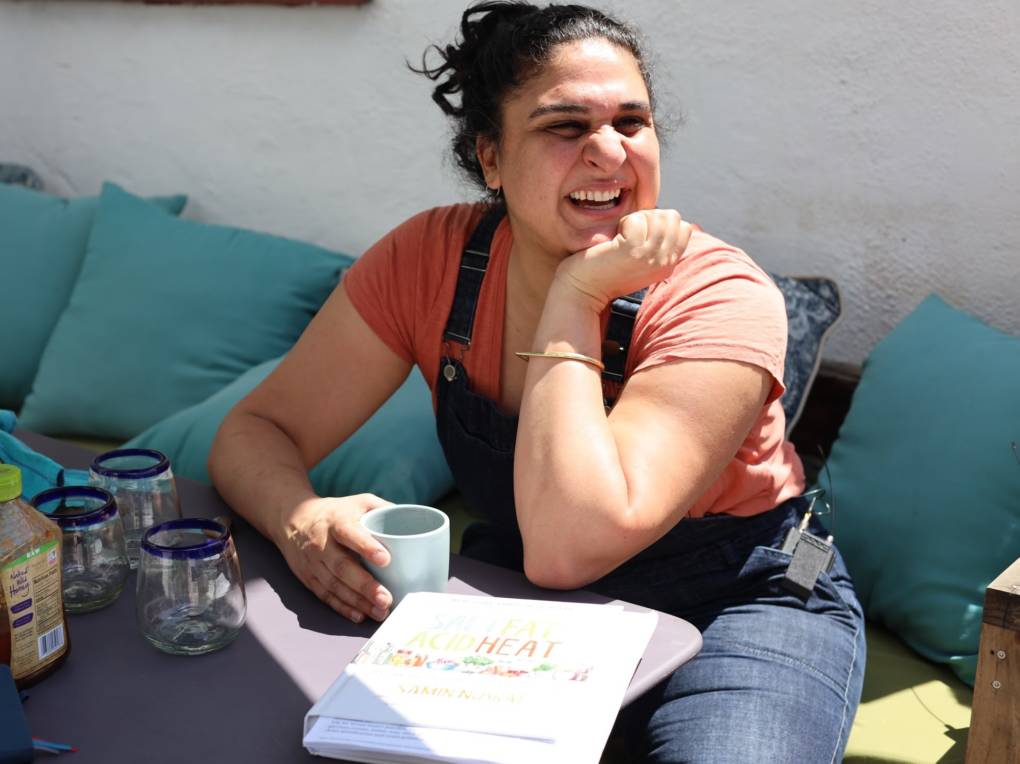
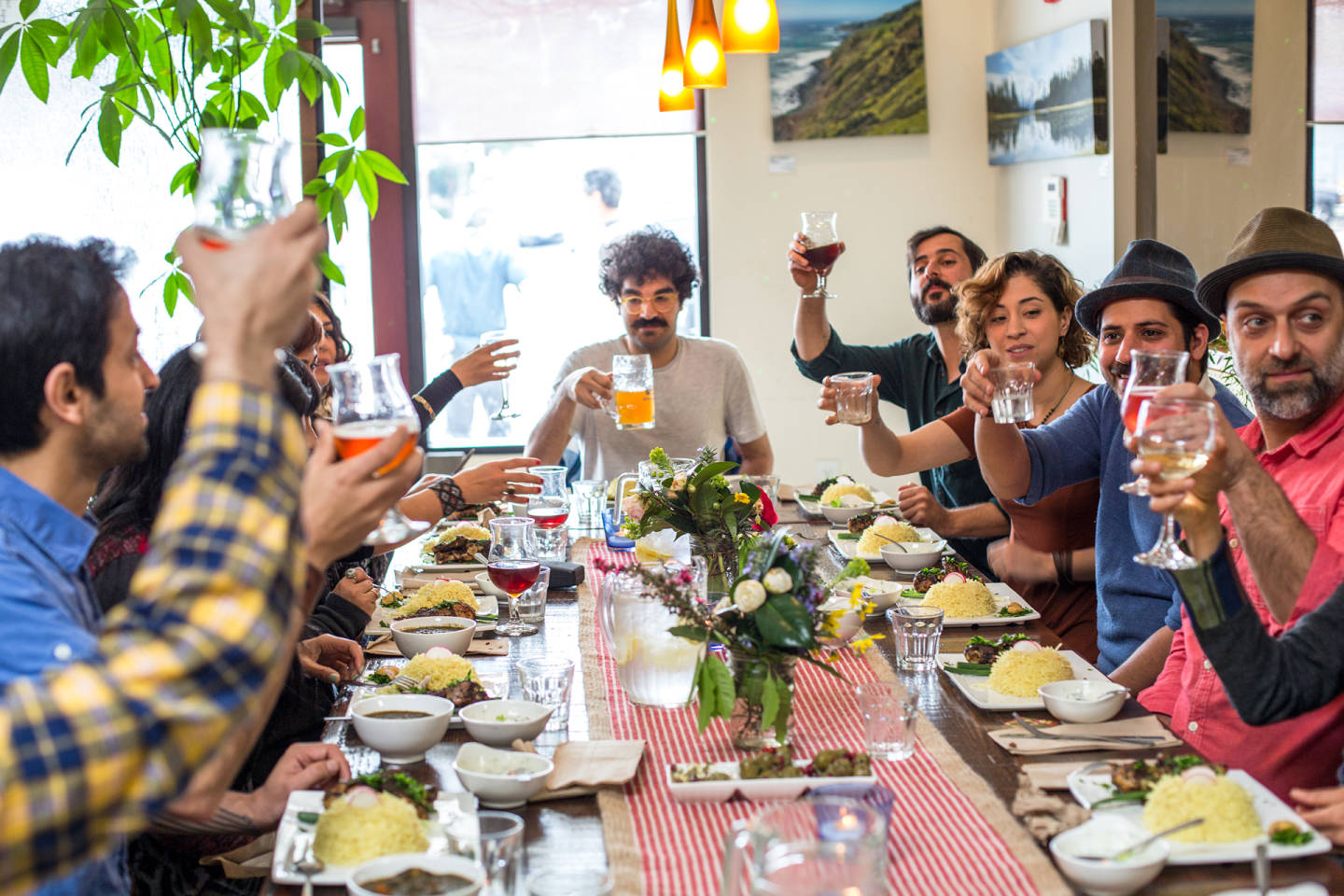
Komaaj Pop-Up Brings Northern Iranian Cuisine to Northern California
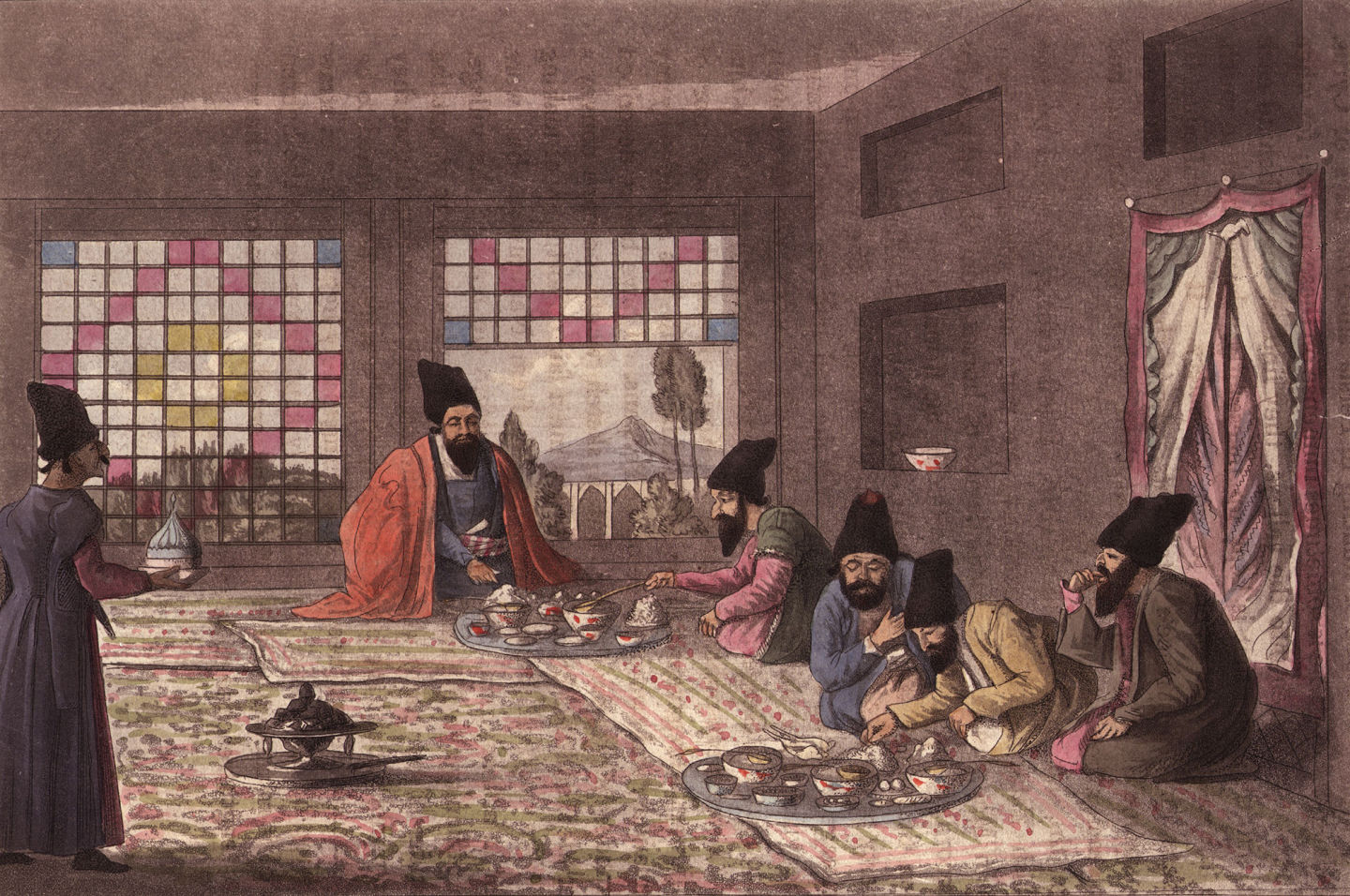
From Candy To Juleps, Persians Left Imprint On Many Edible Delights
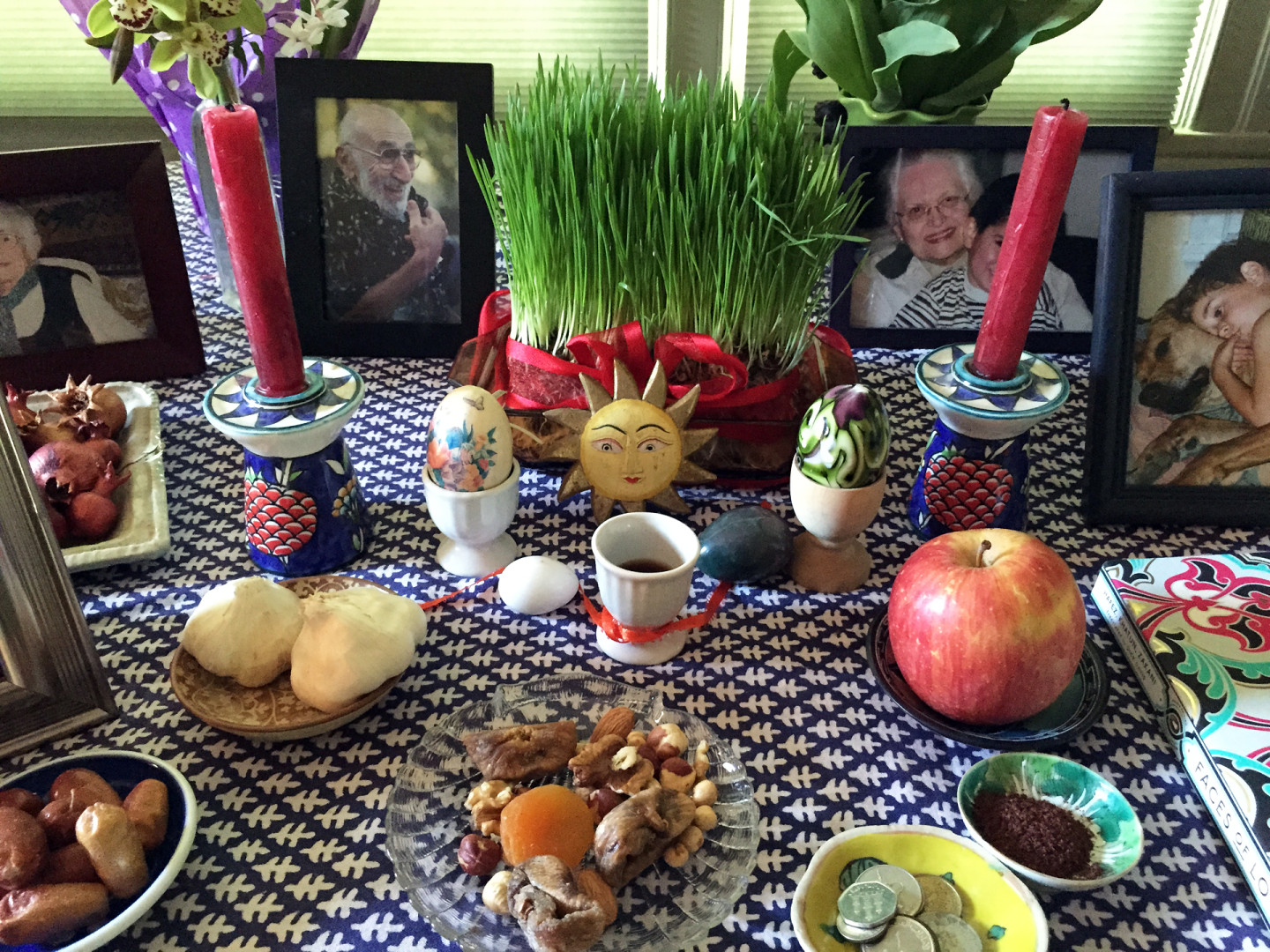
The Seven Edible ‘S’ Foods of the Persian New Year
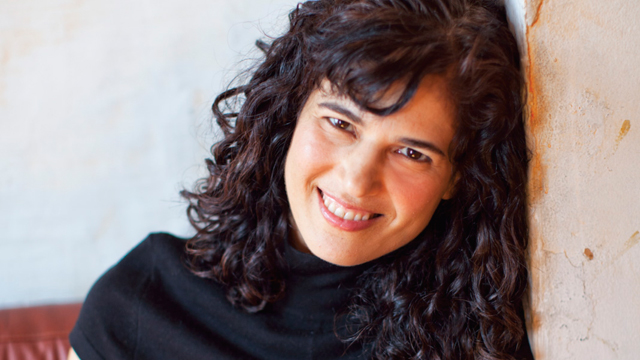
Louisa Shafia Taps Family Ties in The New Persian Kitchen
Sponsored
Player sponsored by
window.__IS_SSR__=true
window.__INITIAL_STATE__={
"attachmentsReducer": {
"audio_0": {
"type": "attachments",
"id": "audio_0",
"imgSizes": {
"kqedFullSize": {
"file": "https://ww2.kqed.org/news/wp-content/themes/KQED-unified/img/audio_bgs/background0.jpg"
}
}
},
"audio_1": {
"type": "attachments",
"id": "audio_1",
"imgSizes": {
"kqedFullSize": {
"file": "https://ww2.kqed.org/news/wp-content/themes/KQED-unified/img/audio_bgs/background1.jpg"
}
}
},
"audio_2": {
"type": "attachments",
"id": "audio_2",
"imgSizes": {
"kqedFullSize": {
"file": "https://ww2.kqed.org/news/wp-content/themes/KQED-unified/img/audio_bgs/background2.jpg"
}
}
},
"audio_3": {
"type": "attachments",
"id": "audio_3",
"imgSizes": {
"kqedFullSize": {
"file": "https://ww2.kqed.org/news/wp-content/themes/KQED-unified/img/audio_bgs/background3.jpg"
}
}
},
"audio_4": {
"type": "attachments",
"id": "audio_4",
"imgSizes": {
"kqedFullSize": {
"file": "https://ww2.kqed.org/news/wp-content/themes/KQED-unified/img/audio_bgs/background4.jpg"
}
}
},
"placeholder": {
"type": "attachments",
"id": "placeholder",
"imgSizes": {
"thumbnail": {
"file": "https://cdn.kqed.org/wp-content/uploads/2024/12/KQED-Default-Image-816638274-2000x1333-1-160x107.jpg",
"width": 160,
"height": 107,
"mimeType": "image/jpeg"
},
"medium": {
"file": "https://cdn.kqed.org/wp-content/uploads/2024/12/KQED-Default-Image-816638274-2000x1333-1-800x533.jpg",
"width": 800,
"height": 533,
"mimeType": "image/jpeg"
},
"medium_large": {
"file": "https://cdn.kqed.org/wp-content/uploads/2024/12/KQED-Default-Image-816638274-2000x1333-1-768x512.jpg",
"width": 768,
"height": 512,
"mimeType": "image/jpeg"
},
"large": {
"file": "https://cdn.kqed.org/wp-content/uploads/2024/12/KQED-Default-Image-816638274-2000x1333-1-1020x680.jpg",
"width": 1020,
"height": 680,
"mimeType": "image/jpeg"
},
"1536x1536": {
"file": "https://cdn.kqed.org/wp-content/uploads/2024/12/KQED-Default-Image-816638274-2000x1333-1-1536x1024.jpg",
"width": 1536,
"height": 1024,
"mimeType": "image/jpeg"
},
"fd-lrg": {
"file": "https://cdn.kqed.org/wp-content/uploads/2024/12/KQED-Default-Image-816638274-2000x1333-1-1536x1024.jpg",
"width": 1536,
"height": 1024,
"mimeType": "image/jpeg"
},
"fd-med": {
"file": "https://cdn.kqed.org/wp-content/uploads/2024/12/KQED-Default-Image-816638274-2000x1333-1-1020x680.jpg",
"width": 1020,
"height": 680,
"mimeType": "image/jpeg"
},
"fd-sm": {
"file": "https://cdn.kqed.org/wp-content/uploads/2024/12/KQED-Default-Image-816638274-2000x1333-1-800x533.jpg",
"width": 800,
"height": 533,
"mimeType": "image/jpeg"
},
"post-thumbnail": {
"file": "https://cdn.kqed.org/wp-content/uploads/2024/12/KQED-Default-Image-816638274-2000x1333-1-672x372.jpg",
"width": 672,
"height": 372,
"mimeType": "image/jpeg"
},
"twentyfourteen-full-width": {
"file": "https://cdn.kqed.org/wp-content/uploads/2024/12/KQED-Default-Image-816638274-2000x1333-1-1038x576.jpg",
"width": 1038,
"height": 576,
"mimeType": "image/jpeg"
},
"xxsmall": {
"file": "https://cdn.kqed.org/wp-content/uploads/2024/12/KQED-Default-Image-816638274-2000x1333-1-160x107.jpg",
"width": 160,
"height": 107,
"mimeType": "image/jpeg"
},
"xsmall": {
"file": "https://cdn.kqed.org/wp-content/uploads/2024/12/KQED-Default-Image-816638274-2000x1333-1-672x372.jpg",
"width": 672,
"height": 372,
"mimeType": "image/jpeg"
},
"small": {
"file": "https://cdn.kqed.org/wp-content/uploads/2024/12/KQED-Default-Image-816638274-2000x1333-1-672x372.jpg",
"width": 672,
"height": 372,
"mimeType": "image/jpeg"
},
"xlarge": {
"file": "https://cdn.kqed.org/wp-content/uploads/2024/12/KQED-Default-Image-816638274-2000x1333-1-1020x680.jpg",
"width": 1020,
"height": 680,
"mimeType": "image/jpeg"
},
"full-width": {
"file": "https://cdn.kqed.org/wp-content/uploads/2024/12/KQED-Default-Image-816638274-2000x1333-1-1920x1280.jpg",
"width": 1920,
"height": 1280,
"mimeType": "image/jpeg"
},
"guest-author-32": {
"file": "https://cdn.kqed.org/wp-content/uploads/2025/01/KQED-Default-Image-816638274-1333x1333-1-160x160.jpg",
"width": 32,
"height": 32,
"mimeType": "image/jpeg"
},
"guest-author-50": {
"file": "https://cdn.kqed.org/wp-content/uploads/2025/01/KQED-Default-Image-816638274-1333x1333-1-160x160.jpg",
"width": 50,
"height": 50,
"mimeType": "image/jpeg"
},
"guest-author-64": {
"file": "https://cdn.kqed.org/wp-content/uploads/2025/01/KQED-Default-Image-816638274-1333x1333-1-160x160.jpg",
"width": 64,
"height": 64,
"mimeType": "image/jpeg"
},
"guest-author-96": {
"file": "https://cdn.kqed.org/wp-content/uploads/2025/01/KQED-Default-Image-816638274-1333x1333-1-160x160.jpg",
"width": 96,
"height": 96,
"mimeType": "image/jpeg"
},
"guest-author-128": {
"file": "https://cdn.kqed.org/wp-content/uploads/2025/01/KQED-Default-Image-816638274-1333x1333-1-160x160.jpg",
"width": 128,
"height": 128,
"mimeType": "image/jpeg"
},
"detail": {
"file": "https://cdn.kqed.org/wp-content/uploads/2025/01/KQED-Default-Image-816638274-1333x1333-1-160x160.jpg",
"width": 160,
"height": 160,
"mimeType": "image/jpeg"
},
"kqedFullSize": {
"file": "https://cdn.kqed.org/wp-content/uploads/2024/12/KQED-Default-Image-816638274-2000x1333-1.jpg",
"width": 2000,
"height": 1333
}
}
},
"bayareabites_133813": {
"type": "attachments",
"id": "bayareabites_133813",
"meta": {
"index": "attachments_1716263798",
"site": "bayareabites",
"id": "133813",
"found": true
},
"parent": 133812,
"imgSizes": {
"twentyfourteen-full-width": {
"file": "https://ww2.kqed.org/app/uploads/sites/24/2019/05/imgl1246-2e1f3f0e8bf5a8224a932036bbcfc876f7bd2099-1038x576.jpg",
"width": 1038,
"mimeType": "image/jpeg",
"height": 576
},
"thumbnail": {
"file": "https://ww2.kqed.org/app/uploads/sites/24/2019/05/imgl1246-2e1f3f0e8bf5a8224a932036bbcfc876f7bd2099-160x120.jpg",
"width": 160,
"mimeType": "image/jpeg",
"height": 120
},
"post-thumbnail": {
"file": "https://ww2.kqed.org/app/uploads/sites/24/2019/05/imgl1246-2e1f3f0e8bf5a8224a932036bbcfc876f7bd2099-672x372.jpg",
"width": 672,
"mimeType": "image/jpeg",
"height": 372
},
"kqedFullSize": {
"file": "https://ww2.kqed.org/app/uploads/sites/24/2019/05/imgl1246-2e1f3f0e8bf5a8224a932036bbcfc876f7bd2099.jpg",
"width": 1939,
"height": 1452
},
"large": {
"file": "https://ww2.kqed.org/app/uploads/sites/24/2019/05/imgl1246-2e1f3f0e8bf5a8224a932036bbcfc876f7bd2099-1020x764.jpg",
"width": 1020,
"mimeType": "image/jpeg",
"height": 764
},
"complete_open_graph": {
"file": "https://ww2.kqed.org/app/uploads/sites/24/2019/05/imgl1246-2e1f3f0e8bf5a8224a932036bbcfc876f7bd2099-1200x899.jpg",
"width": 1200,
"mimeType": "image/jpeg",
"height": 899
},
"full-width": {
"file": "https://ww2.kqed.org/app/uploads/sites/24/2019/05/imgl1246-2e1f3f0e8bf5a8224a932036bbcfc876f7bd2099-1920x1438.jpg",
"width": 1920,
"mimeType": "image/jpeg",
"height": 1438
},
"medium": {
"file": "https://ww2.kqed.org/app/uploads/sites/24/2019/05/imgl1246-2e1f3f0e8bf5a8224a932036bbcfc876f7bd2099-800x599.jpg",
"width": 800,
"mimeType": "image/jpeg",
"height": 599
},
"medium_large": {
"file": "https://ww2.kqed.org/app/uploads/sites/24/2019/05/imgl1246-2e1f3f0e8bf5a8224a932036bbcfc876f7bd2099-768x575.jpg",
"width": 768,
"mimeType": "image/jpeg",
"height": 575
}
},
"publishDate": 1559242789,
"modified": 1559242895,
"caption": "Samin Nosrat, author of the cookbook Salt, Fat, Acid, Heat: Mastering the Elements of Good Cooking.",
"description": "Samin Nosrat, author of the cookbook \u003cem>Salt, Fat, Acid, Heat: Mastering the Elements of Good Cooking.\u003c/em>",
"title": "Samin Nosrat, author of the cookbook Salt, Fat, Acid, Heat: Mastering the Elements of Good Cooking.",
"credit": "Shereen Marisol Meraji",
"status": "inherit",
"fetchFailed": false,
"isLoading": false
},
"bayareabites_107788": {
"type": "attachments",
"id": "bayareabites_107788",
"meta": {
"index": "attachments_1716263798",
"site": "bayareabites",
"id": "107788",
"found": true
},
"parent": 107772,
"imgSizes": {
"twentyfourteen-full-width": {
"file": "https://ww2.kqed.org/app/uploads/sites/24/2016/03/cheers-1920-1038x576.jpg",
"width": 1038,
"mimeType": "image/jpeg",
"height": 576
},
"thumbnail": {
"file": "https://ww2.kqed.org/app/uploads/sites/24/2016/03/cheers-1920-400x267.jpg",
"width": 400,
"mimeType": "image/jpeg",
"height": 267
},
"fd-sm": {
"file": "https://ww2.kqed.org/app/uploads/sites/24/2016/03/cheers-1920-960x640.jpg",
"width": 960,
"mimeType": "image/jpeg",
"height": 640
},
"post-thumbnail": {
"file": "https://ww2.kqed.org/app/uploads/sites/24/2016/03/cheers-1920-672x372.jpg",
"width": 672,
"mimeType": "image/jpeg",
"height": 372
},
"kqedFullSize": {
"file": "https://ww2.kqed.org/app/uploads/sites/24/2016/03/cheers-1920.jpg",
"width": 1920,
"height": 1280
},
"large": {
"file": "https://ww2.kqed.org/app/uploads/sites/24/2016/03/cheers-1920-1440x960.jpg",
"width": 1440,
"mimeType": "image/jpeg",
"height": 960
},
"guest-author-96": {
"file": "https://ww2.kqed.org/app/uploads/sites/24/2016/03/cheers-1920-96x96.jpg",
"width": 96,
"mimeType": "image/jpeg",
"height": 96
},
"medium": {
"file": "https://ww2.kqed.org/app/uploads/sites/24/2016/03/cheers-1920-800x533.jpg",
"width": 800,
"mimeType": "image/jpeg",
"height": 533
},
"guest-author-64": {
"file": "https://ww2.kqed.org/app/uploads/sites/24/2016/03/cheers-1920-64x64.jpg",
"width": 64,
"mimeType": "image/jpeg",
"height": 64
},
"guest-author-32": {
"file": "https://ww2.kqed.org/app/uploads/sites/24/2016/03/cheers-1920-32x32.jpg",
"width": 32,
"mimeType": "image/jpeg",
"height": 32
},
"cat_post_thumb_sizecategory-posts-2": {
"file": "https://ww2.kqed.org/app/uploads/sites/24/2016/03/cheers-1920-150x150.jpg",
"width": 150,
"mimeType": "image/jpeg",
"height": 150
},
"fd-lrg": {
"file": "https://ww2.kqed.org/app/uploads/sites/24/2016/03/cheers-1920-1920x1280.jpg",
"width": 1920,
"mimeType": "image/jpeg",
"height": 1280
},
"fd-med": {
"file": "https://ww2.kqed.org/app/uploads/sites/24/2016/03/cheers-1920-1180x787.jpg",
"width": 1180,
"mimeType": "image/jpeg",
"height": 787
},
"detail": {
"file": "https://ww2.kqed.org/app/uploads/sites/24/2016/03/cheers-1920-75x75.jpg",
"width": 75,
"mimeType": "image/jpeg",
"height": 75
},
"medium_large": {
"file": "https://ww2.kqed.org/app/uploads/sites/24/2016/03/cheers-1920-768x512.jpg",
"width": 768,
"mimeType": "image/jpeg",
"height": 512
},
"guest-author-128": {
"file": "https://ww2.kqed.org/app/uploads/sites/24/2016/03/cheers-1920-128x128.jpg",
"width": 128,
"mimeType": "image/jpeg",
"height": 128
}
},
"publishDate": 1458322662,
"modified": 1458417985,
"caption": "Komaaj pop-up in Albany. Hanif Sadr says food is integral in Iranian culture because it brings friends and families together, and it connects him to people from other cultures.\n\n",
"description": null,
"title": "cheers-1920",
"credit": "Saeideh Akbari",
"status": "inherit",
"fetchFailed": false,
"isLoading": false
},
"bayareabites_106372": {
"type": "attachments",
"id": "bayareabites_106372",
"meta": {
"index": "attachments_1716263798",
"site": "bayareabites",
"id": "106372",
"found": true
},
"parent": 106371,
"imgSizes": {
"twentyfourteen-full-width": {
"file": "https://ww2.kqed.org/app/uploads/sites/24/2016/01/persianbreakfast_enl-e883be881cac126a794885e5c0fc7dd6ec75cf3f-1038x576.jpg",
"width": 1038,
"mimeType": "image/jpeg",
"height": 576
},
"thumbnail": {
"file": "https://ww2.kqed.org/app/uploads/sites/24/2016/01/persianbreakfast_enl-e883be881cac126a794885e5c0fc7dd6ec75cf3f-400x266.jpg",
"width": 400,
"mimeType": "image/jpeg",
"height": 266
},
"fd-sm": {
"file": "https://ww2.kqed.org/app/uploads/sites/24/2016/01/persianbreakfast_enl-e883be881cac126a794885e5c0fc7dd6ec75cf3f-960x637.jpg",
"width": 960,
"mimeType": "image/jpeg",
"height": 637
},
"post-thumbnail": {
"file": "https://ww2.kqed.org/app/uploads/sites/24/2016/01/persianbreakfast_enl-e883be881cac126a794885e5c0fc7dd6ec75cf3f-672x372.jpg",
"width": 672,
"mimeType": "image/jpeg",
"height": 372
},
"kqedFullSize": {
"file": "https://ww2.kqed.org/app/uploads/sites/24/2016/01/persianbreakfast_enl-e883be881cac126a794885e5c0fc7dd6ec75cf3f-e1454005078826.jpg",
"width": 1920,
"height": 1275
},
"large": {
"file": "https://ww2.kqed.org/app/uploads/sites/24/2016/01/persianbreakfast_enl-e883be881cac126a794885e5c0fc7dd6ec75cf3f-1440x956.jpg",
"width": 1440,
"mimeType": "image/jpeg",
"height": 956
},
"guest-author-96": {
"file": "https://ww2.kqed.org/app/uploads/sites/24/2016/01/persianbreakfast_enl-e883be881cac126a794885e5c0fc7dd6ec75cf3f-96x96.jpg",
"width": 96,
"mimeType": "image/jpeg",
"height": 96
},
"medium": {
"file": "https://ww2.kqed.org/app/uploads/sites/24/2016/01/persianbreakfast_enl-e883be881cac126a794885e5c0fc7dd6ec75cf3f-800x531.jpg",
"width": 800,
"mimeType": "image/jpeg",
"height": 531
},
"guest-author-64": {
"file": "https://ww2.kqed.org/app/uploads/sites/24/2016/01/persianbreakfast_enl-e883be881cac126a794885e5c0fc7dd6ec75cf3f-64x64.jpg",
"width": 64,
"mimeType": "image/jpeg",
"height": 64
},
"guest-author-32": {
"file": "https://ww2.kqed.org/app/uploads/sites/24/2016/01/persianbreakfast_enl-e883be881cac126a794885e5c0fc7dd6ec75cf3f-32x32.jpg",
"width": 32,
"mimeType": "image/jpeg",
"height": 32
},
"cat_post_thumb_sizecategory-posts-2": {
"file": "https://ww2.kqed.org/app/uploads/sites/24/2016/01/persianbreakfast_enl-e883be881cac126a794885e5c0fc7dd6ec75cf3f-150x150.jpg",
"width": 150,
"mimeType": "image/jpeg",
"height": 150
},
"fd-lrg": {
"file": "https://ww2.kqed.org/app/uploads/sites/24/2016/01/persianbreakfast_enl-e883be881cac126a794885e5c0fc7dd6ec75cf3f-1920x1275.jpg",
"width": 1920,
"mimeType": "image/jpeg",
"height": 1275
},
"fd-med": {
"file": "https://ww2.kqed.org/app/uploads/sites/24/2016/01/persianbreakfast_enl-e883be881cac126a794885e5c0fc7dd6ec75cf3f-1180x784.jpg",
"width": 1180,
"mimeType": "image/jpeg",
"height": 784
},
"detail": {
"file": "https://ww2.kqed.org/app/uploads/sites/24/2016/01/persianbreakfast_enl-e883be881cac126a794885e5c0fc7dd6ec75cf3f-75x75.jpg",
"width": 75,
"mimeType": "image/jpeg",
"height": 75
},
"medium_large": {
"file": "https://ww2.kqed.org/app/uploads/sites/24/2016/01/persianbreakfast_enl-e883be881cac126a794885e5c0fc7dd6ec75cf3f-768x510.jpg",
"width": 768,
"mimeType": "image/jpeg",
"height": 510
},
"guest-author-128": {
"file": "https://ww2.kqed.org/app/uploads/sites/24/2016/01/persianbreakfast_enl-e883be881cac126a794885e5c0fc7dd6ec75cf3f-128x128.jpg",
"width": 128,
"mimeType": "image/jpeg",
"height": 128
}
},
"publishDate": 1454004753,
"modified": 1454005068,
"caption": "Persian men kneel on the floor to enjoy breakfast in an illustration by James Morier, published in 1818. Because of Iran's strategic position on the ancient Silk Road, Persian culture was disseminated far and wide. There's no better evidence of this than the imprimatur of the Persian language on the nomenclature of food.",
"description": "Persian men kneel on the floor to enjoy breakfast in an illustration by James Morier, published in 1818. Because of Iran's strategic position on the ancient Silk Road, Persian culture was disseminated far and wide. There's no better evidence of this than the imprimatur of the Persian language on the nomenclature of food.",
"title": "Persian men kneel on the floor to enjoy breakfast in an illustration by James Morier, published in 1818. Because of Iran's strategic position on the ancient Silk Road, Persian culture was disseminated far and wide. There's no better evidence of this than the imprimatur of the Persian language on the nomenclature of food.",
"credit": "Henry Guttmann/Getty Images",
"status": "inherit",
"fetchFailed": false,
"isLoading": false
},
"bayareabites_94164": {
"type": "attachments",
"id": "bayareabites_94164",
"meta": {
"index": "attachments_1716263798",
"site": "bayareabites",
"id": "94164",
"found": true
},
"parent": 94115,
"imgSizes": {
"twentyfourteen-full-width": {
"file": "https://ww2.kqed.org/app/uploads/sites/24/2015/03/haftsin1-1920-1038x576.jpg",
"width": 1038,
"mimeType": "image/jpeg",
"height": 576
},
"fd-sm": {
"file": "https://ww2.kqed.org/app/uploads/sites/24/2015/03/haftsin1-1920-320x240.jpg",
"width": 320,
"mimeType": "image/jpeg",
"height": 240
},
"post-thumbnail": {
"file": "https://ww2.kqed.org/app/uploads/sites/24/2015/03/haftsin1-1920-672x372.jpg",
"width": 672,
"mimeType": "image/jpeg",
"height": 372
},
"kqedFullSize": {
"file": "https://ww2.kqed.org/app/uploads/sites/24/2015/03/haftsin1-1920.jpg",
"width": 1920,
"height": 1440
},
"large": {
"file": "https://ww2.kqed.org/app/uploads/sites/24/2015/03/haftsin1-1920-1440x1080.jpg",
"width": 1440,
"mimeType": "image/jpeg",
"height": 1080
},
"guest-author-96": {
"file": "https://ww2.kqed.org/app/uploads/sites/24/2015/03/haftsin1-1920-96x96.jpg",
"width": 96,
"mimeType": "image/jpeg",
"height": 96
},
"medium": {
"file": "https://ww2.kqed.org/app/uploads/sites/24/2015/03/haftsin1-1920-800x600.jpg",
"width": 800,
"mimeType": "image/jpeg",
"height": 600
},
"guest-author-64": {
"file": "https://ww2.kqed.org/app/uploads/sites/24/2015/03/haftsin1-1920-64x64.jpg",
"width": 64,
"mimeType": "image/jpeg",
"height": 64
},
"guest-author-32": {
"file": "https://ww2.kqed.org/app/uploads/sites/24/2015/03/haftsin1-1920-32x32.jpg",
"width": 32,
"mimeType": "image/jpeg",
"height": 32
},
"cat_post_thumb_sizecategory-posts-2": {
"file": "https://ww2.kqed.org/app/uploads/sites/24/2015/03/haftsin1-1920-50x50.jpg",
"width": 50,
"mimeType": "image/jpeg",
"height": 50
},
"fd-lrg": {
"file": "https://ww2.kqed.org/app/uploads/sites/24/2015/03/haftsin1-1920-1180x885.jpg",
"width": 1180,
"mimeType": "image/jpeg",
"height": 885
},
"fd-med": {
"file": "https://ww2.kqed.org/app/uploads/sites/24/2015/03/haftsin1-1920-768x576.jpg",
"width": 768,
"mimeType": "image/jpeg",
"height": 576
},
"detail": {
"file": "https://ww2.kqed.org/app/uploads/sites/24/2015/03/haftsin1-1920-75x75.jpg",
"width": 75,
"mimeType": "image/jpeg",
"height": 75
},
"guest-author-128": {
"file": "https://ww2.kqed.org/app/uploads/sites/24/2015/03/haftsin1-1920-128x128.jpg",
"width": 128,
"mimeType": "image/jpeg",
"height": 128
}
},
"publishDate": 1426811685,
"modified": 1426813866,
"caption": "The Persian New Year begins on the first day of Spring. To celebrate, families create a 'haftsin,' a table decorated elaborately with different foods like fresh apples and sprouted herbs.",
"description": null,
"title": "haftsin1-1920",
"credit": null,
"status": "inherit",
"fetchFailed": false,
"isLoading": false
},
"bayareabites_64735": {
"type": "attachments",
"id": "bayareabites_64735",
"meta": {
"index": "attachments_1716263798",
"site": "bayareabites",
"id": "64735",
"found": true
},
"parent": 64163,
"imgSizes": {
"kqedFullSize": {
"file": "https://ww2.kqed.org/app/uploads/sites/24/2013/07/Louisa-Shafia-author-photo640x360.jpg",
"width": 640,
"height": 360
}
},
"publishDate": 1373074848,
"modified": 1373074848,
"caption": null,
"description": null,
"title": "Louisa-Shafia-author-photo640x360",
"credit": null,
"status": "inherit",
"fetchFailed": false,
"isLoading": false
}
},
"audioPlayerReducer": {
"postId": "stream_live",
"isPaused": true,
"isPlaying": false,
"pfsActive": false,
"pledgeModalIsOpen": true,
"playerDrawerIsOpen": false
},
"authorsReducer": {
"byline_bayareabites_133812": {
"type": "authors",
"id": "byline_bayareabites_133812",
"meta": {
"override": true
},
"slug": "byline_bayareabites_133812",
"name": "Karen Grigsby Bates",
"isLoading": false
},
"byline_bayareabites_106371": {
"type": "authors",
"id": "byline_bayareabites_106371",
"meta": {
"override": true
},
"slug": "byline_bayareabites_106371",
"name": "Nina Martyris, \u003ca href=\"https://ww2.kqed.org/bayareabites/author/nprfood/\">NPR Food\u003c/a> ",
"isLoading": false
},
"skalantari": {
"type": "authors",
"id": "46",
"meta": {
"index": "authors_1716337520",
"id": "46",
"found": true
},
"name": "Shuka Kalantari",
"firstName": "Shuka",
"lastName": "Kalantari",
"slug": "skalantari",
"email": "skalantari@kqed.org",
"display_author_email": false,
"staff_mastheads": [],
"title": null,
"bio": "Shuka Kalantari is a Bay Area journalist reporting on health, food, culture and immigrant communities in California and internationally. She's reported for Public Radio International’s The World, BBC World News Service’s Outlook, Philosophy Talk, Vice Magazine. Shuka is also a frequent contributor to KQED Public Media. You can follow her \u003ca href=\"https://twitter.com/skalantari\">@skalantari\u003c/a> on Twitter and \u003ca href=\"https://instagram.com/skalantari/\">Instagram\u003c/a>.",
"avatar": "https://secure.gravatar.com/avatar/67c95e0bdb512a96a3b0be3ff8a194a6?s=600&d=blank&r=g",
"twitter": null,
"facebook": null,
"instagram": null,
"linkedin": null,
"sites": [
{
"site": "arts",
"roles": [
"Contributor",
"subscriber"
]
},
{
"site": "news",
"roles": [
"contributor"
]
},
{
"site": "bayareabites",
"roles": [
"contributor"
]
},
{
"site": "stateofhealth",
"roles": [
"editor"
]
}
],
"headData": {
"title": "Shuka Kalantari | KQED",
"description": null,
"ogImgSrc": "https://secure.gravatar.com/avatar/67c95e0bdb512a96a3b0be3ff8a194a6?s=600&d=blank&r=g",
"twImgSrc": "https://secure.gravatar.com/avatar/67c95e0bdb512a96a3b0be3ff8a194a6?s=600&d=blank&r=g"
},
"isLoading": false,
"link": "/author/skalantari"
},
"sarahhenry": {
"type": "authors",
"id": "5125",
"meta": {
"index": "authors_1716337520",
"id": "5125",
"found": true
},
"name": "Sarah Henry",
"firstName": "Sarah",
"lastName": "Henry",
"slug": "sarahhenry",
"email": "sarahhenry0509@gmail.com",
"display_author_email": false,
"staff_mastheads": [],
"title": null,
"bio": "\u003ca href=\"http://www.sarahhenrywriter.com/\">Sarah Henry\u003c/a> hails from Sydney, Australia, where she grew up eating lamingtons, Vegemite, and prawns (not shrimp) on the barbie (barbecue). Sarah has called the Bay Area home for the past two decades and remembers how delighted she was when a modest farmers' market sprouted in downtown San Francisco years ago. As a freelance writer Sarah has covered local food people, places, politics, culture, and news for the \u003ca href=\"http://www.sfgate.com/food/article/Latina-entrepreneurs-share-wealth-knowledge-2693764.php\">San Francisco Chronicle\u003c/a>, \u003ca href=\"http://www.mercurynews.com/food-wine/ci_21619882/good-eggs-pie-subscriptions-and-seafood-deliveries\">San Jose Mercury News\u003c/a>, \u003ca href=\"http://alumni.berkeley.edu/news/california-magazine/fall-2011-good-fight/justice%E2%80%94and-good-grub%E2%80%94-all\">California\u003c/a>, \u003ca href=\"http://www.modernluxury.com/san-francisco\">San Francisco\u003c/a>, \u003ca href=\"http://www.diablomag.com/Diablo-Magazine/November-2012/Artisan-Eats/\">Diablo\u003c/a>, \u003ca href=\"http://www.ediblecommunities.com/eastbay/fall-2012/school-lunch-20.htm\">Edible East Bay\u003c/a>, \u003ca href=\"http://www.ediblecommunities.com/marinandwinecountry/summer-2012-issue-14/getting-wild-at-a-west-marin-supper-club.htm\">Edible Marin & Wine Country\u003c/a>, and \u003ca href=\"http://www.berkeleyside.com/\">Berkeleyside\u003c/a>. A contributor to the national food policy site \u003ca href=\"http://civileats.com/\">Civil Eats\u003c/a>, her stories have also appeared in \u003ca href=\"http://www.theatlantic.com/sarah-henry/\">The Atlantic\u003c/a>, \u003ca href=\"http://www.afar.com/highlights/kamal-mouzawaks-beirut-lebanon\">AFAR\u003c/a>, \u003ca href=\"http://www.gilttaste.com/stories/5207-a-family-tied-together-by-apron-strings\">Gilt Taste\u003c/a>, \u003ca href=\"http://www.lhj.com/community/your-stories/whats-for-dinner-dude/?page=1\">Ladies' Home Journal\u003c/a>, \u003ca href=\"http://grist.org/author/sarah-henry/\">Grist\u003c/a>, \u003ca href=\"http://www.shareable.net/users/sarah-henry\">Shareable\u003c/a>, and \u003ca href=\"http://www.eatingwell.com/food_news_origins/green_sustainable/host_a_diy_food_swap\">Eating Well\u003c/a>. An epicurean tour guide for \u003ca href=\"http://edibleexcursions.net/\">Edible Excursions\u003c/a>, Sarah is the voice behind the blog \u003ca href=\"http://lettuceeatkale.com/\">Lettuce Eat Kale\u003c/a> and \u003ca href=\"http://twitter.com/lettuceeatkale\">tweets\u003c/a> under that moniker too.",
"avatar": "https://secure.gravatar.com/avatar/3fcd7301e44f9b621f8c9fc7ad678ac7?s=600&d=blank&r=g",
"twitter": "lettuceeatkale",
"facebook": "pages/Lettuce-Eat-Kale/239312194611",
"instagram": null,
"linkedin": null,
"sites": [
{
"site": "bayareabites",
"roles": [
"contributor"
]
},
{
"site": "food",
"roles": [
"contributor"
]
}
],
"headData": {
"title": "Sarah Henry | KQED",
"description": null,
"ogImgSrc": "https://secure.gravatar.com/avatar/3fcd7301e44f9b621f8c9fc7ad678ac7?s=600&d=blank&r=g",
"twImgSrc": "https://secure.gravatar.com/avatar/3fcd7301e44f9b621f8c9fc7ad678ac7?s=600&d=blank&r=g"
},
"isLoading": false,
"link": "/author/sarahhenry"
}
},
"breakingNewsReducer": {},
"pagesReducer": {},
"postsReducer": {
"stream_live": {
"type": "live",
"id": "stream_live",
"audioUrl": "https://streams.kqed.org/kqedradio",
"title": "Live Stream",
"excerpt": "Live Stream information currently unavailable.",
"link": "/radio",
"featImg": "",
"label": {
"name": "KQED Live",
"link": "/"
}
},
"stream_kqedNewscast": {
"type": "posts",
"id": "stream_kqedNewscast",
"audioUrl": "https://www.kqed.org/.stream/anon/radio/RDnews/newscast.mp3?_=1",
"title": "KQED Newscast",
"featImg": "",
"label": {
"name": "88.5 FM",
"link": "/"
}
},
"bayareabites_133812": {
"type": "posts",
"id": "bayareabites_133812",
"meta": {
"index": "posts_1716263798",
"site": "bayareabites",
"id": "133812",
"score": null,
"sort": [
1559243465000
]
},
"parent": 0,
"labelTerm": {
"site": "bayareabites"
},
"blocks": [],
"publishDate": 1559243465,
"format": "audio",
"disqusTitle": "Samin Nosrat Is Making Space At The Table",
"title": "Samin Nosrat Is Making Space At The Table",
"headTitle": "Bay Area Bites | KQED Food",
"content": "\u003cp>[aside postID='bayareabites_130841,bayareabites_131646' label='More Samin Nosrat News']\u003c/p>\n\u003cp>Because of her food journalism, the food world has been well aware of Samin Nosrat for several years. But she became a household name when two things happened: First, her book \u003cem>Salt, Fat, Acid Heat: Mastering The Art of Good Cooking\u003c/em> \u003ca href=\"https://www.saveur.com/cookbook-club-review-salt-fat-acid-heat\">became a runaway bestseller last year\u003c/a>. \u003c/p>\n\u003cp>The book explored the mysteries of cooking for the home chef, and garnered just about every award a cookbook could get. In the words of Nosrat's mentor, \u003ca href=\"http://www.chezpanisse.com/about/alice-waters/\">Alice Waters\u003c/a> (chef-owner of the legendary Berkeley restaurant Chez Panisse,) \u003cem>Salt, Fat, Acid, Heat\u003c/em> \"not only teaches you how to cook, but captures how it should feel to cook: full of exploration, spontaneity and joy.\"\u003c/p>\n\u003cp>https://ondemand.npr.org/anon.npr-mp3/npr/codeswitch/2019/05/20190529_codeswitch_1230am_samin_nosrat.mp3\u003c/p>\n\u003cp>As if that weren't enough, \u003ca href=\"https://youtu.be/2oKbs4jAf7M\">Nosrat filmed a four-part docuseries with Netflix last fall\u003c/a>, and which was also called \u003cem>Salt, Fat, Acid, Heat\u003c/em>. In it, she travels to Italy to explore the importance of fat (olive oil! Parmesan!); to Japan to see salt harvested and soy and miso fermented; then to Yucatán, Mexico to see how acid, in the form of sour oranges, enhances dishes; and finally back to California to show us how heat transforms meats and vegetables.\u003c/p>\n\u003cp>[ad fullwidth]\u003c/p>\n\u003cp>After the Netflix series, Nosrat became so well known it became hard to walk down the street or into her favorite grocery store without being stopped by fans and yes, people with questions. (So many questions!) And sometimes just thanks. She recalled the Iranian father in Oakland who thanked her for speaking to his daughters, who were Iranian and African American. \"Thank you for showing them what is possible,\" he told her.\u003c/p>\n\u003cp>Nosrat is that rare thing: a woman of color in the upper echelons of the snarky, hyper-competitive food world. Her columns appear regularly in \u003cem>The New York Times\u003c/em>, she travels the country lecturing about food and culture and doing cooking demonstrations. She is acutely aware of her unicorn status, and spends a lot of time thinking about how to push wider the door she's managed to open so she won't be the Only One in the public eye.\u003c/p>\n\u003cp>Recently she was in Los Angeles, and stopped by Shereen Marisol Meraji's home to cook and chat with Shereen and me in the backyard. Since summer's officially started, we asked her about \u003ca href=\"https://cooking.nytimes.com/recipes/1020213-mast-o-khiar-persian-cucumber-and-herb-yogurt\">Mast-o Khiar\u003c/a> and \u003ca href=\"https://cooking.nytimes.com/recipes/1020212-salad-e-shirazi-persian-cucumber-tomato-and-onion-salad?action=click&module=RecirculationRibbon&pgType=recipedetails&rank=4\">Salad-e Shirazi\u003c/a>, a couple of Persian dishes that work well on hot days. (These came from her \u003cem>New York Times\u003c/em> article \u003ca href=\"https://www.nytimes.com/2019/05/14/dining/persian-food-recipes-samin-nosrat.html\">Samin Nosrat's Ten Essential Persian Recipes\u003c/a> — you can get the recipes without having to go behind the paywall until June 12.) Her recipes are as delicious as her laugh, which burbles into conversation often and easily.\u003c/p>\n\u003cp>Here's an excerpt from our interview. It has been edited and condensed for clarity.\u003c/p>\n\u003chr>\n\u003cp>\u003cstrong>Code Switch:\u003c/strong> You were born and grew up in San Diego, the child of parents who immigrated from Iran. A lot of immigrant families, wherever they're from, try to get comfortable in their new country by cooking what they ate in the old one. But American grocery stores are...American. They probably were missing a lot of stuff your mom needed when she first got here, decades ago. Did she have to forage for ingredients? Do you have to now?\u003c/p>\n\u003cp>\u003cstrong>Samin Nosrat:\u003c/strong> My mom would go everywhere she could to find the right thing, but if it didn't turn up, you know, we'd use flour tortillas instead of lavash bread to make the \u003ca href=\"https://www.saltfatacidheat.com/heat/pavo-en-escabeche\">Tahdig\u003c/a>. So I think cooking is all about being scrappy, no matter where you're from and where you are. It's using what you've got to make something good. I think immigrants in general are put into a lot more challenging situations. But I think that lead to a lot of really incredible creativity when we went to school.\u003c/p>\n\u003cp>\u003cstrong>CS:\u003c/strong> Did you and your sister bring your lunch?\u003c/p>\n\u003cp>\u003cstrong>SN:\u003c/strong> Yeah. We had PB&J, but we also had these things called \u003cem>kotlets --\u003c/em> they're sort of like little meatloaf patties. And \u003ca href=\"https://www.bonappetit.com/recipe/persian-herb-and-leek-frittata\">\u003cem>kuku sabzi\u003c/em>\u003c/a> -- kind of a really herby, green frittata. [My mom] also made a lot of Iranian spaghetti.\u003c/p>\n\u003cp>\u003cstrong>CS:\u003c/strong> Iranian spaghetti?\u003c/p>\n\u003cp>\u003cstrong>SN:\u003c/strong> Yep, we call it espaghetti; it's like an Iranian fantasy of what Italian meat sauce is. It had chopped mushrooms, onions, beef (because there's no pork in Iran) and a ton of tomato sauce. And a ton of dried oregano. And she would cook it and then she would mix it and then she put it back in the pot and make tahdig out of it. So there's like a spaghetti tahdig which is really good. The pasta was absorbing the excess liquid from the sauce and it was super delicious! And for leftovers for school we would put the espaghetti in a pita pocket --double carbs!\u003c/p>\n\u003cp>\u003cstrong>CS:\u003c/strong> So food was one way your mother held onto her culture and passed it on to you. She also spoke Farsi to you, y'all went to Persian school...\u003c/p>\n\u003cp>\u003cstrong>SN:\u003c/strong> On \u003cem>Saturday\u003c/em>! While everyone else got to watch cartoons and hang out! But now I'm so grateful for it. I think she did such a good job — I was never ashamed I was Iranian, never embarrassed about it at all. So that was a nice thing. I did feel very different than everyone else in San Diego, though.\u003cbr>\n\u003cimg class=\"aligncenter size-full wp-image-133817\" src=\"https://ww2.kqed.org/bayareabites/wp-content/uploads/sites/24/2019/05/samin-nosrat-salad-e-shirazi-002-_custom-3864db6c5fa1e2fe93e7421059468b9d4cef3b2e-s700-c85.jpg\" alt=\"Salad-E Shirazi\" width=\"700\" height=\"436\" srcset=\"https://ww2.kqed.org/app/uploads/sites/24/2019/05/samin-nosrat-salad-e-shirazi-002-_custom-3864db6c5fa1e2fe93e7421059468b9d4cef3b2e-s700-c85.jpg 700w, https://ww2.kqed.org/app/uploads/sites/24/2019/05/samin-nosrat-salad-e-shirazi-002-_custom-3864db6c5fa1e2fe93e7421059468b9d4cef3b2e-s700-c85-160x100.jpg 160w\" sizes=\"(max-width: 700px) 100vw, 700px\">\u003cbr>\n\u003cstrong>CS:\u003c/strong> Iranian? Persian? Most of us don't know the culture very well, and we don't want to offend by using the wrong word. Or are they different words for the same thing?\u003c/p>\n\u003cp>\u003cstrong>SN:\u003c/strong> I tend to use both words, Persian and Iranian, interchangeably, but not everybody does that. To me, I feel like often we're forced to hide behind the term Persian to decide to create distance between this image of what Iranians are that has been perpetuated in the media, certainly for my entire lifetime, which is one of two things: a terrorist or [the reality show] \u003ca href=\"https://www.bravotv.com/shahs-of-sunset\">\u003cem>Shahs of Sunset\u003c/em>\u003c/a>. There's so much more! But you see one Iranian person and suddenly everyone uses that as the point of reference to know everything about your whole culture.\u003c/p>\n\u003cp>\u003cstrong>CS:\u003c/strong> Talk a little bit about the pressure of identity. You kind of stand out among your food world peers, none of whom look like you.\u003c/p>\n\u003cp>\u003cstrong>SN:\u003c/strong> It's so hard. It's really hard. I mean, I think about trying my best to convey in every word and action that I'm only representing me. But it doesn't matter what I say. You know because people are gonna perceive what they want to perceive.\u003c/p>\n\u003cp>The example I always use is this joke: True diversity is not when there's the excellent black person, the excellent Iranian chef or whatever. It's when there's as much black and brown and queer mediocrity as there is white mediocrity.\u003c/p>\n\u003cp>\u003cstrong>CS:\u003c/strong> We imagine that when these recipes came out, identified as Ten Essentials, you got a lot of feedback—and clapback—from your fellow Iranians. Maybe you used an ingredient they didn't or you cooked the dish a slightly different way and how dare you? That kind of thing?\u003c/p>\n\u003cp>\u003cstrong>SN:\u003c/strong> Most of the feedback has been positive, but there have been times when they weren't. Like my mom is in one of the episodes of Salt, Fat, Acid, Heat, and we cooked Persian rice together. It didn't turn out perfectly for many reasons, including television production is hard! My mom was on a schedule and we didn't have time to do it again. So in fact right after we took it out, I said—on camera—\"every Iranian lady in the world is going to have something to say about this!\" There was one tweet the other day where somebody was like \"Ok, she and her mother ruined the Tahdig on the show—what a waste of saffron!\"\u003c/p>\n\u003cp>I blocked him—then I unblocked him and retweeted it with a comment saying, \"Call me when \u003cem>you\u003c/em> take \u003cem>your \u003c/em>immigrant mother on camera and make a perfect tahdig!\"\u003cbr>\n\u003cimg class=\"aligncenter size-full wp-image-133818\" src=\"https://ww2.kqed.org/bayareabites/wp-content/uploads/sites/24/2019/05/samin-nosrat-mast-o-khiar-002-_custom-677458d7ac515b3a6596a3afee880f1b1b419e46-s700-c85.jpg\" alt=\"\" width=\"700\" height=\"436\" srcset=\"https://ww2.kqed.org/app/uploads/sites/24/2019/05/samin-nosrat-mast-o-khiar-002-_custom-677458d7ac515b3a6596a3afee880f1b1b419e46-s700-c85.jpg 700w, https://ww2.kqed.org/app/uploads/sites/24/2019/05/samin-nosrat-mast-o-khiar-002-_custom-677458d7ac515b3a6596a3afee880f1b1b419e46-s700-c85-160x100.jpg 160w\" sizes=\"(max-width: 700px) 100vw, 700px\">\u003cbr>\n\u003cstrong>CS:\u003c/strong> Sometimes when there's only one person from a certain background in a particular space, that pioneering person opens the door for others, so it isn't fused shut again. But some want to shut the door behind them, and be the Only One in the room.\u003c/p>\n\u003cp>\u003cstrong>SN:\u003c/strong> I don't want to be the only one, but there's something special about being the only one, right? I'm the child of immigrants, and there was always a garage filled with food, just in case, and you kept money under the mattress. You were always prepared, because you couldn't trust that you were being taken care of. So that translated into my life into a lot of opportunity hoarding. My first urge when I get asked to do things is, \"Oh this is my last shot; this is mine. I'm going to say yes to this, because if you don't ask me, who are you going to get?\"\u003c/p>\n\u003cp>But you know what? I had to calm down and trust that if I say \"no\" this time, it will come around again. Or another chance will. I'll get another shot, and it actually doesn't harm me at all to help somebody else. I have just gotten so much more out of sharing than I ever have from hoarding.\u003c/p>\n\u003cp>[ad floatright]\u003c/p>\n\u003cp>\u003ci>Copyright 2019 NPR. To see more, visit \u003ca href=\"https://www.npr.org/sections/codeswitch/2019/05/30/726375712/samin-nosrat-is-making-space-at-the-table\">NPR.org\u003c/a>.\u003c/i>\u003c/p>\n\n",
"disqusIdentifier": "133812 https://ww2.kqed.org/bayareabites/?p=133812",
"disqusUrl": "https://ww2.kqed.org/bayareabites/2019/05/30/samin-nosrat-is-making-space-at-the-table/",
"stats": {
"hasVideo": false,
"hasChartOrMap": false,
"hasAudio": false,
"hasPolis": false,
"wordCount": 1610,
"hasGoogleForm": false,
"hasGallery": false,
"hasHearkenModule": false,
"iframeSrcs": [],
"paragraphCount": 28
},
"modified": 1559243465,
"excerpt": "Nosrat is that rare thing: a woman of color in the upper echelons of the hyper-competitive food world. She is acutely aware of her unicorn status— and taking steps to try and change that.",
"headData": {
"twImgId": "",
"twTitle": "",
"ogTitle": "",
"ogImgId": "",
"twDescription": "",
"description": "Nosrat is that rare thing: a woman of color in the upper echelons of the hyper-competitive food world. She is acutely aware of her unicorn status— and taking steps to try and change that.",
"title": "Samin Nosrat Is Making Space At The Table | KQED",
"ogDescription": "",
"schema": {
"@context": "https://schema.org",
"@type": "Article",
"headline": "Samin Nosrat Is Making Space At The Table",
"datePublished": "2019-05-30T12:11:05-07:00",
"dateModified": "2019-05-30T12:11:05-07:00",
"image": "https://cdn.kqed.org/wp-content/uploads/2020/02/KQED-OG-Image@1x.png"
}
},
"guestAuthors": [],
"slug": "samin-nosrat-is-making-space-at-the-table",
"status": "publish",
"nprApiLink": "http://api.npr.org/query?id=726375712&apiKey=MDAxOTAwOTE4MDEyMTkxMDAzNjczZDljZA004",
"nprByline": "Karen Grigsby Bates",
"nprStoryDate": "Thu, 30 May 2019 14:00:17 -0400",
"nprLastModifiedDate": "Thu, 30 May 2019 14:00:17 -0400",
"nprHtmlLink": "https://www.npr.org/sections/codeswitch/2019/05/30/726375712/samin-nosrat-is-making-space-at-the-table?ft=nprml&f=726375712",
"nprAudio": "https://ondemand.npr.org/anon.npr-mp3/npr/codeswitch/2019/05/20190529_codeswitch_1230am_samin_nosrat.mp3?orgId=1&topicId=1015&d=1473&story=726375712&ft=nprml&f=726375712",
"audioTrackLength": 1473,
"nprImageAgency": "Shereen Marisol Meraji",
"nprAudioM3u": "http://api.npr.org/m3u/1728305727-706c0c.m3u?orgId=1&topicId=1015&d=1473&story=726375712&ft=nprml&f=726375712",
"nprStoryId": "726375712",
"nprRetrievedStory": "1",
"nprPubDate": "Thu, 30 May 2019 14:00:00 -0400",
"path": "/bayareabites/133812/samin-nosrat-is-making-space-at-the-table",
"audioUrl": "https://ondemand.npr.org/anon.npr-mp3/npr/codeswitch/2019/05/20190529_codeswitch_1230am_samin_nosrat.mp3?orgId=1&topicId=1015&d=1473&story=726375712&ft=nprml&f=726375712",
"parsedContent": [
{
"type": "contentString",
"content": "\u003cdiv class=\"post-body\">\u003cp>\u003cp>\u003c/p>\u003c/div>",
"attributes": {
"named": {},
"numeric": []
}
},
{
"type": "component",
"content": "",
"name": "aside",
"attributes": {
"named": {
"postid": "bayareabites_130841,bayareabites_131646",
"label": "More Samin Nosrat News "
},
"numeric": []
}
},
{
"type": "contentString",
"content": "\u003cdiv class=\"post-body\">\u003cp>\u003c/p>\n\u003cp>Because of her food journalism, the food world has been well aware of Samin Nosrat for several years. But she became a household name when two things happened: First, her book \u003cem>Salt, Fat, Acid Heat: Mastering The Art of Good Cooking\u003c/em> \u003ca href=\"https://www.saveur.com/cookbook-club-review-salt-fat-acid-heat\">became a runaway bestseller last year\u003c/a>. \u003c/p>\n\u003cp>The book explored the mysteries of cooking for the home chef, and garnered just about every award a cookbook could get. In the words of Nosrat's mentor, \u003ca href=\"http://www.chezpanisse.com/about/alice-waters/\">Alice Waters\u003c/a> (chef-owner of the legendary Berkeley restaurant Chez Panisse,) \u003cem>Salt, Fat, Acid, Heat\u003c/em> \"not only teaches you how to cook, but captures how it should feel to cook: full of exploration, spontaneity and joy.\"\u003c/p>\n\u003cp>\u003c/p>\u003c/div>",
"attributes": {
"named": {},
"numeric": []
}
},
{
"type": "component",
"content": "",
"name": "nprOneAudioLink",
"attributes": {
"named": {
"src": "https://ondemand.npr.org/anon.npr-mp3/npr/codeswitch/2019/05/20190529_codeswitch_1230am_samin_nosrat.mp3"
},
"numeric": []
}
},
{
"type": "contentString",
"content": "\u003cdiv class=\"post-body\">\u003cp>\u003c/p>\n\u003cp>As if that weren't enough, \u003ca href=\"https://youtu.be/2oKbs4jAf7M\">Nosrat filmed a four-part docuseries with Netflix last fall\u003c/a>, and which was also called \u003cem>Salt, Fat, Acid, Heat\u003c/em>. In it, she travels to Italy to explore the importance of fat (olive oil! Parmesan!); to Japan to see salt harvested and soy and miso fermented; then to Yucatán, Mexico to see how acid, in the form of sour oranges, enhances dishes; and finally back to California to show us how heat transforms meats and vegetables.\u003c/p>\n\u003cp>\u003c/p>\u003c/div>",
"attributes": {
"named": {},
"numeric": []
}
},
{
"type": "component",
"content": "",
"name": "ad",
"attributes": {
"named": {
"label": "fullwidth"
},
"numeric": [
"fullwidth"
]
}
},
{
"type": "contentString",
"content": "\u003cdiv class=\"post-body\">\u003cp>\u003c/p>\n\u003cp>After the Netflix series, Nosrat became so well known it became hard to walk down the street or into her favorite grocery store without being stopped by fans and yes, people with questions. (So many questions!) And sometimes just thanks. She recalled the Iranian father in Oakland who thanked her for speaking to his daughters, who were Iranian and African American. \"Thank you for showing them what is possible,\" he told her.\u003c/p>\n\u003cp>Nosrat is that rare thing: a woman of color in the upper echelons of the snarky, hyper-competitive food world. Her columns appear regularly in \u003cem>The New York Times\u003c/em>, she travels the country lecturing about food and culture and doing cooking demonstrations. She is acutely aware of her unicorn status, and spends a lot of time thinking about how to push wider the door she's managed to open so she won't be the Only One in the public eye.\u003c/p>\n\u003cp>Recently she was in Los Angeles, and stopped by Shereen Marisol Meraji's home to cook and chat with Shereen and me in the backyard. Since summer's officially started, we asked her about \u003ca href=\"https://cooking.nytimes.com/recipes/1020213-mast-o-khiar-persian-cucumber-and-herb-yogurt\">Mast-o Khiar\u003c/a> and \u003ca href=\"https://cooking.nytimes.com/recipes/1020212-salad-e-shirazi-persian-cucumber-tomato-and-onion-salad?action=click&module=RecirculationRibbon&pgType=recipedetails&rank=4\">Salad-e Shirazi\u003c/a>, a couple of Persian dishes that work well on hot days. (These came from her \u003cem>New York Times\u003c/em> article \u003ca href=\"https://www.nytimes.com/2019/05/14/dining/persian-food-recipes-samin-nosrat.html\">Samin Nosrat's Ten Essential Persian Recipes\u003c/a> — you can get the recipes without having to go behind the paywall until June 12.) Her recipes are as delicious as her laugh, which burbles into conversation often and easily.\u003c/p>\n\u003cp>Here's an excerpt from our interview. It has been edited and condensed for clarity.\u003c/p>\n\u003chr>\n\u003cp>\u003cstrong>Code Switch:\u003c/strong> You were born and grew up in San Diego, the child of parents who immigrated from Iran. A lot of immigrant families, wherever they're from, try to get comfortable in their new country by cooking what they ate in the old one. But American grocery stores are...American. They probably were missing a lot of stuff your mom needed when she first got here, decades ago. Did she have to forage for ingredients? Do you have to now?\u003c/p>\n\u003cp>\u003cstrong>Samin Nosrat:\u003c/strong> My mom would go everywhere she could to find the right thing, but if it didn't turn up, you know, we'd use flour tortillas instead of lavash bread to make the \u003ca href=\"https://www.saltfatacidheat.com/heat/pavo-en-escabeche\">Tahdig\u003c/a>. So I think cooking is all about being scrappy, no matter where you're from and where you are. It's using what you've got to make something good. I think immigrants in general are put into a lot more challenging situations. But I think that lead to a lot of really incredible creativity when we went to school.\u003c/p>\n\u003cp>\u003cstrong>CS:\u003c/strong> Did you and your sister bring your lunch?\u003c/p>\n\u003cp>\u003cstrong>SN:\u003c/strong> Yeah. We had PB&J, but we also had these things called \u003cem>kotlets --\u003c/em> they're sort of like little meatloaf patties. And \u003ca href=\"https://www.bonappetit.com/recipe/persian-herb-and-leek-frittata\">\u003cem>kuku sabzi\u003c/em>\u003c/a> -- kind of a really herby, green frittata. [My mom] also made a lot of Iranian spaghetti.\u003c/p>\n\u003cp>\u003cstrong>CS:\u003c/strong> Iranian spaghetti?\u003c/p>\n\u003cp>\u003cstrong>SN:\u003c/strong> Yep, we call it espaghetti; it's like an Iranian fantasy of what Italian meat sauce is. It had chopped mushrooms, onions, beef (because there's no pork in Iran) and a ton of tomato sauce. And a ton of dried oregano. And she would cook it and then she would mix it and then she put it back in the pot and make tahdig out of it. So there's like a spaghetti tahdig which is really good. The pasta was absorbing the excess liquid from the sauce and it was super delicious! And for leftovers for school we would put the espaghetti in a pita pocket --double carbs!\u003c/p>\n\u003cp>\u003cstrong>CS:\u003c/strong> So food was one way your mother held onto her culture and passed it on to you. She also spoke Farsi to you, y'all went to Persian school...\u003c/p>\n\u003cp>\u003cstrong>SN:\u003c/strong> On \u003cem>Saturday\u003c/em>! While everyone else got to watch cartoons and hang out! But now I'm so grateful for it. I think she did such a good job — I was never ashamed I was Iranian, never embarrassed about it at all. So that was a nice thing. I did feel very different than everyone else in San Diego, though.\u003cbr>\n\u003cimg class=\"aligncenter size-full wp-image-133817\" src=\"https://ww2.kqed.org/bayareabites/wp-content/uploads/sites/24/2019/05/samin-nosrat-salad-e-shirazi-002-_custom-3864db6c5fa1e2fe93e7421059468b9d4cef3b2e-s700-c85.jpg\" alt=\"Salad-E Shirazi\" width=\"700\" height=\"436\" srcset=\"https://ww2.kqed.org/app/uploads/sites/24/2019/05/samin-nosrat-salad-e-shirazi-002-_custom-3864db6c5fa1e2fe93e7421059468b9d4cef3b2e-s700-c85.jpg 700w, https://ww2.kqed.org/app/uploads/sites/24/2019/05/samin-nosrat-salad-e-shirazi-002-_custom-3864db6c5fa1e2fe93e7421059468b9d4cef3b2e-s700-c85-160x100.jpg 160w\" sizes=\"(max-width: 700px) 100vw, 700px\">\u003cbr>\n\u003cstrong>CS:\u003c/strong> Iranian? Persian? Most of us don't know the culture very well, and we don't want to offend by using the wrong word. Or are they different words for the same thing?\u003c/p>\n\u003cp>\u003cstrong>SN:\u003c/strong> I tend to use both words, Persian and Iranian, interchangeably, but not everybody does that. To me, I feel like often we're forced to hide behind the term Persian to decide to create distance between this image of what Iranians are that has been perpetuated in the media, certainly for my entire lifetime, which is one of two things: a terrorist or [the reality show] \u003ca href=\"https://www.bravotv.com/shahs-of-sunset\">\u003cem>Shahs of Sunset\u003c/em>\u003c/a>. There's so much more! But you see one Iranian person and suddenly everyone uses that as the point of reference to know everything about your whole culture.\u003c/p>\n\u003cp>\u003cstrong>CS:\u003c/strong> Talk a little bit about the pressure of identity. You kind of stand out among your food world peers, none of whom look like you.\u003c/p>\n\u003cp>\u003cstrong>SN:\u003c/strong> It's so hard. It's really hard. I mean, I think about trying my best to convey in every word and action that I'm only representing me. But it doesn't matter what I say. You know because people are gonna perceive what they want to perceive.\u003c/p>\n\u003cp>The example I always use is this joke: True diversity is not when there's the excellent black person, the excellent Iranian chef or whatever. It's when there's as much black and brown and queer mediocrity as there is white mediocrity.\u003c/p>\n\u003cp>\u003cstrong>CS:\u003c/strong> We imagine that when these recipes came out, identified as Ten Essentials, you got a lot of feedback—and clapback—from your fellow Iranians. Maybe you used an ingredient they didn't or you cooked the dish a slightly different way and how dare you? That kind of thing?\u003c/p>\n\u003cp>\u003cstrong>SN:\u003c/strong> Most of the feedback has been positive, but there have been times when they weren't. Like my mom is in one of the episodes of Salt, Fat, Acid, Heat, and we cooked Persian rice together. It didn't turn out perfectly for many reasons, including television production is hard! My mom was on a schedule and we didn't have time to do it again. So in fact right after we took it out, I said—on camera—\"every Iranian lady in the world is going to have something to say about this!\" There was one tweet the other day where somebody was like \"Ok, she and her mother ruined the Tahdig on the show—what a waste of saffron!\"\u003c/p>\n\u003cp>I blocked him—then I unblocked him and retweeted it with a comment saying, \"Call me when \u003cem>you\u003c/em> take \u003cem>your \u003c/em>immigrant mother on camera and make a perfect tahdig!\"\u003cbr>\n\u003cimg class=\"aligncenter size-full wp-image-133818\" src=\"https://ww2.kqed.org/bayareabites/wp-content/uploads/sites/24/2019/05/samin-nosrat-mast-o-khiar-002-_custom-677458d7ac515b3a6596a3afee880f1b1b419e46-s700-c85.jpg\" alt=\"\" width=\"700\" height=\"436\" srcset=\"https://ww2.kqed.org/app/uploads/sites/24/2019/05/samin-nosrat-mast-o-khiar-002-_custom-677458d7ac515b3a6596a3afee880f1b1b419e46-s700-c85.jpg 700w, https://ww2.kqed.org/app/uploads/sites/24/2019/05/samin-nosrat-mast-o-khiar-002-_custom-677458d7ac515b3a6596a3afee880f1b1b419e46-s700-c85-160x100.jpg 160w\" sizes=\"(max-width: 700px) 100vw, 700px\">\u003cbr>\n\u003cstrong>CS:\u003c/strong> Sometimes when there's only one person from a certain background in a particular space, that pioneering person opens the door for others, so it isn't fused shut again. But some want to shut the door behind them, and be the Only One in the room.\u003c/p>\n\u003cp>\u003cstrong>SN:\u003c/strong> I don't want to be the only one, but there's something special about being the only one, right? I'm the child of immigrants, and there was always a garage filled with food, just in case, and you kept money under the mattress. You were always prepared, because you couldn't trust that you were being taken care of. So that translated into my life into a lot of opportunity hoarding. My first urge when I get asked to do things is, \"Oh this is my last shot; this is mine. I'm going to say yes to this, because if you don't ask me, who are you going to get?\"\u003c/p>\n\u003cp>But you know what? I had to calm down and trust that if I say \"no\" this time, it will come around again. Or another chance will. I'll get another shot, and it actually doesn't harm me at all to help somebody else. I have just gotten so much more out of sharing than I ever have from hoarding.\u003c/p>\n\u003cp>\u003c/p>\u003c/div>",
"attributes": {
"named": {},
"numeric": []
}
},
{
"type": "component",
"content": "",
"name": "ad",
"attributes": {
"named": {
"label": "floatright"
},
"numeric": [
"floatright"
]
}
},
{
"type": "contentString",
"content": "\u003cdiv class=\"post-body\">\u003cp>\u003c/p>\n\u003cp>\u003ci>Copyright 2019 NPR. To see more, visit \u003ca href=\"https://www.npr.org/sections/codeswitch/2019/05/30/726375712/samin-nosrat-is-making-space-at-the-table\">NPR.org\u003c/a>.\u003c/i>\u003c/p>\n\n\u003c/div>\u003c/p>",
"attributes": {
"named": {},
"numeric": []
}
}
],
"link": "/bayareabites/133812/samin-nosrat-is-making-space-at-the-table",
"authors": [
"byline_bayareabites_133812"
],
"categories": [
"bayareabites_63",
"bayareabites_11028",
"bayareabites_10028",
"bayareabites_10916",
"bayareabites_1593"
],
"tags": [
"bayareabites_13366",
"bayareabites_11897",
"bayareabites_15182",
"bayareabites_16272",
"bayareabites_11896",
"bayareabites_4149"
],
"featImg": "bayareabites_133813",
"label": "bayareabites"
},
"bayareabites_107772": {
"type": "posts",
"id": "bayareabites_107772",
"meta": {
"index": "posts_1716263798",
"site": "bayareabites",
"id": "107772",
"score": null,
"sort": [
1458405319000
]
},
"parent": 0,
"labelTerm": {},
"blocks": [],
"publishDate": 1458405319,
"format": "standard",
"disqusTitle": "Komaaj Pop-Up Brings Northern Iranian Cuisine to Northern California",
"title": "Komaaj Pop-Up Brings Northern Iranian Cuisine to Northern California",
"headTitle": "Bay Area Bites | KQED Food",
"content": "\u003cp>The Persian New Year, Nowruz, is a week long event celebrating the Spring Equinox. Families from Iran, Afghanistan, Pakistan and countries across the world come together and celebrate by decorating their tables with haft-seen, the \u003ca href=\"http://ww2.kqed.org/bayareabites/2015/03/20/the-seven-edible-s-foods-of-the-persian-new-year/\" target=\"_blank\">seven edible ‘s’ foods of the New Year\u003c/a>. \u003c/p>\n\u003cp>Hanif Sadr, an Iranian who moved to Berkeley, California four years ago, says food is integral during Nowruz, and in Iranian culture in general. It brings friends and families together, and it connects him to people from other cultures.\u003c/p>\n\u003cfigure id=\"attachment_107790\" class=\"wp-caption aligncenter\" style=\"max-width: 1920px\">\u003cimg src=\"http://ww2.kqed.org/bayareabites/wp-content/uploads/sites/24/2016/03/hanif-1920.jpg\" alt=\"Hanif Sadr is the owner and head chef of Komaaj, a northern Iranian pop-up cuisine restaurant at the Albany Taproom/Grazzy Burger in Albany, California\" width=\"1920\" height=\"1280\" class=\"size-full wp-image-107790\" srcset=\"https://ww2.kqed.org/app/uploads/sites/24/2016/03/hanif-1920.jpg 1920w, https://ww2.kqed.org/app/uploads/sites/24/2016/03/hanif-1920-400x267.jpg 400w, https://ww2.kqed.org/app/uploads/sites/24/2016/03/hanif-1920-800x533.jpg 800w, https://ww2.kqed.org/app/uploads/sites/24/2016/03/hanif-1920-768x512.jpg 768w, https://ww2.kqed.org/app/uploads/sites/24/2016/03/hanif-1920-1440x960.jpg 1440w, https://ww2.kqed.org/app/uploads/sites/24/2016/03/hanif-1920-1180x787.jpg 1180w, https://ww2.kqed.org/app/uploads/sites/24/2016/03/hanif-1920-960x640.jpg 960w\" sizes=\"(max-width: 1920px) 100vw, 1920px\">\u003cfigcaption class=\"wp-caption-text\">Hanif Sadr is the owner and head chef of Komaaj, a northern Iranian pop-up cuisine restaurant at the Albany Taproom/Grazzy Burger in Albany, California \u003ccite>(Saeideh Akbari)\u003c/cite>\u003c/figcaption>\u003c/figure>\n\u003cp>“When you see a movie, or when you have some kind of handcraft from some part of the world you will get connected to that culture,” Sadr says. “But when you taste the food, when you sit and experience how Iranians eat, how these ingredients get mixed together, I think you get a better idea of our culture. What and how we eat is so important. It’s more important than art and music because it’s food. It’s related to your stomach. You need to eat food.”\u003c/p>\n\u003cp>Sadr spent most of his summers on his grandparents farm on the border of Gilan and Mazandaran, two regions in Northern Iran near the Caspian Sea. He says everything from the fresh greenery to the citrus farms in Northern California remind him of his grandparent’s farm. \u003c/p>\n\u003cfigure id=\"attachment_107789\" class=\"wp-caption aligncenter\" style=\"max-width: 1920px\">\u003cimg src=\"http://ww2.kqed.org/bayareabites/wp-content/uploads/sites/24/2016/03/farm-1920.jpg\" alt=\"Sadr spent most of his summers on his grandparents farm in Gilan, in Northern Iran. He says everything from the fresh greenery to the citrus farms in Northern California remind him of his grandparent’s farm. \" width=\"1920\" height=\"1285\" class=\"size-full wp-image-107789\" srcset=\"https://ww2.kqed.org/app/uploads/sites/24/2016/03/farm-1920.jpg 1920w, https://ww2.kqed.org/app/uploads/sites/24/2016/03/farm-1920-400x268.jpg 400w, https://ww2.kqed.org/app/uploads/sites/24/2016/03/farm-1920-800x535.jpg 800w, https://ww2.kqed.org/app/uploads/sites/24/2016/03/farm-1920-768x514.jpg 768w, https://ww2.kqed.org/app/uploads/sites/24/2016/03/farm-1920-1440x964.jpg 1440w, https://ww2.kqed.org/app/uploads/sites/24/2016/03/farm-1920-1180x790.jpg 1180w, https://ww2.kqed.org/app/uploads/sites/24/2016/03/farm-1920-960x643.jpg 960w\" sizes=\"(max-width: 1920px) 100vw, 1920px\">\u003cfigcaption class=\"wp-caption-text\">Sadr spent most of his summers on his grandparents farm in Gilan, in Northern Iran. He says everything from the fresh greenery to the citrus farms in Northern California remind him of his grandparent’s farm. \u003ccite>(Amirali Afzali)\u003c/cite>\u003c/figcaption>\u003c/figure>\n\u003cp>“When I first moved here and I looked at the Berkeley Hills, I had this feeling that I didn’t know where I was,” says Sadr. “The Berkeley Hills are so similar to the view that we had in Northern Iran at our farm -- the plants, the flowers, all the citrus fruits.”\u003c/p>\n\u003cfigure id=\"attachment_107793\" class=\"wp-caption aligncenter\" style=\"max-width: 1920px\">\u003cimg src=\"http://ww2.kqed.org/bayareabites/wp-content/uploads/sites/24/2016/03/men-tea-1920.jpg\" alt=\"Local carpenters in Gilan, Iran drink tea in the afternoon. They made 15,000 wooden sheets of oak wood to repair the old house roof of his grandparent’s farmhouse.\" width=\"1920\" height=\"1280\" class=\"size-full wp-image-107793\" srcset=\"https://ww2.kqed.org/app/uploads/sites/24/2016/03/men-tea-1920.jpg 1920w, https://ww2.kqed.org/app/uploads/sites/24/2016/03/men-tea-1920-400x267.jpg 400w, https://ww2.kqed.org/app/uploads/sites/24/2016/03/men-tea-1920-800x533.jpg 800w, https://ww2.kqed.org/app/uploads/sites/24/2016/03/men-tea-1920-768x512.jpg 768w, https://ww2.kqed.org/app/uploads/sites/24/2016/03/men-tea-1920-1440x960.jpg 1440w, https://ww2.kqed.org/app/uploads/sites/24/2016/03/men-tea-1920-1180x787.jpg 1180w, https://ww2.kqed.org/app/uploads/sites/24/2016/03/men-tea-1920-960x640.jpg 960w\" sizes=\"(max-width: 1920px) 100vw, 1920px\">\u003cfigcaption class=\"wp-caption-text\">Local carpenters in Gilan, Iran drink tea in the afternoon. They made 15,000 wooden sheets of oak wood to repair the old house roof of his grandparent’s farmhouse. \u003ccite>(Hanif Sadr)\u003c/cite>\u003c/figcaption>\u003c/figure>\n\u003cp>Sadr moved to the U.S. to study engineering, but a series of events -- including a job as a chef at Golestan, a Persian early education school in Berkeley --- led him to start \u003ca href=\"http://www.komaaj.com/\" target=\"_blank\">Komaaj\u003c/a> in 2015 with his friend Babak Mortazavi. Sadr says his restaurant is the first Northern Iranian cuisine restaurant in the Bay Area, and possibly the state. Sadr says when it comes to Iranian food, most people in the U.S. just know about kabob and rice, and maybe ‘tadeeg,’ Persian crispy rice.\u003c/p>\n\u003cp>[ad fullwidth]\u003c/p>\n\u003cp>“But Iranian cuisine is much richer than just kabob and rice,” says Sadr. “In Northern Iran the amount of herbs that people use in their dishes, I guess it’s not comparable to any other type of cuisine I’ve known internationally. Cilantro, parsley, mint, dill, green onion, basil, spinach -- they all get mixed together with molasses, from sour orange molasses, to plum molasses.”\u003c/p>\n\u003cfigure id=\"attachment_107791\" class=\"wp-caption aligncenter\" style=\"max-width: 1920px\">\u003cimg src=\"http://ww2.kqed.org/bayareabites/wp-content/uploads/sites/24/2016/03/herbs-1920.jpg\" alt=\"Herbs including cilantro, mint and dill are chopped and mixed with molasses to make dalaar, an herb paste from Northern Iran. \" width=\"1920\" height=\"1280\" class=\"size-full wp-image-107791\" srcset=\"https://ww2.kqed.org/app/uploads/sites/24/2016/03/herbs-1920.jpg 1920w, https://ww2.kqed.org/app/uploads/sites/24/2016/03/herbs-1920-400x267.jpg 400w, https://ww2.kqed.org/app/uploads/sites/24/2016/03/herbs-1920-800x533.jpg 800w, https://ww2.kqed.org/app/uploads/sites/24/2016/03/herbs-1920-768x512.jpg 768w, https://ww2.kqed.org/app/uploads/sites/24/2016/03/herbs-1920-1440x960.jpg 1440w, https://ww2.kqed.org/app/uploads/sites/24/2016/03/herbs-1920-1180x787.jpg 1180w, https://ww2.kqed.org/app/uploads/sites/24/2016/03/herbs-1920-960x640.jpg 960w\" sizes=\"(max-width: 1920px) 100vw, 1920px\">\u003cfigcaption class=\"wp-caption-text\">Herbs including cilantro, mint and dill are chopped and mixed with molasses to make dalaar, an herb paste from Northern Iran. \u003ccite>(Saeideh Akbari)\u003c/cite>\u003c/figcaption>\u003c/figure>\n\u003cp>Sadr says because of the amount of herbs and molasses used in Northern Iranian cuisines, you don’t see a lot of spices in the dishes -- besides salt, pepper and turmeric. \u003c/p>\n\u003cp>“Northern Iranians used to preserve their herbs with salt, which is called dalaar, for the whole year. Because of the Alborz Mountains, Northern Iranians used to live completely independent and use all the ingredients locally from the sea and from the land. They were not connected to main trade routes, except in the ancient times with the Silk Road.”\u003c/p>\n\u003cp>Sadr says the culture of Northern Iran, and its cuisine, is rapidly changing. Farms across the north are being plowed to build condos, and tons of fast food restaurants are popping up all over the place.\u003c/p>\n\u003cp>“People don’t like their local culture anymore,” Sadr says. “They don’t like their local cuisine. They don’t like their local handcrafts. If you drive across Northern Iran you will see more fast food restaurants and burger shops than local Gilaki and Mazandaranee [traditional Northern Iranian] restaurants. That’s very sad. The younger generations don’t know how to cook their traditional dishes. They all want to open pizza shops and burger shops.”\u003c/p>\n\u003cfigure id=\"attachment_107798\" class=\"wp-caption aligncenter\" style=\"max-width: 1920px\">\u003cimg src=\"http://ww2.kqed.org/bayareabites/wp-content/uploads/sites/24/2016/03/yogurt-1920.jpg\" alt=\"Maast-o-karafs, a yogurt side dish made with celery, garlic, dill and sumac is a staple at Komaaj.\" width=\"1920\" height=\"1280\" class=\"size-full wp-image-107798\" srcset=\"https://ww2.kqed.org/app/uploads/sites/24/2016/03/yogurt-1920.jpg 1920w, https://ww2.kqed.org/app/uploads/sites/24/2016/03/yogurt-1920-400x267.jpg 400w, https://ww2.kqed.org/app/uploads/sites/24/2016/03/yogurt-1920-800x533.jpg 800w, https://ww2.kqed.org/app/uploads/sites/24/2016/03/yogurt-1920-768x512.jpg 768w, https://ww2.kqed.org/app/uploads/sites/24/2016/03/yogurt-1920-1440x960.jpg 1440w, https://ww2.kqed.org/app/uploads/sites/24/2016/03/yogurt-1920-1180x787.jpg 1180w, https://ww2.kqed.org/app/uploads/sites/24/2016/03/yogurt-1920-960x640.jpg 960w\" sizes=\"(max-width: 1920px) 100vw, 1920px\">\u003cfigcaption class=\"wp-caption-text\">Maast-o-karafs, a yogurt side dish made with celery, garlic, dill and sumac is a staple at Komaaj. \u003ccite>(Saeideh Akbari)\u003c/cite>\u003c/figcaption>\u003c/figure>\n\u003cp>Sadr began his Northern Iranian pop-up restaurant, Komaaj, to both preserve his culture and share it with people in the West. He says the health food culture in California is parallel to how Northern Iranians have been eating for years.\u003c/p>\n\u003cfigure id=\"attachment_107795\" class=\"wp-caption aligncenter\" style=\"max-width: 1920px\">\u003cimg src=\"http://ww2.kqed.org/bayareabites/wp-content/uploads/sites/24/2016/03/rice-chicken-1920.jpg\" alt=\"Komaaj serves turmeric rice with roasted chicken marinated in sour orange molasses, mountain cumin and Persian hogweed.\" width=\"1920\" height=\"1280\" class=\"size-full wp-image-107795\" srcset=\"https://ww2.kqed.org/app/uploads/sites/24/2016/03/rice-chicken-1920.jpg 1920w, https://ww2.kqed.org/app/uploads/sites/24/2016/03/rice-chicken-1920-400x267.jpg 400w, https://ww2.kqed.org/app/uploads/sites/24/2016/03/rice-chicken-1920-800x533.jpg 800w, https://ww2.kqed.org/app/uploads/sites/24/2016/03/rice-chicken-1920-768x512.jpg 768w, https://ww2.kqed.org/app/uploads/sites/24/2016/03/rice-chicken-1920-1440x960.jpg 1440w, https://ww2.kqed.org/app/uploads/sites/24/2016/03/rice-chicken-1920-1180x787.jpg 1180w, https://ww2.kqed.org/app/uploads/sites/24/2016/03/rice-chicken-1920-960x640.jpg 960w\" sizes=\"(max-width: 1920px) 100vw, 1920px\">\u003cfigcaption class=\"wp-caption-text\">Komaaj serves turmeric rice with roasted chicken marinated in sour orange molasses, mountain cumin and Persian hogweed. \u003ccite>(Saeideh Akbari)\u003c/cite>\u003c/figcaption>\u003c/figure>\n\u003cp>“Northern Iranian people used to always be gluten-free,” says Sadr. “Like 60 or 70 years ago. During that time there was no wheat on the seashores and they used to eat rice from breakfast to dinner. I remember I used to see that the workers on the farms, they used to eat rice with fresh garlic, fava beans and cheese for breakfast. Or they’d eat cold rice with orange blossom jam and I thought, ‘What a healthy breakfast.’”\u003c/p>\n\u003cp>Green olive farms are common in Northern Iran, Sadr says, as are walnut and hazelnut groves. He says walnut can be found in virtually all of Northern Iranian dishes.\u003c/p>\n\u003cfigure id=\"attachment_107794\" class=\"wp-caption aligncenter\" style=\"max-width: 1920px\">\u003cimg src=\"http://ww2.kqed.org/bayareabites/wp-content/uploads/sites/24/2016/03/olives-1920.jpg\" alt=\"Zeitun Parvardeh are green olives marinated with pomegranate molasses, walnuts and a blend of of herbs.\" width=\"1920\" height=\"1280\" class=\"size-full wp-image-107794\" srcset=\"https://ww2.kqed.org/app/uploads/sites/24/2016/03/olives-1920.jpg 1920w, https://ww2.kqed.org/app/uploads/sites/24/2016/03/olives-1920-400x267.jpg 400w, https://ww2.kqed.org/app/uploads/sites/24/2016/03/olives-1920-800x533.jpg 800w, https://ww2.kqed.org/app/uploads/sites/24/2016/03/olives-1920-768x512.jpg 768w, https://ww2.kqed.org/app/uploads/sites/24/2016/03/olives-1920-1440x960.jpg 1440w, https://ww2.kqed.org/app/uploads/sites/24/2016/03/olives-1920-1180x787.jpg 1180w, https://ww2.kqed.org/app/uploads/sites/24/2016/03/olives-1920-960x640.jpg 960w\" sizes=\"(max-width: 1920px) 100vw, 1920px\">\u003cfigcaption class=\"wp-caption-text\">Zeitun Parvardeh are green olives marinated with pomegranate molasses, walnuts and a blend of of herbs. \u003ccite>(Saeideh Akbari)\u003c/cite>\u003c/figcaption>\u003c/figure>\n\u003cp>“Walnut is native to Northern Iran. Walnut spread to the world from East to West from Northern Iran. One of our side dishes at Komaaj restaurant, Zeitoon Parvardeh, is marinated olives, with crushed walnut, pomegranate, molasses, garlic, Persian hog weed called Gholpar, and dalaar, the herb paste.” \u003c/p>\n\u003cfigure id=\"attachment_107797\" class=\"wp-caption aligncenter\" style=\"max-width: 1920px\">\u003cimg src=\"http://ww2.kqed.org/bayareabites/wp-content/uploads/sites/24/2016/03/walnut-salad-1920.jpg\" alt=\"Chef and Komaaj owner Hanif Sadr sprinkles ground walnut to garnish the salad, which also includes orange, apples and barberries. The salad is dressed with dalaar and olive oil.\" width=\"1920\" height=\"1280\" class=\"size-full wp-image-107797\" srcset=\"https://ww2.kqed.org/app/uploads/sites/24/2016/03/walnut-salad-1920.jpg 1920w, https://ww2.kqed.org/app/uploads/sites/24/2016/03/walnut-salad-1920-400x267.jpg 400w, https://ww2.kqed.org/app/uploads/sites/24/2016/03/walnut-salad-1920-800x533.jpg 800w, https://ww2.kqed.org/app/uploads/sites/24/2016/03/walnut-salad-1920-768x512.jpg 768w, https://ww2.kqed.org/app/uploads/sites/24/2016/03/walnut-salad-1920-1440x960.jpg 1440w, https://ww2.kqed.org/app/uploads/sites/24/2016/03/walnut-salad-1920-1180x787.jpg 1180w, https://ww2.kqed.org/app/uploads/sites/24/2016/03/walnut-salad-1920-960x640.jpg 960w\" sizes=\"(max-width: 1920px) 100vw, 1920px\">\u003cfigcaption class=\"wp-caption-text\">Chef and Komaaj owner Hanif Sadr sprinkles ground walnut to garnish the salad, which also includes orange, apples and barberries. The salad is dressed with dalaar and olive oil. \u003ccite>(Saeideh Akbari)\u003c/cite>\u003c/figcaption>\u003c/figure>\n\u003cp>The menus at Komaaj change often, but it’s always traditional Gilaki food. Other dishes include morgh torsh, chicken wings marinated in herbs and mixed with walnut, pomegranate molasses. There’s also mirza ghasemi, a side dish of roasted eggplant with garlic, tomato and egg, served with dill. Every meal ends with a dessert of traditional Iranian tea and Komaaj, a sugar-free pastry made with rice flour and saffron and served with orange syrup and pistachios.\u003c/p>\n\u003cp>Hanif Sadr says he hopes the lifting of the sanctions in Iran will allow him to directly work with Northern Iranian farmers so he can bring fresh ingredients over to California. In the meantime he’s cultivating relationships with farmers in the Bay Area, and teaching his restaurant patrons in Northern California about the food and culture of Northern Iran.\u003c/p>\n\u003cp>Komaaj pops up at the Albany Taproom/Grazzy Burger in Albany, California a few times a months. Check \u003ca href=\"https://www.facebook.com/Komaaj/\" target=\"_blank\">Komaaj\u003c/a>'s Facebook page for dining details.\u003c/p>\n\u003cp>Hanif Sadr and Momad Talani are creating a documentary about Hanif's experiences visiting his family’s farm in Northern Iran to master his grandparents’ recipes.\u003c/p>\n\u003cp>https://youtu.be/SFNjDQpK0Dg\u003c/p>\n\u003cp>[ad floatright]\u003c/p>\n\u003cp>\u003ca href=\"http://www.komaaj.com/\" target=\"_blank\">\u003cstrong>Komaaj Northern Iranian Restaurant\u003c/strong>\u003c/a>\u003cbr>\n745 San Pablo Avenue [\u003ca href=\"https://www.google.com/maps/place/745+San+Pablo+Ave,+Albany,+CA+94706/@37.8923765,-122.3018152,17z/data=!3m1!4b1!4m2!3m1!1s0x8085792fda2cdca5:0x769387812ae994b\" target=\"_blank\">Map\u003c/a>]\u003cbr>\nAlbany, California\u003cbr>\nPhone: (510) 859-7121\u003cbr>\nFacebook: \u003ca href=\"https://www.facebook.com/Komaaj/\" target=\"_blank\">Komaaj\u003c/a>\u003cbr>\nInstagram: \u003ca href=\"https://www.instagram.com/komaajfood/\" target=\"_blank\">@komaajfood\u003c/a>\u003c/p>\n\n",
"disqusIdentifier": "107772 http://ww2.kqed.org/bayareabites/?p=107772",
"disqusUrl": "https://ww2.kqed.org/bayareabites/2016/03/19/komaaj-pop-up-brings-northern-iranian-cuisine-to-northern-california/",
"stats": {
"hasVideo": false,
"hasChartOrMap": false,
"hasAudio": false,
"hasPolis": false,
"wordCount": 1295,
"hasGoogleForm": false,
"hasGallery": false,
"hasHearkenModule": false,
"iframeSrcs": [],
"paragraphCount": 22
},
"modified": 1458685803,
"excerpt": "Hanif Sadr began his Northern Iranian pop-up restaurant, Komaaj, to both preserve his culture and share it with people in the West. He says the health food culture in California is parallel to how Northern Iranians have been eating for years. ",
"headData": {
"twImgId": "",
"twTitle": "",
"ogTitle": "",
"ogImgId": "",
"twDescription": "",
"description": "Hanif Sadr began his Northern Iranian pop-up restaurant, Komaaj, to both preserve his culture and share it with people in the West. He says the health food culture in California is parallel to how Northern Iranians have been eating for years. ",
"title": "Komaaj Pop-Up Brings Northern Iranian Cuisine to Northern California | KQED",
"ogDescription": "",
"schema": {
"@context": "https://schema.org",
"@type": "Article",
"headline": "Komaaj Pop-Up Brings Northern Iranian Cuisine to Northern California",
"datePublished": "2016-03-19T09:35:19-07:00",
"dateModified": "2016-03-22T15:30:03-07:00",
"image": "https://cdn.kqed.org/wp-content/uploads/2020/02/KQED-OG-Image@1x.png"
}
},
"guestAuthors": [],
"slug": "komaaj-pop-up-brings-northern-iranian-cuisine-to-northern-california",
"status": "publish",
"sourceUrl": "https://ww2.kqed.org/bayareabites/category/restaurants-and-bars/",
"source": "Pop-Up Restaurant",
"path": "/bayareabites/107772/komaaj-pop-up-brings-northern-iranian-cuisine-to-northern-california",
"audioTrackLength": null,
"parsedContent": [
{
"type": "contentString",
"content": "\u003cdiv class=\"post-body\">\u003cp>\u003cp>The Persian New Year, Nowruz, is a week long event celebrating the Spring Equinox. Families from Iran, Afghanistan, Pakistan and countries across the world come together and celebrate by decorating their tables with haft-seen, the \u003ca href=\"http://ww2.kqed.org/bayareabites/2015/03/20/the-seven-edible-s-foods-of-the-persian-new-year/\" target=\"_blank\">seven edible ‘s’ foods of the New Year\u003c/a>. \u003c/p>\n\u003cp>Hanif Sadr, an Iranian who moved to Berkeley, California four years ago, says food is integral during Nowruz, and in Iranian culture in general. It brings friends and families together, and it connects him to people from other cultures.\u003c/p>\n\u003cfigure id=\"attachment_107790\" class=\"wp-caption aligncenter\" style=\"max-width: 1920px\">\u003cimg src=\"http://ww2.kqed.org/bayareabites/wp-content/uploads/sites/24/2016/03/hanif-1920.jpg\" alt=\"Hanif Sadr is the owner and head chef of Komaaj, a northern Iranian pop-up cuisine restaurant at the Albany Taproom/Grazzy Burger in Albany, California\" width=\"1920\" height=\"1280\" class=\"size-full wp-image-107790\" srcset=\"https://ww2.kqed.org/app/uploads/sites/24/2016/03/hanif-1920.jpg 1920w, https://ww2.kqed.org/app/uploads/sites/24/2016/03/hanif-1920-400x267.jpg 400w, https://ww2.kqed.org/app/uploads/sites/24/2016/03/hanif-1920-800x533.jpg 800w, https://ww2.kqed.org/app/uploads/sites/24/2016/03/hanif-1920-768x512.jpg 768w, https://ww2.kqed.org/app/uploads/sites/24/2016/03/hanif-1920-1440x960.jpg 1440w, https://ww2.kqed.org/app/uploads/sites/24/2016/03/hanif-1920-1180x787.jpg 1180w, https://ww2.kqed.org/app/uploads/sites/24/2016/03/hanif-1920-960x640.jpg 960w\" sizes=\"(max-width: 1920px) 100vw, 1920px\">\u003cfigcaption class=\"wp-caption-text\">Hanif Sadr is the owner and head chef of Komaaj, a northern Iranian pop-up cuisine restaurant at the Albany Taproom/Grazzy Burger in Albany, California \u003ccite>(Saeideh Akbari)\u003c/cite>\u003c/figcaption>\u003c/figure>\n\u003cp>“When you see a movie, or when you have some kind of handcraft from some part of the world you will get connected to that culture,” Sadr says. “But when you taste the food, when you sit and experience how Iranians eat, how these ingredients get mixed together, I think you get a better idea of our culture. What and how we eat is so important. It’s more important than art and music because it’s food. It’s related to your stomach. You need to eat food.”\u003c/p>\n\u003cp>Sadr spent most of his summers on his grandparents farm on the border of Gilan and Mazandaran, two regions in Northern Iran near the Caspian Sea. He says everything from the fresh greenery to the citrus farms in Northern California remind him of his grandparent’s farm. \u003c/p>\n\u003cfigure id=\"attachment_107789\" class=\"wp-caption aligncenter\" style=\"max-width: 1920px\">\u003cimg src=\"http://ww2.kqed.org/bayareabites/wp-content/uploads/sites/24/2016/03/farm-1920.jpg\" alt=\"Sadr spent most of his summers on his grandparents farm in Gilan, in Northern Iran. He says everything from the fresh greenery to the citrus farms in Northern California remind him of his grandparent’s farm. \" width=\"1920\" height=\"1285\" class=\"size-full wp-image-107789\" srcset=\"https://ww2.kqed.org/app/uploads/sites/24/2016/03/farm-1920.jpg 1920w, https://ww2.kqed.org/app/uploads/sites/24/2016/03/farm-1920-400x268.jpg 400w, https://ww2.kqed.org/app/uploads/sites/24/2016/03/farm-1920-800x535.jpg 800w, https://ww2.kqed.org/app/uploads/sites/24/2016/03/farm-1920-768x514.jpg 768w, https://ww2.kqed.org/app/uploads/sites/24/2016/03/farm-1920-1440x964.jpg 1440w, https://ww2.kqed.org/app/uploads/sites/24/2016/03/farm-1920-1180x790.jpg 1180w, https://ww2.kqed.org/app/uploads/sites/24/2016/03/farm-1920-960x643.jpg 960w\" sizes=\"(max-width: 1920px) 100vw, 1920px\">\u003cfigcaption class=\"wp-caption-text\">Sadr spent most of his summers on his grandparents farm in Gilan, in Northern Iran. He says everything from the fresh greenery to the citrus farms in Northern California remind him of his grandparent’s farm. \u003ccite>(Amirali Afzali)\u003c/cite>\u003c/figcaption>\u003c/figure>\n\u003cp>“When I first moved here and I looked at the Berkeley Hills, I had this feeling that I didn’t know where I was,” says Sadr. “The Berkeley Hills are so similar to the view that we had in Northern Iran at our farm -- the plants, the flowers, all the citrus fruits.”\u003c/p>\n\u003cfigure id=\"attachment_107793\" class=\"wp-caption aligncenter\" style=\"max-width: 1920px\">\u003cimg src=\"http://ww2.kqed.org/bayareabites/wp-content/uploads/sites/24/2016/03/men-tea-1920.jpg\" alt=\"Local carpenters in Gilan, Iran drink tea in the afternoon. They made 15,000 wooden sheets of oak wood to repair the old house roof of his grandparent’s farmhouse.\" width=\"1920\" height=\"1280\" class=\"size-full wp-image-107793\" srcset=\"https://ww2.kqed.org/app/uploads/sites/24/2016/03/men-tea-1920.jpg 1920w, https://ww2.kqed.org/app/uploads/sites/24/2016/03/men-tea-1920-400x267.jpg 400w, https://ww2.kqed.org/app/uploads/sites/24/2016/03/men-tea-1920-800x533.jpg 800w, https://ww2.kqed.org/app/uploads/sites/24/2016/03/men-tea-1920-768x512.jpg 768w, https://ww2.kqed.org/app/uploads/sites/24/2016/03/men-tea-1920-1440x960.jpg 1440w, https://ww2.kqed.org/app/uploads/sites/24/2016/03/men-tea-1920-1180x787.jpg 1180w, https://ww2.kqed.org/app/uploads/sites/24/2016/03/men-tea-1920-960x640.jpg 960w\" sizes=\"(max-width: 1920px) 100vw, 1920px\">\u003cfigcaption class=\"wp-caption-text\">Local carpenters in Gilan, Iran drink tea in the afternoon. They made 15,000 wooden sheets of oak wood to repair the old house roof of his grandparent’s farmhouse. \u003ccite>(Hanif Sadr)\u003c/cite>\u003c/figcaption>\u003c/figure>\n\u003cp>Sadr moved to the U.S. to study engineering, but a series of events -- including a job as a chef at Golestan, a Persian early education school in Berkeley --- led him to start \u003ca href=\"http://www.komaaj.com/\" target=\"_blank\">Komaaj\u003c/a> in 2015 with his friend Babak Mortazavi. Sadr says his restaurant is the first Northern Iranian cuisine restaurant in the Bay Area, and possibly the state. Sadr says when it comes to Iranian food, most people in the U.S. just know about kabob and rice, and maybe ‘tadeeg,’ Persian crispy rice.\u003c/p>\n\u003cp>\u003c/p>\u003c/div>",
"attributes": {
"named": {},
"numeric": []
}
},
{
"type": "component",
"content": "",
"name": "ad",
"attributes": {
"named": {
"label": "fullwidth"
},
"numeric": [
"fullwidth"
]
}
},
{
"type": "contentString",
"content": "\u003cdiv class=\"post-body\">\u003cp>\u003c/p>\n\u003cp>“But Iranian cuisine is much richer than just kabob and rice,” says Sadr. “In Northern Iran the amount of herbs that people use in their dishes, I guess it’s not comparable to any other type of cuisine I’ve known internationally. Cilantro, parsley, mint, dill, green onion, basil, spinach -- they all get mixed together with molasses, from sour orange molasses, to plum molasses.”\u003c/p>\n\u003cfigure id=\"attachment_107791\" class=\"wp-caption aligncenter\" style=\"max-width: 1920px\">\u003cimg src=\"http://ww2.kqed.org/bayareabites/wp-content/uploads/sites/24/2016/03/herbs-1920.jpg\" alt=\"Herbs including cilantro, mint and dill are chopped and mixed with molasses to make dalaar, an herb paste from Northern Iran. \" width=\"1920\" height=\"1280\" class=\"size-full wp-image-107791\" srcset=\"https://ww2.kqed.org/app/uploads/sites/24/2016/03/herbs-1920.jpg 1920w, https://ww2.kqed.org/app/uploads/sites/24/2016/03/herbs-1920-400x267.jpg 400w, https://ww2.kqed.org/app/uploads/sites/24/2016/03/herbs-1920-800x533.jpg 800w, https://ww2.kqed.org/app/uploads/sites/24/2016/03/herbs-1920-768x512.jpg 768w, https://ww2.kqed.org/app/uploads/sites/24/2016/03/herbs-1920-1440x960.jpg 1440w, https://ww2.kqed.org/app/uploads/sites/24/2016/03/herbs-1920-1180x787.jpg 1180w, https://ww2.kqed.org/app/uploads/sites/24/2016/03/herbs-1920-960x640.jpg 960w\" sizes=\"(max-width: 1920px) 100vw, 1920px\">\u003cfigcaption class=\"wp-caption-text\">Herbs including cilantro, mint and dill are chopped and mixed with molasses to make dalaar, an herb paste from Northern Iran. \u003ccite>(Saeideh Akbari)\u003c/cite>\u003c/figcaption>\u003c/figure>\n\u003cp>Sadr says because of the amount of herbs and molasses used in Northern Iranian cuisines, you don’t see a lot of spices in the dishes -- besides salt, pepper and turmeric. \u003c/p>\n\u003cp>“Northern Iranians used to preserve their herbs with salt, which is called dalaar, for the whole year. Because of the Alborz Mountains, Northern Iranians used to live completely independent and use all the ingredients locally from the sea and from the land. They were not connected to main trade routes, except in the ancient times with the Silk Road.”\u003c/p>\n\u003cp>Sadr says the culture of Northern Iran, and its cuisine, is rapidly changing. Farms across the north are being plowed to build condos, and tons of fast food restaurants are popping up all over the place.\u003c/p>\n\u003cp>“People don’t like their local culture anymore,” Sadr says. “They don’t like their local cuisine. They don’t like their local handcrafts. If you drive across Northern Iran you will see more fast food restaurants and burger shops than local Gilaki and Mazandaranee [traditional Northern Iranian] restaurants. That’s very sad. The younger generations don’t know how to cook their traditional dishes. They all want to open pizza shops and burger shops.”\u003c/p>\n\u003cfigure id=\"attachment_107798\" class=\"wp-caption aligncenter\" style=\"max-width: 1920px\">\u003cimg src=\"http://ww2.kqed.org/bayareabites/wp-content/uploads/sites/24/2016/03/yogurt-1920.jpg\" alt=\"Maast-o-karafs, a yogurt side dish made with celery, garlic, dill and sumac is a staple at Komaaj.\" width=\"1920\" height=\"1280\" class=\"size-full wp-image-107798\" srcset=\"https://ww2.kqed.org/app/uploads/sites/24/2016/03/yogurt-1920.jpg 1920w, https://ww2.kqed.org/app/uploads/sites/24/2016/03/yogurt-1920-400x267.jpg 400w, https://ww2.kqed.org/app/uploads/sites/24/2016/03/yogurt-1920-800x533.jpg 800w, https://ww2.kqed.org/app/uploads/sites/24/2016/03/yogurt-1920-768x512.jpg 768w, https://ww2.kqed.org/app/uploads/sites/24/2016/03/yogurt-1920-1440x960.jpg 1440w, https://ww2.kqed.org/app/uploads/sites/24/2016/03/yogurt-1920-1180x787.jpg 1180w, https://ww2.kqed.org/app/uploads/sites/24/2016/03/yogurt-1920-960x640.jpg 960w\" sizes=\"(max-width: 1920px) 100vw, 1920px\">\u003cfigcaption class=\"wp-caption-text\">Maast-o-karafs, a yogurt side dish made with celery, garlic, dill and sumac is a staple at Komaaj. \u003ccite>(Saeideh Akbari)\u003c/cite>\u003c/figcaption>\u003c/figure>\n\u003cp>Sadr began his Northern Iranian pop-up restaurant, Komaaj, to both preserve his culture and share it with people in the West. He says the health food culture in California is parallel to how Northern Iranians have been eating for years.\u003c/p>\n\u003cfigure id=\"attachment_107795\" class=\"wp-caption aligncenter\" style=\"max-width: 1920px\">\u003cimg src=\"http://ww2.kqed.org/bayareabites/wp-content/uploads/sites/24/2016/03/rice-chicken-1920.jpg\" alt=\"Komaaj serves turmeric rice with roasted chicken marinated in sour orange molasses, mountain cumin and Persian hogweed.\" width=\"1920\" height=\"1280\" class=\"size-full wp-image-107795\" srcset=\"https://ww2.kqed.org/app/uploads/sites/24/2016/03/rice-chicken-1920.jpg 1920w, https://ww2.kqed.org/app/uploads/sites/24/2016/03/rice-chicken-1920-400x267.jpg 400w, https://ww2.kqed.org/app/uploads/sites/24/2016/03/rice-chicken-1920-800x533.jpg 800w, https://ww2.kqed.org/app/uploads/sites/24/2016/03/rice-chicken-1920-768x512.jpg 768w, https://ww2.kqed.org/app/uploads/sites/24/2016/03/rice-chicken-1920-1440x960.jpg 1440w, https://ww2.kqed.org/app/uploads/sites/24/2016/03/rice-chicken-1920-1180x787.jpg 1180w, https://ww2.kqed.org/app/uploads/sites/24/2016/03/rice-chicken-1920-960x640.jpg 960w\" sizes=\"(max-width: 1920px) 100vw, 1920px\">\u003cfigcaption class=\"wp-caption-text\">Komaaj serves turmeric rice with roasted chicken marinated in sour orange molasses, mountain cumin and Persian hogweed. \u003ccite>(Saeideh Akbari)\u003c/cite>\u003c/figcaption>\u003c/figure>\n\u003cp>“Northern Iranian people used to always be gluten-free,” says Sadr. “Like 60 or 70 years ago. During that time there was no wheat on the seashores and they used to eat rice from breakfast to dinner. I remember I used to see that the workers on the farms, they used to eat rice with fresh garlic, fava beans and cheese for breakfast. Or they’d eat cold rice with orange blossom jam and I thought, ‘What a healthy breakfast.’”\u003c/p>\n\u003cp>Green olive farms are common in Northern Iran, Sadr says, as are walnut and hazelnut groves. He says walnut can be found in virtually all of Northern Iranian dishes.\u003c/p>\n\u003cfigure id=\"attachment_107794\" class=\"wp-caption aligncenter\" style=\"max-width: 1920px\">\u003cimg src=\"http://ww2.kqed.org/bayareabites/wp-content/uploads/sites/24/2016/03/olives-1920.jpg\" alt=\"Zeitun Parvardeh are green olives marinated with pomegranate molasses, walnuts and a blend of of herbs.\" width=\"1920\" height=\"1280\" class=\"size-full wp-image-107794\" srcset=\"https://ww2.kqed.org/app/uploads/sites/24/2016/03/olives-1920.jpg 1920w, https://ww2.kqed.org/app/uploads/sites/24/2016/03/olives-1920-400x267.jpg 400w, https://ww2.kqed.org/app/uploads/sites/24/2016/03/olives-1920-800x533.jpg 800w, https://ww2.kqed.org/app/uploads/sites/24/2016/03/olives-1920-768x512.jpg 768w, https://ww2.kqed.org/app/uploads/sites/24/2016/03/olives-1920-1440x960.jpg 1440w, https://ww2.kqed.org/app/uploads/sites/24/2016/03/olives-1920-1180x787.jpg 1180w, https://ww2.kqed.org/app/uploads/sites/24/2016/03/olives-1920-960x640.jpg 960w\" sizes=\"(max-width: 1920px) 100vw, 1920px\">\u003cfigcaption class=\"wp-caption-text\">Zeitun Parvardeh are green olives marinated with pomegranate molasses, walnuts and a blend of of herbs. \u003ccite>(Saeideh Akbari)\u003c/cite>\u003c/figcaption>\u003c/figure>\n\u003cp>“Walnut is native to Northern Iran. Walnut spread to the world from East to West from Northern Iran. One of our side dishes at Komaaj restaurant, Zeitoon Parvardeh, is marinated olives, with crushed walnut, pomegranate, molasses, garlic, Persian hog weed called Gholpar, and dalaar, the herb paste.” \u003c/p>\n\u003cfigure id=\"attachment_107797\" class=\"wp-caption aligncenter\" style=\"max-width: 1920px\">\u003cimg src=\"http://ww2.kqed.org/bayareabites/wp-content/uploads/sites/24/2016/03/walnut-salad-1920.jpg\" alt=\"Chef and Komaaj owner Hanif Sadr sprinkles ground walnut to garnish the salad, which also includes orange, apples and barberries. The salad is dressed with dalaar and olive oil.\" width=\"1920\" height=\"1280\" class=\"size-full wp-image-107797\" srcset=\"https://ww2.kqed.org/app/uploads/sites/24/2016/03/walnut-salad-1920.jpg 1920w, https://ww2.kqed.org/app/uploads/sites/24/2016/03/walnut-salad-1920-400x267.jpg 400w, https://ww2.kqed.org/app/uploads/sites/24/2016/03/walnut-salad-1920-800x533.jpg 800w, https://ww2.kqed.org/app/uploads/sites/24/2016/03/walnut-salad-1920-768x512.jpg 768w, https://ww2.kqed.org/app/uploads/sites/24/2016/03/walnut-salad-1920-1440x960.jpg 1440w, https://ww2.kqed.org/app/uploads/sites/24/2016/03/walnut-salad-1920-1180x787.jpg 1180w, https://ww2.kqed.org/app/uploads/sites/24/2016/03/walnut-salad-1920-960x640.jpg 960w\" sizes=\"(max-width: 1920px) 100vw, 1920px\">\u003cfigcaption class=\"wp-caption-text\">Chef and Komaaj owner Hanif Sadr sprinkles ground walnut to garnish the salad, which also includes orange, apples and barberries. The salad is dressed with dalaar and olive oil. \u003ccite>(Saeideh Akbari)\u003c/cite>\u003c/figcaption>\u003c/figure>\n\u003cp>The menus at Komaaj change often, but it’s always traditional Gilaki food. Other dishes include morgh torsh, chicken wings marinated in herbs and mixed with walnut, pomegranate molasses. There’s also mirza ghasemi, a side dish of roasted eggplant with garlic, tomato and egg, served with dill. Every meal ends with a dessert of traditional Iranian tea and Komaaj, a sugar-free pastry made with rice flour and saffron and served with orange syrup and pistachios.\u003c/p>\n\u003cp>Hanif Sadr says he hopes the lifting of the sanctions in Iran will allow him to directly work with Northern Iranian farmers so he can bring fresh ingredients over to California. In the meantime he’s cultivating relationships with farmers in the Bay Area, and teaching his restaurant patrons in Northern California about the food and culture of Northern Iran.\u003c/p>\n\u003cp>Komaaj pops up at the Albany Taproom/Grazzy Burger in Albany, California a few times a months. Check \u003ca href=\"https://www.facebook.com/Komaaj/\" target=\"_blank\">Komaaj\u003c/a>'s Facebook page for dining details.\u003c/p>\n\u003cp>Hanif Sadr and Momad Talani are creating a documentary about Hanif's experiences visiting his family’s farm in Northern Iran to master his grandparents’ recipes.\u003c/p>\u003c/p>\u003cp>\u003cspan class='utils-parseShortcode-shortcodes-__youtubeShortcode__embedYoutube'>\n \u003cspan class='utils-parseShortcode-shortcodes-__youtubeShortcode__embedYoutubeInside'>\n \u003ciframe\n loading='lazy'\n class='utils-parseShortcode-shortcodes-__youtubeShortcode__youtubePlayer'\n type='text/html'\n src='//www.youtube.com/embed/SFNjDQpK0Dg'\n title='//www.youtube.com/embed/SFNjDQpK0Dg'\n allowfullscreen='true'\n style='border:0;'>\u003c/iframe>\n \u003c/span>\n \u003c/span>\u003c/p>\u003cp>\u003cp>\u003c/p>\u003c/div>",
"attributes": {
"named": {},
"numeric": []
}
},
{
"type": "component",
"content": "",
"name": "ad",
"attributes": {
"named": {
"label": "floatright"
},
"numeric": [
"floatright"
]
}
},
{
"type": "contentString",
"content": "\u003cdiv class=\"post-body\">\u003cp>\u003c/p>\n\u003cp>\u003ca href=\"http://www.komaaj.com/\" target=\"_blank\">\u003cstrong>Komaaj Northern Iranian Restaurant\u003c/strong>\u003c/a>\u003cbr>\n745 San Pablo Avenue [\u003ca href=\"https://www.google.com/maps/place/745+San+Pablo+Ave,+Albany,+CA+94706/@37.8923765,-122.3018152,17z/data=!3m1!4b1!4m2!3m1!1s0x8085792fda2cdca5:0x769387812ae994b\" target=\"_blank\">Map\u003c/a>]\u003cbr>\nAlbany, California\u003cbr>\nPhone: (510) 859-7121\u003cbr>\nFacebook: \u003ca href=\"https://www.facebook.com/Komaaj/\" target=\"_blank\">Komaaj\u003c/a>\u003cbr>\nInstagram: \u003ca href=\"https://www.instagram.com/komaajfood/\" target=\"_blank\">@komaajfood\u003c/a>\u003c/p>\n\n\u003c/div>\u003c/p>",
"attributes": {
"named": {},
"numeric": []
}
}
],
"link": "/bayareabites/107772/komaaj-pop-up-brings-northern-iranian-cuisine-to-northern-california",
"authors": [
"46"
],
"categories": [
"bayareabites_8770",
"bayareabites_1763",
"bayareabites_1807"
],
"tags": [
"bayareabites_11897",
"bayareabites_15357",
"bayareabites_10214",
"bayareabites_11896",
"bayareabites_10218",
"bayareabites_12438"
],
"featImg": "bayareabites_107788",
"label": "source_bayareabites_107772"
},
"bayareabites_106371": {
"type": "posts",
"id": "bayareabites_106371",
"meta": {
"index": "posts_1716263798",
"site": "bayareabites",
"id": "106371",
"score": null,
"sort": [
1454005502000
]
},
"parent": 0,
"labelTerm": {
"site": "bayareabites"
},
"blocks": [],
"publishDate": 1454005502,
"format": "standard",
"disqusTitle": "From Candy To Juleps, Persians Left Imprint On Many Edible Delights",
"title": "From Candy To Juleps, Persians Left Imprint On Many Edible Delights",
"headTitle": "Bay Area Bites | KQED Food",
"content": "\u003cp>With the historic nuclear deal finally taking effect, a sanctions-free Iran can now get back to doing what it has excelled at for centuries: trade.\u003c/p>\n\u003cp>Because of Iran's strategic position on the Silk Road, that ancient highway that snaked from China to Europe, the caravans of tea, spice and silk passing through it also carried a weightless but imperishable cargo to foreign shores: Persian culture.\u003c/p>\n\u003cp>In the past decade, the rhetoric around Iran has been so dominated by the enrichment of uranium that it has all but eclipsed the numerous ways in which Persia — the name Iran was known by before 1935 — has enriched the world and been enriched by it.\u003c/p>\n\u003cp>There's no better evidence of this than the imprimatur of Persian on the nomenclature of food.\u003c/p>\n\u003cp>Not just food with an obviously Eastern pedigree, like saffron, naan, tandoori chicken, samosa, kebab and pilaf, but everyday, Western-sounding food names such as lemon, tamarind, pistachio and jujube — all names with Persian roots.\u003c/p>\n\u003cp>[ad fullwidth]\u003c/p>\n\u003cp>Fascinating though these etymologies are, they lie buried deep inside dictionaries. One woman who has worked hard to unearth them is the chef and cookbook writer \u003ca href=\"http://www.najmieh.com/\">Najmieh Batmanglij\u003c/a>, known as the Julia Child of Persian cooking.\u003c/p>\n\u003cp>\"The reason I wrote five cookbooks over the past 35 years was to bring about awareness among Americans and make second-generation Iranian-Americans proud of their ancient heritage,\" Batmanglij tells us. She grew up in Tehran but has lived in Washington for the past three decades.\u003c/p>\n\u003cp>\"The Persian kings had royal kitchens with butlers, sommeliers and pastry chefs,\" she says. \"Iran was the first home of many commonly used herbs, from basil to cilantro, and to scores of familiar preparations, including sweet and sour sauces and almond pastries. We know that quinces, pomegranates, almonds, fenugreek (despite its name), cumin, coriander and mustard seeds went from Iran to the West. I want to tell my readers — you know more about Persian food than you might think.\"\u003c/p>\n\u003cp>Batmanglij's assertion is validated by this quick question: How are Halloween, Popeye and the Kentucky Derby connected to Iran?\u003c/p>\n\u003cp>The short answer is that \"candy\" is derived from the Persian \u003cem>qand,\u003c/em> meaning sugar cube. The Sailor Man's muscle-enhancing biofuel, spinach, is from the Persian \u003cem>aspanakh\u003c/em>. And as for the Kentucky Derby, can one even imagine it without mint julep? And thereby hangs a rosy tale.\u003c/p>\n\u003cfigure id=\"attachment_106376\" class=\"wp-caption aligncenter\" style=\"max-width: 700px\">\u003cimg src=\"http://ww2.kqed.org/bayareabites/wp-content/uploads/sites/24/2016/01/iranian-foods_custom-60293502ea846953522f91d0e680370196bdd537-s700-c85.jpg\" alt='The words \"sherbet\" and \"sorbet\" derive from the Persian sharbat; biryani comes from biryān; and julep started as the Persian gul-āb (rose water), then entered Arabic as julāb, and from there entered a number of European languages, with the \"b\" softened into a \"p.\"' width=\"700\" height=\"309\" class=\"size-full wp-image-106376\" srcset=\"https://ww2.kqed.org/app/uploads/sites/24/2016/01/iranian-foods_custom-60293502ea846953522f91d0e680370196bdd537-s700-c85.jpg 700w, https://ww2.kqed.org/app/uploads/sites/24/2016/01/iranian-foods_custom-60293502ea846953522f91d0e680370196bdd537-s700-c85-400x177.jpg 400w\" sizes=\"(max-width: 700px) 100vw, 700px\">\u003cfigcaption class=\"wp-caption-text\">The words \"sherbet\" and \"sorbet\" derive from the Persian sharbat; biryani comes from biryān; and julep started as the Persian gul-āb (rose water), then entered Arabic as julāb, and from there entered a number of European languages, with the \"b\" softened into a \"p.\" \u003ccite>(my_amii/Flickr, Jay Galvin/Flickr, Justin van Dyke/Flickr)\u003c/cite>\u003c/figcaption>\u003c/figure>\n\u003cp>\"Julep is a classic example,\" says \u003ca href=\"http://www.ames.cam.ac.uk/directory/dudneyarthur/\">Arthur Dudney\u003c/a>, a researcher in Asian and Middle Eastern studies at Cambridge University. \"It started as Persian \u003cem>gul-āb\u003c/em> (rose water), then entered Arabic as \u003cem>julāb\u003c/em> ... and from there entered a number of European languages (Latin, Provençal, Spanish, Portuguese, and French) with the 'b' softened into a 'p' (e.g.,\u003cem> julapium\u003c/em> in Latin). And from French it entered English in the 15th century. The bourbon-spiked Kentucky Derby mint julep tastes nothing like the Persian rose-water drink, but the name is from Persia.\"\u003c/p>\n\u003cp>Another word that has been through a complex series of linguistic hops is sherbet.\u003c/p>\n\u003cp>For American kids, sherbet is a frozen desert, while in England it's a fizzy drink. Fans of the English children's author Enid Blyton might remember that exquisite confection called the Google bun — yes, Google — stuffed with very large currant, which features in her Faraway Tree series. When you bit into the bun, \"sherbet frothed out and filled your mouth with fine bubbles that tasted delicious.\"\u003c/p>\n\u003cp>\"Sherbet or sorbet is from \u003cem>sharbat,\u003c/em> a sweet iced juice drink,\" says Dudney. \"It likely came through Turkey, even though it was known in Persian-speaking India and Iran. In any case, the name in Persian and Turkish comes from \u003cem>shariba,\u003c/em> the Arabic verb to drink.\"\u003c/p>\n\u003cp>\"\u003cem>Sharbat\u003c/em>'s basis was the ice and snow that ancient Iranians had learned to preserve during the hot summer months in spectacular domed ice wells on the edges of towns and along caravan routes,\" writes Batmanglij in \u003cem>Silk Road Cooking: A Vegetarian Journey.\u003c/em> \"The flavorings were syrups, made by combining fruit or vegetable juice with honey, sugar or date or grape molasses and boiling the mixture down to intensify the flavor. Sipped through a mound of crushed ice or snow, the syrup became a delightful drink.\"\u003c/p>\n\u003cp>Even foods that didn't originate in Persia got Persian names, since Persia was responsible for their spread westward. Batmanglij makes this point in her best-selling book \u003cem>Food of Life: Ancient Persian and Modern Iranian Cooking and Ceremonies.\u003c/em>\u003c/p>\n\u003cp>\"Peaches, for instance, originated in China, but as they were taken from Iran to the West, they became known as the Persian apple,\" she says.\u003c/p>\n\u003cp>Orange, adds Dudney, comes to English via Spanish from the Persian \u003cem>nārang,\u003c/em> which comes from a Sanskrit word that probably had a Dravidian origin. Aubergine (eggplant), too, has a Sanskrit root, but gets its name from the Persian \u003cem>b\u003c/em>\u003cem>ā\u003c/em>\u003cem>dinj\u003c/em>\u003cem>ā\u003c/em>\u003cem>n.\u003c/em>\u003c/p>\n\u003cfigure id=\"attachment_106373\" class=\"wp-caption aligncenter\" style=\"max-width: 800px\">\u003cimg src=\"http://ww2.kqed.org/bayareabites/wp-content/uploads/sites/24/2016/01/silkroad_enl-f5bc92248701961a1cfdbfbd9fb78feb452ae8b7-800x535.jpg\" alt=\"An illustrated map depicts the journey of the Venetian merchant Marco Polo (1254-1324) along the Silk Road to China. The caravans of tea, spice and silk passing through also carried a weightless but imperishable cargo to foreign shores: Persian culture.\" width=\"800\" height=\"535\" class=\"size-medium wp-image-106373\" srcset=\"https://ww2.kqed.org/app/uploads/sites/24/2016/01/silkroad_enl-f5bc92248701961a1cfdbfbd9fb78feb452ae8b7-800x535.jpg 800w, https://ww2.kqed.org/app/uploads/sites/24/2016/01/silkroad_enl-f5bc92248701961a1cfdbfbd9fb78feb452ae8b7-400x268.jpg 400w, https://ww2.kqed.org/app/uploads/sites/24/2016/01/silkroad_enl-f5bc92248701961a1cfdbfbd9fb78feb452ae8b7-768x514.jpg 768w, https://ww2.kqed.org/app/uploads/sites/24/2016/01/silkroad_enl-f5bc92248701961a1cfdbfbd9fb78feb452ae8b7-1440x963.jpg 1440w, https://ww2.kqed.org/app/uploads/sites/24/2016/01/silkroad_enl-f5bc92248701961a1cfdbfbd9fb78feb452ae8b7-1180x789.jpg 1180w, https://ww2.kqed.org/app/uploads/sites/24/2016/01/silkroad_enl-f5bc92248701961a1cfdbfbd9fb78feb452ae8b7-960x642.jpg 960w\" sizes=\"(max-width: 800px) 100vw, 800px\">\u003cfigcaption class=\"wp-caption-text\">An illustrated map depicts the journey of the Venetian merchant Marco Polo (1254-1324) along the Silk Road to China. The caravans of tea, spice and silk passing through also carried a weightless but imperishable cargo to foreign shores: Persian culture. \u003ccite>(MPI/Getty Images)\u003c/cite>\u003c/figcaption>\u003c/figure>\n\u003cp>Apart from trade, Persian words traveled in other ways as well. Conquerors proved to be excellent couriers. Alexander the Great, the Crusaders, the Mongols, and especially the British — who colonized India, where Persian was the court language of the Mughal emperors — all had a role to play.\u003c/p>\n\u003cp>\"The British picked up Persian words that were common in India, and these words became popular in the West,\" says Dudney, who explores this transference in his book \u003cem>Delhi: Pages From A Forgotten History.\u003c/em> \"A lot of foods traditionally associated with India have a Persian connection. Biryani comes from Persian \u003cem>biryān,\u003c/em> which means fried or roasted. And though garam masala is a spice mixture inescapably identified with Indian cooking, its name comes from Persian \u003cem>garm\u003c/em> (hot) + \u003cem>masālih\u003c/em> (spices, medicines).\"\u003c/p>\n\u003cp>But culinary and linguistic influence is a two-way street, and Iran, too, has absorbed influences from other countries, such as rice from China.\u003c/p>\n\u003cp>Fruits and vegetables imported into Iran several centuries ago are still tagged with the word \u003cem>farangi\u003c/em> (foreign) as a marker of their exotic provenance, points out Sina Negahban, a first-generation Iranian-American who blogs at \u003ca href=\"http://theunmanlychef.com/\">The Unmanly Chef\u003c/a>. So in Farsi \"the tomato is still called \u003cem>gojeh farangi,\u003c/em> meaning European plum; strawberries are \u003cem>tut farangi\u003c/em> (European berry), and green peas are \u003cem>nukhud farangi\u003c/em> (European pea).\"\u003c/p>\n\u003cp>But more modern food imports, he says, are simply known by their original names, albeit with a Persianized twang. \"So cutlet is \u003cem>kotlet,\u003c/em> schnitzel \u003cem>shennycell,\u003c/em> and macaroni is \u003cem>mākāruni.\u003c/em>\"\u003c/p>\n\u003cp>Russia, Iran's almost-neighbor and on-off ally, has had a distinctive influence.\u003c/p>\n\u003cp>\"In Iran the word for sausage is \u003cem>kalbas\u003c/em> from the Russian \u003cem>kolbasa,\u003c/em>\" says Negahban, \"and the \u003ca href=\"http://www.npr.org/sections/thesalt/2015/12/14/459239436/from-russia-with-mayonnaise-cookbook-revisits-soviet-classics\">traditional mayonnaise Russian Olivier Salad\u003c/a> is a national favorite in Iran and is called Salad Olivieh.\" Interestingly, it was a Belgian chef, Lucien Olivier, who made this salad at a Moscow restaurant — another example of the layered origins of food.\u003c/p>\n\u003cp>But the kiwi fruit is plain old kiwi. \"This is a good thing,\" Negahban says with a grin. \"Because when it first appeared in the bazaars, it was called \u003cem>tukhm-e-goril,\u003c/em> or gorilla testicles. Luckily, as far as I know, no one calls it that anymore.\"\u003c/p>\n\u003cp>Despite the decades-old ban on U.S. food chains and hard-line sloganeering against the \"Great Satan,\" American fast foods are enormously popular in Iran.\u003c/p>\n\u003cp>\"All you need to do is ask for a '\u003cem>sundivich'\u003c/em>, a \u003cem>'peetZah'\u003c/em> or \u003cem>'hambaregare,'\u003c/em> \" says Negahban. \"And if you want Kentucky Fried Chicken, look for Kabooki Fried Chicken. In 1973, Colonel Sanders and his wife came to Iran to open the first KFC. After the Islamic Revolution in 1979, the franchise ended, so the name was quickly changed to Kabooki Fried Chicken.\"\u003c/p>\n\u003cp>You can also find Mash Donald's, Burger House, and Pizza Hat: names that are a legacy of a bitter economic detente between the U.S. and Iran, but also a cheeky testimony to the borderless appeal of food.\u003c/p>\n\u003chr>\n\u003cp>\u003ca href=\"http://ninamartyris.pressfolios.com/\">Nina Martyris\u003c/a>\u003cem>\u003ca href=\"http://ninamartyris.pressfolios.com/\"> \u003c/a>is a freelance journalist based in Knoxville, Tenn.\u003c/em> \u003c/p>\n\u003cp>[ad floatright]\u003c/p>\n\u003cp>\u003cem>Copyright 2016 \u003ca href=\"http://www.npr.org/\">NPR\u003c/a>.\u003c/em>\u003c/p>\n\n",
"disqusIdentifier": "106371 http://ww2.kqed.org/bayareabites/?p=106371",
"disqusUrl": "https://ww2.kqed.org/bayareabites/2016/01/28/from-candy-to-juleps-persians-left-imprint-on-many-edible-delights/",
"stats": {
"hasVideo": false,
"hasChartOrMap": false,
"hasAudio": false,
"hasPolis": false,
"wordCount": 1438,
"hasGoogleForm": false,
"hasGallery": false,
"hasHearkenModule": false,
"iframeSrcs": [],
"paragraphCount": 33
},
"modified": 1454006028,
"excerpt": "With sanctions lifting, Iran is open for trade again. You might not realize we've been consuming the fruits of trade with Persians for centuries — in the names used for many common foods.",
"headData": {
"twImgId": "",
"twTitle": "",
"ogTitle": "",
"ogImgId": "",
"twDescription": "",
"description": "With sanctions lifting, Iran is open for trade again. You might not realize we've been consuming the fruits of trade with Persians for centuries — in the names used for many common foods.",
"title": "From Candy To Juleps, Persians Left Imprint On Many Edible Delights | KQED",
"ogDescription": "",
"schema": {
"@context": "https://schema.org",
"@type": "Article",
"headline": "From Candy To Juleps, Persians Left Imprint On Many Edible Delights",
"datePublished": "2016-01-28T10:25:02-08:00",
"dateModified": "2016-01-28T10:33:48-08:00",
"image": "https://cdn.kqed.org/wp-content/uploads/2020/02/KQED-OG-Image@1x.png"
}
},
"guestAuthors": [],
"slug": "from-candy-to-juleps-persians-left-imprint-on-many-edible-delights",
"status": "publish",
"nprApiLink": "http://api.npr.org/query?id=463583428&apiKey=MDAxOTAwOTE4MDEyMTkxMDAzNjczZDljZA004",
"nprByline": "Nina Martyris, \u003ca href=\"https://ww2.kqed.org/bayareabites/author/nprfood/\">NPR Food\u003c/a> ",
"nprStoryDate": "Tue, 19 Jan 2016 16:07:00 -0500",
"nprLastModifiedDate": "Fri, 22 Jan 2016 09:29:36 -0500",
"nprHtmlLink": "http://www.npr.org/sections/thesalt/2016/01/19/463583428/from-candy-to-juleps-persians-left-imprint-on-many-edible-delights?ft=nprml&f=463583428",
"nprImageAgency": "Henry Guttmann/Getty Images",
"nprStoryId": "463583428",
"nprRetrievedStory": "1",
"nprPubDate": "Fri, 22 Jan 2016 09:29:00 -0500",
"path": "/bayareabites/106371/from-candy-to-juleps-persians-left-imprint-on-many-edible-delights",
"audioTrackLength": null,
"parsedContent": [
{
"type": "contentString",
"content": "\u003cdiv class=\"post-body\">\u003cp>\u003cp>With the historic nuclear deal finally taking effect, a sanctions-free Iran can now get back to doing what it has excelled at for centuries: trade.\u003c/p>\n\u003cp>Because of Iran's strategic position on the Silk Road, that ancient highway that snaked from China to Europe, the caravans of tea, spice and silk passing through it also carried a weightless but imperishable cargo to foreign shores: Persian culture.\u003c/p>\n\u003cp>In the past decade, the rhetoric around Iran has been so dominated by the enrichment of uranium that it has all but eclipsed the numerous ways in which Persia — the name Iran was known by before 1935 — has enriched the world and been enriched by it.\u003c/p>\n\u003cp>There's no better evidence of this than the imprimatur of Persian on the nomenclature of food.\u003c/p>\n\u003cp>Not just food with an obviously Eastern pedigree, like saffron, naan, tandoori chicken, samosa, kebab and pilaf, but everyday, Western-sounding food names such as lemon, tamarind, pistachio and jujube — all names with Persian roots.\u003c/p>\n\u003cp>\u003c/p>\u003c/div>",
"attributes": {
"named": {},
"numeric": []
}
},
{
"type": "component",
"content": "",
"name": "ad",
"attributes": {
"named": {
"label": "fullwidth"
},
"numeric": [
"fullwidth"
]
}
},
{
"type": "contentString",
"content": "\u003cdiv class=\"post-body\">\u003cp>\u003c/p>\n\u003cp>Fascinating though these etymologies are, they lie buried deep inside dictionaries. One woman who has worked hard to unearth them is the chef and cookbook writer \u003ca href=\"http://www.najmieh.com/\">Najmieh Batmanglij\u003c/a>, known as the Julia Child of Persian cooking.\u003c/p>\n\u003cp>\"The reason I wrote five cookbooks over the past 35 years was to bring about awareness among Americans and make second-generation Iranian-Americans proud of their ancient heritage,\" Batmanglij tells us. She grew up in Tehran but has lived in Washington for the past three decades.\u003c/p>\n\u003cp>\"The Persian kings had royal kitchens with butlers, sommeliers and pastry chefs,\" she says. \"Iran was the first home of many commonly used herbs, from basil to cilantro, and to scores of familiar preparations, including sweet and sour sauces and almond pastries. We know that quinces, pomegranates, almonds, fenugreek (despite its name), cumin, coriander and mustard seeds went from Iran to the West. I want to tell my readers — you know more about Persian food than you might think.\"\u003c/p>\n\u003cp>Batmanglij's assertion is validated by this quick question: How are Halloween, Popeye and the Kentucky Derby connected to Iran?\u003c/p>\n\u003cp>The short answer is that \"candy\" is derived from the Persian \u003cem>qand,\u003c/em> meaning sugar cube. The Sailor Man's muscle-enhancing biofuel, spinach, is from the Persian \u003cem>aspanakh\u003c/em>. And as for the Kentucky Derby, can one even imagine it without mint julep? And thereby hangs a rosy tale.\u003c/p>\n\u003cfigure id=\"attachment_106376\" class=\"wp-caption aligncenter\" style=\"max-width: 700px\">\u003cimg src=\"http://ww2.kqed.org/bayareabites/wp-content/uploads/sites/24/2016/01/iranian-foods_custom-60293502ea846953522f91d0e680370196bdd537-s700-c85.jpg\" alt='The words \"sherbet\" and \"sorbet\" derive from the Persian sharbat; biryani comes from biryān; and julep started as the Persian gul-āb (rose water), then entered Arabic as julāb, and from there entered a number of European languages, with the \"b\" softened into a \"p.\"' width=\"700\" height=\"309\" class=\"size-full wp-image-106376\" srcset=\"https://ww2.kqed.org/app/uploads/sites/24/2016/01/iranian-foods_custom-60293502ea846953522f91d0e680370196bdd537-s700-c85.jpg 700w, https://ww2.kqed.org/app/uploads/sites/24/2016/01/iranian-foods_custom-60293502ea846953522f91d0e680370196bdd537-s700-c85-400x177.jpg 400w\" sizes=\"(max-width: 700px) 100vw, 700px\">\u003cfigcaption class=\"wp-caption-text\">The words \"sherbet\" and \"sorbet\" derive from the Persian sharbat; biryani comes from biryān; and julep started as the Persian gul-āb (rose water), then entered Arabic as julāb, and from there entered a number of European languages, with the \"b\" softened into a \"p.\" \u003ccite>(my_amii/Flickr, Jay Galvin/Flickr, Justin van Dyke/Flickr)\u003c/cite>\u003c/figcaption>\u003c/figure>\n\u003cp>\"Julep is a classic example,\" says \u003ca href=\"http://www.ames.cam.ac.uk/directory/dudneyarthur/\">Arthur Dudney\u003c/a>, a researcher in Asian and Middle Eastern studies at Cambridge University. \"It started as Persian \u003cem>gul-āb\u003c/em> (rose water), then entered Arabic as \u003cem>julāb\u003c/em> ... and from there entered a number of European languages (Latin, Provençal, Spanish, Portuguese, and French) with the 'b' softened into a 'p' (e.g.,\u003cem> julapium\u003c/em> in Latin). And from French it entered English in the 15th century. The bourbon-spiked Kentucky Derby mint julep tastes nothing like the Persian rose-water drink, but the name is from Persia.\"\u003c/p>\n\u003cp>Another word that has been through a complex series of linguistic hops is sherbet.\u003c/p>\n\u003cp>For American kids, sherbet is a frozen desert, while in England it's a fizzy drink. Fans of the English children's author Enid Blyton might remember that exquisite confection called the Google bun — yes, Google — stuffed with very large currant, which features in her Faraway Tree series. When you bit into the bun, \"sherbet frothed out and filled your mouth with fine bubbles that tasted delicious.\"\u003c/p>\n\u003cp>\"Sherbet or sorbet is from \u003cem>sharbat,\u003c/em> a sweet iced juice drink,\" says Dudney. \"It likely came through Turkey, even though it was known in Persian-speaking India and Iran. In any case, the name in Persian and Turkish comes from \u003cem>shariba,\u003c/em> the Arabic verb to drink.\"\u003c/p>\n\u003cp>\"\u003cem>Sharbat\u003c/em>'s basis was the ice and snow that ancient Iranians had learned to preserve during the hot summer months in spectacular domed ice wells on the edges of towns and along caravan routes,\" writes Batmanglij in \u003cem>Silk Road Cooking: A Vegetarian Journey.\u003c/em> \"The flavorings were syrups, made by combining fruit or vegetable juice with honey, sugar or date or grape molasses and boiling the mixture down to intensify the flavor. Sipped through a mound of crushed ice or snow, the syrup became a delightful drink.\"\u003c/p>\n\u003cp>Even foods that didn't originate in Persia got Persian names, since Persia was responsible for their spread westward. Batmanglij makes this point in her best-selling book \u003cem>Food of Life: Ancient Persian and Modern Iranian Cooking and Ceremonies.\u003c/em>\u003c/p>\n\u003cp>\"Peaches, for instance, originated in China, but as they were taken from Iran to the West, they became known as the Persian apple,\" she says.\u003c/p>\n\u003cp>Orange, adds Dudney, comes to English via Spanish from the Persian \u003cem>nārang,\u003c/em> which comes from a Sanskrit word that probably had a Dravidian origin. Aubergine (eggplant), too, has a Sanskrit root, but gets its name from the Persian \u003cem>b\u003c/em>\u003cem>ā\u003c/em>\u003cem>dinj\u003c/em>\u003cem>ā\u003c/em>\u003cem>n.\u003c/em>\u003c/p>\n\u003cfigure id=\"attachment_106373\" class=\"wp-caption aligncenter\" style=\"max-width: 800px\">\u003cimg src=\"http://ww2.kqed.org/bayareabites/wp-content/uploads/sites/24/2016/01/silkroad_enl-f5bc92248701961a1cfdbfbd9fb78feb452ae8b7-800x535.jpg\" alt=\"An illustrated map depicts the journey of the Venetian merchant Marco Polo (1254-1324) along the Silk Road to China. The caravans of tea, spice and silk passing through also carried a weightless but imperishable cargo to foreign shores: Persian culture.\" width=\"800\" height=\"535\" class=\"size-medium wp-image-106373\" srcset=\"https://ww2.kqed.org/app/uploads/sites/24/2016/01/silkroad_enl-f5bc92248701961a1cfdbfbd9fb78feb452ae8b7-800x535.jpg 800w, https://ww2.kqed.org/app/uploads/sites/24/2016/01/silkroad_enl-f5bc92248701961a1cfdbfbd9fb78feb452ae8b7-400x268.jpg 400w, https://ww2.kqed.org/app/uploads/sites/24/2016/01/silkroad_enl-f5bc92248701961a1cfdbfbd9fb78feb452ae8b7-768x514.jpg 768w, https://ww2.kqed.org/app/uploads/sites/24/2016/01/silkroad_enl-f5bc92248701961a1cfdbfbd9fb78feb452ae8b7-1440x963.jpg 1440w, https://ww2.kqed.org/app/uploads/sites/24/2016/01/silkroad_enl-f5bc92248701961a1cfdbfbd9fb78feb452ae8b7-1180x789.jpg 1180w, https://ww2.kqed.org/app/uploads/sites/24/2016/01/silkroad_enl-f5bc92248701961a1cfdbfbd9fb78feb452ae8b7-960x642.jpg 960w\" sizes=\"(max-width: 800px) 100vw, 800px\">\u003cfigcaption class=\"wp-caption-text\">An illustrated map depicts the journey of the Venetian merchant Marco Polo (1254-1324) along the Silk Road to China. The caravans of tea, spice and silk passing through also carried a weightless but imperishable cargo to foreign shores: Persian culture. \u003ccite>(MPI/Getty Images)\u003c/cite>\u003c/figcaption>\u003c/figure>\n\u003cp>Apart from trade, Persian words traveled in other ways as well. Conquerors proved to be excellent couriers. Alexander the Great, the Crusaders, the Mongols, and especially the British — who colonized India, where Persian was the court language of the Mughal emperors — all had a role to play.\u003c/p>\n\u003cp>\"The British picked up Persian words that were common in India, and these words became popular in the West,\" says Dudney, who explores this transference in his book \u003cem>Delhi: Pages From A Forgotten History.\u003c/em> \"A lot of foods traditionally associated with India have a Persian connection. Biryani comes from Persian \u003cem>biryān,\u003c/em> which means fried or roasted. And though garam masala is a spice mixture inescapably identified with Indian cooking, its name comes from Persian \u003cem>garm\u003c/em> (hot) + \u003cem>masālih\u003c/em> (spices, medicines).\"\u003c/p>\n\u003cp>But culinary and linguistic influence is a two-way street, and Iran, too, has absorbed influences from other countries, such as rice from China.\u003c/p>\n\u003cp>Fruits and vegetables imported into Iran several centuries ago are still tagged with the word \u003cem>farangi\u003c/em> (foreign) as a marker of their exotic provenance, points out Sina Negahban, a first-generation Iranian-American who blogs at \u003ca href=\"http://theunmanlychef.com/\">The Unmanly Chef\u003c/a>. So in Farsi \"the tomato is still called \u003cem>gojeh farangi,\u003c/em> meaning European plum; strawberries are \u003cem>tut farangi\u003c/em> (European berry), and green peas are \u003cem>nukhud farangi\u003c/em> (European pea).\"\u003c/p>\n\u003cp>But more modern food imports, he says, are simply known by their original names, albeit with a Persianized twang. \"So cutlet is \u003cem>kotlet,\u003c/em> schnitzel \u003cem>shennycell,\u003c/em> and macaroni is \u003cem>mākāruni.\u003c/em>\"\u003c/p>\n\u003cp>Russia, Iran's almost-neighbor and on-off ally, has had a distinctive influence.\u003c/p>\n\u003cp>\"In Iran the word for sausage is \u003cem>kalbas\u003c/em> from the Russian \u003cem>kolbasa,\u003c/em>\" says Negahban, \"and the \u003ca href=\"http://www.npr.org/sections/thesalt/2015/12/14/459239436/from-russia-with-mayonnaise-cookbook-revisits-soviet-classics\">traditional mayonnaise Russian Olivier Salad\u003c/a> is a national favorite in Iran and is called Salad Olivieh.\" Interestingly, it was a Belgian chef, Lucien Olivier, who made this salad at a Moscow restaurant — another example of the layered origins of food.\u003c/p>\n\u003cp>But the kiwi fruit is plain old kiwi. \"This is a good thing,\" Negahban says with a grin. \"Because when it first appeared in the bazaars, it was called \u003cem>tukhm-e-goril,\u003c/em> or gorilla testicles. Luckily, as far as I know, no one calls it that anymore.\"\u003c/p>\n\u003cp>Despite the decades-old ban on U.S. food chains and hard-line sloganeering against the \"Great Satan,\" American fast foods are enormously popular in Iran.\u003c/p>\n\u003cp>\"All you need to do is ask for a '\u003cem>sundivich'\u003c/em>, a \u003cem>'peetZah'\u003c/em> or \u003cem>'hambaregare,'\u003c/em> \" says Negahban. \"And if you want Kentucky Fried Chicken, look for Kabooki Fried Chicken. In 1973, Colonel Sanders and his wife came to Iran to open the first KFC. After the Islamic Revolution in 1979, the franchise ended, so the name was quickly changed to Kabooki Fried Chicken.\"\u003c/p>\n\u003cp>You can also find Mash Donald's, Burger House, and Pizza Hat: names that are a legacy of a bitter economic detente between the U.S. and Iran, but also a cheeky testimony to the borderless appeal of food.\u003c/p>\n\u003chr>\n\u003cp>\u003ca href=\"http://ninamartyris.pressfolios.com/\">Nina Martyris\u003c/a>\u003cem>\u003ca href=\"http://ninamartyris.pressfolios.com/\"> \u003c/a>is a freelance journalist based in Knoxville, Tenn.\u003c/em> \u003c/p>\n\u003cp>\u003c/p>\u003c/div>",
"attributes": {
"named": {},
"numeric": []
}
},
{
"type": "component",
"content": "",
"name": "ad",
"attributes": {
"named": {
"label": "floatright"
},
"numeric": [
"floatright"
]
}
},
{
"type": "contentString",
"content": "\u003cdiv class=\"post-body\">\u003cp>\u003c/p>\n\u003cp>\u003cem>Copyright 2016 \u003ca href=\"http://www.npr.org/\">NPR\u003c/a>.\u003c/em>\u003c/p>\n\n\u003c/div>\u003c/p>",
"attributes": {
"named": {},
"numeric": []
}
}
],
"link": "/bayareabites/106371/from-candy-to-juleps-persians-left-imprint-on-many-edible-delights",
"authors": [
"byline_bayareabites_106371"
],
"categories": [
"bayareabites_10916"
],
"tags": [
"bayareabites_11945",
"bayareabites_15246",
"bayareabites_11896",
"bayareabites_15245",
"bayareabites_15244"
],
"featImg": "bayareabites_106372",
"label": "bayareabites"
},
"bayareabites_94115": {
"type": "posts",
"id": "bayareabites_94115",
"meta": {
"index": "posts_1716263798",
"site": "bayareabites",
"id": "94115",
"score": null,
"sort": [
1426880752000
]
},
"parent": 0,
"labelTerm": {
"site": "bayareabites"
},
"blocks": [],
"publishDate": 1426880752,
"format": "aside",
"disqusTitle": "The Seven Edible ‘S’ Foods of the Persian New Year",
"title": "The Seven Edible ‘S’ Foods of the Persian New Year",
"headTitle": "Bay Area Bites | KQED Food",
"content": "\u003cfigure id=\"attachment_94164\" class=\"wp-caption aligncenter\" style=\"max-width: 1920px\">\u003ca href=\"http://ww2.kqed.org/bayareabites/wp-content/uploads/sites/24/2015/03/haftsin1-1920.jpg\">\u003cimg class=\"size-full wp-image-94164\" src=\"http://ww2.kqed.org/bayareabites/wp-content/uploads/sites/24/2015/03/haftsin1-1920.jpg\" alt=\"The Persian New Year begins on the first day of Spring. To celebrate, families create a 'haftsin,' a table decorated elaborately with different foods like fresh apples and sprouted herbs.\" width=\"1920\" height=\"1440\" srcset=\"https://ww2.kqed.org/app/uploads/sites/24/2015/03/haftsin1-1920.jpg 1920w, https://ww2.kqed.org/app/uploads/sites/24/2015/03/haftsin1-1920-800x600.jpg 800w, https://ww2.kqed.org/app/uploads/sites/24/2015/03/haftsin1-1920-1440x1080.jpg 1440w, https://ww2.kqed.org/app/uploads/sites/24/2015/03/haftsin1-1920-1180x885.jpg 1180w, https://ww2.kqed.org/app/uploads/sites/24/2015/03/haftsin1-1920-768x576.jpg 768w, https://ww2.kqed.org/app/uploads/sites/24/2015/03/haftsin1-1920-320x240.jpg 320w\" sizes=\"(max-width: 1920px) 100vw, 1920px\">\u003c/a>\u003cfigcaption class=\"wp-caption-text\">The Persian New Year begins on the first day of Spring. To celebrate, families create a 'haftsin,' a table decorated elaborately with different foods like fresh apples and sprouted herbs.\u003c/figcaption>\u003c/figure>\n\u003cp>[aside postID=\"bayareabites_40107\" label=\"Persian New Year Welcomes Spring with Symbolic Traditions and Treats\"]\u003cbr>\nIranians, Pakistanis, Afghans and many other cultures celebrate the Persian New Year, or \u003ca href=\"http://en.wikipedia.org/wiki/Nowruz\" target=\"_blank\" rel=\"noopener noreferrer\">\u003cstrong>Nowruz\u003c/strong>\u003c/a> on the first day of the Spring Equinox. This year Nowruz is on Thursday, March 19 (updated 3/20/2020) and the celebration continues for 13 days. Families across the world elaborately decorate a table in their home with different foods, each symbolizing something good to come in the new year. This table decoration, called a \u003ca href=\"http://en.wikipedia.org/wiki/Haft-Seen\" target=\"_blank\" rel=\"noopener noreferrer\">haftsin\u003c/a>, is a tradition that dates back at least 1,000 years to \u003ca href=\"http://en.wikipedia.org/wiki/Zoroastrianism\" target=\"_blank\" rel=\"noopener noreferrer\">Zoroastrian\u003c/a> traditions. ‘Haftsin’ means the 'seven ‘s.'' People decorate tables with seven different foods that start with the letter ‘s,' the number seven symbolizing the seven days of Creation.\u003c/p>\n\u003cp>The first ‘s’ is \u003cstrong>sabzeh\u003c/strong>: lentil, wheat are barley sprouts that you grow on a dish. The symbolize rebirth and renewal and have to be prepared a week or two before Nowruz so that they will have sufficiently sprouted. Here's a link on \u003ca href=\"http://figandquince.com/2013/03/04/how-to-grow-sabzeh-wheatgrass-norooz-easter-diy-tutorial-pictorial-guide/\" target=\"_blank\" rel=\"noopener noreferrer\">how to grow sabzeh\u003c/a> yourself. Or, you can do what I did in college and just buy a chia pet online a few weeks before Nowruz. And yes, ch-ch-ch-\u003ca href=\"http://chia.com/chia-pets/\" target=\"_blank\" rel=\"noopener noreferrer\">chia pets still exist\u003c/a>.\u003c/p>\n\u003cfigure id=\"attachment_94167\" class=\"wp-caption aligncenter\" style=\"max-width: 1920px\">\u003ca href=\"http://ww2.kqed.org/bayareabites/wp-content/uploads/sites/24/2015/03/sabzeh1920.jpg\">\u003cimg class=\"size-full wp-image-94167\" src=\"http://ww2.kqed.org/bayareabites/wp-content/uploads/sites/24/2015/03/sabzeh1920.jpg\" alt=\"Sabzeh is one of the seven 's' foods. The sprouted herbs symbolize the rebirth and renewal of the season.\" width=\"1920\" height=\"1440\" srcset=\"https://ww2.kqed.org/app/uploads/sites/24/2015/03/sabzeh1920.jpg 1920w, https://ww2.kqed.org/app/uploads/sites/24/2015/03/sabzeh1920-800x600.jpg 800w, https://ww2.kqed.org/app/uploads/sites/24/2015/03/sabzeh1920-1440x1080.jpg 1440w, https://ww2.kqed.org/app/uploads/sites/24/2015/03/sabzeh1920-1180x885.jpg 1180w, https://ww2.kqed.org/app/uploads/sites/24/2015/03/sabzeh1920-768x576.jpg 768w, https://ww2.kqed.org/app/uploads/sites/24/2015/03/sabzeh1920-320x240.jpg 320w\" sizes=\"(max-width: 1920px) 100vw, 1920px\">\u003c/a>\u003cfigcaption class=\"wp-caption-text\">Sabzeh is one of the seven 's' foods. The sprouted herbs symbolize the rebirth and renewal of the season.\u003c/figcaption>\u003c/figure>\n\u003cp>Another 's' item is \u003cstrong>serkeh\u003c/strong> (vinegar), which represents age and the patience that comes with it. \u003cstrong>Seeb\u003c/strong> (apples) are displayed for health and beauty; \u003cstrong>seer\u003c/strong> (garlic) for medicine; \u003cstrong>samanu\u003c/strong> is a sweet, yellowish brown pudding made with wheat germ and represents affluence. \u003cstrong>Somaq\u003c/strong> (sumac) is a bright red berry that comes in spice form and is a staple in Iranian kabob dishes. The spice symbolizes the colors of the sunrise. The last ‘s’ on the table is \u003cstrong>senjed\u003c/strong>, dried fruit from an oleaster tree that symbolize love.\u003c/p>\n\u003cp>[gallery type=\"slideshow\" link=\"file\" ids=\"94162,94157,94158,94168,94165\"]\u003c/p>\n\u003cp>Modern Nowruz tables also have dyed hard-boiled eggs symbolizing fertility (usually decorated by the children in the family), dried nuts and berries for guests to eat, and few non-edible items: a goldfish representing life and the sign of Pisces coming to an end, a mirror representing the imagery or reflection of creation or God, gold coins for wealth and a purple hyacinth flower to symbolize the coming of spring. The last item on the table is a book of Hafez poetry, or a Koran for religious people.\u003c/p>\n\u003cfigure id=\"attachment_94161\" class=\"wp-caption aligncenter\" style=\"max-width: 1920px\">\u003ca href=\"http://ww2.kqed.org/bayareabites/wp-content/uploads/sites/24/2015/03/fruit-nuts1920.jpg\">\u003cimg class=\"size-full wp-image-94161\" src=\"http://ww2.kqed.org/bayareabites/wp-content/uploads/sites/24/2015/03/fruit-nuts1920.jpg\" alt=\"Dried fruits and nuts are displayed on the table and also provided to guests who visit your home to greet you in the new year.\" width=\"1920\" height=\"1440\" srcset=\"https://ww2.kqed.org/app/uploads/sites/24/2015/03/fruit-nuts1920.jpg 1920w, https://ww2.kqed.org/app/uploads/sites/24/2015/03/fruit-nuts1920-800x600.jpg 800w, https://ww2.kqed.org/app/uploads/sites/24/2015/03/fruit-nuts1920-1440x1080.jpg 1440w, https://ww2.kqed.org/app/uploads/sites/24/2015/03/fruit-nuts1920-1180x885.jpg 1180w, https://ww2.kqed.org/app/uploads/sites/24/2015/03/fruit-nuts1920-768x576.jpg 768w, https://ww2.kqed.org/app/uploads/sites/24/2015/03/fruit-nuts1920-320x240.jpg 320w\" sizes=\"(max-width: 1920px) 100vw, 1920px\">\u003c/a>\u003cfigcaption class=\"wp-caption-text\">Dried fruits and nuts are displayed on the table and also provided to guests who visit your home to greet you in the new year.\u003c/figcaption>\u003c/figure>\n\u003cp>“Poetry is like the bread of life, the emotional and spiritual bread of life is poetry. So I think it belongs on a haftsin table because it sustains us through good times and bad,\" says \u003ca href=\"http://persiskarim.com/dev/\" target=\"_blank\" rel=\"noopener noreferrer\">Persis Karim\u003c/a>, a professor at San Jose State University and the co-director of its Persian Studies Program. Karim, whose also the editor of many \u003ca href=\"http://persiskarim.com/dev/publications/\" target=\"_blank\" rel=\"noopener noreferrer\">anthologies of Iranian-American fiction\u003c/a> writers, says she always has a book of poetry on her haftsin table.\u003c/p>\n\u003cfigure id=\"attachment_94195\" class=\"wp-caption aligncenter\" style=\"max-width: 1920px\">\u003ca href=\"http://ww2.kqed.org/bayareabites/wp-content/uploads/sites/24/2015/03/peris-karim1920.jpg\">\u003cimg class=\"size-full wp-image-94195\" src=\"http://ww2.kqed.org/bayareabites/wp-content/uploads/sites/24/2015/03/peris-karim1920.jpg\" alt=\"Persis Karim co-founded the Persian Studies Program at San Jose State University. She includes an altar on her haftsin table to honor family who have passed away. Photo: Nazy Kaviani \" width=\"1920\" height=\"1272\" srcset=\"https://ww2.kqed.org/app/uploads/sites/24/2015/03/peris-karim1920.jpg 1920w, https://ww2.kqed.org/app/uploads/sites/24/2015/03/peris-karim1920-400x265.jpg 400w, https://ww2.kqed.org/app/uploads/sites/24/2015/03/peris-karim1920-800x530.jpg 800w, https://ww2.kqed.org/app/uploads/sites/24/2015/03/peris-karim1920-1440x954.jpg 1440w, https://ww2.kqed.org/app/uploads/sites/24/2015/03/peris-karim1920-1180x782.jpg 1180w, https://ww2.kqed.org/app/uploads/sites/24/2015/03/peris-karim1920-768x509.jpg 768w, https://ww2.kqed.org/app/uploads/sites/24/2015/03/peris-karim1920-320x212.jpg 320w\" sizes=\"(max-width: 1920px) 100vw, 1920px\">\u003c/a>\u003cfigcaption class=\"wp-caption-text\">Persis Karim co-founded the Persian Studies Program at San Jose State University. She includes an altar on her haftsin table to honor family who have passed away. Photo: Nazy Kaviani\u003c/figcaption>\u003c/figure>\n\u003cp>Following Iranian tradition, Karim opens the book of poetry to a random page -- a way of telling your fortune for the new year. The \u003ca href=\"http://en.wikipedia.org/wiki/Hafez\" target=\"_blank\" rel=\"noopener noreferrer\">Hafez\u003c/a> poem she lands on is about Spring. “A flower, without a friend's face there, I think isn’t good. And springtime without wine, I think isn’t good.” Hafez lived over 1,000 years ago, but he was a smart man.\u003c/p>\n\u003cfigure id=\"attachment_94163\" class=\"wp-caption aligncenter\" style=\"max-width: 500px\">\u003ca href=\"http://ww2.kqed.org/bayareabites/wp-content/uploads/sites/24/2015/03/hafez1920.jpg\">\u003cimg class=\"size-full wp-image-94163\" src=\"http://ww2.kqed.org/bayareabites/wp-content/uploads/sites/24/2015/03/hafez1920.jpg\" alt=\"Hafez was a Persian poet from the 14 century. People read now read their fortunes by randomly turning to a page from one of his books of poetry.\" width=\"500\" srcset=\"https://ww2.kqed.org/app/uploads/sites/24/2015/03/hafez1920.jpg 1920w, https://ww2.kqed.org/app/uploads/sites/24/2015/03/hafez1920-400x533.jpg 400w, https://ww2.kqed.org/app/uploads/sites/24/2015/03/hafez1920-800x1067.jpg 800w, https://ww2.kqed.org/app/uploads/sites/24/2015/03/hafez1920-1440x1920.jpg 1440w, https://ww2.kqed.org/app/uploads/sites/24/2015/03/hafez1920-1180x1573.jpg 1180w, https://ww2.kqed.org/app/uploads/sites/24/2015/03/hafez1920-320x427.jpg 320w\" sizes=\"(max-width: 1920px) 100vw, 1920px\">\u003c/a>\u003cfigcaption class=\"wp-caption-text\">Hafez was a Persian poet from the 14 century. People read now read their fortunes by randomly turning to a page from one of his books of poetry.\u003c/figcaption>\u003c/figure>\n\u003cp>Karim's Nowruz table is a mix of traditional and non-traditional. She's French-Iranian and grew up in the Bay Area, so she's made the tradition her own by including an altar on her haftsin table to honor family who have passed away. \"It’s a recognition of the arrival of Spring. It’s a bittersweet recognition that we go on even without the people we love but we find a way to commemorate their presence in our lives. This is an altar to life.\"\u003cbr>\n[aside postID=\"food_1332170\" label=\"Taste This: Kuku, The Persian Frittata\"]\u003cbr>\nMost of the food on the haftsin table is decorative -- you don't eat them, except for the hand-painted hard-boiled eggs. When Persian New Year arrives, families get together and play the ‘egg-cracking game.’ You hold an egg in the palm of your hand and hit it against another person’s egg, which she's holding in her palm. If your egg cracks, you lose. If it doesn’t, you go on to the next person. The last person with an uncracked egg wins, meaning they'll have the best fortune in the year to come. There are methods to winning this game that I will not reveal in this blog post, but I will say that I learned that it’s ok to eat a hard boiled egg that’s been sitting out in a cool, dry place for a few days. Karim uses glass eggs, but here are some pictures of the elaborate egg art work done by my five and seven year old nephews at my sister's haftsin table in Santa Cruz.\u003cstrong>\u003cbr>\n\u003c/strong>\u003c/p>\n\u003cfigure id=\"attachment_94160\" class=\"wp-caption aligncenter\" style=\"max-width: 1920px\">\u003ca href=\"http://ww2.kqed.org/bayareabites/wp-content/uploads/sites/24/2015/03/eggs1920.jpg\">\u003cimg class=\"size-full wp-image-94160\" src=\"http://ww2.kqed.org/bayareabites/wp-content/uploads/sites/24/2015/03/eggs1920.jpg\" alt=\"Eggs, which weren't a part of the original haftsin table, symbolize symbolize fertility.\" width=\"1920\" height=\"1440\" srcset=\"https://ww2.kqed.org/app/uploads/sites/24/2015/03/eggs1920.jpg 1920w, https://ww2.kqed.org/app/uploads/sites/24/2015/03/eggs1920-800x600.jpg 800w, https://ww2.kqed.org/app/uploads/sites/24/2015/03/eggs1920-1440x1080.jpg 1440w, https://ww2.kqed.org/app/uploads/sites/24/2015/03/eggs1920-1180x885.jpg 1180w, https://ww2.kqed.org/app/uploads/sites/24/2015/03/eggs1920-768x576.jpg 768w, https://ww2.kqed.org/app/uploads/sites/24/2015/03/eggs1920-320x240.jpg 320w\" sizes=\"(max-width: 1920px) 100vw, 1920px\">\u003c/a>\u003cfigcaption class=\"wp-caption-text\">Eggs, which weren't a part of the original haftsin table, symbolize symbolize fertility.\u003c/figcaption>\u003c/figure>\n\u003cp>Throughout the 13 days of the Persian New Year, friends and family gather each day at the home of a different friend or family member, and eat a lot of Persian food. One staple dish is Sabzee Polo Mahee, a Persian herb rice with baked fish. Persis Karim says though Nowruz and the haftsin are centered around food, the holiday is ultimately about reflecting on the past year and preparing for the new year.\u003c/p>\n\u003cp>[ad fullwidth]\u003c/p>\n\u003cp>\"I think it’s one of the most beautiful holidays because it’s all about connecting with the season,\" Karim says. \"It's a reflection of who we have become from one year to the next.\"\u003c/p>\n\u003ch3>Recipe: Sabzee Polo (Herb Rice)\u003c/h3>\n\u003cp>\u003ci>This rice is traditionally eaten with Mahee Sefeed, or Whitefish, which comes from the Caspian Sea on the northern Iranian coast. That's hard, if not impossible, to find in the Bay Area, so my family usually bakes salmon and trout with lemon and oil. The special part is the herb rice.\u003c/i>\u003c/p>\n\u003cfigure id=\"attachment_94192\" class=\"wp-caption aligncenter\" style=\"max-width: 1920px\">\u003ca href=\"http://ww2.kqed.org/bayareabites/wp-content/uploads/sites/24/2015/03/sabzi-polo-1920.jpg\">\u003cimg class=\"size-full wp-image-94192\" src=\"http://ww2.kqed.org/bayareabites/wp-content/uploads/sites/24/2015/03/sabzi-polo-1920.jpg\" alt=\"Sabzi Polo is an herb basmati rice that includes dill, parsley and fenugreek; it's a stable dish during the Iranian New Year.\" width=\"1920\" height=\"1440\" srcset=\"https://ww2.kqed.org/app/uploads/sites/24/2015/03/sabzi-polo-1920.jpg 1920w, https://ww2.kqed.org/app/uploads/sites/24/2015/03/sabzi-polo-1920-800x600.jpg 800w, https://ww2.kqed.org/app/uploads/sites/24/2015/03/sabzi-polo-1920-1440x1080.jpg 1440w, https://ww2.kqed.org/app/uploads/sites/24/2015/03/sabzi-polo-1920-1180x885.jpg 1180w, https://ww2.kqed.org/app/uploads/sites/24/2015/03/sabzi-polo-1920-768x576.jpg 768w, https://ww2.kqed.org/app/uploads/sites/24/2015/03/sabzi-polo-1920-320x240.jpg 320w\" sizes=\"(max-width: 1920px) 100vw, 1920px\">\u003c/a>\u003cfigcaption class=\"wp-caption-text\">Sabzi Polo is an herb basmati rice that includes dill, parsley and fenugreek; it's a stable dish during the Iranian New Year.\u003c/figcaption>\u003c/figure>\n\u003cp>\u003ci>Serves eight people.\u003c/i>\u003c/p>\n\u003cp>\u003cb>Ingredients:\u003c/b>\u003c/p>\n\u003cul>\n\u003cli>4 cups long grain basmati rice\u003c/li>\n\u003cli>2 1/2 cups cilantro, chopped\u003c/li>\n\u003cli>2 cups fresh dill, chopped\u003c/li>\n\u003cli>2 cups parsley (preferably Italian parsley)\u003c/li>\n\u003cli>1/2 cup fresh fenugreek, chopped\u003c/li>\n\u003cli>5 tbsp butter (about 1/2 a stick)\u003c/li>\n\u003cli>a couple of pinches of rock salt (or table salt)\u003c/li>\n\u003cli>a pinch of saffron\u003c/li>\n\u003c/ul>\n\u003cp>[ad floatright]\u003c/p>\n\u003cp>\u003cstrong>Instructions:\u003c/strong>\u003c/p>\n\u003col>\n\u003cli>Put the four cups of rice in a bowl of cold water and mix around with your hand until the water gets milky. Drain the rice and repeat until the water is no longer milky.\u003c/li>\n\u003cli>Pour rice into a nonstick pot.\u003c/li>\n\u003cli>Cover the rice with about 1 inch of water (about 1/4 of your finger from where the rice begins and the water end).\u003c/li>\n\u003cli>Add herbs, butter and salt.\u003c/li>\n\u003cli>Bring to a boil, stirring occasionally.\u003c/li>\n\u003cli>Once the water boils mostly off, give it one final stir, cover it, lower the heat to low or medium-low, and let cook on low for 20 minutes or until rice is soft.\u003c/li>\n\u003cli>grind saffron and mix with a 1/4 cup of hot water. Drizzle on the rice after putting the rice on a large platter to serve.\u003c/li>\n\u003c/ol>\n\n",
"disqusIdentifier": "94115 http://blogs.kqed.org/bayareabites/?p=94115",
"disqusUrl": "https://ww2.kqed.org/bayareabites/2015/03/20/the-seven-edible-s-foods-of-the-persian-new-year/",
"stats": {
"hasVideo": false,
"hasChartOrMap": false,
"hasAudio": false,
"hasPolis": false,
"wordCount": 1405,
"hasGoogleForm": false,
"hasGallery": true,
"hasHearkenModule": false,
"iframeSrcs": [],
"paragraphCount": 16
},
"modified": 1584724749,
"excerpt": "Iranians, Pakistanis, Afghans and many other cultures celebrate the Persian New Year, or Nowruz on the first day of the Spring Equinox. Families across the world elaborately decorate a table in their home with different foods, each symbolizing something good to come in the new year. ",
"headData": {
"twImgId": "",
"twTitle": "",
"ogTitle": "",
"ogImgId": "",
"twDescription": "",
"description": "Iranians, Pakistanis, Afghans and many other cultures celebrate the Persian New Year, or Nowruz on the first day of the Spring Equinox. Families across the world elaborately decorate a table in their home with different foods, each symbolizing something good to come in the new year. ",
"title": "The Seven Edible ‘S’ Foods of the Persian New Year | KQED",
"ogDescription": "",
"schema": {
"@context": "https://schema.org",
"@type": "Article",
"headline": "The Seven Edible ‘S’ Foods of the Persian New Year",
"datePublished": "2015-03-20T12:45:52-07:00",
"dateModified": "2020-03-20T10:19:09-07:00",
"image": "https://cdn.kqed.org/wp-content/uploads/2020/02/KQED-OG-Image@1x.png"
}
},
"guestAuthors": [],
"slug": "the-seven-edible-s-foods-of-the-persian-new-year",
"status": "publish",
"path": "/bayareabites/94115/the-seven-edible-s-foods-of-the-persian-new-year",
"audioTrackLength": null,
"parsedContent": [
{
"type": "contentString",
"content": "\u003cdiv class=\"post-body\">\u003cp>\u003cfigure id=\"attachment_94164\" class=\"wp-caption aligncenter\" style=\"max-width: 1920px\">\u003ca href=\"http://ww2.kqed.org/bayareabites/wp-content/uploads/sites/24/2015/03/haftsin1-1920.jpg\">\u003cimg class=\"size-full wp-image-94164\" src=\"http://ww2.kqed.org/bayareabites/wp-content/uploads/sites/24/2015/03/haftsin1-1920.jpg\" alt=\"The Persian New Year begins on the first day of Spring. To celebrate, families create a 'haftsin,' a table decorated elaborately with different foods like fresh apples and sprouted herbs.\" width=\"1920\" height=\"1440\" srcset=\"https://ww2.kqed.org/app/uploads/sites/24/2015/03/haftsin1-1920.jpg 1920w, https://ww2.kqed.org/app/uploads/sites/24/2015/03/haftsin1-1920-800x600.jpg 800w, https://ww2.kqed.org/app/uploads/sites/24/2015/03/haftsin1-1920-1440x1080.jpg 1440w, https://ww2.kqed.org/app/uploads/sites/24/2015/03/haftsin1-1920-1180x885.jpg 1180w, https://ww2.kqed.org/app/uploads/sites/24/2015/03/haftsin1-1920-768x576.jpg 768w, https://ww2.kqed.org/app/uploads/sites/24/2015/03/haftsin1-1920-320x240.jpg 320w\" sizes=\"(max-width: 1920px) 100vw, 1920px\">\u003c/a>\u003cfigcaption class=\"wp-caption-text\">The Persian New Year begins on the first day of Spring. To celebrate, families create a 'haftsin,' a table decorated elaborately with different foods like fresh apples and sprouted herbs.\u003c/figcaption>\u003c/figure>\n\u003cp>\u003c/p>\u003c/div>",
"attributes": {
"named": {},
"numeric": []
}
},
{
"type": "component",
"content": "",
"name": "aside",
"attributes": {
"named": {
"postid": "bayareabites_40107",
"label": "Persian New Year Welcomes Spring with Symbolic Traditions and Treats "
},
"numeric": []
}
},
{
"type": "contentString",
"content": "\u003cdiv class=\"post-body\">\u003cp>\u003cbr>\nIranians, Pakistanis, Afghans and many other cultures celebrate the Persian New Year, or \u003ca href=\"http://en.wikipedia.org/wiki/Nowruz\" target=\"_blank\" rel=\"noopener noreferrer\">\u003cstrong>Nowruz\u003c/strong>\u003c/a> on the first day of the Spring Equinox. This year Nowruz is on Thursday, March 19 (updated 3/20/2020) and the celebration continues for 13 days. Families across the world elaborately decorate a table in their home with different foods, each symbolizing something good to come in the new year. This table decoration, called a \u003ca href=\"http://en.wikipedia.org/wiki/Haft-Seen\" target=\"_blank\" rel=\"noopener noreferrer\">haftsin\u003c/a>, is a tradition that dates back at least 1,000 years to \u003ca href=\"http://en.wikipedia.org/wiki/Zoroastrianism\" target=\"_blank\" rel=\"noopener noreferrer\">Zoroastrian\u003c/a> traditions. ‘Haftsin’ means the 'seven ‘s.'' People decorate tables with seven different foods that start with the letter ‘s,' the number seven symbolizing the seven days of Creation.\u003c/p>\n\u003cp>The first ‘s’ is \u003cstrong>sabzeh\u003c/strong>: lentil, wheat are barley sprouts that you grow on a dish. The symbolize rebirth and renewal and have to be prepared a week or two before Nowruz so that they will have sufficiently sprouted. Here's a link on \u003ca href=\"http://figandquince.com/2013/03/04/how-to-grow-sabzeh-wheatgrass-norooz-easter-diy-tutorial-pictorial-guide/\" target=\"_blank\" rel=\"noopener noreferrer\">how to grow sabzeh\u003c/a> yourself. Or, you can do what I did in college and just buy a chia pet online a few weeks before Nowruz. And yes, ch-ch-ch-\u003ca href=\"http://chia.com/chia-pets/\" target=\"_blank\" rel=\"noopener noreferrer\">chia pets still exist\u003c/a>.\u003c/p>\n\u003cfigure id=\"attachment_94167\" class=\"wp-caption aligncenter\" style=\"max-width: 1920px\">\u003ca href=\"http://ww2.kqed.org/bayareabites/wp-content/uploads/sites/24/2015/03/sabzeh1920.jpg\">\u003cimg class=\"size-full wp-image-94167\" src=\"http://ww2.kqed.org/bayareabites/wp-content/uploads/sites/24/2015/03/sabzeh1920.jpg\" alt=\"Sabzeh is one of the seven 's' foods. The sprouted herbs symbolize the rebirth and renewal of the season.\" width=\"1920\" height=\"1440\" srcset=\"https://ww2.kqed.org/app/uploads/sites/24/2015/03/sabzeh1920.jpg 1920w, https://ww2.kqed.org/app/uploads/sites/24/2015/03/sabzeh1920-800x600.jpg 800w, https://ww2.kqed.org/app/uploads/sites/24/2015/03/sabzeh1920-1440x1080.jpg 1440w, https://ww2.kqed.org/app/uploads/sites/24/2015/03/sabzeh1920-1180x885.jpg 1180w, https://ww2.kqed.org/app/uploads/sites/24/2015/03/sabzeh1920-768x576.jpg 768w, https://ww2.kqed.org/app/uploads/sites/24/2015/03/sabzeh1920-320x240.jpg 320w\" sizes=\"(max-width: 1920px) 100vw, 1920px\">\u003c/a>\u003cfigcaption class=\"wp-caption-text\">Sabzeh is one of the seven 's' foods. The sprouted herbs symbolize the rebirth and renewal of the season.\u003c/figcaption>\u003c/figure>\n\u003cp>Another 's' item is \u003cstrong>serkeh\u003c/strong> (vinegar), which represents age and the patience that comes with it. \u003cstrong>Seeb\u003c/strong> (apples) are displayed for health and beauty; \u003cstrong>seer\u003c/strong> (garlic) for medicine; \u003cstrong>samanu\u003c/strong> is a sweet, yellowish brown pudding made with wheat germ and represents affluence. \u003cstrong>Somaq\u003c/strong> (sumac) is a bright red berry that comes in spice form and is a staple in Iranian kabob dishes. The spice symbolizes the colors of the sunrise. The last ‘s’ on the table is \u003cstrong>senjed\u003c/strong>, dried fruit from an oleaster tree that symbolize love.\u003c/p>\n\u003cp>\u003c/p>\u003c/div>",
"attributes": {
"named": {},
"numeric": []
}
},
{
"type": "component",
"content": "",
"name": "gallery",
"attributes": {
"named": {
"type": "slideshow",
"link": "file",
"ids": "94162,94157,94158,94168,94165",
"label": ""
},
"numeric": []
}
},
{
"type": "contentString",
"content": "\u003cdiv class=\"post-body\">\u003cp>\u003c/p>\n\u003cp>Modern Nowruz tables also have dyed hard-boiled eggs symbolizing fertility (usually decorated by the children in the family), dried nuts and berries for guests to eat, and few non-edible items: a goldfish representing life and the sign of Pisces coming to an end, a mirror representing the imagery or reflection of creation or God, gold coins for wealth and a purple hyacinth flower to symbolize the coming of spring. The last item on the table is a book of Hafez poetry, or a Koran for religious people.\u003c/p>\n\u003cfigure id=\"attachment_94161\" class=\"wp-caption aligncenter\" style=\"max-width: 1920px\">\u003ca href=\"http://ww2.kqed.org/bayareabites/wp-content/uploads/sites/24/2015/03/fruit-nuts1920.jpg\">\u003cimg class=\"size-full wp-image-94161\" src=\"http://ww2.kqed.org/bayareabites/wp-content/uploads/sites/24/2015/03/fruit-nuts1920.jpg\" alt=\"Dried fruits and nuts are displayed on the table and also provided to guests who visit your home to greet you in the new year.\" width=\"1920\" height=\"1440\" srcset=\"https://ww2.kqed.org/app/uploads/sites/24/2015/03/fruit-nuts1920.jpg 1920w, https://ww2.kqed.org/app/uploads/sites/24/2015/03/fruit-nuts1920-800x600.jpg 800w, https://ww2.kqed.org/app/uploads/sites/24/2015/03/fruit-nuts1920-1440x1080.jpg 1440w, https://ww2.kqed.org/app/uploads/sites/24/2015/03/fruit-nuts1920-1180x885.jpg 1180w, https://ww2.kqed.org/app/uploads/sites/24/2015/03/fruit-nuts1920-768x576.jpg 768w, https://ww2.kqed.org/app/uploads/sites/24/2015/03/fruit-nuts1920-320x240.jpg 320w\" sizes=\"(max-width: 1920px) 100vw, 1920px\">\u003c/a>\u003cfigcaption class=\"wp-caption-text\">Dried fruits and nuts are displayed on the table and also provided to guests who visit your home to greet you in the new year.\u003c/figcaption>\u003c/figure>\n\u003cp>“Poetry is like the bread of life, the emotional and spiritual bread of life is poetry. So I think it belongs on a haftsin table because it sustains us through good times and bad,\" says \u003ca href=\"http://persiskarim.com/dev/\" target=\"_blank\" rel=\"noopener noreferrer\">Persis Karim\u003c/a>, a professor at San Jose State University and the co-director of its Persian Studies Program. Karim, whose also the editor of many \u003ca href=\"http://persiskarim.com/dev/publications/\" target=\"_blank\" rel=\"noopener noreferrer\">anthologies of Iranian-American fiction\u003c/a> writers, says she always has a book of poetry on her haftsin table.\u003c/p>\n\u003cfigure id=\"attachment_94195\" class=\"wp-caption aligncenter\" style=\"max-width: 1920px\">\u003ca href=\"http://ww2.kqed.org/bayareabites/wp-content/uploads/sites/24/2015/03/peris-karim1920.jpg\">\u003cimg class=\"size-full wp-image-94195\" src=\"http://ww2.kqed.org/bayareabites/wp-content/uploads/sites/24/2015/03/peris-karim1920.jpg\" alt=\"Persis Karim co-founded the Persian Studies Program at San Jose State University. She includes an altar on her haftsin table to honor family who have passed away. Photo: Nazy Kaviani \" width=\"1920\" height=\"1272\" srcset=\"https://ww2.kqed.org/app/uploads/sites/24/2015/03/peris-karim1920.jpg 1920w, https://ww2.kqed.org/app/uploads/sites/24/2015/03/peris-karim1920-400x265.jpg 400w, https://ww2.kqed.org/app/uploads/sites/24/2015/03/peris-karim1920-800x530.jpg 800w, https://ww2.kqed.org/app/uploads/sites/24/2015/03/peris-karim1920-1440x954.jpg 1440w, https://ww2.kqed.org/app/uploads/sites/24/2015/03/peris-karim1920-1180x782.jpg 1180w, https://ww2.kqed.org/app/uploads/sites/24/2015/03/peris-karim1920-768x509.jpg 768w, https://ww2.kqed.org/app/uploads/sites/24/2015/03/peris-karim1920-320x212.jpg 320w\" sizes=\"(max-width: 1920px) 100vw, 1920px\">\u003c/a>\u003cfigcaption class=\"wp-caption-text\">Persis Karim co-founded the Persian Studies Program at San Jose State University. She includes an altar on her haftsin table to honor family who have passed away. Photo: Nazy Kaviani\u003c/figcaption>\u003c/figure>\n\u003cp>Following Iranian tradition, Karim opens the book of poetry to a random page -- a way of telling your fortune for the new year. The \u003ca href=\"http://en.wikipedia.org/wiki/Hafez\" target=\"_blank\" rel=\"noopener noreferrer\">Hafez\u003c/a> poem she lands on is about Spring. “A flower, without a friend's face there, I think isn’t good. And springtime without wine, I think isn’t good.” Hafez lived over 1,000 years ago, but he was a smart man.\u003c/p>\n\u003cfigure id=\"attachment_94163\" class=\"wp-caption aligncenter\" style=\"max-width: 500px\">\u003ca href=\"http://ww2.kqed.org/bayareabites/wp-content/uploads/sites/24/2015/03/hafez1920.jpg\">\u003cimg class=\"size-full wp-image-94163\" src=\"http://ww2.kqed.org/bayareabites/wp-content/uploads/sites/24/2015/03/hafez1920.jpg\" alt=\"Hafez was a Persian poet from the 14 century. People read now read their fortunes by randomly turning to a page from one of his books of poetry.\" width=\"500\" srcset=\"https://ww2.kqed.org/app/uploads/sites/24/2015/03/hafez1920.jpg 1920w, https://ww2.kqed.org/app/uploads/sites/24/2015/03/hafez1920-400x533.jpg 400w, https://ww2.kqed.org/app/uploads/sites/24/2015/03/hafez1920-800x1067.jpg 800w, https://ww2.kqed.org/app/uploads/sites/24/2015/03/hafez1920-1440x1920.jpg 1440w, https://ww2.kqed.org/app/uploads/sites/24/2015/03/hafez1920-1180x1573.jpg 1180w, https://ww2.kqed.org/app/uploads/sites/24/2015/03/hafez1920-320x427.jpg 320w\" sizes=\"(max-width: 1920px) 100vw, 1920px\">\u003c/a>\u003cfigcaption class=\"wp-caption-text\">Hafez was a Persian poet from the 14 century. People read now read their fortunes by randomly turning to a page from one of his books of poetry.\u003c/figcaption>\u003c/figure>\n\u003cp>Karim's Nowruz table is a mix of traditional and non-traditional. She's French-Iranian and grew up in the Bay Area, so she's made the tradition her own by including an altar on her haftsin table to honor family who have passed away. \"It’s a recognition of the arrival of Spring. It’s a bittersweet recognition that we go on even without the people we love but we find a way to commemorate their presence in our lives. This is an altar to life.\"\u003cbr>\n\u003c/p>\u003c/div>",
"attributes": {
"named": {},
"numeric": []
}
},
{
"type": "component",
"content": "",
"name": "aside",
"attributes": {
"named": {
"postid": "food_1332170",
"label": "Taste This: Kuku, The Persian Frittata "
},
"numeric": []
}
},
{
"type": "contentString",
"content": "\u003cdiv class=\"post-body\">\u003cp>\u003cbr>\nMost of the food on the haftsin table is decorative -- you don't eat them, except for the hand-painted hard-boiled eggs. When Persian New Year arrives, families get together and play the ‘egg-cracking game.’ You hold an egg in the palm of your hand and hit it against another person’s egg, which she's holding in her palm. If your egg cracks, you lose. If it doesn’t, you go on to the next person. The last person with an uncracked egg wins, meaning they'll have the best fortune in the year to come. There are methods to winning this game that I will not reveal in this blog post, but I will say that I learned that it’s ok to eat a hard boiled egg that’s been sitting out in a cool, dry place for a few days. Karim uses glass eggs, but here are some pictures of the elaborate egg art work done by my five and seven year old nephews at my sister's haftsin table in Santa Cruz.\u003cstrong>\u003cbr>\n\u003c/strong>\u003c/p>\n\u003cfigure id=\"attachment_94160\" class=\"wp-caption aligncenter\" style=\"max-width: 1920px\">\u003ca href=\"http://ww2.kqed.org/bayareabites/wp-content/uploads/sites/24/2015/03/eggs1920.jpg\">\u003cimg class=\"size-full wp-image-94160\" src=\"http://ww2.kqed.org/bayareabites/wp-content/uploads/sites/24/2015/03/eggs1920.jpg\" alt=\"Eggs, which weren't a part of the original haftsin table, symbolize symbolize fertility.\" width=\"1920\" height=\"1440\" srcset=\"https://ww2.kqed.org/app/uploads/sites/24/2015/03/eggs1920.jpg 1920w, https://ww2.kqed.org/app/uploads/sites/24/2015/03/eggs1920-800x600.jpg 800w, https://ww2.kqed.org/app/uploads/sites/24/2015/03/eggs1920-1440x1080.jpg 1440w, https://ww2.kqed.org/app/uploads/sites/24/2015/03/eggs1920-1180x885.jpg 1180w, https://ww2.kqed.org/app/uploads/sites/24/2015/03/eggs1920-768x576.jpg 768w, https://ww2.kqed.org/app/uploads/sites/24/2015/03/eggs1920-320x240.jpg 320w\" sizes=\"(max-width: 1920px) 100vw, 1920px\">\u003c/a>\u003cfigcaption class=\"wp-caption-text\">Eggs, which weren't a part of the original haftsin table, symbolize symbolize fertility.\u003c/figcaption>\u003c/figure>\n\u003cp>Throughout the 13 days of the Persian New Year, friends and family gather each day at the home of a different friend or family member, and eat a lot of Persian food. One staple dish is Sabzee Polo Mahee, a Persian herb rice with baked fish. Persis Karim says though Nowruz and the haftsin are centered around food, the holiday is ultimately about reflecting on the past year and preparing for the new year.\u003c/p>\n\u003cp>\u003c/p>\u003c/div>",
"attributes": {
"named": {},
"numeric": []
}
},
{
"type": "component",
"content": "",
"name": "ad",
"attributes": {
"named": {
"label": "fullwidth"
},
"numeric": [
"fullwidth"
]
}
},
{
"type": "contentString",
"content": "\u003cdiv class=\"post-body\">\u003cp>\u003c/p>\n\u003cp>\"I think it’s one of the most beautiful holidays because it’s all about connecting with the season,\" Karim says. \"It's a reflection of who we have become from one year to the next.\"\u003c/p>\n\u003ch3>Recipe: Sabzee Polo (Herb Rice)\u003c/h3>\n\u003cp>\u003ci>This rice is traditionally eaten with Mahee Sefeed, or Whitefish, which comes from the Caspian Sea on the northern Iranian coast. That's hard, if not impossible, to find in the Bay Area, so my family usually bakes salmon and trout with lemon and oil. The special part is the herb rice.\u003c/i>\u003c/p>\n\u003cfigure id=\"attachment_94192\" class=\"wp-caption aligncenter\" style=\"max-width: 1920px\">\u003ca href=\"http://ww2.kqed.org/bayareabites/wp-content/uploads/sites/24/2015/03/sabzi-polo-1920.jpg\">\u003cimg class=\"size-full wp-image-94192\" src=\"http://ww2.kqed.org/bayareabites/wp-content/uploads/sites/24/2015/03/sabzi-polo-1920.jpg\" alt=\"Sabzi Polo is an herb basmati rice that includes dill, parsley and fenugreek; it's a stable dish during the Iranian New Year.\" width=\"1920\" height=\"1440\" srcset=\"https://ww2.kqed.org/app/uploads/sites/24/2015/03/sabzi-polo-1920.jpg 1920w, https://ww2.kqed.org/app/uploads/sites/24/2015/03/sabzi-polo-1920-800x600.jpg 800w, https://ww2.kqed.org/app/uploads/sites/24/2015/03/sabzi-polo-1920-1440x1080.jpg 1440w, https://ww2.kqed.org/app/uploads/sites/24/2015/03/sabzi-polo-1920-1180x885.jpg 1180w, https://ww2.kqed.org/app/uploads/sites/24/2015/03/sabzi-polo-1920-768x576.jpg 768w, https://ww2.kqed.org/app/uploads/sites/24/2015/03/sabzi-polo-1920-320x240.jpg 320w\" sizes=\"(max-width: 1920px) 100vw, 1920px\">\u003c/a>\u003cfigcaption class=\"wp-caption-text\">Sabzi Polo is an herb basmati rice that includes dill, parsley and fenugreek; it's a stable dish during the Iranian New Year.\u003c/figcaption>\u003c/figure>\n\u003cp>\u003ci>Serves eight people.\u003c/i>\u003c/p>\n\u003cp>\u003cb>Ingredients:\u003c/b>\u003c/p>\n\u003cul>\n\u003cli>4 cups long grain basmati rice\u003c/li>\n\u003cli>2 1/2 cups cilantro, chopped\u003c/li>\n\u003cli>2 cups fresh dill, chopped\u003c/li>\n\u003cli>2 cups parsley (preferably Italian parsley)\u003c/li>\n\u003cli>1/2 cup fresh fenugreek, chopped\u003c/li>\n\u003cli>5 tbsp butter (about 1/2 a stick)\u003c/li>\n\u003cli>a couple of pinches of rock salt (or table salt)\u003c/li>\n\u003cli>a pinch of saffron\u003c/li>\n\u003c/ul>\n\u003cp>\u003c/p>\u003c/div>",
"attributes": {
"named": {},
"numeric": []
}
},
{
"type": "component",
"content": "",
"name": "ad",
"attributes": {
"named": {
"label": "floatright"
},
"numeric": [
"floatright"
]
}
},
{
"type": "contentString",
"content": "\u003cdiv class=\"post-body\">\u003cp>\u003c/p>\n\u003cp>\u003cstrong>Instructions:\u003c/strong>\u003c/p>\n\u003col>\n\u003cli>Put the four cups of rice in a bowl of cold water and mix around with your hand until the water gets milky. Drain the rice and repeat until the water is no longer milky.\u003c/li>\n\u003cli>Pour rice into a nonstick pot.\u003c/li>\n\u003cli>Cover the rice with about 1 inch of water (about 1/4 of your finger from where the rice begins and the water end).\u003c/li>\n\u003cli>Add herbs, butter and salt.\u003c/li>\n\u003cli>Bring to a boil, stirring occasionally.\u003c/li>\n\u003cli>Once the water boils mostly off, give it one final stir, cover it, lower the heat to low or medium-low, and let cook on low for 20 minutes or until rice is soft.\u003c/li>\n\u003cli>grind saffron and mix with a 1/4 cup of hot water. Drizzle on the rice after putting the rice on a large platter to serve.\u003c/li>\n\u003c/ol>\n\n\u003c/div>\u003c/p>",
"attributes": {
"named": {},
"numeric": []
}
}
],
"link": "/bayareabites/94115/the-seven-edible-s-foods-of-the-persian-new-year",
"authors": [
"46"
],
"categories": [
"bayareabites_752",
"bayareabites_12550",
"bayareabites_1763",
"bayareabites_12"
],
"tags": [
"bayareabites_11896",
"bayareabites_10218",
"bayareabites_14738",
"bayareabites_16377"
],
"featImg": "bayareabites_94164",
"label": "bayareabites"
},
"bayareabites_64163": {
"type": "posts",
"id": "bayareabites_64163",
"meta": {
"index": "posts_1716263798",
"site": "bayareabites",
"id": "64163",
"score": null,
"sort": [
1373302155000
]
},
"parent": 0,
"labelTerm": {
"site": "bayareabites"
},
"blocks": [],
"publishDate": 1373302155,
"format": "aside",
"disqusTitle": "Louisa Shafia Taps Family Ties in The New Persian Kitchen",
"title": "Louisa Shafia Taps Family Ties in The New Persian Kitchen",
"headTitle": "Bay Area Bites | KQED Food",
"content": "\u003cfigure id=\"attachment_64741\" class=\"wp-caption aligncenter\" style=\"max-width: 500px\">\u003ca href=\"http://ww2.kqed.org/bayareabites/wp-content/uploads/sites/24/2013/07/Louisa-Shafia700.jpg\">\u003cimg src=\"http://ww2.kqed.org/bayareabites/wp-content/uploads/sites/24/2013/07/Louisa-Shafia700.jpg\" alt=\"For her latest cookbook, Louisa Shafia learned recipes from extended family in L.A. Photo: Sara Remington\" width=\"500\" class=\"size-full wp-image-64741\">\u003c/a>\u003cfigcaption class=\"wp-caption-text\">For her latest cookbook, Louisa Shafia learned recipes from extended family. Photo: Sara Remington\u003c/figcaption>\u003c/figure>\n\u003cp>Louisa Shafia is a poster child for the American melting pot. Shafia's Persian father came from a Muslim family in Iran, and her Ashkenazi Jewish mother grew up in Philadelphia. She had a Catholic nanny and attended Quaker school. As a child, Shafia, who has never been to Iran, also had a soft spot for the dishes from her dad's culture, though at the time she didn't think of those recipes as Persian food.\u003c/p>\n\u003cp>Little wonder then that as a chef Shafia is comfortable playing with pomegranates and seasoning with sumac. But it hasn't always been so. Shafia, author of the lovely eco-conscious cookbook \u003cem>\u003ca href=\"http://lucidfood.com/\">Lucid Food\u003c/a>\u003c/em>, has a predisposition for produce-centric cooking, and has dabbled in \u003ca href=\"https://en.wikipedia.org/wiki/Silk_Road\">Silk Road\u003c/a>-recipes in the past. But in her latest cookbook, \u003cem>\u003ca href=\"http://www.amazon.com/dp/1607743574?tag=food52-20\">The New Persian Kitchen\u003c/a>\u003c/em>, Shafia immerses herself in the cuisine of her father's family, in dishes dotted with classic Middle Eastern ingredients like pistachios, saffron, tamarind, dried limes, and rosewater. Persian food turns out to be a good fit for Shafia's wholesome style of cooking, the cookbook also features whole grains, quinoa, and tempeh and loads of vegetarian options. The book is as much about her modern American sensibility as a cook as it is a mash note to the ancient Iranian food of her roots. \u003c/p>\n\u003cp>During an extended stay in San Francisco that included \u003ca href=\"http://lucidfood.com/2013/05/12/two-nights-two-incredible-book-dinners-thank-you-san-francisco/\">events\u003c/a> at \u003ca href=\"http://www.zareflytrap.com/\">Zare at Fly Trap\u003c/a> and \u003ca href=\"http://www.bartartine.com/\">Bar Tartine\u003c/a>, the New York-based Shafia, 43, who has cooked in restaurants on both coasts and calls San Francisco her spiritual home, spoke with BAB about her new book and shared a recipe too. \u003c/p>\n\u003cp>\u003ca href=\"http://www.amazon.com/dp/1607743574?tag=food52-20\">\u003cimg src=\"http://ww2.kqed.org/bayareabites/wp-content/uploads/sites/24/2013/07/New-Persian-cover700.jpg\" title=\"The New Persian Kitchen by Louisa Shafia\" alt=\"The New Persian Kitchen by Louisa Shafia\" width=\"500\" class=\"aligncenter size-full wp-image-64736\">\u003c/a>\u003c/p>\n\u003cp>\u003cstrong>How would you describe Persian food for the uninitiated?\u003c/strong>\u003c/p>\n\u003cp>[ad fullwidth]\u003c/p>\n\u003cp>Persian food is a really interesting mix of different Silk Road influences as well as its own native thing. There are a lot of native fruits and vegetables in Iran--pomegranates, citrus fruit, dates, are some of the iconic ingredients--and then there are influences from Russia, China, India, Eastern Europe and the Arabic world.\u003c/p>\n\u003cp>There are lots of spices in Persian cuisine, but there are no chile peppers in Persian cooking, with the exception of way down south near the Persian Gulf, so while there's a lot of seasoning in this cuisine there isn't spiciness to the food. You'll find things like turmeric, saffron, dried limes, rose petals, tamarind, pomegranate molasses, Angelica powder, and fenugreek, these are all interesting flavors unique to that part of the world.\u003c/p>\n\u003cp>\u003cstrong>Who cooked Persian food for you growing up?\u003c/strong>\u003c/p>\n\u003cp>Mostly my mother: Like most Iranian men back then, my dad didn't really cook, although he has one signature dish, which is rice with lentils or \u003cem>adas polo\u003c/em>. My mom is an amazing cook, when I was at home she was really into Julia Child and took Chinese cooking classes. She made Persian food occasionally and it was always delicious. One of the favorite meals of my childhood was \u003cem> bademjan\u003c/em>, which is eggplant and tomato stew spiced with pomegranate molasses. That's in the book. Lamb kebabs, fluffy saffron rice, yogurt with cucumber and mint, are all foods I grew up eating. Once in a while my mother made \u003cem>fesenjan\u003c/em>, a special occasion, sweet-and-sour dish. It's a classic Iranian stew, known as \u003cem>khoresh\u003c/em>, and it forms the center of a Persian meal. There's a magical combination of rich ground walnuts, tart pomegranate syrup, cinnamon, and saffron simmered with seared chicken.\u003c/p>\n\u003cp>\u003cstrong>What did you learn about Persian food while writing this book?\u003c/strong>\u003c/p>\n\u003cp>I didn't really know the whole underlying philosophy around Persian cooking, which is that there are energetically hot foods and cold foods. It's not that different from the Ayurvedic tradition of earth, ether, air, fire, and water or traditional Chinese designations of yin and yang, which makes sense, because they're all on the Silk Road, so I'm sure they all exchanged ideas. Take a kebab sprinkled with sumac and served with rice, raw onion, and a yogurt drink. Onions have antibacterial properties and sumac and yogurt aid in digestion. So the ingredients are selected to help the body digest hunks of rich protein. Here, meat and onions would be considered \"hot\" and sumac, yogurt, and rice are classified as \"cold.\"\u003c/p>\n\u003cp>I had never worked with dried limes and they are offer a wonderful, bitter-sweet, intense citrus essence, which imparts a concentrated flavor. I have a dried lime tea in the book. I love to eat them. Some people put them aside after they're cooked but I find them a really nice counterpoint to some of the rich flavors in the cuisine.\u003c/p>\n\u003cp>I really learned about saffron. I didn't even know that the traditional way to prepare saffron in Iran is to grind it and then steep it in a little hot liquid for as long as you can before cooking it. It releases flavor and intensifies the color.\u003c/p>\n\u003cfigure id=\"attachment_64738\" class=\"wp-caption aligncenter\" style=\"max-width: 500px\">\u003ca href=\"http://ww2.kqed.org/bayareabites/wp-content/uploads/sites/24/2013/07/sweet-rice700.jpg\">\u003cimg src=\"http://ww2.kqed.org/bayareabites/wp-content/uploads/sites/24/2013/07/sweet-rice700.jpg\" alt=\"Rice-based dishes, like this Sweet Rice with Carrots and Nuts, feature in The New Persian Kitchen. Photo: Sara Remington\" width=\"500\" class=\"size-full wp-image-64738\">\u003c/a>\u003cfigcaption class=\"wp-caption-text\">Rice-based dishes, like this Sweet Rice with Carrots and Nuts, feature in The New Persian Kitchen. Photo: Sara Remington\u003c/figcaption>\u003c/figure>\n\u003cp>\u003cstrong>What about rice? Was there a lot to learn there, too?\u003c/strong>\u003c/p>\n\u003cp>Yes, there's a very specific approach to making rice in Iran. You take white, Basmati rice, soak it in cold water for about an hour to remove the starch, then par boil it in very salty water, drain it and shock it. Next, you heat a pan, put in a decent amount of cooking fat, prepare a bottom layer with that par-boiled rice, then pile the rest of the rice in a pyramid shape, and poke holes in it to air it. Cover, turn it on high for ten minutes, and then turn it on very, very low for about an hour. What that does is it creates two different dishes in one pot: On the top you have beautiful, fluffy, white rice where all the grains are separated. Then on the bottom you have \u003cem>tahdig\u003c/em>--it's the Iranian soul food--if you've done it right you should have a crisp, golden layer of crunchy rice.\u003c/p>\n\u003cp>\u003cstrong>Was it a conscious decision to use the word Persian rather than Iranian in the book's title?\u003c/strong>\u003c/p>\n\u003cp>It never occurred to me to have Iran in the title. I've always thought of the food and the culture as Persian because that's how we know it in the Western world and that's what I grew up hearing. And, of course, Iran has immediate negative connotations for many people in the U.S. When my father left Iran he never went back and never saw his parents, who lived in Tehran, again. He moved here, attempted to Anglicize his name, and if people asked he said he was German, which was silly because he does not look German. My dad didn't want to be identified with Iran. This was during the time of the Iranian Revolution, when there were American hostages. It was a different time.\u003c/p>\n\u003cp>But as I've been touring around the country and talking about the book I've actually become much more comfortable substituting the word Iranian for Persian half the time. Now I use them both interchangeably.\u003c/p>\n\u003cp>\u003cstrong>How has your own cooking changed since working on this book?\u003c/strong>\u003c/p>\n\u003cp>Now I use dried limes and dried mint all the time. I put dried mint in soups and season grains with it. I make dried lime tea and put dried limes in stews and rice. And sumac is one of those things that's now on my table like salt and pepper. I think of it as a combination of lemon juice and MSG, in that it sets off the flavors of other food. I put it in salad, it's an excellent meat tenderizer, and it's great on grilled fish or chicken.\u003c/p>\n\u003cp>\u003cstrong>What do you know about Persian cuisine in the Bay Area?\u003c/strong>\u003c/p>\n\u003cp>I'm a huge fan of \u003ca href=\"http://www.zareflytrap.com/\">Zare at FlyTrap\u003c/a>. I admire what Chef Hoss does there: He takes Persian food and flavors and does something innovative with them. He incorporates elements of California cuisine and classic French cuisine, and takes these beautiful traditionally Persian ingredients that most people aren't cooking with and shows them off. I did a lot of lunch-time signings on the peninsular and Persian people I met there recommended \u003ca href=\"http://www.shalizaar.com/\">Shalizaar\u003c/a> in Belmont, for dependable Persian food. In the city people also like \u003ca href=\"http://www.maykadehrestaurant.com/\">Maykadeh\u003c/a> in North Beach. I've enjoyed the food there in the past. And the \u003ca href=\"http://www.rosemarketcatering.com/\">Rose International Market\u003c/a> in Mountain View, which is a grocery store, has a cafe that people say sells amazing shish kebab. It's on my list to try next trip.\u003c/p>\n\u003cfigure id=\"attachment_64740\" class=\"wp-caption aligncenter\" style=\"max-width: 500px\">\u003ca href=\"http://ww2.kqed.org/bayareabites/wp-content/uploads/sites/24/2013/07/turmeric-chicken700.jpg\">\u003cimg src=\"http://ww2.kqed.org/bayareabites/wp-content/uploads/sites/24/2013/07/turmeric-chicken700.jpg\" alt=\"A chicken recipe that's simple and quick to prepare--and packs a lot of flavor. Photo: Sara Remington\" width=\"500\" class=\"size-full wp-image-64740\">\u003c/a>\u003cfigcaption class=\"wp-caption-text\">A chicken recipe that's simple and quick to prepare--and packs a lot of flavor. Photo: Sara Remington\u003c/figcaption>\u003c/figure>\n\u003ch3>Recipe: Turmeric Chicken with Sumac and Lime\u003c/h3>\n\u003cp>\u003cem>Reprinted with permission from The New Persian Kitchen by Louisa Shafia, copyright (c) 2013. Published by Ten Speed Press, a division of Random House, Inc.\u003c/em>\u003c/p>\n\u003cp>serves 4\u003c/p>\n\u003cp>1 teaspoon ground turmeric\u003cbr>\nSea salt and freshly ground black pepper\u003cbr>\n4 bone-in chicken thighs\u003cbr>\n2 tablespoons grapeseed oil\u003cbr>\n3/4 cup water\u003cbr>\n4 cloves garlic, minced\u003cbr>\n2 juicy limes, halved\u003cbr>\nSumac, for garnish\u003c/p>\n\u003cp>In a small bowl, mix the turmeric with 1 tablespoon salt and 2 teaspoons pepper. Place the chicken on a rimmed baking sheet and sprinkle with the spice mixture, turning to coat both sides. \u003c/p>\n\u003cp>Heat a large skillet over medium-high heat and add the oil. Brown the chicken well on both sides, about 7 minutes per side. Pour in the water, then add the garlic, stirring it into the water. Bring the water to a boil, then turn down the heat to low and cover. Braise the chicken for 25 minutes, until the inside is opaque. \u003c/p>\n\u003cp>Transfer the chicken to a serving platter, turn up the heat to high, and reduce the cooking liquid for a few minutes, stirring occasionally until it’s slightly thickened. Season to taste with salt and pepper, and pour the sauce over the chicken.\u003c/p>\n\u003cp>Dust the chicken with sumac and pepper, garnish with lime halves, and serve. \u003c/p>\n\u003cp>[ad floatright]\u003c/p>\n\u003cp>\u003cstrong>Vegetarian Option \u003c/strong>\u003cbr>\nUse whole portobello mushrooms in place of the chicken, or use 1 pound firm tofu, well drained and cut into slabs 1 inch thick. You will need a little extra oil for searing than what is called for in the recipe.\u003c/p>\n\n",
"disqusIdentifier": "64163 http://blogs.kqed.org/bayareabites/?p=64163",
"disqusUrl": "https://ww2.kqed.org/bayareabites/2013/07/08/louisa-shafia-taps-family-ties-in-the-new-persian-kitchen/",
"stats": {
"hasVideo": false,
"hasChartOrMap": false,
"hasAudio": false,
"hasPolis": false,
"wordCount": 1748,
"hasGoogleForm": false,
"hasGallery": false,
"hasHearkenModule": false,
"iframeSrcs": [],
"paragraphCount": 32
},
"modified": 1373386763,
"excerpt": "In The New Persian Kitchen Louisa Shafia draws on her Iranian heritage to create modern flavors with Old World charm. Shafia talks dried limes and sumac with BAB's Sarah Henry.",
"headData": {
"twImgId": "",
"twTitle": "",
"ogTitle": "",
"ogImgId": "",
"twDescription": "",
"description": "In The New Persian Kitchen Louisa Shafia draws on her Iranian heritage to create modern flavors with Old World charm. Shafia talks dried limes and sumac with BAB's Sarah Henry.",
"title": "Louisa Shafia Taps Family Ties in The New Persian Kitchen | KQED",
"ogDescription": "",
"schema": {
"@context": "https://schema.org",
"@type": "Article",
"headline": "Louisa Shafia Taps Family Ties in The New Persian Kitchen",
"datePublished": "2013-07-08T09:49:15-07:00",
"dateModified": "2013-07-09T09:19:23-07:00",
"image": "https://cdn.kqed.org/wp-content/uploads/2020/02/KQED-OG-Image@1x.png"
}
},
"guestAuthors": [],
"slug": "louisa-shafia-taps-family-ties-in-the-new-persian-kitchen",
"status": "publish",
"path": "/bayareabites/64163/louisa-shafia-taps-family-ties-in-the-new-persian-kitchen",
"audioTrackLength": null,
"parsedContent": [
{
"type": "contentString",
"content": "\u003cdiv class=\"post-body\">\u003cp>\u003cfigure id=\"attachment_64741\" class=\"wp-caption aligncenter\" style=\"max-width: 500px\">\u003ca href=\"http://ww2.kqed.org/bayareabites/wp-content/uploads/sites/24/2013/07/Louisa-Shafia700.jpg\">\u003cimg src=\"http://ww2.kqed.org/bayareabites/wp-content/uploads/sites/24/2013/07/Louisa-Shafia700.jpg\" alt=\"For her latest cookbook, Louisa Shafia learned recipes from extended family in L.A. Photo: Sara Remington\" width=\"500\" class=\"size-full wp-image-64741\">\u003c/a>\u003cfigcaption class=\"wp-caption-text\">For her latest cookbook, Louisa Shafia learned recipes from extended family. Photo: Sara Remington\u003c/figcaption>\u003c/figure>\n\u003cp>Louisa Shafia is a poster child for the American melting pot. Shafia's Persian father came from a Muslim family in Iran, and her Ashkenazi Jewish mother grew up in Philadelphia. She had a Catholic nanny and attended Quaker school. As a child, Shafia, who has never been to Iran, also had a soft spot for the dishes from her dad's culture, though at the time she didn't think of those recipes as Persian food.\u003c/p>\n\u003cp>Little wonder then that as a chef Shafia is comfortable playing with pomegranates and seasoning with sumac. But it hasn't always been so. Shafia, author of the lovely eco-conscious cookbook \u003cem>\u003ca href=\"http://lucidfood.com/\">Lucid Food\u003c/a>\u003c/em>, has a predisposition for produce-centric cooking, and has dabbled in \u003ca href=\"https://en.wikipedia.org/wiki/Silk_Road\">Silk Road\u003c/a>-recipes in the past. But in her latest cookbook, \u003cem>\u003ca href=\"http://www.amazon.com/dp/1607743574?tag=food52-20\">The New Persian Kitchen\u003c/a>\u003c/em>, Shafia immerses herself in the cuisine of her father's family, in dishes dotted with classic Middle Eastern ingredients like pistachios, saffron, tamarind, dried limes, and rosewater. Persian food turns out to be a good fit for Shafia's wholesome style of cooking, the cookbook also features whole grains, quinoa, and tempeh and loads of vegetarian options. The book is as much about her modern American sensibility as a cook as it is a mash note to the ancient Iranian food of her roots. \u003c/p>\n\u003cp>During an extended stay in San Francisco that included \u003ca href=\"http://lucidfood.com/2013/05/12/two-nights-two-incredible-book-dinners-thank-you-san-francisco/\">events\u003c/a> at \u003ca href=\"http://www.zareflytrap.com/\">Zare at Fly Trap\u003c/a> and \u003ca href=\"http://www.bartartine.com/\">Bar Tartine\u003c/a>, the New York-based Shafia, 43, who has cooked in restaurants on both coasts and calls San Francisco her spiritual home, spoke with BAB about her new book and shared a recipe too. \u003c/p>\n\u003cp>\u003ca href=\"http://www.amazon.com/dp/1607743574?tag=food52-20\">\u003cimg src=\"http://ww2.kqed.org/bayareabites/wp-content/uploads/sites/24/2013/07/New-Persian-cover700.jpg\" title=\"The New Persian Kitchen by Louisa Shafia\" alt=\"The New Persian Kitchen by Louisa Shafia\" width=\"500\" class=\"aligncenter size-full wp-image-64736\">\u003c/a>\u003c/p>\n\u003cp>\u003cstrong>How would you describe Persian food for the uninitiated?\u003c/strong>\u003c/p>\n\u003cp>\u003c/p>\u003c/div>",
"attributes": {
"named": {},
"numeric": []
}
},
{
"type": "component",
"content": "",
"name": "ad",
"attributes": {
"named": {
"label": "fullwidth"
},
"numeric": [
"fullwidth"
]
}
},
{
"type": "contentString",
"content": "\u003cdiv class=\"post-body\">\u003cp>\u003c/p>\n\u003cp>Persian food is a really interesting mix of different Silk Road influences as well as its own native thing. There are a lot of native fruits and vegetables in Iran--pomegranates, citrus fruit, dates, are some of the iconic ingredients--and then there are influences from Russia, China, India, Eastern Europe and the Arabic world.\u003c/p>\n\u003cp>There are lots of spices in Persian cuisine, but there are no chile peppers in Persian cooking, with the exception of way down south near the Persian Gulf, so while there's a lot of seasoning in this cuisine there isn't spiciness to the food. You'll find things like turmeric, saffron, dried limes, rose petals, tamarind, pomegranate molasses, Angelica powder, and fenugreek, these are all interesting flavors unique to that part of the world.\u003c/p>\n\u003cp>\u003cstrong>Who cooked Persian food for you growing up?\u003c/strong>\u003c/p>\n\u003cp>Mostly my mother: Like most Iranian men back then, my dad didn't really cook, although he has one signature dish, which is rice with lentils or \u003cem>adas polo\u003c/em>. My mom is an amazing cook, when I was at home she was really into Julia Child and took Chinese cooking classes. She made Persian food occasionally and it was always delicious. One of the favorite meals of my childhood was \u003cem> bademjan\u003c/em>, which is eggplant and tomato stew spiced with pomegranate molasses. That's in the book. Lamb kebabs, fluffy saffron rice, yogurt with cucumber and mint, are all foods I grew up eating. Once in a while my mother made \u003cem>fesenjan\u003c/em>, a special occasion, sweet-and-sour dish. It's a classic Iranian stew, known as \u003cem>khoresh\u003c/em>, and it forms the center of a Persian meal. There's a magical combination of rich ground walnuts, tart pomegranate syrup, cinnamon, and saffron simmered with seared chicken.\u003c/p>\n\u003cp>\u003cstrong>What did you learn about Persian food while writing this book?\u003c/strong>\u003c/p>\n\u003cp>I didn't really know the whole underlying philosophy around Persian cooking, which is that there are energetically hot foods and cold foods. It's not that different from the Ayurvedic tradition of earth, ether, air, fire, and water or traditional Chinese designations of yin and yang, which makes sense, because they're all on the Silk Road, so I'm sure they all exchanged ideas. Take a kebab sprinkled with sumac and served with rice, raw onion, and a yogurt drink. Onions have antibacterial properties and sumac and yogurt aid in digestion. So the ingredients are selected to help the body digest hunks of rich protein. Here, meat and onions would be considered \"hot\" and sumac, yogurt, and rice are classified as \"cold.\"\u003c/p>\n\u003cp>I had never worked with dried limes and they are offer a wonderful, bitter-sweet, intense citrus essence, which imparts a concentrated flavor. I have a dried lime tea in the book. I love to eat them. Some people put them aside after they're cooked but I find them a really nice counterpoint to some of the rich flavors in the cuisine.\u003c/p>\n\u003cp>I really learned about saffron. I didn't even know that the traditional way to prepare saffron in Iran is to grind it and then steep it in a little hot liquid for as long as you can before cooking it. It releases flavor and intensifies the color.\u003c/p>\n\u003cfigure id=\"attachment_64738\" class=\"wp-caption aligncenter\" style=\"max-width: 500px\">\u003ca href=\"http://ww2.kqed.org/bayareabites/wp-content/uploads/sites/24/2013/07/sweet-rice700.jpg\">\u003cimg src=\"http://ww2.kqed.org/bayareabites/wp-content/uploads/sites/24/2013/07/sweet-rice700.jpg\" alt=\"Rice-based dishes, like this Sweet Rice with Carrots and Nuts, feature in The New Persian Kitchen. Photo: Sara Remington\" width=\"500\" class=\"size-full wp-image-64738\">\u003c/a>\u003cfigcaption class=\"wp-caption-text\">Rice-based dishes, like this Sweet Rice with Carrots and Nuts, feature in The New Persian Kitchen. Photo: Sara Remington\u003c/figcaption>\u003c/figure>\n\u003cp>\u003cstrong>What about rice? Was there a lot to learn there, too?\u003c/strong>\u003c/p>\n\u003cp>Yes, there's a very specific approach to making rice in Iran. You take white, Basmati rice, soak it in cold water for about an hour to remove the starch, then par boil it in very salty water, drain it and shock it. Next, you heat a pan, put in a decent amount of cooking fat, prepare a bottom layer with that par-boiled rice, then pile the rest of the rice in a pyramid shape, and poke holes in it to air it. Cover, turn it on high for ten minutes, and then turn it on very, very low for about an hour. What that does is it creates two different dishes in one pot: On the top you have beautiful, fluffy, white rice where all the grains are separated. Then on the bottom you have \u003cem>tahdig\u003c/em>--it's the Iranian soul food--if you've done it right you should have a crisp, golden layer of crunchy rice.\u003c/p>\n\u003cp>\u003cstrong>Was it a conscious decision to use the word Persian rather than Iranian in the book's title?\u003c/strong>\u003c/p>\n\u003cp>It never occurred to me to have Iran in the title. I've always thought of the food and the culture as Persian because that's how we know it in the Western world and that's what I grew up hearing. And, of course, Iran has immediate negative connotations for many people in the U.S. When my father left Iran he never went back and never saw his parents, who lived in Tehran, again. He moved here, attempted to Anglicize his name, and if people asked he said he was German, which was silly because he does not look German. My dad didn't want to be identified with Iran. This was during the time of the Iranian Revolution, when there were American hostages. It was a different time.\u003c/p>\n\u003cp>But as I've been touring around the country and talking about the book I've actually become much more comfortable substituting the word Iranian for Persian half the time. Now I use them both interchangeably.\u003c/p>\n\u003cp>\u003cstrong>How has your own cooking changed since working on this book?\u003c/strong>\u003c/p>\n\u003cp>Now I use dried limes and dried mint all the time. I put dried mint in soups and season grains with it. I make dried lime tea and put dried limes in stews and rice. And sumac is one of those things that's now on my table like salt and pepper. I think of it as a combination of lemon juice and MSG, in that it sets off the flavors of other food. I put it in salad, it's an excellent meat tenderizer, and it's great on grilled fish or chicken.\u003c/p>\n\u003cp>\u003cstrong>What do you know about Persian cuisine in the Bay Area?\u003c/strong>\u003c/p>\n\u003cp>I'm a huge fan of \u003ca href=\"http://www.zareflytrap.com/\">Zare at FlyTrap\u003c/a>. I admire what Chef Hoss does there: He takes Persian food and flavors and does something innovative with them. He incorporates elements of California cuisine and classic French cuisine, and takes these beautiful traditionally Persian ingredients that most people aren't cooking with and shows them off. I did a lot of lunch-time signings on the peninsular and Persian people I met there recommended \u003ca href=\"http://www.shalizaar.com/\">Shalizaar\u003c/a> in Belmont, for dependable Persian food. In the city people also like \u003ca href=\"http://www.maykadehrestaurant.com/\">Maykadeh\u003c/a> in North Beach. I've enjoyed the food there in the past. And the \u003ca href=\"http://www.rosemarketcatering.com/\">Rose International Market\u003c/a> in Mountain View, which is a grocery store, has a cafe that people say sells amazing shish kebab. It's on my list to try next trip.\u003c/p>\n\u003cfigure id=\"attachment_64740\" class=\"wp-caption aligncenter\" style=\"max-width: 500px\">\u003ca href=\"http://ww2.kqed.org/bayareabites/wp-content/uploads/sites/24/2013/07/turmeric-chicken700.jpg\">\u003cimg src=\"http://ww2.kqed.org/bayareabites/wp-content/uploads/sites/24/2013/07/turmeric-chicken700.jpg\" alt=\"A chicken recipe that's simple and quick to prepare--and packs a lot of flavor. Photo: Sara Remington\" width=\"500\" class=\"size-full wp-image-64740\">\u003c/a>\u003cfigcaption class=\"wp-caption-text\">A chicken recipe that's simple and quick to prepare--and packs a lot of flavor. Photo: Sara Remington\u003c/figcaption>\u003c/figure>\n\u003ch3>Recipe: Turmeric Chicken with Sumac and Lime\u003c/h3>\n\u003cp>\u003cem>Reprinted with permission from The New Persian Kitchen by Louisa Shafia, copyright (c) 2013. Published by Ten Speed Press, a division of Random House, Inc.\u003c/em>\u003c/p>\n\u003cp>serves 4\u003c/p>\n\u003cp>1 teaspoon ground turmeric\u003cbr>\nSea salt and freshly ground black pepper\u003cbr>\n4 bone-in chicken thighs\u003cbr>\n2 tablespoons grapeseed oil\u003cbr>\n3/4 cup water\u003cbr>\n4 cloves garlic, minced\u003cbr>\n2 juicy limes, halved\u003cbr>\nSumac, for garnish\u003c/p>\n\u003cp>In a small bowl, mix the turmeric with 1 tablespoon salt and 2 teaspoons pepper. Place the chicken on a rimmed baking sheet and sprinkle with the spice mixture, turning to coat both sides. \u003c/p>\n\u003cp>Heat a large skillet over medium-high heat and add the oil. Brown the chicken well on both sides, about 7 minutes per side. Pour in the water, then add the garlic, stirring it into the water. Bring the water to a boil, then turn down the heat to low and cover. Braise the chicken for 25 minutes, until the inside is opaque. \u003c/p>\n\u003cp>Transfer the chicken to a serving platter, turn up the heat to high, and reduce the cooking liquid for a few minutes, stirring occasionally until it’s slightly thickened. Season to taste with salt and pepper, and pour the sauce over the chicken.\u003c/p>\n\u003cp>Dust the chicken with sumac and pepper, garnish with lime halves, and serve. \u003c/p>\n\u003cp>\u003c/p>\u003c/div>",
"attributes": {
"named": {},
"numeric": []
}
},
{
"type": "component",
"content": "",
"name": "ad",
"attributes": {
"named": {
"label": "floatright"
},
"numeric": [
"floatright"
]
}
},
{
"type": "contentString",
"content": "\u003cdiv class=\"post-body\">\u003cp>\u003c/p>\n\u003cp>\u003cstrong>Vegetarian Option \u003c/strong>\u003cbr>\nUse whole portobello mushrooms in place of the chicken, or use 1 pound firm tofu, well drained and cut into slabs 1 inch thick. You will need a little extra oil for searing than what is called for in the recipe.\u003c/p>\n\n\u003c/div>\u003c/p>",
"attributes": {
"named": {},
"numeric": []
}
}
],
"link": "/bayareabites/64163/louisa-shafia-taps-family-ties-in-the-new-persian-kitchen",
"authors": [
"5125"
],
"categories": [
"bayareabites_2254",
"bayareabites_588",
"bayareabites_12"
],
"tags": [
"bayareabites_3952",
"bayareabites_11449",
"bayareabites_11949",
"bayareabites_11897",
"bayareabites_11893",
"bayareabites_11895",
"bayareabites_11899",
"bayareabites_11950",
"bayareabites_11896",
"bayareabites_11900",
"bayareabites_11898",
"bayareabites_11894",
"bayareabites_11913"
],
"featImg": "bayareabites_64735",
"label": "bayareabites"
}
},
"programsReducer": {
"all-things-considered": {
"id": "all-things-considered",
"title": "All Things Considered",
"info": "Every weekday, \u003cem>All Things Considered\u003c/em> hosts Robert Siegel, Audie Cornish, Ari Shapiro, and Kelly McEvers present the program's trademark mix of news, interviews, commentaries, reviews, and offbeat features. Michel Martin hosts on the weekends.",
"airtime": "MON-FRI 1pm-2pm, 4:30pm-6:30pm\u003cbr />SAT-SUN 5pm-6pm",
"imageSrc": "https://cdn.kqed.org/wp-content/uploads/2024/04/All-Things-Considered-Podcast-Tile-360x360-1.jpg",
"officialWebsiteLink": "https://www.npr.org/programs/all-things-considered/",
"meta": {
"site": "news",
"source": "npr"
},
"link": "/radio/program/all-things-considered"
},
"american-suburb-podcast": {
"id": "american-suburb-podcast",
"title": "American Suburb: The Podcast",
"tagline": "The flip side of gentrification, told through one town",
"info": "Gentrification is changing cities across America, forcing people from neighborhoods they have long called home. Call them the displaced. Now those priced out of the Bay Area are looking for a better life in an unlikely place. American Suburb follows this migration to one California town along the Delta, 45 miles from San Francisco. But is this once sleepy suburb ready for them?",
"imageSrc": "https://cdn.kqed.org/wp-content/uploads/2024/04/American-Suburb-Podcast-Tile-703x703-1.jpg",
"officialWebsiteLink": "/news/series/american-suburb-podcast",
"meta": {
"site": "news",
"source": "kqed",
"order": 19
},
"link": "/news/series/american-suburb-podcast/",
"subscribe": {
"npr": "https://rpb3r.app.goo.gl/RBrW",
"apple": "https://itunes.apple.com/WebObjects/MZStore.woa/wa/viewPodcast?mt=2&id=1287748328",
"tuneIn": "https://tunein.com/radio/American-Suburb-p1086805/",
"rss": "https://ww2.kqed.org/news/series/american-suburb-podcast/feed/podcast",
"google": "https://podcasts.google.com/feed/aHR0cHM6Ly9mZWVkcy5tZWdhcGhvbmUuZm0vS1FJTkMzMDExODgxNjA5"
}
},
"baycurious": {
"id": "baycurious",
"title": "Bay Curious",
"tagline": "Exploring the Bay Area, one question at a time",
"info": "KQED’s new podcast, Bay Curious, gets to the bottom of the mysteries — both profound and peculiar — that give the Bay Area its unique identity. And we’ll do it with your help! You ask the questions. You decide what Bay Curious investigates. And you join us on the journey to find the answers.",
"imageSrc": "https://cdn.kqed.org/wp-content/uploads/2024/04/Bay-Curious-Podcast-Tile-703x703-1.jpg",
"imageAlt": "\"KQED Bay Curious",
"officialWebsiteLink": "/news/series/baycurious",
"meta": {
"site": "news",
"source": "kqed",
"order": 3
},
"link": "/podcasts/baycurious",
"subscribe": {
"apple": "https://podcasts.apple.com/us/podcast/bay-curious/id1172473406",
"npr": "https://www.npr.org/podcasts/500557090/bay-curious",
"rss": "https://ww2.kqed.org/news/category/bay-curious-podcast/feed/podcast",
"google": "https://podcasts.google.com/feed/aHR0cHM6Ly93dzIua3FlZC5vcmcvbmV3cy9jYXRlZ29yeS9iYXktY3VyaW91cy1wb2RjYXN0L2ZlZWQvcG9kY2FzdA",
"stitcher": "https://www.stitcher.com/podcast/kqed/bay-curious",
"spotify": "https://open.spotify.com/show/6O76IdmhixfijmhTZLIJ8k"
}
},
"bbc-world-service": {
"id": "bbc-world-service",
"title": "BBC World Service",
"info": "The day's top stories from BBC News compiled twice daily in the week, once at weekends.",
"airtime": "MON-FRI 9pm-10pm, TUE-FRI 1am-2am",
"imageSrc": "https://cdn.kqed.org/wp-content/uploads/2024/04/BBC-World-Service-Podcast-Tile-360x360-1.jpg",
"officialWebsiteLink": "https://www.bbc.co.uk/sounds/play/live:bbc_world_service",
"meta": {
"site": "news",
"source": "BBC World Service"
},
"link": "/radio/program/bbc-world-service",
"subscribe": {
"apple": "https://itunes.apple.com/us/podcast/global-news-podcast/id135067274?mt=2",
"tuneIn": "https://tunein.com/radio/BBC-World-Service-p455581/",
"rss": "https://podcasts.files.bbci.co.uk/p02nq0gn.rss"
}
},
"californiareport": {
"id": "californiareport",
"title": "The California Report",
"tagline": "California, day by day",
"info": "KQED’s statewide radio news program providing daily coverage of issues, trends and public policy decisions.",
"imageSrc": "https://cdn.kqed.org/wp-content/uploads/2024/04/The-California-Report-Podcast-Tile-703x703-1.jpg",
"imageAlt": "KQED The California Report",
"officialWebsiteLink": "/californiareport",
"meta": {
"site": "news",
"source": "kqed",
"order": 8
},
"link": "/californiareport",
"subscribe": {
"apple": "https://podcasts.apple.com/us/podcast/kqeds-the-california-report/id79681292",
"google": "https://podcasts.google.com/feed/aHR0cHM6Ly9mZWVkcy5tZWdhcGhvbmUuZm0vS1FJTkM1MDAyODE4NTgz",
"npr": "https://www.npr.org/podcasts/432285393/the-california-report",
"stitcher": "https://www.stitcher.com/podcast/kqedfm-kqeds-the-california-report-podcast-8838",
"rss": "https://ww2.kqed.org/news/tag/tcram/feed/podcast"
}
},
"californiareportmagazine": {
"id": "californiareportmagazine",
"title": "The California Report Magazine",
"tagline": "Your state, your stories",
"info": "Every week, The California Report Magazine takes you on a road trip for the ears: to visit the places and meet the people who make California unique. The in-depth storytelling podcast from the California Report.",
"airtime": "FRI 4:30pm-5pm, 6:30pm-7pm, 11pm-11:30pm",
"imageSrc": "https://cdn.kqed.org/wp-content/uploads/2024/04/The-California-Report-Magazine-Podcast-Tile-703x703-1.jpg",
"imageAlt": "KQED The California Report Magazine",
"officialWebsiteLink": "/californiareportmagazine",
"meta": {
"site": "news",
"source": "kqed",
"order": 10
},
"link": "/californiareportmagazine",
"subscribe": {
"apple": "https://podcasts.apple.com/us/podcast/the-california-report-magazine/id1314750545",
"google": "https://podcasts.google.com/feed/aHR0cHM6Ly9mZWVkcy5tZWdhcGhvbmUuZm0vS1FJTkM3NjkwNjk1OTAz",
"npr": "https://www.npr.org/podcasts/564733126/the-california-report-magazine",
"stitcher": "https://www.stitcher.com/podcast/kqed/the-california-report-magazine",
"rss": "https://ww2.kqed.org/news/tag/tcrmag/feed/podcast"
}
},
"city-arts": {
"id": "city-arts",
"title": "City Arts & Lectures",
"info": "A one-hour radio program to hear celebrated writers, artists and thinkers address contemporary ideas and values, often discussing the creative process. Please note: tapes or transcripts are not available",
"imageSrc": "https://ww2.kqed.org/radio/wp-content/uploads/sites/50/2018/05/cityartsandlecture-300x300.jpg",
"officialWebsiteLink": "https://www.cityarts.net/",
"airtime": "SUN 1pm-2pm, TUE 10pm, WED 1am",
"meta": {
"site": "news",
"source": "City Arts & Lectures"
},
"link": "https://www.cityarts.net",
"subscribe": {
"tuneIn": "https://tunein.com/radio/City-Arts-and-Lectures-p692/",
"rss": "https://www.cityarts.net/feed/"
}
},
"closealltabs": {
"id": "closealltabs",
"title": "Close All Tabs",
"tagline": "Your irreverent guide to the trends redefining our world",
"info": "Close All Tabs breaks down how digital culture shapes our world through thoughtful insights and irreverent humor.",
"imageSrc": "https://cdn.kqed.org/wp-content/uploads/2025/02/CAT_2_Tile-scaled.jpg",
"imageAlt": "\"KQED Close All Tabs",
"officialWebsiteLink": "/podcasts/closealltabs",
"meta": {
"site": "news",
"source": "kqed",
"order": 1
},
"link": "/podcasts/closealltabs",
"subscribe": {
"apple": "https://podcasts.apple.com/us/podcast/close-all-tabs/id214663465",
"rss": "https://feeds.megaphone.fm/KQINC6993880386",
"amazon": "https://music.amazon.com/podcasts/92d9d4ac-67a3-4eed-b10a-fb45d45b1ef2/close-all-tabs",
"spotify": "https://open.spotify.com/show/6LAJFHnGK1pYXYzv6SIol6?si=deb0cae19813417c"
}
},
"code-switch-life-kit": {
"id": "code-switch-life-kit",
"title": "Code Switch / Life Kit",
"info": "\u003cem>Code Switch\u003c/em>, which listeners will hear in the first part of the hour, has fearless and much-needed conversations about race. Hosted by journalists of color, the show tackles the subject of race head-on, exploring how it impacts every part of society — from politics and pop culture to history, sports and more.\u003cbr />\u003cbr />\u003cem>Life Kit\u003c/em>, which will be in the second part of the hour, guides you through spaces and feelings no one prepares you for — from finances to mental health, from workplace microaggressions to imposter syndrome, from relationships to parenting. The show features experts with real world experience and shares their knowledge. Because everyone needs a little help being human.\u003cbr />\u003cbr />\u003ca href=\"https://www.npr.org/podcasts/510312/codeswitch\">\u003cem>Code Switch\u003c/em> offical site and podcast\u003c/a>\u003cbr />\u003ca href=\"https://www.npr.org/lifekit\">\u003cem>Life Kit\u003c/em> offical site and podcast\u003c/a>\u003cbr />",
"airtime": "SUN 9pm-10pm",
"imageSrc": "https://cdn.kqed.org/wp-content/uploads/2024/04/Code-Switch-Life-Kit-Podcast-Tile-360x360-1.jpg",
"meta": {
"site": "radio",
"source": "npr"
},
"link": "/radio/program/code-switch-life-kit",
"subscribe": {
"apple": "https://podcasts.apple.com/podcast/1112190608?mt=2&at=11l79Y&ct=nprdirectory",
"google": "https://podcasts.google.com/feed/aHR0cHM6Ly93d3cubnByLm9yZy9yc3MvcG9kY2FzdC5waHA_aWQ9NTEwMzEy",
"spotify": "https://open.spotify.com/show/3bExJ9JQpkwNhoHvaIIuyV",
"rss": "https://feeds.npr.org/510312/podcast.xml"
}
},
"commonwealth-club": {
"id": "commonwealth-club",
"title": "Commonwealth Club of California Podcast",
"info": "The Commonwealth Club of California is the nation's oldest and largest public affairs forum. As a non-partisan forum, The Club brings to the public airwaves diverse viewpoints on important topics. The Club's weekly radio broadcast - the oldest in the U.S., dating back to 1924 - is carried across the nation on public radio stations and is now podcasting. Our website archive features audio of our recent programs, as well as selected speeches from our long and distinguished history. This podcast feed is usually updated twice a week and is always un-edited.",
"airtime": "THU 10pm, FRI 1am",
"imageSrc": "https://cdn.kqed.org/wp-content/uploads/2024/04/Commonwealth-Club-Podcast-Tile-360x360-1.jpg",
"officialWebsiteLink": "https://www.commonwealthclub.org/podcasts",
"meta": {
"site": "news",
"source": "Commonwealth Club of California"
},
"link": "/radio/program/commonwealth-club",
"subscribe": {
"apple": "https://itunes.apple.com/us/podcast/commonwealth-club-of-california-podcast/id976334034?mt=2",
"google": "https://podcasts.google.com/feed/aHR0cDovL3d3dy5jb21tb253ZWFsdGhjbHViLm9yZy9hdWRpby9wb2RjYXN0L3dlZWtseS54bWw",
"tuneIn": "https://tunein.com/radio/Commonwealth-Club-of-California-p1060/"
}
},
"forum": {
"id": "forum",
"title": "Forum",
"tagline": "The conversation starts here",
"info": "KQED’s live call-in program discussing local, state, national and international issues, as well as in-depth interviews.",
"airtime": "MON-FRI 9am-11am, 10pm-11pm",
"imageSrc": "https://cdn.kqed.org/wp-content/uploads/2024/04/Forum-Podcast-Tile-703x703-1.jpg",
"imageAlt": "KQED Forum with Mina Kim and Alexis Madrigal",
"officialWebsiteLink": "/forum",
"meta": {
"site": "news",
"source": "kqed",
"order": 9
},
"link": "/forum",
"subscribe": {
"apple": "https://podcasts.apple.com/us/podcast/kqeds-forum/id73329719",
"google": "https://podcasts.google.com/feed/aHR0cHM6Ly9mZWVkcy5tZWdhcGhvbmUuZm0vS1FJTkM5NTU3MzgxNjMz",
"npr": "https://www.npr.org/podcasts/432307980/forum",
"stitcher": "https://www.stitcher.com/podcast/kqedfm-kqeds-forum-podcast",
"rss": "https://feeds.megaphone.fm/KQINC9557381633"
}
},
"freakonomics-radio": {
"id": "freakonomics-radio",
"title": "Freakonomics Radio",
"info": "Freakonomics Radio is a one-hour award-winning podcast and public-radio project hosted by Stephen Dubner, with co-author Steve Levitt as a regular guest. It is produced in partnership with WNYC.",
"imageSrc": "https://ww2.kqed.org/news/wp-content/uploads/sites/10/2018/05/freakonomicsRadio.png",
"officialWebsiteLink": "http://freakonomics.com/",
"airtime": "SUN 1am-2am, SAT 3pm-4pm",
"meta": {
"site": "radio",
"source": "WNYC"
},
"link": "/radio/program/freakonomics-radio",
"subscribe": {
"npr": "https://rpb3r.app.goo.gl/4s8b",
"apple": "https://itunes.apple.com/us/podcast/freakonomics-radio/id354668519",
"tuneIn": "https://tunein.com/podcasts/WNYC-Podcasts/Freakonomics-Radio-p272293/",
"rss": "https://feeds.feedburner.com/freakonomicsradio"
}
},
"fresh-air": {
"id": "fresh-air",
"title": "Fresh Air",
"info": "Hosted by Terry Gross, \u003cem>Fresh Air from WHYY\u003c/em> is the Peabody Award-winning weekday magazine of contemporary arts and issues. One of public radio's most popular programs, Fresh Air features intimate conversations with today's biggest luminaries.",
"airtime": "MON-FRI 7pm-8pm",
"imageSrc": "https://cdn.kqed.org/wp-content/uploads/2024/04/Fresh-Air-Podcast-Tile-360x360-1.jpg",
"officialWebsiteLink": "https://www.npr.org/programs/fresh-air/",
"meta": {
"site": "radio",
"source": "npr"
},
"link": "/radio/program/fresh-air",
"subscribe": {
"npr": "https://rpb3r.app.goo.gl/4s8b",
"apple": "https://itunes.apple.com/WebObjects/MZStore.woa/wa/viewPodcast?s=143441&mt=2&id=214089682&at=11l79Y&ct=nprdirectory",
"tuneIn": "https://tunein.com/radio/Fresh-Air-p17/",
"rss": "https://feeds.npr.org/381444908/podcast.xml"
}
},
"here-and-now": {
"id": "here-and-now",
"title": "Here & Now",
"info": "A live production of NPR and WBUR Boston, in collaboration with stations across the country, Here & Now reflects the fluid world of news as it's happening in the middle of the day, with timely, in-depth news, interviews and conversation. Hosted by Robin Young, Jeremy Hobson and Tonya Mosley.",
"airtime": "MON-THU 11am-12pm",
"imageSrc": "https://cdn.kqed.org/wp-content/uploads/2024/04/Here-And-Now-Podcast-Tile-360x360-1.jpg",
"officialWebsiteLink": "http://www.wbur.org/hereandnow",
"meta": {
"site": "news",
"source": "npr"
},
"link": "/radio/program/here-and-now",
"subsdcribe": {
"apple": "https://itunes.apple.com/WebObjects/MZStore.woa/wa/viewPodcast?mt=2&id=426698661",
"tuneIn": "https://tunein.com/radio/Here--Now-p211/",
"rss": "https://feeds.npr.org/510051/podcast.xml"
}
},
"hidden-brain": {
"id": "hidden-brain",
"title": "Hidden Brain",
"info": "Shankar Vedantam uses science and storytelling to reveal the unconscious patterns that drive human behavior, shape our choices and direct our relationships.",
"imageSrc": "https://ww2.kqed.org/radio/wp-content/uploads/sites/50/2018/05/hiddenbrain.jpg",
"officialWebsiteLink": "https://www.npr.org/series/423302056/hidden-brain",
"airtime": "SUN 7pm-8pm",
"meta": {
"site": "news",
"source": "NPR"
},
"link": "/radio/program/hidden-brain",
"subscribe": {
"apple": "https://itunes.apple.com/us/podcast/hidden-brain/id1028908750?mt=2",
"tuneIn": "https://tunein.com/podcasts/Science-Podcasts/Hidden-Brain-p787503/",
"rss": "https://feeds.npr.org/510308/podcast.xml"
}
},
"how-i-built-this": {
"id": "how-i-built-this",
"title": "How I Built This with Guy Raz",
"info": "Guy Raz dives into the stories behind some of the world's best known companies. How I Built This weaves a narrative journey about innovators, entrepreneurs and idealists—and the movements they built.",
"imageSrc": "https://ww2.kqed.org/news/wp-content/uploads/sites/10/2018/05/howIBuiltThis.png",
"officialWebsiteLink": "https://www.npr.org/podcasts/510313/how-i-built-this",
"airtime": "SUN 7:30pm-8pm",
"meta": {
"site": "news",
"source": "npr"
},
"link": "/radio/program/how-i-built-this",
"subscribe": {
"npr": "https://rpb3r.app.goo.gl/3zxy",
"apple": "https://itunes.apple.com/us/podcast/how-i-built-this-with-guy-raz/id1150510297?mt=2",
"tuneIn": "https://tunein.com/podcasts/Arts--Culture-Podcasts/How-I-Built-This-p910896/",
"rss": "https://feeds.npr.org/510313/podcast.xml"
}
},
"hyphenacion": {
"id": "hyphenacion",
"title": "Hyphenación",
"tagline": "Where conversation and cultura meet",
"info": "What kind of no sabo word is Hyphenación? For us, it’s about living within a hyphenation. Like being a third-gen Mexican-American from the Texas border now living that Bay Area Chicano life. Like Xorje! Each week we bring together a couple of hyphenated Latinos to talk all about personal life choices: family, careers, relationships, belonging … everything is on the table. ",
"imageSrc": "https://cdn.kqed.org/wp-content/uploads/2025/03/Hyphenacion_FinalAssets_PodcastTile.png",
"imageAlt": "KQED Hyphenación",
"officialWebsiteLink": "/podcasts/hyphenacion",
"meta": {
"site": "news",
"source": "kqed",
"order": 15
},
"link": "/podcasts/hyphenacion",
"subscribe": {
"apple": "https://podcasts.apple.com/us/podcast/hyphenaci%C3%B3n/id1191591838",
"spotify": "https://open.spotify.com/show/2p3Fifq96nw9BPcmFdIq0o?si=39209f7b25774f38",
"youtube": "https://www.youtube.com/c/kqedarts",
"amazon": "https://music.amazon.com/podcasts/6c3dd23c-93fb-4aab-97ba-1725fa6315f1/hyphenaci%C3%B3n",
"rss": "https://feeds.megaphone.fm/KQINC2275451163"
}
},
"jerrybrown": {
"id": "jerrybrown",
"title": "The Political Mind of Jerry Brown",
"tagline": "Lessons from a lifetime in politics",
"info": "The Political Mind of Jerry Brown brings listeners the wisdom of the former Governor, Mayor, and presidential candidate. Scott Shafer interviewed Brown for more than 40 hours, covering the former governor's life and half-century in the political game – and Brown has some lessons he'd like to share. ",
"imageSrc": "https://cdn.kqed.org/wp-content/uploads/2024/04/The-Political-Mind-of-Jerry-Brown-Podcast-Tile-703x703-1.jpg",
"imageAlt": "KQED The Political Mind of Jerry Brown",
"officialWebsiteLink": "/podcasts/jerrybrown",
"meta": {
"site": "news",
"source": "kqed",
"order": 18
},
"link": "/podcasts/jerrybrown",
"subscribe": {
"npr": "https://www.npr.org/podcasts/790253322/the-political-mind-of-jerry-brown",
"apple": "https://itunes.apple.com/us/podcast/id1492194549",
"rss": "https://ww2.kqed.org/news/series/jerrybrown/feed/podcast/",
"tuneIn": "http://tun.in/pjGcK",
"stitcher": "https://www.stitcher.com/podcast/kqed/the-political-mind-of-jerry-brown",
"spotify": "https://open.spotify.com/show/54C1dmuyFyKMFttY6X2j6r?si=K8SgRCoISNK6ZbjpXrX5-w",
"google": "https://podcasts.google.com/feed/aHR0cHM6Ly93dzIua3FlZC5vcmcvbmV3cy9zZXJpZXMvamVycnlicm93bi9mZWVkL3BvZGNhc3Qv"
}
},
"latino-usa": {
"id": "latino-usa",
"title": "Latino USA",
"airtime": "MON 1am-2am, SUN 6pm-7pm",
"info": "Latino USA, the radio journal of news and culture, is the only national, English-language radio program produced from a Latino perspective.",
"imageSrc": "https://ww2.kqed.org/radio/wp-content/uploads/sites/50/2018/04/latinoUsa.jpg",
"officialWebsiteLink": "http://latinousa.org/",
"meta": {
"site": "news",
"source": "npr"
},
"link": "/radio/program/latino-usa",
"subscribe": {
"npr": "https://rpb3r.app.goo.gl/xtTd",
"apple": "https://itunes.apple.com/WebObjects/MZStore.woa/wa/viewPodcast?s=143441&mt=2&id=79681317&at=11l79Y&ct=nprdirectory",
"tuneIn": "https://tunein.com/radio/Latino-USA-p621/",
"rss": "https://feeds.npr.org/510016/podcast.xml"
}
},
"marketplace": {
"id": "marketplace",
"title": "Marketplace",
"info": "Our flagship program, helmed by Kai Ryssdal, examines what the day in money delivered, through stories, conversations, newsworthy numbers and more. Updated Monday through Friday at about 3:30 p.m. PT.",
"airtime": "MON-FRI 4pm-4:30pm, MON-WED 6:30pm-7pm",
"imageSrc": "https://cdn.kqed.org/wp-content/uploads/2024/04/Marketplace-Podcast-Tile-360x360-1.jpg",
"officialWebsiteLink": "https://www.marketplace.org/",
"meta": {
"site": "news",
"source": "American Public Media"
},
"link": "/radio/program/marketplace",
"subscribe": {
"apple": "https://itunes.apple.com/WebObjects/MZStore.woa/wa/viewPodcast?s=143441&mt=2&id=201853034&at=11l79Y&ct=nprdirectory",
"tuneIn": "https://tunein.com/radio/APM-Marketplace-p88/",
"rss": "https://feeds.publicradio.org/public_feeds/marketplace-pm/rss/rss"
}
},
"masters-of-scale": {
"id": "masters-of-scale",
"title": "Masters of Scale",
"info": "Masters of Scale is an original podcast in which LinkedIn co-founder and Greylock Partner Reid Hoffman sets out to describe and prove theories that explain how great entrepreneurs take their companies from zero to a gazillion in ingenious fashion.",
"airtime": "Every other Wednesday June 12 through October 16 at 8pm (repeats Thursdays at 2am)",
"imageSrc": "https://cdn.kqed.org/wp-content/uploads/2024/04/Masters-of-Scale-Podcast-Tile-360x360-1.jpg",
"officialWebsiteLink": "https://mastersofscale.com/",
"meta": {
"site": "radio",
"source": "WaitWhat"
},
"link": "/radio/program/masters-of-scale",
"subscribe": {
"apple": "http://mastersofscale.app.link/",
"rss": "https://rss.art19.com/masters-of-scale"
}
},
"mindshift": {
"id": "mindshift",
"title": "MindShift",
"tagline": "A podcast about the future of learning and how we raise our kids",
"info": "The MindShift podcast explores the innovations in education that are shaping how kids learn. Hosts Ki Sung and Katrina Schwartz introduce listeners to educators, researchers, parents and students who are developing effective ways to improve how kids learn. We cover topics like how fed-up administrators are developing surprising tactics to deal with classroom disruptions; how listening to podcasts are helping kids develop reading skills; the consequences of overparenting; and why interdisciplinary learning can engage students on all ends of the traditional achievement spectrum. This podcast is part of the MindShift education site, a division of KQED News. KQED is an NPR/PBS member station based in San Francisco. You can also visit the MindShift website for episodes and supplemental blog posts or tweet us \u003ca href=\"https://twitter.com/MindShiftKQED\">@MindShiftKQED\u003c/a> or visit us at \u003ca href=\"/mindshift\">MindShift.KQED.org\u003c/a>",
"imageSrc": "https://cdn.kqed.org/wp-content/uploads/2024/04/Mindshift-Podcast-Tile-703x703-1.jpg",
"imageAlt": "KQED MindShift: How We Will Learn",
"officialWebsiteLink": "/mindshift/",
"meta": {
"site": "news",
"source": "kqed",
"order": 12
},
"link": "/podcasts/mindshift",
"subscribe": {
"apple": "https://podcasts.apple.com/us/podcast/mindshift-podcast/id1078765985",
"google": "https://podcasts.google.com/feed/aHR0cHM6Ly9mZWVkcy5tZWdhcGhvbmUuZm0vS1FJTkM1NzY0NjAwNDI5",
"npr": "https://www.npr.org/podcasts/464615685/mind-shift-podcast",
"stitcher": "https://www.stitcher.com/podcast/kqed/stories-teachers-share",
"spotify": "https://open.spotify.com/show/0MxSpNYZKNprFLCl7eEtyx"
}
},
"morning-edition": {
"id": "morning-edition",
"title": "Morning Edition",
"info": "\u003cem>Morning Edition\u003c/em> takes listeners around the country and the world with multi-faceted stories and commentaries every weekday. Hosts Steve Inskeep, David Greene and Rachel Martin bring you the latest breaking news and features to prepare you for the day.",
"airtime": "MON-FRI 3am-9am",
"imageSrc": "https://cdn.kqed.org/wp-content/uploads/2024/04/Morning-Edition-Podcast-Tile-360x360-1.jpg",
"officialWebsiteLink": "https://www.npr.org/programs/morning-edition/",
"meta": {
"site": "news",
"source": "npr"
},
"link": "/radio/program/morning-edition"
},
"onourwatch": {
"id": "onourwatch",
"title": "On Our Watch",
"tagline": "Deeply-reported investigative journalism",
"info": "For decades, the process for how police police themselves has been inconsistent – if not opaque. In some states, like California, these proceedings were completely hidden. After a new police transparency law unsealed scores of internal affairs files, our reporters set out to examine these cases and the shadow world of police discipline. On Our Watch brings listeners into the rooms where officers are questioned and witnesses are interrogated to find out who this system is really protecting. Is it the officers, or the public they've sworn to serve?",
"imageSrc": "https://cdn.kqed.org/wp-content/uploads/2024/04/On-Our-Watch-Podcast-Tile-703x703-1.jpg",
"imageAlt": "On Our Watch from NPR and KQED",
"officialWebsiteLink": "/podcasts/onourwatch",
"meta": {
"site": "news",
"source": "kqed",
"order": 11
},
"link": "/podcasts/onourwatch",
"subscribe": {
"apple": "https://podcasts.apple.com/podcast/id1567098962",
"google": "https://podcasts.google.com/feed/aHR0cHM6Ly9mZWVkcy5ucHIub3JnLzUxMDM2MC9wb2RjYXN0LnhtbD9zYz1nb29nbGVwb2RjYXN0cw",
"npr": "https://rpb3r.app.goo.gl/onourwatch",
"spotify": "https://open.spotify.com/show/0OLWoyizopu6tY1XiuX70x",
"tuneIn": "https://tunein.com/radio/On-Our-Watch-p1436229/",
"stitcher": "https://www.stitcher.com/show/on-our-watch",
"rss": "https://feeds.npr.org/510360/podcast.xml"
}
},
"on-the-media": {
"id": "on-the-media",
"title": "On The Media",
"info": "Our weekly podcast explores how the media 'sausage' is made, casts an incisive eye on fluctuations in the marketplace of ideas, and examines threats to the freedom of information and expression in America and abroad. For one hour a week, the show tries to lift the veil from the process of \"making media,\" especially news media, because it's through that lens that we see the world and the world sees us",
"airtime": "SUN 2pm-3pm, MON 12am-1am",
"imageSrc": "https://ww2.kqed.org/radio/wp-content/uploads/sites/50/2018/04/onTheMedia.png",
"officialWebsiteLink": "https://www.wnycstudios.org/shows/otm",
"meta": {
"site": "news",
"source": "wnyc"
},
"link": "/radio/program/on-the-media",
"subscribe": {
"apple": "https://itunes.apple.com/us/podcast/on-the-media/id73330715?mt=2",
"tuneIn": "https://tunein.com/radio/On-the-Media-p69/",
"rss": "http://feeds.wnyc.org/onthemedia"
}
},
"pbs-newshour": {
"id": "pbs-newshour",
"title": "PBS NewsHour",
"info": "Analysis, background reports and updates from the PBS NewsHour putting today's news in context.",
"airtime": "MON-FRI 3pm-4pm",
"imageSrc": "https://cdn.kqed.org/wp-content/uploads/2024/04/PBS-News-Hour-Podcast-Tile-360x360-1.jpg",
"officialWebsiteLink": "https://www.pbs.org/newshour/",
"meta": {
"site": "news",
"source": "pbs"
},
"link": "/radio/program/pbs-newshour",
"subscribe": {
"apple": "https://itunes.apple.com/us/podcast/pbs-newshour-full-show/id394432287?mt=2",
"tuneIn": "https://tunein.com/radio/PBS-NewsHour---Full-Show-p425698/",
"rss": "https://www.pbs.org/newshour/feeds/rss/podcasts/show"
}
},
"perspectives": {
"id": "perspectives",
"title": "Perspectives",
"tagline": "KQED's series of daily listener commentaries since 1991",
"info": "KQED's series of daily listener commentaries since 1991.",
"imageSrc": "https://cdn.kqed.org/wp-content/uploads/2025/01/Perspectives_Tile_Final.jpg",
"officialWebsiteLink": "/perspectives/",
"meta": {
"site": "radio",
"source": "kqed",
"order": 14
},
"link": "/perspectives",
"subscribe": {
"apple": "https://podcasts.apple.com/us/podcast/id73801135",
"npr": "https://www.npr.org/podcasts/432309616/perspectives",
"rss": "https://ww2.kqed.org/perspectives/category/perspectives/feed/",
"google": "https://podcasts.google.com/feed/aHR0cHM6Ly93dzIua3FlZC5vcmcvcGVyc3BlY3RpdmVzL2NhdGVnb3J5L3BlcnNwZWN0aXZlcy9mZWVkLw"
}
},
"planet-money": {
"id": "planet-money",
"title": "Planet Money",
"info": "The economy explained. Imagine you could call up a friend and say, Meet me at the bar and tell me what's going on with the economy. Now imagine that's actually a fun evening.",
"airtime": "SUN 3pm-4pm",
"imageSrc": "https://ww2.kqed.org/radio/wp-content/uploads/sites/50/2018/04/planetmoney.jpg",
"officialWebsiteLink": "https://www.npr.org/sections/money/",
"meta": {
"site": "news",
"source": "npr"
},
"link": "/radio/program/planet-money",
"subscribe": {
"npr": "https://rpb3r.app.goo.gl/M4f5",
"apple": "https://itunes.apple.com/us/podcast/planet-money/id290783428?mt=2",
"tuneIn": "https://tunein.com/podcasts/Business--Economics-Podcasts/Planet-Money-p164680/",
"rss": "https://feeds.npr.org/510289/podcast.xml"
}
},
"politicalbreakdown": {
"id": "politicalbreakdown",
"title": "Political Breakdown",
"tagline": "Politics from a personal perspective",
"info": "Political Breakdown is a new series that explores the political intersection of California and the nation. Each week hosts Scott Shafer and Marisa Lagos are joined with a new special guest to unpack politics -- with personality — and offer an insider’s glimpse at how politics happens.",
"airtime": "THU 6:30pm-7pm",
"imageSrc": "https://cdn.kqed.org/wp-content/uploads/2024/04/Political-Breakdown-2024-Podcast-Tile-703x703-1.jpg",
"imageAlt": "KQED Political Breakdown",
"officialWebsiteLink": "/podcasts/politicalbreakdown",
"meta": {
"site": "radio",
"source": "kqed",
"order": 5
},
"link": "/podcasts/politicalbreakdown",
"subscribe": {
"apple": "https://podcasts.apple.com/us/podcast/political-breakdown/id1327641087",
"google": "https://podcasts.google.com/feed/aHR0cHM6Ly9mZWVkcy5tZWdhcGhvbmUuZm0vS1FJTkM5Nzk2MzI2MTEx",
"npr": "https://www.npr.org/podcasts/572155894/political-breakdown",
"stitcher": "https://www.stitcher.com/podcast/kqed/political-breakdown",
"spotify": "https://open.spotify.com/show/07RVyIjIdk2WDuVehvBMoN",
"rss": "https://ww2.kqed.org/news/tag/political-breakdown/feed/podcast"
}
},
"possible": {
"id": "possible",
"title": "Possible",
"info": "Possible is hosted by entrepreneur Reid Hoffman and writer Aria Finger. Together in Possible, Hoffman and Finger lead enlightening discussions about building a brighter collective future. The show features interviews with visionary guests like Trevor Noah, Sam Altman and Janette Sadik-Khan. Possible paints an optimistic portrait of the world we can create through science, policy, business, art and our shared humanity. It asks: What if everything goes right for once? How can we get there? Each episode also includes a short fiction story generated by advanced AI GPT-4, serving as a thought-provoking springboard to speculate how humanity could leverage technology for good.",
"airtime": "SUN 2pm",
"imageSrc": "https://cdn.kqed.org/wp-content/uploads/2024/04/Possible-Podcast-Tile-360x360-1.jpg",
"officialWebsiteLink": "https://www.possible.fm/",
"meta": {
"site": "news",
"source": "Possible"
},
"link": "/radio/program/possible",
"subscribe": {
"apple": "https://podcasts.apple.com/us/podcast/possible/id1677184070",
"spotify": "https://open.spotify.com/show/730YpdUSNlMyPQwNnyjp4k"
}
},
"pri-the-world": {
"id": "pri-the-world",
"title": "PRI's The World: Latest Edition",
"info": "Each weekday, host Marco Werman and his team of producers bring you the world's most interesting stories in an hour of radio that reminds us just how small our planet really is.",
"airtime": "MON-FRI 2pm-3pm",
"imageSrc": "https://cdn.kqed.org/wp-content/uploads/2024/04/The-World-Podcast-Tile-360x360-1.jpg",
"officialWebsiteLink": "https://www.pri.org/programs/the-world",
"meta": {
"site": "news",
"source": "PRI"
},
"link": "/radio/program/pri-the-world",
"subscribe": {
"apple": "https://itunes.apple.com/us/podcast/pris-the-world-latest-edition/id278196007?mt=2",
"tuneIn": "https://tunein.com/podcasts/News--Politics-Podcasts/PRIs-The-World-p24/",
"rss": "http://feeds.feedburner.com/pri/theworld"
}
},
"radiolab": {
"id": "radiolab",
"title": "Radiolab",
"info": "A two-time Peabody Award-winner, Radiolab is an investigation told through sounds and stories, and centered around one big idea. In the Radiolab world, information sounds like music and science and culture collide. Hosted by Jad Abumrad and Robert Krulwich, the show is designed for listeners who demand skepticism, but appreciate wonder. WNYC Studios is the producer of other leading podcasts including Freakonomics Radio, Death, Sex & Money, On the Media and many more.",
"airtime": "SUN 12am-1am, SAT 2pm-3pm",
"imageSrc": "https://ww2.kqed.org/radio/wp-content/uploads/sites/50/2018/04/radiolab1400.png",
"officialWebsiteLink": "https://www.wnycstudios.org/shows/radiolab/",
"meta": {
"site": "science",
"source": "WNYC"
},
"link": "/radio/program/radiolab",
"subscribe": {
"apple": "https://itunes.apple.com/us/podcast/radiolab/id152249110?mt=2",
"tuneIn": "https://tunein.com/radio/RadioLab-p68032/",
"rss": "https://feeds.wnyc.org/radiolab"
}
},
"reveal": {
"id": "reveal",
"title": "Reveal",
"info": "Created by The Center for Investigative Reporting and PRX, Reveal is public radios first one-hour weekly radio show and podcast dedicated to investigative reporting. Credible, fact based and without a partisan agenda, Reveal combines the power and artistry of driveway moment storytelling with data-rich reporting on critically important issues. The result is stories that inform and inspire, arming our listeners with information to right injustices, hold the powerful accountable and improve lives.Reveal is hosted by Al Letson and showcases the award-winning work of CIR and newsrooms large and small across the nation. In a radio and podcast market crowded with choices, Reveal focuses on important and often surprising stories that illuminate the world for our listeners.",
"airtime": "SAT 4pm-5pm",
"imageSrc": "https://ww2.kqed.org/radio/wp-content/uploads/sites/50/2018/04/reveal300px.png",
"officialWebsiteLink": "https://www.revealnews.org/episodes/",
"meta": {
"site": "news",
"source": "npr"
},
"link": "/radio/program/reveal",
"subscribe": {
"apple": "https://itunes.apple.com/us/podcast/reveal/id886009669",
"tuneIn": "https://tunein.com/radio/Reveal-p679597/",
"rss": "http://feeds.revealradio.org/revealpodcast"
}
},
"rightnowish": {
"id": "rightnowish",
"title": "Rightnowish",
"tagline": "Art is where you find it",
"info": "Rightnowish digs into life in the Bay Area right now… ish. Journalist Pendarvis Harshaw takes us to galleries painted on the sides of liquor stores in West Oakland. We'll dance in warehouses in the Bayview, make smoothies with kids in South Berkeley, and listen to classical music in a 1984 Cutlass Supreme in Richmond. Every week, Pen talks to movers and shakers about how the Bay Area shapes what they create, and how they shape the place we call home.",
"imageSrc": "https://cdn.kqed.org/wp-content/uploads/2024/04/Rightnowish-Podcast-Tile-500x500-1.jpg",
"imageAlt": "KQED Rightnowish with Pendarvis Harshaw",
"officialWebsiteLink": "/podcasts/rightnowish",
"meta": {
"site": "arts",
"source": "kqed",
"order": 16
},
"link": "/podcasts/rightnowish",
"subscribe": {
"npr": "https://www.npr.org/podcasts/721590300/rightnowish",
"rss": "https://ww2.kqed.org/arts/programs/rightnowish/feed/podcast",
"apple": "https://podcasts.apple.com/us/podcast/rightnowish/id1482187648",
"stitcher": "https://www.stitcher.com/podcast/kqed/rightnowish",
"google": "https://podcasts.google.com/feed/aHR0cHM6Ly9mZWVkcy5tZWdhcGhvbmUuZm0vS1FJTkMxMjU5MTY3NDc4",
"spotify": "https://open.spotify.com/show/7kEJuafTzTVan7B78ttz1I"
}
},
"science-friday": {
"id": "science-friday",
"title": "Science Friday",
"info": "Science Friday is a weekly science talk show, broadcast live over public radio stations nationwide. Each week, the show focuses on science topics that are in the news and tries to bring an educated, balanced discussion to bear on the scientific issues at hand. Panels of expert guests join host Ira Flatow, a veteran science journalist, to discuss science and to take questions from listeners during the call-in portion of the program.",
"airtime": "FRI 11am-1pm",
"imageSrc": "https://cdn.kqed.org/wp-content/uploads/2024/04/Science-Friday-Podcast-Tile-360x360-1.jpg",
"officialWebsiteLink": "https://www.wnycstudios.org/shows/science-friday",
"meta": {
"site": "news",
"source": "npr"
},
"link": "/radio/program/science-friday",
"subscribe": {
"apple": "https://itunes.apple.com/WebObjects/MZStore.woa/wa/viewPodcast?s=143441&mt=2&id=73329284&at=11l79Y&ct=nprdirectory",
"tuneIn": "https://tunein.com/radio/Science-Friday-p394/",
"rss": "http://feeds.wnyc.org/science-friday"
}
},
"snap-judgment": {
"id": "snap-judgment",
"title": "Snap Judgment",
"tagline": "Real stories with killer beats",
"info": "The Snap Judgment radio show and podcast mixes real stories with killer beats to produce cinematic, dramatic radio. Snap's musical brand of storytelling dares listeners to see the world through the eyes of another. This is storytelling... with a BEAT!! Snap first aired on public radio stations nationwide in July 2010. Today, Snap Judgment airs on over 450 public radio stations and is brought to the airwaves by KQED & PRX.",
"airtime": "SAT 1pm-2pm, 9pm-10pm",
"imageSrc": "https://cdn.kqed.org/wp-content/uploads/2024/05/Snap-Judgment-Podcast-Tile-703x703-1.jpg",
"officialWebsiteLink": "https://snapjudgment.org",
"meta": {
"site": "arts",
"source": "kqed",
"order": 4
},
"link": "https://snapjudgment.org",
"subscribe": {
"apple": "https://podcasts.apple.com/us/podcast/snap-judgment/id283657561",
"npr": "https://www.npr.org/podcasts/449018144/snap-judgment",
"stitcher": "https://www.pandora.com/podcast/snap-judgment/PC:241?source=stitcher-sunset",
"spotify": "https://open.spotify.com/show/3Cct7ZWmxHNAtLgBTqjC5v",
"rss": "https://snap.feed.snapjudgment.org/"
}
},
"soldout": {
"id": "soldout",
"title": "SOLD OUT: Rethinking Housing in America",
"tagline": "A new future for housing",
"info": "Sold Out: Rethinking Housing in America",
"imageSrc": "https://cdn.kqed.org/wp-content/uploads/2024/04/Sold-Out-Podcast-Tile-703x703-1.jpg",
"imageAlt": "KQED Sold Out: Rethinking Housing in America",
"officialWebsiteLink": "/podcasts/soldout",
"meta": {
"site": "news",
"source": "kqed",
"order": 13
},
"link": "/podcasts/soldout",
"subscribe": {
"npr": "https://www.npr.org/podcasts/911586047/s-o-l-d-o-u-t-a-new-future-for-housing",
"apple": "https://podcasts.apple.com/us/podcast/introducing-sold-out-rethinking-housing-in-america/id1531354937",
"rss": "https://feeds.megaphone.fm/soldout",
"spotify": "https://open.spotify.com/show/38dTBSk2ISFoPiyYNoKn1X",
"stitcher": "https://www.stitcher.com/podcast/kqed/sold-out-rethinking-housing-in-america",
"tunein": "https://tunein.com/radio/SOLD-OUT-Rethinking-Housing-in-America-p1365871/",
"google": "https://podcasts.google.com/feed/aHR0cHM6Ly9mZWVkcy5tZWdhcGhvbmUuZm0vc29sZG91dA"
}
},
"spooked": {
"id": "spooked",
"title": "Spooked",
"tagline": "True-life supernatural stories",
"info": "",
"imageSrc": "https://cdn.kqed.org/wp-content/uploads/2024/10/Spooked-Podcast-Tile-703x703-1.jpg",
"imageAlt": "",
"officialWebsiteLink": "https://spookedpodcast.org/",
"meta": {
"site": "news",
"source": "kqed",
"order": 7
},
"link": "https://spookedpodcast.org/",
"subscribe": {
"apple": "https://podcasts.apple.com/us/podcast/spooked/id1279361017",
"npr": "https://www.npr.org/podcasts/549547848/snap-judgment-presents-spooked",
"spotify": "https://open.spotify.com/show/76571Rfl3m7PLJQZKQIGCT",
"rss": "https://feeds.simplecast.com/TBotaapn"
}
},
"tech-nation": {
"id": "tech-nation",
"title": "Tech Nation Radio Podcast",
"info": "Tech Nation is a weekly public radio program, hosted by Dr. Moira Gunn. Founded in 1993, it has grown from a simple interview show to a multi-faceted production, featuring conversations with noted technology and science leaders, and a weekly science and technology-related commentary.",
"airtime": "FRI 10pm",
"imageSrc": "https://cdn.kqed.org/wp-content/uploads/2024/04/Tech-Nation-Radio-Podcast-Tile-360x360-1.jpg",
"officialWebsiteLink": "http://technation.podomatic.com/",
"meta": {
"site": "science",
"source": "Tech Nation Media"
},
"link": "/radio/program/tech-nation",
"subscribe": {
"rss": "https://technation.podomatic.com/rss2.xml"
}
},
"ted-radio-hour": {
"id": "ted-radio-hour",
"title": "TED Radio Hour",
"info": "The TED Radio Hour is a journey through fascinating ideas, astonishing inventions, fresh approaches to old problems, and new ways to think and create.",
"airtime": "SUN 3pm-4pm, SAT 10pm-11pm",
"imageSrc": "https://ww2.kqed.org/radio/wp-content/uploads/sites/50/2018/04/tedRadioHour.jpg",
"officialWebsiteLink": "https://www.npr.org/programs/ted-radio-hour/?showDate=2018-06-22",
"meta": {
"site": "news",
"source": "npr"
},
"link": "/radio/program/ted-radio-hour",
"subscribe": {
"npr": "https://rpb3r.app.goo.gl/8vsS",
"apple": "https://itunes.apple.com/WebObjects/MZStore.woa/wa/viewPodcast?s=143441&mt=2&id=523121474&at=11l79Y&ct=nprdirectory",
"tuneIn": "https://tunein.com/radio/TED-Radio-Hour-p418021/",
"rss": "https://feeds.npr.org/510298/podcast.xml"
}
},
"thebay": {
"id": "thebay",
"title": "The Bay",
"tagline": "Local news to keep you rooted",
"info": "Host Devin Katayama walks you through the biggest story of the day with reporters and newsmakers.",
"imageSrc": "https://cdn.kqed.org/wp-content/uploads/2024/04/The-Bay-Podcast-Tile-703x703-1.jpg",
"imageAlt": "KQED The Bay",
"officialWebsiteLink": "/podcasts/thebay",
"meta": {
"site": "radio",
"source": "kqed",
"order": 2
},
"link": "/podcasts/thebay",
"subscribe": {
"apple": "https://podcasts.apple.com/us/podcast/the-bay/id1350043452",
"google": "https://podcasts.google.com/feed/aHR0cHM6Ly9mZWVkcy5tZWdhcGhvbmUuZm0vS1FJTkM4MjU5Nzg2MzI3",
"npr": "https://www.npr.org/podcasts/586725995/the-bay",
"stitcher": "https://www.stitcher.com/podcast/kqed/the-bay",
"spotify": "https://open.spotify.com/show/4BIKBKIujizLHlIlBNaAqQ",
"rss": "https://feeds.megaphone.fm/KQINC8259786327"
}
},
"thelatest": {
"id": "thelatest",
"title": "The Latest",
"tagline": "Trusted local news in real time",
"info": "",
"imageSrc": "https://cdn.kqed.org/wp-content/uploads/2025/05/The-Latest-2025-Podcast-Tile-703x703-1.jpg",
"imageAlt": "KQED The Latest",
"officialWebsiteLink": "/thelatest",
"meta": {
"site": "news",
"source": "kqed",
"order": 6
},
"link": "/thelatest",
"subscribe": {
"apple": "https://podcasts.apple.com/us/podcast/the-latest-from-kqed/id1197721799",
"npr": "https://www.npr.org/podcasts/1257949365/the-latest-from-k-q-e-d",
"spotify": "https://open.spotify.com/show/5KIIXMgM9GTi5AepwOYvIZ?si=bd3053fec7244dba",
"rss": "https://feeds.megaphone.fm/KQINC9137121918"
}
},
"theleap": {
"id": "theleap",
"title": "The Leap",
"tagline": "What if you closed your eyes, and jumped?",
"info": "Stories about people making dramatic, risky changes, told by award-winning public radio reporter Judy Campbell.",
"imageSrc": "https://cdn.kqed.org/wp-content/uploads/2024/04/The-Leap-Podcast-Tile-703x703-1.jpg",
"imageAlt": "KQED The Leap",
"officialWebsiteLink": "/podcasts/theleap",
"meta": {
"site": "news",
"source": "kqed",
"order": 17
},
"link": "/podcasts/theleap",
"subscribe": {
"apple": "https://podcasts.apple.com/us/podcast/the-leap/id1046668171",
"google": "https://podcasts.google.com/feed/aHR0cHM6Ly9mZWVkcy5tZWdhcGhvbmUuZm0vS1FJTkM0NTcwODQ2MjY2",
"npr": "https://www.npr.org/podcasts/447248267/the-leap",
"stitcher": "https://www.stitcher.com/podcast/kqed/the-leap",
"spotify": "https://open.spotify.com/show/3sSlVHHzU0ytLwuGs1SD1U",
"rss": "https://ww2.kqed.org/news/programs/the-leap/feed/podcast"
}
},
"the-moth-radio-hour": {
"id": "the-moth-radio-hour",
"title": "The Moth Radio Hour",
"info": "Since its launch in 1997, The Moth has presented thousands of true stories, told live and without notes, to standing-room-only crowds worldwide. Moth storytellers stand alone, under a spotlight, with only a microphone and a roomful of strangers. The storyteller and the audience embark on a high-wire act of shared experience which is both terrifying and exhilarating. Since 2008, The Moth podcast has featured many of our favorite stories told live on Moth stages around the country. For information on all of our programs and live events, visit themoth.org.",
"airtime": "SAT 8pm-9pm and SUN 11am-12pm",
"imageSrc": "https://ww2.kqed.org/radio/wp-content/uploads/sites/50/2018/04/theMoth.jpg",
"officialWebsiteLink": "https://themoth.org/",
"meta": {
"site": "arts",
"source": "prx"
},
"link": "/radio/program/the-moth-radio-hour",
"subscribe": {
"apple": "https://itunes.apple.com/us/podcast/the-moth-podcast/id275699983?mt=2",
"tuneIn": "https://tunein.com/radio/The-Moth-p273888/",
"rss": "http://feeds.themoth.org/themothpodcast"
}
},
"the-new-yorker-radio-hour": {
"id": "the-new-yorker-radio-hour",
"title": "The New Yorker Radio Hour",
"info": "The New Yorker Radio Hour is a weekly program presented by the magazine's editor, David Remnick, and produced by WNYC Studios and The New Yorker. Each episode features a diverse mix of interviews, profiles, storytelling, and an occasional burst of humor inspired by the magazine, and shaped by its writers, artists, and editors. This isn't a radio version of a magazine, but something all its own, reflecting the rich possibilities of audio storytelling and conversation. Theme music for the show was composed and performed by Merrill Garbus of tUnE-YArDs.",
"airtime": "SAT 10am-11am",
"imageSrc": "https://cdn.kqed.org/wp-content/uploads/2024/04/The-New-Yorker-Podcast-Tile-360x360-1.jpg",
"officialWebsiteLink": "https://www.wnycstudios.org/shows/tnyradiohour",
"meta": {
"site": "arts",
"source": "WNYC"
},
"link": "/radio/program/the-new-yorker-radio-hour",
"subscribe": {
"apple": "https://itunes.apple.com/us/podcast/id1050430296",
"tuneIn": "https://tunein.com/podcasts/WNYC-Podcasts/New-Yorker-Radio-Hour-p803804/",
"rss": "https://feeds.feedburner.com/newyorkerradiohour"
}
},
"the-sam-sanders-show": {
"id": "the-sam-sanders-show",
"title": "The Sam Sanders Show",
"info": "One of public radio's most dynamic voices, Sam Sanders helped launch The NPR Politics Podcast and hosted NPR's hit show It's Been A Minute. Now, the award-winning host returns with something brand new, The Sam Sanders Show. Every week, Sam Sanders and friends dig into the culture that shapes our lives: what's driving the biggest trends, how artists really think, and even the memes you can't stop scrolling past. Sam is beloved for his way of unpacking the world and bringing you up close to fresh currents and engaging conversations. The Sam Sanders Show is smart, funny and always a good time.",
"airtime": "FRI 12-1pm AND SAT 11am-12pm",
"imageSrc": "https://cdn.kqed.org/wp-content/uploads/2025/11/The-Sam-Sanders-Show-Podcast-Tile-400x400-1.jpg",
"officialWebsiteLink": "https://www.kcrw.com/shows/the-sam-sanders-show/latest",
"meta": {
"site": "arts",
"source": "KCRW"
},
"link": "https://www.kcrw.com/shows/the-sam-sanders-show/latest",
"subscribe": {
"rss": "https://feed.cdnstream1.com/zjb/feed/download/ac/28/59/ac28594c-e1d0-4231-8728-61865cdc80e8.xml"
}
},
"the-splendid-table": {
"id": "the-splendid-table",
"title": "The Splendid Table",
"info": "\u003cem>The Splendid Table\u003c/em> hosts our nation's conversations about cooking, sustainability and food culture.",
"imageSrc": "https://cdn.kqed.org/wp-content/uploads/2024/04/The-Splendid-Table-Podcast-Tile-360x360-1.jpg",
"officialWebsiteLink": "https://www.splendidtable.org/",
"airtime": "SUN 10-11 pm",
"meta": {
"site": "radio",
"source": "npr"
},
"link": "/radio/program/the-splendid-table"
},
"this-american-life": {
"id": "this-american-life",
"title": "This American Life",
"info": "This American Life is a weekly public radio show, heard by 2.2 million people on more than 500 stations. Another 2.5 million people download the weekly podcast. It is hosted by Ira Glass, produced in collaboration with Chicago Public Media, delivered to stations by PRX The Public Radio Exchange, and has won all of the major broadcasting awards.",
"airtime": "SAT 12pm-1pm, 7pm-8pm",
"imageSrc": "https://ww2.kqed.org/radio/wp-content/uploads/sites/50/2018/04/thisAmericanLife.png",
"officialWebsiteLink": "https://www.thisamericanlife.org/",
"meta": {
"site": "news",
"source": "wbez"
},
"link": "/radio/program/this-american-life",
"subscribe": {
"apple": "https://itunes.apple.com/WebObjects/MZStore.woa/wa/viewPodcast?s=143441&mt=2&id=201671138&at=11l79Y&ct=nprdirectory",
"rss": "https://www.thisamericanlife.org/podcast/rss.xml"
}
},
"tinydeskradio": {
"id": "tinydeskradio",
"title": "Tiny Desk Radio",
"info": "We're bringing the best of Tiny Desk to the airwaves, only on public radio.",
"airtime": "SUN 8pm and SAT 9pm",
"imageSrc": "https://cdn.kqed.org/wp-content/uploads/2025/04/300x300-For-Member-Station-Logo-Tiny-Desk-Radio-@2x.png",
"officialWebsiteLink": "https://www.npr.org/series/g-s1-52030/tiny-desk-radio",
"meta": {
"site": "news",
"source": "npr"
},
"link": "/radio/program/tinydeskradio",
"subscribe": {
"rss": "https://feeds.npr.org/g-s1-52030/rss.xml"
}
},
"wait-wait-dont-tell-me": {
"id": "wait-wait-dont-tell-me",
"title": "Wait Wait... Don't Tell Me!",
"info": "Peter Sagal and Bill Kurtis host the weekly NPR News quiz show alongside some of the best and brightest news and entertainment personalities.",
"airtime": "SUN 10am-11am, SAT 11am-12pm, SAT 6pm-7pm",
"imageSrc": "https://cdn.kqed.org/wp-content/uploads/2024/04/Wait-Wait-Podcast-Tile-300x300-1.jpg",
"officialWebsiteLink": "https://www.npr.org/programs/wait-wait-dont-tell-me/",
"meta": {
"site": "news",
"source": "npr"
},
"link": "/radio/program/wait-wait-dont-tell-me",
"subscribe": {
"npr": "https://rpb3r.app.goo.gl/Xogv",
"apple": "https://itunes.apple.com/WebObjects/MZStore.woa/wa/viewPodcast?s=143441&mt=2&id=121493804&at=11l79Y&ct=nprdirectory",
"tuneIn": "https://tunein.com/radio/Wait-Wait-Dont-Tell-Me-p46/",
"rss": "https://feeds.npr.org/344098539/podcast.xml"
}
},
"weekend-edition-saturday": {
"id": "weekend-edition-saturday",
"title": "Weekend Edition Saturday",
"info": "Weekend Edition Saturday wraps up the week's news and offers a mix of analysis and features on a wide range of topics, including arts, sports, entertainment, and human interest stories. The two-hour program is hosted by NPR's Peabody Award-winning Scott Simon.",
"airtime": "SAT 5am-10am",
"imageSrc": "https://cdn.kqed.org/wp-content/uploads/2024/04/Weekend-Edition-Podcast-Tile-360x360-1.jpg",
"officialWebsiteLink": "https://www.npr.org/programs/weekend-edition-saturday/",
"meta": {
"site": "news",
"source": "npr"
},
"link": "/radio/program/weekend-edition-saturday"
},
"weekend-edition-sunday": {
"id": "weekend-edition-sunday",
"title": "Weekend Edition Sunday",
"info": "Weekend Edition Sunday features interviews with newsmakers, artists, scientists, politicians, musicians, writers, theologians and historians. The program has covered news events from Nelson Mandela's 1990 release from a South African prison to the capture of Saddam Hussein.",
"airtime": "SUN 5am-10am",
"imageSrc": "https://cdn.kqed.org/wp-content/uploads/2024/04/Weekend-Edition-Podcast-Tile-360x360-1.jpg",
"officialWebsiteLink": "https://www.npr.org/programs/weekend-edition-sunday/",
"meta": {
"site": "news",
"source": "npr"
},
"link": "/radio/program/weekend-edition-sunday"
}
},
"racesReducer": {},
"racesGenElectionReducer": {},
"radioSchedulesReducer": {},
"listsReducer": {
"posts/bayareabites?tag=persian-food": {
"isFetching": false,
"latestQuery": {
"from": 0,
"postsToRender": 9
},
"tag": null,
"vitalsOnly": true,
"totalRequested": 5,
"isLoading": false,
"isLoadingMore": true,
"total": {
"value": 5,
"relation": "eq"
},
"items": [
"bayareabites_133812",
"bayareabites_107772",
"bayareabites_106371",
"bayareabites_94115",
"bayareabites_64163"
]
}
},
"recallGuideReducer": {
"intros": {},
"policy": {},
"candidates": {}
},
"savedArticleReducer": {
"articles": [],
"status": {}
},
"pfsSessionReducer": {},
"subscriptionsReducer": {},
"termsReducer": {
"about": {
"name": "About",
"type": "terms",
"id": "about",
"slug": "about",
"link": "/about",
"taxonomy": "site"
},
"arts": {
"name": "Arts & Culture",
"grouping": [
"arts",
"pop",
"trulyca"
],
"description": "KQED Arts provides daily in-depth coverage of the Bay Area's music, art, film, performing arts, literature and arts news, as well as cultural commentary and criticism.",
"type": "terms",
"id": "arts",
"slug": "arts",
"link": "/arts",
"taxonomy": "site"
},
"artschool": {
"name": "Art School",
"parent": "arts",
"type": "terms",
"id": "artschool",
"slug": "artschool",
"link": "/artschool",
"taxonomy": "site"
},
"bayareabites": {
"name": "KQED food",
"grouping": [
"food",
"bayareabites",
"checkplease"
],
"parent": "food",
"type": "terms",
"id": "bayareabites",
"slug": "bayareabites",
"link": "/food",
"taxonomy": "site"
},
"bayareahiphop": {
"name": "Bay Area Hiphop",
"type": "terms",
"id": "bayareahiphop",
"slug": "bayareahiphop",
"link": "/bayareahiphop",
"taxonomy": "site"
},
"campaign21": {
"name": "Campaign 21",
"type": "terms",
"id": "campaign21",
"slug": "campaign21",
"link": "/campaign21",
"taxonomy": "site"
},
"checkplease": {
"name": "KQED food",
"grouping": [
"food",
"bayareabites",
"checkplease"
],
"parent": "food",
"type": "terms",
"id": "checkplease",
"slug": "checkplease",
"link": "/food",
"taxonomy": "site"
},
"education": {
"name": "Education",
"grouping": [
"education"
],
"type": "terms",
"id": "education",
"slug": "education",
"link": "/education",
"taxonomy": "site"
},
"elections": {
"name": "Elections",
"type": "terms",
"id": "elections",
"slug": "elections",
"link": "/elections",
"taxonomy": "site"
},
"events": {
"name": "Events",
"type": "terms",
"id": "events",
"slug": "events",
"link": "/events",
"taxonomy": "site"
},
"event": {
"name": "Event",
"alias": "events",
"type": "terms",
"id": "event",
"slug": "event",
"link": "/event",
"taxonomy": "site"
},
"filmschoolshorts": {
"name": "Film School Shorts",
"type": "terms",
"id": "filmschoolshorts",
"slug": "filmschoolshorts",
"link": "/filmschoolshorts",
"taxonomy": "site"
},
"food": {
"name": "KQED food",
"grouping": [
"food",
"bayareabites",
"checkplease"
],
"type": "terms",
"id": "food",
"slug": "food",
"link": "/food",
"taxonomy": "site"
},
"forum": {
"name": "Forum",
"relatedContentQuery": "posts/forum?",
"parent": "news",
"type": "terms",
"id": "forum",
"slug": "forum",
"link": "/forum",
"taxonomy": "site"
},
"futureofyou": {
"name": "Future of You",
"grouping": [
"science",
"futureofyou"
],
"parent": "science",
"type": "terms",
"id": "futureofyou",
"slug": "futureofyou",
"link": "/futureofyou",
"taxonomy": "site"
},
"jpepinheart": {
"name": "KQED food",
"relatedContentQuery": "posts/food,bayareabites,checkplease",
"parent": "food",
"type": "terms",
"id": "jpepinheart",
"slug": "jpepinheart",
"link": "/food",
"taxonomy": "site"
},
"liveblog": {
"name": "Live Blog",
"type": "terms",
"id": "liveblog",
"slug": "liveblog",
"link": "/liveblog",
"taxonomy": "site"
},
"livetv": {
"name": "Live TV",
"parent": "tv",
"type": "terms",
"id": "livetv",
"slug": "livetv",
"link": "/livetv",
"taxonomy": "site"
},
"lowdown": {
"name": "The Lowdown",
"relatedContentQuery": "posts/lowdown?",
"parent": "news",
"type": "terms",
"id": "lowdown",
"slug": "lowdown",
"link": "/lowdown",
"taxonomy": "site"
},
"mindshift": {
"name": "Mindshift",
"parent": "news",
"description": "MindShift explores the future of education by highlighting the innovative – and sometimes counterintuitive – ways educators and parents are helping all children succeed.",
"type": "terms",
"id": "mindshift",
"slug": "mindshift",
"link": "/mindshift",
"taxonomy": "site"
},
"news": {
"name": "News",
"grouping": [
"news",
"forum"
],
"type": "terms",
"id": "news",
"slug": "news",
"link": "/news",
"taxonomy": "site"
},
"perspectives": {
"name": "Perspectives",
"parent": "radio",
"type": "terms",
"id": "perspectives",
"slug": "perspectives",
"link": "/perspectives",
"taxonomy": "site"
},
"podcasts": {
"name": "Podcasts",
"type": "terms",
"id": "podcasts",
"slug": "podcasts",
"link": "/podcasts",
"taxonomy": "site"
},
"pop": {
"name": "Pop",
"parent": "arts",
"type": "terms",
"id": "pop",
"slug": "pop",
"link": "/pop",
"taxonomy": "site"
},
"pressroom": {
"name": "Pressroom",
"type": "terms",
"id": "pressroom",
"slug": "pressroom",
"link": "/pressroom",
"taxonomy": "site"
},
"quest": {
"name": "Quest",
"parent": "science",
"type": "terms",
"id": "quest",
"slug": "quest",
"link": "/quest",
"taxonomy": "site"
},
"radio": {
"name": "Radio",
"grouping": [
"forum",
"perspectives"
],
"description": "Listen to KQED Public Radio – home of Forum and The California Report – on 88.5 FM in San Francisco, 89.3 FM in Sacramento, 88.3 FM in Santa Rosa and 88.1 FM in Martinez.",
"type": "terms",
"id": "radio",
"slug": "radio",
"link": "/radio",
"taxonomy": "site"
},
"root": {
"name": "KQED",
"image": "https://ww2.kqed.org/app/uploads/2020/02/KQED-OG-Image@1x.png",
"imageWidth": 1200,
"imageHeight": 630,
"headData": {
"title": "KQED | News, Radio, Podcasts, TV | Public Media for Northern California",
"description": "KQED provides public radio, television, and independent reporting on issues that matter to the Bay Area. We’re the NPR and PBS member station for Northern California."
},
"type": "terms",
"id": "root",
"slug": "root",
"link": "/root",
"taxonomy": "site"
},
"science": {
"name": "Science",
"grouping": [
"science",
"futureofyou"
],
"description": "KQED Science brings you award-winning science and environment coverage from the Bay Area and beyond.",
"type": "terms",
"id": "science",
"slug": "science",
"link": "/science",
"taxonomy": "site"
},
"stateofhealth": {
"name": "State of Health",
"parent": "science",
"type": "terms",
"id": "stateofhealth",
"slug": "stateofhealth",
"link": "/stateofhealth",
"taxonomy": "site"
},
"support": {
"name": "Support",
"type": "terms",
"id": "support",
"slug": "support",
"link": "/support",
"taxonomy": "site"
},
"thedolist": {
"name": "The Do List",
"parent": "arts",
"type": "terms",
"id": "thedolist",
"slug": "thedolist",
"link": "/thedolist",
"taxonomy": "site"
},
"trulyca": {
"name": "Truly CA",
"grouping": [
"arts",
"pop",
"trulyca"
],
"parent": "arts",
"type": "terms",
"id": "trulyca",
"slug": "trulyca",
"link": "/trulyca",
"taxonomy": "site"
},
"tv": {
"name": "TV",
"type": "terms",
"id": "tv",
"slug": "tv",
"link": "/tv",
"taxonomy": "site"
},
"voterguide": {
"name": "Voter Guide",
"parent": "elections",
"alias": "elections",
"type": "terms",
"id": "voterguide",
"slug": "voterguide",
"link": "/voterguide",
"taxonomy": "site"
},
"guiaelectoral": {
"name": "Guia Electoral",
"parent": "elections",
"alias": "elections",
"type": "terms",
"id": "guiaelectoral",
"slug": "guiaelectoral",
"link": "/guiaelectoral",
"taxonomy": "site"
},
"bayareabites_11896": {
"type": "terms",
"id": "bayareabites_11896",
"meta": {
"index": "terms_1716263798",
"site": "bayareabites",
"id": "11896",
"found": true
},
"relationships": {},
"featImg": null,
"name": "persian food",
"description": null,
"taxonomy": "tag",
"headData": {
"twImgId": null,
"twTitle": null,
"ogTitle": null,
"ogImgId": null,
"twDescription": null,
"description": null,
"title": "persian food Archives | KQED Bay Area Bites",
"ogDescription": null,
"imageData": {
"ogImageSize": {
"file": "https://cdn.kqed.org/wp-content/uploads/2020/02/KQED-OG-Image@1x.png",
"width": 1200,
"height": 630
},
"twImageSize": {
"file": "https://cdn.kqed.org/wp-content/uploads/2020/02/KQED-OG-Image@1x.png"
},
"twitterCard": "summary_large_image"
}
},
"ttid": 6358,
"slug": "persian-food",
"isLoading": false,
"link": "/bayareabites/tag/persian-food"
},
"source_bayareabites_107772": {
"type": "terms",
"id": "source_bayareabites_107772",
"meta": {
"override": true
},
"name": "Pop-Up Restaurant",
"link": "https://ww2.kqed.org/bayareabites/category/restaurants-and-bars/",
"isLoading": false
},
"bayareabites_63": {
"type": "terms",
"id": "bayareabites_63",
"meta": {
"index": "terms_1716263798",
"site": "bayareabites",
"id": "63",
"found": true
},
"relationships": {},
"featImg": null,
"name": "chefs",
"description": null,
"taxonomy": "category",
"headData": {
"twImgId": null,
"twTitle": null,
"ogTitle": null,
"ogImgId": null,
"twDescription": null,
"description": null,
"title": "chefs Archives | KQED Bay Area Bites",
"ogDescription": null
},
"ttid": 27,
"slug": "chefs",
"isLoading": false,
"link": "/bayareabites/category/chefs"
},
"bayareabites_11028": {
"type": "terms",
"id": "bayareabites_11028",
"meta": {
"index": "terms_1716263798",
"site": "bayareabites",
"id": "11028",
"found": true
},
"relationships": {},
"featImg": null,
"name": "food art",
"description": null,
"taxonomy": "category",
"headData": {
"twImgId": null,
"twTitle": null,
"ogTitle": null,
"ogImgId": null,
"twDescription": null,
"description": null,
"title": "food art Archives | KQED Bay Area Bites",
"ogDescription": null
},
"ttid": 7736,
"slug": "food-art",
"isLoading": false,
"link": "/bayareabites/category/food-art"
},
"bayareabites_10028": {
"type": "terms",
"id": "bayareabites_10028",
"meta": {
"index": "terms_1716263798",
"site": "bayareabites",
"id": "10028",
"found": true
},
"relationships": {},
"featImg": null,
"name": "food news",
"description": null,
"taxonomy": "category",
"headData": {
"twImgId": null,
"twTitle": null,
"ogTitle": null,
"ogImgId": null,
"twDescription": null,
"description": null,
"title": "food news Archives | KQED Bay Area Bites",
"ogDescription": null
},
"ttid": 8301,
"slug": "food-news",
"isLoading": false,
"link": "/bayareabites/category/food-news"
},
"bayareabites_10916": {
"type": "terms",
"id": "bayareabites_10916",
"meta": {
"index": "terms_1716263798",
"site": "bayareabites",
"id": "10916",
"found": true
},
"relationships": {},
"featImg": null,
"name": "NPR food",
"description": null,
"taxonomy": "category",
"headData": {
"twImgId": null,
"twTitle": null,
"ogTitle": null,
"ogImgId": null,
"twDescription": null,
"description": null,
"title": "NPR food Archives | KQED Bay Area Bites",
"ogDescription": null
},
"ttid": 5375,
"slug": "npr-food",
"isLoading": false,
"link": "/bayareabites/category/npr-food"
},
"bayareabites_1593": {
"type": "terms",
"id": "bayareabites_1593",
"meta": {
"index": "terms_1716263798",
"site": "bayareabites",
"id": "1593",
"found": true
},
"relationships": {},
"featImg": null,
"name": "tv, film, video, photography",
"description": null,
"taxonomy": "category",
"headData": {
"twImgId": null,
"twTitle": null,
"ogTitle": null,
"ogImgId": null,
"twDescription": null,
"description": null,
"title": "tv, film, video, photography Archives | KQED Bay Area Bites",
"ogDescription": null
},
"ttid": 9,
"slug": "tv-film-video",
"isLoading": false,
"link": "/bayareabites/category/tv-film-video"
},
"bayareabites_13366": {
"type": "terms",
"id": "bayareabites_13366",
"meta": {
"index": "terms_1716263798",
"site": "bayareabites",
"id": "13366",
"found": true
},
"relationships": {},
"featImg": null,
"name": "code switch",
"description": null,
"taxonomy": "tag",
"headData": {
"twImgId": null,
"twTitle": null,
"ogTitle": null,
"ogImgId": null,
"twDescription": null,
"description": null,
"title": "code switch Archives | KQED Bay Area Bites",
"ogDescription": null
},
"ttid": 7835,
"slug": "code-switch",
"isLoading": false,
"link": "/bayareabites/tag/code-switch"
},
"bayareabites_11897": {
"type": "terms",
"id": "bayareabites_11897",
"meta": {
"index": "terms_1716263798",
"site": "bayareabites",
"id": "11897",
"found": true
},
"relationships": {},
"featImg": null,
"name": "iranian food",
"description": null,
"taxonomy": "tag",
"headData": {
"twImgId": null,
"twTitle": null,
"ogTitle": null,
"ogImgId": null,
"twDescription": null,
"description": null,
"title": "iranian food Archives | KQED Bay Area Bites",
"ogDescription": null
},
"ttid": 6359,
"slug": "iranian-food",
"isLoading": false,
"link": "/bayareabites/tag/iranian-food"
},
"bayareabites_15182": {
"type": "terms",
"id": "bayareabites_15182",
"meta": {
"index": "terms_1716263798",
"site": "bayareabites",
"id": "15182",
"found": true
},
"relationships": {},
"featImg": null,
"name": "Netflix",
"description": null,
"taxonomy": "tag",
"headData": {
"twImgId": null,
"twTitle": null,
"ogTitle": null,
"ogImgId": null,
"twDescription": null,
"description": null,
"title": "Netflix Archives | KQED Bay Area Bites",
"ogDescription": null
},
"ttid": 99512,
"slug": "netflix",
"isLoading": false,
"link": "/bayareabites/tag/netflix"
},
"bayareabites_16272": {
"type": "terms",
"id": "bayareabites_16272",
"meta": {
"index": "terms_1716263798",
"site": "bayareabites",
"id": "16272",
"found": true
},
"relationships": {},
"featImg": null,
"name": "npr food",
"description": null,
"taxonomy": "tag",
"headData": {
"twImgId": null,
"twTitle": null,
"ogTitle": null,
"ogImgId": null,
"twDescription": null,
"description": null,
"title": "npr food Archives | KQED Bay Area Bites",
"ogDescription": null
},
"ttid": 100602,
"slug": "npr-food",
"isLoading": false,
"link": "/bayareabites/tag/npr-food"
},
"bayareabites_4149": {
"type": "terms",
"id": "bayareabites_4149",
"meta": {
"index": "terms_1716263798",
"site": "bayareabites",
"id": "4149",
"found": true
},
"relationships": {},
"featImg": null,
"name": "samin nosrat",
"description": null,
"taxonomy": "tag",
"headData": {
"twImgId": null,
"twTitle": null,
"ogTitle": null,
"ogImgId": null,
"twDescription": null,
"description": null,
"title": "samin nosrat Archives | KQED Bay Area Bites",
"ogDescription": null
},
"ttid": 2601,
"slug": "samin-nosrat",
"isLoading": false,
"link": "/bayareabites/tag/samin-nosrat"
},
"bayareabites_8770": {
"type": "terms",
"id": "bayareabites_8770",
"meta": {
"index": "terms_1716263798",
"site": "bayareabites",
"id": "8770",
"found": true
},
"relationships": {},
"featImg": null,
"name": "east bay",
"description": null,
"taxonomy": "category",
"headData": {
"twImgId": null,
"twTitle": null,
"ogTitle": null,
"ogImgId": null,
"twDescription": null,
"description": null,
"title": "east bay Archives | KQED Bay Area Bites",
"ogDescription": null
},
"ttid": 7634,
"slug": "east-bay",
"isLoading": false,
"link": "/bayareabites/category/east-bay"
},
"bayareabites_1763": {
"type": "terms",
"id": "bayareabites_1763",
"meta": {
"index": "terms_1716263798",
"site": "bayareabites",
"id": "1763",
"found": true
},
"relationships": {},
"featImg": null,
"name": "holidays and traditions",
"description": null,
"taxonomy": "category",
"headData": {
"twImgId": null,
"twTitle": null,
"ogTitle": null,
"ogImgId": null,
"twDescription": null,
"description": null,
"title": "holidays and traditions Archives | KQED Bay Area Bites",
"ogDescription": null
},
"ttid": 1254,
"slug": "holidays-and-traditions",
"isLoading": false,
"link": "/bayareabites/category/holidays-and-traditions"
},
"bayareabites_1807": {
"type": "terms",
"id": "bayareabites_1807",
"meta": {
"index": "terms_1716263798",
"site": "bayareabites",
"id": "1807",
"found": true
},
"relationships": {},
"featImg": null,
"name": "restaurants, bars, cafes, pop-ups",
"description": null,
"taxonomy": "category",
"headData": {
"twImgId": null,
"twTitle": null,
"ogTitle": null,
"ogImgId": null,
"twDescription": null,
"description": null,
"title": "restaurants, bars, cafes, pop-ups Archives | KQED Bay Area Bites",
"ogDescription": null
},
"ttid": 56,
"slug": "restaurants-and-bars",
"isLoading": false,
"link": "/bayareabites/category/restaurants-and-bars"
},
"bayareabites_15357": {
"type": "terms",
"id": "bayareabites_15357",
"meta": {
"index": "terms_1716263798",
"site": "bayareabites",
"id": "15357",
"found": true
},
"relationships": {},
"featImg": null,
"name": "Komaaj",
"description": null,
"taxonomy": "tag",
"headData": {
"twImgId": null,
"twTitle": null,
"ogTitle": null,
"ogImgId": null,
"twDescription": null,
"description": null,
"title": "Komaaj Archives | KQED Bay Area Bites",
"ogDescription": null
},
"ttid": 99687,
"slug": "komaaj",
"isLoading": false,
"link": "/bayareabites/tag/komaaj"
},
"bayareabites_10214": {
"type": "terms",
"id": "bayareabites_10214",
"meta": {
"index": "terms_1716263798",
"site": "bayareabites",
"id": "10214",
"found": true
},
"relationships": {},
"featImg": null,
"name": "norooz",
"description": null,
"taxonomy": "tag",
"headData": {
"twImgId": null,
"twTitle": null,
"ogTitle": null,
"ogImgId": null,
"twDescription": null,
"description": null,
"title": "norooz Archives | KQED Bay Area Bites",
"ogDescription": null
},
"ttid": 4668,
"slug": "norooz",
"isLoading": false,
"link": "/bayareabites/tag/norooz"
},
"bayareabites_10218": {
"type": "terms",
"id": "bayareabites_10218",
"meta": {
"index": "terms_1716263798",
"site": "bayareabites",
"id": "10218",
"found": true
},
"relationships": {},
"featImg": null,
"name": "Persian New Year",
"description": null,
"taxonomy": "tag",
"headData": {
"twImgId": null,
"twTitle": null,
"ogTitle": null,
"ogImgId": null,
"twDescription": null,
"description": null,
"title": "Persian New Year Archives | KQED Bay Area Bites",
"ogDescription": null
},
"ttid": 4672,
"slug": "persian-new-year",
"isLoading": false,
"link": "/bayareabites/tag/persian-new-year"
},
"bayareabites_12438": {
"type": "terms",
"id": "bayareabites_12438",
"meta": {
"index": "terms_1716263798",
"site": "bayareabites",
"id": "12438",
"found": true
},
"relationships": {},
"featImg": null,
"name": "pop up",
"description": null,
"taxonomy": "tag",
"headData": {
"twImgId": null,
"twTitle": null,
"ogTitle": null,
"ogImgId": null,
"twDescription": null,
"description": null,
"title": "pop up Archives | KQED Bay Area Bites",
"ogDescription": null
},
"ttid": 6900,
"slug": "pop-up",
"isLoading": false,
"link": "/bayareabites/tag/pop-up"
},
"bayareabites_11945": {
"type": "terms",
"id": "bayareabites_11945",
"meta": {
"index": "terms_1716263798",
"site": "bayareabites",
"id": "11945",
"found": true
},
"relationships": {},
"featImg": null,
"name": "iran",
"description": null,
"taxonomy": "tag",
"headData": {
"twImgId": null,
"twTitle": null,
"ogTitle": null,
"ogImgId": null,
"twDescription": null,
"description": null,
"title": "iran Archives | KQED Bay Area Bites",
"ogDescription": null
},
"ttid": 6407,
"slug": "iran",
"isLoading": false,
"link": "/bayareabites/tag/iran"
},
"bayareabites_15246": {
"type": "terms",
"id": "bayareabites_15246",
"meta": {
"index": "terms_1716263798",
"site": "bayareabites",
"id": "15246",
"found": true
},
"relationships": {},
"featImg": null,
"name": "persian cooking",
"description": null,
"taxonomy": "tag",
"headData": {
"twImgId": null,
"twTitle": null,
"ogTitle": null,
"ogImgId": null,
"twDescription": null,
"description": null,
"title": "persian cooking Archives | KQED Bay Area Bites",
"ogDescription": null
},
"ttid": 99576,
"slug": "persian-cooking",
"isLoading": false,
"link": "/bayareabites/tag/persian-cooking"
},
"bayareabites_15245": {
"type": "terms",
"id": "bayareabites_15245",
"meta": {
"index": "terms_1716263798",
"site": "bayareabites",
"id": "15245",
"found": true
},
"relationships": {},
"featImg": null,
"name": "Silk Road",
"description": null,
"taxonomy": "tag",
"headData": {
"twImgId": null,
"twTitle": null,
"ogTitle": null,
"ogImgId": null,
"twDescription": null,
"description": null,
"title": "Silk Road Archives | KQED Bay Area Bites",
"ogDescription": null
},
"ttid": 99575,
"slug": "silk-road",
"isLoading": false,
"link": "/bayareabites/tag/silk-road"
},
"bayareabites_15244": {
"type": "terms",
"id": "bayareabites_15244",
"meta": {
"index": "terms_1716263798",
"site": "bayareabites",
"id": "15244",
"found": true
},
"relationships": {},
"featImg": null,
"name": "trade",
"description": null,
"taxonomy": "tag",
"headData": {
"twImgId": null,
"twTitle": null,
"ogTitle": null,
"ogImgId": null,
"twDescription": null,
"description": null,
"title": "trade Archives | KQED Bay Area Bites",
"ogDescription": null
},
"ttid": 99574,
"slug": "trade",
"isLoading": false,
"link": "/bayareabites/tag/trade"
},
"bayareabites_752": {
"type": "terms",
"id": "bayareabites_752",
"meta": {
"index": "terms_1716263798",
"site": "bayareabites",
"id": "752",
"found": true
},
"relationships": {},
"featImg": null,
"name": "Bay Area Bites Food + Drink",
"description": null,
"taxonomy": "category",
"headData": {
"twImgId": null,
"twTitle": null,
"ogTitle": null,
"ogImgId": null,
"twDescription": null,
"description": null,
"title": "Bay Area Bites Food + Drink Archives | KQED Bay Area Bites",
"ogDescription": null
},
"ttid": 1,
"slug": "food-and-drink",
"isLoading": false,
"link": "/bayareabites/category/food-and-drink"
},
"bayareabites_12550": {
"type": "terms",
"id": "bayareabites_12550",
"meta": {
"index": "terms_1716263798",
"site": "bayareabites",
"id": "12550",
"found": true
},
"relationships": {},
"featImg": null,
"name": "holiday recipes",
"description": null,
"taxonomy": "category",
"headData": {
"twImgId": null,
"twTitle": null,
"ogTitle": null,
"ogImgId": null,
"twDescription": null,
"description": null,
"title": "holiday recipes Archives | KQED Bay Area Bites",
"ogDescription": null
},
"ttid": 7013,
"slug": "holiday-recipes",
"isLoading": false,
"link": "/bayareabites/category/holiday-recipes"
},
"bayareabites_12": {
"type": "terms",
"id": "bayareabites_12",
"meta": {
"index": "terms_1716263798",
"site": "bayareabites",
"id": "12",
"found": true
},
"relationships": {},
"featImg": null,
"name": "recipes",
"description": null,
"taxonomy": "category",
"headData": {
"twImgId": null,
"twTitle": null,
"ogTitle": null,
"ogImgId": null,
"twDescription": null,
"description": null,
"title": "recipes Archives | KQED Bay Area Bites",
"ogDescription": null
},
"ttid": 10,
"slug": "recipes",
"isLoading": false,
"link": "/bayareabites/category/recipes"
},
"bayareabites_14738": {
"type": "terms",
"id": "bayareabites_14738",
"meta": {
"index": "terms_1716263798",
"site": "bayareabites",
"id": "14738",
"found": true
},
"relationships": {},
"featImg": null,
"name": "recipes",
"description": null,
"taxonomy": "tag",
"headData": {
"twImgId": null,
"twTitle": null,
"ogTitle": null,
"ogImgId": null,
"twDescription": null,
"description": null,
"title": "recipes Archives | KQED Bay Area Bites",
"ogDescription": null
},
"ttid": 831,
"slug": "recipes",
"isLoading": false,
"link": "/bayareabites/tag/recipes"
},
"bayareabites_16377": {
"type": "terms",
"id": "bayareabites_16377",
"meta": {
"index": "terms_1716263798",
"site": "bayareabites",
"id": "16377",
"found": true
},
"relationships": {},
"featImg": null,
"name": "Sabzee Polo",
"description": null,
"taxonomy": "tag",
"headData": {
"twImgId": null,
"twTitle": null,
"ogTitle": null,
"ogImgId": null,
"twDescription": null,
"description": null,
"title": "Sabzee Polo Archives | KQED Bay Area Bites",
"ogDescription": null
},
"ttid": 100707,
"slug": "sabzee-polo",
"isLoading": false,
"link": "/bayareabites/tag/sabzee-polo"
},
"bayareabites_2254": {
"type": "terms",
"id": "bayareabites_2254",
"meta": {
"index": "terms_1716263798",
"site": "bayareabites",
"id": "2254",
"found": true
},
"relationships": {},
"featImg": null,
"name": "books, magazines, newspapers",
"description": null,
"taxonomy": "category",
"headData": {
"twImgId": null,
"twTitle": null,
"ogTitle": null,
"ogImgId": null,
"twDescription": null,
"description": null,
"title": "books, magazines, newspapers Archives | KQED Bay Area Bites",
"ogDescription": null
},
"ttid": 11,
"slug": "books-and-magazines",
"isLoading": false,
"link": "/bayareabites/category/books-and-magazines"
},
"bayareabites_588": {
"type": "terms",
"id": "bayareabites_588",
"meta": {
"index": "terms_1716263798",
"site": "bayareabites",
"id": "588",
"found": true
},
"relationships": {},
"featImg": null,
"name": "cookbooks",
"description": null,
"taxonomy": "category",
"headData": {
"twImgId": null,
"twTitle": null,
"ogTitle": null,
"ogImgId": null,
"twDescription": null,
"description": null,
"title": "cookbooks Archives | KQED Bay Area Bites",
"ogDescription": null
},
"ttid": 76,
"slug": "cookbooks",
"isLoading": false,
"link": "/bayareabites/category/cookbooks"
},
"bayareabites_3952": {
"type": "terms",
"id": "bayareabites_3952",
"meta": {
"index": "terms_1716263798",
"site": "bayareabites",
"id": "3952",
"found": true
},
"relationships": {},
"featImg": null,
"name": "bar tartine",
"description": null,
"taxonomy": "tag",
"headData": {
"twImgId": null,
"twTitle": null,
"ogTitle": null,
"ogImgId": null,
"twDescription": null,
"description": null,
"title": "bar tartine Archives | KQED Bay Area Bites",
"ogDescription": null
},
"ttid": 2512,
"slug": "bar-tartine",
"isLoading": false,
"link": "/bayareabites/tag/bar-tartine"
},
"bayareabites_11449": {
"type": "terms",
"id": "bayareabites_11449",
"meta": {
"index": "terms_1716263798",
"site": "bayareabites",
"id": "11449",
"found": true
},
"relationships": {},
"featImg": null,
"name": "full-image",
"description": null,
"taxonomy": "tag",
"headData": {
"twImgId": null,
"twTitle": null,
"ogTitle": null,
"ogImgId": null,
"twDescription": null,
"description": null,
"title": "full-image Archives | KQED Bay Area Bites",
"ogDescription": null
},
"ttid": 5909,
"slug": "full-image",
"isLoading": false,
"link": "/bayareabites/tag/full-image"
},
"bayareabites_11949": {
"type": "terms",
"id": "bayareabites_11949",
"meta": {
"index": "terms_1716263798",
"site": "bayareabites",
"id": "11949",
"found": true
},
"relationships": {},
"featImg": null,
"name": "iranian",
"description": null,
"taxonomy": "tag",
"headData": {
"twImgId": null,
"twTitle": null,
"ogTitle": null,
"ogImgId": null,
"twDescription": null,
"description": null,
"title": "iranian Archives | KQED Bay Area Bites",
"ogDescription": null
},
"ttid": 6411,
"slug": "iranian",
"isLoading": false,
"link": "/bayareabites/tag/iranian"
},
"bayareabites_11893": {
"type": "terms",
"id": "bayareabites_11893",
"meta": {
"index": "terms_1716263798",
"site": "bayareabites",
"id": "11893",
"found": true
},
"relationships": {},
"featImg": null,
"name": "louisa shafia",
"description": null,
"taxonomy": "tag",
"headData": {
"twImgId": null,
"twTitle": null,
"ogTitle": null,
"ogImgId": null,
"twDescription": null,
"description": null,
"title": "louisa shafia Archives | KQED Bay Area Bites",
"ogDescription": null
},
"ttid": 6355,
"slug": "louisa-shafia",
"isLoading": false,
"link": "/bayareabites/tag/louisa-shafia"
},
"bayareabites_11895": {
"type": "terms",
"id": "bayareabites_11895",
"meta": {
"index": "terms_1716263798",
"site": "bayareabites",
"id": "11895",
"found": true
},
"relationships": {},
"featImg": null,
"name": "lucid food",
"description": null,
"taxonomy": "tag",
"headData": {
"twImgId": null,
"twTitle": null,
"ogTitle": null,
"ogImgId": null,
"twDescription": null,
"description": null,
"title": "lucid food Archives | KQED Bay Area Bites",
"ogDescription": null
},
"ttid": 6357,
"slug": "lucid-food",
"isLoading": false,
"link": "/bayareabites/tag/lucid-food"
},
"bayareabites_11899": {
"type": "terms",
"id": "bayareabites_11899",
"meta": {
"index": "terms_1716263798",
"site": "bayareabites",
"id": "11899",
"found": true
},
"relationships": {},
"featImg": null,
"name": "maykadeh",
"description": null,
"taxonomy": "tag",
"headData": {
"twImgId": null,
"twTitle": null,
"ogTitle": null,
"ogImgId": null,
"twDescription": null,
"description": null,
"title": "maykadeh Archives | KQED Bay Area Bites",
"ogDescription": null
},
"ttid": 6361,
"slug": "maykadeh",
"isLoading": false,
"link": "/bayareabites/tag/maykadeh"
},
"bayareabites_11950": {
"type": "terms",
"id": "bayareabites_11950",
"meta": {
"index": "terms_1716263798",
"site": "bayareabites",
"id": "11950",
"found": true
},
"relationships": {},
"featImg": null,
"name": "persian",
"description": null,
"taxonomy": "tag",
"headData": {
"twImgId": null,
"twTitle": null,
"ogTitle": null,
"ogImgId": null,
"twDescription": null,
"description": null,
"title": "persian Archives | KQED Bay Area Bites",
"ogDescription": null
},
"ttid": 6412,
"slug": "persian",
"isLoading": false,
"link": "/bayareabites/tag/persian"
},
"bayareabites_11900": {
"type": "terms",
"id": "bayareabites_11900",
"meta": {
"index": "terms_1716263798",
"site": "bayareabites",
"id": "11900",
"found": true
},
"relationships": {},
"featImg": null,
"name": "rose international market",
"description": null,
"taxonomy": "tag",
"headData": {
"twImgId": null,
"twTitle": null,
"ogTitle": null,
"ogImgId": null,
"twDescription": null,
"description": null,
"title": "rose international market Archives | KQED Bay Area Bites",
"ogDescription": null
},
"ttid": 6362,
"slug": "rose-international-market",
"isLoading": false,
"link": "/bayareabites/tag/rose-international-market"
},
"bayareabites_11898": {
"type": "terms",
"id": "bayareabites_11898",
"meta": {
"index": "terms_1716263798",
"site": "bayareabites",
"id": "11898",
"found": true
},
"relationships": {},
"featImg": null,
"name": "shalizaar",
"description": null,
"taxonomy": "tag",
"headData": {
"twImgId": null,
"twTitle": null,
"ogTitle": null,
"ogImgId": null,
"twDescription": null,
"description": null,
"title": "shalizaar Archives | KQED Bay Area Bites",
"ogDescription": null
},
"ttid": 6360,
"slug": "shalizaar",
"isLoading": false,
"link": "/bayareabites/tag/shalizaar"
},
"bayareabites_11894": {
"type": "terms",
"id": "bayareabites_11894",
"meta": {
"index": "terms_1716263798",
"site": "bayareabites",
"id": "11894",
"found": true
},
"relationships": {},
"featImg": null,
"name": "the new persian kitchen",
"description": null,
"taxonomy": "tag",
"headData": {
"twImgId": null,
"twTitle": null,
"ogTitle": null,
"ogImgId": null,
"twDescription": null,
"description": null,
"title": "the new persian kitchen Archives | KQED Bay Area Bites",
"ogDescription": null
},
"ttid": 6356,
"slug": "the-new-persian-kitchen",
"isLoading": false,
"link": "/bayareabites/tag/the-new-persian-kitchen"
},
"bayareabites_11913": {
"type": "terms",
"id": "bayareabites_11913",
"meta": {
"index": "terms_1716263798",
"site": "bayareabites",
"id": "11913",
"found": true
},
"relationships": {},
"featImg": null,
"name": "Zare at Fly Trappers",
"description": null,
"taxonomy": "tag",
"headData": {
"twImgId": null,
"twTitle": null,
"ogTitle": null,
"ogImgId": null,
"twDescription": null,
"description": null,
"title": "Zare at Fly Trappers Archives | KQED Bay Area Bites",
"ogDescription": null
},
"ttid": 6375,
"slug": "zare-at-fly-trappers",
"isLoading": false,
"link": "/bayareabites/tag/zare-at-fly-trappers"
}
},
"userAgentReducer": {
"userAgent": "Mozilla/5.0 AppleWebKit/537.36 (KHTML, like Gecko; compatible; ClaudeBot/1.0; +claudebot@anthropic.com)",
"isBot": true
},
"userPermissionsReducer": {
"wpLoggedIn": false
},
"localStorageReducer": {},
"browserHistoryReducer": [],
"eventsReducer": {},
"fssReducer": {},
"tvDailyScheduleReducer": {},
"tvWeeklyScheduleReducer": {},
"tvPrimetimeScheduleReducer": {},
"tvMonthlyScheduleReducer": {},
"userAccountReducer": {
"user": {
"email": null,
"emailStatus": "EMAIL_UNVALIDATED",
"loggedStatus": "LOGGED_OUT",
"loggingChecked": false,
"articles": [],
"firstName": null,
"lastName": null,
"phoneNumber": null,
"fetchingMembership": false,
"membershipError": false,
"memberships": [
{
"id": null,
"startDate": null,
"firstName": null,
"lastName": null,
"familyNumber": null,
"memberNumber": null,
"memberSince": null,
"expirationDate": null,
"pfsEligible": false,
"isSustaining": false,
"membershipLevel": "Prospect",
"membershipStatus": "Non Member",
"lastGiftDate": null,
"renewalDate": null,
"lastDonationAmount": null
}
]
},
"authModal": {
"isOpen": false,
"view": "LANDING_VIEW"
},
"error": null
},
"youthMediaReducer": {},
"checkPleaseReducer": {
"filterData": {},
"restaurantData": []
},
"location": {
"pathname": "/bayareabites/tag/persian-food",
"previousPathname": "/"
}
}