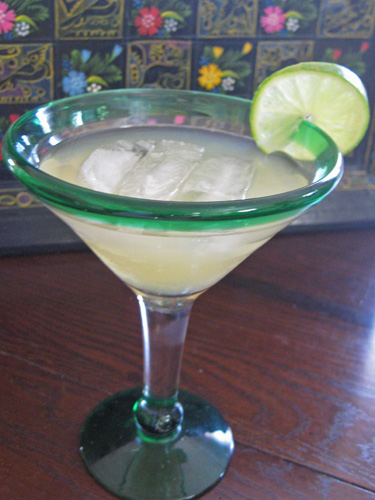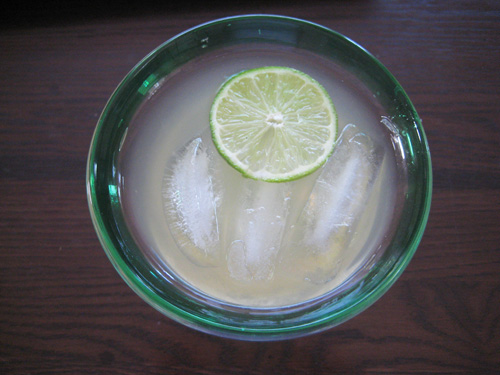
Quick Cinco de Mayo quiz: Where is the margarita more popular, the United States or Mexico? If you guessed the U.S. you win. Margaritas are the number one cocktail ordered in the U.S.
In Mexico, the Paloma — a combination of grapefruit soda, tequila, salt and lime juice — is the mixed-drink of choice. But north of the border, margaritas reign supreme and, as you might guess, there's no day where margaritas are served more in this country than Cinco de Mayo.
Cinco de Mayo is sort of an odd holiday. Contrary to popular belief, it is NOT Mexican Independence Day — that takes place in September. No, Cinco de Mayo is simply the commemoration of a battle where the French were defeated in Puebla. In Mexico, it is not an official holiday and Puebla is really the only place where the day is observed.
This is not to say you shouldn't celebrate yourself. After all, there's a solid American tradition of embracing other countries' holidays as an excuse for a good happy hour (think of St. Patrick's Day). Plus the weather is so nice in May and there are really no other good party holidays until Memorial Day (yes, there's Mother's Day, but that's really more about brunch). So if you're looking for an excuse to be festive, then today is the day to break out the chips and guacamole and make a nice pitcher of margaritas.
To learn more about this classic Mexican cocktail and tequila itself, I interviewed a couple of experts. Dave Karraker works for SKYY Spirits in San Francisco, which distributes both Cabo Wabo and Espolón Tequila (plus he's a friend of a friend), so I figured he'd be a good person to speak with. I also asked Julian Limon Nunez, a colleague of my husband's whose family owns the Tequila El Viejito distillery in Guadalajara Mexico, to tell me a little bit about tequila.
So here's a little primer on margaritas and tequila for your Cinco de Mayo holiday. Enjoy and remember to call a cab for any friends who are celebrating with you.
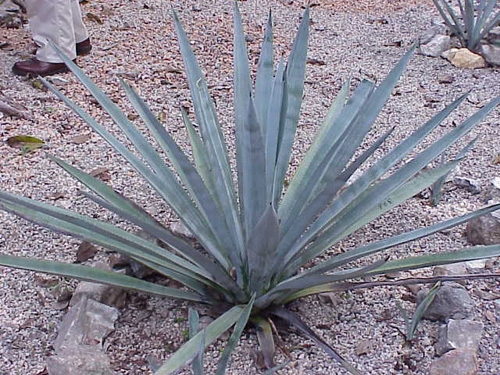
What's the difference between the various types of tequila?
First of all, tequila must be produced in very specific regions of Mexico to be allowed the "tequila" designation. Just as you can't call a sparkling wine champagne if it's not made in the Champagne region of France, you cannot call a spirit tequila if it is not made in Jalisco or a few other designated areas in Mexico.