On Hiero Day, Tajai Massey Says Culture Needs Physical Spaces
Sponsored
Player sponsored by
window.__IS_SSR__=true
window.__INITIAL_STATE__={
"attachmentsReducer": {
"audio_0": {
"type": "attachments",
"id": "audio_0",
"imgSizes": {
"kqedFullSize": {
"file": "https://ww2.kqed.org/news/wp-content/themes/KQED-unified/img/audio_bgs/background0.jpg"
}
}
},
"audio_1": {
"type": "attachments",
"id": "audio_1",
"imgSizes": {
"kqedFullSize": {
"file": "https://ww2.kqed.org/news/wp-content/themes/KQED-unified/img/audio_bgs/background1.jpg"
}
}
},
"audio_2": {
"type": "attachments",
"id": "audio_2",
"imgSizes": {
"kqedFullSize": {
"file": "https://ww2.kqed.org/news/wp-content/themes/KQED-unified/img/audio_bgs/background2.jpg"
}
}
},
"audio_3": {
"type": "attachments",
"id": "audio_3",
"imgSizes": {
"kqedFullSize": {
"file": "https://ww2.kqed.org/news/wp-content/themes/KQED-unified/img/audio_bgs/background3.jpg"
}
}
},
"audio_4": {
"type": "attachments",
"id": "audio_4",
"imgSizes": {
"kqedFullSize": {
"file": "https://ww2.kqed.org/news/wp-content/themes/KQED-unified/img/audio_bgs/background4.jpg"
}
}
},
"placeholder": {
"type": "attachments",
"id": "placeholder",
"imgSizes": {
"thumbnail": {
"file": "https://cdn.kqed.org/wp-content/uploads/2024/12/KQED-Default-Image-816638274-2000x1333-1-160x107.jpg",
"width": 160,
"height": 107,
"mimeType": "image/jpeg"
},
"medium": {
"file": "https://cdn.kqed.org/wp-content/uploads/2024/12/KQED-Default-Image-816638274-2000x1333-1-800x533.jpg",
"width": 800,
"height": 533,
"mimeType": "image/jpeg"
},
"medium_large": {
"file": "https://cdn.kqed.org/wp-content/uploads/2024/12/KQED-Default-Image-816638274-2000x1333-1-768x512.jpg",
"width": 768,
"height": 512,
"mimeType": "image/jpeg"
},
"large": {
"file": "https://cdn.kqed.org/wp-content/uploads/2024/12/KQED-Default-Image-816638274-2000x1333-1-1020x680.jpg",
"width": 1020,
"height": 680,
"mimeType": "image/jpeg"
},
"1536x1536": {
"file": "https://cdn.kqed.org/wp-content/uploads/2024/12/KQED-Default-Image-816638274-2000x1333-1-1536x1024.jpg",
"width": 1536,
"height": 1024,
"mimeType": "image/jpeg"
},
"fd-lrg": {
"file": "https://cdn.kqed.org/wp-content/uploads/2024/12/KQED-Default-Image-816638274-2000x1333-1-1536x1024.jpg",
"width": 1536,
"height": 1024,
"mimeType": "image/jpeg"
},
"fd-med": {
"file": "https://cdn.kqed.org/wp-content/uploads/2024/12/KQED-Default-Image-816638274-2000x1333-1-1020x680.jpg",
"width": 1020,
"height": 680,
"mimeType": "image/jpeg"
},
"fd-sm": {
"file": "https://cdn.kqed.org/wp-content/uploads/2024/12/KQED-Default-Image-816638274-2000x1333-1-800x533.jpg",
"width": 800,
"height": 533,
"mimeType": "image/jpeg"
},
"post-thumbnail": {
"file": "https://cdn.kqed.org/wp-content/uploads/2024/12/KQED-Default-Image-816638274-2000x1333-1-672x372.jpg",
"width": 672,
"height": 372,
"mimeType": "image/jpeg"
},
"twentyfourteen-full-width": {
"file": "https://cdn.kqed.org/wp-content/uploads/2024/12/KQED-Default-Image-816638274-2000x1333-1-1038x576.jpg",
"width": 1038,
"height": 576,
"mimeType": "image/jpeg"
},
"xxsmall": {
"file": "https://cdn.kqed.org/wp-content/uploads/2024/12/KQED-Default-Image-816638274-2000x1333-1-160x107.jpg",
"width": 160,
"height": 107,
"mimeType": "image/jpeg"
},
"xsmall": {
"file": "https://cdn.kqed.org/wp-content/uploads/2024/12/KQED-Default-Image-816638274-2000x1333-1-672x372.jpg",
"width": 672,
"height": 372,
"mimeType": "image/jpeg"
},
"small": {
"file": "https://cdn.kqed.org/wp-content/uploads/2024/12/KQED-Default-Image-816638274-2000x1333-1-672x372.jpg",
"width": 672,
"height": 372,
"mimeType": "image/jpeg"
},
"xlarge": {
"file": "https://cdn.kqed.org/wp-content/uploads/2024/12/KQED-Default-Image-816638274-2000x1333-1-1020x680.jpg",
"width": 1020,
"height": 680,
"mimeType": "image/jpeg"
},
"full-width": {
"file": "https://cdn.kqed.org/wp-content/uploads/2024/12/KQED-Default-Image-816638274-2000x1333-1-1920x1280.jpg",
"width": 1920,
"height": 1280,
"mimeType": "image/jpeg"
},
"guest-author-32": {
"file": "https://cdn.kqed.org/wp-content/uploads/2025/01/KQED-Default-Image-816638274-1333x1333-1-160x160.jpg",
"width": 32,
"height": 32,
"mimeType": "image/jpeg"
},
"guest-author-50": {
"file": "https://cdn.kqed.org/wp-content/uploads/2025/01/KQED-Default-Image-816638274-1333x1333-1-160x160.jpg",
"width": 50,
"height": 50,
"mimeType": "image/jpeg"
},
"guest-author-64": {
"file": "https://cdn.kqed.org/wp-content/uploads/2025/01/KQED-Default-Image-816638274-1333x1333-1-160x160.jpg",
"width": 64,
"height": 64,
"mimeType": "image/jpeg"
},
"guest-author-96": {
"file": "https://cdn.kqed.org/wp-content/uploads/2025/01/KQED-Default-Image-816638274-1333x1333-1-160x160.jpg",
"width": 96,
"height": 96,
"mimeType": "image/jpeg"
},
"guest-author-128": {
"file": "https://cdn.kqed.org/wp-content/uploads/2025/01/KQED-Default-Image-816638274-1333x1333-1-160x160.jpg",
"width": 128,
"height": 128,
"mimeType": "image/jpeg"
},
"detail": {
"file": "https://cdn.kqed.org/wp-content/uploads/2025/01/KQED-Default-Image-816638274-1333x1333-1-160x160.jpg",
"width": 160,
"height": 160,
"mimeType": "image/jpeg"
},
"kqedFullSize": {
"file": "https://cdn.kqed.org/wp-content/uploads/2024/12/KQED-Default-Image-816638274-2000x1333-1.jpg",
"width": 2000,
"height": 1333
}
}
},
"arts_13935514": {
"type": "attachments",
"id": "arts_13935514",
"meta": {
"index": "attachments_1716263798",
"site": "arts",
"id": "13935514",
"found": true
},
"parent": 13935052,
"imgSizes": {
"twentyfourteen-full-width": {
"file": "https://ww2.kqed.org/app/uploads/sites/2/2023/09/Light-Photograph-7-1038x576.png",
"width": 1038,
"mimeType": "image/png",
"height": 576
},
"thumbnail": {
"file": "https://ww2.kqed.org/app/uploads/sites/2/2023/09/Light-Photograph-7-160x90.png",
"width": 160,
"mimeType": "image/png",
"height": 90
},
"post-thumbnail": {
"file": "https://ww2.kqed.org/app/uploads/sites/2/2023/09/Light-Photograph-7-672x372.png",
"width": 672,
"mimeType": "image/png",
"height": 372
},
"kqedFullSize": {
"file": "https://ww2.kqed.org/app/uploads/sites/2/2023/09/Light-Photograph-7.png",
"width": 1920,
"height": 1080
},
"large": {
"file": "https://ww2.kqed.org/app/uploads/sites/2/2023/09/Light-Photograph-7-1020x574.png",
"width": 1020,
"mimeType": "image/png",
"height": 574
},
"1536x1536": {
"file": "https://ww2.kqed.org/app/uploads/sites/2/2023/09/Light-Photograph-7-1536x864.png",
"width": 1536,
"mimeType": "image/png",
"height": 864
},
"medium": {
"file": "https://ww2.kqed.org/app/uploads/sites/2/2023/09/Light-Photograph-7-800x450.png",
"width": 800,
"mimeType": "image/png",
"height": 450
},
"medium_large": {
"file": "https://ww2.kqed.org/app/uploads/sites/2/2023/09/Light-Photograph-7-768x432.png",
"width": 768,
"mimeType": "image/png",
"height": 432
}
},
"publishDate": 1695934108,
"modified": 1695934220,
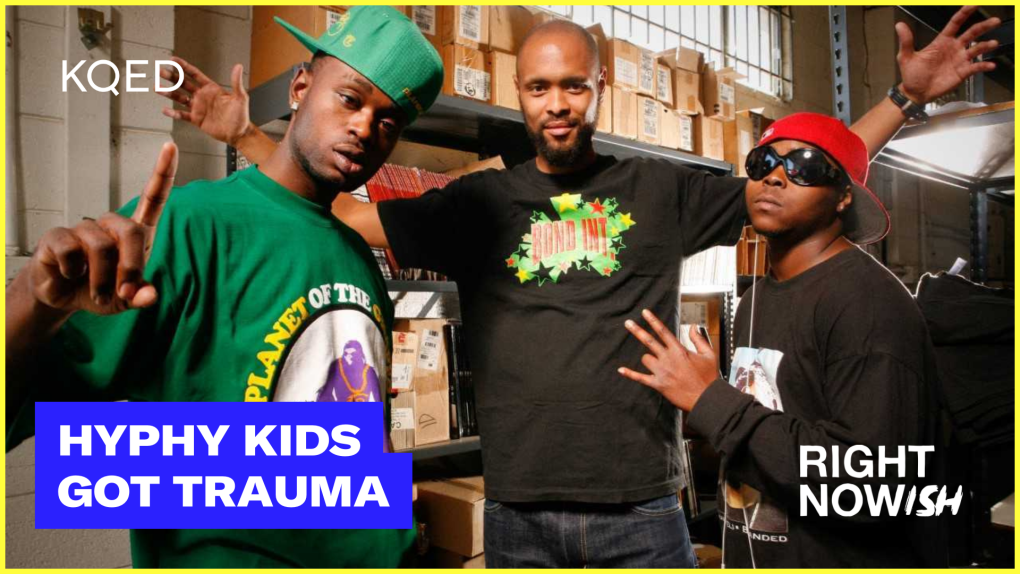
"caption": "East Oakland's Beeda Weeda and Tajai Massey stand alongside West Oakland's J-Stalin, posing for a photo in the warehouse of a building owned by the legendary Hieroglyphics hip-hop crew.",
"description": "Rapper Beeda Weeda wears a green baseball hat turned backwards and a matching green shirt, as he stands alongside Tajai Massey who is wearing a black shirt. On the far right is J-Stalin, wearing a red baseball hat, dark sunglasses and a black shirt.",
"title": "East Oakland's Beeda Weeda and Tajai Massey stand alongside West Oakland's J-Stalin, posing for a photo in the warehouse of a building owned by the legendary Hieroglyphics hip-hop crew.",
"credit": "Alexander Warnow",
"status": "inherit",
"altTag": "East Oakland's Beeda Weeda and Tajai Massey stand alongside West Oakland's J-Stalin, posing for a photo in the warehouse of a building owned by the legendary Hieroglyphics hip-hop crew.",
"fetchFailed": false,
"isLoading": false
},
"arts_13902458": {
"type": "attachments",
"id": "arts_13902458",
"meta": {
"index": "attachments_1716263798",
"site": "arts",
"id": "13902458",
"found": true
},
"parent": 13902383,
"imgSizes": {
"thumbnail": {
"file": "https://ww2.kqed.org/app/uploads/sites/2/2021/09/IMG_3880-160x105.jpg",
"width": 160,
"mimeType": "image/jpeg",
"height": 105
},
"post-thumbnail": {
"file": "https://ww2.kqed.org/app/uploads/sites/2/2021/09/IMG_3880-672x372.jpg",
"width": 672,
"mimeType": "image/jpeg",
"height": 372
},
"kqedFullSize": {
"file": "https://ww2.kqed.org/app/uploads/sites/2/2021/09/IMG_3880.jpg",
"width": 764,
"height": 503
}
},
"publishDate": 1630623761,
"modified": 1630623795,
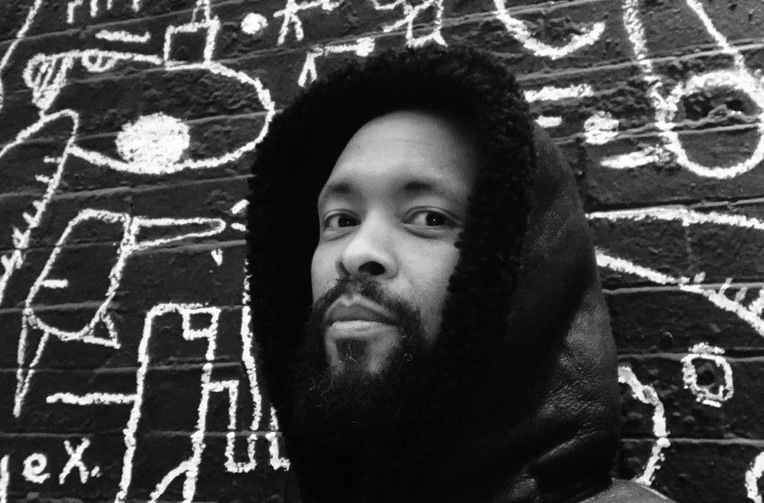
"caption": "Rapper and architect, Tajai Massey",
"description": "In a black and white photo, Tajai Massey posses in a black hoodie in front of an artistic background that shows what appear to be painted squiggles and designs",
"title": "TajaiMassey",
"credit": "Tajai Massey",
"status": "inherit",
"altTag": "In a black and white photo, Tajai Massey posses in a black hoodie in front of an artistic background that shows what appear to be painted squiggles and designs",
"fetchFailed": false,
"isLoading": false
}
},
"audioPlayerReducer": {
"postId": "stream_live",
"isPaused": true,
"isPlaying": false,
"pfsActive": false,
"pledgeModalIsOpen": true,
"playerDrawerIsOpen": false
},
"authorsReducer": {
"ogpenn": {
"type": "authors",
"id": "11491",
"meta": {
"index": "authors_1716337520",
"id": "11491",
"found": true
},
"name": "Pendarvis Harshaw",
"firstName": "Pendarvis",
"lastName": "Harshaw",
"slug": "ogpenn",
"email": "ogpenn@gmail.com",
"display_author_email": false,
"staff_mastheads": [
"arts"
],
"title": "Community Engagement Reporter",
"bio": "Pendarvis Harshaw is an educator, host and writer with KQED Arts.",
"avatar": "https://secure.gravatar.com/avatar/093d33baff5354890e29ad83d58d2c49?s=600&d=blank&r=g",
"twitter": null,
"facebook": null,
"instagram": "ogpenn",
"linkedin": null,
"sites": [
{
"site": "arts",
"roles": [
"editor"
]
},
{
"site": "news",
"roles": [
"editor"
]
},
{
"site": "bayareabites",
"roles": [
"author"
]
},
{
"site": "hiphop",
"roles": [
"editor"
]
}
],
"headData": {
"title": "Pendarvis Harshaw | KQED",
"description": "Community Engagement Reporter",
"ogImgSrc": "https://secure.gravatar.com/avatar/093d33baff5354890e29ad83d58d2c49?s=600&d=blank&r=g",
"twImgSrc": "https://secure.gravatar.com/avatar/093d33baff5354890e29ad83d58d2c49?s=600&d=blank&r=g"
},
"isLoading": false,
"link": "/author/ogpenn"
},
"mmedina": {
"type": "authors",
"id": "11528",
"meta": {
"index": "authors_1716337520",
"id": "11528",
"found": true
},
"name": "Marisol Medina-Cadena",
"firstName": "Marisol",
"lastName": "Medina-Cadena",
"slug": "mmedina",
"email": "mmedina@KQED.org",
"display_author_email": true,
"staff_mastheads": [],
"title": "Producer, Rightnowish Podcast",
"bio": "Marisol Medina-Cadena is a radio reporter and podcast producer. Before working at KQED, she produced for PBS member station, KCET, in Los Angeles. In 2017, Marisol won an Emmy Award for her work on the televised documentary, \u003cem>City Rising\u003c/em>, examining California's affordable housing crisis and the historical roots of gentrification.",
"avatar": "https://secure.gravatar.com/avatar/6c3db46a1cabb5e1fe9a365b5f4e681e?s=600&d=blank&r=g",
"twitter": "marisolreports",
"facebook": null,
"instagram": null,
"linkedin": null,
"sites": [
{
"site": "arts",
"roles": []
},
{
"site": "news",
"roles": [
"edit_others_posts"
]
}
],
"headData": {
"title": "Marisol Medina-Cadena | KQED",
"description": "Producer, Rightnowish Podcast",
"ogImgSrc": "https://secure.gravatar.com/avatar/6c3db46a1cabb5e1fe9a365b5f4e681e?s=600&d=blank&r=g",
"twImgSrc": "https://secure.gravatar.com/avatar/6c3db46a1cabb5e1fe9a365b5f4e681e?s=600&d=blank&r=g"
},
"isLoading": false,
"link": "/author/mmedina"
}
},
"breakingNewsReducer": {},
"pagesReducer": {},
"postsReducer": {
"stream_live": {
"type": "live",
"id": "stream_live",
"audioUrl": "https://streams.kqed.org/kqedradio",
"title": "Live Stream",
"excerpt": "Live Stream information currently unavailable.",
"link": "/radio",
"featImg": "",
"label": {
"name": "KQED Live",
"link": "/"
}
},
"stream_kqedNewscast": {
"type": "posts",
"id": "stream_kqedNewscast",
"audioUrl": "https://www.kqed.org/.stream/anon/radio/RDnews/newscast.mp3?_=1",
"title": "KQED Newscast",
"featImg": "",
"label": {
"name": "88.5 FM",
"link": "/"
}
},
"arts_13935052": {
"type": "posts",
"id": "arts_13935052",
"meta": {
"index": "posts_1716263798",
"site": "arts",
"id": "13935052",
"score": null,
"sort": [
1695290459000
]
},
"guestAuthors": [],
"slug": "hyphy-kids-got-trauma-pt-1-in-the-building",
"title": "Hyphy Kids Got Trauma Pt. 1, ‘In the Building’",
"publishDate": 1695290459,
"format": "audio",
"headTitle": "Hyphy Kids Got Trauma Pt. 1, ‘In the Building’ | KQED",
"labelTerm": {
"term": 8720,
"site": "arts"
},
"content": "\u003cp>\u003ca href=\"#episode-transcript\">\u003cspan style=\"font-weight: 400\">\u003ci>View the full episode transcript.\u003c/i>\u003c/span>\u003c/a>\u003c/p>\n\u003cp>\u003cspan style=\"font-weight: 400\">Welcome to \u003ca href=\"https://www.kqed.org/arts/13934874\">Hyphy Kids Got Trauma\u003c/a>, a four-part series about the Bay Area, hip-hop culture and the significance of the year 2006. \u003c/span>\u003c/p>\n\u003cp>\u003cspan style=\"font-weight: 400\">Back then I was a baby journalist, laying the foundation for my career path and getting ready for college. I was also trying to stay out of the way of the drama, while moving in and out of traffic with my patnas. \u003c/span>\u003c/p>\n\u003cp>\u003cspan style=\"font-weight: 400\">We stayed out late, smoking, drinking and partying to no end. We found fun during hard times, and celebrated everyday as if it were our last– and honestly, it very well could’ve been.\u003c/span>\u003c/p>\n\u003cp>\u003cspan style=\"font-weight: 400\">In January of that year, an unfortunate chain of events in the neighborhood I hung out in led to a friend, Willie Clay, losing his life to gun violence.\u003c/span>\u003c/p>\n\u003cp>\u003cspan style=\"font-weight: 400\">Around that same time, a neighborhood rap star on the rise by the name of Beeda Weeda released two projects that I listened to as a reprieve from the stress of the world. And as his music helped me to cope, it did the same for Beeda, as he not only knew Will, he was one of the last people to see him alive. \u003c/span>\u003c/p>\n\u003cp>\u003cspan style=\"font-weight: 400\">As Beeda’s stock was rising, another shooting led to him relocating his studio, working with Tajai Massey of Souls of Mischief/ Hieroglyphics and opening a door to the Hiero building, a place that would allow a new generation of hip-hop artists from the community to make music. \u003c/span>\u003c/p>\n\u003cp>\u003cspan style=\"font-weight: 400\">“You hear about how the murder rate was so high, how that was like one of the worst years of Oakland,” says Beeda Weeda. “But, bruh, I had so much fun.”\u003c/span>\u003c/p>\n\u003cp>\u003cspan style=\"font-weight: 400\">If you ask anyone who was in the Bay Area and into hip-hop in 2006, I’m sure they’ll have a story for you. As Beeda Weeda told me, “‘06 was very special, bro.”\u003c/span>\u003c/p>\n\u003cfigure id=\"attachment_13935062\" class=\"wp-caption aligncenter\" style=\"max-width: 800px\">\u003cimg loading=\"lazy\" decoding=\"async\" class=\"size-medium wp-image-13935062\" src=\"https://ww2.kqed.org/app/uploads/sites/2/2023/09/dscf1186-800x533.jpg\" alt=\"A picnic table outside of the Manzanita Youth Center in East Oakland, inscribed with the names of people from the community who've passed. \" width=\"800\" height=\"533\" srcset=\"https://cdn.kqed.org/wp-content/uploads/sites/2/2023/09/dscf1186-800x533.jpg 800w, https://cdn.kqed.org/wp-content/uploads/sites/2/2023/09/dscf1186-1020x680.jpg 1020w, https://cdn.kqed.org/wp-content/uploads/sites/2/2023/09/dscf1186-160x107.jpg 160w, https://cdn.kqed.org/wp-content/uploads/sites/2/2023/09/dscf1186-768x512.jpg 768w, https://cdn.kqed.org/wp-content/uploads/sites/2/2023/09/dscf1186-1536x1024.jpg 1536w, https://cdn.kqed.org/wp-content/uploads/sites/2/2023/09/dscf1186-2048x1365.jpg 2048w, https://cdn.kqed.org/wp-content/uploads/sites/2/2023/09/dscf1186-1920x1280.jpg 1920w\" sizes=\"(max-width: 800px) 100vw, 800px\">\u003cfigcaption class=\"wp-caption-text\">A picnic table outside of the Manzanita Youth Center in East Oakland, inscribed with the names of people from the community who’ve passed. \u003ccite>(Pendarvis Harshaw)\u003c/cite>\u003c/figcaption>\u003c/figure>\n\u003cp>\u003c!-- iframe plugin v.4.3 wordpress.org/plugins/iframe/ -->\u003cbr>\n\u003ciframe loading=\"lazy\" frameborder=\"0\" height=\"200\" scrolling=\"no\" src=\"https://playlist.megaphone.fm/?e=KQINC3485225341&light=true\" width=\"100%\" class=\"iframe-class\">\u003c/iframe>\u003c/p>\n\u003ch2 id=\"episode-transcript\">Episode Transcript\u003c/h2>\n\u003cp>\u003cb>Pendarvis Harshaw, host: \u003c/b>\u003cspan style=\"font-weight: 400\">Heads up, this podcast contains explicit language. \u003c/span>\u003c/p>\n\u003cp>\u003ci>\u003cspan style=\"font-weight: 400\">[Music] \u003c/span>\u003c/i>\u003c/p>\n\u003cp>\u003cb>Pendarvis Harshaw:\u003c/b>\u003cspan style=\"font-weight: 400\"> In 2006, \u003c/span>\u003cspan style=\"font-weight: 400\">I was 18 going on 19, one year removed from high school. And\u003c/span>\u003cspan style=\"font-weight: 400\"> I had a front row seat to one of the most notable times in Bay Area hip-hop history– a period often referred to as “the hyphy movement”. \u003c/span>\u003c/p>\n\u003cp>\u003cspan style=\"font-weight: 400\">It was an era of uptempo-bass-heavy music, oversized airbrushed white t-shirts, candy painted cars and big-ass sunglasses — stunna shades. There was exuberant dancing, extravagant slang, and goofy party antics. \u003c/span>\u003c/p>\n\u003cp>\u003ci>\u003cspan style=\"font-weight: 400\">[crowd cheering]\u003c/span>\u003c/i>\u003c/p>\n\u003cp>\u003cb>Pendarvis Harshaw:\u003c/b>\u003cspan style=\"font-weight: 400\"> The grand daddy was purple, the incredible hulk was green and the pills came in every color that Crayola has ever seen. \u003c/span>\u003c/p>\n\u003cp>\u003cspan style=\"font-weight: 400\">While it’s easy to get all nostalgic about the music and partying as a time of celebration and bliss, I’m here to discuss how the culture was fueled by pain. That year a reported \u003c/span>\u003ca href=\"https://www.sfgate.com/bayarea/article/most-oakland-homicides-in-2006-were-shootings-2659579.php\">\u003cspan style=\"font-weight: 400\">148 people\u003c/span>\u003c/a>\u003cspan style=\"font-weight: 400\"> were killed in Oakland. It’s the second highest annual homicide total the town has ever seen. And nationally it was much the same, as crime– specifically robberies in big cities– increased significantly from the year prior. \u003c/span>\u003c/p>\n\u003cp>\u003ci>\u003cspan style=\"font-weight: 400\">[ambient music]\u003c/span>\u003c/i>\u003c/p>\n\u003cp>\u003cspan style=\"font-weight: 400\">I think about that, in addition to the folks who I knew who were lost to substance abuse, people who were sent to jail or prison, families who lost homes, careers that were ended, and lives that were forever changed. Yeah, there’s more to the story of “the hyphy movement” than just going stupid.\u003c/span>\u003c/p>\n\u003cp>\u003cspan style=\"font-weight: 400\"> \u003c/span>\u003cspan style=\"font-weight: 400\">I should know, I was there. \u003c/span>\u003c/p>\n\u003cp>\u003ci>\u003cspan style=\"font-weight: 400\">[chatter of voices]\u003c/span>\u003c/i>\u003c/p>\n\u003cp>\u003cb>Pendarvis Harshaw: \u003c/b>\u003cspan style=\"font-weight: 400\">The date on my LG flip phone reads January 26, 2006. I’m staring at the digital screen, posted in the lobby of this fancy-ass hotel in downtown San Jose. Business casual attire means that I’m sporting the same button-up collared shirt, baggy khakis and Steve Madden shoes that I wear to funerals and club functions. But today, I’m at a journalism gala. \u003c/span>\u003c/p>\n\u003cp>\u003cspan style=\"font-weight: 400\">I’m a baby reporter, 18 years-old. The beard hasn’t connected and the hairline hasn’t receded. Folks are all dressed fancy and eating tiny sandwiches. \u003c/span>\u003ci>\u003cspan style=\"font-weight: 400\">This is journalism? \u003c/span>\u003c/i>\u003cspan style=\"font-weight: 400\">I’m with my folks from New America Media’s Youth Outlook publication, a nonprofit that helps young writers get their foot into the journalism world. \u003c/span>\u003c/p>\n\u003cp>\u003cspan style=\"font-weight: 400\">I’m in the right place to be, but still kind of nervous. So in the middle of all the lobby chatter, I’m tucked off, hiding behind my illuminated screen of my phone. No games on that joint, no social media or internet browser either. I’m just messing with the ringtones and reading old text messages. And then— \u003c/span>\u003ci>\u003cspan style=\"font-weight: 400\">[phone vibrates]\u003c/span>\u003c/i> \u003cspan style=\"font-weight: 400\">A new message from my patna Malcolm.\u003c/span>\u003c/p>\n\u003cp>\u003cspan style=\"font-weight: 400\">“They killed Will.” \u003c/span>\u003c/p>\n\u003cp>\u003cspan style=\"font-weight: 400\">After a quick call for further clarification, I hang up and I throw \u003c/span>\u003ci>\u003cspan style=\"font-weight: 400\">[phone cracks] \u003c/span>\u003c/i>\u003cspan style=\"font-weight: 400\">my phone, quarterback Hail Mary style– chuck that muthaf—a smooth across the room. The phone was ok. I broke.\u003c/span>\u003c/p>\n\u003cp>\u003ci>\u003cspan style=\"font-weight: 400\">[car door slams, engine rumbles as car drives off]\u003c/span>\u003c/i>\u003c/p>\n\u003cp>\u003ci>\u003cspan style=\"font-weight: 400\">[Music]\u003c/span>\u003c/i>\u003c/p>\n\u003cp>\u003cb>Pendarvis Harshaw: \u003c/b>\u003cspan style=\"font-weight: 400\">I leave the event in a drunken blur, and get a ride back to Oakland with some co-workers. Yeah, drunk at 18. But what does that mean? \u003c/span>\u003c/p>\n\u003cp>\u003cspan style=\"font-weight: 400\">I mean I’d been smoking and drinking since middle school– around the same time I met Willie Clay. We were classmates, and outside of school we kicked it at the Manzanita Center – a youth center on East 28th street in East Oakland, in a neighborhood we call the Dubs – or Murder Dubs.\u003c/span>\u003c/p>\n\u003cp>\u003cspan style=\"font-weight: 400\">Will was part of a circle of folks who hung out there, played basketball, rode scooters. Y’all remember those Razor joints? He loved those and the motorized ones, too. We used to smoke, shoot dice, rap, crack jokes. He was a funny dude who loved the neighborhood. And last we talked, he had a baby on the way. \u003c/span>\u003c/p>\n\u003cp>\u003cspan style=\"font-weight: 400\">Life changed that day, for me, and a lot of folks in my circle. And that was just\u003c/span> \u003cspan style=\"font-weight: 400\">one day,\u003c/span> \u003cspan style=\"font-weight: 400\">in the midst of a year that would bring my friends and I some of the highest highs and the lowest lows, leaving magnificent memories and deep seated scars. \u003c/span>\u003c/p>\n\u003cp>\u003ci>\u003cspan style=\"font-weight: 400\">[Music]\u003c/span>\u003c/i>\u003c/p>\n\u003cp>\u003ci>\u003cspan style=\"font-weight: 400\">[Car engine rumbles]\u003c/span>\u003c/i>\u003c/p>\n\u003cp>\u003cb>Pendarvis Harshaw: \u003c/b>\u003cspan style=\"font-weight: 400\">A few years ago, I was bending corners around town, when I saw a couple of words written in aerosol spray on a wall underneath an overpass: “Hyphy Kids Got Trauma.” Bingo. Say less.\u003c/span>\u003c/p>\n\u003cp>\u003cspan style=\"font-weight: 400\">That’s the untold story. Our story. My story. There was a lot of pain and grief intertwined in that era. It was the catalyst for the exuberant lifestyle. \u003c/span>\u003c/p>\n\u003cp>\u003ci>\u003cspan style=\"font-weight: 400\">[Music]\u003c/span>\u003c/i>\u003c/p>\n\u003cp>\u003cb>Pendarvis Harshaw:\u003c/b>\u003cspan style=\"font-weight: 400\"> It made us party more aggressively, gig harder, roll fatter blunts, buy bigger bottles, stunt with all four car doors open with a RIP memorial pamphlet on the dashboard of the Buick. Ecstasy pills were popped like vitamins. And goofy glasses – they masked the weight of the reality we were facing. And somehow, that’s all the outside world saw—that goofy shit. \u003c/span>\u003c/p>\n\u003cp>\u003cspan style=\"font-weight: 400\">So in this podcast, I’m going to bring you into the real meaning of the word “hyphy” and why we dance a little different. We’ll talk about where the media failed us and we’ll show you what grew out of the pain. \u003c/span>\u003c/p>\n\u003cp>\u003cspan style=\"font-weight: 400\">I’m Pendarvis Harshaw, and this is \u003c/span>\u003ci>\u003cspan style=\"font-weight: 400\">Hyphy Kids Got Trauma\u003c/span>\u003c/i>\u003cspan style=\"font-weight: 400\">. \u003c/span>\u003c/p>\n\u003cp>\u003ci>\u003cspan style=\"font-weight: 400\">[Music]\u003c/span>\u003c/i>\u003c/p>\n\u003cp>\u003cb>Pendarvis Harshaw: \u003c/b>\u003cspan style=\"font-weight: 400\">On \u003c/span>\u003ca href=\"https://www.complex.com/music/a/david-drake/how-did-blow-the-whistle-become-hyphys-biggest-anthem\">\u003cspan style=\"font-weight: 400\">March 7th, 2006\u003c/span>\u003c/a>\u003cspan style=\"font-weight: 400\"> legendary Oakland rapper Too $hort teamed up with super producer Lil Jon to drop the hit song, “Blow The Whistle.” \u003c/span>\u003c/p>\n\u003cp>\u003ci>\u003cspan style=\"font-weight: 400\">[Blow The Whistle by Too Short plays]\u003c/span>\u003c/i>\u003c/p>\n\u003cp>\u003cb>Pendarvis Harshaw: \u003c/b>\u003cspan style=\"font-weight: 400\">Stupid slap, a bass line that could awaken gargoyles, with energetic drums and a catchy hook, it was a union of Atlanta’s popular krunk sound with the Bay Area’s hyphy wave. \u003c/span>\u003c/p>\n\u003cp>\u003ci>\u003cspan style=\"font-weight: 400\">[Tell Me When To Go by E-40 plays]\u003c/span>\u003c/i>\u003c/p>\n\u003cp>\u003cb>Pendarvis Harshaw:\u003c/b>\u003cspan style=\"font-weight: 400\"> The very next week, on \u003c/span>\u003ca href=\"https://www.discogs.com/release/1629312-E-40-My-Ghetto-Report-Card\">\u003cspan style=\"font-weight: 400\">March 14, 2006\u003c/span>\u003c/a>\u003cspan style=\"font-weight: 400\"> legendary Vallejo rapper E-40 dropped his album, \u003c/span>\u003ci>\u003cspan style=\"font-weight: 400\">My Ghetto Report Card\u003c/span>\u003c/i>\u003cspan style=\"font-weight: 400\">. The lead single, “Tell Me When to Go,” was also produced by Lil Jon and featured fan favorite, East Oakland rapper Keak Da Sneak. \u003c/span>\u003c/p>\n\u003cp>\u003cspan style=\"font-weight: 400\">The drums sounded like two kangaroos kicking the trunk of your car—the hook, simple, catchy and cool. The beat was another uptempo marriage of krunk and hyphy, and it also made for a classic track. \u003c/span>\u003c/p>\n\u003cp>\u003ci>\u003cspan style=\"font-weight: 400\">[Music]\u003c/span>\u003c/i>\u003c/p>\n\u003cp>\u003cb>Pendarvis Harshaw: \u003c/b>\u003cspan style=\"font-weight: 400\">Those releases were just the tip of the iceberg in a year that brought about some of the most notable hip-hop and R&B songs from my region. On a given day, I’d ride shotgun in my friend’s scraper, blasting San Francisco rappers Messy Marv or San Quinn. \u003c/span>\u003c/p>\n\u003cp>\u003cspan style=\"font-weight: 400\">We’d pull up next to a Classic Chevy van, custom designed with flatscreens in the headrests, sound system knockin’ East Bay rappers The Jacka or Bavgate, E-A-Ski or Mistah FAB. We’d pull up to an event and the DJ would be spinning one of the mega hits by The Pack or Keyshia Cole. I’d dip out early, hop the BART turnstile and put my headphones on, listening to Zion-I or Goapele. \u003c/span>\u003c/p>\n\u003cp>\u003cspan style=\"font-weight: 400\">There was a bunch of music to pull from. But for me, the track that kicked things off in 2006 was a song called “Turf’s Up” by an artist named Beeda Weeda.\u003c/span>\u003c/p>\n\u003cp>\u003ci>\u003cspan style=\"font-weight: 400\">[Turfs Up by Beeda Weeda plays]\u003c/span>\u003c/i>\u003c/p>\n\u003cp>\u003cb>Pendarvis Harshaw: \u003c/b>\u003cspan style=\"font-weight: 400\">Beeda Weeda is a neighborhood star, a fly dresser, but not overly flashy, a dark-skinned brotha with deep waves who knows a little bit of everybody. He’s a rapper and a producer, as well as an owner of a clothing brand and a line of cannabis. \u003c/span>\u003c/p>\n\u003cp>\u003cspan style=\"font-weight: 400\">Back in 2006, he had just released his first studio mixtape, called\u003c/span>\u003ci>\u003cspan style=\"font-weight: 400\"> Homework,\u003c/span>\u003c/i>\u003cspan style=\"font-weight: 400\"> and a subsequent album, \u003c/span>\u003ci>\u003cspan style=\"font-weight: 400\">Turfology 101\u003c/span>\u003c/i>\u003cspan style=\"font-weight: 400\">. \u003c/span>\u003c/p>\n\u003cp>\u003cspan style=\"font-weight: 400\">The album’s lead single, “Turfs Up” got radio play and the video had a slew of cameos. The remix featured an all star line-up from that era, including Too Short and E-40.\u003c/span> \u003cspan style=\"font-weight: 400\">The song is an uptempo, braggadocious track—something to dance to, ride to, throw your neighborhood up to. For Beeda, he was simply putting his real life on wax.\u003c/span>\u003c/p>\n\u003cp>\u003cb>Beeda Weeda, guest:\u003c/b>\u003cspan style=\"font-weight: 400\"> We was youngstas, we couldn’t get into the club and shit like that. So like, we would just get in the car, get alcohol, just ride through the East all day trying to knock bitches, you know what I’m saying? And just, the East was our playground. We turned it to like a club on wheels, you know what I’m saying? So that’s basically what the song was just about. I was just talking about the shit that we be doing out here. And, you know, the shit just like, took off, bro. \u003c/span>\u003c/p>\n\u003cp>\u003cb>Pendarvis Harshaw: \u003c/b>\u003cspan style=\"font-weight: 400\">The album also featured a few songs that spoke to trends of the time, like rippa slippas.\u003c/span>\u003c/p>\n\u003cp>\u003cspan style=\"font-weight: 400\"> \u003c/span>\u003ci>\u003cspan style=\"font-weight: 400\">[Rippa Slippas by Beeda Weeda plays]\u003c/span>\u003c/i>\u003c/p>\n\u003cp>\u003cb>Beeda Weeda:\u003c/b>\u003cspan style=\"font-weight: 400\"> You remember the rippa slippas? That was the shoes that all the little females would get from the uh, beauty supply shit, the Chinese slippers, you know, I’m saying. So it was just like everything that literally was going on in the culture, I was just explaining shit, just you know, letting people know how we was getting down out here. You know what I mean?\u003c/span>\u003c/p>\n\u003cp>\u003cb>Pendarvis Harshaw: \u003c/b>\u003cspan style=\"font-weight: 400\">Beeda was painting pictures of how folks were living, from partying to pimpin’, and even the more militant mindset. On his \u003c/span>\u003ci>\u003cspan style=\"font-weight: 400\">Homework\u003c/span>\u003c/i>\u003cspan style=\"font-weight: 400\"> mixtape Beeda Weeda dropped this one song that spoke directly to that radical ideology that so many young folks have here in the Bay. The track was simply called “We Ain’t Listening.” \u003c/span>\u003c/p>\n\u003cp>\u003ci>\u003cspan style=\"font-weight: 400\">[We Ain’t Listening by Beeda Weeda plays]\u003c/span>\u003c/i>\u003c/p>\n\u003cp>\u003cb>Beeda Weeda:\u003c/b>\u003cspan style=\"font-weight: 400\"> That was just the energy of Oakland. Like we was the young niggas. That’s what… what our whole mentality was. We weren’t listening to shit. \u003c/span>\u003c/p>\n\u003cp>\u003cb>Pendarvis Harshaw: \u003c/b>\u003cspan style=\"font-weight: 400\">A mixture of revolutionary spirit, cool player shit and mob mentality, the track exemplifies a lot of the elements that were going on at the time. \u003c/span>\u003c/p>\n\u003cp>\u003cb>Beeda Weeda:\u003c/b>\u003cspan style=\"font-weight: 400\"> I was just expressing, you know, what we were going through and just giving the world a light on what we got going on. Because I always felt like Oakland was different. We was different, you know what I’m saying? I knew it was something different about us. You feel me? And I kind of just wanted to share that with the world, you know what I’m saying?\u003c/span>\u003ci>\u003cspan style=\"font-weight: 400\"> \u003c/span>\u003c/i>\u003c/p>\n\u003cp>\u003cb>Pendarvis Harshaw: \u003c/b>\u003cspan style=\"font-weight: 400\">He’s right, Oakland \u003c/span>\u003ci>\u003cspan style=\"font-weight: 400\">was\u003c/span>\u003c/i>\u003cspan style=\"font-weight: 400\"> different. It was an epicenter of culture, caught in an upwind of creativity. And in 2006, at the same time, there were plenty of reasons for young folks in the Town to ignore every single word from authority figures. \u003c/span>\u003c/p>\n\u003cp>\u003cspan style=\"font-weight: 400\">Oakland had long been under-resourced and over-policed. Families were facing predatory housing loans and rising rents. After decades of constant growth, the 2000 Census marked the last time the Black population in Oakland increased. \u003c/span>\u003c/p>\n\u003cp>\u003ci>\u003cspan style=\"font-weight: 400\">[Music]\u003c/span>\u003c/i>\u003c/p>\n\u003cp>\u003cb>Pendarvis Harshaw: \u003c/b>\u003cspan style=\"font-weight: 400\">I had homies move to Antioch, Las Vegas and Texas. I started seeing more white folks jogging through the hood. It was the onset of gentrification. \u003c/span>\u003c/p>\n\u003cp>\u003cspan style=\"font-weight: 400\">Mayor Jerry Brown was focused on redeveloping downtown, adding thousands of new residents and cracking down on sideshows– the illegal car shows native to the Bay Area.\u003c/span>\u003c/p>\n\u003cp>\u003ci>\u003cspan style=\"font-weight: 400\">[car engine rumbles and wheels screech]\u003c/span>\u003c/i>\u003c/p>\n\u003cp>\u003cb>Pendarvis Harshaw: \u003c/b>\u003cspan style=\"font-weight: 400\">I watched as downtown changed and new people came. Things shifted, but the sideshows remained. The police department, then entering the third year of a mandatory federal oversight, had its own issues. \u003c/span>\u003c/p>\n\u003cp>\u003cspan style=\"font-weight: 400\">I saw conflicts of all types: people in my family struggling financially, and people close to me going to fight in the War on Terror overseas. \u003c/span>\u003c/p>\n\u003cp>\u003ci>\u003cspan style=\"font-weight: 400\">[police sirens]\u003c/span>\u003c/i>\u003c/p>\n\u003cp>\u003cb>Pendarvis Harshaw:\u003c/b>\u003cspan style=\"font-weight: 400\"> And personally, for me, the biggest conflict was the community violence– that left the deepest wounds. Just weeks after my friend Will was killed, Beeda Weeda released his first project and his music helped me get through that hard time—hard for me, and arguably harder for Beeda, as he not only knew Will, he was one of the last people to see him alive.\u003c/span>\u003c/p>\n\u003cp>\u003cb>Beeda Weeda:\u003c/b>\u003cspan style=\"font-weight: 400\"> Man, you know, I always say bro, what’s crazy is bro… I was supposed to be dead, bro.\u003c/span>\u003c/p>\n\u003cp>\u003ci>\u003cspan style=\"font-weight: 400\">[Music]\u003c/span>\u003c/i>\u003c/p>\n\u003cp>\u003cb>Pendarvis Harshaw: \u003c/b>\u003cspan style=\"font-weight: 400\">That day, Beeda Weeda and a crew of folks were coming back from a performance at a party in Chico, a small town about three and a half hours north of Oakland. Rich in agriculture and full of nature, it’s a college town that sits at the northern end of the Sacramento Valley, a drastic difference from Oakland. \u003c/span>\u003c/p>\n\u003cp>\u003cb>Beeda Weeda:\u003c/b>\u003cspan style=\"font-weight: 400\"> So we slide out there. We had hella fun, did hella promoting. And I’ll never forget how it was, like because it was hella of us from the hood that went out there… just how much fun we had, bro. We didn’t have to look over our shoulders, uh, none of that shit. You know what I’m saying?\u003c/span>\u003c/p>\n\u003cp>\u003cb>Pendarvis Harshaw: \u003c/b>\u003cspan style=\"font-weight: 400\">But Beeda says that after they left and made their way back to Oakland, that energy shifted. \u003c/span>\u003c/p>\n\u003cp>\u003ci>\u003cspan style=\"font-weight: 400\">[Music]\u003c/span>\u003c/i>\u003c/p>\n\u003cp>\u003cb>Beeda Weeda: \u003c/b>\u003cspan style=\"font-weight: 400\">Bro, it was just like a dark ass cloud. It just got dark. And then I never forget like my um my big bro, he was in the front. He’s like, “alright, we back in the shit. You know, y’all keep ya’ll, put your head on a swivel. You know what I’m saying? Ya’ll know what time it is, you feel me?” \u003c/span>\u003c/p>\n\u003cp>\u003cb>Pendarvis Harshaw: \u003c/b>\u003cspan style=\"font-weight: 400\">The crew pulled back into Oakland and Beeda kicked up at a spot in the Dubs. He gave a friend a haircut, and then he realized it was getting late and he didn’t have his car, so he called another friend to give him a ride across town to his lady’s crib.\u003c/span>\u003c/p>\n\u003cp>\u003cb>Beeda Weeda:\u003c/b>\u003cspan style=\"font-weight: 400\"> So my homie come pick me up. Boom, he come pick me up, take me to the West. I’m hella tired cause we were just doing hella shit, I had been up all night from being in Chico and shit, instantly pass out, right? My phone die. You feel me? So my phone go off. You know what I’m saying? I wake up in the morning, I turn my phone on. Soon as I turn my phone on my shit ringing, you feel me? [phone vibrates]\u003c/span>\u003c/p>\n\u003cp>\u003cspan style=\"font-weight: 400\">I answer it. You feel me? Like, “nigga where you at? Whoop, whoop, whoop”\u003c/span>\u003c/p>\n\u003cp>\u003cspan style=\"font-weight: 400\">I’m like, “Bro, I’m good.” And I just remember the nigga was like, “everybody dead”. I’m like, “huh, everybody dead?” \u003c/span>\u003c/p>\n\u003cp>\u003cb>Pendarvis Harshaw: \u003c/b>\u003cspan style=\"font-weight: 400\">A short period after Beeda left the neighborhood, someone came to a main intersection and started spraying bullets. Five people were hit in total. Will and another brother by the name of J-Black died. Before the shooting happened, and before Beeda left the ‘hood, he saw Will on the block.\u003c/span>\u003c/p>\n\u003cp>\u003cb>Beeda Weeda:\u003c/b>\u003cspan style=\"font-weight: 400\"> And I’ll never forget the look on Willie’s face when I drove… like, I just looked at him. You feel me? Like I never forget that shit, you know what I’m saying? He was just standing on the corner. I don’t know, I just looked at him, you know what I’m saying, we looked at each other. I don’t know, it was weird bro. But I’ll never forget that shit. And you know, I just be trippin’ off that shit. Like you feel me? Like I coulda been– if I would’ve been up there a little bit longer, ain’t no tellin’… you know what I’m sayin’? \u003c/span>\u003c/p>\n\u003cp>\u003cb>Pendarvis Harshaw: \u003c/b>\u003cspan style=\"font-weight: 400\">As all of this was happening, Beeda’s music was blowing up. \u003c/span>\u003c/p>\n\u003cp>\u003cspan style=\"font-weight: 400\">Behind the scenes he was working with Tajai of the legendary Souls of Mischief hip-hop group. \u003c/span>\u003c/p>\n\u003cp>\u003ci>\u003cspan style=\"font-weight: 400\">[Music]\u003c/span>\u003c/i>\u003c/p>\n\u003cp>\u003cb>Pendarvis Harshaw: \u003c/b>\u003cspan style=\"font-weight: 400\">They’re a branch of the Almighty Hieroglyphics crew– the folks who brought you the song ‘93 Til Infinity and one of the most well-known logos in hip-hop.\u003c/span>\u003c/p>\n\u003cp>\u003cspan style=\"font-weight: 400\">Tajai is a slim brown-skinned brother from East Oakland, who can get loud when it’s time. And, most times, he has a calm aura that makes sense once you learn that he’s trained in martial arts and is a full-time architectural designer. \u003c/span>\u003c/p>\n\u003cp>\u003cspan style=\"font-weight: 400\">Back in 2006, he had been in the rap game for over a decade, and was looking to put other artists on. \u003c/span>\u003c/p>\n\u003cp>\u003cspan style=\"font-weight: 400\">Beeda Weeda’s music — specifically the song, “We Ain’t Listening” — caught Tajai’s ear. \u003c/span>\u003c/p>\n\u003cp>\u003cb>Tajai Massey, guest:\u003c/b> \u003cspan style=\"font-weight: 400\">It just sounded scary, like, man, oh, wow. This is… this sounds like um like, if you listen to this song, it sounds very tribal, like, hey, hey. It’s just like um when you think about rap music and you think about the stereotypes about it, it’s scary Negro music from the inner city, that song exemplified that. \u003c/span>\u003c/p>\n\u003cp>\u003cb>Pendarvis Harshaw: \u003c/b>\u003cspan style=\"font-weight: 400\">Tajai says that fear factor was a driving force that made the song powerful. \u003c/span>\u003c/p>\n\u003cp>\u003cb>Tajai Massey: \u003c/b>\u003cspan style=\"font-weight: 400\">Like, like obviously it was music, but it was scary. And that’s, I think, what I liked about it. You know, I’m saying I felt like a suburban kid, almost like, “what is this? Oooooooh! This is what those Negroes are talking about in the… in the inner city.”\u003c/span> \u003cspan style=\"font-weight: 400\">You know what I mean though? \u003c/span>\u003c/p>\n\u003cp>\u003cb>Pendarvis Harshaw:\u003c/b> \u003cspan style=\"font-weight: 400\">You say scary, but you say it with a smile on your face. \u003c/span>\u003c/p>\n\u003cp>\u003cb>Tajai Massey: \u003c/b>\u003cspan style=\"font-weight: 400\">Oh, yeah, I mean because I’m, I’m Black and I’m from the inner city like, so I know it’s just young niggas letting off steam musically. You feel what I’m saying though? But that’s really what Hip Hop is in general, rapping, like we just rapping, you know what I’m saying? So to me, it exemplified the same… the same feeling that maybe, you know, Raising Hell or Rock Box or something, “dun, nuh-nuh-nuh,” you know, or uh it’s “like a jungle sometimes.” Like, it exemplified that spirit of there’s a whole other world out here that you are not being exposed to, and we’re going to make it sound beautiful over music\u003c/span>\u003ci>\u003cspan style=\"font-weight: 400\">.\u003c/span>\u003c/i>\u003c/p>\n\u003cp>\u003cb>Pendarvis Harshaw: \u003c/b>\u003cspan style=\"font-weight: 400\">A few weeks after the release of Beeda’s first project, there was another shooting in the Dubs. Bullet holes rattled Beeda’s custom designed van. No one was injured, but the shooting left holes in the image of Beeda’s album cover that wrapped the vehicle. \u003c/span>\u003c/p>\n\u003cp>\u003cspan style=\"font-weight: 400\">The incident pushed Beeda, Tajai, and Beeda’s manager, J.Moe, to put a plan into play.\u003c/span>\u003c/p>\n\u003cp>\u003cspan style=\"font-weight: 400\">Tajai and the Hieroglyphics crew own a building in East Oakland, a few miles from the Dubs. Tajai invited Beeda to start using that space as his homebase, and once Beeda had a foot in the door, he started bringing in other artists from the community. \u003c/span>\u003c/p>\n\u003cp>\u003cb>Beeda Weeda: \u003c/b>\u003cspan style=\"font-weight: 400\">Once Tajai started seeing the talent, he coulda been on some like ‘nah Beeda you doing too much,’ you feel me, ‘like, just you.’ He opened up the whole motherf—-n’ downstairs for us and was like f— it, ya’ll can have this shit down here, you know what I’m saying? And, like, that whole situation, like, basically sparked a lot of careers.\u003c/span>\u003c/p>\n\u003cp>\u003cb>Pendarvis Harshaw: \u003c/b>\u003cspan style=\"font-weight: 400\">Tajai saw the Hiero building as more than just a recording studio for the East Bay’s emerging talent. It was almost like an anti-violence initiative. \u003c/span>\u003c/p>\n\u003cp>\u003cb>Tajai Massey: \u003c/b>\u003cspan style=\"font-weight: 400\">I mean, literally, this place was so active that crime went down in the Dubs. You feel what I’m saying though, because all the criminals was here recording records, you know what I’m saying though? Like forreal though, you know what I’m saying though? I mean you know, all the factors was in here making music you know what I’m saying though?\u003c/span>\u003c/p>\n\u003cp>\u003cb>Pendarvis Harshaw:\u003c/b>\u003cspan style=\"font-weight: 400\"> The roster of folks who came through those doors and made music and or contributed to the culture included Philthy Rich and DJ Fresh, Moses Music, Big Hongry, and J. Stalin. \u003c/span>\u003c/p>\n\u003cp>\u003cspan style=\"font-weight: 400\">Shady Nate, Tower, and the late Zoe Tha Roasta. It’s where a few years later D-LO would record and film the video for his anthem, “No Hoe.” \u003c/span>\u003c/p>\n\u003cp>\u003cspan style=\"font-weight: 400\">It’s where I would eventually work with Jamon Dru and Young Gully to record the Grant Station Project, dedicated to Oscar Grant. \u003c/span>\u003c/p>\n\u003cp>\u003cspan style=\"font-weight: 400\">It was these artists who’d contribute to Bay Area hip-hop for the next decade-plus, making hyphy songs as well as mobb music, underground hits, selling thousands of records and rocking shows across the country. These were dudes from the neighborhood, making music to express pain, celebrate life and document culture. \u003c/span>\u003c/p>\n\u003cp> \u003c/p>\n\u003cp>\u003cspan style=\"font-weight: 400\">But nationally, that wasn’t the narrative. The way the Bay Area culture was being depicted wasn’t exactly what was really happening on the streets. Yes, there were some goofy dances and some funny fashion. But man, it was so much deeper than just going dumb on top of cars. \u003c/span>\u003c/p>\n\u003cp> \u003c/p>\n\u003cp>\u003cspan style=\"font-weight: 400\">If you ask Tajai, that rebellious hyperactive energy is really in our DNA. \u003c/span>\u003cb> \u003c/b>\u003c/p>\n\u003cp>\u003cb>Tajai Massey: \u003c/b>\u003cspan style=\"font-weight: 400\">Mean mugging and all that kind of stuff and you know what I’m saying shaking your dreads and all that. \u003c/span>\u003c/p>\n\u003cp>\u003cspan style=\"font-weight: 400\">To me it was a very African vibe, you know, I’m saying though? Dancing hard, you know what I’m saying though? Very, very within the lineage of the diaspora, like you know what I’m saying though?\u003c/span>\u003c/p>\n\u003cp>\u003cb>Pendarvis Harshaw: \u003c/b>\u003cspan style=\"font-weight: 400\">I could see that. I could see that.\u003c/span>\u003c/p>\n\u003cp>\u003cb>Tajai Massey: \u003c/b>\u003cspan style=\"font-weight: 400\">Kind of like how breakdancing is or popping or all that kind of stuff, right?\u003c/span>\u003c/p>\n\u003cp>\u003cb>Pendarvis Harshaw: \u003c/b>\u003cspan style=\"font-weight: 400\">Yeah. \u003c/span>\u003c/p>\n\u003cp>\u003cb>Tajai Massey:\u003c/b>\u003cspan style=\"font-weight: 400\"> So to me it was more tribal like and this how our, these are tribal dances that we do out here in the Bay where we are the hyphy tribe.\u003c/span>\u003c/p>\n\u003cp>\u003cb>Pendarvis Harshaw: \u003c/b>\u003cspan style=\"font-weight: 400\">And the people of that “hyphy tribe,” we were at war, fighting against club security and local police, fighting against East Coast hip-hop biases, and corporate run-radio stations and culture vultures, fighting against other community members, and sometimes even fighting against ourselves.\u003c/span>\u003c/p>\n\u003cp>\u003cspan style=\"font-weight: 400\">We’re talking about a generation of kids who were born into the crack-cocaine induced era of the War on Drugs, and raised by people who saw Civil Rights leaders slain. There were already issues here, as Tajai reminds us:\u003c/span>\u003c/p>\n\u003cp>\u003cb>Tajai Massey: \u003c/b>\u003cspan style=\"font-weight: 400\">The trauma pre-existed the hyphy movement, and I think the hyphy movement helped to free up and help people to unpack or at least evade a little bit of the trauma.\u003c/span>\u003cb> \u003c/b>\u003c/p>\n\u003cp>\u003ci>\u003cspan style=\"font-weight: 400\">[Music]\u003c/span>\u003c/i>\u003c/p>\n\u003cp>\u003cb>Pendarvis Harshaw: \u003c/b>\u003cspan style=\"font-weight: 400\">We didn’t know it at the time, but that “unpacking” of generational trauma, was unfettered joy while dancing off a pill at a gas station, or driving on the wrong side of the road while listening to your favorite song at a high volume. \u003c/span>\u003c/p>\n\u003cp>\u003cspan style=\"font-weight: 400\">For me, it was smoking and drinking as if everyday were the weekend. It was pills and syrup. It was parties. It was riding around with my patnas, hanging out of the sunroof of this plum colored Sebring that I got from an auction–having fun, despite all of the danger and despair. \u003c/span>\u003c/p>\n\u003cp>\u003cspan style=\"font-weight: 400\">Maybe we were numbing ourselves to get through the trauma. Maybe the hyphy movement kept us alive. Whatever the case, the dichotomy of that era, specifically the year 2006, left a mark that I can never erase. And I’m not the only one, just ask Beeda.\u003c/span>\u003c/p>\n\u003cp>\u003cb>Beeda Weeda: \u003c/b>\u003cspan style=\"font-weight: 400\">You hear about how the murder rate was so high, how that was like one of the worst years of Oakland but, bruh, I had so much fun. Like, like it didn’t seem like that, you know what I’m saying? It didn’t seem like I was around all that. You know what I mean? It just seemed like a lot of love. Like, yeah, we had our ups and downs, we was broke you know what I’m saying? But we didn’t care. We all took care of each other. ‘06 was very special, bro. \u003c/span>\u003c/p>\n\u003cp>\u003cb>Pendarvis Harshaw:\u003c/b>\u003cspan style=\"font-weight: 400\"> Maybe it was that contrast that created the fun, how life and death happened all at once. It made it memorable for us. And unfortunately, only a portion of the story was told, until now. \u003c/span>\u003c/p>\n\u003cp>\u003cspan style=\"font-weight: 400\">On the next episode, we go deeper into community and culture, the year ‘06, and why we dance a little different.\u003c/span>\u003c/p>\n\u003cp>\u003cb>Jeriel Bay: \u003c/b>\u003cspan style=\"font-weight: 400\">We’re not Hyphy dancers. Hyphy was kind of like the energy, the… the spirit, the movement. But, you know , turfing is how we was able to separate ourselves from the energy, you know, we was turf dancing. We wasn’t hyphy dancing.\u003c/span>\u003c/p>\n\u003cp>\u003cb>Pendarvis Harshaw: \u003c/b>\u003cspan style=\"font-weight: 400\">This is Hyphy kids Got Trauma.\u003c/span>\u003cb> \u003c/b>\u003c/p>\n\u003cp>\u003cspan style=\"font-weight: 400\">Hosted by me, Pendarvis Harshaw\u003c/span>\u003c/p>\n\u003cp>\u003cspan style=\"font-weight: 400\">Produced by Maya Cueva\u003c/span>\u003c/p>\n\u003cp>\u003cspan style=\"font-weight: 400\">Edited by Chris Hambrick\u003c/span>\u003c/p>\n\u003cp>\u003cspan style=\"font-weight: 400\">Sound designed and mixed by Trackademics\u003c/span>\u003c/p>\n\u003cp>\u003cspan style=\"font-weight: 400\">With support from \u003c/span>\u003c/p>\n\u003cp>\u003cspan style=\"font-weight: 400\">Eric Arnold, Jen Chien, Holly Kernan, Victoria Mauleon, Marisol Medina-Cadena, Gabe Meline, Xorje Olivares, Delency Parham, Cesar Saldaña, Sayre Quevedo, Katie Sprenger, Nastia Voynovskaya, and Ryce Stoughtenborough. \u003c/span>\u003c/p>\n\u003cp>\u003cspan style=\"font-weight: 400\">This project was produced with support from PRX and is made possible, in part, by a grant from the John S. and James L. Knight Foundation. \u003c/span>\u003c/p>\n\u003cp>\u003cspan style=\"font-weight: 400\">And this is a part of KQED’s That’s My Word project, a year-long exploration of Bay Area Hip-Hop history. Find more at \u003ca href=\"https://www.kqed.org/bayareahiphop\">BayAreaHipHop.Com\u003c/a>\u003c/span>\u003c/p>\n\u003cp>\u003cspan style=\"font-weight: 400\">RIP Will, J-Black and so many more. \u003c/span>\u003c/p>\n\u003cp>\u003cspan style=\"font-weight: 400\">Until next time, peace. \u003c/span>\u003c/p>\n\u003cp>\u003cimg loading=\"lazy\" decoding=\"async\" class=\"aligncenter size-full wp-image-12127869\" src=\"https://ww2.kqed.org/app/uploads/sites/2/2016/09/Q.Logo_.Break_.jpg\" alt=\"\" width=\"800\" height=\"78\" srcset=\"https://cdn.kqed.org/wp-content/uploads/sites/2/2016/09/Q.Logo_.Break_.jpg 800w, https://cdn.kqed.org/wp-content/uploads/sites/2/2016/09/Q.Logo_.Break_-400x39.jpg 400w, https://cdn.kqed.org/wp-content/uploads/sites/2/2016/09/Q.Logo_.Break_-768x75.jpg 768w\" sizes=\"(max-width: 800px) 100vw, 800px\">\u003c/p>\n\u003cp>\u003cstrong>\u003cem>Rightnowish is an arts and culture podcast produced at KQED. Listen to it wherever you get your podcasts or click the play button at the top of this page and subscribe to the show on \u003ca href=\"https://www.npr.org/podcasts/721590300/rightnowish\">NPR One\u003c/a>, \u003ca href=\"https://open.spotify.com/show/7kEJuafTzTVan7B78ttz1I\">Spotify\u003c/a>, \u003ca href=\"https://podcasts.apple.com/us/podcast/rightnowish/id1482187648\">Apple Podcasts\u003c/a>, \u003ca href=\"https://tunein.com/podcasts/Arts--Culture-Podcasts/Rightnowish-p1258245/\">TuneIn\u003c/a>, \u003ca href=\"https://www.stitcher.com/podcast/kqed/rightnowish\">Stitcher\u003c/a> or wherever you get your podcasts. \u003c/em>\u003c/strong>\u003c/p>\n\u003cp>[ad fullwidth]=\u003c/p>\n\u003cp>[ad floatright]\u003c/p>\n",
"blocks": [],
"excerpt": "A four-part series about the Bay Area, hip-hop culture and the significance of the year 2006.\r\n",
"status": "publish",
"parent": 0,
"modified": 1726790654,
"stats": {
"hasAudio": true,
"hasVideo": false,
"hasChartOrMap": false,
"iframeSrcs": [],
"hasGoogleForm": false,
"hasGallery": false,
"hasHearkenModule": false,
"hasPolis": false,
"paragraphCount": 141,
"wordCount": 4968
},
"headData": {
"title": "Hyphy Kids Got Trauma Pt. 1, ‘In the Building’ | KQED",
"description": "In part one of Hyphy Kids Got Trauma, we land in Oakland and meet host Pendarvis Harshaw, a budding journalist at 18 years old. We see the highs and lows, the songs and scars, of the year 2006 through his eyes, and meet a few of the artists behind the music in San Francisco Bay Area hip-hop culture.",
"ogTitle": "",
"ogDescription": "",
"ogImgId": "",
"twTitle": "",
"twDescription": "",
"twImgId": "",
"socialDescription": "In part one of Hyphy Kids Got Trauma, we land in Oakland and meet host Pendarvis Harshaw, a budding journalist at 18 years old. We see the highs and lows, the songs and scars, of the year 2006 through his eyes, and meet a few of the artists behind the music in San Francisco Bay Area hip-hop culture.",
"schema": {
"@context": "https://schema.org",
"@type": "Article",
"headline": "Hyphy Kids Got Trauma Pt. 1, ‘In the Building’",
"datePublished": "2023-09-21T03:00:59-07:00",
"dateModified": "2024-09-19T17:04:14-07:00",
"image": "https://cdn.kqed.org/wp-content/uploads/2020/02/KQED-OG-Image@1x.png"
}
},
"audioUrl": "https://www.podtrac.com/pts/redirect.mp3/chrt.fm/track/G6C7C3/traffic.megaphone.fm/KQINC3485225341.mp3?updated=1695249942",
"sticky": false,
"templateType": "standard",
"featuredImageType": "standard",
"excludeFromSiteSearch": "Include",
"articleAge": "0",
"path": "/arts/13935052/hyphy-kids-got-trauma-pt-1-in-the-building",
"audioTrackLength": null,
"parsedContent": [
{
"type": "contentString",
"content": "\u003cdiv class=\"post-body\">\u003cp>\u003cp>\u003ca href=\"#episode-transcript\">\u003cspan style=\"font-weight: 400\">\u003ci>View the full episode transcript.\u003c/i>\u003c/span>\u003c/a>\u003c/p>\n\u003cp>\u003cspan style=\"font-weight: 400\">Welcome to \u003ca href=\"https://www.kqed.org/arts/13934874\">Hyphy Kids Got Trauma\u003c/a>, a four-part series about the Bay Area, hip-hop culture and the significance of the year 2006. \u003c/span>\u003c/p>\n\u003cp>\u003cspan style=\"font-weight: 400\">Back then I was a baby journalist, laying the foundation for my career path and getting ready for college. I was also trying to stay out of the way of the drama, while moving in and out of traffic with my patnas. \u003c/span>\u003c/p>\n\u003cp>\u003cspan style=\"font-weight: 400\">We stayed out late, smoking, drinking and partying to no end. We found fun during hard times, and celebrated everyday as if it were our last– and honestly, it very well could’ve been.\u003c/span>\u003c/p>\n\u003cp>\u003cspan style=\"font-weight: 400\">In January of that year, an unfortunate chain of events in the neighborhood I hung out in led to a friend, Willie Clay, losing his life to gun violence.\u003c/span>\u003c/p>\n\u003cp>\u003cspan style=\"font-weight: 400\">Around that same time, a neighborhood rap star on the rise by the name of Beeda Weeda released two projects that I listened to as a reprieve from the stress of the world. And as his music helped me to cope, it did the same for Beeda, as he not only knew Will, he was one of the last people to see him alive. \u003c/span>\u003c/p>\n\u003cp>\u003cspan style=\"font-weight: 400\">As Beeda’s stock was rising, another shooting led to him relocating his studio, working with Tajai Massey of Souls of Mischief/ Hieroglyphics and opening a door to the Hiero building, a place that would allow a new generation of hip-hop artists from the community to make music. \u003c/span>\u003c/p>\n\u003cp>\u003cspan style=\"font-weight: 400\">“You hear about how the murder rate was so high, how that was like one of the worst years of Oakland,” says Beeda Weeda. “But, bruh, I had so much fun.”\u003c/span>\u003c/p>\n\u003cp>\u003cspan style=\"font-weight: 400\">If you ask anyone who was in the Bay Area and into hip-hop in 2006, I’m sure they’ll have a story for you. As Beeda Weeda told me, “‘06 was very special, bro.”\u003c/span>\u003c/p>\n\u003cfigure id=\"attachment_13935062\" class=\"wp-caption aligncenter\" style=\"max-width: 800px\">\u003cimg loading=\"lazy\" decoding=\"async\" class=\"size-medium wp-image-13935062\" src=\"https://ww2.kqed.org/app/uploads/sites/2/2023/09/dscf1186-800x533.jpg\" alt=\"A picnic table outside of the Manzanita Youth Center in East Oakland, inscribed with the names of people from the community who've passed. \" width=\"800\" height=\"533\" srcset=\"https://cdn.kqed.org/wp-content/uploads/sites/2/2023/09/dscf1186-800x533.jpg 800w, https://cdn.kqed.org/wp-content/uploads/sites/2/2023/09/dscf1186-1020x680.jpg 1020w, https://cdn.kqed.org/wp-content/uploads/sites/2/2023/09/dscf1186-160x107.jpg 160w, https://cdn.kqed.org/wp-content/uploads/sites/2/2023/09/dscf1186-768x512.jpg 768w, https://cdn.kqed.org/wp-content/uploads/sites/2/2023/09/dscf1186-1536x1024.jpg 1536w, https://cdn.kqed.org/wp-content/uploads/sites/2/2023/09/dscf1186-2048x1365.jpg 2048w, https://cdn.kqed.org/wp-content/uploads/sites/2/2023/09/dscf1186-1920x1280.jpg 1920w\" sizes=\"(max-width: 800px) 100vw, 800px\">\u003cfigcaption class=\"wp-caption-text\">A picnic table outside of the Manzanita Youth Center in East Oakland, inscribed with the names of people from the community who’ve passed. \u003ccite>(Pendarvis Harshaw)\u003c/cite>\u003c/figcaption>\u003c/figure>\n\u003cp>\u003c!-- iframe plugin v.4.3 wordpress.org/plugins/iframe/ -->\u003cbr>\n\u003ciframe loading=\"lazy\" frameborder=\"0\" height=\"200\" scrolling=\"no\" src=\"https://playlist.megaphone.fm/?e=KQINC3485225341&light=true\" width=\"100%\" class=\"iframe-class\">\u003c/iframe>\u003c/p>\n\u003ch2 id=\"episode-transcript\">Episode Transcript\u003c/h2>\n\u003cp>\u003cb>Pendarvis Harshaw, host: \u003c/b>\u003cspan style=\"font-weight: 400\">Heads up, this podcast contains explicit language. \u003c/span>\u003c/p>\n\u003cp>\u003ci>\u003cspan style=\"font-weight: 400\">[Music] \u003c/span>\u003c/i>\u003c/p>\n\u003cp>\u003cb>Pendarvis Harshaw:\u003c/b>\u003cspan style=\"font-weight: 400\"> In 2006, \u003c/span>\u003cspan style=\"font-weight: 400\">I was 18 going on 19, one year removed from high school. And\u003c/span>\u003cspan style=\"font-weight: 400\"> I had a front row seat to one of the most notable times in Bay Area hip-hop history– a period often referred to as “the hyphy movement”. \u003c/span>\u003c/p>\n\u003cp>\u003cspan style=\"font-weight: 400\">It was an era of uptempo-bass-heavy music, oversized airbrushed white t-shirts, candy painted cars and big-ass sunglasses — stunna shades. There was exuberant dancing, extravagant slang, and goofy party antics. \u003c/span>\u003c/p>\n\u003cp>\u003ci>\u003cspan style=\"font-weight: 400\">[crowd cheering]\u003c/span>\u003c/i>\u003c/p>\n\u003cp>\u003cb>Pendarvis Harshaw:\u003c/b>\u003cspan style=\"font-weight: 400\"> The grand daddy was purple, the incredible hulk was green and the pills came in every color that Crayola has ever seen. \u003c/span>\u003c/p>\n\u003cp>\u003cspan style=\"font-weight: 400\">While it’s easy to get all nostalgic about the music and partying as a time of celebration and bliss, I’m here to discuss how the culture was fueled by pain. That year a reported \u003c/span>\u003ca href=\"https://www.sfgate.com/bayarea/article/most-oakland-homicides-in-2006-were-shootings-2659579.php\">\u003cspan style=\"font-weight: 400\">148 people\u003c/span>\u003c/a>\u003cspan style=\"font-weight: 400\"> were killed in Oakland. It’s the second highest annual homicide total the town has ever seen. And nationally it was much the same, as crime– specifically robberies in big cities– increased significantly from the year prior. \u003c/span>\u003c/p>\n\u003cp>\u003ci>\u003cspan style=\"font-weight: 400\">[ambient music]\u003c/span>\u003c/i>\u003c/p>\n\u003cp>\u003cspan style=\"font-weight: 400\">I think about that, in addition to the folks who I knew who were lost to substance abuse, people who were sent to jail or prison, families who lost homes, careers that were ended, and lives that were forever changed. Yeah, there’s more to the story of “the hyphy movement” than just going stupid.\u003c/span>\u003c/p>\n\u003cp>\u003cspan style=\"font-weight: 400\"> \u003c/span>\u003cspan style=\"font-weight: 400\">I should know, I was there. \u003c/span>\u003c/p>\n\u003cp>\u003ci>\u003cspan style=\"font-weight: 400\">[chatter of voices]\u003c/span>\u003c/i>\u003c/p>\n\u003cp>\u003cb>Pendarvis Harshaw: \u003c/b>\u003cspan style=\"font-weight: 400\">The date on my LG flip phone reads January 26, 2006. I’m staring at the digital screen, posted in the lobby of this fancy-ass hotel in downtown San Jose. Business casual attire means that I’m sporting the same button-up collared shirt, baggy khakis and Steve Madden shoes that I wear to funerals and club functions. But today, I’m at a journalism gala. \u003c/span>\u003c/p>\n\u003cp>\u003cspan style=\"font-weight: 400\">I’m a baby reporter, 18 years-old. The beard hasn’t connected and the hairline hasn’t receded. Folks are all dressed fancy and eating tiny sandwiches. \u003c/span>\u003ci>\u003cspan style=\"font-weight: 400\">This is journalism? \u003c/span>\u003c/i>\u003cspan style=\"font-weight: 400\">I’m with my folks from New America Media’s Youth Outlook publication, a nonprofit that helps young writers get their foot into the journalism world. \u003c/span>\u003c/p>\n\u003cp>\u003cspan style=\"font-weight: 400\">I’m in the right place to be, but still kind of nervous. So in the middle of all the lobby chatter, I’m tucked off, hiding behind my illuminated screen of my phone. No games on that joint, no social media or internet browser either. I’m just messing with the ringtones and reading old text messages. And then— \u003c/span>\u003ci>\u003cspan style=\"font-weight: 400\">[phone vibrates]\u003c/span>\u003c/i> \u003cspan style=\"font-weight: 400\">A new message from my patna Malcolm.\u003c/span>\u003c/p>\n\u003cp>\u003cspan style=\"font-weight: 400\">“They killed Will.” \u003c/span>\u003c/p>\n\u003cp>\u003cspan style=\"font-weight: 400\">After a quick call for further clarification, I hang up and I throw \u003c/span>\u003ci>\u003cspan style=\"font-weight: 400\">[phone cracks] \u003c/span>\u003c/i>\u003cspan style=\"font-weight: 400\">my phone, quarterback Hail Mary style– chuck that muthaf—a smooth across the room. The phone was ok. I broke.\u003c/span>\u003c/p>\n\u003cp>\u003ci>\u003cspan style=\"font-weight: 400\">[car door slams, engine rumbles as car drives off]\u003c/span>\u003c/i>\u003c/p>\n\u003cp>\u003ci>\u003cspan style=\"font-weight: 400\">[Music]\u003c/span>\u003c/i>\u003c/p>\n\u003cp>\u003cb>Pendarvis Harshaw: \u003c/b>\u003cspan style=\"font-weight: 400\">I leave the event in a drunken blur, and get a ride back to Oakland with some co-workers. Yeah, drunk at 18. But what does that mean? \u003c/span>\u003c/p>\n\u003cp>\u003cspan style=\"font-weight: 400\">I mean I’d been smoking and drinking since middle school– around the same time I met Willie Clay. We were classmates, and outside of school we kicked it at the Manzanita Center – a youth center on East 28th street in East Oakland, in a neighborhood we call the Dubs – or Murder Dubs.\u003c/span>\u003c/p>\n\u003cp>\u003cspan style=\"font-weight: 400\">Will was part of a circle of folks who hung out there, played basketball, rode scooters. Y’all remember those Razor joints? He loved those and the motorized ones, too. We used to smoke, shoot dice, rap, crack jokes. He was a funny dude who loved the neighborhood. And last we talked, he had a baby on the way. \u003c/span>\u003c/p>\n\u003cp>\u003cspan style=\"font-weight: 400\">Life changed that day, for me, and a lot of folks in my circle. And that was just\u003c/span> \u003cspan style=\"font-weight: 400\">one day,\u003c/span> \u003cspan style=\"font-weight: 400\">in the midst of a year that would bring my friends and I some of the highest highs and the lowest lows, leaving magnificent memories and deep seated scars. \u003c/span>\u003c/p>\n\u003cp>\u003ci>\u003cspan style=\"font-weight: 400\">[Music]\u003c/span>\u003c/i>\u003c/p>\n\u003cp>\u003ci>\u003cspan style=\"font-weight: 400\">[Car engine rumbles]\u003c/span>\u003c/i>\u003c/p>\n\u003cp>\u003cb>Pendarvis Harshaw: \u003c/b>\u003cspan style=\"font-weight: 400\">A few years ago, I was bending corners around town, when I saw a couple of words written in aerosol spray on a wall underneath an overpass: “Hyphy Kids Got Trauma.” Bingo. Say less.\u003c/span>\u003c/p>\n\u003cp>\u003cspan style=\"font-weight: 400\">That’s the untold story. Our story. My story. There was a lot of pain and grief intertwined in that era. It was the catalyst for the exuberant lifestyle. \u003c/span>\u003c/p>\n\u003cp>\u003ci>\u003cspan style=\"font-weight: 400\">[Music]\u003c/span>\u003c/i>\u003c/p>\n\u003cp>\u003cb>Pendarvis Harshaw:\u003c/b>\u003cspan style=\"font-weight: 400\"> It made us party more aggressively, gig harder, roll fatter blunts, buy bigger bottles, stunt with all four car doors open with a RIP memorial pamphlet on the dashboard of the Buick. Ecstasy pills were popped like vitamins. And goofy glasses – they masked the weight of the reality we were facing. And somehow, that’s all the outside world saw—that goofy shit. \u003c/span>\u003c/p>\n\u003cp>\u003cspan style=\"font-weight: 400\">So in this podcast, I’m going to bring you into the real meaning of the word “hyphy” and why we dance a little different. We’ll talk about where the media failed us and we’ll show you what grew out of the pain. \u003c/span>\u003c/p>\n\u003cp>\u003cspan style=\"font-weight: 400\">I’m Pendarvis Harshaw, and this is \u003c/span>\u003ci>\u003cspan style=\"font-weight: 400\">Hyphy Kids Got Trauma\u003c/span>\u003c/i>\u003cspan style=\"font-weight: 400\">. \u003c/span>\u003c/p>\n\u003cp>\u003ci>\u003cspan style=\"font-weight: 400\">[Music]\u003c/span>\u003c/i>\u003c/p>\n\u003cp>\u003cb>Pendarvis Harshaw: \u003c/b>\u003cspan style=\"font-weight: 400\">On \u003c/span>\u003ca href=\"https://www.complex.com/music/a/david-drake/how-did-blow-the-whistle-become-hyphys-biggest-anthem\">\u003cspan style=\"font-weight: 400\">March 7th, 2006\u003c/span>\u003c/a>\u003cspan style=\"font-weight: 400\"> legendary Oakland rapper Too $hort teamed up with super producer Lil Jon to drop the hit song, “Blow The Whistle.” \u003c/span>\u003c/p>\n\u003cp>\u003ci>\u003cspan style=\"font-weight: 400\">[Blow The Whistle by Too Short plays]\u003c/span>\u003c/i>\u003c/p>\n\u003cp>\u003cb>Pendarvis Harshaw: \u003c/b>\u003cspan style=\"font-weight: 400\">Stupid slap, a bass line that could awaken gargoyles, with energetic drums and a catchy hook, it was a union of Atlanta’s popular krunk sound with the Bay Area’s hyphy wave. \u003c/span>\u003c/p>\n\u003cp>\u003ci>\u003cspan style=\"font-weight: 400\">[Tell Me When To Go by E-40 plays]\u003c/span>\u003c/i>\u003c/p>\n\u003cp>\u003cb>Pendarvis Harshaw:\u003c/b>\u003cspan style=\"font-weight: 400\"> The very next week, on \u003c/span>\u003ca href=\"https://www.discogs.com/release/1629312-E-40-My-Ghetto-Report-Card\">\u003cspan style=\"font-weight: 400\">March 14, 2006\u003c/span>\u003c/a>\u003cspan style=\"font-weight: 400\"> legendary Vallejo rapper E-40 dropped his album, \u003c/span>\u003ci>\u003cspan style=\"font-weight: 400\">My Ghetto Report Card\u003c/span>\u003c/i>\u003cspan style=\"font-weight: 400\">. The lead single, “Tell Me When to Go,” was also produced by Lil Jon and featured fan favorite, East Oakland rapper Keak Da Sneak. \u003c/span>\u003c/p>\n\u003cp>\u003cspan style=\"font-weight: 400\">The drums sounded like two kangaroos kicking the trunk of your car—the hook, simple, catchy and cool. The beat was another uptempo marriage of krunk and hyphy, and it also made for a classic track. \u003c/span>\u003c/p>\n\u003cp>\u003ci>\u003cspan style=\"font-weight: 400\">[Music]\u003c/span>\u003c/i>\u003c/p>\n\u003cp>\u003cb>Pendarvis Harshaw: \u003c/b>\u003cspan style=\"font-weight: 400\">Those releases were just the tip of the iceberg in a year that brought about some of the most notable hip-hop and R&B songs from my region. On a given day, I’d ride shotgun in my friend’s scraper, blasting San Francisco rappers Messy Marv or San Quinn. \u003c/span>\u003c/p>\n\u003cp>\u003cspan style=\"font-weight: 400\">We’d pull up next to a Classic Chevy van, custom designed with flatscreens in the headrests, sound system knockin’ East Bay rappers The Jacka or Bavgate, E-A-Ski or Mistah FAB. We’d pull up to an event and the DJ would be spinning one of the mega hits by The Pack or Keyshia Cole. I’d dip out early, hop the BART turnstile and put my headphones on, listening to Zion-I or Goapele. \u003c/span>\u003c/p>\n\u003cp>\u003cspan style=\"font-weight: 400\">There was a bunch of music to pull from. But for me, the track that kicked things off in 2006 was a song called “Turf’s Up” by an artist named Beeda Weeda.\u003c/span>\u003c/p>\n\u003cp>\u003ci>\u003cspan style=\"font-weight: 400\">[Turfs Up by Beeda Weeda plays]\u003c/span>\u003c/i>\u003c/p>\n\u003cp>\u003cb>Pendarvis Harshaw: \u003c/b>\u003cspan style=\"font-weight: 400\">Beeda Weeda is a neighborhood star, a fly dresser, but not overly flashy, a dark-skinned brotha with deep waves who knows a little bit of everybody. He’s a rapper and a producer, as well as an owner of a clothing brand and a line of cannabis. \u003c/span>\u003c/p>\n\u003cp>\u003cspan style=\"font-weight: 400\">Back in 2006, he had just released his first studio mixtape, called\u003c/span>\u003ci>\u003cspan style=\"font-weight: 400\"> Homework,\u003c/span>\u003c/i>\u003cspan style=\"font-weight: 400\"> and a subsequent album, \u003c/span>\u003ci>\u003cspan style=\"font-weight: 400\">Turfology 101\u003c/span>\u003c/i>\u003cspan style=\"font-weight: 400\">. \u003c/span>\u003c/p>\n\u003cp>\u003cspan style=\"font-weight: 400\">The album’s lead single, “Turfs Up” got radio play and the video had a slew of cameos. The remix featured an all star line-up from that era, including Too Short and E-40.\u003c/span> \u003cspan style=\"font-weight: 400\">The song is an uptempo, braggadocious track—something to dance to, ride to, throw your neighborhood up to. For Beeda, he was simply putting his real life on wax.\u003c/span>\u003c/p>\n\u003cp>\u003cb>Beeda Weeda, guest:\u003c/b>\u003cspan style=\"font-weight: 400\"> We was youngstas, we couldn’t get into the club and shit like that. So like, we would just get in the car, get alcohol, just ride through the East all day trying to knock bitches, you know what I’m saying? And just, the East was our playground. We turned it to like a club on wheels, you know what I’m saying? So that’s basically what the song was just about. I was just talking about the shit that we be doing out here. And, you know, the shit just like, took off, bro. \u003c/span>\u003c/p>\n\u003cp>\u003cb>Pendarvis Harshaw: \u003c/b>\u003cspan style=\"font-weight: 400\">The album also featured a few songs that spoke to trends of the time, like rippa slippas.\u003c/span>\u003c/p>\n\u003cp>\u003cspan style=\"font-weight: 400\"> \u003c/span>\u003ci>\u003cspan style=\"font-weight: 400\">[Rippa Slippas by Beeda Weeda plays]\u003c/span>\u003c/i>\u003c/p>\n\u003cp>\u003cb>Beeda Weeda:\u003c/b>\u003cspan style=\"font-weight: 400\"> You remember the rippa slippas? That was the shoes that all the little females would get from the uh, beauty supply shit, the Chinese slippers, you know, I’m saying. So it was just like everything that literally was going on in the culture, I was just explaining shit, just you know, letting people know how we was getting down out here. You know what I mean?\u003c/span>\u003c/p>\n\u003cp>\u003cb>Pendarvis Harshaw: \u003c/b>\u003cspan style=\"font-weight: 400\">Beeda was painting pictures of how folks were living, from partying to pimpin’, and even the more militant mindset. On his \u003c/span>\u003ci>\u003cspan style=\"font-weight: 400\">Homework\u003c/span>\u003c/i>\u003cspan style=\"font-weight: 400\"> mixtape Beeda Weeda dropped this one song that spoke directly to that radical ideology that so many young folks have here in the Bay. The track was simply called “We Ain’t Listening.” \u003c/span>\u003c/p>\n\u003cp>\u003ci>\u003cspan style=\"font-weight: 400\">[We Ain’t Listening by Beeda Weeda plays]\u003c/span>\u003c/i>\u003c/p>\n\u003cp>\u003cb>Beeda Weeda:\u003c/b>\u003cspan style=\"font-weight: 400\"> That was just the energy of Oakland. Like we was the young niggas. That’s what… what our whole mentality was. We weren’t listening to shit. \u003c/span>\u003c/p>\n\u003cp>\u003cb>Pendarvis Harshaw: \u003c/b>\u003cspan style=\"font-weight: 400\">A mixture of revolutionary spirit, cool player shit and mob mentality, the track exemplifies a lot of the elements that were going on at the time. \u003c/span>\u003c/p>\n\u003cp>\u003cb>Beeda Weeda:\u003c/b>\u003cspan style=\"font-weight: 400\"> I was just expressing, you know, what we were going through and just giving the world a light on what we got going on. Because I always felt like Oakland was different. We was different, you know what I’m saying? I knew it was something different about us. You feel me? And I kind of just wanted to share that with the world, you know what I’m saying?\u003c/span>\u003ci>\u003cspan style=\"font-weight: 400\"> \u003c/span>\u003c/i>\u003c/p>\n\u003cp>\u003cb>Pendarvis Harshaw: \u003c/b>\u003cspan style=\"font-weight: 400\">He’s right, Oakland \u003c/span>\u003ci>\u003cspan style=\"font-weight: 400\">was\u003c/span>\u003c/i>\u003cspan style=\"font-weight: 400\"> different. It was an epicenter of culture, caught in an upwind of creativity. And in 2006, at the same time, there were plenty of reasons for young folks in the Town to ignore every single word from authority figures. \u003c/span>\u003c/p>\n\u003cp>\u003cspan style=\"font-weight: 400\">Oakland had long been under-resourced and over-policed. Families were facing predatory housing loans and rising rents. After decades of constant growth, the 2000 Census marked the last time the Black population in Oakland increased. \u003c/span>\u003c/p>\n\u003cp>\u003ci>\u003cspan style=\"font-weight: 400\">[Music]\u003c/span>\u003c/i>\u003c/p>\n\u003cp>\u003cb>Pendarvis Harshaw: \u003c/b>\u003cspan style=\"font-weight: 400\">I had homies move to Antioch, Las Vegas and Texas. I started seeing more white folks jogging through the hood. It was the onset of gentrification. \u003c/span>\u003c/p>\n\u003cp>\u003cspan style=\"font-weight: 400\">Mayor Jerry Brown was focused on redeveloping downtown, adding thousands of new residents and cracking down on sideshows– the illegal car shows native to the Bay Area.\u003c/span>\u003c/p>\n\u003cp>\u003ci>\u003cspan style=\"font-weight: 400\">[car engine rumbles and wheels screech]\u003c/span>\u003c/i>\u003c/p>\n\u003cp>\u003cb>Pendarvis Harshaw: \u003c/b>\u003cspan style=\"font-weight: 400\">I watched as downtown changed and new people came. Things shifted, but the sideshows remained. The police department, then entering the third year of a mandatory federal oversight, had its own issues. \u003c/span>\u003c/p>\n\u003cp>\u003cspan style=\"font-weight: 400\">I saw conflicts of all types: people in my family struggling financially, and people close to me going to fight in the War on Terror overseas. \u003c/span>\u003c/p>\n\u003cp>\u003ci>\u003cspan style=\"font-weight: 400\">[police sirens]\u003c/span>\u003c/i>\u003c/p>\n\u003cp>\u003cb>Pendarvis Harshaw:\u003c/b>\u003cspan style=\"font-weight: 400\"> And personally, for me, the biggest conflict was the community violence– that left the deepest wounds. Just weeks after my friend Will was killed, Beeda Weeda released his first project and his music helped me get through that hard time—hard for me, and arguably harder for Beeda, as he not only knew Will, he was one of the last people to see him alive.\u003c/span>\u003c/p>\n\u003cp>\u003cb>Beeda Weeda:\u003c/b>\u003cspan style=\"font-weight: 400\"> Man, you know, I always say bro, what’s crazy is bro… I was supposed to be dead, bro.\u003c/span>\u003c/p>\n\u003cp>\u003ci>\u003cspan style=\"font-weight: 400\">[Music]\u003c/span>\u003c/i>\u003c/p>\n\u003cp>\u003cb>Pendarvis Harshaw: \u003c/b>\u003cspan style=\"font-weight: 400\">That day, Beeda Weeda and a crew of folks were coming back from a performance at a party in Chico, a small town about three and a half hours north of Oakland. Rich in agriculture and full of nature, it’s a college town that sits at the northern end of the Sacramento Valley, a drastic difference from Oakland. \u003c/span>\u003c/p>\n\u003cp>\u003cb>Beeda Weeda:\u003c/b>\u003cspan style=\"font-weight: 400\"> So we slide out there. We had hella fun, did hella promoting. And I’ll never forget how it was, like because it was hella of us from the hood that went out there… just how much fun we had, bro. We didn’t have to look over our shoulders, uh, none of that shit. You know what I’m saying?\u003c/span>\u003c/p>\n\u003cp>\u003cb>Pendarvis Harshaw: \u003c/b>\u003cspan style=\"font-weight: 400\">But Beeda says that after they left and made their way back to Oakland, that energy shifted. \u003c/span>\u003c/p>\n\u003cp>\u003ci>\u003cspan style=\"font-weight: 400\">[Music]\u003c/span>\u003c/i>\u003c/p>\n\u003cp>\u003cb>Beeda Weeda: \u003c/b>\u003cspan style=\"font-weight: 400\">Bro, it was just like a dark ass cloud. It just got dark. And then I never forget like my um my big bro, he was in the front. He’s like, “alright, we back in the shit. You know, y’all keep ya’ll, put your head on a swivel. You know what I’m saying? Ya’ll know what time it is, you feel me?” \u003c/span>\u003c/p>\n\u003cp>\u003cb>Pendarvis Harshaw: \u003c/b>\u003cspan style=\"font-weight: 400\">The crew pulled back into Oakland and Beeda kicked up at a spot in the Dubs. He gave a friend a haircut, and then he realized it was getting late and he didn’t have his car, so he called another friend to give him a ride across town to his lady’s crib.\u003c/span>\u003c/p>\n\u003cp>\u003cb>Beeda Weeda:\u003c/b>\u003cspan style=\"font-weight: 400\"> So my homie come pick me up. Boom, he come pick me up, take me to the West. I’m hella tired cause we were just doing hella shit, I had been up all night from being in Chico and shit, instantly pass out, right? My phone die. You feel me? So my phone go off. You know what I’m saying? I wake up in the morning, I turn my phone on. Soon as I turn my phone on my shit ringing, you feel me? [phone vibrates]\u003c/span>\u003c/p>\n\u003cp>\u003cspan style=\"font-weight: 400\">I answer it. You feel me? Like, “nigga where you at? Whoop, whoop, whoop”\u003c/span>\u003c/p>\n\u003cp>\u003cspan style=\"font-weight: 400\">I’m like, “Bro, I’m good.” And I just remember the nigga was like, “everybody dead”. I’m like, “huh, everybody dead?” \u003c/span>\u003c/p>\n\u003cp>\u003cb>Pendarvis Harshaw: \u003c/b>\u003cspan style=\"font-weight: 400\">A short period after Beeda left the neighborhood, someone came to a main intersection and started spraying bullets. Five people were hit in total. Will and another brother by the name of J-Black died. Before the shooting happened, and before Beeda left the ‘hood, he saw Will on the block.\u003c/span>\u003c/p>\n\u003cp>\u003cb>Beeda Weeda:\u003c/b>\u003cspan style=\"font-weight: 400\"> And I’ll never forget the look on Willie’s face when I drove… like, I just looked at him. You feel me? Like I never forget that shit, you know what I’m saying? He was just standing on the corner. I don’t know, I just looked at him, you know what I’m saying, we looked at each other. I don’t know, it was weird bro. But I’ll never forget that shit. And you know, I just be trippin’ off that shit. Like you feel me? Like I coulda been– if I would’ve been up there a little bit longer, ain’t no tellin’… you know what I’m sayin’? \u003c/span>\u003c/p>\n\u003cp>\u003cb>Pendarvis Harshaw: \u003c/b>\u003cspan style=\"font-weight: 400\">As all of this was happening, Beeda’s music was blowing up. \u003c/span>\u003c/p>\n\u003cp>\u003cspan style=\"font-weight: 400\">Behind the scenes he was working with Tajai of the legendary Souls of Mischief hip-hop group. \u003c/span>\u003c/p>\n\u003cp>\u003ci>\u003cspan style=\"font-weight: 400\">[Music]\u003c/span>\u003c/i>\u003c/p>\n\u003cp>\u003cb>Pendarvis Harshaw: \u003c/b>\u003cspan style=\"font-weight: 400\">They’re a branch of the Almighty Hieroglyphics crew– the folks who brought you the song ‘93 Til Infinity and one of the most well-known logos in hip-hop.\u003c/span>\u003c/p>\n\u003cp>\u003cspan style=\"font-weight: 400\">Tajai is a slim brown-skinned brother from East Oakland, who can get loud when it’s time. And, most times, he has a calm aura that makes sense once you learn that he’s trained in martial arts and is a full-time architectural designer. \u003c/span>\u003c/p>\n\u003cp>\u003cspan style=\"font-weight: 400\">Back in 2006, he had been in the rap game for over a decade, and was looking to put other artists on. \u003c/span>\u003c/p>\n\u003cp>\u003cspan style=\"font-weight: 400\">Beeda Weeda’s music — specifically the song, “We Ain’t Listening” — caught Tajai’s ear. \u003c/span>\u003c/p>\n\u003cp>\u003cb>Tajai Massey, guest:\u003c/b> \u003cspan style=\"font-weight: 400\">It just sounded scary, like, man, oh, wow. This is… this sounds like um like, if you listen to this song, it sounds very tribal, like, hey, hey. It’s just like um when you think about rap music and you think about the stereotypes about it, it’s scary Negro music from the inner city, that song exemplified that. \u003c/span>\u003c/p>\n\u003cp>\u003cb>Pendarvis Harshaw: \u003c/b>\u003cspan style=\"font-weight: 400\">Tajai says that fear factor was a driving force that made the song powerful. \u003c/span>\u003c/p>\n\u003cp>\u003cb>Tajai Massey: \u003c/b>\u003cspan style=\"font-weight: 400\">Like, like obviously it was music, but it was scary. And that’s, I think, what I liked about it. You know, I’m saying I felt like a suburban kid, almost like, “what is this? Oooooooh! This is what those Negroes are talking about in the… in the inner city.”\u003c/span> \u003cspan style=\"font-weight: 400\">You know what I mean though? \u003c/span>\u003c/p>\n\u003cp>\u003cb>Pendarvis Harshaw:\u003c/b> \u003cspan style=\"font-weight: 400\">You say scary, but you say it with a smile on your face. \u003c/span>\u003c/p>\n\u003cp>\u003cb>Tajai Massey: \u003c/b>\u003cspan style=\"font-weight: 400\">Oh, yeah, I mean because I’m, I’m Black and I’m from the inner city like, so I know it’s just young niggas letting off steam musically. You feel what I’m saying though? But that’s really what Hip Hop is in general, rapping, like we just rapping, you know what I’m saying? So to me, it exemplified the same… the same feeling that maybe, you know, Raising Hell or Rock Box or something, “dun, nuh-nuh-nuh,” you know, or uh it’s “like a jungle sometimes.” Like, it exemplified that spirit of there’s a whole other world out here that you are not being exposed to, and we’re going to make it sound beautiful over music\u003c/span>\u003ci>\u003cspan style=\"font-weight: 400\">.\u003c/span>\u003c/i>\u003c/p>\n\u003cp>\u003cb>Pendarvis Harshaw: \u003c/b>\u003cspan style=\"font-weight: 400\">A few weeks after the release of Beeda’s first project, there was another shooting in the Dubs. Bullet holes rattled Beeda’s custom designed van. No one was injured, but the shooting left holes in the image of Beeda’s album cover that wrapped the vehicle. \u003c/span>\u003c/p>\n\u003cp>\u003cspan style=\"font-weight: 400\">The incident pushed Beeda, Tajai, and Beeda’s manager, J.Moe, to put a plan into play.\u003c/span>\u003c/p>\n\u003cp>\u003cspan style=\"font-weight: 400\">Tajai and the Hieroglyphics crew own a building in East Oakland, a few miles from the Dubs. Tajai invited Beeda to start using that space as his homebase, and once Beeda had a foot in the door, he started bringing in other artists from the community. \u003c/span>\u003c/p>\n\u003cp>\u003cb>Beeda Weeda: \u003c/b>\u003cspan style=\"font-weight: 400\">Once Tajai started seeing the talent, he coulda been on some like ‘nah Beeda you doing too much,’ you feel me, ‘like, just you.’ He opened up the whole motherf—-n’ downstairs for us and was like f— it, ya’ll can have this shit down here, you know what I’m saying? And, like, that whole situation, like, basically sparked a lot of careers.\u003c/span>\u003c/p>\n\u003cp>\u003cb>Pendarvis Harshaw: \u003c/b>\u003cspan style=\"font-weight: 400\">Tajai saw the Hiero building as more than just a recording studio for the East Bay’s emerging talent. It was almost like an anti-violence initiative. \u003c/span>\u003c/p>\n\u003cp>\u003cb>Tajai Massey: \u003c/b>\u003cspan style=\"font-weight: 400\">I mean, literally, this place was so active that crime went down in the Dubs. You feel what I’m saying though, because all the criminals was here recording records, you know what I’m saying though? Like forreal though, you know what I’m saying though? I mean you know, all the factors was in here making music you know what I’m saying though?\u003c/span>\u003c/p>\n\u003cp>\u003cb>Pendarvis Harshaw:\u003c/b>\u003cspan style=\"font-weight: 400\"> The roster of folks who came through those doors and made music and or contributed to the culture included Philthy Rich and DJ Fresh, Moses Music, Big Hongry, and J. Stalin. \u003c/span>\u003c/p>\n\u003cp>\u003cspan style=\"font-weight: 400\">Shady Nate, Tower, and the late Zoe Tha Roasta. It’s where a few years later D-LO would record and film the video for his anthem, “No Hoe.” \u003c/span>\u003c/p>\n\u003cp>\u003cspan style=\"font-weight: 400\">It’s where I would eventually work with Jamon Dru and Young Gully to record the Grant Station Project, dedicated to Oscar Grant. \u003c/span>\u003c/p>\n\u003cp>\u003cspan style=\"font-weight: 400\">It was these artists who’d contribute to Bay Area hip-hop for the next decade-plus, making hyphy songs as well as mobb music, underground hits, selling thousands of records and rocking shows across the country. These were dudes from the neighborhood, making music to express pain, celebrate life and document culture. \u003c/span>\u003c/p>\n\u003cp> \u003c/p>\n\u003cp>\u003cspan style=\"font-weight: 400\">But nationally, that wasn’t the narrative. The way the Bay Area culture was being depicted wasn’t exactly what was really happening on the streets. Yes, there were some goofy dances and some funny fashion. But man, it was so much deeper than just going dumb on top of cars. \u003c/span>\u003c/p>\n\u003cp> \u003c/p>\n\u003cp>\u003cspan style=\"font-weight: 400\">If you ask Tajai, that rebellious hyperactive energy is really in our DNA. \u003c/span>\u003cb> \u003c/b>\u003c/p>\n\u003cp>\u003cb>Tajai Massey: \u003c/b>\u003cspan style=\"font-weight: 400\">Mean mugging and all that kind of stuff and you know what I’m saying shaking your dreads and all that. \u003c/span>\u003c/p>\n\u003cp>\u003cspan style=\"font-weight: 400\">To me it was a very African vibe, you know, I’m saying though? Dancing hard, you know what I’m saying though? Very, very within the lineage of the diaspora, like you know what I’m saying though?\u003c/span>\u003c/p>\n\u003cp>\u003cb>Pendarvis Harshaw: \u003c/b>\u003cspan style=\"font-weight: 400\">I could see that. I could see that.\u003c/span>\u003c/p>\n\u003cp>\u003cb>Tajai Massey: \u003c/b>\u003cspan style=\"font-weight: 400\">Kind of like how breakdancing is or popping or all that kind of stuff, right?\u003c/span>\u003c/p>\n\u003cp>\u003cb>Pendarvis Harshaw: \u003c/b>\u003cspan style=\"font-weight: 400\">Yeah. \u003c/span>\u003c/p>\n\u003cp>\u003cb>Tajai Massey:\u003c/b>\u003cspan style=\"font-weight: 400\"> So to me it was more tribal like and this how our, these are tribal dances that we do out here in the Bay where we are the hyphy tribe.\u003c/span>\u003c/p>\n\u003cp>\u003cb>Pendarvis Harshaw: \u003c/b>\u003cspan style=\"font-weight: 400\">And the people of that “hyphy tribe,” we were at war, fighting against club security and local police, fighting against East Coast hip-hop biases, and corporate run-radio stations and culture vultures, fighting against other community members, and sometimes even fighting against ourselves.\u003c/span>\u003c/p>\n\u003cp>\u003cspan style=\"font-weight: 400\">We’re talking about a generation of kids who were born into the crack-cocaine induced era of the War on Drugs, and raised by people who saw Civil Rights leaders slain. There were already issues here, as Tajai reminds us:\u003c/span>\u003c/p>\n\u003cp>\u003cb>Tajai Massey: \u003c/b>\u003cspan style=\"font-weight: 400\">The trauma pre-existed the hyphy movement, and I think the hyphy movement helped to free up and help people to unpack or at least evade a little bit of the trauma.\u003c/span>\u003cb> \u003c/b>\u003c/p>\n\u003cp>\u003ci>\u003cspan style=\"font-weight: 400\">[Music]\u003c/span>\u003c/i>\u003c/p>\n\u003cp>\u003cb>Pendarvis Harshaw: \u003c/b>\u003cspan style=\"font-weight: 400\">We didn’t know it at the time, but that “unpacking” of generational trauma, was unfettered joy while dancing off a pill at a gas station, or driving on the wrong side of the road while listening to your favorite song at a high volume. \u003c/span>\u003c/p>\n\u003cp>\u003cspan style=\"font-weight: 400\">For me, it was smoking and drinking as if everyday were the weekend. It was pills and syrup. It was parties. It was riding around with my patnas, hanging out of the sunroof of this plum colored Sebring that I got from an auction–having fun, despite all of the danger and despair. \u003c/span>\u003c/p>\n\u003cp>\u003cspan style=\"font-weight: 400\">Maybe we were numbing ourselves to get through the trauma. Maybe the hyphy movement kept us alive. Whatever the case, the dichotomy of that era, specifically the year 2006, left a mark that I can never erase. And I’m not the only one, just ask Beeda.\u003c/span>\u003c/p>\n\u003cp>\u003cb>Beeda Weeda: \u003c/b>\u003cspan style=\"font-weight: 400\">You hear about how the murder rate was so high, how that was like one of the worst years of Oakland but, bruh, I had so much fun. Like, like it didn’t seem like that, you know what I’m saying? It didn’t seem like I was around all that. You know what I mean? It just seemed like a lot of love. Like, yeah, we had our ups and downs, we was broke you know what I’m saying? But we didn’t care. We all took care of each other. ‘06 was very special, bro. \u003c/span>\u003c/p>\n\u003cp>\u003cb>Pendarvis Harshaw:\u003c/b>\u003cspan style=\"font-weight: 400\"> Maybe it was that contrast that created the fun, how life and death happened all at once. It made it memorable for us. And unfortunately, only a portion of the story was told, until now. \u003c/span>\u003c/p>\n\u003cp>\u003cspan style=\"font-weight: 400\">On the next episode, we go deeper into community and culture, the year ‘06, and why we dance a little different.\u003c/span>\u003c/p>\n\u003cp>\u003cb>Jeriel Bay: \u003c/b>\u003cspan style=\"font-weight: 400\">We’re not Hyphy dancers. Hyphy was kind of like the energy, the… the spirit, the movement. But, you know , turfing is how we was able to separate ourselves from the energy, you know, we was turf dancing. We wasn’t hyphy dancing.\u003c/span>\u003c/p>\n\u003cp>\u003cb>Pendarvis Harshaw: \u003c/b>\u003cspan style=\"font-weight: 400\">This is Hyphy kids Got Trauma.\u003c/span>\u003cb> \u003c/b>\u003c/p>\n\u003cp>\u003cspan style=\"font-weight: 400\">Hosted by me, Pendarvis Harshaw\u003c/span>\u003c/p>\n\u003cp>\u003cspan style=\"font-weight: 400\">Produced by Maya Cueva\u003c/span>\u003c/p>\n\u003cp>\u003cspan style=\"font-weight: 400\">Edited by Chris Hambrick\u003c/span>\u003c/p>\n\u003cp>\u003cspan style=\"font-weight: 400\">Sound designed and mixed by Trackademics\u003c/span>\u003c/p>\n\u003cp>\u003cspan style=\"font-weight: 400\">With support from \u003c/span>\u003c/p>\n\u003cp>\u003cspan style=\"font-weight: 400\">Eric Arnold, Jen Chien, Holly Kernan, Victoria Mauleon, Marisol Medina-Cadena, Gabe Meline, Xorje Olivares, Delency Parham, Cesar Saldaña, Sayre Quevedo, Katie Sprenger, Nastia Voynovskaya, and Ryce Stoughtenborough. \u003c/span>\u003c/p>\n\u003cp>\u003cspan style=\"font-weight: 400\">This project was produced with support from PRX and is made possible, in part, by a grant from the John S. and James L. Knight Foundation. \u003c/span>\u003c/p>\n\u003cp>\u003cspan style=\"font-weight: 400\">And this is a part of KQED’s That’s My Word project, a year-long exploration of Bay Area Hip-Hop history. Find more at \u003ca href=\"https://www.kqed.org/bayareahiphop\">BayAreaHipHop.Com\u003c/a>\u003c/span>\u003c/p>\n\u003cp>\u003cspan style=\"font-weight: 400\">RIP Will, J-Black and so many more. \u003c/span>\u003c/p>\n\u003cp>\u003cspan style=\"font-weight: 400\">Until next time, peace. \u003c/span>\u003c/p>\n\u003cp>\u003cimg loading=\"lazy\" decoding=\"async\" class=\"aligncenter size-full wp-image-12127869\" src=\"https://ww2.kqed.org/app/uploads/sites/2/2016/09/Q.Logo_.Break_.jpg\" alt=\"\" width=\"800\" height=\"78\" srcset=\"https://cdn.kqed.org/wp-content/uploads/sites/2/2016/09/Q.Logo_.Break_.jpg 800w, https://cdn.kqed.org/wp-content/uploads/sites/2/2016/09/Q.Logo_.Break_-400x39.jpg 400w, https://cdn.kqed.org/wp-content/uploads/sites/2/2016/09/Q.Logo_.Break_-768x75.jpg 768w\" sizes=\"(max-width: 800px) 100vw, 800px\">\u003c/p>\n\u003cp>\u003cstrong>\u003cem>Rightnowish is an arts and culture podcast produced at KQED. Listen to it wherever you get your podcasts or click the play button at the top of this page and subscribe to the show on \u003ca href=\"https://www.npr.org/podcasts/721590300/rightnowish\">NPR One\u003c/a>, \u003ca href=\"https://open.spotify.com/show/7kEJuafTzTVan7B78ttz1I\">Spotify\u003c/a>, \u003ca href=\"https://podcasts.apple.com/us/podcast/rightnowish/id1482187648\">Apple Podcasts\u003c/a>, \u003ca href=\"https://tunein.com/podcasts/Arts--Culture-Podcasts/Rightnowish-p1258245/\">TuneIn\u003c/a>, \u003ca href=\"https://www.stitcher.com/podcast/kqed/rightnowish\">Stitcher\u003c/a> or wherever you get your podcasts. \u003c/em>\u003c/strong>\u003c/p>\n\u003cp>\u003c/p>\u003c/div>",
"attributes": {
"named": {},
"numeric": []
}
},
{
"type": "component",
"content": "",
"name": "ad",
"attributes": {
"named": {
"label": "fullwidth"
},
"numeric": [
"fullwidth"
]
}
},
{
"type": "contentString",
"content": "\u003cdiv class=\"post-body\">\u003cp>=\u003c/p>\n\u003cp>\u003c/p>\u003c/div>",
"attributes": {
"named": {},
"numeric": []
}
},
{
"type": "component",
"content": "",
"name": "ad",
"attributes": {
"named": {
"label": "floatright"
},
"numeric": [
"floatright"
]
}
},
{
"type": "contentString",
"content": "\u003cdiv class=\"post-body\">\u003cp>\u003c/p>\n\u003c/div>\u003c/p>",
"attributes": {
"named": {},
"numeric": []
}
}
],
"link": "/arts/13935052/hyphy-kids-got-trauma-pt-1-in-the-building",
"authors": [
"11491"
],
"programs": [
"arts_8720"
],
"series": [
"arts_22314"
],
"categories": [
"arts_1",
"arts_21759"
],
"tags": [
"arts_13815",
"arts_2284",
"arts_6975",
"arts_21568",
"arts_1143",
"arts_6764",
"arts_15379",
"arts_19347"
],
"featImg": "arts_13935514",
"label": "arts_8720"
},
"arts_13902383": {
"type": "posts",
"id": "arts_13902383",
"meta": {
"index": "posts_1716263798",
"site": "arts",
"id": "13902383",
"score": null,
"sort": [
1630663205000
]
},
"parent": 0,
"labelTerm": {},
"blocks": [],
"publishDate": 1630663205,
"format": "standard",
"title": "On Hiero Day, Tajai Massey Says Culture Needs Physical Spaces",
"headTitle": "On Hiero Day, Tajai Massey Says Culture Needs Physical Spaces | KQED",
"content": "\u003cp>\u003c!-- iframe plugin v.4.3 wordpress.org/plugins/iframe/ -->\u003cbr>\n\u003ciframe loading=\"lazy\" frameborder=\"0\" height=\"200\" scrolling=\"no\" src=\"https://playlist.megaphone.fm?e=KQINC5483078115\" width=\"100%\" class=\"iframe-class\">\u003c/iframe>\u003c/p>\n\u003cp>One of the most popular music festivals in Oakland, Hiero Day, will look a little different this year. Instead of the one-day blowout we all know and love, it’ll be a series \u003ca href=\"https://twitter.com/RapNoir/status/1432357915608829953?s=20\" target=\"_blank\" rel=\"noopener noreferrer\">smaller events throughout the weekend\u003c/a>. But the elements that matter will still be present: Space and culture.\u003c/p>\n\u003cp>“We made a place where all of our influences: all the people we’ve influenced, all the homies and people who have influenced us… everybody can come together and celebrate,” says Tajai Massey (aka \u003ca href=\"https://www.instagram.com/rapnoir/\" target=\"_blank\" rel=\"noopener noreferrer\">Rap Noir)\u003c/a> of the Hieroglyphic Crew.\u003c/p>\n\u003cp>Tajai sees Hiero Day as a physical manifestation of the Souls of Mischief’s most famous song, “\u003ca href=\"https://www.youtube.com/watch?v=fXJc2NYwHjw\" target=\"_blank\" rel=\"noopener noreferrer\">93 Til Infiinty\u003c/a>,” where he and the other emcees give listeners a taste of life in Oakland and how we chill.\u003c/p>\n\u003cp>https://www.youtube.com/watch?v=fXJc2NYwHjw\u003c/p>\n\u003cp>These days, it’s hard to ignore Oakland’s growing wealth disparities, the massive unsheltered population, and continued gentrification.\u003c/p>\n\u003cp>“A lot of folks I see during Hiero Day, they’ve had to move away, to Stockton, Sac, L.A… anywhere that’s cheaper than here. But we see them on Hiero Day, so it’s like a big family reunion,” says Tajai.\u003c/p>\n\u003cp>Another unfortunate change in the Bay Area: fewer affordable art spaces.\u003c/p>\n\u003cp>“Space is extremely important for [all the arts] to be able to flourish and grow… It becomes very important for you to have a place, not just the time, but a place to actually be creative.”\u003c/p>\n\u003cp>As a young emcee, Tajai remembers recording studios all over the East Bay, including The Onion Lab in Berkeley where an hour of time would cost just five dollars. “That is a direct progenitor of us being able to be in the industry, to have a demo for the world to hear.”\u003c/p>\n\u003cp>Space and culture mean a lot to Tajai, not just as a rapper, but as an architectural designer.\u003c/p>\n\u003cp>\u003cspan style=\"font-weight: 400\">\u003cbr>\n“I know how to build spaces. I know how to generate money. I know how to help people through my music, et cetera. How can I make those three things converge in a way that makes life easier for the people that I see suffering around me? And that’s kind of the crossroads that I’m at now.”\u003c/span>\u003c/p>\n\u003cp>This week on Rightnowish, we talk to Tajai about the intersection of culture and the built environment, and the importance of having access to space in order to share, celebrate and create culture.\u003c/p>\n\u003cp>\u003cimg loading=\"lazy\" decoding=\"async\" class=\"aligncenter size-full wp-image-12127869\" src=\"https://ww2.kqed.org/app/uploads/sites/2/2016/09/Q.Logo_.Break_.jpg\" alt=\"\" width=\"800\" height=\"78\" srcset=\"https://cdn.kqed.org/wp-content/uploads/sites/2/2016/09/Q.Logo_.Break_.jpg 800w, https://cdn.kqed.org/wp-content/uploads/sites/2/2016/09/Q.Logo_.Break_-400x39.jpg 400w, https://cdn.kqed.org/wp-content/uploads/sites/2/2016/09/Q.Logo_.Break_-768x75.jpg 768w\" sizes=\"(max-width: 800px) 100vw, 800px\">\u003c/p>\n\u003cp>\u003cstrong>\u003cem>Rightnowish is an arts and culture podcast produced at KQED. Listen to it wherever you get your podcasts or click the play button at the top of this page and subscribe to the show on \u003ca href=\"https://www.npr.org/podcasts/721590300/rightnowish\">NPR One\u003c/a>, \u003ca href=\"https://open.spotify.com/show/7kEJuafTzTVan7B78ttz1I\">Spotify\u003c/a>, \u003ca href=\"https://podcasts.apple.com/us/podcast/rightnowish/id1482187648\">Apple Podcasts\u003c/a>, \u003ca href=\"https://tunein.com/podcasts/Arts--Culture-Podcasts/Rightnowish-p1258245/\">TuneIn\u003c/a>, \u003ca href=\"https://www.stitcher.com/podcast/kqed/rightnowish\">Stitcher\u003c/a> or wherever you get your podcasts. \u003c/em>\u003c/strong>\u003c/p>\n\u003cp>[ad fullwidth]\u003c/p>\n\u003cp>\u003c/p>\n",
"stats": {
"hasVideo": true,
"hasChartOrMap": false,
"hasAudio": true,
"hasPolis": false,
"wordCount": 483,
"hasGoogleForm": false,
"hasGallery": false,
"hasHearkenModule": false,
"iframeSrcs": [],
"paragraphCount": 16
},
"modified": 1705007796,
"excerpt": "Arts and culture need space to thrive. Who knows that better than a rapper slash architect?",
"headData": {
"twImgId": "",
"twTitle": "",
"ogTitle": "",
"ogImgId": "",
"twDescription": "",
"description": "Arts and culture need space to thrive. Who knows that better than a rapper slash architect?",
"title": "On Hiero Day, Tajai Massey Says Culture Needs Physical Spaces | KQED",
"ogDescription": "",
"schema": {
"@context": "https://schema.org",
"@type": "Article",
"headline": "On Hiero Day, Tajai Massey Says Culture Needs Physical Spaces",
"datePublished": "2021-09-03T03:00:05-07:00",
"dateModified": "2024-01-11T13:16:36-08:00",
"image": "https://cdn.kqed.org/wp-content/uploads/2020/02/KQED-OG-Image@1x.png"
}
},
"guestAuthors": [],
"slug": "culture-and-space-on-hiero-day-with-tajai-massey",
"status": "publish",
"sourceUrl": "https://www.kqed.org/podcasts/rightnowish",
"audioUrl": "https://www.podtrac.com/pts/redirect.mp3/traffic.megaphone.fm/KQINC5483078115.mp3?updated=1630623826",
"sticky": false,
"source": "Rightnowish",
"path": "/arts/13902383/culture-and-space-on-hiero-day-with-tajai-massey",
"audioTrackLength": null,
"parsedContent": [
{
"type": "contentString",
"content": "\u003cdiv class=\"post-body\">\u003cp>\u003cp>\u003c!-- iframe plugin v.4.3 wordpress.org/plugins/iframe/ -->\u003cbr>\n\u003ciframe loading=\"lazy\" frameborder=\"0\" height=\"200\" scrolling=\"no\" src=\"https://playlist.megaphone.fm?e=KQINC5483078115\" width=\"100%\" class=\"iframe-class\">\u003c/iframe>\u003c/p>\n\u003cp>One of the most popular music festivals in Oakland, Hiero Day, will look a little different this year. Instead of the one-day blowout we all know and love, it’ll be a series \u003ca href=\"https://twitter.com/RapNoir/status/1432357915608829953?s=20\" target=\"_blank\" rel=\"noopener noreferrer\">smaller events throughout the weekend\u003c/a>. But the elements that matter will still be present: Space and culture.\u003c/p>\n\u003cp>“We made a place where all of our influences: all the people we’ve influenced, all the homies and people who have influenced us… everybody can come together and celebrate,” says Tajai Massey (aka \u003ca href=\"https://www.instagram.com/rapnoir/\" target=\"_blank\" rel=\"noopener noreferrer\">Rap Noir)\u003c/a> of the Hieroglyphic Crew.\u003c/p>\n\u003cp>Tajai sees Hiero Day as a physical manifestation of the Souls of Mischief’s most famous song, “\u003ca href=\"https://www.youtube.com/watch?v=fXJc2NYwHjw\" target=\"_blank\" rel=\"noopener noreferrer\">93 Til Infiinty\u003c/a>,” where he and the other emcees give listeners a taste of life in Oakland and how we chill.\u003c/p>\u003c/p>\u003cp>\u003cspan class='utils-parseShortcode-shortcodes-__youtubeShortcode__embedYoutube'>\n \u003cspan class='utils-parseShortcode-shortcodes-__youtubeShortcode__embedYoutubeInside'>\n \u003ciframe\n loading='lazy'\n class='utils-parseShortcode-shortcodes-__youtubeShortcode__youtubePlayer'\n type='text/html'\n src='//www.youtube.com/embed/fXJc2NYwHjw'\n title='//www.youtube.com/embed/fXJc2NYwHjw'\n allowfullscreen='true'\n style='border:0;'>\u003c/iframe>\n \u003c/span>\n \u003c/span>\u003c/p>\u003cp>\u003cp>These days, it’s hard to ignore Oakland’s growing wealth disparities, the massive unsheltered population, and continued gentrification.\u003c/p>\n\u003cp>“A lot of folks I see during Hiero Day, they’ve had to move away, to Stockton, Sac, L.A… anywhere that’s cheaper than here. But we see them on Hiero Day, so it’s like a big family reunion,” says Tajai.\u003c/p>\n\u003cp>Another unfortunate change in the Bay Area: fewer affordable art spaces.\u003c/p>\n\u003cp>“Space is extremely important for [all the arts] to be able to flourish and grow… It becomes very important for you to have a place, not just the time, but a place to actually be creative.”\u003c/p>\n\u003cp>As a young emcee, Tajai remembers recording studios all over the East Bay, including The Onion Lab in Berkeley where an hour of time would cost just five dollars. “That is a direct progenitor of us being able to be in the industry, to have a demo for the world to hear.”\u003c/p>\n\u003cp>Space and culture mean a lot to Tajai, not just as a rapper, but as an architectural designer.\u003c/p>\n\u003cp>\u003cspan style=\"font-weight: 400\">\u003cbr>\n“I know how to build spaces. I know how to generate money. I know how to help people through my music, et cetera. How can I make those three things converge in a way that makes life easier for the people that I see suffering around me? And that’s kind of the crossroads that I’m at now.”\u003c/span>\u003c/p>\n\u003cp>This week on Rightnowish, we talk to Tajai about the intersection of culture and the built environment, and the importance of having access to space in order to share, celebrate and create culture.\u003c/p>\n\u003cp>\u003cimg loading=\"lazy\" decoding=\"async\" class=\"aligncenter size-full wp-image-12127869\" src=\"https://ww2.kqed.org/app/uploads/sites/2/2016/09/Q.Logo_.Break_.jpg\" alt=\"\" width=\"800\" height=\"78\" srcset=\"https://cdn.kqed.org/wp-content/uploads/sites/2/2016/09/Q.Logo_.Break_.jpg 800w, https://cdn.kqed.org/wp-content/uploads/sites/2/2016/09/Q.Logo_.Break_-400x39.jpg 400w, https://cdn.kqed.org/wp-content/uploads/sites/2/2016/09/Q.Logo_.Break_-768x75.jpg 768w\" sizes=\"(max-width: 800px) 100vw, 800px\">\u003c/p>\n\u003cp>\u003cstrong>\u003cem>Rightnowish is an arts and culture podcast produced at KQED. Listen to it wherever you get your podcasts or click the play button at the top of this page and subscribe to the show on \u003ca href=\"https://www.npr.org/podcasts/721590300/rightnowish\">NPR One\u003c/a>, \u003ca href=\"https://open.spotify.com/show/7kEJuafTzTVan7B78ttz1I\">Spotify\u003c/a>, \u003ca href=\"https://podcasts.apple.com/us/podcast/rightnowish/id1482187648\">Apple Podcasts\u003c/a>, \u003ca href=\"https://tunein.com/podcasts/Arts--Culture-Podcasts/Rightnowish-p1258245/\">TuneIn\u003c/a>, \u003ca href=\"https://www.stitcher.com/podcast/kqed/rightnowish\">Stitcher\u003c/a> or wherever you get your podcasts. \u003c/em>\u003c/strong>\u003c/p>\n\u003cp>\u003c/p>\u003c/div>",
"attributes": {
"named": {},
"numeric": []
}
},
{
"type": "component",
"content": "",
"name": "ad",
"attributes": {
"named": {
"label": "fullwidth"
},
"numeric": [
"fullwidth"
]
}
},
{
"type": "contentString",
"content": "\u003cdiv class=\"post-body\">\u003cp>\u003c/p>\n\u003cp>\u003c/p>\n\u003c/div>\u003c/p>",
"attributes": {
"named": {},
"numeric": []
}
}
],
"link": "/arts/13902383/culture-and-space-on-hiero-day-with-tajai-massey",
"authors": [
"11491",
"11528"
],
"programs": [
"arts_8720"
],
"categories": [
"arts_1",
"arts_69",
"arts_21759"
],
"tags": [
"arts_4178",
"arts_1118",
"arts_1088",
"arts_2284",
"arts_1143",
"arts_974",
"arts_6764",
"arts_15379"
],
"featImg": "arts_13902458",
"label": "source_arts_13902383"
}
},
"programsReducer": {
"all-things-considered": {
"id": "all-things-considered",
"title": "All Things Considered",
"info": "Every weekday, \u003cem>All Things Considered\u003c/em> hosts Robert Siegel, Audie Cornish, Ari Shapiro, and Kelly McEvers present the program's trademark mix of news, interviews, commentaries, reviews, and offbeat features. Michel Martin hosts on the weekends.",
"airtime": "MON-FRI 1pm-2pm, 4:30pm-6:30pm\u003cbr />SAT-SUN 5pm-6pm",
"imageSrc": "https://cdn.kqed.org/wp-content/uploads/2024/04/All-Things-Considered-Podcast-Tile-360x360-1.jpg",
"officialWebsiteLink": "https://www.npr.org/programs/all-things-considered/",
"meta": {
"site": "news",
"source": "npr"
},
"link": "/radio/program/all-things-considered"
},
"american-suburb-podcast": {
"id": "american-suburb-podcast",
"title": "American Suburb: The Podcast",
"tagline": "The flip side of gentrification, told through one town",
"info": "Gentrification is changing cities across America, forcing people from neighborhoods they have long called home. Call them the displaced. Now those priced out of the Bay Area are looking for a better life in an unlikely place. American Suburb follows this migration to one California town along the Delta, 45 miles from San Francisco. But is this once sleepy suburb ready for them?",
"imageSrc": "https://cdn.kqed.org/wp-content/uploads/2024/04/American-Suburb-Podcast-Tile-703x703-1.jpg",
"officialWebsiteLink": "/news/series/american-suburb-podcast",
"meta": {
"site": "news",
"source": "kqed",
"order": 19
},
"link": "/news/series/american-suburb-podcast/",
"subscribe": {
"npr": "https://rpb3r.app.goo.gl/RBrW",
"apple": "https://itunes.apple.com/WebObjects/MZStore.woa/wa/viewPodcast?mt=2&id=1287748328",
"tuneIn": "https://tunein.com/radio/American-Suburb-p1086805/",
"rss": "https://ww2.kqed.org/news/series/american-suburb-podcast/feed/podcast",
"google": "https://podcasts.google.com/feed/aHR0cHM6Ly9mZWVkcy5tZWdhcGhvbmUuZm0vS1FJTkMzMDExODgxNjA5"
}
},
"baycurious": {
"id": "baycurious",
"title": "Bay Curious",
"tagline": "Exploring the Bay Area, one question at a time",
"info": "KQED’s new podcast, Bay Curious, gets to the bottom of the mysteries — both profound and peculiar — that give the Bay Area its unique identity. And we’ll do it with your help! You ask the questions. You decide what Bay Curious investigates. And you join us on the journey to find the answers.",
"imageSrc": "https://cdn.kqed.org/wp-content/uploads/2024/04/Bay-Curious-Podcast-Tile-703x703-1.jpg",
"imageAlt": "\"KQED Bay Curious",
"officialWebsiteLink": "/news/series/baycurious",
"meta": {
"site": "news",
"source": "kqed",
"order": 3
},
"link": "/podcasts/baycurious",
"subscribe": {
"apple": "https://podcasts.apple.com/us/podcast/bay-curious/id1172473406",
"npr": "https://www.npr.org/podcasts/500557090/bay-curious",
"rss": "https://ww2.kqed.org/news/category/bay-curious-podcast/feed/podcast",
"google": "https://podcasts.google.com/feed/aHR0cHM6Ly93dzIua3FlZC5vcmcvbmV3cy9jYXRlZ29yeS9iYXktY3VyaW91cy1wb2RjYXN0L2ZlZWQvcG9kY2FzdA",
"stitcher": "https://www.stitcher.com/podcast/kqed/bay-curious",
"spotify": "https://open.spotify.com/show/6O76IdmhixfijmhTZLIJ8k"
}
},
"bbc-world-service": {
"id": "bbc-world-service",
"title": "BBC World Service",
"info": "The day's top stories from BBC News compiled twice daily in the week, once at weekends.",
"airtime": "MON-FRI 9pm-10pm, TUE-FRI 1am-2am",
"imageSrc": "https://cdn.kqed.org/wp-content/uploads/2024/04/BBC-World-Service-Podcast-Tile-360x360-1.jpg",
"officialWebsiteLink": "https://www.bbc.co.uk/sounds/play/live:bbc_world_service",
"meta": {
"site": "news",
"source": "BBC World Service"
},
"link": "/radio/program/bbc-world-service",
"subscribe": {
"apple": "https://itunes.apple.com/us/podcast/global-news-podcast/id135067274?mt=2",
"tuneIn": "https://tunein.com/radio/BBC-World-Service-p455581/",
"rss": "https://podcasts.files.bbci.co.uk/p02nq0gn.rss"
}
},
"californiareport": {
"id": "californiareport",
"title": "The California Report",
"tagline": "California, day by day",
"info": "KQED’s statewide radio news program providing daily coverage of issues, trends and public policy decisions.",
"imageSrc": "https://cdn.kqed.org/wp-content/uploads/2024/04/The-California-Report-Podcast-Tile-703x703-1.jpg",
"imageAlt": "KQED The California Report",
"officialWebsiteLink": "/californiareport",
"meta": {
"site": "news",
"source": "kqed",
"order": 8
},
"link": "/californiareport",
"subscribe": {
"apple": "https://podcasts.apple.com/us/podcast/kqeds-the-california-report/id79681292",
"google": "https://podcasts.google.com/feed/aHR0cHM6Ly9mZWVkcy5tZWdhcGhvbmUuZm0vS1FJTkM1MDAyODE4NTgz",
"npr": "https://www.npr.org/podcasts/432285393/the-california-report",
"stitcher": "https://www.stitcher.com/podcast/kqedfm-kqeds-the-california-report-podcast-8838",
"rss": "https://ww2.kqed.org/news/tag/tcram/feed/podcast"
}
},
"californiareportmagazine": {
"id": "californiareportmagazine",
"title": "The California Report Magazine",
"tagline": "Your state, your stories",
"info": "Every week, The California Report Magazine takes you on a road trip for the ears: to visit the places and meet the people who make California unique. The in-depth storytelling podcast from the California Report.",
"airtime": "FRI 4:30pm-5pm, 6:30pm-7pm, 11pm-11:30pm",
"imageSrc": "https://cdn.kqed.org/wp-content/uploads/2024/04/The-California-Report-Magazine-Podcast-Tile-703x703-1.jpg",
"imageAlt": "KQED The California Report Magazine",
"officialWebsiteLink": "/californiareportmagazine",
"meta": {
"site": "news",
"source": "kqed",
"order": 10
},
"link": "/californiareportmagazine",
"subscribe": {
"apple": "https://podcasts.apple.com/us/podcast/the-california-report-magazine/id1314750545",
"google": "https://podcasts.google.com/feed/aHR0cHM6Ly9mZWVkcy5tZWdhcGhvbmUuZm0vS1FJTkM3NjkwNjk1OTAz",
"npr": "https://www.npr.org/podcasts/564733126/the-california-report-magazine",
"stitcher": "https://www.stitcher.com/podcast/kqed/the-california-report-magazine",
"rss": "https://ww2.kqed.org/news/tag/tcrmag/feed/podcast"
}
},
"city-arts": {
"id": "city-arts",
"title": "City Arts & Lectures",
"info": "A one-hour radio program to hear celebrated writers, artists and thinkers address contemporary ideas and values, often discussing the creative process. Please note: tapes or transcripts are not available",
"imageSrc": "https://ww2.kqed.org/radio/wp-content/uploads/sites/50/2018/05/cityartsandlecture-300x300.jpg",
"officialWebsiteLink": "https://www.cityarts.net/",
"airtime": "SUN 1pm-2pm, TUE 10pm, WED 1am",
"meta": {
"site": "news",
"source": "City Arts & Lectures"
},
"link": "https://www.cityarts.net",
"subscribe": {
"tuneIn": "https://tunein.com/radio/City-Arts-and-Lectures-p692/",
"rss": "https://www.cityarts.net/feed/"
}
},
"closealltabs": {
"id": "closealltabs",
"title": "Close All Tabs",
"tagline": "Your irreverent guide to the trends redefining our world",
"info": "Close All Tabs breaks down how digital culture shapes our world through thoughtful insights and irreverent humor.",
"imageSrc": "https://cdn.kqed.org/wp-content/uploads/2025/02/CAT_2_Tile-scaled.jpg",
"imageAlt": "\"KQED Close All Tabs",
"officialWebsiteLink": "/podcasts/closealltabs",
"meta": {
"site": "news",
"source": "kqed",
"order": 1
},
"link": "/podcasts/closealltabs",
"subscribe": {
"apple": "https://podcasts.apple.com/us/podcast/close-all-tabs/id214663465",
"rss": "https://feeds.megaphone.fm/KQINC6993880386",
"amazon": "https://music.amazon.com/podcasts/92d9d4ac-67a3-4eed-b10a-fb45d45b1ef2/close-all-tabs",
"spotify": "https://open.spotify.com/show/6LAJFHnGK1pYXYzv6SIol6?si=deb0cae19813417c"
}
},
"code-switch-life-kit": {
"id": "code-switch-life-kit",
"title": "Code Switch / Life Kit",
"info": "\u003cem>Code Switch\u003c/em>, which listeners will hear in the first part of the hour, has fearless and much-needed conversations about race. Hosted by journalists of color, the show tackles the subject of race head-on, exploring how it impacts every part of society — from politics and pop culture to history, sports and more.\u003cbr />\u003cbr />\u003cem>Life Kit\u003c/em>, which will be in the second part of the hour, guides you through spaces and feelings no one prepares you for — from finances to mental health, from workplace microaggressions to imposter syndrome, from relationships to parenting. The show features experts with real world experience and shares their knowledge. Because everyone needs a little help being human.\u003cbr />\u003cbr />\u003ca href=\"https://www.npr.org/podcasts/510312/codeswitch\">\u003cem>Code Switch\u003c/em> offical site and podcast\u003c/a>\u003cbr />\u003ca href=\"https://www.npr.org/lifekit\">\u003cem>Life Kit\u003c/em> offical site and podcast\u003c/a>\u003cbr />",
"airtime": "SUN 9pm-10pm",
"imageSrc": "https://cdn.kqed.org/wp-content/uploads/2024/04/Code-Switch-Life-Kit-Podcast-Tile-360x360-1.jpg",
"meta": {
"site": "radio",
"source": "npr"
},
"link": "/radio/program/code-switch-life-kit",
"subscribe": {
"apple": "https://podcasts.apple.com/podcast/1112190608?mt=2&at=11l79Y&ct=nprdirectory",
"google": "https://podcasts.google.com/feed/aHR0cHM6Ly93d3cubnByLm9yZy9yc3MvcG9kY2FzdC5waHA_aWQ9NTEwMzEy",
"spotify": "https://open.spotify.com/show/3bExJ9JQpkwNhoHvaIIuyV",
"rss": "https://feeds.npr.org/510312/podcast.xml"
}
},
"commonwealth-club": {
"id": "commonwealth-club",
"title": "Commonwealth Club of California Podcast",
"info": "The Commonwealth Club of California is the nation's oldest and largest public affairs forum. As a non-partisan forum, The Club brings to the public airwaves diverse viewpoints on important topics. The Club's weekly radio broadcast - the oldest in the U.S., dating back to 1924 - is carried across the nation on public radio stations and is now podcasting. Our website archive features audio of our recent programs, as well as selected speeches from our long and distinguished history. This podcast feed is usually updated twice a week and is always un-edited.",
"airtime": "THU 10pm, FRI 1am",
"imageSrc": "https://cdn.kqed.org/wp-content/uploads/2024/04/Commonwealth-Club-Podcast-Tile-360x360-1.jpg",
"officialWebsiteLink": "https://www.commonwealthclub.org/podcasts",
"meta": {
"site": "news",
"source": "Commonwealth Club of California"
},
"link": "/radio/program/commonwealth-club",
"subscribe": {
"apple": "https://itunes.apple.com/us/podcast/commonwealth-club-of-california-podcast/id976334034?mt=2",
"google": "https://podcasts.google.com/feed/aHR0cDovL3d3dy5jb21tb253ZWFsdGhjbHViLm9yZy9hdWRpby9wb2RjYXN0L3dlZWtseS54bWw",
"tuneIn": "https://tunein.com/radio/Commonwealth-Club-of-California-p1060/"
}
},
"forum": {
"id": "forum",
"title": "Forum",
"tagline": "The conversation starts here",
"info": "KQED’s live call-in program discussing local, state, national and international issues, as well as in-depth interviews.",
"airtime": "MON-FRI 9am-11am, 10pm-11pm",
"imageSrc": "https://cdn.kqed.org/wp-content/uploads/2024/04/Forum-Podcast-Tile-703x703-1.jpg",
"imageAlt": "KQED Forum with Mina Kim and Alexis Madrigal",
"officialWebsiteLink": "/forum",
"meta": {
"site": "news",
"source": "kqed",
"order": 9
},
"link": "/forum",
"subscribe": {
"apple": "https://podcasts.apple.com/us/podcast/kqeds-forum/id73329719",
"google": "https://podcasts.google.com/feed/aHR0cHM6Ly9mZWVkcy5tZWdhcGhvbmUuZm0vS1FJTkM5NTU3MzgxNjMz",
"npr": "https://www.npr.org/podcasts/432307980/forum",
"stitcher": "https://www.stitcher.com/podcast/kqedfm-kqeds-forum-podcast",
"rss": "https://feeds.megaphone.fm/KQINC9557381633"
}
},
"freakonomics-radio": {
"id": "freakonomics-radio",
"title": "Freakonomics Radio",
"info": "Freakonomics Radio is a one-hour award-winning podcast and public-radio project hosted by Stephen Dubner, with co-author Steve Levitt as a regular guest. It is produced in partnership with WNYC.",
"imageSrc": "https://ww2.kqed.org/news/wp-content/uploads/sites/10/2018/05/freakonomicsRadio.png",
"officialWebsiteLink": "http://freakonomics.com/",
"airtime": "SUN 1am-2am, SAT 3pm-4pm",
"meta": {
"site": "radio",
"source": "WNYC"
},
"link": "/radio/program/freakonomics-radio",
"subscribe": {
"npr": "https://rpb3r.app.goo.gl/4s8b",
"apple": "https://itunes.apple.com/us/podcast/freakonomics-radio/id354668519",
"tuneIn": "https://tunein.com/podcasts/WNYC-Podcasts/Freakonomics-Radio-p272293/",
"rss": "https://feeds.feedburner.com/freakonomicsradio"
}
},
"fresh-air": {
"id": "fresh-air",
"title": "Fresh Air",
"info": "Hosted by Terry Gross, \u003cem>Fresh Air from WHYY\u003c/em> is the Peabody Award-winning weekday magazine of contemporary arts and issues. One of public radio's most popular programs, Fresh Air features intimate conversations with today's biggest luminaries.",
"airtime": "MON-FRI 7pm-8pm",
"imageSrc": "https://cdn.kqed.org/wp-content/uploads/2024/04/Fresh-Air-Podcast-Tile-360x360-1.jpg",
"officialWebsiteLink": "https://www.npr.org/programs/fresh-air/",
"meta": {
"site": "radio",
"source": "npr"
},
"link": "/radio/program/fresh-air",
"subscribe": {
"npr": "https://rpb3r.app.goo.gl/4s8b",
"apple": "https://itunes.apple.com/WebObjects/MZStore.woa/wa/viewPodcast?s=143441&mt=2&id=214089682&at=11l79Y&ct=nprdirectory",
"tuneIn": "https://tunein.com/radio/Fresh-Air-p17/",
"rss": "https://feeds.npr.org/381444908/podcast.xml"
}
},
"here-and-now": {
"id": "here-and-now",
"title": "Here & Now",
"info": "A live production of NPR and WBUR Boston, in collaboration with stations across the country, Here & Now reflects the fluid world of news as it's happening in the middle of the day, with timely, in-depth news, interviews and conversation. Hosted by Robin Young, Jeremy Hobson and Tonya Mosley.",
"airtime": "MON-THU 11am-12pm",
"imageSrc": "https://cdn.kqed.org/wp-content/uploads/2024/04/Here-And-Now-Podcast-Tile-360x360-1.jpg",
"officialWebsiteLink": "http://www.wbur.org/hereandnow",
"meta": {
"site": "news",
"source": "npr"
},
"link": "/radio/program/here-and-now",
"subsdcribe": {
"apple": "https://itunes.apple.com/WebObjects/MZStore.woa/wa/viewPodcast?mt=2&id=426698661",
"tuneIn": "https://tunein.com/radio/Here--Now-p211/",
"rss": "https://feeds.npr.org/510051/podcast.xml"
}
},
"hidden-brain": {
"id": "hidden-brain",
"title": "Hidden Brain",
"info": "Shankar Vedantam uses science and storytelling to reveal the unconscious patterns that drive human behavior, shape our choices and direct our relationships.",
"imageSrc": "https://ww2.kqed.org/radio/wp-content/uploads/sites/50/2018/05/hiddenbrain.jpg",
"officialWebsiteLink": "https://www.npr.org/series/423302056/hidden-brain",
"airtime": "SUN 7pm-8pm",
"meta": {
"site": "news",
"source": "NPR"
},
"link": "/radio/program/hidden-brain",
"subscribe": {
"apple": "https://itunes.apple.com/us/podcast/hidden-brain/id1028908750?mt=2",
"tuneIn": "https://tunein.com/podcasts/Science-Podcasts/Hidden-Brain-p787503/",
"rss": "https://feeds.npr.org/510308/podcast.xml"
}
},
"how-i-built-this": {
"id": "how-i-built-this",
"title": "How I Built This with Guy Raz",
"info": "Guy Raz dives into the stories behind some of the world's best known companies. How I Built This weaves a narrative journey about innovators, entrepreneurs and idealists—and the movements they built.",
"imageSrc": "https://ww2.kqed.org/news/wp-content/uploads/sites/10/2018/05/howIBuiltThis.png",
"officialWebsiteLink": "https://www.npr.org/podcasts/510313/how-i-built-this",
"airtime": "SUN 7:30pm-8pm",
"meta": {
"site": "news",
"source": "npr"
},
"link": "/radio/program/how-i-built-this",
"subscribe": {
"npr": "https://rpb3r.app.goo.gl/3zxy",
"apple": "https://itunes.apple.com/us/podcast/how-i-built-this-with-guy-raz/id1150510297?mt=2",
"tuneIn": "https://tunein.com/podcasts/Arts--Culture-Podcasts/How-I-Built-This-p910896/",
"rss": "https://feeds.npr.org/510313/podcast.xml"
}
},
"hyphenacion": {
"id": "hyphenacion",
"title": "Hyphenación",
"tagline": "Where conversation and cultura meet",
"info": "What kind of no sabo word is Hyphenación? For us, it’s about living within a hyphenation. Like being a third-gen Mexican-American from the Texas border now living that Bay Area Chicano life. Like Xorje! Each week we bring together a couple of hyphenated Latinos to talk all about personal life choices: family, careers, relationships, belonging … everything is on the table. ",
"imageSrc": "https://cdn.kqed.org/wp-content/uploads/2025/03/Hyphenacion_FinalAssets_PodcastTile.png",
"imageAlt": "KQED Hyphenación",
"officialWebsiteLink": "/podcasts/hyphenacion",
"meta": {
"site": "news",
"source": "kqed",
"order": 15
},
"link": "/podcasts/hyphenacion",
"subscribe": {
"apple": "https://podcasts.apple.com/us/podcast/hyphenaci%C3%B3n/id1191591838",
"spotify": "https://open.spotify.com/show/2p3Fifq96nw9BPcmFdIq0o?si=39209f7b25774f38",
"youtube": "https://www.youtube.com/c/kqedarts",
"amazon": "https://music.amazon.com/podcasts/6c3dd23c-93fb-4aab-97ba-1725fa6315f1/hyphenaci%C3%B3n",
"rss": "https://feeds.megaphone.fm/KQINC2275451163"
}
},
"jerrybrown": {
"id": "jerrybrown",
"title": "The Political Mind of Jerry Brown",
"tagline": "Lessons from a lifetime in politics",
"info": "The Political Mind of Jerry Brown brings listeners the wisdom of the former Governor, Mayor, and presidential candidate. Scott Shafer interviewed Brown for more than 40 hours, covering the former governor's life and half-century in the political game – and Brown has some lessons he'd like to share. ",
"imageSrc": "https://cdn.kqed.org/wp-content/uploads/2024/04/The-Political-Mind-of-Jerry-Brown-Podcast-Tile-703x703-1.jpg",
"imageAlt": "KQED The Political Mind of Jerry Brown",
"officialWebsiteLink": "/podcasts/jerrybrown",
"meta": {
"site": "news",
"source": "kqed",
"order": 18
},
"link": "/podcasts/jerrybrown",
"subscribe": {
"npr": "https://www.npr.org/podcasts/790253322/the-political-mind-of-jerry-brown",
"apple": "https://itunes.apple.com/us/podcast/id1492194549",
"rss": "https://ww2.kqed.org/news/series/jerrybrown/feed/podcast/",
"tuneIn": "http://tun.in/pjGcK",
"stitcher": "https://www.stitcher.com/podcast/kqed/the-political-mind-of-jerry-brown",
"spotify": "https://open.spotify.com/show/54C1dmuyFyKMFttY6X2j6r?si=K8SgRCoISNK6ZbjpXrX5-w",
"google": "https://podcasts.google.com/feed/aHR0cHM6Ly93dzIua3FlZC5vcmcvbmV3cy9zZXJpZXMvamVycnlicm93bi9mZWVkL3BvZGNhc3Qv"
}
},
"latino-usa": {
"id": "latino-usa",
"title": "Latino USA",
"airtime": "MON 1am-2am, SUN 6pm-7pm",
"info": "Latino USA, the radio journal of news and culture, is the only national, English-language radio program produced from a Latino perspective.",
"imageSrc": "https://ww2.kqed.org/radio/wp-content/uploads/sites/50/2018/04/latinoUsa.jpg",
"officialWebsiteLink": "http://latinousa.org/",
"meta": {
"site": "news",
"source": "npr"
},
"link": "/radio/program/latino-usa",
"subscribe": {
"npr": "https://rpb3r.app.goo.gl/xtTd",
"apple": "https://itunes.apple.com/WebObjects/MZStore.woa/wa/viewPodcast?s=143441&mt=2&id=79681317&at=11l79Y&ct=nprdirectory",
"tuneIn": "https://tunein.com/radio/Latino-USA-p621/",
"rss": "https://feeds.npr.org/510016/podcast.xml"
}
},
"marketplace": {
"id": "marketplace",
"title": "Marketplace",
"info": "Our flagship program, helmed by Kai Ryssdal, examines what the day in money delivered, through stories, conversations, newsworthy numbers and more. Updated Monday through Friday at about 3:30 p.m. PT.",
"airtime": "MON-FRI 4pm-4:30pm, MON-WED 6:30pm-7pm",
"imageSrc": "https://cdn.kqed.org/wp-content/uploads/2024/04/Marketplace-Podcast-Tile-360x360-1.jpg",
"officialWebsiteLink": "https://www.marketplace.org/",
"meta": {
"site": "news",
"source": "American Public Media"
},
"link": "/radio/program/marketplace",
"subscribe": {
"apple": "https://itunes.apple.com/WebObjects/MZStore.woa/wa/viewPodcast?s=143441&mt=2&id=201853034&at=11l79Y&ct=nprdirectory",
"tuneIn": "https://tunein.com/radio/APM-Marketplace-p88/",
"rss": "https://feeds.publicradio.org/public_feeds/marketplace-pm/rss/rss"
}
},
"masters-of-scale": {
"id": "masters-of-scale",
"title": "Masters of Scale",
"info": "Masters of Scale is an original podcast in which LinkedIn co-founder and Greylock Partner Reid Hoffman sets out to describe and prove theories that explain how great entrepreneurs take their companies from zero to a gazillion in ingenious fashion.",
"airtime": "Every other Wednesday June 12 through October 16 at 8pm (repeats Thursdays at 2am)",
"imageSrc": "https://cdn.kqed.org/wp-content/uploads/2024/04/Masters-of-Scale-Podcast-Tile-360x360-1.jpg",
"officialWebsiteLink": "https://mastersofscale.com/",
"meta": {
"site": "radio",
"source": "WaitWhat"
},
"link": "/radio/program/masters-of-scale",
"subscribe": {
"apple": "http://mastersofscale.app.link/",
"rss": "https://rss.art19.com/masters-of-scale"
}
},
"mindshift": {
"id": "mindshift",
"title": "MindShift",
"tagline": "A podcast about the future of learning and how we raise our kids",
"info": "The MindShift podcast explores the innovations in education that are shaping how kids learn. Hosts Ki Sung and Katrina Schwartz introduce listeners to educators, researchers, parents and students who are developing effective ways to improve how kids learn. We cover topics like how fed-up administrators are developing surprising tactics to deal with classroom disruptions; how listening to podcasts are helping kids develop reading skills; the consequences of overparenting; and why interdisciplinary learning can engage students on all ends of the traditional achievement spectrum. This podcast is part of the MindShift education site, a division of KQED News. KQED is an NPR/PBS member station based in San Francisco. You can also visit the MindShift website for episodes and supplemental blog posts or tweet us \u003ca href=\"https://twitter.com/MindShiftKQED\">@MindShiftKQED\u003c/a> or visit us at \u003ca href=\"/mindshift\">MindShift.KQED.org\u003c/a>",
"imageSrc": "https://cdn.kqed.org/wp-content/uploads/2024/04/Mindshift-Podcast-Tile-703x703-1.jpg",
"imageAlt": "KQED MindShift: How We Will Learn",
"officialWebsiteLink": "/mindshift/",
"meta": {
"site": "news",
"source": "kqed",
"order": 12
},
"link": "/podcasts/mindshift",
"subscribe": {
"apple": "https://podcasts.apple.com/us/podcast/mindshift-podcast/id1078765985",
"google": "https://podcasts.google.com/feed/aHR0cHM6Ly9mZWVkcy5tZWdhcGhvbmUuZm0vS1FJTkM1NzY0NjAwNDI5",
"npr": "https://www.npr.org/podcasts/464615685/mind-shift-podcast",
"stitcher": "https://www.stitcher.com/podcast/kqed/stories-teachers-share",
"spotify": "https://open.spotify.com/show/0MxSpNYZKNprFLCl7eEtyx"
}
},
"morning-edition": {
"id": "morning-edition",
"title": "Morning Edition",
"info": "\u003cem>Morning Edition\u003c/em> takes listeners around the country and the world with multi-faceted stories and commentaries every weekday. Hosts Steve Inskeep, David Greene and Rachel Martin bring you the latest breaking news and features to prepare you for the day.",
"airtime": "MON-FRI 3am-9am",
"imageSrc": "https://cdn.kqed.org/wp-content/uploads/2024/04/Morning-Edition-Podcast-Tile-360x360-1.jpg",
"officialWebsiteLink": "https://www.npr.org/programs/morning-edition/",
"meta": {
"site": "news",
"source": "npr"
},
"link": "/radio/program/morning-edition"
},
"onourwatch": {
"id": "onourwatch",
"title": "On Our Watch",
"tagline": "Deeply-reported investigative journalism",
"info": "For decades, the process for how police police themselves has been inconsistent – if not opaque. In some states, like California, these proceedings were completely hidden. After a new police transparency law unsealed scores of internal affairs files, our reporters set out to examine these cases and the shadow world of police discipline. On Our Watch brings listeners into the rooms where officers are questioned and witnesses are interrogated to find out who this system is really protecting. Is it the officers, or the public they've sworn to serve?",
"imageSrc": "https://cdn.kqed.org/wp-content/uploads/2024/04/On-Our-Watch-Podcast-Tile-703x703-1.jpg",
"imageAlt": "On Our Watch from NPR and KQED",
"officialWebsiteLink": "/podcasts/onourwatch",
"meta": {
"site": "news",
"source": "kqed",
"order": 11
},
"link": "/podcasts/onourwatch",
"subscribe": {
"apple": "https://podcasts.apple.com/podcast/id1567098962",
"google": "https://podcasts.google.com/feed/aHR0cHM6Ly9mZWVkcy5ucHIub3JnLzUxMDM2MC9wb2RjYXN0LnhtbD9zYz1nb29nbGVwb2RjYXN0cw",
"npr": "https://rpb3r.app.goo.gl/onourwatch",
"spotify": "https://open.spotify.com/show/0OLWoyizopu6tY1XiuX70x",
"tuneIn": "https://tunein.com/radio/On-Our-Watch-p1436229/",
"stitcher": "https://www.stitcher.com/show/on-our-watch",
"rss": "https://feeds.npr.org/510360/podcast.xml"
}
},
"on-the-media": {
"id": "on-the-media",
"title": "On The Media",
"info": "Our weekly podcast explores how the media 'sausage' is made, casts an incisive eye on fluctuations in the marketplace of ideas, and examines threats to the freedom of information and expression in America and abroad. For one hour a week, the show tries to lift the veil from the process of \"making media,\" especially news media, because it's through that lens that we see the world and the world sees us",
"airtime": "SUN 2pm-3pm, MON 12am-1am",
"imageSrc": "https://ww2.kqed.org/radio/wp-content/uploads/sites/50/2018/04/onTheMedia.png",
"officialWebsiteLink": "https://www.wnycstudios.org/shows/otm",
"meta": {
"site": "news",
"source": "wnyc"
},
"link": "/radio/program/on-the-media",
"subscribe": {
"apple": "https://itunes.apple.com/us/podcast/on-the-media/id73330715?mt=2",
"tuneIn": "https://tunein.com/radio/On-the-Media-p69/",
"rss": "http://feeds.wnyc.org/onthemedia"
}
},
"pbs-newshour": {
"id": "pbs-newshour",
"title": "PBS NewsHour",
"info": "Analysis, background reports and updates from the PBS NewsHour putting today's news in context.",
"airtime": "MON-FRI 3pm-4pm",
"imageSrc": "https://cdn.kqed.org/wp-content/uploads/2024/04/PBS-News-Hour-Podcast-Tile-360x360-1.jpg",
"officialWebsiteLink": "https://www.pbs.org/newshour/",
"meta": {
"site": "news",
"source": "pbs"
},
"link": "/radio/program/pbs-newshour",
"subscribe": {
"apple": "https://itunes.apple.com/us/podcast/pbs-newshour-full-show/id394432287?mt=2",
"tuneIn": "https://tunein.com/radio/PBS-NewsHour---Full-Show-p425698/",
"rss": "https://www.pbs.org/newshour/feeds/rss/podcasts/show"
}
},
"perspectives": {
"id": "perspectives",
"title": "Perspectives",
"tagline": "KQED's series of daily listener commentaries since 1991",
"info": "KQED's series of daily listener commentaries since 1991.",
"imageSrc": "https://cdn.kqed.org/wp-content/uploads/2025/01/Perspectives_Tile_Final.jpg",
"officialWebsiteLink": "/perspectives/",
"meta": {
"site": "radio",
"source": "kqed",
"order": 14
},
"link": "/perspectives",
"subscribe": {
"apple": "https://podcasts.apple.com/us/podcast/id73801135",
"npr": "https://www.npr.org/podcasts/432309616/perspectives",
"rss": "https://ww2.kqed.org/perspectives/category/perspectives/feed/",
"google": "https://podcasts.google.com/feed/aHR0cHM6Ly93dzIua3FlZC5vcmcvcGVyc3BlY3RpdmVzL2NhdGVnb3J5L3BlcnNwZWN0aXZlcy9mZWVkLw"
}
},
"planet-money": {
"id": "planet-money",
"title": "Planet Money",
"info": "The economy explained. Imagine you could call up a friend and say, Meet me at the bar and tell me what's going on with the economy. Now imagine that's actually a fun evening.",
"airtime": "SUN 3pm-4pm",
"imageSrc": "https://ww2.kqed.org/radio/wp-content/uploads/sites/50/2018/04/planetmoney.jpg",
"officialWebsiteLink": "https://www.npr.org/sections/money/",
"meta": {
"site": "news",
"source": "npr"
},
"link": "/radio/program/planet-money",
"subscribe": {
"npr": "https://rpb3r.app.goo.gl/M4f5",
"apple": "https://itunes.apple.com/us/podcast/planet-money/id290783428?mt=2",
"tuneIn": "https://tunein.com/podcasts/Business--Economics-Podcasts/Planet-Money-p164680/",
"rss": "https://feeds.npr.org/510289/podcast.xml"
}
},
"politicalbreakdown": {
"id": "politicalbreakdown",
"title": "Political Breakdown",
"tagline": "Politics from a personal perspective",
"info": "Political Breakdown is a new series that explores the political intersection of California and the nation. Each week hosts Scott Shafer and Marisa Lagos are joined with a new special guest to unpack politics -- with personality — and offer an insider’s glimpse at how politics happens.",
"airtime": "THU 6:30pm-7pm",
"imageSrc": "https://cdn.kqed.org/wp-content/uploads/2024/04/Political-Breakdown-2024-Podcast-Tile-703x703-1.jpg",
"imageAlt": "KQED Political Breakdown",
"officialWebsiteLink": "/podcasts/politicalbreakdown",
"meta": {
"site": "radio",
"source": "kqed",
"order": 5
},
"link": "/podcasts/politicalbreakdown",
"subscribe": {
"apple": "https://podcasts.apple.com/us/podcast/political-breakdown/id1327641087",
"google": "https://podcasts.google.com/feed/aHR0cHM6Ly9mZWVkcy5tZWdhcGhvbmUuZm0vS1FJTkM5Nzk2MzI2MTEx",
"npr": "https://www.npr.org/podcasts/572155894/political-breakdown",
"stitcher": "https://www.stitcher.com/podcast/kqed/political-breakdown",
"spotify": "https://open.spotify.com/show/07RVyIjIdk2WDuVehvBMoN",
"rss": "https://ww2.kqed.org/news/tag/political-breakdown/feed/podcast"
}
},
"possible": {
"id": "possible",
"title": "Possible",
"info": "Possible is hosted by entrepreneur Reid Hoffman and writer Aria Finger. Together in Possible, Hoffman and Finger lead enlightening discussions about building a brighter collective future. The show features interviews with visionary guests like Trevor Noah, Sam Altman and Janette Sadik-Khan. Possible paints an optimistic portrait of the world we can create through science, policy, business, art and our shared humanity. It asks: What if everything goes right for once? How can we get there? Each episode also includes a short fiction story generated by advanced AI GPT-4, serving as a thought-provoking springboard to speculate how humanity could leverage technology for good.",
"airtime": "SUN 2pm",
"imageSrc": "https://cdn.kqed.org/wp-content/uploads/2024/04/Possible-Podcast-Tile-360x360-1.jpg",
"officialWebsiteLink": "https://www.possible.fm/",
"meta": {
"site": "news",
"source": "Possible"
},
"link": "/radio/program/possible",
"subscribe": {
"apple": "https://podcasts.apple.com/us/podcast/possible/id1677184070",
"spotify": "https://open.spotify.com/show/730YpdUSNlMyPQwNnyjp4k"
}
},
"pri-the-world": {
"id": "pri-the-world",
"title": "PRI's The World: Latest Edition",
"info": "Each weekday, host Marco Werman and his team of producers bring you the world's most interesting stories in an hour of radio that reminds us just how small our planet really is.",
"airtime": "MON-FRI 2pm-3pm",
"imageSrc": "https://cdn.kqed.org/wp-content/uploads/2024/04/The-World-Podcast-Tile-360x360-1.jpg",
"officialWebsiteLink": "https://www.pri.org/programs/the-world",
"meta": {
"site": "news",
"source": "PRI"
},
"link": "/radio/program/pri-the-world",
"subscribe": {
"apple": "https://itunes.apple.com/us/podcast/pris-the-world-latest-edition/id278196007?mt=2",
"tuneIn": "https://tunein.com/podcasts/News--Politics-Podcasts/PRIs-The-World-p24/",
"rss": "http://feeds.feedburner.com/pri/theworld"
}
},
"radiolab": {
"id": "radiolab",
"title": "Radiolab",
"info": "A two-time Peabody Award-winner, Radiolab is an investigation told through sounds and stories, and centered around one big idea. In the Radiolab world, information sounds like music and science and culture collide. Hosted by Jad Abumrad and Robert Krulwich, the show is designed for listeners who demand skepticism, but appreciate wonder. WNYC Studios is the producer of other leading podcasts including Freakonomics Radio, Death, Sex & Money, On the Media and many more.",
"airtime": "SUN 12am-1am, SAT 2pm-3pm",
"imageSrc": "https://ww2.kqed.org/radio/wp-content/uploads/sites/50/2018/04/radiolab1400.png",
"officialWebsiteLink": "https://www.wnycstudios.org/shows/radiolab/",
"meta": {
"site": "science",
"source": "WNYC"
},
"link": "/radio/program/radiolab",
"subscribe": {
"apple": "https://itunes.apple.com/us/podcast/radiolab/id152249110?mt=2",
"tuneIn": "https://tunein.com/radio/RadioLab-p68032/",
"rss": "https://feeds.wnyc.org/radiolab"
}
},
"reveal": {
"id": "reveal",
"title": "Reveal",
"info": "Created by The Center for Investigative Reporting and PRX, Reveal is public radios first one-hour weekly radio show and podcast dedicated to investigative reporting. Credible, fact based and without a partisan agenda, Reveal combines the power and artistry of driveway moment storytelling with data-rich reporting on critically important issues. The result is stories that inform and inspire, arming our listeners with information to right injustices, hold the powerful accountable and improve lives.Reveal is hosted by Al Letson and showcases the award-winning work of CIR and newsrooms large and small across the nation. In a radio and podcast market crowded with choices, Reveal focuses on important and often surprising stories that illuminate the world for our listeners.",
"airtime": "SAT 4pm-5pm",
"imageSrc": "https://ww2.kqed.org/radio/wp-content/uploads/sites/50/2018/04/reveal300px.png",
"officialWebsiteLink": "https://www.revealnews.org/episodes/",
"meta": {
"site": "news",
"source": "npr"
},
"link": "/radio/program/reveal",
"subscribe": {
"apple": "https://itunes.apple.com/us/podcast/reveal/id886009669",
"tuneIn": "https://tunein.com/radio/Reveal-p679597/",
"rss": "http://feeds.revealradio.org/revealpodcast"
}
},
"rightnowish": {
"id": "rightnowish",
"title": "Rightnowish",
"tagline": "Art is where you find it",
"info": "Rightnowish digs into life in the Bay Area right now… ish. Journalist Pendarvis Harshaw takes us to galleries painted on the sides of liquor stores in West Oakland. We'll dance in warehouses in the Bayview, make smoothies with kids in South Berkeley, and listen to classical music in a 1984 Cutlass Supreme in Richmond. Every week, Pen talks to movers and shakers about how the Bay Area shapes what they create, and how they shape the place we call home.",
"imageSrc": "https://cdn.kqed.org/wp-content/uploads/2024/04/Rightnowish-Podcast-Tile-500x500-1.jpg",
"imageAlt": "KQED Rightnowish with Pendarvis Harshaw",
"officialWebsiteLink": "/podcasts/rightnowish",
"meta": {
"site": "arts",
"source": "kqed",
"order": 16
},
"link": "/podcasts/rightnowish",
"subscribe": {
"npr": "https://www.npr.org/podcasts/721590300/rightnowish",
"rss": "https://ww2.kqed.org/arts/programs/rightnowish/feed/podcast",
"apple": "https://podcasts.apple.com/us/podcast/rightnowish/id1482187648",
"stitcher": "https://www.stitcher.com/podcast/kqed/rightnowish",
"google": "https://podcasts.google.com/feed/aHR0cHM6Ly9mZWVkcy5tZWdhcGhvbmUuZm0vS1FJTkMxMjU5MTY3NDc4",
"spotify": "https://open.spotify.com/show/7kEJuafTzTVan7B78ttz1I"
}
},
"science-friday": {
"id": "science-friday",
"title": "Science Friday",
"info": "Science Friday is a weekly science talk show, broadcast live over public radio stations nationwide. Each week, the show focuses on science topics that are in the news and tries to bring an educated, balanced discussion to bear on the scientific issues at hand. Panels of expert guests join host Ira Flatow, a veteran science journalist, to discuss science and to take questions from listeners during the call-in portion of the program.",
"airtime": "FRI 11am-1pm",
"imageSrc": "https://cdn.kqed.org/wp-content/uploads/2024/04/Science-Friday-Podcast-Tile-360x360-1.jpg",
"officialWebsiteLink": "https://www.wnycstudios.org/shows/science-friday",
"meta": {
"site": "news",
"source": "npr"
},
"link": "/radio/program/science-friday",
"subscribe": {
"apple": "https://itunes.apple.com/WebObjects/MZStore.woa/wa/viewPodcast?s=143441&mt=2&id=73329284&at=11l79Y&ct=nprdirectory",
"tuneIn": "https://tunein.com/radio/Science-Friday-p394/",
"rss": "http://feeds.wnyc.org/science-friday"
}
},
"snap-judgment": {
"id": "snap-judgment",
"title": "Snap Judgment",
"tagline": "Real stories with killer beats",
"info": "The Snap Judgment radio show and podcast mixes real stories with killer beats to produce cinematic, dramatic radio. Snap's musical brand of storytelling dares listeners to see the world through the eyes of another. This is storytelling... with a BEAT!! Snap first aired on public radio stations nationwide in July 2010. Today, Snap Judgment airs on over 450 public radio stations and is brought to the airwaves by KQED & PRX.",
"airtime": "SAT 1pm-2pm, 9pm-10pm",
"imageSrc": "https://cdn.kqed.org/wp-content/uploads/2024/05/Snap-Judgment-Podcast-Tile-703x703-1.jpg",
"officialWebsiteLink": "https://snapjudgment.org",
"meta": {
"site": "arts",
"source": "kqed",
"order": 4
},
"link": "https://snapjudgment.org",
"subscribe": {
"apple": "https://podcasts.apple.com/us/podcast/snap-judgment/id283657561",
"npr": "https://www.npr.org/podcasts/449018144/snap-judgment",
"stitcher": "https://www.pandora.com/podcast/snap-judgment/PC:241?source=stitcher-sunset",
"spotify": "https://open.spotify.com/show/3Cct7ZWmxHNAtLgBTqjC5v",
"rss": "https://snap.feed.snapjudgment.org/"
}
},
"soldout": {
"id": "soldout",
"title": "SOLD OUT: Rethinking Housing in America",
"tagline": "A new future for housing",
"info": "Sold Out: Rethinking Housing in America",
"imageSrc": "https://cdn.kqed.org/wp-content/uploads/2024/04/Sold-Out-Podcast-Tile-703x703-1.jpg",
"imageAlt": "KQED Sold Out: Rethinking Housing in America",
"officialWebsiteLink": "/podcasts/soldout",
"meta": {
"site": "news",
"source": "kqed",
"order": 13
},
"link": "/podcasts/soldout",
"subscribe": {
"npr": "https://www.npr.org/podcasts/911586047/s-o-l-d-o-u-t-a-new-future-for-housing",
"apple": "https://podcasts.apple.com/us/podcast/introducing-sold-out-rethinking-housing-in-america/id1531354937",
"rss": "https://feeds.megaphone.fm/soldout",
"spotify": "https://open.spotify.com/show/38dTBSk2ISFoPiyYNoKn1X",
"stitcher": "https://www.stitcher.com/podcast/kqed/sold-out-rethinking-housing-in-america",
"tunein": "https://tunein.com/radio/SOLD-OUT-Rethinking-Housing-in-America-p1365871/",
"google": "https://podcasts.google.com/feed/aHR0cHM6Ly9mZWVkcy5tZWdhcGhvbmUuZm0vc29sZG91dA"
}
},
"spooked": {
"id": "spooked",
"title": "Spooked",
"tagline": "True-life supernatural stories",
"info": "",
"imageSrc": "https://cdn.kqed.org/wp-content/uploads/2024/10/Spooked-Podcast-Tile-703x703-1.jpg",
"imageAlt": "",
"officialWebsiteLink": "https://spookedpodcast.org/",
"meta": {
"site": "news",
"source": "kqed",
"order": 7
},
"link": "https://spookedpodcast.org/",
"subscribe": {
"apple": "https://podcasts.apple.com/us/podcast/spooked/id1279361017",
"npr": "https://www.npr.org/podcasts/549547848/snap-judgment-presents-spooked",
"spotify": "https://open.spotify.com/show/76571Rfl3m7PLJQZKQIGCT",
"rss": "https://feeds.simplecast.com/TBotaapn"
}
},
"tech-nation": {
"id": "tech-nation",
"title": "Tech Nation Radio Podcast",
"info": "Tech Nation is a weekly public radio program, hosted by Dr. Moira Gunn. Founded in 1993, it has grown from a simple interview show to a multi-faceted production, featuring conversations with noted technology and science leaders, and a weekly science and technology-related commentary.",
"airtime": "FRI 10pm",
"imageSrc": "https://cdn.kqed.org/wp-content/uploads/2024/04/Tech-Nation-Radio-Podcast-Tile-360x360-1.jpg",
"officialWebsiteLink": "http://technation.podomatic.com/",
"meta": {
"site": "science",
"source": "Tech Nation Media"
},
"link": "/radio/program/tech-nation",
"subscribe": {
"rss": "https://technation.podomatic.com/rss2.xml"
}
},
"ted-radio-hour": {
"id": "ted-radio-hour",
"title": "TED Radio Hour",
"info": "The TED Radio Hour is a journey through fascinating ideas, astonishing inventions, fresh approaches to old problems, and new ways to think and create.",
"airtime": "SUN 3pm-4pm, SAT 10pm-11pm",
"imageSrc": "https://ww2.kqed.org/radio/wp-content/uploads/sites/50/2018/04/tedRadioHour.jpg",
"officialWebsiteLink": "https://www.npr.org/programs/ted-radio-hour/?showDate=2018-06-22",
"meta": {
"site": "news",
"source": "npr"
},
"link": "/radio/program/ted-radio-hour",
"subscribe": {
"npr": "https://rpb3r.app.goo.gl/8vsS",
"apple": "https://itunes.apple.com/WebObjects/MZStore.woa/wa/viewPodcast?s=143441&mt=2&id=523121474&at=11l79Y&ct=nprdirectory",
"tuneIn": "https://tunein.com/radio/TED-Radio-Hour-p418021/",
"rss": "https://feeds.npr.org/510298/podcast.xml"
}
},
"thebay": {
"id": "thebay",
"title": "The Bay",
"tagline": "Local news to keep you rooted",
"info": "Host Devin Katayama walks you through the biggest story of the day with reporters and newsmakers.",
"imageSrc": "https://cdn.kqed.org/wp-content/uploads/2024/04/The-Bay-Podcast-Tile-703x703-1.jpg",
"imageAlt": "KQED The Bay",
"officialWebsiteLink": "/podcasts/thebay",
"meta": {
"site": "radio",
"source": "kqed",
"order": 2
},
"link": "/podcasts/thebay",
"subscribe": {
"apple": "https://podcasts.apple.com/us/podcast/the-bay/id1350043452",
"google": "https://podcasts.google.com/feed/aHR0cHM6Ly9mZWVkcy5tZWdhcGhvbmUuZm0vS1FJTkM4MjU5Nzg2MzI3",
"npr": "https://www.npr.org/podcasts/586725995/the-bay",
"stitcher": "https://www.stitcher.com/podcast/kqed/the-bay",
"spotify": "https://open.spotify.com/show/4BIKBKIujizLHlIlBNaAqQ",
"rss": "https://feeds.megaphone.fm/KQINC8259786327"
}
},
"thelatest": {
"id": "thelatest",
"title": "The Latest",
"tagline": "Trusted local news in real time",
"info": "",
"imageSrc": "https://cdn.kqed.org/wp-content/uploads/2025/05/The-Latest-2025-Podcast-Tile-703x703-1.jpg",
"imageAlt": "KQED The Latest",
"officialWebsiteLink": "/thelatest",
"meta": {
"site": "news",
"source": "kqed",
"order": 6
},
"link": "/thelatest",
"subscribe": {
"apple": "https://podcasts.apple.com/us/podcast/the-latest-from-kqed/id1197721799",
"npr": "https://www.npr.org/podcasts/1257949365/the-latest-from-k-q-e-d",
"spotify": "https://open.spotify.com/show/5KIIXMgM9GTi5AepwOYvIZ?si=bd3053fec7244dba",
"rss": "https://feeds.megaphone.fm/KQINC9137121918"
}
},
"theleap": {
"id": "theleap",
"title": "The Leap",
"tagline": "What if you closed your eyes, and jumped?",
"info": "Stories about people making dramatic, risky changes, told by award-winning public radio reporter Judy Campbell.",
"imageSrc": "https://cdn.kqed.org/wp-content/uploads/2024/04/The-Leap-Podcast-Tile-703x703-1.jpg",
"imageAlt": "KQED The Leap",
"officialWebsiteLink": "/podcasts/theleap",
"meta": {
"site": "news",
"source": "kqed",
"order": 17
},
"link": "/podcasts/theleap",
"subscribe": {
"apple": "https://podcasts.apple.com/us/podcast/the-leap/id1046668171",
"google": "https://podcasts.google.com/feed/aHR0cHM6Ly9mZWVkcy5tZWdhcGhvbmUuZm0vS1FJTkM0NTcwODQ2MjY2",
"npr": "https://www.npr.org/podcasts/447248267/the-leap",
"stitcher": "https://www.stitcher.com/podcast/kqed/the-leap",
"spotify": "https://open.spotify.com/show/3sSlVHHzU0ytLwuGs1SD1U",
"rss": "https://ww2.kqed.org/news/programs/the-leap/feed/podcast"
}
},
"the-moth-radio-hour": {
"id": "the-moth-radio-hour",
"title": "The Moth Radio Hour",
"info": "Since its launch in 1997, The Moth has presented thousands of true stories, told live and without notes, to standing-room-only crowds worldwide. Moth storytellers stand alone, under a spotlight, with only a microphone and a roomful of strangers. The storyteller and the audience embark on a high-wire act of shared experience which is both terrifying and exhilarating. Since 2008, The Moth podcast has featured many of our favorite stories told live on Moth stages around the country. For information on all of our programs and live events, visit themoth.org.",
"airtime": "SAT 8pm-9pm and SUN 11am-12pm",
"imageSrc": "https://ww2.kqed.org/radio/wp-content/uploads/sites/50/2018/04/theMoth.jpg",
"officialWebsiteLink": "https://themoth.org/",
"meta": {
"site": "arts",
"source": "prx"
},
"link": "/radio/program/the-moth-radio-hour",
"subscribe": {
"apple": "https://itunes.apple.com/us/podcast/the-moth-podcast/id275699983?mt=2",
"tuneIn": "https://tunein.com/radio/The-Moth-p273888/",
"rss": "http://feeds.themoth.org/themothpodcast"
}
},
"the-new-yorker-radio-hour": {
"id": "the-new-yorker-radio-hour",
"title": "The New Yorker Radio Hour",
"info": "The New Yorker Radio Hour is a weekly program presented by the magazine's editor, David Remnick, and produced by WNYC Studios and The New Yorker. Each episode features a diverse mix of interviews, profiles, storytelling, and an occasional burst of humor inspired by the magazine, and shaped by its writers, artists, and editors. This isn't a radio version of a magazine, but something all its own, reflecting the rich possibilities of audio storytelling and conversation. Theme music for the show was composed and performed by Merrill Garbus of tUnE-YArDs.",
"airtime": "SAT 10am-11am",
"imageSrc": "https://cdn.kqed.org/wp-content/uploads/2024/04/The-New-Yorker-Podcast-Tile-360x360-1.jpg",
"officialWebsiteLink": "https://www.wnycstudios.org/shows/tnyradiohour",
"meta": {
"site": "arts",
"source": "WNYC"
},
"link": "/radio/program/the-new-yorker-radio-hour",
"subscribe": {
"apple": "https://itunes.apple.com/us/podcast/id1050430296",
"tuneIn": "https://tunein.com/podcasts/WNYC-Podcasts/New-Yorker-Radio-Hour-p803804/",
"rss": "https://feeds.feedburner.com/newyorkerradiohour"
}
},
"the-sam-sanders-show": {
"id": "the-sam-sanders-show",
"title": "The Sam Sanders Show",
"info": "One of public radio's most dynamic voices, Sam Sanders helped launch The NPR Politics Podcast and hosted NPR's hit show It's Been A Minute. Now, the award-winning host returns with something brand new, The Sam Sanders Show. Every week, Sam Sanders and friends dig into the culture that shapes our lives: what's driving the biggest trends, how artists really think, and even the memes you can't stop scrolling past. Sam is beloved for his way of unpacking the world and bringing you up close to fresh currents and engaging conversations. The Sam Sanders Show is smart, funny and always a good time.",
"airtime": "FRI 12-1pm AND SAT 11am-12pm",
"imageSrc": "https://cdn.kqed.org/wp-content/uploads/2025/11/The-Sam-Sanders-Show-Podcast-Tile-400x400-1.jpg",
"officialWebsiteLink": "https://www.kcrw.com/shows/the-sam-sanders-show/latest",
"meta": {
"site": "arts",
"source": "KCRW"
},
"link": "https://www.kcrw.com/shows/the-sam-sanders-show/latest",
"subscribe": {
"rss": "https://feed.cdnstream1.com/zjb/feed/download/ac/28/59/ac28594c-e1d0-4231-8728-61865cdc80e8.xml"
}
},
"the-splendid-table": {
"id": "the-splendid-table",
"title": "The Splendid Table",
"info": "\u003cem>The Splendid Table\u003c/em> hosts our nation's conversations about cooking, sustainability and food culture.",
"imageSrc": "https://cdn.kqed.org/wp-content/uploads/2024/04/The-Splendid-Table-Podcast-Tile-360x360-1.jpg",
"officialWebsiteLink": "https://www.splendidtable.org/",
"airtime": "SUN 10-11 pm",
"meta": {
"site": "radio",
"source": "npr"
},
"link": "/radio/program/the-splendid-table"
},
"this-american-life": {
"id": "this-american-life",
"title": "This American Life",
"info": "This American Life is a weekly public radio show, heard by 2.2 million people on more than 500 stations. Another 2.5 million people download the weekly podcast. It is hosted by Ira Glass, produced in collaboration with Chicago Public Media, delivered to stations by PRX The Public Radio Exchange, and has won all of the major broadcasting awards.",
"airtime": "SAT 12pm-1pm, 7pm-8pm",
"imageSrc": "https://ww2.kqed.org/radio/wp-content/uploads/sites/50/2018/04/thisAmericanLife.png",
"officialWebsiteLink": "https://www.thisamericanlife.org/",
"meta": {
"site": "news",
"source": "wbez"
},
"link": "/radio/program/this-american-life",
"subscribe": {
"apple": "https://itunes.apple.com/WebObjects/MZStore.woa/wa/viewPodcast?s=143441&mt=2&id=201671138&at=11l79Y&ct=nprdirectory",
"rss": "https://www.thisamericanlife.org/podcast/rss.xml"
}
},
"tinydeskradio": {
"id": "tinydeskradio",
"title": "Tiny Desk Radio",
"info": "We're bringing the best of Tiny Desk to the airwaves, only on public radio.",
"airtime": "SUN 8pm and SAT 9pm",
"imageSrc": "https://cdn.kqed.org/wp-content/uploads/2025/04/300x300-For-Member-Station-Logo-Tiny-Desk-Radio-@2x.png",
"officialWebsiteLink": "https://www.npr.org/series/g-s1-52030/tiny-desk-radio",
"meta": {
"site": "news",
"source": "npr"
},
"link": "/radio/program/tinydeskradio",
"subscribe": {
"rss": "https://feeds.npr.org/g-s1-52030/rss.xml"
}
},
"wait-wait-dont-tell-me": {
"id": "wait-wait-dont-tell-me",
"title": "Wait Wait... Don't Tell Me!",
"info": "Peter Sagal and Bill Kurtis host the weekly NPR News quiz show alongside some of the best and brightest news and entertainment personalities.",
"airtime": "SUN 10am-11am, SAT 11am-12pm, SAT 6pm-7pm",
"imageSrc": "https://cdn.kqed.org/wp-content/uploads/2024/04/Wait-Wait-Podcast-Tile-300x300-1.jpg",
"officialWebsiteLink": "https://www.npr.org/programs/wait-wait-dont-tell-me/",
"meta": {
"site": "news",
"source": "npr"
},
"link": "/radio/program/wait-wait-dont-tell-me",
"subscribe": {
"npr": "https://rpb3r.app.goo.gl/Xogv",
"apple": "https://itunes.apple.com/WebObjects/MZStore.woa/wa/viewPodcast?s=143441&mt=2&id=121493804&at=11l79Y&ct=nprdirectory",
"tuneIn": "https://tunein.com/radio/Wait-Wait-Dont-Tell-Me-p46/",
"rss": "https://feeds.npr.org/344098539/podcast.xml"
}
},
"weekend-edition-saturday": {
"id": "weekend-edition-saturday",
"title": "Weekend Edition Saturday",
"info": "Weekend Edition Saturday wraps up the week's news and offers a mix of analysis and features on a wide range of topics, including arts, sports, entertainment, and human interest stories. The two-hour program is hosted by NPR's Peabody Award-winning Scott Simon.",
"airtime": "SAT 5am-10am",
"imageSrc": "https://cdn.kqed.org/wp-content/uploads/2024/04/Weekend-Edition-Podcast-Tile-360x360-1.jpg",
"officialWebsiteLink": "https://www.npr.org/programs/weekend-edition-saturday/",
"meta": {
"site": "news",
"source": "npr"
},
"link": "/radio/program/weekend-edition-saturday"
},
"weekend-edition-sunday": {
"id": "weekend-edition-sunday",
"title": "Weekend Edition Sunday",
"info": "Weekend Edition Sunday features interviews with newsmakers, artists, scientists, politicians, musicians, writers, theologians and historians. The program has covered news events from Nelson Mandela's 1990 release from a South African prison to the capture of Saddam Hussein.",
"airtime": "SUN 5am-10am",
"imageSrc": "https://cdn.kqed.org/wp-content/uploads/2024/04/Weekend-Edition-Podcast-Tile-360x360-1.jpg",
"officialWebsiteLink": "https://www.npr.org/programs/weekend-edition-sunday/",
"meta": {
"site": "news",
"source": "npr"
},
"link": "/radio/program/weekend-edition-sunday"
}
},
"racesReducer": {},
"racesGenElectionReducer": {},
"radioSchedulesReducer": {},
"listsReducer": {
"posts/arts?tag=tajai-massey": {
"isFetching": false,
"latestQuery": {
"from": 0,
"postsToRender": 9
},
"tag": null,
"vitalsOnly": true,
"totalRequested": 2,
"isLoading": false,
"isLoadingMore": true,
"total": {
"value": 2,
"relation": "eq"
},
"items": [
"arts_13935052",
"arts_13902383"
]
}
},
"recallGuideReducer": {
"intros": {},
"policy": {},
"candidates": {}
},
"savedArticleReducer": {
"articles": [],
"status": {}
},
"pfsSessionReducer": {},
"subscriptionsReducer": {},
"termsReducer": {
"about": {
"name": "About",
"type": "terms",
"id": "about",
"slug": "about",
"link": "/about",
"taxonomy": "site"
},
"arts": {
"name": "Arts & Culture",
"grouping": [
"arts",
"pop",
"trulyca"
],
"description": "KQED Arts provides daily in-depth coverage of the Bay Area's music, art, film, performing arts, literature and arts news, as well as cultural commentary and criticism.",
"type": "terms",
"id": "arts",
"slug": "arts",
"link": "/arts",
"taxonomy": "site"
},
"artschool": {
"name": "Art School",
"parent": "arts",
"type": "terms",
"id": "artschool",
"slug": "artschool",
"link": "/artschool",
"taxonomy": "site"
},
"bayareabites": {
"name": "KQED food",
"grouping": [
"food",
"bayareabites",
"checkplease"
],
"parent": "food",
"type": "terms",
"id": "bayareabites",
"slug": "bayareabites",
"link": "/food",
"taxonomy": "site"
},
"bayareahiphop": {
"name": "Bay Area Hiphop",
"type": "terms",
"id": "bayareahiphop",
"slug": "bayareahiphop",
"link": "/bayareahiphop",
"taxonomy": "site"
},
"campaign21": {
"name": "Campaign 21",
"type": "terms",
"id": "campaign21",
"slug": "campaign21",
"link": "/campaign21",
"taxonomy": "site"
},
"checkplease": {
"name": "KQED food",
"grouping": [
"food",
"bayareabites",
"checkplease"
],
"parent": "food",
"type": "terms",
"id": "checkplease",
"slug": "checkplease",
"link": "/food",
"taxonomy": "site"
},
"education": {
"name": "Education",
"grouping": [
"education"
],
"type": "terms",
"id": "education",
"slug": "education",
"link": "/education",
"taxonomy": "site"
},
"elections": {
"name": "Elections",
"type": "terms",
"id": "elections",
"slug": "elections",
"link": "/elections",
"taxonomy": "site"
},
"events": {
"name": "Events",
"type": "terms",
"id": "events",
"slug": "events",
"link": "/events",
"taxonomy": "site"
},
"event": {
"name": "Event",
"alias": "events",
"type": "terms",
"id": "event",
"slug": "event",
"link": "/event",
"taxonomy": "site"
},
"filmschoolshorts": {
"name": "Film School Shorts",
"type": "terms",
"id": "filmschoolshorts",
"slug": "filmschoolshorts",
"link": "/filmschoolshorts",
"taxonomy": "site"
},
"food": {
"name": "KQED food",
"grouping": [
"food",
"bayareabites",
"checkplease"
],
"type": "terms",
"id": "food",
"slug": "food",
"link": "/food",
"taxonomy": "site"
},
"forum": {
"name": "Forum",
"relatedContentQuery": "posts/forum?",
"parent": "news",
"type": "terms",
"id": "forum",
"slug": "forum",
"link": "/forum",
"taxonomy": "site"
},
"futureofyou": {
"name": "Future of You",
"grouping": [
"science",
"futureofyou"
],
"parent": "science",
"type": "terms",
"id": "futureofyou",
"slug": "futureofyou",
"link": "/futureofyou",
"taxonomy": "site"
},
"jpepinheart": {
"name": "KQED food",
"relatedContentQuery": "posts/food,bayareabites,checkplease",
"parent": "food",
"type": "terms",
"id": "jpepinheart",
"slug": "jpepinheart",
"link": "/food",
"taxonomy": "site"
},
"liveblog": {
"name": "Live Blog",
"type": "terms",
"id": "liveblog",
"slug": "liveblog",
"link": "/liveblog",
"taxonomy": "site"
},
"livetv": {
"name": "Live TV",
"parent": "tv",
"type": "terms",
"id": "livetv",
"slug": "livetv",
"link": "/livetv",
"taxonomy": "site"
},
"lowdown": {
"name": "The Lowdown",
"relatedContentQuery": "posts/lowdown?",
"parent": "news",
"type": "terms",
"id": "lowdown",
"slug": "lowdown",
"link": "/lowdown",
"taxonomy": "site"
},
"mindshift": {
"name": "Mindshift",
"parent": "news",
"description": "MindShift explores the future of education by highlighting the innovative – and sometimes counterintuitive – ways educators and parents are helping all children succeed.",
"type": "terms",
"id": "mindshift",
"slug": "mindshift",
"link": "/mindshift",
"taxonomy": "site"
},
"news": {
"name": "News",
"grouping": [
"news",
"forum"
],
"type": "terms",
"id": "news",
"slug": "news",
"link": "/news",
"taxonomy": "site"
},
"perspectives": {
"name": "Perspectives",
"parent": "radio",
"type": "terms",
"id": "perspectives",
"slug": "perspectives",
"link": "/perspectives",
"taxonomy": "site"
},
"podcasts": {
"name": "Podcasts",
"type": "terms",
"id": "podcasts",
"slug": "podcasts",
"link": "/podcasts",
"taxonomy": "site"
},
"pop": {
"name": "Pop",
"parent": "arts",
"type": "terms",
"id": "pop",
"slug": "pop",
"link": "/pop",
"taxonomy": "site"
},
"pressroom": {
"name": "Pressroom",
"type": "terms",
"id": "pressroom",
"slug": "pressroom",
"link": "/pressroom",
"taxonomy": "site"
},
"quest": {
"name": "Quest",
"parent": "science",
"type": "terms",
"id": "quest",
"slug": "quest",
"link": "/quest",
"taxonomy": "site"
},
"radio": {
"name": "Radio",
"grouping": [
"forum",
"perspectives"
],
"description": "Listen to KQED Public Radio – home of Forum and The California Report – on 88.5 FM in San Francisco, 89.3 FM in Sacramento, 88.3 FM in Santa Rosa and 88.1 FM in Martinez.",
"type": "terms",
"id": "radio",
"slug": "radio",
"link": "/radio",
"taxonomy": "site"
},
"root": {
"name": "KQED",
"image": "https://ww2.kqed.org/app/uploads/2020/02/KQED-OG-Image@1x.png",
"imageWidth": 1200,
"imageHeight": 630,
"headData": {
"title": "KQED | News, Radio, Podcasts, TV | Public Media for Northern California",
"description": "KQED provides public radio, television, and independent reporting on issues that matter to the Bay Area. We’re the NPR and PBS member station for Northern California."
},
"type": "terms",
"id": "root",
"slug": "root",
"link": "/root",
"taxonomy": "site"
},
"science": {
"name": "Science",
"grouping": [
"science",
"futureofyou"
],
"description": "KQED Science brings you award-winning science and environment coverage from the Bay Area and beyond.",
"type": "terms",
"id": "science",
"slug": "science",
"link": "/science",
"taxonomy": "site"
},
"stateofhealth": {
"name": "State of Health",
"parent": "science",
"type": "terms",
"id": "stateofhealth",
"slug": "stateofhealth",
"link": "/stateofhealth",
"taxonomy": "site"
},
"support": {
"name": "Support",
"type": "terms",
"id": "support",
"slug": "support",
"link": "/support",
"taxonomy": "site"
},
"thedolist": {
"name": "The Do List",
"parent": "arts",
"type": "terms",
"id": "thedolist",
"slug": "thedolist",
"link": "/thedolist",
"taxonomy": "site"
},
"trulyca": {
"name": "Truly CA",
"grouping": [
"arts",
"pop",
"trulyca"
],
"parent": "arts",
"type": "terms",
"id": "trulyca",
"slug": "trulyca",
"link": "/trulyca",
"taxonomy": "site"
},
"tv": {
"name": "TV",
"type": "terms",
"id": "tv",
"slug": "tv",
"link": "/tv",
"taxonomy": "site"
},
"voterguide": {
"name": "Voter Guide",
"parent": "elections",
"alias": "elections",
"type": "terms",
"id": "voterguide",
"slug": "voterguide",
"link": "/voterguide",
"taxonomy": "site"
},
"guiaelectoral": {
"name": "Guia Electoral",
"parent": "elections",
"alias": "elections",
"type": "terms",
"id": "guiaelectoral",
"slug": "guiaelectoral",
"link": "/guiaelectoral",
"taxonomy": "site"
},
"arts_15379": {
"type": "terms",
"id": "arts_15379",
"meta": {
"index": "terms_1716263798",
"site": "arts",
"id": "15379",
"found": true
},
"relationships": {},
"featImg": null,
"name": "Tajai Massey",
"description": null,
"taxonomy": "tag",
"headData": {
"twImgId": null,
"twTitle": null,
"ogTitle": null,
"ogImgId": null,
"twDescription": null,
"description": null,
"title": "Tajai Massey Archives | KQED Arts",
"ogDescription": null,
"imageData": {
"ogImageSize": {
"file": "https://cdn.kqed.org/wp-content/uploads/2020/02/KQED-OG-Image@1x.png",
"width": 1200,
"height": 630
},
"twImageSize": {
"file": "https://cdn.kqed.org/wp-content/uploads/2020/02/KQED-OG-Image@1x.png"
},
"twitterCard": "summary_large_image"
}
},
"ttid": 15391,
"slug": "tajai-massey",
"isLoading": false,
"link": "/arts/tag/tajai-massey"
},
"source_arts_13902383": {
"type": "terms",
"id": "source_arts_13902383",
"meta": {
"override": true
},
"name": "Rightnowish",
"link": "https://www.kqed.org/podcasts/rightnowish",
"isLoading": false
},
"arts_8720": {
"type": "terms",
"id": "arts_8720",
"meta": {
"index": "terms_1716263798",
"site": "arts",
"id": "8720",
"found": true
},
"relationships": {},
"featImg": null,
"name": "Rightnowish",
"description": null,
"taxonomy": "program",
"headData": {
"twImgId": null,
"twTitle": null,
"ogTitle": null,
"ogImgId": null,
"twDescription": null,
"description": null,
"title": "Rightnowish Archives | KQED Arts",
"ogDescription": null
},
"ttid": 8732,
"slug": "rightnowish",
"isLoading": false,
"link": "/arts/program/rightnowish"
},
"arts_22314": {
"type": "terms",
"id": "arts_22314",
"meta": {
"index": "terms_1716263798",
"site": "arts",
"id": "22314",
"found": true
},
"relationships": {},
"name": "That’s My Word",
"slug": "thats-my-word",
"taxonomy": "series",
"description": null,
"featImg": null,
"headData": {
"title": "That’s My Word | KQED Arts",
"description": null,
"ogTitle": null,
"ogDescription": null,
"ogImgId": null,
"twTitle": null,
"twDescription": null,
"twImgId": null
},
"ttid": 22326,
"isLoading": false,
"link": "/arts/series/thats-my-word"
},
"arts_1": {
"type": "terms",
"id": "arts_1",
"meta": {
"index": "terms_1716263798",
"site": "arts",
"id": "1",
"found": true
},
"relationships": {},
"featImg": null,
"name": "Arts",
"description": null,
"taxonomy": "category",
"headData": {
"twImgId": null,
"twTitle": null,
"ogTitle": null,
"ogImgId": null,
"twDescription": null,
"description": null,
"title": "Arts Archives | KQED Arts",
"ogDescription": null
},
"ttid": 1,
"slug": "arts",
"isLoading": false,
"link": "/arts/category/arts"
},
"arts_21759": {
"type": "terms",
"id": "arts_21759",
"meta": {
"index": "terms_1716263798",
"site": "arts",
"id": "21759",
"found": true
},
"relationships": {},
"featImg": null,
"name": "Podcast",
"description": null,
"taxonomy": "category",
"headData": {
"twImgId": null,
"twTitle": null,
"ogTitle": null,
"ogImgId": null,
"twDescription": null,
"description": null,
"title": "Podcast Archives | KQED Arts",
"ogDescription": null
},
"ttid": 21771,
"slug": "podcast",
"isLoading": false,
"link": "/arts/category/podcast"
},
"arts_13815": {
"type": "terms",
"id": "arts_13815",
"meta": {
"index": "terms_1716263798",
"site": "arts",
"id": "13815",
"found": true
},
"relationships": {},
"featImg": null,
"name": "Beeda Weeda",
"description": null,
"taxonomy": "tag",
"headData": {
"twImgId": null,
"twTitle": null,
"ogTitle": null,
"ogImgId": null,
"twDescription": null,
"description": null,
"title": "Beeda Weeda Archives | KQED Arts",
"ogDescription": null
},
"ttid": 13827,
"slug": "beeda-weeda",
"isLoading": false,
"link": "/arts/tag/beeda-weeda"
},
"arts_2284": {
"type": "terms",
"id": "arts_2284",
"meta": {
"index": "terms_1716263798",
"site": "arts",
"id": "2284",
"found": true
},
"relationships": {},
"featImg": null,
"name": "Hieroglyphics",
"description": null,
"taxonomy": "tag",
"headData": {
"twImgId": null,
"twTitle": null,
"ogTitle": null,
"ogImgId": null,
"twDescription": null,
"description": null,
"title": "Hieroglyphics Archives | KQED Arts",
"ogDescription": null
},
"ttid": 2296,
"slug": "hieroglyphics",
"isLoading": false,
"link": "/arts/tag/hieroglyphics"
},
"arts_6975": {
"type": "terms",
"id": "arts_6975",
"meta": {
"index": "terms_1716263798",
"site": "arts",
"id": "6975",
"found": true
},
"relationships": {},
"featImg": null,
"name": "Hyphy",
"description": null,
"taxonomy": "tag",
"headData": {
"twImgId": null,
"twTitle": null,
"ogTitle": null,
"ogImgId": null,
"twDescription": null,
"description": null,
"title": "Hyphy Archives | KQED Arts",
"ogDescription": null
},
"ttid": 6987,
"slug": "hyphy",
"isLoading": false,
"link": "/arts/tag/hyphy"
},
"arts_21568": {
"type": "terms",
"id": "arts_21568",
"meta": {
"index": "terms_1716263798",
"site": "arts",
"id": "21568",
"found": true
},
"relationships": {},
"featImg": null,
"name": "Hyphy Kids Got Trauma",
"description": null,
"taxonomy": "tag",
"headData": {
"twImgId": null,
"twTitle": null,
"ogTitle": null,
"ogImgId": null,
"twDescription": null,
"description": null,
"title": "Hyphy Kids Got Trauma Archives | KQED Arts",
"ogDescription": null
},
"ttid": 21580,
"slug": "hyphy-kids-got-trauma",
"isLoading": false,
"link": "/arts/tag/hyphy-kids-got-trauma"
},
"arts_1143": {
"type": "terms",
"id": "arts_1143",
"meta": {
"index": "terms_1716263798",
"site": "arts",
"id": "1143",
"found": true
},
"relationships": {},
"featImg": null,
"name": "Oakland",
"description": null,
"taxonomy": "tag",
"headData": {
"twImgId": null,
"twTitle": null,
"ogTitle": null,
"ogImgId": null,
"twDescription": null,
"description": null,
"title": "Oakland Archives | KQED Arts",
"ogDescription": null
},
"ttid": 692,
"slug": "oakland",
"isLoading": false,
"link": "/arts/tag/oakland"
},
"arts_6764": {
"type": "terms",
"id": "arts_6764",
"meta": {
"index": "terms_1716263798",
"site": "arts",
"id": "6764",
"found": true
},
"relationships": {},
"featImg": "https://ww2.kqed.org/app/uploads/sites/2/2019/02/Rightnowish-Link-for-Social.jpg",
"name": "Rightnowish",
"description": "Art is where you find it. Each week, follow lifelong Oaklander, Pendarvis Harshaw, on a brief but memorable trip through the Bay Area’s creative hubs. ",
"taxonomy": "tag",
"headData": {
"twImgId": null,
"twTitle": null,
"ogTitle": null,
"ogImgId": null,
"twDescription": null,
"description": "Art is where you find it. Each week, follow lifelong Oaklander, Pendarvis Harshaw, on a brief but memorable trip through the Bay Area’s creative hubs.",
"title": "Rightnowish Archives | KQED Arts",
"ogDescription": null
},
"ttid": 6776,
"slug": "rightnowish",
"isLoading": false,
"link": "/arts/tag/rightnowish"
},
"arts_19347": {
"type": "terms",
"id": "arts_19347",
"meta": {
"index": "terms_1716263798",
"site": "arts",
"id": "19347",
"found": true
},
"relationships": {},
"featImg": null,
"name": "tmw-latest",
"description": null,
"taxonomy": "tag",
"headData": {
"twImgId": null,
"twTitle": null,
"ogTitle": null,
"ogImgId": null,
"twDescription": null,
"description": null,
"title": "tmw-latest Archives | KQED Arts",
"ogDescription": null
},
"ttid": 19359,
"slug": "tmw-latest",
"isLoading": false,
"link": "/arts/tag/tmw-latest"
},
"arts_69": {
"type": "terms",
"id": "arts_69",
"meta": {
"index": "terms_1716263798",
"site": "arts",
"id": "69",
"found": true
},
"relationships": {},
"featImg": null,
"name": "Music",
"description": null,
"taxonomy": "category",
"headData": {
"twImgId": null,
"twTitle": null,
"ogTitle": null,
"ogImgId": null,
"twDescription": null,
"description": null,
"title": "Music Archives | KQED Arts",
"ogDescription": null
},
"ttid": 70,
"slug": "music",
"isLoading": false,
"link": "/arts/category/music"
},
"arts_4178": {
"type": "terms",
"id": "arts_4178",
"meta": {
"index": "terms_1716263798",
"site": "arts",
"id": "4178",
"found": true
},
"relationships": {},
"featImg": null,
"name": "architecture",
"description": null,
"taxonomy": "tag",
"headData": {
"twImgId": null,
"twTitle": null,
"ogTitle": null,
"ogImgId": null,
"twDescription": null,
"description": null,
"title": "architecture Archives | KQED Arts",
"ogDescription": null
},
"ttid": 4190,
"slug": "architecture",
"isLoading": false,
"link": "/arts/tag/architecture"
},
"arts_1118": {
"type": "terms",
"id": "arts_1118",
"meta": {
"index": "terms_1716263798",
"site": "arts",
"id": "1118",
"found": true
},
"relationships": {},
"featImg": null,
"name": "featured",
"description": null,
"taxonomy": "tag",
"headData": {
"twImgId": null,
"twTitle": null,
"ogTitle": null,
"ogImgId": null,
"twDescription": null,
"description": null,
"title": "featured Archives | KQED Arts",
"ogDescription": null
},
"ttid": 1135,
"slug": "featured",
"isLoading": false,
"link": "/arts/tag/featured"
},
"arts_1088": {
"type": "terms",
"id": "arts_1088",
"meta": {
"index": "terms_1716263798",
"site": "arts",
"id": "1088",
"found": true
},
"relationships": {},
"featImg": null,
"name": "Hiero Day",
"description": null,
"taxonomy": "tag",
"headData": {
"twImgId": null,
"twTitle": null,
"ogTitle": null,
"ogImgId": null,
"twDescription": null,
"description": null,
"title": "Hiero Day Archives | KQED Arts",
"ogDescription": null
},
"ttid": 1105,
"slug": "hiero-day",
"isLoading": false,
"link": "/arts/tag/hiero-day"
},
"arts_974": {
"type": "terms",
"id": "arts_974",
"meta": {
"index": "terms_1716263798",
"site": "arts",
"id": "974",
"found": true
},
"relationships": {},
"featImg": null,
"name": "rap",
"description": null,
"taxonomy": "tag",
"headData": {
"twImgId": null,
"twTitle": null,
"ogTitle": null,
"ogImgId": null,
"twDescription": null,
"description": null,
"title": "rap Archives | KQED Arts",
"ogDescription": null
},
"ttid": 992,
"slug": "rap",
"isLoading": false,
"link": "/arts/tag/rap"
}
},
"userAgentReducer": {
"userAgent": "Mozilla/5.0 AppleWebKit/537.36 (KHTML, like Gecko; compatible; ClaudeBot/1.0; +claudebot@anthropic.com)",
"isBot": true
},
"userPermissionsReducer": {
"wpLoggedIn": false
},
"localStorageReducer": {},
"browserHistoryReducer": [],
"eventsReducer": {},
"fssReducer": {},
"tvDailyScheduleReducer": {},
"tvWeeklyScheduleReducer": {},
"tvPrimetimeScheduleReducer": {},
"tvMonthlyScheduleReducer": {},
"userAccountReducer": {
"user": {
"email": null,
"emailStatus": "EMAIL_UNVALIDATED",
"loggedStatus": "LOGGED_OUT",
"loggingChecked": false,
"articles": [],
"firstName": null,
"lastName": null,
"phoneNumber": null,
"fetchingMembership": false,
"membershipError": false,
"memberships": [
{
"id": null,
"startDate": null,
"firstName": null,
"lastName": null,
"familyNumber": null,
"memberNumber": null,
"memberSince": null,
"expirationDate": null,
"pfsEligible": false,
"isSustaining": false,
"membershipLevel": "Prospect",
"membershipStatus": "Non Member",
"lastGiftDate": null,
"renewalDate": null,
"lastDonationAmount": null
}
]
},
"authModal": {
"isOpen": false,
"view": "LANDING_VIEW"
},
"error": null
},
"youthMediaReducer": {},
"checkPleaseReducer": {
"filterData": {},
"restaurantData": []
},
"location": {
"pathname": "/arts/tag/tajai-massey",
"previousPathname": "/"
}
}