A Double Feature Confronts Racism in California Schools
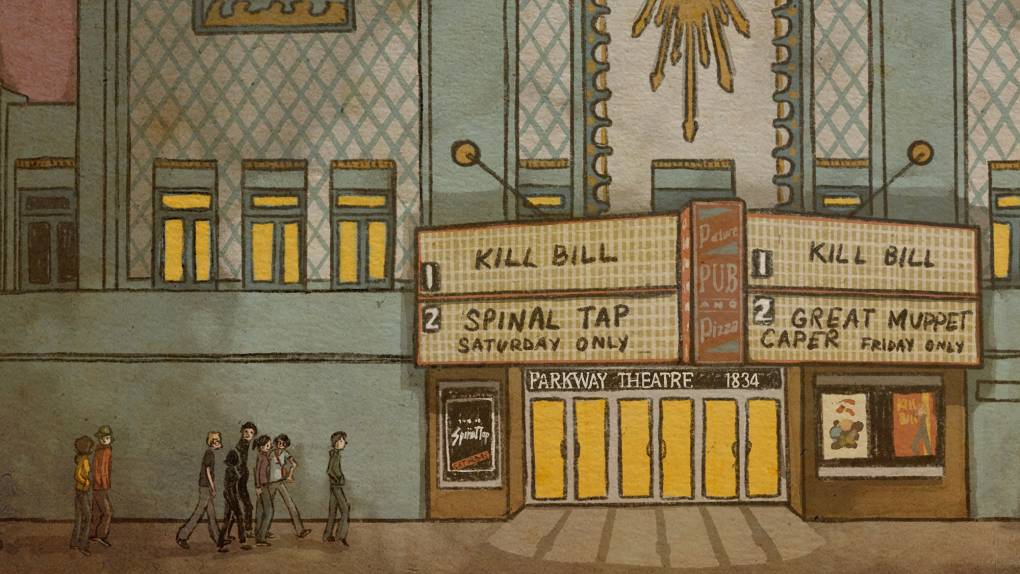
‘Movie Theaters We Have Lost’: The Parkway in Oakland
AfroComicCon, Oakland’s Black and Brown Comics Event, Returns In Person at New Parkway
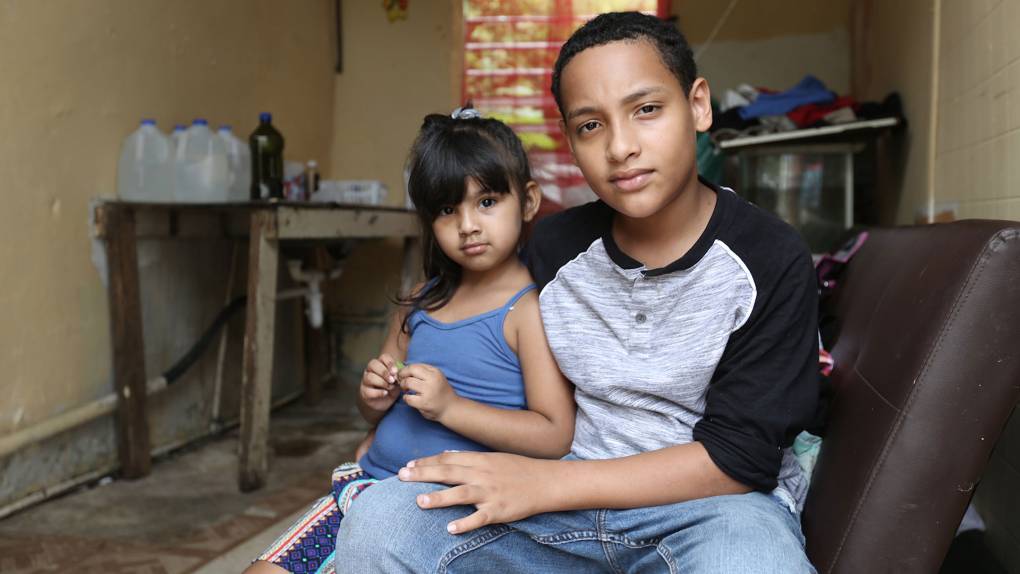
From a Hurricane's Ruin, a Puerto Rico Community Grows—on Film
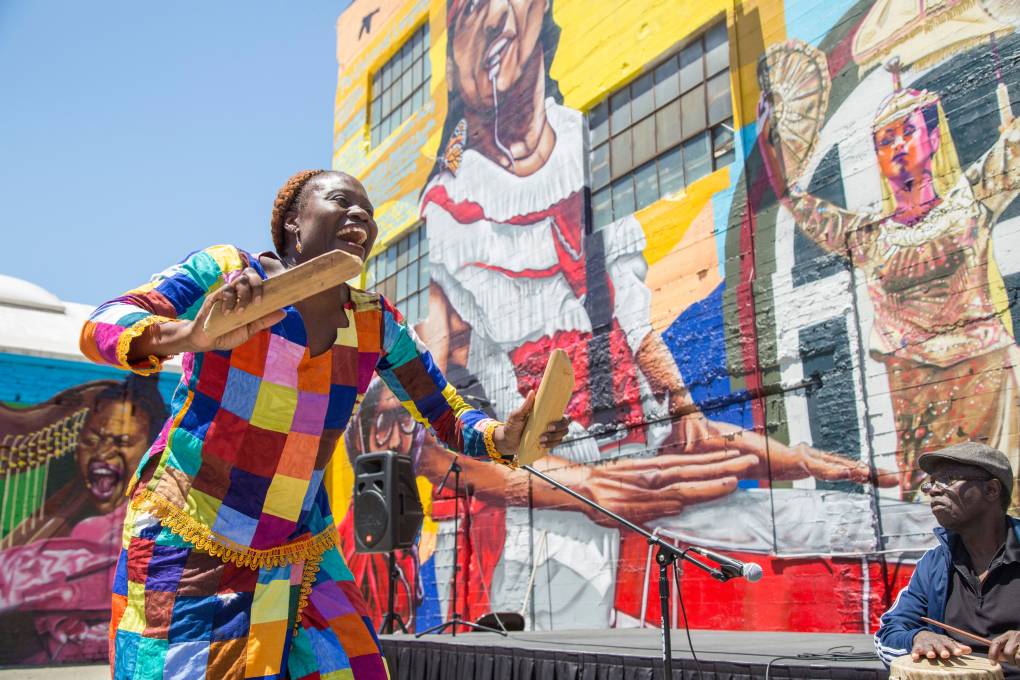
A Film About Oakland's Most Important Mural That You Can't See
For Indie Movie Theaters in the Bay Area, an Uphill Climb to Reopening
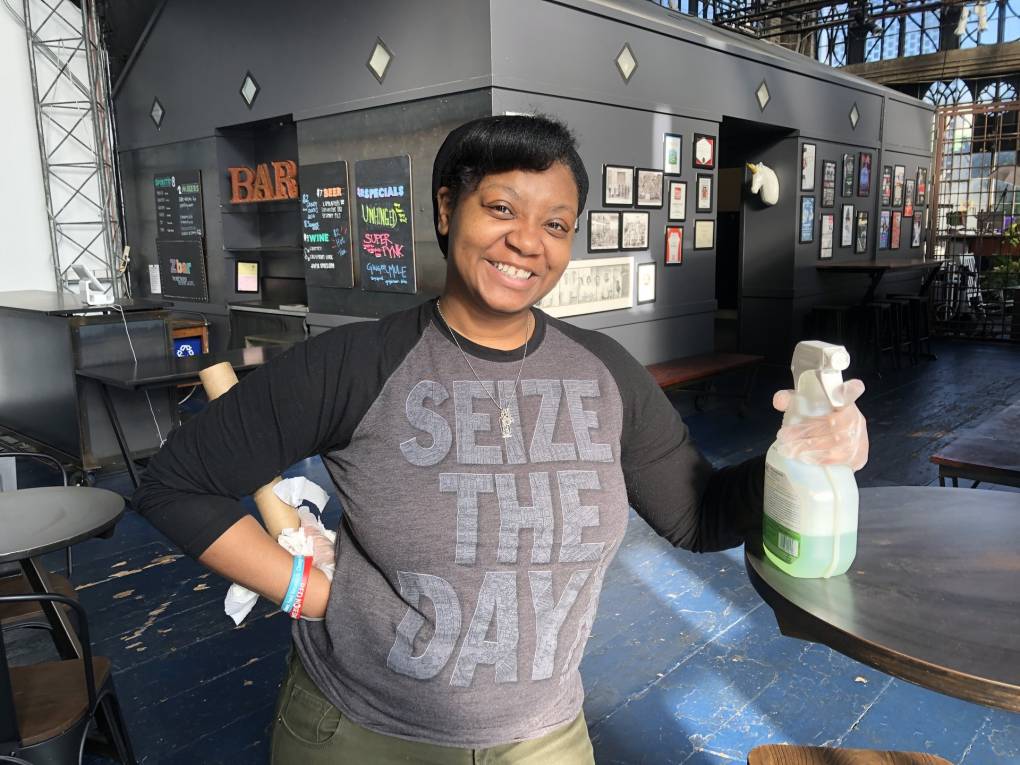
DIY Sanitizer, Cautious Plans: Bay Area Arts Groups Tackle Coronavirus Worries
Now Playing! ‘Wilder Than Wild’ at New Parkway Sheds More Light on Forest Fires
Who Needs VJs With the OutOfFocus Video Music Fest?
Sponsored
Player sponsored by
window.__IS_SSR__=true
window.__INITIAL_STATE__={
"attachmentsReducer": {
"audio_0": {
"type": "attachments",
"id": "audio_0",
"imgSizes": {
"kqedFullSize": {
"file": "https://ww2.kqed.org/news/wp-content/themes/KQED-unified/img/audio_bgs/background0.jpg"
}
}
},
"audio_1": {
"type": "attachments",
"id": "audio_1",
"imgSizes": {
"kqedFullSize": {
"file": "https://ww2.kqed.org/news/wp-content/themes/KQED-unified/img/audio_bgs/background1.jpg"
}
}
},
"audio_2": {
"type": "attachments",
"id": "audio_2",
"imgSizes": {
"kqedFullSize": {
"file": "https://ww2.kqed.org/news/wp-content/themes/KQED-unified/img/audio_bgs/background2.jpg"
}
}
},
"audio_3": {
"type": "attachments",
"id": "audio_3",
"imgSizes": {
"kqedFullSize": {
"file": "https://ww2.kqed.org/news/wp-content/themes/KQED-unified/img/audio_bgs/background3.jpg"
}
}
},
"audio_4": {
"type": "attachments",
"id": "audio_4",
"imgSizes": {
"kqedFullSize": {
"file": "https://ww2.kqed.org/news/wp-content/themes/KQED-unified/img/audio_bgs/background4.jpg"
}
}
},
"placeholder": {
"type": "attachments",
"id": "placeholder",
"imgSizes": {
"thumbnail": {
"file": "https://cdn.kqed.org/wp-content/uploads/2024/12/KQED-Default-Image-816638274-2000x1333-1-160x107.jpg",
"width": 160,
"height": 107,
"mimeType": "image/jpeg"
},
"medium": {
"file": "https://cdn.kqed.org/wp-content/uploads/2024/12/KQED-Default-Image-816638274-2000x1333-1-800x533.jpg",
"width": 800,
"height": 533,
"mimeType": "image/jpeg"
},
"medium_large": {
"file": "https://cdn.kqed.org/wp-content/uploads/2024/12/KQED-Default-Image-816638274-2000x1333-1-768x512.jpg",
"width": 768,
"height": 512,
"mimeType": "image/jpeg"
},
"large": {
"file": "https://cdn.kqed.org/wp-content/uploads/2024/12/KQED-Default-Image-816638274-2000x1333-1-1020x680.jpg",
"width": 1020,
"height": 680,
"mimeType": "image/jpeg"
},
"1536x1536": {
"file": "https://cdn.kqed.org/wp-content/uploads/2024/12/KQED-Default-Image-816638274-2000x1333-1-1536x1024.jpg",
"width": 1536,
"height": 1024,
"mimeType": "image/jpeg"
},
"fd-lrg": {
"file": "https://cdn.kqed.org/wp-content/uploads/2024/12/KQED-Default-Image-816638274-2000x1333-1-1536x1024.jpg",
"width": 1536,
"height": 1024,
"mimeType": "image/jpeg"
},
"fd-med": {
"file": "https://cdn.kqed.org/wp-content/uploads/2024/12/KQED-Default-Image-816638274-2000x1333-1-1020x680.jpg",
"width": 1020,
"height": 680,
"mimeType": "image/jpeg"
},
"fd-sm": {
"file": "https://cdn.kqed.org/wp-content/uploads/2024/12/KQED-Default-Image-816638274-2000x1333-1-800x533.jpg",
"width": 800,
"height": 533,
"mimeType": "image/jpeg"
},
"post-thumbnail": {
"file": "https://cdn.kqed.org/wp-content/uploads/2024/12/KQED-Default-Image-816638274-2000x1333-1-672x372.jpg",
"width": 672,
"height": 372,
"mimeType": "image/jpeg"
},
"twentyfourteen-full-width": {
"file": "https://cdn.kqed.org/wp-content/uploads/2024/12/KQED-Default-Image-816638274-2000x1333-1-1038x576.jpg",
"width": 1038,
"height": 576,
"mimeType": "image/jpeg"
},
"xxsmall": {
"file": "https://cdn.kqed.org/wp-content/uploads/2024/12/KQED-Default-Image-816638274-2000x1333-1-160x107.jpg",
"width": 160,
"height": 107,
"mimeType": "image/jpeg"
},
"xsmall": {
"file": "https://cdn.kqed.org/wp-content/uploads/2024/12/KQED-Default-Image-816638274-2000x1333-1-672x372.jpg",
"width": 672,
"height": 372,
"mimeType": "image/jpeg"
},
"small": {
"file": "https://cdn.kqed.org/wp-content/uploads/2024/12/KQED-Default-Image-816638274-2000x1333-1-672x372.jpg",
"width": 672,
"height": 372,
"mimeType": "image/jpeg"
},
"xlarge": {
"file": "https://cdn.kqed.org/wp-content/uploads/2024/12/KQED-Default-Image-816638274-2000x1333-1-1020x680.jpg",
"width": 1020,
"height": 680,
"mimeType": "image/jpeg"
},
"full-width": {
"file": "https://cdn.kqed.org/wp-content/uploads/2024/12/KQED-Default-Image-816638274-2000x1333-1-1920x1280.jpg",
"width": 1920,
"height": 1280,
"mimeType": "image/jpeg"
},
"guest-author-32": {
"file": "https://cdn.kqed.org/wp-content/uploads/2025/01/KQED-Default-Image-816638274-1333x1333-1-160x160.jpg",
"width": 32,
"height": 32,
"mimeType": "image/jpeg"
},
"guest-author-50": {
"file": "https://cdn.kqed.org/wp-content/uploads/2025/01/KQED-Default-Image-816638274-1333x1333-1-160x160.jpg",
"width": 50,
"height": 50,
"mimeType": "image/jpeg"
},
"guest-author-64": {
"file": "https://cdn.kqed.org/wp-content/uploads/2025/01/KQED-Default-Image-816638274-1333x1333-1-160x160.jpg",
"width": 64,
"height": 64,
"mimeType": "image/jpeg"
},
"guest-author-96": {
"file": "https://cdn.kqed.org/wp-content/uploads/2025/01/KQED-Default-Image-816638274-1333x1333-1-160x160.jpg",
"width": 96,
"height": 96,
"mimeType": "image/jpeg"
},
"guest-author-128": {
"file": "https://cdn.kqed.org/wp-content/uploads/2025/01/KQED-Default-Image-816638274-1333x1333-1-160x160.jpg",
"width": 128,
"height": 128,
"mimeType": "image/jpeg"
},
"detail": {
"file": "https://cdn.kqed.org/wp-content/uploads/2025/01/KQED-Default-Image-816638274-1333x1333-1-160x160.jpg",
"width": 160,
"height": 160,
"mimeType": "image/jpeg"
},
"kqedFullSize": {
"file": "https://cdn.kqed.org/wp-content/uploads/2024/12/KQED-Default-Image-816638274-2000x1333-1.jpg",
"width": 2000,
"height": 1333
}
}
},
"arts_13976091": {
"type": "attachments",
"id": "arts_13976091",
"meta": {
"index": "attachments_1716263798",
"site": "arts",
"id": "13976091",
"found": true
},
"title": "Tyson Amir",
"publishDate": 1747093806,
"status": "inherit",
"parent": 13976063,
"modified": 1747093907,
"caption": "San Jose-raised educator and author, Tyson Amir.",
"credit": "Courtesy of Tyson Amir",
"altTag": "An African-American man in a black hat and black leather jacket sits at a desk talking directly into the camera.",
"description": null,
"imgSizes": {
"medium": {
"file": "https://cdn.kqed.org/wp-content/uploads/sites/2/2025/05/Screenshot-2025-05-10-at-2.21.10 PM-1-800x450.png",
"width": 800,
"height": 450,
"mimeType": "image/png"
},
"large": {
"file": "https://cdn.kqed.org/wp-content/uploads/sites/2/2025/05/Screenshot-2025-05-10-at-2.21.10 PM-1-1020x573.png",
"width": 1020,
"height": 573,
"mimeType": "image/png"
},
"thumbnail": {
"file": "https://cdn.kqed.org/wp-content/uploads/sites/2/2025/05/Screenshot-2025-05-10-at-2.21.10 PM-1-160x90.png",
"width": 160,
"height": 90,
"mimeType": "image/png"
},
"medium_large": {
"file": "https://cdn.kqed.org/wp-content/uploads/sites/2/2025/05/Screenshot-2025-05-10-at-2.21.10 PM-1-768x432.png",
"width": 768,
"height": 432,
"mimeType": "image/png"
},
"1536x1536": {
"file": "https://cdn.kqed.org/wp-content/uploads/sites/2/2025/05/Screenshot-2025-05-10-at-2.21.10 PM-1-1536x863.png",
"width": 1536,
"height": 863,
"mimeType": "image/png"
},
"post-thumbnail": {
"file": "https://cdn.kqed.org/wp-content/uploads/sites/2/2025/05/Screenshot-2025-05-10-at-2.21.10 PM-1-672x372.png",
"width": 672,
"height": 372,
"mimeType": "image/png"
},
"twentyfourteen-full-width": {
"file": "https://cdn.kqed.org/wp-content/uploads/sites/2/2025/05/Screenshot-2025-05-10-at-2.21.10 PM-1-1038x576.png",
"width": 1038,
"height": 576,
"mimeType": "image/png"
},
"kqedFullSize": {
"file": "https://cdn.kqed.org/wp-content/uploads/sites/2/2025/05/Screenshot-2025-05-10-at-2.21.10 PM-1.png",
"width": 1856,
"height": 1043
}
},
"fetchFailed": false,
"isLoading": false
},
"arts_13968307": {
"type": "attachments",
"id": "arts_13968307",
"meta": {
"index": "attachments_1716263798",
"site": "arts",
"id": "13968307",
"found": true
},
"title": "Parkway.16x9.MAIN",
"publishDate": 1732035253,
"status": "inherit",
"parent": 0,
"modified": 1732035440,
"caption": null,
"credit": "Briana Loewinsohn",
"altTag": "A baby blue movie theater with gold adornments pictured at night, with a marquee advertising 'kill bill' and 'the great muppet caper'",
"description": null,
"imgSizes": {
"medium": {
"file": "https://cdn.kqed.org/wp-content/uploads/sites/2/2024/11/Parkway.16x9.MAIN_-800x450.jpg",
"width": 800,
"height": 450,
"mimeType": "image/jpeg"
},
"large": {
"file": "https://cdn.kqed.org/wp-content/uploads/sites/2/2024/11/Parkway.16x9.MAIN_-1020x574.jpg",
"width": 1020,
"height": 574,
"mimeType": "image/jpeg"
},
"thumbnail": {
"file": "https://cdn.kqed.org/wp-content/uploads/sites/2/2024/11/Parkway.16x9.MAIN_-160x90.jpg",
"width": 160,
"height": 90,
"mimeType": "image/jpeg"
},
"medium_large": {
"file": "https://cdn.kqed.org/wp-content/uploads/sites/2/2024/11/Parkway.16x9.MAIN_-768x432.jpg",
"width": 768,
"height": 432,
"mimeType": "image/jpeg"
},
"1536x1536": {
"file": "https://cdn.kqed.org/wp-content/uploads/sites/2/2024/11/Parkway.16x9.MAIN_-1536x864.jpg",
"width": 1536,
"height": 864,
"mimeType": "image/jpeg"
},
"post-thumbnail": {
"file": "https://cdn.kqed.org/wp-content/uploads/sites/2/2024/11/Parkway.16x9.MAIN_-672x372.jpg",
"width": 672,
"height": 372,
"mimeType": "image/jpeg"
},
"twentyfourteen-full-width": {
"file": "https://cdn.kqed.org/wp-content/uploads/sites/2/2024/11/Parkway.16x9.MAIN_-1038x576.jpg",
"width": 1038,
"height": 576,
"mimeType": "image/jpeg"
},
"full-width": {
"file": "https://cdn.kqed.org/wp-content/uploads/sites/2/2024/11/Parkway.16x9.MAIN_-1920x1080.jpg",
"width": 1920,
"height": 1080,
"mimeType": "image/jpeg"
},
"kqedFullSize": {
"file": "https://cdn.kqed.org/wp-content/uploads/sites/2/2024/11/Parkway.16x9.MAIN_.jpg",
"width": 2000,
"height": 1125
}
},
"fetchFailed": false,
"isLoading": false
},
"arts_13920694": {
"type": "attachments",
"id": "arts_13920694",
"meta": {
"index": "attachments_1716263798",
"site": "arts",
"id": "13920694",
"found": true
},
"parent": 13920690,
"imgSizes": {
"twentyfourteen-full-width": {
"file": "https://ww2.kqed.org/app/uploads/sites/2/2022/10/AfroComicCon-Image-2_COVER-1038x576.jpg",
"width": 1038,
"mimeType": "image/jpeg",
"height": 576
},
"thumbnail": {
"file": "https://ww2.kqed.org/app/uploads/sites/2/2022/10/AfroComicCon-Image-2_COVER-160x90.jpg",
"width": 160,
"mimeType": "image/jpeg",
"height": 90
},
"post-thumbnail": {
"file": "https://ww2.kqed.org/app/uploads/sites/2/2022/10/AfroComicCon-Image-2_COVER-672x372.jpg",
"width": 672,
"mimeType": "image/jpeg",
"height": 372
},
"kqedFullSize": {
"file": "https://ww2.kqed.org/app/uploads/sites/2/2022/10/AfroComicCon-Image-2_COVER.jpg",
"width": 1920,
"height": 1080
},
"large": {
"file": "https://ww2.kqed.org/app/uploads/sites/2/2022/10/AfroComicCon-Image-2_COVER-1020x574.jpg",
"width": 1020,
"mimeType": "image/jpeg",
"height": 574
},
"1536x1536": {
"file": "https://ww2.kqed.org/app/uploads/sites/2/2022/10/AfroComicCon-Image-2_COVER-1536x864.jpg",
"width": 1536,
"mimeType": "image/jpeg",
"height": 864
},
"medium": {
"file": "https://ww2.kqed.org/app/uploads/sites/2/2022/10/AfroComicCon-Image-2_COVER-800x450.jpg",
"width": 800,
"mimeType": "image/jpeg",
"height": 450
},
"medium_large": {
"file": "https://ww2.kqed.org/app/uploads/sites/2/2022/10/AfroComicCon-Image-2_COVER-768x432.jpg",
"width": 768,
"mimeType": "image/jpeg",
"height": 432
}
},
"publishDate": 1666372977,
"modified": 1666373056,
"caption": "Attendees dressed in costumes at AfroComicCon 2019.",
"description": null,
"title": "AfroComicCon-Image-2_COVER",
"credit": "Adam Turner",
"status": "inherit",
"altTag": "Five people pose and smile at camera in cosplay costumes",
"fetchFailed": false,
"isLoading": false
},
"arts_13920267": {
"type": "attachments",
"id": "arts_13920267",
"meta": {
"index": "attachments_1716263798",
"site": "arts",
"id": "13920267",
"found": true
},
"parent": 13919309,
"imgSizes": {
"twentyfourteen-full-width": {
"file": "https://ww2.kqed.org/app/uploads/sites/2/2022/10/WeStillHere_bigbro-1038x576.jpg",
"width": 1038,
"mimeType": "image/jpeg",
"height": 576
},
"thumbnail": {
"file": "https://ww2.kqed.org/app/uploads/sites/2/2022/10/WeStillHere_bigbro-160x90.jpg",
"width": 160,
"mimeType": "image/jpeg",
"height": 90
},
"post-thumbnail": {
"file": "https://ww2.kqed.org/app/uploads/sites/2/2022/10/WeStillHere_bigbro-672x372.jpg",
"width": 672,
"mimeType": "image/jpeg",
"height": 372
},
"kqedFullSize": {
"file": "https://ww2.kqed.org/app/uploads/sites/2/2022/10/WeStillHere_bigbro.jpg",
"width": 1920,
"height": 1080
},
"large": {
"file": "https://ww2.kqed.org/app/uploads/sites/2/2022/10/WeStillHere_bigbro-1020x574.jpg",
"width": 1020,
"mimeType": "image/jpeg",
"height": 574
},
"1536x1536": {
"file": "https://ww2.kqed.org/app/uploads/sites/2/2022/10/WeStillHere_bigbro-1536x864.jpg",
"width": 1536,
"mimeType": "image/jpeg",
"height": 864
},
"medium": {
"file": "https://ww2.kqed.org/app/uploads/sites/2/2022/10/WeStillHere_bigbro-800x450.jpg",
"width": 800,
"mimeType": "image/jpeg",
"height": 450
},
"medium_large": {
"file": "https://ww2.kqed.org/app/uploads/sites/2/2022/10/WeStillHere_bigbro-768x432.jpg",
"width": 768,
"mimeType": "image/jpeg",
"height": 432
}
},
"publishDate": 1665444768,
"modified": 1665444889,
"caption": "Two siblings in the Puerto Rican town of Comerío, after Hurricane Maria. A new film, 'We Still Here,' chronicles the community's rebuilding—and their fight against inequity.",
"description": null,
"title": "WeStillHere_bigbro",
"credit": "Courtesy Eli Jacobs-Fantauzzi",
"status": "inherit",
"altTag": "Two small children, a brother and sister, in a sparse room with gallons of water in the background",
"fetchFailed": false,
"isLoading": false
},
"arts_13906002": {
"type": "attachments",
"id": "arts_13906002",
"meta": {
"index": "attachments_1716263798",
"site": "arts",
"id": "13906002",
"found": true
},
"parent": 13905625,
"imgSizes": {
"twentyfourteen-full-width": {
"file": "https://ww2.kqed.org/app/uploads/sites/2/2021/11/Alice-Street-2-1038x576.jpeg",
"width": 1038,
"mimeType": "image/jpeg",
"height": 576
},
"thumbnail": {
"file": "https://ww2.kqed.org/app/uploads/sites/2/2021/11/Alice-Street-2-160x107.jpeg",
"width": 160,
"mimeType": "image/jpeg",
"height": 107
},
"post-thumbnail": {
"file": "https://ww2.kqed.org/app/uploads/sites/2/2021/11/Alice-Street-2-672x372.jpeg",
"width": 672,
"mimeType": "image/jpeg",
"height": 372
},
"kqedFullSize": {
"file": "https://ww2.kqed.org/app/uploads/sites/2/2021/11/Alice-Street-2-scaled.jpeg",
"width": 2560,
"height": 1707
},
"2048x2048": {
"file": "https://ww2.kqed.org/app/uploads/sites/2/2021/11/Alice-Street-2-2048x1365.jpeg",
"width": 2048,
"mimeType": "image/jpeg",
"height": 1365
},
"large": {
"file": "https://ww2.kqed.org/app/uploads/sites/2/2021/11/Alice-Street-2-1020x680.jpeg",
"width": 1020,
"mimeType": "image/jpeg",
"height": 680
},
"1536x1536": {
"file": "https://ww2.kqed.org/app/uploads/sites/2/2021/11/Alice-Street-2-1536x1024.jpeg",
"width": 1536,
"mimeType": "image/jpeg",
"height": 1024
},
"full-width": {
"file": "https://ww2.kqed.org/app/uploads/sites/2/2021/11/Alice-Street-2-1920x1280.jpeg",
"width": 1920,
"mimeType": "image/jpeg",
"height": 1280
},
"medium": {
"file": "https://ww2.kqed.org/app/uploads/sites/2/2021/11/Alice-Street-2-800x533.jpeg",
"width": 800,
"mimeType": "image/jpeg",
"height": 533
},
"medium_large": {
"file": "https://ww2.kqed.org/app/uploads/sites/2/2021/11/Alice-Street-2-768x512.jpeg",
"width": 768,
"mimeType": "image/jpeg",
"height": 512
}
},
"publishDate": 1636428809,
"modified": 1636498002,
"caption": "Esailama Artry-Diouf from the West African group Diamano Coura is dressed in bright multicolored fabric, as she dances in front of the now invisible mural in downtown Oakland.",
"description": "Esailama Artry-Diouf from the West African group Diamano Coura is dressed in bright multicolored fabric, as she dances in front of the now invisible mural in downtown Oakland.",
"title": "Esailama Artry-Diouf from the West African group Diamano Coura is dressed in bright multicolored fabric, as she dances in front of the now invisible mural in downtown Oakland.",
"credit": "Ayse Gursoz",
"status": "inherit",
"altTag": "Esailama Artry-Diouf from the West African group Diamano Coura is dressed in bright multicolored fabric, as she dances in front of the now invisible mural in downtown Oakland.",
"fetchFailed": false,
"isLoading": false
},
"arts_13895684": {
"type": "attachments",
"id": "arts_13895684",
"meta": {
"index": "attachments_1716263798",
"site": "arts",
"id": "13895684",
"found": true
},
"parent": 13895673,
"imgSizes": {
"twentyfourteen-full-width": {
"file": "https://ww2.kqed.org/app/uploads/sites/2/2021/04/RoxieTheatre-1038x576.jpg",
"width": 1038,
"mimeType": "image/jpeg",
"height": 576
},
"thumbnail": {
"file": "https://ww2.kqed.org/app/uploads/sites/2/2021/04/RoxieTheatre-160x107.jpg",
"width": 160,
"mimeType": "image/jpeg",
"height": 107
},
"post-thumbnail": {
"file": "https://ww2.kqed.org/app/uploads/sites/2/2021/04/RoxieTheatre-672x372.jpg",
"width": 672,
"mimeType": "image/jpeg",
"height": 372
},
"kqedFullSize": {
"file": "https://ww2.kqed.org/app/uploads/sites/2/2021/04/RoxieTheatre.jpg",
"width": 1999,
"height": 1333
},
"large": {
"file": "https://ww2.kqed.org/app/uploads/sites/2/2021/04/RoxieTheatre-1020x680.jpg",
"width": 1020,
"mimeType": "image/jpeg",
"height": 680
},
"1536x1536": {
"file": "https://ww2.kqed.org/app/uploads/sites/2/2021/04/RoxieTheatre-1536x1024.jpg",
"width": 1536,
"mimeType": "image/jpeg",
"height": 1024
},
"full-width": {
"file": "https://ww2.kqed.org/app/uploads/sites/2/2021/04/RoxieTheatre-1920x1280.jpg",
"width": 1920,
"mimeType": "image/jpeg",
"height": 1280
},
"medium": {
"file": "https://ww2.kqed.org/app/uploads/sites/2/2021/04/RoxieTheatre-800x533.jpg",
"width": 800,
"mimeType": "image/jpeg",
"height": 533
},
"medium_large": {
"file": "https://ww2.kqed.org/app/uploads/sites/2/2021/04/RoxieTheatre-768x512.jpg",
"width": 768,
"mimeType": "image/jpeg",
"height": 512
}
},
"publishDate": 1618354445,
"modified": 1618354539,
"caption": "The Roxie Theater in San Francisco's Mission District is one of the Bay Area's many smaller, independently run movie theaters. ",
"description": "The Roxie Theater in San Francisco's Mission District is one of the Bay Area's many smaller, independently run movie theaters. ",
"title": "RoxieTheatre",
"credit": "Courtesy Roxie Theater",
"status": "inherit",
"altTag": "The Roxie Theater in San Francisco's Mission District is one of the Bay Area's many smaller, independently run movie theaters.",
"fetchFailed": false,
"isLoading": false
},
"arts_13876469": {
"type": "attachments",
"id": "arts_13876469",
"meta": {
"index": "attachments_1716263798",
"site": "arts",
"id": "13876469",
"found": true
},
"parent": 13876468,
"imgSizes": {
"twentyfourteen-full-width": {
"file": "https://ww2.kqed.org/app/uploads/sites/2/2020/03/RS41968_Jordan-Battle-qut-1038x576.jpg",
"width": 1038,
"mimeType": "image/jpeg",
"height": 576
},
"thumbnail": {
"file": "https://ww2.kqed.org/app/uploads/sites/2/2020/03/RS41968_Jordan-Battle-qut-160x120.jpg",
"width": 160,
"mimeType": "image/jpeg",
"height": 120
},
"post-thumbnail": {
"file": "https://ww2.kqed.org/app/uploads/sites/2/2020/03/RS41968_Jordan-Battle-qut-672x372.jpg",
"width": 672,
"mimeType": "image/jpeg",
"height": 372
},
"kqedFullSize": {
"file": "https://ww2.kqed.org/app/uploads/sites/2/2020/03/RS41968_Jordan-Battle-qut.jpg",
"width": 1920,
"height": 1440
},
"large": {
"file": "https://ww2.kqed.org/app/uploads/sites/2/2020/03/RS41968_Jordan-Battle-qut-1020x765.jpg",
"width": 1020,
"mimeType": "image/jpeg",
"height": 765
},
"full-width": {
"file": "https://ww2.kqed.org/app/uploads/sites/2/2020/03/RS41968_Jordan-Battle-qut-1920x1440.jpg",
"width": 1920,
"mimeType": "image/jpeg",
"height": 1440
},
"medium": {
"file": "https://ww2.kqed.org/app/uploads/sites/2/2020/03/RS41968_Jordan-Battle-qut-800x600.jpg",
"width": 800,
"mimeType": "image/jpeg",
"height": 600
},
"medium_large": {
"file": "https://ww2.kqed.org/app/uploads/sites/2/2020/03/RS41968_Jordan-Battle-qut-768x576.jpg",
"width": 768,
"mimeType": "image/jpeg",
"height": 576
}
},
"publishDate": 1583978520,
"modified": 1583978552,
"caption": "Jordan Battle cleans surfaces in the lobby at Z Space.",
"description": "Jordan Battle cleans surfaces in the lobby at Z Space.",
"title": "RS41968_Jordan Battle-qut",
"credit": "Chloe Veltman/KQED",
"status": "inherit",
"fetchFailed": false,
"isLoading": false
},
"arts_13854067": {
"type": "attachments",
"id": "arts_13854067",
"meta": {
"index": "attachments_1716263798",
"site": "arts",
"id": "13854067",
"found": true
},
"parent": 13854059,
"imgSizes": {
"twentyfourteen-full-width": {
"file": "https://ww2.kqed.org/app/uploads/sites/2/2019/04/Wilder-than-Wild-COVER-1038x576.jpg",
"width": 1038,
"mimeType": "image/jpeg",
"height": 576
},
"thumbnail": {
"file": "https://ww2.kqed.org/app/uploads/sites/2/2019/04/Wilder-than-Wild-COVER-160x90.jpg",
"width": 160,
"mimeType": "image/jpeg",
"height": 90
},
"post-thumbnail": {
"file": "https://ww2.kqed.org/app/uploads/sites/2/2019/04/Wilder-than-Wild-COVER-672x372.jpg",
"width": 672,
"mimeType": "image/jpeg",
"height": 372
},
"kqedFullSize": {
"file": "https://ww2.kqed.org/app/uploads/sites/2/2019/04/Wilder-than-Wild-COVER.jpg",
"width": 1500,
"height": 844
},
"large": {
"file": "https://ww2.kqed.org/app/uploads/sites/2/2019/04/Wilder-than-Wild-COVER-1020x574.jpg",
"width": 1020,
"mimeType": "image/jpeg",
"height": 574
},
"complete_open_graph": {
"file": "https://ww2.kqed.org/app/uploads/sites/2/2019/04/Wilder-than-Wild-COVER-1200x675.jpg",
"width": 1200,
"mimeType": "image/jpeg",
"height": 675
},
"guest-author-50": {
"file": "https://ww2.kqed.org/app/uploads/sites/2/2019/04/Wilder-than-Wild-COVER-50x50.jpg",
"width": 50,
"mimeType": "image/jpeg",
"height": 50
},
"guest-author-96": {
"file": "https://ww2.kqed.org/app/uploads/sites/2/2019/04/Wilder-than-Wild-COVER-96x96.jpg",
"width": 96,
"mimeType": "image/jpeg",
"height": 96
},
"medium": {
"file": "https://ww2.kqed.org/app/uploads/sites/2/2019/04/Wilder-than-Wild-COVER-800x450.jpg",
"width": 800,
"mimeType": "image/jpeg",
"height": 450
},
"guest-author-64": {
"file": "https://ww2.kqed.org/app/uploads/sites/2/2019/04/Wilder-than-Wild-COVER-64x64.jpg",
"width": 64,
"mimeType": "image/jpeg",
"height": 64
},
"guest-author-32": {
"file": "https://ww2.kqed.org/app/uploads/sites/2/2019/04/Wilder-than-Wild-COVER-32x32.jpg",
"width": 32,
"mimeType": "image/jpeg",
"height": 32
},
"medium_large": {
"file": "https://ww2.kqed.org/app/uploads/sites/2/2019/04/Wilder-than-Wild-COVER-768x432.jpg",
"width": 768,
"mimeType": "image/jpeg",
"height": 432
},
"guest-author-128": {
"file": "https://ww2.kqed.org/app/uploads/sites/2/2019/04/Wilder-than-Wild-COVER-128x128.jpg",
"width": 128,
"mimeType": "image/jpeg",
"height": 128
}
},
"publishDate": 1554142873,
"modified": 1554142960,
"caption": "Still from 'Wilder Than Wild,' 2018.",
"description": "Still from 'Wilder Than Wild,' 2018.",
"title": "Wilder-than-Wild-COVER",
"credit": "Courtesy of the New Parkway",
"status": "inherit",
"fetchFailed": false,
"isLoading": false
},
"arts_13833339": {
"type": "attachments",
"id": "arts_13833339",
"meta": {
"index": "attachments_1716263798",
"site": "arts",
"id": "13833339",
"found": true
},
"parent": 13833337,
"imgSizes": {
"small": {
"file": "https://ww2.kqed.org/app/uploads/sites/2/2018/05/16804342_1324607224252862_354272697727276894_o-e1527117772880-520x293.jpg",
"width": 520,
"mimeType": "image/jpeg",
"height": 293
},
"twentyfourteen-full-width": {
"file": "https://ww2.kqed.org/app/uploads/sites/2/2018/05/16804342_1324607224252862_354272697727276894_o-e1527117772880-1038x576.jpg",
"width": 1038,
"mimeType": "image/jpeg",
"height": 576
},
"thumbnail": {
"file": "https://ww2.kqed.org/app/uploads/sites/2/2018/05/16804342_1324607224252862_354272697727276894_o-e1527117772880-160x90.jpg",
"width": 160,
"mimeType": "image/jpeg",
"height": 90
},
"fd-sm": {
"file": "https://ww2.kqed.org/app/uploads/sites/2/2018/05/16804342_1324607224252862_354272697727276894_o-e1527117772880-960x540.jpg",
"width": 960,
"mimeType": "image/jpeg",
"height": 540
},
"post-thumbnail": {
"file": "https://ww2.kqed.org/app/uploads/sites/2/2018/05/16804342_1324607224252862_354272697727276894_o-e1527117772880-672x372.jpg",
"width": 672,
"mimeType": "image/jpeg",
"height": 372
},
"xsmall": {
"file": "https://ww2.kqed.org/app/uploads/sites/2/2018/05/16804342_1324607224252862_354272697727276894_o-e1527117772880-375x211.jpg",
"width": 375,
"mimeType": "image/jpeg",
"height": 211
},
"kqedFullSize": {
"file": "https://ww2.kqed.org/app/uploads/sites/2/2018/05/16804342_1324607224252862_354272697727276894_o-e1527117772880.jpg",
"width": 2048,
"height": 1152
},
"large": {
"file": "https://ww2.kqed.org/app/uploads/sites/2/2018/05/16804342_1324607224252862_354272697727276894_o-e1527117772880-1020x574.jpg",
"width": 1020,
"mimeType": "image/jpeg",
"height": 574
},
"xlarge": {
"file": "https://ww2.kqed.org/app/uploads/sites/2/2018/05/16804342_1324607224252862_354272697727276894_o-e1527117772880-1180x664.jpg",
"width": 1180,
"mimeType": "image/jpeg",
"height": 664
},
"complete_open_graph": {
"file": "https://ww2.kqed.org/app/uploads/sites/2/2018/05/16804342_1324607224252862_354272697727276894_o-e1527117772880-1200x675.jpg",
"width": 1200,
"mimeType": "image/jpeg",
"height": 675
},
"guest-author-50": {
"file": "https://ww2.kqed.org/app/uploads/sites/2/2018/05/16804342_1324607224252862_354272697727276894_o-e1527117772880-50x50.jpg",
"width": 50,
"mimeType": "image/jpeg",
"height": 50
},
"guest-author-96": {
"file": "https://ww2.kqed.org/app/uploads/sites/2/2018/05/16804342_1324607224252862_354272697727276894_o-e1527117772880-96x96.jpg",
"width": 96,
"mimeType": "image/jpeg",
"height": 96
},
"medium": {
"file": "https://ww2.kqed.org/app/uploads/sites/2/2018/05/16804342_1324607224252862_354272697727276894_o-e1527117772880-800x450.jpg",
"width": 800,
"mimeType": "image/jpeg",
"height": 450
},
"guest-author-64": {
"file": "https://ww2.kqed.org/app/uploads/sites/2/2018/05/16804342_1324607224252862_354272697727276894_o-e1527117772880-64x64.jpg",
"width": 64,
"mimeType": "image/jpeg",
"height": 64
},
"guest-author-32": {
"file": "https://ww2.kqed.org/app/uploads/sites/2/2018/05/16804342_1324607224252862_354272697727276894_o-e1527117772880-32x32.jpg",
"width": 32,
"mimeType": "image/jpeg",
"height": 32
},
"fd-lrg": {
"file": "https://ww2.kqed.org/app/uploads/sites/2/2018/05/16804342_1324607224252862_354272697727276894_o-e1527117772880-1920x1080.jpg",
"width": 1920,
"mimeType": "image/jpeg",
"height": 1080
},
"fd-med": {
"file": "https://ww2.kqed.org/app/uploads/sites/2/2018/05/16804342_1324607224252862_354272697727276894_o-e1527117772880-1180x664.jpg",
"width": 1180,
"mimeType": "image/jpeg",
"height": 664
},
"full-width": {
"file": "https://ww2.kqed.org/app/uploads/sites/2/2018/05/16804342_1324607224252862_354272697727276894_o-e1527117772880-1920x1080.jpg",
"width": 1920,
"mimeType": "image/jpeg",
"height": 1080
},
"detail": {
"file": "https://ww2.kqed.org/app/uploads/sites/2/2018/05/16804342_1324607224252862_354272697727276894_o-e1527117772880-150x150.jpg",
"width": 150,
"mimeType": "image/jpeg",
"height": 150
},
"medium_large": {
"file": "https://ww2.kqed.org/app/uploads/sites/2/2018/05/16804342_1324607224252862_354272697727276894_o-e1527117772880-768x432.jpg",
"width": 768,
"mimeType": "image/jpeg",
"height": 432
},
"guest-author-128": {
"file": "https://ww2.kqed.org/app/uploads/sites/2/2018/05/16804342_1324607224252862_354272697727276894_o-e1527117772880-128x128.jpg",
"width": 128,
"mimeType": "image/jpeg",
"height": 128
},
"xxsmall": {
"file": "https://ww2.kqed.org/app/uploads/sites/2/2018/05/16804342_1324607224252862_354272697727276894_o-e1527117772880-240x135.jpg",
"width": 240,
"mimeType": "image/jpeg",
"height": 135
}
},
"publishDate": 1527117498,
"modified": 1527117738,
"caption": "OutOfFocus.tv hosts their 4th Annual Video Music on May 30 at the New Parkway Theater.",
"description": "OutOfFocus.tv hosts their 4th Annual Video Music on May 30 at the New Parkway Theater.",
"title": "OutOfFocus.tv hosts their 4th Annual Video Music on May 30 at the New Parkway Theater.",
"credit": "Annie Wong",
"status": "inherit",
"fetchFailed": false,
"isLoading": false
}
},
"audioPlayerReducer": {
"postId": "stream_live",
"isPaused": true,
"isPlaying": false,
"pfsActive": false,
"pledgeModalIsOpen": true,
"playerDrawerIsOpen": false
},
"authorsReducer": {
"byline_arts_13895673": {
"type": "authors",
"id": "byline_arts_13895673",
"meta": {
"override": true
},
"slug": "byline_arts_13895673",
"name": "Grace Orriss",
"isLoading": false
},
"mfox": {
"type": "authors",
"id": "22",
"meta": {
"index": "authors_1716337520",
"id": "22",
"found": true
},
"name": "Michael Fox",
"firstName": "Michael",
"lastName": "Fox",
"slug": "mfox",
"email": "foxonfilm@yahoo.com",
"display_author_email": false,
"staff_mastheads": [],
"title": "KQED Contributor",
"bio": "Michael Fox has written about film for dozens of publications since 1987. He is a founding member of the San Francisco Bay Area Film Critics Circle.",
"avatar": "https://secure.gravatar.com/avatar/81710be6517181c0d40977bb09011d5f?s=600&d=blank&r=g",
"twitter": null,
"facebook": null,
"instagram": null,
"linkedin": null,
"sites": [
{
"site": "arts",
"roles": [
"Contributor",
"contributor"
]
}
],
"headData": {
"title": "Michael Fox | KQED",
"description": "KQED Contributor",
"ogImgSrc": "https://secure.gravatar.com/avatar/81710be6517181c0d40977bb09011d5f?s=600&d=blank&r=g",
"twImgSrc": "https://secure.gravatar.com/avatar/81710be6517181c0d40977bb09011d5f?s=600&d=blank&r=g"
},
"isLoading": false,
"link": "/author/mfox"
},
"gmeline": {
"type": "authors",
"id": "185",
"meta": {
"index": "authors_1716337520",
"id": "185",
"found": true
},
"name": "Gabe Meline",
"firstName": "Gabe",
"lastName": "Meline",
"slug": "gmeline",
"email": "gmeline@kqed.org",
"display_author_email": false,
"staff_mastheads": [
"arts"
],
"title": "Senior Editor, KQED Arts & Culture",
"bio": "Gabe Meline entered journalism at age 15 making photocopied zines, and has since earned awards from the Edward R. Murrow Awards, the Society for Professional Journalists, the Online Journalism Awards, the Association of Alternative Newsweeklies and the California Newspaper Publishers Association. Prior to KQED, he was the editor of the \u003cem>North Bay Bohemian\u003c/em> and a touring musician. He lives with his wife, his daughter, and a 1964 Volvo in his hometown of Santa Rosa, CA.",
"avatar": "https://secure.gravatar.com/avatar/80e9715844c5fc3f07edac5b08973b76?s=600&d=blank&r=g",
"twitter": null,
"facebook": null,
"instagram": "gmeline",
"linkedin": null,
"sites": [
{
"site": "",
"roles": [
"editor"
]
},
{
"site": "arts",
"roles": [
"administrator"
]
},
{
"site": "artschool",
"roles": [
"editor"
]
},
{
"site": "news",
"roles": [
"author"
]
},
{
"site": "pop",
"roles": [
"editor"
]
},
{
"site": "bayareabites",
"roles": [
"editor"
]
},
{
"site": "food",
"roles": [
"editor"
]
},
{
"site": "liveblog",
"roles": [
"editor"
]
},
{
"site": "hiphop",
"roles": [
"editor"
]
}
],
"headData": {
"title": "Gabe Meline | KQED",
"description": "Senior Editor, KQED Arts & Culture",
"ogImgSrc": "https://secure.gravatar.com/avatar/80e9715844c5fc3f07edac5b08973b76?s=600&d=blank&r=g",
"twImgSrc": "https://secure.gravatar.com/avatar/80e9715844c5fc3f07edac5b08973b76?s=600&d=blank&r=g"
},
"isLoading": false,
"link": "/author/gmeline"
},
"cveltman": {
"type": "authors",
"id": "8608",
"meta": {
"index": "authors_1716337520",
"id": "8608",
"found": true
},
"name": "Chloe Veltman",
"firstName": "Chloe",
"lastName": "Veltman",
"slug": "cveltman",
"email": "cveltman@kqed.org",
"display_author_email": true,
"staff_mastheads": [],
"title": "Arts and Culture Reporter",
"bio": "Chloe Veltman is a former arts and culture reporter for KQED. Prior to joining the organization, she launched and led the arts bureau at Colorado Public Radio, served as the Bay Area's culture columnist for the New York Times, and was the founder, host and executive producer of VoiceBox, a national award-winning weekly podcast/radio show and live events series all about the human voice. Chloe is the recipient of numerous prizes, grants and fellowships including a Webby Award for her work on interactive storytelling, both the John S Knight Journalism Fellowship and Humanities Center Fellowship at Stanford University, the Sundance Arts Writing Fellowship and a Library of Congress Research Fellowship. She is the author of the book \"On Acting\" and has appeared as a guest lecturer at Yale University and the San Francisco Conservatory of Music among other institutions. She holds a BA in english literature from King's College, Cambridge, and a Masters in Dramaturgy from the Central School of Speech and Drama/Harvard Institute for Advanced Theater Training.\r\n\u003ca href=\"https://www.chloeveltman.com\">www.chloeveltman.com\u003c/a>",
"avatar": "https://secure.gravatar.com/avatar/55403394b00a1ddab683952c2eb2cf85?s=600&d=blank&r=g",
"twitter": "chloeveltman",
"facebook": null,
"instagram": null,
"linkedin": null,
"sites": [
{
"site": "arts",
"roles": []
},
{
"site": "news",
"roles": [
"author"
]
},
{
"site": "pop",
"roles": [
"editor"
]
},
{
"site": "science",
"roles": []
}
],
"headData": {
"title": "Chloe Veltman | KQED",
"description": "Arts and Culture Reporter",
"ogImgSrc": "https://secure.gravatar.com/avatar/55403394b00a1ddab683952c2eb2cf85?s=600&d=blank&r=g",
"twImgSrc": "https://secure.gravatar.com/avatar/55403394b00a1ddab683952c2eb2cf85?s=600&d=blank&r=g"
},
"isLoading": false,
"link": "/author/cveltman"
},
"ogpenn": {
"type": "authors",
"id": "11491",
"meta": {
"index": "authors_1716337520",
"id": "11491",
"found": true
},
"name": "Pendarvis Harshaw",
"firstName": "Pendarvis",
"lastName": "Harshaw",
"slug": "ogpenn",
"email": "ogpenn@gmail.com",
"display_author_email": false,
"staff_mastheads": [
"arts"
],
"title": "Community Engagement Reporter",
"bio": "Pendarvis Harshaw is an educator, host and writer with KQED Arts.",
"avatar": "https://secure.gravatar.com/avatar/093d33baff5354890e29ad83d58d2c49?s=600&d=blank&r=g",
"twitter": null,
"facebook": null,
"instagram": "ogpenn",
"linkedin": null,
"sites": [
{
"site": "arts",
"roles": [
"editor"
]
},
{
"site": "news",
"roles": [
"editor"
]
},
{
"site": "bayareabites",
"roles": [
"author"
]
},
{
"site": "hiphop",
"roles": [
"editor"
]
}
],
"headData": {
"title": "Pendarvis Harshaw | KQED",
"description": "Community Engagement Reporter",
"ogImgSrc": "https://secure.gravatar.com/avatar/093d33baff5354890e29ad83d58d2c49?s=600&d=blank&r=g",
"twImgSrc": "https://secure.gravatar.com/avatar/093d33baff5354890e29ad83d58d2c49?s=600&d=blank&r=g"
},
"isLoading": false,
"link": "/author/ogpenn"
},
"ksong": {
"type": "authors",
"id": "11813",
"meta": {
"index": "authors_1716337520",
"id": "11813",
"found": true
},
"name": "Kristie Song",
"firstName": "Kristie",
"lastName": "Song",
"slug": "ksong",
"email": "ksong@kqed.org",
"display_author_email": false,
"staff_mastheads": [],
"title": "Editorial Intern ",
"bio": "Kristie Song is an Arts & Culture Intern at KQED. She is currently a graduate student at UC Berkeley, where she studies audio and multimedia journalism. Previously, she covered the local community for Oakland North, produced episodes for The Science of Happiness, and served as news director for KUCI, UC Irvine’s radio station. Outside of reporting, she likes drawing comics, listening to angsty rock, and practicing the guitar.",
"avatar": "https://secure.gravatar.com/avatar/c1149e78c3c44f92d4945a8ab0711af6?s=600&d=blank&r=g",
"twitter": null,
"facebook": null,
"instagram": null,
"linkedin": null,
"sites": [
{
"site": "arts",
"roles": [
"editor"
]
}
],
"headData": {
"title": "Kristie Song | KQED",
"description": "Editorial Intern ",
"ogImgSrc": "https://secure.gravatar.com/avatar/c1149e78c3c44f92d4945a8ab0711af6?s=600&d=blank&r=g",
"twImgSrc": "https://secure.gravatar.com/avatar/c1149e78c3c44f92d4945a8ab0711af6?s=600&d=blank&r=g"
},
"isLoading": false,
"link": "/author/ksong"
},
"bloewinsohn": {
"type": "authors",
"id": "11904",
"meta": {
"index": "authors_1716337520",
"id": "11904",
"found": true
},
"name": "Briana Loewinsohn",
"firstName": "Briana",
"lastName": "Loewinsohn",
"slug": "bloewinsohn",
"email": "brianabreaks@gmail.com",
"display_author_email": false,
"staff_mastheads": [],
"title": "KQED Contributor",
"bio": null,
"avatar": "https://secure.gravatar.com/avatar/3d271841017c9b3e8fd8bf5552758c08?s=600&d=blank&r=g",
"twitter": null,
"facebook": null,
"instagram": null,
"linkedin": null,
"sites": [
{
"site": "arts",
"roles": [
"author"
]
}
],
"headData": {
"title": "Briana Loewinsohn | KQED",
"description": "KQED Contributor",
"ogImgSrc": "https://secure.gravatar.com/avatar/3d271841017c9b3e8fd8bf5552758c08?s=600&d=blank&r=g",
"twImgSrc": "https://secure.gravatar.com/avatar/3d271841017c9b3e8fd8bf5552758c08?s=600&d=blank&r=g"
},
"isLoading": false,
"link": "/author/bloewinsohn"
}
},
"breakingNewsReducer": {},
"pagesReducer": {},
"postsReducer": {
"stream_live": {
"type": "live",
"id": "stream_live",
"audioUrl": "https://streams.kqed.org/kqedradio",
"title": "Live Stream",
"excerpt": "Live Stream information currently unavailable.",
"link": "/radio",
"featImg": "",
"label": {
"name": "KQED Live",
"link": "/"
}
},
"stream_kqedNewscast": {
"type": "posts",
"id": "stream_kqedNewscast",
"audioUrl": "https://www.kqed.org/.stream/anon/radio/RDnews/newscast.mp3?_=1",
"title": "KQED Newscast",
"featImg": "",
"label": {
"name": "88.5 FM",
"link": "/"
}
},
"arts_13976063": {
"type": "posts",
"id": "arts_13976063",
"meta": {
"index": "posts_1716263798",
"site": "arts",
"id": "13976063",
"score": null,
"sort": [
1747242009000
]
},
"guestAuthors": [],
"slug": "documentary-tyson-amir-racism-california-schools",
"title": "A Double Feature Confronts Racism in California Schools",
"publishDate": 1747242009,
"format": "standard",
"headTitle": "A Double Feature Confronts Racism in California Schools | KQED",
"labelTerm": {},
"content": "\u003cp>When \u003ca href=\"https://www.tysonamir.com/\" target=\"_blank\" rel=\"noopener\">Tyson Amir\u003c/a> wrote his 2016 book \u003ca href=\"https://www.tysonamir.com/product-page/black-boy-poems-by-tyson-amir\" target=\"_blank\" rel=\"noopener\">\u003cem>Black Boy Poems\u003c/em>\u003c/a>, he did so with the intention of assisting African American kids in their pursuit of education.\u003c/p>\n\u003cp>It’s the same reason he started leading classroom workshops in the South Bay, discussing current events and history alike. And on the heels of the pandemic, as students returned to the classroom, teachers and administrators in several school districts noticed an increase in racist behavior, specifically directed at African American students.\u003c/p>\n\u003cp>Now, Amir is the subject of a short film about his work, \u003cem>Black Impact: The Leaders We Build\u003c/em>, which screens Friday, May 16 at the New Parkway in Oakland as a part of \u003ca href=\"https://www.fsmei.org/event-details/revolutionary-visions-film-festival\" target=\"_blank\" rel=\"noopener\">The Revolutionary Visions Film Festival\u003c/a>.\u003c/p>\n\u003cp>Directed by \u003ca href=\"https://www.instagram.com/am1creates/\" target=\"_blank\" rel=\"noopener\">AM1\u003c/a>, the film centers on \u003ca href=\"https://www.fsmei.org/_files/ugd/d695b3_a4edf48b9e9f466fa8d5ba3788043fbf.pdf\" target=\"_blank\" rel=\"noopener\">a 2023 anti-racist resolution\u003c/a> at Bernal Intermediate School in San Jose. After it was implemented, it spread across San Jose’s Oak Grove School District and around the Bay Area.\u003c/p>\n\u003cp>Amir believes this work is a model response to an nationwide issue. Last year the \u003ca href=\"https://www.justice.gov/hatecrimes/reported-hate-crimes-schools/dl\" target=\"_blank\" rel=\"noopener\">Department of Justice reported\u003c/a> that, from 2018–2022, Black students were the most likely to be victims of hate crimes in schools.\u003c/p>\n\u003cfigure id=\"attachment_13976277\" class=\"wp-caption aligncenter\" style=\"max-width: 1683px\">\u003cimg loading=\"lazy\" decoding=\"async\" class=\"size-full wp-image-13976277\" src=\"https://cdn.kqed.org/wp-content/uploads/sites/2/2025/05/Screenshot-2025-05-10-at-2.20.41%E2%80%AFPM.png\" alt=\"\" width=\"1683\" height=\"1046\" srcset=\"https://cdn.kqed.org/wp-content/uploads/sites/2/2025/05/Screenshot-2025-05-10-at-2.20.41 PM.png 1683w, https://cdn.kqed.org/wp-content/uploads/sites/2/2025/05/Screenshot-2025-05-10-at-2.20.41 PM-800x497.png 800w, https://cdn.kqed.org/wp-content/uploads/sites/2/2025/05/Screenshot-2025-05-10-at-2.20.41 PM-1020x634.png 1020w, https://cdn.kqed.org/wp-content/uploads/sites/2/2025/05/Screenshot-2025-05-10-at-2.20.41 PM-160x99.png 160w, https://cdn.kqed.org/wp-content/uploads/sites/2/2025/05/Screenshot-2025-05-10-at-2.20.41 PM-768x477.png 768w, https://cdn.kqed.org/wp-content/uploads/sites/2/2025/05/Screenshot-2025-05-10-at-2.20.41 PM-1536x955.png 1536w\" sizes=\"auto, (max-width: 1683px) 100vw, 1683px\">\u003cfigcaption class=\"wp-caption-text\">Amir Tyson speaks with a classroom in a scene from ‘Black Impact: The Leaders We Build.’ \u003ccite>(Courtesy Tyson Amir)\u003c/cite>\u003c/figcaption>\u003c/figure>\n\u003cp>The year before, \u003ca href=\"https://idea.gseis.ucla.edu/publications/files/diverse-democracy-ca-report\" target=\"_blank\" rel=\"noopener\">a UCLA survey\u003c/a> of 150 California principals showed that two-thirds reported instances of racist statements being directed at Black students — more than any other racial demographic by far, despite making up just five percent of all California public school students.\u003c/p>\n\u003cp>[ad fullwidth]\u003c/p>\n\u003cp>Recently, \u003ca href=\"https://aclucalaction.org/state-of-black-education-2024-california-report-card/\" target=\"_blank\" rel=\"noopener\">the ACLU looked at the state’s education system\u003c/a> to see what, if any, fundamental changes have occurred in the 70 years since the landmark Civil Rights case Brown v. Board of Education. “California is the third most segregated state for Black students,” read one finding. “Enrollment for Black students in CA decreased by 47% from 2003 to 2023,” read another.\u003c/p>\n\u003cp>“And that’s the stuff that’s being reported,” says Amir via phone. “We know a whole bunch of stuff doesn’t get reported.”\u003c/p>\n\u003cp>Amir has witnessed students calling their Black classmates monkeys, the N-word and chicken munchers; one invoked picking cotton in demanding another pick up a ball of wadded notebook paper. “And this is in the elementary and middle schools,” Amir explains.\u003c/p>\n\u003cp>[aside postID='arts_13974210']In response, he worked with teachers and administrators to create and implement a contract for students. It outlined how to treat people of all races and ethnicities, and established a set of guidelines for educators handling racist remarks and actions.\u003c/p>\n\u003cp>Partway through the 19-minute film, Amir speaks a plain truth about his efforts. “Just because you put something on paper doesn’t mean it’s going to solve the problems that it’s addressing,” he says.\u003c/p>\n\u003cp>What follows is faculty and students admitting that the contract is a starting point. One that’s brought about \u003cem>some\u003c/em> change, but that also requires further work and education.\u003c/p>\n\u003cp>Nonetheless, in subsequent years the contract’s framework has spread around the Bay Area.\u003c/p>\n\u003cfigure id=\"attachment_13976278\" class=\"wp-caption aligncenter\" style=\"max-width: 1862px\">\u003cimg loading=\"lazy\" decoding=\"async\" class=\"size-full wp-image-13976278\" src=\"https://cdn.kqed.org/wp-content/uploads/sites/2/2025/05/Screenshot-2025-05-10-at-2.24.46%E2%80%AFPM.png\" alt=\"\" width=\"1862\" height=\"1039\" srcset=\"https://cdn.kqed.org/wp-content/uploads/sites/2/2025/05/Screenshot-2025-05-10-at-2.24.46 PM.png 1862w, https://cdn.kqed.org/wp-content/uploads/sites/2/2025/05/Screenshot-2025-05-10-at-2.24.46 PM-800x446.png 800w, https://cdn.kqed.org/wp-content/uploads/sites/2/2025/05/Screenshot-2025-05-10-at-2.24.46 PM-1020x569.png 1020w, https://cdn.kqed.org/wp-content/uploads/sites/2/2025/05/Screenshot-2025-05-10-at-2.24.46 PM-160x89.png 160w, https://cdn.kqed.org/wp-content/uploads/sites/2/2025/05/Screenshot-2025-05-10-at-2.24.46 PM-768x429.png 768w, https://cdn.kqed.org/wp-content/uploads/sites/2/2025/05/Screenshot-2025-05-10-at-2.24.46 PM-1536x857.png 1536w\" sizes=\"auto, (max-width: 1862px) 100vw, 1862px\">\u003cfigcaption class=\"wp-caption-text\">Amir Tyson speaks with a classroom in a scene from ‘Black Impact: The Leaders We Build.’ \u003ccite>(Courtesy Tyson Amir)\u003c/cite>\u003c/figcaption>\u003c/figure>\n\u003cp>“Hayward Unified School District passed a \u003ca href=\"https://mtedenmonarch.com/1414/news/husd-passes-n-word-policy/\" target=\"_blank\" rel=\"noopener\">no N-word policy\u003c/a> based on the Oak Grove School District anti-hate speech policy,” says Amir, who adds that Castro Valley Unified School District and New Haven Unified School District in Union City have passed similar resolutions.\u003c/p>\n\u003cp>The next step is supporting students outside of school, Amir says. That’s where his nonprofit, \u003ca href=\"https://www.livingmanuals.org/\" target=\"_blank\" rel=\"noopener\">Living Manuals\u003c/a>, comes in.\u003c/p>\n\u003cp>After noticing students’ progress receding during the summer months, he began organizing trips for students to visit a Wellness Retreat Center just outside the United States in Baja California, complete with meals, history lessons and self-defense classes. It’s an extension, Amir says, of what his colleague in education, \u003ca href=\"https://jsassociates.org/?fbclid=PAZXh0bgNhZW0CMTEAAad7oL_r8vqbvosQt7n0F9dDUiUgAWxcA7pRej5O8l6r90KzYLWJOkwxPHoxGg_aem_xoJnqFhZaj2sYsht567Jpw\" target=\"_blank\" rel=\"noopener\">Professor Jason Seals\u003c/a>, calls “a community of care.” (Professor Seals will also screen a film at The New Parkway on May 16 titled \u003ca href=\"https://www.linkedin.com/posts/jason-seals-96b39035_through-their-eyes-stories-of-anti-blackness-activity-7287250470568443904-iSbK/\" target=\"_blank\" rel=\"noopener\">\u003cem>Through Their Eyes: Stories of Anti-Blackness\u003c/em>.\u003c/a>)\u003c/p>\n\u003cp>[aside postID='arts_13971701']While working with the young people can bring incremental change, Amir believes real solutions will have to come from adults. “Teachers are mandated reporters,” Amir says, citing the California Education Code. Racism that students encounter is technically abuse, and Amir says in certain instances, teachers have witnessed it and said nothing.\u003c/p>\n\u003cp>“You’re trained to step in when you’re seeing a child being harmed,” Amir attests. “Don’t allow these children to be harmed,” Amir continues, “that’s your job as an educator, as an adult.”\u003c/p>\n\u003cp>All of this work is in effort to give students three key tools that create a healthy educational experience.\u003c/p>\n\u003cp>One where “you can think, you can learn,” Amir says, “and you can build better relationships.”\u003c/p>\n\u003chr>\n\u003cp>\u003c/p>\n\u003cp>\u003cem>‘Black Impact: The Leaders We Build’ screens Friday, May 16 at the New Parkway in Oakland. \u003ca href=\"https://www.fsmei.org/event-details/revolutionary-visions-film-festival\" target=\"_blank\" rel=\"noopener\">Details here\u003c/a>. \u003c/em>\u003c/p>\n\n",
"blocks": [],
"excerpt": "‘Black Impact: The Leaders We Build’ chronicles an anti-racist resolution in San Jose schools that spread regionwide.",
"status": "publish",
"parent": 0,
"modified": 1747245908,
"stats": {
"hasAudio": false,
"hasVideo": false,
"hasChartOrMap": false,
"iframeSrcs": [],
"hasGoogleForm": false,
"hasGallery": false,
"hasHearkenModule": false,
"hasPolis": false,
"paragraphCount": 23,
"wordCount": 866
},
"headData": {
"title": "Tyson Amir and ‘Black Impact: The Leaders We Build’ | KQED",
"description": "‘Black Impact: The Leaders We Build’ chronicles an anti-racist resolution in San Jose schools that spread regionwide.",
"ogTitle": "A Double Feature Confronts Racism in California Schools",
"ogDescription": "",
"ogImgId": "",
"twTitle": "A Double Feature Confronts Racism in California Schools",
"twDescription": "",
"twImgId": "",
"socialTitle": "Tyson Amir and ‘Black Impact: The Leaders We Build’ %%page%% %%sep%% KQED",
"schema": {
"@context": "https://schema.org",
"@type": "Article",
"headline": "A Double Feature Confronts Racism in California Schools",
"datePublished": "2025-05-14T10:00:09-07:00",
"dateModified": "2025-05-14T11:05:08-07:00",
"image": "https://cdn.kqed.org/wp-content/uploads/2020/02/KQED-OG-Image@1x.png"
}
},
"source": "The Do List",
"sourceUrl": "https://www.kqed.org/thedolist",
"sticky": false,
"nprStoryId": "kqed-13976063",
"templateType": "standard",
"featuredImageType": "standard",
"excludeFromSiteSearch": "Include",
"articleAge": "0",
"path": "/arts/13976063/documentary-tyson-amir-racism-california-schools",
"audioTrackLength": null,
"parsedContent": [
{
"type": "contentString",
"content": "\u003cdiv class=\"post-body\">\u003cp>\u003cp>When \u003ca href=\"https://www.tysonamir.com/\" target=\"_blank\" rel=\"noopener\">Tyson Amir\u003c/a> wrote his 2016 book \u003ca href=\"https://www.tysonamir.com/product-page/black-boy-poems-by-tyson-amir\" target=\"_blank\" rel=\"noopener\">\u003cem>Black Boy Poems\u003c/em>\u003c/a>, he did so with the intention of assisting African American kids in their pursuit of education.\u003c/p>\n\u003cp>It’s the same reason he started leading classroom workshops in the South Bay, discussing current events and history alike. And on the heels of the pandemic, as students returned to the classroom, teachers and administrators in several school districts noticed an increase in racist behavior, specifically directed at African American students.\u003c/p>\n\u003cp>Now, Amir is the subject of a short film about his work, \u003cem>Black Impact: The Leaders We Build\u003c/em>, which screens Friday, May 16 at the New Parkway in Oakland as a part of \u003ca href=\"https://www.fsmei.org/event-details/revolutionary-visions-film-festival\" target=\"_blank\" rel=\"noopener\">The Revolutionary Visions Film Festival\u003c/a>.\u003c/p>\n\u003cp>Directed by \u003ca href=\"https://www.instagram.com/am1creates/\" target=\"_blank\" rel=\"noopener\">AM1\u003c/a>, the film centers on \u003ca href=\"https://www.fsmei.org/_files/ugd/d695b3_a4edf48b9e9f466fa8d5ba3788043fbf.pdf\" target=\"_blank\" rel=\"noopener\">a 2023 anti-racist resolution\u003c/a> at Bernal Intermediate School in San Jose. After it was implemented, it spread across San Jose’s Oak Grove School District and around the Bay Area.\u003c/p>\n\u003cp>Amir believes this work is a model response to an nationwide issue. Last year the \u003ca href=\"https://www.justice.gov/hatecrimes/reported-hate-crimes-schools/dl\" target=\"_blank\" rel=\"noopener\">Department of Justice reported\u003c/a> that, from 2018–2022, Black students were the most likely to be victims of hate crimes in schools.\u003c/p>\n\u003cfigure id=\"attachment_13976277\" class=\"wp-caption aligncenter\" style=\"max-width: 1683px\">\u003cimg loading=\"lazy\" decoding=\"async\" class=\"size-full wp-image-13976277\" src=\"https://cdn.kqed.org/wp-content/uploads/sites/2/2025/05/Screenshot-2025-05-10-at-2.20.41%E2%80%AFPM.png\" alt=\"\" width=\"1683\" height=\"1046\" srcset=\"https://cdn.kqed.org/wp-content/uploads/sites/2/2025/05/Screenshot-2025-05-10-at-2.20.41 PM.png 1683w, https://cdn.kqed.org/wp-content/uploads/sites/2/2025/05/Screenshot-2025-05-10-at-2.20.41 PM-800x497.png 800w, https://cdn.kqed.org/wp-content/uploads/sites/2/2025/05/Screenshot-2025-05-10-at-2.20.41 PM-1020x634.png 1020w, https://cdn.kqed.org/wp-content/uploads/sites/2/2025/05/Screenshot-2025-05-10-at-2.20.41 PM-160x99.png 160w, https://cdn.kqed.org/wp-content/uploads/sites/2/2025/05/Screenshot-2025-05-10-at-2.20.41 PM-768x477.png 768w, https://cdn.kqed.org/wp-content/uploads/sites/2/2025/05/Screenshot-2025-05-10-at-2.20.41 PM-1536x955.png 1536w\" sizes=\"auto, (max-width: 1683px) 100vw, 1683px\">\u003cfigcaption class=\"wp-caption-text\">Amir Tyson speaks with a classroom in a scene from ‘Black Impact: The Leaders We Build.’ \u003ccite>(Courtesy Tyson Amir)\u003c/cite>\u003c/figcaption>\u003c/figure>\n\u003cp>The year before, \u003ca href=\"https://idea.gseis.ucla.edu/publications/files/diverse-democracy-ca-report\" target=\"_blank\" rel=\"noopener\">a UCLA survey\u003c/a> of 150 California principals showed that two-thirds reported instances of racist statements being directed at Black students — more than any other racial demographic by far, despite making up just five percent of all California public school students.\u003c/p>\n\u003cp>\u003c/p>\u003c/div>",
"attributes": {
"named": {},
"numeric": []
}
},
{
"type": "component",
"content": "",
"name": "ad",
"attributes": {
"named": {
"label": "fullwidth"
},
"numeric": [
"fullwidth"
]
}
},
{
"type": "contentString",
"content": "\u003cdiv class=\"post-body\">\u003cp>\u003c/p>\n\u003cp>Recently, \u003ca href=\"https://aclucalaction.org/state-of-black-education-2024-california-report-card/\" target=\"_blank\" rel=\"noopener\">the ACLU looked at the state’s education system\u003c/a> to see what, if any, fundamental changes have occurred in the 70 years since the landmark Civil Rights case Brown v. Board of Education. “California is the third most segregated state for Black students,” read one finding. “Enrollment for Black students in CA decreased by 47% from 2003 to 2023,” read another.\u003c/p>\n\u003cp>“And that’s the stuff that’s being reported,” says Amir via phone. “We know a whole bunch of stuff doesn’t get reported.”\u003c/p>\n\u003cp>Amir has witnessed students calling their Black classmates monkeys, the N-word and chicken munchers; one invoked picking cotton in demanding another pick up a ball of wadded notebook paper. “And this is in the elementary and middle schools,” Amir explains.\u003c/p>\n\u003cp>\u003c/p>\u003c/div>",
"attributes": {
"named": {},
"numeric": []
}
},
{
"type": "component",
"content": "",
"name": "aside",
"attributes": {
"named": {
"postid": "arts_13974210",
"label": ""
},
"numeric": []
}
},
{
"type": "contentString",
"content": "\u003cdiv class=\"post-body\">\u003cp>In response, he worked with teachers and administrators to create and implement a contract for students. It outlined how to treat people of all races and ethnicities, and established a set of guidelines for educators handling racist remarks and actions.\u003c/p>\n\u003cp>Partway through the 19-minute film, Amir speaks a plain truth about his efforts. “Just because you put something on paper doesn’t mean it’s going to solve the problems that it’s addressing,” he says.\u003c/p>\n\u003cp>What follows is faculty and students admitting that the contract is a starting point. One that’s brought about \u003cem>some\u003c/em> change, but that also requires further work and education.\u003c/p>\n\u003cp>Nonetheless, in subsequent years the contract’s framework has spread around the Bay Area.\u003c/p>\n\u003cfigure id=\"attachment_13976278\" class=\"wp-caption aligncenter\" style=\"max-width: 1862px\">\u003cimg loading=\"lazy\" decoding=\"async\" class=\"size-full wp-image-13976278\" src=\"https://cdn.kqed.org/wp-content/uploads/sites/2/2025/05/Screenshot-2025-05-10-at-2.24.46%E2%80%AFPM.png\" alt=\"\" width=\"1862\" height=\"1039\" srcset=\"https://cdn.kqed.org/wp-content/uploads/sites/2/2025/05/Screenshot-2025-05-10-at-2.24.46 PM.png 1862w, https://cdn.kqed.org/wp-content/uploads/sites/2/2025/05/Screenshot-2025-05-10-at-2.24.46 PM-800x446.png 800w, https://cdn.kqed.org/wp-content/uploads/sites/2/2025/05/Screenshot-2025-05-10-at-2.24.46 PM-1020x569.png 1020w, https://cdn.kqed.org/wp-content/uploads/sites/2/2025/05/Screenshot-2025-05-10-at-2.24.46 PM-160x89.png 160w, https://cdn.kqed.org/wp-content/uploads/sites/2/2025/05/Screenshot-2025-05-10-at-2.24.46 PM-768x429.png 768w, https://cdn.kqed.org/wp-content/uploads/sites/2/2025/05/Screenshot-2025-05-10-at-2.24.46 PM-1536x857.png 1536w\" sizes=\"auto, (max-width: 1862px) 100vw, 1862px\">\u003cfigcaption class=\"wp-caption-text\">Amir Tyson speaks with a classroom in a scene from ‘Black Impact: The Leaders We Build.’ \u003ccite>(Courtesy Tyson Amir)\u003c/cite>\u003c/figcaption>\u003c/figure>\n\u003cp>“Hayward Unified School District passed a \u003ca href=\"https://mtedenmonarch.com/1414/news/husd-passes-n-word-policy/\" target=\"_blank\" rel=\"noopener\">no N-word policy\u003c/a> based on the Oak Grove School District anti-hate speech policy,” says Amir, who adds that Castro Valley Unified School District and New Haven Unified School District in Union City have passed similar resolutions.\u003c/p>\n\u003cp>The next step is supporting students outside of school, Amir says. That’s where his nonprofit, \u003ca href=\"https://www.livingmanuals.org/\" target=\"_blank\" rel=\"noopener\">Living Manuals\u003c/a>, comes in.\u003c/p>\n\u003cp>After noticing students’ progress receding during the summer months, he began organizing trips for students to visit a Wellness Retreat Center just outside the United States in Baja California, complete with meals, history lessons and self-defense classes. It’s an extension, Amir says, of what his colleague in education, \u003ca href=\"https://jsassociates.org/?fbclid=PAZXh0bgNhZW0CMTEAAad7oL_r8vqbvosQt7n0F9dDUiUgAWxcA7pRej5O8l6r90KzYLWJOkwxPHoxGg_aem_xoJnqFhZaj2sYsht567Jpw\" target=\"_blank\" rel=\"noopener\">Professor Jason Seals\u003c/a>, calls “a community of care.” (Professor Seals will also screen a film at The New Parkway on May 16 titled \u003ca href=\"https://www.linkedin.com/posts/jason-seals-96b39035_through-their-eyes-stories-of-anti-blackness-activity-7287250470568443904-iSbK/\" target=\"_blank\" rel=\"noopener\">\u003cem>Through Their Eyes: Stories of Anti-Blackness\u003c/em>.\u003c/a>)\u003c/p>\n\u003cp>\u003c/p>\u003c/div>",
"attributes": {
"named": {},
"numeric": []
}
},
{
"type": "component",
"content": "",
"name": "aside",
"attributes": {
"named": {
"postid": "arts_13971701",
"label": ""
},
"numeric": []
}
},
{
"type": "contentString",
"content": "\u003cdiv class=\"post-body\">\u003cp>While working with the young people can bring incremental change, Amir believes real solutions will have to come from adults. “Teachers are mandated reporters,” Amir says, citing the California Education Code. Racism that students encounter is technically abuse, and Amir says in certain instances, teachers have witnessed it and said nothing.\u003c/p>\n\u003cp>“You’re trained to step in when you’re seeing a child being harmed,” Amir attests. “Don’t allow these children to be harmed,” Amir continues, “that’s your job as an educator, as an adult.”\u003c/p>\n\u003cp>All of this work is in effort to give students three key tools that create a healthy educational experience.\u003c/p>\n\u003cp>One where “you can think, you can learn,” Amir says, “and you can build better relationships.”\u003c/p>\n\u003chr>\n\u003cp>\u003c/p>\n\u003cp>\u003cem>‘Black Impact: The Leaders We Build’ screens Friday, May 16 at the New Parkway in Oakland. \u003ca href=\"https://www.fsmei.org/event-details/revolutionary-visions-film-festival\" target=\"_blank\" rel=\"noopener\">Details here\u003c/a>. \u003c/em>\u003c/p>\n\n\u003c/div>\u003c/p>",
"attributes": {
"named": {},
"numeric": []
}
}
],
"link": "/arts/13976063/documentary-tyson-amir-racism-california-schools",
"authors": [
"11491"
],
"categories": [
"arts_1",
"arts_74",
"arts_22313"
],
"tags": [
"arts_13672",
"arts_2196",
"arts_1143",
"arts_3652",
"arts_1084"
],
"featImg": "arts_13976091",
"label": "source_arts_13976063"
},
"arts_13968359": {
"type": "posts",
"id": "arts_13968359",
"meta": {
"index": "posts_1716263798",
"site": "arts",
"id": "13968359",
"score": null,
"sort": [
1732287649000
]
},
"guestAuthors": [],
"slug": "closed-movie-theaters-parkway-oakland",
"title": "‘Movie Theaters We Have Lost’: The Parkway in Oakland",
"publishDate": 1732287649,
"format": "aside",
"headTitle": "‘Movie Theaters We Have Lost’: The Parkway in Oakland | KQED",
"labelTerm": {
"site": "arts"
},
"content": "\u003cp>\u003cem>This week, KQED is proud to present \u003c/em>\u003ca href=\"https://www.kqed.org/arts/tag/movie-theaters-we-have-lost\">Movie Theaters We Have Lost\u003c/a>\u003cem> by Briana Loewinsohn, a cartoonist, teacher and author of the upcoming graphic memoir \u003c/em>\u003ca href=\"https://www.fantagraphics.com/collections/briana-loewinsohn/products/raised-by-ghosts\">Raised By Ghosts\u003c/a>\u003cem>, about growing up in the East Bay.\u003c/em>\u003c/p>\n\u003cp>\u003cem>At a time of \u003ca href=\"https://www.kqed.org/forum/2010101893696/the-pandemic-took-a-number-of-bay-area-movie-theaters-whats-working-for-the-theaters-that-survived\">unprecedented movie theater closures\u003c/a>, Briana illustrates her memories of shuttered East Bay theaters, and the ways they adorned our lives. Today’s installment is The Parkway in Oakland, which closed in 2009 (and was reborn three years later in \u003ca href=\"https://www.thenewparkway.com/\">a new location\u003c/a>).\u003c/em>\u003c/p>\n\u003cp>\u003cimg loading=\"lazy\" decoding=\"async\" src=\"https://cdn.kqed.org/wp-content/uploads/sites/2/2024/11/Parkway_0.jpg\" alt=\"\" width=\"2000\" height=\"2000\" class=\"aligncenter size-full wp-image-13968308\" srcset=\"https://cdn.kqed.org/wp-content/uploads/sites/2/2024/11/Parkway_0.jpg 2000w, https://cdn.kqed.org/wp-content/uploads/sites/2/2024/11/Parkway_0-800x800.jpg 800w, https://cdn.kqed.org/wp-content/uploads/sites/2/2024/11/Parkway_0-1020x1020.jpg 1020w, https://cdn.kqed.org/wp-content/uploads/sites/2/2024/11/Parkway_0-160x160.jpg 160w, https://cdn.kqed.org/wp-content/uploads/sites/2/2024/11/Parkway_0-768x768.jpg 768w, https://cdn.kqed.org/wp-content/uploads/sites/2/2024/11/Parkway_0-1536x1536.jpg 1536w, https://cdn.kqed.org/wp-content/uploads/sites/2/2024/11/Parkway_0-1920x1920.jpg 1920w\" sizes=\"(max-width: 2000px) 100vw, 2000px\">\u003c/p>\n\u003cp>\u003cimg loading=\"lazy\" decoding=\"async\" src=\"https://cdn.kqed.org/wp-content/uploads/sites/2/2024/11/Parkway_1.jpg\" alt=\"\" width=\"2000\" height=\"2000\" class=\"aligncenter size-full wp-image-13968305\" srcset=\"https://cdn.kqed.org/wp-content/uploads/sites/2/2024/11/Parkway_1.jpg 2000w, https://cdn.kqed.org/wp-content/uploads/sites/2/2024/11/Parkway_1-800x800.jpg 800w, https://cdn.kqed.org/wp-content/uploads/sites/2/2024/11/Parkway_1-1020x1020.jpg 1020w, https://cdn.kqed.org/wp-content/uploads/sites/2/2024/11/Parkway_1-160x160.jpg 160w, https://cdn.kqed.org/wp-content/uploads/sites/2/2024/11/Parkway_1-768x768.jpg 768w, https://cdn.kqed.org/wp-content/uploads/sites/2/2024/11/Parkway_1-1536x1536.jpg 1536w, https://cdn.kqed.org/wp-content/uploads/sites/2/2024/11/Parkway_1-1920x1920.jpg 1920w\" sizes=\"(max-width: 2000px) 100vw, 2000px\">\u003c/p>\n\u003cp>\u003cimg loading=\"lazy\" decoding=\"async\" src=\"https://cdn.kqed.org/wp-content/uploads/sites/2/2024/11/Parkway_2.jpg\" alt=\"\" width=\"2000\" height=\"2000\" class=\"aligncenter size-full wp-image-13968310\" srcset=\"https://cdn.kqed.org/wp-content/uploads/sites/2/2024/11/Parkway_2.jpg 2000w, https://cdn.kqed.org/wp-content/uploads/sites/2/2024/11/Parkway_2-800x800.jpg 800w, https://cdn.kqed.org/wp-content/uploads/sites/2/2024/11/Parkway_2-1020x1020.jpg 1020w, https://cdn.kqed.org/wp-content/uploads/sites/2/2024/11/Parkway_2-160x160.jpg 160w, https://cdn.kqed.org/wp-content/uploads/sites/2/2024/11/Parkway_2-768x768.jpg 768w, https://cdn.kqed.org/wp-content/uploads/sites/2/2024/11/Parkway_2-1536x1536.jpg 1536w, https://cdn.kqed.org/wp-content/uploads/sites/2/2024/11/Parkway_2-1920x1920.jpg 1920w\" sizes=\"(max-width: 2000px) 100vw, 2000px\">\u003c/p>\n\u003cp>[ad fullwidth]\u003c/p>\n\u003cp>\u003cimg loading=\"lazy\" decoding=\"async\" src=\"https://cdn.kqed.org/wp-content/uploads/sites/2/2024/11/Parkway_3.jpg\" alt=\"\" width=\"2000\" height=\"2000\" class=\"aligncenter size-full wp-image-13968304\" srcset=\"https://cdn.kqed.org/wp-content/uploads/sites/2/2024/11/Parkway_3.jpg 2000w, https://cdn.kqed.org/wp-content/uploads/sites/2/2024/11/Parkway_3-800x800.jpg 800w, https://cdn.kqed.org/wp-content/uploads/sites/2/2024/11/Parkway_3-1020x1020.jpg 1020w, https://cdn.kqed.org/wp-content/uploads/sites/2/2024/11/Parkway_3-160x160.jpg 160w, https://cdn.kqed.org/wp-content/uploads/sites/2/2024/11/Parkway_3-768x768.jpg 768w, https://cdn.kqed.org/wp-content/uploads/sites/2/2024/11/Parkway_3-1536x1536.jpg 1536w, https://cdn.kqed.org/wp-content/uploads/sites/2/2024/11/Parkway_3-1920x1920.jpg 1920w\" sizes=\"(max-width: 2000px) 100vw, 2000px\">\u003c/p>\n\u003cp>\u003cimg loading=\"lazy\" decoding=\"async\" src=\"https://cdn.kqed.org/wp-content/uploads/sites/2/2024/11/Parkway_4.jpg\" alt=\"\" width=\"2000\" height=\"2000\" class=\"aligncenter size-full wp-image-13968303\" srcset=\"https://cdn.kqed.org/wp-content/uploads/sites/2/2024/11/Parkway_4.jpg 2000w, https://cdn.kqed.org/wp-content/uploads/sites/2/2024/11/Parkway_4-800x800.jpg 800w, https://cdn.kqed.org/wp-content/uploads/sites/2/2024/11/Parkway_4-1020x1020.jpg 1020w, https://cdn.kqed.org/wp-content/uploads/sites/2/2024/11/Parkway_4-160x160.jpg 160w, https://cdn.kqed.org/wp-content/uploads/sites/2/2024/11/Parkway_4-768x768.jpg 768w, https://cdn.kqed.org/wp-content/uploads/sites/2/2024/11/Parkway_4-1536x1536.jpg 1536w, https://cdn.kqed.org/wp-content/uploads/sites/2/2024/11/Parkway_4-1920x1920.jpg 1920w\" sizes=\"(max-width: 2000px) 100vw, 2000px\">\u003c/p>\n\u003cp>\u003cimg loading=\"lazy\" decoding=\"async\" src=\"https://cdn.kqed.org/wp-content/uploads/sites/2/2024/11/Parkway_5.jpg\" alt=\"\" width=\"2000\" height=\"2000\" class=\"aligncenter size-full wp-image-13968311\" srcset=\"https://cdn.kqed.org/wp-content/uploads/sites/2/2024/11/Parkway_5.jpg 2000w, https://cdn.kqed.org/wp-content/uploads/sites/2/2024/11/Parkway_5-800x800.jpg 800w, https://cdn.kqed.org/wp-content/uploads/sites/2/2024/11/Parkway_5-1020x1020.jpg 1020w, https://cdn.kqed.org/wp-content/uploads/sites/2/2024/11/Parkway_5-160x160.jpg 160w, https://cdn.kqed.org/wp-content/uploads/sites/2/2024/11/Parkway_5-768x768.jpg 768w, https://cdn.kqed.org/wp-content/uploads/sites/2/2024/11/Parkway_5-1536x1536.jpg 1536w, https://cdn.kqed.org/wp-content/uploads/sites/2/2024/11/Parkway_5-1920x1920.jpg 1920w\" sizes=\"(max-width: 2000px) 100vw, 2000px\">\u003c/p>\n\u003cp>\u003cimg loading=\"lazy\" decoding=\"async\" src=\"https://cdn.kqed.org/wp-content/uploads/sites/2/2024/11/Parkway_6.jpg\" alt=\"\" width=\"2000\" height=\"2000\" class=\"aligncenter size-full wp-image-13968306\" srcset=\"https://cdn.kqed.org/wp-content/uploads/sites/2/2024/11/Parkway_6.jpg 2000w, https://cdn.kqed.org/wp-content/uploads/sites/2/2024/11/Parkway_6-800x800.jpg 800w, https://cdn.kqed.org/wp-content/uploads/sites/2/2024/11/Parkway_6-1020x1020.jpg 1020w, https://cdn.kqed.org/wp-content/uploads/sites/2/2024/11/Parkway_6-160x160.jpg 160w, https://cdn.kqed.org/wp-content/uploads/sites/2/2024/11/Parkway_6-768x768.jpg 768w, https://cdn.kqed.org/wp-content/uploads/sites/2/2024/11/Parkway_6-1536x1536.jpg 1536w, https://cdn.kqed.org/wp-content/uploads/sites/2/2024/11/Parkway_6-1920x1920.jpg 1920w\" sizes=\"(max-width: 2000px) 100vw, 2000px\">\u003c/p>\n\u003cp>\u003cimg loading=\"lazy\" decoding=\"async\" src=\"https://cdn.kqed.org/wp-content/uploads/sites/2/2024/11/Parkway_7-1-scaled.jpg\" alt=\"\" width=\"2560\" height=\"2560\" class=\"aligncenter size-full wp-image-13968393\" srcset=\"https://cdn.kqed.org/wp-content/uploads/sites/2/2024/11/Parkway_7-1-scaled.jpg 2560w, https://cdn.kqed.org/wp-content/uploads/sites/2/2024/11/Parkway_7-1-800x800.jpg 800w, https://cdn.kqed.org/wp-content/uploads/sites/2/2024/11/Parkway_7-1-1020x1020.jpg 1020w, https://cdn.kqed.org/wp-content/uploads/sites/2/2024/11/Parkway_7-1-160x160.jpg 160w, https://cdn.kqed.org/wp-content/uploads/sites/2/2024/11/Parkway_7-1-768x768.jpg 768w, https://cdn.kqed.org/wp-content/uploads/sites/2/2024/11/Parkway_7-1-1536x1536.jpg 1536w, https://cdn.kqed.org/wp-content/uploads/sites/2/2024/11/Parkway_7-1-2048x2048.jpg 2048w, https://cdn.kqed.org/wp-content/uploads/sites/2/2024/11/Parkway_7-1-1920x1920.jpg 1920w\" sizes=\"(max-width: 2560px) 100vw, 2560px\">\u003c/p>\n\u003cp>\u003cimg loading=\"lazy\" decoding=\"async\" src=\"https://cdn.kqed.org/wp-content/uploads/sites/2/2024/11/Parkway_8.jpg\" alt=\"\" width=\"2000\" height=\"2000\" class=\"aligncenter size-full wp-image-13968312\" srcset=\"https://cdn.kqed.org/wp-content/uploads/sites/2/2024/11/Parkway_8.jpg 2000w, https://cdn.kqed.org/wp-content/uploads/sites/2/2024/11/Parkway_8-800x800.jpg 800w, https://cdn.kqed.org/wp-content/uploads/sites/2/2024/11/Parkway_8-1020x1020.jpg 1020w, https://cdn.kqed.org/wp-content/uploads/sites/2/2024/11/Parkway_8-160x160.jpg 160w, https://cdn.kqed.org/wp-content/uploads/sites/2/2024/11/Parkway_8-768x768.jpg 768w, https://cdn.kqed.org/wp-content/uploads/sites/2/2024/11/Parkway_8-1536x1536.jpg 1536w, https://cdn.kqed.org/wp-content/uploads/sites/2/2024/11/Parkway_8-1920x1920.jpg 1920w\" sizes=\"(max-width: 2000px) 100vw, 2000px\">\u003c/p>\n\u003cp>\u003c/p>\n\u003cp>\u003cimg loading=\"lazy\" decoding=\"async\" src=\"https://cdn.kqed.org/wp-content/uploads/sites/2/2024/11/Parkway_Note.jpg\" alt=\"\" width=\"2000\" height=\"2000\" class=\"aligncenter size-full wp-image-13968313\" srcset=\"https://cdn.kqed.org/wp-content/uploads/sites/2/2024/11/Parkway_Note.jpg 2000w, https://cdn.kqed.org/wp-content/uploads/sites/2/2024/11/Parkway_Note-800x800.jpg 800w, https://cdn.kqed.org/wp-content/uploads/sites/2/2024/11/Parkway_Note-1020x1020.jpg 1020w, https://cdn.kqed.org/wp-content/uploads/sites/2/2024/11/Parkway_Note-160x160.jpg 160w, https://cdn.kqed.org/wp-content/uploads/sites/2/2024/11/Parkway_Note-768x768.jpg 768w, https://cdn.kqed.org/wp-content/uploads/sites/2/2024/11/Parkway_Note-1536x1536.jpg 1536w, https://cdn.kqed.org/wp-content/uploads/sites/2/2024/11/Parkway_Note-1920x1920.jpg 1920w\" sizes=\"(max-width: 2000px) 100vw, 2000px\">\u003c/p>\n\n",
"blocks": [],
"excerpt": "Briana Loewinsohn illustrates the Parkway's closure, and the new life that followed — in more ways than one.",
"status": "publish",
"parent": 0,
"modified": 1732131121,
"stats": {
"hasAudio": false,
"hasVideo": false,
"hasChartOrMap": false,
"iframeSrcs": [],
"hasGoogleForm": false,
"hasGallery": false,
"hasHearkenModule": false,
"hasPolis": false,
"paragraphCount": 14,
"wordCount": 84
},
"headData": {
"title": "Remembering the Parkway Movie Theater in Oakland | KQED",
"description": "Briana Loewinsohn illustrates the Parkway's closure, and the new life that followed — in more ways than one.",
"ogTitle": "",
"ogDescription": "",
"ogImgId": "",
"twTitle": "",
"twDescription": "",
"twImgId": "",
"socialTitle": "Remembering the Parkway Movie Theater in Oakland %%page%% %%sep%% KQED",
"schema": {
"@context": "https://schema.org",
"@type": "Article",
"headline": "‘Movie Theaters We Have Lost’: The Parkway in Oakland",
"datePublished": "2024-11-22T07:00:49-08:00",
"dateModified": "2024-11-20T11:32:01-08:00",
"image": "https://cdn.kqed.org/wp-content/uploads/2020/02/KQED-OG-Image@1x.png"
}
},
"sticky": false,
"templateType": "standard",
"featuredImageType": "standard",
"excludeFromSiteSearch": "Include",
"articleAge": "0",
"path": "/arts/13968359/closed-movie-theaters-parkway-oakland",
"audioTrackLength": null,
"parsedContent": [
{
"type": "contentString",
"content": "\u003cdiv class=\"post-body\">\u003cp>\u003cp>\u003cem>This week, KQED is proud to present \u003c/em>\u003ca href=\"https://www.kqed.org/arts/tag/movie-theaters-we-have-lost\">Movie Theaters We Have Lost\u003c/a>\u003cem> by Briana Loewinsohn, a cartoonist, teacher and author of the upcoming graphic memoir \u003c/em>\u003ca href=\"https://www.fantagraphics.com/collections/briana-loewinsohn/products/raised-by-ghosts\">Raised By Ghosts\u003c/a>\u003cem>, about growing up in the East Bay.\u003c/em>\u003c/p>\n\u003cp>\u003cem>At a time of \u003ca href=\"https://www.kqed.org/forum/2010101893696/the-pandemic-took-a-number-of-bay-area-movie-theaters-whats-working-for-the-theaters-that-survived\">unprecedented movie theater closures\u003c/a>, Briana illustrates her memories of shuttered East Bay theaters, and the ways they adorned our lives. Today’s installment is The Parkway in Oakland, which closed in 2009 (and was reborn three years later in \u003ca href=\"https://www.thenewparkway.com/\">a new location\u003c/a>).\u003c/em>\u003c/p>\n\u003cp>\u003cimg loading=\"lazy\" decoding=\"async\" src=\"https://cdn.kqed.org/wp-content/uploads/sites/2/2024/11/Parkway_0.jpg\" alt=\"\" width=\"2000\" height=\"2000\" class=\"aligncenter size-full wp-image-13968308\" srcset=\"https://cdn.kqed.org/wp-content/uploads/sites/2/2024/11/Parkway_0.jpg 2000w, https://cdn.kqed.org/wp-content/uploads/sites/2/2024/11/Parkway_0-800x800.jpg 800w, https://cdn.kqed.org/wp-content/uploads/sites/2/2024/11/Parkway_0-1020x1020.jpg 1020w, https://cdn.kqed.org/wp-content/uploads/sites/2/2024/11/Parkway_0-160x160.jpg 160w, https://cdn.kqed.org/wp-content/uploads/sites/2/2024/11/Parkway_0-768x768.jpg 768w, https://cdn.kqed.org/wp-content/uploads/sites/2/2024/11/Parkway_0-1536x1536.jpg 1536w, https://cdn.kqed.org/wp-content/uploads/sites/2/2024/11/Parkway_0-1920x1920.jpg 1920w\" sizes=\"(max-width: 2000px) 100vw, 2000px\">\u003c/p>\n\u003cp>\u003cimg loading=\"lazy\" decoding=\"async\" src=\"https://cdn.kqed.org/wp-content/uploads/sites/2/2024/11/Parkway_1.jpg\" alt=\"\" width=\"2000\" height=\"2000\" class=\"aligncenter size-full wp-image-13968305\" srcset=\"https://cdn.kqed.org/wp-content/uploads/sites/2/2024/11/Parkway_1.jpg 2000w, https://cdn.kqed.org/wp-content/uploads/sites/2/2024/11/Parkway_1-800x800.jpg 800w, https://cdn.kqed.org/wp-content/uploads/sites/2/2024/11/Parkway_1-1020x1020.jpg 1020w, https://cdn.kqed.org/wp-content/uploads/sites/2/2024/11/Parkway_1-160x160.jpg 160w, https://cdn.kqed.org/wp-content/uploads/sites/2/2024/11/Parkway_1-768x768.jpg 768w, https://cdn.kqed.org/wp-content/uploads/sites/2/2024/11/Parkway_1-1536x1536.jpg 1536w, https://cdn.kqed.org/wp-content/uploads/sites/2/2024/11/Parkway_1-1920x1920.jpg 1920w\" sizes=\"(max-width: 2000px) 100vw, 2000px\">\u003c/p>\n\u003cp>\u003cimg loading=\"lazy\" decoding=\"async\" src=\"https://cdn.kqed.org/wp-content/uploads/sites/2/2024/11/Parkway_2.jpg\" alt=\"\" width=\"2000\" height=\"2000\" class=\"aligncenter size-full wp-image-13968310\" srcset=\"https://cdn.kqed.org/wp-content/uploads/sites/2/2024/11/Parkway_2.jpg 2000w, https://cdn.kqed.org/wp-content/uploads/sites/2/2024/11/Parkway_2-800x800.jpg 800w, https://cdn.kqed.org/wp-content/uploads/sites/2/2024/11/Parkway_2-1020x1020.jpg 1020w, https://cdn.kqed.org/wp-content/uploads/sites/2/2024/11/Parkway_2-160x160.jpg 160w, https://cdn.kqed.org/wp-content/uploads/sites/2/2024/11/Parkway_2-768x768.jpg 768w, https://cdn.kqed.org/wp-content/uploads/sites/2/2024/11/Parkway_2-1536x1536.jpg 1536w, https://cdn.kqed.org/wp-content/uploads/sites/2/2024/11/Parkway_2-1920x1920.jpg 1920w\" sizes=\"(max-width: 2000px) 100vw, 2000px\">\u003c/p>\n\u003cp>\u003c/p>\u003c/div>",
"attributes": {
"named": {},
"numeric": []
}
},
{
"type": "component",
"content": "",
"name": "ad",
"attributes": {
"named": {
"label": "fullwidth"
},
"numeric": [
"fullwidth"
]
}
},
{
"type": "contentString",
"content": "\u003cdiv class=\"post-body\">\u003cp>\u003c/p>\n\u003cp>\u003cimg loading=\"lazy\" decoding=\"async\" src=\"https://cdn.kqed.org/wp-content/uploads/sites/2/2024/11/Parkway_3.jpg\" alt=\"\" width=\"2000\" height=\"2000\" class=\"aligncenter size-full wp-image-13968304\" srcset=\"https://cdn.kqed.org/wp-content/uploads/sites/2/2024/11/Parkway_3.jpg 2000w, https://cdn.kqed.org/wp-content/uploads/sites/2/2024/11/Parkway_3-800x800.jpg 800w, https://cdn.kqed.org/wp-content/uploads/sites/2/2024/11/Parkway_3-1020x1020.jpg 1020w, https://cdn.kqed.org/wp-content/uploads/sites/2/2024/11/Parkway_3-160x160.jpg 160w, https://cdn.kqed.org/wp-content/uploads/sites/2/2024/11/Parkway_3-768x768.jpg 768w, https://cdn.kqed.org/wp-content/uploads/sites/2/2024/11/Parkway_3-1536x1536.jpg 1536w, https://cdn.kqed.org/wp-content/uploads/sites/2/2024/11/Parkway_3-1920x1920.jpg 1920w\" sizes=\"(max-width: 2000px) 100vw, 2000px\">\u003c/p>\n\u003cp>\u003cimg loading=\"lazy\" decoding=\"async\" src=\"https://cdn.kqed.org/wp-content/uploads/sites/2/2024/11/Parkway_4.jpg\" alt=\"\" width=\"2000\" height=\"2000\" class=\"aligncenter size-full wp-image-13968303\" srcset=\"https://cdn.kqed.org/wp-content/uploads/sites/2/2024/11/Parkway_4.jpg 2000w, https://cdn.kqed.org/wp-content/uploads/sites/2/2024/11/Parkway_4-800x800.jpg 800w, https://cdn.kqed.org/wp-content/uploads/sites/2/2024/11/Parkway_4-1020x1020.jpg 1020w, https://cdn.kqed.org/wp-content/uploads/sites/2/2024/11/Parkway_4-160x160.jpg 160w, https://cdn.kqed.org/wp-content/uploads/sites/2/2024/11/Parkway_4-768x768.jpg 768w, https://cdn.kqed.org/wp-content/uploads/sites/2/2024/11/Parkway_4-1536x1536.jpg 1536w, https://cdn.kqed.org/wp-content/uploads/sites/2/2024/11/Parkway_4-1920x1920.jpg 1920w\" sizes=\"(max-width: 2000px) 100vw, 2000px\">\u003c/p>\n\u003cp>\u003cimg loading=\"lazy\" decoding=\"async\" src=\"https://cdn.kqed.org/wp-content/uploads/sites/2/2024/11/Parkway_5.jpg\" alt=\"\" width=\"2000\" height=\"2000\" class=\"aligncenter size-full wp-image-13968311\" srcset=\"https://cdn.kqed.org/wp-content/uploads/sites/2/2024/11/Parkway_5.jpg 2000w, https://cdn.kqed.org/wp-content/uploads/sites/2/2024/11/Parkway_5-800x800.jpg 800w, https://cdn.kqed.org/wp-content/uploads/sites/2/2024/11/Parkway_5-1020x1020.jpg 1020w, https://cdn.kqed.org/wp-content/uploads/sites/2/2024/11/Parkway_5-160x160.jpg 160w, https://cdn.kqed.org/wp-content/uploads/sites/2/2024/11/Parkway_5-768x768.jpg 768w, https://cdn.kqed.org/wp-content/uploads/sites/2/2024/11/Parkway_5-1536x1536.jpg 1536w, https://cdn.kqed.org/wp-content/uploads/sites/2/2024/11/Parkway_5-1920x1920.jpg 1920w\" sizes=\"(max-width: 2000px) 100vw, 2000px\">\u003c/p>\n\u003cp>\u003cimg loading=\"lazy\" decoding=\"async\" src=\"https://cdn.kqed.org/wp-content/uploads/sites/2/2024/11/Parkway_6.jpg\" alt=\"\" width=\"2000\" height=\"2000\" class=\"aligncenter size-full wp-image-13968306\" srcset=\"https://cdn.kqed.org/wp-content/uploads/sites/2/2024/11/Parkway_6.jpg 2000w, https://cdn.kqed.org/wp-content/uploads/sites/2/2024/11/Parkway_6-800x800.jpg 800w, https://cdn.kqed.org/wp-content/uploads/sites/2/2024/11/Parkway_6-1020x1020.jpg 1020w, https://cdn.kqed.org/wp-content/uploads/sites/2/2024/11/Parkway_6-160x160.jpg 160w, https://cdn.kqed.org/wp-content/uploads/sites/2/2024/11/Parkway_6-768x768.jpg 768w, https://cdn.kqed.org/wp-content/uploads/sites/2/2024/11/Parkway_6-1536x1536.jpg 1536w, https://cdn.kqed.org/wp-content/uploads/sites/2/2024/11/Parkway_6-1920x1920.jpg 1920w\" sizes=\"(max-width: 2000px) 100vw, 2000px\">\u003c/p>\n\u003cp>\u003cimg loading=\"lazy\" decoding=\"async\" src=\"https://cdn.kqed.org/wp-content/uploads/sites/2/2024/11/Parkway_7-1-scaled.jpg\" alt=\"\" width=\"2560\" height=\"2560\" class=\"aligncenter size-full wp-image-13968393\" srcset=\"https://cdn.kqed.org/wp-content/uploads/sites/2/2024/11/Parkway_7-1-scaled.jpg 2560w, https://cdn.kqed.org/wp-content/uploads/sites/2/2024/11/Parkway_7-1-800x800.jpg 800w, https://cdn.kqed.org/wp-content/uploads/sites/2/2024/11/Parkway_7-1-1020x1020.jpg 1020w, https://cdn.kqed.org/wp-content/uploads/sites/2/2024/11/Parkway_7-1-160x160.jpg 160w, https://cdn.kqed.org/wp-content/uploads/sites/2/2024/11/Parkway_7-1-768x768.jpg 768w, https://cdn.kqed.org/wp-content/uploads/sites/2/2024/11/Parkway_7-1-1536x1536.jpg 1536w, https://cdn.kqed.org/wp-content/uploads/sites/2/2024/11/Parkway_7-1-2048x2048.jpg 2048w, https://cdn.kqed.org/wp-content/uploads/sites/2/2024/11/Parkway_7-1-1920x1920.jpg 1920w\" sizes=\"(max-width: 2560px) 100vw, 2560px\">\u003c/p>\n\u003cp>\u003cimg loading=\"lazy\" decoding=\"async\" src=\"https://cdn.kqed.org/wp-content/uploads/sites/2/2024/11/Parkway_8.jpg\" alt=\"\" width=\"2000\" height=\"2000\" class=\"aligncenter size-full wp-image-13968312\" srcset=\"https://cdn.kqed.org/wp-content/uploads/sites/2/2024/11/Parkway_8.jpg 2000w, https://cdn.kqed.org/wp-content/uploads/sites/2/2024/11/Parkway_8-800x800.jpg 800w, https://cdn.kqed.org/wp-content/uploads/sites/2/2024/11/Parkway_8-1020x1020.jpg 1020w, https://cdn.kqed.org/wp-content/uploads/sites/2/2024/11/Parkway_8-160x160.jpg 160w, https://cdn.kqed.org/wp-content/uploads/sites/2/2024/11/Parkway_8-768x768.jpg 768w, https://cdn.kqed.org/wp-content/uploads/sites/2/2024/11/Parkway_8-1536x1536.jpg 1536w, https://cdn.kqed.org/wp-content/uploads/sites/2/2024/11/Parkway_8-1920x1920.jpg 1920w\" sizes=\"(max-width: 2000px) 100vw, 2000px\">\u003c/p>\n\u003cp>\u003c/p>\n\u003cp>\u003cimg loading=\"lazy\" decoding=\"async\" src=\"https://cdn.kqed.org/wp-content/uploads/sites/2/2024/11/Parkway_Note.jpg\" alt=\"\" width=\"2000\" height=\"2000\" class=\"aligncenter size-full wp-image-13968313\" srcset=\"https://cdn.kqed.org/wp-content/uploads/sites/2/2024/11/Parkway_Note.jpg 2000w, https://cdn.kqed.org/wp-content/uploads/sites/2/2024/11/Parkway_Note-800x800.jpg 800w, https://cdn.kqed.org/wp-content/uploads/sites/2/2024/11/Parkway_Note-1020x1020.jpg 1020w, https://cdn.kqed.org/wp-content/uploads/sites/2/2024/11/Parkway_Note-160x160.jpg 160w, https://cdn.kqed.org/wp-content/uploads/sites/2/2024/11/Parkway_Note-768x768.jpg 768w, https://cdn.kqed.org/wp-content/uploads/sites/2/2024/11/Parkway_Note-1536x1536.jpg 1536w, https://cdn.kqed.org/wp-content/uploads/sites/2/2024/11/Parkway_Note-1920x1920.jpg 1920w\" sizes=\"(max-width: 2000px) 100vw, 2000px\">\u003c/p>\n\n\u003c/div>\u003c/p>",
"attributes": {
"named": {},
"numeric": []
}
}
],
"link": "/arts/13968359/closed-movie-theaters-parkway-oakland",
"authors": [
"11904"
],
"categories": [
"arts_1",
"arts_74",
"arts_1564",
"arts_70"
],
"tags": [
"arts_10331",
"arts_10278",
"arts_5544",
"arts_22368",
"arts_2196",
"arts_1143"
],
"featImg": "arts_13968307",
"label": "arts"
},
"arts_13920690": {
"type": "posts",
"id": "arts_13920690",
"meta": {
"index": "posts_1716263798",
"site": "arts",
"id": "13920690",
"score": null,
"sort": [
1666373711000
]
},
"parent": 0,
"labelTerm": {
"site": "arts",
"term": 140
},
"blocks": [],
"publishDate": 1666373711,
"format": "standard",
"title": "AfroComicCon, Oakland’s Black and Brown Comics Event, Returns In Person at New Parkway",
"headTitle": "AfroComicCon, Oakland’s Black and Brown Comics Event, Returns In Person at New Parkway | KQED",
"content": "\u003cp>When \u003ca href=\"https://www.instagram.com/teddy_ruxpin/?hl=en\">Theo Hollingsworth\u003c/a> arrived at \u003ca href=\"https://www.instagram.com/afrocomiccon/?hl=en\">AfroComicCon\u003c/a> in 2019, he was dressed as a character he’d written himself — a bold move for the convention newbie. In a sleeveless white lab coat and a futuristic pair of neon green shades, wielding a pair of nunchucks, Hollingsworth stumbled around the spacious venue, marveling at the number of Black and Brown artists, filmmakers and fellow comic-loving nerds gathered together. Many were dressed as heroes from iconic series like \u003cem>Black Panther\u003c/em> and \u003cem>Spiderman\u003c/em>. “Who are you?” someone asked, brushing past him at the cosplay contest. “Don’t worry about it,” Hollingsworth responded. “You’ll know soon enough.”\u003c/p>\n\u003cp>Hollingsworth, a department manager at Pixar and an independent filmmaker, still remembers how excited he felt that day. “I was just like, ‘Whoa, this is amazing.’ I had never met so many indie comic book artists. I got to see so many cool panels,” says Hollingsworth. “I didn’t expect it to be this level. There were people that traveled from out of state to come to this thing. I felt late to the game and I was really excited.”\u003c/p>\n\u003cp>This weekend marks AfroComicCon’s first re-entry into in-person programming since 2019, with a \u003ca href=\"https://www.eventbrite.com/e/afrocomiccon-film-festival-youth-community-day-2022-tickets-417792126497\">Youth Community Day\u003c/a> on Oct. 23 and a \u003ca href=\"https://www.eventbrite.com/e/afrocomiccon-international-film-festival-award-ceremony-tickets-425936677067\">film festival award ceremony\u003c/a> on Oct. 26. While the return is long-awaited, it’s happening on a ‘much smaller scale’ due to a lack of funds, says co-founder Hally Bellah-Guther.\u003c/p>\n\u003cfigure id=\"attachment_13920696\" class=\"wp-caption aligncenter\" style=\"max-width: 1200px\">\u003cimg loading=\"lazy\" decoding=\"async\" class=\"size-full wp-image-13920696\" src=\"https://ww2.kqed.org/app/uploads/sites/2/2022/10/AfroComicCon-Michael-1200.jpg\" alt=\"Black man in AfroComicCon shirt looks to left\" width=\"1200\" height=\"800\" srcset=\"https://cdn.kqed.org/wp-content/uploads/sites/2/2022/10/AfroComicCon-Michael-1200.jpg 1200w, https://cdn.kqed.org/wp-content/uploads/sites/2/2022/10/AfroComicCon-Michael-1200-800x533.jpg 800w, https://cdn.kqed.org/wp-content/uploads/sites/2/2022/10/AfroComicCon-Michael-1200-1020x680.jpg 1020w, https://cdn.kqed.org/wp-content/uploads/sites/2/2022/10/AfroComicCon-Michael-1200-160x107.jpg 160w, https://cdn.kqed.org/wp-content/uploads/sites/2/2022/10/AfroComicCon-Michael-1200-768x512.jpg 768w\" sizes=\"(max-width: 1200px) 100vw, 1200px\">\u003cfigcaption class=\"wp-caption-text\">AfroComicCon co-founder Michael James at the awards ceremony in 2019. \u003ccite>(Adam Turner)\u003c/cite>\u003c/figcaption>\u003c/figure>\n\u003cp>This year’s AfroComicCon will forego the convention component but attendees are still encouraged to dress up and come together at the two events, where a number of panels will be held and short films will be screened. Youth Community Day features a discussion with members from the \u003ca href=\"https://www.storyxperiential.com/\">Story Xperiential\u003c/a> program as well as a screening of the 2020 Pixar short film Loop, while the AfroComicCon International Film Festival award ceremony will showcase and honor a selected number of finalists who submitted films earlier in the year.\u003c/p>\n\u003cp>Now an AfroComicCon organizer and film festival judge himself, Hollingsworth stresses the importance of having a platform that not only bolsters the work of Black and Brown independent creators but also helps them discover broader audiences. “The more that we can kind of help to promote and acknowledge their work, the closer they get to being able to get to an even larger stage and even bigger budgets and bigger distribution,” says Hollingsworth.\u003c/p>\n\u003cp>[ad fullwidth]\u003c/p>\n\u003cp>AfroComicCon was born from a simple desire to see more BIPOC stories in the media. “We got to own our own identity,” says AfroComicCon co-founder Michael James. “To teach people how to make their own stories and use different tools — that’s how it all started.” Prior to launching the first convention in 2017, James managed the Digital Underground Storytelling for Youth program and directed the nonprofit Oakland Technology and Education Center: both homegrown efforts to provide local community members STEM literacy and creative resources.\u003c/p>\n\u003cfigure id=\"attachment_13920695\" class=\"wp-caption aligncenter\" style=\"max-width: 1200px\">\u003cimg loading=\"lazy\" decoding=\"async\" class=\"size-full wp-image-13920695\" src=\"https://ww2.kqed.org/app/uploads/sites/2/2022/10/AfroComicCon-Image-3_1200.jpg\" alt=\"View of person drawing with a checklist of AfroComicCon by their side\" width=\"1200\" height=\"800\" srcset=\"https://cdn.kqed.org/wp-content/uploads/sites/2/2022/10/AfroComicCon-Image-3_1200.jpg 1200w, https://cdn.kqed.org/wp-content/uploads/sites/2/2022/10/AfroComicCon-Image-3_1200-800x533.jpg 800w, https://cdn.kqed.org/wp-content/uploads/sites/2/2022/10/AfroComicCon-Image-3_1200-1020x680.jpg 1020w, https://cdn.kqed.org/wp-content/uploads/sites/2/2022/10/AfroComicCon-Image-3_1200-160x107.jpg 160w, https://cdn.kqed.org/wp-content/uploads/sites/2/2022/10/AfroComicCon-Image-3_1200-768x512.jpg 768w\" sizes=\"(max-width: 1200px) 100vw, 1200px\">\u003cfigcaption class=\"wp-caption-text\">An AfroComicCon attendee works on a figure drawing. \u003ccite>(Adam Turner)\u003c/cite>\u003c/figcaption>\u003c/figure>\n\u003cp>After years of mentoring various students, he was determined to create a space where Black and Brown folks could convene, find community and discover pathways into art. Most importantly, he wanted to empower them to share the fullness of their lives on their own terms. “I felt that we have to determine our narratives,” says James. “We can’t let other people write our narratives for us.”\u003c/p>\n\u003cp>AfroComicCon’s reach is far and wide: it encourages Black and Brown comic and cartoon lovers of all ages and experience levels to experiment with storytelling through its workshops and by connecting industry professionals with local Bay Area residents. With an emphasis on accessibility and community, AfroComicCon’s main mission is to bridge the gap between the daunting fields of animation and art with the desire to fully express oneself.\u003c/p>\n\u003cp>Organizers hope to convey to young people attending the events that they can strive to create art professionally if they want to. “We need to start as early as possible, right,” says Hollingsworth. “Getting kids of color to realize that they can do this profession of filmmaking, and giving them the tools so that they can start early.” And for adult attendees, it’s never too late either.\u003c/p>\n\u003cp>“As older people too, we dream,” says James. “I’ve always had stories in my head or stories that were shared in my family that I would love to see on screen somehow. I want to encourage not only just young people, but also older people — that they still can give something.”\u003c/p>\n\u003cp>\u003cimg loading=\"lazy\" decoding=\"async\" class=\"aligncenter size-full wp-image-12127869\" src=\"https://ww2.kqed.org/app/uploads/sites/2/2016/09/Q.Logo_.Break_.jpg\" alt=\"\" width=\"800\" height=\"78\" srcset=\"https://cdn.kqed.org/wp-content/uploads/sites/2/2016/09/Q.Logo_.Break_.jpg 800w, https://cdn.kqed.org/wp-content/uploads/sites/2/2016/09/Q.Logo_.Break_-400x39.jpg 400w, https://cdn.kqed.org/wp-content/uploads/sites/2/2016/09/Q.Logo_.Break_-768x75.jpg 768w\" sizes=\"(max-width: 800px) 100vw, 800px\">\u003c/p>\n\u003cp>\u003c/p>\n\u003cp>\u003ci>\u003ca href=\"https://www.eventbrite.com/e/afrocomiccon-film-festival-youth-community-day-2022-tickets-417792126497\">AfroComicCon’s Youth Community Day\u003c/a> takes place Sunday, Oct. 23, 12:30–2:30 p.m. and the \u003ca href=\"https://www.eventbrite.com/e/afrocomiccon-international-film-festival-award-ceremony-tickets-425936677067\">film festival award ceremony\u003c/a> takes place Wednesday, Oct. 26, 6–9 p.m. Both events are free at The New Parkway Theater in Oakland.\u003c/i>\u003c/p>\n\n",
"stats": {
"hasVideo": false,
"hasChartOrMap": false,
"hasAudio": false,
"hasPolis": false,
"wordCount": 862,
"hasGoogleForm": false,
"hasGallery": false,
"hasHearkenModule": false,
"iframeSrcs": [],
"paragraphCount": 14
},
"modified": 1705006244,
"excerpt": "AfroComicCon hosts a Youth Community Day on Oct. 23 and a film festival award ceremony on Oct. 26.",
"headData": {
"twImgId": "",
"twTitle": "AfroComicCon, Oakland’s Black and Brown Comics Event, Returns In Person at New Parkway",
"socialTitle": "AfroComicCon Returns With In-Person Events at New Parkway %%page%% %%sep%% KQED",
"ogTitle": "AfroComicCon, Oakland’s Black and Brown Comics Event, Returns In Person at New Parkway",
"ogImgId": "",
"twDescription": "",
"description": "AfroComicCon hosts a Youth Community Day on Oct. 23 and a film festival award ceremony on Oct. 26.",
"title": "AfroComicCon Returns With In-Person Events at New Parkway | KQED",
"ogDescription": "",
"schema": {
"@context": "https://schema.org",
"@type": "Article",
"headline": "AfroComicCon, Oakland’s Black and Brown Comics Event, Returns In Person at New Parkway",
"datePublished": "2022-10-21T10:35:11-07:00",
"dateModified": "2024-01-11T12:50:44-08:00",
"image": "https://cdn.kqed.org/wp-content/uploads/2020/02/KQED-OG-Image@1x.png"
}
},
"guestAuthors": [],
"slug": "afrocomiccon-2022-new-parkway-youth-community-film-festival",
"status": "publish",
"templateType": "standard",
"excludeFromSiteSearch": "Include",
"featuredImageType": "standard",
"sticky": false,
"path": "/arts/13920690/afrocomiccon-2022-new-parkway-youth-community-film-festival",
"audioTrackLength": null,
"parsedContent": [
{
"type": "contentString",
"content": "\u003cdiv class=\"post-body\">\u003cp>\u003cp>When \u003ca href=\"https://www.instagram.com/teddy_ruxpin/?hl=en\">Theo Hollingsworth\u003c/a> arrived at \u003ca href=\"https://www.instagram.com/afrocomiccon/?hl=en\">AfroComicCon\u003c/a> in 2019, he was dressed as a character he’d written himself — a bold move for the convention newbie. In a sleeveless white lab coat and a futuristic pair of neon green shades, wielding a pair of nunchucks, Hollingsworth stumbled around the spacious venue, marveling at the number of Black and Brown artists, filmmakers and fellow comic-loving nerds gathered together. Many were dressed as heroes from iconic series like \u003cem>Black Panther\u003c/em> and \u003cem>Spiderman\u003c/em>. “Who are you?” someone asked, brushing past him at the cosplay contest. “Don’t worry about it,” Hollingsworth responded. “You’ll know soon enough.”\u003c/p>\n\u003cp>Hollingsworth, a department manager at Pixar and an independent filmmaker, still remembers how excited he felt that day. “I was just like, ‘Whoa, this is amazing.’ I had never met so many indie comic book artists. I got to see so many cool panels,” says Hollingsworth. “I didn’t expect it to be this level. There were people that traveled from out of state to come to this thing. I felt late to the game and I was really excited.”\u003c/p>\n\u003cp>This weekend marks AfroComicCon’s first re-entry into in-person programming since 2019, with a \u003ca href=\"https://www.eventbrite.com/e/afrocomiccon-film-festival-youth-community-day-2022-tickets-417792126497\">Youth Community Day\u003c/a> on Oct. 23 and a \u003ca href=\"https://www.eventbrite.com/e/afrocomiccon-international-film-festival-award-ceremony-tickets-425936677067\">film festival award ceremony\u003c/a> on Oct. 26. While the return is long-awaited, it’s happening on a ‘much smaller scale’ due to a lack of funds, says co-founder Hally Bellah-Guther.\u003c/p>\n\u003cfigure id=\"attachment_13920696\" class=\"wp-caption aligncenter\" style=\"max-width: 1200px\">\u003cimg loading=\"lazy\" decoding=\"async\" class=\"size-full wp-image-13920696\" src=\"https://ww2.kqed.org/app/uploads/sites/2/2022/10/AfroComicCon-Michael-1200.jpg\" alt=\"Black man in AfroComicCon shirt looks to left\" width=\"1200\" height=\"800\" srcset=\"https://cdn.kqed.org/wp-content/uploads/sites/2/2022/10/AfroComicCon-Michael-1200.jpg 1200w, https://cdn.kqed.org/wp-content/uploads/sites/2/2022/10/AfroComicCon-Michael-1200-800x533.jpg 800w, https://cdn.kqed.org/wp-content/uploads/sites/2/2022/10/AfroComicCon-Michael-1200-1020x680.jpg 1020w, https://cdn.kqed.org/wp-content/uploads/sites/2/2022/10/AfroComicCon-Michael-1200-160x107.jpg 160w, https://cdn.kqed.org/wp-content/uploads/sites/2/2022/10/AfroComicCon-Michael-1200-768x512.jpg 768w\" sizes=\"(max-width: 1200px) 100vw, 1200px\">\u003cfigcaption class=\"wp-caption-text\">AfroComicCon co-founder Michael James at the awards ceremony in 2019. \u003ccite>(Adam Turner)\u003c/cite>\u003c/figcaption>\u003c/figure>\n\u003cp>This year’s AfroComicCon will forego the convention component but attendees are still encouraged to dress up and come together at the two events, where a number of panels will be held and short films will be screened. Youth Community Day features a discussion with members from the \u003ca href=\"https://www.storyxperiential.com/\">Story Xperiential\u003c/a> program as well as a screening of the 2020 Pixar short film Loop, while the AfroComicCon International Film Festival award ceremony will showcase and honor a selected number of finalists who submitted films earlier in the year.\u003c/p>\n\u003cp>Now an AfroComicCon organizer and film festival judge himself, Hollingsworth stresses the importance of having a platform that not only bolsters the work of Black and Brown independent creators but also helps them discover broader audiences. “The more that we can kind of help to promote and acknowledge their work, the closer they get to being able to get to an even larger stage and even bigger budgets and bigger distribution,” says Hollingsworth.\u003c/p>\n\u003cp>\u003c/p>\u003c/div>",
"attributes": {
"named": {},
"numeric": []
}
},
{
"type": "component",
"content": "",
"name": "ad",
"attributes": {
"named": {
"label": "fullwidth"
},
"numeric": [
"fullwidth"
]
}
},
{
"type": "contentString",
"content": "\u003cdiv class=\"post-body\">\u003cp>\u003c/p>\n\u003cp>AfroComicCon was born from a simple desire to see more BIPOC stories in the media. “We got to own our own identity,” says AfroComicCon co-founder Michael James. “To teach people how to make their own stories and use different tools — that’s how it all started.” Prior to launching the first convention in 2017, James managed the Digital Underground Storytelling for Youth program and directed the nonprofit Oakland Technology and Education Center: both homegrown efforts to provide local community members STEM literacy and creative resources.\u003c/p>\n\u003cfigure id=\"attachment_13920695\" class=\"wp-caption aligncenter\" style=\"max-width: 1200px\">\u003cimg loading=\"lazy\" decoding=\"async\" class=\"size-full wp-image-13920695\" src=\"https://ww2.kqed.org/app/uploads/sites/2/2022/10/AfroComicCon-Image-3_1200.jpg\" alt=\"View of person drawing with a checklist of AfroComicCon by their side\" width=\"1200\" height=\"800\" srcset=\"https://cdn.kqed.org/wp-content/uploads/sites/2/2022/10/AfroComicCon-Image-3_1200.jpg 1200w, https://cdn.kqed.org/wp-content/uploads/sites/2/2022/10/AfroComicCon-Image-3_1200-800x533.jpg 800w, https://cdn.kqed.org/wp-content/uploads/sites/2/2022/10/AfroComicCon-Image-3_1200-1020x680.jpg 1020w, https://cdn.kqed.org/wp-content/uploads/sites/2/2022/10/AfroComicCon-Image-3_1200-160x107.jpg 160w, https://cdn.kqed.org/wp-content/uploads/sites/2/2022/10/AfroComicCon-Image-3_1200-768x512.jpg 768w\" sizes=\"(max-width: 1200px) 100vw, 1200px\">\u003cfigcaption class=\"wp-caption-text\">An AfroComicCon attendee works on a figure drawing. \u003ccite>(Adam Turner)\u003c/cite>\u003c/figcaption>\u003c/figure>\n\u003cp>After years of mentoring various students, he was determined to create a space where Black and Brown folks could convene, find community and discover pathways into art. Most importantly, he wanted to empower them to share the fullness of their lives on their own terms. “I felt that we have to determine our narratives,” says James. “We can’t let other people write our narratives for us.”\u003c/p>\n\u003cp>AfroComicCon’s reach is far and wide: it encourages Black and Brown comic and cartoon lovers of all ages and experience levels to experiment with storytelling through its workshops and by connecting industry professionals with local Bay Area residents. With an emphasis on accessibility and community, AfroComicCon’s main mission is to bridge the gap between the daunting fields of animation and art with the desire to fully express oneself.\u003c/p>\n\u003cp>Organizers hope to convey to young people attending the events that they can strive to create art professionally if they want to. “We need to start as early as possible, right,” says Hollingsworth. “Getting kids of color to realize that they can do this profession of filmmaking, and giving them the tools so that they can start early.” And for adult attendees, it’s never too late either.\u003c/p>\n\u003cp>“As older people too, we dream,” says James. “I’ve always had stories in my head or stories that were shared in my family that I would love to see on screen somehow. I want to encourage not only just young people, but also older people — that they still can give something.”\u003c/p>\n\u003cp>\u003cimg loading=\"lazy\" decoding=\"async\" class=\"aligncenter size-full wp-image-12127869\" src=\"https://ww2.kqed.org/app/uploads/sites/2/2016/09/Q.Logo_.Break_.jpg\" alt=\"\" width=\"800\" height=\"78\" srcset=\"https://cdn.kqed.org/wp-content/uploads/sites/2/2016/09/Q.Logo_.Break_.jpg 800w, https://cdn.kqed.org/wp-content/uploads/sites/2/2016/09/Q.Logo_.Break_-400x39.jpg 400w, https://cdn.kqed.org/wp-content/uploads/sites/2/2016/09/Q.Logo_.Break_-768x75.jpg 768w\" sizes=\"(max-width: 800px) 100vw, 800px\">\u003c/p>\n\u003cp>\u003c/p>\n\u003cp>\u003ci>\u003ca href=\"https://www.eventbrite.com/e/afrocomiccon-film-festival-youth-community-day-2022-tickets-417792126497\">AfroComicCon’s Youth Community Day\u003c/a> takes place Sunday, Oct. 23, 12:30–2:30 p.m. and the \u003ca href=\"https://www.eventbrite.com/e/afrocomiccon-international-film-festival-award-ceremony-tickets-425936677067\">film festival award ceremony\u003c/a> takes place Wednesday, Oct. 26, 6–9 p.m. Both events are free at The New Parkway Theater in Oakland.\u003c/i>\u003c/p>\n\n\u003c/div>\u003c/p>",
"attributes": {
"named": {},
"numeric": []
}
}
],
"link": "/arts/13920690/afrocomiccon-2022-new-parkway-youth-community-film-festival",
"authors": [
"11813"
],
"programs": [
"arts_140"
],
"categories": [
"arts_1",
"arts_74"
],
"tags": [
"arts_18889",
"arts_2196",
"arts_585"
],
"featImg": "arts_13920694",
"label": "arts_140"
},
"arts_13919309": {
"type": "posts",
"id": "arts_13919309",
"meta": {
"index": "posts_1716263798",
"site": "arts",
"id": "13919309",
"score": null,
"sort": [
1665445015000
]
},
"parent": 0,
"labelTerm": {
"site": "arts",
"term": 140
},
"blocks": [],
"publishDate": 1665445015,
"format": "standard",
"title": "From a Hurricane's Ruin, a Puerto Rico Community Grows—on Film",
"headTitle": "From a Hurricane’s Ruin, a Puerto Rico Community Grows—on Film | KQED",
"content": "\u003cp>\u003cspan style=\"font-size: 4.6875em;float: left;line-height: 0.733em;padding: 0.05em 0.1em 0 0;font-family: times, serif, georgia\">I\u003c/span>t’s been nearly a month since Hurricane Fiona hit Puerto Rico, leaving the entire island without power. Two weeks after the hurricane, \u003ca href=\"https://www.reuters.com/business/environment/about-101000-still-without-power-puerto-rico-two-weeks-after-hurricane-fiona-2022-10-05/\" target=\"_blank\" rel=\"noopener noreferrer\">over 100,000 residents still had no electricity\u003c/a>.\u003c/p>\n\u003cp>\u003cimg loading=\"lazy\" decoding=\"async\" class=\"alignright size-thumbnail wp-image-13833985\" src=\"https://ww2.kqed.org/arts/wp-content/uploads/sites/2/2018/05/OGPenn.Cap_-160x184.jpg\" alt=\"\" width=\"160\" height=\"184\" srcset=\"https://cdn.kqed.org/wp-content/uploads/sites/2/2018/05/OGPenn.Cap_-160x184.jpg 160w, https://cdn.kqed.org/wp-content/uploads/sites/2/2018/05/OGPenn.Cap_.jpg 180w\" sizes=\"(max-width: 160px) 100vw, 160px\">Fiona, one of this season’s most powerful storms, made landfall almost exactly five years after Hurricane Maria.\u003c/p>\n\u003cp>Maria, the 2017 storm that caused nearly \u003ca style=\"color: #41a62a\" href=\"https://www.hsph.harvard.edu/news/features/hurricane-maria-deaths/\" target=\"_blank\" rel=\"noopener noreferrer\">3,000 excess deaths\u003c/a>, also brought about a visit from then-U.S. President Donald Trump — during which he nonchalantly \u003ca href=\"https://www.youtube.com/watch?v=kEe7_zgZbuI\" target=\"_blank\" rel=\"noopener noreferrer\">tossed paper towels\u003c/a> to those in need.\u003c/p>\n\u003cp>This gesture was emblematic of the response many people felt the U.S. territory received from the government as a whole.\u003c/p>\n\u003cp>It raises the question: what’s the proper response when natural disasters are coupled with manmade oppression, not just in Puerto Rico, but across the United States? What form does justice take in a place that’s been under-resourced, disenfranchised and suffering from the lingering impacts of colonization? How can you truly rebuild after a disaster without addressing preexisting problems?\u003c/p>\n\u003cfigure id=\"attachment_13920228\" class=\"wp-caption aligncenter\" style=\"max-width: 750px\">\u003cimg loading=\"lazy\" decoding=\"async\" class=\"size-full wp-image-13920228\" src=\"https://ww2.kqed.org/app/uploads/sites/2/2022/10/6months_3.19-0091.jpg\" alt=\"Members of the 'We Still Here' cast in Washington D.C.\" width=\"750\" height=\"500\" srcset=\"https://cdn.kqed.org/wp-content/uploads/sites/2/2022/10/6months_3.19-0091.jpg 750w, https://cdn.kqed.org/wp-content/uploads/sites/2/2022/10/6months_3.19-0091-160x107.jpg 160w\" sizes=\"(max-width: 750px) 100vw, 750px\">\u003cfigcaption class=\"wp-caption-text\">Members of the ‘We Still Here’ cast in Washington D.C.\u003c/figcaption>\u003c/figure>\n\u003cp>\u003cspan style=\"font-size: 4.6875em;float: left;line-height: 0.733em;padding: 0.05em 0.1em 0 0;font-family: times, serif, georgia\">B\u003c/span>ay Area-based filmmaker Eli Jacobs-Fantauzzi says he has a clear understanding of what justice \u003cem>doesn’t\u003c/em> look like.\u003c/p>\n\u003cp>“It’s not throwing paper towels at people like the ex-president did, and it’s not throwing water bottles out of helicopters like FEMA and the military did,” Jacobs-Fantauzzi tells me during a phone call.\u003c/p>\n\u003cp>After spending time in the Puerto Rican town of Comerío in the wake of Hurricane Maria five years ago, he’s come to understand that the key to moving toward justice involves people power.\u003c/p>\n\u003cp>“It’s letting everybody get involved in the recovery process,” says Jacobs-Fantauzzi. “Bringing your skills, your talents — really a bottom-up process where it’s centered in love, centered in community and being able to dream of the future you want to create together.”\u003c/p>\n\u003cp>Jacobs-Fantauzzi is the director of the documentary film \u003ca href=\"https://www.westillherepr.com/\" target=\"_blank\" rel=\"noopener noreferrer\">\u003cem>We Still Here\u003c/em>\u003c/a>, which follows a group of young people working together in Comerío to restore their hometown.\u003c/p>\n\u003cp>The film shows people stepping in when the government isn’t present. Pitching in to build houses and community spaces, and sharing joy with one another. But the multilayered story didn’t start off as a film at all.\u003c/p>\n\u003cp>Jacobs-Fantauzzi originally left the Bay Area to bring donations to the island back in 2017. “Then the next thing you know, we’re in Comerío, we’re giving out solar electric lights and food, and sending people home,” says Jacobs-Fantauzzi. “And then we realized they don’t have a roof over their head.”\u003c/p>\n\u003cfigure id=\"attachment_13920264\" class=\"wp-caption aligncenter\" style=\"max-width: 800px\">\u003cimg loading=\"lazy\" decoding=\"async\" class=\"size-medium wp-image-13920264\" src=\"https://ww2.kqed.org/app/uploads/sites/2/2022/10/director_EliJacobsFantauzzi2-800x535.jpg\" alt=\"A man in a blue t-shirt and necklace stands with folded arms, wearing a hat, against a blue background of sky.\" width=\"800\" height=\"535\" srcset=\"https://cdn.kqed.org/wp-content/uploads/sites/2/2022/10/director_EliJacobsFantauzzi2-800x535.jpg 800w, https://cdn.kqed.org/wp-content/uploads/sites/2/2022/10/director_EliJacobsFantauzzi2-1020x682.jpg 1020w, https://cdn.kqed.org/wp-content/uploads/sites/2/2022/10/director_EliJacobsFantauzzi2-160x107.jpg 160w, https://cdn.kqed.org/wp-content/uploads/sites/2/2022/10/director_EliJacobsFantauzzi2-768x513.jpg 768w, https://cdn.kqed.org/wp-content/uploads/sites/2/2022/10/director_EliJacobsFantauzzi2-1536x1026.jpg 1536w, https://cdn.kqed.org/wp-content/uploads/sites/2/2022/10/director_EliJacobsFantauzzi2.jpg 1920w\" sizes=\"(max-width: 800px) 100vw, 800px\">\u003cfigcaption class=\"wp-caption-text\">Bay Area-based filmmaker Eli Jacobs-Fantauzzi, the director of ‘We Still Here.’ \u003ccite>(Courtesy Eli Jacobs-Fantauzzi)\u003c/cite>\u003c/figcaption>\u003c/figure>\n\u003cp>Jacobs-Fantauzzi and his team started off shooting videos to raise awareness of the situation and the need for resources. Young folks in the community gravitated to the cameras, so Jacobs-Fantauzzi, along with his brother Kahlil Jacobs-Fantauzzi (former Berkeley mayoral candidate and co-founder of Clenched Fist Productions), began teaching workshops. “And then maybe four months later, we look at all the footage we have, and decide to do a film together,” says Jacobs-Fantauzzi.\u003c/p>\n\u003cp>They started with a 10-minute reel, then a 30-minute version before reaching an hour-long iteration. They showed their work around the community. People were brought to tears of gratitude as they watched reflections of themselves via a mobile solar-powered projector and speakers.\u003c/p>\n\u003cp>Jacobs-Fantauzzi emphasizes that the film was a collaborative process. He’s the director, his brother is the producer, but this film is a partnership with the community; specifically the young leaders featured. It’s a process he refers to as “participatory action filmmaking” or “just storytelling,” and says it allows for amplification of a community’s story, as opposed to traditional methods of “mining or extracting.”\u003c/p>\n\u003cp>The method also allows the film’s people to grow and develop naturally before your eyes.\u003c/p>\n\u003cp>Throughout the film, Mariangelie Ortiz, who at the time was 24 years old, emerges as a vocal leader. At one point, Ortiz leans on song and dance for a moment of joy in the midst of the hard work. In another scene, Ortiz is in the halls of congress in Washington D.C., chanting alongside Puerto Ricans from throughout the diaspora, demanding that their people be recognized.\u003c/p>\n\u003cfigure id=\"attachment_13920227\" class=\"wp-caption aligncenter\" style=\"max-width: 800px\">\u003cimg loading=\"lazy\" decoding=\"async\" class=\"size-medium wp-image-13920227\" src=\"https://ww2.kqed.org/app/uploads/sites/2/2022/10/E17_0923-800x533.jpg\" alt=\"Mariangelie Ortiz and a young person from the community posing with paint brushes during the hurricane recovery effort.\" width=\"800\" height=\"533\" srcset=\"https://cdn.kqed.org/wp-content/uploads/sites/2/2022/10/E17_0923-800x533.jpg 800w, https://cdn.kqed.org/wp-content/uploads/sites/2/2022/10/E17_0923-1020x680.jpg 1020w, https://cdn.kqed.org/wp-content/uploads/sites/2/2022/10/E17_0923-160x107.jpg 160w, https://cdn.kqed.org/wp-content/uploads/sites/2/2022/10/E17_0923-768x512.jpg 768w, https://cdn.kqed.org/wp-content/uploads/sites/2/2022/10/E17_0923.jpg 1500w\" sizes=\"(max-width: 800px) 100vw, 800px\">\u003cfigcaption class=\"wp-caption-text\">Mariangelie Ortiz and a young person from the community posing with paint brushes during the hurricane recovery effort. \u003ccite>(Via www.westillherepr.com )\u003c/cite>\u003c/figcaption>\u003c/figure>\n\u003cp>\u003cspan style=\"font-size: 4.6875em;float: left;line-height: 0.733em;padding: 0.05em 0.1em 0 0;font-family: times, serif, georgia\">A\u003c/span>longside Mariangelie Ortiz, a young man named Jerriel “Yeyo” Cátala, and a cast of community activists, the concept of art itself is a main asset to this story. It’s a hell of a notion, given the situation at hand. Why art at a time like this?\u003c/p>\n\u003cp>“In the middle of despair, in the middle of love, in the middle of your greatest joy, I think art is what you go to to express how you’re feeling and who you are,” says Jacobs-Fantauzzi. “It’s so important to let the positive, the anger, the negative, the beauty out, and not keep it bundled up inside. And art is that expression for so many of us — the way we’re able to let those emotions out.”\u003c/p>\n\u003cp>In the end, it’s the art and the joy, combined with the raw beauty of Puerto Rico, that shines in this film. Beyond that is the larger concept of just storytelling, as well as the application of the just recovery method — a process by which those most impacted have a say in how the community moves forward. It’s a method than can be applied anywhere.\u003c/p>\n\u003cp>Here in California, for example, economic inequality is rampant, the cost of goods are through the roof, far too many of us are unhoused and earthquakes are a constant threat. I shudder at the idea that we may one day have to deal with similar circumstances.\u003c/p>\n\u003cp>One step in the right direction? Giving space to those who’ve been impacted the most to tell their stories.\u003c/p>\n\u003cp>\u003cimg loading=\"lazy\" decoding=\"async\" class=\"aligncenter size-full wp-image-12904247\" src=\"https://ww2.kqed.org/app/uploads/sites/2/2017/03/Q.Logo_.Break_-400x39.jpg\" alt=\"\" width=\"400\" height=\"39\" srcset=\"https://cdn.kqed.org/wp-content/uploads/sites/2/2017/03/Q.Logo_.Break_-400x39.jpg 400w, https://cdn.kqed.org/wp-content/uploads/sites/2/2017/03/Q.Logo_.Break_-400x39-160x16.jpg 160w, https://cdn.kqed.org/wp-content/uploads/sites/2/2017/03/Q.Logo_.Break_-400x39-240x23.jpg 240w, https://cdn.kqed.org/wp-content/uploads/sites/2/2017/03/Q.Logo_.Break_-400x39-375x37.jpg 375w\" sizes=\"(max-width: 400px) 100vw, 400px\">\u003c/p>\n\u003cp>\u003cem>As a part of the \u003ca href=\"https://www.eventbrite.com/e/13th-annual-fist-up-film-festival-at-la-pena-tickets-424341104667\" target=\"_blank\" rel=\"noopener noreferrer\">13th Annual Fist Up Film Festival,\u003c/a> ‘We Still Here’ screens at the New Parkway Theatre in Oakland on Sunday, Oct. 16, at 2pm. A Q&A follows with director Eli Jacobs-Fantauzzi. \u003ca href=\"https://www.eventbrite.com/e/fist-up-film-festival-x-we-still-here-film-screening-tickets-434032301297\" target=\"_blank\" rel=\"noopener noreferrer\">Details here\u003c/a>.\u003c/em>\u003c/p>\n\u003cp>[ad fullwidth]\u003c/p>\n\u003cp>[ad floatright]\u003c/p>\n",
"stats": {
"hasVideo": false,
"hasChartOrMap": false,
"hasAudio": false,
"hasPolis": false,
"wordCount": 1118,
"hasGoogleForm": false,
"hasGallery": false,
"hasHearkenModule": false,
"iframeSrcs": [],
"paragraphCount": 26
},
"modified": 1705006284,
"excerpt": "The new documentary film 'We Still Here' shows how communities can fight back against inequity while rebuilding from disaster. ",
"headData": {
"twImgId": "",
"twTitle": "",
"socialTitle": "'We Still Here' Chronicles Rebuilding After Puerto Rico's Hurricane Maria %%page%% %%sep%% KQED",
"ogTitle": "",
"ogImgId": "",
"twDescription": "",
"description": "The new documentary film 'We Still Here' shows how communities can fight back against inequity while rebuilding from disaster. ",
"title": "'We Still Here' Chronicles Rebuilding After Puerto Rico's Hurricane Maria | KQED",
"ogDescription": "",
"schema": {
"@context": "https://schema.org",
"@type": "Article",
"headline": "From a Hurricane's Ruin, a Puerto Rico Community Grows—on Film",
"datePublished": "2022-10-10T16:36:55-07:00",
"dateModified": "2024-01-11T12:51:24-08:00",
"image": "https://cdn.kqed.org/wp-content/uploads/2020/02/KQED-OG-Image@1x.png"
}
},
"guestAuthors": [],
"slug": "puerto-rico-we-still-here-hurricane-documentary",
"status": "publish",
"templateType": "standard",
"excludeFromSiteSearch": "Include",
"featuredImageType": "standard",
"sticky": false,
"articleAge": "0",
"path": "/arts/13919309/puerto-rico-we-still-here-hurricane-documentary",
"audioTrackLength": null,
"parsedContent": [
{
"type": "contentString",
"content": "\u003cdiv class=\"post-body\">\u003cp>\u003cp>\u003cspan style=\"font-size: 4.6875em;float: left;line-height: 0.733em;padding: 0.05em 0.1em 0 0;font-family: times, serif, georgia\">I\u003c/span>t’s been nearly a month since Hurricane Fiona hit Puerto Rico, leaving the entire island without power. Two weeks after the hurricane, \u003ca href=\"https://www.reuters.com/business/environment/about-101000-still-without-power-puerto-rico-two-weeks-after-hurricane-fiona-2022-10-05/\" target=\"_blank\" rel=\"noopener noreferrer\">over 100,000 residents still had no electricity\u003c/a>.\u003c/p>\n\u003cp>\u003cimg loading=\"lazy\" decoding=\"async\" class=\"alignright size-thumbnail wp-image-13833985\" src=\"https://ww2.kqed.org/arts/wp-content/uploads/sites/2/2018/05/OGPenn.Cap_-160x184.jpg\" alt=\"\" width=\"160\" height=\"184\" srcset=\"https://cdn.kqed.org/wp-content/uploads/sites/2/2018/05/OGPenn.Cap_-160x184.jpg 160w, https://cdn.kqed.org/wp-content/uploads/sites/2/2018/05/OGPenn.Cap_.jpg 180w\" sizes=\"(max-width: 160px) 100vw, 160px\">Fiona, one of this season’s most powerful storms, made landfall almost exactly five years after Hurricane Maria.\u003c/p>\n\u003cp>Maria, the 2017 storm that caused nearly \u003ca style=\"color: #41a62a\" href=\"https://www.hsph.harvard.edu/news/features/hurricane-maria-deaths/\" target=\"_blank\" rel=\"noopener noreferrer\">3,000 excess deaths\u003c/a>, also brought about a visit from then-U.S. President Donald Trump — during which he nonchalantly \u003ca href=\"https://www.youtube.com/watch?v=kEe7_zgZbuI\" target=\"_blank\" rel=\"noopener noreferrer\">tossed paper towels\u003c/a> to those in need.\u003c/p>\n\u003cp>This gesture was emblematic of the response many people felt the U.S. territory received from the government as a whole.\u003c/p>\n\u003cp>It raises the question: what’s the proper response when natural disasters are coupled with manmade oppression, not just in Puerto Rico, but across the United States? What form does justice take in a place that’s been under-resourced, disenfranchised and suffering from the lingering impacts of colonization? How can you truly rebuild after a disaster without addressing preexisting problems?\u003c/p>\n\u003cfigure id=\"attachment_13920228\" class=\"wp-caption aligncenter\" style=\"max-width: 750px\">\u003cimg loading=\"lazy\" decoding=\"async\" class=\"size-full wp-image-13920228\" src=\"https://ww2.kqed.org/app/uploads/sites/2/2022/10/6months_3.19-0091.jpg\" alt=\"Members of the 'We Still Here' cast in Washington D.C.\" width=\"750\" height=\"500\" srcset=\"https://cdn.kqed.org/wp-content/uploads/sites/2/2022/10/6months_3.19-0091.jpg 750w, https://cdn.kqed.org/wp-content/uploads/sites/2/2022/10/6months_3.19-0091-160x107.jpg 160w\" sizes=\"(max-width: 750px) 100vw, 750px\">\u003cfigcaption class=\"wp-caption-text\">Members of the ‘We Still Here’ cast in Washington D.C.\u003c/figcaption>\u003c/figure>\n\u003cp>\u003cspan style=\"font-size: 4.6875em;float: left;line-height: 0.733em;padding: 0.05em 0.1em 0 0;font-family: times, serif, georgia\">B\u003c/span>ay Area-based filmmaker Eli Jacobs-Fantauzzi says he has a clear understanding of what justice \u003cem>doesn’t\u003c/em> look like.\u003c/p>\n\u003cp>“It’s not throwing paper towels at people like the ex-president did, and it’s not throwing water bottles out of helicopters like FEMA and the military did,” Jacobs-Fantauzzi tells me during a phone call.\u003c/p>\n\u003cp>After spending time in the Puerto Rican town of Comerío in the wake of Hurricane Maria five years ago, he’s come to understand that the key to moving toward justice involves people power.\u003c/p>\n\u003cp>“It’s letting everybody get involved in the recovery process,” says Jacobs-Fantauzzi. “Bringing your skills, your talents — really a bottom-up process where it’s centered in love, centered in community and being able to dream of the future you want to create together.”\u003c/p>\n\u003cp>Jacobs-Fantauzzi is the director of the documentary film \u003ca href=\"https://www.westillherepr.com/\" target=\"_blank\" rel=\"noopener noreferrer\">\u003cem>We Still Here\u003c/em>\u003c/a>, which follows a group of young people working together in Comerío to restore their hometown.\u003c/p>\n\u003cp>The film shows people stepping in when the government isn’t present. Pitching in to build houses and community spaces, and sharing joy with one another. But the multilayered story didn’t start off as a film at all.\u003c/p>\n\u003cp>Jacobs-Fantauzzi originally left the Bay Area to bring donations to the island back in 2017. “Then the next thing you know, we’re in Comerío, we’re giving out solar electric lights and food, and sending people home,” says Jacobs-Fantauzzi. “And then we realized they don’t have a roof over their head.”\u003c/p>\n\u003cfigure id=\"attachment_13920264\" class=\"wp-caption aligncenter\" style=\"max-width: 800px\">\u003cimg loading=\"lazy\" decoding=\"async\" class=\"size-medium wp-image-13920264\" src=\"https://ww2.kqed.org/app/uploads/sites/2/2022/10/director_EliJacobsFantauzzi2-800x535.jpg\" alt=\"A man in a blue t-shirt and necklace stands with folded arms, wearing a hat, against a blue background of sky.\" width=\"800\" height=\"535\" srcset=\"https://cdn.kqed.org/wp-content/uploads/sites/2/2022/10/director_EliJacobsFantauzzi2-800x535.jpg 800w, https://cdn.kqed.org/wp-content/uploads/sites/2/2022/10/director_EliJacobsFantauzzi2-1020x682.jpg 1020w, https://cdn.kqed.org/wp-content/uploads/sites/2/2022/10/director_EliJacobsFantauzzi2-160x107.jpg 160w, https://cdn.kqed.org/wp-content/uploads/sites/2/2022/10/director_EliJacobsFantauzzi2-768x513.jpg 768w, https://cdn.kqed.org/wp-content/uploads/sites/2/2022/10/director_EliJacobsFantauzzi2-1536x1026.jpg 1536w, https://cdn.kqed.org/wp-content/uploads/sites/2/2022/10/director_EliJacobsFantauzzi2.jpg 1920w\" sizes=\"(max-width: 800px) 100vw, 800px\">\u003cfigcaption class=\"wp-caption-text\">Bay Area-based filmmaker Eli Jacobs-Fantauzzi, the director of ‘We Still Here.’ \u003ccite>(Courtesy Eli Jacobs-Fantauzzi)\u003c/cite>\u003c/figcaption>\u003c/figure>\n\u003cp>Jacobs-Fantauzzi and his team started off shooting videos to raise awareness of the situation and the need for resources. Young folks in the community gravitated to the cameras, so Jacobs-Fantauzzi, along with his brother Kahlil Jacobs-Fantauzzi (former Berkeley mayoral candidate and co-founder of Clenched Fist Productions), began teaching workshops. “And then maybe four months later, we look at all the footage we have, and decide to do a film together,” says Jacobs-Fantauzzi.\u003c/p>\n\u003cp>They started with a 10-minute reel, then a 30-minute version before reaching an hour-long iteration. They showed their work around the community. People were brought to tears of gratitude as they watched reflections of themselves via a mobile solar-powered projector and speakers.\u003c/p>\n\u003cp>Jacobs-Fantauzzi emphasizes that the film was a collaborative process. He’s the director, his brother is the producer, but this film is a partnership with the community; specifically the young leaders featured. It’s a process he refers to as “participatory action filmmaking” or “just storytelling,” and says it allows for amplification of a community’s story, as opposed to traditional methods of “mining or extracting.”\u003c/p>\n\u003cp>The method also allows the film’s people to grow and develop naturally before your eyes.\u003c/p>\n\u003cp>Throughout the film, Mariangelie Ortiz, who at the time was 24 years old, emerges as a vocal leader. At one point, Ortiz leans on song and dance for a moment of joy in the midst of the hard work. In another scene, Ortiz is in the halls of congress in Washington D.C., chanting alongside Puerto Ricans from throughout the diaspora, demanding that their people be recognized.\u003c/p>\n\u003cfigure id=\"attachment_13920227\" class=\"wp-caption aligncenter\" style=\"max-width: 800px\">\u003cimg loading=\"lazy\" decoding=\"async\" class=\"size-medium wp-image-13920227\" src=\"https://ww2.kqed.org/app/uploads/sites/2/2022/10/E17_0923-800x533.jpg\" alt=\"Mariangelie Ortiz and a young person from the community posing with paint brushes during the hurricane recovery effort.\" width=\"800\" height=\"533\" srcset=\"https://cdn.kqed.org/wp-content/uploads/sites/2/2022/10/E17_0923-800x533.jpg 800w, https://cdn.kqed.org/wp-content/uploads/sites/2/2022/10/E17_0923-1020x680.jpg 1020w, https://cdn.kqed.org/wp-content/uploads/sites/2/2022/10/E17_0923-160x107.jpg 160w, https://cdn.kqed.org/wp-content/uploads/sites/2/2022/10/E17_0923-768x512.jpg 768w, https://cdn.kqed.org/wp-content/uploads/sites/2/2022/10/E17_0923.jpg 1500w\" sizes=\"(max-width: 800px) 100vw, 800px\">\u003cfigcaption class=\"wp-caption-text\">Mariangelie Ortiz and a young person from the community posing with paint brushes during the hurricane recovery effort. \u003ccite>(Via www.westillherepr.com )\u003c/cite>\u003c/figcaption>\u003c/figure>\n\u003cp>\u003cspan style=\"font-size: 4.6875em;float: left;line-height: 0.733em;padding: 0.05em 0.1em 0 0;font-family: times, serif, georgia\">A\u003c/span>longside Mariangelie Ortiz, a young man named Jerriel “Yeyo” Cátala, and a cast of community activists, the concept of art itself is a main asset to this story. It’s a hell of a notion, given the situation at hand. Why art at a time like this?\u003c/p>\n\u003cp>“In the middle of despair, in the middle of love, in the middle of your greatest joy, I think art is what you go to to express how you’re feeling and who you are,” says Jacobs-Fantauzzi. “It’s so important to let the positive, the anger, the negative, the beauty out, and not keep it bundled up inside. And art is that expression for so many of us — the way we’re able to let those emotions out.”\u003c/p>\n\u003cp>In the end, it’s the art and the joy, combined with the raw beauty of Puerto Rico, that shines in this film. Beyond that is the larger concept of just storytelling, as well as the application of the just recovery method — a process by which those most impacted have a say in how the community moves forward. It’s a method than can be applied anywhere.\u003c/p>\n\u003cp>Here in California, for example, economic inequality is rampant, the cost of goods are through the roof, far too many of us are unhoused and earthquakes are a constant threat. I shudder at the idea that we may one day have to deal with similar circumstances.\u003c/p>\n\u003cp>One step in the right direction? Giving space to those who’ve been impacted the most to tell their stories.\u003c/p>\n\u003cp>\u003cimg loading=\"lazy\" decoding=\"async\" class=\"aligncenter size-full wp-image-12904247\" src=\"https://ww2.kqed.org/app/uploads/sites/2/2017/03/Q.Logo_.Break_-400x39.jpg\" alt=\"\" width=\"400\" height=\"39\" srcset=\"https://cdn.kqed.org/wp-content/uploads/sites/2/2017/03/Q.Logo_.Break_-400x39.jpg 400w, https://cdn.kqed.org/wp-content/uploads/sites/2/2017/03/Q.Logo_.Break_-400x39-160x16.jpg 160w, https://cdn.kqed.org/wp-content/uploads/sites/2/2017/03/Q.Logo_.Break_-400x39-240x23.jpg 240w, https://cdn.kqed.org/wp-content/uploads/sites/2/2017/03/Q.Logo_.Break_-400x39-375x37.jpg 375w\" sizes=\"(max-width: 400px) 100vw, 400px\">\u003c/p>\n\u003cp>\u003cem>As a part of the \u003ca href=\"https://www.eventbrite.com/e/13th-annual-fist-up-film-festival-at-la-pena-tickets-424341104667\" target=\"_blank\" rel=\"noopener noreferrer\">13th Annual Fist Up Film Festival,\u003c/a> ‘We Still Here’ screens at the New Parkway Theatre in Oakland on Sunday, Oct. 16, at 2pm. A Q&A follows with director Eli Jacobs-Fantauzzi. \u003ca href=\"https://www.eventbrite.com/e/fist-up-film-festival-x-we-still-here-film-screening-tickets-434032301297\" target=\"_blank\" rel=\"noopener noreferrer\">Details here\u003c/a>.\u003c/em>\u003c/p>\n\u003cp>\u003c/p>\u003c/div>",
"attributes": {
"named": {},
"numeric": []
}
},
{
"type": "component",
"content": "",
"name": "ad",
"attributes": {
"named": {
"label": "fullwidth"
},
"numeric": [
"fullwidth"
]
}
},
{
"type": "contentString",
"content": "\u003cdiv class=\"post-body\">\u003cp>\u003c/p>\n\u003cp>\u003c/p>\u003c/div>",
"attributes": {
"named": {},
"numeric": []
}
},
{
"type": "component",
"content": "",
"name": "ad",
"attributes": {
"named": {
"label": "floatright"
},
"numeric": [
"floatright"
]
}
},
{
"type": "contentString",
"content": "\u003cdiv class=\"post-body\">\u003cp>\u003c/p>\n\u003c/div>\u003c/p>",
"attributes": {
"named": {},
"numeric": []
}
}
],
"link": "/arts/13919309/puerto-rico-we-still-here-hurricane-documentary",
"authors": [
"11491"
],
"programs": [
"arts_140"
],
"categories": [
"arts_1",
"arts_2303",
"arts_74"
],
"tags": [
"arts_2767",
"arts_10278",
"arts_2196",
"arts_4244",
"arts_1334",
"arts_626",
"arts_585"
],
"featImg": "arts_13920267",
"label": "arts_140"
},
"arts_13905625": {
"type": "posts",
"id": "arts_13905625",
"meta": {
"index": "posts_1716263798",
"site": "arts",
"id": "13905625",
"score": null,
"sort": [
1636498388000
]
},
"guestAuthors": [],
"slug": "alice-street-mural-documentary",
"title": "A Film About Oakland's Most Important Mural That You Can't See",
"publishDate": 1636498388,
"format": "standard",
"headTitle": "A Film About Oakland’s Most Important Mural That You Can’t See | KQED",
"labelTerm": {
"term": 140,
"site": "arts"
},
"content": "\u003cp>A mural stands in downtown Oakland that honors the city’s culture and history. It’s a giant artwork birthed out of years and years of community conversations and the artists’ commitment to the concept.\u003c/p>\n\u003cp>The problem is that nobody can see the mural. Not anymore, at least. Except for a small patch of paint poking from behind a barrier, the mural depicting Oakland’s culture is now completely blocked by a new six-story luxury high-rise.\u003c/p>\n\u003cp>The story of the mural, and its disappearance, is shown in the full-length documentary \u003ca href=\"https://www.instagram.com/p/CV_mXnkP8fz/\" target=\"_blank\" rel=\"noopener noreferrer\">\u003cem>Alice Street\u003c/em>\u003c/a>. On Tuesday, Nov. 16, as a part of the Berkeley Film Foundation’s documentary screening series, the film will be shown at Oakland’s \u003ca href=\"https://ticketing.uswest.veezi.com/purchase/10159?siteToken=P5WXdOEJ3Eq2eHbZHTAtbg%3D%3D\" target=\"_blank\" rel=\"noopener noreferrer\">New Parkway Theatre\u003c/a>.\u003c/p>\n\u003cfigure id=\"attachment_13906006\" class=\"wp-caption alignnone\" style=\"max-width: 800px\">\u003cimg loading=\"lazy\" decoding=\"async\" class=\"size-medium wp-image-13906006\" src=\"https://ww2.kqed.org/app/uploads/sites/2/2021/11/Alice-Street-1-800x532.jpeg\" alt=\"Artists marching to City Hall to make sure their voices are heard. \" width=\"800\" height=\"532\" srcset=\"https://cdn.kqed.org/wp-content/uploads/sites/2/2021/11/Alice-Street-1-800x532.jpeg 800w, https://cdn.kqed.org/wp-content/uploads/sites/2/2021/11/Alice-Street-1-1020x678.jpeg 1020w, https://cdn.kqed.org/wp-content/uploads/sites/2/2021/11/Alice-Street-1-160x106.jpeg 160w, https://cdn.kqed.org/wp-content/uploads/sites/2/2021/11/Alice-Street-1-768x511.jpeg 768w, https://cdn.kqed.org/wp-content/uploads/sites/2/2021/11/Alice-Street-1-1536x1021.jpeg 1536w, https://cdn.kqed.org/wp-content/uploads/sites/2/2021/11/Alice-Street-1-2048x1362.jpeg 2048w, https://cdn.kqed.org/wp-content/uploads/sites/2/2021/11/Alice-Street-1-1920x1277.jpeg 1920w\" sizes=\"(max-width: 800px) 100vw, 800px\">\u003cfigcaption class=\"wp-caption-text\">Artists gathered and marched to City Hall to make sure their voices are heard. \u003ccite>(Pancho Pescador)\u003c/cite>\u003c/figcaption>\u003c/figure>\n\u003cp>Lead artists \u003ca href=\"https://www.instagram.com/withoutmyego/\" target=\"_blank\" rel=\"noopener noreferrer\">Desi Mundo\u003c/a> (founder of the \u003ca href=\"https://crpbayarea.org/\" target=\"_blank\" rel=\"noopener noreferrer\">Community Rejuvenation Project\u003c/a>) and \u003ca href=\"https://www.instagram.com/panchopescador/\" target=\"_blank\" rel=\"noopener noreferrer\">Pancho Pescador\u003c/a> began the project over a decade ago. The process was documented, from idea to outline. There were community conferences and government gatherings, as well as critiques and criticisms from neighbors who felt like the theme—people of color pushing for resistance against oppressive forces—didn’t represent their experience.\u003c/p>\n\u003cp>Nearby cultural centers were also included. At 14th Street and Alice Street, right across the street from the mural, is the Malonga Casquelourd Center, a hub for African drumming and dance performances. On the other side sits Hotel Oakland, a residential and cultural space for older Asian folks. Elements from the two centers—both the physical design of the buildings and faces of the people who’ve graced those grounds—were incorporated into the artwork.\u003c/p>\n\u003cp>[ad fullwidth]\u003c/p>\n\u003cp>The artists eventually created a mural covering four large walls of a sizable parking lot. But as the paint dried and the \u003ca href=\"https://www.kqed.org/arts/10139706/oaklands-newest-mural\" target=\"_blank\" rel=\"noopener noreferrer\">ribbon was cut in\u003c/a> August of 2014, a new development was being planned on that very spot.\u003c/p>\n\u003cfigure id=\"attachment_13906005\" class=\"wp-caption alignnone\" style=\"max-width: 800px\">\u003cimg loading=\"lazy\" decoding=\"async\" class=\"size-medium wp-image-13906005\" src=\"https://ww2.kqed.org/app/uploads/sites/2/2021/11/Alice-Street-3-800x553.jpeg\" alt=\"Performers playing instruments inside of Hotel Oakland.\" width=\"800\" height=\"553\" srcset=\"https://cdn.kqed.org/wp-content/uploads/sites/2/2021/11/Alice-Street-3-800x553.jpeg 800w, https://cdn.kqed.org/wp-content/uploads/sites/2/2021/11/Alice-Street-3-1020x705.jpeg 1020w, https://cdn.kqed.org/wp-content/uploads/sites/2/2021/11/Alice-Street-3-160x111.jpeg 160w, https://cdn.kqed.org/wp-content/uploads/sites/2/2021/11/Alice-Street-3-768x531.jpeg 768w, https://cdn.kqed.org/wp-content/uploads/sites/2/2021/11/Alice-Street-3-1536x1061.jpeg 1536w, https://cdn.kqed.org/wp-content/uploads/sites/2/2021/11/Alice-Street-3-2048x1415.jpeg 2048w, https://cdn.kqed.org/wp-content/uploads/sites/2/2021/11/Alice-Street-3-1920x1326.jpeg 1920w\" sizes=\"(max-width: 800px) 100vw, 800px\">\u003cfigcaption class=\"wp-caption-text\">Performers play instruments inside of Hotel Oakland. \u003ccite>(Spencer Wilkinson)\u003c/cite>\u003c/figcaption>\u003c/figure>\n\u003cp>“I’m excited to highlight the artists and what’s happened since the documentary took place,” says film producer \u003ca href=\"https://linktr.ee/spenceriwilkinson\" target=\"_blank\" rel=\"noopener noreferrer\">Spencer Wilkinson.\u003c/a>\u003c/p>\n\u003cp>He says the two lead artists on the project will be present for a post-screening dialogue on Nov. 16. They’ll be joined by drummer \u003ca href=\"https://actaonline.org/profile/kiazi-malonga/\" target=\"_blank\" rel=\"noopener noreferrer\">Kiazi Malonga\u003c/a>, son of the late world-renown artist Malonga Casquelourd and head of the \u003ca href=\"https://www.actaonline.org/profile/fua-dia-congo/\" target=\"_blank\" rel=\"noopener noreferrer\">Fua Dia Congo\u003c/a> performance group, as well as musician and poet \u003ca href=\"https://destinymuhammad.net/home\" target=\"_blank\" rel=\"noopener noreferrer\">Destiny Muhammad,\u003c/a> who is featured in the film asking the poignant question: “Is what’s coming better than what’s here?”\u003c/p>\n\u003cp>The film concludes with a note that individuals and community organizations such as the \u003ca href=\"https://www.ccedoakland.org/\" target=\"_blank\" rel=\"noopener noreferrer\">Community Coalition For Equitable Development (CCED)\u003c/a> have pushed for and received a set of community benefit agreements, which have led to more low-income housing, more parking—and, in addition to other agreements, they’ve been financially supported in the painting of a new mural.\u003c/p>\n\u003cfigure id=\"attachment_13906004\" class=\"wp-caption alignnone\" style=\"max-width: 800px\">\u003cimg loading=\"lazy\" decoding=\"async\" class=\"size-medium wp-image-13906004\" src=\"https://ww2.kqed.org/app/uploads/sites/2/2021/11/DK6dODsQ-800x640.jpeg\" alt=\"Drummers gather at a celebration for the new mural on 14th Street in Oakland.\" width=\"800\" height=\"640\" srcset=\"https://cdn.kqed.org/wp-content/uploads/sites/2/2021/11/DK6dODsQ-800x640.jpeg 800w, https://cdn.kqed.org/wp-content/uploads/sites/2/2021/11/DK6dODsQ-1020x816.jpeg 1020w, https://cdn.kqed.org/wp-content/uploads/sites/2/2021/11/DK6dODsQ-160x128.jpeg 160w, https://cdn.kqed.org/wp-content/uploads/sites/2/2021/11/DK6dODsQ-768x615.jpeg 768w, https://cdn.kqed.org/wp-content/uploads/sites/2/2021/11/DK6dODsQ-1536x1229.jpeg 1536w, https://cdn.kqed.org/wp-content/uploads/sites/2/2021/11/DK6dODsQ-2048x1639.jpeg 2048w, https://cdn.kqed.org/wp-content/uploads/sites/2/2021/11/DK6dODsQ-1920x1537.jpeg 1920w\" sizes=\"(max-width: 800px) 100vw, 800px\">\u003cfigcaption class=\"wp-caption-text\">Drummers gather at a celebration for the new mural on 14th Street in Oakland. \u003ccite>(Rudi Tcruz and Galex Tcruz)\u003c/cite>\u003c/figcaption>\u003c/figure>\n\u003cp>A couple blocks down from the location of the site of the previous mural, on the side of the \u003ca href=\"https://greenlining.org/?gclid=CjwKCAiA1aiMBhAUEiwACw25MbNayyyBrFf0DTmTvP6XMoVjjDk6eJKLCYNgCPH7y_LpXVuc66ElURoCvyEQAvD_BwE\" target=\"_blank\" rel=\"noopener noreferrer\">Greenlining Institute\u003c/a>, now stands a new painting featuring some of the same artists as the previous piece, as well as the themes of housing justice, diversity and cultural arts.\u003c/p>\n\u003cp>As for the old mural, mummified by a new building? Maybe years, or decades from now it will see new light. But for now, all that’s visible are the names of the artists and the website where you can get more information about \u003ca href=\"https://www.alicestreetfilm.com/\" target=\"_blank\" rel=\"noopener noreferrer\">the film\u003c/a>—and the ongoing conversation about the arts, community and urban development.\u003c/p>\n\u003cp>\u003cimg loading=\"lazy\" decoding=\"async\" class=\"aligncenter size-full wp-image-12904247\" src=\"https://ww2.kqed.org/app/uploads/sites/2/2017/03/Q.Logo_.Break_-400x39.jpg\" alt=\"\" width=\"400\" height=\"39\" srcset=\"https://cdn.kqed.org/wp-content/uploads/sites/2/2017/03/Q.Logo_.Break_-400x39.jpg 400w, https://cdn.kqed.org/wp-content/uploads/sites/2/2017/03/Q.Logo_.Break_-400x39-160x16.jpg 160w, https://cdn.kqed.org/wp-content/uploads/sites/2/2017/03/Q.Logo_.Break_-400x39-240x23.jpg 240w, https://cdn.kqed.org/wp-content/uploads/sites/2/2017/03/Q.Logo_.Break_-400x39-375x37.jpg 375w\" sizes=\"(max-width: 400px) 100vw, 400px\">\u003c/p>\n\u003cp>\u003c/p>\n\u003cp>\u003cem>‘Alice Street’ screens Tuesday, Nov. 16, at the New Parkway in Oakland. \u003ca href=\"https://www.youtube.com/watch?v=1lJRPZLuY9c\" target=\"_blank\" rel=\"noopener noreferrer\">Trailer here\u003c/a>, and \u003ca href=\"https://ticketing.uswest.veezi.com/purchase/10159?siteToken=P5WXdOEJ3Eq2eHbZHTAtbg%3D%3D\" target=\"_blank\" rel=\"noopener noreferrer\">details here\u003c/a>. \u003c/em>\u003c/p>\n\n",
"blocks": [],
"excerpt": "'Alice Street,' about a years-in-the-making mural now obscured by new development, screens at the New Parkway in Oakland. ",
"status": "publish",
"parent": 0,
"modified": 1726759735,
"stats": {
"hasAudio": false,
"hasVideo": false,
"hasChartOrMap": false,
"iframeSrcs": [],
"hasGoogleForm": false,
"hasGallery": false,
"hasHearkenModule": false,
"hasPolis": false,
"paragraphCount": 15,
"wordCount": 647
},
"headData": {
"title": "'Alice Street' Documents Oakland's Hidden Downtown Mural | KQED",
"description": "'Alice Street,' about a years-in-the-making mural now obscured by new development, screens at the New Parkway in Oakland. ",
"ogTitle": "A Film About Oakland's Most Important Mural That You Can't See",
"ogDescription": "",
"ogImgId": "",
"twTitle": "A Film About Oakland's Most Important Mural That You Can't See",
"twDescription": "",
"twImgId": "",
"socialTitle": "'Alice Street' Documents Oakland's Hidden Downtown Mural %%page%% %%sep%% KQED",
"schema": {
"@context": "https://schema.org",
"@type": "Article",
"headline": "A Film About Oakland's Most Important Mural That You Can't See",
"datePublished": "2021-11-09T14:53:08-08:00",
"dateModified": "2024-09-19T08:28:55-07:00",
"image": "https://cdn.kqed.org/wp-content/uploads/2020/02/KQED-OG-Image@1x.png"
}
},
"sticky": false,
"templateType": "standard",
"featuredImageType": "standard",
"excludeFromSiteSearch": "Include",
"path": "/arts/13905625/alice-street-mural-documentary",
"audioTrackLength": null,
"parsedContent": [
{
"type": "contentString",
"content": "\u003cdiv class=\"post-body\">\u003cp>\u003cp>A mural stands in downtown Oakland that honors the city’s culture and history. It’s a giant artwork birthed out of years and years of community conversations and the artists’ commitment to the concept.\u003c/p>\n\u003cp>The problem is that nobody can see the mural. Not anymore, at least. Except for a small patch of paint poking from behind a barrier, the mural depicting Oakland’s culture is now completely blocked by a new six-story luxury high-rise.\u003c/p>\n\u003cp>The story of the mural, and its disappearance, is shown in the full-length documentary \u003ca href=\"https://www.instagram.com/p/CV_mXnkP8fz/\" target=\"_blank\" rel=\"noopener noreferrer\">\u003cem>Alice Street\u003c/em>\u003c/a>. On Tuesday, Nov. 16, as a part of the Berkeley Film Foundation’s documentary screening series, the film will be shown at Oakland’s \u003ca href=\"https://ticketing.uswest.veezi.com/purchase/10159?siteToken=P5WXdOEJ3Eq2eHbZHTAtbg%3D%3D\" target=\"_blank\" rel=\"noopener noreferrer\">New Parkway Theatre\u003c/a>.\u003c/p>\n\u003cfigure id=\"attachment_13906006\" class=\"wp-caption alignnone\" style=\"max-width: 800px\">\u003cimg loading=\"lazy\" decoding=\"async\" class=\"size-medium wp-image-13906006\" src=\"https://ww2.kqed.org/app/uploads/sites/2/2021/11/Alice-Street-1-800x532.jpeg\" alt=\"Artists marching to City Hall to make sure their voices are heard. \" width=\"800\" height=\"532\" srcset=\"https://cdn.kqed.org/wp-content/uploads/sites/2/2021/11/Alice-Street-1-800x532.jpeg 800w, https://cdn.kqed.org/wp-content/uploads/sites/2/2021/11/Alice-Street-1-1020x678.jpeg 1020w, https://cdn.kqed.org/wp-content/uploads/sites/2/2021/11/Alice-Street-1-160x106.jpeg 160w, https://cdn.kqed.org/wp-content/uploads/sites/2/2021/11/Alice-Street-1-768x511.jpeg 768w, https://cdn.kqed.org/wp-content/uploads/sites/2/2021/11/Alice-Street-1-1536x1021.jpeg 1536w, https://cdn.kqed.org/wp-content/uploads/sites/2/2021/11/Alice-Street-1-2048x1362.jpeg 2048w, https://cdn.kqed.org/wp-content/uploads/sites/2/2021/11/Alice-Street-1-1920x1277.jpeg 1920w\" sizes=\"(max-width: 800px) 100vw, 800px\">\u003cfigcaption class=\"wp-caption-text\">Artists gathered and marched to City Hall to make sure their voices are heard. \u003ccite>(Pancho Pescador)\u003c/cite>\u003c/figcaption>\u003c/figure>\n\u003cp>Lead artists \u003ca href=\"https://www.instagram.com/withoutmyego/\" target=\"_blank\" rel=\"noopener noreferrer\">Desi Mundo\u003c/a> (founder of the \u003ca href=\"https://crpbayarea.org/\" target=\"_blank\" rel=\"noopener noreferrer\">Community Rejuvenation Project\u003c/a>) and \u003ca href=\"https://www.instagram.com/panchopescador/\" target=\"_blank\" rel=\"noopener noreferrer\">Pancho Pescador\u003c/a> began the project over a decade ago. The process was documented, from idea to outline. There were community conferences and government gatherings, as well as critiques and criticisms from neighbors who felt like the theme—people of color pushing for resistance against oppressive forces—didn’t represent their experience.\u003c/p>\n\u003cp>Nearby cultural centers were also included. At 14th Street and Alice Street, right across the street from the mural, is the Malonga Casquelourd Center, a hub for African drumming and dance performances. On the other side sits Hotel Oakland, a residential and cultural space for older Asian folks. Elements from the two centers—both the physical design of the buildings and faces of the people who’ve graced those grounds—were incorporated into the artwork.\u003c/p>\n\u003cp>\u003c/p>\u003c/div>",
"attributes": {
"named": {},
"numeric": []
}
},
{
"type": "component",
"content": "",
"name": "ad",
"attributes": {
"named": {
"label": "fullwidth"
},
"numeric": [
"fullwidth"
]
}
},
{
"type": "contentString",
"content": "\u003cdiv class=\"post-body\">\u003cp>\u003c/p>\n\u003cp>The artists eventually created a mural covering four large walls of a sizable parking lot. But as the paint dried and the \u003ca href=\"https://www.kqed.org/arts/10139706/oaklands-newest-mural\" target=\"_blank\" rel=\"noopener noreferrer\">ribbon was cut in\u003c/a> August of 2014, a new development was being planned on that very spot.\u003c/p>\n\u003cfigure id=\"attachment_13906005\" class=\"wp-caption alignnone\" style=\"max-width: 800px\">\u003cimg loading=\"lazy\" decoding=\"async\" class=\"size-medium wp-image-13906005\" src=\"https://ww2.kqed.org/app/uploads/sites/2/2021/11/Alice-Street-3-800x553.jpeg\" alt=\"Performers playing instruments inside of Hotel Oakland.\" width=\"800\" height=\"553\" srcset=\"https://cdn.kqed.org/wp-content/uploads/sites/2/2021/11/Alice-Street-3-800x553.jpeg 800w, https://cdn.kqed.org/wp-content/uploads/sites/2/2021/11/Alice-Street-3-1020x705.jpeg 1020w, https://cdn.kqed.org/wp-content/uploads/sites/2/2021/11/Alice-Street-3-160x111.jpeg 160w, https://cdn.kqed.org/wp-content/uploads/sites/2/2021/11/Alice-Street-3-768x531.jpeg 768w, https://cdn.kqed.org/wp-content/uploads/sites/2/2021/11/Alice-Street-3-1536x1061.jpeg 1536w, https://cdn.kqed.org/wp-content/uploads/sites/2/2021/11/Alice-Street-3-2048x1415.jpeg 2048w, https://cdn.kqed.org/wp-content/uploads/sites/2/2021/11/Alice-Street-3-1920x1326.jpeg 1920w\" sizes=\"(max-width: 800px) 100vw, 800px\">\u003cfigcaption class=\"wp-caption-text\">Performers play instruments inside of Hotel Oakland. \u003ccite>(Spencer Wilkinson)\u003c/cite>\u003c/figcaption>\u003c/figure>\n\u003cp>“I’m excited to highlight the artists and what’s happened since the documentary took place,” says film producer \u003ca href=\"https://linktr.ee/spenceriwilkinson\" target=\"_blank\" rel=\"noopener noreferrer\">Spencer Wilkinson.\u003c/a>\u003c/p>\n\u003cp>He says the two lead artists on the project will be present for a post-screening dialogue on Nov. 16. They’ll be joined by drummer \u003ca href=\"https://actaonline.org/profile/kiazi-malonga/\" target=\"_blank\" rel=\"noopener noreferrer\">Kiazi Malonga\u003c/a>, son of the late world-renown artist Malonga Casquelourd and head of the \u003ca href=\"https://www.actaonline.org/profile/fua-dia-congo/\" target=\"_blank\" rel=\"noopener noreferrer\">Fua Dia Congo\u003c/a> performance group, as well as musician and poet \u003ca href=\"https://destinymuhammad.net/home\" target=\"_blank\" rel=\"noopener noreferrer\">Destiny Muhammad,\u003c/a> who is featured in the film asking the poignant question: “Is what’s coming better than what’s here?”\u003c/p>\n\u003cp>The film concludes with a note that individuals and community organizations such as the \u003ca href=\"https://www.ccedoakland.org/\" target=\"_blank\" rel=\"noopener noreferrer\">Community Coalition For Equitable Development (CCED)\u003c/a> have pushed for and received a set of community benefit agreements, which have led to more low-income housing, more parking—and, in addition to other agreements, they’ve been financially supported in the painting of a new mural.\u003c/p>\n\u003cfigure id=\"attachment_13906004\" class=\"wp-caption alignnone\" style=\"max-width: 800px\">\u003cimg loading=\"lazy\" decoding=\"async\" class=\"size-medium wp-image-13906004\" src=\"https://ww2.kqed.org/app/uploads/sites/2/2021/11/DK6dODsQ-800x640.jpeg\" alt=\"Drummers gather at a celebration for the new mural on 14th Street in Oakland.\" width=\"800\" height=\"640\" srcset=\"https://cdn.kqed.org/wp-content/uploads/sites/2/2021/11/DK6dODsQ-800x640.jpeg 800w, https://cdn.kqed.org/wp-content/uploads/sites/2/2021/11/DK6dODsQ-1020x816.jpeg 1020w, https://cdn.kqed.org/wp-content/uploads/sites/2/2021/11/DK6dODsQ-160x128.jpeg 160w, https://cdn.kqed.org/wp-content/uploads/sites/2/2021/11/DK6dODsQ-768x615.jpeg 768w, https://cdn.kqed.org/wp-content/uploads/sites/2/2021/11/DK6dODsQ-1536x1229.jpeg 1536w, https://cdn.kqed.org/wp-content/uploads/sites/2/2021/11/DK6dODsQ-2048x1639.jpeg 2048w, https://cdn.kqed.org/wp-content/uploads/sites/2/2021/11/DK6dODsQ-1920x1537.jpeg 1920w\" sizes=\"(max-width: 800px) 100vw, 800px\">\u003cfigcaption class=\"wp-caption-text\">Drummers gather at a celebration for the new mural on 14th Street in Oakland. \u003ccite>(Rudi Tcruz and Galex Tcruz)\u003c/cite>\u003c/figcaption>\u003c/figure>\n\u003cp>A couple blocks down from the location of the site of the previous mural, on the side of the \u003ca href=\"https://greenlining.org/?gclid=CjwKCAiA1aiMBhAUEiwACw25MbNayyyBrFf0DTmTvP6XMoVjjDk6eJKLCYNgCPH7y_LpXVuc66ElURoCvyEQAvD_BwE\" target=\"_blank\" rel=\"noopener noreferrer\">Greenlining Institute\u003c/a>, now stands a new painting featuring some of the same artists as the previous piece, as well as the themes of housing justice, diversity and cultural arts.\u003c/p>\n\u003cp>As for the old mural, mummified by a new building? Maybe years, or decades from now it will see new light. But for now, all that’s visible are the names of the artists and the website where you can get more information about \u003ca href=\"https://www.alicestreetfilm.com/\" target=\"_blank\" rel=\"noopener noreferrer\">the film\u003c/a>—and the ongoing conversation about the arts, community and urban development.\u003c/p>\n\u003cp>\u003cimg loading=\"lazy\" decoding=\"async\" class=\"aligncenter size-full wp-image-12904247\" src=\"https://ww2.kqed.org/app/uploads/sites/2/2017/03/Q.Logo_.Break_-400x39.jpg\" alt=\"\" width=\"400\" height=\"39\" srcset=\"https://cdn.kqed.org/wp-content/uploads/sites/2/2017/03/Q.Logo_.Break_-400x39.jpg 400w, https://cdn.kqed.org/wp-content/uploads/sites/2/2017/03/Q.Logo_.Break_-400x39-160x16.jpg 160w, https://cdn.kqed.org/wp-content/uploads/sites/2/2017/03/Q.Logo_.Break_-400x39-240x23.jpg 240w, https://cdn.kqed.org/wp-content/uploads/sites/2/2017/03/Q.Logo_.Break_-400x39-375x37.jpg 375w\" sizes=\"(max-width: 400px) 100vw, 400px\">\u003c/p>\n\u003cp>\u003c/p>\n\u003cp>\u003cem>‘Alice Street’ screens Tuesday, Nov. 16, at the New Parkway in Oakland. \u003ca href=\"https://www.youtube.com/watch?v=1lJRPZLuY9c\" target=\"_blank\" rel=\"noopener noreferrer\">Trailer here\u003c/a>, and \u003ca href=\"https://ticketing.uswest.veezi.com/purchase/10159?siteToken=P5WXdOEJ3Eq2eHbZHTAtbg%3D%3D\" target=\"_blank\" rel=\"noopener noreferrer\">details here\u003c/a>. \u003c/em>\u003c/p>\n\n\u003c/div>\u003c/p>",
"attributes": {
"named": {},
"numeric": []
}
}
],
"link": "/arts/13905625/alice-street-mural-documentary",
"authors": [
"11491"
],
"programs": [
"arts_140"
],
"categories": [
"arts_1",
"arts_70"
],
"tags": [
"arts_7821",
"arts_13672",
"arts_10342",
"arts_10278",
"arts_1332",
"arts_1737",
"arts_2196",
"arts_1143",
"arts_585"
],
"featImg": "arts_13906002",
"label": "arts_140"
},
"arts_13895673": {
"type": "posts",
"id": "arts_13895673",
"meta": {
"index": "posts_1716263798",
"site": "arts",
"id": "13895673",
"score": null,
"sort": [
1618412421000
]
},
"parent": 0,
"labelTerm": {
"site": "arts"
},
"blocks": [],
"publishDate": 1618412421,
"format": "standard",
"title": "For Indie Movie Theaters in the Bay Area, an Uphill Climb to Reopening",
"headTitle": "For Indie Movie Theaters in the Bay Area, an Uphill Climb to Reopening | KQED",
"content": "\u003cp>On March 13 of last year, Lex Sloan had been planning for a sold-out weekend of movies at the \u003ca href=\"https://www.roxie.com/\" rel=\"noopener noreferrer\" target=\"_blank\">Roxie\u003c/a> when she decided to \u003ca href=\"https://www.roxie.com/a-message-to-our-patrons-regarding-covid-19/\" rel=\"noopener noreferrer\" target=\"_blank\">shut down\u003c/a>. “Health and public safety encouraged us to close our doors early and to remain closed,” explains Sloan, the executive director of the historic indie movie theater in San Francisco’s Mission District.\u003c/p>\n\u003cp>Now, over a year later, large theater chains in the Bay Area like AMC and Regency have reopened their multiplexes while most indie theaters remain closed, a result of reduced resources combined with social-distancing protocols. Smaller cinemas have been forced to innovate to stay afloat, leaning on \u003ca href=\"https://www.gofundme.com/f/rialto-cinemas-needs-your-help\" rel=\"noopener noreferrer\" target=\"_blank\">crowdfunding campaigns\u003c/a> and \u003ca href=\"https://www.thenewparkway.com/very-private-rentals/\" rel=\"noopener noreferrer\" target=\"_blank\">private theater rentals\u003c/a>. As for their reopening, Sloan has a simple prescription.\u003c/p>\n\u003cp>“San Franciscans and Bay Areans \u003ca href=\"https://www.kqed.org/news/11855623/where-can-i-get-a-covid-19-vaccine-in-the-bay-area-your-questions-answered\" rel=\"noopener noreferrer\" target=\"_blank\">getting vaccinated\u003c/a>,” she says. “That’s really the key.” \u003c/p>\n\u003ch2>Indie Theaters Hit Harder\u003c/h2>\n\u003cp>Until the pandemic fully recedes, indie theaters abide by the state’s \u003ca href=\"https://www.cinemasafe.org/\" rel=\"noopener noreferrer\" target=\"_blank\">CinemaSafe\u003c/a> regulations, which mandate reduced capacity and social distancing in movie theaters. These rules make the indoor moviegoing experience safer—and, for many independent exhibitors, less profitable. Smaller venues with less seats, Zastrow explains, will have trouble reaching even 50% capacity while also maintaining six feet of distance between customers.\u003c/p>\n\u003cp>J Moses Caesar, general manager of the \u003ca href=\"https://www.thenewparkway.com/\" rel=\"noopener noreferrer\" target=\"_blank\">New Parkway\u003c/a> in Oakland, concurs. “We had the opportunity to reopen in the fall,” Caesar says. “The numbers just did not pencil out for us, certainly at 25% [capacity] and probably not even at 50%.” Caesar admits the decision to reopen the New Parkway \u003ca href=\"https://twitter.com/TheNewParkway/status/1379630318064447497\" rel=\"noopener noreferrer\" target=\"_blank\">in September\u003c/a> is partially based on the hope that, by then, it will be allowed to operate as a “non-socially distanced theater.”\u003c/p>\n\u003cfigure id=\"attachment_13895685\" class=\"wp-caption aligncenter\" style=\"max-width: 800px\">\u003cimg loading=\"lazy\" decoding=\"async\" src=\"https://ww2.kqed.org/app/uploads/sites/2/2021/04/New.Parkway-800x600.jpg\" alt=\"The New Parkway auditorium, with couches and seats\" width=\"800\" height=\"600\" class=\"size-medium wp-image-13895685\" srcset=\"https://cdn.kqed.org/wp-content/uploads/sites/2/2021/04/New.Parkway-800x600.jpg 800w, https://cdn.kqed.org/wp-content/uploads/sites/2/2021/04/New.Parkway-1020x765.jpg 1020w, https://cdn.kqed.org/wp-content/uploads/sites/2/2021/04/New.Parkway-160x120.jpg 160w, https://cdn.kqed.org/wp-content/uploads/sites/2/2021/04/New.Parkway-768x576.jpg 768w, https://cdn.kqed.org/wp-content/uploads/sites/2/2021/04/New.Parkway-1536x1152.jpg 1536w, https://cdn.kqed.org/wp-content/uploads/sites/2/2021/04/New.Parkway.jpg 1920w\" sizes=\"(max-width: 800px) 100vw, 800px\">\u003cfigcaption class=\"wp-caption-text\">The New Parkway in Oakland, with couches and household furniture as seating, may wait until social-distancing requirements are scaled back before reopening to the public. \u003ccite>(Flickr/mliu92)\u003c/cite>\u003c/figcaption>\u003c/figure>\n\u003cp>Sloan estimates that the Roxie will also probably lose money when it reopens. “With limited concessions at reduced capacity,” she says, “it’s very unlikely we will be able to break even for the first couple of months that we’re open.”\u003c/p>\n\u003cp>[ad fullwidth]\u003c/p>\n\u003cp>But continued sales of virtual cinema tickets and memberships have given Sloan reason for optimism. This community support, she says, will make the financial losses workable.\u003c/p>\n\u003ch2>Innovations—and Obstacles\u003c/h2>\n\u003cp>Streaming cinema is one of many interim measures that smaller theaters have implemented—in addition to crowdfunding campaigns and private theater rentals—that may remain a fixture of post-pandemic moviegoing. As the specter of the virus looms over public gatherings, at-home digital cinema provides viewers who would rather watch from home with a steady supply of curated programming from their local indie theater. The Roxie Theater, Balboa Theater and the Smith Rafael Film Center have all incorporated a digital cinema arm since initially closing their physical doors.\u003c/p>\n\u003cp>Dan Zastrow, general manager and programmer at the \u003ca href=\"https://rafaelfilm.cafilm.org/\" rel=\"noopener noreferrer\" target=\"_blank\">Smith Rafael Film Center\u003c/a>, has seen continued engagement with both in-person and virtual offerings since the theater reopened on March 5. “It’s kind of 50/50 in terms of attendance,” Zastrow says. “So, if these kinds of numbers keep holding true, it makes total sense to keep the streaming site going.” \u003c/p>\n\u003cp>Another pandemic-era feature that could possibly stay put is the \u003ca href=\"https://dothebay.com/events/weekly/sun/popcorn-parklet-tickets\" rel=\"noopener noreferrer\" target=\"_blank\">parklet\u003c/a> that owner and operator Adam Bergeron installed in front of the \u003ca href=\"https://www.cinemasf.com/balboa\" rel=\"noopener noreferrer\" target=\"_blank\">Balboa Theater\u003c/a>. The parklet, which features an 80-inch screen and allows for concession sales, has enabled Bergeron to stay in contact with audiences in the absence of indoor screenings. \u003c/p>\n\u003cp>“The neighborhood has really responded to it,” says Bergeron. “I really hope that is something we keep up for as long as we can.”\u003c/p>\n\u003cfigure id=\"attachment_13895683\" class=\"wp-caption aligncenter\" style=\"max-width: 800px\">\u003cimg loading=\"lazy\" decoding=\"async\" src=\"https://ww2.kqed.org/app/uploads/sites/2/2021/04/Smith.Rafael.Film_.Center.GeorgeLazarus-800x534.jpg\" alt=\"The Smith Rafael Film Center in San Rafael.\" width=\"800\" height=\"534\" class=\"size-medium wp-image-13895683\" srcset=\"https://cdn.kqed.org/wp-content/uploads/sites/2/2021/04/Smith.Rafael.Film_.Center.GeorgeLazarus-800x534.jpg 800w, https://cdn.kqed.org/wp-content/uploads/sites/2/2021/04/Smith.Rafael.Film_.Center.GeorgeLazarus-1020x680.jpg 1020w, https://cdn.kqed.org/wp-content/uploads/sites/2/2021/04/Smith.Rafael.Film_.Center.GeorgeLazarus-160x107.jpg 160w, https://cdn.kqed.org/wp-content/uploads/sites/2/2021/04/Smith.Rafael.Film_.Center.GeorgeLazarus-768x512.jpg 768w, https://cdn.kqed.org/wp-content/uploads/sites/2/2021/04/Smith.Rafael.Film_.Center.GeorgeLazarus.jpg 1030w\" sizes=\"(max-width: 800px) 100vw, 800px\">\u003cfigcaption class=\"wp-caption-text\">The Smith Rafael Film Center in San Rafael. \u003ccite>(George Lazarus/Courtesy Smith Rafael Film Center)\u003c/cite>\u003c/figcaption>\u003c/figure>\n\u003cp>A more unwelcome innovation? Major film studios’ aggressive shifts in \u003ca href=\"https://variety.com/2021/film/news/disney-postpones-black-widow-shang-chi-1234935874/\" rel=\"noopener noreferrer\" target=\"_blank\">release strategy\u003c/a> as a response to COVID-19. Warner Bros., for example, is \u003ca href=\"https://www.hollywoodreporter.com/news/warner-bros-smashes-box-office-windows-will-send-2021-slate-to-hbo-max-and-theaters\" rel=\"noopener noreferrer\" target=\"_blank\">releasing its 2021 slate of films simultaneously\u003c/a> in cinemas and on HBOMax. In 2022, Warner will return to theatrical releases, but with a \u003ca href=\"https://www.theverge.com/2021/3/23/22346613/warner-bros-theatrical-releases-2022-hbo-max\" rel=\"noopener noreferrer\" target=\"_blank\">much shorter window of exclusivity\u003c/a>—only 45 days, as opposed to the pre-pandemic 90—that is quickly coalescing as the \u003ca href=\"https://www.cnet.com/news/paramount-plus-to-stream-big-screen-movies-45-days-after-they-hit-theaters/\" rel=\"noopener noreferrer\" target=\"_blank\">new industry standard\u003c/a>.\u003c/p>\n\u003cp>“The theatrical window has irrevocably changed,” admits Ky J. Boyd, director of the \u003ca href=\"https://rialtocinemas.com/\" rel=\"noopener noreferrer\" target=\"_blank\">Rialto Cinemas\u003c/a> theaters in Sebastopol, Berkeley and El Cerrito. Titles like Disney’s \u003cem>Luca\u003c/em> \u003ca href=\"https://collider.com/luca-disney-plus-release-date-pixar-movie-details/\" rel=\"noopener noreferrer\" target=\"_blank\">bypassing theaters\u003c/a> for streamers, he says, is a “concerning factor” for him and other exhibitors.\u003c/p>\n\u003ch2>‘We Know Our Customers’ Names’\u003c/h2>\n\u003cp>But many indie theaters see themselves as adaptable to these changes, in a way that the larger theater chains—who depend almost exclusively on studio blockbusters for traffic—aren’t. “We’ve never relied on the Disney hits to keep our theater going,” says Sloan. “At the megaplexes, you’ll see Godzilla vs. Whoever on their screens, like, all week long. At the Roxie, we usually do 14 different titles a week.”\u003c/p>\n\u003cp>Upcoming programming across Bay Area arthouses follows this niche model, guided by local tastes and suggestions. The Balboa is reopening May 14 with a festival of 10 classic Godzilla flicks; the New Parkway is planning a series of theme weeks; and the Rafael is currently showing quirky documentaries and Academy Award-nominated films on 35mm.\u003c/p>\n\u003cp>[aside postID='arts_13894499']It’s this kind of community-driven, creative ethos that theater owners confidently predict will help them maneuver around national chains and reignite their neighborhoods’ desire to come back to the movies. “We know our customers’ names, and they know our names,” says Bergeron. Zastrow echoes: “We are an integral part of the community.”\u003c/p>\n\u003cp>And after a year of darkened auditoriums, reconnecting with their local communities is a buoying prospect for these Bay Area institutions.\u003c/p>\n\u003cp>\u003c/p>\n\u003cp>“I do think that theaters are going to continue to be a place where audiences discover film, whether it’s indie film or mid-size releases,” says Boyd, voicing a shared sense of optimism among indie cinemas. “Because there’s only so much that the streaming services have.”\u003c/p>\n\n",
"stats": {
"hasVideo": false,
"hasChartOrMap": false,
"hasAudio": false,
"hasPolis": false,
"wordCount": 1056,
"hasGoogleForm": false,
"hasGallery": false,
"hasHearkenModule": false,
"iframeSrcs": [],
"paragraphCount": 20
},
"modified": 1705019176,
"excerpt": "The Roxie, New Parkway, Rafael, Rialto and Balboa Theaters all face challenges—and possibly, permanent changes.",
"headData": {
"twImgId": "",
"twTitle": "",
"ogTitle": "",
"ogImgId": "",
"twDescription": "",
"description": "The Roxie, New Parkway, Rafael, Rialto and Balboa Theaters all face challenges—and possibly, permanent changes.",
"title": "For Indie Movie Theaters in the Bay Area, an Uphill Climb to Reopening | KQED",
"ogDescription": "",
"schema": {
"@context": "https://schema.org",
"@type": "Article",
"headline": "For Indie Movie Theaters in the Bay Area, an Uphill Climb to Reopening",
"datePublished": "2021-04-14T08:00:21-07:00",
"dateModified": "2024-01-11T16:26:16-08:00",
"image": "https://cdn.kqed.org/wp-content/uploads/2020/02/KQED-OG-Image@1x.png"
}
},
"guestAuthors": [],
"slug": "for-indie-movie-theaters-in-the-bay-area-an-uphill-climb-to-reopening",
"status": "publish",
"templateType": "standard",
"nprByline": "Grace Orriss",
"featuredImageType": "standard",
"sticky": false,
"path": "/arts/13895673/for-indie-movie-theaters-in-the-bay-area-an-uphill-climb-to-reopening",
"audioTrackLength": null,
"parsedContent": [
{
"type": "contentString",
"content": "\u003cdiv class=\"post-body\">\u003cp>\u003cp>On March 13 of last year, Lex Sloan had been planning for a sold-out weekend of movies at the \u003ca href=\"https://www.roxie.com/\" rel=\"noopener noreferrer\" target=\"_blank\">Roxie\u003c/a> when she decided to \u003ca href=\"https://www.roxie.com/a-message-to-our-patrons-regarding-covid-19/\" rel=\"noopener noreferrer\" target=\"_blank\">shut down\u003c/a>. “Health and public safety encouraged us to close our doors early and to remain closed,” explains Sloan, the executive director of the historic indie movie theater in San Francisco’s Mission District.\u003c/p>\n\u003cp>Now, over a year later, large theater chains in the Bay Area like AMC and Regency have reopened their multiplexes while most indie theaters remain closed, a result of reduced resources combined with social-distancing protocols. Smaller cinemas have been forced to innovate to stay afloat, leaning on \u003ca href=\"https://www.gofundme.com/f/rialto-cinemas-needs-your-help\" rel=\"noopener noreferrer\" target=\"_blank\">crowdfunding campaigns\u003c/a> and \u003ca href=\"https://www.thenewparkway.com/very-private-rentals/\" rel=\"noopener noreferrer\" target=\"_blank\">private theater rentals\u003c/a>. As for their reopening, Sloan has a simple prescription.\u003c/p>\n\u003cp>“San Franciscans and Bay Areans \u003ca href=\"https://www.kqed.org/news/11855623/where-can-i-get-a-covid-19-vaccine-in-the-bay-area-your-questions-answered\" rel=\"noopener noreferrer\" target=\"_blank\">getting vaccinated\u003c/a>,” she says. “That’s really the key.” \u003c/p>\n\u003ch2>Indie Theaters Hit Harder\u003c/h2>\n\u003cp>Until the pandemic fully recedes, indie theaters abide by the state’s \u003ca href=\"https://www.cinemasafe.org/\" rel=\"noopener noreferrer\" target=\"_blank\">CinemaSafe\u003c/a> regulations, which mandate reduced capacity and social distancing in movie theaters. These rules make the indoor moviegoing experience safer—and, for many independent exhibitors, less profitable. Smaller venues with less seats, Zastrow explains, will have trouble reaching even 50% capacity while also maintaining six feet of distance between customers.\u003c/p>\n\u003cp>J Moses Caesar, general manager of the \u003ca href=\"https://www.thenewparkway.com/\" rel=\"noopener noreferrer\" target=\"_blank\">New Parkway\u003c/a> in Oakland, concurs. “We had the opportunity to reopen in the fall,” Caesar says. “The numbers just did not pencil out for us, certainly at 25% [capacity] and probably not even at 50%.” Caesar admits the decision to reopen the New Parkway \u003ca href=\"https://twitter.com/TheNewParkway/status/1379630318064447497\" rel=\"noopener noreferrer\" target=\"_blank\">in September\u003c/a> is partially based on the hope that, by then, it will be allowed to operate as a “non-socially distanced theater.”\u003c/p>\n\u003cfigure id=\"attachment_13895685\" class=\"wp-caption aligncenter\" style=\"max-width: 800px\">\u003cimg loading=\"lazy\" decoding=\"async\" src=\"https://ww2.kqed.org/app/uploads/sites/2/2021/04/New.Parkway-800x600.jpg\" alt=\"The New Parkway auditorium, with couches and seats\" width=\"800\" height=\"600\" class=\"size-medium wp-image-13895685\" srcset=\"https://cdn.kqed.org/wp-content/uploads/sites/2/2021/04/New.Parkway-800x600.jpg 800w, https://cdn.kqed.org/wp-content/uploads/sites/2/2021/04/New.Parkway-1020x765.jpg 1020w, https://cdn.kqed.org/wp-content/uploads/sites/2/2021/04/New.Parkway-160x120.jpg 160w, https://cdn.kqed.org/wp-content/uploads/sites/2/2021/04/New.Parkway-768x576.jpg 768w, https://cdn.kqed.org/wp-content/uploads/sites/2/2021/04/New.Parkway-1536x1152.jpg 1536w, https://cdn.kqed.org/wp-content/uploads/sites/2/2021/04/New.Parkway.jpg 1920w\" sizes=\"(max-width: 800px) 100vw, 800px\">\u003cfigcaption class=\"wp-caption-text\">The New Parkway in Oakland, with couches and household furniture as seating, may wait until social-distancing requirements are scaled back before reopening to the public. \u003ccite>(Flickr/mliu92)\u003c/cite>\u003c/figcaption>\u003c/figure>\n\u003cp>Sloan estimates that the Roxie will also probably lose money when it reopens. “With limited concessions at reduced capacity,” she says, “it’s very unlikely we will be able to break even for the first couple of months that we’re open.”\u003c/p>\n\u003cp>\u003c/p>\u003c/div>",
"attributes": {
"named": {},
"numeric": []
}
},
{
"type": "component",
"content": "",
"name": "ad",
"attributes": {
"named": {
"label": "fullwidth"
},
"numeric": [
"fullwidth"
]
}
},
{
"type": "contentString",
"content": "\u003cdiv class=\"post-body\">\u003cp>\u003c/p>\n\u003cp>But continued sales of virtual cinema tickets and memberships have given Sloan reason for optimism. This community support, she says, will make the financial losses workable.\u003c/p>\n\u003ch2>Innovations—and Obstacles\u003c/h2>\n\u003cp>Streaming cinema is one of many interim measures that smaller theaters have implemented—in addition to crowdfunding campaigns and private theater rentals—that may remain a fixture of post-pandemic moviegoing. As the specter of the virus looms over public gatherings, at-home digital cinema provides viewers who would rather watch from home with a steady supply of curated programming from their local indie theater. The Roxie Theater, Balboa Theater and the Smith Rafael Film Center have all incorporated a digital cinema arm since initially closing their physical doors.\u003c/p>\n\u003cp>Dan Zastrow, general manager and programmer at the \u003ca href=\"https://rafaelfilm.cafilm.org/\" rel=\"noopener noreferrer\" target=\"_blank\">Smith Rafael Film Center\u003c/a>, has seen continued engagement with both in-person and virtual offerings since the theater reopened on March 5. “It’s kind of 50/50 in terms of attendance,” Zastrow says. “So, if these kinds of numbers keep holding true, it makes total sense to keep the streaming site going.” \u003c/p>\n\u003cp>Another pandemic-era feature that could possibly stay put is the \u003ca href=\"https://dothebay.com/events/weekly/sun/popcorn-parklet-tickets\" rel=\"noopener noreferrer\" target=\"_blank\">parklet\u003c/a> that owner and operator Adam Bergeron installed in front of the \u003ca href=\"https://www.cinemasf.com/balboa\" rel=\"noopener noreferrer\" target=\"_blank\">Balboa Theater\u003c/a>. The parklet, which features an 80-inch screen and allows for concession sales, has enabled Bergeron to stay in contact with audiences in the absence of indoor screenings. \u003c/p>\n\u003cp>“The neighborhood has really responded to it,” says Bergeron. “I really hope that is something we keep up for as long as we can.”\u003c/p>\n\u003cfigure id=\"attachment_13895683\" class=\"wp-caption aligncenter\" style=\"max-width: 800px\">\u003cimg loading=\"lazy\" decoding=\"async\" src=\"https://ww2.kqed.org/app/uploads/sites/2/2021/04/Smith.Rafael.Film_.Center.GeorgeLazarus-800x534.jpg\" alt=\"The Smith Rafael Film Center in San Rafael.\" width=\"800\" height=\"534\" class=\"size-medium wp-image-13895683\" srcset=\"https://cdn.kqed.org/wp-content/uploads/sites/2/2021/04/Smith.Rafael.Film_.Center.GeorgeLazarus-800x534.jpg 800w, https://cdn.kqed.org/wp-content/uploads/sites/2/2021/04/Smith.Rafael.Film_.Center.GeorgeLazarus-1020x680.jpg 1020w, https://cdn.kqed.org/wp-content/uploads/sites/2/2021/04/Smith.Rafael.Film_.Center.GeorgeLazarus-160x107.jpg 160w, https://cdn.kqed.org/wp-content/uploads/sites/2/2021/04/Smith.Rafael.Film_.Center.GeorgeLazarus-768x512.jpg 768w, https://cdn.kqed.org/wp-content/uploads/sites/2/2021/04/Smith.Rafael.Film_.Center.GeorgeLazarus.jpg 1030w\" sizes=\"(max-width: 800px) 100vw, 800px\">\u003cfigcaption class=\"wp-caption-text\">The Smith Rafael Film Center in San Rafael. \u003ccite>(George Lazarus/Courtesy Smith Rafael Film Center)\u003c/cite>\u003c/figcaption>\u003c/figure>\n\u003cp>A more unwelcome innovation? Major film studios’ aggressive shifts in \u003ca href=\"https://variety.com/2021/film/news/disney-postpones-black-widow-shang-chi-1234935874/\" rel=\"noopener noreferrer\" target=\"_blank\">release strategy\u003c/a> as a response to COVID-19. Warner Bros., for example, is \u003ca href=\"https://www.hollywoodreporter.com/news/warner-bros-smashes-box-office-windows-will-send-2021-slate-to-hbo-max-and-theaters\" rel=\"noopener noreferrer\" target=\"_blank\">releasing its 2021 slate of films simultaneously\u003c/a> in cinemas and on HBOMax. In 2022, Warner will return to theatrical releases, but with a \u003ca href=\"https://www.theverge.com/2021/3/23/22346613/warner-bros-theatrical-releases-2022-hbo-max\" rel=\"noopener noreferrer\" target=\"_blank\">much shorter window of exclusivity\u003c/a>—only 45 days, as opposed to the pre-pandemic 90—that is quickly coalescing as the \u003ca href=\"https://www.cnet.com/news/paramount-plus-to-stream-big-screen-movies-45-days-after-they-hit-theaters/\" rel=\"noopener noreferrer\" target=\"_blank\">new industry standard\u003c/a>.\u003c/p>\n\u003cp>“The theatrical window has irrevocably changed,” admits Ky J. Boyd, director of the \u003ca href=\"https://rialtocinemas.com/\" rel=\"noopener noreferrer\" target=\"_blank\">Rialto Cinemas\u003c/a> theaters in Sebastopol, Berkeley and El Cerrito. Titles like Disney’s \u003cem>Luca\u003c/em> \u003ca href=\"https://collider.com/luca-disney-plus-release-date-pixar-movie-details/\" rel=\"noopener noreferrer\" target=\"_blank\">bypassing theaters\u003c/a> for streamers, he says, is a “concerning factor” for him and other exhibitors.\u003c/p>\n\u003ch2>‘We Know Our Customers’ Names’\u003c/h2>\n\u003cp>But many indie theaters see themselves as adaptable to these changes, in a way that the larger theater chains—who depend almost exclusively on studio blockbusters for traffic—aren’t. “We’ve never relied on the Disney hits to keep our theater going,” says Sloan. “At the megaplexes, you’ll see Godzilla vs. Whoever on their screens, like, all week long. At the Roxie, we usually do 14 different titles a week.”\u003c/p>\n\u003cp>Upcoming programming across Bay Area arthouses follows this niche model, guided by local tastes and suggestions. The Balboa is reopening May 14 with a festival of 10 classic Godzilla flicks; the New Parkway is planning a series of theme weeks; and the Rafael is currently showing quirky documentaries and Academy Award-nominated films on 35mm.\u003c/p>\n\u003cp>\u003c/p>\u003c/div>",
"attributes": {
"named": {},
"numeric": []
}
},
{
"type": "component",
"content": "",
"name": "aside",
"attributes": {
"named": {
"postid": "arts_13894499",
"label": ""
},
"numeric": []
}
},
{
"type": "contentString",
"content": "\u003cdiv class=\"post-body\">\u003cp>It’s this kind of community-driven, creative ethos that theater owners confidently predict will help them maneuver around national chains and reignite their neighborhoods’ desire to come back to the movies. “We know our customers’ names, and they know our names,” says Bergeron. Zastrow echoes: “We are an integral part of the community.”\u003c/p>\n\u003cp>And after a year of darkened auditoriums, reconnecting with their local communities is a buoying prospect for these Bay Area institutions.\u003c/p>\n\u003cp>\u003c/p>\n\u003cp>“I do think that theaters are going to continue to be a place where audiences discover film, whether it’s indie film or mid-size releases,” says Boyd, voicing a shared sense of optimism among indie cinemas. “Because there’s only so much that the streaming services have.”\u003c/p>\n\n\u003c/div>\u003c/p>",
"attributes": {
"named": {},
"numeric": []
}
}
],
"link": "/arts/13895673/for-indie-movie-theaters-in-the-bay-area-an-uphill-climb-to-reopening",
"authors": [
"byline_arts_13895673"
],
"categories": [
"arts_1",
"arts_74",
"arts_235"
],
"tags": [
"arts_10342",
"arts_10278",
"arts_977",
"arts_5544",
"arts_2196",
"arts_10902",
"arts_3163"
],
"featImg": "arts_13895684",
"label": "arts"
},
"arts_13876468": {
"type": "posts",
"id": "arts_13876468",
"meta": {
"index": "posts_1716263798",
"site": "arts",
"id": "13876468",
"score": null,
"sort": [
1584037734000
]
},
"guestAuthors": [],
"slug": "diy-sanitizer-cautious-plans-bay-area-arts-groups-tackle-coronavirus-worries",
"title": "DIY Sanitizer, Cautious Plans: Bay Area Arts Groups Tackle Coronavirus Worries",
"publishDate": 1584037734,
"format": "audio",
"headTitle": "DIY Sanitizer, Cautious Plans: Bay Area Arts Groups Tackle Coronavirus Worries | KQED",
"labelTerm": {},
"content": "\u003cp>Jordan Battle doesn’t ordinarily spend a chunk of her day spritzing and wiping down furniture at \u003ca href=\"http://www.zspace.org/\" target=\"_blank\" rel=\"noopener noreferrer\">Z Space\u003c/a>, the San Francisco performing arts venue where she serves as patron services manager.\u003c/p>\n\u003cp>“I will do the lobby, our bar, our conference room,” she says, gamely applying cleaning agent and elbow grease to the many bar tables and stools dotted across the Z Space lobby. “I wipe down the seats in the theater. We’ll do all of our doors upstairs. And then I go downstairs and do our smaller theater.”\u003c/p>\n\u003cp>With the struggle to slow the spread of COVID-19 causing many public events across the Bay Area to be postponed or canceled, ranging from \u003ca href=\"https://www.kqed.org/arts/13876404/hamilton-canceled-in-san-francisco-due-to-coronavirus\" target=\"_blank\" rel=\"noopener noreferrer\">performances in San Francisco of \u003cem>Hamilton\u003c/em>\u003c/a> to the \u003ca href=\"https://iccnc.org/events\" target=\"_blank\" rel=\"noopener noreferrer\">Islamic Cultural Center’s Nowruz Celebration in Oakland\u003c/a>, arts and culture groups like Z Space are fighting to keep up with the upheaval.\u003c/p>\n\u003cp>For now, the venue is staying open for business. And that, Battle says, means making audiences feel safe. So it’s all hands on deck with the stepped-up swabbing routine.\u003c/p>\n\u003cp>“Live theater is important,” Battle says. “Making sure that for as long as you can, you keep that accessible to people, until someone says you have to stop.”\u003c/p>\n\u003cp>[ad fullwidth]\u003c/p>\n\u003cp>The staff at \u003ca href=\"https://www.thenewparkway.com/\" target=\"_blank\" rel=\"noopener noreferrer\">The New Parkway\u003c/a> movie theater in Oakland have gotten creative when it comes to upping their hygiene standards.\u003c/p>\n\u003cp>Community outreach manager Carlos Courtade says price gouging and short supply have made it hard to get hold of hand sanitizer.\u003c/p>\n\u003cp>“So we’ve kind of had to engineer some of our own,” he says.\u003c/p>\n\u003cp>His team Googled a DIY recipe. Most YouTube videos prescribe a mixture of rubbing alcohol and aloe vera gel.\u003c/p>\n\u003cp>\u003ciframe loading=\"lazy\" title=\"DIY Hand Sanitizer\" width=\"640\" height=\"360\" src=\"https://www.youtube.com/embed/bUp-wnLT6ew?feature=oembed\" frameborder=\"0\" allow=\"accelerometer; autoplay; clipboard-write; encrypted-media; gyroscope; picture-in-picture; web-share\" referrerpolicy=\"strict-origin-when-cross-origin\" allowfullscreen>\u003c/iframe>\u003c/p>\n\u003cp>“\u003cb>\u003c/b>You go you can find everything online,” Courtade says. “We didn’t have to go to \u003ca href=\"https://en.wikipedia.org/wiki/The_Anarchist_Cookbook\" target=\"_blank\" rel=\"noopener noreferrer\">\u003cem>The Anarchist Cookbook\u003c/em>\u003c/a> for that one.\u003ci>“\u003c/i>\u003c/p>\n\u003cp>Courtade says The New Parkway is a much-needed hub for locals to get together and relax in these challenging times. It’s also a lifeline for the people who work there.\u003c/p>\n\u003cp>“A lot of us are kind of living check-to-check,” he says. “So a prolonged closure would definitely have some effects on the day-to-day lives of many of the people that work here.”\u003c/p>\n\u003cp>Faced with a great deal of unpredictability, organizations are having to remain flexible.\u003c/p>\n\u003cp>\u003ca href=\"https://museumca.org/plan-your-visit?gclid=CjwKCAjwmKLzBRBeEiwACCVihiMzLDL48_4FMWy7ZrjRiUrtpzUF-7aYHqSJhujWXtZ2BCdCAdPLJRoCQdcQAvD_BwE\" target=\"_blank\" rel=\"noopener noreferrer\">Oakland Museum of California\u003c/a> director Lori Fogarty says her museum is currently committed to staying open. But it just had to cancel upcoming special events in response to a recommendation from Alameda County officials. (\u003cem>\u003cstrong>Update\u003c/strong>: The Oakland Museum of California will be closed to the public through March 27.\u003c/em>)\u003c/p>\n\u003cp>“It’s just not knowing, that’s the greatest uncertainty,” she says. “I don’t think it’s going to be over any time in the next week or so. So that’s what we’re bracing for.”\u003c/p>\n\u003cp>The potential longer term fallout is causing major worries.\u003c/p>\n\u003cp>In San Francisco, a significant portion of arts funding comes from the city’s hotel tax fund. The recent cancelation and postponement of a slew of Moscone Center conventions as the result of the coronavirus—amounting to a total estimated loss of nearly $180 million so far according to the city’s visitors bureau, \u003ca href=\"https://www.sftravel.com/\" target=\"_blank\" rel=\"noopener noreferrer\">SFTravel\u003c/a>—is likely to have a negative effect on cultural organizations down the line.\u003c/p>\n\u003cp>\u003cspan style=\"font-weight: 400\">“The loss of revenue, whether in direct spending or hotel tax revenue, which funds Grants for the Arts, is going to be significant,” says SFTravel spokeswoman Laurie Armstrong Gossy. “It’s too early to speculate on exactly how much it will be.”\u003c/span>\u003c/p>\n\u003cp>Elsewhere around the Bay, creative groups are also bracing themselves for potential financial hardships.\u003c/p>\n\u003cp>Usha Srinivasan, the founder and president of \u003ca href=\"https://sangamarts.org/\" target=\"_blank\" rel=\"noopener noreferrer\">Sangam Arts\u003c/a>, a multicultural performing arts company based in Silicon Valley, says her group has already had to cancel a couple of grant-funded events, which could impact its relationship with funders.\u003c/p>\n\u003cp>“We may have to sit out the next grant cycle because we haven’t fulfilled our current grant obligations,” she says. “Right now, given both the stock market slump as well as the general mood and potential for a coronavirus-triggered recession, the arts are going to be impacted badly.”\u003c/p>\n\u003cp>\u003c/p>\n\u003cp> \u003c/p>\n\n",
"blocks": [],
"excerpt": "With many events postponed or canceled due to the coronavirus, arts groups fight creatively to keep up. ",
"status": "publish",
"parent": 0,
"modified": 1726764156,
"stats": {
"hasAudio": false,
"hasVideo": true,
"hasChartOrMap": false,
"iframeSrcs": [],
"hasGoogleForm": false,
"hasGallery": false,
"hasHearkenModule": false,
"hasPolis": false,
"paragraphCount": 24,
"wordCount": 744
},
"headData": {
"title": "DIY Sanitizer, Cautious Plans: Bay Area Arts Groups Tackle Coronavirus Worries | KQED",
"description": "With many events postponed or canceled due to the coronavirus, arts groups fight creatively to keep up. ",
"ogTitle": "",
"ogDescription": "",
"ogImgId": "",
"twTitle": "",
"twDescription": "",
"twImgId": "",
"schema": {
"@context": "https://schema.org",
"@type": "Article",
"headline": "DIY Sanitizer, Cautious Plans: Bay Area Arts Groups Tackle Coronavirus Worries",
"datePublished": "2020-03-12T11:28:54-07:00",
"dateModified": "2024-09-19T09:42:36-07:00",
"image": "https://cdn.kqed.org/wp-content/uploads/2020/02/KQED-OG-Image@1x.png"
}
},
"source": "Coronavirus",
"sourceUrl": "https://www.kqed.org/coronavirus",
"audioUrl": "https://www.kqed.org/.stream/anon/radio/RDnews/2020/03/VeltmanArtsCoronavirus.mp3",
"sticky": false,
"templateType": "standard",
"featuredImageType": "standard",
"path": "/arts/13876468/diy-sanitizer-cautious-plans-bay-area-arts-groups-tackle-coronavirus-worries",
"audioTrackLength": null,
"parsedContent": [
{
"type": "contentString",
"content": "\u003cdiv class=\"post-body\">\u003cp>\u003cp>Jordan Battle doesn’t ordinarily spend a chunk of her day spritzing and wiping down furniture at \u003ca href=\"http://www.zspace.org/\" target=\"_blank\" rel=\"noopener noreferrer\">Z Space\u003c/a>, the San Francisco performing arts venue where she serves as patron services manager.\u003c/p>\n\u003cp>“I will do the lobby, our bar, our conference room,” she says, gamely applying cleaning agent and elbow grease to the many bar tables and stools dotted across the Z Space lobby. “I wipe down the seats in the theater. We’ll do all of our doors upstairs. And then I go downstairs and do our smaller theater.”\u003c/p>\n\u003cp>With the struggle to slow the spread of COVID-19 causing many public events across the Bay Area to be postponed or canceled, ranging from \u003ca href=\"https://www.kqed.org/arts/13876404/hamilton-canceled-in-san-francisco-due-to-coronavirus\" target=\"_blank\" rel=\"noopener noreferrer\">performances in San Francisco of \u003cem>Hamilton\u003c/em>\u003c/a> to the \u003ca href=\"https://iccnc.org/events\" target=\"_blank\" rel=\"noopener noreferrer\">Islamic Cultural Center’s Nowruz Celebration in Oakland\u003c/a>, arts and culture groups like Z Space are fighting to keep up with the upheaval.\u003c/p>\n\u003cp>For now, the venue is staying open for business. And that, Battle says, means making audiences feel safe. So it’s all hands on deck with the stepped-up swabbing routine.\u003c/p>\n\u003cp>“Live theater is important,” Battle says. “Making sure that for as long as you can, you keep that accessible to people, until someone says you have to stop.”\u003c/p>\n\u003cp>\u003c/p>\u003c/div>",
"attributes": {
"named": {},
"numeric": []
}
},
{
"type": "component",
"content": "",
"name": "ad",
"attributes": {
"named": {
"label": "fullwidth"
},
"numeric": [
"fullwidth"
]
}
},
{
"type": "contentString",
"content": "\u003cdiv class=\"post-body\">\u003cp>\u003c/p>\n\u003cp>The staff at \u003ca href=\"https://www.thenewparkway.com/\" target=\"_blank\" rel=\"noopener noreferrer\">The New Parkway\u003c/a> movie theater in Oakland have gotten creative when it comes to upping their hygiene standards.\u003c/p>\n\u003cp>Community outreach manager Carlos Courtade says price gouging and short supply have made it hard to get hold of hand sanitizer.\u003c/p>\n\u003cp>“So we’ve kind of had to engineer some of our own,” he says.\u003c/p>\n\u003cp>His team Googled a DIY recipe. Most YouTube videos prescribe a mixture of rubbing alcohol and aloe vera gel.\u003c/p>\n\u003cp>\u003ciframe loading=\"lazy\" title=\"DIY Hand Sanitizer\" width=\"640\" height=\"360\" src=\"https://www.youtube.com/embed/bUp-wnLT6ew?feature=oembed\" frameborder=\"0\" allow=\"accelerometer; autoplay; clipboard-write; encrypted-media; gyroscope; picture-in-picture; web-share\" referrerpolicy=\"strict-origin-when-cross-origin\" allowfullscreen>\u003c/iframe>\u003c/p>\n\u003cp>“\u003cb>\u003c/b>You go you can find everything online,” Courtade says. “We didn’t have to go to \u003ca href=\"https://en.wikipedia.org/wiki/The_Anarchist_Cookbook\" target=\"_blank\" rel=\"noopener noreferrer\">\u003cem>The Anarchist Cookbook\u003c/em>\u003c/a> for that one.\u003ci>“\u003c/i>\u003c/p>\n\u003cp>Courtade says The New Parkway is a much-needed hub for locals to get together and relax in these challenging times. It’s also a lifeline for the people who work there.\u003c/p>\n\u003cp>“A lot of us are kind of living check-to-check,” he says. “So a prolonged closure would definitely have some effects on the day-to-day lives of many of the people that work here.”\u003c/p>\n\u003cp>Faced with a great deal of unpredictability, organizations are having to remain flexible.\u003c/p>\n\u003cp>\u003ca href=\"https://museumca.org/plan-your-visit?gclid=CjwKCAjwmKLzBRBeEiwACCVihiMzLDL48_4FMWy7ZrjRiUrtpzUF-7aYHqSJhujWXtZ2BCdCAdPLJRoCQdcQAvD_BwE\" target=\"_blank\" rel=\"noopener noreferrer\">Oakland Museum of California\u003c/a> director Lori Fogarty says her museum is currently committed to staying open. But it just had to cancel upcoming special events in response to a recommendation from Alameda County officials. (\u003cem>\u003cstrong>Update\u003c/strong>: The Oakland Museum of California will be closed to the public through March 27.\u003c/em>)\u003c/p>\n\u003cp>“It’s just not knowing, that’s the greatest uncertainty,” she says. “I don’t think it’s going to be over any time in the next week or so. So that’s what we’re bracing for.”\u003c/p>\n\u003cp>The potential longer term fallout is causing major worries.\u003c/p>\n\u003cp>In San Francisco, a significant portion of arts funding comes from the city’s hotel tax fund. The recent cancelation and postponement of a slew of Moscone Center conventions as the result of the coronavirus—amounting to a total estimated loss of nearly $180 million so far according to the city’s visitors bureau, \u003ca href=\"https://www.sftravel.com/\" target=\"_blank\" rel=\"noopener noreferrer\">SFTravel\u003c/a>—is likely to have a negative effect on cultural organizations down the line.\u003c/p>\n\u003cp>\u003cspan style=\"font-weight: 400\">“The loss of revenue, whether in direct spending or hotel tax revenue, which funds Grants for the Arts, is going to be significant,” says SFTravel spokeswoman Laurie Armstrong Gossy. “It’s too early to speculate on exactly how much it will be.”\u003c/span>\u003c/p>\n\u003cp>Elsewhere around the Bay, creative groups are also bracing themselves for potential financial hardships.\u003c/p>\n\u003cp>Usha Srinivasan, the founder and president of \u003ca href=\"https://sangamarts.org/\" target=\"_blank\" rel=\"noopener noreferrer\">Sangam Arts\u003c/a>, a multicultural performing arts company based in Silicon Valley, says her group has already had to cancel a couple of grant-funded events, which could impact its relationship with funders.\u003c/p>\n\u003cp>“We may have to sit out the next grant cycle because we haven’t fulfilled our current grant obligations,” she says. “Right now, given both the stock market slump as well as the general mood and potential for a coronavirus-triggered recession, the arts are going to be impacted badly.”\u003c/p>\n\u003cp>\u003c/p>\n\u003cp> \u003c/p>\n\n\u003c/div>\u003c/p>",
"attributes": {
"named": {},
"numeric": []
}
}
],
"link": "/arts/13876468/diy-sanitizer-cautious-plans-bay-area-arts-groups-tackle-coronavirus-worries",
"authors": [
"8608"
],
"categories": [
"arts_1",
"arts_235",
"arts_967"
],
"tags": [
"arts_2552",
"arts_10126",
"arts_1118",
"arts_9598",
"arts_2196",
"arts_1240"
],
"featImg": "arts_13876469",
"label": "source_arts_13876468"
},
"arts_13854059": {
"type": "posts",
"id": "arts_13854059",
"meta": {
"index": "posts_1716263798",
"site": "arts",
"id": "13854059",
"score": null,
"sort": [
1554145226000
]
},
"parent": 0,
"labelTerm": {
"site": "arts",
"term": 140
},
"blocks": [],
"publishDate": 1554145226,
"format": "standard",
"title": "Now Playing! ‘Wilder Than Wild’ at New Parkway Sheds More Light on Forest Fires",
"headTitle": "Now Playing! ‘Wilder Than Wild’ at New Parkway Sheds More Light on Forest Fires | KQED",
"content": "\u003cp>Don’t let the raindrops fool you: Wildfire season is on its way. Once upon a time, the dangers posed by irresponsible campers or indifferent smokers were of paramount interest to mountain lions and forest rangers. But population growth and low interest rates have propelled housing development ever further into the exurbs, putting more and more people on the edge of, or in the thick of, the woods—and, potentially, in the lane of fire.\u003c/p>\n\u003cp>To be sure, lots of people cared about mountain lion habitats and ranger safety before California’s long-running drought fueled a flurry of wildfires. Local newscasts, though, didn’t pay much attention beyond a few seconds of eye-catching aerial footage of SoCal flames now and again. Until, that is, the disastrous losses of human life and property in Northern California in 2017 and 2018. \u003c/p>\n\u003cp>So we’re all attuned now to the proximity, prevalence and perdition of wildfires. The new wave of environmental documentaries, epitomized by local filmmakers Kevin White and Stephen Most’s smartly focused \u003cem>Wilder Than Wild: Fire, Forests and the Future\u003c/em>, recognizes that it’s no longer necessary to galvanize public attention about an urgent problem. The relevant conversation is about solutions and strategies.\u003c/p>\n\u003cfigure id=\"attachment_13854068\" class=\"wp-caption aligncenter\" style=\"max-width: 1200px\">\u003cimg loading=\"lazy\" decoding=\"async\" src=\"https://ww2.kqed.org/arts/wp-content/uploads/sites/2/2019/04/filming_at_Rim_oftheWorld_1200.jpg\" alt=\"The filmmakers working on 'Wilder Than Wild,' 2018.\" width=\"1200\" height=\"900\" class=\"size-full wp-image-13854068\" srcset=\"https://cdn.kqed.org/wp-content/uploads/sites/2/2019/04/filming_at_Rim_oftheWorld_1200.jpg 1200w, https://cdn.kqed.org/wp-content/uploads/sites/2/2019/04/filming_at_Rim_oftheWorld_1200-160x120.jpg 160w, https://cdn.kqed.org/wp-content/uploads/sites/2/2019/04/filming_at_Rim_oftheWorld_1200-800x600.jpg 800w, https://cdn.kqed.org/wp-content/uploads/sites/2/2019/04/filming_at_Rim_oftheWorld_1200-768x576.jpg 768w, https://cdn.kqed.org/wp-content/uploads/sites/2/2019/04/filming_at_Rim_oftheWorld_1200-1020x765.jpg 1020w\" sizes=\"(max-width: 1200px) 100vw, 1200px\">\u003cfigcaption class=\"wp-caption-text\">The filmmakers working on ‘Wilder Than Wild,’ 2018. \u003ccite>(Courtesy of the New Parkway)\u003c/cite>\u003c/figcaption>\u003c/figure>\n\u003cp>\u003cem>Wilder Than Wild: Fire, Forests and the Future\u003c/em>, presented Tuesday, April 2 by the esteemed \u003ca href=\"https://berkeleyfilmfoundation.org/archives/1499\" rel=\"noopener\" target=\"_blank\">Berkeley Film Foundation\u003c/a> as part of the \u003ca href=\"https://ticketing.us.veezi.com/purchase/7661?siteToken=P5WXdOEJ3Eq2eHbZHTAtbg%3D%3D\" rel=\"noopener\" target=\"_blank\">New Parkway\u003c/a>’s ongoing Doc Night strand, assembles scientists, resource managers and indigenous people who make a persuasive case for (spoiler alert) controlled burns. The lengthy prohibition on prescribed fire on public lands, driven by legitimate pollution concerns, resulted in even more smoke (and damage to wildlife and people) when the accumulated undergrowth and wood burned out of control.\u003c/p>\n\u003cp>\u003cem>Wilder Than Wild\u003c/em> has screened up and down the state since its debut last year, generating dialogue and debate. Expect a lively conversation at the New Parkway with the filmmakers on hand.\u003c/p>\n\u003cp>[ad fullwidth]\u003c/p>\u003cp>\u003c/p>\n",
"stats": {
"hasVideo": false,
"hasChartOrMap": false,
"hasAudio": false,
"hasPolis": false,
"wordCount": 342,
"hasGoogleForm": false,
"hasGallery": false,
"hasHearkenModule": false,
"iframeSrcs": [],
"paragraphCount": 7
},
"modified": 1705026404,
"excerpt": "Local filmmakers Kevin White and Stephen Most’s focused documentary airs solutions and strategies.",
"headData": {
"twImgId": "",
"twTitle": "",
"ogTitle": "",
"ogImgId": "",
"twDescription": "",
"description": "Local filmmakers Kevin White and Stephen Most’s focused documentary airs solutions and strategies.",
"title": "Now Playing! ‘Wilder Than Wild’ at New Parkway Sheds More Light on Forest Fires | KQED",
"ogDescription": "",
"schema": {
"@context": "https://schema.org",
"@type": "Article",
"headline": "Now Playing! ‘Wilder Than Wild’ at New Parkway Sheds More Light on Forest Fires",
"datePublished": "2019-04-01T12:00:26-07:00",
"dateModified": "2024-01-11T18:26:44-08:00",
"image": "https://cdn.kqed.org/wp-content/uploads/2020/02/KQED-OG-Image@1x.png"
}
},
"guestAuthors": [],
"slug": "now-playing-wilder-than-wild-new-parkway",
"status": "publish",
"sticky": false,
"path": "/arts/13854059/now-playing-wilder-than-wild-new-parkway",
"audioTrackLength": null,
"parsedContent": [
{
"type": "contentString",
"content": "\u003cdiv class=\"post-body\">\u003cp>\u003cp>Don’t let the raindrops fool you: Wildfire season is on its way. Once upon a time, the dangers posed by irresponsible campers or indifferent smokers were of paramount interest to mountain lions and forest rangers. But population growth and low interest rates have propelled housing development ever further into the exurbs, putting more and more people on the edge of, or in the thick of, the woods—and, potentially, in the lane of fire.\u003c/p>\n\u003cp>To be sure, lots of people cared about mountain lion habitats and ranger safety before California’s long-running drought fueled a flurry of wildfires. Local newscasts, though, didn’t pay much attention beyond a few seconds of eye-catching aerial footage of SoCal flames now and again. Until, that is, the disastrous losses of human life and property in Northern California in 2017 and 2018. \u003c/p>\n\u003cp>So we’re all attuned now to the proximity, prevalence and perdition of wildfires. The new wave of environmental documentaries, epitomized by local filmmakers Kevin White and Stephen Most’s smartly focused \u003cem>Wilder Than Wild: Fire, Forests and the Future\u003c/em>, recognizes that it’s no longer necessary to galvanize public attention about an urgent problem. The relevant conversation is about solutions and strategies.\u003c/p>\n\u003cfigure id=\"attachment_13854068\" class=\"wp-caption aligncenter\" style=\"max-width: 1200px\">\u003cimg loading=\"lazy\" decoding=\"async\" src=\"https://ww2.kqed.org/arts/wp-content/uploads/sites/2/2019/04/filming_at_Rim_oftheWorld_1200.jpg\" alt=\"The filmmakers working on 'Wilder Than Wild,' 2018.\" width=\"1200\" height=\"900\" class=\"size-full wp-image-13854068\" srcset=\"https://cdn.kqed.org/wp-content/uploads/sites/2/2019/04/filming_at_Rim_oftheWorld_1200.jpg 1200w, https://cdn.kqed.org/wp-content/uploads/sites/2/2019/04/filming_at_Rim_oftheWorld_1200-160x120.jpg 160w, https://cdn.kqed.org/wp-content/uploads/sites/2/2019/04/filming_at_Rim_oftheWorld_1200-800x600.jpg 800w, https://cdn.kqed.org/wp-content/uploads/sites/2/2019/04/filming_at_Rim_oftheWorld_1200-768x576.jpg 768w, https://cdn.kqed.org/wp-content/uploads/sites/2/2019/04/filming_at_Rim_oftheWorld_1200-1020x765.jpg 1020w\" sizes=\"(max-width: 1200px) 100vw, 1200px\">\u003cfigcaption class=\"wp-caption-text\">The filmmakers working on ‘Wilder Than Wild,’ 2018. \u003ccite>(Courtesy of the New Parkway)\u003c/cite>\u003c/figcaption>\u003c/figure>\n\u003cp>\u003cem>Wilder Than Wild: Fire, Forests and the Future\u003c/em>, presented Tuesday, April 2 by the esteemed \u003ca href=\"https://berkeleyfilmfoundation.org/archives/1499\" rel=\"noopener\" target=\"_blank\">Berkeley Film Foundation\u003c/a> as part of the \u003ca href=\"https://ticketing.us.veezi.com/purchase/7661?siteToken=P5WXdOEJ3Eq2eHbZHTAtbg%3D%3D\" rel=\"noopener\" target=\"_blank\">New Parkway\u003c/a>’s ongoing Doc Night strand, assembles scientists, resource managers and indigenous people who make a persuasive case for (spoiler alert) controlled burns. The lengthy prohibition on prescribed fire on public lands, driven by legitimate pollution concerns, resulted in even more smoke (and damage to wildlife and people) when the accumulated undergrowth and wood burned out of control.\u003c/p>\n\u003cp>\u003cem>Wilder Than Wild\u003c/em> has screened up and down the state since its debut last year, generating dialogue and debate. Expect a lively conversation at the New Parkway with the filmmakers on hand.\u003c/p>\n\u003cp>\u003c/p>\u003c/div>",
"attributes": {
"named": {},
"numeric": []
}
},
{
"type": "component",
"content": "",
"name": "ad",
"attributes": {
"named": {
"label": "fullwidth"
},
"numeric": [
"fullwidth"
]
}
},
{
"type": "contentString",
"content": "\u003cdiv class=\"post-body\">\u003cp>\u003c/p>\u003cp>\u003c/p>\n\u003c/div>\u003c/p>",
"attributes": {
"named": {},
"numeric": []
}
}
],
"link": "/arts/13854059/now-playing-wilder-than-wild-new-parkway",
"authors": [
"22"
],
"programs": [
"arts_140"
],
"categories": [
"arts_74"
],
"tags": [
"arts_1006",
"arts_2196",
"arts_596",
"arts_1334"
],
"featImg": "arts_13854067",
"label": "arts_140"
},
"arts_13833337": {
"type": "posts",
"id": "arts_13833337",
"meta": {
"index": "posts_1716263798",
"site": "arts",
"id": "13833337",
"score": null,
"sort": [
1527127584000
]
},
"parent": 0,
"labelTerm": {
"site": "arts",
"term": 140
},
"blocks": [],
"publishDate": 1527127584,
"format": "standard",
"title": "Who Needs VJs With the OutOfFocus Video Music Fest?",
"headTitle": "Who Needs VJs With the OutOfFocus Video Music Fest? | KQED",
"content": "\u003cp>Let’s take a trip back into history, long ago, when MTV actually showed music videos. \u003c/p>\n\u003cp>Or rather, let’s take a trip to the New Parkway in Oakland, where they’re bringing back Kurt Loder vibes with a music video extravaganza—the fourth annual OutofFocus Video Music Fest, with music videos, animations and shorts produced by local artists. (Last year’s fest included work from local bands like Shannon and the Clams, the Younger Lovers, and Carletta Sue Kay.)\u003c/p>\n\u003cp>To top it off, at the end of the evening, the audience has the chance to select the 2018 Audience Choice Award. It’s basically the Oakland VMAs.\u003c/p>\n\u003cp>\u003cem>The Fourth Annual OutofFocus Music Video Fest gets underway Wednesday, May 30, at the New Parkway in Oakland. \u003ca href=\"http://outoffocus.tv/2018/04/17/focus-music-video-fest-2018/\" rel=\"noopener\" target=\"_blank\">Details here\u003c/a>.\u003c/em>\u003c/p>\n\u003cp>[ad fullwidth]\u003c/p>\u003cp>\u003c/p>\n",
"stats": {
"hasVideo": false,
"hasChartOrMap": false,
"hasAudio": false,
"hasPolis": false,
"wordCount": 136,
"hasGoogleForm": false,
"hasGallery": false,
"hasHearkenModule": false,
"iframeSrcs": [],
"paragraphCount": 6
},
"modified": 1705027785,
"excerpt": "Local music videos, audience awards, and homegrown talent come to Oakland.",
"headData": {
"twImgId": "",
"twTitle": "",
"ogTitle": "",
"ogImgId": "",
"twDescription": "",
"description": "Local music videos, audience awards, and homegrown talent come to Oakland.",
"title": "Who Needs VJs With the OutOfFocus Video Music Fest? | KQED",
"ogDescription": "",
"schema": {
"@context": "https://schema.org",
"@type": "Article",
"headline": "Who Needs VJs With the OutOfFocus Video Music Fest?",
"datePublished": "2018-05-23T19:06:24-07:00",
"dateModified": "2024-01-11T18:49:45-08:00",
"image": "https://cdn.kqed.org/wp-content/uploads/2020/02/KQED-OG-Image@1x.png"
}
},
"guestAuthors": [],
"slug": "who-needs-vjs-with-the-outoffocus-video-music-fest",
"status": "publish",
"sticky": false,
"path": "/arts/13833337/who-needs-vjs-with-the-outoffocus-video-music-fest",
"audioTrackLength": null,
"parsedContent": [
{
"type": "contentString",
"content": "\u003cdiv class=\"post-body\">\u003cp>\u003cp>Let’s take a trip back into history, long ago, when MTV actually showed music videos. \u003c/p>\n\u003cp>Or rather, let’s take a trip to the New Parkway in Oakland, where they’re bringing back Kurt Loder vibes with a music video extravaganza—the fourth annual OutofFocus Video Music Fest, with music videos, animations and shorts produced by local artists. (Last year’s fest included work from local bands like Shannon and the Clams, the Younger Lovers, and Carletta Sue Kay.)\u003c/p>\n\u003cp>To top it off, at the end of the evening, the audience has the chance to select the 2018 Audience Choice Award. It’s basically the Oakland VMAs.\u003c/p>\n\u003cp>\u003cem>The Fourth Annual OutofFocus Music Video Fest gets underway Wednesday, May 30, at the New Parkway in Oakland. \u003ca href=\"http://outoffocus.tv/2018/04/17/focus-music-video-fest-2018/\" rel=\"noopener\" target=\"_blank\">Details here\u003c/a>.\u003c/em>\u003c/p>\n\u003cp>\u003c/p>\u003c/div>",
"attributes": {
"named": {},
"numeric": []
}
},
{
"type": "component",
"content": "",
"name": "ad",
"attributes": {
"named": {
"label": "fullwidth"
},
"numeric": [
"fullwidth"
]
}
},
{
"type": "contentString",
"content": "\u003cdiv class=\"post-body\">\u003cp>\u003c/p>\u003cp>\u003c/p>\n\u003c/div>\u003c/p>",
"attributes": {
"named": {},
"numeric": []
}
}
],
"link": "/arts/13833337/who-needs-vjs-with-the-outoffocus-video-music-fest",
"authors": [
"185"
],
"programs": [
"arts_140"
],
"categories": [
"arts_74",
"arts_69"
],
"tags": [
"arts_2196",
"arts_596",
"arts_1143"
],
"featImg": "arts_13833339",
"label": "arts_140"
}
},
"programsReducer": {
"all-things-considered": {
"id": "all-things-considered",
"title": "All Things Considered",
"info": "Every weekday, \u003cem>All Things Considered\u003c/em> hosts Robert Siegel, Audie Cornish, Ari Shapiro, and Kelly McEvers present the program's trademark mix of news, interviews, commentaries, reviews, and offbeat features. Michel Martin hosts on the weekends.",
"airtime": "MON-FRI 1pm-2pm, 4:30pm-6:30pm\u003cbr />SAT-SUN 5pm-6pm",
"imageSrc": "https://cdn.kqed.org/wp-content/uploads/2024/04/All-Things-Considered-Podcast-Tile-360x360-1.jpg",
"officialWebsiteLink": "https://www.npr.org/programs/all-things-considered/",
"meta": {
"site": "news",
"source": "npr"
},
"link": "/radio/program/all-things-considered"
},
"american-suburb-podcast": {
"id": "american-suburb-podcast",
"title": "American Suburb: The Podcast",
"tagline": "The flip side of gentrification, told through one town",
"info": "Gentrification is changing cities across America, forcing people from neighborhoods they have long called home. Call them the displaced. Now those priced out of the Bay Area are looking for a better life in an unlikely place. American Suburb follows this migration to one California town along the Delta, 45 miles from San Francisco. But is this once sleepy suburb ready for them?",
"imageSrc": "https://cdn.kqed.org/wp-content/uploads/2024/04/American-Suburb-Podcast-Tile-703x703-1.jpg",
"officialWebsiteLink": "/news/series/american-suburb-podcast",
"meta": {
"site": "news",
"source": "kqed",
"order": 19
},
"link": "/news/series/american-suburb-podcast/",
"subscribe": {
"npr": "https://rpb3r.app.goo.gl/RBrW",
"apple": "https://itunes.apple.com/WebObjects/MZStore.woa/wa/viewPodcast?mt=2&id=1287748328",
"tuneIn": "https://tunein.com/radio/American-Suburb-p1086805/",
"rss": "https://ww2.kqed.org/news/series/american-suburb-podcast/feed/podcast",
"google": "https://podcasts.google.com/feed/aHR0cHM6Ly9mZWVkcy5tZWdhcGhvbmUuZm0vS1FJTkMzMDExODgxNjA5"
}
},
"baycurious": {
"id": "baycurious",
"title": "Bay Curious",
"tagline": "Exploring the Bay Area, one question at a time",
"info": "KQED’s new podcast, Bay Curious, gets to the bottom of the mysteries — both profound and peculiar — that give the Bay Area its unique identity. And we’ll do it with your help! You ask the questions. You decide what Bay Curious investigates. And you join us on the journey to find the answers.",
"imageSrc": "https://cdn.kqed.org/wp-content/uploads/2024/04/Bay-Curious-Podcast-Tile-703x703-1.jpg",
"imageAlt": "\"KQED Bay Curious",
"officialWebsiteLink": "/news/series/baycurious",
"meta": {
"site": "news",
"source": "kqed",
"order": 3
},
"link": "/podcasts/baycurious",
"subscribe": {
"apple": "https://podcasts.apple.com/us/podcast/bay-curious/id1172473406",
"npr": "https://www.npr.org/podcasts/500557090/bay-curious",
"rss": "https://ww2.kqed.org/news/category/bay-curious-podcast/feed/podcast",
"google": "https://podcasts.google.com/feed/aHR0cHM6Ly93dzIua3FlZC5vcmcvbmV3cy9jYXRlZ29yeS9iYXktY3VyaW91cy1wb2RjYXN0L2ZlZWQvcG9kY2FzdA",
"stitcher": "https://www.stitcher.com/podcast/kqed/bay-curious",
"spotify": "https://open.spotify.com/show/6O76IdmhixfijmhTZLIJ8k"
}
},
"bbc-world-service": {
"id": "bbc-world-service",
"title": "BBC World Service",
"info": "The day's top stories from BBC News compiled twice daily in the week, once at weekends.",
"airtime": "MON-FRI 9pm-10pm, TUE-FRI 1am-2am",
"imageSrc": "https://cdn.kqed.org/wp-content/uploads/2024/04/BBC-World-Service-Podcast-Tile-360x360-1.jpg",
"officialWebsiteLink": "https://www.bbc.co.uk/sounds/play/live:bbc_world_service",
"meta": {
"site": "news",
"source": "BBC World Service"
},
"link": "/radio/program/bbc-world-service",
"subscribe": {
"apple": "https://itunes.apple.com/us/podcast/global-news-podcast/id135067274?mt=2",
"tuneIn": "https://tunein.com/radio/BBC-World-Service-p455581/",
"rss": "https://podcasts.files.bbci.co.uk/p02nq0gn.rss"
}
},
"californiareport": {
"id": "californiareport",
"title": "The California Report",
"tagline": "California, day by day",
"info": "KQED’s statewide radio news program providing daily coverage of issues, trends and public policy decisions.",
"imageSrc": "https://cdn.kqed.org/wp-content/uploads/2024/04/The-California-Report-Podcast-Tile-703x703-1.jpg",
"imageAlt": "KQED The California Report",
"officialWebsiteLink": "/californiareport",
"meta": {
"site": "news",
"source": "kqed",
"order": 8
},
"link": "/californiareport",
"subscribe": {
"apple": "https://podcasts.apple.com/us/podcast/kqeds-the-california-report/id79681292",
"google": "https://podcasts.google.com/feed/aHR0cHM6Ly9mZWVkcy5tZWdhcGhvbmUuZm0vS1FJTkM1MDAyODE4NTgz",
"npr": "https://www.npr.org/podcasts/432285393/the-california-report",
"stitcher": "https://www.stitcher.com/podcast/kqedfm-kqeds-the-california-report-podcast-8838",
"rss": "https://ww2.kqed.org/news/tag/tcram/feed/podcast"
}
},
"californiareportmagazine": {
"id": "californiareportmagazine",
"title": "The California Report Magazine",
"tagline": "Your state, your stories",
"info": "Every week, The California Report Magazine takes you on a road trip for the ears: to visit the places and meet the people who make California unique. The in-depth storytelling podcast from the California Report.",
"airtime": "FRI 4:30pm-5pm, 6:30pm-7pm, 11pm-11:30pm",
"imageSrc": "https://cdn.kqed.org/wp-content/uploads/2024/04/The-California-Report-Magazine-Podcast-Tile-703x703-1.jpg",
"imageAlt": "KQED The California Report Magazine",
"officialWebsiteLink": "/californiareportmagazine",
"meta": {
"site": "news",
"source": "kqed",
"order": 10
},
"link": "/californiareportmagazine",
"subscribe": {
"apple": "https://podcasts.apple.com/us/podcast/the-california-report-magazine/id1314750545",
"google": "https://podcasts.google.com/feed/aHR0cHM6Ly9mZWVkcy5tZWdhcGhvbmUuZm0vS1FJTkM3NjkwNjk1OTAz",
"npr": "https://www.npr.org/podcasts/564733126/the-california-report-magazine",
"stitcher": "https://www.stitcher.com/podcast/kqed/the-california-report-magazine",
"rss": "https://ww2.kqed.org/news/tag/tcrmag/feed/podcast"
}
},
"city-arts": {
"id": "city-arts",
"title": "City Arts & Lectures",
"info": "A one-hour radio program to hear celebrated writers, artists and thinkers address contemporary ideas and values, often discussing the creative process. Please note: tapes or transcripts are not available",
"imageSrc": "https://ww2.kqed.org/radio/wp-content/uploads/sites/50/2018/05/cityartsandlecture-300x300.jpg",
"officialWebsiteLink": "https://www.cityarts.net/",
"airtime": "SUN 1pm-2pm, TUE 10pm, WED 1am",
"meta": {
"site": "news",
"source": "City Arts & Lectures"
},
"link": "https://www.cityarts.net",
"subscribe": {
"tuneIn": "https://tunein.com/radio/City-Arts-and-Lectures-p692/",
"rss": "https://www.cityarts.net/feed/"
}
},
"closealltabs": {
"id": "closealltabs",
"title": "Close All Tabs",
"tagline": "Your irreverent guide to the trends redefining our world",
"info": "Close All Tabs breaks down how digital culture shapes our world through thoughtful insights and irreverent humor.",
"imageSrc": "https://cdn.kqed.org/wp-content/uploads/2025/02/CAT_2_Tile-scaled.jpg",
"imageAlt": "\"KQED Close All Tabs",
"officialWebsiteLink": "/podcasts/closealltabs",
"meta": {
"site": "news",
"source": "kqed",
"order": 1
},
"link": "/podcasts/closealltabs",
"subscribe": {
"apple": "https://podcasts.apple.com/us/podcast/close-all-tabs/id214663465",
"rss": "https://feeds.megaphone.fm/KQINC6993880386",
"amazon": "https://music.amazon.com/podcasts/92d9d4ac-67a3-4eed-b10a-fb45d45b1ef2/close-all-tabs",
"spotify": "https://open.spotify.com/show/6LAJFHnGK1pYXYzv6SIol6?si=deb0cae19813417c"
}
},
"code-switch-life-kit": {
"id": "code-switch-life-kit",
"title": "Code Switch / Life Kit",
"info": "\u003cem>Code Switch\u003c/em>, which listeners will hear in the first part of the hour, has fearless and much-needed conversations about race. Hosted by journalists of color, the show tackles the subject of race head-on, exploring how it impacts every part of society — from politics and pop culture to history, sports and more.\u003cbr />\u003cbr />\u003cem>Life Kit\u003c/em>, which will be in the second part of the hour, guides you through spaces and feelings no one prepares you for — from finances to mental health, from workplace microaggressions to imposter syndrome, from relationships to parenting. The show features experts with real world experience and shares their knowledge. Because everyone needs a little help being human.\u003cbr />\u003cbr />\u003ca href=\"https://www.npr.org/podcasts/510312/codeswitch\">\u003cem>Code Switch\u003c/em> offical site and podcast\u003c/a>\u003cbr />\u003ca href=\"https://www.npr.org/lifekit\">\u003cem>Life Kit\u003c/em> offical site and podcast\u003c/a>\u003cbr />",
"airtime": "SUN 9pm-10pm",
"imageSrc": "https://cdn.kqed.org/wp-content/uploads/2024/04/Code-Switch-Life-Kit-Podcast-Tile-360x360-1.jpg",
"meta": {
"site": "radio",
"source": "npr"
},
"link": "/radio/program/code-switch-life-kit",
"subscribe": {
"apple": "https://podcasts.apple.com/podcast/1112190608?mt=2&at=11l79Y&ct=nprdirectory",
"google": "https://podcasts.google.com/feed/aHR0cHM6Ly93d3cubnByLm9yZy9yc3MvcG9kY2FzdC5waHA_aWQ9NTEwMzEy",
"spotify": "https://open.spotify.com/show/3bExJ9JQpkwNhoHvaIIuyV",
"rss": "https://feeds.npr.org/510312/podcast.xml"
}
},
"commonwealth-club": {
"id": "commonwealth-club",
"title": "Commonwealth Club of California Podcast",
"info": "The Commonwealth Club of California is the nation's oldest and largest public affairs forum. As a non-partisan forum, The Club brings to the public airwaves diverse viewpoints on important topics. The Club's weekly radio broadcast - the oldest in the U.S., dating back to 1924 - is carried across the nation on public radio stations and is now podcasting. Our website archive features audio of our recent programs, as well as selected speeches from our long and distinguished history. This podcast feed is usually updated twice a week and is always un-edited.",
"airtime": "THU 10pm, FRI 1am",
"imageSrc": "https://cdn.kqed.org/wp-content/uploads/2024/04/Commonwealth-Club-Podcast-Tile-360x360-1.jpg",
"officialWebsiteLink": "https://www.commonwealthclub.org/podcasts",
"meta": {
"site": "news",
"source": "Commonwealth Club of California"
},
"link": "/radio/program/commonwealth-club",
"subscribe": {
"apple": "https://itunes.apple.com/us/podcast/commonwealth-club-of-california-podcast/id976334034?mt=2",
"google": "https://podcasts.google.com/feed/aHR0cDovL3d3dy5jb21tb253ZWFsdGhjbHViLm9yZy9hdWRpby9wb2RjYXN0L3dlZWtseS54bWw",
"tuneIn": "https://tunein.com/radio/Commonwealth-Club-of-California-p1060/"
}
},
"forum": {
"id": "forum",
"title": "Forum",
"tagline": "The conversation starts here",
"info": "KQED’s live call-in program discussing local, state, national and international issues, as well as in-depth interviews.",
"airtime": "MON-FRI 9am-11am, 10pm-11pm",
"imageSrc": "https://cdn.kqed.org/wp-content/uploads/2024/04/Forum-Podcast-Tile-703x703-1.jpg",
"imageAlt": "KQED Forum with Mina Kim and Alexis Madrigal",
"officialWebsiteLink": "/forum",
"meta": {
"site": "news",
"source": "kqed",
"order": 9
},
"link": "/forum",
"subscribe": {
"apple": "https://podcasts.apple.com/us/podcast/kqeds-forum/id73329719",
"google": "https://podcasts.google.com/feed/aHR0cHM6Ly9mZWVkcy5tZWdhcGhvbmUuZm0vS1FJTkM5NTU3MzgxNjMz",
"npr": "https://www.npr.org/podcasts/432307980/forum",
"stitcher": "https://www.stitcher.com/podcast/kqedfm-kqeds-forum-podcast",
"rss": "https://feeds.megaphone.fm/KQINC9557381633"
}
},
"freakonomics-radio": {
"id": "freakonomics-radio",
"title": "Freakonomics Radio",
"info": "Freakonomics Radio is a one-hour award-winning podcast and public-radio project hosted by Stephen Dubner, with co-author Steve Levitt as a regular guest. It is produced in partnership with WNYC.",
"imageSrc": "https://ww2.kqed.org/news/wp-content/uploads/sites/10/2018/05/freakonomicsRadio.png",
"officialWebsiteLink": "http://freakonomics.com/",
"airtime": "SUN 1am-2am, SAT 3pm-4pm",
"meta": {
"site": "radio",
"source": "WNYC"
},
"link": "/radio/program/freakonomics-radio",
"subscribe": {
"npr": "https://rpb3r.app.goo.gl/4s8b",
"apple": "https://itunes.apple.com/us/podcast/freakonomics-radio/id354668519",
"tuneIn": "https://tunein.com/podcasts/WNYC-Podcasts/Freakonomics-Radio-p272293/",
"rss": "https://feeds.feedburner.com/freakonomicsradio"
}
},
"fresh-air": {
"id": "fresh-air",
"title": "Fresh Air",
"info": "Hosted by Terry Gross, \u003cem>Fresh Air from WHYY\u003c/em> is the Peabody Award-winning weekday magazine of contemporary arts and issues. One of public radio's most popular programs, Fresh Air features intimate conversations with today's biggest luminaries.",
"airtime": "MON-FRI 7pm-8pm",
"imageSrc": "https://cdn.kqed.org/wp-content/uploads/2024/04/Fresh-Air-Podcast-Tile-360x360-1.jpg",
"officialWebsiteLink": "https://www.npr.org/programs/fresh-air/",
"meta": {
"site": "radio",
"source": "npr"
},
"link": "/radio/program/fresh-air",
"subscribe": {
"npr": "https://rpb3r.app.goo.gl/4s8b",
"apple": "https://itunes.apple.com/WebObjects/MZStore.woa/wa/viewPodcast?s=143441&mt=2&id=214089682&at=11l79Y&ct=nprdirectory",
"tuneIn": "https://tunein.com/radio/Fresh-Air-p17/",
"rss": "https://feeds.npr.org/381444908/podcast.xml"
}
},
"here-and-now": {
"id": "here-and-now",
"title": "Here & Now",
"info": "A live production of NPR and WBUR Boston, in collaboration with stations across the country, Here & Now reflects the fluid world of news as it's happening in the middle of the day, with timely, in-depth news, interviews and conversation. Hosted by Robin Young, Jeremy Hobson and Tonya Mosley.",
"airtime": "MON-THU 11am-12pm",
"imageSrc": "https://cdn.kqed.org/wp-content/uploads/2024/04/Here-And-Now-Podcast-Tile-360x360-1.jpg",
"officialWebsiteLink": "http://www.wbur.org/hereandnow",
"meta": {
"site": "news",
"source": "npr"
},
"link": "/radio/program/here-and-now",
"subsdcribe": {
"apple": "https://itunes.apple.com/WebObjects/MZStore.woa/wa/viewPodcast?mt=2&id=426698661",
"tuneIn": "https://tunein.com/radio/Here--Now-p211/",
"rss": "https://feeds.npr.org/510051/podcast.xml"
}
},
"hidden-brain": {
"id": "hidden-brain",
"title": "Hidden Brain",
"info": "Shankar Vedantam uses science and storytelling to reveal the unconscious patterns that drive human behavior, shape our choices and direct our relationships.",
"imageSrc": "https://ww2.kqed.org/radio/wp-content/uploads/sites/50/2018/05/hiddenbrain.jpg",
"officialWebsiteLink": "https://www.npr.org/series/423302056/hidden-brain",
"airtime": "SUN 7pm-8pm",
"meta": {
"site": "news",
"source": "NPR"
},
"link": "/radio/program/hidden-brain",
"subscribe": {
"apple": "https://itunes.apple.com/us/podcast/hidden-brain/id1028908750?mt=2",
"tuneIn": "https://tunein.com/podcasts/Science-Podcasts/Hidden-Brain-p787503/",
"rss": "https://feeds.npr.org/510308/podcast.xml"
}
},
"how-i-built-this": {
"id": "how-i-built-this",
"title": "How I Built This with Guy Raz",
"info": "Guy Raz dives into the stories behind some of the world's best known companies. How I Built This weaves a narrative journey about innovators, entrepreneurs and idealists—and the movements they built.",
"imageSrc": "https://ww2.kqed.org/news/wp-content/uploads/sites/10/2018/05/howIBuiltThis.png",
"officialWebsiteLink": "https://www.npr.org/podcasts/510313/how-i-built-this",
"airtime": "SUN 7:30pm-8pm",
"meta": {
"site": "news",
"source": "npr"
},
"link": "/radio/program/how-i-built-this",
"subscribe": {
"npr": "https://rpb3r.app.goo.gl/3zxy",
"apple": "https://itunes.apple.com/us/podcast/how-i-built-this-with-guy-raz/id1150510297?mt=2",
"tuneIn": "https://tunein.com/podcasts/Arts--Culture-Podcasts/How-I-Built-This-p910896/",
"rss": "https://feeds.npr.org/510313/podcast.xml"
}
},
"hyphenacion": {
"id": "hyphenacion",
"title": "Hyphenación",
"tagline": "Where conversation and cultura meet",
"info": "What kind of no sabo word is Hyphenación? For us, it’s about living within a hyphenation. Like being a third-gen Mexican-American from the Texas border now living that Bay Area Chicano life. Like Xorje! Each week we bring together a couple of hyphenated Latinos to talk all about personal life choices: family, careers, relationships, belonging … everything is on the table. ",
"imageSrc": "https://cdn.kqed.org/wp-content/uploads/2025/03/Hyphenacion_FinalAssets_PodcastTile.png",
"imageAlt": "KQED Hyphenación",
"officialWebsiteLink": "/podcasts/hyphenacion",
"meta": {
"site": "news",
"source": "kqed",
"order": 15
},
"link": "/podcasts/hyphenacion",
"subscribe": {
"apple": "https://podcasts.apple.com/us/podcast/hyphenaci%C3%B3n/id1191591838",
"spotify": "https://open.spotify.com/show/2p3Fifq96nw9BPcmFdIq0o?si=39209f7b25774f38",
"youtube": "https://www.youtube.com/c/kqedarts",
"amazon": "https://music.amazon.com/podcasts/6c3dd23c-93fb-4aab-97ba-1725fa6315f1/hyphenaci%C3%B3n",
"rss": "https://feeds.megaphone.fm/KQINC2275451163"
}
},
"jerrybrown": {
"id": "jerrybrown",
"title": "The Political Mind of Jerry Brown",
"tagline": "Lessons from a lifetime in politics",
"info": "The Political Mind of Jerry Brown brings listeners the wisdom of the former Governor, Mayor, and presidential candidate. Scott Shafer interviewed Brown for more than 40 hours, covering the former governor's life and half-century in the political game – and Brown has some lessons he'd like to share. ",
"imageSrc": "https://cdn.kqed.org/wp-content/uploads/2024/04/The-Political-Mind-of-Jerry-Brown-Podcast-Tile-703x703-1.jpg",
"imageAlt": "KQED The Political Mind of Jerry Brown",
"officialWebsiteLink": "/podcasts/jerrybrown",
"meta": {
"site": "news",
"source": "kqed",
"order": 18
},
"link": "/podcasts/jerrybrown",
"subscribe": {
"npr": "https://www.npr.org/podcasts/790253322/the-political-mind-of-jerry-brown",
"apple": "https://itunes.apple.com/us/podcast/id1492194549",
"rss": "https://ww2.kqed.org/news/series/jerrybrown/feed/podcast/",
"tuneIn": "http://tun.in/pjGcK",
"stitcher": "https://www.stitcher.com/podcast/kqed/the-political-mind-of-jerry-brown",
"spotify": "https://open.spotify.com/show/54C1dmuyFyKMFttY6X2j6r?si=K8SgRCoISNK6ZbjpXrX5-w",
"google": "https://podcasts.google.com/feed/aHR0cHM6Ly93dzIua3FlZC5vcmcvbmV3cy9zZXJpZXMvamVycnlicm93bi9mZWVkL3BvZGNhc3Qv"
}
},
"latino-usa": {
"id": "latino-usa",
"title": "Latino USA",
"airtime": "MON 1am-2am, SUN 6pm-7pm",
"info": "Latino USA, the radio journal of news and culture, is the only national, English-language radio program produced from a Latino perspective.",
"imageSrc": "https://ww2.kqed.org/radio/wp-content/uploads/sites/50/2018/04/latinoUsa.jpg",
"officialWebsiteLink": "http://latinousa.org/",
"meta": {
"site": "news",
"source": "npr"
},
"link": "/radio/program/latino-usa",
"subscribe": {
"npr": "https://rpb3r.app.goo.gl/xtTd",
"apple": "https://itunes.apple.com/WebObjects/MZStore.woa/wa/viewPodcast?s=143441&mt=2&id=79681317&at=11l79Y&ct=nprdirectory",
"tuneIn": "https://tunein.com/radio/Latino-USA-p621/",
"rss": "https://feeds.npr.org/510016/podcast.xml"
}
},
"marketplace": {
"id": "marketplace",
"title": "Marketplace",
"info": "Our flagship program, helmed by Kai Ryssdal, examines what the day in money delivered, through stories, conversations, newsworthy numbers and more. Updated Monday through Friday at about 3:30 p.m. PT.",
"airtime": "MON-FRI 4pm-4:30pm, MON-WED 6:30pm-7pm",
"imageSrc": "https://cdn.kqed.org/wp-content/uploads/2024/04/Marketplace-Podcast-Tile-360x360-1.jpg",
"officialWebsiteLink": "https://www.marketplace.org/",
"meta": {
"site": "news",
"source": "American Public Media"
},
"link": "/radio/program/marketplace",
"subscribe": {
"apple": "https://itunes.apple.com/WebObjects/MZStore.woa/wa/viewPodcast?s=143441&mt=2&id=201853034&at=11l79Y&ct=nprdirectory",
"tuneIn": "https://tunein.com/radio/APM-Marketplace-p88/",
"rss": "https://feeds.publicradio.org/public_feeds/marketplace-pm/rss/rss"
}
},
"masters-of-scale": {
"id": "masters-of-scale",
"title": "Masters of Scale",
"info": "Masters of Scale is an original podcast in which LinkedIn co-founder and Greylock Partner Reid Hoffman sets out to describe and prove theories that explain how great entrepreneurs take their companies from zero to a gazillion in ingenious fashion.",
"airtime": "Every other Wednesday June 12 through October 16 at 8pm (repeats Thursdays at 2am)",
"imageSrc": "https://cdn.kqed.org/wp-content/uploads/2024/04/Masters-of-Scale-Podcast-Tile-360x360-1.jpg",
"officialWebsiteLink": "https://mastersofscale.com/",
"meta": {
"site": "radio",
"source": "WaitWhat"
},
"link": "/radio/program/masters-of-scale",
"subscribe": {
"apple": "http://mastersofscale.app.link/",
"rss": "https://rss.art19.com/masters-of-scale"
}
},
"mindshift": {
"id": "mindshift",
"title": "MindShift",
"tagline": "A podcast about the future of learning and how we raise our kids",
"info": "The MindShift podcast explores the innovations in education that are shaping how kids learn. Hosts Ki Sung and Katrina Schwartz introduce listeners to educators, researchers, parents and students who are developing effective ways to improve how kids learn. We cover topics like how fed-up administrators are developing surprising tactics to deal with classroom disruptions; how listening to podcasts are helping kids develop reading skills; the consequences of overparenting; and why interdisciplinary learning can engage students on all ends of the traditional achievement spectrum. This podcast is part of the MindShift education site, a division of KQED News. KQED is an NPR/PBS member station based in San Francisco. You can also visit the MindShift website for episodes and supplemental blog posts or tweet us \u003ca href=\"https://twitter.com/MindShiftKQED\">@MindShiftKQED\u003c/a> or visit us at \u003ca href=\"/mindshift\">MindShift.KQED.org\u003c/a>",
"imageSrc": "https://cdn.kqed.org/wp-content/uploads/2024/04/Mindshift-Podcast-Tile-703x703-1.jpg",
"imageAlt": "KQED MindShift: How We Will Learn",
"officialWebsiteLink": "/mindshift/",
"meta": {
"site": "news",
"source": "kqed",
"order": 12
},
"link": "/podcasts/mindshift",
"subscribe": {
"apple": "https://podcasts.apple.com/us/podcast/mindshift-podcast/id1078765985",
"google": "https://podcasts.google.com/feed/aHR0cHM6Ly9mZWVkcy5tZWdhcGhvbmUuZm0vS1FJTkM1NzY0NjAwNDI5",
"npr": "https://www.npr.org/podcasts/464615685/mind-shift-podcast",
"stitcher": "https://www.stitcher.com/podcast/kqed/stories-teachers-share",
"spotify": "https://open.spotify.com/show/0MxSpNYZKNprFLCl7eEtyx"
}
},
"morning-edition": {
"id": "morning-edition",
"title": "Morning Edition",
"info": "\u003cem>Morning Edition\u003c/em> takes listeners around the country and the world with multi-faceted stories and commentaries every weekday. Hosts Steve Inskeep, David Greene and Rachel Martin bring you the latest breaking news and features to prepare you for the day.",
"airtime": "MON-FRI 3am-9am",
"imageSrc": "https://cdn.kqed.org/wp-content/uploads/2024/04/Morning-Edition-Podcast-Tile-360x360-1.jpg",
"officialWebsiteLink": "https://www.npr.org/programs/morning-edition/",
"meta": {
"site": "news",
"source": "npr"
},
"link": "/radio/program/morning-edition"
},
"onourwatch": {
"id": "onourwatch",
"title": "On Our Watch",
"tagline": "Deeply-reported investigative journalism",
"info": "For decades, the process for how police police themselves has been inconsistent – if not opaque. In some states, like California, these proceedings were completely hidden. After a new police transparency law unsealed scores of internal affairs files, our reporters set out to examine these cases and the shadow world of police discipline. On Our Watch brings listeners into the rooms where officers are questioned and witnesses are interrogated to find out who this system is really protecting. Is it the officers, or the public they've sworn to serve?",
"imageSrc": "https://cdn.kqed.org/wp-content/uploads/2024/04/On-Our-Watch-Podcast-Tile-703x703-1.jpg",
"imageAlt": "On Our Watch from NPR and KQED",
"officialWebsiteLink": "/podcasts/onourwatch",
"meta": {
"site": "news",
"source": "kqed",
"order": 11
},
"link": "/podcasts/onourwatch",
"subscribe": {
"apple": "https://podcasts.apple.com/podcast/id1567098962",
"google": "https://podcasts.google.com/feed/aHR0cHM6Ly9mZWVkcy5ucHIub3JnLzUxMDM2MC9wb2RjYXN0LnhtbD9zYz1nb29nbGVwb2RjYXN0cw",
"npr": "https://rpb3r.app.goo.gl/onourwatch",
"spotify": "https://open.spotify.com/show/0OLWoyizopu6tY1XiuX70x",
"tuneIn": "https://tunein.com/radio/On-Our-Watch-p1436229/",
"stitcher": "https://www.stitcher.com/show/on-our-watch",
"rss": "https://feeds.npr.org/510360/podcast.xml"
}
},
"on-the-media": {
"id": "on-the-media",
"title": "On The Media",
"info": "Our weekly podcast explores how the media 'sausage' is made, casts an incisive eye on fluctuations in the marketplace of ideas, and examines threats to the freedom of information and expression in America and abroad. For one hour a week, the show tries to lift the veil from the process of \"making media,\" especially news media, because it's through that lens that we see the world and the world sees us",
"airtime": "SUN 2pm-3pm, MON 12am-1am",
"imageSrc": "https://ww2.kqed.org/radio/wp-content/uploads/sites/50/2018/04/onTheMedia.png",
"officialWebsiteLink": "https://www.wnycstudios.org/shows/otm",
"meta": {
"site": "news",
"source": "wnyc"
},
"link": "/radio/program/on-the-media",
"subscribe": {
"apple": "https://itunes.apple.com/us/podcast/on-the-media/id73330715?mt=2",
"tuneIn": "https://tunein.com/radio/On-the-Media-p69/",
"rss": "http://feeds.wnyc.org/onthemedia"
}
},
"pbs-newshour": {
"id": "pbs-newshour",
"title": "PBS NewsHour",
"info": "Analysis, background reports and updates from the PBS NewsHour putting today's news in context.",
"airtime": "MON-FRI 3pm-4pm",
"imageSrc": "https://cdn.kqed.org/wp-content/uploads/2024/04/PBS-News-Hour-Podcast-Tile-360x360-1.jpg",
"officialWebsiteLink": "https://www.pbs.org/newshour/",
"meta": {
"site": "news",
"source": "pbs"
},
"link": "/radio/program/pbs-newshour",
"subscribe": {
"apple": "https://itunes.apple.com/us/podcast/pbs-newshour-full-show/id394432287?mt=2",
"tuneIn": "https://tunein.com/radio/PBS-NewsHour---Full-Show-p425698/",
"rss": "https://www.pbs.org/newshour/feeds/rss/podcasts/show"
}
},
"perspectives": {
"id": "perspectives",
"title": "Perspectives",
"tagline": "KQED's series of daily listener commentaries since 1991",
"info": "KQED's series of daily listener commentaries since 1991.",
"imageSrc": "https://cdn.kqed.org/wp-content/uploads/2025/01/Perspectives_Tile_Final.jpg",
"officialWebsiteLink": "/perspectives/",
"meta": {
"site": "radio",
"source": "kqed",
"order": 14
},
"link": "/perspectives",
"subscribe": {
"apple": "https://podcasts.apple.com/us/podcast/id73801135",
"npr": "https://www.npr.org/podcasts/432309616/perspectives",
"rss": "https://ww2.kqed.org/perspectives/category/perspectives/feed/",
"google": "https://podcasts.google.com/feed/aHR0cHM6Ly93dzIua3FlZC5vcmcvcGVyc3BlY3RpdmVzL2NhdGVnb3J5L3BlcnNwZWN0aXZlcy9mZWVkLw"
}
},
"planet-money": {
"id": "planet-money",
"title": "Planet Money",
"info": "The economy explained. Imagine you could call up a friend and say, Meet me at the bar and tell me what's going on with the economy. Now imagine that's actually a fun evening.",
"airtime": "SUN 3pm-4pm",
"imageSrc": "https://ww2.kqed.org/radio/wp-content/uploads/sites/50/2018/04/planetmoney.jpg",
"officialWebsiteLink": "https://www.npr.org/sections/money/",
"meta": {
"site": "news",
"source": "npr"
},
"link": "/radio/program/planet-money",
"subscribe": {
"npr": "https://rpb3r.app.goo.gl/M4f5",
"apple": "https://itunes.apple.com/us/podcast/planet-money/id290783428?mt=2",
"tuneIn": "https://tunein.com/podcasts/Business--Economics-Podcasts/Planet-Money-p164680/",
"rss": "https://feeds.npr.org/510289/podcast.xml"
}
},
"politicalbreakdown": {
"id": "politicalbreakdown",
"title": "Political Breakdown",
"tagline": "Politics from a personal perspective",
"info": "Political Breakdown is a new series that explores the political intersection of California and the nation. Each week hosts Scott Shafer and Marisa Lagos are joined with a new special guest to unpack politics -- with personality — and offer an insider’s glimpse at how politics happens.",
"airtime": "THU 6:30pm-7pm",
"imageSrc": "https://cdn.kqed.org/wp-content/uploads/2024/04/Political-Breakdown-2024-Podcast-Tile-703x703-1.jpg",
"imageAlt": "KQED Political Breakdown",
"officialWebsiteLink": "/podcasts/politicalbreakdown",
"meta": {
"site": "radio",
"source": "kqed",
"order": 5
},
"link": "/podcasts/politicalbreakdown",
"subscribe": {
"apple": "https://podcasts.apple.com/us/podcast/political-breakdown/id1327641087",
"google": "https://podcasts.google.com/feed/aHR0cHM6Ly9mZWVkcy5tZWdhcGhvbmUuZm0vS1FJTkM5Nzk2MzI2MTEx",
"npr": "https://www.npr.org/podcasts/572155894/political-breakdown",
"stitcher": "https://www.stitcher.com/podcast/kqed/political-breakdown",
"spotify": "https://open.spotify.com/show/07RVyIjIdk2WDuVehvBMoN",
"rss": "https://ww2.kqed.org/news/tag/political-breakdown/feed/podcast"
}
},
"possible": {
"id": "possible",
"title": "Possible",
"info": "Possible is hosted by entrepreneur Reid Hoffman and writer Aria Finger. Together in Possible, Hoffman and Finger lead enlightening discussions about building a brighter collective future. The show features interviews with visionary guests like Trevor Noah, Sam Altman and Janette Sadik-Khan. Possible paints an optimistic portrait of the world we can create through science, policy, business, art and our shared humanity. It asks: What if everything goes right for once? How can we get there? Each episode also includes a short fiction story generated by advanced AI GPT-4, serving as a thought-provoking springboard to speculate how humanity could leverage technology for good.",
"airtime": "SUN 2pm",
"imageSrc": "https://cdn.kqed.org/wp-content/uploads/2024/04/Possible-Podcast-Tile-360x360-1.jpg",
"officialWebsiteLink": "https://www.possible.fm/",
"meta": {
"site": "news",
"source": "Possible"
},
"link": "/radio/program/possible",
"subscribe": {
"apple": "https://podcasts.apple.com/us/podcast/possible/id1677184070",
"spotify": "https://open.spotify.com/show/730YpdUSNlMyPQwNnyjp4k"
}
},
"pri-the-world": {
"id": "pri-the-world",
"title": "PRI's The World: Latest Edition",
"info": "Each weekday, host Marco Werman and his team of producers bring you the world's most interesting stories in an hour of radio that reminds us just how small our planet really is.",
"airtime": "MON-FRI 2pm-3pm",
"imageSrc": "https://cdn.kqed.org/wp-content/uploads/2024/04/The-World-Podcast-Tile-360x360-1.jpg",
"officialWebsiteLink": "https://www.pri.org/programs/the-world",
"meta": {
"site": "news",
"source": "PRI"
},
"link": "/radio/program/pri-the-world",
"subscribe": {
"apple": "https://itunes.apple.com/us/podcast/pris-the-world-latest-edition/id278196007?mt=2",
"tuneIn": "https://tunein.com/podcasts/News--Politics-Podcasts/PRIs-The-World-p24/",
"rss": "http://feeds.feedburner.com/pri/theworld"
}
},
"radiolab": {
"id": "radiolab",
"title": "Radiolab",
"info": "A two-time Peabody Award-winner, Radiolab is an investigation told through sounds and stories, and centered around one big idea. In the Radiolab world, information sounds like music and science and culture collide. Hosted by Jad Abumrad and Robert Krulwich, the show is designed for listeners who demand skepticism, but appreciate wonder. WNYC Studios is the producer of other leading podcasts including Freakonomics Radio, Death, Sex & Money, On the Media and many more.",
"airtime": "SUN 12am-1am, SAT 2pm-3pm",
"imageSrc": "https://ww2.kqed.org/radio/wp-content/uploads/sites/50/2018/04/radiolab1400.png",
"officialWebsiteLink": "https://www.wnycstudios.org/shows/radiolab/",
"meta": {
"site": "science",
"source": "WNYC"
},
"link": "/radio/program/radiolab",
"subscribe": {
"apple": "https://itunes.apple.com/us/podcast/radiolab/id152249110?mt=2",
"tuneIn": "https://tunein.com/radio/RadioLab-p68032/",
"rss": "https://feeds.wnyc.org/radiolab"
}
},
"reveal": {
"id": "reveal",
"title": "Reveal",
"info": "Created by The Center for Investigative Reporting and PRX, Reveal is public radios first one-hour weekly radio show and podcast dedicated to investigative reporting. Credible, fact based and without a partisan agenda, Reveal combines the power and artistry of driveway moment storytelling with data-rich reporting on critically important issues. The result is stories that inform and inspire, arming our listeners with information to right injustices, hold the powerful accountable and improve lives.Reveal is hosted by Al Letson and showcases the award-winning work of CIR and newsrooms large and small across the nation. In a radio and podcast market crowded with choices, Reveal focuses on important and often surprising stories that illuminate the world for our listeners.",
"airtime": "SAT 4pm-5pm",
"imageSrc": "https://ww2.kqed.org/radio/wp-content/uploads/sites/50/2018/04/reveal300px.png",
"officialWebsiteLink": "https://www.revealnews.org/episodes/",
"meta": {
"site": "news",
"source": "npr"
},
"link": "/radio/program/reveal",
"subscribe": {
"apple": "https://itunes.apple.com/us/podcast/reveal/id886009669",
"tuneIn": "https://tunein.com/radio/Reveal-p679597/",
"rss": "http://feeds.revealradio.org/revealpodcast"
}
},
"rightnowish": {
"id": "rightnowish",
"title": "Rightnowish",
"tagline": "Art is where you find it",
"info": "Rightnowish digs into life in the Bay Area right now… ish. Journalist Pendarvis Harshaw takes us to galleries painted on the sides of liquor stores in West Oakland. We'll dance in warehouses in the Bayview, make smoothies with kids in South Berkeley, and listen to classical music in a 1984 Cutlass Supreme in Richmond. Every week, Pen talks to movers and shakers about how the Bay Area shapes what they create, and how they shape the place we call home.",
"imageSrc": "https://cdn.kqed.org/wp-content/uploads/2024/04/Rightnowish-Podcast-Tile-500x500-1.jpg",
"imageAlt": "KQED Rightnowish with Pendarvis Harshaw",
"officialWebsiteLink": "/podcasts/rightnowish",
"meta": {
"site": "arts",
"source": "kqed",
"order": 16
},
"link": "/podcasts/rightnowish",
"subscribe": {
"npr": "https://www.npr.org/podcasts/721590300/rightnowish",
"rss": "https://ww2.kqed.org/arts/programs/rightnowish/feed/podcast",
"apple": "https://podcasts.apple.com/us/podcast/rightnowish/id1482187648",
"stitcher": "https://www.stitcher.com/podcast/kqed/rightnowish",
"google": "https://podcasts.google.com/feed/aHR0cHM6Ly9mZWVkcy5tZWdhcGhvbmUuZm0vS1FJTkMxMjU5MTY3NDc4",
"spotify": "https://open.spotify.com/show/7kEJuafTzTVan7B78ttz1I"
}
},
"science-friday": {
"id": "science-friday",
"title": "Science Friday",
"info": "Science Friday is a weekly science talk show, broadcast live over public radio stations nationwide. Each week, the show focuses on science topics that are in the news and tries to bring an educated, balanced discussion to bear on the scientific issues at hand. Panels of expert guests join host Ira Flatow, a veteran science journalist, to discuss science and to take questions from listeners during the call-in portion of the program.",
"airtime": "FRI 11am-1pm",
"imageSrc": "https://cdn.kqed.org/wp-content/uploads/2024/04/Science-Friday-Podcast-Tile-360x360-1.jpg",
"officialWebsiteLink": "https://www.wnycstudios.org/shows/science-friday",
"meta": {
"site": "news",
"source": "npr"
},
"link": "/radio/program/science-friday",
"subscribe": {
"apple": "https://itunes.apple.com/WebObjects/MZStore.woa/wa/viewPodcast?s=143441&mt=2&id=73329284&at=11l79Y&ct=nprdirectory",
"tuneIn": "https://tunein.com/radio/Science-Friday-p394/",
"rss": "http://feeds.wnyc.org/science-friday"
}
},
"snap-judgment": {
"id": "snap-judgment",
"title": "Snap Judgment",
"tagline": "Real stories with killer beats",
"info": "The Snap Judgment radio show and podcast mixes real stories with killer beats to produce cinematic, dramatic radio. Snap's musical brand of storytelling dares listeners to see the world through the eyes of another. This is storytelling... with a BEAT!! Snap first aired on public radio stations nationwide in July 2010. Today, Snap Judgment airs on over 450 public radio stations and is brought to the airwaves by KQED & PRX.",
"airtime": "SAT 1pm-2pm, 9pm-10pm",
"imageSrc": "https://cdn.kqed.org/wp-content/uploads/2024/05/Snap-Judgment-Podcast-Tile-703x703-1.jpg",
"officialWebsiteLink": "https://snapjudgment.org",
"meta": {
"site": "arts",
"source": "kqed",
"order": 4
},
"link": "https://snapjudgment.org",
"subscribe": {
"apple": "https://podcasts.apple.com/us/podcast/snap-judgment/id283657561",
"npr": "https://www.npr.org/podcasts/449018144/snap-judgment",
"stitcher": "https://www.pandora.com/podcast/snap-judgment/PC:241?source=stitcher-sunset",
"spotify": "https://open.spotify.com/show/3Cct7ZWmxHNAtLgBTqjC5v",
"rss": "https://snap.feed.snapjudgment.org/"
}
},
"soldout": {
"id": "soldout",
"title": "SOLD OUT: Rethinking Housing in America",
"tagline": "A new future for housing",
"info": "Sold Out: Rethinking Housing in America",
"imageSrc": "https://cdn.kqed.org/wp-content/uploads/2024/04/Sold-Out-Podcast-Tile-703x703-1.jpg",
"imageAlt": "KQED Sold Out: Rethinking Housing in America",
"officialWebsiteLink": "/podcasts/soldout",
"meta": {
"site": "news",
"source": "kqed",
"order": 13
},
"link": "/podcasts/soldout",
"subscribe": {
"npr": "https://www.npr.org/podcasts/911586047/s-o-l-d-o-u-t-a-new-future-for-housing",
"apple": "https://podcasts.apple.com/us/podcast/introducing-sold-out-rethinking-housing-in-america/id1531354937",
"rss": "https://feeds.megaphone.fm/soldout",
"spotify": "https://open.spotify.com/show/38dTBSk2ISFoPiyYNoKn1X",
"stitcher": "https://www.stitcher.com/podcast/kqed/sold-out-rethinking-housing-in-america",
"tunein": "https://tunein.com/radio/SOLD-OUT-Rethinking-Housing-in-America-p1365871/",
"google": "https://podcasts.google.com/feed/aHR0cHM6Ly9mZWVkcy5tZWdhcGhvbmUuZm0vc29sZG91dA"
}
},
"spooked": {
"id": "spooked",
"title": "Spooked",
"tagline": "True-life supernatural stories",
"info": "",
"imageSrc": "https://cdn.kqed.org/wp-content/uploads/2024/10/Spooked-Podcast-Tile-703x703-1.jpg",
"imageAlt": "",
"officialWebsiteLink": "https://spookedpodcast.org/",
"meta": {
"site": "news",
"source": "kqed",
"order": 7
},
"link": "https://spookedpodcast.org/",
"subscribe": {
"apple": "https://podcasts.apple.com/us/podcast/spooked/id1279361017",
"npr": "https://www.npr.org/podcasts/549547848/snap-judgment-presents-spooked",
"spotify": "https://open.spotify.com/show/76571Rfl3m7PLJQZKQIGCT",
"rss": "https://feeds.simplecast.com/TBotaapn"
}
},
"tech-nation": {
"id": "tech-nation",
"title": "Tech Nation Radio Podcast",
"info": "Tech Nation is a weekly public radio program, hosted by Dr. Moira Gunn. Founded in 1993, it has grown from a simple interview show to a multi-faceted production, featuring conversations with noted technology and science leaders, and a weekly science and technology-related commentary.",
"airtime": "FRI 10pm",
"imageSrc": "https://cdn.kqed.org/wp-content/uploads/2024/04/Tech-Nation-Radio-Podcast-Tile-360x360-1.jpg",
"officialWebsiteLink": "http://technation.podomatic.com/",
"meta": {
"site": "science",
"source": "Tech Nation Media"
},
"link": "/radio/program/tech-nation",
"subscribe": {
"rss": "https://technation.podomatic.com/rss2.xml"
}
},
"ted-radio-hour": {
"id": "ted-radio-hour",
"title": "TED Radio Hour",
"info": "The TED Radio Hour is a journey through fascinating ideas, astonishing inventions, fresh approaches to old problems, and new ways to think and create.",
"airtime": "SUN 3pm-4pm, SAT 10pm-11pm",
"imageSrc": "https://ww2.kqed.org/radio/wp-content/uploads/sites/50/2018/04/tedRadioHour.jpg",
"officialWebsiteLink": "https://www.npr.org/programs/ted-radio-hour/?showDate=2018-06-22",
"meta": {
"site": "news",
"source": "npr"
},
"link": "/radio/program/ted-radio-hour",
"subscribe": {
"npr": "https://rpb3r.app.goo.gl/8vsS",
"apple": "https://itunes.apple.com/WebObjects/MZStore.woa/wa/viewPodcast?s=143441&mt=2&id=523121474&at=11l79Y&ct=nprdirectory",
"tuneIn": "https://tunein.com/radio/TED-Radio-Hour-p418021/",
"rss": "https://feeds.npr.org/510298/podcast.xml"
}
},
"thebay": {
"id": "thebay",
"title": "The Bay",
"tagline": "Local news to keep you rooted",
"info": "Host Devin Katayama walks you through the biggest story of the day with reporters and newsmakers.",
"imageSrc": "https://cdn.kqed.org/wp-content/uploads/2024/04/The-Bay-Podcast-Tile-703x703-1.jpg",
"imageAlt": "KQED The Bay",
"officialWebsiteLink": "/podcasts/thebay",
"meta": {
"site": "radio",
"source": "kqed",
"order": 2
},
"link": "/podcasts/thebay",
"subscribe": {
"apple": "https://podcasts.apple.com/us/podcast/the-bay/id1350043452",
"google": "https://podcasts.google.com/feed/aHR0cHM6Ly9mZWVkcy5tZWdhcGhvbmUuZm0vS1FJTkM4MjU5Nzg2MzI3",
"npr": "https://www.npr.org/podcasts/586725995/the-bay",
"stitcher": "https://www.stitcher.com/podcast/kqed/the-bay",
"spotify": "https://open.spotify.com/show/4BIKBKIujizLHlIlBNaAqQ",
"rss": "https://feeds.megaphone.fm/KQINC8259786327"
}
},
"thelatest": {
"id": "thelatest",
"title": "The Latest",
"tagline": "Trusted local news in real time",
"info": "",
"imageSrc": "https://cdn.kqed.org/wp-content/uploads/2025/05/The-Latest-2025-Podcast-Tile-703x703-1.jpg",
"imageAlt": "KQED The Latest",
"officialWebsiteLink": "/thelatest",
"meta": {
"site": "news",
"source": "kqed",
"order": 6
},
"link": "/thelatest",
"subscribe": {
"apple": "https://podcasts.apple.com/us/podcast/the-latest-from-kqed/id1197721799",
"npr": "https://www.npr.org/podcasts/1257949365/the-latest-from-k-q-e-d",
"spotify": "https://open.spotify.com/show/5KIIXMgM9GTi5AepwOYvIZ?si=bd3053fec7244dba",
"rss": "https://feeds.megaphone.fm/KQINC9137121918"
}
},
"theleap": {
"id": "theleap",
"title": "The Leap",
"tagline": "What if you closed your eyes, and jumped?",
"info": "Stories about people making dramatic, risky changes, told by award-winning public radio reporter Judy Campbell.",
"imageSrc": "https://cdn.kqed.org/wp-content/uploads/2024/04/The-Leap-Podcast-Tile-703x703-1.jpg",
"imageAlt": "KQED The Leap",
"officialWebsiteLink": "/podcasts/theleap",
"meta": {
"site": "news",
"source": "kqed",
"order": 17
},
"link": "/podcasts/theleap",
"subscribe": {
"apple": "https://podcasts.apple.com/us/podcast/the-leap/id1046668171",
"google": "https://podcasts.google.com/feed/aHR0cHM6Ly9mZWVkcy5tZWdhcGhvbmUuZm0vS1FJTkM0NTcwODQ2MjY2",
"npr": "https://www.npr.org/podcasts/447248267/the-leap",
"stitcher": "https://www.stitcher.com/podcast/kqed/the-leap",
"spotify": "https://open.spotify.com/show/3sSlVHHzU0ytLwuGs1SD1U",
"rss": "https://ww2.kqed.org/news/programs/the-leap/feed/podcast"
}
},
"the-moth-radio-hour": {
"id": "the-moth-radio-hour",
"title": "The Moth Radio Hour",
"info": "Since its launch in 1997, The Moth has presented thousands of true stories, told live and without notes, to standing-room-only crowds worldwide. Moth storytellers stand alone, under a spotlight, with only a microphone and a roomful of strangers. The storyteller and the audience embark on a high-wire act of shared experience which is both terrifying and exhilarating. Since 2008, The Moth podcast has featured many of our favorite stories told live on Moth stages around the country. For information on all of our programs and live events, visit themoth.org.",
"airtime": "SAT 8pm-9pm and SUN 11am-12pm",
"imageSrc": "https://ww2.kqed.org/radio/wp-content/uploads/sites/50/2018/04/theMoth.jpg",
"officialWebsiteLink": "https://themoth.org/",
"meta": {
"site": "arts",
"source": "prx"
},
"link": "/radio/program/the-moth-radio-hour",
"subscribe": {
"apple": "https://itunes.apple.com/us/podcast/the-moth-podcast/id275699983?mt=2",
"tuneIn": "https://tunein.com/radio/The-Moth-p273888/",
"rss": "http://feeds.themoth.org/themothpodcast"
}
},
"the-new-yorker-radio-hour": {
"id": "the-new-yorker-radio-hour",
"title": "The New Yorker Radio Hour",
"info": "The New Yorker Radio Hour is a weekly program presented by the magazine's editor, David Remnick, and produced by WNYC Studios and The New Yorker. Each episode features a diverse mix of interviews, profiles, storytelling, and an occasional burst of humor inspired by the magazine, and shaped by its writers, artists, and editors. This isn't a radio version of a magazine, but something all its own, reflecting the rich possibilities of audio storytelling and conversation. Theme music for the show was composed and performed by Merrill Garbus of tUnE-YArDs.",
"airtime": "SAT 10am-11am",
"imageSrc": "https://cdn.kqed.org/wp-content/uploads/2024/04/The-New-Yorker-Podcast-Tile-360x360-1.jpg",
"officialWebsiteLink": "https://www.wnycstudios.org/shows/tnyradiohour",
"meta": {
"site": "arts",
"source": "WNYC"
},
"link": "/radio/program/the-new-yorker-radio-hour",
"subscribe": {
"apple": "https://itunes.apple.com/us/podcast/id1050430296",
"tuneIn": "https://tunein.com/podcasts/WNYC-Podcasts/New-Yorker-Radio-Hour-p803804/",
"rss": "https://feeds.feedburner.com/newyorkerradiohour"
}
},
"the-sam-sanders-show": {
"id": "the-sam-sanders-show",
"title": "The Sam Sanders Show",
"info": "One of public radio's most dynamic voices, Sam Sanders helped launch The NPR Politics Podcast and hosted NPR's hit show It's Been A Minute. Now, the award-winning host returns with something brand new, The Sam Sanders Show. Every week, Sam Sanders and friends dig into the culture that shapes our lives: what's driving the biggest trends, how artists really think, and even the memes you can't stop scrolling past. Sam is beloved for his way of unpacking the world and bringing you up close to fresh currents and engaging conversations. The Sam Sanders Show is smart, funny and always a good time.",
"airtime": "FRI 12-1pm AND SAT 11am-12pm",
"imageSrc": "https://cdn.kqed.org/wp-content/uploads/2025/11/The-Sam-Sanders-Show-Podcast-Tile-400x400-1.jpg",
"officialWebsiteLink": "https://www.kcrw.com/shows/the-sam-sanders-show/latest",
"meta": {
"site": "arts",
"source": "KCRW"
},
"link": "https://www.kcrw.com/shows/the-sam-sanders-show/latest",
"subscribe": {
"rss": "https://feed.cdnstream1.com/zjb/feed/download/ac/28/59/ac28594c-e1d0-4231-8728-61865cdc80e8.xml"
}
},
"the-splendid-table": {
"id": "the-splendid-table",
"title": "The Splendid Table",
"info": "\u003cem>The Splendid Table\u003c/em> hosts our nation's conversations about cooking, sustainability and food culture.",
"imageSrc": "https://cdn.kqed.org/wp-content/uploads/2024/04/The-Splendid-Table-Podcast-Tile-360x360-1.jpg",
"officialWebsiteLink": "https://www.splendidtable.org/",
"airtime": "SUN 10-11 pm",
"meta": {
"site": "radio",
"source": "npr"
},
"link": "/radio/program/the-splendid-table"
},
"this-american-life": {
"id": "this-american-life",
"title": "This American Life",
"info": "This American Life is a weekly public radio show, heard by 2.2 million people on more than 500 stations. Another 2.5 million people download the weekly podcast. It is hosted by Ira Glass, produced in collaboration with Chicago Public Media, delivered to stations by PRX The Public Radio Exchange, and has won all of the major broadcasting awards.",
"airtime": "SAT 12pm-1pm, 7pm-8pm",
"imageSrc": "https://ww2.kqed.org/radio/wp-content/uploads/sites/50/2018/04/thisAmericanLife.png",
"officialWebsiteLink": "https://www.thisamericanlife.org/",
"meta": {
"site": "news",
"source": "wbez"
},
"link": "/radio/program/this-american-life",
"subscribe": {
"apple": "https://itunes.apple.com/WebObjects/MZStore.woa/wa/viewPodcast?s=143441&mt=2&id=201671138&at=11l79Y&ct=nprdirectory",
"rss": "https://www.thisamericanlife.org/podcast/rss.xml"
}
},
"tinydeskradio": {
"id": "tinydeskradio",
"title": "Tiny Desk Radio",
"info": "We're bringing the best of Tiny Desk to the airwaves, only on public radio.",
"airtime": "SUN 8pm and SAT 9pm",
"imageSrc": "https://cdn.kqed.org/wp-content/uploads/2025/04/300x300-For-Member-Station-Logo-Tiny-Desk-Radio-@2x.png",
"officialWebsiteLink": "https://www.npr.org/series/g-s1-52030/tiny-desk-radio",
"meta": {
"site": "news",
"source": "npr"
},
"link": "/radio/program/tinydeskradio",
"subscribe": {
"rss": "https://feeds.npr.org/g-s1-52030/rss.xml"
}
},
"wait-wait-dont-tell-me": {
"id": "wait-wait-dont-tell-me",
"title": "Wait Wait... Don't Tell Me!",
"info": "Peter Sagal and Bill Kurtis host the weekly NPR News quiz show alongside some of the best and brightest news and entertainment personalities.",
"airtime": "SUN 10am-11am, SAT 11am-12pm, SAT 6pm-7pm",
"imageSrc": "https://cdn.kqed.org/wp-content/uploads/2024/04/Wait-Wait-Podcast-Tile-300x300-1.jpg",
"officialWebsiteLink": "https://www.npr.org/programs/wait-wait-dont-tell-me/",
"meta": {
"site": "news",
"source": "npr"
},
"link": "/radio/program/wait-wait-dont-tell-me",
"subscribe": {
"npr": "https://rpb3r.app.goo.gl/Xogv",
"apple": "https://itunes.apple.com/WebObjects/MZStore.woa/wa/viewPodcast?s=143441&mt=2&id=121493804&at=11l79Y&ct=nprdirectory",
"tuneIn": "https://tunein.com/radio/Wait-Wait-Dont-Tell-Me-p46/",
"rss": "https://feeds.npr.org/344098539/podcast.xml"
}
},
"weekend-edition-saturday": {
"id": "weekend-edition-saturday",
"title": "Weekend Edition Saturday",
"info": "Weekend Edition Saturday wraps up the week's news and offers a mix of analysis and features on a wide range of topics, including arts, sports, entertainment, and human interest stories. The two-hour program is hosted by NPR's Peabody Award-winning Scott Simon.",
"airtime": "SAT 5am-10am",
"imageSrc": "https://cdn.kqed.org/wp-content/uploads/2024/04/Weekend-Edition-Podcast-Tile-360x360-1.jpg",
"officialWebsiteLink": "https://www.npr.org/programs/weekend-edition-saturday/",
"meta": {
"site": "news",
"source": "npr"
},
"link": "/radio/program/weekend-edition-saturday"
},
"weekend-edition-sunday": {
"id": "weekend-edition-sunday",
"title": "Weekend Edition Sunday",
"info": "Weekend Edition Sunday features interviews with newsmakers, artists, scientists, politicians, musicians, writers, theologians and historians. The program has covered news events from Nelson Mandela's 1990 release from a South African prison to the capture of Saddam Hussein.",
"airtime": "SUN 5am-10am",
"imageSrc": "https://cdn.kqed.org/wp-content/uploads/2024/04/Weekend-Edition-Podcast-Tile-360x360-1.jpg",
"officialWebsiteLink": "https://www.npr.org/programs/weekend-edition-sunday/",
"meta": {
"site": "news",
"source": "npr"
},
"link": "/radio/program/weekend-edition-sunday"
}
},
"racesReducer": {},
"racesGenElectionReducer": {},
"radioSchedulesReducer": {},
"listsReducer": {
"posts/arts?tag=new-parkway": {
"isFetching": false,
"latestQuery": {
"from": 0,
"postsToRender": 9
},
"tag": null,
"vitalsOnly": true,
"totalRequested": 9,
"isLoading": false,
"isLoadingMore": true,
"total": {
"value": 9,
"relation": "eq"
},
"items": [
"arts_13976063",
"arts_13968359",
"arts_13920690",
"arts_13919309",
"arts_13905625",
"arts_13895673",
"arts_13876468",
"arts_13854059",
"arts_13833337"
]
}
},
"recallGuideReducer": {
"intros": {},
"policy": {},
"candidates": {}
},
"savedArticleReducer": {
"articles": [],
"status": {}
},
"pfsSessionReducer": {},
"subscriptionsReducer": {},
"termsReducer": {
"about": {
"name": "About",
"type": "terms",
"id": "about",
"slug": "about",
"link": "/about",
"taxonomy": "site"
},
"arts": {
"name": "Arts & Culture",
"grouping": [
"arts",
"pop",
"trulyca"
],
"description": "KQED Arts provides daily in-depth coverage of the Bay Area's music, art, film, performing arts, literature and arts news, as well as cultural commentary and criticism.",
"type": "terms",
"id": "arts",
"slug": "arts",
"link": "/arts",
"taxonomy": "site"
},
"artschool": {
"name": "Art School",
"parent": "arts",
"type": "terms",
"id": "artschool",
"slug": "artschool",
"link": "/artschool",
"taxonomy": "site"
},
"bayareabites": {
"name": "KQED food",
"grouping": [
"food",
"bayareabites",
"checkplease"
],
"parent": "food",
"type": "terms",
"id": "bayareabites",
"slug": "bayareabites",
"link": "/food",
"taxonomy": "site"
},
"bayareahiphop": {
"name": "Bay Area Hiphop",
"type": "terms",
"id": "bayareahiphop",
"slug": "bayareahiphop",
"link": "/bayareahiphop",
"taxonomy": "site"
},
"campaign21": {
"name": "Campaign 21",
"type": "terms",
"id": "campaign21",
"slug": "campaign21",
"link": "/campaign21",
"taxonomy": "site"
},
"checkplease": {
"name": "KQED food",
"grouping": [
"food",
"bayareabites",
"checkplease"
],
"parent": "food",
"type": "terms",
"id": "checkplease",
"slug": "checkplease",
"link": "/food",
"taxonomy": "site"
},
"education": {
"name": "Education",
"grouping": [
"education"
],
"type": "terms",
"id": "education",
"slug": "education",
"link": "/education",
"taxonomy": "site"
},
"elections": {
"name": "Elections",
"type": "terms",
"id": "elections",
"slug": "elections",
"link": "/elections",
"taxonomy": "site"
},
"events": {
"name": "Events",
"type": "terms",
"id": "events",
"slug": "events",
"link": "/events",
"taxonomy": "site"
},
"event": {
"name": "Event",
"alias": "events",
"type": "terms",
"id": "event",
"slug": "event",
"link": "/event",
"taxonomy": "site"
},
"filmschoolshorts": {
"name": "Film School Shorts",
"type": "terms",
"id": "filmschoolshorts",
"slug": "filmschoolshorts",
"link": "/filmschoolshorts",
"taxonomy": "site"
},
"food": {
"name": "KQED food",
"grouping": [
"food",
"bayareabites",
"checkplease"
],
"type": "terms",
"id": "food",
"slug": "food",
"link": "/food",
"taxonomy": "site"
},
"forum": {
"name": "Forum",
"relatedContentQuery": "posts/forum?",
"parent": "news",
"type": "terms",
"id": "forum",
"slug": "forum",
"link": "/forum",
"taxonomy": "site"
},
"futureofyou": {
"name": "Future of You",
"grouping": [
"science",
"futureofyou"
],
"parent": "science",
"type": "terms",
"id": "futureofyou",
"slug": "futureofyou",
"link": "/futureofyou",
"taxonomy": "site"
},
"jpepinheart": {
"name": "KQED food",
"relatedContentQuery": "posts/food,bayareabites,checkplease",
"parent": "food",
"type": "terms",
"id": "jpepinheart",
"slug": "jpepinheart",
"link": "/food",
"taxonomy": "site"
},
"liveblog": {
"name": "Live Blog",
"type": "terms",
"id": "liveblog",
"slug": "liveblog",
"link": "/liveblog",
"taxonomy": "site"
},
"livetv": {
"name": "Live TV",
"parent": "tv",
"type": "terms",
"id": "livetv",
"slug": "livetv",
"link": "/livetv",
"taxonomy": "site"
},
"lowdown": {
"name": "The Lowdown",
"relatedContentQuery": "posts/lowdown?",
"parent": "news",
"type": "terms",
"id": "lowdown",
"slug": "lowdown",
"link": "/lowdown",
"taxonomy": "site"
},
"mindshift": {
"name": "Mindshift",
"parent": "news",
"description": "MindShift explores the future of education by highlighting the innovative – and sometimes counterintuitive – ways educators and parents are helping all children succeed.",
"type": "terms",
"id": "mindshift",
"slug": "mindshift",
"link": "/mindshift",
"taxonomy": "site"
},
"news": {
"name": "News",
"grouping": [
"news",
"forum"
],
"type": "terms",
"id": "news",
"slug": "news",
"link": "/news",
"taxonomy": "site"
},
"perspectives": {
"name": "Perspectives",
"parent": "radio",
"type": "terms",
"id": "perspectives",
"slug": "perspectives",
"link": "/perspectives",
"taxonomy": "site"
},
"podcasts": {
"name": "Podcasts",
"type": "terms",
"id": "podcasts",
"slug": "podcasts",
"link": "/podcasts",
"taxonomy": "site"
},
"pop": {
"name": "Pop",
"parent": "arts",
"type": "terms",
"id": "pop",
"slug": "pop",
"link": "/pop",
"taxonomy": "site"
},
"pressroom": {
"name": "Pressroom",
"type": "terms",
"id": "pressroom",
"slug": "pressroom",
"link": "/pressroom",
"taxonomy": "site"
},
"quest": {
"name": "Quest",
"parent": "science",
"type": "terms",
"id": "quest",
"slug": "quest",
"link": "/quest",
"taxonomy": "site"
},
"radio": {
"name": "Radio",
"grouping": [
"forum",
"perspectives"
],
"description": "Listen to KQED Public Radio – home of Forum and The California Report – on 88.5 FM in San Francisco, 89.3 FM in Sacramento, 88.3 FM in Santa Rosa and 88.1 FM in Martinez.",
"type": "terms",
"id": "radio",
"slug": "radio",
"link": "/radio",
"taxonomy": "site"
},
"root": {
"name": "KQED",
"image": "https://ww2.kqed.org/app/uploads/2020/02/KQED-OG-Image@1x.png",
"imageWidth": 1200,
"imageHeight": 630,
"headData": {
"title": "KQED | News, Radio, Podcasts, TV | Public Media for Northern California",
"description": "KQED provides public radio, television, and independent reporting on issues that matter to the Bay Area. We’re the NPR and PBS member station for Northern California."
},
"type": "terms",
"id": "root",
"slug": "root",
"link": "/root",
"taxonomy": "site"
},
"science": {
"name": "Science",
"grouping": [
"science",
"futureofyou"
],
"description": "KQED Science brings you award-winning science and environment coverage from the Bay Area and beyond.",
"type": "terms",
"id": "science",
"slug": "science",
"link": "/science",
"taxonomy": "site"
},
"stateofhealth": {
"name": "State of Health",
"parent": "science",
"type": "terms",
"id": "stateofhealth",
"slug": "stateofhealth",
"link": "/stateofhealth",
"taxonomy": "site"
},
"support": {
"name": "Support",
"type": "terms",
"id": "support",
"slug": "support",
"link": "/support",
"taxonomy": "site"
},
"thedolist": {
"name": "The Do List",
"parent": "arts",
"type": "terms",
"id": "thedolist",
"slug": "thedolist",
"link": "/thedolist",
"taxonomy": "site"
},
"trulyca": {
"name": "Truly CA",
"grouping": [
"arts",
"pop",
"trulyca"
],
"parent": "arts",
"type": "terms",
"id": "trulyca",
"slug": "trulyca",
"link": "/trulyca",
"taxonomy": "site"
},
"tv": {
"name": "TV",
"type": "terms",
"id": "tv",
"slug": "tv",
"link": "/tv",
"taxonomy": "site"
},
"voterguide": {
"name": "Voter Guide",
"parent": "elections",
"alias": "elections",
"type": "terms",
"id": "voterguide",
"slug": "voterguide",
"link": "/voterguide",
"taxonomy": "site"
},
"guiaelectoral": {
"name": "Guia Electoral",
"parent": "elections",
"alias": "elections",
"type": "terms",
"id": "guiaelectoral",
"slug": "guiaelectoral",
"link": "/guiaelectoral",
"taxonomy": "site"
},
"arts_2196": {
"type": "terms",
"id": "arts_2196",
"meta": {
"index": "terms_1716263798",
"site": "arts",
"id": "2196",
"found": true
},
"relationships": {},
"featImg": null,
"name": "New Parkway",
"description": null,
"taxonomy": "tag",
"headData": {
"twImgId": null,
"twTitle": null,
"ogTitle": null,
"ogImgId": null,
"twDescription": null,
"description": null,
"title": "New Parkway Archives | KQED Arts",
"ogDescription": null,
"imageData": {
"ogImageSize": {
"file": "https://cdn.kqed.org/wp-content/uploads/2020/02/KQED-OG-Image@1x.png",
"width": 1200,
"height": 630
},
"twImageSize": {
"file": "https://cdn.kqed.org/wp-content/uploads/2020/02/KQED-OG-Image@1x.png"
},
"twitterCard": "summary_large_image"
}
},
"ttid": 2208,
"slug": "new-parkway",
"isLoading": false,
"link": "/arts/tag/new-parkway"
},
"source_arts_13976063": {
"type": "terms",
"id": "source_arts_13976063",
"meta": {
"override": true
},
"name": "The Do List",
"link": "https://www.kqed.org/thedolist",
"isLoading": false
},
"source_arts_13876468": {
"type": "terms",
"id": "source_arts_13876468",
"meta": {
"override": true
},
"name": "Coronavirus",
"link": "https://www.kqed.org/coronavirus",
"isLoading": false
},
"arts_1": {
"type": "terms",
"id": "arts_1",
"meta": {
"index": "terms_1716263798",
"site": "arts",
"id": "1",
"found": true
},
"relationships": {},
"featImg": null,
"name": "Arts",
"description": null,
"taxonomy": "category",
"headData": {
"twImgId": null,
"twTitle": null,
"ogTitle": null,
"ogImgId": null,
"twDescription": null,
"description": null,
"title": "Arts Archives | KQED Arts",
"ogDescription": null
},
"ttid": 1,
"slug": "arts",
"isLoading": false,
"link": "/arts/category/arts"
},
"arts_74": {
"type": "terms",
"id": "arts_74",
"meta": {
"index": "terms_1716263798",
"site": "arts",
"id": "74",
"found": true
},
"relationships": {},
"featImg": null,
"name": "Movies",
"description": null,
"taxonomy": "category",
"headData": {
"twImgId": null,
"twTitle": null,
"ogTitle": null,
"ogImgId": null,
"twDescription": null,
"description": null,
"title": "Movies Archives | KQED Arts",
"ogDescription": null
},
"ttid": 75,
"slug": "movies",
"isLoading": false,
"link": "/arts/category/movies"
},
"arts_22313": {
"type": "terms",
"id": "arts_22313",
"meta": {
"index": "terms_1716263798",
"site": "arts",
"id": "22313",
"found": true
},
"relationships": {},
"name": "The Do List",
"slug": "the-do-list",
"taxonomy": "category",
"description": null,
"featImg": null,
"headData": {
"title": "The Do List | KQED Arts",
"description": null,
"ogTitle": null,
"ogDescription": null,
"ogImgId": null,
"twTitle": null,
"twDescription": null,
"twImgId": null
},
"ttid": 22325,
"isLoading": false,
"link": "/arts/category/the-do-list"
},
"arts_13672": {
"type": "terms",
"id": "arts_13672",
"meta": {
"index": "terms_1716263798",
"site": "arts",
"id": "13672",
"found": true
},
"relationships": {},
"name": "Documentaries",
"slug": "documentaries",
"taxonomy": "tag",
"description": null,
"featImg": null,
"headData": {
"title": "Documentaries | KQED Arts",
"description": null,
"ogTitle": null,
"ogDescription": null,
"ogImgId": null,
"twTitle": null,
"twDescription": null,
"twImgId": null
},
"ttid": 13684,
"isLoading": false,
"link": "/arts/tag/documentaries"
},
"arts_1143": {
"type": "terms",
"id": "arts_1143",
"meta": {
"index": "terms_1716263798",
"site": "arts",
"id": "1143",
"found": true
},
"relationships": {},
"featImg": null,
"name": "Oakland",
"description": null,
"taxonomy": "tag",
"headData": {
"twImgId": null,
"twTitle": null,
"ogTitle": null,
"ogImgId": null,
"twDescription": null,
"description": null,
"title": "Oakland Archives | KQED Arts",
"ogDescription": null
},
"ttid": 692,
"slug": "oakland",
"isLoading": false,
"link": "/arts/tag/oakland"
},
"arts_3652": {
"type": "terms",
"id": "arts_3652",
"meta": {
"index": "terms_1716263798",
"site": "arts",
"id": "3652",
"found": true
},
"relationships": {},
"featImg": null,
"name": "racism",
"description": null,
"taxonomy": "tag",
"headData": {
"twImgId": null,
"twTitle": null,
"ogTitle": null,
"ogImgId": null,
"twDescription": null,
"description": null,
"title": "racism Archives | KQED Arts",
"ogDescription": null
},
"ttid": 3664,
"slug": "racism",
"isLoading": false,
"link": "/arts/tag/racism"
},
"arts_1084": {
"type": "terms",
"id": "arts_1084",
"meta": {
"index": "terms_1716263798",
"site": "arts",
"id": "1084",
"found": true
},
"relationships": {},
"featImg": null,
"name": "San Jose",
"description": null,
"taxonomy": "tag",
"headData": {
"twImgId": null,
"twTitle": null,
"ogTitle": null,
"ogImgId": null,
"twDescription": null,
"description": null,
"title": "San Jose Archives | KQED Arts",
"ogDescription": null
},
"ttid": 1101,
"slug": "san-jose",
"isLoading": false,
"link": "/arts/tag/san-jose"
},
"arts_21866": {
"type": "terms",
"id": "arts_21866",
"meta": {
"index": "terms_1716263798",
"site": "arts",
"id": "21866",
"found": true
},
"relationships": {},
"featImg": null,
"name": "Arts and Culture",
"description": null,
"taxonomy": "interest",
"headData": {
"twImgId": null,
"twTitle": null,
"ogTitle": null,
"ogImgId": null,
"twDescription": null,
"description": null,
"title": "Arts and Culture Archives | KQED Arts",
"ogDescription": null
},
"ttid": 21878,
"slug": "arts-and-culture",
"isLoading": false,
"link": "/arts/interest/arts-and-culture"
},
"arts_21871": {
"type": "terms",
"id": "arts_21871",
"meta": {
"index": "terms_1716263798",
"site": "arts",
"id": "21871",
"found": true
},
"relationships": {},
"featImg": null,
"name": "East Bay",
"description": null,
"taxonomy": "interest",
"headData": {
"twImgId": null,
"twTitle": null,
"ogTitle": null,
"ogImgId": null,
"twDescription": null,
"description": null,
"title": "East Bay Archives | KQED Arts",
"ogDescription": null
},
"ttid": 21883,
"slug": "east-bay",
"isLoading": false,
"link": "/arts/interest/east-bay"
},
"arts_21876": {
"type": "terms",
"id": "arts_21876",
"meta": {
"index": "terms_1716263798",
"site": "arts",
"id": "21876",
"found": true
},
"relationships": {},
"featImg": null,
"name": "Education",
"description": null,
"taxonomy": "interest",
"headData": {
"twImgId": null,
"twTitle": null,
"ogTitle": null,
"ogImgId": null,
"twDescription": null,
"description": null,
"title": "Education Archives | KQED Arts",
"ogDescription": null
},
"ttid": 21888,
"slug": "education",
"isLoading": false,
"link": "/arts/interest/education"
},
"arts_21870": {
"type": "terms",
"id": "arts_21870",
"meta": {
"index": "terms_1716263798",
"site": "arts",
"id": "21870",
"found": true
},
"relationships": {},
"featImg": null,
"name": "Events",
"description": null,
"taxonomy": "interest",
"headData": {
"twImgId": null,
"twTitle": null,
"ogTitle": null,
"ogImgId": null,
"twDescription": null,
"description": null,
"title": "Events Archives | KQED Arts",
"ogDescription": null
},
"ttid": 21882,
"slug": "events",
"isLoading": false,
"link": "/arts/interest/events"
},
"arts_21860": {
"type": "terms",
"id": "arts_21860",
"meta": {
"index": "terms_1716263798",
"site": "arts",
"id": "21860",
"found": true
},
"relationships": {},
"featImg": null,
"name": "Oakland",
"description": null,
"taxonomy": "interest",
"headData": {
"twImgId": null,
"twTitle": null,
"ogTitle": null,
"ogImgId": null,
"twDescription": null,
"description": null,
"title": "Oakland Archives | KQED Arts",
"ogDescription": null
},
"ttid": 21872,
"slug": "oakland",
"isLoading": false,
"link": "/arts/interest/oakland"
},
"arts_1564": {
"type": "terms",
"id": "arts_1564",
"meta": {
"index": "terms_1716263798",
"site": "arts",
"id": "1564",
"found": true
},
"relationships": {},
"featImg": null,
"name": "Remembrance",
"description": null,
"taxonomy": "category",
"headData": {
"twImgId": null,
"twTitle": null,
"ogTitle": null,
"ogImgId": null,
"twDescription": null,
"description": null,
"title": "Remembrance Archives | KQED Arts",
"ogDescription": null
},
"ttid": 1576,
"slug": "remembrance",
"isLoading": false,
"link": "/arts/category/remembrance"
},
"arts_70": {
"type": "terms",
"id": "arts_70",
"meta": {
"index": "terms_1716263798",
"site": "arts",
"id": "70",
"found": true
},
"relationships": {},
"featImg": null,
"name": "Visual Arts",
"description": null,
"taxonomy": "category",
"headData": {
"twImgId": null,
"twTitle": null,
"ogTitle": null,
"ogImgId": null,
"twDescription": null,
"description": null,
"title": "Visual Arts Archives | KQED Arts",
"ogDescription": null
},
"ttid": 71,
"slug": "visualarts",
"isLoading": false,
"link": "/arts/category/visualarts"
},
"arts_10331": {
"type": "terms",
"id": "arts_10331",
"meta": {
"index": "terms_1716263798",
"site": "arts",
"id": "10331",
"found": true
},
"relationships": {},
"featImg": null,
"name": "closures",
"description": null,
"taxonomy": "tag",
"headData": {
"twImgId": null,
"twTitle": null,
"ogTitle": null,
"ogImgId": null,
"twDescription": null,
"description": null,
"title": "closures Archives | KQED Arts",
"ogDescription": null
},
"ttid": 10343,
"slug": "closures",
"isLoading": false,
"link": "/arts/tag/closures"
},
"arts_10278": {
"type": "terms",
"id": "arts_10278",
"meta": {
"index": "terms_1716263798",
"site": "arts",
"id": "10278",
"found": true
},
"relationships": {},
"featImg": null,
"name": "featured-arts",
"description": null,
"taxonomy": "tag",
"headData": {
"twImgId": null,
"twTitle": null,
"ogTitle": null,
"ogImgId": null,
"twDescription": null,
"description": null,
"title": "featured-arts Archives | KQED Arts",
"ogDescription": null
},
"ttid": 10290,
"slug": "featured-arts",
"isLoading": false,
"link": "/arts/tag/featured-arts"
},
"arts_5544": {
"type": "terms",
"id": "arts_5544",
"meta": {
"index": "terms_1716263798",
"site": "arts",
"id": "5544",
"found": true
},
"relationships": {},
"featImg": null,
"name": "movie theaters",
"description": null,
"taxonomy": "tag",
"headData": {
"twImgId": null,
"twTitle": null,
"ogTitle": null,
"ogImgId": null,
"twDescription": null,
"description": null,
"title": "movie theaters Archives | KQED Arts",
"ogDescription": null
},
"ttid": 5556,
"slug": "movie-theaters",
"isLoading": false,
"link": "/arts/tag/movie-theaters"
},
"arts_22368": {
"type": "terms",
"id": "arts_22368",
"meta": {
"index": "terms_1716263798",
"site": "arts",
"id": "22368",
"found": true
},
"relationships": {},
"name": "Movie Theaters We Have Lost",
"slug": "movie-theaters-we-have-lost",
"taxonomy": "tag",
"description": null,
"featImg": null,
"headData": {
"title": "Movie Theaters We Have Lost | KQED Arts",
"description": null,
"ogTitle": null,
"ogDescription": null,
"ogImgId": null,
"twTitle": null,
"twDescription": null,
"twImgId": null
},
"ttid": 22380,
"isLoading": false,
"link": "/arts/tag/movie-theaters-we-have-lost"
},
"arts_21879": {
"type": "terms",
"id": "arts_21879",
"meta": {
"index": "terms_1716263798",
"site": "arts",
"id": "21879",
"found": true
},
"relationships": {},
"featImg": null,
"name": "Entertainment",
"description": null,
"taxonomy": "interest",
"headData": {
"twImgId": null,
"twTitle": null,
"ogTitle": null,
"ogImgId": null,
"twDescription": null,
"description": null,
"title": "Entertainment Archives | KQED Arts",
"ogDescription": null
},
"ttid": 21891,
"slug": "entertainment",
"isLoading": false,
"link": "/arts/interest/entertainment"
},
"arts_140": {
"type": "terms",
"id": "arts_140",
"meta": {
"index": "terms_1716263798",
"site": "arts",
"id": "140",
"found": true
},
"relationships": {},
"name": "The Do List",
"slug": "the-do-list",
"taxonomy": "program",
"description": null,
"featImg": "https://cdn.kqed.org/wp-content/uploads/sites/2/2015/11/The-Do-LIst-logo-2014-horizontal-015.png",
"headData": {
"title": "The Do List Archives | KQED Arts",
"description": null,
"ogTitle": null,
"ogDescription": null,
"ogImgId": null,
"twTitle": null,
"twDescription": null,
"twImgId": null
},
"ttid": 141,
"isLoading": false,
"link": "/arts/program/the-do-list"
},
"arts_18889": {
"type": "terms",
"id": "arts_18889",
"meta": {
"index": "terms_1716263798",
"site": "arts",
"id": "18889",
"found": true
},
"relationships": {},
"featImg": null,
"name": "afrocomiccon",
"description": null,
"taxonomy": "tag",
"headData": {
"twImgId": null,
"twTitle": null,
"ogTitle": null,
"ogImgId": null,
"twDescription": null,
"description": null,
"title": "afrocomiccon Archives | KQED Arts",
"ogDescription": null
},
"ttid": 18901,
"slug": "afrocomiccon",
"isLoading": false,
"link": "/arts/tag/afrocomiccon"
},
"arts_585": {
"type": "terms",
"id": "arts_585",
"meta": {
"index": "terms_1716263798",
"site": "arts",
"id": "585",
"found": true
},
"relationships": {},
"featImg": null,
"name": "thedolist",
"description": null,
"taxonomy": "tag",
"headData": {
"twImgId": null,
"twTitle": null,
"ogTitle": null,
"ogImgId": null,
"twDescription": null,
"description": null,
"title": "thedolist Archives | KQED Arts",
"ogDescription": null
},
"ttid": 590,
"slug": "thedolist",
"isLoading": false,
"link": "/arts/tag/thedolist"
},
"arts_2303": {
"type": "terms",
"id": "arts_2303",
"meta": {
"index": "terms_1716263798",
"site": "arts",
"id": "2303",
"found": true
},
"relationships": {},
"featImg": null,
"name": "Commentary",
"description": null,
"taxonomy": "category",
"headData": {
"twImgId": null,
"twTitle": null,
"ogTitle": null,
"ogImgId": null,
"twDescription": null,
"description": null,
"title": "Commentary Archives | KQED Arts",
"ogDescription": null
},
"ttid": 2315,
"slug": "commentary",
"isLoading": false,
"link": "/arts/category/commentary"
},
"arts_2767": {
"type": "terms",
"id": "arts_2767",
"meta": {
"index": "terms_1716263798",
"site": "arts",
"id": "2767",
"found": true
},
"relationships": {},
"featImg": null,
"name": "commentary",
"description": null,
"taxonomy": "tag",
"headData": {
"twImgId": null,
"twTitle": null,
"ogTitle": null,
"ogImgId": null,
"twDescription": null,
"description": null,
"title": "commentary Archives | KQED Arts",
"ogDescription": null
},
"ttid": 2779,
"slug": "commentary",
"isLoading": false,
"link": "/arts/tag/commentary"
},
"arts_4244": {
"type": "terms",
"id": "arts_4244",
"meta": {
"index": "terms_1716263798",
"site": "arts",
"id": "4244",
"found": true
},
"relationships": {},
"featImg": null,
"name": "Puerto Rico",
"description": null,
"taxonomy": "tag",
"headData": {
"twImgId": null,
"twTitle": null,
"ogTitle": null,
"ogImgId": null,
"twDescription": null,
"description": null,
"title": "Puerto Rico Archives | KQED Arts",
"ogDescription": null
},
"ttid": 4256,
"slug": "puerto-rico",
"isLoading": false,
"link": "/arts/tag/puerto-rico"
},
"arts_1334": {
"type": "terms",
"id": "arts_1334",
"meta": {
"index": "terms_1716263798",
"site": "arts",
"id": "1334",
"found": true
},
"relationships": {},
"featImg": null,
"name": "the do list",
"description": null,
"taxonomy": "tag",
"headData": {
"twImgId": null,
"twTitle": null,
"ogTitle": null,
"ogImgId": null,
"twDescription": null,
"description": null,
"title": "the do list Archives | KQED Arts",
"ogDescription": null
},
"ttid": 1346,
"slug": "the-do-list",
"isLoading": false,
"link": "/arts/tag/the-do-list"
},
"arts_626": {
"type": "terms",
"id": "arts_626",
"meta": {
"index": "terms_1716263798",
"site": "arts",
"id": "626",
"found": true
},
"relationships": {},
"featImg": null,
"name": "the-do-list-featured",
"description": null,
"taxonomy": "tag",
"headData": {
"twImgId": null,
"twTitle": null,
"ogTitle": null,
"ogImgId": null,
"twDescription": null,
"description": null,
"title": "the-do-list-featured Archives | KQED Arts",
"ogDescription": null
},
"ttid": 634,
"slug": "the-do-list-featured",
"isLoading": false,
"link": "/arts/tag/the-do-list-featured"
},
"arts_7821": {
"type": "terms",
"id": "arts_7821",
"meta": {
"index": "terms_1716263798",
"site": "arts",
"id": "7821",
"found": true
},
"relationships": {},
"featImg": null,
"name": "desi mundo",
"description": null,
"taxonomy": "tag",
"headData": {
"twImgId": null,
"twTitle": null,
"ogTitle": null,
"ogImgId": null,
"twDescription": null,
"description": null,
"title": "desi mundo Archives | KQED Arts",
"ogDescription": null
},
"ttid": 7833,
"slug": "desi-mundo",
"isLoading": false,
"link": "/arts/tag/desi-mundo"
},
"arts_10342": {
"type": "terms",
"id": "arts_10342",
"meta": {
"index": "terms_1716263798",
"site": "arts",
"id": "10342",
"found": true
},
"relationships": {},
"featImg": null,
"name": "editorspick",
"description": null,
"taxonomy": "tag",
"headData": {
"twImgId": null,
"twTitle": null,
"ogTitle": null,
"ogImgId": null,
"twDescription": null,
"description": null,
"title": "editorspick Archives | KQED Arts",
"ogDescription": null
},
"ttid": 10354,
"slug": "editorspick",
"isLoading": false,
"link": "/arts/tag/editorspick"
},
"arts_1332": {
"type": "terms",
"id": "arts_1332",
"meta": {
"index": "terms_1716263798",
"site": "arts",
"id": "1332",
"found": true
},
"relationships": {},
"featImg": null,
"name": "gentrification",
"description": null,
"taxonomy": "tag",
"headData": {
"twImgId": null,
"twTitle": null,
"ogTitle": null,
"ogImgId": null,
"twDescription": null,
"description": null,
"title": "gentrification Archives | KQED Arts",
"ogDescription": null
},
"ttid": 1344,
"slug": "gentrification",
"isLoading": false,
"link": "/arts/tag/gentrification"
},
"arts_1737": {
"type": "terms",
"id": "arts_1737",
"meta": {
"index": "terms_1716263798",
"site": "arts",
"id": "1737",
"found": true
},
"relationships": {},
"featImg": null,
"name": "murals",
"description": null,
"taxonomy": "tag",
"headData": {
"twImgId": null,
"twTitle": null,
"ogTitle": null,
"ogImgId": null,
"twDescription": null,
"description": null,
"title": "murals Archives | KQED Arts",
"ogDescription": null
},
"ttid": 1749,
"slug": "murals",
"isLoading": false,
"link": "/arts/tag/murals"
},
"arts_235": {
"type": "terms",
"id": "arts_235",
"meta": {
"index": "terms_1716263798",
"site": "arts",
"id": "235",
"found": true
},
"relationships": {},
"featImg": null,
"name": "News",
"description": null,
"taxonomy": "category",
"headData": {
"twImgId": null,
"twTitle": null,
"ogTitle": null,
"ogImgId": null,
"twDescription": null,
"description": null,
"title": "News Archives | KQED Arts",
"ogDescription": null
},
"ttid": 236,
"slug": "news",
"isLoading": false,
"link": "/arts/category/news"
},
"arts_977": {
"type": "terms",
"id": "arts_977",
"meta": {
"index": "terms_1716263798",
"site": "arts",
"id": "977",
"found": true
},
"relationships": {},
"name": "Film",
"slug": "film",
"taxonomy": "tag",
"description": null,
"featImg": null,
"headData": {
"title": "Film Archives | KQED Arts",
"description": null,
"ogTitle": null,
"ogDescription": null,
"ogImgId": null,
"twTitle": null,
"twDescription": null,
"twImgId": null
},
"ttid": 995,
"isLoading": false,
"link": "/arts/tag/film"
},
"arts_10902": {
"type": "terms",
"id": "arts_10902",
"meta": {
"index": "terms_1716263798",
"site": "arts",
"id": "10902",
"found": true
},
"relationships": {},
"featImg": null,
"name": "reopening",
"description": null,
"taxonomy": "tag",
"headData": {
"twImgId": null,
"twTitle": null,
"ogTitle": null,
"ogImgId": null,
"twDescription": null,
"description": null,
"title": "reopening Archives | KQED Arts",
"ogDescription": null
},
"ttid": 10914,
"slug": "reopening",
"isLoading": false,
"link": "/arts/tag/reopening"
},
"arts_3163": {
"type": "terms",
"id": "arts_3163",
"meta": {
"index": "terms_1716263798",
"site": "arts",
"id": "3163",
"found": true
},
"relationships": {},
"featImg": null,
"name": "Roxie Theater",
"description": null,
"taxonomy": "tag",
"headData": {
"twImgId": null,
"twTitle": null,
"ogTitle": null,
"ogImgId": null,
"twDescription": null,
"description": null,
"title": "Roxie Theater Archives | KQED Arts",
"ogDescription": null
},
"ttid": 3175,
"slug": "roxie-theater",
"isLoading": false,
"link": "/arts/tag/roxie-theater"
},
"arts_967": {
"type": "terms",
"id": "arts_967",
"meta": {
"index": "terms_1716263798",
"site": "arts",
"id": "967",
"found": true
},
"relationships": {},
"featImg": null,
"name": "Theater",
"description": null,
"taxonomy": "category",
"headData": {
"twImgId": null,
"twTitle": null,
"ogTitle": null,
"ogImgId": null,
"twDescription": null,
"description": null,
"title": "Theater Archives | KQED Arts",
"ogDescription": null
},
"ttid": 985,
"slug": "theater",
"isLoading": false,
"link": "/arts/category/theater"
},
"arts_2552": {
"type": "terms",
"id": "arts_2552",
"meta": {
"index": "terms_1716263798",
"site": "arts",
"id": "2552",
"found": true
},
"relationships": {},
"featImg": null,
"name": "Arts Funding",
"description": null,
"taxonomy": "tag",
"headData": {
"twImgId": null,
"twTitle": null,
"ogTitle": null,
"ogImgId": null,
"twDescription": null,
"description": null,
"title": "Arts Funding Archives | KQED Arts",
"ogDescription": null
},
"ttid": 2564,
"slug": "arts-funding",
"isLoading": false,
"link": "/arts/tag/arts-funding"
},
"arts_10126": {
"type": "terms",
"id": "arts_10126",
"meta": {
"index": "terms_1716263798",
"site": "arts",
"id": "10126",
"found": true
},
"relationships": {},
"featImg": null,
"name": "coronavirus",
"description": null,
"taxonomy": "tag",
"headData": {
"twImgId": null,
"twTitle": null,
"ogTitle": null,
"ogImgId": null,
"twDescription": null,
"description": null,
"title": "coronavirus Archives | KQED Arts",
"ogDescription": null
},
"ttid": 10138,
"slug": "coronavirus",
"isLoading": false,
"link": "/arts/tag/coronavirus"
},
"arts_1118": {
"type": "terms",
"id": "arts_1118",
"meta": {
"index": "terms_1716263798",
"site": "arts",
"id": "1118",
"found": true
},
"relationships": {},
"featImg": null,
"name": "featured",
"description": null,
"taxonomy": "tag",
"headData": {
"twImgId": null,
"twTitle": null,
"ogTitle": null,
"ogImgId": null,
"twDescription": null,
"description": null,
"title": "featured Archives | KQED Arts",
"ogDescription": null
},
"ttid": 1135,
"slug": "featured",
"isLoading": false,
"link": "/arts/tag/featured"
},
"arts_9598": {
"type": "terms",
"id": "arts_9598",
"meta": {
"index": "terms_1716263798",
"site": "arts",
"id": "9598",
"found": true
},
"relationships": {},
"featImg": null,
"name": "health",
"description": null,
"taxonomy": "tag",
"headData": {
"twImgId": null,
"twTitle": null,
"ogTitle": null,
"ogImgId": null,
"twDescription": null,
"description": null,
"title": "health Archives | KQED Arts",
"ogDescription": null
},
"ttid": 9610,
"slug": "health",
"isLoading": false,
"link": "/arts/tag/health"
},
"arts_1240": {
"type": "terms",
"id": "arts_1240",
"meta": {
"index": "terms_1716263798",
"site": "arts",
"id": "1240",
"found": true
},
"relationships": {},
"featImg": null,
"name": "Z Space",
"description": null,
"taxonomy": "tag",
"headData": {
"twImgId": null,
"twTitle": null,
"ogTitle": null,
"ogImgId": null,
"twDescription": null,
"description": null,
"title": "Z Space Archives | KQED Arts",
"ogDescription": null
},
"ttid": 1252,
"slug": "z-space",
"isLoading": false,
"link": "/arts/tag/z-space"
},
"arts_1006": {
"type": "terms",
"id": "arts_1006",
"meta": {
"index": "terms_1716263798",
"site": "arts",
"id": "1006",
"found": true
},
"relationships": {},
"featImg": null,
"name": "guide",
"description": null,
"taxonomy": "tag",
"headData": {
"twImgId": null,
"twTitle": null,
"ogTitle": null,
"ogImgId": null,
"twDescription": null,
"description": null,
"title": "guide Archives | KQED Arts",
"ogDescription": null
},
"ttid": 1023,
"slug": "guide",
"isLoading": false,
"link": "/arts/tag/guide"
},
"arts_596": {
"type": "terms",
"id": "arts_596",
"meta": {
"index": "terms_1716263798",
"site": "arts",
"id": "596",
"found": true
},
"relationships": {},
"featImg": null,
"name": "ntv",
"description": null,
"taxonomy": "tag",
"headData": {
"twImgId": null,
"twTitle": null,
"ogTitle": null,
"ogImgId": null,
"twDescription": null,
"description": null,
"title": "ntv Archives | KQED Arts",
"ogDescription": null
},
"ttid": 602,
"slug": "ntv",
"isLoading": false,
"link": "/arts/tag/ntv"
},
"arts_69": {
"type": "terms",
"id": "arts_69",
"meta": {
"index": "terms_1716263798",
"site": "arts",
"id": "69",
"found": true
},
"relationships": {},
"featImg": null,
"name": "Music",
"description": null,
"taxonomy": "category",
"headData": {
"twImgId": null,
"twTitle": null,
"ogTitle": null,
"ogImgId": null,
"twDescription": null,
"description": null,
"title": "Music Archives | KQED Arts",
"ogDescription": null
},
"ttid": 70,
"slug": "music",
"isLoading": false,
"link": "/arts/category/music"
}
},
"userAgentReducer": {
"userAgent": "Mozilla/5.0 AppleWebKit/537.36 (KHTML, like Gecko; compatible; ClaudeBot/1.0; +claudebot@anthropic.com)",
"isBot": true
},
"userPermissionsReducer": {
"wpLoggedIn": false
},
"localStorageReducer": {},
"browserHistoryReducer": [],
"eventsReducer": {},
"fssReducer": {},
"tvDailyScheduleReducer": {},
"tvWeeklyScheduleReducer": {},
"tvPrimetimeScheduleReducer": {},
"tvMonthlyScheduleReducer": {},
"userAccountReducer": {
"user": {
"email": null,
"emailStatus": "EMAIL_UNVALIDATED",
"loggedStatus": "LOGGED_OUT",
"loggingChecked": false,
"articles": [],
"firstName": null,
"lastName": null,
"phoneNumber": null,
"fetchingMembership": false,
"membershipError": false,
"memberships": [
{
"id": null,
"startDate": null,
"firstName": null,
"lastName": null,
"familyNumber": null,
"memberNumber": null,
"memberSince": null,
"expirationDate": null,
"pfsEligible": false,
"isSustaining": false,
"membershipLevel": "Prospect",
"membershipStatus": "Non Member",
"lastGiftDate": null,
"renewalDate": null,
"lastDonationAmount": null
}
]
},
"authModal": {
"isOpen": false,
"view": "LANDING_VIEW"
},
"error": null
},
"youthMediaReducer": {},
"checkPleaseReducer": {
"filterData": {},
"restaurantData": []
},
"location": {
"pathname": "/arts/tag/new-parkway",
"previousPathname": "/"
}
}