30 Years After Selena’s Murder, Yolanda Saldívar Is Up for Parole
Festival La Onda 2025 Lineup: Marco Antonio Solis, Carin León, Grupo Firme, Banda MS, More
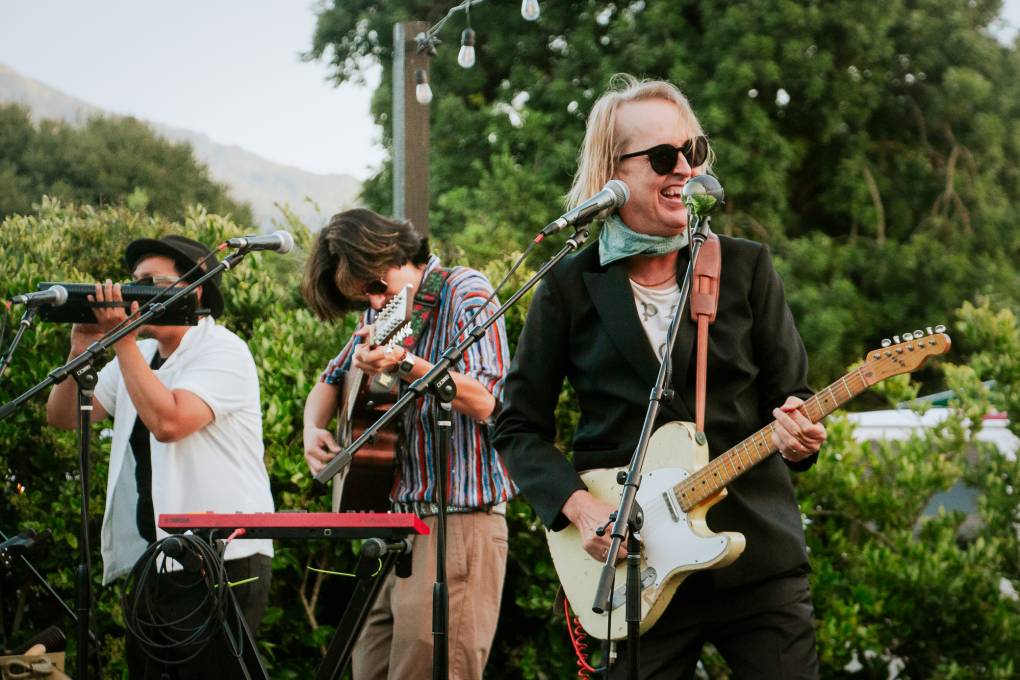
Chuck Prophet’s Music Has Never Felt More Alive
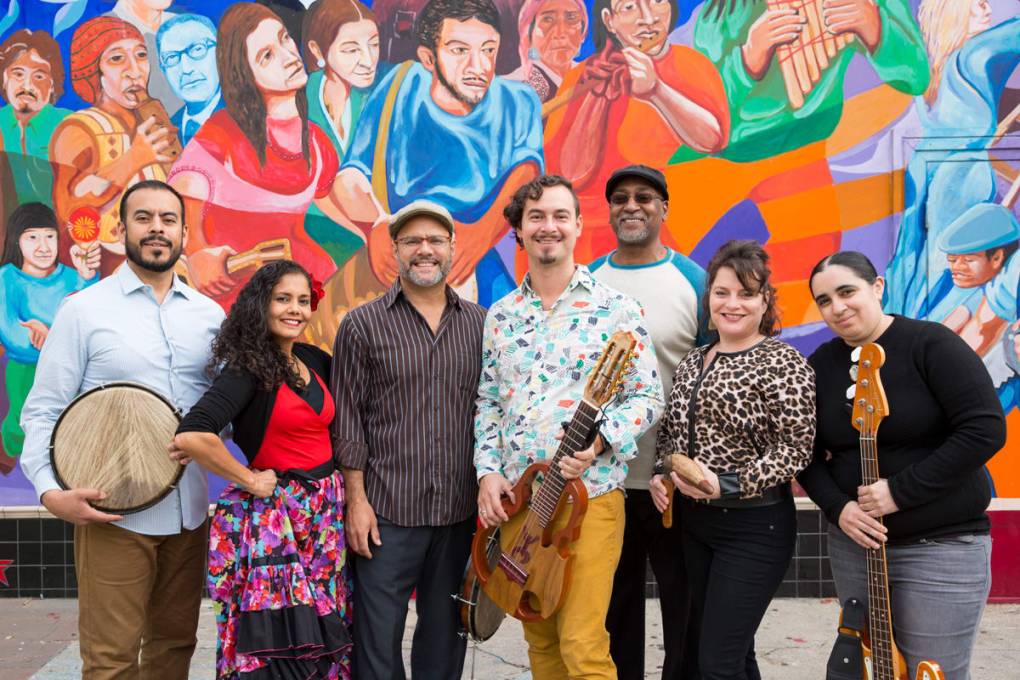
Cumbia!@Frost Turns Up the Volume on Afro-Latin Rhythms
Two San Jose Festivals Celebrate Salsa and Afro Latin Music in June
Live Review: Bad Bunny Gets in His Feels at San Francisco’s Chase Center
Festival La Onda, a New Latin Music Festival in Napa, Will Follow BottleRock in 2024
PHOTOS: Peso Pluma Fans in San Jose Show Up in Style for Mexican Superstar’s Tour
Sponsored
Player sponsored by
window.__IS_SSR__=true
window.__INITIAL_STATE__={
"attachmentsReducer": {
"audio_0": {
"type": "attachments",
"id": "audio_0",
"imgSizes": {
"kqedFullSize": {
"file": "https://ww2.kqed.org/news/wp-content/themes/KQED-unified/img/audio_bgs/background0.jpg"
}
}
},
"audio_1": {
"type": "attachments",
"id": "audio_1",
"imgSizes": {
"kqedFullSize": {
"file": "https://ww2.kqed.org/news/wp-content/themes/KQED-unified/img/audio_bgs/background1.jpg"
}
}
},
"audio_2": {
"type": "attachments",
"id": "audio_2",
"imgSizes": {
"kqedFullSize": {
"file": "https://ww2.kqed.org/news/wp-content/themes/KQED-unified/img/audio_bgs/background2.jpg"
}
}
},
"audio_3": {
"type": "attachments",
"id": "audio_3",
"imgSizes": {
"kqedFullSize": {
"file": "https://ww2.kqed.org/news/wp-content/themes/KQED-unified/img/audio_bgs/background3.jpg"
}
}
},
"audio_4": {
"type": "attachments",
"id": "audio_4",
"imgSizes": {
"kqedFullSize": {
"file": "https://ww2.kqed.org/news/wp-content/themes/KQED-unified/img/audio_bgs/background4.jpg"
}
}
},
"placeholder": {
"type": "attachments",
"id": "placeholder",
"imgSizes": {
"thumbnail": {
"file": "https://cdn.kqed.org/wp-content/uploads/2024/12/KQED-Default-Image-816638274-2000x1333-1-160x107.jpg",
"width": 160,
"height": 107,
"mimeType": "image/jpeg"
},
"medium": {
"file": "https://cdn.kqed.org/wp-content/uploads/2024/12/KQED-Default-Image-816638274-2000x1333-1-800x533.jpg",
"width": 800,
"height": 533,
"mimeType": "image/jpeg"
},
"medium_large": {
"file": "https://cdn.kqed.org/wp-content/uploads/2024/12/KQED-Default-Image-816638274-2000x1333-1-768x512.jpg",
"width": 768,
"height": 512,
"mimeType": "image/jpeg"
},
"large": {
"file": "https://cdn.kqed.org/wp-content/uploads/2024/12/KQED-Default-Image-816638274-2000x1333-1-1020x680.jpg",
"width": 1020,
"height": 680,
"mimeType": "image/jpeg"
},
"1536x1536": {
"file": "https://cdn.kqed.org/wp-content/uploads/2024/12/KQED-Default-Image-816638274-2000x1333-1-1536x1024.jpg",
"width": 1536,
"height": 1024,
"mimeType": "image/jpeg"
},
"fd-lrg": {
"file": "https://cdn.kqed.org/wp-content/uploads/2024/12/KQED-Default-Image-816638274-2000x1333-1-1536x1024.jpg",
"width": 1536,
"height": 1024,
"mimeType": "image/jpeg"
},
"fd-med": {
"file": "https://cdn.kqed.org/wp-content/uploads/2024/12/KQED-Default-Image-816638274-2000x1333-1-1020x680.jpg",
"width": 1020,
"height": 680,
"mimeType": "image/jpeg"
},
"fd-sm": {
"file": "https://cdn.kqed.org/wp-content/uploads/2024/12/KQED-Default-Image-816638274-2000x1333-1-800x533.jpg",
"width": 800,
"height": 533,
"mimeType": "image/jpeg"
},
"post-thumbnail": {
"file": "https://cdn.kqed.org/wp-content/uploads/2024/12/KQED-Default-Image-816638274-2000x1333-1-672x372.jpg",
"width": 672,
"height": 372,
"mimeType": "image/jpeg"
},
"twentyfourteen-full-width": {
"file": "https://cdn.kqed.org/wp-content/uploads/2024/12/KQED-Default-Image-816638274-2000x1333-1-1038x576.jpg",
"width": 1038,
"height": 576,
"mimeType": "image/jpeg"
},
"xxsmall": {
"file": "https://cdn.kqed.org/wp-content/uploads/2024/12/KQED-Default-Image-816638274-2000x1333-1-160x107.jpg",
"width": 160,
"height": 107,
"mimeType": "image/jpeg"
},
"xsmall": {
"file": "https://cdn.kqed.org/wp-content/uploads/2024/12/KQED-Default-Image-816638274-2000x1333-1-672x372.jpg",
"width": 672,
"height": 372,
"mimeType": "image/jpeg"
},
"small": {
"file": "https://cdn.kqed.org/wp-content/uploads/2024/12/KQED-Default-Image-816638274-2000x1333-1-672x372.jpg",
"width": 672,
"height": 372,
"mimeType": "image/jpeg"
},
"xlarge": {
"file": "https://cdn.kqed.org/wp-content/uploads/2024/12/KQED-Default-Image-816638274-2000x1333-1-1020x680.jpg",
"width": 1020,
"height": 680,
"mimeType": "image/jpeg"
},
"full-width": {
"file": "https://cdn.kqed.org/wp-content/uploads/2024/12/KQED-Default-Image-816638274-2000x1333-1-1920x1280.jpg",
"width": 1920,
"height": 1280,
"mimeType": "image/jpeg"
},
"guest-author-32": {
"file": "https://cdn.kqed.org/wp-content/uploads/2025/01/KQED-Default-Image-816638274-1333x1333-1-160x160.jpg",
"width": 32,
"height": 32,
"mimeType": "image/jpeg"
},
"guest-author-50": {
"file": "https://cdn.kqed.org/wp-content/uploads/2025/01/KQED-Default-Image-816638274-1333x1333-1-160x160.jpg",
"width": 50,
"height": 50,
"mimeType": "image/jpeg"
},
"guest-author-64": {
"file": "https://cdn.kqed.org/wp-content/uploads/2025/01/KQED-Default-Image-816638274-1333x1333-1-160x160.jpg",
"width": 64,
"height": 64,
"mimeType": "image/jpeg"
},
"guest-author-96": {
"file": "https://cdn.kqed.org/wp-content/uploads/2025/01/KQED-Default-Image-816638274-1333x1333-1-160x160.jpg",
"width": 96,
"height": 96,
"mimeType": "image/jpeg"
},
"guest-author-128": {
"file": "https://cdn.kqed.org/wp-content/uploads/2025/01/KQED-Default-Image-816638274-1333x1333-1-160x160.jpg",
"width": 128,
"height": 128,
"mimeType": "image/jpeg"
},
"detail": {
"file": "https://cdn.kqed.org/wp-content/uploads/2025/01/KQED-Default-Image-816638274-1333x1333-1-160x160.jpg",
"width": 160,
"height": 160,
"mimeType": "image/jpeg"
},
"kqedFullSize": {
"file": "https://cdn.kqed.org/wp-content/uploads/2024/12/KQED-Default-Image-816638274-2000x1333-1.jpg",
"width": 2000,
"height": 1333
}
}
},
"arts_13984261": {
"type": "attachments",
"id": "arts_13984261",
"meta": {
"index": "attachments_1716263798",
"site": "arts",
"id": "13984261",
"found": true
},
"title": "best bay area albums 2025",
"publishDate": 1764619559,
"status": "inherit",
"parent": 13984148,
"modified": 1764619822,
"caption": "Michael Sneed's 'floaters at the buzzer!', Jane Handcock's 'It's Me, Not You' and Spiritual Cramp's 'Rude' are three of KQED's favorite Bay Area albums of 2025.",
"credit": "Courtesy of the artists",
"altTag": "A collage of three album covers. On the left is an illustration of Michael Sneed dunking a basketball. In the center is a vintage-looking photo of Jane Handcock in a studio. On the right is a blurred shot of Spiritual Cramp in front of San Francisco City Hall.",
"description": null,
"imgSizes": {
"thumbnail": {
"file": "https://cdn.kqed.org/wp-content/uploads/sites/2/2025/12/best-bay-area-albums-2025-160x90.jpg",
"width": 160,
"height": 90,
"mimeType": "image/jpeg"
},
"medium_large": {
"file": "https://cdn.kqed.org/wp-content/uploads/sites/2/2025/12/best-bay-area-albums-2025-768x432.jpg",
"width": 768,
"height": 432,
"mimeType": "image/jpeg"
},
"post-thumbnail": {
"file": "https://cdn.kqed.org/wp-content/uploads/sites/2/2025/12/best-bay-area-albums-2025-672x372.jpg",
"width": 672,
"height": 372,
"mimeType": "image/jpeg"
},
"twentyfourteen-full-width": {
"file": "https://cdn.kqed.org/wp-content/uploads/sites/2/2025/12/best-bay-area-albums-2025-1038x576.jpg",
"width": 1038,
"height": 576,
"mimeType": "image/jpeg"
},
"npr-cds-wide": {
"file": "https://cdn.kqed.org/wp-content/uploads/sites/2/2025/12/best-bay-area-albums-2025-1200x675.jpg",
"width": 1200,
"height": 675,
"mimeType": "image/jpeg"
},
"kqedFullSize": {
"file": "https://cdn.kqed.org/wp-content/uploads/sites/2/2025/12/best-bay-area-albums-2025.jpg",
"width": 1497,
"height": 842
}
},
"fetchFailed": false,
"isLoading": false
},
"arts_13973620": {
"type": "attachments",
"id": "arts_13973620",
"meta": {
"index": "attachments_1716263798",
"site": "arts",
"id": "13973620",
"found": true
},
"title": "Estella Leak(R) wipes away tears during a memorial",
"publishDate": 1743010930,
"status": "inherit",
"parent": 13973613,
"modified": 1743011538,
"caption": "Mourners at an April 1995 memorial for the Queen of Tejano, at the Los Angeles Sports Arena.",
"credit": "JEFF HAYNES/AFP via Getty Images",
"altTag": "Two Latinas standing side-by-side holding up black and white photos of Selena. The woman on the right is wiping away a tear.",
"description": null,
"imgSizes": {
"medium": {
"file": "https://cdn.kqed.org/wp-content/uploads/sites/2/2025/03/GettyImages-51583762-800x530.jpg",
"width": 800,
"height": 530,
"mimeType": "image/jpeg"
},
"large": {
"file": "https://cdn.kqed.org/wp-content/uploads/sites/2/2025/03/GettyImages-51583762-1020x676.jpg",
"width": 1020,
"height": 676,
"mimeType": "image/jpeg"
},
"thumbnail": {
"file": "https://cdn.kqed.org/wp-content/uploads/sites/2/2025/03/GettyImages-51583762-160x106.jpg",
"width": 160,
"height": 106,
"mimeType": "image/jpeg"
},
"medium_large": {
"file": "https://cdn.kqed.org/wp-content/uploads/sites/2/2025/03/GettyImages-51583762-768x509.jpg",
"width": 768,
"height": 509,
"mimeType": "image/jpeg"
},
"post-thumbnail": {
"file": "https://cdn.kqed.org/wp-content/uploads/sites/2/2025/03/GettyImages-51583762-672x372.jpg",
"width": 672,
"height": 372,
"mimeType": "image/jpeg"
},
"twentyfourteen-full-width": {
"file": "https://cdn.kqed.org/wp-content/uploads/sites/2/2025/03/GettyImages-51583762-1038x576.jpg",
"width": 1038,
"height": 576,
"mimeType": "image/jpeg"
},
"kqedFullSize": {
"file": "https://cdn.kqed.org/wp-content/uploads/sites/2/2025/03/GettyImages-51583762.jpg",
"width": 1465,
"height": 971
}
},
"fetchFailed": false,
"isLoading": false
},
"arts_13967999": {
"type": "attachments",
"id": "arts_13967999",
"meta": {
"index": "attachments_1716263798",
"site": "arts",
"id": "13967999",
"found": true
},
"title": "GettyImages-2178057508",
"publishDate": 1731513241,
"status": "inherit",
"parent": 13967996,
"modified": 1731513261,
"caption": "Carin Leon performs at Austin City Limits at Zilker Park on October 11, 2024 in Austin, Texas.",
"credit": "Dana Jacobs/FilmMagic",
"altTag": null,
"description": null,
"imgSizes": {
"medium": {
"file": "https://cdn.kqed.org/wp-content/uploads/sites/2/2024/11/GettyImages-2178057508-800x450.jpg",
"width": 800,
"height": 450,
"mimeType": "image/jpeg"
},
"large": {
"file": "https://cdn.kqed.org/wp-content/uploads/sites/2/2024/11/GettyImages-2178057508-1020x574.jpg",
"width": 1020,
"height": 574,
"mimeType": "image/jpeg"
},
"thumbnail": {
"file": "https://cdn.kqed.org/wp-content/uploads/sites/2/2024/11/GettyImages-2178057508-160x90.jpg",
"width": 160,
"height": 90,
"mimeType": "image/jpeg"
},
"medium_large": {
"file": "https://cdn.kqed.org/wp-content/uploads/sites/2/2024/11/GettyImages-2178057508-768x432.jpg",
"width": 768,
"height": 432,
"mimeType": "image/jpeg"
},
"1536x1536": {
"file": "https://cdn.kqed.org/wp-content/uploads/sites/2/2024/11/GettyImages-2178057508-1536x864.jpg",
"width": 1536,
"height": 864,
"mimeType": "image/jpeg"
},
"post-thumbnail": {
"file": "https://cdn.kqed.org/wp-content/uploads/sites/2/2024/11/GettyImages-2178057508-672x372.jpg",
"width": 672,
"height": 372,
"mimeType": "image/jpeg"
},
"twentyfourteen-full-width": {
"file": "https://cdn.kqed.org/wp-content/uploads/sites/2/2024/11/GettyImages-2178057508-1038x576.jpg",
"width": 1038,
"height": 576,
"mimeType": "image/jpeg"
},
"full-width": {
"file": "https://cdn.kqed.org/wp-content/uploads/sites/2/2024/11/GettyImages-2178057508-1920x1080.jpg",
"width": 1920,
"height": 1080,
"mimeType": "image/jpeg"
},
"kqedFullSize": {
"file": "https://cdn.kqed.org/wp-content/uploads/sites/2/2024/11/GettyImages-2178057508.jpg",
"width": 2000,
"height": 1125
}
},
"fetchFailed": false,
"isLoading": false
},
"arts_13966906": {
"type": "attachments",
"id": "arts_13966906",
"meta": {
"index": "attachments_1716263798",
"site": "arts",
"id": "13966906",
"found": true
},
"title": "IMG_0524 (1)-Edit",
"publishDate": 1729537590,
"status": "inherit",
"parent": 0,
"modified": 1729537793,
"caption": "Qiensave members Mario Cortez (left) and Alejandro Gomez perform with Chuck Prophet at Folktale Winery in Carmel on Aug. 21, 2024.",
"credit": "Folktale Winery ",
"altTag": "three men play in a band onstage",
"description": null,
"imgSizes": {
"medium": {
"file": "https://cdn.kqed.org/wp-content/uploads/sites/2/2024/10/IMG_0524-1-Edit-800x533.jpg",
"width": 800,
"height": 533,
"mimeType": "image/jpeg"
},
"large": {
"file": "https://cdn.kqed.org/wp-content/uploads/sites/2/2024/10/IMG_0524-1-Edit-1020x680.jpg",
"width": 1020,
"height": 680,
"mimeType": "image/jpeg"
},
"thumbnail": {
"file": "https://cdn.kqed.org/wp-content/uploads/sites/2/2024/10/IMG_0524-1-Edit-160x107.jpg",
"width": 160,
"height": 107,
"mimeType": "image/jpeg"
},
"medium_large": {
"file": "https://cdn.kqed.org/wp-content/uploads/sites/2/2024/10/IMG_0524-1-Edit-768x512.jpg",
"width": 768,
"height": 512,
"mimeType": "image/jpeg"
},
"1536x1536": {
"file": "https://cdn.kqed.org/wp-content/uploads/sites/2/2024/10/IMG_0524-1-Edit-1536x1024.jpg",
"width": 1536,
"height": 1024,
"mimeType": "image/jpeg"
},
"post-thumbnail": {
"file": "https://cdn.kqed.org/wp-content/uploads/sites/2/2024/10/IMG_0524-1-Edit-672x372.jpg",
"width": 672,
"height": 372,
"mimeType": "image/jpeg"
},
"twentyfourteen-full-width": {
"file": "https://cdn.kqed.org/wp-content/uploads/sites/2/2024/10/IMG_0524-1-Edit-1038x576.jpg",
"width": 1038,
"height": 576,
"mimeType": "image/jpeg"
},
"full-width": {
"file": "https://cdn.kqed.org/wp-content/uploads/sites/2/2024/10/IMG_0524-1-Edit-1920x1280.jpg",
"width": 1920,
"height": 1280,
"mimeType": "image/jpeg"
},
"kqedFullSize": {
"file": "https://cdn.kqed.org/wp-content/uploads/sites/2/2024/10/IMG_0524-1-Edit.jpg",
"width": 2000,
"height": 1333
}
},
"fetchFailed": false,
"isLoading": false
},
"arts_13935418": {
"type": "attachments",
"id": "arts_13935418",
"meta": {
"index": "attachments_1716263798",
"site": "arts",
"id": "13935418",
"found": true
},
"parent": 13935406,
"imgSizes": {
"twentyfourteen-full-width": {
"file": "https://ww2.kqed.org/app/uploads/sites/2/2023/09/KQEDLIVE21LaDona-039-1038x576.jpg",
"width": 1038,
"mimeType": "image/jpeg",
"height": 576
},
"thumbnail": {
"file": "https://ww2.kqed.org/app/uploads/sites/2/2023/09/KQEDLIVE21LaDona-039-160x106.jpg",
"width": 160,
"mimeType": "image/jpeg",
"height": 106
},
"post-thumbnail": {
"file": "https://ww2.kqed.org/app/uploads/sites/2/2023/09/KQEDLIVE21LaDona-039-672x372.jpg",
"width": 672,
"mimeType": "image/jpeg",
"height": 372
},
"kqedFullSize": {
"file": "https://ww2.kqed.org/app/uploads/sites/2/2023/09/KQEDLIVE21LaDona-039-scaled.jpg",
"width": 2560,
"height": 1703
},
"2048x2048": {
"file": "https://ww2.kqed.org/app/uploads/sites/2/2023/09/KQEDLIVE21LaDona-039-2048x1363.jpg",
"width": 2048,
"mimeType": "image/jpeg",
"height": 1363
},
"large": {
"file": "https://ww2.kqed.org/app/uploads/sites/2/2023/09/KQEDLIVE21LaDona-039-1020x679.jpg",
"width": 1020,
"mimeType": "image/jpeg",
"height": 679
},
"1536x1536": {
"file": "https://ww2.kqed.org/app/uploads/sites/2/2023/09/KQEDLIVE21LaDona-039-1536x1022.jpg",
"width": 1536,
"mimeType": "image/jpeg",
"height": 1022
},
"full-width": {
"file": "https://ww2.kqed.org/app/uploads/sites/2/2023/09/KQEDLIVE21LaDona-039-1920x1277.jpg",
"width": 1920,
"mimeType": "image/jpeg",
"height": 1277
},
"medium": {
"file": "https://ww2.kqed.org/app/uploads/sites/2/2023/09/KQEDLIVE21LaDona-039-800x532.jpg",
"width": 800,
"mimeType": "image/jpeg",
"height": 532
},
"medium_large": {
"file": "https://ww2.kqed.org/app/uploads/sites/2/2023/09/KQEDLIVE21LaDona-039-768x511.jpg",
"width": 768,
"mimeType": "image/jpeg",
"height": 511
}
},
"publishDate": 1695768256,
"modified": 1695768355,
"caption": "La Doña performs at The Commons in KQED's headquarters in 2021. ",
"description": null,
"title": "KQEDLIVE21LaDona-039",
"credit": "Alain McLaughlin for KQED",
"status": "inherit",
"altTag": "La Doña sings on stage next to her saxophonist and bassist.",
"fetchFailed": false,
"isLoading": false
},
"arts_13959489": {
"type": "attachments",
"id": "arts_13959489",
"meta": {
"index": "attachments_1716263798",
"site": "arts",
"id": "13959489",
"found": true
},
"title": "Mixta Criolla",
"publishDate": 1717795859,
"status": "inherit",
"parent": 13959404,
"modified": 1717795888,
"caption": "Mixta Criolla performs at the Día de San Juan Salsa Fest in San Jose on June 21.",
"credit": "Courtesy of the artists",
"altTag": null,
"description": null,
"imgSizes": {
"medium": {
"file": "https://cdn.kqed.org/wp-content/uploads/sites/2/2024/06/Mixta-Criolla-800x533.jpeg",
"width": 800,
"height": 533,
"mimeType": "image/jpeg"
},
"large": {
"file": "https://cdn.kqed.org/wp-content/uploads/sites/2/2024/06/Mixta-Criolla-1020x680.jpeg",
"width": 1020,
"height": 680,
"mimeType": "image/jpeg"
},
"thumbnail": {
"file": "https://cdn.kqed.org/wp-content/uploads/sites/2/2024/06/Mixta-Criolla-160x107.jpeg",
"width": 160,
"height": 107,
"mimeType": "image/jpeg"
},
"medium_large": {
"file": "https://cdn.kqed.org/wp-content/uploads/sites/2/2024/06/Mixta-Criolla-768x512.jpeg",
"width": 768,
"height": 512,
"mimeType": "image/jpeg"
},
"post-thumbnail": {
"file": "https://cdn.kqed.org/wp-content/uploads/sites/2/2024/06/Mixta-Criolla-672x372.jpeg",
"width": 672,
"height": 372,
"mimeType": "image/jpeg"
},
"twentyfourteen-full-width": {
"file": "https://cdn.kqed.org/wp-content/uploads/sites/2/2024/06/Mixta-Criolla-1038x576.jpeg",
"width": 1038,
"height": 576,
"mimeType": "image/jpeg"
},
"kqedFullSize": {
"file": "https://cdn.kqed.org/wp-content/uploads/sites/2/2024/06/Mixta-Criolla.jpeg",
"width": 1200,
"height": 800
}
},
"fetchFailed": false,
"isLoading": false
},
"arts_13953307": {
"type": "attachments",
"id": "arts_13953307",
"meta": {
"index": "attachments_1716263798",
"site": "arts",
"id": "13953307",
"found": true
},
"parent": 0,
"imgSizes": {
"twentyfourteen-full-width": {
"file": "https://cdn.kqed.org/wp-content/uploads/sites/2/2024/03/Bad-Bunny-34_qut-1038x576.jpg",
"width": 1038,
"mimeType": "image/jpeg",
"height": 576
},
"thumbnail": {
"file": "https://cdn.kqed.org/wp-content/uploads/sites/2/2024/03/Bad-Bunny-34_qut-160x107.jpg",
"width": 160,
"mimeType": "image/jpeg",
"height": 107
},
"post-thumbnail": {
"file": "https://cdn.kqed.org/wp-content/uploads/sites/2/2024/03/Bad-Bunny-34_qut-672x372.jpg",
"width": 672,
"mimeType": "image/jpeg",
"height": 372
},
"kqedFullSize": {
"file": "https://cdn.kqed.org/wp-content/uploads/sites/2/2024/03/Bad-Bunny-34_qut.jpg",
"width": 1920,
"height": 1280
},
"large": {
"file": "https://cdn.kqed.org/wp-content/uploads/sites/2/2024/03/Bad-Bunny-34_qut-1020x680.jpg",
"width": 1020,
"mimeType": "image/jpeg",
"height": 680
},
"1536x1536": {
"file": "https://cdn.kqed.org/wp-content/uploads/sites/2/2024/03/Bad-Bunny-34_qut-1536x1024.jpg",
"width": 1536,
"mimeType": "image/jpeg",
"height": 1024
},
"medium": {
"file": "https://cdn.kqed.org/wp-content/uploads/sites/2/2024/03/Bad-Bunny-34_qut-800x533.jpg",
"width": 800,
"mimeType": "image/jpeg",
"height": 533
},
"medium_large": {
"file": "https://cdn.kqed.org/wp-content/uploads/sites/2/2024/03/Bad-Bunny-34_qut-768x512.jpg",
"width": 768,
"mimeType": "image/jpeg",
"height": 512
}
},
"publishDate": 1709484911,
"modified": 1709485235,
"caption": "Bad Bunny performs at the Chase Center in San Francisco on Saturday, March 2, 2024.",
"description": null,
"title": "Bad Bunny-34_qut",
"credit": "Michaela Vatcheva for KQED",
"status": "inherit",
"altTag": null,
"fetchFailed": false,
"isLoading": false
},
"arts_13902611": {
"type": "attachments",
"id": "arts_13902611",
"meta": {
"index": "attachments_1716263798",
"site": "arts",
"id": "13902611",
"found": true
},
"parent": 13902615,
"imgSizes": {
"thumbnail": {
"file": "https://ww2.kqed.org/app/uploads/sites/2/2021/09/D7A3232-160x107.jpg",
"width": 160,
"mimeType": "image/jpeg",
"height": 107
},
"post-thumbnail": {
"file": "https://ww2.kqed.org/app/uploads/sites/2/2021/09/D7A3232-672x372.jpg",
"width": 672,
"mimeType": "image/jpeg",
"height": 372
},
"kqedFullSize": {
"file": "https://ww2.kqed.org/app/uploads/sites/2/2021/09/D7A3232.jpg",
"width": 800,
"height": 533
},
"medium_large": {
"file": "https://ww2.kqed.org/app/uploads/sites/2/2021/09/D7A3232-768x512.jpg",
"width": 768,
"mimeType": "image/jpeg",
"height": 512
}
},
"publishDate": 1630926345,
"modified": 1701242264,
"caption": "The crowd at BottleRock Napa Valley festival on Sunday, Sept. 5, 2021.",
"description": "The crowd at BottleRock Napa Valley festival on Sunday, Sept. 5, 2021.",
"title": "The crowd at BottleRock Napa Valley festival on Sunday, Sept. 5, 2021.",
"credit": "Estefany Gonzalez for KQED",
"status": "inherit",
"altTag": null,
"fetchFailed": false,
"isLoading": false
},
"arts_13936444": {
"type": "attachments",
"id": "arts_13936444",
"meta": {
"index": "attachments_1716263798",
"site": "arts",
"id": "13936444",
"found": true
},
"parent": 13936406,
"imgSizes": {
"twentyfourteen-full-width": {
"file": "https://ww2.kqed.org/app/uploads/sites/2/2023/10/PesoPluma.MAIN_-1038x576.jpg",
"width": 1038,
"mimeType": "image/jpeg",
"height": 576
},
"thumbnail": {
"file": "https://ww2.kqed.org/app/uploads/sites/2/2023/10/PesoPluma.MAIN_-160x90.jpg",
"width": 160,
"mimeType": "image/jpeg",
"height": 90
},
"post-thumbnail": {
"file": "https://ww2.kqed.org/app/uploads/sites/2/2023/10/PesoPluma.MAIN_-672x372.jpg",
"width": 672,
"mimeType": "image/jpeg",
"height": 372
},
"kqedFullSize": {
"file": "https://ww2.kqed.org/app/uploads/sites/2/2023/10/PesoPluma.MAIN_.jpg",
"width": 1920,
"height": 1080
},
"large": {
"file": "https://ww2.kqed.org/app/uploads/sites/2/2023/10/PesoPluma.MAIN_-1020x574.jpg",
"width": 1020,
"mimeType": "image/jpeg",
"height": 574
},
"1536x1536": {
"file": "https://ww2.kqed.org/app/uploads/sites/2/2023/10/PesoPluma.MAIN_-1536x864.jpg",
"width": 1536,
"mimeType": "image/jpeg",
"height": 864
},
"medium": {
"file": "https://ww2.kqed.org/app/uploads/sites/2/2023/10/PesoPluma.MAIN_-800x450.jpg",
"width": 800,
"mimeType": "image/jpeg",
"height": 450
},
"medium_large": {
"file": "https://ww2.kqed.org/app/uploads/sites/2/2023/10/PesoPluma.MAIN_-768x432.jpg",
"width": 768,
"mimeType": "image/jpeg",
"height": 432
}
},
"publishDate": 1697307739,
"modified": 1697307801,
"caption": "Yunuel Enriquez attends her first concert at SAP Center on Friday, Oct. 13, 2023.",
"description": null,
"title": "PesoPluma.MAIN",
"credit": "Estefany Gonzalez for KQED",
"status": "inherit",
"altTag": "A young woman with gold hoop earrings, tight necklace and painted nails looks to the right outside a concert arena",
"fetchFailed": false,
"isLoading": false
}
},
"audioPlayerReducer": {
"postId": "stream_live",
"isPaused": true,
"isPlaying": false,
"pfsActive": false,
"pledgeModalIsOpen": true,
"playerDrawerIsOpen": false
},
"authorsReducer": {
"byline_arts_13984148": {
"type": "authors",
"id": "byline_arts_13984148",
"meta": {
"override": true
},
"slug": "byline_arts_13984148",
"name": "KQED Arts & Culture",
"isLoading": false
},
"byline_arts_13973613": {
"type": "authors",
"id": "byline_arts_13973613",
"meta": {
"override": true
},
"slug": "byline_arts_13973613",
"name": "Maria Sherman, Associated Press",
"isLoading": false
},
"agilbert": {
"type": "authors",
"id": "86",
"meta": {
"index": "authors_1716337520",
"id": "86",
"found": true
},
"name": "Andrew Gilbert",
"firstName": "Andrew",
"lastName": "Gilbert",
"slug": "agilbert",
"email": "jazzscribe@aol.com",
"display_author_email": false,
"staff_mastheads": [],
"title": "KQED Contributor",
"bio": "A Los Angeles native based in the Berkeley area since 1996, Andrew Gilbert covers jazz, international music and dance for KQED's \u003ci>California Report, \u003c/i>the\u003ci> Mercury News\u003c/i>, \u003ci>San Francisco Chronicle\u003c/i>, \u003ci>Berkeleyside.com\u003c/i>, and other publications. He is available for weddings and bar and bat mitzvahs. #jazzscribe",
"avatar": "https://secure.gravatar.com/avatar/445e6fe4cc696bd39773e3c90f5108b6?s=600&d=blank&r=g",
"twitter": null,
"facebook": null,
"instagram": null,
"linkedin": null,
"sites": [
{
"site": "arts",
"roles": [
"Contributor",
"author"
]
},
{
"site": "news",
"roles": [
"author"
]
}
],
"headData": {
"title": "Andrew Gilbert | KQED",
"description": "KQED Contributor",
"ogImgSrc": "https://secure.gravatar.com/avatar/445e6fe4cc696bd39773e3c90f5108b6?s=600&d=blank&r=g",
"twImgSrc": "https://secure.gravatar.com/avatar/445e6fe4cc696bd39773e3c90f5108b6?s=600&d=blank&r=g"
},
"isLoading": false,
"link": "/author/agilbert"
},
"gmeline": {
"type": "authors",
"id": "185",
"meta": {
"index": "authors_1716337520",
"id": "185",
"found": true
},
"name": "Gabe Meline",
"firstName": "Gabe",
"lastName": "Meline",
"slug": "gmeline",
"email": "gmeline@kqed.org",
"display_author_email": false,
"staff_mastheads": [
"arts"
],
"title": "Senior Editor, KQED Arts & Culture",
"bio": "Gabe Meline entered journalism at age 15 making photocopied zines, and has since earned awards from the Edward R. Murrow Awards, the Society for Professional Journalists, the Online Journalism Awards, the Association of Alternative Newsweeklies and the California Newspaper Publishers Association. Prior to KQED, he was the editor of the \u003cem>North Bay Bohemian\u003c/em> and a touring musician. He lives with his wife, his daughter, and a 1964 Volvo in his hometown of Santa Rosa, CA.",
"avatar": "https://secure.gravatar.com/avatar/80e9715844c5fc3f07edac5b08973b76?s=600&d=blank&r=g",
"twitter": null,
"facebook": null,
"instagram": "gmeline",
"linkedin": null,
"sites": [
{
"site": "",
"roles": [
"editor"
]
},
{
"site": "arts",
"roles": [
"administrator"
]
},
{
"site": "artschool",
"roles": [
"editor"
]
},
{
"site": "news",
"roles": [
"author"
]
},
{
"site": "pop",
"roles": [
"editor"
]
},
{
"site": "bayareabites",
"roles": [
"editor"
]
},
{
"site": "food",
"roles": [
"editor"
]
},
{
"site": "liveblog",
"roles": [
"editor"
]
},
{
"site": "hiphop",
"roles": [
"editor"
]
}
],
"headData": {
"title": "Gabe Meline | KQED",
"description": "Senior Editor, KQED Arts & Culture",
"ogImgSrc": "https://secure.gravatar.com/avatar/80e9715844c5fc3f07edac5b08973b76?s=600&d=blank&r=g",
"twImgSrc": "https://secure.gravatar.com/avatar/80e9715844c5fc3f07edac5b08973b76?s=600&d=blank&r=g"
},
"isLoading": false,
"link": "/author/gmeline"
},
"esilvers": {
"type": "authors",
"id": "7237",
"meta": {
"index": "authors_1716337520",
"id": "7237",
"found": true
},
"name": "Emma Silvers",
"firstName": "Emma",
"lastName": "Silvers",
"slug": "esilvers",
"email": "esilvers@kqed.org",
"display_author_email": false,
"staff_mastheads": [],
"title": "KQED Contributor",
"bio": "Emma Silvers is an editor at KQED Arts and a former digital producer at KQED News. Born and raised in the Bay Area, she has previously been an arts and entertainment editor at the \u003cem>San Francisco Chronicle\u003c/em>, \u003cem>SF Weekly\u003c/em> and the \u003cem>San Francisco Bay Guardian.\u003c/em> \u003ca href=\"https://www.emmasilvers.com\">Her work\u003c/a> has also appeared in \u003cem>Rolling Stone\u003c/em>, Pitchfork and \u003cem>Mother Jones\u003c/em>. In 2017 she was the recipient of the Society of Professional Journalists-Northern California's award for arts and culture reporting. In 1993 she \u003ca href=\"https://www.kqed.org/pop/16759/wait-what-my-coworker-was-a-voice-over-hyperventilator-for-jurassic-park\">hyperventilated in \u003cem>Jurassic Park\u003c/em>\u003c/a>.",
"avatar": "https://secure.gravatar.com/avatar/247beada39b88ea5759db1f51dba05cf?s=600&d=blank&r=g",
"twitter": "emmaruthless",
"facebook": null,
"instagram": null,
"linkedin": null,
"sites": [
{
"site": "arts",
"roles": [
"editor"
]
},
{
"site": "news",
"roles": [
"editor"
]
},
{
"site": "pop",
"roles": [
"contributor"
]
},
{
"site": "bayareabites",
"roles": [
"editor"
]
},
{
"site": "food",
"roles": [
"contributor"
]
},
{
"site": "liveblog",
"roles": [
"editor"
]
}
],
"headData": {
"title": "Emma Silvers | KQED",
"description": "KQED Contributor",
"ogImgSrc": "https://secure.gravatar.com/avatar/247beada39b88ea5759db1f51dba05cf?s=600&d=blank&r=g",
"twImgSrc": "https://secure.gravatar.com/avatar/247beada39b88ea5759db1f51dba05cf?s=600&d=blank&r=g"
},
"isLoading": false,
"link": "/author/esilvers"
},
"egonzalez": {
"type": "authors",
"id": "11384",
"meta": {
"index": "authors_1716337520",
"id": "11384",
"found": true
},
"name": "Estefany Gonzalez",
"firstName": "Estefany",
"lastName": "Gonzalez",
"slug": "egonzalez",
"email": "estefancy@gmail.com",
"display_author_email": false,
"staff_mastheads": [],
"title": "KQED Contributor",
"bio": "Estefany is a contributing photographer at KQED.",
"avatar": "https://secure.gravatar.com/avatar/31ed90a4cd60f9435d6f170329b6cbb7?s=600&d=blank&r=g",
"twitter": null,
"facebook": null,
"instagram": "https://www.instagram.com/estefancy/",
"linkedin": null,
"sites": [
{
"site": "arts",
"roles": [
"author"
]
},
{
"site": "news",
"roles": [
"author"
]
}
],
"headData": {
"title": "Estefany Gonzalez | KQED",
"description": "KQED Contributor",
"ogImgSrc": "https://secure.gravatar.com/avatar/31ed90a4cd60f9435d6f170329b6cbb7?s=600&d=blank&r=g",
"twImgSrc": "https://secure.gravatar.com/avatar/31ed90a4cd60f9435d6f170329b6cbb7?s=600&d=blank&r=g"
},
"isLoading": false,
"link": "/author/egonzalez"
},
"nvoynovskaya": {
"type": "authors",
"id": "11387",
"meta": {
"index": "authors_1716337520",
"id": "11387",
"found": true
},
"name": "Nastia Voynovskaya",
"firstName": "Nastia",
"lastName": "Voynovskaya",
"slug": "nvoynovskaya",
"email": "nvoynovskaya@kqed.org",
"display_author_email": false,
"staff_mastheads": [
"arts"
],
"title": "Editor and reporter",
"bio": "Nastia Voynovskaya is a reporter and editor at KQED Arts & Culture. She's been covering the arts in the Bay Area for over a decade, with a focus on music, queer culture, labor issues and grassroots organizing. She has edited KQED story series such as Trans Bay: A History of San Francisco's Gender-Diverse Community, and co-created KQED's Bay Area hip-hop history project, That's My Word. Nastia's work has been recognized by the Society of Professional Journalists and San Francisco Press Club. She holds a BA in comparative literature from UC Berkeley.",
"avatar": "https://secure.gravatar.com/avatar/310649817772dd2a98e5dfecb6b24842?s=600&d=blank&r=g",
"twitter": null,
"facebook": null,
"instagram": "https://www.instagram.com/nananastia/",
"linkedin": null,
"sites": [
{
"site": "arts",
"roles": [
"administrator"
]
},
{
"site": "news",
"roles": [
"editor"
]
},
{
"site": "pop",
"roles": [
"administrator"
]
},
{
"site": "bayareabites",
"roles": [
"editor"
]
},
{
"site": "podcasts",
"roles": [
"editor"
]
},
{
"site": "hiphop",
"roles": [
"editor"
]
}
],
"headData": {
"title": "Nastia Voynovskaya | KQED",
"description": "Editor and reporter",
"ogImgSrc": "https://secure.gravatar.com/avatar/310649817772dd2a98e5dfecb6b24842?s=600&d=blank&r=g",
"twImgSrc": "https://secure.gravatar.com/avatar/310649817772dd2a98e5dfecb6b24842?s=600&d=blank&r=g"
},
"isLoading": false,
"link": "/author/nvoynovskaya"
},
"ccabreralomeli": {
"type": "authors",
"id": "11708",
"meta": {
"index": "authors_1716337520",
"id": "11708",
"found": true
},
"name": "Carlos Cabrera-Lomelí",
"firstName": "Carlos",
"lastName": "Cabrera-Lomelí",
"slug": "ccabreralomeli",
"email": "ccabreralomeli@KQED.org",
"display_author_email": true,
"staff_mastheads": [
"news"
],
"title": "Community Reporter",
"bio": "Carlos Cabrera-Lomelí is a community reporter with KQED's digital engagement team. He also reports and co-produces for KQED's bilingual news hub KQED en Español. He grew up in San Francisco's Mission District and has previously worked with Univision, 48 Hills and REFORMA in Mexico City.",
"avatar": "https://secure.gravatar.com/avatar/e95ff80bb2eaf18a8f2af4dcf7ffb54b?s=600&d=mm&r=g",
"twitter": "@LomeliCabrera",
"facebook": null,
"instagram": null,
"linkedin": null,
"sites": [
{
"site": "arts",
"roles": [
"editor"
]
},
{
"site": "news",
"roles": [
"editor"
]
},
{
"site": "about",
"roles": [
"editor"
]
},
{
"site": "science",
"roles": [
"editor"
]
},
{
"site": "perspectives",
"roles": [
"editor"
]
},
{
"site": "elections",
"roles": [
"editor"
]
},
{
"site": "liveblog",
"roles": [
"contributor"
]
}
],
"headData": {
"title": "Carlos Cabrera-Lomelí | KQED",
"description": "Community Reporter",
"ogImgSrc": "https://secure.gravatar.com/avatar/e95ff80bb2eaf18a8f2af4dcf7ffb54b?s=600&d=mm&r=g",
"twImgSrc": "https://secure.gravatar.com/avatar/e95ff80bb2eaf18a8f2af4dcf7ffb54b?s=600&d=mm&r=g"
},
"isLoading": false,
"link": "/author/ccabreralomeli"
},
"pabarca": {
"type": "authors",
"id": "11882",
"meta": {
"index": "authors_1716337520",
"id": "11882",
"found": true
},
"name": "Paloma Abarca",
"firstName": "Paloma",
"lastName": "Abarca",
"slug": "pabarca",
"email": "pabarca@kqed.org",
"display_author_email": true,
"staff_mastheads": [],
"title": "KQED Contributor",
"bio": "Paloma Yaritza Abarca is a Live Event Producer and Digital Creator for KQED Live, our multiplatform live events program. She focuses on amplifying LGBTQIA and BIPOC voices and developing opportunities to showcase the diversity of the Bay's culture and history. She's produced three successful Latinx events: Hella Caffeinated con Pan, The Special: Vegan Food con Sazón, and Reclaiming Curanderismo, and was previously the Latinx Engagement Producer with KQED's Audience Development team. Paloma was a writer and Lead Content Specialist for the Dance Music Media and News company, EDM Maniac, has produced stories for KALW's award-winning news magazine Crosscurrents, and ran San Francisco State's events venue, The Depot.",
"avatar": "https://secure.gravatar.com/avatar/90ff14b6bdb2e86dc89f8cf0d6beeecd?s=600&d=blank&r=g",
"twitter": null,
"facebook": null,
"instagram": null,
"linkedin": null,
"sites": [
{
"site": "arts",
"roles": [
"contributor"
]
}
],
"headData": {
"title": "Paloma Abarca | KQED",
"description": "KQED Contributor",
"ogImgSrc": "https://secure.gravatar.com/avatar/90ff14b6bdb2e86dc89f8cf0d6beeecd?s=600&d=blank&r=g",
"twImgSrc": "https://secure.gravatar.com/avatar/90ff14b6bdb2e86dc89f8cf0d6beeecd?s=600&d=blank&r=g"
},
"isLoading": false,
"link": "/author/pabarca"
}
},
"breakingNewsReducer": {},
"pagesReducer": {},
"postsReducer": {
"stream_live": {
"type": "live",
"id": "stream_live",
"audioUrl": "https://streams.kqed.org/kqedradio",
"title": "Live Stream",
"excerpt": "Live Stream information currently unavailable.",
"link": "/radio",
"featImg": "",
"label": {
"name": "KQED Live",
"link": "/"
}
},
"stream_kqedNewscast": {
"type": "posts",
"id": "stream_kqedNewscast",
"audioUrl": "https://www.kqed.org/.stream/anon/radio/RDnews/newscast.mp3?_=1",
"title": "KQED Newscast",
"featImg": "",
"label": {
"name": "88.5 FM",
"link": "/"
}
},
"arts_13984148": {
"type": "posts",
"id": "arts_13984148",
"meta": {
"index": "posts_1716263798",
"site": "arts",
"id": "13984148",
"score": null,
"sort": [
1764620745000
]
},
"guestAuthors": [],
"slug": "the-best-bay-area-albums-of-2025",
"title": "The 20 Best Bay Area Albums of 2025",
"publishDate": 1764620745,
"format": "standard",
"headTitle": "The 20 Best Bay Area Albums of 2025 | KQED",
"labelTerm": {},
"content": "\u003cp>\u003cem>This week, we’re looking back on the best art, music, food, movies and more from the year. \u003ca href=\"https://www.kqed.org/arts/tag/best-of-2025\">See our entire Best of 2025 guide here\u003c/a>. \u003c/em>\u003c/p>\n\u003cp>The year is almost over, and we’re working on our resolutions. Out: passively listening to algorithm-driven, \u003ca href=\"https://www.kqed.org/arts/13982572/ai-is-coming-for-the-music-industry-how-will-artists-adapt\">AI-infested playlists\u003c/a>. In: letting the talented artists in your community move, surprise and even challenge you, restoring your faith in humanity.\u003c/p>\n\u003cp>Whether making hip-hop, punk, salsa or spiritual jazz, Bay Area artists didn’t disappoint this year. The KQED Arts & Culture team and contributors combed through 2025’s releases to bring you our favorite local music of the year. Turn up the volume and hit play. \u003cem>— Nastia Voynovskaya\u003c/em>\u003c/p>\n\u003cp>\u003c!-- iframe plugin v.4.3 wordpress.org/plugins/iframe/ -->\u003cbr>\n\u003ciframe data-testid=\"embed-iframe\" style=\"border-radius:12px\" src=\"https://open.spotify.com/embed/album/6fiG4ui62dDneZQjMFh8ha?utm_source=generator\" width=\"100%\" height=\"152\" frameborder=\"0\" allowfullscreen allow=\"autoplay; clipboard-write; encrypted-media; fullscreen; picture-in-picture\" loading=\"lazy\" scrolling=\"yes\" class=\"iframe-class\">\u003c/iframe>\u003c/p>\n\u003ch2>Jamel Griot, \u003cem>Sincerely, Jamel \u003c/em>(Remain Family Oriented Records)\u003c/h2>\n\u003cp>On \u003cem>Sincerely, Jamel\u003c/em>, Oakland rapper Jamel Griot invites us to witness his dark night of the soul, when grief cracks him open and forces him face himself, honestly and unflinchingly. Griot punctuates hard-hitting verses over contemplative, jazzy beats with diary entries, revealing how serial one-night stands turned into a coping mechanism, and how partying has disconnected him from his purpose. “Although you a self-centered n—, you aren’t selfish enough. Because a selfish person loves themselves,” he reads aloud from his journal.\u003c/p>\n\u003cp>[ad fullwidth]\u003c/p>\n\u003cp>To find his way back to himself, Griot unpacks childhood trauma with a courageous vulnerability. His lyrics illuminate a new path forward, one that invites listeners to lovingly tend to their own scars. \u003cem>— Nastia Voynovskaya\u003c/em>\u003c/p>\n\u003cp>\u003c!-- iframe plugin v.4.3 wordpress.org/plugins/iframe/ -->\u003cbr>\n\u003ciframe data-testid=\"embed-iframe\" style=\"border-radius:12px\" src=\"https://open.spotify.com/embed/album/2YjTKpjohCKRlShBvgWHqQ?utm_source=generator\" width=\"100%\" height=\"152\" frameborder=\"0\" allowfullscreen allow=\"autoplay; clipboard-write; encrypted-media; fullscreen; picture-in-picture\" loading=\"lazy\" scrolling=\"yes\" class=\"iframe-class\">\u003c/iframe>\u003c/p>\n\u003ch2>Rabiah Kabir, \u003cem>Jezebel: Rewritten \u003c/em>(Self-released)\u003c/h2>\n\u003cp>The song “Flute / Overture,” opens Rabiah Kabir’s \u003cem>Jezebel: Rewritten\u003c/em> with a jazzy thesis statement. Birds chirp, shakers shake and keys resonate as the flute’s flow intertwines with comments about the historical importance of the instrument and the artist’s work to dispel sexist notions about flutists.\u003c/p>\n\u003cp>With the support of a full band, Oakland’s Kabir shows a range of a flute’s sonic capabilities. The song “Fin.” showcases the wind instrument’s mysticism. “The ReZident” offers a taste of flute funk. And the dark keys and heavy drums at the start of “I Crashed My Car” create an anxious tone that is ultimately resolved, climaxing in a flute run that’s as relaxing as a field of fresh lavender. \u003cem>— Pendarvis Harshaw\u003c/em>\u003c/p>\n\u003cp>\u003c!-- iframe plugin v.4.3 wordpress.org/plugins/iframe/ -->\u003cbr>\n\u003ciframe loading=\"lazy\" style=\"border: 0; width: 100%; height: 120px;\" src=\"https://bandcamp.com/EmbeddedPlayer/album=4149894761/size=large/bgcol=ffffff/linkcol=0687f5/tracklist=false/artwork=small/transparent=true/\" width=\"100%\" height=\"500\" scrolling=\"yes\" class=\"iframe-class\" frameborder=\"0\">\u003c/iframe>\u003c/p>\n\u003ch2>Kathryn Mohr, \u003cem>Waiting Room\u003c/em> (The Flenser)\u003c/h2>\n\u003cp>A bell’s hollow rings echo through a room. Static builds. Radio noise chatters in the distance. Sea waves crash. Someone (or something) scribbles. The field recordings that populate Kathryn Mohr’s \u003cem>Waiting Room\u003c/em> — self-recorded in an abandoned fish factory in Iceland — give a sense of isolation and melancholy, capturing the anxiety of anticipation.\u003c/p>\n\u003cp>Mohr builds on those recordings using an analog synth and aching vocals, creating subtle, pinpoint-precise melodies. Following the oneiric opener “Diver,” dissonant tracks weave between guitar-driven, ’90s grunge-inspired pieces. In “Petrified,” gentle vocals evoke violent visuals that dance above finger-plucked guitar. Mohr’s full-length debut asks its listeners to find beauty in decay, to sit in feelings of discomfort without the promise of catharsis. \u003cem>— Caroline Smith\u003c/em>\u003c/p>\n\u003cp>\u003c!-- iframe plugin v.4.3 wordpress.org/plugins/iframe/ -->\u003cbr>\n\u003ciframe data-testid=\"embed-iframe\" style=\"border-radius:12px\" src=\"https://open.spotify.com/embed/album/1MTodq6IqzqFEav64mt1Jg?utm_source=generator\" width=\"100%\" height=\"152\" frameborder=\"0\" allowfullscreen allow=\"autoplay; clipboard-write; encrypted-media; fullscreen; picture-in-picture\" loading=\"lazy\" scrolling=\"yes\" class=\"iframe-class\">\u003c/iframe>\u003c/p>\n\u003ch2>Michael Sneed, \u003cem>floaters at the buzzer!\u003c/em> (Michael Sneed/Create Music Group)\u003c/h2>\n\u003cp>Attention spans might be shrinking because of TikTok and Instagram, but rapper and producer Michael Sneed’s \u003cem>floaters at the buzzer!\u003c/em> beckons to be heard from start to finish. “I’ll be your guide, I got you,” Sneed croons on the opening track. From there he puffs out his chest on “blend*” featuring Bay Area trailblazer P-Lo.\u003c/p>\n\u003cp>On “town sh!t 4ever!,” Sneed and P-Lo reinterpret a classic by sampling Mistah F.A.B.’s legendary “N.E.W. Oakland.” The song features Ovrkast. and wrestles with the tension of being pushed out of your hometown yet still trying to love it despite the struggles. This contradiction crescendos with “still ain’t die!,” a trumpet-laced proclamation of the life Sneed and his kin insist on, in spite of the forces conspiring against their thriving. \u003cem>— Sarah O’Neal\u003c/em>\u003c/p>\n\u003cp>\u003c!-- iframe plugin v.4.3 wordpress.org/plugins/iframe/ -->\u003cbr>\n\u003ciframe loading=\"lazy\" style=\"border: 0; width: 100%; height: 120px;\" src=\"https://bandcamp.com/EmbeddedPlayer/track=106152191/size=large/bgcol=ffffff/linkcol=0687f5/tracklist=false/artwork=small/transparent=true/\" width=\"100%\" height=\"500\" scrolling=\"yes\" class=\"iframe-class\" frameborder=\"0\">\u003c/iframe>\u003c/p>\n\u003ch2>John Elliott, \u003cem>I Am John Mayer\u003c/em> (Self-released)\u003c/h2>\n\u003cp>When John Michael Mayer started making music in the Y2K era, he faced a problem: There was another musician on the internet named John Mayer. Vowing to battle for name recognition and acclaim in the public arena, he released song after song, none as schlocky as “Your Body Is a Wonderland,” and lost the fight. Now, the San Francisco musician forced to rechristen himself John Elliott has told the story in a catchy, cleverly written title track, “I Am John Mayer.”\u003c/p>\n\u003cp>Possessed of a Jonathan Richman sincerity and a John Darnielle expressiveness, Elliott’s a wide-eyed everyman who soaks up and sings about the world’s joys and pains alike. (Recall his \u003ca href=\"https://www.kqed.org/arts/13912499/song-jfk-drive-car-free-board-of-supervisors-sf\">one-minute song to elected officials about keeping JFK Drive car-free\u003c/a>.) On \u003cem>I Am John Mayer\u003c/em> (currently only available \u003ca href=\"https://www.thehereafterishere.com/store/p/i-am-john-mayer-digital-download\">through his website\u003c/a>, and coming soon to streaming), he’s in top form, including the heartstring-pulling “Out Here,” a plea to an unborn child hesitant to enter the world. \u003cem>— Gabe Meline\u003c/em>\u003c/p>\n\u003cp>\u003c!-- iframe plugin v.4.3 wordpress.org/plugins/iframe/ -->\u003cbr>\n\u003ciframe data-testid=\"embed-iframe\" style=\"border-radius:12px\" src=\"https://open.spotify.com/embed/album/2rPy6g5DGQBsb7g96xXFGI?utm_source=generator\" width=\"100%\" height=\"152\" frameborder=\"0\" allowfullscreen allow=\"autoplay; clipboard-write; encrypted-media; fullscreen; picture-in-picture\" loading=\"lazy\" scrolling=\"yes\" class=\"iframe-class\">\u003c/iframe>\u003c/p>\n\u003ch2>Jane Handcock, \u003cem>It’s Me, Not You \u003c/em>(Death Row Records/gamma.)\u003c/h2>\n\u003cp>\u003cem>It’s Me, Not You\u003c/em> marks a well-deserved ascent for Jane Handcock, the mega-talented Richmond-raised vocalist who’s spent years behind the scenes, penning lyrics for R&B and hip-hop greats like Kelly Rowland, Rick Ross, Tyrese and Teddy Riley. Now signed to the venerable Death Row Records, Handcock delivered a finely crafted album for the grown-and-sexy lover girls.\u003c/p>\n\u003cp>The effervescent mood of “Stare At Me” featuring Anderson .Paak feels like eclectic sliding through the clouds. The funky, horn-driven “Can’t Let Go” drips with sex appeal, and on “For the Views” — a missive to social-media lurkers — Handcock conjures the atmosphere of a smoke-filled lounge where one might exchange a furtive glance over the rim of a martini glass. \u003cem>It’s Me, Not You\u003c/em> proves Handcock has earned her spotlight and will continue to hold our attention for a long time. \u003cem>— Nastia Voynovskaya\u003c/em>\u003c/p>\n\u003cp>\u003c!-- iframe plugin v.4.3 wordpress.org/plugins/iframe/ -->\u003cbr>\n\u003ciframe loading=\"lazy\" style=\"border: 0; width: 100%; height: 120px;\" src=\"https://bandcamp.com/EmbeddedPlayer/album=97838322/size=large/bgcol=ffffff/linkcol=0687f5/tracklist=false/artwork=small/transparent=true/\" width=\"100%\" height=\"500\" scrolling=\"yes\" class=\"iframe-class\" frameborder=\"0\">\u003c/iframe>\u003c/p>\n\u003ch2>Spiritual Cramp, \u003ci>Rude\u003c/i> (Blue Grape Music)\u003c/h2>\n\u003cp>“What if I went back home to the Bay where I belong? / In the heart of San Francisco, just an hour away from home,” Spiritual Cramp’s Michael Bingham sings on “True Love (Is Hard To Find).” It’s the premise for \u003cem>Rude\u003c/em>, an eloquent new-wave punk love letter to the city that still holds the keys to his soul, even though he’s moved away.\u003c/p>\n\u003cp>Produced by the accomplished John Congleton, \u003cem>Rude\u003c/em> wears that heart on its sleeve at every turn, from the tantalizing melodies of “Automatic” to the endearingly self-deprecating “At My Funeral.” Sharon Van Etten guests on the gleaming “You’ve Got My Number,” a highlight within what should go down as a breakout effort for Spiritual Cramp, who are primed for big things in 2026. \u003cem>— Adrian Spinelli\u003c/em>\u003c/p>\n\u003cp>\u003c!-- iframe plugin v.4.3 wordpress.org/plugins/iframe/ -->\u003cbr>\n\u003ciframe data-testid=\"embed-iframe\" style=\"border-radius:12px\" src=\"https://open.spotify.com/embed/album/2XeGkDrU1IX9hlqEId3GS3?utm_source=generator\" width=\"100%\" height=\"152\" frameborder=\"0\" allowfullscreen allow=\"autoplay; clipboard-write; encrypted-media; fullscreen; picture-in-picture\" loading=\"lazy\" scrolling=\"yes\" class=\"iframe-class\">\u003c/iframe>\u003c/p>\n\u003ch2>Various Artists, \u003cem>Salsa de la Bahia Vol. III: Renegade Queens\u003c/em> (Patois Records)\u003c/h2>\n\u003cp>It’s rare indeed when an album makes you rethink the history of a genre, but by focusing on female salsa and Latin jazz artists, \u003cem>Salsa de la Bahia Vol. III: Renegade Queens\u003c/em> offers a deeply informed alternative view of the evolution of Latin music in the Bay Area. Without a dominant group to shape the rhythmic currents, the Bay Area Latin music scene has always cast a wide net. This two-disc anthology shows that same pan-Latin forces at work, showcasing excellent work by women from Venezuela, Cuba, Chile and Colombia and the U.S.\u003c/p>\n\u003cp>Both discs open with new music showcasing a brilliant cross-section of women players, many of whom lead their own bands. But it’s tracks like “Cosmo” by the Blazing Redheads, an all-female septet that coalesced at the end of the 1980s with a dance-inducing combination of jazz, funk and Latin beats, that make \u003cem>Renegade Queens\u003c/em> a continual source of delight. \u003cem>— Andrew Gilbert\u003c/em>\u003c/p>\n\u003cp>\u003c!-- iframe plugin v.4.3 wordpress.org/plugins/iframe/ -->\u003cbr>\n\u003ciframe data-testid=\"embed-iframe\" style=\"border-radius:12px\" src=\"https://open.spotify.com/embed/album/22nSF43OqkoSheKO58Fie1?utm_source=generator\" width=\"100%\" height=\"152\" frameborder=\"0\" allowfullscreen allow=\"autoplay; clipboard-write; encrypted-media; fullscreen; picture-in-picture\" loading=\"lazy\" scrolling=\"yes\" class=\"iframe-class\">\u003c/iframe>\u003c/p>\n\u003ch2>Lil Yee, \u003cem>Life After Death\u003c/em> (G-Affair/Empire)\u003c/h2>\n\u003cp>“They say death is a deep sleep / Wake me up, it ain’t my time,” says San Francisco’s Lil Yee on \u003cem>Life After Death\u003c/em>. After being shot in March of this year, Yee’s latest project illustrates his pain, his family’s love and his devotion to a higher power.\u003c/p>\n\u003cp>He brings the audience into the hospital on “ICU” as he describes the feeling of flatlining. Yee yearns for romantic love on “Love Me FRFR,” and he stunts on tracks with Veeze, 22nd Jim and EBK Jaaybo. On “Chopper Zone,” Yee paints the perils of his community. “Wicked Man” is a blues song about sinister things happening to benevolent people. And on “Sunday Morning,” Yee shares his resilient mindstate after the shooting, and how he’s persevering through it all. \u003cem>— Pendarvis Harshaw\u003c/em>\u003c/p>\n\u003cp>\u003c!-- iframe plugin v.4.3 wordpress.org/plugins/iframe/ -->\u003cbr>\n\u003ciframe loading=\"lazy\" style=\"border: 0; width: 100%; height: 120px;\" src=\"https://bandcamp.com/EmbeddedPlayer/album=2185729243/size=large/bgcol=ffffff/linkcol=0687f5/tracklist=false/artwork=small/transparent=true/\" width=\"100%\" height=\"500\" scrolling=\"yes\" class=\"iframe-class\" frameborder=\"0\">\u003c/iframe>\u003c/p>\n\u003ch2>Spellling, \u003cem>Portrait of My Heart\u003c/em> (Sacred Bones)\u003c/h2>\n\u003cp>On \u003cem>Portrait of My Heart\u003c/em>, Oakland art-pop luminary Spellling strips away ornate theatricality for punchy guitar rock that speaks straight into the soul of anyone who’s ever felt like an outcast: “I don’t belong here,” she wails on the title track, which simmers with inner turmoil before boiling over into a cathartic crescendo.\u003c/p>\n\u003cp>The sharply written album is a cinematic ride through alienation and grief. Spellling pushes the limits of her voice to belt, whisper and growl as she delicately unravels thorny emotions such as shame and fear, letting herself bleed as she narrates her internal battles. Guitarist Wyatt Overson’s distortion-heavy riffs and anthemic solos add weight to the gut punch of Spellling’s lyrical intensity. \u003cem>— Nastia Voynovskaya\u003c/em>\u003c/p>\n\u003cp>\u003c!-- iframe plugin v.4.3 wordpress.org/plugins/iframe/ -->\u003cbr>\n\u003ciframe loading=\"lazy\" style=\"border: 0; width: 100%; height: 120px;\" src=\"https://bandcamp.com/EmbeddedPlayer/album=2577981795/size=large/bgcol=ffffff/linkcol=0687f5/tracklist=false/artwork=small/transparent=true/\" width=\"100%\" height=\"500\" scrolling=\"yes\" class=\"iframe-class\" frameborder=\"0\">\u003c/iframe>\u003c/p>\n\u003ch2>Arts and Crafts, \u003cem>1000 Dancing Devils\u003c/em> (Self-released)\u003c/h2>\n\u003cp>Prog jazz meets math rock meets influences from South Asia and North Africa in Arts and Crafts’ \u003cem>1000 Dancing Devils\u003c/em>. Guitarist Noam Teyssier, bassist Nadia Aquil and drummer Jeff Klein \u003ca href=\"https://www.linkedin.com/pulse/arts-crafts-1000-dancing-devils-review-ngo-core-2q9oc/\">say their inspirations span\u003c/a> Moroccan ouds, Bollywood films and the band Phish — specifically for the track “Roti,” the three-over-four rhythm from Phish’s “Buried Alive.”\u003c/p>\n\u003cp>The sounds originate from the San Francisco and Oakland band’s own communities and diasporas, combining and transmuting to form the groovy, upbeat album: Psychedelic opener “Oö” gives way to the cymbal crashes and pulsing surf rock of “Sidi Bouzid.” Named after a Moroccan city of Teyssier’s childhood, that track ends with a sample of the very musicians who played at Teyssier’s wedding. It’s personal and universal and wholly Bay Area. Blast the album during a winding car ride along the California coast, and you’ll find your head nodding, fingers reaching out of the open window to tap along. \u003cem>— Caroline Smith\u003c/em>\u003c/p>\n\u003cp>\u003c!-- iframe plugin v.4.3 wordpress.org/plugins/iframe/ -->\u003cbr>\n\u003ciframe loading=\"lazy\" style=\"border: 0; width: 100%; height: 120px;\" src=\"https://bandcamp.com/EmbeddedPlayer/album=2693444777/size=large/bgcol=ffffff/linkcol=0687f5/tracklist=false/artwork=small/transparent=true/\" width=\"100%\" height=\"500\" scrolling=\"yes\" class=\"iframe-class\" frameborder=\"0\">\u003c/iframe>\u003c/p>\n\u003ch2>Andrés Miguel Cervantes, \u003cem>Songs for the Seance\u003c/em> (Speakeasy Studios SF)\u003c/h2>\n\u003cp>Andrés Miguel Cervantes is a Western desperado whose journeys through the Sonoran and Mojave deserts and up the coast are at the crux of his latest album. \u003cem>Songs for the Seance\u003c/em> sounds like Hermanos Gutierrez backing Sturgill Simpson, and this is rarified air for a Bay Area artist.\u003c/p>\n\u003cp>Recorded on eight-track tape, sinister guitar, omnipresent pedal steel and twangy violin, garnished with harmonica, guide Cervantes’ rugged baritone staccato. “I saw the devil’s eyes in me,” the Oaklander laments on the title track, pleading to marauding spirits that he’s passionately trying to harness. It’s one of many wonderfully constructed tunes on an album that reveals Cervantes’ gifts as an essential emerging storyteller. \u003cem>— Adrian Spinelli\u003c/em>\u003c/p>\n\u003cp>\u003c!-- iframe plugin v.4.3 wordpress.org/plugins/iframe/ -->\u003cbr>\n\u003ciframe loading=\"lazy\" style=\"border: 0; width: 100%; height: 120px;\" src=\"https://bandcamp.com/EmbeddedPlayer/album=1253547124/size=large/bgcol=ffffff/linkcol=0687f5/tracklist=false/artwork=small/transparent=true/\" width=\"100%\" height=\"500\" scrolling=\"yes\" class=\"iframe-class\" frameborder=\"0\">\u003c/iframe>\u003c/p>\n\u003ch2>Cole Pulice, \u003cem>Land’s End Eternal \u003c/em>(Leaving Records)\u003c/h2>\n\u003cp>Cole Pulice’s work this decade showed improvisers all over the world a way forward for Coltrane-inspired spiritual-jazz saxophone, culminating in the pitch-shifted frenzy of 2023’s longform odyssey “If I Don’t See You in the Future, I’ll See You in the Pasture.” On their new album \u003cem>Land’s End Eternal\u003c/em>, the Oakland improviser takes a breather, pairing the first scratchings of their journey as a guitarist with gentle saxophone leads that snake across the stereo field like the cliff-hugging trails of the album’s namesake park.\u003c/p>\n\u003cp>Pulice cited Bay Area art-music legends Pauline Oliveros and Terry Riley as inspirations for their meditative approach on this record, but it’s guided just as much by the ineffable something that rolls in with the fog every night. \u003cem>— Daniel Bromfield\u003c/em>\u003c/p>\n\u003cp>\u003c!-- iframe plugin v.4.3 wordpress.org/plugins/iframe/ -->\u003cbr>\n\u003ciframe data-testid=\"embed-iframe\" style=\"border-radius:12px\" src=\"https://open.spotify.com/embed/album/1fHEmXGVuCHiRI10E9gybP?utm_source=generator\" width=\"100%\" height=\"152\" frameborder=\"0\" allowfullscreen allow=\"autoplay; clipboard-write; encrypted-media; fullscreen; picture-in-picture\" loading=\"lazy\" scrolling=\"yes\" class=\"iframe-class\">\u003c/iframe>\u003c/p>\n\u003ch2>Kevin Allen, \u003cem>Mr. Nobody\u003c/em> (Grand Nationxl/Create Music Group)\u003c/h2>\n\u003cp>“Fuck the middleman, I had to do it myself.” So begins Kevin Allen’s \u003cem>Mr. Nobody\u003c/em>, a 10-song manifesto from one of the Bay’s most prolific and underrated rappers. At this stage in his career, Allen’s got nothing more to prove, evidenced by the risk-taking on the breezy, exploratory R&B of his 2024 album \u003cem>Don’t Overthink It\u003c/em>.\u003c/p>\n\u003cp>This time around, Allen’s the grown lyricist claiming his spot at the Bay Area table, with a well-earned chip on his shoulder (“My baby mama only one who came to my court date,” he raps on “F.W.W.I.D.”). Add an undercurrent of gospel, a dash of the cinematic and a sidearm pitch of romance in the eighth inning (“Put You First”), and you’ve got a solid album with Allen’s voice and vision front and center — no middleman needed. \u003cem>— Gabe Meline\u003c/em>\u003c/p>\n\u003cp>\u003c!-- iframe plugin v.4.3 wordpress.org/plugins/iframe/ -->\u003cbr>\n\u003ciframe loading=\"lazy\" style=\"border: 0; width: 100%; height: 120px;\" src=\"https://bandcamp.com/EmbeddedPlayer/album=658546348/size=large/bgcol=ffffff/linkcol=0687f5/tracklist=false/artwork=small/transparent=true/\" width=\"100%\" height=\"500\" scrolling=\"yes\" class=\"iframe-class\" frameborder=\"0\">\u003c/iframe>\u003c/p>\n\u003ch2>Raven, \u003cem>Gnosis\u003c/em> (Incienso)\u003c/h2>\n\u003cp>There’s certain music that timelessly soundtracks a pensive nighttime stroll in the big city. Everything but the Girl’s \u003cem>Walking Wounded\u003c/em> inspires you to find a dance floor and spill your emotions, while Adam F’s \u003cem>Colours\u003c/em> invites you to seek harmony in the chaos of your surroundings. San Francisco producer Raven’s \u003cem>Gnosis\u003c/em> (out on NYC’s Incienso label) has a similar spirit, emphasizing the organic sensory experiences of urban life amid an increasingly tech-saturated landscape: the moisture in the air, cold pavement, tall buildings, lights that flicker and thousands of people with their hands in their pockets making their way across town.\u003c/p>\n\u003cp>Wrapped in synths and dark textures, Raven’s ambient techno begs us to dance, but ultimately stays grounded in an IDM sensibility — like floating above a wormhole into a mysterious other side and winning the battle against its gravitational pull. \u003cem>— Adrian Spinelli\u003c/em>\u003c/p>\n\u003cp>\u003c!-- iframe plugin v.4.3 wordpress.org/plugins/iframe/ -->\u003cbr>\n\u003ciframe data-testid=\"embed-iframe\" style=\"border-radius:12px\" src=\"https://open.spotify.com/embed/album/47NKcUIh3dBEfKgCfIV475?utm_source=generator\" width=\"100%\" height=\"152\" frameborder=\"0\" allowfullscreen allow=\"autoplay; clipboard-write; encrypted-media; fullscreen; picture-in-picture\" loading=\"lazy\" scrolling=\"yes\" class=\"iframe-class\">\u003c/iframe>\u003c/p>\n\u003ch2>demahjiae, \u003cem>what do you hear when you pray?\u003c/em> (Yalé/Empire)\u003c/h2>\n\u003cp>“How is this for alternative?” demahjiae begins, pushing back on being pigeonholed as an artist. \u003cem>what do you hear when you pray?\u003c/em> releases the expectation to have answers, offering a litany of questions instead. In a time when many stereotype the Bay Area as having a single sound, demahjiae puts his foot down, stubbornly crafting on his terms.\u003c/p>\n\u003cp>He turns away from the pressure of people and towards the support of a higher power, echoing that in the end “God got me” on “Silver Surfer.” “a ladder to the sky” concludes with keys and violin strings that break through like sun rays shattering rainclouds. “The north star don’t shine on the east too much,” he professes. Yet despite the exhaustion of insisting on a truth few recognize, in defense of a home many denigrate, demahjiae presses on, holding up a mirror to his own contradictions while casting prayers to soften the path.\u003cem> — Sarah O’Neal\u003c/em>\u003c/p>\n\u003cp>\u003c!-- iframe plugin v.4.3 wordpress.org/plugins/iframe/ -->\u003cbr>\n\u003ciframe loading=\"lazy\" style=\"border: 0; width: 100%; height: 120px;\" src=\"https://bandcamp.com/EmbeddedPlayer/album=2076548456/size=large/bgcol=ffffff/linkcol=0687f5/tracklist=false/artwork=small/transparent=true/\" width=\"100%\" height=\"500\" scrolling=\"yes\" class=\"iframe-class\" frameborder=\"0\">\u003c/iframe>\u003c/p>\n\u003ch2>Hook-Ups, \u003cem>Hook-Ups Presents… Hkup \u003c/em>(Self-released)\u003c/h2>\n\u003cp>Hook-Ups, the slacker-rock solo project of Castro Valley-based Maxwell Carver, released its most ambitious work yet in the half-hour LP \u003cem>Hook-Ups Presents… Hkup\u003c/em>. After a jingle plays for the fictional radio station HKUP, DJ Scotty2Shoes (voiced by Carver) wishes listeners good morning, introducing himself and his high-pitched, possibly avian co-host Jimmy (also Carver) as the Hook-Ups track “Crawlin’” plays underneath. The gambit is that we’re tuning into Scotty2Shoes’ radio hour as he sets up — and distracts us from — all-new Hook-Ups songs.\u003c/p>\n\u003cp>In the musical interludes — or, rather, the album — indie rock earworms like “Wcyd?” stand out with hypnotic loops of guitar and keys as backing vocals whisper and repeat. Meanwhile, in the album’s spoken parts, Scotty gives traffic updates on I-880, takes staticky local calls and needles Jimmy about his love life. Jimmy eventually leaves the show in anger, catalyzing the album’s second half: Jimmy’s replacement Albert (still Carver) asks Scotty to “turn that shit up” by way of introducing “Fine Whine.” And to win Jimmy back, Scotty plays Hook-Ups’ ebullient cover of Dion and the Belmonts’ 1959 “A Teenager in Love” — winning over, too, listeners who might’ve been initially unsure about the album’s out-there concept. \u003cem>— Caroline Smith\u003c/em>\u003c/p>\n\u003cp>\u003c!-- iframe plugin v.4.3 wordpress.org/plugins/iframe/ -->\u003cbr>\n\u003ciframe loading=\"lazy\" style=\"border: 0; width: 100%; height: 120px;\" src=\"https://bandcamp.com/EmbeddedPlayer/album=2396630951/size=large/bgcol=ffffff/linkcol=0687f5/tracklist=false/artwork=small/transparent=true/\" width=\"100%\" height=\"500\" scrolling=\"yes\" class=\"iframe-class\" frameborder=\"0\">\u003c/iframe>\u003c/p>\n\u003ch2>Beth Schenck, \u003cem>Dahlia\u003c/em> (Queen Bee Records)\u003c/h2>\n\u003cp>Part of the extraordinary 12/12 project spearheaded by Berkeley bassist Lisa Mezzacappa, which has released a dozen albums by improvisation-powered Bay Area ensembles, San Francisco alto saxophonist Beth Schenck’s \u003cem>Dahlia\u003c/em> is among the most striking blooms in this artfully curated garden.\u003c/p>\n\u003cp>Best known for her folk and chamber-jazz work with Jenny Scheinman, Schenck possesses a bright, gleaming tone and divergent impulses as a composer. Featuring a formidable cast with Mezzacappa, drummer Jordan Glenn, Cory Wright on tenor sax and bass clarinet and Schenck’s husband Matt Wrobel on guitar, \u003cem>Dahlia\u003c/em> toggles between Ornette Coleman-inspired laments (“Every Riven Thing”), tender tone poems (“Wayne’s Gone”) and sinuous, multi-layered investigations (“Playground”). Each mode contains its own particular rewards, starting with the sheer beauty of her sound. \u003cem>— Andrew Gilbert\u003c/em>\u003c/p>\n\u003cp>\u003c!-- iframe plugin v.4.3 wordpress.org/plugins/iframe/ -->\u003cbr>\n\u003ciframe data-testid=\"embed-iframe\" style=\"border-radius:12px\" src=\"https://open.spotify.com/embed/album/0jHqElEG9tMkgMXk3IKQrV?utm_source=generator\" width=\"100%\" height=\"152\" frameborder=\"0\" allowfullscreen allow=\"autoplay; clipboard-write; encrypted-media; fullscreen; picture-in-picture\" loading=\"lazy\" scrolling=\"yes\" class=\"iframe-class\">\u003c/iframe>\u003c/p>\n\u003ch2>Miles Minnick, \u003cem>Via Dolorosa\u003c/em> (Glo/Empire)\u003c/h2>\n\u003cp>On \u003cem>Via Dolorosa\u003c/em>, Miles Minnick, a former youth pastor from Pittsburg, cooks up some traditional West Coast hip-hop without using a single cuss word. There’s praise and affirmations, melodic hooks and that trademark Bay Area blap.\u003c/p>\n\u003cp>Minnick taps Brooke Valentine and Lacrae for features, as well as the Bay Area’s own G-Eazy, E-40 and Kamiyah. Keak Da Sneak is on “Bout Time,” which pulls from his 2003 track “Know What I’m Talking About.” And Mistah F.A.B. is on “Sick Wid It,” a retake of 2005’s “Super Sic Wit It.” Minnick samples Mac Dre’s “Not My Job” but shares a message that differs from Furl’s. “It’s not my job, can’t judge you / Live different, but we still gon’ love you,” Minnick says, summarizing the album’s ethos. The project, the fourth from Minnick in the past two years, is evidence that he’s making religious rap more relatable, not condescending — and he’s doing so without watering down the beats. \u003cem>— Pendarvis Harshaw\u003c/em>\u003c/p>\n\u003cp>\u003c!-- iframe plugin v.4.3 wordpress.org/plugins/iframe/ -->\u003cbr>\n\u003ciframe loading=\"lazy\" style=\"border: 0; width: 100%; height: 120px;\" src=\"https://bandcamp.com/EmbeddedPlayer/album=3695116657/size=large/bgcol=ffffff/linkcol=0687f5/tracklist=false/artwork=small/transparent=true/\" width=\"100%\" height=\"500\" scrolling=\"yes\" class=\"iframe-class\" frameborder=\"0\">\u003c/iframe>\u003c/p>\n\u003ch2>Various Artists, \u003cem>Bay Area Renegade Trax Vol. 2 \u003c/em>(No Bias)\u003c/h2>\n\u003cp>If you’re searching for the pulse of the Bay Area’s underground electronic music scene, look no further than \u003cem>Bay Area Renegade Trax Vol. 2\u003c/em>, a compilation featuring 31 eccentric, eclectic DJs and producers put together by local label No Bias.\u003c/p>\n\u003cp>[ad floatright]\u003c/p>\n\u003cp>These high-BPM bangers by artists including Bored Lord, Bastiengoat and DJ Juanny span house, juke, garage, drum and bass and more. They’re dirty, gritty and elastic — a rebuke to background music, and a manifesto for dancing at the forest rave until the sun comes up. \u003cem>— Nastia Voynovskaya\u003c/em>\u003c/p>\n\n",
"blocks": [],
"excerpt": "Whether working in hip-hop, spiritual jazz or punk, Bay Area artists didn't disappoint this year. ",
"status": "publish",
"parent": 0,
"modified": 1764799380,
"stats": {
"hasAudio": false,
"hasVideo": false,
"hasChartOrMap": true,
"iframeSrcs": [
"https://bandcamp.com/EmbeddedPlayer/album=4149894761/size=large/bgcol=ffffff/linkcol=0687f5/tracklist=false/artwork=small/transparent=true/",
"https://bandcamp.com/EmbeddedPlayer/track=106152191/size=large/bgcol=ffffff/linkcol=0687f5/tracklist=false/artwork=small/transparent=true/",
"https://bandcamp.com/EmbeddedPlayer/album=97838322/size=large/bgcol=ffffff/linkcol=0687f5/tracklist=false/artwork=small/transparent=true/",
"https://bandcamp.com/EmbeddedPlayer/album=2185729243/size=large/bgcol=ffffff/linkcol=0687f5/tracklist=false/artwork=small/transparent=true/",
"https://bandcamp.com/EmbeddedPlayer/album=2577981795/size=large/bgcol=ffffff/linkcol=0687f5/tracklist=false/artwork=small/transparent=true/",
"https://bandcamp.com/EmbeddedPlayer/album=2693444777/size=large/bgcol=ffffff/linkcol=0687f5/tracklist=false/artwork=small/transparent=true/",
"https://bandcamp.com/EmbeddedPlayer/album=1253547124/size=large/bgcol=ffffff/linkcol=0687f5/tracklist=false/artwork=small/transparent=true/",
"https://bandcamp.com/EmbeddedPlayer/album=658546348/size=large/bgcol=ffffff/linkcol=0687f5/tracklist=false/artwork=small/transparent=true/",
"https://bandcamp.com/EmbeddedPlayer/album=2076548456/size=large/bgcol=ffffff/linkcol=0687f5/tracklist=false/artwork=small/transparent=true/",
"https://bandcamp.com/EmbeddedPlayer/album=2396630951/size=large/bgcol=ffffff/linkcol=0687f5/tracklist=false/artwork=small/transparent=true/",
"https://bandcamp.com/EmbeddedPlayer/album=3695116657/size=large/bgcol=ffffff/linkcol=0687f5/tracklist=false/artwork=small/transparent=true/"
],
"hasGoogleForm": false,
"hasGallery": false,
"hasHearkenModule": false,
"hasPolis": false,
"paragraphCount": 65,
"wordCount": 3418
},
"headData": {
"title": "The 20 Best Bay Area Albums of 2025 | KQED",
"description": "Whether working in hip-hop, spiritual jazz or punk, Bay Area artists didn't disappoint this year. ",
"ogTitle": "",
"ogDescription": "",
"ogImgId": "",
"twTitle": "",
"twDescription": "",
"twImgId": "",
"schema": {
"@context": "https://schema.org",
"@type": "Article",
"headline": "The 20 Best Bay Area Albums of 2025",
"datePublished": "2025-12-01T12:25:45-08:00",
"dateModified": "2025-12-03T14:03:00-08:00",
"image": "https://cdn.kqed.org/wp-content/uploads/2020/02/KQED-OG-Image@1x.png"
}
},
"primaryCategory": {
"termId": 1,
"slug": "arts",
"name": "Arts"
},
"source": "Best of 2025",
"sourceUrl": "https://www.kqed.org/arts/tag/best-of-2025",
"sticky": false,
"nprByline": "KQED Arts & Culture",
"nprStoryId": "kqed-13984148",
"templateType": "standard",
"featuredImageType": "standard",
"excludeFromSiteSearch": "Include",
"showOnAuthorArchivePages": "No",
"articleAge": "0",
"path": "/arts/13984148/the-best-bay-area-albums-of-2025",
"audioTrackLength": null,
"parsedContent": [
{
"type": "contentString",
"content": "\u003cdiv class=\"post-body\">\u003cp>\u003cp>\u003cem>This week, we’re looking back on the best art, music, food, movies and more from the year. \u003ca href=\"https://www.kqed.org/arts/tag/best-of-2025\">See our entire Best of 2025 guide here\u003c/a>. \u003c/em>\u003c/p>\n\u003cp>The year is almost over, and we’re working on our resolutions. Out: passively listening to algorithm-driven, \u003ca href=\"https://www.kqed.org/arts/13982572/ai-is-coming-for-the-music-industry-how-will-artists-adapt\">AI-infested playlists\u003c/a>. In: letting the talented artists in your community move, surprise and even challenge you, restoring your faith in humanity.\u003c/p>\n\u003cp>Whether making hip-hop, punk, salsa or spiritual jazz, Bay Area artists didn’t disappoint this year. The KQED Arts & Culture team and contributors combed through 2025’s releases to bring you our favorite local music of the year. Turn up the volume and hit play. \u003cem>— Nastia Voynovskaya\u003c/em>\u003c/p>\n\u003cp>\u003c!-- iframe plugin v.4.3 wordpress.org/plugins/iframe/ -->\u003cbr>\n\u003ciframe data-testid=\"embed-iframe\" style=\"border-radius:12px\" src=\"https://open.spotify.com/embed/album/6fiG4ui62dDneZQjMFh8ha?utm_source=generator\" width=\"100%\" height=\"152\" frameborder=\"0\" allowfullscreen allow=\"autoplay; clipboard-write; encrypted-media; fullscreen; picture-in-picture\" loading=\"lazy\" scrolling=\"yes\" class=\"iframe-class\">\u003c/iframe>\u003c/p>\n\u003ch2>Jamel Griot, \u003cem>Sincerely, Jamel \u003c/em>(Remain Family Oriented Records)\u003c/h2>\n\u003cp>On \u003cem>Sincerely, Jamel\u003c/em>, Oakland rapper Jamel Griot invites us to witness his dark night of the soul, when grief cracks him open and forces him face himself, honestly and unflinchingly. Griot punctuates hard-hitting verses over contemplative, jazzy beats with diary entries, revealing how serial one-night stands turned into a coping mechanism, and how partying has disconnected him from his purpose. “Although you a self-centered n—, you aren’t selfish enough. Because a selfish person loves themselves,” he reads aloud from his journal.\u003c/p>\n\u003cp>\u003c/p>\u003c/div>",
"attributes": {
"named": {},
"numeric": []
}
},
{
"type": "component",
"content": "",
"name": "ad",
"attributes": {
"named": {
"label": "fullwidth"
},
"numeric": [
"fullwidth"
]
}
},
{
"type": "contentString",
"content": "\u003cdiv class=\"post-body\">\u003cp>\u003c/p>\n\u003cp>To find his way back to himself, Griot unpacks childhood trauma with a courageous vulnerability. His lyrics illuminate a new path forward, one that invites listeners to lovingly tend to their own scars. \u003cem>— Nastia Voynovskaya\u003c/em>\u003c/p>\n\u003cp>\u003c!-- iframe plugin v.4.3 wordpress.org/plugins/iframe/ -->\u003cbr>\n\u003ciframe data-testid=\"embed-iframe\" style=\"border-radius:12px\" src=\"https://open.spotify.com/embed/album/2YjTKpjohCKRlShBvgWHqQ?utm_source=generator\" width=\"100%\" height=\"152\" frameborder=\"0\" allowfullscreen allow=\"autoplay; clipboard-write; encrypted-media; fullscreen; picture-in-picture\" loading=\"lazy\" scrolling=\"yes\" class=\"iframe-class\">\u003c/iframe>\u003c/p>\n\u003ch2>Rabiah Kabir, \u003cem>Jezebel: Rewritten \u003c/em>(Self-released)\u003c/h2>\n\u003cp>The song “Flute / Overture,” opens Rabiah Kabir’s \u003cem>Jezebel: Rewritten\u003c/em> with a jazzy thesis statement. Birds chirp, shakers shake and keys resonate as the flute’s flow intertwines with comments about the historical importance of the instrument and the artist’s work to dispel sexist notions about flutists.\u003c/p>\n\u003cp>With the support of a full band, Oakland’s Kabir shows a range of a flute’s sonic capabilities. The song “Fin.” showcases the wind instrument’s mysticism. “The ReZident” offers a taste of flute funk. And the dark keys and heavy drums at the start of “I Crashed My Car” create an anxious tone that is ultimately resolved, climaxing in a flute run that’s as relaxing as a field of fresh lavender. \u003cem>— Pendarvis Harshaw\u003c/em>\u003c/p>\n\u003cp>\u003c!-- iframe plugin v.4.3 wordpress.org/plugins/iframe/ -->\u003cbr>\n\u003ciframe loading=\"lazy\" style=\"border: 0; width: 100%; height: 120px;\" src=\"https://bandcamp.com/EmbeddedPlayer/album=4149894761/size=large/bgcol=ffffff/linkcol=0687f5/tracklist=false/artwork=small/transparent=true/\" width=\"100%\" height=\"500\" scrolling=\"yes\" class=\"iframe-class\" frameborder=\"0\">\u003c/iframe>\u003c/p>\n\u003ch2>Kathryn Mohr, \u003cem>Waiting Room\u003c/em> (The Flenser)\u003c/h2>\n\u003cp>A bell’s hollow rings echo through a room. Static builds. Radio noise chatters in the distance. Sea waves crash. Someone (or something) scribbles. The field recordings that populate Kathryn Mohr’s \u003cem>Waiting Room\u003c/em> — self-recorded in an abandoned fish factory in Iceland — give a sense of isolation and melancholy, capturing the anxiety of anticipation.\u003c/p>\n\u003cp>Mohr builds on those recordings using an analog synth and aching vocals, creating subtle, pinpoint-precise melodies. Following the oneiric opener “Diver,” dissonant tracks weave between guitar-driven, ’90s grunge-inspired pieces. In “Petrified,” gentle vocals evoke violent visuals that dance above finger-plucked guitar. Mohr’s full-length debut asks its listeners to find beauty in decay, to sit in feelings of discomfort without the promise of catharsis. \u003cem>— Caroline Smith\u003c/em>\u003c/p>\n\u003cp>\u003c!-- iframe plugin v.4.3 wordpress.org/plugins/iframe/ -->\u003cbr>\n\u003ciframe data-testid=\"embed-iframe\" style=\"border-radius:12px\" src=\"https://open.spotify.com/embed/album/1MTodq6IqzqFEav64mt1Jg?utm_source=generator\" width=\"100%\" height=\"152\" frameborder=\"0\" allowfullscreen allow=\"autoplay; clipboard-write; encrypted-media; fullscreen; picture-in-picture\" loading=\"lazy\" scrolling=\"yes\" class=\"iframe-class\">\u003c/iframe>\u003c/p>\n\u003ch2>Michael Sneed, \u003cem>floaters at the buzzer!\u003c/em> (Michael Sneed/Create Music Group)\u003c/h2>\n\u003cp>Attention spans might be shrinking because of TikTok and Instagram, but rapper and producer Michael Sneed’s \u003cem>floaters at the buzzer!\u003c/em> beckons to be heard from start to finish. “I’ll be your guide, I got you,” Sneed croons on the opening track. From there he puffs out his chest on “blend*” featuring Bay Area trailblazer P-Lo.\u003c/p>\n\u003cp>On “town sh!t 4ever!,” Sneed and P-Lo reinterpret a classic by sampling Mistah F.A.B.’s legendary “N.E.W. Oakland.” The song features Ovrkast. and wrestles with the tension of being pushed out of your hometown yet still trying to love it despite the struggles. This contradiction crescendos with “still ain’t die!,” a trumpet-laced proclamation of the life Sneed and his kin insist on, in spite of the forces conspiring against their thriving. \u003cem>— Sarah O’Neal\u003c/em>\u003c/p>\n\u003cp>\u003c!-- iframe plugin v.4.3 wordpress.org/plugins/iframe/ -->\u003cbr>\n\u003ciframe loading=\"lazy\" style=\"border: 0; width: 100%; height: 120px;\" src=\"https://bandcamp.com/EmbeddedPlayer/track=106152191/size=large/bgcol=ffffff/linkcol=0687f5/tracklist=false/artwork=small/transparent=true/\" width=\"100%\" height=\"500\" scrolling=\"yes\" class=\"iframe-class\" frameborder=\"0\">\u003c/iframe>\u003c/p>\n\u003ch2>John Elliott, \u003cem>I Am John Mayer\u003c/em> (Self-released)\u003c/h2>\n\u003cp>When John Michael Mayer started making music in the Y2K era, he faced a problem: There was another musician on the internet named John Mayer. Vowing to battle for name recognition and acclaim in the public arena, he released song after song, none as schlocky as “Your Body Is a Wonderland,” and lost the fight. Now, the San Francisco musician forced to rechristen himself John Elliott has told the story in a catchy, cleverly written title track, “I Am John Mayer.”\u003c/p>\n\u003cp>Possessed of a Jonathan Richman sincerity and a John Darnielle expressiveness, Elliott’s a wide-eyed everyman who soaks up and sings about the world’s joys and pains alike. (Recall his \u003ca href=\"https://www.kqed.org/arts/13912499/song-jfk-drive-car-free-board-of-supervisors-sf\">one-minute song to elected officials about keeping JFK Drive car-free\u003c/a>.) On \u003cem>I Am John Mayer\u003c/em> (currently only available \u003ca href=\"https://www.thehereafterishere.com/store/p/i-am-john-mayer-digital-download\">through his website\u003c/a>, and coming soon to streaming), he’s in top form, including the heartstring-pulling “Out Here,” a plea to an unborn child hesitant to enter the world. \u003cem>— Gabe Meline\u003c/em>\u003c/p>\n\u003cp>\u003c!-- iframe plugin v.4.3 wordpress.org/plugins/iframe/ -->\u003cbr>\n\u003ciframe data-testid=\"embed-iframe\" style=\"border-radius:12px\" src=\"https://open.spotify.com/embed/album/2rPy6g5DGQBsb7g96xXFGI?utm_source=generator\" width=\"100%\" height=\"152\" frameborder=\"0\" allowfullscreen allow=\"autoplay; clipboard-write; encrypted-media; fullscreen; picture-in-picture\" loading=\"lazy\" scrolling=\"yes\" class=\"iframe-class\">\u003c/iframe>\u003c/p>\n\u003ch2>Jane Handcock, \u003cem>It’s Me, Not You \u003c/em>(Death Row Records/gamma.)\u003c/h2>\n\u003cp>\u003cem>It’s Me, Not You\u003c/em> marks a well-deserved ascent for Jane Handcock, the mega-talented Richmond-raised vocalist who’s spent years behind the scenes, penning lyrics for R&B and hip-hop greats like Kelly Rowland, Rick Ross, Tyrese and Teddy Riley. Now signed to the venerable Death Row Records, Handcock delivered a finely crafted album for the grown-and-sexy lover girls.\u003c/p>\n\u003cp>The effervescent mood of “Stare At Me” featuring Anderson .Paak feels like eclectic sliding through the clouds. The funky, horn-driven “Can’t Let Go” drips with sex appeal, and on “For the Views” — a missive to social-media lurkers — Handcock conjures the atmosphere of a smoke-filled lounge where one might exchange a furtive glance over the rim of a martini glass. \u003cem>It’s Me, Not You\u003c/em> proves Handcock has earned her spotlight and will continue to hold our attention for a long time. \u003cem>— Nastia Voynovskaya\u003c/em>\u003c/p>\n\u003cp>\u003c!-- iframe plugin v.4.3 wordpress.org/plugins/iframe/ -->\u003cbr>\n\u003ciframe loading=\"lazy\" style=\"border: 0; width: 100%; height: 120px;\" src=\"https://bandcamp.com/EmbeddedPlayer/album=97838322/size=large/bgcol=ffffff/linkcol=0687f5/tracklist=false/artwork=small/transparent=true/\" width=\"100%\" height=\"500\" scrolling=\"yes\" class=\"iframe-class\" frameborder=\"0\">\u003c/iframe>\u003c/p>\n\u003ch2>Spiritual Cramp, \u003ci>Rude\u003c/i> (Blue Grape Music)\u003c/h2>\n\u003cp>“What if I went back home to the Bay where I belong? / In the heart of San Francisco, just an hour away from home,” Spiritual Cramp’s Michael Bingham sings on “True Love (Is Hard To Find).” It’s the premise for \u003cem>Rude\u003c/em>, an eloquent new-wave punk love letter to the city that still holds the keys to his soul, even though he’s moved away.\u003c/p>\n\u003cp>Produced by the accomplished John Congleton, \u003cem>Rude\u003c/em> wears that heart on its sleeve at every turn, from the tantalizing melodies of “Automatic” to the endearingly self-deprecating “At My Funeral.” Sharon Van Etten guests on the gleaming “You’ve Got My Number,” a highlight within what should go down as a breakout effort for Spiritual Cramp, who are primed for big things in 2026. \u003cem>— Adrian Spinelli\u003c/em>\u003c/p>\n\u003cp>\u003c!-- iframe plugin v.4.3 wordpress.org/plugins/iframe/ -->\u003cbr>\n\u003ciframe data-testid=\"embed-iframe\" style=\"border-radius:12px\" src=\"https://open.spotify.com/embed/album/2XeGkDrU1IX9hlqEId3GS3?utm_source=generator\" width=\"100%\" height=\"152\" frameborder=\"0\" allowfullscreen allow=\"autoplay; clipboard-write; encrypted-media; fullscreen; picture-in-picture\" loading=\"lazy\" scrolling=\"yes\" class=\"iframe-class\">\u003c/iframe>\u003c/p>\n\u003ch2>Various Artists, \u003cem>Salsa de la Bahia Vol. III: Renegade Queens\u003c/em> (Patois Records)\u003c/h2>\n\u003cp>It’s rare indeed when an album makes you rethink the history of a genre, but by focusing on female salsa and Latin jazz artists, \u003cem>Salsa de la Bahia Vol. III: Renegade Queens\u003c/em> offers a deeply informed alternative view of the evolution of Latin music in the Bay Area. Without a dominant group to shape the rhythmic currents, the Bay Area Latin music scene has always cast a wide net. This two-disc anthology shows that same pan-Latin forces at work, showcasing excellent work by women from Venezuela, Cuba, Chile and Colombia and the U.S.\u003c/p>\n\u003cp>Both discs open with new music showcasing a brilliant cross-section of women players, many of whom lead their own bands. But it’s tracks like “Cosmo” by the Blazing Redheads, an all-female septet that coalesced at the end of the 1980s with a dance-inducing combination of jazz, funk and Latin beats, that make \u003cem>Renegade Queens\u003c/em> a continual source of delight. \u003cem>— Andrew Gilbert\u003c/em>\u003c/p>\n\u003cp>\u003c!-- iframe plugin v.4.3 wordpress.org/plugins/iframe/ -->\u003cbr>\n\u003ciframe data-testid=\"embed-iframe\" style=\"border-radius:12px\" src=\"https://open.spotify.com/embed/album/22nSF43OqkoSheKO58Fie1?utm_source=generator\" width=\"100%\" height=\"152\" frameborder=\"0\" allowfullscreen allow=\"autoplay; clipboard-write; encrypted-media; fullscreen; picture-in-picture\" loading=\"lazy\" scrolling=\"yes\" class=\"iframe-class\">\u003c/iframe>\u003c/p>\n\u003ch2>Lil Yee, \u003cem>Life After Death\u003c/em> (G-Affair/Empire)\u003c/h2>\n\u003cp>“They say death is a deep sleep / Wake me up, it ain’t my time,” says San Francisco’s Lil Yee on \u003cem>Life After Death\u003c/em>. After being shot in March of this year, Yee’s latest project illustrates his pain, his family’s love and his devotion to a higher power.\u003c/p>\n\u003cp>He brings the audience into the hospital on “ICU” as he describes the feeling of flatlining. Yee yearns for romantic love on “Love Me FRFR,” and he stunts on tracks with Veeze, 22nd Jim and EBK Jaaybo. On “Chopper Zone,” Yee paints the perils of his community. “Wicked Man” is a blues song about sinister things happening to benevolent people. And on “Sunday Morning,” Yee shares his resilient mindstate after the shooting, and how he’s persevering through it all. \u003cem>— Pendarvis Harshaw\u003c/em>\u003c/p>\n\u003cp>\u003c!-- iframe plugin v.4.3 wordpress.org/plugins/iframe/ -->\u003cbr>\n\u003ciframe loading=\"lazy\" style=\"border: 0; width: 100%; height: 120px;\" src=\"https://bandcamp.com/EmbeddedPlayer/album=2185729243/size=large/bgcol=ffffff/linkcol=0687f5/tracklist=false/artwork=small/transparent=true/\" width=\"100%\" height=\"500\" scrolling=\"yes\" class=\"iframe-class\" frameborder=\"0\">\u003c/iframe>\u003c/p>\n\u003ch2>Spellling, \u003cem>Portrait of My Heart\u003c/em> (Sacred Bones)\u003c/h2>\n\u003cp>On \u003cem>Portrait of My Heart\u003c/em>, Oakland art-pop luminary Spellling strips away ornate theatricality for punchy guitar rock that speaks straight into the soul of anyone who’s ever felt like an outcast: “I don’t belong here,” she wails on the title track, which simmers with inner turmoil before boiling over into a cathartic crescendo.\u003c/p>\n\u003cp>The sharply written album is a cinematic ride through alienation and grief. Spellling pushes the limits of her voice to belt, whisper and growl as she delicately unravels thorny emotions such as shame and fear, letting herself bleed as she narrates her internal battles. Guitarist Wyatt Overson’s distortion-heavy riffs and anthemic solos add weight to the gut punch of Spellling’s lyrical intensity. \u003cem>— Nastia Voynovskaya\u003c/em>\u003c/p>\n\u003cp>\u003c!-- iframe plugin v.4.3 wordpress.org/plugins/iframe/ -->\u003cbr>\n\u003ciframe loading=\"lazy\" style=\"border: 0; width: 100%; height: 120px;\" src=\"https://bandcamp.com/EmbeddedPlayer/album=2577981795/size=large/bgcol=ffffff/linkcol=0687f5/tracklist=false/artwork=small/transparent=true/\" width=\"100%\" height=\"500\" scrolling=\"yes\" class=\"iframe-class\" frameborder=\"0\">\u003c/iframe>\u003c/p>\n\u003ch2>Arts and Crafts, \u003cem>1000 Dancing Devils\u003c/em> (Self-released)\u003c/h2>\n\u003cp>Prog jazz meets math rock meets influences from South Asia and North Africa in Arts and Crafts’ \u003cem>1000 Dancing Devils\u003c/em>. Guitarist Noam Teyssier, bassist Nadia Aquil and drummer Jeff Klein \u003ca href=\"https://www.linkedin.com/pulse/arts-crafts-1000-dancing-devils-review-ngo-core-2q9oc/\">say their inspirations span\u003c/a> Moroccan ouds, Bollywood films and the band Phish — specifically for the track “Roti,” the three-over-four rhythm from Phish’s “Buried Alive.”\u003c/p>\n\u003cp>The sounds originate from the San Francisco and Oakland band’s own communities and diasporas, combining and transmuting to form the groovy, upbeat album: Psychedelic opener “Oö” gives way to the cymbal crashes and pulsing surf rock of “Sidi Bouzid.” Named after a Moroccan city of Teyssier’s childhood, that track ends with a sample of the very musicians who played at Teyssier’s wedding. It’s personal and universal and wholly Bay Area. Blast the album during a winding car ride along the California coast, and you’ll find your head nodding, fingers reaching out of the open window to tap along. \u003cem>— Caroline Smith\u003c/em>\u003c/p>\n\u003cp>\u003c!-- iframe plugin v.4.3 wordpress.org/plugins/iframe/ -->\u003cbr>\n\u003ciframe loading=\"lazy\" style=\"border: 0; width: 100%; height: 120px;\" src=\"https://bandcamp.com/EmbeddedPlayer/album=2693444777/size=large/bgcol=ffffff/linkcol=0687f5/tracklist=false/artwork=small/transparent=true/\" width=\"100%\" height=\"500\" scrolling=\"yes\" class=\"iframe-class\" frameborder=\"0\">\u003c/iframe>\u003c/p>\n\u003ch2>Andrés Miguel Cervantes, \u003cem>Songs for the Seance\u003c/em> (Speakeasy Studios SF)\u003c/h2>\n\u003cp>Andrés Miguel Cervantes is a Western desperado whose journeys through the Sonoran and Mojave deserts and up the coast are at the crux of his latest album. \u003cem>Songs for the Seance\u003c/em> sounds like Hermanos Gutierrez backing Sturgill Simpson, and this is rarified air for a Bay Area artist.\u003c/p>\n\u003cp>Recorded on eight-track tape, sinister guitar, omnipresent pedal steel and twangy violin, garnished with harmonica, guide Cervantes’ rugged baritone staccato. “I saw the devil’s eyes in me,” the Oaklander laments on the title track, pleading to marauding spirits that he’s passionately trying to harness. It’s one of many wonderfully constructed tunes on an album that reveals Cervantes’ gifts as an essential emerging storyteller. \u003cem>— Adrian Spinelli\u003c/em>\u003c/p>\n\u003cp>\u003c!-- iframe plugin v.4.3 wordpress.org/plugins/iframe/ -->\u003cbr>\n\u003ciframe loading=\"lazy\" style=\"border: 0; width: 100%; height: 120px;\" src=\"https://bandcamp.com/EmbeddedPlayer/album=1253547124/size=large/bgcol=ffffff/linkcol=0687f5/tracklist=false/artwork=small/transparent=true/\" width=\"100%\" height=\"500\" scrolling=\"yes\" class=\"iframe-class\" frameborder=\"0\">\u003c/iframe>\u003c/p>\n\u003ch2>Cole Pulice, \u003cem>Land’s End Eternal \u003c/em>(Leaving Records)\u003c/h2>\n\u003cp>Cole Pulice’s work this decade showed improvisers all over the world a way forward for Coltrane-inspired spiritual-jazz saxophone, culminating in the pitch-shifted frenzy of 2023’s longform odyssey “If I Don’t See You in the Future, I’ll See You in the Pasture.” On their new album \u003cem>Land’s End Eternal\u003c/em>, the Oakland improviser takes a breather, pairing the first scratchings of their journey as a guitarist with gentle saxophone leads that snake across the stereo field like the cliff-hugging trails of the album’s namesake park.\u003c/p>\n\u003cp>Pulice cited Bay Area art-music legends Pauline Oliveros and Terry Riley as inspirations for their meditative approach on this record, but it’s guided just as much by the ineffable something that rolls in with the fog every night. \u003cem>— Daniel Bromfield\u003c/em>\u003c/p>\n\u003cp>\u003c!-- iframe plugin v.4.3 wordpress.org/plugins/iframe/ -->\u003cbr>\n\u003ciframe data-testid=\"embed-iframe\" style=\"border-radius:12px\" src=\"https://open.spotify.com/embed/album/1fHEmXGVuCHiRI10E9gybP?utm_source=generator\" width=\"100%\" height=\"152\" frameborder=\"0\" allowfullscreen allow=\"autoplay; clipboard-write; encrypted-media; fullscreen; picture-in-picture\" loading=\"lazy\" scrolling=\"yes\" class=\"iframe-class\">\u003c/iframe>\u003c/p>\n\u003ch2>Kevin Allen, \u003cem>Mr. Nobody\u003c/em> (Grand Nationxl/Create Music Group)\u003c/h2>\n\u003cp>“Fuck the middleman, I had to do it myself.” So begins Kevin Allen’s \u003cem>Mr. Nobody\u003c/em>, a 10-song manifesto from one of the Bay’s most prolific and underrated rappers. At this stage in his career, Allen’s got nothing more to prove, evidenced by the risk-taking on the breezy, exploratory R&B of his 2024 album \u003cem>Don’t Overthink It\u003c/em>.\u003c/p>\n\u003cp>This time around, Allen’s the grown lyricist claiming his spot at the Bay Area table, with a well-earned chip on his shoulder (“My baby mama only one who came to my court date,” he raps on “F.W.W.I.D.”). Add an undercurrent of gospel, a dash of the cinematic and a sidearm pitch of romance in the eighth inning (“Put You First”), and you’ve got a solid album with Allen’s voice and vision front and center — no middleman needed. \u003cem>— Gabe Meline\u003c/em>\u003c/p>\n\u003cp>\u003c!-- iframe plugin v.4.3 wordpress.org/plugins/iframe/ -->\u003cbr>\n\u003ciframe loading=\"lazy\" style=\"border: 0; width: 100%; height: 120px;\" src=\"https://bandcamp.com/EmbeddedPlayer/album=658546348/size=large/bgcol=ffffff/linkcol=0687f5/tracklist=false/artwork=small/transparent=true/\" width=\"100%\" height=\"500\" scrolling=\"yes\" class=\"iframe-class\" frameborder=\"0\">\u003c/iframe>\u003c/p>\n\u003ch2>Raven, \u003cem>Gnosis\u003c/em> (Incienso)\u003c/h2>\n\u003cp>There’s certain music that timelessly soundtracks a pensive nighttime stroll in the big city. Everything but the Girl’s \u003cem>Walking Wounded\u003c/em> inspires you to find a dance floor and spill your emotions, while Adam F’s \u003cem>Colours\u003c/em> invites you to seek harmony in the chaos of your surroundings. San Francisco producer Raven’s \u003cem>Gnosis\u003c/em> (out on NYC’s Incienso label) has a similar spirit, emphasizing the organic sensory experiences of urban life amid an increasingly tech-saturated landscape: the moisture in the air, cold pavement, tall buildings, lights that flicker and thousands of people with their hands in their pockets making their way across town.\u003c/p>\n\u003cp>Wrapped in synths and dark textures, Raven’s ambient techno begs us to dance, but ultimately stays grounded in an IDM sensibility — like floating above a wormhole into a mysterious other side and winning the battle against its gravitational pull. \u003cem>— Adrian Spinelli\u003c/em>\u003c/p>\n\u003cp>\u003c!-- iframe plugin v.4.3 wordpress.org/plugins/iframe/ -->\u003cbr>\n\u003ciframe data-testid=\"embed-iframe\" style=\"border-radius:12px\" src=\"https://open.spotify.com/embed/album/47NKcUIh3dBEfKgCfIV475?utm_source=generator\" width=\"100%\" height=\"152\" frameborder=\"0\" allowfullscreen allow=\"autoplay; clipboard-write; encrypted-media; fullscreen; picture-in-picture\" loading=\"lazy\" scrolling=\"yes\" class=\"iframe-class\">\u003c/iframe>\u003c/p>\n\u003ch2>demahjiae, \u003cem>what do you hear when you pray?\u003c/em> (Yalé/Empire)\u003c/h2>\n\u003cp>“How is this for alternative?” demahjiae begins, pushing back on being pigeonholed as an artist. \u003cem>what do you hear when you pray?\u003c/em> releases the expectation to have answers, offering a litany of questions instead. In a time when many stereotype the Bay Area as having a single sound, demahjiae puts his foot down, stubbornly crafting on his terms.\u003c/p>\n\u003cp>He turns away from the pressure of people and towards the support of a higher power, echoing that in the end “God got me” on “Silver Surfer.” “a ladder to the sky” concludes with keys and violin strings that break through like sun rays shattering rainclouds. “The north star don’t shine on the east too much,” he professes. Yet despite the exhaustion of insisting on a truth few recognize, in defense of a home many denigrate, demahjiae presses on, holding up a mirror to his own contradictions while casting prayers to soften the path.\u003cem> — Sarah O’Neal\u003c/em>\u003c/p>\n\u003cp>\u003c!-- iframe plugin v.4.3 wordpress.org/plugins/iframe/ -->\u003cbr>\n\u003ciframe loading=\"lazy\" style=\"border: 0; width: 100%; height: 120px;\" src=\"https://bandcamp.com/EmbeddedPlayer/album=2076548456/size=large/bgcol=ffffff/linkcol=0687f5/tracklist=false/artwork=small/transparent=true/\" width=\"100%\" height=\"500\" scrolling=\"yes\" class=\"iframe-class\" frameborder=\"0\">\u003c/iframe>\u003c/p>\n\u003ch2>Hook-Ups, \u003cem>Hook-Ups Presents… Hkup \u003c/em>(Self-released)\u003c/h2>\n\u003cp>Hook-Ups, the slacker-rock solo project of Castro Valley-based Maxwell Carver, released its most ambitious work yet in the half-hour LP \u003cem>Hook-Ups Presents… Hkup\u003c/em>. After a jingle plays for the fictional radio station HKUP, DJ Scotty2Shoes (voiced by Carver) wishes listeners good morning, introducing himself and his high-pitched, possibly avian co-host Jimmy (also Carver) as the Hook-Ups track “Crawlin’” plays underneath. The gambit is that we’re tuning into Scotty2Shoes’ radio hour as he sets up — and distracts us from — all-new Hook-Ups songs.\u003c/p>\n\u003cp>In the musical interludes — or, rather, the album — indie rock earworms like “Wcyd?” stand out with hypnotic loops of guitar and keys as backing vocals whisper and repeat. Meanwhile, in the album’s spoken parts, Scotty gives traffic updates on I-880, takes staticky local calls and needles Jimmy about his love life. Jimmy eventually leaves the show in anger, catalyzing the album’s second half: Jimmy’s replacement Albert (still Carver) asks Scotty to “turn that shit up” by way of introducing “Fine Whine.” And to win Jimmy back, Scotty plays Hook-Ups’ ebullient cover of Dion and the Belmonts’ 1959 “A Teenager in Love” — winning over, too, listeners who might’ve been initially unsure about the album’s out-there concept. \u003cem>— Caroline Smith\u003c/em>\u003c/p>\n\u003cp>\u003c!-- iframe plugin v.4.3 wordpress.org/plugins/iframe/ -->\u003cbr>\n\u003ciframe loading=\"lazy\" style=\"border: 0; width: 100%; height: 120px;\" src=\"https://bandcamp.com/EmbeddedPlayer/album=2396630951/size=large/bgcol=ffffff/linkcol=0687f5/tracklist=false/artwork=small/transparent=true/\" width=\"100%\" height=\"500\" scrolling=\"yes\" class=\"iframe-class\" frameborder=\"0\">\u003c/iframe>\u003c/p>\n\u003ch2>Beth Schenck, \u003cem>Dahlia\u003c/em> (Queen Bee Records)\u003c/h2>\n\u003cp>Part of the extraordinary 12/12 project spearheaded by Berkeley bassist Lisa Mezzacappa, which has released a dozen albums by improvisation-powered Bay Area ensembles, San Francisco alto saxophonist Beth Schenck’s \u003cem>Dahlia\u003c/em> is among the most striking blooms in this artfully curated garden.\u003c/p>\n\u003cp>Best known for her folk and chamber-jazz work with Jenny Scheinman, Schenck possesses a bright, gleaming tone and divergent impulses as a composer. Featuring a formidable cast with Mezzacappa, drummer Jordan Glenn, Cory Wright on tenor sax and bass clarinet and Schenck’s husband Matt Wrobel on guitar, \u003cem>Dahlia\u003c/em> toggles between Ornette Coleman-inspired laments (“Every Riven Thing”), tender tone poems (“Wayne’s Gone”) and sinuous, multi-layered investigations (“Playground”). Each mode contains its own particular rewards, starting with the sheer beauty of her sound. \u003cem>— Andrew Gilbert\u003c/em>\u003c/p>\n\u003cp>\u003c!-- iframe plugin v.4.3 wordpress.org/plugins/iframe/ -->\u003cbr>\n\u003ciframe data-testid=\"embed-iframe\" style=\"border-radius:12px\" src=\"https://open.spotify.com/embed/album/0jHqElEG9tMkgMXk3IKQrV?utm_source=generator\" width=\"100%\" height=\"152\" frameborder=\"0\" allowfullscreen allow=\"autoplay; clipboard-write; encrypted-media; fullscreen; picture-in-picture\" loading=\"lazy\" scrolling=\"yes\" class=\"iframe-class\">\u003c/iframe>\u003c/p>\n\u003ch2>Miles Minnick, \u003cem>Via Dolorosa\u003c/em> (Glo/Empire)\u003c/h2>\n\u003cp>On \u003cem>Via Dolorosa\u003c/em>, Miles Minnick, a former youth pastor from Pittsburg, cooks up some traditional West Coast hip-hop without using a single cuss word. There’s praise and affirmations, melodic hooks and that trademark Bay Area blap.\u003c/p>\n\u003cp>Minnick taps Brooke Valentine and Lacrae for features, as well as the Bay Area’s own G-Eazy, E-40 and Kamiyah. Keak Da Sneak is on “Bout Time,” which pulls from his 2003 track “Know What I’m Talking About.” And Mistah F.A.B. is on “Sick Wid It,” a retake of 2005’s “Super Sic Wit It.” Minnick samples Mac Dre’s “Not My Job” but shares a message that differs from Furl’s. “It’s not my job, can’t judge you / Live different, but we still gon’ love you,” Minnick says, summarizing the album’s ethos. The project, the fourth from Minnick in the past two years, is evidence that he’s making religious rap more relatable, not condescending — and he’s doing so without watering down the beats. \u003cem>— Pendarvis Harshaw\u003c/em>\u003c/p>\n\u003cp>\u003c!-- iframe plugin v.4.3 wordpress.org/plugins/iframe/ -->\u003cbr>\n\u003ciframe loading=\"lazy\" style=\"border: 0; width: 100%; height: 120px;\" src=\"https://bandcamp.com/EmbeddedPlayer/album=3695116657/size=large/bgcol=ffffff/linkcol=0687f5/tracklist=false/artwork=small/transparent=true/\" width=\"100%\" height=\"500\" scrolling=\"yes\" class=\"iframe-class\" frameborder=\"0\">\u003c/iframe>\u003c/p>\n\u003ch2>Various Artists, \u003cem>Bay Area Renegade Trax Vol. 2 \u003c/em>(No Bias)\u003c/h2>\n\u003cp>If you’re searching for the pulse of the Bay Area’s underground electronic music scene, look no further than \u003cem>Bay Area Renegade Trax Vol. 2\u003c/em>, a compilation featuring 31 eccentric, eclectic DJs and producers put together by local label No Bias.\u003c/p>\n\u003cp>\u003c/p>\u003c/div>",
"attributes": {
"named": {},
"numeric": []
}
},
{
"type": "component",
"content": "",
"name": "ad",
"attributes": {
"named": {
"label": "floatright"
},
"numeric": [
"floatright"
]
}
},
{
"type": "contentString",
"content": "\u003cdiv class=\"post-body\">\u003cp>\u003c/p>\n\u003cp>These high-BPM bangers by artists including Bored Lord, Bastiengoat and DJ Juanny span house, juke, garage, drum and bass and more. They’re dirty, gritty and elastic — a rebuke to background music, and a manifesto for dancing at the forest rave until the sun comes up. \u003cem>— Nastia Voynovskaya\u003c/em>\u003c/p>\n\n\u003c/div>\u003c/p>",
"attributes": {
"named": {},
"numeric": []
}
}
],
"link": "/arts/13984148/the-best-bay-area-albums-of-2025",
"authors": [
"byline_arts_13984148"
],
"categories": [
"arts_1",
"arts_69"
],
"tags": [
"arts_10589",
"arts_22600",
"arts_10342",
"arts_1501",
"arts_3607",
"arts_10278",
"arts_17110",
"arts_831",
"arts_2519"
],
"featImg": "arts_13984261",
"label": "source_arts_13984148"
},
"arts_13973613": {
"type": "posts",
"id": "arts_13973613",
"meta": {
"index": "posts_1716263798",
"site": "arts",
"id": "13973613",
"score": null,
"sort": [
1743011303000
]
},
"guestAuthors": [],
"slug": "murder-of-selena-yolanda-saldivar-up-for-parole-2025",
"title": "30 Years After Selena’s Murder, Yolanda Saldívar Is Up for Parole",
"publishDate": 1743011303,
"format": "standard",
"headTitle": "30 Years After Selena’s Murder, Yolanda Saldívar Is Up for Parole | KQED",
"labelTerm": {
"site": "arts"
},
"content": "\u003cp>Thirty years ago, music legend \u003ca href=\"https://www.kqed.org/pop/tag/selena\">Selena Quintanilla-Pérez\u003c/a> was killed by her fan club’s president, Yolanda Saldívar. For the last three decades, Saldívar has served her life sentence in Texas.\u003c/p>\n\u003cp>Now 64, Saldívar has a petition for parole under review, according to Texas Department of Criminal Justice online records. On Sunday, she is up for parole for the very first time.\u003c/p>\n\u003cp>According to a spokeswoman for the Texas Board of Pardons and Paroles, her case will be voted on or around then, but there’s no exact date for the decision to be released.\u003c/p>\n\u003cp>Here’s everything you need to know about Selena, Saldívar and the parole process in Texas:\u003c/p>\n\u003ch2>Who was Selena Quintanilla-Pérez?\u003c/h2>\n\u003cp>Born in 1971, Quintanilla-Pérez demonstrated an incredible vocal gift in childhood, fronting Selena y Los Dinos with her siblings A.B. and Suzette Quintanilla.\u003c/p>\n\u003cp>[ad fullwidth]\u003c/p>\n\u003cp>Her superstardom arrived in the early 1990s, with her unique blend of Tejano, pop, cumbia and other musical styles manifesting in huge hits like “Bidi Bidi Bom Bom,” “Como la Flor,” “Amor Prohibido,” “No Me Queda Mas” and “Tu Solo Tu.”\u003c/p>\n\u003cp>https://www.youtube.com/watch?v=RKGbjJarMeA\u003c/p>\n\u003cp>Known the world over as The Queen of Tejano, or even more simply just as Selena, she broke barriers for women in Latin music. She opened the floodgates for a new generation of contemporary artists of Latin descent who would go on to enjoy huge popularity with mainstream American audiences. She often sang in Spanish and spoke in English, reflecting a cross-cultural identity that resonated with listeners.\u003c/p>\n\u003cp>[aside postid='pop_15764']She won her first Grammy in 1994 for best Mexican/Mexican-American album for \u003cem>Live\u003c/em>, becoming the first female Tejano artist to win the category. She was just 23 when she was killed the following year. But \u003ca href=\"https://www.tiktok.com/@kqednews/video/7482218058086501674\">her legacy endures\u003c/a> for Mexican Americans, Mexicans, Texans, Latinos and beyond.\u003c/p>\n\u003cp>Her posthumous English-language crossover album released a few months after her death, \u003cem>Dreaming of You\u003c/em>, topped the Billboard 200, featuring hits like “I Could Fall in Love” and “Dreaming of You.” In 1997, a biographical film about her life, \u003cem>Selena\u003c/em>, would quickly become a classic, further launching the career of lead Jennifer Lopez.\u003c/p>\n\u003cp>https://www.youtube.com/watch?v=EVMSuZXEz4s\u003c/p>\n\u003cp>In 2017, she received a posthumous star on the Hollywood Walk of Fame. At the time, according to a Hollywood Chamber of Commerce spokesperson, the crowd was the largest-ever for a Walk of Fame ceremony, breaking a 1998 record set by onlookers at the unveiling of the star for Mexican singer Vicente Fernández.\u003c/p>\n\u003cp>In 2021, she received a posthumous lifetime achievement award from the Grammys. There was no tribute.\u003c/p>\n\u003ch2>Who is Yolanda Saldívar?\u003c/h2>\n\u003cp>Yolanda Saldívar, a former nurse, was the founder and president of Selena’s fan club. She was also a manager of Selena’s clothing boutiques, Selena Etc., but was fired in early 1995 after money was discovered missing.\u003c/p>\n\u003ch2>How did Selena die?\u003c/h2>\n\u003cp>On March 31, 1995, Selena went to Saldívar’s room at the Days Inn motel in Corpus Christi, Texas, to pick up business records she needed for a tax filing, according to court testimony. A confrontation followed.\u003c/p>\n\u003cp>[aside postid='arts_13956177']Selena was shot in the back with a .38-caliber revolver in the motel room, ran outside and collapsed in the lobby. She was rushed to a nearby hospital and pronounced dead about an hour later.\u003c/p>\n\u003cp>Motel employees testified Selena named “Yolanda” in “room 158” as her attacker.\u003c/p>\n\u003cp>“I didn’t mean to do it. I didn’t mean to kill anybody,” a sobbing Saldívar said during a 9-hour standoff with police, during which she held a gun to her head. She told police she had bought the .38-caliber revolver to kill herself.\u003c/p>\n\u003ch2>What happened at Yolanda Saldívar’s trial?\u003c/h2>\n\u003cp>The trial was moved to Houston because of heavy publicity.\u003c/p>\n\u003cp>Prosecutors contended that Saldívar shot the 23-year-old after the singer’s family suspected her of embezzling $30,000. The defense argued the gun went off accidentally.\u003c/p>\n\u003cp>On October 23, 1995, the jury convicted Saldívar of first-degree murder. She was sentenced to life in prison, with the possibility of parole after 30 years — beginning in 2025.\u003c/p>\n\u003cp>Saldívar did not face the death penalty because the crime contained none of the aggravating circumstances required under Texas law, such as a multiple murder or a murder committed during a robbery.\u003c/p>\n\u003cp>[aside postid='news_12026423'] In 1999, the Court of Criminal Appeals in Austin turned down Saldívar’s first plea for a new trial. In 2000, her lawyer Bill Berchelmann asked the state to revisit the trial. He argued that prosecutors wrongly dismissed potential jurors because of race, did not disclose the criminal record of a witness and made improper comments in court. He said police also violated Saldívar’s rights by interrogating her after she asked for an attorney.\u003c/p>\n\u003cp>In 2009, Saldívar lost an appeal because it was filed in the wrong county. She had asked the court to order an appeal filed nine years earlier in Nueces County to move forward, but the state’s highest criminal appeals court said it should have been filed in Harris County, where she was tried and convicted.\u003c/p>\n\u003cp>She’s incarcerated at the Patrick L. O’Daniel prison unit in Gatesville, Texas, about 90 minutes north of Austin.\u003c/p>\n\u003ch2>How does parole work in Texas?\u003c/h2>\n\u003cp>In Texas, the parole division of the state’s Department of Criminal Justice identifies inmates six months before the date of their initial parole eligibility and pulls their case file for review. Notice of an inmate’s eligibility for parole is sent to officials involved in the trial, any victims and victims’ family members.\u003c/p>\n\u003cp>An institutional parole officer with the Texas Board of Pardons and Paroles interviews an inmate and prepares a summary for the board. The victim or the victim’s family members can provide a written statement and can appear in person before board members.\u003c/p>\n\u003cp>The inmate’s file is then sent to the parole board and voted on by a three-person panel. The panel will vote on a case just prior to the inmate’s parole eligibility date and a majority of two votes is needed for a final decision.\u003c/p>\n\u003cp>[aside postid='arts_13957335']In Texas, the board does not conduct public parole hearings. Parole release decisions are made independently by each panel member.\u003c/p>\n\u003cp>Representatives for members of Quintanilla-Pérez’s family did not immediately respond to The Associated Press’ request for comment this week.\u003c/p>\n\u003ch2>What happens if Saldívar’s parole is denied? What if it is approved?\u003c/h2>\n\u003cp>A denial by the panel will include the date of the next time an inmate will be eligible for parole.\u003c/p>\n\u003cp>Saldívar was convicted of first-degree murder, one of the crimes where state law dictates that the next review after a denial can be done anywhere from one to five years from the date of the denial.\u003c/p>\n\u003cp>An approval by the panel could include special conditions the inmate will have to follow while on parole. Processing time for a release differs from case to case. Once a release certificate with an approved residence plan is issued, it will be audited by the Texas Department of Criminal Justice’s Classification and Records Department and a release date is calculated. Typically, these processes can take two to six weeks to complete.\u003c/p>\n\u003cp>[ad floatright]\u003c/p>\n\u003cp>The governor cannot veto a parole decision by the pardons board. The governor, upon recommendation by a majority of the pardons board, can grant clemency. That includes pardons, commutations and reprieves.\u003c/p>\n\n",
"blocks": [],
"excerpt": "Saldívar shot Selena in the back on March 31, 1995, at a Days Inn motel in Corpus Christi, Texas.",
"status": "publish",
"parent": 0,
"modified": 1743011543,
"stats": {
"hasAudio": false,
"hasVideo": true,
"hasChartOrMap": false,
"iframeSrcs": [],
"hasGoogleForm": false,
"hasGallery": false,
"hasHearkenModule": false,
"hasPolis": false,
"paragraphCount": 34,
"wordCount": 1342
},
"headData": {
"title": "Selena’s Killer, Yolanda Saldívar, Is Up for Parole | KQED",
"description": "Saldívar shot Selena in the back on March 31, 1995, at a Days Inn motel in Corpus Christi, Texas.",
"ogTitle": "30 Years After Selena’s Murder, Yolanda Saldívar Is Up for Parole",
"ogDescription": "",
"ogImgId": "",
"twTitle": "30 Years After Selena’s Murder, Yolanda Saldívar Is Up for Parole",
"twDescription": "",
"twImgId": "",
"socialTitle": "Selena’s Killer, Yolanda Saldívar, Is Up for Parole %%page%% %%sep%% KQED",
"schema": {
"@context": "https://schema.org",
"@type": "Article",
"headline": "30 Years After Selena’s Murder, Yolanda Saldívar Is Up for Parole",
"datePublished": "2025-03-26T10:48:23-07:00",
"dateModified": "2025-03-26T10:52:23-07:00",
"image": "https://cdn.kqed.org/wp-content/uploads/2020/02/KQED-OG-Image@1x.png"
}
},
"sticky": false,
"nprByline": "Maria Sherman, Associated Press",
"nprStoryId": "kqed-13973613",
"templateType": "standard",
"featuredImageType": "standard",
"excludeFromSiteSearch": "Include",
"showOnAuthorArchivePages": "No",
"articleAge": "0",
"path": "/arts/13973613/murder-of-selena-yolanda-saldivar-up-for-parole-2025",
"audioTrackLength": null,
"parsedContent": [
{
"type": "contentString",
"content": "\u003cdiv class=\"post-body\">\u003cp>\u003cp>Thirty years ago, music legend \u003ca href=\"https://www.kqed.org/pop/tag/selena\">Selena Quintanilla-Pérez\u003c/a> was killed by her fan club’s president, Yolanda Saldívar. For the last three decades, Saldívar has served her life sentence in Texas.\u003c/p>\n\u003cp>Now 64, Saldívar has a petition for parole under review, according to Texas Department of Criminal Justice online records. On Sunday, she is up for parole for the very first time.\u003c/p>\n\u003cp>According to a spokeswoman for the Texas Board of Pardons and Paroles, her case will be voted on or around then, but there’s no exact date for the decision to be released.\u003c/p>\n\u003cp>Here’s everything you need to know about Selena, Saldívar and the parole process in Texas:\u003c/p>\n\u003ch2>Who was Selena Quintanilla-Pérez?\u003c/h2>\n\u003cp>Born in 1971, Quintanilla-Pérez demonstrated an incredible vocal gift in childhood, fronting Selena y Los Dinos with her siblings A.B. and Suzette Quintanilla.\u003c/p>\n\u003cp>\u003c/p>\u003c/div>",
"attributes": {
"named": {},
"numeric": []
}
},
{
"type": "component",
"content": "",
"name": "ad",
"attributes": {
"named": {
"label": "fullwidth"
},
"numeric": [
"fullwidth"
]
}
},
{
"type": "contentString",
"content": "\u003cdiv class=\"post-body\">\u003cp>\u003c/p>\n\u003cp>Her superstardom arrived in the early 1990s, with her unique blend of Tejano, pop, cumbia and other musical styles manifesting in huge hits like “Bidi Bidi Bom Bom,” “Como la Flor,” “Amor Prohibido,” “No Me Queda Mas” and “Tu Solo Tu.”\u003c/p>\u003c/p>\u003cp>\u003cspan class='utils-parseShortcode-shortcodes-__youtubeShortcode__embedYoutube'>\n \u003cspan class='utils-parseShortcode-shortcodes-__youtubeShortcode__embedYoutubeInside'>\n \u003ciframe\n loading='lazy'\n class='utils-parseShortcode-shortcodes-__youtubeShortcode__youtubePlayer'\n type='text/html'\n src='//www.youtube.com/embed/RKGbjJarMeA'\n title='//www.youtube.com/embed/RKGbjJarMeA'\n allowfullscreen='true'\n style='border:0;'>\u003c/iframe>\n \u003c/span>\n \u003c/span>\u003c/p>\u003cp>\u003cp>Known the world over as The Queen of Tejano, or even more simply just as Selena, she broke barriers for women in Latin music. She opened the floodgates for a new generation of contemporary artists of Latin descent who would go on to enjoy huge popularity with mainstream American audiences. She often sang in Spanish and spoke in English, reflecting a cross-cultural identity that resonated with listeners.\u003c/p>\n\u003cp>\u003c/p>\u003c/div>",
"attributes": {
"named": {},
"numeric": []
}
},
{
"type": "component",
"content": "",
"name": "aside",
"attributes": {
"named": {
"postid": "pop_15764",
"label": ""
},
"numeric": []
}
},
{
"type": "contentString",
"content": "\u003cdiv class=\"post-body\">\u003cp>She won her first Grammy in 1994 for best Mexican/Mexican-American album for \u003cem>Live\u003c/em>, becoming the first female Tejano artist to win the category. She was just 23 when she was killed the following year. But \u003ca href=\"https://www.tiktok.com/@kqednews/video/7482218058086501674\">her legacy endures\u003c/a> for Mexican Americans, Mexicans, Texans, Latinos and beyond.\u003c/p>\n\u003cp>Her posthumous English-language crossover album released a few months after her death, \u003cem>Dreaming of You\u003c/em>, topped the Billboard 200, featuring hits like “I Could Fall in Love” and “Dreaming of You.” In 1997, a biographical film about her life, \u003cem>Selena\u003c/em>, would quickly become a classic, further launching the career of lead Jennifer Lopez.\u003c/p>\u003c/p>\u003cp>\u003cspan class='utils-parseShortcode-shortcodes-__youtubeShortcode__embedYoutube'>\n \u003cspan class='utils-parseShortcode-shortcodes-__youtubeShortcode__embedYoutubeInside'>\n \u003ciframe\n loading='lazy'\n class='utils-parseShortcode-shortcodes-__youtubeShortcode__youtubePlayer'\n type='text/html'\n src='//www.youtube.com/embed/EVMSuZXEz4s'\n title='//www.youtube.com/embed/EVMSuZXEz4s'\n allowfullscreen='true'\n style='border:0;'>\u003c/iframe>\n \u003c/span>\n \u003c/span>\u003c/p>\u003cp>\u003cp>In 2017, she received a posthumous star on the Hollywood Walk of Fame. At the time, according to a Hollywood Chamber of Commerce spokesperson, the crowd was the largest-ever for a Walk of Fame ceremony, breaking a 1998 record set by onlookers at the unveiling of the star for Mexican singer Vicente Fernández.\u003c/p>\n\u003cp>In 2021, she received a posthumous lifetime achievement award from the Grammys. There was no tribute.\u003c/p>\n\u003ch2>Who is Yolanda Saldívar?\u003c/h2>\n\u003cp>Yolanda Saldívar, a former nurse, was the founder and president of Selena’s fan club. She was also a manager of Selena’s clothing boutiques, Selena Etc., but was fired in early 1995 after money was discovered missing.\u003c/p>\n\u003ch2>How did Selena die?\u003c/h2>\n\u003cp>On March 31, 1995, Selena went to Saldívar’s room at the Days Inn motel in Corpus Christi, Texas, to pick up business records she needed for a tax filing, according to court testimony. A confrontation followed.\u003c/p>\n\u003cp>\u003c/p>\u003c/div>",
"attributes": {
"named": {},
"numeric": []
}
},
{
"type": "component",
"content": "",
"name": "aside",
"attributes": {
"named": {
"postid": "arts_13956177",
"label": ""
},
"numeric": []
}
},
{
"type": "contentString",
"content": "\u003cdiv class=\"post-body\">\u003cp>Selena was shot in the back with a .38-caliber revolver in the motel room, ran outside and collapsed in the lobby. She was rushed to a nearby hospital and pronounced dead about an hour later.\u003c/p>\n\u003cp>Motel employees testified Selena named “Yolanda” in “room 158” as her attacker.\u003c/p>\n\u003cp>“I didn’t mean to do it. I didn’t mean to kill anybody,” a sobbing Saldívar said during a 9-hour standoff with police, during which she held a gun to her head. She told police she had bought the .38-caliber revolver to kill herself.\u003c/p>\n\u003ch2>What happened at Yolanda Saldívar’s trial?\u003c/h2>\n\u003cp>The trial was moved to Houston because of heavy publicity.\u003c/p>\n\u003cp>Prosecutors contended that Saldívar shot the 23-year-old after the singer’s family suspected her of embezzling $30,000. The defense argued the gun went off accidentally.\u003c/p>\n\u003cp>On October 23, 1995, the jury convicted Saldívar of first-degree murder. She was sentenced to life in prison, with the possibility of parole after 30 years — beginning in 2025.\u003c/p>\n\u003cp>Saldívar did not face the death penalty because the crime contained none of the aggravating circumstances required under Texas law, such as a multiple murder or a murder committed during a robbery.\u003c/p>\n\u003cp>\u003c/p>\u003c/div>",
"attributes": {
"named": {},
"numeric": []
}
},
{
"type": "component",
"content": "",
"name": "aside",
"attributes": {
"named": {
"postid": "news_12026423",
"label": ""
},
"numeric": []
}
},
{
"type": "contentString",
"content": "\u003cdiv class=\"post-body\">\u003cp> In 1999, the Court of Criminal Appeals in Austin turned down Saldívar’s first plea for a new trial. In 2000, her lawyer Bill Berchelmann asked the state to revisit the trial. He argued that prosecutors wrongly dismissed potential jurors because of race, did not disclose the criminal record of a witness and made improper comments in court. He said police also violated Saldívar’s rights by interrogating her after she asked for an attorney.\u003c/p>\n\u003cp>In 2009, Saldívar lost an appeal because it was filed in the wrong county. She had asked the court to order an appeal filed nine years earlier in Nueces County to move forward, but the state’s highest criminal appeals court said it should have been filed in Harris County, where she was tried and convicted.\u003c/p>\n\u003cp>She’s incarcerated at the Patrick L. O’Daniel prison unit in Gatesville, Texas, about 90 minutes north of Austin.\u003c/p>\n\u003ch2>How does parole work in Texas?\u003c/h2>\n\u003cp>In Texas, the parole division of the state’s Department of Criminal Justice identifies inmates six months before the date of their initial parole eligibility and pulls their case file for review. Notice of an inmate’s eligibility for parole is sent to officials involved in the trial, any victims and victims’ family members.\u003c/p>\n\u003cp>An institutional parole officer with the Texas Board of Pardons and Paroles interviews an inmate and prepares a summary for the board. The victim or the victim’s family members can provide a written statement and can appear in person before board members.\u003c/p>\n\u003cp>The inmate’s file is then sent to the parole board and voted on by a three-person panel. The panel will vote on a case just prior to the inmate’s parole eligibility date and a majority of two votes is needed for a final decision.\u003c/p>\n\u003cp>\u003c/p>\u003c/div>",
"attributes": {
"named": {},
"numeric": []
}
},
{
"type": "component",
"content": "",
"name": "aside",
"attributes": {
"named": {
"postid": "arts_13957335",
"label": ""
},
"numeric": []
}
},
{
"type": "contentString",
"content": "\u003cdiv class=\"post-body\">\u003cp>In Texas, the board does not conduct public parole hearings. Parole release decisions are made independently by each panel member.\u003c/p>\n\u003cp>Representatives for members of Quintanilla-Pérez’s family did not immediately respond to The Associated Press’ request for comment this week.\u003c/p>\n\u003ch2>What happens if Saldívar’s parole is denied? What if it is approved?\u003c/h2>\n\u003cp>A denial by the panel will include the date of the next time an inmate will be eligible for parole.\u003c/p>\n\u003cp>Saldívar was convicted of first-degree murder, one of the crimes where state law dictates that the next review after a denial can be done anywhere from one to five years from the date of the denial.\u003c/p>\n\u003cp>An approval by the panel could include special conditions the inmate will have to follow while on parole. Processing time for a release differs from case to case. Once a release certificate with an approved residence plan is issued, it will be audited by the Texas Department of Criminal Justice’s Classification and Records Department and a release date is calculated. Typically, these processes can take two to six weeks to complete.\u003c/p>\n\u003cp>\u003c/p>\u003c/div>",
"attributes": {
"named": {},
"numeric": []
}
},
{
"type": "component",
"content": "",
"name": "ad",
"attributes": {
"named": {
"label": "floatright"
},
"numeric": [
"floatright"
]
}
},
{
"type": "contentString",
"content": "\u003cdiv class=\"post-body\">\u003cp>\u003c/p>\n\u003cp>The governor cannot veto a parole decision by the pardons board. The governor, upon recommendation by a majority of the pardons board, can grant clemency. That includes pardons, commutations and reprieves.\u003c/p>\n\n\u003c/div>\u003c/p>",
"attributes": {
"named": {},
"numeric": []
}
}
],
"link": "/arts/13973613/murder-of-selena-yolanda-saldivar-up-for-parole-2025",
"authors": [
"byline_arts_13973613"
],
"categories": [
"arts_1",
"arts_69",
"arts_75"
],
"tags": [
"arts_21822",
"arts_2519",
"arts_22091"
],
"featImg": "arts_13973620",
"label": "arts"
},
"arts_13967996": {
"type": "posts",
"id": "arts_13967996",
"meta": {
"index": "posts_1716263798",
"site": "arts",
"id": "13967996",
"score": null,
"sort": [
1731513601000
]
},
"guestAuthors": [],
"slug": "festival-la-onda-lineup-2025-marco-antonio-solis-carin-leon-grupo-firme-banda-ms",
"title": "Festival La Onda 2025 Lineup: Marco Antonio Solis, Carin León, Grupo Firme, Banda MS, More",
"publishDate": 1731513601,
"format": "standard",
"headTitle": "Festival La Onda 2025 Lineup: Marco Antonio Solis, Carin León, Grupo Firme, Banda MS, More | KQED",
"labelTerm": {
"term": 140,
"site": "arts"
},
"content": "\u003cp>The lineup for the 2025 \u003ca href=\"https://www.kqed.org/arts/tag/festival-la-onda\">Festival La Onda\u003c/a> in Napa has been announced. Headliners at the festival will be \u003cstrong>Marco Antonio Solis, Banda MS\u003c/strong> and \u003cstrong>Pepe Aguilar\u003c/strong> on Saturday, May 31, and \u003cstrong>Carin León\u003c/strong> and \u003cstrong>Grupo Firme\u003c/strong> on Sunday, June 1.\u003c/p>\n\u003cp>Saturday’s lineup at the second annual Latin music festival includes \u003cstrong>Xavi, Tito Double P, Yuridia, Chino Pacas, La Receta, Camila Fernández, Los Aptos, Sonora Tropicana, MAR, Edgar Alejandro\u003c/strong> and \u003cstrong>Christian Nava\u003c/strong>.\u003c/p>\n\u003cp>On Sunday, performers include \u003cstrong>Eden Muñoz, Codiciado, Oscar Maydon, Ángela Aguilar, Clave Especial, Alicia Villarreal, Michelle Maciel, Reyna Tropical, Miguel Cornejo, Erre, Los De La 4, Adriana Ríos\u003c/strong> and \u003cstrong>Ysrael Barajas\u003c/strong>.\u003c/p>\n\u003cp>Both two-day passes and single-day tickets will go on sale Friday, Nov. 15, at noon Pacific Time. General admission tickets begin at $218, with VIP options starting at $448 and up.\u003c/p>\n\u003cfigure id=\"attachment_13959021\" class=\"wp-caption aligncenter\" style=\"max-width: 1920px\">\u003cimg loading=\"lazy\" decoding=\"async\" src=\"https://cdn.kqed.org/wp-content/uploads/sites/2/2024/06/240501_LaOnda_32.jpg\" alt=\"\" width=\"1920\" height=\"1280\" class=\"size-full wp-image-13959021\" srcset=\"https://cdn.kqed.org/wp-content/uploads/sites/2/2024/06/240501_LaOnda_32.jpg 1920w, https://cdn.kqed.org/wp-content/uploads/sites/2/2024/06/240501_LaOnda_32-800x533.jpg 800w, https://cdn.kqed.org/wp-content/uploads/sites/2/2024/06/240501_LaOnda_32-1020x680.jpg 1020w, https://cdn.kqed.org/wp-content/uploads/sites/2/2024/06/240501_LaOnda_32-160x107.jpg 160w, https://cdn.kqed.org/wp-content/uploads/sites/2/2024/06/240501_LaOnda_32-768x512.jpg 768w, https://cdn.kqed.org/wp-content/uploads/sites/2/2024/06/240501_LaOnda_32-1536x1024.jpg 1536w\" sizes=\"(max-width: 1920px) 100vw, 1920px\">\u003cfigcaption class=\"wp-caption-text\">Festival-goers cheer exuberantly at the Verizon Stage as Alejandro Fernández delivers a captivating performance at La Onda festival on Saturday, June 1, 2024. \u003ccite>(Estefany Gonzalez for KQED)\u003c/cite>\u003c/figcaption>\u003c/figure>\n\u003cp>Held the week after the BottleRock Napa Valley music festival on the same festival grounds at the Napa Valley Expo, Festival La Onda specializes in Latin music artists from various genres, including Regional Mexican, Latin Rock and Latin Pop. The festival is produced by BottleRock.\u003c/p>\n\u003cp>[ad fullwidth]\u003c/p>\n\u003cp>Reviewing \u003ca href=\"https://www.kqed.org/arts/13959079/photos-la-onda-festival-recap-napa\">the inaugural festival in 2024\u003c/a>, KQED’s Carlos Cabrera-Lomeleí wrote, “Perhaps only at Carnaval San Francisco do you see so many young Latinos and families together in one place. Rancheros, rockeros, bichotas, bellacos, homegirls, chavorrucos and more were all in the house.”\u003c/p>\n\u003cp>[aside postID='arts_13959079']With an estimated attendance of 65,000, the two-day festival in June 2024 was hailed as a success in Napa, where the region’s wine industry is dependent on the labor of tens of thousands of Latino and Indigenous workers. \u003c/p>\n\u003cp>The festival also features food, wine, a silent disco, Lucha Libre wrestling, a lowrider showcase and more. \u003c/p>\n\u003cp>\u003c/p>\n\u003cp>For more, see the \u003ca href=\"https://www.laondafest.com/\">official La Onda festival site\u003c/a>. \u003c/p>\n\n",
"blocks": [],
"excerpt": "The Latin music festival returns with Xavi, Tito Double P, Eden Muñoz, Codiciado, Yuridia and many others. ",
"status": "publish",
"parent": 0,
"modified": 1731513601,
"stats": {
"hasAudio": false,
"hasVideo": false,
"hasChartOrMap": false,
"iframeSrcs": [],
"hasGoogleForm": false,
"hasGallery": false,
"hasHearkenModule": false,
"hasPolis": false,
"paragraphCount": 11,
"wordCount": 343
},
"headData": {
"title": "Festival La Onda 2025 Lineup: Marco Antonio Solis, Carin León, Grupo Firme, Banda MS, More | KQED",
"description": "The Latin music festival returns with Xavi, Tito Double P, Eden Muñoz, Codiciado, Yuridia and many others. ",
"ogTitle": "",
"ogDescription": "",
"ogImgId": "",
"twTitle": "",
"twDescription": "",
"twImgId": "",
"schema": {
"@context": "https://schema.org",
"@type": "Article",
"headline": "Festival La Onda 2025 Lineup: Marco Antonio Solis, Carin León, Grupo Firme, Banda MS, More",
"datePublished": "2024-11-13T08:00:01-08:00",
"dateModified": "2024-11-13T08:00:01-08:00",
"image": "https://cdn.kqed.org/wp-content/uploads/2020/02/KQED-OG-Image@1x.png"
}
},
"sticky": false,
"nprStoryId": "kqed-13967996",
"templateType": "standard",
"featuredImageType": "standard",
"excludeFromSiteSearch": "Include",
"articleAge": "0",
"path": "/arts/13967996/festival-la-onda-lineup-2025-marco-antonio-solis-carin-leon-grupo-firme-banda-ms",
"audioTrackLength": null,
"parsedContent": [
{
"type": "contentString",
"content": "\u003cdiv class=\"post-body\">\u003cp>\u003cp>The lineup for the 2025 \u003ca href=\"https://www.kqed.org/arts/tag/festival-la-onda\">Festival La Onda\u003c/a> in Napa has been announced. Headliners at the festival will be \u003cstrong>Marco Antonio Solis, Banda MS\u003c/strong> and \u003cstrong>Pepe Aguilar\u003c/strong> on Saturday, May 31, and \u003cstrong>Carin León\u003c/strong> and \u003cstrong>Grupo Firme\u003c/strong> on Sunday, June 1.\u003c/p>\n\u003cp>Saturday’s lineup at the second annual Latin music festival includes \u003cstrong>Xavi, Tito Double P, Yuridia, Chino Pacas, La Receta, Camila Fernández, Los Aptos, Sonora Tropicana, MAR, Edgar Alejandro\u003c/strong> and \u003cstrong>Christian Nava\u003c/strong>.\u003c/p>\n\u003cp>On Sunday, performers include \u003cstrong>Eden Muñoz, Codiciado, Oscar Maydon, Ángela Aguilar, Clave Especial, Alicia Villarreal, Michelle Maciel, Reyna Tropical, Miguel Cornejo, Erre, Los De La 4, Adriana Ríos\u003c/strong> and \u003cstrong>Ysrael Barajas\u003c/strong>.\u003c/p>\n\u003cp>Both two-day passes and single-day tickets will go on sale Friday, Nov. 15, at noon Pacific Time. General admission tickets begin at $218, with VIP options starting at $448 and up.\u003c/p>\n\u003cfigure id=\"attachment_13959021\" class=\"wp-caption aligncenter\" style=\"max-width: 1920px\">\u003cimg loading=\"lazy\" decoding=\"async\" src=\"https://cdn.kqed.org/wp-content/uploads/sites/2/2024/06/240501_LaOnda_32.jpg\" alt=\"\" width=\"1920\" height=\"1280\" class=\"size-full wp-image-13959021\" srcset=\"https://cdn.kqed.org/wp-content/uploads/sites/2/2024/06/240501_LaOnda_32.jpg 1920w, https://cdn.kqed.org/wp-content/uploads/sites/2/2024/06/240501_LaOnda_32-800x533.jpg 800w, https://cdn.kqed.org/wp-content/uploads/sites/2/2024/06/240501_LaOnda_32-1020x680.jpg 1020w, https://cdn.kqed.org/wp-content/uploads/sites/2/2024/06/240501_LaOnda_32-160x107.jpg 160w, https://cdn.kqed.org/wp-content/uploads/sites/2/2024/06/240501_LaOnda_32-768x512.jpg 768w, https://cdn.kqed.org/wp-content/uploads/sites/2/2024/06/240501_LaOnda_32-1536x1024.jpg 1536w\" sizes=\"(max-width: 1920px) 100vw, 1920px\">\u003cfigcaption class=\"wp-caption-text\">Festival-goers cheer exuberantly at the Verizon Stage as Alejandro Fernández delivers a captivating performance at La Onda festival on Saturday, June 1, 2024. \u003ccite>(Estefany Gonzalez for KQED)\u003c/cite>\u003c/figcaption>\u003c/figure>\n\u003cp>Held the week after the BottleRock Napa Valley music festival on the same festival grounds at the Napa Valley Expo, Festival La Onda specializes in Latin music artists from various genres, including Regional Mexican, Latin Rock and Latin Pop. The festival is produced by BottleRock.\u003c/p>\n\u003cp>\u003c/p>\u003c/div>",
"attributes": {
"named": {},
"numeric": []
}
},
{
"type": "component",
"content": "",
"name": "ad",
"attributes": {
"named": {
"label": "fullwidth"
},
"numeric": [
"fullwidth"
]
}
},
{
"type": "contentString",
"content": "\u003cdiv class=\"post-body\">\u003cp>\u003c/p>\n\u003cp>Reviewing \u003ca href=\"https://www.kqed.org/arts/13959079/photos-la-onda-festival-recap-napa\">the inaugural festival in 2024\u003c/a>, KQED’s Carlos Cabrera-Lomeleí wrote, “Perhaps only at Carnaval San Francisco do you see so many young Latinos and families together in one place. Rancheros, rockeros, bichotas, bellacos, homegirls, chavorrucos and more were all in the house.”\u003c/p>\n\u003cp>\u003c/p>\u003c/div>",
"attributes": {
"named": {},
"numeric": []
}
},
{
"type": "component",
"content": "",
"name": "aside",
"attributes": {
"named": {
"postid": "arts_13959079",
"label": ""
},
"numeric": []
}
},
{
"type": "contentString",
"content": "\u003cdiv class=\"post-body\">\u003cp>With an estimated attendance of 65,000, the two-day festival in June 2024 was hailed as a success in Napa, where the region’s wine industry is dependent on the labor of tens of thousands of Latino and Indigenous workers. \u003c/p>\n\u003cp>The festival also features food, wine, a silent disco, Lucha Libre wrestling, a lowrider showcase and more. \u003c/p>\n\u003cp>\u003c/p>\n\u003cp>For more, see the \u003ca href=\"https://www.laondafest.com/\">official La Onda festival site\u003c/a>. \u003c/p>\n\n\u003c/div>\u003c/p>",
"attributes": {
"named": {},
"numeric": []
}
}
],
"link": "/arts/13967996/festival-la-onda-lineup-2025-marco-antonio-solis-carin-leon-grupo-firme-banda-ms",
"authors": [
"185"
],
"programs": [
"arts_140"
],
"categories": [
"arts_1",
"arts_69",
"arts_235",
"arts_22313"
],
"tags": [
"arts_10278",
"arts_21763",
"arts_2519",
"arts_3541",
"arts_1855"
],
"featImg": "arts_13967999",
"label": "arts_140"
},
"arts_13966868": {
"type": "posts",
"id": "arts_13966868",
"meta": {
"index": "posts_1716263798",
"site": "arts",
"id": "13966868",
"score": null,
"sort": [
1729602046000
]
},
"guestAuthors": [],
"slug": "chuck-prophet-and-his-cumbia-shoes-wake-the-dead",
"title": "Chuck Prophet’s Music Has Never Felt More Alive",
"publishDate": 1729602046,
"format": "standard",
"headTitle": "Chuck Prophet’s Music Has Never Felt More Alive | KQED",
"labelTerm": {
"term": 140,
"site": "arts"
},
"content": "\u003cp>For two weeks in March of 2022, \u003ca href=\"http://www.chuckprophet.com\">Chuck Prophet\u003c/a> didn’t know if he would live to see the end of the year.\u003c/p>\n\u003cp>Days earlier, the musician was gearing up for an international tour — one that had already been rescheduled three times due to COVID. He’d released a full-length in 2020, but hadn’t yet taken it on the road, and the acclaimed San Francisco rocker was excited to get out there.\u003c/p>\n\u003cp>Instead, after a routine checkup, doctors discovered a mass in his upper intestine. “Mr. Prophet, you’re not going anywhere,” he remembers one physician telling him. It was clearly cancer. But determining which kind required a type of scan that Kaiser couldn’t schedule for 12 long days.\u003c/p>\n\u003cp>[aside postID='arts_11428541']“It blindsided me,” says Prophet, 61. While he waited to learn his fate, he turned to music to distract him from fear. He’d been getting into Latin dance music for the last few years, so he listened to a lot of that. And then he wrote a song.\u003c/p>\n\u003cp>Two and a half years later, after surgery, chemotherapy and immunotherapy for stage-four lymphoma, Prophet is in full remission. Sitting at a Mission District coffee shop on a warm October afternoon, he is yet again gearing up for an international tour. “One Lie for Me, One for You,” the song he wrote during that two-week purgatory, is now a tender cowboy lullaby, undercut by both dread and acceptance, with lyrics about plunging into “dangerous waters” ahead.\u003c/p>\n\u003cp>It’s track 8 of 11 on Prophet’s new record \u003cem>Wake the Dead\u003c/em>, an album that drives headlong into the songwriter’s dark night of the soul with an unlikely companion riding shotgun: cumbia.\u003c/p>\n\u003cfigure id=\"attachment_13966904\" class=\"wp-caption aligncenter\" style=\"max-width: 2560px\">\u003ca href=\"https://cdn.kqed.org/wp-content/uploads/sites/2/2024/10/CD4T3830_Credit-Kory-Thibeault-scaled.jpg\">\u003cimg loading=\"lazy\" decoding=\"async\" class=\"size-full wp-image-13966904\" src=\"https://cdn.kqed.org/wp-content/uploads/sites/2/2024/10/CD4T3830_Credit-Kory-Thibeault-scaled.jpg\" alt=\"a band of six men wearing sunglasses posed for a portrait\" width=\"2560\" height=\"2367\" srcset=\"https://cdn.kqed.org/wp-content/uploads/sites/2/2024/10/CD4T3830_Credit-Kory-Thibeault-scaled.jpg 2560w, https://cdn.kqed.org/wp-content/uploads/sites/2/2024/10/CD4T3830_Credit-Kory-Thibeault-800x740.jpg 800w, https://cdn.kqed.org/wp-content/uploads/sites/2/2024/10/CD4T3830_Credit-Kory-Thibeault-1020x943.jpg 1020w, https://cdn.kqed.org/wp-content/uploads/sites/2/2024/10/CD4T3830_Credit-Kory-Thibeault-160x148.jpg 160w, https://cdn.kqed.org/wp-content/uploads/sites/2/2024/10/CD4T3830_Credit-Kory-Thibeault-768x710.jpg 768w, https://cdn.kqed.org/wp-content/uploads/sites/2/2024/10/CD4T3830_Credit-Kory-Thibeault-1536x1420.jpg 1536w, https://cdn.kqed.org/wp-content/uploads/sites/2/2024/10/CD4T3830_Credit-Kory-Thibeault-2048x1894.jpg 2048w, https://cdn.kqed.org/wp-content/uploads/sites/2/2024/10/CD4T3830_Credit-Kory-Thibeault-1920x1775.jpg 1920w\" sizes=\"(max-width: 2560px) 100vw, 2560px\">\u003c/a>\u003cfigcaption class=\"wp-caption-text\">Chuck Prophet and His Cumbia Shoes includes (left to right) James DePrato, Joaquin Zamudia Garcia, Alejandro Gomez, Chuck Prophet, Vicente Rodriguez and Mario Cortez. \u003ccite>(Kory Thibeault)\u003c/cite>\u003c/figcaption>\u003c/figure>\n\u003cp>The album, out Oct. 25, sees Prophet collaborating with \u003ca href=\"https://qiensavemusic.com/home/\">¿Qiensave?\u003c/a>, a Salinas-based band of brothers whose sound enchanted Prophet when he first heard them back in 2022. As soon as his health allowed, he began driving from his home in the Duboce Triangle to their place near Salinas to jam. Eventually, they all headed into an Oakland studio to record, intermingling with the usual suspects — including Prophet’s wife, keyboardist/vocalist Stephanie Finch — in his longtime band, the Mission Express.\u003c/p>\n\u003cp>The result is an adventurous, soulful project that deftly balances darkness and hope, shot through with the unmistakable energy of a veteran musician having more fun than he has in years. Longtime followers of Prophet’s work (his wide, loyal fanbase includes Bruce Springsteen, Lucinda Williams and Stephen King) will find plenty that’s familiar here. A storyteller at heart, he retains his usual dry wit and wistfulness over warm, jangly guitar, with tinges of rockabilly and surf punk.\u003c/p>\n\u003cp>But from the opening notes of the title track, clave rhythms, accordion and a Farfisa organ announce that this will not be your standard Americana record. “Gonna wake the dead, get ‘em on their feet,” Prophet sings slyly over rhythmic Latin percussion.\u003c/p>\n\u003cp>At the handful of live shows he’s played with this new band (“Chuck Prophet and His Cumbia Shoes”), people do something Prophet hasn’t always seen at his shows. They do get on their feet, immediately, and they dance.\u003c/p>\n\u003cp>https://www.youtube.com/watch?v=lmEpztGvPsY\u003c/p>\n\u003ch2>A different musical vocabulary\u003c/h2>\n\u003cp>The first time Prophet really “got” cumbia was around Hardly Strictly Bluegrass weekend, in October 2019. He and a few musicians who were in town for the festival played at the Make Out Room, and afterwards, a DJ started setting up for a staple at the tiny club. It was cumbia night.\u003c/p>\n\u003cp>“Me and the guys and Stephanie were all sitting in one of those Naugahyde booths, we’d stacked our stuff up, and they started playing this music — it was really loud with the subs and bass and everything,” he recalls. His drummer, Vicente Rodriguez, began showing Stephanie some dance moves. “I was watching them, listening to this music, and it was just one of those things, like: \u003cem>This is amazing.\u003c/em>”\u003c/p>\n\u003cp>Stuck at home during the early days of the pandemic, he threw himself into learning about the genre, but it was after his diagnosis that everything converged. He started collecting records, going to shows. He drove to Modesto to see the psych-punk-cumbia outfit \u003ca href=\"https://valleywolf.bandcamp.com/\">Valley Wolf,\u003c/a> and fell in love with the atmosphere.\u003c/p>\n\u003cfigure id=\"attachment_13966944\" class=\"wp-caption aligncenter\" style=\"max-width: 2560px\">\u003ca href=\"https://cdn.kqed.org/wp-content/uploads/sites/2/2024/10/20241006_203623-1-scaled.jpg\">\u003cimg loading=\"lazy\" decoding=\"async\" class=\"size-full wp-image-13966944\" src=\"https://cdn.kqed.org/wp-content/uploads/sites/2/2024/10/20241006_203623-1-scaled.jpg\" alt=\"a band performs onstage in pink and blue lighting\" width=\"2560\" height=\"2258\" srcset=\"https://cdn.kqed.org/wp-content/uploads/sites/2/2024/10/20241006_203623-1-scaled.jpg 2560w, https://cdn.kqed.org/wp-content/uploads/sites/2/2024/10/20241006_203623-1-800x706.jpg 800w, https://cdn.kqed.org/wp-content/uploads/sites/2/2024/10/20241006_203623-1-1020x900.jpg 1020w, https://cdn.kqed.org/wp-content/uploads/sites/2/2024/10/20241006_203623-1-160x141.jpg 160w, https://cdn.kqed.org/wp-content/uploads/sites/2/2024/10/20241006_203623-1-768x677.jpg 768w, https://cdn.kqed.org/wp-content/uploads/sites/2/2024/10/20241006_203623-1-1536x1355.jpg 1536w, https://cdn.kqed.org/wp-content/uploads/sites/2/2024/10/20241006_203623-1-2048x1806.jpg 2048w, https://cdn.kqed.org/wp-content/uploads/sites/2/2024/10/20241006_203623-1-1920x1694.jpg 1920w\" sizes=\"(max-width: 2560px) 100vw, 2560px\">\u003c/a>\u003cfigcaption class=\"wp-caption-text\">Chuck Prophet and His Cumbia Shoes perform at the Great American Music Hall on Oct. 6, 2024. \u003ccite>(Daniel Strickland)\u003c/cite>\u003c/figcaption>\u003c/figure>\n\u003cp>“The crowd is not just standing there, watching the band,” he says. “They’re not shoegazing. \u003cem>Everyone’s\u003c/em> dancing. They’re partying. It’s Miller time.” Like with punk rock, he says, the hijinks in the crowd are just as lively and important as what’s happening onstage. “It kind of erases the line between the stage and the audience.”\u003c/p>\n\u003cp>Enter ¿Qiensave?, a cumbia urbana group that’s built a following in the West Coast’s Latin music and festival circuit since 2009. Hearing from Prophet was initially a little surprising, says Alejandro “Flaco” Gomez, who plays lead guitar and sings in the band. But Prophet’s curiosity was genuine, and he had an obvious desire to learn. He shared some new songs he’d written, and asked if they wanted to jam.\u003c/p>\n\u003cp>“He’s a man who does his research,” says Gomez, recalling the first few times Prophet drove out to play with the band. “And I appreciated his enthusiasm. He was excited to hear our interpretation of his music, and to bring his songs somewhere they had never been before. I mean, that’s how you innovate.”\u003c/p>\n\u003cp>https://www.youtube.com/watch?v=edGzfjSBDks\u003c/p>\n\u003cp>A year later, the band was piling into 25th Street Recording in Oakland alongside the Mission Express. Gomez has been a working musician for over a decade; he releases his own music, which blends cumbia and boleros with more modern rock and pop sounds, under the name \u003ca href=\"https://www.flacoeljandro.com/\">Flaco el Jandro\u003c/a>. He’s no stranger to collaboration.\u003c/p>\n\u003cp>But “to have a collaboration where it was two groups of musicians that have never met or interacted, who come from completely different musical worlds and use different musical vocabulary?” says the musician. “That was exciting. I’ve never done anything like that in my life.”\u003c/p>\n\u003ch2>‘Cumbia is for everybody’\u003c/h2>\n\u003cp>It’s a week before his tour kicks off in Seattle, and Prophet is shopping at \u003ca href=\"https://www.kqed.org/arts/13931586/discodelic-brings-latin-vinyl-home-to-the-mission-district\">Discodelic\u003c/a>, the tiny Latin vinyl store on 24th street. He’s brought a list of Latin American psych-rock albums he wants to check out, like \u003cem>Rise of the Melted Eagle\u003c/em>, by Los Tabanos Experience, and \u003cem>Gran Muro de Coma\u003c/em>, by La Iglesia Atomica.\u003c/p>\n\u003cp>“This place is pretty hip,” he murmurs as he thumbs through records, eventually selecting a few to listen to on the store’s turntable. “Not a ton of reissues.”\u003c/p>\n\u003cfigure id=\"attachment_13966693\" class=\"wp-caption aligncenter\" style=\"max-width: 2000px\">\u003ca href=\"https://cdn.kqed.org/wp-content/uploads/sites/2/2024/10/241015-CHUCKPROPHET-12-BL-KQED.jpg\">\u003cimg loading=\"lazy\" decoding=\"async\" class=\"size-full wp-image-13966693\" src=\"https://cdn.kqed.org/wp-content/uploads/sites/2/2024/10/241015-CHUCKPROPHET-12-BL-KQED.jpg\" alt=\"\" width=\"2000\" height=\"1333\" srcset=\"https://cdn.kqed.org/wp-content/uploads/sites/2/2024/10/241015-CHUCKPROPHET-12-BL-KQED.jpg 2000w, https://cdn.kqed.org/wp-content/uploads/sites/2/2024/10/241015-CHUCKPROPHET-12-BL-KQED-800x533.jpg 800w, https://cdn.kqed.org/wp-content/uploads/sites/2/2024/10/241015-CHUCKPROPHET-12-BL-KQED-1020x680.jpg 1020w, https://cdn.kqed.org/wp-content/uploads/sites/2/2024/10/241015-CHUCKPROPHET-12-BL-KQED-160x107.jpg 160w, https://cdn.kqed.org/wp-content/uploads/sites/2/2024/10/241015-CHUCKPROPHET-12-BL-KQED-768x512.jpg 768w, https://cdn.kqed.org/wp-content/uploads/sites/2/2024/10/241015-CHUCKPROPHET-12-BL-KQED-1536x1024.jpg 1536w, https://cdn.kqed.org/wp-content/uploads/sites/2/2024/10/241015-CHUCKPROPHET-12-BL-KQED-1920x1280.jpg 1920w\" sizes=\"(max-width: 2000px) 100vw, 2000px\">\u003c/a>\u003cfigcaption class=\"wp-caption-text\">Musician Chuck Prophet shops for records at Discodelic in the Mission District of San Francisco on Oct. 15, 2024. \u003ccite>(Beth LaBerge/KQED)\u003c/cite>\u003c/figcaption>\u003c/figure>\n\u003cp>There is, of course, an elephant in the record shop: the question of when appreciation becomes appropriation.\u003c/p>\n\u003cp>¿Qiensave?’s Gomez says he knows what it’s like to feel tokenized in the music industry. But with Prophet, it’s been an ongoing conversation filled with respect: “To me, cumbia is for everybody,” he says. “Music is for everybody. So if you inject your respect and appreciation into it, and that shows through the art, then I don’t see anything wrong with it … cultural exchange, fusion, that’s how art and music grow and progress.”\u003c/p>\n\u003cp>Prophet reconciled any hesitation through enthusiastic co-signs from his collaborators. “There are always reasons not to do something,” he says, “but I know who I’m playing with.” On \u003cem>Wake the Dead\u003c/em>, that includes Prophet’s old friend \u003ca href=\"https://www.alejandroescovedo.com/\">Alejandro Escovedo\u003c/a>, formerly of groundbreaking San Francisco punk band the Nuns, who co-wrote and rips some beautiful guitar harmonies on “Sally Was a Cop.”\u003c/p>\n\u003cp>[ad fullwidth]\u003c/p>\n\u003cp>And Adrian Quesada of Black Pumas, who grew up steeped in Latin music, helped Prophet get over his sense that he wasn’t playing cumbia the right way.\u003c/p>\n\u003cp>“He said, ‘Pay no attention to the clave police.’ Which was his way of saying, if it feels good, it feels good, don’t worry about being correct,” says Prophet. He also looks to how the Clash incorporated reggae, which of course did not originate in their culture. “When I hear ‘Police and Thieves,’ I’m like, these guys don’t know what they’re doing. And it’s never bothered me!”\u003c/p>\n\u003cp>And then there’s this: When an art form helps comfort and guide you through the darkest time in your life, the suggestion that it’s problematic to practice that art might feel downright cruel.\u003c/p>\n\u003cfigure id=\"attachment_13966695\" class=\"wp-caption aligncenter\" style=\"max-width: 2000px\">\u003ca href=\"https://cdn.kqed.org/wp-content/uploads/sites/2/2024/10/241015-CHUCKPROPHET-36-BL-KQED.jpg\">\u003cimg loading=\"lazy\" decoding=\"async\" class=\"size-full wp-image-13966695\" src=\"https://cdn.kqed.org/wp-content/uploads/sites/2/2024/10/241015-CHUCKPROPHET-36-BL-KQED.jpg\" alt=\"\" width=\"2000\" height=\"1333\" srcset=\"https://cdn.kqed.org/wp-content/uploads/sites/2/2024/10/241015-CHUCKPROPHET-36-BL-KQED.jpg 2000w, https://cdn.kqed.org/wp-content/uploads/sites/2/2024/10/241015-CHUCKPROPHET-36-BL-KQED-800x533.jpg 800w, https://cdn.kqed.org/wp-content/uploads/sites/2/2024/10/241015-CHUCKPROPHET-36-BL-KQED-1020x680.jpg 1020w, https://cdn.kqed.org/wp-content/uploads/sites/2/2024/10/241015-CHUCKPROPHET-36-BL-KQED-160x107.jpg 160w, https://cdn.kqed.org/wp-content/uploads/sites/2/2024/10/241015-CHUCKPROPHET-36-BL-KQED-768x512.jpg 768w, https://cdn.kqed.org/wp-content/uploads/sites/2/2024/10/241015-CHUCKPROPHET-36-BL-KQED-1536x1024.jpg 1536w, https://cdn.kqed.org/wp-content/uploads/sites/2/2024/10/241015-CHUCKPROPHET-36-BL-KQED-1920x1280.jpg 1920w\" sizes=\"(max-width: 2000px) 100vw, 2000px\">\u003c/a>\u003cfigcaption class=\"wp-caption-text\">Musician Chuck Prophet stands on 24th Street in the Mission District of San Francisco on Oct. 15, 2024. \u003ccite>(Beth LaBerge/KQED)\u003c/cite>\u003c/figcaption>\u003c/figure>\n\u003cp>Sometimes, lately, Prophet forgets he even had cancer. He doesn’t identify as the kind of person who goes around with a cancer story. “I’m not that guy,” he says. He’s always been lucky, he adds with a smile.\u003c/p>\n\u003cp>He still feels that way. But it’s undeniable that there’s something weightier in his voice now.\u003c/p>\n\u003cp>“It’s a good day to walk on water,” he sings in the album’s final moments. “It’s a good day to swallow your pride. It’s a good day to call your mother. It’s a good day to be alive.”\u003c/p>\n\u003chr>\n\u003cp>\u003cem>‘Wake the Dead’ is released on Friday, Oct. 25. Chuck Prophet and His Cumbia Shoes play at 5 p.m. that day at \u003ca href=\"https://www.amoeba.com/live-shows/upcoming/detail-2926/\">Amoeba Music\u003c/a> in Berkeley. After a European tour, the band plays a homecoming show on Saturday, Dec. 28, at \u003ca href=\"https://wl.seetickets.us/event/chuck-prophet-and-his-cumbia-shoes/622284?afflky=TheChapel\">The Chapel\u003c/a> in San Francisco.\u003c/em>\u003c/p>\n\u003cp>[ad floatright]\u003c/p>\n",
"blocks": [],
"excerpt": "On ‘Wake the Dead,’ the prolific San Francisco rocker grapples with cancer and falls in love with cumbia.",
"status": "publish",
"parent": 0,
"modified": 1730129632,
"stats": {
"hasAudio": false,
"hasVideo": true,
"hasChartOrMap": false,
"iframeSrcs": [],
"hasGoogleForm": false,
"hasGallery": false,
"hasHearkenModule": false,
"hasPolis": false,
"paragraphCount": 32,
"wordCount": 1773
},
"headData": {
"title": "Chuck Prophet’s Music Has Never Felt More Alive | KQED",
"description": "On ‘Wake the Dead,’ the prolific San Francisco rocker grapples with cancer and falls in love with cumbia.",
"ogTitle": "",
"ogDescription": "",
"ogImgId": "",
"twTitle": "",
"twDescription": "",
"twImgId": "",
"schema": {
"@context": "https://schema.org",
"@type": "Article",
"headline": "Chuck Prophet’s Music Has Never Felt More Alive",
"datePublished": "2024-10-22T06:00:46-07:00",
"dateModified": "2024-10-28T08:33:52-07:00",
"image": "https://cdn.kqed.org/wp-content/uploads/2020/02/KQED-OG-Image@1x.png"
}
},
"sticky": false,
"nprStoryId": "kqed-13966868",
"templateType": "standard",
"featuredImageType": "standard",
"excludeFromSiteSearch": "Include",
"articleAge": "0",
"path": "/arts/13966868/chuck-prophet-and-his-cumbia-shoes-wake-the-dead",
"audioTrackLength": null,
"parsedContent": [
{
"type": "contentString",
"content": "\u003cdiv class=\"post-body\">\u003cp>\u003cp>For two weeks in March of 2022, \u003ca href=\"http://www.chuckprophet.com\">Chuck Prophet\u003c/a> didn’t know if he would live to see the end of the year.\u003c/p>\n\u003cp>Days earlier, the musician was gearing up for an international tour — one that had already been rescheduled three times due to COVID. He’d released a full-length in 2020, but hadn’t yet taken it on the road, and the acclaimed San Francisco rocker was excited to get out there.\u003c/p>\n\u003cp>Instead, after a routine checkup, doctors discovered a mass in his upper intestine. “Mr. Prophet, you’re not going anywhere,” he remembers one physician telling him. It was clearly cancer. But determining which kind required a type of scan that Kaiser couldn’t schedule for 12 long days.\u003c/p>\n\u003cp>\u003c/p>\u003c/div>",
"attributes": {
"named": {},
"numeric": []
}
},
{
"type": "component",
"content": "",
"name": "aside",
"attributes": {
"named": {
"postid": "arts_11428541",
"label": ""
},
"numeric": []
}
},
{
"type": "contentString",
"content": "\u003cdiv class=\"post-body\">\u003cp>“It blindsided me,” says Prophet, 61. While he waited to learn his fate, he turned to music to distract him from fear. He’d been getting into Latin dance music for the last few years, so he listened to a lot of that. And then he wrote a song.\u003c/p>\n\u003cp>Two and a half years later, after surgery, chemotherapy and immunotherapy for stage-four lymphoma, Prophet is in full remission. Sitting at a Mission District coffee shop on a warm October afternoon, he is yet again gearing up for an international tour. “One Lie for Me, One for You,” the song he wrote during that two-week purgatory, is now a tender cowboy lullaby, undercut by both dread and acceptance, with lyrics about plunging into “dangerous waters” ahead.\u003c/p>\n\u003cp>It’s track 8 of 11 on Prophet’s new record \u003cem>Wake the Dead\u003c/em>, an album that drives headlong into the songwriter’s dark night of the soul with an unlikely companion riding shotgun: cumbia.\u003c/p>\n\u003cfigure id=\"attachment_13966904\" class=\"wp-caption aligncenter\" style=\"max-width: 2560px\">\u003ca href=\"https://cdn.kqed.org/wp-content/uploads/sites/2/2024/10/CD4T3830_Credit-Kory-Thibeault-scaled.jpg\">\u003cimg loading=\"lazy\" decoding=\"async\" class=\"size-full wp-image-13966904\" src=\"https://cdn.kqed.org/wp-content/uploads/sites/2/2024/10/CD4T3830_Credit-Kory-Thibeault-scaled.jpg\" alt=\"a band of six men wearing sunglasses posed for a portrait\" width=\"2560\" height=\"2367\" srcset=\"https://cdn.kqed.org/wp-content/uploads/sites/2/2024/10/CD4T3830_Credit-Kory-Thibeault-scaled.jpg 2560w, https://cdn.kqed.org/wp-content/uploads/sites/2/2024/10/CD4T3830_Credit-Kory-Thibeault-800x740.jpg 800w, https://cdn.kqed.org/wp-content/uploads/sites/2/2024/10/CD4T3830_Credit-Kory-Thibeault-1020x943.jpg 1020w, https://cdn.kqed.org/wp-content/uploads/sites/2/2024/10/CD4T3830_Credit-Kory-Thibeault-160x148.jpg 160w, https://cdn.kqed.org/wp-content/uploads/sites/2/2024/10/CD4T3830_Credit-Kory-Thibeault-768x710.jpg 768w, https://cdn.kqed.org/wp-content/uploads/sites/2/2024/10/CD4T3830_Credit-Kory-Thibeault-1536x1420.jpg 1536w, https://cdn.kqed.org/wp-content/uploads/sites/2/2024/10/CD4T3830_Credit-Kory-Thibeault-2048x1894.jpg 2048w, https://cdn.kqed.org/wp-content/uploads/sites/2/2024/10/CD4T3830_Credit-Kory-Thibeault-1920x1775.jpg 1920w\" sizes=\"(max-width: 2560px) 100vw, 2560px\">\u003c/a>\u003cfigcaption class=\"wp-caption-text\">Chuck Prophet and His Cumbia Shoes includes (left to right) James DePrato, Joaquin Zamudia Garcia, Alejandro Gomez, Chuck Prophet, Vicente Rodriguez and Mario Cortez. \u003ccite>(Kory Thibeault)\u003c/cite>\u003c/figcaption>\u003c/figure>\n\u003cp>The album, out Oct. 25, sees Prophet collaborating with \u003ca href=\"https://qiensavemusic.com/home/\">¿Qiensave?\u003c/a>, a Salinas-based band of brothers whose sound enchanted Prophet when he first heard them back in 2022. As soon as his health allowed, he began driving from his home in the Duboce Triangle to their place near Salinas to jam. Eventually, they all headed into an Oakland studio to record, intermingling with the usual suspects — including Prophet’s wife, keyboardist/vocalist Stephanie Finch — in his longtime band, the Mission Express.\u003c/p>\n\u003cp>The result is an adventurous, soulful project that deftly balances darkness and hope, shot through with the unmistakable energy of a veteran musician having more fun than he has in years. Longtime followers of Prophet’s work (his wide, loyal fanbase includes Bruce Springsteen, Lucinda Williams and Stephen King) will find plenty that’s familiar here. A storyteller at heart, he retains his usual dry wit and wistfulness over warm, jangly guitar, with tinges of rockabilly and surf punk.\u003c/p>\n\u003cp>But from the opening notes of the title track, clave rhythms, accordion and a Farfisa organ announce that this will not be your standard Americana record. “Gonna wake the dead, get ‘em on their feet,” Prophet sings slyly over rhythmic Latin percussion.\u003c/p>\n\u003cp>At the handful of live shows he’s played with this new band (“Chuck Prophet and His Cumbia Shoes”), people do something Prophet hasn’t always seen at his shows. They do get on their feet, immediately, and they dance.\u003c/p>\u003c/p>\u003cp>\u003cspan class='utils-parseShortcode-shortcodes-__youtubeShortcode__embedYoutube'>\n \u003cspan class='utils-parseShortcode-shortcodes-__youtubeShortcode__embedYoutubeInside'>\n \u003ciframe\n loading='lazy'\n class='utils-parseShortcode-shortcodes-__youtubeShortcode__youtubePlayer'\n type='text/html'\n src='//www.youtube.com/embed/lmEpztGvPsY'\n title='//www.youtube.com/embed/lmEpztGvPsY'\n allowfullscreen='true'\n style='border:0;'>\u003c/iframe>\n \u003c/span>\n \u003c/span>\u003c/p>\u003cp>\u003ch2>A different musical vocabulary\u003c/h2>\n\u003cp>The first time Prophet really “got” cumbia was around Hardly Strictly Bluegrass weekend, in October 2019. He and a few musicians who were in town for the festival played at the Make Out Room, and afterwards, a DJ started setting up for a staple at the tiny club. It was cumbia night.\u003c/p>\n\u003cp>“Me and the guys and Stephanie were all sitting in one of those Naugahyde booths, we’d stacked our stuff up, and they started playing this music — it was really loud with the subs and bass and everything,” he recalls. His drummer, Vicente Rodriguez, began showing Stephanie some dance moves. “I was watching them, listening to this music, and it was just one of those things, like: \u003cem>This is amazing.\u003c/em>”\u003c/p>\n\u003cp>Stuck at home during the early days of the pandemic, he threw himself into learning about the genre, but it was after his diagnosis that everything converged. He started collecting records, going to shows. He drove to Modesto to see the psych-punk-cumbia outfit \u003ca href=\"https://valleywolf.bandcamp.com/\">Valley Wolf,\u003c/a> and fell in love with the atmosphere.\u003c/p>\n\u003cfigure id=\"attachment_13966944\" class=\"wp-caption aligncenter\" style=\"max-width: 2560px\">\u003ca href=\"https://cdn.kqed.org/wp-content/uploads/sites/2/2024/10/20241006_203623-1-scaled.jpg\">\u003cimg loading=\"lazy\" decoding=\"async\" class=\"size-full wp-image-13966944\" src=\"https://cdn.kqed.org/wp-content/uploads/sites/2/2024/10/20241006_203623-1-scaled.jpg\" alt=\"a band performs onstage in pink and blue lighting\" width=\"2560\" height=\"2258\" srcset=\"https://cdn.kqed.org/wp-content/uploads/sites/2/2024/10/20241006_203623-1-scaled.jpg 2560w, https://cdn.kqed.org/wp-content/uploads/sites/2/2024/10/20241006_203623-1-800x706.jpg 800w, https://cdn.kqed.org/wp-content/uploads/sites/2/2024/10/20241006_203623-1-1020x900.jpg 1020w, https://cdn.kqed.org/wp-content/uploads/sites/2/2024/10/20241006_203623-1-160x141.jpg 160w, https://cdn.kqed.org/wp-content/uploads/sites/2/2024/10/20241006_203623-1-768x677.jpg 768w, https://cdn.kqed.org/wp-content/uploads/sites/2/2024/10/20241006_203623-1-1536x1355.jpg 1536w, https://cdn.kqed.org/wp-content/uploads/sites/2/2024/10/20241006_203623-1-2048x1806.jpg 2048w, https://cdn.kqed.org/wp-content/uploads/sites/2/2024/10/20241006_203623-1-1920x1694.jpg 1920w\" sizes=\"(max-width: 2560px) 100vw, 2560px\">\u003c/a>\u003cfigcaption class=\"wp-caption-text\">Chuck Prophet and His Cumbia Shoes perform at the Great American Music Hall on Oct. 6, 2024. \u003ccite>(Daniel Strickland)\u003c/cite>\u003c/figcaption>\u003c/figure>\n\u003cp>“The crowd is not just standing there, watching the band,” he says. “They’re not shoegazing. \u003cem>Everyone’s\u003c/em> dancing. They’re partying. It’s Miller time.” Like with punk rock, he says, the hijinks in the crowd are just as lively and important as what’s happening onstage. “It kind of erases the line between the stage and the audience.”\u003c/p>\n\u003cp>Enter ¿Qiensave?, a cumbia urbana group that’s built a following in the West Coast’s Latin music and festival circuit since 2009. Hearing from Prophet was initially a little surprising, says Alejandro “Flaco” Gomez, who plays lead guitar and sings in the band. But Prophet’s curiosity was genuine, and he had an obvious desire to learn. He shared some new songs he’d written, and asked if they wanted to jam.\u003c/p>\n\u003cp>“He’s a man who does his research,” says Gomez, recalling the first few times Prophet drove out to play with the band. “And I appreciated his enthusiasm. He was excited to hear our interpretation of his music, and to bring his songs somewhere they had never been before. I mean, that’s how you innovate.”\u003c/p>\u003c/p>\u003cp>\u003cspan class='utils-parseShortcode-shortcodes-__youtubeShortcode__embedYoutube'>\n \u003cspan class='utils-parseShortcode-shortcodes-__youtubeShortcode__embedYoutubeInside'>\n \u003ciframe\n loading='lazy'\n class='utils-parseShortcode-shortcodes-__youtubeShortcode__youtubePlayer'\n type='text/html'\n src='//www.youtube.com/embed/edGzfjSBDks'\n title='//www.youtube.com/embed/edGzfjSBDks'\n allowfullscreen='true'\n style='border:0;'>\u003c/iframe>\n \u003c/span>\n \u003c/span>\u003c/p>\u003cp>\u003cp>A year later, the band was piling into 25th Street Recording in Oakland alongside the Mission Express. Gomez has been a working musician for over a decade; he releases his own music, which blends cumbia and boleros with more modern rock and pop sounds, under the name \u003ca href=\"https://www.flacoeljandro.com/\">Flaco el Jandro\u003c/a>. He’s no stranger to collaboration.\u003c/p>\n\u003cp>But “to have a collaboration where it was two groups of musicians that have never met or interacted, who come from completely different musical worlds and use different musical vocabulary?” says the musician. “That was exciting. I’ve never done anything like that in my life.”\u003c/p>\n\u003ch2>‘Cumbia is for everybody’\u003c/h2>\n\u003cp>It’s a week before his tour kicks off in Seattle, and Prophet is shopping at \u003ca href=\"https://www.kqed.org/arts/13931586/discodelic-brings-latin-vinyl-home-to-the-mission-district\">Discodelic\u003c/a>, the tiny Latin vinyl store on 24th street. He’s brought a list of Latin American psych-rock albums he wants to check out, like \u003cem>Rise of the Melted Eagle\u003c/em>, by Los Tabanos Experience, and \u003cem>Gran Muro de Coma\u003c/em>, by La Iglesia Atomica.\u003c/p>\n\u003cp>“This place is pretty hip,” he murmurs as he thumbs through records, eventually selecting a few to listen to on the store’s turntable. “Not a ton of reissues.”\u003c/p>\n\u003cfigure id=\"attachment_13966693\" class=\"wp-caption aligncenter\" style=\"max-width: 2000px\">\u003ca href=\"https://cdn.kqed.org/wp-content/uploads/sites/2/2024/10/241015-CHUCKPROPHET-12-BL-KQED.jpg\">\u003cimg loading=\"lazy\" decoding=\"async\" class=\"size-full wp-image-13966693\" src=\"https://cdn.kqed.org/wp-content/uploads/sites/2/2024/10/241015-CHUCKPROPHET-12-BL-KQED.jpg\" alt=\"\" width=\"2000\" height=\"1333\" srcset=\"https://cdn.kqed.org/wp-content/uploads/sites/2/2024/10/241015-CHUCKPROPHET-12-BL-KQED.jpg 2000w, https://cdn.kqed.org/wp-content/uploads/sites/2/2024/10/241015-CHUCKPROPHET-12-BL-KQED-800x533.jpg 800w, https://cdn.kqed.org/wp-content/uploads/sites/2/2024/10/241015-CHUCKPROPHET-12-BL-KQED-1020x680.jpg 1020w, https://cdn.kqed.org/wp-content/uploads/sites/2/2024/10/241015-CHUCKPROPHET-12-BL-KQED-160x107.jpg 160w, https://cdn.kqed.org/wp-content/uploads/sites/2/2024/10/241015-CHUCKPROPHET-12-BL-KQED-768x512.jpg 768w, https://cdn.kqed.org/wp-content/uploads/sites/2/2024/10/241015-CHUCKPROPHET-12-BL-KQED-1536x1024.jpg 1536w, https://cdn.kqed.org/wp-content/uploads/sites/2/2024/10/241015-CHUCKPROPHET-12-BL-KQED-1920x1280.jpg 1920w\" sizes=\"(max-width: 2000px) 100vw, 2000px\">\u003c/a>\u003cfigcaption class=\"wp-caption-text\">Musician Chuck Prophet shops for records at Discodelic in the Mission District of San Francisco on Oct. 15, 2024. \u003ccite>(Beth LaBerge/KQED)\u003c/cite>\u003c/figcaption>\u003c/figure>\n\u003cp>There is, of course, an elephant in the record shop: the question of when appreciation becomes appropriation.\u003c/p>\n\u003cp>¿Qiensave?’s Gomez says he knows what it’s like to feel tokenized in the music industry. But with Prophet, it’s been an ongoing conversation filled with respect: “To me, cumbia is for everybody,” he says. “Music is for everybody. So if you inject your respect and appreciation into it, and that shows through the art, then I don’t see anything wrong with it … cultural exchange, fusion, that’s how art and music grow and progress.”\u003c/p>\n\u003cp>Prophet reconciled any hesitation through enthusiastic co-signs from his collaborators. “There are always reasons not to do something,” he says, “but I know who I’m playing with.” On \u003cem>Wake the Dead\u003c/em>, that includes Prophet’s old friend \u003ca href=\"https://www.alejandroescovedo.com/\">Alejandro Escovedo\u003c/a>, formerly of groundbreaking San Francisco punk band the Nuns, who co-wrote and rips some beautiful guitar harmonies on “Sally Was a Cop.”\u003c/p>\n\u003cp>\u003c/p>\u003c/div>",
"attributes": {
"named": {},
"numeric": []
}
},
{
"type": "component",
"content": "",
"name": "ad",
"attributes": {
"named": {
"label": "fullwidth"
},
"numeric": [
"fullwidth"
]
}
},
{
"type": "contentString",
"content": "\u003cdiv class=\"post-body\">\u003cp>\u003c/p>\n\u003cp>And Adrian Quesada of Black Pumas, who grew up steeped in Latin music, helped Prophet get over his sense that he wasn’t playing cumbia the right way.\u003c/p>\n\u003cp>“He said, ‘Pay no attention to the clave police.’ Which was his way of saying, if it feels good, it feels good, don’t worry about being correct,” says Prophet. He also looks to how the Clash incorporated reggae, which of course did not originate in their culture. “When I hear ‘Police and Thieves,’ I’m like, these guys don’t know what they’re doing. And it’s never bothered me!”\u003c/p>\n\u003cp>And then there’s this: When an art form helps comfort and guide you through the darkest time in your life, the suggestion that it’s problematic to practice that art might feel downright cruel.\u003c/p>\n\u003cfigure id=\"attachment_13966695\" class=\"wp-caption aligncenter\" style=\"max-width: 2000px\">\u003ca href=\"https://cdn.kqed.org/wp-content/uploads/sites/2/2024/10/241015-CHUCKPROPHET-36-BL-KQED.jpg\">\u003cimg loading=\"lazy\" decoding=\"async\" class=\"size-full wp-image-13966695\" src=\"https://cdn.kqed.org/wp-content/uploads/sites/2/2024/10/241015-CHUCKPROPHET-36-BL-KQED.jpg\" alt=\"\" width=\"2000\" height=\"1333\" srcset=\"https://cdn.kqed.org/wp-content/uploads/sites/2/2024/10/241015-CHUCKPROPHET-36-BL-KQED.jpg 2000w, https://cdn.kqed.org/wp-content/uploads/sites/2/2024/10/241015-CHUCKPROPHET-36-BL-KQED-800x533.jpg 800w, https://cdn.kqed.org/wp-content/uploads/sites/2/2024/10/241015-CHUCKPROPHET-36-BL-KQED-1020x680.jpg 1020w, https://cdn.kqed.org/wp-content/uploads/sites/2/2024/10/241015-CHUCKPROPHET-36-BL-KQED-160x107.jpg 160w, https://cdn.kqed.org/wp-content/uploads/sites/2/2024/10/241015-CHUCKPROPHET-36-BL-KQED-768x512.jpg 768w, https://cdn.kqed.org/wp-content/uploads/sites/2/2024/10/241015-CHUCKPROPHET-36-BL-KQED-1536x1024.jpg 1536w, https://cdn.kqed.org/wp-content/uploads/sites/2/2024/10/241015-CHUCKPROPHET-36-BL-KQED-1920x1280.jpg 1920w\" sizes=\"(max-width: 2000px) 100vw, 2000px\">\u003c/a>\u003cfigcaption class=\"wp-caption-text\">Musician Chuck Prophet stands on 24th Street in the Mission District of San Francisco on Oct. 15, 2024. \u003ccite>(Beth LaBerge/KQED)\u003c/cite>\u003c/figcaption>\u003c/figure>\n\u003cp>Sometimes, lately, Prophet forgets he even had cancer. He doesn’t identify as the kind of person who goes around with a cancer story. “I’m not that guy,” he says. He’s always been lucky, he adds with a smile.\u003c/p>\n\u003cp>He still feels that way. But it’s undeniable that there’s something weightier in his voice now.\u003c/p>\n\u003cp>“It’s a good day to walk on water,” he sings in the album’s final moments. “It’s a good day to swallow your pride. It’s a good day to call your mother. It’s a good day to be alive.”\u003c/p>\n\u003chr>\n\u003cp>\u003cem>‘Wake the Dead’ is released on Friday, Oct. 25. Chuck Prophet and His Cumbia Shoes play at 5 p.m. that day at \u003ca href=\"https://www.amoeba.com/live-shows/upcoming/detail-2926/\">Amoeba Music\u003c/a> in Berkeley. After a European tour, the band plays a homecoming show on Saturday, Dec. 28, at \u003ca href=\"https://wl.seetickets.us/event/chuck-prophet-and-his-cumbia-shoes/622284?afflky=TheChapel\">The Chapel\u003c/a> in San Francisco.\u003c/em>\u003c/p>\n\u003cp>\u003c/p>\u003c/div>",
"attributes": {
"named": {},
"numeric": []
}
},
{
"type": "component",
"content": "",
"name": "ad",
"attributes": {
"named": {
"label": "floatright"
},
"numeric": [
"floatright"
]
}
},
{
"type": "contentString",
"content": "\u003cdiv class=\"post-body\">\u003cp>\u003c/p>\n\u003c/div>\u003c/p>",
"attributes": {
"named": {},
"numeric": []
}
}
],
"link": "/arts/13966868/chuck-prophet-and-his-cumbia-shoes-wake-the-dead",
"authors": [
"7237"
],
"programs": [
"arts_140"
],
"categories": [
"arts_1",
"arts_69"
],
"tags": [
"arts_22355",
"arts_10342",
"arts_10278",
"arts_2519",
"arts_1257",
"arts_585"
],
"featImg": "arts_13966906",
"label": "arts_140"
},
"arts_13961122": {
"type": "posts",
"id": "arts_13961122",
"meta": {
"index": "posts_1716263798",
"site": "arts",
"id": "13961122",
"score": null,
"sort": [
1721076971000
]
},
"guestAuthors": [],
"slug": "cumbia-frost-amphitheater-la-dona-vilma-diaz-y-la-sonora-el-feeling",
"title": "Cumbia!@Frost Turns Up the Volume on Afro-Latin Rhythms",
"publishDate": 1721076971,
"format": "standard",
"headTitle": "Cumbia!@Frost Turns Up the Volume on Afro-Latin Rhythms | KQED",
"labelTerm": {
"term": 140,
"site": "arts"
},
"content": "\u003cp>Born in Colombia and embraced across Latin America, cumbia is the friendliest of African diaspora dance rhythms. It’s infinitely malleable \u003cspan style=\"font-weight: 400\">—\u003c/span> suitable for novice and expert dancers alike \u003cspan style=\"font-weight: 400\">— \u003c/span>and has adapted to local conditions wherever it has landed, from the Andean heights of Peru and Mexico’s Oaxaca Valley to the glittering nightclubs of Los Angeles.\u003c/p>\n\u003cp>It’s a foundational groove at Latin music events across the Bay Area. On July 21, Stanford Live presents \u003ca href=\"https://live.stanford.edu/events/arts-festival-2024/cumbia-frost/?utm_source=facebook&utm_medium=partner&utm_campaign=slaf_cumbia_cumbiambacolombiana\">Cumbia!@Frost\u003c/a>, a triple bill that cogently illustrates why the multifarious form is once again in the midst of a popular resurgence.\u003c/p>\n\u003cp>https://www.youtube.com/watch?v=4PSMrMHLjf4\u003c/p>\n\u003cp>Joining Colombian standard-bearers Vilma Diaz y La Sonora is the Los Angeles electronica-laced band El Feeling, plus Mission District rising star La Doña and DJ Wonway Posibul. The event is designed “to highlight cumbia from different angles,” says Bogotá-born Albert Montanez, who is the Stanford Live producer of artistic programs.\u003c/p>\n\u003cp>A confluence of African, Spanish and Indigenous influences, cumbia was a folkloric dance on Colombia’s Atlantic coast for centuries before emerging as a pervasive form of popular music in the 1950s. While Afro-Cuban and Nuyorican salsa eclipsed cumbia in the 1970s, particularly at home in Colombia, various iterations of the style continued to thrive around Latin America, where its easily danceable \u003cem>chu-chucu-chu \u003c/em>groove made it ideal for multigenerational celebrations.\u003c/p>\n\u003cp>[ad fullwidth]\u003c/p>\n\u003cp>https://www.youtube.com/watch?v=X_FZE8vblJE\u003c/p>\n\u003cp>Shakira helped spark a resurgence with her chart-topping 2006 cumbia-meets-salsa hit “Hips Don’t Lie,” which she performed at the closing of the World Cup, complete with a “video showing what cumbia looks like in the streets of Colombia,” Montanez says. “Now you have all these incredible artists, many Colombian, playing these variations of cumbia, with \u003ca href=\"https://www.youtube.com/watch?v=VBcs8DZxBGc\">Karol G’s hip-hop cumbia\u003c/a> and \u003ca href=\"https://youtu.be/H6SZuAcqeW8?si=iQgd64MiheRfQbeD\">Bomba Estéreo’s psychedelic cumbia\u003c/a>.”\u003c/p>\n\u003cp>Vilma Diaz y La Sonora is a “classic, iconic ensemble that put cumbia on the international map,” Montanez says. “This is a reinterpretation of the original group from the early ’60s,” led by Medellín-reared Diaz, who trained as a nurse before she started performing with the group in the late ’80s. She’s fronted the band intermittently for decades, compiling a catalog of hits such as “\u003ca href=\"https://youtu.be/auG2pj0Mssw?si=rfv3USX0lTyyMGfA\">El Desamor\u003c/a>,” “\u003ca href=\"https://youtu.be/x3bp4FpBiIc?si=0vOx5p4PsO63rT_u\">Ya Para Qué\u003c/a>” and “\u003ca href=\"https://youtu.be/Uj4Rude1ru4?si=pkKpEl6khXJleOkO\">Escándalo\u003c/a>.”\u003c/p>\n\u003cp>One reason for La Sonora’s enduring popularity is the group pays attention to what its fans want to hear, “like a song we did 31 years ago that had rap, but now that segment is reggaetón,” says Diaz, speaking in Spanish, during a recent phone conversation from Los Angeles, the band’s co-home base along with Medellín. “We adapt to what’s current. Reggaeton, rock, hip-hop, rock en español, even one flamenco. The rhythm hasn’t changed. The essence is recognizable.” [aside postid='arts_13900272']\u003c/p>\n\u003cp>El Feeling is a recent addition to the teeming LA cumbia scene, artfully deploying sampling and electronic instruments. And La Doña, who recently announced the Sept. 6 release date of her new album, \u003cem>Los Altos De La Soledad\u003c/em>, has played cumbia since she was a kid performing with her family’s band, \u003ca href=\"https://youtu.be/lg3yPyfEwOo?si=AVvRjwgo1sbMcBNA\">La Familia Peña-Govea\u003c/a>. Mexican cumbia is one of many threads she weaves into her original music these days, which also draws on corridos, bolero, hyphy, son jarocho and reggaeton.\u003c/p>\n\u003cp>If the Bay Area has a cumbia center, it’s Oakland, where the \u003ca href=\"https://www.visitoakland.com/event/cumbia-en-la-fruitvale/32723/\">Cumbia en La Fruitvale\u003c/a> series continues on July 20. Oakland’s seven-piece psychedelic cumbia band Ritmos Tropicosmos represents a new generation picking up the mantle. They celebrate the release of their debut album \u003cem>La Vida es Pa’ Vivir\u003c/em> at the \u003ca href=\"https://www.instagram.com/p/C9QFCrfPrj8/\">Ivy Room July 27\u003c/a> with LA vallenato-cumbia band Very Be Careful.\u003c/p>\n\u003cp>https://www.youtube.com/watch?v=pxs1uvPVqzs\u003c/p>\n\u003cp>That generational dynamic is a major factor in cumbia’s staying power. Young musicians might not set out to play it, but they find their way to cumbia. That’s what happened to Oaxacan-American guitarist and accordionist Marco Polo Santiago, who founded La Misa Negra in Oakland about 15 years ago.\u003c/p>\n\u003cp>“Southern Mexico is a hotspot for cumbia, and I was indoctrinated into it as a kid, though growing up in LA I got into hip-hop and metal,” he says. “I rediscovered cumbia when I was much older listening to the music my parents listened to and finding out its Colombian roots, which led to creating La Misa Negra, a throwback to that Colombian big-band sound.” [aside postid='arts_13961014']\u003c/p>\n\u003cp>“The thing about cumbia is that it’s super popular in the way no other Latin American genre is,” he adds. “So many different countries have their own version or adopt bands from other countries.”\u003c/p>\n\u003cp>For Montanez, Cumbia!@Frost is all about bringing cumbia into the foreground. Vilma Diaz y La Sonora perform regularly around the Bay Area, but many of the shows aren’t well publicized. If you’re not already in the know, you’ll probably miss them. Stanford Live is using the music to reach out to “Latino communities throughout the Bay Area, from Santa Cruz to San Francisco,” he says, including community partners in East Palo Alto.\u003c/p>\n\u003cp>“We have a dance workshop and cumbia class before the music,” he continues. “This is the first time Stanford Live and Stanford is producing an event like this.”\u003c/p>\n\u003chr>\n\u003cp>\u003c/p>\n\u003cp>\u003cem>Cumbia!@Frost takes place at Stanford University’s Frost Amphitheater on July 21 at 5 pm. \u003ca href=\"https://live.stanford.edu/events/arts-festival-2024/cumbia-frost/?utm_source=facebook&utm_medium=partner&utm_campaign=slaf_cumbia_cumbiambacolombiana\">Tickets start at $40; details here\u003c/a>.\u003c/em>\u003c/p>\n\n",
"blocks": [],
"excerpt": "Colombian luminaries Vilma Diaz y La Sonora join La Doña and El Feeling for a stacked outdoor concert. ",
"status": "publish",
"parent": 0,
"modified": 1721077183,
"stats": {
"hasAudio": false,
"hasVideo": true,
"hasChartOrMap": false,
"iframeSrcs": [],
"hasGoogleForm": false,
"hasGallery": false,
"hasHearkenModule": false,
"hasPolis": false,
"paragraphCount": 17,
"wordCount": 992
},
"headData": {
"title": "Cumbia!@Frost Turns Up the Volume on Afro-Latin Rhythms | KQED",
"description": "Colombian luminaries Vilma Diaz y La Sonora join La Doña and El Feeling for a stacked outdoor concert. ",
"ogTitle": "",
"ogDescription": "",
"ogImgId": "",
"twTitle": "",
"twDescription": "",
"twImgId": "",
"schema": {
"@context": "https://schema.org",
"@type": "Article",
"headline": "Cumbia!@Frost Turns Up the Volume on Afro-Latin Rhythms",
"datePublished": "2024-07-15T13:56:11-07:00",
"dateModified": "2024-07-15T13:59:43-07:00",
"image": "https://cdn.kqed.org/wp-content/uploads/2020/02/KQED-OG-Image@1x.png"
}
},
"sticky": false,
"nprStoryId": "kqed-13961122",
"templateType": "standard",
"featuredImageType": "standard",
"excludeFromSiteSearch": "Include",
"articleAge": "0",
"path": "/arts/13961122/cumbia-frost-amphitheater-la-dona-vilma-diaz-y-la-sonora-el-feeling",
"audioTrackLength": null,
"parsedContent": [
{
"type": "contentString",
"content": "\u003cdiv class=\"post-body\">\u003cp>\u003cp>Born in Colombia and embraced across Latin America, cumbia is the friendliest of African diaspora dance rhythms. It’s infinitely malleable \u003cspan style=\"font-weight: 400\">—\u003c/span> suitable for novice and expert dancers alike \u003cspan style=\"font-weight: 400\">— \u003c/span>and has adapted to local conditions wherever it has landed, from the Andean heights of Peru and Mexico’s Oaxaca Valley to the glittering nightclubs of Los Angeles.\u003c/p>\n\u003cp>It’s a foundational groove at Latin music events across the Bay Area. On July 21, Stanford Live presents \u003ca href=\"https://live.stanford.edu/events/arts-festival-2024/cumbia-frost/?utm_source=facebook&utm_medium=partner&utm_campaign=slaf_cumbia_cumbiambacolombiana\">Cumbia!@Frost\u003c/a>, a triple bill that cogently illustrates why the multifarious form is once again in the midst of a popular resurgence.\u003c/p>\u003c/p>\u003cp>\u003cspan class='utils-parseShortcode-shortcodes-__youtubeShortcode__embedYoutube'>\n \u003cspan class='utils-parseShortcode-shortcodes-__youtubeShortcode__embedYoutubeInside'>\n \u003ciframe\n loading='lazy'\n class='utils-parseShortcode-shortcodes-__youtubeShortcode__youtubePlayer'\n type='text/html'\n src='//www.youtube.com/embed/4PSMrMHLjf4'\n title='//www.youtube.com/embed/4PSMrMHLjf4'\n allowfullscreen='true'\n style='border:0;'>\u003c/iframe>\n \u003c/span>\n \u003c/span>\u003c/p>\u003cp>\u003cp>Joining Colombian standard-bearers Vilma Diaz y La Sonora is the Los Angeles electronica-laced band El Feeling, plus Mission District rising star La Doña and DJ Wonway Posibul. The event is designed “to highlight cumbia from different angles,” says Bogotá-born Albert Montanez, who is the Stanford Live producer of artistic programs.\u003c/p>\n\u003cp>A confluence of African, Spanish and Indigenous influences, cumbia was a folkloric dance on Colombia’s Atlantic coast for centuries before emerging as a pervasive form of popular music in the 1950s. While Afro-Cuban and Nuyorican salsa eclipsed cumbia in the 1970s, particularly at home in Colombia, various iterations of the style continued to thrive around Latin America, where its easily danceable \u003cem>chu-chucu-chu \u003c/em>groove made it ideal for multigenerational celebrations.\u003c/p>\n\u003cp>\u003c/p>\u003c/div>",
"attributes": {
"named": {},
"numeric": []
}
},
{
"type": "component",
"content": "",
"name": "ad",
"attributes": {
"named": {
"label": "fullwidth"
},
"numeric": [
"fullwidth"
]
}
},
{
"type": "contentString",
"content": "\u003cdiv class=\"post-body\">\u003cp>\u003c/p>\u003c/p>\u003cp>\u003cspan class='utils-parseShortcode-shortcodes-__youtubeShortcode__embedYoutube'>\n \u003cspan class='utils-parseShortcode-shortcodes-__youtubeShortcode__embedYoutubeInside'>\n \u003ciframe\n loading='lazy'\n class='utils-parseShortcode-shortcodes-__youtubeShortcode__youtubePlayer'\n type='text/html'\n src='//www.youtube.com/embed/X_FZE8vblJE'\n title='//www.youtube.com/embed/X_FZE8vblJE'\n allowfullscreen='true'\n style='border:0;'>\u003c/iframe>\n \u003c/span>\n \u003c/span>\u003c/p>\u003cp>\u003cp>Shakira helped spark a resurgence with her chart-topping 2006 cumbia-meets-salsa hit “Hips Don’t Lie,” which she performed at the closing of the World Cup, complete with a “video showing what cumbia looks like in the streets of Colombia,” Montanez says. “Now you have all these incredible artists, many Colombian, playing these variations of cumbia, with \u003ca href=\"https://www.youtube.com/watch?v=VBcs8DZxBGc\">Karol G’s hip-hop cumbia\u003c/a> and \u003ca href=\"https://youtu.be/H6SZuAcqeW8?si=iQgd64MiheRfQbeD\">Bomba Estéreo’s psychedelic cumbia\u003c/a>.”\u003c/p>\n\u003cp>Vilma Diaz y La Sonora is a “classic, iconic ensemble that put cumbia on the international map,” Montanez says. “This is a reinterpretation of the original group from the early ’60s,” led by Medellín-reared Diaz, who trained as a nurse before she started performing with the group in the late ’80s. She’s fronted the band intermittently for decades, compiling a catalog of hits such as “\u003ca href=\"https://youtu.be/auG2pj0Mssw?si=rfv3USX0lTyyMGfA\">El Desamor\u003c/a>,” “\u003ca href=\"https://youtu.be/x3bp4FpBiIc?si=0vOx5p4PsO63rT_u\">Ya Para Qué\u003c/a>” and “\u003ca href=\"https://youtu.be/Uj4Rude1ru4?si=pkKpEl6khXJleOkO\">Escándalo\u003c/a>.”\u003c/p>\n\u003cp>One reason for La Sonora’s enduring popularity is the group pays attention to what its fans want to hear, “like a song we did 31 years ago that had rap, but now that segment is reggaetón,” says Diaz, speaking in Spanish, during a recent phone conversation from Los Angeles, the band’s co-home base along with Medellín. “We adapt to what’s current. Reggaeton, rock, hip-hop, rock en español, even one flamenco. The rhythm hasn’t changed. The essence is recognizable.” \u003c/p>\u003c/div>",
"attributes": {
"named": {},
"numeric": []
}
},
{
"type": "component",
"content": "",
"name": "aside",
"attributes": {
"named": {
"postid": "arts_13900272",
"label": ""
},
"numeric": []
}
},
{
"type": "contentString",
"content": "\u003cdiv class=\"post-body\">\u003cp>\u003c/p>\n\u003cp>El Feeling is a recent addition to the teeming LA cumbia scene, artfully deploying sampling and electronic instruments. And La Doña, who recently announced the Sept. 6 release date of her new album, \u003cem>Los Altos De La Soledad\u003c/em>, has played cumbia since she was a kid performing with her family’s band, \u003ca href=\"https://youtu.be/lg3yPyfEwOo?si=AVvRjwgo1sbMcBNA\">La Familia Peña-Govea\u003c/a>. Mexican cumbia is one of many threads she weaves into her original music these days, which also draws on corridos, bolero, hyphy, son jarocho and reggaeton.\u003c/p>\n\u003cp>If the Bay Area has a cumbia center, it’s Oakland, where the \u003ca href=\"https://www.visitoakland.com/event/cumbia-en-la-fruitvale/32723/\">Cumbia en La Fruitvale\u003c/a> series continues on July 20. Oakland’s seven-piece psychedelic cumbia band Ritmos Tropicosmos represents a new generation picking up the mantle. They celebrate the release of their debut album \u003cem>La Vida es Pa’ Vivir\u003c/em> at the \u003ca href=\"https://www.instagram.com/p/C9QFCrfPrj8/\">Ivy Room July 27\u003c/a> with LA vallenato-cumbia band Very Be Careful.\u003c/p>\u003c/p>\u003cp>\u003cspan class='utils-parseShortcode-shortcodes-__youtubeShortcode__embedYoutube'>\n \u003cspan class='utils-parseShortcode-shortcodes-__youtubeShortcode__embedYoutubeInside'>\n \u003ciframe\n loading='lazy'\n class='utils-parseShortcode-shortcodes-__youtubeShortcode__youtubePlayer'\n type='text/html'\n src='//www.youtube.com/embed/pxs1uvPVqzs'\n title='//www.youtube.com/embed/pxs1uvPVqzs'\n allowfullscreen='true'\n style='border:0;'>\u003c/iframe>\n \u003c/span>\n \u003c/span>\u003c/p>\u003cp>\u003cp>That generational dynamic is a major factor in cumbia’s staying power. Young musicians might not set out to play it, but they find their way to cumbia. That’s what happened to Oaxacan-American guitarist and accordionist Marco Polo Santiago, who founded La Misa Negra in Oakland about 15 years ago.\u003c/p>\n\u003cp>“Southern Mexico is a hotspot for cumbia, and I was indoctrinated into it as a kid, though growing up in LA I got into hip-hop and metal,” he says. “I rediscovered cumbia when I was much older listening to the music my parents listened to and finding out its Colombian roots, which led to creating La Misa Negra, a throwback to that Colombian big-band sound.” \u003c/p>\u003c/div>",
"attributes": {
"named": {},
"numeric": []
}
},
{
"type": "component",
"content": "",
"name": "aside",
"attributes": {
"named": {
"postid": "arts_13961014",
"label": ""
},
"numeric": []
}
},
{
"type": "contentString",
"content": "\u003cdiv class=\"post-body\">\u003cp>\u003c/p>\n\u003cp>“The thing about cumbia is that it’s super popular in the way no other Latin American genre is,” he adds. “So many different countries have their own version or adopt bands from other countries.”\u003c/p>\n\u003cp>For Montanez, Cumbia!@Frost is all about bringing cumbia into the foreground. Vilma Diaz y La Sonora perform regularly around the Bay Area, but many of the shows aren’t well publicized. If you’re not already in the know, you’ll probably miss them. Stanford Live is using the music to reach out to “Latino communities throughout the Bay Area, from Santa Cruz to San Francisco,” he says, including community partners in East Palo Alto.\u003c/p>\n\u003cp>“We have a dance workshop and cumbia class before the music,” he continues. “This is the first time Stanford Live and Stanford is producing an event like this.”\u003c/p>\n\u003chr>\n\u003cp>\u003c/p>\n\u003cp>\u003cem>Cumbia!@Frost takes place at Stanford University’s Frost Amphitheater on July 21 at 5 pm. \u003ca href=\"https://live.stanford.edu/events/arts-festival-2024/cumbia-frost/?utm_source=facebook&utm_medium=partner&utm_campaign=slaf_cumbia_cumbiambacolombiana\">Tickets start at $40; details here\u003c/a>.\u003c/em>\u003c/p>\n\n\u003c/div>\u003c/p>",
"attributes": {
"named": {},
"numeric": []
}
}
],
"link": "/arts/13961122/cumbia-frost-amphitheater-la-dona-vilma-diaz-y-la-sonora-el-feeling",
"authors": [
"86"
],
"programs": [
"arts_140"
],
"categories": [
"arts_1",
"arts_69"
],
"tags": [
"arts_10278",
"arts_2519",
"arts_2265",
"arts_585"
],
"featImg": "arts_13935418",
"label": "arts_140"
},
"arts_13959404": {
"type": "posts",
"id": "arts_13959404",
"meta": {
"index": "posts_1716263798",
"site": "arts",
"id": "13959404",
"score": null,
"sort": [
1717797495000
]
},
"guestAuthors": [],
"slug": "san-jose-salsa-afro-latin-music-festival",
"title": "Two San Jose Festivals Celebrate Salsa and Afro Latin Music in June",
"publishDate": 1717797495,
"format": "standard",
"headTitle": "Two San Jose Festivals Celebrate Salsa and Afro Latin Music in June | KQED",
"labelTerm": {
"term": 140,
"site": "arts"
},
"content": "\u003cp>A lot of Bay Area salsa nights feature DJs spinning the classics by Celia Cruz and Willie Colón, so it’s a rare treat to see not one but three high-caliber ensembles playing both traditional and original music. On June 21, the art space MACLA (Movimiento de Arte y Cultura Latino Americana) and San Jose Jazz are hosting a free event with just that: \u003ca href=\"https://sanjosejazz.org/events/dia-de-san-juan/\">Día de San Juan Salsa Fest\u003c/a>, a celebration of Puerto Rican culture in downtown San Jose.\u003c/p>\n\u003cp>The family-friendly festival features long-running ensembles that expertly combine African and Indigenous rhythms: Latin Rhythm Boys, Orquesta Taino and La Mixta Criolla, with additional support from DJ Leydis. Parque de los Pobladores, a small park nestled between MACLA, the Institute of Contemporary Art and San Jose Museum of Quilts & Textiles, will become a dance floor when these acts perform from 5–10 p.m.\u003c/p>\n\u003cp>Día de San Juan Salsa Fest also promises family-friendly activities, dance lessons and Caribbean food.\u003c/p>\n\u003cp>It isn’t the only salsa offering coming up in San Jose this month. On June 10–14, the \u003ca href=\"https://queerafrolatindancefestival.com/\">Queer Afro Latin Dance Festival\u003c/a> arrives in San Jose, offering 60 gender-inclusive dance workshops in salsa and a variety of other genres, plus performances, discussions, dance parties and live salsa from Choco Orta and bachata from Johnny Sky. Unlike the Día de San Juan Salsa Fest, the Queer Afro Latin Dance Festival is ticketed, with pay-per-event options as well as festival passes for the entire week.\u003c/p>\n\u003cp>Whether you’re a dancer or head-nodding wallflower, there’s something to appreciate for Caribbean music lovers of all kinds during this wealth of cultural offerings in the South Bay.\u003c/p>\n\u003chr>\n\u003cp>\u003cem>\u003ca href=\"https://sanjosejazz.org/events/dia-de-san-juan/\">Día de San Juan Salsa Fest\u003c/a> takes place in Parque de los Pobladores in San Jose on June 21, 5–10 p.m. Free.\u003c/em>\u003c/p>\n\u003cp>[ad fullwidth]\u003c/p>\n\u003cp>\u003c/p>\n\u003cp>\u003cem>\u003ca href=\"https://queerafrolatindancefestival.com/tickets\">The Queer Afro Latin Dance Festival\u003c/a> takes place June 10–14. Dance workshops start at $25; concert tickets start at $75.\u003c/em>\u003c/p>\n\n",
"blocks": [],
"excerpt": "Dance lessons at the Queer Afro Latin Dance Festival, plus a free concert at Día de San Juan Salsa Fest.",
"status": "publish",
"parent": 0,
"modified": 1726701282,
"stats": {
"hasAudio": false,
"hasVideo": false,
"hasChartOrMap": false,
"iframeSrcs": [],
"hasGoogleForm": false,
"hasGallery": false,
"hasHearkenModule": false,
"hasPolis": false,
"paragraphCount": 9,
"wordCount": 348
},
"headData": {
"title": "Two San Jose Festivals Celebrate Salsa and Afro Latin Music in June | KQED",
"description": "Dance lessons at the Queer Afro Latin Dance Festival, plus a free concert at Día de San Juan Salsa Fest.",
"ogTitle": "",
"ogDescription": "",
"ogImgId": "",
"twTitle": "",
"twDescription": "",
"twImgId": "",
"schema": {
"@context": "https://schema.org",
"@type": "Article",
"headline": "Two San Jose Festivals Celebrate Salsa and Afro Latin Music in June",
"datePublished": "2024-06-07T14:58:15-07:00",
"dateModified": "2024-09-18T16:14:42-07:00",
"image": "https://cdn.kqed.org/wp-content/uploads/2020/02/KQED-OG-Image@1x.png"
}
},
"sticky": false,
"nprStoryId": "kqed-13959404",
"templateType": "standard",
"featuredImageType": "standard",
"excludeFromSiteSearch": "Include",
"articleAge": "0",
"path": "/arts/13959404/san-jose-salsa-afro-latin-music-festival",
"audioTrackLength": null,
"parsedContent": [
{
"type": "contentString",
"content": "\u003cdiv class=\"post-body\">\u003cp>\u003cp>A lot of Bay Area salsa nights feature DJs spinning the classics by Celia Cruz and Willie Colón, so it’s a rare treat to see not one but three high-caliber ensembles playing both traditional and original music. On June 21, the art space MACLA (Movimiento de Arte y Cultura Latino Americana) and San Jose Jazz are hosting a free event with just that: \u003ca href=\"https://sanjosejazz.org/events/dia-de-san-juan/\">Día de San Juan Salsa Fest\u003c/a>, a celebration of Puerto Rican culture in downtown San Jose.\u003c/p>\n\u003cp>The family-friendly festival features long-running ensembles that expertly combine African and Indigenous rhythms: Latin Rhythm Boys, Orquesta Taino and La Mixta Criolla, with additional support from DJ Leydis. Parque de los Pobladores, a small park nestled between MACLA, the Institute of Contemporary Art and San Jose Museum of Quilts & Textiles, will become a dance floor when these acts perform from 5–10 p.m.\u003c/p>\n\u003cp>Día de San Juan Salsa Fest also promises family-friendly activities, dance lessons and Caribbean food.\u003c/p>\n\u003cp>It isn’t the only salsa offering coming up in San Jose this month. On June 10–14, the \u003ca href=\"https://queerafrolatindancefestival.com/\">Queer Afro Latin Dance Festival\u003c/a> arrives in San Jose, offering 60 gender-inclusive dance workshops in salsa and a variety of other genres, plus performances, discussions, dance parties and live salsa from Choco Orta and bachata from Johnny Sky. Unlike the Día de San Juan Salsa Fest, the Queer Afro Latin Dance Festival is ticketed, with pay-per-event options as well as festival passes for the entire week.\u003c/p>\n\u003cp>Whether you’re a dancer or head-nodding wallflower, there’s something to appreciate for Caribbean music lovers of all kinds during this wealth of cultural offerings in the South Bay.\u003c/p>\n\u003chr>\n\u003cp>\u003cem>\u003ca href=\"https://sanjosejazz.org/events/dia-de-san-juan/\">Día de San Juan Salsa Fest\u003c/a> takes place in Parque de los Pobladores in San Jose on June 21, 5–10 p.m. Free.\u003c/em>\u003c/p>\n\u003cp>\u003c/p>\u003c/div>",
"attributes": {
"named": {},
"numeric": []
}
},
{
"type": "component",
"content": "",
"name": "ad",
"attributes": {
"named": {
"label": "fullwidth"
},
"numeric": [
"fullwidth"
]
}
},
{
"type": "contentString",
"content": "\u003cdiv class=\"post-body\">\u003cp>\u003c/p>\n\u003cp>\u003c/p>\n\u003cp>\u003cem>\u003ca href=\"https://queerafrolatindancefestival.com/tickets\">The Queer Afro Latin Dance Festival\u003c/a> takes place June 10–14. Dance workshops start at $25; concert tickets start at $75.\u003c/em>\u003c/p>\n\n\u003c/div>\u003c/p>",
"attributes": {
"named": {},
"numeric": []
}
}
],
"link": "/arts/13959404/san-jose-salsa-afro-latin-music-festival",
"authors": [
"11387"
],
"programs": [
"arts_140"
],
"categories": [
"arts_1",
"arts_69"
],
"tags": [
"arts_879",
"arts_10278",
"arts_2519",
"arts_1084",
"arts_585"
],
"featImg": "arts_13959489",
"label": "arts_140"
},
"arts_13953317": {
"type": "posts",
"id": "arts_13953317",
"meta": {
"index": "posts_1716263798",
"site": "arts",
"id": "13953317",
"score": null,
"sort": [
1709526213000
]
},
"parent": 0,
"labelTerm": {
"site": "arts"
},
"blocks": [],
"publishDate": 1709526213,
"format": "standard",
"title": "Live Review: Bad Bunny Gets in His Feels at San Francisco’s Chase Center",
"headTitle": "Live Review: Bad Bunny Gets in His Feels at San Francisco’s Chase Center | KQED",
"content": "\u003cp>If I hadn’t known Bad Bunny was headlining at the Chase Center on Saturday night, I would have sworn, judging by the fans heading inside, that I was at an Eslabon Armado or Grupo Firme show. In force were thick jean jackets, cowboy hats, cowboy boots — and I’m not talking about just any boots, but \u003cem>botas\u003c/em> with full embroidery and bling.\u003c/p>\n\u003cp>I’d never seen a ranchero aesthetic showing up so strongly for a reggaeton artist. It proved that Bad Bunny has fulfilled the promise of his latest album, \u003cem>Nadie Sabe Lo Que Va a Pasar Mañana\u003c/em>, by seamlessly bringing together a multiplicity of genres — banda, trap, dembow, Jersey club — with his irresistible looks and style.\u003c/p>\n\u003cfigure id=\"attachment_13953309\" class=\"wp-caption aligncenter\" style=\"max-width: 1920px\">\u003cimg loading=\"lazy\" decoding=\"async\" src=\"https://cdn.kqed.org/wp-content/uploads/sites/2/2024/03/Bad-Bunny-46_qut.jpg\" alt=\"\" width=\"1920\" height=\"1281\" class=\"size-full wp-image-13953309\" srcset=\"https://cdn.kqed.org/wp-content/uploads/sites/2/2024/03/Bad-Bunny-46_qut.jpg 1920w, https://cdn.kqed.org/wp-content/uploads/sites/2/2024/03/Bad-Bunny-46_qut-800x534.jpg 800w, https://cdn.kqed.org/wp-content/uploads/sites/2/2024/03/Bad-Bunny-46_qut-1020x681.jpg 1020w, https://cdn.kqed.org/wp-content/uploads/sites/2/2024/03/Bad-Bunny-46_qut-160x107.jpg 160w, https://cdn.kqed.org/wp-content/uploads/sites/2/2024/03/Bad-Bunny-46_qut-768x512.jpg 768w, https://cdn.kqed.org/wp-content/uploads/sites/2/2024/03/Bad-Bunny-46_qut-1536x1025.jpg 1536w\" sizes=\"(max-width: 1920px) 100vw, 1920px\">\u003cfigcaption class=\"wp-caption-text\">A group of friends show off their hats outside the Chase Center before Bad Bunny’s concert in San Francisco on Saturday, March 2, 2024. \u003ccite>(Michaela Vatcheva for KQED)\u003c/cite>\u003c/figcaption>\u003c/figure>\n\u003cp>After an intro by a live orchestra (violins, cellos, brass and all), Benito rose from the floor on a second stage, hidden in a cloud of smoke. Opening with the somber new track “Nadie Sabe,” he leaned on the mic in a dark jacket and black Dodgers cap, with no backup dancers — just the man and the stage. (Regardless of how many chart-breaking summer anthems he cranks out year after year, El Conejo Malo keeps true to his sadboy side.)\u003c/p>\n\u003cp>It wasn’t until the second song, “Monaco,” that backup dancers arrived. But just like Bad Bunny, they wore simple black clothing, and kept their choreography low-key. In contrast with his previous tour, which was all about having a big, colorful summer party on the beach (oh, to be back in May 2022 and hear \u003cem>Un Verano Sin Ti\u003c/em> for the first time again), the Benito on this year’s Most Wanted Tour is a whole different person: serious, mature, grounded. I’ll add mysterious, too; for much of the show, Benito kept his face obscured, at one point donning a ski mask and sunglasses.\u003c/p>\n\u003cfigure id=\"attachment_13953305\" class=\"wp-caption aligncenter\" style=\"max-width: 1920px\">\u003cimg loading=\"lazy\" decoding=\"async\" src=\"https://cdn.kqed.org/wp-content/uploads/sites/2/2024/03/Bad-Bunny-7_qut.jpg\" alt=\"\" width=\"1920\" height=\"1280\" class=\"size-full wp-image-13953305\" srcset=\"https://cdn.kqed.org/wp-content/uploads/sites/2/2024/03/Bad-Bunny-7_qut.jpg 1920w, https://cdn.kqed.org/wp-content/uploads/sites/2/2024/03/Bad-Bunny-7_qut-800x533.jpg 800w, https://cdn.kqed.org/wp-content/uploads/sites/2/2024/03/Bad-Bunny-7_qut-1020x680.jpg 1020w, https://cdn.kqed.org/wp-content/uploads/sites/2/2024/03/Bad-Bunny-7_qut-160x107.jpg 160w, https://cdn.kqed.org/wp-content/uploads/sites/2/2024/03/Bad-Bunny-7_qut-768x512.jpg 768w, https://cdn.kqed.org/wp-content/uploads/sites/2/2024/03/Bad-Bunny-7_qut-1536x1024.jpg 1536w\" sizes=\"(max-width: 1920px) 100vw, 1920px\">\u003cfigcaption class=\"wp-caption-text\">Bad Bunny performs at the Chase Center in San Francisco on Saturday, March 2, 2024. \u003ccite>(Michaela Vatcheva for KQED)\u003c/cite>\u003c/figcaption>\u003c/figure>\n\u003cp>Most of the show was dedicated to tracks from \u003cem>Nadie Sabe Lo Que Va a Pasar Mañana\u003c/em>, like “Fina” and “Where She Goes.” (Unfortunately for the fans in their ranchero fits, only a snippet appeared of “un x100to,” which features Mexican regional band Grupo Frontera.) Benito’s love for trap had the spotlight, and it wasn’t until the second half of the show that he performed the perreo anthems of years past. As “La Santa” and “Me Porto Bonito” came paired with fireworks, lasers, fog machines and thousands of LED lights from necklaces distributed to fans before the show, the stage became the center of what felt like the biggest club in the world — think Coco Bongo Cancún.\u003c/p>\n\u003cp>[ad fullwidth]\u003c/p>\n\u003cp>[aside postID='arts_13953284']Mind you, it was still a club with \u003cem>showmanship\u003c/em>. To open the second act of his set, Benito entered the stage on a horse. It was the first time I’d ever seen a reggaetonero perform with a horse, and brought me flashbacks to \u003ca href=\"https://www.youtube.com/watch?v=pXRYAp00yhw\">Joan Sebastian singing on a horse in his jaripeos\u003c/a>. This aligns with the idea of the tour: that Benito is a lone horseman on the run, “most wanted” after breaking the law.\u003c/p>\n\u003cp>But I couldn’t help but ask myself: \u003cem>What is he on the run from? What force is threatening this man?\u003c/em> After all, Benito is no longer the up-and-coming rookie teased by other reggaetoneros for his painted nails and earrings — Bad Bunny \u003cem>is\u003c/em> the face of reggaeton now to a global audience. His market success and impact on younger artists stands on par with legends of the genre like Ivy Queen and Plan B.\u003c/p>\n\u003cfigure id=\"attachment_13953306\" class=\"wp-caption aligncenter\" style=\"max-width: 1920px\">\u003cimg loading=\"lazy\" decoding=\"async\" src=\"https://cdn.kqed.org/wp-content/uploads/sites/2/2024/03/Bad-Bunny-27_qut.jpg\" alt=\"\" width=\"1920\" height=\"1280\" class=\"size-full wp-image-13953306\" srcset=\"https://cdn.kqed.org/wp-content/uploads/sites/2/2024/03/Bad-Bunny-27_qut.jpg 1920w, https://cdn.kqed.org/wp-content/uploads/sites/2/2024/03/Bad-Bunny-27_qut-800x533.jpg 800w, https://cdn.kqed.org/wp-content/uploads/sites/2/2024/03/Bad-Bunny-27_qut-1020x680.jpg 1020w, https://cdn.kqed.org/wp-content/uploads/sites/2/2024/03/Bad-Bunny-27_qut-160x107.jpg 160w, https://cdn.kqed.org/wp-content/uploads/sites/2/2024/03/Bad-Bunny-27_qut-768x512.jpg 768w, https://cdn.kqed.org/wp-content/uploads/sites/2/2024/03/Bad-Bunny-27_qut-1536x1024.jpg 1536w\" sizes=\"(max-width: 1920px) 100vw, 1920px\">\u003cfigcaption class=\"wp-caption-text\">Bad Bunny performs at the Chase Center in San Francisco on Saturday, March 2, 2024. \u003ccite>(Michaela Vatcheva for KQED)\u003c/cite>\u003c/figcaption>\u003c/figure>\n\u003cp>Benito, however, gave several interpretations of what it means to be “Most Wanted.” When he reached “Baticano,” he paused to talk to the audience. “Es imposible creer que este lugar se llenó con tanta gente,” he said — “It’s impossible to believe that this whole place is filled up with so many people.”\u003c/p>\n\u003cp>With just a few lights on stage, Benito started reflecting out loud: “Yo estoy siempre seguro que quizás muchos de ustedes aquí en esta noche están pasando por una situación sufrida, una situación un poco difícil … pero aun así vinieron aquí y dejaron los problemas afuera un poco para estar conmigo,” he said, nearly drowned out by the sound of thousands of fans cheering. “I am always sure that many of you here tonight are going through tough, difficult situations … but despite that, you came here, left your problems for a bit, to come here and be with me.”\u003c/p>\n\u003cp>“Yo se los agradezco mucho … ustedes también me hacen sentir mejor,” he added. “I deeply thank you … all of you make me feel better as well.”\u003c/p>\n\u003cfigure id=\"attachment_13953308\" class=\"wp-caption aligncenter\" style=\"max-width: 1920px\">\u003cimg loading=\"lazy\" decoding=\"async\" src=\"https://cdn.kqed.org/wp-content/uploads/sites/2/2024/03/Bad-Bunny-35_qut.jpg\" alt=\"\" width=\"1920\" height=\"1280\" class=\"size-full wp-image-13953308\" srcset=\"https://cdn.kqed.org/wp-content/uploads/sites/2/2024/03/Bad-Bunny-35_qut.jpg 1920w, https://cdn.kqed.org/wp-content/uploads/sites/2/2024/03/Bad-Bunny-35_qut-800x533.jpg 800w, https://cdn.kqed.org/wp-content/uploads/sites/2/2024/03/Bad-Bunny-35_qut-1020x680.jpg 1020w, https://cdn.kqed.org/wp-content/uploads/sites/2/2024/03/Bad-Bunny-35_qut-160x107.jpg 160w, https://cdn.kqed.org/wp-content/uploads/sites/2/2024/03/Bad-Bunny-35_qut-768x512.jpg 768w, https://cdn.kqed.org/wp-content/uploads/sites/2/2024/03/Bad-Bunny-35_qut-1536x1024.jpg 1536w\" sizes=\"(max-width: 1920px) 100vw, 1920px\">\u003cfigcaption class=\"wp-caption-text\">Bad Bunny performs at the Chase Center in San Francisco on Saturday, March 2, 2024. \u003ccite>(Michaela Vatcheva for KQED)\u003c/cite>\u003c/figcaption>\u003c/figure>\n\u003cp>Important to remember is that this tour comes after Bad Bunny shared that he was “\u003ca href=\"https://www.billboard.com/video/bad-bunny-talks-about-touring-taking-a-break-reflects-on-his-journey-to-the-top-and-more-billboard-cover/\">taking a break\u003c/a>” to focus on himself at the end of 2022. In 2023, he came under scrutiny after a video went viral that showed him \u003ca href=\"https://www.rollingstone.com/music/music-latin/bad-bunny-response-throwing-fan-phone-1234655208/\">grabbing and tossing away a fan’s phone\u003c/a>. And last December, he and Kendall Jenner \u003ca href=\"https://people.com/bad-bunny-kendall-jenner-split-source-8402569\">ended their relationship\u003c/a> — a union that was \u003ca href=\"https://www.vanityfair.com/style/2023/09/bad-bunny-on-sex-social-media-and-kendall-jenner\">criticized by fans\u003c/a> who felt it was “a form of cultural betrayal.” All told, 2023 was the year \u003cem>everyone\u003c/em> had an opinion on \u003cem>everything\u003c/em> Bad Bunny said and did.\u003c/p>\n\u003cp>“Most Wanted” could also represent the pressure that comes with being a global icon, when everyone, fans and haters alike, feel like they know who you are. As if to answer to this, in a clip shown on massive screens between songs, Benito’s voice intones: “Yo sé quién soy.” “I know who I am.”\u003c/p>\n\u003cfigure id=\"attachment_13953310\" class=\"wp-caption aligncenter\" style=\"max-width: 1920px\">\u003cimg loading=\"lazy\" decoding=\"async\" src=\"https://cdn.kqed.org/wp-content/uploads/sites/2/2024/03/Bad-Bunny-53_qut.jpg\" alt=\"\" width=\"1920\" height=\"1281\" class=\"size-full wp-image-13953310\" srcset=\"https://cdn.kqed.org/wp-content/uploads/sites/2/2024/03/Bad-Bunny-53_qut.jpg 1920w, https://cdn.kqed.org/wp-content/uploads/sites/2/2024/03/Bad-Bunny-53_qut-800x534.jpg 800w, https://cdn.kqed.org/wp-content/uploads/sites/2/2024/03/Bad-Bunny-53_qut-1020x681.jpg 1020w, https://cdn.kqed.org/wp-content/uploads/sites/2/2024/03/Bad-Bunny-53_qut-160x107.jpg 160w, https://cdn.kqed.org/wp-content/uploads/sites/2/2024/03/Bad-Bunny-53_qut-768x512.jpg 768w, https://cdn.kqed.org/wp-content/uploads/sites/2/2024/03/Bad-Bunny-53_qut-1536x1025.jpg 1536w\" sizes=\"(max-width: 1920px) 100vw, 1920px\">\u003cfigcaption class=\"wp-caption-text\">An orchestra plays during Bad Bunny’s performance at the Chase Center in San Francisco on Saturday, March 2, 2024. \u003ccite>(Michaela Vatcheva for KQED)\u003c/cite>\u003c/figcaption>\u003c/figure>\n\u003cp>The fans I met loved seeing Bad Bunny fully claim himself. Karla de la Fuente came all the way from Texas to see the show with Bay Area friends, and despite being a longtime fan, she confessed that she felt a bit unsure about Benito this time around, citing the fan cell phone incident and the Kendall Jenner relationship. After the show, she said that Benito won her heart once more.\u003c/p>\n\u003cp>“When he spoke to the crowd that we are all going through difficult moments but can pause to be together and dance,” she said, “he struck a chord.”\u003c/p>\n\u003cfigure id=\"attachment_13953324\" class=\"wp-caption aligncenter\" style=\"max-width: 1920px\">\u003cimg loading=\"lazy\" decoding=\"async\" src=\"https://cdn.kqed.org/wp-content/uploads/sites/2/2024/03/Bad-Bunny-45_qut.jpg\" alt=\"\" width=\"1920\" height=\"1281\" class=\"size-full wp-image-13953324\" srcset=\"https://cdn.kqed.org/wp-content/uploads/sites/2/2024/03/Bad-Bunny-45_qut.jpg 1920w, https://cdn.kqed.org/wp-content/uploads/sites/2/2024/03/Bad-Bunny-45_qut-800x534.jpg 800w, https://cdn.kqed.org/wp-content/uploads/sites/2/2024/03/Bad-Bunny-45_qut-1020x681.jpg 1020w, https://cdn.kqed.org/wp-content/uploads/sites/2/2024/03/Bad-Bunny-45_qut-160x107.jpg 160w, https://cdn.kqed.org/wp-content/uploads/sites/2/2024/03/Bad-Bunny-45_qut-768x512.jpg 768w, https://cdn.kqed.org/wp-content/uploads/sites/2/2024/03/Bad-Bunny-45_qut-1536x1025.jpg 1536w\" sizes=\"(max-width: 1920px) 100vw, 1920px\">\u003cfigcaption class=\"wp-caption-text\">A group of friends show off their boots outside Bad Bunny’s concert at the Chase Center in San Francisco on Saturday, March 2, 2024. \u003ccite>(Michaela Vatcheva for KQED)\u003c/cite>\u003c/figcaption>\u003c/figure>\n\u003cp>Regardless of whichever new genre Bad Bunny dabbles in, whether he dresses up as a ranchero one day and a tropical cyberpunk the day after, he brings a characteristic sense of vulnerability. It’s what marks his contribution to the genre: being a baddie but openly expressing his emotions, be it heartbreak, anger, joy or loneliness. The man is eternally in his feels.\u003c/p>\n\u003cp>“I always appreciate that aspect of him,” said Vannesa Gurrola, who came to the show from East Palo Alto, “because I’m someone who is learning to express their feelings and have always used music to try to figure that out.”\u003c/p>\n\u003cp>[ad floatright]\u003c/p>\n\u003cp>As long as Bad Bunny keeps wearing his heart on his sleeve, fans will keep coming back.\u003c/p>\n\n",
"stats": {
"hasVideo": false,
"hasChartOrMap": false,
"hasAudio": false,
"hasPolis": false,
"wordCount": 1372,
"hasGoogleForm": false,
"hasGallery": false,
"hasHearkenModule": false,
"iframeSrcs": [],
"paragraphCount": 19
},
"modified": 1709528040,
"excerpt": "In a more introverted show, the hugely popular reggaeton star connected on a personal level with fans. \r\n",
"headData": {
"twImgId": "",
"twTitle": "",
"ogTitle": "",
"ogImgId": "",
"twDescription": "",
"description": "In a more introverted show, the hugely popular reggaeton star connected on a personal level with fans. \r\n",
"title": "Live Review: Bad Bunny Gets in His Feels at San Francisco’s Chase Center | KQED",
"ogDescription": "",
"schema": {
"@context": "https://schema.org",
"@type": "Article",
"headline": "Live Review: Bad Bunny Gets in His Feels at San Francisco’s Chase Center",
"datePublished": "2024-03-03T20:23:33-08:00",
"dateModified": "2024-03-03T20:54:00-08:00",
"image": "https://cdn.kqed.org/wp-content/uploads/2020/02/KQED-OG-Image@1x.png"
}
},
"guestAuthors": [],
"slug": "live-review-bad-bunny-gets-in-his-feels-at-san-franciscos-chase-center",
"status": "publish",
"templateType": "standard",
"excludeFromSiteSearch": "Include",
"featuredImageType": "standard",
"sticky": false,
"articleAge": "0",
"path": "/arts/13953317/live-review-bad-bunny-gets-in-his-feels-at-san-franciscos-chase-center",
"audioTrackLength": null,
"parsedContent": [
{
"type": "contentString",
"content": "\u003cdiv class=\"post-body\">\u003cp>\u003cp>If I hadn’t known Bad Bunny was headlining at the Chase Center on Saturday night, I would have sworn, judging by the fans heading inside, that I was at an Eslabon Armado or Grupo Firme show. In force were thick jean jackets, cowboy hats, cowboy boots — and I’m not talking about just any boots, but \u003cem>botas\u003c/em> with full embroidery and bling.\u003c/p>\n\u003cp>I’d never seen a ranchero aesthetic showing up so strongly for a reggaeton artist. It proved that Bad Bunny has fulfilled the promise of his latest album, \u003cem>Nadie Sabe Lo Que Va a Pasar Mañana\u003c/em>, by seamlessly bringing together a multiplicity of genres — banda, trap, dembow, Jersey club — with his irresistible looks and style.\u003c/p>\n\u003cfigure id=\"attachment_13953309\" class=\"wp-caption aligncenter\" style=\"max-width: 1920px\">\u003cimg loading=\"lazy\" decoding=\"async\" src=\"https://cdn.kqed.org/wp-content/uploads/sites/2/2024/03/Bad-Bunny-46_qut.jpg\" alt=\"\" width=\"1920\" height=\"1281\" class=\"size-full wp-image-13953309\" srcset=\"https://cdn.kqed.org/wp-content/uploads/sites/2/2024/03/Bad-Bunny-46_qut.jpg 1920w, https://cdn.kqed.org/wp-content/uploads/sites/2/2024/03/Bad-Bunny-46_qut-800x534.jpg 800w, https://cdn.kqed.org/wp-content/uploads/sites/2/2024/03/Bad-Bunny-46_qut-1020x681.jpg 1020w, https://cdn.kqed.org/wp-content/uploads/sites/2/2024/03/Bad-Bunny-46_qut-160x107.jpg 160w, https://cdn.kqed.org/wp-content/uploads/sites/2/2024/03/Bad-Bunny-46_qut-768x512.jpg 768w, https://cdn.kqed.org/wp-content/uploads/sites/2/2024/03/Bad-Bunny-46_qut-1536x1025.jpg 1536w\" sizes=\"(max-width: 1920px) 100vw, 1920px\">\u003cfigcaption class=\"wp-caption-text\">A group of friends show off their hats outside the Chase Center before Bad Bunny’s concert in San Francisco on Saturday, March 2, 2024. \u003ccite>(Michaela Vatcheva for KQED)\u003c/cite>\u003c/figcaption>\u003c/figure>\n\u003cp>After an intro by a live orchestra (violins, cellos, brass and all), Benito rose from the floor on a second stage, hidden in a cloud of smoke. Opening with the somber new track “Nadie Sabe,” he leaned on the mic in a dark jacket and black Dodgers cap, with no backup dancers — just the man and the stage. (Regardless of how many chart-breaking summer anthems he cranks out year after year, El Conejo Malo keeps true to his sadboy side.)\u003c/p>\n\u003cp>It wasn’t until the second song, “Monaco,” that backup dancers arrived. But just like Bad Bunny, they wore simple black clothing, and kept their choreography low-key. In contrast with his previous tour, which was all about having a big, colorful summer party on the beach (oh, to be back in May 2022 and hear \u003cem>Un Verano Sin Ti\u003c/em> for the first time again), the Benito on this year’s Most Wanted Tour is a whole different person: serious, mature, grounded. I’ll add mysterious, too; for much of the show, Benito kept his face obscured, at one point donning a ski mask and sunglasses.\u003c/p>\n\u003cfigure id=\"attachment_13953305\" class=\"wp-caption aligncenter\" style=\"max-width: 1920px\">\u003cimg loading=\"lazy\" decoding=\"async\" src=\"https://cdn.kqed.org/wp-content/uploads/sites/2/2024/03/Bad-Bunny-7_qut.jpg\" alt=\"\" width=\"1920\" height=\"1280\" class=\"size-full wp-image-13953305\" srcset=\"https://cdn.kqed.org/wp-content/uploads/sites/2/2024/03/Bad-Bunny-7_qut.jpg 1920w, https://cdn.kqed.org/wp-content/uploads/sites/2/2024/03/Bad-Bunny-7_qut-800x533.jpg 800w, https://cdn.kqed.org/wp-content/uploads/sites/2/2024/03/Bad-Bunny-7_qut-1020x680.jpg 1020w, https://cdn.kqed.org/wp-content/uploads/sites/2/2024/03/Bad-Bunny-7_qut-160x107.jpg 160w, https://cdn.kqed.org/wp-content/uploads/sites/2/2024/03/Bad-Bunny-7_qut-768x512.jpg 768w, https://cdn.kqed.org/wp-content/uploads/sites/2/2024/03/Bad-Bunny-7_qut-1536x1024.jpg 1536w\" sizes=\"(max-width: 1920px) 100vw, 1920px\">\u003cfigcaption class=\"wp-caption-text\">Bad Bunny performs at the Chase Center in San Francisco on Saturday, March 2, 2024. \u003ccite>(Michaela Vatcheva for KQED)\u003c/cite>\u003c/figcaption>\u003c/figure>\n\u003cp>Most of the show was dedicated to tracks from \u003cem>Nadie Sabe Lo Que Va a Pasar Mañana\u003c/em>, like “Fina” and “Where She Goes.” (Unfortunately for the fans in their ranchero fits, only a snippet appeared of “un x100to,” which features Mexican regional band Grupo Frontera.) Benito’s love for trap had the spotlight, and it wasn’t until the second half of the show that he performed the perreo anthems of years past. As “La Santa” and “Me Porto Bonito” came paired with fireworks, lasers, fog machines and thousands of LED lights from necklaces distributed to fans before the show, the stage became the center of what felt like the biggest club in the world — think Coco Bongo Cancún.\u003c/p>\n\u003cp>\u003c/p>\u003c/div>",
"attributes": {
"named": {},
"numeric": []
}
},
{
"type": "component",
"content": "",
"name": "ad",
"attributes": {
"named": {
"label": "fullwidth"
},
"numeric": [
"fullwidth"
]
}
},
{
"type": "contentString",
"content": "\u003cdiv class=\"post-body\">\u003cp>\u003c/p>\n\u003cp>\u003c/p>\u003c/div>",
"attributes": {
"named": {},
"numeric": []
}
},
{
"type": "component",
"content": "",
"name": "aside",
"attributes": {
"named": {
"postid": "arts_13953284",
"label": ""
},
"numeric": []
}
},
{
"type": "contentString",
"content": "\u003cdiv class=\"post-body\">\u003cp>Mind you, it was still a club with \u003cem>showmanship\u003c/em>. To open the second act of his set, Benito entered the stage on a horse. It was the first time I’d ever seen a reggaetonero perform with a horse, and brought me flashbacks to \u003ca href=\"https://www.youtube.com/watch?v=pXRYAp00yhw\">Joan Sebastian singing on a horse in his jaripeos\u003c/a>. This aligns with the idea of the tour: that Benito is a lone horseman on the run, “most wanted” after breaking the law.\u003c/p>\n\u003cp>But I couldn’t help but ask myself: \u003cem>What is he on the run from? What force is threatening this man?\u003c/em> After all, Benito is no longer the up-and-coming rookie teased by other reggaetoneros for his painted nails and earrings — Bad Bunny \u003cem>is\u003c/em> the face of reggaeton now to a global audience. His market success and impact on younger artists stands on par with legends of the genre like Ivy Queen and Plan B.\u003c/p>\n\u003cfigure id=\"attachment_13953306\" class=\"wp-caption aligncenter\" style=\"max-width: 1920px\">\u003cimg loading=\"lazy\" decoding=\"async\" src=\"https://cdn.kqed.org/wp-content/uploads/sites/2/2024/03/Bad-Bunny-27_qut.jpg\" alt=\"\" width=\"1920\" height=\"1280\" class=\"size-full wp-image-13953306\" srcset=\"https://cdn.kqed.org/wp-content/uploads/sites/2/2024/03/Bad-Bunny-27_qut.jpg 1920w, https://cdn.kqed.org/wp-content/uploads/sites/2/2024/03/Bad-Bunny-27_qut-800x533.jpg 800w, https://cdn.kqed.org/wp-content/uploads/sites/2/2024/03/Bad-Bunny-27_qut-1020x680.jpg 1020w, https://cdn.kqed.org/wp-content/uploads/sites/2/2024/03/Bad-Bunny-27_qut-160x107.jpg 160w, https://cdn.kqed.org/wp-content/uploads/sites/2/2024/03/Bad-Bunny-27_qut-768x512.jpg 768w, https://cdn.kqed.org/wp-content/uploads/sites/2/2024/03/Bad-Bunny-27_qut-1536x1024.jpg 1536w\" sizes=\"(max-width: 1920px) 100vw, 1920px\">\u003cfigcaption class=\"wp-caption-text\">Bad Bunny performs at the Chase Center in San Francisco on Saturday, March 2, 2024. \u003ccite>(Michaela Vatcheva for KQED)\u003c/cite>\u003c/figcaption>\u003c/figure>\n\u003cp>Benito, however, gave several interpretations of what it means to be “Most Wanted.” When he reached “Baticano,” he paused to talk to the audience. “Es imposible creer que este lugar se llenó con tanta gente,” he said — “It’s impossible to believe that this whole place is filled up with so many people.”\u003c/p>\n\u003cp>With just a few lights on stage, Benito started reflecting out loud: “Yo estoy siempre seguro que quizás muchos de ustedes aquí en esta noche están pasando por una situación sufrida, una situación un poco difícil … pero aun así vinieron aquí y dejaron los problemas afuera un poco para estar conmigo,” he said, nearly drowned out by the sound of thousands of fans cheering. “I am always sure that many of you here tonight are going through tough, difficult situations … but despite that, you came here, left your problems for a bit, to come here and be with me.”\u003c/p>\n\u003cp>“Yo se los agradezco mucho … ustedes también me hacen sentir mejor,” he added. “I deeply thank you … all of you make me feel better as well.”\u003c/p>\n\u003cfigure id=\"attachment_13953308\" class=\"wp-caption aligncenter\" style=\"max-width: 1920px\">\u003cimg loading=\"lazy\" decoding=\"async\" src=\"https://cdn.kqed.org/wp-content/uploads/sites/2/2024/03/Bad-Bunny-35_qut.jpg\" alt=\"\" width=\"1920\" height=\"1280\" class=\"size-full wp-image-13953308\" srcset=\"https://cdn.kqed.org/wp-content/uploads/sites/2/2024/03/Bad-Bunny-35_qut.jpg 1920w, https://cdn.kqed.org/wp-content/uploads/sites/2/2024/03/Bad-Bunny-35_qut-800x533.jpg 800w, https://cdn.kqed.org/wp-content/uploads/sites/2/2024/03/Bad-Bunny-35_qut-1020x680.jpg 1020w, https://cdn.kqed.org/wp-content/uploads/sites/2/2024/03/Bad-Bunny-35_qut-160x107.jpg 160w, https://cdn.kqed.org/wp-content/uploads/sites/2/2024/03/Bad-Bunny-35_qut-768x512.jpg 768w, https://cdn.kqed.org/wp-content/uploads/sites/2/2024/03/Bad-Bunny-35_qut-1536x1024.jpg 1536w\" sizes=\"(max-width: 1920px) 100vw, 1920px\">\u003cfigcaption class=\"wp-caption-text\">Bad Bunny performs at the Chase Center in San Francisco on Saturday, March 2, 2024. \u003ccite>(Michaela Vatcheva for KQED)\u003c/cite>\u003c/figcaption>\u003c/figure>\n\u003cp>Important to remember is that this tour comes after Bad Bunny shared that he was “\u003ca href=\"https://www.billboard.com/video/bad-bunny-talks-about-touring-taking-a-break-reflects-on-his-journey-to-the-top-and-more-billboard-cover/\">taking a break\u003c/a>” to focus on himself at the end of 2022. In 2023, he came under scrutiny after a video went viral that showed him \u003ca href=\"https://www.rollingstone.com/music/music-latin/bad-bunny-response-throwing-fan-phone-1234655208/\">grabbing and tossing away a fan’s phone\u003c/a>. And last December, he and Kendall Jenner \u003ca href=\"https://people.com/bad-bunny-kendall-jenner-split-source-8402569\">ended their relationship\u003c/a> — a union that was \u003ca href=\"https://www.vanityfair.com/style/2023/09/bad-bunny-on-sex-social-media-and-kendall-jenner\">criticized by fans\u003c/a> who felt it was “a form of cultural betrayal.” All told, 2023 was the year \u003cem>everyone\u003c/em> had an opinion on \u003cem>everything\u003c/em> Bad Bunny said and did.\u003c/p>\n\u003cp>“Most Wanted” could also represent the pressure that comes with being a global icon, when everyone, fans and haters alike, feel like they know who you are. As if to answer to this, in a clip shown on massive screens between songs, Benito’s voice intones: “Yo sé quién soy.” “I know who I am.”\u003c/p>\n\u003cfigure id=\"attachment_13953310\" class=\"wp-caption aligncenter\" style=\"max-width: 1920px\">\u003cimg loading=\"lazy\" decoding=\"async\" src=\"https://cdn.kqed.org/wp-content/uploads/sites/2/2024/03/Bad-Bunny-53_qut.jpg\" alt=\"\" width=\"1920\" height=\"1281\" class=\"size-full wp-image-13953310\" srcset=\"https://cdn.kqed.org/wp-content/uploads/sites/2/2024/03/Bad-Bunny-53_qut.jpg 1920w, https://cdn.kqed.org/wp-content/uploads/sites/2/2024/03/Bad-Bunny-53_qut-800x534.jpg 800w, https://cdn.kqed.org/wp-content/uploads/sites/2/2024/03/Bad-Bunny-53_qut-1020x681.jpg 1020w, https://cdn.kqed.org/wp-content/uploads/sites/2/2024/03/Bad-Bunny-53_qut-160x107.jpg 160w, https://cdn.kqed.org/wp-content/uploads/sites/2/2024/03/Bad-Bunny-53_qut-768x512.jpg 768w, https://cdn.kqed.org/wp-content/uploads/sites/2/2024/03/Bad-Bunny-53_qut-1536x1025.jpg 1536w\" sizes=\"(max-width: 1920px) 100vw, 1920px\">\u003cfigcaption class=\"wp-caption-text\">An orchestra plays during Bad Bunny’s performance at the Chase Center in San Francisco on Saturday, March 2, 2024. \u003ccite>(Michaela Vatcheva for KQED)\u003c/cite>\u003c/figcaption>\u003c/figure>\n\u003cp>The fans I met loved seeing Bad Bunny fully claim himself. Karla de la Fuente came all the way from Texas to see the show with Bay Area friends, and despite being a longtime fan, she confessed that she felt a bit unsure about Benito this time around, citing the fan cell phone incident and the Kendall Jenner relationship. After the show, she said that Benito won her heart once more.\u003c/p>\n\u003cp>“When he spoke to the crowd that we are all going through difficult moments but can pause to be together and dance,” she said, “he struck a chord.”\u003c/p>\n\u003cfigure id=\"attachment_13953324\" class=\"wp-caption aligncenter\" style=\"max-width: 1920px\">\u003cimg loading=\"lazy\" decoding=\"async\" src=\"https://cdn.kqed.org/wp-content/uploads/sites/2/2024/03/Bad-Bunny-45_qut.jpg\" alt=\"\" width=\"1920\" height=\"1281\" class=\"size-full wp-image-13953324\" srcset=\"https://cdn.kqed.org/wp-content/uploads/sites/2/2024/03/Bad-Bunny-45_qut.jpg 1920w, https://cdn.kqed.org/wp-content/uploads/sites/2/2024/03/Bad-Bunny-45_qut-800x534.jpg 800w, https://cdn.kqed.org/wp-content/uploads/sites/2/2024/03/Bad-Bunny-45_qut-1020x681.jpg 1020w, https://cdn.kqed.org/wp-content/uploads/sites/2/2024/03/Bad-Bunny-45_qut-160x107.jpg 160w, https://cdn.kqed.org/wp-content/uploads/sites/2/2024/03/Bad-Bunny-45_qut-768x512.jpg 768w, https://cdn.kqed.org/wp-content/uploads/sites/2/2024/03/Bad-Bunny-45_qut-1536x1025.jpg 1536w\" sizes=\"(max-width: 1920px) 100vw, 1920px\">\u003cfigcaption class=\"wp-caption-text\">A group of friends show off their boots outside Bad Bunny’s concert at the Chase Center in San Francisco on Saturday, March 2, 2024. \u003ccite>(Michaela Vatcheva for KQED)\u003c/cite>\u003c/figcaption>\u003c/figure>\n\u003cp>Regardless of whichever new genre Bad Bunny dabbles in, whether he dresses up as a ranchero one day and a tropical cyberpunk the day after, he brings a characteristic sense of vulnerability. It’s what marks his contribution to the genre: being a baddie but openly expressing his emotions, be it heartbreak, anger, joy or loneliness. The man is eternally in his feels.\u003c/p>\n\u003cp>“I always appreciate that aspect of him,” said Vannesa Gurrola, who came to the show from East Palo Alto, “because I’m someone who is learning to express their feelings and have always used music to try to figure that out.”\u003c/p>\n\u003cp>\u003c/p>\u003c/div>",
"attributes": {
"named": {},
"numeric": []
}
},
{
"type": "component",
"content": "",
"name": "ad",
"attributes": {
"named": {
"label": "floatright"
},
"numeric": [
"floatright"
]
}
},
{
"type": "contentString",
"content": "\u003cdiv class=\"post-body\">\u003cp>\u003c/p>\n\u003cp>As long as Bad Bunny keeps wearing his heart on his sleeve, fans will keep coming back.\u003c/p>\n\n\u003c/div>\u003c/p>",
"attributes": {
"named": {},
"numeric": []
}
}
],
"link": "/arts/13953317/live-review-bad-bunny-gets-in-his-feels-at-san-franciscos-chase-center",
"authors": [
"11708"
],
"categories": [
"arts_1",
"arts_69",
"arts_235"
],
"tags": [
"arts_21989",
"arts_6926",
"arts_10278",
"arts_2519",
"arts_769",
"arts_1146"
],
"featImg": "arts_13953307",
"label": "arts"
},
"arts_13938631": {
"type": "posts",
"id": "arts_13938631",
"meta": {
"index": "posts_1716263798",
"site": "arts",
"id": "13938631",
"score": null,
"sort": [
1701244557000
]
},
"parent": 0,
"labelTerm": {
"site": "arts"
},
"blocks": [],
"publishDate": 1701244557,
"format": "standard",
"title": "Festival La Onda, a New Latin Music Festival in Napa, Will Follow BottleRock in 2024",
"headTitle": "Festival La Onda, a New Latin Music Festival in Napa, Will Follow BottleRock in 2024 | KQED",
"content": "\u003cp>The organizers of BottleRock, the annual Napa music festival, have announced a new Latin music festival. \u003ca href=\"https://www.laondafest.com/\">Festival La Onda\u003c/a> will run June 1 and 2 — the weekend following BottleRock — at the same site, the Napa Valley Expo. \u003c/p>\n\u003cp>While the lineup of performers won’t be announced until Monday, Dec. 4, Festival La Onda promises two days of “major Latin touring artists,” including “regional Mexican, Latin pop, Spanish rock, reggaetón, banda, mariachi, rap, norteño, cumbia, bolero and more.” Judging by the size of the festival grounds and \u003ca href=\"https://www.bottlerocknapavalley.com/past-lineups/\">previous BottleRock headliners\u003c/a>, it’s safe to expect big names among the La Onda lineup. \u003c/p>\n\u003cp>[aside postID='arts_13936406']On Tuesday, \u003ca href=\"https://napavalleyregister.com/news/local/festival-la-onda-latin-music-bottlerock-napa-valley-latitude-38/article_1bdbbb8e-8e6d-11ee-aa2e-c340db734484.html\">the \u003cem>Napa Valley Register\u003c/em> reported\u003c/a> that in a community forum that evening, BottleRock organizers Latitude 38 met with Napa residents to announce Festival La Onda, explaining that it follows requests from the sizable local Latino population for a specialized music festival. The \u003ca href=\"https://www.laondafest.com/\">festival’s website\u003c/a> also promises local and regional Latin cuisine, specialty beverages, a spa, a silent disco and other amenities similar to BottleRock. \u003c/p>\n\u003cp>The announcement follows several trends, foremost among them the massively growing popularity of Latin music — especially in California, where nearly 40% of the state’s population is Latino. It also capitalizes on BottleRock’s on-site infrastructure for a second weekend of music, which has become routine at festivals like Coachella. And, in Napa, it follows this year’s inaugural Sabor Y Ritmo festival, with a lineup of Latin music acts, held at Silverado Resort in September. \u003c/p>\n\u003cp>Whether Festival La Onda will attract the large crowds of BottleRock, which organizers estimate at 120,000 people across three days, will be dependent largely on the performers. Going by some already announced tour dates, it may be safer to predict who \u003cem>won’t\u003c/em> be part of the lineup than who will. Gloria Trevi performs at the SAP Center in San Jose on Feb. 3, making it unlikely she’d return for Festival La Onda. Likewise, Pepe Aguilar will be at the SAP Center on July 19, and Hombres G on June 29. \u003c/p>\n\u003cp>[ad fullwidth]\u003c/p>\n\u003cp>As for reckless speculation: Currently, Bad Bunny’s last announced tour date in 2024, in Florida, is just five days before the festival. Peso Pluma has no conflicting plans on June 1 or 2, nor does Karol G, Fuerza Regida, Maluma or Rosalía. \u003c/p>\n\u003cp>\u003c/p>\n\u003cp>The official La Onda Festival lineup will be announced at 8 a.m. on Monday, Dec. 4 at \u003ca href=\"https://www.laondafest.com/\">the festival site\u003c/a>; tickets will go on sale starting Friday, Dec. 8, at 10 a.m.\u003c/p>\n\n",
"stats": {
"hasVideo": false,
"hasChartOrMap": false,
"hasAudio": false,
"hasPolis": false,
"wordCount": 442,
"hasGoogleForm": false,
"hasGallery": false,
"hasHearkenModule": false,
"iframeSrcs": [],
"paragraphCount": 9
},
"modified": 1705003049,
"excerpt": "Festival La Onda promises 'major Latin touring artists' on June 1 and 2 at the Napa Valley Expo.",
"headData": {
"twImgId": "",
"twTitle": "",
"ogTitle": "",
"ogImgId": "",
"twDescription": "",
"description": "Festival La Onda promises 'major Latin touring artists' on June 1 and 2 at the Napa Valley Expo.",
"title": "Festival La Onda, a New Latin Music Festival in Napa, Will Follow BottleRock in 2024 | KQED",
"ogDescription": "",
"schema": {
"@context": "https://schema.org",
"@type": "Article",
"headline": "Festival La Onda, a New Latin Music Festival in Napa, Will Follow BottleRock in 2024",
"datePublished": "2023-11-28T23:55:57-08:00",
"dateModified": "2024-01-11T11:57:29-08:00",
"image": "https://cdn.kqed.org/wp-content/uploads/2020/02/KQED-OG-Image@1x.png"
}
},
"guestAuthors": [],
"slug": "festival-la-onda-new-latin-music-festival-bottlerock-napa",
"status": "publish",
"templateType": "standard",
"excludeFromSiteSearch": "Include",
"featuredImageType": "standard",
"sticky": false,
"articleAge": "0",
"path": "/arts/13938631/festival-la-onda-new-latin-music-festival-bottlerock-napa",
"audioTrackLength": null,
"parsedContent": [
{
"type": "contentString",
"content": "\u003cdiv class=\"post-body\">\u003cp>\u003cp>The organizers of BottleRock, the annual Napa music festival, have announced a new Latin music festival. \u003ca href=\"https://www.laondafest.com/\">Festival La Onda\u003c/a> will run June 1 and 2 — the weekend following BottleRock — at the same site, the Napa Valley Expo. \u003c/p>\n\u003cp>While the lineup of performers won’t be announced until Monday, Dec. 4, Festival La Onda promises two days of “major Latin touring artists,” including “regional Mexican, Latin pop, Spanish rock, reggaetón, banda, mariachi, rap, norteño, cumbia, bolero and more.” Judging by the size of the festival grounds and \u003ca href=\"https://www.bottlerocknapavalley.com/past-lineups/\">previous BottleRock headliners\u003c/a>, it’s safe to expect big names among the La Onda lineup. \u003c/p>\n\u003cp>\u003c/p>\u003c/div>",
"attributes": {
"named": {},
"numeric": []
}
},
{
"type": "component",
"content": "",
"name": "aside",
"attributes": {
"named": {
"postid": "arts_13936406",
"label": ""
},
"numeric": []
}
},
{
"type": "contentString",
"content": "\u003cdiv class=\"post-body\">\u003cp>On Tuesday, \u003ca href=\"https://napavalleyregister.com/news/local/festival-la-onda-latin-music-bottlerock-napa-valley-latitude-38/article_1bdbbb8e-8e6d-11ee-aa2e-c340db734484.html\">the \u003cem>Napa Valley Register\u003c/em> reported\u003c/a> that in a community forum that evening, BottleRock organizers Latitude 38 met with Napa residents to announce Festival La Onda, explaining that it follows requests from the sizable local Latino population for a specialized music festival. The \u003ca href=\"https://www.laondafest.com/\">festival’s website\u003c/a> also promises local and regional Latin cuisine, specialty beverages, a spa, a silent disco and other amenities similar to BottleRock. \u003c/p>\n\u003cp>The announcement follows several trends, foremost among them the massively growing popularity of Latin music — especially in California, where nearly 40% of the state’s population is Latino. It also capitalizes on BottleRock’s on-site infrastructure for a second weekend of music, which has become routine at festivals like Coachella. And, in Napa, it follows this year’s inaugural Sabor Y Ritmo festival, with a lineup of Latin music acts, held at Silverado Resort in September. \u003c/p>\n\u003cp>Whether Festival La Onda will attract the large crowds of BottleRock, which organizers estimate at 120,000 people across three days, will be dependent largely on the performers. Going by some already announced tour dates, it may be safer to predict who \u003cem>won’t\u003c/em> be part of the lineup than who will. Gloria Trevi performs at the SAP Center in San Jose on Feb. 3, making it unlikely she’d return for Festival La Onda. Likewise, Pepe Aguilar will be at the SAP Center on July 19, and Hombres G on June 29. \u003c/p>\n\u003cp>\u003c/p>\u003c/div>",
"attributes": {
"named": {},
"numeric": []
}
},
{
"type": "component",
"content": "",
"name": "ad",
"attributes": {
"named": {
"label": "fullwidth"
},
"numeric": [
"fullwidth"
]
}
},
{
"type": "contentString",
"content": "\u003cdiv class=\"post-body\">\u003cp>\u003c/p>\n\u003cp>As for reckless speculation: Currently, Bad Bunny’s last announced tour date in 2024, in Florida, is just five days before the festival. Peso Pluma has no conflicting plans on June 1 or 2, nor does Karol G, Fuerza Regida, Maluma or Rosalía. \u003c/p>\n\u003cp>\u003c/p>\n\u003cp>The official La Onda Festival lineup will be announced at 8 a.m. on Monday, Dec. 4 at \u003ca href=\"https://www.laondafest.com/\">the festival site\u003c/a>; tickets will go on sale starting Friday, Dec. 8, at 10 a.m.\u003c/p>\n\n\u003c/div>\u003c/p>",
"attributes": {
"named": {},
"numeric": []
}
}
],
"link": "/arts/13938631/festival-la-onda-new-latin-music-festival-bottlerock-napa",
"authors": [
"185"
],
"categories": [
"arts_1",
"arts_69",
"arts_235"
],
"tags": [
"arts_1853",
"arts_10278",
"arts_21763",
"arts_2519",
"arts_1694",
"arts_1855"
],
"featImg": "arts_13902611",
"label": "arts"
},
"arts_13936406": {
"type": "posts",
"id": "arts_13936406",
"meta": {
"index": "posts_1716263798",
"site": "arts",
"id": "13936406",
"score": null,
"sort": [
1697309528000
]
},
"parent": 0,
"labelTerm": {
"site": "arts"
},
"blocks": [],
"publishDate": 1697309528,
"format": "standard",
"title": "PHOTOS: Peso Pluma Fans in San Jose Show Up in Style for Mexican Superstar’s Tour",
"headTitle": "PHOTOS: Peso Pluma Fans in San Jose Show Up in Style for Mexican Superstar’s Tour | KQED",
"content": "\u003cp>Friday the 13th in San Jose was far from ordinary at the SAP Center, where an eerie, oversized, purple-and-pink spider on the street greeted \u003ca href=\"https://www.kqed.org/news/11963875/peso-pluma-san-jose-parking-schedule\">Peso Pluma\u003c/a>’s devoted fans for his anticipated return to The Bay.\u003c/p>\n\u003cp>Born Hassan Emilio Kabande Laija in Guadalajara, Mexico, the 24-year-old is a prominent figure in the surging Mexican corridos scene, ignited by hits like “La Bebe” with \u003ca href=\"https://www.billboard.com/music/latin/yng-lvcas-peso-pluma-la-bebe-remix-hot-100-interview-1235315184/\">Yng Lvcas\u003c/a> and a collaboration with the Mexican-American group \u003ca href=\"https://variety.com/2023/music/news/peso-pluma-eslabon-armado-ella-baila-sola-global-song-summer-spotify-1235702519/\">Eslabon Armado\u003c/a> on “Ella Baila Sola” — which made history as the first \u003ca href=\"https://www.billboard.com/t/regional-mexican/\">regional Mexican track\u003c/a> to reach the top five on the all-genre chart.\u003c/p>\n\u003cfigure id=\"attachment_13936442\" class=\"wp-caption aligncenter\" style=\"max-width: 1920px\">\u003cimg loading=\"lazy\" decoding=\"async\" src=\"https://ww2.kqed.org/app/uploads/sites/2/2023/10/231013_PesoPluma_EG-53.jpg\" alt=\"\" width=\"1920\" height=\"1280\" class=\"size-full wp-image-13936442\" srcset=\"https://cdn.kqed.org/wp-content/uploads/sites/2/2023/10/231013_PesoPluma_EG-53.jpg 1920w, https://cdn.kqed.org/wp-content/uploads/sites/2/2023/10/231013_PesoPluma_EG-53-800x533.jpg 800w, https://cdn.kqed.org/wp-content/uploads/sites/2/2023/10/231013_PesoPluma_EG-53-1020x680.jpg 1020w, https://cdn.kqed.org/wp-content/uploads/sites/2/2023/10/231013_PesoPluma_EG-53-160x107.jpg 160w, https://cdn.kqed.org/wp-content/uploads/sites/2/2023/10/231013_PesoPluma_EG-53-768x512.jpg 768w, https://cdn.kqed.org/wp-content/uploads/sites/2/2023/10/231013_PesoPluma_EG-53-1536x1024.jpg 1536w\" sizes=\"(max-width: 1920px) 100vw, 1920px\">\u003cfigcaption class=\"wp-caption-text\">Peso Pluma performs at the SAP Center on Friday, Oct. 13, 2023. \u003ccite>(Estefany Gonzalez for KQED)\u003c/cite>\u003c/figcaption>\u003c/figure>\n\u003cp>Peso Pluma teased his set with a pre-recorded video of each of his band members sharing what Peso Pluma meant to them: family, companionship, a lifestyle. Then came a black-and-white countdown projected onto a white stage curtain, displaying spiders crawling downward, as if into the crowd. As soon as the curtain dropped, the young artist was greeted with screams.\u003c/p>\n\u003cp>[aside postID='arts_13936015']With his full band in tow, Peso Pluma didn’t just offer music; he provided a unique, high-energy experience for fans and aspiring Latinx artists alike. \u003c/p>\n\u003cp>Concert attendees showed their style, ranging from ski masks inspired by Peso Pluma himself to sombreros, all-black outfits and an outpouring of Mexican pride. KQED’s Paloma Abarca and photographer Estefany Gonzalez were there to capture the artist’s far-reaching impact.\u003cem>—Paloma Abarca\u003c/em>\u003c/p>\n\u003cfigure id=\"attachment_13936416\" class=\"wp-caption aligncenter\" style=\"max-width: 1920px\">\u003cimg loading=\"lazy\" decoding=\"async\" src=\"https://ww2.kqed.org/app/uploads/sites/2/2023/10/231013_PesoPluma_EG-14.jpg\" alt=\"\" width=\"1920\" height=\"1280\" class=\"size-full wp-image-13936416\" srcset=\"https://cdn.kqed.org/wp-content/uploads/sites/2/2023/10/231013_PesoPluma_EG-14.jpg 1920w, https://cdn.kqed.org/wp-content/uploads/sites/2/2023/10/231013_PesoPluma_EG-14-800x533.jpg 800w, https://cdn.kqed.org/wp-content/uploads/sites/2/2023/10/231013_PesoPluma_EG-14-1020x680.jpg 1020w, https://cdn.kqed.org/wp-content/uploads/sites/2/2023/10/231013_PesoPluma_EG-14-160x107.jpg 160w, https://cdn.kqed.org/wp-content/uploads/sites/2/2023/10/231013_PesoPluma_EG-14-768x512.jpg 768w, https://cdn.kqed.org/wp-content/uploads/sites/2/2023/10/231013_PesoPluma_EG-14-1536x1024.jpg 1536w\" sizes=\"(max-width: 1920px) 100vw, 1920px\">\u003cfigcaption class=\"wp-caption-text\">Isael Altamirano (left) and Santi Ochoa sport matching haircuts to Peso Pluma’s Doble P tour at the SAP Center on Friday, Oct. 13, 2023. \u003ccite>(Estefany Gonzalez for KQED)\u003c/cite>\u003c/figcaption>\u003c/figure>\n\u003cfigure id=\"attachment_13936433\" class=\"wp-caption aligncenter\" style=\"max-width: 1920px\">\u003cimg loading=\"lazy\" decoding=\"async\" src=\"https://ww2.kqed.org/app/uploads/sites/2/2023/10/231013_PesoPluma_EG-44.jpg\" alt=\"\" width=\"1920\" height=\"1280\" class=\"size-full wp-image-13936433\" srcset=\"https://cdn.kqed.org/wp-content/uploads/sites/2/2023/10/231013_PesoPluma_EG-44.jpg 1920w, https://cdn.kqed.org/wp-content/uploads/sites/2/2023/10/231013_PesoPluma_EG-44-800x533.jpg 800w, https://cdn.kqed.org/wp-content/uploads/sites/2/2023/10/231013_PesoPluma_EG-44-1020x680.jpg 1020w, https://cdn.kqed.org/wp-content/uploads/sites/2/2023/10/231013_PesoPluma_EG-44-160x107.jpg 160w, https://cdn.kqed.org/wp-content/uploads/sites/2/2023/10/231013_PesoPluma_EG-44-768x512.jpg 768w, https://cdn.kqed.org/wp-content/uploads/sites/2/2023/10/231013_PesoPluma_EG-44-1536x1024.jpg 1536w\" sizes=\"(max-width: 1920px) 100vw, 1920px\">\u003cfigcaption class=\"wp-caption-text\">Brenda Gomez wears custom nails to the Peso Pluma concert at SAP Center on Friday, Oct. 13, 2023. \u003ccite>(Estefany Gonzalez for KQED)\u003c/cite>\u003c/figcaption>\u003c/figure>\n\u003cfigure id=\"attachment_13936414\" class=\"wp-caption aligncenter\" style=\"max-width: 1920px\">\u003cimg loading=\"lazy\" decoding=\"async\" src=\"https://ww2.kqed.org/app/uploads/sites/2/2023/10/231013_PesoPluma_EG-10.jpg\" alt=\"\" width=\"1920\" height=\"1280\" class=\"size-full wp-image-13936414\" srcset=\"https://cdn.kqed.org/wp-content/uploads/sites/2/2023/10/231013_PesoPluma_EG-10.jpg 1920w, https://cdn.kqed.org/wp-content/uploads/sites/2/2023/10/231013_PesoPluma_EG-10-800x533.jpg 800w, https://cdn.kqed.org/wp-content/uploads/sites/2/2023/10/231013_PesoPluma_EG-10-1020x680.jpg 1020w, https://cdn.kqed.org/wp-content/uploads/sites/2/2023/10/231013_PesoPluma_EG-10-160x107.jpg 160w, https://cdn.kqed.org/wp-content/uploads/sites/2/2023/10/231013_PesoPluma_EG-10-768x512.jpg 768w, https://cdn.kqed.org/wp-content/uploads/sites/2/2023/10/231013_PesoPluma_EG-10-1536x1024.jpg 1536w\" sizes=\"(max-width: 1920px) 100vw, 1920px\">\u003cfigcaption class=\"wp-caption-text\">Oscar Rojas (left) and Betsy Luna pose pose for a portrait with the Mexican flag outside the SAP Center on Friday, Oct. 13, 2023. The two are very proud of their Mexican heritage. ‘Mexicanos al el 100 por ciento,’ Rojas said. \u003ccite>(Estefany Gonzalez for KQED)\u003c/cite>\u003c/figcaption>\u003c/figure>\n\u003cfigure id=\"attachment_13936436\" class=\"wp-caption aligncenter\" style=\"max-width: 1920px\">\u003cimg loading=\"lazy\" decoding=\"async\" src=\"https://ww2.kqed.org/app/uploads/sites/2/2023/10/231013_PesoPluma_EG-59.jpg\" alt=\"\" width=\"1920\" height=\"1280\" class=\"size-full wp-image-13936436\" srcset=\"https://cdn.kqed.org/wp-content/uploads/sites/2/2023/10/231013_PesoPluma_EG-59.jpg 1920w, https://cdn.kqed.org/wp-content/uploads/sites/2/2023/10/231013_PesoPluma_EG-59-800x533.jpg 800w, https://cdn.kqed.org/wp-content/uploads/sites/2/2023/10/231013_PesoPluma_EG-59-1020x680.jpg 1020w, https://cdn.kqed.org/wp-content/uploads/sites/2/2023/10/231013_PesoPluma_EG-59-160x107.jpg 160w, https://cdn.kqed.org/wp-content/uploads/sites/2/2023/10/231013_PesoPluma_EG-59-768x512.jpg 768w, https://cdn.kqed.org/wp-content/uploads/sites/2/2023/10/231013_PesoPluma_EG-59-1536x1024.jpg 1536w\" sizes=\"(max-width: 1920px) 100vw, 1920px\">\u003cfigcaption class=\"wp-caption-text\">Peso Pluma performs at the SAP Center on Friday, Oct. 13, 2023. \u003ccite>(Estefany Gonzalez for KQED)\u003c/cite>\u003c/figcaption>\u003c/figure>\n\u003cfigure id=\"attachment_13936427\" class=\"wp-caption aligncenter\" style=\"max-width: 853px\">\u003cimg loading=\"lazy\" decoding=\"async\" src=\"https://ww2.kqed.org/app/uploads/sites/2/2023/10/231013_PesoPluma_EG-30.jpg\" alt=\"\" width=\"853\" height=\"1280\" class=\"size-full wp-image-13936427\" srcset=\"https://cdn.kqed.org/wp-content/uploads/sites/2/2023/10/231013_PesoPluma_EG-30.jpg 853w, https://cdn.kqed.org/wp-content/uploads/sites/2/2023/10/231013_PesoPluma_EG-30-800x1200.jpg 800w, https://cdn.kqed.org/wp-content/uploads/sites/2/2023/10/231013_PesoPluma_EG-30-160x240.jpg 160w, https://cdn.kqed.org/wp-content/uploads/sites/2/2023/10/231013_PesoPluma_EG-30-768x1152.jpg 768w\" sizes=\"(max-width: 853px) 100vw, 853px\">\u003cfigcaption class=\"wp-caption-text\">Ángeles Acevedo wears sparkly jersey and cowboy boots to the Peso Pluma concert at SAP Center on Friday, Oct. 13, 2023. \u003ccite>(Estefany Gonzalez for KQED)\u003c/cite>\u003c/figcaption>\u003c/figure>\n\u003cfigure id=\"attachment_13936413\" class=\"wp-caption aligncenter\" style=\"max-width: 1920px\">\u003cimg loading=\"lazy\" decoding=\"async\" src=\"https://ww2.kqed.org/app/uploads/sites/2/2023/10/231013_PesoPluma_EG-8.jpg\" alt=\"\" width=\"1920\" height=\"1280\" class=\"size-full wp-image-13936413\" srcset=\"https://cdn.kqed.org/wp-content/uploads/sites/2/2023/10/231013_PesoPluma_EG-8.jpg 1920w, https://cdn.kqed.org/wp-content/uploads/sites/2/2023/10/231013_PesoPluma_EG-8-800x533.jpg 800w, https://cdn.kqed.org/wp-content/uploads/sites/2/2023/10/231013_PesoPluma_EG-8-1020x680.jpg 1020w, https://cdn.kqed.org/wp-content/uploads/sites/2/2023/10/231013_PesoPluma_EG-8-160x107.jpg 160w, https://cdn.kqed.org/wp-content/uploads/sites/2/2023/10/231013_PesoPluma_EG-8-768x512.jpg 768w, https://cdn.kqed.org/wp-content/uploads/sites/2/2023/10/231013_PesoPluma_EG-8-1536x1024.jpg 1536w\" sizes=\"(max-width: 1920px) 100vw, 1920px\">\u003cfigcaption class=\"wp-caption-text\">Marlen Martinez (left) and Eduardo Martinez pose for a portrait outside the SAP Center on Friday, Oct. 13, 2023. \u003ccite>(Estefany Gonzalez for KQED)\u003c/cite>\u003c/figcaption>\u003c/figure>\n\u003cfigure id=\"attachment_13936429\" class=\"wp-caption aligncenter\" style=\"max-width: 1920px\">\u003cimg loading=\"lazy\" decoding=\"async\" src=\"https://ww2.kqed.org/app/uploads/sites/2/2023/10/231013_PesoPluma_EG-35.jpg\" alt=\"\" width=\"1920\" height=\"1280\" class=\"size-full wp-image-13936429\" srcset=\"https://cdn.kqed.org/wp-content/uploads/sites/2/2023/10/231013_PesoPluma_EG-35.jpg 1920w, https://cdn.kqed.org/wp-content/uploads/sites/2/2023/10/231013_PesoPluma_EG-35-800x533.jpg 800w, https://cdn.kqed.org/wp-content/uploads/sites/2/2023/10/231013_PesoPluma_EG-35-1020x680.jpg 1020w, https://cdn.kqed.org/wp-content/uploads/sites/2/2023/10/231013_PesoPluma_EG-35-160x107.jpg 160w, https://cdn.kqed.org/wp-content/uploads/sites/2/2023/10/231013_PesoPluma_EG-35-768x512.jpg 768w, https://cdn.kqed.org/wp-content/uploads/sites/2/2023/10/231013_PesoPluma_EG-35-1536x1024.jpg 1536w\" sizes=\"(max-width: 1920px) 100vw, 1920px\">\u003cfigcaption class=\"wp-caption-text\">Jose Plata wears a ski mask, an accessory often worn by Peso Pluma, to SAP Center on Friday, Oct. 13, 2023. \u003ccite>(Estefany Gonzalez for KQED)\u003c/cite>\u003c/figcaption>\u003c/figure>\n\u003cfigure id=\"attachment_13936434\" class=\"wp-caption aligncenter\" style=\"max-width: 1920px\">\u003cimg loading=\"lazy\" decoding=\"async\" src=\"https://ww2.kqed.org/app/uploads/sites/2/2023/10/231013_PesoPluma_EG-46.jpg\" alt=\"\" width=\"1920\" height=\"1280\" class=\"size-full wp-image-13936434\" srcset=\"https://cdn.kqed.org/wp-content/uploads/sites/2/2023/10/231013_PesoPluma_EG-46.jpg 1920w, https://cdn.kqed.org/wp-content/uploads/sites/2/2023/10/231013_PesoPluma_EG-46-800x533.jpg 800w, https://cdn.kqed.org/wp-content/uploads/sites/2/2023/10/231013_PesoPluma_EG-46-1020x680.jpg 1020w, https://cdn.kqed.org/wp-content/uploads/sites/2/2023/10/231013_PesoPluma_EG-46-160x107.jpg 160w, https://cdn.kqed.org/wp-content/uploads/sites/2/2023/10/231013_PesoPluma_EG-46-768x512.jpg 768w, https://cdn.kqed.org/wp-content/uploads/sites/2/2023/10/231013_PesoPluma_EG-46-1536x1024.jpg 1536w\" sizes=\"(max-width: 1920px) 100vw, 1920px\">\u003cfigcaption class=\"wp-caption-text\">Yeni Mota (right) and daughter Ashlyn Mota wear matching outfits to the Peso Pluma concert at SAP Center on Friday, Oct. 13, 2023. \u003ccite>(Estefany Gonzalez for KQED)\u003c/cite>\u003c/figcaption>\u003c/figure>\n\u003cfigure id=\"attachment_13936437\" class=\"wp-caption aligncenter\" style=\"max-width: 1920px\">\u003cimg loading=\"lazy\" decoding=\"async\" src=\"https://ww2.kqed.org/app/uploads/sites/2/2023/10/231013_PesoPluma_EG-78.jpg\" alt=\"\" width=\"1920\" height=\"1280\" class=\"size-full wp-image-13936437\" srcset=\"https://cdn.kqed.org/wp-content/uploads/sites/2/2023/10/231013_PesoPluma_EG-78.jpg 1920w, https://cdn.kqed.org/wp-content/uploads/sites/2/2023/10/231013_PesoPluma_EG-78-800x533.jpg 800w, https://cdn.kqed.org/wp-content/uploads/sites/2/2023/10/231013_PesoPluma_EG-78-1020x680.jpg 1020w, https://cdn.kqed.org/wp-content/uploads/sites/2/2023/10/231013_PesoPluma_EG-78-160x107.jpg 160w, https://cdn.kqed.org/wp-content/uploads/sites/2/2023/10/231013_PesoPluma_EG-78-768x512.jpg 768w, https://cdn.kqed.org/wp-content/uploads/sites/2/2023/10/231013_PesoPluma_EG-78-1536x1024.jpg 1536w\" sizes=\"(max-width: 1920px) 100vw, 1920px\">\u003cfigcaption class=\"wp-caption-text\">Peso Pluma performs at the SAP Center on Friday, Oct. 13, 2023. \u003ccite>(Estefany Gonzalez for KQED)\u003c/cite>\u003c/figcaption>\u003c/figure>\n\u003cfigure id=\"attachment_13936424\" class=\"wp-caption aligncenter\" style=\"max-width: 1920px\">\u003cimg loading=\"lazy\" decoding=\"async\" src=\"https://ww2.kqed.org/app/uploads/sites/2/2023/10/231013_PesoPluma_EG-23.jpg\" alt=\"\" width=\"1920\" height=\"1280\" class=\"size-full wp-image-13936424\" srcset=\"https://cdn.kqed.org/wp-content/uploads/sites/2/2023/10/231013_PesoPluma_EG-23.jpg 1920w, https://cdn.kqed.org/wp-content/uploads/sites/2/2023/10/231013_PesoPluma_EG-23-800x533.jpg 800w, https://cdn.kqed.org/wp-content/uploads/sites/2/2023/10/231013_PesoPluma_EG-23-1020x680.jpg 1020w, https://cdn.kqed.org/wp-content/uploads/sites/2/2023/10/231013_PesoPluma_EG-23-160x107.jpg 160w, https://cdn.kqed.org/wp-content/uploads/sites/2/2023/10/231013_PesoPluma_EG-23-768x512.jpg 768w, https://cdn.kqed.org/wp-content/uploads/sites/2/2023/10/231013_PesoPluma_EG-23-1536x1024.jpg 1536w\" sizes=\"(max-width: 1920px) 100vw, 1920px\">\u003cfigcaption class=\"wp-caption-text\">José Rodríguez poses for a portrait outside the SAP Center on Friday, Oct. 13, 2023. \u003ccite>(Estefany Gonzalez for KQED)\u003c/cite>\u003c/figcaption>\u003c/figure>\n\u003cfigure id=\"attachment_13936431\" class=\"wp-caption aligncenter\" style=\"max-width: 1920px\">\u003cimg loading=\"lazy\" decoding=\"async\" src=\"https://ww2.kqed.org/app/uploads/sites/2/2023/10/231013_PesoPluma_EG-41.jpg\" alt=\"\" width=\"1920\" height=\"1280\" class=\"size-full wp-image-13936431\" srcset=\"https://cdn.kqed.org/wp-content/uploads/sites/2/2023/10/231013_PesoPluma_EG-41.jpg 1920w, https://cdn.kqed.org/wp-content/uploads/sites/2/2023/10/231013_PesoPluma_EG-41-800x533.jpg 800w, https://cdn.kqed.org/wp-content/uploads/sites/2/2023/10/231013_PesoPluma_EG-41-1020x680.jpg 1020w, https://cdn.kqed.org/wp-content/uploads/sites/2/2023/10/231013_PesoPluma_EG-41-160x107.jpg 160w, https://cdn.kqed.org/wp-content/uploads/sites/2/2023/10/231013_PesoPluma_EG-41-768x512.jpg 768w, https://cdn.kqed.org/wp-content/uploads/sites/2/2023/10/231013_PesoPluma_EG-41-1536x1024.jpg 1536w\" sizes=\"(max-width: 1920px) 100vw, 1920px\">\u003cfigcaption class=\"wp-caption-text\">Jazmin Sigala (left) and Isabel Perez pose for portrait outside the SAP Center on Friday, Oct. 13, 2023. \u003ccite>(Estefany Gonzalez for KQED)\u003c/cite>\u003c/figcaption>\u003c/figure>\n\u003cfigure id=\"attachment_13936412\" class=\"wp-caption aligncenter\" style=\"max-width: 853px\">\u003cimg loading=\"lazy\" decoding=\"async\" src=\"https://ww2.kqed.org/app/uploads/sites/2/2023/10/231013_PesoPluma_EG-6.jpg\" alt=\"\" width=\"853\" height=\"1280\" class=\"size-full wp-image-13936412\" srcset=\"https://cdn.kqed.org/wp-content/uploads/sites/2/2023/10/231013_PesoPluma_EG-6.jpg 853w, https://cdn.kqed.org/wp-content/uploads/sites/2/2023/10/231013_PesoPluma_EG-6-800x1200.jpg 800w, https://cdn.kqed.org/wp-content/uploads/sites/2/2023/10/231013_PesoPluma_EG-6-160x240.jpg 160w, https://cdn.kqed.org/wp-content/uploads/sites/2/2023/10/231013_PesoPluma_EG-6-768x1152.jpg 768w\" sizes=\"(max-width: 853px) 100vw, 853px\">\u003cfigcaption class=\"wp-caption-text\">Zaira Cortez wears a spider necklace to Peso Pluma concert at SAP Center on Friday, Oct. 13, 2023. \u003ccite>(Estefany Gonzalez for KQED)\u003c/cite>\u003c/figcaption>\u003c/figure>\n\u003cfigure id=\"attachment_13936440\" class=\"wp-caption aligncenter\" style=\"max-width: 1920px\">\u003cimg loading=\"lazy\" decoding=\"async\" src=\"https://ww2.kqed.org/app/uploads/sites/2/2023/10/231013_PesoPluma_EG-32.jpg\" alt=\"\" width=\"1920\" height=\"1280\" class=\"size-full wp-image-13936440\" srcset=\"https://cdn.kqed.org/wp-content/uploads/sites/2/2023/10/231013_PesoPluma_EG-32.jpg 1920w, https://cdn.kqed.org/wp-content/uploads/sites/2/2023/10/231013_PesoPluma_EG-32-800x533.jpg 800w, https://cdn.kqed.org/wp-content/uploads/sites/2/2023/10/231013_PesoPluma_EG-32-1020x680.jpg 1020w, https://cdn.kqed.org/wp-content/uploads/sites/2/2023/10/231013_PesoPluma_EG-32-160x107.jpg 160w, https://cdn.kqed.org/wp-content/uploads/sites/2/2023/10/231013_PesoPluma_EG-32-768x512.jpg 768w, https://cdn.kqed.org/wp-content/uploads/sites/2/2023/10/231013_PesoPluma_EG-32-1536x1024.jpg 1536w\" sizes=\"(max-width: 1920px) 100vw, 1920px\">\u003cfigcaption class=\"wp-caption-text\">Peso Pluma concert attendees arrive to the SAP Center via Eco City Cycles on Friday, Oct. 13, 2023. \u003ccite>(Estefany Gonzalez for KQED)\u003c/cite>\u003c/figcaption>\u003c/figure>\n\u003cfigure id=\"attachment_13936438\" class=\"wp-caption aligncenter\" style=\"max-width: 1920px\">\u003cimg loading=\"lazy\" decoding=\"async\" src=\"https://ww2.kqed.org/app/uploads/sites/2/2023/10/231013_PesoPluma_EG-82.jpg\" alt=\"\" width=\"1920\" height=\"1280\" class=\"size-full wp-image-13936438\" srcset=\"https://cdn.kqed.org/wp-content/uploads/sites/2/2023/10/231013_PesoPluma_EG-82.jpg 1920w, https://cdn.kqed.org/wp-content/uploads/sites/2/2023/10/231013_PesoPluma_EG-82-800x533.jpg 800w, https://cdn.kqed.org/wp-content/uploads/sites/2/2023/10/231013_PesoPluma_EG-82-1020x680.jpg 1020w, https://cdn.kqed.org/wp-content/uploads/sites/2/2023/10/231013_PesoPluma_EG-82-160x107.jpg 160w, https://cdn.kqed.org/wp-content/uploads/sites/2/2023/10/231013_PesoPluma_EG-82-768x512.jpg 768w, https://cdn.kqed.org/wp-content/uploads/sites/2/2023/10/231013_PesoPluma_EG-82-1536x1024.jpg 1536w\" sizes=\"(max-width: 1920px) 100vw, 1920px\">\u003cfigcaption class=\"wp-caption-text\">Peso Pluma performs at the SAP Center on Friday, Oct. 13, 2023. \u003ccite>(Estefany Gonzalez for KQED)\u003c/cite>\u003c/figcaption>\u003c/figure>\n\u003cfigure id=\"attachment_13936425\" class=\"wp-caption aligncenter\" style=\"max-width: 1920px\">\u003cimg loading=\"lazy\" decoding=\"async\" src=\"https://ww2.kqed.org/app/uploads/sites/2/2023/10/231013_PesoPluma_EG-27.jpg\" alt=\"\" width=\"1920\" height=\"1280\" class=\"size-full wp-image-13936425\" srcset=\"https://cdn.kqed.org/wp-content/uploads/sites/2/2023/10/231013_PesoPluma_EG-27.jpg 1920w, https://cdn.kqed.org/wp-content/uploads/sites/2/2023/10/231013_PesoPluma_EG-27-800x533.jpg 800w, https://cdn.kqed.org/wp-content/uploads/sites/2/2023/10/231013_PesoPluma_EG-27-1020x680.jpg 1020w, https://cdn.kqed.org/wp-content/uploads/sites/2/2023/10/231013_PesoPluma_EG-27-160x107.jpg 160w, https://cdn.kqed.org/wp-content/uploads/sites/2/2023/10/231013_PesoPluma_EG-27-768x512.jpg 768w, https://cdn.kqed.org/wp-content/uploads/sites/2/2023/10/231013_PesoPluma_EG-27-1536x1024.jpg 1536w\" sizes=\"(max-width: 1920px) 100vw, 1920px\">\u003cfigcaption class=\"wp-caption-text\">Sisters Cristina Ledezma (left) and Sade Ledezma wear matching shirts to the Peso Pluma concert at SAP Center on Friday, Oct. 13, 2023. \u003ccite>(Estefany Gonzalez for KQED)\u003c/cite>\u003c/figcaption>\u003c/figure>\n\u003cfigure id=\"attachment_13936408\" class=\"wp-caption aligncenter\" style=\"max-width: 1920px\">\u003cimg loading=\"lazy\" decoding=\"async\" src=\"https://ww2.kqed.org/app/uploads/sites/2/2023/10/231013_PesoPluma_EG-1.jpg\" alt=\"\" width=\"1920\" height=\"1280\" class=\"size-full wp-image-13936408\" srcset=\"https://cdn.kqed.org/wp-content/uploads/sites/2/2023/10/231013_PesoPluma_EG-1.jpg 1920w, https://cdn.kqed.org/wp-content/uploads/sites/2/2023/10/231013_PesoPluma_EG-1-800x533.jpg 800w, https://cdn.kqed.org/wp-content/uploads/sites/2/2023/10/231013_PesoPluma_EG-1-1020x680.jpg 1020w, https://cdn.kqed.org/wp-content/uploads/sites/2/2023/10/231013_PesoPluma_EG-1-160x107.jpg 160w, https://cdn.kqed.org/wp-content/uploads/sites/2/2023/10/231013_PesoPluma_EG-1-768x512.jpg 768w, https://cdn.kqed.org/wp-content/uploads/sites/2/2023/10/231013_PesoPluma_EG-1-1536x1024.jpg 1536w\" sizes=\"(max-width: 1920px) 100vw, 1920px\">\u003cfigcaption class=\"wp-caption-text\">Magy Hernández and her children Aylin Hernández and Adrian Hernández pose for a portrait next to a spider installation at the SAP Center on Friday, Oct. 13, 2023. The three traveled from Chicago to attend the Peso Pluma concert. \u003ccite>(Estefany Gonzalez for KQED)\u003c/cite>\u003c/figcaption>\u003c/figure>\n\u003cfigure id=\"attachment_13936415\" class=\"wp-caption aligncenter\" style=\"max-width: 1920px\">\u003cimg loading=\"lazy\" decoding=\"async\" src=\"https://ww2.kqed.org/app/uploads/sites/2/2023/10/231013_PesoPluma_EG-11.jpg\" alt=\"\" width=\"1920\" height=\"1280\" class=\"size-full wp-image-13936415\" srcset=\"https://cdn.kqed.org/wp-content/uploads/sites/2/2023/10/231013_PesoPluma_EG-11.jpg 1920w, https://cdn.kqed.org/wp-content/uploads/sites/2/2023/10/231013_PesoPluma_EG-11-800x533.jpg 800w, https://cdn.kqed.org/wp-content/uploads/sites/2/2023/10/231013_PesoPluma_EG-11-1020x680.jpg 1020w, https://cdn.kqed.org/wp-content/uploads/sites/2/2023/10/231013_PesoPluma_EG-11-160x107.jpg 160w, https://cdn.kqed.org/wp-content/uploads/sites/2/2023/10/231013_PesoPluma_EG-11-768x512.jpg 768w, https://cdn.kqed.org/wp-content/uploads/sites/2/2023/10/231013_PesoPluma_EG-11-1536x1024.jpg 1536w\" sizes=\"(max-width: 1920px) 100vw, 1920px\">\u003cfigcaption class=\"wp-caption-text\">Braulio Ochoa poses for a portrait next to a spider installation at the SAP Center on Friday, Oct. 13, 2023. \u003ccite>(Estefany Gonzalez for KQED)\u003c/cite>\u003c/figcaption>\u003c/figure>\n\u003cp>[ad fullwidth]\u003c/p>\u003cp>\u003c/p>\n",
"stats": {
"hasVideo": false,
"hasChartOrMap": false,
"hasAudio": false,
"hasPolis": false,
"wordCount": 703,
"hasGoogleForm": false,
"hasGallery": false,
"hasHearkenModule": false,
"iframeSrcs": [],
"paragraphCount": 7
},
"modified": 1705003234,
"excerpt": "A sea of black outfits, sombreros and Mexican pride greeted Peso Pluma's Doble P tour at San Jose's SAP Center.",
"headData": {
"twImgId": "arts_13936444",
"twTitle": "PHOTOS: Peso Pluma Fans in San Jose Show Up in Style",
"socialTitle": "PHOTOS: Peso Pluma Fans in San Jose Show Up In Style for Doble P Tour %%page%% %%sep%% KQED",
"ogTitle": "PHOTOS: Peso Pluma Fans in San Jose Show Up in Style",
"ogImgId": "arts_13936444",
"twDescription": "",
"description": "A sea of black outfits, sombreros and Mexican pride greeted corridos star Peso Pluma at San Jose's SAP Center.",
"socialDescription": "A sea of black outfits, sombreros and Mexican pride greeted corridos star Peso Pluma at San Jose's SAP Center.",
"title": "PHOTOS: Peso Pluma Fans in San Jose Show Up In Style for Doble P Tour | KQED",
"ogDescription": "",
"schema": {
"@context": "https://schema.org",
"@type": "Article",
"headline": "PHOTOS: Peso Pluma Fans in San Jose Show Up in Style for Mexican Superstar’s Tour",
"datePublished": "2023-10-14T11:52:08-07:00",
"dateModified": "2024-01-11T12:00:34-08:00",
"image": "https://cdn.kqed.org/wp-content/uploads/2020/02/KQED-OG-Image@1x.png"
}
},
"guestAuthors": [],
"slug": "peso-pluma-photos-fans-san-jose",
"status": "publish",
"templateType": "standard",
"excludeFromSiteSearch": "Include",
"featuredImageType": "standard",
"sticky": false,
"articleAge": "0",
"path": "/arts/13936406/peso-pluma-photos-fans-san-jose",
"audioTrackLength": null,
"parsedContent": [
{
"type": "contentString",
"content": "\u003cdiv class=\"post-body\">\u003cp>\u003cp>Friday the 13th in San Jose was far from ordinary at the SAP Center, where an eerie, oversized, purple-and-pink spider on the street greeted \u003ca href=\"https://www.kqed.org/news/11963875/peso-pluma-san-jose-parking-schedule\">Peso Pluma\u003c/a>’s devoted fans for his anticipated return to The Bay.\u003c/p>\n\u003cp>Born Hassan Emilio Kabande Laija in Guadalajara, Mexico, the 24-year-old is a prominent figure in the surging Mexican corridos scene, ignited by hits like “La Bebe” with \u003ca href=\"https://www.billboard.com/music/latin/yng-lvcas-peso-pluma-la-bebe-remix-hot-100-interview-1235315184/\">Yng Lvcas\u003c/a> and a collaboration with the Mexican-American group \u003ca href=\"https://variety.com/2023/music/news/peso-pluma-eslabon-armado-ella-baila-sola-global-song-summer-spotify-1235702519/\">Eslabon Armado\u003c/a> on “Ella Baila Sola” — which made history as the first \u003ca href=\"https://www.billboard.com/t/regional-mexican/\">regional Mexican track\u003c/a> to reach the top five on the all-genre chart.\u003c/p>\n\u003cfigure id=\"attachment_13936442\" class=\"wp-caption aligncenter\" style=\"max-width: 1920px\">\u003cimg loading=\"lazy\" decoding=\"async\" src=\"https://ww2.kqed.org/app/uploads/sites/2/2023/10/231013_PesoPluma_EG-53.jpg\" alt=\"\" width=\"1920\" height=\"1280\" class=\"size-full wp-image-13936442\" srcset=\"https://cdn.kqed.org/wp-content/uploads/sites/2/2023/10/231013_PesoPluma_EG-53.jpg 1920w, https://cdn.kqed.org/wp-content/uploads/sites/2/2023/10/231013_PesoPluma_EG-53-800x533.jpg 800w, https://cdn.kqed.org/wp-content/uploads/sites/2/2023/10/231013_PesoPluma_EG-53-1020x680.jpg 1020w, https://cdn.kqed.org/wp-content/uploads/sites/2/2023/10/231013_PesoPluma_EG-53-160x107.jpg 160w, https://cdn.kqed.org/wp-content/uploads/sites/2/2023/10/231013_PesoPluma_EG-53-768x512.jpg 768w, https://cdn.kqed.org/wp-content/uploads/sites/2/2023/10/231013_PesoPluma_EG-53-1536x1024.jpg 1536w\" sizes=\"(max-width: 1920px) 100vw, 1920px\">\u003cfigcaption class=\"wp-caption-text\">Peso Pluma performs at the SAP Center on Friday, Oct. 13, 2023. \u003ccite>(Estefany Gonzalez for KQED)\u003c/cite>\u003c/figcaption>\u003c/figure>\n\u003cp>Peso Pluma teased his set with a pre-recorded video of each of his band members sharing what Peso Pluma meant to them: family, companionship, a lifestyle. Then came a black-and-white countdown projected onto a white stage curtain, displaying spiders crawling downward, as if into the crowd. As soon as the curtain dropped, the young artist was greeted with screams.\u003c/p>\n\u003cp>\u003c/p>\u003c/div>",
"attributes": {
"named": {},
"numeric": []
}
},
{
"type": "component",
"content": "",
"name": "aside",
"attributes": {
"named": {
"postid": "arts_13936015",
"label": ""
},
"numeric": []
}
},
{
"type": "contentString",
"content": "\u003cdiv class=\"post-body\">\u003cp>With his full band in tow, Peso Pluma didn’t just offer music; he provided a unique, high-energy experience for fans and aspiring Latinx artists alike. \u003c/p>\n\u003cp>Concert attendees showed their style, ranging from ski masks inspired by Peso Pluma himself to sombreros, all-black outfits and an outpouring of Mexican pride. KQED’s Paloma Abarca and photographer Estefany Gonzalez were there to capture the artist’s far-reaching impact.\u003cem>—Paloma Abarca\u003c/em>\u003c/p>\n\u003cfigure id=\"attachment_13936416\" class=\"wp-caption aligncenter\" style=\"max-width: 1920px\">\u003cimg loading=\"lazy\" decoding=\"async\" src=\"https://ww2.kqed.org/app/uploads/sites/2/2023/10/231013_PesoPluma_EG-14.jpg\" alt=\"\" width=\"1920\" height=\"1280\" class=\"size-full wp-image-13936416\" srcset=\"https://cdn.kqed.org/wp-content/uploads/sites/2/2023/10/231013_PesoPluma_EG-14.jpg 1920w, https://cdn.kqed.org/wp-content/uploads/sites/2/2023/10/231013_PesoPluma_EG-14-800x533.jpg 800w, https://cdn.kqed.org/wp-content/uploads/sites/2/2023/10/231013_PesoPluma_EG-14-1020x680.jpg 1020w, https://cdn.kqed.org/wp-content/uploads/sites/2/2023/10/231013_PesoPluma_EG-14-160x107.jpg 160w, https://cdn.kqed.org/wp-content/uploads/sites/2/2023/10/231013_PesoPluma_EG-14-768x512.jpg 768w, https://cdn.kqed.org/wp-content/uploads/sites/2/2023/10/231013_PesoPluma_EG-14-1536x1024.jpg 1536w\" sizes=\"(max-width: 1920px) 100vw, 1920px\">\u003cfigcaption class=\"wp-caption-text\">Isael Altamirano (left) and Santi Ochoa sport matching haircuts to Peso Pluma’s Doble P tour at the SAP Center on Friday, Oct. 13, 2023. \u003ccite>(Estefany Gonzalez for KQED)\u003c/cite>\u003c/figcaption>\u003c/figure>\n\u003cfigure id=\"attachment_13936433\" class=\"wp-caption aligncenter\" style=\"max-width: 1920px\">\u003cimg loading=\"lazy\" decoding=\"async\" src=\"https://ww2.kqed.org/app/uploads/sites/2/2023/10/231013_PesoPluma_EG-44.jpg\" alt=\"\" width=\"1920\" height=\"1280\" class=\"size-full wp-image-13936433\" srcset=\"https://cdn.kqed.org/wp-content/uploads/sites/2/2023/10/231013_PesoPluma_EG-44.jpg 1920w, https://cdn.kqed.org/wp-content/uploads/sites/2/2023/10/231013_PesoPluma_EG-44-800x533.jpg 800w, https://cdn.kqed.org/wp-content/uploads/sites/2/2023/10/231013_PesoPluma_EG-44-1020x680.jpg 1020w, https://cdn.kqed.org/wp-content/uploads/sites/2/2023/10/231013_PesoPluma_EG-44-160x107.jpg 160w, https://cdn.kqed.org/wp-content/uploads/sites/2/2023/10/231013_PesoPluma_EG-44-768x512.jpg 768w, https://cdn.kqed.org/wp-content/uploads/sites/2/2023/10/231013_PesoPluma_EG-44-1536x1024.jpg 1536w\" sizes=\"(max-width: 1920px) 100vw, 1920px\">\u003cfigcaption class=\"wp-caption-text\">Brenda Gomez wears custom nails to the Peso Pluma concert at SAP Center on Friday, Oct. 13, 2023. \u003ccite>(Estefany Gonzalez for KQED)\u003c/cite>\u003c/figcaption>\u003c/figure>\n\u003cfigure id=\"attachment_13936414\" class=\"wp-caption aligncenter\" style=\"max-width: 1920px\">\u003cimg loading=\"lazy\" decoding=\"async\" src=\"https://ww2.kqed.org/app/uploads/sites/2/2023/10/231013_PesoPluma_EG-10.jpg\" alt=\"\" width=\"1920\" height=\"1280\" class=\"size-full wp-image-13936414\" srcset=\"https://cdn.kqed.org/wp-content/uploads/sites/2/2023/10/231013_PesoPluma_EG-10.jpg 1920w, https://cdn.kqed.org/wp-content/uploads/sites/2/2023/10/231013_PesoPluma_EG-10-800x533.jpg 800w, https://cdn.kqed.org/wp-content/uploads/sites/2/2023/10/231013_PesoPluma_EG-10-1020x680.jpg 1020w, https://cdn.kqed.org/wp-content/uploads/sites/2/2023/10/231013_PesoPluma_EG-10-160x107.jpg 160w, https://cdn.kqed.org/wp-content/uploads/sites/2/2023/10/231013_PesoPluma_EG-10-768x512.jpg 768w, https://cdn.kqed.org/wp-content/uploads/sites/2/2023/10/231013_PesoPluma_EG-10-1536x1024.jpg 1536w\" sizes=\"(max-width: 1920px) 100vw, 1920px\">\u003cfigcaption class=\"wp-caption-text\">Oscar Rojas (left) and Betsy Luna pose pose for a portrait with the Mexican flag outside the SAP Center on Friday, Oct. 13, 2023. The two are very proud of their Mexican heritage. ‘Mexicanos al el 100 por ciento,’ Rojas said. \u003ccite>(Estefany Gonzalez for KQED)\u003c/cite>\u003c/figcaption>\u003c/figure>\n\u003cfigure id=\"attachment_13936436\" class=\"wp-caption aligncenter\" style=\"max-width: 1920px\">\u003cimg loading=\"lazy\" decoding=\"async\" src=\"https://ww2.kqed.org/app/uploads/sites/2/2023/10/231013_PesoPluma_EG-59.jpg\" alt=\"\" width=\"1920\" height=\"1280\" class=\"size-full wp-image-13936436\" srcset=\"https://cdn.kqed.org/wp-content/uploads/sites/2/2023/10/231013_PesoPluma_EG-59.jpg 1920w, https://cdn.kqed.org/wp-content/uploads/sites/2/2023/10/231013_PesoPluma_EG-59-800x533.jpg 800w, https://cdn.kqed.org/wp-content/uploads/sites/2/2023/10/231013_PesoPluma_EG-59-1020x680.jpg 1020w, https://cdn.kqed.org/wp-content/uploads/sites/2/2023/10/231013_PesoPluma_EG-59-160x107.jpg 160w, https://cdn.kqed.org/wp-content/uploads/sites/2/2023/10/231013_PesoPluma_EG-59-768x512.jpg 768w, https://cdn.kqed.org/wp-content/uploads/sites/2/2023/10/231013_PesoPluma_EG-59-1536x1024.jpg 1536w\" sizes=\"(max-width: 1920px) 100vw, 1920px\">\u003cfigcaption class=\"wp-caption-text\">Peso Pluma performs at the SAP Center on Friday, Oct. 13, 2023. \u003ccite>(Estefany Gonzalez for KQED)\u003c/cite>\u003c/figcaption>\u003c/figure>\n\u003cfigure id=\"attachment_13936427\" class=\"wp-caption aligncenter\" style=\"max-width: 853px\">\u003cimg loading=\"lazy\" decoding=\"async\" src=\"https://ww2.kqed.org/app/uploads/sites/2/2023/10/231013_PesoPluma_EG-30.jpg\" alt=\"\" width=\"853\" height=\"1280\" class=\"size-full wp-image-13936427\" srcset=\"https://cdn.kqed.org/wp-content/uploads/sites/2/2023/10/231013_PesoPluma_EG-30.jpg 853w, https://cdn.kqed.org/wp-content/uploads/sites/2/2023/10/231013_PesoPluma_EG-30-800x1200.jpg 800w, https://cdn.kqed.org/wp-content/uploads/sites/2/2023/10/231013_PesoPluma_EG-30-160x240.jpg 160w, https://cdn.kqed.org/wp-content/uploads/sites/2/2023/10/231013_PesoPluma_EG-30-768x1152.jpg 768w\" sizes=\"(max-width: 853px) 100vw, 853px\">\u003cfigcaption class=\"wp-caption-text\">Ángeles Acevedo wears sparkly jersey and cowboy boots to the Peso Pluma concert at SAP Center on Friday, Oct. 13, 2023. \u003ccite>(Estefany Gonzalez for KQED)\u003c/cite>\u003c/figcaption>\u003c/figure>\n\u003cfigure id=\"attachment_13936413\" class=\"wp-caption aligncenter\" style=\"max-width: 1920px\">\u003cimg loading=\"lazy\" decoding=\"async\" src=\"https://ww2.kqed.org/app/uploads/sites/2/2023/10/231013_PesoPluma_EG-8.jpg\" alt=\"\" width=\"1920\" height=\"1280\" class=\"size-full wp-image-13936413\" srcset=\"https://cdn.kqed.org/wp-content/uploads/sites/2/2023/10/231013_PesoPluma_EG-8.jpg 1920w, https://cdn.kqed.org/wp-content/uploads/sites/2/2023/10/231013_PesoPluma_EG-8-800x533.jpg 800w, https://cdn.kqed.org/wp-content/uploads/sites/2/2023/10/231013_PesoPluma_EG-8-1020x680.jpg 1020w, https://cdn.kqed.org/wp-content/uploads/sites/2/2023/10/231013_PesoPluma_EG-8-160x107.jpg 160w, https://cdn.kqed.org/wp-content/uploads/sites/2/2023/10/231013_PesoPluma_EG-8-768x512.jpg 768w, https://cdn.kqed.org/wp-content/uploads/sites/2/2023/10/231013_PesoPluma_EG-8-1536x1024.jpg 1536w\" sizes=\"(max-width: 1920px) 100vw, 1920px\">\u003cfigcaption class=\"wp-caption-text\">Marlen Martinez (left) and Eduardo Martinez pose for a portrait outside the SAP Center on Friday, Oct. 13, 2023. \u003ccite>(Estefany Gonzalez for KQED)\u003c/cite>\u003c/figcaption>\u003c/figure>\n\u003cfigure id=\"attachment_13936429\" class=\"wp-caption aligncenter\" style=\"max-width: 1920px\">\u003cimg loading=\"lazy\" decoding=\"async\" src=\"https://ww2.kqed.org/app/uploads/sites/2/2023/10/231013_PesoPluma_EG-35.jpg\" alt=\"\" width=\"1920\" height=\"1280\" class=\"size-full wp-image-13936429\" srcset=\"https://cdn.kqed.org/wp-content/uploads/sites/2/2023/10/231013_PesoPluma_EG-35.jpg 1920w, https://cdn.kqed.org/wp-content/uploads/sites/2/2023/10/231013_PesoPluma_EG-35-800x533.jpg 800w, https://cdn.kqed.org/wp-content/uploads/sites/2/2023/10/231013_PesoPluma_EG-35-1020x680.jpg 1020w, https://cdn.kqed.org/wp-content/uploads/sites/2/2023/10/231013_PesoPluma_EG-35-160x107.jpg 160w, https://cdn.kqed.org/wp-content/uploads/sites/2/2023/10/231013_PesoPluma_EG-35-768x512.jpg 768w, https://cdn.kqed.org/wp-content/uploads/sites/2/2023/10/231013_PesoPluma_EG-35-1536x1024.jpg 1536w\" sizes=\"(max-width: 1920px) 100vw, 1920px\">\u003cfigcaption class=\"wp-caption-text\">Jose Plata wears a ski mask, an accessory often worn by Peso Pluma, to SAP Center on Friday, Oct. 13, 2023. \u003ccite>(Estefany Gonzalez for KQED)\u003c/cite>\u003c/figcaption>\u003c/figure>\n\u003cfigure id=\"attachment_13936434\" class=\"wp-caption aligncenter\" style=\"max-width: 1920px\">\u003cimg loading=\"lazy\" decoding=\"async\" src=\"https://ww2.kqed.org/app/uploads/sites/2/2023/10/231013_PesoPluma_EG-46.jpg\" alt=\"\" width=\"1920\" height=\"1280\" class=\"size-full wp-image-13936434\" srcset=\"https://cdn.kqed.org/wp-content/uploads/sites/2/2023/10/231013_PesoPluma_EG-46.jpg 1920w, https://cdn.kqed.org/wp-content/uploads/sites/2/2023/10/231013_PesoPluma_EG-46-800x533.jpg 800w, https://cdn.kqed.org/wp-content/uploads/sites/2/2023/10/231013_PesoPluma_EG-46-1020x680.jpg 1020w, https://cdn.kqed.org/wp-content/uploads/sites/2/2023/10/231013_PesoPluma_EG-46-160x107.jpg 160w, https://cdn.kqed.org/wp-content/uploads/sites/2/2023/10/231013_PesoPluma_EG-46-768x512.jpg 768w, https://cdn.kqed.org/wp-content/uploads/sites/2/2023/10/231013_PesoPluma_EG-46-1536x1024.jpg 1536w\" sizes=\"(max-width: 1920px) 100vw, 1920px\">\u003cfigcaption class=\"wp-caption-text\">Yeni Mota (right) and daughter Ashlyn Mota wear matching outfits to the Peso Pluma concert at SAP Center on Friday, Oct. 13, 2023. \u003ccite>(Estefany Gonzalez for KQED)\u003c/cite>\u003c/figcaption>\u003c/figure>\n\u003cfigure id=\"attachment_13936437\" class=\"wp-caption aligncenter\" style=\"max-width: 1920px\">\u003cimg loading=\"lazy\" decoding=\"async\" src=\"https://ww2.kqed.org/app/uploads/sites/2/2023/10/231013_PesoPluma_EG-78.jpg\" alt=\"\" width=\"1920\" height=\"1280\" class=\"size-full wp-image-13936437\" srcset=\"https://cdn.kqed.org/wp-content/uploads/sites/2/2023/10/231013_PesoPluma_EG-78.jpg 1920w, https://cdn.kqed.org/wp-content/uploads/sites/2/2023/10/231013_PesoPluma_EG-78-800x533.jpg 800w, https://cdn.kqed.org/wp-content/uploads/sites/2/2023/10/231013_PesoPluma_EG-78-1020x680.jpg 1020w, https://cdn.kqed.org/wp-content/uploads/sites/2/2023/10/231013_PesoPluma_EG-78-160x107.jpg 160w, https://cdn.kqed.org/wp-content/uploads/sites/2/2023/10/231013_PesoPluma_EG-78-768x512.jpg 768w, https://cdn.kqed.org/wp-content/uploads/sites/2/2023/10/231013_PesoPluma_EG-78-1536x1024.jpg 1536w\" sizes=\"(max-width: 1920px) 100vw, 1920px\">\u003cfigcaption class=\"wp-caption-text\">Peso Pluma performs at the SAP Center on Friday, Oct. 13, 2023. \u003ccite>(Estefany Gonzalez for KQED)\u003c/cite>\u003c/figcaption>\u003c/figure>\n\u003cfigure id=\"attachment_13936424\" class=\"wp-caption aligncenter\" style=\"max-width: 1920px\">\u003cimg loading=\"lazy\" decoding=\"async\" src=\"https://ww2.kqed.org/app/uploads/sites/2/2023/10/231013_PesoPluma_EG-23.jpg\" alt=\"\" width=\"1920\" height=\"1280\" class=\"size-full wp-image-13936424\" srcset=\"https://cdn.kqed.org/wp-content/uploads/sites/2/2023/10/231013_PesoPluma_EG-23.jpg 1920w, https://cdn.kqed.org/wp-content/uploads/sites/2/2023/10/231013_PesoPluma_EG-23-800x533.jpg 800w, https://cdn.kqed.org/wp-content/uploads/sites/2/2023/10/231013_PesoPluma_EG-23-1020x680.jpg 1020w, https://cdn.kqed.org/wp-content/uploads/sites/2/2023/10/231013_PesoPluma_EG-23-160x107.jpg 160w, https://cdn.kqed.org/wp-content/uploads/sites/2/2023/10/231013_PesoPluma_EG-23-768x512.jpg 768w, https://cdn.kqed.org/wp-content/uploads/sites/2/2023/10/231013_PesoPluma_EG-23-1536x1024.jpg 1536w\" sizes=\"(max-width: 1920px) 100vw, 1920px\">\u003cfigcaption class=\"wp-caption-text\">José Rodríguez poses for a portrait outside the SAP Center on Friday, Oct. 13, 2023. \u003ccite>(Estefany Gonzalez for KQED)\u003c/cite>\u003c/figcaption>\u003c/figure>\n\u003cfigure id=\"attachment_13936431\" class=\"wp-caption aligncenter\" style=\"max-width: 1920px\">\u003cimg loading=\"lazy\" decoding=\"async\" src=\"https://ww2.kqed.org/app/uploads/sites/2/2023/10/231013_PesoPluma_EG-41.jpg\" alt=\"\" width=\"1920\" height=\"1280\" class=\"size-full wp-image-13936431\" srcset=\"https://cdn.kqed.org/wp-content/uploads/sites/2/2023/10/231013_PesoPluma_EG-41.jpg 1920w, https://cdn.kqed.org/wp-content/uploads/sites/2/2023/10/231013_PesoPluma_EG-41-800x533.jpg 800w, https://cdn.kqed.org/wp-content/uploads/sites/2/2023/10/231013_PesoPluma_EG-41-1020x680.jpg 1020w, https://cdn.kqed.org/wp-content/uploads/sites/2/2023/10/231013_PesoPluma_EG-41-160x107.jpg 160w, https://cdn.kqed.org/wp-content/uploads/sites/2/2023/10/231013_PesoPluma_EG-41-768x512.jpg 768w, https://cdn.kqed.org/wp-content/uploads/sites/2/2023/10/231013_PesoPluma_EG-41-1536x1024.jpg 1536w\" sizes=\"(max-width: 1920px) 100vw, 1920px\">\u003cfigcaption class=\"wp-caption-text\">Jazmin Sigala (left) and Isabel Perez pose for portrait outside the SAP Center on Friday, Oct. 13, 2023. \u003ccite>(Estefany Gonzalez for KQED)\u003c/cite>\u003c/figcaption>\u003c/figure>\n\u003cfigure id=\"attachment_13936412\" class=\"wp-caption aligncenter\" style=\"max-width: 853px\">\u003cimg loading=\"lazy\" decoding=\"async\" src=\"https://ww2.kqed.org/app/uploads/sites/2/2023/10/231013_PesoPluma_EG-6.jpg\" alt=\"\" width=\"853\" height=\"1280\" class=\"size-full wp-image-13936412\" srcset=\"https://cdn.kqed.org/wp-content/uploads/sites/2/2023/10/231013_PesoPluma_EG-6.jpg 853w, https://cdn.kqed.org/wp-content/uploads/sites/2/2023/10/231013_PesoPluma_EG-6-800x1200.jpg 800w, https://cdn.kqed.org/wp-content/uploads/sites/2/2023/10/231013_PesoPluma_EG-6-160x240.jpg 160w, https://cdn.kqed.org/wp-content/uploads/sites/2/2023/10/231013_PesoPluma_EG-6-768x1152.jpg 768w\" sizes=\"(max-width: 853px) 100vw, 853px\">\u003cfigcaption class=\"wp-caption-text\">Zaira Cortez wears a spider necklace to Peso Pluma concert at SAP Center on Friday, Oct. 13, 2023. \u003ccite>(Estefany Gonzalez for KQED)\u003c/cite>\u003c/figcaption>\u003c/figure>\n\u003cfigure id=\"attachment_13936440\" class=\"wp-caption aligncenter\" style=\"max-width: 1920px\">\u003cimg loading=\"lazy\" decoding=\"async\" src=\"https://ww2.kqed.org/app/uploads/sites/2/2023/10/231013_PesoPluma_EG-32.jpg\" alt=\"\" width=\"1920\" height=\"1280\" class=\"size-full wp-image-13936440\" srcset=\"https://cdn.kqed.org/wp-content/uploads/sites/2/2023/10/231013_PesoPluma_EG-32.jpg 1920w, https://cdn.kqed.org/wp-content/uploads/sites/2/2023/10/231013_PesoPluma_EG-32-800x533.jpg 800w, https://cdn.kqed.org/wp-content/uploads/sites/2/2023/10/231013_PesoPluma_EG-32-1020x680.jpg 1020w, https://cdn.kqed.org/wp-content/uploads/sites/2/2023/10/231013_PesoPluma_EG-32-160x107.jpg 160w, https://cdn.kqed.org/wp-content/uploads/sites/2/2023/10/231013_PesoPluma_EG-32-768x512.jpg 768w, https://cdn.kqed.org/wp-content/uploads/sites/2/2023/10/231013_PesoPluma_EG-32-1536x1024.jpg 1536w\" sizes=\"(max-width: 1920px) 100vw, 1920px\">\u003cfigcaption class=\"wp-caption-text\">Peso Pluma concert attendees arrive to the SAP Center via Eco City Cycles on Friday, Oct. 13, 2023. \u003ccite>(Estefany Gonzalez for KQED)\u003c/cite>\u003c/figcaption>\u003c/figure>\n\u003cfigure id=\"attachment_13936438\" class=\"wp-caption aligncenter\" style=\"max-width: 1920px\">\u003cimg loading=\"lazy\" decoding=\"async\" src=\"https://ww2.kqed.org/app/uploads/sites/2/2023/10/231013_PesoPluma_EG-82.jpg\" alt=\"\" width=\"1920\" height=\"1280\" class=\"size-full wp-image-13936438\" srcset=\"https://cdn.kqed.org/wp-content/uploads/sites/2/2023/10/231013_PesoPluma_EG-82.jpg 1920w, https://cdn.kqed.org/wp-content/uploads/sites/2/2023/10/231013_PesoPluma_EG-82-800x533.jpg 800w, https://cdn.kqed.org/wp-content/uploads/sites/2/2023/10/231013_PesoPluma_EG-82-1020x680.jpg 1020w, https://cdn.kqed.org/wp-content/uploads/sites/2/2023/10/231013_PesoPluma_EG-82-160x107.jpg 160w, https://cdn.kqed.org/wp-content/uploads/sites/2/2023/10/231013_PesoPluma_EG-82-768x512.jpg 768w, https://cdn.kqed.org/wp-content/uploads/sites/2/2023/10/231013_PesoPluma_EG-82-1536x1024.jpg 1536w\" sizes=\"(max-width: 1920px) 100vw, 1920px\">\u003cfigcaption class=\"wp-caption-text\">Peso Pluma performs at the SAP Center on Friday, Oct. 13, 2023. \u003ccite>(Estefany Gonzalez for KQED)\u003c/cite>\u003c/figcaption>\u003c/figure>\n\u003cfigure id=\"attachment_13936425\" class=\"wp-caption aligncenter\" style=\"max-width: 1920px\">\u003cimg loading=\"lazy\" decoding=\"async\" src=\"https://ww2.kqed.org/app/uploads/sites/2/2023/10/231013_PesoPluma_EG-27.jpg\" alt=\"\" width=\"1920\" height=\"1280\" class=\"size-full wp-image-13936425\" srcset=\"https://cdn.kqed.org/wp-content/uploads/sites/2/2023/10/231013_PesoPluma_EG-27.jpg 1920w, https://cdn.kqed.org/wp-content/uploads/sites/2/2023/10/231013_PesoPluma_EG-27-800x533.jpg 800w, https://cdn.kqed.org/wp-content/uploads/sites/2/2023/10/231013_PesoPluma_EG-27-1020x680.jpg 1020w, https://cdn.kqed.org/wp-content/uploads/sites/2/2023/10/231013_PesoPluma_EG-27-160x107.jpg 160w, https://cdn.kqed.org/wp-content/uploads/sites/2/2023/10/231013_PesoPluma_EG-27-768x512.jpg 768w, https://cdn.kqed.org/wp-content/uploads/sites/2/2023/10/231013_PesoPluma_EG-27-1536x1024.jpg 1536w\" sizes=\"(max-width: 1920px) 100vw, 1920px\">\u003cfigcaption class=\"wp-caption-text\">Sisters Cristina Ledezma (left) and Sade Ledezma wear matching shirts to the Peso Pluma concert at SAP Center on Friday, Oct. 13, 2023. \u003ccite>(Estefany Gonzalez for KQED)\u003c/cite>\u003c/figcaption>\u003c/figure>\n\u003cfigure id=\"attachment_13936408\" class=\"wp-caption aligncenter\" style=\"max-width: 1920px\">\u003cimg loading=\"lazy\" decoding=\"async\" src=\"https://ww2.kqed.org/app/uploads/sites/2/2023/10/231013_PesoPluma_EG-1.jpg\" alt=\"\" width=\"1920\" height=\"1280\" class=\"size-full wp-image-13936408\" srcset=\"https://cdn.kqed.org/wp-content/uploads/sites/2/2023/10/231013_PesoPluma_EG-1.jpg 1920w, https://cdn.kqed.org/wp-content/uploads/sites/2/2023/10/231013_PesoPluma_EG-1-800x533.jpg 800w, https://cdn.kqed.org/wp-content/uploads/sites/2/2023/10/231013_PesoPluma_EG-1-1020x680.jpg 1020w, https://cdn.kqed.org/wp-content/uploads/sites/2/2023/10/231013_PesoPluma_EG-1-160x107.jpg 160w, https://cdn.kqed.org/wp-content/uploads/sites/2/2023/10/231013_PesoPluma_EG-1-768x512.jpg 768w, https://cdn.kqed.org/wp-content/uploads/sites/2/2023/10/231013_PesoPluma_EG-1-1536x1024.jpg 1536w\" sizes=\"(max-width: 1920px) 100vw, 1920px\">\u003cfigcaption class=\"wp-caption-text\">Magy Hernández and her children Aylin Hernández and Adrian Hernández pose for a portrait next to a spider installation at the SAP Center on Friday, Oct. 13, 2023. The three traveled from Chicago to attend the Peso Pluma concert. \u003ccite>(Estefany Gonzalez for KQED)\u003c/cite>\u003c/figcaption>\u003c/figure>\n\u003cfigure id=\"attachment_13936415\" class=\"wp-caption aligncenter\" style=\"max-width: 1920px\">\u003cimg loading=\"lazy\" decoding=\"async\" src=\"https://ww2.kqed.org/app/uploads/sites/2/2023/10/231013_PesoPluma_EG-11.jpg\" alt=\"\" width=\"1920\" height=\"1280\" class=\"size-full wp-image-13936415\" srcset=\"https://cdn.kqed.org/wp-content/uploads/sites/2/2023/10/231013_PesoPluma_EG-11.jpg 1920w, https://cdn.kqed.org/wp-content/uploads/sites/2/2023/10/231013_PesoPluma_EG-11-800x533.jpg 800w, https://cdn.kqed.org/wp-content/uploads/sites/2/2023/10/231013_PesoPluma_EG-11-1020x680.jpg 1020w, https://cdn.kqed.org/wp-content/uploads/sites/2/2023/10/231013_PesoPluma_EG-11-160x107.jpg 160w, https://cdn.kqed.org/wp-content/uploads/sites/2/2023/10/231013_PesoPluma_EG-11-768x512.jpg 768w, https://cdn.kqed.org/wp-content/uploads/sites/2/2023/10/231013_PesoPluma_EG-11-1536x1024.jpg 1536w\" sizes=\"(max-width: 1920px) 100vw, 1920px\">\u003cfigcaption class=\"wp-caption-text\">Braulio Ochoa poses for a portrait next to a spider installation at the SAP Center on Friday, Oct. 13, 2023. \u003ccite>(Estefany Gonzalez for KQED)\u003c/cite>\u003c/figcaption>\u003c/figure>\n\u003cp>\u003c/p>\u003c/div>",
"attributes": {
"named": {},
"numeric": []
}
},
{
"type": "component",
"content": "",
"name": "ad",
"attributes": {
"named": {
"label": "fullwidth"
},
"numeric": [
"fullwidth"
]
}
},
{
"type": "contentString",
"content": "\u003cdiv class=\"post-body\">\u003cp>\u003c/p>\u003cp>\u003c/p>\n\u003c/div>\u003c/p>",
"attributes": {
"named": {},
"numeric": []
}
}
],
"link": "/arts/13936406/peso-pluma-photos-fans-san-jose",
"authors": [
"11384",
"11882"
],
"categories": [
"arts_1",
"arts_76",
"arts_69",
"arts_235"
],
"tags": [
"arts_10342",
"arts_10278",
"arts_2519",
"arts_822",
"arts_1084",
"arts_21604"
],
"featImg": "arts_13936444",
"label": "arts"
}
},
"programsReducer": {
"all-things-considered": {
"id": "all-things-considered",
"title": "All Things Considered",
"info": "Every weekday, \u003cem>All Things Considered\u003c/em> hosts Robert Siegel, Audie Cornish, Ari Shapiro, and Kelly McEvers present the program's trademark mix of news, interviews, commentaries, reviews, and offbeat features. Michel Martin hosts on the weekends.",
"airtime": "MON-FRI 1pm-2pm, 4:30pm-6:30pm\u003cbr />SAT-SUN 5pm-6pm",
"imageSrc": "https://cdn.kqed.org/wp-content/uploads/2024/04/All-Things-Considered-Podcast-Tile-360x360-1.jpg",
"officialWebsiteLink": "https://www.npr.org/programs/all-things-considered/",
"meta": {
"site": "news",
"source": "npr"
},
"link": "/radio/program/all-things-considered"
},
"american-suburb-podcast": {
"id": "american-suburb-podcast",
"title": "American Suburb: The Podcast",
"tagline": "The flip side of gentrification, told through one town",
"info": "Gentrification is changing cities across America, forcing people from neighborhoods they have long called home. Call them the displaced. Now those priced out of the Bay Area are looking for a better life in an unlikely place. American Suburb follows this migration to one California town along the Delta, 45 miles from San Francisco. But is this once sleepy suburb ready for them?",
"imageSrc": "https://cdn.kqed.org/wp-content/uploads/2024/04/American-Suburb-Podcast-Tile-703x703-1.jpg",
"officialWebsiteLink": "/news/series/american-suburb-podcast",
"meta": {
"site": "news",
"source": "kqed",
"order": 19
},
"link": "/news/series/american-suburb-podcast/",
"subscribe": {
"npr": "https://rpb3r.app.goo.gl/RBrW",
"apple": "https://itunes.apple.com/WebObjects/MZStore.woa/wa/viewPodcast?mt=2&id=1287748328",
"tuneIn": "https://tunein.com/radio/American-Suburb-p1086805/",
"rss": "https://ww2.kqed.org/news/series/american-suburb-podcast/feed/podcast",
"google": "https://podcasts.google.com/feed/aHR0cHM6Ly9mZWVkcy5tZWdhcGhvbmUuZm0vS1FJTkMzMDExODgxNjA5"
}
},
"baycurious": {
"id": "baycurious",
"title": "Bay Curious",
"tagline": "Exploring the Bay Area, one question at a time",
"info": "KQED’s new podcast, Bay Curious, gets to the bottom of the mysteries — both profound and peculiar — that give the Bay Area its unique identity. And we’ll do it with your help! You ask the questions. You decide what Bay Curious investigates. And you join us on the journey to find the answers.",
"imageSrc": "https://cdn.kqed.org/wp-content/uploads/2024/04/Bay-Curious-Podcast-Tile-703x703-1.jpg",
"imageAlt": "\"KQED Bay Curious",
"officialWebsiteLink": "/news/series/baycurious",
"meta": {
"site": "news",
"source": "kqed",
"order": 3
},
"link": "/podcasts/baycurious",
"subscribe": {
"apple": "https://podcasts.apple.com/us/podcast/bay-curious/id1172473406",
"npr": "https://www.npr.org/podcasts/500557090/bay-curious",
"rss": "https://ww2.kqed.org/news/category/bay-curious-podcast/feed/podcast",
"google": "https://podcasts.google.com/feed/aHR0cHM6Ly93dzIua3FlZC5vcmcvbmV3cy9jYXRlZ29yeS9iYXktY3VyaW91cy1wb2RjYXN0L2ZlZWQvcG9kY2FzdA",
"stitcher": "https://www.stitcher.com/podcast/kqed/bay-curious",
"spotify": "https://open.spotify.com/show/6O76IdmhixfijmhTZLIJ8k"
}
},
"bbc-world-service": {
"id": "bbc-world-service",
"title": "BBC World Service",
"info": "The day's top stories from BBC News compiled twice daily in the week, once at weekends.",
"airtime": "MON-FRI 9pm-10pm, TUE-FRI 1am-2am",
"imageSrc": "https://cdn.kqed.org/wp-content/uploads/2024/04/BBC-World-Service-Podcast-Tile-360x360-1.jpg",
"officialWebsiteLink": "https://www.bbc.co.uk/sounds/play/live:bbc_world_service",
"meta": {
"site": "news",
"source": "BBC World Service"
},
"link": "/radio/program/bbc-world-service",
"subscribe": {
"apple": "https://itunes.apple.com/us/podcast/global-news-podcast/id135067274?mt=2",
"tuneIn": "https://tunein.com/radio/BBC-World-Service-p455581/",
"rss": "https://podcasts.files.bbci.co.uk/p02nq0gn.rss"
}
},
"californiareport": {
"id": "californiareport",
"title": "The California Report",
"tagline": "California, day by day",
"info": "KQED’s statewide radio news program providing daily coverage of issues, trends and public policy decisions.",
"imageSrc": "https://cdn.kqed.org/wp-content/uploads/2024/04/The-California-Report-Podcast-Tile-703x703-1.jpg",
"imageAlt": "KQED The California Report",
"officialWebsiteLink": "/californiareport",
"meta": {
"site": "news",
"source": "kqed",
"order": 8
},
"link": "/californiareport",
"subscribe": {
"apple": "https://podcasts.apple.com/us/podcast/kqeds-the-california-report/id79681292",
"google": "https://podcasts.google.com/feed/aHR0cHM6Ly9mZWVkcy5tZWdhcGhvbmUuZm0vS1FJTkM1MDAyODE4NTgz",
"npr": "https://www.npr.org/podcasts/432285393/the-california-report",
"stitcher": "https://www.stitcher.com/podcast/kqedfm-kqeds-the-california-report-podcast-8838",
"rss": "https://ww2.kqed.org/news/tag/tcram/feed/podcast"
}
},
"californiareportmagazine": {
"id": "californiareportmagazine",
"title": "The California Report Magazine",
"tagline": "Your state, your stories",
"info": "Every week, The California Report Magazine takes you on a road trip for the ears: to visit the places and meet the people who make California unique. The in-depth storytelling podcast from the California Report.",
"airtime": "FRI 4:30pm-5pm, 6:30pm-7pm, 11pm-11:30pm",
"imageSrc": "https://cdn.kqed.org/wp-content/uploads/2024/04/The-California-Report-Magazine-Podcast-Tile-703x703-1.jpg",
"imageAlt": "KQED The California Report Magazine",
"officialWebsiteLink": "/californiareportmagazine",
"meta": {
"site": "news",
"source": "kqed",
"order": 10
},
"link": "/californiareportmagazine",
"subscribe": {
"apple": "https://podcasts.apple.com/us/podcast/the-california-report-magazine/id1314750545",
"google": "https://podcasts.google.com/feed/aHR0cHM6Ly9mZWVkcy5tZWdhcGhvbmUuZm0vS1FJTkM3NjkwNjk1OTAz",
"npr": "https://www.npr.org/podcasts/564733126/the-california-report-magazine",
"stitcher": "https://www.stitcher.com/podcast/kqed/the-california-report-magazine",
"rss": "https://ww2.kqed.org/news/tag/tcrmag/feed/podcast"
}
},
"city-arts": {
"id": "city-arts",
"title": "City Arts & Lectures",
"info": "A one-hour radio program to hear celebrated writers, artists and thinkers address contemporary ideas and values, often discussing the creative process. Please note: tapes or transcripts are not available",
"imageSrc": "https://ww2.kqed.org/radio/wp-content/uploads/sites/50/2018/05/cityartsandlecture-300x300.jpg",
"officialWebsiteLink": "https://www.cityarts.net/",
"airtime": "SUN 1pm-2pm, TUE 10pm, WED 1am",
"meta": {
"site": "news",
"source": "City Arts & Lectures"
},
"link": "https://www.cityarts.net",
"subscribe": {
"tuneIn": "https://tunein.com/radio/City-Arts-and-Lectures-p692/",
"rss": "https://www.cityarts.net/feed/"
}
},
"closealltabs": {
"id": "closealltabs",
"title": "Close All Tabs",
"tagline": "Your irreverent guide to the trends redefining our world",
"info": "Close All Tabs breaks down how digital culture shapes our world through thoughtful insights and irreverent humor.",
"imageSrc": "https://cdn.kqed.org/wp-content/uploads/2025/02/CAT_2_Tile-scaled.jpg",
"imageAlt": "\"KQED Close All Tabs",
"officialWebsiteLink": "/podcasts/closealltabs",
"meta": {
"site": "news",
"source": "kqed",
"order": 1
},
"link": "/podcasts/closealltabs",
"subscribe": {
"apple": "https://podcasts.apple.com/us/podcast/close-all-tabs/id214663465",
"rss": "https://feeds.megaphone.fm/KQINC6993880386",
"amazon": "https://music.amazon.com/podcasts/92d9d4ac-67a3-4eed-b10a-fb45d45b1ef2/close-all-tabs",
"spotify": "https://open.spotify.com/show/6LAJFHnGK1pYXYzv6SIol6?si=deb0cae19813417c"
}
},
"code-switch-life-kit": {
"id": "code-switch-life-kit",
"title": "Code Switch / Life Kit",
"info": "\u003cem>Code Switch\u003c/em>, which listeners will hear in the first part of the hour, has fearless and much-needed conversations about race. Hosted by journalists of color, the show tackles the subject of race head-on, exploring how it impacts every part of society — from politics and pop culture to history, sports and more.\u003cbr />\u003cbr />\u003cem>Life Kit\u003c/em>, which will be in the second part of the hour, guides you through spaces and feelings no one prepares you for — from finances to mental health, from workplace microaggressions to imposter syndrome, from relationships to parenting. The show features experts with real world experience and shares their knowledge. Because everyone needs a little help being human.\u003cbr />\u003cbr />\u003ca href=\"https://www.npr.org/podcasts/510312/codeswitch\">\u003cem>Code Switch\u003c/em> offical site and podcast\u003c/a>\u003cbr />\u003ca href=\"https://www.npr.org/lifekit\">\u003cem>Life Kit\u003c/em> offical site and podcast\u003c/a>\u003cbr />",
"airtime": "SUN 9pm-10pm",
"imageSrc": "https://cdn.kqed.org/wp-content/uploads/2024/04/Code-Switch-Life-Kit-Podcast-Tile-360x360-1.jpg",
"meta": {
"site": "radio",
"source": "npr"
},
"link": "/radio/program/code-switch-life-kit",
"subscribe": {
"apple": "https://podcasts.apple.com/podcast/1112190608?mt=2&at=11l79Y&ct=nprdirectory",
"google": "https://podcasts.google.com/feed/aHR0cHM6Ly93d3cubnByLm9yZy9yc3MvcG9kY2FzdC5waHA_aWQ9NTEwMzEy",
"spotify": "https://open.spotify.com/show/3bExJ9JQpkwNhoHvaIIuyV",
"rss": "https://feeds.npr.org/510312/podcast.xml"
}
},
"commonwealth-club": {
"id": "commonwealth-club",
"title": "Commonwealth Club of California Podcast",
"info": "The Commonwealth Club of California is the nation's oldest and largest public affairs forum. As a non-partisan forum, The Club brings to the public airwaves diverse viewpoints on important topics. The Club's weekly radio broadcast - the oldest in the U.S., dating back to 1924 - is carried across the nation on public radio stations and is now podcasting. Our website archive features audio of our recent programs, as well as selected speeches from our long and distinguished history. This podcast feed is usually updated twice a week and is always un-edited.",
"airtime": "THU 10pm, FRI 1am",
"imageSrc": "https://cdn.kqed.org/wp-content/uploads/2024/04/Commonwealth-Club-Podcast-Tile-360x360-1.jpg",
"officialWebsiteLink": "https://www.commonwealthclub.org/podcasts",
"meta": {
"site": "news",
"source": "Commonwealth Club of California"
},
"link": "/radio/program/commonwealth-club",
"subscribe": {
"apple": "https://itunes.apple.com/us/podcast/commonwealth-club-of-california-podcast/id976334034?mt=2",
"google": "https://podcasts.google.com/feed/aHR0cDovL3d3dy5jb21tb253ZWFsdGhjbHViLm9yZy9hdWRpby9wb2RjYXN0L3dlZWtseS54bWw",
"tuneIn": "https://tunein.com/radio/Commonwealth-Club-of-California-p1060/"
}
},
"forum": {
"id": "forum",
"title": "Forum",
"tagline": "The conversation starts here",
"info": "KQED’s live call-in program discussing local, state, national and international issues, as well as in-depth interviews.",
"airtime": "MON-FRI 9am-11am, 10pm-11pm",
"imageSrc": "https://cdn.kqed.org/wp-content/uploads/2024/04/Forum-Podcast-Tile-703x703-1.jpg",
"imageAlt": "KQED Forum with Mina Kim and Alexis Madrigal",
"officialWebsiteLink": "/forum",
"meta": {
"site": "news",
"source": "kqed",
"order": 9
},
"link": "/forum",
"subscribe": {
"apple": "https://podcasts.apple.com/us/podcast/kqeds-forum/id73329719",
"google": "https://podcasts.google.com/feed/aHR0cHM6Ly9mZWVkcy5tZWdhcGhvbmUuZm0vS1FJTkM5NTU3MzgxNjMz",
"npr": "https://www.npr.org/podcasts/432307980/forum",
"stitcher": "https://www.stitcher.com/podcast/kqedfm-kqeds-forum-podcast",
"rss": "https://feeds.megaphone.fm/KQINC9557381633"
}
},
"freakonomics-radio": {
"id": "freakonomics-radio",
"title": "Freakonomics Radio",
"info": "Freakonomics Radio is a one-hour award-winning podcast and public-radio project hosted by Stephen Dubner, with co-author Steve Levitt as a regular guest. It is produced in partnership with WNYC.",
"imageSrc": "https://ww2.kqed.org/news/wp-content/uploads/sites/10/2018/05/freakonomicsRadio.png",
"officialWebsiteLink": "http://freakonomics.com/",
"airtime": "SUN 1am-2am, SAT 3pm-4pm",
"meta": {
"site": "radio",
"source": "WNYC"
},
"link": "/radio/program/freakonomics-radio",
"subscribe": {
"npr": "https://rpb3r.app.goo.gl/4s8b",
"apple": "https://itunes.apple.com/us/podcast/freakonomics-radio/id354668519",
"tuneIn": "https://tunein.com/podcasts/WNYC-Podcasts/Freakonomics-Radio-p272293/",
"rss": "https://feeds.feedburner.com/freakonomicsradio"
}
},
"fresh-air": {
"id": "fresh-air",
"title": "Fresh Air",
"info": "Hosted by Terry Gross, \u003cem>Fresh Air from WHYY\u003c/em> is the Peabody Award-winning weekday magazine of contemporary arts and issues. One of public radio's most popular programs, Fresh Air features intimate conversations with today's biggest luminaries.",
"airtime": "MON-FRI 7pm-8pm",
"imageSrc": "https://cdn.kqed.org/wp-content/uploads/2024/04/Fresh-Air-Podcast-Tile-360x360-1.jpg",
"officialWebsiteLink": "https://www.npr.org/programs/fresh-air/",
"meta": {
"site": "radio",
"source": "npr"
},
"link": "/radio/program/fresh-air",
"subscribe": {
"npr": "https://rpb3r.app.goo.gl/4s8b",
"apple": "https://itunes.apple.com/WebObjects/MZStore.woa/wa/viewPodcast?s=143441&mt=2&id=214089682&at=11l79Y&ct=nprdirectory",
"tuneIn": "https://tunein.com/radio/Fresh-Air-p17/",
"rss": "https://feeds.npr.org/381444908/podcast.xml"
}
},
"here-and-now": {
"id": "here-and-now",
"title": "Here & Now",
"info": "A live production of NPR and WBUR Boston, in collaboration with stations across the country, Here & Now reflects the fluid world of news as it's happening in the middle of the day, with timely, in-depth news, interviews and conversation. Hosted by Robin Young, Jeremy Hobson and Tonya Mosley.",
"airtime": "MON-THU 11am-12pm",
"imageSrc": "https://cdn.kqed.org/wp-content/uploads/2024/04/Here-And-Now-Podcast-Tile-360x360-1.jpg",
"officialWebsiteLink": "http://www.wbur.org/hereandnow",
"meta": {
"site": "news",
"source": "npr"
},
"link": "/radio/program/here-and-now",
"subsdcribe": {
"apple": "https://itunes.apple.com/WebObjects/MZStore.woa/wa/viewPodcast?mt=2&id=426698661",
"tuneIn": "https://tunein.com/radio/Here--Now-p211/",
"rss": "https://feeds.npr.org/510051/podcast.xml"
}
},
"hidden-brain": {
"id": "hidden-brain",
"title": "Hidden Brain",
"info": "Shankar Vedantam uses science and storytelling to reveal the unconscious patterns that drive human behavior, shape our choices and direct our relationships.",
"imageSrc": "https://ww2.kqed.org/radio/wp-content/uploads/sites/50/2018/05/hiddenbrain.jpg",
"officialWebsiteLink": "https://www.npr.org/series/423302056/hidden-brain",
"airtime": "SUN 7pm-8pm",
"meta": {
"site": "news",
"source": "NPR"
},
"link": "/radio/program/hidden-brain",
"subscribe": {
"apple": "https://itunes.apple.com/us/podcast/hidden-brain/id1028908750?mt=2",
"tuneIn": "https://tunein.com/podcasts/Science-Podcasts/Hidden-Brain-p787503/",
"rss": "https://feeds.npr.org/510308/podcast.xml"
}
},
"how-i-built-this": {
"id": "how-i-built-this",
"title": "How I Built This with Guy Raz",
"info": "Guy Raz dives into the stories behind some of the world's best known companies. How I Built This weaves a narrative journey about innovators, entrepreneurs and idealists—and the movements they built.",
"imageSrc": "https://ww2.kqed.org/news/wp-content/uploads/sites/10/2018/05/howIBuiltThis.png",
"officialWebsiteLink": "https://www.npr.org/podcasts/510313/how-i-built-this",
"airtime": "SUN 7:30pm-8pm",
"meta": {
"site": "news",
"source": "npr"
},
"link": "/radio/program/how-i-built-this",
"subscribe": {
"npr": "https://rpb3r.app.goo.gl/3zxy",
"apple": "https://itunes.apple.com/us/podcast/how-i-built-this-with-guy-raz/id1150510297?mt=2",
"tuneIn": "https://tunein.com/podcasts/Arts--Culture-Podcasts/How-I-Built-This-p910896/",
"rss": "https://feeds.npr.org/510313/podcast.xml"
}
},
"hyphenacion": {
"id": "hyphenacion",
"title": "Hyphenación",
"tagline": "Where conversation and cultura meet",
"info": "What kind of no sabo word is Hyphenación? For us, it’s about living within a hyphenation. Like being a third-gen Mexican-American from the Texas border now living that Bay Area Chicano life. Like Xorje! Each week we bring together a couple of hyphenated Latinos to talk all about personal life choices: family, careers, relationships, belonging … everything is on the table. ",
"imageSrc": "https://cdn.kqed.org/wp-content/uploads/2025/03/Hyphenacion_FinalAssets_PodcastTile.png",
"imageAlt": "KQED Hyphenación",
"officialWebsiteLink": "/podcasts/hyphenacion",
"meta": {
"site": "news",
"source": "kqed",
"order": 15
},
"link": "/podcasts/hyphenacion",
"subscribe": {
"apple": "https://podcasts.apple.com/us/podcast/hyphenaci%C3%B3n/id1191591838",
"spotify": "https://open.spotify.com/show/2p3Fifq96nw9BPcmFdIq0o?si=39209f7b25774f38",
"youtube": "https://www.youtube.com/c/kqedarts",
"amazon": "https://music.amazon.com/podcasts/6c3dd23c-93fb-4aab-97ba-1725fa6315f1/hyphenaci%C3%B3n",
"rss": "https://feeds.megaphone.fm/KQINC2275451163"
}
},
"jerrybrown": {
"id": "jerrybrown",
"title": "The Political Mind of Jerry Brown",
"tagline": "Lessons from a lifetime in politics",
"info": "The Political Mind of Jerry Brown brings listeners the wisdom of the former Governor, Mayor, and presidential candidate. Scott Shafer interviewed Brown for more than 40 hours, covering the former governor's life and half-century in the political game – and Brown has some lessons he'd like to share. ",
"imageSrc": "https://cdn.kqed.org/wp-content/uploads/2024/04/The-Political-Mind-of-Jerry-Brown-Podcast-Tile-703x703-1.jpg",
"imageAlt": "KQED The Political Mind of Jerry Brown",
"officialWebsiteLink": "/podcasts/jerrybrown",
"meta": {
"site": "news",
"source": "kqed",
"order": 18
},
"link": "/podcasts/jerrybrown",
"subscribe": {
"npr": "https://www.npr.org/podcasts/790253322/the-political-mind-of-jerry-brown",
"apple": "https://itunes.apple.com/us/podcast/id1492194549",
"rss": "https://ww2.kqed.org/news/series/jerrybrown/feed/podcast/",
"tuneIn": "http://tun.in/pjGcK",
"stitcher": "https://www.stitcher.com/podcast/kqed/the-political-mind-of-jerry-brown",
"spotify": "https://open.spotify.com/show/54C1dmuyFyKMFttY6X2j6r?si=K8SgRCoISNK6ZbjpXrX5-w",
"google": "https://podcasts.google.com/feed/aHR0cHM6Ly93dzIua3FlZC5vcmcvbmV3cy9zZXJpZXMvamVycnlicm93bi9mZWVkL3BvZGNhc3Qv"
}
},
"latino-usa": {
"id": "latino-usa",
"title": "Latino USA",
"airtime": "MON 1am-2am, SUN 6pm-7pm",
"info": "Latino USA, the radio journal of news and culture, is the only national, English-language radio program produced from a Latino perspective.",
"imageSrc": "https://ww2.kqed.org/radio/wp-content/uploads/sites/50/2018/04/latinoUsa.jpg",
"officialWebsiteLink": "http://latinousa.org/",
"meta": {
"site": "news",
"source": "npr"
},
"link": "/radio/program/latino-usa",
"subscribe": {
"npr": "https://rpb3r.app.goo.gl/xtTd",
"apple": "https://itunes.apple.com/WebObjects/MZStore.woa/wa/viewPodcast?s=143441&mt=2&id=79681317&at=11l79Y&ct=nprdirectory",
"tuneIn": "https://tunein.com/radio/Latino-USA-p621/",
"rss": "https://feeds.npr.org/510016/podcast.xml"
}
},
"marketplace": {
"id": "marketplace",
"title": "Marketplace",
"info": "Our flagship program, helmed by Kai Ryssdal, examines what the day in money delivered, through stories, conversations, newsworthy numbers and more. Updated Monday through Friday at about 3:30 p.m. PT.",
"airtime": "MON-FRI 4pm-4:30pm, MON-WED 6:30pm-7pm",
"imageSrc": "https://cdn.kqed.org/wp-content/uploads/2024/04/Marketplace-Podcast-Tile-360x360-1.jpg",
"officialWebsiteLink": "https://www.marketplace.org/",
"meta": {
"site": "news",
"source": "American Public Media"
},
"link": "/radio/program/marketplace",
"subscribe": {
"apple": "https://itunes.apple.com/WebObjects/MZStore.woa/wa/viewPodcast?s=143441&mt=2&id=201853034&at=11l79Y&ct=nprdirectory",
"tuneIn": "https://tunein.com/radio/APM-Marketplace-p88/",
"rss": "https://feeds.publicradio.org/public_feeds/marketplace-pm/rss/rss"
}
},
"masters-of-scale": {
"id": "masters-of-scale",
"title": "Masters of Scale",
"info": "Masters of Scale is an original podcast in which LinkedIn co-founder and Greylock Partner Reid Hoffman sets out to describe and prove theories that explain how great entrepreneurs take their companies from zero to a gazillion in ingenious fashion.",
"airtime": "Every other Wednesday June 12 through October 16 at 8pm (repeats Thursdays at 2am)",
"imageSrc": "https://cdn.kqed.org/wp-content/uploads/2024/04/Masters-of-Scale-Podcast-Tile-360x360-1.jpg",
"officialWebsiteLink": "https://mastersofscale.com/",
"meta": {
"site": "radio",
"source": "WaitWhat"
},
"link": "/radio/program/masters-of-scale",
"subscribe": {
"apple": "http://mastersofscale.app.link/",
"rss": "https://rss.art19.com/masters-of-scale"
}
},
"mindshift": {
"id": "mindshift",
"title": "MindShift",
"tagline": "A podcast about the future of learning and how we raise our kids",
"info": "The MindShift podcast explores the innovations in education that are shaping how kids learn. Hosts Ki Sung and Katrina Schwartz introduce listeners to educators, researchers, parents and students who are developing effective ways to improve how kids learn. We cover topics like how fed-up administrators are developing surprising tactics to deal with classroom disruptions; how listening to podcasts are helping kids develop reading skills; the consequences of overparenting; and why interdisciplinary learning can engage students on all ends of the traditional achievement spectrum. This podcast is part of the MindShift education site, a division of KQED News. KQED is an NPR/PBS member station based in San Francisco. You can also visit the MindShift website for episodes and supplemental blog posts or tweet us \u003ca href=\"https://twitter.com/MindShiftKQED\">@MindShiftKQED\u003c/a> or visit us at \u003ca href=\"/mindshift\">MindShift.KQED.org\u003c/a>",
"imageSrc": "https://cdn.kqed.org/wp-content/uploads/2024/04/Mindshift-Podcast-Tile-703x703-1.jpg",
"imageAlt": "KQED MindShift: How We Will Learn",
"officialWebsiteLink": "/mindshift/",
"meta": {
"site": "news",
"source": "kqed",
"order": 12
},
"link": "/podcasts/mindshift",
"subscribe": {
"apple": "https://podcasts.apple.com/us/podcast/mindshift-podcast/id1078765985",
"google": "https://podcasts.google.com/feed/aHR0cHM6Ly9mZWVkcy5tZWdhcGhvbmUuZm0vS1FJTkM1NzY0NjAwNDI5",
"npr": "https://www.npr.org/podcasts/464615685/mind-shift-podcast",
"stitcher": "https://www.stitcher.com/podcast/kqed/stories-teachers-share",
"spotify": "https://open.spotify.com/show/0MxSpNYZKNprFLCl7eEtyx"
}
},
"morning-edition": {
"id": "morning-edition",
"title": "Morning Edition",
"info": "\u003cem>Morning Edition\u003c/em> takes listeners around the country and the world with multi-faceted stories and commentaries every weekday. Hosts Steve Inskeep, David Greene and Rachel Martin bring you the latest breaking news and features to prepare you for the day.",
"airtime": "MON-FRI 3am-9am",
"imageSrc": "https://cdn.kqed.org/wp-content/uploads/2024/04/Morning-Edition-Podcast-Tile-360x360-1.jpg",
"officialWebsiteLink": "https://www.npr.org/programs/morning-edition/",
"meta": {
"site": "news",
"source": "npr"
},
"link": "/radio/program/morning-edition"
},
"onourwatch": {
"id": "onourwatch",
"title": "On Our Watch",
"tagline": "Deeply-reported investigative journalism",
"info": "For decades, the process for how police police themselves has been inconsistent – if not opaque. In some states, like California, these proceedings were completely hidden. After a new police transparency law unsealed scores of internal affairs files, our reporters set out to examine these cases and the shadow world of police discipline. On Our Watch brings listeners into the rooms where officers are questioned and witnesses are interrogated to find out who this system is really protecting. Is it the officers, or the public they've sworn to serve?",
"imageSrc": "https://cdn.kqed.org/wp-content/uploads/2024/04/On-Our-Watch-Podcast-Tile-703x703-1.jpg",
"imageAlt": "On Our Watch from NPR and KQED",
"officialWebsiteLink": "/podcasts/onourwatch",
"meta": {
"site": "news",
"source": "kqed",
"order": 11
},
"link": "/podcasts/onourwatch",
"subscribe": {
"apple": "https://podcasts.apple.com/podcast/id1567098962",
"google": "https://podcasts.google.com/feed/aHR0cHM6Ly9mZWVkcy5ucHIub3JnLzUxMDM2MC9wb2RjYXN0LnhtbD9zYz1nb29nbGVwb2RjYXN0cw",
"npr": "https://rpb3r.app.goo.gl/onourwatch",
"spotify": "https://open.spotify.com/show/0OLWoyizopu6tY1XiuX70x",
"tuneIn": "https://tunein.com/radio/On-Our-Watch-p1436229/",
"stitcher": "https://www.stitcher.com/show/on-our-watch",
"rss": "https://feeds.npr.org/510360/podcast.xml"
}
},
"on-the-media": {
"id": "on-the-media",
"title": "On The Media",
"info": "Our weekly podcast explores how the media 'sausage' is made, casts an incisive eye on fluctuations in the marketplace of ideas, and examines threats to the freedom of information and expression in America and abroad. For one hour a week, the show tries to lift the veil from the process of \"making media,\" especially news media, because it's through that lens that we see the world and the world sees us",
"airtime": "SUN 2pm-3pm, MON 12am-1am",
"imageSrc": "https://ww2.kqed.org/radio/wp-content/uploads/sites/50/2018/04/onTheMedia.png",
"officialWebsiteLink": "https://www.wnycstudios.org/shows/otm",
"meta": {
"site": "news",
"source": "wnyc"
},
"link": "/radio/program/on-the-media",
"subscribe": {
"apple": "https://itunes.apple.com/us/podcast/on-the-media/id73330715?mt=2",
"tuneIn": "https://tunein.com/radio/On-the-Media-p69/",
"rss": "http://feeds.wnyc.org/onthemedia"
}
},
"pbs-newshour": {
"id": "pbs-newshour",
"title": "PBS NewsHour",
"info": "Analysis, background reports and updates from the PBS NewsHour putting today's news in context.",
"airtime": "MON-FRI 3pm-4pm",
"imageSrc": "https://cdn.kqed.org/wp-content/uploads/2024/04/PBS-News-Hour-Podcast-Tile-360x360-1.jpg",
"officialWebsiteLink": "https://www.pbs.org/newshour/",
"meta": {
"site": "news",
"source": "pbs"
},
"link": "/radio/program/pbs-newshour",
"subscribe": {
"apple": "https://itunes.apple.com/us/podcast/pbs-newshour-full-show/id394432287?mt=2",
"tuneIn": "https://tunein.com/radio/PBS-NewsHour---Full-Show-p425698/",
"rss": "https://www.pbs.org/newshour/feeds/rss/podcasts/show"
}
},
"perspectives": {
"id": "perspectives",
"title": "Perspectives",
"tagline": "KQED's series of daily listener commentaries since 1991",
"info": "KQED's series of daily listener commentaries since 1991.",
"imageSrc": "https://cdn.kqed.org/wp-content/uploads/2025/01/Perspectives_Tile_Final.jpg",
"officialWebsiteLink": "/perspectives/",
"meta": {
"site": "radio",
"source": "kqed",
"order": 14
},
"link": "/perspectives",
"subscribe": {
"apple": "https://podcasts.apple.com/us/podcast/id73801135",
"npr": "https://www.npr.org/podcasts/432309616/perspectives",
"rss": "https://ww2.kqed.org/perspectives/category/perspectives/feed/",
"google": "https://podcasts.google.com/feed/aHR0cHM6Ly93dzIua3FlZC5vcmcvcGVyc3BlY3RpdmVzL2NhdGVnb3J5L3BlcnNwZWN0aXZlcy9mZWVkLw"
}
},
"planet-money": {
"id": "planet-money",
"title": "Planet Money",
"info": "The economy explained. Imagine you could call up a friend and say, Meet me at the bar and tell me what's going on with the economy. Now imagine that's actually a fun evening.",
"airtime": "SUN 3pm-4pm",
"imageSrc": "https://ww2.kqed.org/radio/wp-content/uploads/sites/50/2018/04/planetmoney.jpg",
"officialWebsiteLink": "https://www.npr.org/sections/money/",
"meta": {
"site": "news",
"source": "npr"
},
"link": "/radio/program/planet-money",
"subscribe": {
"npr": "https://rpb3r.app.goo.gl/M4f5",
"apple": "https://itunes.apple.com/us/podcast/planet-money/id290783428?mt=2",
"tuneIn": "https://tunein.com/podcasts/Business--Economics-Podcasts/Planet-Money-p164680/",
"rss": "https://feeds.npr.org/510289/podcast.xml"
}
},
"politicalbreakdown": {
"id": "politicalbreakdown",
"title": "Political Breakdown",
"tagline": "Politics from a personal perspective",
"info": "Political Breakdown is a new series that explores the political intersection of California and the nation. Each week hosts Scott Shafer and Marisa Lagos are joined with a new special guest to unpack politics -- with personality — and offer an insider’s glimpse at how politics happens.",
"airtime": "THU 6:30pm-7pm",
"imageSrc": "https://cdn.kqed.org/wp-content/uploads/2024/04/Political-Breakdown-2024-Podcast-Tile-703x703-1.jpg",
"imageAlt": "KQED Political Breakdown",
"officialWebsiteLink": "/podcasts/politicalbreakdown",
"meta": {
"site": "radio",
"source": "kqed",
"order": 5
},
"link": "/podcasts/politicalbreakdown",
"subscribe": {
"apple": "https://podcasts.apple.com/us/podcast/political-breakdown/id1327641087",
"google": "https://podcasts.google.com/feed/aHR0cHM6Ly9mZWVkcy5tZWdhcGhvbmUuZm0vS1FJTkM5Nzk2MzI2MTEx",
"npr": "https://www.npr.org/podcasts/572155894/political-breakdown",
"stitcher": "https://www.stitcher.com/podcast/kqed/political-breakdown",
"spotify": "https://open.spotify.com/show/07RVyIjIdk2WDuVehvBMoN",
"rss": "https://ww2.kqed.org/news/tag/political-breakdown/feed/podcast"
}
},
"possible": {
"id": "possible",
"title": "Possible",
"info": "Possible is hosted by entrepreneur Reid Hoffman and writer Aria Finger. Together in Possible, Hoffman and Finger lead enlightening discussions about building a brighter collective future. The show features interviews with visionary guests like Trevor Noah, Sam Altman and Janette Sadik-Khan. Possible paints an optimistic portrait of the world we can create through science, policy, business, art and our shared humanity. It asks: What if everything goes right for once? How can we get there? Each episode also includes a short fiction story generated by advanced AI GPT-4, serving as a thought-provoking springboard to speculate how humanity could leverage technology for good.",
"airtime": "SUN 2pm",
"imageSrc": "https://cdn.kqed.org/wp-content/uploads/2024/04/Possible-Podcast-Tile-360x360-1.jpg",
"officialWebsiteLink": "https://www.possible.fm/",
"meta": {
"site": "news",
"source": "Possible"
},
"link": "/radio/program/possible",
"subscribe": {
"apple": "https://podcasts.apple.com/us/podcast/possible/id1677184070",
"spotify": "https://open.spotify.com/show/730YpdUSNlMyPQwNnyjp4k"
}
},
"pri-the-world": {
"id": "pri-the-world",
"title": "PRI's The World: Latest Edition",
"info": "Each weekday, host Marco Werman and his team of producers bring you the world's most interesting stories in an hour of radio that reminds us just how small our planet really is.",
"airtime": "MON-FRI 2pm-3pm",
"imageSrc": "https://cdn.kqed.org/wp-content/uploads/2024/04/The-World-Podcast-Tile-360x360-1.jpg",
"officialWebsiteLink": "https://www.pri.org/programs/the-world",
"meta": {
"site": "news",
"source": "PRI"
},
"link": "/radio/program/pri-the-world",
"subscribe": {
"apple": "https://itunes.apple.com/us/podcast/pris-the-world-latest-edition/id278196007?mt=2",
"tuneIn": "https://tunein.com/podcasts/News--Politics-Podcasts/PRIs-The-World-p24/",
"rss": "http://feeds.feedburner.com/pri/theworld"
}
},
"radiolab": {
"id": "radiolab",
"title": "Radiolab",
"info": "A two-time Peabody Award-winner, Radiolab is an investigation told through sounds and stories, and centered around one big idea. In the Radiolab world, information sounds like music and science and culture collide. Hosted by Jad Abumrad and Robert Krulwich, the show is designed for listeners who demand skepticism, but appreciate wonder. WNYC Studios is the producer of other leading podcasts including Freakonomics Radio, Death, Sex & Money, On the Media and many more.",
"airtime": "SUN 12am-1am, SAT 2pm-3pm",
"imageSrc": "https://ww2.kqed.org/radio/wp-content/uploads/sites/50/2018/04/radiolab1400.png",
"officialWebsiteLink": "https://www.wnycstudios.org/shows/radiolab/",
"meta": {
"site": "science",
"source": "WNYC"
},
"link": "/radio/program/radiolab",
"subscribe": {
"apple": "https://itunes.apple.com/us/podcast/radiolab/id152249110?mt=2",
"tuneIn": "https://tunein.com/radio/RadioLab-p68032/",
"rss": "https://feeds.wnyc.org/radiolab"
}
},
"reveal": {
"id": "reveal",
"title": "Reveal",
"info": "Created by The Center for Investigative Reporting and PRX, Reveal is public radios first one-hour weekly radio show and podcast dedicated to investigative reporting. Credible, fact based and without a partisan agenda, Reveal combines the power and artistry of driveway moment storytelling with data-rich reporting on critically important issues. The result is stories that inform and inspire, arming our listeners with information to right injustices, hold the powerful accountable and improve lives.Reveal is hosted by Al Letson and showcases the award-winning work of CIR and newsrooms large and small across the nation. In a radio and podcast market crowded with choices, Reveal focuses on important and often surprising stories that illuminate the world for our listeners.",
"airtime": "SAT 4pm-5pm",
"imageSrc": "https://ww2.kqed.org/radio/wp-content/uploads/sites/50/2018/04/reveal300px.png",
"officialWebsiteLink": "https://www.revealnews.org/episodes/",
"meta": {
"site": "news",
"source": "npr"
},
"link": "/radio/program/reveal",
"subscribe": {
"apple": "https://itunes.apple.com/us/podcast/reveal/id886009669",
"tuneIn": "https://tunein.com/radio/Reveal-p679597/",
"rss": "http://feeds.revealradio.org/revealpodcast"
}
},
"rightnowish": {
"id": "rightnowish",
"title": "Rightnowish",
"tagline": "Art is where you find it",
"info": "Rightnowish digs into life in the Bay Area right now… ish. Journalist Pendarvis Harshaw takes us to galleries painted on the sides of liquor stores in West Oakland. We'll dance in warehouses in the Bayview, make smoothies with kids in South Berkeley, and listen to classical music in a 1984 Cutlass Supreme in Richmond. Every week, Pen talks to movers and shakers about how the Bay Area shapes what they create, and how they shape the place we call home.",
"imageSrc": "https://cdn.kqed.org/wp-content/uploads/2024/04/Rightnowish-Podcast-Tile-500x500-1.jpg",
"imageAlt": "KQED Rightnowish with Pendarvis Harshaw",
"officialWebsiteLink": "/podcasts/rightnowish",
"meta": {
"site": "arts",
"source": "kqed",
"order": 16
},
"link": "/podcasts/rightnowish",
"subscribe": {
"npr": "https://www.npr.org/podcasts/721590300/rightnowish",
"rss": "https://ww2.kqed.org/arts/programs/rightnowish/feed/podcast",
"apple": "https://podcasts.apple.com/us/podcast/rightnowish/id1482187648",
"stitcher": "https://www.stitcher.com/podcast/kqed/rightnowish",
"google": "https://podcasts.google.com/feed/aHR0cHM6Ly9mZWVkcy5tZWdhcGhvbmUuZm0vS1FJTkMxMjU5MTY3NDc4",
"spotify": "https://open.spotify.com/show/7kEJuafTzTVan7B78ttz1I"
}
},
"science-friday": {
"id": "science-friday",
"title": "Science Friday",
"info": "Science Friday is a weekly science talk show, broadcast live over public radio stations nationwide. Each week, the show focuses on science topics that are in the news and tries to bring an educated, balanced discussion to bear on the scientific issues at hand. Panels of expert guests join host Ira Flatow, a veteran science journalist, to discuss science and to take questions from listeners during the call-in portion of the program.",
"airtime": "FRI 11am-1pm",
"imageSrc": "https://cdn.kqed.org/wp-content/uploads/2024/04/Science-Friday-Podcast-Tile-360x360-1.jpg",
"officialWebsiteLink": "https://www.wnycstudios.org/shows/science-friday",
"meta": {
"site": "news",
"source": "npr"
},
"link": "/radio/program/science-friday",
"subscribe": {
"apple": "https://itunes.apple.com/WebObjects/MZStore.woa/wa/viewPodcast?s=143441&mt=2&id=73329284&at=11l79Y&ct=nprdirectory",
"tuneIn": "https://tunein.com/radio/Science-Friday-p394/",
"rss": "http://feeds.wnyc.org/science-friday"
}
},
"snap-judgment": {
"id": "snap-judgment",
"title": "Snap Judgment",
"tagline": "Real stories with killer beats",
"info": "The Snap Judgment radio show and podcast mixes real stories with killer beats to produce cinematic, dramatic radio. Snap's musical brand of storytelling dares listeners to see the world through the eyes of another. This is storytelling... with a BEAT!! Snap first aired on public radio stations nationwide in July 2010. Today, Snap Judgment airs on over 450 public radio stations and is brought to the airwaves by KQED & PRX.",
"airtime": "SAT 1pm-2pm, 9pm-10pm",
"imageSrc": "https://cdn.kqed.org/wp-content/uploads/2024/05/Snap-Judgment-Podcast-Tile-703x703-1.jpg",
"officialWebsiteLink": "https://snapjudgment.org",
"meta": {
"site": "arts",
"source": "kqed",
"order": 4
},
"link": "https://snapjudgment.org",
"subscribe": {
"apple": "https://podcasts.apple.com/us/podcast/snap-judgment/id283657561",
"npr": "https://www.npr.org/podcasts/449018144/snap-judgment",
"stitcher": "https://www.pandora.com/podcast/snap-judgment/PC:241?source=stitcher-sunset",
"spotify": "https://open.spotify.com/show/3Cct7ZWmxHNAtLgBTqjC5v",
"rss": "https://snap.feed.snapjudgment.org/"
}
},
"soldout": {
"id": "soldout",
"title": "SOLD OUT: Rethinking Housing in America",
"tagline": "A new future for housing",
"info": "Sold Out: Rethinking Housing in America",
"imageSrc": "https://cdn.kqed.org/wp-content/uploads/2024/04/Sold-Out-Podcast-Tile-703x703-1.jpg",
"imageAlt": "KQED Sold Out: Rethinking Housing in America",
"officialWebsiteLink": "/podcasts/soldout",
"meta": {
"site": "news",
"source": "kqed",
"order": 13
},
"link": "/podcasts/soldout",
"subscribe": {
"npr": "https://www.npr.org/podcasts/911586047/s-o-l-d-o-u-t-a-new-future-for-housing",
"apple": "https://podcasts.apple.com/us/podcast/introducing-sold-out-rethinking-housing-in-america/id1531354937",
"rss": "https://feeds.megaphone.fm/soldout",
"spotify": "https://open.spotify.com/show/38dTBSk2ISFoPiyYNoKn1X",
"stitcher": "https://www.stitcher.com/podcast/kqed/sold-out-rethinking-housing-in-america",
"tunein": "https://tunein.com/radio/SOLD-OUT-Rethinking-Housing-in-America-p1365871/",
"google": "https://podcasts.google.com/feed/aHR0cHM6Ly9mZWVkcy5tZWdhcGhvbmUuZm0vc29sZG91dA"
}
},
"spooked": {
"id": "spooked",
"title": "Spooked",
"tagline": "True-life supernatural stories",
"info": "",
"imageSrc": "https://cdn.kqed.org/wp-content/uploads/2024/10/Spooked-Podcast-Tile-703x703-1.jpg",
"imageAlt": "",
"officialWebsiteLink": "https://spookedpodcast.org/",
"meta": {
"site": "news",
"source": "kqed",
"order": 7
},
"link": "https://spookedpodcast.org/",
"subscribe": {
"apple": "https://podcasts.apple.com/us/podcast/spooked/id1279361017",
"npr": "https://www.npr.org/podcasts/549547848/snap-judgment-presents-spooked",
"spotify": "https://open.spotify.com/show/76571Rfl3m7PLJQZKQIGCT",
"rss": "https://feeds.simplecast.com/TBotaapn"
}
},
"tech-nation": {
"id": "tech-nation",
"title": "Tech Nation Radio Podcast",
"info": "Tech Nation is a weekly public radio program, hosted by Dr. Moira Gunn. Founded in 1993, it has grown from a simple interview show to a multi-faceted production, featuring conversations with noted technology and science leaders, and a weekly science and technology-related commentary.",
"airtime": "FRI 10pm",
"imageSrc": "https://cdn.kqed.org/wp-content/uploads/2024/04/Tech-Nation-Radio-Podcast-Tile-360x360-1.jpg",
"officialWebsiteLink": "http://technation.podomatic.com/",
"meta": {
"site": "science",
"source": "Tech Nation Media"
},
"link": "/radio/program/tech-nation",
"subscribe": {
"rss": "https://technation.podomatic.com/rss2.xml"
}
},
"ted-radio-hour": {
"id": "ted-radio-hour",
"title": "TED Radio Hour",
"info": "The TED Radio Hour is a journey through fascinating ideas, astonishing inventions, fresh approaches to old problems, and new ways to think and create.",
"airtime": "SUN 3pm-4pm, SAT 10pm-11pm",
"imageSrc": "https://ww2.kqed.org/radio/wp-content/uploads/sites/50/2018/04/tedRadioHour.jpg",
"officialWebsiteLink": "https://www.npr.org/programs/ted-radio-hour/?showDate=2018-06-22",
"meta": {
"site": "news",
"source": "npr"
},
"link": "/radio/program/ted-radio-hour",
"subscribe": {
"npr": "https://rpb3r.app.goo.gl/8vsS",
"apple": "https://itunes.apple.com/WebObjects/MZStore.woa/wa/viewPodcast?s=143441&mt=2&id=523121474&at=11l79Y&ct=nprdirectory",
"tuneIn": "https://tunein.com/radio/TED-Radio-Hour-p418021/",
"rss": "https://feeds.npr.org/510298/podcast.xml"
}
},
"thebay": {
"id": "thebay",
"title": "The Bay",
"tagline": "Local news to keep you rooted",
"info": "Host Devin Katayama walks you through the biggest story of the day with reporters and newsmakers.",
"imageSrc": "https://cdn.kqed.org/wp-content/uploads/2024/04/The-Bay-Podcast-Tile-703x703-1.jpg",
"imageAlt": "KQED The Bay",
"officialWebsiteLink": "/podcasts/thebay",
"meta": {
"site": "radio",
"source": "kqed",
"order": 2
},
"link": "/podcasts/thebay",
"subscribe": {
"apple": "https://podcasts.apple.com/us/podcast/the-bay/id1350043452",
"google": "https://podcasts.google.com/feed/aHR0cHM6Ly9mZWVkcy5tZWdhcGhvbmUuZm0vS1FJTkM4MjU5Nzg2MzI3",
"npr": "https://www.npr.org/podcasts/586725995/the-bay",
"stitcher": "https://www.stitcher.com/podcast/kqed/the-bay",
"spotify": "https://open.spotify.com/show/4BIKBKIujizLHlIlBNaAqQ",
"rss": "https://feeds.megaphone.fm/KQINC8259786327"
}
},
"thelatest": {
"id": "thelatest",
"title": "The Latest",
"tagline": "Trusted local news in real time",
"info": "",
"imageSrc": "https://cdn.kqed.org/wp-content/uploads/2025/05/The-Latest-2025-Podcast-Tile-703x703-1.jpg",
"imageAlt": "KQED The Latest",
"officialWebsiteLink": "/thelatest",
"meta": {
"site": "news",
"source": "kqed",
"order": 6
},
"link": "/thelatest",
"subscribe": {
"apple": "https://podcasts.apple.com/us/podcast/the-latest-from-kqed/id1197721799",
"npr": "https://www.npr.org/podcasts/1257949365/the-latest-from-k-q-e-d",
"spotify": "https://open.spotify.com/show/5KIIXMgM9GTi5AepwOYvIZ?si=bd3053fec7244dba",
"rss": "https://feeds.megaphone.fm/KQINC9137121918"
}
},
"theleap": {
"id": "theleap",
"title": "The Leap",
"tagline": "What if you closed your eyes, and jumped?",
"info": "Stories about people making dramatic, risky changes, told by award-winning public radio reporter Judy Campbell.",
"imageSrc": "https://cdn.kqed.org/wp-content/uploads/2024/04/The-Leap-Podcast-Tile-703x703-1.jpg",
"imageAlt": "KQED The Leap",
"officialWebsiteLink": "/podcasts/theleap",
"meta": {
"site": "news",
"source": "kqed",
"order": 17
},
"link": "/podcasts/theleap",
"subscribe": {
"apple": "https://podcasts.apple.com/us/podcast/the-leap/id1046668171",
"google": "https://podcasts.google.com/feed/aHR0cHM6Ly9mZWVkcy5tZWdhcGhvbmUuZm0vS1FJTkM0NTcwODQ2MjY2",
"npr": "https://www.npr.org/podcasts/447248267/the-leap",
"stitcher": "https://www.stitcher.com/podcast/kqed/the-leap",
"spotify": "https://open.spotify.com/show/3sSlVHHzU0ytLwuGs1SD1U",
"rss": "https://ww2.kqed.org/news/programs/the-leap/feed/podcast"
}
},
"the-moth-radio-hour": {
"id": "the-moth-radio-hour",
"title": "The Moth Radio Hour",
"info": "Since its launch in 1997, The Moth has presented thousands of true stories, told live and without notes, to standing-room-only crowds worldwide. Moth storytellers stand alone, under a spotlight, with only a microphone and a roomful of strangers. The storyteller and the audience embark on a high-wire act of shared experience which is both terrifying and exhilarating. Since 2008, The Moth podcast has featured many of our favorite stories told live on Moth stages around the country. For information on all of our programs and live events, visit themoth.org.",
"airtime": "SAT 8pm-9pm and SUN 11am-12pm",
"imageSrc": "https://ww2.kqed.org/radio/wp-content/uploads/sites/50/2018/04/theMoth.jpg",
"officialWebsiteLink": "https://themoth.org/",
"meta": {
"site": "arts",
"source": "prx"
},
"link": "/radio/program/the-moth-radio-hour",
"subscribe": {
"apple": "https://itunes.apple.com/us/podcast/the-moth-podcast/id275699983?mt=2",
"tuneIn": "https://tunein.com/radio/The-Moth-p273888/",
"rss": "http://feeds.themoth.org/themothpodcast"
}
},
"the-new-yorker-radio-hour": {
"id": "the-new-yorker-radio-hour",
"title": "The New Yorker Radio Hour",
"info": "The New Yorker Radio Hour is a weekly program presented by the magazine's editor, David Remnick, and produced by WNYC Studios and The New Yorker. Each episode features a diverse mix of interviews, profiles, storytelling, and an occasional burst of humor inspired by the magazine, and shaped by its writers, artists, and editors. This isn't a radio version of a magazine, but something all its own, reflecting the rich possibilities of audio storytelling and conversation. Theme music for the show was composed and performed by Merrill Garbus of tUnE-YArDs.",
"airtime": "SAT 10am-11am",
"imageSrc": "https://cdn.kqed.org/wp-content/uploads/2024/04/The-New-Yorker-Podcast-Tile-360x360-1.jpg",
"officialWebsiteLink": "https://www.wnycstudios.org/shows/tnyradiohour",
"meta": {
"site": "arts",
"source": "WNYC"
},
"link": "/radio/program/the-new-yorker-radio-hour",
"subscribe": {
"apple": "https://itunes.apple.com/us/podcast/id1050430296",
"tuneIn": "https://tunein.com/podcasts/WNYC-Podcasts/New-Yorker-Radio-Hour-p803804/",
"rss": "https://feeds.feedburner.com/newyorkerradiohour"
}
},
"the-sam-sanders-show": {
"id": "the-sam-sanders-show",
"title": "The Sam Sanders Show",
"info": "One of public radio's most dynamic voices, Sam Sanders helped launch The NPR Politics Podcast and hosted NPR's hit show It's Been A Minute. Now, the award-winning host returns with something brand new, The Sam Sanders Show. Every week, Sam Sanders and friends dig into the culture that shapes our lives: what's driving the biggest trends, how artists really think, and even the memes you can't stop scrolling past. Sam is beloved for his way of unpacking the world and bringing you up close to fresh currents and engaging conversations. The Sam Sanders Show is smart, funny and always a good time.",
"airtime": "FRI 12-1pm AND SAT 11am-12pm",
"imageSrc": "https://cdn.kqed.org/wp-content/uploads/2025/11/The-Sam-Sanders-Show-Podcast-Tile-400x400-1.jpg",
"officialWebsiteLink": "https://www.kcrw.com/shows/the-sam-sanders-show/latest",
"meta": {
"site": "arts",
"source": "KCRW"
},
"link": "https://www.kcrw.com/shows/the-sam-sanders-show/latest",
"subscribe": {
"rss": "https://feed.cdnstream1.com/zjb/feed/download/ac/28/59/ac28594c-e1d0-4231-8728-61865cdc80e8.xml"
}
},
"the-splendid-table": {
"id": "the-splendid-table",
"title": "The Splendid Table",
"info": "\u003cem>The Splendid Table\u003c/em> hosts our nation's conversations about cooking, sustainability and food culture.",
"imageSrc": "https://cdn.kqed.org/wp-content/uploads/2024/04/The-Splendid-Table-Podcast-Tile-360x360-1.jpg",
"officialWebsiteLink": "https://www.splendidtable.org/",
"airtime": "SUN 10-11 pm",
"meta": {
"site": "radio",
"source": "npr"
},
"link": "/radio/program/the-splendid-table"
},
"this-american-life": {
"id": "this-american-life",
"title": "This American Life",
"info": "This American Life is a weekly public radio show, heard by 2.2 million people on more than 500 stations. Another 2.5 million people download the weekly podcast. It is hosted by Ira Glass, produced in collaboration with Chicago Public Media, delivered to stations by PRX The Public Radio Exchange, and has won all of the major broadcasting awards.",
"airtime": "SAT 12pm-1pm, 7pm-8pm",
"imageSrc": "https://ww2.kqed.org/radio/wp-content/uploads/sites/50/2018/04/thisAmericanLife.png",
"officialWebsiteLink": "https://www.thisamericanlife.org/",
"meta": {
"site": "news",
"source": "wbez"
},
"link": "/radio/program/this-american-life",
"subscribe": {
"apple": "https://itunes.apple.com/WebObjects/MZStore.woa/wa/viewPodcast?s=143441&mt=2&id=201671138&at=11l79Y&ct=nprdirectory",
"rss": "https://www.thisamericanlife.org/podcast/rss.xml"
}
},
"tinydeskradio": {
"id": "tinydeskradio",
"title": "Tiny Desk Radio",
"info": "We're bringing the best of Tiny Desk to the airwaves, only on public radio.",
"airtime": "SUN 8pm and SAT 9pm",
"imageSrc": "https://cdn.kqed.org/wp-content/uploads/2025/04/300x300-For-Member-Station-Logo-Tiny-Desk-Radio-@2x.png",
"officialWebsiteLink": "https://www.npr.org/series/g-s1-52030/tiny-desk-radio",
"meta": {
"site": "news",
"source": "npr"
},
"link": "/radio/program/tinydeskradio",
"subscribe": {
"rss": "https://feeds.npr.org/g-s1-52030/rss.xml"
}
},
"wait-wait-dont-tell-me": {
"id": "wait-wait-dont-tell-me",
"title": "Wait Wait... Don't Tell Me!",
"info": "Peter Sagal and Bill Kurtis host the weekly NPR News quiz show alongside some of the best and brightest news and entertainment personalities.",
"airtime": "SUN 10am-11am, SAT 11am-12pm, SAT 6pm-7pm",
"imageSrc": "https://cdn.kqed.org/wp-content/uploads/2024/04/Wait-Wait-Podcast-Tile-300x300-1.jpg",
"officialWebsiteLink": "https://www.npr.org/programs/wait-wait-dont-tell-me/",
"meta": {
"site": "news",
"source": "npr"
},
"link": "/radio/program/wait-wait-dont-tell-me",
"subscribe": {
"npr": "https://rpb3r.app.goo.gl/Xogv",
"apple": "https://itunes.apple.com/WebObjects/MZStore.woa/wa/viewPodcast?s=143441&mt=2&id=121493804&at=11l79Y&ct=nprdirectory",
"tuneIn": "https://tunein.com/radio/Wait-Wait-Dont-Tell-Me-p46/",
"rss": "https://feeds.npr.org/344098539/podcast.xml"
}
},
"weekend-edition-saturday": {
"id": "weekend-edition-saturday",
"title": "Weekend Edition Saturday",
"info": "Weekend Edition Saturday wraps up the week's news and offers a mix of analysis and features on a wide range of topics, including arts, sports, entertainment, and human interest stories. The two-hour program is hosted by NPR's Peabody Award-winning Scott Simon.",
"airtime": "SAT 5am-10am",
"imageSrc": "https://cdn.kqed.org/wp-content/uploads/2024/04/Weekend-Edition-Podcast-Tile-360x360-1.jpg",
"officialWebsiteLink": "https://www.npr.org/programs/weekend-edition-saturday/",
"meta": {
"site": "news",
"source": "npr"
},
"link": "/radio/program/weekend-edition-saturday"
},
"weekend-edition-sunday": {
"id": "weekend-edition-sunday",
"title": "Weekend Edition Sunday",
"info": "Weekend Edition Sunday features interviews with newsmakers, artists, scientists, politicians, musicians, writers, theologians and historians. The program has covered news events from Nelson Mandela's 1990 release from a South African prison to the capture of Saddam Hussein.",
"airtime": "SUN 5am-10am",
"imageSrc": "https://cdn.kqed.org/wp-content/uploads/2024/04/Weekend-Edition-Podcast-Tile-360x360-1.jpg",
"officialWebsiteLink": "https://www.npr.org/programs/weekend-edition-sunday/",
"meta": {
"site": "news",
"source": "npr"
},
"link": "/radio/program/weekend-edition-sunday"
}
},
"racesReducer": {},
"racesGenElectionReducer": {},
"radioSchedulesReducer": {},
"listsReducer": {
"posts/arts?tag=latin-music": {
"isFetching": false,
"latestQuery": {
"from": 0,
"postsToRender": 9
},
"tag": null,
"vitalsOnly": true,
"totalRequested": 9,
"isLoading": false,
"isLoadingMore": true,
"total": {
"value": 50,
"relation": "eq"
},
"items": [
"arts_13984148",
"arts_13973613",
"arts_13967996",
"arts_13966868",
"arts_13961122",
"arts_13959404",
"arts_13953317",
"arts_13938631",
"arts_13936406"
]
}
},
"recallGuideReducer": {
"intros": {},
"policy": {},
"candidates": {}
},
"savedArticleReducer": {
"articles": [],
"status": {}
},
"pfsSessionReducer": {},
"subscriptionsReducer": {},
"termsReducer": {
"about": {
"name": "About",
"type": "terms",
"id": "about",
"slug": "about",
"link": "/about",
"taxonomy": "site"
},
"arts": {
"name": "Arts & Culture",
"grouping": [
"arts",
"pop",
"trulyca"
],
"description": "KQED Arts provides daily in-depth coverage of the Bay Area's music, art, film, performing arts, literature and arts news, as well as cultural commentary and criticism.",
"type": "terms",
"id": "arts",
"slug": "arts",
"link": "/arts",
"taxonomy": "site"
},
"artschool": {
"name": "Art School",
"parent": "arts",
"type": "terms",
"id": "artschool",
"slug": "artschool",
"link": "/artschool",
"taxonomy": "site"
},
"bayareabites": {
"name": "KQED food",
"grouping": [
"food",
"bayareabites",
"checkplease"
],
"parent": "food",
"type": "terms",
"id": "bayareabites",
"slug": "bayareabites",
"link": "/food",
"taxonomy": "site"
},
"bayareahiphop": {
"name": "Bay Area Hiphop",
"type": "terms",
"id": "bayareahiphop",
"slug": "bayareahiphop",
"link": "/bayareahiphop",
"taxonomy": "site"
},
"campaign21": {
"name": "Campaign 21",
"type": "terms",
"id": "campaign21",
"slug": "campaign21",
"link": "/campaign21",
"taxonomy": "site"
},
"checkplease": {
"name": "KQED food",
"grouping": [
"food",
"bayareabites",
"checkplease"
],
"parent": "food",
"type": "terms",
"id": "checkplease",
"slug": "checkplease",
"link": "/food",
"taxonomy": "site"
},
"education": {
"name": "Education",
"grouping": [
"education"
],
"type": "terms",
"id": "education",
"slug": "education",
"link": "/education",
"taxonomy": "site"
},
"elections": {
"name": "Elections",
"type": "terms",
"id": "elections",
"slug": "elections",
"link": "/elections",
"taxonomy": "site"
},
"events": {
"name": "Events",
"type": "terms",
"id": "events",
"slug": "events",
"link": "/events",
"taxonomy": "site"
},
"event": {
"name": "Event",
"alias": "events",
"type": "terms",
"id": "event",
"slug": "event",
"link": "/event",
"taxonomy": "site"
},
"filmschoolshorts": {
"name": "Film School Shorts",
"type": "terms",
"id": "filmschoolshorts",
"slug": "filmschoolshorts",
"link": "/filmschoolshorts",
"taxonomy": "site"
},
"food": {
"name": "KQED food",
"grouping": [
"food",
"bayareabites",
"checkplease"
],
"type": "terms",
"id": "food",
"slug": "food",
"link": "/food",
"taxonomy": "site"
},
"forum": {
"name": "Forum",
"relatedContentQuery": "posts/forum?",
"parent": "news",
"type": "terms",
"id": "forum",
"slug": "forum",
"link": "/forum",
"taxonomy": "site"
},
"futureofyou": {
"name": "Future of You",
"grouping": [
"science",
"futureofyou"
],
"parent": "science",
"type": "terms",
"id": "futureofyou",
"slug": "futureofyou",
"link": "/futureofyou",
"taxonomy": "site"
},
"jpepinheart": {
"name": "KQED food",
"relatedContentQuery": "posts/food,bayareabites,checkplease",
"parent": "food",
"type": "terms",
"id": "jpepinheart",
"slug": "jpepinheart",
"link": "/food",
"taxonomy": "site"
},
"liveblog": {
"name": "Live Blog",
"type": "terms",
"id": "liveblog",
"slug": "liveblog",
"link": "/liveblog",
"taxonomy": "site"
},
"livetv": {
"name": "Live TV",
"parent": "tv",
"type": "terms",
"id": "livetv",
"slug": "livetv",
"link": "/livetv",
"taxonomy": "site"
},
"lowdown": {
"name": "The Lowdown",
"relatedContentQuery": "posts/lowdown?",
"parent": "news",
"type": "terms",
"id": "lowdown",
"slug": "lowdown",
"link": "/lowdown",
"taxonomy": "site"
},
"mindshift": {
"name": "Mindshift",
"parent": "news",
"description": "MindShift explores the future of education by highlighting the innovative – and sometimes counterintuitive – ways educators and parents are helping all children succeed.",
"type": "terms",
"id": "mindshift",
"slug": "mindshift",
"link": "/mindshift",
"taxonomy": "site"
},
"news": {
"name": "News",
"grouping": [
"news",
"forum"
],
"type": "terms",
"id": "news",
"slug": "news",
"link": "/news",
"taxonomy": "site"
},
"perspectives": {
"name": "Perspectives",
"parent": "radio",
"type": "terms",
"id": "perspectives",
"slug": "perspectives",
"link": "/perspectives",
"taxonomy": "site"
},
"podcasts": {
"name": "Podcasts",
"type": "terms",
"id": "podcasts",
"slug": "podcasts",
"link": "/podcasts",
"taxonomy": "site"
},
"pop": {
"name": "Pop",
"parent": "arts",
"type": "terms",
"id": "pop",
"slug": "pop",
"link": "/pop",
"taxonomy": "site"
},
"pressroom": {
"name": "Pressroom",
"type": "terms",
"id": "pressroom",
"slug": "pressroom",
"link": "/pressroom",
"taxonomy": "site"
},
"quest": {
"name": "Quest",
"parent": "science",
"type": "terms",
"id": "quest",
"slug": "quest",
"link": "/quest",
"taxonomy": "site"
},
"radio": {
"name": "Radio",
"grouping": [
"forum",
"perspectives"
],
"description": "Listen to KQED Public Radio – home of Forum and The California Report – on 88.5 FM in San Francisco, 89.3 FM in Sacramento, 88.3 FM in Santa Rosa and 88.1 FM in Martinez.",
"type": "terms",
"id": "radio",
"slug": "radio",
"link": "/radio",
"taxonomy": "site"
},
"root": {
"name": "KQED",
"image": "https://ww2.kqed.org/app/uploads/2020/02/KQED-OG-Image@1x.png",
"imageWidth": 1200,
"imageHeight": 630,
"headData": {
"title": "KQED | News, Radio, Podcasts, TV | Public Media for Northern California",
"description": "KQED provides public radio, television, and independent reporting on issues that matter to the Bay Area. We’re the NPR and PBS member station for Northern California."
},
"type": "terms",
"id": "root",
"slug": "root",
"link": "/root",
"taxonomy": "site"
},
"science": {
"name": "Science",
"grouping": [
"science",
"futureofyou"
],
"description": "KQED Science brings you award-winning science and environment coverage from the Bay Area and beyond.",
"type": "terms",
"id": "science",
"slug": "science",
"link": "/science",
"taxonomy": "site"
},
"stateofhealth": {
"name": "State of Health",
"parent": "science",
"type": "terms",
"id": "stateofhealth",
"slug": "stateofhealth",
"link": "/stateofhealth",
"taxonomy": "site"
},
"support": {
"name": "Support",
"type": "terms",
"id": "support",
"slug": "support",
"link": "/support",
"taxonomy": "site"
},
"thedolist": {
"name": "The Do List",
"parent": "arts",
"type": "terms",
"id": "thedolist",
"slug": "thedolist",
"link": "/thedolist",
"taxonomy": "site"
},
"trulyca": {
"name": "Truly CA",
"grouping": [
"arts",
"pop",
"trulyca"
],
"parent": "arts",
"type": "terms",
"id": "trulyca",
"slug": "trulyca",
"link": "/trulyca",
"taxonomy": "site"
},
"tv": {
"name": "TV",
"type": "terms",
"id": "tv",
"slug": "tv",
"link": "/tv",
"taxonomy": "site"
},
"voterguide": {
"name": "Voter Guide",
"parent": "elections",
"alias": "elections",
"type": "terms",
"id": "voterguide",
"slug": "voterguide",
"link": "/voterguide",
"taxonomy": "site"
},
"guiaelectoral": {
"name": "Guia Electoral",
"parent": "elections",
"alias": "elections",
"type": "terms",
"id": "guiaelectoral",
"slug": "guiaelectoral",
"link": "/guiaelectoral",
"taxonomy": "site"
},
"arts_2519": {
"type": "terms",
"id": "arts_2519",
"meta": {
"index": "terms_1716263798",
"site": "arts",
"id": "2519",
"found": true
},
"relationships": {},
"featImg": null,
"name": "Latin music",
"description": null,
"taxonomy": "tag",
"headData": {
"twImgId": null,
"twTitle": null,
"ogTitle": null,
"ogImgId": null,
"twDescription": null,
"description": null,
"title": "Latin music Archives | KQED Arts",
"ogDescription": null,
"imageData": {
"ogImageSize": {
"file": "https://cdn.kqed.org/wp-content/uploads/2020/02/KQED-OG-Image@1x.png",
"width": 1200,
"height": 630
},
"twImageSize": {
"file": "https://cdn.kqed.org/wp-content/uploads/2020/02/KQED-OG-Image@1x.png"
},
"twitterCard": "summary_large_image"
}
},
"ttid": 2531,
"slug": "latin-music",
"isLoading": false,
"link": "/arts/tag/latin-music"
},
"source_arts_13984148": {
"type": "terms",
"id": "source_arts_13984148",
"meta": {
"override": true
},
"name": "Best of 2025",
"link": "https://www.kqed.org/arts/tag/best-of-2025",
"isLoading": false
},
"arts_1": {
"type": "terms",
"id": "arts_1",
"meta": {
"index": "terms_1716263798",
"site": "arts",
"id": "1",
"found": true
},
"relationships": {},
"featImg": null,
"name": "Arts",
"description": null,
"taxonomy": "category",
"headData": {
"twImgId": null,
"twTitle": null,
"ogTitle": null,
"ogImgId": null,
"twDescription": null,
"description": null,
"title": "Arts Archives | KQED Arts",
"ogDescription": null
},
"ttid": 1,
"slug": "arts",
"isLoading": false,
"link": "/arts/category/arts"
},
"arts_69": {
"type": "terms",
"id": "arts_69",
"meta": {
"index": "terms_1716263798",
"site": "arts",
"id": "69",
"found": true
},
"relationships": {},
"featImg": null,
"name": "Music",
"description": null,
"taxonomy": "category",
"headData": {
"twImgId": null,
"twTitle": null,
"ogTitle": null,
"ogImgId": null,
"twDescription": null,
"description": null,
"title": "Music Archives | KQED Arts",
"ogDescription": null
},
"ttid": 70,
"slug": "music",
"isLoading": false,
"link": "/arts/category/music"
},
"arts_10589": {
"type": "terms",
"id": "arts_10589",
"meta": {
"index": "terms_1716263798",
"site": "arts",
"id": "10589",
"found": true
},
"relationships": {},
"featImg": null,
"name": "&Music",
"description": null,
"taxonomy": "tag",
"headData": {
"twImgId": null,
"twTitle": null,
"ogTitle": null,
"ogImgId": null,
"twDescription": null,
"description": null,
"title": "&Music Archives | KQED Arts",
"ogDescription": null
},
"ttid": 10601,
"slug": "music",
"isLoading": false,
"link": "/arts/tag/music"
},
"arts_22600": {
"type": "terms",
"id": "arts_22600",
"meta": {
"index": "terms_1716263798",
"site": "arts",
"id": "22600",
"found": true
},
"relationships": {},
"name": "Best of 2025",
"slug": "best-of-2025",
"taxonomy": "tag",
"description": "The best movies, books, music, art, meals and more from the year.",
"featImg": null,
"headData": {
"title": "Best of 2025 | KQED Arts",
"description": "The best movies, books, music, art, meals and more from the year.",
"ogTitle": null,
"ogDescription": null,
"ogImgId": null,
"twTitle": null,
"twDescription": null,
"twImgId": null
},
"ttid": 22612,
"isLoading": false,
"link": "/arts/tag/best-of-2025"
},
"arts_10342": {
"type": "terms",
"id": "arts_10342",
"meta": {
"index": "terms_1716263798",
"site": "arts",
"id": "10342",
"found": true
},
"relationships": {},
"featImg": null,
"name": "editorspick",
"description": null,
"taxonomy": "tag",
"headData": {
"twImgId": null,
"twTitle": null,
"ogTitle": null,
"ogImgId": null,
"twDescription": null,
"description": null,
"title": "editorspick Archives | KQED Arts",
"ogDescription": null
},
"ttid": 10354,
"slug": "editorspick",
"isLoading": false,
"link": "/arts/tag/editorspick"
},
"arts_1501": {
"type": "terms",
"id": "arts_1501",
"meta": {
"index": "terms_1716263798",
"site": "arts",
"id": "1501",
"found": true
},
"relationships": {},
"featImg": null,
"name": "electronic music",
"description": null,
"taxonomy": "tag",
"headData": {
"twImgId": null,
"twTitle": null,
"ogTitle": null,
"ogImgId": null,
"twDescription": null,
"description": null,
"title": "electronic music Archives | KQED Arts",
"ogDescription": null
},
"ttid": 1513,
"slug": "electronic-music",
"isLoading": false,
"link": "/arts/tag/electronic-music"
},
"arts_3607": {
"type": "terms",
"id": "arts_3607",
"meta": {
"index": "terms_1716263798",
"site": "arts",
"id": "3607",
"found": true
},
"relationships": {},
"featImg": null,
"name": "experimental music",
"description": null,
"taxonomy": "tag",
"headData": {
"twImgId": null,
"twTitle": null,
"ogTitle": null,
"ogImgId": null,
"twDescription": null,
"description": null,
"title": "experimental music Archives | KQED Arts",
"ogDescription": null
},
"ttid": 3619,
"slug": "experimental-music",
"isLoading": false,
"link": "/arts/tag/experimental-music"
},
"arts_10278": {
"type": "terms",
"id": "arts_10278",
"meta": {
"index": "terms_1716263798",
"site": "arts",
"id": "10278",
"found": true
},
"relationships": {},
"featImg": null,
"name": "featured-arts",
"description": null,
"taxonomy": "tag",
"headData": {
"twImgId": null,
"twTitle": null,
"ogTitle": null,
"ogImgId": null,
"twDescription": null,
"description": null,
"title": "featured-arts Archives | KQED Arts",
"ogDescription": null
},
"ttid": 10290,
"slug": "featured-arts",
"isLoading": false,
"link": "/arts/tag/featured-arts"
},
"arts_17110": {
"type": "terms",
"id": "arts_17110",
"meta": {
"index": "terms_1716263798",
"site": "arts",
"id": "17110",
"found": true
},
"relationships": {},
"featImg": null,
"name": "female musicians",
"description": null,
"taxonomy": "tag",
"headData": {
"twImgId": null,
"twTitle": null,
"ogTitle": null,
"ogImgId": null,
"twDescription": null,
"description": null,
"title": "female musicians Archives | KQED Arts",
"ogDescription": null
},
"ttid": 17122,
"slug": "female-musicians",
"isLoading": false,
"link": "/arts/tag/female-musicians"
},
"arts_831": {
"type": "terms",
"id": "arts_831",
"meta": {
"index": "terms_1716263798",
"site": "arts",
"id": "831",
"found": true
},
"relationships": {},
"featImg": null,
"name": "Hip Hop",
"description": null,
"taxonomy": "tag",
"headData": {
"twImgId": null,
"twTitle": null,
"socialTitle": "Fresh Off the Streets: Get Amped by the Bay's Hottest Hip-Hop Stories",
"ogTitle": null,
"ogImgId": null,
"twDescription": null,
"description": "Discover rising stars, hidden gems, and live events that'll keep your head nodding. Find your next favorite local hip hop artist right here.",
"metaRobotsNoIndex": "index",
"title": "Fresh Off the Streets: Get Amped by the Bay's Hottest Hip-Hop Stories",
"ogDescription": null
},
"ttid": 849,
"slug": "hip-hop",
"isLoading": false,
"link": "/arts/tag/hip-hop"
},
"arts_21866": {
"type": "terms",
"id": "arts_21866",
"meta": {
"index": "terms_1716263798",
"site": "arts",
"id": "21866",
"found": true
},
"relationships": {},
"featImg": null,
"name": "Arts and Culture",
"description": null,
"taxonomy": "interest",
"headData": {
"twImgId": null,
"twTitle": null,
"ogTitle": null,
"ogImgId": null,
"twDescription": null,
"description": null,
"title": "Arts and Culture Archives | KQED Arts",
"ogDescription": null
},
"ttid": 21878,
"slug": "arts-and-culture",
"isLoading": false,
"link": "/arts/interest/arts-and-culture"
},
"arts_21879": {
"type": "terms",
"id": "arts_21879",
"meta": {
"index": "terms_1716263798",
"site": "arts",
"id": "21879",
"found": true
},
"relationships": {},
"featImg": null,
"name": "Entertainment",
"description": null,
"taxonomy": "interest",
"headData": {
"twImgId": null,
"twTitle": null,
"ogTitle": null,
"ogImgId": null,
"twDescription": null,
"description": null,
"title": "Entertainment Archives | KQED Arts",
"ogDescription": null
},
"ttid": 21891,
"slug": "entertainment",
"isLoading": false,
"link": "/arts/interest/entertainment"
},
"arts_21860": {
"type": "terms",
"id": "arts_21860",
"meta": {
"index": "terms_1716263798",
"site": "arts",
"id": "21860",
"found": true
},
"relationships": {},
"featImg": null,
"name": "Oakland",
"description": null,
"taxonomy": "interest",
"headData": {
"twImgId": null,
"twTitle": null,
"ogTitle": null,
"ogImgId": null,
"twDescription": null,
"description": null,
"title": "Oakland Archives | KQED Arts",
"ogDescription": null
},
"ttid": 21872,
"slug": "oakland",
"isLoading": false,
"link": "/arts/interest/oakland"
},
"arts_21859": {
"type": "terms",
"id": "arts_21859",
"meta": {
"index": "terms_1716263798",
"site": "arts",
"id": "21859",
"found": true
},
"relationships": {},
"featImg": null,
"name": "San Francisco",
"description": null,
"taxonomy": "interest",
"headData": {
"twImgId": null,
"twTitle": null,
"ogTitle": null,
"ogImgId": null,
"twDescription": null,
"description": null,
"title": "San Francisco Archives | KQED Arts",
"ogDescription": null
},
"ttid": 21871,
"slug": "san-francisco",
"isLoading": false,
"link": "/arts/interest/san-francisco"
},
"arts_75": {
"type": "terms",
"id": "arts_75",
"meta": {
"index": "terms_1716263798",
"site": "arts",
"id": "75",
"found": true
},
"relationships": {},
"featImg": null,
"name": "Pop Culture",
"description": null,
"taxonomy": "category",
"headData": {
"twImgId": null,
"twTitle": null,
"ogTitle": null,
"ogImgId": null,
"twDescription": null,
"description": null,
"title": "Pop Culture Archives | KQED Arts",
"ogDescription": null
},
"ttid": 76,
"slug": "popculture",
"isLoading": false,
"link": "/arts/category/popculture"
},
"arts_21822": {
"type": "terms",
"id": "arts_21822",
"meta": {
"index": "terms_1716263798",
"site": "arts",
"id": "21822",
"found": true
},
"relationships": {},
"featImg": null,
"name": "Crime",
"description": null,
"taxonomy": "tag",
"headData": {
"twImgId": null,
"twTitle": null,
"ogTitle": null,
"ogImgId": null,
"twDescription": null,
"description": null,
"title": "Crime Archives | KQED Arts",
"ogDescription": null
},
"ttid": 21834,
"slug": "crime",
"isLoading": false,
"link": "/arts/tag/crime"
},
"arts_22091": {
"type": "terms",
"id": "arts_22091",
"meta": {
"index": "terms_1716263798",
"site": "arts",
"id": "22091",
"found": true
},
"relationships": {},
"featImg": null,
"name": "selena",
"description": null,
"taxonomy": "tag",
"headData": {
"twImgId": null,
"twTitle": null,
"ogTitle": null,
"ogImgId": null,
"twDescription": null,
"description": null,
"title": "selena Archives | KQED Arts",
"ogDescription": null
},
"ttid": 22103,
"slug": "selena",
"isLoading": false,
"link": "/arts/tag/selena"
},
"arts_21875": {
"type": "terms",
"id": "arts_21875",
"meta": {
"index": "terms_1716263798",
"site": "arts",
"id": "21875",
"found": true
},
"relationships": {},
"featImg": null,
"name": "Criminal Justice",
"description": null,
"taxonomy": "interest",
"headData": {
"twImgId": null,
"twTitle": null,
"ogTitle": null,
"ogImgId": null,
"twDescription": null,
"description": null,
"title": "Criminal Justice Archives | KQED Arts",
"ogDescription": null
},
"ttid": 21887,
"slug": "criminal-justice",
"isLoading": false,
"link": "/arts/interest/criminal-justice"
},
"arts_140": {
"type": "terms",
"id": "arts_140",
"meta": {
"index": "terms_1716263798",
"site": "arts",
"id": "140",
"found": true
},
"relationships": {},
"name": "The Do List",
"slug": "the-do-list",
"taxonomy": "program",
"description": null,
"featImg": "https://cdn.kqed.org/wp-content/uploads/sites/2/2015/11/The-Do-LIst-logo-2014-horizontal-015.png",
"headData": {
"title": "The Do List Archives | KQED Arts",
"description": null,
"ogTitle": null,
"ogDescription": null,
"ogImgId": null,
"twTitle": null,
"twDescription": null,
"twImgId": null
},
"ttid": 141,
"isLoading": false,
"link": "/arts/program/the-do-list"
},
"arts_235": {
"type": "terms",
"id": "arts_235",
"meta": {
"index": "terms_1716263798",
"site": "arts",
"id": "235",
"found": true
},
"relationships": {},
"featImg": null,
"name": "News",
"description": null,
"taxonomy": "category",
"headData": {
"twImgId": null,
"twTitle": null,
"ogTitle": null,
"ogImgId": null,
"twDescription": null,
"description": null,
"title": "News Archives | KQED Arts",
"ogDescription": null
},
"ttid": 236,
"slug": "news",
"isLoading": false,
"link": "/arts/category/news"
},
"arts_22313": {
"type": "terms",
"id": "arts_22313",
"meta": {
"index": "terms_1716263798",
"site": "arts",
"id": "22313",
"found": true
},
"relationships": {},
"name": "The Do List",
"slug": "the-do-list",
"taxonomy": "category",
"description": null,
"featImg": null,
"headData": {
"title": "The Do List | KQED Arts",
"description": null,
"ogTitle": null,
"ogDescription": null,
"ogImgId": null,
"twTitle": null,
"twDescription": null,
"twImgId": null
},
"ttid": 22325,
"isLoading": false,
"link": "/arts/category/the-do-list"
},
"arts_21763": {
"type": "terms",
"id": "arts_21763",
"meta": {
"index": "terms_1716263798",
"site": "arts",
"id": "21763",
"found": true
},
"relationships": {},
"featImg": null,
"name": "festival la onda",
"description": null,
"taxonomy": "tag",
"headData": {
"twImgId": null,
"twTitle": null,
"ogTitle": null,
"ogImgId": null,
"twDescription": null,
"description": null,
"title": "festival la onda Archives | KQED Arts",
"ogDescription": null
},
"ttid": 21775,
"slug": "festival-la-onda",
"isLoading": false,
"link": "/arts/tag/festival-la-onda"
},
"arts_3541": {
"type": "terms",
"id": "arts_3541",
"meta": {
"index": "terms_1716263798",
"site": "arts",
"id": "3541",
"found": true
},
"relationships": {},
"featImg": null,
"name": "lineup announcement",
"description": null,
"taxonomy": "tag",
"headData": {
"twImgId": null,
"twTitle": null,
"ogTitle": null,
"ogImgId": null,
"twDescription": null,
"description": null,
"title": "lineup announcement Archives | KQED Arts",
"ogDescription": null
},
"ttid": 3553,
"slug": "lineup-announcement",
"isLoading": false,
"link": "/arts/tag/lineup-announcement"
},
"arts_1855": {
"type": "terms",
"id": "arts_1855",
"meta": {
"index": "terms_1716263798",
"site": "arts",
"id": "1855",
"found": true
},
"relationships": {},
"featImg": null,
"name": "napa",
"description": null,
"taxonomy": "tag",
"headData": {
"twImgId": null,
"twTitle": null,
"ogTitle": null,
"ogImgId": null,
"twDescription": null,
"description": null,
"title": "napa Archives | KQED Arts",
"ogDescription": null
},
"ttid": 1867,
"slug": "napa",
"isLoading": false,
"link": "/arts/tag/napa"
},
"arts_21870": {
"type": "terms",
"id": "arts_21870",
"meta": {
"index": "terms_1716263798",
"site": "arts",
"id": "21870",
"found": true
},
"relationships": {},
"featImg": null,
"name": "Events",
"description": null,
"taxonomy": "interest",
"headData": {
"twImgId": null,
"twTitle": null,
"ogTitle": null,
"ogImgId": null,
"twDescription": null,
"description": null,
"title": "Events Archives | KQED Arts",
"ogDescription": null
},
"ttid": 21882,
"slug": "events",
"isLoading": false,
"link": "/arts/interest/events"
},
"arts_21873": {
"type": "terms",
"id": "arts_21873",
"meta": {
"index": "terms_1716263798",
"site": "arts",
"id": "21873",
"found": true
},
"relationships": {},
"featImg": null,
"name": "North Bay",
"description": null,
"taxonomy": "interest",
"headData": {
"twImgId": null,
"twTitle": null,
"ogTitle": null,
"ogImgId": null,
"twDescription": null,
"description": null,
"title": "North Bay Archives | KQED Arts",
"ogDescription": null
},
"ttid": 21885,
"slug": "north-bay",
"isLoading": false,
"link": "/arts/interest/north-bay"
},
"arts_22355": {
"type": "terms",
"id": "arts_22355",
"meta": {
"index": "terms_1716263798",
"site": "arts",
"id": "22355",
"found": true
},
"relationships": {},
"name": "cumbia",
"slug": "cumbia",
"taxonomy": "tag",
"description": null,
"featImg": null,
"headData": {
"title": "cumbia | KQED Arts",
"description": null,
"ogTitle": null,
"ogDescription": null,
"ogImgId": null,
"twTitle": null,
"twDescription": null,
"twImgId": null
},
"ttid": 22367,
"isLoading": false,
"link": "/arts/tag/cumbia"
},
"arts_1257": {
"type": "terms",
"id": "arts_1257",
"meta": {
"index": "terms_1716263798",
"site": "arts",
"id": "1257",
"found": true
},
"relationships": {},
"featImg": null,
"name": "Mission District",
"description": null,
"taxonomy": "tag",
"headData": {
"twImgId": null,
"twTitle": null,
"ogTitle": null,
"ogImgId": null,
"twDescription": null,
"description": null,
"title": "Mission District Archives | KQED Arts",
"ogDescription": null
},
"ttid": 1269,
"slug": "mission-district",
"isLoading": false,
"link": "/arts/tag/mission-district"
},
"arts_585": {
"type": "terms",
"id": "arts_585",
"meta": {
"index": "terms_1716263798",
"site": "arts",
"id": "585",
"found": true
},
"relationships": {},
"featImg": null,
"name": "thedolist",
"description": null,
"taxonomy": "tag",
"headData": {
"twImgId": null,
"twTitle": null,
"ogTitle": null,
"ogImgId": null,
"twDescription": null,
"description": null,
"title": "thedolist Archives | KQED Arts",
"ogDescription": null
},
"ttid": 590,
"slug": "thedolist",
"isLoading": false,
"link": "/arts/tag/thedolist"
},
"arts_21868": {
"type": "terms",
"id": "arts_21868",
"meta": {
"index": "terms_1716263798",
"site": "arts",
"id": "21868",
"found": true
},
"relationships": {},
"featImg": null,
"name": "California",
"description": null,
"taxonomy": "interest",
"headData": {
"twImgId": null,
"twTitle": null,
"ogTitle": null,
"ogImgId": null,
"twDescription": null,
"description": null,
"title": "California Archives | KQED Arts",
"ogDescription": null
},
"ttid": 21880,
"slug": "california",
"isLoading": false,
"link": "/arts/interest/california"
},
"arts_2265": {
"type": "terms",
"id": "arts_2265",
"meta": {
"index": "terms_1716263798",
"site": "arts",
"id": "2265",
"found": true
},
"relationships": {},
"featImg": null,
"name": "Stanford Live",
"description": null,
"taxonomy": "tag",
"headData": {
"twImgId": null,
"twTitle": null,
"ogTitle": null,
"ogImgId": null,
"twDescription": null,
"description": null,
"title": "Stanford Live Archives | KQED Arts",
"ogDescription": null
},
"ttid": 2277,
"slug": "stanford-live",
"isLoading": false,
"link": "/arts/tag/stanford-live"
},
"arts_21861": {
"type": "terms",
"id": "arts_21861",
"meta": {
"index": "terms_1716263798",
"site": "arts",
"id": "21861",
"found": true
},
"relationships": {},
"featImg": null,
"name": "South Bay",
"description": null,
"taxonomy": "interest",
"headData": {
"twImgId": null,
"twTitle": null,
"ogTitle": null,
"ogImgId": null,
"twDescription": null,
"description": null,
"title": "South Bay Archives | KQED Arts",
"ogDescription": null
},
"ttid": 21873,
"slug": "south-bay",
"isLoading": false,
"link": "/arts/interest/south-bay"
},
"arts_879": {
"type": "terms",
"id": "arts_879",
"meta": {
"index": "terms_1716263798",
"site": "arts",
"id": "879",
"found": true
},
"relationships": {},
"featImg": null,
"name": "dance",
"description": "Covering dance events in the Bay Area and more.",
"taxonomy": "tag",
"headData": {
"twImgId": null,
"twTitle": null,
"ogTitle": null,
"ogImgId": null,
"twDescription": null,
"description": "Covering dance events in the Bay Area and more.",
"title": "dance Archives | KQED Arts",
"ogDescription": null
},
"ttid": 897,
"slug": "dance",
"isLoading": false,
"link": "/arts/tag/dance"
},
"arts_1084": {
"type": "terms",
"id": "arts_1084",
"meta": {
"index": "terms_1716263798",
"site": "arts",
"id": "1084",
"found": true
},
"relationships": {},
"featImg": null,
"name": "San Jose",
"description": null,
"taxonomy": "tag",
"headData": {
"twImgId": null,
"twTitle": null,
"ogTitle": null,
"ogImgId": null,
"twDescription": null,
"description": null,
"title": "San Jose Archives | KQED Arts",
"ogDescription": null
},
"ttid": 1101,
"slug": "san-jose",
"isLoading": false,
"link": "/arts/tag/san-jose"
},
"arts_21989": {
"type": "terms",
"id": "arts_21989",
"meta": {
"index": "terms_1716263798",
"site": "arts",
"id": "21989",
"found": true
},
"relationships": {},
"featImg": null,
"name": "bad bunny",
"description": null,
"taxonomy": "tag",
"headData": {
"twImgId": null,
"twTitle": null,
"ogTitle": null,
"ogImgId": null,
"twDescription": null,
"description": null,
"title": "bad bunny Archives | KQED Arts",
"ogDescription": null
},
"ttid": 22001,
"slug": "bad-bunny",
"isLoading": false,
"link": "/arts/tag/bad-bunny"
},
"arts_6926": {
"type": "terms",
"id": "arts_6926",
"meta": {
"index": "terms_1716263798",
"site": "arts",
"id": "6926",
"found": true
},
"relationships": {},
"featImg": null,
"name": "chase center",
"description": null,
"taxonomy": "tag",
"headData": {
"twImgId": null,
"twTitle": null,
"ogTitle": null,
"ogImgId": null,
"twDescription": null,
"description": null,
"title": "chase center Archives | KQED Arts",
"ogDescription": null
},
"ttid": 6938,
"slug": "chase-center",
"isLoading": false,
"link": "/arts/tag/chase-center"
},
"arts_769": {
"type": "terms",
"id": "arts_769",
"meta": {
"index": "terms_1716263798",
"site": "arts",
"id": "769",
"found": true
},
"relationships": {},
"featImg": null,
"name": "review",
"description": null,
"taxonomy": "tag",
"headData": {
"twImgId": null,
"twTitle": null,
"ogTitle": null,
"ogImgId": null,
"twDescription": null,
"description": null,
"title": "review Archives | KQED Arts",
"ogDescription": null
},
"ttid": 787,
"slug": "review",
"isLoading": false,
"link": "/arts/tag/review"
},
"arts_1146": {
"type": "terms",
"id": "arts_1146",
"meta": {
"index": "terms_1716263798",
"site": "arts",
"id": "1146",
"found": true
},
"relationships": {},
"featImg": null,
"name": "San Francisco",
"description": null,
"taxonomy": "tag",
"headData": {
"twImgId": null,
"twTitle": null,
"ogTitle": null,
"ogImgId": null,
"twDescription": null,
"description": null,
"title": "San Francisco Archives | KQED Arts",
"ogDescription": null
},
"ttid": 701,
"slug": "san-francisco",
"isLoading": false,
"link": "/arts/tag/san-francisco"
},
"arts_1853": {
"type": "terms",
"id": "arts_1853",
"meta": {
"index": "terms_1716263798",
"site": "arts",
"id": "1853",
"found": true
},
"relationships": {},
"featImg": null,
"name": "bottlerock",
"description": null,
"taxonomy": "tag",
"headData": {
"twImgId": null,
"twTitle": null,
"ogTitle": null,
"ogImgId": null,
"twDescription": null,
"description": null,
"title": "bottlerock Archives | KQED Arts",
"ogDescription": null
},
"ttid": 1865,
"slug": "bottlerock",
"isLoading": false,
"link": "/arts/tag/bottlerock"
},
"arts_1694": {
"type": "terms",
"id": "arts_1694",
"meta": {
"index": "terms_1716263798",
"site": "arts",
"id": "1694",
"found": true
},
"relationships": {},
"featImg": null,
"name": "music festivals",
"description": null,
"taxonomy": "tag",
"headData": {
"twImgId": null,
"twTitle": null,
"ogTitle": null,
"ogImgId": null,
"twDescription": null,
"description": null,
"title": "music festivals Archives | KQED Arts",
"ogDescription": null
},
"ttid": 1706,
"slug": "music-festivals",
"isLoading": false,
"link": "/arts/tag/music-festivals"
},
"arts_76": {
"type": "terms",
"id": "arts_76",
"meta": {
"index": "terms_1716263798",
"site": "arts",
"id": "76",
"found": true
},
"relationships": {},
"featImg": null,
"name": "Fashion/Design",
"description": null,
"taxonomy": "category",
"headData": {
"twImgId": null,
"twTitle": null,
"ogTitle": null,
"ogImgId": null,
"twDescription": null,
"description": null,
"title": "Fashion/Design Archives | KQED Arts",
"ogDescription": null
},
"ttid": 77,
"slug": "design",
"isLoading": false,
"link": "/arts/category/design"
},
"arts_822": {
"type": "terms",
"id": "arts_822",
"meta": {
"index": "terms_1716263798",
"site": "arts",
"id": "822",
"found": true
},
"relationships": {},
"featImg": null,
"name": "photography",
"description": null,
"taxonomy": "tag",
"headData": {
"twImgId": null,
"twTitle": null,
"ogTitle": null,
"ogImgId": null,
"twDescription": null,
"description": null,
"title": "photography Archives | KQED Arts",
"ogDescription": null
},
"ttid": 840,
"slug": "photography",
"isLoading": false,
"link": "/arts/tag/photography"
},
"arts_21604": {
"type": "terms",
"id": "arts_21604",
"meta": {
"index": "terms_1716263798",
"site": "arts",
"id": "21604",
"found": true
},
"relationships": {},
"featImg": null,
"name": "sap center",
"description": null,
"taxonomy": "tag",
"headData": {
"twImgId": null,
"twTitle": null,
"ogTitle": null,
"ogImgId": null,
"twDescription": null,
"description": null,
"title": "sap center Archives | KQED Arts",
"ogDescription": null
},
"ttid": 21616,
"slug": "sap-center",
"isLoading": false,
"link": "/arts/tag/sap-center"
}
},
"userAgentReducer": {
"userAgent": "Mozilla/5.0 AppleWebKit/537.36 (KHTML, like Gecko; compatible; ClaudeBot/1.0; +claudebot@anthropic.com)",
"isBot": true
},
"userPermissionsReducer": {
"wpLoggedIn": false
},
"localStorageReducer": {},
"browserHistoryReducer": [],
"eventsReducer": {},
"fssReducer": {},
"tvDailyScheduleReducer": {},
"tvWeeklyScheduleReducer": {},
"tvPrimetimeScheduleReducer": {},
"tvMonthlyScheduleReducer": {},
"userAccountReducer": {
"user": {
"email": null,
"emailStatus": "EMAIL_UNVALIDATED",
"loggedStatus": "LOGGED_OUT",
"loggingChecked": false,
"articles": [],
"firstName": null,
"lastName": null,
"phoneNumber": null,
"fetchingMembership": false,
"membershipError": false,
"memberships": [
{
"id": null,
"startDate": null,
"firstName": null,
"lastName": null,
"familyNumber": null,
"memberNumber": null,
"memberSince": null,
"expirationDate": null,
"pfsEligible": false,
"isSustaining": false,
"membershipLevel": "Prospect",
"membershipStatus": "Non Member",
"lastGiftDate": null,
"renewalDate": null,
"lastDonationAmount": null
}
]
},
"authModal": {
"isOpen": false,
"view": "LANDING_VIEW"
},
"error": null
},
"youthMediaReducer": {},
"checkPleaseReducer": {
"filterData": {},
"restaurantData": []
},
"location": {
"pathname": "/arts/tag/latin-music",
"previousPathname": "/"
}
}